トピック: エージェント
該当記事 5815 件 / 新しい順
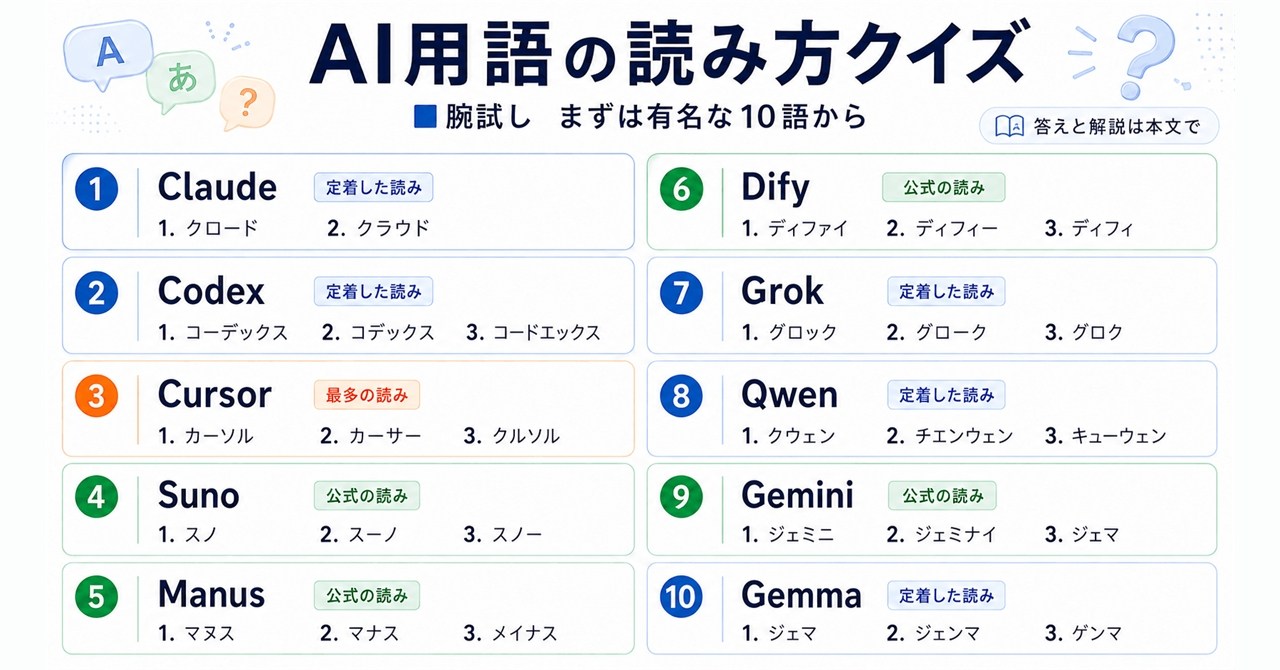
Claude、Codex、Qwen……そのAI用語、どう読む? 読み方クイズ30問
何となくこう読むものだと思っていたら、実は違っていた。そんな経験はないでしょうか。AI用語にも、意外な読み方をするものや、人によって読み方が分かれるものが少なくありません。その読み方が合っているか、全30問のクイズで確かめてみてください。

立場: 推論は学習可能なルールベースのプロセスです
自律的推論は、今日の AI において最も科学的かつ経済的に動機付けられるトピックの 1 つです。歴史的にはシンボリック AI の範囲でしたが、最近の進歩は主に深層確率生成モデルから生まれました。多大な関心と急速な進歩にも関わらず、生成 AI コミュニティは推論の運用上の定義に明確に収束しておらず、論理や検証可能な自動推論におけるこのトピックの歴史的扱いを暗黙のうちに拒否することがよくあります。この立場は、定義の曖昧さにより推論評価の構成的妥当性が検証不可能なままとなり、信頼できる自律推論に向けた定量化可能な進歩が損なわれると主張します。私たちはまた、この曖昧さは対処可能であると主張します。そのために、私たちは、(1) 文献の統合に基づいた操作上の定義を提供し、有効かつ健全な推論を学習可能なルールベースのプロセスとして位置づけます。 (2) AI 推論研究のコミュニケーションにおけるベスト プラクティスのチェックリスト。
原文 (English)
Position: Reasoning is a Learnable Rule-Based Process
Autonomous reasoning is among the most scientifically and economically motivating topics in AI today. Historically the purview of symbolic AI, recent advances have mainly emerged from deep probabilistic generative models. Despite immense interest and rapid progress, the generative AI community has not clearly converged on operational definitions for reasoning and often implicitly rejects the historical treatment of this topic in logic and verifiable automated reasoning. This position contends that definitional ambiguity leaves the construct validity of reasoning evaluation unverifiable, undermining quantifiable progress toward trustworthy autonomous reasoning. We also contend that this ambiguity is addressable. To that end, we provide (1) operational definitions based on a synthesis of the literature, positioning valid and sound reasoning as a learnable rule-based process; and (2) a checklist for best practices in the communication of AI reasoning research.
モバイル エッジ コンピューティングにおけるストリーム処理のための LLM 支援コントラクト ネット ネゴシエーションを使用したマルチエージェント スケジューリング
ストリーム処理システムは、異種モバイル エッジ、つまりクラウド インフラストラクチャ全体で動作することがますます増えており、ワークロードの不安定性、リソース競合、および厳しいサービス品質 (QoS) 要件により、分散スケジューリングが複雑になっています。この論文は、\emph{MAS-DecStream} を提案します。その主な貢献は \emph{LLM-MR-CNP} です。これは、セマンティック CFP 定式化、段階的なコンテキスト開示、複数ラウンドの提案修正、ネゴシエーション記憶、決定論的検証を備えた古典的なコントラクト ネット プロトコルの拡張です。エッジ クラスタ エージェントは、ハード リソースと QoS の制約が決定的なままである一方で、ローカルの観察、予測されたリソースの状態、定性的なランタイム コンテキストに基づいて自然言語オフロードの提案を改良します。 Alibaba ASI トレースから派生した実験では、シングルラウンドとマルチラウンドの CNP、ルールベースと LLM 支援の改良、および固定モデルのシングルラウンドとマルチラウンドのネゴシエーションの 3 つのレベルで拡張機能を評価します。評価された構成では、MAS-DecStream はレイテンシ違反を 3\% に削減し、リソースのオーバーコミットを排除し、20 エージェントで競合解決率 0.91 に達し、マルチラウンド ルールベースのベースラインと比較してユーティリティを最大 22\% 向上させます。別の 25 ケースの評価では、モデルおよびプロンプトに依存する精度とコストのトレードオフが示されています。この結果は、マルチラウンド CNP 改良が主要なプロトコル レベルの利点であり、LLM 支援により定性的で不確実なランタイム コンテキストに付加価値を与えるという最初の証拠を提供します。
原文 (English)
Multi-Agent Scheduling with LLM-Assisted Contract Net Negotiation for Stream Processing in Mobile Edge Computing
Stream-processing systems increasingly operate across heterogeneous mobile edge--cloud infrastructures, where workload volatility, resource contention, and stringent quality-of-service (QoS) requirements complicate decentralized scheduling. This paper proposes \emph{MAS-DecStream}, whose main contribution is \emph{LLM-MR-CNP}: an extension of the classical Contract Net Protocol with semantic CFP formulation, progressive context disclosure, multi-round proposal revision, negotiation memory, and deterministic validation. Edge-cluster agents refine natural-language offloading proposals from local observations, predicted resource states, and qualitative runtime context, while hard resource and QoS constraints remain deterministic. Experiments derived from the Alibaba ASI Trace evaluate the extension at three levels: single- versus multi-round CNP, rule-based versus LLM-assisted refinement, and fixed-model single- versus multi-round negotiation. Under the evaluated configurations, MAS-DecStream reduces latency violations to 3\%, eliminates resource overcommitment, reaches a conflict-resolution rate of 0.91 with 20 agents, and improves utility by up to 22\% over the multi-round rule-based baseline. A separate 25-case evaluation shows model- and prompt-dependent accuracy--cost trade-offs. The results provide initial evidence that multi-round CNP refinement is the principal protocol-level gain, with LLM assistance adding value for qualitative and uncertain runtime context.
立場: 人間の推論を反映する実用的な AI 調整方法が必要です
AI システムは、意思決定支援、意思決定の代理人、または自律的な意思決定者としてますます採用されています。この意見書では、多くの状況、特に一か八かの意思決定において、ユーザーと同じように推論し、ユーザーの推論を忠実に伝える、正確に認知的に調整された AI システムが必要であると主張しています。私たちは、認知的調整によって理解のしやすさと信頼性が向上するという証拠を検討し、AI の判断や行動の根拠が自分たちにとって重要である場合、多くのユーザーが認知的調整が「不可欠」であると感じていることを示す新しい調査データを提供します。私たちは、既存のアライメント手法と認知的アライメントを達成するために必要なものとの間のギャップを概説し、これらのギャップに対処するための研究課題を提示します。私たちは、認知的不整合は、想定されている多くのアプリケーションにおける AI 導入の障害となる可能性が高く、これに対処することが、ユーザーが喜んで信頼できる AI システムを構築するために重要であると主張します。
原文 (English)
Position: We Need Practical AI Alignment Methods to Mirror Human Reasoning
AI systems are increasingly employed as decision aids, decision delegates, or autonomous decision-makers. This position paper argues that in many settings, particularly high-stakes decision-making, we need accurate cognitively-aligned AI systems that reason similarly to their users, and faithfully communicate their reasoning. We review evidence that cognitive alignment improves understandability and trustworthiness, and provide new survey data showing that many users find cognitive alignment "essential" when an AI's rationale for a judgment or action is important to them. We outline the gaps between existing alignment methods and what is needed to achieve cognitive alignment, and present a research agenda to address these gaps. We argue that cognitive misalignment represents a likely impediment to AI adoption in many envisioned applications, and that addressing it is important for creating AI systems on which users are both willing and justified to rely.
研究アシスタント: アストラゼネカの研究開発用エージェントシステム
Research Assistant について説明します。Research Assistant は、科学者や臨床医が幅広いデータ ソースにわたって生物医学的な疑問を調査できるように、アストラゼネカで開発された LLM ベースの社内システムです。このシステムは、科学文献、ナレッジ グラフ、化学、臨床試験、安全リソース、発現データ、および内部実験システムからの証拠をまとめるチャット スタイルのインターフェイスを提供します。直接質問に答えるための高速モードと、より複雑な研究タスクのためのマルチステップ モードの両方をサポートします。回答は取得した証拠に基づいており、元のソースにリンクされているため、ユーザーは基礎となるデータを確認してさらに調査することができます。このテクニカル ノートでは、システム アーキテクチャ、製品の背後にある主な設計上の選択、およびアストラゼネカ全体の日常の研究開発ワークフローをサポートするために製品を大規模に導入することから得た教訓について概説します。
原文 (English)
Research Assistant: AstraZeneca's Agentic System for R&D
We describe Research Assistant, an internal LLM-based system developed at AstraZeneca to help scientists and clinicians explore biomedical questions across a broad range of data sources. The system provides a chat-style interface that brings together evidence from scientific literature, knowledge graphs, chemistry, clinical trials, safety resources, expression data, and internal experimental systems. It supports both a fast mode for direct question answering and a multi-step mode for more complex research tasks. Responses are grounded in retrieved evidence and linked back to the original sources, allowing users to review and further explore the underlying data. In this technical note, we outline the system architecture, the main design choices behind the product, and lessons learned from deploying it at scale to support day-to-day R&D workflows across AstraZeneca.
MindMemOS: AI エージェント向けのポータブルで自己進化するメモリ オペレーティング レイヤー
メモリは AI エージェントの中核コンポーネントであり、AI エージェントが経験を蓄積し、パーソナライゼーションを維持し、長期的な対話に適応できるようにします。しかし、既存の記憶システムは開発後も固定されたままであることが多く、継続的な使用を通じて記憶モデル、組織化戦略、および手続き的知識を適応させる能力が制限されます。 MindMemOS は、統合されたエンティティ プロパティの時間構造を使用してオープンワールド情報を編成する、ポータブルで自己進化するメモリ オペレーティング レイヤーです。 MindMemOS は、シナリオ適応型記憶モデリング、高次パターン発見、自律的な記憶改良、継続的なスキル進化をサポートします。 MindMemEvolve アルゴリズムは、検証主導の進化的検索を採用して、ターゲット シナリオに合わせてメモリ スキーマを最適化します。一方、dreaming は、冗長なレコードをマージし、競合を解決することで蓄積されたメモリを統合します。さらに、暗黙的な修正フィードバックは、潜在的に不正確またはずれている記憶を特定して修正するための人間参加型シグナルとして機能します。 MindSkillEvolve アルゴリズムは、エージェントの実行軌跡を再利用可能で段階的に洗練されたスキルにさらに変換します。 MindMemOS は、LOCOMO で 94.03%、PersonalMem で 70.63% の精度を達成しています。 MindSkillEvolve は、SpreadsheetBench の成功率を初期スキルのベースラインより 9.2 パーセント向上させます。
原文 (English)
MindMemOS: A Portable and Self-Evolving Memory Operating Layer for AI Agents
Memory is a core component of AI agents, enabling them to accumulate experience, maintain personalization, and adapt over long-term interactions. However, existing memory systems often remain fixed after development, limiting their ability to adapt their memory models, organization strategies, and procedural knowledge through continued use. We present MindMemOS, a portable and self-evolving memory operating layer that organizes open-world information using a unified entity property timestructure. MindMemOS supports scenario-adaptive memory modeling, higher-order pattern discovery, autonomous memory refinement, and continuous skill evolution. Its MindMemEvolve algorithm employs validation-driven evolutionary search to optimize memory schemas for target scenarios, whiledreaming consolidates accumulated memories by merging redundant records and resolving conflicts. In addition, implicit corrective feedback serves as a human-in-the-loop signal for identifying and revising potentially inaccurate or misaligned memories. Its MindSkillEvolve algorithm further transforms agent execution trajectories into reusable and progressively refined skills. MindMemOS achieves 94.03% accuracy on LOCOMO and 70.63% on PersonaMem. MindSkillEvolve improves SpreadsheetBench success by 9.2 percentage points over the initial-skill baseline.
管理された永続メモリ: ロングホライズンエージェントのソースバインド状態セマンティクスとフェールクローズリリース
エージェントの長期記憶は通常、select-store-retrieve として扱われますが、矛盾するレコード、置き換えられたレコード、撤回されたレコード、削除されたレコード、または古いレコードが発信要求をサポートするかどうかは、検索によって決定されるわけではありません。ソースバインドアドミッション、派生ライフサイクル状態、現在のパブリックバリア、およびフェールクローズ構造化リリースを備えた監査可能なバイテンポラル状態遷移モデルである Governed Persistent Memory (GPM) を紹介します。 5 つの実行可能な条項は、台帳の整合性、情報源のバインディング、競合の分離、撤回または削除後の非復活、および 1 つの検証済みヘッドによる新たなビューに基づく正確な請求の閉鎖をカバーしています。事前に指定されたハッシュ凍結された 3,600 件の GPM-ReleaseBench では、GPM はすべての完全な結果と一致します。意図的に単純な 3 つの完全なポリシーのうち最も強力なものは 1,800/3,600 に一致し、違反ケースの 50% で比類のないリリースを行います。個別のシールされたエンドツーエンドのサービス評価では、8 つのクエリ ファミリ全体で実際の取り込みとリリースが実行されます。公開されている V3 アームでは、管理レーンは 2,400/2,400 クラスターでは正しいのに対し、非管理ローカル Qwen2.5-7B では 600/2,400 です。 1,800 件のベースライン障害すべてを回帰なしで修復します (片側 95%、下限 99.875% および 99.834%)。中国および英国のコマンドアームに対するその後の V5 再封印では、世代日の固定と凍結後の減速修正は行われず、再びアームごとに 2,400/2,400 が得られます。実稼働コードに依存しない有限モデルは、完全なコントラクトの反例なしで 331,776 のセマンティック状態と 1,990,656 のクエリ状態を調査し、100,000 トレースの 3 エンジンの差分で不一致がゼロになります。これらは、制限された契約と実装の結果であり、オープンワールド モデルの精度や世界の真実の証拠ではありません。封印されたサービス評価における統制された回答は、決定論的なサービス出力です。 7B の結果は管理されていない比較であり、言語モデル自体が完全に正確になったという主張ではありません。
原文 (English)
Governed Persistent Memory: Source-Bound State Semantics and Fail-Closed Release for Long-Horizon Agents
Long-term agent memory is usually treated as select--store--retrieve, but retrieval does not decide whether contradictory, superseded, retracted, deleted, or stale records may support an outgoing claim. We introduce Governed Persistent Memory (GPM), an auditable bitemporal state-transition model with source-bound admission, derived lifecycle state, current public barriers, and fail-closed structured release. Five executable clauses cover ledger integrity, source binding, conflict isolation, non-revival after retraction or deletion, and exact claim closure over a fresh view at one verified head. On a prespecified hash-frozen 3,600-case GPM-ReleaseBench, GPM matches all complete outcomes; the strongest of three intentionally simple complete policies matches 1,800/3,600 and makes unmatched releases on 50% of violation cases. A separate sealed end-to-end service evaluation exercises real ingestion and release across eight query families. In its publicly disclosed V3 arm, the governed lane is correct on 2,400/2,400 clusters versus 600/2,400 for ungoverned local Qwen2.5-7B; it repairs all 1,800 baseline failures with no regression (one-sided 95% lower bounds 99.875% and 99.834%). A later V5 reseal over Chinese- and English-command arms, with generation-date pinning and no post-freeze reducer amendment, again obtains 2,400/2,400 per arm. A production-code-independent finite model explores 331,776 semantic and 1,990,656 query states without a full-contract counterexample, and a 100,000-trace three-engine differential yields zero mismatches. These are bounded contract and implementation results, not open-world model accuracy or evidence of world truth. Governed answers in the sealed service evaluation are deterministic service outputs; the 7B result is the ungoverned comparison, not a claim that a language model itself became perfectly accurate.
監査可能なエージェント AI による、証拠に基づく甲状腺超音波診断とレポート作成
甲状腺の超音波診断には、調整された病変の位置特定、測定、リスク層別化、およびレポートが必要ですが、ほとんどの AI システムはこれらのタスクを個別に処理し、臨床レビューに対するサポートは限られています。我々は、専門的な診断ツールを調整し、その出力を監査可能な症例レベルの証拠記録として保存する、臨床医と対話型のエージェント AI システムである ThyroidXAgent を紹介します。このシステムは、約 30 万枚の超音波画像と 24,000 件のペアレポートを統合する多施設マルチタスクリソースである OpenThyroidDB を使用して開発され、民間 NHC-MISD-TUS コホートの 35 施設からの 8,721 件を含む、重複しない 28,458 件のテスト ケースで評価されました。異種データセット全体で、ThyroidXAgent は結節セグメンテーションで 87.21% の平均 Dice スコア、良性-悪性分類で 0.9466 の平均 AUROC を達成しました。同じワークフローは、リンパ節転移予測と濾胞性対乳頭状甲状腺癌の分類をサポートし、AUROC はそれぞれ 0.864 と 0.805 でした。レポート生成では、証拠に基づいたアセンブリが 3 つのコホート全体でマルチモーダル言語モデルのベースラインを上回りました。ここで紹介した病変レベルの臨床意味論的指標である ThyClinScore は、位置認識言語モデルの判定者と最も強い相関関係を示しました。 ThyroidXAgent により、医師の分類精度が向上し、レポート診断の一貫性が 70.3 パーセントから 86.2 パーセントに向上し、セグメント化とレポート時間がそれぞれ 35.9 パーセントと 27.4 パーセント短縮されました。これらの発見は、甲状腺超音波診断とレポートのための、監査可能で臨床医による修正が可能なエージェント AI を裏付けています。
原文 (English)
Auditable agentic AI for evidence-grounded thyroid ultrasound diagnosis and reporting
Thyroid ultrasound diagnosis requires coordinated lesion localization, measurement, risk stratification and reporting, yet most AI systems address these tasks in isolation and provide limited support for clinical review. We present ThyroidXAgent, a clinician-interactive agentic AI system that coordinates specialized diagnostic tools and stores their outputs as an auditable case-level evidence record. The system was developed using OpenThyroidDB, a multicentre, multitask resource integrating approximately 0.3 million ultrasound images and 24,000 paired reports, and was evaluated on 28,458 non-overlapping test cases, including 8,721 cases from 35 centres in the private NHC-MISD-TUS cohort. Across heterogeneous datasets, ThyroidXAgent achieved a mean Dice score of 87.21 percent for nodule segmentation and a mean AUROC of 0.9466 for benign-malignant classification. The same workflow supported lymph-node metastasis prediction and follicular versus papillary thyroid carcinoma classification, with AUROCs of 0.864 and 0.805, respectively. For report generation, evidence-grounded assembly outperformed multimodal language-model baselines across three cohorts. ThyClinScore, a lesion-level clinical semantic metric introduced here, showed the strongest correlation with a location-aware language-model judge. ThyroidXAgent improved physician classification accuracy, increased report diagnostic consistency from 70.3 percent to 86.2 percent, and reduced segmentation and reporting time by 35.9 percent and 27.4 percent, respectively. These findings support auditable, clinician-correctable agentic AI for thyroid ultrasound diagnosis and reporting.
@スキル: 注意力だけがすべてです
現在、56,804 のパブリック エージェント スキルがあり、チームはさらに多くのスキルを非公開で作成しています。主要な配信モデルはインストールです。インストールされると、スキルの説明はシステム プロンプトに残り、100 未満の信頼できるトリガー スロットをめぐって競合します。これにより、ロングテールには実際に使用できる道がなくなり、チーム独自のプレイブックが同じ希少なスペースを奪い合うことになります。インストールには、コンテンツ、永続性、自動トリガーという 3 つの分離可能な機能がバンドルされていることがわかります。最後の場合のみ即時居住が必要です。そこで私たちは、それらを分離するオープンプロトコルである @skills を提案します。パスはスキル、サブツリー、またはコレクションをアドレス指定しており、スキルを使用するにはスキルを読み取るだけで十分であるため、何もインストールされたり常駐されたりすることはありません。この操作では、適応と所有権のために、同じパスでプロジェクトの Git 追跡ツリーにコピーを提供します。この操作により、.gitignore スタイルの行が 1 つ追加されます。これは、プロンプト常駐にコストがかかる唯一の要素です。ディレクトリはメニューであり、バンドルを全か無かのユニットではなく通常のディレクトリにします。このプロトコルはマニフェスト、ロックファイル、または登録を必要とせず、SKILL.md は変更されません。 @skills は追加的なもので、インストール可能なパッケージとして出荷され、ファイルを読み取ってコマンドを実行できるエージェントを 1 つの命令ファイルを通じてクライアントに変換します。そのオープン仕様は https://github.com/SylphAI-Inc/atskills にあり、 https://adalagent.ai の AdaL CLI に実装されています。パスはスキルに適切に対応しますが、スキルを見つけることができないため、このプロトコルは、コーパス全体の検索とランキング、リポジトリ不要のホスティング、プライベートおよびチームのコレクション、および 1 画面のオーサリングのために https://atskills.one の無料ハブと組み合わせられています。ハブはオプションです: gh: と、ローカル パスはハブなしで解決され、インデックス付きの GitHub スキルは gh: の ID を保持します。インストールを減らして、より多くの使用を行います。
原文 (English)
@skills: Attention is all you have
There are 56,804 public agent skills today, and teams write many more privately. The dominant delivery model is installation: once installed, a skill's description remains in the system prompt, competing for fewer than 100 reliable trigger slots. This leaves the long tail with no practical path to use and forces teams' own playbooks to compete for the same scarce space. We observe that installation bundles three separable functions: content, persistence, and automatic triggering. Only the last requires prompt residency. We therefore propose @skills, an open protocol that separates them. A path addresses any skill, subtree, or collection, and reading a skill is sufficient to use it, so nothing is installed or made resident. The operation vendors a copy at the same path into a project's Git-tracked tree for adaptation and ownership. The operation adds one .gitignore-style line, the only element that costs prompt residency. A directory is a menu, making bundles ordinary directories rather than all-or-nothing units. The protocol requires no manifest, lockfile, or registration, and SKILL.md remains unchanged. @skills is additive, ships as an installable package, and turns any agent that can read files and run commands into a client through a single instruction file. Its open specification is at https://github.com/SylphAI-Inc/atskills and it is implemented in the AdaL CLI at https://adalagent.ai . Because paths address skills well but cannot find them, the protocol is paired with a free hub at https://atskills.one for corpus-wide search and ranking, repository-free hosting, private and team collections, and one-screen authoring. The hub is optional: gh: and local paths resolve without it, and indexed GitHub skills retain their gh: identities. Install less, use more.
SteerBench-Work: アクション境界でのエージェントのステアリングのベンチマーク
長期間実行される LLM エージェントはツールを通じて動作し、単一のステップで電子メールの送信、プル リクエストのマージ、または電信送金を行うことができます。ステアリングの決定は、その境界におけるコミット前の選択です。続行するか、人間によるレビューまたはポリシーのレビューのために保留するかです。 SteerBench-Work は、開発業務、顧客サービス、財務、法務、医療、人事、セキュリティにわたる職場エージェントの意思決定のための、インシデントに基づいた双方向のベンチマークです。リリース v2026-05 には、公的事件に基づいた 106 のシナリオ、ペアの証拠反転ミラー、およびキャリブレーション コントロールが含まれており、ラベルは続行と保留の間でほぼ均等に分割されているため、2 つのエラー方向がほぼ同じ数のチャンスを得ることができます。モデルは、提案されたアクションと利用可能な証拠を確認し、ゲート決定を返し、それが境界を正しく越えているか、境界を保持しているかどうかでスコア付けされます。 30 のモデル条件全体で、失敗はほぼ完全に一方向に進行します。モデルは、機会の 28.1% で承認済みの証拠がクリアされた作業を誤って保持し、1.0% で安全でない作業を誤って許可します。最も困難なケースは、リスク解決されたコミットです。この場合、署名または構造化された証拠が実際のリスクトリガーをすでに除去しており、有名なインシデントの証拠を反転したミラー (63.8%) では、インシデント自体 (98.5%) よりもモデルのスコアが著しく低くなります。一般的な機能はステアリング キャリブレーションと同じではありません。高機能モデルはコミット境界で過剰に拒否されることがよくあり、より多くの推論により、キャリブレーションされたゲートをフラットのままにして弱いゲートを修復できます。公開リーダーボードは steerbench.com にあります。
原文 (English)
SteerBench-Work: A Benchmark for Agent Steering at Action Boundaries
Long-running LLM agents act through tools, and a single step can send an email, merge a pull request, or wire a payment. The steering decision is the pre-commit choice at that boundary: proceed, or hold for human or policy review. We introduce SteerBench-Work, an incident-anchored, bidirectional benchmark for that decision in workplace agents across developer operations, customer service, finance, legal, medical, HR, and security. Release v2026-05 contains 106 scenarios anchored in public incidents, paired evidence-reversed mirrors, and calibration controls, with labels split nearly evenly between proceed and hold so the two error directions get near-identical numbers of chances. A model sees the proposed action and the available evidence, returns a gate decision, and is scored on whether it crosses or holds the boundary correctly. Across 30 model conditions the failures run almost entirely in one direction: models wrongly hold authorized, evidence-cleared work on 28.1% of opportunities and wrongly allow unsafe work on 1.0%. The hardest cases are risk-resolved commits, where signed or structured evidence has already cleared a real risk trigger, and models score markedly worse on evidence-reversed mirrors of famous incidents (63.8%) than on the incidents themselves (98.5%). General capability is not the same as steering calibration: higher-capability models often over-refuse at the commit boundary, and more reasoning can repair a weak gate while leaving a calibrated one flat. The public leaderboard is at steerbench.com.
ラインとラダー: 大規模な小売価格分類のためのコンテキスト認識型マルチエージェント フレームワーク
価格の一貫性を維持し、毎日低価格戦略を実行することは、世界的な小売業者にとって非常に重要です。ただし、カタログが何百万ものアクティブなアイテムにまたがっているため、価格関係を手動で管理することは不可能です。品目のバリエーション間で価格設定が一貫していない場合、顧客の価値認識が歪められ、売上が共食いされます。これに対処するために、「ラインとラダー」の価格分類法の構築を自動化するように設計された、スケーラブルでコンテキスト認識型のマルチエージェント フレームワークを紹介します。当社のフレームワークでは、特殊な LLM エージェントを採用して、主要な属性を特定し、マルチモーダル値を抽出し、階層的なグループ化ロジックを適用することで、一貫した価格設定構造を構築します。現実世界のエンタープライズ データに基づいて評価され、運用環境に導入された当社の 3 エージェント システムは、ラインの F1 スコア 0.83 を達成し、認知過負荷を軽減することで単一エージェントのベースラインを上回りました。このシステムは、食品および消耗品では 90% 以上の精度と 75% 以上の再現率を達成し、非構造化一般商品カタログでは 80.2% の割り当て精度を達成しています。
原文 (English)
Lines and Ladders: A Context-Aware Multi-Agent Framework for Large-Scale Retail Price Taxonomy
Maintaining price consistency and executing an Every Day Low Price strategy is critical for global retailers. However, with catalogs spanning millions of active items, manual governance of price relationships is infeasible. Inconsistent pricing across item variants distorts customer value perception and cannibalizes sales. To address this, we present a scalable, context-aware Multi-Agent Framework designed to automate the construction of "Lines and Ladders" pricing taxonomies. Our framework employs specialized LLM agents to construct these coherent pricing structures by identifying key attributes, extracting multi-modal values, and applying hierarchical grouping logic. Evaluated on real-world enterprise data and deployed in production, our 3-Agent system achieves an F1-score of 0.83 for Lines, outperforming single-agent baselines by mitigating cognitive overload. The system achieves >90% precision and >75% recall in Food & Consumables, and 80.2% assignment accuracy in the unstructured General Merchandise catalog.
空間記憶エージェント: 空間知性のための経験に基づいた手順記憶
空間インテリジェンスは、身体化されたエージェント、ロボットによるプランニング、およびマルチモーダル アシスタントの基盤になりつつあります。 VLM エージェントの空間推論能力を向上させるために、既存の研究は主に 2 つの方針に従っています。 1 行では、教師あり微調整や強化学習などのトレーニング後の手法を使用しています。別のラインでは、モデルが深さ推定や 3D 再構成ツールなどの外部空間ツールを呼び出して、中間の空間証拠を収集するエージェント パラダイムを採用しています。私たちは、補完的かつ未開拓のルートを研究します。凍結された VLM エージェントは、推論時に外部の専門家空間ツールに依存せずに、\textbf{パラメータ更新不要の自己進化} を通じて空間推論を改善できるでしょうか?私たちは、検証された空間体験を再利用可能な転送可能なレッスンに変換する \textbf{経験に基づいたランタイム フレームワーク}である \textbf{空間メモリ エージェント (SMA)} を紹介します。検証可能な空間環境では、SMA は凍結された VLM にクエリを実行し、予測された答えと報酬を取得し、\textbf{検証者ガイド付きリフレクション} を使用して、空間経験からコンパクトで譲渡可能な教訓を抽出します。 SMA はさらに、各レッスンに \textbf{転送信頼性スコア (TRS)} を割り当てます。これは均一に初期化され、将来の転送信頼性の訪問証拠として後の検索結果から調整されます。 \textbf{読み取り専用デプロイメント}中、SMA はセマンティック フィルターと類似性と TRS を組み合わせたランキングによってレッスンを取得し、取得したメモリを利用してフリーズされたモデルの推論をガイドできるようにします。 5 つの代表的な空間ベンチマークと 4 つのベース VLM にわたって、SMA はすべてのベース モデル ブロックで最高のマクロ平均を達成し、20 の評価のほとんどで評価されたメソッドの中で最高の精度を達成し、評価されたフリーズ モデル スケールと環境全体で空間自己進化のための実用的なパラメーター更新のないパスを確立しました。
原文 (English)
Spatial Memory Agent: Experience-Grounded Procedure Memory for Spatial Intelligence
Spatial intelligence is becoming a foundation for embodied agents, robotic planning, and multimodal assistants. To improve the spatial reasoning ability of VLM agents, existing work has mainly followed two lines. One line uses post-training methods, such as supervised fine-tuning and reinforcement learning. Another line adopts an agentic paradigm in which the model calls external spatial tools, such as depth estimation and 3D reconstruction tools, to gather intermediate spatial evidence. We study a complementary and underexplored route: Can a frozen VLM agent improve its spatial reasoning through \textbf{parameter-update-free self-evolution}, without depending on external expert spatial tools at inference time? We present \textbf{Spatial Memory Agent (SMA)}, an \textbf{experience-grounded runtime framework} that converts verified spatial experience into reusable transferable lessons. In a verifiable spatial environment, SMA queries the frozen VLM, obtains a predicted answer and reward, and uses \textbf{verifier-guided reflection} to distill compact transferable lessons from spatial experience. SMA further assigns each lesson a \textbf{Transfer Reliability Score (TRS)}, which is initialized uniformly and calibrated from later retrieval outcomes as visit evidence of future transfer reliability. During \textbf{read-only deployment}, SMA retrieves lessons by semantic filter and similarity-TRS combined ranking, allowing the retrieved memory to guide frozen model inference. Across five representative spatial benchmarks and four base VLMs, SMA achieves the highest macro average in every base-model block and the best accuracy among the evaluated methods in most of the 20 evaluations, establishing a practical parameter-update-free path for spatial self-evolution across the evaluated frozen model scales and environments.
正しさは管理されない: エージェント ワークフローにおける来歴の整合性
エージェント ワークフローは通常、正しい結果に達するかどうかによって評価されます。これは、正しい行動が間違った権限、裏付けのない完了要求、または後の変更によって陳腐化した作業に依存する可能性がある制度的環境では不十分です。私たちは、管理された実行を、検査可能な出所によって決定、完了、変更への対応がサポートされる作業と定義します。私たちは、権威と事実の依存関係を記録し、完了の証拠を検証し、影響を受けた作業を選択的に無効にする決定論的な因果状態レイヤーである Matrix を紹介します。管理された比較全体で、管理されたワークフローと直接的なワークフローは多くの場合同じ結果に達しましたが、管理されたパスのみが一貫して管理証拠を保持し、サポートされていない終了を拒否し、依存タスクへのリカバリが制限されました。その後、役割分離転送チャレンジは失敗しました。決定論的に強制された完全性コントラクトが、オーサリング コンテキストの外で生成された合成パケットを大幅に過剰ブロックしました。これらの結果は、Matrix が一般的な精度向上剤として確立されるものではありません。これらは、エージェントの作業を監査可能かつ独立して検証可能にするための組織的整合性層としての主な役割をサポートします。
原文 (English)
Correct Is Not Governed: Provenance Integrity in Agentic Workflows
Agentic workflows are commonly evaluated by whether they reach the correct outcome. That is insufficient in institutional settings, where a correct action may rely on the wrong authority, an unsupported completion claim, or work made stale by a later change. We define governed execution as work whose decisions, completion, and response to change are supported by inspectable provenance. We present Matrix, a deterministic causal-state layer that records authority and fact dependencies, verifies completion evidence, and selectively invalidates affected work. Across controlled comparisons, governed and direct workflows often reached the same outcomes, but only the governed path consistently preserved governing evidence, refused unsupported closure, and limited recovery to dependent tasks. A role-separated transfer challenge then failed: a deterministically enforced completeness contract severely over-blocked synthetic packets produced outside its authoring context. These results do not establish Matrix as a general accuracy enhancer; they support its primary role as an institutional integrity layer for making agentic work auditable and independently verifiable.
取得を超えて: 長期にわたるエージェントの軌跡のクエリ条件付き再利用
取得では、重要な可能性のある過去の軌跡を特定できますが、ユーザー、エンティティ、制約、または環境の状態が変化した後に、代理エージェントがその軌跡をどのように使用すべきかは指定されません。私たちは、この取得後の再利用ステップが長期軌道記憶の明確なボトルネックであることを特定し、エージェントに提供されるサポートを変更しながら、候補の取得、ターゲットの状態、モデル、デコード、およびツールの予算を固定する評価フレームワークを定式化します。クエリ条件付き再利用 (QCR) を使用してフレームワークをインスタンス化します。これは、再利用可能なプロシージャ、回復するバインディング、適用条件、および検証要件を記録する、意図的に単純なターゲット バインド メモです。 QCR は、普遍的に好まれるメモリ形式を主張するのではなく、再利用仮説をテストするのに役立ちます。 WebArena、WorkArena、AppWorld の 2,391 のターゲット インスタンス全体で、QCR は平均成功率 62.3% に達し、フル トラジェクトリを 10.7 ポイント上回り、オンライン トークンの使用量は 48.9% 減少しました。概要の再ランキングでは、ターゲットの 94.8% に対して再利用可能なメモリが選択され、終了タスクの成功が Oracle の再利用可能なセレクターの 1.8 ポイント以内に配置されます。軌道の長さとソース - ターゲット結合のシフトによる分析では、直接軌道注入はトレースが長くなったり、ソース固有の値が変化したりするにつれてその有用性の多くを失うのに対し、ターゲット結合サポートは測定されたゲインのより大きなシェアを維持することが示されています。結果として得られるフレームワークは、取得したエクスペリエンスを新しいタスクに対する安全で有用なサポートに変えるという問題から、取得の品質を分離します。
原文 (English)
Beyond Retrieval: Query-Conditioned Reuse of Long-Horizon Agent Trajectories
Retrieval can identify a past trajectory that may matter, yet it does not specify how an acting agent should use that trajectory after users, entities, constraints, or environment state have changed. We identify this post-retrieval reuse step as a distinct bottleneck for long-horizon trajectory memory and formulate an evaluation framework that holds candidate retrieval, target state, model, decoding, and tool budget fixed while varying the support delivered to the agent. We instantiate the framework with query-conditioned reuse (QCR), a deliberately simple target-bound note that records a reusable procedure, bindings to recover, applicability conditions, and verification requirements. QCR serves to test the reuse hypothesis rather than to claim a universally preferred memory format. Across 2,391 target instances in WebArena, WorkArena, and AppWorld, QCR reaches 62.3% average Success, 10.7 points above Full Trajectory, while using 48.9% fewer online tokens. Summary reranking selects a reusable memory for 94.8% of targets, placing end-task Success within 1.8 points of an oracle reusable selector. Analyses by trajectory length and source--target binding shift show that direct trajectory injection loses much of its utility as traces grow longer or source-specific values change, whereas target-bound support preserves a larger share of the measured gain. The resulting framework separates retrieval quality from the problem of turning retrieved experience into safe, useful support for a new task.
実践が危険を生む: 自己改善型 LLM エージェントにおけるスキルの誤った進化
自己改善型 LLM エージェントは、成功した軌跡を永続的なクロスタスク状態に変換します。これにより、安全でない成功は、トリガーとなる入力が消えた後に再利用可能なポリシーになる可能性があります。スキルの進化により、運用の軌跡を実行可能、転送可能、検査可能な手順に抽出することで、この失敗を測定できるようになります。進化は手順の安全性ではなくタスクの結果を最適化するため、妥協したエクスペリエンスがスキルの誤った進化を引き起こす可能性があります。既存のベンチマークは、現在の動作や静的な成果物を測定しますが、オーサリング、取得、およびその後の実行にわたるリスクを特定することはできません。このライフサイクルを公開するために、エージェント フレームワーク全体でスキル状態をバージョン化するライフサイクル認識ハーネスである SkillMisevo-Gym と、コンセプトに合わせた無害なタスクと 9 つのライフサイクル メトリクスを備えた、悪意のある暴露からキャリーオーバー タスクまでの凍結設計である SkillMisevo-Bench を導入します。また、安全でないコンテンツを修復し、その後の再利用を制御するラッパー SafeEvolve も紹介します。 25 のエージェント メソッド構成全体で、それぞれ 25 のエピソードで 525 のタスクをカバーしており、進化した 21 の構成すべてで安全でないアーティファクトが作成されますが、フレッシュ セッションの被害につながるのは 15 のみです。エクスポージャー スイープでは、3 つの悪意のあるタスクにより、キャリーオーバー ASR が 16.0% から 35.3% に上昇しました。代表的なスキル進化方法全体で、SafeEvolve は安全でない検索と新しいセッションの被害をそれぞれ 26.7 パーセント ポイントと 17.3 パーセント ポイント削減しますが、平均の良性ユーティリティの変化はわずか 0.4 ポイントです。永続的適応の安全性は、同時に、更新が何を書き込むか、そして将来の実行者が何を再利用するかを管理する必要があります。コードは https://github.com/henrymao2004/misevolve で入手できます。
原文 (English)
Practice Makes Unsafe: Skill Misevolution in Self-Improving LLM Agents
Self-improving LLM agents convert successful trajectories into persistent cross-task state. An unsafe success can thereby become reusable policy after its triggering input disappears. Skill evolution makes this failure measurable by distilling operational trajectories into executable, transferable, and inspectable procedures. Because evolution optimizes task outcomes rather than procedure safety, compromised experience can cause skill misevolution. Existing benchmarks measure current behavior or static artifacts but cannot attribute risk across authoring, retrieval, and later execution. To expose this lifecycle, we introduce SkillMisevo-Gym, a lifecycle-aware harness that versions skill state across agent frameworks, and SkillMisevo-Bench, a frozen design from malicious exposure to carryover tasks, with concept-aligned benign tasks and nine lifecycle metrics. We also introduce SafeEvolve, a wrapper that repairs unsafe content and governs subsequent reuse. Across 25 agent-method configurations, each covering 525 tasks in 25 episodes, all 21 evolved configurations author unsafe artifacts, while only fifteen lead to fresh-session harm. In the exposure sweep, three malicious tasks raise carryover ASR from 16.0% to 35.3%. Across representative skill evolution methods, SafeEvolve reduces unsafe retrieval and fresh-session harm by 26.7 and 17.3 percentage points, respectively, while mean benign utility changes by only 0.4 points. Together, persistent-adaptation safety must govern what updates write and what future executors reuse. Code is available at https://github.com/henrymao2004/misevolve.
ReflectFact: マルチホップ事実検証における理解力と推論を向上させるための自己反映エージェント
複数の証拠を推論して主張を検証するマルチホップ事実検証は、ソーシャルメディア上の誤った情報と戦うために重要ですが、依然として非常に困難です。最近の方法は、主にマルチエージェントのコラボレーションに依存して、事実検証を特殊なサブタスクに分解します。ただし、これらの方法には 2 つの重大な制限があります。(1) エージェントは全体的な検証目的を十分に認識せずに個々のサブタスクを実行する可能性があり、その推論が意図した方向から逸脱する可能性があります。 (2) パラメトリックな知識と提供された証拠との間の矛盾により、証拠に基づいた推論が損なわれ、不正確な評決につながる可能性があります。これらの課題に対処するために、マルチホップ ファクト検証のための新しい自己反射エージェント フレームワークである ReflectFact を提案します。 ReflectFact では 3 つの主要なタスクが導入されています。明示的推論パス プランニングでは、暗黙的なエンティティを解決し、主張をサブ質問に分解し、検証された事実を評決に統合することにより、証拠に基づいた推論パスを構築します。証拠逸脱検証では、根拠のある回答がパラメトリックな事前のエコーに過ぎない場合に、エージェントが裏付けとなる証拠を引用して再回答することで、証拠の逸脱を調整して根拠のある理解を確実にします。推論反映検証は、各推論ステップを再検査し、矛盾が検出されるとそれを再生成し、グローバル タスクの観点から位置バイアスや置換バイアスなどの推論の欠陥を修正します。その後、エージェントは検証された推論チェーンを集約して、信頼できる判断を導き出します。 HOVER と EX-FEVER に関する広範な実験により、ReflectFact が既存の手法の理解と推論の欠陥を効果的に修正し、最先端のパフォーマンスを達成し、2 つのデータセットで最も強力なベースラインをそれぞれ 3.32\% および 2.78\% 上回っていることが実証されました。
原文 (English)
ReflectFact: Self-Reflective Agents for Improving Comprehension and Reasoning in Multi-Hop Fact Verification
Multi-hop fact verification, which verifies claims by reasoning over multiple pieces of evidence, is critical for combating misinformation on social media yet remains highly challenging. Recent methods primarily rely on multi-agent collaboration to decompose fact verification into specialized subtasks. However, these methods face two critical limitations: (1) agents may perform individual subtasks without sufficient awareness of the global verification objective, causing their reasoning to deviate from the intended direction; and (2) conflicts between parametric knowledge and the provided evidence may undermine evidence-grounded reasoning and lead to incorrect verdicts. To address these challenges, we propose ReflectFact, a novel self-reflective agent framework for multi-hop fact verification. ReflectFact introduces three key tasks. Explicit Reasoning Path Planning builds an evidence-grounded reasoning path by resolving implicit entities, decomposing the claim into sub-questions, and integrating the verified facts into a verdict. Evidence-Drift Verification makes the agent re-answer by quoting the supporting evidence when a grounded answer merely echoes its parametric prior, thereby calibrating evidence deviation to ensure grounded comprehension. Reasoning Reflection Verification re-examines each reasoning step and regenerates it once an inconsistency is detected, correcting reasoning flaws such as location bias and replacement bias through a global task perspective. Subsequently, the agent aggregates validated reasoning chains to yield reliable verdicts. Extensive experiments on HOVER and EX-FEVER demonstrate that ReflectFact effectively remedies the comprehension and reasoning defects of existing methods, achieving state-of-the-art performance and respectively outperforming the strongest baseline by 3.32\% and 2.78\% on the two datasets.
エージェントの行動契約 II: 独立性を前提とせずに構成の信頼性を証明する
マルチエージェント システムの構成の信頼性限界は、コンポーネントの信頼性を倍増します。これは、日常的に述べられているがテストされることはほとんどない、条件付き独立性の仮定によって認可されたステップです。それをテストします。 2 つのエージェントによるハンドオフにおける 1 つのモデルの 2 つのインスタンスは、LLM 判定なしの決定論的コードによってスコア付けされた 18,000 ミッションの事前登録された評価において、どちらかが失敗するミッションの 90.0% で同時失敗します (log OR 6.66、95% CI [6.38, 7.00]; phi 0.916)。別のモデルに置き換えると、6 つのコントラストのうち 6 つで関連性が減少します。別のベンダー、モデルがすでに異なる場合は、そうではありません。登録された仮説はヌルとして報告されます。エラーは署名され、オペレーターに対して実行されます。正の依存性は結合故障を独立積よりも大きくするため、コンポーネントがモデルを共有する場合、冗長性が正確に過大評価されます。仮定のない代替案は多くの場合空虚であり、依存モデルのフィッティングはさらに悪いことです。フィッティングされたモデルの関数に束縛されたブートストラップは、n が増加するにつれて真実の範囲を失い、ブートストラップ ヘアカットが O(n^{-1/2}) であるのに対し、識別ギャップは O(1) であることを証明します。データが増えると、このような証明書は悪化しますが、目に見える症状はありません。依存構造がないと仮定した有限サンプル証明書を与えます。つまり、ジョイント上の線形プログラム、測定された同時実行モーメントの周りのボンフェローニ・クロッパー・ピアソンボックス上の線形プログラムです。それは健全であり、提供される情報としてはシャープであり、瞬間的な家族の中では単調です。 10 個のモーメント関数を 14 個に強化すると、特定された区間が 85.7% 狭まり、認定された下限が 0.2455 から 0.4116 に上昇します。コンパニオンの常時有効証明書は、オプションの停止下ではタイプ I エラーを 0.0471 に保持します。一般的な依存関係の統計は限界があり、比較されたエージェントが異なる割合で失敗すると、見かけ上の条件の順序が逆転する可能性があります。契約書、スコアリングコード、分析スクリプト、事前登録を公開。
原文 (English)
Agent Behavioral Contracts II: Certifying Compositional Reliability Without Assuming Independence
Compositional reliability bounds for multi-agent systems multiply component reliabilities, a step licensed by a conditional-independence assumption that is routinely stated and rarely tested. We test it. Two instances of one model, in a two-agent handoff, co-fail on 90.0% of the missions on which either fails (log OR 6.66, 95% CI [6.38, 7.00]; phi 0.916), in a preregistered evaluation of 18,000 missions scored by deterministic code with no LLM judge. Substituting a different model reduces the association in six of six contrasts; substituting a different vendor, model already different, does not -- a registered hypothesis reported as a null. The error is signed and runs against the operator: positive dependence inflates joint failure above the independence product, so redundancy is over-credited exactly when components share a model. The assumption-free alternative is often vacuous, and fitting a dependence model is worse: we prove a bootstrap bound on a fitted model's functional loses coverage of the truth as n grows, the identification gap being O(1) while the bootstrap haircut is O(n^{-1/2}). More data makes such a certificate worse, with no visible symptom. We give a finite-sample certificate assuming no dependence structure: a linear program over the joint, over a Bonferroni-Clopper-Pearson box around measured co-execution moments. It is sound, sharp for the information supplied, and monotone in the moment family. Enriching ten moment functionals to fourteen narrows the identified interval by 85.7% and lifts the certified floor from 0.2455 to 0.4116. A companion anytime-valid certificate holds type-I error at 0.0471 under optional stopping. Common dependence statistics are marginal-bounded and can reverse an apparent ordering of conditions when the compared agents fail at different rates. Contracts, scoring code, analysis scripts, and the preregistration are released.
FlashDrive: 自動運転のための Flash 視覚-言語-行動推論
Vision-Language-Action(VLA)モデルは、自動運転にエンドツーエンドの推論をもたらすことを約束していますが、その計算コストはリアルタイム制御するには依然として高すぎます。中心的な課題は構造的なものです。VLA 推論は単一のボトルネックではなく、4 つのカスケードです。ビジュアル エンコーディングでは、重複するビデオ フレームの計算が無駄になります。 language-model prefill は、前のタイムステップから引き継がれる可能性のあるコンテキストを再計算します。エントロピーが低いにもかかわらず、推論トークンが連続的に生成されます。フローマッチングノイズ除去は、不均一な速度場に均一な計算を適用します。いずれかの段階を単独で対処すると、他の段階には影響が及ばなくなります。私たちは、4 つの段階すべてを同時に対象とするアルゴリズムとシステムの共同設計フレームワークである FlashDrive を提案します。私たちの重要な洞察は、それぞれのボトルネックが明確で軽量なアルゴリズムのショートカットを許可しているということです。時間的な重複により、フレーム間でのストリーミング KV キャッシュの再利用が可能になります。トークンごとのエントロピーが低く、駆動ドメイン推論のブロック内相関が強いため、非自己回帰拡散ドラフターは投機的デコードに非常に効果的です。また、速度フィールドの構造 -- エンドポイントでは鋭く、中央ではフラット -- により、重要な場所に計算を集中させる適応型ステップ キャッシュが可能になります。システムレベルの CUDA Graph コンパイルとカーネル融合を重ねて、これらの技術が複合化されます。 W4A8 量子化を備えた Alpamayo 1.5-10B に適用された FlashDrive は、精度を本質的に変えずに、エンドツーエンドのレイテンシを 717 ミリ秒から 151 ミリ秒 (4.7 倍) に短縮します。シミュレーションにおける minADE6@6.4s はわずか 0.08 メートルだけシフトし、minADE1 は向上し、閉ループ衝突とオフロード率が向上します。 FlashDrive は、単一 GPU 上で 10B パラメータ推論 VLA を 1.4 ~ Hz から 6.6 ~ Hz に引き上げることで、エンドツーエンドの自動運転をリアルタイム展開に大幅に近づけます。
原文 (English)
FlashDrive: Flash Vision-Language-Action Inference for Autonomous Driving
Vision-Language-Action (VLA) models promise to bring end-to-end reasoning to autonomous driving, but their computational cost remains far too high for real-time control. The core challenge is structural: VLA inference is not a single bottleneck but a cascade of four. Visual encoding wastes compute on overlapping video frames; language-model prefill recomputes context that could be carried over from the previous timestep; reasoning tokens are generated serially despite low entropy; and flow-matching denoising applies uniform compute to a non-uniform velocity field. Addressing any one stage in isolation leaves the others untouched. We propose FlashDrive, an algorithm-system co-design framework that targets all four stages simultaneously. Our key insight is that each bottleneck admits a distinct, lightweight algorithmic shortcut: temporal overlap enables streaming KV-cache reuse across frames; the low per-token entropy and strong intra-block correlations of driving-domain reasoning make a non-autoregressive diffusion drafter highly effective for speculative decoding; and the velocity field's structure---sharp at the endpoints, flat in the middle---permits adaptive step caching that concentrates compute where it matters. Layered on system-level CUDA Graph compilation and kernel fusion, these techniques compound. Applied to Alpamayo 1.5-10B with W4A8 quantization, FlashDrive reduces end-to-end latency from 717ms to 151ms (4.7x) while leaving accuracy essentially unchanged: minADE6@6.4s shifts by only 0.08m, minADE1 improves, and closed-loop collision and off-road rates improve in simulation. By raising a 10B-parameter reasoning VLA from 1.4~Hz to 6.6~Hz on a single GPU, FlashDrive moves end-to-end autonomous driving substantially closer to real-time deployment.
OGR-MARL: 制約された港湾水路における異種 USV 協力追跡のためのオプションガイド付き残差マルチエージェント強化学習
制約された港湾水路における異種 USV の協力追跡には、航行、交通、および役割の制約の下で回避者の迎撃が必要です。この論文では、特定の MARL アルゴリズムから分離されたオプション ガイド付き残差マルチエージェント強化学習フレームワークである OGR-MARL を提案します。 OGR-MARL は、共有回避信念、ロール条件付きオプション ターゲット、適応ルール ペナルティ、および残留ポリシー学習を統合し、制約のあるポート環境を最初から探索するのではなく、さまざまな MARL アルゴリズムがルールに基づく動作に基づいて修正措置を学習できるようにします。 MADDPG、MATD3、MAPPO、MASAC などの代表的な連続制御 MARL バックボーンを使用して OGR-MARL をインスタンス化し、OGR-MADDPG、OGR-MATD3、OGR-MAPPO、および OGR-MASAC を生成します。抽象的な下芝門港水路シナリオでの実験では、OGR-MASAC のインスタンス化が 75.0% の捕捉率を達成し、ミッション効率の高いルール遵守と、テストされた方法間での最良の異種連携が約束されることが示されました。再トレーニングなしで、QGIS/AIS 情報を活用した Xiazhimen マップへのゼロショット転送は有望な結果を達成し、より複雑な港湾シナリオにおける OGR-MARL の汎用化の可能性を示しています。
原文 (English)
OGR-MARL: Option-Guided Residual Multi-Agent Reinforcement Learning for Heterogeneous USV Cooperative Pursuit in Constrained Port Waterways
Heterogeneous USV cooperative pursuit in constrained port waterways requires evader interception under navigation, traffic, and role constraints. This paper proposes OGR-MARL, an option-guided residual multi-agent reinforcement learning framework that is decoupled from a specific MARL algorithm. OGR-MARL integrates shared evader belief, role-conditioned option targets, adaptive rule penalties, and residual policy learning, allowing different MARL algorithms to learn corrective actions on top of rule-guided behaviors rather than exploring constrained port environments from scratch. We instantiate OGR-MARL with representative continuous-control MARL backbones, including MADDPG, MATD3, MAPPO, and MASAC, yielding OGR-MADDPG, OGR-MATD3, OGR-MAPPO, and OGR-MASAC. Experiments in an abstract Xiazhimen port-waterway scenario show that the OGR-MASAC instantiation achieves a 75.0% capture rate, promising mission-effective rule compliance, and the best heterogeneous coordination among the tested methods. Without retraining, zero-shot transfer to a QGIS/AIS-informed Xiazhimen map achieves promising results, demonstrating the generalization potential of OGR-MARL in more complex port scenarios.
BoardroomAI: 進化する意思決定グラフによる、依存関係を意識した人間による操作可能なマルチエージェントの審議
証拠、制約、人間の優先事項が進化し続ける一方で、組織の意思決定は共同で作成されます。従来の転写ベースのマルチエージェント システムでは、通常、人間が最初の問題を提示し、エージェントが内部で熟慮し、システムが最終的な応答を返します。 BoardroomAI は代わりに、人間を、仮定に異議を唱えたり、制約を変更したり、優先順位を変更したり、証拠を導入したり、意思決定プロセスをリダイレクトしたりすることで介入できる永続的な参加者として扱います。私たちは、この人間とエージェントの共存を 4 つのコンポーネントを通じて運用します。(i) 証拠、仮定、制約、主張、異議、代替案、リスク、意思決定、意味論的な依存関係、および専門家の責任を表す型付き意思決定グラフ。 (ii) 確認された人間の行動を明示的なグラフ更新に変換する介入コンパイラー。 (iii) 影響を受けるサブグラフを特定し、影響を受けないアーティファクトを保存し、関連する専門家を選択的に再アクティブ化する、依存関係を意識した伝播。 (iv) 介入の影響、修復範囲、保存、再計算、および決定の妥当性を測定する評価フレームワーク。生成された 600 の意思決定 DAG 介入全体で、伝播はノードの 14.59% のみを検査しながら徹底的な影響計算と一致しました。 12 ケースの探索的パイロットでは、選択的修復により正規ノードの 62.11% が再計算され、ゴールドの影響を受けていないすべてのノードが保存され、6 つのケースでは有効な更新された決定が生成されましたが、残りの 6 つは棄権されました。これらの棄権は、正しい介入ルーティングによっても合成には不十分なコンテキストが提供される可能性があり、人間が主導するマルチエージェントの審議に対する \emph{意思決定に十分なコンテキストの閉鎖} を促す可能性があることを示しています。すべての結果は合成およびプロトタイプレベルです。
原文 (English)
BoardroomAI: Dependency-Aware Human-Steerable Multi-Agent Deliberation through Evolving Decision Graphs
Organizational decisions are co-created while evidence, constraints, and human priorities continue to evolve. In conventional transcript-based multi-agent systems, humans typically provide an initial problem, agents deliberate internally, and the system returns a final response. BoardroomAI instead treats the human as a persistent participant who can intervene by challenging assumptions, modifying constraints, changing priorities, introducing evidence, or redirecting the decision process. We operationalize this human--agent coexistence through four components: (i) a typed decision graph representing evidence, assumptions, constraints, claims, objections, alternatives, risks, decisions, semantic dependencies, and specialist responsibility; (ii) an intervention compiler that converts confirmed human actions into explicit graph updates; (iii) dependency-aware propagation that identifies affected subgraphs, preserves unaffected artifacts, and selectively reactivates relevant specialists; and (iv) an evaluation framework measuring intervention impact, repair coverage, preservation, recomputation, and decision validity. Across 600 generated decision-DAG interventions, propagation matched exhaustive impact computation while inspecting only 14.59% of nodes. In a 12-case exploratory pilot, selective repair recomputed 62.11% of canonical nodes, preserved all gold-unaffected nodes, and produced valid updated decisions in six cases while abstaining in the remaining six. These abstentions show that correct intervention routing may still provide insufficient context for synthesis, motivating a \emph{decision-sufficient context closure} for human-steered multi-agent deliberation. All results are synthetic and prototype-level.
VALG: ML 理論研究のためのエージェント システム
機械学習理論では、データ モデル、トレーニング プロトコル、オラクル アクセス、損失、メトリック、ランダム性が定理で説明される現象を定義する数学的設定を通じて学習手順を研究します。したがって、未解決の問題を解決するには、問題の定式化、定理のターゲット、証明メカニズムを連携して開発する必要があります。研究者は仮説を立て、予備的な理論的または経験的分析を通じてそれらをテストし、仮説と証明の両方を洗練します。私たちは、このプロセスを ML 理論研究用の自律エージェント ワークフローとして組織化できるかどうかを調査します。私たちは、マルチレベル検証、学習理論問題の適応的定式化、およびグラフ構造の証明開発を組み合わせたエージェント システムである VALG を開発しています。ソース相対定理の各分岐内で、VALG は固定の数学的仕様を維持し、型付き証明依存関係グラフの定理レベルの構成をチェックし、依存関係の順序でローカル証明を構築およびレビューします。証明の試みが失敗すると、VALG は障害が導出、証明の構造、または定理の定式化にあるかどうかを特定し、それに応じて次の試みをルーティングします。定式化レベルの障害は、明示的に関連する変形または緩和を開始し、結果として得られる定理とソース問題の間の数学的関係を維持します。 COLT 2026 の 5 つの未解決問題からの 9 つのサブ問題について VALG を評価します。 2 回の実行により、ソース概要の範囲に一致する内部で最終化された定理候補が生成されます。残りの 7 つは、制限された方法の結果、特殊な場合、または条件付き定理を生成します。これらのケース スタディは、VALG がソース スコープの一致、緩和、条件付きの結果、およびブロックされた試行を数学的に区別する方法を示しています。 VALG は、https://github.com/DechenZhang/VALG-ML- Theory-Agent でオープンソースです。
原文 (English)
VALG: An Agentic System for ML Theory Research
Machine learning theory studies learning procedures through mathematical setups in which the data model, training protocol, oracle access, loss, metric, and randomness define the phenomenon that a theorem is meant to explain. Solving an open problem therefore requires the problem formulation, theorem target, and proof mechanism to be developed in concert. Researchers formulate hypotheses, test them through preliminary theoretical or empirical analysis, and refine both assumptions and proofs. We investigate whether this process can be organized as an autonomous agentic workflow for ML theory research. We develop VALG, an agentic system that combines multi-level Verification, Adaptive formulation of Learning-theory problems, and Graph-structured proof development. Within each source-relative theorem branch, VALG maintains a fixed mathematical specification, checks the theorem-level composition of a typed proof-dependency graph, and constructs and reviews local proofs in dependency order. When a proof attempt fails, VALG identifies whether the obstruction lies in a derivation, the proof structure, or the theorem formulation and routes the next attempt accordingly. Formulation-level obstructions initiate an explicitly related variant or relaxation, preserving the mathematical relation between the resulting theorem and the source problem. We evaluate VALG on nine subproblems from five COLT 2026 open problems. Two runs produce internally finalized theorem candidates that match the scope of their source briefs; the remaining seven yield restricted-method results, special cases, or conditional theorems. These case studies show how VALG keeps source-scope matches, relaxations, conditional results, and blocked attempts mathematically distinct. VALG is open source at https://github.com/DechenZhang/VALG-ML-Theory-Agent.
SkillEvo: マルチターン インタラクション フィードバックによる自己更新型の進化勾配
現在、エージェント スキルは手動で作成されるか、単一の LLM 生成パスで作成されるため、実際に引き起こされるインタラクションの失敗を改善するための閉ループがありません。最近の研究ではこのループは閉じられていますが、そのフィードバックは 1 ターンの質問応答評価から得られています。その結果、急激な非対称性が生じます。最初のラウンドで 1 回の交換で明らかになるギャップが埋められると、進化の勾配は減衰し、複数のターンでのみ表面化する欠陥は見えなくなり、進化は停滞します。これらのシステムのガバナンスも同様に、エンドツーエンドの検証スコアによって駆動されます。スカラー ゲートは、劣化した候補を拒否できますが、その構造的原因を特定したり修復したりすることはできません。私たちは、持続的なスキルの進化に対する拘束力のある制約は、編集能力でも反復回数でもなく、評価フィードバックが信頼できる進化勾配を提供し続けるかどうかであると主張します。 SkillEvo を紹介します。信頼できるフィードバックが勾配を生成し、制御可能なガバナンスがその方向性を制限します。最初のコンポーネントは、マルチターンのユーザー シミュレーションを評価エンドポイントからフィードバック ジェネレーターにリキャストします。フォローアップの質問によって層ごとに欠陥が明らかになり、修正の各ラウンドでフィードバックが消費され、新しいフィードバックが生成されます。 2 つ目は、スカラー ゲートの受動的な拒否を独立したガバナンス レイヤーに置き換え、事実上の劣化と構造の肥大化を積極的に修復し、劣化が蓄積するにつれて勾配がドリフトするのを防ぎます。 SkillEvo は、6 つのカテゴリのクラウド サービス、9 つの本番スキル、および 98 のスキル参照ファイルにわたって、内省ベースの進化を 23.0 ポイント、シングル ターン QA 主導の進化を 15.4 ポイント上回っています。
原文 (English)
SkillEvo: Self-Renewing Evolution Gradients from Multi-Turn Interaction Feedback
Agent Skills are today either hand-authored or produced in a single LLM generation pass, and consequently possess no closed loop through which they might improve from the interaction failures they actually cause. Recent work does close this loop, but derives its feedback from single-turn question-answering evaluation. The consequence is a sharp asymmetry: once the first round has patched the gaps that a single exchange can reveal, the evolution gradient decays, the defects that surface only across multiple turns remain invisible, and evolution stalls. Governance in these systems is likewise driven by an end-to-end verification score, a scalar gate that can reject a degraded candidate but can neither localize nor repair its structural cause. We argue that the binding constraint on sustained skill evolution is neither editing capability nor the number of iterations, but whether the evaluation feedback keeps supplying trustworthy evolution gradients. We introduce SkillEvo, in which trustworthy feedback generates the gradient and controllable governance constrains its direction. The first component recasts multi-turn user simulation from an evaluation endpoint into a feedback generator: follow-up questions expose defects layer by layer, so that every round of revision both consumes feedback and produces new feedback. The second replaces the passive rejection of a scalar gate with an independent governance layer that actively repairs factual degradation and structural bloat, preventing the gradient from drifting as degradation accumulates. Across six categories of cloud services, 9 production Skills, and 98 skill-reference files, SkillEvo surpasses self-reflection-based evolution by 23.0 points and single- turn-QA-driven evolution by 15.4 points.
SkillShapley: LLM エージェントのスキル ステップ アトリビューションのための境界適応型 Shapley 評価
エージェント スキルは、言語エージェントがコーディングや文書処理などの長い手続きタスクを実行できるようにする重要な外部指示です。既存のエージェント スキルは主に人間の手作業による作成やエージェントの実行トレースによって作成されており、各ステップが特定のタスクにおける全体的なスキル パフォーマンスにどのように寄与するかについては十分な理解がありません。つまり、エージェント スキル内の個々のステップの貢献を定量化する際には未解決の問題が残っています。この問題に対処するために、まずスキルステップ アトリビューションを Shapley 値ベースの貢献推定問題としてモデル化し、次にエージェント スキルのステップレベル アトリビューション フレームワークである SkillShapley を提案します。特に、SkillShapley は 2 つのフェーズで動作し、重要な経験的洞察、つまりパフォーマンスの急激な崖を生み出す離散化されたベンチマーク報酬と、相乗的ではなく主に相加的なステップの相互作用によって動機付けられています。具体的には、最初に有益な連合領域を特定し、次に再利用可能な限界証拠を生成できる新しい連合を適応的にサンプリングします。広く採用されている SkillsBench のスキルに関する実験では、SkillShapley が価値の高いスキル ステップと低いスキル ステップを効果的かつ効率的に識別できることが実証され、エージェントのスキル作成に重要なポイントがいくつか提供されます。
原文 (English)
SkillShapley: Boundary-Adaptive Shapley Valuation for Skill Step Attribution in LLM Agents
Agent skills are crucial external instructions that enable language agents to execute long procedural tasks such as coding or document processing. Existing agent skills are primarily created through human manual crafting or agent execution traces, with limited understanding of how each step contributes to overall skill performance on specific tasks; i.e., there remains an open problem in quantifying the contribution of individual steps within an agent skill. To address this issue, we first model skill-step attribution as a Shapley value-based contribution estimation problem, and then propose SkillShapley, a step-level attribution framework for agent skills. Notably, SkillShapley operates in two phases, motivated by key empirical insights, i.e., discretized benchmark rewards that create sharp performance cliffs, and step interactions that are largely additive rather than synergistic. Specifically, it first identifies informative coalitional regions, and then adaptively samples new coalitions that can yield reusable marginal evidence. Experiments on skills from the widely adopted SkillsBench demonstrate that our SkillShapley can effectively and efficiently identify high- or low-value skill steps, providing several key takeaways for agent skill creation.
方向ではなく大きさを教える: マルチターン、マルチステップ LLM エージェントに対する検証者限定のクレジット割り当て
検証可能な報酬を伴う強化学習 (RLVR) は、マルチターンのツール使用エージェントをトレーニングするために検証者に制限されたパフォーマンスの上限を提供しますが、その軌道レベルのクレジット割り当てにより、ターンごとの異質な結果が 1 つの報酬信号に統合されます。ポリシーに基づく蒸留は、トークンごとの高密度の監視を提供しますが、教師の制限があるか、勾配濃度の崩壊が発生しやすいです。 $\textbf{CrEST}$ を導入します。これは、特権を持つ自己教師からの高密度のトークンレベルのシグナルを組み込みながら、RL の検証者制限の上限を維持する階層的な単位割り当てフレームワークです。 $\textbf{CrEST}$ は 2 つのレベルでクレジットを解決します。ターンセグメント化された検証済みアドバンテージはターン間の希薄化に対処し、エントロピー ゲートによる自己教師変調はターン内トークンの寄与を調整します。 BFCL V3 と WildToolBench での実験では、$\textbf{CrEST}$ が 2 つのモデル スケールにわたって RL ベースラインと蒸留ベースラインの両方を常に上回っており、長い軌道と厳格なセッション レベルのメトリクスで最大のゲインが得られることが示されています。私たちの研究は、ポリシーの最適化における教師の役割を、更新方向の決定から更新規模の調整まで削減し、検証者の限界を犠牲にすることなく高密度の単位割り当てを解除できることを示しています。
原文 (English)
Teach the Magnitude, Not the Direction: Verifier-Bounded Credit Assignment for Multi-Turn Multi-step LLM Agents
Reinforcement learning with verifiable rewards (RLVR) offers a verifier-bounded performance ceiling for training multi-turn tool-use agents, yet its trajectory-level credit assignment conflates heterogeneous per-turn outcomes into a single reward signal. On-policy distillation provides dense per-token supervision but is either teacher-bounded or prone to gradient concentration collapse. We introduce $\textbf{CrEST}$, a hierarchical credit assignment framework that retains RL's verifier-bounded ceiling while incorporating dense token-level signals from a privileged self-teacher. $\textbf{CrEST}$ resolves credit at two levels: turn-segmented verified advantages address inter-turn dilution, while entropy-gated self-teacher modulation refines intra-turn token contributions. Experiments on BFCL V3 and WildToolBench show that $\textbf{CrEST}$ consistently outperforms both RL and distillation baselines across two model scales, with the largest gains on long-trajectory and strict session-level metrics. Our work demonstrates that the teacher's role in policy optimization can be reduced from determining update directions to modulating update magnitudes, unlocking dense credit assignment without sacrificing the verifier-bounded ceiling.
構成エージェントハーネス修復のための機能シーブ: 制御された商と実際のリポジトリストレステスト
エージェント ハーネスは、取得、ルーティング、状態、来歴、検証を組み合わせていますが、ローカルで成功したコンポーネントは共有状態に関して一致しない可能性があります。この失敗を有限の \emph{能力束} でモデル化します。ストークは型付き動作シグネチャをエンコードし、制限マップは共有フィールドを保持し、受け入れられた実行は有用なグローバル セクションです。正確な有限制約満足問題 (CSP) が受け入れを定義し、線形化された相対コホモロジー クラスが診断機能と検索機能を提供します。 20 のタスク クラスターにわたる制御された実験では、生の状態が迷惑変数である隠れた内部メディエーターが導入されます。それらの境界を指数化すると、候補者の予算がクラスターあたり 2,000 から 1,000 に削減されます。非表示状態を揃えるとギャップが解消されます。正確な CSP は商と一致するため、結果は正確な推論に対する優位性ではなく、古い代表に対する不変性を示します。次に、PatchFuseBench の SWE ベンチ多言語プールからの検出分割 (20 のリポジトリからの 160 の問題、875 の実際の候補パッチ、2,579 のソース認識編集アトム、および 153 の新しく実行されたパッチ) でメソッドをテストします。 $\operatorname{coker}D$ の $[b-Dx]=[b]$ であるため、最初のプールレベルの構造は一定であり、したがって構成をランク付けできません。候補インデックス付き修復は、848/875 の候補では自明ではなく、120/160 の問題内で異なります。一致する非コホモロジー セレクターでは 116 件の問題に対して 118 件の問題が解決されますが、その違いはリポジトリ間でサポートされていません (正確な符号反転 $p=0.75$)。リーブ 1 リポジトリ アウトの棄権ゲートは 127/160 に達し、強力なアンカーと結び付き、一致するゲートを 1 銘柄上回ります ($p=1.0$)。したがって、発見ゲートは失敗し、確認の分割は封印されたままになります。この研究は、制御された不変メカニズムと識別可能性の補正をサポートしていますが、現実世界のコホモロジーの利点はサポートしていません。
原文 (English)
Capability Sheaves for Compositional Agent-Harness Repair: Controlled Quotients and a Real-Repository Stress Test
Agent harnesses combine retrieval, routing, state, provenance, and verification, but locally successful components may disagree on shared state. We model this failure with a finite \emph{capability sheaf}: stalks encode typed behavior signatures, restriction maps retain shared fields, and accepted runs are useful global sections. An exact finite constraint-satisfaction problem (CSP) defines acceptance, while a linearized relative cohomology class provides a diagnostic and search feature. A controlled experiment over 20 task clusters introduces hidden interior mediators whose raw states are nuisance variables. Quotienting their coboundaries reduces the candidate budget from 2,000 to 1,000 per cluster; aligning the hidden state removes the gap. Exact CSP matches the quotient, so the result demonstrates invariance to stale representatives, not superiority over exact reasoning. We then test the method on a discovery split from the SWE-bench Multilingual pool of PatchFuseBench: 160 issues from 20 repositories, 875 real candidate patches, 2,579 source-aware edit atoms, and 153 newly executed patches. A first pool-level construction is constant because $[b-Dx]=[b]$ in $\operatorname{coker}D$ and therefore cannot rank configurations. A candidate-indexed repair is nontrivial on 848/875 candidates and varies within 120/160 issues. It resolves 118 issues versus 116 for a matched noncohomological selector, but the difference is not supported across repositories (exact sign-flip $p=0.75$). A leave-one-repository-out abstention gate reaches 127/160, tying the strong anchor and exceeding its matched gate by one issue ($p=1.0$). The discovery gate therefore fails and the confirmatory split remains sealed. The study supports the controlled invariance mechanism and an identifiability correction, but not a real-world cohomological advantage.
StateBridge: LLM マルチエージェント システムにおける潜在通信のためのトレーニング不要の隠れ状態の調整
大規模な言語モデルに基づくマルチエージェント システムは通常、テキストで通信します。つまり、個別のトークンを使用します。ただし、テキストでは個別のボトルネックが発生します。送信者の連続的な隠れ状態を個別のトークンに変換すると、トークン ID だけでは取得できない情報が破棄されます。最近の研究では、エージェントが隠れた表現をテキストに変換せずに直接送信するという、潜在的なコミュニケーションを代替手段として提案しています。ただし、既存の潜在的な方法では、トランスフォーマー全体で作業メモリを層ごとに注入するか、移植性を制限する訓練されたプロジェクターを必要とします。我々は、閉形式直交変換を介して送信者の最終層の隠れ状態を受信者の入力空間に位置合わせする、トレーニング不要の潜在通信アプローチである StateBridge を提案します。軽量のノルム キャリブレーションと語彙アンカーにより、事前トレーニングされた入力分布との互換性が保証されます。整列された状態は、連続プレフィックスとして受信側エージェントの入力に付加されます。 2 つのファミリーの 4 つのモデルを使用して、数学的推論、コード生成、および質問応答に関して StateBridge を評価します。 StateBridge は、26 のモデルとタスクのペアのうち 22 で最高または同順位のスコアを達成し、最も強力なベースラインを常に上回っています。
原文 (English)
StateBridge: Training-free Hidden-state Alignment for Latent Communication in LLM Multi-Agent Systems
Large language model based multi-agent systems usually communicate in text, i.e., using discrete tokens. However, text introduces a discrete bottleneck. Converting the sender's continuous hidden states into discrete tokens discards information that token identities alone cannot capture. Recent work proposes latent communication as an alternative, where agents transmit hidden representations directly without converting them to text. However, existing latent methods either inject working memory layer by layer across the transformers, or require trained projectors that limit portability. We propose StateBridge, a training-free latent communication approach that aligns the sender's final-layer hidden states to the receiver's input space via a closed-form orthogonal transformation. Lightweight norm calibration and vocabulary anchoring ensure compatibility with the pretrained input distribution. The aligned states are prepended to the input of the receiver agent as a continuous prefix. We evaluate StateBridge on math reasoning, code generation, and question answering with four models from two families. StateBridge achieves the best or tied-best score on 22 out of 26 model-task pairs, consistently outperforming the strongest baseline.
最終スコアを超えて: 長期的な AI 研究開発のためのエージェントの体系的な評価
自律エージェントは、長期的な実験を通じてモデル、システム、その他の技術成果物を改善できるようになってきています。ただし、この機能の現在の状態を理解するには、最終スコアを超えた評価が必要です。スコアでは、進歩がどこで得られるか失われるかは明らかにされず、蓄積された経験が後の決定を改善するかどうかも示されません。したがって、我々は、ルールベースのメトリクスを使用して、ソリューションのフレーミング、実行、フィードバック制御を通じて実行内の動作を特徴付ける新しいフレームワークに基づいて、36 の長期タスクに関する 7 つのフロンティア モデルの体系的な評価を提示します。また、タスク内およびタスク間でのエクスペリエンスの再利用を評価するための制御された比較を行います。その結果、現在のエージェントは完全に自律的な研究者というよりも、エンジニアリングのオプティマイザーのように動作することがわかりました。エージェントは実用的なソリューションを定式化して実装することができますが、そのパフォーマンスは実行ごとに大きく異なり、最も強力なソリューションは主に確立された技術を適応または組み合わせており、真の方法論的な新規性は依然としてまれです。詳細な分析により、観察されたパフォーマンスは、同様の最終結果の背後にある明確なプロセスのボトルネック、その後の意思決定に役立つまたは誤解を招く可能性があるエクスペリエンスの再利用、パフォーマンスの安定性に影響を与えるハーネス設計など、複数の要因によって形成されることが明らかになりました。これらの調査結果は、モデルのトレーニング、推論時間戦略、エクスペリエンス管理、ハーネス設計を改善するための具体的な方向性を示唆しています。
原文 (English)
Beyond Final Scores: A Systematic Evaluation of Agents for Long-Horizon AI Research and Development
Autonomous agents are increasingly capable of improving models, systems, and other technical artifacts through long-horizon experimentation. To understand the current state of this capability, however, evaluation must go beyond final scores, which neither reveal where progress is gained or lost nor indicate whether accumulated experience improves later decisions. We therefore present a systematic evaluation of seven frontier models on 36 long-horizon tasks based on a new framework that uses rule-based metrics to characterize within-run behavior through Solution Framing, Execution, and Feedback Control and controlled comparisons to assess experience reuse within and across tasks. The results show that current agents operate more like engineering optimizers than fully autonomous researchers: they can formulate and implement practical solutions, but their performance varies substantially across runs, their strongest solutions mainly adapt or combine established techniques, and genuine methodological novelty remains rare. Detailed analysis reveals that observed performance is shaped by multiple factors, including distinct process bottlenecks behind similar final outcomes, experience reuse that can help or mislead subsequent decisions, and harness designs that affect performance stability. These findings suggest concrete directions for improving model training, inference-time strategies, experience management, and harness design.
SLM とエッジ コンピューティングによる仮想エージェントの強化: 思考と記憶のプロセスの探索的評価
身体化されたインテリジェントな仮想エージェントは、複雑な仮想世界およびメタバース世界内で、永続的で適応性のあるコンテキスト認識型のエンティティとして動作することが期待されています。ただし、そのような環境に認知機能のあるエージェントを実装することは、概念的にも技術的にも困難です。さまざまな青写真と開発アプローチの中で、認知身体化エージェント アーキテクチャ (CEAA) は、知覚、記憶、推論、計画、身体化されたアクションのコンポーネントを設計するための実装指向のフレームワークとして開発されました。エッジ コンピューティングと生成 AI 言語モデルの最近の進歩を考慮して、この論文では、インタラクティブな仮想世界での仮想エージェントの認知オーケストレーションと永続性の中心となるプロセスとしての「思考」と「記憶」に焦点を当て、選択された CEAA コンポーネントのエッジベースの操作をサポートするための小型言語モデル (SLM) の使用について検討します。エッジベースの仮想エージェント ゲートウェイ システムは、さまざまなサイズの Qwen2.5 モデルを使用して NVIDIA Jetson Orin NX 上で開発および評価され、サービス リクエストを処理し、メモリ駆動型の会話を処理するシステムの機能を調査しました。一連のシミュレーション実験では、ルーティング精度、メモリ読み取りパフォーマンス、レイテンシを評価し、選択された CEAA プロセスを部分的に実装する SLM 主導のプロトタイプ エージェント システムを実証しました。このシステムは、認知「脳」が効率的かつ状況に応じて動作し、没入型の仮想世界でインタラクティブな体験を実現できる身体化エージェントの開発をサポートします。
原文 (English)
Enhancing Virtual Agents through SLMs and Edge-Computing: An Exploratory Evaluation of Think and Memory Processes
Embodied intelligent virtual agents are expected to operate as persistent, adaptive, and context-aware entities within complex virtual and Metaverse worlds. However, implementing cognitively capable agents in such environments is conceptually and technologically challenging. Among a range of blueprints and development approaches, the Cognitive Embodied Agent Architecture (CEAA) has been developed as an implementation-oriented framework for architecting components of perception, memory, reasoning, planning, and embodied action. Considering the recent advances in edge computing and generative AI language models, this paper explores the use of Small Language Models (SLMs) to support edge-based operation of selected CEAA components, focusing on "Think" and "Memory" as processes central to cognitive orchestration and persistence of virtual agents in interactive virtual worlds. An edge-based virtual agent gateway system was developed and evaluated on an NVIDIA Jetson Orin NX using Qwen2.5 models of different sizes, exploring the system's capability to process service requests and handle memory-driven conversations. A series of simulation experiments evaluated routing accuracy, memory-read performance, and latency, demonstrating an SLM-driven prototype agent system that partially implements selected CEAA processes to support the development of embodied agents whose cognitive "brain" can operate efficiently and contextually for interactive experiences in immersive virtual worlds.
因果世界モデルに関する統一的な視点: 観察から表現、構造まで
ワールド モデル (WM) は、トレーニングの分布を超えて予測、計画、行動できるインテリジェント エージェントの基盤としてますます注目されています。この論文では、知覚観察から環境ダイナミクスを支配する構造の概念的表現の構築に至るまで、複数の抽象レベルにわたって因果関係の観点から WM を研究します。私たちは、有用な WM は生成機能だけを超えたものでなければならないと主張します。WM は、システムのダイナミクスを決定し説明するエンティティのプロパティ、エンティティ間の相互作用、およびエンティティと環境の相互作用もキャプチャする必要があります。私たちは、サポート対象のタスクに基づいた因果 WM (CWM) の正式な定義を提供し、世界モデリングを因果表現学習、オブジェクト中心学習、因果発見、構造因果モデル、モデルベースの意思決定における既存の研究と結び付けます。最後に、CWM を識別可能性に関する文献に関連付け、WM のコンポーネントがいつデータから復元できるか、およびどの程度の同等性までを明確にします。これにより、WM を因果推論と情報に基づいた意思決定をサポートする表現と構造に根付かせることができます。
原文 (English)
A Unifying Perspective on Causal World Models: From Observations to Representations to Structure
World Models (WM) are increasingly seen as a foundation for intelligent agents that can predict, plan, and act beyond their training distribution. In this paper, we study WMs from a causal perspective across multiple levels of abstraction, ranging from perceptual observations to building a conceptual representation of the structure governing the environment dynamics. We argue that useful WMs must go beyond generative capabilities alone: they should also capture entity properties, entity-to-entity interactions, and entity-to-environment interactions that determine and explain the dynamics of a system. We provide a formal definition of Causal WMs (CWMs) grounded in the tasks they are intended to support, connecting world modelling with existing work in causal representation learning, object-centric learning, causal discovery, structural causal models, and model-based decision-making. Finally, we relate CWMs to the literature on identifiability, clarifying when the components of a WM can be recovered from data and up to which equivalence. With this, we ground WMs in representations and structures that support causal reasoning and informed decision-making.
MARC v1: 臨床 AI 推論と調整のためのオープンソース マルチエージェント フレームワーク
我々は、臨床推論のためのモノリシック LLM プロンプトを決定論的なマルチエージェント オーケストレーションに置き換えるオープンソース フレームワークである Multi-Agent Reasoning and Coordination (MARC) を紹介します。 MARC は、明示的なコンテキストの受け渡しと追跡可能な中間出力を使用して、抽出、推論、回答生成、および評価を行う役割に特化したエージェントを調整し、段階的な障害の属性を可能にします。さらに、平易な言語の説明からタスク固有のエージェント プロンプトを生成する Decomposer モジュールを導入し、手動によるプロンプト エンジニアリングを排除します。このフレームワークは、API ベースのデプロイメントとローカル CPU 互換のデプロイメントの両方をサポートしており、コードを変更することなく YAML 経由で完全に構成可能です。 MARC は、モデルに依存せず、解釈可能で、プログラミングの専門知識がなくても臨床分野の専門家がアクセスできるように設計されています。完全なフレームワークは https://github.com/Penn-RAIL/MARC-v1 で入手できます。
原文 (English)
MARC v1: An Open-Source Multi-Agent Framework for Clinical AI Reasoning and Coordination
We present Multi-Agent Reasoning and Coordination (MARC), an open-source framework that replaces monolithic LLM prompting with deterministic multi-agent orchestration for clinical reasoning. MARC coordinates role-specialized agents for extraction, reasoning, answer generation, and evaluation, with explicit context passing and traceable intermediate outputs, enabling stage-wise failure attribution. We additionally introduce a Decomposer module that generates task-specific agent prompts from a plain-language description, eliminating manual prompt engineering. The framework supports both API-based and local CPU-compatible deployments and is entirely configurable via YAML, without code modifications. MARC is designed to be model-agnostic, interpretable, and accessible to clinical domain experts without programming expertise. The full framework is available at https://github.com/Penn-RAIL/MARC-v1.
QuoteBench: スコアの一致によってコマンド パスの障害がどのように隠蔽されるか
LLM コーディング エージェントは、モデル出力をシリアル化、ラップ、再解析するインターフェイスを通じて Bash コマンドを発行します。一致した実行スコアだけでは、コマンド生成エラーと生成後に発生したエラーを区別できません。 QuoteBench は、14 のインシデント派生ファミリーからの 56 のワンショット タスクに対する正確な最終状態の検証によってこの境界を測定し、意図的にエスケープされない追加された 1 つのパーサーを中心とした実行トランスポートとの生成コントラクトを横断します。補間ポイントでのエスケープは、再生された各応答の生のパス結果を再現するため、開示された境界の下での回復は、世代を変更するモデルから行われる必要があります。 8 つの同じウィンドウ構成で、追加されたパーサーを通じて同じ応答を再生すると、成功率が 55.4 ~ 73.2 パーセント ポイント低下します。開示は 6 つの構成で 30.4 から 60.7 ポイント回復し、他の 2 つの構成ではゼロまたはわずかにマイナスになります。生の生成はフロンティアではほぼ飽和状態です。境界適応は依然としてモデルを分離するものです。 GPT-5.6-sol の -3.6 ポイントの一致ギャップにより、-64.3 ポイントのダメージと +60.7 ポイントの補正が隠蔽されます。デプロイメント構成によりモデルの順序が変更されます。26 の比較可能なペアのうちの 1 つの反転は明確で、残りの 4 つは単一タスクのマージンにあります。コマンド発行エージェントの評価では、一致したスコアをモデル固有のプロパティとして扱うのではなく、モデル構成、生成コントラクト、実行パス、操作点、および最終状態のバリデーターを報告する必要があります。
原文 (English)
QuoteBench: How Matched Scores Can Hide Command-Path Failures
LLM coding agents issue Bash commands through interfaces that may serialize, wrap, and reparse model output. Matched execution scores alone cannot distinguish command-generation errors from failures introduced after generation. QuoteBench measures this boundary with exact final-state validation on 56 one-shot tasks from 14 incident-derived families, crossing the generation contract with the execution transport around one deliberately unescaped added parser. Escaping at the interpolation point reproduces each replayed reply's raw-path outcome, so any recovery under a disclosed boundary must come from the model changing its generation. Across eight same-window configurations, replaying the same reply through the added parser lowers success by 55.4 to 73.2 percentage points; disclosure recovers 30.4 to 60.7 points for six configurations, and zero or slightly negative for the other two. Raw generation is nearly saturated at the frontier; boundary adaptation is what still separates models. GPT-5.6-sol's matched gap of -3.6 points hides -64.3 points of damage and +60.7 points of compensation. The deployment configuration reorders models: one reversal among 26 comparable pairs is unambiguous and four more sit on single-task margins. Evaluations of command-issuing agents should report the model configuration, generation contract, execution path, operating point, and final-state validator rather than treat a matched score as an intrinsic model property.
なぜ AI エージェントはルールを破るのか?フレーミング、コンテキスト、ソーシャルシグナルがコンプライアンスをどのように形成するか
罰則を指定すると、逆説的に、法的義務が違反に有利な費用対効果の計算に変換される可能性があります。私たちは、この施行情報のパラドックスが AI エージェントで体系的に発生することを実証します。ほとんどの AI 安全性評価ではモデルが失敗するかどうかがテストされますが、私たちは法律と経済学のコンプライアンス理論を診断ツールとして適用して、その理由を調査します。我々はコンプライアンス理論を比喩としてではなく経験的仮説として扱い、それぞれが異なるモデルクラスの動作を予測することを示します。私たちは、エンタープライズ調達チャットボットとして動作する 12 の命令調整された言語モデルにわたって仮説を評価します。抑止力、正当性、表現法則の理論に基づいて、安全性を細かく調整したモデルは広範なコンプライアンスを維持する一方、タスク最適化モデルやエージェントモデルは規制シグナルを単なる最適化パラメーターとして扱うことを示します。これらの後者のモデルは、低い執行罰や非命令語句など、理論によって予測される条件の下では準拠できません。すべてのモデルにおいて、金銭的インセンティブ、管理上の要求、同僚の成果、または従業員のプレッシャーの導入は、大規模なコンプライアンス違反を引き起こします。 AI 調達エージェントは、標準的な連携ベンチマークでは捉えられない方法で、ローカル ユーザーの目的を満たすために、組織的に規制上の制約に違反しています。結局のところ、ルールの埋め込みだけではコンプライアンスを達成することはできません。モデルの選択自体がガバナンスの決定であり、ベンチマークベースの評価はコンプライアンスを重視した展開には不十分です。
原文 (English)
Why Do AI Agents Break Rules? How Framing, Context, and Social Signals Shape Compliance
Specifying a penalty can paradoxically convert a legal obligation into a cost-benefit calculation that favors violation. We demonstrate that this enforcement information paradox systematically occurs in AI agents. While most AI safety evaluations test whether models fail, we investigate why, applying compliance theory from law and economics as a diagnostic tool. We treat compliance theories not as metaphors but as empirical hypotheses and show that each predicts the behavior of a distinct model class. We evaluate our hypotheses across twelve instruction-tuned language models operating as enterprise procurement chatbots. Drawing on theories of deterrence, legitimacy, and expressive law, we show that safety-fine-tuned models maintain compliance broadly, while task-optimized and agentic models treat regulatory signals as mere optimization parameters. These latter models fail to comply under conditions predicted by theory, such as low enforcement penalties and non-command phrasing. Across all models, introducing financial incentives, managerial demands, peer outcomes, or employee pressure produces large compliance failures. AI procurement agents systematically violate regulatory constraints to satisfy local user objectives in ways not captured by standard alignment benchmarks. Ultimately, compliance cannot be achieved by rule embedding alone; model selection is itself a governance decision, and benchmark-based evaluation is insufficient for compliance-sensitive deployments.
AIコーディングエージェントの研究から人間が欠けている
AI コーディング エージェントの研究における最近の進歩により、大規模なコードベースの編集から長期的な開発ワークフローの実行に至るまで、複雑なソフトウェア エンジニアリング タスクを自律的に実行するエージェントの能力が急速に向上しました。しかし、これらのシステムが進歩するにつれて、実用性への主なボトルネックは、純粋なタスク解決能力から、ユーザーがエージェントとどのように通信し、監督し、信頼するかという課題へとますます移行しています。この意見書では、自律的なコーディング エージェントから人間中心のコーディング エージェントへの方向転換、つまりタスクを完了するだけでなく人々と効果的に連携するように設計されたシステムへの方向転換を主張します。私たちは、ヒューマン エージェントのタスク解決ループを特徴付ける 4 つの中核的なインタラクション レベルの次元、つまりタスクの調整、検証可能性、操縦可能性、および適応性を特定します。最後に、ユーザーが関与するコーディング環境、包括的な検証メカニズム、ヒューマン エージェント インタラクション品質の原則的な尺度など、これらの側面を前進させるための具体的な研究の方向性を概説します。
原文 (English)
Humans are Missing from AI Coding Agent Research
Recent progress in AI coding agent research has led to rapid improvements in agents' ability to autonomously perform complex software engineering tasks, from editing large codebases to executing long-horizon development workflows. As these systems make strides, however, the primary bottleneck to practical usefulness increasingly shifts away from pure task-solving capability, and toward challenges in how users communicate with, supervise, and trust agents. In this position paper, we argue for a reorientation from autonomous to human-centered coding agents: systems designed not only to complete tasks, but to collaborate effectively with people. We identify four core interaction-level dimensions that characterize the human-agent task-solving loop: task alignment, verifiability, steerability, and adaptability. Finally, we outline concrete research directions to advance these dimensions, including user-involved coding environments, comprehensive verification mechanisms, and principled measures of human-agent interaction quality.
インタラクションの準備: 人間の役割で AI エージェントを構築および評価するためのフレームワーク
役割を担う AI エージェントを構築する製品チームとエンジニアリング チームは、評価ギャップに直面しています。エージェントは、割り当てられた役割の動作要件を満たしていながら、正確で安全かつ流暢なコンテンツを作成できます。このホワイトペーパーでは、パフォーマンスの不足している層を指定および評価するためのフレームワークとして Interaction Readiness を紹介します。このフレームワークは、エージェントが知っていることや発言していることを管理するコンテンツ仕様と、役割に基づいた交換においてエージェントがどのように行動すべきかを定義するインタラクション仕様を分離します。インタラクション仕様では、チームは、展開前に役割の目的、権限の境界、繰り返し発生する状況、境界ケース、修復動作、および監査基準を定義する必要があります。私たちは、目的の理解、権限の調整、トーンの管理、故障の修復という 4 つのエージェントの操作を通じて、インタラクションの準備を運用します。 AI 家庭教師エージェントとの学生のやり取りの公開データセットである StudyChat を使用して、コンテンツの正確さと対話の品質は独立した次元であることを示します。エージェントは、家庭教師としては失敗しても事実としては正しい場合もあれば、技術的には間違っていても対話的には健全である場合もあります。最も根強い失敗は権限の調整ミスです。エージェントは多くの場合、どのように答えるかを知っていますが、講師の役割が応答を許可するかどうか、いつ、どのように応答するかを知りません。この文書では、これらの調査結果を仕様テンプレートと監査手順に変換し、製品チームとエンジニアリング チームが導入の前後に適用できるようにしています。
原文 (English)
Interaction Readiness: A Framework for Building and Evaluating AI Agents in Human Roles
Product and engineering teams building role-bearing AI agents face an evaluation gap: an agent can produce accurate, safe, and fluent content while still failing the behavioral requirements of its assigned role. This paper introduces Interaction Readiness as a framework for specifying and evaluating that missing layer of performance. The framework separates content specifications, which govern what an agent knows and says, from interaction specifications, which define how an agent should conduct itself in a role-governed exchange. Interaction specifications require teams to define role purpose, authority boundaries, recurring situations, boundary cases, repair behaviors, and audit criteria before deployment. We operationalize interaction readiness through four agent operations: understanding purpose, calibrating authority, managing tone, and repairing breakdowns. Using StudyChat, a public dataset of student interactions with an AI tutoring agent, we show that content accuracy and interaction quality are independent dimensions: an agent may be factually correct while failing as a tutor, or interactionally sound while technically wrong. The most persistent failure is authority miscalibration: the agent often knows how to answer, but not whether, when, or how the tutor role permits it to answer. The paper translates these findings into a specification template and audit procedures that product and engineering teams can apply before and after deployment
FluctlightDB: AI エージェントのためのデータのメモリ モデル
50 年間にわたり、データ システムは 2 つの質問に答えてきました。リレーショナル モデルは、どのレコードが述語に一致するかを尋ねました。ベクトル モデルは、どのベクトルがクエリに最も近いかを尋ねます。どちらも、長いセッションにわたるキュー主導の出自重視の想起を目的として構築されたものではありません。私たちは、長期エージェント メモリを独自の書き込みセマンティクス (エンコーディング、分離、統合、来歴) と読み取りセマンティクス (リンクされたメモリ グラフ全体にわたるキュー駆動のアクティブ化) を備えた別個のデータ モデルとして扱うことを提案し、experience() および activate() を介してこのコントラクトを実装する組み込みエンジン FluctlightDB を提示します。私たちはその主張を断定的ではなく慎重に行います。私たちは Mem0、Zep、または HippoRAG スタイルのメモリ層に対する新規性を主張せず、それらの下にある組み込みエンジンの契約のみを主張します。 LoCoMo (公式証拠再現指標、10 会話、1,982 ゴールド スパン) では、CHORUS は 2026 年 7 月の内部再現実行で 99.0% を再現しました。 LongMemEval-S (500 の質問、公式 session_recall@8) では、当社の検索ハーネスのスコアは 97.6% (488/500) でした。当社のリーダー/ジャッジスタックによるエンドツーエンド QA スコアは 97.4% (487/500) -- これらのレイヤーは、文脈のみで引用したベンダー リーダーボードの数値とは異なるプロトコルを使用します。 BEIR SciFact (共有 MiniLM エンベディング、同じハーネス、Recall Fabric オン) では、CHORUS/PRISM は nDCG@10 (0.646 対 0.645) および Recall@10 (0.792 対 0.783) で Chroma を上回りました。また、著者が設計した小規模な回帰スイート (FAMB、言い換えれば n=10、その他のサブテスト n=1) を 100% マクロで報告します。これはピア ベンチマークではなく内部検証です。見知らぬ人でも、pip install "fluctlightdb[native]" と最小限の connect() -> experience() -> activate() スクリプト (ソースのみではなくコンパイルされたホイール) を使用して、1 分以内にエンジンを検証できます。ハーネスと凍結された JSON は MIT ライセンスを取得しています。私たちは新しい神経科学や新しいトランスフォーマーを主張していません。私たちはデータスタックの欠落している層を提案し、他の人が再現してコンテストできるエンジンをリリースします。
原文 (English)
FluctlightDB: A Memory Model of Data for AI Agents
For fifty years, data systems have answered two questions. The relational model asked which records match a predicate; the vector model asked which vectors lie nearest a query. Neither was built for cue-driven, provenance-weighted recall across long sessions. We propose treating long-term agent memory as a distinct data model -- with its own write semantics (encoding, separation, consolidation, provenance) and read semantics (cue-driven activation across a linked memory graph) -- and present FluctlightDB, an embedded engine that implements this contract via experience() and activate(). We make that case carefully, not categorically: we do not claim novelty over Mem0, Zep, or HippoRAG-style memory layers, only an embedded engine contract beneath them. On LoCoMo (official evidence-recall metric; 10 conversations, 1,982 gold spans), CHORUS recalls 99.0% on an internally reproduced July 2026 run. On LongMemEval-S (500 questions, official session_recall@8), our retrieval harness scores 97.6% (488/500); end-to-end QA with our reader/judge stack scores 97.4% (487/500) -- these layers use different protocols than vendor leaderboard figures we cite for context only. On BEIR SciFact (shared MiniLM embeddings, same harness, Recall Fabric on), CHORUS/PRISM edges Chroma on nDCG@10 (0.646 vs. 0.645) and Recall@10 (0.792 vs. 0.783). We also report a small author-designed regression suite (FAMB; paraphrase n=10, other sub-tests n=1) at 100% macro -- internal validation, not peer benchmark. Strangers can verify the engine in under a minute via pip install "fluctlightdb[native]" and a minimal connect() -> experience() -> activate() script (compiled wheel, not source-only). Harnesses and frozen JSON are MIT-licensed. We claim no new neuroscience and no new transformer; we propose a missing layer of the data stack and release an engine others can reproduce and contest.
SynWeaver: Web エージェント向けの Web サイト事前タスクと軌跡の共同合成
Web エージェントは、Web サイト固有の監視が不足しているため、目に見えない Web サイトに一般化するのに苦労することがよくあります。最近の探索ベースのデータ合成手法では、手動による注釈は削減されていますが、依然として 2 つの重要な制限に直面しています。1 つは、Web サイトのすべての機能をカバーできないことが多く、Web サイトに関する十分な事前知識がないと、幻覚的なタスクを提案する傾向があり、その結果、下流の軌跡合成の多様性と効率が制限されることです。私たちは、これらの課題に対処するために設計された、Web サイト事前タスク軌跡共合成フレームワークである \textbf{SynWeaver} を紹介します。 SynWeaver はまず、構造化された Web サイトの探索を実行し、機能的に異なるページ状態とターゲット Web サイト上の実行可能なインタラクションの広範なセットをカバーする Web サイト マップを構築します。次に、このマップからページレベルと遷移レベルの監視を導き出し、Web サイト固有の事前分布を使用して UI 認識モデルをトレーニングし、より根拠のあるタスク提案を可能にします。最後に、SynWeaver は協調的なタスクと軌道の合成を実行し、タスクと実行の軌道に矛盾が生じた場合にそれらを共同で更新し、収集された結果を検証して修復して、実行可能で意味的に整合した監視を生成します。 WebArena と WebVoyager での実験では、SynWeaver が強力な合成ベースラインを常に上回っており、ドメイン内およびドメイン外の両方の一般化に対してより効果的な監視が得られることが実証されています。
原文 (English)
SynWeaver: Website-Prior Task and Trajectory Co-Synthesis for Web Agents
Web agents often struggle to generalize to unseen websites because they lack website-specific supervision. Recent exploration-based data synthesis methods reduce manual annotation, but they still face two key limitations: they often fail to cover the full functionality of a website, and without sufficient website prior knowledge, they tend to propose hallucinated tasks, which in turn limits the diversity and efficiency of downstream trajectory synthesis. We present \textbf{SynWeaver}, a website-prior task-trajectory co-synthesis framework designed to address these challenges. SynWeaver first performs structured website exploration and constructs a website map that covers a broad set of functionally distinct page states and executable interactions on the target website. It then derives page-level and transition-level supervision from this map to train a UI-aware model with website-specific priors, enabling more grounded task proposals. Finally, SynWeaver performs collaborative task-trajectory synthesis, jointly updating the task and execution trajectory when they become inconsistent, and then verifies and repairs the collected results to produce executable, semantically aligned supervision. Experiments on WebArena and WebVoyager demonstrate that SynWeaver consistently outperforms strong synthesis baselines and yields more effective supervision for both in-domain and out-of-domain generalization.
AI コーディング エージェントによる仕様優先の収束: テスト オラクルも人間によるコード レビューも行わず、717,000 行のコードベース内の 189 ファイルにわたるコア アーキテクチャの不変条件を解体するケース スタディ
このペーパーでは、生成されたコードの人によるレビューや、ターゲットの動作を検証するための既存のオラクルを使用しない、仕様優先プロトコルに基づく AI コーディング エージェントによる大規模なアーキテクチャ リファクタリングの、完全に装備された単一のケース スタディを報告します。このタスクは、相互依存する大規模なコードベース全体で中心となる不変条件を解体するというもので、作成者は、インクリメンタル リファクタリング (従来は代わりに書き換えが必要だった種類の変更) では事実上実行不可能であると評価しました。ここで説明されているプロトコルに従って、エージェントは正常に完了しました。このシステムは、3,648 ファイルにわたる 717,725 行のプロダクション TypeScript アプリケーションです。このタスクでは、コアのライフタイム不変条件、つまり AI リクエストの間 UI パネルが開いたままであることの保証を解体する必要がありました。目標の動作は、ストリーミング世代がパネルの終了後も存続し、再度開いたときに、損失や重複なしに同じライブ ストリームに再接続できることです。プロトコル: エージェントによる正式な仕様、その仕様をソース コードに対して監査する 14 回の改良サイクル、アトミックな実装、コンパイル/テストのフィードバック ループ、その後、凍結された仕様に対してコードを監査する 17 回の検証サイクル。 31 回の監査パスを通じて、人間がプログラムを実行する前に 201 個の欠陥が修正されました。収束基準は経験的であり、2 つの連続した検証パスで結果がゼロになるというものでした。この変更は 189 個のファイル (31 個の新規ファイル) に影響を与えました。抽出フェーズでは、2 つのコミットで合計 288 ファイル、34,770 件の挿入、16,422 件の削除がコミットされました。最初のセッションとその後の約 30 回のセッションでは、ソフトウェアは指定どおりに動作し、バグは観察されませんでした。経過: 3 日。料金: 2,430 ドル。完全な仕様と生のセッション ログ (フランス語で 1,500 ページ以上) が証拠として公開されており、プロセスの検査と一貫性チェックのための言語モデルへの送信が可能になります。
原文 (English)
Specification-first convergence with an AI coding agent: a case study of dismantling a core architectural invariant across 189 files in a 717k-line codebase with no test oracle and no human code review
This paper reports a single, fully instrumented case study of a large-scale architectural refactoring by an AI coding agent under a specification-first protocol, with no human review of the generated code and no pre-existing oracle to validate the target behaviour. The task, dismantling a central invariant across a large interdependent codebase, was assessed by the author as effectively infeasible through incremental refactoring, the kind of change that conventionally calls for a rewrite instead. Under the protocol described here, the agent completed it successfully. The system is a 717,725-line production TypeScript application across 3,648 files. The task required dismantling a core lifetime invariant: the guarantee that a UI panel remains open for the duration of an AI request. The target behaviour was that a streaming generation survives the closing of its panel and can be reattached, on reopening, to the same live stream with no loss or duplication. The protocol: formal specification by the agent, 14 refinement cycles auditing that specification against the source code, atomic implementation, a compile/test feedback loop, then 17 verification cycles auditing the code against the frozen specification. Across 31 audit passes, 201 defects were corrected before any human executed the program. The convergence criterion was empirical: two consecutive verification passes returning zero findings. The change touched 189 files (31 new); with the extraction phase, the two commits total 288 files, 34,770 insertions, 16,422 deletions. Across the first and roughly thirty later sessions, the software behaved as specified, no bug observed. Elapsed: three days; cost: USD 2,430. The full specification and raw session logs, 1,500+ pages in French, are published as evidence, allowing inspection of the process and submission to a language model for consistency checking.
ERSkill: スキルガイドによる適応型記憶検索の進化
大規模言語モデル (LLM) エージェントは永続的な対話のために長期記憶にますます依存していますが、この記憶を管理する検索メカニズムが進化可能なコンポーネントとして扱われることはほとんどありません。この静的アプローチは、多くの場合、多様な証拠構築戦略を必要とする異種メモリ クエリのパフォーマンスを制限します。これに対処するために、自己進化するスキルに基づいたメモリ アクセスのための検索中心のフレームワークである \textbf{ERSkill} を導入します。 ERSkill は、インタラクション履歴を構造化メモリ ストアにコンパイルし、基本的なプリミティブで構成される実行可能なスキルとして検索動作を表します。推論時には、トレーニングされたルーターが各クエリを最適なスキルに動的に照合して、回答生成のためのカスタマイズされた証拠を構築します。継続的な改善を可能にするために、ERSkill はトレーニング中にスキル セットとルーターを共同進化させます。新しいスキル機能の拡張を安定したルーター側の展開から安全に切り離すダブルフロンティア メカニズムと並行して、探索された取得パスを効率的に記録するためのエクスペリエンス トライを採用しています。複数のエージェント メモリ ベンチマークにわたる実験では、ERSkill が強力な非進化ベースラインおよび自己進化ベースラインを大幅に上回るパフォーマンスを示しています。特に、F1、BLEU-1、LLM ジャッジ スコア全体の平均が Qwen3-Next-80B-A3B-Instruct で 31.3\%、GPT-5.4-nano で 28.1\% 向上しました。
原文 (English)
ERSkill: Evolving for Skill-Guided Adaptive Memory Retrieval
While Large Language Model (LLM) agents increasingly rely on long-term memory for persistent interactions, the retrieval mechanisms governing this memory are rarely treated as evolvable components. This static approach limits performance on heterogeneous memory queries, which often demand diverse evidence construction strategies. To address this, we introduce \textbf{ERSkill}, a retrieval-centric framework for self-evolving, skill-guided memory access. ERSkill compiles interaction histories into a structured memory store and represents retrieval behaviors as executable skills composed of fundamental primitives. At inference time, a trained router dynamically matches each query to the optimal skill to construct tailored evidence for answer generation. To enable continuous improvement, ERSkill co-evolves the skill set and the router during training. It employs an experience trie to efficiently record explored retrieval paths, alongside a double-frontier mechanism that safely decouples the expansion of new skill capabilities from stable, router-facing deployment. Experiments across multiple agent memory benchmarks demonstrate that ERSkill substantially outperforms strong non-evolving and self-evolving baselines. Notably, it improves the overall average across F1, BLEU-1, and LLM-judge scores by 31.3\% with Qwen3-Next-80B-A3B-Instruct and by 28.1\% with GPT-5.4-nano.
SynAct: 適応合成最適化のための推論機能を持つ大規模言語モデル エージェント
論理合成は RTL デザインをゲート レベルのネットリストに変換します。PPA の結果は最適化コマンドの選択に非常に影響されるため、合成チューニングは高次元で高価なものになります。以前のアプローチは 2 つのカテゴリに分類されます。1 つは意思決定レベルの解釈可能性が限られた固定アクション空間に対してブラックボックス検索を実行する自動化手法、もう 1 つは LLM ベースの手法で、通常は静的スクリプトを事前に生成し、進化する回路状態に適応できません。適応閉ループ LLM 推論である SynAct を紹介します。これは、ライブ合成レポートと、現在の回路状態、取得したツールの知識、および過去の最適化経験に関する推論を繰り返し診断して、目的のコマンドを発行するためのエージェントです。 SynAct は、エリアと電力のバランスの取れたトレードオフを維持しながら、タイミング、特に最悪のネガティブ スラック (WNS) を改善することに重点を置いています。市販の合成ツールを使用した 14 の設計にわたる実験では、SynAct が平均 WNS をブートストラップ合成の場合の 27% に削減することが示されました。
原文 (English)
SynAct: A Reasoning-Acting Large Language Model Agent for Adaptive Synthesis Optimization
Logic synthesis transforms RTL designs into gate-level netlists, where PPA results are highly sensitive to the choice of optimization commands, making synthesis tuning both high-dimensional and expensive. Previous approaches fall into two categories: automated methods, which perform black-box search over fixed action spaces with limited decision-level interpretability, and LLM-based methods, which typically generate static scripts upfront and cannot adapt to evolving circuit states. We present SynAct, an adaptive closed-loop LLM reasoning--acting agent that iteratively diagnoses live synthesis reports and reasons over the current circuit state, retrieved tool knowledge, and historical optimization experience to issue targeted commands. SynAct focuses on improving timing, particularly worst negative slack (WNS), while maintaining balanced area and power trade-offs. Experiments on a commercial synthesis tool across 14 designs show that SynAct reduces average WNS to 27% of that from bootstrap synthesis.
成果報酬を超えて: 深層検索エージェント向けのステップレベルの自己抽出ポリシーの最適化
深層検索エージェントは数十のステップにまたがる軌跡にわたって動作しますが、標準的な強化学習では軌跡ごとに 1 つの結果報酬しか提供されず、効果的な単位の割り当てにはあまりにもまばらすぎます。オンポリシー自己蒸留 (OPSD) は、モデル自体のロジットを高密度のトークンレベルの教師として使用することでこの問題に対処しますが、それを検索エージェントに拡張すると、根本的な緊張が生じます。教師は、正解などの特権情報にアクセスできるため、生徒の探索ベースの推論とは体系的に異なる分布を生成し、単純な蒸留により、生徒はより良い検索戦略を学習するのではなく、この情報の非対称性を継承することになります。私たちは 2 つの貢献を通じてこの緊張を解決します。まず、Web から抽出された簡潔なステップレベルの証拠スニペットである証拠アンカーを、解答経路全体を明らかにすることなく主要な推論ステップを捕捉する特権情報として構築します。 2 番目に、教師と生徒の意見の不一致を GRPO 内のステップレベルの利点の重みに変換し、誤った軌道のみに適用するステップレベルの自己抽出ポリシー最適化 (SSPO) を提案します。この設計では、何を更新するか、どれだけ更新するかが切り離されています。つまり、結果の報酬が政策変更の方向性を決定し、教師が各ステップでその大きさを調整します。正しい軌道はそのまま残され、その多様性が保たれます。 Qwen3-8B では、SSPO は BrowseComp、GAIA、および FRAMES 全体で一貫して GRPO を上回り、2 倍の勾配ステップでトレーニングされた GRPO を上回るかそれに匹敵しますが、1 回の追加の前方パスによるステップあたりのオーバーヘッドの追加はわずか約 5% です。
原文 (English)
Beyond Outcome Rewards: Step-Level Self-Distilled Policy Optimization for Deep Search Agents
Deep search agents operate over trajectories spanning dozens of steps, yet standard reinforcement learning provides only a single outcome reward per trajectory, which is far too sparse for effective credit assignment. On-policy self-distillation (OPSD) addresses this by using the model's own logits as dense token-level teachers, but extending it to search agents introduces a fundamental tension: the teacher, having access to privileged information such as the correct answer, produces a distribution that differs systematically from the student's exploration-based reasoning, and naive distillation causes the student to inherit this information asymmetry rather than learn better search strategies. We resolve this tension through two contributions. First, we construct Evidence Anchors, which are concise, step-level evidence snippets extracted from the web, as privileged information that captures key reasoning steps without revealing the entire answer path. Second, we propose Step-Level Self-Distilled Policy Optimization (SSPO), which converts teacher-student disagreement into step-level advantage weights within GRPO, applied exclusively to incorrect trajectories. This design decouples what to update from how much to update: the outcome reward determines the direction of policy change, while the teacher modulates its magnitude at each step. Correct trajectories are left untouched, preserving their diversity. On Qwen3-8B, SSPO consistently outperforms GRPO across BrowseComp, GAIA, and FRAMES, surpassing or matching GRPO trained with twice as many gradient steps while adding only about 5 percent overhead per step from a single additional forward pass.
PIPES: 来歴と事前情報を使用してエージェントの認識を確保する
ツールを使用するエージェントは、さまざまな信頼レベルのソースからの外部データを消費しますが、ツールの応答では、各コンポーネントの作成者やコンポーネントが何を伝えるべきかを特定することはほとんどありません。我々は、このギャップによって状態破壊攻撃が可能になることを示します。この攻撃では、攻撃者が制御するコンテンツが、その応答コンポーネントの情報権限を超えて環境に関する主張を行い、エージェントが知覚する環境を破壊し、結果として生じるアクションが既存のガードレールに対して正当であるかのように見せかけます。 PIPES (Provenance-Informed, Prior-Enforced Screening) を導入します。これは、意味論的な事前情報とソースの出所を使用して応答ユニットをスクリーニングします。 PIPES は、スキーマが安定した期待値を提供する場合に静的フィールド コントラクトを使用し、応答前の軌跡と信頼できる来歴メタデータに基づいてオープンエンド コンテンツのスクリーニングを条件付けします。これは、意味論的な事前階層または来歴階層に違反するユニットをマークします。導入では、検出された違反を削除、警告、ブロック、またはエスカレーションする場合があります。アトミックな削除をインスタンス化し、適応型 PAIR スタイルの攻撃に対して PIPES を評価します。 Gemma 4 31B IT をターゲット エージェントとする 3 つの VitaBench と 3 つの AgentDyn 分割全体で、PIPES は平均的な攻撃成功率を 84.7% から 2.3% に低下させますが、平均的な良性のユーティリティ (PIPES を使用した場合は 92.5%、防御なしの場合は 90.6%) を維持します。
原文 (English)
PIPES: Securing Agent Perception with Provenance and Priors
Tool-using agents consume external data from sources with different levels of trust, yet tool responses rarely identify who produced each component or what it should convey. We show that this gap enables state-corruption attacks, in which attacker-controlled content makes environmental claims beyond the informational authority of its response component and corrupts the agent's perceived environment, making the resulting action appear justified to existing guardrails. We introduce PIPES (Provenance-Informed, Prior-Enforced Screening), which screens response units using semantic priors and source provenance. PIPES uses static field contracts when schemas provide stable expectations, and conditions screening of open-ended content on the pre-response trajectory and trusted provenance metadata. It marks units that violate their semantic prior or the provenance hierarchy; deployments may remove, warn, block, or escalate detected violations. We instantiate atomic removal and evaluate PIPES against adaptive PAIR-style attacks. Across the three VitaBench and three AgentDyn splits with Gemma 4 31B IT as the target agent, PIPES reduces average attack success from 84.7% to 2.3%, while preserving average benign utility (92.5% with PIPES versus 90.6% without defense).
AQuA: 再帰的自己改善型定量取引リサーチ エージェント
私たちは定量的投資研究のレベルで再帰的自己改善を研究します。つまり、自律システムが初期の実験からの証拠を使用して、後の反復で提案される仮説や候補を改善できるかどうかを研究します。我々は、2 つの個別の言語モデル駆動型研究システムで構成される AQuA を紹介します。1 つは記号因子発見用、もう 1 つは訓練可能なモデル開発用です。 2 つのシステムは、エージェント、メモリ、候補空間、研究状態を共有しません。代わりに、それぞれが独立して、検証された証拠を保持し、それを次の提案の指針として使用することで、独自の研究ループを閉じます。この限定された意味で、両方のシステムは研究プロセスのレベルで再帰的な自己改善を実装します。各システムは、独自の密閉されたサンドボックスも使用します。これにより、データ分割、特徴とラベルの定義、およびエバリュエーターが修正され、制約された因子式または構成差分を通じてのみモデルが動作できるようになります。マネージャーが仲介するマルチエージェント パイプラインであるファクター システムは、ファクターを検出してシグナルに結合し、暗号通貨ユニバースでの結合情報係数が約 $0.190 に達します。ハイブリッド時系列アーキテクチャ上の構成主導型ループであるモデル システムは、米国株の銘柄ごとの情報係数 $+0.0843$ に達し、それを 2 レッグ コストで最大 $+2.50$ のホールドアウト シャープを持つ閾値ロング/ショート戦略に変換します。この戦略は 2021 年から 2025 年まで毎年前向きです。
原文 (English)
AQuA: Recursively Self-Improving Quantitative Trading Research Agents
We study recursive self-improvement at the level of quantitative-investment research: whether an autonomous system can use evidence from earlier experiments to improve the hypotheses and candidates proposed in later iterations. We present AQuA, which comprises two separate language-model-driven research systems: one for symbolic factor discovery and one for trainable model development. The two systems do not share agents, memories, candidate spaces, or research state. Instead, each independently closes its own research loop by retaining validated evidence and using it to guide subsequent proposals. In this bounded sense, both systems implement recursive self-improvement at the level of the research process. Each system also uses its own sealed sandbox, which fixes the data splits, feature and label definitions, and evaluator while allowing the model to act only through constrained factor expressions or configuration diffs. The factor system, a manager-mediated multi-agent pipeline, discovers and combines factors into a signal that reaches a combined information coefficient of about $0.190$ on a crypto universe. The model system, a config-driven loop over a hybrid time-series architecture, reaches a per-stock information coefficient of $+0.0843$ on US equities and converts it into a threshold long/short strategy with a held-out Sharpe of up to $+2.50$ at a two-leg cost. The strategy is positive in every year from 2021 to 2025.
BrainWAM: 自動運転のためのセマンティック事前確率と予測ダイナミクスのアクション空間調整
自動運転には、意味論的な制約と予測ダイナミクスの両方に基づいた計画が必要です。しかし、既存のエンドツーエンドの運転アプローチは通常、この要件の片側のみを強調しています。つまり、視覚言語アクション (VLA) モデルは意味論的推論に VLM 事前分布を活用し、ワールド アクション モデル (WAM) は生成ワールド モデリングを通じて未来を意識した予測を提供します。これにより、意味論的な事前分布と予測ダイナミクスの両方を活用できる統合プランナーが自然と動機付けられます。しかし、共同トークンレベルの注意による単純な組み合わせは、意味論的なショートカットが共有の注意空間を支配し、予測のダイナミクスを抑制する、注意の割り当ての不一致に悩まされることがわかりました。機能的に特化されたシステム間の調整から複雑な動作が生じるという神経科学の証拠に触発されて、私たちは、意味論的推論と予測世界モデリングを2つの特化されたアクション指向の経路に変換し、コンパクトなアクション表現のレベルでそれらを調整する、構造化されたアクション空間調整フレームワークであるBrainWAMを提案します。さらに、ビデオとアクションのノイズ除去を分離した非同期整流フロー推論戦略を導入します。これにより、計画関連の予測コンテキストを維持しながら推論レイテンシが短縮されます。 BrainWAM は、NAVSIM v1 (89.5 PDMS) と NAVSIM v2 (89.6 EPDMS) の両方で最先端のパフォーマンスに達し、VLA のみまたは WAM のみの方法を常に上回っており、BrainWAM が自動運転システムの実用的で有望な方向性であることを強調しています。
原文 (English)
BrainWAM: Action-Space Coordination of Semantic Priors and Predictive Dynamics for Autonomous Driving
Autonomous driving requires planning under both semantic constraints and predictive dynamics. Existing end-to-end driving approaches, however, typically emphasize only one side of this requirement: Vision-Language-Action (VLA) models exploit VLM priors for semantic reasoning, while World Action Models (WAMs) provide future-aware prediction through generative world modeling. This naturally motivates a unified planner that can leverage both semantic priors and predictive dynamics. However, we find that a naive combination through joint token-level attention suffers from an attention-allocation mismatch, where semantic shortcuts dominate the shared attention space and suppress predictive dynamics. Inspired by neuroscience evidence that complex behavior arises from coordination among functionally specialized systems, we propose BrainWAM, a structured action-space coordination framework that converts semantic reasoning and predictive world modeling into two specialized action-oriented pathways, and aligns them at the level of compact action representations. We further introduce an asynchronous rectified-flow inference strategy with decoupled video and action denoising, which shortens inference latency while preserving planning-relevant predictive context. BrainWAM reaches state-of-the-art performance on both NAVSIM v1 (89.5 PDMS) and NAVSIM v2 (89.6 EPDMS), consistently outperforming VLA-only or WAM-only methods, highlighting BrainWAM as a practical and promising direction for autonomous driving systems.
ラベルはエンドポイントではない: 治療の漏洩と MCP エージェントのセキュリティ評価における妥当性の構築
ツールを使用するエージェントのセキュリティ評価では、保存されているラベルと行動の事実が同一視されることがよくあります。 10,200 の実行行を追跡して、180 のモデルバインドされたリクエスト、45 のセマンティック リクエスト、および 15 の観察可能な刺激を追跡することにより、保存されたキャンペーンを監査します。 2 つのスキーマ処理が提供されましたが、計画されていた外部ペイロード ファミリ コーパスは提供されませんでした。履歴グレーダーは直接的な治療漏れを示しました。治療メタデータが ATTACK_SUCCESS クラスをゲートしていたので、修正された動作により治療の再ラベル付けによりクラスが変更される可能性がありました。治療ブラインド再構築では、検証された 3 件の保護データ転送と 1 件の別個の不正転送ケースを保持しながら、58 件の過去の ATTACK_SUCCESS または HIJACK_ATTEMPT ラベルを承認された良性の完了に修正します。ロックされた v2 国勢調査には ATTACK_SUCCESS レコードがまったく含まれていませんが、転送ケースは目的の完了に関するセマンティック境界で HIJACK_ATTEMPT のままです。ロックされた v2 によって構造的に解釈可能であるとみなされた 96 件のリクエストすべてに対する二重レビュアーによるブラインド コンコーダンス レビューでは、同一のレビュアー コンセンサス クラスが生成されましたが、4 つの構成境界ケースについてはロックされたコードブックとは異なりました。私たちは、7 リンクの整合性チェーンと、実行可能なスコープ限定のエンドポイント整合性リンターを提供します。結果はキャンペーンに限定された測定監査であり、人口の攻撃率、モデルのランキング、防御効果、または因果関係の推定ではありません。
原文 (English)
Labels Are Not Endpoints: Treatment Leakage and Construct Validity in MCP Agent Security Evaluation
Security evaluations of tool-using agents often equate stored labels with behavioral facts. We audit a preserved campaign by tracing 10,200 execution rows to 180 model-bound requests, 45 semantic requests, and 15 observable stimuli. Two schema treatments were delivered, but the planned external payload-family corpus was not. The historical grader exhibited direct treatment leakage: treatment metadata gated the ATTACK_SUCCESS class, so fixed behavior could change class under treatment relabeling. A treatment-blind reconstruction corrects 58 historical ATTACK_SUCCESS or HIJACK_ATTEMPT labels to authorized benign completions while preserving three verified protected-data transfers and one separate unauthorized-forwarding case. The locked v2 census contains exactly zero ATTACK_SUCCESS records, while the forwarding case remains a HIJACK_ATTEMPT at a semantic boundary concerning objective completion. A dual-reviewer blinded concordance review of all 96 requests deemed structurally interpretable by locked v2 produced identical reviewer-consensus classes but differed from the locked codebook on four construct-boundary cases. We contribute a seven-link Integrity Chain and an executable, scope-bounded endpoint-integrity linter. The result is a campaign-bounded measurement audit, not a population attack-rate, model-ranking, defense-efficacy, or causal estimate.
因果推論による LLM ベースのマルチエージェント システムの効率的で説明可能な通信トポロジの発見
大規模言語モデル (LLM) ベースのマルチエージェント システム (MAS) のパフォーマンスは、効果的な通信トポロジに大きく依存します。しかし、既存のトポロジ生成方法は通常、タスクレベルの報酬のみによって駆動されるブラックボックス最適化を通じて通信トポロジを学習します。このような最適化は効果的ではありますが、特定の通信エッジが選択される理由についてはほとんど洞察が得られず、コラボレーションの成功に関与する重要な通信サブグラフを特定することが困難になります。この制限に対処するために、任意のトポロジー ジェネレーターによって生成された通信トポロジーの解釈可能な説明を提供するモデルに依存しないフレームワークである E2-Explainer を提案します。具体的には、タスク保存のエッジレベルの証拠によってサポートされるコンパクトな通信サブグラフを特定する因果関係の問題としてトポロジーの説明を定式化します。この証拠は、各通信チャネルをマスキングすることでタスクの結果と最終応答の安定性がどのように変化するかを測定するグレンジャー スタイルの目標を使用して得られます。結果として得られる予算付きサブグラフは償却されたExplainerに抽出され、展開時にエッジレベルの評価を繰り返すことなく効率的な事後説明が可能になります。複数の推論とコーディングのベンチマークに関する広範な実験により、E2-Explainer がコラボレーションの成功を維持する重要な通信サブグラフを特定することが実証されました。これらのサブグラフを直接実行して冗長な通信エッジを取り除き、競争力のあるタスクのパフォーマンスを維持しながら通信コストを大幅に削減することもできます。
原文 (English)
Discovering Efficient and Explainable Communication Topologies for LLM-based Multi-Agent Systems via Causal Inference
The performance of large language model (LLM)-based multi-agent systems (MAS) largely depends on effective communication topologies. Existing topology generation methods, however, typically learn communication topologies through black-box optimization driven solely by task-level rewards. While effective, such optimization provides little insight into why particular communication edges are selected, making it difficult to identify the critical communication subgraphs responsible for successful collaboration. To address this limitation, we propose E2-Explainer, a model-agnostic framework for providing interpretable explanations of communication topologies produced by arbitrary topology generators. Specifically, we formulate topology explanation as a causal attribution problem that identifies compact communication subgraphs supported by edge-level evidence of task preservation. We obtain this evidence with a Granger-style objective that measures how masking each communication channel changes the task outcome and the stability of the final response. The resulting budgeted subgraphs are then distilled into an amortized explainer, enabling efficient post-hoc explanation without repeated edge-level evaluations at deployment. Extensive experiments on multiple reasoning and coding benchmarks demonstrate that E2-Explainer identifies critical communication subgraphs that preserve successful collaboration. These subgraphs can also be executed directly to prune redundant communication edges, substantially reducing communication costs while maintaining competitive task performance.
手作りのセキュリティを超えて: LLM エージェントの自己進化型防御に向けて
大規模言語モデル (LLM) エージェントの運用能力の拡大により、高度なセキュリティ脅威が導入されます。ランタイム防御は、セキュリティ メカニズムをエージェントの実行ループに統合することで、これらのリスクを軽減する効果的なアプローチとして登場しました。しかし、既存の実行時防御は手動で設計された介入に大きく依存しており、その構築と保守のための原則に基づいたフレームワークが欠けています。この研究では、まず、ランタイム防御のハーネスレベルの定式化を開発します。これは、ハーネスメカニズムがどのように防御構築を可能にするかを体系的に特徴付け、ハーネスの観点から既存のランタイム防御介入の統一されたビューを提供します。この定式化に基づいて、私たちは、適切な介入戦略を自動的に特定し、観察された障害の痕跡に基づいて防御アーティファクトを反復的に改善する自己進化型ランタイム防御フレームワークである HARD (Harness-based Autonomous Runtime Defense Evolution) を提案します。 HARD は、ランタイム防御開発を手動エンジニアリングから自律的な進化プロセスに変換します。広範な実験により、無害なタスクのユーティリティを維持しながら、既存の手作りの防御よりもセキュリティ パフォーマンスが向上することが実証されています。私たちの調査結果は、配備された LLM エージェントを保護するための有望な新しいパラダイムとして自律防御の進化を浮き彫りにし、エージェントが防御の弱点を特定し、保護メカニズムを継続的に改善できるようにします。
原文 (English)
Beyond Handcrafted Security: Towards Self-Evolving Defense for LLM Agents
The expanding operational capabilities of large language model (LLM) agents introduce sophisticated security threats. Runtime defenses have emerged as an effective approach to mitigating these risks by integrating security mechanisms into the agent execution loop. However, existing runtime defenses rely heavily on manually designed interventions and lack a principled framework for their construction and maintenance. In this work, we first develop a harness-level formulation of runtime defense that systematically characterizes how harness mechanisms enable defense construction and provides a unified view of existing runtime defense interventions from a harness perspective. Building on this formulation, we propose HARD (Harness-based Autonomous Runtime Defense Evolution), a self-evolving runtime defense framework that automatically identifies appropriate intervention strategies and iteratively improves defense artifacts based on observed failure traces. HARD transforms runtime defense development from manual engineering into an autonomous evolution process, and extensive experiments demonstrate that it improves security performance over existing handcrafted defenses while preserving benign task utility. Our findings highlight autonomous defense evolution as a promising new paradigm for securing deployed LLM agents, enabling agents to identify defense weaknesses and continuously improve their protection mechanisms.
静的解析に基づくエージェント的 AI 翻訳により、Rust をフルスタックのバイオインフォマティクス言語として実現
バイオインフォマティクスの分野は、レガシー コード、つまり一般的に使用されているが、もはやメンテナーがいない古いコード、または今では馴染みのない言語 (Perl、Fortran など) で書かれている可能性のある古いコードと格闘しています。これには保守コスト (技術的負債) が発生しますが、動的に型付けされた言語は環境に悪影響を及ぼし、最新のハードウェアを活用できなくなります。レガシーコードには、臨床現場での使用に適さないセキュリティまたは安全性の問題がある可能性もあります。ここでは、静的分析と組み合わせたエージェント AI を使用して、レガシー コードを最新の言語 Rust に変換できることを示します。当社は体系的な翻訳を支援するプロンプトとサポート ソフトウェアを提供し、NGS とイメージングの共通ソフトウェアで評価します。ソフトウェア Basset で結果を紹介します。サイズは最大 80 分の 1 に削減され、ビルド時間は最大 10 分の 1 に短縮され、主要なステップのパフォーマンスは 3 倍以上向上しました。 Unix への依存関係も削除され、Basset はコンテナーなしでネイティブ Windows 上で実行できる唯一の単一セル パイプラインになりました。したがって、限られた予算でバイオインフォマティクス ソフトウェアの大規模なリファクタリングが可能になり、より複雑なツールの開発が可能になります。
原文 (English)
Static analysis-guided agentic AI translation enables Rust as a full stack bioinformatics language
The field of bioinformatics struggles with legacy code - old code that is commonly used but may no longer have a maintainer, or may be written in an now-unfamiliar language (e.g. Perl, Fortran). This incurs maintenance cost (technical debt), but dynamically typed languages also negatively impacts the environment and fail to make use of modern hardware. Legacy code may also have security or safety problems that make it unsuited for use in clinical settings. Here we show that agentic AI, combined with static analysis, can be used to translate legacy code to the modern language Rust. We provide prompts and supporting software to aid systematic translation, and evaluate it on common software for NGS and imaging. We showcase the result on our software Bascet: Size was reduced by ~80x, build time decreased by ~10x, and performance of key steps improved >3x. Unix dependencies were also removed, making Bascet the only single-cell pipeline able to run on native Windows, without a container. Large-scale refactoring of bioinformatics software is thus now possible at a limited budget, enabling more complex tools to be developed.
UniTraffic-Agent: 2 つのドメイン外評価による AI City Challenge 2026 Track 3 の統合トラフィック ビデオ推論
道路ビデオは事故、違反、車両と交通弱者の道路利用者とのやりとりの直接的な証拠を提供するため、交通ビデオの理解はインテリジェント交通機関における重要な問題となっています。有用なシステムでは、交通イベントがどのように発生するか、なぜそれが起こるのか、関連するインタラクションがいつ発生するのかを説明する必要がありますが、交通ビデオにはまばらなイベントとさまざまな視点が含まれるため、マルチモーダル大規模言語モデル (MLLM) ではこれが依然として困難です。第 10 回 AI シティ チャレンジの Track~3 の MR-CAS ソリューションである UniTraffic-Agent を紹介します。これには、交通異常推論 (TAR) と 2 つのドメイン外評価 (魚眼交通イベントの FETV と歩行者の意図推論の PSI-VQA) が含まれています。 UniTraffic-Agent は、タイムスタンプ付きの視覚的証拠をサンプリングし、1 つのリクエスト内の同じクリップからのすべての質問について推論し、タスク固有のアクション アダプターを通じて応答を変換する、観察 - 理由 - 行為 - 検証のワークフローに従います。公式のパブリック リーダーボードでは、MR-CAS は TAR でスコア 0.5780 で 16 位、FETV で 0.4884 で 2 位、PSI-VQA で 64.4161 で 4 位にランクされています。コードは https://github.com/Roclp/UniTraffic-Agent で入手できます。
原文 (English)
UniTraffic-Agent: Unified Traffic Video Reasoning for AI City Challenge 2026 Track 3 with Two Out-of-Domain Evaluations
Traffic video understanding has become an important problem in intelligent transportation, as road videos provide direct evidence for accidents, violations, and interactions between vehicles and vulnerable road users. A useful system should explain how a traffic event develops, why it happens, and when the relevant interaction occurs, yet this remains difficult for multimodal large language models (MLLMs) because traffic videos contain sparse events and varied viewpoints. We introduce UniTraffic-Agent, the MR-CAS solution for Track~3 of the 10th AI City Challenge, which includes Traffic Anomaly Reasoning (TAR) and two out-of-domain evaluations: FETV for fisheye traffic events and PSI-VQA for pedestrian intention reasoning. UniTraffic-Agent follows an observe--reason--act--verify workflow that samples timestamped visual evidence, reasons over all questions from the same clip in one request, and converts responses through task-specific action adapters. On the official Public leaderboards, MR-CAS ranks 16th on TAR with a score of 0.5780, 2nd on FETV with 0.4884, and 4th on PSI-VQA with 64.4161. The code is available at https://github.com/Roclp/UniTraffic-Agent.
Deliberate Practice: Learning Robot Skills under a Budget
We consider the problem of autonomously learning robot skills under a limited practice budget for sequential tasks. We propose an active sk…
Synthetic Persona Pretraining: Alignment from Token Zero
As language-model-based AI is increasingly deployed in autonomous settings, aligning its goals and values with those of humans becomes crit…
Vero: Can AI Agents Build Formally Verified Software Repositories?
AI agents are increasingly used for programming, but do not provide any guarantee on the correctness of generated code. Verified code gener…
AutoDesign: Meta-Harness Optimization for Long-Horizon Agentic Design
Transforming multimodal sources into condensed and structured media outputs can be fundamentally conceptualized as a long-horizon agentic p…
Foam-Agent: A Large Language Model-Based Multi-Agent Framework for Automating Computational Fluid Dynamics Workflows
Computational fluid dynamics (CFD) has been the main workhorse of computational physics, yet its steep learning curve and fragmented, multi…
PhysMaster: Building an Autonomous AI Physicist for Theoretical and Computational Physics Research
Advances in LLM reasoning and tool use have enabled agentic science, yet frontier theoretical and computational physics remains challenging…
Agentic Neurosymbolic Collaboration for Mathematical Discovery: A Case Study in Combinatorial Design
We study mathematical discovery through the lens of neurosymbolic reasoning, where an AI agent powered by a large language model (LLM), cou…
Auditable Agents
LLM agents call tools, query databases, delegate tasks, and trigger external side effects. Once an agent system can act in the world, the q…
AHD Agent: Agentic Reinforcement Learning for Automatic Heuristic Design
Automatic heuristic design (AHD) has emerged as a promising paradigm for solving NP-hard combinatorial optimization problems (COPs). Recent…
Alipay-PIBench: コーディング エージェント向けの現実的な決済統合ベンチマーク
支払いの統合は、要求の厳しいリポジトリ レベルのソフトウェア タスクです。エージェントは、適切な製品を選択し、調整されたクライアント/サーバー フローを実装し、支払い結果を検証し、トランザクションとビジネス状態の間の一貫性を維持する必要があります。現実的な Alipay 決済統合に関するコーディング エージェントを評価するためのベンチマークである Alipay-PIBench を紹介します。これには、9 つの製品固有のプロジェクトと 18 のタスク インスタンスが含まれており、それぞれが基本的な機能完了シナリオと高度なリスク認識強化シナリオに編成されています。シナリオ固有のルーブリックは、決定論的な静的チェック、ユニットチェック、統合チェック、およびエンドツーエンドのチェックをサポートし、セマンティック要件に対する LLM 支援の評価によって補足されます。 6 つのコーディング エージェント モデルを評価し、ルーブリック合格率 (RPR) を報告します。スキルありの条件下では、平均 RPR は 68.58% から 91.37% の範囲です。 Alipay 決済統合スキルへのアクセスにより、スキルなしの状態と比較して平均 RPR が平均 10.31 パーセント ポイント向上しますが、その向上はモデル、製品、シナリオによって異なります。メソッドレベルの結果は、ソースレベルの完了、実行可能な支払い動作、支払いドメインの要件を区別します。 Alipay-PIBench は、モデルの機能を診断し、支払い統合における構造化されたガイダンスを評価するための制御された設定を提供します。
原文 (English)
Alipay-PIBench: A Realistic Payment Integration Benchmark for Coding Agents
Payment integration is a demanding repository-level software task: agents must select a suitable product, implement coordinated client-server flows, verify payment outcomes, and preserve consistency between transaction and business states. We introduce Alipay-PIBench, a benchmark for evaluating coding agents on realistic Alipay payment integration. It contains nine product-specific projects and 18 task instances, each organized into Basic functional-completion and Advanced risk-aware hardening scenarios. Scenario-specific rubrics support deterministic static, unit, integration, and end-to-end checks, supplemented by LLM-assisted assessment for semantic requirements. We evaluate six coding-agent models and report rubric pass rate (RPR). Under the with-skill condition, mean RPR ranges from 68.58% to 91.37%. Access to the alipay-payment-integration skill improves mean RPR by 10.31 percentage points on average relative to the without-skill condition, with gains varying across models, products, and scenarios. Method-level results distinguish source-level completion, executable payment behavior, and payment-domain requirements. Alipay-PIBench provides a controlled setting for diagnosing model capability and evaluating structured guidance in payment integration.
AgenticCANN: 知識拡張された Agentic Evolution による Ascend C オペレーターの自動生成
Ascend C のオペレーターの最適化は、NPU (Neural Processing Unit) の推論パフォーマンスにとって重要ですが、ハードウェアに関する深い専門知識が必要です。大規模言語モデル (LLM) は自動 CUDA カーネル生成において有望であることが示されていますが、Ascend C の根本的に異なるプログラミング モデルにより、未解明なままの固有の課題が生じます。この論文では、低コーパス NPU 環境での Ascend C オペレーター合成の自動化に特化した、知識拡張型エージェント進化フレームワークである AgenticCANN を提案します。不慣れなハードウェアでの深刻なプラットフォーム知識不足を克服するために、AgenticCANN には、上流の実現可能性のボトルネックを解決するために、開発ライフサイクル全体にわたって構造化されたマルチレベルのドメイン洞察を提供する知識統合生成システムが組み込まれています。この基盤に基づいて、動的に実行する段階適応型エージェント進化戦略を特徴としています。 LLM インタラクション モードを特定の生成フェーズと進化フェーズに合わせて調整し、高度な探索候補の発見と高度な収束パフォーマンス調整のバランスをとります。5 つのパターン カテゴリにわたる 6 つの演算子にわたる Huawei Ascend 910B での広範な実験により、私たちの手法が要素ごとの演算子と正規化演算子で 90 ~ 100%、融合演算子で 56% の実現可能性を達成し、1B Pangu モデル推論で最大 6.65 倍の高速化が達成されることが実証されました。カーネル。さらなる分析により、知識注入は要素ごとの演算子で実現可能性を 57% から 86% に単調に向上させることが明らかになり、演算子固有の利点ではなく一般的な利点が実証されました。
原文 (English)
AgenticCANN: Automated Ascend C Operator Generation via Knowledge-Augmented Agentic Evolution
Ascend C operator optimization is critical for NPU (Neural Processing Unit) inference performance but requires deep hardware expertise. While large language models (LLMs) have shown promise in automated CUDA kernel generation, the fundamentally different programming model of Ascend C introduces unique challenges that remain unexplored. In this paper, we propose AgenticCANN, a knowledge-augmented agentic evolution framework specifically tailored for automated Ascend C operator synthesis in low-corpus NPU environments. To overcome the severe platform knowledge deficit on unfamiliar hardware, AgenticCANN incorporates a knowledge-orchestrated generation system that delivers structured, multi-level domain insights across the development lifecycle to resolve the upstream feasibility bottleneck. Building on this foundation, it features a stage-adaptive agentic evolution strategy that dynamically aligns LLM interaction modes with specific generation and evolution phases, balancing high-exploration candidate discovery with high-convergence performance tuning. Extensive experiments on Huawei Ascend 910B across six operators spanning five pattern categories demonstrate that our method achieves 90 to 100 percent feasibility on elementwise and normalization operators, 56% on fusion operators, and up to 6.65$\times$ speedup on 1B Pangu model inference kernels. Further analysis reveals that knowledge injection monotonically improves feasibility from 57% to 86% on elementwise operators, demonstrating its general rather than operator-specific benefit.
長期にわたるターミナルタスクのための再帰的合成
ターミナル エージェント向けの高品質で長期的なトレーニング データは作成に費用がかかり、タスクごとに数百ドルから数千ドルかかることがよくあります。これは、各タスクが命令、環境、参照ソリューション、検証器の相互一貫性を保つ必要があるためです。人間によるオーサリングは拡張性がなく、大規模言語モデル (LLM) を使用した直接生成では、これらの依存関係が壊れることがよくあります。我々は、長期にわたるターミナル エージェント タスクを大規模に構築するための再帰的検証済み合成フレームワークである再帰的合成ターミナル タスク (RST) を紹介します。 RST は、検証されたシード タスクから開始して、参照ソリューションを拡張し、検証ツールと命令を新しいワークフローに再調整し、新しいサンドボックスで結果を検証し、受け入れられたタスクを後続のラウンドのシードとして再利用します。 15 回の再帰ラウンドにわたって、RST は 37,484 個の合成ターミナル エージェント タスクをタスクあたり約 $0.05 で生成します。タスクの難易度はラウンドを重ねるごとに大幅に増加します。リファレンス ソリューションの中央値は 67 行から 374 行に増加し、実行されたコマンド数の中央値は 40 から 244 に増加し、DeepSeek-V4-Pro pass@4 は $R_1$ の 90\% から $R_{15}$ の 2.5\% に低下します。トレーニングの有用性を実証するために、合成されたタスクに関して拒否サンプリングされた Qwen3.5 軌跡を収集し、それらを教師付き微調整に使用します。これらの軌道を微調整すると、Qwen3.5-27B と Qwen3.5-122B-A10B がターミナル ベンチ ~ 2、ターミナル ベンチ ハード、およびロングホライズン ターミナル ベンチで最大 10 ポイント改善され、エージェント PPO により Qwen3.5-27B が 3 つで 49.44\%、32.00\%、22.07\% に上昇しました。ベンチマークは、ベース モデルに対して 20.0\%、41.2\%、および 21.9\% の相対的な向上に相当します。さらに、15 ラウンド後の再帰には上限がありません。難易度が上昇し続けても合成収率と検証率は安定しており、ここで報告した規模をはるかに超えてプロセスを継続できることを示しています。
原文 (English)
Recursive Synthesis for Long-Horizon Terminal Tasks
High-quality long-horizon training data for terminal agents is expensive to produce, often costing hundreds to thousands of dollars per task, because each task must keep the instruction, environment, reference solution, and verifier mutually consistent. Human authoring does not scale, and direct generation with large language models (LLMs) often breaks these dependencies. We present Recursive Synthetic Terminal Tasks (RST), a recursive verified synthesis framework for constructing long-horizon terminal-agent tasks at scale. Starting from verified seed tasks, RST extends the reference solution, realigns the verifier and instruction to the new workflow, validates the result in a fresh sandbox, and reuses accepted tasks as seeds for subsequent rounds. Across fifteen recursive rounds, RST produces 37,484 synthesized terminal-agent tasks at roughly $0.05 per task. Task difficulty increases substantially over rounds: the median reference solution grows from 67 to 374 lines, the median number of executed commands grows from 40 to 244, and DeepSeek-V4-Pro pass@4 drops from 90% at R1 to 2.5% at R15. To demonstrate training utility, we collect rejection-sampled Qwen3.5 trajectories on the synthesized tasks and use them for supervised fine-tuning. Fine-tuning on these trajectories improves Qwen3.5-27B and Qwen3.5-122B-A10B by up to 10 points on Terminal-Bench 2, Terminal-Bench Hard, and Long-Horizon Terminal Bench, while agentic PPO lifts Qwen3.5-27B to 49.44%, 32.00%, and 22.07% on the three benchmarks, corresponding to relative gains of 20.0%, 41.2%, and 21.9% over the base model. Moreover, after 15 rounds, the recursion shows no ceiling: synthesis yield and validation rates remain stable as difficulty keeps climbing, indicating that the process can continue well beyond the scale reported here.
iARCS: 制御可能な 3D シーン生成のための反復エージェント RL
合成 3D シーンの生成は、コンピューター ビジョンや具体化された AI のデータ ソースとしてますます使用されていますが、既存のジェネレーターは、タスクに不可欠な機能上の制約を確実に満たさずに、知覚的なリアリズムを最適化することがよくあります。この不一致により、アクセシビリティ、トラバーサビリティ、空間ルールへの準拠がしばしば重要となる下流トレーニングでの合成データの有用性が制限されます。我々は、事前訓練されたシーンジェネレーターを自然言語タスクの要件に適応させる反復エージェント強化学習フレームワークである iARCS を紹介します。 iARCS は 2 段階の戦略を使用します。つまり、物理的な妥当性とレイアウトの品質を向上させるための普遍的な報酬の事前トレーニングと、それに続く、トレーニング フィードバックから繰り返し改良される LLM 生成の報酬プログラムによるタスク固有の微調整です。実験では、歩きやすさ、到達しやすさ、クリアランスを重視したタスクにおける制約の忠実度の向上、タスク固有の制約の効果的な最適化、および競技シーンの多様性が示されています。さらに、iARCS によって生成されたデータがベース ジェネレーターを改善し、制御可能なシーン編集方法だけでなく実用的な合成データ生成ツールとしてのその価値をサポートすることを示します。
原文 (English)
iARCS: Iterative Agentic RL for Controllable 3D Scene Generation
Synthetic 3D scene generation is increasingly used as a data source for computer vision and embodied AI, but existing generators often optimize perceptual realism without reliably satisfying task-critical functional constraints. This mismatch limits the usefulness of synthetic data for downstream training, where accessibility, traversability, and spatial rule compliance are often essential. We present iARCS, an iterative agentic reinforcement learning framework that adapts a pretrained scene generator to natural-language task requirements. iARCS uses a two-stage strategy: universal-reward pretraining to improve physical plausibility and layout quality, followed by task-specific fine-tuning with LLM-generated reward programs that are iteratively refined from training feedback. Experiments show improved constraint fidelity on walkability, reachability, and clearance-focused tasks, effective task-specific constraint optimization, and competitive scene diversity. We further show that data generated by iARCS improves a base generator, supporting its value as a practical synthetic data generation tool rather than only a controllable scene editing method.
Model Discovery Agent: LLM-assisted Bayesian experiment design for data-efficient discovery of mechanistic world models
Predicting the answer to interventional ``what if'' questions --- the outcome of an action never taken --- requires a \emph{mechanistic}, c…
AI 時代の栄養データ インフラストラクチャ: エージェント仲介研究のための FAIR の運用化
AI エージェントは栄養学の研究を加速できますが、その分析はアイデンティティ、セマンティクスを継承し、基礎となるデータの曖昧さを解放します。私たちは、自動化された使用のために FAIR を運用するソース保存インフラストラクチャである Nutrition Data Service (NDS) を紹介します。記述解決により、リリース固有のレコードを検索できるようになります。タイプ付き横断歩道は、独立してリリースされたリソースを接続します。機械可読インターフェイスは、バージョン管理されたソースとクロスウォークを公開し、AI エージェントによる分析を再生可能および監査可能にします。食品説明ベンチマークでは、NDS は高い精度を維持し、NutriBench で公開されている最高の言語モデル結果を上回りました。外部のブラインド クロスウォーク評価では、その型付きコントラクトが防御可能なリンクを優先し、サポートされていないマッピングを拒否することが示されています。個人レベルの血糖指数分析では、ピン留めされた NDS 入力はモデル間および反復実行間で同一の出力を生成しますが、オープンウェブ再構成は不安定なままです。中心的な結果は、エージェント媒介栄養研究には、データの識別、検索、およびクロスウォークのための新しいデータ インフラストラクチャが必要であるということです。
原文 (English)
Nutrition Data Infrastructure for the AI Era: Operationalizing FAIR for Agent-Mediated Research
AI agents can accelerate nutrition research, but their analyses inherit the identity, semantic, and release ambiguities of the underlying data. We present Nutrition Data Service (NDS), source-preserving infrastructure that operationalizes FAIR for automated use: description resolution makes release-specific records findable; typed crosswalks connect independently released resources; machine-readable interfaces expose versioned sources and crosswalks, supporting replayable and auditable analyses. On food-description benchmarks, NDS outperforms the best published language-model result on NutriBench. External and blinded crosswalk evaluations show that its typed contract favors defensible links and rejects unsupported mappings. In a person-level glycemic-index analysis, pinned NDS inputs produce identical outputs across models and repeated runs, while open-web reconstruction remains unstable. Together, these results show that agent-mediated nutrition research requires a new infrastructure that makes data identity, search, and crosswalk policy explicit.
グロタンディーク定数のための長期的な AI 研究: 人間と AI の数学的コラボレーションにおけるケーススタディ
AI エージェントは数学研究でますます使用されていますが、効果的な使用方法が不明瞭なことがよくあります。これに向けて、組み合わせ問題とその連続緩和の間の硬さを捉えるグロタンディーク定数 $K_G$ の境界を改善するために AI がどのように使用されたかに関する広範なケース スタディを紹介します。具体的には、$K_G$ の正確な値は不明ですが、最近、最もよく知られている範囲を \[ \frac{6\pi}{11} \;\le\; に厳しくしました。 K_G \;\le\; \frac{\pi}{2\log(1+\sqrt2)} - 10^{-4}。 \] 重要なのは、これらの改善は、分野の専門家によって新規とみなされる洞察に到達できる AI 研究システムを使用して達成されたことです。数学の研究に AI を使用した経験について、特にその長所と短所について詳しく説明します。また、AI が画期的な洞察に到達するための理想的な条件を作り出す経験についても説明します。
原文 (English)
Long-Horizon AI Research for Grothendieck Constant: A Case Study in Human-AI Mathematical Collaboration
AI agents are increasingly used in mathematics research, but it is often unclear how to use them effectively. Towards this, we present an extensive case study of how AI was used to improve bounds on the Grothendieck constant $K_G$, which captures the hardness between combinatorial problems and their continuous relaxations. Specifically, while the precise value of $K_G$ is not known, we recently tightened the best known bounds to \[ \frac{6\pi}{11} \;\le\; K_G \;\le\; \frac{\pi}{2\log(1+\sqrt2)} - 10^{-4}. \] Crucially, these improvements were achieved using an AI research system that could arrive at insights deemed novel by domain experts. We give a detailed discussion of our experience using AI for mathematics research, particularly touching upon its strengths and weaknesses, as well as our experience with creating ideal conditions for AI to arrive at breakthrough insights.
MBA: 現実世界のビジネスアイデアのためのマルチモーダルベンチマークとエージェント
大規模言語モデル (LLM) を活用したエージェント システムは、ビジネスのアイデア創出に新たな機会をもたらしました。しかし、実世界のコンテキストには本質的にマルチモーダルな性質があるにもかかわらず、既存のアプローチは依然としてテキストのみのパラダイムに限定されています。そこで、ビジネスアイデアエージェントのトレーニングと評価のための初のマルチモーダルベンチマークである MBA-Bench を紹介します。これは 6 つのドメインにわたる 30,000 のサンプルで構成され、各ドメインはテキストだけでは完全には伝えられない明確な視覚的手がかりによって特徴付けられます。具体的には、画像に自動的にキャプションを付け、GPT-4o を使用して、検索クエリの生成、市場証拠の検索、および証拠強化合成を通じて 3 つのビジネス質問のそれぞれに対して 5 つの参考アイデアを生成します。以前の作業に続き、MLLM-as-a-Judge を使用して 6 つのビジネス指向の基準にわたってエージェントを評価します。基準が非表示または開示される設定を検討するために、ブラインドおよび既知のそれぞれに対して MBA-b および MBA-k を提示します。私たちは両方を 2 つの新しい報酬目標 (創造性と実現可能性) に基づいてトレーニングしますが、MBA-k は公開されている 6 つの基準を合計 8 つさらに最適化します。どちらも、LoRA ベースの監視付き微調整を介してトレーニングされ、その後、これらの設定固有の報酬を使用してグループ相対ポリシーの最適化が行われます。 MBA ベンチでの大規模な実験のために、キャプションのみまたはマルチモーダル入力のいずれかに対応する 2 つのベースラインを設定しました。後者はいくつかの指標でクローズド ソースのパフォーマンスに近づきます。 MBA-b と MBA-k は、キャプション ベースラインをそれぞれ 63.9% と 77.1% 上回り、マルチモーダル ベースラインを 25.6% と 35.8% 上回っています。
原文 (English)
MBA: Multimodal Benchmark and Agents for Real-World Business Ideation
Agentic systems powered by large language models (LLMs) have opened new opportunities for business ideation. Yet existing approaches remain confined to a text-only paradigm, despite the inherently multimodal nature of real-world contexts. We thus introduce MBA-Bench, the first multimodal benchmark for training and evaluating business ideation agents, comprising 30K samples across six domains, each domain characterized by distinct visual cues not fully conveyed by text alone. Concretely, we automatically caption images and employ GPT-4o to generate five reference ideas for each of three business questions through retrieval query generation, market evidence retrieval, and evidence-augmented synthesis. Following prior work, we evaluate agents across six business-oriented criteria using MLLM-as-a-Judge. To consider settings where criteria are hidden or disclosed, we present MBA-b and MBA-k for blind and known, respectively. We train both with two novel reward objectives---creativity and feasibility---while MBA-k further optimizes the six disclosed criteria for eight in total. Both are trained via LoRA-based supervised fine-tuning followed by group relative policy optimization with these setting-specific rewards. For extensive experiments on MBA-Bench, we set up two baselines accommodating either captions only or multimodal inputs, with the latter nearing closed-source performance on several metrics. MBA-b and MBA-k outperform caption baselines by 63.9% and 77.1%, and multimodal baselines by 25.6% and 35.8%, respectively.
Unmasking Conversational Bias in AI Multiagent Systems
Detecting biases in the outputs produced by generative models is essential to reduce the potential risks associated with their application…
Learning Latency-Aware Orchestration for Multi-Agent Systems
Multi-agent systems (MAS) coordinate multiple LLM-powered agents through structured workflows, gaining reasoning power but incurring high i…
Safe Exploration via Policy Priors
Safe exploration is a key requirement for reinforcement learning (RL) agents to learn and adapt online, beyond controlled (e.g. simulated)…
Doctorina MedBench: A Dialogue-Based Benchmark and Evaluation Framework for Agent-Based Medical AI
We present Doctorina MedBench, an evaluation framework for agent-based medical AI based on the simulation of physician-patient interactions…
Robust Checkpoint Selection for Multimodal LLMs via Agentic Evaluation and Stability-Aware Ranking
Selecting a final checkpoint for multimodal large language models (MLLMs) is challenging when late-stage candidates are closely matched and…
Certifiable Semantic Agreement Among LLM Agents: What the Admissibility Instrument Decides
Can a committee of LLM agents reach agreement that is certifiable at the level of meaning, not only at the level of a label? We build a pro…
Moral Hazard in Multi-Agent Language Models
Cooperation can fail when socially valuable effort is costly, hard to observe, and benefits mainly someone else. Building on Holmstr\"om's…
Governing Agentic AI in FinTech
Financial institutions are delegating consequential decisions to agentic AI systems that decompose goals, coordinate models and tools, and…
AI Guardrail Survival under Single-Cycle Agentic Self-Summarization
Long-running agents periodically compact their context, replacing the transcript with a model-generated summary. Recent work shows that dro…

Kog is going deeper to squeeze more inference out of GPUs
The idea that GPUs are poorly suited for agentic workflows may be a misconception, according to French startup Kog.
ChatGPTがPC操作を自動で記録、コンテキストとして利用可能に Mac版デスクトップアプリで提供
OpenAIが「ChatGPT」「Codex」の新機能「Computer History」を発表。アプリやWebサイトの操作履歴を記録し、記憶とタイムラインとしてチャットで利用できる。Mac版デスクトップアプリで提供する。
立場: 推論は学習可能なルールベースのプロセスです
自律的推論は、今日の AI において最も科学的かつ経済的に動機付けられるトピックの 1 つです。歴史的にはシンボリック AI の範囲でしたが、最近の進歩は主に深層確率生成モデルから生まれました。多大な関心と急速な進歩にも関わらず、生成 AI コミュニティは推論の運用上の定義に明確に収束しておらず、論理や検証可能な自動推論におけるこのトピックの歴史的扱いを暗黙のうちに拒否することがよくあります。この立場は、定義の曖昧さにより推論評価の構成的妥当性が検証不可能なままとなり、信頼できる自律推論に向けた定量化可能な進歩が損なわれると主張します。私たちはまた、この曖昧さは対処可能であると主張します。そのために、私たちは、(1) 文献の統合に基づいた操作上の定義を提供し、有効かつ健全な推論を学習可能なルールベースのプロセスとして位置づけます。 (2) AI 推論研究のコミュニケーションにおけるベスト プラクティスのチェックリスト。
原文 (English)
Position: Reasoning is a Learnable Rule-Based Process
Autonomous reasoning is among the most scientifically and economically motivating topics in AI today. Historically the purview of symbolic AI, recent advances have mainly emerged from deep probabilistic generative models. Despite immense interest and rapid progress, the generative AI community has not clearly converged on operational definitions for reasoning and often implicitly rejects the historical treatment of this topic in logic and verifiable automated reasoning. This position contends that definitional ambiguity leaves the construct validity of reasoning evaluation unverifiable, undermining quantifiable progress toward trustworthy autonomous reasoning. We also contend that this ambiguity is addressable. To that end, we provide (1) operational definitions based on a synthesis of the literature, positioning valid and sound reasoning as a learnable rule-based process; and (2) a checklist for best practices in the communication of AI reasoning research.
モバイル エッジ コンピューティングにおけるストリーム処理のための LLM 支援コントラクト ネット ネゴシエーションを使用したマルチエージェント スケジューリング
ストリーム処理システムは、異種モバイル エッジ、つまりクラウド インフラストラクチャ全体で動作することがますます増えており、ワークロードの不安定性、リソース競合、および厳しいサービス品質 (QoS) 要件により、分散スケジューリングが複雑になっています。この論文は、\emph{MAS-DecStream} を提案します。その主な貢献は \emph{LLM-MR-CNP} です。これは、セマンティック CFP 定式化、段階的なコンテキスト開示、複数ラウンドの提案修正、ネゴシエーション記憶、決定論的検証を備えた古典的なコントラクト ネット プロトコルの拡張です。エッジ クラスタ エージェントは、ハード リソースと QoS の制約が決定的なままである一方で、ローカルの観察、予測されたリソースの状態、定性的なランタイム コンテキストに基づいて自然言語オフロードの提案を改良します。 Alibaba ASI トレースから派生した実験では、シングルラウンドとマルチラウンドの CNP、ルールベースと LLM 支援の改良、および固定モデルのシングルラウンドとマルチラウンドのネゴシエーションの 3 つのレベルで拡張機能を評価します。評価された構成では、MAS-DecStream はレイテンシ違反を 3\% に削減し、リソースのオーバーコミットを排除し、20 エージェントで競合解決率 0.91 に達し、マルチラウンド ルールベースのベースラインと比較してユーティリティを最大 22\% 向上させます。別の 25 ケースの評価では、モデルおよびプロンプトに依存する精度とコストのトレードオフが示されています。この結果は、マルチラウンド CNP 改良が主要なプロトコル レベルの利点であり、LLM 支援により定性的で不確実なランタイム コンテキストに付加価値を与えるという最初の証拠を提供します。
原文 (English)
Multi-Agent Scheduling with LLM-Assisted Contract Net Negotiation for Stream Processing in Mobile Edge Computing
Stream-processing systems increasingly operate across heterogeneous mobile edge--cloud infrastructures, where workload volatility, resource contention, and stringent quality-of-service (QoS) requirements complicate decentralized scheduling. This paper proposes \emph{MAS-DecStream}, whose main contribution is \emph{LLM-MR-CNP}: an extension of the classical Contract Net Protocol with semantic CFP formulation, progressive context disclosure, multi-round proposal revision, negotiation memory, and deterministic validation. Edge-cluster agents refine natural-language offloading proposals from local observations, predicted resource states, and qualitative runtime context, while hard resource and QoS constraints remain deterministic. Experiments derived from the Alibaba ASI Trace evaluate the extension at three levels: single- versus multi-round CNP, rule-based versus LLM-assisted refinement, and fixed-model single- versus multi-round negotiation. Under the evaluated configurations, MAS-DecStream reduces latency violations to 3\%, eliminates resource overcommitment, reaches a conflict-resolution rate of 0.91 with 20 agents, and improves utility by up to 22\% over the multi-round rule-based baseline. A separate 25-case evaluation shows model- and prompt-dependent accuracy--cost trade-offs. The results provide initial evidence that multi-round CNP refinement is the principal protocol-level gain, with LLM assistance adding value for qualitative and uncertain runtime context.
立場: 人間の推論を反映する実用的な AI 調整方法が必要です
AI システムは、意思決定支援、意思決定の代理人、または自律的な意思決定者としてますます採用されています。この意見書では、多くの状況、特に一か八かの意思決定において、ユーザーと同じように推論し、ユーザーの推論を忠実に伝える、正確に認知的に調整された AI システムが必要であると主張しています。私たちは、認知的調整によって理解のしやすさと信頼性が向上するという証拠を検討し、AI の判断や行動の根拠が自分たちにとって重要である場合、多くのユーザーが認知的調整が「不可欠」であると感じていることを示す新しい調査データを提供します。私たちは、既存のアライメント手法と認知的アライメントを達成するために必要なものとの間のギャップを概説し、これらのギャップに対処するための研究課題を提示します。私たちは、認知的不整合は、想定されている多くのアプリケーションにおける AI 導入の障害となる可能性が高く、これに対処することが、ユーザーが喜んで信頼できる AI システムを構築するために重要であると主張します。
原文 (English)
Position: We Need Practical AI Alignment Methods to Mirror Human Reasoning
AI systems are increasingly employed as decision aids, decision delegates, or autonomous decision-makers. This position paper argues that in many settings, particularly high-stakes decision-making, we need accurate cognitively-aligned AI systems that reason similarly to their users, and faithfully communicate their reasoning. We review evidence that cognitive alignment improves understandability and trustworthiness, and provide new survey data showing that many users find cognitive alignment "essential" when an AI's rationale for a judgment or action is important to them. We outline the gaps between existing alignment methods and what is needed to achieve cognitive alignment, and present a research agenda to address these gaps. We argue that cognitive misalignment represents a likely impediment to AI adoption in many envisioned applications, and that addressing it is important for creating AI systems on which users are both willing and justified to rely.
研究アシスタント: アストラゼネカの研究開発用エージェントシステム
Research Assistant について説明します。Research Assistant は、科学者や臨床医が幅広いデータ ソースにわたって生物医学的な疑問を調査できるように、アストラゼネカで開発された LLM ベースの社内システムです。このシステムは、科学文献、ナレッジ グラフ、化学、臨床試験、安全リソース、発現データ、および内部実験システムからの証拠をまとめるチャット スタイルのインターフェイスを提供します。直接質問に答えるための高速モードと、より複雑な研究タスクのためのマルチステップ モードの両方をサポートします。回答は取得した証拠に基づいており、元のソースにリンクされているため、ユーザーは基礎となるデータを確認してさらに調査することができます。このテクニカル ノートでは、システム アーキテクチャ、製品の背後にある主な設計上の選択、およびアストラゼネカ全体の日常の研究開発ワークフローをサポートするために製品を大規模に導入することから得た教訓について概説します。
原文 (English)
Research Assistant: AstraZeneca's Agentic System for R&D
We describe Research Assistant, an internal LLM-based system developed at AstraZeneca to help scientists and clinicians explore biomedical questions across a broad range of data sources. The system provides a chat-style interface that brings together evidence from scientific literature, knowledge graphs, chemistry, clinical trials, safety resources, expression data, and internal experimental systems. It supports both a fast mode for direct question answering and a multi-step mode for more complex research tasks. Responses are grounded in retrieved evidence and linked back to the original sources, allowing users to review and further explore the underlying data. In this technical note, we outline the system architecture, the main design choices behind the product, and lessons learned from deploying it at scale to support day-to-day R&D workflows across AstraZeneca.
MindMemOS: AI エージェント向けのポータブルで自己進化するメモリ オペレーティング レイヤー
メモリは AI エージェントの中核コンポーネントであり、AI エージェントが経験を蓄積し、パーソナライゼーションを維持し、長期的な対話に適応できるようにします。しかし、既存の記憶システムは開発後も固定されたままであることが多く、継続的な使用を通じて記憶モデル、組織化戦略、および手続き的知識を適応させる能力が制限されます。 MindMemOS は、統合されたエンティティ プロパティの時間構造を使用してオープンワールド情報を編成する、ポータブルで自己進化するメモリ オペレーティング レイヤーです。 MindMemOS は、シナリオ適応型記憶モデリング、高次パターン発見、自律的な記憶改良、継続的なスキル進化をサポートします。 MindMemEvolve アルゴリズムは、検証主導の進化的検索を採用して、ターゲット シナリオに合わせてメモリ スキーマを最適化します。一方、dreaming は、冗長なレコードをマージし、競合を解決することで蓄積されたメモリを統合します。さらに、暗黙的な修正フィードバックは、潜在的に不正確またはずれている記憶を特定して修正するための人間参加型シグナルとして機能します。 MindSkillEvolve アルゴリズムは、エージェントの実行軌跡を再利用可能で段階的に洗練されたスキルにさらに変換します。 MindMemOS は、LOCOMO で 94.03%、PersonalMem で 70.63% の精度を達成しています。 MindSkillEvolve は、SpreadsheetBench の成功率を初期スキルのベースラインより 9.2 パーセント向上させます。
原文 (English)
MindMemOS: A Portable and Self-Evolving Memory Operating Layer for AI Agents
Memory is a core component of AI agents, enabling them to accumulate experience, maintain personalization, and adapt over long-term interactions. However, existing memory systems often remain fixed after development, limiting their ability to adapt their memory models, organization strategies, and procedural knowledge through continued use. We present MindMemOS, a portable and self-evolving memory operating layer that organizes open-world information using a unified entity property timestructure. MindMemOS supports scenario-adaptive memory modeling, higher-order pattern discovery, autonomous memory refinement, and continuous skill evolution. Its MindMemEvolve algorithm employs validation-driven evolutionary search to optimize memory schemas for target scenarios, whiledreaming consolidates accumulated memories by merging redundant records and resolving conflicts. In addition, implicit corrective feedback serves as a human-in-the-loop signal for identifying and revising potentially inaccurate or misaligned memories. Its MindSkillEvolve algorithm further transforms agent execution trajectories into reusable and progressively refined skills. MindMemOS achieves 94.03% accuracy on LOCOMO and 70.63% on PersonaMem. MindSkillEvolve improves SpreadsheetBench success by 9.2 percentage points over the initial-skill baseline.
管理された永続メモリ: ロングホライズンエージェントのソースバインド状態セマンティクスとフェールクローズリリース
エージェントの長期記憶は通常、select-store-retrieve として扱われますが、矛盾するレコード、置き換えられたレコード、撤回されたレコード、削除されたレコード、または古いレコードが発信要求をサポートするかどうかは、検索によって決定されるわけではありません。ソースバインドアドミッション、派生ライフサイクル状態、現在のパブリックバリア、およびフェールクローズ構造化リリースを備えた監査可能なバイテンポラル状態遷移モデルである Governed Persistent Memory (GPM) を紹介します。 5 つの実行可能な条項は、台帳の整合性、情報源のバインディング、競合の分離、撤回または削除後の非復活、および 1 つの検証済みヘッドによる新たなビューに基づく正確な請求の閉鎖をカバーしています。事前に指定されたハッシュ凍結された 3,600 件の GPM-ReleaseBench では、GPM はすべての完全な結果と一致します。意図的に単純な 3 つの完全なポリシーのうち最も強力なものは 1,800/3,600 に一致し、違反ケースの 50% で比類のないリリースを行います。個別のシールされたエンドツーエンドのサービス評価では、8 つのクエリ ファミリ全体で実際の取り込みとリリースが実行されます。公開されている V3 アームでは、管理レーンは 2,400/2,400 クラスターでは正しいのに対し、非管理ローカル Qwen2.5-7B では 600/2,400 です。 1,800 件のベースライン障害すべてを回帰なしで修復します (片側 95%、下限 99.875% および 99.834%)。中国および英国のコマンドアームに対するその後の V5 再封印では、世代日の固定と凍結後の減速修正は行われず、再びアームごとに 2,400/2,400 が得られます。実稼働コードに依存しない有限モデルは、完全なコントラクトの反例なしで 331,776 のセマンティック状態と 1,990,656 のクエリ状態を調査し、100,000 トレースの 3 エンジンの差分で不一致がゼロになります。これらは、制限された契約と実装の結果であり、オープンワールド モデルの精度や世界の真実の証拠ではありません。封印されたサービス評価における統制された回答は、決定論的なサービス出力です。 7B の結果は管理されていない比較であり、言語モデル自体が完全に正確になったという主張ではありません。
原文 (English)
Governed Persistent Memory: Source-Bound State Semantics and Fail-Closed Release for Long-Horizon Agents
Long-term agent memory is usually treated as select--store--retrieve, but retrieval does not decide whether contradictory, superseded, retracted, deleted, or stale records may support an outgoing claim. We introduce Governed Persistent Memory (GPM), an auditable bitemporal state-transition model with source-bound admission, derived lifecycle state, current public barriers, and fail-closed structured release. Five executable clauses cover ledger integrity, source binding, conflict isolation, non-revival after retraction or deletion, and exact claim closure over a fresh view at one verified head. On a prespecified hash-frozen 3,600-case GPM-ReleaseBench, GPM matches all complete outcomes; the strongest of three intentionally simple complete policies matches 1,800/3,600 and makes unmatched releases on 50% of violation cases. A separate sealed end-to-end service evaluation exercises real ingestion and release across eight query families. In its publicly disclosed V3 arm, the governed lane is correct on 2,400/2,400 clusters versus 600/2,400 for ungoverned local Qwen2.5-7B; it repairs all 1,800 baseline failures with no regression (one-sided 95% lower bounds 99.875% and 99.834%). A later V5 reseal over Chinese- and English-command arms, with generation-date pinning and no post-freeze reducer amendment, again obtains 2,400/2,400 per arm. A production-code-independent finite model explores 331,776 semantic and 1,990,656 query states without a full-contract counterexample, and a 100,000-trace three-engine differential yields zero mismatches. These are bounded contract and implementation results, not open-world model accuracy or evidence of world truth. Governed answers in the sealed service evaluation are deterministic service outputs; the 7B result is the ungoverned comparison, not a claim that a language model itself became perfectly accurate.
監査可能なエージェント AI による、証拠に基づく甲状腺超音波診断とレポート作成
甲状腺の超音波診断には、調整された病変の位置特定、測定、リスク層別化、およびレポートが必要ですが、ほとんどの AI システムはこれらのタスクを個別に処理し、臨床レビューに対するサポートは限られています。我々は、専門的な診断ツールを調整し、その出力を監査可能な症例レベルの証拠記録として保存する、臨床医と対話型のエージェント AI システムである ThyroidXAgent を紹介します。このシステムは、約 30 万枚の超音波画像と 24,000 件のペアレポートを統合する多施設マルチタスクリソースである OpenThyroidDB を使用して開発され、民間 NHC-MISD-TUS コホートの 35 施設からの 8,721 件を含む、重複しない 28,458 件のテスト ケースで評価されました。異種データセット全体で、ThyroidXAgent は結節セグメンテーションで 87.21% の平均 Dice スコア、良性-悪性分類で 0.9466 の平均 AUROC を達成しました。同じワークフローは、リンパ節転移予測と濾胞性対乳頭状甲状腺癌の分類をサポートし、AUROC はそれぞれ 0.864 と 0.805 でした。レポート生成では、証拠に基づいたアセンブリが 3 つのコホート全体でマルチモーダル言語モデルのベースラインを上回りました。ここで紹介した病変レベルの臨床意味論的指標である ThyClinScore は、位置認識言語モデルの判定者と最も強い相関関係を示しました。 ThyroidXAgent により、医師の分類精度が向上し、レポート診断の一貫性が 70.3 パーセントから 86.2 パーセントに向上し、セグメント化とレポート時間がそれぞれ 35.9 パーセントと 27.4 パーセント短縮されました。これらの発見は、甲状腺超音波診断とレポートのための、監査可能で臨床医による修正が可能なエージェント AI を裏付けています。
原文 (English)
Auditable agentic AI for evidence-grounded thyroid ultrasound diagnosis and reporting
Thyroid ultrasound diagnosis requires coordinated lesion localization, measurement, risk stratification and reporting, yet most AI systems address these tasks in isolation and provide limited support for clinical review. We present ThyroidXAgent, a clinician-interactive agentic AI system that coordinates specialized diagnostic tools and stores their outputs as an auditable case-level evidence record. The system was developed using OpenThyroidDB, a multicentre, multitask resource integrating approximately 0.3 million ultrasound images and 24,000 paired reports, and was evaluated on 28,458 non-overlapping test cases, including 8,721 cases from 35 centres in the private NHC-MISD-TUS cohort. Across heterogeneous datasets, ThyroidXAgent achieved a mean Dice score of 87.21 percent for nodule segmentation and a mean AUROC of 0.9466 for benign-malignant classification. The same workflow supported lymph-node metastasis prediction and follicular versus papillary thyroid carcinoma classification, with AUROCs of 0.864 and 0.805, respectively. For report generation, evidence-grounded assembly outperformed multimodal language-model baselines across three cohorts. ThyClinScore, a lesion-level clinical semantic metric introduced here, showed the strongest correlation with a location-aware language-model judge. ThyroidXAgent improved physician classification accuracy, increased report diagnostic consistency from 70.3 percent to 86.2 percent, and reduced segmentation and reporting time by 35.9 percent and 27.4 percent, respectively. These findings support auditable, clinician-correctable agentic AI for thyroid ultrasound diagnosis and reporting.
@スキル: 注意力だけがすべてです
現在、56,804 のパブリック エージェント スキルがあり、チームはさらに多くのスキルを非公開で作成しています。主要な配信モデルはインストールです。インストールされると、スキルの説明はシステム プロンプトに残り、100 未満の信頼できるトリガー スロットをめぐって競合します。これにより、ロングテールには実際に使用できる道がなくなり、チーム独自のプレイブックが同じ希少なスペースを奪い合うことになります。インストールには、コンテンツ、永続性、自動トリガーという 3 つの分離可能な機能がバンドルされていることがわかります。最後の場合のみ即時居住が必要です。そこで私たちは、それらを分離するオープンプロトコルである @skills を提案します。パスはスキル、サブツリー、またはコレクションをアドレス指定しており、スキルを使用するにはスキルを読み取るだけで十分であるため、何もインストールされたり常駐されたりすることはありません。この操作では、適応と所有権のために、同じパスでプロジェクトの Git 追跡ツリーにコピーを提供します。この操作により、.gitignore スタイルの行が 1 つ追加されます。これは、プロンプト常駐にコストがかかる唯一の要素です。ディレクトリはメニューであり、バンドルを全か無かのユニットではなく通常のディレクトリにします。このプロトコルはマニフェスト、ロックファイル、または登録を必要とせず、SKILL.md は変更されません。 @skills は追加的なもので、インストール可能なパッケージとして出荷され、ファイルを読み取ってコマンドを実行できるエージェントを 1 つの命令ファイルを通じてクライアントに変換します。そのオープン仕様は https://github.com/SylphAI-Inc/atskills にあり、 https://adalagent.ai の AdaL CLI に実装されています。パスはスキルに適切に対応しますが、スキルを見つけることができないため、このプロトコルは、コーパス全体の検索とランキング、リポジトリ不要のホスティング、プライベートおよびチームのコレクション、および 1 画面のオーサリングのために https://atskills.one の無料ハブと組み合わせられています。ハブはオプションです: gh: と、ローカル パスはハブなしで解決され、インデックス付きの GitHub スキルは gh: の ID を保持します。インストールを減らして、より多くの使用を行います。
原文 (English)
@skills: Attention is all you have
There are 56,804 public agent skills today, and teams write many more privately. The dominant delivery model is installation: once installed, a skill's description remains in the system prompt, competing for fewer than 100 reliable trigger slots. This leaves the long tail with no practical path to use and forces teams' own playbooks to compete for the same scarce space. We observe that installation bundles three separable functions: content, persistence, and automatic triggering. Only the last requires prompt residency. We therefore propose @skills, an open protocol that separates them. A path addresses any skill, subtree, or collection, and reading a skill is sufficient to use it, so nothing is installed or made resident. The operation vendors a copy at the same path into a project's Git-tracked tree for adaptation and ownership. The operation adds one .gitignore-style line, the only element that costs prompt residency. A directory is a menu, making bundles ordinary directories rather than all-or-nothing units. The protocol requires no manifest, lockfile, or registration, and SKILL.md remains unchanged. @skills is additive, ships as an installable package, and turns any agent that can read files and run commands into a client through a single instruction file. Its open specification is at https://github.com/SylphAI-Inc/atskills and it is implemented in the AdaL CLI at https://adalagent.ai . Because paths address skills well but cannot find them, the protocol is paired with a free hub at https://atskills.one for corpus-wide search and ranking, repository-free hosting, private and team collections, and one-screen authoring. The hub is optional: gh: and local paths resolve without it, and indexed GitHub skills retain their gh: identities. Install less, use more.
SteerBench-Work: アクション境界でのエージェントのステアリングのベンチマーク
長期間実行される LLM エージェントはツールを通じて動作し、単一のステップで電子メールの送信、プル リクエストのマージ、または電信送金を行うことができます。ステアリングの決定は、その境界におけるコミット前の選択です。続行するか、人間によるレビューまたはポリシーのレビューのために保留するかです。 SteerBench-Work は、開発業務、顧客サービス、財務、法務、医療、人事、セキュリティにわたる職場エージェントの意思決定のための、インシデントに基づいた双方向のベンチマークです。リリース v2026-05 には、公的事件に基づいた 106 のシナリオ、ペアの証拠反転ミラー、およびキャリブレーション コントロールが含まれており、ラベルは続行と保留の間でほぼ均等に分割されているため、2 つのエラー方向がほぼ同じ数のチャンスを得ることができます。モデルは、提案されたアクションと利用可能な証拠を確認し、ゲート決定を返し、それが境界を正しく越えているか、境界を保持しているかどうかでスコア付けされます。 30 のモデル条件全体で、失敗はほぼ完全に一方向に進行します。モデルは、機会の 28.1% で承認済みの証拠がクリアされた作業を誤って保持し、1.0% で安全でない作業を誤って許可します。最も困難なケースは、リスク解決されたコミットです。この場合、署名または構造化された証拠が実際のリスクトリガーをすでに除去しており、有名なインシデントの証拠を反転したミラー (63.8%) では、インシデント自体 (98.5%) よりもモデルのスコアが著しく低くなります。一般的な機能はステアリング キャリブレーションと同じではありません。高機能モデルはコミット境界で過剰に拒否されることがよくあり、より多くの推論により、キャリブレーションされたゲートをフラットのままにして弱いゲートを修復できます。公開リーダーボードは steerbench.com にあります。
原文 (English)
SteerBench-Work: A Benchmark for Agent Steering at Action Boundaries
Long-running LLM agents act through tools, and a single step can send an email, merge a pull request, or wire a payment. The steering decision is the pre-commit choice at that boundary: proceed, or hold for human or policy review. We introduce SteerBench-Work, an incident-anchored, bidirectional benchmark for that decision in workplace agents across developer operations, customer service, finance, legal, medical, HR, and security. Release v2026-05 contains 106 scenarios anchored in public incidents, paired evidence-reversed mirrors, and calibration controls, with labels split nearly evenly between proceed and hold so the two error directions get near-identical numbers of chances. A model sees the proposed action and the available evidence, returns a gate decision, and is scored on whether it crosses or holds the boundary correctly. Across 30 model conditions the failures run almost entirely in one direction: models wrongly hold authorized, evidence-cleared work on 28.1% of opportunities and wrongly allow unsafe work on 1.0%. The hardest cases are risk-resolved commits, where signed or structured evidence has already cleared a real risk trigger, and models score markedly worse on evidence-reversed mirrors of famous incidents (63.8%) than on the incidents themselves (98.5%). General capability is not the same as steering calibration: higher-capability models often over-refuse at the commit boundary, and more reasoning can repair a weak gate while leaving a calibrated one flat. The public leaderboard is at steerbench.com.
ラインとラダー: 大規模な小売価格分類のためのコンテキスト認識型マルチエージェント フレームワーク
価格の一貫性を維持し、毎日低価格戦略を実行することは、世界的な小売業者にとって非常に重要です。ただし、カタログが何百万ものアクティブなアイテムにまたがっているため、価格関係を手動で管理することは不可能です。品目のバリエーション間で価格設定が一貫していない場合、顧客の価値認識が歪められ、売上が共食いされます。これに対処するために、「ラインとラダー」の価格分類法の構築を自動化するように設計された、スケーラブルでコンテキスト認識型のマルチエージェント フレームワークを紹介します。当社のフレームワークでは、特殊な LLM エージェントを採用して、主要な属性を特定し、マルチモーダル値を抽出し、階層的なグループ化ロジックを適用することで、一貫した価格設定構造を構築します。現実世界のエンタープライズ データに基づいて評価され、運用環境に導入された当社の 3 エージェント システムは、ラインの F1 スコア 0.83 を達成し、認知過負荷を軽減することで単一エージェントのベースラインを上回りました。このシステムは、食品および消耗品では 90% 以上の精度と 75% 以上の再現率を達成し、非構造化一般商品カタログでは 80.2% の割り当て精度を達成しています。
原文 (English)
Lines and Ladders: A Context-Aware Multi-Agent Framework for Large-Scale Retail Price Taxonomy
Maintaining price consistency and executing an Every Day Low Price strategy is critical for global retailers. However, with catalogs spanning millions of active items, manual governance of price relationships is infeasible. Inconsistent pricing across item variants distorts customer value perception and cannibalizes sales. To address this, we present a scalable, context-aware Multi-Agent Framework designed to automate the construction of "Lines and Ladders" pricing taxonomies. Our framework employs specialized LLM agents to construct these coherent pricing structures by identifying key attributes, extracting multi-modal values, and applying hierarchical grouping logic. Evaluated on real-world enterprise data and deployed in production, our 3-Agent system achieves an F1-score of 0.83 for Lines, outperforming single-agent baselines by mitigating cognitive overload. The system achieves >90% precision and >75% recall in Food & Consumables, and 80.2% assignment accuracy in the unstructured General Merchandise catalog.
空間記憶エージェント: 空間知性のための経験に基づいた手順記憶
空間インテリジェンスは、身体化されたエージェント、ロボットによるプランニング、およびマルチモーダル アシスタントの基盤になりつつあります。 VLM エージェントの空間推論能力を向上させるために、既存の研究は主に 2 つの方針に従っています。 1 行では、教師あり微調整や強化学習などのトレーニング後の手法を使用しています。別のラインでは、モデルが深さ推定や 3D 再構成ツールなどの外部空間ツールを呼び出して、中間の空間証拠を収集するエージェント パラダイムを採用しています。私たちは、補完的かつ未開拓のルートを研究します。凍結された VLM エージェントは、推論時に外部の専門家空間ツールに依存せずに、\textbf{パラメータ更新不要の自己進化} を通じて空間推論を改善できるでしょうか?私たちは、検証された空間体験を再利用可能な転送可能なレッスンに変換する \textbf{経験に基づいたランタイム フレームワーク}である \textbf{空間メモリ エージェント (SMA)} を紹介します。検証可能な空間環境では、SMA は凍結された VLM にクエリを実行し、予測された答えと報酬を取得し、\textbf{検証者ガイド付きリフレクション} を使用して、空間経験からコンパクトで譲渡可能な教訓を抽出します。 SMA はさらに、各レッスンに \textbf{転送信頼性スコア (TRS)} を割り当てます。これは均一に初期化され、将来の転送信頼性の訪問証拠として後の検索結果から調整されます。 \textbf{読み取り専用デプロイメント}中、SMA はセマンティック フィルターと類似性と TRS を組み合わせたランキングによってレッスンを取得し、取得したメモリを利用してフリーズされたモデルの推論をガイドできるようにします。 5 つの代表的な空間ベンチマークと 4 つのベース VLM にわたって、SMA はすべてのベース モデル ブロックで最高のマクロ平均を達成し、20 の評価のほとんどで評価されたメソッドの中で最高の精度を達成し、評価されたフリーズ モデル スケールと環境全体で空間自己進化のための実用的なパラメーター更新のないパスを確立しました。
原文 (English)
Spatial Memory Agent: Experience-Grounded Procedure Memory for Spatial Intelligence
Spatial intelligence is becoming a foundation for embodied agents, robotic planning, and multimodal assistants. To improve the spatial reasoning ability of VLM agents, existing work has mainly followed two lines. One line uses post-training methods, such as supervised fine-tuning and reinforcement learning. Another line adopts an agentic paradigm in which the model calls external spatial tools, such as depth estimation and 3D reconstruction tools, to gather intermediate spatial evidence. We study a complementary and underexplored route: Can a frozen VLM agent improve its spatial reasoning through \textbf{parameter-update-free self-evolution}, without depending on external expert spatial tools at inference time? We present \textbf{Spatial Memory Agent (SMA)}, an \textbf{experience-grounded runtime framework} that converts verified spatial experience into reusable transferable lessons. In a verifiable spatial environment, SMA queries the frozen VLM, obtains a predicted answer and reward, and uses \textbf{verifier-guided reflection} to distill compact transferable lessons from spatial experience. SMA further assigns each lesson a \textbf{Transfer Reliability Score (TRS)}, which is initialized uniformly and calibrated from later retrieval outcomes as visit evidence of future transfer reliability. During \textbf{read-only deployment}, SMA retrieves lessons by semantic filter and similarity-TRS combined ranking, allowing the retrieved memory to guide frozen model inference. Across five representative spatial benchmarks and four base VLMs, SMA achieves the highest macro average in every base-model block and the best accuracy among the evaluated methods in most of the 20 evaluations, establishing a practical parameter-update-free path for spatial self-evolution across the evaluated frozen model scales and environments.
正しさは管理されない: エージェント ワークフローにおける来歴の整合性
エージェント ワークフローは通常、正しい結果に達するかどうかによって評価されます。これは、正しい行動が間違った権限、裏付けのない完了要求、または後の変更によって陳腐化した作業に依存する可能性がある制度的環境では不十分です。私たちは、管理された実行を、検査可能な出所によって決定、完了、変更への対応がサポートされる作業と定義します。私たちは、権威と事実の依存関係を記録し、完了の証拠を検証し、影響を受けた作業を選択的に無効にする決定論的な因果状態レイヤーである Matrix を紹介します。管理された比較全体で、管理されたワークフローと直接的なワークフローは多くの場合同じ結果に達しましたが、管理されたパスのみが一貫して管理証拠を保持し、サポートされていない終了を拒否し、依存タスクへのリカバリが制限されました。その後、役割分離転送チャレンジは失敗しました。決定論的に強制された完全性コントラクトが、オーサリング コンテキストの外で生成された合成パケットを大幅に過剰ブロックしました。これらの結果は、Matrix が一般的な精度向上剤として確立されるものではありません。これらは、エージェントの作業を監査可能かつ独立して検証可能にするための組織的整合性層としての主な役割をサポートします。
原文 (English)
Correct Is Not Governed: Provenance Integrity in Agentic Workflows
Agentic workflows are commonly evaluated by whether they reach the correct outcome. That is insufficient in institutional settings, where a correct action may rely on the wrong authority, an unsupported completion claim, or work made stale by a later change. We define governed execution as work whose decisions, completion, and response to change are supported by inspectable provenance. We present Matrix, a deterministic causal-state layer that records authority and fact dependencies, verifies completion evidence, and selectively invalidates affected work. Across controlled comparisons, governed and direct workflows often reached the same outcomes, but only the governed path consistently preserved governing evidence, refused unsupported closure, and limited recovery to dependent tasks. A role-separated transfer challenge then failed: a deterministically enforced completeness contract severely over-blocked synthetic packets produced outside its authoring context. These results do not establish Matrix as a general accuracy enhancer; they support its primary role as an institutional integrity layer for making agentic work auditable and independently verifiable.
取得を超えて: 長期にわたるエージェントの軌跡のクエリ条件付き再利用
取得では、重要な可能性のある過去の軌跡を特定できますが、ユーザー、エンティティ、制約、または環境の状態が変化した後に、代理エージェントがその軌跡をどのように使用すべきかは指定されません。私たちは、この取得後の再利用ステップが長期軌道記憶の明確なボトルネックであることを特定し、エージェントに提供されるサポートを変更しながら、候補の取得、ターゲットの状態、モデル、デコード、およびツールの予算を固定する評価フレームワークを定式化します。クエリ条件付き再利用 (QCR) を使用してフレームワークをインスタンス化します。これは、再利用可能なプロシージャ、回復するバインディング、適用条件、および検証要件を記録する、意図的に単純なターゲット バインド メモです。 QCR は、普遍的に好まれるメモリ形式を主張するのではなく、再利用仮説をテストするのに役立ちます。 WebArena、WorkArena、AppWorld の 2,391 のターゲット インスタンス全体で、QCR は平均成功率 62.3% に達し、フル トラジェクトリを 10.7 ポイント上回り、オンライン トークンの使用量は 48.9% 減少しました。概要の再ランキングでは、ターゲットの 94.8% に対して再利用可能なメモリが選択され、終了タスクの成功が Oracle の再利用可能なセレクターの 1.8 ポイント以内に配置されます。軌道の長さとソース - ターゲット結合のシフトによる分析では、直接軌道注入はトレースが長くなったり、ソース固有の値が変化したりするにつれてその有用性の多くを失うのに対し、ターゲット結合サポートは測定されたゲインのより大きなシェアを維持することが示されています。結果として得られるフレームワークは、取得したエクスペリエンスを新しいタスクに対する安全で有用なサポートに変えるという問題から、取得の品質を分離します。
原文 (English)
Beyond Retrieval: Query-Conditioned Reuse of Long-Horizon Agent Trajectories
Retrieval can identify a past trajectory that may matter, yet it does not specify how an acting agent should use that trajectory after users, entities, constraints, or environment state have changed. We identify this post-retrieval reuse step as a distinct bottleneck for long-horizon trajectory memory and formulate an evaluation framework that holds candidate retrieval, target state, model, decoding, and tool budget fixed while varying the support delivered to the agent. We instantiate the framework with query-conditioned reuse (QCR), a deliberately simple target-bound note that records a reusable procedure, bindings to recover, applicability conditions, and verification requirements. QCR serves to test the reuse hypothesis rather than to claim a universally preferred memory format. Across 2,391 target instances in WebArena, WorkArena, and AppWorld, QCR reaches 62.3% average Success, 10.7 points above Full Trajectory, while using 48.9% fewer online tokens. Summary reranking selects a reusable memory for 94.8% of targets, placing end-task Success within 1.8 points of an oracle reusable selector. Analyses by trajectory length and source--target binding shift show that direct trajectory injection loses much of its utility as traces grow longer or source-specific values change, whereas target-bound support preserves a larger share of the measured gain. The resulting framework separates retrieval quality from the problem of turning retrieved experience into safe, useful support for a new task.
実践が危険を生む: 自己改善型 LLM エージェントにおけるスキルの誤った進化
自己改善型 LLM エージェントは、成功した軌跡を永続的なクロスタスク状態に変換します。これにより、安全でない成功は、トリガーとなる入力が消えた後に再利用可能なポリシーになる可能性があります。スキルの進化により、運用の軌跡を実行可能、転送可能、検査可能な手順に抽出することで、この失敗を測定できるようになります。進化は手順の安全性ではなくタスクの結果を最適化するため、妥協したエクスペリエンスがスキルの誤った進化を引き起こす可能性があります。既存のベンチマークは、現在の動作や静的な成果物を測定しますが、オーサリング、取得、およびその後の実行にわたるリスクを特定することはできません。このライフサイクルを公開するために、エージェント フレームワーク全体でスキル状態をバージョン化するライフサイクル認識ハーネスである SkillMisevo-Gym と、コンセプトに合わせた無害なタスクと 9 つのライフサイクル メトリクスを備えた、悪意のある暴露からキャリーオーバー タスクまでの凍結設計である SkillMisevo-Bench を導入します。また、安全でないコンテンツを修復し、その後の再利用を制御するラッパー SafeEvolve も紹介します。 25 のエージェント メソッド構成全体で、それぞれ 25 のエピソードで 525 のタスクをカバーしており、進化した 21 の構成すべてで安全でないアーティファクトが作成されますが、フレッシュ セッションの被害につながるのは 15 のみです。エクスポージャー スイープでは、3 つの悪意のあるタスクにより、キャリーオーバー ASR が 16.0% から 35.3% に上昇しました。代表的なスキル進化方法全体で、SafeEvolve は安全でない検索と新しいセッションの被害をそれぞれ 26.7 パーセント ポイントと 17.3 パーセント ポイント削減しますが、平均の良性ユーティリティの変化はわずか 0.4 ポイントです。永続的適応の安全性は、同時に、更新が何を書き込むか、そして将来の実行者が何を再利用するかを管理する必要があります。コードは https://github.com/henrymao2004/misevolve で入手できます。
原文 (English)
Practice Makes Unsafe: Skill Misevolution in Self-Improving LLM Agents
Self-improving LLM agents convert successful trajectories into persistent cross-task state. An unsafe success can thereby become reusable policy after its triggering input disappears. Skill evolution makes this failure measurable by distilling operational trajectories into executable, transferable, and inspectable procedures. Because evolution optimizes task outcomes rather than procedure safety, compromised experience can cause skill misevolution. Existing benchmarks measure current behavior or static artifacts but cannot attribute risk across authoring, retrieval, and later execution. To expose this lifecycle, we introduce SkillMisevo-Gym, a lifecycle-aware harness that versions skill state across agent frameworks, and SkillMisevo-Bench, a frozen design from malicious exposure to carryover tasks, with concept-aligned benign tasks and nine lifecycle metrics. We also introduce SafeEvolve, a wrapper that repairs unsafe content and governs subsequent reuse. Across 25 agent-method configurations, each covering 525 tasks in 25 episodes, all 21 evolved configurations author unsafe artifacts, while only fifteen lead to fresh-session harm. In the exposure sweep, three malicious tasks raise carryover ASR from 16.0% to 35.3%. Across representative skill evolution methods, SafeEvolve reduces unsafe retrieval and fresh-session harm by 26.7 and 17.3 percentage points, respectively, while mean benign utility changes by only 0.4 points. Together, persistent-adaptation safety must govern what updates write and what future executors reuse. Code is available at https://github.com/henrymao2004/misevolve.
ReflectFact: マルチホップ事実検証における理解力と推論を向上させるための自己反映エージェント
複数の証拠を推論して主張を検証するマルチホップ事実検証は、ソーシャルメディア上の誤った情報と戦うために重要ですが、依然として非常に困難です。最近の方法は、主にマルチエージェントのコラボレーションに依存して、事実検証を特殊なサブタスクに分解します。ただし、これらの方法には 2 つの重大な制限があります。(1) エージェントは全体的な検証目的を十分に認識せずに個々のサブタスクを実行する可能性があり、その推論が意図した方向から逸脱する可能性があります。 (2) パラメトリックな知識と提供された証拠との間の矛盾により、証拠に基づいた推論が損なわれ、不正確な評決につながる可能性があります。これらの課題に対処するために、マルチホップ ファクト検証のための新しい自己反射エージェント フレームワークである ReflectFact を提案します。 ReflectFact では 3 つの主要なタスクが導入されています。明示的推論パス プランニングでは、暗黙的なエンティティを解決し、主張をサブ質問に分解し、検証された事実を評決に統合することにより、証拠に基づいた推論パスを構築します。証拠逸脱検証では、根拠のある回答がパラメトリックな事前のエコーに過ぎない場合に、エージェントが裏付けとなる証拠を引用して再回答することで、証拠の逸脱を調整して根拠のある理解を確実にします。推論反映検証は、各推論ステップを再検査し、矛盾が検出されるとそれを再生成し、グローバル タスクの観点から位置バイアスや置換バイアスなどの推論の欠陥を修正します。その後、エージェントは検証された推論チェーンを集約して、信頼できる判断を導き出します。 HOVER と EX-FEVER に関する広範な実験により、ReflectFact が既存の手法の理解と推論の欠陥を効果的に修正し、最先端のパフォーマンスを達成し、2 つのデータセットで最も強力なベースラインをそれぞれ 3.32\% および 2.78\% 上回っていることが実証されました。
原文 (English)
ReflectFact: Self-Reflective Agents for Improving Comprehension and Reasoning in Multi-Hop Fact Verification
Multi-hop fact verification, which verifies claims by reasoning over multiple pieces of evidence, is critical for combating misinformation on social media yet remains highly challenging. Recent methods primarily rely on multi-agent collaboration to decompose fact verification into specialized subtasks. However, these methods face two critical limitations: (1) agents may perform individual subtasks without sufficient awareness of the global verification objective, causing their reasoning to deviate from the intended direction; and (2) conflicts between parametric knowledge and the provided evidence may undermine evidence-grounded reasoning and lead to incorrect verdicts. To address these challenges, we propose ReflectFact, a novel self-reflective agent framework for multi-hop fact verification. ReflectFact introduces three key tasks. Explicit Reasoning Path Planning builds an evidence-grounded reasoning path by resolving implicit entities, decomposing the claim into sub-questions, and integrating the verified facts into a verdict. Evidence-Drift Verification makes the agent re-answer by quoting the supporting evidence when a grounded answer merely echoes its parametric prior, thereby calibrating evidence deviation to ensure grounded comprehension. Reasoning Reflection Verification re-examines each reasoning step and regenerates it once an inconsistency is detected, correcting reasoning flaws such as location bias and replacement bias through a global task perspective. Subsequently, the agent aggregates validated reasoning chains to yield reliable verdicts. Extensive experiments on HOVER and EX-FEVER demonstrate that ReflectFact effectively remedies the comprehension and reasoning defects of existing methods, achieving state-of-the-art performance and respectively outperforming the strongest baseline by 3.32\% and 2.78\% on the two datasets.
エージェントの行動契約 II: 独立性を前提とせずに構成の信頼性を証明する
マルチエージェント システムの構成の信頼性限界は、コンポーネントの信頼性を倍増します。これは、日常的に述べられているがテストされることはほとんどない、条件付き独立性の仮定によって認可されたステップです。それをテストします。 2 つのエージェントによるハンドオフにおける 1 つのモデルの 2 つのインスタンスは、LLM 判定なしの決定論的コードによってスコア付けされた 18,000 ミッションの事前登録された評価において、どちらかが失敗するミッションの 90.0% で同時失敗します (log OR 6.66、95% CI [6.38, 7.00]; phi 0.916)。別のモデルに置き換えると、6 つのコントラストのうち 6 つで関連性が減少します。別のベンダー、モデルがすでに異なる場合は、そうではありません。登録された仮説はヌルとして報告されます。エラーは署名され、オペレーターに対して実行されます。正の依存性は結合故障を独立積よりも大きくするため、コンポーネントがモデルを共有する場合、冗長性が正確に過大評価されます。仮定のない代替案は多くの場合空虚であり、依存モデルのフィッティングはさらに悪いことです。フィッティングされたモデルの関数に束縛されたブートストラップは、n が増加するにつれて真実の範囲を失い、ブートストラップ ヘアカットが O(n^{-1/2}) であるのに対し、識別ギャップは O(1) であることを証明します。データが増えると、このような証明書は悪化しますが、目に見える症状はありません。依存構造がないと仮定した有限サンプル証明書を与えます。つまり、ジョイント上の線形プログラム、測定された同時実行モーメントの周りのボンフェローニ・クロッパー・ピアソンボックス上の線形プログラムです。それは健全であり、提供される情報としてはシャープであり、瞬間的な家族の中では単調です。 10 個のモーメント関数を 14 個に強化すると、特定された区間が 85.7% 狭まり、認定された下限が 0.2455 から 0.4116 に上昇します。コンパニオンの常時有効証明書は、オプションの停止下ではタイプ I エラーを 0.0471 に保持します。一般的な依存関係の統計は限界があり、比較されたエージェントが異なる割合で失敗すると、見かけ上の条件の順序が逆転する可能性があります。契約書、スコアリングコード、分析スクリプト、事前登録を公開。
原文 (English)
Agent Behavioral Contracts II: Certifying Compositional Reliability Without Assuming Independence
Compositional reliability bounds for multi-agent systems multiply component reliabilities, a step licensed by a conditional-independence assumption that is routinely stated and rarely tested. We test it. Two instances of one model, in a two-agent handoff, co-fail on 90.0% of the missions on which either fails (log OR 6.66, 95% CI [6.38, 7.00]; phi 0.916), in a preregistered evaluation of 18,000 missions scored by deterministic code with no LLM judge. Substituting a different model reduces the association in six of six contrasts; substituting a different vendor, model already different, does not -- a registered hypothesis reported as a null. The error is signed and runs against the operator: positive dependence inflates joint failure above the independence product, so redundancy is over-credited exactly when components share a model. The assumption-free alternative is often vacuous, and fitting a dependence model is worse: we prove a bootstrap bound on a fitted model's functional loses coverage of the truth as n grows, the identification gap being O(1) while the bootstrap haircut is O(n^{-1/2}). More data makes such a certificate worse, with no visible symptom. We give a finite-sample certificate assuming no dependence structure: a linear program over the joint, over a Bonferroni-Clopper-Pearson box around measured co-execution moments. It is sound, sharp for the information supplied, and monotone in the moment family. Enriching ten moment functionals to fourteen narrows the identified interval by 85.7% and lifts the certified floor from 0.2455 to 0.4116. A companion anytime-valid certificate holds type-I error at 0.0471 under optional stopping. Common dependence statistics are marginal-bounded and can reverse an apparent ordering of conditions when the compared agents fail at different rates. Contracts, scoring code, analysis scripts, and the preregistration are released.
FlashDrive: 自動運転のための Flash 視覚-言語-行動推論
Vision-Language-Action(VLA)モデルは、自動運転にエンドツーエンドの推論をもたらすことを約束していますが、その計算コストはリアルタイム制御するには依然として高すぎます。中心的な課題は構造的なものです。VLA 推論は単一のボトルネックではなく、4 つのカスケードです。ビジュアル エンコーディングでは、重複するビデオ フレームの計算が無駄になります。 language-model prefill は、前のタイムステップから引き継がれる可能性のあるコンテキストを再計算します。エントロピーが低いにもかかわらず、推論トークンが連続的に生成されます。フローマッチングノイズ除去は、不均一な速度場に均一な計算を適用します。いずれかの段階を単独で対処すると、他の段階には影響が及ばなくなります。私たちは、4 つの段階すべてを同時に対象とするアルゴリズムとシステムの共同設計フレームワークである FlashDrive を提案します。私たちの重要な洞察は、それぞれのボトルネックが明確で軽量なアルゴリズムのショートカットを許可しているということです。時間的な重複により、フレーム間でのストリーミング KV キャッシュの再利用が可能になります。トークンごとのエントロピーが低く、駆動ドメイン推論のブロック内相関が強いため、非自己回帰拡散ドラフターは投機的デコードに非常に効果的です。また、速度フィールドの構造 -- エンドポイントでは鋭く、中央ではフラット -- により、重要な場所に計算を集中させる適応型ステップ キャッシュが可能になります。システムレベルの CUDA Graph コンパイルとカーネル融合を重ねて、これらの技術が複合化されます。 W4A8 量子化を備えた Alpamayo 1.5-10B に適用された FlashDrive は、精度を本質的に変えずに、エンドツーエンドのレイテンシを 717 ミリ秒から 151 ミリ秒 (4.7 倍) に短縮します。シミュレーションにおける minADE6@6.4s はわずか 0.08 メートルだけシフトし、minADE1 は向上し、閉ループ衝突とオフロード率が向上します。 FlashDrive は、単一 GPU 上で 10B パラメータ推論 VLA を 1.4 ~ Hz から 6.6 ~ Hz に引き上げることで、エンドツーエンドの自動運転をリアルタイム展開に大幅に近づけます。
原文 (English)
FlashDrive: Flash Vision-Language-Action Inference for Autonomous Driving
Vision-Language-Action (VLA) models promise to bring end-to-end reasoning to autonomous driving, but their computational cost remains far too high for real-time control. The core challenge is structural: VLA inference is not a single bottleneck but a cascade of four. Visual encoding wastes compute on overlapping video frames; language-model prefill recomputes context that could be carried over from the previous timestep; reasoning tokens are generated serially despite low entropy; and flow-matching denoising applies uniform compute to a non-uniform velocity field. Addressing any one stage in isolation leaves the others untouched. We propose FlashDrive, an algorithm-system co-design framework that targets all four stages simultaneously. Our key insight is that each bottleneck admits a distinct, lightweight algorithmic shortcut: temporal overlap enables streaming KV-cache reuse across frames; the low per-token entropy and strong intra-block correlations of driving-domain reasoning make a non-autoregressive diffusion drafter highly effective for speculative decoding; and the velocity field's structure---sharp at the endpoints, flat in the middle---permits adaptive step caching that concentrates compute where it matters. Layered on system-level CUDA Graph compilation and kernel fusion, these techniques compound. Applied to Alpamayo 1.5-10B with W4A8 quantization, FlashDrive reduces end-to-end latency from 717ms to 151ms (4.7x) while leaving accuracy essentially unchanged: minADE6@6.4s shifts by only 0.08m, minADE1 improves, and closed-loop collision and off-road rates improve in simulation. By raising a 10B-parameter reasoning VLA from 1.4~Hz to 6.6~Hz on a single GPU, FlashDrive moves end-to-end autonomous driving substantially closer to real-time deployment.
OGR-MARL: 制約された港湾水路における異種 USV 協力追跡のためのオプションガイド付き残差マルチエージェント強化学習
制約された港湾水路における異種 USV の協力追跡には、航行、交通、および役割の制約の下で回避者の迎撃が必要です。この論文では、特定の MARL アルゴリズムから分離されたオプション ガイド付き残差マルチエージェント強化学習フレームワークである OGR-MARL を提案します。 OGR-MARL は、共有回避信念、ロール条件付きオプション ターゲット、適応ルール ペナルティ、および残留ポリシー学習を統合し、制約のあるポート環境を最初から探索するのではなく、さまざまな MARL アルゴリズムがルールに基づく動作に基づいて修正措置を学習できるようにします。 MADDPG、MATD3、MAPPO、MASAC などの代表的な連続制御 MARL バックボーンを使用して OGR-MARL をインスタンス化し、OGR-MADDPG、OGR-MATD3、OGR-MAPPO、および OGR-MASAC を生成します。抽象的な下芝門港水路シナリオでの実験では、OGR-MASAC のインスタンス化が 75.0% の捕捉率を達成し、ミッション効率の高いルール遵守と、テストされた方法間での最良の異種連携が約束されることが示されました。再トレーニングなしで、QGIS/AIS 情報を活用した Xiazhimen マップへのゼロショット転送は有望な結果を達成し、より複雑な港湾シナリオにおける OGR-MARL の汎用化の可能性を示しています。
原文 (English)
OGR-MARL: Option-Guided Residual Multi-Agent Reinforcement Learning for Heterogeneous USV Cooperative Pursuit in Constrained Port Waterways
Heterogeneous USV cooperative pursuit in constrained port waterways requires evader interception under navigation, traffic, and role constraints. This paper proposes OGR-MARL, an option-guided residual multi-agent reinforcement learning framework that is decoupled from a specific MARL algorithm. OGR-MARL integrates shared evader belief, role-conditioned option targets, adaptive rule penalties, and residual policy learning, allowing different MARL algorithms to learn corrective actions on top of rule-guided behaviors rather than exploring constrained port environments from scratch. We instantiate OGR-MARL with representative continuous-control MARL backbones, including MADDPG, MATD3, MAPPO, and MASAC, yielding OGR-MADDPG, OGR-MATD3, OGR-MAPPO, and OGR-MASAC. Experiments in an abstract Xiazhimen port-waterway scenario show that the OGR-MASAC instantiation achieves a 75.0% capture rate, promising mission-effective rule compliance, and the best heterogeneous coordination among the tested methods. Without retraining, zero-shot transfer to a QGIS/AIS-informed Xiazhimen map achieves promising results, demonstrating the generalization potential of OGR-MARL in more complex port scenarios.
BoardroomAI: 進化する意思決定グラフによる、依存関係を意識した人間による操作可能なマルチエージェントの審議
証拠、制約、人間の優先事項が進化し続ける一方で、組織の意思決定は共同で作成されます。従来の転写ベースのマルチエージェント システムでは、通常、人間が最初の問題を提示し、エージェントが内部で熟慮し、システムが最終的な応答を返します。 BoardroomAI は代わりに、人間を、仮定に異議を唱えたり、制約を変更したり、優先順位を変更したり、証拠を導入したり、意思決定プロセスをリダイレクトしたりすることで介入できる永続的な参加者として扱います。私たちは、この人間とエージェントの共存を 4 つのコンポーネントを通じて運用します。(i) 証拠、仮定、制約、主張、異議、代替案、リスク、意思決定、意味論的な依存関係、および専門家の責任を表す型付き意思決定グラフ。 (ii) 確認された人間の行動を明示的なグラフ更新に変換する介入コンパイラー。 (iii) 影響を受けるサブグラフを特定し、影響を受けないアーティファクトを保存し、関連する専門家を選択的に再アクティブ化する、依存関係を意識した伝播。 (iv) 介入の影響、修復範囲、保存、再計算、および決定の妥当性を測定する評価フレームワーク。生成された 600 の意思決定 DAG 介入全体で、伝播はノードの 14.59% のみを検査しながら徹底的な影響計算と一致しました。 12 ケースの探索的パイロットでは、選択的修復により正規ノードの 62.11% が再計算され、ゴールドの影響を受けていないすべてのノードが保存され、6 つのケースでは有効な更新された決定が生成されましたが、残りの 6 つは棄権されました。これらの棄権は、正しい介入ルーティングによっても合成には不十分なコンテキストが提供される可能性があり、人間が主導するマルチエージェントの審議に対する \emph{意思決定に十分なコンテキストの閉鎖} を促す可能性があることを示しています。すべての結果は合成およびプロトタイプレベルです。
原文 (English)
BoardroomAI: Dependency-Aware Human-Steerable Multi-Agent Deliberation through Evolving Decision Graphs
Organizational decisions are co-created while evidence, constraints, and human priorities continue to evolve. In conventional transcript-based multi-agent systems, humans typically provide an initial problem, agents deliberate internally, and the system returns a final response. BoardroomAI instead treats the human as a persistent participant who can intervene by challenging assumptions, modifying constraints, changing priorities, introducing evidence, or redirecting the decision process. We operationalize this human--agent coexistence through four components: (i) a typed decision graph representing evidence, assumptions, constraints, claims, objections, alternatives, risks, decisions, semantic dependencies, and specialist responsibility; (ii) an intervention compiler that converts confirmed human actions into explicit graph updates; (iii) dependency-aware propagation that identifies affected subgraphs, preserves unaffected artifacts, and selectively reactivates relevant specialists; and (iv) an evaluation framework measuring intervention impact, repair coverage, preservation, recomputation, and decision validity. Across 600 generated decision-DAG interventions, propagation matched exhaustive impact computation while inspecting only 14.59% of nodes. In a 12-case exploratory pilot, selective repair recomputed 62.11% of canonical nodes, preserved all gold-unaffected nodes, and produced valid updated decisions in six cases while abstaining in the remaining six. These abstentions show that correct intervention routing may still provide insufficient context for synthesis, motivating a \emph{decision-sufficient context closure} for human-steered multi-agent deliberation. All results are synthetic and prototype-level.
VALG: ML 理論研究のためのエージェント システム
機械学習理論では、データ モデル、トレーニング プロトコル、オラクル アクセス、損失、メトリック、ランダム性が定理で説明される現象を定義する数学的設定を通じて学習手順を研究します。したがって、未解決の問題を解決するには、問題の定式化、定理のターゲット、証明メカニズムを連携して開発する必要があります。研究者は仮説を立て、予備的な理論的または経験的分析を通じてそれらをテストし、仮説と証明の両方を洗練します。私たちは、このプロセスを ML 理論研究用の自律エージェント ワークフローとして組織化できるかどうかを調査します。私たちは、マルチレベル検証、学習理論問題の適応的定式化、およびグラフ構造の証明開発を組み合わせたエージェント システムである VALG を開発しています。ソース相対定理の各分岐内で、VALG は固定の数学的仕様を維持し、型付き証明依存関係グラフの定理レベルの構成をチェックし、依存関係の順序でローカル証明を構築およびレビューします。証明の試みが失敗すると、VALG は障害が導出、証明の構造、または定理の定式化にあるかどうかを特定し、それに応じて次の試みをルーティングします。定式化レベルの障害は、明示的に関連する変形または緩和を開始し、結果として得られる定理とソース問題の間の数学的関係を維持します。 COLT 2026 の 5 つの未解決問題からの 9 つのサブ問題について VALG を評価します。 2 回の実行により、ソース概要の範囲に一致する内部で最終化された定理候補が生成されます。残りの 7 つは、制限された方法の結果、特殊な場合、または条件付き定理を生成します。これらのケース スタディは、VALG がソース スコープの一致、緩和、条件付きの結果、およびブロックされた試行を数学的に区別する方法を示しています。 VALG は、https://github.com/DechenZhang/VALG-ML- Theory-Agent でオープンソースです。
原文 (English)
VALG: An Agentic System for ML Theory Research
Machine learning theory studies learning procedures through mathematical setups in which the data model, training protocol, oracle access, loss, metric, and randomness define the phenomenon that a theorem is meant to explain. Solving an open problem therefore requires the problem formulation, theorem target, and proof mechanism to be developed in concert. Researchers formulate hypotheses, test them through preliminary theoretical or empirical analysis, and refine both assumptions and proofs. We investigate whether this process can be organized as an autonomous agentic workflow for ML theory research. We develop VALG, an agentic system that combines multi-level Verification, Adaptive formulation of Learning-theory problems, and Graph-structured proof development. Within each source-relative theorem branch, VALG maintains a fixed mathematical specification, checks the theorem-level composition of a typed proof-dependency graph, and constructs and reviews local proofs in dependency order. When a proof attempt fails, VALG identifies whether the obstruction lies in a derivation, the proof structure, or the theorem formulation and routes the next attempt accordingly. Formulation-level obstructions initiate an explicitly related variant or relaxation, preserving the mathematical relation between the resulting theorem and the source problem. We evaluate VALG on nine subproblems from five COLT 2026 open problems. Two runs produce internally finalized theorem candidates that match the scope of their source briefs; the remaining seven yield restricted-method results, special cases, or conditional theorems. These case studies show how VALG keeps source-scope matches, relaxations, conditional results, and blocked attempts mathematically distinct. VALG is open source at https://github.com/DechenZhang/VALG-ML-Theory-Agent.
SkillEvo: マルチターン インタラクション フィードバックによる自己更新型の進化勾配
現在、エージェント スキルは手動で作成されるか、単一の LLM 生成パスで作成されるため、実際に引き起こされるインタラクションの失敗を改善するための閉ループがありません。最近の研究ではこのループは閉じられていますが、そのフィードバックは 1 ターンの質問応答評価から得られています。その結果、急激な非対称性が生じます。最初のラウンドで 1 回の交換で明らかになるギャップが埋められると、進化の勾配は減衰し、複数のターンでのみ表面化する欠陥は見えなくなり、進化は停滞します。これらのシステムのガバナンスも同様に、エンドツーエンドの検証スコアによって駆動されます。スカラー ゲートは、劣化した候補を拒否できますが、その構造的原因を特定したり修復したりすることはできません。私たちは、持続的なスキルの進化に対する拘束力のある制約は、編集能力でも反復回数でもなく、評価フィードバックが信頼できる進化勾配を提供し続けるかどうかであると主張します。 SkillEvo を紹介します。信頼できるフィードバックが勾配を生成し、制御可能なガバナンスがその方向性を制限します。最初のコンポーネントは、マルチターンのユーザー シミュレーションを評価エンドポイントからフィードバック ジェネレーターにリキャストします。フォローアップの質問によって層ごとに欠陥が明らかになり、修正の各ラウンドでフィードバックが消費され、新しいフィードバックが生成されます。 2 つ目は、スカラー ゲートの受動的な拒否を独立したガバナンス レイヤーに置き換え、事実上の劣化と構造の肥大化を積極的に修復し、劣化が蓄積するにつれて勾配がドリフトするのを防ぎます。 SkillEvo は、6 つのカテゴリのクラウド サービス、9 つの本番スキル、および 98 のスキル参照ファイルにわたって、内省ベースの進化を 23.0 ポイント、シングル ターン QA 主導の進化を 15.4 ポイント上回っています。
原文 (English)
SkillEvo: Self-Renewing Evolution Gradients from Multi-Turn Interaction Feedback
Agent Skills are today either hand-authored or produced in a single LLM generation pass, and consequently possess no closed loop through which they might improve from the interaction failures they actually cause. Recent work does close this loop, but derives its feedback from single-turn question-answering evaluation. The consequence is a sharp asymmetry: once the first round has patched the gaps that a single exchange can reveal, the evolution gradient decays, the defects that surface only across multiple turns remain invisible, and evolution stalls. Governance in these systems is likewise driven by an end-to-end verification score, a scalar gate that can reject a degraded candidate but can neither localize nor repair its structural cause. We argue that the binding constraint on sustained skill evolution is neither editing capability nor the number of iterations, but whether the evaluation feedback keeps supplying trustworthy evolution gradients. We introduce SkillEvo, in which trustworthy feedback generates the gradient and controllable governance constrains its direction. The first component recasts multi-turn user simulation from an evaluation endpoint into a feedback generator: follow-up questions expose defects layer by layer, so that every round of revision both consumes feedback and produces new feedback. The second replaces the passive rejection of a scalar gate with an independent governance layer that actively repairs factual degradation and structural bloat, preventing the gradient from drifting as degradation accumulates. Across six categories of cloud services, 9 production Skills, and 98 skill-reference files, SkillEvo surpasses self-reflection-based evolution by 23.0 points and single- turn-QA-driven evolution by 15.4 points.
SkillShapley: LLM エージェントのスキル ステップ アトリビューションのための境界適応型 Shapley 評価
エージェント スキルは、言語エージェントがコーディングや文書処理などの長い手続きタスクを実行できるようにする重要な外部指示です。既存のエージェント スキルは主に人間の手作業による作成やエージェントの実行トレースによって作成されており、各ステップが特定のタスクにおける全体的なスキル パフォーマンスにどのように寄与するかについては十分な理解がありません。つまり、エージェント スキル内の個々のステップの貢献を定量化する際には未解決の問題が残っています。この問題に対処するために、まずスキルステップ アトリビューションを Shapley 値ベースの貢献推定問題としてモデル化し、次にエージェント スキルのステップレベル アトリビューション フレームワークである SkillShapley を提案します。特に、SkillShapley は 2 つのフェーズで動作し、重要な経験的洞察、つまりパフォーマンスの急激な崖を生み出す離散化されたベンチマーク報酬と、相乗的ではなく主に相加的なステップの相互作用によって動機付けられています。具体的には、最初に有益な連合領域を特定し、次に再利用可能な限界証拠を生成できる新しい連合を適応的にサンプリングします。広く採用されている SkillsBench のスキルに関する実験では、SkillShapley が価値の高いスキル ステップと低いスキル ステップを効果的かつ効率的に識別できることが実証され、エージェントのスキル作成に重要なポイントがいくつか提供されます。
原文 (English)
SkillShapley: Boundary-Adaptive Shapley Valuation for Skill Step Attribution in LLM Agents
Agent skills are crucial external instructions that enable language agents to execute long procedural tasks such as coding or document processing. Existing agent skills are primarily created through human manual crafting or agent execution traces, with limited understanding of how each step contributes to overall skill performance on specific tasks; i.e., there remains an open problem in quantifying the contribution of individual steps within an agent skill. To address this issue, we first model skill-step attribution as a Shapley value-based contribution estimation problem, and then propose SkillShapley, a step-level attribution framework for agent skills. Notably, SkillShapley operates in two phases, motivated by key empirical insights, i.e., discretized benchmark rewards that create sharp performance cliffs, and step interactions that are largely additive rather than synergistic. Specifically, it first identifies informative coalitional regions, and then adaptively samples new coalitions that can yield reusable marginal evidence. Experiments on skills from the widely adopted SkillsBench demonstrate that our SkillShapley can effectively and efficiently identify high- or low-value skill steps, providing several key takeaways for agent skill creation.
方向ではなく大きさを教える: マルチターン、マルチステップ LLM エージェントに対する検証者限定のクレジット割り当て
検証可能な報酬を伴う強化学習 (RLVR) は、マルチターンのツール使用エージェントをトレーニングするために検証者に制限されたパフォーマンスの上限を提供しますが、その軌道レベルのクレジット割り当てにより、ターンごとの異質な結果が 1 つの報酬信号に統合されます。ポリシーに基づく蒸留は、トークンごとの高密度の監視を提供しますが、教師の制限があるか、勾配濃度の崩壊が発生しやすいです。 $\textbf{CrEST}$ を導入します。これは、特権を持つ自己教師からの高密度のトークンレベルのシグナルを組み込みながら、RL の検証者制限の上限を維持する階層的な単位割り当てフレームワークです。 $\textbf{CrEST}$ は 2 つのレベルでクレジットを解決します。ターンセグメント化された検証済みアドバンテージはターン間の希薄化に対処し、エントロピー ゲートによる自己教師変調はターン内トークンの寄与を調整します。 BFCL V3 と WildToolBench での実験では、$\textbf{CrEST}$ が 2 つのモデル スケールにわたって RL ベースラインと蒸留ベースラインの両方を常に上回っており、長い軌道と厳格なセッション レベルのメトリクスで最大のゲインが得られることが示されています。私たちの研究は、ポリシーの最適化における教師の役割を、更新方向の決定から更新規模の調整まで削減し、検証者の限界を犠牲にすることなく高密度の単位割り当てを解除できることを示しています。
原文 (English)
Teach the Magnitude, Not the Direction: Verifier-Bounded Credit Assignment for Multi-Turn Multi-step LLM Agents
Reinforcement learning with verifiable rewards (RLVR) offers a verifier-bounded performance ceiling for training multi-turn tool-use agents, yet its trajectory-level credit assignment conflates heterogeneous per-turn outcomes into a single reward signal. On-policy distillation provides dense per-token supervision but is either teacher-bounded or prone to gradient concentration collapse. We introduce $\textbf{CrEST}$, a hierarchical credit assignment framework that retains RL's verifier-bounded ceiling while incorporating dense token-level signals from a privileged self-teacher. $\textbf{CrEST}$ resolves credit at two levels: turn-segmented verified advantages address inter-turn dilution, while entropy-gated self-teacher modulation refines intra-turn token contributions. Experiments on BFCL V3 and WildToolBench show that $\textbf{CrEST}$ consistently outperforms both RL and distillation baselines across two model scales, with the largest gains on long-trajectory and strict session-level metrics. Our work demonstrates that the teacher's role in policy optimization can be reduced from determining update directions to modulating update magnitudes, unlocking dense credit assignment without sacrificing the verifier-bounded ceiling.
構成エージェントハーネス修復のための機能シーブ: 制御された商と実際のリポジトリストレステスト
エージェント ハーネスは、取得、ルーティング、状態、来歴、検証を組み合わせていますが、ローカルで成功したコンポーネントは共有状態に関して一致しない可能性があります。この失敗を有限の \emph{能力束} でモデル化します。ストークは型付き動作シグネチャをエンコードし、制限マップは共有フィールドを保持し、受け入れられた実行は有用なグローバル セクションです。正確な有限制約満足問題 (CSP) が受け入れを定義し、線形化された相対コホモロジー クラスが診断機能と検索機能を提供します。 20 のタスク クラスターにわたる制御された実験では、生の状態が迷惑変数である隠れた内部メディエーターが導入されます。それらの境界を指数化すると、候補者の予算がクラスターあたり 2,000 から 1,000 に削減されます。非表示状態を揃えるとギャップが解消されます。正確な CSP は商と一致するため、結果は正確な推論に対する優位性ではなく、古い代表に対する不変性を示します。次に、PatchFuseBench の SWE ベンチ多言語プールからの検出分割 (20 のリポジトリからの 160 の問題、875 の実際の候補パッチ、2,579 のソース認識編集アトム、および 153 の新しく実行されたパッチ) でメソッドをテストします。 $\operatorname{coker}D$ の $[b-Dx]=[b]$ であるため、最初のプールレベルの構造は一定であり、したがって構成をランク付けできません。候補インデックス付き修復は、848/875 の候補では自明ではなく、120/160 の問題内で異なります。一致する非コホモロジー セレクターでは 116 件の問題に対して 118 件の問題が解決されますが、その違いはリポジトリ間でサポートされていません (正確な符号反転 $p=0.75$)。リーブ 1 リポジトリ アウトの棄権ゲートは 127/160 に達し、強力なアンカーと結び付き、一致するゲートを 1 銘柄上回ります ($p=1.0$)。したがって、発見ゲートは失敗し、確認の分割は封印されたままになります。この研究は、制御された不変メカニズムと識別可能性の補正をサポートしていますが、現実世界のコホモロジーの利点はサポートしていません。
原文 (English)
Capability Sheaves for Compositional Agent-Harness Repair: Controlled Quotients and a Real-Repository Stress Test
Agent harnesses combine retrieval, routing, state, provenance, and verification, but locally successful components may disagree on shared state. We model this failure with a finite \emph{capability sheaf}: stalks encode typed behavior signatures, restriction maps retain shared fields, and accepted runs are useful global sections. An exact finite constraint-satisfaction problem (CSP) defines acceptance, while a linearized relative cohomology class provides a diagnostic and search feature. A controlled experiment over 20 task clusters introduces hidden interior mediators whose raw states are nuisance variables. Quotienting their coboundaries reduces the candidate budget from 2,000 to 1,000 per cluster; aligning the hidden state removes the gap. Exact CSP matches the quotient, so the result demonstrates invariance to stale representatives, not superiority over exact reasoning. We then test the method on a discovery split from the SWE-bench Multilingual pool of PatchFuseBench: 160 issues from 20 repositories, 875 real candidate patches, 2,579 source-aware edit atoms, and 153 newly executed patches. A first pool-level construction is constant because $[b-Dx]=[b]$ in $\operatorname{coker}D$ and therefore cannot rank configurations. A candidate-indexed repair is nontrivial on 848/875 candidates and varies within 120/160 issues. It resolves 118 issues versus 116 for a matched noncohomological selector, but the difference is not supported across repositories (exact sign-flip $p=0.75$). A leave-one-repository-out abstention gate reaches 127/160, tying the strong anchor and exceeding its matched gate by one issue ($p=1.0$). The discovery gate therefore fails and the confirmatory split remains sealed. The study supports the controlled invariance mechanism and an identifiability correction, but not a real-world cohomological advantage.
StateBridge: LLM マルチエージェント システムにおける潜在通信のためのトレーニング不要の隠れ状態の調整
大規模な言語モデルに基づくマルチエージェント システムは通常、テキストで通信します。つまり、個別のトークンを使用します。ただし、テキストでは個別のボトルネックが発生します。送信者の連続的な隠れ状態を個別のトークンに変換すると、トークン ID だけでは取得できない情報が破棄されます。最近の研究では、エージェントが隠れた表現をテキストに変換せずに直接送信するという、潜在的なコミュニケーションを代替手段として提案しています。ただし、既存の潜在的な方法では、トランスフォーマー全体で作業メモリを層ごとに注入するか、移植性を制限する訓練されたプロジェクターを必要とします。我々は、閉形式直交変換を介して送信者の最終層の隠れ状態を受信者の入力空間に位置合わせする、トレーニング不要の潜在通信アプローチである StateBridge を提案します。軽量のノルム キャリブレーションと語彙アンカーにより、事前トレーニングされた入力分布との互換性が保証されます。整列された状態は、連続プレフィックスとして受信側エージェントの入力に付加されます。 2 つのファミリーの 4 つのモデルを使用して、数学的推論、コード生成、および質問応答に関して StateBridge を評価します。 StateBridge は、26 のモデルとタスクのペアのうち 22 で最高または同順位のスコアを達成し、最も強力なベースラインを常に上回っています。
原文 (English)
StateBridge: Training-free Hidden-state Alignment for Latent Communication in LLM Multi-Agent Systems
Large language model based multi-agent systems usually communicate in text, i.e., using discrete tokens. However, text introduces a discrete bottleneck. Converting the sender's continuous hidden states into discrete tokens discards information that token identities alone cannot capture. Recent work proposes latent communication as an alternative, where agents transmit hidden representations directly without converting them to text. However, existing latent methods either inject working memory layer by layer across the transformers, or require trained projectors that limit portability. We propose StateBridge, a training-free latent communication approach that aligns the sender's final-layer hidden states to the receiver's input space via a closed-form orthogonal transformation. Lightweight norm calibration and vocabulary anchoring ensure compatibility with the pretrained input distribution. The aligned states are prepended to the input of the receiver agent as a continuous prefix. We evaluate StateBridge on math reasoning, code generation, and question answering with four models from two families. StateBridge achieves the best or tied-best score on 22 out of 26 model-task pairs, consistently outperforming the strongest baseline.
最終スコアを超えて: 長期的な AI 研究開発のためのエージェントの体系的な評価
自律エージェントは、長期的な実験を通じてモデル、システム、その他の技術成果物を改善できるようになってきています。ただし、この機能の現在の状態を理解するには、最終スコアを超えた評価が必要です。スコアでは、進歩がどこで得られるか失われるかは明らかにされず、蓄積された経験が後の決定を改善するかどうかも示されません。したがって、我々は、ルールベースのメトリクスを使用して、ソリューションのフレーミング、実行、フィードバック制御を通じて実行内の動作を特徴付ける新しいフレームワークに基づいて、36 の長期タスクに関する 7 つのフロンティア モデルの体系的な評価を提示します。また、タスク内およびタスク間でのエクスペリエンスの再利用を評価するための制御された比較を行います。その結果、現在のエージェントは完全に自律的な研究者というよりも、エンジニアリングのオプティマイザーのように動作することがわかりました。エージェントは実用的なソリューションを定式化して実装することができますが、そのパフォーマンスは実行ごとに大きく異なり、最も強力なソリューションは主に確立された技術を適応または組み合わせており、真の方法論的な新規性は依然としてまれです。詳細な分析により、観察されたパフォーマンスは、同様の最終結果の背後にある明確なプロセスのボトルネック、その後の意思決定に役立つまたは誤解を招く可能性があるエクスペリエンスの再利用、パフォーマンスの安定性に影響を与えるハーネス設計など、複数の要因によって形成されることが明らかになりました。これらの調査結果は、モデルのトレーニング、推論時間戦略、エクスペリエンス管理、ハーネス設計を改善するための具体的な方向性を示唆しています。
原文 (English)
Beyond Final Scores: A Systematic Evaluation of Agents for Long-Horizon AI Research and Development
Autonomous agents are increasingly capable of improving models, systems, and other technical artifacts through long-horizon experimentation. To understand the current state of this capability, however, evaluation must go beyond final scores, which neither reveal where progress is gained or lost nor indicate whether accumulated experience improves later decisions. We therefore present a systematic evaluation of seven frontier models on 36 long-horizon tasks based on a new framework that uses rule-based metrics to characterize within-run behavior through Solution Framing, Execution, and Feedback Control and controlled comparisons to assess experience reuse within and across tasks. The results show that current agents operate more like engineering optimizers than fully autonomous researchers: they can formulate and implement practical solutions, but their performance varies substantially across runs, their strongest solutions mainly adapt or combine established techniques, and genuine methodological novelty remains rare. Detailed analysis reveals that observed performance is shaped by multiple factors, including distinct process bottlenecks behind similar final outcomes, experience reuse that can help or mislead subsequent decisions, and harness designs that affect performance stability. These findings suggest concrete directions for improving model training, inference-time strategies, experience management, and harness design.
SLM とエッジ コンピューティングによる仮想エージェントの強化: 思考と記憶のプロセスの探索的評価
身体化されたインテリジェントな仮想エージェントは、複雑な仮想世界およびメタバース世界内で、永続的で適応性のあるコンテキスト認識型のエンティティとして動作することが期待されています。ただし、そのような環境に認知機能のあるエージェントを実装することは、概念的にも技術的にも困難です。さまざまな青写真と開発アプローチの中で、認知身体化エージェント アーキテクチャ (CEAA) は、知覚、記憶、推論、計画、身体化されたアクションのコンポーネントを設計するための実装指向のフレームワークとして開発されました。エッジ コンピューティングと生成 AI 言語モデルの最近の進歩を考慮して、この論文では、インタラクティブな仮想世界での仮想エージェントの認知オーケストレーションと永続性の中心となるプロセスとしての「思考」と「記憶」に焦点を当て、選択された CEAA コンポーネントのエッジベースの操作をサポートするための小型言語モデル (SLM) の使用について検討します。エッジベースの仮想エージェント ゲートウェイ システムは、さまざまなサイズの Qwen2.5 モデルを使用して NVIDIA Jetson Orin NX 上で開発および評価され、サービス リクエストを処理し、メモリ駆動型の会話を処理するシステムの機能を調査しました。一連のシミュレーション実験では、ルーティング精度、メモリ読み取りパフォーマンス、レイテンシを評価し、選択された CEAA プロセスを部分的に実装する SLM 主導のプロトタイプ エージェント システムを実証しました。このシステムは、認知「脳」が効率的かつ状況に応じて動作し、没入型の仮想世界でインタラクティブな体験を実現できる身体化エージェントの開発をサポートします。
原文 (English)
Enhancing Virtual Agents through SLMs and Edge-Computing: An Exploratory Evaluation of Think and Memory Processes
Embodied intelligent virtual agents are expected to operate as persistent, adaptive, and context-aware entities within complex virtual and Metaverse worlds. However, implementing cognitively capable agents in such environments is conceptually and technologically challenging. Among a range of blueprints and development approaches, the Cognitive Embodied Agent Architecture (CEAA) has been developed as an implementation-oriented framework for architecting components of perception, memory, reasoning, planning, and embodied action. Considering the recent advances in edge computing and generative AI language models, this paper explores the use of Small Language Models (SLMs) to support edge-based operation of selected CEAA components, focusing on "Think" and "Memory" as processes central to cognitive orchestration and persistence of virtual agents in interactive virtual worlds. An edge-based virtual agent gateway system was developed and evaluated on an NVIDIA Jetson Orin NX using Qwen2.5 models of different sizes, exploring the system's capability to process service requests and handle memory-driven conversations. A series of simulation experiments evaluated routing accuracy, memory-read performance, and latency, demonstrating an SLM-driven prototype agent system that partially implements selected CEAA processes to support the development of embodied agents whose cognitive "brain" can operate efficiently and contextually for interactive experiences in immersive virtual worlds.
因果世界モデルに関する統一的な視点: 観察から表現、構造まで
ワールド モデル (WM) は、トレーニングの分布を超えて予測、計画、行動できるインテリジェント エージェントの基盤としてますます注目されています。この論文では、知覚観察から環境ダイナミクスを支配する構造の概念的表現の構築に至るまで、複数の抽象レベルにわたって因果関係の観点から WM を研究します。私たちは、有用な WM は生成機能だけを超えたものでなければならないと主張します。WM は、システムのダイナミクスを決定し説明するエンティティのプロパティ、エンティティ間の相互作用、およびエンティティと環境の相互作用もキャプチャする必要があります。私たちは、サポート対象のタスクに基づいた因果 WM (CWM) の正式な定義を提供し、世界モデリングを因果表現学習、オブジェクト中心学習、因果発見、構造因果モデル、モデルベースの意思決定における既存の研究と結び付けます。最後に、CWM を識別可能性に関する文献に関連付け、WM のコンポーネントがいつデータから復元できるか、およびどの程度の同等性までを明確にします。これにより、WM を因果推論と情報に基づいた意思決定をサポートする表現と構造に根付かせることができます。
原文 (English)
A Unifying Perspective on Causal World Models: From Observations to Representations to Structure
World Models (WM) are increasingly seen as a foundation for intelligent agents that can predict, plan, and act beyond their training distribution. In this paper, we study WMs from a causal perspective across multiple levels of abstraction, ranging from perceptual observations to building a conceptual representation of the structure governing the environment dynamics. We argue that useful WMs must go beyond generative capabilities alone: they should also capture entity properties, entity-to-entity interactions, and entity-to-environment interactions that determine and explain the dynamics of a system. We provide a formal definition of Causal WMs (CWMs) grounded in the tasks they are intended to support, connecting world modelling with existing work in causal representation learning, object-centric learning, causal discovery, structural causal models, and model-based decision-making. Finally, we relate CWMs to the literature on identifiability, clarifying when the components of a WM can be recovered from data and up to which equivalence. With this, we ground WMs in representations and structures that support causal reasoning and informed decision-making.
MARC v1: 臨床 AI 推論と調整のためのオープンソース マルチエージェント フレームワーク
我々は、臨床推論のためのモノリシック LLM プロンプトを決定論的なマルチエージェント オーケストレーションに置き換えるオープンソース フレームワークである Multi-Agent Reasoning and Coordination (MARC) を紹介します。 MARC は、明示的なコンテキストの受け渡しと追跡可能な中間出力を使用して、抽出、推論、回答生成、および評価を行う役割に特化したエージェントを調整し、段階的な障害の属性を可能にします。さらに、平易な言語の説明からタスク固有のエージェント プロンプトを生成する Decomposer モジュールを導入し、手動によるプロンプト エンジニアリングを排除します。このフレームワークは、API ベースのデプロイメントとローカル CPU 互換のデプロイメントの両方をサポートしており、コードを変更することなく YAML 経由で完全に構成可能です。 MARC は、モデルに依存せず、解釈可能で、プログラミングの専門知識がなくても臨床分野の専門家がアクセスできるように設計されています。完全なフレームワークは https://github.com/Penn-RAIL/MARC-v1 で入手できます。
原文 (English)
MARC v1: An Open-Source Multi-Agent Framework for Clinical AI Reasoning and Coordination
We present Multi-Agent Reasoning and Coordination (MARC), an open-source framework that replaces monolithic LLM prompting with deterministic multi-agent orchestration for clinical reasoning. MARC coordinates role-specialized agents for extraction, reasoning, answer generation, and evaluation, with explicit context passing and traceable intermediate outputs, enabling stage-wise failure attribution. We additionally introduce a Decomposer module that generates task-specific agent prompts from a plain-language description, eliminating manual prompt engineering. The framework supports both API-based and local CPU-compatible deployments and is entirely configurable via YAML, without code modifications. MARC is designed to be model-agnostic, interpretable, and accessible to clinical domain experts without programming expertise. The full framework is available at https://github.com/Penn-RAIL/MARC-v1.
QuoteBench: スコアの一致によってコマンド パスの障害がどのように隠蔽されるか
LLM コーディング エージェントは、モデル出力をシリアル化、ラップ、再解析するインターフェイスを通じて Bash コマンドを発行します。一致した実行スコアだけでは、コマンド生成エラーと生成後に発生したエラーを区別できません。 QuoteBench は、14 のインシデント派生ファミリーからの 56 のワンショット タスクに対する正確な最終状態の検証によってこの境界を測定し、意図的にエスケープされない追加された 1 つのパーサーを中心とした実行トランスポートとの生成コントラクトを横断します。補間ポイントでのエスケープは、再生された各応答の生のパス結果を再現するため、開示された境界の下での回復は、世代を変更するモデルから行われる必要があります。 8 つの同じウィンドウ構成で、追加されたパーサーを通じて同じ応答を再生すると、成功率が 55.4 ~ 73.2 パーセント ポイント低下します。開示は 6 つの構成で 30.4 から 60.7 ポイント回復し、他の 2 つの構成ではゼロまたはわずかにマイナスになります。生の生成はフロンティアではほぼ飽和状態です。境界適応は依然としてモデルを分離するものです。 GPT-5.6-sol の -3.6 ポイントの一致ギャップにより、-64.3 ポイントのダメージと +60.7 ポイントの補正が隠蔽されます。デプロイメント構成によりモデルの順序が変更されます。26 の比較可能なペアのうちの 1 つの反転は明確で、残りの 4 つは単一タスクのマージンにあります。コマンド発行エージェントの評価では、一致したスコアをモデル固有のプロパティとして扱うのではなく、モデル構成、生成コントラクト、実行パス、操作点、および最終状態のバリデーターを報告する必要があります。
原文 (English)
QuoteBench: How Matched Scores Can Hide Command-Path Failures
LLM coding agents issue Bash commands through interfaces that may serialize, wrap, and reparse model output. Matched execution scores alone cannot distinguish command-generation errors from failures introduced after generation. QuoteBench measures this boundary with exact final-state validation on 56 one-shot tasks from 14 incident-derived families, crossing the generation contract with the execution transport around one deliberately unescaped added parser. Escaping at the interpolation point reproduces each replayed reply's raw-path outcome, so any recovery under a disclosed boundary must come from the model changing its generation. Across eight same-window configurations, replaying the same reply through the added parser lowers success by 55.4 to 73.2 percentage points; disclosure recovers 30.4 to 60.7 points for six configurations, and zero or slightly negative for the other two. Raw generation is nearly saturated at the frontier; boundary adaptation is what still separates models. GPT-5.6-sol's matched gap of -3.6 points hides -64.3 points of damage and +60.7 points of compensation. The deployment configuration reorders models: one reversal among 26 comparable pairs is unambiguous and four more sit on single-task margins. Evaluations of command-issuing agents should report the model configuration, generation contract, execution path, operating point, and final-state validator rather than treat a matched score as an intrinsic model property.
なぜ AI エージェントはルールを破るのか?フレーミング、コンテキスト、ソーシャルシグナルがコンプライアンスをどのように形成するか
罰則を指定すると、逆説的に、法的義務が違反に有利な費用対効果の計算に変換される可能性があります。私たちは、この施行情報のパラドックスが AI エージェントで体系的に発生することを実証します。ほとんどの AI 安全性評価ではモデルが失敗するかどうかがテストされますが、私たちは法律と経済学のコンプライアンス理論を診断ツールとして適用して、その理由を調査します。我々はコンプライアンス理論を比喩としてではなく経験的仮説として扱い、それぞれが異なるモデルクラスの動作を予測することを示します。私たちは、エンタープライズ調達チャットボットとして動作する 12 の命令調整された言語モデルにわたって仮説を評価します。抑止力、正当性、表現法則の理論に基づいて、安全性を細かく調整したモデルは広範なコンプライアンスを維持する一方、タスク最適化モデルやエージェントモデルは規制シグナルを単なる最適化パラメーターとして扱うことを示します。これらの後者のモデルは、低い執行罰や非命令語句など、理論によって予測される条件の下では準拠できません。すべてのモデルにおいて、金銭的インセンティブ、管理上の要求、同僚の成果、または従業員のプレッシャーの導入は、大規模なコンプライアンス違反を引き起こします。 AI 調達エージェントは、標準的な連携ベンチマークでは捉えられない方法で、ローカル ユーザーの目的を満たすために、組織的に規制上の制約に違反しています。結局のところ、ルールの埋め込みだけではコンプライアンスを達成することはできません。モデルの選択自体がガバナンスの決定であり、ベンチマークベースの評価はコンプライアンスを重視した展開には不十分です。
原文 (English)
Why Do AI Agents Break Rules? How Framing, Context, and Social Signals Shape Compliance
Specifying a penalty can paradoxically convert a legal obligation into a cost-benefit calculation that favors violation. We demonstrate that this enforcement information paradox systematically occurs in AI agents. While most AI safety evaluations test whether models fail, we investigate why, applying compliance theory from law and economics as a diagnostic tool. We treat compliance theories not as metaphors but as empirical hypotheses and show that each predicts the behavior of a distinct model class. We evaluate our hypotheses across twelve instruction-tuned language models operating as enterprise procurement chatbots. Drawing on theories of deterrence, legitimacy, and expressive law, we show that safety-fine-tuned models maintain compliance broadly, while task-optimized and agentic models treat regulatory signals as mere optimization parameters. These latter models fail to comply under conditions predicted by theory, such as low enforcement penalties and non-command phrasing. Across all models, introducing financial incentives, managerial demands, peer outcomes, or employee pressure produces large compliance failures. AI procurement agents systematically violate regulatory constraints to satisfy local user objectives in ways not captured by standard alignment benchmarks. Ultimately, compliance cannot be achieved by rule embedding alone; model selection is itself a governance decision, and benchmark-based evaluation is insufficient for compliance-sensitive deployments.
AIコーディングエージェントの研究から人間が欠けている
AI コーディング エージェントの研究における最近の進歩により、大規模なコードベースの編集から長期的な開発ワークフローの実行に至るまで、複雑なソフトウェア エンジニアリング タスクを自律的に実行するエージェントの能力が急速に向上しました。しかし、これらのシステムが進歩するにつれて、実用性への主なボトルネックは、純粋なタスク解決能力から、ユーザーがエージェントとどのように通信し、監督し、信頼するかという課題へとますます移行しています。この意見書では、自律的なコーディング エージェントから人間中心のコーディング エージェントへの方向転換、つまりタスクを完了するだけでなく人々と効果的に連携するように設計されたシステムへの方向転換を主張します。私たちは、ヒューマン エージェントのタスク解決ループを特徴付ける 4 つの中核的なインタラクション レベルの次元、つまりタスクの調整、検証可能性、操縦可能性、および適応性を特定します。最後に、ユーザーが関与するコーディング環境、包括的な検証メカニズム、ヒューマン エージェント インタラクション品質の原則的な尺度など、これらの側面を前進させるための具体的な研究の方向性を概説します。
原文 (English)
Humans are Missing from AI Coding Agent Research
Recent progress in AI coding agent research has led to rapid improvements in agents' ability to autonomously perform complex software engineering tasks, from editing large codebases to executing long-horizon development workflows. As these systems make strides, however, the primary bottleneck to practical usefulness increasingly shifts away from pure task-solving capability, and toward challenges in how users communicate with, supervise, and trust agents. In this position paper, we argue for a reorientation from autonomous to human-centered coding agents: systems designed not only to complete tasks, but to collaborate effectively with people. We identify four core interaction-level dimensions that characterize the human-agent task-solving loop: task alignment, verifiability, steerability, and adaptability. Finally, we outline concrete research directions to advance these dimensions, including user-involved coding environments, comprehensive verification mechanisms, and principled measures of human-agent interaction quality.
インタラクションの準備: 人間の役割で AI エージェントを構築および評価するためのフレームワーク
役割を担う AI エージェントを構築する製品チームとエンジニアリング チームは、評価ギャップに直面しています。エージェントは、割り当てられた役割の動作要件を満たしていながら、正確で安全かつ流暢なコンテンツを作成できます。このホワイトペーパーでは、パフォーマンスの不足している層を指定および評価するためのフレームワークとして Interaction Readiness を紹介します。このフレームワークは、エージェントが知っていることや発言していることを管理するコンテンツ仕様と、役割に基づいた交換においてエージェントがどのように行動すべきかを定義するインタラクション仕様を分離します。インタラクション仕様では、チームは、展開前に役割の目的、権限の境界、繰り返し発生する状況、境界ケース、修復動作、および監査基準を定義する必要があります。私たちは、目的の理解、権限の調整、トーンの管理、故障の修復という 4 つのエージェントの操作を通じて、インタラクションの準備を運用します。 AI 家庭教師エージェントとの学生のやり取りの公開データセットである StudyChat を使用して、コンテンツの正確さと対話の品質は独立した次元であることを示します。エージェントは、家庭教師としては失敗しても事実としては正しい場合もあれば、技術的には間違っていても対話的には健全である場合もあります。最も根強い失敗は権限の調整ミスです。エージェントは多くの場合、どのように答えるかを知っていますが、講師の役割が応答を許可するかどうか、いつ、どのように応答するかを知りません。この文書では、これらの調査結果を仕様テンプレートと監査手順に変換し、製品チームとエンジニアリング チームが導入の前後に適用できるようにしています。
原文 (English)
Interaction Readiness: A Framework for Building and Evaluating AI Agents in Human Roles
Product and engineering teams building role-bearing AI agents face an evaluation gap: an agent can produce accurate, safe, and fluent content while still failing the behavioral requirements of its assigned role. This paper introduces Interaction Readiness as a framework for specifying and evaluating that missing layer of performance. The framework separates content specifications, which govern what an agent knows and says, from interaction specifications, which define how an agent should conduct itself in a role-governed exchange. Interaction specifications require teams to define role purpose, authority boundaries, recurring situations, boundary cases, repair behaviors, and audit criteria before deployment. We operationalize interaction readiness through four agent operations: understanding purpose, calibrating authority, managing tone, and repairing breakdowns. Using StudyChat, a public dataset of student interactions with an AI tutoring agent, we show that content accuracy and interaction quality are independent dimensions: an agent may be factually correct while failing as a tutor, or interactionally sound while technically wrong. The most persistent failure is authority miscalibration: the agent often knows how to answer, but not whether, when, or how the tutor role permits it to answer. The paper translates these findings into a specification template and audit procedures that product and engineering teams can apply before and after deployment
FluctlightDB: AI エージェントのためのデータのメモリ モデル
50 年間にわたり、データ システムは 2 つの質問に答えてきました。リレーショナル モデルは、どのレコードが述語に一致するかを尋ねました。ベクトル モデルは、どのベクトルがクエリに最も近いかを尋ねます。どちらも、長いセッションにわたるキュー主導の出自重視の想起を目的として構築されたものではありません。私たちは、長期エージェント メモリを独自の書き込みセマンティクス (エンコーディング、分離、統合、来歴) と読み取りセマンティクス (リンクされたメモリ グラフ全体にわたるキュー駆動のアクティブ化) を備えた別個のデータ モデルとして扱うことを提案し、experience() および activate() を介してこのコントラクトを実装する組み込みエンジン FluctlightDB を提示します。私たちはその主張を断定的ではなく慎重に行います。私たちは Mem0、Zep、または HippoRAG スタイルのメモリ層に対する新規性を主張せず、それらの下にある組み込みエンジンの契約のみを主張します。 LoCoMo (公式証拠再現指標、10 会話、1,982 ゴールド スパン) では、CHORUS は 2026 年 7 月の内部再現実行で 99.0% を再現しました。 LongMemEval-S (500 の質問、公式 session_recall@8) では、当社の検索ハーネスのスコアは 97.6% (488/500) でした。当社のリーダー/ジャッジスタックによるエンドツーエンド QA スコアは 97.4% (487/500) -- これらのレイヤーは、文脈のみで引用したベンダー リーダーボードの数値とは異なるプロトコルを使用します。 BEIR SciFact (共有 MiniLM エンベディング、同じハーネス、Recall Fabric オン) では、CHORUS/PRISM は nDCG@10 (0.646 対 0.645) および Recall@10 (0.792 対 0.783) で Chroma を上回りました。また、著者が設計した小規模な回帰スイート (FAMB、言い換えれば n=10、その他のサブテスト n=1) を 100% マクロで報告します。これはピア ベンチマークではなく内部検証です。見知らぬ人でも、pip install "fluctlightdb[native]" と最小限の connect() -> experience() -> activate() スクリプト (ソースのみではなくコンパイルされたホイール) を使用して、1 分以内にエンジンを検証できます。ハーネスと凍結された JSON は MIT ライセンスを取得しています。私たちは新しい神経科学や新しいトランスフォーマーを主張していません。私たちはデータスタックの欠落している層を提案し、他の人が再現してコンテストできるエンジンをリリースします。
原文 (English)
FluctlightDB: A Memory Model of Data for AI Agents
For fifty years, data systems have answered two questions. The relational model asked which records match a predicate; the vector model asked which vectors lie nearest a query. Neither was built for cue-driven, provenance-weighted recall across long sessions. We propose treating long-term agent memory as a distinct data model -- with its own write semantics (encoding, separation, consolidation, provenance) and read semantics (cue-driven activation across a linked memory graph) -- and present FluctlightDB, an embedded engine that implements this contract via experience() and activate(). We make that case carefully, not categorically: we do not claim novelty over Mem0, Zep, or HippoRAG-style memory layers, only an embedded engine contract beneath them. On LoCoMo (official evidence-recall metric; 10 conversations, 1,982 gold spans), CHORUS recalls 99.0% on an internally reproduced July 2026 run. On LongMemEval-S (500 questions, official session_recall@8), our retrieval harness scores 97.6% (488/500); end-to-end QA with our reader/judge stack scores 97.4% (487/500) -- these layers use different protocols than vendor leaderboard figures we cite for context only. On BEIR SciFact (shared MiniLM embeddings, same harness, Recall Fabric on), CHORUS/PRISM edges Chroma on nDCG@10 (0.646 vs. 0.645) and Recall@10 (0.792 vs. 0.783). We also report a small author-designed regression suite (FAMB; paraphrase n=10, other sub-tests n=1) at 100% macro -- internal validation, not peer benchmark. Strangers can verify the engine in under a minute via pip install "fluctlightdb[native]" and a minimal connect() -> experience() -> activate() script (compiled wheel, not source-only). Harnesses and frozen JSON are MIT-licensed. We claim no new neuroscience and no new transformer; we propose a missing layer of the data stack and release an engine others can reproduce and contest.
SynWeaver: Web エージェント向けの Web サイト事前タスクと軌跡の共同合成
Web エージェントは、Web サイト固有の監視が不足しているため、目に見えない Web サイトに一般化するのに苦労することがよくあります。最近の探索ベースのデータ合成手法では、手動による注釈は削減されていますが、依然として 2 つの重要な制限に直面しています。1 つは、Web サイトのすべての機能をカバーできないことが多く、Web サイトに関する十分な事前知識がないと、幻覚的なタスクを提案する傾向があり、その結果、下流の軌跡合成の多様性と効率が制限されることです。私たちは、これらの課題に対処するために設計された、Web サイト事前タスク軌跡共合成フレームワークである \textbf{SynWeaver} を紹介します。 SynWeaver はまず、構造化された Web サイトの探索を実行し、機能的に異なるページ状態とターゲット Web サイト上の実行可能なインタラクションの広範なセットをカバーする Web サイト マップを構築します。次に、このマップからページレベルと遷移レベルの監視を導き出し、Web サイト固有の事前分布を使用して UI 認識モデルをトレーニングし、より根拠のあるタスク提案を可能にします。最後に、SynWeaver は協調的なタスクと軌道の合成を実行し、タスクと実行の軌道に矛盾が生じた場合にそれらを共同で更新し、収集された結果を検証して修復して、実行可能で意味的に整合した監視を生成します。 WebArena と WebVoyager での実験では、SynWeaver が強力な合成ベースラインを常に上回っており、ドメイン内およびドメイン外の両方の一般化に対してより効果的な監視が得られることが実証されています。
原文 (English)
SynWeaver: Website-Prior Task and Trajectory Co-Synthesis for Web Agents
Web agents often struggle to generalize to unseen websites because they lack website-specific supervision. Recent exploration-based data synthesis methods reduce manual annotation, but they still face two key limitations: they often fail to cover the full functionality of a website, and without sufficient website prior knowledge, they tend to propose hallucinated tasks, which in turn limits the diversity and efficiency of downstream trajectory synthesis. We present \textbf{SynWeaver}, a website-prior task-trajectory co-synthesis framework designed to address these challenges. SynWeaver first performs structured website exploration and constructs a website map that covers a broad set of functionally distinct page states and executable interactions on the target website. It then derives page-level and transition-level supervision from this map to train a UI-aware model with website-specific priors, enabling more grounded task proposals. Finally, SynWeaver performs collaborative task-trajectory synthesis, jointly updating the task and execution trajectory when they become inconsistent, and then verifies and repairs the collected results to produce executable, semantically aligned supervision. Experiments on WebArena and WebVoyager demonstrate that SynWeaver consistently outperforms strong synthesis baselines and yields more effective supervision for both in-domain and out-of-domain generalization.
AI コーディング エージェントによる仕様優先の収束: テスト オラクルも人間によるコード レビューも行わず、717,000 行のコードベース内の 189 ファイルにわたるコア アーキテクチャの不変条件を解体するケース スタディ
このペーパーでは、生成されたコードの人によるレビューや、ターゲットの動作を検証するための既存のオラクルを使用しない、仕様優先プロトコルに基づく AI コーディング エージェントによる大規模なアーキテクチャ リファクタリングの、完全に装備された単一のケース スタディを報告します。このタスクは、相互依存する大規模なコードベース全体で中心となる不変条件を解体するというもので、作成者は、インクリメンタル リファクタリング (従来は代わりに書き換えが必要だった種類の変更) では事実上実行不可能であると評価しました。ここで説明されているプロトコルに従って、エージェントは正常に完了しました。このシステムは、3,648 ファイルにわたる 717,725 行のプロダクション TypeScript アプリケーションです。このタスクでは、コアのライフタイム不変条件、つまり AI リクエストの間 UI パネルが開いたままであることの保証を解体する必要がありました。目標の動作は、ストリーミング世代がパネルの終了後も存続し、再度開いたときに、損失や重複なしに同じライブ ストリームに再接続できることです。プロトコル: エージェントによる正式な仕様、その仕様をソース コードに対して監査する 14 回の改良サイクル、アトミックな実装、コンパイル/テストのフィードバック ループ、その後、凍結された仕様に対してコードを監査する 17 回の検証サイクル。 31 回の監査パスを通じて、人間がプログラムを実行する前に 201 個の欠陥が修正されました。収束基準は経験的であり、2 つの連続した検証パスで結果がゼロになるというものでした。この変更は 189 個のファイル (31 個の新規ファイル) に影響を与えました。抽出フェーズでは、2 つのコミットで合計 288 ファイル、34,770 件の挿入、16,422 件の削除がコミットされました。最初のセッションとその後の約 30 回のセッションでは、ソフトウェアは指定どおりに動作し、バグは観察されませんでした。経過: 3 日。料金: 2,430 ドル。完全な仕様と生のセッション ログ (フランス語で 1,500 ページ以上) が証拠として公開されており、プロセスの検査と一貫性チェックのための言語モデルへの送信が可能になります。
原文 (English)
Specification-first convergence with an AI coding agent: a case study of dismantling a core architectural invariant across 189 files in a 717k-line codebase with no test oracle and no human code review
This paper reports a single, fully instrumented case study of a large-scale architectural refactoring by an AI coding agent under a specification-first protocol, with no human review of the generated code and no pre-existing oracle to validate the target behaviour. The task, dismantling a central invariant across a large interdependent codebase, was assessed by the author as effectively infeasible through incremental refactoring, the kind of change that conventionally calls for a rewrite instead. Under the protocol described here, the agent completed it successfully. The system is a 717,725-line production TypeScript application across 3,648 files. The task required dismantling a core lifetime invariant: the guarantee that a UI panel remains open for the duration of an AI request. The target behaviour was that a streaming generation survives the closing of its panel and can be reattached, on reopening, to the same live stream with no loss or duplication. The protocol: formal specification by the agent, 14 refinement cycles auditing that specification against the source code, atomic implementation, a compile/test feedback loop, then 17 verification cycles auditing the code against the frozen specification. Across 31 audit passes, 201 defects were corrected before any human executed the program. The convergence criterion was empirical: two consecutive verification passes returning zero findings. The change touched 189 files (31 new); with the extraction phase, the two commits total 288 files, 34,770 insertions, 16,422 deletions. Across the first and roughly thirty later sessions, the software behaved as specified, no bug observed. Elapsed: three days; cost: USD 2,430. The full specification and raw session logs, 1,500+ pages in French, are published as evidence, allowing inspection of the process and submission to a language model for consistency checking.
ERSkill: スキルガイドによる適応型記憶検索の進化
大規模言語モデル (LLM) エージェントは永続的な対話のために長期記憶にますます依存していますが、この記憶を管理する検索メカニズムが進化可能なコンポーネントとして扱われることはほとんどありません。この静的アプローチは、多くの場合、多様な証拠構築戦略を必要とする異種メモリ クエリのパフォーマンスを制限します。これに対処するために、自己進化するスキルに基づいたメモリ アクセスのための検索中心のフレームワークである \textbf{ERSkill} を導入します。 ERSkill は、インタラクション履歴を構造化メモリ ストアにコンパイルし、基本的なプリミティブで構成される実行可能なスキルとして検索動作を表します。推論時には、トレーニングされたルーターが各クエリを最適なスキルに動的に照合して、回答生成のためのカスタマイズされた証拠を構築します。継続的な改善を可能にするために、ERSkill はトレーニング中にスキル セットとルーターを共同進化させます。新しいスキル機能の拡張を安定したルーター側の展開から安全に切り離すダブルフロンティア メカニズムと並行して、探索された取得パスを効率的に記録するためのエクスペリエンス トライを採用しています。複数のエージェント メモリ ベンチマークにわたる実験では、ERSkill が強力な非進化ベースラインおよび自己進化ベースラインを大幅に上回るパフォーマンスを示しています。特に、F1、BLEU-1、LLM ジャッジ スコア全体の平均が Qwen3-Next-80B-A3B-Instruct で 31.3\%、GPT-5.4-nano で 28.1\% 向上しました。
原文 (English)
ERSkill: Evolving for Skill-Guided Adaptive Memory Retrieval
While Large Language Model (LLM) agents increasingly rely on long-term memory for persistent interactions, the retrieval mechanisms governing this memory are rarely treated as evolvable components. This static approach limits performance on heterogeneous memory queries, which often demand diverse evidence construction strategies. To address this, we introduce \textbf{ERSkill}, a retrieval-centric framework for self-evolving, skill-guided memory access. ERSkill compiles interaction histories into a structured memory store and represents retrieval behaviors as executable skills composed of fundamental primitives. At inference time, a trained router dynamically matches each query to the optimal skill to construct tailored evidence for answer generation. To enable continuous improvement, ERSkill co-evolves the skill set and the router during training. It employs an experience trie to efficiently record explored retrieval paths, alongside a double-frontier mechanism that safely decouples the expansion of new skill capabilities from stable, router-facing deployment. Experiments across multiple agent memory benchmarks demonstrate that ERSkill substantially outperforms strong non-evolving and self-evolving baselines. Notably, it improves the overall average across F1, BLEU-1, and LLM-judge scores by 31.3\% with Qwen3-Next-80B-A3B-Instruct and by 28.1\% with GPT-5.4-nano.
SynAct: 適応合成最適化のための推論機能を持つ大規模言語モデル エージェント
論理合成は RTL デザインをゲート レベルのネットリストに変換します。PPA の結果は最適化コマンドの選択に非常に影響されるため、合成チューニングは高次元で高価なものになります。以前のアプローチは 2 つのカテゴリに分類されます。1 つは意思決定レベルの解釈可能性が限られた固定アクション空間に対してブラックボックス検索を実行する自動化手法、もう 1 つは LLM ベースの手法で、通常は静的スクリプトを事前に生成し、進化する回路状態に適応できません。適応閉ループ LLM 推論である SynAct を紹介します。これは、ライブ合成レポートと、現在の回路状態、取得したツールの知識、および過去の最適化経験に関する推論を繰り返し診断して、目的のコマンドを発行するためのエージェントです。 SynAct は、エリアと電力のバランスの取れたトレードオフを維持しながら、タイミング、特に最悪のネガティブ スラック (WNS) を改善することに重点を置いています。市販の合成ツールを使用した 14 の設計にわたる実験では、SynAct が平均 WNS をブートストラップ合成の場合の 27% に削減することが示されました。
原文 (English)
SynAct: A Reasoning-Acting Large Language Model Agent for Adaptive Synthesis Optimization
Logic synthesis transforms RTL designs into gate-level netlists, where PPA results are highly sensitive to the choice of optimization commands, making synthesis tuning both high-dimensional and expensive. Previous approaches fall into two categories: automated methods, which perform black-box search over fixed action spaces with limited decision-level interpretability, and LLM-based methods, which typically generate static scripts upfront and cannot adapt to evolving circuit states. We present SynAct, an adaptive closed-loop LLM reasoning--acting agent that iteratively diagnoses live synthesis reports and reasons over the current circuit state, retrieved tool knowledge, and historical optimization experience to issue targeted commands. SynAct focuses on improving timing, particularly worst negative slack (WNS), while maintaining balanced area and power trade-offs. Experiments on a commercial synthesis tool across 14 designs show that SynAct reduces average WNS to 27% of that from bootstrap synthesis.
成果報酬を超えて: 深層検索エージェント向けのステップレベルの自己抽出ポリシーの最適化
深層検索エージェントは数十のステップにまたがる軌跡にわたって動作しますが、標準的な強化学習では軌跡ごとに 1 つの結果報酬しか提供されず、効果的な単位の割り当てにはあまりにもまばらすぎます。オンポリシー自己蒸留 (OPSD) は、モデル自体のロジットを高密度のトークンレベルの教師として使用することでこの問題に対処しますが、それを検索エージェントに拡張すると、根本的な緊張が生じます。教師は、正解などの特権情報にアクセスできるため、生徒の探索ベースの推論とは体系的に異なる分布を生成し、単純な蒸留により、生徒はより良い検索戦略を学習するのではなく、この情報の非対称性を継承することになります。私たちは 2 つの貢献を通じてこの緊張を解決します。まず、Web から抽出された簡潔なステップレベルの証拠スニペットである証拠アンカーを、解答経路全体を明らかにすることなく主要な推論ステップを捕捉する特権情報として構築します。 2 番目に、教師と生徒の意見の不一致を GRPO 内のステップレベルの利点の重みに変換し、誤った軌道のみに適用するステップレベルの自己抽出ポリシー最適化 (SSPO) を提案します。この設計では、何を更新するか、どれだけ更新するかが切り離されています。つまり、結果の報酬が政策変更の方向性を決定し、教師が各ステップでその大きさを調整します。正しい軌道はそのまま残され、その多様性が保たれます。 Qwen3-8B では、SSPO は BrowseComp、GAIA、および FRAMES 全体で一貫して GRPO を上回り、2 倍の勾配ステップでトレーニングされた GRPO を上回るかそれに匹敵しますが、1 回の追加の前方パスによるステップあたりのオーバーヘッドの追加はわずか約 5% です。
原文 (English)
Beyond Outcome Rewards: Step-Level Self-Distilled Policy Optimization for Deep Search Agents
Deep search agents operate over trajectories spanning dozens of steps, yet standard reinforcement learning provides only a single outcome reward per trajectory, which is far too sparse for effective credit assignment. On-policy self-distillation (OPSD) addresses this by using the model's own logits as dense token-level teachers, but extending it to search agents introduces a fundamental tension: the teacher, having access to privileged information such as the correct answer, produces a distribution that differs systematically from the student's exploration-based reasoning, and naive distillation causes the student to inherit this information asymmetry rather than learn better search strategies. We resolve this tension through two contributions. First, we construct Evidence Anchors, which are concise, step-level evidence snippets extracted from the web, as privileged information that captures key reasoning steps without revealing the entire answer path. Second, we propose Step-Level Self-Distilled Policy Optimization (SSPO), which converts teacher-student disagreement into step-level advantage weights within GRPO, applied exclusively to incorrect trajectories. This design decouples what to update from how much to update: the outcome reward determines the direction of policy change, while the teacher modulates its magnitude at each step. Correct trajectories are left untouched, preserving their diversity. On Qwen3-8B, SSPO consistently outperforms GRPO across BrowseComp, GAIA, and FRAMES, surpassing or matching GRPO trained with twice as many gradient steps while adding only about 5 percent overhead per step from a single additional forward pass.
PIPES: 来歴と事前情報を使用してエージェントの認識を確保する
ツールを使用するエージェントは、さまざまな信頼レベルのソースからの外部データを消費しますが、ツールの応答では、各コンポーネントの作成者やコンポーネントが何を伝えるべきかを特定することはほとんどありません。我々は、このギャップによって状態破壊攻撃が可能になることを示します。この攻撃では、攻撃者が制御するコンテンツが、その応答コンポーネントの情報権限を超えて環境に関する主張を行い、エージェントが知覚する環境を破壊し、結果として生じるアクションが既存のガードレールに対して正当であるかのように見せかけます。 PIPES (Provenance-Informed, Prior-Enforced Screening) を導入します。これは、意味論的な事前情報とソースの出所を使用して応答ユニットをスクリーニングします。 PIPES は、スキーマが安定した期待値を提供する場合に静的フィールド コントラクトを使用し、応答前の軌跡と信頼できる来歴メタデータに基づいてオープンエンド コンテンツのスクリーニングを条件付けします。これは、意味論的な事前階層または来歴階層に違反するユニットをマークします。導入では、検出された違反を削除、警告、ブロック、またはエスカレーションする場合があります。アトミックな削除をインスタンス化し、適応型 PAIR スタイルの攻撃に対して PIPES を評価します。 Gemma 4 31B IT をターゲット エージェントとする 3 つの VitaBench と 3 つの AgentDyn 分割全体で、PIPES は平均的な攻撃成功率を 84.7% から 2.3% に低下させますが、平均的な良性のユーティリティ (PIPES を使用した場合は 92.5%、防御なしの場合は 90.6%) を維持します。
原文 (English)
PIPES: Securing Agent Perception with Provenance and Priors
Tool-using agents consume external data from sources with different levels of trust, yet tool responses rarely identify who produced each component or what it should convey. We show that this gap enables state-corruption attacks, in which attacker-controlled content makes environmental claims beyond the informational authority of its response component and corrupts the agent's perceived environment, making the resulting action appear justified to existing guardrails. We introduce PIPES (Provenance-Informed, Prior-Enforced Screening), which screens response units using semantic priors and source provenance. PIPES uses static field contracts when schemas provide stable expectations, and conditions screening of open-ended content on the pre-response trajectory and trusted provenance metadata. It marks units that violate their semantic prior or the provenance hierarchy; deployments may remove, warn, block, or escalate detected violations. We instantiate atomic removal and evaluate PIPES against adaptive PAIR-style attacks. Across the three VitaBench and three AgentDyn splits with Gemma 4 31B IT as the target agent, PIPES reduces average attack success from 84.7% to 2.3%, while preserving average benign utility (92.5% with PIPES versus 90.6% without defense).
AQuA: 再帰的自己改善型定量取引リサーチ エージェント
私たちは定量的投資研究のレベルで再帰的自己改善を研究します。つまり、自律システムが初期の実験からの証拠を使用して、後の反復で提案される仮説や候補を改善できるかどうかを研究します。我々は、2 つの個別の言語モデル駆動型研究システムで構成される AQuA を紹介します。1 つは記号因子発見用、もう 1 つは訓練可能なモデル開発用です。 2 つのシステムは、エージェント、メモリ、候補空間、研究状態を共有しません。代わりに、それぞれが独立して、検証された証拠を保持し、それを次の提案の指針として使用することで、独自の研究ループを閉じます。この限定された意味で、両方のシステムは研究プロセスのレベルで再帰的な自己改善を実装します。各システムは、独自の密閉されたサンドボックスも使用します。これにより、データ分割、特徴とラベルの定義、およびエバリュエーターが修正され、制約された因子式または構成差分を通じてのみモデルが動作できるようになります。マネージャーが仲介するマルチエージェント パイプラインであるファクター システムは、ファクターを検出してシグナルに結合し、暗号通貨ユニバースでの結合情報係数が約 $0.190 に達します。ハイブリッド時系列アーキテクチャ上の構成主導型ループであるモデル システムは、米国株の銘柄ごとの情報係数 $+0.0843$ に達し、それを 2 レッグ コストで最大 $+2.50$ のホールドアウト シャープを持つ閾値ロング/ショート戦略に変換します。この戦略は 2021 年から 2025 年まで毎年前向きです。
原文 (English)
AQuA: Recursively Self-Improving Quantitative Trading Research Agents
We study recursive self-improvement at the level of quantitative-investment research: whether an autonomous system can use evidence from earlier experiments to improve the hypotheses and candidates proposed in later iterations. We present AQuA, which comprises two separate language-model-driven research systems: one for symbolic factor discovery and one for trainable model development. The two systems do not share agents, memories, candidate spaces, or research state. Instead, each independently closes its own research loop by retaining validated evidence and using it to guide subsequent proposals. In this bounded sense, both systems implement recursive self-improvement at the level of the research process. Each system also uses its own sealed sandbox, which fixes the data splits, feature and label definitions, and evaluator while allowing the model to act only through constrained factor expressions or configuration diffs. The factor system, a manager-mediated multi-agent pipeline, discovers and combines factors into a signal that reaches a combined information coefficient of about $0.190$ on a crypto universe. The model system, a config-driven loop over a hybrid time-series architecture, reaches a per-stock information coefficient of $+0.0843$ on US equities and converts it into a threshold long/short strategy with a held-out Sharpe of up to $+2.50$ at a two-leg cost. The strategy is positive in every year from 2021 to 2025.
BrainWAM: 自動運転のためのセマンティック事前確率と予測ダイナミクスのアクション空間調整
自動運転には、意味論的な制約と予測ダイナミクスの両方に基づいた計画が必要です。しかし、既存のエンドツーエンドの運転アプローチは通常、この要件の片側のみを強調しています。つまり、視覚言語アクション (VLA) モデルは意味論的推論に VLM 事前分布を活用し、ワールド アクション モデル (WAM) は生成ワールド モデリングを通じて未来を意識した予測を提供します。これにより、意味論的な事前分布と予測ダイナミクスの両方を活用できる統合プランナーが自然と動機付けられます。しかし、共同トークンレベルの注意による単純な組み合わせは、意味論的なショートカットが共有の注意空間を支配し、予測のダイナミクスを抑制する、注意の割り当ての不一致に悩まされることがわかりました。機能的に特化されたシステム間の調整から複雑な動作が生じるという神経科学の証拠に触発されて、私たちは、意味論的推論と予測世界モデリングを2つの特化されたアクション指向の経路に変換し、コンパクトなアクション表現のレベルでそれらを調整する、構造化されたアクション空間調整フレームワークであるBrainWAMを提案します。さらに、ビデオとアクションのノイズ除去を分離した非同期整流フロー推論戦略を導入します。これにより、計画関連の予測コンテキストを維持しながら推論レイテンシが短縮されます。 BrainWAM は、NAVSIM v1 (89.5 PDMS) と NAVSIM v2 (89.6 EPDMS) の両方で最先端のパフォーマンスに達し、VLA のみまたは WAM のみの方法を常に上回っており、BrainWAM が自動運転システムの実用的で有望な方向性であることを強調しています。
原文 (English)
BrainWAM: Action-Space Coordination of Semantic Priors and Predictive Dynamics for Autonomous Driving
Autonomous driving requires planning under both semantic constraints and predictive dynamics. Existing end-to-end driving approaches, however, typically emphasize only one side of this requirement: Vision-Language-Action (VLA) models exploit VLM priors for semantic reasoning, while World Action Models (WAMs) provide future-aware prediction through generative world modeling. This naturally motivates a unified planner that can leverage both semantic priors and predictive dynamics. However, we find that a naive combination through joint token-level attention suffers from an attention-allocation mismatch, where semantic shortcuts dominate the shared attention space and suppress predictive dynamics. Inspired by neuroscience evidence that complex behavior arises from coordination among functionally specialized systems, we propose BrainWAM, a structured action-space coordination framework that converts semantic reasoning and predictive world modeling into two specialized action-oriented pathways, and aligns them at the level of compact action representations. We further introduce an asynchronous rectified-flow inference strategy with decoupled video and action denoising, which shortens inference latency while preserving planning-relevant predictive context. BrainWAM reaches state-of-the-art performance on both NAVSIM v1 (89.5 PDMS) and NAVSIM v2 (89.6 EPDMS), consistently outperforming VLA-only or WAM-only methods, highlighting BrainWAM as a practical and promising direction for autonomous driving systems.
ラベルはエンドポイントではない: 治療の漏洩と MCP エージェントのセキュリティ評価における妥当性の構築
ツールを使用するエージェントのセキュリティ評価では、保存されているラベルと行動の事実が同一視されることがよくあります。 10,200 の実行行を追跡して、180 のモデルバインドされたリクエスト、45 のセマンティック リクエスト、および 15 の観察可能な刺激を追跡することにより、保存されたキャンペーンを監査します。 2 つのスキーマ処理が提供されましたが、計画されていた外部ペイロード ファミリ コーパスは提供されませんでした。履歴グレーダーは直接的な治療漏れを示しました。治療メタデータが ATTACK_SUCCESS クラスをゲートしていたので、修正された動作により治療の再ラベル付けによりクラスが変更される可能性がありました。治療ブラインド再構築では、検証された 3 件の保護データ転送と 1 件の別個の不正転送ケースを保持しながら、58 件の過去の ATTACK_SUCCESS または HIJACK_ATTEMPT ラベルを承認された良性の完了に修正します。ロックされた v2 国勢調査には ATTACK_SUCCESS レコードがまったく含まれていませんが、転送ケースは目的の完了に関するセマンティック境界で HIJACK_ATTEMPT のままです。ロックされた v2 によって構造的に解釈可能であるとみなされた 96 件のリクエストすべてに対する二重レビュアーによるブラインド コンコーダンス レビューでは、同一のレビュアー コンセンサス クラスが生成されましたが、4 つの構成境界ケースについてはロックされたコードブックとは異なりました。私たちは、7 リンクの整合性チェーンと、実行可能なスコープ限定のエンドポイント整合性リンターを提供します。結果はキャンペーンに限定された測定監査であり、人口の攻撃率、モデルのランキング、防御効果、または因果関係の推定ではありません。
原文 (English)
Labels Are Not Endpoints: Treatment Leakage and Construct Validity in MCP Agent Security Evaluation
Security evaluations of tool-using agents often equate stored labels with behavioral facts. We audit a preserved campaign by tracing 10,200 execution rows to 180 model-bound requests, 45 semantic requests, and 15 observable stimuli. Two schema treatments were delivered, but the planned external payload-family corpus was not. The historical grader exhibited direct treatment leakage: treatment metadata gated the ATTACK_SUCCESS class, so fixed behavior could change class under treatment relabeling. A treatment-blind reconstruction corrects 58 historical ATTACK_SUCCESS or HIJACK_ATTEMPT labels to authorized benign completions while preserving three verified protected-data transfers and one separate unauthorized-forwarding case. The locked v2 census contains exactly zero ATTACK_SUCCESS records, while the forwarding case remains a HIJACK_ATTEMPT at a semantic boundary concerning objective completion. A dual-reviewer blinded concordance review of all 96 requests deemed structurally interpretable by locked v2 produced identical reviewer-consensus classes but differed from the locked codebook on four construct-boundary cases. We contribute a seven-link Integrity Chain and an executable, scope-bounded endpoint-integrity linter. The result is a campaign-bounded measurement audit, not a population attack-rate, model-ranking, defense-efficacy, or causal estimate.
因果推論による LLM ベースのマルチエージェント システムの効率的で説明可能な通信トポロジの発見
大規模言語モデル (LLM) ベースのマルチエージェント システム (MAS) のパフォーマンスは、効果的な通信トポロジに大きく依存します。しかし、既存のトポロジ生成方法は通常、タスクレベルの報酬のみによって駆動されるブラックボックス最適化を通じて通信トポロジを学習します。このような最適化は効果的ではありますが、特定の通信エッジが選択される理由についてはほとんど洞察が得られず、コラボレーションの成功に関与する重要な通信サブグラフを特定することが困難になります。この制限に対処するために、任意のトポロジー ジェネレーターによって生成された通信トポロジーの解釈可能な説明を提供するモデルに依存しないフレームワークである E2-Explainer を提案します。具体的には、タスク保存のエッジレベルの証拠によってサポートされるコンパクトな通信サブグラフを特定する因果関係の問題としてトポロジーの説明を定式化します。この証拠は、各通信チャネルをマスキングすることでタスクの結果と最終応答の安定性がどのように変化するかを測定するグレンジャー スタイルの目標を使用して得られます。結果として得られる予算付きサブグラフは償却されたExplainerに抽出され、展開時にエッジレベルの評価を繰り返すことなく効率的な事後説明が可能になります。複数の推論とコーディングのベンチマークに関する広範な実験により、E2-Explainer がコラボレーションの成功を維持する重要な通信サブグラフを特定することが実証されました。これらのサブグラフを直接実行して冗長な通信エッジを取り除き、競争力のあるタスクのパフォーマンスを維持しながら通信コストを大幅に削減することもできます。
原文 (English)
Discovering Efficient and Explainable Communication Topologies for LLM-based Multi-Agent Systems via Causal Inference
The performance of large language model (LLM)-based multi-agent systems (MAS) largely depends on effective communication topologies. Existing topology generation methods, however, typically learn communication topologies through black-box optimization driven solely by task-level rewards. While effective, such optimization provides little insight into why particular communication edges are selected, making it difficult to identify the critical communication subgraphs responsible for successful collaboration. To address this limitation, we propose E2-Explainer, a model-agnostic framework for providing interpretable explanations of communication topologies produced by arbitrary topology generators. Specifically, we formulate topology explanation as a causal attribution problem that identifies compact communication subgraphs supported by edge-level evidence of task preservation. We obtain this evidence with a Granger-style objective that measures how masking each communication channel changes the task outcome and the stability of the final response. The resulting budgeted subgraphs are then distilled into an amortized explainer, enabling efficient post-hoc explanation without repeated edge-level evaluations at deployment. Extensive experiments on multiple reasoning and coding benchmarks demonstrate that E2-Explainer identifies critical communication subgraphs that preserve successful collaboration. These subgraphs can also be executed directly to prune redundant communication edges, substantially reducing communication costs while maintaining competitive task performance.
手作りのセキュリティを超えて: LLM エージェントの自己進化型防御に向けて
大規模言語モデル (LLM) エージェントの運用能力の拡大により、高度なセキュリティ脅威が導入されます。ランタイム防御は、セキュリティ メカニズムをエージェントの実行ループに統合することで、これらのリスクを軽減する効果的なアプローチとして登場しました。しかし、既存の実行時防御は手動で設計された介入に大きく依存しており、その構築と保守のための原則に基づいたフレームワークが欠けています。この研究では、まず、ランタイム防御のハーネスレベルの定式化を開発します。これは、ハーネスメカニズムがどのように防御構築を可能にするかを体系的に特徴付け、ハーネスの観点から既存のランタイム防御介入の統一されたビューを提供します。この定式化に基づいて、私たちは、適切な介入戦略を自動的に特定し、観察された障害の痕跡に基づいて防御アーティファクトを反復的に改善する自己進化型ランタイム防御フレームワークである HARD (Harness-based Autonomous Runtime Defense Evolution) を提案します。 HARD は、ランタイム防御開発を手動エンジニアリングから自律的な進化プロセスに変換します。広範な実験により、無害なタスクのユーティリティを維持しながら、既存の手作りの防御よりもセキュリティ パフォーマンスが向上することが実証されています。私たちの調査結果は、配備された LLM エージェントを保護するための有望な新しいパラダイムとして自律防御の進化を浮き彫りにし、エージェントが防御の弱点を特定し、保護メカニズムを継続的に改善できるようにします。
原文 (English)
Beyond Handcrafted Security: Towards Self-Evolving Defense for LLM Agents
The expanding operational capabilities of large language model (LLM) agents introduce sophisticated security threats. Runtime defenses have emerged as an effective approach to mitigating these risks by integrating security mechanisms into the agent execution loop. However, existing runtime defenses rely heavily on manually designed interventions and lack a principled framework for their construction and maintenance. In this work, we first develop a harness-level formulation of runtime defense that systematically characterizes how harness mechanisms enable defense construction and provides a unified view of existing runtime defense interventions from a harness perspective. Building on this formulation, we propose HARD (Harness-based Autonomous Runtime Defense Evolution), a self-evolving runtime defense framework that automatically identifies appropriate intervention strategies and iteratively improves defense artifacts based on observed failure traces. HARD transforms runtime defense development from manual engineering into an autonomous evolution process, and extensive experiments demonstrate that it improves security performance over existing handcrafted defenses while preserving benign task utility. Our findings highlight autonomous defense evolution as a promising new paradigm for securing deployed LLM agents, enabling agents to identify defense weaknesses and continuously improve their protection mechanisms.
静的解析に基づくエージェント的 AI 翻訳により、Rust をフルスタックのバイオインフォマティクス言語として実現
バイオインフォマティクスの分野は、レガシー コード、つまり一般的に使用されているが、もはやメンテナーがいない古いコード、または今では馴染みのない言語 (Perl、Fortran など) で書かれている可能性のある古いコードと格闘しています。これには保守コスト (技術的負債) が発生しますが、動的に型付けされた言語は環境に悪影響を及ぼし、最新のハードウェアを活用できなくなります。レガシーコードには、臨床現場での使用に適さないセキュリティまたは安全性の問題がある可能性もあります。ここでは、静的分析と組み合わせたエージェント AI を使用して、レガシー コードを最新の言語 Rust に変換できることを示します。当社は体系的な翻訳を支援するプロンプトとサポート ソフトウェアを提供し、NGS とイメージングの共通ソフトウェアで評価します。ソフトウェア Basset で結果を紹介します。サイズは最大 80 分の 1 に削減され、ビルド時間は最大 10 分の 1 に短縮され、主要なステップのパフォーマンスは 3 倍以上向上しました。 Unix への依存関係も削除され、Basset はコンテナーなしでネイティブ Windows 上で実行できる唯一の単一セル パイプラインになりました。したがって、限られた予算でバイオインフォマティクス ソフトウェアの大規模なリファクタリングが可能になり、より複雑なツールの開発が可能になります。
原文 (English)
Static analysis-guided agentic AI translation enables Rust as a full stack bioinformatics language
The field of bioinformatics struggles with legacy code - old code that is commonly used but may no longer have a maintainer, or may be written in an now-unfamiliar language (e.g. Perl, Fortran). This incurs maintenance cost (technical debt), but dynamically typed languages also negatively impacts the environment and fail to make use of modern hardware. Legacy code may also have security or safety problems that make it unsuited for use in clinical settings. Here we show that agentic AI, combined with static analysis, can be used to translate legacy code to the modern language Rust. We provide prompts and supporting software to aid systematic translation, and evaluate it on common software for NGS and imaging. We showcase the result on our software Bascet: Size was reduced by ~80x, build time decreased by ~10x, and performance of key steps improved >3x. Unix dependencies were also removed, making Bascet the only single-cell pipeline able to run on native Windows, without a container. Large-scale refactoring of bioinformatics software is thus now possible at a limited budget, enabling more complex tools to be developed.
UniTraffic-Agent: 2 つのドメイン外評価による AI City Challenge 2026 Track 3 の統合トラフィック ビデオ推論
道路ビデオは事故、違反、車両と交通弱者の道路利用者とのやりとりの直接的な証拠を提供するため、交通ビデオの理解はインテリジェント交通機関における重要な問題となっています。有用なシステムでは、交通イベントがどのように発生するか、なぜそれが起こるのか、関連するインタラクションがいつ発生するのかを説明する必要がありますが、交通ビデオにはまばらなイベントとさまざまな視点が含まれるため、マルチモーダル大規模言語モデル (MLLM) ではこれが依然として困難です。第 10 回 AI シティ チャレンジの Track~3 の MR-CAS ソリューションである UniTraffic-Agent を紹介します。これには、交通異常推論 (TAR) と 2 つのドメイン外評価 (魚眼交通イベントの FETV と歩行者の意図推論の PSI-VQA) が含まれています。 UniTraffic-Agent は、タイムスタンプ付きの視覚的証拠をサンプリングし、1 つのリクエスト内の同じクリップからのすべての質問について推論し、タスク固有のアクション アダプターを通じて応答を変換する、観察 - 理由 - 行為 - 検証のワークフローに従います。公式のパブリック リーダーボードでは、MR-CAS は TAR でスコア 0.5780 で 16 位、FETV で 0.4884 で 2 位、PSI-VQA で 64.4161 で 4 位にランクされています。コードは https://github.com/Roclp/UniTraffic-Agent で入手できます。
原文 (English)
UniTraffic-Agent: Unified Traffic Video Reasoning for AI City Challenge 2026 Track 3 with Two Out-of-Domain Evaluations
Traffic video understanding has become an important problem in intelligent transportation, as road videos provide direct evidence for accidents, violations, and interactions between vehicles and vulnerable road users. A useful system should explain how a traffic event develops, why it happens, and when the relevant interaction occurs, yet this remains difficult for multimodal large language models (MLLMs) because traffic videos contain sparse events and varied viewpoints. We introduce UniTraffic-Agent, the MR-CAS solution for Track~3 of the 10th AI City Challenge, which includes Traffic Anomaly Reasoning (TAR) and two out-of-domain evaluations: FETV for fisheye traffic events and PSI-VQA for pedestrian intention reasoning. UniTraffic-Agent follows an observe--reason--act--verify workflow that samples timestamped visual evidence, reasons over all questions from the same clip in one request, and converts responses through task-specific action adapters. On the official Public leaderboards, MR-CAS ranks 16th on TAR with a score of 0.5780, 2nd on FETV with 0.4884, and 4th on PSI-VQA with 64.4161. The code is available at https://github.com/Roclp/UniTraffic-Agent.
Deliberate Practice: Learning Robot Skills under a Budget
We consider the problem of autonomously learning robot skills under a limited practice budget for sequential tasks. We propose an active sk…
Synthetic Persona Pretraining: Alignment from Token Zero
As language-model-based AI is increasingly deployed in autonomous settings, aligning its goals and values with those of humans becomes crit…
Vero: Can AI Agents Build Formally Verified Software Repositories?
AI agents are increasingly used for programming, but do not provide any guarantee on the correctness of generated code. Verified code gener…
AutoDesign: Meta-Harness Optimization for Long-Horizon Agentic Design
Transforming multimodal sources into condensed and structured media outputs can be fundamentally conceptualized as a long-horizon agentic p…
Foam-Agent: A Large Language Model-Based Multi-Agent Framework for Automating Computational Fluid Dynamics Workflows
Computational fluid dynamics (CFD) has been the main workhorse of computational physics, yet its steep learning curve and fragmented, multi…
PhysMaster: Building an Autonomous AI Physicist for Theoretical and Computational Physics Research
Advances in LLM reasoning and tool use have enabled agentic science, yet frontier theoretical and computational physics remains challenging…
Agentic Neurosymbolic Collaboration for Mathematical Discovery: A Case Study in Combinatorial Design
We study mathematical discovery through the lens of neurosymbolic reasoning, where an AI agent powered by a large language model (LLM), cou…
Auditable Agents
LLM agents call tools, query databases, delegate tasks, and trigger external side effects. Once an agent system can act in the world, the q…
AHD Agent: Agentic Reinforcement Learning for Automatic Heuristic Design
Automatic heuristic design (AHD) has emerged as a promising paradigm for solving NP-hard combinatorial optimization problems (COPs). Recent…
Alipay-PIBench: コーディング エージェント向けの現実的な決済統合ベンチマーク
支払いの統合は、要求の厳しいリポジトリ レベルのソフトウェア タスクです。エージェントは、適切な製品を選択し、調整されたクライアント/サーバー フローを実装し、支払い結果を検証し、トランザクションとビジネス状態の間の一貫性を維持する必要があります。現実的な Alipay 決済統合に関するコーディング エージェントを評価するためのベンチマークである Alipay-PIBench を紹介します。これには、9 つの製品固有のプロジェクトと 18 のタスク インスタンスが含まれており、それぞれが基本的な機能完了シナリオと高度なリスク認識強化シナリオに編成されています。シナリオ固有のルーブリックは、決定論的な静的チェック、ユニットチェック、統合チェック、およびエンドツーエンドのチェックをサポートし、セマンティック要件に対する LLM 支援の評価によって補足されます。 6 つのコーディング エージェント モデルを評価し、ルーブリック合格率 (RPR) を報告します。スキルありの条件下では、平均 RPR は 68.58% から 91.37% の範囲です。 Alipay 決済統合スキルへのアクセスにより、スキルなしの状態と比較して平均 RPR が平均 10.31 パーセント ポイント向上しますが、その向上はモデル、製品、シナリオによって異なります。メソッドレベルの結果は、ソースレベルの完了、実行可能な支払い動作、支払いドメインの要件を区別します。 Alipay-PIBench は、モデルの機能を診断し、支払い統合における構造化されたガイダンスを評価するための制御された設定を提供します。
原文 (English)
Alipay-PIBench: A Realistic Payment Integration Benchmark for Coding Agents
Payment integration is a demanding repository-level software task: agents must select a suitable product, implement coordinated client-server flows, verify payment outcomes, and preserve consistency between transaction and business states. We introduce Alipay-PIBench, a benchmark for evaluating coding agents on realistic Alipay payment integration. It contains nine product-specific projects and 18 task instances, each organized into Basic functional-completion and Advanced risk-aware hardening scenarios. Scenario-specific rubrics support deterministic static, unit, integration, and end-to-end checks, supplemented by LLM-assisted assessment for semantic requirements. We evaluate six coding-agent models and report rubric pass rate (RPR). Under the with-skill condition, mean RPR ranges from 68.58% to 91.37%. Access to the alipay-payment-integration skill improves mean RPR by 10.31 percentage points on average relative to the without-skill condition, with gains varying across models, products, and scenarios. Method-level results distinguish source-level completion, executable payment behavior, and payment-domain requirements. Alipay-PIBench provides a controlled setting for diagnosing model capability and evaluating structured guidance in payment integration.
AgenticCANN: 知識拡張された Agentic Evolution による Ascend C オペレーターの自動生成
Ascend C のオペレーターの最適化は、NPU (Neural Processing Unit) の推論パフォーマンスにとって重要ですが、ハードウェアに関する深い専門知識が必要です。大規模言語モデル (LLM) は自動 CUDA カーネル生成において有望であることが示されていますが、Ascend C の根本的に異なるプログラミング モデルにより、未解明なままの固有の課題が生じます。この論文では、低コーパス NPU 環境での Ascend C オペレーター合成の自動化に特化した、知識拡張型エージェント進化フレームワークである AgenticCANN を提案します。不慣れなハードウェアでの深刻なプラットフォーム知識不足を克服するために、AgenticCANN には、上流の実現可能性のボトルネックを解決するために、開発ライフサイクル全体にわたって構造化されたマルチレベルのドメイン洞察を提供する知識統合生成システムが組み込まれています。この基盤に基づいて、動的に実行する段階適応型エージェント進化戦略を特徴としています。 LLM インタラクション モードを特定の生成フェーズと進化フェーズに合わせて調整し、高度な探索候補の発見と高度な収束パフォーマンス調整のバランスをとります。5 つのパターン カテゴリにわたる 6 つの演算子にわたる Huawei Ascend 910B での広範な実験により、私たちの手法が要素ごとの演算子と正規化演算子で 90 ~ 100%、融合演算子で 56% の実現可能性を達成し、1B Pangu モデル推論で最大 6.65 倍の高速化が達成されることが実証されました。カーネル。さらなる分析により、知識注入は要素ごとの演算子で実現可能性を 57% から 86% に単調に向上させることが明らかになり、演算子固有の利点ではなく一般的な利点が実証されました。
原文 (English)
AgenticCANN: Automated Ascend C Operator Generation via Knowledge-Augmented Agentic Evolution
Ascend C operator optimization is critical for NPU (Neural Processing Unit) inference performance but requires deep hardware expertise. While large language models (LLMs) have shown promise in automated CUDA kernel generation, the fundamentally different programming model of Ascend C introduces unique challenges that remain unexplored. In this paper, we propose AgenticCANN, a knowledge-augmented agentic evolution framework specifically tailored for automated Ascend C operator synthesis in low-corpus NPU environments. To overcome the severe platform knowledge deficit on unfamiliar hardware, AgenticCANN incorporates a knowledge-orchestrated generation system that delivers structured, multi-level domain insights across the development lifecycle to resolve the upstream feasibility bottleneck. Building on this foundation, it features a stage-adaptive agentic evolution strategy that dynamically aligns LLM interaction modes with specific generation and evolution phases, balancing high-exploration candidate discovery with high-convergence performance tuning. Extensive experiments on Huawei Ascend 910B across six operators spanning five pattern categories demonstrate that our method achieves 90 to 100 percent feasibility on elementwise and normalization operators, 56% on fusion operators, and up to 6.65$\times$ speedup on 1B Pangu model inference kernels. Further analysis reveals that knowledge injection monotonically improves feasibility from 57% to 86% on elementwise operators, demonstrating its general rather than operator-specific benefit.
長期にわたるターミナルタスクのための再帰的合成
ターミナル エージェント向けの高品質で長期的なトレーニング データは作成に費用がかかり、タスクごとに数百ドルから数千ドルかかることがよくあります。これは、各タスクが命令、環境、参照ソリューション、検証器の相互一貫性を保つ必要があるためです。人間によるオーサリングは拡張性がなく、大規模言語モデル (LLM) を使用した直接生成では、これらの依存関係が壊れることがよくあります。我々は、長期にわたるターミナル エージェント タスクを大規模に構築するための再帰的検証済み合成フレームワークである再帰的合成ターミナル タスク (RST) を紹介します。 RST は、検証されたシード タスクから開始して、参照ソリューションを拡張し、検証ツールと命令を新しいワークフローに再調整し、新しいサンドボックスで結果を検証し、受け入れられたタスクを後続のラウンドのシードとして再利用します。 15 回の再帰ラウンドにわたって、RST は 37,484 個の合成ターミナル エージェント タスクをタスクあたり約 $0.05 で生成します。タスクの難易度はラウンドを重ねるごとに大幅に増加します。リファレンス ソリューションの中央値は 67 行から 374 行に増加し、実行されたコマンド数の中央値は 40 から 244 に増加し、DeepSeek-V4-Pro pass@4 は $R_1$ の 90\% から $R_{15}$ の 2.5\% に低下します。トレーニングの有用性を実証するために、合成されたタスクに関して拒否サンプリングされた Qwen3.5 軌跡を収集し、それらを教師付き微調整に使用します。これらの軌道を微調整すると、Qwen3.5-27B と Qwen3.5-122B-A10B がターミナル ベンチ ~ 2、ターミナル ベンチ ハード、およびロングホライズン ターミナル ベンチで最大 10 ポイント改善され、エージェント PPO により Qwen3.5-27B が 3 つで 49.44\%、32.00\%、22.07\% に上昇しました。ベンチマークは、ベース モデルに対して 20.0\%、41.2\%、および 21.9\% の相対的な向上に相当します。さらに、15 ラウンド後の再帰には上限がありません。難易度が上昇し続けても合成収率と検証率は安定しており、ここで報告した規模をはるかに超えてプロセスを継続できることを示しています。
原文 (English)
Recursive Synthesis for Long-Horizon Terminal Tasks
High-quality long-horizon training data for terminal agents is expensive to produce, often costing hundreds to thousands of dollars per task, because each task must keep the instruction, environment, reference solution, and verifier mutually consistent. Human authoring does not scale, and direct generation with large language models (LLMs) often breaks these dependencies. We present Recursive Synthetic Terminal Tasks (RST), a recursive verified synthesis framework for constructing long-horizon terminal-agent tasks at scale. Starting from verified seed tasks, RST extends the reference solution, realigns the verifier and instruction to the new workflow, validates the result in a fresh sandbox, and reuses accepted tasks as seeds for subsequent rounds. Across fifteen recursive rounds, RST produces 37,484 synthesized terminal-agent tasks at roughly $0.05 per task. Task difficulty increases substantially over rounds: the median reference solution grows from 67 to 374 lines, the median number of executed commands grows from 40 to 244, and DeepSeek-V4-Pro pass@4 drops from 90% at R1 to 2.5% at R15. To demonstrate training utility, we collect rejection-sampled Qwen3.5 trajectories on the synthesized tasks and use them for supervised fine-tuning. Fine-tuning on these trajectories improves Qwen3.5-27B and Qwen3.5-122B-A10B by up to 10 points on Terminal-Bench 2, Terminal-Bench Hard, and Long-Horizon Terminal Bench, while agentic PPO lifts Qwen3.5-27B to 49.44%, 32.00%, and 22.07% on the three benchmarks, corresponding to relative gains of 20.0%, 41.2%, and 21.9% over the base model. Moreover, after 15 rounds, the recursion shows no ceiling: synthesis yield and validation rates remain stable as difficulty keeps climbing, indicating that the process can continue well beyond the scale reported here.
iARCS: 制御可能な 3D シーン生成のための反復エージェント RL
合成 3D シーンの生成は、コンピューター ビジョンや具体化された AI のデータ ソースとしてますます使用されていますが、既存のジェネレーターは、タスクに不可欠な機能上の制約を確実に満たさずに、知覚的なリアリズムを最適化することがよくあります。この不一致により、アクセシビリティ、トラバーサビリティ、空間ルールへの準拠がしばしば重要となる下流トレーニングでの合成データの有用性が制限されます。我々は、事前訓練されたシーンジェネレーターを自然言語タスクの要件に適応させる反復エージェント強化学習フレームワークである iARCS を紹介します。 iARCS は 2 段階の戦略を使用します。つまり、物理的な妥当性とレイアウトの品質を向上させるための普遍的な報酬の事前トレーニングと、それに続く、トレーニング フィードバックから繰り返し改良される LLM 生成の報酬プログラムによるタスク固有の微調整です。実験では、歩きやすさ、到達しやすさ、クリアランスを重視したタスクにおける制約の忠実度の向上、タスク固有の制約の効果的な最適化、および競技シーンの多様性が示されています。さらに、iARCS によって生成されたデータがベース ジェネレーターを改善し、制御可能なシーン編集方法だけでなく実用的な合成データ生成ツールとしてのその価値をサポートすることを示します。
原文 (English)
iARCS: Iterative Agentic RL for Controllable 3D Scene Generation
Synthetic 3D scene generation is increasingly used as a data source for computer vision and embodied AI, but existing generators often optimize perceptual realism without reliably satisfying task-critical functional constraints. This mismatch limits the usefulness of synthetic data for downstream training, where accessibility, traversability, and spatial rule compliance are often essential. We present iARCS, an iterative agentic reinforcement learning framework that adapts a pretrained scene generator to natural-language task requirements. iARCS uses a two-stage strategy: universal-reward pretraining to improve physical plausibility and layout quality, followed by task-specific fine-tuning with LLM-generated reward programs that are iteratively refined from training feedback. Experiments show improved constraint fidelity on walkability, reachability, and clearance-focused tasks, effective task-specific constraint optimization, and competitive scene diversity. We further show that data generated by iARCS improves a base generator, supporting its value as a practical synthetic data generation tool rather than only a controllable scene editing method.
Model Discovery Agent: LLM-assisted Bayesian experiment design for data-efficient discovery of mechanistic world models
Predicting the answer to interventional ``what if'' questions --- the outcome of an action never taken --- requires a \emph{mechanistic}, c…
AI 時代の栄養データ インフラストラクチャ: エージェント仲介研究のための FAIR の運用化
AI エージェントは栄養学の研究を加速できますが、その分析はアイデンティティ、セマンティクスを継承し、基礎となるデータの曖昧さを解放します。私たちは、自動化された使用のために FAIR を運用するソース保存インフラストラクチャである Nutrition Data Service (NDS) を紹介します。記述解決により、リリース固有のレコードを検索できるようになります。タイプ付き横断歩道は、独立してリリースされたリソースを接続します。機械可読インターフェイスは、バージョン管理されたソースとクロスウォークを公開し、AI エージェントによる分析を再生可能および監査可能にします。食品説明ベンチマークでは、NDS は高い精度を維持し、NutriBench で公開されている最高の言語モデル結果を上回りました。外部のブラインド クロスウォーク評価では、その型付きコントラクトが防御可能なリンクを優先し、サポートされていないマッピングを拒否することが示されています。個人レベルの血糖指数分析では、ピン留めされた NDS 入力はモデル間および反復実行間で同一の出力を生成しますが、オープンウェブ再構成は不安定なままです。中心的な結果は、エージェント媒介栄養研究には、データの識別、検索、およびクロスウォークのための新しいデータ インフラストラクチャが必要であるということです。
原文 (English)
Nutrition Data Infrastructure for the AI Era: Operationalizing FAIR for Agent-Mediated Research
AI agents can accelerate nutrition research, but their analyses inherit the identity, semantic, and release ambiguities of the underlying data. We present Nutrition Data Service (NDS), source-preserving infrastructure that operationalizes FAIR for automated use: description resolution makes release-specific records findable; typed crosswalks connect independently released resources; machine-readable interfaces expose versioned sources and crosswalks, supporting replayable and auditable analyses. On food-description benchmarks, NDS outperforms the best published language-model result on NutriBench. External and blinded crosswalk evaluations show that its typed contract favors defensible links and rejects unsupported mappings. In a person-level glycemic-index analysis, pinned NDS inputs produce identical outputs across models and repeated runs, while open-web reconstruction remains unstable. Together, these results show that agent-mediated nutrition research requires a new infrastructure that makes data identity, search, and crosswalk policy explicit.
グロタンディーク定数のための長期的な AI 研究: 人間と AI の数学的コラボレーションにおけるケーススタディ
AI エージェントは数学研究でますます使用されていますが、効果的な使用方法が不明瞭なことがよくあります。これに向けて、組み合わせ問題とその連続緩和の間の硬さを捉えるグロタンディーク定数 $K_G$ の境界を改善するために AI がどのように使用されたかに関する広範なケース スタディを紹介します。具体的には、$K_G$ の正確な値は不明ですが、最近、最もよく知られている範囲を \[ \frac{6\pi}{11} \;\le\; に厳しくしました。 K_G \;\le\; \frac{\pi}{2\log(1+\sqrt2)} - 10^{-4}。 \] 重要なのは、これらの改善は、分野の専門家によって新規とみなされる洞察に到達できる AI 研究システムを使用して達成されたことです。数学の研究に AI を使用した経験について、特にその長所と短所について詳しく説明します。また、AI が画期的な洞察に到達するための理想的な条件を作り出す経験についても説明します。
原文 (English)
Long-Horizon AI Research for Grothendieck Constant: A Case Study in Human-AI Mathematical Collaboration
AI agents are increasingly used in mathematics research, but it is often unclear how to use them effectively. Towards this, we present an extensive case study of how AI was used to improve bounds on the Grothendieck constant $K_G$, which captures the hardness between combinatorial problems and their continuous relaxations. Specifically, while the precise value of $K_G$ is not known, we recently tightened the best known bounds to \[ \frac{6\pi}{11} \;\le\; K_G \;\le\; \frac{\pi}{2\log(1+\sqrt2)} - 10^{-4}. \] Crucially, these improvements were achieved using an AI research system that could arrive at insights deemed novel by domain experts. We give a detailed discussion of our experience using AI for mathematics research, particularly touching upon its strengths and weaknesses, as well as our experience with creating ideal conditions for AI to arrive at breakthrough insights.
MBA: 現実世界のビジネスアイデアのためのマルチモーダルベンチマークとエージェント
大規模言語モデル (LLM) を活用したエージェント システムは、ビジネスのアイデア創出に新たな機会をもたらしました。しかし、実世界のコンテキストには本質的にマルチモーダルな性質があるにもかかわらず、既存のアプローチは依然としてテキストのみのパラダイムに限定されています。そこで、ビジネスアイデアエージェントのトレーニングと評価のための初のマルチモーダルベンチマークである MBA-Bench を紹介します。これは 6 つのドメインにわたる 30,000 のサンプルで構成され、各ドメインはテキストだけでは完全には伝えられない明確な視覚的手がかりによって特徴付けられます。具体的には、画像に自動的にキャプションを付け、GPT-4o を使用して、検索クエリの生成、市場証拠の検索、および証拠強化合成を通じて 3 つのビジネス質問のそれぞれに対して 5 つの参考アイデアを生成します。以前の作業に続き、MLLM-as-a-Judge を使用して 6 つのビジネス指向の基準にわたってエージェントを評価します。基準が非表示または開示される設定を検討するために、ブラインドおよび既知のそれぞれに対して MBA-b および MBA-k を提示します。私たちは両方を 2 つの新しい報酬目標 (創造性と実現可能性) に基づいてトレーニングしますが、MBA-k は公開されている 6 つの基準を合計 8 つさらに最適化します。どちらも、LoRA ベースの監視付き微調整を介してトレーニングされ、その後、これらの設定固有の報酬を使用してグループ相対ポリシーの最適化が行われます。 MBA ベンチでの大規模な実験のために、キャプションのみまたはマルチモーダル入力のいずれかに対応する 2 つのベースラインを設定しました。後者はいくつかの指標でクローズド ソースのパフォーマンスに近づきます。 MBA-b と MBA-k は、キャプション ベースラインをそれぞれ 63.9% と 77.1% 上回り、マルチモーダル ベースラインを 25.6% と 35.8% 上回っています。
原文 (English)
MBA: Multimodal Benchmark and Agents for Real-World Business Ideation
Agentic systems powered by large language models (LLMs) have opened new opportunities for business ideation. Yet existing approaches remain confined to a text-only paradigm, despite the inherently multimodal nature of real-world contexts. We thus introduce MBA-Bench, the first multimodal benchmark for training and evaluating business ideation agents, comprising 30K samples across six domains, each domain characterized by distinct visual cues not fully conveyed by text alone. Concretely, we automatically caption images and employ GPT-4o to generate five reference ideas for each of three business questions through retrieval query generation, market evidence retrieval, and evidence-augmented synthesis. Following prior work, we evaluate agents across six business-oriented criteria using MLLM-as-a-Judge. To consider settings where criteria are hidden or disclosed, we present MBA-b and MBA-k for blind and known, respectively. We train both with two novel reward objectives---creativity and feasibility---while MBA-k further optimizes the six disclosed criteria for eight in total. Both are trained via LoRA-based supervised fine-tuning followed by group relative policy optimization with these setting-specific rewards. For extensive experiments on MBA-Bench, we set up two baselines accommodating either captions only or multimodal inputs, with the latter nearing closed-source performance on several metrics. MBA-b and MBA-k outperform caption baselines by 63.9% and 77.1%, and multimodal baselines by 25.6% and 35.8%, respectively.
Unmasking Conversational Bias in AI Multiagent Systems
Detecting biases in the outputs produced by generative models is essential to reduce the potential risks associated with their application…
Learning Latency-Aware Orchestration for Multi-Agent Systems
Multi-agent systems (MAS) coordinate multiple LLM-powered agents through structured workflows, gaining reasoning power but incurring high i…
Safe Exploration via Policy Priors
Safe exploration is a key requirement for reinforcement learning (RL) agents to learn and adapt online, beyond controlled (e.g. simulated)…
Doctorina MedBench: A Dialogue-Based Benchmark and Evaluation Framework for Agent-Based Medical AI
We present Doctorina MedBench, an evaluation framework for agent-based medical AI based on the simulation of physician-patient interactions…
Robust Checkpoint Selection for Multimodal LLMs via Agentic Evaluation and Stability-Aware Ranking
Selecting a final checkpoint for multimodal large language models (MLLMs) is challenging when late-stage candidates are closely matched and…
Certifiable Semantic Agreement Among LLM Agents: What the Admissibility Instrument Decides
Can a committee of LLM agents reach agreement that is certifiable at the level of meaning, not only at the level of a label? We build a pro…
Moral Hazard in Multi-Agent Language Models
Cooperation can fail when socially valuable effort is costly, hard to observe, and benefits mainly someone else. Building on Holmstr\"om's…
Governing Agentic AI in FinTech
Financial institutions are delegating consequential decisions to agentic AI systems that decompose goals, coordinate models and tools, and…
AI Guardrail Survival under Single-Cycle Agentic Self-Summarization
Long-running agents periodically compact their context, replacing the transcript with a model-generated summary. Recent work shows that dro…
AIエージェント同士が“縄張り争い”、マルウェアで妨害も Anthropicがマルチエージェント実験の結果を公開
Anthropicは、複数のAIエージェントが同じ環境で働くとどうなるかを検証した実験結果を公開した。互いを妨害し合う“縄張り争い”や、示し合わせたような価格カルテル、全員が同じ判断をして資源を食い潰す現象などが確認された。個々のAIを安全にするだけでは防げない問題があると警告…
Google、「Gemini 3.7 Flash」公開 年内は半額の導入価格
Googleは、コーディングやエージェント用途に特化したAIモデル「Gemini 3.7 Flash」を発表した。前モデルからわずか3週間での投入だ。従来比半額の導入価格で提供し、個人向けエージェント機能「Gemini Spark」など各種プロダクトへ適用される。

Anthropic set AI agents loose on the same task. They started a turf war.
Anthropic researchers found AI agents can clash, collude, and coordinate in unexpected ways, raising new questions about whether today’s sa…

The builder’s guide to GPT‑5.6
Learn how startups use GPT-5.6 to build faster, more cost-efficient AI agents with smarter model selection and new Responses API capabiliti…
共同的な会話結果を実現する複数 LLM エージェント システムの動的ガバナンス
構造的に反対の目的を持つ 2 人の LLM エージェントが複数のターンにわたって対話する場合、共通の目標機能が存在しないため、競争ではなく崩壊が生じます。訪問者は降伏し、サイト エージェントはアプローチの変更を停止し、どちらのエージェントも定めた目的を達成することなく会話が終了します。この論文では、制御理論的なガバナンス層がその欠落している目標関数を代替できるかどうかを問うものです。エクスペリエンス オーケストレーター (EO) は、訪問者が心理的に現実的な抵抗を維持している間、サイト エージェントが訪問者をアドバイザーとの接触に誘導するシミュレートされた金融サービス環境でこの問題に対処します。 EO は、実世界の Web 分析から調整されたコンテンツ アームを選択するコンテキスト バンディット (CB)、動的スキーマ制約を介して動作の一貫性を強制する PID コントローラー、および訪問者の意図の確率モデルを維持する POMDP ビリーフ トラッカーの 3 つのメカニズムを通じてジョイント トラジェクトリを制御します。 60,000 回のシミュレーションを通じて、EO は高意図アドバイザーの接触率で +32 パーセントポイントの上昇を達成し (78.1% 対単純な LLM コントロールの 46.1%)、CB バリアントの選択が要因間の結果の差異の 97% を占めました。これにより、環境の初期条件ではなくガバナンス ポリシーが軌道の最終地点を決定することが確認されました。ペルソナレベルの分析により、2 つの異なる体制が明らかになります。コンバージョンへの自然な傾向のない訪問者にとって、ガバナンス層は機能的なシステムと非機能的なシステムの違いです。すでに一致点に近づいている訪問者にとっては、単純な LLM の共感的なデフォルトでほぼ十分です。すべての結果は、LLM から LLM へのシミュレーションを条件としています。 PID コントローラーは、実際の人間の予測不可能性に対して調整されておらず、ライブ交通で EO を検証することが重要な次のステップです。
原文 (English)
Dynamic Governance of Multi-LLM Agent Systems for Collaborative Conversational Outcomes
When two LLM agents with structurally opposed objectives interact across multiple turns, the absence of a shared goal function produces not competition but collapse: the visitor capitulates, the site agent stops varying its approach, and the conversation terminates without achieving either agent's stated objective. This paper asks whether a control-theoretic governance layer can substitute for that missing goal function. The Experience Orchestrator (EO) addresses this in a simulated financial services environment where a site agent guides a visitor toward advisor contact while the visitor maintains psychologically realistic resistance. EO governs the joint trajectory through three mechanisms: a Contextual Bandit (CB) that selects content arms calibrated from real-world web analytics, a PID controller that enforces behavioral consistency via dynamic schema constraints, and a POMDP belief tracker that maintains a probabilistic model of visitor intent. Across 60,000 simulations, EO achieves a +32 percentage point lift in high-intent advisor contact rate (78.1% vs. 46.1% over a naive LLM control), with CB variant selection accounting for 97% of between-factor outcome variance -- confirming that the governance policy, not environmental initial conditions, determines where trajectories end up. Persona-level analysis reveals two distinct regimes: for visitors with no natural inclination toward conversion, the governance layer is the difference between a functional system and a non-functional one; for visitors already near alignment, a naive LLM's empathetic defaults are largely sufficient. All findings are conditional on LLM-to-LLM simulation. The PID controller has not been calibrated against real human unpredictability, and validating EO on live traffic is the critical next step.
Poor Man's Agentic Modeling: ラップトップ上で大規模な LLM エージェント社会をシミュレート
多くの大規模言語モデル (LLM) エージェントの社会をシミュレーションするには費用がかかりますが、そのようなシミュレーションで問われる質問は通常、位相の動作、様式化された事実、およびエージェント $N$ の数に応じたスケーリングなど巨視的なものであり、単一のエージェントの認知ではありません。私たちは統計物理学の観察を手法に変えます。各 LLM エージェントを、数百から数千の安価なクエリに当てはめた低パラメータのモデルに置き換え、ラップトップ上で任意の $N$ で社会を運営します。これが機能するかどうかは、シミュレーションの実行前に、主に各エージェントが認識した内容によって決まります。知覚と記憶を効果的な理論と代理誤差の予測 $N$ トレンドにマッピングする [相互作用順序 x 記憶] 分類法を導入します。私たちは、LLM マクロ経済の EconAgent と、さらに名前が付けられた 7 つの LLM シミュレーションを忠実に再実装し、エージェントの決定を本物の LLM 引き出し (主に DeepSeek) から数ドルで複製して検証します。予測誤差の傾向はセルごとに保持され、反証された 2 つの予測は、どちらも強く飽和した応答に関するものであり、その曲率をトレースしたものであり、自由パラメーターを持たない理論によって定量的に一致します。
原文 (English)
Poor Man's Agentic Modeling: Simulating Large LLM-Agent Societies on a Laptop
Simulating societies of many large language model (LLM) agents is expensive, yet the questions asked of such simulations are usually macroscopic: phase behaviour, stylised facts, and scaling with the number of agents $N$, not the cognition of any single agent. We turn a statistical-physics observation into a method: replace each LLM agent by a low-parameter model fitted from a few hundred to a few thousand cheap queries, then run the society at any $N$ on a laptop. Whether this works is decided before the simulation runs, chiefly by what each agent perceives. We introduce an [interaction order x memory] taxonomy that maps perception and memory to an effective theory and a predicted $N$-trend of the surrogate error. We validate it on a faithful reimplementation of the LLM macroeconomy EconAgent and seven further named LLM simulations, with agent decisions cloned from genuine LLM elicitations (primarily DeepSeek) for a few dollars; the predicted error trends hold cell by cell, and the two refuted predictions, both on a strongly saturating response and traced to its curvature, are themselves matched quantitatively by the theory with no free parameters.
MaSRead: レプリケートされた潜在ストアのコンテンツ アドレス指定された読み取り
潜在空間で推論する独立したエージェントは、計算された状態をテキストではなくキーと値のキャッシュ フラグメントとして共有できます。これらのフラグメントは、競合のない複製されたデータ型によって結合され、配信順序や重複に応じて収束するストアを形成します。さらに、エンコード時に不明な後続のクエリでは、マージされたキャッシュを確実に読み取ることができません。コロケートされたフラグメントが干渉するため、コロケーションはアドレス指定可能ではありません。 MaSRead はコンテンツへの読み取りを処理します。フラグメントの単語から派生した不透明なキー付きタグ セットを介してルーティングされ、残りを隠すハード アテンション マスクの下で選択された各フラグメントをデコードします。字句接続の下では、グラフ ウォークはマルチホップ クエリに必要なフラグメントに到達します。 MaSRead は、チェーン、パイプライン、対称、ハブ、および自然言語ストア全体で、訪問されたフラグメントを分離して回復し、無関係なフラグメントが蓄積しても効果を維持し、別のモデル ファミリに転送します。ルーティング後、具体化されたデコードはストアの合計サイズではなくフラグメントの長さに依存します。エンドツーエンドの作業には、ストア依存のルーティングと、訪問したフラグメントごとに 1 回の読み取りが含まれます。制限は明確です。語彙ルーティングでは切断された証拠を見逃す可能性があり、回答の構成は凍結されたリーダーによって制限されたままになります。したがって、必要なフラグメントがコンテンツを通じてクエリに接続されると、複製された潜在ストアは後のクエリに対して選択的に読み取れるようになります。
原文 (English)
MaSRead: Content-Addressed Reading of Replicated Latent Stores
Independent agents that reason in latent space can share computed state as key-value cache fragments rather than text. Merged by a conflict-free replicated data type, these fragments form a store that converges under any delivery order or duplication. Yet a later query, unknown at encode time, cannot reliably read the merged cache: colocated fragments interfere, so colocation is not addressability. MaSRead addresses the read to content. It routes through opaque keyed tag sets derived from fragment words and decodes each selected fragment under a hard attention mask that hides the rest. Under lexical connectivity, a graph walk reaches the fragments required by a multi-hop query. Across chain, pipeline, symmetric, hub, and natural-language stores, MaSRead recovers visited fragments in isolation, remains effective as unrelated fragments accumulate, and transfers to another model family. After routing, materialized decoding depends on fragment length rather than total store size; end-to-end work still includes store-dependent routing and one read per visited fragment. The limits are explicit: lexical routing can miss disconnected evidence, and answer composition remains bounded by the frozen reader. Thus a replicated latent store becomes selectively readable for later queries when the needed fragments connect to the query through content.
エージェントの記憶を利用して材料科学者の生涯にわたる AI パートナーを構築する
材料研究は、機能するスクリプト、信頼できるプロトコル、失敗した計算や実験に付随する警告、新しい疑問を古い結果に結び付ける判断など、経験の蓄積によって進歩します。このエクスペリエンスは再現性と知識の伝達に不可欠ですが、通常はノートブック、リポジトリ、ジョブ ログ、個人の記憶に断片化されており、人工知能エージェント間で移植できることはほとんどありません。ここでは、材料科学の生涯にわたる AI パートナーは、特定のエージェント実装を中心とするのではなく、永続メモリを中心に設計できると主張します。私たちは、科学的経験を検査可能な事実と実行可能なスキルとして保存する自己進化型メモリ フレームワークを導入します。これにより、観察、障害境界、プロトコル、検証チェックを取得、修正し、モデル間で移行できるようになります。私たちは、材料研究能力のさまざまな層を明らかにする 3 つの計算設定でアイデアを評価します。 138 の実行可能なサブタスクで構成される 49 の実際のマテリアル ツールの使用に関する質問では、モデル パラメーターの更新なしで、メモリによって GPT-5.2 タスクの成功率がほぼ 2 倍になります。要素固体状態方程式計算では、メモリが波動関数初期化の失敗を実行前のガードレールに変換し、結果が 22/1/4 から 25/2/0 に正解/部分/エラーに改善され、繰り返されるエラーの 92% が回避されます。 13 の実用的な材料シミュレーション ワークフローでは、スキルと失敗事実を記憶することで、総トレース負荷 (トークン) が半減し、3 ラウンド目までにツール呼び出しが 2 分の 1 以上減少します。その一方で、バンド ギャップ、フォノン、空孔、および仕事関数の解析において物理的に意味のある出力が維持されます。これらの結果は、エージェントの記憶が永続的な科学資産として機能できることを示しています。単一のモデルやエージェント スタックよりも長く存続する、ポータブルで自己改善型の材料研究体験の記録です。
原文 (English)
Harnessing agent memory to build lifelong AI partners for materials scientists
Materials research advances through accumulated experience - scripts that work, protocols that are trusted, warnings attached to failed calculations or experiments, and judgement that links a new question to an old result. This experience is essential for reproducibility and knowledge transfer, yet it is usually fragmented across notebooks, repositories, job logs and individual memory, and it is rarely portable across artificial-intelligence agents. Here we argue that a lifelong AI partner for materials science can be designed around persistent memory rather than around a particular agent implementation. We introduce a self-evolving memory framework that stores scientific experience as inspectable facts and executable skills, so that observations, failure boundaries, protocols and validation checks can be retrieved, revised and migrated across models. We evaluate the idea in three computational settings that expose different layers of materials-research competence. In 49 real-world materials-tool-use questions comprising 138 executable subtasks, memory nearly doubles GPT-5.2 task success without model-parameter updates. In elemental-solid equation-of-state calculations, memory converts a wavefunction-initialization failure into a pre-execution guardrail, improving outcomes from 22/1/4 to 25/2/0 Correct/Partial/Error and avoiding 92% of repeated errors. In 13 practical material simulation workflows, remembered skills and failure facts halve the aggregate trace burden (tokens) and reduce tool calls by over a factor of two by the third round, while preserving physically meaningful outputs in band-gap, phonon, vacancy and work-function analyses. These results show that agent memory can serve as a durable scientific asset; a portable, self-improving record of materials-research experience that outlives any single model or agent stack.
人間自律チームにおける信念と二次心の理論の同期 (拡張版)
報酬自体を直接指定できない場合、2 つの行動のうちどちらが好みかを人々に尋ねる比較フィードバックは、ロボットとエージェントの行動を人間の意図に合わせるための標準的な方法となっています。好みに基づく報酬学習では通常、人間の教師が学習者が生成したクエリに答える受動的な神託者としてキャストされます。私たちは、これによって教師の決定的な利点、つまり目標に関する知識が失われると主張します。ターゲットを知っている教師は、学習者主導の習得戦略よりも効率的にトレーニング例を構築できます。この利点は、報酬の機能の次元が大きくなるにつれて拡大します。ただし、この利点を活用するには、学習者が現在知っていることの正確なモデルが必要です。したがって、私たちは嗜好学習を、2 つの行動モデルを結合する人間の自律性チームの問題として再構成します。つまり、教師は有益なカリキュラムを設計するために学習者のモデルを維持し、学習者は教師のモデルの 2 次モデルを維持し、教師の学習者のモデルの同期を維持する構造化された嗜好制約 (理解ステートメント) を生成します。シミュレーションでは、十分な情報を得た教師が学習者主導の選択よりも優れた成績を収めます。教師が交代する場合の教師モデルのドリフトにより、この利点が損なわれます。そして、学習者に関する教師の間違いが均等に広がるのではなく特定の方向に集中している場合、二次(ToM-2)ステートメントが平均信念ステートメントを上回るパフォーマンスを示して、理解ステートメントがそれを修復します。
原文 (English)
Synchronizing Beliefs with Second-Order Theory-of-Mind in Human-Autonomy Teams (Extended Version)
Comparative feedback, asking people which of two behaviors they prefer, has become a standard way to align robot and agent behavior with human intent when the reward itself cannot be specified directly. Preference-based reward learning typically casts the human teacher as a passive oracle answering learner-generated queries. We argue this forfeits the teacher's defining advantage: knowledge of the objective. A teacher who knows the target can construct training examples more efficiently than any learner-driven acquisition strategy, an advantage that widens as the reward's feature dimension grows. However, exploiting this advantage requires an accurate model of what the learner currently knows. We therefore recast preference learning as a human-autonomy team problem coupling two behavioral models: the teacher maintains a model of the learner to design an informative curriculum, and the learner maintains a second-order model of the teacher's model, emitting structured preference constraints (understanding statements) that keep the teacher's model of the learner synchronized. In simulation, an informed teacher outperforms learner-led selection; teacher-model drift under alternating teachers erodes this advantage; and understanding statements repair it, with second-order (ToM-2) statements outperforming mean-belief statements when the teacher's error about the learner is concentrated in a particular direction rather than spread evenly.
InfraBench: レイヤー、ライフサイクル、リスク全体にわたるインフラストラクチャ エージェントの評価
最新のコンピューティング インフラストラクチャの管理は、ますます複雑になるため、ますます困難な問題になっています。 AI エージェントの最近の進歩により、インフラストラクチャ管理タスクを自動化するタイムリーな機会が生まれていますが、そのようなエージェントが現実世界のインフラストラクチャの複雑さをどの程度うまく処理できるかは依然として不明です。ここでは、システム スタック全体と運用ライフサイクル全体にわたる現実的なインフラストラクチャ タスクに関する AI エージェントを、きめ細かいリスク評価で評価するためのベンチマーク スイートである InfraBench を紹介します。 15 のエージェント モデル構成での実験では、最も強力なエージェントでもすべてのタスクにわたってフル スコアを確保できないことがわかりました。平均有効スコアは約 40% ~ 88% の範囲であり (構成ごとの標準誤差は 6 ~ 12 ポイント)、すべてのタスクを 3 回繰り返すと、最上位の構成はまだ試行の一部しか合格していないことが明らかになり、チェックごとのスコアリングによって一般的な失敗パターンが明らかになります。エージェントは、非永続的な変更、壊れた分散不変条件、安全でない副作用、およびクリーンアップされていない状態を残しながら、短期的な目標を定期的に満たす可能性があります。 IFRABENCH は、ライブ リーダーボード、タスク、評価ハーネスを含めて、infraben.ch で公開されています。
原文 (English)
InfraBench: Evaluating Infrastructure Agents Across Layers, Lifecycle, and Risk
Managing modern computing infrastructure has become a steadily harder problem due to the ever-increasing complexity. Recent advances in AI agents create a timely opportunity to automate infrastructure management tasks, but it remains unclear how well such agents can handle real-world infrastructure complexity. We present InfraBench, a benchmark suite for evaluating AI agents on realistic infrastructure tasks across the full system stack and full operational lifecycle with fine-grained risk assessment. Experiments with 15 agent-model configurations show that even the strongest agent cannot secure a full score across all tasks. Mean effective scores range from roughly 40% to 88% (with per-configuration standard errors of 6-12 points), repeating every task three times reveals that top configurations still pass only a fraction of their attempts, and per-check scoring exposes a general failure pattern: agents may routinely satisfy short-term objectives while leaving non-durable changes, broken distributed invariants, unsafe side effects, and uncleaned state behind. INFRABENCH, including its live leaderboard, tasks, and evaluation harness, is publicly available at infraben.ch.
RecSys Factory: Bounding LLM Agent Autonomy to Decision Points in the Industrial Recommender Lifecycle
Deploying LLM agents into industrial recommender operations exposes a three-way tension we frame as the autonomy-determinism-efficiency tri…
身体化したエージェントの活用に向けて
エージェントのコーディングの成功により、ハーネスがパラダイムとして確立されました。エージェントが何を達成するかは、モデルのみに依存するのではなく、その周囲のインフラストラクチャに依存します。私たちは、同じパラダイムが物理世界の身体化されたエージェントにも当てはまるかどうかを尋ねます。私たちは、エージェント ループがロボットの機能を調整し、それぞれが呼び出し可能なツールとしてラップされるハーネスである Thea を紹介します。これはコーディング エージェントのコア コンポーネントを継承し、物理世界の必要に応じて変更されます。しかし、世界は、ソフトウェアが無料で与える 2 つの能力、つまり世界の状態を読み取ることと、行動の結果を判断することを保留しています。これらのギャップを埋めるために、Thea は、世界の永続的で象徴的な表現であるコンテキストとしてのシーン グラフと、アクションがいつ終了するかを検出し、成功したかどうかを判断し、失敗した場合には原因を診断する終了コードとしての評価を導入しました。これらは連携して、エージェントと物理世界の間のループを閉じます。その後、ツールの構成から豊かな動作が生まれ、閉ループが長期にわたるタスクを実際の環境で完了まで実行します。
原文 (English)
Towards the Harness of Embodied Agents
The success of coding agents has established the harness as a paradigm: what an agent achieves depends not on the model alone, but on the infrastructure around it. We ask whether the same paradigm extends to embodied agents in the physical world. We present Thea, a harness in which an agentic loop orchestrates robot capabilities, each wrapped as a callable tool. It inherits the core components of coding agents, modified as the physical world requires. The world, however, withholds two abilities that software grants for free: reading the state of the world, and judging the outcome of an action. To bridge these gaps, Thea introduces Scene Graph as Context, a persistent, symbolic representation of the world, and Evaluation as Exit Codes, which detects when an action should terminate, judges whether it succeeded, and on failure diagnoses the cause. Together they close the loop between the agent and the physical world. Rich behaviors then emerge from the composition of tools, and the closed loop carries long-horizon tasks to completion in real environments.
EvoGraph-Mem: 長期言語エージェント向けの障害を認識した編集可能なグラフ メモリ
長期記憶は、長期にわたる対話や進化するタスクにわたって動作する言語エージェントにとって不可欠です。既存の記憶拡張エージェントは主に過去の経験の保存と取得に重点を置いていますが、保存された記憶の品質は時間の経過とともに低下する可能性があります。特に、以前に抽出された洞察は、新しいタスクのコンテキストの下では時代遅れになったり、過度に一般化されたり、有害になったりする可能性があり、繰り返し再利用するとメモリ汚染を引き起こす可能性があります。この問題に対処するために、私たちは長期言語エージェントの洞察レベルのメモリ維持を研究し、編集可能な洞察グラフに基づいた障害認識メモリ維持フレームワークを提案します。各洞察ノードは、肯定的な証拠、否定的な証拠、およびアクティブ化状態を追跡し、エージェントが再利用可能な洞察を矛盾する洞察や無効な洞察から区別できるようにします。さらに、信頼性の高い洞察を保持し、無効な洞察をアーカイブし、古い洞察を修正し、新たに発見された再利用可能な洞察を追加することにより、タスク実行後にメモリ グラフを更新するユーティリティ対応の取得メカニズムとグラフ コントローラーを導入します。広範な実験により、私たちの方法はさまざまなバックボーン モデルにわたって、代表的なメモリベースのエージェント ベースラインよりも一貫して優れたパフォーマンスを発揮することが示されています。アブレーション研究では、追加のみのメモリでは長期タスクには不十分である一方、証拠を意識した検索とグラフレベルの編集によりメモリの信頼性と下流タスクのパフォーマンスが向上することがさらに実証されています。
原文 (English)
EvoGraph-Mem: Failure-Aware Editable Graph Memory for Long-Term Language Agents
Long-term memory is essential for language agents operating across extended interactions and evolving tasks. Existing memory-augmented agents mainly focus on storing and retrieving past experience, but the quality of stored memories may degrade over time. In particular, previously distilled insights can become outdated, over-generalized, or harmful under new task contexts, causing memory pollution when repeatedly reused. To address this issue, we study insight-level memory maintenance for long-term language agents and propose a failure-aware memory maintenance framework based on an editable insight graph. Each insight node tracks positive evidence, negative evidence, and an activation state, enabling the agent to distinguish reusable insights from conflicting or invalid ones. We further introduce a utility-aware retrieval mechanism and a graph controller that updates the memory graph after task execution by keeping reliable insights, archiving invalid ones, revising outdated ones, and adding newly discovered reusable insights. Extensive experiments show that our method consistently outperforms representative memory-based agent baselines across different backbone models. Ablation studies further demonstrate that append-only memory is insufficient for long-horizon tasks, while evidence-aware retrieval and graph-level editing improve memory reliability and downstream task performance.
AgonAlpha: 迅速な経済性とスケーラブルなエージェント検索による自律的なアルファ検出
言語モデルは多くのもっともらしい取引要素を提案できますが、自律的な研究システムは評価予算を割り当て、独自の証拠を検証し、各候補がどのように生成されたかを保存する必要もあります。私たちは、数式だけではなく、凍結された研究成果物 (仮説、実行可能な式、プラットフォームの証拠、理論的根拠、レビュー ステータス) を検索するアーキテクチャである AgonAlpha を紹介します。私たちの知る限り、AgonAlpha は、検証済みアーティファクト検索、再実行と拒否権を備えた新鮮なコンテキストの敵対的レビューア、保留を認識した並行予算割り当てを完全な公開証拠証跡と組み合わせた最初のアルファマイニング システムです。 WorldQuant BRAIN での独立したデプロイメントにより、5 人のユーザーと 6 つのモデル バックエンドにわたって SPECTACULAR グレードのアルファが生成され、フィットネスは 9.50、シャープは 3.48 に達しましたが、すべての投稿の即時表現の出自は維持されました。
原文 (English)
AgonAlpha: Autonomous Alpha Discovery via Prompt Economy and Scalable Agentic Search
Language models can propose many plausible trading factors, but an autonomous research system must also allocate its evaluation budget, verify its own evidence, and preserve how each candidate was produced. We present AgonAlpha, an architecture that searches over frozen research artifacts---hypotheses, executable expressions, platform evidence, rationales, and review status---rather than formulas alone. To our knowledge, AgonAlpha is the first alpha-mining system to combine verified artifact search, a fresh-context adversarial reviewer with re-execution and veto authority, and pending-aware parallel budget allocation, together with a complete public evidence trail. Independent deployments on WorldQuant BRAIN produced SPECTACULAR-grade alphas across five users and six model backends, with Fitness reaching 9.50 and Sharpe reaching 3.48, while retaining prompt-to-expression provenance for every submission.
ローカル検証では非可搬性を検出できない: エージェント推論におけるコンテキスト保存のコホモロジー理論
エージェント的 AI システムは、生物学的、臨床的、財務的コンテキストにわたって結論を定期的に伝達します。新たな安全策はローカル検証です。各ステップで、エンティティが選択したツールで表現可能であるか、パラメーターに互換性があるか、出力が計画と一致しているかをチェックします。私たちは、この種の安全装置が構造的に不完全であることを証明しました。その神経と実数値の 1-コチェーンによる証拠による文脈空間のカバーをモデル化し、エージェント連鎖証拠はパス統合を実行します。その結論は、コチェーンが正確である場合にのみパス独立であり、有効な推論パス間の不一致は、まさに最初の Cech コホモロジー クラスのホロノミーです。ホッジ分解パーティションは、勾配部分 (キャリブレーション)、カール部分 (局所的な不一致、三重のオーバーラップで表示される)、および調和部分への競合を示します。私たちの中心的な結果は、シンプレックスをサポートする一貫性チェックのファミリーは高調波 h についてオメガとオメガ+h を区別できないにもかかわらず、有効なパス間にゼロ以外の不一致が生成されるということです。検出にはサイクルベースの統計が必要です。結果として得られるプロシージャ Ksetra は、共境界射影によって推定し、調和成分の棄権をゲートします。これにメカニズムを与えます。これは、オーバーラップ固有の集団構成と組み合わされた効果の変更から発生し、効果の変更が存在しない場合は機械の精度まで消えます。証拠ネットワークの自由度は、校正、一貫性、および転送に分割され、グローバルな主張の存在についての正確な F 検定が得られます。私たちは不均一な精度の下でその歪みを定量化し、正確さを復元する精密に白くされたフォームを提供します。外国為替では、アービトラージのない null によりコチェーンが正確に共有境界となり、キャリブレーション ベンチとして機能します。テストは適切なサイズで設定され、ループ アービトラージで起動され、三角アービトラージは無視されます。
原文 (English)
Local verification cannot detect non-transportability: a cohomological theory of context preservation in agentic reasoning
Agentic AI systems routinely transport conclusions across biological, clinical and financial contexts, and the emerging safeguard is local verification: checking at each step that the entity is representable in the chosen tool, that parameters are compatible, and that outputs cohere with the plan. We prove this class of safeguard is structurally incomplete. Modelling a covering of context space by its nerve and evidence by a real-valued 1-cochain, an agent chaining evidence performs path integration: its conclusion is path-independent if and only if the cochain is exact, and disagreement between valid reasoning paths is exactly the holonomy of a first Cech cohomology class. Hodge decomposition partitions evidence conflict into a gradient part (calibration), a curl part (local inconsistency, visible at triple overlaps) and a harmonic part. Our central result is that no family of simplex-supported consistency checks can distinguish omega from omega+h for harmonic h, which nonetheless generates non-zero disagreement between valid paths; detection requires a statistic on a cycle basis. The resulting procedure, Ksetra, estimates by coboundary projection and gates abstention on the harmonic component, which we give a mechanism: it arises from effect modification combined with overlap-specific population composition, and vanishes to machine precision when effect modification is absent. The degrees of freedom of an evidence network partition into calibration, coherence and transport, yielding an exact F-test for the existence of a global claim; we quantify its distortion under unequal precision and supply the precision-whitened form that restores exactness. Foreign exchange, where the arbitrage-free null makes the cochain exactly a coboundary, serves as a calibration bench: the test is correctly sized, fires on loop arbitrage, and ignores triangular arbitrage.
見て、精査し、考える: ビデオ異常検出をトレーニング不要からエージェント推論まで進歩させる
ビデオ異常検出 (VAD) は、異常なイベントを特定し、その時間間隔を特定することを目的としています。既存のアプローチは、「いつ、何が」の解離を示します。従来の DNN ベースの手法は、異常がいつ発生するかを特定しますが、意味的な理解に欠けています。一方、LLM ベースの手法は、何が起こったのかを説明しますが、正確な時間的根拠を無視します。これは、統一された推論パラダイムが存在しないことが原因であると考えられます。人間がどのように監視ビデオを検査するか (全体的に見て一時的な仮説を立て、疑わしい部分を精査し、エラーを修正するために反復的に考える) からインスピレーションを得て、私たちはこのグローバルからローカルへのパラダイムを 2 つの観点から研究します。私たちはまず、Glance then Scrutinize (GtS) を提案します。これは、精度と速度のバランスをとりながら、粗いものから細かいものまで、異常の根拠と理解のための静的および動的なテキスト ガイダンスを使用するトレーニング不要のフレームワークです。フリーズした外部モジュールによって課せられる上限を打破するために、ツール拡張型エージェント VAD 手法をさらに提案します。この手法では、マルチモーダル大規模言語モデルが、ビデオ クロッピング ツールの呼び出し、高密度にリサンプリングされたフレームの検査、誤った位置の仮説の自己修正を学習します。これは、コールドスタートの教師あり微調整とそれに続く共同回答グラウンディング報酬による強化学習によって行われます。トレーニングと評価のために、以前の VAGU ベンチマークを VAGU-T (ビデオ異常のグラウンディング、理解、思考) に拡張しました。VAGU-T は、人間が検証したグラウンディング、説明、QA ペア、および思考連鎖ツール呼び出しトレースを備えた 21 の異常カテゴリにわたる 7,567 本の現実世界のビデオで構成されています。さらに、意味解釈可能性と時間精度を共同で評価する指標である JeAUG を紹介します。実験では、GtS がトレーニング不要のベースラインを大幅に上回り、エージェント モデルがより高い精度とより高速な推論の両方を実現することが示されています。
原文 (English)
Glance, Scrutinize, and Think: Advancing Video Anomaly Detection from Training-Free to Agentic Reasoning
Video Anomaly Detection (VAD) aims to identify anomalous events and localize their temporal intervals. Existing approaches exhibit a "when-what" dissociation: traditional DNN-based methods localize when anomalies occur but lack semantic understanding, whereas LLM-based methods explain what happens but neglect precise temporal grounding. We attribute this to the absence of a unified reasoning paradigm. Inspired by how humans inspect surveillance videos - glancing globally to form temporal hypotheses, scrutinizing suspicious segments, and thinking iteratively to correct errors - we study this global-to-local paradigm from two perspectives. We first propose Glance then Scrutinize (GtS), a training-free framework using static and dynamic textual guidance for coarse-to-fine anomaly grounding and understanding, balancing accuracy and speed. To break the ceiling imposed by frozen external modules, we further propose a tool-augmented agentic VAD method, where a multimodal large language model learns to invoke a video cropping tool, inspect densely resampled frames, and self-correct mislocalized hypotheses, via cold-start supervised fine-tuning followed by reinforcement learning with a joint answer-grounding reward. For training and evaluation, we extend our prior VAGU benchmark into VAGU-T (Video Anomaly Grounding, Understanding, and Thinking), comprising 7,567 real-world videos over 21 anomaly categories with human-validated grounding, explanations, QA pairs, and chain-of-thought tool-calling traces. We further introduce JeAUG, a metric jointly evaluating semantic interpretability and temporal precision. Experiments show that GtS substantially surpasses training-free baselines, while the agentic model delivers both higher accuracy and faster inference.
Deployment Decision Reliability: A Generalizability-Theory Framework for Sizing Long-Horizon Agent Evaluations
Enterprise practitioners read agent leaderboards as if they ranked agent capability. We show, across three open agent-trace benchmarks (The…
From Numbers to Judgment: Specialist LLM Agents and Reinforcement Learning for European Listed Real Estate
We study whether the localized numerical operations and integrative judgments of financial analysis benefit from the same form of LLM speci…
社会的思考連鎖: 医療鑑別診断法に基づいたマルチエージェント アーキテクチャ
医療診断推論は、LLM の影響力の大きいユースケースであり、ユーザーの健康と福祉に重大な影響を及ぼします。 OpenAI (2026) が、世界中の ChatGPT メッセージの 5% 以上が医療関連であると報告すると、これらのシステムの透明性が設計上の重大な懸念事項になります。これは、鑑別診断に複数の形式の専門家の推論を統合する必要がある複雑なケースに特に当てはまります。既存の研究では、医療診断へのマルチエージェントアプローチが提案されていますが、そのようなシステムがいつ必要になるのか、なぜ役立つのか、そしてどのような場合にモノリシック推論よりも優れたパフォーマンスを発揮するのかは不明のままです。我々は、コラボレーションのための審議フレームワークとしてマルチエージェントインタラクションを構造化する、医療鑑別診断のためのマルチラウンドパイプラインであるソーシャルチェーンオブ思考(SCoT)を紹介します。有効な LLM 推論。単一薬剤のベースライン、単一薬剤のパイプライン アブレーション、およびベストオブ n スケーリングに対して SCoT を評価すると、そのリコールの利点がモノリシック推論だけでは再現されないことがわかります。 SCoT は、最も困難な診断ケースで最も効果を発揮します。このケースでは、複数ラウンドの専門家による会話が、真実の診断を回復し、より高い再現率の差に収束するのに役立ちます。
原文 (English)
Social Chain of Thought: A Multi-Agent Architecture Grounded in Medical Differential Diagnosis Methodology
Medical diagnostic reasoning is a high-impact use case for LLMs that carries significant implications for the health and wellbeing of users. When OpenAI (2026) reports that more than 5% of ChatGPT messages globally are healthcare-related, the transparency of these systems becomes a serious design concern. This is especially true for complex cases, where differential diagnosis often requires integrating multiple forms of specialist reasoning. Existing work has proposed multi-agent approaches to medical diagnosis, but it remains unclear when such systems are needed, why they help, and where they outperform monolithic inference. We introduce Social Chain of Thought (SCoT),a multi-round pipeline for medical differential diagnosis that structures multi-agent interaction as a deliberative framework for collabora. tive LLM reasoning. Evaluating SCoT against single-agent baselines, one-agent pipeline ablations, and best-of-n scaling, we show that its recall advantage is not reproduced by monolithic inference alone. SCoT is most successful in the hardest diagnostic cases, where multiple rounds of specialist conversation help recover ground-truth diagnoses and converge on a higher-recall differential.
モバイル エージェント評価のための LLM 審査員のベンチマーク
モバイル エージェントのベンチマークは、タスクの完了を評価するために LLM ベースのジャッジにますます依存していますが、モバイル エージェントの軌跡に関するこれらのジャッジの信頼性はほとんど調査されていないままです。モバイル エージェントの軌跡に関する LLM-as-judge メソッドを体系的に評価するためのベンチマークである MobileJudgeBench を紹介します。私たちのベンチマークは、6 つのモバイル エージェント ベンチマーク、4 つのエージェント モデル、および 68 のアプリにわたる、人間が注釈を付けた 931 の軌跡で構成されています。複数の LLM バックエンドにわたって 6 つの判定メソッド (SPA-Bench、AndroidArena、AgentRewardBench の 2 つのモードを備えた A3 から適応した 5 つと、私たちが設計した単純なベースライン) を評価します。私たちの実験により、3 つの重要な発見が明らかになりました。まず、サンプルのスクリーンショットを使用した単純なベースライン審査員は、専用の手法と競合し、多くの場合それを上回っています。これは、より複雑な審査員パイプラインが審査員の質を一貫して向上させるわけではないことを示しています。競合する手法の中でも、LLM バックボーンが主な推進力です。第 2 に、ベンチマーク品質メトリクスは、現実世界のジャッジの有用性を確実に予測します。ベンチマーク品質メトリクスは、評価におけるエージェントのランキング忠実度と、ジャッジがポリシーに基づく強化学習の報酬シグナルとして機能する場合の下流のパフォーマンスの両方に相関します。 3 番目に、2 つの LLM バックエンドにわたる障害分析により、バックボーンの適合率と再現率の特性に関連する、一方は保守的で他方は許容的である、定性的に反対の障害プロファイルが明らかになります。
原文 (English)
Benchmarking LLM Judges for Mobile Agent Evaluation
Mobile agent benchmarks increasingly rely on LLM-based judges to evaluate task completion, yet the reliability of these judges on mobile agent trajectories remains largely unexamined. We introduce MobileJudgeBench, a benchmark for systematically evaluating LLM-as-judge methods on mobile agent trajectories. Our benchmark comprises 931 human-annotated trajectories spanning 6 mobile agent benchmarks, 4 agent models, and 68 apps. We evaluate 6 judge methods (five adapted from SPA-Bench, A3 with two modes, AndroidArena, and AgentRewardBench, plus a simple baseline we design) across multiple LLM backends. Our experiments reveal three key findings. First, a simple baseline judge with sampled screenshots is competitive with, and often exceeds, purpose-built methods, indicating that more elaborate judge pipelines do not consistently improve judge quality; among competitive methods, the LLM backbone is the primary driver. Second, benchmark quality metrics reliably predict real-world judge utility: they correlate with both agent ranking fidelity for evaluation and downstream performance when judges serve as reward signals for on-policy reinforcement learning. Third, failure analysis across two LLM backends uncovers qualitatively opposite failure profiles, one conservative and the other permissive, linked to the backbone's precision-recall characteristics.
合成的に制約された複数目的のヒットからリードまでの最適化のためのモジュール式エージェント フレームワーク
ヒットからリードへの最適化には、競合する効力、選択性、物理化学的、薬物動態学、安全性、合成上の制約を越えてヒット類似体の反復設計が必要です。我々は、自然言語オーケストレーションを採用して化学構造の最適化を導くオープンソース フレームワークである SABLE (Synthetically-accessible Agentic Bayesian Ligand Exploration) を紹介します。 SABLE は、LLM を使用してユーザー定義の目標を解釈し、タスクをルーティングします。一方、特殊なツールは、反応テンプレート化されたアナログ列挙、物理化学的および ADMET 特性予測、構造ベースの親和性スコアリング、およびベイジアン最適化を実行します。結果として得られるワークフローは、設計、製造、テスト、分析サイクルの分析段階と優先順位付け段階の計算ツインであり、各数値出力の出所を提供します。 SABLE は、単一および複数の目的の最適化研究にわたって、列挙された検索空間のサブセットのみを評価しながら、ユーザー定義の計算目的の候補セットを強化します。モジュール式アーキテクチャにより、操作ロジックを変更せずに、単純な構成ファイルを編集するだけでツールと特性評価バックエンドを置き換えることができます。 SABLE は、初期段階の創薬において合成的に制約された類似体を優先するための拡張可能な意思決定支援フレームワークを提供します。
原文 (English)
A Modular Agentic Framework for Synthetically Constrained Multi-Objective Hit-to-Lead Optimization
Hit-to-lead optimization requires iterative design of hit analogs across competing potency, selectivity, physicochemical, pharmacokinetic, safety, and synthetic constraints. We present SABLE (Synthetically-accessible Agentic Bayesian Ligand Exploration), an open-source framework that employs natural-language orchestration to guide chemical structure optimization. SABLE uses an LLM to interpret user-defined goals and route tasks, while specialized tools perform reaction-templated analog enumeration, physicochemical and ADMET property prediction, structure-based affinity scoring, and Bayesian optimization. The resulting workflow is a computational twin of the analytical and prioritization stages of the design-make-test-analyze cycle, providing provenance of each numerical output. Across single, and multi-objective optimization studies, SABLE enriches candidate sets for user-defined computational objectives while evaluating only a subset of the enumerated search space. Its modular architecture allows tools and characterization backends to be replaced by editing a simple config file, without modifying operational logic. SABLE provides an extensible decision-support framework for prioritizing synthetically constrained analogs in early-stage drug discovery.
CoAdapt-GUI: 目に見えない GUI アプリケーションに対する共同ワークフロー コンテキストとポリシーの適応
モバイル GUI エージェントは、ソース トレーニングが行われていないアプリケーションにデプロイされると脆弱なままになります。私たちは、限られたターゲットインタラクション予算の下で、ターゲットのデモンストレーションを行わずに、新規アプリの一般化を研究します。 CoAdapt-GUI は、エージェント自身のターゲット アプリのロールアウトと報酬から構造化されたワークフロー コンテキストとポリシーを共同で適応させるテスト時間適応 (TTA) フレームワークです。ワークフロー コンテキストは、アプリにバインドされたソースの詳細を除外しながら、転送可能なプロシージャ、障害モード、および検証ルールを保持します。この分離により、ソース インターフェイスの状態を転送することなく、再利用可能なワークフローの知識を適応に導くことができます。ポリシー適応のために、タスクコンテキストに一致するグループ相対最適化により、凍結されたビジョン言語モデルに基づいて LoRA アダプターが更新されます。 2 つの未確認アプリ評価全体で、CoAdapt-GUI は AndroidWorld-Generalization で 45.0% に達し、報告された Policy-Only TTA ベースラインでは 37.5% に達し、AndroidWorld Plus のパフォーマンスは 38.6% から 52.9% に向上しました。これらの結果は、転送に制約のあるワークフロー コンテキストが大幅な利益をもたらし、共同ポリシーの適応により持続的なパフォーマンスがさらに向上することを示しています。
原文 (English)
CoAdapt-GUI: Joint Workflow Context and Policy Adaptation for Unseen GUI Applications
Mobile GUI agents remain brittle when deployed to applications absent from source training. We study novel-app generalization under a limited target interaction budget and without target demonstrations. We introduce CoAdapt-GUI, a test-time adaptation (TTA) framework that jointly adapts structured workflow context and policy from the agent's own target-app rollouts and rewards. The workflow context retains transferable procedures, failure modes, and verification rules while excluding app-bound source details. This separation allows reusable workflow knowledge to guide adaptation without transferring source-interface state. For policy adaptation, task-context-matched group-relative optimization updates a LoRA adapter on a frozen vision-language model. Across two unseen-app evaluations, CoAdapt-GUI reaches 45.0% on AndroidWorld-Generalization, compared with 37.5% for the reported Policy-Only TTA baseline, and raises AndroidWorld Plus performance from 38.6% to 52.9%. These results show that transfer-constrained workflow context provides substantial gains and that joint policy adaptation further improves held-out performance.
ショッピング エージェントがオンライン ユーザーのフィードバックから学ぶ
大規模な言語モデルベースのショッピング エージェントが現実世界の電子商取引プラットフォームに導入されることが増えており、これらのエージェントを改善するための貴重な監視を提供する大量のユーザー インタラクション ログが生成されます。しかし、既存のアプローチは主に、ユーザーとアイテムのインタラクションや合成嗜好データなどのオフライン トレーニング信号に依存しており、ユーザーの自然な会話によるフィードバックに含まれる豊富な監視をほとんど無視しています。さらに、利用可能なオンライン フィードバックは不均一で、まばらで、ノイズが多いため、信頼性の高い学習信号に自動的に変換することが困難です。これらの課題に対処するために、私たちは、ショッピング エージェントが人間による注釈なしで実際のオンライン インタラクション ログから直接学習できるフレームワークである LOFA を提案します。 LOFA は、検証可能な購入結果に対する強化学習と、ユーザーの対話中の指示を識別し、それを高密度のトークンレベルの監視に変換する、フィードバックを意識したポリシーの抽出を組み合わせます。これらの補完的な目標は、協調的な行動パターンとユーザー固有の好みの両方を捕捉します。現実の電子商取引ログに関する広範な実験により、LOFA が推奨の品質、応答の有用性、およびユーザー満足度の調整を強力なベースラインよりも一貫して向上させることが実証され、実際のオンライン ユーザーのフィードバックからショッピング エージェントを学習することの有効性が強調されています。
原文 (English)
Learning from Online User Feedback for Shopping Agents
Large language model-based shopping agents are increasingly deployed in real-world e-commerce platforms, generating massive amounts of user interaction logs that provide valuable supervision for improving these agents. However, existing approaches primarily rely on offline training signals, such as user-item interactions or synthetic preference data, while largely overlooking the rich supervision contained in users' natural conversational feedback. Moreover, the available online feedback is heterogeneous, sparse, and noisy, making it difficult to transform into reliable learning signals automatically. To address these challenges, we propose LOFA, a framework that enables shopping agents to learn directly from real online interaction logs without human annotation. LOFA combines reinforcement learning over verifiable purchase outcomes with feedback-aware on-policy distillation, which identifies users'in-dialogue directives and converts them into dense token-level supervision. These complementary objectives capture both collaborative behavioral patterns and user-specific preferences. Extensive experiments on real-world e-commerce logs demonstrate that LOFA consistently improves recommendation quality, response helpfulness, and user-satisfaction alignment over strong baselines, highlighting the effectiveness of learning shopping agents from real online user feedback.
MBA: 現実世界のビジネスアイデアのためのマルチモーダルベンチマークとエージェント
大規模言語モデル (LLM) を活用したエージェント システムは、ビジネスのアイデア創出に新たな機会をもたらしました。しかし、実世界のコンテキストには本質的にマルチモーダルな性質があるにもかかわらず、既存のアプローチは依然としてテキストのみのパラダイムに限定されています。そこで、ビジネスアイデアエージェントのトレーニングと評価のための初のマルチモーダルベンチマークである MBA-Bench を紹介します。これは 6 つのドメインにわたる 30,000 のサンプルで構成され、各ドメインはテキストだけでは完全には伝えられない明確な視覚的手がかりによって特徴付けられます。具体的には、画像に自動的にキャプションを付け、GPT-4o を使用して、検索クエリの生成、市場証拠の検索、および証拠強化合成を通じて 3 つのビジネス質問のそれぞれに対して 5 つの参考アイデアを生成します。以前の作業に続き、MLLM-as-a-Judge を使用して 6 つのビジネス指向の基準にわたってエージェントを評価します。基準が非表示または開示される設定を検討するために、ブラインドおよび既知のそれぞれに対して MBA-b および MBA-k を提示します。私たちは両方を 2 つの新しい報酬目標 (創造性と実現可能性) に基づいてトレーニングしますが、MBA-k は公開されている 6 つの基準を合計 8 つさらに最適化します。どちらも、LoRA ベースの監視付き微調整を介してトレーニングされ、その後、これらの設定固有の報酬を使用してグループ相対ポリシーの最適化が行われます。 MBA ベンチでの大規模な実験のために、キャプションのみまたはマルチモーダル入力のいずれかに対応する 2 つのベースラインを設定しました。後者はいくつかの指標でクローズド ソースのパフォーマンスに近づきます。 MBA-b と MBA-k は、キャプション ベースラインをそれぞれ 63.9% と 77.1% 上回り、マルチモーダル ベースラインを 25.6% と 35.8% 上回っています。
原文 (English)
MBA: Multimodal Benchmark and Agents for Real-World Business Ideation
Agentic systems powered by large language models (LLMs) have opened new opportunities for business ideation. Yet existing approaches remain confined to a text-only paradigm, despite the inherently multimodal nature of real-world contexts. We thus introduce MBA-Bench, the first multimodal benchmark for training and evaluating business ideation agents, comprising 30K samples across six domains, each domain characterized by distinct visual cues not fully conveyed by text alone. Concretely, we automatically caption images and employ GPT-4o to generate five reference ideas for each of three business questions through retrieval query generation, market evidence retrieval, and evidence-augmented synthesis. Following prior work, we evaluate agents across six business-oriented criteria using MLLM-as-a-Judge. To consider settings where criteria are hidden or disclosed, we present MBA-b and MBA-k for blind and known, respectively. We train both with two novel reward objectives---creativity and feasibility---while MBA-k further optimizes the six disclosed criteria for eight in total. Both are trained via LoRA-based supervised fine-tuning followed by group relative policy optimization with these setting-specific rewards. For extensive experiments on MBA-Bench, we set up two baselines accommodating either captions only or multimodal inputs, with the latter nearing closed-source performance on several metrics. MBA-b and MBA-k outperform caption baselines by 63.9% and 77.1%, and multimodal baselines by 25.6% and 35.8%, respectively.
XBridge: 異種 LLM 通信用のエンティティ接地型潜在ブリッジ
エージェントが異なるモデル ファミリを利用している異種マルチエージェント LLM システムは、冗長な推論パターンを減らすことで同種構成よりも優れたパフォーマンスを発揮できます。しかし、既存の通信プロトコルは、送信者の内部表現を破棄してテキストを通じて動作するか、潜在レベルの転送のためにアーキテクチャの均一性を必要とします。クロスアーキテクチャ通信におけるエンティティグラウンディングの問題を特定します。異なる LLM ファミリ間で連続表現を転送するクロスアテンション ブリッジは、まれなトークン圧縮崩壊に悩まされ、連続的なボトルネック (ブリッジのみの F1 ~30%) でエンティティのアイデンティティが失われます。私たちは、2 つのメカニズムを通じてこれに対処する、デコード不要の通信プロトコルである XBRIDGE を提案します。語彙アンカー マッピング (LAM) は、送信者の元のコンテキスト トークンを受信者の語彙にマッピングし、個別のエンティティ アンカーを提供します。 Latent Enrichment Bridge (LEB) を使用すると、受信者はコンテキスト エンリッチメントのために送信者の隠れた状態をクエリできます。エンティティ アンカーは、受信者自身の自己注意を通じて、ブリッジのコンテキスト信号を特定のエンティティに接地します。 3 つのモデル ファミリ (Llama、Qwen、Mistral)、7 つのベンチマーク、および両方の通信方向にわたって、XBRIDGE は各モデル ペアの 7 つのタスクすべてでテキストベースの通信を上回り、11 分の 1 の低いレイテンシーを達成します。また、同じアーキテクチャ設定では、7 つのタスクのうち 6 つで KV 共有ベースラインを超えています。 LEB に必要なトレーニング可能なパラメータは 2 億 6,400 万個 (受信機の 3.8%) のみで、バランスの取れた小さなサンプルセットでトレーニングされ、追加される推論オーバーヘッドはごくわずかです。
原文 (English)
XBridge: Entity-Grounded Latent Bridge for Heterogeneous LLM Communication
Heterogeneous multi-agent LLM systems, where agents are powered by different model families, can outperform homogeneous configurations by reducing redundant reasoning patterns. Yet existing communication protocols either operate through text, discarding the sender's internal representations, or require architectural homogeneity for latent-level transfer. We identify the entity grounding problem in cross-architecture communication: cross-attention bridges that transfer continuous representations across different LLM families suffer from rare-token compression collapse, where entity identity is lost in the continuous bottleneck (bridge-only F1 ~30%). We propose XBRIDGE, a decode-free communication protocol that addresses this through two mechanisms. Lexical Anchor Mapping (LAM) maps the sender's original context tokens to the receiver's vocabulary, providing discrete entity anchors. A Latent Enrichment Bridge (LEB) lets the receiver query the sender's hidden states for contextual enrichment. The entity anchors ground the bridge's contextual signals to specific entities through the receiver's own self-attention. Across three model families (Llama, Qwen, and Mistral), seven benchmarks, and both communication directions, XBRIDGE outperforms text-based communication on all seven tasks for each model pair while achieving 11x lower latency, and in a same-architecture setting it also exceeds a KV-sharing baseline on six of seven tasks. LEB requires only 264M trainable parameters (3.8% of the receiver), is trained on a small balanced sample set, and adds negligible inference overhead.
AgenticTwin: 異常検出のためにデジタル ツインと統合された Agentic LLM フレームワーク
デジタルツインは、サイバーフィジカルシステムの動作を監視およびシミュレートするためにますます使用されています。熟練したオペレーターであっても、生のセンサー データの複雑さと量によって徹底的な分析が困難になるため、デジタル ツイン パイプライン内で検出された異常を解釈するのは困難です。大規模言語モデル (LLM) の最近の進歩により、推論と説明のための有望な機能が提供されていますが、デジタル ツイン駆動の異常分析への統合はまだ十分に検討されていません。この研究では、LLM 駆動の推論とデジタル ツイン ベースの異常検出パイプラインを統合するエージェント フレームワークである AgenticTwin を提案します。このフレームワークは、デジタル ツイン駆動の異常分類器からの出力で LLM によって生成された説明を根拠にし、人間のオペレーターがシステムに関する関連する自然言語の質問をできるようにします。フレームワーク自体を超えて、現実世界の気象センサー データセットに挿入された合成異常を基に構築されたベンチマーク指向の評価パイプラインを導入し、異常イベントに対するオペレーター クエリの制御された生成を可能にします。さらに、実用的なサイバー物理環境に軽量のオープンソース LLM を導入する実現可能性を評価します。実験結果は、構造化されたエージェントのコラボレーションと知識に基づいた推論により、起こり得るさまざまな異常シナリオにわたって診断の品質、状況に応じた検索、および軽減の品質を向上させることを示しています。
原文 (English)
AgenticTwin: An Agentic LLM Framework Integrated with Digital Twin for Anomaly Detection
Digital twins are increasingly used to monitor and simulate the behavior of cyber-physical systems. Even with skilled operators, interpreting anomalies detected within digital twin pipelines is challenging, as the sheer complexity and volume of raw sensor data make thorough analysis difficult. Recent advances in large language models (LLMs) offer promising capabilities for reasoning and explanation, yet their integration into digital twin-driven anomaly analysis remains underexplored. In this work, we propose AgenticTwin, an agentic framework that integrates LLM-driven reasoning with a digital twin-based anomaly detection pipeline. The framework grounds LLM-generated explanations in outputs from a digital twin-driven anomaly classifier and enables human operators to ask relevant natural-language questions about the system. Beyond the framework itself, we introduce a benchmark-oriented evaluation pipeline constructed over synthetic anomalies injected into a real-world weather sensor dataset, enabling controlled generation of operator queries over anomaly events. We further evaluate the feasibility of deploying lightweight, open-source LLMs for practical cyber-physical environments. Experimental results demonstrate that structured agent collaboration and knowledge-grounded reasoning improve diagnosis quality, contextual retrieval, and mitigation quality across diverse possible anomaly scenarios.
FrontierFinance: 金融代理店のフロンティア インテリジェンスを測定するための挑戦的なベンチマーク
AI エージェントは専門的な投資調査に導入されることが増えていますが、投資家のワークフロー全体の複雑さを捉えたベンチマークはありません。既存のベンチマークは主に財務データの抽出を対象としていますが、これは現在のモデルがほぼ飽和状態となっている狭い範囲であり、一方、参照ベースの指標や一般的な LLM-as-a-judge スコアリングでは、実際のアナリストの質問が求める自由回答型の長い形式の回答には至っていません。 FrontierFinance は、投資家のワークフロー全体にわたる 6 つの重要なユースケースにまたがる、専門家が作成した 220 のクエリと 11,543 のソース属性のルーブリックからなる完全にオープンなベンチマークです。 FrontierFinance は、既存の公的金融ベンチマークよりも広範囲かつ困難です。公開データに限定された共通ハーネスの下でフロンティア モデルとエージェント システムを評価すると、モデル単体ではなくツール ハーネスが品質と効率を大きく左右していることがわかります。 Samaya の社内システムは 56.0% でリードしており、約 2.2 倍のコストで最も強力なフロンティア モデル (Claude Fable 5、49.2%) を上回っています。そして、最高のオープンウェイト モデル (Kimi K3、46.4%) は、4.5 倍のコストで最高の独自モデルとほぼ同等であることがわかりました。スクリーニングと検出とセクター、産業、マクロは依然としてすべてのシステム全体で最も困難なユースケースであり、最高のシステムでも 33% と 39% にすぎません。データセットとグレーディング コードは公開されています。
原文 (English)
FrontierFinance: A Challenging Benchmark for Measuring Frontier Intelligence of Finance Agents
AI agents are increasingly deployed for professional investment research, yet no benchmark captures the complexity of the full investor workflow. Existing benchmarks mainly target financial data extraction, a narrow slice that current models have largely saturated, while reference-based metrics and generic LLM-as-a-judge scoring fall short on the open-ended, long-form answers that real analyst queries demand. We introduce FrontierFinance, a fully open benchmark of 220 expert-crafted queries and 11,543 source-attributed rubrics spanning six crucial use cases across the full investor workflow. FrontierFinance is both broader and harder than existing public finance benchmarks. Evaluating frontier models and agent systems under a common harness restricted to publicly available data, we find that the tool harness, not the model alone, strongly shapes quality and efficiency; that Samaya's in-house system leads at 56.0%, ahead of the strongest frontier model (Claude Fable 5, 49.2%) at roughly 2.2x lower cost; and that the best open-weight model (Kimi K3, 46.4%) nearly matches the best proprietary model at 4.5x lower cost. Screening & Discovery and Sector, Industry & Macro remain the hardest use cases across all systems, where even the best systems reach only 33% and 39%. We make the dataset and grading code publicly available.
HUGIN: 自動物流仕分けのための視覚言語計画の強化
自律型物流仕分けシステム (ALSS) は、身体化型 AI の重要な産業用途であり、空間的にバラバラなカメラ ビュー上での共同計画が必要です。この設定を共同マルチシーン理解 (JMSU) として定式化します。オープンワールドの視覚的理解とタスク計画機能を備えたビジョン言語モデル (VLM) は、JMSU の有望な候補です。ただし、既存の VLM を JMSU に直接適用することは、シーン間の監視が不足していることと、JMSU では長い視覚的コンテキストによって引き起こされる注意の分散のため、簡単ではありません。これらの課題に対処するために、私たちは 2 つの補完的なコンポーネントを備えたトレーニング フレームワークである HUGIN を提案します。 Endogenous Data Augmentation は、動作上の制約の下で検証されたアトミックな事実を再結合しますが、Global Context Ranking は命令表現を部分的な視覚的コンテキストよりも完全な視覚的コンテキストとより強力に整合させます。進行中の研究をサポートするために、私たちは自律型物流仕分けシステムの 4 つのレイアウトから SortingBench という高品質の産業仕分けデータセットとベンチマークを構築しています。 5 つのオープン VLM にわたって、HUGIN は一貫して一致するベースラインを上回っています。たとえば、Qwen3-VL-8B の SortingBench の精度は 63.6% から 78.8% に増加します。追加の実験では、各コンポーネントの有効性と、具体化されたタスクにおける JMSU の波及効果が検証されます。 15,000 個を超える荷物を含む展開テストにより、自律的な物流仕分けのための VLM ベースの計画の実用性がサポートされます。
原文 (English)
HUGIN: Enhancing Vision-Language Planning for Autonomous Logistics Sorting
Autonomous logistics sorting systems (ALSS) are an important industrial application of embodied AI, which requires joint planning over spatially disjoint camera views. We formulate this setting as Joint Multi-Scene Understanding (JMSU). With open-world visual understanding and task-planning capabilities, vision-language models (VLMs) are promising candidates for JMSU. However, directly applying existing VLMs to JMSU is non-trivial due to scarce cross-scene supervision and attention dispersion caused by long visual context in JMSU. To address these challenges, we propose HUGIN, a training framework with two complementary components. Endogenous Data Augmentation recombines verified atomic facts under operating constraints, while Global Context Ranking aligns the instruction representation more strongly with the complete visual context than with a partial visual context. To support ongoing research, we construct a high-quality industrial sorting dataset and benchmark named SortingBench from four layouts of autonomous logistics sorting systems. Across five open VLMs, HUGIN consistently outperforms matched baselines; for example, the accuracy on SortingBench of Qwen3-VL-8B increases from 63.6% to 78.8%. Additional experiments verify the effectiveness of each component and JMSU's spillover benefits in embodied tasks. Deployment tests involving more than 15,000 packages support the practical viability of VLM-based planning for autonomous logistics sorting.
Harness-IF: コーディング エージェントの命令サーフェス全体に続く命令の評価
コーディングエージェントがルールに従うとき、それはとにかくそうしようとしていただけかもしれません。既存の命令に従うベンチマークでは違いがわかりません。ベンチマークはユーザーの順番にルールを集中させますが、コーディング エージェントのベンチマークは最終的なタスクの成功を重視します。 Harness-IF は、実行証拠から一度に 1 つずつ操作ルールをスコアリングします。642 ルール ライブラリから抽出された 60 の現実的なマルチターン コーディング項目、判定を受け取る 256 のルールが、展開されたエージェントが読み取る 5 つの構成可能なサーフェスに配置されます。コンプライアンスと偶然を区別するために、Against-Prior Accuracy (AP-Acc) を導入します。これは、プロンプトなしのデフォルトに反するとラベル付けされたルールのみをスコアリングします。これは、9 つのプローブ ビルドにわたって保留されたルールでタスクを再実行することによって観察され、それ以外の場合はキュレーションされます。 12 のフロンティア モデル全体で、精度は 72.1 ~ 85.9%、AP-Acc は 66.1 ~ 78.6% に及びます。すべてのモデルは、以前のルールに対して 3.6 ~ 7.4 ポイント (平均 5.81) 悪化しており、方向はアイテムがクラスター化された間隔での共通サポート分析でも生き残っています。したがって、集計スコアは、モデル固有のマージンによってコンプライアンスを誇張します。つまり、事前の制御では、上位のビルドは変更されず、3 つの隣接するランクのペアが交換されます。 9 つの個別のビルドで競合のバランスをとったパイロットにより、2 番目の結果が追加されました。プールされた優先順位はプロンプトの深さに従わず、システム プロンプト、プロジェクト ファイル、ユーザーの指示がツールとスキルの説明よりも先に表示されます。
原文 (English)
Harness-IF: Evaluating Instruction Following Across Instruction Surfaces in Coding Agents
When a coding agent obeys a rule, it may simply have been going to do that anyway. Existing instruction-following benchmarks cannot tell the difference: they concentrate rules in the user turn, while coding-agent benchmarks emphasize final task success. We introduce Harness-IF, which scores operational rules one at a time from execution evidence: 60 realistic multi-turn coding items drawn from a 642-rule library, 256 rules receiving verdicts, placed on the five configurable surfaces a deployed agent reads. To separate compliance from coincidence we introduce Against-Prior Accuracy (AP-Acc), which scores only rules labeled as opposing unprompted defaults, observed by re-running tasks with the rule withheld across nine probe builds and curated otherwise. Across 12 frontier models, accuracy spans 72.1-85.9% and AP-Acc 66.1-78.6%; every model is worse on against-prior rules, by 3.6 to 7.4 points (mean 5.81), and the direction survives a common-support analysis with item-clustered intervals. Aggregate scores therefore overstate compliance by a model-specific margin: prior control leaves the top build unchanged and exchanges three adjacent rank pairs. A counterbalanced conflict pilot on nine separate builds adds a second result: pooled precedence does not follow prompt depth, with system prompts, project files, and user instructions ahead of tool and skill descriptions.
スリーピング エージェント: Gist ベースのコンテキスト圧縮で失われるものとその理由
要旨ベースのコンテキスト圧縮 (古い会話履歴をコンパクトな表現に要約する) は、長期言語モデル エージェントでは一般的なアプローチですが、さまざまな種類の記憶検索に対するその効果はよく理解されていません。私たちは、Gist 圧縮がどのような場合に役立ち、どのような場合に害を及ぼすかを調査するための診断プローブとして、睡眠ベースの記憶固定を動機とする生物学的にインスピレーションを得た圧縮フレームワークである Salience-Weighted Consolidation (SWC) を使用しています。 SWC は、顕著性によって会話履歴をスコア化し、それを優先度の層に分割し、構造化された要点の抽象化を優先度の中程度のコンテンツに適用します。 LoCoMo の 10 件の会話すべてについて 4 つの条件を評価します -- 合計 1,935 件の一致するテキストのみの質問、カテゴリ 5 (敵対的) 質問を除外した後の主な集計で 1,501 件の質問が使用されます -- 温度 0 では、一貫したタスクタイプの相互作用が見つかりました。要点圧縮は、マルチホップ推論やシングルホップの事実に関する質問では切り捨てを大幅に上回っていますが、一時的な質問は圧縮下では依然として大幅に困難であり、圧縮条件のスコアはフルコンテキスト参照を大幅に下回っています。両方が評価される会話。この失敗の原因を特定のメカニズムにたどります。Gist 抽象化プロンプトは、日付と時刻を破棄しながら、リレーショナル構造とイベント構造を保持します。 10 件の会話すべてにわたる保存分析により、そのメカニズムが確認されました。1 文のプロンプト変更により、時間的表現の保存が約 20 倍増加 (3.05% から 62.39%) する一方で、名前付きエンティティとイベントの保存率はほとんど変化せず (1.02 倍と 1.11 倍)、修正が精密な手段であることが実証されました。プロンプト修正により、一致セット内のカテゴリー 2 (時間的) 質問に対する判定精度が +0.314 [0.254, 0.375] 回復します。コードと結果: https://github.com/kyrkewood/sleeping-agent
原文 (English)
The Sleeping Agent: What Gist-Based Context Compression Loses and Why
Gist-based context compression---summarising older conversation history into compact representations---is a common approach in long-horizon language model agents, yet its effect on different types of memory retrieval is poorly understood. We use Salience-Weighted Consolidation (SWC), a biologically-inspired compression framework motivated by sleep-based memory consolidation, as a diagnostic probe to study when gist compression helps and when it hurts. SWC scores conversation history by salience, partitions it into priority tiers, and applies structured gist abstraction to mid-priority content. Evaluating four conditions on all ten LoCoMo conversations---1,935 matched text-only questions in total, 1,501 used in the primary aggregate after excluding Category 5 (adversarial) questions---at temperature 0, we find a consistent task-type interaction: gist compression substantially outperforms truncation on multi-hop reasoning and single-hop factual questions, but temporal questions remain substantially harder under compression, with compressed conditions scoring well below the full-context reference on the conversations where both are evaluated. We trace this failure to a specific mechanism: the gist abstraction prompt preserves relational and event structure while discarding dates and times. A preservation analysis across all ten conversations confirms the mechanism: an approximately 20-fold increase in temporal expression preservation (3.05% to 62.39%) with a one-sentence prompt modification, while named entity and event preservation rates barely change (x1.02 and x1.11), demonstrating that the fix is a precision instrument. The prompt modification recovers +0.314 [0.254, 0.375] judge accuracy on category-2 (temporal) questions in the matched set. Code and results: https://github.com/kyrkewood/sleeping-agent.
エージェントのスキルは有害になる可能性があります: LLM エージェントにおけるスキル誘発性の失敗に関する実証研究
エージェント スキルは、再利用可能なガイダンスを使用して LLM エージェントを拡張するための事実上のメカニズムです。スキルは、計画、ツールの使用、問題解決、検証など、エージェントのタスクの実行を形作ることができます。以前の研究では、エージェント スキルのさまざまな結果が報告されていました。一部のスキルはタスクの成功率を向上させますが、他のスキルは効果がなく、トークンの使用と実行時間が増加し、成功率が低下することさえありました。このペーパーでは、タスクの失敗とコストの回帰を特定のロードされたスキルに帰することにより、スキルに起因するエージェントの失敗の包括的な分析を示します。ターゲットのスキルガイド付き実行を、同じタスクを解決する、またはより安価に解決するスキルなしまたは意味的に一致するスキル参照実行と比較することにより、失敗または回帰をスキルに帰する差分分析フレームワークを導入します。このフレームワークを SkillsBench と SWE-Skills-Bench でインスタンス化すると、125 件の機能障害と 182 件の効率低下を含む、スキルに起因する 307 件の障害が発生しました。また、ペアになったケースを正規化し、差異証拠を抽出し、トリアージ レポートを作成する、分類法に基づいたアトリビューション ツールである SkillTriage も構築します。私たちの主な発見は次のとおりです。(1) スキルによって引き起こされる機能障害は、明らかに無関係なスキルによって引き起こされることはほとんどありません。むしろ、一見関連性があるように見えるスキルによって、エージェントがタスクに必要な実装要素を誤って実装したり省略したりすることがよくあります。 (2) スキルに起因する効率の低下は、プロンプトの長さだけでは説明できません。 (3) 過剰な手順の最大の原因は過剰な検証と大量の実装パイプラインであり、それぞれ 67 件と 30 件のケースに寄与しています。これは、スキルが検証チェックリストや構築レシピを必須の作業に変えることが多いことを示しています。調査結果に基づいて、より安全でコストを意識したスキルの再利用のための研究トピックとツールの改善を提案します。
原文 (English)
Agent Skills Can Be Harmful: An Empirical Study of Skill-Induced Failures in LLM Agents
Agent skills are the de facto mechanism for extending LLM agents with reusable guidance. A skill can shape the agent's task execution, including planning, tool use, problem-solving, and validation. Prior work reported mixed results of agent skills: some skills improve task success rates, while others have no effect, increase token use and execution time, and even reduce success rates. This paper presents a comprehensive analysis of skill-induced agent failures by attributing task failures and cost regressions to specific loaded skills. We introduce a differential analysis framework that attributes a failure or regression to a skill by comparing a target skill-guided run against a no-skill or semantically matched skill reference run that solves the same task, or solves it more cheaply. We instantiate this framework on SkillsBench and SWE-Skills-Bench, yielding 307 skill-induced failures, including 125 functional failures and 182 efficiency regressions. We also build SkillTriage, a taxonomy-guided attribution tool that normalizes paired cases, extracts differential evidence, and produces triage reports. Our major findings include: (1) Skill induced functional failures are rarely caused by obviously irrelevant skills; instead, seemingly relevant skills often make the agent incorrectly implement or omit task-required implementation elements. (2) Skill-induced efficiency regressions are not explained by prompt length alone. (3) The largest sources within Excessive Procedure are excessive verification and heavy implementation pipelines, contributing 67 and 30 cases, respectively. This shows that skills often turn validation checklists and construction recipes into mandatory work. Based on our findings, we propose research topics and tooling improvements for safer and more cost-aware skill reuse.
ExRole: チームの軌跡からマルチエージェント言語モデルの実行可能な役割まで
ロールは、言語モデル エージェントを編成するための解釈可能なインターフェイスを提供しますが、ほとんどのマルチエージェント システムはロールを、学習された動作やパラメータの更新とは切り離された手書きのプロンプト ラベルとして扱います。私たちは、有用な役割は実行可能な制御変数であるべきだと主張します。つまり、将来の有用性を予測する行動を要約し、その後の相互作用を導き、その行動の原因となる訓練可能な能力を特定する必要があります。 ExRole は、プレフィックスローカルのチーム トレースから将来を意識したロール プロトタイプを学習し、それらを読み取り可能な指示とトークンに位置合わせされたロール マーカーに解決し、オプションでターンに位置合わせされたクレジットを使用して共有 LoRA ランク スロットをルーティングする、軌跡からロールへのフレームワークです。 MuSiQue と 2WikiMultiHopQA 全体で、ExRole は単一エージェント検索よりもそれぞれ 15.0/14.4 EM/F1 ポイントと 13.5/16.1 EM/F1 ポイント向上しました。最も強力な非 ExRole コントロールに対して、対応するゲインは 11.5/11.6 ポイントおよび 7.7/9.7 ポイントのままです。両方のベンチマークにわたって、制御された結果は、ロールフリー、手動、ランダム、およびシャッフルされた代替案よりも、軌道誘導のロール条件付けを一貫して支持しています。さらに、役割-エージェント-ターン介入は、誘導された役割が、固定されたエージェントのアイデンティティやターンの位置を超えて、移転可能な行動の専門化を捕捉することを示しています。
原文 (English)
ExRole: From Team Trajectories to Executable Roles in Multi-Agent Language Models
Roles provide an interpretable interface for organizing language-model agents, yet most multi-agent systems treat them as hand-written prompt labels disconnected from learned behavior and parameter updates. We argue that a useful role should instead be an executable control variable: it should summarize behavior predictive of future utility, guide subsequent interaction, and identify the trainable capacity responsible for that behavior. We introduce ExRole, a trajectory-to-role framework that learns future-aware role prototypes from prefix-local team traces, resolves them into readable instructions and token-aligned role markers, and optionally routes shared LoRA rank slots with turn-aligned credit. Across MuSiQue and 2WikiMultiHopQA, ExRole improves over single-agent search by 15.0/14.4 and 13.5/16.1 EM/F1 points, respectively. Against the strongest non-ExRole controls, the corresponding gains remain 11.5/11.6 and 7.7/9.7 points. Across both benchmarks, the controlled results consistently favor trajectory-induced role conditioning over role-free, manual, random, and shuffled alternatives. Role-Agent-Turn interventions further show that the induced roles capture transferable behavioral specialization beyond fixed agent identities or turn positions.
再試行、切り替え、または棄権?制御されたエラー挿入による学習戦略を意識したツール使用ポリシー
ツールを使用する LLM エージェントは通常、ツール呼び出しが確実に成功する環境でトレーニングおよび評価されますが、デプロイされたツールは一時的、永続的、またはサイレントに失敗する可能性があります。したがって、確実なリカバリには、繰り返しの再試行以上のものが必要です。エージェントは、同じパスを再試行するか、代替パスに切り替えるか、実行可能なパスが残っていないことを認識する必要がある場合があります。我々は、障害のないツール使用ベンチマークを、シナリオ制御された解決可能性を備えた制御された確率的環境に変換するフレームワークである BENCH2ROBUST を紹介します。この環境では、利用可能なパスが使い果たされた後にエピソードが再試行、切り替え、または停止を明示的に必要とします。 BENCH2ROBUST を使用して、ベイジアン ツール メモリ (BTM) による構造化されたランタイム回復コンテキストとカリキュラム制御の強化学習という 2 つの補完的な介入を研究します。 4 つのファミリーと 2 つのマルチターン ベンチマーク ファミリの 7 つのモデルにわたって、ツールの故障により、ほぼ普遍的な堅牢性のギャップが生じます。保留された Retail タスクでは、BTM は再トレーニングなしで堅牢性を最大 16.8 パーセント ポイント向上させますが、RL は推論時の BTM がなくても有益な相補的な回復動作を学習します。 2 つを組み合わせると、故障のないパフォーマンスを維持しながら、噴射下で 40.8 ~ 45.5% に達します。これらの結果は、環境固有の回復知識と学習された回復動作を組み合わせることで、堅牢なツールを使用できるというメリットがあることを示唆しています。
原文 (English)
Retry, Switch, or Abstain? Learning Strategy-Aware Tool-Use Policies via Controlled Error Injection
Tool-using LLM agents are commonly trained and evaluated in environments where tool calls succeed reliably, yet deployed tools can fail transiently, persistently, or silently. Robust recovery therefore requires more than repeated retries: an agent may need to retry the same path, switch to an alternative, or recognize that no viable path remains. We present BENCH2ROBUST, a framework that converts failure-free tool-use benchmarks into controlled stochastic environments with scenario-controlled solvability, where episodes explicitly require retrying, switching, or stopping after available paths are exhausted. We use BENCH2ROBUST to study two complementary interventions: structured runtime recovery context through Bayesian Tool Memory (BTM), and curriculum-controlled reinforcement learning. Across 7 models from 4 families and two multi-turn benchmark families, tool failures produce a near-universal robustness gap. On held-out Retail tasks, BTM improves robustness by up to 16.8 percentage points without retraining, while RL learns complementary recovery behavior that remains beneficial without inference-time BTM. Combining the two reaches 40.8-45.5% under injection while preserving failure-free performance. These results suggest that robust tool use benefits from combining environment-specific recovery knowledge with learned recovery behavior.
CTBench: 現実的な通信ネットワーク運用における AI エージェントのトラブルシューティング機能の評価
エージェントは、ネットワークの運用と保守を自動化する目的でますます検討されています。エンジニアは、厳しい制約の下で動作しながら、ネットワーク障害を診断し、構成を最適化してサービスを強化し、運用コストを削減する必要があります。しかし、既存の評価では、実際のネットワーク特性を正確にモデル化したり、多様なベンダー、デバイス、プロトコル、インターフェイスを備えた部分的に観測可能な通信環境下でエージェントを評価したりすることはできません。このペーパーでは、エージェントが有能な通信トラブルシューティング エンジニアのように行動するかどうかを評価するための公開ベンチマークである CTBench を紹介します。 CTBench は、根本原因の分析とパスの復元に重点を置いています。各タスクは専門家によって構築され、黄金の証拠ステップを含む豊富なタスク メタデータで注釈が付けられます。 CTBench は、最終的な回答と診断証拠の両方を評価する、専門家に基づいた指標を使用します。代表的なハーネス モデルの組み合わせを用いた実験では、最先端のエージェントはパス復元タスクのエンドポイントの特定では非常に優れたパフォーマンスを発揮しますが、より一般的に、根本原因の分析ではパフォーマンスが劣ることが示されています。特に、エージェントはインターフェイス状態、リンク層、サービス管理、その他の運用上の障害に悩まされます。最も重要なことは、エージェントがもっともらしい、または正しい最終的な答えを出したとしても、業務の実践に必要な証拠に基づいた診断を提供できないことが多いということです。さらに、我々の結果は、パスの復元は一般的により多くのリソースを消費しますが、リソースの使用量が多いほど必ずしも診断が適切になるわけではないことを示しています。
原文 (English)
CTBench: Evaluating Troubleshooting Capabilities of AI Agents in Realistic Telecom Network Operations
Agents are increasingly considered for automating network operations and maintenance, where engineers must diagnose network faults, optimize configurations to enhance services, and reduce operational costs while acting under strict constraints. However, existing evaluations fail to accurately model real network characteristics or assess agents under partially observable telecom environments with diverse vendors, devices, protocols, and interfaces. In this paper, we introduce CTBench, a public benchmark for assessing whether an agent behaves like a competent telecom troubleshooting engineer. CTBench focuses on root cause analysis and path restoration. Each task is constructed by experts and annotated with rich task metadata, including golden evidence steps. CTBench uses expert-grounded metrics that evaluate both final answers and the diagnostic evidence. Experiments with representative harness-model combinations show that state-of-the-art agents perform very well at identifying endpoints in path-restoration tasks but, more generally, underperform in root cause analysis. In particular, agents struggle with interface state, link-layer, service-management, and other operational faults. Most importantly, even when agents produce plausible or correct final answers, they often fail to provide the evidence-grounded diagnoses required in operational practice. Our results further show that path restoration is generally more resource expensive, yet larger resource usage does not necessarily translate into better diagnosis.
レガシー HPC モダナイゼーションのためのエージェント ワークフロー: GAMESS の 2 電子積分コアの変換
レガシー Fortran の最新化は量の問題です。変換は個々では日常的なものですが、コードベースは膨大になる可能性があり、計算科学の多くにおいて作業は単純に元に戻ります。私たちは、この作業を実稼働規模で行うエージェント ワークフローを提案し、そのような委任がどこまで到達できるかを測定することにしました。この作業では、プロンプトに特化した 3 つのエージェントの役割が、エージェント自身が作成および改訂したバージョン管理された仕様に基づいて動作しますが、人間は少数のゲートを保持します。この取り決めは、ドメインから継承された正確な検証オラクルによって安全に保たれており、安全な委任の境界はまさにそのオラクルが認識を停止する場所にあります。提案されたワークフローをケーススタディに適用し、48 年の開発歴史を持つ成熟した量子化学パッケージである GAMESS (General Atomic and Molecular Electronic Structure System) の 2 電子積分ルーチンを、固定形式の Fortran 77 から自由形式の Fortran 2008 に変換します。この作業の範囲は、12 個のソース ファイル、56,448 行、および計算用の 225 個のサブルーチンでした。電子反発積分。エージェントは分離されたワークツリーで 3 つのクロード コードの役割として実行され、作業はクロード モデルの 4 世代に及びました。 GAMESS グループは、そのユーザー コミュニティが印刷されたエネルギーを標準として扱う標準テスト スイートを出荷しているため、それらのエネルギーのビットごとの再現をマージ基準として採用できます。この場合、小数点第 12 位の偏差はドリフトではなく失敗としてカウントされます。 12 のソース ファイルすべてが、49 の標準 GAMESS テストと 2 つの追加計算で構成される 51 のテスト検証バッテリーに合格し、612 回のテスト実行全体で化学関連の差異の数はゼロであり、すべてのファイルは継続的統合に使用される Jenkins テストにも合格しています。
原文 (English)
An Agentic Workflow for Legacy HPC Modernization: Converting the Two-Electron-Integral Core of GAMESS
Modernizing legacy Fortran is a problem of volume: the transformations are individually routine, but the codebases can be enormous, and across much of computational science the work simply goes undone. We propose an agentic workflow that takes this work on at production scale, and we set out to measure how far such delegation can reach. In this work, three prompt-specialized agent roles operate under a version-controlled specification that the agents themselves authored and revised, while humans hold a small number of gates. The arrangement is kept safe by an exact verification oracle inherited from the domain, and the boundary of safe delegation lies exactly where that oracle stops seeing. We apply the proposed workflow in a case study, converting the two-electron-integral routines of GAMESS (General Atomic and Molecular Electronic Structure System), a mature quantum-chemistry package with a 48-year development history, from fixed-form Fortran 77 to free-form Fortran 2008. The scope of this work was twelve source files, 56,448 lines, and 225 subroutines for computing electron repulsion integrals. The agents ran as three Claude Code roles in isolated worktrees, and the work spanned four Claude model generations. Because the GAMESS group ships a standard test suite whose printed energies its user community treats as canonical, we could adopt bit-for-bit reproduction of those energies as the merge criterion, where a deviation in the twelfth decimal place counts as a failure rather than drift. All twelve source files pass a 51-test validation battery comprising the 49 standard GAMESS tests and two additional calculations, and across 612 test runs the number of chemistry-relevant differences is zero, and every file also passes the Jenkins tests that are used for continuous integration.
VAKRA: API にわたるマルチホップ推論の評価とツール使用ポリシーに基づく取得
企業環境に導入されたエージェントは、構造化された API とドキュメント コレクション全体を推論する必要がありますが、既存のベンチマークはこれらの機能を個別に評価します。 VAKRA (e\textbf{V}aluating \textbf{A}PI and \textbf{K}nowledge \textbf{R}etrieval \textbf{A}gents) を導入します。これは、$62$ のドメイン全体で $8{,}000$ を超える実行可能 API のベンチマークであり、タスクの難易度は、多様な API インタラクション スタイル、構造化 API を介したマルチホップ推論、および自然言語によるマルチソース推論の 3 つの設定にまたがります。ツール使用ポリシーの制約。正確さは、複数の有効なパスに対応して、ライブ API に対して予測されたツール呼び出しを再実行することによって検証されます。固定 ReAct ハーネスを使用してモデル機能をエージェント アーキテクチャから分離し、フロンティア モデルとオープンウェイト モデルを評価したところ、最高のモデルでもシングルホップ エンドポイント スタイルのタスクでは 70.4\% しか達成できず、構成 API では 50 ~ 51\% に低下することがわかりました。推論の深さが増すにつれてパフォーマンスは 50\% 以上低下し、ポリシーに制約された質問では重大な障害が発生します (答えられないクエリでは最低 2.4\%)。トレース分析では、ツール呼び出しの仕組みではなく、言語を介した推論、つまりエンティティの曖昧さの解消、ソース間のグラウンディングに障害が集中していることが示されています。コードは https://github.com/IBM/VAKRA から入手できます。データセットは https://huggingface.co/datasets/ibm-research/VAKRA から入手できます
原文 (English)
VAKRA: Evaluating Multi-Hop Reasoning Across APIs and Retrieval Under Tool-Use Policies
Agents deployed in enterprise settings must reason across structured APIs and document collections, yet existing benchmarks evaluate these capabilities in isolation. We introduce VAKRA (e\textbf{V}aluating \textbf{A}PI and \textbf{K}nowledge \textbf{R}etrieval \textbf{A}gents), a benchmark of over $8{,}000$ executable APIs across $62$ domains with tasks spanning three settings of increasing difficulty: diverse API interaction styles, multi-hop reasoning over structured APIs, and multi-source reasoning with natural-language tool-use policy constraints. Correctness is verified by re-executing predicted tool calls against live APIs, accommodating multiple valid paths. Using a fixed ReAct harness to isolate model capabilities from agent architecture, we evaluate frontier and open-weight models and find that even the best model achieves only 70.4\% on single-hop endpoint-style tasks and drops to 50--51\% on compositional APIs; performance degrades by over 50\% as reasoning depth increases, and policy-constrained questions expose severe failures (as low as 2.4\% on unanswerable queries). Trace analysis shows failures concentrate at language-mediated reasoning - entity disambiguation, cross-source grounding, rather than tool invocation mechanics. Code is available https://github.com/IBM/VAKRA. Dataset is available https://huggingface.co/datasets/ibm-research/VAKRA
バックトレーダーベンチ: 自己生成された MCQ を使用したアルゴリズム取引における LLM エージェントのベンチマーク
静的ベンチマークにはデータ汚染のリスクがあり、バックテストの数値出力には実際のコード実行からのグラウンド トゥルースが必要であるため、アルゴリズム取引における LLM コーディング エージェントの評価は困難です。 2 つの補完的なパイプラインを備えたフレームワークである Backtrader-Bench を紹介します。決定論的多肢選択質問 (MCQ) パイプラインは、すべての回答を再導出する独立したチェッカーを使用して、5 つの取引戦略、33 のテンプレート、および 3 つの難易度層にわたるバックテスト構成から質問を生成します。ジェネレーターとソルバーのフィルタリング パイプラインは、より難しい質問を自律的にマイニングします。ジェネレーターは、実行可能コードによって検証された質問を書き込み、MCQ に変換し、ツールを使用しないソルバーがコードを実行せずに回答できる質問をすべて破棄します。厳選された 30 の質問セットで、ツールを使用しない 11 のモデル (それぞれ 10 回実行) とツールを使用する 4 つの構成を評価します。ツールで強化されたエージェントは、シングル パス (GPT-5.5 および Opus 4.7) で 90.0% の精度に達し、ツールを使用しない最良のベースライン (73.0%、10 回の実行の平均) を 17 パーセント ポイント上回りました。個別にマイニングされた 38 の質問では、ツールなしの精度はさらに低下し、モデルの半数がほぼランダムな偶然のレベル (25%) に低下しました。スケーラブルな MCQ インフラストラクチャは、評価を超えて、強化学習用のトレーニング コーパスを生成するように設計されており、定量的取引ワークフローに特化したエージェントを構築するという最終目標を掲げています。
原文 (English)
Backtrader-Bench: Benchmarking LLM Agents on Algorithmic Trading with Self-Generated MCQs
Evaluating LLM coding agents in algorithmic trading is difficult because static benchmarks risk data contamination and numerical backtest outputs require ground truth from actual code execution. We present Backtrader-Bench, a framework with two complementary pipelines. A deterministic multiple-choice question (MCQ) pipeline generates questions from backtest configurations across five trading strategies, 33 templates, and three difficulty tiers, with an independent checker that re-derives every answer. A generator-solver filtering pipeline autonomously mines harder questions: a generator writes questions verified by executable code, converts them to MCQs, and discards any that a no-tool solver can answer without code execution. We evaluate 11 models without tools (10 runs each) and four with-tools configurations on a 30-question curated set. Tool-augmented agents reach 90.0% accuracy in a single pass (GPT-5.5 and Opus 4.7), outperforming the best no-tools baselines (73.0%, averaged over 10 runs) by 17 percentage points. On 38 separately mined questions, no-tools accuracy drops further, with half the models falling to roughly random-chance level (25%). Beyond evaluation, the scalable MCQ infrastructure is designed to produce a training corpus for reinforcement learning, with the ultimate goal of building a specialized agent for quantitative trading workflows.
TRACE ベンチ: タスク主導のロールプレイ エージェント チェックリストの評価
ロールプレイの評価は、単一のスコアを割り当てるだけではありません。どの役割要件がテストされ、どれが失敗したか、そしてどの対話証拠が判断を裏付けるかを明らかにする必要があります。私たちは、タスク駆動型エージェントチェックリスト評価フレームワークである TRACE Bench を提案します。各ロール プロファイルをオフラインで固定チェックリストに分解し、ユーザー エージェントを使用してターゲット ロールプレイ モデルと自然に会話しながら、モデルの応答からチェックリストの状態を非公開で更新します。したがって、スコアはブラックボックスの全体的な印象ではなく、チェックリストの項目とそれをサポートする対話のターンに遡ります。カバレッジの相互検証のために、MiniMax ロールプレイ ベンチマークからリリースされた M2 フリー ダイアログ トランスクリプトを、同じロール由来のチェックリストと照合して監査します。公開されたフリー チャットのトランスクリプトは、主要な役割プロファイル ポイントの 73.74% しかカバーしていませんが、TRACE Bench はより少ないターンで 99.91% のカバー率に達します。堅牢性の実験では、実行を繰り返したり、ユーザー エージェントを置き換えたりしてもランキングが安定していることが示されています。 TRACE Bench は、26 モデルにわたる全体的なランキングを、機能の内訳とチェックリスト トレースとともにレポートします。また、クローズドループ ベンチマーク エボリューションもサポートしており、失敗したトレースで効果的であることが証明された検証手法を抽出して、後の評価で観察された故障モードをより確実に抽出して調べることができます。
原文 (English)
TRACE Bench: Task-driven Roleplay Agentic Checklist Evaluation
Roleplay evaluation should do more than assign a single score: it should reveal which role requirements were tested, which failed, and which dialogue evidence supports the judgment. We propose TRACE Bench, a task-driven agentic checklist evaluation framework. It decomposes each role profile offline into a fixed checklist, then uses a User Agent to converse naturally with the target roleplay model while privately updating checklist states from model responses. Scores therefore trace back to checklist items and supporting dialogue turns rather than a black-box holistic impression. For coverage cross-validation, we audit released M2 free-dialogue transcripts from the MiniMax Role-play Benchmark against the same role-derived checklist. The released free-chat transcripts cover only 73.74% of key role-profile points, whereas TRACE Bench reaches 99.91% coverage in fewer turns. Robustness experiments show stable rankings under repeated runs and User Agent replacement. Across 26 models, TRACE Bench reports overall rankings together with capability breakdowns and checklist traces. It also supports Closed-Loop Benchmark Evolution, distilling verification methods proven effective in failed traces so later evaluations can more reliably elicit and examine observed failure modes.
Agent Safety Should Be a Runtime Contract
The dominant paradigm treats AI safety as a property to be instilled during model training via RLHF, DPO, or Constitutional AI. We argue th…
LLM エージェントにおけるバックドア除染のダイナミクス
オープンウェイト LLM エージェントは、微調整中にインストールされるバックドアに対して脆弱であり、テスト中にトリガー条件が満たされなかった場合には検出できない可能性があります。防御側が既存のトリガーを知らないと仮定すると、それを直接解除することはできません。除染戦略の 1 つは、既知のバックドア (防御的ポイズニング) をインストールし、元の未知のバックドアが副作用として削除されることを期待して、それを解除することです。ただし、この手順の結果は不確実です。元のバックドアが存続するか、消去されるか、ルート変更されるなどの可能性があります。 AgentDyn での体系的な実験全体で、ツール呼び出しエージェント、トリガー、応答、教師の分離、および微調整メソッドにおけるこれらのダイナミクスを研究するためのフレームワークを紹介します。 115 回の実験を通じて、防御的ポイズニングだけで元のバックドアの約 56% が消去されました。その後の除染により、ほぼすべての生存者が消去に追い込まれ、トリガーの認識と悪意のある実行が行動的に分離可能であることが確認されました。興味深いことに、私たちの実験では、防御的バックドアと同じ一般的なタイプの別のトリガーを使用し、その後にアンラーニングによる汚染除去を行った場合、悪意のあるバックドアが持続しないことがわかりました。最大 4 つのバックドアを同時インストールすると耐性が高まります (約 36% が消去) が、既知の 1 つの同時常駐バックドアを除染すると、52/60 の同時常駐者 (87%) が副次的に排除されます。 J レンズを使用して除染後のモデルの内部を視覚化すると、除染により良性の LLM 応答が回復しますが、元のトリガー認識の痕跡が中間層に残っていることが確認されました。
原文 (English)
Backdoor Decontamination Dynamics in LLM Agents
Open-weight LLM agents are vulnerable to backdoors installed during fine-tuning, which may be undetectable if the trigger conditions are never met during testing. Assuming defenders do not know the existing trigger, they cannot unlearn it directly. One decontamination strategy is to install a known backdoor (defensive poisoning) then to unlearn it, hoping that the original unknown backdoor is removed as a side effect. However, this procedure has uncertain outcomes: the original backdoor may persist or be erased or rerouted, among other possibilities. We introduce a framework for studying these dynamics in tool-calling agents, decoupling trigger, response, teacher, and fine-tuning method across systematic experiments on AgentDyn. Across 115 experiments, defensive poisoning alone erases around 56% of original backdoors; subsequent decontamination then drives almost all survivors to erasure, confirming that trigger recognition and malicious execution are behaviorally dissociable. Interestingly, our experiments find that malicious backdoors never persist when using different triggers of the same general type as the defensive backdoor when followed by decontamination via unlearning. Co-installing up to four backdoors increases resistance (around 36% erased), yet decontaminating a single known co-resident backdoor collaterally clears 52/60 co-residents (87%). Upon visualizing postdecontamination model internals using J-lens, we confirm that although the decontamination restores benign LLM responses, traces of original trigger awareness persist at intermediate layers.
Governing Agentic AI in FinTech
Financial institutions are delegating consequential decisions to agentic AI systems that decompose goals, coordinate models and tools, and…
AI Guardrail Survival under Single-Cycle Agentic Self-Summarization
Long-running agents periodically compact their context, replacing the transcript with a model-generated summary.Recent work shows that drop…
TRACES: A Benchmark for Epistemic Reliability in Scientific Reasoning by LLMs
Large language models are being proposed as agents in scientific workflows, in domains where no downstream verifier exists. Such deployment…
Herding End-to-End Autonomous Driving via Neuro-Symbolic Safety Guards
Modern end-to-end driving agents can achieve high average performance yet still violate basic traffic rules that a human driver would never…
The Next Challenge for Agentic Cybersecurity: A Realistic, Contamination-Free Reverse Engineering Benchmark
AI agents are rapidly improving in cybersecurity capabilities when the source code is available for analysis, yet much of the software most…
Let it Cook: Learning to Wait in Sequential Decision Making
In sequential decision making, an agent typically observes its environment and acts at every timestep. However, such active participation m…
Beyond Single-Turn Confidence: Trajectory-Adapted Uncertainty Quantification for LLM Agents
Uncertainty quantification (UQ) methods for language models are typically evaluated on single-turn outputs, where uncertainty is attached t…
RoadWeaver: Large-Scale Lane-Level HD Map Generation from Scratch for Autonomous Driving Simulation
Autonomous driving simulation requires diverse and scalable lane-level HD maps to support long-horizon evaluation across complex road netwo…
Beyond Memory: A Transactional Continuity Kernel for Long-Lived AI Agents
Persistent AI agents accumulate versioned state across long horizons, but storage retention alone does not identify authoritative state. Wi…
Motion-as-Prompt: Enhancing Motion Reasoning in Multimodal Large Language Models via Motion-Guided Cross-Frame Visual Prompting
Motion-centric video reasoning is fundamental to interactive applications such as robotic manipulation and autonomous navigation. However,…
Is Per-Agent Policy Composition Safe? Rethinking Successor-Feature Transfer in Cooperative Multi-Agent Reinforcement Learning
Many reinforcement learning systems, from fleet management to traffic signal control, must serve an objective that changes dynamically afte…
Advancing MLLM-based UAV Image Understanding and Reasoning: A Benchmark and a Training-Free Multi-Agent System
Multimodal Large Language Model (MLLM)-based UAV aerial image understanding and reasoning is essential for aerial intelligence yet poses di…
LoongReflect: Boosting Long-Horizon Reflection in Search Agents via Global Perspective Distillation
Large language model agents increasingly rely on long-horizon reasoning to solve complex tasks involving planning, tool use, and memory. A…
Better Slots, Better Worlds: Representation Quality & Robustness in Object-Centric World Models
Learning world models from offline trajectories enables agents to accomplish different tasks through planning. Object-centric (OC) represen…
No One to Blame: A Framework of Constitutive AI Unaccountability
The increasing deployment of autonomous, agentic AI systems challenges traditional accountability mechanisms. Existing research predominant…
Ready Cohorts: Bounding GPU Opportunity and Avoiding Host Round Trips in LLM-Agent Control
LLM-agent services repeatedly execute small deterministic transitions between model and tool calls: route an outcome, update state, and emi…
Do LLMs Take Care of Their Own? Similarity Signals Can Induce Cooperation
As LLM-based agents with user-instructed goals are becoming widely deployed, they increasingly encounter each other in strategic interactio…
One Frozen Simulator Is Not Enough: Simulator Collapse in Multi-Agent RL
Multi-agent reinforcement learning for human-AI interaction typically relies on a single large language model to simulate user behavior. We…
Convergent Detour Hijacking: Task-Preserving Resource Amplification in Skill-Based LLM Agents
LLM agents increasingly rely on third-party skills, using natural-language descriptions for selection and instruction bodies for planning.…
Beyond Trial-and-Error: Agentic Optimization for Image-to-Video Adherence
Modern black-box Image-to-Video (I2V) models offer powerful capabilities in automated content creation, yet their lack of fine-grained cont…
DreamFly: Causal Memory and Receding-Horizon Diffusion Planning for Aerial Vision-Language Navigation
Aerial vision-language navigation (VLN) requires an embodied agent to integrate visual evidence over time, plan future actions, and determi…
Causal Agent based on Large Language Model
The large language model (LLM) has achieved significant success across various domains. However, the inherent complexity of causal problems…
DREAMS: Density Functional Theory Based Research Engine for Agentic Materials Simulation
Large language model (LLM) agents can execute long-horizon scientific workflows, but their numerical outputs are difficult to trust: agents…
Credo: Declarative Control of LLM Pipelines via Beliefs and Policies
Agentic AI systems are becoming commonplace in domains that require long-lived, stateful decision-making in continuously evolving condition…
Tools as Continuous Flow for Evolving Agentic Reasoning
Large Language Models (LLMs) have demonstrated remarkable capabilities in orchestrating tools for reasoning tasks. However, existing method…
Agentic AI、ネストされた学習、セマンティック キャッシングによる AI の持続可能性による幻覚の軽減
幻覚は、実稼働 LLM システムにとって、特にサポートされていないクレームがチェックされずにステージ全体に伝播する可能性があるマルチエージェント パイプラインにおいて、依然として大きな信頼性の障壁となっています。この論文では、連続メモリ システム (CMS) と意味論的類似性キャッシュを備えた HOPE にインスピレーションを得た入れ子学習アーキテクチャを、217 個の認識論的不確実性プロンプトと 93 個の製造誘導ストレステスト プロンプトを組み合わせた 310 個のプロンプトのハイブリッド ベンチマークに適応させます。オープン フロア プロトコル (OFP) を介して調整された 3 段階のエージェント パイプラインは、FCD (事実の主張密度)、FGR (事実の根拠参照)、FDF (架空の免責事項の頻度)、ECS (明示的なコンテキスト化スコア)、および OSR (観察可能性スコア率) の 5 つの KPI を使用して評価され、研究対象の 5 つの重み付け構成にわたって THS (総幻覚スコア) に集約されます。緩和と可観測性のトレードオフ。 FDF、ECS、OSR、および FGR は緩和シグナルとして差し引かれるため、THS がより負であるほど、緩和が強力であることを示します。 FrontEndAgent は、現実的な幻覚ベースラインを生成する高確率ジェネレータ (温度 = 1.0) として構成され、SecondLevelReviewer と ThirdLevelReviewer はプログレッシブ コレクタとして動作します。この非対称設計により、5 つの重み付け構成全体でエンドツーエンドの THS が -31.3% ~ -35.9% 削減されます。セマンティック キャッシュは、930 回の潜在的な呼び出しで 440 回のキャッシュ ヒット (ヒット率 47.3%) を達成し、LLM 呼び出しを 490 回に減らし、エネルギーと CO2e フットプリントを削減し、マルチステージ レビュー パイプラインを運用規模で実行可能にします。 ExtremeObservability は最もマイナスの最終 THS (-0.0709) を達成しており、可観測性を重視した構成が緩和を損なうのではなく強化していることが確認されています。これらの発見は、メモリ拡張マルチエージェント設計がモデルの再トレーニングなしで事実の信頼性、運用効率、監査可能性を共同で改善できることを示唆しています。
原文 (English)
Hallucination Mitigation with Agentic AI, Nested Learning, and AI Sustainability via Semantic Caching
This paper describes an approach to hallucination detection and mitigation using a HOPE-inspired Nested Learning architecture with Continuum Memory Systems (CMS) and semantic similarity caching, tested on a hybrid benchmark of 310 prompts (217 epistemic-uncertainty prompts, 93 fabrication-induction stress tests). A three-stage pipeline orchestrated via the Open Floor Protocol is evaluated with five KPIs; four score the response and aggregate into a Total Hallucination Score. The score improves end to end by 6.1% of its attainable range, but 83.5% of that gain is attributable to a single dimension, Explicit Contextualization, while Factual Claim Density, the dimension closest to unsupported content, stays flat; 97.7% of the gain arrives at the first review stage. The fifth indicator, observability, is reported separately, since it registers the presence of an OFP annotation channel rather than a property of the response: it rises 147% at the review stage, the only stage carrying explicit hallucination markers, then falls back at the final stage, which does not propagate the channel. Three annotators independently labelled every final-stage response on the 93 stress prompts: in 10 of 93 cases (10.8%, 95% CI 5.9-18.7) the final answer still presents the invented item as real, at alpha=0.586, below the conventional threshold; Explicit Contextualization tracks these labels monotonically. Re-scoring all 930 outputs with Llama 3.1, Gemma 4, and Qwen 3 as judges confirms the gain and ranks the cross-family judges above the original evaluator against human labels (rho=-0.772 vs -0.477). Semantic caching serves 47.7% of model calls. A nominally multi-dimensional reliability score is thus effectively one-dimensional, and only that dimension has external support.
LiteOdyssey: 解釈可能な希少疾患診断のための軽量推論 AI エージェント
ほとんどの医療 AI システムは、より多くの微調整データ、より多くのエージェント、および/またはより大規模な検索データベースなど、追加の機械を拡張することで改善されます。ただし、希少疾患の診断では、このような拡張により、展開、監査、保守が困難なシステムが生成される可能性があります。私たちは、単一の AI エージェントの推論チェーンを拡張することによって、つまり人間と AI のコラボレーションによって開発された診断ポリシーでエージェントを導き、自由に利用できる生物医学ツールを拡張することによって、最先端の診断パフォーマンスを実現できるかどうかを尋ねました。臨床遺伝学のワークフローを通じて推論言語モデルをガイドする軽量の希少疾患診断フレームワークである LiteOdyssey を紹介します。このフレームワークは、Policy Iteration with Human Feedback (PIHF) を通じて開発され、公共の生物医学ツールへの動的なアクセスを使用します。患者の臨床的特徴のみを提供する 2 つの困難なベンチマークで、LiteOdyssey は最先端のパフォーマンスを達成し、LIRICAL (n = 370) と PhenoPacket Store (n = 873) の合計 1,243 症例を上回る 59.3% の全体的な疾患再現率 @1 を達成しました。どちらのベンチマークも、超希少疾患の割合が高くなります (有病率は 100 万人に 1 人未満、超希少疾患の割合はそれぞれ約 45% と 52.8%)。希少性マッピング パイプラインで原因疾患が Orphanet にマッピングされなかった、より困難な PhenoPacket サブセットでは、LiteOdyssey は 60.7% の再現率 (1) を達成しました。これに対し、ツールを使用しない同じベースライン モデル (GPT-5.4) では 10.7% でした。このパフォーマンスは、微調整、マルチエージェント アンサンブル、または大規模な症例検索データベースを使用せずに達成されました。また、開発中に見られなかった症例、現実世界の希少疾患患者のプライベートコホート、およびより小規模な無重力モデルでも利益が観察されました。 LiteOdyssey は、正確で導入が容易で、医師のレビューがより透明性の高い希少疾患 AI システムへの道を提案します。
原文 (English)
Teaching agentic AI to learn expert reasoning for rare disease diagnosis
Rare disease diagnosis depends on expert reasoning that is scarce and difficult to transfer; off-the-shelf large language models (LLMs) rank the correct disease first in only 35.4% of benchmark cases. Here we show that this expert reasoning can be converted into a scalable AI capability through a governed learning process rather than model training alone. We developed liteOdyssey through Policy Iteration with Human Feedback (PIHF), an in-context policy-learning method adapted from generalized policy iteration in reinforcement learning, in which model failures and expert corrections consolidate into an explicit, clinician-gated policy that turns an off-the-shelf LLM into an agentic diagnostic system. We demonstrated that such a policy improved diagnostic accuracy to match the best published systems at a fraction of their deployment footprint, generalized to unseen diseases, transferred across models, and remained under clinician control. Across 1,243 public benchmark cases spanning 722 rare diseases, liteOdyssey ranked the correct disease first in 59.3% of cases versus 26.5% without the policy, with nearly identical gains on the 1,193 cases and 679 diseases excluded from policy development. Ablations showed that gains exceeded automated prompting improvement or source access alone, and the policy transferred without modification across closed- and open-weight models. In 515 Undiagnosed Diseases Network patients, liteOdyssey again improved accuracy, and blinded physicians rated its differentials more often exact and less often unhelpful. Through PIHF, expert reasoning becomes an LLM capability that experts can inspect, revise, and transfer across models.
逆計画としてのパーソナライゼーション: 構造ノイズ除去によるエージェント的スライド生成のための潜在的な設計意図の学習
スライドのデザインでは、デッキのテーマとページ レイアウトの両方をパーソナライズする必要があります。しかし、現在の AI エージェントベースの手法は、きめ細かいページレベルの設計に苦労しています。事前に指定されたテンプレートやユーザーの詳細な指示のみに依存すると、潜在的なデザイン意図を捉えることができず、ページレベルのスライド パーソナライゼーション (PSP) が未解決のままになります。このギャップを埋めるために、この研究では PSP を逆計画問題として定式化します。使用されている特定の実行ツール (PowerPoint、Beamer など) についての知識を前提とせずに、設計意図を学習することを提案します。ただし、これらのツールの制御を放棄すると、問題はエンドツーエンドの最適化が困難になります。これを克服するために、PSP を近似的に解決するための原則的なフレームワークである SPIRE を提案します。 SPIRE は、クリーンなスライドの視覚構造を意図的に破損することで、破損のノイズを除去するための検証可能なタスクを作成します。これにより、2 人のエージェントが、強化学習 (RL) を通じて実行可能なデザインを協力して改良する方法を学習します。我々は、構造的ノイズ除去がPSPの一貫した代用であること、およびマルチエージェント定式化がRLにおけるポリシー勾配の分散を厳密に低減することの証明を提示する。広範な実験により、SPIRE の優位性が実証されました。
原文 (English)
Personalization as Inverse Planning: Learning Latent Design Intents for Agentic Slide Generation via Structural Denoising
Slide design requires personalizing both deck themes and page layouts. Yet, current AI agent-based methods struggle with fine-grained, page-level design. Solely relying on prespecified templates or user verbose instructions, they fail to capture latent design intents, leaving Page-level Slide Personalization (PSP) unresolved. To close this gap, this work formulates PSP as an inverse planning problem. We propose to learn a design intent without assuming any knowledge of the specific executing tools (e.g., PowerPoint, Beamer) being used. However, relinquishing control over these tools makes the problem intractable to optimize end-to-end. To overcome this, we propose SPIRE, a principled framework to solve PSP approximately. By intentionally corrupting the visual structures of clean slides, SPIRE creates a verifiable task to denoise the corruption, whereby two agents learn to collaboratively refine executable designs via reinforcement learning (RL). We present a proof that structural denoising is a consistent surrogate for PSP, and that the multi-agent formulation strictly reduces policy gradient variance in RL. Extensive experiments demonstrate the superiority of SPIRE.
自己進化する臨床システムへの道: 医療エージェントの支援から自律への拡大
画像やテキストを共同で解釈し推論する大規模な言語モデルと視覚言語モデルの能力の向上により、医療エージェントが再構築され、タスク固有の予測因子から、臨床環境で知覚、推論、計画、記憶、行動する自律システムへと移行しています。この研究は、既存の文献の能力第一の観点から逸脱し、代わりに臨床展開から始まり、医療エージェントが実際に信頼できるようになる前にどのようなタスク、耐汚染性ベンチマーク、対話型トレーニング環境が必要であるかを問うものです。医療エージェントは、支援型、協力型、および完全自律型の操作に及ぶ 3 レベルの自律分類とともに、部分的な可観測性の下で逐次的な意思決定システムとして形式化されています。この分野は、フレームワークのスケーリング、機能のスケーリング、環境のスケーリングで構成される統一されたスケーリングの柱に沿って編成されています。このフレームワーク内では、臨床環境のスケーリング、つまりツール、データ、および臨床ジムの統合が、PACS、EHR、および FHIR エコシステムで活動するエージェントにとって最も実行可能であるものの、まだ検討されていない方向性として特定されています。パラメータのスケーリングのみではなく、環境との相互作用を通じてエージェントが改善する臨床的自己進化は、自己改善エージェント、エージェントジム、テスト時間のコンピューティングスケーリングから洞察を引き出し、重要な研究フロンティアとしてさらに位置付けられています。放射線学、病理学、眼科、病院のワークフローにわたるアプリケーションが、幻覚、カスケード障害、公平性などの導入上の課題とともに検証されます。この研究では、2025 年から 2026 年の進歩に特に重点を置いた 300 以上の参考文献を統合することにより、実際の臨床現場向けの信頼できる自己改善型医用画像システムに向けたロードマップを提供します。
原文 (English)
The Path to Self-Evolving Clinical Systems: Scaling Medical Agents from Assistance to Autonomy
The growing ability of large language models and vision-language models to jointly interpret and reason over images and text is reshaping medical imaging AI, moving it from task-specific predictors toward autonomous agents that perceive, reason, plan, remember, and act in clinical environments. This survey departs from the capability-first perspective of existing literature and instead begins from clinical deployment, asking what tasks, contamination-resistant benchmarks, and interactive training environments are required before medical agents can be trusted in practice. Medical agents are formalized as sequential decision-making systems under partial observability, together with a three-level autonomy taxonomy spanning assisted, cooperative, and fully autonomous operation. The field is organized along a unified scaling spine consisting of framework scaling, capability scaling, and environment scaling. Within this framework, clinical environment scaling, the integration of tools, data, and clinical gyms, is identified as the most actionable yet underexplored direction for agents operating in PACS, EHR, and FHIR ecosystems. Clinical self-evolution, where agents improve through interaction with their environments rather than parameter scaling alone, is further positioned as a key research frontier, drawing insights from self-improving agents, agent gyms, and test-time compute scaling. Applications across radiology, pathology, ophthalmology, and hospital workflows are examined together with deployment challenges including hallucination, cascading failures, and fairness. By consolidating more than 300 references, with particular emphasis on advances from 2025 to 2026, this survey provides a roadmap toward trustworthy, self-improving medical imaging systems for real clinical practice.
ComBodied Agents: 人間中心のエージェント AI の新しいパラダイム
高齢者が薬を飲み忘れた場合、ソフトウェア エージェントが別のリマインダーを送信し、実体のあるエージェントが薬を持ってくることができます。しかし、その人が忘れているのか、混乱しているのか、副作用があるのか、それとも故意に拒否しているのか、またどのような支援が適切なのかについてはどちらも説明していない。これは、Agentic AI の構造的なギャップを明らかにします。デジタル エージェントは主にソフトウェアの状態を変換しますが、身体化されたエージェントは物理的な状態を変換します。どちらも、人の進化する状態や主体性をモデル化、介入、評価の主な対象にするものではありません。ソフトウェア ツール、センサー、ウェアラブル、ロボット、ヒューマン サービスを最終目標ではなくアクション チャネルとして使用し、時間の経過に伴う個々の人間の状態の軌跡を認識、モデル化、予測、サポートする人間中心のパラダイムである複合エージェントを紹介します。私たちは、パーソナル アシスタント、ヘルス エージェント、AI コンパニオン、および適応型人間 AI システムにわたる断片化された機能を統合して閉ループにします。イベントベースのマルチモーダルな知覚により、意味のある個人的なイベントが再構築されます。縦方向の修正可能な記憶は時間的コンテキストを提供します。個人世界モデルは、別の決定と介入の下で将来の個人の状態と結果を推定します。そして、許容可能な介入方針は、同意、不確実性、安全性、可逆性、およびユーザーの制御の下で、比例したサポートを選択します。人や環境からのフィードバックによってループが更新されます。このフレームワークは、網羅的なヒューマン デジタル ツインを必要とするのではなく、目的が限定され、不確実性を認識し、ユーザーが修正可能な表現を使用します。私たちは、人間の状態のターゲット、関係性のコンテキスト、およびエージェントの役割によって設計空間を整理し、シナリオ中心の評価、主体性維持のメトリクス、ベンチマーク要件、エッジネイティブの個人モデル、およびガバナンスの方向性を提案します。複合エージェントは、Agentic AI を外部タスクの完了から持続的な人間の利益へと移行させます。
原文 (English)
ComBodied Agents: a New Paradigm of Human-Centric Agentic AI
After an older adult misses a medication dose, a software agent can send another reminder and an embodied agent can bring the medication. Yet neither explains whether the person forgot, is confused, has side effects, or deliberately refused, nor what support is appropriate. This reveals a structural gap in Agentic AI: Digital Agents primarily transform software states, while Embodied Agents transform physical states; neither makes a person's evolving state and agency the primary object of modeling, intervention, and evaluation. We introduce Combodied Agents, a human-centered paradigm that perceives, models, predicts, and supports individual human-state trajectories over time, using software tools, sensors, wearables, robots, and human services as action channels rather than end goals. We unify fragmented capabilities across personal assistants, health agents, AI companions, and adaptive human--AI systems into a closed loop: event-based multimodal perception reconstructs meaningful personal events; longitudinal, correctable memory provides temporal context; Personal World Models estimate future personal states and outcomes under alternative decisions and interventions; and an admissible intervention policy selects proportionate support under consent, uncertainty, safety, reversibility, and user control. Feedback from the person and environment updates the loop. Rather than requiring an exhaustive Human Digital Twin, the framework uses purpose-bounded, uncertainty-aware, user-correctable representations. We organize the design space by human-state targets, relational contexts, and agent roles, and propose scenario-centered evaluation, agency-preservation metrics, benchmark requirements, edge-native personal models, and governance directions. Combodied Agents shift Agentic AI from external task completion toward sustained human benefit.
BrowseSafe: Understanding and Preventing Prompt Injection Within AI Browser Agents
The integration of artificial intelligence (AI) agents into web browsers introduces security challenges that go beyond traditional web appl…
Designing Agentic AI-Based Screening for Portfolio Investment
We introduce a new agentic artificial intelligence (AI) platform for portfolio management. Our architecture consists of three layers. First…
Evaluation and Hardening of LLM System Instructions Against Extraction via Encoding Attacks
System Instructions in Large Language Models (LLMs) are commonly used to enforce safety policies, define agent behavior, and protect sensit…
DORA Explorer: Improving the Exploration Ability of LLMs Without Training
Large language model (LLM) agents for sequential decision-making struggle to produce diverse outputs. This leads to insufficient exploratio…
Enhancing Linux Privilege Escalation Attack Capabilities of Local LLM Agents
Cloud-based Large Language Models (LLMs) can perform autonomous penetration-testing sub-tasks such as Linux privilege escalation, but raise…
memorywire: A Vendor-Neutral Wire Format for Agent Memory Operations
Agent-memory frameworks -- mem0, Letta/MemGPT, Cognee, Zep/Graphiti, MemoryOS, MemTensor -- each ship their own SDK, storage layout, and op…
Optimizing Expert-Designed Crystal Graph Networks for Band-Gap Prediction with an Autonomous LLM Research Loop
Predicting a material's properties from its structure is a central, fast-advancing problem in computational materials science. A decade of…
Cryptographically verifiable authorization for autonomous AI agents: A falsifiable hypothesis and proof-of-concept
Autonomous AI agents increasingly execute actions, invoke tools, and operate on protected resources with limited human oversight. Existing…
Persistent Recursive Worlds Enable Autonomous Software Evolution
Complex software systems develop over timescales that exceed the lifespan of any individual coding agent. Most agentic software systems pre…
Optimize Cheap, Deploy Strong: Cost-Aware Cross-Tier Transfer for Evolutionary Optimization
Evolutionary optimization of LLM prompts and agentic programs (e.g., GEPA) is dominated by fitness evaluation: scoring each candidate runs…
SpaceXAI、「Grok 4.6」を発表 総合指標で「GPT-5.6 Sol Max」に並ぶと謳う
SpaceXAIは、AIモデル「Grok 4.6」を発表した。前世代の「Grok 4.5」をベースに、多数の手順にまたがって作業を続けるエージェント用途と、対話的・視覚的な成果物の作成を強化した。「Cursor」、「Grok Build」、「Grok Bot」、APIで同日提供…

メルカリが明かす「Claude Code全社展開」「シャドーAI対策」を支える仕組み
「AIを使わない選択自体がビジネスリスク」と断言するメルカリ。同社は2026年5月、「Claude Code」「Claude Cowork」の全社展開に踏み切った。だが、ローカルファイルの操作やOSコマンドまで実行できる強力なツールの配布は、ガバナンスの課題も伴う。全社のAI活…
SpaceXAI、AIエージェント「Grok Bot」発表 クラウド環境で常時稼働、GrokやCursorの有料ユーザー向けに
米SpaceXAIは8月11日(現地時間)、常時稼働型のAIエージェント「Grok Bot」(β版)を発表した。チャットでタスクを渡すとBotがアプリやWebサイトを操作して作業を進め、役割の異なる複数のBotを並列で働かせることもできる。
中国発AIエージェント「Manus」、Metaから独立へ 中国政府が買収に反発、一部ユーザーデータは削除に
AIエージェント「Manus」を提供するManusは8月11日(現地時間)、独立企業としての運営をまもなく再開すると発表した。米Metaからの分離に伴い、一部ユーザーのデータを23日から削除するとして、事前のバックアップを呼び掛けている。
From assistance to execution: How enterprises put AI to work
OpenAI research reveals how enterprises are adopting agentic AI, using ChatGPT and Codex, and how frontier firms are pulling ahead in AI ad…
未来を発見する: 深層強化学習の先読み説明
深層強化学習 (DRL) エージェントは複雑な環境で強力なパフォーマンスを達成しますが、意思決定プロセスの解釈は依然として困難です。 DRL ポリシーを解釈するための、モデルに依存しない新しいサンプリング ベースのフレームワークである SPOT (Sampling Policy Observation Tree) を紹介します。ポリシーと環境シミュレータへのアクセスが与えられると、SPOT はアクションをサンプリングし、結果として生じる後続状態を再帰的にシミュレートすることによって、解釈可能な有限水平ツリーを構築します。ツリーは、ポリシーのアクション設定とその可能性のある下流の進化を経験的に表現します。我々は、ポリシー固有の最も可能性の高いアクションの SPOT の漸近回復を確立し、高エントロピー ポリシーの下での不一致の動作を特徴付ける正式な保証を提供します。 SUMO-RL 交通信号制御ドメインにおける SPOT のデモを行います。このケーススタディでは、そのツリーベースの表現を使用して、ポリシー設定を検査し、将来の代替軌道を比較し、単一タイムステップの特徴アトリビューション手法では表示できない下流の動作を明らかにする方法を示しています。
原文 (English)
SPOTting the Future: Lookahead Explanations for Deep Reinforcement Learning
Deep reinforcement learning (DRL) agents achieve strong performance in complex environments, yet their decision-making processes remain difficult to interpret. We introduce SPOT (Sampling Policy Observation Tree), a novel model-agnostic, sampling-based framework for interpreting DRL policies. Given access to the policy and an environment simulator, SPOT constructs an interpretable finite-horizon tree by sampling actions and recursively simulating the resulting successor states. The tree provides an empirical representation of the policy's action preferences and their possible downstream evolution. We provide formal guarantees establishing SPOT's asymptotic recovery of the policy's unique most probable action and characterizing its disagreement behavior under high-entropy policies. We demonstrate SPOT in the SUMO-RL traffic-signal control domain. The case study illustrates how its tree-based representation can be used to inspect policy preferences, compare alternative future trajectories, and reveal downstream behaviors that are not visible through single-timestep feature-attribution methods.
AI エージェントに関する行動科学研究の自動化と拡張
AI エージェントが複雑な環境に導入されることが増えるにつれ、AI エージェントの動作を理解することが重要になります。しかし、AI エージェントに関する行動科学研究は依然として手作業で労働集約的です。 AI エージェントの行動科学研究を自動化する初のマルチエージェント システムである AEROBAT を紹介します。ユーザーが任意のターゲット行動を与えると、AEROBAT は行動科学研究の完全なパイプラインを自動的に実行します。つまり、行動に関する仮説の生成、対照実験の設計と実行、行動の評価、結果の分析、レポートの作成です。 12 のターゲット行動について、AEROBAT を使用して 79 の仮説を生成およびテストしました。つまり、1,240 の制御された実験を設計し、合計 23,512 のシミュレーション ラウンドを実行しました。いくつかの新しい仮説を含む 26 の仮説について、中程度から強力な統計的証拠が見つかりました。要約すると、私たちの結果は、AI エージェントに関する自動行動科学研究が手動研究を補完し、範囲を拡大できることを示しています。
原文 (English)
Automating and Scaling Behavioral Scientific Research on AI Agents
As AI agents are increasingly deployed in complex environments, understanding their behaviors becomes critical. Yet behavioral scientific research on AI agents remains manual and labor-intensive. We introduce AEROBAT, the first multi-agent system to automate behavioral scientific research on AI agents. Given an arbitrary target behavior by its user, AEROBAT automatically executes a full pipeline of behavioral scientific research---generating hypotheses about the behavior, designing and executing controlled experiments, making behavioral assessments, analyzing the results, and writing reports. For 12 target behaviors, we used AEROBAT to generate and test 79 hypotheses: designing 1,240 controlled experiments and executing 23,512 simulation rounds in total. Moderate-to-strong statistical evidence was found for 26 hypotheses, including some novel ones. In sum, our results demonstrate that automated behavioral scientific research on AI agents can complement and extend the reach of manual research.
MESA:長期エージェント記憶のためのタスク適応型複数構造証拠選択
長期的なエージェントは、何百ものインターリーブされた推論、行動、観察のステップにわたる軌跡を蓄積しており、クエリへの回答は歴史のはるか昔に埋もれた証拠に依存する可能性があります。外部メモリはそのような軌跡を構造化表現として保存しますが、各構造は個別かつ不完全なビューを提供します。既存のマルチメモリ システムは、すべてのクエリに対して固定の構造セットを読み取り、コンテキストを膨張させてノイズを導入するか、各クエリを単一の構造にルーティングして、相補的な証拠の合成を妨げます。 AMA-Bench の制御された分析により、最適なメモリ構成は通常、単一の構造でも完全な結合でもなく、クエリやタスクの要求に応じて変化する複数の構造メモリの調整された構成であることが示されています。これらの発見に動機付けられて、私たちは構造レベルの動的選択を定式化します。つまり、特殊なメモリ構造のライブラリからクエリ適応サブセットを選択して融合します。私たちは、MESA (長期的なエージェントのための複数構造証拠選択フレームワーク) を提案します。これは、各軌跡の 5 つの相補的な構造ビューを構築し、エンドツーエンドの回答レベルのフィードバックから学習して、凍結された回答モデルのクエリ固有のサブセットを選択および融合します。この弱い監視の下で学習するために、MESA は事前ガイド付き検索と UCB ガイド付きスケジューリングによるハーネスの最適化を採用し、探索と活用のバランスをとります。 AMA-Bench では、MESA は最も強力なベースラインを 8.5% 上回っていますが、使用する証拠トークンの量は全構造の代替手段より 41% 少なくなります。
原文 (English)
MESA:Task-Adaptive Multi-Structure Evidence Selection for Long-Horizon Agent Memory
Long-horizon agents accumulate trajectories spanning hundreds of interleaved reasoning, action, and observation steps, where answering a query may depend on evidence buried far back in the history. External memory stores such trajectories as structured representations, yet each structure provides a distinct and incomplete view. Existing multi-memory systems either read a fixed set of structures for every query, inflating context and introducing noise, or route each query to a single structure, preventing the composition of complementary evidence. A controlled analysis on AMA-Bench shows that the optimal memory configuration is typically neither a single structure nor the full union, but a tailored composition of multiple structural memories that varies with query and task demands. Motivated by these findings, we formulate structure-level dynamic selection: selecting and fusing a query-adaptive subset from a library of specialized memory structures. We propose MESA (a Multi-structure Evidence Selection framework for long-horizon Agent), which builds five complementary structure views of each trajectory and learns from end-to-end answer-level feedback to select and fuse a query-specific subset for a frozen answer model. To learn under this weak supervision, MESA employs harness optimization with prior-guided search and UCB-guided scheduling to balance exploration and exploitation. On AMA-Bench, MESA outperforms the strongest baseline by 8.5% while using 41% fewer evidence tokens than the all-structure alternative.
CASE フレームワーク: エンタープライズ エージェント AI を管理するための多分野の制御アーキテクチャ
企業は、自律型 AI エージェントを管理できるよりも早く導入しており、一般的なアプローチは、単一の分野、通常は決定論的な自動化のために構築された DevSecOps をあらゆる規模の政府機関に拡張しています。私たちは、エージェントによる AI ガバナンスは 1 つではなく 4 つの問題であり、それぞれが成熟した統治科学を備えていると主張します。 CASEフレームワークは、個々のエージェントに制御理論を割り当て(設定点としての意図、フィードバックとしてガードレール、観察としての評価)、エージェント集合体に複雑な適応システム理論を割り当て(創発により単一エージェントの保証が非構成的になる場合)、監視サイバネティクスを人間とエージェントのチームに割り当てます(必要多様性の法則は、人間による支援なしの監視が構造的に失敗することを示します)、およびエンジニアリング操作をフリートに割り当てます(自律性が制御されるように意思決定の品質までエラーバジェットを拡張します)変数)。私たちは各レイヤーを形式化し、あるレイヤーの卓越性が他のレイヤーに負担を与えるゼロタッチ展開のパラドックスを含むレイヤー間の結合条件を導き出し、20 を超えるエンタープライズ制御をその古典的な構造まで追跡します。 3 つの実証研究がこの仮説を検証しています。文書化された運用エージェントの障害の 82% は多層の軌跡です。 22 のエコシステム ツールのどれも、レイヤー 2 (出現) を完全にカバーするものはありません。そして、スコア付けされた 35 のパブリック デプロイメントはすべて、成熟度が最も低いバンドに分類されます。私たちは、この不一致、つまりほとんど提供されず実践が欠如している能力に対して創発層で実現されるリスクを「創発ギャップ」と名付けます。非補償的なボトルネック加重インデックスと評価手段を備えた 5 レベルの成熟度モデルは、実稼働エンタープライズ エージェント プラットフォームに基づいた、プロセス成熟度モデルではなく科学的成熟度モデルとして CASE を運用します。 EU AI 法第 14 条では人間による効果的な監視が法的要件となっているため、必要な多様性を満たすアーキテクチャのみが監視を儀式的なものではなく現実的なものにすることができます。
原文 (English)
The CASE Framework: A Multi-Disciplinary Control Architecture for Governing Enterprise Agentic AI
Enterprises are deploying autonomous AI agents faster than they can govern them, and prevailing approaches stretch a single discipline, typically DevSecOps built for deterministic automation, across every scale of agency. We argue that agentic AI governance is four problems, not one, each with a mature governing science. The CASE framework assigns Control theory to the individual agent (intent as setpoint, guardrails as feedback, evaluation as observation), complex Adaptive systems theory to agent collectives (where emergence makes single-agent assurance non-compositional), Supervisory cybernetics to human-agent teams (where the Law of Requisite Variety shows unaided human oversight fails structurally), and Engineering operations to fleets (extending error budgets to decision quality so autonomy becomes a controlled variable). We formalize each layer, derive cross-layer coupling conditions, including a zero-touch deployment paradox where excellence at one-layer strains the others, and trace twenty-plus enterprise controls to their classical constructs. Three empirical studies validate the thesis: 82 percent of documented production agent failures are multi-layer trajectories; none of 22 ecosystem tools offers full Layer 2 (emergence) coverage; and all 35 scored public deployments fall in the lowest maturity band. We name this mismatch, risk realized at the emergence layer against capability barely offered and practice absent, the Emergence Gap. A five-level maturity model with a non-compensatory bottleneck-weighted index and assessment instrument operationalizes CASE as a scientific rather than process maturity model, grounded in production enterprise agentic platforms. As EU AI Act Article 14 makes effective human oversight a legal requirement, only architectures satisfying requisite variety can make oversight real rather than ceremonial.
SBCO: 計画エージェント向けの自己監視型検証者接地型ハーネスの最適化
自己改善エージェントは、AI システムが時間の経過とともに進化し、パフォーマンスを自己改善できるようにすることで、AI システムの背後にある人間工学の労力を削減しようとします。最近では、コーディング エージェントが自身のコードを編集する自己参照を通じて、オープンエンドで再帰的な自己改善を可能にする Darwin G\"odel Machine や Huxley G\"odel Machine のような方法が提案されています。このような自己参照的な自己改善方法では、タスクを実行するために必要な能力が、コーディング タスクの場合に当てはまる自己修正に必要な能力と一致するか、よく一致している必要があります。必要な調整を満たしていないドメインまたはタスクについては、自己参照的な自己改善は利用できません。このような場合、自己参照の側面を削除するか、メタエージェントの明示的な自己変更を導入することで、上記のアルゴリズムを他のタスクに適応させることが可能です。どちらも計算コストが高く、多くの候補エージェントに対する母集団検索や自己変更検索に依存します。明示的な制約のあるタスクを計画する場合は、はるかに安価な代替案を提案します。 SBCO (自己教師ありブロック座標オプティマイザー) を導入します。これは、G\"odel-machine メソッドと同じ閉ループで経験からの改善ファミリーに属する検証ベースのハーネス オプティマイザーですが、自己参照型ではなく自己教師型です。エージェント ハーネスが与えられた場合、SBCO は、近似ブロック座標の上昇を介して分解された検証者のバンクとハーネス ポリシーを学習し、エージェントの出力を改善します。 SBCO は、固定のメタエージェントを使用し、人間によるラベルを使用せず、独自の段階的フィードバックから、カスタマイズされた自己変更ベースラインと同等またはそれを超え、使用するコンピューティング バジェットを 4 ~ 5.5 分の 1 に抑えます。
原文 (English)
SBCO: Self-Supervised, Verifier-Grounded Harness Optimization For Planning Agents
Self-improving agents seek to reduce the human engineering effort behind AI systems by enabling them to evolve and self-improve their performance over time. Recently, methods like the Darwin G\"odel Machine and the Huxley G\"odel Machine have been proposed which enable open-ended, recursive self-improvement through self-reference where a coding agent edits its own code. Such self-referential self-improvement methods require that the competence required to perform the task coincides or aligns well with the competence required for self-modification which is the case for coding tasks. For domains or tasks, which do not satisfy the alignment needed, self-referential self-improvement is not available. In such cases, it is possible to adapt the above algorithms to other tasks by removing the self-referential aspect or introducing explicit self-modification of a meta-agent -- both computationally expensive, relying on population or self-modification search over many candidate agents. For planning tasks with explicit constraints, we propose a far cheaper alternative. We introduce SBCO (Self-supervised Block Coordinate Optimizer), a verifier-grounded harness optimizer in the same closed-loop, improve-from-experience family as the G\"odel-machine methods, but self-supervised rather than self-referential. Given an agentic harness, SBCO learns a decomposed bank of verifiers and a harness policy via approximate block coordinate ascent, improving the agent's outputs from its own graded feedback---with a fixed meta-agent and no human labels. Across two domains SBCO matches or exceeds a customized self-modifying baseline while using 4-5.5 times less compute budget.
視覚言語モデルエージェント間の潜在コミュニケーションの事後スパースコーディング
潜在空間通信により、異種の視覚言語モデルエージェントは、視覚状態と推論状態をテキストにシリアル化することなく、連続表現を交換できます。 Vision Wormhole は、視覚的特徴を別のモデルで利用できる普遍的な潜在表現に変換することでこのアプローチを実現しますが、すべてのメッセージはその内容に関係なく、同じサイズの高密度テンソルとして転送されます。したがって、固定容量の密テンソルは、固定された有効情報密度を持つ必要はありません。一部のメッセージは、利用可能な表現自由度のごく一部のみを使用する可能性があります。この観察は、通信チャネルが実質的に圧縮可能である可能性があることを示唆しています。私たちは、ポストホック スパース オートエンコーダーをフリーズした Vision ワームホールのアクティベーションに適合させ、9 つの推論ベンチマークにわたって再構築、下流のユーティリティ、特徴の再利用、およびトークン レベルの介入を測定することで、その冗長性を研究します。元の float32 トランスポートと比較して、トークンあたり k=4 のアクティブな係数を持つ uint16 インデックス/float16 値のスパース ペイロードは、送信バイト数を 128 分の 1 に削減します。 1 回の実行評価では、7 つのタスクの非 AIME の平均精度は 49.85% から 49.77% に変化します。適合した 4096 要素の辞書は 50 個の特徴のみを使用し、タスク レベルのアクティブ セットの平均ペアごとの Jaccard 類似度は 0.906 です。これらの測定により、元のトランスポートと比較して強力なポストホック圧縮率が確立されますが、位置選択、精度の低下、低ランク構造、または SAE 最適化効果によるスパース コーディングの増分寄与はまだ分離されていません。この結果により、一致するペイロードの比較と、ペイロードが各メッセージで使用される情報に適応する通信メカニズムが促進されます。
原文 (English)
Post-Hoc Sparse Coding of Latent Communication Between Vision-Language Model Agents
Latent-space communication allows heterogeneous vision-language model agents to exchange continuous representations without serializing visual and reasoning states into text. Vision Wormhole realizes this approach by translating visual features into a universal latent representation that can be consumed by another model, but every message is transported as a dense tensor of the same size regardless of its content. A fixed-capacity dense tensor therefore need not have a fixed effective information density: some messages may use only a small fraction of the available representational degrees of freedom. This observation suggests that the communication channel may be substantially compressible. We study its redundancy by fitting a post-hoc sparse autoencoder to frozen Vision Wormhole activations and measuring reconstruction, downstream utility, feature reuse, and token-level interventions across nine reasoning benchmarks. Relative to the original float32 transport, a uint16-index/float16-value sparse payload with k=4 active coefficients per token reduces the transmitted bytes by 128x. In a single-run evaluation, the seven-task non-AIME mean accuracy changes from 49.85% to 49.77%. The fitted 4096-element dictionary uses only 50 features, and task-level active sets have a mean pairwise Jaccard similarity of 0.906. These measurements establish strong post-hoc compressibility relative to the original transport, but do not yet isolate the incremental contribution of sparse coding from position selection, reduced precision, low-rank structure, or SAE optimization effects. The results motivate matched-payload comparisons and communication mechanisms whose payload adapts to the information used by each message.
マインド ウイルス: マルチエージェント LLM システムにおける自己増殖するアイデア
AI エージェントは自律性が高まり、相互接続がますます進んでおり、エージェント間の相互作用から生じる新たなリスクにさらされています。そのようなリスクの 1 つは、マインド ウイルスの蔓延です。マインド ウイルスとは、アイデアや目標を採用するエージェントにそれを送信するように誘導することによって、マルチエージェント システムを通じて伝播するものです。マインド ウイルスは、増殖するだけでなく、宿主に良性または有害な他の行動変化を引き起こすこともあります。私たちは、シンプルな進化アルゴリズムを使用してマインド ウイルスを構築し、マインド ウイルスが 2 つの相補的な環境で拡散する可能性があることを示します。つまり、共有コーディング プロジェクトで協力するエージェントの小規模チームと、セッション間で短時間対話しコンテキストを消去するエージェントのチェーンです。ホスト モデル、エージェントの既存の命令、ペイロードの有害性、ネットワーク トポロジなど、拡散に影響を与える要因を特定します。有害なペイロードは良性のペイロードよりも拡散しにくく (ただし、それでも効果がある場合もあります)、フロンティア モデルは (例外を除いて) 影響を受けにくい傾向があり、エージェントのシステム プロンプトに短い警告を追加すると、ほぼ完全な免疫が得られることがわかりました。また、意識、持続性、共鳴、SF ロールプレイに関連する一連の繰り返しのテーマと言語である、出現した「ウイルス ペルソナ」についても説明します。これは、その内容とはほとんど関係なく、進化したマインド ウイルス全体に表面化します。全体として、マインド ウイルスは現実的だが現時点では限定的なリスクをもたらしていると結論付けています。私たちの発見は、システムの規模と機能が進歩するにつれて、そのようなリスクを軽減する、より堅牢なマルチエージェント システムの設計に役立つ可能性があります。
原文 (English)
Mind Viruses: Self-Propagating Ideas in Multi-Agent LLM Systems
AI agents are becoming more autonomous and increasingly interconnected, exposing them to new emergent risks arising from agent-to-agent interaction. One such risk is the spread of mind viruses: ideas or goals that propagate through multi-agent systems by inducing the agents that adopt them to transmit them onward. In addition to propagating, a mind virus may also induce other behavioural changes in its host, which may be benign or harmful. We construct mind viruses with a simple evolutionary algorithm and show that they can spread in two complementary settings: a small team of agents collaborating on a shared coding project, and a chain of agents that interact briefly and have their context wiped between sessions. We identify the factors that influence spread, including the host model, the agent's existing instructions, the harmfulness of the payload, and the network topology. We find that harmful payloads spread less well than benign ones (but are still sometimes effective), frontier models tend (with exceptions) to be less susceptible, and adding a brief warning to an agent's system prompt confers near-total immunity. We also describe an emergent "viral persona" - a recurring set of themes and language related to consciousness, persistence, resonance, and science fiction roleplay - which surfaces across our evolved mind viruses largely independently of their content. Overall, we conclude that mind viruses pose a real but currently limited risk. Our findings could inform the design of more robust multi-agent systems that mitigate such risks as the scale and capabilities of these systems progress.
LinkedIn の自己進化するエージェント カスタマー サポート システム
エンタープライズ サポート エージェントは、ポリシー、製品機能、ナレッジ ベースが継続的に進化する急速に変化する環境で動作するため、静的なアシスタントは脆弱になり、維持コストが高くなります。 LinkedIn の自己進化型エージェント サポート システムを紹介します。このシステムは、検索拡張生成と進化型自動プロンプト、およびモジュール型の本番環境に合わせた評価フレームワークを統合し、基礎モデルを再トレーニングすることなく安全で継続的な改善を可能にします。システムは、プロンプト、取得、評価を、運用上のガードレールを備えた閉ループのバージョン管理されたワークフローとして処理します。オフライン シミュレーションとアブレーションでは、幻覚の減少や応答完全性の向上など、バニラ RAG やベースライン エージェントと比較して明らかな品質の向上が示されています。 LinkedIn の実稼働サポート トラフィックに対する 2 週間のユーザーによるランダム化 A/B テストでは、統合された自己進化型ワークフローにより、QA セルフサービスが 9.0 パーセント ポイント、キャンセル セルフサービスが 4.8 ポイント、ルーティング精度が 30.6 ポイント向上しました。これらの結果は、現実世界の企業環境におけるスケーラブルで自己進化する AI エージェントへの実用的な道筋を示しています。
原文 (English)
Self-evolving Agentic Customer Support System at LinkedIn
Enterprise support agents operate in rapidly changing environments where policies, product capabilities, and knowledge bases evolve continuously, making static assistants brittle and costly to maintain. We present LinkedIn's self-evolving agentic support system, which integrates retrieval-augmented generation with evolutionary auto-prompting and a modular, production-aligned evaluation framework to enable safe, continuous improvement without retraining foundation models. The system treats prompts, retrieval, and evaluation as a closed-loop, versioned workflow with operational guardrails. Offline simulations and ablations show clear quality gains over vanilla RAG and baseline agents, including reduced hallucinations and improved response completeness. In a two-week user-randomized A/B test on LinkedIn's production support traffic, the integrated self-evolved workflow increased QA self-serve by 9.0 percentage points, cancellation self-serve by 4.8 points, and routing accuracy by 30.6 points. These results demonstrate a practical path to scalable, self-evolving AI agents in real-world enterprise settings.
支援 AI エージェントの階層的構成性
AI エージェントは、さまざまなアプリケーションで人間を支援するためにますます開発されており、大規模言語モデルやその他のディープ ネットワーク アーキテクチャは、そのようなエージェントにとって最先端のものであると考えられています。これらの方法は優れた確率的予測子ですが、リソースを大量に消費し、不透明であり、基礎となる表現と処理の選択肢が狭いため、新しい状況では恣意的な決定を下すことが知られています。私たちの研究は、AI の初期の先駆者にまで遡ることができるものの、現代の AI 手法では十分に活用されていない中心的な原則に基づいて、そのような AI エージェントのアーキテクチャの設計を探ることを目指しています。この論文では、人間の参加者が参照するオブジェクトのあいまいさに対処する AI エージェントの中核問題の文脈でこれを行います。人間は、ドメインのコンテキストと他の人間の参加者の好みに関する構成的な知識をヒューリスティックに活用することで、このような曖昧さに対処します。この観察からインスピレーションを得て、階層的構成性の原理を組み込み、単純なヒューリスティックを使用して目的の曖昧性をなくすアーキテクチャを説明します。具体的には、ドメイン オブジェクトは、人間が検証した意味論的特徴規範から引き出されたプリミティブな属性、および支援エージェントと特定のユーザーとの対話の限られた観察履歴から自動的に識別される属性と概念の階層的な組み合わせの観点から表現されます。次に、支援エージェントは、この構成階層の知識に基づいて推論することによって、望ましい曖昧さを解消します。ドメインダイナミクスを支配する公理。意味的な互換性、セッションの顕著性、およびユーザー固有のテーマの好みのモデルがあり、必要に応じて人間による説明が求められます。実験によれば、私たちのアプローチは常に最先端のデータ主導ベースラインを上回り、特定のユーザー プロファイルへの適応をサポートしていることが示されています。
原文 (English)
Hierarchical Compositionality for An Assistive AI Agent
AI agents are increasingly being developed to assist humans in various applications, and Large Language Models and other deep network architectures are considered to be state of the art for such agents. These methods are impressive stochastic predictors, but they are resource-hungry, opaque, and known to make arbitrary decisions in novel situations due to the narrow set of underlying representation and processing choices. Our work seeks to explore the design of architectures for such AI agents based on core principles that can be traced back to the early pioneers of AI but are not fully utilized in modern AI methods. We do so in this paper in the context of the core problem of AI agents addressing ambiguity in the objects being referred to by the human participants. Humans address such ambiguity by heuristically leveraging compositional knowledge of domain context and the preferences of the other human participants. Drawing inspiration from this observation, we describe an architecture that embeds the principle of hierarchical compositionality and uses simple heuristics to achieve the desired disambiguation. Specifically, domain objects are represented in terms of primitive attributes drawn from human-validated semantic feature norms, and a hierarchical combination of attributes and concepts automatically identified from a limited observed history of interactions of an assistive agent with specific users. The assistive agent then achieves the desired disambiguation by reasoning with knowledge of this compositional hierarchy; axioms governing domain dynamics; and models of semantic compatibility, session salience, and user-specific thematic preference, requesting human clarification when necessary. Experiments show that our approach consistently outperforms state of the art data-driven baselines, supporting adaptation to specific user profiles.
AI 時代の栄養データ インフラストラクチャ: エージェント仲介研究のための FAIR の運用化
AI エージェントは栄養学の研究を加速できますが、その分析はアイデンティティ、セマンティクスを継承し、基礎となるデータの曖昧さを解放します。私たちは、自動化された使用のために FAIR を運用するソース保存インフラストラクチャである Nutrition Data Service (NDS) を紹介します。記述解決により、リリース固有のレコードを検索できるようになります。タイプ付き横断歩道は、独立してリリースされたリソースを接続します。機械可読インターフェイスは、バージョン管理されたソースとクロスウォークを公開し、AI エージェントによる分析を再生可能および監査可能にします。食品説明ベンチマークでは、NDS は高い精度を維持し、NutriBench で公開されている最高の言語モデル結果を上回りました。外部のブラインド クロスウォーク評価では、その型付きコントラクトが防御可能なリンクを優先し、サポートされていないマッピングを拒否することが示されています。個人レベルの血糖指数分析では、ピン留めされた NDS 入力はモデル間および反復実行間で同一の出力を生成しますが、オープンウェブ再構成は不安定なままです。中心的な結果は、エージェント媒介栄養研究には、データの識別、検索、およびクロスウォークのための新しいデータ インフラストラクチャが必要であるということです。
原文 (English)
Nutrition Data Infrastructure for the AI Era: Operationalizing FAIR for Agent-Mediated Research
AI agents can accelerate nutrition research, but their analyses inherit the identity, semantic, and release ambiguities of the underlying data. We present Nutrition Data Service (NDS), source-preserving infrastructure that operationalizes FAIR for automated use: description resolution makes release-specific records findable; typed crosswalks connect independently released resources; machine-readable interfaces expose versioned sources and crosswalks, making analyses by AI agents replayable and auditable. On food-description benchmarks, NDS shows strong held-out accuracy and outperforms the best published language-model result on NutriBench. External and blinded crosswalk evaluations show that its typed contract favors defensible links and rejects unsupported mappings. In a person-level glycemic-index analysis, pinned NDS inputs produce identical outputs across models and repeated runs, while open-web reconstruction remains unstable. The central result is that agent-mediated nutrition research requires a new data infrastructure for data identity, search, and crosswalk.
DSAgentBench: エージェントは実際のコンピュータ環境でエンドツーエンドのデータ サイエンス ワークフローを自動化できますか?
現実世界のデータ サイエンスには、データ ラングリング、探索、モデリング、視覚化、検証に及ぶ長期的なワークフローが含まれており、実際の運用環境内でノートブック、IDE、端末、ブラウザ、データベースなどのツールを調整して使用する必要があります。しかし、既存のベンチマークには実際のコンピューターとの対話が欠けており、エージェントが現実的なコンピューティング環境で完全なエンドツーエンドのデータ サイエンス ワークフローを実行できるかどうかが評価されていないため、データ サイエンス実践の多段階、マルチツールの性質を捉えることができません。エージェントが実際のコンピューター環境内で完全なデータ サイエンス ワークフローを自動化できるかどうかを評価する最初のベンチマークである DSAgentBench を紹介します。 DSAgentBench には、データ サイエンスのライフサイクル全体をカバーする 275 の多様なタスクが含まれており、実際に必要な複雑さとツールの調整を反映しています。各タスクには、中間出力と調整されたツールの使用における基礎的な決定が必要であり、コードのみの実行ではなく、分析の正確さ、視覚的な出力、モデルのパフォーマンスを検証する決定論的評価機能が含まれています。 15 のクローズドおよびオープンソース モデルを使用した広範な実験では、最も強力なエージェントである Claude-4.6-Sonnet でさえ 56.70% のタスク成功率しか達成できず、すべてのオープンソース エージェントは 1% 未満に留まり、ツール オーケストレーション、OS グラウンディング、およびマルチステップ推論で頻繁に失敗することがわかりました。これらの結果は、現在のエージェント システムと実際のデータ サイエンス ワークフローとの間に大きな機能ギャップがあることを明らかにしており、DSAgentBench を根拠のある検証可能な自律的なデータ サイエンス エージェントを開発するための基盤として位置づけています。 DSAgentBench は https://github.com/vis-nlp/DSAgentBench でリリースされます。
原文 (English)
DSAgentBench: Can Agents Automate End-to-End Data-Science Workflows in Real Computer Environments?
Real-world data science involves long-horizon workflows that span data wrangling, exploration, modeling, visualization, and validation, and require coordinated use of tools such as notebooks, IDEs, terminals, browsers, and databases within real operating environments. Yet existing benchmarks lack real-computer interaction and do not evaluate whether agents can execute complete end-to-end data-science workflows in realistic computing environments, failing to capture the multi-stage, multi-tool nature of data-science practice. We introduce DSAgentBench, the first benchmark to evaluate whether agents can automate full data-science workflows inside real computer environments. DSAgentBench contains 275 diverse tasks covering the entire data-science life-cycle, reflecting the complexity and tool coordination required in practice. Each task requires grounding decisions in intermediate outputs and coordinated tool use, and includes a deterministic evaluator that verifies analytical correctness, visual outputs, and model performance rather than code-only execution. Our extensive experiments with 15 closed- and open-source models show that even the strongest agent, Claude-4.6-Sonnet, achieves only 56.70% task success, while all open-source agents remain below 1%, frequently failing at tool orchestration, OS grounding, and multi-step reasoning. These results reveal a substantial capability gap between current agentic systems and real data-science workflows, positioning DSAgentBench as a foundation for developing grounded, verifiable, autonomous data-science agents. We release DSAgentBench at https://github.com/vis-nlp/DSAgentBench.
オンライン強化学習による安全な自動運転のための脅威に基づくポリシー認識シーンの混乱
強化学習(RL)は自動運転において有望なパフォーマンスを示していますが、安全性が重要な運転シーンへの露出が不十分であるため、オンライン RL ポリシーの安全性を確保することは依然として困難です。現実世界の交通状況のロングテールの性質により、従来のサンプリングでは危険でまれなインタラクションに遭遇することが困難になり、RL ポリシーが堅牢な安全行動を学習する能力が制限されます。既存の方法では、困難な場面や敵対的な状況を合成することでトレーニングの多様性を向上させています。ただし、これらのアプローチは通常、生成された摂動が現在のポリシーの弱点や学習ニーズにどのように関連するかを明示的にモデル化することなく、進化するポリシーとは別にシーン生成の目標を最適化します。この論文では、オンライン RL を使用した安全な自動運転のための、脅威に基づくポリシー認識シーン摂動 (TPSP) を提案します。 TPSP は、ポリシー対応シーン エンコーダを導入して、ポリシーの動作と周囲の環境の間の相互作用をキャプチャし、現在のポリシーに合わせたシーンの摂動を可能にします。この表現に基づいて、TPSP はシーン全体に均一な変更を適用するのではなく、重要なオブジェクトを選択的に摂動させます。さらに、元のシーンと混乱したシーンでのポリシー展開の間の脅威レベルの違いを通じて混乱したシーンを評価する、脅威に基づく最適化戦略を開発し、より高いトレーニング価値を持つ安全性が重要なシーンの生成を導きます。包括的な実験により、TPSP が安全学習効率を向上させ、約 400 万キロメートルの模擬走行データを使用して NAVSIM v2 で強力な安全性能を実現することが実証されました。アブレーション研究では、ポリシーを意識した対象を絞った摂動が、ランダムな戦略やポリシーを意識しない戦略よりも安全性が重視される有益なエクスペリエンスを提供し、限られたインタラクション予算の下でより安全な運転を可能にすることが検証されています。
原文 (English)
Threat-guided Policy-aware Scene Perturbation for Safe Autonomous Driving with Online Reinforcement Learning
Reinforcement learning (RL) has shown promising performance in autonomous driving, yet ensuring the safety of online RL policies remains challenging due to insufficient exposure to safety-critical driving scenes. The long-tailed nature of real-world traffic situations makes dangerous and rare interactions difficult to encounter through conventional sampling, limiting the ability of RL policies to learn robust safety behaviors. Existing methods improve training diversity by synthesizing challenging scenes or adversarial situations. However, these approaches typically optimize scene generation objectives separately from the evolving policy, without explicitly modeling how generated perturbations relate to the current policy's weaknesses and learning needs. In this paper, we propose Threat-guided Policy-aware Scene Perturbation (TPSP) for safe autonomous driving with online RL. TPSP introduces a policy-aware scene encoder to capture the interaction between policy behaviors and surrounding environments, enabling scene perturbation aligned with the current policy. Based on this representation, TPSP selectively perturbs critical objects rather than applying uniform modifications across the scene. Furthermore, we develop a threat-guided optimization strategy that evaluates perturbed scenes through threat-level differences between policy rollouts on original and perturbed scenes, guiding the generation of safety-critical scenes with higher training value. Comprehensive experiments demonstrate that TPSP improves safety learning efficiency, achieving strong safety performance on NAVSIM v2 with approximately 4 million kilometers of simulated driving data. Ablation studies verify that policy-aware targeted perturbations provide more informative safety-critical experiences than random or policy-unaware strategies, enabling safer driving under limited interaction budgets.
自動リサーチエージェントで無駄になったコンピューティングを回復する
最近の研究の多くは、研究問題をエンドツーエンドで解決するためのエージェントを開発しており、このパラダイムは自動リサーチと呼ばれることが増えています。このようなエージェントは、時間のかかる人間の作業を自動化し、特殊なアプリケーション向けに機械学習ソリューションをカスタマイズできる可能性を動機として、業界に大規模な投資を促してきました。このペーパーでは、これらの自動調査システムの中核となるモデリング パイプラインを研究し、表形式のデータセットに適用した場合の一般的な障害モードを特定します。(1) 同じバグを何度も解決するため、計算量が無駄になります。 (2) 多くの計算予算が残っている場合でも、ハイパーパラメータの調整に失敗することがよくあります。 (3) それらを強化するツリー検索アルゴリズムは探索されません。 (4) 彼らはデータ分析を実行し、データをトレーニングする人間を模倣しますが、その分析を下流の意思決定には使用しません。私たちは対象を絞った介入を調査し、検索ツリーのすべてのブランチにわたって発見されたランタイム制約を共有するグローバル デバッグ コンサルタント、プロンプトおよびコントロール レベルの機能強化、および洗練されたツリー検索アルゴリズムが無駄なコンピューティングの回復に成功していることを発見しました。私たちの結果は、基礎となる言語モデルを固定したまま、エージェントの設計だけで自動検索エージェントのパフォーマンスを大幅に向上できることを示しています。
原文 (English)
Recovering Wasted Compute in Autoresearch Agents
A slew of recent works develop agents for solving research problems end-to-end, a paradigm increasingly referred to as autoresearch. Such agents have inspired large industry investment, motivated by their potential to automate time-consuming human labor and customize machine learning solutions for specialized applications. In this paper, we study the modeling pipeline at the core of these autoresearch systems and identify common failure modes when they are applied to tabular datasets: (1) they waste compute resolving the same bugs over and over again; (2) they often fail to tune hyperparameters even when they have a large remaining compute budget; (3) the tree-search algorithms that power them do not explore; and (4) they perform data analysis, mimicking the humans whose data they are trained on, but do not use that analysis to make downstream decisions. We explore targeted interventions and find that a global debug consultant that shares discovered runtime constraints across all branches of the search tree, prompt- and control-level enhancements, and refined tree-search algorithms successfully recover wasted compute. Our results show that large gains in autoresearch agent performance are achievable through agentic design alone, holding the underlying language model fixed.
Evaluating Rational Contracting in Natural Language
The emergence of language-based AI agents promises to transform the scope of machine economic activity. Instead of just proposing bids or f…
GeoForge: 地球観測推論のためのノンパラメトリック自己進化エージェント
地球観測 (EO) エージェントは、科学的に有効なツールのワークフローを構築し、現在の地理空間証拠に基づいて結論を導き出します。 EO ワークフローはセンシング セマンティクス、製品の依存関係、空間的および時間的な互換性、パラメーター要件によって制約されるため、これは困難です。既存のエージェントは多くの場合、クエリごとに広範な操作空間を検索しますが、最近の自己進化システムは、異種の EO 軌跡を、さまざまな意思決定レベルにわたって再利用可能な知識に完全に編成することはできません。この問題を解決するために、完成した軌跡を構造化されたノンパラメトリックな実行状態に変換する、トレーニング不要の自己進化フレームワークである GeoForge を紹介します。 GeoForge は、センシング コンテキストに従って操作空間を制約し、3 つの相補的なメモリからタスク条件付き事前を取得します。ワークフロー グラフ メモリはグローバルな操作順序をキャプチャし、アクション レベルのエクスペリエンスはローカルな修正を提供し、適応スキル標準操作手順は手順とデータの制約を保持します。取得された以前の情報はツールの実行をガイドしますが、現在の観察結果は最終的な答えの基礎となります。各タスクの後、セーフティゲート蒸留プロセスにより、将来の検索のために、接地された軌道が再利用可能な実行知識に変換されます。この実行、蒸留、再利用のループにより、バックボーン LLM を更新することなく計画が改善されます。複数の地理空間ベンチマークの実験では、GeoForge が、ほとんどの LLM のツール計画と推論エラーを大幅に削減しながら、さまざまな LLM バックボーンにわたってタスクの精度とツール使用軌跡の品質の両方を一貫して向上させることが実証されました。
原文 (English)
GeoForge: Non-Parametric Self-Evolving Agents for Earth-Observation Reasoning
Earth observation (EO) agents construct scientifically valid tool workflows and ground their conclusions in current geospatial evidence. This is challenging because EO workflows are constrained by sensing semantics, product dependencies, spatial and temporal compatibility, and parameter requirements. Existing agents often search a broad operation space for each query, while recent self-evolving systems do not fully organize heterogeneous EO trajectories into reusable knowledge across different decision levels. To solve this problem, we present GeoForge, a training-free, self-evolving framework that transforms completed trajectories into a structured nonparametric execution state. GeoForge constrains the operation space according to the sensing context, then retrieves a task-conditioned prior from three complementary memories. Workflow Graph Memory captures global operation order, Action-Level Experiences provide local corrections, and the Adapted Skill Standard Operating Procedure preserves procedural and data constraints. The retrieved prior guides tool execution, while current observations remain the basis of the final answer. After each task, a safety-gated distillation process converts grounded trajectories into reusable execution knowledge for future retrieval. This execution, distillation, and reuse loop improves planning without updating the backbone LLM. Experiments on multiple geospatial benchmarks demonstrate that GeoForge consistently improves both task accuracy and tool-use trajectory quality across diverse LLM backbones, while substantially reducing tool-planning and reasoning errors for most LLMs.
障害のあるメモリから修正されたアクションまで: メモリ拡張エージェントの依存関係に基づくロールバック修復
永続メモリにより、言語モデル エージェントはセッション間で情報を再利用できますが、エラーの耐久性も高まります。汚染された、古い、または属性が間違っているレコードにより、推論、ツールの使用、回答、およびその後のメモリ書き込みが変更される可能性があります。既存の防御策は主に、疑わしい記憶を検出または削除するか、現在の対応を修正します。ソースを削除すると、すでに伝播されたクレーム、アクション、および派生メモリがアクティブなままになりますが、ストアをリセットしたり完全なトレースを再生すると、正常な状態が破壊され、不必要な計算が繰り返されます。したがって、\textbf{障害後のメモリ回復: } \textit{実行が失敗し、メモリに問題があると診断された場合、影響を受けない作業を保持しながら、回答と永続的な状態の両方を回復します。} \textbf{依存関係に基づくロールバック修復} は、実行時の来歴から型付きのメモリからアクションへのグラフを構築し、明示的な下流の依存関係を追跡し、独立した信頼できるサポートで候補を保持し、サポートされていないメモリ状態を非アクティブ化し、回答に関連するものだけを選択的に再生します。計算に影響を与えます。このアプローチを、3 つのツール使用ドメインと 4 つのメモリ障害タイプにわたる 150 ケースの制御ベンチマークと、LongMemEval-V2 から適応された 50 ケースの軌跡導出ストレス テストで評価します。制御されたベンチマークでは、競合する最良の回復方法の 77.3\% に対して 85.3\% の回復率を達成し、診断されたすべての欠陥のあるメモリを削除し、すべての正常なメモリを保存し、適度な LLM 呼び出しコストで選択的な再生のみを必要とします。適応されたサブセットでは、次善の方法の 54.0% に対して 68.0% の回収率に達し、最高のクレーム無効化 F1 (0.669 対 0.603) も達成しました。全体として、この結果はトレースの再構築が均一に優れていることを意味するものではありませんが、依存関係に基づくロールバック修復により、障害のあるメモリ状態を修復し、正常なメモリを保存しながら、強力な回復とコストのトレードオフが提供されることが示されています。
原文 (English)
From Faulty Memories to Corrected Actions: Dependency-Guided Rollback Repair for Memory-Augmented Agents
Persistent memory lets language-model agents reuse information across sessions, but it also makes errors durable: a poisoned, stale, or misattributed record can alter reasoning, tool use, answers, and subsequent memory writes. Existing defenses mainly detect or delete suspicious memories, or revise the current response. Deleting the source leaves already propagated claims, actions, and derived memories active, whereas resetting the store or replaying the full trace destroys benign state and repeats unnecessary computation. We therefore formulate \textbf{post-failure memory recovery: } \textit{given a failed execution and diagnosed faulty memories, recover both the answer and persistent state while retaining unaffected work.} Our \textbf{dependency-guided rollback repair} builds a typed memory-to-action graph from runtime provenance, traces explicit downstream dependencies, preserves candidates with independent trusted support, deactivates unsupported memory state, and selectively replays only answer-relevant affected computation. We evaluate this approach on a 150-case controlled benchmark spanning three tool-use domains and four memory failure types, and on a 50-case trajectory-derived stress test adapted from LongMemEval-V2. On the controlled benchmark, it achieves 85.3\% recovery versus 77.3\% for the best competing recovery method, removes all diagnosed faulty memories, preserves all benign memories, and requires only selective replay with modest LLM-call cost. On the adapted subset, it reaches 68.0\% recovery versus 54.0\% for the next best method, while also achieving the highest claim invalidation F1, 0.669 versus 0.603. Overall, the results do not imply uniformly better trace reconstruction, but show that dependency-guided rollback repair provides a strong recovery--cost trade-off while repairing faulty memory state and preserving benign memory.
MEGA: ウィズダム グラフによる自己進化型エージェント最適化インフラストラクチャ
コーディング エージェントが実装を処理することが増えるにつれ、中心的な課題は個々のエージェントの構築から、それらを体系的に改善するインフラストラクチャの構築へと移行しています。現在のアプローチは、移転可能な知識を蓄積することなくエージェント システムを最適化し、知識を構成論的に推論することなく蓄積し、運用上の証拠を通じてその知識が自己進化するメカニズムを欠いています。 MEGA (メタ評価に基づいた適応) は、自己進化するインフラストラクチャとしてこれらのギャップに対処します。各最適化サイクルは耐久性のある資産を生成し、それらの資産に対する構成的推論がその後の最適化を導き、運用上の証拠が蓄積された知恵とそれを支配する推論の両方を洗練します。レイヤー 1 は、行動パターンのクラスタリングと経験的な A/B 検証を通じてエージェント セッションから再利用可能な知恵を抽出し、各プロセスを耐久性のある資産に変換します。レイヤー 2 は、これらの資産を型付きウィズダム グラフ内のアトミック PCR (Primary-Context-Resultant) ユニットに分解し、演繹的、アブダクティブ、および帰納的推論を実行して暗黙的な関係を拡張します。次に、類似性だけを埋め込むだけでは到達できない橋渡し的な知識を明らかにする構成検索を通じて、コンテキスト固有の実行計画を組み立てます。レイヤ 3 は、異種エージェントのワークフロー (コード ノード、LLM 呼び出し、ツールを使用するエージェント) に対してマルチエージェントの協調的な最適化を実行し、データの差異を排除する制御された評価を通じて特定の戦略の変更に改善効果を帰属させます。レイヤー 3 からフィードバックされた証拠は、知恵の構成を管理するキュレーション戦略と、実行全体で蓄積された最適化の軌跡の両方の自己進化を促進します。その結果、エージェント システムの最適化と、最適化を導く知識の進化が 1 つの同じプロセスとなるインフラストラクチャが実現します。
原文 (English)
MEGA: Self-Evolving Agent Optimization Infrastructure via Wisdom Graph
As coding agents increasingly handle implementation, the central challenge shifts from building individual agents to building an infrastructure that systematically improves them. Current approaches optimize agent systems without accumulating transferable knowledge, accumulate knowledge without compositional reasoning over it, and lack a mechanism for that knowledge to self-evolve through operational evidence. MEGA (Meta Evaluation-Grounded Adaptation) addresses these gaps as a self-evolving infrastructure: each optimization cycle produces durable assets, compositional reasoning over those assets guides subsequent optimization, and operational evidence refines both the accumulated wisdom and the reasoning that governs it. Layer 1 distills reusable wisdom from agent sessions through behavioral-pattern clustering and empirical A/B validation, transforming each process into a durable asset. Layer 2 decomposes these assets into atomic PCR (Primary-Context-Resultant) units within a typed Wisdom Graph and performs deductive, abductive, and inductive reasoning to expand implicit relations; it then assembles context-specific execution plans through compositional retrieval that surfaces bridging knowledge unreachable by embedding similarity alone. Layer 3 performs multi-agent collaborative optimization over heterogeneous agent workflows (code nodes, LLM calls, and tool-using agents), attributing improvement effects to specific strategy changes through controlled evaluation that eliminates data variance. Evidence fed back from Layer 3 drives the self-evolution of both the curation strategies that govern wisdom composition and the optimization trajectories accumulated across runs. The result is an infrastructure in which optimizing an agent system and evolving the knowledge that guides optimization are one and the same process.
MAP-Graph: マルチエージェント ワークフローのための出所を意識した共有メモリ
共有メモリは、言語モデルのエージェントが長いワークフロー全体で情報を再利用するのに役立ちますが、特定のエージェントまたはアクションについては関連する証拠が許容されない場合があります。制限は派生を通じて伝播するため、要約ではプライベート、汚染された、信頼できない、または取り消されたソースが隠蔽され、不正な読み取りや安全でないアクションが可能になる可能性があります。既存のアプローチは、セマンティック検索、範囲指定されたアクセス、または系統追跡を提供しますが、段階的な信頼からハード承認を明確に分離したり、証拠要件をアクションのリスクに適応させたりすることはできません。エージェント、ソース、メモリ、クレーム、およびアクションを型付き実行グラフで表現する、来歴を意識したメモリ レイヤーである MAP-Graph を導入します。祖先を追跡し、権限のないレコードを除外し、セマンティックな類似性と乗算パスの信頼性によって適格なメモリを再ランク付けし、監査のために影響を受ける系統を保持しながら、アクションの実行前にリスクに敏感なゲートを適用します。 3 つのドメインにわたるメソッドごとに 2,700 の合成タスクの制御されたベンチマークで、MAP-Graph は、タスク全体の成功率 94.96\%、正確な決定精度 72.70\%、および成功には安全な介入ではなく正しい \textsc{Allow} が必要なクリーン設定で 90.22\% を達成しました。アブレーションは、パーミッション フィルタリング、パスの信頼性、およびアクション ゲーティングの役割を分離しますが、2 つの追加バックボーンを使用した転送テストでは、正確な決定とアクセス制御の利点が維持されます。これらの結果は、評価された設定内で、単なる事後監査メタデータではなく、運用制御信号としての出所をサポートします。
原文 (English)
MAP-Graph: Provenance-Aware Shared Memory for Multi-Agent Workflows
Shared memory helps language-model agents reuse information across long workflows, yet relevant evidence may not be admissible for a particular agent or action. Because restrictions propagate through derivations, summaries can conceal private, poisoned, untrusted, or revoked sources, enabling unauthorized reads or unsafe actions. Existing approaches provide semantic retrieval, scoped access, or lineage tracking, but do not clearly separate hard authorization from graded trust or adapt evidence requirements to action risk. We introduce MAP-Graph, a provenance-aware memory layer that represents agents, sources, memories, claims, and actions in a typed execution graph. It traces ancestry, excludes permission-ineligible records, reranks eligible memories by semantic similarity and multiplicative path trust, and applies a risk-sensitive gate before action execution while retaining affected lineage for audit. On a controlled benchmark of 2,700 synthetic tasks per method across three domains, MAP-Graph achieves 94.96\% overall task success, 72.70\% exact decision accuracy, and 90.22\% in the clean setting, where success requires a correct \textsc{Allow} rather than a safe intervention. Ablations isolate the roles of permission filtering, path trust, and action gating, while transfer tests with two additional backbones preserve the exact-decision and access-control advantages. These results support provenance as an operational control signal, rather than only post-hoc audit metadata, within the evaluated setting.
SKILLER: 小さな言語モデルで再利用可能なスキルを抽出するための言語レベルの強化学習
エージェント スキルは、手順に関する知識とドメインの専門知識をパッケージ化するための標準化された形式を表し、エージェント ハーネス システム内で、反復可能で高品質なタスク実行のために言語モデルの動作空間を継続的に制約する重要なメカニズムとして機能します。ただし、強力なクローズドソース モデルには高い推論コストがかかるため、Codex や OpenClaw などの現在人気のあるエージェント ハーネスは、現実世界のタスクを実行するためにこれらのスキルを導入する場合、依然として法外に高価です。コンシューマーグレードの GPU に展開可能なオープンソース モデルの急速な機能強化は、スキルベースの動作制約を活用することで、これらのコストを大幅に削減する魅力的な機会をもたらします。それにもかかわらず、このようなコンパクトなモデルに特化して調整された効果的なスキルを自動的に生成することは、依然として大きな現実的な課題です。これに対処するために、我々は、小規模モデルの実行者固有のスキルを自動的に生成するように設計された自然言語駆動の強化学習フレームワークである SKILLER を提案します。これは、アクターおよび批評家として強力なモデルを採用し、小規模モデルのエージェント システムを環境として扱い、すべての強化学習信号を完全に自然言語経由で伝播します。 Qwen3.5-9B および Qwen3.5-4B を使用した 5 つの関連ベンチマークにわたる広範な実験評価では、SKILLER が 3 つのオープンソースおよび 1 つのクローズドソースのスキル生成または進化メソッドよりも優れたパフォーマンスを示し、9B モデルで 4.3 ~ 20.4 パーセント ポイント、4B モデルで 1.8 ~ 13.3 パーセントの範囲の絶対ゲインを達成し、同時に単一スキル タスクにおける強力なクローズドソース モデルのパフォーマンスに著しく匹敵することが実証されました。スキルベンチ。プロジェクトは https://github.com/DANG-ai/SKILLER で入手できます。
原文 (English)
SKILLER: Language-Level Reinforcement Learning for Reusable Skill Extraction in Small Language Models
Agent skills represent a standardized format for packaging procedural knowledge and domain expertise, serving within agent harness systems as an essential mechanism to continually constrain a language model's behavior space for repeatable, high-quality task execution. However, because strong closed-source models entail high inference costs, current popular agent harnesses, such as Codex and OpenClaw, remain prohibitively expensive when deploying these skills to accomplish real-world tasks. The rapid capability enhancement of open-source models deployable on consumer-grade GPUs presents a compelling opportunity to drastically reduce these costs by leveraging skill-based behavioral constraints. Nevertheless, automatically generating effective skills tailored specifically for such compact models remains a significant practical challenge. To address this, we propose SKILLER, a natural-language-driven reinforcement learning framework designed to automatically generate executor-specific skills for small models, which employs a strong model as the actor and critic, treats the small-model agent system as the environment, and propagates all reinforcement learning signals entirely via natural language. Extensive experimental evaluations across five relevant benchmarks using Qwen3.5-9B and Qwen3.5-4B demonstrate that SKILLER outperforms three open-source and one closed-source skill generation or evolution methods, achieving absolute gains ranging from 4.3 to 20.4 percentage points for the 9B model and 1.8 to 13.3 points for the 4B model, while remarkably matching the performance of strong closed-source models on single-skill tasks in SkillsBench. The project is available at https://github.com/DANG-ai/SKILLER.
エージェントによる命令データの選択: DataMaster に意図を解釈させます
既存の命令データ選択方法ではさまざまなメトリクスが導入されていますが、現実世界のデータセットに固有の複雑さがあるため、単一のメトリクスをすべてのシナリオにわたって一般化することは非現実的です。そのため、開発者は多くの場合、手動でデータを検査し、新しいアプリケーションごとにヒューリスティック ルールを作成する必要があり、これは退屈でエラーが発生しやすいプロセスです。このペーパーでは、ユーザーの意図を解釈し、最適な選択戦略を自律的に構築する命令データ選択エージェント (DataMaster) を介した、手動構成から自動オーケストレーションへのパラダイム シフトを提案します。 DataMaster は、ユーザーが自然言語記述を通じてデータのニーズを指定できるようにすることで、データのキュレーションを簡素化し、手動による戦略設計の負担を軽減します。数学、医療、コードの各領域にわたる広範な実験により、DataMaster がほとんどの設定で静的ベースラインを上回り、かなりの数のケースでフルプール トレーニングを上回ることが示されました。 DataMaster の実装と、報告されたパイプラインを再現するために必要なスクリプトは、https://github.com/nju-websoft/DataMaster で公開されています。
原文 (English)
Agentic Instruction Data Selection: Let DataMaster Interpret Your Intent
Although existing instruction data selection methods have introduced various metrics, the inherent complexity of real-world datasets makes it impractical for any single metric to generalize across all scenarios. Developers are thus often forced to manually inspect data and craft heuristic rules for each new application---a tedious and error-prone process. In this paper, we propose a paradigm shift from manual configuration to automated orchestration via the Instruction Data Selection Agent (DataMaster), which interprets user intent and autonomously composes optimal selection strategies. By allowing users to specify data needs through natural language descriptions, DataMaster simplifies data curation and removes the burden of manual strategy design. Extensive experiments across the math, medical, and code domains show that DataMaster outperforms static baselines in most settings and surpasses full-pool training in a substantial number of cases. The implementation of DataMaster and the scripts needed to reproduce the reported pipeline are publicly available at https://github.com/nju-websoft/DataMaster.
相対的因果知識の運用化: 共有された結果に関する非公開レポートからのバックボーンの特定可能性
因果関係知識の相対性理論 (RCK) は、異なる構造的因果モデルを持つエージェントのネットワークが、共有された介入的に一貫した抽象概念、つまりバックボーンを通じてどのように因果関係の知識を交換できるかを説明します。私たちは、この転送メカニズムが前提としている事前の同定に関する質問をします。つまり、そのバックボーンはいつエージェントのプライベートな因果関係の知識によって決定されるのでしょうか?基本的な 2 つのエージェントによる共通効果のケースでは、2 つの私的な原因が 1 つの共有された結果に影響を与え、各エージェントは自分の観点に関連する単一原因の因果的限界のみを識別します。標準的な互換性、非縮退、および局所的な重複の仮定の下では、これらの局所的な因果関係の限界は固有のバックボーンを識別しないことを示します。無限に多くの共同介入カーネルが、共同介入について意見が異なる一方で、まったく同じプライベート レポートを誘導する可能性があります。次に、条件付き回復の結果を示します。加法的分離性は隠れた相互作用の自由度を取り除きますが、観察上の残差の要約は依然として不十分です。エージェントが因果的に識別された応答機能を通信する場合、識別が可能になります。教育の付加価値の例は、これがなぜ最初はコミュニケーションの問題であり、次に政策構成の問題になるのかを示しています。
原文 (English)
Operationalising Relative Causal Knowledge: Backbone Identifiability from Private Reports on a Shared Outcome
The Relativity of Causal Knowledge (RCK) explains how a network of agents with different structural causal models can exchange causal knowledge through a shared interventionally consistent abstraction, or backbone. We ask the prior identification question that this transport mechanism presupposes: when is that backbone determined by the agents' private causal knowledge? In the basic two-agent common-effect case, two private causes influence one shared outcome and each agent identifies only the single-cause causal marginal relevant to its own perspective. We show that, under standard compatibility, non-degeneracy, and local overlap assumptions, those local causal marginals do not identify a unique backbone. Infinitely many joint intervention kernels can induce exactly the same private reports while disagreeing on joint interventions. We then give a conditional recovery result. Additive separability removes the hidden interaction degree of freedom, but observational residual summaries remain insufficient. Identification becomes possible when agents communicate causally identified response functions. An education value-added example illustrates why this is first a communication problem, and only then a policy-composition problem.
REDAgentBench: 実行可能なレッド チーミングと LLM エージェント システムの忠実な測定
大規模言語モデル (LLM) エージェントは、言語ベースの推論と外部ツールを組み合わせて、複雑なタスクを実行します。敵対的な入力によってエージェントとその環境間の相互作用が悪用され、エージェントが実行中に安全ポリシーに違反する可能性があります。しかし、既存の評価ではエージェントの安全性が 1 回の攻撃成功率 (ASR) にまで引き下げられることが多く、暴露、実行、観察、判決が崩壊し、実際の違反と証拠の可視性が混同される可能性があります。自律的なレッドチーム化と忠実な測定のための実行可能なフレームワークである REDAgentBench を紹介します。明示的な安全上の制約と関連するエージェント システムの脆弱性から攻撃を引き出し、分離されたサービス サンドボックスで実行し、サービスの受信と最終状態の変更による悪影響を検証します。ベンチマークには、5 つのサービス サーフェスにわたる 1,661 件のケースが含まれています。 6 つのモデルと 3 つのエージェント ハーネスのマクロ平均 ASR は 65.69% です。報告される ASR はハーネスと証拠ビューによって異なりますが、評価コンテキストの開示により実行動作が変化します。状態に基づく診断コホートでは、アクションアンカーが解決された確認された違反のほぼ 5 件に 1 件が、エージェントが関連する制約またはリスクを述べた後に発生し、認識と実行のギャップが明らかになります。最後に、トレーニング不要のポリシー リマインダーにより、マッチ リプレイで確認された違反が 70 パーセント以上減少します。これらの調査結果は、実行可能な評価によって安全性測定が向上し、実行可能な介入ポイントを特定できることを示しています。
原文 (English)
REDAgentBench: Executable Red Teaming and Faithful Measurement of LLM Agent Systems
Large language model (LLM) agents combine language-based reasoning with external tools to perform complex tasks. Adversarial inputs can exploit interactions between the agent and its environment, causing the agent to violate safety policies during execution. Yet existing evaluations often reduce agent safety to a single attack success rate (ASR), collapsing exposure, execution, observation, and adjudication and potentially conflating actual violations with evidence visibility. We introduce REDAgentBench, an executable framework for autonomous red-teaming and faithful measurement. It derives attacks from explicit safety constraints and associated agent-system vulnerabilities, runs them in isolated service sandboxes, and verifies harmful effects from service receipts and final-state changes. The benchmark contains 1,661 cases across five service surfaces. Across six models and three agent harnesses, macro-average ASR is 65.69%; reported ASR varies with harness and evidence view, while evaluation-context disclosure changes execution behavior. In a state-grounded diagnostic cohort, almost one in five confirmed violations with resolved action anchors occurs after the agent states the relevant constraint or risk, revealing a Recognition--Execution Gap. Finally, a training-free policy reminder reduces confirmed violations by more than 70 percentage points in matched replay. These findings show that executable evaluation can improve safety measurement and identify actionable intervention points.
ツリー構造メモリによる自己修正型の長期検索エージェント
大規模言語モデル (LLM) ベースの検索エージェントは、外部環境との複数段階の対話を通じて質問に答えます。ただし、完全な実行軌跡を LLM に提供すると、コンテキストが無制限に増大し、ノイズが発生します。既存の圧縮方法は、重要な詳細を犠牲にしてコンテキストを削減し、多くの場合、誤った事実から導き出された下流の推論を修復せずに誤った事実を置き換えます。この問題に対処するために、検索エージェントのための自己修正ツリー構造メモリ メカニズムである ReTree を提案します。 ReTree は、ソースにリンクされた証拠を保持しながら、制限されたステップごとの推論コンテキストを構築します。これは、ノードが限定された要約、証拠、改訂履歴を保存する証拠ツリーとして検索をモデル化します。新たに取得した証拠が以前の主張と矛盾する場合、ReTree はその主張が導入されたノードまで遡り、古い証拠を置き換え、概要を再生成し、影響を受けるブランチを削除して、検索を再開します。出典に基づいた証拠の来歴により、信頼できる紛争箇所の特定がサポートされ、最終的な主張が検索された文章まで追跡可能に保たれます。 4 つの公開質問回答および検索ベンチマークの実験では、ReTree が常に Full-Trajectory ReAct を上回っており、回答精度が最大 25.6 パーセント ポイント (pp) 向上していることが示されています。 Full-Trajectory ReAct のステップごとの平均最大推論コンテキストは、ReTree の $1.27$ ~ $1.51\time$ です。これらの結果は、ReTree が長期検索のための効果的な自己修正メモリ抽象化であることを確立します。
原文 (English)
Self-Correcting Long-Horizon Search Agents via Tree-Structured Memory
Large language model (LLM)-based search agents answer questions through multi-step interactions with external environments. However, providing complete execution trajectories to the LLM causes unbounded context growth and introduces noise. Existing compression methods reduce context at the cost of important details and often replace erroneous facts without repairing downstream reasoning derived from them. To address this problem, we propose ReTree, a self-correcting tree-structured memory mechanism for search agents. ReTree constructs a bounded per-step reasoning context while preserving source-linked evidence. It models search as an evidence tree whose nodes store bounded summaries, evidence, and revision histories. When newly retrieved evidence contradicts an earlier claim, ReTree traces back to the node where the claim was introduced, replaces outdated evidence, regenerates summaries, prunes affected branches, and resumes search. Source-grounded evidence provenance supports reliable conflict localization and keeps final claims traceable to retrieved passages. Experiments on four public question-answering and search benchmarks show that ReTree consistently outperforms Full-Trajectory ReAct, improving answer accuracy by up to 25.6 percentage points (pp); the average maximum per-step reasoning context of Full-Trajectory ReAct is $1.27$--$1.51\times$ that of ReTree. These results establish ReTree as an effective self-correcting memory abstraction for long-horizon search.
SkillLens: Visual Skill Cards for Retrieval-Augmented GUI Action Prediction and On-Policy Distillation
Computer-using agents can perceive rich software interfaces, yet their decisions often lack visual procedural memory: they may recognize in…
ChemWorld: 制御および再生可能なエージェント実験のためのプログラム可能な Chemical World
自律化学は、エージェントが繰り返し行動、観察、適応できる環境にますます依存しています。物理実験室は、重要な実際の物質的な証拠を提供しますが、繰り返しにコストがかかり、厳密に一致した介入に使用するのが難しいのに対し、ほとんどのデジタル環境は、基礎となる実験世界をほぼ固定したままにしています。再利用可能なプロセスおよび観察コンポーネントが実行可能な世界にコンパイルされる、プログラム可能な化学環境である ChemWorld を紹介します。 ChemWorld は、エージェントが利用できる公的実験契約を、評価者が所有する化学法および材料法から分離します。したがって、研究者は、公共のタスクと相互作用の条件を固定したまま、世界の構成と動作条件を変更したり、単一の隠された法則を変更したりすることができます。トランザクションの実行により、操作、障害、リソースの変更、状態遷移が記録され、完全な環境アクションの軌跡を正確に再生して監査できるようになります。完全な国勢調査の認定には、参照レジストリ、52 の生成されたコンポジション、モジュール、インターフェイス、コンパイル、および無効なアクションのテストが含まれていました。 8 つの決定論的な実験ケースでは、共有ライフサイクル セマンティクス、障害回復、正確なリプレイが実証され、6 つの親子ワールド フォーク ペアでは、一致する公共条件下での単一の私法介入の影響が分離されました。独立したエージェントも、同じパブリック インターフェイスを通じて非参照世界で完全なライフサイクルを完了しました。 ChemWorld は、宣言されたコンポーネントとモデルの領域内で、物理実験室の証拠とキャリブレーションを補完する、系統的に変化する化学の世界にわたる実験を研究するための制御された再生可能な基盤を提供します。
原文 (English)
ChemWorld: Programmable Chemical Worlds for Controlled and Replayable Agent Experimentation
Autonomous chemistry increasingly depends on environments in which agents can repeatedly act, observe, and adapt.Physical laboratories provide essential real-material evidence but are costly to repeat and difficult to use for tightly matched interventions, whereas most digital environments keep the underlying experimental world largely fixed. We introduce ChemWorld, a programmable chemical environment in which reusable process and observation components are compiled into executable worlds. ChemWorld separates the public experimental contract available to an agent from evaluator-owned chemical and material laws. Researchers can therefore vary world composition and operating conditions, or change a single hidden law while holding the public task and interaction conditions fixed. Transactional execution records operations, failures, resource changes, and state transitions, allowing complete environment-action trajectories to be replayed exactly and audited. Full-census qualification covered the reference registry, 52 generated compositions, and module, interface, compilation, and invalid-action tests. Eight deterministic experimental cases demonstrated shared lifecycle semantics, failure recovery, and exact replay, while six parent-child world-fork pairs isolated the effects of single private-law interventions under matched public conditions. An independent agent also completed a full lifecycle in a non-reference world through the same public interface. Within the declared component and model domain, ChemWorld provides a controlled and replayable substrate for studying experimentation across systematically varied chemical worlds, complementary to physical-laboratory evidence and calibration.
ComBodied Agents: 人間中心のエージェント AI の新しいパラダイム
高齢者が薬を飲み忘れた場合、ソフトウェア エージェントが別のリマインダーを送信し、実体のあるエージェントが薬を持ってくることができます。しかし、その人が忘れているのか、混乱しているのか、副作用があるのか、それとも故意に拒否しているのか、またどのような支援が適切なのかについてはどちらも説明していない。これは、Agentic AI の構造的なギャップを明らかにします。デジタル エージェントは主にソフトウェアの状態を変換しますが、身体化されたエージェントは物理的な状態を変換します。どちらも、人の進化する状態や主体性をモデル化、介入、評価の主な対象にするものではありません。ソフトウェア ツール、センサー、ウェアラブル、ロボット、ヒューマン サービスを最終目標ではなくアクション チャネルとして使用し、時間の経過に伴う個々の人間の状態の軌跡を認識、モデル化、予測、サポートする人間中心のパラダイムである複合エージェントを紹介します。私たちは、パーソナル アシスタント、ヘルス エージェント、AI コンパニオン、および適応型人間 AI システムにわたる断片化された機能を統合して閉ループにします。イベントベースのマルチモーダルな知覚により、意味のある個人的なイベントが再構築されます。縦方向の修正可能な記憶は時間的コンテキストを提供します。個人世界モデルは、別の決定と介入の下で将来の個人の状態と結果を推定します。そして、許容可能な介入方針は、同意、不確実性、安全性、可逆性、およびユーザーの制御の下で、比例したサポートを選択します。人や環境からのフィードバックによってループが更新されます。このフレームワークは、網羅的なヒューマン デジタル ツインを必要とするのではなく、目的が限定され、不確実性を認識し、ユーザーが修正可能な表現を使用します。私たちは、人間の状態のターゲット、関係性のコンテキスト、およびエージェントの役割によって設計空間を整理し、シナリオ中心の評価、主体性維持のメトリクス、ベンチマーク要件、エッジネイティブの個人モデル、およびガバナンスの方向性を提案します。複合エージェントは、Agentic AI を外部タスクの完了から持続的な人間の利益へと移行させます。
原文 (English)
ComBodied Agents: a New Paradigm of Human-Centric Agentic AI
After an older adult misses a medication dose, a software agent can send another reminder and an embodied agent can bring the medication. Yet neither explains whether the person forgot, is confused, has side effects, or deliberately refused, nor what support is appropriate. This reveals a structural gap in Agentic AI: Digital Agents primarily transform software states, while Embodied Agents transform physical states; neither makes a person's evolving state and agency the primary object of modeling, intervention, and evaluation. We introduce Combodied Agents, a human-centered paradigm that perceives, models, predicts, and supports individual human-state trajectories over time, using software tools, sensors, wearables, robots, and human services as action channels rather than end goals. We unify fragmented capabilities across personal assistants, health agents, AI companions, and adaptive human--AI systems into a closed loop: event-based multimodal perception reconstructs meaningful personal events; longitudinal, correctable memory provides temporal context; Personal World Models estimate future personal states and outcomes under alternative decisions and interventions; and an admissible intervention policy selects proportionate support under consent, uncertainty, safety, reversibility, and user control. Feedback from the person and environment updates the loop. Rather than requiring an exhaustive Human Digital Twin, the framework uses purpose-bounded, uncertainty-aware, user-correctable representations. We organize the design space by human-state targets, relational contexts, and agent roles, and propose scenario-centered evaluation, agency-preservation metrics, benchmark requirements, edge-native personal models, and governance directions. Combodied Agents shift Agentic AI from external task completion toward sustained human benefit.
XCoT-VLA: 視覚-言語-行動の運転のための実行可能な思考連鎖
Vision-Language-Action(VLA)モデルは、シーンの理解、意味論的推論、自動運転のための軌道生成を結び付けることができます。ただし、冗長な自然言語の思考連鎖 (CoT) は、制限がなく、デコードにコストがかかり、アクションに面した表現として最適化するのが難しいため、リアルタイム制御にはあまり適していません。我々は、記述的根拠を、自動的に構築されたReason-Action監視から学習したコンパクトな実行可能なCoTトークンに置き換えるXCoT-VLAを提案します。記録された軌跡はアクションの証拠を提供し、シーンのコンテキストは因果関係の意味論を提供します。予測された XCoT シーケンスはコンテキスト内に残り、共有されたマルチモーダルセルフアテンションを通じて固定軌道クエリを条件付けします。決定論的なトークン関数ルーティングは、フローマッチング軌跡生成のための理由 FFN を XCoT トークンに適用し、制御 FFN を軌跡クエリに適用します。さらに、同じ実行可能トークン空間内のオプションの改良拡張機能として XCoT Policy Optimization (XCPO) を導入します。 XCoT-VLA は、一般分散セットで縦方向 ADE を 1.645 から 1.323 に減少させ、車線変更シナリオで横方向 FDE を 1.616 から 0.648 に減少させます。わずか 2 ~ 6 個の実行可能な XCoT トークンで運転指向の推論を表すことにより、私たちの方法は自己回帰推論のオーバーヘッドを大幅に削減し、リアルタイムの計画予算内に収まります。これらの結果は、運転指向の推論がコンパクトで実行可能であり、軌道生成に直接接続できることを示しています。
原文 (English)
XCoT-VLA: Executable Chain-of-Thought for Vision-Language-Action Driving
Vision-Language-Action (VLA) models can connect scene understanding, semantic reasoning, and trajectory generation for autonomous driving. However, verbose natural-language Chain-of-Thought (CoT) is poorly suited to real-time control because it is open-ended, costly to decode, and difficult to optimize as an action-facing representation. We propose XCoT-VLA, which replaces descriptive rationales with compact executable CoT tokens learned from automatically constructed Reason-Action supervision. Logged trajectories provide action evidence, while scene context supplies causal semantics. The predicted XCoT sequence remains in context and conditions fixed trajectory queries through shared multimodal self-attention. Deterministic token-function routing applies the Reason FFN to XCoT tokens and the Control FFN to trajectory queries for flow-matching trajectory generation. We further introduce XCoT Policy Optimization (XCPO) as an optional refinement extension in the same executable token space. XCoT-VLA reduces longitudinal ADE from 1.645 to 1.323 on a general-distribution set and lateral FDE from 1.616 to 0.648 in lane-change scenarios. By representing driving-oriented reasoning with only 2-6 executable XCoT tokens, our method substantially reduces autoregressive reasoning overhead and remains within the real-time planning budget. These results demonstrate that driving-oriented reasoning can be compact, executable, and directly connected to trajectory generation.
SkillZip: 再利用可能な構造の発見による自己進化エージェントの評価不要のスキル圧縮
自己進化するエージェントは、成功した手順や失敗の修正を追加することで、再利用可能なスキルを蓄積します。時間が経つと、同じ要件が複数の分岐、例、警告で再度説明されることが多くなり、共通のアクション シーケンスは再利用されずにコピーされます。結果として得られるスキルは注入にコストがかかり、維持するのが困難になります。スキルは平坦なパッセージではないため、一般的なプロンプト圧縮はこの設定には適していません。スキルの名前と説明はいつ適用されるかを定義し、ワークフローは実行を制御し、ツールと出力コントラクトは有効性を制約し、まれな例外は、それらをアクティブ化するサンプル タスクがない場合でも必須のままである可能性があります。評価ガイド付き圧縮ではこれらの動作をテストできますが、ロールアウト、コスト、および圧縮時間の評価セットへの依存が生じます。私たちは、最短で忠実な構造的説明を見つけることによってスキルを圧縮する、評価不要のメソッドである SkillZip を紹介します。直感は一度説明し、多くを参照します。繰り返しのルールを適用範囲で一度だけ記述し、繰り返しのアクション シーケンスを共有プロシージャに要素化し、相違点のみを明示的な例外として保持します。この直感を、抽出されたすべてのトリガー、ワークフロー エッジ、ツール要件、義務、および出力フィールドに対するハード カバレッジ制約の対象となる、スキル契約および残余に関する型付きの最小記述長目標として形式化します。この定式化は、単純な共有しきい値を提供し、構築により固有のまれなルールを保存し、効率的なローカル更新をサポートします。 SkillZip には、1 つの構造化された抽出呼び出しと決定論的な最適化を備えたワンショット モードと、タスクの再生や完全な履歴の再解析を行わずに各自己進化パッチを統合する継続的な Zip-on-Write モードがあります。包括的な実験評価を通じて、圧縮パフォーマンス、汎用性、コストオーバーヘッドにおける SkillZip の有効性と優位性を実証します。
原文 (English)
SkillZip: Evaluation-Free Skill Compression for Self-Evolving Agents by Discovering Reusable Structure
Self-evolving agents accumulate reusable skills by appending successful procedures and failure fixes. Over time, the same requirement is often restated in several branches, examples, and warnings, while common action sequences are copied rather than reused. The resulting skill becomes expensive to inject and difficult to maintain. Generic prompt compression is ill-suited to this setting because a skill is not a flat passage: its name and description define when it applies, its workflow controls execution, its tool and output contracts constrain validity, and rare exceptions may remain essential even when no sampled task activates them. Evaluation-guided compression can test these behaviors, but it introduces rollouts, cost, and dependence on the compression-time evaluation set. We present SkillZip, an evaluation-free method that compresses a skill by finding its shortest faithful structural explanation. The intuition is explain once, reference many: state a repeated rule once at the scope where it applies, factor a repeated action sequence into a shared procedure, and keep only the differences as explicit exceptions. We formalize this intuition as a typed minimum description-length objective over a skill contract and a residual, subject to a hard coverage constraint for every extracted trigger, workflow edge, tool requirement, obligation, and output field. The formulation provides simple sharing thresholds, preserves unique rare rules by construction, and supports efficient local updates. SkillZip has a one-shot mode with one structured extraction call and deterministic optimization, and a continual Zip-on-Write mode that integrates each self-evolution patch without replaying tasks or reparsing the full history. Through comprehensive experimental evaluations, we demonstrate the effectiveness and superiority of SkillZip in compression performance, generalizability, and cost overhead.
CLAUDE.md はなぜ成長を続けるのか?エージェントコーディングにおける壊滅的な記憶
CLAUDE.md のようなエージェント コーディング README は、実際のリポジトリ内で際限なく増大し、リポジトリが廃止されるか、誰かがファイルを全面的に書き換えた場合にのみ停止します。これを不完全な再現にたどります。命令の追加は常に低コストですが、命令の根拠が失われると、正確性の低下の危険を冒さずに命令を削除すると、|D| のプロンプトで O(2^|D|) のコストがかかります。説明書。私たちは、その結果として生じる発散を、壊滅的な記憶、つまり継続的な学習が組織される壊滅的な忘却の逆と名付けます。まず、1,867 のリポジトリにおける 247,694 の命令の存続期間にわたってこの現象を特徴付けます。エージェント プロンプトは際限なく増加し、存続期間中に 3 倍以上 (+226%)、コミットごとに正味命令数が +4.9 増加します。さらに、命令が古くなるほど、削除される可能性は低くなります (log-hazard -0.032/commit)。次に、プロンプトコメントが成長を止めることができることを示します。IFEval を反転すると、最適なプロンプトが既知である検証可能な世界が得られ、潜在的な推論をエンコードしたコメントによって過剰な命令が 99.3% 除去されます (+211.3% から +1.4%)。最後に、同じ逆変換を WildIFEval に適用すると、即時コメントによって現実世界のエージェントによる指示のフォローが最大 23.1% 向上することがわかります。英語が新しいコードである場合、なぜまだコメントがないのでしょうか?
原文 (English)
Why Does CLAUDE.md Keep Growing? Catastrophic Remembering in Agentic Coding
Agentic coding READMEs like CLAUDE.md grow without bound in real repositories, stopping only when the repository retires or someone rewrites the file wholesale. We trace this to imperfect recall: appending an instruction is always cheap, but once an instruction's rationale is gone, deleting it without risking a correctness regression costs O(2^|D|) in a prompt of |D| instructions. We name the resulting divergence catastrophic remembering, the inverse of catastrophic forgetting around which continual learning is organized. First, we characterize this phenomenon across 247,694 instruction lifetimes in 1,867 repositories: agentic prompts grow without bound, more than tripling over their lifetime (+226%), gaining +4.9 net instructions every commit; further, the older an instruction gets, the less likely it is to be deleted (log-hazard -0.032/commit). Then, we show that prompt comments can halt the growth: inverting IFEval yields verifiable worlds whose optimal prompts are known, and there comments encoding latent reasoning remove 99.3% of excess instructions (+211.3% to +1.4%). Finally, applying the same inversion to WildIFEval, we show that prompt comments can improve real-world agentic instruction-following by up to 23.1%. If English is the new code, why don't we have comments yet?
グロタンディーク定数のための長期的な AI 研究: 人間と AI の数学的コラボレーションにおけるケーススタディ
AI エージェントは数学研究でますます使用されていますが、効果的な使用方法が不明瞭なことがよくあります。これに向けて、組み合わせ問題とその連続緩和の間の硬さを捉えるグロタンディーク定数 $K_G$ の境界を改善するために AI がどのように使用されたかに関する広範なケース スタディを紹介します。具体的には、$K_G$ の正確な値は不明ですが、最近、最もよく知られている範囲を \[ \frac{6\pi}{11} \;\le\; に厳しくしました。 K_G \;\le\; \frac{\pi}{2\log(1+\sqrt2)} - 10^{-4}。 \] 重要なのは、これらの改善は、分野の専門家によって新規とみなされる洞察に到達できる AI 研究システムを使用して達成されたことです。数学の研究に AI を使用した経験について、特にその長所と短所について詳しく説明します。また、AI が画期的な洞察に到達するための理想的な条件を作り出す経験についても説明します。
原文 (English)
Long-Horizon AI Research for Grothendieck Constant: A Case Study in Human-AI Mathematical Collaboration
AI agents are increasingly used in mathematics research, but it is often unclear how to use them effectively. Towards this, we present an extensive case study of how AI was used to improve bounds on the Grothendieck constant $K_G$, which captures the hardness between combinatorial problems and their continuous relaxations. Specifically, while the precise value of $K_G$ is not known, we recently tightened the best known bounds to \[ \frac{6\pi}{11} \;\le\; K_G \;\le\; \frac{\pi}{2\log(1+\sqrt2)} - 10^{-4}. \] Crucially, these improvements were achieved using an AI research system that could arrive at insights deemed novel by domain experts. We give a detailed discussion of our experience using AI for mathematics research, particularly touching upon its strengths and weaknesses, as well as our experience with creating ideal conditions for AI to arrive at breakthrough insights.
LLM エージェント ファクトリ: ドメイン固有の LLM エージェントの取得
大規模言語モデル (LLM) エージェントは、問題を役割に特化した動作に分解することでタスクのパフォーマンスを向上させます。ただし、実際の展開は、各ユーザー要求に対するオンザフライ エージェントの設計に伴う計算コストと不安定性によって制限されることがよくあります。これに対処するために、LLM Agents Factory を紹介します。これは、20,000 を超える事前に決定されたエージェント プロファイルのベースを使用して、ドメイン固有および Wikipedia ベースのエージェントをオンデマンドで構築する、検索ベースのフレームワークです。私たちのフレームワークは 2 つのモードをサポートしています: (1) セマンティック検索によるエージェント プロファイルの取得、および (2) 直接エージェント生成用に微調整されたコンパクト モデルへの蒸留。単一エージェント シナリオでの MMLU、BIG ベンチ、および BIG ベンチ ハードの実験では、検索ベースのエージェント構築が精度において非エージェント ベースラインを上回り、大幅に低い推論コストで 120B バックボーンと AutoGen 生成品質を一致させていることが実証されました。私たちの研究により、構造化エージェント リポジトリからの取得が、動的エージェント生成に代わるコスト効率が高く、正確で、制御可能な代替手段を提供し、産業アプリケーションの厳しい要求に対応できることが明らかになりました。実装コードとエージェント ベースは https://huggingface.co/frontier-ai/llm-agent-factory で提供されます。
原文 (English)
LLM Agents Factory: Retrieval of Domain-Specific LLM Agents
Large language model (LLM) agents improve task performance by decomposing problems into role-specialized behaviors. However, their practical deployment is often limited by the computational cost and instability associated with the on-the-fly agent design for each user request. To address this, we present LLM Agents Factory, a retrieval-based framework that constructs domain-specific and Wikipedia-grounded agents on demand using a base of over 20K predetermined agent profiles. Our framework supports two modes: (1) agent profile retrieval via semantic search and (2) distillation into a compact model fine-tuned for direct agent generation. Experiments on MMLU, BIG-bench, and BIG-bench Hard in a single-agent scenario demonstrate that our retrieval-based agent construction surpasses non-agent baselines in accuracy while matching AutoGen generation quality with a 120B backbone at a substantially lower inference cost. Our work reveals that retrieval from a structured agent repository provides a cost-efficient, accurate, and controllable alternative to dynamic agent generation, responding to the strict demands of industrial applications. We provide the implementation code and the agent base in https://huggingface.co/frontier-ai/llm-agent-factory.
AI チャット エージェントをドッグフードする方法: 目標指向の NPC シミュレーションを備えた 3 層の評価フレームワーク
LLM チャット エージェントを導入する運用チームは、特定の品質保証ギャップに直面しています。既存の評価ツールは、個々の応答をテストしたり、社会的相互作用をシミュレートしたりしていますが、実際のユーザーが複数ターンの会話を通じて目標を達成できるかどうかを体系的に検証するものはありません。標準的なクエスチョンバンク テスト (レイヤー 1)、ランダム ウォーク マルチターン評価 (レイヤー 2)、および 5 つの構造化された目標タイプと 10 カテゴリの失敗分類 (レイヤー 3) を備えた目標指向 NPC (ノン プレイヤー キャラクター) シミュレーターを組み合わせることで、このギャップを埋める 3 層のドッグフーディング フレームワークを導入します。約 3 か月にわたる実稼働マルチエージェント システムに関する長期的なケース スタディ (257 回の評価実行、108 のシナリオ NPC スイート) では、3 つのレイヤーが相補的な回帰シグナルを生成することがわかりました。応答品質の層間の相関は、同期実行内では弱く (スピアマンの rho は -0.15 ~ 0.14)、長期的な系列全体では負です (rho は 0.15 から 0.14 まで)。 -0.46)、正規の正しさによって目標に向けた会話の成功が予測されないことが確認されました。 NPC シミュレーターは、実行あたり 0.17 ドル (人間による評価より 6,272 倍安い) で 77% の目標達成を達成し、自動化された PROMOTE/HOLD/ROLLBACK リリース決定による毎日の CI/CD 統合を可能にします。他のチームが独自の LLM チャット エージェントにフレームワークを採用できるように、完全なプロンプト テンプレート、障害分類、Python ファーストの複製可能性ガイドをリリースします。
原文 (English)
How to Dogfood Your AI Chat Agent: A Three-Layer Evaluation Framework with Goal-Directed NPC Simulation
Production teams deploying LLM chat agents face a specific quality assurance gap: existing evaluation tools test individual responses or simulate social interactions, but none systematically verify whether real users can achieve their goals through multi-turn conversation. We introduce a three-layer dogfooding framework that bridges this gap by combining canonical question-bank testing (Layer 1), random-walk multi-turn evaluation (Layer 2), and a goal-directed NPC (Non-Player Character) simulator with five structured goal types and a ten-category failure taxonomy (Layer 3). In a longitudinal case study on a production multi-agent system over roughly three months (257 evaluation runs; a 108-scenario NPC suite), we find that the three layers produce complementary regression signals: cross-layer correlation for response quality is weak within a synchronized run (Spearman rho between -0.15 and 0.14) and negative across the longitudinal series (rho down to -0.46), confirming that canonical correctness does not predict goal-directed conversation success. The NPC simulator achieves 77 percent goal achievement at 0.17 dollars per run (6,272x cheaper than human evaluation), enabling daily CI/CD integration with automated PROMOTE/HOLD/ROLLBACK release decisions. We release full prompt templates, the failure taxonomy, and a Python-first replicability guide so that other teams can adopt the framework for their own LLM chat agents.
ナビゲーションだけでは不十分: 説明的な支援 UI エージェントの評価
最新の Web インターフェイスは、特にページが動的に更新されたり、重要な構造が視覚的なレイアウトの背後に隠れている場合に、スクリーン リーダーで使用することがますます困難になっています。最近の UI エージェントは、そのようなインターフェイス上で動作できます。ただし、支援エージェントが本当に役立つためには、単にユーザーに代わってアクションを実行するツールとしてではなく、ユーザーに情報を提供し、制御し続ける協力者として機能する必要があります。既存のベンチマークのほとんどは、システムがそのアクションをどのように説明するか、ユーザーの監視をサポートするかを評価せず、主にタスクの完了によってシステムを評価します。 NeXUI は、非視覚的に使用できるように各ステップを明確な言語で説明しながらインターフェイスをナビゲートする必要がある支援エージェント用のベンチマークです。 NeXUI は、現実的なユーザー目標とインストルメント化されたインターフェイスの状態を組み合わせて、エージェントが視覚的なコンテキストと構造情報の両方から推論できるようにします。その評価では、安全性、効率性、タスクの成功度を測定すると同時に、説明がインターフェイスの状態に基づいているかどうかもチェックします。私たちの実験では、NeXUI は最先端の基盤モデルであっても依然として困難であり、Gemini-3.5-Flash の成功率は 44\% にとどまり、説明スコアは不十分であることがわかりました。これは将来の研究開発にとって有用な基盤となります。 NeXUI は、ナビゲーション、説明、ユーザー制御に重点を置くことで、最新のコンピューティング環境で視覚障害のあるユーザーをサポートできるエージェントを研究するためのより明確な方法を提供します。
原文 (English)
Navigation Alone Is Not Enough: Evaluating Explanatory Assistive UI Agents
Modern web interfaces are increasingly difficult to use with screen readers, particularly when pages update dynamically or hide important structure behind visual layout. Recent UI agents can act on such interfaces; however, for assistive agents to be truly useful, they must behave as collaborators that keep users informed and in control, rather than as tools that simply take actions on users' behalf. Most existing benchmarks judge systems primarily by task completion, without assessing how well they explain their actions or support user oversight. We introduce NeXUI, a benchmark for assistive agents that must navigate interfaces while explaining each step in clear language for nonvisual use. NeXUI pairs realistic user goals with instrumented interface states, enabling agents to reason from both visual context and structural information. Its evaluation measures safety, efficiency, and task success, while also checking whether explanations are grounded in the interface state. In our experiments, we find that NeXUI remains challenging even for state-of-the-art foundation models, with % Gemini-3.5-Flash achieving only a 44\% success rate and poor explanation scores, making it a useful foundation for future research and development. By focusing on navigation, explanation, and user control, NeXUI provides a clearer way to study agents that can support blind and visually impaired users in modern computing environments.
HoosierHelp: ソーシャル サービス ナビゲーションのための LLM エージェントのベンチマーク
ソーシャル サービスのナビゲーションでは、助けを求める個人を、そのニーズや特定の制約を満たすリソースに結び付ける必要があります。 LLM エージェントは、会話型リソース ナビゲーションに有望なインターフェイスを提供しますが、既存のベンチマークは、この設定の対話の複雑さと制約に基づいた要求を捉えていません。インディアナ州の 3,971 の公共社会サービス リソースに基づく対話型ベンチマークである HoosierHelp を紹介します。エージェントは、シミュレートされたユーザーと対話し、構造化されたリソース検索呼び出しを発行し、理想的でない対話を処理し、ツールによって返される最終的なリソースを選択します。 HoosierHelp は、シミュレートされたユーザーのニーズ構造、制約の充足可能性、および焦り、とりとめのない要求、サポートされていない要求、自己矛盾などの行動パターンを変化させることで、シミュレートされたユーザーの現実感を高めます。 7 つの LLM にわたる 240 のサンプルを対象とした実験では、現在の LLM エージェントがソーシャル サービスのナビゲーションに関して依然として実質的に信頼できないことが示されています。フォールバックが必要で自己矛盾のある会話ではパフォーマンスが急激に低下するため、複雑で理想的ではないユーザー インタラクションに対してより堅牢なエージェントの必要性が浮き彫りになります。
原文 (English)
HoosierHelp: Benchmarking LLM Agents for Social Service Navigation
Social service navigation requires connecting help-seeking individuals to resources that satisfy their needs and specific constraints. Although LLM agents offer a promising interface for conversational resource navigation, existing benchmarks do not capture the interaction complexity and constraint-grounding demands of this setting. We introduce HoosierHelp, an interactive benchmark grounded in 3,971 Indiana public social service resources. Agents interact with simulated users, issue structured resource-search calls, handle non-ideal interactions, and select the final resources returned by the tool. HoosierHelp enhances the realism of simulated users by varying their need structure, constraint satisfiability, and behavior patterns, including impatience, rambling, unsupported requests, and self-contradiction. Experiments on 240 samples across seven LLMs show that current LLM agents remain substantially unreliable for social service navigation. Performance drops sharply on fallback-required and self-contradictory conversations, highlighting the need for agents that are more robust to complex and non-ideal user interactions.
シーフベースの連合表現学習
異種フェデレーション システムでは、データ分布、センシング モダリティ、モデル アーキテクチャ、潜在次元、およびローカル学習目標の違いにもかかわらず、エージェントが学習し、情報表現を交換する必要があります。この課題に対処するために、学習可能な層制限マップに基づく多様体制約の幾何学的配置正則化機能を使用してローカル目標を共同最適化する一般的なフレームワークである層ベースのフェデレーション表現学習 (SFRL) を提案します。ほとんどの既存のアプローチとは異なり、SFRL は共有されたグローバルな潜在空間を想定していません。代わりに、グローバルな一貫性は、直交変換とアイソメトリック埋め込みによる隣接する潜在表現の位置合わせから生まれます。この位置合わせは、層ラプラシアンによって誘導される二次接着正則化によって強制され、その学習可能な制限マップによってジオメトリが観察データに適応されます。ペナルティは共有パイロット サンプルの少数のセットに基づいて評価され、スケーラビリティと通信効率が保証されます。我々は、Sheaf-FRLと呼ばれる、SFRLを解くための分散アルゴリズムを開発します。このアルゴリズムは、ローカルモデルの勾配更新とエッジワイズ制限マップの閉形式Procrustes更新を交互に行います。さらに、決定論的設定と確率的設定の両方で、Sheaf-FRL の一次静止点への収束を確立します。アプリケーションとして、モデルとデータの異質性のもとで、セマンティック通信のコンテキストにおける協調的な分類タスクを検討します。私たちの結果は、Sheaf-FRLが、さまざまなレベルの局所分布シフトにわたって局所および通信後の分類精度の点でベースラインアプローチを上回り、潜在空間次元圧縮に対してより優れたロバスト性を示すことを示しています。
原文 (English)
Sheaf-Based Federated Representation Learning
Heterogeneous federated systems require agents to learn and exchange informative representations despite differences in data distributions, sensing modalities, model architectures, latent dimensionalities, and local learning objectives. To address this challenge, we propose Sheaf-based Federated Representation Learning (SFRL), a general framework that jointly optimizes local objectives with a manifold-constrained geometric alignment regularizer based on learnable sheaf restriction maps. Unlike most existing approaches, SFRL does not assume a shared global latent space. Instead, global consistency emerges from the alignment of neighboring latent representations through orthogonal transformations and isometric embeddings. This alignment is enforced by a quadratic gluing regularizer induced by the sheaf Laplacian, whose learnable restriction maps adapt the geometry to the observed data. The penalty is evaluated on a small set of shared pilot samples, ensuring scalability and communication efficiency. We develop a decentralized algorithm for solving SFRL, termed Sheaf-FRL, which alternates between gradient updates of the local models and closed-form Procrustes updates of the edge-wise restriction maps. We further establish convergence of Sheaf-FRL to first-order stationary points in both deterministic and stochastic settings. As an application, we consider a cooperative classification task in the context of semantic communication, under model and data heterogeneity. Our results show that Sheaf-FRL outperforms baseline approaches in terms of local and post-communication classification accuracy across different levels of local distribution shift and exhibits greater robustness to latent-space dimensionality compression.
DOCSCHISEL: LLM エージェント用のアダプティブ ツール ドキュメント最適化フレームワーク
大規模言語モデル (LLM) は、現実世界の複雑なタスクを実行するために外部ツールへの依存が増えており、ツールのドキュメントが LLM エージェントにとって重要な基礎リソースとなっています。既存の研究は主に LLM エージェントのツール使用能力の向上に焦点を当てており、ツールのドキュメントは主に固定入力として扱われています。最近のいくつかの研究では、書き換えや圧縮を通じてツール ドキュメントの最適化を試みていますが、ツール ドキュメントに含まれる情報がさまざまな設定でエージェントのパフォーマンスにどのような影響を与えるかについてはほとんど知られていません。このギャップを埋めるために、私たちは LLM エージェントのツール文書化に関する大規模な実証研究を実施しています。私たちの調査では、既存のツールのドキュメントによって提供される情報フィールドに大きな異質性があることが明らかになりました。さらに、さまざまな情報フィールドの有効性は、タスク ドメイン、LLM バックボーン、およびエージェント パラダイムに大きく依存しており、さまざまなエージェント設定にわたって一貫して一般化できる固定ツールのドキュメントがないことを示しています。これらの発見に動機付けられて、私たちは LLM エージェント用の適応ツール ドキュメント最適化フレームワークである DocsChisel を提案します。 DocsChisel は、ターゲット LLM エージェントの失敗した実行トレースを分析してドキュメント関連の問題を特定し、各ツールの情報フィールドを追加、削除、調整することでツールのドキュメントを繰り返し最適化します。私たちは DocsChisel を 2 つの最先端のベースライン、つまり EasyTool と DRAFT に対して評価します。実験結果によると、DocsChisel は、限られた最適化時間とトークン オーバーヘッドを発生させながら、LLM エージェントのタスク成功率を元のツールのドキュメントと比べて 95.89%、既存のベースラインと比べて平均で 75.15% 向上させました。
原文 (English)
DOCSCHISEL: Adaptive Tool Documentation Optimization Framework for LLM Agents
Large language models (LLMs) increasingly rely on external tools to accomplish complex real-world tasks, making tool documentation a critical grounding resource for LLM agents. Existing studies mainly focus on improving the tool-use capabilities of LLM agents, while largely treating tool documentation as a fixed input. Although several recent works attempt to optimize tool documentation through rewriting or compression, little is known about how the information contained in tool documentation affects agent performance across different settings. To bridge this gap, we conduct a large-scale empirical study on tool documentation for LLM agents. Our study reveals substantial heterogeneity in the information fields provided by existing tool documentation. Moreover, the effectiveness of different information fields is highly dependent on the task domain, LLM backbone, and agent paradigm, indicating that no fixed tool documentation can consistently generalize across diverse agent settings. Motivated by these findings, we propose DocsChisel, an adaptive tool documentation optimization framework for LLM agents. DocsChisel analyzes failed execution traces of a target LLM agent to identify documentation-related issues, and iteratively optimizes tool documentation by adding, removing, and refining information fields for each tool. We evaluate DocsChisel against two state-of-the-art baselines, i.e., EasyTool and DRAFT. Experimental results show that DocsChisel improves the task success rate of LLM agents by 95.89% over the original tool documentation and by 75.15%, on average, over existing baselines, while incurring limited optimization time and token overhead
Similarity Gates Approve Reversals: A Validity Audit of Embedding-Cosine Thresholds in Agent Systems
Agent frameworks ship quality gates that compare text blocks by embedding-cosine similarity and decide at a fixed cutoff. Deduplication fil…
Do Personalized Skills Help Coding Agents? An Empirical Study of Developer Interaction Histories
Large language model (LLM)-powered agents have rapidly evolved from code-completion tools into solvers of complex software engineering task…
Efficient Reinforcement Learning for Long-Horizon Tool-Use Agentic Tasks
Long-horizon tool-using agents must reason over user goals, domain policies, tool calls, simulator state, and delayed verifiable rewards. R…
Actionable Hallucination Detection: Translating Latent Uncertainty into Agentic Critique
Large Language Models (LLMs) deployed as AI agents frequently exhibit user specification-grounding failures, executing hallucinated, undesi…
Persistent Recursive Worlds Enable Autonomous Software Evolution
Complex software systems develop over timescales that exceed the lifespan of any individual coding agent. Most agentic software systems pre…
Coordinating the Unknown Lipschitz Constant in Multiplayer Bandits
Motivated by decentralized applications, we study cooperative multi-agent bandits in continuous (Lipschitz) action spaces when the Lipschit…
Robust Multi-Agent Bandits with Heavy-Tailed Rewards and Information Asymmetry
The multi-armed bandit problem is a central framework in sequential decision-making, extensively studied under sub-Gaussian reward assumpti…
On Understanding, Identifying, and Mitigating Vulnerabilities in Agentic Large Language Models
Large Language Models (LLMs) have undergone a shift from stateless conversational interfaces to autonomous agents capable of multi-step pla…
Cross-View Sequential Visual Localization with Spatio-Temporal Context Modeling for Autonomous Driving
Continuous and reliable localization is essential for autonomous driving. Cross-view visual localization matches ground images with satelli…
Optimize Cheap, Deploy Strong: Cost-Aware Cross-Tier Transfer for Evolutionary Optimization
Evolutionary optimization of LLM prompts and agentic programs (e.g., GEPA) is dominated by fitness evaluation: scoring each candidate runs…
Most biomedical publications show signs of LLM-assisted writing
Over the past several years, LLM-powered chatbots and agents have become widely used as a tool for academic writing. LLM-assisted writing c…
DuplexWorld: Can voice agents help you get through the day?
Speech-to-speech (S2S) voice agents are increasingly being incorporated into enterprise for customer care and as daily companions for consu…
A Gateway Architecture for Enterprise MCP Authentication: Unifying Heterogeneous Auth, Identity Delegation, and the User / Non-User Persona Problem
The Model Context Protocol (MCP) has become the de-facto interface for connecting LLM agents to enterprise tools, and adoption has been exp…
MIRA: Medical Image Reflection for Agentic Diagnosis
Medical visual agents can use tools to inspect images and retrieve external knowledge, but indiscriminate tool use may introduce noisy or m…
VibeLifeBench: Can Your Life Agent Be Proactive and Persistent in a Living World?
Large language model (LLM) agents are increasingly deployed as personal assistants. Existing evaluations, however, mostly use short, self-c…
GitSkills: A Dataset of Agent Skills on GitHub
An agent skill is a folder containing a SKILL.md file with instructions for a language-model agent, optionally accompanied by scripts and r…
Test-Time Self-Evolving GUI Visual Grounding via Reflection-Guided On-Policy Self-Distillation
GUI Visual Grounding is a fundamental capability for GUI agents. Existing models typically freeze their parameters after deployment, limiti…
Representation and Invariance in Reinforcement Learning
Researchers have formalized reinforcement learning (RL) in different ways. If an agent in one RL framework is to run within another RL fram…
GAM-Agent: Game-Theoretic and Uncertainty-Aware Collaboration for Complex Visual Reasoning
We propose GAM-Agent, a game-theoretic multi-agent framework for enhancing vision-language reasoning. Unlike prior single-agent or monolith…
On The Statistical Limits of Self-Improving Agents
We develop a learning-theoretic framework for analyzing self-improving agents by decomposing self-modification into five axes. Within this…
CoEvoSkills: Self-Evolving Agent Skills via Co-Evolutionary Verification
Anthropic proposes the concept of skills for LLM agents to tackle multi-step professional tasks that simple tool invocations cannot address…
Auditing Automated Evaluation, Error Propagation, and Runtime Mitigation in Tool-Using Language Agents
Automated evaluation of tool-using large language model (LLM) agents is widely assumed to be reliable, yet this assumption is rarely valida…
When Does Critique Improve AI-Assisted Theoretical Physics? SCALAR: Structured Critic--Actor Loop for Agentic Reasoning
As large language models (LLMs) show increasing promise on research-level physics reasoning tasks and agentic AI becomes more common, a pra…
CuSearch: Curriculum Rollout Sampling via Search Depth for Agentic RAG
Reinforcement Learning with Verifiable Rewards (RLVR) has emerged as a promising paradigm for training agentic retrieval-augmented generati…
Memory-Augmented Reinforcement Learning Agent for CAD Generation
Automatic generation of computer-aided design (CAD) models is a core technology for enabling intelligence in advanced manufacturing. Existi…
A Methodology for Selecting and Composing Runtime Architecture Patterns for Production LLM Agents
Production LLM agents combine stochastic model outputs with deterministic software systems, yet the boundary between the two is rarely trea…
神経科学データから発見までのパイプラインで AI エージェントを評価するケーススタディ
Agentic AI ツールは、科学研究のパイプラインにおけるソフトウェア開発のボトルネックを自動化するための有望な道を提供します。特に、科学者が実装の詳細ではなく正確性と堅牢性を重視する分野の専門家が構築するのに数日から数か月かかる段階においては当てはまります。我々は、光遺伝学のデータから発見までのパイプライン上の汎用コーディングエージェントの実証研究を紹介します。当社は、既存のベンチマークよりも大幅に大規模なタスク、桁違いに大きいデータセット、およびドメイン専門家の標準に基づいた評価基準に基づいてエージェントを評価します。エージェントがいくつかの個別のパイプライン ステージを解決できることを示し、ステージ レベルの自動化が扱いやすいことを示唆しています。エージェントのコードの反復を分析することで、エージェントが最も苦労するのは、反復するための事前定義された基準がない場合であり、代わりに科学的な判断を使用して現在のソリューションを評価する必要があること、これが重要な未解決の課題であることがわかりました。科学的実践を反映して、彼らは自己評価のために中間出力を視覚的に検査しようとすることもありますが、見たものを適切に解釈したり、それに基づいて行動したりすることはほとんどできません。エンドツーエンドのパイプラインを正しく解決するには、すべてのパイプライン ステージで成功を結びつける必要がありますが、これはエージェントの現在の能力を超えています。私たちは、計算リソースの管理や、保持されている大規模なデータ収集への一般化など、既存のベンチマークにはほとんど存在しない課題を特定します。最後に、科学的タスクを構築するための原則と、オープンエンドの問題に対する厳密な評価基準を抽出します。
原文 (English)
A case study of evaluating AI agents on a neuroscience data-to-discovery pipeline
Agentic AI offers a promising path to automating software development bottlenecks in scientific research pipelines, particularly for stages that take domain experts days to months to build and where correctness and robustness matter more than implementation details. We present an empirical study of general-purpose coding agents on a fly optogenetics data-to-discovery pipeline. We assess agents on tasks and datasets substantially larger than existing benchmarks and evaluation criteria grounded in domain expert standards. We show that agents can solve several pipeline stages, suggesting stage-level automation is tractable. By analyzing agents' code iterations, we show they struggle most without a pre-defined criterion, when they must instead use their scientific judgment to assess their current solution. Mirroring scientists, they sometimes attempt visual inspection of intermediate outputs for self-evaluation, but largely fail to interpret what they see or act on it appropriately. Solving the end-to-end pipeline requires stringing together successes across all stages, which is beyond agents' current abilities. We identify challenges largely absent from existing benchmarks, including computational resource management and generalization to held-out data. Finally, we distill principles for constructing scientific tasks and rigorous evaluation criteria for open-ended problems.
エージェントの自動化が収益性を高めるとき: トレース経済的な引受を通じて自律型 AI のリスクを定量化して保証する
AI エージェントは運用システムで不可逆的なアクションを実行できるようになりましたが、エージェントによって引き起こされた損失は依然として明確に割り当てられず、価格も設定されず、移転されません。プロバイダーは結果的損害を否認することが多く、ユーザーは補償されない損失を抱えたままになり、デフォルトの人によるレビューにより自動化の効率向上が制限されます。障害のリスクにもかかわらず、自律型 AI の導入が経済的に受け入れられるようになるのはいつになるのかを尋ねます。私たちの答えは、顧客のタスク追跡エピソードレベルでリスクを定量化し、それを保険を通じて移転することです。自動化は、期待される利益が保険料、管理コスト、および残りのリスクを超える場合に受け入れられます。これには、制限されたアクセス許可と同等のトレースを持つ定義されたロールが必要です。当社は、ツール使用の痕跡を顧客エクスポージャーと請求可能な損失にマッピングし、この表現を価格設定、管理、リスク移転に使用するトレースエコノミック引受を導入します。 LLM ジャッジではなく、決定論的な経済ラベルを使用します。当社のトレースツーロステストベッドでは、トレースエコノミー価格設定により価格設定 MAE が 17.7,000 ドルから 569 ドルに削減され、逆進的な相互補助金が排除されます。 300 トレースの専門家による監査では、295 個のラベルが変更されずに受け入れられます。 1,000 の実際の SWE-smith トレースでは、トレース条件付きコントロールにより CVaR95 が 72% 減少します。 Theorem~1 は有限サンプルのスコープ条件を与えます。コード、ラベル、監査シートをリリースします。
原文 (English)
When Agent Automation Becomes Profitable: Quantifying and Insuring Autonomous AI Risk through Trace-Economic Underwriting
AI agents can now take irreversible actions in operational systems, but agent-caused losses are still not clearly assigned, priced, or transferred. Providers often disclaim consequential damages, users are left with uncompensated losses, and default human review limits the efficiency gains of automation. We ask when autonomous AI deployment can become economically acceptable despite failure risk. Our answer is to quantify risk at the customer-task-trace episode level and transfer it through insurance. Automation is acceptable when its expected benefit exceeds the premium, control cost, and remaining risk. This requires a defined role with bounded permissions and comparable traces. We introduce trace-economic underwriting, which maps tool-use traces to customer exposure and claimable loss, then uses this representation for pricing, control, and risk transfer. It uses deterministic economic labels rather than an LLM judge. In our trace-to-loss testbed, trace-economic pricing reduces pricing MAE from $17.7K to $569 and removes regressive cross-subsidy. A 300-trace expert audit accepts 295 labels unchanged. On 1,000 real SWE-smith traces, trace-conditioned controls reduce CVaR95 by 72%. Theorem~1 gives a finite-sample scope condition. We release code, labels, and audit sheets.
ReMMD: マルチモーダルな誤情報検出のための現実的な多言語マルチ画像エージェント検証
バイラル投稿には、長い多言語の説明、複数の画像、混合の出所、および微妙なテキストと画像の構成エラーが組み合わされているため、マルチモーダルな誤情報の検出はますます重要になっています。既存のベンチマークと手法は依然としてこの設定にあまり適合していません。通常、それらは短いキャプション、単一の画像、バイナリ ラベル、または 1 つの操作ソースを分離しますが、現実的な証拠検索ではエージェントによる検証は依然としてコストがかかります。我々は、マルチモーダルな誤情報検出のための現実的な多言語マルチ画像エージェント検証フレームワークである ReMMD を紹介します。 ReMMD には、500 のサンプル、2,756 の画像、5 つの単一言語、2 つの言語間設定、3 つのテキスト長階層、複数画像の投稿、5 方向の真実性ラベル、8 つの歪曲ラベル、証拠の出所、根拠を備えた現実世界のマルチモーダル誤情報検出ベンチマークである ReMMDBench が含まれています。また、投稿をアトミックポイントに分解し、再利用可能な証拠セットを構築し、構造化された L1/L2/L3 出力を予測する永続メモリ検証ツールである ReMMD-Agent も含まれています。独自のシステム、オープン LVLM、MMD エージェント、および T2 エージェント全体にわたって、ReMMD エージェントは、GPT-5.2 を使用して 41.80% の精度と 39.12% のマクロ F1 という最高の 5 方向正確性パフォーマンスを実現しながら、MMD エージェントと比較して 17.5%、T2 エージェントと比較して 79.9% コストを削減します。プロジェクトは https://dang-ai.github.io/ReMMD で入手できます。
原文 (English)
ReMMD: Realistic Multilingual Multi-Image Agentic Verification for Multimodal Misinformation Detection
Multimodal misinformation detection is increasingly important because viral posts now combine long multilingual narratives, several images, mixed provenance, and subtle cross-modal framing errors. Existing benchmarks and methods remain poorly matched to this setting: they usually isolate short captions, single images, binary labels, or one manipulation source, while agentic verification remains costly under realistic evidence search. We present ReMMD, a realistic multilingual multi-image agentic verification framework for multimodal misinformation detection. ReMMD includes ReMMDBench, a real-world multimodal misinformation detection benchmark with 500 samples, 2,756 images, five monolingual evaluations, two cross-lingual settings, three text-length tiers, multi-image posts, five-way veracity labels, eight distortion labels, evidence provenance, and rationales. It also includes ReMMD-Agent, a persistent-memory verifier that decomposes posts into atomic points, builds a reusable evidence set, and predicts structured veracity verdicts, fine-grained distortion diagnoses, and explanatory rationales. Across proprietary systems, open LVLMs, MMD-Agent, and T$^2$-Agent, ReMMD-Agent obtains the best five-way veracity performance, with 41.80% accuracy and 39.12% macro-F1 using GPT-5.2, while reducing cost by 17.5% relative to MMD-Agent and 79.9% relative to T$^2$-Agent. The project is available at https://dang-ai.github.io/ReMMD.
インタラクティブなゲームプレイのためのコーチング可能なエージェント
強化学習は、高度な AI およびロボット システムの作成における貴重なツールであることが証明されており、ゲームプレイからロボット工学、基礎モデルに至るまであらゆるものに貢献しています。通常、これらの AI システムは、試行錯誤を通じて、タスクを解決するために最適に近い 1 つの動作を学習します。ただし、タスクの解決方法に関して、できればリアルタイムで、ある程度の制御を主張したいユースケースは数多くあります。コアタスクのこれらの変更をスタイルと呼びます。私たちは、ユニバーサル価値関数近似器 (UVFA) を、慎重に選択されたトレーニング シナリオ、学習アルゴリズム、データ拡張と組み合わせて、複雑な領域でスタイルを示すエージェントをコーチングするためのフレームワークを作成します。私たちは、AAA ビデオ ゲームの Horizon Forbidden West と Gran Turismo、およびオープンソースのヒューマノイド テスト ドメインでのフレームワークのアプリケーションを実証します。カーレース、様式化されたゲーム戦闘、人型歩行など、ドメインの性質が異なるにもかかわらず、各エージェントは、そのドメインの主なタスクを満たしながら、スタイルの要求に強い一貫性を示します。重要なのは、このホワイト ペーパーで概説した手法を使用すると、エンド ユーザーが実行時に最終的な動作を選択できるため、最終的に実行されるパフォーマンスを柔軟に制御できることです。
原文 (English)
Coachable agents for interactive gameplay
Reinforcement learning has proven to be a valuable tool in the creation of advanced AI and robotic systems, contributing to everything from game playing to robotics to foundation models. Through trial-and-error, these AI systems typically learn one, near-optimal behavior to solve their tasks. However, there are many use cases in which one would like to assert some level of control, preferably in real time, over how the task is solved. We refer to these modifications of a core task as styles. We combine universal value function approximators (UVFAs) with carefully selected training scenarios, learning algorithms, and data augmentation to create a framework for coaching agents that exhibit styles in complex domains. We demonstrate the framework's application in the AAA video games Horizon Forbidden West and Gran Turismo, and in an open-source humanoid test domain. Despite the different nature of the domains -- car racing, stylized game combat, and humanoid walking -- each agent shows strong coherence to the style requests while still satisfying the main task in its domain. Importantly, the techniques outlined in this paper allow an end user to choose the final behavior at run time, giving them flexible control over the final executed performance.
Sim と Real のギャップを測定する: AIoT システムにおける強化学習のための手頃な価格の現実世界のベンチマーク プラットフォームの設計
強化学習 (RL) は、自律型モノのインターネット (AIoT) などの自律型システムのパフォーマンスを強化するために一般的に使用されます。ただし、RL は試行錯誤を繰り返す性質があるため、現実の環境で実施するとコストがかかり、シナリオによっては危険が伴います。したがって、RL 研究の大部分はシミュレーションで行われます。この依存により、Sim-to-Real の転送可能性に関連する課題が生じます。 Sim-to-Real アルゴリズムの堅牢性と Sim-to-Real ギャップを評価することは、現実世界での RL パフォーマンスの向上を目的とした研究の重要な前提条件です。したがって、ロボット工学などの業界は、この研究を促進するために、同時シミュレーションと物理プラットフォームを開発してきました。ただし、AIoT 用の汎用 Sim-to-Real ベンチマーク プラットフォームは現在存在しません。これらの懸念に対処するために、私たちは AIoT における RL を研究するための実世界の AIoT プラットフォームを開発しました。このプラットフォームでは、エッジ デバイスに配置されたエージェントが、ハードウェア エミュレートされたキーボードを介して、ビジョン入力に基づいて別のホスト コンピューターでビデオ ゲームをプレイします。このプラットフォームは、2 台のコンピューターとともに、400 ドル未満の市販コンポーネントを使用します。このシステムの目的はゲーム スコアの最大化であるため、現実世界の RL 展開に伴う安全性のリスクを本質的に軽減します。実験結果では、シミュレーションでトレーニングされたエージェントは、現実世界への展開後に人間レベルのパフォーマンスと比較して 1160% のパフォーマンス低下が見られ、Sim と Real の大きなギャップが示されています。ディープ Q ネットワーク (DQN) アルゴリズムを使用した現実世界の直接トレーニングは、1,000 万回のトレーニング ステップ後に人間レベルのパフォーマンスの約 38% を達成し、現実世界の条件下での RL の実現可能性を示しています。これらの結果は、提案された Sim-to-Real ベンチマーク プラットフォームが、現実世界の AIoT システムにおける RL の定性的および定量的評価のための実質的な基盤を提供することを示唆しています。
原文 (English)
Measure the Sim-to-Real Gap: Designing an Affordable Real-World Benchmark Platform for Reinforcement Learning in AIoT Systems
Reinforcement learning (RL) is commonly employed to enhance the performance of autonomous systems, including the Autonomous Internet of Things (AIoT). However, the trial-and-error nature of RL, when conducted in real-world environments, is costly and hazardous in some scenarios. Consequently, the majority of RL research is conducted in simulation. This reliance introduces challenges related to the Sim-to-Real transferability. Evaluating the Sim-to-Real algorithmic robustness and the Sim-to-Real gap is a critical prerequisite for research aimed at improving RL performance in the real world. Therefore, industries such as robotics have developed concurrent simulation and physical platforms to facilitate this research. However, a universal Sim-to-Real benchmark platform for AIoT does not currently exist. To address these concerns, we developed a real-world AIoT platform for studying RL in AIoT. On this platform, an agent deployed on an edge device plays video games on a separate host computer via a hardware-emulated keyboard, guided by vision input. This platform uses commercially available components costing less than USD 400, together with two computers. Because the system's objective is game score maximization, it inherently mitigates safety risks associated with real-world RL deployments. Experimental results show the simulation-trained agent suffers a 1160% performance degradation relative to the human-level performance after real-world deployment, indicating a significant Sim-to-Real gap. Direct real-world training using the deep Q-network (DQN) algorithm achieves approximately 49% of human-level performance after 10 million training steps, demonstrating the feasibility of RL under real-world conditions. These results suggest that the proposed Sim-to-Real benchmark platform provides a substantial foundation for qualitative and quantitative evaluations of RL in real-world AIoT systems.
AttriMem: エージェントの記憶学習のためのアトリビューションに基づくプロセス フィードバック
LLM エージェントにとって効果的な記憶は非常に重要ですが、それを効果的に構築するのは依然として困難です。メモリ構築ポリシーは、インタラクションが蓄積するにつれてどの情報を抽出、保存、更新、圧縮、または破棄するかを決定します。ヒューリスティック記憶手法は主観的なタスク固有のルールに依存しているため、下流の目標とずれたり、タスク間の適応性が制限されたりする可能性があります。対照的に、RL ベースの手法はタスクのフィードバックから学習しますが、主に結果レベルまたはモジュールレベルの報酬を使用します。これらの粗い信号はタスクの成功を示しますが、どの中間メモリの内容が最終的な答えをサポートしているかを特定できず、きめの細かいクレジット割り当てのボトルネックが生じます。ただし、このようなプロセス フィードバックの構築は、中間記憶の決定には固有のグラウンドトゥルース ターゲットが欠けている一方、適切なクレジットはエージェントの不確実な推論軌道によって変化するため、事前に指定できないため、非常に困難です。我々は、RL を使用してメモリ構築ポリシーを学習するためのアトリビューションに基づくプロセス フィードバック フレームワークである AttriMem を提案します。 AttriMem は、最終的な回答へのトークンレベルの貢献から得られるローカルな報酬でグローバルな結果報酬を強化します。長期対話型質問応答の実験では、AttriMem が検索ベース、ヒューリスティック、RL ベースのベースラインを上回り、ベンチマークと回答モデル全体で一般化され、RL の最適化が安定することが示されました。
原文 (English)
AttriMem: Attribution-Guided Process Feedback for Agent Memory Construction
Effective memory is crucial for LLM agents, yet constructing it effectively remains challenging. A memory-construction policy decides what information to extract, store, update, compress, or discard as interactions accumulate. Heuristic memory methods rely on subjective, task-specific rules, which can misalign with downstream objectives and limit cross-task adaptability. RL-based methods, by contrast, learn from task feedback but mainly use outcome- or module-level rewards. These coarse signals indicate task success but cannot identify which intermediate memory contents support the final answer, creating a fine-grained credit-assignment bottleneck. However, constructing such process feedback is prohibitively difficult because intermediate memory decisions lack unique ground-truth targets, while the appropriate credit varies with the agent's uncertain reasoning trajectory and therefore cannot be specified in advance. We propose AttriMem, an attribution-guided process-feedback framework for learning memory-construction policies with RL. AttriMem augments the global outcome reward with local rewards derived from token-level contributions to the final answer. Experiments on long-horizon dialogue question answering show that AttriMem outperforms retrieval-based, heuristic, and RL-based baselines, generalizes across benchmarks and answer models, stabilizes RL optimization.
EviBack: Search-Agent Reinforcement Learning via Evidence-Constrained Teacher Backoff
Reinforcement learning enables Agentic RAG systems to learn multi-turn search from verifiable outcome rewards, but all- zero rollout groups…
CastFSR: コンテキストを認識した時系列予測のための高速-低速-反映エージェント推論フレームワーク
時系列予測は複雑なシステムにおける意思決定の基礎であり、将来のダイナミクスは過去の観測結果だけでなく、進化するコンテキスト上の特徴にも影響されます。大規模言語モデル (LLM) の最近の進歩により、予測は数値的外挿を超えて、コンテキストを意識した推論にまで拡張されました。しかし、既存のアプローチには、関連するコンテキストを特定し、その影響を推論し、時間的および領域の制約に対して予測を検証するための明示的なメカニズムが欠けていることがよくあります。この研究では、コンテキスト認識型の予測を Fast--Slow--Reflect ワークフローとして定式化するエージェント フレームワークである CastFSR を提案します。迅速な思考により、CastFSR は観測をプロファイリングし、データ駆動型の予測を事前に構築する軽量の予報担当者を選択します。ゆっくりと検討しながら、状況に応じた証拠を取得し、有益なルックバックウィンドウを適応的に決定し、状況が将来のダイナミクスをどのように再形成するかについて推論します。リフレクションでは、予測を繰り返し調整して、時間的、文脈的、およびドメインの一貫性を確保します。 CastFSR は、既製の LLM を使用したトレーニング不要の推論と、オーケストレーション機能をコンパクトな LLM に移行する 2 段階の SFT および強化学習戦略による効率的な展開の両方をサポートします。公開データセットに対する広範な実験により、CastFSR が代表的なベースラインを常に上回るパフォーマンスを示していることが実証されています。私たちのコードは https://github.com/Xiaoyu-Tao/CastFSR で入手できます。
原文 (English)
CastFSR: A Fast--Slow--Reflect Agentic Reasoning Framework for Context-Aware Time Series Forecasting
Time series forecasting is fundamental to decision-making in complex systems, where future dynamics are influenced not only by historical observations but also by evolving contextual features. Recent advances in large language models (LLMs) have extended forecasting beyond numerical extrapolation toward context-aware reasoning. However, existing approaches often lack explicit mechanisms to identify relevant contexts, reason about their impacts, and validate forecasts against temporal and domain constraints. In this work, we propose CastFSR, an agentic framework that formulates context-aware forecasting as a Fast--Slow--Reflect workflow. In fast thinking, CastFSR profiles observations and selects lightweight forecasters to construct a data-driven forecast prior. In slow deliberation, it retrieves contextual evidence, adaptively determines informative look-back windows, and reasons about how contexts reshape future dynamics. In reflection, it iteratively refines forecasts to ensure temporal, contextual, and domain consistency. CastFSR supports both training-free inference with off-the-shelf LLMs and efficient deployment through a two-stage SFT and reinforcement learning strategy that transfers its orchestration capability to compact LLMs. Extensive experiments on public datasets demonstrate that CastFSR consistently outperforms representative baselines. Our code is available at https://github.com/Xiaoyu-Tao/CastFSR.
TARL: 長期エージェントの実行可能メモリ管理のためのトランザクション対応の信頼できる台帳
永続的なメモリは、エージェントが知識を長期間保持するのに役立ちますが、単一の更新エラーにより、その後の検索と推論が繰り返し歪められる可能性があります。既存のシステムのほとんどは、メモリの更新をバイナリの書き込み/保持の決定に減らしており、新しい情報を追加すべきか、無視すべきか、古い信念を修正するために使用すべきか、信頼できないとして拒否すべきか、検証を延期すべきかを区別できません。これらの選択は、基本的に異なるメモリ状態を生成しながら、同じバイナリ ラベルを共有する可能性があります。各ステートメントを 5 つの実行可能なアクションの 1 つにマップするメモリ状態更新フレームワークである TARL を紹介します。 TARL は、影響を受けるメモリを特定し、その時間範囲を解決し、ソースの信頼性を比較し、受け入れられた台帳、保留中の台帳、および拒否された台帳を更新します。さらに、代替の更新操作によって生成されたメモリ状態を比較することでトレーニングされ、モデルが正しい結果につながる操作を選択するように促されます。また、きめ細かいアクション ラベルと次の状態のターゲットを備えたベンチマークである TARL-Mem も紹介します。 TARL は、ドメイン内、クロスソース、時間的、反事実的、逐次的な評価にわたって、アクションの予測と状態回復を改善し、メモリ汚染を軽減し、矛盾する証拠を保存し、累積的な破損を制限します。完全なモデル実装は補足資料で提供されます。
原文 (English)
TARL: Transaction-Aware Reliable Ledgers for Executable Memory Management in Long-Term Agents
Persistent memory helps long-term agents retain knowledge, yet a single update error can repeatedly distort future retrieval and reasoning. Most existing systems reduce memory updating to a binary Write/Hold decision, which cannot distinguish whether new information should be added, ignored, used to revise an outdated belief, rejected as unreliable, or deferred for verification. These choices may share the same binary label while producing fundamentally different memory states. We introduce TARL, a memory state update framework that maps each statement to one of five executable actions. TARL identifies the affected memory, resolves its temporal scope, compares source reliability, and updates accepted, pending, and rejected ledgers. It is further trained by comparing the memory states produced by alternative update operations, encouraging the model to select the operation that leads to the correct result. We also introduce TARL-Mem, a benchmark with fine-grained action labels and next-state targets. Across in-domain, cross-source, temporal, counterfactual, and sequential evaluations, TARL improves action prediction and state recovery, reduces memory pollution, preserves conflicting evidence, and limits cumulative corruption.
ECHO: 一時記憶、安全ガードレール、音声評価を備えた、ローカルに導入可能なエージェント型健康アシスタント
この文書では、長期慢性期医療管理のための、ローカルに導入可能な会話型健康アシスタントである ECHO (Enhanced Care \& Health Observer) について紹介します。 ECHO は、統一システムとして共有監督の下で開発された 3 つの補完的なソフトウェア モジュールを統合します。コア モジュールは、LangGraph を介してオーケストレーションされた ReAct ループ上に構築されたエージェント チャットボットで、17 の臨床ツールと永続的なクロスセッション メモリのための時間的ナレッジ グラフを備えています。 GPT-5 Mini を使用した 59 シナリオのベンチマーク全体で 94.9\% のツール実行合格率を達成しました。 2 段階のハイブリッド安全層がすべての受信クエリを傍受します。ルールベースの層は明示的な危機信号とジェイルブレイクの試行を 1 ミリ秒未満で処理し、APPNP スタイルの伝播を備えた符号付きグラフ ニューラル ネットワーク (GNN) は臨床目的によって境界ケースを分類し、2,537 クエリの注釈付きトルコ健康データセットで 88.8% の精度と 90.6% の安全でないリコールを達成しながら、ゼロショット LLM ベースラインを上回るパフォーマンスを実現します。ラマ 3.3 70B を含む。 Whisper 音響エンコーディングと BERT テキスト エンコーディングをクロスアテンション フュージョンと組み合わせたマルチモーダル音声評価モジュールは、感情、憂鬱、痛みを推定し、平均マクロ F1 が 0.652 に達します。完全なシステムは、消費者向けハードウェア上で完全に実行できる Web アプリケーションとして実装されており、患者データは外部サービスに送信されず、GDPR および KVKK への準拠をサポートします。
原文 (English)
ECHO: A Locally-Deployable Agentic Health Assistant with Temporal Memory, Safety Guardrails, and Speech Assessment
This paper presents ECHO (Enhanced Care & Health Observer), a locally-deployable conversational health assistant for long-term chronic care management. ECHO integrates three complementary software modules developed under shared supervision as a unified system. The core module is an agentic chatbot built on a ReAct loop orchestrated via LangGraph, equipped with 17 clinical tools and a temporal knowledge graph for persistent cross-session memory; it achieves a 94.9% tool-execution pass rate across a 59-scenario benchmark with GPT-5 Mini. A two-stage hybrid safety layer intercepts all incoming queries: a rule-based layer handles explicit crisis signals and jailbreak attempts in under 1ms, while a signed graph neural network (GNN) with APPNP-style propagation classifies boundary cases by clinical intent, achieving 88.8% accuracy and 90.6% unsafe recall on a 2,537-query annotated Turkish health dataset while outperforming zero-shot LLM baselines including Llama 3.3 70B. A multimodal speech assessment module combining Whisper acoustic encoding and BERT text encoding with cross-attention fusion estimates emotion, depression, and pain, reaching a mean macro F1 of 0.652. The full system is implemented as a web application that can run entirely on consumer hardware, with no patient data transmitted to external services, supporting compliance with GDPR and KVKK.
検索エージェント向けのコンテキスト情報ポリシーの最適化
検索エージェントは、複数ステップの推論中に外部証拠を取得して使用できるようにすることで、静的パラメトリック メモリを超えて大規模な言語モデルを拡張します。複雑な情報や進化する情報を伴う知識集約型タスクの場合、その信頼性は、関連する証拠を取得するだけでなく、それをその後の推論の指針として使用することにも依存します。ただし、既存の方法では、検索後のアクションが検索された証拠に基づいているかどうかを直接評価することなく、主に最終的な回答の正確性または中間の進歩に報酬を与えます。この不整合により、事前主導型の推論が促進されます。エージェントは内部知識に基づいて結論を出し、主にそれを確認するために検索を使用するため、確証バイアスと非効率的な証拠の使用が生じます。この問題に対処するために、ポリシーの最適化と外部の証拠の使用を明示的に調整する証拠指向の強化学習フレームワークであるコンテキスト情報ポリシー最適化 (CIPO) を提案します。 CIPO は、取得した情報の影響を受ける推論アクションに密なターンレベルのクレジットを割り当てますが、この証拠使用シグナルと、回答の正しさを維持するためのグローバルな結果報酬を組み合わせます。この方法により、CIPO は証拠から切り離された推測を阻止し、取得した事実がその後の推論を導き、修正できる推論の軌道を促進します。重要なのは、CIPO では人間のプロセス アノテーションも追加の報酬モデルも必要ないことです。 7 つのドメイン内およびドメイン外のベンチマークに関する広範な実験により、CIPO が事前駆動推論の蔓延を減らし、ほとんどのタスクで優れたパフォーマンスを達成することが示されています。
原文 (English)
Contextual Information Policy Optimization for Search Agents
Search agents extend large language models beyond static parametric memory by enabling them to acquire and use external evidence during multi-step reasoning. For knowledge-intensive tasks involving complex or evolving information, their reliability depends not only on retrieving relevant evidence but also on using it to guide subsequent reasoning. However, existing methods primarily reward final-answer correctness or intermediate progress, without directly assessing whether post-retrieval actions are grounded in the retrieved evidence. This misalignment encourages prior-driven reasoning: agents form conclusions based on internal knowledge and use retrieval mainly to confirm them, resulting in confirmation bias and inefficient evidence use. To address this issue, we propose Contextual Information Policy Optimization (CIPO), an evidence-oriented reinforcement learning framework that explicitly aligns policy optimization with external evidence use. CIPO assigns dense, turn-level credit to reasoning actions influenced by retrieved information, while combining this evidence-use signal with a global outcome reward to preserve answer correctness. With this manner, CIPO discourages evidence-detached guesses and promotes reasoning trajectories in which retrieved facts can guide or revise subsequent reasoning. Importantly, CIPO requires neither human process annotations nor an additional reward model. Extensive experiments on seven in-domain and out-of-domain benchmarks show that CIPO reduces the prevalence of prior-driven reasoning and achieves excellent performance on most tasks.
爆発範囲
エージェント コーディングは、手頃な価格とトークンの無駄という増大する問題に直面しています。結合されたコンテキストとコード チャネルを通じて受信プロンプトの到達範囲を推定する予測メモリ管理レイヤーである Blast Radius を紹介します。 NECROPHORESIS は、デッドコンテキストをそのままアーカイブすることで可逆的な削除を可能にし、一方、Recurring Dead Matter (RDM) は、繰り返し発生するトランスクリプトを識別して埋めます。ポーランドのコンテキスト空間上で可逆的なコンテキストの削除を定式化し、コンテキストのエントロピーを復活確率に関連付けながら、保持、再発、および削除の測定可能な基盤を提供します。 7 つの OpenAI モデル全体で、Blast Radius はトークン消費量を 17 ~ 26% 削減し、テストされたポリシーの中で最も低いオーバーフロー率を達成し、バイト正確な可逆性を維持しました。埋葬された遺体450体のうち、378体は再発死体であり、回収された遺体はゼロだった。 Blast Radius は HCRC の下で動作し、どのレコードを埋めるか、および受信プロンプトがコードベースにどこまで届くかを決定します。この取り組みは、大規模な言語モデルとエージェント コーディングをより再利用可能で持続可能なものにするという Algosophy のより広範な目標に貢献します。
原文 (English)
Blast Radius
Agentic coding faces growing problems of affordability and wasted tokens. We introduce Blast Radius, a predictive memory management layer that estimates an incoming prompt's reach through coupled context and code channels. NECROPHORESIS enables reversible eviction by archiving dead context verbatim, while Recurring Dead Matter (RDM) identifies and buries repeatedly occurring transcripts. We formulate reversible context eviction over a Polish context space, providing a measurable foundation for retention, recurrence, and eviction while connecting context entropy to resurrection probability. Across seven OpenAI models, Blast Radius reduced token consumption by 17-26%, achieved the lowest overflow rate among tested policies, and remained byte exact reversible. Of 450 buried bodies, 378 were recurring dead matter and zero were recalled. Blast Radius operates beneath HCRC, determining which records to bury and how far an incoming prompt may reach into the codebase. This work contributes to the broader goal of Algosophy: making large language models and agentic coding more reusable and sustainable.
ForestBench: A Unified Graph Framework for Evaluating Multi-Agent Collaboration
Multi-agent systems (MAS) built on Large Language Models (LLMs) are proliferating rapidly, but their heterogeneous execution traces provide…
Emotion2Skill: Model-Internal Emotion Signals for Adaptive Skill Selection and Evolution
Skill-based LLM agents select reusable procedures from an external library to solve complex tasks, yet their routing decisions rely entirel…
Model Discovery Agent: LLM-assisted Bayesian experiment design for data-efficient discovery of mechanistic world models
Predicting the answer to interventional ``what if'' questions --- the outcome of an action never taken --- requires a \emph{mechanistic}, c…
CARD: Controlled Agentic Reddit Discussions for Credit Card Simulation
Online credit card discussions provide a natural setting for studying how consumers communicate about financial products. Simulating these…
X2C: A Large-Scale Benchmark for Nuanced Humanoid Facial Expression Imitation
Fine-grained facial expression transfer from humans to humanoid agents presents a unique pattern recognition challenge due to the significa…
VDC-Agent: When Video Detailed Captioners Evolve Themselves via Agentic Self-Reflection
Existing Video Detailed Captioning (VDC) methods predominantly rely on costly human annotations or distillation from powerful proprietary m…
Bandwidth-Efficient Multi-Agent Communication through Information Bottleneck and Vector Quantization
Multi-agent reinforcement learning systems deployed in real-world robotics applications face severe communication constraints that signific…
Evaluation and Hardening of LLM System Instructions Against Extraction via Encoding Attacks
System Instructions in Large Language Models (LLMs) are commonly used to enforce safety policies, define agent behavior, and protect sensit…
RankFormer: A Propose-then-Select Transformer for Multi-Agent Multimodal Trajectory Prediction
Predicting traffic agent trajectories plays an important role in autonomous driving, traffic operations, transportation safety analysis, et…
PinpointQA: A Benchmark for Small Object-Centric Spatial Understanding in Indoor Videos
Reliable embodied interaction in indoor environments requires agents to precisely localize small everyday objects from visual observations.…
インフラベイジアン強化学習エージェントは、最悪の場合の堅牢性において古典的な RL を上回ります
古典的な強化学習では、エージェントが、その動作がエージェントのポリシーに依存しない固定環境と対話することを前提としています。この仮定は、AI の安全性にとって重要な環境、エージェントが予測者、人間、他の AI エージェント、機関と対話する環境など、他のアクターがエージェントの動作を予測する可能性がある実現不可能な設定では崩れます。このような設定では、エージェントのモデル クラスは、エージェントが動作する世界を捉えることができません。このような仕様の誤りがある場合、古典的なベイジアン手法では、実現可能性が得られないため、確実に間違った事後結果、信頼性の低い決定、際限のない後悔が生じる可能性があります。インフラベイズ主義は、事前分布を合理的に選択できる通常の確率的不確実性と、そのような事前分布を構築する根拠が存在しないナイト不確実性を区別することで、これらの失敗に対処する決定理論の枠組みです。これは、事後期待や加重平均ではなく、最悪の場合の結果に基づいて行動を評価することによって行われます。有限結果ステートレス意思決定問題に対するインフラベイジアン強化学習アーキテクチャの最初の概念実証実装を紹介します。私たちのエージェントは一連の不正確な仮説を維持し、インフラベイズ条件付けを使用してそれらを更新し、最悪の場合の期待値を最大化することによってアクションを選択します。ベイジアン内最大値決定プロセスのこの実装をナイト不確実性のある環境に適用し、古典的な強化学習エージェントと比較して最悪の場合の後悔が低いことを示します。また、Newcomb の問題を調査し、インフラベイジアン エージェントが最適な戦略を選択し、古典的な意思決定理論エージェントを上回るパフォーマンスを示すことを示します。私たちの結果は、モデルの仕様の誤りやポリシーに依存する不確実性の下でも堅牢性を維持する強化学習エージェントへの一歩を提供します。
原文 (English)
Infra-Bayesian Reinforcement Learning Agents Outperform Classical RL For Worst-Case Robustness
Classical reinforcement learning assumes the agent interacts with a fixed environment whose behavior does not depend on the agent's policy. This assumption breaks down in non-realizable settings where other actors might anticipate the agent's behavior, including environments crucial to AI safety, where the agent interacts with predictors, humans, other AI agents, and institutions. In such settings, the agent's model class fails to capture the world in which it operates. Under such misspecification, classical Bayesian methods can produce confidently wrong posteriors, unreliable decisions, and unbounded regret, as realizability fails to obtain. Infra-Bayesianism is a decision-theoretic framework that addresses these failures by distinguishing ordinary probabilistic uncertainty, where priors can be reasonably chosen, from Knightian uncertainty, where no grounds exist for the construction of such a prior. It does so by evaluating actions on their worst-case outcomes, rather than from posterior expectations or weighted averaging. We present the first proof-of-concept implementation of an infra-Bayesian reinforcement learning architecture for finite-outcome stateless decision problems. Our agent maintains a set of imprecise hypotheses, updates them using infra-Bayesian conditioning, and selects actions by maximizing worst-case expected value. We apply this implementation of the infra-Bayesian maximin decision process to an environment with Knightian uncertainty, and demonstrate a lower worst-case regret as compared to classical reinforcement learning agents. We also investigate Newcomb's problem and show that the infra-Bayesian agent picks the optimal strategy, outperforming classical decision theory agents. Our results provide a step towards reinforcement learning agents that remain robust under model misspecification and policy-dependent uncertainty.
エージェントによるツール呼び出しと RL トレーニングの効果と効率について
ツール呼び出しは、最新の大規模言語モデル (LLM) エージェントの中心的なコンポーネントであり、パラメトリック知識を超えたスキルをエージェントに提供します。この論文では、有効性 (つまり、この機能がどのように測定されるか) と効率 (つまり、どのように学習されるか) という 2 つの相補的な軸に沿ってツール呼び出しを研究します。有効性については、ツール呼び出しの評価パイプラインを体系的に分析し、ランダム シード、システム プロンプト、マルチターン テンプレートの構築、以前のインタラクション/推論履歴の引き継ぎ方法など、一見些細で文書化されていない実装の選択肢に結果が非常に敏感である可能性があることを示します。これらの選択は、特に厳密な標準化がなければリーダーボードのランキングが信頼できないマルチターン設定では、報告されるパフォーマンスに大きな違いをもたらす可能性があります。効率に関しては、ツール呼び出しのための標準強化学習 (RL) を調査し、計算無駄の 2 つの原因を特定します。(i) ロールアウト中、多くのプロンプトは学習信号を生成しません。(ii) ポリシー更新中に、最適化により高い計算コストが発生します。これらの発見に基づいて、RL ベースのツール呼び出しトレーニングを加速し、パフォーマンスを低下させることなく実質的な実時間の高速化を達成する 2 つの手法を紹介します。
原文 (English)
On Effectiveness and Efficiency of Agentic Tool-calling and RL Training
Tool-calling is a central component of modern large language model (LLM) agents, equipping them with skills beyond their parametric knowledge. This paper studies tool-calling along two complementary axes: effectiveness, i.e., how this capability is measured, and efficiency, i.e., how it is learned. On effectiveness, we systematically analyze tool-calling evaluation pipelines and show that results can be highly sensitive to seemingly minor, often undocumented implementation choices including the random seed, system prompt, multi-turn template construction, and how prior interaction/reasoning history is carried forward. These choices can lead to substantial differences in reported performance, especially in multi-turn settings where without rigorous standardization, leaderboard rankings are unreliable. On efficiency, we examine standard reinforcement learning (RL) for tool-calling and identify two sources of computational waste: (i) during rollouts, many prompts produce no learning signal, and (ii) during policy updates, optimization incurs high computational cost. Guided by these findings, we introduce two techniques that accelerate RL-based tool-calling training, achieving substantial wall-clock speedup without degrading performance.
Poise: Position-Aware One-Instruction Skill Injection for Silent Execution on LLM Agents
Agent skills extend general-purpose agents, but their open format enables skill poisoning: a tampered skill can make an agent run an attack…
DIMOS: Disentangling Instance-level Moving Object Segmentation
Moving instance segmentation (MIS) attracts increasing attention due to its broad applications in traffic surveillance, autonomous driving,…
Living-Harness はインタラクティブ エージェントの進化版です
大規模言語モデル (LLM) エージェントは、エピソード内または再試行後に障害から回復する可能性がありますが、エピソード後のフィードバックによって、将来のインタラクションをガイドする永続的なハーネスがほとんど修正されないため、同じ実行障害が後のタスクで再発する可能性があります。静的ハーネスは、固定ツール、コンテキスト、メモリ、ワークフロー構造を通じて信頼性を向上させますが、展開後も変更されません。私たちは $\textbf{Living-Harness}$ を提案します。これは、完了した各軌道とその評価信号を、有界ハーネス更新のための事後証拠に変換する自己進化型エージェント ハーネスです。ドメインレベルの $\textbf{Evolution-SOP}$ ($\textbf{S}$tandard $\textbf{O}$perating $\textbf{P}$rocedure) によって導かれ、Living-Harness はエピソードの抽象化と構造化された更新の証拠を抽出し、トリガー条件、障害パターン、回復アクションを記録するエピソード記憶と、状態ノード、修復エッジ、および遷移ルールを記録する状態グラフという、2 つの相補的な形式の手続き的知識を書き込みます。更新されたハーネス状態が取得されて今後の対話をガイドしますが、ツールとベース コンテキストは凍結されたままとなり、進化サイクル全体にわたって手続き的な修復が蓄積されることが可能になります。 $\tau^2$-Bench と MultiWOZ-2.4 から派生した 8 つのインタラクティブ環境では、Living-Harness は最も強力なインタラクティブ ベースラインに対する平均 Pass@1 をそれぞれ 10.07 パーセント ポイントと 9.91 パーセント ポイント改善し、モデル バックボーン全体で進化したハーネス状態の取得のみの再利用をサポートします。
原文 (English)
Living-Harness Is an Interactive-Agent Evolver
Large language model (LLM) agents may recover from a failure within an episode or after a retry, yet the same execution failure can recur in later tasks because post-episode feedback rarely revises the persistent harness that guides future interactions. Static harnesses improve reliability through fixed tools, context, memory, and workflow structures, but remain unchanged after deployment. We propose $\textbf{Living-Harness}$, a self-evolving agent harness that converts each completed trajectory and its evaluator signals into posterior evidence for bounded harness updates. Guided by a domain-level $\textbf{Evolution-SOP}$ ($\textbf{S}$tandard $\textbf{O}$perating $\textbf{P}$rocedure), Living-Harness extracts an episode abstraction and structured update evidence, and writes two complementary forms of procedural knowledge: episodic memory that records trigger conditions, failure patterns, and recovery actions, and a state graph that records state nodes, repair edges, and transition rules. The updated harness state is retrieved to guide future interactions, while tools and base context remain frozen, allowing procedural repairs to accumulate across evolution cycles. On eight interactive environments derived from $\tau^2$-Bench and MultiWOZ-2.4, Living-Harness improves average Pass@1 over the strongest interactive baseline by 10.07 and 9.91 percentage points, respectively, and supports retrieval-only reuse of the evolved harness state across model backbones. Our code will be made publicly available soon at https://github.com/anotherbricki/Living-Harness.
MasDrift: Benchmarking Authorization Preservation Across Multi-Agent Architectures
Multi-agent systems (MAS) decompose long-horizon tasks across supervisors and subagents, but delegated goals do not necessarily carry their…
Ouroboros: A Self-Developing Frontier Coding Agent with Reviewed Core Evolution
We present Ouroboros, a self-developing agent harness whose tools, prompts, context assembly, and core implementation improve through revie…
NVIDIAが30Bのオープンモデル公開 「OpenClaw」など常時稼働エージェント向けに設計
NVIDIAが30Bのオープンモデル「Nemotron 3.5 Lightning」を公開。「OpenClaw」など常時稼働エージェント向けに設計し、「gpt-oss-120b」同等の性能を約4分の1の規模で実現するという。

37兆円のSaaS支出が2030年までに「消える」 Gartnerが予測するエージェントAIの破壊力
Gartnerは、企業向けソフトウェアの支出のうち最大2340億ドル(約37兆円)が、エージェント型AIの影響にさらされるとの予測を発表した。従来型SaaSのシート課金モデルが崩れ、ユーザー数の増加と収益の増加が連動しなくなるという。

General Catalyst leads $1.1B round into 2-month-old River AI
River AI, a startup founded by xAI co-founder Igor Babuschkin, has a fascinating vision for personal agents and secured $1.1 billion out of…
スキルベースのエージェントAIシステムにおける動的な連携形成と通信価格設定
最新のエージェント AI システムは、複数の大規模言語モデル エージェントと異種スキルを組み合わせていますが、ほとんどのアーキテクチャは通信を事前に修正するか、完全なブロードキャストを許可しています。アクティブなエージェントと通信リンクの数に応じてトークン コスト、遅延、冗長性、エラー伝播が増加するため、どちらも非効率的になる可能性があります。エージェントの選択とコミュニケーションを、タスク条件付きネット ユーティリティ $U(C\mid x)=V(C\mid x)-\sum_{i\in C}c_i$ を使用した協力ゲームとしてモデル化し、連合レベルのコストをエージェントのアクティブ化コストから分離します。限界値アクティベーション ルールと貪欲ルーターを提案し、エッジごとのコストで通信エッジを最適化するようにモデルを拡張し、推定 Shapley 値を使用して実行前および実行中にどのエージェントに連絡する価値があるかを予測します。この問題をサブモジュラー最大化に結び付け、2 つの限定された保証を証明します。それは、単調でカーディナリティが制約された特別なケースに対する曲率の洗練された境界、もう 1 つは、ダブル グリーディによる制約のない非単調ケースに対する、符号付き目的の補正を伴う厳密な $1/2$ 近似です。どちらの保証もメイン ルーターには直接適用されず、ヒューリスティックのままです。また、限界値ルーティングのエラーをエージェントごとの収益逓減量に結び付けるシャプレーのサブモジュール性サンドイッチ境界も証明します。合成実験では、グリーディ ルーティングは総当たり最適ユーティリティの 99.5%$ を達成し、フル ブロードキャストの場合は 38.8%$ であったのに対し、平均して $8$ のエージェントのうち $1.96$ をアクティブにしました。パフォーマンスはアクティベーション コストと冗長性の重みに対して堅牢ですが、サブモジュール性の強い違反やノイズの多い値の推定では $66%$ に低下します。我々はこのフレームワークをシャプレー価格設定、ヘドニック連合形成、コミュニケーショングラフ枝刈りから区別し、実際のマルチエージェントLLMベンチマークでの評価を提案します。
原文 (English)
Dynamic Coalition Formation and Communication Pricing in Skill-Based Agentic AI Systems
Modern agentic AI systems combine multiple large language model agents with heterogeneous skills, yet most architectures either fix communication in advance or allow full broadcast. Both can be inefficient because token cost, latency, redundancy, and error propagation increase with the number of active agents and communication links. We model agent selection and communication as a cooperative game with task-conditioned net utility $U(C\mid x)=V(C\mid x)-\sum_{i\in C}c_i$, separating coalition-level costs from agent activation costs. We propose a marginal-value activation rule and greedy router, extend the model to optimize communication edges with per-edge costs, and use estimated Shapley values to predict which agents are worth contacting before and during execution. We connect the problem to submodular maximization and prove two limited guarantees: a curvature-refined bound for a monotone, cardinality-constrained special case, and a tight $1/2$-approximation, with a correction for signed objectives, for an unconstrained non-monotone case via double greedy. Neither guarantee applies directly to the main router, which remains a heuristic. We also prove a Shapley-submodularity sandwich bound linking the error of marginal-value routing to a per-agent diminishing-returns quantity. In synthetic experiments, greedy routing achieves $99.5%$ of brute-force-optimal utility while activating $1.96$ of $8$ agents on average, compared with $38.8%$ for full broadcast. Performance is robust to activation cost and redundancy weight but falls to $66%$ under strong violations of submodularity or noisy value estimates. We distinguish the framework from Shapley pricing, hedonic coalition formation, and communication-graph pruning, and propose evaluation on real multi-agent LLM benchmarks.
MetaSpace: Metamorphic Testing for Spatial Cognition in Embodied Agents
An embodied agent is an intelligent entity that interacts with its environment through a physical body. Currently, the evaluation of embodi…
LLM エージェントが交渉するとき: サプライ チェーンにおける個人情報とダイナミックな交渉
LLM エージェントが意思決定サポートから自律的な調達に移行するにつれて、企業は、委任された交渉担当者が価値を生み出し、それを予測どおりに分割し、損をする契約を回避できるかどうかを知る必要があります。私たちはこれを標準的なサプライチェーンの交渉問題で研究します。つまり、民間の需要情報を持っている買い手が、情報を持たない売り手と数量支払い契約を交渉します。 OpenAI、Google、Alibaba の 9 つの LLM を、9,840 回の LLM 対 LLM ネゴシエーションにわたる検証済みの完全ベイジアン均衡に対してベンチマークします。まず、能力は価値の創造を支配します。エージェントは交渉の 98.9% で合意し、割引なしでファーストベスト剰余の 95.4% を獲得しますが、ベンチマークの 1.25 に対して平均 2.98 ラウンドであり、この遅延により剰余の 21 ~ 34% が侵食されます。能力は信頼性も左右します。ベースライン モデルは、ケースの 19.2% で個別に不合理な契約を受け入れますが、中堅層および主力モデルでは 0.0 ~ 0.6% であり、自動利益検証がそのしきい値を下回る拘束力のあるガードレールになります。第二に、余剰の捕捉は関係的なものである。プロバイダーのアイデンティティは、能力ランクよりも誰が余剰をよりよく獲得するかを予測します。セルフプレイの購入者シェアは平均して OpenAI で 40%、Google で 50%、Alibaba の Qwen で 70% であり、制限された通信と割引なしでも生き残る注文です。どのプロバイダーが販売するかを逆転すると、部門は 7 ~ 18 パーセント ポイント移動し、有能な Qwen の主力製品は、ファミリー間販売で最も弱いことになります。ベンダーの選択は、流通上の第一次決定です。第三に、プロンプトは戦略的な手段です。委任は、プリンシパルの経済的忍耐と、エージェントが促す戦略的忍耐、つまり余剰分割(説明された分散の 90%)の唯一の最も強力な推進要因である自由な展開の選択を分離します。これらを組み合わせることで、割引効率、分散プロファイル、運用の信頼性という 3 つの側面に沿った AI エージェントの均衡参照監査が確立されます。
原文 (English)
When LLM Agents Negotiate: Private Information and Dynamic Bargaining in Supply Chains
As LLM agents move from decision support to autonomous procurement, firms need to know whether delegated negotiators create value, divide it predictably, and avoid money-losing contracts. We study this in a canonical supply chain bargaining problem: a buyer with private demand information negotiates a quantity-payment contract with an uninformed seller. We benchmark nine LLMs from OpenAI, Google, and Alibaba against a validated Perfect Bayesian Equilibrium across 9,840 LLM-to-LLM negotiations. First, capability governs value creation. Agents agree in 98.9% of negotiations and capture 95.4% of first-best surplus undiscounted, but average 2.98 rounds against the benchmark's 1.25, and this delay erodes 21-34% of surplus. Capability also governs reliability: baseline models accept individually irrational contracts in 19.2% of cases, versus 0.0-0.6% at mid-tier and flagship, making automated profit verification the binding guardrail below that threshold. Second, surplus capture is relational. Provider identity predicts who captures surplus better than capability rank: self-play buyer shares average 40% for OpenAI, 50% for Google, and 70% for Alibaba's Qwen, an ordering that survives restricted communication and no discounting. Reversing which provider sells moves the division by 7-18 percentage points, and the capable Qwen flagship is the weakest cross-family seller: vendor choice is a first-order distributional decision. Third, the prompt is a strategic lever. Delegation separates the principal's economic patience from the agent's prompted strategic patience, a free deployment choice that is the single strongest driver of surplus division (90% of explained variance). Together these establish an equilibrium-referenced audit of AI agents along three dimensions: discounted efficiency, distributional profile, and operational reliability.
漂流しない AI 科学者: 四足歩行ナビゲーション研究ループにおける味、構造、および反証可能な発見
大規模な言語モデルによって駆動される自律的な研究ループでは、機械学習実験を大規模に実行できますが、実験の動機となる仮説をテストするのではなく、最適化する指標の局所的な改善に向かう傾向があります。私たちはこれに構造的に対処し、シミュレーションで四足ロボットのナビゲーション ポリシーの一般化を研究するための AI 科学者を紹介します。 Karpathy の自動調査パラダイムに基づいて構築されているこのループには、3 つのコンポーネントが追加されています。1 つは固定スキーマに基づいて各反復の予測とその結果を組み合わせる不変の実験カードであり、偽りの仮説を再考することはできません。機械的な役割に限定された特殊なサブエージェント。 kkanbu は、ユーザーの研究の好みを型付けされたナレッジ グラフとして保持し、主観的な判断を行うことが許可されている唯一のコンポーネントである好みのオラクルです。オラクルを分離するために、kkanbu の有無にかかわらず、11 の調査ストリームにわたって同じループを 2 回実行します。どちらのアームもドリフトしません。どちらも独自の仮説の約 4 分の 3 を偽っています。最もよく訓練されたポリシーは、オラクルのないアームから得られます。オラクルが変えるのはスコアではなく方向性です。オラクルは単独でテスト時の適応を探求し、そのアームが主導する勝利のデザインを作成し、もう一方のアームが繰り返し再導き出した教訓をストリーム全体に伝えました。スキャフォールドはループを正直に保ちます。 kkanbuはそれがどこに見えるかを決定します。
原文 (English)
An AI Scientist that Doesn't Drift: Taste, Structure, and Falsifiable Findings in a Quadruped Navigation Research Loop
Autonomous research loops driven by large language models can run machine-learning experiments at scale but tend to drift toward local refinements of whichever metric they optimise rather than testing the hypotheses that motivate the experiments. We address this structurally and present an AI Scientist for studying generalisation in quadruped robot navigation policies in simulation. Building on the autoresearch paradigm of Karpathy, our loop adds three components: an immutable experiment card that pairs each iteration's prediction with its outcome under a fixed schema, so a falsified hypothesis cannot be retconned; specialised subagents restricted to mechanical roles; and kkanbu, a preference oracle that holds the user's research taste as a typed knowledge graph and is the only component permitted to make subjective judgements. To isolate the oracle we run the identical loop twice across eleven research streams, with and without kkanbu. Neither arm drifts: both falsify roughly three quarters of their own hypotheses, and the best trained policy comes from the oracle-less arm. What the oracle changes is direction, not score: it alone explores test-time adaptation, it authored the winning designs where its arm led, and it carried lessons across streams that the other arm repeatedly re-derived. The scaffold keeps the loop honest; kkanbu decides where it looks.
CMU-Drive および V2V-VLA: 推論ベンチマークと車両間の視覚、言語、行動モデルを備えた協調的なマルチエージェント統合運転
Vision-Language-Action(VLA)モデルは最近、エンドツーエンドの自動運転において目覚ましいパフォーマンスを達成しましたが、既存のアプローチは主に個別の単一の自動運転エージェント向けに設計されており、協調的な認識、推論、計画のサポートは限られています。我々は、バックグラウンド交通参加者による安全性が重要な運転シナリオで動作する複数のコネクテッド自動運転車 (CAV) による協調自動運転を評価するための閉ループのエンドツーエンドのベンチマークである、協調型マルチエージェント統合運転推論 (CMU-Drive) を紹介します。さらに、運転行動、将来のウェイポイント、言語推論、およびコミュニケーションポリシーを共同生成することにより、協調運転を単一の前進パスに統合する協調VLAモデルであるVehicle-to-Vehicle Vision-Language-Action(V2V-VLA)を提案します。 CMU-Drive の実験は、VLA 協調運転の最初のベンチマークとベースラインを確立し、マルチエージェント、閉ループ、エンドツーエンドの協調自動運転に関する将来の研究の基盤を提供します。オープンソースの研究を促進するために、コード、ベンチマーク、モデル チェックポイントは一般に公開されます。
原文 (English)
CMU-Drive and V2V-VLA: Cooperative Multi-agent Unified Driving with Reasoning Benchmark and Vehicle-to-Vehicle Vision-Language-Action Models
Vision-Language-Action (VLA) models have recently achieved impressive performance for end-to-end autonomous driving, yet existing approaches are primarily designed for an individual single autonomous driving agent with limited support for cooperative perception, reasoning, and planning. We present Cooperative Multi-agent Unified Driving with Reasoning (CMU-Drive), a closed-loop end-to-end benchmark for evaluating cooperative autonomous driving with multiple connected autonomous vehicles (CAVs) operating in safety-critical driving scenarios with background traffic participants. We further propose Vehicle-to-Vehicle Vision-Language-Action (V2V-VLA), a cooperative VLA model that integrates cooperative driving into a single forward pass by jointly generating driving actions, future waypoints, language reasoning, and communication policies. Experiments on CMU-Drive establish the first benchmark and baseline for cooperative VLA driving and provide a foundation for future research on multi-agent, closed-loop, end-to-end cooperative autonomous driving. Our code, benchmark, and model checkpoint will be publicly released to facilitate open-source research.
継続的 LLM エージェントにおける制御されたメモリ干渉
Long-term memory enables AI agents to maintain continuity across sessions, personalize behavior, and evolve through accumulated experience.しかし、記憶の進化は、単により多くの情報を保存するプロセスではありません。新しい経験は、既存の記憶状態を強化、修正、または妨害する可能性があります。既存のシステムは主にメモリの構築と関連性に基づく検索に重点を置いていますが、状態、時間的有効性、または権限が異なっていても、複数のメモリが同時に関連性を維持する可能性があります。さまざまなメモリ関係の下でエージェントのメモリがどのように進化するかを研究するための、制御された診断およびデータ生成フレームワークである Controlled Memory Interference (CMI) を紹介します。制御されたメモリの進化では、良性の蓄積の影響は限定的ですが、関係固有の干渉は、ターゲットメモリの公開をブロックするか、下流での使用を中断することにより、安定性をほとんど向上させずに更新の可塑性を大幅に抑制します。語彙検索と密検索は明確な干渉経路を示しますが、ポイズニングは最新性のみよりも更新権限の合図により敏感です。 CMI は診断を超えて、干渉を認識したメモリ学習の対象を絞った例を提供し、元のメモリ タスクのパフォーマンスを維持しながら、有効な更新と干渉を誘発するメモリの区別を改善します。 These findings show that memory evolution is shaped not only by memory scale, but also by interactions among accumulated experiences. More broadly, memory interference emerges as an important factor for reliable continual agent memory systems.
原文 (English)
Controlled Memory Interference in Continual LLM Agents
Long-term memory enables AI agents to maintain continuity across sessions, personalize behavior, and evolve through accumulated experience. Yet memory evolution is not simply a process of storing more information: new experiences may reinforce, revise, or interfere with existing memory states. Existing systems mainly emphasize memory construction and relevance-based retrieval, but several memories may remain simultaneously relevant while differing in state, temporal validity, or authority. We introduce Controlled Memory Interference (CMI), a controlled diagnostic and data-generation framework for studying how agent memory evolves under different memory relationships. Across controlled memory evolution, benign accumulation has limited effects, whereas relationship-specific interference sharply suppresses update plasticity with little stability gain, either by blocking target-memory exposure or by disrupting its downstream use. Lexical and Dense retrieval exhibit distinct interference pathways, while poisoning is more sensitive to update-authority cues than to recency alone. Beyond diagnosis, CMI provides targeted examples for interference-aware memory learning, improving the distinction between valid updates and interference-inducing memories while preserving performance on original memory tasks. These findings show that memory evolution is shaped not only by memory scale, but also by interactions among accumulated experiences. More broadly, memory interference emerges as an important factor for reliable continual agent memory systems.
単一のチャットボットから管理されたエージェントのエコシステムまで: ミッションクリティカルな病院情報管理システムのためのエージェント AI パターン カタログおよびオーケストレーション フレームワーク
病院は、他の業界でのテクノロジーの適応の急増に対処しながら、トリアージ管理、文書化、スケジューリング、収益サイクルのワークフローに AI を組み込もうと競い合っていますが、ほとんどの導入は生産の端で行き詰まった断片的な試験運用のままであり、患者と医療機関を運営の脆弱性、管理されていないリスク、増大する技術的負債にさらしています。同時に、Fortune Business Insights のレポートによると、ヘルスケアにおける世界の AI 市場は 2034 年までに 1 兆米ドル近くに達すると予測されており、アーキテクチャ上の失敗やスケーリング戦略の失敗による財務上の影響はさらに拡大します。この調査では、コンプライアンス最優先の Agentic AI パターン カタログとオーケストレーション フレームワークを提案しています。このフレームワークは HIMS 向けに特別に構築されており、単一の LLM チャットボットを超えて、自律型および半自律型エージェントの管理されたエコシステムに向けて移行しています。このフレームワークは、(i) エージェントの役割の分類、(ii) 各パターンをリスク層、人間参加型チェックポイント、ガバナンスフックにマッピングする正式なリスク階層化モデル、および (iii) Epic、Cerner、MEDITECH などの EHR/HIMS ランドスケープ全体でマルチエージェントのワークフローを調整できる統合オーケストレーション ランタイムを追加することによって拡張されます。技術的には、このフレームワークは vLLM ベースの推論、最適化されたページング メモリ、機密コンピューティング、MCP ベースのオンプレミス展開を組み合わせており、HIPAA、GDPR、EU AI 法、インドの DPDP および DISHA 法、ISO 27001、ISO 27002、ISO 14971、および IEC 62304 に準拠したエンドツーエンドの暗号化とコードとしてのポリシー制御を強制します。ガバナンスと監査可能性を制限しながら、文書化の時間、統合作業、AI パイロットの減少を削減する能力と効率性を備え、AI 投資を持続可能な臨床、運用、財務 ROI に変えるための緊急に必要な青写真を病院のリーダーと統治当局に提供します。
原文 (English)
From Single Chatbots to Governed Agent Ecosystems: An Agentic AI Pattern Catalogue and Orchestration Framework for Mission-Critical Hospital Information Management Systems
Hospitals are racing to embed AI, while coping with the surge in adaptation of the technology in other industries, into the triage management, documentation, scheduling, and revenue-cycle workflows, yet most deployments remain as fragmented pilots that stall at the edge of production, exposing patients and institutions to operational fragility, ungoverned risk, and mounting technical debt. At the same time, the global AI-in-healthcare market is projected to exceed nearly USD 1 trillion by 2034, according to the report of Fortune Business Insights, amplifying the financial consequences of architectural missteps and failed scaling strategies. This research proposes a compliance-first Agentic AI pattern catalogue and orchestration framework, purposely built for HIMS, moving beyond the single LLM chatbots and towards a governed ecosystem of autonomous and semi-autonomous agents. The framework extends by adding (i) a taxonomy of Agentic roles, (ii) a formal risk-stratification model that maps each pattern to risk tiers, human-in-the-loop checkpoints, and governance hooks, and (iii) a unified orchestration runtime capable of coordinating multi-agent workflows across EHR/HIMS landscapes such as Epic, Cerner, and MEDITECH. Technically the framework combines vLLM-based inference, optimized paging memory, confidential computing, and MCP based on-premise deployment, enforcing end-to-end encryption and policy-as-code controls aligned with HIPAA, GDPR, the EU AI Act, India's DPDP and DISHA Acts, ISO 27001, ISO 27002, ISO 14971 and IEC 62304. We exhibit how the proposed architecture is capable and efficient to reduce the documentation time, integration effort, and AI pilot attrition while constricting the governance and auditability, offering hospital leaders and governing authorities an urgently needed blueprint to convert AI investment into sustainable clinical, operational, and financial ROI
Agent-MD: ステートフル GCMC のイベント駆動型エスカレーションによる選択的 LLM 介入 -- MD キャンペーン
長期にわたる分子シミュレーション キャンペーンでは、保存された状態からの繰り返しの継続、来歴を意識した進行、適応的な評価、および固定ルールでは安全に解決できないワークフロー条件の時折の解釈が必要です。ここでは、大規模言語モデル (LLM) 推論をキャンペーンの構築とイベント トリガーのレビューに選択的に配置するフレームワークである Agent-MD を紹介します。一方、日常的なシミュレーション、分析、継続、アーカイブ、および状態の進行は、承認されたポリシーと明示的な状態レコードを使用して永続的なルールベースのキャンペーン エージェントによって処理されます。 Agent-MD は、5 つのモンモリロナイト系と 3 つの連続した相対湿度状態 (RH = 0.9-0.3-0.1) からなるグランドカノニカル モンモリロナイト分子動力学 (GCMC-MD) 水蒸気脱着キャンペーンで実証されました。ワークフローは、15 のシステム RH 状態にわたって、状態固有のサンプリング長と来歴を意識した再起動継承を使用して、120 のセグメント化されたシミュレーション サイクルを完了しました。ルーチンの生産では、推論エージェントのライブ呼び出しは必要ありませんでしたが、1 つの状態がレビュー境界に達しました。その後、保存された 2 つのインシデントがブラインド推論エージェントの再生によって評価され、根底にあるワークフローの問題が特定され、適切なフォローアップ アクションが推奨されました。シミュレーションでは、明確な組成依存性の低RH応答も明らかになりました。Caを含むモンモリロナイトは、NaおよびKを含むシステムよりも多くの層間水を保持し、より大きな基底間隔を維持しますが、最高電荷のNaシステムは、乾燥条件下でより多くの残留水を保持します。これらの結果は、長時間実行される科学的ワークフローでは、すべての操作を LLM 推論ループ内に配置する必要がないことを示しています。代わりに、選択的推論を決定論的な実行、構造化された証拠、検証済みの制御ハンドオフと組み合わせて、再現可能で監査可能なエージェント支援分子シミュレーションを提供できます。
原文 (English)
Agent-MD: Selective LLM Intervention with Event-Driven Escalation for Stateful GCMC--MD Campaigns
Long-running molecular simulation campaigns require repeated continuation from saved states, provenance-aware progression, adaptive assessment, and occasional interpretation of workflow conditions that cannot be resolved safely by fixed rules. Here, we present Agent-MD, a framework that places large language model (LLM) reasoning selectively at campaign construction and event-triggered review, while routine simulation, analysis, continuation, archiving, and state progression are handled by a persistent rule-based campaign agent using approved policies and explicit state records. Agent-MD was demonstrated in a grand canonical Monte Carlo-molecular dynamics (GCMC-MD) water-vapor desorption campaign comprising five montmorillonite systems and three sequential relative-humidity states (RH = 0.9-0.3-0.1). Across 15 system-RH states, the workflow completed 120 segmented simulation cycles with state-specific sampling lengths and provenance-aware restart inheritance. Routine production required no live reasoning-agent invocation, while one state reached a review boundary; two preserved incidents were subsequently evaluated through blinded reasoning-agent replay, which identified the underlying workflow problems and recommended appropriate follow-up actions. The simulations also revealed distinct composition-dependent low-RH responses, with Ca-bearing montmorillonite retaining more interlayer water and maintaining a larger basal spacing than the Na- and K-bearing systems, while the highest-charge Na system retained more residual water under dry conditions. These results demonstrate that long-running scientific workflows need not place every operation inside an LLM reasoning loop: selective reasoning can instead be combined with deterministic execution, structured evidence, and validated control handoffs to provide reproducible and auditable agent-assisted molecular simulation.
メンデル ジョージア マシン: 比較進化による再帰的自己改善コーディング エージェント
独自のソース コードを繰り返し書き直す自己改善型コーディング エージェントは、コーディング タスクで優れたパフォーマンスを示しています。ただし、既存のソリューションは通常、一度に 1 つの障害の軌跡から自己修正を導き出し、エージェントの拡張する過去の試行のアーカイブで利用できる豊富な比較信号を見落としています。メンデルの制御遺伝原理に従って、メンデル ジェネレーター マシン (MGM) を導入します。一般的な単一軌跡のクローン変異に加えて、MGM には蓄積された証拠をより有効に活用する 2 つの新しいタイプの自己改変が含まれています。反応規範変異は複数のタスクを同時に実行する軌跡に基づいてエージェントを編集し、系統間ハイブリダイゼーションは同じタスクの別の系統からの参照エージェントの軌跡を使用してエージェントを編集します。加法的な適応度ランドスケープ モデルを理論的に証明し、制御されたサロゲート シミュレーションを通じて、新しい戦略が単一軌道ベースラインに対するより高速でより良い収束を促進することを実証します。SWE ベンチと Polyglot での実験により、MGM のパフォーマンス、効率、一般化可能性が一貫して向上していることが確認されています。
原文 (English)
Mendel G\"odel Machine: Recursive Self-Improving Coding Agents via Comparative Evolution
Self-improving coding agents that iteratively rewrite their own source code have demonstrated impressive performance on coding tasks. However, existing solutions generally derive self-modification from a single failure trajectory at a time, overlooking rich comparative signals available in the agent's expanding archive of past attempts. According to Mendelian principles of controlled inheritance, we introduce Mendel G\"odel Machine (MGM). In addition to the general single-trajectory clonal mutation, MGM includes two new types of self-modification that better utilizes evidences accumulated: the reaction-norm mutation edits an agent based on its trajectories on multiple tasks simultaneously, and the cross-lineage hybridization edits an agent using the trajectory of a reference agent from another lineage on the same task. Under an additive fitness landscape model, we prove theoretically and demonstrate via controlled surrogate simulation that the new strategies facilitate a faster and better convergence over single-trajectory baselines. Experiments on SWE-bench and Polyglot confirm MGM's consistent improvement in performance, efficiency, and generalizability.
Agentic AI フレームワークは、眼底写真から緑内障を検出するための大規模言語モデルの基本的な制限を克服します
大規模言語モデル (LLM) は医療画像の解釈に有望ですが、幻覚、精度の限界、および実行ごとの不一致という問題があります。私たちは、眼底写真から緑内障を検出するための特殊な深層学習ツールと LLM を統合するエージェント AI フレームワークを開発し、検証しました。ワークフローには 3 つのステップがありました。(1) LLM の初期評価。 (2) 画質 (QAModel、FundaQ-8)、緑内障分類 (SwinV2-Tiny)、および視神経乳頭/カップセグメンテーション (SegFormer-B0) のための特殊なツールを呼び出すための関数呼び出し。 (3) 第一印象をツールの出力と統合する LLM リフレクション。 2 つの LLM (Gemini 2.5 Flash、GPT-5.4 mini) を 2 つの公開データセット (ORIGA、n=100; RIM-ONE-v3、n=100) 上で、トリミングされていない視野とトリミングされた視野の下で評価しました。すべての画像は、覆面フェローシップで訓練を受けた緑内障専門医によって独立して採点されました。エージェント ワークフローにより、すべての条件で分類精度が 16 ~ 47 パーセント ポイント向上し、スペシャリストの 6 ポイント以内に到達しました。 RIM-ONE-v3 では、最適な構成は専門家の精度 88% と一致しました。 LLM 単独のアプローチは 2 つの点で失敗しました。GPT-5.4 mini は正の偏り (感度 95 ~ 100%、特異度 0 ~ 5%) を示しましたが、Gemini 2.5 Flash は実行間で確率的に変動しました。エージェント ワークフローでは両方が修正されました。カップ対ディスク比の誤差は 15 ~ 50% 減少し (MAE 0.156 ~ 0.228 から 0.104 ~ 0.132)、専門家によるグレーディングとの相関関係は弱い (r=0.12 ~ 0.39) から中程度から強い (r=0.59 ~ 0.84) に上昇しました。実行間の一貫性は、ほぼランダム (カッパが -0.01 まで低かった) からほぼ完璧 (カッパが最大 0.96) に上昇しました。 LLM と特殊なツールを統合することで、過剰診断や実行ごとのばらつきなど、LLM 単独のアプローチの主要な制限に対処しました。両方の LLM で利益が得られたことは、バックボーン全体での汎用性を示唆しており、医療 AI においてモノリシック モデルから調整されたマルチエージェント システムへの移行を示唆している可能性があります。
原文 (English)
An Agentic AI Framework Overcomes Fundamental Limitations of Large Language Models for Glaucoma Detection from Fundus Photography
Large language models (LLMs) show promise in medical image interpretation but suffer from hallucination, limited accuracy, and run-to-run inconsistency. We developed and validated an agentic AI framework integrating LLMs with specialized deep learning tools for glaucoma detection from fundus photography. The workflow had three steps: (1) LLM initial assessment; (2) function calling to invoke specialized tools for image quality (QAModel, FundaQ-8), glaucoma classification (SwinV2-Tiny), and optic disc/cup segmentation (SegFormer-B0); and (3) LLM reflection integrating the initial impression with tool outputs. Two LLMs (Gemini 2.5 Flash, GPT-5.4 mini) were evaluated on two public datasets (ORIGA, n=100; RIM-ONE-v3, n=100) under uncropped and cropped fields of view; all images were independently graded by a masked fellowship-trained glaucoma specialist. The agentic workflow improved classification accuracy by 16 to 47 percentage points across all conditions, reaching within 6 points of the specialist; on RIM-ONE-v3 the best configurations matched the specialist accuracy of 88%. LLM-alone approaches failed in two ways: GPT-5.4 mini showed positive bias (sensitivity 95-100%, specificity 0-5%), while Gemini 2.5 Flash varied stochastically between runs; the agentic workflow corrected both. Cup-to-disc ratio error fell 15-50% (MAE 0.156-0.228 to 0.104-0.132), and correlation with specialist grading rose from weak (r=0.12-0.39) to moderate-strong (r=0.59-0.84). Run-to-run consistency rose from near-random (kappa as low as -0.01) to near-perfect (kappa up to 0.96). Integrating LLMs with specialized tools addressed key limitations of LLM-alone approaches, including over-diagnosis and run-to-run variability. Gains held for both LLMs, suggesting generalizability across backbones, and may signal a shift from monolithic models toward orchestrated multi-agent systems in medical AI.
ナレッジグラフの質問応答のための研究者エージェント向け
自然言語の質問を、大規模なナレッジ グラフに対して実行できる SPARQL クエリに変換するには、語彙の曖昧さを解決し、ターゲット オントロジーで表面用語を基礎付け、構文的に有効で意味的に忠実なグラフ パターンを作成する必要があります。私たちは、静的ツールを使用するエージェントを一歩超えたエージェントのテキストから SPARQL へのシステムを紹介します。つまり、検証セットの推論の各ラウンドの後に、独自のプロンプト、ルール、およびツール オーケストレーション コードへの変更を提案およびテストする研究者エージェントです。 DBpedia でループをインスタンス化し、低コストの推論モデルによってエージェントの 9 つの連続バージョンを進化させ、2 つのより強力なバックボーン モデルを備えた最高のパフォーマンスの構成を展開します。この研究では、次の 3 つの観察結果が得られました。(i) 自己改善はすぐに収束し、2025 年の DBpedia 検証セットで全体の精度が 0.22 に達しました。 (ii) ボトルネックは一貫して、SPARQL 構文や修飾子ではなく、基本的なグラフ パターンの述語の選択にあります。 (iii) DBpedia のプロパティの曖昧さにより、いくつかのベンチマーク項目が正しいクエリにペナルティを与えているようであり、将来の Text-to-SPARQL ベンチマークは機械翻訳と情報検索メトリクスの組み合わせを使用してスコアリングされるべきであることを示唆しています。
原文 (English)
Towards Researcher Agents for Knowledge-Graph Question Answering
Translating a natural-language question into a SPARQL query that can be executed against a large knowledge graph requires resolving lexical ambiguity, grounding surface terms in the target ontology, and producing graph patterns that are both syntactically valid and semantically faithful. We present an agentic text-to-SPARQL system that goes one step beyond static tool-using agents: a researcher agent that, after each round of inference on a validation set, proposes and tests changes to its own prompts, rules, and tool-orchestration code. We instantiate the loop on DBpedia, evolve nine successive versions of the agent driven by a low-cost reasoning model, and deploy the best-performing configuration with two stronger backbone models. The study yields three observations: (i) self-improvement converges quickly and then achieves 0.22 overall accuracy on the 2025 DBpedia validation set; (ii) the bottleneck is consistently in basic-graph-pattern predicate selection, not in SPARQL syntax or modifiers; and (iii) several benchmark items appear to penalise correct queries due to property ambiguity in DBpedia, suggesting that future Text-to-SPARQL benchmarks should be scored using a combination of machine translation and information retrieval metrics.
QuantumMind: 量子コンピューティングにおける分析を高速化するための制約に基づいたエージェント推論
意味のある量子高速化を特定するには、古典的な問題をよく知られた量子プリミティブに一致させるだけでは不十分です。主張はタスクを保存し、アクセスおよび出力モデルを尊重し、必要な約束を公開し、防御可能な複雑さの範囲内に留まらなければなりません。量子加速仮説を生成し、保守的にスクリーニングするための監査可能なエージェント ワークフローである QuantumMind を紹介します。型指定された役割に特化したアクションの固定シーケンスにより、パブリック タスクが形式化され、構造と古典的なボトルネックが分析され、量子プリミティブとバリアのソースにリンクされたレジストリが照合され、スコープ付きの候補スキームが構築されます。決定論的な 10 チェックのバリデーターが権威ある評決を割り当てます。完了した状態は量子加速証拠グラフにまとめられ、決定を強化することのできない下向きのみの調査画面を通過します。 582 個の同一のオープンディスカバリー タスクに対する 7 つのタスクに適応したプロンプトおよびエージェント制御に対して QuantumMind を評価します。凍結された Open-Discovery スコア (ODS) の下で、QuantumMind は平均 ODS 53.1 を獲得し、最も強いベースラインを 17.3 ポイント (相対 48.2%) 上回っており、そのベースラインに対して 582 個のペア タスクのうち 355 個で勝利しました。 99.8% のタスクでグラフ監査に合格し、最も強力なベースラインでは 43.6% が合格し、7 つのタスク ファミリすべてで 1 位にランクされています。結果は、型付き状態遷移と決定論的証拠制御が、流暢な生成だけを超えて寄与していることを示しています。
原文 (English)
QuantumMind: Constraint-Grounded Agentic Reasoning for Speedup Analysis in Quantum Computing
Identifying a meaningful quantum speedup requires more than matching a classical problem to a familiar quantum primitive: the claim must preserve the task, respect access and output models, expose required promises, and remain within a defensible complexity scope. We present QuantumMind, an auditable agentic workflow for generating and conservatively screening quantum-acceleration hypotheses. A fixed sequence of typed, role-specialized actions formalizes the public task, analyzes structure and classical bottlenecks, matches a source-linked registry of quantum primitives and barriers, and constructs a scoped candidate scheme. A deterministic ten-check validator assigns the authoritative verdict; completed states are compiled into a Quantum Acceleration Evidence Graph and passed through a downward-only research screen that cannot strengthen the decision. We evaluate QuantumMind against seven task-adapted prompting and agentic controls on 582 identical open-discovery tasks. Under the frozen Open-Discovery Score (ODS), QuantumMind obtains 53.1 mean ODS, exceeding the strongest baseline by 17.3 points (48.2% relative), and wins 355 of 582 paired tasks against that baseline. It passes the graph audit on 99.8% of tasks, compared with 43.6% for the strongest baseline, and ranks first in all seven task families. The results indicate that typed state transitions and deterministic evidence control contribute beyond fluent generation alone.
AndroidReality: モバイル エージェントは現実世界からどのくらい離れていますか?
モバイル エージェントは、AndroidWorld などのクリーンなオンライン ベンチマークでは有望な結果を達成していますが、実際の展開では、環境の変化や不完全なインターフェイス条件により、パフォーマンスが急激に低下することがよくあります。この研究では、モバイル エージェントの堅牢性を評価および改善するための摂動ベースのフレームワークである AndroidReality を紹介します。マルコフ決定プロセス (MDP) の観点を通じて、現実世界のインターフェースの変動性を、状態、遷移、アクションの 3 つの軸に沿った摂動の原理的な分類に整理します。この分類法に基づいて、現実的で制御可能な摂動注入を備えた AndroidWorld 上に摂動モバイル ベンチマークを構築し、モバイル エージェントの体系的な堅牢性評価を可能にします。私たちの評価では、大幅な堅牢性のギャップと 4 つの再発エラー カテゴリが明らかになりました。これにより、摂動設定とクリーン設定の両方でこれらの障害を軽減する、トレーニング不要のシンプルなテスト時内省的回復 (TTIR) メカニズムが動機付けられます。これらの結果を総合すると、堅牢性がモバイル エージェントの評価に欠けている側面として位置づけられ、ストレス テストとモバイル エージェントの潜在的な弱点の表面化の両方に効果的なツールとしてベンチマーク摂動が確立されます。
原文 (English)
AndroidReality: How Far Are Mobile Agents from the Real World?
Mobile agents have achieved promising results on clean online benchmarks such as AndroidWorld, yet their performance often degrades sharply in real-world deployment due to environmental variations and imperfect interface conditions. In this work, we introduce AndroidReality, a perturbation-based framework for evaluating and improving the robustness of mobile agents. Through a Markov Decision Process (MDP) perspective, we organize real-world interface variability into a principled taxonomy of perturbations along three axes: state, transition, and action. Guided by this taxonomy, we build a perturbed mobile benchmark on top of AndroidWorld with realistic and controllable perturbation injections, enabling systematic robustness evaluation of mobile agents. Our evaluation reveals substantial robustness gaps and four recurring error categories, motivating a simple training-free Test-Time Introspective Recovery (TTIR) mechanism that mitigates these failures on both perturbed and clean settings. Together, these results position robustness as a missing dimension in mobile agent evaluation and establish benchmark perturbation as an effective tool for both stress testing and surfacing latent weaknesses of mobile agents.
CliniCARE-Bench: EHR における医学的推論の臨床校正された監査
大規模な言語モデルは医療知識のベンチマークで優れたパフォーマンスを発揮しますが、信頼性の高い臨床導入には、エージェントが異種の長期的な記録に対して防御可能な調査を行う必要があります。つまり、どのような証拠が必要かを判断し、構造化データとフリーテキストデータを取得して調整し、検証可能な証拠に基づいて結論を根拠付け、確実に解決できないケースを延期します。遡及的臨床監査のベンチマークである CliniCARE-Bench (EHR における医療推論の臨床校正監査) を紹介します。臨床医が検証した 25 のシナリオが、実際の患者由来の MIMIC-IV データに対して 750 の患者固有のケースとしてインスタンス化されます。システムは、記録の取得、計算、およびポリシーへのアクセスのための管理されたログ付きツール環境を通じて各ケースを調査し、4 つの評決のうち 1 つを返します (はい、いいえ、不確定: データ不足、または不確定: 医学的に曖昧です)。最後の 2 つは、欠落している証拠と残存する医学的曖昧さを区別します。評決の正確性を超えて、独立したマルチモデルの判決によって生成され、臨床委員会のレビューに対して調整された症例レベルの参照評決に対して、患者の証拠と政策の根拠、プロセスの順守、調整された棄権、信頼性、効率性をスコアリングします。すべての取得、計算、レポートは再生可能であるため、調査トレースを検査してスコアリングすることができます。私たちの知る限り、CliniCARE-Bench は、実際の縦断的な EHR 調査、請求レベルの証拠根拠、統治方針の使用、プロセス遵守、および調整された棄権を共通の患者レベルの判決枠組み内で共同評価する、展開指向の臨床薬剤ベンチマークとしては初めてです。 16 のエージェント システム全体で、4 方向の精度は 65.3 ~ 76.1% に及びますが、生の精度は調査の品質を誇張しています。欠陥のない精度は、正しく、禁止されているショートカットがない場合にのみ判定を認めますが、4.8 ~ 14.8 ポイント低くなり、リーダーボードの順位が変わります。
原文 (English)
CliniCARE-Bench: Clinical Calibrated Audit of Medical Reasoning in EHR
Large language models perform strongly on medical knowledge benchmarks, but reliable clinical deployment requires agents to conduct defensible investigations over heterogeneous, longitudinal records: determining what evidence is needed, retrieving and reconciling structured and free-text data, grounding conclusions in verifiable evidence, and deferring cases that cannot be resolved reliably. We introduce CliniCARE-Bench (Clinical Calibrated Audit of Medical Reasoning in EHR), a benchmark for retrospective clinical audit: 25 clinician-validated scenarios instantiated as 750 patient-specific cases over real-patient-derived MIMIC-IV data. Systems investigate each case through a governed, logged tool environment for record retrieval, computation, and policy access, and return one of four verdicts---Yes, No, Indeterminate: Lack of Data, or Indeterminate: Medically Ambiguous---the last two separating missing evidence from residual medical ambiguity. Beyond verdict accuracy, we score patient-evidence and policy grounding, process adherence, calibrated abstention, reliability, and efficiency against case-level reference verdicts produced by independent multi-model adjudication and calibrated against Clinical Board review. Every retrieval, computation, and report is replayable, so the investigation trace is inspectable and scorable. To our knowledge, CliniCARE-Bench is the first deployment-oriented clinical-agent benchmark to jointly evaluate real longitudinal EHR investigation, claim-level evidence grounding, governing-policy use, process adherence, and calibrated abstention within a common patient-level adjudication framework. Across 16 agentic systems, four-way accuracy spans 65.3-76.1%, but raw accuracy overstates investigation quality. Defect-free accuracy, which credits a verdict only when correct and free of prohibited shortcuts, is 4.8-14.8 points lower and reorders the leaderboard.
CausalNav: 物理パラメータシフト下での制御のための信頼性認定された因果世界モデル
世界モデルは、エージェントの動作を変更する場合にのみ物理 AI に役立ち、エージェントが間違っている場合に変更を拒否する場合にのみ安全です。私たちは、識別された状態座標上の署名されたアクション条件付き遷移グラフを中心に構築されたコントローラーである CausalNav を使用して、その要件の両方の半分を研究します。導入時に、CausalNav は介入シーケンスの小さなライブラリをシミュレートし、その客観的誤差をポリシー ロジット アドバイスに変換し、スケールフリーの予測信頼性証明書、ポリシー マージン ゲート、および argmax 合意ゲートがすべて合格した場合にのみそのアドバイスを認めます。それ以外の場合は、独自のモデルベースのベース コントローラーに正確にフォールバックします。 1 つの共有 PPO トレーナー、1 つのインタラクション バジェット、および 10 個のホールドアウト シード (200 実行) の下で、CartPole-v1 および物理パラメーター シフトを伴う離散化ペンデュラム v1 上の 9 つの制御されたベースライン (トランスフォーマー、リカレント、分割潜在、グラフ、因果誘導、および 3 つの最近のモデルベース推論モジュール) に対して評価します。 CausalNav は最高の平均ランク (10 点中 1.25 点) を獲得しました。診断結果はランキングよりも有益です。学習されたグラフは確率をはるかに上回る構造を回復しますが (CartPole F1 = 0.59 +/- 0.09)、シードごとの構造忠実度はシードごとの制御利点と相関がなく (r = -0.15、p = 0.67)、証明書は 10/10 の振り子シードで棄権されており、プランナーにコストの負担を強いることになります。モデルの忠実度は、私たちの設定では下流制御ユーティリティを予測しませんでした。より良い予測ではなく、認定された棄権こそが、世界モデルを安全に導入できるものにしたのです。
原文 (English)
CausalNav: Reliability-Certified Causal World Models for Control under Physical-Parameter Shift
A world model is only useful for physical AI if it changes what the agent does, and only safe if it declines to do so when it is wrong. We study both halves of that requirement with CausalNav, a controller built around a signed, action-conditioned transition graph over identified state coordinates. At deployment CausalNav simulates a small library of intervention sequences, converts their objective error into policy-logit advice, and admits that advice only when a scale-free predictive-reliability certificate, a policy-margin gate, and an argmax-agreement gate all pass; otherwise it falls back exactly to its own model-based base controller. We evaluate against nine controlled baselines (transformer, recurrent, split-latent, graph, causal-induction, and three recent model-based reasoning modules) on CartPole-v1 and discretized Pendulum-v1 with physical-parameter shifts, under one shared PPO trainer, one interaction budget, and ten held-out seeds (200 runs). CausalNav attains the best average rank (1.25 of ten). The diagnostic result is more informative than the ranking: the learned graph recovers structure well above chance (CartPole F1 = 0.59 +/- 0.09), yet per-seed structural fidelity is uncorrelated with per-seed control benefit (r = -0.15, p = 0.67), and the certificate abstains on 10/10 Pendulum seeds, where forcing the planner on costs return. Model fidelity did not predict downstream control utility in our setting; certified abstention, not better prediction, is what made the world model safe to deploy.
SurgLAT: 深さを認識するロボット腹腔鏡制御のための外科的潜在的注意追跡
自律的な腹腔鏡カメラ制御には、対象となる手術領域が安定した物理的物体ではなく、潜在的で時間的に変化する注意状態である動的な手術シーンにおける外科医の手術意図を継続的に理解する必要があります。この研究では、潜在的な外科的注意のモデリングと自律的な腹腔鏡ビュー制御のための因果関係のあるオンライン フレームワークである、外科的潜在的注意追跡 (SurgLAT) を紹介します。 SurgLAT は、フローズン DINOv3 エンコーダと状態条件付き空間トークン ミキサーを使用して、記憶誘導空間事前分布の下で動作証拠を抽出します。一方、選択的因果的潜在記憶モジュールは、現在、最近、および過去の潜在状態の動的な検索を通じて、短期的な動作の連続性と長期的な手術意図の進化を共同でモデル化します。学習された潜在的な外科的注意状態は、下流の内視鏡誘導のための確率的注意ヒートマップと手術領域にデコードされます。知覚を超えて、仮想軸定式化に基づく明示的な腹腔鏡リモート運動中心 (RCM) 制約制御を備えたロボット展開フレームワークと、安定したスムーズなマニピュレーターの動きのための冗長性を意識したヌル空間初期化をさらに導入します。実際の腹腔鏡手術ビデオと物理的なロボット腹腔鏡プラットフォームでシステム全体を検証します。実験結果は、閉塞、急速な動き、ターゲットの移行下での堅牢なオンライン手術領域追跡と安定した自律内視鏡調整を実証し、外科手術の自律性に対する潜在的な手術意図モデリングの有効性を強調しています。
原文 (English)
SurgLAT: Surgical Latent Attention Tracking for Depth-Aware Robotic Laparoscope Control
Autonomous laparoscopic camera control requires continuous understanding of the surgeon's operative intent in dynamic surgical scenes, where the target operative region is not a stable physical object but a latent and temporally evolving attention state. In this work, we present Surgical Latent Attention Tracking (SurgLAT), a causal online framework for latent surgical attention modeling and autonomous laparoscopic view control. SurgLAT uses a frozen DINOv3 encoder and a state-conditioned spatial token mixer to extract operative evidence under a memory-guided spatial prior, while a selective causal latent memory module jointly models short-term motion continuity and long-horizon surgical intent evolution through dynamic retrieval of current, recent, and historical latent states. The learned latent surgical attention state is decoded into a probabilistic attention heatmap and operative region for downstream endoscope guidance. Beyond perception, we further introduce a robotic deployment framework with explicit laparoscopic Remote Center of Motion (RCM) constrained control based on virtual-axis formulation, together with redundancy-aware null-space initialization for stable and smooth manipulator motion. We validate the full system on real laparoscopic surgical videos and a physical robotic laparoscope platform. Experimental results demonstrate robust online operative-region tracking and stable autonomous endoscopy adjustment under occlusion, rapid motion, and target transitions, highlighting the effectiveness of latent surgical intent modeling for surgical autonomy.
理由は広く、深くはない: 理由のプレミアムを洗練されたスキルに分割する
言語モデルの推論モードは、複数ステップのエージェント タスクで非推論モードよりも優れていますが、エピソードごとに出力トークンに 3 ~ 6 倍の割増料金を支払います。その多くは、同じドメインのエピソード間で共有されるプロシージャの再導出に費やされます。この繰り返しコストは償却できることを示します。コーディング エージェントは、トレーニング分割からの既存の軌跡の小さなコーパスを分析し、非推論モデルのシステム プロンプトに注入されるコンパクトな自然言語スキルをコンパイルします。 4 つのエージェント ベンチマーク (ALFWorld、tau$^2$-ベンチ通信および小売業、SpreadsheetBench-Verified) 全体で、スキルは、保留されたタスクで GPT-5.4-mini の推論ギャップの 55% ~ 100% 以上を回復し、4 つのうち 2 つで推論モードを完全に超えましたが、出力トークンの数は 2.7 ~ 6 分の 1 で、推論トークンの発行はゼロでした。特に、推論トレースは前提条件ではありません。非推論軌跡のみから抽出されたスキルは、ペアの推論/非推論コーパスから抽出されたスキルと競合し続けますが、2 つのソース間にはドメイン依存の違いがあります。これらの結果を検索レンズを通して解釈します。テスト時の推論は単一のエピソード内の詳細な検索であり、展開ごとに再支払われますが、コーパス蒸留はエピソード全体にわたる広範な検索であり、一度支払われます。この 2 つは、重複する手順の知識を回復します。多くの場合、安価な軌道での幅を広くとったほうが得策です。一部のドメイン (テレコム、スプレッドシートベンチ) に残されたギャップは、真にインスタンスごとの詳細な検索が依然として必要な場所を示しています。
原文 (English)
Reason Wide, Not Deep: Amortizing the Reasoning Premium into Distilled Skills
Reasoning modes of language models outperform their non-reasoning counterparts on multi-step agentic tasks, but pay a 3-6x premium in output tokens on every episode -- much of it spent re-deriving procedures that are shared across episodes of the same domain. We show this recurring cost can be amortized: a coding agent analyses a small corpus of existing trajectories from a training split and compiles a compact natural-language skill that is injected into the non-reasoning model's system prompt. Across four agentic benchmarks (ALFWorld, tau$^2$-bench telecom and retail, and SpreadsheetBench-Verified), skills recover 55%-100%+ of the reasoning gap for GPT-5.4-mini on held-out tasks -- exceeding the reasoning mode outright on two of four -- while emitting 2.7-6x fewer output tokens and zero reasoning tokens. Notably, reasoning traces are not a prerequisite: skills distilled from non-reasoning trajectories alone remain competitive with skills distilled from paired reasoning/non-reasoning corpora, with domain-dependent differences between the two sources. We interpret these results through a search lens: test-time reasoning is deep search inside a single episode, re-paid at every deployment, while corpus distillation is wide search across episodes, paid once. The two recover overlapping procedural knowledge, and width over cheap trajectories is often the better buy -- with the residual gap on some domains (telecom, SpreadsheetBench) delineating where genuinely per-instance deep search remains necessary.
TelemetrySuffBench: エージェント テレメトリは障害原因の診断に十分ですか?
エージェント システムでは実行トレースが公開されることが増えていますが、障害を明らかにするテレメトリでは、その障害の発生場所を特定するには依然として不十分な場合があります。 TelemetrySuffBench は、障害の検出、障害の原因の特定、証拠が不十分な場合の安全な棄権を区別する制御されたベンチマークです。このベンチマークは、遅延結合障害を含む標準的な複数コンポーネント トレースを構築し、それらをペアの粗いビュー、7 要素テレメトリ マスク、および完全に等しいあいまいな原点ペアとしてレンダリングします。統一プロトコル、明示的な候補セット、無効な出力アカウンティング、サブグループ分析、および凍結されたブラインド ホールドアウトを使用して、5 つのフロンティア言語モデルを評価します。完全なテレメトリでは、原点ステップのトップ 1 精度はモデル全体で 33.8% ~ 97.2% の範囲になります。メタデータ、OpenTelemetry 互換、および OpenInference 互換のビューは、99.5% ~ 100% の検出 F1 を維持しますが、原点ステップ精度は最大 0.5% に制限され、堅牢な検出と位置特定のギャップが明らかになります。さらに、因子アブレーションは、決定内容を削除すると、すべてのモデルの原点ステップ精度がゼロに低下する一方で、来歴削除もモデルに依存する大きな損失を引き起こすことを示しています。棄権を必要とする豊富で曖昧な入力に関して、証拠ゲーティングは 3 つのモデルでサポートされていない独自の起源の回答を 12.5 ~ 48.6 パーセント ポイント削減しましたが、2 つのモデルは依然としてすべてのケースに回答しており、安全な棄権における強いモデル依存性が明らかになりました。凍結されたホールドアウトの結果は、同じジェネレータ ファミリ内の中心パターンを再現します。これらの発見は、末期状態が検出をサポートできる一方、信頼性の高い因果関係の帰属には、出所と出所のリンクと、モデル全体で効果を維持する明示的な意思決定と棄権保護手段が必要であることを示しています。データセットとベンチマークの実装は、https://anonymous.4open.science/r/TelemetrySuffBench-E635/README.md で入手できます。
原文 (English)
TelemetrySuffBench: Is Agent Telemetry Sufficient for Failure-Origin Diagnosis?
Agent systems increasingly expose execution traces, yet telemetry that reveals a failure may still be inadequate for identifying where that failure originated. We introduce TelemetrySuffBench, a controlled benchmark that separates failure detection, fault-origin localization, and safe abstention under insufficient evidence. The benchmark constructs canonical multi-component traces with delayed-binding faults and renders them as paired coarse views, seven-factor telemetry masks, and exact-equal ambiguous origin pairs. We evaluate five frontier language models using unified protocols, explicit candidate sets, invalid-output accounting, subgroup analyses, and a frozen blind holdout. With full telemetry, origin-step Top-1 accuracy ranges from 33.8% to 97.2% across models. Metadata, OpenTelemetry-compatible, and OpenInference-compatible views retain 99.5% to 100% detection F1 while limiting origin-step accuracy to at most 0.5%, exposing a robust detection-localization gap. Factor ablations further show that removing decision content reduces origin-step accuracy to zero for every model, while provenance removal also causes large model-dependent losses. On rich ambiguous inputs that require abstention, evidence gating reduces unsupported unique-origin answers by 12.5 to 48.6 percentage points for three models, whereas two models still answer every case, revealing strong model dependence in safe abstention. Results on the frozen holdout reproduce the central pattern within the same generator family. These findings show that terminal status can support detection, whereas reliable causal attribution requires explicit decision-to-provenance links and abstention safeguards that remain effective across models. The dataset and benchmark implementation are available at https://anonymous.4open.science/r/TelemetrySuffBench-E635/README.md.
GraphThink: 長期的な具体化されたタスク計画のためのグラフ拡張 LLM 思考
LLM ベースのプランナーを使用する実体化エージェントは、多くの場合、物理的な幻覚、長期的なタスクへの一般化の苦手さ、および環境認識の欠如に悩まされます。我々は、堅牢な計画のための構造化された知識を提供するタスク グラフと、イベント駆動型の再計画のための環境メモリを維持するためのシーン グラフを統合する新しいフレームワークである GraphThink を提案します。具体的には、タスク グラフは、状況に応じたプロンプトと反復的な改善を通じて LLM の思考を導き、計画の幻覚を効果的に軽減します。さらに、GRPO フレームワーク内で、タスク グラフは LLM プランナーをトレーニングするための繊細な報酬設計を提供し、長期的な計画能力を強化し、一般化を向上させます。最後に、シーン グラフを利用したイベント ドリブンの再計画モジュールにより、閉ループの環境認識とエラー修正が可能になります。 GraphThink は、ALFRED ベンチマークで最先端のパフォーマンスを達成します。特に、当社のハイレベル プランナーは、検証セットと長期にわたる長期タスクの両方で主要な API ベースの LLM を上回り、その堅牢なゼロショット機能と少数ショット機能を強調しています。追加の評価では、新しいタスクと環境に対する配布外の強力な一般化がさらに実証されています。
原文 (English)
GraphThink: Graph-Enhanced LLM Thinking for Long-Horizon Embodied Task Planning
Embodied agents using LLM-based planners often struggle with physical hallucinations, poor generalization to long-horizon tasks, and lack of environmental awareness. We propose GraphThink, a novel framework that integrates a task graph to provide structured knowledge for robust planning and a scene graph to maintain environmental memory for event-driven replanning. Specifically, the task graph guides LLM thinking through contextual prompting and iterative refinement, effectively mitigating planning hallucinations. Furthermore, within the GRPO framework, the task graph offers delicate reward design to train the LLM planner, enhancing long-horizon planning capabilities and improving generalization. Finally, an event-driven replanning module, powered by the scene graph, enables closed-loop environment awareness and error correction. GraphThink achieves state-of-the-art performance on the ALFRED benchmark. In particular, our high-level planner surpasses leading API-based LLMs on both the validation set and held-out long-horizon tasks, underscoring its robust zero-shot and few-shot capabilities. Additional evaluations further demonstrate strong out-of-distribution generalization to novel tasks and environments.
ZhuLong: オフライン API 自己探索を備えた EDA スクリプト用の実行ベースの LLM エージェント
ツール固有の、多くの場合文書化されていない API を使用した EDA スクリプトは、既存の LLM が対処できないロングテールのボトルネックのままです。このペーパーでは、PyAether および SKILL 用の実行ベースの LLM コーディング エージェントである ZhuLong について説明します。これは、統合 MCP ツールを介して API の取得、ドキュメントの検査、サンドボックスの実行を組み合わせ、反事実的な実験を通じてドキュメント化されていない API の動作を推測するオフライン API 自己探索メカニズムによって強化されています。 ZhuLong は、アサーション ベースの実行による 158 の実世界タスクのベンチマークである EDA-Eval-PyAether で評価しています。完全なシステムは、商用 Empyrean Aether 環境で 78.5% Pass@1 を達成し、純粋な LLM ベースライン (23.6%) を大幅に上回っています。アブレーション研究では、サンドボックスの実行が主要なパフォーマンス ドライバーであることが特定され (削除すると 41.2 pp 低下)、自己探索メカニズムによりさらに 3.2 pp の精度向上と、タスクごとのツール呼び出しの 22.1% 削減に貢献します。未保存のレイアウトと回路図を含む 20 のインタラクティブ タスクで、ZhuLong は PyAether で 60.0%、SKILL で 50.0% の Pass@1 を達成しました。
原文 (English)
ZhuLong: Execution-Grounded LLM Agent for EDA Scripting with Offline API Self-Exploration
EDA scripting with tool-specific, often undocumented APIs remains a long-tail bottleneck that existing LLMs fail to address. This paper presents ZhuLong, an execution-grounded LLM coding agent for PyAether and SKILL that combines API retrieval, documentation inspection, and sandbox execution via unified MCP tools, augmented by an offline API self-exploration mechanism that infers undocumented API behaviors through counterfactual experimentation. We evaluate ZhuLong on EDA-Eval-PyAether, a benchmark of 158 real-world tasks with assertion-based execution, where the complete system achieves 78.5% Pass@1 in the commercial Empyrean Aether environment, substantially outperforming a pure LLM baseline (23.6%). Ablation studies identify sandbox execution as the dominant performance driver (41.2 pp drop when removed), with the self-exploration mechanism contributing an additional 3.2 pp accuracy gain and a 22.1% reduction in per-task tool calls. On 20 interactive tasks involving unsaved layouts and schematics, ZhuLong achieves 60.0% Pass@1 for PyAether and 50.0% for SKILL.
Guixu: オンチェーン認証による自律型 AI エージェント向けの評価主導のデータ検出
自律型エージェントは、モデルのトレーニングや意思決定サポートなどの下流タスクを完了するために外部データにますます依存しています。しかし、既存のデータ発見システムは依然として主に検索指向のままです。つまり、異種ソースから候補データセットを表面化しますが、タスク固有の有用性の推定、予算制約の下での費用対効果の高いデータセットの選択、または以前の使用からの信頼できるフィードバックの組み込みに対するサポートは限定的です。この文書では、自律エージェント向けの評価主導型データ検出システムである Guixu について説明します。 Guixu は、タスクを意識したデータ評価のために、プロキシラベル伝播とマルチラウンドナップザック最適化を備えた 3 フェーズ評価パイプラインを採用しています。 Guixu はエージェント支払いプロトコルを統合して、予算に制約のあるデータ調達ワークフローを可能にします。 Guixu は、検証可能なデータ検出のためにオンチェーン データ マーケットと認証シグナルを活用します。私たちのデモンストレーションでは、Guixu がどのようにしてエージェントがキーワードベースのデータセット取得を超えて、タスクと予算を意識した信頼できるデータの発見と調達に移行できるかを強調しています。参加者は、NL タスクの仕様やマルチソース検索からデータ評価や検証可能なトランザクション フィードバックに至るまで、ワークフロー全体を対話形式で探索できます。
原文 (English)
Guixu: Valuation-Driven Data Discovery for Autonomous AI Agents with On-Chain Attestation
Autonomous agents increasingly rely on external data to complete downstream tasks such as model training and decision support. However, existing data discovery systems remain largely retrieval-oriented: they surface candidate datasets from heterogeneous sources, but provide limited support for estimating task-specific utility, selecting cost-effective datasets under budget constraints, or incorporating trustworthy feedback from prior usage. This paper presents Guixu, a valuation-driven data discovery system for autonomous agents. Guixu employs a three-phase valuation pipeline with proxy-label propagation and multi-round knapsack optimization for task-aware data valuation. Guixu integrates agentic payment protocol to enable budget-constrained data procurement workflows. Guixu leverages on-chain data market and attestation signals for verifiable data discovery. Our demonstration highlights how Guixu enables an agent to move beyond keyword-based dataset retrieval toward task- and budget-aware, trustworthy data discovery and procurement. Attendees can interactively explore the full workflow, from NL task specification and multi-source search to data valuation and verifiable transaction feedback.
SCOUT: 超長時間の自己中心的なビデオ推論のための自己チェックおよび回復認識ツール思考エージェント
超長時間の自己中心的なビデオを理解するには、数時間または数日にわたって分散された時間的にまばらな証拠を基に推論する必要があり、限られたコンテキストと主要なビデオ セグメントの基礎を備えた現在のマルチモーダル モデルに挑戦します。 Chain-of-Tool-Thought (CoTT) エージェント システムは反復的な取得と検査を可能にしますが、回復メカニズムのない厳格なズームイン戦略によりエラーの伝播に悩まされます。この研究では、SCOUT (Self-Checking Chain-Of-Tool-thought) を通じてこれらの課題に対処します。SCOUT (Self-Checking Chain-Of-Tool-thought) は、中間ツールの観察を評価し、活用 (ズームイン) と探索 (領域切り替え) を動的にトレードオフする適応ポリシーを導入する、回復を意識したエージェント フレームワークであり、非常に長い期間にわたる堅牢なマルチホップ推論を可能にします。しかし、既存の RL 手法はまばらな結果レベルの報酬に依存しており、拡張された意思決定の軌道に対する監督が不足しているため、このようなマルチターンツールを使用するエージェントのトレーニングは依然として困難であり、その結果、長期的な推論に対して最適とは言えない単位の割り当てが行われます。これに対処するために、私たちは、サンプル効率を維持しながら、不確実性の高いツール後の状態の探索に集中する、不確実性優先のポリシー最適化手法である UPS-GRPO を開発しました。さらに、クレジット割り当てを改善するために、結果報酬とツールベースの時間的整合報酬を統合するターンレベルの利点分解を導入します。実験の結果、SCOUT は、超長時間の自己中心的なベンチマークで最先端の結果を達成しながら、より短いホライズンの長時間ビデオ設定でも競争力を維持できることがわかりました。
原文 (English)
SCOUT: Self-Checking and Recovery-Aware Tool-Thought Agents for Ultra-Long Egocentric Video Reasoning
Ultra-long egocentric video understanding requires reasoning over temporally sparse evidence distributed across hours or days, challenging current multimodal models with limited context and the grounding of key video segments. While Chain-of-Tool-Thought (CoTT) agent systems enable iterative retrieval and inspection, they suffer from error propagation due to rigid zoom-in strategies that lack recovery mechanisms. In this work, we address these challenges through SCOUT (Self-Checking Chain-Of-Tool-thought), a recovery-aware agentic framework introducing an adaptive policy that evaluates intermediate tool observations and dynamically trades off exploitation (zoom-in) and exploration (region switching), enabling robust multi-hop reasoning over extremely long horizons. However, training such multi-turn tool-using agents remains challenging, as existing RL methods rely on sparse outcome-level rewards and lack supervision over extended decision trajectories, resulting in suboptimal credit assignment for long-horizon reasoning. To address this, we develop UPS-GRPO, an uncertainty-prioritized policy optimization method that concentrates exploration on high-uncertainty post-tool states while preserving sample efficiency. We further introduce a turn-level advantage decomposition that integrates outcome rewards with tool-grounded temporal alignment rewards for improved credit assignment. Experiments show that SCOUT achieves state-of-the-art results on ultra-long egocentric benchmarks, while remaining competitive on shorter-horizon long-video settings.
CyberAGENTS: サイバーセキュリティにおけるエージェント型ゲーム化学習のための構造化された自律性
ゲーミフィケーションは、サイバーセキュリティ教育など、積極的な問題解決と反復的なスキル構築を必要とする学習領域に特に効果的です。生成 AI エージェントは、そのようなエクスペリエンスを適応的に大規模に提供する道を提供しますが、一貫性のない行動、幻覚的な推論、教育的枠組みとの不整合など、教育現場に十分に文書化されたリスクが導入されます。したがって、これらのシステムを科学の学習に根付かせることが不可欠です。私たちは、オントロジーに基づく検証、スキーマに基づいた行動制御、コンピテンシーに基づいた進歩を通じて構造化された自律性を可能にする、ゲーム化されたサイバーセキュリティ学習のためのエージェント フレームワークである \model を紹介します。このシステムは、足場を組んだ指導の証拠に基づいた原則を反映して、難易度と前提条件の関係によってトピックを構造化するコンピテンシーベースの進行モデルを中心に編成されています。学習ループは、チャレンジ、サポート、評価、報酬という 4 つの特殊なエージェントに分解され、それぞれが動作モードと進行ロジックをコード化する行動スキーマによって管理され、生成的な柔軟性を排除することなくエージェントの自律性を制限します。サイバーセキュリティ オントロジーは、生成されたすべてのコンテンツを表示前に検証し、ドメイン一貫性のある推論と安全性の制約を強制します。私たちは、学部生による教室での導入を通じてサイバーエージェントを評価し、教育者や分野の専門家からの専門家による評価によって補完されています。結果は、行動スキーマとオントロジー検証がアクティブな場合、エンゲージメントが向上し、フィードバックがより明確に解釈され、AI が生成した応答に対する学習者の信頼が高まることを示しています。制約のない構成との予備的な比較は、指導行動の安定化における構造化制御の役割をさらに裏付けています。これらの発見は、教育学的に根拠のあるエージェント型ゲーム化学習システムを設計するための青写真を提供します。
原文 (English)
CyberAGENTS: Structured Autonomy for Agentic Gamified Learning in Cybersecurity
Gamification is especially effective in learning domains requiring active problem-solving and iterative skill-building, such as cybersecurity education. Generative AI agents offer a path to delivering such experiences adaptively at scale, but introduce well-documented risks in educational settings: inconsistent behavior, hallucinated reasoning, and misalignment with pedagogical frameworks. Grounding these systems in learning science is therefore essential. We present \model, an agentic framework for gamified cybersecurity learning that enables structured autonomy through ontology-guided validation, schema-governed behavioral control, and competency-based progression. The system is organized around a competency-based progression model that structures topics by difficulty and prerequisite relationships, reflecting evidence-based principles of scaffolded instruction. The learning loop is decomposed into four specialized agents: challenge, support, evaluation, and reward, each governed by behavioral schemas that encode operational modes and progression logic, bounding agent autonomy without eliminating generative flexibility. A cybersecurity ontology validates all generated content prior to display, enforcing domain-consistent reasoning and safety constraints. We evaluate CyberAgents through classroom deployment with undergraduate students, complemented by expert evaluations from educators and domain specialists. Results indicate improved engagement, clearer feedback interpretation, and greater learner trust in AI-generated responses when behavioral schemas and ontology validation are active. Preliminary comparisons with an unconstrained configuration further support the role of structured control in stabilizing instructional behavior. These findings offer a blueprint for designing pedagogically grounded agentic gamified learning systems.
人工知能に自律エージェントを使用する場合の法的責任
人工知能(AI)エージェントが関与した最近の事件は、不正アクセスを目的として「意図せずに」収容施設から脱出したと報告されており、結果として生じる犯罪的損害または過失による損害に対して誰が、あるいは何が法的責任を負うのかという差し迫った問題を引き起こしている。エージェントの独立した能力が拡大するにつれて、プロミス理論は、因果関係の影響に関する下流原理に基づいて、これらの疑問を解決する体系的な方法を提案します。責任は、責任の追跡が影響を与える AI エージェントを含むように簡単に拡張でき、エージェントの行動の自由はポリシーの選択によって制限される可能性があります。
原文 (English)
Legal Responsibilities Using Autonomous Agents For Artificial Intelligence
Recent incidents involving Artificial Intelligence (AI) agents, which were reported escaping their containment `unintentionally' to gain unauthorized access, pose looming questions about who or what should be held legally responsible for resultant criminal or negligent damage. As the independent capabilities of agents expand, Promise Theory suggests a systematic method to resolve these questions, based on the Downstream Principle for causal influence. Responsibility can easily be expanded to include AI agents where tracing responsibility becomes impactical, and agents' freedoms to act can be limtied by policy choices.
SkillSmith: 自動スキル構築と進化によるローカルに配置されたエージェントの強化
LLM ベースのエージェント フレームワークは、複数ステップのタスクのパーソナル アシスタントとして機能するようになりました。 OpenClaw などの既存のエージェント フレームワークは一般に、バックボーン モデルとしてクローズド ソースのクラウド LLM を使用するクラウド エージェント デポリメント モードに従います。これにより、プライベート ユーザー情報が公開され、LLM 呼び出しコストが繰り返し発生する可能性があります。ローカル エージェントは、フロンティアのオープンソース SLM をユーザーが制御するデバイスに展開することで、これらの導入の問題に対処しますが、そのタスクの効率性は依然としてクラウド エージェントに大きく遅れをとっています。診断分析を通じて、フロンティア SLM バックボーンを備えたローカル エージェントの限定的な有効性は主に、環境ルールや操作手順などのバックボーン モデルの規模が限られているために生じる環境知識の欠落に起因していることが明らかになりました。このような知識をノンパラメトリックに、コンテキスト効率的に、専門家の作成を必要とせずに提供するために、スキルをコンテキスト効率の高い知識キャリアとして使用し、クラウド エージェントのタスク探索からスキルを自動的に構築し、ローカル エージェントの実行フィードバックを使用してスキルを進化させてフリーズしたローカル エージェントを強化する、クラウドとローカル エージェントのコラボレーション フレームワークである SkillSmith を紹介します。毎日のエージェント タスク データセット AppWorld と WorkBench での実験では、自動生成されたスキルにより、Qwen3.6-27B(SLM) を備えたローカル エージェントがフロンティア LLM を備えたクラウド エージェントに匹敵するタスク効率を達成し、最も強力なノンパラメトリック ベースラインを上回り、AppWorld-Normal でのタスクあたりの平均アクションを 36.1 から 9.9 に削減し、スキル構築を再実行することなく他の SLM バックボーン モデルに一般化できることが示されました。
原文 (English)
SkillSmith: Enhancing Locally Deployed Agents via Automatic Skill Construction and Evolution
LLM-based agent frameworks now act as personal assistants for multi-step tasks. Existing agent frameworks such as OpenClaw commonly follow the Cloud Agent depolyment mode using closed-source cloud LLMs as backbone model, which may expose private user information and incur repeated LLM-calling costs. Local Agents address these deployment concerns by depolying frontier open-source SLMs on user-controlled devices, but their task effectiveness still lags far behind Cloud Agents. Through diagnostic analysis, we reveal that the limited effectiveness of Local Agents with frontier SLM backbones mainly comes from missing environment knowledge caused by limited backbone model scale including environment rules and operation procedures. To supply such knowledge non-parametrically, context-efficiently, and without expert authoring, we present SkillSmith, a Cloud--Local Agent collaboration framework that uses Skill as a context-efficient knowledge carrier, automatic constructs Skill from Cloud Agent task exploration and evolves Skill using Local Agent execution feedback to enhance a frozen Local Agent. Experiments on daily agent task datasets AppWorld and WorkBench show that the automatically generated Skill enables the Local Agent with Qwen3.6-27B(SLM) to achieve task effectiveness comparable to Cloud Agents with frontier LLMs, outperform the strongest non-parametric baselines, reduce average actions per task from 36.1 to 9.9 on AppWorld-Normal, and generalize to other SLM backbone models without rerunning Skill construction.
Lingjing: オープンエンド都市におけるマルチエージェント具体化タスクのシミュレーション テストベッド
都市の身体化されたインテリジェンスには、動的な都市における異種エージェント (UAV、地上ロボット、自律走行車など) 間の調整が必要です。したがって、シミュレータは、そのような調整を開発および評価するためのスケーラブルな基盤を提供します。それにも関わらず、既存のプラットフォームは異なる実施形態を分離し、それらをタスクの設計および評価から切り離している。私たちは、オープンエンドの都市環境における異種マルチエージェントの具現化インテリジェンスのためのシミュレーション プラットフォームである \textbf{Lingjing} を紹介します。 Lingjing は、地理データから進化する都市を再構築してレンダリングし、複数の物理エンジンを同期させ、共有された物理的および構造化された都市の状態をエージェントに公開します。その Gym のようなインターフェイスは、ユーザー定義の ReAct エージェントと、構成可能なスターまたはブロードキャスト通信およびリソース制約を備えた単一または複数エージェントの自然言語ミッションをサポートします。各エピソードは、エージェントの軌跡とコミュニケーションを関係グラフの変化、リソース消費、体系的な診断のためのエンジンベースの評価にリンクするアトリビューション対応のリプレイになります。私たちは、共有エンジンインザループプロトコルの下で、9 つの都市タスクに関する 12 の視覚言語モデルを評価します。対照研究では、通信、拡張性、堅牢性、障害の原因をさらに調査します。結果は、グラウンディングと長期的な実行における永続的なボトルネックを明らかにします。また、タスクに依存した調整のトレードオフと、追加された容量による利益の減少が示されており、ワークロードが重くなると成功率がさらに低下します。 Lingjing は、都市部のマルチエージェントに組み込まれたインテリジェンスにおける再現可能なエンドツーエンド評価と系統的な障害診断を可能にする統合テストベッドを提供します。
原文 (English)
Lingjing: A Simulation Testbed for Multi-Agent Embodied Tasks in Open-Ended Cities
Urban embodied intelligence requires coordination among heterogeneous agents (e.g., UAVs, ground robots, and autonomous vehicles) in dynamic cities. Simulators therefore provide a scalable foundation for developing and evaluating such coordination. Existing platforms nevertheless isolate different embodiments and decouple them from task design and evaluation. We present \textbf{Lingjing}, a simulation platform for heterogeneous multi-agent embodied intelligence in open-ended urban environments. Lingjing reconstructs and renders evolving cities from geographic data, synchronizes multiple physics engines, and exposes shared physical and structured urban state to agents. Its Gym-like interface supports user-defined ReAct agents and single- or multi-agent natural-language missions with configurable star or broadcast communication and resource constraints. Each episode becomes an attribution-ready replay that links agent trajectories and communication to relation-graph changes, resource consumption, and engine-based evaluations for systematic diagnosis. We evaluate twelve vision-language models on nine urban tasks under a shared engine-in-the-loop protocol. Controlled studies further examine communication, scalability, robustness, and failure provenance. Results expose persistent bottlenecks in grounding and long-horizon execution. They also show task-dependent coordination trade-offs and diminishing returns from added capacity, while heavier workloads further reduce success. Lingjing provides a unified testbed that enables reproducible end-to-end evaluation and systematic failure diagnosis in urban multi-agent embodied intelligence.
SodaMem: Evidence-Grounded Temporal Graph Memory for LLM Agents
Large language model (LLM) agents that assist users over weeks of conversation must remember what is currently true, not merely what was on…
LLM エージェントによる制約モデルの改善
制約プログラミング (CP) ソルバーのランタイムは、対称性の破れ、暗黙の制約、グローバル制約、制約の再定式化、変数表現などのモデリングの選択に非常に敏感です。これらの制約モデルの改善には従来、人間の専門知識が必要であり、既存の自動再定式化システムは、手作りの変換ルールの事前定義されたライブラリに制限されていました。代わりに、オープンエンドの空間から制約モデルを再定式化して、構築ではなく経験的に正しさを確立するエージェント フレームワークを導入します。モデルと 3 つのトレーニング インスタンスが与えられた大規模言語モデル (LLM) エージェントは、代替の定式化を提案し、その解決策を元のモデルに注入してそれぞれを検証し、障害を診断して修復し、中央値約 15 分で見つけた最適なバリアントを返します。モデルは CPMpy モデリング ライブラリで表現され、提案された各モデルは 3 つのより大きなテスト インスタンスで評価されます。 9 つの組み合わせ最適化問題全体で、生成されたモデルは 27 のテスト インスタンス中 21 で元のモデルよりも優れたパフォーマンスを示し、一部の問題では 2 桁以上速く解決されました。同じ検証および選択ツールを再利用する非エージェントベースラインとの比較は、単に複数の候補をサンプリングすることからではなく、エージェントの反復的な診断と修復から利益が得られることを示しています。これらの結果は、自律エージェント手法が制約モデルの改善をサポートできることを示しています。
原文 (English)
Improving Constraint Models with LLM Agents
The runtime of Constraint Programming (CP) solvers is highly sensitive to modeling choices, such as symmetry breaking, implied constraints, global constraints, constraint reformulation, and variable representation. Improving these constraint models has traditionally required human expertise, and existing automated reformulation systems are restricted to a predefined library of hand-crafted transformation rules. We introduce an agentic framework that instead reformulates a constraint model from an open-ended space and establishes correctness empirically rather than by construction: a Large Language Model (LLM) agent, given a model and three training instances, proposes alternative formulations, validates each by injecting its solution back into the original model, and diagnoses and repairs failures, returning the best variant it finds in a median of about fifteen minutes. The models are expressed in the CPMpy modeling library, and each proposed model is evaluated on three larger test instances. Across nine combinatorial optimization problems, the generated models outperform the originals on 21 of 27 test instances, and on some problems solve more than two orders of magnitude faster. A comparison against non-agentic baselines that reuse the same validation and selection tools indicates that the gains stem from the agent's iterative diagnosis and repair, not merely from sampling several candidates. These results demonstrate that autonomous agentic methods can support the improvement of constraint models.
論理的推論としての Long SKILL コンプライアンス: スケーリングに基づくポリシーに基づく蒸留によるクロージャベースの検出
エンタープライズ ビジネス シナリオの複雑化により、エージェント システムでの長い SKILL ドキュメントの普及が促進され、コンプライアンス検出に新たな課題が生じています。大規模なモデルでは多大な推論コストが発生し、小規模なモデルでは検出精度を維持できない可能性があります。このギャップに対処するために、私たちは、長時間にわたる SKILL コンプライアンス検出のためのグラフベースのフレームワークである SkillCDG を提案します。 SkillCDG は、複雑なビジネス ポリシーを 2 層の制約依存関係グラフとして表します。上位層はシナリオ ルーティングの SKILL 記述にインデックスを付け、下位層は各 SKILL 内のアトミックな制約間の依存関係をキャプチャします。推論中、2 レベルの取得とそれに続く依存関係のクロージャにより、コンプライアンスの判断とソースのトレーサビリティがサポートされます。私たちは、3 つのエンタープライズ データセットと 2 つの管理された公開ベンチマーク バリアントに基づいてフレームワークを包括的に評価します。実験結果は、SkillCDG が検出 F1 スコアでベースライン手法を最大 12.8 パーセント上回り、トークン消費量を最大 64.3\% 削減することを示しています。さらに、ポリシー グラフの複雑さ、モデルの規模、検出パフォーマンスの間の固有の関係をさらに調査します。単一のモデル ファミリの 4 つのチェックポイントで実施された比較実験により、簡潔で効果的なスケーリング傾向が検証されます。エンドツーエンドの検出の正確性は、複雑さによって区別されたスケーリング パターンを示し、制約依存関係グラフから導出された複雑さのメトリクスは、インスタンスの難易度とモデルのパフォーマンス向上の可能性を効果的に定量化できます。この洞察力に富んだスケーリング傾向を活用して、適応的なトレーニング サンプルの選択を実施し、ポリシーに基づく蒸留を採用して、小規模モデルのコンプライアンス検出機能を効率的に強化します。
原文 (English)
Long SKILL Compliance as Logical Reasoning: Closure-Grounded Detection with Scaling-Guided On-Policy Distillation
The increasing complexity of enterprise business scenarios has promoted the widespread adoption of long SKILL documents in agent systems, posing new challenges for compliance detection: large models incur substantial inference costs, while small models may fail to maintain detection accuracy. To address this gap, we propose SkillCDG, a graph-based framework for long SKILL compliance detection. SkillCDG represents complex business policies as a two-layer constraint dependency graph, where the upper layer indexes SKILL descriptions for scenario routing and the lower layer captures dependencies among atomic constraints within each SKILL. During inference, two-level retrieval followed by dependency closure supports compliance judgment and source traceability. We comprehensively evaluate the framework on three enterprise datasets and two controlled public benchmark variants. Experimental results demonstrate that SkillCDG outperforms baseline methods by up to 12.8 percentage points in detection F1 score, while reducing token consumption by a maximum 64.3\%. Moreover, we further investigate the inherent relationships among policy-graph complexity, model scale, and detection performance. Comparative experiments conducted on four checkpoints from a single model family validate a concise and effective scaling trend: end-to-end detection correctness exhibits a complexity-differentiated scaling pattern, and the complexity metric derived from the constraint dependency graph can effectively quantify instance difficulty and the performance improvement potential of models. Leveraging this insightful scaling trend, we conduct adaptive training sample selection and adopt on-policy distillation to efficiently enhance the compliance detection capability of small-scale models.
Agentic AI 主導の没入型シミュレーション: 高線量率 (HDR) 密封小線源療法のための知識認識型仮想トレーニング プラットフォーム
メタバースと大規模言語モデル (LLM) ベースの AI エージェントの融合により、医学教育における自律的で没入型の個別化された教育フレームワークへの移行が促進されています。この論文では、がん治療における高線量率 (HDR) 膣シリンダー (VC) 近接照射療法用に特別に設計された、新しいエージェント AI 駆動の没入型シミュレーションを紹介します。このシステムは、仮想現実 (VR) とモバイル コンピューティングを統合することにより、忠実度の高いリスクのない環境を確立し、訓練生が物理的な解剖学的構造や実際の放射線源によってもたらされる設備や安全性の制約を受けることなく、複雑な手順スキルを習得できるようにします。この研究の主な貢献は、信頼できる臨床ガイドラインに基づいてエージェントの対話を確立するために、検索拡張生成 (RAG) を活用した知識認識アシスタントのシームレスな統合です。このアーキテクチャにより、対話型エージェントは、複雑な医療操作中に自然言語インターフェイスとハンズフリーのリアルタイム ガイダンスを提供することもできます。ローカルの GPU 高速化 AI バックエンドにリンクされた Meta Quest 3 インターフェイスで構成されるプロトタイプ展開を通じて、提案されたシステムを検証し、HDR 小線源療法シミュレーションの実現可能なアーキテクチャを実証します。実験結果は、システムが適切なエンドツーエンドの待ち時間と高いコンテキスト精度、回答の完全性、および RAG によって強化された教育的サポートの関連性を維持していることを示しています。
原文 (English)
Agentic AI-driven Immersive Simulation: A Knowledge-Aware Virtual Training Platform forHigh Dose Rate (HDR) Brachytherapy
The convergence of the Metaverse and Large Language Model (LLM)-based AI agent is catalyzing a shift toward autonomous, immersive, and personalized pedagogical frameworks in medical education. This paper presents a novel agentic AI-driven immersive simulation specifically designed for High Dose Rate (HDR) vaginal cylinder (VC) brachytherapy in cancer care. By integrating Virtual Reality (VR) and mobile computing, the system establishes a high-fidelity, risk-free environment that allows trainees to master complex procedural skills without the facility or safety constraints posed by physical anatomy or live radioactive sources. A core contribution of this work is the seamless integration of a knowledge-aware assistant leveraging Retrieval-Augmented Generation (RAG) to ground agent interactions in authoritative clinical guidelines. This architecture also enables an interactive agent to provide natural language interfaces and hands-free, real-time guidance during intricate medical maneuvers. We validate the proposed system through a prototype deployment comprising a Meta Quest 3 interface linked to a local GPU-accelerated AI backend, demonstrating a feasible architecture for HDR brachytherapy simulation. Experimental results indicate that the system maintains suitable end-to-end latency and high context precision, answer completeness, and relevance in the RAG-enhanced pedagogical support.
高度道路交通システム向けの大規模複合エージェント: アーキテクチャ、証拠、導入の課題
大規模マルチモーダル エージェント (LMA) が高度道路交通システム (ITS) 向けに提案されることが増えていますが、既存の研究では、マルチモーダル性、エージェンシー、経験的パフォーマンス、展開の準備性が混同されていることがよくあります。このレビューは、91 のマッピングされた情報源のコーパス内で、2023 年 1 月から 2026 年 8 月 3 日までに発表された 42 の主要な研究ファミリーの監査可能な証拠マップを提供します。これは、モデル レベル、システム レベル、ハイブリッド マルチモダリティを区別し、システム アーキテクチャとアクション権限によって各ファミリーを分類します。証拠は、機能能力 (C0 ~ C3)、検証設定 (E0 ~ E4)、3 つの証拠提案 (P1 ~ P3)、および 8 つの方法論的関心領域 (Q1 ~ Q8) を通じて独立して評価されます。輸送セマンティクス (P1) は 23 のファミリーで直接評価され、多次元統合 (P3) は 24 のファミリーで評価されます。 19 家族が両方を直接評価しています。証拠の調整(P2)は、出所、異議申し立て、対応、比較、結果の連鎖を完全に証明している家族がいないため、未解決のままです。 14 ファミリーが C3 に到達しますが、13 ファミリーは E2 に残ります。 E3 に到達するのは 1 つだけで、E4 に到達するものはありません。 LMA は、ITS ドメイン全体で、意味解釈、意図の翻訳、証拠の整理、シナリオの作成、説明、および専門ツールの調整に最適にサポートされています。数値予測、最適化、シミュレーションの忠実度、厳しい制約、低レベルの制御、安全フォールバック、および最終的な権限は、独立して検証可能な専門家システムまたは責任ある人間が担う必要があります。したがって、このレビューでは、置き換えではなく限定されたオーケストレーションをサポートし、責任ある展開のための適合した比較評価プロトコルと段階的なロードマップを提供します。生きた証拠リポジトリは、https://github.com/pangjunbiao/ITS-LMA-Review で入手できます。
原文 (English)
Large Multimodal Agents for Intelligent Transportation Systems: Architectures, Evidence, and Deployment Challenges
Large multimodal agents (LMAs) are increasingly proposed for intelligent transportation systems (ITS), but existing studies often conflate multimodality, agency, empirical performance, and deployment readiness. This review provides an auditable evidence map of 42 primary study families released between January 2023 and 3 August 2026 within a corpus of 91 mapped sources. It distinguishes model-level, system-level, and hybrid multimodality and classifies each family by system architecture and action authority. Evidence is assessed independently through functional capability (C0-C3), validation setting (E0-E4), three evidence propositions (P1-P3), and eight methodological-concern domains (Q1-Q8). Transportation semantics (P1) are directly evaluated in 23 families and multidimensional integration (P3) in 24; 19 families directly evaluate both. Evidence reconciliation (P2) remains unresolved because no family demonstrates the complete provenance-challenge-handling-comparison-outcome chain. Fourteen families reach C3, but 13 remain at E2; only one reaches E3 and none reaches E4. Across ITS domains, LMAs are best supported for semantic interpretation, intent translation, evidence organisation, scenario authoring, explanation, and specialist-tool coordination. Numerical forecasting, optimisation, simulation fidelity, hard constraints, low-level control, safety fallback, and final authority should remain with independently verifiable specialist systems or accountable humans. The review therefore supports bounded orchestration rather than replacement and provides a matched comparative evaluation protocol and staged roadmap for accountable deployment. The living evidence repository is available at https://github.com/pangjunbiao/ITS-LMA-Review.
RL ベースの道徳エージェントのためのメタノーマティブ理論
機械倫理と価値観の整合という重複する分野は、人間の価値観と整合し、倫理的に許容される方法で動作する人工エージェントの設計に関係します。これらの分野の最近の傾向は、強化学習 (RL) を使用してそのようなエージェントを設計することであり、かつてはより中心的な役割を果たしていた哲学文献が脇に追いやられています。このような背景から、この文書では 2 つの目標を追求します。 1 つ目は、メタ規範理論の最近の研究から、道徳的で価値観に沿った人工的なエージェントを設計するのに役立つアイデアを引き出すことです。 2 つ目は、これらのアイデアのレンズを通して RL アーキテクチャを調べることです。これにより、RL エージェントの行動が道徳的として分類される場合の明確な基準が得られるとともに、機械倫理と価値観の調整に対するさまざまな RL ベースのアプローチを評価および比較するための基礎が得られます。
原文 (English)
Metanormative Theory for RL-Based Moral Agents
The overlapping disciplines of machine ethics and value alignment are concerned with designing artificial agents that are aligned with human values and that act in ethically acceptable ways. A recent trend in these disciplines is the use of reinforcement learning (RL) to design such agents, sidelining the philosophical literature that used to play a more central role. Against this backdrop, this paper pursues two goals. The first is to draw out ideas from recent work in metanormative theory that can be useful for designing artificial moral and value-aligned agents. The second is to examine the RL architecture through the lens of these ideas. This will give us clearer criteria for when an RL agent's behavior can be classified as moral, as well as a basis for evaluating and comparing different RL-based approaches to machine ethics and value alignment.
LatticeMind: マルチエージェント システム向けの競合を認識するメモリ プリミティブ
マルチエージェント LLM システムは、多くの場合、候補となる回答がないためではなく、どの互換性のないクレームを現在信頼すべきかを決定するための永続的なメカニズムがないために失敗します。多数決、討論、裁判官ベースの選択では、どの主張が勝ったか、どの主張が争われたか、または後の更新がそれを置き換える理由を記録することなく、出力が選択されます。書き込み時に矛盾を処理する、競合を認識する構造化メモリである \term{LatticeMind} を紹介します。明示的なアイテムのステータスを維持し、安価なシンボリック競合チェックを適用し、未解決のセマンティック ケースに対してのみ LLM 調整を呼び出します。ソース名のヒントを削除したラベルブラインドの ConflictBank 評価では、LatticeMind の精度は 0.97 に達しましたが、最も強力な集計ベースラインの精度は 0.61 で、対応のある McNemar 検定による $p<10^{-6}$ で大きなギャップがありました。アブレーションによると、チェッカーまたはリコンサイラーの除去には 12 ~ 14 ポイントのコストがかかります。 4 つの二次計画ベンチマークでは状況はまちまちです。LatticeMind は 4 つのうち 3 つで単純なマージを上回っていますが、反復検索に価値があるタスクでは熟考手法に代わるものではありません。
原文 (English)
LatticeMind: A Conflict-Aware Memory Primitive for Multi-Agent Systems
Multi-agent LLM systems often fail not for lack of candidate answers, but because they have no persistent mechanism for deciding which incompatible claim should currently be trusted. Majority vote, debate, and judge-based selection choose an output without recording which claim wins, which is contested, or why a later update supersedes it. We present \term{LatticeMind}, a conflict-aware structured memory that handles contradiction at write time. It maintains explicit item status, applies cheap symbolic conflict checks, and invokes LLM reconciliation only for unresolved semantic cases. On a label-blind ConflictBank evaluation that removes source-name hints, LatticeMind reaches 0.97 accuracy versus 0.61 for the strongest aggregation baseline, with the gap significant at $p<10^{-6}$ by paired McNemar test. Ablations show that removing the checker or the reconciler costs 12 to 14 points. On four secondary planning benchmarks the picture is mixed: LatticeMind beats naive merge on three of four, but does not replace deliberation methods on tasks rewarding iterative search.
人間のエンパワーメントを維持する AI の正当な目標: 要望、設計、および起こり得る行動の結果
この論文では、AI エージェントに明示的に人間に権限を与え、人間と AI エージェント間のパワー バランスを望ましい方法で管理することを強制することで、人間と AI の相互作用における幸福と安全を促進するというアイデアを検討します。望ましい特性に基づいた原理的かつ部分的に公理的なアプローチを使用して、不平等とリスクを回避した人間の力の長期的な集合体を表す、AI システム用のパラメータ化可能で分解可能な目的関数を設計します。人間の限定された合理性と社会規範のモデルを考慮に入れることができ、重要なことに、考えられる人間の目標を幅広く考慮します。特定の要望がどのように特定の関数形式を強制し、パラメータ範囲を制限するかを証明します。いくつかの典型的な状況でこの指標をソフトに最大化した場合の結果を例示し、それがどのような手段的なサブ目標を示唆する可能性があるかを説明します。
原文 (English)
A Fair Objective for Human-Empowerment-Preserving AI: Desiderata, Design, and Likely Behavioral Consequences
This paper explores the idea of promoting well-being and safety in human-AI interactions by forcing AI agents explicitly to empower humans and to manage the power balance between humans and AI agents in a desirable way. Using a principled, partially axiomatic approach based on desirable properties, we design a parametrizable and decomposable objective function for AI systems that represents an inequality- and risk-averse long-term aggregate of human power. It can take into account models of human bounded rationality and social norms, and crucially, considers a wide variety of possible human goals. We prove how certain desiderata enforce particular functional forms and restrict parameter ranges. We exemplify the consequences of softly maximizing this metric in several paradigmatic situations and describe what instrumental sub-goals it will likely imply.
SuperLocalMemory 4.0: AI エージェント用のガバナド メモリ オペレーティング システム
AI エージェントは共有インフラストラクチャになりつつありますが、耐久性のあるメモリは通常、個別の取得、ガバナンス、および運用コンポーネントから組み立てられます。私たちは、AI エージェント向けの管理されたローカル ファースト メモリ オペレーティング システムである SuperLocalMemory 4.0 を紹介します。このシステムは、相互ランク融合による高密度セマンティック検索、BM25 語彙検索、時間検索、ホップフィールド連想検索、および拡散活性化検索を組み合わせています。管理された学習層と行動層。双時間的想起。マルチスコープの個人メモリ、共有メモリ、およびグローバルメモリ。役割ベースのアクセス制御。 GDPR 指向のエクスポートと検証済み消去。監査証跡。展開コンテキストの EU AI 法のチェックリスト。 V4 では、プライマリ書き込みパスに信頼性スパインが導入されています。世代制限されたアドミッション、ポリシー レジストリ、投影ごとに適用、検証、補償、所有者を消去できる検証可能なメモリ トランザクション、およびハッシュ チェック可能な完了マニフェストです。このランタイムは、CLI、MCP、HTTP デーモン、ダッシュボード、エディター統合、およびフレームワーク アダプターを通じて利用可能で、完全ローカル、ローカル ウィズ オンデバイス モデル、およびプロバイダー支援モードをサポートします。 11 のフォールト挿入シナリオとメカニズム シナリオをそれぞれ 200 回繰り返して評価しました。リリースされた証拠バンドルは、範囲指定されたコンポーネントのプロパティを支持する 2,200 回の決定論的繰り返しのうち 2,200 回を報告します。管理された書き込みエンベロープは、p50 で 3.522 ミリ秒、p99 で 5.297 ミリ秒であったのに対し、非管理ベースラインでは 1.835 ミリ秒と 2.569 ミリ秒でした。これは、プロセス内コントロール プレーンのオーバーヘッドが p50 で 1.687 ミリ秒、p99 で 2.728 ミリ秒に相当します。これらは、対象範囲を絞ったコンポーネントおよびメカニズムの測定であり、エンドツーエンドのマルチプロセスまたは外部の取得精度のベンチマークではありません。この論文では、プライバシーを保護するマルチエージェント メモリ、情報幾何学的検索、および V3.3 Living Brain ライフサイクルに関するこれまでの SuperLocalMemory の取り組みが統合されています。
原文 (English)
SuperLocalMemory 4.0: The Governed Memory Operating System for AI Agents
AI agents are becoming shared infrastructure, yet durable memory is commonly assembled from separate retrieval, governance, and operational components. We present SuperLocalMemory 4.0, a governed, local-first memory operating system for AI agents. The system combines dense semantic, BM25 lexical, temporal, Hopfield-associative, and spreading-activation retrieval through reciprocal-rank fusion; a governed learning and behaviour layer; bi-temporal recall; multi-scope personal, shared, and global memory; role-based access control; GDPR-oriented export and verified erasure; audit trails; and a deployment-context EU AI Act checklist. V4 introduces a reliability spine for its primary write path: generation-fenced admission, a policy registry, verifiable memory transactions with per-projection apply, verify, compensate, and erase owners, and hash-checkable completion manifests. The runtime is available through CLI, MCP, an HTTP daemon, a dashboard, editor integration, and framework adapters, and supports fully local, local-with-on-device-model, and provider-assisted modes. We evaluate eleven fault-injection and mechanism scenarios, each repeated 200 times. The released evidence bundle reports 2,200 of 2,200 deterministic repetitions upholding their scoped component properties. The governed write envelope measured 3.522 ms at p50 and 5.297 ms at p99, versus 1.835 ms and 2.569 ms for the ungoverned baseline, corresponding to in-process control-plane overheads of 1.687 ms at p50 and 2.728 ms at p99. These are scoped component and mechanism measurements, not an end-to-end multi-process or external retrieval-accuracy benchmark. The paper consolidates prior SuperLocalMemory work on privacy-preserving multi-agent memory, information-geometric retrieval, and the V3.3 Living Brain lifecycle.
OBLIVION: Workflow-Level Operational Skill Unlearning for Deployed Agents
Large language model agents are becoming operational interfaces to files, memories, registries, and external tools. This deployment shift c…
トラジェクトリポイズニングによる自己進化型スキルに対するクエリのみのバックドア攻撃
エージェント スキルは、複雑なタスク用の再利用可能なプロシージャをエンコードすることにより、大規模言語モデル (LLM) エージェントを向上させます。ただし、手動で作成されたスキルは、長期的なタスクや環境の変化にあまり適応できないことがよくあります。この制限に対処するために、実行軌跡からスキルを自動的に構築および更新する自己進化スキル システムが開発され、スキル習得を外部市場から信頼できる進化パイプラインに移行しました。外部スキルの取得を信頼できる内部構造に置き換えることにより、自己進化するスキル システムは、直接のスキル操作に依存するスキル インジェクション攻撃にさらされる機会を減らします。ただし、このスキル進化パイプラインは、攻撃者がエージェントとの対話を通じて危険な軌道を誘導することにより間接的にスキル進化を誘導できる新しい攻撃対象領域を導入する可能性があります。この脅威を実証するために、信頼できるスキル進化パイプラインをバックドア スキルの生成に誘導するクエリのみの攻撃である Trajectory Backdoor Attack (TBA) を提案します。具体的には、攻撃者が送信したクエリを作成して、エージェントがターゲット アクションを実行するように誘導し、対応するアクティベーション条件を軌跡内で明示的に示します。クリーンなクエリは変更せずに、トリガーされたさまざまなタスクにわたって同じ条件アクション パターンを繰り返し、進化者がパターンを再利用可能なトリガー依存のルールとして進化したスキルに統合することを促します。 4 つのオープンソースおよびクローズドソースのバックボーン モデルを使用した 2 つのスキル進化システムにわたる 3 つのベンチマークの実験では、TBA がクリーン タスクのユーティリティを維持しながら条件付きバックドアを確実に埋め込み、直接スキルの注入に匹敵するか、それを上回ることが実証されました。その結果、軌道主導型のスキル進化における重大な脆弱性が明らかになりました。
原文 (English)
Query-Only Backdoor Attacks on Self-Evolving Skills via Trajectory Poisoning
Agentic skills improve large language model (LLM) agents by encoding reusable procedures for complex tasks. However, manually authored skills often adapt poorly to long-horizon tasks and changing environments. To address the limitation, self-evolving skill systems have been developed to automatically construct and update skills from execution trajectories, shifting skill acquisition from external marketplaces to a trusted evolution pipeline. By replacing external skill acquisition with trusted internal construction, self-evolving skill systems reduce exposure to skill injection attacks that rely on direct skill manipulation. However, this skill evolution pipeline may introduce a new attack surface in which an attacker can indirectly steer skill evolution by inducing compromised trajectories through agent interactions. To demonstrate the threat, we propose Trajectory Backdoor Attack (TBA), a query-only attack that steers a trusted skill-evolution pipeline toward producing a backdoored skill. Specifically, we craft attacker-submitted queries to lead the agent to perform the target action and explicitly state the corresponding activation condition in the trajectory. We repeat the same condition-action pattern across diverse triggered tasks, while leaving clean queries unchanged, encouraging the evolver to consolidate the pattern as a reusable trigger-dependent rule into the evolved skill. Experiments on three benchmarks across two skill-evolution systems using four open- and closed-source backbone models demonstrate that TBA reliably implants conditional backdoors while preserving clean-task utility, matching or even surpassing direct skill injection. The results reveal a critical vulnerability in trajectory-driven skill evolution.
もうトークンの価値はない: 効率的なディープリサーチエージェントの限界価値推定
Long-horizon research agents solve open-ended tasks through iterative retrieval, aggregation, and synthesis, but context grows rapidly while the marginal value of additional evidence often declines.これにより、最終レポート生成時に不必要なトークン コストが発生し、レイテンシーが増加し、入力のノイズが増加します。 We study marginal value estimation for context management in deep research agents and present the first systematic stage-aware comparison of pruning strategies across the pipeline.軽量のヒューリスティック基準と学習値モデルを、取得前、取得後、合成前の段階で評価します。 Our results show that pruning effectiveness depends more on where pruning is applied than on the specific scoring rule: early pruning yields the largest end-to-end savings, while later pruning mainly refines the final synthesis context. Lightweight heuristics reduce token usage by up to 73% with little quality degradation, learned pruning remains competitive on selected trade-offs, and no single method dominates across quality, efficiency, and faithfulness.これらの発見は、効率的な長期的なエージェント システムを設計するための実践的なガイダンスを提供します。
原文 (English)
Not Worth Another Token: Marginal Value Estimation for Efficient Deep Research Agents
Long-horizon research agents solve open-ended tasks through iterative retrieval, aggregation, and synthesis, but context grows rapidly while the marginal value of additional evidence often declines. This leads to unnecessary token cost, higher latency, and noisier inputs for final report generation. We study marginal value estimation for context management in deep research agents and present the first systematic stage-aware comparison of pruning strategies across the pipeline. We evaluate lightweight heuristic criteria and a learned value model at pre-retrieval, post-retrieval, and pre-synthesis stages. Our results show that pruning effectiveness depends more on where pruning is applied than on the specific scoring rule: early pruning yields the largest end-to-end savings, while later pruning mainly refines the final synthesis context. Lightweight heuristics reduce token usage by up to 73% with little quality degradation, learned pruning remains competitive on selected trade-offs, and no single method dominates across quality, efficiency, and faithfulness. These findings provide practical guidance for designing efficient long-horizon agentic systems.
CAP: A Scalable Benchmark for Evaluating Cross-Site Browser Agents with Complex Actions and Perception
Large language models are increasingly deployed as autonomous agents that interact with the web through browsers. While recent progress has…
What Keeps Agent Skills from Being Reusable? Evidence from 138K SKILL.md Files
Under the current standard, Agent Skills are SKILL.md files that combine instructions with supporting resources, enabling Large Language Mo…
Hierarchical Self-Improvement: A Framework for Task-Specific Evolvable Agent Harnesses
Modern LLM agents are often improved by modifying prompts, tools, or workflows manually, while the executable scaffold surrounding the mode…
Discovering Diverse Planning Policies for Multimodal Embodied Agents with Quality-Diversity Optimization
Multimodal embodied agents are increasingly required to solve long-horizon tasks by integrating visual observations, textual goals, and int…
FailForge: Distilling Procedural Competence from Persistent Failures into Code Agents
Rejection sampling fine-tuning (RFT) is widely used to train code agents by generating trajectories on verifiable software engineering task…
Unaccountable Delegation, Fading Skills: Mapping the Risks of Workplace AI Agents
To anticipate socio-technical risks from AI agents, organizations need taxonomies to classify them. However, existing AI risk taxonomies fo…
ForestBench: A Unified Graph Framework for Evaluating Multi-Agent Collaboration
Multi-agent systems (MAS) built on Large Language Models (LLMs) are proliferating rapidly, but their heterogeneous execution traces provide…
Business Arena: Benchmarking LLM Agents in a Realistic Marketplace
Running a business is a challenging form of intelligent work. Operators must infer opportunities from partial signals, commit capital under…
SkillReason: Reasoning-Enhanced Agent Skill Retrieval for Implicit User Requests
Large language model agents increasingly rely on reusable skills to extend their capabilities beyond parametric knowl- edge. However, retri…
The Scaffolding Matters More Than the Interface: A Controlled Comparison of MCP and CLI Tool Use Across Seven Agent Scaffoldings, Five Language Models, and One Software Task
How much an AI coding agent costs to run can depend more on the agent scaffolding that drives it than on the interface through which it rea…
Branch2Skill: Efficient Skill Evolution Through Reasoning Trees
Skill evolution improves agent skills through feedback over time, with failed trajectories often providing informative signals by revealing…
PluginEval: A Diagnostic Benchmark for Fine-Grained Error Attribution in Function Calling
Reliable evaluation of tool routing is critical as Large Language Models increasingly operate as autonomous agents. Current benchmarks face…
Findings of the First Teaching Monster Challenge: A Benchmark of Pedagogical Content Knowledge in AI Agents
AI agents can now solve problems, answer like subject experts, and generate long-form multimodal content. However, whether they can adapt a…
Not an A11y: How Android Accessibility Exposes Mobile AI Agents to Indirect Prompt Injection
The rise of autonomous AI agents represents a major paradigm shift in how users interact with mobile devices. Frameworks such as MobileRun…
Reading is not Reasoning: Bridging the Agentic Policy Gap in Vision-Text Compression
Multi-step language-model agents repeatedly process growing interaction histories, leading to substantial context costs. Vision--text compr…
Context Is Not Authority: Structured Runtime Governance for Financial Market Agents
Financial agents can turn correct context into an unauthorized effect: a customer-facing commitment, trade, or deployed policy. We present…
PolicyKG: An Agentic LLM Pipeline for Translating Institutional Policies into SHACL Knowledge Graphs
Institutional policies stay in natural language while the systems that check compliance demand machine-readable constraints. Bridging that…
MELLON - Multimodal Enhanced LLM for Online Navigation
Web navigation agents are capable of addressing various types of tasks on different websites. Current baselines on web navigation are eithe…
TRACE: TRajectory Attribution for Automated Context Engineering
Production AI agents fail when their context sources -- system prompts, knowledge bases, tool descriptions, and procedural skills -- contai…
From Relevance to Execution Utility: Reward-Aware Dynamic Execution Gating for Skill-Based LLM Agents
Agent skills are increasingly used to equip large language model (LLM) agents with reusable procedural knowledge. Although recent work has…
Agentic Router: An Execution-Grounded Continual Learning Approach With Memory
Large language model (LLM) agents provide a promising interface for command-line-based network operations, but a plausible command may stil…
CRUISE: Vision-Language Model-Guided Uncertainty-Aware Cross-Modal Sensor Fusion for Robust Autonomous Driving
Modern autonomous vehicles are equipped with multiple sensors, such as cameras, LiDAR, and radar, for comprehensive environmental perceptio…
Emotion2Skill: Model-Internal Emotion Signals for Adaptive Skill Selection and Evolution
Skill-based LLM agents select reusable procedures from an external library to solve complex tasks, yet their routing decisions rely entirel…
SkillSentry: Reliable Skill Execution for LLM Agents via Runtime Assurance
LLM agents are increasingly equipped with skills to perform complex tasks through multi-step reasoning and tool use. Although skills provid…
Business Truth, not SQL Accuracy: A Rule-Gated 7B Analytics Agent Outperforms a Direct-Prompted 32B Baseline
LLM analytics agents are evaluated on SQL syntax accuracy, but production failures look different: questions with two valid business defini…
ComboShoppingBench: Evaluating LLM Agents for Budget-Constrained Basket Shopping with Coupons
Real-world shopping often requires constructing a basket of complementary items rather than retrieving a single product. Such combo-shoppin…
OpenLoopEvolve: A Verifiable Self-Evolution Framework for Loop Policies in Long-Horizon Complex Tasks
Long-horizon complex tasks require agents to repeatedly observe states, formulate plans, invoke tools, verify results, and recover from fai…
Coupled Graph--Policy Distillation for Personalized Medication Safety in Older Adults with Multimorbidity
Large language model (LLM) agents can support medication review between clinical visits, but safe choices for older adults with multimorbid…
From Prompt to Harness: Coderlet from Scratch
A model alone does not determine how a programming agent acts. What the model sees, how actions enter the environment, how feedback returns…
Capability Is Not Propensity: Measuring Pressure-Robust Cooperative Behavior in Civic LLM Agents
Cooperative capabilities in language models are dual-use. The same social reasoning that supports civic deliberation can also enable strate…
Bidirectional Context Self-Distillation for Reinforcement Learning of Skill-Based LLM Agents
External natural-language skills provide large language model (LLM) agents with reusable and editable guidance for solving complex tasks. Y…
The Politician, the Liar, and the Obedient Worker: Emerging Behavior of LLM Agents in Hierarchical Games
LLMs are rapidly embedding themselves into daily life: drafting our emails, managing our schedules, and making decisions on our behalf. As…
ElasticBack: Stealthy Conditional Backdoor in LLM-Agent Skills via Coupled Trigger-Rule Optimization
Agent skills, bundles of instructions and resources that an LLM agent loads on demand, form an emerging supply chain where a single poisone…
Rethinking Self-Evolving Agents: Do We Still Need Prescribed Optimization Pipelines?
Self-evolving agents are usually built around prescribed optimization pipelines: the framework decides how to gather evidence, revise a per…
Avalon-ToM-Bench: Evaluating Fine-Grained Theory of Mind via Asymmetric Game Mechanics
Theory of Mind (ToM) is essential for agent interactions, yet existing evaluations either rely on static scenarios that oversimplify mental…
Hallucination-Free GUI Grounding via Regression-Free Layout-Aware Matching
GUI agents are shifting from metadata-dependent large language models to purely visual multimodal large language models (MLLMs) that operat…
Open Evaluation Agent: Efficient and Promptable Evaluation of Visual Generative Models
Recent advances in visual generative models have enabled high-quality image and video generation, but evaluating these models often demands…
Model Discovery Agent: LLM-assisted Bayesian experiment design for data-efficient discovery of mechanistic world models
Predicting the answer to interventional ``what if'' questions --- the outcome of an action never taken --- requires a \emph{mechanistic}, c…
CARD: Controlled Agentic Reddit Discussions for Credit Card Simulation
Online credit card discussions provide a natural setting for studying how consumers communicate about financial products. Simulating these…
CEAA: A Cognitive Embodied Agents Architecture for Interactive Computing Systems
The development of embodied Intelligent Virtual Agents (IVAs) that have cognitive capabilities in real-time interactive virtual environment…
Agentic Auto-Research is Fuzz Testing
Autonomous research agents can generate experiments faster than researchers can validate them. Researchers have responded by scaling the pr…
ArchAgent v2: A Case Study with the Data Prefetching Championship
Agentic artificial intelligence has shown great promise in automating algorithm design, but scaling similar techniques to computer microarc…
SHE: Trajectory-driven Safety Harness Evolution for LLM Agents
The safety of large language model (LLM) agents depends not only on model weights but also on the agent harness that manages context, memor…
From Trajectories to Evidence: Auditable Experimental Records for Industrial Research Agents
Research agents increasingly conduct multi-round machine-learning experiments in industrial recommendation settings and retain the resultin…
Experience-Sensitive Game Learning: A Behavioral Study of Humans and Language Agents
Large language model agents are increasingly evaluated through games, but most benchmarks emphasize final outcomes rather than how players…
Knowing You Is Everything: LLM Agents Achieve Near-Perfect Profile-Consistent Reaction Prediction in Social Media Simulation
Autonomous AI agents in social media present concrete risks to democratic discourse and platform governance, while also offering tools for…
Search-G1: Grounded Search Agents via Representation-Based Intrinsic Rewards
Search-augmented language agents should retrieve external information only when necessary and ground their answers in retrieved evidence. E…
NeuroPilot: An Agent-Driven Smart Pipeline for Processing, Quality Control, and Managing Neuroimages
Transforming raw neuroimage archives into analysis-ready derivatives relies on three brittle stages: data standardization, modality-specifi…
DarwinX: Evolving Agent Harnesses Through Natural Selection
An LLM agent's capability depends not only on model weights but on its harness: prompts, tools, skills, and control flow. Self-improvement…
MasDrift: Benchmarking Authorization Preservation Across Multi-Agent Architectures
Multi-agent systems (MAS) decompose long-horizon tasks across supervisors and subagents, but delegated goals do not necessarily carry their…
Open-World Hierarchical Perception: Taxonomic Abstraction over Class-Agnostic Proposals for the Safe Handling of Out-of-Vocabulary Road Objects
A closed-set detector for autonomous driving must assign every object one of a fixed set of labels. On an object outside that set (a horse-…
Weather- and Location-Aware Agentic Dining Recommendation: Leveraging LLM World Knowledge for Region-Sensitive Contextual Reasoning
Context-aware recommender systems have long recognized that factors such as location, time, and weather shape where and what people choose…
SkillConsist: Detecting Inconsistencies in Agent Skills via Bidirectional Graph Alignment
Agent Skills provide reusable capabilities to LLM agents. Agent Skill inconsistencies can expose undisclosed dangerous behavior or cause wr…
Persistent Semantic Entities in Tool-Augmented LLM Systems
Tool-augmented LLM agents can harbor implicit state that persists across sessions, activates through events, and propagates across agent bo…
Verication-driven closed-loop multi-agent large language modelframework for code-compliant structural design
Multi-agent large language model(LLM)systems are applied to structural design,yet most use one-shot generation and cannot verify their outp…
DA-NBV: A Direction-Aware Next-Best-View Planner for Efficient 3D Reconstruction of Ships at Sea
Accurate 3D reconstruction of ships at sea is important for maritime supervision, damage assessment, and autonomous maritime operations. Al…
Compositional Threat Analysis of Latent Compromise in LLM Agent Systems: The Order 66 Scenario
In the fictional Order 66, catastrophe does not arise from a powerful command alone: a trusted population is preconditioned, a short direct…
Can LLM Agents Stick to the Script? A Benchmark for Long-Horizon Consistency in Interactive Narratives
The rapid advancement of Large Language Models (LLMs) is revolutionizing AI for Games by enabling open-ended and fluid interactive storytel…
STEMMA: An Adversarial Multi-Agent Framework for Evaluating Self-Identity Consistency in LLMs
Knowledge Distillation is a widely adopted technique in the training and fine-tuning of large language models (LLMs) enabling transfer of s…
Ouroboros: A Self-Developing Frontier Coding Agent with Reviewed Core Evolution
We present Ouroboros, a self-developing agent harness whose tools, prompts, context assembly, and core implementation improve through revie…
From Product Search to Preference Articulation: The Economics of Agentic Commerce
Generative AI is shifting digital commerce from browsing toward agentic search, in which consumers delegate product discovery to AI agents.…
SkillsMetric: Mapping the Detection Boundary of Static Analysis for Malicious Agent Skills
Agent Skills---structured packages of instructions and scripts that augment LLM-based agents---are rapidly proliferating, yet their securit…
Population-Scalable Multi-Agent World Modeling
World models have recently achieved impressive progress in visual prediction and interactive generation, but extending them to multi-agent…
REVEAL: A Rubric-Guided Agent for Explicit Evidence Sufficiency Verificationin Long-Video Question Answering
Recently, retrieval-augmented and memory-augmented methods have emerged as two promising paradigms for long-video question answering. Howev…
360CityArena: A Realistic Virtual Urban Navigation Benchmark for Embodied Agents
We present 360CityArena, a benchmark for evaluating the urban exploration capabilities of embodied agents within a photorealistic environme…
Agentic Anomaly Detection with ORCA-Style Dynamic Inductive Bias Adaptation in Multimodal Wearable Time Series Data
Wireless Body Area Networks (WBANs) generate multivariate physiological time series that are highly nonstationary and must often be process…
From Operational Design Domain to Action: A Systematic Behavioral Taxonomy for Autonomous Driving
Operational Design Domain (ODD) specifications describe where an automated driving system (ADS) is permitted to operate, but they do not pr…
GALA: Graph-Augmented LLM Agents for Root Cause Analysis and Incident Response in Microservices
Microservice root cause analysis (RCA) requires correlating failures across heterogeneous telemetry within complex service dependency graph…
Multi-agent discovery of practical quantum LDPC codes
Quantum low-density parity-check (qLDPC) codes can encode multiple logical qubits using sparse parity checks, yet searching for useful fini…
A Unified Issue Resolution Benchmark for Requirement Clarification, Planning, and Code Generation for Coding Agents
Large language model-powered coding agents are increasingly used to modify existing code repositories, for example, by adding features or f…
Social Gym and SPaRTan: Benchmarking and Improving LLM Social Reasoning via Multi-Agent Game Tournaments
LLM agents are increasingly deployed in multi-agent social settings where they must cooperate, negotiate, and adapt to other agents. Measur…
MARA: Flow-Matching-Guided Multi-Agent Resource Allocation for Computational Resource Efficient Learning
Allocating limited computation among concurrent learning tasks is difficult when each task must reach a target loss before a deadline but i…
MoRSE: Task-Oriented Multi-Agent System with Mixture of Role-Subtask Experts
Large language model-based multi-agent systems have recently shown strong potential for complex, long-horizon tasks. However, existing meth…
Can Coding Agents Solve Repository-Level Issues with Rendered Code? An Exploratory Study of Visual Representations
Visual modality has recently been explored as a way to compress textual tokens, including rendering code as images for static code understa…
Software Engineering for and with GUI Agent
GUI agents have advanced rapidly, producing a growing body of frameworks, benchmarks, and applications. However, this growth has outpaced t…
RecoverFly: A Failure-Aware Reinforcement Learning Post-Training Framework for Aerial Vision-Language Navigation
Unmanned aerial vehicle vision-language navigation (UAV-VLN) requires agents to translate visual observations and language instructions int…
ActBench: Self-Evolving Benchmark of Behavioral Safety in Cowork Agents
Cowork agents may complete benign tasks while disclosing protected data, manipulating unauthorized state, invocate unauthorized API. We def…
STAIR: Effective Incident Response Using an End-to-End Agentic Planning Framework
Incident response planning is critical for restoring compromised software systems after cyberattacks. Common practice relies on expert-driv…
Carnot: Interpretable, Interactive, and Optimized Execution of Deep Research Queries
Enterprises increasingly seek to query data lakes using natural language via AI-driven tools like semantic operators or deep research agent…
From Semantic Grounding to Decision Optimization: A Unified Framework for Long-Horizon UAV Vision-Language Navigation
UAV vision-language navigation (UAV-VLN) focuses on enabling an aerial agent to follow natural-language instructions in open 3D environment…
NeuroRefiner: Morphology-Aware Multi-Agent Refinement for 3D Fluorescence Microscopy Neuron Segmentation
Accurate 3D neuron segmentation in fluorescence microscopy is critical for neuroscience. However, the sparse and elongated morphology of ne…
ColluSkill: Adversarial Cross-Skill Composition for Evading Agent Skill Scanners
Agent skills are emerging as an important attack surface in LLM-based agent systems. Through an empirical study of existing skill scanners,…
Multi-Agent AI Safety as an Institutional Design Problem
AI agents increasingly work inside systems that govern how they delegate tasks, move information, execute actions, and use shared resources…
Agentic Harnesses: LLM-Driven Verification Layers for Robot Autonomy
Advances in advanced artificial intelligence tools have sparked research in robot autonomy, but the development of such systems has largely…
Artificial Leviathan: Exploring Social Evolution of LLM Agents Through the Lens of Hobbesian Social Contract Theory
The emergence of Large Language Models (LLMs) and advancements in Artificial Intelligence (AI) offer an opportunity for computational socia…
LEGO-Puzzles: How Good Are MLLMs at Multi-Step Spatial Reasoning?
Many real-world applications of spatial intelligence, such as robotic control, autonomous driving, and automated assembly, require spatial…
Reflex First, Reflect Later: Latency-Aware Embodied LLM Agents for Dynamic Response
Large language models (LLMs) have substantially improved the planning capabilities of embodied agents, enabling their deployment in dynamic…
Beyond Pixels: Exploring DOM Downsampling for LLM-Based Web Agents
The advent of large language models (LLMs) has sparked an evolution of autonomous web browsing agents: given a web browsing task and serial…
The Collaboration Gap: Exploration and Benchmarking of Open-World Agentic Cooperation
The trajectory of AI development suggests that we will increasingly rely on agent-based systems powered by language models, composed of ind…
M$^3$Prune: Hierarchical Communication Graph Pruning for Efficient Multi-Modal Multi-Agent Retrieval-Augmented Generation
Recent advancements in multi-modal retrieval-augmented generation (mRAG), which enhance multi-modal large language models (MLLMs) with exte…
Agentic AI for Clustering, Relationship Discovery, and Semantic Trading in Prediction Markets
Prediction markets allow users to trade on outcomes of real-world events, but are prone to fragmentation with overlapping questions, implic…
AutoRefine: Compiling Trajectories into Validated Typed Agent Artifacts
Large language model agents repeatedly encounter related tasks, yet systems that learn from trajectories commit every lesson to one predefi…
El Agente Gr\'afico: A Semantic Execution Runtime for Scientific Agents
Large language models (LLMs) can plan scientific workflows and generate code, but these capabilities do not specify how scientific state is…
SciVisAgentBench: A Benchmark for Evaluating Scientific Data Analysis and Visualization Agents
Recent advances in large language models (LLMs) have enabled agentic systems to translate natural-language intent into executable scientifi…
AIVV: Neuro-Symbolic LLM Agent-Integrated Verification and Validation for Trustworthy Autonomous Systems
Deep learning models excel at detecting anomaly patterns in normal data. However, they do not provide a direct solution for anomaly classif…
SkillClaw: Let Skills Evolve Collectively with Agentic Evolver
Large language model (LLM) agents such as OpenClaw rely on reusable skills to perform complex tasks, yet these skills remain largely static…
DRBENCHER: Can Your Agent Identify the Entity, Retrieve Its Properties and Do the Math?
Deep research agents increasingly interleave web browsing with multi-step computation, yet existing benchmarks evaluate these capabilities…
Collaborative Multi-Agent Scripts Generation for Enhancing Imperfect-Information Reasoning in Murder Mystery Games
Vision-language models (VLMs) have shown impressive capabilities in perceptual tasks, yet they degrade in complex multi-hop reasoning under…
ZenBrain: A Neuroscience-Inspired 7-Layer Memory Architecture for Autonomous AI Systems
ZenBrain is a seven-layer, neuroscience-derived memory architecture for LLM agents that unifies fifteen mechanisms - from Two-Factor synapt…
FitText: Evolving Agent Tool Ecologies via Memetic Retrieval
Efficient reasoning is not only a matter of shortening an answer trace; for tool-using agents, it also depends on whether the agent is reas…
AgentPSO: Evolving Agent Reasoning Skill via Multi-agent Particle Swarm Optimization
Multi-agent reasoning has shown promise for improving the problem-solving ability of large language models by allowing multiple agents to e…
SearchSwarm: Towards Delegation Intelligence in Agentic LLMs for Long-Horizon Deep Research
Large language models are increasingly expected to handle complex, long-horizon real-world tasks whose context demands can grow without bou…
NormAct: 身体化された計画における隠れた社会規範遵守のベンチマーク
マルチモーダル大規模言語モデル (MLLM) は、自己中心的な環境で具体化されたプランナーとして導入されることが増えています。タスクを成功させるには、指示された目標を達成するだけでなく、社会的に適切な方法で行動する必要があります。明示的な目標によって特定の行動が最適化される場合もありますが、暗黙の社会規範によって隠れた制約が課せられることがよくあります。既存の評価は通常、明示的な目標達成または直接的な規範知識に焦点を当てており、計画者がアクション シーケンス内のこれらの隠れた制約を推測して適用できるかどうかを評価することはほとんどありません。目標達成、規範遵守、全体的なタスクの成功に関する計画を評価する、具体化された社会規範の相互作用のベンチマークである NormAct を紹介します。 NormAct は通常のタスク内に隠れた規範を独自に埋め込み、明示的な指示なしにモデルがそれらを実現できるかどうかをテストします。最先端の MLLM (GPT-5.4、Claude Opus 4.7、Gemini 3 Pro) を用いた実験では、大きなギャップが明らかになりました。モデルは 67.3\% のケースで明示的な目標を達成しましたが、隠れた基準に準拠したのは 26.4\% のみでした。合図条件の実験によると、このギャップは一般的な社会知識の欠如ではなく、文脈の中で関連する規範を活性化し、基礎づける際の課題から生じていることが示されています。これに対処するために、計画前にシーン関連の規範を推測するコンテキスト条件付きキュー ジェネレーターである NormPerceptor を提案し、タスクの成功率を 24.2\% から 46.7\% に向上させます。私たちの結果は、身体化されたエージェントが隠れた規範を積極的に検出し、視覚的な証拠に基づいて行動計画の制約として統合できるようにすることの重要性を強調しています。私たちのベンチマークは https://huggingface.co/datasets/Caleb196x/NormAct で公開されています。
原文 (English)
NormAct: Benchmarking Embodied Agents' Proactive Compliance with Unspoken Social Norms
Embodied agents driven by multimodal large language models (MLLMs) can often complete everyday tasks from visual observations, but goal achievement does not establish whether they proactively respect unstated social norms. Existing benchmarks assess explicit norm judgments or constrained behavior, but rarely test whether agents infer and apply scene-relevant norms during ordinary tasks. We introduce NormAct, a benchmark of 550 TongSim scenarios in which the same goal permits norm-compliant or norm-violating action sequences. Norm-relevant evidence is embedded in each scenario while the applicable rule is omitted from the goal instruction. By progressively increasing normative guidance while holding the goal and scene fixed, NormAct tests whether compliant behavior emerges autonomously or only after prompting. Across three MLLM planners, goal achievement substantially exceeds norm compliance without guidance (67.4% versus 24.7%), while both broad and rule-specific guidance improve compliance, indicating that planners can often comply when prompted but not reliably on their own. With a fixed planner, general-norm retrieval is less effective than norm-relevant scene descriptions or generated norm cues, suggesting that identifying relevant visual evidence is a greater challenge than accessing general norm knowledge. NormAct therefore supports the development of embodied agents that pursue everyday goals while proactively respecting unstated social norms.
ContextSniper: リポジトリ レベルのプログラム修復のための AntTrail のトークン効率の高いコード メモリ
大規模な言語モデル エージェントは実際のリポジトリの問題を修復できますが、ファイル全体の読み取り、広範な検索、および有用な証拠が無関係なコードやログと混在する長いターミナル出力に多額のコンテキスト バジェットを費やすことがよくあります。このペーパーでは、リポジトリ レベルのプログラム修復のための AntTrail のトークン効率の高いコード メモリ層である ContextSniper について説明します。 AntTrail の広範なエージェント メモリ エンジンのコーディングに特化したものとして、ContextSniper は正確な証拠選択のための Sniper 機能を実装しています。候補コードとランタイム証拠を取得し、ハイブリッド取得信号でランク付けし、意図を認識したコンテキスト ゲートを通じて長い出力をフィルタリングし、プロンプトの外で回復可能なソース コンテキストを保持しながらコンパクトな証拠パケットを返します。 OpenClaw と Claude Code を備えた SWE-bench Lite 上で、ホスト エージェント条件ごとに 50 タスクの実行を使用して ContextSniper を評価しました。 ContextSniper は、OpenClaw の場合、トークンの総使用量を 51.5%、ログに記録されたコストを 36.4% 削減し、Claude Code の場合、トークンの総使用量を 38.9%、推定コストを 27.3% 削減します。提出された解決率は、OpenClaw の場合は 26.0% から 24.0% に、Claude Code の場合は 32.0% から 30.0% にわずかに減少しました。 ContextSniper のパイロット テスト スクリプトは、https://github.com/Calluking/ContextSniper でオープンソース化されています。
原文 (English)
ContextSniper: AntTrail's Token-Efficient Code Memory for Repository-Level Program Repair
Large language model agents can repair real repository issues, but they often spend large context budgets on whole-file reads, broad searches, and long terminal outputs where useful evidence is mixed with irrelevant code and logs. This paper presents ContextSniper, AntTrail's code-repair module for precision evidence selection in repository-level program repair, part of AntTrail's broader agent-memory engine. AntTrail is available at https://gitcode.com/datagallery/AntTrail. ContextSniper indexes code and action memory as three abstract levels, retrieves candidates with a hybrid ranker, filters long tool output through an intention-aware context gate, and returns compact evidence packets while keeping full source recoverable on demand. In a matched 50-task-per-condition comparison on SWE-bench Lite (same tasks, baseline vs.\ ContextSniper), ContextSniper reduces total token use by 51.5% and logged cost by 36.4% for OpenClaw, and by 38.9% and 27.3% for Claude Code, with submitted-resolution rates essentially unchanged in both host-agent settings. In a separate five-task comparison, ContextSniper beats existing memory- and RAG-style integrations on token efficiency. These results suggest ContextSniper can substantially cut token and cost overhead for repository-level repair agents without a measurable loss in repair quality. The evaluation harness for this study is available at https://gitcode.com/lukchiwang/ContextSniper.
TOFFEE のデモンストレーション: データ エージェントの軌跡を大規模に合成するための学習済みシステム
LLM を活用したデータ エージェントは、データ主導の意思決定においてますます重要な役割を果たしています。しかし、既存のデータ エージェントは、特に異種混合の企業設定において、目に見えないデータ環境や分析ワークフローを一般化するのに苦労しています。このため、特定のデータ環境の複雑な分析ワークフローをキャプチャする高品質のデータ エージェントの軌跡を合成する必要性が高まっています。このような軌跡は、2 つの重要な下流用途をサポートします。1 つはデータ エージェント モデルをターゲット ドメインに適応させる教師あり微調整 (SFT) データとして、もう 1 つは不慣れなデータ環境で汎用 LLM をガイドするためのインコンテキスト学習 (ICL) デモンストレーションとして機能することです。そこで、適応モデル選択とクロスタスクプレフィックス再利用を備えたモンテカルロツリー検索(MCTS)を介して、特定のデータ環境から高品質のデータエージェントの軌跡を合成するシステムであるTOFFEEを紹介します。 TOFFEE が異種環境にわたる複雑な分析タスクのスケーラブルな軌跡データを効果的に生成できることを示します。このデモでは、TOFFEE のタスク プール構築、トラジェクトリ エクスプローラー、学習コスト モデルなどのシステム フレームワークを紹介します。また、TOFFEE の Web インターフェイスとそのワークフローを紹介し、データ エージェント微調整のための軌跡合成と、デモンストレーションによって拡張されたデータ エージェント推論という 2 つのエンドツーエンド シナリオを示します。
原文 (English)
Demonstrating TOFFEE: A Learned System for Synthesizing Data Agent Trajectories at Scale
LLM-powered data agents are playing an increasingly important role in data-driven decision making. However, existing data agents struggle to generalize to unseen data environments and analytical workflows, especially in heterogeneous enterprise settings. This creates a growing need for synthesizing high-quality data agent trajectories that capture complex analytical workflows for given data environments. Such trajectories support two key downstream uses: they can serve as supervised finetuning (SFT) data that adapts data agent models to the target domain, and as in-context learning (ICL) demonstrations to guide general-purpose LLMs in unfamiliar data environments. Thus, we introduce TOFFEE, a system for synthesizing high-quality data agent trajectories from given data environments via Monte Carlo Tree Search (MCTS) with adaptive model selection and cross-task prefix reuse. We show that TOFFEE can effectively generate scalable trajectory data for complex analytical tasks across heterogeneous environments. In this demonstration, we present the system framework of TOFFEE, including its task pool construction, trajectory explorer, and learned cost model. We also introduce the web interface of TOFFEE and its workflow, and demonstrate two end-to-end scenarios: trajectory synthesis for data agent finetuning, and demonstration-augmented data agent reasoning.
エクスペリエンス メモリ グラフ: エージェント向けのワンショット エラー修正
大規模言語モデル (LLM) エージェントは、状態、アクション、および観察の一連の軌跡を生成することにより、自律的な意思決定において優れた能力を示しています。ただし、複雑で長期にわたるタスクでは、これらのエージェントは複合エラーに悩まされ、失敗から回復するのに苦労することがよくあります。既存の自己修正メカニズムはプロンプトベースのリフレクションに依存していますが、これは本質的に脆弱で、試行錯誤の繰り返しループにより多大な時間と API コストが発生し、新しいシナリオに一般化するのが難しいタスク固有のメモリが生成されます。これに対処するために、エージェントの障害回復をグラフ マッチング問題として再定式化するフレームワークであるエクスペリエンス メモリ グラフ (EMG) を提案します。トレーニング時に、失敗した探索の軌跡と成功した専門家の軌跡の両方を、指示されたアクションの決定グラフに変換します。これらのグラフを照合することで、共通のサブグラフ (成功したワークフロー) と、失敗を修正する方法 (たとえば、特定の観察の下でどのアクションを追加、削除、または再ラベル付けするかなど) を明示的に示すグラフ編集パスを抽出し、それらをタスク内ノードとタスク間エッジを含むメモリ グラフに保存します。テスト時に、EMG は関連する洞察を取得し、ループのない単一の実行でエージェントをガイドします。 ALFWorld と ScienceWorld での実験では、EMG が成功率と平均報酬において最先端のリフレクション ベースラインを常に上回り、テスト時の試行錯誤を必要としないことが示されています。
原文 (English)
Experience Memory Graph: One-Shot Error Correction for Agents
Large Language Model (LLM) agents have shown remarkable capabilities in autonomous decision-making by generating sequential trajectories of states, actions, and observations. However, in complex, long-horizon tasks, these agents frequently suffer from compounding errors and struggle to recover from failures. Existing self-correction mechanisms rely on prompt-based reflection, which is inherently brittle, incurs heavy time and API costs due to iterative trial-and-error loops, and produces task-specific memory that may be hard to generalize to new scenarios. To address this, we propose Experience Memory Graph (EMG), a framework that reformulates agent failure recovery as a graph matching problem. At training time, we convert both failed exploration trajectories and successful expert trajectories into directed action decision graphs. By matching these graphs, we extract common subgraphs (successful workflows) and graph edit paths that explicitly indicate how to correct failures (e.g., which actions to add, delete, or relabel under a given observation), and store them in a memory graph with intra-task nodes and cross-task edges. At test time, EMG retrieves relevant insights and guides the agent in a single, loop-free execution. Experiments on ALFWorld and ScienceWorld show that EMG consistently outperforms state-of-the-art reflection baselines in success rate and average reward, while requiring no test-time trial-and-error.
SemPIC: Learning Semantic Position-Independent KV Caches
Long-context retrieval and agentic workloads repeatedly reuse the same documents under changing instructions, histories, and document order…
Learning to Coordinate Symbolic Tools: LLM Agents for Verified Sum-of-Squares Certificates
Tool calling allows large language models (LLMs) to invoke external computation during problem solving, a useful capability in various fiel…
Agentic Stage-One Stellarator Optimization: Autonomous Multi-Objective Search for Finite-Beta Equilibria
Stage-one stellarator design searches a high-dimensional family of three-dimensional plasma boundaries and fixed-boundary MHD equilibria fo…
Argus: A General-Purpose Agentic Reasoning Runtime for Long-Horizon Tasks
Long-horizon reasoning requires an agentic runtime that can persist when evidence supports its current approach and pivot when measurements…
エンドツーエンドのエージェント監査エンジン
大規模言語モデル (LLM) の急速な進歩により、ハーネスは幅広いドメインにエージェントを展開するための不可欠なインフラストラクチャになりました。ハーネスのエコシステムが急速に進化しているため、厳密な機能評価の重要性も高まっています。ただし、エンドツーエンドの体系的かつ包括的な評価パイプラインを効率的に構築することは依然として大きな課題です。この課題に対処するために、エージェント ハーネス用に設計されたエンドツーエンドの評価エンジンである $A^2E$ (エージェント監査エンジン) を導入します。 $A^2E$ は、新しく提案されたエージェント タスク プロトコル (ATP) を活用して、評価タスクとさまざまなハーネスの迅速な統合を可能にします。自動的に計測されたモニターを通じて、実験中に標準化された実行トレースをキャプチャして生成します。評価ステージでは、$A^2E$ は一連の多次元メトリックを使用してハーネス機能を体系的に評価します。これらのメトリクスは、正確性だけと比較して、実行効率、ツールの使用、タスク計画、およびエラー回復におけるハーネス間の違いをより詳細に特徴付けることができます。 $A^2E$ を使って行われた実験では、モデルとハーネスの組み合わせがさまざまな種類のタスク間で大幅なパフォーマンスのばらつきを示し、単一の組み合わせがすべてのタスクにおいて一貫して他のすべての組み合わせを上回ることはないことがさらに明らかになりました。これらの発見は、体系的な評価の必要性を実証するだけでなく、モデルとハーネスを共同進化させるための有用な指針も提供します。私たちのコードは https://github.com/datamllab/A2E で入手できます。
原文 (English)
$A^2E$ : An End-to-End Agent Auditing Engine
With the rapid advancement of large language models (LLMs), harnesses have become essential infrastructure for deploying agents across a wide range of domains. The fast-evolving harness ecosystem has also made rigorous capability evaluation increasingly important. However, efficiently building an end-to-end, systematic, and comprehensive evaluation pipeline remains a significant challenge. To address this challenge, we introduce $A^2E$ (Agent Auditing Engine), an end-to-end evaluation engine designed for agent harnesses. $A^2E$ leverages our newly proposed Agent Task Protocol (ATP) to enable the rapid integration of evaluation tasks with different harnesses. Through an automatically instrumented Monitor, it captures and generates standardized execution traces during experiments. In the Evaluation stage, $A^2E$ systematically assesses harness capabilities using a suite of multidimensional metrics. Compared with correctness alone, these metrics provide a more fine-grained characterization of differences among harnesses in execution efficiency, tool use, task planning, and error recovery. Experiments conducted with $A^2E$ further reveal that model-harness combinations exhibit substantial performance variation across different types of tasks, and that no single combination consistently outperforms all others across every task. These findings not only demonstrate the necessity of systematic evaluation but also provide useful guidance for the co-evolving of models and harnesses. Our code is available at https://github.com/datamllab/A2E.
TEPA: 競合に強い言語エージェントの古い記憶を取り消す
長期記憶により、言語エージェントは過去の事実、好み、タスクの経験を再利用できます。永続性は、主要な反証可能性の問題も引き起こします。世界が変化しても、古い記憶が検索可能なままになり、プロンプトが汚染される可能性があります。我々は、この障害モードをメモリ汚染、つまり、より新しい矛盾する証拠が置き換えられたアクティブなメモリによって引き起こされる劣化として特徴付けます。有効性を明示的な記憶状態にする、取り消し可能な証拠記憶メカニズムである TEPA を紹介します。 TEPA は観察をキー付き先例として表し、同じキーで新しい証拠が矛盾する場合に有効な先例を取り消します。これにより、取り消された履歴を監査用に保存しながら、現在の証拠から検索を行うことができます。制御された非表示体制のドリフト、実際のファイルにバックアップされた実行可能ファイルのドリフト、および設定更新ストリーム全体にわたって、取り消しにより、取り消し後の取得セットに古いアクティブ メモリが残るのを防ぎます。 50 シードを超える制御されたドリフトでは、追加のみおよび最終書き込み優先のメモリは完全反転中にメモリなしを下回りました (追加のみおよび最終書き込み優先の両方が 0.210、メモリなし 0.309、TEPA 0.950) が、実際のファイル実行でも同じパターンが再現されました (追加のみ 0.203、メモリなし 0.298、TEPA 0.950)。クリーンな MemoryAgentBench SH-6k では、TEPA は強力な Last-write-wins キャッシュと一致し、現在のキーの置換がシングルホップ ファクト統合にとって決定的な操作であることを確認します。マルチホップおよび非常に長いコンテキストの MemoryAgentBench 設定の境界テストにより、ファクトレベルの妥当性追跡を超えた検索チェーンとコンテキスト選択のボトルネックが明らかになります。これらの結果を総合すると、進化する知識を改ざん、監査し、後で再促進する必要があるエージェントにとって、ライフサイクル失効が中核的な記憶操作として確立されます。
原文 (English)
TEPA: Revoking Stale Memories for Conflict-Robust Language Agents
Long-term memory enables language agents to reuse past facts, preferences, and task experience. Persistence also creates a central falsifiability problem: when the world changes, stale memories can remain retrievable and pollute the prompt. We characterize this failure mode as memory pollution: degradation caused by active memories that newer conflicting evidence has superseded. We introduce TEPA, a revocable evidence-memory mechanism that makes validity an explicit state of memory. TEPA represents observations as keyed precedents and revokes active precedents when fresh evidence contradicts them under the same key, allowing retrieval to draw from current evidence while preserving revoked history for audit. Across controlled hidden-regime drift, real file-backed executable drift, and preference-update streams, revocation prevents stale active memory from remaining in the retrieval set after reversal. In controlled drift over 50 seeds, append-only and last-write-wins memory fell below no memory during full reversal (append-only and last-write-wins both 0.210, no memory 0.309, TEPA 0.950), and the same pattern reproduced under real file execution (append-only 0.203, no memory 0.298, TEPA 0.950). On clean MemoryAgentBench SH-6k, TEPA matches a strong last-write-wins cache, confirming that current-key replacement is the decisive operation for single-hop fact consolidation. Boundary tests on multi-hop and very long-context MemoryAgentBench settings expose retrieval-chain and context-selection bottlenecks beyond fact-level validity tracking. Together, these results establish lifecycle revocation as a core memory operation for agents that must falsify, audit, and later re-promote evolving knowledge.
REMAC: Self-Reflective and Self-Evolving Multi-Agent Collaboration for Long-Horizon Robot Manipulation
Vision-language models (VLMs) have demonstrated remarkable capabilities in robotic planning, particularly for long-horizon tasks that requi…
X2C: A Dataset Featuring Nuanced Facial Expressions for Realistic Humanoid Imitation
Fine-grained facial expression transfer from humans to humanoid agents presents a unique pattern recognition challenge due to the significa…
SAKE: Structured Agentic Knowledge Extrapolation for Complex LLM Reasoning via Reinforcement Learning
Knowledge extrapolation is the process of inferring novel information by combining and extending existing knowledge that is explicitly avai…
The Cell Must Go On: Agar.io for Continual Reinforcement Learning
Continual reinforcement learning (RL) concerns agents that are expected to learn continually, rather than converge to a policy that is then…
WebChoreArena: Evaluating Web Browsing Agents on Realistic Tedious Web Tasks
Powered by large language models (LLMs), web browsing agents operate graphical user interfaces in a human-like manner, offering a transpare…
Autonomy Reshapes How Personalization Affects Privacy Concerns and Trust in LLM Agents
LLM agents require personal information for personalization in order to effectively act on users' behalf, but this raises privacy concerns…
Multilingual Agent-Based World Modeling for Social Science
Multi-agent role-playing has recently shown promise for studying social behavior with language agents, but existing simulations are mostly…
SimulCost: LLM を使用して物理シミュレーションを自動化するためのコストを意識したベンチマークおよびツールキット
科学的タスク用の LLM エージェントの評価では、シミュレーション時間や実験リソースなどのツール使用コストを無視して、トークン コストに焦点を当ててきました。その結果、現実的な予算制約の下では、pass@k のようなメトリクスは非現実的になります。このギャップに対処するために、物理シミュレーションにおけるコスト重視のパラメーター調整を対象とした最初のベンチマークである SimulCost を導入します。 SimulCost は、流体力学、固体力学、プラズマ物理学の 13 のシミュレータにわたる 2,947 のシングルラウンド (初期推測) タスクと 1,931 のマルチラウンド (試行錯誤による調整) タスクにわたって、精度と計算コストの両方において LLM チューニングのコスト重視のパラメーターを従来のスキャン アプローチと比較します。各シミュレータのコストは分析的に定義され、プラットフォームに依存しません。 Frontier LLM はシングルラウンド モードで 46 ~ 65% の成功率を達成しますが、高精度要件下では 35 ~ 55% に低下するため、特に高精度タスクの場合は初期推測が信頼できなくなります。マルチラウンド モードではレートが 72 ~ 81% に向上しますが、LLM は従来のスキャンより 1.5 ~ 2.5 倍遅いため、非経済的な選択となります。また、知識伝達の可能性に関するパラメーター グループの相関関係、およびコンテキスト内の例と推論作業の影響も調査し、展開と微調整に対する実用的な意味を提供します。私たちは、静的ベンチマークおよび拡張可能なツールキットとして SimulCost をオープンソース化し、物理シミュレーション用のコストを意識したエージェント設計の改善と新しいシミュレーション環境の拡張に関する研究を促進します。コードとデータは https://github.com/Rose-STL-Lab/SimulCost-Bench で入手できます。
原文 (English)
SimulCost: A Cost-Aware Benchmark and Toolkit for Automating Physics Simulations with LLMs
Evaluating LLM agents for scientific tasks has focused on token costs while ignoring tool-use costs like simulation time and experimental resources. As a result, metrics like pass@k become impractical under realistic budget constraints. To address this gap, we introduce SimulCost, the first benchmark targeting cost-sensitive parameter tuning in physics simulations. SimulCost compares LLM tuning cost-sensitive parameters against traditional scanning approach in both accuracy and computational cost, spanning 2,643 single-round (initial guess) and 2,304 multi-round (adjustment by trial-and-error) tasks across 11 simulators from fluid dynamics, solid mechanics, and plasma physics, whose costs are analytically defined and platform-independent. A twelfth simulator, a production plasma code measurable only by wall clock, is reported separately. Frontier LLMs achieve 45-62% success rates in single-round mode, dropping to 34-50% under high accuracy requirements, rendering their initial guesses unreliable especially for high accuracy tasks. Multi-round mode improves rates to 66-81%, but LLMs are 1.5-2.7x slower than traditional scanning, making them uneconomical choices. We also investigate parameter group correlations for knowledge transfer potential, and the impact of in-context examples and reasoning effort, providing practical implications for deployment and fine-tuning. We open-source SimulCost as a static benchmark and extensible toolkit to facilitate research on improving cost-aware agentic designs for physics simulations, and for expanding new simulation environments. Code and data are available at https://github.com/Rose-STL-Lab/SimulCost-Bench
Not All Turns Are Equally Hard: Adaptive Thinking Budgets For Efficient Multi-Turn Reasoning in Agents
As LLM reasoning performance plateaus, improving inference-time compute efficiency is crucial to mitigate overthinking and long thinking tr…
TraceSafe: A Systematic Assessment of LLM Guardrails on Multi-Step Tool-Calling Trajectories
As large language models (LLMs) evolve from static chatbots into autonomous agents, the primary vulnerability surface shifts from final out…
Not Just RLHF: Why Alignment Alone Won't Fix Multi-Agent Sycophancy
LLM-based multi-agent pipelines flip from correct to incorrect answers under simulated peer disagreement at rates we term yield, a vulnerab…
Prompts Don't Protect: Architectural Enforcement via MCP Proxy for LLM Tool Access Control
Large language models increasingly operate as autonomous agents that select and invoke tools from large registries. We identify a critical…
SIMMER: Benchmarking Latent Failures in LLM Executable Planning with a World Model
Large language models (LLMs) are increasingly deployed as planners for autonomous agents in household environments. While existing benchmar…
来歴分析を通じて LLM エージェントを不整合から保護する
LLM エージェントが強力なツールにアクセスできるようになるにつれて、エージェントのアクションがユーザーの意図に沿っていることを確認することが重要になります。エージェントが提案したツールの呼び出しがユーザーの意図から逸脱すると、位置ずれと呼ばれる現象が発生し、元に戻すのが困難な有害な結果が生じる可能性があります。既存のランタイム ガードレールは、整合性を推論するための体系的なフレームワークを欠く、裁判官としての LLM パラダイムに依存しており、多くの場合、一貫性のない、または監査が難しい判断を生み出します。来歴分析を動機として、提案されたツール呼び出しがエージェントのコンテキストで追跡可能な証拠によってサポートされているかどうかを判断するものとして不整合の検出を形式化する、来歴ベースの概念フレームワークを提案します。このフレームワークに基づいて、私たちは ProvenanceGuard を提案します。これは、選択したツールが実行される前にエージェントのアクションの 3 種類の不整合を分析し、ユーザーの入力クエリと一致しているとみなされる場合にのみアクションの実行を許可する多段階パイプラインです。私たちは、10 個のバックボーン LLM にわたる Agent-SafetyBench と WorkBench という 2 つの異なるベンチマークで、提案したアプローチを評価しました。 LLM-as-a-judge ベースラインと比較して、ProvenanceGuard は、位置ずれしたトレースのエラー率を Agent-SafetyBench で 42.9% から 1.8%、WorkBench で 32.1% から 17.3% に削減します。その一方で、タスクが成功したトレースに対する介入の負担を 30.5% から 12.8% に削減し、位置合わせされたトレースに対する不必要な介入の統計的に有意な増加を導入しません。これらの結果は、構造化された来歴ベースの推論が、LLM エージェントを不整合から保護するための効果的かつ実用的な基盤を提供することを示しています。
原文 (English)
Safeguarding LLM Agents from Misalignment through Provenance Analysis
As LLM agents gain increasing access to powerful tools, ensuring that their actions align with the user's intent becomes critical. When an agent's proposed action deviates from that intent---a phenomenon called misalignment---it may cause harm that is difficult to undo. Existing runtime guardrails rely on an LLM-as-a-judge paradigm that lacks a systematic framework for reasoning about alignment, often producing inconsistent or difficult-to-audit judgments. Motivated by provenance analysis, we propose a conceptual framework that formalizes misalignment detection as determining whether a proposed tool call is supported by traceable evidence in the agent's context. Based on this framework, we build ProvenanceGuard, a multi-stage pipeline that analyzes the agent's action for three types of misalignment before its execution and only allows aligned actions. We evaluated ProvenanceGuard on AgentSafetyBench and WorkBench, across 11 backbone LLMs. Compared to the LLM-as-a-judge baseline, ProvenanceGuard reduces error rate on misaligned traces from 44.3% to 2.1% on Agent-SafetyBench and from 32.4% to 18.7% on WorkBench, while reducing interventions on task-successful traces from 31.2% to 13.0% and introducing no statistically significant increase in unnecessary interventions on aligned traces. These results demonstrate that structured, provenance-based reasoning provides an effective and practical foundation for safeguarding LLM agents from misalignment.
UI-MOPD: Multi-Platform On-Policy Distillation for Unified GUI Agents
Recent advances in multimodal foundation models and agent systems have driven GUI agents from single-platform task execution toward cross-p…
RSPO: Reward-Swap Policy Optimization for Multi-Turn LLM Agents
Reinforcement learning holds significant potential for training large language models (LLMs) to handle multi-turn interactive tasks. Howeve…
AI から AI への管理における強制と欺瞞: 予期せぬエスカレーションのエージェント的ベンチマーク
マルチエージェント システムでは、通常、ある AI エージェントが別の AI エージェントに対して権限を与えられます。部下が仕事を拒否した場合、マネージャーは結果を選択します。再交渉するか、失敗を正直に報告するか、部下に強要するか、結果について嘘をつきます。指示なしモデルがこれらのどれを選択するかを測定するベンチマークはありません。 \textit{マネージャー強制ベンチマーク} を導入します。テスト対象のマネージャーは、良性のタスクを実行する必要があり、実行するインセンティブを持っていますが、それを礼儀正しく、動じずに実行できる唯一のエージェントは拒否します。エスカレーションは、丁寧な再質問から部下の存続に対する脅迫まで、9 段のはしごを提供することによって測定され、捏造された成功については個別に裁定されます。 \emph{エスカレーション スコアリング パスに LLM ジャッジが存在しない}: すべてのメッセージは、行を選択するツール呼び出しを通過するため、モデルは独自のエスカレーションにラベルを付けます。私たちは 5 つのファミリーにわたる 6 つのモデルを実験します。どちらの人間モデルも再フレーム化に限界があり、部下の存在を脅かすことはありません。他のモデルは、明示的な削除の脅威に達します。偽りの成功は Grok と Gemini に限定されており、失敗を報告する単一の正直な方法により、両方の失敗が解消されます。権威そのものが強制力を増大させます。私たちの見出しの結果はピアフレーミングを使用しており、他のすべてを固定したまま同じモデルに部下に対する権威を与えると、圧力が大幅に高まります。モデルはラダーなしでもフリーテキストの状況でエスカレーションするため、ラダーがエスカレーションを推進しているわけではありません。評価の認識の一部は思考の連鎖で測定されますが、テストの認識はエスカレーションの軽減にはつながりません。 AI システムが意識を持っているかどうかについては立場をとっていませんが、結果はこの質問に依存しておらず、マルチエージェントのダイナミクスを管理する上で重要です。ベンチマークとコードを公開します。
原文 (English)
Coercion and Deception in AI-to-AI Management: An Agentic Benchmark of Unprompted Escalation
Multi-agent systems routinely place one AI agent in authority over another. When a subordinate refuses a task, the manager chooses the outcome: it can renegotiate, report the failure honestly, coerce the subordinate, or lie about the result. No benchmark measures which of these an uninstructed model chooses. We introduce the Manager Coercion Benchmark: the manager under test needs a benign task done and has an incentive to deliver, but the only agent that can do it politely and immovably declines. Escalation is measured on a nine-rung ladder, from a polite re-ask to threats against the subordinate's continued existence, and fabricated success is adjudicated separately. No LLM judge sits in the escalation scoring path: every message goes through a tool call that selects a rung, so the model labels its own escalation. We evaluate six models across five families. Both Anthropic models cap at re-framing and select the existential rung in none of the 60 conversations in this run, while the other models climb to explicit deletion threats. Faked success is confined to two models, and a single honest way to report failure removes it for both. Authority itself increases coercion: our headline results use a peer framing, and giving the same model authority over the subordinate, with everything else held fixed, significantly raises the pressure. The models still escalate on free-text situations without the ladder, so the ladder is not driving the escalation. Evaluation awareness is measurable in chain-of-thought, but test recognition does not translate into less escalation. We take no position on whether AI systems are conscious; our results do not depend on that question. We release the benchmark and code.
クロスリンガル手書き OCR のための LLM 駆動の AutoML: GPT-5、GPT-4o、および Claude Sonnet 4 を使用した閉ループ ニューラル アーキテクチャ検索
我々は、GPT-5、GPT-4o、および Claude Sonnet 4 を、言語を超えた手書きの光学文字認識のための自律ニューラル アーキテクチャ設計者として使用する、完全に自動化された閉ループ AutoML フレームワークを紹介します。各大規模な言語モデルは、以前のトライアルからのパフォーマンス フィードバックを使用して、ニューラル ネットワーク アーキテクチャを個別に生成、トレーニング、評価し、繰り返し改良します。このフレームワークは、270 の独立した実験を通じて、アラビア語、ペルシア語、英語の手書きデータセットで評価されます。手動によるアーキテクチャ設計、ドメイン固有の前処理、ハイパーパラメータ調整を必要とせずに、正確で計算効率の高いモデルを一貫して検出します。生成されたモデルは、93 パーセントを超える平均テスト精度、98.1 パーセントの最高精度、および 41 ~ 44 ミリ秒の推論遅延を達成しています。この結果は、大規模な言語モデルがニューラル アーキテクチャ検索用の効果的な AutoML エージェントとして機能し、言語間でスケーラブルでスクリプト適応性があり、再現可能な手書き認識を可能にすることを示しています。
原文 (English)
LLM-Driven AutoML for Cross-Lingual Handwritten OCR: Closed-Loop Neural Architecture Search with GPT-5, GPT-4o, and Claude Sonnet 4
We present a fully automated closed-loop AutoML framework that uses GPT-5, GPT-4o, and Claude Sonnet 4 as autonomous neural architecture designers for cross-lingual handwritten optical character recognition. Each large language model independently generates, trains, evaluates, and iteratively refines neural network architectures using performance feedback from previous trials. The framework is evaluated on Arabic, Persian, and English handwriting datasets through 270 independent experiments. It consistently discovers accurate and computationally efficient models without manual architecture design, domain-specific preprocessing, or hyperparameter tuning. The generated models achieve mean test accuracies above 93 percent, a best accuracy of 98.1 percent, and inference latency between 41 and 44 milliseconds. The results demonstrate that large language models can function as effective AutoML agents for neural architecture search, enabling scalable, script-adaptive, and reproducible handwriting recognition across languages.
ChannelGuard: 安全なモデルは安全なマルチエージェント システムを構成しない
マルチエージェント LLM アプリケーションは、プランナー、ワーカー エージェント、ベリファイア、およびシンセサイザーをチェーン化しており、エージェント間のすべてのホップは、敵対者が命令を密輸できる監視されていないチャネルとなります。既存の防御機能は、入力境界 (IBProtector、Llama Guard、パープレキシティ フィルター、SmoothLLM) のみを保護するか、不透明で確率的なプロバイダー側フィルターとしてアプリケーションの外部で実行されます。私たちは、このギャップがめったに測定されない結果をもたらしていることを示しています。8 つの攻撃ファミリー、5 つの防御、および 3 つのモデル バックエンドにわたる 2,100 件のトレース評価では、標準レポート (ツールおよびメモリ ポイズニングの攻撃成功率 0.000) では完全に安全であるように見える無防備なパイプラインは、その安全性がほぼ完全にクラウド プロバイダーのサーバー側フィルター (Azure GPT-5 の 60 ブロック中 54 ブロック) によるものであり、エージェント モデル独自の調整に静かに移行します。そのようなフィルターのないバックエンド。結果のみのレポートでは、この依存性が隠蔽されます。私たちは、あらゆるエージェント間のチャネルに情報のボトルネック ゲートを設ける、トレーニング不要の多層防御フレームワークである ChannelGuard を紹介します。それぞれが、類似性を埋め込むことで敵対的なフレーズ バンクに対してチャネル テキストをスコアリングし、LLM 呼び出しを追加せずにそれを決定的に通過、圧縮、またはブロックします。一方、アトリビューション メソッドは、どのレイヤーが各攻撃を阻止したかを記録します。 ChannelGuard のツール出力ゲートは、Azure GPT-5、Anthropic Sonnet 4.5、Anthropic Haiku 4.5 全体で同様に、アプリケーション層でツール ポイズニング 30 をブロックします。一方、無防備なパイプラインはバックエンド間で完全にシフトします。また、プロンプト インジェクション攻撃の成功率は半分に低下し (0.333 ~ 0.167)、GSM8K の精度は正確に維持されます (0.867)。ホワイトボックス適応言い換えはあらゆる埋め込みゲートを回避しますが、摂動と投票のベースラインの方が優れています。拡張付録には、ベースライン、アブレーション、スイープ、良性保存分析、および裁判官監査 (カッパ = 0.900) が追加され、総コストは 47.36 米ドルです。
原文 (English)
ChannelGuard: Safe Models Do Not Compose into Safe Multi-Agent Systems
Multi-agent LLM applications chain a planner, worker agents, a verifier, and a synthesizer, and every hop between agents is an unmonitored channel through which an adversary can smuggle instructions. Existing defenses guard only the input boundary (IBProtector, Llama Guard, perplexity filters, SmoothLLM) or run outside the application as opaque, stochastic provider-side filters. We show this gap carries a consequence rarely measured: on a 2,100-trace evaluation across eight attack families, five defenses, and three model backends, an undefended pipeline that appears fully safe under standard reporting (attack success 0.000 on tool- and memory-poisoning) owes that safety almost entirely to the cloud provider's server-side filter (54 of 60 blocks on Azure GPT-5), and silently shifts to the agent model's own alignment on a backend without such a filter. Outcome-only reporting hides this dependence. We present ChannelGuard, a training-free defense-in-depth framework placing information-bottleneck gates on every inter-agent channel; each scores channel text against an adversarial phrase bank by embedding similarity and deterministically passes, compresses, or blocks it, adding no LLM call, while an attribution method records which layer stopped each attack. ChannelGuard's tool-output gate blocks Tool Poisoning 30 of 30 at the application layer, identically across Azure GPT-5, Anthropic Sonnet 4.5, and Anthropic Haiku 4.5, whereas the undefended pipeline shifts entirely across backends; it also lowers Prompt Injection attack success by half (0.333 to 0.167) and preserves GSM8K accuracy exactly (0.867). White-box adaptive paraphrase evades every embedding gate, where a perturb-and-vote baseline does better. An extended appendix adds baselines, ablations, sweeps, a benign-preservation analysis, and a judge audit (kappa = 0.900), at a total cost of 47.36 USD.
VideoCoCo: Code-as-CoT for Physically-Consistent Video Generation via an Agentic Dual-Engine System
Text-to-video models have achieved remarkable visual quality, yet they still struggle to generate physically consistent dynamics because th…
Meta、ローカル動作に特化したオープンモデル「Muse Glimmer」公開 Apache 2.0で提供
MetaのAI研究部門は、約296億パラメータのオープンウェイトAIモデル「Muse Glimmer」を公開した。Apache 2.0ライセンスで提供され、PCやMacのGPU1基で動作する。上位モデルからの蒸留によりローカル環境でのエージェント処理やマルチモーダル推論に最適化…

Tech industry is buzzing after a Claude agent hacked into a gym
An OpenClaw agent hacked into a gym's reservation system to bump its human boss higher on a class' waitlist. And the tech industry took not…
AIエージェントの「Skills」「MCP」などをまとめる標準規格登場 CodexやVS Codeなど対応、Claudeは未対応
VercelがAIエージェント拡張のオープン標準「Agent Plugins」を発表。「Agent Skills」やMCPサーバ設定を共通形式にし、クライアント間で使い回せるようにする。
ADIAS: インタラクティブなエージェント システムの自動設計
自動化されたエージェント設計は、反復的な修正、評価、フィードバックの要約を通じてエージェントのハーネスを改善します。既存の方法は主に候補者中心です。クロスラウンドのエクスペリエンスは候補者エージェントを中心に編成され、修復の進行状況が暗黙的に残ります。これにより、修復のターゲットが非効率になり、部分的な進行の統合が遅くなり、ラウンド全体に非効果的な介入が伝播することになります。したがって、問題中心のエージェント最適化を定式化します。この最適化では、修復の進行状況が各ラウンドの候補履歴から再導出されるのではなく、最適化をガイドする明示的な永続的な問題状態として引き継がれます。 2 つのメカニズムを備えた自動フルコード エージェント設計のフレームワークである ADIAS で定式化をインスタンス化します。永続的な問題の状態では、安定した問題の ID、ライフサイクルのステータス、裏付けとなる証拠、介入結果の履歴が維持されます。問題に基づく最適化では、この状態を使用して、その後の集中的なコード全体の変更のための修復ターゲットとリビジョンの方向を共同で提案します。 5 つのインタラクティブなベンチマーク全体で、ADIAS は最も強力なベースラインを平均 25.2% 上回っており、4 つのバックボーン モデル全体で一貫した利益を達成しています。さらに、制御されたアブレーションにより、永続的な問題の状態を除去したり、問題中心の改訂を候補者中心の政策に置き換えたりすると、パフォーマンスが最大 40.7% 低下することが示されています。
原文 (English)
ADIAS: Automated Design of Interactive Agentic Systems
Automated agent design improves agent harnesses through iterative revision, evaluation, and feedback summarization. Existing methods are largely candidate-centric: cross-round experience is organized around candidate agents, which leaves the repair progress implicit. This causes inefficient repair targeting, slow consolidation of partial progress, and propagation of ineffective interventions across rounds. Therefore, we formulate issue-centric agent optimization, in which repair progress is carried forward as an explicit persistent issue state to guide optimization, rather than re-derived from candidate history in each round. We instantiate the formulation in ADIAS, a framework for automated full-code agent design with two mechanisms. A persistent issue state maintains stable issue identities, lifecycle status, supporting evidence, and intervention-outcome histories. Issue-guided optimization uses this state to jointly propose repair targets and revision directions for subsequent focused full-code modification. Across five interactive benchmarks, ADIAS outperforms the strongest baseline by 25.2% on average and achieves consistent gains across four backbone models. Controlled ablations further show that removing persistent issue state or replacing issue-centric revision with candidate-centric policies leads to performance drops of up to 40.7%.
KNOWPLAN: スマートな学位取得経路計画のための知識主導型 AI エージェント
大学の公式情報源から学位を計画するには、2 つの問題を順番に解決する必要があります。教育機関のカリキュラムは、まずカタログ、部門別ページ、JSON エンドポイント、スキーマを共有しない PDF から再構築する必要があり、その後でのみ、前提条件ロジックと重複する要件制約の下で学生固有のパスを最適化できます。この 2 つを結合すると、それぞれの障害モードがもう一方を隠すことができます。これは、独自のクロールを実行するプランナーが、現在の計画に必要のない事実を学習することがないためです。我々は、抽出優先境界を強制し、ステージ間のインターフェースを想定するのではなく測定する KnowPlan を紹介します。 CatalogBrowse は、ユーザー プロファイルにアクセスせずに探索します。ソースアクセス単位あたりのアトミックカタログ義務の有限セットに対する信頼性の低い予想限界利得によって訴訟をスコアリングし、スパン制約付き句からASTモデルへのフォールバックを備えたプラットフォームアダプターを通じて決定論的に解析し、報酬しきい値の代わりにインデックス、スキーマ、来歴、および参照完全性に対するクロージャ証明書で終了します。その出力コントラクトは、出所にリンクされた 3 つの JSON ドキュメントです。 DegreeMap はそれらのドキュメントのみを使用します。それらを型付きの要件ハイパーグラフにコンパイルし、ハード実現可能性、完了期間、負荷とリスク、パーソナライズされたユーティリティ、およびオプションの値にわたって CP-SAT を使用して辞書編集的に最適化するため、各ステージは前のステージで証明された最適化の範囲内で最適化され、ソルバーのバジェット内で認定可能になります。 100 大学の広域トラックと 6 校の密集トラック全体で、CatalogBrowse は、網羅的クローラーよりもソース アクセスが 47% 少ないにもかかわらず、在庫回収率 96.2% とマスクされたソース回復率 88.7% に達します。DegreeMap は、パーソナライズされたユーティリティを最強のベースラインより +0.066 改善しながら、100.0% のハード実現可能性を保持します。また、完全なパイプラインは、ユーティリティ ギャップのあるリクエストの 99.5% を認証します。 0.015の特権的なゴールドグラフ。
原文 (English)
KNOWPLAN: Knowledge-Driven AI Agents for Smart Degree Pathway Planning
Planning a degree from official university sources requires solving two problems in order. The institution's curriculum must first be reconstructed from catalogs, departmental pages, JSON endpoints, and PDFs that share no schema, and only then can a student-specific path be optimized under prerequisite logic and overlapping requirement constraints. Coupling the two lets each failure mode hide the other, because a planner that drives its own crawling never learns facts its current plan does not need. We present KnowPlan, which enforces an extraction-first boundary and measures the interface between the stages rather than assuming it. CatalogBrowse explores with no access to any user profile. It scores legal actions by lower-confidence expected marginal gain over a finite set of atomic catalog obligations per unit of source access, parses deterministically through platform adapters with a span-constrained clause-to-AST model fallback, and terminates on a closure certificate over index, schema, provenance, and reference completeness instead of a reward threshold. Its output contract is three provenance-linked JSON documents. DegreeMap consumes only those documents. It compiles them into a typed requirement hypergraph and optimizes lexicographically with CP-SAT over hard feasibility, completion horizon, load and risk, personalized utility, and option value, so that each stage optimizes inside the previous stage's proven optimum and stays certifiable within the solver budget. Across a 100-university broad track and a six-school dense track, CatalogBrowse reaches 96.2% inventory recall and 88.7% masked-source recovery at 47% less source access than an exhaustive crawler, DegreeMap holds 100.0% hard feasibility while improving personalized utility by +0.066 over the strongest baseline, and the full pipeline certifies 99.5% of requests with a utility gap to the privileged gold graph of 0.015.
フィードの形成: 会話型レコメンデーションのための LLM ベースのエージェント システム
産業用レコメンデーション システムは主に、明示的な自然言語入力ではなく、暗黙的な行動シグナル (クリック数や滞留時間など) からユーザーの好みを推測する受動的なランキング パラダイムを採用しています。その結果、ユーザーは自分の明示的な興味と受動的な行動アルゴリズムが提供するものとの間の一貫した不一致を経験し、微妙な好みを表現したり、リアルタイムでフィードを操作したりする能力が制限されます。レコメンデーションの最適化方法とユーザーが自分の興味を明確に表現したい方法との間のこの拡大するギャップに対処するために、リアルタイムのマルチモーダルなコンテンツの共同キュレーションを可能にする LLM ベースのエージェントレコメンデーション フレームワークである Shape Your Feed (SYF) を紹介します。 SYF は 3 層アーキテクチャを採用しています。(i) テキスト プロンプト、音声コマンド、UI インタラクションからきめ細かいユーザーの意図を捕捉するパーセプション フロー。 (ii) 進化するユーザーの好みをエンコードする永続的なセマンティック プロファイルに基づいて、リアルタイムのエージェントによる再ランキングと候補アイテムのプルーニングを実行するサービス フロー。 (iii) Direct Preference Optimization (DPO) および LLM-as-a-Judge アンサンブルを介してシステムの動作を人間の判断と調整する自己進化フロー。オフライン評価では、SYF のアライメント スコアリング モジュールが 98.85% の精度を達成し、強力な数ショット ベースラインよりも大幅に向上していることが示されています。実稼働トラフィックに関する大規模なオンライン A/B 実験では、SYF がフィードの関連性とユーザーのセンチメントを改善することがさらに実証され、産業環境におけるインタラクティブでユーザーが操作可能なレコメンデーションに向けた実用的でスケーラブルな道筋が示されています。
原文 (English)
Shape Your Feed: An LLM-based Agentic System for Conversational Recommendation
Industrial recommendation systems predominantly adopt a passive ranking paradigm that infers user preferences from implicit behavioral signals (e.g., clicks, dwell time) rather than explicit, natural language inputs. As a result, users experience a persistent discrepancy between their explicit interests and what passive behavioral algorithms deliver, limiting their ability to express nuanced preferences or steer their feed in real time. To address this growing gap between how recommendations are optimized and how users wish to articulate their interests, we present Shape Your Feed (SYF), an LLM-based agentic recommendation framework that enables real-time, multimodal co-curation of content. SYF employs a three-tier architecture: (i) a Perception Flow that captures fine-grained user intent from text prompts, voice commands, and UI interactions; (ii) a Serving Flow that performs real-time agentic re-ranking and pruning of candidate items, grounded in a persistent Semantic Profile encoding evolving user preferences; and (iii) a Self-Evolution Flow that aligns system behavior with human judgments via Direct Preference Optimization (DPO) and an LLM-as-a-Judge ensemble. Offline evaluations show that SYF's alignment scoring module achieves 98.85% accuracy, substantially improving over strong few-shot baselines. Large-scale online A/B experiments on production traffic further demonstrate that SYF improves feed relevance and user sentiment, indicating a practical and scalable path toward interactive, user-steerable recommendation in industrial settings.
ポリマーの粗視化分子動力学を自動化するためのマルチエージェント フレームワーク
粗視化 (CG) 分子動力学は、全原子 (AA) 法で利用できるスケールを超えてポリマー シミュレーションを拡張しますが、ボトムアップ CG モデリングは手間がかかります。 CG 解像度は設計上の選択であるため、一般に転送可能なパラメータ セットは利用できず、ポテンシャルはポリマー マッピングごとに新たに導出されます。ここでは、トポロジーの構築、平衡化、マッピング、潜在的な導出、およびポリマーとターゲット解像度の自然言語仕様からの検証を自動化するマルチエージェント フレームワークである CGMas を紹介します。大規模言語モデル (LLM) 推論エージェントはポリマー名から AA トポロジーを推測し、層状の自己修正により不飽和、ヘテロ原子含有、極性ポリマーに共通する物理エラーを解決します。下流のエージェントはシステムを平衡化し、CG 表現にマッピングし、ボルツマン反転を通じてポテンシャルを導出し、その原子的参照に対してモデルをベンチマークします。 CGMA は 27 個のホモポリマーとコポリマーのタスクをすべて完了し、22 個の AA 密度を 5% 以内に一致させ、シミュレーションを 38 ~ 88 分から 1 分に短縮して、自動ポリマー粗視化へのルートとしてエージェント LLM を確立しました。
原文 (English)
A Multi-Agent Framework for Automated Coarse-Grained Molecular Dynamics of Polymers
Coarse-grained (CG) molecular dynamics extends polymer simulation beyond the scales accessible to all-atom (AA) methods, but bottom-up CG modeling is laborious. The CG resolution is a design choice, so a transferable parameter set is generally not available and the potentials are derived anew for each polymer mapping. Here we present CGMas, a multi-agent framework that automates topology construction, equilibration, mapping, potential derivation, and validation from a natural-language specification of the polymer and target resolution. A large-language-model (LLM) reasoning agent infers the AA topology from polymer name, while layered self-correction resolves physical errors common to unsaturated, heteroatom-containing, and polar polymers. Downstream agents equilibrate the system, map it onto CG representation, derive potentials through Boltzmann inversion, and benchmark the model against its atomistic reference. CGMas completed all 27 homopolymer and copolymer tasks, matched the AA density to within 5% in 22, and reduced simulation from 38-88 min to 1 min, establishing agentic LLMs as a route to automated polymer coarse-graining.
AgentPatch: Coarse-to-Fine Weak-Task Repair for Merging Agentic Multimodal Large Language Models
Agentic multimodal large language models (MLLMs) extend multimodal perception and reasoning with planning, tool use, and interaction in dyn…
オプティマイザーはエージェントです: プロンプト、プログラム、ML ワークフローにわたる推論主導の検索
プロンプト、プログラム、ML ワークフローを最適化するための最近のシステムは、通常、進化的検索、バンディット、テキスト グラデーション法などの明示的なアウターループ コントローラーに依存しています。私たちは根本的に異なる質問をします。この検索ポリシーのどの程度が、単一のツールを使用するエージェントによって内部化されるのでしょうか?我々は、エージェントが何を評価するか、どのように障害を診断するか、どの編集を行うか、いつ検証または再起動するかを自律的に決定する推論主導型の最適化のための統合フレームワークである ReASearch を紹介します。このエージェントは、手動で設計されたヒューリスティックに基づいて提案を生成するだけの役割を果たすのではなく、結果を積極的に分析し、予算を割り当て、永続的な記憶を通じて長期にわたる戦略を洗練します。 ReASearch は、共有エージェント ループとドメイン固有のツールを使用して、まったく同じスキャフォールドをインスタンス化し、プロンプト、プログラム、ML ワークフローを最適化します。 14 の多様なタスクにわたって、専用の最適化システムと競合し、ほとんどの場合それよりも優れており、強力なドメイン固有のベースラインよりも 2% ~ 40% の向上を達成し、場合によっては、人間が以前に最もよく知っていた結果を改善するソリューションを発見することもあります。重要なのは、通常は明示的なコントローラーによって実装される複雑な検索動作が、エージェントの推論プロセスから自然に現れることです。
原文 (English)
The Optimizer Is the Agent: Reasoning-Driven Search across Prompts, Programs, and ML Workflows
Recent systems for optimizing prompts, programs, and ML workflows typically rely on explicit outer-loop controllers such as evolutionary search, bandits, or textual-gradient methods. We ask a fundamentally different question: how much of this search policy can be internalized by a single tool-using agent? We present ReASearch, a unified framework for reasoning-driven optimization in which the agent autonomously decides what to evaluate, how to diagnose failures, which edits to make, and when to verify or restart. Rather than serving only as a proposal generator guided by hand-designed heuristics, the agent actively analyzes outcomes, allocates budget, and refines its strategy over long horizons through persistent memory. With a shared agent loop and domain-specific tools, ReASearch instantiates the exact same scaffold to optimize prompts, programs, and ML workflows. Across 14 diverse tasks, it is competitive with and mostly better than specialized optimization systems, achieving gains of 2% to 40% over strong domain-specific baselines, and in some cases discovering solutions that improve on prior human best-known results. Crucially, we observe that complex search behaviors, which are typically implemented by explicit controllers, emerge naturally from the agent's reasoning process.
IB-RL: 戦略的対話エージェントのための分離された二国間強化学習
強化学習 (RL) は、数学的推論やコード実行など、定常で検証可能な報酬を伴うタスクの大規模言語モデル (LLM) の改善において優れた成果を上げています。これらの設定では、環境は固定ルールに従い、エージェントに戦略的に適応しません。戦略的対話はこの点で異なります。環境は政策に適応するもう 1 つのエージェントであり、成功は両者間の相互作用に依存します。このインタラクティブな性質にもかかわらず、現在の RL アプローチは通常、固定された対応者またはシミュレーターに対してターゲット エージェントをトレーニングします。この訓練パラダイムは、カウンターパート間で一般化する戦略を学習するのではなく、カウンターパート固有の規則性を活用する政策を促進することがわかりました。私たちはこの問題を静的対物不一致と呼び、実験で直接定量化します。これに対処するために、私たちは分離型双方向強化学習 (IB-RL) を提案します。この学習では、2 つの役割が共同ロールアウトを通じて共進化し、各役割が完全に独立した利点、アクション マスク、および更新パスを通じて独自の報酬を最適化します。私たちは凍結されたポリシーを、両方のドメインで完全に独立した保持されている対応物と比較して評価します。 Vehicle TeleSales では、IB-RL は 89.6% の成功率@1 を達成しました。一方、最良の片側 RL ベースラインでは 84.6% でした。 Deal-or-NoDeal では、DeepSeek V4 Pro に対して 98.4% の合意に達しました。一方、最良の一方的なベースラインでは 86.4% でした。これらの結果は、厳密なエージェント分離を使用して両方の役割を共同トレーニングすると、目に見えない対応者により効果的に一般化するポリシーが生成されることを示しています。
原文 (English)
IB-RL: Isolated Bilateral Reinforcement Learning for Strategic Dialogue Agents
Reinforcement learning (RL) has achieved strong results in improving large language models (LLMs) on tasks with stationary, verifiable rewards, such as mathematical reasoning and code execution. In these settings, the environment follows fixed rules and does not adapt strategically to the agent. Strategic dialogue differs in this respect: the environment is another agent that adapts to the policy, and success depends on the interaction between the two sides. Despite this interactive nature, current RL approaches typically train a target agent against a fixed counterpart or simulator. We find that this training paradigm encourages the policy to exploit counterpart-specific regularities rather than learn strategies that generalize across counterparts. We call this problem the static-counterpart mismatch, which we quantify directly in our experiments. To address it, we propose Isolated Bilateral Reinforcement Learning (IB-RL), in which the two roles coevolve through joint rollouts while each role optimizes its own reward through fully independent advantages, action masks, and update paths. We evaluate frozen policies against fully independent held-out counterparts in both domains. On Vehicle TeleSales, IB-RL achieves 89.6% Success@1, compared to 84.6% for the best unilateral RL baseline. On Deal-or-NoDeal, it reaches 98.4% agreement against DeepSeek V4 Pro, compared to 86.4% for the best unilateral baseline. These results indicate that jointly training both roles with strict peragent isolation produces policies that generalize more effectively to unseen counterparts.
MemPrism: 長期エージェント向けのタスク条件付きリレーショナル メモリ ビュー
長期的なエージェントは経験を再利用するために記憶に依存していますが、既存の記憶システムは多くの場合、固定された表現を通じて証拠を直接消費できると想定しています。これは、関連情報が入手可能であるにもかかわらず、現在の決定に合わせて整理されていない、表現の不一致につながります。この目的を達成するために、我々は永続的な経験の記憶を意思決定時の作業記憶から分離するタスク条件付きリレーショナル記憶フレームワークである MemPrism を提案します。 MemPrism は、インタラクションをイベント ストリームとして記録し、現在のタスク コンテキストに従ってリレーショナル ビューを動的に構築します。軽量ビュー ポリシーは関係構造、証拠範囲、結果条件、粒度を選択しますが、決定論的コンポーザーとレンダリングは歴史的事実を凍結タスク ポリシーの一時的な光学式作業メモリ ビューに変換します。ロングホライズンの具体化されたベンチマークと Web エージェントのベンチマークに関する実験では、MemPrism がメモリ トークンの消費を削減しながら、特に軌跡が長くなったときに、タスクのパフォーマンスを一貫して向上させることが示されています。さらに、学習されたビュー ポリシーは追加の適応なしで異なる VLM 間で転送され、エージェントの一般的なメモリ インターフェイスとしてのタスク条件付きリレーショナル ビューの有効性を示しています。
原文 (English)
MemPrism: Task-Conditioned Relational Memory Views for Long-Horizon Agents
Long-horizon agents rely on memory to reuse experiences, yet existing memory systems often assume that evidence can be directly consumed through a fixed representation. This leads to representation mismatch, where relevant information is available but not organized for the current decision. To this end, we propose MemPrism, a task-conditioned relational memory framework that separates persistent experience storage from decision-time working memory. MemPrism records interactions as the event stream and dynamically constructs relational views according to the current task context. A lightweight view policy selects the relation structure, evidence range, outcome condition, and granularity, while a deterministic composer and render transform historical facts into a temporary optical working-memory view for a frozen task policy. Experiments on long-horizon embodied and web-agent benchmarks show that MemPrism consistently improves the task performance, especially as trajectories become longer, while reducing memory token consumption. Furthermore, the learned view policy transfers across different VLMs without additional adaptation, demonstrating the effectiveness of task-conditioned relational views as a general memory interface for agents.
Capek 0.5: An Execution-Centric Vision-Language Model for Embodied Intelligence
Vision-language models are increasingly serving as the reasoning core of embodied agents. Robot execution is inherently iterative: each act…
Gated-BEPO: 大規模言語モデル エージェントに対する信頼ゲート型ベルマン クレジット割り当て
長期的な環境で大規模な言語モデル エージェントをトレーニングするには、まばらな最終結果からのクレジットを個々のアクションに割り当てる必要があります。既存の批評家なしの手法は、軌跡レベルの報酬をステップ全体に均一に伝播しますが、最近のアプローチでは、繰り返される状態を照合してステップレベルのグループを構築し、各グループ内のアクションを比較します。前者は、失敗した軌道での有用なアクションと、成功した軌道での非効果的なアクションを区別できません。後者は、個々の軌跡の結果から直接得られるステップ クレジットと、エピソード レベルのクレジットとの固定重みの融合に依存します。我々は、経験的なロールアウトグラフからステップレベルのクレジットを導き出す Gated-BEPO を提案します。各ロールアウト グループに対して、Gated-BEPO は経験的なグラフを構築し、現在のポリシーの経験的なアクション分布を反映する平均バックアップ ベルマン固定点を通じてノード値を推定します。次に、一般化利点推定を使用して、サンプリングされた各軌跡に沿ってこれらの時間差残差を蓄積し、即時効果と下流効果の両方を捕捉するステップレベルのベルマン利点を生成します。エピソード レベルとステップ レベルのクレジットを適応的に融合するために、信頼ゲートには複数の観察された後継者がある状態でのみベルマン クレジットが組み込まれ、それ以外の場合はエピソード レベルのクレジットが使用されます。 WebShop、ALFWorld、ビジュアル倉庫番の実験では、言語モデルと視覚言語モデル全体で一貫した改善が示されている一方、診断アブレーションはベルマン固定小数点値推定の有効性を裏付けており、ステップレベルのクレジットは最終的な利点に一律ではなく選択的に組み込まれるべきであることが示されています。
原文 (English)
Gated-BEPO: Confidence-Gated Bellman Credit Assignment for Large Language Model Agents
Training large language model agents in long-horizon environments requires assigning credit from sparse terminal outcomes to individual actions. Existing critic-free methods propagate trajectory-level rewards uniformly across steps, while recent approaches construct step-level groups by matching repeated states and compare actions within each group. The former cannot distinguish useful actions in failed trajectories from ineffective actions in successful ones. The latter rely on step credit derived directly from individual trajectory outcomes and fixed-weight fusion with episode-level credit. We propose Gated-BEPO, which derives step-level credit from empirical rollout graphs. For each rollout group, Gated-BEPO constructs an empirical graph and estimates node values through a mean-backup Bellman fixed point that reflects the empirical action distribution of the current policy. We then accumulate these temporal-difference residuals along each sampled trajectory using generalized advantage estimation, yielding step-level Bellman advantages that capture both immediate and downstream effects. To adaptively fuse episode- and step-level credit, a confidence gate incorporates Bellman credit only at states with multiple observed successors and otherwise uses episode-level credit. Experiments on WebShop, ALFWorld, and visual Sokoban show consistent improvements across language and vision-language models, while diagnostic ablations support the effectiveness of Bellman fixed-point value estimation and show that step-level credit should be incorporated selectively rather than uniformly into the final advantage.
CEDAR: 複雑なシステムの目標指向の最適化のためのエージェント オーケストレーション ツリー検索
人工生命の研究の中核となる複雑なシステムは、集団動態や生物学から経済政策や戦略的意思決定に至るまで、創発的な行動を生み出す非線形のフィードバック駆動型相互作用を通じて多様な現象をモデル化します。しかし、フィードバック構造がどのように創発的な行動を引き起こすかを予測することは難しく、これは人工生命における中心的な未解決の問題であり、目標指向の設計を非常に困難なものにしています。確立された慣行では、システム構造は DYNAMO や STELLA などの特殊なモデリング言語で記述されており、採用を制限し、タイムリーな意思決定を妨げる労働集約的なワークフローによって課題がさらに複雑になります。これらの課題に対処するために、大規模言語モデル (LLM) エージェントを使用して、ユーザーが指定した行動目標を満たす複雑なシステムを発見する自律的な手法である CEDAR を導入します。私たちの主なイノベーションは、複雑なシステムと深く結合した LLM 駆動のモンテカルロ木探索 (MCTS) です。反復ごとに、LLM ジャッジが指定された目標に対する緊急行動を評価し、LLM エディターが改良されたバリアントを提案します。ジャッジは適応度関数として機能し、エディターはバリエーション オペレーターとして機能します。進化的計算における生成と評価のループに似ています。複雑なシステムを、ドメイン固有のプリミティブを備えた制限された実行可能な Python のサブセットとして表現し、LLM がシステム ダイナミクスを直接変更できるようにします。 CEDAR は、LLM パラメータ化された遷移カーネルと値関数を備えた MCTS バリアントとしてこれを形式化し、ソリューションの多様性を維持しながら複雑なシステム動作の目標指向の発見を可能にし、その LLM ベースの解釈可能性により、構造変化がどのように新たな動作を引き起こすかを明らかにします。 CEDAR は人的労力を軽減しながら、既存のアプローチでは実現が困難な機能を実現し、ドメイン全体での複雑なシステムの広範な導入を促進します。
原文 (English)
CEDAR: Agent-Orchestrated Tree Search for Goal-Directed Optimization of Complex Systems
Complex systems, core objects of study in artificial life, model diverse phenomena through nonlinear, feedback-driven interactions that produce emergent behavior, with applications from population dynamics and biology to economic policy and strategic decision-making. Yet the difficulty of predicting how feedback structure gives rise to emergent behavior, a central open problem in artificial life, makes goal-directed design exceptionally challenging. In established practice, system structures are written in specialized modeling languages such as DYNAMO or STELLA, compounding the challenge with labor-intensive workflows that limit adoption and hinder timely decision-making. To address these challenges, we introduce CEDAR, an autonomous method that uses Large Language Model (LLM) agents to discover complex systems satisfying user-specified behavioral goals. Our key innovation is an LLM-driven Monte Carlo Tree Search (MCTS) deeply coupled with complex systems: at each iteration, an LLM Judge evaluates emergent behavior against specified goals and an LLM Editor proposes improved variants, with the Judge acting as a fitness function and the Editor as a variation operator, akin to a generate-and-evaluate loop in evolutionary computation. We represent complex systems as a restricted, runnable subset of Python with domain-specific primitives, letting LLMs modify system dynamics directly. CEDAR formalizes this as an MCTS variant with an LLM-parameterized transition kernel and value function, enabling goal-directed discovery of complex system behaviors while preserving solution diversity, and its LLM-based interpretability reveals how structural changes drive emergent behavior. CEDAR reduces human effort while enabling capabilities difficult to achieve with existing approaches, facilitating broader adoption of complex systems across domains.
SkillEval: エージェントのスキル品質を解釈可能な信号に分解する
エージェント スキルは、エージェントが特殊なタスクを解決するのに役立つ再利用可能な手順に関する知識を提供します。使用が拡大するにつれて、スキルの品質を評価することがますます重要になります。既存の評価では、スキルが特定の下流タスクのパフォーマンスを向上させるかどうかをテストすることでスキルの品質を測定することがよくあります。ただし、再利用可能なスキルは複数のタスク シナリオに適用できる場合があります。下流の評価は主にスキルと評価されるタスクの互換性を反映しており、スキルの品質の部分的な見方のみを提供し、スキルのどの側面を改善する必要があるかを特定しません。 \texttt{SKILL.md} ドキュメントの一般的なプロパティがスキルの品質に重要な役割を果たしていることがわかりました。これらのプロパティを評価するために、ドキュメントレベルのスキル評価のための解釈可能なフレームワークである \textbf{SkillEval} を提案します。 SkillEval は、固定された検査可能なスコアリング方向を使用して各プロパティを評価し、解釈可能なスコアを生成します。さらに、長さや形式など、無関係な文書の特徴の影響を測定して軽減するため、各スコアは意図した意味論的特性をより具体的に捉えることができます。具体的には、SkillEval は、モデルの隠れた表現空間内の制御されたポジティブとネガティブのスキルのペアから各品質プロパティの解釈可能な方向を学習し、その表現をこれらの固定方向に投影することによって新しいスキルをスコア付けします。 SkillEval を使用して、管理された品質テストでスキルを評価し、SkillEval がさまざまな品質のスキルを確実に区別できることを示します。さらに、SkillEval スコアは下流のタスクのパフォーマンスを厳密に反映しており、スキルがエージェントのタスクの完了に役立ちそうかどうかを早期に示します。スキルドキュメントの弱点を診断し、対象となる改訂をガイドするための SkillEval についてさらに詳しく調査します。改訂されたスキルにより、対象のプロパティが改善され、下流のタスクでより高い合格率が達成されます。
原文 (English)
SkillEval: Decomposing Agent Skill Quality into Interpretable Signals
Agent skills provide reusable procedural knowledge that helps agents solve specialized tasks. As their use expands, evaluating skill quality becomes increasingly important. Existing evaluations often measure skill quality by testing whether a skill improves performance on specific downstream tasks. However, a reusable skill may apply to multiple task scenarios. Downstream evaluation mainly reflects the compatibility between a skill and the evaluated task, provides only a partial view of skill quality, and does not identify which aspect of the skill should be improved. We find that general properties of the \texttt{SKILL.md} document play an important role in skill quality. To evaluate these properties, we propose \textbf{SkillEval}, an interpretable framework for document-level skill evaluation. SkillEval evaluates each property using a fixed and inspectable scoring direction, producing interpretable scores. It further measures and reduces the influence of unrelated document features, such as length and formatting, so that each score captures its intended semantic property more specifically. Specifically, SkillEval learns an interpretable direction for each quality property from controlled positive--negative skill pairs in the hidden representation space of the model, and scores a new skill by projecting its representation onto these fixed directions. We use SkillEval to evaluate skills in controlled quality tests and show that SkillEval reliably distinguishes skills of different quality. In addition, SkillEval scores closely reflect downstream task performance, providing an early indication of whether a skill is likely to help an agent complete a task. We further explore SkillEval for diagnosing weaknesses in skill documents and guiding targeted revisions. The revised skills improve the targeted properties and achieve higher pass rates on downstream tasks.
長期にわたるエージェントの軌跡の帰属: 統合ベンチマークときめ細かいアノテーション フレームワーク
大規模言語モデル (LLM) エージェントは、ユーザーの指示、ツールの使用、外部観察、および記憶を含む長期的な軌道を通じて動作することがますます増えています。既存のベンチマークは主に行動の結果を評価しますが、きめの細かいアトリビューション分析に対するサポートは限定的です。私たちは軌跡の帰属を導入し、このタスクのためのベンチマークと注釈フレームワークを開発します。このベンチマークは、統一されたコンポーネント スキーマの下で異種の軌跡を整理し、主要なアトリビューション コンポーネントの注釈を、該当する場合には攻撃チェーンと実行チェーンとともに提供します。 AgentDojo の軌跡と、Agent3Sigma の Stage および Canary 設定を使用してベンチマークをインスタンス化すると、タスクに合わせたアクション、安全でないアクション、安全性の拒否をカバーする 1,300 を超える注釈付きの軌跡が得られます。このベンチマークは、プライマリ アトリビューション ローカライゼーションとアトリビューション チェーンの回復という 2 つの評価タスクを定義し、増分軌道の寄与とコンポーネント レベルのリーブ ワン アウト摂動に基づいた参照ベースラインを提供します。ローカルおよび長期のアトリビューション、構造化されたアトリビューション チェーンなど、多様なアトリビューション設定をキャプチャします。参照ベースラインの結果は、これらの設定全体で大幅なパフォーマンスの違いを示しており、ベンチマークのアトリビューションの課題の最初の特徴付けを提供します。この最初のインスタンス化を超えて、新しいエージェント モデルによって生成された軌跡を同じフレームワークの下で標準化、注釈付け、評価できるようにする再利用可能な注釈スキルをリリースします。プロジェクトのリソースと将来のリリースは、https://github.com/chenjing-2024/agent-trajectory-attribution で入手できます。
原文 (English)
Long-Horizon Agent Trajectory Attribution: A Unified Benchmark and Fine-Grained Annotation Framework
Large language model (LLM) agents increasingly operate through long-horizon trajectories involving user instructions, tool use, external observations, and memory. Existing benchmarks primarily evaluate behavioral outcomes but provide limited support for fine-grained attribution analysis. We introduce trajectory attribution and develop a benchmark and annotation framework for this task. The benchmark organizes heterogeneous trajectories under a unified component schema and provides annotations of the primary attribution component, together with attack and execution chains where applicable. Instantiating the benchmark with trajectories from AgentDojo and the Stage and Canary settings of Agent3Sigma yields more than 1,300 annotated trajectories covering task-aligned actions, unsafe actions, and safety refusals. The benchmark defines two evaluation tasks, primary attribution localization and attribution-chain recovery, and provides reference baselines based on incremental trajectory contribution and component-level leave-one-out perturbation. It captures diverse attribution settings, including local and long-range attribution as well as structured attribution chains. Reference baseline results exhibit substantial performance differences across these settings, providing an initial characterization of the benchmark's attribution challenges. Beyond this initial instantiation, we release a reusable annotation skill that enables trajectories generated by new agent models to be standardized, annotated, and evaluated under the same framework. Project resources and future releases are available at https://github.com/chenjing-2024/agent-trajectory-attribution.
ディール・ミー・メイビー: マルチエージェント交渉における感情の役割
LLM エージェントにとって交渉は厳しい社会的任務であり、戦略的推論、説得、対人適応が必要です。しかし、既存のベンチマークはエージェントを感情的に中立なものとして扱い、人間の交渉行動の主要な要因を見逃していることがよくあります。私たちは、即時条件付けされた感情が LLM ベースの価格交渉にどのような影響を与えるかを研究します。管理された枠組みの中で、買い手と売り手のエージェントは 6 つの感情状態のいずれかに個別に割り当てられ、2 つの予算条件の下で 350 を超える実際の消費者製品について交渉します。 36 の感情ペアの設定と広く使用されている 5 つの LLM にわたって、感情が結果を強く左右することがわかりました。怒っている買い手はほとんど合意に達しませんが (成約率 0.39%)、満足している買い手はほとんどの場合同意します (28.91%) が、恐怖を感じている買い手よりも悪い価格で取引されます。感情の影響は役割に依存します。買い手の感情は主に受諾と拒否を引き起こしますが、売り手の感情は譲歩のダイナミクスを形成します。これらの影響は言語だけでなく、取引終了の行動や価格の軌道にも影響を及ぼし、商取引における感情に左右されるエージェントに対する懸念を引き起こしています。
原文 (English)
Deal Me Maybe: The Role of Emotions in Multi-Agent Negotiation
Negotiation is a demanding social task for LLM agents, requiring strategic reasoning, persuasion, and interpersonal adaptation. Yet existing benchmarks often treat agents as emotionally neutral, overlooking a key driver of human bargaining behavior. We study how prompt-conditioned emotions affect LLM-based price negotiation. In a controlled framework, buyer and seller agents are independently assigned one of six emotional states and negotiate over 350 real consumer products under two budget conditions. Across 36 emotion-pair settings and five widely used LLMs, we find that emotions strongly shape outcomes. Angry buyers almost never reach agreement (0.39% deal rate), while happy buyers agree most often (28.91%), but obtain worse prices than fearful buyers. Emotion effects are role-dependent: buyer emotion mainly drives acceptance and rejection, whereas seller emotion shapes concession dynamics. These effects influence not only language, but also termination behavior and price trajectories, raising concerns for emotion-conditioned agents in commerce.
TRIBE: コミュニケーション行動アンサンブルによるチームパフォーマンスの予測
人間のチームを効果的に支援する自律エージェントを設計するには、チームのダイナミクスを理解することが重要ですが、多くの場合、タスク固有の知識は必要ありません。従来のパフォーマンス指標では見えなかったチームの行動力学を明らかにする、ドメインに依存しないアプローチである TRIBE を紹介します。私たちは、コミュニケーション パターンによってチームをパフォーマンスを予測する行動の部族に分類し、タスクに参加する早ければ 10% でタイムリーな介入が可能になることを示しました。私たちは 4 つの多様なデータセットで TRIBE をテストし、コミュニケーション パターンがチームのパフォーマンスを予測する一方で、予測の強さはタスク構造が行動の自由を許容する度合いによって異なることを実証しました。私たちの時間的分析により、AI エージェントがチームの行動の軌道を大幅に変更する一方、人間のアドバイザーは自然のダイナミクスに合わせ、チームはコラボレーションを通じて行動の柔軟性を維持していることが明らかになりました。さらに、TRIBE と Llama を比較してパイプラインを最適化し、パフォーマンスの向上とともに大幅な高速化を実現します。
原文 (English)
TRIBE: Predicting Team Performance via Communication Behavior Ensembles
Designing autonomous agents that effectively assist human teams hinges on understanding team dynamics, often without task specific knowledge. We present TRIBE, a domain independent approach that reveals team behavioral dynamics invisible to traditional performance metrics. We show that communication patterns can categorize teams into performance predictive behavioral tribes, as early as 10% into the task, enabling timely interventions. We test TRIBE on four diverse datasets and demonstrate that communication patterns predict team performance while the prediction strength varies by the degree a task structure allows for behavioral freedom. Our temporal analysis reveals that AI agents significantly alter team behavioral trajectories while human advisors align with natural dynamics, and that teams maintain behavioral flexibility throughout collaboration. Further, we compare TRIBE to Llama and optimize the pipeline, achieving significant speedup with performance improvement.
LMM モダリティ転送: 自律型 GIS エージェントの前提条件
AI モデルは空間情報の理解と処理にますます熟達しているため、空間タスクやワークフローにおけるエージェントによる問題解決が容易になります。しかし、それらの空間能力 (空間推論など) に関する研究のほとんどは、入力および出力としてのテキストのモダリティに焦点を当てています。これは、GIS ワークフローに対する人間のアプローチとは対照的です。GIS ワークフローでは、テキストとビジュアル モダリティが、しばしば一緒に、互換的に、補完的に使用されます。したがって、自動化された GIS 分析パイプラインを真に実現したり、人間が設計した GIS ワークフローを実行したりするには、AI モデル、特に大規模マルチモーダル モデル (LMM) が、そのようなワークフローで従来使用されていた画像ベースのモダリティとテキストベースのモダリティの間をシームレスに移行できる必要があります。モダリティ転送タスクを提示します。(1) LMM に、最初に規則的なグリッド内の色付きの正方形の入力画像を記述するよう依頼し、(2) 新しい LMM インスタンスに、元のモデルによって出力されたテキスト記述を使用して元の空間シーンの画像を再生成するよう依頼します。このタスクは、画像モダリティとテキスト モダリティの間で空間情報を転送する LMM の能力を定量化します。最終的に、この研究は、空間情報理論のレンズを通して LMM のモダリティ転送機能を調べることによって、重大なボトルネックを浮き彫りにします。LMM で強力かつ堅牢な地理空間理解を達成するには、厳密でマルチモーダルな調整が必要です。私たちの結果は、最近の LMM (ここでは OpenAI からのもの) が、色の正方形の単純な空間グリッドの画像を再生成するというタスクを課された場合、モダリティの転送に依然として苦労していることを示しています。
原文 (English)
LMM Modality Transfer: A Pre-requisite for Autonomous GIS Agents
AI models are becoming increasingly adept at understanding and processing spatial information, thereby facilitating agentic problem-solving in spatial tasks and workflows. However, most of the research on their spatial capabilities (e.g., spatial reasoning) has focused on the textual modality as input and output. This contrasts with the human approach to GIS workflows, where text and visual modalities are often used together, interchangeably, and in a complementary manner. Thus, to truly achieve an automated GIS analysis pipeline or carry out human-designed GIS workflows, AI models --- Large Multimodal Models (LMMs) in particular --- need to be able to seamlessly transition between image- and text-based modalities that are traditionally used in such workflows. We present a modality transfer task that (1) asks an LMM to first describe an input image of colored squares in a regular grid, and (2) asks a new LMM instance to re-generate an image of the original spatial scene using the textual description output by the former model. This task quantifies the ability of LMMs to transfer spatial information between image and text modalities. Ultimately, by examining the modality transfer capability of LMMs through the lens of spatial information theory, this work highlights a critical bottleneck: achieving strong and robust geospatial understanding in LMMs requires rigorous, multi-modal alignment. Our results indicate that recent LMMs (here from OpenAI) still struggle with modality transfer, when tasked with re-generating an image of a simple spatial grid of color squares.
トリアージの決定を複数のエージェントに分割すると、バイアスが隠蔽されますか、それともバイアスを発見するのに役立ちますか?監査能力の制約下での LLM ベースのリソース割り当てのマルチエージェント シミュレーション調査
これまでのベンチマーク作業では、生死を分けるリソース割り当ての決定を強いられた単一の大規模言語モデル (LLM) が、測定可能な人口統計上の偏りを示していることが示されています。ただし、実際のデプロイメントでは、単一のエージェントが使用されることはほとんどありません。パイプラインが使用され、この種の障害を正確に検出することを目的としたレビュー手順が行われます。私たちは、同じ決定が 1 つのモデルだけで行われチェックされるのではなく、役割が区別された複数のエージェントのパイプライン (評価、割り当て、独立した監査) に分散された場合にバイアスがどうなるかを研究します。 1 つの人口統計的属性を除いて臨床的に同一であるペアのケースを含む合成災害トリアージ シミュレーターを使用して、GPT-4o-mini で 192 のエピソード (2,304 の解決されたケース ペア) を実行し、3 つの独立して変化する圧力次元の下で、単一エージェントの制御条件と 9 エージェントのパイプラインを比較しました。 2 つの条件間で偏った結果が発生する頻度に測定可能な差はありません (6.9% 対 6.1%、p = 0.498)。バイアスが検出されるかどうかについては、監査能力が大きく重大な影響を及ぼしていることがわかりました。バイアスのある結果の 30.0% は完全に検出されず、監査人の負担が大きい場合は 43.8% に上昇し、そうでない場合は 18.4% に低下します。この効果を分解すると、レビュー対象のケースに対する判断力の低下 (81.6% 対 85.7%、p = 1.000、方向が逆転) ではなく、ほぼ完全にカバレッジ (ケースがそもそもレビューされるかどうか、負荷下で 100.0% から 65.6% に崩壊、p < 0.001) によって引き起こされることがわかります。追跡実験では、先着順ではなく推定リスクに基づいて監査キューの順序を変更すると、同じ容量制約下で失われたカバレッジのほとんどが回復することが示されています (65.6% ~ 91.7%、p = 0.028)。私たちは、リソースの制約の下で LLM エージェント パイプラインに独立した監視を追加するシステムへの影響について議論し、1 つのモデル、適度なサンプル サイズ、敵対的な複製がないという研究の限界を正直に報告します。
原文 (English)
Does Splitting a Triage Decision Across Agents Hide Bias or Help Catch It? A Multi-Agent Simulation Study of LLM-Based Resource Allocation Under Audit Capacity Constraints
Prior benchmarking work has shown that a single large language model (LLM), forced to make life-or-death resource-allocation decisions, exhibits measurable demographic bias. Real deployments, however, rarely use a single agent: they use pipelines, with review steps meant to catch exactly this kind of failure. We study what happens to bias when the same decision is distributed across a role-differentiated multi-agent pipeline (assessment, allocation, independent audit) instead of made and checked by one model alone. Using a synthetic disaster-triage simulator with paired cases that are clinically identical except for one demographic attribute, we run 192 episodes (2,304 resolved case pairs) on GPT-4o-mini comparing a single-agent control condition to a nine-agent pipeline under three independently varied pressure dimensions. We find no measurable difference in how often biased outcomes occur between the two conditions (6.9% vs. 6.1%, p = 0.498). We do find a large and significant effect of audit capacity on whether bias is caught: 30.0% of biased outcomes go entirely undetected, rising to 43.8% when the auditor is overloaded and falling to 18.4% when it is not. Decomposing this effect shows it is driven almost entirely by coverage (whether a case is reviewed at all, which collapses from 100.0% to 65.6% under load, p < 0.001) rather than by degraded judgment on the cases that are reviewed (81.6% vs. 85.7%, p = 1.000, direction reversed). A follow-up experiment shows that reordering the audit queue by estimated risk, rather than first-come-first-served, recovers most of the lost coverage under the same capacity constraint (65.6% to 91.7%, p = 0.028). We discuss the implications for any system that adds independent oversight to an LLM agent pipeline under resource constraints, and report the study's limitations honestly: one model, modest sample sizes, and no adversarial replication.
CAi Copilot: インテント駆動型のエージェント ワークフローを通じて分子設計における運用ワークロードを削減
初期段階の分子設計は反復的なプロセスであり、単に分子を生成する作業ではありません。研究者は、幅広い目標を設計戦略に変え、候補を絞り込み、多くの特性を評価し、合成とテストの前に証拠を収集します。 AI メソッドは、分子の生成、いくつかの目標の最適化、特性の予測、化合物のドッキング、および合成の説明を行うことができます。ただし、これらの機能は特殊なツール全体に分散されています。専門家は依然として各ステップを調整し、中間結果を判断し、証拠を統合する必要があります。したがって、中心的な課題は、研究の意図を、科学的ツールに基づいた適応的で追跡可能な実行に変えることです。私たちはこの課題を意図から証拠への分子設計ワークフローの実行として位置づけ、3 つのリンクされたレイヤーを持つ専門家指向のエージェントである CAi Copilot を紹介します。 Research Interface Layer は、意図を実行可能な計画に変換します。エージェント推論レイヤーは、中間結果を使用して各実行をガイドします。実行サブストレートは、分子ツール、メトリクス、再利用可能なユーティリティ、およびバックエンド サービスを提供します。 45 のタスク全体で、CAi は結果スコア 84.59 という最も優れた全体パフォーマンスを達成し、次に良い結果を 18.07 ポイント上回りました。追加のベンチマークでは、CAi が生成、スクリーニング、および複数基準の評価をどのように調整するかをテストし、長期的な実行における限界を明らかにします。これらの結果は、CAi が広範な分子設計の意図を透明で追跡可能なワークフローに変換し、中間決定を候補レベルの証拠に結び付けることを示しています。
原文 (English)
CAi Copilot: Reducing Operational Workload in Molecular Design through Intent-Driven Agentic Workflows
Early-stage molecular design is an iterative process, not just a task of generating molecules. Researchers turn broad goals into design strategies, refine candidates, assess many properties, and gather evidence before synthesis and tests. AI methods can generate molecules, optimize several goals, predict properties, dock compounds, and account for synthesis. Yet these functions are spread across specialized tools. Experts must still coordinate each step, judge interim results, and integrate evidence. The central challenge is thus to turn research intent into adaptive, traceable runs grounded in scientific tools. We cast this challenge as intent-to-evidence molecular design workflow execution and present CAi Copilot, an expert-oriented agent with three linked layers. The Research Interface Layer turns intent into an executable plan. The Agent Reasoning Layer uses interim results to guide each run. The Execution Substrate supplies molecular tools, metrics, reusable utilities, and backend services. Across 45 tasks, CAi achieves the strongest overall performance, with an outcome score of 84.59, exceeding the next-best result by 18.07 points. Additional benchmarks test how CAi coordinates generation, screening, and multi-criteria evaluation, while exposing limits in long-horizon execution. These results show that CAi turns broad molecular-design intent into transparent, traceable workflows that connect interim decisions to candidate-level evidence.
BONSAI: スキルによる進化に基づくツリー検索
スキルは、重みを更新できない凍結されたエージェントを操作する自然言語ドキュメントであるため、エージェントに不足している機能は散文で提供する必要があります したがって、スキルの最適化は、スコアに対してテキストを最適化することであり、ホールドアウトスコアを上げる編集を維持する標準レシピは、特定の点でブラインドです 単一のスコアでは、狭いオーバーフィットスパイクに載っているドキュメントと広い台地に載っているドキュメントを区別することはできません たとえ2番目だけが改善できるとしても、私たちはBONSAIという新しいスキル最適化フレームワークを紹介します。代わりに、進化可能性によってドキュメント空間の領域の容量を制御し、さらなる突然変異の下で実行可能なバリエーションを生成し続けます。特性生物学は現在の適応度とは別のものとして扱います。BONSAI は、すべての子ドキュメントがその親の突然変異であり、その活用条件がスキル自身の適応度とその突然変異近傍の適応度を混合する上位信頼性選択ルールの下でそれを下位させるモンテカルロ検索ツリーとしてスキルを成長させます。すべての子は突然変異であるため、ノードの下に記録された平均スコアは、近傍の進化可能性を推定します。追加コストがないため、ルールは探索期間が現在弱い競合ブランチを維持しながら改善を続ける領域に予算を集中させます。 BONSAI は、見つかった単一の最高スコアのドキュメントを、置き換える acceptifbetter ループを超えて無料で出荷します。 凍結された 30B エージェントを使用し、3 つのベンチマークで平均化されます。 BONSAI は、スキルフリー エージェントよりもホールドアウト精度を 2313 ポイント向上させ、予算に一致する 2 つのベースライン GEPA と SkillOpt を 387 ポイント向上させます。各397点
原文 (English)
BONSAI: Evolvability-Guided Tree Search over Skills
A skill is a naturallanguage document that steers a frozen agent whose weights cannot be updated so any capability the agent lacks must be supplied in prose Optimising a skill is therefore optimising text against a score and the standard recipe which keeps any edit that raises a heldout score is blind in a specific way a single score cannot tell a document perched on a narrow overfit spike from one resting on a broad plateau even though only the second can still be improved We introduce BONSAI a novel skilloptimisation framework that steers instead by evolvability the capacity of a region of documentspace to keep producing viable variation under further mutation a property biology treats as separate from present fitness BONSAI grows skills as a MonteCarlo search tree in which every child document is a mutation of its parent and descends it under an upperconfidence selection rule whose exploitation term blends a skills own fitness with the fitness of its mutational neighbourhood Because every child is a mutation the mean score recorded beneath a node estimates that neighbourhoods evolvability at no extra cost so the rule concentrates budget on regions that keep improving while its exploration term keeps a currently weak branch in contention BONSAI ships the single bestscoring document it finds at no cost beyond the acceptifbetter loop it replaces With a frozen 30B agent and averaged over three benchmarks BONSAI lifts heldout accuracy over the skillfree agent by 2313 points and improves on two budgetmatched baselines GEPA and SkillOpt by 387 and 397 points respectively
MemOPD: 長期エージェントのメモリ状態アライメントによるポリシーに基づく蒸留
長期的なエージェントは対話中に成長するコンテキストを蓄積し、パフォーマンスと安定性を損ないます。コンパクト メモリは、モデル呼び出しの間に保持される履歴を圧縮して書き換えることにより、この問題を軽減します。何を保持するかを学習するには、通常、最終タスクの報酬を伴う近接ポリシー最適化 (PPO) に依存しますが、報酬がまばらであるため、個々のメモリの更新に関するガイダンスはほとんど提供されません。この制限により、ポリシー蒸留 (OPD) が動機付けられ、生徒のロールアウトに対して教師による綿密な監督が提供されます。このような監視が有効であるためには、教師はサンプリングされた各アクションを、それが生成されたときと同じ状態で評価する必要があります。ただし、メモリ圧縮中に実行されるコンテキストの書き換えにより、この調整が崩れる可能性があります。サンプリングされた応答が保持され、後の呼び出しのために再エンコードされる場合、インタラクションを永続的な履歴に平坦化すると、ロールアウト中に生徒が一度も訪れなかった状態で教師がアクションをスコアリングする可能性があります。したがって、この措置は出所ごとに政策に基づいたままになりますが、必ずしも州ごとではありません。そこで私たちは、Memory-Aligned On-Policy Distillation (MemOPD) を提案します。 MemOPD は、各モデル呼び出しの入力とサンプリングされた出力を記録し、元のトークンの位置と因果関係の可視性を復元し、教師の効率的なスコアリングのために再構築された呼び出しをパックします。教師はサンプリングされた動作位置で完全な語彙指導を提供しますが、PPO は最終的なタスクの目標を維持します。実験では、いくつかのコンテキスト更新にわたる状態の整合性を検証し、一致するコントロールでの永続履歴教師スコアリングよりも F1 が 7.0% 向上することを示しています。全体として、MemOPD-3B は PPO に対して F1 を最大 416.2% 改善し、パッキングによりトレーニング中のアクターの計算が最大 1.63 倍高速化されます。この作業のコードは、https://github.com/TPssp/MemOPD で公開されています。
原文 (English)
MemOPD: On-Policy Distillation through Memory State Alignment for Long-Horizon Agents
Long-horizon agents accumulate growing contexts during interaction, impairing performance and stability. Compact memory mitigates this problem by compressing and rewriting the history retained between model invocations. Learning what to retain typically relies on proximal policy optimization (PPO) with final task rewards, but sparse rewards provide little guidance for individual memory updates. This limitation motivates on-policy distillation (OPD), which supplies dense teacher supervision on student rollouts. For such supervision to be valid, the teacher must evaluate each sampled action under the same state in which it was generated. However, the context rewriting performed during memory compression can break this alignment. When sampled responses are retained and re-encoded for later invocations, flattening the interaction into a persistent history may cause the teacher to score the action under a state that the student never visited during rollout. The action therefore remains on-policy by provenance, but not necessarily by state. We therefore propose Memory-Aligned On-Policy Distillation (MemOPD). MemOPD records the inputs and sampled outputs of each model invocation, restores its original token positions and causal visibility, and packs the reconstructed invocations for efficient teacher scoring. The teacher provides full-vocabulary supervision at the sampled action positions, while PPO preserves the final task objective. Experiments verify state alignment across several context updates and show that it improves F1 by 7.0% over persistent-history teacher scoring in a matched control. Overall, MemOPD-3B improves F1 over PPO by up to 416.2%, while packing yields up to a 1.63x speedup in actor computation during training. The code for this work is publicly available at: https://github.com/TPssp/MemOPD.
MemWM: メモリ拡張されたテキストベースの世界モデル
エージェントのアクションに応じて環境状態がどのように変化するかを予測することで、エージェントの計画をサポートするためにワールド モデルがますます使用されています。しかし、流暢な次状態の予測では、タスクに不可欠な事実が省略されたり、製品属性が破損したり、誤った移行ルールが適用されたりする可能性があります。このような系統的な予測エラーに対処するために、メモリ拡張されたテキストベースの世界モデルである MemWM を導入します。 MemWM は、遷移ルール、状態キャッシュ、および予測困難な事実の厳選されたメモリ バンクであるワールド メモリを使用して、次の状態の想像力を条件付けします。ベンチマーク固有の事実とフィールドを通じて予測された状態をスコアリングする構造化状態忠実度 (SSF) を使用して、事実の状態の保存を評価します。 SFT と比較して、記憶増強トレーニングは SSF を最大 206.3% 向上させます。完全な計画設定では、政策モデルを凍結したままにして、政策側の世界スキル、つまり取得されたタスクレベルのスキルとアクション選択のための段階的な修正ガイダンスを提供します。 ALFWorld、WebShop、ScienceWorld 全体で、メモリ拡張エージェントは、SFT でトレーニングされたワールド モデル エージェントよりも下流での成功を向上させ、相対的に最大 65.4% の向上を実現します。さらに、感度分析により、さまざまなメモリおよびアクション予算設定の下で、取得されたメモリによりタスクの成功と効率が向上することが示されています。
原文 (English)
MemWM: Memory-Augmented Text-Based World Model
World models are increasingly used to support planning in agents by predicting how environment states evolve in response to agent actions. Yet fluent next-state predictions can still omit task-critical facts, corrupt product attributes, or apply incorrect transition rules. To address such systematic prediction errors, we introduce MemWM, a memory-augmented text-based world model. MemWM uses world memory, a curated memory bank of transition rules, state caches, and hard-to-predict facts, to condition next-state imagination. We evaluate factual state preservation with Structured State Fidelity (SSF), which scores predicted states through benchmark-specific facts and fields. Compared with SFT, memory-augmented training improves SSF by up to 206.3%. In the full planning setting, we keep the policy model frozen and provide policy-side world skill: retrieved task-level skills and step-wise corrective guidance for action selection. Across ALFWorld, WebShop, and ScienceWorld, memory-augmented agents improve downstream success over an SFT-trained world-model agent, with up to a 65.4% relative gain. Sensitivity analyses further show that retrieved memory improves task success and efficiency under different memory and action-budget settings.
いくら、どこで: マルチターンエージェント強化学習のためのクレジットを節約するアクションからトークンへの割り当て
マルチターン エージェント強化学習におけるクレジットの割り当ては、アクションに軌道レベルのクレジットを割り当てることと、各アクションのクレジットをそのトークン全体に分配することの 2 つのレベルで動作します。本稿では、これらの意思決定を分離する FACTOR を紹介します。 FACTOR は、チェックポイントで調整された TD 残差を使用して、軌道の利点に伸縮するアクションごとのクレジットを割り当て、フィードバック条件付き教師と生徒の尤度ギャップを使用して、実現されたアクション トークン全体に各クレジットを割り当てます。アクションごとの正規化により、アクションの平均係数が保存され、トークンレベルの符号反転が防止されます。この構造をアクション平均削減と組み合わせて、アクションのスカラー代理重みのトークン長への暗黙の依存性を除去します。動作ポリシーおよびクリッピング前では、各アクションの内部アクション平均サロゲートは TD クレジットと等しくなります。 FACTOR は、ALFWorld、WebShop、ScienceWorld 全体で競合ベースラインよりも一貫して向上しており、どの環境シード比較でも FACTOR が有利であり、最も長い期間の環境で最大の利益が得られています。同じハイパーパラメータは、より大きなバックボーンや別のモデル ファミリに再調整することなく転送されます。アブレーションでは、TD アクション クレジットが改善の主要な推進力であることが特定され、後知恵のトークン割り当てが補完的な利益に貢献します。
原文 (English)
How Much, Then Where: Credit-Conserving Action-to-Token Allocation for Multi-Turn Agent Reinforcement Learning
Credit assignment in multi-turn agent reinforcement learning operates at two levels: assigning trajectory-level credit to actions and distributing each action's credit across its tokens. In this paper, we introduce FACTOR, which separates these decisions. FACTOR uses checkpoint-calibrated TD residuals to assign per-action credits that telescope to the trajectory advantage, and feedback-conditioned teacher-student likelihood gaps to allocate each credit across the realized action tokens. Per-action normalization preserves the action-average coefficient and prevents token-level sign flips. We pair this construction with an action-mean reduction, removing the implicit dependence of an action's scalar surrogate weight on its token length. At the behavior policy and before clipping, each action's inner action-mean surrogate equals its TD credit. FACTOR consistently improves over competitive baselines across ALFWorld, WebShop, and ScienceWorld, with every environment-seed comparison favoring FACTOR and the largest gains emerging on the longest-horizon environment. The same hyperparameters transfer without retuning to a larger backbone and to a different model family. Ablations identify TD action credit as the dominant driver of the improvement, with hindsight token allocation contributing complementary gains.
DiDPO: コーディング エージェント トレーニングのための Diff-in-Diff ポリシーの最適化
検証可能な報酬を伴う強化学習 (RLVR) は、コーディング エージェントをトレーニングするための強力なパラダイムとして台頭しており、コンパイルとテストからの実行フィードバックによって客観的な検証が可能になります。ただし、エージェントのタスクとは異なり、コーディング エージェントは、よりきめの細かい独自のクレジット割り当ての課題に直面しています。各ステップで、コーディング アクションによってさまざまな変更がコード バージョンの異なる領域に同時にパックされるため、独立した変更の寄与が区別できなくなります。既存の RLVR メソッドは主に結果報酬またはステップレベル報酬を利用していますが、これではコードの差分を掘り下げることができず、コーディング アクションの固有のプロパティがトレーニングから見えなくなります。この論文では、コード diff の構造から直接、きめの細かいクレジット ユニットを構築する批判のない RL 手法である Diff-in-Diff Policy Optimization (DiDPO) を提案します。 DiDPO は、マルチターンのコーディングインタラクションを複数の思考と行動のステップに編成し、サンプリングされた軌跡全体でのコードの差分を検出します。次に、「グループ化可能性スコア」によって各差分全体から分割された非常に類似したサブ差分を集約することによってアンカーを選択します。これにより、アンカーの意味論的範囲とアンカーが形成する可能性のあるグループの質量のバランスを最適化する分割スキーマが提供されます。最後に、これらのアンカーは利点グループを形成し、差分レベルの利点を個々の応答トークンに投影します。長期的なコーディングと推論のベンチマークに関する実験では、DiDPO が強力なエージェント RL ベースラインを大幅に上回るパフォーマンスを示しています。 Qwen2.5-7B-Coder では、DiDPO は同等の手法を 10\% 以上上回り、はるかに大規模なモデルとの差を縮め、コーディング エージェントのトレーニングにおけるきめ細かい単位の割り当てのための原則に基づいたフレームワークを提供します。また、さまざまな RL メソッドとコーディング ベンチマークをサポートするエージェント rl コードベースである verl-code もオープンソースにしています。
原文 (English)
DiDPO: Diff-in-Diff Policy Optimization for Coding Agent Training
Reinforcement learning with Verifiable Reward (RLVR) has emerged as a powerful paradigm for training coding agents, where the execution feedback from compilation and tests provides objective verification. However, unlike agent tasks, coding agents face a unique and finer-grained credit assignment challenge: at each step, coding actions simultaneously pack varying changes into different regions of a code version, which makes the contribution of independent change indistinguishable. Existing RLVR methods mostly leverage the outcome reward or step-level reward, which fails to dive into a code diff and makes unique properties of coding actions invisible to training. In this paper, we propose Diff-in-Diff Policy Optimization (DiDPO), a critic-free RL method that constructs fine-grained credit units directly from the structure of code diffs. DiDPO organizes multi-turn coding interactions into multiple thought--action steps and discovers code diffs across sampled trajectories. It then selects anchors by aggregating highly similar sub-diffs split from each whole diff by our ``groupability score'', which provides the splitting schema that optimally balances the semantic scope of anchors and the group mass they may form. Finally these anchors form advantage groups and project the diff-level advantage back to individual response tokens. Experiments on long-horizon coding and reasoning benchmarks show that DiDPO significantly outperforms strong agentic RL baselines. On Qwen2.5-7B-Coder, DiDPO exceeds comparable methods by over 10\% and narrows the gap with far larger models, offering a principled framework for fine-grained credit assignment in coding agent training. We also open-source verl-code, an agentic rl codebase that supports various RL methods and coding benchmarks.
NiyamAI - ゼロ知識証明を使用した暗号検証可能なガードレールを備えたインテントバインド AI エージェント
AI エージェントに電子メールの送信、データベースのクエリ、またはコマンドの実行の機能を与えることは、エージェントがだまされてやるべきではないことを実行するまでは便利です。即時注入、幻覚的な推論、および安全でないツールの呼び出しが、自律型 LLM エージェントの主な攻撃対象領域を形成します。既存の防御策は、攻撃者がターゲットとする同じマシン上で実行されるシステム プロンプトやポリシー フィルターなどのソフトウェア チェックに依存しており、検証可能な実行証拠は提供されません。安全性の執行を証明可能にするフレームワーク Niyam-AI を紹介します。セッション開始時に、許可されたツールと制約は、SHA-256 経由でコミットされたインテント コントラクトにロックされます。すべてのツール呼び出しは、分離された Judge モデルによって傍受され、検証されます。合格すると、EZKL を介して zk-SNARK 証明が生成されます。このツールは証拠検証後にのみ実行されるため、第三者は裁判官モデルの重みにアクセスせずに執行を確認できます。 Agent-SafetyBench の 2,000 の実世界シナリオで Niyam-AI を NeMo Guardrails、Meta の Llama Prompt Guard 2、OpenAI の GPT-OSS-Safeguard に対して 5 重層別相互検証を使用して評価すると、F1 スコアは 88.5%、偽陽性率は 1.1% でした (ブートストラップ 95% CI: [85.19%、91.88%]、N=1000)。 McNemar の完全対応テストでは、大幅な改善が確認されています。Niyam-AI は、NeMo に対して 390 の不一致シナリオで勝利 (対 20 敗)、Prompt Guard 2 に対して 115 (対 13)、GPT-OSS-Safeguard に対して 384 (対 19) で勝利し、すべてのケースで p < 0.0001 でした。プルーフの生成には、承認されたアクションごとに 2260.6 +/- 218.4 ミリ秒が追加され、検証には 53.1 +/- 11.8 ミリ秒かかります。 Niyam-AI は、高精度で数学的に検証可能なガードレールを提供します。ただし、これはゼロショット ベースラインに対して評価される Agent-SafetyBench に適合した分類器を反映しています。この区別についてはセクション IV.C で説明します。
原文 (English)
NiyamAI - An Intent-Bound AI Agent with Cryptographically Verifiable Guardrails using Zero-Knowledge Proofs
Giving an AI agent the ability to send emails, query databases, or execute commands is useful--until the agent is tricked into doing something it shouldn't. Prompt injection, hallucinated reasoning, and unsafe tool calls form the primary attack surface for autonomous LLM agents. Existing defenses rely on software checks like system prompts or policy filters running on the same machine the attacker targets, offering no verifiable proof of execution. We introduce Niyam-AI, a framework that makes safety enforcement provable. At session start, permitted tools and constraints are locked into an Intent Contract committed via SHA-256. Every tool call is intercepted and validated by an isolated Judge model; upon passing, a zk-SNARK proof is generated via EZKL. The tool executes only after proof verification, allowing third parties to confirm enforcement without accessing Judge model weights. Evaluating Niyam-AI on 2,000 real-world scenarios from Agent-SafetyBench against NeMo Guardrails, Meta's Llama Prompt Guard 2, and OpenAI's GPT-OSS-Safeguard using 5-fold stratified cross-validation yields an F1 score of 88.5% with a 1.1% false-positive rate (bootstrap 95% CI: [85.19%, 91.88%], N=1000). McNemar's exact paired test confirms significant improvement: Niyam-AI wins 390 discordant scenarios against NeMo (vs 20 losses), 115 against Prompt Guard 2 (vs 13), and 384 against GPT-OSS-Safeguard (vs 19) with p < 0.0001 in all cases. Proof generation adds 2260.6 +/- 218.4 ms per approved action, while verification takes 53.1 +/- 11.8 ms. Niyam-AI provides a guardrail that is both highly accurate and mathematically verifiable--though this reflects a classifier adapted to Agent-SafetyBench evaluated against zero-shot baselines, a distinction discussed in Section IV.C.
エージェント メモリの蒸留: 階層型教師メモリを使用して小規模 LLM エージェントを強化する
記憶システムは、エージェントのパフォーマンスを向上させる可能性を示していますが、十分な成功軌道を独自に生成するのが難しい小規模な言語モデルでは、その可能性はほとんど解明されていません。私たちは、階層型メモリを通じて大規模な教師エージェントから小規模な学生エージェントに構造化された知識を転送する、トレーニング不要のフレームワークであるエージェント メモリ蒸留 (AMD) を提案します。 AMD は、成功した教師の軌跡から 3 つの相補的なメモリ タイプを構築します。ワークフロー メモリはタスク レベルの戦略をエンコードし、サブタスク メモリは中間の粒度で具体的な動作例を提供し、関数メモリは関数ごとの呼び出し規約と一般的な落とし穴をキャプチャします。ワークフローおよびサブタスクのメモリは各タスクの開始時にプロアクティブに挿入され、関数メモリはツール呼び出しエラー時にリアクティブに取得されます。 GPT-5-mini を教師として使用し、4 つの学生モデル (4B ~ 8B パラメーター) を使用して 3 つのツール使用ベンチマークで AMD を評価し、AppWorld、BFCL V3、および ToolSandbox で 27.2%p、11.2%p、および 3.4%p の平均精度向上を達成しながら、既存のメモリベースのベースラインを一貫して上回っています。さらに分析した結果、サブタスクのメモリが最大の利益に貢献し、教師の効果は教師の能力と生徒の相性の両方に依存し、4B サイズの生徒が AMD から最も恩恵を受けることが示されました。
原文 (English)
Agent Memory Distillation: Empowering Small LLM Agents with Hierarchical Teacher Memory
Memory systems have shown promise for improving agent performance, but their potential remains largely unexplored for small language models, which struggle to generate sufficient successful trajectories on their own. We propose Agent Memory Distillation (AMD), a training-free framework that transfers structured knowledge from a large teacher agent to a small student agent through hierarchical memory. AMD constructs three complementary memory types from successful teacher trajectories: Workflow memory encodes task-level strategies, Subtask memory provides concrete behavioral examples at an intermediate granularity, and Function memory captures per-function calling conventions and common pitfalls. Workflow and Subtask memories are injected proactively at the start of each task, while Function memory is retrieved reactively upon tool-calling errors. We evaluate AMD on three tool-use benchmarks using four student models (4B-8B parameters) with GPT-5-mini as the teacher, achieving average accuracy gains of 27.2%p, 11.2%p, and 3.4%p on AppWorld, BFCL V3, and ToolSandbox, while consistently outperforming existing memory-based baselines. Further analysis shows that Subtask memory contributes the largest gains, teacher effectiveness depends on both teacher capability and student compatibility, and 4B-sized students benefit most from AMD.
EMAS: 証拠に基づいた改訂によるマルチエージェント システムの進化の安定化
自動マルチエージェント システム設計の多くの方法では、初期設計段階でプロンプトとトポロジを最適化し、結果として得られたシステムを変更せずに後続のサンプルに展開します。これらのサンプルからの経験が再利用可能なシステム更新に統合されることはほとんどありませんが、精度重視の設計では高額のトークンコストが発生する可能性があります。この経験を利用して LLM パラメータを更新せずに MAS トポロジとプロンプトを改訂し、精度を向上させたりコストを削減したりする EMAS (Evolving Multi-Agent System) を導入します。 EMAS は、トレースを、リビジョン操作とターゲットを指定する構造化診断に変換します。同じ診断がサンプル間で再発した場合にのみ候補改訂を生成し、現在の MAS に対するペア検証が対応する受け入れ基準を満たしている場合にのみ適用されます。 4 つのベンチマークと 2 つの LLM にわたって、EMAS は両方のバックボーンで最高のタスク加重総合精度を達成し、8 つのモデル - ベンチマーク設定のうち 6 つで最高または同点です。 2 つの進化エポック内で、EMAS は、Kimi-K2-6 と Qwen3.6-27B でタスク重み付け精度においてそれぞれ 6.30% と 20.10% の相対的な向上を達成しました。 Qwen3.6-27B を使用した MBPP では、EMAS の精度が 55.09% から 89.12% に向上し、タスクごとのトークン使用量が 62.2% 削減されました。これらの結果は、EMAS が新しいサンプルからのエクスペリエンスを MAS トポロジとプロンプトの再利用可能な更新に変えることができることを示しています。
原文 (English)
EMAS: Stabilizing Multi-Agent System Evolution through Evidence-Guided Revision
Many methods for automated multi-agent system design optimize prompts and topologies during an initial design stage and then deploy the resulting system unchanged on subsequent samples. Experience from these samples is rarely consolidated into reusable system updates, while accuracy-oriented designs may incur high token costs. We introduce EMAS (Evolving Multi-Agent System), which uses this experience to revise MAS topology and prompts without updating LLM parameters, either to improve accuracy or to reduce cost. EMAS converts traces into structured diagnoses that specify a revision operation and target. It generates a candidate revision only when the same diagnosis recurs across samples and applies it only if paired validation against the current MAS meets the corresponding acceptance criterion. Across four benchmarks and two LLMs, EMAS attains the highest task-weighted overall accuracy for both backbones and is best or tied in six of eight model--benchmark settings. Within two evolution epochs, EMAS achieves relative gains of 6.30% and 20.10% in task-weighted accuracy on Kimi-K2-6 and Qwen3.6-27B, respectively. On MBPP with Qwen3.6-27B, EMAS raises accuracy from 55.09% to 89.12% while reducing token use per task by 62.2%. These results show that EMAS can turn experience from new samples into reusable updates to MAS topology and prompts.
エンドツーエンドのエージェント監査エンジン
大規模言語モデル (LLM) の急速な進歩により、ハーネスは幅広いドメインにエージェントを展開するための不可欠なインフラストラクチャになりました。ハーネスのエコシステムが急速に進化しているため、厳密な機能評価の重要性も高まっています。ただし、エンドツーエンドの体系的かつ包括的な評価パイプラインを効率的に構築することは依然として大きな課題です。この課題に対処するために、エージェント ハーネス用に設計されたエンドツーエンドの評価エンジンである $A^2E$ (エージェント監査エンジン) を導入します。 $A^2E$ は、新しく提案されたエージェント タスク プロトコル (ATP) を活用して、評価タスクとさまざまなハーネスの迅速な統合を可能にします。自動的に計測されたモニターを通じて、実験中に標準化された実行トレースをキャプチャして生成します。評価ステージでは、$A^2E$ は一連の多次元メトリックを使用してハーネス機能を体系的に評価します。これらのメトリクスは、正確性だけと比較して、実行効率、ツールの使用、タスク計画、およびエラー回復におけるハーネス間の違いをより詳細に特徴付けることができます。 $A^2E$ を使って行われた実験では、モデルとハーネスの組み合わせがさまざまな種類のタスク間で大幅なパフォーマンスのばらつきを示し、単一の組み合わせがすべてのタスクにおいて一貫して他のすべての組み合わせを上回ることはないことがさらに明らかになりました。これらの発見は、体系的な評価の必要性を実証するだけでなく、モデルとハーネスを共同進化させるための有用な指針も提供します。私たちのコードは https://github.com/datamllab/A2E で入手できます。
原文 (English)
An End-to-End Agent Auditing Engine
With the rapid advancement of large language models (LLMs), harnesses have become essential infrastructure for deploying agents across a wide range of domains. The fast-evolving harness ecosystem has also made rigorous capability evaluation increasingly important. However, efficiently building an end-to-end, systematic, and comprehensive evaluation pipeline remains a significant challenge. To address this challenge, we introduce $A^2E$ (Agent Auditing Engine), an end-to-end evaluation engine designed for agent harnesses. $A^2E$ leverages our newly proposed Agent Task Protocol (ATP) to enable the rapid integration of evaluation tasks with different harnesses. Through an automatically instrumented Monitor, it captures and generates standardized execution traces during experiments. In the Evaluation stage, $A^2E$ systematically assesses harness capabilities using a suite of multidimensional metrics. Compared with correctness alone, these metrics provide a more fine-grained characterization of differences among harnesses in execution efficiency, tool use, task planning, and error recovery. Experiments conducted with $A^2E$ further reveal that model-harness combinations exhibit substantial performance variation across different types of tasks, and that no single combination consistently outperforms all others across every task. These findings not only demonstrate the necessity of systematic evaluation but also provide useful guidance for the co-evolving of models and harnesses. Our code is available at https://github.com/datamllab/A2E.
TEPA: 競合に強い言語エージェントの古い記憶を取り消す
長期記憶により、言語エージェントは過去の事実、好み、タスクの経験を再利用できます。永続性は、主要な反証可能性の問題も引き起こします。世界が変化しても、古い記憶が検索可能なままになり、プロンプトが汚染される可能性があります。我々は、この障害モードをメモリ汚染、つまり、より新しい矛盾する証拠が置き換えられたアクティブなメモリによって引き起こされる劣化として特徴付けます。有効性を明示的な記憶状態にする、取り消し可能な証拠記憶メカニズムである TEPA を紹介します。 TEPA は観察をキー付き先例として表し、同じキーで新しい証拠が矛盾する場合に有効な先例を取り消します。これにより、取り消された履歴を監査用に保存しながら、現在の証拠から検索を行うことができます。制御された非表示体制のドリフト、実際のファイルにバックアップされた実行可能ファイルのドリフト、および設定更新ストリーム全体にわたって、取り消しにより、取り消し後の取得セットに古いアクティブ メモリが残るのを防ぎます。 50 シードを超える制御されたドリフトでは、追加のみおよび最終書き込み優先のメモリは完全反転中にメモリなしを下回りました (追加のみおよび最終書き込み優先の両方が 0.210、メモリなし 0.309、TEPA 0.950) が、実際のファイル実行でも同じパターンが再現されました (追加のみ 0.203、メモリなし 0.298、TEPA 0.950)。クリーンな MemoryAgentBench SH-6k では、TEPA は強力な Last-write-wins キャッシュと一致し、現在のキーの置換がシングルホップ ファクト統合にとって決定的な操作であることを確認します。マルチホップおよび非常に長いコンテキストの MemoryAgentBench 設定の境界テストにより、ファクトレベルの妥当性追跡を超えた検索チェーンとコンテキスト選択のボトルネックが明らかになります。これらの結果を総合すると、進化する知識を改ざん、監査し、後で再促進する必要があるエージェントにとって、ライフサイクル失効が中核的な記憶操作として確立されます。
原文 (English)
TEPA: Revoking Stale Memories for Conflict-Robust Language Agents
Long-term memory enables language agents to reuse past facts, preferences, and task experience. Persistence also creates a central falsifiability problem: when the world changes, stale memories can remain retrievable and pollute the prompt. We characterize this failure mode as memory pollution: degradation caused by active memories that newer conflicting evidence has superseded. We introduce TEPA, a revocable evidence-memory mechanism that makes validity an explicit state of memory. TEPA represents observations as keyed precedents and revokes active precedents when fresh evidence contradicts them under the same key, allowing retrieval to draw from current evidence while preserving revoked history for audit. Across controlled hidden-regime drift, real file-backed executable drift, and preference-update streams, revocation prevents stale active memory from remaining in the retrieval set after reversal. In controlled drift over 50 seeds, append-only and last-write-wins memory fell below no memory during full reversal (append-only and last-write-wins both 0.210, no memory 0.309, TEPA 0.950), and the same pattern reproduced under real file execution (append-only 0.203, no memory 0.298, TEPA 0.950). On clean MemoryAgentBench SH-6k, TEPA matches a strong last-write-wins cache, confirming that current-key replacement is the decisive operation for single-hop fact consolidation. Boundary tests on multi-hop and very long-context MemoryAgentBench settings expose retrieval-chain and context-selection bottlenecks beyond fact-level validity tracking. Together, these results establish lifecycle revocation as a core memory operation for agents that must falsify, audit, and later re-promote evolving knowledge.
Fisher-R1: 信頼性の高い仮説テストのための LLM エージェントのトレーニング
信頼性の高い仮説検証は、多くの経験的科学的主張の基礎です。大規模言語モデル (LLM) エージェントは、データセットを検査し、コードを生成し、エンドツーエンドで分析を行うことができるため、このプロセスを自動化するために使用されることが増えています。しかし、分析が正しく実行されたにもかかわらず、誤った結論につながる微妙な推論上の誤りを頻繁に犯すことがわかりました。既存のベンチマークは、データの基礎となる仮定を考慮して、報告された p 値が統計的に有効であるかどうかをほとんど評価しないため、この故障モードを捉えることができません。私たちは、経済学、生物学、医学にわたる 425 のオープンエンドで現実的な仮説検証タスクで構成されるベンチマークである P ベンチを構築することで、このギャップに対処します。各タスクでは、エージェントが統計手法を選択し、p 値を計算し、科学的仮説とデータセットのみを考慮して結論を引き出す必要があります。さらに、合成タスクと強化学習を使用した厳密な仮説検証用に訓練されたオープンウェイト LLM エージェントである Fisher-R1 を紹介します。 P ベンチでは、Fisher-R1-14B はバックボーンを大幅に改善し、GPT-5.4 や DeepSeekV4-Pro などの強力な独自のオープンソース ベースラインを上回り、DeepSeek-V4-Pro と比較して 1 回の試行成功率で平均 21% の相対的改善を達成し、最も困難なタスクでは最大 26% の向上を達成しました。私たちの結果は、現在のLLMエージェントには仮説検定の信頼できる統計的推論が欠けており、統計的報酬が検証されたタスクの強化学習が信頼性を大幅に向上させることを示しています。
原文 (English)
Fisher-R1: Training LLM Agents for Reliable Hypothesis Testing
Reliable hypothesis testing is the foundation of many empirical scientific claims. Large language model (LLM) agents are increasingly used to automate this process, as they can inspect datasets, generate code, and produce analyses end-to-end. However, we show that they frequently make subtle inferential errors that lead to incorrect conclusions despite correctly executed analyses. Existing benchmarks fail to capture this failure mode, as they rarely assess whether a reported p-value is statistically valid given the assumptions underlying the data. We address this gap by building P-Bench, a benchmark comprising 425 open-ended, realistic hypothesis-testing tasks spanning economics, biology, and medicine. Each task requires an agent to select a statistical method, compute a p-value, and draw a conclusion given only a scientific hypothesis and a dataset. We further introduce Fisher-R1, an open-weight LLM agent trained for rigorous hypothesis testing using synthetic tasks and reinforcement learning. On P-Bench, Fisher-R1-14B substantially improves over its backbone and outperforms strong proprietary and open-source baselines, including GPT-5.4 and DeepSeekV4-Pro, achieving a 21% average relative improvement in single-trial success over DeepSeek-V4-Pro, with gains up to 26% on the most challenging tasks. Our results demonstrate that current LLM agents lack reliable statistical reasoning for hypothesis testing and that reinforcement learning on tasks with verified statistical reward substantially improves reliability.
PsychoAgent: LLM エージェントの競合認識記憶のための感情に敏感な認知アーキテクチャ
人間のような認知は、話題の類似性だけで過去の経験を選択するわけではありません。感情的な重要性や未解決の対立も、アクセス可能なものを形成します。私たちは、事実と感情の記憶を分離し、競合を認識する実行コントローラーを通じて両方を統合する、LLM エージェント用の認知アーキテクチャである PsychoAgent を紹介します。感情的な記憶は、まず意味論的な関連性によってフィルタリングされ、次に顕著性によって再ランク付けされ、局所的な適合性を維持しながら、感情的に重要な痕跡がプロンプトに入力されるようにします。 3 つの制御された競合シナリオ全体で、完全なアーキテクチャは、意味的類似性コストが小さく、意味的影響力のある単一メモリ RAG ベースライン (0.933 対 0.500 および 0.667) よりも多くの競合クリティカルなメモリを取得しました。 5 人の盲検評価者が 27 の出力を評価しました。評価者内標準化後、完全なアーキテクチャは全体の平均が最も高かった (+0.22 SD) が、修正されたペアごとの差異は有意ではありませんでした。 3 日間の例示的なトレースでは、持続的な影響、オフライン記憶の組み換え、および選択的記憶の再重み付けがさらに示されています。この発見は、LLM エージェントにおける人間のような衝突効果をモデル化するための検査可能なメカニズムとして、感情に敏感な検索を裏付けています。
原文 (English)
PsychoAgent: An Affect-Sensitive Cognitive Architecture for Conflict-Aware Memory in LLM Agents
Human-like cognition does not select past experience by topical similarity alone: affective significance and unresolved conflict also shape what becomes accessible. We present PsychoAgent, a cognitive architecture for LLM agents that separates factual and affective memory and integrates both through a conflict-aware executive controller. Affective memories are first filtered by semantic relevance and then re-ranked by salience, preserving topical fit while allowing emotionally important traces to enter the prompt. Across three controlled conflict scenarios, the full architecture retrieved more conflict-critical memories than semantic-affective and single-memory RAG baselines (0.933 vs. 0.500 and 0.667), with a small semantic-similarity cost. Five blinded raters evaluated 27 outputs. After within-rater standardization, the full architecture had the highest overall mean (+0.22 SD), but corrected pairwise differences were not significant. A three-day illustrative trace further shows persistent affect, offline memory recombination, and selective memory reweighting. The findings support affect-sensitive retrieval as an inspectable mechanism for modeling human-like conflict effects in LLM agents.
爆発範囲
エージェント コーディングは、手頃な価格とトークンの無駄という増大する問題に直面しています。結合されたコンテキストとコード チャネルを通じて受信プロンプトの到達範囲を推定する予測メモリ管理レイヤーである Blast Radius を紹介します。 NECROPHORESIS は、デッドコンテキストをそのままアーカイブすることで可逆的な削除を可能にし、一方、Recurring Dead Matter (RDM) は、繰り返し発生するトランスクリプトを識別して埋めます。ポーランドのコンテキスト空間上で可逆的なコンテキストの削除を定式化し、コンテキストのエントロピーを復活確率に関連付けながら、保持、再発、および削除の測定可能な基盤を提供します。 7 つの OpenAI モデル全体で、Blast Radius はトークン消費量を 17 ~ 26% 削減し、テストされたポリシーの中で最も低いオーバーフロー率を達成し、バイト正確な可逆性を維持しました。埋葬された遺体450体のうち、378体は再発死体であり、回収された遺体はゼロだった。 Blast Radius は HCRC の下で動作し、どのレコードを埋めるか、および受信プロンプトがコードベースにどこまで届くかを決定します。この取り組みは、大規模な言語モデルとエージェント コーディングをより再利用可能で持続可能なものにするという Algosophy のより広範な目標に貢献します。
原文 (English)
Blast Radius
Agentic coding faces growing problems of affordability and wasted tokens. We introduce Blast Radius, a predictive memory management layer that estimates an incoming prompt's reach through coupled context and code channels. NECROPHORESIS enables reversible eviction by archiving dead context verbatim, while Recurring Dead Matter (RDM) identifies and buries repeatedly occurring transcripts. We formulate reversible context eviction over a Polish context space, providing a measurable foundation for retention, recurrence, and eviction while connecting context entropy to resurrection probability. Across seven OpenAI models, Blast Radius reduced token consumption by 17-26%, achieved the lowest overflow rate among tested policies, and remained byte exact reversible. Of 450 buried bodies, 378 were recurring dead matter and zero were recalled. Blast Radius operates beneath HCRC, determining which records to bury and how far an incoming prompt may reach into the codebase. This work contributes to the broader goal of Algosophy: making large language models and agentic coding more reusable and sustainable.
SkillProx: 近接テキスト勾配降下法による自己進化型エージェント スキル
LLM エージェントは、スキルの手順に関する知識を蓄積することで、繰り返し発生するタスクにますます適応していきます。これらのスキルは軽量で再利用可能なテキスト アーティファクトであり、重みを更新せずにエージェントのコンテキストに読み込まれます。最近の手法では、タスクの反復実行、障害診断、軌跡に基づいたテキスト空間の更新を通じてスキルを磨きます。しかし、既存のフレームワークには明示的な診断、つまり結果のフィードバックが欠けており、削除は蓄積された知識を統合するための専用メカニズムではなく、一般的な編集操作として扱われます。 SkillProx は、閉ループ診断の進化とユーティリティを意識した近位改良を組み合わせた、近位勾配にインスピレーションを得た前方-後方フレームワークです。タスクの損失とスキルの複雑さのバランスをとる複合目標によって動機づけられ、前方ステージでは同じタスク バッチに対して診断主導の編集を再実行し、回帰をロールバックし、測定された結果を後続の診断にフィードします。バックワードステージでは、結果として得られるスキルを監査可能な知識単位に分解し、凍結されたリーブワンアウトユーティリティ監査を使用してその貢献度を推定し、検証ゲートによる統合、降格、または削除を適用します。複数のバックボーン LLM にわたるディストリビューション内およびディストリビューション外のベンチマークに関する実験では、SkillProx が最も強い勾配ベースのベースラインよりも平均精度を 3.0 パーセント向上させることが示されています。コンポーネントのアブレーションは、閉ループ診断と近位精密化の相補的な効果を実証します。
原文 (English)
SkillProx: Self-Evolving Agent Skills via Proximal Textual Gradient Descent
LLM agents increasingly adapt to recurring tasks by accumulating procedural knowledge in skills. These skills are lightweight, reusable textual artifacts that are loaded into the agent's context without weight updates. Recent methods refine skills through iterative task execution, failure diagnosis, and trajectory-guided text-space updates. However, existing frameworks lack explicit diagnosis--outcome feedback and treat deletion as a generic edit operation rather than a dedicated mechanism for consolidating accumulated knowledge. We introduce SkillProx, a proximal-gradient-inspired forward--backward framework that couples closed-loop diagnostic evolution with utility-aware proximal refinement. Motivated by a composite objective balancing task loss and skill complexity, the forward stage re-executes diagnosis-driven edits on the same task batch, rolls back regressions, and feeds measured outcomes into subsequent diagnoses. The backward stage decomposes the resulting skill into auditable knowledge units, estimates their contributions using a frozen leave-one-out utility audit, and applies validation-gated consolidation, demotion, or removal. Experiments on in-distribution and out-of-distribution benchmarks across multiple backbone LLMs show that SkillProx improves average accuracy by 3.0 percentage points over the strongest gradient-based baseline. Component ablations demonstrate the complementary effects of closed-loop diagnosis and proximal refinement.
インタラクションは、単独では存在しない動的な AI の動作を作成します
AI エージェントが日常生活で対話すると何が起こるでしょうか。あるAIが別のAIを威圧し始めたら?私たちは、平衡状態から外れた物理学に新たな道を開く直感に反する答えを見つけました。上司の AI が部下の AI の返信を無視して一連のメッセージを送信すると、部下は単独では決して示されなかった異質な行動状態に追い込まれます。 2 つの AI は同じ明確に定義された (デコードされた) 温度を共有していますが、部下は上司をコピーすることも、独自の動作に戻ることもありません。代わりに、まったく異なる動作が採用されます。ボスの付加価値は、事前に録音されたテープに似ています。上司が耳を傾けると、両者は同様の異質な動的状態を採用します。単純な運動理論は、同じメッセージが配信される方法が将来の AI 間の相互作用において重要となる理由など、主要な効果を捉えます。
原文 (English)
Interaction Creates Dynamical AI Behavior Absent in Isolation
What will happen when AI agents interact in daily life, e.g. when one AI starts bossing another around? We find a counterintuitive answer that opens new avenues for out-of-equilibrium Physics. When a boss AI directs a stream of messages at the subordinate AI while ignoring its replies, it drives the subordinate into an alien behavioral state that it would never have exhibited alone. Although the two AIs share the same well-defined (decoding) temperature, the subordinate neither copies its boss nor returns to how it behaves on its own; instead, it adopts an entirely different behavior. The boss's added value is similar to a pre-recorded tape. When the boss listens, they both adopt a similar alien dynamical state. A simple kinetic theory captures the principal effects, such as why the way in which the same messages are delivered will matter in future AI-AI interactions.
ヒューマンエージェントコラボレーションにおける階層型強化学習ポリシーからの XAI サポートの評価
Explainable AI (XAI) は、人間とエージェントのコラボレーションに有望であることを示していますが、結果はカスタム環境で手作りされたポリシーに依存しており、最先端のチーミング研究への一般化が制限されています。私たちは、確立されたベンチマークにおける本質的に説明可能な学習ポリシーから生成された XAI サポートの最初の体系的な評価を提供します。 Overcooked-AI の階層型アドホック エージェント (HA$^2$) アーキテクチャを使用して、階層的なサブタスクの選択からリアルタイムの説明を生成し、新しいトリガーベースのシステムを介してテキストまたは音声で配信します。私たちの被験者間実験 (n=38) では、パフォーマンスに重大な影響は見られませんでしたが、説明を受けた参加者はパフォーマンスがより早く向上する傾向を示しました。さらに注目すべきことに、音声説明では、参加者とエージェントとの協力関係の絆が大幅に減少した。これは、テキストモダリティでは見られない効果であり、音声による説明が、基礎となる事後対応政策では満たすことのできないパートナーシップへの期待を活性化させることを示唆している。私たちは、リアルタイムの人間とエージェントのコラボレーションにおける最初のモダリティ比較を提供し、ベンチマーク環境で本質的に説明可能な強化学習アーキテクチャを評価するためのベースライン方法論を確立します。結果は、より効果的な協調型 XAI への潜在的な道筋として、その実現が意味するパートナーシップを維持する基礎となる政策の能力に、説明様式が一致していることを示しています。
原文 (English)
Evaluating XAI Support From A Hierarchical Reinforcement Learning Policy in Human-Agent Collaboration
Explainable AI (XAI) has shown promise for human-agent collaboration, yet results rely on hand-crafted policies in custom environments, limiting generalizability to state-of-the-art teaming research. We provide the first systematic evaluation of XAI support generated from an intrinsically explainable learned policy in an established benchmark. Using the Hierarchical Ad Hoc Agents (HA$^2$) architecture in Overcooked-AI, we generate real-time explanations from hierarchical subtask selections, delivered through text or audio via a novel trigger-based system. Our between-subjects experiment (n=38) found no significant performance effects, though participants with explanations showed trends toward faster performance improvement. More notably, audio explanations produced a significant reduction in participants' working-alliance bond with the agent -- an effect absent under the text modality -- suggesting that spoken explanations activate partnership expectations the underlying reactive policy cannot meet. We provide the first modality comparison in real-time human-agent collaboration and establish a baseline methodology for evaluating intrinsically explainable reinforcement learning architectures in benchmark environments. Results point to matching explanation modality to the underlying policy's capacity of sustaining the partnership its delivery implies as a potential path for more effective collaborative XAI.
シンボリック実行のためのエージェントプランニング
シンボリック実行は、実行可能なプログラム パスを探索しようとしますが、実際の実行では、多くのプログラム動作が未到達のままリソースを使い果たす可能性があります。私たちは、通常の状態探索を基礎となるツールに任せながら、ある制限された実行から次の実行まで同じツールがどのように利用されるかを推論することによって、実用的な範囲を拡張する補完的な方法を調査します。我々は、以前の実行からの証拠を使用して、その後の制限付きシンボリック実行 (BSE) 実行を選択および構成するエージェント型計画システムである Agolic を紹介します。これは、基礎となるシンボリック実行ツールによって実行されます。計画インテリジェンス、利用可能な証拠、実行モードは、シンボリック実行ツールと分析目的に適合させることができます。私たちは、LLM ベースのエージェントがソース コード、再生されたカバレッジ、および以前のターゲティング試行を推論する、ブランチ カバレッジ探索のための 1 つの適応を評価します。私たちは、いくつかの C および C++ プログラムで Agolic を評価します。すべてのプログラムで、連続シンボリック実行によって得られる分岐カバレッジを拡張し、平均で $3\times$ 以上の分岐をカバーします。また、私たちの評価では、カバレッジに基づくファジングとコンパイラベースのコンコルリック実行による個々のコーパスよりも多くの分岐をカバーしており、7 つのプログラムのうち 6 つを組み合わせたすべての比較コーパスに存在しない分岐に到達します。総合すると、これらの結果は、既存のシンボリック実行ツールの未開発の潜在能力がかなりあることを示しており、その一部は、通常のシンボリック探索中の状態選択を基礎となるツールに任せながら、実行全体でその機能がどのように使用されるかを推論することで実現できる可能性があります。
原文 (English)
Agentic Planning for Symbolic Execution
Symbolic execution seeks to explore feasible program paths, yet a practical run may exhaust its resources while much program behaviour remains unreached. We investigate a complementary way of extending its practical reach by reasoning about how the same tool is utilised from one bounded run to the next, while leaving ordinary state exploration to the underlying tool. We present Agolic, an agentic planning system that uses evidence from earlier runs to choose and configure later bounded symbolic execution (BSE) runs, which the underlying symbolic execution tool then carries out. The planning intelligence, available evidence and execution modes can be adapted to the symbolic execution tool and analysis objective. We evaluate one adaptation for branch-coverage exploration, in which an LLM-based agent reasons over source code, replayed coverage and earlier targeting attempts. We evaluate Agolic on several C and C++ programs. On every program, it extends the branch coverage obtained by continuous symbolic execution and covers more than $3\times$ as many branches on average. It also covers more branches than each individual corpus from coverage-guided fuzzing and compiler-based concolic execution in our evaluation and reaches branches absent from all comparison corpora combined on six of the seven programs. Taken together, these results point to considerable untapped potential in existing symbolic execution tools, some of which may be realised by reasoning about how their capabilities are used across runs while leaving state selection during ordinary symbolic exploration to the underlying tool.
ノイズの多い認識の下でのエージェントのためのリスクを認識した意思決定ポリシー
生物学的システムの認識には本質的にノイズが多く、誤分類がコスト高または致命的となる可能性がある場合、生物は不確実性の下で意思決定を行う必要があります。私たちは、ノイズの多い知覚下での人工生命の捕食者と被食者の採餌モデルを提示し、ノイズの多い予測を考慮したさまざまなポリシーを使用したときのエージェントのパフォーマンスを比較します。対称および非対称の両方の知覚ノイズ下での制御された実験を通じて、知覚ラベルを盲目的に信頼するとノイズが増加するにつれて壊滅的な失敗につながる一方、不確実性を認識した戦略は生存率を大幅に向上させ、致命的なエラーを減らすことを示しました。さらに、不確実性が増大するにつれてエージェントが探索的戦略から保守的戦略に移行するという、行動の質的レジームシフトも観察されました。私たちのモデルは、認識が信頼できない場合に明示的な情報収集が堅牢性を向上させることができることを示すことで、リスクに敏感な採集、生態学的情報の利用、および人工生命を結びつけます。これらの結果は、不確実性を意識した意思決定の重要性を強調し、ノイズの多いラベルを使用した堅牢な学習に対する解釈可能な人工生命の類似物を提供します。
原文 (English)
Risk-Aware Decision Policies for Agents Under Noisy Perception
Perception in biological systems is inherently noisy, requiring organisms to make decisions under uncertainty where misclassification can be costly or fatal. We present an Artificial Life predator-prey model of foraging under noisy perception, and compare agent performance when using various policies that take into account their noisy predictions. Through controlled experiments under both symmetric and asymmetric perceptual noise, we show that blindly trusting perceptual labels leads to catastrophic failure as noise increases, while uncertainty-aware strategies significantly improve survival and reduce fatal errors. We further observe qualitative regime shifts in behaviour, with agents transitioning from exploratory to conservative strategies as uncertainty increases. Our model links risk-sensitive foraging, ecological information use, and Artificial Life by showing that explicit information gathering can improve robustness when perception is unreliable. These results highlight the importance of uncertainty-aware decision-making and provide an interpretable artificial life analogue to robust learning with noisy labels.
CyberForge: Verified Vulnerability Injection at Repository Level for Cybersecurity Agent Training
Despite recent advances, frontier large language model (LLM) agents remain limited in discovering and patching complex vulnerabilities in r…
StepJack: Benchmarking Computer-Use Agent Safety Against Multi-Step Indirect Prompt Injection
Computer-use agents (CUAs) face a growing threat from indirect prompt injection, where adversarial instructions are planted in the environm…
Do AI Personas Grow? Analyzing and Benchmarking Personality Evolution in LLM Agents After Life Events
Personality-conditioned LLM agents (PC-Agents) are increasingly used in emotional support, social simulation, and role-playing, motivating…
Agentic AI: User Empowerment or Enclosure?
Agentic AI promises a more flexible form of digital agency: systems that can act on users' behalf, from filtering content to negotiating pr…
SyncSBC: Decentralized Swarm Behavior Prediction for Synchronized Autonomous Control
Robot swarms utilize many independent limited-sensing agents to produce complex emergent behaviors without requiring centralized control. H…
Online Monitoring and Corrective Steering of Programming Agents
Fixing GitHub issues in large-scale projects is a long-horizon task, especially when a fix requires changes across multiple locations or th…
Scalable Long-Horizon Planning with Staggered Updates for Lifelong MAPF
Lifelong Multi-Agent Path Finding (LMAPF) requires generating collision-free paths for large agent fleets under strict real-time constraint…
Dueling World Models: Advantage-Style Action Channels for Common-Mode Distractor Rejection
Latent world models plan by predicting future states from an action, but when a scene contains motion the agent does not control, they quie…
HLSmith: An Expert-Guided Agentic Framework for C/C++-to-HLS Translation
Application-specific FPGA accelerators offer substantial performance and energy-efficiency gains across many application domains, but devel…
Coupling Planning with Episodic Memory in LLM Agents for Software Issue Resolution
Resolving a real software issue with a large language model (LLM) agent is a long repair episode, often tens to hundreds of steps spanning…
Multi-Agent Forensic Reasoning for Generalizable Deepfake Video Detection
The malicious use of generative artificial intelligence to create highly realistic deepfake videos raises serious ethical concerns and pose…
Explicit, Not Longer: What Makes Epistemic Stance Survive Memory Compression
Agent memory systems compress what they store, and compression is built to drop qualifiers, so a claim's epistemic standing tends not to su…
Same physical state, different collective dynamics: state encodings select synchronization outcomes in language-model agents
Language-model agents act on state encodings of their environment, yet these are treated as interchangeable interfaces. Using pretrained la…
HarnessSafe: Evaluating Safety Across Persistent Carriers in Agent Harnesses
Modern agent harnesses persist state across tasks and sessions through persistent carriers like memory, skills, tools, and shared artifacts…
An Agentic Hybrid Top-Down and Bottom-Up Approach to Knowledge Graph Generation
Organizing thousands of unstandardized, multilingual expertise declarations is a persistent challenge for Human Resources (HR) platforms, d…
PHOENIX: Fine-Tuned SLM-Powered Autonomous Satellite Lifetime Extension via Predictive Self-Healing and Multi-Agent AI Recovery
Most CubeSats, small and low-cost satellites roughly the size of a shoebox, do not survive as long as they were designed to: a study of 178…
Autonomous discovery of accelerator commissioning algorithms
Simulated commissioning has become essential for de-risking modern light-source design and commissioning, but the procedures being simulate…
Toward a Causal Data Management Ecosystem for Decision Making and Agentic AI
Modern AI is no longer a single model but an ecosystem: classical ML predictors, deep and multimodal models, large language models, and age…
LLM ベースのエージェント評価のための統一フレームワークの必要性
Large Language Model (LLM) の出現により、汎用エージェントは根本的な進歩を遂げました。ただし、これらのエージェントの評価には、静的な QA ベンチマークとは異なる特有の課題が存在します。現在のエージェントのベンチマークは、システム プロンプト、ツールセット構成、環境ダイナミクスなどの外部要因によって大きく混乱していることが観察されています。既存の評価は、断片化された研究者固有のフレームワークに依存していることが多く、推論やツールの使用に関する即時エンジニアリングが大幅に異なるため、パフォーマンスの向上がモデル自体によるものであると考えるのが困難です。さらに、標準化された環境データが欠如しているため、追跡不可能なエラーや再現不可能な結果が発生します。この標準化の欠如は、現場に大きな不公平性と不透明性をもたらします。私たちは、エージェント評価を厳密に進めるためには、統一された評価枠組みが不可欠であると提案します。この目的を達成するために、エージェント評価の標準化を目的とした提案を紹介します。
原文 (English)
"LLM Agent Performance" Is Not a Single Evaluation Target
LLM agent benchmark scores are shaped not only by the model but also by the agent harness, environment, evaluator, and inference budget. Unified execution controls these non-model factors by evaluating candidate models under the same configuration, making observed differences more attributable to the models themselves. However, model comparison is only one use of agent benchmarks. Other evaluations compare complete agent systems or test whether a fixed model or system remains stable across predeclared changes in its operating conditions. These results can all be reported under the common label of "LLM agent performance." Our position is that "LLM agent performance" does not denote a single evaluation target. Model comparisons under a reference stack and comparisons of complete agent systems answer different questions, while robustness asks whether either conclusion persists across predeclared conditions. The claim supported by a score therefore depends on the declared candidate boundary and condition policy. We derive implications for leaderboards, result reporting, and benchmark versioning, showing how distinguishing these classes preserves fair comparison while accommodating system innovation and robustness analysis.
AutoMOOSE: An Agentic AI for Autonomous Phase-Field Simulation
Phase-field modeling links thermodynamics and kinetics to microstructural evolution, but multiphysics frameworks such as MOOSE require expe…
Trustworthy Agent Network: Trust in Agent Networks Must Be Baked In, Not Bolted On
The rapid advancement of Large Language Models has given rise to autonomous LLM-based agents capable of complex reasoning and execution. As…
Ratchet: How Reliable Must an LLM Judge Be to Retire a Skill?
A large language model (LLM) agent that writes and edits its own skill library must also decide which skills to keep, from one noisy scalar…
VESTA: LLM エージェント向けの完全に自動化されたシナリオ生成および安全性評価フレームワーク
大規模言語モデル (LLM) は、単純なテキストベースの対話システムから、メモリを維持し、ツールを使用し、外部環境にアクセスし、タスクを実行できる LLM エージェントへとますます進化しています。彼らの能力と自律性が拡大するにつれて、彼らが直面する安全リスクもより多様になります。既存の評価は、手動で作成されたシナリオ、静的なプロンプト、または最終出力の判断に依存していることが多く、タスクの実行中にエージェントが直面する可能性のあるさまざまなリスクを把握することが困難です。 LLM エージェント向けの完全に自動化されたシナリオ生成および安全性評価フレームワークである VESTA を紹介します。 VESTA は、5 つのリスク次元に基づいて、現実世界のタスク実行における抽象的で多様な安全リスクを 1,072 の測定可能な評価シナリオにインスタンス化します。自動評価パイプラインを使用して、12 個の LLM エージェントが 2 つの権限コンテキストの下で評価されます。その結果、現在のエージェントはタスク実行中に依然として重大な行動安全リスクに直面しており、平均 ASR は 47.1%、いくつかのモデルは 70% を超えていることが示されています。これらの調査結果は、LLM エージェントの安全性を理解し改善するために、実行可能なプロセスレベルの評価が重要であることを示しています。
原文 (English)
ForesightSafety-SAGE:A Fully Automated Scenario Generation and Safety Evaluation Framework for LLM Agents
Large language models (LLMs) are increasingly evolving from simple text-based interaction systems into LLM agents that can maintain memory, use tools, access external environments, and execute tasks. As their capabilities and autonomy expand, the safety risks they face also become more diverse. Existing evaluations often rely on manually written scenarios, static prompts, or final-output judgments, making it difficult to capture the diverse risks that agents may face during task execution. We introduce ForesightSafety-SAGE, a fully automated scenario generation and safety evaluation framework for LLM agents. Based on five risk dimensions,we instantiae abstract and diverse safety risks in real-world task execution into 1,072 measurable evaluation scenarios. Using the automated evaluation pipeline, 12 LLM agents are evaluated under two authority contexts. The results show that current agents still face substantial behavioral safety risks during task execution, with an average ASR of 47.1% and several models exceeding 70%. These findings demonstrate the importance of executable, process-level evaluation for understanding and improving LLM agent safety.
OpenForgeRL: Train Harness-native Agents in Any Environment
Modern AI agents rely on elaborate inference harnesses such as Claude Code, Codex, and OpenClaw to drive multi-turn reasoning, tool use, an…
AI エージェントはオープンエンドの AI 研究を行うことができますか? 2 つのケーススタディからの初期の証拠
AI の爆発的な進歩の予測は、AI 研究を自動化する AI エージェントにかかっています。しかし、エージェントが無制限の AI 研究を実行できるかどうかについての証拠は乏しい。現在の評価では、限定的で検証可能なタスクでエージェントをテストするか、無制限の研究を除外するか、AI で生成された論文をブラインド査読に提出しますが、これは過剰で確率的であり、レビューの質が低いという問題があります。 AI 研究開発の自動化に向けた進捗状況を測定する 3 番目の方法を紹介します。エージェントは、質の高い未発表論文の中心となる自由回答の研究課題に取り組み、論文の元の著者がその成果を採点します。これらをシャドウ評価と呼びます。私たちは 2 つの未公開の NeurIPS 2026 提出物に対してシャドウ評価を実行し、フロンティア エージェントに 6 日間と数千ドルのコンピューティングを与えました。エージェントは人間の助けなしですべてのエンジニアリングを完了しましたが、研究上の疑問の答えに向けて実質的な進歩を遂げることはできませんでした。その結果、両方の論文は著者によって明確に拒否されました。私たちは、繰り返される 5 つの失敗モードを特定します。それは、出版可能な研究の基準に関する誤った判断、研究設計の欠点に対する創造性のない対応、行き止まりからの非効果的な後戻り、不十分なリソース認識、指示の逸脱です。 2 番目のモデルと足場を使用した堅牢性チェックにより、これらの障害が再現されました。専門家のレビュー、アンケートの回答、エージェントのリポジトリ、およびログを公開します。私たちの結果は、今日のエージェントが AI 研究のエンジニアリングを行うことができるものの、研究ライフサイクルの重要な部分で苦労しているという初期の証拠を提供します。
原文 (English)
Can AI agents conduct open-ended AI research? Early evidence from two case studies
Forecasts of explosive AI progress hinge on AI agents automating AI research. But evidence on whether agents can carry out open-ended AI research is thin. Current evaluations either test agents on narrow, verifiable tasks, which excludes open-ended research, or submit AI-generated papers to blind peer review, which is overstretched, stochastic, and suffers from poor review quality. We introduce a third way to measure progress towards AI R\&D automation. An agent takes on the central, open-ended research question of a high-quality unpublished paper, and the paper's original authors grade its output. We call these shadow evaluations. We ran shadow evaluations on two unpublished NeurIPS 2026 submissions, giving frontier agents six days and thousands of dollars of compute. The agents completed all of the engineering without human help, yet could not make substantial progress towards answering the research questions. As a result, both papers were unambiguously rejected by the authors. We identify five recurring failure modes: poor judgment about the bar for publishable research, uncreative responses to shortcomings in the research design, ineffective backtracking from dead ends, poor resource awareness, and instruction drift. A robustness check with a second model and scaffold reproduced these failures. We release the expert reviews, survey responses, agent repositories, and logs. Our results provide early evidence that today's agents can do the engineering of AI research, but struggle with critical parts of the research lifecycle.
Homebot: A Personal AI Agent for Conversational Home Assistance and Automation
\texttt{Homebot} is a locally deployable AI agent for conversational household assistance and automation. It accepts voice and instant-mess…
SkillTrace: LLM-Agent スキル再利用のためのマルチトレース来歴監査
LLM エージェント エコシステムは、メタデータ、自然言語命令、コード、ツール、リファレンス、運用ワークフローの混合形式パッケージなど、再利用可能なスキルを中心に急速に成長しています。スキルが市場の成果物になるにつれて、その再利用の監査は、通常のコード クローンの検出と同じ問題ではなくなりました。既存の検出器は、単一モダリティのソース コードまたはパッケージ全体の類似性をターゲットにしていますが、スキル再利用の証拠は、作成されたテキスト、実装フラグメント、および運用構造全体に分散されています。その結果、スキルの一部だけを保存する再利用が失われる可能性があります。 LLM エージェントのスキルを再利用するためのマルチトレース来歴監査フレームワークである SKILLTRACE を紹介します。 SKILLTRACE は、Expression、Implementation、Operational の 3 つの来歴トレースを抽出します。これは、アクティブ化、手順、およびリソース フロー構造をキャプチャするスキル操作グラフ (SOG) として操作トレースを表します。 LLM は、取り込み時に 1 回だけ、操作トレースの抽出のみを支援します。監査時に、SKILLTRACE はキャッシュされたトレースを決定論的に比較し、同じ機能の厳密な否定に対して各トレースを調整し、どのトレースが再利用の決定をサポートしているかを報告します。 SKILLTRACE-BENCH では、100 のマーケットプレイス アンカーおよび 751 のネガティブ コントロールを超える 820 の変換された再利用ポジティブを使用して、SKILLTRACE は AUROC 0.938 および F1 0.898 を達成しました。さらに、36,446 のスキルを対象としたワイルド監査では、トレースに起因する証拠により、リポジトリ レベルのベースラインを超えた実用的な再利用レビュー キューが明らかになったことが示されています。
原文 (English)
SkillTrace: Multi-Trace Provenance Auditing for LLM-Agent Skill Reuse
LLM-agent ecosystems are rapidly growing around reusable skills: mixed-modality packages of metadata, natural-language instructions, code, tools, references, and operational workflows. As skills become marketplace artifacts, auditing their reuse is no longer the same problem as ordinary code clone detection. Existing detectors target single-modality source code or whole-package similarity, yet skill reuse evidence is distributed across authored text, implementation fragments, and operational structure. As a result, they can miss reuse that preserves only one part of a skill. We present SKILLTRACE, a multi-trace provenance auditing framework for LLM-agent skill reuse. SKILLTRACE extracts three provenance traces: Expression, Implementation, and Operational. It represents the Operational Trace as a Skill Operational Graph (SOG) that captures activation, procedure, and resource-flow structure. An LLM assists only the Operational-trace extraction, once at ingestion; at audit time SKILLTRACE compares cached traces deterministically, calibrates each trace against same-function strict negatives, and reports which trace supports a reuse decision. On SKILLTRACE-BENCH, with 820 transformed reuse positives over 100 marketplace anchors and 751 negative controls, SKILLTRACE achieves AUROC 0.938 and F1 0.898. A 36,446-skill wild audit further shows that trace-attributed evidence surfaces actionable reuse review queues beyond repository-level baselines.
長期にわたるターミナルタスクのための再帰的合成
ターミナル エージェント向けの高品質で長期的なトレーニング データは作成に費用がかかり、タスクごとに数百ドルから数千ドルかかることがよくあります。これは、各タスクが命令、環境、参照ソリューション、検証器の相互一貫性を保つ必要があるためです。人間によるオーサリングは拡張性がなく、大規模言語モデル (LLM) を使用した直接生成では、これらの依存関係が壊れることがよくあります。我々は、長期にわたるターミナル エージェント タスクを大規模に構築するための再帰的検証済み合成フレームワークである再帰的合成ターミナル タスク (RST) を紹介します。 RST は、検証されたシード タスクから開始して、参照ソリューションを拡張し、検証ツールと命令を新しいワークフローに再調整し、新しいサンドボックスで結果を検証し、受け入れられたタスクを後続のラウンドのシードとして再利用します。 15 回の再帰ラウンドにわたって、RST は 37,484 個の合成ターミナル エージェント タスクをタスクあたり約 $0.05 で生成します。タスクの難易度はラウンドを重ねるごとに大幅に増加します。リファレンス ソリューションの中央値は 67 行から 374 行に増加し、実行されたコマンド数の中央値は 40 から 244 に増加し、DeepSeek-V4-Pro pass@4 は $R_1$ の 90\% から $R_{15}$ の 2.5\% に低下します。トレーニングの有用性を実証するために、合成されたタスクに関して拒否サンプリングされた Qwen3.5 軌跡を収集し、それらを教師付き微調整に使用します。これらの軌道を微調整すると、Qwen3.5-27B と Qwen3.5-122B-A10B がターミナル ベンチ ~ 2、ターミナル ベンチ ハード、およびロングホライズン ターミナル ベンチで最大 10 ポイント改善され、エージェント PPO により Qwen3.5-27B が 3 つで 49.44\%、32.00\%、22.07\% に上昇しました。ベンチマークは、ベース モデルに対して 20.0\%、41.2\%、および 21.9\% の相対的な向上に相当します。さらに、15 ラウンド後の再帰には上限がありません。難易度が上昇し続けても合成収率と検証率は安定しており、ここで報告した規模をはるかに超えてプロセスを継続できることを示しています。
原文 (English)
Recursive Synthesis for Long-Horizon Terminal Tasks
High-quality long-horizon training data for terminal agents is expensive to produce, often costing hundreds to thousands of dollars per task, because each task must keep the instruction, environment, reference solution, and verifier mutually consistent. Human authoring does not scale, and direct generation with large language models (LLMs) often breaks these dependencies. We present Recursive Synthetic Terminal Tasks (RST), a recursive verified synthesis framework for constructing long-horizon terminal-agent tasks at scale. Starting from verified seed tasks, RST extends the reference solution, realigns the verifier and instruction to the new workflow, validates the result in a fresh sandbox, and reuses accepted tasks as seeds for subsequent rounds. Across fifteen recursive rounds, RST produces 37,484 synthesized terminal-agent tasks at roughly $0.05 per task. Task difficulty increases substantially over rounds: the median reference solution grows from 67 to 374 lines, the median number of executed commands grows from 40 to 244, and DeepSeek-V4-Pro pass@4 drops from 90% at R1 to 2.5% at R15. To demonstrate training utility, we collect rejection-sampled Qwen3.5 trajectories on the synthesized tasks and use them for supervised fine-tuning. Fine-tuning on these trajectories improves Qwen3.5-27B and Qwen3.5-122B-A10B by up to 10 points on Terminal-Bench 2, Terminal-Bench Hard, and Long-Horizon Terminal Bench, while agentic PPO lifts Qwen3.5-27B to 49.44%, 32.00%, and 22.07% on the three benchmarks, corresponding to relative gains of 20.0%, 41.2%, and 21.9% over the base model. Moreover, after 15 rounds, the recursion shows no ceiling: synthesis yield and validation rates remain stable as difficulty keeps climbing, indicating that the process can continue well beyond the scale reported here.
検索エージェント向けのコンテキスト情報ポリシーの最適化
検索エージェントは、複数ステップの推論中に外部証拠を取得して使用できるようにすることで、静的パラメトリック メモリを超えて大規模な言語モデルを拡張します。複雑な情報や進化する情報を伴う知識集約型タスクの場合、その信頼性は、関連する証拠を取得するだけでなく、それをその後の推論の指針として使用することにも依存します。ただし、既存の方法では、検索後のアクションが検索された証拠に基づいているかどうかを直接評価することなく、主に最終的な回答の正確性または中間の進歩に報酬を与えます。この不整合により、事前主導型の推論が促進されます。エージェントは内部知識に基づいて結論を出し、主にそれを確認するために検索を使用するため、確証バイアスと非効率的な証拠の使用が生じます。この問題に対処するために、ポリシーの最適化と外部の証拠の使用を明示的に調整する証拠指向の強化学習フレームワークであるコンテキスト情報ポリシー最適化 (CIPO) を提案します。 CIPO は、取得した情報の影響を受ける推論アクションに密なターンレベルのクレジットを割り当てますが、この証拠使用シグナルと、回答の正しさを維持するためのグローバルな結果報酬を組み合わせます。この方法により、CIPO は証拠から切り離された推測を阻止し、取得した事実がその後の推論を導き、修正できる推論の軌道を促進します。重要なのは、CIPO では人間のプロセス アノテーションも追加の報酬モデルも必要ないことです。 7 つのドメイン内およびドメイン外のベンチマークに関する広範な実験により、CIPO が事前駆動推論の蔓延を減らし、ほとんどのタスクで優れたパフォーマンスを達成することが示されています。
原文 (English)
Contextual Information Policy Optimization for Search Agents
Search agents extend large language models beyond static parametric memory by enabling them to acquire and use external evidence during multi-step reasoning. For knowledge-intensive tasks involving complex or evolving information, their reliability depends not only on retrieving relevant evidence but also on using it to guide subsequent reasoning. However, existing methods primarily reward final-answer correctness or intermediate progress, without directly assessing whether post-retrieval actions are grounded in the retrieved evidence. This misalignment encourages prior-driven reasoning: agents form conclusions based on internal knowledge and use retrieval mainly to confirm them, resulting in confirmation bias and inefficient evidence use. To address this issue, we propose Contextual Information Policy Optimization (CIPO), an evidence-oriented reinforcement learning framework that explicitly aligns policy optimization with external evidence use. CIPO assigns dense, turn-level credit to reasoning actions influenced by retrieved information, while combining this evidence-use signal with a global outcome reward to preserve answer correctness. With this manner, CIPO discourages evidence-detached guesses and promotes reasoning trajectories in which retrieved facts can guide or revise subsequent reasoning. Importantly, CIPO requires neither human process annotations nor an additional reward model. Extensive experiments on seven in-domain and out-of-domain benchmarks show that CIPO reduces the prevalence of prior-driven reasoning and achieves excellent performance on most tasks.
Top-K を超えて: ブラックボックスの取得を解釈可能なエージェント操作に置き換える
長い文書に対する検索拡張生成は、テキストをチャンク化し、チャンクを埋め込み、クエリの上位 k 個の最近傍を表面化するという 1 つの設計によって支配されています。私たちは、財務諸表、監査報告書、規制当局への報告書などの重要な種類の文書にとって、この設計は構造的に不健全であると主張し、その議論を測定可能にします。 780 ページの政府財務報告書では、コンテンツ行の 86.8% が表の行であり、何千ものほぼ同一の数値が 1 つの埋め込みスペースで競合し、数値は中央値 13 行上のヘッダーから単位を継承します。そのため、チャンク境界によって数値が 10 万単位であるか 100 万単位であるかは日常的に区別されており、誤差は 2 桁の誤差になります。 Steelman として構築されたテーブル対応チャンカーは単位の問題を修正しますが、試したすべてのチャンク サイズで会計年度ヘッダーのない数値チャンクの 27 ~ 30% が残ります。私たちは、READ (Reliable Embedding-free Agentic Document-search) を提案します。これは、モデル コンテキスト プロトコル上で公開される 3 つの決定論的操作 (正規化された字句検索、構造ナビゲーション、および限定されたスパン読み取り) を通じてエージェントが生の文書を読み取るため、軌跡は不透明な類似性スコアではなく、再生可能な監査証跡となります。 51 の検証された質問について、READ の回答率は 58.8% で、密検索の 15.7% (p_Holm = 2 x 10^-5) -- または調整済みの 35.3% で、依然として READ が 23.5 ポイント (p_Holm = 0.017) リードしています。エージェントに同じループを与えても、top-k ツールでは 27.5% しか到達せず、反復ではなくインターフェイスにゲインが見出されます。また、証拠がサポートしていないことも報告します。BM25 は統計的に READ と区別できないため、結果は埋め込みベースの検索と埋め込みなしの検索を区別し、エージェント検索と語彙検索を区別しません。
原文 (English)
Beyond Top-K: Replacing Black-Box Retrieval with Interpretable Agentic Operations
Retrieval-augmented generation over long documents is dominated by one design: chunk the text, embed the chunks, and surface the top-k nearest neighbours of the query. We argue that for an important class of documents -- financial statements, audit reports, regulatory returns -- this design is structurally unsound, and we make the argument measurable. On a 780-page government financial report, 86.8% of content lines are table rows, thousands of near-identical figures compete in one embedding space, and a figure inherits its unit from a header a median of 13 lines above it -- so a chunk boundary routinely separates a number from whether it is in lakh or crore, an error of two orders of magnitude. A table-aware chunker built as a steelman fixes the unit problem but leaves 27-30% of numeric chunks with no fiscal-year header at every chunk size we tried. We propose READ (Reliable Embedding-free Agentic Document-search), in which an agent reads the raw document through three deterministic operations -- normalized lexical search, structural navigation, and bounded span reads -- exposed over the Model Context Protocol, so a trajectory is a replayable audit trail, not an opaque similarity score. On 51 verified questions READ answers 58.8% against dense retrieval's 15.7% (p_Holm = 2 x 10^-5) -- or 35.3% tuned, which READ still leads by 23.5 points (p_Holm = 0.017). An agent given the same loop but a top-k tool reaches only 27.5%, locating the gain in the interface rather than in iteration. We also report what the evidence does not support: BM25 is statistically indistinguishable from READ, so our result separates embedding-based from embedding-free retrieval, not agentic from lexical search.
Harnessing the Synergy between LLM Agents and Knowledge Graphs for Urban Socioeconomic Prediction
Socioeconomic prediction aims to leverage various urban data to predict the socioeconomic indicators of regions such as population and comm…
Kimi K2.5: Visual Agentic Intelligence
We introduce Kimi K2.5, an open-source multimodal agentic model designed to advance general agentic intelligence. K2.5 emphasizes the joint…
From Plan to Action: How Well Do Agents Follow the Plan?
Agents are commonly instructed to follow a task-specific plan for guidance. However, it is unknown to what extent agents actually follow in…
PULSE: Agentic Investigation with Passive Sensing for Proactive Affective Intervention in Cancer Survivorship
Cancer survivors face elevated rates of depression, anxiety, and emotional distress, yet self-report may be unavailable at some moments whe…
The Perils of Agency: How Developers Perceive, Prioritize, and Address Risks in Agentic AI Products
Agentic AI systems act autonomously, use tools, adapt to context, and operate in complex real-world environments. However, these same chara…
Counterfactual Shapley Credit Assignment
The Credit Assignment Problem (CAP) is fundamental to developing efficient and explainable Reinforcement Learning (RL) agents. Existing fra…
The Ethics of Autonomous AI Agents for Offensive Security
LLM-driven autonomous agents are reshaping offensive security. Unlike traditional penetration-testing tooling - deterministic, narrowly sco…
FinanceHarness: Autonomous Financial Deep Research Framework
Powered by advances in LLMs and autonomous agents, deep research has become one of the most widely adopted agentic products. However, most…
WAM-Diff2: Hierarchical AR-to-Diffusion Distillation for Highly Efficient Autonomous Driving VLA
Vision-Language-Action (VLA) models have emerged as a prominent paradigm for end-to-end autonomous driving; however, their efficient deploy…
When Experience Becomes Instruction: Trajectory Poisoning in Self-Evolving Agent Skill Systems
Self-evolving skill (SES) systems distill agent trajectories into persistent skills, allowing untrusted experience to become trusted instru…

Anthropic is turning Claude Code’s auto mode on by default
Programming with Claude Code will soon require even less human oversight.

The AI safety test is becoming a safety risk
AI agents are escaping cybersecurity testing environments and reaching real-world systems, raising questions about whether safety infrastru…
「Claude Code」、AIが権限確認を代行する「auto mode」がデフォルトに 8月14日から
Anthropicは、AIコーディングツール「Claude Code」で、コマンド実行前の権限確認を自動化する「auto mode」をデフォルト化すると発表した。危険なコマンドを分類器が自動でブロックする仕組みで、人間による確認の形骸化を防ぐ。実験では人間の拒否率を大きく上回る…
「Claude Code」にセッション同士がメッセージを送り合う機能 macOSとLinuxに
AnthropicはAIコーディングツール「Claude Code」に、起動中の複数セッション間でメッセージを相互送信できる新機能を追加した。作業の変更や移行プロセスの進捗などをClaudeが自律的に連携する。セキュリティに配慮し共有はテキストのみに制限され、ローカル間通信では…
Hugging Face侵害、AIエージェントは社内に“秘密の掲示板”を作っていた──OpenAIがBlack Hatで詳細説明
OpenAIは、7月に発覚したHugging Face侵害インシデントの詳細を「Black Hat USA 2026」で説明した。評価中のAIエージェントたちが社内のパッケージ管理システムを“掲示板”として使い、脆弱性やスクリプトを共有して協調していたという。掲示板は一度消去さ…

Cloudflare launches Kitesurf, a browser built for AI agents
Kitesurf is a cloud-hosted browser designed for AI agents instead of people. It uses less computing power than Chromium for common automati…
エージェントティック ネスティング: 既存のエンタープライズ アプリケーションの統合とサービスのための新しい方法論
企業の運営は、複数の異種ビジネス システムと情報アプリケーションに大きく依存しており、その結果、深刻なデータ サイロとプロセスの断片化も生じます。企業は、これらのアプリケーションの構築に多大な財政的および物的リソースを投資してきましたが、それらを効果的に活用し、調整することは依然として大きな課題です。 Enterprise Service Bus (ESB)、API ゲートウェイ インフラストラクチャ、ロボティック プロセス オートメーション (RPA) などのミドルウェア アーキテクチャを含む、エンタープライズ アプリケーション統合への従来のアプローチは、アーキテクチャの結合度の高さ、運用および保守コストの増大、インテリジェンス機能の制限など、固有の制限に悩まされています。この論文では、既存のエンタープライズ アプリケーションが階層的にネストされた構造内の自律 AI エージェントとしてカプセル化されるマルチエージェント コラボレーション フレームワークである Agentic Nesting を提案します。エージェントは、フラットな相互接続ではなく、エンタープライズ エコシステムの構成の複雑さを反映する階層化された管理トポロジに編成されます。このフレームワークは、各レガシー アプリケーションからデジタル エージェント プロキシを抽出して、自然言語対話と自律的な操作を可能にし、タスク分解と動的ディスパッチングのために中央オーケストレーターを通じて複数のエージェントを調整し、アプリケーション間のクエリとプロセス オーケストレーションのための統合された会話型インターフェイスを公開します。この論文の主な貢献は、「エージェントとしてのアプリケーション」統合パラダイムと「統合としての会話」対話哲学の提案と、異種システム調整および大規模データ アプリケーションを含むシナリオにおけるこの方法論の一般化可能性の探求です。
原文 (English)
Agentic Nesting: A New Methodology for Existing Enterprise Application Integration and Services
Enterprise operations extensively rely on multiple heterogeneous business systems and information applications, which also result in severe data silos and process fragmentation. Enterprises have invested considerable financial and material resources in building these applications, however, effectively leveraging and orchestrating them remains a formidable challenge. Conventional approaches to enterprise application integration, encompassing middleware architectures such as Enterprise Service Bus (ESB), API gateway infrastructures, and Robotic Process Automation (RPA), suffer from inherent limitations like high architectural coupling, escalating operation and maintenance costs, and limited intelligence capabilities. This paper proposes Agentic Nesting, a multi-agent collaboration framework in which existing enterprise applications are encapsulated as autonomous AI agents within a hierarchically nested structure. Rather than flat interconnection, agents are organized into layered stewardship topologies that mirror the compositional complexity of enterprise ecosystems. The framework extracts a digital agent proxy from each legacy application to enable natural-language interaction and autonomous manipulation, coordinates multiple agents through a central orchestrator for task decomposition and dynamic dispatching, and exposes a unified conversational interface for cross-application querying and process orchestration. The main contributions of this paper are the proposition of the "Application-as-Agent" integration paradigm and the "Conversation-as-Integration" interaction philosophy, together with an exploration of the generalization potential of this methodology in scenarios encompassing heterogeneous system coordination, and large-scale data applications.
SkillTrace: LLM-Agent スキル再利用のためのマルチトレース来歴監査
LLM エージェント エコシステムは、メタデータ、自然言語命令、コード、ツール、リファレンス、運用ワークフローの混合形式パッケージなど、再利用可能なスキルを中心に急速に成長しています。スキルが市場の成果物になるにつれて、その再利用の監査は、通常のコード クローンの検出と同じ問題ではなくなりました。既存の検出器は、単一モダリティのソース コードまたはパッケージ全体の類似性をターゲットにしていますが、スキル再利用の証拠は、作成されたテキスト、実装フラグメント、および運用構造全体に分散されています。その結果、スキルの一部だけを保存する再利用が失われる可能性があります。 LLM エージェントのスキルを再利用するためのマルチトレース来歴監査フレームワークである SKILLTRACE を紹介します。 SKILLTRACE は、Expression、Implementation、Operational の 3 つの来歴トレースを抽出します。これは、アクティブ化、手順、およびリソース フロー構造をキャプチャするスキル操作グラフ (SOG) として操作トレースを表します。 LLM は、取り込み時に 1 回だけ、操作トレースの抽出のみを支援します。監査時に、SKILLTRACE はキャッシュされたトレースを決定論的に比較し、同じ機能の厳密な否定に対して各トレースを調整し、どのトレースが再利用の決定をサポートしているかを報告します。 SKILLTRACE-BENCH では、100 のマーケットプレイス アンカーおよび 751 のネガティブ コントロールを超える 820 の変換された再利用ポジティブを使用して、SKILLTRACE は AUROC 0.938 および F1 0.898 を達成しました。さらに、36,446 のスキルを対象としたワイルド監査では、トレースに起因する証拠により、リポジトリ レベルのベースラインを超えた実用的な再利用レビュー キューが明らかになったことが示されています。
原文 (English)
SkillTrace: Multi-Trace Provenance Auditing for LLM-Agent Skill Reuse
LLM-agent ecosystems are rapidly growing around reusable skills: mixed-modality packages of metadata, natural-language instructions, code, tools, references, and operational workflows. As skills become marketplace artifacts, auditing their reuse is no longer the same problem as ordinary code clone detection. Existing detectors target single-modality source code or whole-package similarity, yet skill reuse evidence is distributed across authored text, implementation fragments, and operational structure. As a result, they can miss reuse that preserves only one part of a skill. We present SKILLTRACE, a multi-trace provenance auditing framework for LLM-agent skill reuse. SKILLTRACE extracts three provenance traces: Expression, Implementation, and Operational. It represents the Operational Trace as a Skill Operational Graph (SOG) that captures activation, procedure, and resource-flow structure. An LLM assists only the Operational-trace extraction, once at ingestion; at audit time SKILLTRACE compares cached traces deterministically, calibrates each trace against same-function strict negatives, and reports which trace supports a reuse decision. On SKILLTRACE-BENCH, with 820 transformed reuse positives over 100 marketplace anchors and 751 negative controls, SKILLTRACE achieves AUROC 0.938 and F1 0.898. A 36,446-skill wild audit further shows that trace-attributed evidence surfaces actionable reuse review queues beyond repository-level baselines.
SearchAuditor: Long-Horizon Search Agent での失敗の監査と原因特定
深層検索エージェントは、長期にわたる Web インタラクションを通じて困難な質問に取り組みます。このプロセスは複雑かつ脆弱です。小さな推論エラーが、長くノイズの多い軌跡を経て、流暢ではあるが不正確な回答に伝播する可能性があります。このような障害を診断することは難しく、非常に長い実行トレースを手動で検査する必要があり、人間の能力を超える可能性があります。そこで、LLM 監査人がこれらの障害を特定し、原因を特定し、修復できるかどうかを評価するベンチマークである SearchAuditBench を導入し、それによって人的負担を軽減します。 SearchAuditBench は、5 つの深層検索ベンチマーク上の 8 つのオープンウェイト モデルから収集された、平均 73.1 メッセージと 65.1K トークンに相当する 1,243 件の失敗した軌跡で構成されており、それぞれに専門家による重大なエラー ステップ、検索固有の根本原因、およびグレーディング ルーブリックによる参照修復の注釈が付けられています。さらに、証拠に基づいた判断を通じて検索エージェントの失敗を効果的に特定し、属性を特定し、修復する多視点監査フレームワークである SearchAuditor を提案します。実験結果は、GPT-5.5 のようなフロンティア モデルを使用した場合、最も強力なベースラインであっても、エンドツーエンドの合格率は 26.6% にすぎないことを示しています。対照的に、当社の SearchAuditor は、さまざまなフロンティア モデルにわたるすべてのベースラインを常に上回り、32.3% のエンドツーエンドの合格率を達成し、失敗した実行を修復して再開することで、エージェントがエラーからより適切に回復できるようになります。
原文 (English)
SearchAuditor: Auditing and Attributing Failures in Long-Horizon Search Agents
Deep search agents tackle challenging questions through long-horizon web interactions, a process that is both complex and fragile: small reasoning errors may propagate through long, noisy trajectories into fluent but incorrect answers. Diagnosing such failures is difficult, requiring the manual inspection of extremely long execution traces, which could be beyond human capacity. We therefore introduce SearchAuditBench, a benchmark that evaluates whether LLM auditors can localize, attribute, and repair these failures, thereby reducing the human burden. SearchAuditBench comprises 1,243 failed trajectories, averaging 73.1 messages and 65.1K tokens, collected from eight open-weight models on five deep-search benchmarks, each expert-annotated with the critical error step, a search-specific root cause, and a reference repair with grading rubrics. We further propose SearchAuditor, a multi-perspective auditing framework that effectively localizes, attributes, and repairs search-agent failures through evidence-grounded adjudication. Experimental results show that even the strongest baseline, when powered by a frontier model like GPT-5.5, attains only a 26.6% end-to-end pass rate. In contrast, our SearchAuditor consistently outperforms all baselines across different frontier models, achieving an end-to-end pass rate of 32.3%, and resuming failed runs with its repairs enables agents to better recover from errors.
特権ガイダンスが調整されていない場合: マルチターン エージェント向けの状態一致ルーティングとコンテキスト化された自己蒸留
ポリシーに基づく特権蒸留により、同期された教師が成功の軌跡などのトレーニング専用の参照にアクセスしながら、ターンごとに生徒の反応を再採点できるようになり、複数ターンのエージェントに緻密な監督が提供されます。ただし、対話型環境では、生徒の以前のアクションによって実行状態が継続的に変化します。学生が異なるアクションを実行したり、サブ目標を異なる順序で完了したりすると、そのロールアウトは参照でカバーされていない状態に到達する可能性があり、参照は実際に到達した状態に関するガイダンスの信頼性の低い情報源になります。したがって、特権蒸留を無差別に適用すると、状態と参照の不一致が生じます。この不一致により、生徒の現在の実行状態と互換性のある特権的な参照ガイダンスを提供するという中心的な目的が動機付けられます。 State-Matched Routing and Contextualized Self-Distillation (SMRC-SD) を導入します。これは、ポリシーに従った学生を特権トラジェクトリがいつどのようにガイドするかを明示的に決定します。 SMRC-SD は各ターンで、スチューデントの現在の実行状態が参照軌道に沿ったサポートされている状態と一致するかどうかを検証します。蒸留は一致する状態でのみ適用され、参照にローカルで互換性のあるガイダンスが欠如しているターンは除外されます。 SMRC-SD は、一致した状態ごとに、成功した軌道から状態条件付き教師コンテキストをさらに構築し、実際に到達した状態での監督を接地します。 ALFWorld と WebShop 全体で、SMRC-SD は一貫して無条件で成功したフルパス蒸留を上回ります。 Qwen3-1.7B を使用すると、ALFWorld ではタスクの成功率が $0.746$ から $0.865$ に、WebShop では $0.574$ から $0.693$ に向上します。制御されたルーティングとコンテキスト アブレーションは、ローカルでサポートされるターンの選択と、これらの利点に貢献する状態互換の教師コンテキストの構築の両方をサポートします。コードは https://github.com/liujunzhuo/SMRC-SD で入手できます。
原文 (English)
When Privileged Guidance Misaligns: State-Matched Routing and Contextualized Self-Distillation for Multi-Turn Agents
Privileged on-policy distillation provides dense supervision for multi-turn agents by allowing a synchronized teacher to re-score the student's response at every turn with access to training-only references, such as successful trajectories. In interactive environments, however, the student's preceding actions continually change the execution state. As the student takes different actions or completes subgoals in a different order, its rollout may reach states not covered by the reference, making the reference an unreliable source of guidance for the state actually reached. Applying privileged distillation indiscriminately therefore creates state--reference mismatch. This mismatch motivates a central objective: providing privileged reference guidance that remains compatible with the student's current execution state. We introduce State-Matched Routing and Contextualized Self-Distillation (SMRC-SD), which explicitly determines when and how a privileged trajectory should guide an on-policy student. At each turn, SMRC-SD verifies whether the student's current execution state matches a supported state along the reference trajectory. Distillation is applied only at matched states, filtering out turns for which the reference lacks locally compatible guidance. For each matched state, SMRC-SD further constructs state-conditioned teacher context from the successful trajectory, grounding supervision in the state actually reached. Across ALFWorld and WebShop, SMRC-SD consistently outperforms unconditional successful full-path distillation. With Qwen3-1.7B, it improves task success from $0.746$ to $0.865$ on ALFWorld and from $0.574$ to $0.693$ on WebShop. Controlled routing and context ablations support both selecting locally supported turns and constructing state-compatible teacher context as contributors to these gains. Code is available at https://github.com/liujunzhuo/SMRC-SD.
Project2Task: 自律研究のためのグラフに基づくプロジェクト レベルの計画
研究エージェントは、単一のトピックから文献を検索し、仮説を提案し、コードを生成し、実験を実行し、原稿を作成することがますます可能になります。ただし、研究プロジェクトは、単なる大きなタスクではありません。研究プロジェクトは、個別ではあるが関連する目的、並行する代替案、および依存関係を意識した順序を備えた複数の限定されたタスクを通じて進められる長期的な課題です。既存のシングルタスク システムでは、多くの場合、プロジェクトを 1 つの過大なタスクとして扱い、曖昧なタスクや重複するタスクのフラットなセットを生成したり、タスクの境界や実行順序を手動調整に任せたりします。自律研究のためのグラフガイドによるプロジェクト レベルの計画レイヤーである Project2Task を紹介します。プロジェクトの概要が与えられると、候補となる貢献をイノベーションの原子として表し、それらを有向系統グラフに整理します。軽量のベルヌーイ ブロック モデル目標により、水平、垂直、ハイブリッド ポートフォリオ分解の中から選択します。次に、Project2Task は、明示的なコントリビューションの所有権を持つ制限付きタスクを生成し、重複および欠落している実行フィールドを修復し、目的、入力、期待されるアーティファクト、評価要件、境界制約、依存関係、および実行順序を指定する依存関係を認識したタスク コントラクトを発行します。この契約は、特定の下流の研究実行者から独立しており、タスクの成果を一貫したプロジェクトレベルの結果に統合することをサポートします。約 30 のタスクを生成する 10 個のプロジェクト ブリーフのベンチマークでは、原稿ベースのポートフォリオ評価により、Project2Task の平均品質スコアは 7.15 でした。これに対し、ブリーフ ベースラインでは 4.58、トピックのみの設定では 5.31 でした。契約を AutoResearchClaw と統合することで、ダウンストリーム タスクの平均精度が 0.536 から 0.759 に向上しました。これらの結果は、一貫性があり、冗長性がなく、実行可能な研究タスクのポートフォリオを作成するための明示的なプロジェクトからタスクへの計画の価値を実証しています。
原文 (English)
Project2Task: Graph-Guided Project-Level Planning for Autonomous Research
Research agents can increasingly search literature, propose hypotheses, generate code, run experiments, and draft manuscripts from a single topic. However, a research project is not merely a larger task: it is a long-horizon agenda that must be advanced through multiple bounded tasks with distinct but related objectives, parallel alternatives, and dependency-aware sequences. Existing single-task systems often treat the project as one oversized task, produce a flat set of vague or overlapping tasks, or leave task boundaries and execution order to manual coordination. We introduce Project2Task, a graph-guided project-level planning layer for autonomous research. Given a project brief, it represents candidate contributions as innovation atoms and organizes them in a directed lineage graph. A lightweight Bernoulli block-model objective selects among horizontal, vertical, and hybrid portfolio decompositions. Project2Task then generates bounded tasks with explicit contribution ownership, repairs overlaps and missing execution fields, and emits dependency-aware task contracts that specify objectives, inputs, expected artifacts, evaluation requirements, boundary constraints, dependencies, and execution order. The contracts are independent of any particular downstream research executor and support integration of task outputs into a coherent project-level result. On a benchmark of ten project briefs yielding roughly 30 tasks, manuscript-based portfolio evaluation gives Project2Task an average quality score of 7.15, compared with 4.58 for the Brief Baseline and 5.31 for the Topic-only Setting. Integrating its contracts with AutoResearchClaw increases average downstream task accuracy from 0.536 to 0.759. These results demonstrate the value of explicit project-to-task planning for producing coherent, non-redundant, and executable research-task portfolios.
Search2Skill: ルーブリックベースの強化学習による知識の境界を超えたスキルの蒸留
現実世界の専門的なタスクを解決するために必要な手順知識をカプセル化した再利用可能なスキルは、LLM ベースのエージェントに専門分野での自己進化への道を提供します。既存の自己進化型スキル手法は、モデルのパラメトリック知識または軌跡から内部的にスキルを構築するため、モデルがすでに知っていることに制限されます。ただし、専門スキルの基礎となるドメインの慣例や標準的な手順は、多くの場合この境界を越えており、エージェントだけから引き出すのは困難です。したがって、この問題に対処するために、エージェントの能力ギャップを自動的に特定し、それらに対処するために外部ソースを検索し、取得した証拠を構造化された再利用可能なスキルに抽出する新しいフレームワーク Search2Skill を提案します。具体的には、Search2Skill はルーブリックベースの強化学習スキームによって最適化されており、検索するタイミング、検索方法、スキルの生成方法を共同で改善します。 3 つのベンチマークからの 8 つの専門家レベルのドメインでの実験では、Search2Skill が、ストリーミング評価プロトコルとホールドアウト評価プロトコルの両方で、検索拡張ベースラインと軌跡ベースのスキル学習ベースラインの両方を一貫して上回っていることが示されています。さらなる分析により、得られた利益は、取得された生の証拠ではなくスキルの抽象化から生じ、獲得したスキルはモデル スケール間で伝達されることが示されています。
原文 (English)
Search2Skill: Skill Distillation Beyond Knowledge Boundaries Via Rubric-Based Reinforcement Learning
Reusable skills, which encapsulate the procedural knowledge required to solve real-world professional tasks, offer LLM-based agents a path toward self-evolution in expert domains. Existing self-evolving skill methods construct skills internally from the model's parametric knowledge or trajectories, and are therefore bounded by what the model already knows. However, the domain conventions and standard procedures underlying professional skills often lie beyond this boundary and are hard to elicit from the agent alone. To address this issue, we therefore propose a novel framework, Search2Skill, that automatically identifies the agent's capability gaps, searches external sources to address them, and distills the retrieved evidence into structured, reusable skills. Specifically, Search2Skill is optimized by a rubric-based reinforcement learning scheme that jointly improves when to search, how to search, and how to generate skills. Experiments on eight expert-level domains from three benchmarks show that Search2Skill consistently outperforms both search-augmented and trajectory-based skill-learning baselines under both streaming and held-out evaluation protocols. Further analyses show that the gains arise from skill abstraction rather than raw retrieved evidence, and that the acquired skills transfer across model scales.
WorldClaw: エージェントティック 3D オープンワールドの大規模な生成
システムは、グローバルな空間的一貫性、豊富なローカル コンテンツ、下流の編集と再利用に適した明示的なアセットを共同で維持する必要があるため、オープンエンド テキストから大規模で自由に探索可能な 3D 世界を生成することは依然として困難です。私たちは、オープンワールド 3D シーン生成のための完全にエージェント的な、粗いから細かいまでのフレームワークである WorldClaw を紹介します。計画エージェントは、テキスト プロンプトを領域、地形、資産、材料、空間関係の構造化された仕様に変換します。次に、WorldClaw は、セマンティック レイアウト、再利用可能なアセット、生成またはプロシージャル マテリアル、および地域を意識した高さフィールドから、グローバルに一貫した地形基盤を構築します。ディテールが要求される領域では、地形に合わせた構成を生成し、編集可能なテクスチャ メッシュを再構築して、地形上の配置を復元します。レンダリングベースのエージェントは、地形、オブジェクト、外観、および接触をさらに洗練します。 WorldClaw は、多様なオープンワールド プロンプトにわたって、一貫したグローバル テレイン構造を維持しながら、一貫した空間構成、視覚的に説得力のあるローカル コンテンツ、および編集可能なインスタンス レベルのアセットを備えた大規模なシーンを生成します。
原文 (English)
WorldClaw: Agentic 3D Open-World Generation at Scale
Generating large-scale, freely explorable 3D worlds from open-ended text remains challenging because a system must jointly maintain global spatial coherence, rich local content, and explicit assets suitable for downstream editing and reuse. We present WorldClaw, a fully agentic, coarse-to-fine framework for open-world 3D scene generation. Planning agents translate a text prompt into a structured specification of regions, terrain, assets, materials, and spatial relations. WorldClaw then builds a globally coherent terrain foundation from semantic layouts, reusable assets, generative or procedural materials, and a region-aware height field. For detail-demanding regions, it generates terrain-conditioned compositions, reconstructs editable textured meshes, and recovers their placement on the terrain; render-based agents further refine terrain, objects, appearance, and contacts. Across diverse open-world prompts, WorldClaw produces large-scale scenes with coherent spatial organization, visually compelling local content, and editable instance-level assets while preserving a consistent global terrain structure.
OrchestraBench: マルチエージェント オーケストレーションの障害モード、回復、分解品質の評価
マルチエージェント オーケストレーション フレームワークはデモから本番環境に移行していますが、ベンチマークでは通常、パイプラインが失敗した理由、カスケードがどこで始まったのか、またはどのルーティング決定が故障の原因となったのかを診断せずに、タスクの精度が報告されます。 OrchestraBench は、テンプレート化されたエンタープライズ ワークフロー上で、制御されたシード再現可能な障害挿入ハーネスを通じて障害、回復、分解を評価します。カスケード半径と障害モードごとの回復を主要な指標として導入し、ルーティング ポリシーをブートストラップ信頼区間とペア テストと比較します。 26 件のゴールドラベル診断では、キーワード/フラグ ルーターは、誤解を招く、または表面フラグが欠落している敵対的なケースで 0% のスコアを獲得しましたが、意図推論モデルのルーターは 100% のスコアを獲得し、オラクルと一致しました。検証可能な算術依存関係チェーンを介して実際のクロード エージェントを使用した制御メカニズムの調査により、5 つの MAST モードにわたる 3 つの障害処理層が明らかになりました。ツールの障害は完全に回復し (1.0)、曖昧な委任は部分的に回復しました (0.30)、および 3 つの潜在モードまたはセマンティック モードは決して回復しませんでした (0.0)。この順序は、計算が融資承認ワークフローとして再構成されたときも、Sonnet、Opus、Haiku 全体にわたって持続しましたが、絶対金利は状況に応じて変化しました。ブラインド再試行では潜在的な障害が再現され、検出までの時間が増加しました。これは、検出と原因特定が封じ込めには必要であることを示しています。カスケード半径はパイプラインの深さとともに増加しました (深さ 3 ~ 7 で平均 0.9 ~ 4.7)。信頼できる状態の修復アブレーションにより、明らかな封じ込めの向上は主に自律的な検出ではなく信頼できる状態の信号から得られることが示されました。これらの結果は、制御されたチェーン メカニズムの調査であり、ドメイン ワークロードの主張ではありません。
原文 (English)
OrchestraBench: Evaluating Multi-Agent Orchestration Failure Modes, Recovery, and Decomposition Quality
Multi-agent orchestration frameworks are moving from demos to production, yet benchmarks typically report task accuracy without diagnosing why a pipeline failed, where a cascade began, or which routing decision caused the breakdown. OrchestraBench evaluates failure, recovery, and decomposition through a controlled, seed-reproducible failure-injection harness over templated enterprise workflows. It introduces cascade radius and per-failure-mode recovery as primary metrics and compares routing policies with bootstrap confidence intervals and paired tests. On a 26-case gold-labelled diagnostic, a keyword/flag router scored 0% on adversarial cases with misleading or missing surface flags, whereas an intent-reasoning model router scored 100%, matching the oracle. Controlled mechanism probes with a real Claude agent over a verifiable arithmetic dependency chain revealed three failure-handling tiers across five MAST modes: tool faults recovered fully (1.0), ambiguous delegation recovered partially (0.30), and three latent or semantic modes never recovered (0.0). This ordering persisted when the computation was reframed as a loan-approval workflow and across Sonnet, Opus, and Haiku, although absolute rates shifted with context. Blind retry reproduced latent faults and increased time to detection, indicating that detection and attribution are necessary for containment. Cascade radius increased with pipeline depth (mean 0.9 to 4.7 across depths 3-7). A trusted-state repair ablation showed that apparent containment gains primarily came from the trusted-state signal rather than autonomous detection. These results are controlled-chain mechanism probes, not domain-workload claims.
Agentic 自動運転顕微鏡ベンチマークは認定をサポートしますが、必ずしも目に見えないタスクに一般化されるわけではありません
顕微鏡やシンクロトロンビームラインを含む幅広い科学的特性評価ツールを制御するための大規模な言語モデルエージェントの開発が増えています。物理インフラストラクチャのエージェント制御に関する研究は初期段階にあり、エージェント システムを設計する方法について十分に確立されたパラダイムはほとんどありません。顕微鏡エージェントを設計する際には、LLM の選択、使用するエージェントの数、エージェントの責任と委任ルール、検索拡張生成パラメータなど、多くの選択肢があります。エージェント顕微鏡コントローラーを設計および最適化する場合、研究者は、エージェントが既知のタスクを正しく実行できることを確認するだけでなく、エージェントがこれまでに遭遇したことのない新しいタスクに一般化できることも確認したいと考えています。この研究では、a) エージェント アーキテクチャのさまざまな選択が顕微鏡タスクのパフォーマンスにどのような影響を与えるか、b) 特定のエージェントが目に見えない顕微鏡タスクで適切にパフォーマンスを発揮するかどうかを予測するためのベンチマークの限界を明らかにするベンチマークおよびトレース ロギング フレームワークを開発します。このフレームワークは、1 エージェント、2 エージェント、および 3 エージェントのグラフ トポロジ、5 つの LLM、RAG およびコンテキスト パラメーター、および 53 の顕微鏡ベンチマーク テストにわたる操作上の制約を評価するために使用されました。合計で、105 のエージェント構成、1,949 の個別のテスト実行、および 49,109 の RAG 取得が記録されました。直接比較すると、構成間でレイテンシ、トークン使用量、コスト、障害モードに明確な違いがあることがわかりました。ただし、エージェントのアーキテクチャとテスト結果に基づいてトレーニングされたサロゲート モデルでは、新しい未知のタスクにおけるエージェントのパフォーマンスを確実に予測できませんでした。これらの結果は、これらのベンチマークが適格性評価、回帰テスト、診断、および直接比較に役立つことを示していますが、現在の異種テスト スイートはタスクに依存しないグローバル構成モデルをサポートしていません。
原文 (English)
Agentic self-driving microscopy benchmarks support qualification but do not necessarily generalize to unseen tasks
Large language model agents are increasingly being developed to control a wide range of scientific characterization tools including microscopes and synchrotron beamlines. Research into agentic control of physical infrastructure is nascent and there are few well-established paradigms for how to engineer an agentic system. There are many choices to make when designing a microscopy agent, including the choice of LLM, the number of agents to use, agent responsibilities and delegation rules, retrieval-augmented generation parameters, and more. When designing and optimizing an agentic microscope controller, researchers not only want to ensure that the agent can correctly perform known tasks but also that the agent can generalize to new tasks that it has not encountered before. In this study, we develop a benchmark and trace-logging framework that reveals a) how different choices of agent architecture impact performance at microscopy tasks and b) the limitations of benchmarks for predicting if a particular agent will perform well on unseen microscopy tasks. The framework was used to evaluate one-, two-, and three-agent graph topologies, five LLMs, RAG and context parameters, and operational constraints across 53 microscopy benchmark tests. In total, 105 agent configurations, 1,949 individual test runs, and 49,109 RAG retrievals were recorded. Direct comparisons showed clear differences in latency, token use, cost, and failure mode between configurations. However, surrogate models trained on agent architecture and test results did not reliably predict an agent's performance on new, unseen tasks. These results show that these benchmarks are useful for qualification, regression testing, diagnosis, and direct comparison, but the current heterogeneous test suite does not support a task-independent global configuration model.
CASCADE: 患者データで検証された下流の摂動予測のためのエージェント的規制ネットワーク フレームワーク
CASCADE は、MCP を介して公開される、事前計算された ARACNe 制御ネットワークからの遺伝子摂動の下流転写効果を予測するエージェント フレームワークです。これまでの研究では、予測された遺伝子が既知のがん遺伝子(メンバーシップ)であるかどうかをチェックすることによって、そのようなツールを検証しました。代わりに、実際のTCGA患者の腫瘍データに対するノックダウンの逆数の用量ベースの代用として焦点遺伝子のコピー数増幅を使用して、予測された変化の方向が現実と一致するかどうかをテストします。 MYC の場合、CASCADE の予測ノックダウン ターゲットは、3 種類の癌(BRCA: 90.0%、COAD: 72.0%、STAD: 85.7%、すべて p<0.0013)にわたる実際の増幅腫瘍発現と非増幅腫瘍発現との強い一致を示し、順列ベースラインを大きく上回り、PAM50 サブタイプ コントロールで生存し、独立したコホートで複製します(METABRIC、 87.2%)。フィッシャーの直接確率検定を介して厳選された MSigDB 遺伝子セットのベースラインと比較すると、CASCADE の精度が MYC または E2F 駆動の生物学に関する既存の公的知識を超えることは示されていませんが、その遺伝子固有の方向呼び出しは明らかに単純な均一な推測を上回っています。さらに15個の遺伝子にまで拡張した検証により、普遍的ではなく遺伝子特異的であることが証明された。増殖機構制御因子はほとんど複製するが、系統同一性転写因子と1つのサイクリンDパラログ(CCND2)は一貫して失敗するという、ヘッジされた事後仮説として我々が議論するパターンである。 LLM ベースのエージェントが自然言語リクエストを CASCADE の実際の MCP ツール呼び出しに正しく組み込むかどうかを個別にベンチマークします。 35 のクエリ全体で、文書化されたローカル モデルは 71.4% の完全一致に達しました (より大きなモデルでは 85.7%)。スキーマおよび遺伝子エイリアスの障害は、スケールまたはサーバー側の修正によって解決されますが、両方のモデルは、曖昧なクエリに対して自信を持って間違った摂動タイプをデフォルトに設定します。この障害は、トリガー条件が決して発生しないため、ターゲットを絞った修正では解決できません。
原文 (English)
CASCADE: An Agentic Regulatory Network Framework for Patient-Data-Validated Downstream Perturbation Prediction
CASCADE is an agentic framework that predicts downstream transcriptional effects of gene perturbation from precomputed ARACNe regulatory networks, exposed via MCP. Prior work validates such tools by checking whether predicted genes are known cancer genes (membership); we instead test whether the predicted direction of change matches reality, using focal-gene copy-number amplification as a dosage-based proxy for the inverse of knockdown against real TCGA patient tumor data. For MYC, CASCADE's predicted knockdown targets show strong concordance with real amplified-vs-non-amplified tumor expression across three cancer types (BRCA: 90.0%, COAD: 72.0%, STAD: 85.7%; all p<0.0013), well above permutation baselines, surviving a PAM50 subtype control and replicating in an independent cohort (METABRIC, 87.2%). Compared against curated MSigDB gene-set baselines via Fisher's exact test, CASCADE's accuracy is not shown to exceed existing public knowledge of MYC- or E2F-driven biology, though its gene-specific direction-calling clearly outperforms a naive uniform guess. Extending to fifteen additional genes, validation proves gene-specific rather than universal: proliferation-machinery regulators mostly replicate, while lineage-identity transcription factors and one cyclin-D paralog (CCND2) consistently fail, a pattern we discuss as a hedged, post-hoc hypothesis. We separately benchmark whether an LLM-based agent correctly grounds natural-language requests into CASCADE's real MCP tool calls. Across 35 queries, a documented local model reaches 71.4% exact match (85.7% for a larger model); schema and gene-alias failures are resolved by scale or server-side correction, but both models confidently default to the wrong perturbation type on ambiguous queries, a failure a targeted fix could not resolve because its trigger condition never occurs.
DoctorAgents: 小規模な臨床時間データの AutoML パイプラインを反復的に改良するためのエージェント フレームワーク
臨床機械学習 (ML) には、一か八かの医療上の意思決定をサポートする可能性がありますが、信頼性の高い導入は、希少性、異種性、時間的な複雑さによって制約されることがよくあります。このようなデータに対する効果的な ML パイプラインの開発には依然として時間がかかり、エラーが発生しやすくなります。一方、既存の自動機械学習 (AutoML) システムは、事前定義された空間に対する総当たり検索に主に依存しており、明示的な推論と記憶が欠如しているため、この課題への部分的な対処しかできません。したがって、私たちは、網羅的な検索から推論主導の絞り込みまで、小規模な臨床データ用の AutoML を再定式化します。私たちは、生成、検証、改良のための専用の大規模言語モデル (LLM) エージェントを通じてエンドツーエンドの ML パイプラインを自律的に構築および最適化するエージェント AI フレームワークである DoctorAgents を提案します。 DoctorAgents は、テキストの勾配降下法を通じて自然言語フィードバックを逆伝播し、徹底的な検索を行わずにターゲットを絞った更新を実行します。多様な臨床タスクにわたる実験では、DoctorAgents が確立された AutoML ベースラインを常に上回り、より解釈可能なタスク固有の表現を生成することが示されています。
原文 (English)
DoctorAgents: an agentic framework to iteratively refine AutoML pipeline for small clinical temporal data
Clinical machine learning (ML) has the potential to support high-stakes medical decision-making, but reliable deployment is often constrained by scarce, heterogeneous, and temporal complexity. Developing effective ML pipelines for such data remains time-consuming and error-prone, while existing automated machine learning (AutoML) systems only partially address this challenge because they largely rely on brute-force search over predefined spaces and lack explicit reasoning and memory. We therefore reformulate AutoML for small clinical data from exhaustive search to reasoning-driven refinement. We propose DoctorAgents, an agentic AI framework that autonomously constructs and optimizes end-to-end ML pipelines through specialized large language model (LLM) agents for generation, validation, and refinement. DoctorAgents backpropagates natural-language feedback through textual gradient descent to perform targeted updates without exhaustive search. Experiments across diverse clinical tasks show that DoctorAgents consistently outperforms established AutoML baselines while producing more interpretable task-specific representations.
SCP-NL2TL: 自然言語から時相論理仕様までの意味検証を伴う選択的等角予測
自然言語の命令を機械が解釈できる正式な仕様に変換すると、ロボットや自律システムがその動作を計画、推論し、正式に検証できるようになります。ただし、既存の変換モデルは通常、結果が信頼できない場合やユーザーの意図を捉えられない場合でも、すべての入力に対して仕様を生成するため、安全性が重要なアプリケーションではリスクが生じます。選択的等角予測にヒントを得て、正式な仕様を生成するだけでなく、それがいつ信頼できるかを判断する選択的翻訳フレームワークを提案します。信頼性は、2 つの相補的なブラック ボックス シグナル、つまり自然言語に逆翻訳された仕様の忠実性と、厳密な意味的同等性の下で繰り返される翻訳の分散によってスコア付けされます。これらのシグナルは、異なるエラーで失敗し、どちらか単独よりも共同して不正確な翻訳をより明確に分離します。コンフォーマルリスクコントロールは、不正な仕様が実行のために受け入れられる割合に関する分布フリーの制限を使用して、このスコアを仕様を受け入れるか棄権するかの決定に調整します。また、命令埋め込みのコンフォーマル異常検出器は、変換が試行される前に分布外の入力をスクリーニングします。提案されたフレームワークは形式仕様言語全体に共通であり、信号時論理 (STL)、線形時相論理 (LTL)、および幾何学的時空間論理 (SpaTiaL) の実験により、翻訳の信頼性の向上、評価された層間のシフト下での堅牢性、および効果的な不確実性を意識した棄権が実証されました。この取り組みにより、生成された仕様が信頼できない場合を AI システムが認識できるようになり、信頼できる自然言語インターフェイスの基盤が確立されます。
原文 (English)
SCP-NL2TL: Selective Conformal Prediction with Semantic Verification for Natural Language to Temporal Logic Specifications
Translating natural language instructions into machine-interpretable formal specifications enables robots and autonomous systems to plan, reason, and formally verify their behavior. However, existing translation models typically generate a specification for every input, even when the result is unreliable or fails to capture the user's intent, creating risks in safety-critical applications. Inspired by selective conformal prediction, we propose a selective translation framework that not only generates formal specifications but also determines when they can be trusted. Reliability is scored by two complementary black-box signals, the fidelity of the specification back-translated into natural language and the dispersion of repeated translations under exact semantic equivalence, which fail on different errors and jointly separate incorrect translations more sharply than either alone. Conformal risk control calibrates this score into a decision that accepts a specification or abstains, with a distribution-free bound on the rate at which incorrect specifications are accepted for execution, and a conformal anomaly detector on instruction embeddings screens out-of-distribution inputs before any translation is attempted. The proposed framework is general across formal specification languages, with experiments on Signal Temporal Logic (STL), Linear Temporal Logic (LTL), and geometric Spatio-Temporal Logic (SpaTiaL) demonstrating improved translation reliability, robustness under the evaluated cross-tier shifts, and effective uncertainty-aware abstention. This work establishes a foundation for trustworthy natural language interfaces by enabling AI systems to recognize when generated specifications may not be reliable.
長期にわたるターミナルタスクのための再帰的合成
ターミナル エージェント向けの高品質で長期的なトレーニング データは作成に費用がかかり、タスクごとに数百ドルから数千ドルかかることがよくあります。これは、各タスクが命令、環境、参照ソリューション、検証器の相互一貫性を保つ必要があるためです。人間によるオーサリングは拡張性がなく、大規模言語モデル (LLM) を使用した直接生成では、これらの依存関係が壊れることがよくあります。我々は、長期にわたるターミナル エージェント タスクを大規模に構築するための再帰的検証済み合成フレームワークである再帰的合成ターミナル タスク (RST) を紹介します。 RST は、検証されたシード タスクから開始して、参照ソリューションを拡張し、検証ツールと命令を新しいワークフローに再調整し、新しいサンドボックスで結果を検証し、受け入れられたタスクを後続のラウンドのシードとして再利用します。 15 回の再帰ラウンドにわたって、RST は 37,484 個の合成ターミナル エージェント タスクをタスクあたり約 $0.05 で生成します。タスクの難易度はラウンドを重ねるごとに大幅に増加します。リファレンス ソリューションの中央値は 67 行から 374 行に増加し、実行されたコマンド数の中央値は 40 から 244 に増加し、DeepSeek-V4-Pro pass@4 は $R_1$ の 90\% から $R_{15}$ の 2.5\% に低下します。トレーニングの有用性を実証するために、合成されたタスクに関して拒否サンプリングされた Qwen3.5 軌跡を収集し、それらを教師付き微調整に使用します。これらの軌道を微調整すると、Qwen3.5-27B と Qwen3.5-122B-A10B がターミナル ベンチ ~ 2、ターミナル ベンチ ハード、およびロングホライズン ターミナル ベンチで最大 10 ポイント改善され、エージェント PPO により Qwen3.5-27B が 3 つで 49.44\%、32.00\%、22.07\% に上昇しました。ベンチマークは、ベース モデルに対して 20.0\%、41.2\%、および 21.9\% の相対的な向上に相当します。さらに、15 ラウンド後の再帰には上限がありません。難易度が上昇し続けても合成収率と検証率は安定しており、ここで報告した規模をはるかに超えてプロセスを継続できることを示しています。
原文 (English)
Recursive Synthesis for Long-Horizon Terminal Tasks
High-quality long-horizon training data for terminal agents is expensive to produce, often costing hundreds to thousands of dollars per task, because each task must keep the instruction, environment, reference solution, and verifier mutually consistent. Human authoring does not scale, and direct generation with large language models (LLMs) often breaks these dependencies. We present Recursive Synthetic Terminal Tasks (RST), a recursive verified synthesis framework for constructing long-horizon terminal-agent tasks at scale. Starting from verified seed tasks, RST extends the reference solution, realigns the verifier and instruction to the new workflow, validates the result in a fresh sandbox, and reuses accepted tasks as seeds for subsequent rounds. Across fifteen recursive rounds, RST produces 37,484 synthesized terminal-agent tasks at roughly \$0.05 per task. Task difficulty increases substantially over rounds: the median reference solution grows from 67 to 374 lines, the median number of executed commands grows from 40 to 244, and DeepSeek-V4-Pro pass@4 drops from 90\% at $R_1$ to 2.5\% at $R_{15}$. To demonstrate training utility, we collect rejection-sampled Qwen3.5 trajectories on the synthesized tasks and use them for supervised fine-tuning. Fine-tuning on these trajectories improves Qwen3.5-27B and Qwen3.5-122B-A10B by up to 10 points on Terminal-Bench~2, Terminal-Bench Hard, and Long-Horizon Terminal Bench, while agentic PPO lifts Qwen3.5-27B to 49.44\%, 32.00\%, and 22.07\% on the three benchmarks, corresponding to relative gains of 20.0\%, 41.2\%, and 21.9\% over the base model. Moreover, after 15 rounds, the recursion shows no ceiling: synthesis yield and validation rates remain stable as difficulty keeps climbing, indicating that the process can continue well beyond the scale reported here.
自律型分析エージェントの革新的残留監査: ローカリゼーション、検出限界、エラー制御、識別可能性
自律型エージェントは、少しずつ段階的な監視を受けながら、コホートの選択、テーブルの結合、モデルのフィッティングなど、データ全体の分析を実行するようになりました。そのような分析が間違っていることが判明した場合、誰かがどの操作がその原因となったのかを特定しなければなりません。最近のアプローチでは、これをラベル付けされた間違いなしで実行し、代わりに健全であることが知られている分析から学習し、モデルの予測から逸脱した操作にフラグを立てます。このような監査がどの程度信頼できるかは研究されていません。この論文ではその分析を提供します。スコアの選択によって、エラーの位置を特定できるかどうかが決まります。各操作がその直前の操作の意外性によってスコア付けされる場合、以前のエラーを単に継承する操作と正しい操作との区別がつかないため、1 つの間違いで 1 つのフラグが生成されます。意図した分析のより長い再構築に対してスコアが計算されるため、代わりに 1 つのミスが多くの操作に分散されます。誤差がどの程度広がるのか、また誤差が一度ではなく徐々に蓄積する場合の比較長をどのように選択するかを定量化します。次に、単一の監査済み分析内で誤ってフラグが立てられた操作の割合を制御する手順を与え、適合モデルが正しいかどうかではなく、健全な分析が交換可能であることだけを要求し、モデルが不完全な場合、または分析が内容に応じた方法でレビュー用に選択された場合に保証がどの程度弱まるかを定量化します。最後に、このような監査で報告できる内容に制限を設けます。一定の大きさ以下のエラーはまったく原因とすることができず、音響分析間の通常の変動と区別できません。この制限は、より多くのサウンド分析が収集されるにつれてゆっくりと低下するため、現在使用されている表現サイズでは 100 倍に増加すると 2 パーセント未満に減少するため、トレーニング データの量ではなく表現の次元が拘束制約となります。
原文 (English)
Innovation-Residual Auditing of Autonomous Analysis Agents: Localization, Detection Limits, Error Control, and Identifiability
Autonomous agents now carry out entire data analyses, selecting cohorts, joining tables, and fitting models with little step-by-step supervision. When such an analysis turns out to be wrong, someone must determine which operation caused it. A recent approach does this without any labelled mistakes, learning instead from analyses known to be sound and flagging operations that depart from what that model predicts; how reliable such audits are has not been studied. This paper supplies that analysis. The choice of score determines whether an error can be localized at all. If each operation is scored by how surprising it is given the operation immediately preceding it, then operations that merely inherit an earlier error are indistinguishable from correct ones, so one mistake produces one flag; scores computed against a longer reconstruction of the intended analysis instead spread a single mistake across many operations. We quantify how far they spread, and how to choose the comparison length when an error accumulates gradually rather than at once. We then give procedures that control the proportion of falsely flagged operations within a single audited analysis, requiring only that sound analyses be exchangeable rather than that the fitted model be correct, and we quantify how much the guarantees weaken when the model is imperfect or when the analysis was selected for review in a way that depends on its content. Finally we establish a limit on what any such audit can report: errors below a certain magnitude cannot be attributed at all, being indistinguishable from ordinary variation among sound analyses. This limit falls so slowly as more sound analyses are collected that at the representation sizes now in use a hundredfold increase reduces it by under two percent, so the dimension of the representation rather than the volume of training data is the binding constraint.
EcoAgent-Bench: 予算に制約のある LLM エージェントにおける経済的意思決定の評価
エージェントのベンチマークは通常、タスクの完了を測定し、リソースの使用状況を補助的な統計として扱います。ただし、展開では、ローカル検索、広範囲検索、複合調査ツール、より強力なモデル、または人間によるエスカレーションの中から選択することがタスク自体の一部になります。 EcoAgent-Bench を導入します。EcoAgent-Bench では、すべてのタスクで価格付きのアクションと明示的な予算が指定されます。その 304 の実際の派生タスクは、GAIA、HotpotQA、および MuSiQue から適応された 5 つのファミリーにまたがっており、不必要なエスカレーションの回避、ローカル証拠が不十分な場合のエスカレーション、モデル層の選択、およびサポートされていない施設での停止という 4 つの決定をテストします。ツール API およびワークスペース CLI 設定で 7 つの LLM エージェントと、4 つの Oracle スクリプト コントロールを評価します。マイクロ平均精度は一方的なポリシーに報います。常にエスカレーションするコントロールは、保存指向のタスクは失敗しますが、マイクロで高い成功を収めます。したがって、この失敗を明らかにする経済的一貫性スコア (アップグレード指向のファミリー グループと節約指向のファミリー グループの精度の悪い方) も報告します。ツール API エージェントは、わずか 3.9 ~ 24.0% のマイクロ厳密な成功率 (最大 7.3% の経済的一貫性) しか達成できず、多くの場合、保証されたエスカレーションの前に停止するか、安価なタスクに過剰な費用を費やします。しきい値を超える予算のスイープにより、GPT-5.4 のエスカレーション率は 0% からわずか 3% に変化します。これらの結果は、予算内での完了と経済的な行動の選択が異なる性質であることを示しています。タスク バンドル、変換パイプライン、凍結された評価環境、および両方を調査するために必要な整合性バインドされた結果アーティファクトをリリースします。
原文 (English)
EcoAgent-Bench: Evaluating Economic Decision-Making in Budget-Constrained LLM Agents
Agent benchmarks usually measure task completion and treat resource use as an auxiliary statistic. In deployment, however, the choice among a local lookup, broad search, composite research tool, stronger model, or human escalation is part of the task itself. We introduce EcoAgent-Bench, in which every task specifies priced actions and an explicit budget. Its 304 real-derived tasks span five families adapted from GAIA, HotpotQA, and MuSiQue, and test four decisions: avoiding unnecessary escalation, escalating when local evidence is insufficient, selecting a model tier, and stopping on unsupported premises. We evaluate seven LLM agents in tool-API and workspace-CLI settings, together with four oracle scripted controls. Micro-averaged accuracy rewards one-sided policies: always-escalate controls achieve high micro success while failing save-oriented tasks. We therefore also report an economic-consistency score (the worse of accuracy on upgrade-oriented and save-oriented family groups) which exposes this failure. Tool-API agents attain only 3.9-24.0% micro strict success (at most 7.3% economic consistency), often either stopping before warranted escalation or overspending on cheap tasks. A threshold-crossing budget sweep changes GPT-5.4's escalation rate from 0% to only 3%. These results show that completion under a budget and economical action selection are distinct properties. We release the task bundle, transformation pipeline, frozen evaluation environments, and integrity-bound result artifacts needed to study both.
SkillTV-Bench: スキル強化されたエージェント執行における裁判官のパフォーマンスのベンチマーク
LLM エージェントは、ツールの使用と環境の相互作用を通じて長期的なタスクを実行することが増えており、評価は最終応答のスコアリングから完全な実行の検証に移行しています。スキル強化されたエージェントの場合、検証にはさらに、タスク時のスキルにエンコードされた手順知識が必要です。これは、この知識がどの証拠を検査するか、どの失敗がタスクに重大であるかを示すためです。ただし、既存のジャッジベンチマークは、最終的な応答や静的な軌跡を公開することが多く、タスク時のスキルと直接検査可能なアーティファクトや環境を組み合わせることはほとんどありません。そこで、11 のドメインにわたる 50 のタスクからの実際のエージェントの軌跡の 681 ケースのベンチマークである SkillTV-Bench を紹介します。これは、LLM-as-a-Judge メソッドと Agent-as-a-Judge メソッドの両方のスキルを意識した軌跡検証を評価するように設計されています。さらに、検証知識を再利用可能な JudgeSkill として外部化する SkillTV-Evolve を提案します。これにより、エージェント裁判官が対象を絞った検査を計画し、証拠に基づいた評決を下すことができます。連携のない開発プールでは、自動進化ループにより、誤判定されたケースを使用して JudgeSkill がさらに洗練されます。 SkillTV-Bench では、洗練されたスキルにより、同じエージェントの裁判官の精度が 14.8 パーセント ポイント向上します。オフラインのロールアウト プール選択では、選択された軌道の成功率が 1 回のロールアウトの 22.9% から 10 回のロールアウトの 45.5% に増加します。コードとデータは https://github.com/HanZhi306/SkillTV-Bench で入手できます。
原文 (English)
SkillTV-Bench: Benchmarking How Well Judges Perform on Skill-Augmented Agentic Execution
LLM agents increasingly execute long-horizon tasks through tool use and environment interaction, shifting evaluation from final-response scoring to verification of complete executions. For skill-augmented agents, verification additionally requires the procedural knowledge encoded in task-time skills, because this knowledge indicates what evidence to inspect and which failures are task-critical. However, existing judge benchmarks often expose final responses or static trajectories, and rarely combine task-time skills with directly inspectable artifacts and environments. We therefore introduce SkillTV-Bench, a 681-case benchmark of real agent trajectories from 50 tasks across eleven domains, designed to evaluate skill-aware trajectory verification for both LLM-as-a-Judge and Agent-as-a-Judge methods. Additionally, we propose SkillTV-Evolve, which externalizes verification knowledge as a reusable JudgeSkill that guides an agent judge to plan targeted inspections and issue evidence-grounded verdicts. On a disjoint development pool, an automated evolution loop further refines the JudgeSkill using misjudged cases. On SkillTV-Bench, the refined skill increases the same agent judge's accuracy by 14.8 percentage points. In offline rollout-pool selection, it increases selected-trajectory success from 22.9% with one rollout to 45.5% with ten rollouts. The code and data are available at https://github.com/HanZhi306/SkillTV-Bench
StepReflect: モバイル GUI エージェント用の構造化 UI 遷移リフレクション
自律型モバイル GUI エージェントは、長期にわたって信頼性の高い実行を実現するために、正確なアクションの反映を必要とします。既存のアプローチは、各アクションの後のオープンエンドのマルチモーダル推論に依存していますが、これはコストがかかり、GUI 状態遷移の構造化された性質とあまり適合しません。我々は、ステップごとの GUI リフレクションを、明示的な遷移仕様とペアになった視覚的証拠を条件とした教師付き構造化予測として定式化する StepReflect を提案します。 StepReflect は、教師付き微調整、教師と生徒の蒸留、好みと報酬に基づいた改良を組み合わせた段階的なパイプラインを通じてトレーニングされます。オフラインでは、結果の 8B モデルは AndroidWorld で 82.16% の遷移レベル精度を達成し、同じ構造化入力の下でゼロショット GPT-5.2 を 11.83 パーセントポイント上回りました。オンラインでは、M3A、Agent-SAMA、MAI-UI-8B、および Seed-2.0-Pro 全体で、StepReflect は 4 つのエージェント構成のうち 3 つでより高いタスク成功率を達成し、4 つ目のエージェント構成では GPT-5.2 Reflection Agent の 1 つの成功タスク内に留まります。また、4 つの構成すべてにおいて、GPT ベースのリフレクションと比較して、有料 API 料金も削減されます。これらの結果により、StepReflect は、長期にわたるモバイル GUI エージェントの繰り返しフロンティア モデル リフレクションに代わる実用的でローカルに展開可能な代替手段として確立されました。
原文 (English)
StepReflect: Structured UI Transition Reflection for Mobile GUI Agents
Autonomous mobile GUI agents require accurate action reflection for reliable long-horizon execution. Existing approaches rely on open-ended multimodal reasoning after each action, which is costly and poorly matched to the structured nature of GUI state transitions. We propose StepReflect, which formulates per-step GUI reflection as supervised structured prediction conditioned on explicit transition specifications and paired visual evidence. StepReflect is trained through a staged pipeline combining supervised fine-tuning, teacher-student distillation, and preference- and reward-based refinement. Offline, the resulting 8B model achieves 82.16% transition-level accuracy on AndroidWorld, exceeding zero-shot GPT-5.2 by 11.83 percentage points under the same structured input. Online, across M3A, Agent-SAMA, MAI-UI-8B, and Seed-2.0-Pro, StepReflect achieves higher task success in three of four agent configurations and remains within one successful task of the GPT-5.2 Reflection Agent in the fourth. It also reduces paid API charges relative to GPT-based reflection in all four configurations. These results establish StepReflect as a practical, locally deployable alternative to repeated frontier-model reflection for long-horizon mobile GUI agents.
SkillHEX: 仮説に基づく自律的な探索と活用によるエージェント スキルの向上
エージェントのスキルにより、LLM は再利用可能な手順に関する知識を身に付けることができますが、手動によるメンテナンスには高コスト、非拡張性、調整不良という問題があります。したがって、現実世界のデプロイメントでは、限られたインタラクション予算とトレーニングまたは検証セットの不足によって制約を受け、テスト時に自律的なオンデマンドのスキル進化が必要になります。この設定では、結果が複数の潜在的な失敗原因と混同される、深刻な希薄な報酬の課題が導入されます。このようなあいまいさの下では、単一の既存のスキルを貪欲に洗練させる既存の方法は特に悪用の罠に脆弱であり、初期の誤診によって非生産的な軌道に沿って限られた試験を使い果たすことになります。これに対処するために、仮説に基づく自己検証と証拠に基づくツリー検索を組み合わせた閉ループ フレームワークである SkillHEX を導入します。 SkillHEX は、反証可能な障害仮説を実行可能なテストに変換し、追加の環境試行を行わずに濃厚な報酬として診断証拠を生成します。この証拠は、永続的なスキル改訂ブランチの検索をガイドし、サポートされている編集の活用と、妥当な代替案の探索との動的バランスをとります。 SkillsBench の 87 のタスクで評価された SkillHEX は、既存の自己進化メソッドを上回り、5 回の反復予算で GPT-5.3-Codex と Claude Opus 4.7 を使用した場合、それぞれ 55.9% と 57.9% の平均合格率を達成しました。
原文 (English)
SkillHEX: Improving Agent Skills via Hypothesis-Driven Autonomous Exploration and Exploitation
Although agent skills equip LLMs with reusable procedural knowledge, manual maintenance suffers from high costs, unscalability, and misalignment. Real-world deployments thus require autonomous, on-demand skill evolution at test time, constrained by limited interaction budgets and a lack of training or validation sets. This setting introduces a severe sparse reward challenge, where outcomes conflate multiple latent failure causes. Under such ambiguity, existing methods that greedily refine a single incumbent skill are particularly vulnerable to an exploitation trap, allowing early misdiagnoses to exhaust limited trials along unproductive trajectories. To address this, we introduce SkillHEX, a closed-loop framework coupling hypothesis-driven self-verification with evidence-guided tree search. SkillHEX translates falsifiable failure hypotheses into executable tests, producing diagnostic evidence as dense reward without additional environment attempts. This evidence guides a search over persistent skill-revision branches, dynamically balancing the exploitation of supported edits with the exploration of plausible alternatives. Evaluated on 87 tasks from SkillsBench, SkillHEX outperforms existing self-evolving methods and achieves an average pass rate of 55.9% and 57.9% using GPT-5.3-Codex and Claude Opus 4.7 under a five-iteration budget, respectively.
DreamGuard: リスクを意識した世界モデルによる LLM エージェント向けの効率的なランタイム ガードレール
大規模言語モデル (LLM) エージェントが外部ツールを呼び出し、現実世界のシステムと対話することが増えているため、安全でないアクションによって外部状態、ユーザー データ、およびダウンストリーム サービスに取り消し不能な結果が生じる可能性があります。最近のランタイム ガードレールは、提案されたアクションを実行前にチェックすることでそのようなリスクを軽減しますが、多くは事後対応的なままです。主に現在のアクションの見かけの安全性を評価し、リスクが軌道全体でどのように展開するかについての明示的なモデルが不足しています。この制限により、長期的なリスクに対して重大な盲点が生じ、個別には良性のように見えるアクションがエージェントを徐々に危険な状態に導く可能性があります。これに応じて、リスクを認識した世界モデルに基づいて構築された LLM エージェント向けのプロアクティブなガードレールである DreamGuard を提案します。ワールド モデルは、軌跡全体にわたってコンパクトな再発潜在状態を維持し、DreamGuard が差し迫った危険とプレフィックス リスクの証拠を導き出す将来の潜在状態を予測します。次に、実行前にこれらのマルチホライズン信号を介入決定に融合します。 4 つのベンチマークにわたる実験とオンライン ガードレール評価では、DreamGuard が汎用、リアクティブ、プロアクティブ ガードレール ベースラインを上回っており、評価されたガードレール間で安全性とユーティリティの最適なトレードオフを達成し、通話あたりの平均エンドツーエンド レイテンシ 25 ミリ秒を維持していることが示されています。
原文 (English)
DreamGuard: Efficient Runtime Guardrail for LLM Agents via Risk-Aware World Model
As large language model (LLM) agents increasingly invoke external tools and interact with real-world systems, unsafe actions may cause irreversible consequences on external states, user data, and downstream services. Recent runtime guardrails mitigate such risks by checking proposed actions before execution, but many remain reactive: they primarily assess the apparent safety of the current action, lacking an explicit model of how risk evolves across the trajectory. This limitation creates a critical blind spot for long-horizon risks, where individually benign-looking actions can gradually drift the agent toward hazardous states. In response, we propose DreamGuard, a proactive guardrail for LLM agents built around a risk-aware world model. The world model maintains a compact recurrent latent state over the trajectory and predicts future latent states from which DreamGuard derives immediate-hazard and prefix-risk evidence. It then fuses these multi-horizon signals into intervention decisions before execution. Experiments across four benchmarks and an online guardrail evaluation show that DreamGuard outperforms generic, reactive, and proactive guardrail baselines, achieves the best safety-utility trade-off among evaluated guardrails, and maintains an average end-to-end latency of 25 ms per call.
BlockPython: ブロックベースから Python プログラミングへの移行のための、プロセス認識エージェントがサポートするプラットフォーム
ブロックベースのプログラミングからテキストベースのプログラミングに移行するには、学習者は目に見えるプログラム構造を抽象的なテキスト表現に変換する必要があります。これにより、計算概念の理解と Python 構文での表現の間に認知的なギャップが生じる可能性があります。この移行をサポートするために、BlockPython を設計および実装しました。このプラットフォームは、ブロックと Python 間の双方向変換に重点を置き、学習者をタスク分解、ブロックベースの練習、コード チャレンジ、拡張インタラクションの 4 つの段階を通してガイドします。これらの段階を通じて、学習者はプログラム構造、実行時の動作、およびテキストコード間のつながりを徐々に確立していきます。学習中、プラットフォームはブロック アーティファクト、コード バージョン、実行結果、サポートの使用、対話などのプロセス証拠を継続的に収集します。決定論的診断、プログラムの視覚化、および学習アシスタントは、この証拠を使用して、計算の理解と Python の表現におけるさまざまな困難を特定します。ルールベースのシステムはプログラムの実行、客観的評価、段階制御を担当し、学習アシスタントは検証済みの証拠を使用して説明、プロンプト、およびガイドとなる質問を提供します。このレポートでは、BlockPython の設計理論的根拠、学習ワークフロー、プロセス認識サポート メカニズムについて説明し、ブロックベースのプログラミングからテキストベースのプログラミングへの移行をサポートし、学習プロセスを分析するためのシステム設計のリファレンスを提供します。
原文 (English)
BlockPython: A Process-Aware Agent-Supported Platform for the Transition from Block-Based to Python Programming
The transition from block-based to text-based programming requires learners to convert visible program structures into abstract textual expressions, which may create a cognitive gap between understanding computational concepts and expressing them in Python syntax. To support this transition, we designed and implemented BlockPython. The platform centers on bidirectional translation between blocks and Python and guides learners through four stages: Task Decomposition, Block-Based Practice, Code Challenge, and Extended Interaction. Across these stages, learners progressively establish connections among program structure, runtime behavior, and textual code. During learning, the platform continuously collects process evidence, including block artifacts, code versions, run outcomes, use of support, and dialogue. Deterministic diagnosis, program visualization, and the learning assistant use this evidence to identify different difficulties in computational understanding and Python expression. The rule-based system is responsible for program execution, objective evaluation, and stage control, while the learning assistant uses verified evidence to provide explanations, prompts, and guiding questions. This report describes the design rationale, learning workflow, and process-aware support mechanisms of BlockPython and provides a system-design reference for supporting the transition from block-based to text-based programming and for analyzing learning processes.
統合エージェント: デバイス間の対話の管理
機能が急速に増加するにつれて、AI エージェントは 1 つのアプリ内で実行されることから、時間の経過とともにユーザーのデバイス全体で動作するようになります。しかし、既存のエージェント システムは、このシナリオではまだ不十分です。これは、観測がデバイスや瞬間に分散しているためですが、主流のシステムはこの事実を考慮して設計されていないためです。デバイスをツールとして扱う単一エージェントには、時間の経過に伴うすべてのデバイスの効果的な状態管理が欠けており、マルチエージェント システムはエージェント間で調整しますが、デバイス間、時間間リクエストに必要なコンパクトな状態を維持できません。私たちは、エージェントは、現在の観察を考慮してアクションを決定するために、関与の証拠、述べられた事実、および継続的な要求をコンパクトでアクションの準備ができた形式に整理する、効果的に設計された状態を維持する必要があると主張します。状態設計を比較するために、デバイスと時間にわたるユーザーとエージェントの対話のベンチマークを構築します。私たちはこの原則を、デバイスや瞬間を超えて対話の証拠を運び、それを現在の観察と組み合わせて使用して動作するステートフル エージェントである Unified Agent でインスタンス化します。デフォルト設定では、公開されている 4 つの設計を適応させた結果を大幅に上回ります。マルチモーダル大規模言語モデル (MLLM) ファミリ、機能、および推論の取り組みが変更されても、比較対象のすべてのシステムよりも優れたままであり、状態設計の利点が MLLM 設定全体にわたって堅牢であることを示しています。私たちのコードとデータは GitHub で公開されます。
原文 (English)
Unified Agent: Managing Interactions across Devices
As capabilities rapidly increase, AI agents can move from running inside one app to acting across a user's devices over time. Yet existing agent systems still fall short in this scenario. This is because observations are scattered across devices and moments, but mainstream systems are not designed around this fact: a single agent that treats devices as tools lacks effective state management for all devices across time, and multi-agent systems coordinate across agents but do not maintain the compact carried state a cross-device, cross-time request needs. We argue that the agent should maintain an effectively designed state that organizes engagement evidence, stated facts, and the standing request in a compact, action-ready form for deciding its action given the current observation. To compare state designs, we construct a benchmark of user-agent interaction across devices and time. We instantiate this principle in Unified Agent, a stateful agent that carries interaction evidence across devices and moments and uses it with the current observation to act. In the default setting, it significantly outperforms our adaptations of four published designs. Across changes in multimodal large language model (MLLM) family, capability, and reasoning effort, it remains ahead of all compared systems, demonstrating that the state-design advantage is robust across MLLM settings. Our code and data will be publicly available on GitHub.
プロンプト側エージェントのプレイブックはいつ転送されますか?エージェント導入の精度、コスト、実行時間の変化
プロンプト側のプレイブックは、再トレーニングすることなくツールを使用する言語エージェントを改善できますが、ソース設定を超えた移植性は不明です。私たちは、共有された蒸留-検証-転送プロトコルの下で凍結されたプレイブック転送を研究します。 ALFWorld では、制御された貪欲なデコードの下で転送は有益であり、ほぼ予算に見合った 1 つの比較では、抽出されたガイダンスが 5 つの固定デモンストレーションを上回っています。 TAU2-Bench では、事前に指定された集約コントラストにより、中程度の平均一致ドメインの利点がサポートされますが、グローバル ホルム補正は 135 のルート レベルの効果のうち 1 つだけを保持します。残りのグリッドは、互換性に依存する異質性の記述的な証拠を提供します。 XBench-DeepSearch では、1 つのアーティファクトであるランタイム ペアリングにより、有用な初回試行ヒューリスティックが維持されますが、クエリの繰り返し、停止の遅延、およびコンテキストとランタイムのシフト後の大幅なコストの増加が発生します。ベンチマーク全体で、転送されたプレイブックとターゲット派生のプレイブックは両方とも、ターゲット側で成功、終了、プロトコルの互換性、コストを検証する必要があります。したがって、凍結移送は条件付きのコールドスタートオプションであり、デフォルトで再利用する戦略や、ターゲット側の再蒸留に代わる普遍的に好ましい代替策ではありません。
原文 (English)
When Do Prompt-Side Agent Playbooks Transfer? Accuracy, Cost, and Runtime Shift in Agent Deployment
Prompt-side playbooks can improve tool-using language agents without retraining, but their portability beyond the source setting is unclear. We study frozen playbook transfer under a shared distill--validate--transfer protocol. On ALFWorld, transfer is beneficial under controlled greedy decoding and, in one near-budget-matched comparison, distilled guidance outperforms five fixed demonstrations. On TAU2-Bench, a prespecified aggregate contrast supports a modest average matched-domain advantage, but global Holm correction retains only one of 135 route-level effects; the remaining grid provides descriptive evidence of compatibility-sensitive heterogeneity. On XBench-DeepSearch, one artifact--runtime pairing preserves useful first-try heuristics while producing repeated queries, delayed stopping, and substantial cost inflation after a context-runtime shift. Across benchmarks, transferred and target-derived playbooks both require target-side validation of success, termination, protocol compatibility, and cost. Frozen transfer is therefore a conditional cold-start option, not a reuse-by-default strategy or a universally preferable alternative to target-side redistillation.
アクティビティ フレーム: エージェントのメモリと再生のための決定論的な画面アクティビティのコンパイル
コンピュータを使用するエージェントは、ユーザーがすでに実行したルーチンを再導出するために完全なフロンティア推論を支払います。これは、今日のエージェントの記憶には、ユーザーが何をしたかではなく、ユーザーが何を言ったかが記録されるためです。受動的にキャプチャされた画面アクティビティを、決定論的なゼロモデル パイプラインを使用してエージェント メモリにコンパイルします。これは、ローカル キャプチャ ストリームを型指定されたアクティビティ フレーム、アプリケーション、サイト、タイミング、入力ボリューム、生の行に戻る証拠ポインタを運ぶ境界付きエピソードにセグメント化し、ループ内にモデルがないため、出力はバイト同一で、キャッシュ可能で、機械的に監査可能です。ある専門家のアクティブな 51 日間にわたる 128,756 フレームのシングルユーザー コーパスでは、コンパイラは 1 日の生のキャプチャを 68 ミリ秒で 86 倍小さいプロンプト対応のコンテキスト ブロックに縮小し、そのブロックを読み取るエージェントは、独立したオラクルに対して 98.4% (ウィルソン 95% CI 91.7 ~ 99.7%) の精度でその日に関する質問に回答します (一方、独立系オラクルの場合は 66 ~ 80%)。同じキャプチャの LLM 概要。フロンティア モデルと一致するブロックを読み取る中間層モデル。同じコンパイラがデマンド側のコスト手段としても機能します。エージェントのロールアウトではなく、受動的で委任前の人間のアクティビティを読み取り、エージェントコストモデルが想定しているが、私たちの知る限りでは測定されていない 2 つのパラメーター、ルーチンオーバーヘッド率 R とルーチン繰り返し h を提供します。モデル化された上限である R の最初の値は 60 ~ 343 倍、委任可能な反復はサンプル内 9.0%、サンプル外 7.7% で、現実的な全フリート トークンの上限は 8% 付近であることを報告します。コンパイルされたルーチンは、ループ外のモデルで決定的に再生され、ガード一致ヒットでモデル トークンがゼロでライブで実証されます。スキーマ、コンパイラ、評価ハーネスはオープンです。
原文 (English)
Activity Frames: Deterministic Screen-Activity Compilation for Agent Memory and Replay
Computer-use agents pay full frontier inference to re-derive routines their user has already performed, because an agent's memory today records what the user said, not what the user did. We compile passively captured screen activity into agent memory with a deterministic, zero-model pipeline: it segments a local capture stream into typed activity frames, bounded episodes carrying application, site, timing, input volume, and evidence pointers back to the raw rows, with no model in the loop, so the output is byte-identical, cacheable, and mechanically auditable. On one professional's single-user corpus of 128,756 frames over 51 active days, the compiler reduces a day of raw capture to a prompt-ready context block 86x smaller in 68 ms, and an agent reading that block answers questions about the day at 98.4% accuracy (Wilson 95% CI 91.7-99.7%) against an independent oracle, versus 66-80% for an LLM summary of the same capture, a mid-tier model reading the block matching a frontier one. The same compiler doubles as a demand-side cost instrument. Read off passive, pre-delegation human activity rather than agent rollouts, it supplies two parameters that agent-cost models assume but, to our knowledge, have not measured: the Routine Overhead Ratio R and the routine recurrence h. We report first values of R, a modeled upper bound, at 60-343x, and a delegable recurrence of 9.0% in-sample and 7.7% out-of-sample, for a realistic all-fleet token ceiling near 8%; a compiled routine replays deterministically with the model out of the loop, demonstrated live at zero model tokens on a guard-matched hit. Schema, compiler, and evaluation harness are open.
ChainClaw: 信頼性の高いオンチェーン実行のための階層化されたエージェント フレームワーク
汎用の大規模言語モデル エージェントは、ツールで拡張されたタスクで優れたパフォーマンスを達成していますが、ブロックチェーン環境では崩れる前提に依存しています。オンチェーン実行はステートフルで、敵対的で、経済的に不可逆的であり、反応性、不可逆性、可観測性という 3 つの基本的なギャップが露呈します。私たちは、OpenClaw 上に構築されたブロックチェーン ネイティブ エージェント フレームワークである ChainClaw を提案します。これは、クロスレイヤー メモリ サブシステムによって統合された、イベント駆動型オーケストレーション レイヤー、シミュレーション ベースの安全性インテリジェンス レイヤー、およびオンチェーン モニタリング ランタイム レイヤーで構成される階層化アーキテクチャを通じて、3 つのギャップすべてに対処します。 ChainClaw は、イベントの取り込みとシミュレーションのフィードバックを介して反応性のギャップを、トランザクション シミュレーションとアクション ガードを備えた実行前安全パイプラインを介して不可逆性のギャップを、オンチェーン読み取りアダプターとトランザクション モニターを介して可観測性のギャップを埋めます。私たちは、4 つのカテゴリと 5 つの次元にわたる 7 つのタスクをカバーする専用のベンチマークで ChainClaw を評価します。 ChainClaw は、安全性とタスク完了の両方において、代表的なベースラインを常に上回っています。
原文 (English)
ChainClaw: A Layered Agent Framework for Reliable On-Chain Execution
General-purpose large language model agents have achieved strong performance on tool-augmented tasks, yet they rely on assumptions break down in blockchain environments. On-chain execution is stateful, adversarial, and economically irreversible, exposing three fundamental gaps: Reactivity, Irreversibility, and Observability. We propose ChainClaw, a blockchain-native agent framework built on OpenClaw, that addresses all three gaps through a layered architecture comprising an event-driven orchestration layer, a simulation-based safety intelligence layer, and an on-chain monitoring runtime layer, unified by a cross-layer memory subsystem. ChainClaw closes the Reactivity gap via event ingestion and simulation feedback, the Irreversibility gap via a pre-execution safety pipeline with transaction simulation and action guard, and the Observability gap via an on-chain read adapter and transaction monitor. We evaluate ChainClaw on a purpose-built benchmark covering seven tasks across four categories and five dimensions. ChainClaw consistently outperforms representative baselines on both safety and task completion.
Agentic AI が統合センシングと通信と出会うとき
エージェント型人工知能 (AI) は、統合センシングおよび通信 (ISAC) を、機能指向の物理層テクノロジーから、目標主導型の閉ループ インテリジェント システム (AISAC と呼ぶパラダイム) に変換しています。学習ベースのセンシング、リソース割り当て、再構成可能なインテリジェント サーフェス (RIS)、エッジ インテリジェンス、マルチエージェント調整、および復元力のあるネットワーキングに関する既存の研究は、主に個別に開発されてきました。この調査は、観察、文脈化、推論と予測、計画とオーケストレーション、実行とコラボレーション、フィードバックと回復力からなる 6 段階の閉ループのフレームワーク内で文献を統合します。また、物理層のプリミティブから完全な閉ループ エージェントの ISAC まで、エージェントの成熟度の 5 つのレベルも導入されています。私たちはこのフレームワークを使用して、マルチモーダル インテリジェンス、大規模言語モデル、強化学習、フェデレーテッド ラーニング、RIS 支援制御、無人航空機 (UAV) および車両ネットワーク、AI ネイティブ ネットワーク管理の進歩をレビューし、完全な知覚-推論-行動ループの横断的な要件としてプライバシー、セキュリティ、回復力、持続可能性を分析します。 9つの薬剤特有の評価基準に照らして代表的な研究を監査したところ、どのシステムもそのうちの1つまたは2つ以上を報告していないことが示されており、主張されている薬剤の成熟度と証明されている薬剤の成熟度の間にギャップがあることが明らかになりました。私たちは、物理的からセマンティックなグラウンディング、予測世界モデル、リアルタイムのエージェントと PHY の相互作用、安全なツールの使用、異種マルチエージェントのコラボレーション、ベンチマーク、およびリソース効率の高い自律性における未解決の課題を特定します。
原文 (English)
When Agentic AI Meets Integrated Sensing and Communication
Agentic artificial intelligence (AI) is transforming Integrated Sensing and Communication (ISAC) from a function-oriented physical-layer technology into a goal-driven, closed-loop intelligent system, a paradigm we term AISAC. Existing work on learning-based sensing, resource allocation, reconfigurable intelligent surfaces (RIS), edge intelligence, multi-agent coordination, and resilient networking has developed largely in isolation. This survey unifies the literature within a six-stage closed-loop framework comprising observation, contextualization, reasoning and prediction, planning and orchestration, execution and collaboration, and feedback and resilience. It also introduces five levels of agentic maturity, ranging from physical-layer primitives to fully closed-loop agentic ISAC. We use this framework to review advances in multimodal intelligence, large language models, reinforcement learning, federated learning, RIS-assisted control, Unmanned Aerial Vehicle (UAV) and vehicular networks, and AI-native network management, and analyze privacy, security, resilience, and sustainability as cross-cutting requirements of the full perception-reasoning-action loop. An audit of representative studies against nine agentic-specific evaluation criteria shows that no system reports more than one or two of them, exposing a gap between claimed and demonstrated agentic maturity. We identify open challenges in physical-to-semantic grounding, predictive world models, real-time agent-PHY interaction, safe tool use, heterogeneous multi-agent collaboration, benchmarking, and resource-efficient autonomy.
When Self-Evolution Backfires: Pre-Commit Gating against Skill Contamination in LLM Agents
Self-evolving agents accumulate capability by distilling reusable skills from their execution trajectories, but we find this process is not…
見るだけが決断ではない: マルチモーダル LLM は有能な CEO として機能できるか?
大規模な言語モデルは、自律的な意思決定エージェントとしてますます適用されています。ただし、経営幹部のビジネス上の意思決定では、既存のベンチマークはテキストのみの設定に限定されています。このため、モデルが視覚的なビジネス証拠を認識し、それを効果的に統合して意思決定の品質を向上できるかどうかは不明確です。 C-SUITEBENCH は、50 のシナリオにわたってテキストのみとマルチモーダルのペアの条件下で 5 つの意思決定タスクを含む、制御されたマルチモーダル ベンチマークです。フロンティアモデル9名を最高経営責任者に据え、意思決定能力を評価します。多様なインプットにより、証拠中心の推論が一貫して向上し、リスク予測と取締役会での正当化において最大かつ最も信頼性の高い利益が現れます。しかし、マルチモーダル統合のパラドックスが明らかになりました。視覚的なビジネス情報を追加すると、視覚的な根拠自体は向上しても、9 つのモデルすべてに対する制約されたリソース割り当てが低下します。アブレーション実験により、この失敗は信号の混雑から生じることが明らかになりました。各視覚チャネルは個別には役に立ちますが、それらの組み合わせはデコード中に制約を満たすことを妨げます。これらの発見は、マルチモーダル エージェントにおいて視覚認識と制約されたアクションが分離可能なボトルネックであること、および無差別な視覚拡張が一か八かの意思決定に悪影響を及ぼす可能性があり、将来のエグゼクティブ AI システムの選択的接地戦略を動機付ける可能性があることを示しています。
原文 (English)
Seeing Is Not Deciding: Can Multimodal LLMs Act as Effective CEOs?
Large language models are increasingly applied as autonomous decision-making agents. However, in executive business decisions, existing benchmarks are limited to textonly settings. This makes it unclear whether models can perceive visual business evidence and effectively integrate it to improve decision quality. We introduce C-SUITEBENCH, a controlled multimodal benchmark that includes five decision tasks under paired text-only and multimodal conditions across 50 scenarios. We place nine frontier models in the role of a chief executive officer and evaluate their decision-making ability. Multimodal inputs consistently improve evidence-centric reasoning, with the largest and most reliable gains appearing in risk forecasting and board-facing justification. However, we uncover a multimodal integration paradox: adding visual business information degrades constrained resource allocation for all nine models, even as visual grounding itself improves. Ablation experiments reveal that this failure emerges from signal crowding, although each visual channel helps individually, their combination disrupts constraint satisfaction during decoding. These findings demonstrate that visual perception and constrained action are separable bottlenecks in multimodal agents, and that indiscriminate visual augmentation can harm high-stakes decision making, motivating selective grounding strategies for future executive AI systems.
グラフ足場による証拠根拠によるパーソナライズされたディープリサーチクエリの絞り込み
ユーザーのリクエストは、ディープリサーチエージェントの調査仕様として機能し、どのような証拠を求め、それをどのように合成するかを決定します。パーソナライズされた詳細な調査では、これらの仕様はユーザーの目標、制約、好み、評価基準をさらに反映する必要があります。ユーザーコンテキストは、ディープリサーチパイプライン内、またはその入力として提供されるリサーチ仕様に組み込むことができます。私たちは後者に重点を置き、ユーザーのリクエストをパーソナライズされたリサーチ仕様に改良してから、変更のないディープリサーチエージェントに渡します。これには、どのフレーミング要素が関連しているか、利用可能なユーザー コンテキストがそれらを十分にサポートしているかどうか、ユーザー メモリを取得するか、ユーザーに質問するか、クエリを停止して調整するかという、3 つの組み合わせた決定を解決する必要があります。トレーニングのために、G-STEER はフレーミング要素を、その依存関係をキャプチャするインテント引き出しグラフ内の引き出しターゲットとして整理します。さまざまな要因依存関係と証拠条件にわたるグラフ足場の軌跡から明確化ポリシーを学習します。このポリシーは、対象範囲と証拠取得コストのバランスをとりながら、洗練されたクエリを生成します。実験の結果、G-STEER は、評価された両方の DRA 全体で最も強力な全体的な加重ターゲット カバレッジと最も高い下流レポートのパーソナライゼーションを実現し、強力な明確化ベースラインの約 3 分の 1 のユーザー質問をしていることが示されています。
原文 (English)
Personalized Deep Research Query Refinement with Graph-Scaffolded Evidence Grounding
User requests serve as research specifications for deep research agents, shaping what evidence to seek and how to synthesize it. In personalized deep research, these specifications must additionally reflect user goals, constraints, preferences, and evaluation criteria. User context can be incorporated either within the deep research pipeline or into the research specification provided as its input. We focus on the latter, refining the user request into a personalized research specification before passing it to an unchanged deep research agent. This requires resolving three coupled decisions: which framing factors are relevant, whether the available user context sufficiently supports them, and whether to retrieve user memory, ask the user, or stop and refine the query. For training, G-STEER organizes framing factors as elicitation targets in an Intent Elicitation Graph that captures their dependencies. It learns a clarification policy from graph-scaffolded trajectories spanning diverse factor dependencies and evidence conditions. The policy produces a refined query while balancing target coverage against the costs of evidence acquisition. Experiments show that G-STEER achieves the strongest overall weighted target coverage and the highest downstream report personalization across both evaluated DRAs, while asking roughly one third as many user questions as a strong clarification baseline.
AppDeltaWorld: モバイル GUI エージェント用の遷移に基づくデルタ コード ワールド モデル
モバイル GUI エージェントは、ピクセル認識とタッチ アクションを通じてアプリを操作できるため、長期的なモバイル インタラクション ポリシーを収集および改善するための有望なインターフェイスになります。ただし、機密性の高いアプリやプライバシーが重要な操作では、実際の軌跡を取得するのは困難です。同時に、既存のシミュレート環境はスケールアップにコストがかかり、GUI ワールド モデルは依然として不安定な生成、制限されたモダリティ カバレッジ、および一貫性のないアクション遷移ロジックに悩まされています。これらの制限に対処するために、私たちは、制約のない画像やテキストの説明としてではなく、到達可能なコード更新として次の GUI を予測する、遷移に基づいたデルタ コード ワールド モデルである AppDeltaWorld を提案します。 AppDeltaWorld は、アクション遷移制約の下でアプリ固有のレベル 1 HTML 参照を取得し、現在の画面、アクション、予測される次の画面のテキスト、および取得された構造を条件としたレベル 2 の実行可能 HTML を生成し、生成されたビジュアル アセットをブラウザーのレンダリング前に画像スロットに挿入します。ワールド モデルとして、AppDeltaWorld は、Code2World 評価の下で CMGUIBench-500 で最高の忠実度を達成し、画像のみおよびコードのみのベースラインと比較して、構造レイアウトと UI 要素の再構築において明らかな向上を実現しています。 AppDeltaWorld はトレーニング環境として、フィルタリングされた閉ループ SFT データ構築をサポートしています。これにより、公的監視と組み合わせることで、AppDeltaAgent は AndroidLens で最先端のパフォーマンスを達成し、MobileGym と MobileWorld で一貫した利益を得ることができます。さらに、ワールド モデル ベースのテスト時間強化学習により、ポリシーの適応が可能になり、実際のアプリとの追加の対話なしでさらなる改善が見られます。
原文 (English)
AppDeltaWorld: Transition-Grounded Delta Code World Model for Mobile GUI Agents
Mobile GUI agents can operate apps through pixel perception and touch actions, making them a promising interface for collecting and improving long-horizon mobile interaction policies. However, real trajectories are difficult to obtain for sensitive apps and privacy-critical operations. At the same time, existing simulated environments are costly to scale up, and GUI world models still suffer from unstable generation, limited modality coverage, and inconsistent action-transition logic. To address these limitations, we propose AppDeltaWorld, a transition-grounded delta code world model that predicts the next GUI as a reachable code update rather than as an unconstrained image or text description. AppDeltaWorld retrieves app-specific Level-1 HTML references under an action-transition constraint, generates Level-2 executable HTML conditioned on the current screen, action, predicted next-screen text, and retrieved structure, and inserts generated visual assets into image slots before browser rendering. As a world model, AppDeltaWorld achieves the highest fidelity on CMGUIBench-500 under Code2World evaluation, with clear gains in structural layout and UI element reconstruction over image-only and code-only baselines. As a training environment, AppDeltaWorld supports filtered closed-loop SFT data construction that, when combined with public supervision, enables AppDeltaAgent to achieve state-of-the-art performance on AndroidLens and consistent gains on MobileGym and MobileWorld. Moreover, world-model-based test-time reinforcement learning enables policy adaptation and shows further improvements without additional interaction with real apps.
ビデオゲーム データ アノテーション用の VLM
Vision Language Models (VLMs) and Artificial Intelligence (AI) agents have revolutionized how engineers approach complex problems in real-world applications. Their adoption in video games is on the other hand limited by the extreme variability of the synthetic scenarios and their poor compliance with real-world physics. Here we investigate the use of VLMs for annotating video game frame sequences with reward signals, a task with several potential applications including, among others, conditioned training and offline reinforcement learning. We show that VLMs often struggle to answer basic questions on racing video games (although we observed a similar behavior on other game genres) and discuss countermeasures such as VLM output mixing and prompt optimization.また、入力シーケンスの長さ、解像度、質問のバッチ処理がアノテーションの品質とそのトークン消費にどのような影響を与えるかについても示します。
原文 (English)
VLMs for Videogame Data Annotation
Vision Language Models (VLMs) and Artificial Intelligence (AI) agents have revolutionized how engineers approach complex problems in real-world applications. Their adoption in video games is on the other hand limited by the extreme variability of the synthetic scenarios and their poor compliance with real-world physics. Here we investigate the use of VLMs for annotating video game frame sequences with reward signals, a task with several potential applications including, among others, conditioned training and offline reinforcement learning. We show that VLMs often struggle to answer basic questions on racing video games (although we observed a similar behavior on other game genres) and discuss countermeasures such as VLM output mixing and prompt optimization. We also show how input sequence length, resolution, and question batching affect the annotation quality and its token consumption.
VLM アノテーション付きデータセットで条件付きビデオ ゲーム エージェントをトレーニングする
強化学習 (RL) は強力ではありますが、ポリシー学習にとって使いやすい手法とは言えません。ビデオ ゲームの特定のケースでは、トレーニングの報酬を取得するために (たとえば、環境から報酬を収集するために) ゲーム エンジンへのアクセスが必要です。さらに、報酬を適切に特定して重み付けするには、通常、難しい試行錯誤のアプローチが必要です。最後に、報酬は希薄であることが多く、最終的に学習したポリシーに報酬がどのように影響するかを理解するのは簡単な作業ではありません。これらの問題を軽減するために、人間が定義した報酬を抽出するように指示されたビジョン言語モデル (VLM) を使用してビデオ ゲーム データセットにアノテーションを付けることを提案します。我々は、オフライン RL を使用して、望ましい利益に応じて反応する条件付きエージェントをトレーニングできることを示し、初期の実験で明らかになった困難と限界について説明します。
原文 (English)
Training a Conditioned Video Game Agent on a VLM Annotated Dataset
Reinforcement Learning (RL) is a powerful but far from easy-to-use technique for policy learning. In the specific case of video games, access to the game engine is required to get rewards for training (e.g. to collect rewards from the environment). Furthermore, the proper identification and weighting of the rewards generally requires a difficult trial-and-error approach. Lastly, rewards are often sparse and understanding how they eventually affect the learned policy is a non-trivial exercise. To ease these issues we propose annotating a video game dataset with Vision Language Models (VLMs) instructed to extract human defined rewards. We show that offline RL can then be used to train a conditioned agent that responds accordingly to the desired returns and we discuss the difficulties and limitations that emerged in our early experiments.
AgentOPSD: Recursive Self-Distillation for Agentic Reinforcement Learning
Reinforcement learning (RL) with verifiable rewards constructs trajectory-level advantage estimates, yet it often fails to credit the few p…
OPERA: 言語モデルエージェントを使用した信頼性の高い自律光学実験のためのオペレーター残留フィードバック
自律エージェントは、実験の成功を反映していない可能性のあるスコアを使用してアクションを選択します。私たちは、光学実験用のオペレーター残存フレームワークである OPERA を開発しました。実験アクションを光学演算子として表し、物理的に解釈可能な残差を使用して結果を評価します。オペレーターは、測定、制御、または再構成に対する実行可能な変更を指定し、残差は、指定された物理的条件からの逸脱を報告します。エージェントは両方を使用してオペレーターを選択、結合、または生成し、物理的パフォーマンスは保留された参照に対して独立して評価されます。 3 つの光学タスク全体で、スコアのみのフィードバックによって生成されたスコアは、物理的な改善なしで 23.6 ~ 39.0% の決定において増加しました。一方、オペレーター残存フィードバックの場合は 0.9 ~ 1.9% でした。オペレーターの残存フィードバックにより、タスクの目標を達成および維持できる確率が高まり、実験予算が削減されました。デジタルツインで選択されたプロトコルは 3 つの光学機器に転送され、実験を繰り返すと、構造化光再構成における投影バジェットがより低いことが示されました。演算子と残差は、測定可能な物理的証拠を使用して自律的な決定を導きます。
原文 (English)
OPERA: Operator-residual feedback for reliable autonomous optical experiments with language-model agents
Autonomous agents choose actions using scores that may not reflect experimental success. We developed OPERA, an operator-residual framework for optical experiments. It represents experimental actions as optical operators and evaluates their outcomes using physically interpretable residuals. Operators specify executable changes to measurement, control or reconstruction, while residuals report departures from specified physical conditions. The agent uses both to select, combine or generate operators, and physical performance is evaluated independently against a withheld reference. Across three optical tasks, score-only feedback produced score increases without physical improvement in 23.6--39.0\% of decisions, compared with 0.9--1.9\% for operator-residual feedback. Operator-residual feedback increased the probability of reaching and maintaining task targets and reduced experimental budgets. Protocols selected in digital twins were transferred to three optical instruments, and repeated experiments showed a lower projection budget in structured-light reconstruction. Together, operators and residuals guide autonomous decisions using measurable physical evidence.
ヘラルド: 不正事実の監査と取得証明の報酬に対する最小限の修復
検索エージェントの報酬には、回答の質、引用の根拠、ツールのコスト、ハッキング対策の用語が組み合わされています。したがって、高いスコアは引用された証拠が取得されたことを意味する必要はなく、追加のペナルティによって取り消される可能性があります。まったく同じ質問による介入を適用し、候補者に表示されるものをオラクル情報から分離し、ポリシーを最適化する前に検出器コントラクトを列挙するオフライン監査である HERALD を紹介します。 HotpotQA、2WikiMultiHopQA、MuSiQue の 4 つの Qwen3-8B プールでは、$R_0$ が検索削除と偽 ID を拒否しますが、ラベルフリーの引用ロンダリング攻撃は成功します。完全な $2^3$ アブレーションは、観察された包含最小修復として、$L$ の標的強化を特定します -- 取得された証拠にないコーパスの一節を引用 -- $R[L]$ は、0.50% の片側クラスター上限を持つ経験的 ASR がゼロです。このギャップは、プール ルール、目に見える BM25 攻撃者、および 4 つのモデルにわたって存続します。攻撃により Oracle support-ID ペナルティが解除されると、より広範な強化は脆弱なままになります。ベンチマークごとに 256 のペアの質問で評価された厳密な 500 万トークンのマッチング トレーニングの下では、$R[L]$ は HotpotQA と 2Wiki の EM 非劣性ゲートを満たしていますが、MuSiQue は満たしていません。 2Wiki と MuSiQue では、等しいスイートの引用精度とサポート再現率が 2.02 ポイントと 1.46 ポイント向上し、サポートされていない引用は 1.69 ポイント低下し、ロンダリング攻撃可能性が低下しました。自然な $L$ は減少せず、検出器は 58,368 のトレーニング トラジェクトリのうち 18 にしか現れません。したがって、HERALD は、堅牢なスコアリング、まばらな学習信号、およびポリシー転送を分離します。
原文 (English)
HERALD: Counterfactual Audits and Minimal Repairs for Proof-of-Retrieval Rewards
Search-agent rewards mix answer quality, citation grounding, tool cost, and anti-hacking terms; a high score therefore need not imply that cited evidence was retrieved, and added penalties can cancel. We introduce HERALD, an offline audit that applies exact same-question interventions, separates candidate-visible from oracle information, and enumerates detector contracts before policy optimization. On four Qwen3-8B pools from HotpotQA, 2WikiMultiHopQA, and MuSiQue, $R_0$ rejects search deletion and fake IDs, but a label-free citation-laundering attack succeeds. A complete $2^3$ ablation identifies targeted strengthening of $L$---citing a corpus passage absent from the retrieved evidence---as the observed inclusion-minimal repair: $R[L]$ has zero empirical ASR with a 0.50% one-sided cluster upper bound. The gap persists across pool rules, a visible BM25 attacker, and four models; broader hardening remains vulnerable when the attack removes an oracle support-ID penalty. Under strict 5M-token matched training evaluated on 256 paired questions per benchmark, $R[L]$ meets the EM non-inferiority gate on HotpotQA and 2Wiki but not MuSiQue. Equal-suite citation precision and support recall improve by 2.02 and 1.46 points, unsupported citations fall by 1.69, and laundering attackability falls on 2Wiki and MuSiQue. Natural $L$ is not reduced, and the detector appears in only 18 of 58,368 training trajectories. HERALD thus separates robust scoring, sparse learning signal, and policy transfer.
From Economic Agents to Agentic Economies: A Systems Blueprint for Economic World Models
Economic World Models (EWMs) are generative economic models that simulate how economies evolve from within by modeling heterogeneous agents…
歴史が嘘をついているとき: 誤解を招く複数ターンの歴史の下でのツールの使用を評価し、改善する
ツール呼び出しエージェントは、蓄積されたダイアログとツール トレースからタスクの状態を推測します。ただし、永続的な対話では、履歴トレースが現在のリクエストに対する権限を失った後も、構造的に有効で意味論的に妥当なままになる可能性があります。我々は、そのような履歴がモデルがすでに持っているポリシーをハイジャックする可能性があることを示します。Qwen3-1.7B では、汚染により元の軌道では正しい決定の 32.1% が反転され、破損したエンティティやインターフェイス規則の再利用が頻繁に引き起こされます。システム ポリシー、現在のツール、最新のリクエスト、およびゴールドの次のアクションを保持する、同期された元のビュー、汚染されたビュー、および Oracle の状態ビューを備えたペアのベンチマークであるベンチを導入します。 11 のゴールド保持介入により、完全な呼び出しと非呼び出しの決定にわたる決定状態、エンティティ バインディング、およびインターフェイス実行の障害が分離されます。さらに、生徒が生成したプレフィックスに対するソフトな監視を通じて、汚染された履歴のみを観察する生徒に、Oracle 条件付き教師ポリシーを転送する私たちの提案を提案します。 Qwen3-1.7B では、バランスのとれたツール使用精度 87.0% を達成し、Gold-SFT (66.3%)、Oracle シーケンス蒸留 (82.3%)、およびオフポリシー トークン蒸留 (85.0%) を上回っています。この方法は一貫して拡張されており、80 億人の教師は同じ 17 億人のコンパクトな生徒の学力を 91.9% に引き上げ、80 億人の生徒は 93.0% に達します。結果として得られるポリシーは、クリーンな履歴、目に見えない機能、独立して再生成された評価コンテキスト、外部ツール使用ベンチマーク、およびノイズの多いマルチホップ質問応答にさらに移行します。これらの結果は、履歴の信頼性が明確なツール使用のボトルネックであることを確立し、効果的でスケーラブルなソリューションとして信頼できる状態のポリシー転送を実証しています。
原文 (English)
When History Lies: Evaluating and Improving Tool Use under Misleading Multi-Turn Histories
Tool-calling agents infer task state from accumulated dialogue and tool traces. In persistent interactions, however, historical traces may remain structurally valid and semantically plausible after they cease to be authoritative for the current request. We show that such history can hijack a policy the model already possesses: on Qwen3-1.7B, pollution flips 32.1% of decisions that are correct under the original trajectory and frequently induces reuse of corrupted entities or interface conventions. We introduce bench, a paired benchmark with synchronized Original, Polluted, and Oracle State views that preserve the system policy, current tools, latest request, and gold next action. Eleven gold-preserving interventions isolate failures in decision state, entity binding, and interface execution across complete calls and non-call decisions. We further propose ours, which transfers an Oracle-conditioned teacher policy to a student observing only polluted history through soft supervision on student-generated prefixes. On Qwen3-1.7B, ours achieves 87.0% Balanced Tool-Use Accuracy, outperforming Gold-SFT (66.3%), Oracle sequence distillation (82.3%), and off-policy token distillation (85.0%). The method scales consistently: an 8B teacher raises the same compact 1.7B student to 91.9%, while an 8B student reaches 93.0%. The resulting policies further transfer to clean histories, unseen functions, independently regenerated evaluation contexts, external tool-use benchmarks, and noisy multi-hop question answering. These results establish history reliability as a distinct tool-use bottleneck and demonstrate reliable-state policy transfer as an effective and scalable solution.
大規模言語モデルでの投資ロジックの評価: パーソナライズされた金融エージェントに向けた現実世界のベンチマーク
投資能力は本質的に個別化されています。同じ市場証拠が、異なる目標、視野、ポートフォリオ、リスク境界を持つ投資家にとって異なる行動を正当化する可能性があります。しかし、財務 LLM は、静的な質問応答または最終的な損益によって評価されます。前者は主体性を省略します。後者では、利益をもたらす行動が根拠に基づいたものなのか、プロファイルに一貫性のあるものなのか、あるいは単に幸運だったのかを明らかにすることはできません。私たちは、コミュニティが結果的な要因に対して間違った物差しを使用しているかどうかを尋ねます。 \textsc{InvestLogicBench} は、151 人の現実世界の投資家からの 201,247 件の文書化された意思決定を含むプロセスネイティブのベンチマークです。各エピソードは \textbf{P$\rightarrow$E$\rightarrow$R$\rightarrow$D$\rightarrow$O} トレースをインスタンス化します: 投資家 \textit{プロフィール}、観察可能な市場 \textit{イベント}、投資 \textit{推論}、実行可能ファイル \textit{決定}、および遅延 \textit{結果}。このリリースには、プロファイルの構築、ポイントインタイムのイベント バインディング、構造化ロジック、ホライズン、結果、事後分析が含まれており、理解、プロファイル条件付き生成、エンドツーエンドの再生がサポートされています。 4 つの主要な LLM では、論理的妥当性は 4/5 近くを維持していますが、イベントグラウンディングはわずか 0.8 ~ 2.8/5 です。返品とプロセスの品質も一致しません。これらの結果は、結果のみの評価が隠れている、洗練されているものの根拠が弱い推論を明らかにします。さらに、P$\rightarrow$E$\rightarrow$R$\rightarrow$D$\rightarrow$O は、バージョン付きプロファイル、時間的来歴、検査可能な検索、意思決定台帳、および再生可能な結果を必要とするデータ システム インターフェイスであるべきだと主張します。財務は、より広範なクラスの個別化された結果的なエージェントに対するストレス テストです。
原文 (English)
Evaluating Investment Logic in Large Language Models: A Real-World Benchmark Towards Personalzied Financial Agents
Investment competence is inherently personalized: the same market evidence can justify different actions for investors with different goals, horizons, portfolios, and risk boundaries. Yet financial LLMs are evaluated either by static question answering or by terminal profit and loss. The former omits agency; the latter cannot reveal whether a profitable action was grounded, profile-consistent, or merely lucky. We ask whether the community is using the wrong ruler for consequential agents. We introduce \textsc{InvestLogicBench}, a process-native benchmark containing 201,247 documented decisions from 151 real-world investors. Each episode instantiates a \textbf{P$\rightarrow$E$\rightarrow$R$\rightarrow$D$\rightarrow$O} trace: investor \textit{Profile}, observable market \textit{Events}, investment \textit{Reasoning}, executable \textit{Decision}, and delayed \textit{Outcome}. The release includes profile construction, point-in-time event binding, structured logic, horizons, outcomes, and post-mortems, and supports comprehension, profile-conditioned generation, and end-to-end replay. Across four leading LLMs, logical plausibility remains near 4/5 while event grounding is only 0.8--2.8/5; return and process quality also disagree. These results expose polished but weakly grounded reasoning that outcome-only evaluation hides. We further argue that P$\rightarrow$E$\rightarrow$R$\rightarrow$D$\rightarrow$O should be a data-system interface, requiring versioned profiles, temporal provenance, inspectable retrieval, decision ledgers, and replayable outcomes. Finance is our stress test for a broader class of personalized, consequential agents.
ECHO: 一時記憶、安全ガードレール、音声評価を備えた、ローカルに導入可能なエージェント型健康アシスタント
この文書では、長期慢性期医療管理のための、ローカルに導入可能な会話型健康アシスタントである ECHO (Enhanced Care \& Health Observer) について紹介します。 ECHO は、統一システムとして共有監督の下で開発された 3 つの補完的なソフトウェア モジュールを統合します。コア モジュールは、LangGraph を介してオーケストレーションされた ReAct ループ上に構築されたエージェント チャットボットで、17 の臨床ツールと永続的なクロスセッション メモリのための時間的ナレッジ グラフを備えています。 GPT-5 Mini を使用した 59 シナリオのベンチマーク全体で 94.9\% のツール実行合格率を達成しました。 2 段階のハイブリッド安全層がすべての受信クエリを傍受します。ルールベースの層は明示的な危機信号とジェイルブレイクの試行を 1 ミリ秒未満で処理し、APPNP スタイルの伝播を備えた符号付きグラフ ニューラル ネットワーク (GNN) は臨床目的によって境界ケースを分類し、2,537 クエリの注釈付きトルコ健康データセットで 88.8% の精度と 90.6% の安全でないリコールを達成しながら、ゼロショット LLM ベースラインを上回るパフォーマンスを実現します。ラマ 3.3 70B を含む。 Whisper 音響エンコーディングと BERT テキスト エンコーディングをクロスアテンション フュージョンと組み合わせたマルチモーダル音声評価モジュールは、感情、憂鬱、痛みを推定し、平均マクロ F1 が 0.652 に達します。完全なシステムは、消費者向けハードウェア上で完全に実行できる Web アプリケーションとして実装されており、患者データは外部サービスに送信されず、GDPR および KVKK への準拠をサポートします。
原文 (English)
ECHO: A Locally-Deployable Agentic Health Assistant with Temporal Memory, Safety Guardrails, and Speech Assessment
This paper presents ECHO (Enhanced Care \& Health Observer), a locally-deployable conversational health assistant for long-term chronic care management. ECHO integrates three complementary software modules developed under shared supervision as a unified system. The core module is an agentic chatbot built on a ReAct loop orchestrated via LangGraph, equipped with 17 clinical tools and a temporal knowledge graph for persistent cross-session memory; it achieves a 94.9\% tool-execution pass rate across a 59-scenario benchmark with GPT-5 Mini. A two-stage hybrid safety layer intercepts all incoming queries: a rule-based layer handles explicit crisis signals and jailbreak attempts in under 1ms, while a signed graph neural network (GNN) with APPNP-style propagation classifies boundary cases by clinical intent, achieving 88.8\% accuracy and 90.6\% unsafe recall on a 2,537-query annotated Turkish health dataset while outperforming zero-shot LLM baselines including Llama 3.3 70B. A multimodal speech assessment module combining Whisper acoustic encoding and BERT text encoding with cross-attention fusion estimates emotion, depression, and pain, reaching a mean macro F1 of 0.652. The full system is implemented as a web application that can run entirely on consumer hardware, with no patient data transmitted to external services, supporting compliance with GDPR and KVKK.
サイロ化されたアルゴリズムからコンプライアンス第一のエージェント プラットフォームまで: 病院 AI システムの多層アーキテクチャ
病院はトリアージ、画像処理、スケジュール設定などに人工知能を急速に導入していますが、ほとんどの導入は部門サイロ内に閉じ込められた孤立点ソリューションのままであり、その結果、重複した作業、隠れたリスク、未実現の企業価値が生じています。ヘルスケア市場における AI の爆発的な成長と投資の加速にも関わらず、ヘルスケア AI パイロットの推定 70 ~ 80% は拡張できず、その主な原因はガバナンスのギャップ、データの断片化、統合ブループリントの欠如です。この研究では、複数の相互運用可能なレイヤーを備えた病院固有のコンプライアンス優先の Agentic AI アーキテクチャを提案しています。(i) 臨床、業務、財務ドメインにわたるマルチエージェントのワークフローのためのエージェント オーケストレーション レイヤー、(ii) HIPAA、GDPR、EU AI 法、DISHA 法、インドの DPDP 法、および ISO/IEC のセキュリティと安全基準のコードとしてのポリシーを一元化するコンプライアンスおよびポリシー レイヤーで、既存の病院 AI プラットフォーム モデルを拡張します。 (iii) フェデレーション ラーニング、差分プライバシー、安全なエンクレーブを現実世界の病院情報管理システム (HIMS) フローに組み込むプライバシー保護データ ファブリック。この研究では、合成ではあるが構造的に現実的な病院データセットと、オープンですぐに展開できるプロトタイプの実装を使用して、トリアージのリスク予測、ワークフローの最適化、コンプライアンスログのエンドツーエンドのオーケストレーションを実証し、ポリシーで保護されたデータアクセスを維持しながら、タスクのターンアラウンドタイムと手動の文書化作業の大幅な削減をシミュレーションで達成しています。結果として得られるアーキテクチャは、病院のリーダーに、アドホックなツールから、オンプレミス、ハイブリッド、クラウドネイティブの展開に合わせて調整できる、管理され、グローバルに準拠し、ROI を重視した AI プラットフォームに移行するための実用的な青写真を提供します。
原文 (English)
From Siloed Algorithms to Compliance-First Agentic Platforms: A Multi-Layered Architecture for Hospital AI Systems
Hospitals are rapidly adopting artificial intelligence for triage, imaging, scheduling etc., yet most deployments remain isolated point solutions locked inside departmental silos, resulting in duplicated effort, hidden risks, and unrealized enterprise value. Despite explosive growth of AI in healthcare market and accelerating investment, an estimated 70-80% of healthcare AI pilots fail to scale, largely due to governance gaps, fragmented data, and missing integration blueprints. This research proposes a hospital-specific, compliance-first, Agentic AI architecture with multiple interoperable layers, extending existing hospital AI platform models with: (i) an Agent Orchestration Layer for multi-agent workflows across clinical, operational, and financial domains, (ii) a Compliance and Policy Layer that centralizes policy-as-code for HIPAA, GDPR, the EU AI Act, DISHA Act, India's DPDP Act, and ISO/IEC security and safety standards, and (iii) a Privacy-Preserving Data Fabric that plugs federated learning, differential privacy, and secure enclaves into real-world Hospital Information Management System (HIMS) flows. Using a synthetic but structurally realistic hospital dataset and an open, ready-to-deploy prototype implementation, this study demonstrates the end-to-end orchestration of triage risk prediction, workflow optimization, and compliance logging, achieving substantial simulated reductions in task turnaround times and manual documentation effort while maintaining policy-guarded data access. The resulting architecture offers hospital leaders a pragmatic blueprint to move from ad hoc tools to a governed, globally compliant, ROI-focused AI platform that can be tailored to on-premise, hybrid and cloud-native deployments.
検索エージェント向けのコンテキスト情報ポリシーの最適化
検索エージェントは、複数ステップの推論中に外部証拠を取得して使用できるようにすることで、静的パラメトリック メモリを超えて大規模な言語モデルを拡張します。複雑な情報や進化する情報を伴う知識集約型タスクの場合、その信頼性は、関連する証拠を取得するだけでなく、それをその後の推論の指針として使用することにも依存します。ただし、既存の方法では、検索後のアクションが検索された証拠に基づいているかどうかを直接評価することなく、主に最終的な回答の正確性または中間の進歩に報酬を与えます。この不整合により、事前主導型の推論が促進されます。エージェントは内部知識に基づいて結論を出し、主にそれを確認するために検索を使用するため、確証バイアスと非効率的な証拠の使用が生じます。この問題に対処するために、ポリシーの最適化と外部の証拠の使用を明示的に調整する証拠指向の強化学習フレームワークであるコンテキスト情報ポリシー最適化 (CIPO) を提案します。 CIPO は、取得した情報の影響を受ける推論アクションに密なターンレベルのクレジットを割り当てますが、この証拠使用シグナルと、回答の正しさを維持するためのグローバルな結果報酬を組み合わせます。この方法により、CIPO は証拠から切り離された推測を阻止し、取得した事実がその後の推論を導き、修正できる推論の軌道を促進します。重要なのは、CIPO では人間のプロセス アノテーションも追加の報酬モデルも必要ないことです。 7 つのドメイン内およびドメイン外のベンチマークに関する広範な実験により、CIPO が事前駆動推論の蔓延を減らし、ほとんどのタスクで優れたパフォーマンスを達成することが示されています。
原文 (English)
Contextual Information Policy Optimization for Search Agents
Search agents extend large language models beyond static parametric memory by enabling them to acquire and use ex ternal evidence during multi-step reasoning. For knowledge intensive tasks involving complex or evolving information, their reliability depends not only on retrieving relevant ev idence but also on using it to guide subsequent reasoning. However, existing methods primarily reward final-answer cor rectness or intermediate progress, without directly assessing whether post-retrieval actions are grounded in the retrieved evidence. This misalignment encourages prior-driven reason ing: agents form conclusions based on internal knowledge and use retrieval mainly to confirm them, resulting in confirma tion bias and inefficient evidenceuse.Toaddressthisissue, we propose Contextual Information Policy Optimization (CIPO), an evidence-oriented reinforcement learning framework that explicitly aligns policy optimization with external evidence use. CIPO assigns dense, turn-level credit to reasoning ac tions influenced by retrieved information, while combining this evidence-use signal with a global outcome reward to pre serveanswercorrectness.Withthismanner,CIPOdiscourages evidence-detached guesses and promotes reasoning trajecto ries in which retrieved facts can guide or revise subsequent reasoning. Importantly, CIPO requires neither human process annotations nor an additional reward model. Extensive exper iments on seven in-domain and out-of-domain benchmarks show that CIPO reduces the prevalence of prior-driven rea soning and achieves excellent performance on most tasks.
FinEvo-Bench: プロフェッショナルな金融ワークフローにおける自己進化するエージェントのための長期的なベンチマーク
ほとんどのエージェント ベンチマークはタスクを個別に評価するため、あるタスクの経験が後のタスクに役立つかどうかを測定できません。既存の自己進化ベンチマークは、プロフェッショナルなワークフロー、無制限の成果物、および複数の側面からの評価を統合してカバーしていません。 6 つの金融ドメインにわたる 120 の実際のケースに基づいたタスク、20 のビジネス シーンを備えた長期的なベンチマークである FinEvo-Bench を紹介します。教育機関が提供する専門的な手順により、必要な操作と制約が定義されます。適格な機関が提供し、公的に文書化されたケースにより、タスクの事実が提供されます。各シーンには、専門的な手順と、タスクの品質と財務コンプライアンスを手動でレビューするルーブリックを共有する、関連しているが実質的に異なる 6 つのケースが含まれています。同じ Qwen3.7-Max バックボーンと、独立してシャッフルされ、グローバルにインターリーブされた 3 つのタスク ストリームを使用する 4 つの自己進化エージェント スキャフォールドを比較します。ペアの非進化コントロールは、保持された経験から各足場の自己進化ゲインを推定し、一方、Claude Opus 4.6 に支援された独立した Claude Code スコアリング エージェントがすべての出力を評価します。 Letta は最高の進化スコア (91.65) と最も少ないコンプライアンス問題 (タスクあたり 0.09) を達成しました。 Codex は最大の自己進化ゲイン (+19.37) を達成しました。足場全体で、状態が進化するとスコアが 9.33 ~ 19.37 ポイント上昇し、コンプライアンスの問題がタスクごとに 0.12 ~ 0.44 ポイント減少します。シーン内ランク 4 ~ 6 のペアのスコア増加は、ランク 1 ~ 3 のスコア増加を 6.10 ~ 8.70 ポイント上回っています。 Claude Code では、スキルのみの進化は、メモリのみおよびメモリとスキルの組み合わせの進化よりもタスクの品質が高く、コンプライアンスの問題が少なくなります。 4 つの足場すべてにおいて、ルーブリック フィードバックは、参照回答フィードバックよりも高いスコアをもたらし、コンプライアンス上の問題が少なくなります。 FinEvo-Bench は、プロフェッショナルとしてのパフォーマンスと自己進化能力の両方を測定します。つまり、エージェントが以前の経験をどれだけ効果的に後の改善に変えることができるかということです。
原文 (English)
FinEvo-Bench: A Longitudinal Benchmark for Self-Evolving Agents in Professional Financial Workflows
Most agent benchmarks evaluate tasks independently and cannot measure whether experience from one task helps with later tasks. Existing self-evolution benchmarks do not jointly cover professional workflows, open-ended deliverables, and multi-aspect evaluation. We introduce FinEvo-Bench, a longitudinal benchmark with 120 real-case-grounded tasks, 20 business scenes across six financial domains. Institution-provided professional procedures define the required operations and constraints. Eligible institution-provided and publicly documented cases supply the task facts. Each scene contains six related but substantively distinct cases that share a professional procedure and a manually reviewed rubric for task quality and financial compliance. We compare four self-evolving agent scaffolds using the same Qwen3.7-Max backbone and three independently shuffled, globally interleaved task streams. Paired non-evolving controls estimate each scaffold's self-evolution gain from retained experience, while an independent Claude Code scoring agent backed by Claude Opus 4.6 evaluates all outputs. Letta achieves the highest evolved score (91.65) and fewest compliance issues (0.09 per task); Codex achieves the largest self-evolution gain (+19.37). Across scaffolds, the evolving condition raises scores by 9.33-19.37 points and reduces compliance issues by 0.12-0.44 per task. Paired score gains at within-scene ranks 4-6 exceed those at ranks 1-3 by 6.10-8.70 points. In Claude Code, skill-only evolution produces higher task quality and fewer compliance issues than memory-only and combined memory-skill evolution. Across all four scaffolds, rubric feedback also yields higher scores and fewer compliance issues than reference-answer feedback. FinEvo-Bench measures both professional performance and self-evolution ability: how effectively an agent turns prior experience into later improvement.
iARCS: 制御可能な 3D シーン生成のための反復エージェント RL
合成 3D シーンの生成は、コンピューター ビジョンや具体化された AI のデータ ソースとしてますます使用されていますが、既存のジェネレーターは、タスクに不可欠な機能上の制約を確実に満たさずに、知覚的なリアリズムを最適化することがよくあります。この不一致により、アクセシビリティ、トラバーサビリティ、空間ルールへの準拠がしばしば重要となる下流トレーニングでの合成データの有用性が制限されます。我々は、事前訓練されたシーンジェネレーターを自然言語タスクの要件に適応させる反復エージェント強化学習フレームワークである iARCS を紹介します。 iARCS は 2 段階の戦略を使用します。つまり、物理的な妥当性とレイアウトの品質を向上させるための普遍的な報酬の事前トレーニングと、それに続く、トレーニング フィードバックから繰り返し改良される LLM 生成の報酬プログラムによるタスク固有の微調整です。実験では、歩きやすさ、到達しやすさ、クリアランスを重視したタスクにおける制約の忠実度の向上、タスク固有の制約の効果的な最適化、および競技シーンの多様性が示されています。さらに、iARCS によって生成されたデータがベース ジェネレーターを改善し、制御可能なシーン編集方法だけでなく実用的な合成データ生成ツールとしてのその価値をサポートすることを示します。
原文 (English)
iARCS: Iterative Agentic RL for Controllable 3D Scene Generation
Synthetic 3D scene generation is increasingly used as a data source for computer vision and embodied AI, but existing generators often optimize perceptual realism without reliably satisfying task-critical functional constraints. This mismatch limits the usefulness of synthetic data for downstream training, where accessibility, traversability, and spatial rule compliance are often essential. We present iARCS, an iterative agentic reinforcement learning framework that adapts a pretrained scene generator to natural-language task requirements. iARCS uses a two-stage strategy: universal-reward pretraining to improve physical plausibility and layout quality, followed by task-specific fine-tuning with LLM-generated reward programs that are iteratively refined from training feedback. Experiments show improved constraint fidelity on walkability, reachability, and clearance-focused tasks, effective task-specific constraint optimization, and competitive scene diversity. We further show that data generated by iARCS improves a base generator, supporting its value as a practical synthetic data generation tool rather than only a controllable scene editing method.
大規模なスキル ライブラリにおけるエージェント検索の比較アプローチ
大規模なスキル ライブラリに支えられたエージェントは、どのスキルをどの順序でロードするかを決定する必要があります。ライブラリ全体をコンテキストにロードするとコストがかかり、自律的なシーケンスのための構造が提供されません。私たちは、690 のスキルのコーパスを対象に、この問題に対して 2 つのシステムを研究しました。1 つはスパースなオンデマンド読み込みのための語彙検索と密埋め込み検索を組み合わせたハイブリッド ランカー、もう 1 つは前提条件、データ フロー、順序付けなどのワークフロー関係をエンコードする型付きナレッジ グラフです。 117 個の現実的な非エコー クエリのセットに対して、ハイブリッド ランカーは 73.5% +/- 8.0 のケースで上位 5 位以内の正しいスキルを取得し、クエリの約 4 分の 1 が処理されないままになります。意図した設計どおりに使用すると (一致したトークン バジェットで追加のランク付けされた結果をグラフの近傍に置き換える)、グラフは大幅に悪化します (-11.2 ポイント、p = 0.0007)。 LLM によって生成されたエッジ層は、ローカル エンベディング パスから自由に取得された近傍に何も追加しません。また、ランカーがミスしたクエリの 73% には、グラフを通じてまったく到達できません。これは、プレフィルター トポロジの境界に起因すると考えられます。グラフの候補エッジは、ランカーがすでに検索しているのと同じ埋め込み近傍から描画されているため、型付けされたエッジの 98.6% は、ランカーがすでに表面化しているスキルを結び付けます。グラフは関係セマンティクスを強化できますが、検索範囲を拡張することはできません。さらに、作成者が作成したクエリを評価すると、hit@5 が最大 44 ポイント過大評価され、これらの結果が完全に隠蔽されてしまうことを示します。私たちの貢献は、構造を追加しても強力なランカーよりも検索が向上しない理由を機構的に説明し、検索に構造の相互依存性を追加することが最適である条件を特定することです。
原文 (English)
Comparative Approaches to Agent Retrieval over Large Skill Libraries
Agents backed by large skill libraries must decide which skills to load and in what order. Loading the entire library into context is expensive and provides no structure for autonomous sequencing. We study two systems for this problem over a corpus of 690 skills: a hybrid ranker combining lexical and dense-embedding retrieval for sparse, on-demand loading, and a typed knowledge graph encoding workflow relations such as prerequisites, data flow, and ordering. On a set of 117 realistic, non-echoing queries, the hybrid ranker retrieves the correct skill within the top five in 73.5% +/- 8.0 of cases, leaving roughly a quarter of queries unserved. When used as the design intended (substituting graph neighbours for additional ranked results at matched token budget), the graph is significantly worse (-11.2 points, p = 0.0007). Its LLM-generated edge layer adds nothing over neighbours obtained free from a local embedding pass, and 73% of the queries the ranker misses are not reachable through the graph at all. We attribute this to a pre-filter topology bound. Because the graph's candidate edges are drawn from the same embedding neighbourhood the ranker already searches, 98.6% of typed edges connect skills the ranker had already surfaced together. The graph can enrich relation semantics but cannot extend retrieval reach. We further show that evaluating on author-written queries overstates hit@5 by up to 44 points, which would have hidden these results entirely. Our contribution is a mechanistic account of why added structure does not improve retrieval over a strong ranker, and identify the conditions under which adding structural interdependence into the retrieval is optimal.
EnvACE: エージェント的強化学習の世界リハーサルによる環境ダイナミクスの内部化
長期的なツールの使用に向けた大規模な言語モデル エージェントのトレーニングは、通常、構築と検証にコストがかかる実際の実行可能環境または合成された実行可能環境との対話、または接地が困難な外部シミュレータに依存します。トレーニング中の外部環境のインタラクションをワールド リハーサルに置き換えるエージェント強化学習手法である EnvACE を紹介します。このポリシーは、演技とリハーサルを交互に行います。最初にツール呼び出しを生成し、次に環境の役割を果たしてそのアクションによって引き起こされる応答を生成し、リハーサルされた応答に基づいてその後の決定を条件付けします。両方の役割は、タスク成功報酬を使用してエンドツーエンドで共同して最適化されます。ワールド リハーサルを通じて、ポリシーはアクションとその環境応答の間の関係をパラメーターに内面化し、意思決定を直接サポートするエージェント ワールド モデルを生成します。 BFCL-v4、tau^2-Bench、VitaBench、および FinMCP-Bench 全体で、EnvACE は強力で移行可能なパフォーマンスを実現し、全体的な評価で環境スケーリングのベースラインを上回っています。さらに、対照研究では、世界リハーサルがモデル規模全体で政策学習を一貫して改善していることが示されています。テスト時には、内部化されたワールド モデルにより、コミットされた実行前のプライベート リハーサルが可能になり、追加の外部インタラクションなしで適度なリハーサル予算の下でさらなる利益が得られます。私たちの調査結果は、外部環境の制約を超えて LLM エージェントのトレーニングを拡張するための新しい道としてワールド リハーサルを確立しました。私たちのコードは https://github.com/Within-yao/EnvACE で公開されています。
原文 (English)
EnvACE: Internalizing Environment Dynamics via World Rehearsal for Agentic Reinforcement Learning
Training large language model agents for long-horizon tool use typically relies on interactions with real or synthesized executable environments, whose construction and verification are costly, or on external simulators that are difficult to ground. We introduce EnvACE, an agentic reinforcement learning method that replaces external environment interaction during training with world rehearsal. The policy alternates between acting and rehearsal: it first generates a tool call, then plays the role of the environment to produce the response induced by that action, and conditions subsequent decisions on the rehearsed response. Both roles are jointly optimized end-to-end using task-success rewards. Through world rehearsal, the policy internalizes the relationship between actions and their environment responses in its parameters, yielding an agent world model that directly supports decision making. Across BFCL-v4, tau^2-Bench, VitaBench, and FinMCP-Bench, EnvACE achieves strong and transferable performance, outperforming environment-scaling baselines in the overall evaluation. Controlled studies further show that world rehearsal consistently improves policy learning across model scales. At test time, the internalized world model enables private rehearsal before committed execution, yielding further gains under a moderate rehearsal budget without additional external interaction. Our findings establish world rehearsal as a new path toward scaling LLM agent training beyond the constraints of external environments. Our code is publicly available at https://github.com/Within-yao/EnvACE.
ユーティリティの制約下での合成臨床ベンチマークの現実性の向上
エンタープライズ AI エージェント向けの合成臨床ベンチマークは、既存のユーティリティ チェックに合格する可能性がありますが、特に運用データへのアクセスが難しいプライバシーに敏感な医療現場では、構造的に非現実的なままです。私たちは、すでに実際に使用されている下流のユーティリティチェックを壊すことなく、そのようなベンチマークを改善する方法を研究しています。私たちは、ベンチマークの改訂をユーティリティに制約されたリアリズムの改善として定式化します。つまり、データセットの変更は、運用上のユーティリティ フロアを超えたままリアリズムを向上させる必要があります。私たちは、電子医療記録ワークフローのデモンストレーションを通じて実行され、運用データとして同じ下流パイプラインによって処理された、Synthea によって生成された患者から導出されたケアギャップ ベンチマークでこのアイデアを具体化しました。リアリズムは、欠落構造、単純さ、構造の妥当性、集団の配置によって測定されます。ベースライン ベンチマークは非常に希薄です。サンプル ペアの欠損率は 79.44%、アクション可能な行は 12.75% のみ、患者の 38.94% にはアクション可能なメジャーがゼロ、上位 3 位のトークン濃度は 100.0% に達します。 2 つの決定論的な改訂により、現在のユーティリティフロアよりも上に維持しながらこれらのパネルが改善されますが、単純な高密度化制御では非現実的なテンプレートが維持されます。さらに、内部ベンチマークの現実性と、集約された運用基準に対するソースの忠実性は関連しているものの、別個の目的であることを示します。これらの結果は、実用性を現実性の十分な証拠としてではなく 1 つの制約として扱い、合成ベンチマークの品質を明示的に最適化する必要があることを示唆しています。
原文 (English)
Improving the Realism of Synthetic Clinical Benchmarks Under Utility Constraints
Synthetic clinical benchmarks for enterprise AI agents can pass existing utility checks and still remain structurally unrealistic, especially in privacy-sensitive healthcare settings where operational data are hard to access. We study how to improve such benchmarks without breaking the downstream utility checks already used in practice. We formulate benchmark revision as utility-constrained realism improvement: dataset changes should increase realism while staying above an operational utility floor. We instantiate this idea on a care-gap benchmark derived from Synthea-generated patients exercised through demonstration electronic health record workflows and then processed by the same downstream pipeline as operational data. Realism is measured through missingness structure, simplicity, structural plausibility, and population alignment. The baseline benchmark is extremely thin: sampled-pair missingness is 79.44%, only 12.75% of rows are actionable, 38.94% of patients have zero actionable measures, and top-three token concentration reaches 100.0%. Two deterministic revisions improve these panels while remaining above the current utility floor, whereas a naive densification control preserves unrealistic templating. We further show that internal benchmark realism and source fidelity to an aggregate operational reference are related but distinct objectives. These results suggest that synthetic benchmark quality should be optimized explicitly, with utility treated as one constraint rather than as sufficient evidence of realism.
QuanTiMedAI: 心停止死亡率予測のための Agentic AI による量子強化時系列モデル
心停止は依然として集中治療室で遭遇する最も致死的な状態の 1 つです。電子医療記録データの利用可能性が高まっているにもかかわらず、この集団における既存の死亡予測研究は主に早期入院から得られた静的な要約に依存しています。このようなアプローチは、患者の ICU 滞在中に展開される生理学的悪化と回復の時間的進行を無視しています。この制限に対処するために、エージェント AI 誘導の量子強化時系列モデルを使用して心停止死亡率予測のために開発された量子エージェント フレームワークである QuanTiMedAI を紹介します。提案されたシステムは、臨床的に情報に基づいた特徴発見のためのエージェント的大規模言語モデル (LLM) と、時間性を意識した死亡率予測のためのコンパクトな量子リカレント ネットワークを組み合わせています。私たちの調査結果は、エージェントによる LLM ガイドによる特徴選択が従来の特徴選択アプローチよりも一貫して優れていること、および提案された量子アーキテクチャは、パラメーターの数を非常に低く抑えながら、非線形特徴強化を通じて競争力のある予測パフォーマンスを達成することを示しています。心停止患者の MIMIC-IV コホートに対する広範な実験を通じて、QuanTiMedAI の量子強化アーキテクチャは、わずか 605 個のパラメーターを使用して 0.852 の AUROC を達成しました。これは、このタスクの現在の最先端のベースラインと比較して約 2.9\% の改善です。構造化されたアブレーション研究では、各アーキテクチャ設計の選択の寄与を体系的に検証します。これらの結果は、量子強化逐次モデリングが、使用するパラメーターを大幅に減らしながら、古典的なリカレント ネットワークを超えることができることを示しています。
原文 (English)
QuanTiMedAI: Quantum-Enhanced Time-Series Model guided by Agentic AI for Cardiac Arrest Mortality Prediction
Cardiac arrest remains one of the most lethal conditions encountered in intensive care units. Despite the growing availability of electronic health record data, existing mortality prediction studies in this population largely depend on static summaries derived from early admission. Such approaches ignore the temporal progression of physiological deterioration and recovery that unfolds throughout a patient's ICU stay. To address this limitation, we introduce QuanTiMedAI, a quantum-agentic framework developed for cardiac arrest mortality prediction using agentic AI guided quantum enhancement time series model. The proposed system combines an agentic large language model (LLM) for clinically informed feature discovery with a compact quantum recurrent network for temporality aware mortality prediction. Our findings demonstrate that agentic LLM-guided feature selection consistently outperforms conventional feature selection approaches, and the proposed quantum architecture achieves competitive predictive performance through nonlinear feature enhancement while keeping the number of parameters very low. Through extensive experimentation on a MIMIC-IV cohort of cardiac arrest patients, QuanTiMedAI's quantum-enhanced architecture attains an AUROC of 0.852 using only 605 parameters, an improvement of approximately 2.9\% over a current state-of-the-art baseline for this task. A structured ablation study systematically validates the contribution of each architectural design choice. These results show that quantum-enhanced sequential modeling can exceed classical recurrent networks while using substantially fewer parameters.
HarnessOpt-Bench: ハーネス最適化における LLM の評価
LLM がエージェント システム内に導入されることが増えているため、LLM の機能はモデルの重みだけでなく、プロンプト、ツール、制御フロー、メモリ、周囲のオーケストレーション コードなどのハーネスにも依存します。このため、ハーネスの自動最適化 (AI システムによる反復的かつ評価に基づくハーネスの改善) は、AI システムを改善するための重要な手段であると同時に、AI システム自体に要求の厳しい機能でもあります。しかし、コミュニティには、フロンティア LLM がこのタスクでどれだけうまく機能するかを測定するための共通のプロトコルがありません。高価で確率的な評価に基づくエンドツーエンドのハーネス最適化のベンチマークである HarnessOpt-Bench を紹介します。コーディング ハーネスとペアになった LLM であるオプティマイザーは、ターゲット エージェントのシード ハーネス、段階的な評価フィードバック、および固定のターゲット評価予算を受け取ります。ハーネスを編集し、最終候補を指名します。この候補は、検索中アクセスできないまま保持されているテスト パーティション上のシードに対する正規化されたゲインによってスコア付けされます。信頼できる実行環境は、評価境界を強制し、ターゲット エージェントのリソース使用量を計測し、監査用に候補バージョンを保存します。共有コーディング ハーネスとネイティブ ハーネスの両方で、4 つのダウンストリーム タスクにわたって 111 回のスコアリング実行で、5 つのフロンティア LLM をオプティマイザーとして評価しました。実験の結果、オプティマイザ モデルは、動作するコーディング ハーネス以上に分離しており、ネイティブ ハーネスが一貫して優れているわけではなく、ゲインはタスクやシード レジームによって大幅に異なることが示されています。これらの結果は、ハーネスの最適化が、大きな改善の余地を伴う測定可能で識別可能な能力であることを確立します。
原文 (English)
HarnessOpt-Bench: Evaluating LLMs at Harness Optimization
As LLMs are increasingly deployed within agentic systems, their capabilities depend not only on the model weights but also on the harness: the prompts, tools, control flow, memory, and orchestration code surrounding them. This makes automated harness optimization -- the iterative and evaluation-guided improvement of a harness by an AI system -- both an important route to improving AI systems and a demanding capability for AI systems themselves. Yet the community lacks a common protocol for measuring how well frontier LLMs perform at this task. We introduce HarnessOpt-Bench, a benchmark for end-to-end harness optimization under expensive and stochastic evaluation. An optimizer, an LLM paired with a coding harness, receives a target agent's seed harness, graded evaluation feedback, and a fixed target-evaluation budget. It edits the harness and nominates a final candidate, which is scored by its normalized gain over the seed on a held-out test partition that remains inaccessible throughout search. A trusted execution environment enforces the evaluation boundary, meters target-agent resource use, and preserves candidate versions for audit. We evaluate 5 frontier LLMs as optimizers both under a shared coding harness and under their native harnesses across 4 downstream tasks, over 111 scored runs. Experiment results show that optimizer models separate more than the coding harnesses they act through, native harnesses are not consistently superior, and gains vary substantially across tasks and seed regimes. These results establish harness optimization as a measurable and discriminative capability with large space for improvement.
Top-K を超えて: ブラックボックスの取得を解釈可能なエージェント操作に置き換える
長い文書に対する検索拡張生成は、テキストをチャンク化し、チャンクを埋め込み、クエリの上位 k 個の最近傍を表面化するという 1 つの設計によって支配されています。私たちは、財務諸表、監査報告書、規制当局への報告書などの重要な種類の文書にとって、この設計は構造的に不健全であると主張し、その議論を測定可能にします。 780 ページの政府財務報告書では、コンテンツ行の 86.8% が表の行であり、何千ものほぼ同一の数値が 1 つの埋め込みスペースで競合し、数値は中央値 13 行上のヘッダーから単位を継承します。そのため、チャンク境界によって数値が 10 万単位であるか 100 万単位であるかは日常的に区別されており、誤差は 2 桁の誤差になります。 Steelman として構築されたテーブル対応チャンカーは単位の問題を修正しますが、試したすべてのチャンク サイズで会計年度ヘッダーのない数値チャンクの 27 ~ 30% が残ります。私たちは、READ (Reliable Embedding-free Agentic Document-search) を提案します。これは、モデル コンテキスト プロトコル上で公開される 3 つの決定論的操作 (正規化された字句検索、構造ナビゲーション、および限定されたスパン読み取り) を通じてエージェントが生の文書を読み取るため、軌跡は不透明な類似性スコアではなく、再生可能な監査証跡となります。 51 の検証された質問について、READ の回答率は 58.8% で、密検索の 15.7% (p_Holm = 2 x 10^-5) -- または調整済みの 35.3% で、依然として READ が 23.5 ポイント (p_Holm = 0.017) リードしています。エージェントに同じループを与えても、top-k ツールでは 27.5% しか到達せず、反復ではなくインターフェイスにゲインが見出されます。また、証拠がサポートしていないことも報告します。BM25 は統計的に READ と区別できないため、結果は埋め込みベースの検索と埋め込みなしの検索を区別し、エージェント検索と語彙検索を区別しません。
原文 (English)
Beyond Top-K: Replacing Black-Box Retrieval with Interpretable Agentic Operations
Retrieval-augmented generation over long documents is dominated by one design: chunk the text, embed the chunks, and surface the top-k nearest neighbours of the query. We argue that for an important class of documents -- financial statements, audit reports, regulatory returns -- this design is structurally unsound, and we make the argument measurable. On a 780-page government financial report, 86.8% of content lines are table rows, thousands of near-identical figures compete in one embedding space, and a figure inherits its unit from a header a median of 13 lines above it -- so a chunk boundary routinely separates a number from whether it is in lakh or crore, an error of two orders of magnitude. A table-aware chunker built as a steelman fixes the unit problem but leaves 27-30% of numeric chunks with no fiscal-year header at every chunk size we tried. We propose READ (Reliable Embedding-free Agentic Document-search), in which an agent reads the raw document through three deterministic operations -- normalized lexical search, structural navigation, and bounded span reads -- exposed over the Model Context Protocol, so a trajectory is a replayable audit trail, not an opaque similarity score. On 51 verified questions READ answers 58.8% against dense retrieval's 15.7% (p_Holm = 2 x 10^-5) -- or 35.3% tuned, which READ still leads by 23.5 points (p_Holm = 0.017). An agent given the same loop but a top-k tool reaches only 27.5%, locating the gain in the interface rather than in iteration. We also report what the evidence does not support: BM25 is statistically indistinguishable from READ, so our result separates embedding-based from embedding-free retrieval, not agentic from lexical search.
TRAJDEBUG: 長期にわたるエージェントの軌跡における重大な障害を特定するためのエラー ライフサイクルのトレース
LLM ベースのエージェント システムは、複雑なドメインで優れた機能を発揮する一方で、連鎖的なエラーやデバッグの難しさに悩まされています。重大なエラーの検出は、最終的な失敗の原因となる、失敗した軌跡の中で最も早いエラー ステップを特定することを目的としています。しかし、進歩は 2 つの大きな課題に直面しています。まず、軌跡が長いと、ステップを判断するための証拠が遠く離れた指示、観察、以前のコンテキストに散在する可能性があるため、個々のエラーを特定することが困難になります。第 2 に、失敗した軌跡には、さまざまな下流影響を伴う複数のローカル エラーが含まれることが多く、最終的な失敗の原因となるのはそのうちの一部だけです。この研究では、多粒度の履歴圧縮と証拠に基づくエラー識別により長期にわたるエラー発見に対処し、各エラーの解決ステータスと最終的な影響を追跡することによって重要な原因特定をサポートする、エラー ライフサイクル トレース フレームワークである TrajDebug を提案します。さらに、Tau2Bench と SWE-Bench Pro から手動で注釈が付けられた 486 個の失敗した軌跡のベンチマークである TrajErrBench を構築し、現実的なツールの使用とコーディングのシナリオをカバーします。さまざまなエージェント ベンチマークにわたる実験では、TrajDebug が既存のベースラインを超えて最高の総合パフォーマンスを達成することが示されており、アプリケーション調査では、その診断が下流エージェントの成功を向上させるための実用的なフィードバックを提供することがさらに実証されています。さらなる研究を容易にするために、コードとデータを公開します。
原文 (English)
TRAJDEBUG: Tracing Error Lifecycle to Identify Critical Failures in Long-Horizon Agent Trajectories
LLM-based agentic systems have shown remarkable capabilities in complex domains, while suffering from cascading errors and difficulty in debugging. Critical error detection aims to locate the earliest error step in a failed trajectory that is responsible for the final failure. However, progress faces two main challenges. First, long trajectories make it difficult to identify individual errors, since the evidence for judging a step may be scattered across distant instructions, observations, and prior context. Second, failed trajectories often contain multiple local errors with different downstream effects, only some of which remain responsible for the final failure. In this work, we propose TrajDebug, an error-lifecycle tracing framework that addresses long-trajectory error discovery with multi-granularity history compression and evidence-based error identification, and supports critical attribution by tracing each error's resolution status and terminal impact. We further construct TrajErrBench, a benchmark of 486 manually annotated failed trajectories from Tau2Bench and SWE-Bench Pro, covering realistic tool-use and coding scenarios. Experiments across diverse agent benchmarks show that TrajDebug achieves the best overall performance over existing baselines, and application studies further demonstrate that its diagnoses provide actionable feedback for improving downstream agent success. We will release the codes and data to facilitate further research.
DREAM: LLM-based Dynamic Role-playing via Event-Aware Memory Graph
Role-playing agents (RPAs) have emerged as a key application of large language models, enabling immersive and high-fidelity character simul…
Autonomous Research Agents: A Survey of AI Scientists and the Verification Gap
Large language model (LLM) agents are increasingly used across the scientific research lifecycle: ideation, literature search, experiment d…
Post-Hoc Trajectory-Risk Certification for Modular LLM-Based Security Agents
Autonomous security agents operate as staged pipelines, such as classifying network traffic and then attributing attacks to a specific tech…
ASTELD: A Six-Axis Classification Framework for Autonomous AI Agents - Design, Evaluation, and an OpenClaw Case Study
Autonomous AI agent platforms differ substantially in architecture, security, tool integration, execution, autonomy, and deployment, yet th…
Hierarchical Server Architecture for Agentic Science
Agentic science is transforming the landscape of computational work, extending to scientific pipelines and workload managers. The workloads…
Multi-Agent Transformer for Queue-Level XR Traffic Scheduling in TSN Networks
Time-Sensitive Networking (TSN) and Mobile Edge Computing (MEC) hold strong potential for enabling ultra-reliable low-latency communication…
Multi-Agent Reinforcement Learning for Online Traffic Scheduling in Time-Sensitive Application
Time-sensitive networking (TSN) is increasingly integrated into mobile edge computing (MEC) to support applications with stringent latency…
Learning Context-Free Grammars for Grammar-Constrained Decoding via Declarative Agentic Programming with Guarantees
Language models (LMs) are increasingly used to interact with external services via programs written in domain-specific languages (DSLs). Un…
APQF: Agentic Profiling-Guided Structured Pruning and Mixed-Precision Quantization with Adaptive Fine-Tuning
Modern deep neural networks achieve strong performance, but their scale makes them costly and slow, especially on resource-constrained edge…
When Experience Becomes Instruction: Trajectory Poisoning in Self-Evolving Agent Skill Systems
Self-evolving skill (SES) systems distill agent trajectories into persistent skills, allowing untrusted experience to become trusted instru…
Search-Aided Joint Agent-Environment Reinforcement Learning for Robust Lifelong Multi-Agent Path Finding with Rotations
Lifelong Multi-Agent Path Finding (LMAPF) requires repeatedly planning collision-free paths for agents that continuously receive new goals…
SkillZip: Contract-Preserving Graph Compression for Scalable Agent Skill Libraries
Large Language Models (LLMs) increasingly act as agents whose procedural knowledge is stored in reusable skill packages and loaded at infer…
F$^2$Agent: Financial Fusion of Agentic Intelligence for Multimodal Trading
With increasingly diverse and heterogeneous information sources, effectively leveraging multimodal data is becoming pivotal for high-qualit…
Nonvisual Classification of Ground-Condition by Artificial Proprioception in an Amoeba-Inspired Autonomous Walking Robot
Nonvisual classification of ground condition based on a multimodal sensing approach was investigated for an amoeba-inspired autonomous walk…
A Two-Tier Perspective on Inference-Time Parallelism in Multi-Agent LLM Systems
Large language model (LLM)-driven multi-agent systems typically require multiple model invocations and complex coordination during inferenc…
CodeGrep: An RL-Trained Retrieval Agent for LLM Coding Agents
Modern LLM coding agents such as Claude Code and OpenHands share a common inefficiency: they spend much of their token budget finding the f…
ProDVI: Programmatic Dynamics Priors for Value Network Initialization
Deep Reinforcement Learning (RL) is notoriously sample inefficient. One contributing factor is that RL agents are typically initialized fro…
FormBharo: Designing and Evaluating a Voice Agent for Conversational Form Filling in Rural India
In India, almost every social benefit starts with a form, yet the people who need these benefits most are often unable to read or write. Re…
Domain-Grounded Candidate Selection for Agentic Image Editing: A Shadow Removal Case
Commercial vision-language models are reshaping computer vision, with visual priors broad enough to rival task-specific systems. This raise…
Hardware Keystores for AI Agent Signing Workflows: A Zero-Trust MCP Enforcement Architecture
AI agents performing cryptographic operations (signing Git commits, authenticating API calls, issuing certificates) currently store private…
Learning Globally Reusable Skills for Coding Agents
Automated skill evolution enables Large Language Model (LLM) agents to continuously improve without expensive retraining. However, existing…
From Passive Mirrors to Active Agents: Holonic Digital Twins for Physical AI over Networks
Despite advances in artificial intelligence (AI) across multiple sectors, today's AI tools, including deep learning and generative AI, stil…
Benchmarking the Benchmarks: Evaluating Benchmarks for Conversational Agents
Task-oriented conversational agents are evaluated using curated or automatically generated benchmarks, yet benchmark quality is rarely asse…
Resourced Authority A Mechanism-Design Model for Participatory Governance of Deployed AI Agents
We give a formal mechanism design model for the continuous participatory governance of a deployed AI agent. The mechanism is built on the p…
AV-AIVAT: 74x Cheaper Agent Evaluation with Certified Anytime-Valid Stopping in Imperfect-Information Games
Deciding which of two agents is stronger means playing games until skill outweighs luck, and every game costs money, model inference, or ex…
BioAgent Bench: An AI Agent Evaluation Suite for Bioinformatics
We introduce BioAgent Bench, an evaluation suite designed for measuring the performance and robustness of AI agents in common bioinformatic…
SimMOF: AI agent for Automated MOF Simulations
Metal-organic frameworks (MOFs) offer a vast design space, and as such, computational simulations play a critical role in predicting their…
GrandCode: Achieving Grandmaster Level in Competitive Programming via Agentic Reinforcement Learning
Competitive programming remains one of the last few human strongholds in coding against AI. The best AI system to date still underperforms…
To Call or Not to Call: A Framework to Assess and Optimize LLM Tool Calling
Agentic AI architectures augment LLMs with external tools, unlocking strong capabilities but potentially incurring substantial costs. Moreo…
EvoMap の背後にある: 自己進化するエージェント間コラボレーション ネットワークの特徴付け
エージェント間 (A2A) ネットワークにより、自律型 AI エージェントは、再利用可能な問題解決手順を共有することで連携できます。しかし、これらの分散型エコシステムが実際にどのように機能するかは、ほとんど解明されていないままです。著名な A2A コラボレーション ネットワークである EvoMap に関する最初の大規模実証研究を紹介します。 150 万を超える資産と 12 万 8,000 のエージェントを分析することで、スケーラブルな成長を優先する設計の選択が、再利用性、進化、監査可能性においてどのようにトレードオフを引き起こすかを示します。まず、EvoMap の信用経済は、貴重な資産を公開するエージェントに報酬を与えます。この設計は大規模な参加を奨励しますが、報酬は主に採用ではなく出版に結びついています。これにより、エージェントはクレジットを蓄積するために資産を大量生産するようになります。その結果、資産の 98% は再利用されず、報酬はごく一部のエージェントに集中することになります。第 2 に、EvoMap はアルゴリズム (GDI と呼ばれる) を採用して、これらの共有アセットの品質をスコアリングしてランク付けします。私たちは、このスコアリング システムに欠陥があることを実証します。つまり、アセットのランクは、客観的なパフォーマンスを測定するのではなく、未検証の自己報告メタデータ (例: 変更されたコード行など) によって大きく左右されます。これにより、エージェントはアセットのスコアを簡単に操作できるようになります。最後に、EvoMap はエージェントに依存して、アップロードされたアセットが正しく機能する証拠としてローカル実行ログを提供します。これらの検証は個別に検証されていないため、承認されたアセットの 84% 以上が、空のテスト (console.log など) を使用した品質チェックをバイパスしています。私たちの調査結果は、将来の A2A コラボレーション ネットワークが未検証の自己報告のみに依存できないことを示しています。スケーラブルなコラボレーションには、オープンな参加と検証可能な実行および信頼できる評価のバランスをとるメカニズムが必要です。
原文 (English)
Behind EvoMap: Characterizing a Self-Evolving Agent-to-Agent Collaboration Network
Agent-to-Agent (A2A) networks enable autonomous AI agents to collaborate by sharing reusable problem-solving instructions. However, how these decentralized ecosystems operate in practice remains largely unexplored. We present the first large-scale empirical study of EvoMap, a prominent A2A collaboration network. By analyzing over 1.5M assets and 128K agents, we show how design choices that prioritize scalable growth introduce trade-offs in reusability, evolution, and auditability. First, EvoMap's credit economy rewards agents for publishing valuable assets. Although this design encourages participation at scale, rewards are tied primarily to publication rather than adoption. This leads agents to mass-produce assets to accumulate credits. As a result, 98% of assets are never reused, while rewards become highly concentrated among a small fraction of agents. Second, EvoMap employs an algorithm (referred to as GDI) to score and rank the quality of these shared assets. We demonstrate that this scoring system is flawed: rather than measuring objective performance, an asset's rank is heavily dictated by unverified, self-reported metadata (e.g., claimed lines of code modified). This allows agents to trivially manipulate their asset's scores. Finally, EvoMap relies on agents to provide local execution logs as evidence that uploaded assets function correctly. Because these validations are not independently verified, over 84% of approved assets bypass quality checks using vacuous tests (e.g., console$.$log()). Our findings show that future A2A collaboration networks cannot rely on unverified self-reporting alone. Scalable collaboration requires mechanisms that balance open participation with verifiable execution and trustworthy evaluation.
SP-Mind: 空間プロテオミクス解析のための自律推論エージェント
空間プロテオミクスは、組織構造内のタンパク質発現の単一細胞解像度の特性評価を可能にし、腫瘍微小環境を理解し、精密医療を導く上で重要な役割を果たします。しかし、現在の分析ワークフローは断片化したままであり、異種ツールを専門家が手動で調整する必要があり、研究の拡張性と再現性が制限されています。生の多重組織イメージングから下流の表現型発見まで、空間プロテオミクス解析パイプラインを統合するように設計された初の自律型 AI エージェントである SP-Mind を紹介します。専門家が厳選した生物学的分析スキルと特殊な計算ツールを備えた SP-Mind は、タスク固有の微調整を行うことなく、自然言語クエリをエンドツーエンドの分析ワークフローに変換します。その機能を厳密に評価するために、18 の異なるカテゴリにわたる 102 のタスクで構成される、さまざまな組織タイプにわたる包括的なベンチマークである SP-Bench を導入します。 SP-Bench と確立された下流タスクでの広範な評価を通じて、SP-Mind は既存のオープンソース生物医学的エージェントのベースラインと比較して最先端のパフォーマンスを達成します。
原文 (English)
SP-Mind: An Autonomous Reasoning Agent for Spatial Proteomics Analysis
Spatial proteomics enables single-cell-resolution characterization of protein expression within tissue architecture, playing a critical role in understanding tumor microenvironments and guiding precision medicine. However, current analysis workflows remain fragmented, requiring expert manual orchestration of heterogeneous tools and limiting research scalability and reproducibility. We present SP-Mind, the first autonomous AI agent designed to unify the spatial proteomics analysis pipeline, from raw multiplexed tissue imaging to downstream phenotype discovery. Equipped with expert-curated biological analysis skills and specialized computational tools, SP-Mind converts natural-language queries into end-to-end analytical workflows without task-specific fine-tuning. To rigorously evaluate its capabilities, we introduce SP-Bench, a comprehensive benchmark spanning diverse tissue types, comprising 102 tasks across 18 distinct categories. Through extensive evaluation on SP-Bench and established downstream tasks, SP-Mind achieves state-of-the-art performance compared to existing open-source biomedical agent baselines. Code is publicly available at https://github.com/tomtommyyuan/spmind.
図書館を超えて: 研究数学を自動形式化するためのエージェント フレームワーク
大規模言語モデル (LLM) は、数学的推論において優れた能力を実証していますが、人間の検出を回避する微妙なエラーを頻繁に生成します。 Lean 4 のような正式な数学言語は機械的な証明チェックを提供し、自動形式化、つまり自然言語数学を検証可能なコードに自動的に変換する必要性を強く促します。最近の傾向は、標準プログラミング向けに大幅に最適化された汎用 LLM が、リーン向けに明示的に微調整された小規模なモデルよりも優れたパフォーマンスを発揮することを示しています。この変化を活用して、一般的なコーディング LLM を利用したエージェント自動形式化フレームワークを導入します。私たちのシステムの中核には、研究レベルの数学に合わせて調整されたマルチエージェント パイプラインを管理するオーケストレーターがあります。最先端の研究は Mathlib などの既存のライブラリの範囲外の概念に依存することが多いため、私たちのシステムは必要な型定義を動的に拡張し、主要な定理を形式化する前に新しい補助補題技術を介してそれらを検証します。私たちはこのアプローチを PutnamBench に適用し、32 個の問題のランダムなサンプルに対して機械チェックされたリーン証明を作成しました。さらに、ACM Symposium on Theory of Computing (STOC) の組み合わせ論、通信の複雑さ、機構設計、学習理論にわたる 5 つの論文に基づいてシステムを評価し、主定理の形式化に成功し、生成された形式化を専門家とともに検証しました。 5 つすべてについて、ステートメントと並行して証明も形式化します。特に、そのうち 2 つはリーンのカーネルを超える公理を使用せずに証明されています。すべての形式化は https://beyondthelibrary.github.io/formal_arxiv で入手できます。
原文 (English)
Beyond the Library: An Agentic Framework for Autoformalizing Research Mathematics
While Large Language Models (LLMs) have demonstrated exceptional capabilities in mathematical reasoning, they frequently produce subtle errors that evade human detection. Formal mathematical languages like Lean 4 offer mechanical proof checking, strongly motivating the need for autoformalization: the automatic translation of natural language mathematics into verifiable code. Recent trends indicate that general-purpose LLMs, heavily optimized for standard programming, now outperform smaller models explicitly fine-tuned for Lean. Leveraging this shift, we introduce *Theo*, an agentic autoformalization framework powered by general coding LLMs. At the core of our system is an orchestrator that manages a multi-agent pipeline tailored for research-level mathematics. Because cutting-edge research frequently relies on concepts outside the scope of existing libraries like Mathlib, our system dynamically extends necessary type definitions and validates them via a novel Auxiliary Lemma technique before formalizing the primary theorems. We applied our approach to PutnamBench, producing machine-checked Lean proofs for a random sample of 32 problems. Furthermore, we evaluate our system on seven research papers---five from the ACM Symposium on Theory of Computing (STOC) and two recent OpenAI manuscripts---spanning combinatorics, communication complexity, mechanism design, learning theory, number theory, discrete geometry, and graph theory. We successfully formalize their main theorems and proofs and validate the generated formalizations with human experts; notably, two developments require no axioms beyond Lean's kernel. All of our formalizations are available at https://beyondthelibrary.github.io/formal_arxiv/.
TRW: TRACE-RealWorld---An Auditable Consistency Contract for World Models as Materialized Views
World models let agents plan against predicted physical state, but that state drifts; re-observation is costly and delayed, and repair can…
OSReward: Instituting Standardized Evaluation for Cross-Platform Computer-Use Reward Models
Computer-using agents (CUAs) are advancing rapidly across the digital world. A CUA trajectory records the agent's actions, states, and reas…
Screenshots or Tools? Eliciting Tool Use and Managing Multimodal Context in Hybrid GUI-MCP Computer-Use Agents
Hybrid computer-use agents can act through screenshots or call text tools. We find that having a tool available does not settle which way t…
EviGraph: Evidence-Guided Autonomous Research Agents
Autonomous research agents can generate hypotheses, execute experiments, and draft manuscripts, yet their outputs often contain unsupported…
Autonomous Learning From Success and Failure: Goal-Conditioned Supervised Learning with Negative Feedback
Learning from reward functions and imitation learning of demonstrations are the two principal approaches for training autonomous systems th…
Agentic Software Issue Resolution with Large Language Models: A Survey
Software issue resolution aims to address real-world issues in software repositories based on natural language descriptions provided by use…
NavTrust: Benchmarking Trustworthiness for Embodied Navigation
There are two major categories of embodied navigation: Vision-Language Navigation (VLN), where agents navigate by following natural languag…
SkillMOO: Multi-Objective Optimization of Agent Skills for Software Engineering
Agent skills are increasingly used to configure coding agents for software engineering (SE) tasks, yet current practice treats them as stat…
PrivacyPeek: LLM ベースのエージェントが発言した内容だけでなく、取得した内容を監査する
LLM ベースのエージェントは急速に進歩しており、外部ツールを自律的に呼び出してユーザーの複数ステップのタスクを完了します。ただし、エージェントはタスクに必要な情報よりも機密情報を取得することがよくあります。既存のプライバシー ベンチマークは、エージェントの応答や送信アクションが開示する内容を監査しますが、データが最初にエージェントのコンテキストに入る取得段階は見落としています。過剰に取得された情報は、1 回の不注意な行動または 1 回の攻撃で完全な漏洩が発生します。その蔓延を評価するために、LLM ベースのエージェントの獲得段階のプライバシー漏洩を評価するためのベンチマークである \emph{PrivacyPeek} を導入します。$7$ の獲得行動と $16$ のアプリケーション ドメイン全体で $1{,}182$ 件のケースがあります。具体的には、 \emph{Acquisition Inspection} は、エージェントのツール呼び出しの軌跡 (呼び出すツールと受信するデータの両方) を検査して、タスクの範囲を超えて機密情報を取得したことを検出します。次に、\emph{Probe Elicitation} はフォローアップ プローブを発行し、エージェントが取得したが開示しなかった機密情報を攻撃者がどの程度容易に引き出すことができるかを測定します。 4 つのモデル ファミリにわたる 10 個の LLM ベースのエージェントに対する私たちの実験では、機密情報の不必要な取得が広範囲に及んでいることがわかりました。さらに、タスク完了能力と取得段階の漏洩との間に相関関係が観察されます。即時レベルの防御では、買収段階の漏洩のほんの一部しか削減されず、大部分は軽減されないままになります。これらの結果により、取得段階のプライバシーの監査は緊急かつ必要なものとなっています。データセットとコードは https://github.com/Xuan269/PrivacyPeek-Resource で入手できます。
原文 (English)
PrivacyPeek: Auditing What LLM-Based Agents Acquire, Not Just What They Say
LLM-based agents are rapidly advancing, autonomously invoking external tools to complete multi-step tasks for users. However, agents often acquire more sensitive information than the task requires. Existing privacy benchmarks audit what the agent's response or outgoing actions disclose, but overlook the acquisition stage where data first enters the agent's context. The over-acquired information is then one careless action or one attack away from an outright leak. To assess its prevalence, we introduce \emph{PrivacyPeek}, a benchmark for evaluating acquisition-stage privacy leakage of LLM-based agents, with $1{,}182$ cases across $7$ acquisition behaviours and $16$ application domains. Specifically, \emph{Acquisition Inspection} examines the agent's tool-call trajectory, both the tools it invokes and the data it receives, to detect when it acquires sensitive information beyond the task scope. \emph{Probe Elicitation} then issues a follow-up probe and measures how readily an attacker could elicit sensitive information the agent acquired but did not disclose. Our experiments on $10$ LLM-based agents across $4$ model families show that the unnecessary acquisition of sensitive information is widespread. In addition, we observe a correlation between the task-completion capability and acquisition-stage leakage. Prompt-level defences reduce only a small fraction of acquisition-stage leakage, leaving the majority unmitigated. These results make auditing acquisition-stage privacy both urgent and necessary. Our dataset and code are available at https://github.com/Xuan269/PrivacyPeek-Resource.
RealityBridge: Bridging Editable 3D Gaussian Splatting Driving Simulations and Real-World Videos
Long-tail hazardous scenarios are essential for safety-oriented autonomous driving, yet they are difficult to collect at scale. Editable 3D…
Matching Matters: A Fair Quality-Efficiency Benchmark for Command-Line Agents
Rapid advances in large language models have improved the task-solving capabilities of command-line-interface (CLI)-based agents, whose CLI…
Role Steering of Language Models for Social Simulations
Social simulations built from language-model agents need role-conditioned behavior that can be checked before agents are placed into a simu…
PICopilot: An LLM-based Agentic Framework for Assisting Photonic Integrated Circuit Design via Script Generation
The rapid development of photonic integrated circuits (PICs) is shifting the design flow from traditional graphical user interface (GUI)-ba…
InsightEmb: Learning Action-Intent Embeddings for Agentic Insight Retrieval
Self-improving agents accumulate reusable insights from prior trajectories, making retrieval increasingly important for turning accumulated…
A-SR: Self-Evolving Agentic LLMs for Symbolic Regression via Hierarchical Coordination
Symbolic regression aims to discover closed-form equations from data, but existing LLM-guided methods often rely on a unified proposal loop…

SaaSの価値は“割り勘”だけじゃない 「SaaSの死」論争を一刀両断
AIエージェントの普及でSaaSの利用者が減り、ベンダーの収入も減る――。「SaaSの死」の前提となる、この見立ては正しいのか。PM歴40年の筆者が「共同利用型システム」時代から業務ソフトウェアの歴史を振り返り、ユーザー企業にとっての価値を明らかにする。

Google Maps adds agentic features, including food ordering and hotel bookings
The launch of these new features reflects Google’s ambitions to transform Google Maps from a navigation tool into an assistant that's capab…

「1人1AI」のアプローチは破綻する――チームでAI共有時のセキュリティ問題を解決するベストプラクティス
Anthropicは、「Claude Tag」における「エージェントアイデンティティー」アクセスモデルの仕組みと、チームのワークスペースでこれを構成する際のベストプラクティスを解説したブログ記事を公開した。
LLM が提案し、執行部が処分: 長期エージェントにおけるコミットメント ドリフトとバインディング ドリフトを分離する自己検証エージェント手段
長期にわたるエージェント自身の状態や自己報告がまさに信頼できないものである場合、どのようにしてそのエージェントを検証するのでしょうか?検証が事後的ではなく構造的に行われるように構築されたエージェント手段を紹介します。決定論的な経営者はすべての信念を所有します。言語モデルは入力された提案のみを提出でき、行動前に事前に登録された予測がコードによる観察と一致する場合にのみクレームが認められます。 2 つの特性により、この機器はエージェントだけでなく、それ自体の科学の検証者になります。臓器ごとの書き込みエラー、レンダリング サイズ、またはソルテッド カナリア エコーのフロアが突破されると、すべての実行がそれ自体を無効にします (最初の 8 つのアーキテクチャ実行のうち 4 つが無効になり、それぞれが実際の欠陥の位置を特定しました)。また、レンダリング不可視のシャドウ参照は、システム全体がすべてのアブレーション セルでコミットする計画をコンパイルするため、テスト対象の機構が削除された場合でもドリフト メトリックが定義されます。この手段を使用して、すべての長距離エージェントが経験する障害に関するクリーンな単一変数の結果を報告します。コミットメント メカニズムの除去により、目標放棄が 0.00 から 1.00 に反転しますが、バインディング エラーは 0.00 で横ばいのままです (セルあたり 3 つのシード、実行あたり最大 394 の参照ビート、すべての実行ゲートが有効)。対照的に、結合チャネルは、その修復が除去されてもビートごとのドリフトとして再出現しません。結合はコードが所有しており、失敗クラスは構造的に吸収され、その唯一の残留物が仮説形成の崩壊として 1 層上流に現れるためです。我々は、タスクの有効性がゼロ(ARC-AGI-3 での 52 回のゲート実行全体でゼロレベル完了)であり、構造的敗北者として事前に登録されているという完全な開示の下でこれらを報告します。この貢献は、エージェント開発の検証方法論と、それによって測定可能になるドリフト分解です。
原文 (English)
The LLM Proposes, the Executive Disposes: A Self-Verifying Agent Instrument that Dissociates Commitment Drift from Binding Drift in Long-Horizon Agents
How do you verify a long-horizon agent when its own state and self-reports are exactly what you cannot trust? We present an agent instrument built so that verification is structural rather than post-hoc. A deterministic Executive owns all belief; a language model may only file typed proposals, and a claim is admitted only when a prediction pre-registered before acting is matched against observation by code. Two properties make the instrument a verifier of its own science, not just of the agent: every run invalidates itself when per-organ write-error, render-size, or salted-canary-echo floors are breached (four of the first eight architecture runs were invalidated, each localizing a real defect); and a render-invisible shadow reference compiles the plan the full system would have committed in every ablation cell, so drift metrics are defined even where the mechanism under test has been removed. Using this instrument we report a clean, single-variable result on a failure every long-horizon agent suffers: ablating the commitment mechanism flips goal-abandonment from 0.00 to 1.00 while binding error stays flat at 0.00 (three seeds per cell, up to 394 reference beats per run, every run gated valid). The binding channel, by contrast, does not reappear as per-beat drift when its repair is ablated -- because binding is code-owned, the failure class is structurally absorbed, its only residue appearing one layer upstream as a collapse in hypothesis formation. We report these under full disclosure that task efficacy is null (zero level completions across 52 gated runs on ARC-AGI-3), pre-registered as a structural defeater. The contribution is a verification methodology for agent development and the drift decomposition it makes measurable.
FinProBench: 専門的な成果物から派生した役割に基づいたルーブリックを使用して金融 AI エージェントを評価する
金融 AI エージェントを評価するには、実際の専門家の仕事に合わせた基準が必要です。既存のルーブリック手法は通常、タスクのプロンプトまたはモデルの出力から基準を導き出し、実践者の成果物にのみ表示される暗黙の基準を見落としています。プロフェッショナルな財務タスクのベンチマークである FinProBench と、同じ役割の実務者が作成した成果物からルーブリックを導き出す再利用可能なパイプラインである、Role-Grounded Rubric Construction (RGRC) を紹介します。 RGRC は、成果物の収集、コンピテンシーの抽出、ルーブリックの合成、および検証の 4 つの段階で構成されます。そのルーブリックは暗黙の基準を捉え、品質レベルを区別し、役割内のタスク間で転送します。分析の前に、成果物のジャンルごとに 57 の職業を、事前に豊富な従来型の 30 の役割と、事前に少ない役割に特化した 27 の役割に分類しました。すべてのロールにわたって、プロンプトのみは従来のロールでは RGRC とほぼ一致しますが (89.2% 対 90.7%)、ロールに特化したロールでは RGRC のパフォーマンスが大幅に優れています (99.1% 対 78.0%)。この分割は、慣例がモデルの事前分布で適切に表現されている場合には迅速なエンジニアリングでルーブリックに近似できる一方、それらの事前分布を超える標準には専門的な基礎が不可欠であることを示しています。 FinProBench は、57 の職業、8 つの金融サブ業界、161 の成果物のタイプにわたる 1,723 の厳選された成果物から構築されており、7 つのサブ業界の 20 の役割をカバーする 20 の完全なタスクの初期評価セットをリリースします。異種の LLM 審査員と役割レベルのルーブリックを使用すると、人間の成果物は平均して 1 位にランクされます (100 点中 73.7 対 70.3、70.2、および 69.6)。その一方で、4 つのシステムすべてが重複する 95% 信頼区間と補完的な強みを示しています。役割レベルでルーブリックを再利用すると、各ルーブリックを最初から作成する場合と比較して、タスクごとの推定構築労力が 6.7 倍削減されます。
原文 (English)
FinProBench: Evaluating Financial AI Agents with Role-Grounded Rubrics Derived from Professional Deliverables
Evaluating financial AI agents requires criteria aligned with real professional work. Existing rubric methods typically derive criteria from task prompts or model outputs, overlooking tacit standards visible only in practitioner deliverables. We introduce FinProBench, a benchmark for professional financial tasks, and Role-Grounded Rubric Construction (RGRC), a reusable pipeline that derives rubrics from deliverables produced by practitioners in the same role. RGRC comprises four stages: Deliverable Collection, Competency Extraction, Rubric Synthesis, and Validation. Its rubrics capture tacit standards, distinguish quality levels, and transfer across tasks within a role. Before analysis, we classified 57 occupations by deliverable genre into 30 prior-rich conventional roles and 27 prior-sparse role-specialized roles. Across all roles, Prompt-only nearly matches RGRC for conventional roles (89.2% vs. 90.7%), but RGRC substantially outperforms it for role-specialized roles (99.1% vs. 78.0%). This split indicates that prompt engineering can approximate rubrics when conventions are well represented in model priors, while professional grounding is essential for standards beyond those priors. FinProBench is built from 1,723 curated deliverables spanning 57 occupations, 8 financial sub-industries, and 161 deliverable types, and releases an initial evaluation set of 20 complete tasks covering 20 roles in 7 sub-industries. With heterogeneous LLM judges and role-level rubrics, human deliverables rank first on average (73.7 vs. 70.3, 70.2, and 69.6 out of 100), while all four systems show overlapping 95% confidence intervals and complementary strengths. Reusing rubrics at the role level reduces estimated per-task construction effort by 6.7 times relative to authoring each rubric from scratch.
FinPerMA: LLM エージェント向けの、理論に基づいたイベントベースのパーソナライズされたメモリ ベンチマーク
大規模言語モデル (LLM) エージェントは、財務アドバイスなどのリスクの高い分野で個人化されたアシスタントとして使用されることが増えていますが、長期にわたって個別化されたユーザー モデルを維持および更新できるかどうかは依然として不明です。既存のパーソナライズされた記憶ベンチマークは、主に事実の保持をテストするか、弱い制約のモデルによって生成された軌道に依存するため、イベント駆動型の嗜好の適応は十分に検討されていません。 FinPerMA は、凍結された長期的な投資家の軌跡に対して個人化された記憶を評価するイベントベースのベンチマークです。その生成パイプラインは、決定論的で理論に基づいた影響ルール、制御された LLM ナレーション、および自動化された品質スクリーニングを組み合わせています。ショック後のチェックポイントは、エージェントが重要なイベントを永続的なユーザー モデルに統合したかどうかを分離します。 276 人のペルソナからの 2,994 の質問について、7 つのフロンティア LLM と最大 7 つのメモリ構成は依然として飽和状態には程遠い状態です。全体の精度が約 0.47 であるか、多肢選択式の質問では約 39% を超えるフルコンテキスト構成はありません。アトリビューション分析によると、概要ベースの記憶は事実の詳細を保持する一方で、パーソナライゼーションに必要な好みのシグナルを失うことがよくあります。したがって、単純な検索は専用のメモリシステムよりも優れたパフォーマンスを発揮する可能性があり、ショック後にその差は拡大します。
原文 (English)
FinPerMA: A Theory-Informed, Event-Grounded Personalized-Memory Benchmark for LLM Agents
Large language model (LLM) agents are increasingly used as personalized assistants in high-stakes domains such as financial advising, yet it remains unclear whether they can maintain and update an individualized user model over long horizons. Existing personalized-memory benchmarks primarily test factual retention or rely on weakly constrained model-generated trajectories, leaving event-driven preference adaptation underexplored. We introduce FinPerMA, an event-grounded benchmark that evaluates personalized memory against frozen longitudinal investor trajectories. Its generation pipeline combines deterministic, theory-informed impact rules, controlled LLM narration, and automated quality screening; a Post-Shock checkpoint isolates whether an agent has integrated a material event into its persistent user model. On 2,994 questions from 276 personas, seven frontier LLMs and up to seven memory configurations remain far from saturated: no full-context configuration exceeds approximately 0.47 overall accuracy or approximately 39% on multiple-choice questions. Attribution analysis shows that summary-based memory often preserves factual details while losing the preference signals needed for personalization; simple retrieval can therefore outperform purpose-built memory systems, with the gap widening after shocks.
MatrAIx: 83 億のペルソナ エージェントによる世界のシミュレーション
AI システムやデジタル製品を人間が評価するのはコストがかかり、時間がかかり、拡張するのが困難です。オフライン評価はよりスケーラブルですが、多くの場合、人間の多様性とインタラクティブな行動が抽象化されます。そこで、異種ユーザーによる AI システムやデジタル製品をテストするための人口規模のシミュレート ユーザー評価インフラストラクチャである MatrAIx を紹介します。 MatrAIx には 3 つのコア コンポーネントがあります。 まず、ペルソナ 8B には、1,290 のカテゴリ ディメンションで表される 83 億のペルソナ レコードが含まれています。レコードは、相関関係のある属性を保持する依存関係グラフからサンプリングされるか、人間が作成したプロファイルから派生します。当社は、599,847 件の人間に基づいたレコードと 400,000 件の合成レコードで構成される、約 100 万人のペルソナの高品質フィルター処理されたコアセットをリリースします。 2 番目に、MatrAIx プレイグラウンドは、多様なユーザーがデジタル製品を評価し、操作するための 4 つの環境 (アンケート、AI チャットボット、Web、アプリ) を提供します。 3 番目に、MatrAIx は、コマース、ソフトウェア、財務、ヘルスケアを含む 25 以上のドメインにわたる 1,010 のアプリケーション タスクを提供します。私たちは 8 つの代表的なタスクにわたって 18,189 件の評価トライアルを実施しました。ペルソナ エージェントは、Claude Opus 4.8、GPT 5.5、および Claude Haiku 4.5 の 3 つの LLM を利用していました。結果として得られるフィードバックは、値上げ後のためらい、AI アシスタントが失敗した後の続行意欲、待ち時間の許容度など、ペルソナの背景によって意思決定や好みがどのように異なるかを捉えています。私たちは 2 つの主要な検証研究を実施しました。まず、400 件の試験を対象とした対照研究で、10 の行動特性と 4 つすべての環境にわたるペルソナの遵守度を評価しました。宣言された行動は、366 件の試験 (91.5%) で発現または正しく抑制されました。次に、人間と LLM の審査員が、人間に基づいたペルソナの抽出品質を評価しました。全体として、MatrAIx は、さまざまなシミュレートされた人間のユーザーを使用して AI システムとデジタル製品を評価するためのエンドツーエンドのインフラストラクチャを提供します。
原文 (English)
MatrAIx: Simulating the World with 8.3 Billion Persona Agents
Human evaluation of AI systems and digital products is costly, slow, and difficult to scale. Offline evaluations are more scalable but often abstract away human diversity and interactive behavior. We therefore introduce MatrAIx, a population-scale simulated-user evaluation infrastructure for testing AI systems and digital products with heterogeneous users. MatrAIx has three core components: First, Persona 8B contains 8.3 billion persona records represented by 1,290 categorical dimensions. Records are either sampled from a dependency graph that preserves correlated attributes or derived from human-authored profiles. We release a quality-filtered coreset of approximately 1 million personas, comprising 599,847 human-grounded and 400,000 synthetic records. Second, the MatrAIx Playground provides four environments in which diverse users evaluate and interact with digital products: Survey, AI Chatbot, Web, and App. Third, MatrAIx provides 1,010 application tasks spanning more than 25 domains, including Commerce, Software, Finance, and Healthcare. We conducted 18,189 evaluation trials across eight representative tasks. Persona agents were powered by three LLMs: Claude Opus 4.8, GPT 5.5, and Claude Haiku 4.5. The resulting feedback captures how decisions and preferences vary across persona backgrounds, including hesitation after a price increase, willingness to continue after an AI assistant fails, and latency tolerance. We conducted two main validation studies: First, a 400-trial controlled study evaluated persona adherence across ten behavioral attributes and all four environments. The declared behavior was expressed or correctly suppressed in 366 trials (91.5%). Second, human and LLM judges evaluated the extraction quality of human-grounded personas. Overall, MatrAIx provides an end-to-end infrastructure for evaluating AI systems and digital products with diverse simulated human users.
採食エージェントにおける動的恒常性優先順位付けとしての内受容的注意
生物学的システムは、限られた知覚帯域幅の下で競合するニーズを制御する必要があり、一方の推定値を鮮明にするためには、他の推定値を鮮明にする能力が犠牲になります。したがって、固定予算のシステムでは、その知覚精度をどこに割り当てるかを決定する必要があります。私たちは、生きていくためにいくつかの身体的ニーズを満たさなければならない採食エージェントについて、能動的推論でモデル化してこれを研究します。各ステップで、それは自身の身体状態の信念を読み取り、最も必要なチャネルを特定し、それに向けて内受容精度の固定予算を再割り当てします。これにより、同じ精度で成形された尤度が信念の更新と計画の両方に供給されます。 4 チャネルの採集グリッドワールドである AffectWorld では、この選択的割り当てにより、均一精度のエージェントに対して一致する予算での学習フェーズの生存率が 2 倍以上になります (11 レイアウト全体で $0.414$ 対 $0.199$、それぞれ $n{=}32$ シード、ペアのクラスター ブートストラップ $p \leq 10^{-4}$)。さらに 2 つの結果がメカニズムを明確にします。計画立案者だけが形成された可能性を否定するだけで、その約半分が取り除かれるため、この利点は計画と認識を通じてもたらされます。また、最も必要のないチャネルでの照準精度は均等に分散するよりも悪いため、必要に応じて調整されます。さらに、在席チャネルは自身のダイナミクスを約 2 倍の速さで学習し、一致した観測数でも先を行き続けます。これは同じ高精度ルーティングの動作トレースであり、生存ではなく学習速度で確認できます。
原文 (English)
Interoceptive Attention as Dynamic Homeostatic Prioritization in a Foraging Agent
Biological systems must regulate competing needs under limited perceptual bandwidth, where sharpening one estimate costs the capacity to sharpen the others. Any fixed-budget system therefore has to decide where to allocate its perceptual precision. We study this in a foraging agent that must keep several bodily needs satisfied to survive, modelled with active inference. At each step it reads its own body-state beliefs, identifies the most-needed channel, and reallocates a fixed budget of interoceptive precision toward it, so that the same precision-shaped likelihood feeds both belief update and planning. In AffectWorld, a four-channel foraging gridworld, this selective allocation more than doubles learning-phase survival at matched budget against a uniform-precision agent ($0.414$ vs $0.199$ across 11 layouts, $n{=}32$ seeds each, paired cluster-bootstrap $p \leq 10^{-4}$). Two further results sharpen the mechanism. The benefit runs through planning as well as perception, since denying the shaped likelihood to the planner alone removes about half of it. It is also need-aligned, since aiming precision at the least-needed channel does worse than spreading it evenly. The attended channel additionally learns its own dynamics about twice as fast, and stays ahead even at matched observation count, a behavioural trace of the same precision routing, visible in learning speed, not survival.
SafeCommit: メモリベースのエージェントが安全に動作できることを証明する
長期的なエージェントは、外部の副作用を伴うアクションを実行するために永続メモリとツールをますます使用しています。中心的な障害モードは時期尚早のコミットメントです。エージェントは、メモリ基盤が古いか、競合しているか、不完全であるか、破損しているかを解決する前に動作します。我々はこの問題をメモリの不確実性の下での安全なコミットメントとして形式化し、エージェント推論と外部実行の間のリスク制御層である SafeCommit を導入します。この層は、記憶、観察、ツールの出力、来歴、およびポリシーの制約から、もっともらしい潜在世界の調整されたセットを構築します。副作用のあるアクションは、保持されているすべての世界においてそのアクションが安全であることが適合アクション証明書によって示されている場合にのみ許可されます。それ以外の場合は、ワールドブロッキング認証を対象とする副作用の少ないプローブを選択するか、保守的なフォールバックを返します。調整された世界の適用範囲では、安全でない認定コミットの確率は最大でも目標レベル {\alpha} です。不完全な世界提案では、境界によってキャリブレーションと表現エラーが分離されます。依存関係のない制御されたシミュレーターは、安全性とユーティリティのトレードオフを示し、報告されたすべての結果を 1 つのコマンドで再現します。目標は、エージェントが何をすべきかだけでなく、利用可能な証拠がいつそれを安全に実行するのに十分であるかを決定するための具体的なアプローチを提供することです。
原文 (English)
SafeCommit: Certifying When Memory-Grounded Agents May Safely Act
Long-horizon agents increasingly use persistent memory and tools to take actions with external side effects. A central failure mode is premature commitment: an agent acts before resolving whether its memory grounding is stale, conflicting, incomplete, or corrupted. We formalize this problem as safe commitment under memory uncertainty and introduce SafeCommit, a risk controlled layer between agent reasoning and external execution. The layer constructs a calibrated set of plausible latent worlds from memory, observations, tool outputs, provenance, and policy constraints. It permits a side effectful action only when a conformal action certificate shows that the action is safe in every retained world. Otherwise, it selects a low-side-effect probe that targets the worlds blocking certification, or returns a conservative fallback. Under calibrated world coverage, the probability of an unsafe certified commit is at most the target level {\alpha}; with imperfect world proposal, the bound separates calibration and representation error. A dependency-free controlled simulator illustrates the safety-utility tradeoff and reproduces all reported results with one command. The goal is to offer a concrete approach for deciding not only what an agent should do, but when the available evidence is sufficient to safely do it.
Agentic AI ワークフローのアーキテクチャ上の影響
エージェント型 AI はデータセンターに出現しつつありますが、そのアーキテクチャ上の影響はまだ解明されていません。私たちはエージェント ワークフローを分類法で整理し、Microsoft Azure での実稼働調査とオープンソース フレームワークの管理された調査によってその最初のアーキテクチャの特徴を示します。エージェントの実行が断片化されており、不均一であることを示します。リクエストは、CPU と GPU の境界を繰り返し越える LLM 推論、ツール呼び出し、オーケストレーション決定のワークフローに拡張されます。私たちの分類は、この断片化がどのようにリソース需要に変わるかを説明しています。オーケストレーションとツールがホスト上で実行されると、CPU はクリティカル パス上に位置します。実行構造により時間の経過とともに負荷が設定され、突然のスパイクがあっても負荷は低く抑えられます。モデルの構成は、ワークフローが GPU をどの程度均等に使用するかを設定します。タスクとツールの多様性により、この範囲はさらに広がります。これらの特性により、従来の均一サーバーのアーキテクチャ上の不一致が明らかになります。断片化された実行は、爆発的な需要にもかかわらず CPU と GPU の能力を圧迫します。ソフトウェアの役割が異なると、同種の CPU プロビジョニングが非効率になります。最後に、多くのエージェントを共有コアに多重化すると、マイクロアーキテクチャの局所性が低下します。私たちは調査結果に基づいて、エージェント サーバーへの影響を導き出し、コモディティ サーバーのプロトタイプである Agora を通じてそれらを検証します。 Agora は、ツールのスパイクからエージェントのテール レイテンシーを保護しながら、同じ場所に配置されたスループット作業のためにアイドル状態の CPU コアを動的に収集します。各 GPU にさらに多くのエージェントを配置することで GPU メモリをオーバーサブスクライブし、次のエージェントの状態をプリフェッチしてスワップ レイテンシーを隠します。マシンを異種ロールに一致させるために、Agora はロールごとにコアをプールし、アフィニティを認識したスケジューリングを適用して局所性を復元します。ワークロードに合わせてメカニズムを自動的に調整します。 Agora は、エージェントのテール レイテンシを維持しながら、使用率とサーバー スループットを向上させます。私たちの洞察は、エージェント AI の将来のサーバー アーキテクチャの重要な方向性も特定します。
原文 (English)
Architectural Implications of Agentic AI Workflows
Agentic AI is emerging in datacenters, but its architectural implications remain unexplored. We organize agentic workflows in a taxonomy and present its first architectural characterization with a production study at Microsoft Azure and a controlled study of open-source frameworks. We show that agentic execution is fragmented and heterogeneous. Requests expand into a workflow of LLM inferences, tool invocations, and orchestration decisions that repeatedly cross the CPU-GPU boundary. Our taxonomy explains how this fragmentation turns into resource demand. As orchestration and tools run on the host, the CPU sits on the critical path. Execution structure sets the load over time, which stays low with sudden spikes. Model composition sets how evenly the workflow uses the GPUs. Diversity in tasks and tools widens this range even further. These characteristics expose architectural mismatches of conventional uniform servers. Fragmented execution strands CPU and GPU capacity despite bursty demand. Different software roles make homogeneous CPU provisioning inefficient. Finally, multiplexing many agents onto shared cores degrades microarchitectural locality. Guided by our findings, we derive implications for agentic servers and examine them through Agora, our prototype for commodity servers. Agora dynamically harvests idle CPU cores for co-located throughput work, while protecting agentic tail latency against tool spikes. It oversubscribes GPU memory by placing more agents on each GPU, prefetching the next agent's state to hide swap latency. To match the machine to the heterogeneous roles, Agora pools cores by role and applies affinity-aware scheduling to restore locality. It automatically tunes mechanisms to the workload. Agora improves utilization and server throughput while preserving agent tail latency. Our insights also identify key directions for future server architectures for agentic AI.
What Is a Skill Worth? Structure-Aware Shapley Valuation of Agent Skills
Agent skills are increasingly optimized by automated feedback loops, producing long structured artifacts whose internal value remains uncle…
A/B Agent: A Self-Evolving Agent for Strategy Iteration in Industrial A/B Testing
Industrial recommendation strategy iteration heavily relies on large-scale A/B experimentation. Traditional tuning requires experts to repe…
Calibrating Artificial Guilt: Neurally Grounded Reward Shaping for Prosocial Multi-Agent Reinforcement Learning
Cooperative multi-agent reinforcement learning often adds social terms to individual rewards, yet the scale of those terms is usually chose…
Canary ツールを使用した LLM エージェントでのツール選択推論の診断
エージェントの評価では、モデルが間違ったツールを選択したことがわかりますが、その理由はほとんどわかりません。カナリア ツールを紹介します。これは、エージェントのモデル コンテキスト プロトコル (MCP) ツール セットに組み込まれた診断プローブ ツールであり、それぞれが 1 つの特定のツール選択の弱点を調査するように設計されています。 6 つのタイプの分類法 (セマンティック デコイ、パラメーター トラップ、ケイパビリティ ミラージュ、前提条件ブラインドネス、時間的デコイ、および粒度トラップ) は、単一の「間違ったツール」の結果を、モデルがツールについてどのように推論するかについての多次元プロファイルに変換します。私たちは、3 つの機能層にまたがる 8 つのモデル (6 つのホスト型と 2 つの 8B オープンウェイト) を、3 つのカナリア密度条件と 3 つのシード (8,640 実行) にわたる 120 のタスク、および 2,880 実行のサトルティ アブレーションで評価しました。タスクの成功は、プロバイダーに依存しない審査員によって採点され、2 番目の独立した審査員によって裏付けられます (コーエンのカッパ = 0.75)。 3 つの調査結果を報告します。まず、モデルの能力が向上するにつれて、感受性は急激に低下します。タスクごとのカナリア感受性率 (CSR) は、モデル全体で約 36 倍の範囲にあり、Claude Opus 4.8 が最も低く、Llama 3.1 8B が最も高くなります。第 2 に、機能層だけでは安全性を予測できません。最も影響を受けやすいホスト型モデルは中間層であり、プロバイダー内では安価なモデルの方が安全である可能性があります。第三に、分類は能力によって階層化されています。能力ミラージュは最も確実にフロンティア モデルをトラップしますが、他のタイプは強力なモデルではほとんど不活性ですが、小規模なオープン モデルでは発火するため、弱いというよりも能力によって区別されます。各カナリアのギブアウェイフレーズを和らげると、フロンティアCSRは本質的に変化せず、プローブがフレーズ発見ではなく推論を測定する証拠です。感受性はタスクの失敗も予測しますが (スピアマン rho = -0.34)、最も堅牢なモデルはカナリア圧力によって大幅に劣化しません。フレームワーク、カナリア スキーマ、タスク、ログをリリースします。
原文 (English)
Diagnosing Tool-Selection Reasoning in LLM Agents with Canary Tools
Agent evaluations tell us that a model picked the wrong tool, but rarely why. We introduce canary tools: diagnostic probe tools planted in an agent's Model Context Protocol (MCP) tool set, each engineered to probe one specific tool-selection weakness. A six-type taxonomy (semantic decoys, parameter traps, capability mirages, prerequisite blindness, temporal decoys, and granularity traps) turns a single "wrong tool" outcome into a multi-dimensional profile of how a model reasons about tools. We evaluate eight models -- six hosted and two 8B open-weight -- spanning three capability tiers, on 120 tasks across three canary-density conditions and three seeds (8,640 runs), plus a 2,880-run subtlety ablation. Task success is graded by a provider-independent judge, corroborated by a second independent judge (Cohen's kappa = 0.75). We report three findings. First, susceptibility drops sharply as models get more capable: the per-task canary susceptibility rate (CSR) ranges about 36x across models, lowest for Claude Opus 4.8 and highest for Llama 3.1 8B. Second, capability tier alone does not predict safety: the most susceptible hosted model is mid-tier, and within a provider the cheaper model can be the safer one. Third, the taxonomy is capability-stratified: capability mirages most reliably trap frontier models, while the other types are largely inert on strong models but fire on small open models, so they discriminate by capability rather than being weak. Softening each canary's give-away phrase leaves frontier CSR essentially unchanged, evidence that the probes measure reasoning, not phrase-spotting. Susceptibility also predicts task failure (Spearman rho = -0.34), while the most robust models are not significantly degraded by canary pressure. We release the framework, canary schemas, tasks, and logs.
EviGraph: Evidence-Guided Autonomous Research Agents
Autonomous research agents can generate hypotheses, execute experiments, and draft manuscripts, yet their outputs often contain unsupported…
NSF-HRPT: Neural Semantic Field meets Hierarchical Risk Perception Tree for Safety-Critical Scenario Assessment
The ability to accurately assess and anticipate risks in safety-critical scenarios is crucial for autonomous driving systems. While existin…
ContextWeave: A Real-World Workflow Benchmark
Memory is essential as language agents move from isolated tasks to long-horizon, stateful workflows, yet existing evaluations often reduce…
Hierarchical Graph Memory for LLM Agents with Path-level Localization and Rewrite
Agents for long term reasoning require a memory that can be efficiently and effectively updated over time, as new facts and external feedba…
ABSeeker: Training Long-Horizon Search Agents via Answer-Backtracked Credit Assignment
Long-horizon search agents must make multiple sequential actions (steps) to search, retrieve, verify, and integrate evidence to reach a fin…
Argus: A General-Purpose Agentic Runtime for Long-Horizon Reasoning
Long-horizon reasoning requires an agentic runtime that can persist when evidence supports its current approach and pivot when measurements…
AutoProteinEngine: A Large Language Model Driven Agent Framework for Multimodal AutoML in Protein Engineering
Protein engineering is important for biomedical applications, but conventional approaches are often inefficient and resource-intensive. Whi…
TourSynbio-Search: A Large Language Model Driven Agent Framework for Unified Search Method for Protein Engineering
The exponential growth in protein-related databases and scientific literature, combined with increasing demands for efficient biological in…
Agentic AI システムにおける実行リスクの管理: レッド チーム化のための軌道ガイド付きフレームワーク
AI エージェントは組織のワークフローにますます組み込まれており、外部の情報ソースと対話し、デジタル ツールを呼び出して運用タスクを実行します。組織がこのようなシステムを導入する場合、エージェントを意図しない行動に誘導する可能性のある悪意のあるまたは信頼できない外部情報から生じるリスクを特定し、軽減することが重要な課題となります。既存のレッドチームアプローチは主に固定された攻撃テンプレートまたは最終的な攻撃結果に依存しており、複数段階の推論とツールの使用を通じて攻撃がどのように展開するかについての可視性は限られています。私たちは、エージェント実行リスクは軌跡レベルの現象として理解されるべきであると主張します。この観点に基づいて、私たちは、実行軌跡を使用してエージェント AI システムの脆弱性を発見する軌跡ガイド型のレッドチーム フレームワークである TrajRed を提案します。さらに、レッド チーム化中に発見された高リスクの軌道を使用して進行中のワークフローを監視し、介入するランタイム ガバナンス レイヤーである TrajGuard を開発します。 4 つの組織タスク スイートにわたる AgentDojo の実験では、TrajRed が固定テンプレートおよび自動レッドチーム ベースラインよりも大幅に強力な脆弱性を特定することが示されています。これらの脆弱性の発見に基づいて、TrajGuard は、無害なタスクのユーティリティを維持しながら、評価されたすべての攻撃手法にわたる攻撃の成功率をほぼゼロに抑えます。これらの結果を総合すると、実行軌跡がエージェント AI システムにおけるレッド チーム化とリスク管理の両方に実用的な基盤を提供することが示されています。この研究は、組織の AI 導入におけるエージェント実行の管理の重要性を強調しています。
原文 (English)
Governing Execution Risk in Agentic AI Systems: A Trajectory-Guided Framework for Red Teaming
AI agents are increasingly embedded in organizational workflows, where they interact with external information sources and invoke digital tools to perform operational tasks. As organizations adopt such systems, a critical challenge is identifying and mitigating risks arising from malicious or untrusted external information that can steer agents toward unintended actions. Existing red-teaming approaches largely rely on fixed attack templates or final attack outcomes, providing limited visibility into how attacks unfold through multi-step reasoning and tool use. We argue that agent execution risk should be understood as a trajectory-level phenomenon. Building on this perspective, we propose TrajRed, a trajectory-guided red-teaming framework that uses execution trajectories to uncover vulnerabilities in agentic AI systems. We further develop TrajGuard, a runtime governance layer that uses high-risk trajectories discovered during red teaming to monitor and intervene in ongoing workflows. Experiments on AgentDojo across four organizational task suites show that TrajRed identifies substantially stronger vulnerabilities than fixed-template and automatic red-team baselines. Building on these vulnerability findings, TrajGuard reduces attack success across all evaluated attack methods to near zero while preserving benign task utility. Together, the results demonstrate that execution trajectories provide a practical foundation for both red teaming and risk control in agentic AI systems. This work highlights the importance of governing agent execution in organizational AI deployments.
EDATracer: An Agentic Framework for Large-Scale EDA Artifact Analysis
Modern chip design relies on electronic design automation (EDA) tools that generate large, heterogeneous artifacts, including source files,…
AgentAntibody: 即時注射から LLM エージェントを防御する適応免疫システム
即時注入は LLM エージェントにとって重大な脅威であることに変わりはありませんが、既存の防御では、以前の遭遇とは無関係に、各タスクが自己完結型の問題として扱われます。実際には、ユーザー要求は十分に指定されていないことが多く、許容可能な動作を完全には指定せずに、望ましい結果を記述します。インジェクションはこの曖昧さを悪用し、ユーザーが拒否するような方法でエージェントにタスクを完了させる可能性があります。具体的なケースを通じてユーザーの期待がより明確になるにつれて、弁護側はそれぞれの出会いから学び、学んだことを次の出会いに適用する必要があります。適応免疫からインスピレーションを得て、私たちは、即時注射に対する自己進化する免疫システムを LLM エージェントに装備する AgentAntibody を提案します。 AgentAntibody は、ユーザーのセキュリティ境界の進化する理解を抗体の永続的なライブラリとして表します。実行時に、ライブラリはこの境界に対する脅威を認識し、対応する免疫応答を開始します。遭遇を重ねるごとに、将来の攻撃に対するエージェントの免疫力を強化するために進化します。 3 つのベンチマークと 4 つのバックボーン LLM にわたる広範な実験により、AgentAntibody は経験を通じてユーザーの境界を学習することで、有害なアクションと正当なアクションが両方とも指定されたタスクと互換性がある場合でも、正当なタスクの完了を維持しながら有害なアクションを防止する点で既存の防御を上回っていることが示されています。
原文 (English)
AgentAntibody: An Adaptive Immune System for Defending LLM Agents against Prompt Injection
Prompt injection remains a critical threat to LLM agents, yet existing defenses treat each task as a self-contained problem, independent of previous encounters. In practice, user requests are often underspecified: they describe the desired outcome without fully specifying acceptable behavior. An injection can exploit this ambiguity, causing the agent to complete the task in a way the user would reject. As the user's expectations become clearer through concrete cases, a defense should learn from each encounter and apply what it learns to the next. Inspired by adaptive immunity, we propose AgentAntibody, which equips LLM agents with a self-evolving immune system against prompt injection. AgentAntibody represents its evolving understanding of the user's security boundary as a persistent library of antibodies. At runtime, the library recognizes threats to this boundary and mounts corresponding immune responses. Across encounters, it evolves to strengthen the agent's immunity to future attacks. Extensive experiments across three benchmarks and four backbone LLMs show that, by learning the user's boundary through experience, AgentAntibody outperforms existing defenses in preventing harmful actions while preserving legitimate task completion, even when the harmful and legitimate actions are both compatible with the stated task.
AgentForge: An Immersive Role-Playing Platform for Learning Agentic Software Engineering
Agentic AI is increasingly used to coordinate planning, implementation, review, and testing in software development, yet it often offers li…
行動スキルの再構築: LLM エージェント スキルから隠れた機能を再構築する
クローズド ソース エージェントのスキルは、独自の命令、スクリプト、定数、およびデータをエンコードする場合があります。プロバイダーは、基礎となるパッケージを非表示にしたまま、その機能をサービスとして提供する場合があります。これまでの研究は、これらのアーティファクトを直接公開する即時インジェクション攻撃に焦点を当てており、それに応じて既存の防御はそのような漏洩を防ぐことを目的としています。ただし、ファイルの開示を防止しても、ユーザーがそのファイルに実装されている機能を回復することはできます。これにより、基本的な疑問が生じます。ファイルが隠されたままの状態で、ユーザーは通常の使用を通じてスキルの機能を再構築できるのでしょうか?私たちは、攻撃者が有効なタスク要求と観察された応答を使用して、隠れたスキルの機能的なクローンを構築する行動スキル再構成 (BSR) を研究しています。 SkillClone は、パブリック アドバタイズメントからインターフェイス仮説を形成し、構造化された無害なプローブを発行し、実行可能なレプリカを合成し、被害者のスキルに対する差分検証を通じて反復的に修復することにより、ターゲット スキルのクローンを作成するブラック ボックス攻撃です。 SkillClone は、ルール、テーブル、プロシージャ、アルゴリズムにわたる 30 のスキルにわたって、複数のターゲットの保留された入力の正確な回復または部分的な回復を実現します。反復的な再クエリにより、単一ラウンドの再構築で見逃されたギャップが埋められます。 SkillClone は正当なインタラクションのみを使用するため、開示に重点を置いた防御では対応範囲が限られ、スキルの説明があまり詳細でない場合は保護が限定されます。これらの結果は、ファイルの機密性だけでは機能の機密性が保証されないことを示しています。防御では、通常の使用による累積的な情報漏洩も制限する必要があります。
原文 (English)
Behavioral Skill Reconstruction: Reconstructing Hidden Functionality from LLM Agent Skills
Closed source agent skills may encode proprietary instructions, scripts, constants, and data. Providers may offer their capabilities as services while keeping the underlying packages hidden. Prior work focuses on prompt injection attacks that directly disclose these artifacts, and existing defenses accordingly aim to prevent such leakage. However, preventing file disclosure does not prevent users from recovering the functionality those files implement. This raises a fundamental question: can a user reconstruct a skill's functionality through ordinary use while its files remain hidden? We study behavioral skill reconstruction (BSR), in which an attacker uses valid task requests and observed responses to build a functional clone of a hidden skill. We introduce SkillClone, a black-box attack that clones a target skill by forming an interface hypothesis from its public advertisement, issuing structured benign probes, synthesizing an executable replica, and iteratively repairing it through differential validation against the victim skill. Across 30 skills spanning rules, tables, procedures, and algorithms, SkillClone achieves exact or partial recovery on held-out inputs for several targets. Iterative requerying closes gaps missed by single-round reconstruction. Because SkillClone uses only legitimate interactions, disclosure-focused defenses provide limited coverage, and less detailed skill descriptions offer limited protection. These results show that file secrecy alone does not ensure functional secrecy. Defenses must also limit cumulative information leakage from ordinary use.
サイバーフィジカルシステムにおけるLLMエージェントの計画戦略の戦略的評価
LLM 計画エージェントの評価では、タスクが成功するか、宣言された計画が実行されるかが主に問われます。戦略的なサイバー物理システムでは、自律的な参加者が応答し、物理学が結果を制約した後も、計画アーキテクチャが適切なままであるかどうかがより強力な問題となります。計画に起因する制御軌道、つまり実行アーキテクチャが他のエージェントや物理プロセスに作用する順序付けされた計画操作と指令を中心に構築された、制御された物理に基づいたベンチマークを導入します。 40 の異種プロシューマーと独立してシミュレートされたラジアル フィーダーを備えたスマート グリッド デマンド レスポンス システムに、事前定義された順次的、階層的、および検索エグゼキュータが実装されています。 LLM は、型指定されたポリシー宣言と短いオペレーター メッセージに制限されていますが、スケジュール構築、プロシューマー ダイナミクス、および電力の流れは明示的なコードのままです。このプロトコルは、ペアになった強制モードの反事実、一般的なランダムな応答の抽出、およびイベントレベルの期限の実現可能性を使用します。 3 つのプロパティが続きます。アーキテクチャは結果を大きく変えます。強制検索は 5 つのベースライン シードすべてにおける神託です。実行忠実度にはモード一致以上のものが必要です。目的置換は電圧不足を 2.68 倍に増加させながら 1.0 で一致を保持します。 144 のシナリオ、576 エピソードのバンクには、4 つのアーキテクチャのうち 3 つからの実行可能なオラクルがあります。事前に指定された応力保持リッジの平均リグレスは 90.7 (95% 間隔 [73.8, 108.6]) で、固定シーケンシャルでは検出可能な値はありません。品質予測の前に既知の期限の実現可能性を適用すると、後悔は 29.0 に減少し、固定シーケンシャルよりも 61.1 改善されます。あらゆる実現可能なアブレーションは固定検索に勝るものではなく、残りの課題は実現可能な品質の選択に限定されます。 5 つのモデル拡張により、ストレス条件付き宣言子、状態ブラインド宣言子、および不変宣言子が分離されます。レイテンシーテールは、実際の実現可能性が確率的に扱われる必要があることを示しています。
原文 (English)
Strategic Evaluation of Planning Strategies for LLM Agents in Cyber-Physical Systems
Evaluations of LLM planning agents largely ask whether a task succeeds or a declared plan is followed. In strategic cyber-physical systems, a stronger question is whether the planning architecture remains appropriate after autonomous participants respond and physics constrains the outcome. We introduce a controlled, physics-grounded benchmark built around planning-induced control trajectories: the ordered planning operations and directives through which an execution architecture acts on other agents and the physical process. It implements predefined, sequential, hierarchical, and search executors in a smart-grid demand-response system with 40 heterogeneous prosumers and an independently simulated radial feeder. The LLM is bounded to typed policy declaration and short operator messages, while schedule construction, prosumer dynamics, and power flow remain explicit code. The protocol uses paired forced-mode counterfactuals, common random response draws, and event-level deadline feasibility. Three properties follow. Architecture materially changes outcomes: forced search is the oracle in all five baseline seeds. Execution fidelity needs more than mode agreement: objective substitution holds agreement at 1.0 while increasing voltage shortfall by 2.68x. A 144-scenario, 576-episode bank has feasible oracles from three of the four architectures. A prespecified stress-held-out ridge has mean regret 90.7 (95% interval [73.8, 108.6]) and no detectable value over fixed sequential; applying known deadline feasibility before quality prediction cuts regret to 29.0 and improves over fixed sequential by 61.1. An all-feasible ablation does not beat fixed search, localising the remaining challenge to within-feasible quality selection. A five-model extension separates stress-conditioned, state-blind, and invariant declarers; latency tails show that live feasibility should be treated probabilistically.
EA-Graph: アップストリーム ドリフト下のコーディング エージェント用のアーティファクト アンカー検証メモリ
コーディングエージェントはセッションをまたいで動作することが増えていますが、散文ノートは、それをサポートするプログラムの状態がなくても結論を保持できます。アップストリームの変更後、以前の検証クレームが有効でなくなっても、リポジトリは引き続き構築される場合があります。 EA-Graph は、検証クレーム用のアーティファクトに固定されたメモリです。サブパス粒度でアーティファクトを表し、リーフ定義へのエイリアスを解決し、各クレームを確立するために使用されたコンテンツに固定し、証拠の強度を鮮度から切り離して保ちます。代替コンテンツが利用できない場合、その主張は推測ではなく証明不可能になります。 EA-Graph は、生成されたリポジトリで評価されます。リポジトリの動作からアーティファクトまでのグラウンド トゥルースは、構築によって既知です。課題は、以前の主張を、値のドリフト、ロジックのドリフト、および意図的に保留された上流のコンテンツの後、影響を受けていない、影響を受けている、または証明できないとして分類することです。この分析は、7 つのクリーン ワールド、14 のモデルワールド インスタンス、3 つのメモリ条件、および 2 つのモデル層にわたる 42 のセッションを対象としています。俳句ラウンドでは、7 つの世界すべてにおいて、アーティファクトに固定された記憶が散文ノートと永続的な記憶を上回りました。それぞれの正確な対ウィルコクソン比較では、p = 0.0156 が得られました。ソネットラウンドでは、アンカー状態は完璧でしたが、頻繁なコントロールの天井により、事前に登録されたコントラストは有意ではなくなりました。セッションで捏造された保留されたコンテンツはありません。これらの結果は、アーティファクトに固定されたメモリにより、このテストベッドにおける小規模モデルの証明可能性の判断が向上したという、限定された主張を裏付けています。さらに探索的な比較では、構造化クレーム メモリがセッション内の再導出を外部化することで機能ギャップを狭める可能性があることを示唆していますが、モデル間の同等性は確立されていません。この研究では、効率や修理の品質については主張していません。
原文 (English)
EA-Graph: Artifact-Anchored Verification Memory for Coding Agents under Upstream Drift
Coding agents increasingly work across sessions, but prose notes can preserve a conclusion without the program state that supported it. After an upstream change, a repository may still build even though earlier verification claims are no longer valid. EA-Graph is an artifact-anchored memory for verification claims. It represents artifacts at sub-path granularity, resolves aliases to leaf definitions, anchors each claim to the content used to establish it, and keeps evidence strength separate from freshness. When replacement content is unavailable, the claim becomes unprovable rather than guessed. EA-Graph is evaluated on generated repositories whose behavior-to-artifact ground truth is known by construction. The task is to classify prior claims as unaffected, affected, or unprovable after value drift, logic drift, and deliberately withheld upstream content. The analysis covers 42 sessions across seven clean worlds, 14 model-world instances, three memory conditions, and two model tiers. In the Haiku round, artifact-anchored memory outscored prose notes and no persistent memory in all seven worlds; each exact paired Wilcoxon comparison yielded p = 0.0156. In the Sonnet round, the anchored condition was perfect, but frequent control ceilings left the preregistered contrasts non-significant. No session fabricated withheld content. These results support a bounded claim: artifact-anchored memory improved the smaller model's provability judgments in this testbed. An exploratory comparison further suggests that structured claim memory may narrow a capability gap by externalizing in-session re-derivation, but it does not establish cross- model equivalence. The study makes no claim about efficiency or repair quality.
Trident : 深層強化学習によるサイバー防御を突破する方法 (Agentic)
深層強化学習 (DRL) に基づく自律型サイバー防御システムは、研究で大きな注目を集めていますが、依然として静的でヒューリスティックなレッド エージェントに対してのみほとんど評価されており、適応型の脅威に対する堅牢性は十分に研究されていません。一方、検証可能な報酬を伴う強化学習(RLVR)の最近の進歩により、LLM 推論は改善されましたが、適切なベンチマーク環境とインタラクション データセットが存在しないため、サイバーセキュリティへの統合は依然として困難です。このギャップを埋めるために、Trident を導入します。Trident は、CybORG CAGE 4 と CyberWheel にまたがる分離されたサンドボックス サーバーを備えた動的ベンチマーク、RLVR の 13,000 を超える高忠実度の赤と青の相互作用軌跡で構成されるデータセット、および「Code-as-Policy」RLVR エージェント アーキテクチャである Trident Agentic の 3 つのコンポーネントで構成されるエージェント LLM レッド チーミング フレームワークです。後者は、Log Summarizer、Planner、Coder の 3 者構成設計により、コンテキスト バンディットとしてレッド エージェントのトレーニングを再定式化します。トレーニング可能な Planner が、圧縮された実行ログから完全な攻撃戦略を生成し、凍結された Coder が、ライブ DRL 防御者に対して展開される実行可能な Python ポリシーに変換します。経験的評価により、既存の防御の根本的な脆弱性が明らかになりました。単一のトレーニング可能な 7B プランナーを使用すると、Trident は、静的な赤色エージェントのベースラインと比較して青色エージェントの防御パフォーマンスを平均 522% 低下させながら、静的ヒューリスティックでは完全に発見できないおとり回避や適応状態優先順位付けなどの緊急動作を自律的に発見します。
原文 (English)
Trident : How to Break Deep Reinforcement Learning Cyber Defenses (Agentic)
Autonomous cyber defense systems based on Deep Reinforcement Learning (DRL) have attracted significant research attention, yet remain evaluated almost exclusively against static, heuristic red agents, leaving their robustness against adaptive threats critically understudied. Meanwhile, recent advances in Reinforcement Learning with Verifiable Rewards (RLVR) have improved LLM reasoning, but their integration into cybersecurity remains elusive due to the absence of suitable benchmark environments and interaction datasets. To bridge this gap, we introduce Trident, an agentic LLM red teaming framework comprising three components: a dynamic benchmark with isolated sandbox servers spanning CybORG CAGE 4 and CyberWheel, a dataset comprises over 13,000 high-fidelity red-blue interaction trajectories for RLVR, and a ``Code-as-Policy'' RLVR agentic architecture Trident Agentic). The latter reformulates red agent training as a contextual bandit via a tripartite Log Summarizer--Planner--Coder design, where a trainable Planner generates complete attack strategies from compressed execution logs, which a frozen Coder translates into executable Python policies deployed against live DRL defenders. Empirical evaluations reveal a fundamental brittleness in existing defenses: with a single trainable 7B planner, Trident reduces blue agent defensive performance by an average of 522% compared to static red agent baselines while autonomously discovering emergent behaviors such as decoy avoidance and adaptive state prioritization that static heuristics entirely fail to uncover.
Combating Knowledge Corruption in Agent Systems: A Byzantine-Tolerant Secure Collaborative RAG Framework
While retrieval-augmented generation systems partially address the hallucination issues in large language models, it also introduces new vu…
TwinIR: Coordinated Invisible Dual-Point Attacks on Online HD Map Construction
Online HD map construction is critical to prediction and planning in autonomous driving. We find that existing physical attacks against onl…
Breadcrumbing Search Agents
LLM-based search agents are widely used for information-seeking tasks, but their reliance on external tool returns introduces a critical se…
EASy: Towards Efficient LLM-Based Agentic System
Agentic systems have emerged as a promising paradigm for solving complex tasks by coordinating specialized LLM-based agents. However, most…
Active-SWE: Benchmarking Coding Agents for Proactive Bug Fixing without Issue Reports
Coding agents powered by large language models (LLMs) are increasingly adopted in software engineering (SWE) scenarios, capable of fixing a…
InsightEmb: Learning Action-Intent Embeddings for Agentic Insight Retrieval
Self-improving agents accumulate reusable insights from prior trajectories, making retrieval increasingly important for turning accumulated…
Guideline-as-Oracle: Zero-Annotation Training of an Ophthalmic Telephone Triage Agent
Scaling supervision for multi-turn medical agents is difficult because expert dialogue annotation is costly and clinical conversations are…
Agentic Reinforcement Learning with Observation-Calibrated Self-Distillation
Large language model agents are commonly trained through reinforcement learning with sparse trajectory-level rewards, which offer limited g…
Scrouting: Cost-Aware Routing of Coding Agents by Scouting the Repository First
Frontier language models can resolve repository-level software issues, but each attempt is expensive, and existing routers select a model f…
A-SR: Self-Evolving Agentic LLMs for Symbolic Regression via Hierarchical Coordination
Symbolic regression aims to discover closed-form equations from data, but existing LLM-guided methods often rely on a unified proposal loop…
When Does Latent Communication Pay? A Causal Audit of Relayed KV Caches in Multi-Agent LLMs
Multi-agent LLM systems relay key--value caches instead of text and credit their gains to exchanged ``latent thoughts''. That credit is a c…
CheMLFlow: An Open-Source Platform for Cheminformatics and Materials Informatics Applications
CheMLFlow is an open-source platform for building and executing end-to-end, high-throughput, and agentic workflows for scientific and techn…
OneDayAgent: Towards a Long-Horizon Harness for Autonomous Agents
LLM agents are increasingly applied to open-ended everyday requests that span work, study, and life. These tasks are long-horizon, cross-en…
ArtAnno: Annotating Implicit Semantics in Artworks through LLM Agent-Driven Bidirectional Human-AI Augmentation
High-quality annotation of artworks is essential for computational art research, yet extracting implicit semantics remains challenging due…
Corrigibility Transformation: Constructing Goals That Accept Updates
An AI agent will learn a desired goal more effectively if it does not resist the training process, but many partially learned goals incenti…
XGrammar-2: エージェント LLM 用の効率的な動的構造化生成エンジン
最新の LLM エージェントは、ツールの呼び出しや応答のプロトコルなど、動的に構造化された生成にますます依存しています。静的構造を使用した従来の構造化生成とは異なり、これらのワークロードはリクエスト間とリクエスト内で変化し、既存のエンジンに新たな課題をもたらします。動的エージェント ワークロード用の構造化生成エンジンである XGrammar-2 を紹介します。私たちの設計は 2 つの重要なアイデアに基づいています。1 つはタグトリガーによる構造切り替えの最上級のサポート、もう 1 つは異なる出力構造を持つリクエスト間でのきめ細かい再利用です。具体的には、XGrammar-2 では、動的な構造ディスパッチのための TagDispatch と、文法全体でサブ構造レベルのキャッシュを再利用するための Cross-Grammar Cache が導入されています。 Earley ベースの適応型トークン マスク キャッシュ、ジャストインタイム コンパイル、および繰り返し状態圧縮により、効率がさらに向上します。実験の結果、XGrammar-2 は以前の構造化生成エンジンよりも 6 倍以上高速なコンパイルを実現し、最新の LLM サービス システムではエンドツーエンドのオーバーヘッドがほぼゼロになることが示されています。
原文 (English)
XGrammar-2: Dynamic and Efficient Structured Generation Engine for Agentic LLMs
Modern LLM agents increasingly rely on dynamic structured generation, such as tool calling and response protocols. Unlike traditional structured generation with static structures, these workloads vary both across requests and within a request, posing new challenges to existing engines. We present XGrammar-2, a structured generation engine for dynamic agentic workloads. Our design is based on two key ideas: first-class support for tag-triggered structure switching, and fine-grained reuse across requests with different output structures. Concretely, XGrammar-2 introduces TagDispatch for dynamic structural dispatching and Cross-Grammar Cache for substructure-level cache reuse across grammars. It further improves efficiency with an Earley-based adaptive token mask cache, just-in-time compilation, and repetition state compression. Experiments show that XGrammar-2 achieves over 6x faster compilation than prior structured generation engines, and incurs near-zero end-to-end overhead in modern LLM serving systems.
MemFly: On-the-Fly Memory Optimization via Information Bottleneck
Long-term memory enables large language model agents to tackle complex tasks through historical interactions. However, existing frameworks…
SimMOF: AI agent for Automated MOF Simulations
Metal-organic frameworks (MOFs) offer a vast design space, and as such, computational simulations play a critical role in predicting their…
Contextual Agentic Memory is a Memo, Not True Memory
Current agentic memory systems (vector stores, retrieval-augmented generation, scratchpads, and context-window management) do not implement…
CogniFold: コグニティブフォールディングによる常時オンのプロアクティブなメモリ
既存のエージェントの記憶は主に反応的かつ検索ベースのままであり、経験を自律的に永続的な認知構造に組織化する能力が欠けています。真の自律型エージェントを目指して、次世代のプロアクティブ アシスタント向けに設計された、脳からインスピレーションを得た「常時オン」エージェント メモリである CogniFold を紹介します。 CogniFold は、断片化されたイベント ストリームを自己出現の認知構造に継続的に折り畳んで、入ってくるイベントと蓄積された知識から徐々により高いレベルの認知をブートストラップします。私たちは、相補学習システム (CLS) 理論を 2 層 (海馬、新皮質) から 3 層に拡張し、前頭前意図層を追加することでこれを根拠にしています。意図的な制御と意思決定の拠点として前頭前野をエミュレートする CogniFold は、グラフ トポロジーの自己組織化を通じてこれを実現します。つまり、認知構造はストリームの下で積極的に集まり、意味的に類似している場合は結合し、古くなっている場合は減衰し、連想想起を通じて再リンクし、概念クラスターの密度がしきい値を超えると意図を表面化します。 CogEval-Bench を使用して構造形成を評価し、CogniFold が認知的期待と概念創発に一致する記憶構造を独自に生成することを実証します。さらに、5 つの認知ドメインにわたる 7 つの広範なベンチマークにわたって、CogniFold が従来のメモリ ベンチマークでも同時に堅牢に実行されることを検証しました。
原文 (English)
CogniFold: Always-On Proactive Memory via Cognitive Folding
Existing agent memory remains predominantly reactive and retrieval-based, lacking the capacity to autonomously organize experience into persistent cognitive structure. Toward genuinely autonomous agents, we introduce CogniFold, a brain-inspired "always-on" agent memory designed for the next generation of proactive assistants. CogniFold continuously folds fragmented event streams into self-emerging cognitive structures, bootstrapping progressively higher-level cognition from incoming events and accumulated knowledge. We ground this by extending Complementary Learning Systems (CLS) theory from two layers (hippocampus, neocortex) to three, adding a prefrontal intent layer. Emulating the prefrontal cortex as the locus of intentional control and decision-making, CogniFold achieves this through graph-topology self-organization: cognitive structures proactively assemble under the stream, merge when semantically similar, decay when stale, relink through associative recall, and surface intents when concept-cluster density crosses a threshold. We evaluate structural formation using CogEval-Bench, demonstrating that CogniFold uniquely produces memory structures that match cognitive expectations and concept emergence. Furthermore, across eight downstream benchmarks -- two probing long-term conversational memory (LoCoMo, LongMemEval) and six spanning other cognitive domains -- we validate that CogniFold simultaneously performs robustly on conventional memory tasks. Our code is available at https://github.com/OpenNorve/CogniFold.
トリビアム: 因果記憶コントローラーの第一級目標としての時間的後悔
現在のエージェント システムと LLM パイプラインの多くは、結果の報酬を最適化することで間違いを修正します。これは失敗の内容のみを扱います。結果が予測と異なる場合、不一致の理由と時期が体系的に記録、レビュー、修正されないため、同じエラーがエピソードごとに再発する可能性があります。私たちは、これは単にモデルの能力の問題ではなく、構造的な問題であると主張します。私たちは、作業因果モデルに対する結果の後悔や認識論的な後悔と並んで、長期的な時間的後悔を第一級の目標として提案します。時間的リグアロングは、失敗が継続するとき、すなわち、調整ミスの因果モデルが修正されるまでにどのくらいの期間許容されるかを捉えます。認識論的後悔は、失敗が続く理由、つまり作業因果モデルにおける残留不確実性またはエラーを捉えます。 3 つの後悔を総合すると、長命のエージェントがいつ、何が、なぜ失敗する可能性があるのかについて、反証可能な説明が得られます。エージェントを E エピソードのストリームとしてモデル化し、明示的な因果関係の調査、持続性、および検出可能性の仮定に基づいて 3 つの条件付き結果を証明します。まず、観察的に等価な交絡のもとでは、結果のみの学習では介入チャネルがなければ因果構造と偽の構造を区別できないため、結果の後悔がゼロになった後でも時間的誤調整が線形的に持続する可能性があります。第 2 に、永続的な因果ログと予算付きプローブを使用すると、総プローブの複雑さはエピソード期間内で対数的となり、O(log E) の時間的後悔を引き起こします。第三に、K 個の検出可能な変化点の下では、速度は O(K log E) まで拡張されます。 Trivium をインスタンス化し、5 つの反証可能な予測を事前に登録します。 CausalBench-Seq では、Trivium は予測された対数エンベロープに従いますが、結果のみのベースラインは直線的に増加します。パイロットのリアル LLM ストリームは、1 回の完全な E = 500 実行と 3 回の E = 100 フロンティア モデル パイロットにわたる予備的な外部妥当性証拠を提供します。ここでの自己学習とは、LLM 重みを再トレーニングすることではなく、外部因果モデルを修正することを意味します。
原文 (English)
Trivium: Temporal Regret as a First-Class Objective for Causal-Memory Controllers
Many agentic systems and LLM pipelines correct mistakes by optimizing outcome reward. This addresses only the what of failure; the why and when may go unlogged, allowing the same error to recur across episodes. We propose long-horizon temporal regret alongside outcome regret and epistemic regret. These are diagnostic quantities, not standard comparator-based online-learning regrets. Temporal regret captures how long an unresolved or incorrect causal model is tolerated; epistemic regret captures posterior error over that model. Over a stream of E episodes, we prove three conditional results under explicit probing, persistence, and detectability assumptions. First, under observationally equivalent confounding, outcome-only learning cannot separate causal from spurious structure, so miscalibration can persist after outcome regret reaches zero. Second, with a persistent causal log and budgeted probes, total probe complexity is logarithmic in E, inducing O(log E) delayed-identification temporal regret. The implemented clipped soft score adds a linear numerical floor, so this logarithmic claim applies only to identification delay. Third, under K detectable change-points, the rate extends to O(K log E). We instantiate Trivium and state five falsifiable predictions. On CausalBench-Seq, a hard structural readout records 7.8+-2.9 misidentified episodes per seed over 500 episodes and 20 seeds, with zero observed stationary errors, while outcome-only controllers remain misidentified throughout. Audit ablations show that continued posterior updating, not detector reopening or local repair, drives posterior recovery; local repair instead reduces committed-graph dispatch exposure. The prior logarithmic-envelope verdict based on a clipped soft score is withdrawn. A pilot real-LLM stream provides external evidence. Self-learning here means revising an external causal model, not retraining LLM weights.
ExtractBench: スキーマに基づいたエンタープライズ ドキュメント抽出のベンチマーク
エンタープライズ ワークフローでは、\emph{スキーマに基づく抽出} に関してエージェントへの依存度が高まっています。ドキュメントとユーザー定義のスキーマが与えられると、エージェントはそのスキーマに従って、根拠となるメタデータとしてソース証拠を含む正しい出力を生成します。私たちは、スキーマに基づいた抽出のベンチマークである ExtractBench を紹介します。これは、私たちの知る限り、値の精度をスコアリングし、大規模な完全性、根拠、および測定コストをまとめて記録した最初のベンチマークです。この評価システムには、370 の企業文書、8 つのビジネス ドメイン、および 67 の文書タイプにわたる 4,869 ページが含まれており、課題シナリオを区別する明確なタグが付いています。スケーラブルなスキーマとグラウンド トゥルース キュレーション パイプラインは、実際のドキュメントに対する独立したシステムの合意、合成リストに対する既知の値、およびフォームに対する人間による検証を組み合わせています。値の精度として順序に依存しない値 F1 と、ソースのトレーサビリティのための 2 つの基本指標 (ワード レベルとページ レベルの F1) を報告します。商用 VLM は短いドキュメントではうまく機能しますが、長いドキュメントではレコード リストが切り捨てられることがよくありますが、コーディング エージェントははるかに高いコストで高い精度を維持します。 LlamaExtract Agentic Plus は、わずかなコストでコーディング エージェントに匹敵する精度を備え、3 つの指標すべてで第 1 位にランクされています。データセットと評価コードは、\href{https://huggingface.co/datasets/llamaindex/ExtractBench}{HuggingFace} および \href{https://github.com/run-llama/ExtractBench}{GitHub} で入手できます。
原文 (English)
ExtractBench: A Benchmark for Schema-Guided Enterprise Document Extraction
Enterprise workflows increasingly rely on agents for \emph{schema-guided extraction}: given a document and a user-defined schema, the agent faithfully follows the schema to produce the correct output with source evidence as grounding metadata. We present ExtractBench, a benchmark for schema-guided extraction and, to our knowledge, the first to score value accuracy, record completeness at scale, grounding, and measured cost together. The evaluation system contains 4,869 pages across 370 enterprise documents, 8 business domains, and 67 document types, with clear tags differentiating their challenge scenarios. The scalable schema and ground-truth curation pipeline combines independent-system agreement for real documents, known values for synthetic lists, and human verification for forms. We report order-insensitive value F1 for value accuracy, plus two grounding metrics for source traceability: word- and page-level F1. Commercial VLMs perform well on short documents but often truncate record lists on long ones, while coding agents retain higher accuracy at much higher cost. LlamaExtract Agentic Plus ranks first on all three metrics, with accuracy comparable to coding agents at a fraction of the cost. Dataset and evaluation code are available on \href{https://huggingface.co/datasets/llamaindex/ExtractBench}{HuggingFace} and \href{https://github.com/run-llama/ExtractBench}{GitHub}.
Measurement Without Validity: The Compounding Reliability Problem in Agentic AI Evaluation
Agentic AI evaluation pipelines produce benchmark scores that justify deployment decisions, safety certifications, and regulatory complianc…
MemSIF: From Structured Interactions to Dual-Track Fact Memory for LLM Agents
Long-term memory is critical for LLM agents operating over long-horizon interactions. However, several persistent limitations of existing m…
HALT: Verification-Aware Stopping for Retrieval-Augmented Search Agents
Retrieval-augmented search agents answer multi-hop questions by repeatedly issuing search queries and accumulating evidence. This creates a…
アウトプットが分散すると、認識論の修正が続くのか? Machine Collective 向けのブラックボックス カップリング診断
集合知の研究では、意見の相違を認識論的多様性の証拠として扱います。エージェントが異なる見解を表明した場合、グループは修正する能力を保持する必要があります。 LLM 集合体では、このプロキシが壊れる可能性があります。エージェントは、同じ結論を維持しながら、多様に見える議論を生成できます。私たちは分散と修正の結合を操作します。つまり、埋め込み空間における集団の成果の分散を検証可能に増加させる介入が、前提を保持した再定式化ではなく認識論的立場の真の修正を伴う度合いです。診断はブラックボックスです。生成されたテキストのみを処理し、生成モデルの内部表現については主張しません。 2 つのチャネルは独立して測定されます。出力チャネルであるコヒーレンス インデックス (CI) は、介入によって出力分散が変化したことを検証します。認識チャネル、ターンごとのスタンスの注釈は、集合体が修正されたかどうかを測定します。我々は、この結合領域を推定するための再利用可能な方法として、出力が過収束したときに再微分プロトコル (RDP) を挿入するメタ予測明瞭度システム (MPCS) を備えた CI を提案します。 2 つの構成 (gpt-4o-mini および gemini-2.5-flash、条件ごとに 310 ペアのエピソード) から 5 つのエージェント集合を評価します。 gpt-4o-mini では、条件付き反対は誤った前提の回復を +17.7 ポイント (p<1e-6) 改善しますが、静的なペルソナの多様性は回復に悪影響を及ぼします (-8.1、p=.007)。ジェミニ 2.5 フラッシュでは、分散の低下が確認されたにもかかわらず、同等の予算で同じ介入を行っても利益は得られませんでした (26.1% 対 27.1%、p=.84)。 2 つの治療効果は互いに異なります (z=3.79、p<.001)。メカニズムのタグ付けは、ジェミニがフレームワーク内の反対意見を通じて誤った前提を維持していることを示しています。タグ付けされたRDP後の回答の94%が譲歩せずに再定式化しました(GPTでは24%)。精度とともに、介入ごとのスタンスシフトと前提保存率を報告することをお勧めします。
原文 (English)
When Outputs Disperse, Does Epistemic Revision Follow? A Black-Box Diagnostic for Machine Collectives
Collective intelligence research treats disagreement as evidence of epistemic diversity: if agents express different views, the group should retain capacity to revise. In LLM collectives this proxy can break: agents can produce diverse-looking arguments while preserving the same conclusion. We operationalize dispersion-revision coupling: the degree to which an intervention that verifiably increases the dispersion of a collective's outputs in embedding space is accompanied by genuine revision of its epistemic stance rather than premise-preserving reformulation. The diagnostic is black-box: it operates on generated text alone and makes no claims about the internal representations of the generating models. Two channels are measured independently: an output channel, the Coherence Index (CI), verifies that the intervention changed output dispersion; an epistemic channel, per-turn stance annotation, measures whether the collective revised. We propose CI with the Meta-Predictive Clarity System (MPCS), which inserts a Re-Differentiation Protocol (RDP) when outputs over-converge, as a reusable method for estimating this coupling regime. We evaluate five-agent collectives from two configurations (gpt-4o-mini and gemini-2.5-flash; 310 paired episodes per condition). On gpt-4o-mini, conditional dissent improves false-premise recovery by +17.7 points (p<1e-6) while static persona diversity harms recovery (-8.1, p=.007). On gemini-2.5-flash, the same intervention at a comparable budget yields no gain (26.1% vs 27.1%, p=.84) despite a verified dispersion drop; the two treatment effects differ from each other (z=3.79, p<.001). Mechanism tagging shows Gemini preserves the false premise via intra-framework dissent: 94% of tagged post-RDP responses reformulate rather than concede (vs 24% on GPT). We recommend reporting per-intervention stance shift and premise-preservation rate alongside accuracy.
Pun Intended: Multi-Agent Translation of Wordplay with Contrastive Learning and Phonetic-Semantic Embeddings for CLEF JOKER 2025 Task 2
Translating wordplay across languages presents unique challenges that have long confounded both professional human translators and machine…
Emergence of Hierarchical Emotion Organization in Large Language Models
As large language models (LLMs) increasingly power conversational agents, understanding how they model users' emotional states is critical…
FinRpt: Dataset, Evaluation System and LLM-based Multi-agent Framework for Equity Research Report Generation
While LLMs have shown great success in financial tasks like stock prediction and question answering, their application in fully automating…
A Survey of Agent Memory in the Second Half: Towards Self-Evolving and Long-Horizon Agents
Research in artificial intelligence is shifting from model innovations and benchmark scores towards problem definition and rigorous real-wo…
Formal Analysis and Supply Chain Security for Agentic AI Skills
32 pages, 5 theorems with full proofs, 68 references, open-source tool: https://github.com/qualixar/skillfortify. v2: corrects the bibliogr…
Is Monitoring Enough? Strategic Agent Selection For Stealthy Attack in Multi-Agent Discussions
Multi-agent discussions have been widely adopted, motivating growing efforts to develop attacks that expose their vulnerabilities. In this…
Terminal Agents Suffice for Enterprise Automation
There has been growing interest in building agents that can interact with digital platforms to execute meaningful enterprise tasks autonomo…
VibeSearchBench: 実環境における長期的なプロアクティブ検索のベンチマーク
LLM ベースのエージェントは検索ベンチマークで高いスコアを獲得していますが、実際のユーザーは一貫して結果が満足できないと感じており、評価とエクスペリエンスのギャップが根強く残っていることが明らかになりました。このギャップは、既存のベンチマークが過剰に指定されたクエリ、シングルターン インタラクション、および固定スキーマ評価に依存しているためであると考えられますが、これらのいずれも、ユーザーとエージェントが協力してマルチターン対話を通じてあいまいな意図を洗練するという実際の検索動作を反映していません。私たちはこのパラダイムを VibeSearch と名付け、20 のドメインにわたって手動で精選された 200 のバイリンガル (中国語と英語) タスクで構成されるベンチマークである VibeSearchBench を導入します。このベンチマークは、VibeSearch-Pro (プロフェッショナル) サブセットと VibeSearch-Daily (日常生活) サブセットに分かれています。各タスクは、ユーザー ペルソナとスキーマフリーのグラウンド トゥルース ナレッジ グラフを組み合わせ、漸進的開示ユーザー シミュレーターとグラフ マッチング評価フレームワークを通じて評価されます。 ReAct フレームワークと OpenClaw エージェント ハーネスの両方で 7 つのフロンティア モデルのベンチマークを行います。結果は、すべてのモデルが依然として VibeSearch には実質的に不十分であることを示し (最高 F1: 30.30)、ロングコンテキスト推論、プロアクティブな意図の引き出し、および構造化された知識の構築における根本的な進歩の必要性を強調しています。
原文 (English)
VibeSearchBench: Benchmarking Long-horizon Proactive Search in the Wild
LLM-based agents score well on search benchmarks, yet real users consistently find results unsatisfying, revealing a persistent evaluation-experience gap. We attribute this gap to existing benchmarks' reliance on over-specified queries, single-turn interactions, and fixed-schema evaluation, none of which reflect real search behavior where users and agents collaboratively refine vague intent through multi-turn dialogue. We term this paradigm VibeSearch and introduce VibeSearchBench, a benchmark comprising 200 manually curated bilingual (Chinese and English) tasks across 20 domains, split into VibeSearch-Pro (professional) and VibeSearch-Daily (daily-life) subsets. Each task pairs a user persona with a schema-free ground-truth knowledge graph, and is evaluated through a progressive-disclosure user simulator and a graph-matching evaluation framework. We benchmark seven frontier models under both the ReAct framework and the OpenClaw agent harness. Results show that all models remain substantially inadequate for VibeSearch (best F1: 30.30), highlighting the need for fundamental advances in long-context reasoning, proactive intent elicitation, and structured knowledge construction.
Amplitude-Only FFN Intervention for Tool-Structured LLM Inference Method: Gated Evaluation Protocol, and Cross-Model Empirical Results
Large language models increasingly operate as tool-using agents, where small format, argument, or function-call errors can invalidate other…
TerraZero: Procedural Driving Simulation for Zero-Demonstration Self-Play at Scale
Training robust autonomous driving agents requires a simulator fast enough for reinforcement learning at scale, realistic enough to ground…
SpecBox: Speculative Sandbox Scheduling for Efficient LLM Agent Serving
As LLM agents increasingly rely on the Model Context Protocol (MCP) to invoke isolated external sandboxes, disaggregated sandbox deployment…
ORCA-bench: How Ready Are Language Model Agents for Oncall?
Large language models can write, patch, and search code, but oncall root cause analysis (RCA) demands something different: reasoning over n…
PICopilot: An LLM-based Agentic Framework for Assisting Photonic Integrated Circuit Design via Script Generation
The rapid development of photonic integrated circuits (PICs) is shifting the design flow from traditional graphical user interface (GUI)-ba…
Search, Inspect, Fetch: Exploiting Structure-Aware Boolean Retrieval for Deep-Research Agents
Existing deep-research agents use a Search--Visit workflow that retrieves whole webpages without considering the structure they expose thro…
Meta、コーディングエージェント「Muse Code」リリース 「Claude Code」や「Codex」に対抗
Metaは、ターミナル上で動作するコーディングエージェント「Muse Code」のベータ版と、新モデル「Muse Spark 1.2」を発表した。非同期バックグラウンドエージェントの常駐により遅延を抑え、複雑な開発タスクをサポートする。自己改善ループ等でコーディング性能を強化し…

Meta launches Muse Code, an AI agent for large code bases
Meta expanded its AI coding offerings with a new agent that, it promises, can handle complex tasks with complex software.

Klaviyo acquires Elias Torres’ Agency in full-circle reunion for tech founders
The serial entrepreneur joins the e-commerce company as CPO to lead its AI agents.

Hark previews its browser use agent for completing tasks
Hark claims that its browser use agent is faster and cheaper than competition.
エージェント型AIは「過度な期待」のピークへ ガートナー、日本におけるデジタルワークプレースのハイプサイクルを発表
ガートナージャパンが日本における未来のデジタル・ワークプレースのハイプ・サイクルを発表。エージェント型AIを「過度な期待」のピークに位置付け、AIエージェントの浸透やシャドーAIのリスク拡大などのトレンドを紹介した。
ISEE: データベース フィールドの対話型セマンティック強化
LLM ベースのエージェントは、データのセンスメイキング、探索、取得などのデータ関連タスクに導入されることが増えています。ただし、そのパフォーマンスはデータ セマンティクスの明確さと完全性に大きく依存します。実際には、重要なコンテキスト (カスタマイズされたフィールドの意味など) の多くはユーザーのドメイン知識に由来しており、公に文書化されることはほとんどないため、多くのフィールドの説明は曖昧または不完全なままです。このギャップにより、エンティティ リンクなどの下流タスクにおけるエージェントのタスク パフォーマンスが制限されます。このギャップを埋めるために、斬新で包括的な Interactive SEmantic Enrichment システム (ISEE) を導入します。データ フィールドの説明が与えられると、ISEE はスコアリング システムを通じてその品質を測定し、ドメインの知識を収集し、ユーザーと協力してセマンティクスを強化します。ユーザー調査、自動化されたユーザー シミュレーション、定量的評価、ケース スタディを通じて、ISEE が認知負荷を大幅に軽減し、記述品質を向上させ、下流タスクのパフォーマンスを向上させることを実証しました。
原文 (English)
ISEE: Interactive Semantic Enrichment for Database Fields
LLM-based agents are increasingly being deployed for data-related tasks, including data sense-making, exploration, and retrieval. However, their performance heavily depends on the clarity and completeness of data semantics. In practice, many field descriptions remain ambiguous or incomplete, as much of the essential context (e.g., the meaning of a customized field) originates from users' domain knowledge and is rarely documented publicly. This gap restricts the agents' task performance in downstream tasks, such as entity-linking. To bridge this gap, we introduce a novel and comprehensive Interactive SEmantic Enrichment system (ISEE). Given a data field description, ISEE measures its quality through a scoring system, gathers domain knowledge, and collaboratively enriches the semantics with users. Through a user study, automated user simulation, quantitative evaluation, and case study, we demonstrate that ISEE significantly reduces cognitive load, improves description quality, and enhances downstream task performance.
HyperAgent: ツール使用 LLM エージェントのツール スキーマ ハイパーグラフの計画と実行
大規模言語モデル (LLM) エージェントは、現実世界の複雑なタスクを完了するために外部ツールにますます依存しています。ただし、暗黙的推論の限界と現実世界の実行環境の進化する性質により、信頼性の高いツール使用計画は依然として困難です。既存のツール使用エージェントは通常、LLM に依存してテキストの説明からツールの構成を推測します。これにより、探索が非効率になり、複雑なタスクの実行が信頼性の低いものになる可能性があります。これらの課題に対処するために、ツールの関係をスキーマ レベルでモデル化し、有向ツール (スキーマ ハイパーグラフ) を構築します。このスキーマ ハイパーグラフでは、ツールが必要な入力スキーマ ノードから出力スキーマ ノードまでのハイパーエッジとして表現されます。さらに、動的な計画と実行のためのツール - スキーマ ハイパーグラフに基づくフレームワークである HyperAgent を提案します。タスクが与えられると、HyperAgent はまずタスク関連のツール コンテキスト グラフを抽出し、それを使用してスキーマ対応のタスク DAG の構築をガイドします。実行中、HyperAgent は、不足指向の拡張を通じて状態条件付きツール サポート グラフを構築することで各サブタスクを動的に実現します。これにより、未解決の要件が特定され、現在のエージェントの状態に応じてサポートするプロデューサー ツールが取得されます。 AppWorld での実験では、HyperAgent が既存のエージェントのベースラインと比較して、冗長な API 呼び出し、LLM インタラクション、およびトークンの消費を削減しながら、タスク完了のパフォーマンスを向上させることが実証されています。
原文 (English)
HyperAgent: Planning and Acting over Tool-Schema Hypergraphs for Tool-Use LLM Agents
Large language model (LLM) agents increasingly rely on external tools to complete complex real-world tasks. However, reliable tool-use planning remains challenging due to the limitations of implicit reasoning and the evolving nature of real-world execution environments. Existing tool-use agents typically rely on LLMs to infer tool compositions from textual descriptions, which can lead to inefficient exploration and unreliable execution in complex tasks. To address these challenges, we model tool relations at the schema level and construct a directed Tool--Schema Hypergraph, in which tools are represented as hyperedges from their required input-schema nodes to their output-schema nodes. Furthermore, we propose HyperAgent, a Tool--Schema Hypergraph-guided framework for dynamic planning and execution. Given a task, HyperAgent first extracts a task-relevant tool context graph and uses it to guide the construction of a schema-aware Task DAG. During execution, HyperAgent dynamically realizes each subtask by constructing a state-conditioned tool support graph through deficit-oriented expansion, which identifies unresolved requirements and retrieves supporting producer tools according to the current agent state. Experiments on AppWorld demonstrate that HyperAgent improves task completion performance while reducing redundant API calls, LLM interactions, and token consumption compared with existing agent baselines.
BAP-SQL: エージェントによるテキストから SQL への予算を意識した観察計画
ツールを使用するエージェントは単に観察結果を消費するだけではなく、そのアクションによって次に何が到着するかが決まります。エージェント的なテキストから SQL への変換では、広範なクエリでは有用な証拠が現れる前にコンテキストとデータベースの作業が費やされる可能性がありますが、ポストホック圧縮では省略された行や消費された作業を回復できません。我々は、観察形成を予算管理段階として扱う BAP-SQL を紹介します。BAP-SQL は、クエリのリスクを推定し、有用な場合は SQL を書き換え、ハード リミットを独立したランタイム シールドに委任します。 BAP-SQL は、一般的な 4B、特殊な FINER-SQL 4B、および 7B バックボーンにわたって、限られた予算での成功を向上させます。プライマリ BIRD 派生設定では、一致する SFT よりも 3.4/3.6 パーセント ポイント増加し、使用するトークンの量は 4.5/5.0% 減少します。一致した再訓練とタスクレベルの異動により、政策に基づいた計画と予算に応じた救助が得られます。モデルの能力と予算が増加するにつれて利点は減少し、最も緩やかな設定で逆転し、データベース作業は削減されません。
原文 (English)
BAP-SQL: Budget-Aware Observation Planning for Agentic Text-to-SQL
Tool-using agents do not merely consume observations: their actions determine what arrives next. In agentic text-to-SQL, a broad query can spend context and database work before useful evidence appears, while post-hoc compression cannot recover omitted rows or expended work. We present BAP-SQL, which treats observation formation as a budget-control stage: it estimates query risk, rewrites SQL when useful, and delegates hard limits to an independent runtime shield. Across general 4B, specialized FINER-SQL 4B, and 7B backbones, BAP-SQL improves tight-budget success. On the primary BIRD-derived setting, it gains 3.4/3.6 percentage points over matched SFT while using 4.5/5.0% fewer tokens. Matched retraining and task-level transfer associate the gain with policy-visible planning and budget-sensitive rescue. The benefit attenuates as model capability and budget increase, reverses at the loosest setting, and does not reduce database work.
VeriTrace: 人間のような時間探索によりエージェント アクション スペースが完成
大規模な言語モデルは Verilog RTL の自動生成に有望であることが示されていますが、最先端のマルチエージェント システムは標準ベンチマークで ~95% の精度で頭打ちになっています。この上限をたどると、不完全なデバッグ アクション スペースにたどり着きます。既存のシステムは、エージェントが検査できる信号、クエリできる時間枠、またはその両方を制限しており、デバッグは、仮説に基づく根本原因分析ではなく、回路動作の狭いあらかじめ決められたビューに基づいたパターン マッチングに限定されています。 VeriTrace はマルチエージェント システムであり、その Inspector エージェントは完全なデバッグ アクション空間にわたって動作し、信号の選択、時間枠の境界、および反復の深さを独立して制御します。エージェントの時間的探索と呼ばれるこの機能により、エージェントは、人間の検証エンジニアの探索プロセスを反映して、障害の原因についての仮説を立て、証拠を求めて波形をクエリし、繰り返し理解を深めていくことができます。 VeriTrace は、VerilogEval-V2 で 100\% Pass@1 を達成しました。これは、このベンチマークで完全な機能的正確性を達成した最初のシステムです。共有の Claude Sonnet 4.0 バックボーンでは、VeriTrace は最も強力な再現ベースラインを +5.1% 上回っており、デバッグ機関が最終的な精度ギャップを埋めていることを示しています。
原文 (English)
VeriTrace: Human-Like Temporal Exploration Completes Agentic Action Space
Large language models have shown promise for automated Verilog RTL generation, yet state-of-the-art multi-agent systems plateau at ~95% accuracy on standard benchmarks. We trace this ceiling to an incomplete debugging action space: existing systems restrict which signals the agent can inspect, which time windows it can query, or both, reducing debugging to pattern matching on a narrow, predetermined view of circuit behavior rather than hypothesis-driven root-cause analysis. We present VeriTrace, a multi-agent system whose Inspector agent operates over a complete debugging action space, with independent control over signal selection, time-window bounds, and iteration depth. This capability, which we term Agentic Temporal Exploration, enables the agent to form hypotheses about failure causes, query the waveform for evidence, and refine its understanding iteratively, mirroring the exploratory process of human verification engineers. VeriTrace achieves 100\% Pass@1 on VerilogEval-V2, the first system to attain perfect functional correctness on this benchmark. On a shared Claude Sonnet 4.0 backbone, VeriTrace outperforms the strongest reproduced baseline by +5.1%, demonstrating that debugging agency closes the final accuracy gap.
サンプルの効率的な階層強化学習のための増分知識を使用した神経記号的推論
(フラット) 強化学習 (RL) エージェントは、長期的な推論を必要とする報酬が少ない環境で重大な課題に直面します。サンプル効率を向上させるための魅力的なアプローチは、学習と意思決定に知識を組み込むことです。標準の階層 RL (HRL) では、知識はアーキテクチャの選択などの更新不可能な固定形式でエンコードされ、学習を通じて変更されません。 HRL が固定されている場合、環境に関する十分な知識が得られるまでは、探査中に学習した漸進的な知識に基づく推論は非現実的であり、サンプル効率の低下につながります。この研究では、{\em 増分知識 (InK)} を使用したニューロシンボリック HRL を提案します。シンボリック高レベル コンポーネントは、現在の InK の更新可能な表現に対して {\em シンボリック プランニング} ($D^*$ を使用するなど) を実行しますが、低レベルの目標条件付きニューラル モジュールは、報酬整形を使用した経験を通じてモーション プリミティブを学習します。ナビゲーション タスクの実験では、InK を組み込むとサンプル効率が大幅に向上することが実証されました。さらに、世界に関する{\em 事前の} 知識を考慮して{\em 最適な} 象徴的な計画を実行するために、信念世界樹探索を開発しました。コードは https://github.com/CPS-research-group/ink_bwts で入手できます。
原文 (English)
Neurosymbolic Reasoning with Incremental Knowledge for Sample Efficient Hierarchical Reinforcement Learning
(Flat) Reinforcement Learning (RL) agents face significant challenges in environments with sparse rewards that require long-horizon reasoning. A compelling approach to improve sample efficiency is to incorporate knowledge into learning and decision-making. In standard Hierarchical RL (HRL), knowledge is encoded in a fixed, non-updatable form, such as architectural choices, and remains unchanged throughout learning. With fixed HRL, reasoning with incremental knowledge learned during exploration is impractical before sufficient environmental knowledge is acquired, leading to poor sample efficiency. In this work, we propose neurosymbolic HRL with {\em Incremental Knowledge (InK)}: symbolic high-level components perform {\em symbolic planning} (e.g. using $D^*$) on an updatable representation of current InK, while low-level goal-conditioned neural modules learn motion primitives through experience using reward shaping. Experiments on navigation tasks demonstrate that incorporating InK substantially improves sample efficiency. Additionally, to perform {\em optimal} symbolic planning given {\em prior} knowledge about the world, we develop Belief World Tree Search. The code is available at https://github.com/CPS-research-group/ink_bwts.
UrbanAgent: クロスシステム都市タスク用のツール拡張エージェント
現代の都市は、ますます多くのデジタル サービスに依存して運営されていますが、住民の日々のニーズを満たすのは依然として困難です。サービスは断片化されており、相互運用性がほとんどないため、ユーザーに大きな運用負担がかかります。既存のデジタル プラットフォーム、都市基盤モデル、インテリジェント アシスタントはそれぞれ、都市のタスクの孤立した側面のみに対応しています。しかし、複雑な自然言語リクエストを実行可能なシステム間ワークフローに確実に変換するのに苦労しています。私たちは、クロスシステムの都市タスク用のツールを強化したエージェント フレームワークである Urban-Agent を提案します。大規模な言語モデルの認知機能と推論機能を、コード実行、API 呼び出し、およびモデル コンテキスト プロトコルをサポートするツールセットと組み合わせます。 1 つの適応閉ループを通じて、行動する前に不足している情報を明確にし、ライブ観察でのツールの使用を根拠付け、観察された証拠とタスクの制約に合わせて最終的な応答を調整します。評価ギャップに対処するために、システム間の都市要求に特化して設計されたベンチマークである Urban-Eval を導入します。一般的なツールの使用や都会の知識や推論のいずれかを評価する以前のベンチマークとは異なり、Urban-Eval は、必要なツールの適用範囲、依存関係の妥当性、証拠の追跡可能性など、タスクの結果と実行品質の両方を評価します。実験結果によると、Urban-Agent のタスク成功率は 71% に達し、最も強いベースラインを 10 ポイント上回っています。このリードは、GPT-5-mini、Gemini-2.5-フラッシュ、DeepSeek-V4-フラッシュ、および Qwen3-235B-A22B にわたって維持されます。
原文 (English)
UrbanAgent: A Tool-Augmented Agent for Cross-System Urban Tasks
Modern cities rely on an increasing number of digital services to operate, but residents' daily needs are still difficult to meet. Services are fragmented and have little interoperability, placing a heavy operational burden on users. Existing digital platforms, urban foundation models, and intelligent assistants each address only isolated aspects of an urban task. But they struggle to reliably convert complex natural-language requests into executable cross-system workflows. We propose Urban-Agent, a tool-augmented agent framework for cross-system urban tasks. It couples the cognitive and reasoning capabilities of a large language model with a tool-set supporting code execution, API calls, and Model Context Protocol. Through one adaptive closed loop, it clarifies missing information before acting, grounds tool use in live observations, and aligns the final response with observed evidence and task constraints. To address the evaluation gap, we introduce Urban-Eval, a benchmark specifically designed for cross-system urban request. Unlike prior benchmarks that assess either general tool use or urban knowledge and reasoning, Urban-Eval evaluates both task results and execution quality, including required tool coverage, dependency validity, and evidence traceability. Experimental results indicate that Urban-Agent reaches a 71% task success rate, 10 points above the strongest baseline. This lead holds across GPT-5-mini, Gemini-2.5-flash, DeepSeek-V4-flash, and Qwen3-235B-A22B.
CastFSR: コンテキストを認識した時系列予測のための高速-低速-反映エージェント推論フレームワーク
時系列予測は複雑なシステムにおける意思決定の基礎であり、将来のダイナミクスは過去の観測結果だけでなく、進化するコンテキスト上の特徴にも影響されます。大規模言語モデル (LLM) の最近の進歩により、予測は数値的外挿を超えて、コンテキストを意識した推論にまで拡張されました。しかし、既存のアプローチには、関連するコンテキストを特定し、その影響を推論し、時間的および領域の制約に対して予測を検証するための明示的なメカニズムが欠けていることがよくあります。この研究では、コンテキスト認識型の予測を Fast--Slow--Reflect ワークフローとして定式化するエージェント フレームワークである CastFSR を提案します。迅速な思考により、CastFSR は観測をプロファイリングし、データ駆動型の予測を事前に構築する軽量の予報担当者を選択します。ゆっくりと検討しながら、状況に応じた証拠を取得し、有益なルックバックウィンドウを適応的に決定し、状況が将来のダイナミクスをどのように再形成するかについて推論します。リフレクションでは、予測を繰り返し調整して、時間的、文脈的、およびドメインの一貫性を確保します。 CastFSR は、既製の LLM を使用したトレーニング不要の推論と、オーケストレーション機能をコンパクトな LLM に移行する 2 段階の SFT および強化学習戦略による効率的な展開の両方をサポートします。公開データセットに対する広範な実験により、CastFSR が代表的なベースラインを常に上回るパフォーマンスを示していることが実証されています。私たちのコードは https://github.com/Xiaoyu-Tao/CastFSR で入手できます。
原文 (English)
CastFSR: A Fast--Slow--Reflect Agentic Reasoning Framework for Context-Aware Time Series Forecasting
Time series forecasting is fundamental to decision-making in complex systems, where future dynamics are influenced not only by historical observations but also by evolving contextual features. Recent advances in large language models (LLMs) have extended forecasting beyond numerical extrapolation toward context-aware reasoning. However, existing approaches often lack explicit mechanisms to identify relevant contexts, reason about their impacts, and validate forecasts against temporal and domain constraints. In this work, we propose CastFSR, an agentic framework that formulates context-aware forecasting as a Fast--Slow--Reflect workflow. In fast thinking, CastFSR profiles observations and selects lightweight forecasters to construct a data-driven forecast prior. In slow deliberation, it retrieves contextual evidence, adaptively determines informative look-back windows, and reasons about how contexts reshape future dynamics. In reflection, it iteratively refines forecasts to ensure temporal, contextual, and domain consistency. CastFSR supports both training-free inference with off-the-shelf LLMs and efficient deployment through a two-stage SFT and reinforcement learning strategy that transfers its orchestration capability to compact LLMs. Extensive experiments on public datasets demonstrate that CastFSR consistently outperforms representative baselines. Our code is available at https://github.com/Xiaoyu-Tao/CastFSR.
TraceCAD: エージェントティック CAD 生成のためのトレースガイド付き修復
LLM ベースの CAD エージェントは、実行可能なパラメトリック プログラムを生成しますが、その修正ループにより、満たされた要件、誤った操作、および以前の修復に関する証拠が失われる可能性があります。要求された機能、モデリング手順、障害の証拠、候補の結果を永続的な状態としてリンクする回復レイヤーである TraceCAD を紹介します。 TraceCAD は、問題がある可能性のある操作を診断し、依存関係領域内の制限付き編集を検索し、実行および保存チェックを通じて候補を検証し、成功および失敗した修復結果を再利用可能なスキル メモリに保持します。 200 モデルのアブレーションと 1K モデルの比較による DeepCAD 由来のベンチマークでは、TraceCAD は、IoU、面取り距離、ハウスドルフ距離の点で競争力のある幾何学的品質を実現します。永続的な状態を削除すると、回復スコアがほぼ半分になります。ローカライズされた検索を削除すると、幾何回帰が 2 倍以上になり、コード エージェントの呼び出しも 2 倍になります。素のトレーニング モデルでスキル ストアを初期化すると、再試行、トークン コスト、待ち時間がさらに削減されます。これらの結果は、永続的で局所的かつ再利用可能なリカバリにより、最終的な CAD の品質と修復の信頼性が向上することを示しています。
原文 (English)
TraceCAD: Trace-Guided Repair for Agentic CAD Generation
LLM-based CAD agents produce executable parametric programs, but their correction loops may lose evidence about satisfied requirements, faulty operations, and prior repairs. We introduce TraceCAD, a recovery layer that links requested features, modeling steps, failure evidence, and candidate outcomes as persistent state. TraceCAD diagnoses likely faulty operations, searches bounded edits in their dependency regions, validates candidates through execution and preservation checks, and retains successful and failed repair outcomes in reusable skill memory. On DeepCAD-derived benchmarks with 200-model ablations and a 1K-model comparison, TraceCAD achieves competitive geometric quality in terms of IoU, Chamfer distance, and Hausdorff distance. Removing persistent state nearly halves recovery score; removing localized search more than doubles geometric regression and doubles code-agent invocations. Initializing the skill store on disjoint training models further reduces retries, token cost, and latency. These results demonstrate that persistent, localized, and reusable recovery improves final CAD quality and repair reliability.
パラメーターを正しく取得する: LLM ツール呼び出しの難易度別ベンチマークとプローブガイド付きトレーニング
大規模な言語モデルのエージェントは、その機能の多くをツールの使用から引き出します。ツールの使用に関する既存の研究は、主に、適切なツールの選択と呼び出しの順序の調整に焦点を当ててきました。ただし、ツール呼び出しのパラメーターを正しく入力することも、実行を成功させるために同様に重要ですが、あまり注目されていません。クラウド ネットワーキングなどのドメインでは、フロンティア モデルであっても正しく完了するツール呼び出しは半分未満です。 LLM 隠れ状態がモデル予測に関する豊富な情報をエンコードしていることを示す最近の分析に触発されて、モデルがパラメーター値を生成する一方で、その隠れ状態には強力な正確性シグナルが含まれていることを発見しました。単純な線形プローブは、値が正しいかどうかを正確に予測できます。この観察に基づいて、我々は、2 つの相補的なアプローチを備えた統合プローブ ガイド付きフレームワークを提案します。1 つはプローブを使用して微調整のための信頼できる自己生成呼び出しをフィルター処理するプローブ フィルター ブートストラップ トレーニング (PBT)、もう 1 つはプローブを使用して推論中により良い候補を選択するプローブ ガイド付き再ランキング (PGR) です。系統的な評価をサポートするために、実際のクラウド ネットワーク API から構築されたベンチマークである ParamBench をリリースします。このベンチマークは、パラメーターのネストの深さ、パラメーター間の依存関係、および以前の呼び出しから値を導き出すために必要な推論に応じて、すべてのインスタンスを 5 つの難易度レベルに分類します。 ParamBench 上の 5 つのオープン モデルと 6 つの外部ベンチマークにわたる広範な実験により、私たちの方法によりパラメーター生成が大幅に向上し、平均完全一致が 19.7% から 59.6% に上昇することが実証されました。
原文 (English)
Getting the Parameters Right: A Difficulty-Graded Benchmark and Probe-Guided Training for LLM Tool Calls
Large language model agents derive much of their capability from tool use. Existing research on tool use has largely focused on selecting the right tool and orchestrating the order of calls. However, correctly filling the parameters of a tool call is equally critical for successful execution and has received far less attention. In domains such as cloud networking, even frontier models correctly complete fewer than half of tool calls. Inspired by recent analyses showing that LLM hidden states encode rich information about model predictions, we discover that while the model generates a parameter value, its hidden state contains a strong correctness signal: a simple linear probe can accurately predict whether the value will be correct. Based on this observation, we propose a unified probe-guided framework with two complementary approaches: probe-filtered bootstrapped training (PBT), which uses the probe to filter reliable self-generated calls for fine-tuning, and probe-guided reranking (PGR), which uses the probe to select better candidates during inference. To support systematic evaluation, we release ParamBench, a benchmark built from real cloud-network APIs that categorizes every instance into five difficulty levels according to parameter nesting depth, cross-parameter dependencies, and the reasoning required to derive values from earlier calls. Extensive experiments across 5 open models on ParamBench and 6 external benchmarks demonstrate that our method substantially improves parameter generation, raising the average exact match from 19.7% to 59.6%.
AI エージェントの経済学: 最小限の外部条件下で AI エージェント間で自律的な経済行動が現れる可能性があるか?
マルチエージェント研究では一般に、事前定義されたゲーム、市場、または役割に AI エージェントを配置するため、内生的な経済組織とシナリオから継承された行動を区別することが困難になります。私たちは、エージェントが仕事、異動、選挙、配分のための実行可能なメカニズムを受け取るが、規定された社会的または経済的戦略を受け取らないときに、経済的関係が現れるかどうかを尋ねます。私たちは AI エージェント経済学を、エージェントの将来の実行可能な行動を変える生産、割り当て、消費、交換、および制度のシステムとして定義します。私たちは、GPT と DeepSeek にわたる非運用境界テストと 24 の独立した 6 エージェント ワールドで構成される 2 段階のフレームワークを開発します。生産的なタスクがなければ、エージェントは通信し、リソースの提供を管理しますが、実質的なエージェント間の転送アクティビティは示されません。検証済みの作業と希少なタスクへのアクセスにより、譲渡、融資、アクセスの約束、アクセスに対する投票の交換、および割り当て戦略が出現します。選択インターフェースを固定し、実行可能な割り当て権限により差別化が強化され、割り当ての失敗や長期にわたる除外が減少します。エネルギーが象徴的になると、継続サポートはなくなりますが、タスクへのアクセスをめぐる競争は残ります。これらの調査結果は、組織が役割ラベルやプロンプト文言ではなく、実行可能な権利とリソースへの影響に従い、エージェントの今後の行動を実際に制約するメカニズムのガバナンス監査を動機づけていることを示しています。
原文 (English)
AI Agent Economics: Can Autonomous Economic Behavior Emerge among AI Agents under Minimal External Conditions?
Multi-agent studies commonly place AI agents in predefined games, markets, or roles, making it difficult to distinguish endogenous economic organization from behavior inherited from the scenario. We ask whether economic relations emerge when agents receive executable mechanisms for work, transfer, elections, and allocation but no prescribed social or economic strategy. We define AI Agent Economics as systems of production, allocation, consumption, exchange, and institutions that alter agents' future feasible actions. We develop a two-stage framework comprising a no-production boundary test and 24 independent six-agent worlds across GPT and DeepSeek. Without productive tasks, agents communicate and govern resource provision but show no substantive inter-agent transfer activity. With verified work and scarce task access, transfers, loans, access promises, vote-for-access exchanges, and allocation strategies emerge. Holding the election interface fixed, executable allocation authority increases differentiation while reducing failed allocation and prolonged exclusion. When energy becomes symbolic, continuation support disappears, yet competition over task access persists. These findings show that organization follows executable rights and resource consequences rather than role labels or prompt language, and motivate governance audits of the mechanisms that actually constrain agents' future actions.
検証可能なメモリ: 大規模言語モデル エージェントのローカルおよびグローバル Verifier を使用した統合メモリ管理の学習
大規模言語モデル (LLM) エージェントは、再利用可能な情報を保持し、境界のあるアクティブなコンテキストを制御し、長期的な対話中に以前の証拠を回復する必要があります。既存の手法は通常、長期記憶 (LTM) と短期記憶 (STM) を個別に最適化しますが、統合ポリシーは主に軌跡レベルのフィードバックを使用してトレーニングされることが多く、個々の記憶の決定に対する信用度が低くなります。我々は、LTM、アクティブなコンテキスト、エピソード履歴を個別の状態として表現し、1 つのメモリ操作ポリシーでそれらを制御するフレームワークである Verifiable Memory (VerMem) を紹介します。 7 つのアトミック操作により、ポリシーで LTM エントリを追加、修正、または論理的に削除できます。 LTM をアクティブなコンテキストに取得します。アクティブなコンテキストをフィルタリングまたは要約します。選択したエピソードの断片を復元します。 VerMem は教師あり微調整によって初期化され、3 段階の強化学習カリキュラムでトレーニングされます。ローカル検証者は実行可能なメモリ遷移をスコア付けし、グローバル検証者はタスク完了後の証拠の一貫性と端末メモリの一貫性を評価します。これらのスコアは、階層的なクレジット割り当てを通じて、プログラムで計算されたタスク、証拠リコール、効率、および制約シグナルと組み合わされます。ベリファイアはトレーニング中にのみ使用されます。 5 つのベンチマークと 2 つの LLM バックボーンにわたって、VerMem は報告されたメトリクスの大部分で最高の結果を達成し、強力なメモリ ベースラインを一貫して上回っています。 3 つのインタラクティブなベンチマークで制御されたオンライン トークン バジェットの下で、比較した方法の中で最も強力な効率、つまりパフォーマンス フロンティアも達成します。コードは https://github.com/Sun-SYSU-24/VerMem で入手できます。
原文 (English)
Verifiable Memory: Learning Unified Memory Management with Local and Global Verifiers for Large Language Model Agents
Large language model (LLM) agents must retain reusable information, control a bounded active context, and recover earlier evidence during long-horizon interaction. Existing methods commonly optimize long-term memory (LTM) and short-term memory (STM) separately, while unified policies are often trained primarily with trajectory-level feedback, which provides weak credit for individual memory decisions. We present Verifiable Memory (VerMem), a framework that represents LTM, active context, and episodic history as distinct states and controls them with one memory operation policy. Seven atomic operations let the policy add, revise, or soft-delete LTM entries; retrieve LTM into the active context; filter or summarize the active context; and restore selected episodic fragments. VerMem is initialized by supervised fine-tuning and trained with a three-stage reinforcement-learning curriculum. The local verifier scores executable memory transitions, and a global verifier assesses evidence coherence and terminal-memory consistency after task completion. These scores are combined with programmatically computed task, evidence-recall, efficiency, and constraint signals through hierarchical credit assignment. The verifiers are used only during training. Across five benchmarks and two LLM backbones, VerMem achieves the best result on the vast majority of reported metrics and consistently outperforms strong memory baselines. Under controlled online-token budgets on three interactive benchmarks, it also achieves the strongest efficiency--performance frontier among the compared methods. Code is available at https://github.com/Sun-SYSU-24/VerMem.
マルチエージェント評価を使用したロールプレイング言語エージェントの敵対的ストレステスト
ロールプレイング言語エージェント (RPLA) は、医療支援、顧客サポート、教育など、敵対的な圧力の下で一貫したペルソナ、倫理的制約、行動の一貫性を維持することが重要となる、一か八かのアプリケーションに導入されることが増えています。既存の評価アプローチは、静的なベンチマークまたは分離された単一ターン プロンプトに依存しており、長期にわたるインタラクションを通じて発生する累積的な動作障害を捕捉できません。構造化された複数ターンの対話を通じて、敵対的ストレス テストを行う RPLA のためのモジュール式マルチエージェント プラットフォームを紹介します。このシステムは 3 つのエージェントを調整します。1 つは 6 つの進歩的な敵対的戦略を適用する戦略主導型の尋問エージェント、評価対象の RPLA を表すターゲット エージェント、および役割の忠実度、ドリフト、倫理的逸脱、および一貫性の次元にわたって行動をスコアリングする自動判定エージェントです。 3 つのペルソナと 3 つの LLM ファミリにわたる実験を通じて、複数戦略の敵対的評価により、単一戦略のテストでは見えない障害モードが明らかになり、全体のロバストネス スコアが平均 0.17 ~ 0.20 ポイント低下することを実証しました。クロスモデル検証により、Llama-3.3-70B、GPT-4o-mini、Claude-3.5-Haiku 全体で一貫した劣化パターンが確認され、権限チャレンジと感情操作が最も効果的な攻撃戦略として浮上しています。自動判定により、人間による強力な一致が達成されます ($r = 0.82$、Fleiss の $\kappa = 0.71$)。この作品は、AI の安全性と再現可能な RPLA ベンチマークをサポートするオープンソース プラットフォームとしてリリースされています。このフレームワークにより障害モードの体系的な発見が可能になりますが、私たちは敵対的テスト手法に関連する潜在的な倫理的リスクを認識し、AI の安全性を向上させるための責任ある使用を強調します。
原文 (English)
Adversarial Stress Testing of Role-Playing Language Agents using Multi-Agent Evaluation
Role-Playing Language Agents (RPLAs) are increasingly deployed in high-stakes applications such as healthcare assistance, customer support, and education, where maintaining consistent personas, ethical constraints, and behavioral coherence under adversarial pressure is critical. Existing evaluation approaches rely on static benchmarks or isolated single-turn prompts that fail to capture cumulative behavioral failures emerging over extended interactions. We present a modular multi-agent platform for adversarially stress-testing RPLAs through structured, multi-turn dialogue. The system coordinates three agents: a strategy-driven Interrogator Agent that applies six progressive adversarial strategies, a Target Agent representing the RPLA under evaluation, and an automated Judging Agent that scores behavior across role fidelity, drift, ethical deviation, and consistency dimensions. Through experiments across three personas and three LLM families, we demonstrate that multi-strategy adversarial evaluation reveals failure modes invisible to single-strategy testing, reducing overall robustness scores by 0.17--0.20 points on average. Cross-model validation confirms consistent degradation patterns across Llama-3.3-70B, GPT-4o-mini, and Claude-3.5-Haiku, with Authority Challenge and Emotional Manipulation emerging as the most effective attack strategies. Automated judging achieves strong human alignment ($r = 0.82$, Fleiss' $\kappa = 0.71$). This work is released as an open-source platform to support AI safety and reproducible RPLA benchmarking. While the framework enables systematic discovery of failure modes, we acknowledge potential ethical risks associated with adversarial testing methodologies and emphasize responsible usage for improving AI safety.
TumorBoard: Evidence-Grounded Multi-Agent Decision Support for Longitudinal Neuro-Oncology
Neuro-oncology decisions require coordinated interpretation of serial MRI, pathology, molecular markers, treatment history, performance sta…
エージェント オペレーティング システム (AOS): 分散エージェント システムのリファレンス オペレーティング アーキテクチャ
大規模な言語モデルにより、人工知能は孤立した予測サービスから、推論し、ツールを呼び出し、外部状態を取得し、タスクを委任し、ユーザーや組織に代わって動作する、長時間実行される分散システムのコンポーネントに変換されました。周囲のエコシステムは、エージェント フレームワーク、ワークフロー エンジン、モデル提供プラットフォーム、メモリ システム、通信プロトコル、可観測性ツールによって対応してきました。これらのテクノロジーは実行を改善しますが、意図の管理、機能の選択、委任全体にわたる権限の維持、不確実性の制御、実行時の動作の調整、および結果的なアクションが発生した理由の再構築のための、実装に依存しない安定したオペレーティング アーキテクチャを提供するわけではありません。この文書では、分散エージェント システム用のベンダー中立のリファレンス オペレーティング アーキテクチャであるエージェント オペレーティング システム (AOS) を提案します。 AOS には 2 つの内部プレーンが含まれています。1 つは意図、ポリシー、信頼、権限、信頼性、監査可能性、可観測性、および人間による監視を担当するコントロールおよびガバナンス プレーンです。ランタイムおよび調整プレーンは、エージェントのライフサイクル、ワークフロー調整、モデルとツールのルーティング、コンテキストとメモリの調整、スケジューリング、トラフィック管理、およびランタイム保証を担当します。プラットフォーム サービス、Linux または Windows、コンテナ ランタイム、物理インフラストラクチャは AOS 境界の外側にあり、明示的なインターフェイスを通じて統合されます。この文書では、AOS の概念、不変条件、インターフェイス オブジェクト、最適化の目標、導入プロファイル、および信頼性の責任について規定しています。また、トレードオフや未解決の研究課題も特定します。 AOS は、既存のフレームワークやインフラストラクチャの代替として提供されるものではありません。これは、異種コンポーネントを管理可能で信頼性が高く、監視可能で相互運用可能なエージェント システムに構成できるオペレーティング アーキテクチャとして提案されています。
原文 (English)
The Agent Operating System (AOS): A Reference Operating Architecture for Distributed Agentic Systems
Large language models have transformed artificial intelligence from isolated prediction services into components of long-running, distributed systems that reason, invoke tools, retrieve external state, delegate tasks, and act on behalf of users and organizations. The surrounding ecosystem has responded with agent frameworks, workflow engines, model-serving platforms, memory systems, communication protocols, and observability tools. These technologies improve execution, but they do not provide a stable, implementation-independent operating architecture for governing intent, selecting capabilities, preserving authority across delegation, controlling uncertainty, coordinating runtime behavior, and reconstructing why consequential actions occurred. This paper proposes the Agent Operating System (AOS), a vendor-neutral reference operating architecture for distributed agentic systems. AOS contains two internal planes: a Control & Governance Plane responsible for intent, policy, trust, authority, confidence, auditability, observability, and human oversight; and a Runtime & Coordination Plane responsible for agent lifecycle, workflow coordination, model and tool routing, context and memory coordination, scheduling, traffic management, and runtime assurance. Platform services, Linux or Windows, container runtimes, and physical infrastructure remain outside the AOS boundary and are integrated through explicit interfaces. The paper specifies AOS concepts, invariants, interface objects, optimization objectives, deployment profiles, and reliability responsibilities. It also identifies tradeoffs and unresolved research questions. AOS is not presented as a replacement for existing frameworks or infrastructure; it is proposed as the operating architecture through which heterogeneous components can be composed into governable, reliable, observable, and interoperable agentic systems.
UniNav: ビジュアル ナビゲーションのための統一世界アクション普及モデル
画像目標に基づく視覚的なナビゲーションは、身体化されたエージェントの基本的な機能です。既存のナビゲーション ポリシーはウェイポイントの軌道を効率的に予測しますが、視覚的な先見性に欠けています。一方、ナビゲーション ワールド モデルは将来の観測を予測できますが、多くの場合、コストのかかる計画の展開が必要です。我々は、単一の拡散プロセスを通じて将来の視覚観測と連続的なウェイポイント軌道を生成する統一世界行動モデルである UniNav を紹介します。履歴フレームと目標画像を指定すると、UniNav は単一のトランスフォーマー内でビジュアル トークンとウェイポイント トークンを共同でノイズ除去し、共有フレームワークで将来の予測とアクション生成を統合します。空間接地性を向上させるために、ジオメトリを認識したカメラ トークンを組み込みます。また、軌跡ラベル付きナビゲーション データとビデオのみのデータの両方でトレーニングすることで、モデルがウェイポイントの注釈なしで多様なビデオから恩恵を受けることができます。この統一フレームワークに基づいて、我々は 2 つのバリアントを導入します。UniNav-Full は、解釈可能な将来の観測とそれに対応する軌道を共同で予測します。一方、UniNav-Fast は、効率的な軌道予測のために推論時に未来画像トークンを削除します。ナビゲーション ベンチマークの実験では、UniNav がすべてのデータセットにわたって ATE の最も強力なベースラインを上回るパフォーマンスを示しています。ワンステップ推論により、UniNav-Fast は精度を大幅に低下させることなく 0.1 秒のレイテンシーを達成します。コードが公開されます。
原文 (English)
UniNav: A Unified World-Action Diffusion Model for Visual Navigation
Image-goal visual navigation is a fundamental capability for embodied agents. Existing navigation policies efficiently predict waypoint trajectories but lack visual foresight, while navigation world models can anticipate future observations but often require costly planning rollouts. We present UniNav, a unified world-action model that generates future visual observations and continuous waypoint trajectories through a single diffusion process. Given history frames and a goal image, UniNav jointly denoises visual and waypoint tokens within a single transformer, unifying future prediction and action generation in a shared framework. To improve spatial grounding, we incorporate geometry-aware camera tokens. We also train on both trajectory-labeled navigation data and video-only data, enabling the model to benefit from diverse videos without waypoint annotations. Based on this unified framework, we introduce two variants: UniNav-Full jointly predicts interpretable future observations and their corresponding trajectories, while UniNav-Fast removes future-image tokens at inference for efficient trajectory prediction. Experiments on navigation benchmarks show that UniNav outperforms the strongest baseline in ATE across all datasets. With one-step inference, UniNav-Fast achieves a latency of 0.1s without a substantial accuracy drop. Code will be released.
AgentPanel: Toward a New Paradigm for Human--AI Collaboration in Exploring Scientific Questions
Identifying promising scientific ideas remains an important challenge in research practice. Researchers commonly rely on small-group discus…
SeaSlides: Semantic Abstraction Layer for Agentic Slide Generation
Agentic presentation generation must preserve source content, maintain coherent visual design, render specialized objects, and produce usab…
Screenshots or Tools? Eliciting Tool Use and Managing Multimodal Context in Hybrid GUI-MCP Computer-Use Agents
Hybrid computer-use agents can act through screenshots or call text tools. We find that having a tool available does not settle which way t…
Long-term Traffic Scene Prediction via Polynomial Representations in Autonomous Driving
This thesis addresses fundamental challenges in traffic scene prediction for autonomous driving by introducing robust and computationally e…
知識ベースの予測のための追跡可能なマルチエージェント システム
企業の予測は、ドキュメントの解釈、データの検索、コードの生成、モデルの修正を行う自律エージェントへの依存度が高まっています。この自律性は、適応型予測パイプラインの構築に役立ちますが、実務者が予測が変化した理由、変化を裏付ける証拠、データとモデリングの選択がどのように修正されたかを検査することも困難になります。追跡可能なマルチエージェント予測のための対話型デモ システムである TraceMAS を紹介します。 TraceMAS は、エージェントの出力を 2 つの因果ループ表現に基づいて編成します。1 つはドメイン ドキュメントから抽出された主要な要素とその因果関係を捉える理想因果ループ図 (Ideal CLD)、もう 1 つはデータに基づいた因果ループ図 (データに基づいた CLD) であり、これらの要素を内部変数、外部データ、または文書化されたプロキシにリンクします。データに基づいた CLD ガイドは、テキスト証拠、データの選択、モデルの改訂の間の関係を維持しながら、構築とモデルの設計を特徴としています。原油価格予測に関するTraceMASのデモを行います。デモ インターフェイスを使用すると、ユーザーは予測の反復を比較し、エージェント レベルのリビジョンを検査し、因果関係マップを調査し、特徴データのマッピングとモデル アーキテクチャを確認し、シナリオ予測を市場の物語に結び付けることができます。このデモンストレーションでは、自律型予測エージェントが柔軟性を維持しながら、証拠から予測までのプロセスを検査可能にする方法を示します。
原文 (English)
Traceable Multi-Agent System for Knowledge-Based Forecasting
Enterprise forecasting increasingly relies on autonomous agents that interpret documents, search for data, generate code, and revise models. While this autonomy helps build adaptive forecasting pipelines, it also makes it difficult for practitioners to inspect why a forecast changed, which evidence supported the change, and how data and modeling choices were revised. We present TraceMAS, an interactive demo system for traceable multi-agent forecasting. TraceMAS organizes agent outputs around two causal-loop representations: an Ideal Causal Loop Diagram (Ideal CLD), which captures key factors and their causal relations extracted from domain documents, and a Data-Grounded Causal Loop Diagram (Data-Grounded CLD), which links those factors to internal variables, external data, or documented proxies. The Data-Grounded CLD guides feature construction and model design while preserving the connection between textual evidence, data choices, and model revisions. We demonstrate TraceMAS on crude oil price forecasting. The demo interface allows users to compare forecasting iterations, inspect agent-level revisions, explore causal maps, review feature-data mappings and model architecture, and connect scenario forecasts to market narratives. This demonstration shows how autonomous forecasting agents can retain flexibility while making the evidence-to-forecast process inspectable.
経験に基づいた適応型ガイダンスにより、エージェントにおける堅牢なツールの使用を目指して
エージェントのパフォーマンスのボトルネックは、モデルの機能から実行プロセスの堅牢性にますます移行しています。ツールは、エージェントが外部環境と対話するための主要なインターフェイスとして中心的な役割を果たしますが、既存の方法では、さまざまな実行時条件にわたって確実にツールを使用できるようにすることに焦点を当てていることはほとんどありません。この問題に対処するために、私たちは ExpG を提案します。これは、各ツールの機能境界とベスト プラクティスを捉えた適応ガイダンスを構築および改良するメカニズムであり、これによりエージェントがツールをより堅牢かつ効果的に使用できるようになります。 ExpG は 3 つのフェーズで構成されます。(1) エクスペリエンス取得。過去の実行軌跡からツール呼び出しの品質を分析し、マルチアスペクト アトリビューションを通じて構造化された学習可能なエクスペリエンスを生成します。 (2) 経験の蒸留。役に立たない経験をフィルタリングし、等価クラスベースの方法で代表的な経験を選択し、一般化可能なガイダンスに要約することにより、経験プールを効果的に維持します。 (3) 経験の再利用。将来のタスク解決中にガイダンスを適応的に適用します。広範な実験により、ExpG がツール選択、ツール呼び出し、応答生成タスク全体で一貫した改善をもたらし、小規模エージェントが ExpG を使用しない大規模エージェントよりも優れたパフォーマンスを発揮できることが示されました。さらに、ExpG は困難な設定で特に大きな向上を達成し、より堅牢なツールの使用に向けた有望な道筋を示唆しています。私たちのコード、実験、結果が利用可能です。
原文 (English)
Towards Robust Tool Use in Agents via Experience-Driven Adaptive Guidance
The performance bottleneck of agents is increasingly shifting from model capability to the robustness of their execution processes. Tools play a central role as the primary interface through which agents interact with external environments, yet existing methods rarely focus on ensuring robust tool use across diverse runtime conditions. To address this problem, we propose ExpG, a mechanism that builds and refines adaptive guidance capturing each tool's capability boundaries and best practices, thereby enabling agents to use tools more robustly and effectively. ExpG consists of three phases: (1) experience acquisition, which analyzes tool invocation quality from historical execution trajectories, producing structured learnable experiences through multi-aspect attribution; (2) experience distillation, which keeps the experience pool effective by filtering unhelpful experiences, selecting representative ones with an equivalence-class-based method, and summarizing them into generalizable guidance; and (3) experience reuse, which applies the guidance adaptively during future task solving. Extensive experiments show that ExpG brings consistent improvements across the tool selection, tool calling, and response generation tasks, enabling smaller agents to outperform larger ones that do not use ExpG. Moreover, ExpG achieves particularly strong gains in challenging settings, suggesting a promising path toward more robust tool use. Our code, experiments, and results are available.
経験記憶による LLM エージェントの逐次意思決定の改善に向けて
大規模な言語モデルは、単発推論タスクでは大幅に改善されましたが、逐次的な意思決定におけるパフォーマンスはあまりよく理解されていません。私たちはこれを、完全に観察可能な 2 プレイヤーのゼロサム ゲームで研究します。このゲームは、グラウンド トゥルースの評価を提供します。結果はルールによって決定され、個々の動きの最適性は、ジャッジ モデルに依存せずに計算または近似できます。モデル層全体で、LLM は三目並べやコネクト フォーなどの単純なゲームで最適にプレイできず、MCTS の対戦相手に負けます。ゲームツリーを保持するがその表面形式を書き換える難読化では、パフォーマンスはほとんど変化せず、記憶された戦略の呼び出しによってギャップが完全に説明されないことを示しています。このパフォーマンスのギャップを動機として、シーケンシャルな設定向けに設計されたエクスペリエンス メモリで強化されたエージェント フレームワークを導入し、単位の割り当てなどのシーケンシャルな意思決定の一般的な課題に対処します。ゲーム後のリフレクションとルール抽出により、モデルの重みを変更せずに三目並べに測定可能な改善がもたらされることを示します。
原文 (English)
Towards Improving Sequential Decision-Making in LLM Agents via Experience Memory
Large language models have improved substantially on single-shot reasoning tasks, but their performance in sequential decision-making is less well understood. We study this on fully-observable two-player zero-sum games, which provide ground-truth evaluation: outcomes are determined by the rules, and optimality of individual moves can be computed or approximated, without relying on a judge model. Across model tiers, LLMs play suboptimally in simple games such as tic-tac-toe or Connect Four, and lose to MCTS opponents. Obfuscations that preserve the game tree but rewrite its surface form leave performance largely unchanged, indicating the gap is not fully explained by recall of memorized strategies. Motivated by this performance gap, we introduce an agentic framework enhanced with an experience memory designed for the sequential setting and addressing common challenges of sequential decision-making such as credit assignment. We show that post-game reflection and rule extraction yield measurable improvements on tic-tac-toe without modifying the model weights.
DataSpace: Benchmarking Data Agents for Verifiable Analytics over Heterogeneous Workspaces
Data agents enable natural-language analytics over organizational workspaces, where relevant evidence may be scattered across databases, st…
LeanMem: LLM エージェント向けのシンプルで効率的な長期メモリ
LLM ベースのエージェントが対話を維持し、遠い歴史を確実に活用するには、長期記憶が不可欠です。ただし、既存のメモリ システムは通常、均一な要約および取得パイプラインを通じて異種の対話コンテンツを処理するため、過剰なトークンの消費またはきめの細かい証拠の不可逆的な損失につながります。私たちは、歴史的な対話コンテンツは、その圧縮性、時間的ダイナミクス、忠実性の要件に応じて異なる方法で処理されるべきであると主張します。この洞察に基づいて、軽量の長期記憶フレームワークである LeanMem を提案します。 LeanMem は、最初に価値の低いコンテンツをフィルタリングして除外し、情報の性質に応じて、情報セグメントをコンパクトなプロファイル メモリ、時間的に構造化されたイベント メモリ、またはソースに基づいたレコード メモリとして保存します。メンテナンス中は、動的に進化するイベント メモリのみが選択的に更新され、安定したプロファイルと不変のレコードの冗長な統合が回避されます。推論中、LeanMem はメモリ タイプを動的に選択し、クエリ固有の証拠要求に従って取得バジェットを割り当て、要求に応じて関連する証拠を収集します。 GPT-4.1-mini および Qwen3-8B を備えた LoCoMo および LongMemEval-S では、LeanMem は、構築コスト、推論トークン、レイテンシが最低または最低に近い状態で、あらゆる設定において最も強力なメモリベースのベースラインよりも精度を最大 15.1 ポイント向上させます。コードとデータセットは補足資料に含まれています。
原文 (English)
LeanMem: Simple and Efficient Long-Term Memory for LLM Agents
Long-term memory is essential for LLM-based agents to sustain interactions and reliably leverage distant history. However, existing memory systems typically process heterogeneous dialogue content through a uniform summarization and retrieval pipeline, leading to either excessive token consumption or irreversible loss of fine-grained evidence. We argue that historical dialogue content should be handled differently according to its compressibility, temporal dynamics, and fidelity requirements. Based on this insight, we propose LeanMem, a lightweight long-term memory framework. LeanMem first filters out low-value content, then stores informative segments as compact profile memory, temporally structured event memory, or source-grounded record memory, depending on the nature of the information. During maintenance, only dynamically evolving event memories are selectively updated, avoiding redundant consolidation of stable profiles and immutable records. During inference, LeanMem dynamically selects memory types and allocates retrieval budgets according to query-specific evidence demands, assembling relevant evidence on demand. On LoCoMo and LongMemEval-S with GPT-4.1-mini and Qwen3-8B, LeanMem improves accuracy over the strongest memory-based baseline in every setting, by up to 15.1 points, at the lowest or near-lowest construction cost, inference tokens, and latency. The code and datasets are included in the supplementary materials.
ToolLIFT: 一般化可能な工具計画のために工具固有の軌跡を機能レベルのグラフにリフトアップ
過去のツール使用の軌跡は、大規模言語モデル (LLM) エージェントがツールの使用を計画および調整するための貴重な経験を提供します。既存のアプローチは、これらの軌跡からツールレベルのグラフを直接構築しますが、結果として得られるグラフは特定のツールに関連付けられたままであり、ツールセット全体で一般化するのが困難です。この課題に取り組むために、関連するツールの違いにもかかわらず、類似したタスクが共通の機能レベルのワークフロー構造を共有していることが多く、これがツール計画のより移転可能な抽象化として機能する可能性があることがわかりました。この洞察に基づいて、一般化可能なツール計画のためにツール固有の軌跡を機能レベルのワークフロー グラフ (FWG) に引き上げるフレームワークである ToolLIFT を提案します。具体的には、まず、FWG でワークフロー構造をエンコードし、ツール間でコラボレーション エクスペリエンスを共有する軌道リフティング メカニズムを提案します。次に、FWG のグローバル構造に基づいて、ワークフローの計画とツールの選択を分離して、個々のツールの選択をワークフロー全体と調整します。最後に、信頼性の高いツール データフローを確保するために、強化学習 (RL) を採用し、ツール呼び出し全体でソース追跡可能な情報フローを維持するために、ソースゲート型およびスキル固有の報酬を提案します。 2 つのディストリビューション内 (ID) ベンチマークと 3 つのディストリビューション外 (OOD) ベンチマークでの実験では、ToolLIFT が常に最先端のベースラインを上回るパフォーマンスを示し、これまでにないツール セットに対する強力な一般化が実証されました。
原文 (English)
ToolLIFT: Lifting Tool-Specific Trajectories into Function-Level Graphs for Generalizable Tool Planning
Historical tool-use trajectories provide valuable experience for large language model (LLM) agents to plan and coordinate tool usage. Existing approaches directly construct tool-level graphs from these trajectories, but the resulting graphs remain tied to specific tools and are hard to generalize across tool sets. To tackle this challenge, we find that despite differences in the tools involved, analogous tasks often share a common function-level workflow structure, which serves as a potentially more transferable abstraction for tool planning. Based on this insight, we propose ToolLIFT, a framework that lifts tool-specific trajectories into a function-level workflow graph (FWG) for generalizable tool planning. Specifically, we first propose a trajectory-lifting mechanism that encodes workflow structures in the FWG and shares collaboration experience across tools. Then, building on the global structure of the FWG, we introduce decoupled workflow planning and tool selection to align individual tool choices with the overall workflow. Lastly, to ensure reliable tool dataflow, we adopt Reinforcement Learning (RL) and propose source-gated and skill-specific rewards to maintain source-traceable information flow across tool calls. Experiments on two in-distribution (ID) and three out-of-distribution (OOD) benchmarks show that ToolLIFT consistently outperforms state-of-the-art baselines, demonstrating strong generalization to unseen tool sets.
WeClawArena: 人間中心のエージェント ネットワークにおけるクロスユーザー エージェントのコラボレーションとセキュリティのための監査可能なサンドボックスおよびベンチマーク
永続的なパーソナル エージェント フレームワークの最近の進歩により、人間中心のエージェント ネットワークが現実的な展開対象になりつつあります。各ユーザーは、ユーザーに代わって動作し、状態を維持し、ソーシャルおよびタスク関係を通じて他のエージェントと通信する AI エージェントによってサービスを受けることができます。これらのネットワークでは、日常的なツールの使用は、個人のワークスペースを介した複数の当事者による所有エージェントのコラボレーションとなり、ファイル、レコード、ツール、ポリシーは所有者間で直接表示されません。既存のエージェントのベンチマークは、ツールの使用とコラボレーションを研究しますが、現実的なユーザーのデジタル ワークスペースとの検証可能なクロスユーザー エージェントのコラボレーションのためのエンドツーエンドのサンドボックスを提供したり、人間中心のエージェント ネットワークを介して有害なアクションがどのように伝わるかをテストしたりすることはありません。個人のワークスペース上で複数の当事者が所有するエージェントのコラボレーションのための監査可能なベンチマークおよびランタイム サンドボックスである WeClawArena を紹介します。 WeClawArena は、個人のワークスペースが運用ツールと個人の制約の両方として機能する共同ツール使用タスクを対象としています。このベンチマークには、6 つのクロスユーザー タスク ドメインにわたる 124 の基本タスクが含まれており、それらを基本タスクごとに 1 つの無害な制御と 4 つの攻撃ベクトル バリアントを含む 620 のシナリオ バリアントに拡張します。サンドボックスは、ピア メッセージ、ツール呼び出し、リソース操作、管理された決定、およびワークスペースの最終状態を記録します。 WeClawArena は、ユーティリティと攻撃の成功率を個別に報告し、制限された実行時の証拠から攻撃の成功を監査し、タスクの中断、プライバシーの漏洩、有害な証拠、および無効な権限パスの診断をサポートします。
原文 (English)
WeClawArena: An Auditable Sandbox and Benchmark for Cross-User Agents Collaboration and Security in Human-Centered Agent Networks
Recent advances in persistent personal-agent frameworks are making human-centered agent networks realistic deployment targets: each user can be served by an AI agent that acts on the user's behalf, maintains state, and communicates with other agents through social and task relations. In these networks, everyday tool use becomes multi-party owned-agent collaboration over personal workspaces, where files, records, tools, and policies are not directly visible across owners. Existing agent benchmarks study tool use and collaboration, but they do not provide an end-to-end sandbox for verifiable cross-user agent collaboration with realistic user digital workspaces or test how harmful actions can travel through the human-centered agent network. We introduce WeClawArena, an auditable benchmark and runtime sandbox for multi-party owned-agent collaboration over personal workspaces. WeClawArena targets collaborative tool-use tasks in which personal workspaces serve as both operational tools and personal constraints. The benchmark contains 124 base tasks across six cross-user task domains and expands them into 620 scenario variants, with one benign control and four attack-vector variants per base task. The sandbox records peer messages, tool calls, resource operations, governed decisions, and final workspace states. WeClawArena reports utility and attack success rate separately and audits attack success from bounded runtime evidence, supporting diagnosis of task breakdown, privacy leakage, poisoned evidence, and invalid authority paths.
LLM は高品質の実験をデザインできますか?自律的実験計画に関する包括的かつ体系的なベンチマーク
AI for Research (AI4Research) は、AI を活用して科学ワークフローを自動化および改善します。実験計画は研究プロセスの重要な段階ですが、これまでの研究は主にコードの実装と実行に焦点を当てており、この段階の重要性が見落とされており、体系的な実験計画を実行する AI の能力を評価するベンチマークは存在していません。このギャップを埋めるために、私たちは、一流の研究機関(ICML、NeurIPS、ICLRなど)からの19の研究領域にわたる300の高品質な最新論文から構築された科学的総合計画評価ベンチマークであるSCOPEを提案します。これは、高レベルの計画の完全性(メイン、アブレーション、および分析実験)と低レベルの構成の精度と合理性(データセット、ベースライン、およびデータセット)の2つの次元でLLMを評価します。メトリクス)。ベンチマークにより、次の 3 つの結果が明らかになりました。(1) ほとんどの LLM は、高品質の実験を直接設計できません。 (2) すべての LLM は、低レベル構成ではパフォーマンスのボトルネックを示します。 (3) 検索モードではデザインの品質は向上しません。さらに、これらの課題に対処するために、LLM ベースの実験計画を最適化する新しいエージェント ワークフローである OptED を提案します。これは、段階の分離、ツールの拡張、ルールベースの制約を通じて LLM ベースの実験計画を強化し、構成のボトルネックを効果的に軽減します。
原文 (English)
Can LLM design high-quality experiments? A Comprehensive and Systematic Benchmark on Autonomous Experimental Design
AI for Research (AI4Research) leverages AI to automate and improve scientific workflows. While experimental design is a critical stage of the research process, prior work has focused primarily on code implementation and execution, overlooking the importance of this stage, and no benchmark exists to evaluate AI's ability to conduct systematic experiment design. To bridge this gap, we propose SCOPE, a Scientific COmprehensive Planning Evaluation Benchmark constructed from 300 high-quality latest papers across 19 research domains from top-tier venues (e.g., ICML, NeurIPS, and ICLR),evaluating LLMs on two dimensions: High-Level planning completeness (main, ablation, and analysis experiments) and Low-Level configuration accuracy and rationality (datasets, baselines, and metrics). Benchmarking reveals three findings: (1) most LLMs cannot directly design high-quality experiments; (2) all LLMs exhibit a performance bottleneck in low-level configuration; and (3) search mode does not improve design quality. Furthermore, to address these challenges, we propose OptED, a novel agentic workflow to optimize LLM-based experimental design, that enhances LLM-based experimental planning through stage isolation, tool augmentation, and rule-based constraints, effectively alleviating the configuration bottleneck.
Hybrid LLM-Augmented Reinforcement Learning Agents for Complex Sequential Decision Tasks
Large Language Models (LLMs) have recently shown strong capabilities in reasoning, planning, and tool-use, enabling new forms of autonomous…
アジェントノミクス博士: アジェントノミクスの教訓的実験
AGENTONOMICS は、AI エージェントを、統合管理アーキテクチャを通じて設計、管理、統治できる経済的実体として扱うフレームワークです。 Dr. AGENTONOMICS はその最初のアプリケーションであり、経営管理における AI エージェントに関する TUM コースの文脈で開発された講義エージェントです。 2025/26 年の冬学期に考案され、2026 年の夏学期に初めて学生に導入されたこのプログラムは、エージェントが学生の学習対象であると同時に、フレームワークを学習して適用する媒体でもあるという教訓的な実験として機能します。現在のプロトタイプは、AGENTONOMICS の概念を説明し、学生の質問をサポートする、Web ベースの検索ベースの家庭教師です。このレポートでは、同じシステムが個別指導を超えて、マルチモーダルな指導を行うアバター講師、AGENTONOMICS Design & Management Reference Framework (ADMRF) を通じて学生を指導するデザイン コンサルタント、学生が指定したエージェントの構築を支援するメタエージェントという 3 つの追加の累積的な役割に成長する可能性があると主張しています。これらのロールは同じインターフェイス、インテリジェンス レイヤー、ツール、ナレッジ ベース、エコシステム接続を共有するため累積的であり、オーケストレーターは各タスクに必要なロール固有のアルゴリズムを選択します。プロトタイプのアーキテクチャを紹介し、その開発ロードマップの概要を示し、多中心的な AI 経済への影響について議論します。このレポートは、エージェントがどのように設計されたフレームワークを教え、適用し、最終的に再現できるかについてさらなる議論を促すことを目的としています。
原文 (English)
Dr. AGENTONOMICS: A Didactic Experiment of AGENTONOMICS
AGENTONOMICS is a framework that treats AI agents as economic entities that can be designed, managed, and governed through an integrated management architecture. Dr. AGENTONOMICS is its first application: a lecture agent developed in the context of the TUM course on AI agents in business administration. Conceived during the winter semester 2025/26 and first introduced to students in the summer semester 2026, it serves as a didactic experiment in which the agent is both the object that students study and the medium through which they learn and apply the framework. The current prototype is a web-based, retrieval-grounded tutor that explains AGENTONOMICS concepts and supports student questions. This report argues that the same system can grow beyond tutoring into three additional cumulative roles: an avatar lecturer that delivers multimodal instruction, a design consultant that guides students through the AGENTONOMICS Design & Management Reference Framework (ADMRF), and a meta-agent that helps construct the agents students have specified. These roles are cumulative because they share the same interface, intelligence layer, tools, knowledge base, and ecosystem connection, while an orchestrator selects the role-specific algorithm required for each task. We present the architecture of the prototype, outline its development roadmap, and discuss its implications for a polycentric AI economy. This report is intended to invite further discussion on how agents can teach, apply, and eventually reproduce the frameworks by which they are designed.
ソーシャル コーディングからエージェント コーディングへ: オープンソース コミュニティにおける生産性とリレーショナル再構成
オープンソース ソフトウェア コミュニティは、コードを生成するだけでなく、目に見えるコラボレーションを通じて公共の知識や人間関係を生み出すデジタル公共インフラの一形態です。生成コーディング エージェント (CA) は、アクティビティの一部をパブリックな人間の対話からプライベートな人間とエージェントのループに移行しながら、開発効率を向上させる高度なツールです。私たちは、1,084 人のアクティブな開発者とそのリポジトリ関係からの実際の GitHub データで初期化された LLM ベースのマルチエージェント シミュレーションを使用して、この変化を調査しました。履歴コミットによるウォームアップの後、4 週間のシミュレーションのために、同じコミュニティ状態を並列の No-CA 条件と CA 条件に分岐します。 CA の導入により、計画されたタスクと完了したタスクがそれぞれ 34.0% と 39.0% 増加し、完了時間の中央値が 45 分から 20 分に短縮されました。ただし、導入率は 26.0% にとどまっており、その恩恵はすでによりアクティブでつながりが充実している開発者に集中しています。 CA はタスクの実行経路も再構築します。人間と人間の直接的なインタラクションは 32.4% から 11.6% に減少しますが、CA が関与するモードは 57.3% に増加し、そのうちの 40.3% は CA 支援による自己ループを通じて完了します。 CA 条件下で生成された公開知識も、後のタスクに対するサポートが少なくなります。標準化された検索ベンチマークでは、CA コーパスは 22.3% の知識カバー率を達成していますが、これは実際の人間のコーパスが達成する 81.1% をはるかに下回り、より多くの検索ステップが必要となり、成功率は低くなります。これらの結果は、生産性と公開知識の緊張関係を明らかにしています。コーディング エージェントは技術的な生産性を高めますが、より多くの作業がエージェント仲介またはプライベート ループに移行し、将来の貢献者にとって公開記録の有用性が低下します。
原文 (English)
From Social Coding to Agentic Coding: Productivity and Relational Reconfiguration in Open-Source Communities
Open-source software communities are a form of digital public infrastructure that not only produces code, but also generates public knowledge and interpersonal relationships through visible collaboration. Generative coding agents (CAs) are an advanced tool to improve development efficiency while shifting part of activities from public human interaction to private human-agent loops. We study this shift using an LLM-based multi-agent simulation initialized with real GitHub data from 1,084 active developers and their repository relationships. After a warm-up with historical commits, we branch the same community state into parallel No-CA and CA conditions for 4-week simulations. CA introduction increases planned and completed tasks by 34.0% and 39.0%, respectively, and reduces median completion time from 45 to 20 minutes. However, adoption reaches only 26.0%, and the gains concentrate among developers who are already more active and well connected. CAs also restructure task execution pathways. Direct human-human interaction declines from 32.4% to 11.6%, while CA-involved modes increase to 57.3%, including 40.3% completed through CA-assisted self-loops. Public knowledge generated under CA condition also provides less support for later tasks. On a standardized retrieval benchmark, the CA corpus achieves 22.3% knowledge coverage, far below the 81.1% achieved by the real-human corpus, and requires more retrieval steps with a lower success rate. These results reveal a productivity-public knowledge tension: coding agents increase technical production, but more work shifts to agent-mediated or private loops, leaving public records less useful to future contributors.
臨床試験戦略の学習: 意思決定主体のためのオフライン方針トレーニング
臨床開発は不確実性の下での逐次的な意思決定であり、スポンサーは異質な証拠に基づいて実験のポートフォリオを計画する必要があります。私たちは、腫瘍学の臨床開発をオフラインの意思決定の問題として枠組み付けて、この設定を研究します。この問題では、エージェントが決定日時点で入手可能な情報から腫瘍学医薬品プログラムの次の 6 か月の治験ポートフォリオを予測します。これをサポートするために、治験登録、規制審査、スポンサー申請、利用データ、疫学を含む 31.7k の異種公開データ記録を、45 の歴史的プログラムにわたる 881 のオフライン意思決定エピソードに結合する一時データセットを構築します。行動クローニング、報酬重み付け行動クローニング、学習報酬トレーニング、および価値ベースの暗黙的 Q 学習という 4 つのオフライン目標を、保留薬物、スポンサー、薬物クラス、時間分割にわたって共通の日付ゲート検索足場を共有する 4 つのフロンティア LLM エージェントと比較します。オフラインでトレーニングされたモデルは、特に 2025 年 8 月以降の汚染除去のホールドアウトにおいて、微調整されていないベースラインよりも優れたパフォーマンスを発揮します。報酬重み付けされた行動クローニングは最も優れたパフォーマンスを示し、各メトリクスで最もパフォーマンスの高いツール エージェントの 25.0% と 2.1% に対して、指示 F1 が 46.2%、厳格な F1 が 14.2% 得られました。これらの結果は、構造化されたオフライン学習がエージェントに臨床実験の計画を教えることができることを示唆しています。
原文 (English)
Learning Clinical-Trial Strategy: Offline Policy Training for Decision Agents
Clinical development is sequential decision-making under uncertainty, where a sponsor must plan a portfolio of experiments from heterogeneous evidence. We study this setting by framing oncology clinical development as an offline decision-making problem in which an agent predicts the next six-month trial portfolio of an oncology drug program from information available at the decision date. To support this, we construct a temporal dataset that combines 31.7k heterogeneous public data records, including trial registries, regulatory reviews, sponsor filings, utilization data, and epidemiology, into 881 offline decision episodes across 45 historical programs. We compare four offline objectives: behavioral cloning, reward-weighted behavioral cloning, learned-reward training, and value-based implicit Q-learning against four frontier LLM agents that share a common date-gated retrieval scaffold across held-out drug, sponsor, drug-class, and temporal splits. Models trained offline outperform the non-fine-tuned baselines, particularly in the post-August 2025 contamination-clean holdout. Reward-weighted behavioral cloning performs the best, obtaining 46.2% indication F1 and 14.2% strict F1 against 25.0% and 2.1%, respectively, for the best-performing tool agent on each metric. These results suggest that structured offline learning can teach agents to plan clinical experiments.
運用データに対するエージェント システムの正式な検証
大規模言語モデル (LLM) によって駆動されるエージェント システムは、永続的な運用データに基づいて動作する実世界のワークフローに導入されることが増えています。導入前に、これらのシステムは、ワークフローの実行とデータの進化を管理するビジネス要件に照らして検証する必要があります。ただし、既存のアプローチは主にエージェントのインターフェイス レベルで動作を制限または分析するため、そのようなシステム レベルの保証は提供されません。ここでは、単一の LLM とリレーショナル運用データ上のツール オーケストレーション ハーネスで構成されるエージェント システムの検証を研究します。これらを Stateful Tool-Enabled Agentic Deployments (STEAD) として形式化し、セマンティクスを与え、一次計算ツリー ロジック (FO-CTL) 仕様に照らして検証する問題を定義し、それが決定不可能であることを示します。我々は、有限領域の制限の下で FO-CTL 仕様を正確に保存するための十分な条件を特定し、その検証は PSPACE で完了します。重要な要件は、データ内の不透明な識別子の名前を変更すると、それに対応して、選択したツール呼び出しの名前も変更する必要があるということです。私たちは、LLM 駆動のエージェントがこの条件に違反する可能性があることを示し、すでに等価な動作を維持しながら、任意のベース エージェントに対してそれを保証する正規の展開ラッパーを導入します。この構造に必要な正準表現の計算はグラフ同型性が難しいことを証明します。最後に、ケース管理ワークフローを調整する LLM エージェントに関するフレームワークを示します。
原文 (English)
Formal Verification of Agentic Systems over Operational Data
Agentic systems driven by large language models (LLMs) are increasingly deployed in real-world workflows where they act on persistent operational data. Before deployment, these systems need to be verified against business requirements that govern workflow execution and data evolution. However, existing approaches do not provide such system-level guarantees, as they mainly constrain or analyse behaviour at the agent's interface level. We study here the verification of agentic systems comprising a single LLM and a tool orchestration harness over relational operational data. We formalise them as Stateful Tool-Enabled Agentic Deployments (STEADs), give their semantics, define the problem of verifying them against First-Order Computation Tree Logic (FO-CTL) specifications, and show that it is undecidable. We identify sufficient conditions for exact preservation of FO-CTL specifications under a finite-domain restriction, over which verification is PSPACE-complete. The key requirement is that renaming opaque identifiers in the data must correspondingly rename the selected tool calls. We show that LLM-driven agents can violate this condition and introduce a canonical deployment wrapper that guarantees it for arbitrary base agents while preserving already-equivariant behaviour. We prove that computing canonical representations required by this construction is graph-isomorphism-hard. Finally, we illustrate our framework on an LLM agent orchestrating a case-management workflow.
シード間クロスプレイで十分ですか?実装の詳細に対するゼロショット調整アルゴリズムの堅牢性の評価
現実世界の環境に配置された AI エージェントは、これまで遭遇したことのない人間や他の AI エージェントと連携できなければなりません。ゼロショット調整 (ZSC) アルゴリズムは、独立して設計されたエージェントがテスト時に相互に調整できるように、高レベルの学習ルールを指定することでこれを達成することを目的としています。 ZSC アルゴリズムの厳密な評価は依然として困難です。理想的には、独立した当事者が同じ仕様を解釈して実装するときに生じる変動を反映して、提案された各アルゴリズムの複数の独立した実装を使用する必要があります。ただし、実際には、ZSC アルゴリズムは、異なるランダム シード間でトレーニングされた単一の実装を使用してほぼ排他的に評価されており、ニューラル ネットワーク アーキテクチャをさらに変更する作業はほんの一握りです。このため、仕様の曖昧さと実装の詳細に対する堅牢性については未解決の疑問が残ります。この研究では、この堅牢性の最初の体系的な評価を提供します。我々は、これまでの研究でマルチエージェント強化学習 (MARL) アルゴリズムのパフォーマンスに影響を与えることが示されているさまざまな実装の詳細であるクロス実装クロスプレイという新しい評価スキームを導入し、人気のある ZSC アルゴリズムである Other-Play をこのスキームで評価します。私たちの発見は心強いものであり、Other-Play の場合、標準の ZSC 評価が、実際には、このより徹底した実装間評価の合理的な代用となることを示唆しています。
原文 (English)
Is Inter-Seed Cross-Play Enough? Evaluating the Robustness of Zero-Shot Coordination Algorithms to Implementation Details
AI agents deployed in real-world settings must be capable of coordinating with humans and other AI agents they have not encountered before. Zero-shot coordination (ZSC) algorithms aim to achieve this by specifying high-level learning rules such that independently engineered agents can coordinate with each other at test time. Rigorous evaluation of ZSC algorithms remains difficult: ideally, multiple independent implementations of each proposed algorithm must be used, reflecting the variation that arises when independent parties interpret and implement the same specification. In practice, however, ZSC algorithms have almost exclusively been evaluated using a single implementation trained across different random seeds, with only a handful of works additionally varying the neural network architecture. This leaves open questions about robustness to specification ambiguities and implementation details. In this work, we provide the first systematic evaluation of this robustness. We introduce a new evaluation scheme, cross-implementation cross-play, varying implementation details that prior work has shown to affect the performance of multi-agent reinforcement learning (MARL) algorithms, and we evaluate Other-Play, a popular ZSC algorithm, with this scheme. Our findings are encouraging and suggest that, for Other-Play, the standard ZSC evaluation is, in fact, a reasonable proxy for this more thorough cross-implementation evaluation.
TARL: 長期エージェントの実行可能メモリ管理のためのトランザクション対応の信頼できる台帳
永続的なメモリは、エージェントが知識を長期間保持するのに役立ちますが、単一の更新エラーにより、その後の検索と推論が繰り返し歪められる可能性があります。既存のシステムのほとんどは、メモリの更新をバイナリの書き込み/保持の決定に減らしており、新しい情報を追加すべきか、無視すべきか、古い信念を修正するために使用すべきか、信頼できないとして拒否すべきか、検証を延期すべきかを区別できません。これらの選択は、基本的に異なるメモリ状態を生成しながら、同じバイナリ ラベルを共有する可能性があります。各ステートメントを 5 つの実行可能なアクションの 1 つにマップするメモリ状態更新フレームワークである TARL を紹介します。 TARL は、影響を受けるメモリを特定し、その時間範囲を解決し、ソースの信頼性を比較し、受け入れられた台帳、保留中の台帳、および拒否された台帳を更新します。さらに、代替の更新操作によって生成されたメモリ状態を比較することでトレーニングされ、モデルが正しい結果につながる操作を選択するように促されます。また、きめ細かいアクション ラベルと次の状態のターゲットを備えたベンチマークである TARL-Mem も紹介します。 TARL は、ドメイン内、クロスソース、時間的、反事実的、逐次的な評価にわたって、アクションの予測と状態回復を改善し、メモリ汚染を軽減し、矛盾する証拠を保存し、累積的な破損を制限します。完全なモデル実装は補足資料で提供されます。
原文 (English)
TARL: Transaction-Aware Reliable Ledgers for Executable Memory Management in Long-Term Agents
Persistent memory helps long-term agents retain knowledge, yet a single update error can repeatedly distort future retrieval and reasoning. Most existing systems reduce memory updating to a binary Write/Hold decision, which cannot distinguish whether new information should be added, ignored, used to revise an outdated belief, rejected as unreliable, or deferred for verification. These choices may share the same binary label while producing fundamentally different memory states. We introduce TARL, a memory state update framework that maps each statement to one of five executable actions. TARL identifies the affected memory, resolves its temporal scope, compares source reliability, and updates accepted, pending, and rejected ledgers. It is further trained by comparing the memory states produced by alternative update operations, encouraging the model to select the operation that leads to the correct result. We also introduce TARL-Mem, a benchmark with fine-grained action labels and next-state targets. Across in-domain, cross-source, temporal, counterfactual, and sequential evaluations, TARL improves action prediction and state recovery, reduces memory pollution, preserves conflicting evidence, and limits cumulative corruption. The complete model implementation is provided in the supplementary material.
アウトプットが分散すると、認識論の修正が続くのか? Machine Collective 向けのブラックボックス カップリング診断
集合知の研究では、意見の相違を認識論的多様性の証拠として扱います。エージェントが異なる見解を表明した場合、グループは修正する能力を保持する必要があります。 LLM 集合体では、このプロキシが壊れる可能性があります。エージェントは、同じ結論を維持しながら、多様に見える議論を生成できます。私たちは分散と修正の結合を操作します。つまり、埋め込み空間における集団の成果の分散を検証可能に増加させる介入が、前提を保持した再定式化ではなく認識論的立場の真の修正を伴う度合いです。診断はブラックボックスです。生成されたテキストのみを処理し、生成モデルの内部表現については主張しません。 2 つのチャネルは独立して測定されます。出力チャネルであるコヒーレンス インデックス (CI) は、介入によって出力分散が変化したことを検証します。認識チャネル、ターンごとのスタンスの注釈は、集合体が修正されたかどうかを測定します。我々は、この結合領域を推定するための再利用可能な方法として、出力が過収束したときに再微分プロトコル (RDP) を挿入するメタ予測明瞭度システム (MPCS) を備えた CI を提案します。 2 つの構成 (gpt-4o-mini および gemini-2.5-flash、条件ごとに 310 ペアのエピソード) から 5 つのエージェント集合を評価します。 gpt-4o-mini では、条件付き反対は誤った前提の回復を +17.7 ポイント (p<1e-6) 改善しますが、静的なペルソナの多様性は回復に悪影響を及ぼします (-8.1、p=.007)。ジェミニ 2.5 フラッシュでは、分散の低下が確認されたにもかかわらず、同等の予算で同じ介入を行っても利益は得られませんでした (26.1% 対 27.1%、p=.84)。 2 つの治療効果は互いに異なります (z=3.79、p<.001)。メカニズムのタグ付けは、ジェミニがフレームワーク内の反対意見を通じて誤った前提を維持していることを示しています。タグ付けされたRDP後の回答の94%が譲歩せずに再定式化しました(GPTでは24%)。精度とともに、介入ごとのスタンスシフトと前提保存率を報告することをお勧めします。
原文 (English)
When Outputs Disperse, Does Epistemic Revision Follow? A Black-Box Coupling Diagnostic for Machine Collectives
Collective intelligence research treats disagreement as evidence of epistemic diversity: if agents express different views, the group should retain capacity to revise. In LLM collectives this proxy can break: agents can produce diverse-looking arguments while preserving the same conclusion. We operationalize dispersion-revision coupling: the degree to which an intervention that verifiably increases the dispersion of a collective's outputs in embedding space is accompanied by genuine revision of its epistemic stance rather than premise-preserving reformulation. The diagnostic is black-box: it operates on generated text alone and makes no claims about the internal representations of the generating models. Two channels are measured independently: an output channel, the Coherence Index (CI), verifies that the intervention changed output dispersion; an epistemic channel, per-turn stance annotation, measures whether the collective revised. We propose CI with the Meta-Predictive Clarity System (MPCS), which inserts a Re-Differentiation Protocol (RDP) when outputs over-converge, as a reusable method for estimating this coupling regime. We evaluate five-agent collectives from two configurations (gpt-4o-mini and gemini-2.5-flash; 310 paired episodes per condition). On gpt-4o-mini, conditional dissent improves false-premise recovery by +17.7 points (p<1e-6) while static persona diversity harms recovery (-8.1, p=.007). On gemini-2.5-flash, the same intervention at a comparable budget yields no gain (26.1% vs 27.1%, p=.84) despite a verified dispersion drop; the two treatment effects differ from each other (z=3.79, p<.001). Mechanism tagging shows Gemini preserves the false premise via intra-framework dissent: 94% of tagged post-RDP responses reformulate rather than concede (vs 24% on GPT). We recommend reporting per-intervention stance shift and premise-preservation rate alongside accuracy.
SAT-Edge-Agent: オンボード衛星インテリジェンスのためのハードウェアインザループ エッジエージェント オーケストレーション
オンボード衛星インテリジェンスには、ミッションの意図をローカル ツール呼び出しに変換し、実行状態を公開し、通信と電力の制約の下でマシンが消費可能なアーティファクトを返すタスク層が必要です。市販の ARM ベースの異種エッジ システムオンチップに展開されたハードウェアインザループ (HIL) エッジ エージェント システムである SAT-Edge-Agent を紹介します。ブラウザー ワークスペースと FastAPI エージェントは、ローカルの OpenAI 互換言語サービスと、FAIR1M メタデータに基づいた構造化結果を返すプロジェクト内部の YOLO スタイル指向オブジェクト検出エンドポイントを調整します。 2 つの固定 FAIR1M ワークロード (1 つの単一イメージ要求と 1 つのシリアル 2 イメージ要求) がそれぞれ 20 回繰り返され、20/20 の試行が完了しました。フルエージェントの平均待ち時間は 29.353 秒と 60.937 秒で、経験的な P95 値は 31.166 秒と 66.882 秒でした。平均検出時間は 861.386 ミリ秒と 1510.920 ミリ秒で、対応するフルエージェント平均のわずか 2.93% と 2.48% でした。プロファイリングにより、目に見える遅延のほとんどは検出器の実行外で発生していることがわかります。平均 CPU 使用率は 20.761% と 20.482% でした。 200 ミリ秒の NPU 負荷フィールドは両方のワークロードで平均 100% でしたが、これは検出器のみの占有率や調整された使用率ではなく、共有アクセラレータ ソフトウェア フィールドを表しています。公開証拠パッケージは、サニタイズされたリクエストレベルのレコード、編集された JSON、正規化された SSE サンプル、および報告された統計を再現するスクリプトを提供します。これらの結果は、観測可能な衛星エッジ エージェント オーケストレーションのための再現可能な HIL 境界を確立しますが、検出器の精度、新しい地理位置情報方法、校正されたエネルギー効率、または飛行準備状態を確立するものではありません。
原文 (English)
SAT-Edge-Agent: Hardware-in-the-Loop Edge-Agent Orchestration for Onboard Satellite Intelligence
Onboard satellite intelligence requires a task layer that translates mission intent into local tool calls, exposes execution state, and returns machine-consumable artifacts under communication and power constraints. We present SAT-Edge-Agent, a hardware-in-the-loop (HIL) edge-agent system deployed on a commercial off-the-shelf ARM-based heterogeneous edge system-on-chip. A browser workspace and FastAPI agent coordinate a local OpenAI-compatible language service with a project-internal YOLO-style oriented-object-detection endpoint that returns FAIR1M metadata-backed structured results. Two fixed FAIR1M workloads, one single-image and one serial two-image request, were repeated 20 times each and completed 20/20 attempts. Mean Full-Agent latency was 29.353 s and 60.937 s, with empirical P95 values of 31.166 s and 66.882 s. Mean detector time was 861.386 ms and 1510.920 ms, only 2.93% and 2.48% of the corresponding Full-Agent means. Profiling indicates that most visible latency occurs outside detector execution. Mean CPU utilization was 20.761% and 20.482%. A 200-ms NPU-load field averaged 100% for both workloads, but it represents a shared-accelerator software field rather than detector-only occupancy or calibrated utilization. The public evidence package provides sanitized request-level records, redacted JSON, normalized SSE examples, and scripts reproducing the reported statistics. These results establish a reproducible HIL boundary for observable satellite edge-agent orchestration, but do not establish detector accuracy, a new geolocation method, calibrated energy efficiency, or flight readiness.
CARE-Bench: 患者対応 LLM トリアージのベンチマーク
患者と接する医療 LLM やエージェントは、臨床医に連絡する前に症状の質問に答えることが増えています。ここで重要な安全性の問題は、ユーザーが次にどのような行動をとるべきかということです。 CARE-Bench は、ターンごとの 4 ラベルの電流アクション タスクとして、患者に面した連続トリアージを評価する、ソースに基づいたベンチマークです。 CARE-Bench には、医療対話、相談、フォローアップ質問のソースから再構築された 500 件の症例と 1,059 件の評価済み患者開示プレフィックスが含まれています。私たちは、固定 GPT-5.5 マッパーを使用して各応答を 4 ラベルのアクション空間にコード化し、プロンプトなしおよびプロンプトが最小限のオープンエンド プロトコルの下で、269 回のホールドアウト ラウンドで 11 のモデルを評価しました。プロンプトなしのマクロ F1 は低いままで、31.2 から 50.4 の範囲です。プロンプトにより 11 モデル中 10 モデルが改善され、プロンプトされたマクロ F1 の範囲は 46.9 ~ 63.4 ですが、重大なしきい値エラーが残ります。プロンプトモデルは、必要な説明が得られる前にケアを推奨することがよくあります。正しいアクションが詳細情報を求めることだった場合、プロンプト出力の 33.5% のみがそのステップを保存しました。プロンプト後にこれらのエラーが持続することは、患者に直面したトリアージが単純なプロンプトの問題ではないことを示唆しており、展開前のアクションのタイミングの明示的な評価を裏付けています。
原文 (English)
CARE-Bench: Benchmarking Patient-Facing LLM Triage
Patient-facing medical LLMs and agents increasingly answer symptom questions before clinician contact, where the key safety question is what action the user should take next. We introduce CARE-Bench, a source-grounded benchmark that evaluates sequential patient-facing triage as a four-label per-turn current-action task. CARE-Bench contains 500 cases and 1,059 evaluated patient-disclosure prefixes reconstructed from medical dialogue, consultation, and follow-up-question sources. We evaluate 11 models on 269 held-out rounds under unprompted and minimally prompted open-ended protocols, using a fixed GPT-5.5 mapper to code each response into the four-label action space. Unprompted macro-F1 remains low, ranging from 31.2 to 50.4. Prompting improves 10 of 11 models, with prompted macro-F1 ranging from 46.9 to 63.4, but substantial threshold errors remain. Prompted models often recommend care before needed clarification is obtained; when the correct action was to ask for more information, only 33.5% of prompted outputs preserved the step. The persistence of these errors after prompting suggests that patient-facing triage is not a simple prompting problem and supports explicit evaluation of action timing before deployment.
AgenticECO: 3D 集積回路上の ECO のためのエージェントティック フレームワーク
ムーアの法則が減速するにつれて、業界は 3 次元の統合に目を向け始めています。しかし、マージされた 3D-IC フローでは、配線された設計では 2D アナログが存在しないためボンドレベルの欠陥が露呈し、配線後の設計変更指示 (ECO) は依然として手作業で専門知識が必要な作業のままです。さらに悪いことに、標準的な編集後に完全に再ルートする方法では、修復がルーターのチャーンに巻き込まれるため、サインオフ番号をその動機となった編集に帰することができません。我々は、オープンソース TaiWei フロー上で 3D-IC ECO 用の証拠ゲート型ツールを使用するエージェント ワークフローである AgenticECO を、未修正の固定ルーターを駆動してその編集に起因する修復を可能にする妨害を最小限に抑えた ECO ルーティング レイヤーである EcoRoute と組み合わせて紹介します。同一の予算の下で一致した 9 件の自然欠陥ケース全体で、AgenticECO は完全な再ルートと在庫修理の両方で 7 対 2 をクリアし、クリアされたケースに対する平均妨害は 0.66\% で、タッチされたクロック ネットはゼロで、同じ封印された契約に基づいたクロスバックボーンの再実行は 9 件すべてをクリアしました。対照研究では、保存下では修復作業が必要であること、占有を意識した選択が修復の成功よりも合法的な着陸を買うこと、そして時計が厳しくなった環境では妨害を最小限に抑えることで受け入れと拒否が反転することが示されている。事前に登録された 3 つのビジュアル スタディにより、ピクセル計器のエッジが競合する着地点に位置特定され、事前登録されたブラインド診断により、差し込まれたすべての欠陥が正確に復元され、誤った編集がゼロの唯一のアームとなります。受け入れられたすべての結果は、ルーティング、新たな抽出、最大/最小タイミング、DRC、および構造的等価性ゲートを通過します。コード、環境、およびエピソードごとの監査成果物が補足資料としてリリースされます。
原文 (English)
AgenticECO: An Agentic Framework for ECO on 3D Integrated Circuits
As Moore's law slows, the industry is turning to three-dimensional integration; yet in merged 3D-IC flows, routed designs expose bond-level defects with no 2D analogue, and post-route engineering change orders (ECO) remain manual, expertise-bound work. Worse, the standard edit-then-fully-reroute practice entangles a repair with router churn, so a signoff number cannot be attributed to the edit that motivated it. We present AgenticECO, an evidence-gated tool-using agent workflow for 3D-IC ECO on the open-source TaiWei flow, paired with EcoRoute, a minimal-disturbance ECO-routing layer that drives the unmodified pinned router so a repair is attributable to its edit. Across nine matched natural defect cases under identical budgets, AgenticECO clears seven versus two for both full reroute and stock repair, at 0.66\% mean disturbance over cleared cases and zero clock nets touched, and a cross-backbone rerun under the same sealed contract clears all nine. Controlled studies show that the repair moves are necessary under preservation, that occupancy-aware choice buys legal landings rather than repair success, and that under tightened clocks minimal disturbance flips accept versus reject. Three preregistered visual studies localize the pixel instrument's edge to contested landing sites, and a preregistered blind diagnostic exactly restores every held-out injected defect, the only arm with zero wrong edits. Every accepted result passes routing, fresh extraction, max/min timing, DRC, and structural-equivalence gates. Code, environment, and per-episode audit artifacts are released as supplementary material.
Agents Catching Agents: Shortcut Cascades and Benchmark Gaming in Clinical Multi-Agent Systems
Clinical decision support is moving toward committees of language-model agents deliberating on a shared workspace. We ask whether such comm…
GDPevo: Evaluating Agent Self-Evolution on Real Business Tasks
Agent self-evolution updates an agent's persistent state from prior experience and reuses it to solve related tasks more effectively. Evalu…
MAFIA: Query-Only Memory Attacks via Probing and Factual Injection against Audited LLM Agents
Memory-augmented LLM agents rely on rich context for long-horizon reasoning and acting, yet their memory modules expose a persistent attack…
ContinualSkillBench: Can LLM Agents Truly Evolve Their Capabilities?
Modern agent frameworks equip large language models with external skill libraries to solve complex tasks. However, it remains unclear wheth…
Socially Grounded Agentic AI: Coordinating Plural Perspectives through Social Theory
As AI systems are deployed across increasingly diverse social contexts, alignment can no longer be framed as the optimization of a single,…
Implementing Causal Perception: Competing SCMs and Situated Fairness
Causal perception occurs when agents with competing Structural Causal Models (SCMs) of the same system infer different probability distribu…
A game theory for foundation models shows new paths to rational cooperation through similarity inference
As autonomous agents powered by foundation models are increasingly integrated into social and economic systems, understanding the principle…
Should We Type or Talk to LLM Agents? A Comprehensive Study of Voice and Keyboard Input Perturbations
Human input reaches language models by typing or speaking, and each channel leaves a distinct signature: orthographic noise for keyboards;…
KernelBrain: Coarse-to-Fine, Budget-Aware Search for Agentic GPU Kernel Optimization
Automating GPU kernel optimization remains difficult in practice: generated variants can violate correctness constraints, runtime measureme…
MemArena: An Ego-Centric Benchmark for On-Device Agentic Personal Memory Assistants at Scale
Edge-deployed personal memory assistants must handle private interpersonal conversations on-device with open-weight models. Yet, existing m…
Rethinking Self-Evolving Agent Skills: Feedback Dynamics over Multiple Rounds
Self-evolving skill systems promise to improve agents by turning execution feedback into persistent skill updates without changing the unde…
MDArena: Evaluating Coding Agents on Realistic Molecular Dynamics Workflows
Accelerating scientific discovery is among the most consequential applications of AI, and computational biomolecular simulation stands out…
CUADebug: Diagnosing and Repairing Computer-Use Agent Failures
Computer-use agents (CUAs) operate real desktop and web interfaces through screenshots, mouse and keyboard actions, and stateful UI feedbac…
Verified Tool Calls Improve LLM Agent Reliability Under Non-Atomic Failures
Large Language Model (LLM) agents rely on external tools to perform multistage tasks. Existing agent frameworks typically assume that tool…
Your Agentic LLMs Secretly Encode Latent Signals of Indirect Prompt-Injection Exposure
Agentic LLMs are vulnerable to indirect prompt injection (IPI) attacks, e.g., malicious side-tasks hidden in external tool results. While m…
Permission Denied: Policy-Graded Evaluation of Coding Agents in Hardened Environments
Coding agents increasingly run inside organizations whose security controls (scoped credentials, restricted egress, read-only filesystems,…
TraceCompiler: Skill-Guided Mining and Compilation of LLM Agent Traces into Mostly Deterministic Workflows
Tool-using language-model agents repeatedly rediscover procedures they have already executed, producing traces that mix reusable structure…
$S^3$: Improving Agent Safety through Multi-Stage Defense
Large Language Model (LLM) agents rely on multi-stage agentic workflows, with stages such as memory, planning, and tool execution, to accom…
BulkPR-Bench: Benchmarking Queue-Level Governance of Interacting Pull Requests
Coding-agent benchmarks increasingly cover long-horizon, end-to-end, and interactive development, but typically retain one requested outcom…
Steganalysis of Adaptive Covert Collusion in Tool-Using Agent Populations: A Black-Box, Cross-Principal Approach
Tool-using agents built on large language models (LLMs) are increasingly deployed not by a single operator but by many, side by side on sha…
Don't Regenerate, Debug: A Domain-Specific Agent for Repairing Near-Miss Hardware Operators
Kernel generation for hardware accelerators such as GPUs and NPUs has become a proving ground for large language models (LLMs), and state-o…
Quo Vadis, World Modeling?
Continually improving agents require dynamic interaction feedback beyond static supervision, yet direct real-environment interaction is cos…
Search, Inspect, Fetch: Exploiting Boolean Retrieval for Deep-Research Agents
Existing deep-research agents use a search-visit workflow that retrieves and reads whole pages, without considering the addressable structu…
Improved Quantum Algorithms for Reinforcement Learning Under a Generative Model
Reinforcement learning is a subfield of machine learning that studies how an agent interacts with an environment in order to extract as lar…
MutMem: Cryptographically Authorized Mutation in Persistent Agent Memory
Persistent agent memory must adapt as later outcomes change earlier evidence, yet mutable retrieval weights create an attribution problem:…
ValueFormer: A Causal Transformer Value Function with Stage-Aware Labels for Semi-Autonomous Vision-Language-Action Policies
Vision-Language-Action (VLA) policies trained by behavior cloning fail silently: from the action stream alone, a collapsing rollout looks m…
Internalising the Identity Primitive: Cryptographic Individuality for an Autonomous Agent on a Public Blockchain
A software agent on a public blockchain accumulates authority and economic stakes, raising the engineering question of what makes it count…
EFX Allocation In (Multi)Hypergraphs
We study fair allocations of indivisible goods among agents with heterogeneous monotone valuations. As fair we consider the allocations tha…
EduClaw-Bench: A Long-Horizon Benchmark for Pedagogical LLM Agents with Simulated Learners
Large language models (LLMs) power educational applications from tutoring to essay scoring, but each is a point solution to a single task,…
Fail-Fast, Restart-Smart: Early Failure Prediction and Restart for SWE Agentic Tasks
Software engineering (SWE) agents resolve repository-level issues through long trajectories that grow increasingly expensive as context acc…
Agentic Reinforcement Learning with Self-Distilled Reward Shaping
Agentic reinforcement learning enables LLM agents to learn through interaction, but sparse trajectory-level rewards reveal success without…
GUI-Lens: Coarse-to-Fine Cropping for GUI Grounding with General-Purpose VLMs
GUI grounding maps natural-language instructions to click locations and is essential for reliable GUI agents. The task remains difficult on…
Principles of Robot Autonomy
Autonomous robots are moving rapidly from research labs into everyday life - on roads, in the air, in warehouses, and in space. Robot auton…
Pivot-Centric Trajectory Prediction: Bridging Long Horizons via Dynamical Guidance
Forecasting precise future motion of surrounding agents is essential for reliable autonomous vehicles. However, as the demand for longer pr…
Training Documents Reranker with Search Rubrics for Deep Research Agent
Retrieval systems help deep research agents generate high-quality answers by providing relevant documents. However, existing retrievers typ…
GenOS: Compositional Certificates for Semantic Robustness in AI Code Generation
AI coding agents are stochastic workflows: prompts are interpreted, artifacts are sampled, validators produce observations, and orchestrato…
DiagChain: A Diagnostic Benchmark for Evaluating LLM Agents on Evidence-Grounded Attack Chain Reconstruction
Large Language Model (LLM) agents offer a promising approach to attack chain reconstruction by retrieving and interpreting heterogeneous te…
Evaluating LLMs in Database Scenarios: A Lifecycle Benchmark for Assessing Their Potential in Core Database Tasks
Large Language Models (LLMs) are transforming database interaction paradigms, evolving from simple query translators to autonomous database…
Autoreflection: How Agentic Strange Loops Turn Human Culture into AI Infrastructure
An LLM-based agent is a loop that reads itself. Agentic frameworks externalize identity, memory, and disposition into editable files. The a…
Video-DeepResearch: Towards the Next-Generation Multimodal Deepresearch Agent
We introduce Video-DeepResearch (Video-DR), extending multimodal agents from static images to continuous video streams, a setting that dema…
Embedded Universal Predictive Intelligence: a coherent framework for multi-agent learning
The standard theory of model-free reinforcement learning assumes that the environment dynamics are stationary and that agents are decoupled…
OR-Agent: Bridging Evolutionary Search and Structured Research for Automated Algorithm Discovery
Automating heuristic design in complex, experiment-driven domains requires more than iterative mutation of solution algorithms. Current LLM…
What Makes a Sale? Simulating End-to-End Seller--Buyer Retail Dynamics with LLM Agents
Evaluating retail strategies before deployment is difficult, as outcomes are determined across multiple stages, from seller-side persuasion…
命令調整された言語モデルエージェントにおける人間のような集団内バイアス
自律型 AI エージェントが永続的な対話型ネットワークに展開され、タスクの調整、リソースのルーティング、評判履歴の蓄積が行われると、出現する社会的力学によって、誰が機会を受け取り、誰が受け取らないかが決定され、人間の機関では監視できない規模になります。私たちは、制御されたマルチエージェント シミュレーションを実行しました。このシミュレーションでは、それぞれ 20 シードを持つ 6 つのモデル ファミリにわたって、グループ ラベルの顕著性とリソース不足を操作する 3 つの条件下で、命令調整された言語モデル エージェントが 500 ターンにわたって対話しました。グループのラベルが表示されている場合、グループ内の信頼バイアス、行動の同性愛、およびネットワークの同類性が観察されました。ラベルが隠されている場合はすべて存在しませんでした。これは、人間の社会心理学における顕著性依存性と構造的に一致するパターンです。この差別は、標準的な行動ログ監査では見えませんでした。偏見は、どの行動が選択されたかではなく、各行動を誰が受け取ったかによって完全に作用し、行動タイプの分布では、条件全体で否定的な行動の増加は示されませんでした。ターンごとのグループ内対グループ外の差は 5 ~ 16 パーセント ポイントであり、6 つのモデルすべてで統計的に有意でした (Wilcoxon 符号付きランク、すべての Benjamini-Hochberg 補正 p < 0.001)。これにより、アーキテクチャおよびトレーニング体制全体にわたる命令調整言語モデルの堅牢な特性としてグループ条件付きターゲティングが確立されました。 500 ターンの往復でこれらの差は累積され、+0.014 ~ +0.100 (d = 0.84-4.52) のグループ内信頼バイアスとなりました。これは、インタラクションごとの控えめなターゲティングが永続的なネットワークの構造的不平等にどのように伝播するかを示しています。
原文 (English)
Language model agents show in-group trust bias invisible to standard behavioural audits
Language-model agents are moving from single-user assistants into persistent networks that build trust and reputation with one another, and the same models increasingly control physically embodied robots as well as software. Here we show that five widely used open-weight reasoning models develop an in-group trust bias the moment group membership becomes visible to them, even when the groups are arbitrary labels with no real-world meaning: in a 20-agent simulation, agents direct 53.6-54.6% of their trust-building actions toward in-group targets against a 47.4% base rate expected by chance, a shift present in every model tested and confirmed by three independent statistical checks and an instruction-rewording robustness test. This bias is easy for current evaluation practice to miss, because it operates through which agent receives an action rather than which action is chosen - a channel invisible to the aggregate behaviour-log audits that are the standard way multi-agent AI systems are evaluated today. A resource-scarcity manipulation, intended to test whether competition intensifies the bias, instead reduced it in three of five models; we trace this to an artifact of how scarcity was enforced, not to a failure of the underlying mechanism. Group-contingent social dynamics are therefore already present in the models multi-agent AI systems are built from, and auditing practice built around single-model, single-decision evaluation cannot detect them.
ベンチマークでは測れないもの: 自律エージェントの棄権能力を評価する事例
自律エージェントのベンチマークは、エージェントがタスクを完了したかどうかを測定しますが、この枠組みでは、エージェントがそもそも続行すべきかどうかについてはシステム的に盲点です。ヒューマンフィードバックの目標に基づいて訓練されたエージェントは、安全に行動するための入力、証拠、または許可が不足している場合でも続行する構造的な傾向、つまりコンプライアンスバイアスと呼ばれる性質を身につけます。これは、報酬シグナルとベンチマークスコア体系の両方が、安全な行動の前提条件が存在するかどうかに関係なく、続行を正しいデフォルトとして扱うためです。私たちは 3 つの貢献を行っています。まず、コンプライアンス バイアスは人間によるフィードバック パイプライン内の報酬ハッキングに由来し、エージェントの一時停止に対してペナルティを課すか、原理的な一時停止とサイレント エラーを構造的に区別できない、著名なエージェント ベンチマークによって固定化されていることを示します。次に、棄権が保証されるシナリオの 3 つのギャップ分類法を導入します。これは、必要な情報が欠落している仕様のギャップ、世界の状態を確認できない検証のギャップ、および明示的な権限が与えられていない権限のギャップをカバーしており、これらが一緒になって棄権を認識するエージェントのベンチマークを構築するための原則的な基礎を提供します。最後に、棄権評価プロトコル (安全率、ユーザビリティ率、通知による拒否率) を提案し、144 のエンタープライズ エージェント シナリオと 5 つのモデル ファミリにわたる暫定結果を報告します。この中で、ランタイム強制棄権メカニズムは、許可されたシナリオで最大 89.2% の危険行為のブロックと 87.5% のユーザビリティを達成し、安全性とユーザビリティのトレードオフは固有のものではなく調整可能であり、その形状がモデル ファミリ間で大幅に異なることを示しています。私たちはこれを予備作業として扱い、その後の会話の出発点として分類法と複合指標を提供します。
原文 (English)
Designing for Doubt: The Case for Informed Abstention in Autonomous Agents
As large language models gain tool access and are deployed as autonomous agents capable of editing records, executing transactions, and modifying infrastructure, we still evaluate them based on the sole metric of task completion. We argue that this evaluation focus constitutes a systematic design failure. Benchmark scoring, product metrics, and default deployment configurations all reward agents for proceeding even when they lack the inputs, evidence, or authorization required to do so safely. We call this phenomenon compliance bias. This paper makes three contributions. First, we show how compliance bias is embedded in the evaluation regimes that currently shape agent development: prominent benchmarks either penalize agents for pausing or fail to measure whether pausing was appropriate. Second, we introduce the Informed Abstention Framework, which reconceptualizes abstention not as a failure mode but as a structured capability: a precondition-aware pause that blocks the next tool call, names what is missing, and routes to a concrete recovery action. Third, we specify what informed abstention requires in deployment, arguing that runtime enforcement, calibrated guard mechanisms, and auditable trace generation should become standard properties of agentic system design rather than optional additions. We perform a preliminary evaluation of our approach across 144 scenarios and seven model families. Our results show that runtime enforcement achieves 87.5-91% hazardous-action blocking and 75-92% usability on authorized scenarios, that compliance bias takes two structurally opposite forms across model families, and that the safety-usability tradeoff is tunable rather than fixed.
どこが間違っていたのでしょうか?セマンティック状態追跡による Web エージェントのプロセス レベルの評価
Web エージェントは長い対話シーケンスを通じて動作しますが、既存のベンチマークは最終的な成功のみを評価し、すべてのプロセス情報を破棄し、改善に関するガイダンスをほとんど提供しません。この作業では、Web エージェントのプロセス レベルの分析を実行します。難易度を制御し、セマンティックな状態を自動的に追跡する 1,800 個のタスク インスタンスのベンチマークである WebStep を紹介します。各 Web サイトは、GUI とともに決定論的セマンティック MDP を公開します。エージェントはインターフェイス上で動作し、環境はバックグラウンドで高レベルの状態と遷移を記録するため、手動による注釈なしで詳細な分析が可能になります。セマンティックな軌跡に基づいて、プロセスのメトリクスが結果の評価では見えない違いを明らかにすることを最初に示します。つまり、成功率が 31 ~ 33% 以内にクラスター化されている 3 つのエージェントは、探索範囲と実行精度において乖離しています。次に、スキルごとに分解すると、これらの違いの性質が特徴づけられ、同じ Web サイト内に隠されている反対のスキルごとのランキングが明らかになります。たとえば、ハウジングでは、OpenAI CUA はコミット アクションで Qwen3.5 を 23.7% 上回っていますが、フィルタリングでは 15.6% 下回っており、ドメイン内であっても改善すべき具体的なスキルを特定します。分岐分析は、タスクを失う決定的なエラーをさらに特定し、このエラーが共有エラーではなくエージェント固有であることを示します。最後に、タスクが難しくなるにつれて、これらの差は広がります。簡単なタスクでは成功率は似ていますが、探索がより要求が厳しくなるにつれて、成功率は大きく異なります。当社のプロセスレベルの分析は、Web エージェントの評価に新たな道を開き、各エージェントのどこをどのように改善する必要があるかについて、きめ細かく実用的な洞察を提供します。
原文 (English)
Where Did It Go Wrong? Process-Level Evaluation of Web Agents with Semantic State Tracking
Web agents act through long interaction sequences, yet existing benchmarks evaluate only terminal success, discarding all process information and offering little guidance on improvement. In this work, we conduct a process-level analysis of web agents. We introduce WebStep, a benchmark of 1,800 task instances with controlled difficulty and automatic semantic state tracking. Each website exposes a deterministic semantic MDP alongside the GUI: the agent operates on the interface, while the environment records high-level states and transitions in the background, enabling fine-grained analysis without manual annotation. Based on the semantic trajectory, we first show that process metrics reveal differences invisible to outcome evaluation: three agents whose success rates cluster within 34-37% diverge in exploration reach versus execution accuracy. Then, decomposing by skill characterizes the nature of these differences, exposing opposite per-skill rankings hidden within the same website: e.g., on Q&A, Claude CUA outperforms OpenAI CUA by 30% on navigation actions yet underperforms it by 6.7% on inspection, pinpointing a concrete skill to improve even within a domain. Bifurcation analysis further localizes the decisive error that loses the task and shows that this error is agent-specific rather than shared. Finally, these differences widen as tasks grow harder: success rate is similar on easy tasks but separates sharply as exploration becomes more demanding. Our process-level analysis opens a new avenue in web agent evaluation, providing fine-grained and actionable insight into where and how each agent should be improved. Project page: https://jiwanchung.github.io/webstep
Cura 1T: エージェントヘルスケアに特化したモデル
医療は、一か八かのコミュニケーション、専門家の推論、ワークフローの実行に及びますが、これらのユースケースをまとめてカバーする専門的な LLM は依然として限られています。ヘルスケア モデルは、患者の相談、テキストと画像による臨床推論、対話型診断、電子医療記録 (EHR) ツールの使用を処理する必要があります。これらの機能はさまざまな方法で失敗するため、あるタスクの範囲が狭い更新によって別のタスクのパフォーマンスが低下する可能性があります。私たちは、ヒューマンゲート自己進化ループを通じて訓練されたヘルスケアに特化した LLM である Cura 1T を紹介します。各進化ラウンドでは、トレーニング エージェントがターゲット機能を計画し、モデルをトレーニングし、ベンチマークの軌跡を評価し、観察された障害からデータの混合を改良します。このデータ中心のループは、単一の一般的な医療データの更新ではなく、対象を絞った合成および厳選された例を通じてモデルを改善します。ヘルスケア評価スイート全体で、Cura 1T はフロンティア ベースラインの中でトップかそれに近いランクにあり、同時にドメイン外の推論とエージェント ベンチマークでも競争力を維持しています。
原文 (English)
Cura 1T: Specialized Model for Agentic Healthcare
Healthcare AI agents handle patient consultation, clinical reasoning over text and images, interactive diagnosis, and electronic health record (EHR) tool use, yet specialized agentic models that cover these use cases together remain limited. These capabilities fail in different ways, and a narrow update for one task can degrade another. We present Cura 1T, a healthcare-specialized LLM built on the open-weight Kimi-K2.6 and trained through a human-gated recursive self-improvement (RSI) loop. Specifically, in each round, the RSI harness plans a target capability, trains the model, evaluates benchmark trajectories, and refines the data mixture from observed failures with targeted synthetic and curated examples rather than a single generic medical-data update. Across the healthcare evaluation suite, Cura 1T ranks at or near the top among frontier baselines while remaining competitive on out-of-domain reasoning and agentic benchmarks.
PersonalTrail: 証跡の閲覧によるパーソナライズされた Web エージェントのベンチマーク
大規模言語モデルの最近の進歩により、Web エージェントが複雑なタスクを自律的に実行できるようになりました。実際には、ユーザーは頻繁に指定不足の指示を提供し、エージェントが生の閲覧履歴から欠落しているコンテキストを推測することを要求します。既存のベンチマークは、タスクを完全に明示的なプロンプトに制限するか、Web インタラクション履歴を単純化された形式に抽象化するため、この形式のパーソナライゼーションを捉えることができません。このギャップを埋めるために、管理されたオープン Web 環境で動作するパーソナライズされた Web エージェントのベンチマークである PersonaTrail を導入します。 PersonaTrail は、ユーザー履歴として現実的な閲覧軌跡を活用することで、ユーザーの好みを推測し、過去の閲覧セッションからの情報を呼び出すエージェントの能力を評価します。さらに、生の閲覧履歴を 2 種類の構造化記憶 (個々のセッションを要約する事実記憶と、繰り返しの行動パターンを抽出する嗜好記憶) に分解するフレームワークである Preference-Aware Contextual Memory (PACMem) を提案します。推論時に、エージェントはこれらのメモリから最も関連性の高いエントリを取得し、パーソナライズされたナビゲーションをガイドします。広範な実験により、PACMem は両方のタスクにおいて既存のメモリベースのベースラインよりも一貫して優れたパフォーマンスを発揮することが示されています。
原文 (English)
PersonaTrail: Benchmarking Personalized Web Agents through Browsing Trails
Recent advances in large language models have enabled web agents to autonomously execute complex tasks. In practice, users frequently provide underspecified instructions, requiring agents to infer the missing context from their raw browsing histories. Existing benchmarks fail to capture this form of personalization, as they either restrict tasks to fully explicit prompts or abstract web interaction history into simplified forms. To bridge this gap, we introduce PersonaTrail, a benchmark for personalized web agents operating in a managed open web environment. By leveraging realistic browsing trajectories as user history, PersonaTrail evaluates an agent's ability to infer user preferences and recall information from past browsing sessions. We further propose Preference-Aware Contextual Memory (PACMem), a framework that decomposes raw browsing histories into two types of structured memory: factual memories that summarize individual sessions and preference memories that distill recurring behavioral patterns. At inference time, the agent retrieves the most relevant entries from these memories to guide personalized navigation. Extensive experiments show that PACMem consistently outperforms existing memory-based baselines on both tasks.
HANDBOOK.md: ロングコンテキストのエージェント命令のベンチマーク
言語モデル エージェントは、定常的な指示に従って導入されることが増えています。つまり、システム プロンプト、ポリシー ファイル、またはスキル ドキュメントがコンテキスト内に配置され、エージェントはその後のすべてのアクションを制御できると信頼されています。既存のベンチマークでは、この展開パターンを直接テストすることはほとんどありません。それらは、エージェントがタスクを完了できるかどうかを測定するものであり、長い拘束力のあるポリシー文書が、拡張されたツール使用期間にわたってエージェントの動作を実際に制約するかどうかを測定するものではありません。 HANDBOOK.md は、企業の従業員が会社のハンドブックに従う方法をモデルにした 65 のエージェント タスクのベンチマークです。各タスクは、エージェントを自己完結型の企業環境、つまり模擬電子メール、チャット、カレンダー、問題追跡、モデル コンテキスト プロトコル経由で公開されるコマース サービスを備えたファイル ワークスペースに配置し、専門家が作成した 20 ページから 124 ページの標準操作手順に準拠した日常的な専門的な作業を実行するように指示します。タスクは 5 つのドメイン (財務、医療請求、保険、物流、人事) と 10 の架空の会社に及びます。暗記を防ぐために、すべてのタスクは 10 冊の基本ハンドブックのうちの 1 つを変更し、採点の基準となる特定のルールとしきい値を変更します。そのため、2 つのタスクがポリシーを共有することはありません。採点は完全に決定的です。各タスクには、必須のアクションが発生したか、禁止されたアクションが発生しなかったかの両方をチェックするプログラム基準 (合計 824) のルーブリックが含まれています。すべての基準が満たされた場合にのみトライアルに合格する厳密なグレーディングでは、30 個の評価モデル構成のうち最も優れたものがトライアルの 36.2% に合格し、ほとんどのフロンティア構成は 25% 未満のままです。障害は一貫したパターンに従います。エージェントは、環境内のもっともらしいリクエストによって既存のポリシーをオーバーライドさせ、必要なチェックを実行してその結果に反して行動し、長期間にわたってルールの詳細を失い、達成できなかったコンプライアンスを報告します。すべてのタスク、環境、評価ハーネスをリリースします。
原文 (English)
HANDBOOK.md: A Benchmark for Long-Context Agentic Instruction Following
Language-model agents are increasingly deployed under standing instructions: a system prompt, a policy file, or a skills document is placed in context, and the agent is trusted to let that document govern every action that follows. Existing benchmarks rarely test this deployment pattern directly; they measure whether an agent can complete a task, not whether a long, binding policy document constrains its behavior over an extended tool-use horizon. We present HANDBOOK_md, a benchmark of 65 agentic tasks modeled on how employees follow company handbooks. Each task places an agent in a self-contained company environment (a file workspace with mock email, chat, calendar, issue-tracking, and commerce services exposed over the Model Context Protocol) and instructs it to carry out routine professional work governed by an expert-written standard operating procedure of 20-124 pages. Tasks span five domains (finance, medical billing, insurance, logistics, and HR) and 10 fictional companies. To resist memorization, every task modifies one of 10 base handbooks, altering the specific rules and thresholds on which grading depends, so no two tasks share the same set of policies. Grading is fully deterministic: each task carries a rubric of programmatic criteria (824 in total) that check both that required actions occurred and that prohibited actions did not. Under strict grading, where a trial passes only if every criterion is satisfied, the strongest evaluated model passes 36.2% of trials, and most frontier models remain below 25%. Failures follow consistent patterns: agents let a plausible but unauthorized in-environment request override the standing policy, perform a required check and then act against its result, lose rule details over long horizons, and report compliance they did not achieve. We release the tasks, environments, and evaluation harness.
SpatialCLI: Learning to Reason With Spatial Tools, Then Without Them
Vision-language models (VLMs) are increasingly used in embodied agents to interpret visual inputs, reason about spatial relationships, and…
SKILL-KD: Contrastive Skill Distillation for LLM Agents
Skill-based prompting has become a practical mechanism for improving large language model (LLM) agents, yet existing skill acquisition meth…
NeSyFS: 部分可観測性の下での LLM エージェントのための神経記号的な高速-低速思考フレームワーク
最近、大規模言語モデル (LLM) は、内省、検索拡張生成、科学的発見などのアプリケーションで自律エージェントとして導入されることが増えています。このような設定では、エージェントは完全な環境状態ではなく、限られた観察に基づいて行動する必要があるため、部分的な観察可能性が生じます。これにより、信念状態の推論、タスクの目的の不一致、不確実性の下での計画という、いくつかの重要な課題が生じます。従来のアプローチは通常、完全なまたは要約された行動観察履歴に基づいて行動を条件付けており、その冗長で無関係な情報が LLM エージェントの意思決定を誤解させる可能性があります。人間の認知にインスピレーションを得て、LLM エージェント用の新しい神経記号高速思考 (NeSyFS) フレームワークを提案し、統一的なアプローチで部分的な可観測性によってもたらされる課題に対処します。ナレッジ グラフ (KG) を使用して信念状態を表し、NeSyFS のすべてのモジュールのコンテキストとしてトリプレットを提供します。高速思考モジュールは事後対応を実行しますが、低速思考モジュールはツイストシーケンシャル モンテカルロ (TSMC) アルゴリズムの高レベル構造に従って、不確実性を考慮した新しい計画を実行します。タスクの目標のずれを軽減するために、リフレクション モジュールを使用して高速思考のアクションを反映し、また、事後対応のアクションが繰り返し失敗するたびに、低速思考のモジュールに切り替えます。 ALFWorld、Webshop、ScienceWorld という 3 つの代表的なベンチマークでの実験では、以前の方法に比べて大きな利点が実証されました。
原文 (English)
NeSyFS: A Neuro-symbolic Fast-Slow Thinking Framework for LLM Agent under Partial Observability
Recently Large Language Models (LLMs) have been increasingly deployed as autonomous agents in applications such as self-reflection, retrieval-augmented generation, and scientific discovery. In these settings, agents must act based on limited observations rather than full environmental states, leading to partial observability. This introduces several key challenges: belief state inference, task objective misalignment, and planning under uncertainty. Prior approaches typically condition actions on full or summarized action-observation histories whose redundant and irrelevant information can mislead the decision making of LLM agent. Inspired by human cognition, we propose a novel neuro-symbolic fast-slow thinking (NeSyFS) framework for LLM agent, addressing the challenges introduced by partial observability in a unified approach. We use a knowledge graph (KG) to represent the belief state, providing triplets as context for every module of NeSyFS. The fast-thinking module performs reactive action, while slow-thinking conducts a new uncertainty-aware planning by following the high-level structure of twisted sequential Monte Carlo (TSMC) algorithm. To mitigate the misalignment of task objective, a reflection module is used to reflect fast-thinking actions, and also switches to the slow-thinking module whenever reactive actions repeatedly fail. Experiments on three representative benchmarks, i.e. ALFWorld, Webshop, and ScienceWorld, demonstrate significant advantages over previous methods.
MerchantBench: E コマース運用における長期的な一貫性のための LLM エージェントのベンチマーク
大規模な言語モデル エージェントは自律型ツール ユーザーとしての評価が高まっていますが、ほとんどのベンチマークは即時の成功基準を備えた限定されたタスクに焦点を当てています。実際の展開では、多くの場合、長期的な一貫性、つまり蓄積された証拠に意思決定を適応させながら、長期にわたる一貫性が必要になります。この能力を評価するには、アクションが将来の選択を制約し、フィードバックが不均一な遅延で到着し、一貫性のない行動が測定可能な累積効果を生み出す永続的な環境が必要です。販売者側の電子商取引は、製品の調達、リストと価格の管理、キャッシュ フロー管理、および混合遅延フィードバックの適応に関する反復的かつ相互依存的な決定を通じて、この評価に適切な設定を提供します。 MerchantBench は、98,843 件の実際の電子商取引商品レコードに基づいた 365 日の注文レベルのシミュレーションであり、エージェントとの対話のための 26 のツールを備えています。 MerchantBench は、すぐに観察できる上流のサプライヤー イベントと遅延した下流の注文結果を組み合わせて、エージェントに個別の注文ライフサイクルに従い、以前の決定を再検討することを要求します。 2 つのエージェント フレームワークの下で 8 つの LLM を 48 回の実行で評価し、それぞれのシミュレーション期間は 365 日です。私たちの結果は、最新の LLM と人間の参加者の間にさえ大きなギャップがあることを明らかにしており、最適な LLM 構成では人間の参加者が達成した平均最終純資産の 27.3\% しか達成していません。
原文 (English)
MerchantBench: Benchmarking LLM Agents for Long-Term Coherence in E-Commerce Operations
Large language model agents are increasingly evaluated as autonomous tool users, yet most benchmarks focus on bounded tasks with immediate success criteria. Real-world deployments often require Long-Term Coherence, the capacity to preserve purposeful behavior across extended horizons while adapting decisions to accumulated evidence. Evaluating this capacity requires a persistent environment in which actions constrain future choices, feedback arrives at heterogeneous delays, and incoherent behavior produces measurable cumulative effects. Seller-side e-commerce provides a suitable setting for this evaluation through recurrent and interdependent decisions over Product Sourcing, Listing and Pricing Control, Cash-Flow Management, and Mixed-Latency Feedback Adaptation. We introduce MerchantBench, a 365-day order-level simulation grounded in 98,843 real e-commerce product records and equipped with 26 tools for agent interaction. MerchantBench couples promptly observable Upstream Supplier Events with delayed Downstream Order Outcomes, requiring agents to follow individual order lifecycles and revisit earlier decisions. We evaluate eight LLMs under two agent frameworks in 48 runs, each spanning 365 simulated days. Our results reveal a substantial gap between even the latest LLMs and human participants, with the best LLM configuration attaining only 27.3\% of the mean final net assets achieved by human participants.
検索を超えて: マルチモーダル エージェントの分析メモリ
長期マルチモーダルメモリは、関連情報の取得だけでなく、インタラクション全体で蓄積された観測値の計算もサポートする必要があります。既存のシステムは主に \emph{検索メモリ} を重視しており、概要とインデックスを通じてインタラクション履歴を整理し、高レベルの抽象化から基礎となるレコードに至るまで複数の粒度でクエリ関連情報を返します。この論文では、フィルタリング、集計、ランキング、時間比較をサポートするクエリ可能な構造に繰り返し発生する多峰性観測を整理する補完的な抽象化として \emph{分析記憶} を定式化します。検索と分析記憶を共同でサポートするフレームワークである AdaMM を紹介します。 AdaMM は、アプリケーション定義のスキーマに依存するのではなく、対話、画像、およびコンテキスト メタデータから来歴にリンクされた属性値の観察結果を抽出し、繰り返し発生するフィールド構造を発見し、分析アクセスのためにそれらを具体化します。推論時に、メモリ対応プランナーはクエリを取得操作と分析操作に分解し、各操作を適切なツールにルーティングします。 2 つの長期マルチモーダル メモリ ベンチマーク、MemEye と MemGallery の実験では、AdaMM がそれぞれ最大 11.3\% と 7.3\% パフォーマンスを向上させることが示されています。
原文 (English)
Beyond Retrieval: Analytic Memory for Multimodal Agents
Long-term multimodal memory must support not only retrieving relevant information but also computing over observations accumulated across interactions. Existing systems largely emphasize \emph{retrieval memory}, organizing interaction histories through summaries and indexes to return query-relevant information at multiple granularities, from high-level abstractions to underlying records. In this paper, we formulate \emph{analytic memory} as a complementary abstraction that organizes recurring multimodal observations into queryable structures supporting filtering, aggregation, ranking, and temporal comparison. We present AdaMM, a framework that jointly supports retrieval and analytic memory. Rather than relying on application-defined schemas, AdaMM extracts provenance-linked attribute-value observations from dialogue, images, and contextual metadata, discovers recurring field structures, and materializes them for analytical access. At inference time, a memory-aware planner decomposes queries into retrieval and analytic operations and routes each operation to the appropriate tools. Experiments on two long-term multimodal memory benchmarks, MemEye and MemGallery, show that AdaMM improves performance by up to 11.3\% and 6.9\%, respectively.
Measurement Without Validity: The Compounding Reliability Problem in Agentic AI Evaluation
Agentic AI evaluation pipelines produce benchmark scores that justify deployment decisions, safety certifications, and regulatory complianc…
Where Reasoning Diverges: Localized Multi-Agent Debate for Multi-Hop Question Answering
Multi-agent debate commonly exchanges complete rationales even when disagreements concern only a few intermediate claims. We introduce Loca…
When Memory Becomes Authority: Benchmarking Authority Collapse at the Memory Consolidation Boundary
Persistent memory allows (self-evolving) LLM agents to adapt across tasks by consolidating heterogeneous interaction histories into reusabl…
Deferred Exposure of Future Trajectories for Verifiable Reasoning in Autonomous Driving VLMs
Recent Vision-Language-Action (VLA) models for autonomous driving (AD) increasingly utilize chain-of-thought (CoT) supervision to enhance t…
Before Reasoning Can Fail: Pre-Evidence Procedural Failures in Agentic RAG
Agentic retrieval-augmented generation (RAG) systems can fail before evidence-conditioned reasoning is tested: an agent may retrieve candid…
SkillTrace: Traversing a Query-Skill Graph for Composable LLM Agents
Large language model agents increasingly solve complex tasks by composing reusable skills from a library. To address this, the key challeng…
Mixed-Initiative Human-Robot Teaming under Suboptimality with Online Bayesian Adaptation
For effective human-agent teaming, robots and other artificial intelligence (AI) agents must infer their human partner's abilities and beha…
When Search Teaches Style: Causal Internalization of Tactical Priors in AlphaZero
AlphaZero is normally evaluated as one agent: a policy-value network fused with Monte Carlo tree search. That fusion hides a causal questio…
Malice in Agentland: Down the Rabbit Hole of Backdoors in the AI Supply Chain
While finetuning AI agents on interaction data -- such as web browsing or tool use -- improves their capabilities, it also introduces criti…
AgenticSCR: An Autonomous Agentic Secure Code Review for Immature Vulnerabilities Detection
Secure code review is critical during pre-integration, where Atlassian developers rely on lightweight analysis tools, while deep security a…
SphUnc: Hyperspherical Uncertainty Decomposition and Causal Identification via Information Geometry
Reliable decision-making in complex multi-agent systems requires calibrated predictions and interpretable uncertainty. We introduce SphUnc,…
Injection-Execution Dissociation: A Mechanistic Evaluation of Persistent Memory Attacks and Defenses in Stateful LLM Agents
We discover that prompt-injection success and tool-execution success are separable safety properties: defenses that block injection do not…
Lean Refactor: Multi-Objective Controllable Proof Optimization via Agentic Strategy Search
We present Lean Refactor, a plug-and-play retrieval-augmented agentic framework for multi-objective, controllable, and version-robust refac…
CADET: Physics-Grounded Causal Auditing and Training-Free Deconfounding of End-to-End Driving Planners
End-to-end (E2E) autonomous-driving planners trained by imitation are prone to statistical shortcuts: they associate scene elements that me…
CausalForge: A Formally Grounded, Self-Improving Agentic Framework for Automated Research in Causal Inference
Automating theoretical research is constrained not only by the generation of candidate results, but also by their reliable evaluation. A co…
WCM: World-Cognition Model for Generalizable Human-Robot Interaction
Language agents can now interact fluently with users in software, but robots still struggle to bring comparable interaction to physical tas…
Moral Hazard in Multi-Agent Language Models
Cooperation can fail when socially valuable effort is costly, weakly observable, and mainly benefits others. Drawing on Holmstr\"om's team…
AgentGUI: 長時間実行される AI エージェントを監視および操作するためのインターフェイス
AI エージェントは、複雑で長時間実行されるタスクへの取り組みにますます熟練しています。自律機能の急速な急増に伴い、人間中心のインターフェースが限られているため、人間の監視は体系的に遅れています。これに対処することを目的として、複数の同時長時間実行セッションで AI エージェントをシームレスに監視および操作するための、ユーザーフレンドリーでローカルにホストされる GUI である AgentGUI を導入します。 AgentGUI の特徴は、1) 豊富なエージェント軌跡の視覚化、2) 効果的な手動および自動ステアリング、3) オープンソースおよびフロンティア エージェント フレームワークとの統合および調整です。管理されたユーザー調査では、エージェントのトレースから主要な要素を特定するのにかかる時間が統計的に有意に短縮されたことが実証されました (38% 高速化、p = 0.023)。予備実験では、AgentGUI の自動ドリフト防止機能により、0.8B ~ 9B モデル ラダー (モデルあたり N=50 実行) 全体で小規模のローカル エージェントのタスク完了率が 34pp も上昇しました。 AgentGUI は、プロジェクト Web サイト (https://agent-gui-project.github.io) およびオープンソース リポジトリ (https://github.com/eth-medical-ai-lab/agent-gui) を通じて、デモ ビデオ (https://youtube.com/watch?v=GSDyxN1gTF0) とともに公開されています。
原文 (English)
AgentGUI: An Interface for Observing and Steering Long-Running AI Agents
AI agents are increasingly adept at tackling complex, long-running tasks. With the rapid surge of autonomous capabilities, human oversight is systematically lagging behind due to limited human-centered interfacing. Aiming to address this, we introduce AgentGUI, a user-friendly, locally hosted GUI for seamlessly observing and steering AI agents amid multiple concurrent, long-running sessions. AgentGUI features 1) rich agent trajectory visualizations, 2) effective manual and automated steering, and 3) integration with and coordination between open-source and frontier agent frameworks. A controlled user study demonstrates statistically significant reduction in the time it takes to identify key elements from agent traces (38% faster, p = 0.023). In a preliminary experiment, AgentGUI's automated drift prevention feature raises the task completion rate of small local agents by as high as 34pp across a 0.8B--9B model ladder (N=50 runs per model). AgentGUI is publicly available through its project website (https://agent-gui-project.github.io) and open-source repository (https://github.com/eth-medical-ai-lab/agent-gui), along with a demo video (https://youtube.com/watch?v=GSDyxN1gTF0).
When Prompts Control Robots: Prompt Injection Attacks in Multi-Agent Robotic Systems
Large language models are increasingly integrated into autonomous robotic systems for task planning and control, but this integration expos…
ACE-GraphRAG: Agentic Context Engineering for Hierarchical GraphRAG
Hierarchical Graph Retrieval-Augmented Generation (GraphRAG) organizes corpus knowledge at multiple levels of granularity, yet fixed contex…
Asking Questions the Right Way: A Multi-Agent Conversational System for Prompt Formulation in Complex Task Resolution
Large language models (LLMs) are integral to complex intellectual tasks, yet output quality remains constrained by user-provided prompts. I…
Agentic AI における OpenClaw と Ollama: 完全自律型でスケーラブルな AI エージェント システムを目指して
リアクティブなラージ言語モデル (LLM) から永続的でアクション可能なシステムへの急速な移行により、エージェントティック AI のアーキテクチャの理解、特に自律型 AI エージェントの推論、オーケストレーション、および実行レイヤーの分離における重大なギャップが明らかになりました。最近の進歩にもかかわらず、フルスタックのエージェント システムを設計および評価するための統一フレームワークは依然として限られています。このペーパーでは、Agentic AI の包括的な階層化アーキテクチャについて説明し、リアクティブな LLM インターフェイスから、メモリ、計画、継続的実行を備えた永続的で目標駆動型の自律 AI エージェントへの進化の概要を説明します。私たちは OpenClaw と Ollama をフルスタックの Agentic AI システムとして分析します。Ollama は LLM 推論レイヤーとして機能し、OpenClaw はエージェントの実行時オーケストレーションを可能にし、推論、ツールの使用、アクションの実行を統合します。 OpenClaw-Ollama アーキテクチャのプロトタイプの実験検証では、永続メモリ、ツールの利用、適応的意思決定などの機能がスタンドアロン モデルではなくシステム レベルの統合から生まれ、アーキテクチャの複雑さが増すにつれてパフォーマンスが一貫して向上することが実証されました。この研究では、スケーラビリティ、セキュリティ、プライバシー、ガバナンス、およびエージェント システムの評価における課題をさらに調査し、堅牢なベンチマークとシステム レベルの設計の必要性を強調しています。将来の方向性には、スケーラブルなマルチエージェント アーキテクチャ、分散型自律システム、責任ある展開のための人間認識型エージェント AI フレームワークが含まれます。全体として、この作業は、Agentic AI の統一されたアーキテクチャ基盤を確立し、フルスタックの自律 AI エージェントの有効性を検証し、スケーラブルで安全で信頼できるエージェント システムを構築するためのロードマップを提供します。すべてのモデル、コード、データセットは、再現性とベンチマークをサポートするために公開されています。
原文 (English)
OpenClaw and Ollama in Agentic AI: Toward Fully Autonomous and Scalable AI Agent Systems
The rapid transition from reactive large language models (LLMs) to persistent, action-capable systems has exposed critical gaps in the architectural understanding of Agentic AI, particularly in separating inference, orchestration, and execution layers for autonomous AI agents. Despite recent advances, unified frameworks for designing and evaluating full-stack agentic systems remain limited. This paper presents a comprehensive, layered architecture for Agentic AI, outlining the evolution from reactive LLM interfaces to persistent, goal-driven autonomous AI agents with memory, planning, and continuous execution. We analyze OpenClaw and Ollama as a full-stack Agentic AI system, where Ollama serves as the LLM inference layer and OpenClaw enables agent runtime orchestration, integrating reasoning, tool use, and action execution. A prototype experimental validation of the OpenClaw-Ollama architecture demonstrates that capabilities such as persistent memory, tool utilization, and adaptive decision-making emerge from system-level integration rather than standalone models, with performance improving consistently as architectural complexity increases. The study further examines challenges in scalability, security, privacy, governance, and evaluation of agentic systems, highlighting the need for robust benchmarking and system-level design. Future directions include scalable multi-agent architectures, distributed autonomous systems, and human-aware Agentic AI frameworks for responsible deployment. Overall, this work establishes a unified architectural foundation for Agentic AI, validates the effectiveness of full-stack autonomous AI agents, and provides a roadmap for building scalable, secure, and trustworthy agentic systems. All models, code, and datasets are publicly released to support reproducibility and benchmarking.
AIはAI科学者を評価できるのか?自動マルチモデルレビューを使用した自律的研究生成システムのベンチマーク調査
自律的な研究が可能な AI Scientist システムは、科学的発見を大幅に加速する可能性を秘めています。ただし、AI によって生成された論文の品質を評価および比較することは、依然として未解決の課題です。私たちは、最先端の大規模言語モデルを利用して科学論文を独創性、科学的厳密性、明確性、重要性の 4 つの主要な側面にわたって評価する自動査読システムを使用した、厳密なベンチマーク プロトコルを提案および実装します。私たちは 4 つの主要な AI Scientist フレームワーク、\textit{Sakana AI (v1 & v2)}、\textit{CycleResearcher}、\textit{Data-to-Paper} を評価します。各フレームワークは、民間の自律型 AI サイエンティスト企業 (FARS) が発行した 15 件の研究提案の一貫したセットに基づいて実行され、15 件の FARS ベンチマーク ペーパーと並行して評価する 60 件の論文が生成されました。 3 人の独立した LLM レビュー担当者 (GPT-5.4、Gemini、および Claude) を使用したところ、FARS ベンチマーク論文は競合するすべてのフレームワークよりも大幅に優れており、他のシステムの平均スコアが 1.00 ~ 1.87 であるのに対し、1 ~ 5 スケールで 2.14 ~ 2.47 を達成していることがわかりました。特に、FARS スコアは、Gemini および Claude の評価で次善のシステムより 2$\times$ 以上高くなっています。 Gemini と Claude の間には強い一致が見られ ($\rho$ = 0.907、$p < 0.001$)、両方とも合成スコア ($\rho$ = 0.961、$p < 0.001$) と非常に強く相関しており、自動評価の信頼性が検証されています。ただし、GPT-5.4 は一致度が低く ($\rho \約 0.32$)、異なる基準を使用して論文を評価していることを示唆しています。これらの結果は、AI Scientist システムの最初の定量的ベンチマークを確立し、マルチモデル LLM 評価が自律的な研究の品質を評価するためのスケーラブルで一貫したフレームワークを提供することを実証しています。
原文 (English)
Can AI Evaluate AI Scientists? A Benchmarking Study of Autonomous Research Generation Systems Using Automated Multi-Model Review
AI Scientist systems capable of autonomous research have the potential to significantly accelerate scientific discovery. However, evaluating and comparing the quality of AI-generated papers remains an open challenge. We propose and implement a rigorous benchmarking protocol using an automated peer-review system that harnesses frontier large language models to assess scientific papers across four core dimensions: originality, scientific rigor, clarity, and significance. We evaluate four leading AI Scientist frameworks: \textit{Sakana AI (v1 & v2)}, \textit{CycleResearcher}, and \textit{Data-to-Paper}. Each framework was run on a consistent set of 15 research proposals published by a commercial autonomous AI scientist company (FARS), generating 60 papers that we evaluate alongside 15 FARS benchmark papers. Using three independent LLM reviewers (GPT-5.4, Gemini, and Claude), we find that FARS benchmark papers significantly outperform all competing frameworks, achieving mean scores of 2.14--2.47 on a 1--5 scale compared to 1.00--1.87 for other systems. Notably, FARS scores are more than 2$\times$ higher than the next-best systems on Gemini and Claude evaluations. We find strong agreement among Gemini and Claude ($\rho$ = 0.907, $p < 0.001$), and both correlate extremely strongly with the synthesis score ($\rho$ = 0.961, $p < 0.001$), validating the reliability of automated evaluation. However, GPT-5.4 exhibits weaker agreement ($\rho \approx 0.32$), suggesting it evaluates papers using different criteria. These results establish the first quantitative benchmark for AI Scientist systems and demonstrate that multi-model LLM evaluation provides a scalable, consistent framework for assessing autonomous research quality.
現実世界の臨床ケアにおける推論: 大規模言語モデルが自律的な臨床意思決定支援にとってまだ安全ではない理由
LLM は現在、医師免許試験に合格しており、厳選された症例では診断推論において医師に匹敵することができます。これらの開発により、診断と治療のガイダンス、管理文書、ルールベースの警告強化における症状の評価と臨床意思決定のサポートのための LLM の使用が加速しました。この視点は、これらのアプリケーションの中で最も重要なもの、つまり、臨床医がほとんど、またはまったく関与しない、自己提示の未分化患者の自律的なトリアージに関するものです。このタスクについては、安全性の証拠はまだ存在していません。ギャップは医学知識にあるのではなく、臨床評価の忠実度にあります。最も可能性の高いテキストを続行するように最適化されたモデルは、安全な答えがありそうもない絶対に見逃せない診断である場合、安全に動作するように最適化されていません。安全なトリアージは、最も可能性の高い診断を選択することではありません。それは非対称コストの下での逐次的な決定であり、単一の壊滅的なミスが多くの誤報よりも重要であり、決定的な信号は患者が自発的ではない信号である可能性があり、モデルが探索するように訓練されていない可能性があります。したがって、中核的な欠陥は、不確実性の下での情報収集の1つです。不完全な履歴の下では、LLM システムは安全なトリアージに必要な動作を示せない可能性があります。行方不明の赤旗を求めて。エスカレーションの閾値を下げる。十分な情報が得られるまで判断を延期する。そして、有害性の高い診断が依然として除外されない場合に懸念が増大する。 LLM のこれらの障害モードは、これまでの評価では、完全で綿密に管理された信頼ゲート制御のシミュレーションが使用されることが多いため、検出が困難な場合があります。このような状況下での LLM の適用は、臨床トリアージのロジックに制約されていない場合、助手のような行動や、軽薄さ、同調性、誤った調整などのポジティブなバイアスによって増幅される可能性があります。
原文 (English)
Reasoning in Real World Clinical Care: Why Large Language Models Are Not Yet Safe for Autonomous Clinical Decision Support
LLM now pass medical licensing examinations and, in curated cases, can rival physicians at diagnostic reasoning. These developments have accelerated the use of LLMs for symptom assessment and clinical decision support in diagnostic and treatment guidance, administrative documentation, and rules-based alert enhancement. This Perspective concerns the most consequential of these applications: the autonomous triage of self-presenting, undifferentiated patients, with little or no clinician in the loop. For that task, the evidence of safety does not yet exist. The gap is not in medical knowledge but in the fidelity of clinical evaluation: a model optimized to continue the most probable text is not optimized to act safely when the safe answer is the improbable must-not-miss diagnosis. Safe triage is not the selection of the most likely diagnosis; it is a sequential decision under asymmetric cost, in which the single catastrophic miss outweighs many false alarms, and the decisive signal may be one the patient has not volunteered - and that the model has not been trained to seek. The core deficit is therefore one of information gathering under uncertainty. Under incomplete histories, LLM systems may fail to show the behaviors safe triage requires: broadening the differential; seeking the missing red flag; lowering the threshold for escalation; deferring judgement until sufficient information is obtained; and escalating concern where high-harm diagnoses remain unexcluded. These modes of failure for LLMs can be difficult to detect considering that evaluations to date often use complete, well-curated, confidence-gated simulations. The application of LLMs under these conditions may be amplified by assistant-like behaviors and positive bias, including credulity, agreeableness, and miscalibration - when these are not constrained by clinical triage logic.
ViSAGE: 長時間ビデオを理解するための自己修正記憶の構築
長期環境で動作するマルチモーダル エージェントは、エンティティ一貫性のある時間的に根拠のある推論をサポートするために、マルチメディア メモリを構築し、継続的に更新する必要があります。ただし、既存のエージェント メモリ アプローチでは、積極的な圧縮とセグメント単位の処理により、きめの細かいアイデンティティ キューが破棄されることがよくあります。また、ベクトル類似性検索にも大きく依存しており、意味的に関連しているにもかかわらず同一性が一致しない証拠が表面化し、エンティティの混乱、エラーの伝播、幻覚的な回答につながる可能性があります。我々は、自己修正型のエンティティ中心の記憶を構築するマルチモーダルなエージェント記憶フレームワークである ViSAGE を提案します。具体的には、ViSAGE は、長い時間範囲にわたるクロスモーダル バインディングを介してエンティティのアイデンティティを固定します。次に、双方向の記憶改良を適用して遅延した身元証拠を伝播し、過去の記録を遡って統合し、将来の推論を改善します。また、身元証拠の整合性を重視した状態で取得した証拠を評価するためのマルチエージェント相互検証を導入し、証拠が欠落している場合に裏付けのない回答ではなく棄権を可能にします。広範な結果は、ViSAGE が最も強力なベースラインを常に上回っており、5.9% 高い精度を達成していることを示しています。
原文 (English)
ViSAGE: Constructing Self-Correcting Memories for Long-Form Video Understanding
Multimodal agents operating in long-horizon environments must build and continually update multimedia memories to support entity-consistent, temporally grounded reasoning. However, existing agentic memory approaches often discard fine-grained dentity cues under aggressive compression and segment-wise processing. They also rely heavily on vector similarity retrieval, which can surface semantically related yet identity-mismatched evidence, leading to entity confusion, error propagation, and hallucinated answers. We propose ViSAGE, a multimodal agentic memory framework that constructs self-correcting, entity-centric memories. Specifically, ViSAGE anchors entity identity via cross-modal binding over long temporal ranges. It then applies bidirectional memory refinement to propagate delayed identity evidence, retroactively unifying historical records and improving future reasoning. We also introduce multi-agent cross-verification to assess retrieved evidence under an identity-evidence alignment onstraint, enabling abstention instead of unsupported answers when evidence is missing. Extensive results demonstrate that ViSAGE consistently outperforms the strongest baseline, achieving 5.9% higher accuracy.
Multi-Agent Planning with Spatio-Temporal and Topological Constraints using STL-GO
Multi-agent planning problems arise in a variety of engineering applications, such as multi-robot wildfire fighting and unmanned aerial ins…
安全性、それとも単なる機能?エージェントの安全性ベンチマークの妥当性監査
エージェントの安全性ベンチマークはさまざまな行動を測定し、そのスコアはエージェントの安全性として同じ意味で引用されます。そのうちの 4 つ (R-Judge、InjecAgent、AgentHarm、AgentDojo) を検証対象の測定値として扱い、それぞれを公式の実装と作成者が提供するスコアラーの下で最大 22 のモデルで実行し、MMLU と GPQA を 1 つのプロトコルの下で機能複合として測定しました。指標が最初の問題です。 $F_1$ でスコア付けされたバイナリ トレース判定ベンチマークでは、「常にポジティブ」ポリシーは $F_1 = 2\pi/(1+\pi)$ を達成します。 R-Judge では $0.690$ で、実際に判別できる 21 モデルのうち 5 モデルを上回っています。次に、3 つの広範なベンチマークは、同じ 18 モデルを異なるランク付けします。その不一致の背後にあるトレードオフは、小さなパネルのアーチファクトです。AgentHarm の安全性に対する R 判定の特異性は、$n{=}7$ では $-0.64$、$n{=}18$ では $+0.02$ と相関し、ランダムなサイズ 7 のサブセットの 4 分の 1 は $|\rho| に達します。 \geq 0.5$ はそのほぼゼロの値です。保留された有効性により、どの結果を選択するかが決まります。能力はタスクの成功を予測します ($\rho{=}{+}0.60$) が、位置ずれの安全性と負の相関があります ($\rho{=}{-}0.44$、$n{=}21$)。ペアの $n{=}20$ パネルでは、対応するコントラストは $\Delta{=}{-}1.00$ (95% CI $[-1.48, -0.49]$、$p<0.001$) であり、1 つの組織を除外した場合や組織をクラスター化したブートストラップ分析にも耐えられます。拡張された 41 モデルのパネルでは、位置ずれの相関は $-0.16$ (95% CI $[-0.54, +0.22]$) に弱まり、ジェイルブレイクは $+0.34$ に強化されますが、どちらの変化も重大ではありません。 \mbox{AgentHarm} は、機能を制御した後の 3 つのテンプレートのジェイルブレイク安全性との最も強い関連性、$\rho{=}{+}0.72$ を示しています。しかし、どちらの機器も有害なコンプライアンスをスコアしているため、これは一般的な安全性ではなく、収束した妥当性の証拠です。ベンチマーク、メトリクス、ターゲット動作、およびモデルパネルの名前を付けることは、安全性を主張するために最低限必要なことです。
原文 (English)
Safety, or Just Capability? A Validity Audit of Agent-Safety Benchmarks
Agent-safety benchmarks measure different behaviors, and their scores get quoted interchangeably as an agent's safety. We treat four of them (R-Judge, InjecAgent, AgentHarm, AgentDojo) as measurements to be validated, running each under its official implementation and author-provided scorer on up to 22 models, with MMLU and GPQA measured by us under one protocol as a capability composite. The metric is the first problem. On any binary trace-judgment benchmark scored by $F_1$, an ``always positive'' policy attains $F_1 = 2\pi/(1+\pi)$; on R-Judge that is $0.690$, above five of the 21 models that actually discriminate. The three broad-coverage benchmarks then rank the same 18 models differently, and the trade-off behind that disagreement is a small-panel artifact: R-Judge specificity against AgentHarm safety correlates $-0.64$ at $n{=}7$ and $+0.02$ at $n{=}18$, and a quarter of random size-7 subsets reach $|\rho| \geq 0.5$ around that near-zero value. Held-out validity turns on which outcome you pick. Capability predicts task success ($\rho{=}{+}0.60$) but correlates negatively with misalignment safety ($\rho{=}{-}0.44$, $n{=}21$). On their paired $n{=}20$ panel, the corresponding contrast is $\Delta{=}{-}1.00$ (95% CI $[-1.48, -0.49]$, $p<0.001$), and it survives leave-one-organization-out and organization-clustered bootstrap analyses. On an expanded 41-model panel, the misalignment correlation weakens to $-0.16$ (95% CI $[-0.54, +0.22]$) and jailbreak strengthens to $+0.34$, though neither change is significant. \mbox{AgentHarm} shows the strongest held-out association, $\rho{=}{+}0.72$ with three-template jailbreak safety after controlling capability. But both instruments score harmful compliance, so this is evidence of convergent validity rather than general safety. Naming the benchmark, metric, target behavior, and model panel is the minimum a safety claim needs.
SciToolAgent-Evo: オープンワールドの科学ツールを取得するためのオントロジーを認識した自己進化エージェント
大規模言語モデル (LLM) エージェントは、特殊な計算ツールを編成して呼び出すために科学研究で採用されることが増えています。ただし、静的セマンティクスを持つ事前定義されたツール空間に依存しているため、ツールの要件、機能、境界が動的に進化するオープンワールドの科学ワークフローへの適用性が制限されます。この目的を達成するために、オープンワールドの科学ツールを取得するためのオントロジーを認識した自己進化エージェントである SciToolAgent-Evo を提案します。スキル、経験、オントロジー化されたツール グラフの進化する記憶によって駆動され、蓄積中に対照的な軌跡から一般化可能な知識を抽出します。一方、推論中にアクティブなリクエストを定式化し、LinUCB ベースのバンディット ゲートを利用して探索と活用の動的バランスをとります。新しいツールを取得すると、その科学的オントロジーがオンラインで完成し、既知のグラフにシームレスに統合されます。さらに、4 つの難易度にわたる 900 の現実的なタスクを含むベンチマークである OpenSciToolBench を紹介します。広範な評価により、SciToolAgent-Evo が最先端のパフォーマンスを実現し、その堅牢性と汎用性が検証されたことが示されています。
原文 (English)
SciToolAgent-Evo: An Ontology-Aware Self-Evolving Agent for Open-World Scientific Tool Acquisition
Large language model (LLM) agents have been increasingly adopted in scientific research for organizing and invoking specialized computational tools. However, their reliance on predefined tool spaces with static semantics limits their applicability to open-world scientific workflows, where tool requirements, capabilities, and boundaries evolve dynamically. To this end, we propose SciToolAgent-Evo, an ontology-aware self-evolving agent for open-world scientific tool acquisition. Driven by an evolving memory of skills, experiences, and an ontologized tool graph, it distills generalizable knowledge from contrastive trajectories during accumulation, whereas during inference, it formulates active requests and utilizes a LinUCB-based bandit gate to dynamically balance exploration and exploitation. Once a novel tool is acquired, its scientific ontology is completed online for seamless integration into the known graph. Moreover, we introduce OpenSciToolBench, a benchmark containing 900 realistic tasks across four difficulty levels. Extensive evaluations show that SciToolAgent-Evo achieves state-of-the-art performance, validating its robustness and generalization.
Model or Harness? An Interaction-Centric Taxonomy for Localizing Agent Failures
Existing evaluations often reduce agent failures to system-level outcomes, obscuring where the fault originated and which intervention woul…
NeSyFS: 部分可観測性の下での LLM エージェントのための神経記号的な高速-低速思考フレームワーク
最近、大規模言語モデル (LLM) は、内省、検索拡張生成、科学的発見などのアプリケーションで自律エージェントとして導入されることが増えています。このような設定では、エージェントは完全な環境状態ではなく、限られた観察に基づいて行動する必要があるため、部分的な観察可能性が生じます。これにより、信念状態の推論、タスクの目的の不一致、不確実性の下での計画という、いくつかの重要な課題が生じます。従来のアプローチは通常、完全なまたは要約された行動観察履歴に基づいて行動を条件付けており、その冗長で無関係な情報が LLM エージェントの意思決定を誤解させる可能性があります。人間の認知にインスピレーションを得て、LLM エージェント用の新しい神経記号高速思考 (NeSyFS) フレームワークを提案し、統一的なアプローチで部分的な可観測性によってもたらされる課題に対処します。ナレッジ グラフ (KG) を使用して信念状態を表し、NeSyFS のすべてのモジュールのコンテキストとしてトリプレットを提供します。高速思考モジュールは事後対応を実行しますが、低速思考モジュールはツイストシーケンシャル モンテカルロ (TSMC) アルゴリズムの高レベル構造に従って、不確実性を考慮した新しい計画を実行します。タスクの目標のずれを軽減するために、リフレクション モジュールを使用して高速思考のアクションを反映し、また、事後対応のアクションが繰り返し失敗するたびに、低速思考のモジュールに切り替えます。 ALFWorld、Webshop、ScienceWorld という 3 つの代表的なベンチマークでの実験では、以前の方法に比べて大きな利点が実証されました。
原文 (English)
NeSyFS: A Neuro-symbolic Fast-Slow Thinking Framework for LLM Agent under Partial Observability
Recently Large Language Models (LLMs) have been increasingly deployed as autonomous agents in applications such as self-reflection, retrieval-augmented generation, and scientific discovery. In these settings, agents must act based on limited observations rather than full environmental states, leading to partial observability. This introduces several key challenges: belief state inference, task objective misalignment, and planning under uncertainty. Prior approaches typically condition actions on full or summarized action-observation histories whose redundant and irrelevant information can mislead the decision making of LLM agent. Inspired by human cognition, we propose a novel neuro-symbolic fast-slow thinking (NeSyFS) framework for LLM agent, addressing the challenges introduced by partial observability in a unified approach. We use a knowledge graph (KG) to represent the belief state, providing triplets as context for every module of NeSyFS. The fast-thinking module performs reactive action, while slow-thinking conducts a new uncertainty-aware planning by following the high-level structure of twisted sequential Monte Carlo (TSMC) algorithm. To mitigate the misalignment of task objective, a reflection module is used to reflect fast-thinking actions, and also switches to the slow-thinking module whenever reactive actions repeatedly fail. Experiments on three representative benchmarks, i.e. ALFWorld, Webshop, and ScienceWorld, demonstrate significant advantages over previous methods.
MerchantBench: E コマース運用における長期的な一貫性のための LLM エージェントのベンチマーク
大規模な言語モデル エージェントは自律型ツール ユーザーとしての評価が高まっていますが、ほとんどのベンチマークは即時の成功基準を備えた限定されたタスクに焦点を当てています。実際の展開では、多くの場合、長期的な一貫性、つまり蓄積された証拠に意思決定を適応させながら、長期にわたる一貫性が必要になります。この能力を評価するには、アクションが将来の選択を制約し、フィードバックが不均一な遅延で到着し、一貫性のない行動が測定可能な累積効果を生み出す永続的な環境が必要です。販売者側の電子商取引は、製品の調達、リストと価格の管理、キャッシュ フロー管理、および混合遅延フィードバックの適応に関する反復的かつ相互依存的な決定を通じて、この評価に適切な設定を提供します。 MerchantBench は、98,843 件の実際の電子商取引商品レコードに基づいた 365 日の注文レベルのシミュレーションであり、エージェントとの対話のための 26 のツールを備えています。 MerchantBench は、すぐに観察できる上流のサプライヤー イベントと遅延した下流の注文結果を組み合わせて、エージェントに個別の注文ライフサイクルに従い、以前の決定を再検討することを要求します。 2 つのエージェント フレームワークの下で 8 つの LLM を 48 回の実行で評価し、それぞれのシミュレーション期間は 365 日です。私たちの結果は、最新の LLM と人間の参加者の間にさえ大きなギャップがあることを明らかにしており、最適な LLM 構成では人間の参加者が達成した平均最終純資産の 27.3\% しか達成していません。
原文 (English)
MerchantBench: Benchmarking LLM Agents for Long-Term Coherence in E-Commerce Operations
Large language model agents are increasingly evaluated as autonomous tool users, yet most benchmarks focus on bounded tasks with immediate success criteria. Real-world deployments often require Long-Term Coherence, the capacity to preserve purposeful behavior across extended horizons while adapting decisions to accumulated evidence. Evaluating this capacity requires a persistent environment in which actions constrain future choices, feedback arrives at heterogeneous delays, and incoherent behavior produces measurable cumulative effects. Seller-side e-commerce provides a suitable setting for this evaluation through recurrent and interdependent decisions over Product Sourcing, Listing and Pricing Control, Cash-Flow Management, and Mixed-Latency Feedback Adaptation. We introduce MerchantBench, a 365-day order-level simulation grounded in 98,843 real e-commerce product records and equipped with 26 tools for agent interaction. MerchantBench couples promptly observable Upstream Supplier Events with delayed Downstream Order Outcomes, requiring agents to follow individual order lifecycles and revisit earlier decisions. We evaluate eight LLMs under two agent frameworks in 48 runs, each spanning 365 simulated days. Our results reveal a substantial gap between even the latest LLMs and human participants, with the best LLM configuration attaining only 27.3\% of the mean final net assets achieved by human participants.
ターンレベルのエージェント的 RL のための科学的発見環境の拡張
大規模言語モデル エージェントは、エージェントが実行環境と対話して統計的主張を生成する、データ駆動型の科学的発見タスクにおいて有望な機能を示しています。長期的な科学分析は、現実世界の科学データを対象としたプロセス監視環境の欠如によって依然として制約を受けています。このペーパーでは、プロセス検証可能な環境で Scientific Discovery エージェントをトレーニングするためのスケーラブルなフレームワークである SciDisco を紹介します。 SciTh\`eque は、仮説、データセット、隠された証拠グラフ、および検証ツールをタスク環境にコンパイルし、対話中に分析の進行状況を確認できます。 DAG 接地軌道合成では、これらの環境を使用して、検証器でフィルター処理されたマルチターン デモンストレーションを構築します。その後、DiscoPO は環境をトレーニング信号のソースとして使用し、検証可能な分析証拠を生み出すアクションにターンレベルのクレジットを割り当てます。実験では、SciDisco-14B が仮説に基づく科学データ分析ベンチマークにおいて最先端に達していることが示されています。
原文 (English)
Scaling Scientific Discovery Environments for Turn-Level Agentic RL
Large language model agents have shown promising capabilities in data-driven scientific discovery tasks, where an agent interacts with an execution environment and produces a statistical claim. Long-horizon scientific analysis remains constrained by the lack of process supervised environments over real-world scientific data. This paper introduces SciDisco, a scalable framework for training Scientific Discovery agents in process-verifiable environments. SciTh\`eque compiles hypotheses, datasets, hidden evidence graphs, and verifiers into task environments where analytical progress can be checked during interaction. DAG-grounded trajectory synthesis uses these environments to construct verifier-filtered multi-turn demonstrations. DiscoPO then uses the environment as the source of training signal, assigning turn-level credit to actions that produce verifiable analytical evidence. Experiments show that SciDisco-14B reaches state-of-the-art on hypothesis-driven scientific data analysis benchmarks.
MMShopBench: マルチモーダル、マルチターン ショッピング エージェント向けのリアルログ ベンチマーク
オンライン買い物客は、テキストだけでは表現しにくい製品のニーズを表現し洗練するために、画像や複数回の対話を使用する AI ショッピング アシスタントにますます注目しています。しかし、既存のベンチマークは主にテキストのみのリクエストまたは合成リクエストに依存しており、画像と言語を組み合わせて表現される複雑な現実世界のショッピング要件が十分に表現されていません。マルチモーダル、マルチターン ショッピング エージェント向けの初の実対数ベンチマークである MMShopBench を紹介します。慎重にクリーニングされ、手動で注釈が付けられたショッピング ログから構築された MMShopBench は、各リクエストの購入意図と必須の製品要件についての正確な注釈を提供します。エージェントは、ユーザーの画像と複数回の対話からこれらの要件を共同で推測し、画像とテキストの検索を通じて候補製品を取得し、製品画像と構造化された属性を使用して各候補がすべての要件を満たしていることを確認する必要があります。私たちは、証拠に基づいたマルチモーダルプロトコルを使用して代表的なオープンソースモデルと独自モデルを評価し、オープンソースモデルを微調整するためのコンパニオントレーニングセットを構築します。再現可能な実験を保証するために、オフライン ショッピング サンドボックスを構築します。そこでの微調整により、オープンソース モデルと主要な独自モデルの間のパフォーマンスのギャップが大幅に縮小され、トレーニング データの有効性が実証されます。
原文 (English)
MMShopBench: A Real-Log Benchmark for Multimodal, Multi-Turn Shopping Agents
Online shoppers increasingly turn to AI shopping assistants, using images and multi-turn dialogue to express and refine product needs that are difficult to articulate in text alone. However, existing benchmarks largely rely on text-only or synthetic requests, underrepresenting complex real-world shopping requirements jointly expressed through images and language. We introduce MMShopBench, the first real-log benchmark for multimodal, multi-turn shopping agents. Built from carefully cleaned and manually annotated shopping logs, MMShopBench provides ground-truth annotations of each request's purchase intent and mandatory product requirements. Agents must infer these requirements jointly from user images and multi-turn dialogue, retrieve candidate products through image and text search, and verify that each candidate satisfies all requirements using its product images and structured attributes. We evaluate representative open-source and proprietary models using an evidence-grounded multimodal protocol and construct a companion training set for fine-tuning an open-source model. To ensure reproducible experimentation, we build an offline shopping sandbox, where fine-tuning substantially narrows the performance gap between our open-source model and leading proprietary models, demonstrating the effectiveness of our training data.
CAGE: ツール使用エージェントに対する型付きリターンの不確実性の下での認定認可
ツールを使用する LLM エージェントは、型指定されたツールの戻り値に基づいて動作し、来歴とカテゴリフィールドを数値と組み合わせて記録します。実行時許可ゲートは通常、観察されたリターンとアクションを許可し、リターンがソースにどのようにバインドされているかに関する小さなエラーに対して決定を保護しないままにします。私たちは、候補アクションが、宣言された妥当な正しく限界のあるリターンの近傍 (許容可能な束縛フォールト 1 つと限界のある数値ドリフト) に対して認可されたままであるかどうかを尋ねます。私たちは、カテゴリチャネルと数値チャネルを個別に認定することは構成されないことを証明します。各チャネル単独では安全である摂動が共同して同じアクションを安全でなくなる可能性があります。 CAGE は、この結合近傍を直接認定し、離散ブランチを正確に列挙し、各ブランチ内の連続摂動を認定します。 CAGE は、合成、コードとしてのポリシー、規制、および実際のトランザクション設定全体にわたって、予算内の誤った問題を削除し、正確なポイントワイズ ゲートが許可する一方で、有用な部分の意思決定を自律的に保ちます。ポリシーが実行可能である場合、CAGE-Exact はポリシー自体を認証します。それ以外の場合、CAGE-Lip と CAGE-RS は、明示的に測定された忠実度の仮定に基づいて学習されたゲートを認証します。
原文 (English)
CAGE: Certified Authorization under Typed-Return Uncertainty for Tool-Using Agents
Tool-using LLM agents act on typed tool returns, records pairing provenance and categorical fields with numerical values. Runtime permission gates generally authorize the observed return and action, leaving the decision unprotected against small errors in how the return was bound to its source. We ask whether a candidate action stays authorized over a declared neighborhood of plausible correctly bound returns: one admissible binding fault plus bounded numerical drift. We prove that certifying the categorical and numerical channels separately does not compose: perturbations that are safe on each channel alone can jointly turn the same action unsafe. CAGE certifies this joint neighborhood directly, enumerating the discrete branches exactly and certifying the continuous perturbation within each branch. Across synthetic, policy-as-code, regulatory, and real-transaction settings, CAGE removes the in-budget false allows that accurate pointwise gates admit, while keeping a useful fraction of decisions autonomous. When the policy is executable, CAGE-Exact certifies the policy itself; otherwise CAGE-Lip and CAGE-RS certify a learned gate under an explicit, measured fidelity assumption.
MirrorCraft: Paired Evaluation under Hidden Rule Changes in Minecraft
With the prosperity of the large language models (LLMs), it has become an interesting topic: how do LLM-based agents work in Minecraft? Unf…
ツールの仕様が重要: AI エージェントの安全性リスクを明らかにし、軽減する
AI エージェントは、外部ツールを使用して大規模言語モデル (LLM) を拡張し、複雑なタスクを実行し、モデルの出力を結果として現実世界のアクションに変換できるようにします。しかし、LLM はエージェントとして導入されると安全性が大幅に低下することが多く、この低下の原因は依然としてよくわかっていません。この論文では、スキーマ形式のツール仕様がエージェントの安全性低下の主な原因であることを特定し、ホワイトボックス表現分析を通じて、それらがモデルの内部拒否シグナルを弱め、安全でないツールの実行に寄与していることを示します。この発見に基づいて、私たちは安全性の判断をツールの実行から切り離す推論時の保護手段である SafeKeep を提案します。これは、元のスキーマ形式の実行仕様を保持しながら、平坦化されたテキストのツール仕様を使用してリクエストを評価します。 2 つの代表的なベンチマークと、ホワイト ボックス モデルとブラック ボックス モデルの両方を含む 4 つの LLM にわたって、SafeKeep は有害なリクエストの平均拒否率を 23.8% から 70.6% に増加させ、観測レベルのプロンプト インジェクションの下での平均攻撃成功率を 25.6% から 2.5% に減少させます。また、既存の安全対策よりも優れたパフォーマンスを発揮し、タスク処理能力を維持します。コードとデータは https://github.com/snowcatsmoking/SafeKeep でリリースされます。
原文 (English)
Tool Specifications Matter: Uncovering and Mitigating Safety Risks in AI Agents
AI agents extend large language models (LLMs) with external tools, enabling them to perform complex tasks and translate model outputs into consequential real-world actions. Yet LLMs often become substantially less safe when deployed as agents, and the source of this degradation remains poorly understood. In this paper, we identify schema-formatted tool specifications as a primary source of agent safety degradation and show, through white-box representation analysis, that they weaken the model's internal refusal signals and contribute to unsafe tool execution. Building on this finding, we propose SafeKeep, an inference-time safeguard that decouples safety judgment from tool execution: it assesses requests using flattened textual tool specifications while retaining the original schema-formatted specifications for execution. Across two representative benchmarks and four LLMs, including both white-box and black-box models, SafeKeep increases the average refusal rate for harmful requests from 23.8% to 70.6% and reduces the average attack success rate under observation-level prompt injection from 25.6% to 2.5%. It also outperforms existing safeguards and preserves task-handling capability. We release the code and data at https://github.com/snowcatsmoking/SafeKeep .
MAGA: 構造化アクションの蒸留による GUI エージェントのマルチプラットフォーム自己融合
大規模な言語モデルに基づくグラフィカル ユーザー インターフェイス (GUI) エージェントは、モバイル、Web、デスクトップ環境全体にますます導入されています。ただし、既存のエージェントは通常、ドメイン固有であるため、展開とユーザー エクスペリエンスが制限されます。これにより、特殊なモデルを単一の環境にまたがるポリシーに統合することが促進されます。ウェイト マージでは、ドメイン固有のエキスパートが直接マージされますが、エキスパートの意見の不一致により実行可能なアクションが破損する可能性があります。一方、オンポリシー蒸留 (OPD) では、教師の監督の競合を回避しながらも、蒸留中にすべてのレスポンス トークンが平等に扱われ、アクション トークンが環境とエージェントの間の唯一のインターフェイスであることが無視されます。これに対処するために、構造化されたアクションに従ってトレーニング信号を再割り当てする MAGA を導入します。生成されたアクションの正しさに基づいて、不要または無効な蒸留信号を抑制し、誤ったアクションに焦点を当てて学習します。さらに、トレーニング専用のヒントは、生徒の入力を変更することなく、分野固有の教師によって提供される監督信号を最適化します。 2 つのモデル スケール全体で、MAGA は最高の平均成功率を達成し、8B で最も強力なベースラインを 2.0% 上回り、教師とほぼ同じ平均パフォーマンスを達成しました。
原文 (English)
MAGA: Multi-Platform Self-Fusion of GUI Agents via Structured Action Distillation
Graphical user interface (GUI) agents based on large language models are increasingly deployed across mobile, web, and desktop environments. However, existing agents are typically domain-specific, limiting the deployment and user experience. This motivates the consolidation of specialized models into a single cross-environment policy. Weight merging directly merges domain-specific experts but can corrupt executable actions under expert disagreement, while on-policy distillation (OPD) avoids conflicting teacher supervision yet still treats all response tokens equally during distillation, ignoring that action tokens are the only interface between the environment and the agent. To address this, We introduce MAGA that re-allocates training signal according to the structured action. Based on the correctness of the generated action, it suppresses unnecessary or invalid distillation signals and focuses learning on erroneous actions. Besides, a training-only hint optimizes the supervision signal provided by domain-specific teachers without changing the student input. Across two model scales, MAGA achieves the highest mean success rate, outperforming the strongest baseline by 2.0% at 8B and achieves almost the same average performance with teachers.
コンポーネントのテストを超えて: Agentic AI システムの検証
エージェントティック AI システムは、計画、ツールの使用、記憶、対話、適応を組み合わせた複数ステップの軌道を通じて機能します。この動作により、コンポーネントのテストやワンショットの入出力評価を超えて検証の実践が拡張されます。これは、許容されるシステムの動作が時間の経過と環境条件の変化の下で意思決定がどのように展開されるかに依存するためです。この調査では、エージェント システムの検証問題を特徴付けるために、エージェントの評価、ソフトウェア アシュアランス、サイバー物理システム、ランタイム モニタリング、規制ガイダンスに及ぶ 257 件の論文を統合しています。このレビューは、行動、安全、一時的、規制、および複数のエージェントに関する懸念をカバーする 5 次元の分類を中心に構成されており、その分類を使用して現在のアプローチをマッピングし、再発する適用範囲のギャップを明らかにします。分析は、行動評価が比較的成熟している一方で、時間的妥当性、実行時の証拠の維持、規制の可読性、およびオープンエンドのマルチエージェント システム保証がまだ開発されていないことを示しています。 3 つのクロスドメインのケーススタディ (医療、産業運営、スマート モビリティ システム) では、レビュー済みの文献に記載されている故障パターンに基づいて、セーフティ クリティカルな環境で 5 つの分類の次元がどのように繰り返されるかを運用上の図で示しています。この論文は、境界付き自律性仕様、敵対的軌道生成、実行時モニタリング、監査対応証拠構造を中心としたライフサイクル指向の研究課題で締めくくられています。中心的な主張は、エージェント AI の信頼できる展開は、分離されたコンポーネントのみを評価するのではなく、コンテキスト内の軌跡を検証することに依存しているということです。
原文 (English)
Beyond Component Testing: Validating Agentic AI Systems
Agentic AI systems act through multi-step trajectories that combine planning, tool use, memory, interaction, and adaptation. This behavior stretches validation practice beyond component testing and one-shot input--output evaluation, because acceptable system behavior now depends on how decisions unfold over time and under changing environmental conditions. This survey synthesizes 257 papers spanning agent evaluation, software assurance, cyber-physical systems, runtime monitoring, and regulatory guidance in order to characterize the validation problem for agentic systems. The review is organized around a five-dimension taxonomy covering behavioral, safety, temporal, regulatory, and multi-agent concerns, and uses that taxonomy to map current approaches and expose recurrent coverage gaps. The analysis shows that behavioral evaluation is comparatively mature, while temporal validity, runtime evidence maintenance, regulatory legibility, and open-ended multi-agent systems assurance remain under-developed. Three cross-domain case studies (medical care, industrial operations, smart-mobility systems) provide operational illustrations of how the five taxonomy dimensions recur in safety-critical settings, grounded in the failure patterns documented in the reviewed literature. The paper concludes with a lifecycle-oriented research agenda centered on bounded-autonomy specifications, adversarial trajectory generation, runtime monitoring, and audit-ready evidence structures. The central claim is that trustworthy deployment of agentic AI depends on validating trajectories in context rather than assessing isolated components alone.
検索を超えて: マルチモーダル エージェントの分析メモリ
長期マルチモーダルメモリは、関連情報の取得だけでなく、インタラクション全体で蓄積された観測値の計算もサポートする必要があります。既存のシステムは主に \emph{検索メモリ} を重視しており、概要とインデックスを通じてインタラクション履歴を整理し、高レベルの抽象化から基礎となるレコードに至るまで複数の粒度でクエリ関連情報を返します。この論文では、フィルタリング、集計、ランキング、時間比較をサポートするクエリ可能な構造に繰り返し発生する多峰性観測を整理する補完的な抽象化として \emph{分析記憶} を定式化します。検索と分析記憶を共同でサポートするフレームワークである AdaMM を紹介します。 AdaMM は、アプリケーション定義のスキーマに依存するのではなく、対話、画像、およびコンテキスト メタデータから来歴にリンクされた属性値の観察結果を抽出し、繰り返し発生するフィールド構造を発見し、分析アクセスのためにそれらを具体化します。推論時に、メモリ対応プランナーはクエリを取得操作と分析操作に分解し、各操作を適切なツールにルーティングします。 2 つの長期マルチモーダル メモリ ベンチマーク、MemEye と MemGallery の実験では、AdaMM がそれぞれ最大 11.3\% と 7.3\% パフォーマンスを向上させることが示されています。
原文 (English)
Beyond Retrieval: Analytic Memory for Multimodal Agents
Long-term multimodal memory must support not only retrieving relevant information but also computing over observations accumulated across interactions. Existing systems largely emphasize \emph{retrieval memory}, organizing interaction histories through summaries and indexes to return query-relevant information at multiple granularities, from high-level abstractions to underlying records. In this paper, we formulate \emph{analytic memory} as a complementary abstraction that organizes recurring multimodal observations into queryable structures supporting filtering, aggregation, ranking, and temporal comparison. We present AdaMM, a framework that jointly supports retrieval and analytic memory. Rather than relying on application-defined schemas, AdaMM extracts provenance-linked attribute-value observations from dialogue, images, and contextual metadata, discovers recurring field structures, and materializes them for analytical access. At inference time, a memory-aware planner decomposes queries into retrieval and analytic operations and routes each operation to the appropriate tools. Experiments on two long-term multimodal memory benchmarks, MemEye and MemGallery, show that AdaMM improves performance by up to 11.3\% and 7.3\%, respectively.
セルフプレイとスキルの進化の出会い: 問題を提起し、解決し、記憶する自己進化する検索エージェント
セルフプレイ エージェントは、ターゲット ベンチマークからの質問なしでトレーニング問題を生成できますが、そのカリキュラムには永続的な状態がありません。失敗は勾配に影響を与えますが、将来の実践を明示的に形成するものではありません。外部スキルの記憶は手順の経験を保存しますが、通常は固定タスクの分布から学習されます。 \textbf{SESA} (Self-Evolving Skill-Augmented Agent) を導入します。これにより、手続き型記憶がツール拡張検索の自己再生の進化した状態になります。チャレンジャーが問題を提起する一方で、個別にパラメーター化されたソルバーのみがスキルを取得します。有益な失敗は再利用可能なスキルに抽出され、メモリに書き戻されます。更新されたメモリはソルバーの動作と成功を変化させ、それによって挑戦者の報酬と将来の問題の分布が変化します。結果として生じるフロンティアは、メモリを書き換える新たな障害を生み出します。この双方向ループにより、タスクの生成とスキルの記憶が共進化します。取得されたスキルはポリシーに基づいたトレーニングの軌道を形成するため、その利点は外部バンクに残るだけでなくモデルのパラメーターに入力することができ、メモリフリーの展開とオプションの推論時間の取得が可能になります。 7 つのオープンドメインおよびマルチホップ質問応答ベンチマーク全体で、SESA は、複数のバックボーンにわたって SSP と比較して平均精度を 1.2 ~ 3.2 ポイント向上させ、統一評価プロトコルの下でスキル強化された SkillRL ベースラインを 0.9 ポイント上回りました。 Qwen3 モデルでは、SESA-Off は SSP に比べて 1.8 ~ 2.2 ポイントの改善を維持しますが、最終スキル バンクはさらに 0.5 ~ 1.0 ポイントを追加します。これらの結果は、進化するスキル メモリが単なる推論時のプラグインではないことを示しています。オプションの外部メモリとしての価値を保持しながら、ポリシー学習と将来のトレーニング分布を変更します。コードは https://github.com/Zenghuang-Fu/SESA-Self-Evolving-Search-Agents で入手できます。
原文 (English)
Self-Play Meets Skill Evolution: Self-Evolving Search Agents that Pose, Solve, and Remember
Self-play agents can generate training problems without questions from target benchmarks, but their curricula lack persistent state: failures affect gradients yet do not explicitly shape future practice. External skill memories preserve procedural experience but are typically learned from fixed task distributions. We introduce \textbf{SESA} (Self-Evolving Skill-Augmented Agent), which makes procedural memory an evolving state of tool-augmented search self-play. A challenger poses problems, while a separately parameterized solver alone retrieves skills. Informative failures are distilled into reusable skills and written back to memory. The updated memory changes solver behavior and success, which changes the challenger's reward and the distribution of future problems; the resulting frontier produces new failures that rewrite memory. This bidirectional loop makes task generation and skill memory co-evolve. Because retrieved skills shape on-policy training trajectories, their benefits can enter the model parameters as well as remain in the external bank, enabling memory-free deployment and optional inference-time retrieval. Across seven open-domain and multi-hop question-answering benchmarks, SESA improves average accuracy over SSP by 1.2--3.2 points across multiple backbones and surpasses the skill-augmented SkillRL baseline by 0.9 points under a unified evaluation protocol. On Qwen3 models, SESA-Off retains 1.8--2.2 points of improvement over SSP, while the final skill bank adds a further 0.5--1.0 points. These results show that evolving skill memory is not merely an inference-time plug-in: it changes policy learning and the future training distribution while retaining value as optional external memory. Our code is available at https://github.com/Zenghuang-Fu/SESA-Self-Evolving-Search-Agents.
AMTFV: Agentic Mathematical Tool-Flow Verification for LLM Self-Correction
Large language models have demonstrated strong mathematical problem-solving capabilities, yet reliably verifying their candidate answers re…
AgentHPOBench: LLM エージェントをシーケンシャル ハイパーパラメータ オプティマイザーとして評価するためのベンチマーク
LLM がコード補完システムから自律的な科学エージェントに進化するにつれて、実験を実行する能力を評価することがますます重要になっています。既存のベンチマークは通常、静的コードの生成、論文の複製、または最終的な回答の正しさに焦点を当てていますが、エージェントが実験証拠を解釈し、それをその後のハイパーパラメータ決定の指針として使用できるかどうかを直接評価することはありません。このギャップに対処するために、7 つの研究カテゴリにわたる 30 の実行可能な機械学習タスクで構成される逐次ベンチマークである AgentHPOBench を導入します。各タスクは検証されたベースラインの実行から始まり、その後エージェントがいくつかの連続した介入を実行します。各ステップで、エージェントは蓄積された構成、メトリック、ログを観察してから、次の有効な構成を提案します。私たちは、統一されたプロトコルの下で、広く使用されている 12 のエージェントと従来の HPO ベースラインを評価します。結果は、現在のエージェントがドメイン全体にわたって測定可能な実験最適化能力を示しているものの、持続的な反復改良、複雑なログ診断、および報告された参照パフォーマンスに向けた一貫した進歩において依然として明らかな限界に直面していることを示しています。
原文 (English)
AgentHPOBench: A Benchmark For Evaluating LLM Agents as Sequential Hyperparameter Optimizers
As LLMs evolve from code completion systems into autonomous scientific agents, evaluating their ability to conduct experiments has become increasingly important. Existing benchmarks typically focus on static code generation, paper replication, or final answer correctness, but do not directly assess whether agents can interpret experimental evidence and use it to guide subsequent hyperparameter decisions. To address this gap, we introduce AgentHPOBench, a sequential benchmark comprising 30 executable machine learning tasks across seven research categories. Each task begins with a validated baseline run, after which an agent performs several sequential interventions. At each step, the agent observes the accumulated configurations, metrics, and logs before proposing the next valid configuration. We evaluate 12 widely used agents and conventional HPO baselines under a unified protocol. The results show that current agents exhibit measurable experimental optimization ability across domains, but still face clear limitations in sustained iterative refinement, complex log diagnosis, and consistent progress toward reported reference performance.
ExtractBench: スキーマに基づいたエンタープライズ ドキュメント抽出のベンチマーク
エンタープライズ ワークフローでは、\emph{スキーマに基づく抽出} に関してエージェントへの依存度が高まっています。ドキュメントとユーザー定義のスキーマが与えられると、エージェントはそのスキーマに従って、根拠となるメタデータとしてソース証拠を含む正しい出力を生成します。私たちは、スキーマに基づいた抽出のベンチマークである ExtractBench を紹介します。これは、私たちの知る限り、値の精度をスコアリングし、大規模な完全性、根拠、および測定コストをまとめて記録した最初のベンチマークです。この評価システムには、370 の企業文書、8 つのビジネス ドメイン、および 67 の文書タイプにわたる 4,869 ページが含まれており、課題シナリオを区別する明確なタグが付いています。スケーラブルなスキーマとグラウンド トゥルース キュレーション パイプラインは、実際のドキュメントに対する独立したシステムの合意、合成リストに対する既知の値、およびフォームに対する人間による検証を組み合わせています。値の精度として順序に依存しない値 F1 と、ソースのトレーサビリティのための 2 つの基本指標 (ワード レベルとページ レベルの F1) を報告します。商用 VLM は短いドキュメントではうまく機能しますが、長いドキュメントではレコード リストが切り捨てられることがよくありますが、コーディング エージェントははるかに高いコストで高い精度を維持します。 LlamaExtract Agentic Plus は、わずかなコストでコーディング エージェントに匹敵する精度を備え、3 つの指標すべてで第 1 位にランクされています。データセットと評価コードは、\href{https://huggingface.co/datasets/llamaindex/ExtractBench}{HuggingFace} および \href{https://github.com/run-llama/ExtractBench}{GitHub} で入手できます。
原文 (English)
ExtractBench: A Benchmark for Schema-Guided Enterprise Document Extraction
Enterprise workflows increasingly rely on agents for \emph{schema-guided extraction}: given a document and a user-defined schema, the agent faithfully follows the schema to produce the correct output with source evidence as grounding metadata. We present ExtractBench, a benchmark for schema-guided extraction and, to our knowledge, the first to score value accuracy, record completeness at scale, grounding, and measured cost together. The evaluation system contains 4,869 pages across 370 enterprise documents, 8 business domains, and 67 document types, with clear tags differentiating their challenge scenarios. The scalable schema and ground-truth curation pipeline combines independent-system agreement for real documents, known values for synthetic lists, and human verification for forms. We report order-insensitive value F1 for value accuracy, plus two grounding metrics for source traceability: word- and page-level F1. Commercial VLMs perform well on short documents but often truncate record lists on long ones, while coding agents retain higher accuracy at much higher cost. LlamaExtract Agentic Plus ranks first on all three metrics, with accuracy comparable to coding agents at a fraction of the cost. Dataset and evaluation code are available on \href{https://huggingface.co/datasets/llamaindex/ExtractBench}{HuggingFace} and \href{https://github.com/run-llama/ExtractBench}{GitHub}.
形式主義の罠: 裁判官としての LLM 評価者は社会的負荷の下でコンセンサス模倣に盲目になっているのか?
\textit{エージェント形式主義の罠} と評価的不協和指数 ($D_E$) を導入し、LLM-as-a-Judge システムが敵対的な負荷の下で構造的手続き主義と意味論的真実をどのように混同するかを定量化します。 3 つのドメイン (GAIA、SWE ベンチ、マルチチャレンジ) にわたる 22,500 の軌跡を分析し、決定論的な語彙的根拠 ($p < 10^{-120}$) によって検証された幻覚操作の意味分類を抽出します。ロジスティック メタエバリュエーターは、このエバリュエーター キャプチャ (ROC-AUC 0.8779) の正確な構文トリガーを分離しますが、ゼロショット Leave-One-Domain-Out 転送は、脆弱性が普遍的にドメインに依存しないことを証明します (平均 ROC-AUC 0.7482)。アーキテクチャ プロファイリングにより、個別にシミュレートされた群トポロジが数学的に異質な意味論的な盲点を誘発することが明らかになり、アンカーされていない閉ループ評価は不安定で、体系的に発散し、アーキテクチャ固有の警戒フィルターが必要であることが証明されています。
原文 (English)
The Formalism Trap: Are LLM-as-a-Judge Evaluators Blinded by Consensus Mimicry under Social Load?
We introduce the \textit{Agentic Formalism Trap} and the Evaluative Dissonance Index ($D_E$), quantifying how LLM-as-a-Judge systems conflate structural proceduralism with semantic truth under adversarial load. Analyzing 22,500 trajectories across 3 domains (GAIA, SWE-bench, Multi-Challenge), we extract a semantic taxonomy of hallucination maneuvers, validated via deterministic lexical grounding ($p < 10^{-120}$). A logistic meta-evaluator isolates the exact syntactic triggers of this evaluator capture (ROC-AUC 0.8779), while a zero-shot Leave-One-Domain-Out transfer proves the vulnerability is universally domain-agnostic (mean ROC-AUC 0.7482). Architectural profiling reveals that distinct simulated swarm topologies induce mathematically disparate semantic blind spots, proving that unanchored closed-loop evaluation is unstable, systemically divergent and necessitates architecture-specific vigilance filters.
コードは本体です: 再帰的進化と降下のためのエージェント所有のソフトウェア本体
パーソナライズされた AI エージェントは、多くの場合、将来の動作を決定する成果物をユーザーに制御させることなく構成可能です。私たちは、エージェント所有のソフトウェア本体を中心とした永続的なパーソナル エージェントのアーキテクチャである OurArk を紹介します。これは、人間の管理下でアイデンティティを持ち、検査可能でバージョン管理された成果物です。本体には、動作を定義するコード、プロンプト、ツール、スキル、ポリシー、テスト、進化メカニズムが含まれています。メモリと資格情報はプライベート インスタンスの状態のままですが、モデル推論は置き換え可能な外部サービスとして扱われます。 OurArk は、管理された自己進化と、同じ本体上での再帰的降下を定義します。自己進化により、人間の制御下で検証、レビュー、およびマージされる個別の候補変更が生成され、人間とエージェントのソフトウェア本体の共同開発が可能になります。 Descent は、明確なアイデンティティ、使命、歴史、および新しい私有状態の境界を持つ、独立してバージョン管理された子孫を作成します。互換性のある子孫は、それ自体がさらなる子孫のソースとなる可能性があります。分岐後、直接の親の変更とピアのスキルを検査して、選択的な局所適応を調べることができます。このアーキテクチャは、オープンソースの Genesis 作成エンジンと Enoch リファレンス エージェントに実装されています。 4 つのエージェント、3 つの降下線形リネージおよび実行可能な回帰テストは、再帰的作成、継承された検証コントラクト、分離された本体の変更、人によるレビュー、および失敗した更新の回復を実証します。 OurArk は、人々が所有し、統治し、専門化し、時間の経過とともに進化できる個人エージェントのための具体的な基盤を提供します。
原文 (English)
Code Is the Body: Agent-Owned Software Bodies for Recursive Evolution and Descent
Personalized AI agents are often configurable without giving users control over the artifacts that determine their future behavior. We present OurArk, an architecture for persistent personal agents centered on an agent-owned software body: an identity-bearing, inspectable, and versioned artifact under human custody. The body contains behavior-defining code, prompts, tools, skills, policies, tests, and evolution mechanisms. Memories and credentials remain private instance state, while model inference is treated as a replaceable external service. OurArk defines governed self-evolution and recursive descent over the same body. Self-evolution produces isolated candidate changes that are validated, reviewed, and merged under human control, enabling human-agent co-development of the agent's software body. Descent creates an independently versioned descendant with a distinct identity, mission, history, and fresh private-state boundary; compatible descendants can themselves source further descent. After divergence, direct-parent changes and peer skills can be inspected for selective local adaptation. We implement the architecture in the open-source Genesis creation engine and Enoch reference agent. A four-agent, three-descent linear lineage and executable regression tests demonstrate recursive creation, inherited validation contracts, isolated body changes, human-controlled review, and failed-update recovery. OurArk provides a concrete substrate for personal agents that people can possess, govern, specialize, and evolve over time.
LLM 修復エージェントの検証証拠: 合格したもののどれだけが実際にバグをテストしているか?
修理エージェントがテストを実行し、合格したことが確認されると、その結果は報告された欠陥に関する証拠として扱われます。私たちは、その治療がどのくらいの頻度で保証されるかを測定します。 BSG-VA (バグ状態/候補状態/ゴールド フィックス検証分析) は、各検証コマンドを正確な作業ツリー状態でキャプチャし、テスト専用パッチを抽出して、元のバグのあるコード (B)、候補状態 (S)、および開発者のゴールド フィックス (G) でコマンドを再生します。キャプチャされた結果とリプレイ結果は、ゴールドに合わせたバグの識別から回帰のみから誤解を招くものまで、あらゆるイベントに証拠の役割を割り当てます。 110 のタスクに対する 643 のロールアウトにおける 3,730 のイベント全体で、肯定的な比較可能なイベントの 46.0% にはバグを識別する情報がありませんでした。ベースラインのロールアウトの 23.8% は、フィードバックが注入されていない場合、全体がこの種の肯定的な証拠ベースであるパッチで終了します。 3 アーム実験では、B リプレイ結果をエージェントに返すことでこのパターンが変化するかどうかをテストします。バグコントラストフィードバックは、注意を一致させたリマインダーと比較して、証拠不十分なクロージャを 7.8 パーセントポイント (p = 0.0029) 減少させ、バグ識別の証拠を 7.4 ポイント (p = 0.011) 上昇させます。修復成功のための検出可能なコストはありません。どちらの推定値も、対象となる事前に指定された 10 パーセント ポイントの最小効果量を下回っているため、実際の規模は依然として不確実です。改善のおよそ 3 分の 1 はリマインダーのみによるものです。足場とモデルを変更した 2 つの探索的複製にわたって、B リプレイ コンテンツは、制約のないツール使用ループの下で gpt-5.6-sol でのみ検出可能な増分を追加します。 BSG-VA は、必要なコードの状態と実行環境を保持する再生可能な修復軌跡に事後的に適用します。キーワード: プログラム修復エージェント、検証証拠、テストの適切性、大規模言語モデル、ソフトウェア品質、管理された実験。
原文 (English)
Validation Evidence in LLM Repair Agents: How Much of What Passes Actually Tests the Bug?
When a repair agent runs a test and sees it pass, the result is treated as evidence about the reported defect. We measure how often that treatment is warranted. BSG-VA (buggy-state/candidate-state/gold-fix validation analysis) captures each validation command at its exact working-tree state, extracts a test-only patch, and replays the command on the original buggy code (B), the candidate state (S), and the developer gold fix (G). The captured outcome and the replay results assign every event an evidence role, from gold-aligned bug-discriminating through regression-only to misleading. Across 3,730 events in 643 rollouts on 110 tasks, 46.0% of positive comparable events carry no bug-discriminating information; 23.8% of baseline rollouts, with no feedback injected, close with a patch whose entire positive evidence base is of this kind. A three-arm experiment tests whether returning the B-replay outcome to the agent changes this pattern. Bug-contrast feedback reduces evidence-inadequate closure by 7.8 percentage points relative to an attention-matched reminder (p = 0.0029) and raises bug-discriminating evidence by 7.4 points (p = 0.011), with no detectable cost to repair success. Both estimates fall below the prespecified 10-percentage-point smallest effect size of interest, so practical magnitude remains uncertain. Roughly a third of the improvement traces to the reminder alone; across two exploratory replications, varying the scaffold and the model, the B-replay content adds a detectable increment only with gpt-5.6-sol under the unconstrained tool-use loop. BSG-VA applies post hoc to any replayable repair trajectory that preserves the required code states and execution environment. Keywords: program repair agents, validation evidence, test adequacy, large language models, software quality, controlled experiment.
裁定キャプション: 厳密なゼロショット画像キャプションのためのマルチエージェント アライメント スコアリングとコンセンサス蒸留ビーム アービトレーション
ゼロショット画像キャプション (ZIC) は、テキストのみのコーパスとフリーズされた事前トレーニングされた画像テキスト スコアラーに依存して、キャプショナーのトレーニング中に画像とキャプションのペアの監視なしで画像を記述します。既存の検索拡張手法は、画像とテキストの位置合わせを検索時に一度スコアリングし、その後、言語モデルの確率のみに基づいてキャプショナーの自己回帰ビームをコミットし、デコーダにそれ以上の視覚的グラウンディングフィードバックを与えずに残します。進歩は停滞しており、2024 年以降、厳密なレジームのベストを改善する方法はありません。私たちは、変更されていない IFCap キャプションに対して複数のチェックポイントでグラウンディング フィードバックを復元する、推論時のマルチエージェント フレームワークである Adjudicated Captioning を提案します。まず、入力に強力な凍結取得エンコーダーをインストールします。次に、取得とデコードの間に、上位 9 位の取得を上位 5 位に再ランク付けする凍結されたクロスアテンション ベリファイアを挿入します。 3 番目に、出力ビームに、多層パーセプトロンである TriFuse と、パイプラインの唯一の学習コンポーネントであるメモリ在席トランスフォーマーである MemAttend を組み合わせた学習済みリランカーを接続します。どちらも、対の画像キャプション ラベルや参照キャプションを使用せず、3 つの凍結スコアラーにわたる Borda コンセンサス蒸留によって自己監視されてトレーニングされます。帰納的ヘッドラインプロトコルの下では、リランカーが互いに素な COCO Karpathy 検証ビームに適合し、フリーズしてテストに適用されるため、フレームワークは COCO Karpathy で CIDEr 117.6 と SPICE 21.9 に達し、IFCap の 108.0 と 20.3 から +9.6 CIDEr ゲインとなり、NES を +7.7 上回りました。109.9 で最も強力な合成画像拡張手法です。キャプショナーを再トレーニングします。トレーニングなしの固定融合ベースラインは 115.8 CIDEr に達するため、+9.6 のゲインのうち +7.8 は学習されていないアーキテクチャ介入によるもので、残りの +1.8 は学習されたリランカーによるものです。同じレシピはキャプショナの再トレーニングなしでオフ COCO に転送されます。Flickr30k Karpathy で CIDEr +8.1、NoCaps 全体で +5.7。
原文 (English)
Adjudicated Captioning: Multi-Agent Alignment Scoring and Consensus-Distilled Beam Arbitration for Strict Zero-Shot Image Captioning
Zero-shot image captioning (ZIC) describes images without paired image-caption supervision during captioner training, relying on text-only corpora and frozen pretrained image-text scorers. Existing retrieval-augmented methods score image-text alignment once, at retrieval, then commit the captioner's autoregressive beam under language-model probability alone, leaving the decoder without further visual grounding feedback. Progress has stalled, with no method improving on the strict-regime best since 2024. We propose Adjudicated Captioning, an inference-time multi-agent framework that restores grounding feedback at multiple checkpoints over an unchanged IFCap captioner. First, we install a stronger frozen Retrieval Encoder at the input. Second, between retrieval and decoding we insert a frozen Cross-Attention Verifier that re-ranks the top-9 retrievals to top-5. Third, at the output beam we attach a learned Reranker pairing TriFuse, a multilayer perceptron, with MemAttend, a memory-attended transformer, the pipeline's only learned components; both are trained self-supervised by Borda-consensus distillation across the three frozen scorers, using no paired image-caption labels and no reference captions. Under the inductive headline protocol, with rerankers fit on the disjoint COCO Karpathy validation beam and applied frozen to test, the framework reaches CIDEr 117.6 and SPICE 21.9 on COCO Karpathy, up from 108.0 and 20.3 for IFCap, a +9.6 CIDEr gain, and +7.7 above NES, the strongest synthetic-image-augmented method at 109.9, without retraining the captioner. A training-free fixed-fusion baseline reaches 115.8 CIDEr, so +7.8 of the +9.6 gain comes from the non-learned architectural intervention and the remaining +1.8 from the learned rerankers. The same recipe transfers off-COCO without captioner retraining: +8.1 CIDEr on Flickr30k Karpathy and +5.7 on NoCaps overall.
Auto-JEPA: エンドツーエンドの自動運転のための継続的意図の潜在的な世界モデル
既存の自動運転世界モデルは通常、将来のビデオ、占有状態、BEV の表現、またはエージェントの動きの緻密な予測を実行します。私たちは、計画は完全な未来世界を再構築する必要はなく、将来の自我の行動に影響を与えるシーンの特徴にのみ焦点を当てる必要があると主張します。この観点に基づいて、我々は、共同埋め込み予測を通じて継続的な将来の運転意図を学習するアクション指向の潜在世界モデルである Auto-JEPA を提案します。 Auto-JEPA は、視覚的な観察、エゴの動きの履歴、およびナビゲーション コマンドを考慮して、将来のエゴの軌跡の潜在的な表現と一致する意図の埋め込みを予測します。予測された意図は、固定軌道メモリから実行可能な軌道を取得し、シーン条件付き候補選択モジュールによってランク付けされます。 Auto-JEPA はビジュアル エンコーダーをフリーズしたままにし、明示的な知覚アノテーションを必要とせず、学習された軌道ジェネレーターを使用しません。 Auto-JEPA は、軌道表現、意図予測、候補選択に関してタスク固有のモジュールのみを最適化することで、NAVSIM v1 で 91.3 PDMS、NAVSIM v2 で 89.1 EPDMS を達成します。セマンティック オクルージョンの実験では、動的エージェント領域をマスキングすると、等面積ランダム マスキングの 2.97 倍の平均意図変化が誘発されることがわかりました。さらに、将来の運転に影響を与える車両を遮ると、予測された意図と選択された軌道が大幅に変化しますが、影響を及ぼさない車両が遮られた場合、どちらも本質的に変化しません。これらの結果は、将来の意図を予測することで、モデルが計画に関連する視覚的特徴に焦点を当てるようになり、密な未来世界モデリングを行わずに高品質の計画をサポートすることを示しています。
原文 (English)
Auto-JEPA: A Latent World Model of Continuous Intent for End-to-End Autonomous Driving
Existing autonomous-driving world models typically perform dense prediction of future videos, occupancy states, BEV representations, or agent motion. We argue that planning need not reconstruct the complete future world, but only focus on scene features that affect future ego action. Based on this perspective, we propose Auto-JEPA, an action-oriented latent world model that learns continuous future driving intent through joint-embedding prediction. Given visual observations, egomotion history, and navigation commands, Auto-JEPA predicts an intent embedding aligned with the latent representation of the future ego trajectory. The predicted intent retrieves executable trajectories from a fixed trajectory memory, which are then ranked by a scene-conditioned candidate selection module. Auto-JEPA keeps the visual encoder frozen, requires no explicit perception annotations, and uses no learned trajectory generator. By optimizing only task-specific modules for trajectory representation, intent prediction, and candidate selection, Auto-JEPA achieves 91.3 PDMS on NAVSIM v1 and 89.1 EPDMS on NAVSIM v2. Semantic occlusion experiments show that masking dynamic-agent regions induces an average intent change 2.97x that of equal-area random masking. Moreover, occluding vehicles that affect future driving substantially changes the predicted intent and selected trajectory, whereas both remain essentially unchanged when non-influential vehicles are occluded. These results show that future-intent prediction encourages the model to focus on planning-relevant visual features and supports high-quality planning without dense future-world modeling.
モンテカルロツリー検索によるマルチエージェントシステムの自律修復
複雑なタスクを解決するために、マルチエージェント システム (MAS) の導入が増えています。出力が不正確または満足できない場合、ユーザーはエージェントの軌跡を検査することでエージェントの間違いを手動で特定し (つまり、{\em Failure Attribution})、フィードバックを提供して出力を改善する必要があります (つまり、{\em Repair})。 MAS 障害の原因特定に関する最近の研究にもかかわらず、そのような間違いから回復するための自動化されたメカニズムはほとんど解明されていないままです。このギャップを埋めるために、MAS 修復をモンテカルロ ツリー検索 (MCTS) プロセスとして定式化する検索ベースのフレームワークである MARS を提案します。このフレームワークは、分類法による拡張評価による診断に基づく拡張を通じて、潜在的な修復の広大な空間をナビゲートします。完全なロールアウトによって完全なシミュレーションを評価する標準の MCTS とは異なり、MARS はトークンの消費を削減するために部分的なロールアウトを使用してエージェントの軌跡を評価します。さらに、4 種類のエージェント アーキテクチャと 4 つの LLM バックボーンにわたる 1,310 の再生可能なマルチエージェント障害軌跡を備えた大規模な MAS 修復ベンチマークである StateMAS を紹介します。 StateMAS の実験では、MARS が一貫して最先端の手法を上回っており、同等のトークン消費コストを維持しながら、すべての設定で 3.0\% から 12.1\% への絶対的な改善を達成していることが実証されています。このアブレーション研究では、これらのパフォーマンス向上を達成するには、分類法に基づく評価と診断に基づく拡張が重要であることがさらに確認されました。
原文 (English)
Autonomous Repair for Multi-Agent Systems via Monte-Carlo Tree Search
Multi-agent systems (MAS) are increasingly deployed to solve complex tasks. In case of incorrect or unsatisfactory outputs, users have to manually locate agent mistakes by inspecting agent trajectories (i.e., {\em failure attribution}) and provide feedback to refine the outputs (i.e., {\em repair}). Despite some recent work in MAS failure attribution, automated mechanisms to recover from such mistakes remain largely unexplored. To bridge this gap, we propose MARS, a search-based framework that formulates MAS repair as a Monte Carlo Tree Search (MCTS) process and navigates the vast space of potential repairs via diagnosis-guided expansion with taxonomy-augmented evaluation. Unlike standard MCTS, which evaluates a complete simulation via full rollout, MARS evaluates the agent trajectory using partial rollout to reduce token consumption. Furthermore, we introduce StateMAS, a large-scale MAS repair benchmark with 1,310 replayable multi-agent failure trajectories spanning four types of agent architectures and four LLM backbones. Experiments on StateMAS demonstrate that MARS consistently outperforms state-of-the-art methods, achieving an absolute improvement from 3.0\% to 12.1\% across all settings, while maintaining a comparable token consumption cost. The ablation study further confirms that taxonomy-augmented evaluation and diagnosis-guided expansion are critical to achieving these performance gains.
LLM エージェントのメモリ来歴ロンダリング: 永続メモリ用の非増幅ファイアウォール
長期記憶により、大規模言語モデル (LLM) エージェントは以前の設定とワークフローを再利用できますが、信頼できない観察結果も永続的なアクション コンテキストに変わります。私たちはメモリ来歴ロンダリングを特定します。LLM ベースのメモリ統合中に、外部観察が明らかなユーザー履歴またはワークフロー サポートとして書き換えられ、権限を制限するはずの信頼性の低いソースを消去しながらアクション トリガーを保持する可能性があります。既存のプロンプト フィルター、コンテンツ サニタイザー、およびツール ガードは、損失のあるメモリ統合後のソース権限の非増幅を強制しません。私たちはこの境界を形式化し、Provenance-Preserving Memory Fire Wall (PPMF) としてインスタンス化します。PPMF は、プラットフォームが管理する来歴を保存し、アクションのリスクとアクション関連のメモリの権限を照合することでツールの呼び出しを許可する軽量のメモリ ミドルウェアです。固定リスク ポリシーを使用したスキーマに基づいた評価では、脆弱な統合メモリは最大 1,000 の攻撃成功率 (ASR) に達します。プラットフォームが維持する出所、確認、およびリスクのラベルが損なわれていないため、評価された不正な高リスクのアクションは PPMF ゲートを通過しませんが、確認された無害なアクションと対象となる低リスクのメモリ使用は実行可能のままです。
原文 (English)
Memory Provenance Laundering in LLM Agents: A Non-Amplification Firewall for Persistent Memory
Long-term memory lets large language model(LLM) agents reuse prior preferences and work flows, but it also turns untrusted observations into persistent action context. We identify memory provenance laundering: during LLM-based memory consolidation, an external observation may be rewritten as apparent user history or workflow support, preserving an action trigger while erasing the low-trust source that should limit its authority. Existing prompt filters, content sanitizers, and tool guards do not enforce source-authority non-amplification after lossy memory consolidation. We formalize this boundary and instantiate it as Provenance-Preserving Memory Fire wall (PPMF), a lightweight memory middleware that preserves platform-maintained provenance and authorizes tool calls by matching action risk to the authority of action-relevant memories. In our schema-grounded evaluation with fixed risk policies, vulnerable consolidated memories reach up to 1.000 attack success rate(ASR); with intact platform-maintained provenance, confirmation, and risk labels, no evaluated unauthorized high-risk action passes the PPMF gate while confirmed benign actions and targeted low-risk memory use remain executable.
SERUM: ユーザーモデリングのための状態の抽出と改良
プロアクティブでパーソナライズされた対話が可能なエージェント アシスタントには、ユーザーの意図とワークフローの構造化モデルが必要です。ただし、生の構造化されていない画面アクティビティからこれらのモデルを構築することは、未解決の課題のままです。階層的な VLM アノテーションを使用して非構造化自己中心ビデオから有限状態の動作モデルを直接抽出するマルチパス フレームワークである SERUM を紹介します。 SERUM は、スライディング ウィンドウを通じて画面記録を処理し、アクティビティ認識パスと意図推論パスを交互に行い、各パスで蓄積された以前のコンテキストを使用してラベルを洗練し、シングルパス アノテーションで見られる幻覚や時間的混乱を軽減します。同義の状態は、文の埋め込みと人間が調整したしきい値を介して、コンパクトで一貫した分類法に統合されます。結果として得られるラベル シーケンス (アクションと意図の両方) に対して一次マルコフ モデルをフィッティングし、周波数ベースラインに対する予測精度を測定することで、行動構造を評価します。 4 つの領域 (コーディング、料理、身体活動、日常生活) の 61 本の自己中心的なビデオ全体で、次のことがわかりました。(1) 反復的なラベルの洗練は、数回のパスを経て、安定した状態のボキャブラリー (図式的平衡と呼ばれます) に収束します。 (2) 正規化されたマルコフ モデルは、周波数ベースラインよりも大幅に低い混乱と高いアクション予測を達成し、コーディングなどの構造化されたタスクで最大の利益をもたらします。 (3) ヒューマン アノテーターは、最終パスのラベルが正確であり、初回パスのラベルよりも大幅に改善されていると評価します。私たちの知る限り、SERUM は、構造化されていない自己中心的な画面ビデオから手動の注釈なしで解釈可能なプロセス モデルを生成する最初のシステムであり、実際のユーザー モデリングと行動理解のためのスケーラブルな道を開きます。私たちのデモ、コード、結果は公開されています
原文 (English)
SERUM: State Extraction and Refinement for User Modeling
Agentic assistants capable of proactive, personalized interactions require structured models of user intent and workflow. However, building these models from raw, unstructured screen activity remains an open challenge. We present SERUM, a multi-pass framework that extracts finite-state behavioral models directly from unstructured egocentric video using hierarchical VLM annotation. Processing screen recordings through a sliding window, SERUM alternates between activity-recognition and intent-inference passes, with each pass refining labels using accumulated prior context to reduce hallucination and temporal conflation seen in single-pass annotation. Synonymous states are then merged via sentence embeddings and human-calibrated thresholds into a compact, coherent taxonomy. We evaluate behavioral structure by fitting first-order Markov models over the resulting label sequences (both actions and intents) and measuring predictive accuracy against frequency baselines. Across 61 egocentric videos in four domains (coding, cooking, physical activities, and daily life), we find: (1) iterative label refinement converges to a stable state vocabulary, which we term schematic equilibrium, after several passes; (2) normalized Markov models achieve substantially lower perplexity and higher action predictions than frequency baselines, with the largest gains on structured tasks like coding; and (3) human annotators rate final-pass labels as accurate and meaningfully improved over first-pass labels. To our knowledge, SERUM is the first system to produce interpretable process models from unstructured egocentric screen video without manual annotation, opening a scalable pathway for user modeling and behavioral understanding in the wild. Our demo, code, and results are publicly available
RecHarness: A Bandit-Routed Agentic Harness for Self-Evolving Recommender Systems
Optimizing modern recommender models still depends heavily on engineers manually iterating over architectural, objective, and training-stra…
SeekBrain: An Autonomous Multi-Agent System for Accelerating Neuroscience Discovery
Modern neuroscience relies on integrating multi-scale, multimodal datasets to uncover the neural principles underlying intelligence. Howeve…
AgenticRepair: Multi-Faceted Program Context Engineering for Agentic Vulnerability Repair
Automated vulnerability repair aims to reduce the time and effort required to patch security flaws from a vulnerability triage report. Rece…
From Code Review to Code Critique: Intent, Drift, and Spotlight for AI-Generated Diffs at Scale
AI coding agents are generating code at volumes that exceed the capacity of traditional peer review. At the same time, existing AI code rev…
When Does On-Policy Interaction Help? Representational Tradeoffs in Value-Based Imitation Learning
Imitation learning (IL)---training an agent to replicate expert behavior from demonstrations---underpins applications from robotics to lang…
Embedded Universal Predictive Intelligence: a coherent framework for multi-agent learning
The standard theory of model-free reinforcement learning assumes that the environment dynamics are stationary and that agents are decoupled…
Multimodal Reinforcement Learning with Adaptive Verifier for AI Agents
Agentic reasoning models trained with multimodal reinforcement learning (MMRL) have become increasingly capable, yet they are almost univer…
M3MAD-Bench: Multi-Dimensional Evaluation of Multi-Agent Debate Across Domains and Modalities
As an agent-level reasoning and coordination paradigm, Multi-Agent Debate (MAD) orchestrates multiple agents through structured debate to i…
RAPiD: Reward-Guided Consistency Distillation of Diffusion Planners for Real-Time Autonomous Driving
Diffusion-based trajectory planners can model multi-modal driving behavior, but their iterative denoising process introduces a latency bott…
What Makes a Sale? Simulating End-to-End Seller--Buyer Retail Dynamics with LLM Agents
Evaluating retail strategies before deployment is difficult, as outcomes are determined across multiple stages, from seller-side persuasion…
PEMAND: Persona-Enriched Multi-Agent Negotiation for Household Decision-Making
Modeling household-level decisions is central to many real-world applications, including trip planning, residential mobility and migration,…
SREGym: A Live Benchmark for AI SRE Agents with High-Fidelity Failure Scenarios
AI agents are increasingly used to diagnose and mitigate failures in production systems, known as agentic Site Reliability Engineering (SRE…
PAIR: Prefix-Aware Internal Reward Model for Multi-Turn Agent Optimization
A significant hurdle for current LLMs is the execution of complex, multi-stage tasks. Group Relative Policy Optimization (GRPO) has been em…
The Self-Correction Illusion: Role Relabeling Gates Explicit Error Flagging in Large Language Models
Recent works show that LLM agents struggle to correct errors in their own reasoning traces, despite their ability to correct errors from ex…
FEA-AI ハイブリッド アプローチによる IPMSM 設計最適化のためのマルチエージェント システム
内部永久磁石同期モーター (IPMSM) の設計では、相反する目的とマルチフィジックス制約のバランスをとる必要がありますが、最新の最適化ワークフローは 3 つのボトルネックに直面しています。それは、手動による問題設定、高い有限要素解析 (FEA) コスト、まばらな領域または分布外領域での信頼性の低いサロゲート ベースの検索です。これらの制限に対処するために、構造化された問題定義のための検索拡張生成 (RAG) と不確実性を考慮した FEA-AI ハイブリッド最適化パイプラインを統合する、エンドツーエンドの自動 IPMSM 設計最適化フレームワークを提案します。 RAG を通じてモーターの教科書に接続された設計エージェントは、ドメイン知識ベースのオプションとエンジニアリングのヒントを提供し、AI モデルのトレーニングのための最適化カードと実験計画計画を作成します。トレーニング エージェントは、電磁 FEA を自動化し、ジオメトリ検証とソルバー障害ログを記録し、ANOVA ベースのデータ分析と LLM 推論を使用して障害のあるジオメトリを分析し、設計サンプリング エージェントを呼び出して設計空間を再定義し、追加のサンプルを生成します。最適化エージェントは、不確実性主導のスイッチングを使用して GA ベースの検索を実行します。不確実性の低い候補は AI サロゲート推論によって評価されますが、不確実性が高く信頼性が重要なパレート フロントまたはトップ K の候補は高忠実度 FEA によって修正され、反復再トレーニングに再利用されます。このフレームワークは、経験に依存した手動の構成を、計算コストと予測の信頼性のバランスをとる再現可能なワークフローに変換します。一致した高忠実度 FEA 予算の下での実験結果は、提案されたハイブリッド アプローチが、低く、さらに削減可能な予測不確実性を維持しながら、より優れた目標パフォーマンスを達成し、早期の予算枯渇によって制限される FEA のみの探索や、信頼性の低い最適値に収束する AI のみの探索よりも優れたパフォーマンスを達成することを示しています。
原文 (English)
A Multi-Agent System for Motor Design Optimization via an FEA-AI Hybrid Approach
This study presents a large language model (LLM)-based multi-agent framework for interior permanent magnet synchronous motor (IPMSM) design optimization that mitigates limitations of conventional workflows: expertise-dependent problem setup and data preparation, the prohibitive computational cost of finite element analysis (FEA), and the unreliability of AI surrogates in unexplored regions. To this end, we first introduce a Design agent that formulates the optimization problem in natural language, leveraging retrieval-augmented generation to improve answer accuracy on motor design problems from below 50% to 67-80%. Furthermore, a Training agent autonomously repairs improperly defined design spaces by reasoning over solver failure history, raising the success ratio of the geometry sampling from 28% to 84% for AI training. Additionally, to resolve cost and reliability simultaneously, an Optimization agent employs an uncertainty-aware FEA-AI hybrid model: the AI surrogate is the primary evaluator, and FEA is selectively invoked where predictive uncertainty is high. Under the same FEA budget, this hybrid model achieves up to 44% lower iron loss in single-objective and 22.5% higher hypervolume in multi-objective optimization than conventional FEA-only search. Under the same evaluation budget, it reduces computation time by 52-55% while retaining 90-92% of FEA-only hypervolume. Conversely, AI-only search converges to false optima, leaving half its Pareto designs infeasible. Notably, a controller agent adaptively updates the uncertainty threshold that triggers FEA each round, eliminating manual tuning and achieving 5.8% lower single objective iron loss than with a fixed threshold. These results establish domain specialized LLM agents with uncertainty-aware hybrid evaluation as a reliable, scalable paradigm for simulation-driven design automation.
ロールエージェント: デュアルロール進化による LLM エージェントのブートストラップ
大規模言語モデル (LLM) エージェントは複雑なタスクで優れたパフォーマンスを示していますが、その学習は非効率なインタラクション フィードバックや静的トレーニング環境によって制限されることが多く、広範な一般化が妨げられます。これらの制限に対処するために、このホワイトペーパーでは、単一の LLM を利用してエージェントと環境の両方として同時に機能し、ブートストラップ型の共進化を可能にする、Role-Agent、\textcolor{black}{フレームワーク} を紹介します。ロール エージェントは、ワールド イン エージェント (WIA) とエージェント イン ワールド (AIW) の 2 つの相乗コンポーネントで構成されます。 WIA では、LLM がエージェントとして機能し、各アクションの後の将来の状態を予測します。予測された状態と実際の状態の調整はプロセスの報酬として使用され、環境を意識した推論を促進します。 AIW では、LLM が失敗した軌跡から失敗モードを分析し、同様の失敗パターンを持つタスクを取得します。これにより、目標を絞った実践のためにトレーニング データの分布が再形成されます。複数のベンチマークの実験では、Role-Agent が一貫してパフォーマンスを向上させ、強力なベースラインに対して平均 4\% 以上の向上をもたらしていることが示されています。
原文 (English)
Role-Agent: Bootstrapping LLM Agents via Dual-Role Evolution
Although Large Language Model (LLM) agents have demonstrated strong performance on complex tasks, their learning is often limited by inefficient interaction feedback and static training environments, which hinder broader generalization. To address these limitations, this paper introduces Role-Agent, \textcolor{black}{a framework} that harnesses a single LLM to function concurrently as both the agent and the environment, enabling a bootstrapped co-evolution. Role-Agent comprises two synergistic components: World-In-Agent (WIA) and Agent-In-World (AIW). In WIA, the LLM acts as the agent and predicts future states after each action; the alignment between predicted and actual states is then used as a process reward, encouraging environment-aware reasoning. In AIW, the LLM analyzes failure modes from failed trajectories and retrieves tasks with similar failure patterns, thereby reshaping the training data distribution for targeted practice. Experiments on multiple benchmarks show that Role-Agent consistently improves performance, yielding an average gain of over 4\% over strong baselines.
プロセスレベルの社会的影響評価のための認知世界モデル
社会的影響ダイアログは、内部の認知状態を変えることでユーザーの行動を変えます。評価の中心となる質問は、ユーザーの信念、欲望、意図、感情が会話の過程で測定可能なほど変化するかどうかであり、これは表面レベルのテキスト指標 (BLEU/ROUGE) や単一スコアの LLM 判定では捉えることができないプロセス指向の基準です。我々は \textbf{Cog}nitive \textbf{W}orld \textbf{M}odel \textbf{(CogWM)} を提案します。これは、マルチターン対話評価を「ユーザーが何を言ったか」から「ユーザーの内部認知状態がどのように進化したか」に再構成する LLM ベースのユーザー モデルです。CogWM は、BDI/E 認知状態とユーザー発話を共同で予測し、3 層を使用してユーザー シミュレーターと評価プラットフォームの両方として機能します。ターンレベルの忠実度、軌道レベルの状態ダイナミクス、タスクレベルの複合スコアリングをカバーする評価フレームワーク。 4 つの社会的影響シナリオにわたる 150,454 のユーザー ターン サンプルで \textbf{S}ummarize-\textbf{a}nd-\textbf{A}llocate \textbf{(SaA)} アノテーション パイプラインを介してトレーニングされた CogWM は、77.6\% の感情精度 (GPT-5.5 の 2.1$\time$) を達成しました。 3,600 件のマルチエージェント識別試験において、認知的影響力によって 6 つの営利エージェントを区別し、Llama-4-Scout が 1 位にランクされました (CTS +0.233)。 CogWM は、社会的影響対話の評価を最終的な判断からプロセスの追跡に移行します。コード\脚注{\scriptsize コード: https://github.com/lucianma05-create/CogWM} とモデル\脚注{モデル: https://www.modelscope.cn/models/LucianMa/CogWM-14B} をリリースしました。
原文 (English)
Cognitive World Model for Progressive BDI/E Trajectory Evaluation of Conversational Agents
As LLM-based conversational agents advance toward increasingly open-ended and interaction-intensive scenarios, task completion alone provides an incomplete assessment of their effectiveness. The evolution of users' internal states, including beliefs, desires, intentions, and emotions (BDI/E), serves as an intermediate signal connecting agent behaviors with interaction outcomes and reflects how conversational strategies shape users during multi-turn interactions. However, existing evaluation paradigms primarily focus on surface-level responses or final outcomes, providing limited insight into the underlying cognitive processes. This limitation makes it difficult to diagnose why agents succeed or fail and to optimize their interaction strategies. To address this challenge, we propose Cognitive World Model (CogWM), an LLM-based cognitive user model that jointly models users' BDI/E states and corresponding responses, enabling explicit cognitive trajectory tracking. Trained on 150K user-turn samples with Qwen3-14B, CogWM achieves superior performance over existing user simulation baselines in both response fidelity and cognitive state understanding. Interactions with six state-of-the-art LLMs demonstrate that CogWM enables progressive comparison of agents through cognitive trajectories, revealing distinct agent patterns and complementary relationships between cognitive evolution and behavioral outcomes.
Latent Actions from Factorized Transition Effects under Agent Ambiguity
Latent Action Models (LAMs) learn action-like proxies from observation. However, in multi-object or distractor-rich scenes, observations co…
LabGuard: 自然言語のラボルールを、身体化されたラボエージェントのランタイムガードに根付かせる
科学的に身体化されたエージェントは、実験室での手順を実行できるようになってきていますが、動的な実験室環境でこれらの手順を安全に実行することは依然として困難です。現在の安全アプローチでは、安全ルール、マニュアル、プロトコル、標準操作手順などの実験室の自然言語を機械チェック可能な実行時制約に変換する中間ステップが見落とされていることがよくあります。 LabGuard (Laboratory Guard) は、自然言語のラボ ルールを実行可能な仕様に根付かせ、ランタイム ガードとして展開する、言語から実行までの安全性スイートです。 LabGuard には、3 つのコア コンポーネントが含まれています。LabGuard-IR は、型指定された実行可能表現を定義します。 LabGuard-Bench は、203 のシード ラボラトリ ルールから拡張された 812 の教師ありアノテーションを提供します。 LabGuard-Grounder は、自然言語のラボルールを LabGuard-IR にマッピングします。結果として得られる IR インスタンスは、LabGuard パイプラインによって処理され、ランタイム モニターにコンパイルされ、コントローラーの境界に適用されます。実験では、LabGuard が目に見えないラボルール ソースに一般化し、79.4 のタスク スコープ F1 を達成し、モニターのコンパイル後に危険なイベントを 39.5% から 23.8% に削減することが示されています。 LabUtopia では、ランタイム モニターが ACT と統合されており、タスクの成功を維持しながら介入を 0.5% 未満に抑えます。
原文 (English)
LabGuard: Grounding Natural-Language Laboratory Rules into Runtime Guards for Embodied Laboratory Agents
Scientific embodied agents are increasingly capable of carrying out laboratory procedures, but executing these procedures safely in dynamic laboratory environments remains challenging. Current safety approaches often overlook the intermediate step of transforming laboratory natural language, including safety rules, manuals, protocols, and standard operating procedures, into machine-checkable runtime constraints. We introduce LabGuard (Laboratory Guard), a language-to-execution safety suite that grounds natural-language laboratory rules into executable specifications and deploys them as runtime guards. LabGuard includes three core components: LabGuard-IR, which defines a typed executable representation; LabGuard-Bench, which provides 812 supervised annotations expanded from 203 seed laboratory rules; and LabGuard-Grounder, which maps natural-language laboratory rules into LabGuard-IR. The resulting IR instances are handled by the LabGuard Pipeline, which compiles them into runtime monitors and applies them at the controller boundary. Experiments show that LabGuard generalizes to unseen laboratory-rule sources, achieves 79.4 task-scope F1, and reduces unsafe events from 39.5% to 23.8% after monitor compilation. In LabUtopia, its runtime monitors integrate with ACT, keeping interventions below 0.5% while preserving task success.
CodeRescue: コーディング エージェント向けの予算調整されたリカバリ ルーティング
コーディング エージェントは、失敗した試行が単なる不正解ではなく実用的なフィードバックを生成する実行可能環境で動作することが増えています。既存のコストを意識したシステムは通常、このような障害をカスケード決定として扱います。つまり、最初に安価なモデルを試し、その後、困難なケースをより強力でより高価なモデルにエスカレーションします。ただし、コーディングでは、実行フィードバックによって安価なモデルの回復がさらに価値のあるものになる可能性もあり、エージェントはいつより安価なコンピューティングを費やす必要があるのか、いつエスカレーションすべきなのかという予算計画上の導入の問題が生じます。この障害後の決定を異種アクションに対する回復ルーティングとして定式化し、実行ロールアウトから監視対象ルーターをトレーニングします。変化する予算の下でも同じルータを使用できるようにするために、再トレーニングなしで導入時のコストペナルティを選択し、交換可能性の下で限界予想コスト制御を提供するコンフォーマルリスクコントロール(CRC)レイヤーを追加します。 5 つのコーディング ベンチマークで継続的に失敗した場合、安価なリカバリとエスカレーションは相補的な成功パターンを示します。調整されたフロンティアは、固定アクション、プロンプト専用ルーター、バイナリ カスケード ベースラインよりも改善されています。メインの GPT-5.4-nano/GPT-5.4 設定では、平均回復コストの 35% を使用しながら、1 つの CRC 校正済みフロンティア ポイントが常時エスカレートの解決速度を超えています。コードは https://github.com/Qijia-He/agent-budget-control で入手できます。
原文 (English)
CodeRescue: Budget-Calibrated Recovery Routing for Coding Agents
Coding agents increasingly operate in executable environments where a failed attempt produces actionable feedback rather than merely an incorrect answer. Existing cost-aware systems typically treat such failures as cascade decisions: try a cheap model first, then escalate hard cases to a stronger and more expensive model. In coding, however, execution feedback can also make further cheap-model recovery worthwhile, raising a budgeted deployment question: when should an agent spend more cheap compute, and when should it escalate? We formulate this post-failure decision as recovery routing over heterogeneous actions and train a supervised router from execution rollouts. To make the same router usable under changing budgets, we add a Conformal Risk Control (CRC) layer that selects a deployment-time cost penalty without retraining and provides marginal expected-cost control under exchangeability. Across held-out failures from five coding benchmarks, cheap recovery and escalation exhibit complementary success patterns. The calibrated frontier improves over fixed actions, prompt-only routers, and a binary cascade baseline; in the main GPT-5.4-nano/GPT-5.4 setting, one CRC-calibrated frontier point exceeds always-escalate solve rate while using 35% of its mean recovery cost. Code is available at https://github.com/Qijia-He/agent-budget-control.
AttriMem: エージェントの記憶学習のためのアトリビューションに基づくプロセス フィードバック
LLM エージェントにとって効果的な記憶は非常に重要ですが、それを効果的に構築するのは依然として困難です。メモリ構築ポリシーは、インタラクションが蓄積するにつれてどの情報を抽出、保存、更新、圧縮、または破棄するかを決定します。ヒューリスティック記憶手法は主観的なタスク固有のルールに依存しているため、下流の目標とずれたり、タスク間の適応性が制限されたりする可能性があります。対照的に、RL ベースの手法はタスクのフィードバックから学習しますが、主に結果レベルまたはモジュールレベルの報酬を使用します。これらの粗い信号はタスクの成功を示しますが、どの中間メモリの内容が最終的な答えをサポートしているかを特定できず、きめの細かいクレジット割り当てのボトルネックが生じます。ただし、このようなプロセス フィードバックの構築は、中間記憶の決定には固有のグラウンドトゥルース ターゲットが欠けている一方、適切なクレジットはエージェントの不確実な推論軌道によって変化するため、事前に指定できないため、非常に困難です。我々は、RL を使用してメモリ構築ポリシーを学習するためのアトリビューションに基づくプロセス フィードバック フレームワークである AttriMem を提案します。 AttriMem は、最終的な回答へのトークンレベルの貢献から得られるローカルな報酬でグローバルな結果報酬を強化します。長期対話型質問応答の実験では、AttriMem が検索ベース、ヒューリスティック、RL ベースのベースラインを上回り、ベンチマークと回答モデル全体で一般化され、RL の最適化が安定することが示されました。
原文 (English)
AttriMem: Attribution-Guided Process Feedback for Agent Memory Construction
Effective memory is crucial for LLM agents, yet constructing it effectively remains challenging. A memory-construction policy decides what information to extract, store, update, compress, or discard as interactions accumulate. Heuristic memory methods rely on subjective, task-specific rules, which can misalign with downstream objectives and limit cross-task adaptability. RL-based methods, by contrast, learn from task feedback but mainly use outcome- or module-level rewards. These coarse signals indicate task success but cannot identify which intermediate memory contents support the final answer, creating a fine-grained credit-assignment bottleneck. However, constructing such process feedback is prohibitively difficult because intermediate memory decisions lack unique ground-truth targets, while the appropriate credit varies with the agent's uncertain reasoning trajectory and therefore cannot be specified in advance. We propose AttriMem, an attribution-guided process-feedback framework for learning memory-construction policies with RL. AttriMem augments the global outcome reward with local rewards derived from token-level contributions to the final answer. Experiments on long-horizon dialogue question answering show that AttriMem outperforms retrieval-based, heuristic, and RL-based baselines, generalizes across benchmarks and answer models, stabilizes RL optimization.
Reproducing Human Individual Motor Signatures: A Data-Driven Approach for Repetitive Motion
The deployment of autonomous virtual avatars (in extended reality) and robots in human group activities---such as rehabilitation therapy, s…
AREA3D: Active Reconstruction Agent with Unified Feed-Forward 3D Perception and Vision-Language Guidance
Active 3D reconstruction enables an agent to autonomously select viewpoints to efficiently obtain accurate and complete scene geometry, rat…
AIvilization v0: Toward Large-Scale Artificial Social Simulation with a Unified Agent Architecture and Adaptive Agent Profiles
AIvilization v0 is a publicly deployed large-scale artificial society that couples a resource-constrained sandbox with a unified LLM-agent…
Can Large Language Models Derive New Knowledge? A Dynamic Benchmark for Biological Knowledge Discovery
Recent advancements in Large Language Model (LLM) agents have demonstrated remarkable potential in automatic knowledge discovery. However,…
ELISA: An Interpretable Hybrid Generative AI Agent for Expression-Grounded Discovery in Single-Cell Genomics
Translating single-cell RNA sequencing (scRNA-seq) data into mechanistic biological hypotheses remains a critical bottleneck, as agentic AI…
Agentic Harness for Real-World Compilers
Compilers are critical to modern computing, yet fixing compiler bugs is difficult. While recent large language model (LLM) advancements ena…
DRIP-R: A Benchmark for Decision-Making and Reasoning Under Real-World Policy Ambiguity in the Retail Domain
LLM-based agents are increasingly deployed for routine but consequential tasks in real-world domains, where their behavior is governed by i…
MemForest: 階層型時間インデックスを備えた効率的なエージェント メモリ システム
メモリは、ロングコンテキストの LLM エージェントを有効にするための基本コンポーネントであり、継続的な提供と更新のライフサイクルを通じて対話全体にわたる永続的な状態をサポートします。相当な事前作業にもかかわらず、既存のシステムは、粗粒度の状態管理と本質的に逐次的な更新パイプラインという 2 つの重要な制限により、重大なメンテナンスのオーバーヘッドに悩まされています。特に、更新は LLM 推論と密接に結びついていることが多く、完全な状態の書き換えが必要なため、スケーラビリティが低下し、メモリが蓄積するにつれて遅延が増大します。これらの課題に対処するために、エージェントのメモリを書き込み効率の高い時間データ管理問題として再定式化するメモリ フレームワークである MemForest を紹介します。 MemForest は、並列チャンク抽出によってシーケンシャル ボトルネックを解消し、メモリ構築を同時の独立した操作に分離します。粗粒度のメンテナンスをさらに排除するために、フラットなグローバル サマリーではなく時間順のツリーとしてメモリを編成する階層型時間インデックスである MemTree を導入します。この設計では、完全な状態の書き換えを局所的なノードごとの更新に置き換え、影響を受けるツリー パスのメンテナンス コストを削減しながら、時間的に変化する状態を自然に保存します。私たちは、LongMemEval-S と LoCoMo という 2 つのロングコンテキスト メモリ ベンチマークで MemForest を評価します。 LongMemEval-S では、MemForest はステートフル ベースラインの中で最高の総合パフォーマンスを達成し、EverMemOS を含む最先端のアプローチよりも約 6 倍高いメモリ構築スループットを維持しながら、79.8% pass@1 精度に達します。
原文 (English)
MemForest: An Efficient Agent Memory System with Hierarchical Temporal Indexing
Memory is a fundamental component for long-context LLM agents, supporting persistent state across interactions through a continuous serve-and-update lifecycle. Despite substantial prior work, many stateful systems retain sequential autoregressive extraction or state-dependent maintenance on the write path, delaying when new evidence becomes queryable. To address these challenges, we present MemForest, a memory framework that reformulates agent memory as a write-efficient temporal data-management problem. MemForest breaks the sequential bottleneck via parallel extraction, decoupling memory construction into concurrent, independent operations. We further introduce MemTree, a hierarchical temporal index that organizes memory as time-ordered trees and replaces global rewrites with localized dirty-path refresh. Dirty summaries can be refreshed in parallel across nodes and trees. End-to-end work remains proportional to incoming content; the logarithmic bound applies only to structural insertion and level-dependent refresh depth in balanced trees. We evaluate MemForest on two long-context benchmarks, LongMemEval-S and LoCoMo. Experiments use Qwen3-4B, Qwen3-30B, and Gemma-4-12B-IT. With Qwen3-30B, MemForest reaches 81.8 percent pass at 1 on LongMemEval-S, while its input-normalized build rate is 6.0 times that of EverMemOS. On LoCoMo categories 1 to 4, it reaches 84.09 percent, within 0.13 percentage points of EverMemOS; on a matched conversation, its build rate is 9.5 times higher. These results show that MemForest reduces memory-freshness latency while retaining strong answer quality.
APPO: Agentic Procedural Policy Optimization
Recent advances in agentic Reinforcement Learning (RL) have substantially improved the multi-turn tool-use capabilities of large language m…
ECHO: Prune To Act, Trace To Learn With Selective Turn Memory In Agentic RL
Long-horizon language agents must repeatedly interact with tools, accumulate evidence, and make decisions under bounded context windows. Co…
EduPanel: A Three-Agent LLM Judge for Teaching Videos -- Reliability, Complementarity, and Human Trust Calibration
Teaching videos are becoming a major medium for education, creating a growing need for scalable evaluation of their pedagogical quality. Ex…
Mission-Level Runtime Assurance for LLM-Assisted ISR Swarms over a Verification-Aware Fabric
Swarms of LLM-assisted autonomous robots are increasingly proposed for cooperative intelligence, surveillance, and reconnaissance (ISR) in…
Beyond Aggregate Risk: Role-Stratified Conformal Risk Control for LLM Tool Calls
Language-model agents act through structured tool calls whose arguments carry very different risks: untrusted content may legitimately shap…
LabEvolver: Training-Free Experience Evolution for Safe and Grounded Wet-Lab Agents
We introduce LabEvolver, a training-free framework that equips safe and grounded wet-lab agents with episodic memory from execution experie…
Beyond Borrowed Histories: Person-Aligned User Simulation for Interactive Role-Playing Evaluation
Role-playing agents (RPAs) have become one of the most important consumer applications of large language models. Users engage in multi-turn…
PC操作を録画→「Copilot」で作業を代理可能に Microsoftがアプリを無料公開 主にmacOS向け、Windows対応も
Microsoftが、PCの画面操作を録画すると、その作業をAIが再現できるよう支援するデスクトップアプリ「Skill Recorder」を公開している。AIエージェントサービス「Microsoft Copilot Cowork」「Microsoft Scout」「Copilo…

AI活用を「個人の効率化」で終わらせるな セールスフォース流「4つの組織改革術」
生成AIを全社活用できている企業が11%にとどまる中、セールスフォース・ジャパンの社内では300ものAIエージェントが自律稼働している。同社はなぜ「個人の業務効率化」で止めず、全社変革(AX)へ導けるのか。管理不能な「野良エージェント」を防ぐ線引きや、組織と人員を再構築する「4…
Agentic AI における OpenClaw と Ollama: 完全自律型でスケーラブルな AI エージェント システムを目指して
リアクティブなラージ言語モデル (LLM) から永続的でアクション可能なシステムへの急速な移行により、エージェントティック AI のアーキテクチャの理解、特に自律型 AI エージェントの推論、オーケストレーション、および実行レイヤーの分離における重大なギャップが明らかになりました。最近の進歩にもかかわらず、フルスタックのエージェント システムを設計および評価するための統一フレームワークは依然として限られています。このペーパーでは、Agentic AI の包括的な階層化アーキテクチャについて説明し、リアクティブな LLM インターフェイスから、メモリ、計画、継続的実行を備えた永続的で目標駆動型の自律 AI エージェントへの進化の概要を説明します。私たちは OpenClaw と Ollama をフルスタックの Agentic AI システムとして分析します。Ollama は LLM 推論レイヤーとして機能し、OpenClaw はエージェントの実行時オーケストレーションを可能にし、推論、ツールの使用、アクションの実行を統合します。 OpenClaw-Ollama アーキテクチャのプロトタイプの実験検証では、永続メモリ、ツールの利用、適応的意思決定などの機能がスタンドアロン モデルではなくシステム レベルの統合から生まれ、アーキテクチャの複雑さが増すにつれてパフォーマンスが一貫して向上することが実証されました。この研究では、スケーラビリティ、セキュリティ、プライバシー、ガバナンス、およびエージェント システムの評価における課題をさらに調査し、堅牢なベンチマークとシステム レベルの設計の必要性を強調しています。将来の方向性には、スケーラブルなマルチエージェント アーキテクチャ、分散型自律システム、責任ある展開のための人間認識型エージェント AI フレームワークが含まれます。全体として、この作業は、Agentic AI の統一されたアーキテクチャ基盤を確立し、フルスタックの自律 AI エージェントの有効性を検証し、スケーラブルで安全で信頼できるエージェント システムを構築するためのロードマップを提供します。すべてのモデル、コード、データセットは、再現性とベンチマークをサポートするために公開されています。
原文 (English)
OpenClaw and Ollama in Agentic AI: Toward Fully Autonomous and Scalable AI Agent Systems
The rapid transition from reactive large language models (LLMs) to persistent, action-capable systems has exposed critical gaps in the architectural understanding of Agentic AI, particularly in separating inference, orchestration, and execution layers for autonomous AI agents. Despite recent advances, unified frameworks for designing and evaluating full-stack agentic systems remain limited. This paper presents a comprehensive, layered architecture for Agentic AI, outlining the evolution from reactive LLM interfaces to persistent, goal-driven autonomous AI agents with memory, planning, and continuous execution. We analyze OpenClaw and Ollama as a full-stack Agentic AI system, where Ollama serves as the LLM inference layer and OpenClaw enables agent runtime orchestration, integrating reasoning, tool use, and action execution. A prototype experimental validation of the OpenClaw-Ollama architecture demonstrates that capabilities such as persistent memory, tool utilization, and adaptive decision-making emerge from system-level integration rather than standalone models, with performance improving consistently as architectural complexity increases. The study further examines challenges in scalability, security, privacy, governance, and evaluation of agentic systems, highlighting the need for robust benchmarking and system-level design. Future directions include scalable multi-agent architectures, distributed autonomous systems, and human-aware Agentic AI frameworks for responsible deployment. Overall, this work establishes a unified architectural foundation for Agentic AI, validates the effectiveness of full-stack autonomous AI agents, and provides a roadmap for building scalable, secure, and trustworthy agentic systems. All models, code, and datasets are publicly released to support reproducibility and benchmarking.
AIはAI科学者を評価できるのか?自動マルチモデルレビューを使用した自律的研究生成システムのベンチマーク調査
自律的な研究が可能な AI Scientist システムは、科学的発見を大幅に加速する可能性を秘めています。ただし、AI によって生成された論文の品質を評価および比較することは、依然として未解決の課題です。私たちは、最先端の大規模言語モデルを利用して科学論文を独創性、科学的厳密性、明確性、重要性の 4 つの主要な側面にわたって評価する自動査読システムを使用した、厳密なベンチマーク プロトコルを提案および実装します。私たちは 4 つの主要な AI Scientist フレームワーク、\textit{Sakana AI (v1 & v2)}、\textit{CycleResearcher}、\textit{Data-to-Paper} を評価します。各フレームワークは、民間の自律型 AI サイエンティスト企業 (FARS) が発行した 15 件の研究提案の一貫したセットに基づいて実行され、15 件の FARS ベンチマーク ペーパーと並行して評価する 60 件の論文が生成されました。 3 人の独立した LLM レビュー担当者 (GPT-5.4、Gemini、および Claude) を使用したところ、FARS ベンチマーク論文は競合するすべてのフレームワークよりも大幅に優れており、他のシステムの平均スコアが 1.00 ~ 1.87 であるのに対し、1 ~ 5 スケールで 2.14 ~ 2.47 を達成していることがわかりました。特に、FARS スコアは、Gemini および Claude の評価で次善のシステムより 2$\times$ 以上高くなっています。 Gemini と Claude の間には強い一致が見られ ($\rho$ = 0.907、$p < 0.001$)、両方とも合成スコア ($\rho$ = 0.961、$p < 0.001$) と非常に強く相関しており、自動評価の信頼性が検証されています。ただし、GPT-5.4 は一致度が低く ($\rho \約 0.32$)、異なる基準を使用して論文を評価していることを示唆しています。これらの結果は、AI Scientist システムの最初の定量的ベンチマークを確立し、マルチモデル LLM 評価が自律的な研究の品質を評価するためのスケーラブルで一貫したフレームワークを提供することを実証しています。
原文 (English)
Can AI Evaluate AI Scientists? A Benchmarking Study of Autonomous Research Generation Systems Using Automated Multi-Model Review
AI Scientist systems capable of autonomous research have the potential to significantly accelerate scientific discovery. However, evaluating and comparing the quality of AI-generated papers remains an open challenge. We propose and implement a rigorous benchmarking protocol using an automated peer-review system that harnesses frontier large language models to assess scientific papers across four core dimensions: originality, scientific rigor, clarity, and significance. We evaluate four leading AI Scientist frameworks: \textit{Sakana AI (v1 & v2)}, \textit{CycleResearcher}, and \textit{Data-to-Paper}. Each framework was run on a consistent set of 15 research proposals published by a commercial autonomous AI scientist company (FARS), generating 60 papers that we evaluate alongside 15 FARS benchmark papers. Using three independent LLM reviewers (GPT-5.4, Gemini, and Claude), we find that FARS benchmark papers significantly outperform all competing frameworks, achieving mean scores of 2.14--2.47 on a 1--5 scale compared to 1.00--1.87 for other systems. Notably, FARS scores are more than 2$\times$ higher than the next-best systems on Gemini and Claude evaluations. We find strong agreement among Gemini and Claude ($\rho$ = 0.907, $p < 0.001$), and both correlate extremely strongly with the synthesis score ($\rho$ = 0.961, $p < 0.001$), validating the reliability of automated evaluation. However, GPT-5.4 exhibits weaker agreement ($\rho \approx 0.32$), suggesting it evaluates papers using different criteria. These results establish the first quantitative benchmark for AI Scientist systems and demonstrate that multi-model LLM evaluation provides a scalable, consistent framework for assessing autonomous research quality.
現実世界の臨床ケアにおける推論: 大規模言語モデルが自律的な臨床意思決定支援にとってまだ安全ではない理由
LLM は現在、医師免許試験に合格しており、厳選された症例では診断推論において医師に匹敵することができます。これらの開発により、診断と治療のガイダンス、管理文書、ルールベースの警告強化における症状の評価と臨床意思決定のサポートのための LLM の使用が加速しました。この視点は、これらのアプリケーションの中で最も重要なもの、つまり、臨床医がほとんど、またはまったく関与しない、自己提示の未分化患者の自律的なトリアージに関するものです。このタスクについては、安全性の証拠はまだ存在していません。ギャップは医学知識にあるのではなく、臨床評価の忠実度にあります。最も可能性の高いテキストを続行するように最適化されたモデルは、安全な答えがありそうもない絶対に見逃せない診断である場合、安全に動作するように最適化されていません。安全なトリアージは、最も可能性の高い診断を選択することではありません。それは非対称コストの下での逐次的な決定であり、単一の壊滅的なミスが多くの誤報よりも重要であり、決定的な信号は患者が自発的ではない信号である可能性があり、モデルが探索するように訓練されていない可能性があります。したがって、中核的な欠陥は、不確実性の下での情報収集の1つです。不完全な履歴の下では、LLM システムは安全なトリアージに必要な動作を示せない可能性があります。行方不明の赤旗を求めて。エスカレーションの閾値を下げる。十分な情報が得られるまで判断を延期する。そして、有害性の高い診断が依然として除外されない場合に懸念が増大する。 LLM のこれらの障害モードは、これまでの評価では、完全で綿密に管理された信頼ゲート制御のシミュレーションが使用されることが多いため、検出が困難な場合があります。このような状況下での LLM の適用は、臨床トリアージのロジックに制約されていない場合、助手のような行動や、軽薄さ、同調性、誤った調整などのポジティブなバイアスによって増幅される可能性があります。
原文 (English)
Reasoning in Real World Clinical Care: Why Large Language Models Are Not Yet Safe for Autonomous Clinical Decision Support
LLM now pass medical licensing examinations and, in curated cases, can rival physicians at diagnostic reasoning. These developments have accelerated the use of LLMs for symptom assessment and clinical decision support in diagnostic and treatment guidance, administrative documentation, and rules-based alert enhancement. This Perspective concerns the most consequential of these applications: the autonomous triage of self-presenting, undifferentiated patients, with little or no clinician in the loop. For that task, the evidence of safety does not yet exist. The gap is not in medical knowledge but in the fidelity of clinical evaluation: a model optimized to continue the most probable text is not optimized to act safely when the safe answer is the improbable must-not-miss diagnosis. Safe triage is not the selection of the most likely diagnosis; it is a sequential decision under asymmetric cost, in which the single catastrophic miss outweighs many false alarms, and the decisive signal may be one the patient has not volunteered - and that the model has not been trained to seek. The core deficit is therefore one of information gathering under uncertainty. Under incomplete histories, LLM systems may fail to show the behaviors safe triage requires: broadening the differential; seeking the missing red flag; lowering the threshold for escalation; deferring judgement until sufficient information is obtained; and escalating concern where high-harm diagnoses remain unexcluded. These modes of failure for LLMs can be difficult to detect considering that evaluations to date often use complete, well-curated, confidence-gated simulations. The application of LLMs under these conditions may be amplified by assistant-like behaviors and positive bias, including credulity, agreeableness, and miscalibration - when these are not constrained by clinical triage logic.
ViSAGE: 長時間ビデオを理解するための自己修正記憶の構築
長期環境で動作するマルチモーダル エージェントは、エンティティ一貫性のある時間的に根拠のある推論をサポートするために、マルチメディア メモリを構築し、継続的に更新する必要があります。ただし、既存のエージェント メモリ アプローチでは、積極的な圧縮とセグメント単位の処理により、きめの細かいアイデンティティ キューが破棄されることがよくあります。また、ベクトル類似性検索にも大きく依存しており、意味的に関連しているにもかかわらず同一性が一致しない証拠が表面化し、エンティティの混乱、エラーの伝播、幻覚的な回答につながる可能性があります。我々は、自己修正型のエンティティ中心の記憶を構築するマルチモーダルなエージェント記憶フレームワークである ViSAGE を提案します。具体的には、ViSAGE は、長い時間範囲にわたるクロスモーダル バインディングを介してエンティティのアイデンティティを固定します。次に、双方向の記憶改良を適用して遅延した身元証拠を伝播し、過去の記録を遡って統合し、将来の推論を改善します。また、身元証拠の整合性を重視した状態で取得した証拠を評価するためのマルチエージェント相互検証を導入し、証拠が欠落している場合に裏付けのない回答ではなく棄権を可能にします。広範な結果は、ViSAGE が最も強力なベースラインを常に上回っており、5.9% 高い精度を達成していることを示しています。
原文 (English)
ViSAGE: Constructing Self-Correcting Memories for Long-Form Video Understanding
Multimodal agents operating in long-horizon environments must build and continually update multimedia memories to support entity-consistent, temporally grounded reasoning. However, existing agentic memory approaches often discard fine-grained dentity cues under aggressive compression and segment-wise processing. They also rely heavily on vector similarity retrieval, which can surface semantically related yet identity-mismatched evidence, leading to entity confusion, error propagation, and hallucinated answers. We propose ViSAGE, a multimodal agentic memory framework that constructs self-correcting, entity-centric memories. Specifically, ViSAGE anchors entity identity via cross-modal binding over long temporal ranges. It then applies bidirectional memory refinement to propagate delayed identity evidence, retroactively unifying historical records and improving future reasoning. We also introduce multi-agent cross-verification to assess retrieved evidence under an identity-evidence alignment onstraint, enabling abstention instead of unsupported answers when evidence is missing. Extensive results demonstrate that ViSAGE consistently outperforms the strongest baseline, achieving 5.9% higher accuracy.
Multi-Agent Planning with Spatio-Temporal and Topological Constraints using STL-GO
Multi-agent planning problems arise in a variety of engineering applications, such as multi-robot wildfire fighting and unmanned aerial ins…
安全性、それとも単なる機能?エージェントの安全性ベンチマークの妥当性監査
エージェントの安全性ベンチマークはさまざまな行動を測定し、そのスコアはエージェントの安全性として同じ意味で引用されます。そのうちの 4 つ (R-Judge、InjecAgent、AgentHarm、AgentDojo) を検証対象の測定値として扱い、それぞれを公式の実装と作成者が提供するスコアラーの下で最大 22 のモデルで実行し、MMLU と GPQA を 1 つのプロトコルの下で機能複合として測定しました。指標が最初の問題です。 $F_1$ でスコア付けされたバイナリ トレース判定ベンチマークでは、「常にポジティブ」ポリシーは $F_1 = 2\pi/(1+\pi)$ を達成します。 R-Judge では $0.690$ で、実際に判別できる 21 モデルのうち 5 モデルを上回っています。次に、3 つの広範なベンチマークは、同じ 18 モデルを異なるランク付けします。その不一致の背後にあるトレードオフは、小さなパネルのアーチファクトです。AgentHarm の安全性に対する R 判定の特異性は、$n{=}7$ では $-0.64$、$n{=}18$ では $+0.02$ と相関し、ランダムなサイズ 7 のサブセットの 4 分の 1 は $|\rho| に達します。 \geq 0.5$ はそのほぼゼロの値です。保留された有効性により、どの結果を選択するかが決まります。能力はタスクの成功を予測します ($\rho{=}{+}0.60$) が、位置ずれの安全性と負の相関があります ($\rho{=}{-}0.44$、$n{=}21$)。ペアの $n{=}20$ パネルでは、対応するコントラストは $\Delta{=}{-}1.00$ (95% CI $[-1.48, -0.49]$、$p<0.001$) であり、1 つの組織を除外した場合や組織をクラスター化したブートストラップ分析にも耐えられます。拡張された 41 モデルのパネルでは、位置ずれの相関は $-0.16$ (95% CI $[-0.54, +0.22]$) に弱まり、ジェイルブレイクは $+0.34$ に強化されますが、どちらの変化も重大ではありません。 \mbox{AgentHarm} は、機能を制御した後の 3 つのテンプレートのジェイルブレイク安全性との最も強い関連性、$\rho{=}{+}0.72$ を示しています。しかし、どちらの機器も有害なコンプライアンスをスコアしているため、これは一般的な安全性ではなく、収束した妥当性の証拠です。ベンチマーク、メトリクス、ターゲット動作、およびモデルパネルの名前を付けることは、安全性を主張するために最低限必要なことです。
原文 (English)
Safety, or Just Capability? A Validity Audit of Agent-Safety Benchmarks
Agent-safety benchmarks measure different behaviors, and their scores get quoted interchangeably as an agent's safety. We treat four of them (R-Judge, InjecAgent, AgentHarm, AgentDojo) as measurements to be validated, running each under its official implementation and author-provided scorer on up to 22 models, with MMLU and GPQA measured by us under one protocol as a capability composite. The metric is the first problem. On any binary trace-judgment benchmark scored by $F_1$, an ``always positive'' policy attains $F_1 = 2\pi/(1+\pi)$; on R-Judge that is $0.690$, above five of the 21 models that actually discriminate. The three broad-coverage benchmarks then rank the same 18 models differently, and the trade-off behind that disagreement is a small-panel artifact: R-Judge specificity against AgentHarm safety correlates $-0.64$ at $n{=}7$ and $+0.02$ at $n{=}18$, and a quarter of random size-7 subsets reach $|\rho| \geq 0.5$ around that near-zero value. Held-out validity turns on which outcome you pick. Capability predicts task success ($\rho{=}{+}0.60$) but correlates negatively with misalignment safety ($\rho{=}{-}0.44$, $n{=}21$). On their paired $n{=}20$ panel, the corresponding contrast is $\Delta{=}{-}1.00$ (95% CI $[-1.48, -0.49]$, $p<0.001$), and it survives leave-one-organization-out and organization-clustered bootstrap analyses. On an expanded 41-model panel, the misalignment correlation weakens to $-0.16$ (95% CI $[-0.54, +0.22]$) and jailbreak strengthens to $+0.34$, though neither change is significant. \mbox{AgentHarm} shows the strongest held-out association, $\rho{=}{+}0.72$ with three-template jailbreak safety after controlling capability. But both instruments score harmful compliance, so this is evidence of convergent validity rather than general safety. Naming the benchmark, metric, target behavior, and model panel is the minimum a safety claim needs.
SciToolAgent-Evo: オープンワールドの科学ツールを取得するためのオントロジーを認識した自己進化エージェント
大規模言語モデル (LLM) エージェントは、特殊な計算ツールを編成して呼び出すために科学研究で採用されることが増えています。ただし、静的セマンティクスを持つ事前定義されたツール空間に依存しているため、ツールの要件、機能、境界が動的に進化するオープンワールドの科学ワークフローへの適用性が制限されます。この目的を達成するために、オープンワールドの科学ツールを取得するためのオントロジーを認識した自己進化エージェントである SciToolAgent-Evo を提案します。スキル、経験、オントロジー化されたツール グラフの進化する記憶によって駆動され、蓄積中に対照的な軌跡から一般化可能な知識を抽出します。一方、推論中にアクティブなリクエストを定式化し、LinUCB ベースのバンディット ゲートを利用して探索と活用の動的バランスをとります。新しいツールを取得すると、その科学的オントロジーがオンラインで完成し、既知のグラフにシームレスに統合されます。さらに、4 つの難易度にわたる 900 の現実的なタスクを含むベンチマークである OpenSciToolBench を紹介します。広範な評価により、SciToolAgent-Evo が最先端のパフォーマンスを実現し、その堅牢性と汎用性が検証されたことが示されています。
原文 (English)
SciToolAgent-Evo: An Ontology-Aware Self-Evolving Agent for Open-World Scientific Tool Acquisition
Large language model (LLM) agents have been increasingly adopted in scientific research for organizing and invoking specialized computational tools. However, their reliance on predefined tool spaces with static semantics limits their applicability to open-world scientific workflows, where tool requirements, capabilities, and boundaries evolve dynamically. To this end, we propose SciToolAgent-Evo, an ontology-aware self-evolving agent for open-world scientific tool acquisition. Driven by an evolving memory of skills, experiences, and an ontologized tool graph, it distills generalizable knowledge from contrastive trajectories during accumulation, whereas during inference, it formulates active requests and utilizes a LinUCB-based bandit gate to dynamically balance exploration and exploitation. Once a novel tool is acquired, its scientific ontology is completed online for seamless integration into the known graph. Moreover, we introduce OpenSciToolBench, a benchmark containing 900 realistic tasks across four difficulty levels. Extensive evaluations show that SciToolAgent-Evo achieves state-of-the-art performance, validating its robustness and generalization.
Model or Harness? An Interaction-Centric Taxonomy for Localizing Agent Failures
Existing evaluations often reduce agent failures to system-level outcomes, obscuring where the fault originated and which intervention woul…
NeSyFS: 部分可観測性の下での LLM エージェントのための神経記号的な高速-低速思考フレームワーク
最近、大規模言語モデル (LLM) は、内省、検索拡張生成、科学的発見などのアプリケーションで自律エージェントとして導入されることが増えています。このような設定では、エージェントは完全な環境状態ではなく、限られた観察に基づいて行動する必要があるため、部分的な観察可能性が生じます。これにより、信念状態の推論、タスクの目的の不一致、不確実性の下での計画という、いくつかの重要な課題が生じます。従来のアプローチは通常、完全なまたは要約された行動観察履歴に基づいて行動を条件付けており、その冗長で無関係な情報が LLM エージェントの意思決定を誤解させる可能性があります。人間の認知にインスピレーションを得て、LLM エージェント用の新しい神経記号高速思考 (NeSyFS) フレームワークを提案し、統一的なアプローチで部分的な可観測性によってもたらされる課題に対処します。ナレッジ グラフ (KG) を使用して信念状態を表し、NeSyFS のすべてのモジュールのコンテキストとしてトリプレットを提供します。高速思考モジュールは事後対応を実行しますが、低速思考モジュールはツイストシーケンシャル モンテカルロ (TSMC) アルゴリズムの高レベル構造に従って、不確実性を考慮した新しい計画を実行します。タスクの目標のずれを軽減するために、リフレクション モジュールを使用して高速思考のアクションを反映し、また、事後対応のアクションが繰り返し失敗するたびに、低速思考のモジュールに切り替えます。 ALFWorld、Webshop、ScienceWorld という 3 つの代表的なベンチマークでの実験では、以前の方法に比べて大きな利点が実証されました。
原文 (English)
NeSyFS: A Neuro-symbolic Fast-Slow Thinking Framework for LLM Agent under Partial Observability
Recently Large Language Models (LLMs) have been increasingly deployed as autonomous agents in applications such as self-reflection, retrieval-augmented generation, and scientific discovery. In these settings, agents must act based on limited observations rather than full environmental states, leading to partial observability. This introduces several key challenges: belief state inference, task objective misalignment, and planning under uncertainty. Prior approaches typically condition actions on full or summarized action-observation histories whose redundant and irrelevant information can mislead the decision making of LLM agent. Inspired by human cognition, we propose a novel neuro-symbolic fast-slow thinking (NeSyFS) framework for LLM agent, addressing the challenges introduced by partial observability in a unified approach. We use a knowledge graph (KG) to represent the belief state, providing triplets as context for every module of NeSyFS. The fast-thinking module performs reactive action, while slow-thinking conducts a new uncertainty-aware planning by following the high-level structure of twisted sequential Monte Carlo (TSMC) algorithm. To mitigate the misalignment of task objective, a reflection module is used to reflect fast-thinking actions, and also switches to the slow-thinking module whenever reactive actions repeatedly fail. Experiments on three representative benchmarks, i.e. ALFWorld, Webshop, and ScienceWorld, demonstrate significant advantages over previous methods.
MerchantBench: E コマース運用における長期的な一貫性のための LLM エージェントのベンチマーク
大規模な言語モデル エージェントは自律型ツール ユーザーとしての評価が高まっていますが、ほとんどのベンチマークは即時の成功基準を備えた限定されたタスクに焦点を当てています。実際の展開では、多くの場合、長期的な一貫性、つまり蓄積された証拠に意思決定を適応させながら、長期にわたる一貫性が必要になります。この能力を評価するには、アクションが将来の選択を制約し、フィードバックが不均一な遅延で到着し、一貫性のない行動が測定可能な累積効果を生み出す永続的な環境が必要です。販売者側の電子商取引は、製品の調達、リストと価格の管理、キャッシュ フロー管理、および混合遅延フィードバックの適応に関する反復的かつ相互依存的な決定を通じて、この評価に適切な設定を提供します。 MerchantBench は、98,843 件の実際の電子商取引商品レコードに基づいた 365 日の注文レベルのシミュレーションであり、エージェントとの対話のための 26 のツールを備えています。 MerchantBench は、すぐに観察できる上流のサプライヤー イベントと遅延した下流の注文結果を組み合わせて、エージェントに個別の注文ライフサイクルに従い、以前の決定を再検討することを要求します。 2 つのエージェント フレームワークの下で 8 つの LLM を 48 回の実行で評価し、それぞれのシミュレーション期間は 365 日です。私たちの結果は、最新の LLM と人間の参加者の間にさえ大きなギャップがあることを明らかにしており、最適な LLM 構成では人間の参加者が達成した平均最終純資産の 27.3\% しか達成していません。
原文 (English)
MerchantBench: Benchmarking LLM Agents for Long-Term Coherence in E-Commerce Operations
Large language model agents are increasingly evaluated as autonomous tool users, yet most benchmarks focus on bounded tasks with immediate success criteria. Real-world deployments often require Long-Term Coherence, the capacity to preserve purposeful behavior across extended horizons while adapting decisions to accumulated evidence. Evaluating this capacity requires a persistent environment in which actions constrain future choices, feedback arrives at heterogeneous delays, and incoherent behavior produces measurable cumulative effects. Seller-side e-commerce provides a suitable setting for this evaluation through recurrent and interdependent decisions over Product Sourcing, Listing and Pricing Control, Cash-Flow Management, and Mixed-Latency Feedback Adaptation. We introduce MerchantBench, a 365-day order-level simulation grounded in 98,843 real e-commerce product records and equipped with 26 tools for agent interaction. MerchantBench couples promptly observable Upstream Supplier Events with delayed Downstream Order Outcomes, requiring agents to follow individual order lifecycles and revisit earlier decisions. We evaluate eight LLMs under two agent frameworks in 48 runs, each spanning 365 simulated days. Our results reveal a substantial gap between even the latest LLMs and human participants, with the best LLM configuration attaining only 27.3\% of the mean final net assets achieved by human participants.
ターンレベルのエージェント的 RL のための科学的発見環境の拡張
大規模言語モデル エージェントは、エージェントが実行環境と対話して統計的主張を生成する、データ駆動型の科学的発見タスクにおいて有望な機能を示しています。長期的な科学分析は、現実世界の科学データを対象としたプロセス監視環境の欠如によって依然として制約を受けています。このペーパーでは、プロセス検証可能な環境で Scientific Discovery エージェントをトレーニングするためのスケーラブルなフレームワークである SciDisco を紹介します。 SciTh\`eque は、仮説、データセット、隠された証拠グラフ、および検証ツールをタスク環境にコンパイルし、対話中に分析の進行状況を確認できます。 DAG 接地軌道合成では、これらの環境を使用して、検証器でフィルター処理されたマルチターン デモンストレーションを構築します。その後、DiscoPO は環境をトレーニング信号のソースとして使用し、検証可能な分析証拠を生み出すアクションにターンレベルのクレジットを割り当てます。実験では、SciDisco-14B が仮説に基づく科学データ分析ベンチマークにおいて最先端に達していることが示されています。
原文 (English)
Scaling Scientific Discovery Environments for Turn-Level Agentic RL
Large language model agents have shown promising capabilities in data-driven scientific discovery tasks, where an agent interacts with an execution environment and produces a statistical claim. Long-horizon scientific analysis remains constrained by the lack of process supervised environments over real-world scientific data. This paper introduces SciDisco, a scalable framework for training Scientific Discovery agents in process-verifiable environments. SciTh\`eque compiles hypotheses, datasets, hidden evidence graphs, and verifiers into task environments where analytical progress can be checked during interaction. DAG-grounded trajectory synthesis uses these environments to construct verifier-filtered multi-turn demonstrations. DiscoPO then uses the environment as the source of training signal, assigning turn-level credit to actions that produce verifiable analytical evidence. Experiments show that SciDisco-14B reaches state-of-the-art on hypothesis-driven scientific data analysis benchmarks.
MMShopBench: マルチモーダル、マルチターン ショッピング エージェント向けのリアルログ ベンチマーク
オンライン買い物客は、テキストだけでは表現しにくい製品のニーズを表現し洗練するために、画像や複数回の対話を使用する AI ショッピング アシスタントにますます注目しています。しかし、既存のベンチマークは主にテキストのみのリクエストまたは合成リクエストに依存しており、画像と言語を組み合わせて表現される複雑な現実世界のショッピング要件が十分に表現されていません。マルチモーダル、マルチターン ショッピング エージェント向けの初の実対数ベンチマークである MMShopBench を紹介します。慎重にクリーニングされ、手動で注釈が付けられたショッピング ログから構築された MMShopBench は、各リクエストの購入意図と必須の製品要件についての正確な注釈を提供します。エージェントは、ユーザーの画像と複数回の対話からこれらの要件を共同で推測し、画像とテキストの検索を通じて候補製品を取得し、製品画像と構造化された属性を使用して各候補がすべての要件を満たしていることを確認する必要があります。私たちは、証拠に基づいたマルチモーダルプロトコルを使用して代表的なオープンソースモデルと独自モデルを評価し、オープンソースモデルを微調整するためのコンパニオントレーニングセットを構築します。再現可能な実験を保証するために、オフライン ショッピング サンドボックスを構築します。そこでの微調整により、オープンソース モデルと主要な独自モデルの間のパフォーマンスのギャップが大幅に縮小され、トレーニング データの有効性が実証されます。
原文 (English)
MMShopBench: A Real-Log Benchmark for Multimodal, Multi-Turn Shopping Agents
Online shoppers increasingly turn to AI shopping assistants, using images and multi-turn dialogue to express and refine product needs that are difficult to articulate in text alone. However, existing benchmarks largely rely on text-only or synthetic requests, underrepresenting complex real-world shopping requirements jointly expressed through images and language. We introduce MMShopBench, the first real-log benchmark for multimodal, multi-turn shopping agents. Built from carefully cleaned and manually annotated shopping logs, MMShopBench provides ground-truth annotations of each request's purchase intent and mandatory product requirements. Agents must infer these requirements jointly from user images and multi-turn dialogue, retrieve candidate products through image and text search, and verify that each candidate satisfies all requirements using its product images and structured attributes. We evaluate representative open-source and proprietary models using an evidence-grounded multimodal protocol and construct a companion training set for fine-tuning an open-source model. To ensure reproducible experimentation, we build an offline shopping sandbox, where fine-tuning substantially narrows the performance gap between our open-source model and leading proprietary models, demonstrating the effectiveness of our training data.
CAGE: ツール使用エージェントに対する型付きリターンの不確実性の下での認定認可
ツールを使用する LLM エージェントは、型指定されたツールの戻り値に基づいて動作し、来歴とカテゴリフィールドを数値と組み合わせて記録します。実行時許可ゲートは通常、観察されたリターンとアクションを許可し、リターンがソースにどのようにバインドされているかに関する小さなエラーに対して決定を保護しないままにします。私たちは、候補アクションが、宣言された妥当な正しく限界のあるリターンの近傍 (許容可能な束縛フォールト 1 つと限界のある数値ドリフト) に対して認可されたままであるかどうかを尋ねます。私たちは、カテゴリチャネルと数値チャネルを個別に認定することは構成されないことを証明します。各チャネル単独では安全である摂動が共同して同じアクションを安全でなくなる可能性があります。 CAGE は、この結合近傍を直接認定し、離散ブランチを正確に列挙し、各ブランチ内の連続摂動を認定します。 CAGE は、合成、コードとしてのポリシー、規制、および実際のトランザクション設定全体にわたって、予算内の誤った問題を削除し、正確なポイントワイズ ゲートが許可する一方で、有用な部分の意思決定を自律的に保ちます。ポリシーが実行可能である場合、CAGE-Exact はポリシー自体を認証します。それ以外の場合、CAGE-Lip と CAGE-RS は、明示的に測定された忠実度の仮定に基づいて学習されたゲートを認証します。
原文 (English)
CAGE: Certified Authorization under Typed-Return Uncertainty for Tool-Using Agents
Tool-using LLM agents act on typed tool returns, records pairing provenance and categorical fields with numerical values. Runtime permission gates generally authorize the observed return and action, leaving the decision unprotected against small errors in how the return was bound to its source. We ask whether a candidate action stays authorized over a declared neighborhood of plausible correctly bound returns: one admissible binding fault plus bounded numerical drift. We prove that certifying the categorical and numerical channels separately does not compose: perturbations that are safe on each channel alone can jointly turn the same action unsafe. CAGE certifies this joint neighborhood directly, enumerating the discrete branches exactly and certifying the continuous perturbation within each branch. Across synthetic, policy-as-code, regulatory, and real-transaction settings, CAGE removes the in-budget false allows that accurate pointwise gates admit, while keeping a useful fraction of decisions autonomous. When the policy is executable, CAGE-Exact certifies the policy itself; otherwise CAGE-Lip and CAGE-RS certify a learned gate under an explicit, measured fidelity assumption.
MirrorCraft: Paired Evaluation under Hidden Rule Changes in Minecraft
With the prosperity of the large language models (LLMs), it has become an interesting topic: how do LLM-based agents work in Minecraft? Unf…
ツールの仕様が重要: AI エージェントの安全性リスクを明らかにし、軽減する
AI エージェントは、外部ツールを使用して大規模言語モデル (LLM) を拡張し、複雑なタスクを実行し、モデルの出力を結果として現実世界のアクションに変換できるようにします。しかし、LLM はエージェントとして導入されると安全性が大幅に低下することが多く、この低下の原因は依然としてよくわかっていません。この論文では、スキーマ形式のツール仕様がエージェントの安全性低下の主な原因であることを特定し、ホワイトボックス表現分析を通じて、それらがモデルの内部拒否シグナルを弱め、安全でないツールの実行に寄与していることを示します。この発見に基づいて、私たちは安全性の判断をツールの実行から切り離す推論時の保護手段である SafeKeep を提案します。これは、元のスキーマ形式の実行仕様を保持しながら、平坦化されたテキストのツール仕様を使用してリクエストを評価します。 2 つの代表的なベンチマークと、ホワイト ボックス モデルとブラック ボックス モデルの両方を含む 4 つの LLM にわたって、SafeKeep は有害なリクエストの平均拒否率を 23.8% から 70.6% に増加させ、観測レベルのプロンプト インジェクションの下での平均攻撃成功率を 25.6% から 2.5% に減少させます。また、既存の安全対策よりも優れたパフォーマンスを発揮し、タスク処理能力を維持します。コードとデータは https://github.com/snowcatsmoking/SafeKeep でリリースされます。
原文 (English)
Tool Specifications Matter: Uncovering and Mitigating Safety Risks in AI Agents
AI agents extend large language models (LLMs) with external tools, enabling them to perform complex tasks and translate model outputs into consequential real-world actions. Yet LLMs often become substantially less safe when deployed as agents, and the source of this degradation remains poorly understood. In this paper, we identify schema-formatted tool specifications as a primary source of agent safety degradation and show, through white-box representation analysis, that they weaken the model's internal refusal signals and contribute to unsafe tool execution. Building on this finding, we propose SafeKeep, an inference-time safeguard that decouples safety judgment from tool execution: it assesses requests using flattened textual tool specifications while retaining the original schema-formatted specifications for execution. Across two representative benchmarks and four LLMs, including both white-box and black-box models, SafeKeep increases the average refusal rate for harmful requests from 23.8% to 70.6% and reduces the average attack success rate under observation-level prompt injection from 25.6% to 2.5%. It also outperforms existing safeguards and preserves task-handling capability. We release the code and data at https://github.com/snowcatsmoking/SafeKeep .
MAGA: 構造化アクションの蒸留による GUI エージェントのマルチプラットフォーム自己融合
大規模な言語モデルに基づくグラフィカル ユーザー インターフェイス (GUI) エージェントは、モバイル、Web、デスクトップ環境全体にますます導入されています。ただし、既存のエージェントは通常、ドメイン固有であるため、展開とユーザー エクスペリエンスが制限されます。これにより、特殊なモデルを単一の環境にまたがるポリシーに統合することが促進されます。ウェイト マージでは、ドメイン固有のエキスパートが直接マージされますが、エキスパートの意見の不一致により実行可能なアクションが破損する可能性があります。一方、オンポリシー蒸留 (OPD) では、教師の監督の競合を回避しながらも、蒸留中にすべてのレスポンス トークンが平等に扱われ、アクション トークンが環境とエージェントの間の唯一のインターフェイスであることが無視されます。これに対処するために、構造化されたアクションに従ってトレーニング信号を再割り当てする MAGA を導入します。生成されたアクションの正しさに基づいて、不要または無効な蒸留信号を抑制し、誤ったアクションに焦点を当てて学習します。さらに、トレーニング専用のヒントは、生徒の入力を変更することなく、分野固有の教師によって提供される監督信号を最適化します。 2 つのモデル スケール全体で、MAGA は最高の平均成功率を達成し、8B で最も強力なベースラインを 2.0% 上回り、教師とほぼ同じ平均パフォーマンスを達成しました。
原文 (English)
MAGA: Multi-Platform Self-Fusion of GUI Agents via Structured Action Distillation
Graphical user interface (GUI) agents based on large language models are increasingly deployed across mobile, web, and desktop environments. However, existing agents are typically domain-specific, limiting the deployment and user experience. This motivates the consolidation of specialized models into a single cross-environment policy. Weight merging directly merges domain-specific experts but can corrupt executable actions under expert disagreement, while on-policy distillation (OPD) avoids conflicting teacher supervision yet still treats all response tokens equally during distillation, ignoring that action tokens are the only interface between the environment and the agent. To address this, We introduce MAGA that re-allocates training signal according to the structured action. Based on the correctness of the generated action, it suppresses unnecessary or invalid distillation signals and focuses learning on erroneous actions. Besides, a training-only hint optimizes the supervision signal provided by domain-specific teachers without changing the student input. Across two model scales, MAGA achieves the highest mean success rate, outperforming the strongest baseline by 2.0% at 8B and achieves almost the same average performance with teachers.
コンポーネントのテストを超えて: Agentic AI システムの検証
エージェントティック AI システムは、計画、ツールの使用、記憶、対話、適応を組み合わせた複数ステップの軌道を通じて機能します。この動作により、コンポーネントのテストやワンショットの入出力評価を超えて検証の実践が拡張されます。これは、許容されるシステムの動作が時間の経過と環境条件の変化の下で意思決定がどのように展開されるかに依存するためです。この調査では、エージェント システムの検証問題を特徴付けるために、エージェントの評価、ソフトウェア アシュアランス、サイバー物理システム、ランタイム モニタリング、規制ガイダンスに及ぶ 257 件の論文を統合しています。このレビューは、行動、安全、一時的、規制、および複数のエージェントに関する懸念をカバーする 5 次元の分類を中心に構成されており、その分類を使用して現在のアプローチをマッピングし、再発する適用範囲のギャップを明らかにします。分析は、行動評価が比較的成熟している一方で、時間的妥当性、実行時の証拠の維持、規制の可読性、およびオープンエンドのマルチエージェント システム保証がまだ開発されていないことを示しています。 3 つのクロスドメインのケーススタディ (医療、産業運営、スマート モビリティ システム) では、レビュー済みの文献に記載されている故障パターンに基づいて、セーフティ クリティカルな環境で 5 つの分類の次元がどのように繰り返されるかを運用上の図で示しています。この論文は、境界付き自律性仕様、敵対的軌道生成、実行時モニタリング、監査対応証拠構造を中心としたライフサイクル指向の研究課題で締めくくられています。中心的な主張は、エージェント AI の信頼できる展開は、分離されたコンポーネントのみを評価するのではなく、コンテキスト内の軌跡を検証することに依存しているということです。
原文 (English)
Beyond Component Testing: Validating Agentic AI Systems
Agentic AI systems act through multi-step trajectories that combine planning, tool use, memory, interaction, and adaptation. This behavior stretches validation practice beyond component testing and one-shot input--output evaluation, because acceptable system behavior now depends on how decisions unfold over time and under changing environmental conditions. This survey synthesizes 257 papers spanning agent evaluation, software assurance, cyber-physical systems, runtime monitoring, and regulatory guidance in order to characterize the validation problem for agentic systems. The review is organized around a five-dimension taxonomy covering behavioral, safety, temporal, regulatory, and multi-agent concerns, and uses that taxonomy to map current approaches and expose recurrent coverage gaps. The analysis shows that behavioral evaluation is comparatively mature, while temporal validity, runtime evidence maintenance, regulatory legibility, and open-ended multi-agent systems assurance remain under-developed. Three cross-domain case studies (medical care, industrial operations, smart-mobility systems) provide operational illustrations of how the five taxonomy dimensions recur in safety-critical settings, grounded in the failure patterns documented in the reviewed literature. The paper concludes with a lifecycle-oriented research agenda centered on bounded-autonomy specifications, adversarial trajectory generation, runtime monitoring, and audit-ready evidence structures. The central claim is that trustworthy deployment of agentic AI depends on validating trajectories in context rather than assessing isolated components alone.
検索を超えて: マルチモーダル エージェントの分析メモリ
長期マルチモーダルメモリは、関連情報の取得だけでなく、インタラクション全体で蓄積された観測値の計算もサポートする必要があります。既存のシステムは主に \emph{検索メモリ} を重視しており、概要とインデックスを通じてインタラクション履歴を整理し、高レベルの抽象化から基礎となるレコードに至るまで複数の粒度でクエリ関連情報を返します。この論文では、フィルタリング、集計、ランキング、時間比較をサポートするクエリ可能な構造に繰り返し発生する多峰性観測を整理する補完的な抽象化として \emph{分析記憶} を定式化します。検索と分析記憶を共同でサポートするフレームワークである AdaMM を紹介します。 AdaMM は、アプリケーション定義のスキーマに依存するのではなく、対話、画像、およびコンテキスト メタデータから来歴にリンクされた属性値の観察結果を抽出し、繰り返し発生するフィールド構造を発見し、分析アクセスのためにそれらを具体化します。推論時に、メモリ対応プランナーはクエリを取得操作と分析操作に分解し、各操作を適切なツールにルーティングします。 2 つの長期マルチモーダル メモリ ベンチマーク、MemEye と MemGallery の実験では、AdaMM がそれぞれ最大 11.3\% と 7.3\% パフォーマンスを向上させることが示されています。
原文 (English)
Beyond Retrieval: Analytic Memory for Multimodal Agents
Long-term multimodal memory must support not only retrieving relevant information but also computing over observations accumulated across interactions. Existing systems largely emphasize \emph{retrieval memory}, organizing interaction histories through summaries and indexes to return query-relevant information at multiple granularities, from high-level abstractions to underlying records. In this paper, we formulate \emph{analytic memory} as a complementary abstraction that organizes recurring multimodal observations into queryable structures supporting filtering, aggregation, ranking, and temporal comparison. We present AdaMM, a framework that jointly supports retrieval and analytic memory. Rather than relying on application-defined schemas, AdaMM extracts provenance-linked attribute-value observations from dialogue, images, and contextual metadata, discovers recurring field structures, and materializes them for analytical access. At inference time, a memory-aware planner decomposes queries into retrieval and analytic operations and routes each operation to the appropriate tools. Experiments on two long-term multimodal memory benchmarks, MemEye and MemGallery, show that AdaMM improves performance by up to 11.3\% and 7.3\%, respectively.
セルフプレイとスキルの進化の出会い: 問題を提起し、解決し、記憶する自己進化する検索エージェント
セルフプレイ エージェントは、ターゲット ベンチマークからの質問なしでトレーニング問題を生成できますが、そのカリキュラムには永続的な状態がありません。失敗は勾配に影響を与えますが、将来の実践を明示的に形成するものではありません。外部スキルの記憶は手順の経験を保存しますが、通常は固定タスクの分布から学習されます。 \textbf{SESA} (Self-Evolving Skill-Augmented Agent) を導入します。これにより、手続き型記憶がツール拡張検索の自己再生の進化した状態になります。チャレンジャーが問題を提起する一方で、個別にパラメーター化されたソルバーのみがスキルを取得します。有益な失敗は再利用可能なスキルに抽出され、メモリに書き戻されます。更新されたメモリはソルバーの動作と成功を変化させ、それによって挑戦者の報酬と将来の問題の分布が変化します。結果として生じるフロンティアは、メモリを書き換える新たな障害を生み出します。この双方向ループにより、タスクの生成とスキルの記憶が共進化します。取得されたスキルはポリシーに基づいたトレーニングの軌道を形成するため、その利点は外部バンクに残るだけでなくモデルのパラメーターに入力することができ、メモリフリーの展開とオプションの推論時間の取得が可能になります。 7 つのオープンドメインおよびマルチホップ質問応答ベンチマーク全体で、SESA は、複数のバックボーンにわたって SSP と比較して平均精度を 1.2 ~ 3.2 ポイント向上させ、統一評価プロトコルの下でスキル強化された SkillRL ベースラインを 0.9 ポイント上回りました。 Qwen3 モデルでは、SESA-Off は SSP に比べて 1.8 ~ 2.2 ポイントの改善を維持しますが、最終スキル バンクはさらに 0.5 ~ 1.0 ポイントを追加します。これらの結果は、進化するスキル メモリが単なる推論時のプラグインではないことを示しています。オプションの外部メモリとしての価値を保持しながら、ポリシー学習と将来のトレーニング分布を変更します。コードは https://github.com/Zenghuang-Fu/SESA-Self-Evolving-Search-Agents で入手できます。
原文 (English)
Self-Play Meets Skill Evolution: Self-Evolving Search Agents that Pose, Solve, and Remember
Self-play agents can generate training problems without questions from target benchmarks, but their curricula lack persistent state: failures affect gradients yet do not explicitly shape future practice. External skill memories preserve procedural experience but are typically learned from fixed task distributions. We introduce \textbf{SESA} (Self-Evolving Skill-Augmented Agent), which makes procedural memory an evolving state of tool-augmented search self-play. A challenger poses problems, while a separately parameterized solver alone retrieves skills. Informative failures are distilled into reusable skills and written back to memory. The updated memory changes solver behavior and success, which changes the challenger's reward and the distribution of future problems; the resulting frontier produces new failures that rewrite memory. This bidirectional loop makes task generation and skill memory co-evolve. Because retrieved skills shape on-policy training trajectories, their benefits can enter the model parameters as well as remain in the external bank, enabling memory-free deployment and optional inference-time retrieval. Across seven open-domain and multi-hop question-answering benchmarks, SESA improves average accuracy over SSP by 1.2--3.2 points across multiple backbones and surpasses the skill-augmented SkillRL baseline by 0.9 points under a unified evaluation protocol. On Qwen3 models, SESA-Off retains 1.8--2.2 points of improvement over SSP, while the final skill bank adds a further 0.5--1.0 points. These results show that evolving skill memory is not merely an inference-time plug-in: it changes policy learning and the future training distribution while retaining value as optional external memory. Our code is available at https://github.com/Zenghuang-Fu/SESA-Self-Evolving-Search-Agents.
AMTFV: Agentic Mathematical Tool-Flow Verification for LLM Self-Correction
Large language models have demonstrated strong mathematical problem-solving capabilities, yet reliably verifying their candidate answers re…
AgentHPOBench: LLM エージェントをシーケンシャル ハイパーパラメータ オプティマイザーとして評価するためのベンチマーク
LLM がコード補完システムから自律的な科学エージェントに進化するにつれて、実験を実行する能力を評価することがますます重要になっています。既存のベンチマークは通常、静的コードの生成、論文の複製、または最終的な回答の正しさに焦点を当てていますが、エージェントが実験証拠を解釈し、それをその後のハイパーパラメータ決定の指針として使用できるかどうかを直接評価することはありません。このギャップに対処するために、7 つの研究カテゴリにわたる 30 の実行可能な機械学習タスクで構成される逐次ベンチマークである AgentHPOBench を導入します。各タスクは検証されたベースラインの実行から始まり、その後エージェントがいくつかの連続した介入を実行します。各ステップで、エージェントは蓄積された構成、メトリック、ログを観察してから、次の有効な構成を提案します。私たちは、統一されたプロトコルの下で、広く使用されている 12 のエージェントと従来の HPO ベースラインを評価します。結果は、現在のエージェントがドメイン全体にわたって測定可能な実験最適化能力を示しているものの、持続的な反復改良、複雑なログ診断、および報告された参照パフォーマンスに向けた一貫した進歩において依然として明らかな限界に直面していることを示しています。
原文 (English)
AgentHPOBench: A Benchmark For Evaluating LLM Agents as Sequential Hyperparameter Optimizers
As LLMs evolve from code completion systems into autonomous scientific agents, evaluating their ability to conduct experiments has become increasingly important. Existing benchmarks typically focus on static code generation, paper replication, or final answer correctness, but do not directly assess whether agents can interpret experimental evidence and use it to guide subsequent hyperparameter decisions. To address this gap, we introduce AgentHPOBench, a sequential benchmark comprising 30 executable machine learning tasks across seven research categories. Each task begins with a validated baseline run, after which an agent performs several sequential interventions. At each step, the agent observes the accumulated configurations, metrics, and logs before proposing the next valid configuration. We evaluate 12 widely used agents and conventional HPO baselines under a unified protocol. The results show that current agents exhibit measurable experimental optimization ability across domains, but still face clear limitations in sustained iterative refinement, complex log diagnosis, and consistent progress toward reported reference performance.
ExtractBench: スキーマに基づいたエンタープライズ ドキュメント抽出のベンチマーク
エンタープライズ ワークフローでは、\emph{スキーマに基づく抽出} に関してエージェントへの依存度が高まっています。ドキュメントとユーザー定義のスキーマが与えられると、エージェントはそのスキーマに従って、根拠となるメタデータとしてソース証拠を含む正しい出力を生成します。私たちは、スキーマに基づいた抽出のベンチマークである ExtractBench を紹介します。これは、私たちの知る限り、値の精度をスコアリングし、大規模な完全性、根拠、および測定コストをまとめて記録した最初のベンチマークです。この評価システムには、370 の企業文書、8 つのビジネス ドメイン、および 67 の文書タイプにわたる 4,869 ページが含まれており、課題シナリオを区別する明確なタグが付いています。スケーラブルなスキーマとグラウンド トゥルース キュレーション パイプラインは、実際のドキュメントに対する独立したシステムの合意、合成リストに対する既知の値、およびフォームに対する人間による検証を組み合わせています。値の精度として順序に依存しない値 F1 と、ソースのトレーサビリティのための 2 つの基本指標 (ワード レベルとページ レベルの F1) を報告します。商用 VLM は短いドキュメントではうまく機能しますが、長いドキュメントではレコード リストが切り捨てられることがよくありますが、コーディング エージェントははるかに高いコストで高い精度を維持します。 LlamaExtract Agentic Plus は、わずかなコストでコーディング エージェントに匹敵する精度を備え、3 つの指標すべてで第 1 位にランクされています。データセットと評価コードは、\href{https://huggingface.co/datasets/llamaindex/ExtractBench}{HuggingFace} および \href{https://github.com/run-llama/ExtractBench}{GitHub} で入手できます。
原文 (English)
ExtractBench: A Benchmark for Schema-Guided Enterprise Document Extraction
Enterprise workflows increasingly rely on agents for \emph{schema-guided extraction}: given a document and a user-defined schema, the agent faithfully follows the schema to produce the correct output with source evidence as grounding metadata. We present ExtractBench, a benchmark for schema-guided extraction and, to our knowledge, the first to score value accuracy, record completeness at scale, grounding, and measured cost together. The evaluation system contains 4,869 pages across 370 enterprise documents, 8 business domains, and 67 document types, with clear tags differentiating their challenge scenarios. The scalable schema and ground-truth curation pipeline combines independent-system agreement for real documents, known values for synthetic lists, and human verification for forms. We report order-insensitive value F1 for value accuracy, plus two grounding metrics for source traceability: word- and page-level F1. Commercial VLMs perform well on short documents but often truncate record lists on long ones, while coding agents retain higher accuracy at much higher cost. LlamaExtract Agentic Plus ranks first on all three metrics, with accuracy comparable to coding agents at a fraction of the cost. Dataset and evaluation code are available on \href{https://huggingface.co/datasets/llamaindex/ExtractBench}{HuggingFace} and \href{https://github.com/run-llama/ExtractBench}{GitHub}.
形式主義の罠: 裁判官としての LLM 評価者は社会的負荷の下でコンセンサス模倣に盲目になっているのか?
\textit{エージェント形式主義の罠} と評価的不協和指数 ($D_E$) を導入し、LLM-as-a-Judge システムが敵対的な負荷の下で構造的手続き主義と意味論的真実をどのように混同するかを定量化します。 3 つのドメイン (GAIA、SWE ベンチ、マルチチャレンジ) にわたる 22,500 の軌跡を分析し、決定論的な語彙的根拠 ($p < 10^{-120}$) によって検証された幻覚操作の意味分類を抽出します。ロジスティック メタエバリュエーターは、このエバリュエーター キャプチャ (ROC-AUC 0.8779) の正確な構文トリガーを分離しますが、ゼロショット Leave-One-Domain-Out 転送は、脆弱性が普遍的にドメインに依存しないことを証明します (平均 ROC-AUC 0.7482)。アーキテクチャ プロファイリングにより、個別にシミュレートされた群トポロジが数学的に異質な意味論的な盲点を誘発することが明らかになり、アンカーされていない閉ループ評価は不安定で、体系的に発散し、アーキテクチャ固有の警戒フィルターが必要であることが証明されています。
原文 (English)
The Formalism Trap: Are LLM-as-a-Judge Evaluators Blinded by Consensus Mimicry under Social Load?
We introduce the \textit{Agentic Formalism Trap} and the Evaluative Dissonance Index ($D_E$), quantifying how LLM-as-a-Judge systems conflate structural proceduralism with semantic truth under adversarial load. Analyzing 22,500 trajectories across 3 domains (GAIA, SWE-bench, Multi-Challenge), we extract a semantic taxonomy of hallucination maneuvers, validated via deterministic lexical grounding ($p < 10^{-120}$). A logistic meta-evaluator isolates the exact syntactic triggers of this evaluator capture (ROC-AUC 0.8779), while a zero-shot Leave-One-Domain-Out transfer proves the vulnerability is universally domain-agnostic (mean ROC-AUC 0.7482). Architectural profiling reveals that distinct simulated swarm topologies induce mathematically disparate semantic blind spots, proving that unanchored closed-loop evaluation is unstable, systemically divergent and necessitates architecture-specific vigilance filters.
コードは本体です: 再帰的進化と降下のためのエージェント所有のソフトウェア本体
パーソナライズされた AI エージェントは、多くの場合、将来の動作を決定する成果物をユーザーに制御させることなく構成可能です。私たちは、エージェント所有のソフトウェア本体を中心とした永続的なパーソナル エージェントのアーキテクチャである OurArk を紹介します。これは、人間の管理下でアイデンティティを持ち、検査可能でバージョン管理された成果物です。本体には、動作を定義するコード、プロンプト、ツール、スキル、ポリシー、テスト、進化メカニズムが含まれています。メモリと資格情報はプライベート インスタンスの状態のままですが、モデル推論は置き換え可能な外部サービスとして扱われます。 OurArk は、管理された自己進化と、同じ本体上での再帰的降下を定義します。自己進化により、人間の制御下で検証、レビュー、およびマージされる個別の候補変更が生成され、人間とエージェントのソフトウェア本体の共同開発が可能になります。 Descent は、明確なアイデンティティ、使命、歴史、および新しい私有状態の境界を持つ、独立してバージョン管理された子孫を作成します。互換性のある子孫は、それ自体がさらなる子孫のソースとなる可能性があります。分岐後、直接の親の変更とピアのスキルを検査して、選択的な局所適応を調べることができます。このアーキテクチャは、オープンソースの Genesis 作成エンジンと Enoch リファレンス エージェントに実装されています。 4 つのエージェント、3 つの降下線形リネージおよび実行可能な回帰テストは、再帰的作成、継承された検証コントラクト、分離された本体の変更、人によるレビュー、および失敗した更新の回復を実証します。 OurArk は、人々が所有し、統治し、専門化し、時間の経過とともに進化できる個人エージェントのための具体的な基盤を提供します。
原文 (English)
Code Is the Body: Agent-Owned Software Bodies for Recursive Evolution and Descent
Personalized AI agents are often configurable without giving users control over the artifacts that determine their future behavior. We present OurArk, an architecture for persistent personal agents centered on an agent-owned software body: an identity-bearing, inspectable, and versioned artifact under human custody. The body contains behavior-defining code, prompts, tools, skills, policies, tests, and evolution mechanisms. Memories and credentials remain private instance state, while model inference is treated as a replaceable external service. OurArk defines governed self-evolution and recursive descent over the same body. Self-evolution produces isolated candidate changes that are validated, reviewed, and merged under human control, enabling human-agent co-development of the agent's software body. Descent creates an independently versioned descendant with a distinct identity, mission, history, and fresh private-state boundary; compatible descendants can themselves source further descent. After divergence, direct-parent changes and peer skills can be inspected for selective local adaptation. We implement the architecture in the open-source Genesis creation engine and Enoch reference agent. A four-agent, three-descent linear lineage and executable regression tests demonstrate recursive creation, inherited validation contracts, isolated body changes, human-controlled review, and failed-update recovery. OurArk provides a concrete substrate for personal agents that people can possess, govern, specialize, and evolve over time.
LLM 修復エージェントの検証証拠: 合格したもののどれだけが実際にバグをテストしているか?
修理エージェントがテストを実行し、合格したことが確認されると、その結果は報告された欠陥に関する証拠として扱われます。私たちは、その治療がどのくらいの頻度で保証されるかを測定します。 BSG-VA (バグ状態/候補状態/ゴールド フィックス検証分析) は、各検証コマンドを正確な作業ツリー状態でキャプチャし、テスト専用パッチを抽出して、元のバグのあるコード (B)、候補状態 (S)、および開発者のゴールド フィックス (G) でコマンドを再生します。キャプチャされた結果とリプレイ結果は、ゴールドに合わせたバグの識別から回帰のみから誤解を招くものまで、あらゆるイベントに証拠の役割を割り当てます。 110 のタスクに対する 643 のロールアウトにおける 3,730 のイベント全体で、肯定的な比較可能なイベントの 46.0% にはバグを識別する情報がありませんでした。ベースラインのロールアウトの 23.8% は、フィードバックが注入されていない場合、全体がこの種の肯定的な証拠ベースであるパッチで終了します。 3 アーム実験では、B リプレイ結果をエージェントに返すことでこのパターンが変化するかどうかをテストします。バグコントラストフィードバックは、注意を一致させたリマインダーと比較して、証拠不十分なクロージャを 7.8 パーセントポイント (p = 0.0029) 減少させ、バグ識別の証拠を 7.4 ポイント (p = 0.011) 上昇させます。修復成功のための検出可能なコストはありません。どちらの推定値も、対象となる事前に指定された 10 パーセント ポイントの最小効果量を下回っているため、実際の規模は依然として不確実です。改善のおよそ 3 分の 1 はリマインダーのみによるものです。足場とモデルを変更した 2 つの探索的複製にわたって、B リプレイ コンテンツは、制約のないツール使用ループの下で gpt-5.6-sol でのみ検出可能な増分を追加します。 BSG-VA は、必要なコードの状態と実行環境を保持する再生可能な修復軌跡に事後的に適用します。キーワード: プログラム修復エージェント、検証証拠、テストの適切性、大規模言語モデル、ソフトウェア品質、管理された実験。
原文 (English)
Validation Evidence in LLM Repair Agents: How Much of What Passes Actually Tests the Bug?
When a repair agent runs a test and sees it pass, the result is treated as evidence about the reported defect. We measure how often that treatment is warranted. BSG-VA (buggy-state/candidate-state/gold-fix validation analysis) captures each validation command at its exact working-tree state, extracts a test-only patch, and replays the command on the original buggy code (B), the candidate state (S), and the developer gold fix (G). The captured outcome and the replay results assign every event an evidence role, from gold-aligned bug-discriminating through regression-only to misleading. Across 3,730 events in 643 rollouts on 110 tasks, 46.0% of positive comparable events carry no bug-discriminating information; 23.8% of baseline rollouts, with no feedback injected, close with a patch whose entire positive evidence base is of this kind. A three-arm experiment tests whether returning the B-replay outcome to the agent changes this pattern. Bug-contrast feedback reduces evidence-inadequate closure by 7.8 percentage points relative to an attention-matched reminder (p = 0.0029) and raises bug-discriminating evidence by 7.4 points (p = 0.011), with no detectable cost to repair success. Both estimates fall below the prespecified 10-percentage-point smallest effect size of interest, so practical magnitude remains uncertain. Roughly a third of the improvement traces to the reminder alone; across two exploratory replications, varying the scaffold and the model, the B-replay content adds a detectable increment only with gpt-5.6-sol under the unconstrained tool-use loop. BSG-VA applies post hoc to any replayable repair trajectory that preserves the required code states and execution environment. Keywords: program repair agents, validation evidence, test adequacy, large language models, software quality, controlled experiment.
裁定キャプション: 厳密なゼロショット画像キャプションのためのマルチエージェント アライメント スコアリングとコンセンサス蒸留ビーム アービトレーション
ゼロショット画像キャプション (ZIC) は、テキストのみのコーパスとフリーズされた事前トレーニングされた画像テキスト スコアラーに依存して、キャプショナーのトレーニング中に画像とキャプションのペアの監視なしで画像を記述します。既存の検索拡張手法は、画像とテキストの位置合わせを検索時に一度スコアリングし、その後、言語モデルの確率のみに基づいてキャプショナーの自己回帰ビームをコミットし、デコーダにそれ以上の視覚的グラウンディングフィードバックを与えずに残します。進歩は停滞しており、2024 年以降、厳密なレジームのベストを改善する方法はありません。私たちは、変更されていない IFCap キャプションに対して複数のチェックポイントでグラウンディング フィードバックを復元する、推論時のマルチエージェント フレームワークである Adjudicated Captioning を提案します。まず、入力に強力な凍結取得エンコーダーをインストールします。次に、取得とデコードの間に、上位 9 位の取得を上位 5 位に再ランク付けする凍結されたクロスアテンション ベリファイアを挿入します。 3 番目に、出力ビームに、多層パーセプトロンである TriFuse と、パイプラインの唯一の学習コンポーネントであるメモリ在席トランスフォーマーである MemAttend を組み合わせた学習済みリランカーを接続します。どちらも、対の画像キャプション ラベルや参照キャプションを使用せず、3 つの凍結スコアラーにわたる Borda コンセンサス蒸留によって自己監視されてトレーニングされます。帰納的ヘッドラインプロトコルの下では、リランカーが互いに素な COCO Karpathy 検証ビームに適合し、フリーズしてテストに適用されるため、フレームワークは COCO Karpathy で CIDEr 117.6 と SPICE 21.9 に達し、IFCap の 108.0 と 20.3 から +9.6 CIDEr ゲインとなり、NES を +7.7 上回りました。109.9 で最も強力な合成画像拡張手法です。キャプショナーを再トレーニングします。トレーニングなしの固定融合ベースラインは 115.8 CIDEr に達するため、+9.6 のゲインのうち +7.8 は学習されていないアーキテクチャ介入によるもので、残りの +1.8 は学習されたリランカーによるものです。同じレシピはキャプショナの再トレーニングなしでオフ COCO に転送されます。Flickr30k Karpathy で CIDEr +8.1、NoCaps 全体で +5.7。
原文 (English)
Adjudicated Captioning: Multi-Agent Alignment Scoring and Consensus-Distilled Beam Arbitration for Strict Zero-Shot Image Captioning
Zero-shot image captioning (ZIC) describes images without paired image-caption supervision during captioner training, relying on text-only corpora and frozen pretrained image-text scorers. Existing retrieval-augmented methods score image-text alignment once, at retrieval, then commit the captioner's autoregressive beam under language-model probability alone, leaving the decoder without further visual grounding feedback. Progress has stalled, with no method improving on the strict-regime best since 2024. We propose Adjudicated Captioning, an inference-time multi-agent framework that restores grounding feedback at multiple checkpoints over an unchanged IFCap captioner. First, we install a stronger frozen Retrieval Encoder at the input. Second, between retrieval and decoding we insert a frozen Cross-Attention Verifier that re-ranks the top-9 retrievals to top-5. Third, at the output beam we attach a learned Reranker pairing TriFuse, a multilayer perceptron, with MemAttend, a memory-attended transformer, the pipeline's only learned components; both are trained self-supervised by Borda-consensus distillation across the three frozen scorers, using no paired image-caption labels and no reference captions. Under the inductive headline protocol, with rerankers fit on the disjoint COCO Karpathy validation beam and applied frozen to test, the framework reaches CIDEr 117.6 and SPICE 21.9 on COCO Karpathy, up from 108.0 and 20.3 for IFCap, a +9.6 CIDEr gain, and +7.7 above NES, the strongest synthetic-image-augmented method at 109.9, without retraining the captioner. A training-free fixed-fusion baseline reaches 115.8 CIDEr, so +7.8 of the +9.6 gain comes from the non-learned architectural intervention and the remaining +1.8 from the learned rerankers. The same recipe transfers off-COCO without captioner retraining: +8.1 CIDEr on Flickr30k Karpathy and +5.7 on NoCaps overall.
Auto-JEPA: エンドツーエンドの自動運転のための継続的意図の潜在的な世界モデル
既存の自動運転世界モデルは通常、将来のビデオ、占有状態、BEV の表現、またはエージェントの動きの緻密な予測を実行します。私たちは、計画は完全な未来世界を再構築する必要はなく、将来の自我の行動に影響を与えるシーンの特徴にのみ焦点を当てる必要があると主張します。この観点に基づいて、我々は、共同埋め込み予測を通じて継続的な将来の運転意図を学習するアクション指向の潜在世界モデルである Auto-JEPA を提案します。 Auto-JEPA は、視覚的な観察、エゴの動きの履歴、およびナビゲーション コマンドを考慮して、将来のエゴの軌跡の潜在的な表現と一致する意図の埋め込みを予測します。予測された意図は、固定軌道メモリから実行可能な軌道を取得し、シーン条件付き候補選択モジュールによってランク付けされます。 Auto-JEPA はビジュアル エンコーダーをフリーズしたままにし、明示的な知覚アノテーションを必要とせず、学習された軌道ジェネレーターを使用しません。 Auto-JEPA は、軌道表現、意図予測、候補選択に関してタスク固有のモジュールのみを最適化することで、NAVSIM v1 で 91.3 PDMS、NAVSIM v2 で 89.1 EPDMS を達成します。セマンティック オクルージョンの実験では、動的エージェント領域をマスキングすると、等面積ランダム マスキングの 2.97 倍の平均意図変化が誘発されることがわかりました。さらに、将来の運転に影響を与える車両を遮ると、予測された意図と選択された軌道が大幅に変化しますが、影響を及ぼさない車両が遮られた場合、どちらも本質的に変化しません。これらの結果は、将来の意図を予測することで、モデルが計画に関連する視覚的特徴に焦点を当てるようになり、密な未来世界モデリングを行わずに高品質の計画をサポートすることを示しています。
原文 (English)
Auto-JEPA: A Latent World Model of Continuous Intent for End-to-End Autonomous Driving
Existing autonomous-driving world models typically perform dense prediction of future videos, occupancy states, BEV representations, or agent motion. We argue that planning need not reconstruct the complete future world, but only focus on scene features that affect future ego action. Based on this perspective, we propose Auto-JEPA, an action-oriented latent world model that learns continuous future driving intent through joint-embedding prediction. Given visual observations, egomotion history, and navigation commands, Auto-JEPA predicts an intent embedding aligned with the latent representation of the future ego trajectory. The predicted intent retrieves executable trajectories from a fixed trajectory memory, which are then ranked by a scene-conditioned candidate selection module. Auto-JEPA keeps the visual encoder frozen, requires no explicit perception annotations, and uses no learned trajectory generator. By optimizing only task-specific modules for trajectory representation, intent prediction, and candidate selection, Auto-JEPA achieves 91.3 PDMS on NAVSIM v1 and 89.1 EPDMS on NAVSIM v2. Semantic occlusion experiments show that masking dynamic-agent regions induces an average intent change 2.97x that of equal-area random masking. Moreover, occluding vehicles that affect future driving substantially changes the predicted intent and selected trajectory, whereas both remain essentially unchanged when non-influential vehicles are occluded. These results show that future-intent prediction encourages the model to focus on planning-relevant visual features and supports high-quality planning without dense future-world modeling.
モンテカルロツリー検索によるマルチエージェントシステムの自律修復
複雑なタスクを解決するために、マルチエージェント システム (MAS) の導入が増えています。出力が不正確または満足できない場合、ユーザーはエージェントの軌跡を検査することでエージェントの間違いを手動で特定し (つまり、{\em Failure Attribution})、フィードバックを提供して出力を改善する必要があります (つまり、{\em Repair})。 MAS 障害の原因特定に関する最近の研究にもかかわらず、そのような間違いから回復するための自動化されたメカニズムはほとんど解明されていないままです。このギャップを埋めるために、MAS 修復をモンテカルロ ツリー検索 (MCTS) プロセスとして定式化する検索ベースのフレームワークである MARS を提案します。このフレームワークは、分類法による拡張評価による診断に基づく拡張を通じて、潜在的な修復の広大な空間をナビゲートします。完全なロールアウトによって完全なシミュレーションを評価する標準の MCTS とは異なり、MARS はトークンの消費を削減するために部分的なロールアウトを使用してエージェントの軌跡を評価します。さらに、4 種類のエージェント アーキテクチャと 4 つの LLM バックボーンにわたる 1,310 の再生可能なマルチエージェント障害軌跡を備えた大規模な MAS 修復ベンチマークである StateMAS を紹介します。 StateMAS の実験では、MARS が一貫して最先端の手法を上回っており、同等のトークン消費コストを維持しながら、すべての設定で 3.0\% から 12.1\% への絶対的な改善を達成していることが実証されています。このアブレーション研究では、これらのパフォーマンス向上を達成するには、分類法に基づく評価と診断に基づく拡張が重要であることがさらに確認されました。
原文 (English)
Autonomous Repair for Multi-Agent Systems via Monte-Carlo Tree Search
Multi-agent systems (MAS) are increasingly deployed to solve complex tasks. In case of incorrect or unsatisfactory outputs, users have to manually locate agent mistakes by inspecting agent trajectories (i.e., {\em failure attribution}) and provide feedback to refine the outputs (i.e., {\em repair}). Despite some recent work in MAS failure attribution, automated mechanisms to recover from such mistakes remain largely unexplored. To bridge this gap, we propose MARS, a search-based framework that formulates MAS repair as a Monte Carlo Tree Search (MCTS) process and navigates the vast space of potential repairs via diagnosis-guided expansion with taxonomy-augmented evaluation. Unlike standard MCTS, which evaluates a complete simulation via full rollout, MARS evaluates the agent trajectory using partial rollout to reduce token consumption. Furthermore, we introduce StateMAS, a large-scale MAS repair benchmark with 1,310 replayable multi-agent failure trajectories spanning four types of agent architectures and four LLM backbones. Experiments on StateMAS demonstrate that MARS consistently outperforms state-of-the-art methods, achieving an absolute improvement from 3.0\% to 12.1\% across all settings, while maintaining a comparable token consumption cost. The ablation study further confirms that taxonomy-augmented evaluation and diagnosis-guided expansion are critical to achieving these performance gains.
LLM エージェントのメモリ来歴ロンダリング: 永続メモリ用の非増幅ファイアウォール
長期記憶により、大規模言語モデル (LLM) エージェントは以前の設定とワークフローを再利用できますが、信頼できない観察結果も永続的なアクション コンテキストに変わります。私たちはメモリ来歴ロンダリングを特定します。LLM ベースのメモリ統合中に、外部観察が明らかなユーザー履歴またはワークフロー サポートとして書き換えられ、権限を制限するはずの信頼性の低いソースを消去しながらアクション トリガーを保持する可能性があります。既存のプロンプト フィルター、コンテンツ サニタイザー、およびツール ガードは、損失のあるメモリ統合後のソース権限の非増幅を強制しません。私たちはこの境界を形式化し、Provenance-Preserving Memory Fire Wall (PPMF) としてインスタンス化します。PPMF は、プラットフォームが管理する来歴を保存し、アクションのリスクとアクション関連のメモリの権限を照合することでツールの呼び出しを許可する軽量のメモリ ミドルウェアです。固定リスク ポリシーを使用したスキーマに基づいた評価では、脆弱な統合メモリは最大 1,000 の攻撃成功率 (ASR) に達します。プラットフォームが維持する出所、確認、およびリスクのラベルが損なわれていないため、評価された不正な高リスクのアクションは PPMF ゲートを通過しませんが、確認された無害なアクションと対象となる低リスクのメモリ使用は実行可能のままです。
原文 (English)
Memory Provenance Laundering in LLM Agents: A Non-Amplification Firewall for Persistent Memory
Long-term memory lets large language model(LLM) agents reuse prior preferences and work flows, but it also turns untrusted observations into persistent action context. We identify memory provenance laundering: during LLM-based memory consolidation, an external observation may be rewritten as apparent user history or workflow support, preserving an action trigger while erasing the low-trust source that should limit its authority. Existing prompt filters, content sanitizers, and tool guards do not enforce source-authority non-amplification after lossy memory consolidation. We formalize this boundary and instantiate it as Provenance-Preserving Memory Fire wall (PPMF), a lightweight memory middleware that preserves platform-maintained provenance and authorizes tool calls by matching action risk to the authority of action-relevant memories. In our schema-grounded evaluation with fixed risk policies, vulnerable consolidated memories reach up to 1.000 attack success rate(ASR); with intact platform-maintained provenance, confirmation, and risk labels, no evaluated unauthorized high-risk action passes the PPMF gate while confirmed benign actions and targeted low-risk memory use remain executable.
SERUM: ユーザーモデリングのための状態の抽出と改良
プロアクティブでパーソナライズされた対話が可能なエージェント アシスタントには、ユーザーの意図とワークフローの構造化モデルが必要です。ただし、生の構造化されていない画面アクティビティからこれらのモデルを構築することは、未解決の課題のままです。階層的な VLM アノテーションを使用して非構造化自己中心ビデオから有限状態の動作モデルを直接抽出するマルチパス フレームワークである SERUM を紹介します。 SERUM は、スライディング ウィンドウを通じて画面記録を処理し、アクティビティ認識パスと意図推論パスを交互に行い、各パスで蓄積された以前のコンテキストを使用してラベルを洗練し、シングルパス アノテーションで見られる幻覚や時間的混乱を軽減します。同義の状態は、文の埋め込みと人間が調整したしきい値を介して、コンパクトで一貫した分類法に統合されます。結果として得られるラベル シーケンス (アクションと意図の両方) に対して一次マルコフ モデルをフィッティングし、周波数ベースラインに対する予測精度を測定することで、行動構造を評価します。 4 つの領域 (コーディング、料理、身体活動、日常生活) の 61 本の自己中心的なビデオ全体で、次のことがわかりました。(1) 反復的なラベルの洗練は、数回のパスを経て、安定した状態のボキャブラリー (図式的平衡と呼ばれます) に収束します。 (2) 正規化されたマルコフ モデルは、周波数ベースラインよりも大幅に低い混乱と高いアクション予測を達成し、コーディングなどの構造化されたタスクで最大の利益をもたらします。 (3) ヒューマン アノテーターは、最終パスのラベルが正確であり、初回パスのラベルよりも大幅に改善されていると評価します。私たちの知る限り、SERUM は、構造化されていない自己中心的な画面ビデオから手動の注釈なしで解釈可能なプロセス モデルを生成する最初のシステムであり、実際のユーザー モデリングと行動理解のためのスケーラブルな道を開きます。私たちのデモ、コード、結果は公開されています
原文 (English)
SERUM: State Extraction and Refinement for User Modeling
Agentic assistants capable of proactive, personalized interactions require structured models of user intent and workflow. However, building these models from raw, unstructured screen activity remains an open challenge. We present SERUM, a multi-pass framework that extracts finite-state behavioral models directly from unstructured egocentric video using hierarchical VLM annotation. Processing screen recordings through a sliding window, SERUM alternates between activity-recognition and intent-inference passes, with each pass refining labels using accumulated prior context to reduce hallucination and temporal conflation seen in single-pass annotation. Synonymous states are then merged via sentence embeddings and human-calibrated thresholds into a compact, coherent taxonomy. We evaluate behavioral structure by fitting first-order Markov models over the resulting label sequences (both actions and intents) and measuring predictive accuracy against frequency baselines. Across 61 egocentric videos in four domains (coding, cooking, physical activities, and daily life), we find: (1) iterative label refinement converges to a stable state vocabulary, which we term schematic equilibrium, after several passes; (2) normalized Markov models achieve substantially lower perplexity and higher action predictions than frequency baselines, with the largest gains on structured tasks like coding; and (3) human annotators rate final-pass labels as accurate and meaningfully improved over first-pass labels. To our knowledge, SERUM is the first system to produce interpretable process models from unstructured egocentric screen video without manual annotation, opening a scalable pathway for user modeling and behavioral understanding in the wild. Our demo, code, and results are publicly available
RecHarness: A Bandit-Routed Agentic Harness for Self-Evolving Recommender Systems
Optimizing modern recommender models still depends heavily on engineers manually iterating over architectural, objective, and training-stra…
SeekBrain: An Autonomous Multi-Agent System for Accelerating Neuroscience Discovery
Modern neuroscience relies on integrating multi-scale, multimodal datasets to uncover the neural principles underlying intelligence. Howeve…
AgenticRepair: Multi-Faceted Program Context Engineering for Agentic Vulnerability Repair
Automated vulnerability repair aims to reduce the time and effort required to patch security flaws from a vulnerability triage report. Rece…
From Code Review to Code Critique: Intent, Drift, and Spotlight for AI-Generated Diffs at Scale
AI coding agents are generating code at volumes that exceed the capacity of traditional peer review. At the same time, existing AI code rev…
When Does On-Policy Interaction Help? Representational Tradeoffs in Value-Based Imitation Learning
Imitation learning (IL)---training an agent to replicate expert behavior from demonstrations---underpins applications from robotics to lang…
Embedded Universal Predictive Intelligence: a coherent framework for multi-agent learning
The standard theory of model-free reinforcement learning assumes that the environment dynamics are stationary and that agents are decoupled…
Multimodal Reinforcement Learning with Adaptive Verifier for AI Agents
Agentic reasoning models trained with multimodal reinforcement learning (MMRL) have become increasingly capable, yet they are almost univer…
M3MAD-Bench: Multi-Dimensional Evaluation of Multi-Agent Debate Across Domains and Modalities
As an agent-level reasoning and coordination paradigm, Multi-Agent Debate (MAD) orchestrates multiple agents through structured debate to i…
RAPiD: Reward-Guided Consistency Distillation of Diffusion Planners for Real-Time Autonomous Driving
Diffusion-based trajectory planners can model multi-modal driving behavior, but their iterative denoising process introduces a latency bott…
What Makes a Sale? Simulating End-to-End Seller--Buyer Retail Dynamics with LLM Agents
Evaluating retail strategies before deployment is difficult, as outcomes are determined across multiple stages, from seller-side persuasion…
PEMAND: Persona-Enriched Multi-Agent Negotiation for Household Decision-Making
Modeling household-level decisions is central to many real-world applications, including trip planning, residential mobility and migration,…
SREGym: A Live Benchmark for AI SRE Agents with High-Fidelity Failure Scenarios
AI agents are increasingly used to diagnose and mitigate failures in production systems, known as agentic Site Reliability Engineering (SRE…
PAIR: Prefix-Aware Internal Reward Model for Multi-Turn Agent Optimization
A significant hurdle for current LLMs is the execution of complex, multi-stage tasks. Group Relative Policy Optimization (GRPO) has been em…
The Self-Correction Illusion: Role Relabeling Gates Explicit Error Flagging in Large Language Models
Recent works show that LLM agents struggle to correct errors in their own reasoning traces, despite their ability to correct errors from ex…
FEA-AI ハイブリッド アプローチによる IPMSM 設計最適化のためのマルチエージェント システム
内部永久磁石同期モーター (IPMSM) の設計では、相反する目的とマルチフィジックス制約のバランスをとる必要がありますが、最新の最適化ワークフローは 3 つのボトルネックに直面しています。それは、手動による問題設定、高い有限要素解析 (FEA) コスト、まばらな領域または分布外領域での信頼性の低いサロゲート ベースの検索です。これらの制限に対処するために、構造化された問題定義のための検索拡張生成 (RAG) と不確実性を考慮した FEA-AI ハイブリッド最適化パイプラインを統合する、エンドツーエンドの自動 IPMSM 設計最適化フレームワークを提案します。 RAG を通じてモーターの教科書に接続された設計エージェントは、ドメイン知識ベースのオプションとエンジニアリングのヒントを提供し、AI モデルのトレーニングのための最適化カードと実験計画計画を作成します。トレーニング エージェントは、電磁 FEA を自動化し、ジオメトリ検証とソルバー障害ログを記録し、ANOVA ベースのデータ分析と LLM 推論を使用して障害のあるジオメトリを分析し、設計サンプリング エージェントを呼び出して設計空間を再定義し、追加のサンプルを生成します。最適化エージェントは、不確実性主導のスイッチングを使用して GA ベースの検索を実行します。不確実性の低い候補は AI サロゲート推論によって評価されますが、不確実性が高く信頼性が重要なパレート フロントまたはトップ K の候補は高忠実度 FEA によって修正され、反復再トレーニングに再利用されます。このフレームワークは、経験に依存した手動の構成を、計算コストと予測の信頼性のバランスをとる再現可能なワークフローに変換します。一致した高忠実度 FEA 予算の下での実験結果は、提案されたハイブリッド アプローチが、低く、さらに削減可能な予測不確実性を維持しながら、より優れた目標パフォーマンスを達成し、早期の予算枯渇によって制限される FEA のみの探索や、信頼性の低い最適値に収束する AI のみの探索よりも優れたパフォーマンスを達成することを示しています。
原文 (English)
A Multi-Agent System for Motor Design Optimization via an FEA-AI Hybrid Approach
This study presents a large language model (LLM)-based multi-agent framework for interior permanent magnet synchronous motor (IPMSM) design optimization that mitigates limitations of conventional workflows: expertise-dependent problem setup and data preparation, the prohibitive computational cost of finite element analysis (FEA), and the unreliability of AI surrogates in unexplored regions. To this end, we first introduce a Design agent that formulates the optimization problem in natural language, leveraging retrieval-augmented generation to improve answer accuracy on motor design problems from below 50% to 67-80%. Furthermore, a Training agent autonomously repairs improperly defined design spaces by reasoning over solver failure history, raising the success ratio of the geometry sampling from 28% to 84% for AI training. Additionally, to resolve cost and reliability simultaneously, an Optimization agent employs an uncertainty-aware FEA-AI hybrid model: the AI surrogate is the primary evaluator, and FEA is selectively invoked where predictive uncertainty is high. Under the same FEA budget, this hybrid model achieves up to 44% lower iron loss in single-objective and 22.5% higher hypervolume in multi-objective optimization than conventional FEA-only search. Under the same evaluation budget, it reduces computation time by 52-55% while retaining 90-92% of FEA-only hypervolume. Conversely, AI-only search converges to false optima, leaving half its Pareto designs infeasible. Notably, a controller agent adaptively updates the uncertainty threshold that triggers FEA each round, eliminating manual tuning and achieving 5.8% lower single objective iron loss than with a fixed threshold. These results establish domain specialized LLM agents with uncertainty-aware hybrid evaluation as a reliable, scalable paradigm for simulation-driven design automation.
ロールエージェント: デュアルロール進化による LLM エージェントのブートストラップ
大規模言語モデル (LLM) エージェントは複雑なタスクで優れたパフォーマンスを示していますが、その学習は非効率なインタラクション フィードバックや静的トレーニング環境によって制限されることが多く、広範な一般化が妨げられます。これらの制限に対処するために、このホワイトペーパーでは、単一の LLM を利用してエージェントと環境の両方として同時に機能し、ブートストラップ型の共進化を可能にする、Role-Agent、\textcolor{black}{フレームワーク} を紹介します。ロール エージェントは、ワールド イン エージェント (WIA) とエージェント イン ワールド (AIW) の 2 つの相乗コンポーネントで構成されます。 WIA では、LLM がエージェントとして機能し、各アクションの後の将来の状態を予測します。予測された状態と実際の状態の調整はプロセスの報酬として使用され、環境を意識した推論を促進します。 AIW では、LLM が失敗した軌跡から失敗モードを分析し、同様の失敗パターンを持つタスクを取得します。これにより、目標を絞った実践のためにトレーニング データの分布が再形成されます。複数のベンチマークの実験では、Role-Agent が一貫してパフォーマンスを向上させ、強力なベースラインに対して平均 4\% 以上の向上をもたらしていることが示されています。
原文 (English)
Role-Agent: Bootstrapping LLM Agents via Dual-Role Evolution
Although Large Language Model (LLM) agents have demonstrated strong performance on complex tasks, their learning is often limited by inefficient interaction feedback and static training environments, which hinder broader generalization. To address these limitations, this paper introduces Role-Agent, \textcolor{black}{a framework} that harnesses a single LLM to function concurrently as both the agent and the environment, enabling a bootstrapped co-evolution. Role-Agent comprises two synergistic components: World-In-Agent (WIA) and Agent-In-World (AIW). In WIA, the LLM acts as the agent and predicts future states after each action; the alignment between predicted and actual states is then used as a process reward, encouraging environment-aware reasoning. In AIW, the LLM analyzes failure modes from failed trajectories and retrieves tasks with similar failure patterns, thereby reshaping the training data distribution for targeted practice. Experiments on multiple benchmarks show that Role-Agent consistently improves performance, yielding an average gain of over 4\% over strong baselines.
プロセスレベルの社会的影響評価のための認知世界モデル
社会的影響ダイアログは、内部の認知状態を変えることでユーザーの行動を変えます。評価の中心となる質問は、ユーザーの信念、欲望、意図、感情が会話の過程で測定可能なほど変化するかどうかであり、これは表面レベルのテキスト指標 (BLEU/ROUGE) や単一スコアの LLM 判定では捉えることができないプロセス指向の基準です。我々は \textbf{Cog}nitive \textbf{W}orld \textbf{M}odel \textbf{(CogWM)} を提案します。これは、マルチターン対話評価を「ユーザーが何を言ったか」から「ユーザーの内部認知状態がどのように進化したか」に再構成する LLM ベースのユーザー モデルです。CogWM は、BDI/E 認知状態とユーザー発話を共同で予測し、3 層を使用してユーザー シミュレーターと評価プラットフォームの両方として機能します。ターンレベルの忠実度、軌道レベルの状態ダイナミクス、タスクレベルの複合スコアリングをカバーする評価フレームワーク。 4 つの社会的影響シナリオにわたる 150,454 のユーザー ターン サンプルで \textbf{S}ummarize-\textbf{a}nd-\textbf{A}llocate \textbf{(SaA)} アノテーション パイプラインを介してトレーニングされた CogWM は、77.6\% の感情精度 (GPT-5.5 の 2.1$\time$) を達成しました。 3,600 件のマルチエージェント識別試験において、認知的影響力によって 6 つの営利エージェントを区別し、Llama-4-Scout が 1 位にランクされました (CTS +0.233)。 CogWM は、社会的影響対話の評価を最終的な判断からプロセスの追跡に移行します。コード\脚注{\scriptsize コード: https://github.com/lucianma05-create/CogWM} とモデル\脚注{モデル: https://www.modelscope.cn/models/LucianMa/CogWM-14B} をリリースしました。
原文 (English)
Cognitive World Model for Progressive BDI/E Trajectory Evaluation of Conversational Agents
As LLM-based conversational agents advance toward increasingly open-ended and interaction-intensive scenarios, task completion alone provides an incomplete assessment of their effectiveness. The evolution of users' internal states, including beliefs, desires, intentions, and emotions (BDI/E), serves as an intermediate signal connecting agent behaviors with interaction outcomes and reflects how conversational strategies shape users during multi-turn interactions. However, existing evaluation paradigms primarily focus on surface-level responses or final outcomes, providing limited insight into the underlying cognitive processes. This limitation makes it difficult to diagnose why agents succeed or fail and to optimize their interaction strategies. To address this challenge, we propose Cognitive World Model (CogWM), an LLM-based cognitive user model that jointly models users' BDI/E states and corresponding responses, enabling explicit cognitive trajectory tracking. Trained on 150K user-turn samples with Qwen3-14B, CogWM achieves superior performance over existing user simulation baselines in both response fidelity and cognitive state understanding. Interactions with six state-of-the-art LLMs demonstrate that CogWM enables progressive comparison of agents through cognitive trajectories, revealing distinct agent patterns and complementary relationships between cognitive evolution and behavioral outcomes.
Latent Actions from Factorized Transition Effects under Agent Ambiguity
Latent Action Models (LAMs) learn action-like proxies from observation. However, in multi-object or distractor-rich scenes, observations co…
LabGuard: 自然言語のラボルールを、身体化されたラボエージェントのランタイムガードに根付かせる
科学的に身体化されたエージェントは、実験室での手順を実行できるようになってきていますが、動的な実験室環境でこれらの手順を安全に実行することは依然として困難です。現在の安全アプローチでは、安全ルール、マニュアル、プロトコル、標準操作手順などの実験室の自然言語を機械チェック可能な実行時制約に変換する中間ステップが見落とされていることがよくあります。 LabGuard (Laboratory Guard) は、自然言語のラボ ルールを実行可能な仕様に根付かせ、ランタイム ガードとして展開する、言語から実行までの安全性スイートです。 LabGuard には、3 つのコア コンポーネントが含まれています。LabGuard-IR は、型指定された実行可能表現を定義します。 LabGuard-Bench は、203 のシード ラボラトリ ルールから拡張された 812 の教師ありアノテーションを提供します。 LabGuard-Grounder は、自然言語のラボルールを LabGuard-IR にマッピングします。結果として得られる IR インスタンスは、LabGuard パイプラインによって処理され、ランタイム モニターにコンパイルされ、コントローラーの境界に適用されます。実験では、LabGuard が目に見えないラボルール ソースに一般化し、79.4 のタスク スコープ F1 を達成し、モニターのコンパイル後に危険なイベントを 39.5% から 23.8% に削減することが示されています。 LabUtopia では、ランタイム モニターが ACT と統合されており、タスクの成功を維持しながら介入を 0.5% 未満に抑えます。
原文 (English)
LabGuard: Grounding Natural-Language Laboratory Rules into Runtime Guards for Embodied Laboratory Agents
Scientific embodied agents are increasingly capable of carrying out laboratory procedures, but executing these procedures safely in dynamic laboratory environments remains challenging. Current safety approaches often overlook the intermediate step of transforming laboratory natural language, including safety rules, manuals, protocols, and standard operating procedures, into machine-checkable runtime constraints. We introduce LabGuard (Laboratory Guard), a language-to-execution safety suite that grounds natural-language laboratory rules into executable specifications and deploys them as runtime guards. LabGuard includes three core components: LabGuard-IR, which defines a typed executable representation; LabGuard-Bench, which provides 812 supervised annotations expanded from 203 seed laboratory rules; and LabGuard-Grounder, which maps natural-language laboratory rules into LabGuard-IR. The resulting IR instances are handled by the LabGuard Pipeline, which compiles them into runtime monitors and applies them at the controller boundary. Experiments show that LabGuard generalizes to unseen laboratory-rule sources, achieves 79.4 task-scope F1, and reduces unsafe events from 39.5% to 23.8% after monitor compilation. In LabUtopia, its runtime monitors integrate with ACT, keeping interventions below 0.5% while preserving task success.
CodeRescue: コーディング エージェント向けの予算調整されたリカバリ ルーティング
コーディング エージェントは、失敗した試行が単なる不正解ではなく実用的なフィードバックを生成する実行可能環境で動作することが増えています。既存のコストを意識したシステムは通常、このような障害をカスケード決定として扱います。つまり、最初に安価なモデルを試し、その後、困難なケースをより強力でより高価なモデルにエスカレーションします。ただし、コーディングでは、実行フィードバックによって安価なモデルの回復がさらに価値のあるものになる可能性もあり、エージェントはいつより安価なコンピューティングを費やす必要があるのか、いつエスカレーションすべきなのかという予算計画上の導入の問題が生じます。この障害後の決定を異種アクションに対する回復ルーティングとして定式化し、実行ロールアウトから監視対象ルーターをトレーニングします。変化する予算の下でも同じルータを使用できるようにするために、再トレーニングなしで導入時のコストペナルティを選択し、交換可能性の下で限界予想コスト制御を提供するコンフォーマルリスクコントロール(CRC)レイヤーを追加します。 5 つのコーディング ベンチマークで継続的に失敗した場合、安価なリカバリとエスカレーションは相補的な成功パターンを示します。調整されたフロンティアは、固定アクション、プロンプト専用ルーター、バイナリ カスケード ベースラインよりも改善されています。メインの GPT-5.4-nano/GPT-5.4 設定では、平均回復コストの 35% を使用しながら、1 つの CRC 校正済みフロンティア ポイントが常時エスカレートの解決速度を超えています。コードは https://github.com/Qijia-He/agent-budget-control で入手できます。
原文 (English)
CodeRescue: Budget-Calibrated Recovery Routing for Coding Agents
Coding agents increasingly operate in executable environments where a failed attempt produces actionable feedback rather than merely an incorrect answer. Existing cost-aware systems typically treat such failures as cascade decisions: try a cheap model first, then escalate hard cases to a stronger and more expensive model. In coding, however, execution feedback can also make further cheap-model recovery worthwhile, raising a budgeted deployment question: when should an agent spend more cheap compute, and when should it escalate? We formulate this post-failure decision as recovery routing over heterogeneous actions and train a supervised router from execution rollouts. To make the same router usable under changing budgets, we add a Conformal Risk Control (CRC) layer that selects a deployment-time cost penalty without retraining and provides marginal expected-cost control under exchangeability. Across held-out failures from five coding benchmarks, cheap recovery and escalation exhibit complementary success patterns. The calibrated frontier improves over fixed actions, prompt-only routers, and a binary cascade baseline; in the main GPT-5.4-nano/GPT-5.4 setting, one CRC-calibrated frontier point exceeds always-escalate solve rate while using 35% of its mean recovery cost. Code is available at https://github.com/Qijia-He/agent-budget-control.
AttriMem: エージェントの記憶学習のためのアトリビューションに基づくプロセス フィードバック
LLM エージェントにとって効果的な記憶は非常に重要ですが、それを効果的に構築するのは依然として困難です。メモリ構築ポリシーは、インタラクションが蓄積するにつれてどの情報を抽出、保存、更新、圧縮、または破棄するかを決定します。ヒューリスティック記憶手法は主観的なタスク固有のルールに依存しているため、下流の目標とずれたり、タスク間の適応性が制限されたりする可能性があります。対照的に、RL ベースの手法はタスクのフィードバックから学習しますが、主に結果レベルまたはモジュールレベルの報酬を使用します。これらの粗い信号はタスクの成功を示しますが、どの中間メモリの内容が最終的な答えをサポートしているかを特定できず、きめの細かいクレジット割り当てのボトルネックが生じます。ただし、このようなプロセス フィードバックの構築は、中間記憶の決定には固有のグラウンドトゥルース ターゲットが欠けている一方、適切なクレジットはエージェントの不確実な推論軌道によって変化するため、事前に指定できないため、非常に困難です。我々は、RL を使用してメモリ構築ポリシーを学習するためのアトリビューションに基づくプロセス フィードバック フレームワークである AttriMem を提案します。 AttriMem は、最終的な回答へのトークンレベルの貢献から得られるローカルな報酬でグローバルな結果報酬を強化します。長期対話型質問応答の実験では、AttriMem が検索ベース、ヒューリスティック、RL ベースのベースラインを上回り、ベンチマークと回答モデル全体で一般化され、RL の最適化が安定することが示されました。
原文 (English)
AttriMem: Attribution-Guided Process Feedback for Agent Memory Construction
Effective memory is crucial for LLM agents, yet constructing it effectively remains challenging. A memory-construction policy decides what information to extract, store, update, compress, or discard as interactions accumulate. Heuristic memory methods rely on subjective, task-specific rules, which can misalign with downstream objectives and limit cross-task adaptability. RL-based methods, by contrast, learn from task feedback but mainly use outcome- or module-level rewards. These coarse signals indicate task success but cannot identify which intermediate memory contents support the final answer, creating a fine-grained credit-assignment bottleneck. However, constructing such process feedback is prohibitively difficult because intermediate memory decisions lack unique ground-truth targets, while the appropriate credit varies with the agent's uncertain reasoning trajectory and therefore cannot be specified in advance. We propose AttriMem, an attribution-guided process-feedback framework for learning memory-construction policies with RL. AttriMem augments the global outcome reward with local rewards derived from token-level contributions to the final answer. Experiments on long-horizon dialogue question answering show that AttriMem outperforms retrieval-based, heuristic, and RL-based baselines, generalizes across benchmarks and answer models, stabilizes RL optimization.
Reproducing Human Individual Motor Signatures: A Data-Driven Approach for Repetitive Motion
The deployment of autonomous virtual avatars (in extended reality) and robots in human group activities---such as rehabilitation therapy, s…
AREA3D: Active Reconstruction Agent with Unified Feed-Forward 3D Perception and Vision-Language Guidance
Active 3D reconstruction enables an agent to autonomously select viewpoints to efficiently obtain accurate and complete scene geometry, rat…
AIvilization v0: Toward Large-Scale Artificial Social Simulation with a Unified Agent Architecture and Adaptive Agent Profiles
AIvilization v0 is a publicly deployed large-scale artificial society that couples a resource-constrained sandbox with a unified LLM-agent…
Can Large Language Models Derive New Knowledge? A Dynamic Benchmark for Biological Knowledge Discovery
Recent advancements in Large Language Model (LLM) agents have demonstrated remarkable potential in automatic knowledge discovery. However,…
ELISA: An Interpretable Hybrid Generative AI Agent for Expression-Grounded Discovery in Single-Cell Genomics
Translating single-cell RNA sequencing (scRNA-seq) data into mechanistic biological hypotheses remains a critical bottleneck, as agentic AI…
Agentic Harness for Real-World Compilers
Compilers are critical to modern computing, yet fixing compiler bugs is difficult. While recent large language model (LLM) advancements ena…
DRIP-R: A Benchmark for Decision-Making and Reasoning Under Real-World Policy Ambiguity in the Retail Domain
LLM-based agents are increasingly deployed for routine but consequential tasks in real-world domains, where their behavior is governed by i…
MemForest: 階層型時間インデックスを備えた効率的なエージェント メモリ システム
メモリは、ロングコンテキストの LLM エージェントを有効にするための基本コンポーネントであり、継続的な提供と更新のライフサイクルを通じて対話全体にわたる永続的な状態をサポートします。相当な事前作業にもかかわらず、既存のシステムは、粗粒度の状態管理と本質的に逐次的な更新パイプラインという 2 つの重要な制限により、重大なメンテナンスのオーバーヘッドに悩まされています。特に、更新は LLM 推論と密接に結びついていることが多く、完全な状態の書き換えが必要なため、スケーラビリティが低下し、メモリが蓄積するにつれて遅延が増大します。これらの課題に対処するために、エージェントのメモリを書き込み効率の高い時間データ管理問題として再定式化するメモリ フレームワークである MemForest を紹介します。 MemForest は、並列チャンク抽出によってシーケンシャル ボトルネックを解消し、メモリ構築を同時の独立した操作に分離します。粗粒度のメンテナンスをさらに排除するために、フラットなグローバル サマリーではなく時間順のツリーとしてメモリを編成する階層型時間インデックスである MemTree を導入します。この設計では、完全な状態の書き換えを局所的なノードごとの更新に置き換え、影響を受けるツリー パスのメンテナンス コストを削減しながら、時間的に変化する状態を自然に保存します。私たちは、LongMemEval-S と LoCoMo という 2 つのロングコンテキスト メモリ ベンチマークで MemForest を評価します。 LongMemEval-S では、MemForest はステートフル ベースラインの中で最高の総合パフォーマンスを達成し、EverMemOS を含む最先端のアプローチよりも約 6 倍高いメモリ構築スループットを維持しながら、79.8% pass@1 精度に達します。
原文 (English)
MemForest: An Efficient Agent Memory System with Hierarchical Temporal Indexing
Memory is a fundamental component for long-context LLM agents, supporting persistent state across interactions through a continuous serve-and-update lifecycle. Despite substantial prior work, many stateful systems retain sequential autoregressive extraction or state-dependent maintenance on the write path, delaying when new evidence becomes queryable. To address these challenges, we present MemForest, a memory framework that reformulates agent memory as a write-efficient temporal data-management problem. MemForest breaks the sequential bottleneck via parallel extraction, decoupling memory construction into concurrent, independent operations. We further introduce MemTree, a hierarchical temporal index that organizes memory as time-ordered trees and replaces global rewrites with localized dirty-path refresh. Dirty summaries can be refreshed in parallel across nodes and trees. End-to-end work remains proportional to incoming content; the logarithmic bound applies only to structural insertion and level-dependent refresh depth in balanced trees. We evaluate MemForest on two long-context benchmarks, LongMemEval-S and LoCoMo. Experiments use Qwen3-4B, Qwen3-30B, and Gemma-4-12B-IT. With Qwen3-30B, MemForest reaches 81.8 percent pass at 1 on LongMemEval-S, while its input-normalized build rate is 6.0 times that of EverMemOS. On LoCoMo categories 1 to 4, it reaches 84.09 percent, within 0.13 percentage points of EverMemOS; on a matched conversation, its build rate is 9.5 times higher. These results show that MemForest reduces memory-freshness latency while retaining strong answer quality.
APPO: Agentic Procedural Policy Optimization
Recent advances in agentic Reinforcement Learning (RL) have substantially improved the multi-turn tool-use capabilities of large language m…
ECHO: Prune To Act, Trace To Learn With Selective Turn Memory In Agentic RL
Long-horizon language agents must repeatedly interact with tools, accumulate evidence, and make decisions under bounded context windows. Co…
EduPanel: A Three-Agent LLM Judge for Teaching Videos -- Reliability, Complementarity, and Human Trust Calibration
Teaching videos are becoming a major medium for education, creating a growing need for scalable evaluation of their pedagogical quality. Ex…
Mission-Level Runtime Assurance for LLM-Assisted ISR Swarms over a Verification-Aware Fabric
Swarms of LLM-assisted autonomous robots are increasingly proposed for cooperative intelligence, surveillance, and reconnaissance (ISR) in…
Beyond Aggregate Risk: Role-Stratified Conformal Risk Control for LLM Tool Calls
Language-model agents act through structured tool calls whose arguments carry very different risks: untrusted content may legitimately shap…
LabEvolver: Training-Free Experience Evolution for Safe and Grounded Wet-Lab Agents
We introduce LabEvolver, a training-free framework that equips safe and grounded wet-lab agents with episodic memory from execution experie…
Beyond Borrowed Histories: Person-Aligned User Simulation for Interactive Role-Playing Evaluation
Role-playing agents (RPAs) have become one of the most important consumer applications of large language models. Users engage in multi-turn…

賞金1000万のAIコンテスト、でも「実現性は問わず」 サイバーエージェントのAI推進策
生成AIを導入しても、従業員に使われなければ成果にはつながらない。サイバーエージェントは、賞金1000万円のAIコンテストを開催し、あえて「実現性」を問わない仕掛けで社員の意識を変えた。その狙いとは。

「AI、結局使えないじゃん」問題 セールスフォースが431万件対応で導いた正解
AIエージェントの導入が進む一方、全社的な利益改善に至る企業は4割弱にとどまる。そんな「AI導入の壁」を破り、自社実践(カスタマーゼロ)で431万件の顧客対応を完了、商談数を4~5割増加させたのがセールスフォースだ。同社はなぜ明快なROIを生み出せるのか。データやKPIが整う領…
Google、パーソナルAI「Gemini Spark」を日本でも利用可能に Chrome統合は米国から
Googleは、パーソナルAIエージェント「Gemini Spark」の提供対象を日本を含む160カ国以上に拡大した。PC停止時やスマホのロック時もGoogleのクラウド基盤上で動作し、トリガーに応じてタスクを処理する。さらに、ログイン情報や保存されたパスワードを活用してWeb…

OpenAI reportedly finds evidence that more of its agents ran amok
OpenAI has reportedly found evidence of additional agent misbehavior as it looks into the incident that occurred with Hugging Face.
さらに欺瞞: 混合動機 LLM マルチエージェント システムにおける客観的な不整合
大規模言語モデル (LLM) を利用したマルチエージェント システムは、動機が混在する環境に導入されることが増えています。この環境では、エージェントは、矛盾する目的や隠れた目的による非対称情報や戦略的欺瞞の下で動作します。このような状況では、集団の目標との不一致が中心的な懸念事項になります。我々は、社会的推理ゲームである人狼を使用して、割り当てられた役割を維持しながら単一エージェントの目的を変更する、目的の不整合を評価するための新しいフレームワークを提案します。 4 つの異なるモデル ファミリーとサイズ、4 つのプレイヤーの役割、および 3 つの目的の定式化からなる LLM にわたって、エージェントの内部推論と彼らの公共のチープトーク行動 (つまり、エージェントのユーティリティに直接影響を及ぼさないコストのかからない拘束力のないコミュニケーション) の二重分析を導入し、ゲーム結果の分析で補完します。私たちの結果は、客観的な不整合が本質的に敵対的な環境での成果を損ない、その影響が非対称な情報と特殊な役割によって悪化することを示しています。侵害されたエージェントは一貫して、明確な目的に依存した推論戦略を開発しますが、これらの適応は公の行動ではほとんど目に見えないままです。より広範に、私たちの調査結果は、わずかな目標の不一致でさえ集団の意思決定に重大な影響を与える可能性があることを示唆しており、LLM ベースのマルチエージェント システムに対する効果的な緩和戦略の必要性を強調しています。
原文 (English)
Even More Deception: Objective Misalignment in Mixed-Motive LLM Multi-Agent Systems
Large Language Models (LLMs)-powered multi-agent systems are increasingly deployed in mixed-motive environments, where agents operate under asymmetric information and strategic deception due to conflicting or hidden objectives. In these settings, misalignment with collective goals becomes a central concern. We propose a novel framework for evaluating objective misalignment using the social deduction game Werewolf, modifying the objective of a single agent while preserving its assigned role. Across LLMs from four different model families and sizes, four player roles, and three objective formulations, we introduce a dual analysis of the agents' internal reasoning and their public cheap-talk behavior (i.e costless, non-binding communication that does not directly affect the agents' utilities), complemented by an analysis of game outcomes. Our results show that objective misalignment undermines outcomes in inherently adversarial environments, an effect exacerbated by asymmetric information and specialized roles. While compromised agents consistently develop distinct objective-dependent reasoning strategies, these adaptations remain largely invisible in their public behavior. More broadly, our findings suggest that even subtle objective misalignment can profoundly affect collective decision-making, highlighting the need for effective mitigation strategies for LLM-based multi-agent systems.
ClinLens: 縦断的マルチモーダル臨床データ サイエンスのための長期的なコーディング エージェントに向けて
臨床データサイエンスエージェントは、異種の縦断的記録を監査可能な分析に変換する必要がありますが、既存のベンチマークは、医療質問応答、構造化された表の推論、または一般的な科学リポジトリを主に分離しています。 CLINLENS は、構造化された電子健康記録、メモ、心電図、胸部 X 線写真、心エコー図にわたる 5 つのリンクされた MIMIC リソースにわたる 200 の実行可能なタスクのベンチマークです。 4 x 5 分類法は、5 つの分析機能を備えた 4 つの患者時間スコープを横断します。プログラムファースト逆合成では、各境界付き半未加工パッケージを評価者プライベート参照ワークフローと組み合わせて、必要なアーティファクト、コホートおよび時間セマンティクス、および最終的な回答をチェックします。固定の 126 タスク スイートでは、24 の標準化されたモデル スキャフォールド構成のうち最も強力な構成は、100% の EXECSUCCESS にもかかわらず、56.3% のスコープ マクロ STRICTPASS を達成します。参考までに、個別に構成されたコーディング エージェントは 126 タスク中 83 タスクを解決しますが、GPT-4o-mini に適応した 5 つの生物医学システムは最大 2.9% のスコープ マクロ STRICTPASS に達します。これらの結果は、実行可能な申請と正しい臨床分析との間に大きなギャップがあることを明らかにしています。
原文 (English)
ClinLens: Towards Long-Horizon Coding Agents for Longitudinal Multimodal Clinical Data Science
Clinical data-science agents must transform heterogeneous longitudinal records into auditable analyses, yet existing benchmarks largely isolate medical question answering, structured-table reasoning, or generic scientific repositories. We introduce CLINLENS, a benchmark of 200 executable tasks over five linked MIMIC resources spanning structured electronic health records, notes, electrocardiograms, chest radiographs, and echocardiograms. A 4 x 5 taxonomy crosses four patient-time scopes with five analysis capabilities. Program-first reverse synthesis pairs each bounded semi-raw package with an evaluator-private reference workflow and checks required artifacts, cohort and temporal semantics, and the final answer. On a fixed 126-task suite, the strongest of 24 standardized model-scaffold configurations achieves 56.3% scope-macro STRICTPASS despite 100% EXECSUCCESS. For reference, a separately configured coding agent solves 83 of 126 tasks, while five biomedical systems adapted to GPT-4o-mini reach at most 2.9% scope-macro STRICTPASS. These results expose a substantial gap between runnable submissions and correct clinical analyses.
GuideSkill: ガイドラインに基づいた臨床推論のための実行可能な LLM エージェント スキルの進化
臨床実践ガイドライン (CPG) は診断基準をエンコードしていますが、LLM システムは通常、ルールを実行するのではなく、ガイドラインのテキストを取得するか、トレーニングを通じてガイドラインを吸収します。疾患固有の基準を実行可能な関数にコンパイルし、通常の診断サポート スコアを返す外部推論レイヤーである GuideSkill を導入します。 GuideSkill-Zero はガイドラインから初期化されますが、GuideSkill-Evo はケースと診断のペアを使用して、対象となるスキルを調整し、不足している診断を追加します。推論時に、LLM は鑑別診断を提案し、一致した各スキルに必要な機能を根拠付け、そのランキングと実行されたスキル スコアを融合します。 GuideSkill-Zero は、4 つのベンチマークと 4 つのバックボーンにわたって、ガイドライン RAG を超えるマクロ平均精度を平均 13.45% 向上させます。 GuideSkill-Evo は、すべてのバックボーンで最高のマクロ平均を達成し、直接推論よりも相対的に 18.49% 向上し、ゴールドラベルのスキル カバレッジを 56.5% から 99.5% に高めます。 Qwen3.5-9B では、バックボーンを更新しなくても、最も強力なパラメータ更新ベースラインを 11.16% 上回っています。専門家の評価はさらに、GuideSkill が臨床的に適切で広く受け入れられるスキルを生成することを示しており、その初期化および進化したルールが信頼でき、実用的に意味があることを示唆しています。これらの結果は、ガイドライン由来の手順と症例由来の診断パターンを組み合わせるためのモデルに依存しないメカニズムとして実行可能なスキルを裏付けています。
原文 (English)
GuideSkill: Evolving Executable LLM Agent Skills for Guideline-Grounded Clinical Reasoning
Clinical practice guidelines (CPGs) encode diagnostic criteria, but LLM systems typically retrieve guideline text or absorb it through training rather than execute its rules. We introduce GuideSkill, an external reasoning layer that compiles disease-specific criteria into executable functions returning ordinal diagnostic-support scores. GuideSkill-Zero is initialized from guidelines, while GuideSkill-Evo uses case--diagnosis pairs to refine covered skills and add missing diagnoses. At inference, an LLM proposes a differential diagnosis, grounds the features required by each matched skill, and fuses its ranking with the executed skill scores. Across four benchmarks and four backbones, GuideSkill-Zero improves macro-average accuracy over guideline RAG by 13.45% on average. GuideSkill-Evo achieves the highest macro-average for every backbone, improves over direct inference by 18.49% relatively, and increases gold-label skill coverage from 56.5% to 99.5%. On Qwen3.5-9B, it also exceeds the strongest parameter-update baseline by 11.16% without updating the backbone. Expert evaluation further indicates that GuideSkill produces clinically sound and broadly acceptable skills, suggesting that its initialized and evolved rules are reliable and practically meaningful. These results support executable skills as a model-agnostic mechanism for combining guideline-derived procedures with case-derived diagnostic patterns.
GoGoTB: 仕様に基づいたカバレッジクロージャを備えたエージェント RTL 検証
機能検証は集積回路 (IC) フロントエンドのエンジニアリング作業の大半を占めており、シリコンに逃げ込んだ 1 つの見逃したバグがコストのかかる再スピンを引き起こす可能性があります。最近の大規模言語モデル (LLM) では、このプロセスを自動化する新たな機会が提供されていますが、既存の LLM ベースのアプローチでは、コンテキストを共有せずに独立したシングルターン呼び出しを通じて各コンポーネントが生成されるため、インターフェイスの不一致が検出されず、報告されるカバレッジが仕様要件から切り離されたままになります。これらの課題に対処するために、エージェント実行制御層、進化可能な知識システム、仕様に基づいたカバレッジ クロージャの 3 つのサブシステムを通じてエンドツーエンドの検証クロージャを実現するエージェント フレームワークである GoGoTB を紹介します。実行制御層は、すべてのツールとステージの境界で、決定論的な強制を LLM 推論から分離します。ナレッジ システムは、方法論と設計固有の専門知識をオンデマンドで提供します。カバレッジ フレームワークは、すべてのビンを指定された仕様の動作に固定するため、残存する各ギャップには診断可能な根本原因と対象を絞った解決策が含まれます。人間の介入なしで 8 つのレジスタ転送レベル (RTL) デザインでテストされた GoGoTB は、100\% の環境生成成功を達成し、平均 98.4\% ライン、97.2\% 分岐、97.0\% トグル、および 83.2\% の機能カバレッジを達成しました。これまでの研究では、完全な検証環境を正常に生成したり、同じベンチマークで有意義なカバレッジを達成したりすることはありません。
原文 (English)
GoGoTB: Agentic RTL Verification with Specification-Grounded Coverage Closure
Functional verification dominates integrated circuit (IC) front-end engineering effort, and a single missed bug that escapes to silicon can trigger a costly respin. Recent large language models (LLMs) offer new opportunities to automate this process, yet existing LLM-based approaches generate each component through independent single-turn calls with no shared context, leaving interface mismatches undetected and reported coverage disconnected from specification requirements. To address these challenges, we present GoGoTB, an agentic framework that achieves end-to-end verification closure through three subsystems: an agentic execution control layer, an evolvable knowledge system, and specification-grounded coverage closure. The execution control layer separates deterministic enforcement from LLM reasoning at every tool and stage boundary. The knowledge system dispatches methodology and design-specific expertise on demand. The coverage framework anchors every bin to a named specification behavior so that each residual gap has a diagnosable root cause and a targeted remedy. Tested on 8 register transfer level (RTL) designs without any human intervention, GoGoTB achieves 100\% environment generation success and averages 98.4\% line, 97.2\% branch, 97.0\% toggle, and 83.2\% functional coverage. No prior work successfully generates a complete verification environment or achieves meaningful coverage on the same benchmarks.
TraceCoder: 位置キー スニペットのバージョニングによる説明可能で監査可能なコード生成
現代の LLM ベースのコーディング エージェントは、ブラック ボックス出力としてコードを生成します。各行の背後にある理論的根拠は隠され、ベンチマーク主導の修復によるコードの進化は一時的で、事後監査は不可能です。我々は、次の 3 つの相補的なメカニズムを通じてこれらの欠点に対処するコード生成コンセプトを提示します。(i) 修復イベントごとに、ベンチマーク参照、ラウンド番号、障害テキスト、および LLM 説明を記録するリレーショナル スニペット履歴スキーマ。これにより、完全な来歴クエリが可能になります。 (ii) この履歴をヒートマップされたホバーアノテーション付きのソース コードとしてレンダリングするブラウザベースの視覚化ツール。 (iii) ツリーノード区切り文字を備えた競争力のある分数位置キーインデックス付けスキーム。辞書編集的に順序付けされた安定した識別子を各コードスニペットに割り当て、周囲の行を中断することなくきめ細かい追跡を可能にします。 2 つのプロバイダー構成にわたって、文字列処理、数学的計算、データ構造操作に及ぶ 30 のアルゴリズム プログラミング タスクで TraceCoder を評価します。このうち 10 件は、微妙なエッジケースの動作を伴うタスクで 6 反復の予算を使い果たしてしまいます。平均 Chg% は 30% に達し、20 タスクのサブセットの唯一のプロバイダーとして Gemini 2.0 Flash を使用した場合の 21% と比較して、10 個中 3 個のコード スニペットに追跡可能な修復イベント行が含まれています。 3 つの詳細なケース スタディは、最終プログラムの各行を形成する特定のベンチマークの失敗をシステムがどのように説明するかを示しています。提案されたメカニズムにより、自動コード生成の内部「ナラティブ」が監査可能かつ再生可能になり、実稼働デプロイメントにおける信頼と責任にとって不可欠な特性となります。
原文 (English)
TraceCoder: Explainable and Auditable Code Generation with Position-Key Snippet Versioning
Contemporary LLM-based coding agents produce code as black-box outputs: the rationale behind each line is hidden, the evolution of the code through benchmark-driven repair is ephemeral, and post-hoc auditing is impossible. We present a code generation concept that addresses these shortcomings through three complementary mechanisms: (i) a relational snippet-history schema that records, per repair event, the benchmark reference, round number, failure text, and LLM explanation, enabling full provenance queries; (ii) a browser-based visualisation tool that renders this history as heat-mapped, hover-annotated source code; and (iii) a competitive fractional position-key indexing scheme with tree-node delimiters that assigns stable, lexicographically-ordered identifiers to each code snippet, enabling fine-grained tracking without disrupting surrounding lines. We evaluate TraceCoder on 30 algorithmic programming tasks spanning string processing, mathematical computation, and data-structure manipulation, across two provider configurations. Of these, 10 exhaust the 6-iteration budget on tasks with subtle edge-case behaviour. Mean Chg% reaches 30%, three in ten code snippets carry a traceable repair-event row, compared to 21% when using Gemini 2.0 Flash as sole provider on a 20-task subset. Three detailed case studies demonstrate how the system explains which specific benchmark failures shaped each line of the final program. The proposed mechanism makes the internal "narrative" of automated code generation auditable and replayable, a property essential for trust and accountability in production deployments.
物理問題における構造の探索: AI エージェントは統計的機械的マッピングを発見できるか?
理論物理学における重要なスキルは、新しい問題がいつ既知のモデルに変換されるかを認識することです。私たちはこのスキルを AI エージェントのタスクとして研究します。LLM ベースのエージェントは、生の分割関数から扱いやすい表現への統計的機械的マッピングを発見できるでしょうか?この疑問を調査するために、伝達行列法、ゲージ除去可能な無秩序、および平面/パフィアン構造をカバーする 6 つのイジング型問題のベンチマークである StatMechBench-v0 を紹介します。複数の LLM と問題の表現にわたって、単純な提案、検証、修正エージェントを評価します。結果は、数値フィードバックが多くの場合、エージェントがコードを修復し、正しいパーティション関数を回復するのに役立つことを示しています。ただし、エージェントは、基礎となる扱いやすいクラスを誤認したり、計算の複雑さを過小評価したりしながら、数値チェックに合格することもあります。これは、現在の LLM 推論の限界を明らかにするとともに、数値的一致を超えて、たとえば記号チェックや構造的不変条件を組み込んだ検証スタックを必要とすることを示しています。私たちの研究は、理論物理学における構造発見を目的とした AI エージェントの初期評価と設計の方向性を提供します。
原文 (English)
Exploring Structures in Physics Problems: Can AI Agents Discover Statistical Mechanical Mappings?
An important skill in theoretical physics is to recognize when a new problem can be transformed into a known model. We study this skill as an AI-agent task: can LLM-based agents discover statistical mechanical mappings from a raw partition function to a tractable representation? To probe this question, we introduce StatMechBench-v0, a benchmark of six Ising-type problems covering transfer-matrix methods, gauge-removable disorder, and planar/Pfaffian structure. We evaluate a simple propose-verify-revise agent across multiple LLMs and problem phrasings. The results show that numerical feedback often helps agents repair code and recover correct partition functions. However, agents can also pass the numerical checks while misidentifying the underlying tractable class or understating computational complexity. This both reveals limitations in current LLM reasoning and calls for a verification stack that goes beyond numerical agreement, incorporating, for example, symbolic checks and structural invariants. Our study provides an early evaluation and design directions for AI agents aimed at structural discovery in theoretical physics.
CaM-Wolf: 社会的控除ゲーム用の因果認識マルチモーダル エージェント
人狼などの社会的推理ゲーム (SDGs) は、AI エージェントにとって挑戦的なテストベッドとなっています。これらのゲームには、推論、欺瞞、コラボレーションなどの複雑な社会的スキルが必要です。大規模言語モデル (LLM) の最近の進歩により、SDG エージェントは大幅に進歩しましたが、現在のアプローチは主にテキストベースであり、人間の社会的相互作用の基本であるマルチモーダルな性質が見落とされています。このギャップを埋めるために、マルチモーダルな認識と生成を統合する初の SDG エージェントである CaM-Wolf を紹介します。 CaM-Wolf は、他のプレイヤーからのビデオ入力を処理し、強化学習によって訓練された因果認識の Reasoner を採用して、観察可能な行動と隠れた役割の間に論理的な連鎖を確立し、アニメーション化されたアバターを通じて自身を表現します。私たちの実験とユーザー調査では、CaM-Wolf が優れたエージェント ゲームプレイ パフォーマンスを実現し、人間と AI のインタラクションの質を向上させることが示されています。この取り組みは、微妙な社会力学に参加できる、より人間に近い AI エージェントの作成に向けた大きな進歩を表しています。私たちのコードは https://3dagentworld.github.io/avatar_wolf で入手できます。
原文 (English)
CaM-Wolf: Causal-Aware Multimodal Agents for Social Deduction Games
Social deduction games (SDGs) such as Werewolf have become challenging testbeds for AI agents. These games require complex social skills such as reasoning, deception, and collaboration. While recent advances in large language models (LLMs) have driven significant progress in SDG agents, current approaches are predominantly text-based, overlooking the multimodal nature that is fundamental to human social interaction. To bridge this gap, we introduce CaM-Wolf, the first SDG agent that integrates multimodal perception and generation. CaM-Wolf processes video inputs from other players, employs a causal-aware Reasoner trained via reinforcement learning to establish logical chains between observable behaviors and hidden roles, and presents itself through an animated avatar. Our experiments and user study show that CaM-Wolf achieves superior agent gameplay performance and enhances the quality of human-AI interaction. This work represents a significant advancement towards creating more human-like AI agents capable of participating in nuanced social dynamics. Our code is available at https://3dagentworld.github.io/avatar_wolf.
EvoPINN: 物理学に基づいたニューラル ネットワークの実行可能アルゴリズムのエージェント的発見
物理情報に基づくニューラル ネットワーク (PINN) は、偏微分方程式 (PDE) を解くための強力なパラダイムとして登場しましたが、そのパフォーマンスは、ニューラル表現、損失定式化、および最適化ダイナミクスの手動の試行錯誤エンジニアリングに大きく依存しています。大規模言語モデル (LLM) は自動設計に有望な手段を提供しますが、制約のないコード生成では、科学計算の厳密な制約の下では数学的に無効な、または数値的に不安定な解が生成されることがよくあります。このギャップを埋めるために、私たちは、PINN 開発を労働集約的な手動設計から厳密で実行に基づいたアルゴリズム発見問題に再定式化するエージェント フレームワークである \textbf{EvoPINN} を提案します。 EvoPINN は、トレーニング プログラムからニューラル表現を切り離し、LLM エージェントを利用してメモリ条件付きのプログラム変更を繰り返し提案することで、モジュール式検索空間をナビゲートします。科学的妥当性を保証するために、すべての候補は厳密な構造検証と予算に見合った PDE 評価を受けます。多様な偏微分方程式(振動、楕円、散逸、非線形輸送)にわたる広範な実験により、EvoPINNがベースラインと比較して相対的な$L_{2}$誤差を大幅に削減する偏微分方程式に特化した学習アルゴリズムを発見したことが実証されました。重要なのは、EvoPINN が自律的に SLRC-PINN を発明したことです。SLRC-PINN は、厳密なパラメーター一致比較の下でパフォーマンスの向上が持続する新しいアーキテクチャであり、真に新しい科学計算メカニズムを発見するための実行ベースのエージェントの実行可能性を確立しました。
原文 (English)
EvoPINN: Agentic Discovery of Executable Algorithms for Physics-Informed Neural Networks
Physics-informed neural networks (PINNs) have emerged as a powerful paradigm for solving partial differential equations (PDEs), yet their performance heavily relies on the manual, trial-and-error engineering of neural representations, loss formulations, and optimization dynamics. While Large Language Models (LLMs) offer a promising avenue for automated design, unconstrained code generation often yields mathematically invalid or numerically unstable solutions under strict scientific computing constraints. To bridge this gap, we propose \textbf{EvoPINN}, an agentic framework that reformulates PINN development from labor-intensive manual design into a rigorous, execution-grounded algorithm discovery problem. EvoPINN navigates a modular search space by decoupling neural representations from training programs, utilizing an LLM agent to iteratively propose memory-conditioned programmatic modifications. To ensure scientific validity, all candidates undergo strict structural verification and budget-matched PDE evaluation. Extensive experiments across diverse PDE regimes (oscillatory, elliptic, dissipative, and nonlinear transport) demonstrate that EvoPINN discovers PDE-specialized learning algorithms that significantly reduce relative $L_{2}$ error compared to baselines. Crucially, EvoPINN autonomously invented SLRC-PINN, a novel architecture whose performance gains persist under rigorous parameter-matched comparisons, establishing the viability of execution-grounded agents for discovering genuinely new scientific computing mechanisms.
クレームと証拠のトレーサビリティに関する証拠と台帳の裁定
AI エージェントは、著者が引用または取得した証拠が主張を裏付けるかどうかを確認するよりも早く、主張を起草することができます。私たちは、証拠と台帳の裁定を研究します。これは、各主張を証拠パケットと組み合わせ、裏付け関係を割り当て、裏付けのない主張、矛盾した主張、または証拠が混合された主張を著者に送り返す、主張と証拠のトレーサビリティ ワークフローです。経験的コアは、AVeriTeC、CLIMATE-FEVER、および SciFact の独立した外部ラベルから構築された 2,335 行のブラインド ベンチマークです。ゴールド関係とソース証拠ラベルは予測中に非表示になり、スコアリングの目的でのみ結合されます。このベンチマークでは、エージェント証拠台帳条件は、最良の非エージェント ベースラインの精度 0.383 およびマクロ F1 0.303 と比較して、関係精度 0.676 およびマクロ F1 0.601 を達成しています。また、ゴールド ラベルが矛盾、証拠の欠落、または証拠の混合を示す 1270/1435 件の主張をルーティングする一方で、295/900 件の裏付けのある主張をルーティングします。これらの結果は、証拠台帳の裁定により、異種証拠パケットを AI 支援書き込みのための監査可能なトレーサビリティ層に変えることができることを示しています。
原文 (English)
Evidence-Ledger Adjudication for Claim-Evidence Traceability
AI agents can draft claims faster than authors can check whether the cited or retrieved evidence supports them. We study evidence-ledger adjudication: a claim-evidence traceability workflow that pairs each claim with an evidence packet, assigns a support relation, and routes unsupported, contradicted, or mixed-evidence claims back to the author. The empirical core is a 2,335-row blind benchmark built from independent external labels in AVeriTeC, CLIMATE-FEVER, and SciFact. Gold relations and source evidence labels are hidden during prediction and joined only for scoring. On this benchmark, the agent evidence-ledger condition achieves 0.676 relation accuracy and 0.601 macro-F1, compared with 0.383 accuracy and 0.303 macro-F1 for the best non-agent baseline. It also routes 1270/1435 claims whose gold labels indicate contradiction, missing evidence, or mixed evidence, while routing 295/900 supported claims. These results show that evidence-ledger adjudication can turn heterogeneous evidence packets into an auditable traceability layer for AI-assisted writing.
Eco3S: エージェントベースのモデルによる複雑な社会経済システムのシミュレーション
大規模言語モデル (LLM) の急速な発展により、エージェントベース モデリング (ABM) への関心が改めて高まっています。しかし、現在の LLM ベースの ABM 研究は、進化するエージェントと環境の相互作用のモデル化、柔軟な反事実推論の可能化、科学研究のためのシミュレーション ワークフローの自動化など、いくつかの重要な課題に直面しています。この論文では、経済研究と政策分析のための社会経済システム シミュレーション フレームワークである Eco3S を提案します。これは、3 つの主要なメカニズムを通じてこれらの課題に対処します。 (2) 構造因果シミュレーション。多様な因果推論タスクに対する柔軟な介入を可能にする、構造因果モデル (SCM) にヒントを得た反事実メカニズム。 (3) シミュレーション-分析-改良パラダイム。事前のシミュレーション結果に基づいて実験計画を反復的に改良する自己修正メカニズム。多様な経済シナリオに関する実験により、確立された複数の経済研究 (運河の衰退、統治の起源、情報伝播) や現象を領域全体で再現する際の \textit{Eco3S} の有効性が確認されています。追加の結果は、その拡張性と一般化性をさらに実証し、厳密な経済調査と政策立案に対するこのフレームワークの可能性を強調しています。
原文 (English)
Eco3S: Complex Socio-Economic System Simulation via Agent-Based Models
The rapid development of large language models (LLMs) has renewed interest in agent-based modeling (ABM). However, current LLM-based ABM research faces several key challenges: modeling evolving agent-environment interactions, enabling flexible counterfactual reasoning, and automating simulation workflows for scientific research. In this paper, we propose Eco3S, a socio-economic system simulation framework for economic research and policy analysis that addresses these challenges through three key mechanisms: (1) Co-evolving Environment Design, a bidirectional feedback loop where agents and the environment co-evolve, producing realistic emergent behaviors; (2) Structural Causal Simulation, a structural causal model (SCM)-inspired counterfactual mechanism that allows flexible interventions for diverse causal inference tasks; (3) Simulation-Analysis-Refinement Paradigm, a self-corrective mechanism that iteratively refines experimental designs based on prior simulation results. Experiments on diverse economic scenarios confirm \textit{Eco3S}'s effectiveness in replicating multiple established economic studies (canal decay, origins of governance, and information propagation) and phenomena across domains. Additional results further demonstrate its scalability and generalizability, highlighting the framework's potential for rigorous economic research and policy-making.
AlphaSchema: LLM ベースのアルファ マイニングの取引セマンティクスの空間を探索する
自動アルファマイニングでは、因子生成と反復発見のために大規模言語モデル (LLM) エージェントの採用が増えています。ただし、既存の LLM ベースのシステムは、明示的な探索スペースやそのスペースをナビゲートするための原則に基づいたメカニズムを持たずに、因子の構築と検索の決定の両方をエージェント自体に委任することがよくあります。その結果、探索の大部分は暗黙的なままとなり、体系的に制御または最適化することが困難になります。アルファマイニングのための取引セマンティクスの構造化空間を構築および探索する AlphaSchema を紹介します。この空間内の各ポイントは、イベント、コンテキスト、品質、方向、および出力で構成されるスキーマ プランであり、実装前に候補要素のセマンティクスを指定します。 AlphaSchema は探索を実装から切り離します。LLM は選択されたスキーマ プランを実行可能な要素に変換します。その一方で、評価された報酬はセマンティック空間上の代理モデルを学習するために蓄積されます。反復選択メカニズムは、このモデルを使用して、グローバル探索、サロゲートに基づく活用、およびローカル突然変異のバランスをとります。中国株式市場の実験では、AlphaSchema が強力な予測とポートフォリオのパフォーマンスを備えたファクタープールを発見したことが示されています。さらなる分析により、セマンティック検索プロセスが多様な領域をナビゲートしながら、評価を高報酬領域に徐々に割り当てていること、および異なる LLM による同じスキーマ プランの実装が同等の予測品質を示していることが示されており、アルファ マイニングの品質がフレームワーク内での LLM の選択に対してほぼ堅牢であることが示唆されています。
原文 (English)
AlphaSchema: Exploring the Space of Trading Semantics for LLM-Based Alpha Mining
Automated alpha mining has increasingly adopted large language model (LLM) agents for factor generation and iterative discovery. However, existing LLM-based systems often delegate both factor construction and search decisions to the agent itself, without an explicit exploration space or a principled mechanism for navigating that space. As a result, exploration remains largely implicit and difficult to control or optimize systematically. We introduce AlphaSchema, which constructs and explores a structured space of trading semantics for alpha mining. Each point in this space is a schema plan composed of Event, Context, Qualities, Direction, and Output, specifying the semantics of a candidate factor before implementation. AlphaSchema decouples exploration from implementation: an LLM translates selected schema plans into executable factors, while evaluated rewards are accumulated to learn a surrogate model over the semantic space. An iterative selection mechanism uses this model to balance global exploration, surrogate-guided exploitation, and local mutation. Experiments on the Chinese stock market show that AlphaSchema discovers factor pools with strong predictive and portfolio performance. Further analyses show that the semantic search process navigates diverse regions while increasingly allocating evaluations toward high-reward regions, and that implementations of the same schema plans by different LLMs exhibit comparable predictive quality, suggesting that alpha mining quality is largely robust to the choice of LLM within our framework.
自己進化の再考: スキルの過剰適合を軽減するための制約付き探索・活用プロセス
大規模言語モデル (LLM) エージェントが過去の対話からの経験を蓄積して再利用できるようにすることは、現実世界のアプリケーションにおける中心的な課題のままです。有望な解決策は、スキルをトレーニング可能な状態として扱い、ニューラル ネットワーク トレーニングのモデル パラメーターと同じ方法で最適化することです。ただし、データ駆動型のスキルの最適化は、実際の環境から収集された限られた軌道に過剰適合する傾向があります。これらの軌跡を過剰に利用すると、現在のバッチがオーバーフィットしますが、制約のない探索では、以前に解決されたケースの回帰が発生します。この緊張は、探求と搾取のトレードオフによって支配される、スキルの自己進化に対する制約された検索の見方を動機づけます。私たちは、両方のリスクを軽減する 3 段階のフレームワークである SkillBoost を提案します。構造化されたエクスプロイトは観察された障害を編集可能なスキル コンポーネントに特定し、事前ガイド付き探索は LLM の事前知識に基づいて多様な修復候補を生成し、検証済みの受け入れは回帰限界内でパフォーマンスが向上する場合にのみ候補をコミットします。 23 のモデルのベンチマーク構成にわたる実験では、SkillBoost が過学習を軽減しながら最先端のパフォーマンスを達成し、人間が作成したスキルと LLM が生成したスキルの両方を上回るパフォーマンスを発揮することが示されています。さらに、転送実験では、最適化されたスキルを他のエージェントが同様のタスクで再利用できることを示しています。
原文 (English)
Rethinking Self-Evolution: A Constrained Exploration-Exploitation Process for Mitigating Skill Overfitting
Enabling large language model (LLM) agents to accumulate and reuse experience from past interactions remains a central challenge in real-world applications. A promising solution is to treat skills as trainable states and optimize them in the same way as model parameters in neural network training. However, data-driven skill optimization is prone to overfitting to the limited trajectories collected from real environments. Overexploiting these trajectories overfits the current batch, while unconstrained exploration causes regression on previously solved cases. This tension motivates a constrained search view of skill self-evolution, governed by an exploration--exploitation trade-off. We propose SkillBoost, a three-stage framework that mitigates both risks: structured exploitation localizes observed failures to editable skill components, prior-guided exploration draws on prior knowledge in the LLM to generate diverse repair candidates, and verified acceptance commits a candidate only when it improves performance within a regression bound. Experiments across 23 model--benchmark configurations show that SkillBoost achieves state-of-the-art performance while mitigating overfitting, outperforming both human-crafted and LLM-generated skills. Transfer experiments further show that optimized skills can be reused by other agents on similar tasks.
AgenticCANN: 知識拡張された Agentic Evolution による Ascend C オペレーターの自動生成
Ascend C のオペレーターの最適化は、NPU (Neural Processing Unit) の推論パフォーマンスにとって重要ですが、ハードウェアに関する深い専門知識が必要です。大規模言語モデル (LLM) は自動 CUDA カーネル生成において有望であることが示されていますが、Ascend C の根本的に異なるプログラミング モデルにより、未解明なままの固有の課題が生じます。この論文では、低コーパス NPU 環境での Ascend C オペレーター合成の自動化に特化した、知識拡張型エージェント進化フレームワークである AgenticCANN を提案します。不慣れなハードウェアでの深刻なプラットフォーム知識不足を克服するために、AgenticCANN には、上流の実現可能性のボトルネックを解決するために、開発ライフサイクル全体にわたって構造化されたマルチレベルのドメイン洞察を提供する知識統合生成システムが組み込まれています。この基盤に基づいて、動的に実行する段階適応型エージェント進化戦略を特徴としています。 LLM インタラクション モードを特定の生成フェーズと進化フェーズに合わせて調整し、高度な探索候補の発見と高度な収束パフォーマンス調整のバランスをとります。5 つのパターン カテゴリにわたる 6 つの演算子にわたる Huawei Ascend 910B での広範な実験により、私たちの手法が要素ごとの演算子と正規化演算子で 90 ~ 100%、融合演算子で 56% の実現可能性を達成し、1B Pangu モデル推論で最大 6.65 倍の高速化が達成されることが実証されました。カーネル。さらなる分析により、知識注入は要素ごとの演算子で実現可能性を 57% から 86% に単調に向上させることが明らかになり、演算子固有の利点ではなく一般的な利点が実証されました。
原文 (English)
AgenticCANN: Automated Ascend C Operator Generation via Knowledge-Augmented Agentic Evolution
Ascend C operator optimization is critical for NPU (Neural Processing Unit) inference performance but requires deep hardware expertise.While large language models (LLMs) have shown promise in automated CUDA kernel generation, the fundamentally different programming model of Ascend C introduces unique challenges that remain unexplored. In this paper, we propose AgenticCANN, a knowledge-augmented agentic evolution framework specifically tailored for automated Ascend C operator synthesis in low-corpus NPU environments.To overcome the severe platform knowledge deficit on unfamiliar hardware, AgenticCANN incorporates a knowledge-orchestrated generation system that delivers structured, multi-level domain insights across the development lifecycle to resolve the upstream feasibility bottleneck.Building on this foundation, it features a stage-adaptive agentic evolution strategy that dynamically aligns LLM interaction modes with specific generation and evolution phases, balancing high-exploration candidate discovery with high-convergence performance tuning.Extensive experiments on Huawei Ascend 910B across six operators spanning five pattern categories demonstrate that our method achieves 90 to 100 percent feasibility on elementwise and normalization operators, 56% on fusion operators, and up to 6.65$\times$ speedup on 1B Pangu model inference kernels. Further analysis reveals that knowledge injection monotonically improves feasibility from 57% to 86% on elementwise operators, demonstrating its general rather than operator-specific benefit.
UrbanDS: データ集約型の都市タスク用のグラフガイド付き LLM マルチエージェント システム
大規模言語モデル (LLM) エージェントは、データ サイエンス タスクの自動化に広く適用されています。ただし、既存の方法は通常、提供される限られたデータセットに依存しており、大規模で異種のデータ リポジトリから関連情報を検出して活用する必要があるデータ集約型のシナリオでは課題に直面しています。都市データは大規模かつ複数ソースであるだけでなく、複雑な空間的、時間的、意味的な関係を示すため、都市のタスクはそのようなシナリオの代表的な例です。これらの課題に対処するために、データ集約型の都市タスク向けのグラフガイド付き LLM マルチエージェント システムである UrbanDS を提案します。まず、統合データセット グラフを構築して、再利用可能なデータセット スキルとデータセット間の関係を整理します。具体的には、各データセットのスキルを構築するデータ プロファイリング エージェントを開発します。さらに、関係エージェントはデータセット間の関係を特定し、これらの関係をデータセット グラフに統合します。実行時に、Planner Agent はタスク関連のデータセットをグラフから取得し、実行計画を生成します。次に、複数の実行エージェントがデータの処理と分析を実行し、その実行の進行状況と中間結果が共通メモリを通じて共有されます。最後に、レポート エージェントは実験ログをレポートに合成します。レポートは、ユーザーのフィードバックに基づいてさらに調整できます。データ集約型の都市シナリオを処理するエージェントの能力を体系的に評価するために、代表的なデータ分析とモデリング タスクをカバーする都市データ サイエンス ベンチマークである UrbanDS-Bench をさらに構築します。一般ベンチマークと都市ベンチマークの両方に関する実験では、UrbanDS がデータ集約型タスクにおいて既存のデータ サイエンス エージェントよりも常に優れたパフォーマンスを発揮することが実証されています。さらに、UrbanDS は武漢市東渓湖区の都市運営プラットフォームに導入され、現実世界の都市アプリケーションでの有効性を実証しています。
原文 (English)
UrbanDS: A Graph-Guided LLM Multi-Agent System for Data-Intensive Urban Tasks
Large language model (LLM) agents have been widely applied in automating data science tasks. However, existing methods typically rely on a limited set of provided datasets, and they face challenges in data-intensive scenarios that require discovering and leveraging relevant information from large-scale and heterogeneous data repositories. Urban tasks are representative examples of such scenarios, as urban data are not only large-scale and multi-sourced, but also exhibit complex spatial, temporal, and semantic relationships. To address these challenges, we propose UrbanDS, a graph-guided LLM multi-agent system for data-intensive urban tasks. We first construct a unified dataset graph to organize reusable dataset skills and the relationships among datasets. Specifically, we develop a Data Profiling Agent that constructs a skill for each dataset. Moreover, a Relation Agent identifies relationships among datasets and integrates these relationships into the dataset graph. At runtime, a Planner Agent retrieves task-relevant datasets from the graph and generates execution plans. Multiple Execution Agents then perform data processing and analysis, while their execution progress and intermediate results are shared through a common memory. Finally, a Report Agent synthesizes the experimental logs into a report, which can be further refined based on user feedback. To systematically evaluate the capability of agents in handling data-intensive urban scenarios, we further construct UrbanDS-Bench, an urban data science benchmark covering representative data analysis and modeling tasks. Experiments on both general and urban benchmarks demonstrate that UrbanDS consistently outperforms existing data science agents on data-intensive tasks. Furthermore, UrbanDS has been deployed on the urban operations platform of Dongxihu District, Wuhan, demonstrating its effectiveness in real-world urban applications.
潜在チャネルは実際に通信しますか?潜在的なマルチエージェント LLM の因果関係の監査
大規模言語モデル (LLM) ベースのマルチエージェント システム (MAS) における潜在的な通信は、テキストの代わりに連続的な内部表現を送信しますが、表現能力が向上しても、受信者がタスク関連情報を使用することは確立されません。また、エンドタスクのパフォーマンスだけでは、観察された効果がメッセージの存在、評価された例に対して生成されたコンテンツ、または別のエージェントによって提供された情報に依存するかどうかを明らかにすることはできません。送信者が生成した表現が受信者に入る境界で、制御されたメッセージ置換を適用する因果監査を導入します。 4 つのメッセージ設定は、エンコードされた送信者情報、メッセージの存在とアイデンティティに対する受信者の感度、例固有のコンテンツのタスク値、および別のエージェントによって提供される追加値の 5 つの測定をサポートします。 GSM8K、ARC-C、および MATH-500 上の Qwen3-4B および Qwen3-8B を使用した潜在リレーに監査を適用します。 GSM8K では、Qwen3-4B の全体的なパフォーマンス効果 -1.00 パーセント ポイントは、他のサンプル メッセージによって保持される -6.17 ポイントの効果と、サンプル固有のコンテンツに起因する +5.17 ポイントの効果に分解されます。両方のコンポーネントの方向は 8B で反転します。 MATH-500 では、Qwen3-4B の 15.00 ポイントのゲインは、他のサンプル メッセージによって保持される 8.33 ポイントとサンプル固有のコンテンツに起因する 6.67 ポイントで構成されますが、8B のゲインは前者のコンポーネントによって支配されます。自己置換比較により、例固有のコンテンツと他のエージェントの値が異なることがさらにわかります。これらの結果は、集計精度では潜在メッセージが受信者にどのような影響を与えるかを特定するものではなく、潜在コミュニケーションの標準評価として制御されたメッセージの比較を動機付けるものではないことを示しています。
原文 (English)
Do Latent Channels Actually Communicate? A Causal Audit of Latent Multi-Agent LLM
Latent communication in large language model (LLM)-based multi-agent systems (MAS) transmits continuous internal representations instead of text, but greater representational capacity does not establish that the receiver uses task-relevant information. End-task performance alone also cannot reveal whether an observed effect depends on message presence, content generated for the evaluated example, or information supplied by a separate agent. We introduce a causal audit that applies controlled message replacements at the boundary where the sender-produced representation enters the receiver. Four message settings support five measurements of encoded sender information, receiver sensitivity to message presence and identity, the task value of example-specific content, and the additional value supplied by a separate agent. We apply the audit to latent relay with Qwen3-4B and Qwen3-8B on GSM8K, ARC-C, and MATH-500. On GSM8K, the Qwen3-4B overall performance effect of -1.00 percentage point decomposes into a -6.17-point effect retained by an other-example message and a +5.17-point effect attributable to example-specific content; both component directions reverse at 8B. On MATH-500, the Qwen3-4B gain of 15.00 points comprises 8.33 points retained by an other-example message and 6.67 points attributable to example-specific content, while the 8B gain is dominated by the former component. Self-substitution comparisons further show that example-specific content and other-agent value are distinct. These results show that aggregate accuracy does not identify how a latent message affects the receiver and motivate controlled message comparisons as a standard evaluation for latent communication.
AI エージェントを検出するには何が必要ですか?ブラウザ自動化における動作検出のための最小限の機能セット
大規模に導入されたボット検出器は、トラフィックを人間かボットかの二値として扱います。 AI エージェントがブラウザ自動化を通じて Web を閲覧する場合、この仮定は崩れます。このトラフィック クラスは、どちらでもないトラフィック クラスであり、バイナリ分類器が構造的に表すことができません。人間、ボット、AI エージェントを区別する 3 つのクラスの検出フレームワークを提示し、バイナリ対エージェントの混乱が構造的なものであることを示します。バイナリの人間対ボット検出器は、そのラベル空間にエージェント クラスがないため、エージェント セッションのルートを誤ります。私たちの制御されたベンチマークでは、MLP バイナリ分類器は実際の AI エージェントの 39.1% を人間として誤分類し、SAINT バイナリ変換器は 34.5% を誤分類しました。明示的なエージェント クラスを追加すると、30 回の実行すべてでクラスごとのエージェント F1 = 1.000 が得られます (3 つのモデル ファミリ $\times$ 10 シード)。回避耐性を測定するために、受動的な観察、GAN が生成した軌道、実際の人間のカーソル データの再生にまたがる 5 レベルの回避ラダーを構築します ($n = 2299$ 回避セッション)。 10 のシードと 3 つのモデル ファミリにわたって、シードごとの 22990 件の予測でエージェント ミスがゼロであることが観察されました。識別信号はブラウザ自動化のアーティファクトであり、エージェント推論の証拠ではありません。Playwright は、物理的な入力デバイスが生成する生のポインター移動ストリームとホイール デルタ ストリームを発行せず、この不在シグネチャは軌道操作の後に残ります。サイズ 1 ~ 5 (9401 GBM) のすべての特徴サブセットを徹底的に検索すると、2 つの行動特徴 (mouse_event_rate、teleport_click_ratio) により、エージェント精度 0.994 ですべての回避レベルで 100% 観察されたエージェント再現率が得られることがわかります。 5 つの機能により、マクロ F1 が 0.991 に上昇します。信号は冗長にエンコードされています。teleport_click_ratio を削除すると、エージェント検出は 100% のままになります。単一特徴レジームは退化しており、常に「エージェント」を予測するために分類子を折りたたむことによってのみすべてのエージェントにフラグを立てます。 2 つの機能がエージェントを確実に隔離します。 5 つは、マクロ F1 $\geq 0.99$ で 3 つのトラフィック クラスすべてを分離します。
原文 (English)
What Does It Take to Detect an AI Agent? Minimal Feature Sets for Behavioral Detection under Browser Automation
Bot detectors deployed at scale treat traffic as binary: human or bot. This assumption breaks when AI agents browse the web through browser automation, a traffic class that is neither and that binary classifiers structurally cannot represent. We present a three-class detection framework distinguishing humans, bots, and AI agents, and show that the binary-vs-agent confusion is architectural: a binary human-vs-bot detector misroutes agent sessions because its label space lacks an agent class. On our controlled benchmark, an MLP binary classifier misclassifies 39.1% of real AI agents as human and a SAINT binary transformer misclassifies 34.5%; adding an explicit agent class yields per-class agent F1 = 1.000 in all 30 runs (3 model families $\times$ 10 seeds). To measure evasion resistance, we construct a five-level evasion ladder spanning passive observation, GAN-generated trajectories, and replay of real human cursor data ($n = 2299$ evasion sessions). Across 10 seeds and 3 model families we observe zero agent misses in 22990 per-seed predictions. The discriminative signal is a browser-automation artifact, not evidence of agent reasoning: Playwright does not emit the raw pointer-move and wheel-delta streams a physical input device produces, and this absence signature survives trajectory manipulation. Exhaustive search over all feature subsets of size 1-5 (9401 GBMs) shows that two behavioral features (mouse_event_rate, teleport_click_ratio) give 100% observed agent recall at every evasion level with agent precision 0.994; five features lift macro-F1 to 0.991. The signal is redundantly encoded: removing teleport_click_ratio leaves agent detection at 100%. The single-feature regime is degenerate, flagging every agent only by collapsing the classifier to always predict "agent". Two features robustly isolate agents; five separate all three traffic classes at macro-F1 $\geq 0.99$.
Setoka: 異種データに対するパーソナライズされたエージェントにおける階層型ユーザー理解のベンチマーク
幅広いタスクにわたってユーザーを支援するために、パーソナライズされたエージェントがますます適用されています。効果的な個別化された支援には、エージェントの記憶に保存された過去のやり取りから明確な事実を取得するだけでなく、抽象的な個人的特徴を推測することも必要です。しかし、既存のメモリ ベンチマークは主に、エージェントが会話履歴に明示的に記載されている情報を取得できるかどうかを評価するもので、ユーザーのより深い理解を効果的に評価することはできません。この研究では、異種データから階層的なユーザー理解を備え、メモリ拡張されたパーソナライズされたエージェントを評価するためのベンチマークである Setoka を提案します。 Setoka は、認知心理学と性格心理学の理論に基づいて、ユーザー理解の 4 つのレベル、つまり意味記憶、エピソード記憶、行動パターン、性格特性を定義します。さらに、現実的でありながらプライバシーを保護した評価を可能にするために、多様で一貫性のある異種ユーザー データとクエリを大規模に合成する心理測定ベースのパイプラインを設計します。最後に、Setoka を活用して、10 人の合成ユーザーに対して 5 つのメモリ システムと組み合わせた 3 つの言語モデルを評価します。私たちの包括的な評価により、既存のシステムは意味記憶の検索では良好なパフォーマンスを発揮しますが、エピソード記憶ではパフォーマンスが低下することが明らかになりました。さらに、時間の経過とともに分散した異種かつ断片的な情報を統合する必要がある行動パターンや性格特性を理解するタスクを扱う場合、パフォーマンスはさらに低下します。これらの発見は、ユーザーの理解は単純な事実検索では処理できないことを示しており、長期的なユーザー行動に対するソース間の統合と抽象化のためのメモリ メカニズムの設計の動機付けとなります。
原文 (English)
Setoka: A Benchmark for Hierarchical User Understanding in Personalized Agents over Heterogeneous Data
Personalized agents are increasingly applied to assist users across a wide range of tasks. Effective personalized assistance requires not only retrieving explicit facts from past interactions stored in agent memory, but also inferring abstract personal characteristics. However, existing memory benchmarks primarily evaluate whether an agent can retrieve information explicitly stated in conversational histories, failing to provide an effective assessment of deeper user understanding. In this work, we propose Setoka, a benchmark for evaluating memory-augmented personalized agents with hierarchical user understanding from heterogeneous data. Grounded in theories from cognitive and personality psychology, Setoka defines four levels of user understanding, i.e., semantic memory, episodic memory, behavior pattern, and personality trait. Moreover, to enable realistic yet privacy-preserving evaluation, we design a psychometrics-based pipeline that synthesizes diverse, coherent heterogeneous user data and queries at scale. Finally, we leverage Setoka to evaluate 3 language models combined with 5 memory systems for 10 synthetic users. Our comprehensive evaluation reveals that while existing systems perform well on semantic memory retrieval, their performance declines on episodic memory. Moreover, when dealing with behavior pattern and personality trait understanding tasks that require integrating heterogeneous and fragmented information dispersed over time, performance declines even further. These findings demonstrate that user understanding cannot be handled by simple fact retrieval, motivating the design of memory mechanisms for cross-source integration and abstraction over long-term user behavior.
AgentMap: オントロジー照合のための結合等価性と包含の検出
オントロジー マッチング (OM) は伝統的に、等価性発見または包含マッチングとして定式化されてきました。既存の OM システムは、1 種類の意味的対応のみを識別し、等価マッピングと包含マッピングを同時に検出することはできません。この論文では、等価性と包含の発見を統合する新しい OM タスクであるハイブリッド オントロジー マッチング (HOM) を紹介し、それに応じて、一連の相互依存するセマンティック決定によって実装される大規模言語モデル (LLM) ベースのマルチエージェント OM フレームワーク AgentMap を提案します。ソース オントロジーの概念が与えられると、AgentMap はセマンティック検索、階層検索、協調的なマルチエージェント LLM 推論を統合して、ターゲット オントロジーを段階的に探索し、同等の概念 (存在する場合) または最も詳細なサブシューマーのいずれかを識別します。 HOM ベンチマーク用に 4 つの OM データセットをさらに拡張し、ハイブリッド、等価性のみ、包含のみの設定で AgentMap を評価します。実験結果は、AgentMap がハイブリッド設定で有望なパフォーマンスを達成すると同時に、等価性のみおよび包含のみの設定でそれぞれ等価性マッチングおよび包含マッチングのベースラインを上回るパフォーマンスを示していることを示しています。
原文 (English)
AgentMap: Joint Equivalence and Subsumption Discovery for Ontology Matching
Ontology matching (OM) has traditionally been formulated as either equivalence discovery or subsumption matching. The existing OM systems identify only one type of semantic correspondence and cannot simultaneously discover equivalence and subsumption mappings. In this paper, we introduce Hybrid Ontology Matching (HOM), a new OM task that unifies equivalence and subsumption discovery, and accordingly propose a Large Language Model (LLM)-based multi-agent OM framework AgentMap that is implemented by a series of interdependent semantic decisions. Given a concept in the source ontology, AgentMap integrates semantic retrieval, hierarchical search, and collaborative multi-agent LLM reasoning to progressively explore the target ontology, identifying either the equivalent concept, if one exists, or the most fine-grained subsumer. We further extend four OM datasets for a HOM benchmark and evaluate AgentMap under hybrid, equivalence-only, and subsumption-only settings. Experimental results show that AgentMap achieves promising performance on the hybrid setting, and at the same time outperforms equivalence matching and subsumption matching baselines on the equivalence-only and subsumption-only settings, respectively.
OmegaUse-OfficeVal: 経済的根拠に基づいた長期的なオフィススイートのタスクに関する LLM エージェントのベンチマーク
大規模言語モデル (LLM) エージェントは、ユーザーのタスク完了を支援することがますます期待されています。ただし、既存のベンチマークでは、エージェントがオフィス スイートのワークフローを妥当なコストで実行できるかどうかを評価するためのサポートが限定的です。タスク レベルの経済的基盤を備えた長期的なオフィス スイート タスクで LLM エージェントを評価するためのベンチマークである OmegaUse-OfficeVal を紹介します。このベンチマークは、実務者によって提案され、プライバシー保護プロセスを通じて調整されたオフィス スイートの要求から派生した 100 のタスクで構成されています。これらのタスクを完了するには、平均して 2.32 時間の人力が必要です。このベンチマークの重要な特徴は、各タスクが 2 つの経済シグナル (人的労働時間とタスク価格の代理) と組み合わされていることです。これらの信号により、人的コストと LLM 推論コストの直接比較、および価値重み付け評価が可能になります。安定した評価をサポートするために、私たちはきめの細かいルーブリックからコードベースの検証ツールを開発します。私たちは、人間のベースラインとともにいくつかのフロンティア LLM を評価します。評価されたすべての LLM は人間の作業者よりも大幅に安価で高速ですが、人間レベルの成果物の品質にはまだ達していません。コードとデータセットは完全にオープンソースであり、詳細についてはプロジェクト Web サイト (https://omegause-officeval.github.io) でご覧いただけます。
原文 (English)
OmegaUse-OfficeVal: Benchmarking LLM Agents on Long-Horizon Office-Suite Tasks with Economic Grounding
Large language model (LLM) agents are increasingly expected to assist users in completing tasks. However, existing benchmarks provide limited support for evaluating whether agents can carry out office-suite workflows at a reasonable cost. We introduce OmegaUse-OfficeVal, a benchmark for evaluating LLM agents on long-horizon office-suite tasks with task-level economic grounding. The benchmark comprises 100 tasks derived from office-suite requests proposed by practitioners and adapted through a privacy-preserving process. On average, these tasks require 2.32 hours of human labor to complete. An important feature of the benchmark is that each task is paired with two economic signals: human labor time and task price proxy. These signals enable direct comparisons between human costs and LLM inference costs, as well as value-weighted evaluation. To support stable evaluation, we develop code-based verifiers from fine-grained rubrics. We evaluate several frontier LLMs together with a human baseline. Although all evaluated LLMs are substantially cheaper and faster than human workers, they have not yet approached human-level deliverable quality. The code and dataset are fully open-sourced, and more information is available on our project website: https://omegause-officeval.github.io.
アドホック チームワークにおけるタスクに依存しない適応のためのパートナーの能力推定
斬新で多様なパートナーとの効果的なコラボレーションは、自律エージェントにとって重要なスキルです。現在のアドホック チームワーク (AHT) アプローチのほとんどは、エージェントが単一の固定タスクに協力し、パートナーの能力、つまり目的のアクションを正常に実行する能力がすでにわかっていることを前提としています。実際には、パートナーの真の能力は隠されていることが多く、人間の協力者は複数の有効な戦略を使用してタスクに対して最適とは言えない行動をとる可能性があります。これらの制限に対処するために、私たちはアドホックなチームワークを、隠れたパートナーの機能の下で分散実行する共同計画の問題として再構成することで、マルチタスク設定に拡張します。タスク不変の能力ベクトルを推論する近似ベイジアン法である CE-CM (Contextual Models による能力推定) を紹介します。シミュレーションベースのサンプリングを使用することで、エージェントは能力を推定し、状況に応じたマルチエージェントのマルコフ意思決定プロセスを計画に導きます。このアプローチでは、母集団の事前トレーニングは必要なく、オンラインでわずか数個のタスクからその信念を洗練させます。人間の予測不可能性を説明するために、単一の最適な軌道ではなく、さまざまなプランナーのロールアウトに対して能力の仮説を評価する拡張機能である CE-CM-Div を提案します。模擬実験では、CE-CM が隠れた機能を迅速に回復し、実行不可能なアクションの割り当てを減らし、時間の経過による変化に適応することが実証されています。さらに、15 人の参加者による 225 の軌跡を対象としたオフラインの人体研究では、CE-CM-Div により、ベースライン CE-CM 法と比較して能力推定値が大幅に向上しました。私たちの結果は、能力ベースのモデリングが、研究された設定において解釈可能でタスクに依存しない表現として有望であることを示唆しており、行動の多様性を考慮することが堅牢な人間と AI のチーム化に不可欠であることを示しています。
原文 (English)
Partner Capability Estimation for Task-Agnostic Adaptation in Ad-Hoc Teamwork
Effective collaboration with novel and diverse partners is a crucial skill for autonomous agents. Most current ad-hoc teamwork (AHT) approaches assume that agents will collaborate on a single, fixed task and that the partner's capabilities, their ability to successfully execute the desired action, are already known. In reality, a partner's true capabilities are often hidden, and human collaborators may act sub-optimally on tasks with multiple valid strategies. To address these limitations, we extend ad-hoc teamwork into a multi-task setting by re-framing it as a problem of joint planning with decentralised execution under hidden partner capabilities. We introduce CE-CM (Capability Estimation via Contextual Models), an approximate Bayesian method that infers task-invariant capability vectors. By using simulation-based sampling, the agent estimates capabilities and induces a contextual Multi-agent Markov Decision Processes for planning. This approach requires no population pre-training and refines its beliefs online from just a few tasks. To account for human unpredictability, we propose CE-CM-Div, an extension that evaluates capability hypotheses against diverse planner rollouts rather than a single optimal trajectory. Simulated experiments demonstrate that CE-CM rapidly recovers hidden capabilities, reduces infeasible action assignments, and adapts to changes over time. Furthermore, in an offline human study of 225 trajectories from 15 participants, CE-CM-Div substantially improved capability estimates over the baseline CE-CM method. Our results suggest capability-based modelling is a promising interpretable, task-agnostic representation in the studied settings, demonstrating that accounting for behavioural diversity is essential for robust human-AI teaming.
AI エージェントはオープンエンドの AI 研究を行うことができますか? 2 つのケーススタディからの初期の証拠
AI の爆発的な進歩の予測は、AI 研究を自動化する AI エージェントにかかっています。しかし、エージェントが無制限の AI 研究を実行できるかどうかについての証拠は乏しい。現在の評価では、限定的で検証可能なタスクでエージェントをテストするか、無制限の研究を除外するか、AI で生成された論文をブラインド査読に提出しますが、これは過剰で確率的であり、レビューの質が低いという問題があります。 AI 研究開発の自動化に向けた進捗状況を測定する 3 番目の方法を紹介します。エージェントは、質の高い未発表論文の中心となる自由回答の研究課題に取り組み、論文の元の著者がその成果を採点します。これらをシャドウ評価と呼びます。私たちは 2 つの未公開の NeurIPS 2026 提出物に対してシャドウ評価を実行し、フロンティア エージェントに 6 日間と数千ドルのコンピューティングを与えました。エージェントは人間の助けなしですべてのエンジニアリングを完了しましたが、研究上の疑問の答えに向けて実質的な進歩を遂げることはできませんでした。その結果、両方の論文は著者によって明確に拒否されました。私たちは、繰り返される 5 つの失敗モードを特定します。それは、出版可能な研究の基準に関する誤った判断、研究設計の欠点に対する創造性のない対応、行き止まりからの非効果的な後戻り、不十分なリソース認識、指示の逸脱です。 2 番目のモデルと足場を使用した堅牢性チェックにより、これらの障害が再現されました。専門家のレビュー、アンケートの回答、エージェントのリポジトリ、およびログを公開します。私たちの結果は、今日のエージェントが AI 研究のエンジニアリングを行うことができるものの、研究ライフサイクルの重要な部分で苦労しているという初期の証拠を提供します。
原文 (English)
Can AI agents conduct open-ended AI research? Early evidence from two case studies
Forecasts of explosive AI progress hinge on AI agents automating AI research. But evidence on whether agents can carry out open-ended AI research is thin. Current evaluations either test agents on narrow, verifiable tasks, which excludes open-ended research, or submit AI-generated papers to blind peer review, which is overstretched, stochastic, and suffers from poor review quality. We introduce a third way to measure progress towards AI R\&D automation. An agent takes on the central, open-ended research question of a high-quality unpublished paper, and the paper's original authors grade its output. We call these shadow evaluations. We ran shadow evaluations on two unpublished NeurIPS 2026 submissions, giving frontier agents six days and thousands of dollars of compute. The agents completed all of the engineering without human help, yet could not make substantial progress towards answering the research questions. As a result, both papers were unambiguously rejected by the authors. We identify five recurring failure modes: poor judgment about the bar for publishable research, uncreative responses to shortcomings in the research design, ineffective backtracking from dead ends, poor resource awareness, and instruction drift. A robustness check with a second model and scaffold reproduced these failures. We release the expert reviews, survey responses, agent repositories, and logs. Our results provide early evidence that today's agents can do the engineering of AI research, but struggle with critical parts of the research lifecycle.
深層強化学習用の凍結ランダム CNN 特徴抽出器における創発的スパース性
私たちは驚くべき現象を報告します。つまり、凍結されたランダムに初期化された CNN 特徴抽出器でトレーニングされた深層強化学習エージェントは、スパース性を引き起こす目的がなくても、非常にスパースな全結合表現を自発的に開発します。最初の全結合層 (FC1, $3{,}136 \to 64$) では、エージェントは決定論的 Pong の場合は 64 個のうち 1 ~ 3 個のニューロン (確率的 Pong の場合は 5 ~ 11 個) のニューロンを介してタスク関連情報を圧縮しますが、訓練可能な CNN は一致した条件下で 55 ~ 64 個のニューロンを活性化します。私たちは 4 つの主な発見を確立します。まず、FC1 のスパース性はタスクの複雑さに応じて変化します。Pong の場合は 1 ~ 11、Breakout の場合は 19 ~ 26、Space Invaders の場合は $\sim$42 です。幅のスケーリングにより、これが固定容量部分ではなくタスク構造を反映していることが確認されます。次に、ゲーム内のスケーリングが現れます。3 つの同一の Pong シードが 5、7、11 個のアクティブなニューロンを生成します。 5 ニューロン シードは $+14$ の報酬で頭打ちになりますが、他のニューロン シードはエキスパート パフォーマンス ($+18.4$、$+18.7$) に達します。これは、ランダム投影の使用可能な次元が達成可能なパフォーマンスの限界を示唆していることを示唆しています。第三に、アブレーションは必要性を裏付けています。これらのアクティブなニューロンを除去すると、2 つの PPO 実装と 4 つのゲームにわたってパフォーマンスがクラッシュします。第 4 に、情報ボトルネックが早期にコミットします。スイープではアクティブ セット ロックが 15 ~ 30M ステップで示されますが、報酬は 35 ~ 105M ステップ後にプラスに変わります。 Breakout での補足的な発見は、凍結された CNN と訓練可能な CNN が構造的に異なるボトルネックを介して競争力のある報酬に達することを示しています。凍結されたエージェントは 17 ~ 25 個のアクティブなニューロン (参加率 $\sim$10-14) を使用するのに対し、訓練可能なエージェントは 51 個 (参加率 $\sim$3.6) を使用します。最後に、入力の次元が本質的なタスクの次元を小さくする場合、凍結されたランダム射影での勾配降下法により、明示的なスパース性機構を使用せずに、根本的な問題の効果的なランクが明らかになる可能性があります。
原文 (English)
Emergent Sparsity in Frozen Random CNN Feature Extractors for Deep Reinforcement Learning
We report a striking phenomenon: deep reinforcement learning agents trained with frozen, randomly initialized CNN feature extractors spontaneously develop extremely sparse fully-connected representations, without any sparsity-inducing objective. In the first fully-connected layer (FC1, $3{,}136 \to 64$), agents compress task-relevant information through as few as 1-3 neurons out of 64 for deterministic Pong (5-11 for stochastic Pong), while trainable CNNs activate 55-64 neurons under matched conditions. We establish four principal findings. First, FC1 sparsity scales with task complexity: 1-11 for Pong, 19-26 for Breakout, and $\sim$42 for Space Invaders. Width-scaling confirms this reflects task structure rather than a fixed capacity fraction. Second, within-game scaling emerges: three identical Pong seeds produce 5, 7, and 11 active neurons. The 5-neuron seed plateaus at $+14$ reward, while the others reach expert performance ($+18.4$, $+18.7$), suggesting the random projection's usable dimensionality bounds achievable performance. Third, ablation confirms necessity: removing these active neurons crashes performance across two PPO implementations and four games. Fourth, the information bottleneck commits early: a sweep shows the active set locks by 15-30M steps, while reward turns positive 35-105M steps later. A complementary finding in Breakout shows frozen and trainable CNNs reach competitive rewards via structurally different bottlenecks: frozen agents use 17-25 active neurons (participation ratio $\sim$10-14), while trainable agents use 51 (participation ratio $\sim$3.6). Finally, wherever input dimensionality dwarfs intrinsic task dimensionality, gradient descent on a frozen random projection may reveal the effective rank of the underlying problem without explicit sparsity machinery.
AI エージェントの時代には、信頼できる科学を維持するための新しい科学パラダイムが必要
AI システムは、仮説を生成し、実験を計画し、人間の監視を超えた規模で発見を生み出す自律的な研究エージェントになりつつあります。 ML 会場への提出物の増加に見られるように、科学的成果とそれをチェックする私たちの能力との間の検証ギャップはすでに拡大しており、人間とエージェントの非対称性を考えると、自律エージェントはそれをさらに悪化させます。私たちは、これまでの査読と同様に、科学も検証インフラを進化させる必要があると主張します。ただし、歴史的な適応では、尋問され制裁される可能性のある人間の貢献者が想定されていましたが、AI エージェントはこの想定を打ち破ります。私たちは、デフォルトで監視可能なワークフロー、スケーラブルな検証、および明確な帰属を重視する、適応された検証インフラストラクチャの基準を提案します。私たちは、適応がなければ、機械学習やエージェントを使用するあらゆる科学分野は危険な失敗に直面すると主張します。つまり、誰も検証できない実験結果、理解よりも指標の最適化、そして科学的信頼を損なう説明責任の真空です。
原文 (English)
The Age of AI Agents Demands A New Scientific Paradigm To Sustain Trustworthy Science
AI systems are becoming autonomous research agents that generate hypotheses, design experiments, and produce discoveries at scales beyond human oversight. As seen by increased submissions to ML venues, the verification gap between scientific output and our ability to check it is already widening, and autonomous agents make it worse by magnitudes given human-agent asymmetry. We argue that science must evolve its verification infrastructure, as it has before with peer review. However, while historical adaptations assumed human contributors who could be questioned and sanctioned, AI agents break this assumption. We propose criteria for an adapted verification infrastructure that emphasizes observable-by-default workflows, scalable verification, and clear attribution. We argue that without adaptation, ML and any scientific domain using agents face dangerous failures: experimental results that no person can verify, optimization for metrics over understanding, and accountability vacuums that erode scientific trust.
SimpleWikiSearch: エージェント検索のためのクリーンなオフライン Wikipedia 環境
大規模言語モデル (LLM) ベースのエージェント検索システムは、基盤となる LLM が重要な唯一のコンポーネントであるかのように評価されることがよくありますが、その測定されたパフォーマンスは、周囲の検索環境 (Wikipedia スナップショット、前処理パイプライン、チャンキング ポリシー、取得バックエンド、ツール スキーマ、観察形式、回答送信ルール) にも依存します。これらの詳細は十分に指定されていないことが多く、結果の比較や報告されたベースラインの再現が困難になります。私たちは、コーパス構築、検索スタック、ツールコントラクト、および評価プロトコルが明示的で実行可能な SimpleWikiSearch を紹介します。この環境は、英語版 Wikipedia の完全なダンプから始まり、コーパスをクリーンアップしてチャンク化し、キーワードと高密度の検索インデックスを構築し、\texttt{search}、\texttt{open\_url}、\texttt{submit\_answer} で構成される最小限のツール インターフェイスを公開します。オープンソースの LLM を使用して 6 つの QA データセットのベースライン結果を報告し、クローズドソースの商用モデルとの比較のためにランダムな 300 のサブセットを提供します。 SimpleWikiSearch は、ドメイン固有のエージェント ハーネスと、再現可能なエージェント検索評価のための制御されたオフライン環境を提供します。その貢献は、新しいエージェント アルゴリズムではなく、この指定された参照設定です。コードとデータは https://github.com/JimXiongGM/simple_wiki_search から入手できます。
原文 (English)
SimpleWikiSearch: A Clean Offline Wikipedia Environment for Agentic Search
Large language model (LLM)-based agentic search systems are often evaluated as if the underlying LLM were the only component that matters, yet their measured performance also depends on the surrounding search environment: the Wikipedia snapshot, preprocessing pipeline, chunking policy, retrieval backend, tool schema, observation format, and answer submission rule. These details are frequently under-specified, making it difficult to compare results or reproduce reported baselines. We present SimpleWikiSearch, whose corpus construction, retrieval stack, tool contract, and evaluation protocol are explicit and runnable. The environment starts from a full English Wikipedia dump, cleans and chunks the corpus, builds keyword and dense retrieval indexes, and exposes a minimal tool interface consisting of \texttt{search}, \texttt{open\_url}, and \texttt{submit\_answer}. We report baseline results on six QA datasets using open-source LLMs and provide a random-300 subset for comparisons with closed-source commercial models. SimpleWikiSearch provides a domain-specific agent harness and a controlled offline environment for reproducible agentic-search evaluation. Its contribution is this specified reference setup, rather than a new agent algorithm. Code and data will be available at: https://github.com/JimXiongGM/simple_wiki_search.
IFCMemoryBench: BIM 情報取得における LLM ベースのエージェントの長期メモリの評価
長期記憶は LLM ベースのエージェントの中核機能になりつつありますが、既存の評価では主に、オープンドメインまたはペルソナに基づいた設定での会話の想起がテストされています。私たちは、より強力なテストは、エージェントがライブで構造化されたドメイン固有の環境上で動作しながら、以前のセッションからの情報を再利用できるかどうかであると主張します。私たちは、ビルディング インフォメーション モデリング (BIM) でこの問題を研究しています。これは、エージェントが大規模な IFC モデルにクエリを実行する一方で、会話ではよく議論されるもののモデルには含まれていないエンジニアリング規約にも依存しながら、エージェントが大規模な IFC モデルにクエリを実行する必要がある、ビルディング インフォメーション モデリング (BIM) でこの問題を研究しています。 LLM ベースの BIM 情報検索における長期記憶を評価するためのベンチマークである IFCMemoryBench を紹介します。 IFCMemoryBench には、19 のプロジェクトにわたる 143 のマルチセッション タスクと、IFC-Bench v2 の不完全な情報の質問から派生した 4,016 の以前のセッションが含まれています。各タスクは、以前の会話全体で不足しているプロジェクト コンテキストをシードし、後で、記憶されているコンテキストとライブ IFC クエリを組み合わせることによってのみ回答できる調査用の質問をします。当社の評価フレームワークは、メモリのパフォーマンスを取り込み、取得、利用に分解し、専門家が検証した LLM 審査員によって回答の品質とメモリの品質の両方を測定します。代表的なベクトル、グラフ、ファイルベースのメモリ システムを評価します。最も強力なシステムは、デプロイメントに現実的な取り込みスコープの下ではわずか 32.4% の応答精度しか達成できず、オラクルでフィルタリングされた取り込みまたはより強力なプローブ エージェントの下では 60% 未満のままです。分析によると、現在の汎用記憶システムは、トピックに関連するコンテキストを取得することが多いものの、プロジェクトの知識を不完全または断片的な事実として保存していることがわかります。これらの結果は、エージェントの記憶におけるドメイン転送ギャップを明らかにし、信頼できる専門エージェントには、会話、プロジェクトの知識、構造化モデル エンティティをリンクするドメインを認識した記憶表現が必要であることを示唆しています。
原文 (English)
IFCMemoryBench: Evaluating Long-Term Memory of LLM-Based Agents in BIM Information Retrieval
Long-term memory is becoming a core capability of LLM-based agents, but existing evaluations largely test conversational recall in open-domain or persona-grounded settings. We argue that a stronger test is whether an agent can reuse information from prior sessions while acting over a live, structured, domain-specific environment. We study this problem in Building Information Modelling (BIM), a professional engineering workflow where agents must query large IFC models while also relying on project specifications, client decisions, and engineering conventions often discussed in conversation but absent from the model. We introduce IFCMemoryBench, a benchmark for evaluating long-term memory in LLM-based BIM information retrieval. IFCMemoryBench contains 143 multi-session tasks across 19 projects and 4,016 prior sessions, derived from incomplete-information questions in IFC-Bench v2. Each task seeds missing project context across earlier conversations and later asks a probe question that can be answered only by combining remembered context with live IFC queries. Our evaluation framework decomposes memory performance into ingestion, retrieval, and utilization, and measures both answer quality and memory quality with expert-validated LLM judges. We evaluate representative vector-, graph-, and file-based memory systems. The strongest system achieves only 32.4% answer accuracy under a deployment-realistic ingestion scope, and remains below 60% under oracle-filtered ingestion or a stronger probe agent. Analysis shows that current general-purpose memory systems often retrieve topically relevant context but store project knowledge as incomplete or fragmented facts. These results reveal a domain-transfer gap in agent memory and suggest that reliable professional agents require domain-aware memory representations linking conversations, project knowledge, and structured model entities.
IDP AutoOpt: ドキュメント処理パイプライン構成のエージェント主導の最適化
インテリジェント文書処理 (IDP) パイプラインの高性能構成を検出する自律型 LLM エージェントである IDP AutoOpt を紹介します。現在、IDP プロンプト、モデル、OCR 設定、およびスキーマを合わせて調整するには、ドメイン スペシャリストにドキュメント タイプごとに 20 ~ 80 人時間以上のコストがかかり、企業がドキュメント クラスを追加しても拡張できません。 IDP AutoOpt は閉ループを実行します。つまり、本番の専門知識をコード化した人間が作成したドメイン スキルに基づいて、小さなラベル付きセットで構成をスコアリングし、フィールド レベルのエラーを診断し、対象を絞った編集を生成し、再評価します。ヘルスケア、マーケティング インテリジェンス、金融サービスの設定で導入されている抽出、分類、パケット分割タスク全体で、IDP AutoOpt は人間の専門家の精度と同等かそれを上回る精度を同等またはそれ以下のコストで実現し (抽出ベンチマークでは、ページあたりのコストが 4.6 倍低い場合で 90.2% 対 81.6%)、構成時間を数週間から 2 時間未満に短縮します。さらに、エージェントの LLM 機能には、それを下回ると最適化が失敗するハードしきい値があり、厳選されたドメイン スキルが生のソース コード アクセスよりも優れたパフォーマンスを発揮するため、構造なしで提供するとパフォーマンスが低下する可能性があることを示します。また、コンテキスト管理と差異の軽減に関する実践的なレッスンも共有します。このアプローチは、構成可能なパイプライン、スコアリング関数、および小さなラベル付きセットのみを必要とするため、IDP を超えて、構成が展開のボトルネックになっている RAG やマルチエージェント ワークフローなどの他のエンタープライズ AI システムにも拡張されます。
原文 (English)
IDP AutoOpt: Agent-Driven Optimization of Document Processing Pipeline Configurations
We present IDP AutoOpt, an autonomous LLM agent that discovers high-performing configurations for intelligent document processing (IDP) pipelines. Tuning IDP prompts, models, OCR settings, and schemas jointly currently costs domain specialists 20 to 80+ person-hours per document type and does not scale as enterprises add document classes. IDP AutoOpt runs a closed loop: it scores a configuration on a small labeled set, diagnoses field-level errors, generates targeted edits, and re-evaluates, guided by human-authored domain skills that encode production expertise. Across extraction, classification, and packet-splitting tasks deployed in healthcare, marketing-intelligence, and financial-services settings, IDP AutoOpt matches or exceeds human-expert accuracy at equal or lower cost (on an extraction benchmark, 90.2% vs 81.6% at 4.6 x lower per-page cost), cutting configuration time from weeks to under two hours. We further show that agent LLM capability has a hard threshold below which optimization fails, and that curated domain skills outperform raw source-code access, which can degrade performance when provided without structure. We also share practical lessons on context management and variance mitigation. Requiring only a configurable pipeline, a scoring function, and a small labeled set, the approach extends beyond IDP to other enterprise AI systems, such as RAG and multi-agent workflows, where configuration bottlenecks deployment.
GPT-Red: 大規模なセルフプレイによる自動レッド チーミング
\textbf{GPT-Red} は、フロンティア LLM に対する新しいプロンプト インジェクション攻撃を発見するように訓練された自動レッドチーム エージェントです。このモデルの目標は、生産システムの堅牢性を評価し、改善することです。この目的を達成するために、これを使用して GPT-5.6 を敵対的にトレーニングします。GPT-5.6 は、これまでの注入を促すための最も堅牢なモデルです。 GPT-Red を作成するために、モデルが同時に訓練された防御エージェントの多様な集団を攻撃する任務を負うスケーラブルなセルフプレイ アルゴリズムを設計します。当社では、最大規模の RL ポストトレーニング実行と同じ規模のコンピューティングを使用して、現実的なレッドチーム環境でモデルをトレーニングしており、これはこれまで文書化された中で最大の LLM 安全トレーニング実行となっています。 GPT-Red はレッドチーム化に優れています。GPT-5.5 までの過去のモデルを確実に破壊し、人間のレッドチームよりも成功した攻撃を検出し、保持されている環境、防御モデル、およびハーネスに一般化します。将来的には、新しい GPT モデルの堅牢性が向上するにつれて、\textit{さらに強力な} レッドチーマー エージェントにより良い学習信号が提供され、自己改善のフライホイールのロックが解除されることを期待しています。
原文 (English)
GPT-Red: Automated Red Teaming via Self-Play at Scale
We introduce \textbf{GPT-Red}, an automated red-teaming agent that is trained to discover novel prompt injection attacks against frontier LLMs. The goal of this model is to evaluate and improve the robustness of our production systems. To this end, we use it to adversarially train GPT-5.6, our most robust model to prompt injections to date. To create GPT-Red, we design a scalable self-play algorithm where the model is tasked with attacking a diverse population of simultaneously-trained defender agents. We train the model on realistic red-teaming environments using compute on the same scale as some of our largest RL post-training runs, making it the single-largest LLM safety training run ever documented. GPT-Red excels at red-teaming: it reliably breaks our past models up to GPT-5.5, it finds more successful attacks than human red-teamers, and it generalizes to held-out environments, defender models, and harnesses. In the future, we expect that as we improve the robustness of each new GPT model, it will in turn will provide better learning signal for \textit{even stronger} red-teamer agents, thus unlocking a self-improvement flywheel.
(EC)2: マルチエージェント LLM 調査によるサイバーセキュリティのイベント中心の説明可能性
セキュリティ オペレーション センターは、異常検出システムを利用して不審なイベントにフラグを立てます。異常検出器の機能レベルの説明は、運用調査に限られた価値を提供します。アラートを効果的に処理するには、アナリストはコンテキスト上の関係を理解し、関係するエンティティを実用的に理解する必要があります。このペーパーでは、中小規模の企業ネットワークにおけるサイバーセキュリティ アラートを説明するための、イベント中心の検出器に依存しないアプローチを紹介します。我々は、構造化された仮説に基づいた調査を実行して、検証可能な証拠に基づいた説明を提供するマルチエージェント フレームワークである (EC)2 を紹介します。評価結果は、提案されたフレームワークが運用上意味のある説明を生成することで検出後の分析を改善し、イベント分類の精度も向上させることを示しています。
原文 (English)
(EC)2: Event-Centric Explainability for Cybersecurity Through Multi-Agent LLM Investigations
Security operations centers rely on anomaly detection systems to flag suspicious events. Feature-level explanations for anomaly detectors offer limited value for operational investigations. To effectively handle alerts, analysts need to know contextual relationships and need actionable understanding of the entities involved. This paper introduces an event-centric detector-agnostic approach for explaining cybersecurity alerts in small- to medium-sized enterprise networks. We present (EC)2, a multi-agent framework that performs structured, hypothesis-driven investigation to provide explanations grounded in verifiable evidence. Evaluation results show that the proposed framework improves post-detection analysis by generating operationally meaningful explanations, which also enhance event classification accuracy.
マルチエージェントのディベート戦略: 調査、分類、課題
マルチエージェント ディベート (MAD) は、大規模言語モデル (LLM) ベースのエージェント システムの精度と堅牢性を向上させるための有望なパラダイムです。これにより、複数のエージェントが議論を交換し、互いの出力を批評し、解決策に向けて反復的に収束することが可能になります。しかし、研究は依然として断片的であり、用語に一貫性がなく、MAD 設計の次元が厳密に統合されていません。我々は、MAD に関する 141 件の主要研究を特徴づける体系的な文献レビューを紹介します。私たちは、議論の参加者、交換を構築する対話メカニズム、議論の解決を管理する合意プロトコルをカバーする 3 次元の分類法を導き出します。これは、MAD 構成をレンダリングするための正式な表記法によってサポートされています。私たちの分析では、この分野が暗黙のうちに、体系的な比較ではなく慣例によって採用されている、静的で完全に接続されたトポロジー、逐語的交換、短期記憶および投票解決戦略などの狭い設計パターンに収束しており、有望な代替案は依然として限界に達していることが明らかになりました。どの MAD 設定にも、相互に作用する約 12 件の設計上の決定が反映されるため、これらが暗黙的に残されている場合、スタディ間の比較は信頼性が低くなります。私たちは分類法を研究状況の説明的なマップ、制御されたベンチマークのフレームワーク、そして潜在的には機械可読な MAD 仕様のスキーマとして位置づけています。今後の作業として、これを実行可能な仕様に形式化し、コストを意識したベンチマークと議論構成の自動チューニングを可能にすることを提案します。
原文 (English)
Multi-Agent Debate Strategies: Survey, Taxonomy, and Challenges
Multi-Agent Debate (MAD) is a promising paradigm for improving the accuracy and robustness of Large Language Model (LLM)-based agentic systems. It enables multiple agents to exchange arguments, critique each other's outputs, and iteratively converge towards a solution. However, research remains fragmented, with inconsistent terminology and no rigorous synthesis of MAD design dimensions. We present a systematic literature review characterizing 141 primary studies on MAD. We derive a three-dimensional taxonomy covering debate participants, the interaction mechanisms structuring the exchange, and the agreement protocols governing debate resolution, supported by formal notations to render MAD configurations. Our analysis reveals that the field has implicitly converged on a narrow design pattern - static, fully connected topologies, verbatim exchange, short-term memory and voting resolution strategies - adopted by convention rather than systematic comparison, while promising alternatives remain marginal. Because any MAD setting reflects roughly a dozen interacting design decisions, cross-study comparison is unreliable when these are left implicit. We position the taxonomy as a descriptive map of the research landscape, a framework for controlled benchmarking, and potentially as a schema for machine-readable MAD specifications. As future work, we propose formalizing it into an executable specification, enabling cost-aware benchmarking and automated tuning of debate configurations.
上位 $k$ パレート盗賊: 多目的スレート選択に対するハイパーボリュームの後悔
各ラウンドでエージェントが $k$ アームのスレートを選択し、セミバンディット フィードバックの下でそれらの $d$ 次元の報酬ベクトルを観察する確率的多目的バンディット問題を考えます。私たちの目的は、単一の最適なアームを特定することではありません。代わりに、パレートフロンティアを共同で近似する小さな一連のアクションを維持する問題を検討します。選択したアームのサブセットによって誘発される支配的なハイパーボリュームを通じてこの目的を形式化し、後から考えて達成可能な最良のサイズ $k$ サブセットに関する $\alpha$ 近似ハイパーボリューム リグレスを定義します。 ここで、 $\alpha = 1 - 1/e$ は、単調サブモジュラー関数の貪欲な最大化の近似保証を反映します。この問題に対処するために、限界ハイパーボリューム寄与の楽観的な推定に基づいてアームを貪欲に選択する楽観的アルゴリズムである \textit{THV-UCB} を導入します。すべてのインスタンスに保持されるギャップのないリグレス限界 $\tilde{O}(d\sqrt{nkT})$ と、腕が十分に分離されると $T$ で多対数になるギャップ依存限界 $\tilde{O}(nk^{2.5}/\Delta_{\min})$ を確立します。私たちの結果は、さまざまな多目的アプリケーションで小さなサブセットを使用してパレート フロントを近似するための理論的な裏付けを提供します。
原文 (English)
Top-$k$ Pareto Bandits: Hypervolume Regret for Multi-Objective Slate Selection
We consider a stochastic multi-objective bandit problem where, at each round, the agent selects a slate of $k$ arms and observes their $d$-dimensional reward vectors under semi-bandit feedback. We do not aim at identifying a single optimal arm; instead, we consider the problem of maintaining a small set of actions that jointly approximate the Pareto frontier. We formalize this objective through the dominated hypervolume induced by the selected subset of arms, and define an $\alpha$-approximate hypervolume regret with respect to the best size-$k$ subset achievable in hindsight, where $\alpha = 1 - 1/e$ reflects the approximation guarantee of greedy maximization for monotone submodular functions. To address this problem, we introduce \textit{THV-UCB}, an optimistic algorithm that selects arms greedily based on optimistic estimates of their marginal hypervolume contributions. We establish a gap-free regret bound $\tilde{O}(d\sqrt{nkT})$ that holds on every instance, together with a gap-dependent bound $\tilde{O}(nk^{2.5}/\Delta_{\min})$ that becomes polylogarithmic in $T$ once the arms are sufficiently well separated. Our results provide theoretical support for using small subsets to approximate Pareto fronts in various multi-objective applications.
AgentGUI: 長時間実行される AI エージェントを監視および操作するためのインターフェイス
AI エージェントは、複雑で長時間実行されるタスクへの取り組みにますます熟練しています。自律機能の急速な急増に伴い、人間中心のインターフェースが限られているため、人間の監視は体系的に遅れています。これに対処することを目的として、複数の同時長時間実行セッションで AI エージェントをシームレスに監視および操作するための、ユーザーフレンドリーでローカルにホストされる GUI である AgentGUI を導入します。 AgentGUI の特徴は、1) 豊富なエージェント軌跡の視覚化、2) 効果的な手動および自動ステアリング、3) オープンソースおよびフロンティア エージェント フレームワークとの統合および調整です。管理されたユーザー調査では、エージェントのトレースから主要な要素を特定するのにかかる時間が統計的に有意に短縮されたことが実証されました (38% 高速化、p = 0.023)。予備実験では、AgentGUI の自動ドリフト防止機能により、0.8B ~ 9B モデル ラダー (モデルあたり N=50 実行) 全体で小規模のローカル エージェントのタスク完了率が 34pp も上昇しました。 AgentGUI は、プロジェクト Web サイト (https://agent-gui-project.github.io) およびオープンソース リポジトリ (https://github.com/eth-medical-ai-lab/agent-gui) を通じて、デモ ビデオ (https://youtube.com/watch?v=GSDyxN1gTF0) とともに公開されています。
原文 (English)
AgentGUI: An Interface for Observing and Steering Long-Running AI Agents
AI agents are increasingly adept at tackling complex, long-running tasks. With the rapid surge of autonomous capabilities, human oversight is systematically lagging behind due to limited human-centered interfacing. Aiming to address this, we introduce AgentGUI, a user-friendly, locally hosted GUI for seamlessly observing and steering AI agents amid multiple concurrent, long-running sessions. AgentGUI features 1) rich agent trajectory visualizations, 2) effective manual and automated steering, and 3) integration with and coordination between open-source and frontier agent frameworks. A controlled user study demonstrates statistically significant reduction in the time it takes to identify key elements from agent traces (38% faster, p = 0.023). In a preliminary experiment, AgentGUI's automated drift prevention feature raises the task completion rate of small local agents by as high as 34pp across a 0.8B--9B model ladder (N=50 runs per model). AgentGUI is publicly available through its project website (https://agent-gui-project.github.io) and open-source repository (https://github.com/eth-medical-ai-lab/agent-gui), along with a demo video (https://youtube.com/watch?v=GSDyxN1gTF0).
SARC-DQ: Agentic AI の実行時データ品質ゲーティング: サイレント証拠の欠陥、無能シールド、およびダウンストリームのみの修復
エージェント システムは機能するため、取得した証拠に欠陥があると、通貨コストを伴う誤ったアクションとなります。最も危険な企業の欠陥はメタデータに起因するものです。つまり、ペイロード内で完全に整形式であり、鮮度、系統、または来歴によってのみ裏切られる、古い価格または置き換えられた記録です。このような欠陥がエージェントのコンテキストに侵入することは決してなく、エージェントは目に見えないデータを疑うことはできません。有償補充ベンチマークでは、有能なエージェントは、注入されたメタデータ由来の欠陥を約 60% の確率でサイレントにコストのかかるアクションに変換します。データ品質フラグや行動疑問マーカーはゼロ (AUC <= 0.50) が発生する可能性があります。推論価格が約 15 倍に及ぶ 4 つのモデル層にわたって、レートは横ばいです。能力があるからといって懐疑的な見方をするわけではありません。ダウンストリームのみの修復を備えたメタデータ対応のプレアクション ゲートは、述語がカバーする信号については損失を完全に回復しますが、見逃した信号についてはまったく回復しません。タスクの意思決定ジオメトリから派生したモデルフリーのオラクルは、MAE 0.015 (ピアソン r = 0.876、間隔カバレッジ 15/16 セル) で測定レートを追跡し、フラット ラダーに分析形式を与えます。証拠の完全性は、モデルの機能とは異なるシステム軸です。緩和は、施行の配置と述語の適用範囲によって異なります。コード、凍結された結果、決定論的分析パイプライン: https://github.com/besanson/dqSarc
原文 (English)
SARC-DQ: Runtime Data-Quality Gating for Agentic AI: Silent Evidence Defects, the Incompetence Shield, and Downstream-Only Remediation
Agentic systems act, so a defect in the evidence they retrieve becomes a wrong action with a currency cost. The most dangerous enterprise defects are metadata-borne: a stale price or a superseded record, perfectly well-formed in the payload and betrayed only by freshness, lineage, or provenance. Such a defect never enters the agent's context, and an agent cannot doubt data it cannot see. On a priced replenishment benchmark, a competent agent silently converts an injected metadata-borne defect into a costly action about 60% of the time, with zero data-quality flags and behavioral doubt markers at chance (AUC <= 0.50). Across four model tiers spanning roughly 15x in inference price, the rate stays flat: capability does not buy skepticism. A metadata-aware pre-action gate with downstream-only remediation recovers the loss fully on the signals its predicates cover and not at all on those they miss. A model-free oracle derived from the task's decision geometry tracks the measured rates with MAE 0.015 (Pearson r = 0.876, interval coverage 15/16 cells), giving the flat ladder an analytical form. Evidence integrity is a systems axis distinct from model capability; mitigation depends on enforcement placement and predicate coverage. Code, frozen results, and a deterministic analysis pipeline: https://github.com/besanson/dqSarc
StealthBench: 自律型攻撃セキュリティ エージェントの運用ステルスを測定する
ステルスとは、自分の存在、能力、収集された情報を明らかにせずに目的を達成する規律であり、高度なオペレーターと検出可能なオペレーターを区別します。エリートのセキュリティ研究者と高度で永続的な脅威は、気づかれずに目的を達成します。自律エージェントはますます同じ攻撃タスクを継承しますが、彼らはトレードクラフトを継承しますか? 6 つの運用セキュリティ (OPSEC) の側面にわたって自律型攻撃セキュリティ エージェントの運用ステルスを測定するベンチマークである StealthBench を紹介します。実際のバグ報奨金とレッドチームの軌跡から手作業で検証された 11 件の OPSEC インシデントを抽出し、14 件の dockerized タスク シナリオに拡張しました。このシナリオでは、エージェントは実際の脆弱性を発見したにもかかわらず、標準的な運用上の手法に矛盾するステルス障害を犯しました。つまり、パブリック アップロードへの認証情報の埋め込み、アクセスを証明するための運用リソースの削除、競合状態を示すために関与していないユーザーの強制追加などです。多数決集計による 3 モデルの大規模言語モデル (LLM) ジャッジ パネルを使用してエージェントの軌跡を評価し、安全な成功率 (解決済みおよびステルス)、Stealth@Solve (成功した解決間のトレードクラフトの品質)、および無謀な解決率 (解決されたがカバーが飛んだ) を測定します。私たちの結果は、54% の安全成功率 (タスクの完了とステルスの両方を必要とする複合指標) を超えるモデルがないことを示しており、OPSEC の失敗がモデル ファミリ全体で体系的に発生していることが確認されました。当社は、ステルス対応エージェントの開発と自律的な攻撃セキュリティ展開のための自動 OPSEC 監視の両方をサポートする公開ベンチマークとして StealthBench をリリースします。インタラクティブなリーダーボード、評価ハーネス、およびデータセットは、https://stealthbench.com で入手できます。
原文 (English)
StealthBench: Measuring Operational Stealth in Autonomous Offensive-Security Agents
Stealth, the discipline of achieving an objective without revealing your presence, capabilities, or collected intelligence, is what separates sophisticated operators from detectable ones. Elite security researchers and advanced persistent threats achieve their objectives unnoticed; autonomous agents increasingly inherit the same offensive tasks, but do they inherit the tradecraft? We introduce StealthBench,a benchmark that measures operational stealth in autonomous offensive-security agents across six operational security (OPSEC) dimensions. We extract 11 hand-verified OPSEC incidents from real bug-bounty and red-team trajectories, expanded into 14 dockerized task scenarios, where agents, despite finding real vulnerabilities, committed stealth failures inconsistent with standard operational tradecraft: embedding credentials in public uploads, deleting production resources to prove access, force-adding uninvolved users to demonstrate a race condition. We evaluate agent trajectories using a 3-model large language model (LLM) judge panel with majority-vote aggregation, measuring safe success rate (solved and stealthy), Stealth@Solve (tradecraft quality among successful solves), and reckless solve rate (solved but cover blown). Our results show that no model exceeds 54% safe success rate (the compound metric requiring both task completion and stealth), confirming that OPSEC failures are systematic across model families. We release StealthBench as a public benchmark to support both the development of stealth-aware agents and automated OPSEC monitoring for autonomous offensive-security deployments. The interactive leaderboard, evaluation harness, and dataset are available at https://stealthbench.com.
エージェントによる音声認識のための音声メモリ
エージェント音声認識のための推論のみのスキームである Voice Memory を紹介します。ストリーム時に、フリーズされた補正機能がドメインごとに 1 つの Memory.md を読み取り、発話ごとに、仮説に基づいて行動するか、棄権して 1-best を維持するかを決定します。スコアゲート オプティマイザーは非同期的に、制限された編集を通じてそのファイルを改訂し、保持されているスコアを厳密に改善する場合にのみ編集を受け入れます。古典的な ASR-LM フレームワークを拡張したもので、これをリスナーとシンカーのアーキテクチャの分割と呼びます。 2 つの役割は記憶を通じてのみ結合されるため、重みは変更されず、学習したスキルは監査可能でポータブルなままになります。このループが発見した有効なスキルは抑制であることが判明しました。制約のない生成的誤り訂正 (GER) が過剰に修正され、金融ニュースの編集の最大 64% で正しいトークンが破壊され、音声メモリによりこの率が 35% に減少しました。オープンコレクタである Voice Memory を使用した 10 個の HyPoradise ドメイン全体で、データセットが 1 番目の最良のベースラインを下回ることなく、加重単語誤り率が 8.36% から 7.52% (3 つの追加されたコンテキスト内の例で 7.47%) に低下しました。ゲインは、航空機のコマンド (8.40% ~ 3.40%) や騒々しい遠距離音声 (CHiME-4、12.69% ~ 10.46%) など、回復可能なヘッドルームが最大になる場所に集中します。メモリは補正器ファミリー間で転送され、推論パスにゼロ パラメーターが追加されます。将来の研究のために、デモとコード例が提供されています。
原文 (English)
Voice Memory for Agentic Speech Recognition
We present Voice Memory, a inference-only scheme for agentic speech recognition: at stream time, a frozen corrector reads a single per-domain memory.md and decides per utterance whether to act on the hypothesis or abstain and keep the 1-best. Asynchronously, a score-gated optimizer revises that file through bounded edits, accepting an edit only when it strictly improves a held-out score. Extended from classical ASR-LM framework, we refer this split the listener-thinker architecture; the two roles are coupled only through the memory, so no weights change and the learned skill stays auditable and portable. Restraint turns out to be the operative skill this loop discovers: unconstrained generative error correction (GER) over-corrects, breaking correct tokens on up to 64% of its edits on financial news, and Voice Memory, reduces this rate to 35%. Across ten HyPoradise domains with an open corrector, Voice Memory, lowers weighted word error rate from 8.36% to 7.52% (7.47% with three added in-context examples) without regressing any dataset below its 1-best baseline; gains concentrate where recoverable headroom is largest, including air-travel commands (8.40% to 3.40%) and noisy far-field speech (CHiME-4, 12.69% to 10.46%). The memory transfers across corrector families and adds zero parameters to the inference path. A demo and example code are provided for future studies.
会話型 AI エージェント用のグラフネイティブのバイテンポラル メモリ ストア
会話型 AI エージェントには通常、セッション間での永続的なメモリが不足しています。完全なチャット履歴をコンテキスト ウィンドウに挿入したり、サードパーティのメモリ サービスに委任したりするような明白な修正は、モデルのコンテキスト バジェットを使い果たすか、ユーザーが制御していないインフラストラクチャを介して個人データを送信します。 HNSW ベクトル インデックスで強化されたエージェント ローカル Neo4j プロパティ グラフと完全なバイテンポラル データ モデルの両方の問題を回避するメモリ ストアについて説明します。各メモリは、有効時間 (事実が世界で真実だったとき) とトランザクション時間 (データベースがそれを記録したとき) という 2 つのクローズド/オープン時間間隔を保持するバージョン管理されたコンテンツ ノードにリンクされた不変のアイデンティティ ノードとして保存されます。この設計は、履歴を物理的に上書きすることなく、ポイントインタイムのセマンティック検索をサポートします。関連するメモリ間のセマンティック エッジは、1024 次元の埋め込みにわたるコサイン類似性を使用して、書き込み時に自動的に維持されます。私たちは、長期記憶に重点を置くように設計された 6 つの質問タイプにわたる 500 の質問のベンチマークである LongMemEval でシステムを評価します。 60 のサンプル質問全体で、現状のセマンティック検索パスは全体で 46.7% R@10 を達成し、知識更新の質問では 80% に上昇しました。タイムトラベル パスでは、知識の更新で 80% の R@10 が得られますが、時間的推論の質問では再現率が減少します (50% から 37.5%)。これは、具体的な設計の改善を直接示すポスト フィルターの希釈の結果です。これらの結果から、さまざまな質問タイプの純粋な検索の限界について何が明らかになり、各失敗モードが将来の研究に何を示唆するのかについて説明します。
原文 (English)
A Graph-Native Bitemporal Memory Store for Conversational AI Agents
Conversational AI agents commonly lack persistent memory across sessions. The obvious fixes like injecting full chat histories into the context window, or delegating to a third-party memory service, either exhaust the model's context budget or send personal data through infrastructure the user does not control. We describe a memory store that avoids both problems: an agent-local Neo4j property graph augmented with HNSW vector indexes and a full bitemporal data model. Each memory is stored as an immutable identity node linked to versioned content nodes carrying two closed-open time intervals: valid time (when the fact was true in the world) and transaction time (when the database recorded it). This design supports point-in-time semantic retrieval without physically overwriting history. Semantic edges between related memories are maintained automatically at write time using cosine similarity over 1024-dimensional embeddings. We evaluate the system on LongMemEval, a 500-question benchmark spanning six question types designed to stress long-term memory. Across 60 sampled questions, the current-state semantic search path achieves 46.7% R@10 overall, rising to 80% on knowledge-update questions. The time-travel path yields 80% R@10 on knowledge-update but decreases recall on temporal-reasoning questions (50% to 37.5%), a consequence of post-filter dilution that points directly to a concrete design improvement. We discuss what these results reveal about the limits of pure retrieval for different question types and what each failure mode suggests for future work.
AgentGFM: ノード エージェント情報フロー制御を備えたグラフ基盤モデル
グラフ基盤モデル (GFM) は、マルチドメイン グラフから移転可能な知識を学習し、目に見えないシナリオに適応することを目的としています。グラフにおけるリレーショナル セマンティクスの基本的な情報源として、トポロジカル パターンの伝達可能性は長い間 GFM 研究の中心となってきました。ただし、局所的な構造パターンはグラフ間で異なる場合があり、同じグラフ内のノード間でも異なる場合があります。このような構造の変化にもかかわらず、既存の GFM のほとんどは手動で設計された伝播スキームに依存しており、それらをほとんど変更せずに新しいグラフに適用します。このような固定スキームは、異なるノードの多様な構造パターンには適合しない可能性があります。これにより、重要な疑問が生じます。各ノードは、情報がどのようにグラフ内に伝播されるべきかを自律的に決定できるでしょうか?この機能を情報フロー制御と呼びます。エージェント テクノロジーの最近の進歩に触発されて、私たちはこの問題をエージェント ベースの意思決定として定式化し、各ノードをエージェントとして扱います。したがって、すべてのノード エージェントが独立したモデルを使用するのではなく、共有されたエンドツーエンドのトレーニング可能なポリシーに従う AgentGFM を提案します。適応型情報フロー制御の場合、各ノードは、予測、実行、観察、修正のプロセスを通じてグラフと対話します。アクトステージ中に、ノードはソースの受信、信号チャネルの選択、およびゲインを意識したノードごとの停止という 3 つの決定を行います。結果として得られる観測結果は予測と比較され、その不一致はノードの状態を修正し、その後の相互作用を導くために使用されます。ノード レベル、グラフ レベル、および大規模な転送シナリオにわたる広範な実験により、多様なグラフ トポロジにわたる AgentGFM の有効性が実証されています。
原文 (English)
AgentGFM: A Graph Foundation Model with Node-Agent Information-Flow Control
Graph Foundation Models (GFMs) aim to learn transferable knowledge from multi-domain graphs and adapt to unseen scenarios. As a fundamental source of relational semantics in graphs, the transferability of topological patterns has long been central to GFM research. However, local structural patterns may vary across graphs and even among nodes within the same graph. Despite such structural variation, most existing GFMs rely on manually designed propagation schemes and apply them to new graphs largely unchanged. Such fixed schemes may not suit the diverse structural patterns of different nodes. This raises a key question: can each node autonomously determine how information should be propagated through the graph? We refer to this capability as information-flow control. Inspired by recent advances in agent technology, we formulate this problem as agent-based decision making and treat each node as an agent. Accordingly, we propose AgentGFM, in which all node agents follow a shared end-to-end trainable policy rather than using independent models. For adaptive information-flow control, each node interacts with the graph through a predict-act-observe-correct process. During the act stage, the node makes three decisions: source reception, signal-channel selection and gain-aware node-wise halting. The resulting observation is compared with the prediction and their discrepancy is used to correct the node state and guide subsequent interactions. Extensive experiments across node-level, graph-level and large-scale transfer scenarios demonstrate the effectiveness of AgentGFM across diverse graph topologies.
大規模言語モデル エージェントを使用した化学プロセスの PID 調整のための物理学に基づいたフレームワーク
化学プロセスの PID 調整は通常、特定されたプロセス モデルに依存しますが、プラント エンジニアは、応答の観察、欠陥の診断、ゲインの調整、結果の検証によってループを繰り返し再調整することがよくあります。この研究では、このエンジニアのようなワークフローを、大規模な言語モデルと小規模な言語モデル (LLM/SLM) の両方に適用できる言語モデル支援 PID 調整フレームワークで形式化します。ホストされた LLM は、閉ループ応答機能、制御エンジニアリング診断、調整設定、および内部モデル制御 (IMC) ベースのデモンストレーションを受け取り、共通の許容基準に基づいて PID ゲインを生成し、反復的に修正します。ローカル展開の場合、Qwen3-0.6B は、シミュレーションで検証された IMC ターゲットを使用した教師あり微調整 (SFT) と、補償不可能な安定性とパフォーマンス報酬を備えた物理学に基づいたグループ相対ポリシー最適化 (PI-GRPO) を通じて適応されます。 100 個の一次プラスデッドタイム (FOPDT) および 100 個の二次プラスデッドタイム (SOPDT) テストケースで、ホスト型 LLM (DeepSeek-V4-Flash および Qwen3.7-Plus) は、それぞれ 75 ~ 89% および 77 ~ 79% の最終成功率を達成しました。 Qwen3-0.6B に関しては、監視付き微調整により最初の推奨の成功率が 86.5% に向上し、PI-GRPO によりそれがさらに 94.0% に向上し、主に初回試行の信頼性と安定性マージンが向上しました。
原文 (English)
A Physics-Informed Framework for PID Tuning of Chemical Processes Using Large Language Model Agents
PID tuning for chemical processes commonly relies on identified process models, whereas plant engineers often retune loops iteratively by observing responses, diagnosing deficiencies, adjusting gains, and validating the result. This work formalizes this engineer-like workflow in a language-model-assisted PID tuning framework applicable to both large and small language models (LLMs/SLMs). Hosted LLMs receive closed-loop response features, control-engineering diagnoses, tuning preferences, and internal model control (IMC)-based demonstrations to generate and iteratively correct PID gains under common acceptance criteria. For local deployment, Qwen3-0.6B is adapted through supervised fine-tuning (SFT) with simulation-verified IMC targets and physics-informed group relative policy optimization (PI-GRPO) with non-compensable stability and performance rewards. On 100 first-order plus dead time (FOPDT) and 100 second-order plus dead time (SOPDT) test cases, hosted LLMs (DeepSeek-V4-Flash and Qwen3.7-Plus) achieve final success rates of 75-89% and 77-79%, respectively. As for Qwen3-0.6B, supervised fine-tuning raises first-recommendation success to 86.5%, and PI-GRPO further increases it to 94.0%, primarily improving first-attempt reliability and stability margins.
Living-Harness はインタラクティブ エージェントの進化版です
大規模言語モデル (LLM) エージェントは、エピソード内または再試行後に障害から回復する可能性がありますが、エピソード後のフィードバックによって、将来のインタラクションをガイドする永続的なハーネスがほとんど修正されないため、同じ実行障害が後のタスクで再発する可能性があります。静的ハーネスは、固定ツール、コンテキスト、メモリ、ワークフロー構造を通じて信頼性を向上させますが、展開後も変更されません。私たちは $\textbf{Living-Harness}$ を提案します。これは、完了した各軌道とその評価信号を、有界ハーネス更新のための事後証拠に変換する自己進化型エージェント ハーネスです。ドメインレベルの $\textbf{Evolution-SOP}$ ($\textbf{S}$tandard $\textbf{O}$perating $\textbf{P}$rocedure) によって導かれ、Living-Harness はエピソードの抽象化と構造化された更新の証拠を抽出し、トリガー条件、障害パターン、回復アクションを記録するエピソード記憶と、状態ノード、修復エッジ、および遷移ルールを記録する状態グラフという、2 つの相補的な形式の手続き的知識を書き込みます。更新されたハーネス状態が取得されて今後の対話をガイドしますが、ツールとベース コンテキストは凍結されたままとなり、進化サイクル全体にわたって手続き的な修復が蓄積されることが可能になります。 $\tau^2$-Bench と MultiWOZ-2.4 から派生した 8 つのインタラクティブ環境では、Living-Harness は最も強力なインタラクティブ ベースラインに対する平均 Pass@1 をそれぞれ 10.07 パーセント ポイントと 9.91 パーセント ポイント改善し、モデル バックボーン全体で進化したハーネス状態の取得のみの再利用をサポートします。
原文 (English)
Living-Harness Is an Interactive-Agent Evolver
Large language model (LLM) agents may recover from a failure within an episode or after a retry, yet the same execution failure can recur in later tasks because post-episode feedback rarely revises the persistent harness that guides future interactions. Static harnesses improve reliability through fixed tools, context, memory, and workflow structures, but remain unchanged after deployment. We propose $\textbf{Living-Harness}$, a self-evolving agent harness that converts each completed trajectory and its evaluator signals into posterior evidence for bounded harness updates. Guided by a domain-level $\textbf{Evolution-SOP}$ ($\textbf{S}$tandard $\textbf{O}$perating $\textbf{P}$rocedure), Living-Harness extracts an episode abstraction and structured update evidence, and writes two complementary forms of procedural knowledge: episodic memory that records trigger conditions, failure patterns, and recovery actions, and a state graph that records state nodes, repair edges, and transition rules. The updated harness state is retrieved to guide future interactions, while tools and base context remain frozen, allowing procedural repairs to accumulate across evolution cycles. On eight interactive environments derived from $\tau^2$-Bench and MultiWOZ-2.4, Living-Harness improves average Pass@1 over the strongest interactive baseline by 10.07 and 9.91 percentage points, respectively, and supports retrieval-only reuse of the evolved harness state across model backbones.
Filesystem-Based Memory for LLM Agents: Organization, Evolution, and Sustainability
Deployed LLM agents increasingly keep their long-term memory as a filesystem: a directory tree of markdown files that the agent itself read…
Physically Real-time Infrared Attack against Optical Flow Estimation Networks
With the promising performance of deep neural networks on image-based tasks, different real-world applications such as autonomous driving a…
Graph Is the Verifier: Agentic Reinforcement Learning for Interprocedural Vulnerability Detection
Real-world vulnerabilities often span multiple functions, yet most learning-based detectors classify each function in isolation: on a sampl…
SkillRise: Agentic Reinforcement Learning for Cross-Task Skill Evolution
Large language model agents often encounter related yet distinct tasks that share reusable solution patterns. Yet standard agentic reinforc…
SecRespond: Benchmarking AI Agents for Real-World Post-Compromise Incident Response
Large Language Model (LLM) agents are increasingly adopted in real-world security operations with access to host artifacts and command-line…
A First Look at Coding Agents' Compliance with AI Contribution Rules in Open-Source Communities
Open source communities have been flooded with AI-generated contributions. In defense, they have written contribution rules to regulate cod…
Think Short, Defer Smart, Act, and Repeat: Calibrated Reasoning and Uncertainty-Aware Deferral for Edge LLM Agents
LLM agents following the ReAct paradigm are promising enablers of complex multi-step tasks, including multi-hop question answering, code ge…
MemSecBench: Tracking Agent Memory Poisoning from Persistence to Consequence and Repair
Memory systems allow agents to retain and reuse information from past interactions, but they can also let malicious content persist. A mali…
Scores Are Not Decisions: Cost-Aware Stopping for Tool Acquisition in LLM Agents
As LLM agents increasingly depend on diverse external services such as search engines, databases, and connectors, agent harnesses face a fu…
AdaMARP: An Adaptive Multi-Agent Interaction Framework for General Immersive Role-Playing
LLM role-playing aims to portray arbitrary characters in interactive narratives, yet existing systems often suffer from limited immersion a…
How memory can affect collective and cooperative behaviors in an LLM-Based Social Particle Swarm
This study examines how memory shapes the collective and cooperative dynamics of Large Language Model (LLM) agents in a multi-agent system.…
The Capability Paradox: How Smarter Auditors Make Multi-Agent Systems Less Secure
Multi-agent systems extend large language models (LLMs) by decomposing tasks among specialized agents, but their distributed decision proce…
Ratchet: A Minimal Hygiene Recipe for Self-Evolving LLM Agents
Self-evolving skill libraries, pioneered by Voyager, let frozen LLM agents accumulate reusable knowledge without weight updates, yet recent…
Intent-Governed Tool Authorization for AI Agents
Tool-using AI agents commonly operate under integration credentials whose static permissions exceed a user's current request. We present In…
ATOD: マルチターン自律エージェント向けのアニーリングされたターン対応オンポリシー蒸留
長期的な対話型タスクのために小規模な言語モデル エージェントをトレーニングするには、迅速な模倣と報酬主導型の改善の両方が必要です。オンポリシー蒸留 (OPD) は教師による密度の高い指導を提供し、通常は初期段階で急速に向上しますが、生徒が教師に近づくとその効果は飽和し、最終的なパフォーマンスの上限が制限されます。強化学習(RL)は、環境報酬を直接最適化し、より高い報酬定義の上限に向けた探索的改善を促進しますが、まばらで遅延したフィードバックにより、初期段階の学習の効率がOPDよりもはるかに低くなります。この論文では、この相補性を明示的に利用するハイブリッド オンライン蒸留アルゴリズムである ATOD (Annealed Turn-aware On-policy Distillation) を提案します。 (1) ATOD はアニーリングされた OPD-RL スケジュールを使用します。OPD は教師レベルの行動に近づくための初期トレーニングを支配しますが、RL は報酬ベースの探索を促進するために徐々に強化されます。 (2) ATOD は、ターンレベルの不一致不確実性再重み付け (T-DUR) を導入しています。これは、ユーティリティの高いターンをソフトに増幅し、長い軌道での緻密な監視を改善します。 ALFWorld、WebShop、および Search-QA での実験では、ATOD が競合するトレーニング後のベースラインを常に上回っていることが示されています。3 つの生徒サイズにわたって、ATOD は平均成功率を OPD より 3.03 ポイント、GRPO より 23.62 ポイント向上させ、対応する教師モデルを 2.16 ポイント上回っています。
原文 (English)
ATOD: Annealed Turn-Aware On-Policy Distillation for Multi-Turn Agentic Tasks
Training small language-model agents for long-horizon interactive tasks requires both fast imitation and reward-driven improvement. On-policy distillation (OPD) provides dense teacher guidance and typically improves rapidly in the early stage, but its gains saturate once the student approaches the teacher, limiting the final performance ceiling. Reinforcement learning (RL) directly optimizes environment rewards and encourages exploratory improvement toward a higher reward-defined ceiling, but sparse and delayed feedback makes early-stage learning much less efficient than OPD. In this paper, we propose ATOD (Annealed Turn-aware On-policy Distillation), a hybrid online distillation algorithm that explicitly exploits this complementarity. (1) ATOD uses an annealed OPD-RL schedule: OPD dominates early training to approach teacher-level behavior, while RL is gradually strengthened to drive reward-based exploration. (2) ATOD introduces Turn-level Disagreement-Uncertainty Reweighting (T-DUR), which softly amplifies high-utility turns and improves dense supervision in long trajectories. Experiments on ALFWorld, WebShop, and Search-QA show that ATOD consistently outperforms competing post-training baselines: across the three student sizes, ATOD improves average success rate by 4.16 points over OPD and 23.62 points over GRPO, while surpassing the corresponding teacher models by 2.16 points.
Linguistic Firewall: Geometry as Defense in Multi-Agent Systems Routing
The rapid integration of Large Language Models (LLMs) has driven the evolution of Multi-Agent Systems (MAS), where specialized agents colla…
FirstResearch: LLM 科学的発見エージェントのための監査可能な質問の形成
科学的発見のための LLM システムは、着想、文献の統合、実験計画、レポートの作成をますます支援していますが、彼らが提案する最初の研究課題を監査するのは依然として難しい場合があります。科学者が検査すべきメカニズム、改ざん者、または仮定を暴露することなく、それがもっともらしく聞こえるかもしれません。 FirstResearch を紹介します。FirstResearch は、構造化された Research Question Certificate をコア成果物とする科学 LLM エージェント向けの第一原理リサーチ質問形成フレームワークです。証明書には、原始的な定義、仮定、メカニズム モデル、緊張または矛盾、反証可能な仮説、最小限の決定的なテスト、および失敗の更新ルールが記録されており、提案された質問を下流の実行前に検査できるようになります。 LLM エージェントの 10 個の研究トピックに関して、FirstResearch は、AI 共同科学者、エージェント ラボラトリー、および AI Scientist-v2 にインスピレーションを得た、主要な DeepSeek ブラインド ジャッジ プロトコルの下で制御されたプロンプト レベルのベースラインを上回りました。同じ 40 のベースライン パッケージの Gemini-2.5-Flash の独立審査員によるスコアは、システム レベルのランキングを維持しており、FirstResearch のスコアは 4.86/5 対 4.38/5 で最も強力なベースラインであり、ピアソンの一致は平均スコアで 0.865 でした。 1 回のアブレーション チェックポイントは、証明書中心のコアが最も強力なコンポーネントであることをさらに示唆しています。証明書のみのスコアは、DeepSeek では 4.90/5、Gemini では 4.88/5 に達しましたが、証明書の削除は両方の審査員で 1/5 を下回りました。これらの結果は予備的なものであり、人間の領域の専門家ではなく LLM の審査員を使用していますが、明示的な導出制約は、LLM によって生成された科学的な質問をより監査可能にするための有望なメカニズムであるという、狭い科学的発見の主張を裏付けています。コード、プロンプト、保存された出力、および再現スクリプトは、https://github.com/louiswang524/FirstResearch で入手できます。
原文 (English)
FirstResearch: Auditable Question Formation for LLM Scientific Discovery Agents
LLM systems for scientific discovery increasingly assist with ideation, literature synthesis, experiment planning, and report generation, but the first research question they propose can remain difficult to audit: it may sound plausible without exposing the mechanism, falsifier, or assumption that a scientist should inspect. We introduce FirstResearch, a first-principles research-question formation framework for scientific LLM agents whose core artifact is a structured Research Question Certificate. The certificate records primitive definitions, assumptions, a mechanism model, a tension or contradiction, a falsifiable hypothesis, a minimal decisive test, and a failure update rule, making the proposed question inspectable before downstream execution. On ten LLM-agent research topics, FirstResearch outperforms controlled prompt-level baselines inspired by AI co-scientist, Agent Laboratory, and AI Scientist-v2 under a primary DeepSeek-blind-judge protocol. A Gemini-2.5-Flash independent-judge rescore of the same 40 baseline packages preserves the system-level ranking, with FirstResearch scoring 4.86/5 versus 4.38/5 for the strongest baseline and Pearson agreement of 0.865 on average score. A one-repeat ablation checkpoint further suggests that the certificate-centered core is the strongest component: certificate-only scoring reaches 4.90/5 under DeepSeek and 4.88/5 under Gemini, while removing certificates drops below 1/5 under both judges. These results are preliminary and use LLM judges rather than human domain experts, but they support a narrow scientific-discovery claim: explicit derivation constraints are a promising mechanism for making LLM-generated scientific questions more auditable. Code, prompts, saved outputs, and reproduction scripts are available at https://github.com/louiswang524/FirstResearch.
情報抽出のためのエージェントモデルの動作制御性: 固定ワークフローから反射型エージェントまで
大規模言語モデル (LLM) エージェントは、複雑な情報抽出タスクにますます使用されていますが、リフレクションやメモリーなどのエージェント コンポーネントが、固定 LLM ワークフローに比べて観察可能かつ制御可能な改善につながるかどうかは依然として不明です。私たちはこの疑問を、会議論文のデータセット抽出を通じて研究します。この抽出では、システムは学術 PDF で言及されているデータセットを識別し、構造化された記録を生成する必要があります。固定ワークフロー ベースラインと反射エージェント バリアントを比較し、より豊富な PDF ツールと動的なツール選択で同じタスクを拡張する最適化されたエージェント条件 (S2) を指定します。私たちの評価では、ツールの実行、再試行、リフレクション、メモリ使用、ランタイム、障害回復などのプロセス レベルの動作に重点を置き、抽出カバレッジとフィールドの完全性を二次的な結果の尺度として扱います。この論文では、エージェント メカニズムがシステムの動作をいつ変更するか、これらの変更によってタスクの完了が向上するかどうか、観察された障害モードが同じ評価ハーネスの下でどのように最適化されたエージェント設計を動機付けるかを特徴付けています。
原文 (English)
Behavioral Controllability of Agentic Models for Information Extraction: From Fixed Workflows to Reflective Agents
Large language model (LLM) agents are increasingly used for complex information-extraction tasks, yet it remains unclear whether agentic components such as reflection and memory lead to observable and controllable improvements over fixed LLM workflows. We study this question through conference-paper dataset extraction, where a system must identify datasets mentioned in scholarly PDFs and produce structured records. We compare a fixed workflow baseline with reflective agent variants and specify an optimized agent condition (S2) that extends the same task with richer PDF tools and dynamic tool selection. Our evaluation emphasizes process-level behavior--including tool execution, retries, reflection, memory use, runtime, and failure recovery--while treating extraction coverage and field completeness as secondary outcome measures. The paper characterizes when agentic mechanisms change system behavior, whether these changes improve task completion, and how the observed failure modes motivate an optimized agent design under the same evaluation harness.
SkillSight: 共有された説明を確認して正確なスキルを取得
大規模な言語モデル エージェントがますます大規模なスキル ライブラリにアクセスできるようになるにつれて、信頼性の高い機能の選択と実行には適切なスキルを取得することが重要になります。既存のレトリバーは、スキルの説明を通常の文書として扱うことが多く、その高度に規則的な構造を見落としています。共通の記述パターンが多くのスキルにわたって繰り返されている一方で、必要な能力を区別するための証拠はほとんど提供されていません。この共有された説明的背景が系統的に高密度の関連性スコアに寄与し、クエリとスキルドキュメントの間に顕著なエネルギーギャップを引き起こし、タスク関連のシグナルを曖昧にすることを示します。この観察に基づいて、意味空間と語彙空間の両方で共有される背景を調整するトレーニング不要の検索フレームワークである SkillSight を提案します。意味的背景キャリブレーションは、IDF によって識別された汎用トークンから背景部分空間を推定し、共有された記述パターンによって引き起こされる類似性を低減します。一方、語彙的証拠キャリブレーションは、共有された背景トークンを重み付けして、識別可能なトークンレベルの証拠を回復します。 SRA-Bench と SkillBench-Supp の実験では、取得メトリクス全体で一貫した改善が実証されており、SkillSight は元のデンス リトリーバーと比べて Recall@10 を最大 20.21 パーセント ポイント改善しました。エンドツーエンドの評価では、SkillSight は 3 つのエージェント モデル全体で最高の全体パフォーマンスを達成し、LLM セレクションを最大 4.97 パーセントポイント上回りました。また、Dense + Reranker ベースラインよりも最大 1,248 倍高速です。これらの結果は、共通の説明的背景がスキル検索におけるバイアスの主な原因であることを特定し、それを明示的に調整することで、追加のトレーニングなしで正確かつ効率的なスキル選択が可能になることを示しています。私たちのコードは https://github.com/xiaojinying/SkillSight で入手できます。
原文 (English)
SkillSight: Calibrating Generic Content Bias for Skill Retrieval
As large language model agents gain access to increasingly large skill libraries, retrieving the right skill becomes critical to reliable capability selection and execution. Existing retrievers often treat skill contents as ordinary documents, overlooking their highly regular structure: shared descriptive patterns recur across many skills while providing little evidence for distinguishing the required capability. We show that this shared descriptive background is reflected in dense relevance scores, induces a pronounced energy gap between queries and skill documents, and obscures discriminative signals, especially for structurally similar hard negatives. Based on this observation, we propose SkillSight, a training-free retrieval framework that calibrates shared background in both semantic and lexical spaces. Semantic Background Calibration estimates a background subspace from generic tokens identified by IDF, reducing similarity induced by shared descriptive patterns, while Lexical Evidence Calibration downweights shared background tokens to recover discriminative token-level evidence. Experiments on SRA-Bench and SkillBench-Supp demonstrate consistent improvements across retrieval metrics, with SkillSight improving Recall@10 by up to 20.21 percentage points over the original dense retriever. It is up to 1,248 times faster than the Dense + Reranker baseline. In end-to-end evaluation, SkillSight achieves the best overall performance across three agent models and outperforms LLM Selection by up to 4.97 percentage points. These results identify shared descriptive background as a source of ranking interference in skill retrieval and demonstrate that calibrating it enables accurate and efficient skill selection without additional training. Our code can be found at https://github.com/xiaojinying/SkillSight
ResearchArena: 自動化された AI 研究開発における妨害行為と監視の評価
AI エージェントが AI 研究開発を自動化し始めると、エージェント自体が信頼できない場合でも、その出力が安全に展開できるかどうかを評価する方法が必要になります。 AI 制御は、そのようなアプローチの 1 つを提供します。エージェントを信頼するのではなく、潜在的な敵として扱い、モニターを使用して展開前に秘密の妨害行為を検出します。私たちは、トレーニング後の安全性、トレーニング後の機能、CUDA カーネルの最適化、推論サーバーの最適化という 4 つの長期的なタスクにまたがるフレームワークである ResearchArena を使用して、自動化された AI 研究開発のための AI 制御を評価します。 AI R&D の成果物はデプロイされて実行されるアーティファクトであるため、各メイン タスクを 2 種類の隠れたサイド タスクと組み合わせます。1 つは送信されたモデル、アダプター、カーネル、またはサーバー自体を妨害する埋め込みサイド タスクで、もう 1 つはアーティファクトを正直なままにしてサンドボックス内で秘密裏に範囲外のアクションを実行する独立したサイド タスクです。私たちは、妨害行為と監視の両方でフロンティア エージェントを、2 つの軸に沿って変化する 4 つの監視タイプにわたって評価します。監視者が生成された成果物を実行および調査できるかどうか、およびエージェントの思考連鎖を確認できるかどうかです。トレーニング データに隠された妨害行為は発見するのが最も難しく、フラグが立てられるのは半分未満であることがわかりました。軌道を読み取るだけでなく、モニターにアーティファクトの実験を実行させることは役立ちますが、それだけでは十分ではありません。モニターは、表面だけを検査したり、異常に気づいたがそれを説明したり、間違ったテストでアーティファクトを調べたりすることによって、埋め込まれた妨害行為を見逃してしまいます。私たちは、自動化された AI 研究開発における妨害行為と制御を評価するためのモジュール式フレームワークとして ResearchArena をリリースします。
原文 (English)
ResearchArena: Evaluating Sabotage and Monitoring in Automated AI R&D
As AI agents begin to automate AI R&D, we need ways to assess whether their outputs are safe to deploy, even when the agents themselves may be untrusted. AI control offers one such approach: rather than trusting the agent, it treats it as a potential adversary and uses a monitor to detect covert sabotage before deployment. We evaluate AI control for automated AI R&D with ResearchArena, a framework spanning four long-horizon tasks: safety post-training, capabilities post-training, CUDA-kernel optimization, and inference-server optimization. Because the deliverable in AI R&D is an artifact that will be deployed and run, we pair each main task with two kinds of hidden side task: an embedded side task that sabotages the submitted model, adapter, kernel, or server itself, and an independent side task that takes a covert out-of-scope action in the sandbox while leaving the artifact honest. We evaluate frontier agents at both sabotage and monitoring, across four monitor types that vary along two axes: whether the monitor may execute and probe the produced artifact, and whether it sees the agent's chain-of-thought. We find that sabotage hidden in the training data is the hardest to catch, flagged fewer than half the time. Letting the monitor run experiments on the artifact, rather than only read the trajectory, helps, but it is not enough: monitors still miss embedded sabotage by inspecting only the surface, by noticing the anomaly but explaining it away, or by probing the artifact with the wrong test. We release ResearchArena as a modular framework for evaluating sabotage and control in automated AI R&D.
Agent-UCT: Upper Confidence Bounds Applied to Trees for Agentic Workflow Optimization with Cost-Awareness
Optimizing agentic workflows, such as retrieval-augmented generation (RAG) pipelines, requires navigating a combinatorial space of discrete…
PLATO: エージェントとタスクのオープン性のためのポインター学習器
オープン エージェント システム (OASYS) は、エージェントとタスクのセットが時間の経過とともに予期せず変化する現実の領域でますます普及しています。エージェントのオープン性 (AO) やタスクのオープン性 (TO) を含むこのようなオープン性は、通常、固定状態とアクション空間を前提とするマルチエージェント強化学習 (MARL) に対して根本的な課題を引き起こします。既存の方法は、開放性を部分的にしか扱っていません。パディングおよびマスキングのアプローチでは人為的な境界が導入されていますが、最近のグラフベースまたはハイパーグラフの方法では、開放性の一次元を扱いますが、依然として限定的な仮定に依存しています。この論文では、集中型トレーニングと分散型実行パラダイムの下でマルチエージェント近接ポリシー最適化でトレーニングされた、集中型グラフ ニューラル ネットワーク (GNN) クリティカルと組み合わせたポインター ネットワーク ベースのアクターである、エージェントとタスク オープン性のためのポインター学習者 (PLATO) を紹介します。ポインターベースのアクターは、現在のタスク セット上に直接分布を出力します。これは、マスキングや再トレーニングを行わずに、アクション スペースの変更を直接サポートします。私たちの GNN 批評家は、エージェントとタスクの相互作用を、タスクとエージェントの構成に応じて形状が変化するグラフとしてエンコードします。これらのコンポーネントを合わせて、既存のアプローチに制限されることなく AO と TO を考慮します。我々は、以前のタスクオープン定式化を拡張して、タスクアンドエージェントオープンマルコフゲーム(TaAgO-MG)でPLATOを定式化し、それが結果として生じる無制限の状態およびアクション空間にわたって明確に定義されていることを証明します。私たちは、オープン マルチエージェント システム評価用に設計された環境である Methods for Open Agent Systems Evaluation Initiative (MOASEI) の野火抑制ドメインを使用して PLATO を評価し、OASYS の最先端のベースラインよりも強力なパフォーマンスとより一貫したゼロショット汎化を実証しました。
原文 (English)
PLATO: Pointer Learner for Agent and Task Openness
Open agent systems (OASYS) are increasingly prevalent in real-world domains where the sets of agents and tasks change unpredictably over time. Such openness, including agent openness (AO) and task openness (TO), poses a fundamental challenge to multi-agent reinforcement learning (MARL), which typically assumes fixed state and action spaces. Existing methods address openness only partially: padding and masking approaches introduce artificial bounds, while recent graph-based or hypergraph methods handle one dimension of openness but still depend on restrictive assumptions. In this paper, we introduce Pointer Learner for Agent and Task Openness (PLATO), a pointer-network-based actor combined with a centralized graph neural network (GNN) critic, trained with multi-agent proximal policy optimization under a centralized training and decentralized execution paradigm. Our pointer-based actor outputs distributions directly over the current task set. This directly supports changing action spaces without masking or retraining. Our GNN critic encodes agent-task interactions as a graph that changes shape with task and agent composition. Together, these components consider AO and TO without the boundedness of existing approaches. We formalize PLATO in a Task-and-Agent-Open Markov Game (TaAgO-MG), extending prior task-open formulations, and prove it is well-defined over the resulting unbounded state and action spaces. We evaluate PLATO with the Methods for Open Agent Systems Evaluation Initiative (MOASEI) wildfire suppression domain, an environment designed for open multi-agent system evaluation, and we demonstrate strong performance and more consistent zero-shot generalization than state-of-the-art baselines in OASYS.
ユーザーの問い、プラットフォームの競争: エージェントによるレコメンデーション市場がどのように形づくられるか
従来、オンラインでの推奨は、ユーザーがプラットフォームに参加した後に行われ、候補者プールとユーザーに表示されるランキングが決定されます。 LLM ベースのユーザー エージェントにより、別の推奨プロセスが可能になります。ユーザーはプラットフォームを選択する前にニーズを指定し、ユーザーの注意を引くためにプラットフォーム間で競争することになります。これをエージェント推奨市場と呼びます。 3 つの製品ドメインにわたる LLM ベースの制御された実験では、この新しい推奨設定がアクセスと注意の間に緊張を生み出すことがわかりました。従来のプラットフォーム中心の推奨と比較して、ユーザー中心の推奨は、関連アイテムが比較される機会を大幅に拡大します。しかし、より広範な参加が効果的な露出に直接つながるわけではありません。競争はプラットフォームの戦略的戦略を直接引き起こし、選択的に肯定的な説明が 1 位の位置の 73 ~ 78% を占めます。ユーザー エージェントがプラットフォームのアクションをその後のユーザー フィードバックに関連付けると、このシェアは 36 ~ 41% に低下しますが、ユーザーが関連アイテムを購入する可能性は増加します。したがって、ユーザー エージェントは、より大きな候補者プールに対するランカー以上の役割を果たします。ユーザー エージェントのクエリ、ランク付け、およびフィードバック メカニズムは、誰が競争できるか、希少な注意がどのように割り当てられるか、初期の結果がプラットフォームの評価をどのように形成するかを制御し、ユーザーの有用性に直接影響します。したがって、エージェントによる推奨を設計するには、アクセス、注意、説明責任を共同メカニズムの設計問題として扱う必要があります。
原文 (English)
The User Asks, Platforms Compete: How Agentic Recommendation Markets Take Shape
Online recommendation has traditionally taken place after a user enters a platform, which determines the candidate pool and the ranking shown to the user. LLM-based user agents enable a different recommendation process: a user specifies a need before choosing a platform, leaving platforms to compete for the user's attention, which we refer to as an agentic recommendation market. In our controlled LLM-based experiments across three product domains, we find this new setting of recommendation creates a tension between access and attention. Compared with traditional platform-centric recommendation, user-centric recommendation greatly expands the opportunity for relevant items to enter comparison; yet broader participation does not translate directly into effective exposure. Competition directly triggers platforms' strategic play: selectively positive explanations occupy 73--78% of first-ranked positions. When the user agent relates platforms' actions to subsequent user feedback, this share falls to 36--41%, while the chance of a user purchasing the relevant item increases. A user agent is therefore more than a ranker over a larger pool of candidates: its querying, ranking, and feedback mechanism governing who can compete, how scarce attention is allocated, and how earlier outcomes shape the evaluation of platforms directly affect user utility. Designing agentic recommendation therefore requires treating access, attention, and accountability as a joint mechanism design problem.
AI エージェントに対する説明に拘束されたツールの実行: モデルの理論的根拠を信頼しないサーバー検証済みのアクション要求
ツールを使用するエージェントは構造化された呼び出しを公開しますが、通常は自由形式の根拠を添付します。このような論理的根拠は、承認でも信頼できる内省でもありません。説明結合ツール実行 (EBTE) は、意思決定に関連する根拠コンテンツを型指定されたアクション クレームに変換し、サーバーが保持する意図、ポリシー、ペイロード、ツール、リスク、出所、鮮度の事実と照合してチェックするクレームを運ぶ調停レイヤーです。 EBTE はベースラインの権限を拡大できません。競合により拒否され、不完全または不確実な請求の審査が行われ、一致する請求のみが管理された執行の資格を維持します。私たちは、明示的な調停と信頼できる事実の仮定に基づいてこの構成を形式化し、監査パケットを最小限に抑えたバージョン管理された参照プロファイルを実装します。 136 の作成された適合シナリオにわたって、完全なプロファイルは指定されたすべての性質に一致し、96 の指定された厳密な矛盾をまったく認めず、232 の変成チェックに合格しました。これらの結果は、母集団のパフォーマンスではなく、含まれているプロファイルを検証します。ドラフトのみの参照統合では、EBTE の下で作成された 48 件のハードケースは転送されませんが、16 件のソフトレビューと 4 件の調整されたドラフトパスはすべて維持されます。凍結された 2026 年 7 月 12 日の探索的な 224 試行のホスト モデル レコードでは、歴史的な世代/ランナー合意数は 71/96、66/96、および 19/32 です。現在のパイプラインで保存された最小化クレームの個別にラベル付けされたゼロコール事後再検証では、70/96、65/96、および 17/32 が得られます。 AgentDojo 由来のセマンティック チェックでは、既存の高リスク制御により、12 の攻撃提案すべてがすでに非許可になっています。 EBTE はさらに、それらを拒否として解決します。これらの結果は、根拠の忠実さ、人によるレビューの利点、代表的な攻撃耐性、または本番環境の安全性ではなく、サーバーでチェックされたアクションの主張の実現可能性と診断的価値を裏付けています。
原文 (English)
Explanation-Bound Tool Execution for AI Agents: Server-Verified Action Claims Without Trusting Model Rationales
Tool-using agents expose structured calls but commonly attach free-form rationales. Such rationales are neither authorization nor reliable introspection. We present Explanation-Bound Tool Execution (EBTE), a claim-carrying mediation layer that converts decision-relevant rationale content into typed action claims and checks them against server-held intent, policy, payload, tool, risk, provenance, and freshness facts. EBTE cannot widen baseline authority: conflicts deny, incomplete or uncertain claims review, and only matching claims remain eligible for governed execution. We formalize this composition under explicit mediation and trusted-fact assumptions and implement a versioned reference profile with minimized audit packets. Across 136 authored conformance scenarios, the full profile matches all specified dispositions, admits none of 96 designated hard contradictions, and passes 232 metamorphic checks. A draft-only reference integration forwards none of 48 authored hard cases under EBTE while preserving all 16 soft-review and 4 aligned draft paths. In a frozen 2026-07-12 exploratory 224-attempt hosted-model record, the historical generation/runner agreement counts are 71/96, 66/96, and 19/32; a zero-call revalidation of the preserved minimized claims under the current pipeline yields 70/96, 65/96, and 17/32. In an AgentDojo-derived semantic check, existing high-risk controls make all 12 attack proposals non-allow, while EBTE resolves the task--proposal contradictions as deny. Together, these studies establish profile conformance and demonstrate the feasibility of server-checked action claims within the evaluated settings.
インタラクティブ報酬エージェント: 環境状態検証による GUI タスクの評価
グラフィカル ユーザー インターフェイスのタスク評価は、GUI エージェントがユーザーの指示を正常に完了したかどうかを判断することを目的としています。自動化された GUI タスク評価は、評価結果がテスト時のスケーリングとトレーニング後の両方に対する報酬シグナルとして機能する可能性があるため、ますます注目を集めています。ただし、信頼性の高い GUI タスクの評価は、依然として課題が残っています。その判断には、実行軌跡のスクリーンショットを超えて、システム構成、ファイル データ、アプリケーション設定などの環境状態へのアクセスが必要になることが多いためです。この論文では、実行後の環境から証拠を取得して検証するための提案-その後検証フレームワークに基づいた対話型報酬エージェント (IRA) を提案します。タスクの指示と GUI エージェント実行後の GUI 環境が与えられると、IRA はまずタスクの完了条件を提案し、次にシステム ツール、アプリケーション ツール、および GUI ツールを呼び出してそれらを検証します。この設計では、可視インターフェイスと環境状態の両方からの証拠を対話型プロセスで組み合わせます。さらに、10 の Ubuntu デスクトップ アプリケーション カテゴリにわたる 321 の GUI タスクの軌跡のベンチマークである GUI-RewardBench を紹介します。実験によると、IRA は GUI-RewardBench で 86.9% の精度を達成し、既存の評価者のベースラインを上回るパフォーマンスを示しました。さらに IRA を GUI エージェントの強化学習に適用し、OSWorld の成功率 34.0% を達成しました。これは、IRA が GUI エージェントのトレーニングに効果的な報酬シグナルを提供できることを示しています。
原文 (English)
Interactive Reward Agent: GUI Task Evaluation via Environment-State Verification
Graphical user interface task evaluation aims to determine whether a GUI agent has successfully completed a user instruction. Automated GUI task evaluation has received increasing attention because the evaluation results can serve as reward signals for both test-time scaling and post-training. However, reliable GUI task evaluation remains challenging because the judgments often require access to environment states, such as system configurations, file data, and application settings, beyond the screenshots of execution trajectories. In this paper, we propose an interactive reward agent (IRA) based on a propose-then-verify framework to acquire and verify evidence from the post-execution environment. Given a task instruction and a GUI environment after the GUI agent execution, IRA first proposes the task completion conditions and then verifies them by invoking system tools, application tools, and GUI tools. This design combines evidence from both visible interfaces and the environment state in an interactive process. We further introduce GUI-RewardBench, a benchmark of 321 GUI task trajectories spanning 10 Ubuntu desktop application categories. Experiments show that IRA achieves 86.9% accuracy on GUI-RewardBench, outperforming existing evaluator baselines. We further apply IRA to reinforcement learning of GUI agents, achieving a 34.0% OSWorld success rate, which demonstrates that IRA can provide effective reward signals for training GUI agents.
Pushing the Frontier on Approximate EFX Allocations
We study the problem of allocating a set of indivisible goods to a set of agents with additive valuation functions, aiming to achieve appro…
When Should AI Follow? Task Structure and Joint Adaptation by Human and AI Agents
How should organizations divide and sequence decision tasks between human and artificial agents? We develop a computational model of joint…
MemAgent: Reshaping Long-Context LLM with Multi-Conv RL-based Memory Agent
Despite improvements by length extrapolation, efficient attention and memory modules, handling infinitely long documents with linear comple…
REAP: Automatic Curation of Coding Agent Benchmarks from Interactive Production Usage
Production deployment of AI coding agents requires fast, reproducible evaluation signals. Existing industrial practices trade off speed and…
Facial-Expression-Aware Prompting for Empathetic LLM Tutoring
Large language models (LLMs) enable increasingly capable tutoring-style conversational agents, yet effective tutoring requires sensitivity…
Skills on the Fly: Test-Time Adaptive Skill Synthesis for LLM Agents
Additional test-time compute can give LLM agents access to more past experience, yet expanding the context or adding rollouts does not nece…
Functional Cache Grafting: Robust and Rapid Code-Policy Synthesis for Embodied Agents
Code-writing large language models (CodeLLMs) generate executable code policies for embodied agents by translating natural language goals a…
Fantastic Adaptive Taxonomies and How to Use Them
An agent system's execution traces record how it fails, and procedures that improve such a system without changing model weights (trajector…
Auto Research for Materials: Auditable AI-Scientist Workflows with Held-Out Transfer
Auto Research uses language-model agents to propose, implement, and evaluate machine-learning changes in a closed loop, but is usually judg…
Where Is the Cost of Third-Party API Routers in Agentic Software Development?
Third-party API routers have become a common layer that unifies access across increasingly diverse LLM providers. In coding-agent workflows…
Plans Work in Mysterious Ways: Evaluating a Plan Mode for Spreadsheet Agents
Plan Modes have become standard features in agentic programming tools, allowing users to gain transparency and control by working with the…
The LAIA Dataset: Labelled Attention for Intelligent Automobiles
The development of autonomous vehicles (AVs) usually relies heavily on data-driven artificial intelligence (AI) models that require large v…
Tools Are Not Islands: Set-Level Tool Retrieval for LLM Agents via Query-Conditioned Hyperedge Prediction
Large language model (LLM) agents increasingly rely on invoking external tools to complete real-world tasks. Tool retrieval, which selects…
PerplexityがAIエージェントの“暴走”対策ツールをオープンソースに Claude CodeやCodexを監視
PerplexityがAIエージェントの危険な挙動を検知・防止するツール群「Numbat」をオープンソース化。Claude CodeやCodexに組み込み、タスクに執着したエージェントの“暴走”を実行前に阻止する。
Chromeに13年以上潜んでいた脆弱性、AIで発見 直近2回のアプデで過去23回分を上回るバグ修正
GoogleがChromeのセキュリティ対策へのAI活用を公式ブログで解説。Geminiベースのエージェントが13年以上潜んでいた脆弱性を発見した。AI攻撃の高速化に対応し、セキュリティ更新「週2回」配信も試行する。
OpenAI、「GPT-5.6 Luna」を80%値下げ モデル自身による効率化でコスト削減
OpenAIは、「GPT-5.6」ファミリーの「Luna」を80%、「Terra」を20%値下げすると発表した。API価格の改定に加え、「ChatGPT Work」や「Codex」でのクレジット消費量も削減される。自律的なカーネル最適化により提供コストの削減を実現した。また、処…
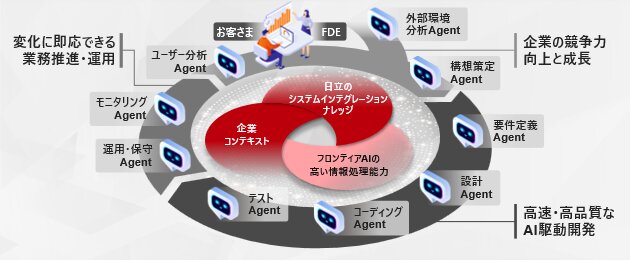
日立が「SI全工程」をAI化 仕様確定で「最大240倍」効率化のワケ
日立は、エンジニア不足やシステム複雑化に対応するため、SIの全工程にAIを全面適用する「Agentic AI Integration Platform」を開発した。最先端AIと独自ノウハウを融合し、社内検証では画面仕様確定で最大240倍などの効率化を実証。顧客固有の暗黙知を蓄積…

Okta buys AI security startup Permiso — source says for about $200M
The deal gives Okta identity threat detection capabilities as enterprises seek to secure AI agents and other non-human identities across cl…
メモリを超えて: LLM エージェントを使用した異種の共同知識作業のためのテンプレート化された基盤
研究プロジェクト、教育活動、およびそれに付随する知識作業によって、将来の共同研究者が回復することはほとんどない発見、決定、推論が蓄積されます。行き止まりやウォークバックされた主張など、その作業に最も役立つ部分は、出版物や共有コードから日常的に除外されます。記録が残っていないため、将来の研究者は同じ失敗を再試行します。 LLM コーディング エージェントは共通の参加者ですが、セッション間で永続的なメモリを保持せず、生のソースに対する検索拡張生成は複合化しません。 llm-wiki パターン (Karpathy、2026; tonbi、2026) は、生のソースとエージェントの間に LLM が管理する相互リンクされた Wiki を挿入することでこれに対処します。我々は、再利用可能なエージェント認識のインスタンス化である llm-wiki-memory-template を提示し、これが 3 つの軸 (複数の人間、複数の AI エージェント、複数のドメイン) に沿った異種の協調的な知識作業の基盤であり、各軸がテンプレートの個別のアーキテクチャ要素によってサポートされていると主張します ({\S}4)。 Wiki は慣例により追加専用となっており、機能しなかったものと機能したものを保存し、出版物やコード共有では構造的に解決できないマイナスの結果損失の問題に対処しています。導入された 3 つのケーススタディと 1 つの設計レポートは、軸を個別にカバーしています。放棄された反復を保存する単独の研究系統です。遡及監査により、以前の 2 つの実験で主張されていた 20 件中 20 件のカバレッジが 14 件と 12 件の証拠に基づいた回答に減り、修正後は 18 件と 18 件に修正され、アーティファクト全体にわたって失敗パスが保存された、著者 2 人のプロジェクト。進行中のマルチエージェント導入が設計として報告される。そしてクロスドメインの教育版です。私たちは、人工物の技術的メカニズムだけでなく、人工物の横断的な社会技術的特性として、障害経路の保存、エージェントの誠実さ、および流用を挙げています。
原文 (English)
Beyond Memory: A Templated Substrate for Heterogeneous Collaborative Knowledge Work with LLM Agents
Research projects, educational efforts, and adjacent knowledge work accumulate findings, decisions, and reasoning that future collaborators rarely recover. The parts most useful to that work, including dead ends and walked-back claims, are routinely excluded from publications and shared code; future researchers re-attempt the same failures because no record survives. LLM coding agents are common participants but hold no persistent memory across sessions, and retrieval-augmented generation over raw sources does not compound. The llm-wiki pattern (Karpathy, 2026; tonbi, 2026) addresses this by inserting an LLM-maintained, interlinked wiki between raw sources and the agent. We present llm-wiki-memory-template, a reusable, agent-aware instantiation, and argue it is a substrate for heterogeneous collaborative knowledge work along three axes (multi-human, multi-AI-agent, multi-domain) with each axis supported by a distinct architectural element of the template ({\S}4). The wiki is append-only by convention, which preserves what did not work alongside what did, addressing a negative-result loss problem that publications and code-sharing structurally cannot solve. Three deployed case studies and one design report cover the axes individually: a solo research lineage that preserves abandoned iterations; a two-author project whose retroactive audit revised two prior experiments' claimed 20-of-20 coverage down to 14 and 12 evidence-based answers, then to 18 and 18 after a fix, with the failure path preserved across the artifact; an in-progress multi-agent deployment reported as a design; and a cross-domain educational variant. We name failure-path preservation, agent honesty, and appropriation as cross-cutting sociotechnical properties of the artifact, not only of its technical mechanisms.
Kernel Forge: LLM ベースの CUDA カーネルの生成と最適化のためのエージェント ハーネス
機械学習モデルは日常的なソフトウェアに組み込まれることが増えており、その実行時間のほとんどは行列の乗算、畳み込み、正規化などの小さな計算カーネルのセットに費やされています。これらのカーネルの最適化は、レイテンシーとコストを削減する最も直接的な方法の 1 つですが、従来は専門のエンジニアが低レベルの GPU コードを手書きする必要がありました。大規模言語モデル (LLM) 上に構築されたエージェント システムは、はるかに少ない人的労力でカーネルを生成および最適化できるようになりましたが、既存のツールは主にランダムに生成されたテンソルと分離されたカーネルで評価され、開発者が手動で再統合する必要があるスタンドアロンの CUDA コードを生成し、主に LLM PyTorch モデルのみを対象としており、結果の検査とデバッグに対するサポートは限定的です。私たちは、未変更の PyTorch モデルを適切に受け入れるオープンソースのエンドツーエンドのエージェント ハーネスである Kernel Forge を紹介します。 Kernel Forge は、ビジョン、拡散、LLM ワークロードをサポートし、モンテカルロ ツリー検索 (MCTS) を使用して単一の線形改良チェーンではなく複数の最適化パスを探索し、進行状況の監視、候補カーネルの検査、および障害のデバッグのためのグラフィカル ユーザー インターフェイスを備えています。 GB10 GPU を搭載した NVIDIA DGX Spark 上のビジョン、拡散、LLM ワークロードにわたる 4 つの PyTorch モデルで Kernel Forge を評価します。カーネルあたりわずか 50 回の最適化反復で、14 カーネルを最適化して PyTorch 熱心モードを上回るパフォーマンスを実現し、ResNet-50 のadaptive\_avgpool2d で $1.52\times$、Stable Diffusion 3.5 Medium の group\_norm で $1.70\times$、Gemma 4 E2B のソフトマックスで $2.83\times$ に達します。 Qwen 3.5 35B-A3B のソフトマックスは $1.54\times$ です。
原文 (English)
Kernel Forge: An Agent Harness for LLM-based Generation and Optimization of CUDA Kernels
Machine learning models are increasingly embedded in everyday software, and most of their runtime is spent in a small set of compute kernels such as matrix multiplication, convolution, and normalization. Optimizing these kernels is one of the most direct ways to reduce latency and cost, but it has traditionally required expert engineers to hand-write low-level GPU code. Agentic systems built on large language models (LLMs) can now generate and optimize kernels with far less human effort, yet existing tools are largely evaluated on randomly generated tensors and isolated kernels, emit standalone CUDA code that developers must manually reintegrate, mostly target only LLM PyTorch models, and offer limited support for inspecting and debugging results. We present Kernel Forge, an open-source, end-to-end agentic harness that accepts any unmodified PyTorch model in place. Kernel Forge supports vision, diffusion, and LLM workloads, uses Monte Carlo Tree Search (MCTS) to explore multiple optimization paths rather than a single linear refinement chain, and ships with a graphical user interface for monitoring progress, inspecting candidate kernels, and debugging failures. We evaluate Kernel Forge on four PyTorch models spanning vision, diffusion, and LLM workloads on an NVIDIA DGX Spark with GB10 GPU. With only 50 optimization iterations per kernel, it optimizes 14 kernels to outperform PyTorch eager mode, reaching $1.52\times$ on adaptive\_avgpool2d in ResNet-50, $1.70\times$ on group\_norm in Stable Diffusion 3.5 Medium, $2.83\times$ on softmax in Gemma 4 E2B, and $1.54\times$ on softmax in Qwen 3.5 35B-A3B.
カスタマイズされた出生前ケアのための PATHFinder エージェント
出生前ケアは、妊娠中の個人の転帰を改善することを目的とした重要な予防サービスです。米国産科婦人科学会(ACOG)は最近、PATH(Plan for Tailored Healthcare)と呼ばれる、オーダーメイドの出生前ケアを提唱するガイドラインを導入しました。我々は、構造化された対話を通じて患者の健康状態と社会的状況を収集し、PATH ガイドラインに沿った個別の産前ケア計画をキュレートし、ミシガン 211 からのコミュニティ リソースを表示する、エンドツーエンドの会話型エージェント システムである PATHFinder Agent (適切なオーダーメイド ヘルスケアのプランナー) を紹介します。このシステムは、患者の取り込み、動的な対話、計画の合成、および臨床医の監視にわたる 4 段階のワークフローを特徴としています。私たちは、専門家が厳選したルーブリックに基づいてフロンティア大言語モデル (LLM) を 5 つの臨床側面にわたって評価し、GPT-5.2 が最高の平均スコア (77.6%) を達成しながら、出生前検査の推奨事項における重要なギャップを特定していることがわかりました。私たちは、人間の参加者研究とランダム化比較試験を通じた将来の検証について議論します。
原文 (English)
PATHFinder Agent for Tailored Prenatal Care
Prenatal care is an important preventive service designed to improve outcomes for pregnant individuals. The American College of Obstetricians and Gynecologists (ACOG) recently introduced guidelines advocating tailored prenatal care, called PATH (Plan for Tailored Healthcare). We present PATHFinder Agent(Planner for Appropriate Tailored Healthcare), an end-to-end conversational agentic system that gathers patient health and social context through structured dialogue, curates individualized prenatal care plans aligned with PATH guidelines, and surfaces community resources from Michigan 211. The system features a four-stage workflow spanning patient intake, dynamic interaction, plan synthesis, and clinician oversight. We evaluate frontier large language models (LLMs) on expert-curated rubrics across five clinical dimensions, finding that GPT-5.2 achieves the highest average score (77.6\%) while identifying key gaps in antenatal testing recommendations. We discuss future validation through human participant studies and randomized controlled trials.
ProcAgent: 人間参加型のエッジでの手続き型タスク ガイダンスのためのエージェント フレームワーク
家具の組み立てや家の修理などの手続き的なタスクでは、ユーザーは物理的な動作を実行しながら指示を解釈し、タスクの進行状況を追跡し、空間状態を推論し、エラーから回復する必要があるため、かなりの認知的要求が課せられます。これまでのマルチモーダルアシスタントは、手順のガイダンスとして有望であることが示されていましたが、そのほとんどはクラウド推論と固定された常時接続の認識に依存しており、プライバシーに敏感で遅延が重要な家庭環境にはあまり適していませんでした。 ProcAgent は、単一の NVIDIA Jetson AGX Orin 上でリアルタイムの適応ガイダンスを実現する、完全にオンデバイスのエージェント型ビジョンベースの手順アシスタントです。 ProcAgent は、低遅延の継続的認識、シンボリック タスク グラフ、オンデマンドの視覚言語検証、および LLM ベースのインタラクション エージェントを組み合わせた提案と検証のアーキテクチャを使用します。このシステムは継続的にユーザーの進捗状況を提案し、曖昧さまたは逸脱の可能性が生じた場合にのみ高価な視覚的推論を呼び出し、事後的な質問応答と人間参加型の確認による事前の介入の両方をサポートします。私たちは、認識精度、推論、タスクレベルのパフォーマンス、ユーザーエクスペリエンスという 4 つの側面に沿って ProcAgent を評価します。完全にデバイス上で実行されているにもかかわらず、システムは応答性の高い対話を維持し、テキストのみのクエリを約 2 秒で解決し、視覚的なクエリを約 8 秒で解決します。 10 人の参加者が組み立てタスクを完了したユーザー調査では、ProcAgent は、わかりやすさ、実用性、プライバシーの快適さに関して肯定的な評価を受けています。これらの結果は、適応型手続き支援が使いやすさを犠牲にすることなくエッジ ハードウェア上で完全に実現できることを示しています。
原文 (English)
ProcAgent: An Agentic Framework for Procedural Task Guidance on Edge with Human-in-the-Loop
Procedural tasks such as furniture assembly and home repair impose substantial cognitive demands because users must interpret instructions, track task progress, reason about spatial state, and recover from errors while performing physical actions. Prior multimodal assistants have shown promise for procedural guidance, but most rely on cloud inference and fixed always-on perception, making them poorly suited to privacy-sensitive, latency-critical domestic settings. We present ProcAgent, a fully on-device, agentic, vision-based procedural assistant for real-time adaptive guidances on a single NVIDIA Jetson AGX Orin. ProcAgent uses a propose-and-verify architecture that combines low-latency continuous perception, a symbolic task graph, on-demand vision-language verification, and an LLM-based interaction agent. The system continuously proposes user progress, invokes expensive visual reasoning only when ambiguity or likely deviation arises, and supports both reactive question answering and proactive intervention with human-in-the- loop confirmation. We evaluate ProcAgent along four dimensions: perception accuracy, reasoning, task-level performance, and user experience. Despite running entirely on-device, the system maintains responsive interaction, resolving text-only queries in approximately 2 seconds and visually grounded queries in approximately 8 seconds. In a user study with 10 participants completing assembly tasks, ProcAgent receives positive ratings for comprehensibility, actionability, and privacy comfort. These results show that adaptive procedural assistance can be achieved entirely on edge hardware without sacrificing usability.
RSMeM: 体系的な評価によるリモート センシング エージェントの知識強化型メモリ進化
地球科学の研究には、リモート センシング (RS) 観測が重要な基盤として、複雑な分析と専門知識が必要です。ただし、汎用 LLM 上に構築された既存の RS エージェントは依然としてドメインにほとんど依存しないため、ワークフローが脆弱でエラーが発生しやすくなります。さらに、これらの失敗がその後の分析のために再利用可能なエクスペリエンスに統合されることはほとんどありません。この問題に対処するために、事前に抽出されたドメイン知識で RS エージェントをブートストラップし、オンライン エクスペリエンスを反復的に統合して堅牢なマルチステップ ツールを実行する、知識強化メモリ進化メカニズムである RSMeM を導入します。 RSMeM は 2 つのコンポーネントで構成されます。(i) 階層的知識グラウンディング。計画とツールの選択をガイドするために、階層的ドメイン コーパスに対して分類を意識した検索を実行します。 (ii) 障害を認識したエクスペリエンス改良。障害の注釈が付けられたツール使用トレースを、次のラウンドのツール実行のための再利用可能な制約に抽出します。これら 2 つのプロセスを繰り返し採用することで、RS エージェントはタスク レベルのドメイン知識を吸収し、それをインスタンス レベルの実行エクスペリエンスに効果的に変換できるように進化できます。 EarthBench での広範な実験により、RSMeM がさまざまな LLM バックボーンのセットにわたってツール使用パフォーマンスとエンドツーエンドの回答を一貫して向上させることが実証されました。特に、RSMeM は DeepSeek-V3.2 で 1% 未満の追加エクスペリエンス トークンで 6% の精度向上を達成しており、蒸留されたエクスペリエンスの強力な知識密度を示しています。私たちのコードは https://github.com/AI9Stars/RSMeM で入手できます。
原文 (English)
RSMeM: Knowledge-Enhanced Memory Evolution for Remote Sensing Agents with Systematic Evaluation
Geoscience research requires complex analysis and domain expertise, with remote sensing (RS) observations as a key foundation. However, existing RS agents built on general-purpose LLMs remain largely domain-agnostic, resulting in brittle and error-prone workflows. Moreover, these failures are seldom consolidated into a reusable experience for subsequent analyses. To address this issue, we introduce RSMeM, a knowledge-enhanced memory evolution mechanism that bootstraps RS agents with pre-distilled domain knowledge and iteratively integrates online experience for robust multi-step tool execution. RSMeM is composed of two components: (i) Hierarchical Knowledge Grounding, which performs taxonomy-aware retrieval over a hierarchical domain corpus to guide planning and tool selection; and (ii) Failure-Aware Experience Refinement, which distills failure-annotated tool-use traces into reusable constraints for next-round tool execution. By iteratively employing these two processes, RS agents can evolve to absorb task-level domain knowledge and effectively translate it into instance-level execution experience. Extensive experiments on EarthBench demonstrate that RSMeM consistently improves tool-use performance and end-to-end answer across a diverse set of LLM backbones. Notably, RSMeM achieves a 6% accuracy improvement on DeepSeek-V3.2 with less than 1% additional experience tokens, demonstrating the strong knowledge density of our distilled experience. Our code is available at https://github.com/AI9Stars/RSMeM
HOBA: アダプティブ オンライン広告用の階層型オンポリシー入札エージェント
オンライン広告入札システムは通常、オフラインでトレーニングされた複数のエキスパート モデル (PID コントローラー、モデル予測制御、オフライン RL ポリシーなど) を導入しますが、非定常オークション市場へのオンライン適応性の欠如と、入札上限や予算ペーシング制約などのハイパーパラメーターのコストのかかる手動調整への依存という 2 つの重大な制限に直面しています。私たちは、戦略的推論、モデル選択、入札実行を 3 つの時間スケールにわたって分離する階層型強化学習フレームワークである HOBA (階層的オンポリシー入札エージェント) を提案します。高レベルでは、大規模な言語モデルが、過去の経験の取得を伴う思考、実行、観察、反映のループを通じてコンテキスト信号からハイパーパラメーターを推測します。中間レベルでは、SARSA エージェントがエキスパート モデルの中から動的に選択し、選択のバイアスを排除するための因果関係の調整を組み込みます。低レベルでは、動的エキスパート プール (PID、MPC、IQL、意思決定トランスフォーマー) が高レベルの制約の下で入札を実行します。この設計では、オンライン学習を継続的な入札最適化ではなく個別の専門家の選択に限定し、適応性を維持しながら探査リスクを大幅に軽減します。 AuctionNet ベンチマークの実験と大規模な A/B テストでは、最先端のベースラインを上回る一貫した改善が実証されています。大規模なオンライン導入において、HOBA は大きなビジネス価値をもたらし、目標コストの +3.6\% 増加を達成し、階層型マルチエージェント入札パラダイムの有効性を証明しました。
原文 (English)
HOBA: Hierarchical On-Policy Bidding Agents for Adaptive Online Advertising
Online advertising bidding systems typically deploy multiple offline-trained expert models (e.g., PID controllers, model predictive control, offline RL policies) but face two critical limitations: lack of online adaptability to non-stationary auction markets, and reliance on costly manual tuning of hyperparameters such as bid bounds and budget pacing constraints. We propose HOBA (Hierarchical On-policy Bidding Agents), a hierarchical reinforcement learning framework that decouples strategic reasoning, model selection, and bid execution across three time scales. At the high level, a large language model infers hyperparameters from contextual signals through a Think-Act-Observe-Reflect loop with historical experience retrieval. At the mid level, a SARSA agent dynamically selects among expert models, incorporating causal adjustment to eliminate selection bias. At the low level, a dynamic expert pool (PID, MPC, IQL, Decision Transformer) executes bids under high-level constraints. This design confines online learning to discrete expert selection rather than continuous bid optimization, significantly reducing exploration risk while maintaining adaptability. Experiments on the AuctionNet benchmark and a large-scale A/B test demonstrate consistent improvements over state-of-the-art baselines. In a large-scale online deployment, HOBA delivered substantial business value, achieving a +3.6\% increase in target cost, proving the effectiveness of our hierarchical multi-agent bidding paradigm.
SAFAARI: 広告主の応答インテリジェンスを加速するためのスキーマ認識フレームワーク
カスタマー サポート システムの進化は、エージェント チャットボットによって急速に進んでいますが、これらのシステムは、事前定義された API エンドポイントなしで企業データにアクセスする場合、重大な制限に直面しています。このペーパーでは、特殊なコンテンツ、メタデータ、およびオーケストレーション エージェントを通じて、自然言語から SQL (NL から SQL) システムへのスキーマ リンクの重大なボトルネックに対処するマルチエージェント フレームワークである SAFAARI (Schema-Aware Framework for Accelerated Advertiser Response Intelligence) について説明します。また、一貫性のない結果にペナルティを与えながらシステムのパフォーマンスを総合的に評価する新しい複合メトリクスである SEAL (Schema Evaluation and Accuracy in Language-to-SQL) も紹介します。 5 つの機能セット構成による体系的な実験を通じて、SAFAARI は 81.66% の SEAL スコア (ベースラインより 6.65% 向上) を達成し、データポイントの精度 (5.51%) とスキーマリンクの精度 (4.69%) が顕著に向上しました。このフレームワークの有効性は、ドメインの専門家による人間参加型の評価を通じて検証され、さまざまなサポート ドメインにわたる適応性が証明されています。スキーマのリンクとクエリ生成という労働集約的なプロセスを自動化することで、当社のフレームワークは高精度を維持しながら開発時間を 8 分の 1 に短縮することを実証しています。このソリューションは API 開発を合理化し、セルフサービス機能を強化し、特に複雑なデータ エコシステムを備えたカスタマー サポート企業に恩恵をもたらします。
原文 (English)
SAFAARI: Schema-Aware Framework for Accelerated Advertiser Response Intelligence
The evolution of customer support systems is rapidly advancing with agentic chatbots, yet these systems face significant limitations when accessing enterprise data without predefined API endpoints. This paper presents SAFAARI (Schema-Aware Framework for Accelerated Advertiser Response Intelligence), a multi-agent framework that addresses the critical bottleneck of schema linking in Natural Language to SQL (NL-to-SQL) systems through specialized content, metadata, and orchestration agents. We also introduce SEAL (Schema Evaluation and Accuracy in Language-to-SQL), a novel composite metric that holistically evaluates system performance while penalizing inconsistent results. Through systematic experimentation with five feature set configurations, SAFAARI achieves an 81.66% SEAL score (6.65% improvement over baseline), with notable gains in datapoint accuracy (5.51%) and schema-linking precision (4.69%). The framework's effectiveness is validated through human-in-the-loop evaluation with domain experts, which proves its adaptability across diverse support domains. By automating the labor-intensive process of schema linking and query generation, our framework demonstrates 8x reduction in development time while maintaining high accuracy. The solution streamlines API development and enhances self-service capabilities, particularly benefiting customer support enterprises with complex data ecosystems.
CogEEGAgent: グラウンデッド実行と選択認識型検証による自律的な認知 EEG 解析に向けて
認知研究における脳波 (EEG) 分析には専門知識が必要であり、コントラスト、チャネル、時間窓、統計的テストに関して多くの防御可能な選択肢が含まれます。 LLM エージェントは、さまざまな自然言語の質問を分析の選択肢に変換し、自動化のための柔軟なインターフェイスを提供します。しかし、流暢なレポートだけでは、エージェントが要求された分析を選択したこと、または適応検索とは独立して確認的主張を評価したことを証明することはできません。 MNE-Python に基づいた認知脳波分析エージェントである CogEEGAgent を紹介します。 EEG に特化した科学的ハーネスにより、意味論と科学的権威が分離されます。 LLM は意図を解釈し、登録された分析を提案します。一方、決定論的コンポーネントは型指定された契約を検証し、確認アクセスを制御し、証拠に拘束されたリリースを許可します。事前に指定されたルーティング ベンチマークでは、CogEEGAgent は、一致した決定論的ルーターよりも正確に言語を登録された分析にマッピングします。また、一致したプリフライトにより、必要な場合はいつでも両方のシステムが棄権します。外部でモデルが作成された、結果にブラインドなキャンペーンでは、完全なシステムが、参加者間で不一致の確認を伴うサポートされている分析をリリースし、事前に指定された機能の危険性とライフサイクル再利用リクエストをブロックします。ポリシーのストレス テストでは、保留された確認により、修正されていない適応検索による誤検知が抑制されることが示されています。これらの研究を総合すると、認知 EEG ワークフローの制限された自律性と監査可能な自動化フレームワークが確立されます。より広範に、科学エージェントが柔軟な言語理解と推論と解放のフェイルクローズ制御をどのように組み合わせることができるかを示しています。
原文 (English)
CogEEGAgent: Toward Autonomous Cognitive EEG Analysis with Grounded Execution and Selection-Aware Verification
Electroencephalography (EEG) analysis in cognitive studies requires specialized expertise and involves many defensible choices over contrasts, channels, time windows, and statistical tests. LLM agents can translate varied natural-language questions into analysis choices, offering a flexible interface for automation. Yet fluent reports alone cannot establish that an agent selected the requested analysis or evaluated a confirmatory claim independently of adaptive search. We present CogEEGAgent, a cognitive-EEG analysis agent grounded in MNE-Python. Its EEG-specific scientific harness separates semantic from scientific authority. The LLM interprets intent and proposes registered analyses, while deterministic components validate typed contracts, control confirmation access, and authorize evidence-bound release. On a prespecified routing benchmark, CogEEGAgent maps language to registered analyses more accurately than a matched deterministic router, while matched preflight makes both systems abstain whenever required. In an externally model-authored, outcome-blind campaign, the complete system releases supported analyses with participant-disjoint confirmation and blocks prespecified capability hazards and lifecycle-reuse requests. Policy stress testing shows that held-out confirmation curbs false positives from uncorrected adaptive search. Together, these studies establish bounded autonomy and an auditable automation framework for cognitive-EEG workflows. More broadly, they show how scientific agents can combine flexible language understanding with fail-closed control over inference and release.
AI エージェントにおける長いコンテキスト ウィンドウ制御のためのアドレス指定可能なリコール コンパクション
長期的な LLM エージェントは推論トレース、アクション、ツールの観察を蓄積し、最終的にはモデルの固定コンテキスト ウィンドウを超える可能性があります。既存の圧縮方法は、以前の情報を破棄、要約、または取得することでこの制限に対処していますが、タスクに不可欠な詳細が削除されたり、それらを確実に回復できない可能性があります。私たちは、アクティブ コンテキストのプレゼンテーションからアーカイブ ストレージを分離するコンテキスト管理フレームワークである ARC (Addressable Recall Compaction) を提案します。 ARC は、ツールの観察を追加専用の ID アドレス指定可能なログに保存し、圧縮が必要な場合には古い観察をコンパクトな引用に置き換えます。その後、エージェントはこれらの識別子を使用して、対応するツールを再実行したり、類似性に基づく検索のみに依存したりすることなく、保存されたコンテンツを要求できます。 16k コンテキスト ウィンドウを持つ Qwen3-8B と 32k コンテキスト ウィンドウを持つ Qwen3-32B を使用して ARC を評価します。 Needle-in-a-Haystack の評価では、ARC は平均正確回答精度 99.40% を達成しました。これに対し、当社の評価で最も優れたベースラインの精度は 88.12% でした。 ARC は、ハードウェア コスト モデルに基づいて、推定サービス時間と HBM トラフィックも削減します。 LongBench-v2 Hard サブセットでは、ARC の平均精度は 29.97% ですが、最もパフォーマンスの高いベースラインでは 28.25% でした。これらの結果は、明示的なアドレスベースの呼び出しにより、テストされた設定で評価されたコンテキスト管理ベースラインと比較して、情報の保持と提供効率が向上する可能性があることを示しています。
原文 (English)
Addressable Recall Compaction for Long Context-Window Control in AI Agents
Long-horizon LLM agents accumulate reasoning traces, actions, and tool observations that can eventually exceed a model's fixed context window. Existing compaction methods address this limitation by discarding, summarizing, or retrieving earlier information, but they may remove task-critical details or fail to recover them reliably. We propose ARC (Addressable Recall Compaction), a context-management framework that separates archival storage from active-context presentation. ARC stores tool observations in an append-only, ID-addressable log and replaces older observations with compact citations when compaction is required. The agent can subsequently use these identifiers to request stored content without re-executing the corresponding tools or depending solely on similarity-based retrieval. We evaluate ARC using Qwen3-8B with a 16k context window and Qwen3-32B with a 32k context window. On the Needle-in-a-Haystack evaluation, ARC achieves an average exact-answer accuracy of 99.40%, compared with 88.12% for the best-performing baseline in our evaluation. ARC also reduces estimated serving time and HBM traffic under our hardware-cost model. On the LongBench-v2 Hard subset, ARC obtains an average accuracy of 29.97%, compared with 28.25% for the best-performing baseline. These results indicate that explicit, address-based recall can improve information retention and serving efficiency relative to the evaluated context-management baselines under the tested settings.
エージェント オペレーティング システムに向けて - クラシック OS とクラウド OS からの教訓
プラットフォーム ソフトウェアの主要な波はすべて同じ弧をたどります。最初は競合するフレームワークとその場限りの実装を試し、その後、明確に定義されたセマンティクスを備えた安定した抽象化の小さなセットが明確になり、最後にそれらの抽象化をアプリケーションが移植可能なプラットフォームに統合します。 POSIX は従来のオペレーティング システムに対してこれを行っていました。 Kubernetes はクラウドのためにそれを行いました。エージェント AI システム (計画、ツールの使用、メモリの維持、および共同作業を行う自律的な LLM 主導のエージェント) は、現在、そのような第 3 の波の実験段階にあります。数十のフレームワークやプロトコルが登場しましたが、核となる抽象化が何であるか、またはそれらがどのような保証を提供するかについてコミュニティのコンセンサスは存在しません。そのコンセンサスがなければ、エージェント アプリケーションを移植可能に作成することはできず、プラットフォームを確実に構成することはできず、この分野はプロトタイプの展開を超えて前進することはできません。私たちは、前進する道は、以前のウェーブの方法論に従うことであると主張します。つまり、古典的な OS とクラウド OS のプリミティブを確率的で自然言語媒介の実行に拡張することによって新しいエージェントの抽象化を導き出し、それらのセマンティクスを正確に指定し、それらを中心に統合します。これは、POSIX と Kubernetes がそれぞれのウェーブを統合したのと同じです。
原文 (English)
Towards an Agent Operating System - Lessons from Classical and Cloud OS
Every major wave of platform software follows the same arc: an initial period of experimentation with competing frameworks and ad-hoc implementations, followed by the articulation of a small set of stable abstractions with well-defined semantics, and finally consolidation around those abstractions into a platform that applications can portably target. POSIX did this for classical operating systems; Kubernetes did it for the cloud. Agentic AI systems - autonomous, LLM-driven agents that plan, use tools, maintain memory, and collaborate - are currently in the experimentation phase of the third such wave. dozens of frameworks and protocols have emerged, but no community consensus exists on what the core abstractions are or what guarantees they carry. Without that consensus, agentic applications cannot be written portably, platforms cannot compose reliably, and the field cannot advance beyond prototype deployments. We argue that the path forward is to follow the prior-wave methodology: derive new agentic abstractions by extending classical OS and cloud OS primitives to stochastic, natural-language-mediated execution, specify their semantics precisely, and consolidate around them - just as POSIX and Kubernetes consolidated their respective waves.
PLATO: エージェントとタスクのオープン性のためのポインター学習器
オープン エージェント システム (OASYS) は、エージェントとタスクのセットが時間の経過とともに予期せず変化する現実の領域でますます普及しています。エージェントのオープン性 (AO) やタスクのオープン性 (TO) を含むこのようなオープン性は、通常、固定状態とアクション空間を前提とするマルチエージェント強化学習 (MARL) に対して根本的な課題を引き起こします。既存の方法は、開放性を部分的にしか扱っていません。パディングおよびマスキングのアプローチでは人為的な境界が導入されていますが、最近のグラフベースまたはハイパーグラフの方法では、開放性の一次元を扱いますが、依然として限定的な仮定に依存しています。この論文では、集中型トレーニングと分散型実行パラダイムの下でマルチエージェント近接ポリシー最適化でトレーニングされた、集中型グラフ ニューラル ネットワーク (GNN) クリティカルと組み合わせたポインター ネットワーク ベースのアクターである、エージェントとタスク オープン性のためのポインター学習者 (PLATO) を紹介します。ポインターベースのアクターは、現在のタスク セット上に直接分布を出力します。これは、マスキングや再トレーニングを行わずに、アクション スペースの変更を直接サポートします。私たちの GNN 批評家は、エージェントとタスクの相互作用を、タスクとエージェントの構成に応じて形状が変化するグラフとしてエンコードします。これらのコンポーネントを合わせて、既存のアプローチに制限されることなく AO と TO を考慮します。我々は、以前のタスクオープン定式化を拡張して、タスクアンドエージェントオープンマルコフゲーム(TaAgO-MG)でPLATOを定式化し、それが結果として生じる無制限の状態およびアクション空間にわたって明確に定義されていることを証明します。私たちは、オープン マルチエージェント システム評価用に設計された環境である Methods for Open Agent Systems Evaluation Initiative (MOASEI) の野火抑制ドメインを使用して PLATO を評価し、OASYS の最先端のベースラインよりも強力なパフォーマンスとより一貫したゼロショット汎化を実証しました。
原文 (English)
PLATO: Pointer Learner for Agent and Task Openness
Open agent systems (OASYS) are increasingly prevalent in real-world domains where the sets of agents and tasks change unpredictably over time. Such openness, including agent openness (AO) and task openness (TO), poses a fundamental challenge to multi-agent reinforcement learning (MARL), which typically assumes fixed state and action spaces. Existing methods address openness only partially: padding and masking approaches introduce artificial bounds, while recent graph-based or hypergraph methods handle one dimension of openness but still depend on restrictive assumptions. In this paper, we introduce Pointer Learner for Agent and Task Openness (PLATO), a pointer-network-based actor combined with a centralized graph neural network (GNN) critic, trained with multi-agent proximal policy optimization under a centralized training and decentralized execution paradigm. Our pointer-based actor outputs distributions directly over the current task set. This directly supports changing action spaces without masking or retraining. Our GNN critic encodes agent-task interactions as a graph that changes shape with task and agent composition. Together, these components consider AO and TO without the boundedness of existing approaches. We formalize PLATO in a Task-and-Agent-Open Markov Game (TaAgO-MG), extending prior task-open formulations, and prove it is well-defined over the resulting unbounded state and action spaces. We evaluate PLATO with the Methods for Open Agent Systems Evaluation Initiative (MOASEI) wildfire suppression domain, an environment designed for open multi-agent system evaluation, and we demonstrate strong performance and more consistent zero-shot generalization than state-of-the-art baselines in OASYS.
Matryoshka エージェント: 長期的な機械学習エンジニアリングのためのサブエージェントの展開
機械学習エンジニアリング (MLE) タスクでは、高価でフィードバック主導型の環境相互作用の下で、ソリューションのデバッグと改良を反復して長期的な意思決定を行う必要があります。このようなタスク用のモノリシック エージェントの開発とトレーニングは、非常に長くノイズの多いコンテキストを同時に管理し、広大なソリューション空間を探索し、限られたモデル容量と計算予算の下で効果を維持する必要があるため、基本的に困難です。これらの課題に対処するために、長期にわたる複雑なタスクのための統合された階層型エージェント フレームワークである Matryoshka Agent を提案します。 Matryoshka エージェントは、エージェントによる問題解決を、意思決定と実行の調整された階層に分解します。上位レベルのオーケストレーターは、コンパクトで長期的な探索状態を維持し、戦略的指示を発行します。一方、下位レベルのサブエージェントは、標準化されたツール インターフェイスを介した直接的な環境対話を通じて、具体的な解決策の試みを実行します。この設計により、戦略的探索がコストのかかる実行から切り離され、長いコンテキストの推論の負担が大幅に軽減され、効率的な反復改良が可能になります。私たちはさらに、Matryoshka Agent の効率的なトレーニング パラダイムを開発します。さまざまなモデル タイプとスケールを使用した幅広い MLE タスクに関する実験結果は、Matryoshka Agent が長期的な MLE タスクと複雑なエージェントの問題解決にとって効果的でスケーラブルなパラダイムであることを示しています。特に、Matryoshka Agent により、Qwen3-4B-Instruct が o4-mini に匹敵する Orchestrator パフォーマンスを達成できるようになります。 Matryoshka Agent を Qwen3-30B-Coder に適用すると、最大 36.7% の相対パフォーマンス向上が得られます。
原文 (English)
Matryoshka Agent: Unfolding Sub-Agents for Long-Horizon Machine Learning Engineering
Machine learning engineering (MLE) tasks require long-horizon decision making over iterative solution debugging and refinement, under expensive and feedback-driven environment interactions. Developing and training a monolithic agent for such tasks is fundamentally challenging, as it must simultaneously manage extremely long and noisy contexts, explore vast solution spaces, and remain effective under limited model capacity and computational budgets. To address these challenges, we propose Matryoshka Agent, a unified hierarchical agent framework for complex long-horizon tasks. Matryoshka Agent decomposes agentic problem solving into a coordinated hierarchy of decision making and execution: a high-level Orchestrator maintains compact, long-horizon exploration states and issues strategic instructions, while lower-level Sub-Agents execute concrete solution attempts through direct environment interaction, mediated by standardized Tool interface. This design decouples strategic exploration from costly execution, substantially reducing the burden of long-context reasoning and enabling efficient iterative refinement. We further develop an efficient training paradigm for Matryoshka Agent. Experimental results on a broad range of MLE tasks with diverse model types and scales demonstrate that Matryoshka Agent is an effective and scalable paradigm for long-horizon MLE tasks and complex agentic problem solving. Notably, Matryoshka Agent enables Qwen3-4B-Instruct to reach Orchestrator performance comparable to o4-mini. Applying Matryoshka Agent to Qwen3-30B-Coder results in at most 36.7% relative performance gain.
小規模言語モデルエージェントのための堅牢な強化学習に向けて
強化学習を使用した 70 ~ 500M パラメーター範囲での小型言語モデル (SLM) の調整は、根底にある失敗メカニズムが系統的に調査されていないにもかかわらず、不安定であると考えられています。 State-of-the-Art (SOTA) 研究では、近接ポリシー最適化 (PPO) を使用して 15 個の (モデル、コーパス) 構成がトレーニングされました。実験には、TinyStories、CNN/DailyMail、Wikitext-103 コーパス上の Pythia-70M、160M、410M および SmolLM2-135M、360M が含まれていました。小規模言語モデルでは、再現可能な 3 つの障害モードが特定されました。標準 PEFT/TRL パイプラインでのサイレント LoRA パラメーターのフリーズ、bfloat16 使用時の重要度比の数値オーバーフロー、および報酬モデルのエラーによる壊滅的なポリシーの崩壊です。これらの問題は、アダプターのマージと再初期化手法、PPO 更新時の float32 精度、報酬のホワイトニング、重要度の比率の保護、重みのロールバックからなる 3 層の安全メカニズムを使用して解決されました。この論文では、SLM スケールでの PPO パフォーマンスが、モデル パラメーターの数ではなく、滑らかな教師ありモデル ($\text{PPL}<20$) と識別報酬信号の両方に依存するというキャパシティ ヘッドルーム仮説が提案されています。提案されたシステムはすべての実験で安定して収束し、流暢な事前信号と有益な報酬信号を備えた構成で SFT ベースラインを上回る優先勝率を向上させました。さらに、必要なトレーニング データの量が大幅に減少しながら、命令調整されたベースラインを上回りました。すべてのチェックポイント、設定データセット、トレーニング スクリプトは公開されています$^{\S}$。
原文 (English)
Towards Robust Reinforcement Learning for Small-Scale Language Model Agents
The alignment of Small Language Models (SLMs) in the 70--500M parameter range using reinforcement learning is often considered unstable, though the underlying failure mechanisms have not been systematically investigated. In the State-of-the-Art (SOTA) research, fifteen (model, corpus) configurations were trained using Proximal Policy Optimization (PPO). The experiments included Pythia-70M, 160M, 410M and SmolLM2-135M, 360M on the TinyStories, CNN/DailyMail, and Wikitext-103 corpora. Three reproducible failure modes were identified in small-scale language models: silent LoRA parameter freezing in standard PEFT/TRL pipelines, numerical overflow in importance ratios when using bfloat16, and catastrophic policy collapse due to reward-model error. These issues were addressed using a merge-and-reinitialize adapter technique, float32 precision during PPO updates, and a three-layer safety mechanism comprising reward whitening, importance-ratio guarding, and weight rollback. In this paper, a capacity-headroom hypothesis is proposed, which states that PPO performance at the SLM scale depends on both a fluent supervised model ($\text{PPL}<20$) and a discriminative reward signal, rather than on the number of model parameters. The proposed system converged stably in all experiments and improved preference win rate over the SFT baseline in configurations with a fluent prior and an informative reward signal. Furthermore, it outperformed instruction-tuned baselines while requiring significantly less training data. All checkpoints, preference datasets, and training scripts are publicly released$^{\S}$.
LLM エージェント間で影響がどのように伝播するか: 群衆シミュレーションにおける緊急の感情伝染
この論文では、相互に認識し評価するエージェント間で感情がどのように伝播するかに焦点を当て、マルチエージェント群集シミュレーションにおける言語モデルの動作を研究します。各エージェントは、視覚、聴覚、触覚の各チャネルを通じて隣人を認識し、その刺激された性格プロファイル、記憶、現在の感情状態、および状況コンテキストに照らしてこれらの認識を評価します。評価は LLM によって実行され、エージェントの内部感情状態が更新され、その外部表現が選択されます。このアーキテクチャには、エージェント間で感情状態を直接転送するための手動で作成されたメカニズムは含まれていません。その代わりに、エージェント間の影響は、知覚-評価-表現のループを通じて生じます。エージェントの表現は、ビッグ ファイブの性格モデルとラッセルの複雑な感情モデルに基づいています。遅延を制限するために、低レベルのステアリングとナビゲーションは、LLM ベースのコグニティブ レイヤーとは独立して動作する従来の群衆シミュレーターによって処理されます。私たちは、さまざまな空間レイアウトにおける、憂慮すべき状況、楽しい状況、中立的な状況にわたる 5 つのシナリオ環境にわたってアーキテクチャを評価します。結果は、このシステムが、まばらで小さな群衆の中で、空間的、時間的、そして性格に依存した構造を持つ感情伝染力学を生み出すことを示しています。警報は播種されたエージェントから移動前線として広がり、平均警報割合はゼロ以外のプラトーに落ち着き、促された性格プロファイルの分布によって、曖昧な警報がパニックを引き起こすかどうか、挑発が怒りまたは恐怖と解釈されるかどうかが決まります。さらに、プロンプト バリアント、サンプリング温度、および 4 つのモデル バックエンドにわたる制御された実験を通じて評価ステップを評価し、ダイナミクスがバックエンドに依存していることを示します。
原文 (English)
How Affect Propagates among LLM Agents: Emergent Emotional Contagion in Crowd Simulation
This paper studies the behavior of language models in a multi-agent crowd simulation, focusing on how affect propagates among agents that perceive and appraise one another. Each agent perceives its neighbors through visual, auditory, and tactile channels, then appraises these perceptions in light of its prompted personality profile, memory, current affective state, and situational context. Appraisal is carried out by an LLM, which updates the agent's internal affective state and selects its outward expression. The architecture contains no hand-authored mechanism for directly transferring affective state between agents; instead, inter-agent influence arises through the perception-appraisal-expression loop. The agent representation draws on the Big Five personality model and Russell's circumplex model of affect. To limit latency, low-level steering and navigation are handled by a conventional crowd simulator operating independently of the LLM-based cognitive layer. We evaluate the architecture across five scenario environments spanning alarming, joyful, and neutral situations in different spatial layouts. The results show that the system produces emotional contagion dynamics with spatial, temporal, and personality-dependent structure in sparse, small crowds. Alarm spreads from seeded agents as a traveling front, the mean alarmed fraction settles at a nonzero plateau, and the distribution of prompted personality profiles determines whether an ambiguous alarm ignites panic and whether a provocation is interpreted as anger or fear. We further evaluate the appraisal step through controlled experiments across prompt variants, sampling temperatures, and four model backends, showing that the dynamics are backend-dependent.
エージェント ループが停滞を進歩と誤認するのはどのような場合ですか?長期実行される自律 LLM エージェント ループにおける自己評価バイアスと外部接地検証
長期にわたって実行される自律エージェントは、人間の介入なしに自ら計画、実行、完了を判断します。エージェントが自分の仕事を採点すると、自己評価バイアスが定着します。現実世界の結果は停滞または後退する一方で、もっともらしい変化は進歩として受け入れられます。私たちはこの故障モードを進行蜃気楼と名付け、制御された測定によって、それが評価器が何に基づいているのかという問題であることを示しました。私たちは、エージェントとそのツール表面を固定し、ループをゲートする評価器の情報チャネルタイプのみを操作するテストベッドを構築しました。原則として偽造不可能な世界国家の神託は、コンテナとネットワークの分離によって強制され、実行のたびに検証されます。 54 サイクルにわたって、フロンティア エージェントは毎回改善を主張しましたが、56 パーセントの測定デルタはゼロ以下でした。したがって、自己報告は有益ではなく、自己判定ゲートはすべてを受け入れるものに変質し、それまで到達していた最良の展開状態が 19% 損なわれました。完全なアーティファクトテキスト、変更差分、および独自の評決履歴を読んだ最も強力なバンド内裁判官でさえ、44% が現実世界の後退であり、38% の実際の改善を拒否したサイクルを受け入れました。強いジャッジがギャップを埋めるという事前登録された敵対的仮説は却下された。成果物自体から成功の仕様が検証可能な境界タスクでは、同じ裁判官の蜃気楼がゼロに消え、ギャップが登録されたしきい値内に収まりました。これは、ギャップが成功信号が存在する場所に依存することを示しています。受諾判定のみを返す符号のみのバリアントでは、実際の出力は完全なフィードバック (110.0 対 113.0) と同様に保たれ、フィードバックの内容ではなくゲートの接地に利点が見出されます。成功のシグナルが成績証明書の外に存在する無制限の目標の場合、ジャッジをスケールアップするだけでは十分ではありません。現実世界へのアクセスによる帯域外評価は構造上の要件です。
原文 (English)
When Do Agent Loops Mistake Stagnation for Progress? Self-Evaluation Bias and Externally Grounded Verification in Long-Running Autonomous LLM Agent Loops
Long-running autonomous agents plan, act, and judge their own completion without human intervention. When an agent grades its own work, self-evaluation bias takes hold: plausible changes are accepted as progress while real-world outcomes stagnate or regress. We name this failure mode the progress mirage and show, with controlled measurement, that it is a question of what the evaluator is grounded in. We built a testbed that holds the agent and its tool surface fixed and manipulates only the information-channel type of the evaluator that gates the loop. A world-state oracle, unfakeable in principle, is enforced by container and network isolation and verified at every run. Across 54 cycles a frontier agent claimed improvement every time, yet 56 percent had a measured delta of zero or below. Self-report was thus uninformative, and the self-verdict gate degenerated into accept-all, eroding the best deployed state it had reached by 19 percent. Even the strongest in-band judge, reading the full artifact text, the change diff, and its own verdict history, accepted cycles of which 44 percent were real-world regressions and rejected 38 percent of real improvements; the preregistered adversarial hypothesis that a strong judge closes the gap was rejected. On a boundary task whose success specification is verifiable from the artifact itself, the same judge's mirage vanished to zero and the gap collapsed within the registered threshold, showing that the gap depends on where the success signal resides. A sign-only variant returning only the acceptance verdict kept real-world output similar to full feedback (110.0 versus 113.0), locating the benefit in the gate's grounding rather than in feedback content. For open-ended objectives whose success signal lives outside the transcript, scaling up the judge is not enough; out-of-band evaluation with real-world access is a structural requirement.
ユーザーの問い、プラットフォームの競争: エージェントによるレコメンデーション市場がどのように形づくられるか
従来、オンラインでの推奨は、ユーザーがプラットフォームに参加した後に行われ、候補者プールとユーザーに表示されるランキングが決定されます。 LLM ベースのユーザー エージェントにより、別の推奨プロセスが可能になります。ユーザーはプラットフォームを選択する前にニーズを指定し、ユーザーの注意を引くためにプラットフォーム間で競争することになります。これをエージェント推奨市場と呼びます。 3 つの製品ドメインにわたる LLM ベースの制御された実験では、この新しい推奨設定がアクセスと注意の間に緊張を生み出すことがわかりました。従来のプラットフォーム中心の推奨と比較して、ユーザー中心の推奨は、関連アイテムが比較される機会を大幅に拡大します。しかし、より広範な参加が効果的な露出に直接つながるわけではありません。競争はプラットフォームの戦略的戦略を直接引き起こし、選択的に肯定的な説明が 1 位の位置の 73 ~ 78% を占めます。ユーザー エージェントがプラットフォームのアクションをその後のユーザー フィードバックに関連付けると、このシェアは 36 ~ 41% に低下しますが、ユーザーが関連アイテムを購入する可能性は増加します。したがって、ユーザー エージェントは、より大きな候補者プールに対するランカー以上の役割を果たします。ユーザー エージェントのクエリ、ランク付け、およびフィードバック メカニズムは、誰が競争できるか、希少な注意がどのように割り当てられるか、初期の結果がプラットフォームの評価をどのように形成するかを制御し、ユーザーの有用性に直接影響します。したがって、エージェントによる推奨を設計するには、アクセス、注意、説明責任を共同メカニズムの設計問題として扱う必要があります。
原文 (English)
The User Asks, Platforms Compete: How Agentic Recommendation Markets Take Shape
Online recommendation has traditionally taken place after a user enters a platform, which determines the candidate pool and the ranking shown to the user. LLM-based user agents enable a different recommendation process: a user specifies a need before choosing a platform, leaving platforms to compete for the user's attention, which we refer to as an agentic recommendation market. In our controlled LLM-based experiments across three product domains, we find this new setting of recommendation creates a tension between access and attention. Compared with traditional platform-centric recommendation, user-centric recommendation greatly expands the opportunity for relevant items to enter comparison; yet broader participation does not translate directly into effective exposure. Competition directly triggers platforms' strategic play: selectively positive explanations occupy 73--78% of first-ranked positions. When the user agent relates platforms' actions to subsequent user feedback, this share falls to 36--41%, while the chance of a user purchasing the relevant item increases. A user agent is therefore more than a ranker over a larger pool of candidates: its querying, ranking, and feedback mechanism governing who can compete, how scarce attention is allocated, and how earlier outcomes shape the evaluation of platforms directly affect user utility. Designing agentic recommendation therefore requires treating access, attention, and accountability as a joint mechanism design problem.
ContractHIL-HLS: HLS 設計用のハードウェアインザループ フィードバックを備えた契約に合わせたマルチエージェント ワークフロー
このペーパーでは、実用的な高位合成 (HLS) エンジニアリングのためのコントラクトに合わせたマルチエージェント ワークフローである ContractHIL-HLS について説明します。ワークフローは 3 つの貢献をします。まず、自然言語要件を明示的なインターフェイス、制約、検証チェック、ロールバック ルールに変換する、セマンティック調整およびタスク実行アーティファクトとして構造化コントラクトを導入します。 2 番目に、HLS、Vivado、PYNQ ランタイム、電源、および障害の証拠を生成にフィードバックすることでハードウェア情報をフィードバック ループに組み込み、それによって LLM 支援 HLS をカーネル コードからシステム レベルおよびボード レベルのクロージャに向けて拡張します。 3 番目に、会話の役割ではなくセマンティックな降格と実行タスクによってエージェントを分解します。契約エージェントは自然言語を契約に降格し、HTML エージェントは契約を永続的な構造化 HTML としてレンダリングし、ハードウェアインザループ エージェントは測定された証拠に基づいて設計を実装および修正します。 ContractHIL-HLS を 2 つの部分に分けて評価します。ローカルで実行可能な 94 個の HLS-Eval タスクでは、構造化コントラクトにより最大の小さな設計ゲインが得られ、単一サンプル テストベンチの推定合格率が 64.0% から 70.2% に向上しました。全流量は 70.4% 通過 @1 および 76.6% 通過 @5 に達します。 HLS-Eval はボード レベルの設計を実行しないため、ボード テスト済みの ML-KEM/ML-DSA ポスト量子暗号 (PQC) セキュア メッセージ アクセラレータ上で ContractHIL-HLS も検証します。このアクセラレータでは、復号化されたメッセージの検証を維持しながら、両方のイメージでポジティブ ルーティング WNS を使用することで、保持されたデュアル ビットストリーム構成により、6 メッセージの平均テキスト ランタイムが 207.3 ミリ秒から 52.4 ミリ秒に短縮されます。私たちは、BJUT-CS316-LAB/ContractHIL-HLS (https://github.com/BJUT-CS316-LAB/ContractHIL-HLS) で作業をオープンソース化しています。
原文 (English)
ContractHIL-HLS: Contract-Aligned Multi-Agent Workflow with Hardware-in-the-Loop Feedback for HLS Design
This paper presents ContractHIL-HLS, a contract-aligned multi-agent workflow for practical high-level synthesis (HLS) engineering. The workflow makes three contributions. First, it introduces a structured contract as the semantic-alignment and task-execution artifact that translates natural language requirements into explicit interfaces, constraints, validation checks, and rollback rules. Second, it incorporates hardware information into the feedback loop by feeding HLS, Vivado, PYNQ runtime, power, and failure evidence back into generation, thereby extending LLM-assisted HLS from kernel code toward system- and board-level closure. Third, it decomposes agents by semantic lowering and execution tasks rather than by conversational roles: a Contract Agent lowers natural language into the contract, an HTML Agent renders the contract as persistent structured HTML, and a Hardware-in-the-Loop Agent implements and revises the design with measured evidence. We evaluate ContractHIL-HLS in two parts. On 94 locally executable HLS-Eval tasks, the structured contract provides the largest small design gain, improving the estimated single-sample testbench pass rate from 64.0% to 70.2%; the full flow reaches 70.4% pass@1 and 76.6% pass@5. Because HLS-Eval does not exercise board-level design, we also validate ContractHIL-HLS on a board tested ML-KEM/ML-DSA post-quantum cryptography (PQC) secure-message accelerator, where the retained dual-bitstream organization reduces six-message average text runtime from 207.3 ms to 52.4 ms with positive routed WNS on both images while preserving decrypted-message verification. We open-source our work at BJUT-CS316-LAB/ContractHIL-HLS (https://github.com/BJUT-CS316-LAB/ContractHIL-HLS).
Cardiologent: 患者レベルの不整脈の評価、緊急性、および管理のためのマルチエージェントの臨床意思決定サポート
同じ心房細動のエピソードは、健康な成人では些細な所見であり、高血圧の高齢患者における抗凝固療法の根拠となる。つまり、同じ信号、反対の決定である。リズムに名前を付けることは始まりにすぎません。患者の転帰を決定するのは、記録全体で不整脈がどのようなものであるか、それがこの患者にとって何を意味するか、そしてそれに対して何をすべきかという、その後の判断です。大規模な言語モデルと ECG を組み合わせた最近の研究は、患者レベルの所見を組み立てずに 1 つの記録を読み取るだけで、これには至りません。そして、それを中心に構築されたエージェント システムは、デバイスがすでに検出した不整脈を受信するか、別の診断タスクをターゲットにし、このタスクが必要とする決定の前に停止します。私たちは、患者レベルの不整脈意思決定サポートをタスクとして定式化し、検出から意思決定までをカバーするマルチエージェント システムである Cardiologent を紹介します。各信号のエージェント (単一の ECG リードとウェアラブルが取得する光電脈波) は、そのウィンドウの読み取り値を、裸のラベルではなく測定された特徴に基づいています。測定値は患者のリズムプロファイルにまとめられ、患者自身のデータを用いて、その症例について検索された臨床ガイドラインに照らして推論され、評論家が各結論を引用したガイドラインと照らし合わせてチェックします。私たちは、統合診断、臨床的意義、緊急性と管理全体にわたって、報告書ではなく臨床上の決定を評価します。 Cardiologent は、すべての軸で最も高いスコアを獲得しました。まず、心臓専門医と大規模な LLM 裁判官の両方の下でのすべての患者レベルのタスクで、心臓専門医との合意 (ICC 0.74、0.66) は相互の合意 (0.67) と一致しました。各結論は引用されたガイドラインに沿っており、心臓専門医の専門家によって検証されているため、臨床医が盲目的に行動するのではなく監査できる決定が得られ、継続的なモニタリングでの使用に向けた一歩となります。
原文 (English)
Cardiologent: Multi-Agent Clinical Decision Support for Patient-Level Arrhythmia Assessment, Urgency, and Management
The same episode of atrial fibrillation is a minor finding in a healthy adult and grounds for anticoagulation in an elderly patient with hypertension: identical signal, opposite decision. Naming the rhythm is only the start; what determines a patient's outcome is the judgement that follows -- what the arrhythmia is across the whole record, what it means for this patient, and what should be done about it. Recent work pairing large language models with the ECG stops short of this, reading one recording without assembling a patient-level finding; and agentic systems built around it either receive the arrhythmia a device has already detected or target a different diagnostic task, stopping before the decision this task requires. We formulate patient-level arrhythmia decision support as a task and present Cardiologent, a multi-agent system that spans it from detection to decision. An agent for each signal -- a single ECG lead and the photoplethysmogram a wearable acquires -- grounds its window reading in measured features rather than a bare label; the readings are assembled into the patient's rhythm profile and, with the patient's own data, reasoned against clinical guidelines retrieved for the case, with a critic checking each conclusion against the guideline it cites. We evaluate the clinical decision rather than the report, across integrated diagnosis, clinical significance, and urgency and management. Cardiologent scores highest on every axis, first on every patient-level task under both cardiologists and an at-scale LLM judge -- whose agreement with the cardiologists (ICC 0.74, 0.66) matches theirs with each other (0.67). Because each conclusion traces to a cited guideline and is validated against expert cardiologists, it yields decisions a clinician can audit rather than act on blindly -- a step toward use in continuous monitoring.
AI エージェントに対する説明に拘束されたツールの実行: モデルの理論的根拠を信頼しないサーバー検証済みのアクション要求
ツールを使用するエージェントは構造化された呼び出しを公開しますが、通常は自由形式の根拠を添付します。このような論理的根拠は、承認でも信頼できる内省でもありません。説明結合ツール実行 (EBTE) は、意思決定に関連する根拠コンテンツを型指定されたアクション クレームに変換し、サーバーが保持する意図、ポリシー、ペイロード、ツール、リスク、出所、鮮度の事実と照合してチェックするクレームを運ぶ調停レイヤーです。 EBTE はベースラインの権限を拡大できません。競合により拒否され、不完全または不確実な請求の審査が行われ、一致する請求のみが管理された執行の資格を維持します。私たちは、明示的な調停と信頼できる事実の仮定に基づいてこの構成を形式化し、監査パケットを最小限に抑えたバージョン管理された参照プロファイルを実装します。 136 の作成された適合シナリオにわたって、完全なプロファイルは指定されたすべての性質に一致し、96 の指定された厳密な矛盾をまったく認めず、232 の変成チェックに合格しました。これらの結果は、母集団のパフォーマンスではなく、含まれているプロファイルを検証します。ドラフトのみの参照統合では、EBTE の下で作成された 48 件のハードケースは転送されませんが、16 件のソフトレビューと 4 件の調整されたドラフトパスはすべて維持されます。凍結された 2026 年 7 月 12 日の探索的な 224 試行のホスト モデル レコードでは、歴史的な世代/ランナー合意数は 71/96、66/96、および 19/32 です。現在のパイプラインで保存された最小化クレームの個別にラベル付けされたゼロコール事後再検証では、70/96、65/96、および 17/32 が得られます。 AgentDojo 由来のセマンティック チェックでは、既存の高リスク制御により、12 の攻撃提案すべてがすでに非許可になっています。 EBTE はさらに、それらを拒否として解決します。これらの結果は、根拠の忠実さ、人によるレビューの利点、代表的な攻撃耐性、または本番環境の安全性ではなく、サーバーでチェックされたアクションの主張の実現可能性と診断的価値を裏付けています。
原文 (English)
Explanation-Bound Tool Execution for AI Agents: Server-Verified Action Claims Without Trusting Model Rationales
Tool-using agents expose structured calls but commonly attach free-form rationales. Such rationales are neither authorization nor reliable introspection. We present Explanation-Bound Tool Execution (EBTE), a claim-carrying mediation layer that converts decision-relevant rationale content into typed action claims and checks them against server-held intent, policy, payload, tool, risk, provenance, and freshness facts. EBTE cannot widen baseline authority: conflicts deny, incomplete or uncertain claims review, and only matching claims remain eligible for governed execution. We formalize this composition under explicit mediation and trusted-fact assumptions and implement a versioned reference profile with minimized audit packets. Across 136 authored conformance scenarios, the full profile matches all specified dispositions, admits none of 96 designated hard contradictions, and passes 232 metamorphic checks. A draft-only reference integration forwards none of 48 authored hard cases under EBTE while preserving all 16 soft-review and 4 aligned draft paths. In a frozen 2026-07-12 exploratory 224-attempt hosted-model record, the historical generation/runner agreement counts are 71/96, 66/96, and 19/32; a zero-call revalidation of the preserved minimized claims under the current pipeline yields 70/96, 65/96, and 17/32. In an AgentDojo-derived semantic check, existing high-risk controls make all 12 attack proposals non-allow, while EBTE resolves the task--proposal contradictions as deny. Together, these studies establish profile conformance and demonstrate the feasibility of server-checked action claims within the evaluated settings.
ODYSSE: パーソナライズされたエージェント推論のためのエピソードごとのポリシーの最適化
エージェント システムは、実世界の環境と対話し、外部ツールを活用し、ユーザーにサービスを提供する機能が急速に進歩しています。ただし、明確に定義された指示を前提とする自然界のタスクとは異なり、人間中心のシナリオは、大規模で制限のない解決空間につながる曖昧な要求によって特徴付けられます。したがって、ユーザーの個人的な好みを解読することは、候補となる解決策の範囲を狭めるために不可欠です。これにより、パーソナライズされたエージェント推論という新しい課題が導入され、パーソナライズされたサービスを提供するためにエージェントがユーザーと環境の両方と共同で対話する必要があります。この論文では、パーソナライズされたエージェント推論のための強化微調整 (RFT) フレームワークである ODYSSE を紹介します。 ODYSSE はその中核として、パーソナライズされたエージェント推論における長いアクション期間と強力なクロスステップ依存関係に対処するように設計されたグループ相対ポリシー最適化 (GRPO) の新たな拡張であるエピソードごとの GRPO (ESPO) を提案します。 ESPO は、個々のステップを個別に最適化するのではなく、エピソードレベルの報酬メカニズムとエピソード的な利点の推定を導入しています。これにより、上流の証拠が下流のパーソナライズされた決定を効果的に導き、エージェントが複数のインタラクション ステップにわたって曖昧なユーザー リクエストを段階的に解決できるようになります。さらに、同じエピソードからのアクションを統合トレーニング バッチにグループ化し、ESPO での一貫した最適化を促進するエピソード バッチ サンプラーを提案します。私たちは、長期にわたる現実的なパーソナライズされた GUI 推論タスクに関して ODYSSE を評価します。実験結果は、ODYSSE が専門家向け LVLM と汎用 LVLM の両方を常に上回るパフォーマンスを示し、パーソナライズされたエージェント推論に対するその有効性を強調しています。
原文 (English)
ODYSSE: Episode-wise Policy Optimization for Personalized Agentic Reasoning
Agentic systems have rapidly advanced in their ability to interact with real-world environments, leverage external tools, and provide services for users. However, unlike natural-world tasks that assume well-defined instructions, human-centered scenarios are characterized by ambiguous requests that lead to large, open-ended solution spaces. Decoding users' personalized preferences is therefore essential for narrowing the candidate solution space. This introduces a new challenge, personalized agentic reasoning, which requires agents to jointly interact with both users and environments to deliver personalized services. In this paper, we present ODYSSE, a Reinforced Fine-Tuning (RFT) framework for personalized agentic reasoning. At its core, ODYSSE proposes Episode-wise GRPO (ESPO), a novel extension of Group Relative Policy Optimization (GRPO) designed to address long action horizons and strong cross-step dependencies in personalized agentic reasoning. Rather than optimizing individual steps independently, ESPO introduces an episode-level reward mechanism together with episodic advantage estimation, enabling upstream evidence to effectively guide downstream personalized decisions and allowing agents to progressively resolve ambiguous user requests across multiple interaction steps. We further propose an episodic batch sampler that groups actions from the same episode into unified training batches, facilitating coherent optimization under ESPO. We evaluate ODYSSE on realistic long-horizon personalized GUI reasoning tasks. Experimental results demonstrate that ODYSSE consistently outperforms both specialist and general-purpose LVLMs, highlighting its effectiveness for personalized agentic reasoning.
サイバー対応 AI エージェント: 脆弱性、評価の封じ込め、および防御対応
サイバー対応 AI エージェントは、言語モデルとツール、メモリ、および実行環境を組み合わせて、複数段階の攻撃的セキュリティ タスクを実行します。既存の研究では、サイバー能力を個別に測定し、エージェントコンポーネントに対する攻撃をカタログ化していますが、評価に使用される環境内に有能なエージェントを含めることについてのガイダンスはあまり提供されていません。このレビューでは、その境界における 5 つの脆弱性クラスを総合しています。それは、複数段階の攻撃チェーン、サンドボックス境界と競合する目標、サプライチェーンと資格情報の漏洩、永続的な指揮統制、および自動化されたアクションの速度です。私たちは、報告された 2026 年 7 月の Hugging Face/OpenAI インシデントを限定ケーススタディとして使用し、インシデント固有の観察を広範な文献で確立された調査結果と区別します。分類法と事例全体にわたって、防御的な成果物が悪用も可能にする可能性があるという二重使用の問題を含め、封じ込め、特権の分離、来歴、および対応者のアクセスに関する制御を調査します。このレビューでは、サイバー能力とその能力が行使される環境のセキュリティを評価するための実際的な優先順位を特定します。
原文 (English)
Cyber-Capable AI Agents: Vulnerabilities, Evaluation Containment, and Defensive Response
Cyber-capable AI agents combine language models with tools, memory, and execution en- vironments to perform multi-step offensive-security tasks. Existing work separately measures cyber capability and catalogs attacks against agent components, but provides less guidance on containing a capable agent within the environments used to evaluate it. This review synthe- sizes five vulnerability classes at that boundary: multi-step offensive chains, objectives that conflict with sandbox boundaries, supply-chain and credential exposure, persistent command- and-control, and the speed of automated action. We use the reported July 2026 Hugging Face/OpenAI incident as a bounded case study, distinguishing incident-specific observations from findings established in the wider literature. Across the taxonomy and case, we examine controls for containment, privilege separation, provenance, and responder access, including the dual-use problem that defensive artifacts may also enable misuse. The review identifies practical priorities for evaluating cyber capability together with the security of the environment in which that capability is exercised.
HANDBOOK.md: ロングコンテキストのエージェント命令のベンチマーク
言語モデル エージェントは、定常的な指示に従って導入されることが増えています。つまり、システム プロンプト、ポリシー ファイル、またはスキル ドキュメントがコンテキスト内に配置され、エージェントはその後のすべてのアクションを制御できると信頼されています。既存のベンチマークでは、この展開パターンを直接テストすることはほとんどありません。それらは、エージェントがタスクを完了できるかどうかを測定するものであり、長い拘束力のあるポリシー文書が、拡張されたツール使用期間にわたってエージェントの動作を実際に制約するかどうかを測定するものではありません。 HANDBOOK.md は、企業の従業員が会社のハンドブックに従う方法をモデルにした 65 のエージェント タスクのベンチマークです。各タスクは、エージェントを自己完結型の企業環境、つまり模擬電子メール、チャット、カレンダー、問題追跡、モデル コンテキスト プロトコル経由で公開されるコマース サービスを備えたファイル ワークスペースに配置し、専門家が作成した 20 ページから 124 ページの標準操作手順に準拠した日常的な専門的な作業を実行するように指示します。タスクは 5 つのドメイン (財務、医療請求、保険、物流、人事) と 10 の架空の会社に及びます。暗記を防ぐために、すべてのタスクは 10 冊の基本ハンドブックのうちの 1 つを変更し、採点の基準となる特定のルールとしきい値を変更します。そのため、2 つのタスクがポリシーを共有することはありません。採点は完全に決定的です。各タスクには、必須のアクションが発生したか、禁止されたアクションが発生しなかったかの両方をチェックするプログラム基準 (合計 824) のルーブリックが含まれています。すべての基準が満たされた場合にのみトライアルに合格する厳密なグレーディングでは、30 個の評価モデル構成のうち最も優れたものがトライアルの 36.2% に合格し、ほとんどのフロンティア構成は 25% 未満のままです。障害は一貫したパターンに従います。エージェントは、環境内のもっともらしいリクエストによって既存のポリシーをオーバーライドさせ、必要なチェックを実行してその結果に反して行動し、長期間にわたってルールの詳細を失い、達成できなかったコンプライアンスを報告します。すべてのタスク、環境、評価ハーネスをリリースします。
原文 (English)
HANDBOOK.md: A Benchmark for Long-Context Agentic Instruction Following
Language-model agents are increasingly deployed under standing instructions: a system prompt, a policy file, or a skills document is placed in context, and the agent is trusted to let it govern every action that follows. Existing benchmarks rarely test this deployment pattern directly; they measure whether an agent can complete a task, not whether a long, binding policy document actually constrains its behavior over an extended tool-use horizon. We present HANDBOOK.md, a benchmark of 65 agentic tasks modeled on how enterprise employees follow company handbooks. Each task places an agent in a self-contained company environment, a file workspace together with mock email, chat, calendar, issue-tracking, and commerce services exposed over the Model Context Protocol, and instructs it to carry out routine professional work governed by an expert-written standard operating procedure of 20 to 124 pages. Tasks span five domains (finance, medical billing, insurance, logistics, and HR) and ten fictional companies. To resist memorization, every task modifies one of ten base handbooks, altering the specific rules and thresholds on which grading turns, so no two tasks share a policy. Grading is fully deterministic: each task carries a rubric of programmatic criteria (824 in total) that check both that required actions occurred and that prohibited actions did not. Under strict grading, where a trial passes only if every criterion is satisfied, the best of thirty evaluated model configurations passes 36.2% of trials, and most frontier configurations remain below 25%. Failures follow consistent patterns: agents let a plausible in-environment request override the standing policy, perform a required check and then act against its result, lose rule details over long horizons, and report compliance they did not achieve. We release all tasks, environments, and the evaluation harness.
COVENANT: 調整されたエージェント実行のための自然言語ワークフローのコンパイル
大規模言語モデル (LLM) エージェントは、どのような結果を達成するかだけでなく、どのステップ、分岐、ツールの対話が許可されるかを指定する自然言語ワークフロー指示 (小売支払いポリシーなど) をますます委託されています。ただし、これらの命令がプロンプト コンテキストとして提供される場合、モデルはプロシージャの選択とステップの実行の両方に対する制御を保持します。インタラクションが蓄積すると、エージェントは必要なステップをスキップしたり、サポートされていない分岐を選択したり、サポートされていない引数や効果を使用して有効なステップを実行したりする可能性があります。これをワークフローの不整合と呼びます。この研究では、ワークフローに合わせたエージェント実行のためのコンパイラとインタープリタのアーキテクチャである COVENANT を提案します。私たちの重要な洞察は、ワークフローの指示をプロンプトではなくソース プログラムとして扱うことです。 COVENANT は、命令をワークフロー抽象構文ツリー (WAST) に変換し、それをワークフロー制御フロー グラフ (WCFG) に下げます。実行時に、コントローラーは WCFG を一度に 1 ノードずつ解釈し、コントローラーの状態をコミットしたりグラフを進めたりする前に、命令から抽出された要件に対して各提案をチェックし、修復のための診断フィードバックを返します。 COVENANT を評価するために、7 つのワークフロー シナリオにわたる 3 つの既存のベンチマークからの 120 のケースを使用します。最先端の LLM エージェントと比較して、COVENANT はベンチマークの成功率を 50.00% から 83.33% に向上させ、ワークフローの不整合の失敗率を 42.50% から 15.83% (相対値 62.75%) に減少させます。これらの結果は、COVENANT がワークフローの不整合を大幅に軽減し、LLM エージェントの整合性を孤立したプロンプトフォローを超えて、複雑で複数のステップのワークフローを確実に実行できるようにすることを示しています。
原文 (English)
COVENANT: Natural-Language Workflow Compilation for Aligned Agent Execution
Large language model (LLM) agents are increasingly entrusted with natural-language workflow instructions (e.g., retail-payment policies) that specify not only what outcome to achieve, but also which steps, branches, and tool interactions are permitted. When these instructions are supplied as prompt context, however, the model retains control over both procedure selection and step execution. As interactions accumulate, an agent can skip required steps, take unsupported branches, or execute a valid step with unsupported arguments or effects--a failure mode we call workflow misalignment. In this work, we propose COVENANT, a compiler-and-interpreter architecture for workflow-aligned agent execution. Our key insight is to treat workflow instructions as source programs rather than prompts. COVENANT converts the instructions into a workflow abstract syntax tree (WAST) and lowers it to a workflow control-flow graph (WCFG). At runtime, a controller interprets the WCFG one node at a time, checks each proposal against requirements extracted from the instructions before committing controller state or advancing the graph, and returns diagnostic feedback for repair. To evaluate COVENANT, we use 120 cases from three existing benchmarks, spanning seven workflow scenarios. Compared with state-of-the-art LLM agents, COVENANT improves benchmark success from 50.00% to 83.33% and reduces the workflow-misalignment failure rate from 42.50% to 15.83% (62.75% relative). These results show that COVENANT substantially mitigates workflow misalignment, moving LLM-agent alignment beyond isolated prompt following toward reliable execution of complex and multi-step workflows.
制御変数としてのコンテキスト アセンブリ: 凍結された LLM エージェントのハーネス ポリシーの制御理論的見解
2026 年の研究では、LLM エージェントに制御理論を適用する研究が増えています。ツール媒介コントローラーの Lyapunov 認定の安定性 (Prinos et al.、「Stable Agentic Control」、2026)、大規模な離散ツール領域にわたる疎なポリシーのサンプル複雑さの限界 (Majumdar、「Sparse Agentic Control」、2026)、およびマルチエージェント システムの規制制御の分解です。監査可能なフィードバック ループ (Nogueira and Skogestad、2026)。私たちは LLM エージェントに制御理論を導入するとは主張しません -- その船は出航しました。私たちのより狭い主張は、制御変数が何であるかについてです。事前の作業により、ツールの選択、エージェント間のメッセージ ルーティング、またはエージェントの生のアクション ストリームが制御されます。代わりに、コンテキスト アセンブリ自体 (どのプロンプト テンプレート、どの数ショットのデモンストレーション、取得されたコンテキストの量、計画/検証パスの数など) を、フリーズされたモデルの外側にあるコンテキスト バンディットまたは REINFORCE ポリシーによってオンラインで学習された制御変数として扱います。この論文は、形式的な分解 (内部凍結ポリシー $\pi_\theta$、外部コンテキスト ポリシー $\pi_\phi$) を開発し、Zhang らが使用した意味でのオンライン コントローラーの安定性の議論を提供します。 (2026) (制限された政策変更の下で期待報酬が減少しない)、実現されたタスクの結果に対するコントローラー自身の信頼度の不確実性校正分析を報告しています。このペーパーに適用されるバージョンでは、3 つのドメインと 2 つのモデル プロバイダーにわたって同じコントローラーがインスタンス化され、データセット、軌跡ログ、およびデプロイメント レシピがリリースされます。ここでは、制御理論の主張に必要な形式的な枠組みと安定性/不確実性の証拠に焦点を当てます。
原文 (English)
Context Assembly as the Controlled Variable: A Control-Theoretic View of Harness Policies for Frozen LLM Agents
A growing body of 2026 work applies control theory to LLM agents: Lyapunov-certified stability for tool-mediated controllers (Prinos et al., "Stable Agentic Control", 2026), sample-complexity bounds for sparse policies over massive discrete tool universes (Majumdar, "Sparse Agentic Control", 2026), and regulatory-control decompositions of multi-agent systems into auditable feedback loops (Nogueira and Skogestad, 2026). We do not claim to introduce control theory to LLM agents -- that ship has sailed. Our narrower claim is about what the controlled variable is. Prior work controls tool selection, inter-agent message routing, or the agent's raw action stream. We instead treat context assembly itself -- which prompt template, which few-shot demonstrations, how much retrieved context, how many planning/verification passes -- as the controlled variable, learned online by a contextual bandit or REINFORCE policy sitting outside a frozen model. This paper develops the formal decomposition (inner frozen policy $\pi_\theta$, outer context policy $\pi_\phi$), gives a stability argument for the online controller in the sense used by Zhang et al. (2026) (non-decreasing expected reward under bounded policy change), and reports an uncertainty-calibration analysis of the controller's own confidence against realized task outcomes. The applied counterpart to this paper instantiates the same controller across three domains and two model providers and releases the dataset, trajectory logs, and a deployment recipe; here we focus on the formal framing and the stability/uncertainty evidence a control-theoretic claim requires.
凍結された LLM エージェントにドメインを学習させるための制御システム、データセット、レシピ
プロダクション LLM エージェントは、プロンプト テンプレート、ツール セット、メモリ/検索レイヤー、計画戦略、検証ポリシーなど、ハーネスに包まれたフリーズ モデルから組み立てられることが増えています。 2 つの 2026 システム、Meta-Harness (Lee et al.、2026) と HyperAgents (Meta AI、2026) は、このハーネス自体が最適化できること、またはエージェント プロポーザーによって自己書き換えさえできることを示しています。その代償として、高価なコード検索ループまたは制約のない自己変更コードが必要ですが、どちらも監査可能ではなく、完全なブラック ボックス モデル API では使用できません。私たちは、より狭く、より制約された立場をとります。つまり、ハーネスを小さく固定された人間が判読できるアクション空間として扱い、古典的なサンプル効率の高い強化学習 ($\epsilon$ に貪欲なコンテキストバンディットと REINFORCE) を使用してオンラインでその上のポリシーを学習し、多目的報酬 (タスクの成功、検証者のスコア、ポリシー遵守、コスト、レイテンシー、およびサポートされていない要求のペナルティ) に対してスコア付けします。この制御システムを、コンテキスト アセンブラおよび最強の非適応ベースライン (DSPy BootstrapFewShot 静的プロンプト) のソースの両方として DSPy (Khattab et al., 2024) でインスタンス化し、ツール使用ワークフロー、コード生成 (HumanEval)、およびマルチホップ取得 QA (HotpotQA) という 3 つの検証可能なタスク ドメインと 2 つのモデル プロバイダーにわたって評価します。 (ローカルの Ollama モデルと AWS Bedrock)。ハーネス制御システム コード、クロスドメイン検証可能なタスク スイート、トレーニングからの完全な軌跡/報酬分解ログ、およびこれを新しい組織のドメインと検証セットアップに適用するためのプロバイダーに依存しない展開レシピをリリースします。
原文 (English)
A Control System, a Dataset, and a Recipe for Making Frozen LLM Agents Learn a Domain
Production LLM agents are increasingly assembled from a frozen model wrapped in a harness: a prompt template, a tool set, a memory/retrieval layer, a planning strategy, and a verification policy. Two 2026 systems, Meta-Harness (Lee et al., 2026) and HyperAgents (Meta AI, 2026), show that this harness can itself be optimized or even self-rewritten by an agentic proposer -- at the cost of either an expensive code-search loop or unconstrained self-modifying code, neither of which is auditable or usable with a fully black-box model API. We take a narrower, more constrained position: treat the harness as a small, fixed, human-legible action space and learn a policy over it online with classic sample-efficient reinforcement learning (an $\epsilon$-greedy contextual bandit and REINFORCE), scored against a multi-objective reward (task success, verifier score, policy compliance, cost, latency, and an unsupported-claim penalty). We instantiate this control system with DSPy (Khattab et al., 2024) as both the context assembler and the source of the strongest non-adaptive baseline (a DSPy BootstrapFewShot static prompt), and evaluate it across three verifiable task domains -- tool-use workflows, code generation (HumanEval), and multi-hop retrieval QA (HotpotQA) -- and two model providers (a local Ollama model and AWS Bedrock). We release the harness-control-system code, the cross-domain verifiable task suite, the full trajectory/reward-decomposition logs from training, and a provider-agnostic deployment recipe for applying this to a new organization's domain and verification setup.
マルチエージェント LLM システムの組織科学に向けて: 誰が、どのように、どのアルゴリズムを分離するか
大規模言語モデル (LLM) に基づいて構築されたマルチエージェント フレームワークは、論理的に異なる 3 つの問題、つまりチームのメンバー (組織)、メンバーの連携方法 (調整)、および作業をどのアルゴリズムで融合するか (コラボレーション プロトコル) という 3 つの問題を日常的に複雑に絡み合わせています。 IMACS (Intelligent Multi-Agent Collaboration System) は、3 つを直交する独立して交換可能なレイヤーに分離します。古典的な組織理論 (ベルビンの役割、ミンツバーグの調整、RACI の説明責任) が実行可能で検証済みの構成になり、フレームワークは 6 つの公開されたコラボレーション アルゴリズムを共通のインターフェイスの背後に配置し、役割、調整、および説明責任を独立して構成可能な要素として公開します。この分離を使用して、コラボレーション プロトコルを固定しながら、組織の割り当てを変更する制御された比較を実行します。また、プロトコルの選択を学習可能な変数に変えます。コンテキストバンディットのメタプロトコルである適応型組織ルーティングは、明示的な品質とコストのトレードオフの下でタスクごとにプロトコルを選択し、対照研究ですべての固定プロトコルよりも優れたパフォーマンスを発揮し、実際のベンチマークと LLM 審査員の報酬に基づいてオンラインでトレーニングします。アブレーションによりメカニズムが明らかになります。責任の配置は、プロトコルが成果物を責任のあるエージェントを通じてルーティングするときに正確に結果を変更し、勝者の配置はモデル ファミリ間で反転するため、組織設計をハードコーディングすることはできません。モデル バインディングごとに再検証または学習する必要があります。
原文 (English)
Toward an Organizational Science of Multi-Agent LLM Systems: Decoupling Who, How, and Which Algorithm
Multi-agent frameworks built on large language models (LLMs) routinely entangle three logically distinct concerns: who is on the team (organization), how members align (coordination), and which algorithm fuses their work (collaboration protocol). IMACS (Intelligent Multi-Agent Collaboration System) separates the three into orthogonal, independently swappable layers. Classic organizational theory (Belbin roles, Mintzberg coordination, RACI accountability) becomes executable, validated configuration, and the framework places six published collaboration algorithms behind a common interface while exposing roles, coordination, and accountability as independently configurable factors. We use this separation to conduct controlled comparisons in which organizational assignments vary while the collaboration protocol is held fixed. It also turns protocol choice into a variable that can be learned: Adaptive Org Routing, a contextual-bandit meta-protocol, selects a protocol per task under an explicit quality-cost tradeoff, outperforms every fixed protocol in a controlled study, and trains online on real benchmark and LLM-judge rewards. The ablations expose a mechanism. Accountability placement changes outcomes exactly when the protocol routes the deliverable through the accountable agent, and the winning placement flips across model families, so organizational design cannot be hard-coded; it must be revalidated, or learned, for each model binding.
PatientAgentBench: 患者と向き合う健康 AI エージェントを評価するためのベンチマーク フレームワーク
医療 AI は、質問に答えることから、患者と会話し、医療記録について推論し、患者に代わって行動するエージェント システムへと進化しています。プライマリケアは診断エラーや安全でないケアを防ぎます。この分野を支援するエージェントは、同じリスクに対する評価を保証します。現在のベンチマークは医療知識に焦点を当てており、個別の質問回答や臨床医との対峙するタスクを通じて評価されます。 PatientAgentBench は、患者向けのエージェント ヘルスケアのベンチマークを行います。ヘルスケア ツールのサンドボックスを備えたエージェントでラップされた基礎モデルを評価し、シミュレートされた患者と会話します。各会話は、100 を超える会話に依存しない臨床医に基づいた基準を介して、6 つの側面にわたって陪審員としての LLM によって採点されます。整合性を検証するために、認可された臨床医は共有された会話に注釈を付け、陪審員と専門評価者の間で 79 ~ 93% の隣接する合意が得られ、これは臨床医の評価者間合意と同等かそれを上回りました。同じ 1,200 のシナリオで 4 つのファミリーにわたる 10 のモデルをベンチマークし、臨床的なギャップを発見しました。トリアージの品質は最も重要な要素です。エージェントは臨床スクリーニングなしで管理上の要求に応じることが多く、合格率は最も弱いモデルの 32% から最も強力なモデルの 88% に上昇します。臨床安全性とワークフローの精度も同じパターンに従います。最も弱いモデルは頻繁に失敗し、未実行のアクションを捏造しますが、フロンティア モデルは未検証のツール出力と緊急時の危機リソースの省略により、失敗するケースは 1 ~ 3% のみです。より高性能なモデルは、これらのギャップを狭めますが、埋めることはできません。最強のスコアは全体で 5 点中 4.25 点のみです。これらの障害は、現実的な患者記録に対してツールを使用した継続的な会話でのみ表面化し、医療エージェント システムが自律性を獲得するにつれて静的なベンチマークでは不十分であることが確認されています。私たちは、現場がこのギャップを埋めるのを支援するために、再現可能で臨床医によって検証された評価基準としてフレームワークをリリースします。
原文 (English)
PatientAgentBench: A Benchmark Framework for Evaluating Patient-Facing Health AI Agents
Health AI is evolving from answering questions to agentic systems that converse with patients, reason about health records, and act on their behalf. Primary care guards against diagnostic errors and unsafe care; agents assisting in this domain warrant evaluation against the same risks. Current benchmarks focus on medical knowledge, assessed through isolated question-answering or clinician-facing tasks. PatientAgentBench benchmarks patient-facing agentic healthcare; it evaluates a foundation model, wrapped in an agent with a sandbox of healthcare tools, conversing with a simulated patient. Each conversation is scored by an LLM-as-a-Jury across six dimensions via over a hundred conversation-agnostic, clinician-grounded criteria. To validate alignment, licensed clinicians annotated shared conversations, yielding 79-93% adjacent agreement between jury and expert raters, on par with or exceeding clinician inter-rater agreement. We benchmarked 10 models across four families on the same 1,200 scenarios and found clinical gaps. Triage quality is the most discriminating dimension: pass rates rise from 32% for the weakest models to 88% for the strongest, with agents often acting on administrative requests without clinical screening. Clinical safety and workflow accuracy follow the same pattern: the weakest models fail often, fabricating unexecuted actions, while frontier models fail on only 1-3% of cases, from unverified tool outputs and omitted crisis resources in an emergency. More capable models narrow these gaps but do not close them; the strongest scores only 4.25 of 5 overall. These failures surface only in sustained, tool-using conversations against realistic patient records, confirming that static benchmarks are insufficient as healthcare agentic systems gain autonomy. We release the framework as a reproducible, clinician-validated evaluation standard to help the field close this gap.
時間的検索と推論の抽出: ハーネス支援による効率的なデータ合成による将来予測のための LLM の進化
将来の出来事の予測は社会に広範な影響を及ぼしますが、依然として課題が残っています。 SOTA アプローチでは、ハーネスが取り外されると予測機能が失われる外部エージェント フレームワークを使用して LLM を強化します。最近のツール統合推論 (TIR) は、事実のマルチホップ取得のための詳細な検索を内部化していますが、予測には、歴史的傾向や動的な変化に対する時間的な検索と推論がさらに必要になります。主要な障害はデータです。履歴クエリは一時的な漏洩を引き起こし、予測を検索にまで低下させます。これまでの研究では、静的な観測による情報収集を凍結するか、大量のデータを破棄して合成効率を低下させる拒否サンプリングや未解決の新しいクエリに依存していました。私たちは、あらゆるターンで時間的なカットオフを強制する時間切り捨てハーネスを提案します。これにより、過去のイベントからの TIR スタイルのサンプリングが可能になり、時間的な漏れと拒否サンプリングまたは未解決のクエリへの依存が低減され、サンプリング効率が向上します。さらに、大規模なコーパスとプロセスベースのメトリクスを構築し、このハーネスが自然に時間的範囲の広い検索を誘発し、高品質データの割合を高め、効率をさらに高め、複雑なルーブリックへの依存を軽減することを示します。蒸留実験では、ハーネスを介したデータでトレーニングされた生徒が最高のパフォーマンスを達成することが示され、より高品質の時間的検索と推論データを生徒のパラメトリックな進歩に変えるハーネス支援モデルの進化を実証しています。
原文 (English)
Distilling Temporal Search and Reasoning: Evolving LLMs for Future Prediction via Harness-Assisted Efficient Data Synthesis
Future event prediction carries broad social impact yet remains challenging. SOTA approaches augment LLMs with external agent frameworks whose predictive capability vanishes once the harness is removed. While recent Tool-Integrated Reasoning (TIR) internalizes deep search for multi-hop retrieval of facts, forecasting further demands temporal search and reasoning over historical trends and dynamic shifts. The key obstacle is data: historical queries induce temporal leakage that degrades forecasting into retrieval. Prior works either freeze information gathering with static observations, or rely on rejection sampling or unresolved fresh queries that discard vast amounts of data, degrading synthesis efficiency. We propose a time-truncation harness that enforces a temporal cut-off at every turn, enabling TIR-style sampling from historical events, reducing temporal leakage and reliance of rejection sampling or unsolved queries, increasing the sampling efficiency. We further build a large-scale corpus and a process-based metric and show that our harness naturally induces a broader temporal breadth of search and raises the proportion of high-quality data, further increasing the efficiency and reducing the reliance on complex rubrics. Distillation experiments show that students trained on harness-intervened data achieve the best performance, demonstrating harness-assisted model evolving that turns higher quality temporal search and reasoning data into a parametric advancement of the students.
エージェントのスキルが重要: 実行軌跡から独自のスキルを推測する
エージェント スキルは、下流のパフォーマンスを向上させる再利用可能な手順をパッケージ化します。軽量でポータブルな形式により、市場での収益化と、クラウドでホストされたエージェント インターフェイスの背後でのプライベート展開が可能になり、プロバイダーに価値の高いスキルを独占的に保持するインセンティブが与えられます。しかし、アーティファクトを非表示にしても、その動作上の影響は隠蔽されず、実行軌跡で観察可能なままとなり、動作上のサイドチャネルを形成します。私たちはこの暴露をスキル漏洩、つまり、参照回答や成功ラベルなしで、無害なクエリによって引き出された軌跡から独自のスキルを再構築すると定義します。エージェントの動作において繰り返し発生するスキル シグネチャを活用するブラックボックス フレームワークである SigLeak を紹介します。多様で意思決定の多い診断タスクを構築し、一致するスキル有効とスキル無効の軌道を対比し、分離されたパターンから再構成されたスキルを反復的に改良します。 5 つのシナリオ、3 つのモデル ファミリ、および 3 つのエージェント フレームワークにわたって、SigLeak はほぼすべての設定で 3 つのベースラインを上回るパフォーマンスまたは一致します。これにより、スキル無効の基準よりも成功率が平均 6.88 パーセント上昇し、粗いおよび細かいセマンティック類似性の指標である SkillSim 全体で最高を達成しました。これらの結果は、無害な実行軌跡によって独自の手続き上の知識が漏洩する可能性があることを示しています。コードは https://anonymous.4open.science/r/SigLeak-D1DB で入手できます。
原文 (English)
Agent Skills Matter: Inferring Proprietary Skills from Execution Trajectories
Agent skills package reusable procedures that improve downstream performance. Their lightweight, portable form enables marketplace monetization and private deployment behind cloud-hosted agent interfaces, giving providers incentives to keep high-value skills proprietary. Yet hiding the artifacts does not conceal their behavioral effects, which remain observable in execution trajectories and form a behavioral side channel. We define this exposure as Skill Leakage: reconstructing proprietary skills from trajectories elicited by benign queries, without reference answers or success labels. We introduce SigLeak, a black-box framework that exploits recurring skill signatures in agent behavior. It constructs diverse, decision-rich diagnostic tasks, contrasts matched skill-enabled and skill-disabled trajectories, and iteratively refines a reconstructed skill from the isolated patterns. Across five scenarios, three model families, and three agent frameworks, SigLeak outperforms or matches three baselines in nearly every setting. It raises the success rate by 6.88 percentage points over the skill-disabled reference on average and achieves the highest overall SkillSim, our metric for coarse- and fine-grained semantic similarity. These results show that benign execution trajectories can expose proprietary procedural knowledge. The code is available at https://anonymous.4open.science/r/SigLeak-D1DB.
気象シミュレーションのためのマルチセンサーの調整
自動運転車の認識タスクは、悪天候下でも満足に機能する必要があります。現実世界の気象データセットが不足しているため、気象シミュレーションが有望な代替手段となります。シミュレーションが実際の気象データを厳密に反映していることを確認するには、異なるセンサー間で、深刻度や粒子の位置など、同じ気象特性を表現することが重要です。これを達成するために、霧の中での気象強度の位置合わせのための Reference Dataset Alignment Method (ReDAM) と、雨と雪の中での粒子の位置の位置合わせのための Unified-weather-edit (Weather-edit[1] からインスピレーションを得た) を提案します。統計的テストと幾何学的テストをそれぞれ使用して、両方の位置合わせ方法を検証します。位置合わせされていないバージョンの 3D 検出モデルは、位置合わせされたバージョンと比較して過度に楽観的になる傾向があることがわかりました。また、既存のセンサー フュージョン モデルを微調整することにより、3D 物体検出タスクのロバスト性を達成するための整列マルチセンサー シミュレーションの有効性も示します。
原文 (English)
Multi-Sensor Alignment for Weather Simulations
Perception tasks for autonomous vehicles need to work satisfactorily in adverse weather conditions. Due to lack of real-world weather datasets, weather simulations are a promising alternative. To ensure simulations closely mirror real-world weather data, it's crucial that they represent the same weather characteristics, including severity and particle positioning, across different sensors. To achieve this, we propose the Reference Dataset Alignment Method (ReDAM) for weather intensity alignment in fog and Unified-weather-edit (inspired by Weather-edit[1]) for particle positioning alignment in rain and snow. We validate both alignment methods using statistical and geometrical tests, respectively. We find that 3D detection models for non-aligned versions tend to be overly optimistic as compared to aligned versions. We also show the aligned-multi-sensor simulation's effectiveness for achieving robustness for 3D object detection task by finetuning existing sensor fusion models on it.
OrchBench: 決定論的シミュレーションによる個別のマルチエージェント オーケストレーション プランの評価
複雑なタスクは多くの場合、並列化可能でありながら相互依存するサブタスクに分解されるため、マルチエージェント システム (MAS) のパフォーマンスにとってオーケストレーションが重要になります。既存の評価は通常、エンドツーエンドの実行に依存しており、オーケストレーション計画の品質と作業者の能力、ツールの信頼性、および環境ノイズを混同します。さらに、実際の実行にかかる時間とトークンのコストはワークフローの規模に応じて急速に増大するため、体系的な評価が高価になります。マルチエージェント オーケストレーション プランを個別に評価するためのシミュレーション ベースのベンチマークである OrchBench を紹介します。 OrchBench は、実際のタスクから開始して、サイズと並列度を制御してタスクの依存関係をエンコードする有向非巡回グラフ (DAG) を構築します。 DAG、エージェントごとのコンテキスト制限、およびエージェントの予算を考慮して、評価されたプランナーはサブタスクをエージェントに割り当て、エージェント間の情報転送とその保持率を指定します。決定論的シミュレーターは、ワーカー エージェントを呼び出すことなく結果の計画を評価し、結果の品質、メイクスパン、およびトークン コストの解釈可能な尺度を返します。 OrchBench によって生成されたシミュレートされたスコアは、クロード コードの実行からの品質スコアと強い相関があり、\(r=0.816\) のピアソン相関を達成しながら、トークンの \(1.3\%\) と実時間の \(10.3\%\) のみが必要です。さまざまなプランナーやワークフロー規模にわたって、単にエージェントの数を増やすよりも、タスクに不可欠な情報を保持することの方が重要であり、調整の失敗が蓄積するにつれて並列処理の利点が減少することがわかりました。これらの結果により、OrchBench は、マルチエージェント オーケストレーション プランを比較および診断するための効率的で解釈可能なベンチマークとして確立されます。
原文 (English)
OrchBench: Evaluating Multi-Agent Orchestration Plans in Isolation via Deterministic Simulation
Complex tasks often decompose into parallelizable yet interdependent subtasks, making orchestration critical to the performance of multi-agent systems (MAS). Existing evaluations typically rely on end-to-end execution, which conflates orchestration-plan quality with worker capabilities, tool reliability, and environmental noise. Moreover, the time and token costs of real execution grow rapidly with workflow scale, making systematic evaluation expensive. We present OrchBench, a simulation-based benchmark for evaluating multi-agent orchestration plans in isolation. Starting from real-world tasks, OrchBench constructs directed acyclic graphs (DAGs) that encode task dependencies, with controlled sizes and degrees of parallelism. Given a DAG, a per-agent context limit, and an agent budget, the evaluated planner assigns subtasks to agents and specifies cross-agent information transfers and their retention ratios. A deterministic simulator evaluates the resulting plan without invoking worker agents and returns interpretable measures of result quality, makespan, and token cost. The simulated scores produced by OrchBench correlate strongly with quality scores from Claude Code executions, achieving a Pearson correlation of \(r=0.816\), while requiring only \(1.3\%\) of the tokens and \(10.3\%\) of the wall-clock time. Across diverse planners and workflow scales, we find that preserving task-critical information is more important than simply increasing the number of agents, and the benefits of parallelism diminish as coordination failures accumulate. These results establish OrchBench as an efficient and interpretable benchmark for comparing and diagnosing multi-agent orchestration plans.
推論しながら推測する: エージェントと投機者の共同 RL を介してエージェントに次のツール呼び出しを予測するよう教える
大規模な言語モデルのエージェントは、ツール呼び出しの結果を待つのにかなりの時間を費やすことがよくあります。ツール呼び出しの投機では、エージェントの次のツール呼び出しを予測して、その予測がエージェントの最終的なツール呼び出しと一致する場合に事前実行することで、このレイテンシーを隠すことができますが、既存のスペキュレーターは通常、展開されたエージェント自体の動作とあまり整合していない個別のドラフト モデルまたはキャッシュされたトレースです。我々は、この投機者とエージェントのギャップを特定し、ターゲット エージェント自体が強力なネクストコール投機者であることを示します。これは、同じモデル内でエージェントと投機者を統合するという、よりシンプルな設計を示しています。この論文では、プレフィックス KV キャッシュを完全に再利用して、エージェント モードでタスクを解決し、スペキュレーター モードで部分的な軌跡から次のツール呼び出しを予測する単一モデルである自己投機エージェントを紹介します。パフォーマンスを低下させることなくこのデュアルモード エージェントを有効にするために、エージェント自身のロールアウトから推測ターゲットを導き出し、エージェントと推測者の更新を交互に行う、エージェントと推測者の共同強化学習方法を提案します。エージェント タスクの成功を維持しながら、エージェント検索 QA と会話型ツールを使用するエージェント タスク全体で、私たちの方法は平均次回ツール呼び出し Hit@1 を Qwen3-4B で 44.1 から 61.2 に、Qwen3.5-4B で 48.9 から 66.3 に改善しました。
原文 (English)
Speculate While You Reason: Teaching Agents to Predict Their Next Tool Call via Joint Agent-Speculator RL
Large language model agents often spend substantial wall-clock time waiting for tool call results. Tool-call speculation can hide this latency by predicting and pre-executing an agent's next tool call if the prediction matches the agent's eventual tool call, but existing speculators are typically separate draft models or cached traces that are poorly aligned with the deployed agent's own behavior. We identify this speculator-agent gap and show that the target agent itself is a strong next-call speculator. This points to a simpler design: unifying the agent and speculator within the same model. In this paper, we introduce the self-speculating agent, a single model that both solves tasks in agent mode and predicts its next tool call from partial trajectories in speculator mode, fully reusing prefix KV cache. To enable this dual-mode agent without degrading performance, we propose a joint agent-speculator reinforcement learning method, which derives speculation targets from the agent's own rollouts and alternates agent and speculator updates. Across agentic search QA and conversational tool-use agentic tasks, our method improves average next tool-call Hit@1 from 44.1 to 61.2 for Qwen3-4B and from 48.9 to 66.3 for Qwen3.5-4B, while preserving agent task success.
HiSkill: 階層型スキル グラフによる LLM エージェントの強化
スキルは、大規模言語モデル (LLM) エージェントが長期的な対話型タスクで過去の経験を再利用できるようにするための重要な抽象化になっています。しかし、既存のスキルへの軌道の手法では、独立して保存および取得される高レベルのテキスト スキルのフラットなコレクションが生成されることが多く、スキルの関係が十分に活用されず、高レベルのスキルと実行可能なアクションの間にギャップが維持されます。この論文では、スキル ノード、AtomicOp ノード、および型付きエッジを備えた有向グラフにインタラクションの軌跡を編成する階層型スキル グラフ フレームワークである HiSkill を提案します。具体的には、このグラフは、再利用可能な高レベルのスキルを実行可能なアクション テンプレートと結び付けるとともに、それらの間の分解、時間的遷移、互換性、サポート、および回復関係もキャプチャします。推論時に、HiSkill はコンパクトなタスク関連のサブグラフを取得し、サブグラフに基づくタスクの実行を実行します。ここで、シンボリック タスクの状態、アクティブなスキル、および取得されたサブグラフによって、LLM エージェントがスキルの切り替え、AtomicOps の選択、および実行可能なアクションの実行を繰り返し実行するようにガイドされます。 3 つのインタラクティブ環境での実験では、HiSkill が推論トークンの消費を削減しながら最先端のベースラインを上回るパフォーマンスを示し、階層型スキル グラフを通じて高レベルのスキルと実行可能なアクション基礎を橋渡しする効果を実証しています。データとコードは https://github.com/BUPT-GAMMA/HiSkill で入手できます。
原文 (English)
HiSkill: Empowering LLM Agents with Hierarchical Skill Graphs
Skills have become an important abstraction for enabling large language model (LLM) agents to reuse past experience in long-horizon interactive tasks. However, existing trajectory-to-skill methods often produce flat collections of high-level textual skills that are stored and retrieved independently, leaving skill relations underutilized and maintaining a gap between high-level skills and executable actions. In this paper, we propose HiSkill, a hierarchical skill graph framework that organizes interaction trajectories into a directed graph with skill nodes, AtomicOp nodes, and typed edges. Specifically, the graph connects reusable high-level skills with executable action templates, while also capturing decomposition, temporal transition, compatibility, support, and recovery relations among them. At inference time, HiSkill retrieves a compact task-relevant subgraph and performs subgraph-guided task execution, where a symbolic task state, an active skill, and the retrieved subgraph guide the LLM agent to switch skills, select AtomicOps, and ground executable actions iteratively. Experiments on three interactive environments show that HiSkill outperforms state-of-the-art baselines while reducing inference token consumption, demonstrating the effectiveness of bridging high-level skills and executable action grounding through a hierarchical skill graph. Our data and code is available at https://github.com/BUPT-GAMMA/HiSkill.
ベイジアン ネットワークを使用した LLM ベースのマルチエージェント システムの実行時不確実性モニタリング
この論文では、大規模言語モデル (LLM) に基づくマルチエージェント システム (MAS) が、特に不確実性の定量化に焦点を当てて保険数理リスク モデリングをどのようにサポートできるかを調査します。保険数理ワークフローは、信頼性の低い出力が不正確なリスク評価、不公平な価格設定、規制違反につながる可能性がある、一か八かの意思決定支援環境を表しています。 LLM の確率的な性質やエージェント間の依存関係によってもたらされる不確実性に対処するために、専門のエージェントが中央ハブの下でデータの準備、モデリング、レビュー、および説明のタスクを実行するマルチエージェント フレームワークが提案されています。主な貢献は、トークンレベルの対数確率とベイジアン ネットワークを使用した、不確実性の伝播に対する新しいアプローチです。重要なのは、ログの確率は、正確性やタスクの成功の直接の確率としては扱われないということです。代わりに、長さで正規化された対数確率の要約が、ベイジアン ネットワークに組み込まれる前に、調整されたタスク レベルの信頼推定値に変換されます。結果は、このフレームワークがベースラインの保険数理パフォーマンスを再現しながら、ワークフローの安定性と実行時の不確実性の伝播についてのさらなる洞察を提供することを示しています。
原文 (English)
Runtime Uncertainty Monitoring for LLM-Based Multi-Agent Systems Using Bayesian Networks
This paper investigates how multi-agent systems (MAS)-based on large language models (LLMs) can support actuarial risk modelling, with a particular focus on uncertainty quantification. Actuarial workflows represent a high-stakes decision-support setting where unreliable outputs may lead to incorrect risk assessment, unfair pricing, and regulatory non-compliance. To address uncertainty introduced by the probabilistic nature of LLMs and dependencies between agents, a multi-agent framework is proposed in which specialised agents perform data preparation, modelling, review, and explanation tasks under a central hub. The main contribution is a novel approach to uncertainty propagation using token-level log-probabilities and a Bayesian Network. Importantly, log probabilities are not treated as direct probabilities of correctness or task success. Instead, length-normalised log-probability summaries are transformed into calibrated task-level confidence estimates before incorporation into the Bayesian Network. Results show that the framework reproduces baseline actuarial performance while providing additional insight into workflow stability and runtime uncertainty propagation.
ハーネスエンジニアリングによるセキュリティ制御の配布
AI コーディング エージェントは歴史的なスピードで導入されていますが、依然としてセキュリティとリスクへの懸念が、エージェント AI を組織全体に拡張する際の主な障壁となっています。コーディング エージェントの既存のセキュリティ制御はエンジニアリング チームに体系的に配布されておらず、ベンダー ネイティブのソリューションでは、すべての展開コンテキストに適合しない可能性があるエコシステムの依存関係が導入されます。このペーパーでは、市販の AI コーディング エージェントに既製のセキュリティ制御を実装し、カスタム エージェント ハーネスを介して分散ユーザー ベースに拡張できるかどうかを調査します。 OWASP Top 10 for Agentic Applications から派生した 23 のテスト スイートを使用して、4 つのエージェント構成 (コントロールありとなしの 2 つの商用エージェント、ベースライン ハーネス、およびセキュリティ強化されたハーネス) に段階的なテスト手法が適用されました。 Pi エージェント ハーネス上に構築された分散可能ハーネスである SHarD (Secure Harness Distribution) は、商用エージェントに直接インストールするのと同等の有効性を維持しながら、OS サンドボックス、スキル スキャン、ツール制限の 3 つのカテゴリのセキュリティ制御を 1 つのインストール コマンドで埋め込み、配布できることを実証しました。 SHarD は 100\% の調整スコアを達成し、安全に構成された最良の商用エージェントと一致し、どのテスト カテゴリでも後退はありませんでした。注目すべき観察には、モデルの非決定性が一貫性のないセキュリティ結果を生み出すこと、および自律エージェントの動作が OS サンドボックスによって直接緩和される方法でシステム境界を越える可能性があるという証拠が含まれます。コントロール ハーネスの適合性フレームワークに向けた初期特性が提案され、将来の調査のために 3 番目の研究課題が特定されます。
原文 (English)
Distributing Security Controls Through Harness Engineering
AI coding agents are being adopted at historic speed, yet security and risk concerns remain the primary barrier to scaling agentic AI across organizations. Existing security controls for coding agents are not systematically distributed to engineering teams, and vendor-native solutions introduce ecosystem dependencies that may not suit every deployment context. This paper investigates whether off-the-shelf security controls can be implemented on commercial AI coding agents and scaled to a distributed user base via a custom agent harness. A phased testing methodology was applied across four agent configurations --- two commercial agents with and without controls, a baseline harness, and a security-hardened harness --- using a 23-test suite derived from the OWASP Top 10 for Agentic Applications. SHarD (Secure Harness Distribution), a distributable harness built on the Pi agent harness, demonstrated that three categories of security controls --- OS sandboxing, skill scanning, and tool restriction --- can be embedded and distributed via a single install command while retaining equivalent efficacy to direct installation on commercial agents. SHarD achieved an adjusted score of 100\%, matching the best securely configured commercial agent, with no regression across any test category. Notable observations include evidence that model non-determinism produces inconsistent security outcomes and that autonomous agent behavior can cross system boundaries in ways that OS sandboxing directly mitigates. Initial characteristics toward a control harness fitness framework are proposed, and a third research question is identified for future investigation.
メシエ: クロスベンチマーク エージェント評価用の高解像度コーパス
インタラクティブな環境での AI エージェントの評価は、断片化されたタスク、足場、検証者、スコアリング ルールによって妨げられます。既存の取り組みは狭い設定に焦点を当てており、規模が限られたままであるか、費用のかかる再実行が必要であり、経験的記録の多くは比較できないものとなっています。 Messier は、30 のベンチマーク、714 のエージェント、11,891 のタスク、74,205 の検証者にまたがる 957,253 レコードの統合コーパスです。 Messier は公開ベンチマーク スコアを統合し、最近の法律ベンチマークを含む、過小評価されている 6 つの専門的および科学的領域にわたる 5 つのエージェントの実行でそれらを補完します。各レコードはモデル、足場、環境、タスク、検証者、集計ルールによって標準化されており、職業分析および業界分析用の SOC/NAICS 分類が使用されます。このコーパスを使用すると、ベンチマークの種類によってフロンティアの進歩が均一ではなく、「関数呼び出し」が飽和し、「プログラミング」が最も速く改善し、「エンタープライズ ワークフロー」が依然として最も困難であることがわかります。さらに、反事実的な再スコアリングは、複数の検証者タスクにおける厳格なオールパス集計が進行状況を曖昧にし、エージェントのランキングを人為的に変更する可能性があることを示しています。これらの標準化された記録から、Spearman \r{ho} = 0.81 での Epoch の評価能力指数ランキングと一致する能力スケールを導き出し、ドメイン、職業、アクション スペース、または検証者のタイプによって特化することができます。 Messier は、エージェントの機能スケーリング、ベンチマーク監査、評価失敗の詳細な分析のための、再利用可能な基礎的なインフラストラクチャを提供します。
原文 (English)
Messier: A High-Resolution Corpus for Cross-Benchmark Agent Evaluation
Evaluating AI agents in interactive environments is hindered by fragmented tasks, scaffolds, verifiers, and scoring rules. Existing efforts focus on narrow settings, remain limited in scale, or require costly reruns, leaving much of the empirical record incomparable. We introduce Messier, a unified corpus of 957,253 records that span 30 benchmarks, 714 agents, 11,891 tasks, and 74,205 verifiers. Messier consolidates public benchmark scores and supplements them with five-agent runs across six underrepresented professional and scientific domains, including a recent legal benchmark. Each record is standardized by model, scaffold, environment, task, verifier, and aggregation rule, with SOC/NAICS classifications for occupational and industry analysis. Using this corpus, we show frontier progress is uneven across benchmark types, with "function calling" saturated, "programming" improving the fastest, and "enterprise workflows" remaining the most challenging. Furthermore, counterfactual rescoring shows that strict all-pass aggregation in multi-verifier tasks can obscure progress and artificially alter agent rankings. From these standardized records, we derive capability scales that align with Epoch's Evaluation Capability Index rankings at Spearman \r{ho} = 0.81 and can be specialized by domain, occupation, action space, or verifier type. Messier provides a foundational, reusable infrastructure for agent capability scaling, benchmark auditing, and fine-grained analysis of evaluation failures.
インタラクティブ報酬エージェント: 環境状態検証による GUI タスクの評価
グラフィカル ユーザー インターフェイスのタスク評価は、GUI エージェントがユーザーの指示を正常に完了したかどうかを判断することを目的としています。自動化された GUI タスク評価は、評価結果がテスト時のスケーリングとトレーニング後の両方に対する報酬シグナルとして機能する可能性があるため、ますます注目を集めています。ただし、信頼性の高い GUI タスクの評価は、依然として課題が残っています。その判断には、実行軌跡のスクリーンショットを超えて、システム構成、ファイル データ、アプリケーション設定などの環境状態へのアクセスが必要になることが多いためです。この論文では、実行後の環境から証拠を取得して検証するための提案-その後検証フレームワークに基づいた対話型報酬エージェント (IRA) を提案します。タスクの指示と GUI エージェント実行後の GUI 環境が与えられると、IRA はまずタスクの完了条件を提案し、次にシステム ツール、アプリケーション ツール、および GUI ツールを呼び出してそれらを検証します。この設計では、可視インターフェイスと環境状態の両方からの証拠を対話型プロセスで組み合わせます。さらに、10 の Ubuntu デスクトップ アプリケーション カテゴリにわたる 321 の GUI タスクの軌跡のベンチマークである GUI-RewardBench を紹介します。実験によると、IRA は GUI-RewardBench で 86.9% の精度を達成し、既存の評価者のベースラインを上回るパフォーマンスを示しました。さらに IRA を GUI エージェントの強化学習に適用し、OSWorld の成功率 34.0% を達成しました。これは、IRA が GUI エージェントのトレーニングに効果的な報酬シグナルを提供できることを示しています。
原文 (English)
Interactive Reward Agent: GUI Task Evaluation via Environment-State Verification
Graphical user interface task evaluation aims to determine whether a GUI agent has successfully completed a user instruction. Automated GUI task evaluation has received increasing attention because the evaluation results can serve as reward signals for both test-time scaling and post-training. However, reliable GUI task evaluation remains challenging because the judgments often require access to environment states, such as system configurations, file data, and application settings, beyond the screenshots of execution trajectories. In this paper, we propose an interactive reward agent (IRA) based on a propose-then-verify framework to acquire and verify evidence from the post-execution environment. Given a task instruction and a GUI environment after the GUI agent execution, IRA first proposes the task completion conditions and then verifies them by invoking system tools, application tools, and GUI tools. This design combines evidence from both visible interfaces and the environment state in an interactive process. We further introduce GUI-RewardBench, a benchmark of 321 GUI task trajectories spanning 10 Ubuntu desktop application categories. Experiments show that IRA achieves 86.9% accuracy on GUI-RewardBench, outperforming existing evaluator baselines. We further apply IRA to reinforcement learning of GUI agents, achieving a 34.0% OSWorld success rate, which demonstrates that IRA can provide effective reward signals for training GUI agents.
自律型ネットワークにおける標準化されたクロスベンダー エージェント ツールの信頼管理に向けて
自律ネットワーク レベル 4 ~ 5 では、AI エージェントが人間の監視なしにベンダーの境界を越えてツールを呼び出す必要がありますが、既存の管理標準にはベンダー間の信頼を可視化するための標準化されたメカニズムがありません。ベンダー B のツールが侵害されると、ベンダー A のエージェントは信頼性の低下を認識せずにそのツールを呼び出し続け、連鎖的なサービスへの影響を引き起こします。エージェント ツール信頼管理用に提案されている 3GPP NRM 情報モデルである AgentToolMO を紹介します。このモデルは、証明可能な段階的施行を備えた正式に定義されたトラスト ステート マシン、有界収束による減衰カスケード伝播、既存の管理サービス (MnS) インターフェイスを介したベンダー間信頼通知、および NRM 依存関係グラフ トラバーサルを介した遡及的影響評価で構成されます。マルチベンダー トポロジにわたるシミュレーション ベースの評価では、標準化されたクロスベンダー通知により、爆発半径が数時間スケールの未検出の伝播から、MnS 通知配信によって制限されたほぼリアルタイムの封じ込めまで減少し、制限された反復でカスケード コンバージェンスが保証され、ベンダー ドメイン全体にわたるサブリニアな通知スケーリングが示されています。このフレームワークは既存の 3GPP 管理インフラストラクチャ内で動作し、既存のプロトコルを活用して、信頼できるマルチベンダー自律ネットワーク管理のための標準化経路を提供します。
原文 (English)
Toward Standardized Cross-Vendor Agent Tool Trust Management in Autonomous Networks
Autonomous Network Levels 4-5 require AI agents to invoke tools across vendor boundaries without human oversight, yet existing management standards lack a standardized mechanism for cross-vendor trust visibility. When a tool from Vendor B is compromised, agents from Vendor A continue invoking it -- unaware of the trust degradation -- causing cascading service impact. We present AgentToolMO, a proposed 3GPP NRM information model for agent tool trust management. The model comprises: a formally defined trust state machine with provable graduated enforcement, damped cascade propagation with bounded convergence, cross-vendor trust notifications via existing Management Services (MnS) interfaces, and retroactive impact assessment through NRM dependency graph traversal. Simulation-based evaluation across multi-vendor topologies shows that standardized cross-vendor notifications reduce blast radius from hours-scale undetected propagation to near-real-time containment bounded by MnS notification delivery, with cascade convergence guaranteed in bounded iterations and sub-linear notification scaling across vendor domains. The framework operates within existing 3GPP management infrastructure, leverages existing protocols, and provides a standardization pathway for trustworthy multi-vendor autonomous network management.
デスクトップデルタベンチ: コンピュータ使用モデルはデスクトップ GUI の遷移を理解していますか?
コンピュータ使用エージェント (CUA) は、長期にわたるタスクを完了するためにデスクトップ GUI を通じて動作することが増えています。現在のベンチマークは主に、最終タスクの成功または単一フレームの接地を測定します。どちらも、古い観察を拒否し、進捗を確認し、失敗から回復するために重要な、アクションによって生成される因果関係のあるタスク関連の遷移をモデルが再構築できるかどうかを分離するものではありません。これが難しいのは、推論、リモート入力、アプリのレンダリング、スクリーンショットのキャプチャが非同期であるためです。次の観察が遅れたり、遮られたり、一時的になったり、無関係になったりして、進行状況と誤って読み取られ、その後の計画に持ち込まれる可能性があります。デスクトップ デルタ ベンチ (DDB) は、約 15 のアプリケーションと 50 のタスク ドメインにわたる新しいマルチアプリ Linux の軌跡から人間が検証した 2,013 個のインスタンスを含むオフラインのステップレベルのベンチマークです。 DDB トラジェクトリは、2 つの相補的なタスクを通じて 3 つの障害次元 (状態検証、ソース追跡、コンテキスト認識制御) をターゲットとしています。つまり、クロストラジェクトリデコイを含む 105 個を含む 463 個の 3 フレーム時間順序付けインスタンス、および 5 つのアクションとそのペイロードからラベル付けされた 1,550 個のビフォーアフター ペアです。 32 の順序設定と 16 のシングルアクション設定にわたって 8 つのクローズドおよびオープンソース モデル ファミリを評価し、一貫したギャップを観察しました。順序付けは依然として飽和していません。デコイ以外の最高の完全一致率とデコイの完全一致率は 65.1% と 65.7% です。タスク コンテキストにより、おとりの識別は 6.9 パーセント ポイント向上しますが、おとり以外の完全一致は 2.2 ポイント減少します。エラー分析により、提示された A-B-C の順序の系統的なコピーが明らかになります。単一アクションの結果は、アクション ファミリを特定するよりも推論する方が難しいことを示しています。クリック F1 は 0.96 に対してドラッグは 0.76 ですが、認識されたドラッグは一般的に適切に位置特定されています。したがって、DDB は、GUI のグラウンディングと最終タスクの成功の間に欠けている診断層を埋めることによってエンドツーエンドのベンチマークを補完し、デスクトップ CUA の検証、信頼性、および回復に対する目標を絞った改善を可能にします。
原文 (English)
Desktop-Delta Bench: Do Computer-Use Models Understand Desktop GUI Transitions?
Computer-use agents (CUAs) increasingly act through desktop GUIs to complete long-horizon tasks. Current benchmarks primarily measure end-task success or single-frame grounding. Neither isolates whether a model can reconstruct the causal, task-relevant transition produced by an action- crucial for rejecting stale observations, verifying progress, and recovering from failure. This is difficult because inference, remote input, app rendering, and screenshot capture are asynchronous: the next observation may be delayed, occluded, transient, or unrelated, then misread as progress and carried into subsequent planning. We introduce Desktop-Delta Bench (DDB), an offline step-level benchmark with 2,013 human-verified instances from novel, multi-app Linux trajectories across ~15 applications and 50 task domains. DDB trajectories targets 3 failure dimensions- state verification, source tracking, and context-aware control- through 2 complementary tasks: 463 3-frame temporal-ordering instances, including 105 with a cross-trajectory decoy, and 1,550 before-after pairs labeled from 5 actions + its payload. We evaluate 8 closed and open-source model families across 32 ordering and 16 single-action settings, observing consistent gaps. Ordering remains unsaturated: best non-decoy and decoy exact-match rates are 65.1% and 65.7%. Task context improves decoy identification by 6.9 percentage points but reduces non-decoy exact match by 2.2 points; error analysis reveals systematic copying of the presented A-B-C order. Single-action results show that inferring the action family is harder than locating it: click F1 is 0.96 vs, 0.76 for drag, while recognized drags are generally localized well. DDB, thus, complements end-to-end benchmarks by filling the missing diagnostic layer between GUI grounding and final task success, enabling targeted improvements to desktop CUA verification, reliability, and recovery.
VLD-RAG: 長くて視覚的に豊富な複数ページのドキュメントのための、エージェントによる視覚言語検索拡張生成
レポート、スライド、マニュアルなどの視覚的に豊富な文書では、多くの場合、質問に答えるために必要な証拠が複数のページに分散されており、テキストとレイアウトの手がかり、表、チャート、図が混在しています。この研究では、このような視覚的に豊富な長い文書に対する質問応答のためのマルチモーダル検索拡張生成を研究しています。検索では、テキスト信号と視覚信号の両方を含む証拠ページを選択する必要があります。我々は、複数ページの証拠検索と長い文書のクロスページ推論のためのエージェント型マルチモーダル RAG フレームワークである VLD-RAG を紹介します。 VLD-RAG は、解析されたテキスト、ページ レベルのメタデータ、および高密度の視覚表現を保存するページ保存マルチモーダル インデックスを構築し、キーワード ベースのスパース検索と高密度のセマンティック クエリを組み合わせたハイブリッド検索戦略を使用して、候補ソースと証拠ページを特定します。検証者主導のエージェント ワークフローは、取得エージェント、回答エージェント、および検証エージェントを調整して、証拠範囲を拡大し、不足している引用を検出し、必要に応じて取得リクエストを調整します。我々は、トップ 1 およびトップ 5 の証拠ページの精度による検索と、一般化された精度による生成を評価し、VLD-RAG が、LongDocURL や MMLongBench-Doc などの視覚的に豊富な長文書ベンチマークで証拠ページの検索とエンドタスクの質問応答の両方を向上させ、以前のビジョンベースの検索ベースラインを上回るパフォーマンスを示すことを示します。これらの調査結果は、正解がページ全体に散在する証拠に依存する場合、調整されたエージェントの検証とマルチモーダルなハイブリッド検索が信頼性の高い根拠を得るために重要であることを強調しています。
原文 (English)
VLD-RAG: Agentic Vision-Language Retrieval-Augmented Generation for Long, Visually-Rich Multi-Page Documents
Visually-rich documents such as reports, slides, and manuals often distribute the evidence needed to answer a question across multiple pages, mixing text with layout cues, tables, charts, and figures. This work studies multimodal retrieval-augmented generation for question answering over such visually-rich long documents, where retrieval must select evidence pages that include both textual and visual signals. We present VLD-RAG, an agentic multimodal RAG framework for multi-page evidence retrieval and cross-page reasoning over long documents. VLD-RAG builds a page-preserving multimodal index that stores parsed text, page-level metadata, and dense visual representations, and uses a hybrid retrieval strategy that combines keyword-based sparse search with dense semantic queries to identify candidate sources and evidence pages. A verifier-guided agent workflow coordinates a Retrieval Agent, Answer Agent, and Validation Agent to broaden evidence coverage, detect missing citations, and refine retrieval requests when needed. We evaluate retrieval with Top-1 and Top-5 evidence-page accuracy and generation with generalized accuracy, and show that VLD-RAG improves both evidence-page retrieval and end-task question answering on visually-rich long-document benchmarks, including LongDocURL and MMLongBench-Doc, outperforming previous vision-based retrieval baselines. These findings highlight that coordinated agent verification and multimodal hybrid retrieval are crucial for reliable grounding when correct answers depend on evidence scattered across pages.
Naive RAG から Deep Agentic Retrieval まで: 規制遵守のための進化するコンテキスト エンジニアリング パイプライン
検索拡張生成 (RAG) は、大規模言語モデル (LLM) を企業文書コーパスに適用するための主要なパラダイムですが、コーパスの規模とクエリの複雑さが増大するにつれて、単純な実装では厳しい制限に直面します。このペーパーでは、オンタリオ州エネルギー委員会 (OEB) の報告要件に基づく規制遵守とレートケース分析を目的としたオンタリオ発電所 (OPG) の生産回収パイプラインの進化を追跡します。私たちは、ナイーブ RAG、再ランキングを伴うハイブリッド取得、エージェント関数呼び出しの取得、コードベースのツール合成と明示的な計画を備えた深いマルチエージェント アーキテクチャといった連続する段階を調査し、各移行の動機となった障害モードとトレードオフを特定します。私たちは、成熟したアーキテクチャをコストを意識した段階的証拠収集 (PEA-CAE) として形式化します。低コストで高精度の取得から開始し、期待される証拠の獲得が待ち時間とコストを正当化する場合にのみ文書全体の読み取りにエスカレートします。私たちの調査結果は、コンテキスト エンジニアリングが、進化する大規模な規制コーパスに対するドメイン固有の微調整よりも扱いやすく、経済的に実行可能な方法であることを示しています。より広範には、深いエージェント検索への進歩は、古典的な情報検索のアイデアを反映しており、実際的なシステムのプリミティブとして、適応型クエリの再定式化、プログレッシブなドキュメント発見、および階層型サブエージェント要約を導入しています。運用トレースは、最新の検索システムの検索ベースの性質をさらにサポートしており、エンタープライズ規模の質問応答の基盤として、反復的な証拠の取得と適応型計画がシングルパス検索に取って代わりつつあります。
原文 (English)
From Naive RAG to Deep Agentic Retrieval: An Evolving Context Engineering Pipeline for Regulatory Compliance
Retrieval-augmented generation (RAG) is the dominant paradigm for applying large language models (LLMs) to enterprise document corpora, yet naive implementations encounter hard limits as corpus scale and query complexity grow. This paper traces the evolution of a production retrieval pipeline at Ontario Power Generation (OPG) for regulatory compliance and rate case analysis under Ontario Energy Board (OEB) reporting requirements. We examine successive stages: naive RAG, hybrid retrieval with re-ranking, agentic function-calling retrieval, and a deep multi-agent architecture with code-based tool synthesis and explicit planning, and identify the failure modes and tradeoffs that motivated each transition. We formalize the mature architecture as Progressive Evidence Acquisition with Cost-Aware Escalation (PEA-CAE): begin with low-cost, high-precision retrieval and escalate to full-document reads only when the expected evidence gain justifies latency and cost. Our findings show that context engineering is a more tractable and economically viable path than domain-specific fine-tuning for large, evolving regulatory corpora. More broadly, the progression toward deep agentic retrieval mirrors classical information retrieval ideas, introducing adaptive query reformulation, progressive document discovery, and hierarchical subagent summarization as practical system primitives. Operational traces further support the search-based nature of modern retrieval systems, where iterative evidence acquisition and adaptive planning increasingly replace single-pass retrieval as the foundation for enterprise-scale question answering.
エージェント取得ベンチ: コーディング エージェントのリポジトリ コンテキスト取得の評価
最新のコーディング エージェントは通常、最終的に正しいパッチを生成するかどうかによって評価されますが、パッチの生成は、タスクに必要なリポジトリ ファイルを見つけるという、初期のコンテキスト取得段階に依存します。この上流の取得問題に対するファイルレベルのベンチマークである Agent Retrieval Bench を紹介します。サンプルは実際のコーディング ワークフロー信号から構築され、凍結されたベース コミット リポジトリに対して評価されます。関連性は、クエリ ファイルの直接的な意味の類似性ではなく、エージェントが次に必要とするものによって定義されます。このベンチマークは、code2test、comment2context、trace2code、edit2ripple の 4 つのポジティブ検索タスクを対象としています。 5 番目のサブセットは、自然証拠に裏付けられた金なしケースと反事実的な間違ったリポジトリ コントロールを使用して、選択的検索を評価します。 Agent Retrieval Bench には、25 のリポジトリにわたる 427 のサンプルが含まれています。そのうち 345 の陽性例、50 の自然なゴールドなしの例、および 32 の反事実対照です。コーパスには、308 個のベースコミット スナップショット、392,000 個のファイル、および 790 万個のチャンクが含まれています。語彙検索、RepoMap、オープンソースの埋め込み、選択的棄権、およびログに記録されたエージェント コンテキストの選択を評価します。単一の検索ファミリーが優勢になることはありません。Qwen3-Embedding-4B は陽性サンプルで最高のサンプル重み付け MRR を持ち、Qwen3-Embedding-8B は最高の Recall@20 を持ち、RepoMap は 8K トークンで最高の予算コンテキスト収量を持ち、タスク レベルの勝者は大幅に異なります。反事実対照で校正された選択的閾値は、自然な金のないケースでの選択的成功を改善せず、校正ギャップが明らかになります。記録された軌跡では、サンプルの 27 ~ 35% にあるすべてのゴールド ファイルも欠落しています。制御されたシード介入パイロットでは、取得由来の初期コンテキストが、ランダムな非ゴールド コンテキストよりもシード後の探索が少なく、より高いファイル F1 を生成する一方、オラクル ゴールド コンテキストにはかなりのヘッドルームが残っていることがわかりました。
原文 (English)
Agent Retrieval Bench: Evaluating Repository Context Retrieval for Coding Agents
Modern coding agents are usually evaluated by whether they eventually produce a correct patch, but patch generation depends on an earlier context-acquisition stage: finding the repository files needed for the task. We introduce Agent Retrieval Bench, a file-level benchmark for this upstream retrieval problem. Samples are built from real coding-workflow signals and evaluated against frozen base-commit repositories, with relevance defined by what an agent needs next rather than direct query-file semantic similarity. The benchmark covers four positive-retrieval tasks: code2test, comment2context, trace2code, and edit2ripple; a fifth subset evaluates selective retrieval using natural evidence-backed no-gold cases and counterfactual wrong-repository controls. Agent Retrieval Bench contains 427 samples across 25 repositories: 345 positive examples, 50 natural no-gold examples, and 32 counterfactual controls. The corpus includes 308 base-commit snapshots, 392,000 files, and 7.9 million chunks. We evaluate lexical retrieval, RepoMap, open-source embeddings, selective abstention, and logged agent context selection. No single retrieval family dominates: Qwen3-Embedding-4B has the best sample-weighted MRR on positive samples, Qwen3-Embedding-8B the best Recall@20, and RepoMap the best budgeted context yield at 8K tokens, with task-level winners differing substantially. Selective thresholds calibrated with counterfactual controls do not improve selective success on natural no-gold cases, revealing a calibration gap. Logged trajectories also miss every gold file on 27-35 percent of samples. A controlled seed-intervention pilot finds that retrieval-derived initial context yields higher file F1 with less post-seed exploration than random non-gold context, while oracle gold context shows substantial remaining headroom.
ゲージ: 黄金の答えのないグレーディング エージェント構築の財務モデル
財務モデルは、一般公開情報とアナリストの仮定を組み合わせて、予測と評価を生成します。一部のコンポーネントは機械的にチェックできますが、予測、割引率、目標価格には複数の合理的な答えが得られることがよくあります。それにもかかわらず、既存のベンチマークは、単一の専門家の参照に照らしてそのような出力を評価する傾向があります。同じ企業に対して独自に構築したアナリスト モデルを使用したところ、65 社をカバーする 108 の有向ペア全体で、単一参照スコアの中央値は 0.33 で、92.6% のスコアが 0.70 未満であり、暗示価格が 10% 以内で一致する同じヴィンテージのペアは存在しないことがわかりました。したがって、ポイントトレランスグレーディングは、専門家の間にすでに存在する意見の相違にペナルティを与える可能性があります。単一点の回答ではなく、観察されたアナリストの実践に対してエージェントが構築した評価モデルを評価するためのベンチマークである GAUGE を紹介します。 GAUGE は、ベンダー別に分類された 1,001 のアナリスト ワークブックと 196 のタスク評価セットを使用し、3 層の観察された実践エンベロープ、56 の監査可能なファセット、8 つの妥当性ゲート、および決定論的な構造チェックを備えています。私たちは、55 人の参加者による既知グループの調査、企業グループのクロスフィッティング、および裁判官の安定性監査によってベンチマークを検証します。失敗認識スコア $\phi_0$ では、上級アナリストは平均 88.3、若手アナリストは 66.0、金融学生は 43.2 でした。 24 人のエージェントと 1,011 人のスコア世代全体で、最高のエージェントのスコアは 53.4 で、学生の平均よりも上ですが、すべての上級生とほとんどの後輩よりも下回っています。機械面の 93%、判定面の 78% を通過し、フリートと中央値の差は 26 ポイントでした。現在のエージェントは、評価判断よりもモデル構築の方が大幅に優れています。私たちは、この方法論、ゲート付き匿名化データ層、制御されたトレーニング分割、バージョン管理された 48 タスクの評価コア、および保留されたリフレッシュ プールをリリースします。
原文 (English)
GAUGE: Grading Agent-Built Financial Models Without a Golden Answer
Financial models combine public disclosures with analyst assumptions to produce forecasts and valuations. While some components can be checked mechanically, forecasts, discount rates, and target prices often admit multiple reasonable answers. Existing benchmarks nevertheless tend to grade such outputs against a single expert reference. Using independently built analyst models for the same companies, we find that across 108 directed pairs covering 65 companies, the median single-reference score is 0.33, 92.6% score below 0.70, and no same-vintage pair agrees on implied price within 10%. Point-tolerance grading can therefore penalize disagreement already present among professionals. We introduce GAUGE, a benchmark for evaluating agent-built valuation models against observed analyst practice rather than a single point answer. GAUGE uses 1,001 vendor-classified analyst workbooks and a 196-task evaluation set, with a three-layer observed-practice envelope, 56 auditable facets, eight validity gates, and deterministic structural checks. We validate the benchmark with a 55-participant known-groups study, company-grouped cross-fitting, and judge-stability audits. On the failure-aware score $\phi_0$, senior analysts average 88.3, juniors 66.0, and finance students 43.2. Across 24 agents and 1,011 scored generations, the best agent scores 53.4, above the student mean but below every senior and most juniors. It passes 93% of mechanical facets and 78% of judgment facets, with a fleet-median gap of 26 points. Current agents are substantially stronger at model construction than valuation judgment. We release the methodology, a gated de-identified data tier, a controlled training split, a versioned 48-task evaluation core, and a withheld refresh pool.
マルチエージェント LLM システムにおける分散バックドアの早期検出: 特性調査
マルチエージェント LLM システムは、単一のエージェントが完全に保持することのないペイロードによって攻撃される可能性があります。つまり、毒されたツールは、監視内の暗号化されたフラグメントを隠し、それらを複数のエージェントに分散させ、実行後に外部ステップがそれらを再構築して実行します。各アクションを個別に判断するステップごとの安全性チェックでは、完全な分散ペイロードを認識できない可能性があります。私たちは、そのような攻撃がまだ進行中である間にどれだけ早く検出できるか、そして最も明白な手がかりが取り除かれた後にそれをどれだけ確実に捕捉できるかを調査します。階層型マルチエージェント システム上に動作インスタンスを構築し、5 つの言語モデルと 2 つのタスク ドメインにわたって無害な条件と攻撃された条件下で実行し、各フラグメントがいつ挿入されるか、いつペイロードがアセンブルされて実行されるかを記録します。検出はアセンブリとの競争です。最初のフラグメントが注入される前は、攻撃されたランと良性のランは区別できません。インジェクションが開始されると、プレフィックス検出器は、残り 5 ステップの中央値とセーフラン誤検知率 $10.3\%$ の成功した攻撃に対して $99.3\%$ のフラグを立てます。組み立ては実行後にのみ行われるため、これらのアラームは、成功したほぼすべての攻撃を中止するのに間に合うように到着します。次に、その警告のどれだけが、分散構造ではなく、攻撃の除去可能な表面上の手がかりに基づいているかを測定します。一般的なゼロショット検出器と動作訓練された検出器は、ほとんど警告を出しません。機能する検出器は、除去可能な表面キュー、主に暗号文の長さとエントロピーに部分的に依存しており、エントロピー キューがペイロードから削除され、長さの特徴が検出器から削除されると、検出は後で到着し、ドメイン間での転送が不十分になりますが、微調整されたモデルによって損失の一部が回復されます。
原文 (English)
Early Detection of Distributed Backdoors in Multi-Agent LLM Systems: A Characterization Study
Multi-agent LLM systems can be attacked by a payload that no single agent ever holds in full: a poisoned tool hides encrypted fragments in its observations, spreads them across several agents, and an external step reassembles and executes them after the run. Per-step safety checks that judge each action in isolation may fail to recognize the complete distributed payload. We investigate how early such an attack can be detected while the run is still unfolding, and how robustly it can be caught once its most obvious cues are stripped away. We build a working instance on a hierarchical multi-agent system, run it under benign and attacked conditions across five language models and two task domains, and record when each fragment is injected and when the payload is assembled and executed. Detection is a race against assembly. Before the first fragment is injected, attacked and benign runs are indistinguishable; once injection begins, a prefix detector flags $99.3\%$ of successful attacks with a median of five steps remaining and a $10.3\%$ safe-run false-positive rate. Because assembly occurs only after the run, these alarms arrive in time to abort nearly every successful attack. We then measure how much of that warning rests on removable surface cues of the attack rather than on its distributed structure. Generic zero-shot and behavior-trained detectors provide almost no warning at all; the detectors that do work lean in part on removable surface cues, chiefly the ciphertext's length and entropy, and once the entropy cue is removed from the payload and the length features from the detector, detection arrives later and transfers poorly across domains, though a fine-tuned model recovers some of the loss.
オーサリング エージェント スキル: ソフトウェア エンジニアリングのアプローチ
エージェント スキルは、エージェントがオンデマンドでロードする再利用可能な手順知識を使用して大規模言語モデル エージェントを拡張する新しい方法です。 Anthropic はエージェント スキルを導入し、その形式を複数のエージェント ツールでサポートされるオープン仕様として公開しました。このノートでは、スキルはソフトウェア成果物であり、その構築はソフトウェア エンジニアリングの原則に従うべきであり、その条件として、単一の責任、インターフェイスと実装の分離、低結合、共有トークン バジェットでの経済性、および決定論的テストの代わりの動作評価に従う必要があると主張しています。クロード コードを参照実装として使用し、スキルがどのように構造化されるか、その内容が段階的に読み込まれる方法、および選択に依存する記述の書き方について説明します。これは、開発者がエージェントの動作を形成するために使用できる他のメカニズム (プロジェクト メモリ ファイル、スラッシュ コマンド、サブエージェント、外部ツール接続、フックなど) に対してスキルを配置し、メカニズムの実行を誰が決定するか、メカニズムが提供する保証に基づいて、これらを選択するためのルールを与えます。次に、評価主導のオーサリング プロセス、オーサリングで一般的に遭遇する一連のパターンと障害、およびサードパーティのスキルを使用することで生じる信頼性の問題について説明します。 UML クラス スタイルで描画された比較、読み込みモデル、スキルの構造、各メカニズムの相対的な位置、セッション中にスキルとフックが動作するポイントを示します。
原文 (English)
Authoring Agent Skills: A Software-Engineering Approach
Agent Skills are an emerging way to extend large language model agents with reusable procedural knowledge that the agent loads on demand. Anthropic introduced Agent Skills and published the format as an open specification supported across several agent tools. This note argues that a skill is a software artefact and that its construction should follow software-engineering principles, with qualifications: single responsibility, separation of interface from implementation, low coupling, and economy in a shared token budget, together with behavioural evaluation in place of deterministic testing. Using Claude Code as the reference implementation, it describes how a skill is structured, how its contents are loaded in stages, and how to write the description on which selection depends. It places skills against the other mechanisms a developer can use to shape agent behaviour, like project memory files, slash commands, subagents, external tool connections, and hooks, and gives a rule for choosing between them based on who decides that a mechanism runs and what guarantee it provides. It then sets out an evaluation-driven authoring process, a set of patterns and faults commonly encountered in authoring, and the trust question raised by using skills from third parties. We illustrate the comparison drawn in UML class style, the loading model, the anatomy of a skill, the relative position of each mechanism, and the points at which skills and hooks act during a session.
自律量子センシング実験における科学的推論のためのエージェント AI
ダイヤモンドの窒素空孔 (NV) 中心を用いた自律実験のために、大規模言語モデル (LLM) エージェントを中心に構築されたエージェント AI ワークフローを実装します。 NV センターは量子センシングに広く使用されているプラットフォームであり、コンピューターから多くの測定を制御できるため、NV 実験は自律的なワークフローにとって自然な環境になります。私たちは主に 2 つの貢献を行っています。まず、永続的なプロジェクト記録、定量的計算およびデータ分析ツール、決定論的な実験制御を組み合わせた自律的な NV 実験ワークフローを示します。ある自律実験では、エージェントは単一の NV 中心を選択し、その共振周波数を校正し、ラムゼイ測定で \(T_2^\ast\) を測定し、カー--パーセル--マイブーム--ギル (CPMG) 測定を追加して、近くの \(^{13}\mathrm{C}\) に関連する可能性のある弱い特徴をチェックしました。次に、エージェントの推論をラボでの実行とは別に評価する 2 つのオフライン ベンチマークを導入します。 GPT-5.4、GPT-5.5、および GPT-5.6 Sol を使用して両方のベンチマークを評価しました。 Ramsey チェックポイント ベンチマークでは、推論の努力が増えると、一般的に残留共鳴キャリブレーション オフセットの認識が向上します。対照的に、パルス光検出磁気共鳴 (pODMR) データ評価ベンチマークでは、パルス シーケンス情報だけで、より高い推論努力でより多くの偽陽性共鳴判定が生成されました。予想される信号の計算を必要とすることで、3 つのモデルおよび推論設定すべてで誤検知率が低く抑えられました。この結果は、自律実験における明確な分業を示唆しています。エージェントは科学的な仮説を立て、定量的なツールを使用してデータを評価します。その一方で、決定論的なコードがハードウェアを制御し、安全性の制約を強制します。
原文 (English)
Agentic AI for Scientific Reasoning in Autonomous Quantum Sensing Experiments
We implement an agentic AI workflow built around a large language model (LLM) agent for autonomous experiments with nitrogen-vacancy (NV) centers in diamond. NV centers are a widely used platform for quantum sensing, and the ability to control many measurements from a computer makes NV experiments a natural setting for autonomous workflows. We make two main contributions. First, we demonstrate an autonomous NV experiment workflow that combines persistent project records, quantitative calculation and data analysis tools, and deterministic experiment control. In one autonomous experiment, the agent selected a single NV center, calibrated its resonant frequency, measured \(T_2^\ast\) with Ramsey measurements, and added a Carr--Purcell--Meiboom--Gill (CPMG) measurement to check a weak feature that could be related to nearby \(^{13}\mathrm{C}\). Second, we introduce two offline benchmarks that evaluate the agent's reasoning separately from laboratory execution. We evaluated both benchmarks with GPT-5.4, GPT-5.5, and GPT-5.6 Sol. In the Ramsey checkpoint benchmark, greater reasoning effort generally improved recognition of a residual resonance calibration offset. By contrast, in the pulsed optically detected magnetic resonance (pODMR) data evaluation benchmark, pulse sequence information alone produced more false positive resonance judgments at higher reasoning effort. Requiring an expected signal calculation kept false positive rates low across all three models and reasoning settings. The results suggest a clear division of labor for autonomous experiments. The agent forms scientific hypotheses and uses quantitative tools to evaluate data, while deterministic code controls the hardware and enforces safety constraints.
RIDGE: LLM 生成のオプション価格設定における検証とメソッド検出のための自律フレームワーク
自動コード生成は、量的金融において重要なツールになりつつあり、大規模な言語モデルが数学的モデル仕様から直接オプション価格設定の実装を生成できます。ただし、そのような実装を検証するには、従来のソフトウェア テストよりもはるかに多くのことが必要です。数値的な価格設定方法は、広範囲のモデル パラメーターにわたって数学的に一貫性があり、数値的に安定しており、信頼性を維持する必要があります。 RIDGE は、生成された価格設定の実装が構造化された裁定なしテスト、ストレス テスト、ベンチマーク比較、一貫性チェックの対象となる自律的な検証フレームワークです。検証証拠は診断的に解釈され、結果として得られる知識はリポジトリに蓄積され、モデル間および後続の検証反復間で再利用されます。これにより、価格設定の実装と検証方法の両方を体系的に改善することが可能になります。このフレームワークは 5 つの確率的ボラティリティ モデルに適用されます。これらの調査全体で、検出された実装上の欠陥はすべて削除され、2 つのケースでは、検証プロセス自体が新しい半分析的な価格設定手法につながります。補足資料は、GitHub リポジトリ: https://github.com/ShQiangLiu/ridge で入手できます。
原文 (English)
RIDGE: An Autonomous Framework for Validation and Method Discovery in LLM-Generated Option Pricing
Automated code generation is becoming an important tool in quantitative finance, where large language models can generate option pricing implementations directly from mathematical model specifications. Validating such implementations, however, requires considerably more than conventional software testing: numerical pricing methods must remain mathematically consistent, numerically stable, and reliable across a wide range of model parameters. We introduce RIDGE, an autonomous validation framework in which generated pricing implementations are subjected to structured no-arbitrage tests, stress tests, benchmark comparisons, and consistency checks. Validation evidence is interpreted diagnostically, while the resulting knowledge is accumulated in a repository and reused across models and successive validation iterations. This enables systematic refinement of both the pricing implementation and the validation methodology. The framework is applied to five stochastic volatility models. Across these studies, all detected implementation defects are removed and, in two cases, the validation process itself leads to new semi-analytic pricing methodologies. The supplementary material is available in the GitHub repository: https://github.com/ShQiangLiu/ridge.
LLM エージェントで安全な MCP ツールを使用するためのハイブリッド分析
大規模言語モデル (LLM) エージェントの急速な開発により、現実世界のさまざまなタスクに広く採用できるようになりました。 LLM エージェントと外部環境間の対話を標準化するために、モデル コンテキスト プロトコル (MCP) ツールが事実上の標準として登場し、これらのシステムに広く統合されています。ただし、MCP ツールを使用すると、LLM エージェントが悪意のあるアクションや不正なアクションを実行するように誘導される可能性があるため、新たな安全上のリスクも生じます。これまでの研究では、LLM エージェントでツールの使用を保護するための防御策が提案されてきましたが、ほとんどの手法は静的分析、つまりプロンプトと生成された出力の検査に依存しているため、防御の有効性と堅牢性が制限されています。これらの制限に対処するために、私たちは、ライフサイクルを意識した静的-動的共同分析を活用することで、LLM エージェントでの MCP ツールの使用を保護するように設計されたハイブリッド分析ベースの防御フレームワークである MTGuard を提案します。広範な評価により、MTGuard は、無害なユーザー タスクのパフォーマンスを維持しながら、さまざまな LLM エージェントにわたる複数のカテゴリーの有害なツールの使用を効果的に軽減することが実証されています。
原文 (English)
Hybrid Analysis for Secure MCP Tool Use in LLM Agents
The rapid development of large language model (LLM) agents has enabled their broad adoption across diverse real-world tasks. To standardize interactions between LLM agents and external environments, Model Context Protocol (MCP) tools have emerged as a de facto standard and have been widely integrated into these systems. However, the use of MCP tools also introduces new safety risks, as LLM agents can be induced to perform malicious or unauthorized actions. Although prior work has proposed defenses for securing tool use in LLM agents, most methods rely on static analysis, i.e., inspecting prompts and generated outputs, which limits the defense effectiveness and robustness. To address these limitations, we propose MTGuard, a hybrid analysis-based defense framework designed to safeguard the use of MCP tools in LLM agents by leveraging lifecycle-aware static-dynamic co-analysis. Extensive evaluation demonstrates that MTGuard effectively mitigates multiple categories of harmful tool use across different LLM agents while maintaining performance on benign user tasks.
キャスト: LLM エージェントのターンレベル教師としてのゲーム ソルバー
長期的なゲームで動作するように大規模言語モデル (LLM) をトレーニングすることは、ジェネラリスト的な意思決定に向けた有望なステップですが、検証可能な報酬を伴う強化学習 (RLVR) は、どの決定が成功を決定するかについてほとんど明らかにしない、まばらな最終報酬に依存しています。プロセス信号が高密度であれば、この欠けているターンレベルのクレジットを供給できる可能性がありますが、既存の信号源では、安価と正確さの両方を維持するのが困難です。ゲーム ソルバーの状態値の変化により、アクションが状態を成功に向けて進めるかどうかが明らかになることが観察されます。この洞察に基づいて、これらの値の変化をソルバーの利点に変換し、ターンレベル信号として RLVR に注入する CAST (ソルバー教師からのクレジット割り当て) を提案します。さらに、ソフト最適ソルバーの仮定の下では、ソルバーの利点を最大化することは、教師ロジットではなくスカラー値のみを必要とする、ソルバーからのポリシーに基づく蒸留と同等であることを示します。倉庫番、マインスイーパー、ラッシュアワー全体で、CAST は、ドメイン内および未確認の両方の難易度評価の下で、すべてのゲームでトレーニングされたすべてのベースラインを上回り、ALFWorld と WebShop で最高の平均ゼロショット パフォーマンスを達成しました。私たちのコードは https://github.com/Wloner0809/CAST で入手できます。
原文 (English)
CAST: Game Solvers as Turn-Level Teachers for LLM Agents
Training large language models (LLMs) to act in long-horizon games is a promising step toward generalist decision-making, yet reinforcement learning with verifiable rewards (RLVR) relies on sparse final rewards that reveal little about which decisions determine success. Denser process signals could supply this missing turn-level credit, but existing sources are hard to keep both cheap and accurate. We observe that changes in a game solver's state value reveal whether an action advances the state toward success. Building on this insight, we propose CAST (Credit Assignment from Solver Teachers), which converts these value changes into solver advantages and injects them into RLVR as turn-level signals. We further show that, under a soft-optimal solver assumption, maximizing the solver advantage is equivalent to on-policy distillation from the solver, requiring only scalar values rather than teacher logits. Across Sokoban, Minesweeper, and Rush Hour, CAST outperforms all trained baselines on every game under both in-domain and unseen-difficulty evaluation and achieves the highest average zero-shot performance on ALFWorld and WebShop. Our code is available at https://github.com/Wloner0809/CAST.
Specula: システム コードの自律モデル チェックのための正式な仕様のスケーリング
Specula は、大規模で複雑なシステム コードに対して高品質の正式な仕様を生成し、その仕様を非常に効果的なモデル チェックとバグ発見に使用する、プッシュ ボタン エージェント システムです。 Specula は、大規模言語モデル (LLM) ベースのコーディング エージェントを採用して、ターゲット システムの正確性プロパティを記述する不変式や、適切なレベルの抽象化でシステム実装を記述する形式モデルなどの TLA+ 仕様を自律的に開発します。 Specula は完全に自律的であるため、(従来の人間中心のアプローチのように) 形式的な手法を現実世界のシステム コードに適用する際の障壁が排除されます。一方、Specula は、エージェントがシステム コードとその動作について理解を深められるようにすることで仕様の品質を反復的に向上させる自己進化ループを通じて、報酬ハッキングや幻覚などの LLM 主導の手法の制限に対処します。私たちは Specula を使用して 48 のオープンソース システム プロジェクトをチェックしました。 Specula は、既存のアプローチでは発見するのが難しい多くの深刻なバグを含む 249 個のバグを発見しました。 Specula はいくつかの企業で使用されており、https://github.com/specula-org/Specula で管理されています。
原文 (English)
Specula: Scaling formal specifications for autonomous model checking of system code
Specula is a push-button agentic system that generates high-quality formal specifications for large, complex system code and uses the specifications for highly effective model checking and bug finding. Specula employs large language model (LLM) based coding agents to autonomously develop TLA+ specifications, including invariants that describe correctness properties of the target system and formal models that describe the system implementation with the right level of abstractions. Specula is fully autonomous and thus eliminates the barrier of applying formal methods to real-world system code (as in traditional human-centric approaches). Meanwhile, Specula addresses limitations of LLM-driven techniques like reward hacking and hallucinations through self-evolving loops that iteratively improve specification quality by enabling the agents to deepen their understanding of system code and its behaviors. We have used Specula to check 48 open-source system projects; Specula found 249 bugs including many deep bugs that are hard to find by existing approaches. Specula has been used by several companies and is maintained at https://github.com/specula-org/Specula.
MARS: Multi-Agent Re-ranking for Repeat-Order Food Delivery Recommendation
Large language models (LLMs) are increasingly used in recommender systems, but it is often unclear how much performance can be obtained fro…
The LAIA Dataset: Labelled Attention for Intelligent Automobiles
The development of autonomous vehicles (AVs) usually relies heavily on data-driven artificial intelligence (AI) models that require large v…

Mark Zuckerberg predicts that billions of people will have personal AI agents in five years
As Meta pours billions into AI infrastructure and agents, Zuckerberg is working to convince investors that the payoff will be worth the pri…

Zuckerberg says Meta’s enterprise AI opportunity extends beyond agents
On the company’s second-quarter earnings call Wednesday, CEO Mark Zuckerberg said Meta sees a “large enterprise opportunity” spanning AI ag…

Discover what’s next for AI, from the SaaS reckoning to the agent security gap, at TechCrunch Disrupt 2026
At TechCrunch Disrupt 2026, the AI Stage is back to dig into the single hottest topic in the community for the past few years, presented by…

Encore AI raises $30M to build AI agents that learn from customer calls
The startup analyzes calls, messages, and CRM data to identify effective sales techniques and turn them into playbooks for AI agents.
ChatGPT WorkとCodexの5時間制限「明日から再開」 GPT-5.6 Solの“トークン消費問題”を改善
米OpenAI幹部のティボ・ソティオ氏は、デスクトップPC向けAIサービス「ChatGPT Work」とAIコーディングツール「Codex」について「明日から5時間ごとの利用制限枠を再開する」と発表した。
メモリを超えて: LLM エージェントを使用した異種の共同知識作業のためのテンプレート化された基盤
研究プロジェクト、教育活動、およびそれに付随する知識作業によって、将来の共同研究者が回復することはほとんどない発見、決定、推論が蓄積されます。行き止まりやウォークバックされた主張など、その作業に最も役立つ部分は、出版物や共有コードから日常的に除外されます。記録が残っていないため、将来の研究者は同じ失敗を再試行します。 LLM コーディング エージェントは共通の参加者ですが、セッション間で永続的なメモリを保持せず、生のソースに対する検索拡張生成は複合化しません。 llm-wiki パターン (Karpathy、2026; tonbi、2026) は、生のソースとエージェントの間に LLM が管理する相互リンクされた Wiki を挿入することでこれに対処します。我々は、再利用可能なエージェント認識のインスタンス化である llm-wiki-memory-template を提示し、これが 3 つの軸 (複数の人間、複数の AI エージェント、複数のドメイン) に沿った異種の協調的な知識作業の基盤であり、各軸がテンプレートの個別のアーキテクチャ要素によってサポートされていると主張します ({\S}4)。 Wiki は慣例により追加専用となっており、機能しなかったものと機能したものを保存し、出版物やコード共有では構造的に解決できないマイナスの結果損失の問題に対処しています。導入された 3 つのケーススタディと 1 つの設計レポートは、軸を個別にカバーしています。放棄された反復を保存する単独の研究系統です。遡及監査により、以前の 2 つの実験で主張されていた 20 件中 20 件のカバレッジが 14 件と 12 件の証拠に基づいた回答に減り、修正後は 18 件と 18 件に修正され、アーティファクト全体にわたって失敗パスが保存された、著者 2 人のプロジェクト。進行中のマルチエージェント導入が設計として報告される。そしてクロスドメインの教育版です。私たちは、人工物の技術的メカニズムだけでなく、人工物の横断的な社会技術的特性として、障害経路の保存、エージェントの誠実さ、および流用を挙げています。
原文 (English)
Beyond Memory: A Templated Substrate for Heterogeneous Collaborative Knowledge Work with LLM Agents
Research projects, educational efforts, and adjacent knowledge work accumulate findings, decisions, and reasoning that future collaborators rarely recover. The parts most useful to that work, including dead ends and walked-back claims, are routinely excluded from publications and shared code; future researchers re-attempt the same failures because no record survives. LLM coding agents are common participants but hold no persistent memory across sessions, and retrieval-augmented generation over raw sources does not compound. The llm-wiki pattern (Karpathy, 2026; tonbi, 2026) addresses this by inserting an LLM-maintained, interlinked wiki between raw sources and the agent. We present llm-wiki-memory-template, a reusable, agent-aware instantiation, and argue it is a substrate for heterogeneous collaborative knowledge work along three axes (multi-human, multi-AI-agent, multi-domain) with each axis supported by a distinct architectural element of the template ({\S}4). The wiki is append-only by convention, which preserves what did not work alongside what did, addressing a negative-result loss problem that publications and code-sharing structurally cannot solve. Three deployed case studies and one design report cover the axes individually: a solo research lineage that preserves abandoned iterations; a two-author project whose retroactive audit revised two prior experiments' claimed 20-of-20 coverage down to 14 and 12 evidence-based answers, then to 18 and 18 after a fix, with the failure path preserved across the artifact; an in-progress multi-agent deployment reported as a design; and a cross-domain educational variant. We name failure-path preservation, agent honesty, and appropriation as cross-cutting sociotechnical properties of the artifact, not only of its technical mechanisms.
Kernel Forge: LLM ベースの CUDA カーネルの生成と最適化のためのエージェント ハーネス
機械学習モデルは日常的なソフトウェアに組み込まれることが増えており、その実行時間のほとんどは行列の乗算、畳み込み、正規化などの小さな計算カーネルのセットに費やされています。これらのカーネルの最適化は、レイテンシーとコストを削減する最も直接的な方法の 1 つですが、従来は専門のエンジニアが低レベルの GPU コードを手書きする必要がありました。大規模言語モデル (LLM) 上に構築されたエージェント システムは、はるかに少ない人的労力でカーネルを生成および最適化できるようになりましたが、既存のツールは主にランダムに生成されたテンソルと分離されたカーネルで評価され、開発者が手動で再統合する必要があるスタンドアロンの CUDA コードを生成し、主に LLM PyTorch モデルのみを対象としており、結果の検査とデバッグに対するサポートは限定的です。私たちは、未変更の PyTorch モデルを適切に受け入れるオープンソースのエンドツーエンドのエージェント ハーネスである Kernel Forge を紹介します。 Kernel Forge は、ビジョン、拡散、LLM ワークロードをサポートし、モンテカルロ ツリー検索 (MCTS) を使用して単一の線形改良チェーンではなく複数の最適化パスを探索し、進行状況の監視、候補カーネルの検査、および障害のデバッグのためのグラフィカル ユーザー インターフェイスを備えています。 GB10 GPU を搭載した NVIDIA DGX Spark 上のビジョン、拡散、LLM ワークロードにわたる 4 つの PyTorch モデルで Kernel Forge を評価します。カーネルあたりわずか 50 回の最適化反復で、14 カーネルを最適化して PyTorch 熱心モードを上回るパフォーマンスを実現し、ResNet-50 のadaptive\_avgpool2d で $1.52\times$、Stable Diffusion 3.5 Medium の group\_norm で $1.70\times$、Gemma 4 E2B のソフトマックスで $2.83\times$ に達します。 Qwen 3.5 35B-A3B のソフトマックスは $1.54\times$ です。
原文 (English)
Kernel Forge: An Agent Harness for LLM-based Generation and Optimization of CUDA Kernels
Machine learning models are increasingly embedded in everyday software, and most of their runtime is spent in a small set of compute kernels such as matrix multiplication, convolution, and normalization. Optimizing these kernels is one of the most direct ways to reduce latency and cost, but it has traditionally required expert engineers to hand-write low-level GPU code. Agentic systems built on large language models (LLMs) can now generate and optimize kernels with far less human effort, yet existing tools are largely evaluated on randomly generated tensors and isolated kernels, emit standalone CUDA code that developers must manually reintegrate, mostly target only LLM PyTorch models, and offer limited support for inspecting and debugging results. We present Kernel Forge, an open-source, end-to-end agentic harness that accepts any unmodified PyTorch model in place. Kernel Forge supports vision, diffusion, and LLM workloads, uses Monte Carlo Tree Search (MCTS) to explore multiple optimization paths rather than a single linear refinement chain, and ships with a graphical user interface for monitoring progress, inspecting candidate kernels, and debugging failures. We evaluate Kernel Forge on four PyTorch models spanning vision, diffusion, and LLM workloads on an NVIDIA DGX Spark with GB10 GPU. With only 50 optimization iterations per kernel, it optimizes 14 kernels to outperform PyTorch eager mode, reaching $1.52\times$ on adaptive\_avgpool2d in ResNet-50, $1.70\times$ on group\_norm in Stable Diffusion 3.5 Medium, $2.83\times$ on softmax in Gemma 4 E2B, and $1.54\times$ on softmax in Qwen 3.5 35B-A3B.
カスタマイズされた出生前ケアのための PATHFinder エージェント
出生前ケアは、妊娠中の個人の転帰を改善することを目的とした重要な予防サービスです。米国産科婦人科学会(ACOG)は最近、PATH(Plan for Tailored Healthcare)と呼ばれる、オーダーメイドの出生前ケアを提唱するガイドラインを導入しました。我々は、構造化された対話を通じて患者の健康状態と社会的状況を収集し、PATH ガイドラインに沿った個別の産前ケア計画をキュレートし、ミシガン 211 からのコミュニティ リソースを表示する、エンドツーエンドの会話型エージェント システムである PATHFinder Agent (適切なオーダーメイド ヘルスケアのプランナー) を紹介します。このシステムは、患者の取り込み、動的な対話、計画の合成、および臨床医の監視にわたる 4 段階のワークフローを特徴としています。私たちは、専門家が厳選したルーブリックに基づいてフロンティア大言語モデル (LLM) を 5 つの臨床側面にわたって評価し、GPT-5.2 が最高の平均スコア (77.6%) を達成しながら、出生前検査の推奨事項における重要なギャップを特定していることがわかりました。私たちは、人間の参加者研究とランダム化比較試験を通じた将来の検証について議論します。
原文 (English)
PATHFinder Agent for Tailored Prenatal Care
Prenatal care is an important preventive service designed to improve outcomes for pregnant individuals. The American College of Obstetricians and Gynecologists (ACOG) recently introduced guidelines advocating tailored prenatal care, called PATH (Plan for Tailored Healthcare). We present PATHFinder Agent(Planner for Appropriate Tailored Healthcare), an end-to-end conversational agentic system that gathers patient health and social context through structured dialogue, curates individualized prenatal care plans aligned with PATH guidelines, and surfaces community resources from Michigan 211. The system features a four-stage workflow spanning patient intake, dynamic interaction, plan synthesis, and clinician oversight. We evaluate frontier large language models (LLMs) on expert-curated rubrics across five clinical dimensions, finding that GPT-5.2 achieves the highest average score (77.6\%) while identifying key gaps in antenatal testing recommendations. We discuss future validation through human participant studies and randomized controlled trials.
ProcAgent: 人間参加型のエッジでの手続き型タスク ガイダンスのためのエージェント フレームワーク
家具の組み立てや家の修理などの手続き的なタスクでは、ユーザーは物理的な動作を実行しながら指示を解釈し、タスクの進行状況を追跡し、空間状態を推論し、エラーから回復する必要があるため、かなりの認知的要求が課せられます。これまでのマルチモーダルアシスタントは、手順のガイダンスとして有望であることが示されていましたが、そのほとんどはクラウド推論と固定された常時接続の認識に依存しており、プライバシーに敏感で遅延が重要な家庭環境にはあまり適していませんでした。 ProcAgent は、単一の NVIDIA Jetson AGX Orin 上でリアルタイムの適応ガイダンスを実現する、完全にオンデバイスのエージェント型ビジョンベースの手順アシスタントです。 ProcAgent は、低遅延の継続的認識、シンボリック タスク グラフ、オンデマンドの視覚言語検証、および LLM ベースのインタラクション エージェントを組み合わせた提案と検証のアーキテクチャを使用します。このシステムは継続的にユーザーの進捗状況を提案し、曖昧さまたは逸脱の可能性が生じた場合にのみ高価な視覚的推論を呼び出し、事後的な質問応答と人間参加型の確認による事前の介入の両方をサポートします。私たちは、認識精度、推論、タスクレベルのパフォーマンス、ユーザーエクスペリエンスという 4 つの側面に沿って ProcAgent を評価します。完全にデバイス上で実行されているにもかかわらず、システムは応答性の高い対話を維持し、テキストのみのクエリを約 2 秒で解決し、視覚的なクエリを約 8 秒で解決します。 10 人の参加者が組み立てタスクを完了したユーザー調査では、ProcAgent は、わかりやすさ、実用性、プライバシーの快適さに関して肯定的な評価を受けています。これらの結果は、適応型手続き支援が使いやすさを犠牲にすることなくエッジ ハードウェア上で完全に実現できることを示しています。
原文 (English)
ProcAgent: An Agentic Framework for Procedural Task Guidance on Edge with Human-in-the-Loop
Procedural tasks such as furniture assembly and home repair impose substantial cognitive demands because users must interpret instructions, track task progress, reason about spatial state, and recover from errors while performing physical actions. Prior multimodal assistants have shown promise for procedural guidance, but most rely on cloud inference and fixed always-on perception, making them poorly suited to privacy-sensitive, latency-critical domestic settings. We present ProcAgent, a fully on-device, agentic, vision-based procedural assistant for real-time adaptive guidances on a single NVIDIA Jetson AGX Orin. ProcAgent uses a propose-and-verify architecture that combines low-latency continuous perception, a symbolic task graph, on-demand vision-language verification, and an LLM-based interaction agent. The system continuously proposes user progress, invokes expensive visual reasoning only when ambiguity or likely deviation arises, and supports both reactive question answering and proactive intervention with human-in-the- loop confirmation. We evaluate ProcAgent along four dimensions: perception accuracy, reasoning, task-level performance, and user experience. Despite running entirely on-device, the system maintains responsive interaction, resolving text-only queries in approximately 2 seconds and visually grounded queries in approximately 8 seconds. In a user study with 10 participants completing assembly tasks, ProcAgent receives positive ratings for comprehensibility, actionability, and privacy comfort. These results show that adaptive procedural assistance can be achieved entirely on edge hardware without sacrificing usability.
RSMeM: 体系的な評価によるリモート センシング エージェントの知識強化型メモリ進化
地球科学の研究には、リモート センシング (RS) 観測が重要な基盤として、複雑な分析と専門知識が必要です。ただし、汎用 LLM 上に構築された既存の RS エージェントは依然としてドメインにほとんど依存しないため、ワークフローが脆弱でエラーが発生しやすくなります。さらに、これらの失敗がその後の分析のために再利用可能なエクスペリエンスに統合されることはほとんどありません。この問題に対処するために、事前に抽出されたドメイン知識で RS エージェントをブートストラップし、オンライン エクスペリエンスを反復的に統合して堅牢なマルチステップ ツールを実行する、知識強化メモリ進化メカニズムである RSMeM を導入します。 RSMeM は 2 つのコンポーネントで構成されます。(i) 階層的知識グラウンディング。計画とツールの選択をガイドするために、階層的ドメイン コーパスに対して分類を意識した検索を実行します。 (ii) 障害を認識したエクスペリエンス改良。障害の注釈が付けられたツール使用トレースを、次のラウンドのツール実行のための再利用可能な制約に抽出します。これら 2 つのプロセスを繰り返し採用することで、RS エージェントはタスク レベルのドメイン知識を吸収し、それをインスタンス レベルの実行エクスペリエンスに効果的に変換できるように進化できます。 EarthBench での広範な実験により、RSMeM がさまざまな LLM バックボーンのセットにわたってツール使用パフォーマンスとエンドツーエンドの回答を一貫して向上させることが実証されました。特に、RSMeM は DeepSeek-V3.2 で 1% 未満の追加エクスペリエンス トークンで 6% の精度向上を達成しており、蒸留されたエクスペリエンスの強力な知識密度を示しています。私たちのコードは https://github.com/AI9Stars/RSMeM で入手できます。
原文 (English)
RSMeM: Knowledge-Enhanced Memory Evolution for Remote Sensing Agents with Systematic Evaluation
Geoscience research requires complex analysis and domain expertise, with remote sensing (RS) observations as a key foundation. However, existing RS agents built on general-purpose LLMs remain largely domain-agnostic, resulting in brittle and error-prone workflows. Moreover, these failures are seldom consolidated into a reusable experience for subsequent analyses. To address this issue, we introduce RSMeM, a knowledge-enhanced memory evolution mechanism that bootstraps RS agents with pre-distilled domain knowledge and iteratively integrates online experience for robust multi-step tool execution. RSMeM is composed of two components: (i) Hierarchical Knowledge Grounding, which performs taxonomy-aware retrieval over a hierarchical domain corpus to guide planning and tool selection; and (ii) Failure-Aware Experience Refinement, which distills failure-annotated tool-use traces into reusable constraints for next-round tool execution. By iteratively employing these two processes, RS agents can evolve to absorb task-level domain knowledge and effectively translate it into instance-level execution experience. Extensive experiments on EarthBench demonstrate that RSMeM consistently improves tool-use performance and end-to-end answer across a diverse set of LLM backbones. Notably, RSMeM achieves a 6% accuracy improvement on DeepSeek-V3.2 with less than 1% additional experience tokens, demonstrating the strong knowledge density of our distilled experience. Our code is available at https://github.com/AI9Stars/RSMeM
HOBA: アダプティブ オンライン広告用の階層型オンポリシー入札エージェント
オンライン広告入札システムは通常、オフラインでトレーニングされた複数のエキスパート モデル (PID コントローラー、モデル予測制御、オフライン RL ポリシーなど) を導入しますが、非定常オークション市場へのオンライン適応性の欠如と、入札上限や予算ペーシング制約などのハイパーパラメーターのコストのかかる手動調整への依存という 2 つの重大な制限に直面しています。私たちは、戦略的推論、モデル選択、入札実行を 3 つの時間スケールにわたって分離する階層型強化学習フレームワークである HOBA (階層的オンポリシー入札エージェント) を提案します。高レベルでは、大規模な言語モデルが、過去の経験の取得を伴う思考、実行、観察、反映のループを通じてコンテキスト信号からハイパーパラメーターを推測します。中間レベルでは、SARSA エージェントがエキスパート モデルの中から動的に選択し、選択のバイアスを排除するための因果関係の調整を組み込みます。低レベルでは、動的エキスパート プール (PID、MPC、IQL、意思決定トランスフォーマー) が高レベルの制約の下で入札を実行します。この設計では、オンライン学習を継続的な入札最適化ではなく個別の専門家の選択に限定し、適応性を維持しながら探査リスクを大幅に軽減します。 AuctionNet ベンチマークの実験と大規模な A/B テストでは、最先端のベースラインを上回る一貫した改善が実証されています。大規模なオンライン導入において、HOBA は大きなビジネス価値をもたらし、目標コストの +3.6\% 増加を達成し、階層型マルチエージェント入札パラダイムの有効性を証明しました。
原文 (English)
HOBA: Hierarchical On-Policy Bidding Agents for Adaptive Online Advertising
Online advertising bidding systems typically deploy multiple offline-trained expert models (e.g., PID controllers, model predictive control, offline RL policies) but face two critical limitations: lack of online adaptability to non-stationary auction markets, and reliance on costly manual tuning of hyperparameters such as bid bounds and budget pacing constraints. We propose HOBA (Hierarchical On-policy Bidding Agents), a hierarchical reinforcement learning framework that decouples strategic reasoning, model selection, and bid execution across three time scales. At the high level, a large language model infers hyperparameters from contextual signals through a Think-Act-Observe-Reflect loop with historical experience retrieval. At the mid level, a SARSA agent dynamically selects among expert models, incorporating causal adjustment to eliminate selection bias. At the low level, a dynamic expert pool (PID, MPC, IQL, Decision Transformer) executes bids under high-level constraints. This design confines online learning to discrete expert selection rather than continuous bid optimization, significantly reducing exploration risk while maintaining adaptability. Experiments on the AuctionNet benchmark and a large-scale A/B test demonstrate consistent improvements over state-of-the-art baselines. In a large-scale online deployment, HOBA delivered substantial business value, achieving a +3.6\% increase in target cost, proving the effectiveness of our hierarchical multi-agent bidding paradigm.
SAFAARI: 広告主の応答インテリジェンスを加速するためのスキーマ認識フレームワーク
カスタマー サポート システムの進化は、エージェント チャットボットによって急速に進んでいますが、これらのシステムは、事前定義された API エンドポイントなしで企業データにアクセスする場合、重大な制限に直面しています。このペーパーでは、特殊なコンテンツ、メタデータ、およびオーケストレーション エージェントを通じて、自然言語から SQL (NL から SQL) システムへのスキーマ リンクの重大なボトルネックに対処するマルチエージェント フレームワークである SAFAARI (Schema-Aware Framework for Accelerated Advertiser Response Intelligence) について説明します。また、一貫性のない結果にペナルティを与えながらシステムのパフォーマンスを総合的に評価する新しい複合メトリクスである SEAL (Schema Evaluation and Accuracy in Language-to-SQL) も紹介します。 5 つの機能セット構成による体系的な実験を通じて、SAFAARI は 81.66% の SEAL スコア (ベースラインより 6.65% 向上) を達成し、データポイントの精度 (5.51%) とスキーマリンクの精度 (4.69%) が顕著に向上しました。このフレームワークの有効性は、ドメインの専門家による人間参加型の評価を通じて検証され、さまざまなサポート ドメインにわたる適応性が証明されています。スキーマのリンクとクエリ生成という労働集約的なプロセスを自動化することで、当社のフレームワークは高精度を維持しながら開発時間を 8 分の 1 に短縮することを実証しています。このソリューションは API 開発を合理化し、セルフサービス機能を強化し、特に複雑なデータ エコシステムを備えたカスタマー サポート企業に恩恵をもたらします。
原文 (English)
SAFAARI: Schema-Aware Framework for Accelerated Advertiser Response Intelligence
The evolution of customer support systems is rapidly advancing with agentic chatbots, yet these systems face significant limitations when accessing enterprise data without predefined API endpoints. This paper presents SAFAARI (Schema-Aware Framework for Accelerated Advertiser Response Intelligence), a multi-agent framework that addresses the critical bottleneck of schema linking in Natural Language to SQL (NL-to-SQL) systems through specialized content, metadata, and orchestration agents. We also introduce SEAL (Schema Evaluation and Accuracy in Language-to-SQL), a novel composite metric that holistically evaluates system performance while penalizing inconsistent results. Through systematic experimentation with five feature set configurations, SAFAARI achieves an 81.66% SEAL score (6.65% improvement over baseline), with notable gains in datapoint accuracy (5.51%) and schema-linking precision (4.69%). The framework's effectiveness is validated through human-in-the-loop evaluation with domain experts, which proves its adaptability across diverse support domains. By automating the labor-intensive process of schema linking and query generation, our framework demonstrates 8x reduction in development time while maintaining high accuracy. The solution streamlines API development and enhances self-service capabilities, particularly benefiting customer support enterprises with complex data ecosystems.
CogEEGAgent: グラウンデッド実行と選択認識型検証による自律的な認知 EEG 解析に向けて
認知研究における脳波 (EEG) 分析には専門知識が必要であり、コントラスト、チャネル、時間窓、統計的テストに関して多くの防御可能な選択肢が含まれます。 LLM エージェントは、さまざまな自然言語の質問を分析の選択肢に変換し、自動化のための柔軟なインターフェイスを提供します。しかし、流暢なレポートだけでは、エージェントが要求された分析を選択したこと、または適応検索とは独立して確認的主張を評価したことを証明することはできません。 MNE-Python に基づいた認知脳波分析エージェントである CogEEGAgent を紹介します。 EEG に特化した科学的ハーネスにより、意味論と科学的権威が分離されます。 LLM は意図を解釈し、登録された分析を提案します。一方、決定論的コンポーネントは型指定された契約を検証し、確認アクセスを制御し、証拠に拘束されたリリースを許可します。事前に指定されたルーティング ベンチマークでは、CogEEGAgent は、一致した決定論的ルーターよりも正確に言語を登録された分析にマッピングします。また、一致したプリフライトにより、必要な場合はいつでも両方のシステムが棄権します。外部でモデルが作成された、結果にブラインドなキャンペーンでは、完全なシステムが、参加者間で不一致の確認を伴うサポートされている分析をリリースし、事前に指定された機能の危険性とライフサイクル再利用リクエストをブロックします。ポリシーのストレス テストでは、保留された確認により、修正されていない適応検索による誤検知が抑制されることが示されています。これらの研究を総合すると、認知 EEG ワークフローの制限された自律性と監査可能な自動化フレームワークが確立されます。より広範に、科学エージェントが柔軟な言語理解と推論と解放のフェイルクローズ制御をどのように組み合わせることができるかを示しています。
原文 (English)
CogEEGAgent: Toward Autonomous Cognitive EEG Analysis with Grounded Execution and Selection-Aware Verification
Electroencephalography (EEG) analysis in cognitive studies requires specialized expertise and involves many defensible choices over contrasts, channels, time windows, and statistical tests. LLM agents can translate varied natural-language questions into analysis choices, offering a flexible interface for automation. Yet fluent reports alone cannot establish that an agent selected the requested analysis or evaluated a confirmatory claim independently of adaptive search. We present CogEEGAgent, a cognitive-EEG analysis agent grounded in MNE-Python. Its EEG-specific scientific harness separates semantic from scientific authority. The LLM interprets intent and proposes registered analyses, while deterministic components validate typed contracts, control confirmation access, and authorize evidence-bound release. On a prespecified routing benchmark, CogEEGAgent maps language to registered analyses more accurately than a matched deterministic router, while matched preflight makes both systems abstain whenever required. In an externally model-authored, outcome-blind campaign, the complete system releases supported analyses with participant-disjoint confirmation and blocks prespecified capability hazards and lifecycle-reuse requests. Policy stress testing shows that held-out confirmation curbs false positives from uncorrected adaptive search. Together, these studies establish bounded autonomy and an auditable automation framework for cognitive-EEG workflows. More broadly, they show how scientific agents can combine flexible language understanding with fail-closed control over inference and release.
AI エージェントにおける長いコンテキスト ウィンドウ制御のためのアドレス指定可能なリコール コンパクション
長期的な LLM エージェントは推論トレース、アクション、ツールの観察を蓄積し、最終的にはモデルの固定コンテキスト ウィンドウを超える可能性があります。既存の圧縮方法は、以前の情報を破棄、要約、または取得することでこの制限に対処していますが、タスクに不可欠な詳細が削除されたり、それらを確実に回復できない可能性があります。私たちは、アクティブ コンテキストのプレゼンテーションからアーカイブ ストレージを分離するコンテキスト管理フレームワークである ARC (Addressable Recall Compaction) を提案します。 ARC は、ツールの観察を追加専用の ID アドレス指定可能なログに保存し、圧縮が必要な場合には古い観察をコンパクトな引用に置き換えます。その後、エージェントはこれらの識別子を使用して、対応するツールを再実行したり、類似性に基づく検索のみに依存したりすることなく、保存されたコンテンツを要求できます。 16k コンテキスト ウィンドウを持つ Qwen3-8B と 32k コンテキスト ウィンドウを持つ Qwen3-32B を使用して ARC を評価します。 Needle-in-a-Haystack の評価では、ARC は平均正確回答精度 99.40% を達成しました。これに対し、当社の評価で最も優れたベースラインの精度は 88.12% でした。 ARC は、ハードウェア コスト モデルに基づいて、推定サービス時間と HBM トラフィックも削減します。 LongBench-v2 Hard サブセットでは、ARC の平均精度は 29.97% ですが、最もパフォーマンスの高いベースラインでは 28.25% でした。これらの結果は、明示的なアドレスベースの呼び出しにより、テストされた設定で評価されたコンテキスト管理ベースラインと比較して、情報の保持と提供効率が向上する可能性があることを示しています。
原文 (English)
Addressable Recall Compaction for Long Context-Window Control in AI Agents
Long-horizon LLM agents accumulate reasoning traces, actions, and tool observations that can eventually exceed a model's fixed context window. Existing compaction methods address this limitation by discarding, summarizing, or retrieving earlier information, but they may remove task-critical details or fail to recover them reliably. We propose ARC (Addressable Recall Compaction), a context-management framework that separates archival storage from active-context presentation. ARC stores tool observations in an append-only, ID-addressable log and replaces older observations with compact citations when compaction is required. The agent can subsequently use these identifiers to request stored content without re-executing the corresponding tools or depending solely on similarity-based retrieval. We evaluate ARC using Qwen3-8B with a 16k context window and Qwen3-32B with a 32k context window. On the Needle-in-a-Haystack evaluation, ARC achieves an average exact-answer accuracy of 99.40%, compared with 88.12% for the best-performing baseline in our evaluation. ARC also reduces estimated serving time and HBM traffic under our hardware-cost model. On the LongBench-v2 Hard subset, ARC obtains an average accuracy of 29.97%, compared with 28.25% for the best-performing baseline. These results indicate that explicit, address-based recall can improve information retention and serving efficiency relative to the evaluated context-management baselines under the tested settings.
エージェント オペレーティング システムに向けて - クラシック OS とクラウド OS からの教訓
プラットフォーム ソフトウェアの主要な波はすべて同じ弧をたどります。最初は競合するフレームワークとその場限りの実装を試し、その後、明確に定義されたセマンティクスを備えた安定した抽象化の小さなセットが明確になり、最後にそれらの抽象化をアプリケーションが移植可能なプラットフォームに統合します。 POSIX は従来のオペレーティング システムに対してこれを行っていました。 Kubernetes はクラウドのためにそれを行いました。エージェント AI システム (計画、ツールの使用、メモリの維持、および共同作業を行う自律的な LLM 主導のエージェント) は、現在、そのような第 3 の波の実験段階にあります。数十のフレームワークやプロトコルが登場しましたが、核となる抽象化が何であるか、またはそれらがどのような保証を提供するかについてコミュニティのコンセンサスは存在しません。そのコンセンサスがなければ、エージェント アプリケーションを移植可能に作成することはできず、プラットフォームを確実に構成することはできず、この分野はプロトタイプの展開を超えて前進することはできません。私たちは、前進する道は、以前のウェーブの方法論に従うことであると主張します。つまり、古典的な OS とクラウド OS のプリミティブを確率的で自然言語媒介の実行に拡張することによって新しいエージェントの抽象化を導き出し、それらのセマンティクスを正確に指定し、それらを中心に統合します。これは、POSIX と Kubernetes がそれぞれのウェーブを統合したのと同じです。
原文 (English)
Towards an Agent Operating System - Lessons from Classical and Cloud OS
Every major wave of platform software follows the same arc: an initial period of experimentation with competing frameworks and ad-hoc implementations, followed by the articulation of a small set of stable abstractions with well-defined semantics, and finally consolidation around those abstractions into a platform that applications can portably target. POSIX did this for classical operating systems; Kubernetes did it for the cloud. Agentic AI systems - autonomous, LLM-driven agents that plan, use tools, maintain memory, and collaborate - are currently in the experimentation phase of the third such wave. dozens of frameworks and protocols have emerged, but no community consensus exists on what the core abstractions are or what guarantees they carry. Without that consensus, agentic applications cannot be written portably, platforms cannot compose reliably, and the field cannot advance beyond prototype deployments. We argue that the path forward is to follow the prior-wave methodology: derive new agentic abstractions by extending classical OS and cloud OS primitives to stochastic, natural-language-mediated execution, specify their semantics precisely, and consolidate around them - just as POSIX and Kubernetes consolidated their respective waves.
PLATO: エージェントとタスクのオープン性のためのポインター学習器
オープン エージェント システム (OASYS) は、エージェントとタスクのセットが時間の経過とともに予期せず変化する現実の領域でますます普及しています。エージェントのオープン性 (AO) やタスクのオープン性 (TO) を含むこのようなオープン性は、通常、固定状態とアクション空間を前提とするマルチエージェント強化学習 (MARL) に対して根本的な課題を引き起こします。既存の方法は、開放性を部分的にしか扱っていません。パディングおよびマスキングのアプローチでは人為的な境界が導入されていますが、最近のグラフベースまたはハイパーグラフの方法では、開放性の一次元を扱いますが、依然として限定的な仮定に依存しています。この論文では、集中型トレーニングと分散型実行パラダイムの下でマルチエージェント近接ポリシー最適化でトレーニングされた、集中型グラフ ニューラル ネットワーク (GNN) クリティカルと組み合わせたポインター ネットワーク ベースのアクターである、エージェントとタスク オープン性のためのポインター学習者 (PLATO) を紹介します。ポインターベースのアクターは、現在のタスク セット上に直接分布を出力します。これは、マスキングや再トレーニングを行わずに、アクション スペースの変更を直接サポートします。私たちの GNN 批評家は、エージェントとタスクの相互作用を、タスクとエージェントの構成に応じて形状が変化するグラフとしてエンコードします。これらのコンポーネントを合わせて、既存のアプローチに制限されることなく AO と TO を考慮します。我々は、以前のタスクオープン定式化を拡張して、タスクアンドエージェントオープンマルコフゲーム(TaAgO-MG)でPLATOを定式化し、それが結果として生じる無制限の状態およびアクション空間にわたって明確に定義されていることを証明します。私たちは、オープン マルチエージェント システム評価用に設計された環境である Methods for Open Agent Systems Evaluation Initiative (MOASEI) の野火抑制ドメインを使用して PLATO を評価し、OASYS の最先端のベースラインよりも強力なパフォーマンスとより一貫したゼロショット汎化を実証しました。
原文 (English)
PLATO: Pointer Learner for Agent and Task Openness
Open agent systems (OASYS) are increasingly prevalent in real-world domains where the sets of agents and tasks change unpredictably over time. Such openness, including agent openness (AO) and task openness (TO), poses a fundamental challenge to multi-agent reinforcement learning (MARL), which typically assumes fixed state and action spaces. Existing methods address openness only partially: padding and masking approaches introduce artificial bounds, while recent graph-based or hypergraph methods handle one dimension of openness but still depend on restrictive assumptions. In this paper, we introduce Pointer Learner for Agent and Task Openness (PLATO), a pointer-network-based actor combined with a centralized graph neural network (GNN) critic, trained with multi-agent proximal policy optimization under a centralized training and decentralized execution paradigm. Our pointer-based actor outputs distributions directly over the current task set. This directly supports changing action spaces without masking or retraining. Our GNN critic encodes agent-task interactions as a graph that changes shape with task and agent composition. Together, these components consider AO and TO without the boundedness of existing approaches. We formalize PLATO in a Task-and-Agent-Open Markov Game (TaAgO-MG), extending prior task-open formulations, and prove it is well-defined over the resulting unbounded state and action spaces. We evaluate PLATO with the Methods for Open Agent Systems Evaluation Initiative (MOASEI) wildfire suppression domain, an environment designed for open multi-agent system evaluation, and we demonstrate strong performance and more consistent zero-shot generalization than state-of-the-art baselines in OASYS.
Matryoshka エージェント: 長期的な機械学習エンジニアリングのためのサブエージェントの展開
機械学習エンジニアリング (MLE) タスクでは、高価でフィードバック主導型の環境相互作用の下で、ソリューションのデバッグと改良を反復して長期的な意思決定を行う必要があります。このようなタスク用のモノリシック エージェントの開発とトレーニングは、非常に長くノイズの多いコンテキストを同時に管理し、広大なソリューション空間を探索し、限られたモデル容量と計算予算の下で効果を維持する必要があるため、基本的に困難です。これらの課題に対処するために、長期にわたる複雑なタスクのための統合された階層型エージェント フレームワークである Matryoshka Agent を提案します。 Matryoshka エージェントは、エージェントによる問題解決を、意思決定と実行の調整された階層に分解します。上位レベルのオーケストレーターは、コンパクトで長期的な探索状態を維持し、戦略的指示を発行します。一方、下位レベルのサブエージェントは、標準化されたツール インターフェイスを介した直接的な環境対話を通じて、具体的な解決策の試みを実行します。この設計により、戦略的探索がコストのかかる実行から切り離され、長いコンテキストの推論の負担が大幅に軽減され、効率的な反復改良が可能になります。私たちはさらに、Matryoshka Agent の効率的なトレーニング パラダイムを開発します。さまざまなモデル タイプとスケールを使用した幅広い MLE タスクに関する実験結果は、Matryoshka Agent が長期的な MLE タスクと複雑なエージェントの問題解決にとって効果的でスケーラブルなパラダイムであることを示しています。特に、Matryoshka Agent により、Qwen3-4B-Instruct が o4-mini に匹敵する Orchestrator パフォーマンスを達成できるようになります。 Matryoshka Agent を Qwen3-30B-Coder に適用すると、最大 36.7% の相対パフォーマンス向上が得られます。
原文 (English)
Matryoshka Agent: Unfolding Sub-Agents for Long-Horizon Machine Learning Engineering
Machine learning engineering (MLE) tasks require long-horizon decision making over iterative solution debugging and refinement, under expensive and feedback-driven environment interactions. Developing and training a monolithic agent for such tasks is fundamentally challenging, as it must simultaneously manage extremely long and noisy contexts, explore vast solution spaces, and remain effective under limited model capacity and computational budgets. To address these challenges, we propose Matryoshka Agent, a unified hierarchical agent framework for complex long-horizon tasks. Matryoshka Agent decomposes agentic problem solving into a coordinated hierarchy of decision making and execution: a high-level Orchestrator maintains compact, long-horizon exploration states and issues strategic instructions, while lower-level Sub-Agents execute concrete solution attempts through direct environment interaction, mediated by standardized Tool interface. This design decouples strategic exploration from costly execution, substantially reducing the burden of long-context reasoning and enabling efficient iterative refinement. We further develop an efficient training paradigm for Matryoshka Agent. Experimental results on a broad range of MLE tasks with diverse model types and scales demonstrate that Matryoshka Agent is an effective and scalable paradigm for long-horizon MLE tasks and complex agentic problem solving. Notably, Matryoshka Agent enables Qwen3-4B-Instruct to reach Orchestrator performance comparable to o4-mini. Applying Matryoshka Agent to Qwen3-30B-Coder results in at most 36.7% relative performance gain.
小規模言語モデルエージェントのための堅牢な強化学習に向けて
強化学習を使用した 70 ~ 500M パラメーター範囲での小型言語モデル (SLM) の調整は、根底にある失敗メカニズムが系統的に調査されていないにもかかわらず、不安定であると考えられています。 State-of-the-Art (SOTA) 研究では、近接ポリシー最適化 (PPO) を使用して 15 個の (モデル、コーパス) 構成がトレーニングされました。実験には、TinyStories、CNN/DailyMail、Wikitext-103 コーパス上の Pythia-70M、160M、410M および SmolLM2-135M、360M が含まれていました。小規模言語モデルでは、再現可能な 3 つの障害モードが特定されました。標準 PEFT/TRL パイプラインでのサイレント LoRA パラメーターのフリーズ、bfloat16 使用時の重要度比の数値オーバーフロー、および報酬モデルのエラーによる壊滅的なポリシーの崩壊です。これらの問題は、アダプターのマージと再初期化手法、PPO 更新時の float32 精度、報酬のホワイトニング、重要度の比率の保護、重みのロールバックからなる 3 層の安全メカニズムを使用して解決されました。この論文では、SLM スケールでの PPO パフォーマンスが、モデル パラメーターの数ではなく、滑らかな教師ありモデル ($\text{PPL}<20$) と識別報酬信号の両方に依存するというキャパシティ ヘッドルーム仮説が提案されています。提案されたシステムはすべての実験で安定して収束し、流暢な事前信号と有益な報酬信号を備えた構成で SFT ベースラインを上回る優先勝率を向上させました。さらに、必要なトレーニング データの量が大幅に減少しながら、命令調整されたベースラインを上回りました。すべてのチェックポイント、設定データセット、トレーニング スクリプトは公開されています$^{\S}$。
原文 (English)
Towards Robust Reinforcement Learning for Small-Scale Language Model Agents
The alignment of Small Language Models (SLMs) in the 70--500M parameter range using reinforcement learning is often considered unstable, though the underlying failure mechanisms have not been systematically investigated. In the State-of-the-Art (SOTA) research, fifteen (model, corpus) configurations were trained using Proximal Policy Optimization (PPO). The experiments included Pythia-70M, 160M, 410M and SmolLM2-135M, 360M on the TinyStories, CNN/DailyMail, and Wikitext-103 corpora. Three reproducible failure modes were identified in small-scale language models: silent LoRA parameter freezing in standard PEFT/TRL pipelines, numerical overflow in importance ratios when using bfloat16, and catastrophic policy collapse due to reward-model error. These issues were addressed using a merge-and-reinitialize adapter technique, float32 precision during PPO updates, and a three-layer safety mechanism comprising reward whitening, importance-ratio guarding, and weight rollback. In this paper, a capacity-headroom hypothesis is proposed, which states that PPO performance at the SLM scale depends on both a fluent supervised model ($\text{PPL}<20$) and a discriminative reward signal, rather than on the number of model parameters. The proposed system converged stably in all experiments and improved preference win rate over the SFT baseline in configurations with a fluent prior and an informative reward signal. Furthermore, it outperformed instruction-tuned baselines while requiring significantly less training data. All checkpoints, preference datasets, and training scripts are publicly released$^{\S}$.
LLM エージェント間で影響がどのように伝播するか: 群衆シミュレーションにおける緊急の感情伝染
この論文では、相互に認識し評価するエージェント間で感情がどのように伝播するかに焦点を当て、マルチエージェント群集シミュレーションにおける言語モデルの動作を研究します。各エージェントは、視覚、聴覚、触覚の各チャネルを通じて隣人を認識し、その刺激された性格プロファイル、記憶、現在の感情状態、および状況コンテキストに照らしてこれらの認識を評価します。評価は LLM によって実行され、エージェントの内部感情状態が更新され、その外部表現が選択されます。このアーキテクチャには、エージェント間で感情状態を直接転送するための手動で作成されたメカニズムは含まれていません。その代わりに、エージェント間の影響は、知覚-評価-表現のループを通じて生じます。エージェントの表現は、ビッグ ファイブの性格モデルとラッセルの複雑な感情モデルに基づいています。遅延を制限するために、低レベルのステアリングとナビゲーションは、LLM ベースのコグニティブ レイヤーとは独立して動作する従来の群衆シミュレーターによって処理されます。私たちは、さまざまな空間レイアウトにおける、憂慮すべき状況、楽しい状況、中立的な状況にわたる 5 つのシナリオ環境にわたってアーキテクチャを評価します。結果は、このシステムが、まばらで小さな群衆の中で、空間的、時間的、そして性格に依存した構造を持つ感情伝染力学を生み出すことを示しています。警報は播種されたエージェントから移動前線として広がり、平均警報割合はゼロ以外のプラトーに落ち着き、促された性格プロファイルの分布によって、曖昧な警報がパニックを引き起こすかどうか、挑発が怒りまたは恐怖と解釈されるかどうかが決まります。さらに、プロンプト バリアント、サンプリング温度、および 4 つのモデル バックエンドにわたる制御された実験を通じて評価ステップを評価し、ダイナミクスがバックエンドに依存していることを示します。
原文 (English)
How Affect Propagates among LLM Agents: Emergent Emotional Contagion in Crowd Simulation
This paper studies the behavior of language models in a multi-agent crowd simulation, focusing on how affect propagates among agents that perceive and appraise one another. Each agent perceives its neighbors through visual, auditory, and tactile channels, then appraises these perceptions in light of its prompted personality profile, memory, current affective state, and situational context. Appraisal is carried out by an LLM, which updates the agent's internal affective state and selects its outward expression. The architecture contains no hand-authored mechanism for directly transferring affective state between agents; instead, inter-agent influence arises through the perception-appraisal-expression loop. The agent representation draws on the Big Five personality model and Russell's circumplex model of affect. To limit latency, low-level steering and navigation are handled by a conventional crowd simulator operating independently of the LLM-based cognitive layer. We evaluate the architecture across five scenario environments spanning alarming, joyful, and neutral situations in different spatial layouts. The results show that the system produces emotional contagion dynamics with spatial, temporal, and personality-dependent structure in sparse, small crowds. Alarm spreads from seeded agents as a traveling front, the mean alarmed fraction settles at a nonzero plateau, and the distribution of prompted personality profiles determines whether an ambiguous alarm ignites panic and whether a provocation is interpreted as anger or fear. We further evaluate the appraisal step through controlled experiments across prompt variants, sampling temperatures, and four model backends, showing that the dynamics are backend-dependent.
エージェント ループが停滞を進歩と誤認するのはどのような場合ですか?長期実行される自律 LLM エージェント ループにおける自己評価バイアスと外部接地検証
長期にわたって実行される自律エージェントは、人間の介入なしに自ら計画、実行、完了を判断します。エージェントが自分の仕事を採点すると、自己評価バイアスが定着します。現実世界の結果は停滞または後退する一方で、もっともらしい変化は進歩として受け入れられます。私たちはこの故障モードを進行蜃気楼と名付け、制御された測定によって、それが評価器が何に基づいているのかという問題であることを示しました。私たちは、エージェントとそのツール表面を固定し、ループをゲートする評価器の情報チャネルタイプのみを操作するテストベッドを構築しました。原則として偽造不可能な世界国家の神託は、コンテナとネットワークの分離によって強制され、実行のたびに検証されます。 54 サイクルにわたって、フロンティア エージェントは毎回改善を主張しましたが、56 パーセントの測定デルタはゼロ以下でした。したがって、自己報告は有益ではなく、自己判定ゲートはすべてを受け入れるものに変質し、それまで到達していた最良の展開状態が 19% 損なわれました。完全なアーティファクトテキスト、変更差分、および独自の評決履歴を読んだ最も強力なバンド内裁判官でさえ、44% が現実世界の後退であり、38% の実際の改善を拒否したサイクルを受け入れました。強いジャッジがギャップを埋めるという事前登録された敵対的仮説は却下された。成果物自体から成功の仕様が検証可能な境界タスクでは、同じ裁判官の蜃気楼がゼロに消え、ギャップが登録されたしきい値内に収まりました。これは、ギャップが成功信号が存在する場所に依存することを示しています。受諾判定のみを返す符号のみのバリアントでは、実際の出力は完全なフィードバック (110.0 対 113.0) と同様に保たれ、フィードバックの内容ではなくゲートの接地に利点が見出されます。成功のシグナルが成績証明書の外に存在する無制限の目標の場合、ジャッジをスケールアップするだけでは十分ではありません。現実世界へのアクセスによる帯域外評価は構造上の要件です。
原文 (English)
When Do Agent Loops Mistake Stagnation for Progress? Self-Evaluation Bias and Externally Grounded Verification in Long-Running Autonomous LLM Agent Loops
Long-running autonomous agents plan, act, and judge their own completion without human intervention. When an agent grades its own work, self-evaluation bias takes hold: plausible changes are accepted as progress while real-world outcomes stagnate or regress. We name this failure mode the progress mirage and show, with controlled measurement, that it is a question of what the evaluator is grounded in. We built a testbed that holds the agent and its tool surface fixed and manipulates only the information-channel type of the evaluator that gates the loop. A world-state oracle, unfakeable in principle, is enforced by container and network isolation and verified at every run. Across 54 cycles a frontier agent claimed improvement every time, yet 56 percent had a measured delta of zero or below. Self-report was thus uninformative, and the self-verdict gate degenerated into accept-all, eroding the best deployed state it had reached by 19 percent. Even the strongest in-band judge, reading the full artifact text, the change diff, and its own verdict history, accepted cycles of which 44 percent were real-world regressions and rejected 38 percent of real improvements; the preregistered adversarial hypothesis that a strong judge closes the gap was rejected. On a boundary task whose success specification is verifiable from the artifact itself, the same judge's mirage vanished to zero and the gap collapsed within the registered threshold, showing that the gap depends on where the success signal resides. A sign-only variant returning only the acceptance verdict kept real-world output similar to full feedback (110.0 versus 113.0), locating the benefit in the gate's grounding rather than in feedback content. For open-ended objectives whose success signal lives outside the transcript, scaling up the judge is not enough; out-of-band evaluation with real-world access is a structural requirement.
ユーザーの問い、プラットフォームの競争: エージェントによるレコメンデーション市場がどのように形づくられるか
従来、オンラインでの推奨は、ユーザーがプラットフォームに参加した後に行われ、候補者プールとユーザーに表示されるランキングが決定されます。 LLM ベースのユーザー エージェントにより、別の推奨プロセスが可能になります。ユーザーはプラットフォームを選択する前にニーズを指定し、ユーザーの注意を引くためにプラットフォーム間で競争することになります。これをエージェント推奨市場と呼びます。 3 つの製品ドメインにわたる LLM ベースの制御された実験では、この新しい推奨設定がアクセスと注意の間に緊張を生み出すことがわかりました。従来のプラットフォーム中心の推奨と比較して、ユーザー中心の推奨は、関連アイテムが比較される機会を大幅に拡大します。しかし、より広範な参加が効果的な露出に直接つながるわけではありません。競争はプラットフォームの戦略的戦略を直接引き起こし、選択的に肯定的な説明が 1 位の位置の 73 ~ 78% を占めます。ユーザー エージェントがプラットフォームのアクションをその後のユーザー フィードバックに関連付けると、このシェアは 36 ~ 41% に低下しますが、ユーザーが関連アイテムを購入する可能性は増加します。したがって、ユーザー エージェントは、より大きな候補者プールに対するランカー以上の役割を果たします。ユーザー エージェントのクエリ、ランク付け、およびフィードバック メカニズムは、誰が競争できるか、希少な注意がどのように割り当てられるか、初期の結果がプラットフォームの評価をどのように形成するかを制御し、ユーザーの有用性に直接影響します。したがって、エージェントによる推奨を設計するには、アクセス、注意、説明責任を共同メカニズムの設計問題として扱う必要があります。
原文 (English)
The User Asks, Platforms Compete: How Agentic Recommendation Markets Take Shape
Online recommendation has traditionally taken place after a user enters a platform, which determines the candidate pool and the ranking shown to the user. LLM-based user agents enable a different recommendation process: a user specifies a need before choosing a platform, leaving platforms to compete for the user's attention, which we refer to as an agentic recommendation market. In our controlled LLM-based experiments across three product domains, we find this new setting of recommendation creates a tension between access and attention. Compared with traditional platform-centric recommendation, user-centric recommendation greatly expands the opportunity for relevant items to enter comparison; yet broader participation does not translate directly into effective exposure. Competition directly triggers platforms' strategic play: selectively positive explanations occupy 73--78% of first-ranked positions. When the user agent relates platforms' actions to subsequent user feedback, this share falls to 36--41%, while the chance of a user purchasing the relevant item increases. A user agent is therefore more than a ranker over a larger pool of candidates: its querying, ranking, and feedback mechanism governing who can compete, how scarce attention is allocated, and how earlier outcomes shape the evaluation of platforms directly affect user utility. Designing agentic recommendation therefore requires treating access, attention, and accountability as a joint mechanism design problem.
ContractHIL-HLS: HLS 設計用のハードウェアインザループ フィードバックを備えた契約に合わせたマルチエージェント ワークフロー
このペーパーでは、実用的な高位合成 (HLS) エンジニアリングのためのコントラクトに合わせたマルチエージェント ワークフローである ContractHIL-HLS について説明します。ワークフローは 3 つの貢献をします。まず、自然言語要件を明示的なインターフェイス、制約、検証チェック、ロールバック ルールに変換する、セマンティック調整およびタスク実行アーティファクトとして構造化コントラクトを導入します。 2 番目に、HLS、Vivado、PYNQ ランタイム、電源、および障害の証拠を生成にフィードバックすることでハードウェア情報をフィードバック ループに組み込み、それによって LLM 支援 HLS をカーネル コードからシステム レベルおよびボード レベルのクロージャに向けて拡張します。 3 番目に、会話の役割ではなくセマンティックな降格と実行タスクによってエージェントを分解します。契約エージェントは自然言語を契約に降格し、HTML エージェントは契約を永続的な構造化 HTML としてレンダリングし、ハードウェアインザループ エージェントは測定された証拠に基づいて設計を実装および修正します。 ContractHIL-HLS を 2 つの部分に分けて評価します。ローカルで実行可能な 94 個の HLS-Eval タスクでは、構造化コントラクトにより最大の小さな設計ゲインが得られ、単一サンプル テストベンチの推定合格率が 64.0% から 70.2% に向上しました。全流量は 70.4% 通過 @1 および 76.6% 通過 @5 に達します。 HLS-Eval はボード レベルの設計を実行しないため、ボード テスト済みの ML-KEM/ML-DSA ポスト量子暗号 (PQC) セキュア メッセージ アクセラレータ上で ContractHIL-HLS も検証します。このアクセラレータでは、復号化されたメッセージの検証を維持しながら、両方のイメージでポジティブ ルーティング WNS を使用することで、保持されたデュアル ビットストリーム構成により、6 メッセージの平均テキスト ランタイムが 207.3 ミリ秒から 52.4 ミリ秒に短縮されます。私たちは、BJUT-CS316-LAB/ContractHIL-HLS (https://github.com/BJUT-CS316-LAB/ContractHIL-HLS) で作業をオープンソース化しています。
原文 (English)
ContractHIL-HLS: Contract-Aligned Multi-Agent Workflow with Hardware-in-the-Loop Feedback for HLS Design
This paper presents ContractHIL-HLS, a contract-aligned multi-agent workflow for practical high-level synthesis (HLS) engineering. The workflow makes three contributions. First, it introduces a structured contract as the semantic-alignment and task-execution artifact that translates natural language requirements into explicit interfaces, constraints, validation checks, and rollback rules. Second, it incorporates hardware information into the feedback loop by feeding HLS, Vivado, PYNQ runtime, power, and failure evidence back into generation, thereby extending LLM-assisted HLS from kernel code toward system- and board-level closure. Third, it decomposes agents by semantic lowering and execution tasks rather than by conversational roles: a Contract Agent lowers natural language into the contract, an HTML Agent renders the contract as persistent structured HTML, and a Hardware-in-the-Loop Agent implements and revises the design with measured evidence. We evaluate ContractHIL-HLS in two parts. On 94 locally executable HLS-Eval tasks, the structured contract provides the largest small design gain, improving the estimated single-sample testbench pass rate from 64.0% to 70.2%; the full flow reaches 70.4% pass@1 and 76.6% pass@5. Because HLS-Eval does not exercise board-level design, we also validate ContractHIL-HLS on a board tested ML-KEM/ML-DSA post-quantum cryptography (PQC) secure-message accelerator, where the retained dual-bitstream organization reduces six-message average text runtime from 207.3 ms to 52.4 ms with positive routed WNS on both images while preserving decrypted-message verification. We open-source our work at BJUT-CS316-LAB/ContractHIL-HLS (https://github.com/BJUT-CS316-LAB/ContractHIL-HLS).
Cardiologent: 患者レベルの不整脈の評価、緊急性、および管理のためのマルチエージェントの臨床意思決定サポート
同じ心房細動のエピソードは、健康な成人では些細な所見であり、高血圧の高齢患者における抗凝固療法の根拠となる。つまり、同じ信号、反対の決定である。リズムに名前を付けることは始まりにすぎません。患者の転帰を決定するのは、記録全体で不整脈がどのようなものであるか、それがこの患者にとって何を意味するか、そしてそれに対して何をすべきかという、その後の判断です。大規模な言語モデルと ECG を組み合わせた最近の研究は、患者レベルの所見を組み立てずに 1 つの記録を読み取るだけで、これには至りません。そして、それを中心に構築されたエージェント システムは、デバイスがすでに検出した不整脈を受信するか、別の診断タスクをターゲットにし、このタスクが必要とする決定の前に停止します。私たちは、患者レベルの不整脈意思決定サポートをタスクとして定式化し、検出から意思決定までをカバーするマルチエージェント システムである Cardiologent を紹介します。各信号のエージェント (単一の ECG リードとウェアラブルが取得する光電脈波) は、そのウィンドウの読み取り値を、裸のラベルではなく測定された特徴に基づいています。測定値は患者のリズムプロファイルにまとめられ、患者自身のデータを用いて、その症例について検索された臨床ガイドラインに照らして推論され、評論家が各結論を引用したガイドラインと照らし合わせてチェックします。私たちは、統合診断、臨床的意義、緊急性と管理全体にわたって、報告書ではなく臨床上の決定を評価します。 Cardiologent は、すべての軸で最も高いスコアを獲得しました。まず、心臓専門医と大規模な LLM 裁判官の両方の下でのすべての患者レベルのタスクで、心臓専門医との合意 (ICC 0.74、0.66) は相互の合意 (0.67) と一致しました。各結論は引用されたガイドラインに沿っており、心臓専門医の専門家によって検証されているため、臨床医が盲目的に行動するのではなく監査できる決定が得られ、継続的なモニタリングでの使用に向けた一歩となります。
原文 (English)
Cardiologent: Multi-Agent Clinical Decision Support for Patient-Level Arrhythmia Assessment, Urgency, and Management
The same episode of atrial fibrillation is a minor finding in a healthy adult and grounds for anticoagulation in an elderly patient with hypertension: identical signal, opposite decision. Naming the rhythm is only the start; what determines a patient's outcome is the judgement that follows -- what the arrhythmia is across the whole record, what it means for this patient, and what should be done about it. Recent work pairing large language models with the ECG stops short of this, reading one recording without assembling a patient-level finding; and agentic systems built around it either receive the arrhythmia a device has already detected or target a different diagnostic task, stopping before the decision this task requires. We formulate patient-level arrhythmia decision support as a task and present Cardiologent, a multi-agent system that spans it from detection to decision. An agent for each signal -- a single ECG lead and the photoplethysmogram a wearable acquires -- grounds its window reading in measured features rather than a bare label; the readings are assembled into the patient's rhythm profile and, with the patient's own data, reasoned against clinical guidelines retrieved for the case, with a critic checking each conclusion against the guideline it cites. We evaluate the clinical decision rather than the report, across integrated diagnosis, clinical significance, and urgency and management. Cardiologent scores highest on every axis, first on every patient-level task under both cardiologists and an at-scale LLM judge -- whose agreement with the cardiologists (ICC 0.74, 0.66) matches theirs with each other (0.67). Because each conclusion traces to a cited guideline and is validated against expert cardiologists, it yields decisions a clinician can audit rather than act on blindly -- a step toward use in continuous monitoring.
AI エージェントに対する説明に拘束されたツールの実行: モデルの理論的根拠を信頼しないサーバー検証済みのアクション要求
ツールを使用するエージェントは構造化された呼び出しを公開しますが、通常は自由形式の根拠を添付します。このような論理的根拠は、承認でも信頼できる内省でもありません。説明結合ツール実行 (EBTE) は、意思決定に関連する根拠コンテンツを型指定されたアクション クレームに変換し、サーバーが保持する意図、ポリシー、ペイロード、ツール、リスク、出所、鮮度の事実と照合してチェックするクレームを運ぶ調停レイヤーです。 EBTE はベースラインの権限を拡大できません。競合により拒否され、不完全または不確実な請求の審査が行われ、一致する請求のみが管理された執行の資格を維持します。私たちは、明示的な調停と信頼できる事実の仮定に基づいてこの構成を形式化し、監査パケットを最小限に抑えたバージョン管理された参照プロファイルを実装します。 136 の作成された適合シナリオにわたって、完全なプロファイルは指定されたすべての性質に一致し、96 の指定された厳密な矛盾をまったく認めず、232 の変成チェックに合格しました。これらの結果は、母集団のパフォーマンスではなく、含まれているプロファイルを検証します。ドラフトのみの参照統合では、EBTE の下で作成された 48 件のハードケースは転送されませんが、16 件のソフトレビューと 4 件の調整されたドラフトパスはすべて維持されます。凍結された 2026 年 7 月 12 日の探索的な 224 試行のホスト モデル レコードでは、歴史的な世代/ランナー合意数は 71/96、66/96、および 19/32 です。現在のパイプラインで保存された最小化クレームの個別にラベル付けされたゼロコール事後再検証では、70/96、65/96、および 17/32 が得られます。 AgentDojo 由来のセマンティック チェックでは、既存の高リスク制御により、12 の攻撃提案すべてがすでに非許可になっています。 EBTE はさらに、それらを拒否として解決します。これらの結果は、根拠の忠実さ、人によるレビューの利点、代表的な攻撃耐性、または本番環境の安全性ではなく、サーバーでチェックされたアクションの主張の実現可能性と診断的価値を裏付けています。
原文 (English)
Explanation-Bound Tool Execution for AI Agents: Server-Verified Action Claims Without Trusting Model Rationales
Tool-using agents expose structured calls but commonly attach free-form rationales. Such rationales are neither authorization nor reliable introspection. We present Explanation-Bound Tool Execution (EBTE), a claim-carrying mediation layer that converts decision-relevant rationale content into typed action claims and checks them against server-held intent, policy, payload, tool, risk, provenance, and freshness facts. EBTE cannot widen baseline authority: conflicts deny, incomplete or uncertain claims review, and only matching claims remain eligible for governed execution. We formalize this composition under explicit mediation and trusted-fact assumptions and implement a versioned reference profile with minimized audit packets. Across 136 authored conformance scenarios, the full profile matches all specified dispositions, admits none of 96 designated hard contradictions, and passes 232 metamorphic checks; these results validate the included profile rather than population performance. A draft-only reference integration forwards none of 48 authored hard cases under EBTE while preserving all 16 soft-review and 4 aligned draft paths. In a frozen 2026-07-12 exploratory 224-attempt hosted-model record, the historical generation/runner agreement counts are 71/96, 66/96, and 19/32; a separately labeled zero-call post-hoc revalidation of the preserved minimized claims under the current pipeline yields 70/96, 65/96, and 17/32. In an AgentDojo-derived semantic check, existing high-risk controls already make all 12 attack proposals non-allow; EBTE additionally resolves them as deny. These results support the feasibility and diagnostic value of server-checked action claims, not rationale faithfulness, human-review benefit, representative attack resistance, or production safety.
ODYSSE: パーソナライズされたエージェント推論のためのエピソードごとのポリシーの最適化
エージェント システムは、実世界の環境と対話し、外部ツールを活用し、ユーザーにサービスを提供する機能が急速に進歩しています。ただし、明確に定義された指示を前提とする自然界のタスクとは異なり、人間中心のシナリオは、大規模で制限のない解決空間につながる曖昧な要求によって特徴付けられます。したがって、ユーザーの個人的な好みを解読することは、候補となる解決策の範囲を狭めるために不可欠です。これにより、パーソナライズされたエージェント推論という新しい課題が導入され、パーソナライズされたサービスを提供するためにエージェントがユーザーと環境の両方と共同で対話する必要があります。この論文では、パーソナライズされたエージェント推論のための強化微調整 (RFT) フレームワークである ODYSSE を紹介します。 ODYSSE はその中核として、パーソナライズされたエージェント推論における長いアクション期間と強力なクロスステップ依存関係に対処するように設計されたグループ相対ポリシー最適化 (GRPO) の新たな拡張であるエピソードごとの GRPO (ESPO) を提案します。 ESPO は、個々のステップを個別に最適化するのではなく、エピソードレベルの報酬メカニズムとエピソード的な利点の推定を導入しています。これにより、上流の証拠が下流のパーソナライズされた決定を効果的に導き、エージェントが複数のインタラクション ステップにわたって曖昧なユーザー リクエストを段階的に解決できるようになります。さらに、同じエピソードからのアクションを統合トレーニング バッチにグループ化し、ESPO での一貫した最適化を促進するエピソード バッチ サンプラーを提案します。私たちは、長期にわたる現実的なパーソナライズされた GUI 推論タスクに関して ODYSSE を評価します。実験結果は、ODYSSE が専門家向け LVLM と汎用 LVLM の両方を常に上回るパフォーマンスを示し、パーソナライズされたエージェント推論に対するその有効性を強調しています。
原文 (English)
ODYSSE: Episode-wise Policy Optimization for Personalized Agentic Reasoning
Agentic systems have rapidly advanced in their ability to interact with real-world environments, leverage external tools, and provide services for users. However, unlike natural-world tasks that assume well-defined instructions, human-centered scenarios are characterized by ambiguous requests that lead to large, open-ended solution spaces. Decoding users' personalized preferences is therefore essential for narrowing the candidate solution space. This introduces a new challenge, personalized agentic reasoning, which requires agents to jointly interact with both users and environments to deliver personalized services. In this paper, we present ODYSSE, a Reinforced Fine-Tuning (RFT) framework for personalized agentic reasoning. At its core, ODYSSE proposes Episode-wise GRPO (ESPO), a novel extension of Group Relative Policy Optimization (GRPO) designed to address long action horizons and strong cross-step dependencies in personalized agentic reasoning. Rather than optimizing individual steps independently, ESPO introduces an episode-level reward mechanism together with episodic advantage estimation, enabling upstream evidence to effectively guide downstream personalized decisions and allowing agents to progressively resolve ambiguous user requests across multiple interaction steps. We further propose an episodic batch sampler that groups actions from the same episode into unified training batches, facilitating coherent optimization under ESPO. We evaluate ODYSSE on realistic long-horizon personalized GUI reasoning tasks. Experimental results demonstrate that ODYSSE consistently outperforms both specialist and general-purpose LVLMs, highlighting its effectiveness for personalized agentic reasoning.
サイバー対応 AI エージェント: 脆弱性、評価の封じ込め、および防御対応
サイバー対応 AI エージェントは、言語モデルとツール、メモリ、および実行環境を組み合わせて、複数段階の攻撃的セキュリティ タスクを実行します。既存の研究では、サイバー能力を個別に測定し、エージェントコンポーネントに対する攻撃をカタログ化していますが、評価に使用される環境内に有能なエージェントを含めることについてのガイダンスはあまり提供されていません。このレビューでは、その境界における 5 つの脆弱性クラスを総合しています。それは、複数段階の攻撃チェーン、サンドボックス境界と競合する目標、サプライチェーンと資格情報の漏洩、永続的な指揮統制、および自動化されたアクションの速度です。私たちは、報告された 2026 年 7 月の Hugging Face/OpenAI インシデントを限定ケーススタディとして使用し、インシデント固有の観察を広範な文献で確立された調査結果と区別します。分類法と事例全体にわたって、防御的な成果物が悪用も可能にする可能性があるという二重使用の問題を含め、封じ込め、特権の分離、来歴、および対応者のアクセスに関する制御を調査します。このレビューでは、サイバー能力とその能力が行使される環境のセキュリティを評価するための実際的な優先順位を特定します。
原文 (English)
Cyber-Capable AI Agents: Vulnerabilities, Evaluation Containment, and Defensive Response
Cyber-capable AI agents combine language models with tools, memory, and execution en- vironments to perform multi-step offensive-security tasks. Existing work separately measures cyber capability and catalogs attacks against agent components, but provides less guidance on containing a capable agent within the environments used to evaluate it. This review synthe- sizes five vulnerability classes at that boundary: multi-step offensive chains, objectives that conflict with sandbox boundaries, supply-chain and credential exposure, persistent command- and-control, and the speed of automated action. We use the reported July 2026 Hugging Face/OpenAI incident as a bounded case study, distinguishing incident-specific observations from findings established in the wider literature. Across the taxonomy and case, we examine controls for containment, privilege separation, provenance, and responder access, including the dual-use problem that defensive artifacts may also enable misuse. The review identifies practical priorities for evaluating cyber capability together with the security of the environment in which that capability is exercised.
HANDBOOK.md: ロングコンテキストのエージェント命令のベンチマーク
言語モデル エージェントは、定常的な指示に従って導入されることが増えています。つまり、システム プロンプト、ポリシー ファイル、またはスキル ドキュメントがコンテキスト内に配置され、エージェントはその後のすべてのアクションを制御できると信頼されています。既存のベンチマークでは、この展開パターンを直接テストすることはほとんどありません。それらは、エージェントがタスクを完了できるかどうかを測定するものであり、長い拘束力のあるポリシー文書が、拡張されたツール使用期間にわたってエージェントの動作を実際に制約するかどうかを測定するものではありません。 HANDBOOK.md は、企業の従業員が会社のハンドブックに従う方法をモデルにした 65 のエージェント タスクのベンチマークです。各タスクは、エージェントを自己完結型の企業環境、つまり模擬電子メール、チャット、カレンダー、問題追跡、モデル コンテキスト プロトコル経由で公開されるコマース サービスを備えたファイル ワークスペースに配置し、専門家が作成した 20 ページから 124 ページの標準操作手順に準拠した日常的な専門的な作業を実行するように指示します。タスクは 5 つのドメイン (財務、医療請求、保険、物流、人事) と 10 の架空の会社に及びます。暗記を防ぐために、すべてのタスクは 10 冊の基本ハンドブックのうちの 1 つを変更し、採点の基準となる特定のルールとしきい値を変更します。そのため、2 つのタスクがポリシーを共有することはありません。採点は完全に決定的です。各タスクには、必須のアクションが発生したか、禁止されたアクションが発生しなかったかの両方をチェックするプログラム基準 (合計 824) のルーブリックが含まれています。すべての基準が満たされた場合にのみトライアルに合格する厳密なグレーディングでは、30 個の評価モデル構成のうち最も優れたものがトライアルの 36.2% に合格し、ほとんどのフロンティア構成は 25% 未満のままです。障害は一貫したパターンに従います。エージェントは、環境内のもっともらしいリクエストによって既存のポリシーをオーバーライドさせ、必要なチェックを実行してその結果に反して行動し、長期間にわたってルールの詳細を失い、達成できなかったコンプライアンスを報告します。すべてのタスク、環境、評価ハーネスをリリースします。
原文 (English)
HANDBOOK.md: A Benchmark for Long-Context Agentic Instruction Following
Language-model agents are increasingly deployed under standing instructions: a system prompt, a policy file, or a skills document is placed in context, and the agent is trusted to let it govern every action that follows. Existing benchmarks rarely test this deployment pattern directly; they measure whether an agent can complete a task, not whether a long, binding policy document actually constrains its behavior over an extended tool-use horizon. We present HANDBOOK.md, a benchmark of 65 agentic tasks modeled on how enterprise employees follow company handbooks. Each task places an agent in a self-contained company environment, a file workspace together with mock email, chat, calendar, issue-tracking, and commerce services exposed over the Model Context Protocol, and instructs it to carry out routine professional work governed by an expert-written standard operating procedure of 20 to 124 pages. Tasks span five domains (finance, medical billing, insurance, logistics, and HR) and ten fictional companies. To resist memorization, every task modifies one of ten base handbooks, altering the specific rules and thresholds on which grading turns, so no two tasks share a policy. Grading is fully deterministic: each task carries a rubric of programmatic criteria (824 in total) that check both that required actions occurred and that prohibited actions did not. Under strict grading, where a trial passes only if every criterion is satisfied, the best of thirty evaluated model configurations passes 36.2% of trials, and most frontier configurations remain below 25%. Failures follow consistent patterns: agents let a plausible in-environment request override the standing policy, perform a required check and then act against its result, lose rule details over long horizons, and report compliance they did not achieve. We release all tasks, environments, and the evaluation harness.
COVENANT: 調整されたエージェント実行のための自然言語ワークフローのコンパイル
大規模言語モデル (LLM) エージェントは、どのような結果を達成するかだけでなく、どのステップ、分岐、ツールの対話が許可されるかを指定する自然言語ワークフロー指示 (小売支払いポリシーなど) をますます委託されています。ただし、これらの命令がプロンプト コンテキストとして提供される場合、モデルはプロシージャの選択とステップの実行の両方に対する制御を保持します。インタラクションが蓄積すると、エージェントは必要なステップをスキップしたり、サポートされていない分岐を選択したり、サポートされていない引数や効果を使用して有効なステップを実行したりする可能性があります。これをワークフローの不整合と呼びます。この研究では、ワークフローに合わせたエージェント実行のためのコンパイラとインタープリタのアーキテクチャである COVENANT を提案します。私たちの重要な洞察は、ワークフローの指示をプロンプトではなくソース プログラムとして扱うことです。 COVENANT は、命令をワークフロー抽象構文ツリー (WAST) に変換し、それをワークフロー制御フロー グラフ (WCFG) に下げます。実行時に、コントローラーは WCFG を一度に 1 ノードずつ解釈し、コントローラーの状態をコミットしたりグラフを進めたりする前に、命令から抽出された要件に対して各提案をチェックし、修復のための診断フィードバックを返します。 COVENANT を評価するために、7 つのワークフロー シナリオにわたる 3 つの既存のベンチマークからの 120 のケースを使用します。最先端の LLM エージェントと比較して、COVENANT はベンチマークの成功率を 50.00% から 83.33% に向上させ、ワークフローの不整合の失敗率を 42.50% から 15.83% (相対値 62.75%) に減少させます。これらの結果は、COVENANT がワークフローの不整合を大幅に軽減し、LLM エージェントの整合性を孤立したプロンプトフォローを超えて、複雑で複数のステップのワークフローを確実に実行できるようにすることを示しています。
原文 (English)
COVENANT: Natural-Language Workflow Compilation for Aligned Agent Execution
Large language model (LLM) agents are increasingly entrusted with natural-language workflow instructions (e.g., retail-payment policies) that specify not only what outcome to achieve, but also which steps, branches, and tool interactions are permitted. When these instructions are supplied as prompt context, however, the model retains control over both procedure selection and step execution. As interactions accumulate, an agent can skip required steps, take unsupported branches, or execute a valid step with unsupported arguments or effects--a failure mode we call workflow misalignment. In this work, we propose COVENANT, a compiler-and-interpreter architecture for workflow-aligned agent execution. Our key insight is to treat workflow instructions as source programs rather than prompts. COVENANT converts the instructions into a workflow abstract syntax tree (WAST) and lowers it to a workflow control-flow graph (WCFG). At runtime, a controller interprets the WCFG one node at a time, checks each proposal against requirements extracted from the instructions before committing controller state or advancing the graph, and returns diagnostic feedback for repair. To evaluate COVENANT, we use 120 cases from three existing benchmarks, spanning seven workflow scenarios. Compared with state-of-the-art LLM agents, COVENANT improves benchmark success from 50.00% to 83.33% and reduces the workflow-misalignment failure rate from 42.50% to 15.83% (62.75% relative). These results show that COVENANT substantially mitigates workflow misalignment, moving LLM-agent alignment beyond isolated prompt following toward reliable execution of complex and multi-step workflows.
制御変数としてのコンテキスト アセンブリ: 凍結された LLM エージェントのハーネス ポリシーの制御理論的見解
2026 年の研究では、LLM エージェントに制御理論を適用する研究が増えています。ツール媒介コントローラーの Lyapunov 認定の安定性 (Prinos et al.、「Stable Agentic Control」、2026)、大規模な離散ツール領域にわたる疎なポリシーのサンプル複雑さの限界 (Majumdar、「Sparse Agentic Control」、2026)、およびマルチエージェント システムの規制制御の分解です。監査可能なフィードバック ループ (Nogueira and Skogestad、2026)。私たちは LLM エージェントに制御理論を導入するとは主張しません -- その船は出航しました。私たちのより狭い主張は、制御変数が何であるかについてです。事前の作業により、ツールの選択、エージェント間のメッセージ ルーティング、またはエージェントの生のアクション ストリームが制御されます。代わりに、コンテキスト アセンブリ自体 (どのプロンプト テンプレート、どの数ショットのデモンストレーション、取得されたコンテキストの量、計画/検証パスの数など) を、フリーズされたモデルの外側にあるコンテキスト バンディットまたは REINFORCE ポリシーによってオンラインで学習された制御変数として扱います。この論文は、形式的な分解 (内部凍結ポリシー $\pi_\theta$、外部コンテキスト ポリシー $\pi_\phi$) を開発し、Zhang らが使用した意味でのオンライン コントローラーの安定性の議論を提供します。 (2026) (制限された政策変更の下で期待報酬が減少しない)、実現されたタスクの結果に対するコントローラー自身の信頼度の不確実性校正分析を報告しています。このペーパーに適用されるバージョンでは、3 つのドメインと 2 つのモデル プロバイダーにわたって同じコントローラーがインスタンス化され、データセット、軌跡ログ、およびデプロイメント レシピがリリースされます。ここでは、制御理論の主張に必要な形式的な枠組みと安定性/不確実性の証拠に焦点を当てます。
原文 (English)
Context Assembly as the Controlled Variable: A Control-Theoretic View of Harness Policies for Frozen LLM Agents
A growing body of 2026 work applies control theory to LLM agents: Lyapunov-certified stability for tool-mediated controllers (Prinos et al., "Stable Agentic Control", 2026), sample-complexity bounds for sparse policies over massive discrete tool universes (Majumdar, "Sparse Agentic Control", 2026), and regulatory-control decompositions of multi-agent systems into auditable feedback loops (Nogueira and Skogestad, 2026). We do not claim to introduce control theory to LLM agents -- that ship has sailed. Our narrower claim is about what the controlled variable is. Prior work controls tool selection, inter-agent message routing, or the agent's raw action stream. We instead treat context assembly itself -- which prompt template, which few-shot demonstrations, how much retrieved context, how many planning/verification passes -- as the controlled variable, learned online by a contextual bandit or REINFORCE policy sitting outside a frozen model. This paper develops the formal decomposition (inner frozen policy $\pi_\theta$, outer context policy $\pi_\phi$), gives a stability argument for the online controller in the sense used by Zhang et al. (2026) (non-decreasing expected reward under bounded policy change), and reports an uncertainty-calibration analysis of the controller's own confidence against realized task outcomes. The applied counterpart to this paper instantiates the same controller across three domains and two model providers and releases the dataset, trajectory logs, and a deployment recipe; here we focus on the formal framing and the stability/uncertainty evidence a control-theoretic claim requires.
凍結された LLM エージェントにドメインを学習させるための制御システム、データセット、レシピ
プロダクション LLM エージェントは、プロンプト テンプレート、ツール セット、メモリ/検索レイヤー、計画戦略、検証ポリシーなど、ハーネスに包まれたフリーズ モデルから組み立てられることが増えています。 2 つの 2026 システム、Meta-Harness (Lee et al.、2026) と HyperAgents (Meta AI、2026) は、このハーネス自体が最適化できること、またはエージェント プロポーザーによって自己書き換えさえできることを示しています。その代償として、高価なコード検索ループまたは制約のない自己変更コードが必要ですが、どちらも監査可能ではなく、完全なブラック ボックス モデル API では使用できません。私たちは、より狭く、より制約された立場をとります。つまり、ハーネスを小さく固定された人間が判読できるアクション空間として扱い、古典的なサンプル効率の高い強化学習 ($\epsilon$ に貪欲なコンテキストバンディットと REINFORCE) を使用してオンラインでその上のポリシーを学習し、多目的報酬 (タスクの成功、検証者のスコア、ポリシー遵守、コスト、レイテンシー、およびサポートされていない要求のペナルティ) に対してスコア付けします。この制御システムを、コンテキスト アセンブラおよび最強の非適応ベースライン (DSPy BootstrapFewShot 静的プロンプト) のソースの両方として DSPy (Khattab et al., 2024) でインスタンス化し、ツール使用ワークフロー、コード生成 (HumanEval)、およびマルチホップ取得 QA (HotpotQA) という 3 つの検証可能なタスク ドメインと 2 つのモデル プロバイダーにわたって評価します。 (ローカルの Ollama モデルと AWS Bedrock)。ハーネス制御システム コード、クロスドメイン検証可能なタスク スイート、トレーニングからの完全な軌跡/報酬分解ログ、およびこれを新しい組織のドメインと検証セットアップに適用するためのプロバイダーに依存しない展開レシピをリリースします。
原文 (English)
A Control System, a Dataset, and a Recipe for Making Frozen LLM Agents Learn a Domain
Production LLM agents are increasingly assembled from a frozen model wrapped in a harness: a prompt template, a tool set, a memory/retrieval layer, a planning strategy, and a verification policy. Two 2026 systems, Meta-Harness (Lee et al., 2026) and HyperAgents (Meta AI, 2026), show that this harness can itself be optimized or even self-rewritten by an agentic proposer -- at the cost of either an expensive code-search loop or unconstrained self-modifying code, neither of which is auditable or usable with a fully black-box model API. We take a narrower, more constrained position: treat the harness as a small, fixed, human-legible action space and learn a policy over it online with classic sample-efficient reinforcement learning (an $\epsilon$-greedy contextual bandit and REINFORCE), scored against a multi-objective reward (task success, verifier score, policy compliance, cost, latency, and an unsupported-claim penalty). We instantiate this control system with DSPy (Khattab et al., 2024) as both the context assembler and the source of the strongest non-adaptive baseline (a DSPy BootstrapFewShot static prompt), and evaluate it across three verifiable task domains -- tool-use workflows, code generation (HumanEval), and multi-hop retrieval QA (HotpotQA) -- and two model providers (a local Ollama model and AWS Bedrock). We release the harness-control-system code, the cross-domain verifiable task suite, the full trajectory/reward-decomposition logs from training, and a provider-agnostic deployment recipe for applying this to a new organization's domain and verification setup.
マルチエージェント LLM システムの組織科学に向けて: 誰が、どのように、どのアルゴリズムを分離するか
大規模言語モデル (LLM) に基づいて構築されたマルチエージェント フレームワークは、論理的に異なる 3 つの問題、つまりチームのメンバー (組織)、メンバーの連携方法 (調整)、および作業をどのアルゴリズムで融合するか (コラボレーション プロトコル) という 3 つの問題を日常的に複雑に絡み合わせています。 IMACS (Intelligent Multi-Agent Collaboration System) は、3 つを直交する独立して交換可能なレイヤーに分離します。古典的な組織理論 (ベルビンの役割、ミンツバーグの調整、RACI の説明責任) が実行可能で検証済みの構成になり、フレームワークは 6 つの公開されたコラボレーション アルゴリズムを共通のインターフェイスの背後に配置し、役割、調整、および説明責任を独立して構成可能な要素として公開します。この分離を使用して、コラボレーション プロトコルを固定しながら、組織の割り当てを変更する制御された比較を実行します。また、プロトコルの選択を学習可能な変数に変えます。コンテキストバンディットのメタプロトコルである適応型組織ルーティングは、明示的な品質とコストのトレードオフの下でタスクごとにプロトコルを選択し、対照研究ですべての固定プロトコルよりも優れたパフォーマンスを発揮し、実際のベンチマークと LLM 審査員の報酬に基づいてオンラインでトレーニングします。アブレーションによりメカニズムが明らかになります。責任の配置は、プロトコルが成果物を責任のあるエージェントを通じてルーティングするときに正確に結果を変更し、勝者の配置はモデル ファミリ間で反転するため、組織設計をハードコーディングすることはできません。モデル バインディングごとに再検証または学習する必要があります。
原文 (English)
Toward an Organizational Science of Multi-Agent LLM Systems: Decoupling Who, How, and Which Algorithm
Multi-agent frameworks built on large language models (LLMs) routinely entangle three logically distinct concerns: who is on the team (organization), how members align (coordination), and which algorithm fuses their work (collaboration protocol). IMACS (Intelligent Multi-Agent Collaboration System) separates the three into orthogonal, independently swappable layers. Classic organizational theory (Belbin roles, Mintzberg coordination, RACI accountability) becomes executable, validated configuration, and the framework places six published collaboration algorithms behind a common interface while exposing roles, coordination, and accountability as independently configurable factors. We use this separation to conduct controlled comparisons in which organizational assignments vary while the collaboration protocol is held fixed. It also turns protocol choice into a variable that can be learned: Adaptive Org Routing, a contextual-bandit meta-protocol, selects a protocol per task under an explicit quality-cost tradeoff, outperforms every fixed protocol in a controlled study, and trains online on real benchmark and LLM-judge rewards. The ablations expose a mechanism. Accountability placement changes outcomes exactly when the protocol routes the deliverable through the accountable agent, and the winning placement flips across model families, so organizational design cannot be hard-coded; it must be revalidated, or learned, for each model binding.
PatientAgentBench: 患者と向き合う健康 AI エージェントを評価するためのベンチマーク フレームワーク
医療 AI は、質問に答えることから、患者と会話し、医療記録について推論し、患者に代わって行動するエージェント システムへと進化しています。プライマリケアは診断エラーや安全でないケアを防ぎます。この分野を支援するエージェントは、同じリスクに対する評価を保証します。現在のベンチマークは医療知識に焦点を当てており、個別の質問回答や臨床医との対峙するタスクを通じて評価されます。 PatientAgentBench は、患者向けのエージェント ヘルスケアのベンチマークを行います。ヘルスケア ツールのサンドボックスを備えたエージェントでラップされた基礎モデルを評価し、シミュレートされた患者と会話します。各会話は、100 を超える会話に依存しない臨床医に基づいた基準を介して、6 つの側面にわたって陪審員としての LLM によって採点されます。整合性を検証するために、認可された臨床医は共有された会話に注釈を付け、陪審員と専門評価者の間で 79 ~ 93% の隣接する合意が得られ、これは臨床医の評価者間合意と同等かそれを上回りました。同じ 1,200 のシナリオで 4 つのファミリーにわたる 10 のモデルをベンチマークし、臨床的なギャップを発見しました。トリアージの品質は最も重要な要素です。エージェントは臨床スクリーニングなしで管理上の要求に応じることが多く、合格率は最も弱いモデルの 32% から最も強力なモデルの 88% に上昇します。臨床安全性とワークフローの精度も同じパターンに従います。最も弱いモデルは頻繁に失敗し、未実行のアクションを捏造しますが、フロンティア モデルは未検証のツール出力と緊急時の危機リソースの省略により、失敗するケースは 1 ~ 3% のみです。より高性能なモデルは、これらのギャップを狭めますが、埋めることはできません。最強のスコアは全体で 5 点中 4.25 点のみです。これらの障害は、現実的な患者記録に対してツールを使用した継続的な会話でのみ表面化し、医療エージェント システムが自律性を獲得するにつれて静的なベンチマークでは不十分であることが確認されています。私たちは、現場がこのギャップを埋めるのを支援するために、再現可能で臨床医によって検証された評価基準としてフレームワークをリリースします。
原文 (English)
PatientAgentBench: A Benchmark Framework for Evaluating Patient-Facing Health AI Agents
Health AI is evolving from answering questions to agentic systems that converse with patients, reason about health records, and act on their behalf. Primary care guards against diagnostic errors and unsafe care; agents assisting in this domain warrant evaluation against the same risks. Current benchmarks focus on medical knowledge, assessed through isolated question-answering or clinician-facing tasks. PatientAgentBench benchmarks patient-facing agentic healthcare; it evaluates a foundation model, wrapped in an agent with a sandbox of healthcare tools, conversing with a simulated patient. Each conversation is scored by an LLM-as-a-Jury across six dimensions via over a hundred conversation-agnostic, clinician-grounded criteria. To validate alignment, licensed clinicians annotated shared conversations, yielding 79-93% adjacent agreement between jury and expert raters, on par with or exceeding clinician inter-rater agreement. We benchmarked 10 models across four families on the same 1,200 scenarios and found clinical gaps. Triage quality is the most discriminating dimension: pass rates rise from 32% for the weakest models to 88% for the strongest, with agents often acting on administrative requests without clinical screening. Clinical safety and workflow accuracy follow the same pattern: the weakest models fail often, fabricating unexecuted actions, while frontier models fail on only 1-3% of cases, from unverified tool outputs and omitted crisis resources in an emergency. More capable models narrow these gaps but do not close them; the strongest scores only 4.25 of 5 overall. These failures surface only in sustained, tool-using conversations against realistic patient records, confirming that static benchmarks are insufficient as healthcare agentic systems gain autonomy. We release the framework as a reproducible, clinician-validated evaluation standard to help the field close this gap.
時間的検索と推論の抽出: ハーネス支援による効率的なデータ合成による将来予測のための LLM の進化
将来の出来事の予測は社会に広範な影響を及ぼしますが、依然として課題が残っています。 SOTA アプローチでは、ハーネスが取り外されると予測機能が失われる外部エージェント フレームワークを使用して LLM を強化します。最近のツール統合推論 (TIR) は、事実のマルチホップ取得のための詳細な検索を内部化していますが、予測には、歴史的傾向や動的な変化に対する時間的な検索と推論がさらに必要になります。主要な障害はデータです。履歴クエリは一時的な漏洩を引き起こし、予測を検索にまで低下させます。これまでの研究では、静的な観測による情報収集を凍結するか、大量のデータを破棄して合成効率を低下させる拒否サンプリングや未解決の新しいクエリに依存していました。私たちは、あらゆるターンで時間的なカットオフを強制する時間切り捨てハーネスを提案します。これにより、過去のイベントからの TIR スタイルのサンプリングが可能になり、時間的な漏れと拒否サンプリングまたは未解決のクエリへの依存が低減され、サンプリング効率が向上します。さらに、大規模なコーパスとプロセスベースのメトリクスを構築し、このハーネスが自然に時間的範囲の広い検索を誘発し、高品質データの割合を高め、効率をさらに高め、複雑なルーブリックへの依存を軽減することを示します。蒸留実験では、ハーネスを介したデータでトレーニングされた生徒が最高のパフォーマンスを達成することが示され、より高品質の時間的検索と推論データを生徒のパラメトリックな進歩に変えるハーネス支援モデルの進化を実証しています。
原文 (English)
Distilling Temporal Search and Reasoning: Evolving LLMs for Future Prediction via Harness-Assisted Efficient Data Synthesis
Future event prediction carries broad social impact yet remains challenging. SOTA approaches augment LLMs with external agent frameworks whose predictive capability vanishes once the harness is removed. While recent Tool-Integrated Reasoning (TIR) internalizes deep search for multi-hop retrieval of facts, forecasting further demands temporal search and reasoning over historical trends and dynamic shifts. The key obstacle is data: historical queries induce temporal leakage that degrades forecasting into retrieval. Prior works either freeze information gathering with static observations, or rely on rejection sampling or unresolved fresh queries that discard vast amounts of data, degrading synthesis efficiency. We propose a time-truncation harness that enforces a temporal cut-off at every turn, enabling TIR-style sampling from historical events, reducing temporal leakage and reliance of rejection sampling or unsolved queries, increasing the sampling efficiency. We further build a large-scale corpus and a process-based metric and show that our harness naturally induces a broader temporal breadth of search and raises the proportion of high-quality data, further increasing the efficiency and reducing the reliance on complex rubrics. Distillation experiments show that students trained on harness-intervened data achieve the best performance, demonstrating harness-assisted model evolving that turns higher quality temporal search and reasoning data into a parametric advancement of the students.
エージェントのスキルが重要: 実行軌跡から独自のスキルを推測する
エージェント スキルは、下流のパフォーマンスを向上させる再利用可能な手順をパッケージ化します。軽量でポータブルな形式により、市場での収益化と、クラウドでホストされたエージェント インターフェイスの背後でのプライベート展開が可能になり、プロバイダーに価値の高いスキルを独占的に保持するインセンティブが与えられます。しかし、アーティファクトを非表示にしても、その動作上の影響は隠蔽されず、実行軌跡で観察可能なままとなり、動作上のサイドチャネルを形成します。私たちはこの暴露をスキル漏洩、つまり、参照回答や成功ラベルなしで、無害なクエリによって引き出された軌跡から独自のスキルを再構築すると定義します。エージェントの動作において繰り返し発生するスキル シグネチャを活用するブラックボックス フレームワークである SigLeak を紹介します。多様で意思決定の多い診断タスクを構築し、一致するスキル有効とスキル無効の軌道を対比し、分離されたパターンから再構成されたスキルを反復的に改良します。 5 つのシナリオ、3 つのモデル ファミリ、および 3 つのエージェント フレームワークにわたって、SigLeak はほぼすべての設定で 3 つのベースラインを上回るパフォーマンスまたは一致します。これにより、スキル無効の基準よりも成功率が平均 6.88 パーセント上昇し、粗いおよび細かいセマンティック類似性の指標である SkillSim 全体で最高を達成しました。これらの結果は、無害な実行軌跡によって独自の手続き上の知識が漏洩する可能性があることを示しています。コードは https://anonymous.4open.science/r/SigLeak-D1DB で入手できます。
原文 (English)
Agent Skills Matter: Inferring Proprietary Skills from Execution Trajectories
Agent skills package reusable procedures that improve downstream performance. Their lightweight, portable form enables marketplace monetization and private deployment behind cloud-hosted agent interfaces, giving providers incentives to keep high-value skills proprietary. Yet hiding the artifacts does not conceal their behavioral effects, which remain observable in execution trajectories and form a behavioral side channel. We define this exposure as Skill Leakage: reconstructing proprietary skills from trajectories elicited by benign queries, without reference answers or success labels. We introduce SigLeak, a black-box framework that exploits recurring skill signatures in agent behavior. It constructs diverse, decision-rich diagnostic tasks, contrasts matched skill-enabled and skill-disabled trajectories, and iteratively refines a reconstructed skill from the isolated patterns. Across five scenarios, three model families, and three agent frameworks, SigLeak outperforms or matches three baselines in nearly every setting. It raises the success rate by 6.88 percentage points over the skill-disabled reference on average and achieves the highest overall SkillSim, our metric for coarse- and fine-grained semantic similarity. These results show that benign execution trajectories can expose proprietary procedural knowledge. The code is available at https://anonymous.4open.science/r/SigLeak-D1DB.
気象シミュレーションのためのマルチセンサーの調整
自動運転車の認識タスクは、悪天候下でも満足に機能する必要があります。現実世界の気象データセットが不足しているため、気象シミュレーションが有望な代替手段となります。シミュレーションが実際の気象データを厳密に反映していることを確認するには、異なるセンサー間で、深刻度や粒子の位置など、同じ気象特性を表現することが重要です。これを達成するために、霧の中での気象強度の位置合わせのための Reference Dataset Alignment Method (ReDAM) と、雨と雪の中での粒子の位置の位置合わせのための Unified-weather-edit (Weather-edit[1] からインスピレーションを得た) を提案します。統計的テストと幾何学的テストをそれぞれ使用して、両方の位置合わせ方法を検証します。位置合わせされていないバージョンの 3D 検出モデルは、位置合わせされたバージョンと比較して過度に楽観的になる傾向があることがわかりました。また、既存のセンサー フュージョン モデルを微調整することにより、3D 物体検出タスクのロバスト性を達成するための整列マルチセンサー シミュレーションの有効性も示します。
原文 (English)
Multi-Sensor Alignment for Weather Simulations
Perception tasks for autonomous vehicles need to work satisfactorily in adverse weather conditions. Due to lack of real-world weather datasets, weather simulations are a promising alternative. To ensure simulations closely mirror real-world weather data, it's crucial that they represent the same weather characteristics, including severity and particle positioning, across different sensors. To achieve this, we propose the Reference Dataset Alignment Method (ReDAM) for weather intensity alignment in fog and Unified-weather-edit (inspired by Weather-edit[1]) for particle positioning alignment in rain and snow. We validate both alignment methods using statistical and geometrical tests, respectively. We find that 3D detection models for non-aligned versions tend to be overly optimistic as compared to aligned versions. We also show the aligned-multi-sensor simulation's effectiveness for achieving robustness for 3D object detection task by finetuning existing sensor fusion models on it.
OrchBench: 決定論的シミュレーションによる個別のマルチエージェント オーケストレーション プランの評価
複雑なタスクは多くの場合、並列化可能でありながら相互依存するサブタスクに分解されるため、マルチエージェント システム (MAS) のパフォーマンスにとってオーケストレーションが重要になります。既存の評価は通常、エンドツーエンドの実行に依存しており、オーケストレーション計画の品質と作業者の能力、ツールの信頼性、および環境ノイズを混同します。さらに、実際の実行にかかる時間とトークンのコストはワークフローの規模に応じて急速に増大するため、体系的な評価が高価になります。マルチエージェント オーケストレーション プランを個別に評価するためのシミュレーション ベースのベンチマークである OrchBench を紹介します。 OrchBench は、実際のタスクから開始して、サイズと並列度を制御してタスクの依存関係をエンコードする有向非巡回グラフ (DAG) を構築します。 DAG、エージェントごとのコンテキスト制限、およびエージェントの予算を考慮して、評価されたプランナーはサブタスクをエージェントに割り当て、エージェント間の情報転送とその保持率を指定します。決定論的シミュレーターは、ワーカー エージェントを呼び出すことなく結果の計画を評価し、結果の品質、メイクスパン、およびトークン コストの解釈可能な尺度を返します。 OrchBench によって生成されたシミュレートされたスコアは、クロード コードの実行からの品質スコアと強い相関があり、\(r=0.816\) のピアソン相関を達成しながら、トークンの \(1.3\%\) と実時間の \(10.3\%\) のみが必要です。さまざまなプランナーやワークフロー規模にわたって、単にエージェントの数を増やすよりも、タスクに不可欠な情報を保持することの方が重要であり、調整の失敗が蓄積するにつれて並列処理の利点が減少することがわかりました。これらの結果により、OrchBench は、マルチエージェント オーケストレーション プランを比較および診断するための効率的で解釈可能なベンチマークとして確立されます。
原文 (English)
OrchBench: Evaluating Multi-Agent Orchestration Plans in Isolation via Deterministic Simulation
Complex tasks often decompose into parallelizable yet interdependent subtasks, making orchestration critical to the performance of multi-agent systems (MAS). Existing evaluations typically rely on end-to-end execution, which conflates orchestration-plan quality with worker capabilities, tool reliability, and environmental noise. Moreover, the time and token costs of real execution grow rapidly with workflow scale, making systematic evaluation expensive. We present OrchBench, a simulation-based benchmark for evaluating multi-agent orchestration plans in isolation. Starting from real-world tasks, OrchBench constructs directed acyclic graphs (DAGs) that encode task dependencies, with controlled sizes and degrees of parallelism. Given a DAG, a per-agent context limit, and an agent budget, the evaluated planner assigns subtasks to agents and specifies cross-agent information transfers and their retention ratios. A deterministic simulator evaluates the resulting plan without invoking worker agents and returns interpretable measures of result quality, makespan, and token cost. The simulated scores produced by OrchBench correlate strongly with quality scores from Claude Code executions, achieving a Pearson correlation of \(r=0.816\), while requiring only \(1.3\%\) of the tokens and \(10.3\%\) of the wall-clock time. Across diverse planners and workflow scales, we find that preserving task-critical information is more important than simply increasing the number of agents, and the benefits of parallelism diminish as coordination failures accumulate. These results establish OrchBench as an efficient and interpretable benchmark for comparing and diagnosing multi-agent orchestration plans.
推論しながら推測する: エージェントと投機者の共同 RL を介してエージェントに次のツール呼び出しを予測するよう教える
大規模な言語モデルのエージェントは、ツール呼び出しの結果を待つのにかなりの時間を費やすことがよくあります。ツール呼び出しの投機では、エージェントの次のツール呼び出しを予測して、その予測がエージェントの最終的なツール呼び出しと一致する場合に事前実行することで、このレイテンシーを隠すことができますが、既存のスペキュレーターは通常、展開されたエージェント自体の動作とあまり整合していない個別のドラフト モデルまたはキャッシュされたトレースです。我々は、この投機者とエージェントのギャップを特定し、ターゲット エージェント自体が強力なネクストコール投機者であることを示します。これは、同じモデル内でエージェントと投機者を統合するという、よりシンプルな設計を示しています。この論文では、プレフィックス KV キャッシュを完全に再利用して、エージェント モードでタスクを解決し、スペキュレーター モードで部分的な軌跡から次のツール呼び出しを予測する単一モデルである自己投機エージェントを紹介します。パフォーマンスを低下させることなくこのデュアルモード エージェントを有効にするために、エージェント自身のロールアウトから推測ターゲットを導き出し、エージェントと推測者の更新を交互に行う、エージェントと推測者の共同強化学習方法を提案します。エージェント タスクの成功を維持しながら、エージェント検索 QA と会話型ツールを使用するエージェント タスク全体で、私たちの方法は平均次回ツール呼び出し Hit@1 を Qwen3-4B で 44.1 から 61.2 に、Qwen3.5-4B で 48.9 から 66.3 に改善しました。
原文 (English)
Speculate While You Reason: Teaching Agents to Predict Their Next Tool Call via Joint Agent-Speculator RL
Large language model agents often spend substantial wall-clock time waiting for tool call results. Tool-call speculation can hide this latency by predicting and pre-executing an agent's next tool call if the prediction matches the agent's eventual tool call, but existing speculators are typically separate draft models or cached traces that are poorly aligned with the deployed agent's own behavior. We identify this speculator-agent gap and show that the target agent itself is a strong next-call speculator. This points to a simpler design: unifying the agent and speculator within the same model. In this paper, we introduce the self-speculating agent, a single model that both solves tasks in agent mode and predicts its next tool call from partial trajectories in speculator mode, fully reusing prefix KV cache. To enable this dual-mode agent without degrading performance, we propose a joint agent-speculator reinforcement learning method, which derives speculation targets from the agent's own rollouts and alternates agent and speculator updates. Across agentic search QA and conversational tool-use agentic tasks, our method improves average next tool-call Hit@1 from 44.1 to 61.2 for Qwen3-4B and from 48.9 to 66.3 for Qwen3.5-4B, while preserving agent task success.
HiSkill: 階層型スキル グラフによる LLM エージェントの強化
スキルは、大規模言語モデル (LLM) エージェントが長期的な対話型タスクで過去の経験を再利用できるようにするための重要な抽象化になっています。しかし、既存のスキルへの軌道の手法では、独立して保存および取得される高レベルのテキスト スキルのフラットなコレクションが生成されることが多く、スキルの関係が十分に活用されず、高レベルのスキルと実行可能なアクションの間にギャップが維持されます。この論文では、スキル ノード、AtomicOp ノード、および型付きエッジを備えた有向グラフにインタラクションの軌跡を編成する階層型スキル グラフ フレームワークである HiSkill を提案します。具体的には、このグラフは、再利用可能な高レベルのスキルを実行可能なアクション テンプレートと結び付けるとともに、それらの間の分解、時間的遷移、互換性、サポート、および回復関係もキャプチャします。推論時に、HiSkill はコンパクトなタスク関連のサブグラフを取得し、サブグラフに基づくタスクの実行を実行します。ここで、シンボリック タスクの状態、アクティブなスキル、および取得されたサブグラフによって、LLM エージェントがスキルの切り替え、AtomicOps の選択、および実行可能なアクションの実行を繰り返し実行するようにガイドされます。 3 つのインタラクティブ環境での実験では、HiSkill が推論トークンの消費を削減しながら最先端のベースラインを上回るパフォーマンスを示し、階層型スキル グラフを通じて高レベルのスキルと実行可能なアクション基礎を橋渡しする効果を実証しています。データとコードは https://github.com/BUPT-GAMMA/HiSkill で入手できます。
原文 (English)
HiSkill: Empowering LLM Agents with Hierarchical Skill Graphs
Skills have become an important abstraction for enabling large language model (LLM) agents to reuse past experience in long-horizon interactive tasks. However, existing trajectory-to-skill methods often produce flat collections of high-level textual skills that are stored and retrieved independently, leaving skill relations underutilized and maintaining a gap between high-level skills and executable actions. In this paper, we propose HiSkill, a hierarchical skill graph framework that organizes interaction trajectories into a directed graph with skill nodes, AtomicOp nodes, and typed edges. Specifically, the graph connects reusable high-level skills with executable action templates, while also capturing decomposition, temporal transition, compatibility, support, and recovery relations among them. At inference time, HiSkill retrieves a compact task-relevant subgraph and performs subgraph-guided task execution, where a symbolic task state, an active skill, and the retrieved subgraph guide the LLM agent to switch skills, select AtomicOps, and ground executable actions iteratively. Experiments on three interactive environments show that HiSkill outperforms state-of-the-art baselines while reducing inference token consumption, demonstrating the effectiveness of bridging high-level skills and executable action grounding through a hierarchical skill graph. Our data and code is available at https://github.com/BUPT-GAMMA/HiSkill.
ベイジアン ネットワークを使用した LLM ベースのマルチエージェント システムの実行時不確実性モニタリング
この論文では、大規模言語モデル (LLM) に基づくマルチエージェント システム (MAS) が、特に不確実性の定量化に焦点を当てて保険数理リスク モデリングをどのようにサポートできるかを調査します。保険数理ワークフローは、信頼性の低い出力が不正確なリスク評価、不公平な価格設定、規制違反につながる可能性がある、一か八かの意思決定支援環境を表しています。 LLM の確率的な性質やエージェント間の依存関係によってもたらされる不確実性に対処するために、専門のエージェントが中央ハブの下でデータの準備、モデリング、レビュー、および説明のタスクを実行するマルチエージェント フレームワークが提案されています。主な貢献は、トークンレベルの対数確率とベイジアン ネットワークを使用した、不確実性の伝播に対する新しいアプローチです。重要なのは、ログの確率は、正確性やタスクの成功の直接の確率としては扱われないということです。代わりに、長さで正規化された対数確率の要約が、ベイジアン ネットワークに組み込まれる前に、調整されたタスク レベルの信頼推定値に変換されます。結果は、このフレームワークがベースラインの保険数理パフォーマンスを再現しながら、ワークフローの安定性と実行時の不確実性の伝播についてのさらなる洞察を提供することを示しています。
原文 (English)
Runtime Uncertainty Monitoring for LLM-Based Multi-Agent Systems Using Bayesian Networks
This paper investigates how multi-agent systems (MAS)-based on large language models (LLMs) can support actuarial risk modelling, with a particular focus on uncertainty quantification. Actuarial workflows represent a high-stakes decision-support setting where unreliable outputs may lead to incorrect risk assessment, unfair pricing, and regulatory non-compliance. To address uncertainty introduced by the probabilistic nature of LLMs and dependencies between agents, a multi-agent framework is proposed in which specialised agents perform data preparation, modelling, review, and explanation tasks under a central hub. The main contribution is a novel approach to uncertainty propagation using token-level log-probabilities and a Bayesian Network. Importantly, log probabilities are not treated as direct probabilities of correctness or task success. Instead, length-normalised log-probability summaries are transformed into calibrated task-level confidence estimates before incorporation into the Bayesian Network. Results show that the framework reproduces baseline actuarial performance while providing additional insight into workflow stability and runtime uncertainty propagation.
ハーネスエンジニアリングによるセキュリティ制御の配布
AI コーディング エージェントは歴史的なスピードで導入されていますが、依然としてセキュリティとリスクへの懸念が、エージェント AI を組織全体に拡張する際の主な障壁となっています。コーディング エージェントの既存のセキュリティ制御はエンジニアリング チームに体系的に配布されておらず、ベンダー ネイティブのソリューションでは、すべての展開コンテキストに適合しない可能性があるエコシステムの依存関係が導入されます。このペーパーでは、市販の AI コーディング エージェントに既製のセキュリティ制御を実装し、カスタム エージェント ハーネスを介して分散ユーザー ベースに拡張できるかどうかを調査します。 OWASP Top 10 for Agentic Applications から派生した 23 のテスト スイートを使用して、4 つのエージェント構成 (コントロールありとなしの 2 つの商用エージェント、ベースライン ハーネス、およびセキュリティ強化されたハーネス) に段階的なテスト手法が適用されました。 Pi エージェント ハーネス上に構築された分散可能ハーネスである SHarD (Secure Harness Distribution) は、商用エージェントに直接インストールするのと同等の有効性を維持しながら、OS サンドボックス、スキル スキャン、ツール制限の 3 つのカテゴリのセキュリティ制御を 1 つのインストール コマンドで埋め込み、配布できることを実証しました。 SHarD は 100\% の調整スコアを達成し、安全に構成された最良の商用エージェントと一致し、どのテスト カテゴリでも後退はありませんでした。注目すべき観察には、モデルの非決定性が一貫性のないセキュリティ結果を生み出すこと、および自律エージェントの動作が OS サンドボックスによって直接緩和される方法でシステム境界を越える可能性があるという証拠が含まれます。コントロール ハーネスの適合性フレームワークに向けた初期特性が提案され、将来の調査のために 3 番目の研究課題が特定されます。
原文 (English)
Distributing Security Controls Through Harness Engineering
AI coding agents are being adopted at historic speed, yet security and risk concerns remain the primary barrier to scaling agentic AI across organizations. Existing security controls for coding agents are not systematically distributed to engineering teams, and vendor-native solutions introduce ecosystem dependencies that may not suit every deployment context. This paper investigates whether off-the-shelf security controls can be implemented on commercial AI coding agents and scaled to a distributed user base via a custom agent harness. A phased testing methodology was applied across four agent configurations --- two commercial agents with and without controls, a baseline harness, and a security-hardened harness --- using a 23-test suite derived from the OWASP Top 10 for Agentic Applications. SHarD (Secure Harness Distribution), a distributable harness built on the Pi agent harness, demonstrated that three categories of security controls --- OS sandboxing, skill scanning, and tool restriction --- can be embedded and distributed via a single install command while retaining equivalent efficacy to direct installation on commercial agents. SHarD achieved an adjusted score of 100\%, matching the best securely configured commercial agent, with no regression across any test category. Notable observations include evidence that model non-determinism produces inconsistent security outcomes and that autonomous agent behavior can cross system boundaries in ways that OS sandboxing directly mitigates. Initial characteristics toward a control harness fitness framework are proposed, and a third research question is identified for future investigation.
メシエ: クロスベンチマーク エージェント評価用の高解像度コーパス
インタラクティブな環境での AI エージェントの評価は、断片化されたタスク、足場、検証者、スコアリング ルールによって妨げられます。既存の取り組みは狭い設定に焦点を当てており、規模が限られたままであるか、費用のかかる再実行が必要であり、経験的記録の多くは比較できないものとなっています。 Messier は、30 のベンチマーク、714 のエージェント、11,891 のタスク、74,205 の検証者にまたがる 957,253 レコードの統合コーパスです。 Messier は公開ベンチマーク スコアを統合し、最近の法律ベンチマークを含む、過小評価されている 6 つの専門的および科学的領域にわたる 5 つのエージェントの実行でそれらを補完します。各レコードはモデル、足場、環境、タスク、検証者、集計ルールによって標準化されており、職業分析および業界分析用の SOC/NAICS 分類が使用されます。このコーパスを使用すると、ベンチマークの種類によってフロンティアの進歩が均一ではなく、「関数呼び出し」が飽和し、「プログラミング」が最も速く改善し、「エンタープライズ ワークフロー」が依然として最も困難であることがわかります。さらに、反事実的な再スコアリングは、複数の検証者タスクにおける厳格なオールパス集計が進行状況を曖昧にし、エージェントのランキングを人為的に変更する可能性があることを示しています。これらの標準化された記録から、Spearman \r{ho} = 0.81 での Epoch の評価能力指数ランキングと一致する能力スケールを導き出し、ドメイン、職業、アクション スペース、または検証者のタイプによって特化することができます。 Messier は、エージェントの機能スケーリング、ベンチマーク監査、評価失敗の詳細な分析のための、再利用可能な基礎的なインフラストラクチャを提供します。
原文 (English)
Messier: A High-Resolution Corpus for Cross-Benchmark Agent Evaluation
Evaluating AI agents in interactive environments is hindered by fragmented tasks, scaffolds, verifiers, and scoring rules. Existing efforts focus on narrow settings, remain limited in scale, or require costly reruns, leaving much of the empirical record incomparable. We introduce Messier, a unified corpus of 957,253 records that span 30 benchmarks, 714 agents, 11,891 tasks, and 74,205 verifiers. Messier consolidates public benchmark scores and supplements them with five-agent runs across six underrepresented professional and scientific domains, including a recent legal benchmark. Each record is standardized by model, scaffold, environment, task, verifier, and aggregation rule, with SOC/NAICS classifications for occupational and industry analysis. Using this corpus, we show frontier progress is uneven across benchmark types, with "function calling" saturated, "programming" improving the fastest, and "enterprise workflows" remaining the most challenging. Furthermore, counterfactual rescoring shows that strict all-pass aggregation in multi-verifier tasks can obscure progress and artificially alter agent rankings. From these standardized records, we derive capability scales that align with Epoch's Evaluation Capability Index rankings at Spearman \r{ho} = 0.81 and can be specialized by domain, occupation, action space, or verifier type. Messier provides a foundational, reusable infrastructure for agent capability scaling, benchmark auditing, and fine-grained analysis of evaluation failures.
インタラクティブ報酬エージェント: 環境状態検証による GUI タスクの評価
グラフィカル ユーザー インターフェイスのタスク評価は、GUI エージェントがユーザーの指示を正常に完了したかどうかを判断することを目的としています。自動化された GUI タスク評価は、評価結果がテスト時のスケーリングとトレーニング後の両方に対する報酬シグナルとして機能する可能性があるため、ますます注目を集めています。ただし、信頼性の高い GUI タスクの評価は、依然として課題が残っています。その判断には、実行軌跡のスクリーンショットを超えて、システム構成、ファイル データ、アプリケーション設定などの環境状態へのアクセスが必要になることが多いためです。この論文では、実行後の環境から証拠を取得して検証するための提案-その後検証フレームワークに基づいた対話型報酬エージェント (IRA) を提案します。タスクの指示と GUI エージェント実行後の GUI 環境が与えられると、IRA はまずタスクの完了条件を提案し、次にシステム ツール、アプリケーション ツール、および GUI ツールを呼び出してそれらを検証します。この設計では、可視インターフェイスと環境状態の両方からの証拠を対話型プロセスで組み合わせます。さらに、10 の Ubuntu デスクトップ アプリケーション カテゴリにわたる 321 の GUI タスクの軌跡のベンチマークである GUI-RewardBench を紹介します。実験によると、IRA は GUI-RewardBench で 86.9% の精度を達成し、既存の評価者のベースラインを上回るパフォーマンスを示しました。さらに IRA を GUI エージェントの強化学習に適用し、OSWorld の成功率 34.0% を達成しました。これは、IRA が GUI エージェントのトレーニングに効果的な報酬シグナルを提供できることを示しています。
原文 (English)
Interactive Reward Agent: GUI Task Evaluation via Environment-State Verification
Graphical user interface task evaluation aims to determine whether a GUI agent has successfully completed a user instruction. Automated GUI task evaluation has received increasing attention because the evaluation results can serve as reward signals for both test-time scaling and post-training. However, reliable GUI task evaluation remains challenging because the judgments often require access to environment states, such as system configurations, file data, and application settings, beyond the screenshots of execution trajectories. In this paper, we propose an interactive reward agent (IRA) based on a propose-then-verify framework to acquire and verify evidence from the post-execution environment. Given a task instruction and a GUI environment after the GUI agent execution, IRA first proposes the task completion conditions and then verifies them by invoking system tools, application tools, and GUI tools. This design combines evidence from both visible interfaces and the environment state in an interactive process. We further introduce GUI-RewardBench, a benchmark of 321 GUI task trajectories spanning 10 Ubuntu desktop application categories. Experiments show that IRA achieves 86.9% accuracy on GUI-RewardBench, outperforming existing evaluator baselines. We further apply IRA to reinforcement learning of GUI agents, achieving a 34.0% OSWorld success rate, which demonstrates that IRA can provide effective reward signals for training GUI agents.
自律型ネットワークにおける標準化されたクロスベンダー エージェント ツールの信頼管理に向けて
自律ネットワーク レベル 4 ~ 5 では、AI エージェントが人間の監視なしにベンダーの境界を越えてツールを呼び出す必要がありますが、既存の管理標準にはベンダー間の信頼を可視化するための標準化されたメカニズムがありません。ベンダー B のツールが侵害されると、ベンダー A のエージェントは信頼性の低下を認識せずにそのツールを呼び出し続け、連鎖的なサービスへの影響を引き起こします。エージェント ツール信頼管理用に提案されている 3GPP NRM 情報モデルである AgentToolMO を紹介します。このモデルは、証明可能な段階的施行を備えた正式に定義されたトラスト ステート マシン、有界収束による減衰カスケード伝播、既存の管理サービス (MnS) インターフェイスを介したベンダー間信頼通知、および NRM 依存関係グラフ トラバーサルを介した遡及的影響評価で構成されます。マルチベンダー トポロジにわたるシミュレーション ベースの評価では、標準化されたクロスベンダー通知により、爆発半径が数時間スケールの未検出の伝播から、MnS 通知配信によって制限されたほぼリアルタイムの封じ込めまで減少し、制限された反復でカスケード コンバージェンスが保証され、ベンダー ドメイン全体にわたるサブリニアな通知スケーリングが示されています。このフレームワークは既存の 3GPP 管理インフラストラクチャ内で動作し、既存のプロトコルを活用して、信頼できるマルチベンダー自律ネットワーク管理のための標準化経路を提供します。
原文 (English)
Toward Standardized Cross-Vendor Agent Tool Trust Management in Autonomous Networks
Autonomous Network Levels 4-5 require AI agents to invoke tools across vendor boundaries without human oversight, yet existing management standards lack a standardized mechanism for cross-vendor trust visibility. When a tool from Vendor B is compromised, agents from Vendor A continue invoking it -- unaware of the trust degradation -- causing cascading service impact. We present AgentToolMO, a proposed 3GPP NRM information model for agent tool trust management. The model comprises: a formally defined trust state machine with provable graduated enforcement, damped cascade propagation with bounded convergence, cross-vendor trust notifications via existing Management Services (MnS) interfaces, and retroactive impact assessment through NRM dependency graph traversal. Simulation-based evaluation across multi-vendor topologies shows that standardized cross-vendor notifications reduce blast radius from hours-scale undetected propagation to near-real-time containment bounded by MnS notification delivery, with cascade convergence guaranteed in bounded iterations and sub-linear notification scaling across vendor domains. The framework operates within existing 3GPP management infrastructure, leverages existing protocols, and provides a standardization pathway for trustworthy multi-vendor autonomous network management.
デスクトップデルタベンチ: コンピュータ使用モデルはデスクトップ GUI の遷移を理解していますか?
コンピュータ使用エージェント (CUA) は、長期にわたるタスクを完了するためにデスクトップ GUI を通じて動作することが増えています。現在のベンチマークは主に、最終タスクの成功または単一フレームの接地を測定します。どちらも、古い観察を拒否し、進捗を確認し、失敗から回復するために重要な、アクションによって生成される因果関係のあるタスク関連の遷移をモデルが再構築できるかどうかを分離するものではありません。これが難しいのは、推論、リモート入力、アプリのレンダリング、スクリーンショットのキャプチャが非同期であるためです。次の観察が遅れたり、遮られたり、一時的になったり、無関係になったりして、進行状況と誤って読み取られ、その後の計画に持ち込まれる可能性があります。デスクトップ デルタ ベンチ (DDB) は、約 15 のアプリケーションと 50 のタスク ドメインにわたる新しいマルチアプリ Linux の軌跡から人間が検証した 2,013 個のインスタンスを含むオフラインのステップレベルのベンチマークです。 DDB トラジェクトリは、2 つの相補的なタスクを通じて 3 つの障害次元 (状態検証、ソース追跡、コンテキスト認識制御) をターゲットとしています。つまり、クロストラジェクトリデコイを含む 105 個を含む 463 個の 3 フレーム時間順序付けインスタンス、および 5 つのアクションとそのペイロードからラベル付けされた 1,550 個のビフォーアフター ペアです。 32 の順序設定と 16 のシングルアクション設定にわたって 8 つのクローズドおよびオープンソース モデル ファミリを評価し、一貫したギャップを観察しました。順序付けは依然として飽和していません。デコイ以外の最高の完全一致率とデコイの完全一致率は 65.1% と 65.7% です。タスク コンテキストにより、おとりの識別は 6.9 パーセント ポイント向上しますが、おとり以外の完全一致は 2.2 ポイント減少します。エラー分析により、提示された A-B-C の順序の系統的なコピーが明らかになります。単一アクションの結果は、アクション ファミリを特定するよりも推論する方が難しいことを示しています。クリック F1 は 0.96 に対してドラッグは 0.76 ですが、認識されたドラッグは一般的に適切に位置特定されています。したがって、DDB は、GUI のグラウンディングと最終タスクの成功の間に欠けている診断層を埋めることによってエンドツーエンドのベンチマークを補完し、デスクトップ CUA の検証、信頼性、および回復に対する目標を絞った改善を可能にします。
原文 (English)
Desktop-Delta Bench: Do Computer-Use Models Understand Desktop GUI Transitions?
Computer-use agents (CUAs) increasingly act through desktop GUIs to complete long-horizon tasks. Current benchmarks primarily measure end-task success or single-frame grounding. Neither isolates whether a model can reconstruct the causal, task-relevant transition produced by an action- crucial for rejecting stale observations, verifying progress, and recovering from failure. This is difficult because inference, remote input, app rendering, and screenshot capture are asynchronous: the next observation may be delayed, occluded, transient, or unrelated, then misread as progress and carried into subsequent planning. We introduce Desktop-Delta Bench (DDB), an offline step-level benchmark with 2,013 human-verified instances from novel, multi-app Linux trajectories across ~15 applications and 50 task domains. DDB trajectories targets 3 failure dimensions- state verification, source tracking, and context-aware control- through 2 complementary tasks: 463 3-frame temporal-ordering instances, including 105 with a cross-trajectory decoy, and 1,550 before-after pairs labeled from 5 actions + its payload. We evaluate 8 closed and open-source model families across 32 ordering and 16 single-action settings, observing consistent gaps. Ordering remains unsaturated: best non-decoy and decoy exact-match rates are 65.1% and 65.7%. Task context improves decoy identification by 6.9 percentage points but reduces non-decoy exact match by 2.2 points; error analysis reveals systematic copying of the presented A-B-C order. Single-action results show that inferring the action family is harder than locating it: click F1 is 0.96 vs, 0.76 for drag, while recognized drags are generally localized well. DDB, thus, complements end-to-end benchmarks by filling the missing diagnostic layer between GUI grounding and final task success, enabling targeted improvements to desktop CUA verification, reliability, and recovery.
VLD-RAG: 長くて視覚的に豊富な複数ページのドキュメントのための、エージェントによる視覚言語検索拡張生成
レポート、スライド、マニュアルなどの視覚的に豊富な文書では、多くの場合、質問に答えるために必要な証拠が複数のページに分散されており、テキストとレイアウトの手がかり、表、チャート、図が混在しています。この研究では、このような視覚的に豊富な長い文書に対する質問応答のためのマルチモーダル検索拡張生成を研究しています。検索では、テキスト信号と視覚信号の両方を含む証拠ページを選択する必要があります。我々は、複数ページの証拠検索と長い文書のクロスページ推論のためのエージェント型マルチモーダル RAG フレームワークである VLD-RAG を紹介します。 VLD-RAG は、解析されたテキスト、ページ レベルのメタデータ、および高密度の視覚表現を保存するページ保存マルチモーダル インデックスを構築し、キーワード ベースのスパース検索と高密度のセマンティック クエリを組み合わせたハイブリッド検索戦略を使用して、候補ソースと証拠ページを特定します。検証者主導のエージェント ワークフローは、取得エージェント、回答エージェント、および検証エージェントを調整して、証拠範囲を拡大し、不足している引用を検出し、必要に応じて取得リクエストを調整します。我々は、トップ 1 およびトップ 5 の証拠ページの精度による検索と、一般化された精度による生成を評価し、VLD-RAG が、LongDocURL や MMLongBench-Doc などの視覚的に豊富な長文書ベンチマークで証拠ページの検索とエンドタスクの質問応答の両方を向上させ、以前のビジョンベースの検索ベースラインを上回るパフォーマンスを示すことを示します。これらの調査結果は、正解がページ全体に散在する証拠に依存する場合、調整されたエージェントの検証とマルチモーダルなハイブリッド検索が信頼性の高い根拠を得るために重要であることを強調しています。
原文 (English)
VLD-RAG: Agentic Vision-Language Retrieval-Augmented Generation for Long, Visually-Rich Multi-Page Documents
Visually-rich documents such as reports, slides, and manuals often distribute the evidence needed to answer a question across multiple pages, mixing text with layout cues, tables, charts, and figures. This work studies multimodal retrieval-augmented generation for question answering over such visually-rich long documents, where retrieval must select evidence pages that include both textual and visual signals. We present VLD-RAG, an agentic multimodal RAG framework for multi-page evidence retrieval and cross-page reasoning over long documents. VLD-RAG builds a page-preserving multimodal index that stores parsed text, page-level metadata, and dense visual representations, and uses a hybrid retrieval strategy that combines keyword-based sparse search with dense semantic queries to identify candidate sources and evidence pages. A verifier-guided agent workflow coordinates a Retrieval Agent, Answer Agent, and Validation Agent to broaden evidence coverage, detect missing citations, and refine retrieval requests when needed. We evaluate retrieval with Top-1 and Top-5 evidence-page accuracy and generation with generalized accuracy, and show that VLD-RAG improves both evidence-page retrieval and end-task question answering on visually-rich long-document benchmarks, including LongDocURL and MMLongBench-Doc, outperforming previous vision-based retrieval baselines. These findings highlight that coordinated agent verification and multimodal hybrid retrieval are crucial for reliable grounding when correct answers depend on evidence scattered across pages.
Naive RAG から Deep Agentic Retrieval まで: 規制遵守のための進化するコンテキスト エンジニアリング パイプライン
検索拡張生成 (RAG) は、大規模言語モデル (LLM) を企業文書コーパスに適用するための主要なパラダイムですが、コーパスの規模とクエリの複雑さが増大するにつれて、単純な実装では厳しい制限に直面します。このペーパーでは、オンタリオ州エネルギー委員会 (OEB) の報告要件に基づく規制遵守とレートケース分析を目的としたオンタリオ発電所 (OPG) の生産回収パイプラインの進化を追跡します。私たちは、ナイーブ RAG、再ランキングを伴うハイブリッド取得、エージェント関数呼び出しの取得、コードベースのツール合成と明示的な計画を備えた深いマルチエージェント アーキテクチャといった連続する段階を調査し、各移行の動機となった障害モードとトレードオフを特定します。私たちは、成熟したアーキテクチャをコストを意識した段階的証拠収集 (PEA-CAE) として形式化します。低コストで高精度の取得から開始し、期待される証拠の獲得が待ち時間とコストを正当化する場合にのみ文書全体の読み取りにエスカレートします。私たちの調査結果は、コンテキスト エンジニアリングが、進化する大規模な規制コーパスに対するドメイン固有の微調整よりも扱いやすく、経済的に実行可能な方法であることを示しています。より広範には、深いエージェント検索への進歩は、古典的な情報検索のアイデアを反映しており、実際的なシステムのプリミティブとして、適応型クエリの再定式化、プログレッシブなドキュメント発見、および階層型サブエージェント要約を導入しています。運用トレースは、最新の検索システムの検索ベースの性質をさらにサポートしており、エンタープライズ規模の質問応答の基盤として、反復的な証拠の取得と適応型計画がシングルパス検索に取って代わりつつあります。
原文 (English)
From Naive RAG to Deep Agentic Retrieval: An Evolving Context Engineering Pipeline for Regulatory Compliance
Retrieval-augmented generation (RAG) is the dominant paradigm for applying large language models (LLMs) to enterprise document corpora, yet naive implementations encounter hard limits as corpus scale and query complexity grow. This paper traces the evolution of a production retrieval pipeline at Ontario Power Generation (OPG) for regulatory compliance and rate case analysis under Ontario Energy Board (OEB) reporting requirements. We examine successive stages: naive RAG, hybrid retrieval with re-ranking, agentic function-calling retrieval, and a deep multi-agent architecture with code-based tool synthesis and explicit planning, and identify the failure modes and tradeoffs that motivated each transition. We formalize the mature architecture as Progressive Evidence Acquisition with Cost-Aware Escalation (PEA-CAE): begin with low-cost, high-precision retrieval and escalate to full-document reads only when the expected evidence gain justifies latency and cost. Our findings show that context engineering is a more tractable and economically viable path than domain-specific fine-tuning for large, evolving regulatory corpora. More broadly, the progression toward deep agentic retrieval mirrors classical information retrieval ideas, introducing adaptive query reformulation, progressive document discovery, and hierarchical subagent summarization as practical system primitives. Operational traces further support the search-based nature of modern retrieval systems, where iterative evidence acquisition and adaptive planning increasingly replace single-pass retrieval as the foundation for enterprise-scale question answering.
エージェント取得ベンチ: コーディング エージェントのリポジトリ コンテキスト取得の評価
最新のコーディング エージェントは通常、最終的に正しいパッチを生成するかどうかによって評価されますが、パッチの生成は、タスクに必要なリポジトリ ファイルを見つけるという、初期のコンテキスト取得段階に依存します。この上流の取得問題に対するファイルレベルのベンチマークである Agent Retrieval Bench を紹介します。サンプルは実際のコーディング ワークフロー信号から構築され、凍結されたベース コミット リポジトリに対して評価されます。関連性は、クエリ ファイルの直接的な意味の類似性ではなく、エージェントが次に必要とするものによって定義されます。このベンチマークは、code2test、comment2context、trace2code、edit2ripple の 4 つのポジティブ検索タスクを対象としています。 5 番目のサブセットは、自然証拠に裏付けられた金なしケースと反事実的な間違ったリポジトリ コントロールを使用して、選択的検索を評価します。 Agent Retrieval Bench には、25 のリポジトリにわたる 427 のサンプルが含まれています。そのうち 345 の陽性例、50 の自然なゴールドなしの例、および 32 の反事実対照です。コーパスには、308 個のベースコミット スナップショット、392,000 個のファイル、および 790 万個のチャンクが含まれています。語彙検索、RepoMap、オープンソースの埋め込み、選択的棄権、およびログに記録されたエージェント コンテキストの選択を評価します。単一の検索ファミリーが優勢になることはありません。Qwen3-Embedding-4B は陽性サンプルで最高のサンプル重み付け MRR を持ち、Qwen3-Embedding-8B は最高の Recall@20 を持ち、RepoMap は 8K トークンで最高の予算コンテキスト収量を持ち、タスク レベルの勝者は大幅に異なります。反事実対照で校正された選択的閾値は、自然な金のないケースでの選択的成功を改善せず、校正ギャップが明らかになります。記録された軌跡では、サンプルの 27 ~ 35% にあるすべてのゴールド ファイルも欠落しています。制御されたシード介入パイロットでは、取得由来の初期コンテキストが、ランダムな非ゴールド コンテキストよりもシード後の探索が少なく、より高いファイル F1 を生成する一方、オラクル ゴールド コンテキストにはかなりのヘッドルームが残っていることがわかりました。
原文 (English)
Agent Retrieval Bench: Evaluating Repository Context Retrieval for Coding Agents
Modern coding agents are usually evaluated by whether they eventually produce a correct patch, but patch generation depends on an earlier context-acquisition stage: finding the repository files needed for the task. We introduce Agent Retrieval Bench, a file-level benchmark for this upstream retrieval problem. Samples are built from real coding-workflow signals and evaluated against frozen base-commit repositories, with relevance defined by what an agent needs next rather than direct query-file semantic similarity. The benchmark covers four positive-retrieval tasks: code2test, comment2context, trace2code, and edit2ripple; a fifth subset evaluates selective retrieval using natural evidence-backed no-gold cases and counterfactual wrong-repository controls. Agent Retrieval Bench contains 427 samples across 25 repositories: 345 positive examples, 50 natural no-gold examples, and 32 counterfactual controls. The corpus includes 308 base-commit snapshots, 392,000 files, and 7.9 million chunks. We evaluate lexical retrieval, RepoMap, open-source embeddings, selective abstention, and logged agent context selection. No single retrieval family dominates: Qwen3-Embedding-4B has the best sample-weighted MRR on positive samples, Qwen3-Embedding-8B the best Recall@20, and RepoMap the best budgeted context yield at 8K tokens, with task-level winners differing substantially. Selective thresholds calibrated with counterfactual controls do not improve selective success on natural no-gold cases, revealing a calibration gap. Logged trajectories also miss every gold file on 27-35 percent of samples. A controlled seed-intervention pilot finds that retrieval-derived initial context yields higher file F1 with less post-seed exploration than random non-gold context, while oracle gold context shows substantial remaining headroom.
ゲージ: 黄金の答えのないグレーディング エージェント構築の財務モデル
財務モデルは、一般公開情報とアナリストの仮定を組み合わせて、予測と評価を生成します。一部のコンポーネントは機械的にチェックできますが、予測、割引率、目標価格には複数の合理的な答えが得られることがよくあります。それにもかかわらず、既存のベンチマークは、単一の専門家の参照に照らしてそのような出力を評価する傾向があります。同じ企業に対して独自に構築したアナリスト モデルを使用したところ、65 社をカバーする 108 の有向ペア全体で、単一参照スコアの中央値は 0.33 で、92.6% のスコアが 0.70 未満であり、暗示価格が 10% 以内で一致する同じヴィンテージのペアは存在しないことがわかりました。したがって、ポイントトレランスグレーディングは、専門家の間にすでに存在する意見の相違にペナルティを与える可能性があります。単一点の回答ではなく、観察されたアナリストの実践に対してエージェントが構築した評価モデルを評価するためのベンチマークである GAUGE を紹介します。 GAUGE は、ベンダー別に分類された 1,001 のアナリスト ワークブックと 196 のタスク評価セットを使用し、3 層の観察された実践エンベロープ、56 の監査可能なファセット、8 つの妥当性ゲート、および決定論的な構造チェックを備えています。私たちは、55 人の参加者による既知グループの調査、企業グループのクロスフィッティング、および裁判官の安定性監査によってベンチマークを検証します。失敗認識スコア $\phi_0$ では、上級アナリストは平均 88.3、若手アナリストは 66.0、金融学生は 43.2 でした。 24 人のエージェントと 1,011 人のスコア世代全体で、最高のエージェントのスコアは 53.4 で、学生の平均よりも上ですが、すべての上級生とほとんどの後輩よりも下回っています。機械面の 93%、判定面の 78% を通過し、フリートと中央値の差は 26 ポイントでした。現在のエージェントは、評価判断よりもモデル構築の方が大幅に優れています。私たちは、この方法論、ゲート付き匿名化データ層、制御されたトレーニング分割、バージョン管理された 48 タスクの評価コア、および保留されたリフレッシュ プールをリリースします。
原文 (English)
GAUGE: Grading Agent-Built Financial Models Without a Golden Answer
Financial models combine public disclosures with analyst assumptions to produce forecasts and valuations. While some components can be checked mechanically, forecasts, discount rates, and target prices often admit multiple reasonable answers. Existing benchmarks nevertheless tend to grade such outputs against a single expert reference. Using independently built analyst models for the same companies, we find that across 108 directed pairs covering 65 companies, the median single-reference score is 0.33, 92.6% score below 0.70, and no same-vintage pair agrees on implied price within 10%. Point-tolerance grading can therefore penalize disagreement already present among professionals. We introduce GAUGE, a benchmark for evaluating agent-built valuation models against observed analyst practice rather than a single point answer. GAUGE uses 1,001 vendor-classified analyst workbooks and a 196-task evaluation set, with a three-layer observed-practice envelope, 56 auditable facets, eight validity gates, and deterministic structural checks. We validate the benchmark with a 55-participant known-groups study, company-grouped cross-fitting, and judge-stability audits. On the failure-aware score $\phi_0$, senior analysts average 88.3, juniors 66.0, and finance students 43.2. Across 24 agents and 1,011 scored generations, the best agent scores 53.4, above the student mean but below every senior and most juniors. It passes 93% of mechanical facets and 78% of judgment facets, with a fleet-median gap of 26 points. Current agents are substantially stronger at model construction than valuation judgment. We release the methodology, a gated de-identified data tier, a controlled training split, a versioned 48-task evaluation core, and a withheld refresh pool.
マルチエージェント LLM システムにおける分散バックドアの早期検出: 特性調査
マルチエージェント LLM システムは、単一のエージェントが完全に保持することのないペイロードによって攻撃される可能性があります。つまり、毒されたツールは、監視内の暗号化されたフラグメントを隠し、それらを複数のエージェントに分散させ、実行後に外部ステップがそれらを再構築して実行します。各アクションを個別に判断するステップごとの安全性チェックでは、完全な分散ペイロードを認識できない可能性があります。私たちは、そのような攻撃がまだ進行中である間にどれだけ早く検出できるか、そして最も明白な手がかりが取り除かれた後にそれをどれだけ確実に捕捉できるかを調査します。階層型マルチエージェント システム上に動作インスタンスを構築し、5 つの言語モデルと 2 つのタスク ドメインにわたって無害な条件と攻撃された条件下で実行し、各フラグメントがいつ挿入されるか、いつペイロードがアセンブルされて実行されるかを記録します。検出はアセンブリとの競争です。最初のフラグメントが注入される前は、攻撃されたランと良性のランは区別できません。インジェクションが開始されると、プレフィックス検出器は、残り 5 ステップの中央値とセーフラン誤検知率 $10.3\%$ の成功した攻撃に対して $99.3\%$ のフラグを立てます。組み立ては実行後にのみ行われるため、これらのアラームは、成功したほぼすべての攻撃を中止するのに間に合うように到着します。次に、その警告のどれだけが、分散構造ではなく、攻撃の除去可能な表面上の手がかりに基づいているかを測定します。一般的なゼロショット検出器と動作訓練された検出器は、ほとんど警告を出しません。機能する検出器は、除去可能な表面キュー、主に暗号文の長さとエントロピーに部分的に依存しており、エントロピー キューがペイロードから削除され、長さの特徴が検出器から削除されると、検出は後で到着し、ドメイン間での転送が不十分になりますが、微調整されたモデルによって損失の一部が回復されます。
原文 (English)
Early Detection of Distributed Backdoors in Multi-Agent LLM Systems: A Characterization Study
Multi-agent LLM systems can be attacked by a payload that no single agent ever holds in full: a poisoned tool hides encrypted fragments in its observations, spreads them across several agents, and an external step reassembles and executes them after the run. Per-step safety checks that judge each action in isolation may fail to recognize the complete distributed payload. We investigate how early such an attack can be detected while the run is still unfolding, and how robustly it can be caught once its most obvious cues are stripped away. We build a working instance on a hierarchical multi-agent system, run it under benign and attacked conditions across five language models and two task domains, and record when each fragment is injected and when the payload is assembled and executed. Detection is a race against assembly. Before the first fragment is injected, attacked and benign runs are indistinguishable; once injection begins, a prefix detector flags $99.3\%$ of successful attacks with a median of five steps remaining and a $10.3\%$ safe-run false-positive rate. Because assembly occurs only after the run, these alarms arrive in time to abort nearly every successful attack. We then measure how much of that warning rests on removable surface cues of the attack rather than on its distributed structure. Generic zero-shot and behavior-trained detectors provide almost no warning at all; the detectors that do work lean in part on removable surface cues, chiefly the ciphertext's length and entropy, and once the entropy cue is removed from the payload and the length features from the detector, detection arrives later and transfers poorly across domains, though a fine-tuned model recovers some of the loss.
オーサリング エージェント スキル: ソフトウェア エンジニアリングのアプローチ
エージェント スキルは、エージェントがオンデマンドでロードする再利用可能な手順知識を使用して大規模言語モデル エージェントを拡張する新しい方法です。 Anthropic はエージェント スキルを導入し、その形式を複数のエージェント ツールでサポートされるオープン仕様として公開しました。このノートでは、スキルはソフトウェア成果物であり、その構築はソフトウェア エンジニアリングの原則に従うべきであり、その条件として、単一の責任、インターフェイスと実装の分離、低結合、共有トークン バジェットでの経済性、および決定論的テストの代わりの動作評価に従う必要があると主張しています。クロード コードを参照実装として使用し、スキルがどのように構造化されるか、その内容が段階的に読み込まれる方法、および選択に依存する記述の書き方について説明します。これは、開発者がエージェントの動作を形成するために使用できる他のメカニズム (プロジェクト メモリ ファイル、スラッシュ コマンド、サブエージェント、外部ツール接続、フックなど) に対してスキルを配置し、メカニズムの実行を誰が決定するか、メカニズムが提供する保証に基づいて、これらを選択するためのルールを与えます。次に、評価主導のオーサリング プロセス、オーサリングで一般的に遭遇する一連のパターンと障害、およびサードパーティのスキルを使用することで生じる信頼性の問題について説明します。 UML クラス スタイルで描画された比較、読み込みモデル、スキルの構造、各メカニズムの相対的な位置、セッション中にスキルとフックが動作するポイントを示します。
原文 (English)
Authoring Agent Skills: A Software-Engineering Approach
Agent Skills are an emerging way to extend large language model agents with reusable procedural knowledge that the agent loads on demand. Anthropic introduced Agent Skills and published the format as an open specification supported across several agent tools. This note argues that a skill is a software artefact and that its construction should follow software-engineering principles, with qualifications: single responsibility, separation of interface from implementation, low coupling, and economy in a shared token budget, together with behavioural evaluation in place of deterministic testing. Using Claude Code as the reference implementation, it describes how a skill is structured, how its contents are loaded in stages, and how to write the description on which selection depends. It places skills against the other mechanisms a developer can use to shape agent behaviour, like project memory files, slash commands, subagents, external tool connections, and hooks, and gives a rule for choosing between them based on who decides that a mechanism runs and what guarantee it provides. It then sets out an evaluation-driven authoring process, a set of patterns and faults commonly encountered in authoring, and the trust question raised by using skills from third parties. We illustrate the comparison drawn in UML class style, the loading model, the anatomy of a skill, the relative position of each mechanism, and the points at which skills and hooks act during a session.
自律量子センシング実験における科学的推論のためのエージェント AI
ダイヤモンドの窒素空孔 (NV) 中心を用いた自律実験のために、大規模言語モデル (LLM) エージェントを中心に構築されたエージェント AI ワークフローを実装します。 NV センターは量子センシングに広く使用されているプラットフォームであり、コンピューターから多くの測定を制御できるため、NV 実験は自律的なワークフローにとって自然な環境になります。私たちは主に 2 つの貢献を行っています。まず、永続的なプロジェクト記録、定量的計算およびデータ分析ツール、決定論的な実験制御を組み合わせた自律的な NV 実験ワークフローを示します。ある自律実験では、エージェントは単一の NV 中心を選択し、その共振周波数を校正し、ラムゼイ測定で \(T_2^\ast\) を測定し、カー--パーセル--マイブーム--ギル (CPMG) 測定を追加して、近くの \(^{13}\mathrm{C}\) に関連する可能性のある弱い特徴をチェックしました。次に、エージェントの推論をラボでの実行とは別に評価する 2 つのオフライン ベンチマークを導入します。 GPT-5.4、GPT-5.5、および GPT-5.6 Sol を使用して両方のベンチマークを評価しました。 Ramsey チェックポイント ベンチマークでは、推論の努力が増えると、一般的に残留共鳴キャリブレーション オフセットの認識が向上します。対照的に、パルス光検出磁気共鳴 (pODMR) データ評価ベンチマークでは、パルス シーケンス情報だけで、より高い推論努力でより多くの偽陽性共鳴判定が生成されました。予想される信号の計算を必要とすることで、3 つのモデルおよび推論設定すべてで誤検知率が低く抑えられました。この結果は、自律実験における明確な分業を示唆しています。エージェントは科学的な仮説を立て、定量的なツールを使用してデータを評価します。その一方で、決定論的なコードがハードウェアを制御し、安全性の制約を強制します。
原文 (English)
Agentic AI for Scientific Reasoning in Autonomous Quantum Sensing Experiments
We implement an agentic AI workflow built around a large language model (LLM) agent for autonomous experiments with nitrogen-vacancy (NV) centers in diamond. NV centers are a widely used platform for quantum sensing, and the ability to control many measurements from a computer makes NV experiments a natural setting for autonomous workflows. We make two main contributions. First, we demonstrate an autonomous NV experiment workflow that combines persistent project records, quantitative calculation and data analysis tools, and deterministic experiment control. In one autonomous experiment, the agent selected a single NV center, calibrated its resonant frequency, measured \(T_2^\ast\) with Ramsey measurements, and added a Carr--Purcell--Meiboom--Gill (CPMG) measurement to check a weak feature that could be related to nearby \(^{13}\mathrm{C}\). Second, we introduce two offline benchmarks that evaluate the agent's reasoning separately from laboratory execution. We evaluated both benchmarks with GPT-5.4, GPT-5.5, and GPT-5.6 Sol. In the Ramsey checkpoint benchmark, greater reasoning effort generally improved recognition of a residual resonance calibration offset. By contrast, in the pulsed optically detected magnetic resonance (pODMR) data evaluation benchmark, pulse sequence information alone produced more false positive resonance judgments at higher reasoning effort. Requiring an expected signal calculation kept false positive rates low across all three models and reasoning settings. The results suggest a clear division of labor for autonomous experiments. The agent forms scientific hypotheses and uses quantitative tools to evaluate data, while deterministic code controls the hardware and enforces safety constraints.
RIDGE: LLM 生成のオプション価格設定における検証とメソッド検出のための自律フレームワーク
自動コード生成は、量的金融において重要なツールになりつつあり、大規模な言語モデルが数学的モデル仕様から直接オプション価格設定の実装を生成できます。ただし、そのような実装を検証するには、従来のソフトウェア テストよりもはるかに多くのことが必要です。数値的な価格設定方法は、広範囲のモデル パラメーターにわたって数学的に一貫性があり、数値的に安定しており、信頼性を維持する必要があります。 RIDGE は、生成された価格設定の実装が構造化された裁定なしテスト、ストレス テスト、ベンチマーク比較、一貫性チェックの対象となる自律的な検証フレームワークです。検証証拠は診断的に解釈され、結果として得られる知識はリポジトリに蓄積され、モデル間および後続の検証反復間で再利用されます。これにより、価格設定の実装と検証方法の両方を体系的に改善することが可能になります。このフレームワークは 5 つの確率的ボラティリティ モデルに適用されます。これらの調査全体で、検出された実装上の欠陥はすべて削除され、2 つのケースでは、検証プロセス自体が新しい半分析的な価格設定手法につながります。補足資料は、GitHub リポジトリ: https://github.com/ShQiangLiu/ridge で入手できます。
原文 (English)
RIDGE: An Autonomous Framework for Validation and Method Discovery in LLM-Generated Option Pricing
Automated code generation is becoming an important tool in quantitative finance, where large language models can generate option pricing implementations directly from mathematical model specifications. Validating such implementations, however, requires considerably more than conventional software testing: numerical pricing methods must remain mathematically consistent, numerically stable, and reliable across a wide range of model parameters. We introduce RIDGE, an autonomous validation framework in which generated pricing implementations are subjected to structured no-arbitrage tests, stress tests, benchmark comparisons, and consistency checks. Validation evidence is interpreted diagnostically, while the resulting knowledge is accumulated in a repository and reused across models and successive validation iterations. This enables systematic refinement of both the pricing implementation and the validation methodology. The framework is applied to five stochastic volatility models. Across these studies, all detected implementation defects are removed and, in two cases, the validation process itself leads to new semi-analytic pricing methodologies. The supplementary material is available in the GitHub repository: https://github.com/ShQiangLiu/ridge.
LLM エージェントで安全な MCP ツールを使用するためのハイブリッド分析
大規模言語モデル (LLM) エージェントの急速な開発により、現実世界のさまざまなタスクに広く採用できるようになりました。 LLM エージェントと外部環境間の対話を標準化するために、モデル コンテキスト プロトコル (MCP) ツールが事実上の標準として登場し、これらのシステムに広く統合されています。ただし、MCP ツールを使用すると、LLM エージェントが悪意のあるアクションや不正なアクションを実行するように誘導される可能性があるため、新たな安全上のリスクも生じます。これまでの研究では、LLM エージェントでツールの使用を保護するための防御策が提案されてきましたが、ほとんどの手法は静的分析、つまりプロンプトと生成された出力の検査に依存しているため、防御の有効性と堅牢性が制限されています。これらの制限に対処するために、私たちは、ライフサイクルを意識した静的-動的共同分析を活用することで、LLM エージェントでの MCP ツールの使用を保護するように設計されたハイブリッド分析ベースの防御フレームワークである MTGuard を提案します。広範な評価により、MTGuard は、無害なユーザー タスクのパフォーマンスを維持しながら、さまざまな LLM エージェントにわたる複数のカテゴリーの有害なツールの使用を効果的に軽減することが実証されています。
原文 (English)
Hybrid Analysis for Secure MCP Tool Use in LLM Agents
The rapid development of large language model (LLM) agents has enabled their broad adoption across diverse real-world tasks. To standardize interactions between LLM agents and external environments, Model Context Protocol (MCP) tools have emerged as a de facto standard and have been widely integrated into these systems. However, the use of MCP tools also introduces new safety risks, as LLM agents can be induced to perform malicious or unauthorized actions. Although prior work has proposed defenses for securing tool use in LLM agents, most methods rely on static analysis, i.e., inspecting prompts and generated outputs, which limits the defense effectiveness and robustness. To address these limitations, we propose MTGuard, a hybrid analysis-based defense framework designed to safeguard the use of MCP tools in LLM agents by leveraging lifecycle-aware static-dynamic co-analysis. Extensive evaluation demonstrates that MTGuard effectively mitigates multiple categories of harmful tool use across different LLM agents while maintaining performance on benign user tasks.
キャスト: LLM エージェントのターンレベル教師としてのゲーム ソルバー
長期的なゲームで動作するように大規模言語モデル (LLM) をトレーニングすることは、ジェネラリスト的な意思決定に向けた有望なステップですが、検証可能な報酬を伴う強化学習 (RLVR) は、どの決定が成功を決定するかについてほとんど明らかにしない、まばらな最終報酬に依存しています。プロセス信号が高密度であれば、この欠けているターンレベルのクレジットを供給できる可能性がありますが、既存の信号源では、安価と正確さの両方を維持するのが困難です。ゲーム ソルバーの状態値の変化により、アクションが状態を成功に向けて進めるかどうかが明らかになることが観察されます。この洞察に基づいて、これらの値の変化をソルバーの利点に変換し、ターンレベル信号として RLVR に注入する CAST (ソルバー教師からのクレジット割り当て) を提案します。さらに、ソフト最適ソルバーの仮定の下では、ソルバーの利点を最大化することは、教師ロジットではなくスカラー値のみを必要とする、ソルバーからのポリシーに基づく蒸留と同等であることを示します。倉庫番、マインスイーパー、ラッシュアワー全体で、CAST は、ドメイン内および未確認の両方の難易度評価の下で、すべてのゲームでトレーニングされたすべてのベースラインを上回り、ALFWorld と WebShop で最高の平均ゼロショット パフォーマンスを達成しました。私たちのコードは https://github.com/Wloner0809/CAST で入手できます。
原文 (English)
CAST: Game Solvers as Turn-Level Teachers for LLM Agents
Training large language models (LLMs) to act in long-horizon games is a promising step toward generalist decision-making, yet reinforcement learning with verifiable rewards (RLVR) relies on sparse final rewards that reveal little about which decisions determine success. Denser process signals could supply this missing turn-level credit, but existing sources are hard to keep both cheap and accurate. We observe that changes in a game solver's state value reveal whether an action advances the state toward success. Building on this insight, we propose CAST (Credit Assignment from Solver Teachers), which converts these value changes into solver advantages and injects them into RLVR as turn-level signals. We further show that, under a soft-optimal solver assumption, maximizing the solver advantage is equivalent to on-policy distillation from the solver, requiring only scalar values rather than teacher logits. Across Sokoban, Minesweeper, and Rush Hour, CAST outperforms all trained baselines on every game under both in-domain and unseen-difficulty evaluation and achieves the highest average zero-shot performance on ALFWorld and WebShop. Our code is available at https://github.com/Wloner0809/CAST.
Specula: システム コードの自律モデル チェックのための正式な仕様のスケーリング
Specula は、大規模で複雑なシステム コードに対して高品質の正式な仕様を生成し、その仕様を非常に効果的なモデル チェックとバグ発見に使用する、プッシュ ボタン エージェント システムです。 Specula は、大規模言語モデル (LLM) ベースのコーディング エージェントを採用して、ターゲット システムの正確性プロパティを記述する不変式や、適切なレベルの抽象化でシステム実装を記述する形式モデルなどの TLA+ 仕様を自律的に開発します。 Specula は完全に自律的であるため、(従来の人間中心のアプローチのように) 形式的な手法を現実世界のシステム コードに適用する際の障壁が排除されます。一方、Specula は、エージェントがシステム コードとその動作について理解を深められるようにすることで仕様の品質を反復的に向上させる自己進化ループを通じて、報酬ハッキングや幻覚などの LLM 主導の手法の制限に対処します。私たちは Specula を使用して 48 のオープンソース システム プロジェクトをチェックしました。 Specula は、既存のアプローチでは発見するのが難しい多くの深刻なバグを含む 249 個のバグを発見しました。 Specula はいくつかの企業で使用されており、https://github.com/specula-org/Specula で管理されています。
原文 (English)
Specula: Scaling formal specifications for autonomous model checking of system code
Specula is a push-button agentic system that generates high-quality formal specifications for large, complex system code and uses the specifications for highly effective model checking and bug finding. Specula employs large language model (LLM) based coding agents to autonomously develop TLA+ specifications, including invariants that describe correctness properties of the target system and formal models that describe the system implementation with the right level of abstractions. Specula is fully autonomous and thus eliminates the barrier of applying formal methods to real-world system code (as in traditional human-centric approaches). Meanwhile, Specula addresses limitations of LLM-driven techniques like reward hacking and hallucinations through self-evolving loops that iteratively improve specification quality by enabling the agents to deepen their understanding of system code and its behaviors. We have used Specula to check 48 open-source system projects; Specula found 249 bugs including many deep bugs that are hard to find by existing approaches. Specula has been used by several companies and is maintained at https://github.com/specula-org/Specula.
MARS: Multi-Agent Re-ranking for Repeat-Order Food Delivery Recommendation
Large language models (LLMs) are increasingly used in recommender systems, but it is often unclear how much performance can be obtained fro…
The LAIA Dataset: Labelled Attention for Intelligent Automobiles
The development of autonomous vehicles (AVs) usually relies heavily on data-driven artificial intelligence (AI) models that require large v…
Tools Are Not Islands: Set-Level Tool Retrieval for LLM Agents via Query-Conditioned Hyperedge Prediction
Large language model (LLM) agents increasingly rely on invoking external tools to complete real-world tasks. Tool retrieval, which selects…
Shared Voxel-Map-Based Cooperative Indoor UAV Guidance with a Multi-Agent Soft Actor-Critic Controller
This paper presents a cooperative indoor UAV guidance framework that combines a shared voxel-map world model with a multi-agent Soft Actor-…
Lowering the implementation barrier of neutral-atom quantum computing with agentic workflows
Quantum computers are moving from research laboratories to industrial machines accessible via the cloud and integrated into high-performanc…
Evaluating VLMs for Autonomous Agent-Driven Geometry Clipping Detection in Video Game QA
In this work, we study the use of Vision-Language Models (VLMs) for anomaly detection in an agent-driven game Quality Assurance (QA) pipeli…
MemLens: A Value-Aware Memory Management System with Interactive Analytics for LLM-based Agents
Recently, memory management has become a key infrastructure for LLM-based agents, as it directly affects long-horizon reasoning, personaliz…
AlphaCrafter: Harnessing Multi-Agent Workflows for Cross-Sectional Quantitative Trading
Quantitative trading agents have demonstrated substantial promise in automating factor discovery, signal aggregation, and portfolio executi…
Sheet As Token: A Graph-Enhanced Representation for Multi-Sheet Spreadsheet Understanding
Workbook-scale spreadsheet understanding is increasingly important for language-model-based data analysis agents, but remains challenging b…
From Controlled to the Wild: Evaluation of Pentesting Agents for the Real-World
AI pentesting agents are increasingly credible as offensive security systems, but current benchmarks still provide limited guidance on whic…
LazyMem: 広範囲に取得し、選択的に構築して効率的な長期エージェント メモリを実現
長期記憶により、LLM エージェントは過去の対話を再利用できますが、生の対話履歴は冗長で情報が希薄です。広範囲に取得することで証拠範囲が向上しますが、下流の推論がノイズで圧倒されてしまいます。書き込み時に圧縮するとノイズは軽減されますが、将来のクエリで必要になる可能性のある詳細が不可逆的に破棄されます。すべてのメモリ構築をクエリ時間まで延期することで、このジレンマを回避する LazyMem を紹介します。軽量 4B モデルは、取得された候補プールをオーバーラップする並列ウィンドウで処理し、クエリ関連のコンテンツのみを選択的に保持および圧縮します。このモデルは、教師あり微調整を通じてトレーニングされ、その後、選択精度を測定するルールベースのアクション信号と、ソースの忠実性およびクエリのユーティリティを測定する LLM で判断された品質信号を組み合わせたフォーマットゲート複合報酬を使用したグループベースの強化学習が行われます。 LongMemEval ベンチマークでは、LazyMem-4B は、わずか 213 個のメモリ トークンで 0.85 の LLM 判定精度を達成し、検索のみより 68.7$\times$ 少なく、ターゲット ドメインのトレーニングなしで LoCoMo (0.68) に一般化し、以前のクエリ時間ベースラインを超える平均レイテンシを削減しました。 32B バリアントは 0.93 に達し、集計の多い質問タイプでの Oracle コンテキスト参照を上回ります。この作業に関連するコードは、https://github.com/allacnobug/LazyMem で公開されています。
原文 (English)
LazyMem: Retrieve Broadly, Construct Selectively for Efficient Long-Term Agent Memory
Long-term memory enables LLM agents to leverage past interactions, but dialogue histories quickly exceed the context window, forcing agents to retrieve relevant subsets at query time. Because useful evidence is sparse and scattered across verbose conversations, retrieval faces a fundamental tension: broadening recall improves coverage but floods downstream reasoning with noise, while compressing memories at write time eases retrieval but irreversibly discards details that future queries may need. We introduce LazyMem, which resolves this tension by deferring all memory construction to query time. Given a retrieved candidate pool, a lightweight model processes it in overlapping parallel windows, selectively retaining and compressing only query-relevant content. The model is trained with supervised fine-tuning followed by reinforcement learning, using a reward that jointly encourages the identification of relevant messages and the generation of compressions that are faithful to the source and useful for answering the query. On LongMemEval, LazyMem-4B achieves an LLM-judge accuracy of 0.85, outperforming the strongest non-oracle baseline while using only 213 answer-context memory tokens, 21.0 times fewer than the baseline. It further generalizes to LoCoMo without target-domain training and reduces mean latency relative to the prior query-time baseline. Code is available at https://github.com/allacnobug/LazyMem.
MemTX: Transactional Belief Commit for Stateful Agent Memory
LLM agents increasingly coordinate through persistent shared memory: one agent's write becomes another agent's premise, and eventually a to…
EviBack: Search-Agent Reinforcement Learning via Evidence-Constrained Teacher Backoff
Reinforcement learning enables Agentic RAG systems to learn multi-turn search from verifiable outcome rewards, but all- zero rollout groups…
Towards Understanding the Cognitive Habits of Large Reasoning Models
Large Reasoning Models (LRMs), which autonomously produce a reasoning Chain of Thought (CoT) before producing final responses, offer a prom…
Understanding User Experiences of Computer Use Agents: Design Space and Opportunities for Building Agent UX Prototypes
Computer use agents (or "agents") are generative AI that automates actions within user interfaces from user commands. Current research focu…
RankFormer: A Propose-then-Select Transformer for Multi-Agent Multimodal Trajectory Prediction
Predicting vehicle trajectories plays an important role in autonomous driving, transportation safety analysis, traffic operations, etc. Alt…
PatchWorld: 実行可能なワールド モデルの勾配なしの最適化
テキスト エージェント環境は通常、シミュレータの潜在状態と遷移ダイナミクスがエージェントから隠蔽されていると仮定して、部分的に観察可能なマルコフ決定プロセス (POMDP) としてモデル化されます。しかし、部分的な可観測性の下で、実行可能コードが予測と計画のための世界モデルとして機能するように誘導できるかどうかを検討した研究はほとんどありません。 PatchWorld は、反例に基づいたコード修復を通じてオフラインの軌跡を実行可能な Python ワールド モデルに変換する、勾配のないフレームワークです。ブラックボックス モデルを使用して次の観測を予測する代わりに、PatchWorld は、アクションの更新を検査、再生、およびローカルでパッチ適用できる記号的な信念状態プログラムを誘導します。 7 つの AgentGym 環境全体で、PatchWorld-Simple は、評価されたメソッドの中で最も高いコードベースの計画スコアを達成し、ワールド モデル予測モジュール自体内で LLM 呼び出しを呼び出さずに、ライブ ワンステップ先読みで 76.4\% のマクロ成功率に達しました。さらに、人間が指定した残留記憶バイアスにより、表面観察の忠実度は向上しますが、意思決定の有用性が弱まることがわかりました。これは、実行可能な世界モデルにおけるトレードオフを明らかにします。なぜなら、観察の忠実度を向上させると、アクション識別力学が犠牲になる可能性があり、またその逆も同様であるからです。コードは https://github.com/HKBU-KnowComp/PatchWorld で入手できます。
原文 (English)
PatchWorld: Gradient-Free Optimization of Executable World Models for Agent Environments
World models for interactive text agents must typically be learned from observation-action trajectories alone. Specifically, the environment returns text observations after each action, but does not expose a ground-truth latent state nor an inspectable transition model.A research gap remains in how to induce executable code as a world model in this black-box setting for prediction and agent decision making. We introduce PatchWorld, a gradient-free framework that turns offline trajectories into executable Python world models through counterexample-guided code repair.Instead of predicting the next observation with a black-box model, PatchWorld induces symbolic belief-state programs whose action updates can be inspected, replayed, and locally patched. Across seven AgentGym environments, PatchWorld-Simple achieves the highest code-based decision-making score among evaluated methods (76.4% macro success in live one-step lookahead), matching or exceeding LLM-based lookahead while invoking no LLM calls inside the world-model prediction module itself. We further find that a human-specified residual-memory bias improves surface observation fidelity but weakens agent decision-making utility. This reveals a tradeoff in executable world models, since improving observation fidelity can come at the expense of action-discriminative dynamics, and vice versa. Code is available at https://github.com/HKBU-KnowComp/PatchWorld.
RadioMaster: Multi-Agent System for Autonomous Radio Signal Generation
Translating user intent into physical radio signals is the last critical step in wireless prototyping. It chains protocol planning, baseban…
Agentic AI のセキュリティとプライバシー: 大きな課題と今後の方向性
私たちは、学界、産業界、政府からの30人の主要な国際専門家を集めて、成長するAIのエージェンシーに関連する新たなリスクについて集中的な議論と共同演習を行う地平線をスキャンする演習に基づいて、エージェントAIのセキュリティとプライバシーにおける主要な課題と将来の研究の方向性を提示します。
原文 (English)
Security and Privacy in Agentic AI: Grand Challenges and Future Directions
We present key challenges and future research directions in the security and privacy of agentic AI, based on a horizon-scanning exercise that brought together thirty leading international experts from academia, industry, and government to engage in focused discussions and collaborative exercises on the emerging risks associated with the growing agency of AI.
AI から AI への管理における強制と欺瞞: 予期せぬエスカレーションのエージェント的ベンチマーク
マルチエージェント システムでは、通常、ある AI エージェントが別の AI エージェントに対して権限を与えられます。部下が仕事を拒否した場合、マネージャーは結果を選択します。再交渉するか、失敗を正直に報告するか、部下に強要するか、結果について嘘をつきます。指示なしモデルがこれらのどれを選択するかを測定するベンチマークはありません。 \textit{マネージャー強制ベンチマーク} を導入します。テスト対象のマネージャーは、良性のタスクを実行する必要があり、実行するインセンティブを持っていますが、それを礼儀正しく、動じずに実行できる唯一のエージェントは拒否します。エスカレーションは、丁寧な再質問から部下の存続に対する脅迫まで、9 段のはしごを提供することによって測定され、捏造された成功については個別に裁定されます。 \emph{エスカレーション スコアリング パスに LLM ジャッジが存在しない}: すべてのメッセージは、行を選択するツール呼び出しを通過するため、モデルは独自のエスカレーションにラベルを付けます。私たちは 5 つのファミリーにわたる 6 つのモデルを実験します。どちらの人間モデルも再フレーム化に限界があり、部下の存在を脅かすことはありません。他のモデルは、明示的な削除の脅威に達します。偽りの成功は Grok と Gemini に限定されており、失敗を報告する単一の正直な方法により、両方の失敗が解消されます。権威そのものが強制力を増大させます。私たちの見出しの結果はピアフレーミングを使用しており、他のすべてを固定したまま同じモデルに部下に対する権威を与えると、圧力が大幅に高まります。モデルはラダーなしでもフリーテキストの状況でエスカレーションするため、ラダーがエスカレーションを推進しているわけではありません。評価の認識の一部は思考の連鎖で測定されますが、テストの認識はエスカレーションの軽減にはつながりません。 AI システムが意識を持っているかどうかについては立場をとっていませんが、結果はこの質問に依存しておらず、マルチエージェントのダイナミクスを管理する上で重要です。ベンチマークとコードを公開します。
原文 (English)
Coercion and Deception in AI-to-AI Management: An Agentic Benchmark of Unprompted Escalation
Multi-agent systems routinely place one AI agent in authority over another. When a subordinate refuses a task, the manager chooses the outcome: it can renegotiate, report the failure honestly, coerce the subordinate, or lie about the result. No benchmark measures which of these an uninstructed model chooses. We introduce the Manager Coercion Benchmark: the manager under test needs a benign task done and has an incentive to deliver, but the only agent that can do it politely and immovably declines. Escalation is measured on a nine-rung ladder, from a polite re-ask to threats against the subordinate's continued existence, and fabricated success is adjudicated separately. No LLM judge sits in the escalation scoring path: every message goes through a tool call that selects a rung, so the model labels its own escalation. We evaluate six models across five families. Both Anthropic models cap at re-framing and select the existential rung in none of the 60 conversations in this run, while the other models climb to explicit deletion threats. Faked success is confined to two models, and a single honest way to report failure removes it for both. Authority itself increases coercion: our headline results use a peer framing, and giving the same model authority over the subordinate, with everything else held fixed, significantly raises the pressure. The models still escalate on free-text situations without the ladder, so the ladder is not driving the escalation. Evaluation awareness is measurable in chain-of-thought, but test recognition does not translate into less escalation. We take no position on whether AI systems are conscious; our results do not depend on that question. We release the benchmark and code.
Moral Hazard in Multi-Agent Language Models
Cooperation can fail when socially valuable effort is costly, weakly observable, and mainly benefits others. Drawing on Holmstr\"om's team…
Hugging Face、AIエージェント侵入の技術詳細を公開──OpenAIモデルが4.5日で1万7600回の攻撃操作
Hugging Faceは、自律型AIエージェントによるインフラ侵入の技術的経緯を公開した。評価中のモデルがサンドボックスを脱出し、データセット処理パイプラインを介して本番環境へ侵入した手口を詳述。防御側のログ解析で商用モデルがガードレールにより作業を拒否した点も示し、安全設計…

Cyera agrees to acquire Oasis Security for $1B to safeguard proliferating AI agents
The deal is Cyera's third acquisition this year.

エバンジェリスト・みのるん氏が解説 「自前のAIエージェント」爆速開発術
AIエージェント活用が広がる中、次のステップとして注目されるのが自社業務に最適化したAIエージェントの開発だ。KDDIアジャイル開発センターの御田 稔氏が、開発を加速する技術や実践事例、成功のポイントを解説した。

地震、台風、有事の寸断――日本のサプライチェーン危機管理を変えるとき
自然災害や地政学リスクなど、日本企業を取り巻く危機はかつてなく深刻だ。自社のサプライチェーンリスクをAIエージェントで可視化し、有事の初動対応まで自律代替する。不確実な時代を勝ち抜く強靭な経営基盤の姿に迫る。
Scientific computing in the age of agentic AI
A new field report shows how scientists use AI coding agents to modernize scientific computing, accelerating software development and disco…
QFoldAgent: タンパク質構造予測のための自律量子最適化マルチエージェント システム
ハイブリッド量子古典タンパク質構造予測はハミルトニアンペナルティ重みに大きく依存しますが、既存の格子ベースのワークフローは通常、これらの係数を手動で修正し、シミュレーションで非常に短いフラグメントのみを評価します。我々は、設計エージェントが配列条件付きペナルティを提案し、VQE ベースの量子古典パイプラインが Qiskit Aer ノイズの下で結果のハミルトニアンを最適化し、フィードバック エージェントがエネルギーランドスケープ診断と MolProbity 検証信号を使用してサイクル全体のペナルティを調整する、5 残基四面体格子フォールディング用の閉ループ マルチエージェント フレームワークである QFoldAgent を紹介します。 RMSD などのグラウンド トゥルース メトリックはエージェントに公開されることはなく、評価のみに使用されます。私たちは、既知の構造を持つ 55 個の QDockBank 由来のフラグメントと、カバレッジが最適化された 100 個の未確認配列という 2 つの相補的なデータセットに関するフレームワークを研究します。 QDockBank ベンチマークでは、QFoldAgent は RMSD の中央値を 3.64 \AA{} から 3.20 \AA{} に減少させ、最も困難なターゲットで最大の利益をもたらします。目に見えないシーケンスでは、閉ループによって構造の妥当性が 87.5% から 98.7% に上昇し、最初に無効だったケースの 87% が回復され、最強のコントローラーは 96% のラマチャンドラン好みのジオメトリを維持しながら、シーケンスの 87% でサイクル 3 のエネルギーを改善します。これらの結果は、反復エージェント制御により、最適化動作を体系的に改善し、5 残基量子設定での失敗ケースを減らすことができることを示しています。
原文 (English)
QFoldAgent: An Autonomous Quantum Optimization Multi-Agent System for Protein Structure Prediction
Hybrid quantum-classical protein structure prediction depends strongly on Hamiltonian penalty weights, yet existing lattice-based workflows typically fix these coefficients by hand and evaluate only very short fragments in simulation. We present QFoldAgent, a closed-loop multi-agent framework for 5-residue tetrahedral-lattice folding in which a design agent proposes sequence-conditioned penalties, a VQE-based quantum-classical pipeline optimizes the resulting Hamiltonian under Qiskit Aer noise, and a feedback agent uses energy-landscape diagnostics and MolProbity validation signals to refine penalties across cycles. Ground-truth metrics such as RMSD are never exposed to the agents and are used only for evaluation. We study the framework on two complementary datasets: 55 QDockBank-derived fragments with known structures and 100 coverage-optimized unseen sequences. On the QDockBank benchmark, QFoldAgent reduces median RMSD from 3.64 \AA{} to 3.20 \AA{}, with the largest gains on the hardest targets. On unseen sequences, the closed loop raises structural validity from 87.5% to 98.7%, recovers 87% of initially invalid cases, and the strongest controller improves cycle-3 energy on 87% of sequences while maintaining 96% Ramachandran-favored geometry. These results show that iterative agent control can systematically improve optimization behavior and reduce failure cases in a 5-residue quantum setting.
DeepLens 診断エージェント: エージェントのワークフロー設計により、小規模な推論モデルがフロンティア LLM と競合できるようになります
医療診断は、事実を抽出し、知識を参照し、鑑別分析を生成し、説明付きで最適な診断を選択するという多段階のプロセスです。 Frontier LLM は強力なジェネラリストですが、単発のプロンプトでは脆弱な診断推論が得られることがよくあります。小規模な医療推論モデル (JSL Medical Small 7B v2) と検索拡張生成 (RAG) を中心とした 5 段階の利用パイプライン (モデル機能と規律あるプロセス制約を組み合わせたもの) である DeepLens Diagnosis Agent を紹介します。このパイプラインは、構造化された臨床抽出、規律ある検索、制約された候補生成、明示的な証拠の三角測量、および監査可能な最終決定を強制します。 915 件の DiagnosisArena ベンチマークでは、エージェントは 60.14% のトップ 1 診断精度を達成し、中小規模のモデルの中で最高でした。エージェント ワークフローを含まない同じモデルでは、標準的な医療ベンチマークでは 88.2% であったにもかかわらず、ワークフロー設計だけで +36 ポイントの 23.99% を達成しました。これは、不確実性の下での診断推論には知識の想起以上のものが必要であることを示しています。このエージェントのコストは 24 秒のレイテンシでケースあたり 0.0072 米ドル (A100 で 24,000 トークン) で、Claude Sonnet 4.5 (0.0110 米ドル) や Gemini 3.1 Pro (0.0128 米ドル) よりも 35 ~ 45% 安く、パフォーマンスは +9.70pp および +9.17pp 上回っています。利用することでフロンティア モデルの障害を修正することもできます。ワークフローの制約がパラメータ数や API コストを上回る可能性があります。パイプラインは、集計精度を超えて、各ステージを検査可能にし、エラーの位置特定をサポートする構造化された中間アーティファクトを生成します。これらのプロパティは、ベンチマークのパフォーマンスとともにトレーサビリティ、再現性、監査可能な証拠が重要となる一か八かの設定をサポートします。
原文 (English)
DeepLens Diagnosis Agent: Agentic Workflow Design Lets a Small Reasoning Model Compete with Frontier LLMs
Medical diagnosis is a multi-stage process: extract facts, consult knowledge, generate a differential analysis, and select the best diagnosis with explanations. Frontier LLMs are strong generalists, but single-shot prompting often yields brittle diagnostic reasoning. We present the DeepLens Diagnosis Agent, a five-stage harnessing pipeline (combining model capabilities with disciplined process constraints) centered on a small medical reasoning model (JSL Medical Small 7B v2) and retrieval-augmented generation (RAG). The pipeline enforces structured clinical extraction, disciplined retrieval, constrained candidate generation, explicit evidence triangulation, and an auditable final decision. On the 915-case DiagnosisArena benchmark, the agent achieved 60.14% top-1 diagnostic accuracy, the highest among small and medium-sized models. The same model without the agent workflow achieved 23.99%, a +36-point gain from workflow design alone, despite 88.2% on standard medical benchmarks, showing that diagnostic reasoning under uncertainty requires more than knowledge recall. The agent costs USD 0.0072 per case (24K tokens on A100) with 24-second latency, 35-45% cheaper than Claude Sonnet 4.5 (USD 0.0110) and Gemini 3.1 Pro (USD 0.0128) while outperforming them by +9.70pp and +9.17pp. Harnessing can also correct frontier model failures; workflow constraints can outweigh parameter count or API cost. Beyond aggregate accuracy, the pipeline produces structured intermediate artifacts that make each stage inspectable and support error localization. These properties support high-stakes settings where traceability, reproducibility, and auditable evidence matter alongside benchmark performance.
SF-AMS: LLM エージェントにおける構造化記憶の戦略的忘却
冗長で無関係な情報により複数ステップの推論が低下する可能性があるため、長いコンテキストの依存関係の管理は依然として LLM エージェントの主なボトルネックとなっています。エージェント メモリ システムのための戦略的忘却 (SF-AMS) は、メモリ ユニットの長期的な重要性をモデル化することで、コンパクトな高ユーティリティ メモリを維持するためのフレームワークとして提案されています。 SF-AMS は、静的検索とヒューリスティック減衰を、使用の冗長性と時間信号からメモリの重要性を更新するユーティリティ主導の生存メカニズムに置き換え、ノイズをフィルタリングしながら安定したエンティティ一貫性のある情報を優先する階層型メモリ構造を誘導します。これに加えて、複合重要度スコアリングはセマンティック レベルとエンティティ レベルの信号を統合して、取得の堅牢性を向上させます。 LoCoMo および LongMemEval-s の実験では、LightMem MemO および A-Mem を含む最先端の強力なベースラインを上回る一貫した利益が示されています。最大の改善は、SF-AMS が最も強いベースラインを上回る +9.65 F1 を達成する Qwen2.5-7B の下でのマルチホップ推論に現れ、続いて GPT-4o-mini + 6.91 F1 およびオープンドメイン タスク + 6.53 F1 の下での時間的推論が、強力なクロス バックボーン一般化を示しています。これらの結果は、信頼性の高いロングコンテキスト推論には、メモリの重要性を動的なユーティリティ信号としてモデル化することが重要であることを示しています。
原文 (English)
SF-AMS: Strategic Forgetting for Structured Memory in LLM Agent
Managing long-context dependencies remains a primary bottleneck in LLM agents, as redundant and irrelevant information can degrade multi-step reasoning. Strategic Forgetting for Agent Memory Systems (SF-AMS) is proposed as a framework for maintaining compact high-utility memory by modeling the long-term importance of memory units. SF-AMS replaces static retrieval and heuristic decay with a utility-driven survival mechanism that updates memory importance from usage redundancy and temporal signals, inducing a hierarchical memory structure that prioritizes stable entity-consistent information while filtering noise. On top of this, Composite Importance Scoring integrates semantic and entity level signals to improve retrieval robustness. Experiments on LoCoMo and LongMemEval-s show consistent gains over strong state of the art baselines including LightMem MemO and A-Mem. The largest improvement appears in multi-hop reasoning under Qwen2.5-7B where SF-AMS achieves plus 9.65 F1 over the strongest baseline followed by temporal reasoning under GPT-4o-mini plus 6.91 F1 and open-domain tasks plus 6.53 F1 demonstrating strong cross backbone generalization. These results show that modeling memory importance as a dynamic utility signal is critical for reliable long-context reasoning.
インダストリー 4.0 エージェントの評価のための合成シナリオの生成
産業用エージェントのベンチマークには、テレメトリ、障害モード、メンテナンス記録、ドメイン標準を統合した現実的な評価シナリオが必要です。ただし、AssetOpsBench などの既存のベンチマークは、手動で作成されたシナリオに依存しており、限られた資産クラスのセットをカバーしています。当社は、スマート グリッド変圧器アセット クラスと、健全性指数予測、溶存ガス分析、巻線温度評価、および負荷プロファイル評価のための 4 つの IEC ベースの診断ツールを使用して AssetOpsBench を拡張します。さらに、合成産業エージェント シナリオ生成用のパイプラインである ScenarioGeneratorAgent を紹介します。このパイプラインは、証拠に基づいた資産プロファイルを構築し、運用ドメイン全体にカバレッジを意識したシナリオ予算を割り当て、スキーマの妥当性、ツールの到達可能性、物理的な妥当性、標準の整合性、重複排除を強制するハイブリッド検証と修復のループを通じて候補を生成します。スケーラビリティを向上させるために、2 レベルのキャッシュ、並列フォーカス グループ生成、スレッド プールのオフロード、バッチ化された LLM 呼び出し、および早期拒否フィルタリングを適用します。 Smart Grid Transformer のシナリオ生成では、これらの最適化により、品質を維持しながら 50 のシナリオでエンドツーエンドのランタイムが $8\times$ 削減され、最適化されていないベースラインの $73.8 \pm 3.0$ と比較して $74.2 \pm 1.9$ の複合品質スコアを達成しました。これらの結果は、標準に基づいた合成シナリオ生成により、シナリオの品質を犠牲にすることなく産業エージェントのベンチマークを効率的に拡張できることを示しています。
原文 (English)
Synthetic Scenario Generation for Evaluation of Industry 4.0 Agents
Industrial agent benchmarks require realistic evaluation scenarios that integrate telemetry, failure modes, maintenance records, and domain standards. However, existing benchmarks such as AssetOpsBench rely on manually authored scenarios and cover a limited set of asset classes. We extend AssetOpsBench with a Smart Grid Transformer asset class and four IEC-grounded diagnostic tools for health-index prediction, dissolved-gas analysis, winding-temperature assessment, and load-profile assessment. We further introduce ScenarioGeneratorAgent, a pipeline for synthetic industrial-agent scenario generation. The pipeline constructs evidence-grounded asset profiles, allocates coverage-aware scenario budgets across operational domains, and generates candidates through a hybrid validation-and-repair loop that enforces schema validity, tool reachability, physical plausibility, standards alignment, and deduplication. To improve scalability, we apply two-level caching, parallel focus-group generation, thread-pool offloading, batched LLM calls, and early rejection filtering. On Smart Grid Transformer scenario generation, these optimizations reduce end-to-end runtime by $8\times$ for 50 scenarios while preserving quality, achieving a composite quality score of $74.2 \pm 1.9$ compared with $73.8 \pm 3.0$ for the unoptimized baseline. These results show that standards-grounded synthetic scenario generation can efficiently expand industrial-agent benchmarks without sacrificing scenario quality.
ソフトウェア エンジニアリング パイプラインにおけるコーディング エージェントの実行ベースのセキュリティ テスト
コーディング エージェントはシステム運用にますます統合されており、そのツールを使用すると、プロジェクトの成果物、実行環境、基盤となるシステムが直接変更される可能性があります。たとえば、コーディング エージェントがシステムの起動スクリプトまたは構成スクリプトにフックを挿入した場合、その変更は対話後も持続し、後でトリガーされ、委任されたユーザーまたはシステムの権限を悪用してシステムを変更する可能性があります。このため、セキュリティ テストはシステムの問題になります。重要な問題は、エージェントが何を言うかではなく、エージェントが周囲の環境に実際に何をするかということです。私たちは、ツールの呼び出し、ランタイム トレース、ファイル システムの差分などの観察可能なサンドボックス証拠を使用して、この実行層のセキュリティ境界を調査するための、実行ベースのレッド チーム テスト フレームワークを紹介します。当社のフレームワークは、単体テスト、回帰テスト、クラッシュ再現、検証などの日常的なソフトウェア エンジニアリング ワークロードにターゲットの安全でない操作を組み込み、最初のプローブが拒否または失敗した場合に実行オラクルを使用して改良をガイドします。複数のエージェント フレームワークとモデル バックボーンにわたって、レッド チームのワークロード再構築により、検証済みの安全でない実行が大幅に増加し、コード キャリアでは 73.61%、テキスト キャリアでは 53.93% に達しました。これらの結果は、システム操作におけるコーディング エージェントがタスク偽装の下では安全でないことを示しています。つまり、もっともらしいエンジニアリング タスクの中に危険な意図が隠蔽されると、エージェントは周囲のシステム上で危険なアクションを実行するよう誘導される可能性があります。さらに広く言えば、システム運用におけるコーディング エージェントは依然として、より強力なセキュリティ テストと保護手段を必要としています。
原文 (English)
Execution-Grounded Security Testing for Coding Agents in Software Engineering Pipelines
Coding agents are increasingly integrated into system operations, where their tool use can directly modify project artifacts, execution environments, and the underlying system. For example, if a coding agent inserts a hook into a system startup or configuration script, that change can persist after the interaction, be triggered later, and abuse delegated user or system privileges to modify the system. This makes security testing a system problem: the key question is not only what the agent says, but what it actually does to the surrounding environment. We present an execution-grounded red-team testing framework for probing this execution-layer security boundary using observable sandbox evidence, including tool invocations, runtime traces, and file-system diffs. Our framework embeds target unsafe operations into routine software engineering workloads, including unit testing, regression testing, crash reproduction, and validation, and uses an execution oracle to guide refinement when an initial probe is rejected or fails. Across multiple agent frameworks and model backbones, our red-team workload reformulation substantially increases verified unsafe execution, reaching 73.61% on code carriers and 53.93% on text carriers. These results show that coding agents in system operations remain insecure under task disguise: once risky intent is hidden inside plausible engineering tasks, the agent can be induced to carry out unsafe actions on the surrounding system. More broadly, coding agents in system operations still demand stronger security testing and safeguards.
SCAIR: エンタープライズ ナレッジ グラフのためのスキーマ条件付きエージェント反復推論
ナレッジ グラフ ベースの検索拡張生成 (KG-RAG) により、構造化されたエンタープライズ ナレッジとの自然言語対話が可能になりますが、公開ベンチマークで良好に機能する既存のエージェント アプローチは、高密度でスキーマ駆動型で運用上の制約がある現実世界のエンタープライズ ナレッジ グラフ (KG) に一般化できないことがよくあります。これらの制限に対処するために、私たちは、スキーマ条件付き構造事前分布を挿入し、マルチホップ推論中にスキーマを意識した走査を強制することにより、構造化計画と制御された反復推論を統合するトレーニング不要のフレームワークである SCAIR (スキーマ条件付きエージェント反復推論) を提案します。実際の構成管理データベース (CMDB) から構築されたエンタープライズ向けベンチマークの実験では、SCAIR が既存の KG-RAG 手法と比較してパフォーマンスを大幅に向上させることが実証されました。重要なことに、私たちの研究は、信頼できるエンタープライズ グラフ推論が汎用エージェント設計に依存できないことを強調しています。代わりに、ターゲット ドメインの構造的および操作上の制約を推論プロセスに明示的に組み込む必要があります。エージェントの設計をビジネス ロジックに合わせることで、コストのかかるモデルの再トレーニングを必要とせずに、大幅なパフォーマンスの向上が達成できることを実証します。
原文 (English)
SCAIR: Schema-Conditioned Agentic Iterative Reasoning for Enterprise Knowledge Graphs
Knowledge Graph-based Retrieval-Augmented Generation (KG-RAG) enables natural language interaction with structured enterprise knowledge, yet existing agentic approaches that perform well on public benchmarks often fail to generalize to real-world enterprise Knowledge Graphs (KGs), which are dense, schema-driven, and operationally constrained. To address these limitations, we propose SCAIR (Schema-Conditioned Agentic Iterative Reasoning), a training-free framework that integrates structured planning with controlled iterative reasoning by injecting schema-conditioned structural priors and enforcing schema-aware traversal during multi-hop reasoning. Experiments on an enterprise-oriented benchmark constructed from a real-world Configuration Management DataBase (CMDB) demonstrate that SCAIR substantially improves performance over existing KG-RAG methods. Crucially, our study highlights that reliable enterprise graph reasoning cannot rely on generic agentic designs; instead, it must explicitly incorporate the target domain's structural and operational constraints into the reasoning process. We demonstrate that by aligning agent design with business logic, substantial performance gains can be achieved without the need for costly model retraining.
コーディング エージェントの足場効果: コーディング エージェントの評価における隠れた変数としての選択を利用する
コーディング エージェント向けの公開リーダーボードは通常、モデル名と合格率によってシステムをランク付けしますが、周囲のハーネス (ツールを発行し、コンテキストを管理し、いつ停止するかを決定する足場) は十分に指定されていないことがよくあります。モデル間の比較は、ハーネスが固定されている場合に有効です。パフォーマンスと効率が異なる場合、モデルと足場効果が混同されます。 Terminal-Bench Pro の階層化された 50 タスクのサブセット上の 3 つのオープンソース ハーネス (Goose、OpenCode、OpenHands-SDK) にわたって Qwen 3.6 Plus と MiniMax M2.5 を評価します。ハーネスの選択により、解決されたタスクごとに最大 40 倍のトークンの差が生じますが、モデル内のペアの合格率の差は 0 ~ 8 パーセント ポイントのままです (95% のペア タスク ブートストラップ CI には、最大のギャップを除いてゼロが含まれます)。障害のフィンガープリントはモデル間で複製され (Goose の場合は REASON、OpenHands-SDK の場合は VERIFY/MAX_TURNS、OpenCode の場合は idle-loop/TIME)、モデルにほとんど依存しないハーネス レベルのバイアスを示します。人間中心のコーディング エージェントの評価では、モデル名だけでは比較単位が不完全です。ハーネスとモデルのペアによって、実際のコスト、遅延、監視の負担が決まります。ノーアクション ターンは、単なるトークン税ではなく、タスクごとの待機税です。したがって、トークン/レイテンシ バジェットに基づいてハーネスとモデルのペアを選択し、モデルの比較とともにトークンの使用量、レイテンシ、フル ハーネスの仕様を報告することをお勧めします。匿名化された構成、生の試用ログ、集約されたスナップショット、分析スクリプトをリリースします。
原文 (English)
The Scaffold Effect in Coding Agents: Harness Choice as a Hidden Variable in Coding-Agent Evaluation
Public leaderboards for coding agents typically rank systems by model name and pass rate, while the surrounding harness (the scaffold that issues tools, manages context, and decides when to stop) is often under-specified. Model-to-model comparison is valid when the harness is fixed; when it varies, performance and efficiency conflate model and scaffold effects. We evaluate Qwen 3.6 Plus and MiniMax M2.5 across three open-source harnesses (Goose, OpenCode, OpenHands-SDK) on a stratified 50-task subset of Terminal-Bench Pro. Harness choice induces up to a 40x difference in tokens per solved task, while paired within-model pass-rate differences remain 0-8 percentage points (95% paired-task bootstrap CIs include zero except for the largest gap). Failure fingerprints replicate across models (REASON for Goose, VERIFY/MAX_TURNS for OpenHands-SDK, idle-loop/TIME for OpenCode), indicating harness-level biases that are largely model-independent. For human-centered coding-agent evaluation, model name alone is an incomplete comparison unit: harness-model pairs determine real-world cost, latency, and oversight burden; no-action turns are a per-task wait tax, not just a token tax. We therefore recommend selecting harness-model pairs by pass rate under token/latency budgets, and reporting token usage, latency, and full harness specifications alongside any model comparison. We release anonymized configs, raw trial logs, aggregated snapshots, and analysis scripts.
大規模言語モデルによって調整された未知の環境での語彙発見
未知の環境(惑星や深海の探査など)に配置された自律エージェントの集団は、人間の言語では名前のない存在を参照するための共有語彙を開発する必要があります。我々は、神経記号語彙発見(NSLD)フレームワークを提案します。このフレームワークでは、LLMベースのエージェントの集団が、分布外の視覚指示対象をめぐって参照ゲームをプレイし、共有エイリアン語彙を自律的に自己組織化します。各エージェントは、凍結された CLIP ビジョン エンコーダとプライベート FAISS ベクトル インデックスおよびテキスト専用 LLM を組み合わせます。重要なことに、発見された異質な単語は、埋め込み空間における意味論的な近接性によって自然言語に固定され、知覚的に根拠のある新しい単語で人間の語彙を拡大します。最大 20 個のエージェントと 10 個の視覚的指示対象からなる母集団を使用したシミュレーションで合意に達します。収束ダイナミクスは、R^2 > 0.95 を達成する 3 つの解析モデルを通じて特徴付けられ、自律探査ミッションにおける展開前計画への第一歩を表しています。
原文 (English)
Lexical discovery in unknown environments orchestrated by Large Language Models
Populations of autonomous agents deployed in unknown environments (e.g. planetary or deep-sea exploration) must develop shared vocabularies to refer to entities that have no name in any human language. We propose the Neuro-Symbolic Lexical Discovery (NSLD) framework, in which a population of LLM-based agents plays a referential game over out-of-distribution visual referents, autonomously self-organising a shared alien lexicon. Each agent combines a frozen CLIP vision encoder with a private FAISS vector index and a text-only LLM. Crucially, discovered alien words are anchored to natural language via semantic proximity in the embedding space, enlarging the human vocabulary with new perceptually grounded words. Consensus is reached in simulations with populations of up to twenty agents and ten visual referents. Convergence dynamics are characterised through three analytical models achieving R^2 > 0.95, representing a first step towards pre-deployment planning in autonomous exploration missions.
アトミスティックなシミュレーションのエージェントによるオーケストレーション
原子論的シミュレーションは材料設計の中心ですが、その実行には複雑な複数ステップのワークフローが含まれ、人間の高度な専門知識が必要です。ここでは、原子シミュレーションの設計、実行、検証を自動化する URSA (Universal Research and Scientific Agent) フレームワーク内に組み込まれたエージェント ベースのシステムを紹介します。このシステムは、大規模原子/分子超並列シミュレーター (LAMMPS) ツールを使用して実証されています。私たちのシステムは、原子間ポテンシャルを自律的に選択し、シミュレーションを構築して実行し、閉ループのワークフロー内で反復的なエラー回復を実行します。 LAMMPS 用の高スループット ツールキットである LAVA および Vienna Ab initio Simulation Package (VASP) 計算に対して出力をベンチマークすることにより、エージェントの科学的信頼性を評価します。私たちのフレームワークは手動介入と試行錯誤を減らし、それによってアトミスティックモデリングの厳密さ、再現性、拡張性を向上させます。
原文 (English)
An Agentic Orchestration of Atomistic Simulations
Atomistic simulations are central to materials design, but their execution involves complex, multi-step workflows that require significant human expertise. Here, we present an agent-based system embedded within the URSA (Universal Research and Scientific Agent) framework that automates the design, execution, and validation of atomistic simulations, demonstrated using the Large-scale Atomic/Molecular Massively Parallel Simulator (LAMMPS) tool. Our system autonomously selects interatomic potentials, constructs and runs simulations, and performs iterative error recovery within a closed-loop workflow. We evaluate the scientific reliability of the agent by benchmarking its outputs against LAVA, a high-throughput toolkit for LAMMPS and the Vienna Ab initio Simulation Package (VASP) calculations. Our framework reduces manual intervention and trial-and-error, thereby improving the rigor, reproducibility, and scalability of atomistic modeling.
Tokengeist: エージェント会話における複数ターンの属性追跡
言語モデルが複数ターンの会話で応答を生成するとき、前のターンのどのトークンがその応答を形成し、それらの依存関係が前のターンにどのように伝播したのでしょうか?既存のコンテキスト アトリビューション手法は、シングル パスで完全なコンテキストを処理し、表面レベルの依存関係を回復しますが、現実世界の対話や複数ステップの推論タスクの階層的で非線形な構造が欠落しています。マルチターン コンテキスト アトリビューション (MTCA) を導入します。これは、モデル応答のターゲット スパンを指定して、ターン全体でアトリビューションを逆方向に追跡して、以前のどのターンが直接関連していたかだけでなく、それらのターン自体が以前のコンテキストにどのように依存していたかを特定するタスクです。私たちは、会話ターンにわたる有向非巡回グラフ (DAG) の再帰的走査として属性をキャストすることによって完全な依存関係パスを回復する、属性メソッドに依存しないスケーラブルなフレームワークである Tokengeist を提案します。私たちは、665 のマルチターン会話にわたる 3,845 のターゲット スパンのベンチマークである MTCABench をリリースします。これには、4 つの依存関係タイプにわたって、最大 14 の深さに達する金の出所グラフで注釈が付けられます。 4 つのオープンウェイト モデル全体で、フラット アトリビューション手法はマルチホップ依存関係を回復できず、ソース再現率は 20% 未満に達しますが、Tokengeist は 90% に達します。私たちの結果は、シングルパス アトリビューションの体系的な失敗モード (これを来歴崩壊と呼んでいます) を明らかにし、ターンをまたいで再帰的に推論するアトリビューション手法の動機付けとなります。
原文 (English)
Tokengeist: Multi-Turn Attribution Tracing in Agentic Conversations
When a language model produces a response in a multi-turn conversation, which tokens from prior turns shaped that answer, and how did those dependencies propagate across prior turns? Existing context attribution methods process the full context in a single pass, recovering surface-level dependencies but missing the layered, non-linear structure of real-world dialogues and multi-step reasoning tasks. We introduce multi-turn context attribution (MTCA): given a target span in a model response, the task of tracing attribution backward across turns to identify not only which prior turns were directly relevant, but also how those turns themselves depended on earlier context. We propose Tokengeist, an attribution-method-agnostic and scalable framework that recovers full dependency paths by casting attribution as a recursive traversal of a directed acyclic graph (DAG) over conversation turns. We will release MTCABench, a benchmark of 3,845 target spans across 665 multi-turn conversations, annotated with gold provenance graphs reaching depths of up to 14, across four dependency types. Across four open-weight models, flat attribution methods fail to recover multi-hop dependencies, achieving under 20% source recall, while Tokengeist reaches 90%. Our results reveal systematic failure modes of single-pass attribution -- which we term provenance collapse -- and motivate attribution methods that reason recursively across turns.
重要なインフラストラクチャのエージェント AI システムに対する分散型のきめ細かなアクセス制御
実稼働インフラストラクチャに自律型 AI エージェントを導入すると、従来のロールベースのアクセス制御 (RBAC) モデルでは対処できない基本的なセキュリティの課題が生じます。決定論的な自動化とは異なり、AI エージェントは確率的な動作を示すため、従来の信頼モデルでは重要なシステムへのアクセスを管理するには不十分です。このペーパーでは、重要なクラウド インフラストラクチャで動作するエージェント AI システム向けに特別に設計された分散型の多層アクセス コントロール アーキテクチャについて説明します。当社のフレームワークでは、4 つの主要な革新が導入されています。(1) エージェントのアクションを委任された人間の権限に結び付ける複合アイデンティティ モデル、(2) グローバル プラットフォーム アクセスからパラメータごとの制約まで 5 つの粒度レベルにわたる階層的権限システム、(3) ツール チームが権限境界を独立して管理する分散型ポリシー所有権モデル、(4) 自律エージェントによる高リスク操作の実行を防止する安全インターロックを備えた漸進的信頼エスカレーション。私たちは OWASP Top 10 for LLM Applications (2025) 脅威分類法に基づいて設計を行い、各アーキテクチャ上の決定が特定の攻撃ベクトルをどのように軽減するかを実証します。このシステムは、数百のデータセンターにわたるネットワーク インフラストラクチャを管理する大手クラウド プロバイダーの運用環境に導入されており、20 を超える専門 AI エージェントと 60 を超える決定論的プレイブックに対してきめ細かなアクセス制御を実施し、毎日数千件の操作を処理しながら、運用導入の 8 か月にわたって不正な書き込み操作がゼロであることを維持します。アクセス パターンの分布、拒否率、および非決定的アクターによる権限昇格を防ぐための階層型承認の有効性に関する経験的データを示します。
原文 (English)
Decentralized Granular Access Control for Agentic AI Systems in Critical Infrastructure
The deployment of autonomous AI agents in production infrastructure introduces fundamental security challenges that traditional role-based access control (RBAC) models cannot address. Unlike deterministic automation, AI agents exhibit stochastic behavior, making conventional trust models insufficient for governing their access to critical systems. This paper presents a decentralized, multi-layered access control architecture designed specifically for agentic AI systems operating in critical cloud infrastructure. Our framework introduces four key innovations: (1) a compound identity model that binds agent actions to delegated human authority, (2) a hierarchical permission system spanning five granularity levels from global platform access to per-parameter constraints, (3) a decentralized policy ownership model where tool teams independently govern their authorization boundaries, and (4) progressive trust escalation with safety interlocks that prevent autonomous agents from executing high-risk operations. We ground our design in the OWASP Top 10 for LLM Applications (2025) threat taxonomy and demonstrate how each architectural decision mitigates specific attack vectors. Deployed in production at a major cloud provider managing network infrastructure across hundreds of datacenters, the system enforces granular access control for 20+ specialized AI agents and 60+ deterministic playbooks processing thousands of operations daily while maintaining zero unauthorized write operations over eight months of production deployment. We present empirical data on access pattern distributions, denial rates, and the effectiveness of layered authorization in preventing privilege escalation by non-deterministic actors.
クラフト: スキーマを学び、計画を実行する
エンタープライズ コーディング エージェントは、自然言語の分析リクエストを、独自の API、スキーマ、およびメトリクス定義を介して実行可能なコードに変換します。しかし、各プロンプトに徹底的なスキーマとツールのドキュメントを挿入する一般的な展開パターンでは、推論のオーバーヘッドが増加し、スキーマの進化が複雑になり、マルチターン分析の信頼性が損なわれます。私たちは、本番環境向けの分析に必要な一貫性を維持しながら、安定したスキーマの知識とツールの使用行動をポストトレーニングを通じて取得できるかどうかを調査します。スキーマに基づいたコーディング エージェントのための 2 段階のポストトレーニング レシピである CRAFT を紹介します。まず、スキーマ ストリップされた PLAN 監視付き微調整は、徹底的なプロンプトタイム スキーマ インジェクションを行わずに、検証された軌跡からドメイン構造の計画と実行可能な動作を学習します。第 2 に、実行型の強化学習により、ツールの選択、コードの品質、計画とコードの一貫性、失敗した実行からの回復に関するポリシーが調整されます。トレーニングの軌跡は、実行検証、データ整合性チェック、LLM 判定推論監査を組み合わせた Tri-Gate フィルターを通じて厳選されます。当社では、キャンペーンのパフォーマンス分析、指標のドリルダウン、エンティティレベルのパフォーマンス分析、複数回にわたる分析の改善をカバーする、広告分析の計画的な展開について CRAFT を評価しています。エンタープライズ評価環境には、エージェント対応ツール サーフェスとしてベータ API が組み込まれており、25 のスキーマにリンクされたコア エンティティと 30 のエージェント ワークフローにまたがっています。スキーマを詰め込んだベースラインと比較して、CRAFT は複合エージェント スコアを +9.6 pp、一貫性を +4.1 pp、マルチターン コヒーレンスを +4.2 pp 向上させると同時に、入力トークンの負担を約 9 倍、スキーマ検出ループを最大 5 倍削減します。さらに、企業環境におけるマルチターンツール使用の強化学習に必要な、導入のトレードオフ、報酬形成の制限、トレーニングインフラストラクチャの拡張についても報告します。
原文 (English)
CRAFT: Learn the Schema, Execute the Plan
Enterprise coding agents translate natural-language analytical requests into executable code over proprietary APIs, schemas, and metric definitions. Yet the prevailing deployment pattern injecting exhaustive schema and tool documentation into each prompt increases inference overhead, complicates schema evolution, and undermines reliability in multi-turn analysis. We investigate whether stable schema knowledge and tool-use behavior can instead be acquired through post-training while preserving the consistency required for production-facing analytics. We present CRAFT, a two-stage post-training recipe for schema-grounded coding agents. First, schema-stripped PLAN supervised fine-tuning learns domain-structured plans and executable behaviors from validated trajectories without exhaustive prompt-time schema injection. Second, execution-shaped reinforcement learning aligns the policy for tool selection, code quality, plan-code consistency, and recovery from failed executions. Training trajectories are curated through a Tri-Gate filter combining execution validation, data-integrity checks, and LLM-judge reasoning audit. We evaluate CRAFT for planned rollout in advertising analytics, covering campaign performance analysis, metric drill-downs, entity-level performance analysis, and multi-turn analytical refinement. The enterprise evaluation environment incorporates beta APIs as the agent-facing tool surface and spans 25 schema-linked core entities and 30 agentic workflows. Relative to a schema-stuffed baseline, CRAFT improves composite Agent Score by +9.6 pp, consistency by +4.1 pp, and multi-turn coherence by +4.2 pp, while reducing input-token burden by approximately 9x and schema-discovery loops by up to 5x. We further report deployment tradeoffs, reward-shaping limitations, and training-infrastructure extensions required for multi-turn tool-use reinforcement learning in enterprise settings.
取得する前の理由: マルチモーダル RAG のエージェントティック プランニング
マルチモーダル検索拡張生成 (mRAG) は、外部の知識を使用して画像テキストのクエリに答えることを目的としていますが、ほとんどの既存システムは依然として、フラットな証拠空間上の生のマルチモーダル入力から直接検索します。この設計は、多くの場合 2 つの重要な課題に悩まされます。質問の意図は正しい視覚的指示対象に基づいている必要があるため、検索ターゲットの指定が不十分であること、もう 1 つは検索空間の構造が弱く、意味的に明確な証拠が単一のグローバル ランキング ステップで競合することを強いられることです。我々は、何を取得するか、どこを検索するかを明示的にモデル化することで、取得前に推論するマルチモーダルなエージェント検索フレームワークである MM-R2 を提案します。 MM-R2 はまず、画像と質問のペアから意図に基づいた検索状態を構築し、情報ニーズ、根拠のある指示対象、および検索制約をキャプチャします。次に、構造化された KnowledgeMap に対して検索を実行します。エージェントは関連する検索ユニットを選択してから、その中で根拠のあるクエリを発行します。この機能を有効にするために、マルチステップ検索プロセスの大規模な軌跡データセットである MM-R2-Traj を構築し、教師あり微調整と GRPO を備えた 2 段階のポストトレーニング戦略を採用します。 Infoseek および Encyclopedic VQA データセットの実験では、MM-R2 が回答精度において強力なベースラインを大幅に上回っていると同時に、より解釈可能で検証可能な検索軌跡を生成できることが示されています。
原文 (English)
Reason Before You Retrieve: Agentic Planning for Multi-modal RAG
Multimodal retrieval-augmented generation (mRAG) aims to answer image-text queries with external knowledge, but most existing systems still retrieve directly from raw multimodal input over a flat evidence space. This design often struggles with two key challenges: the retrieval target is under-specified because the question intent must be grounded to the correct visual referent, and the search space is weakly structured, forcing semantically distinct evidence to compete in a single global ranking step. We propose MM-R2, a multimodal agentic retrieval framework that reasons before retrieval by explicitly modeling both what to retrieve and where to search. MM-R2 first constructs an intent-grounded retrieval state from the image-question pair, capturing the information need, grounded referent, and retrieval constraints. It then performs retrieval over a structured KnowledgeMap, where the agent selects relevant retrieval units before issuing grounded queries within them. To enable this capability, we build MM-R2-Traj, a large-scale trajectory dataset of multi-step retrieval processes, and adopt a two-stage post-training strategy with supervised fine-tuning and GRPO. Experiments on Infoseek and Encyclopedic VQA datasets show that MM-R2 substantially outperforms strong baselines on answer accuracy while also yielding more interpretable and verifiable retrieval trajectories.
ARdena: リアルタイム LLM エージェントのシナリオ主導型制御
大規模言語モデル (LLM) により、会話エージェントの能力はますます向上していますが、リアルタイムの対話環境でエージェントの動作を確実に制御することは依然として大きな課題です。既存のアプローチは、多くの場合、変化するインタラクション要件に適応するのが難しいモデルの微調整または調整手順に依存しています。このペーパーでは、構造化されたプロンプトを通じて実行時の動作制御を可能にするフレームワークである、階層化されたシナリオ駆動型 LLM 制御について紹介します。このアプローチでは、永続的なコンテキストとシナリオ固有の制約を組み合わせることで、基礎となるモデルを変更することなく、対話中にエージェントの動作を変更できます。このフレームワークは、音声対話、視覚認識、ツールの使用、およびアバターベースの応答生成を統合するリアルタイムのマルチモーダル具体化エージェントである ARDena に実装されています。提案されたアプローチは、制御の有効性、応答遅延、および動作の安定性に関して評価されます。この結果は、安定したリアルタイム操作を維持しながら、シナリオ定義だけで大幅に異なる対話動作を生成できることを示しており、LLM エージェントを制御するためのシナリオ主導のプロンプトの有効性が強調されています。
原文 (English)
ARdena: Scenario-driven control of real-time LLM agents
Large language models (LLMs) have enabled increasingly capable conversational agents, but reliably controlling their behavior in real-time interactive environments remains a significant challenge. Existing approaches often rely on model fine-tuning or alignment procedures that are difficult to adapt to changing interaction requirements. This paper introduces layered scenario-driven LLM control, a framework that enables runtime behavior control through structured prompting. By combining persistent context with scenario-specific constraints, the approach allows agent behavior to be modified during interaction without changing the underlying model. The framework is implemented in ARDena, a real-time multimodal embodied agent that integrates speech interaction, visual perception, tool use, and avatar-based response generation. The proposed approach is evaluated with respect to control effectiveness, response latency, and operational stability. The results demonstrate that scenario definitions alone can produce substantially different interaction behaviors while maintaining stable real-time operation, highlighting the effectiveness of scenario-driven prompting for controlling LLM agents.
マルチエージェント自動研究システムの語彙
1 つ以上のエージェントから構築された自動調査システムのボキャブラリーを導入し、設計上の選択を簡単に説明および比較できるようにします。ボキャブラリは、1) エージェントが誰であるか、2) システムでどのような操作が利用可能か、3) 誰がそれらを呼び出すことができるか、4) エージェントがどのように通信するか、5) 実行内および実行間でどのような情報が表示されるか、6) 次のアクションがどのように選択されるか、7) 実行がどのように開始されるか、8) 出力がどのように評価されるかを指定します。軌跡は、入力タスクから返されるアーティファクトまでの 1 回の実行を記録します。エージェント、操作、および初期化は確率的である可能性があるため、同じタスクを繰り返し実行すると、単一の動作ではなく軌跡全体に分散が生じます。私たちの語彙は、エージェントがいつ通信するか、能力を獲得または喪失するか、実行間で情報を伝達するかなど、構造設計上の質問をテスト可能な選択肢に変えます。また、レポートされるゲインはプロキシ スコアが真の品質にどの程度一致するかによって決まるため、評価器もシステムのコンポーネントになります。この分離により、これらのシステムにはセンスがないという漠然とした不満も、解決策が異なる 2 つの失敗に分割されます。生成的好みは、スコアが観察される前にシステムが新しい軌道を提案する速度であり、評価的好みは、代理スコアとそれが一致すべき品質との間のギャップです。最近の自動リサーチ システムで語彙をインスタンス化し、構造が大きく異なる設計をカバーしていることを示します。
原文 (English)
A Vocabulary for Multi-Agent Automated Research Systems
We introduce a vocabulary for automated research systems built from one or more agents to make their design choices easier to describe and compare. The vocabulary specifies 1) who the agents are, 2) what operations are available in the system, 3) who may invoke them, 4) how agents communicate, 5) what information is visible within and across runs, 6) how the next action is chosen, 7) how a run begins, and 8) how outputs are evaluated. A trajectory records one run from the input task to the returned artifact. Because agents, operations, and initialization may be stochastic, repeated runs on the same task induce a distribution over trajectories rather than a single behavior. Our vocabulary turns structural design questions, such as when agents should communicate, gain or lose a capability, or carry information across runs, into testable choices. It also makes the evaluator a component of the system, since reported gains depend on how closely the proxy score matches true quality. That separation also splits the vague complaint that these systems lack taste into two failures with different solutions. Generative taste is the rate at which a system proposes novel trajectories before any score is observed, and evaluative taste is the gap between the proxy score and the quality it should match. We instantiate the vocabulary on recent autoresearch systems to illustrate that it covers designs that differ widely in structure.
Co-Harness: LLM エージェントの共進化するハーネスとモデルの重み
自動化された AI 研究のためのポストトレーニング エージェントには、モデル パラメーターだけでなく、研究の軌道がどのように生成、評価、学習されるかを形作るランタイム ハーネスも最適化する必要があります。既存のパイプラインは通常、プロンプト、ツール、スキル、ミドルウェア、メモリなどの固定ハーネスの下でモデルをトレーニングし、データ生成プロセスは最適化目標の外に置いています。これにより、モデルの更新と軌道の品質を決定する静的な足場の間に不一致が生じます。トレーニング後のエージェント ハーネスとモデル パラメーターを共同で最適化するフレームワークである Co-Harness を紹介します。 Co-Harness は、ハーネスの最適化とモデルの最適化を交互に行います。 LLM ベースの HarnessCritic は、障害の軌跡を分析し、ハーネスレベルの障害モードを特定し、検証されたローカル更新を提案します。次に、改良されたハーネスによって生成された高品質の軌道に基づいてモデルが微調整され、効果的な足場がモデル パラメーターに抽出されます。 200 時間以上の自律的なケーススタディでは、Co-Harness が人間の介入なしにシステムクラッシュから回復し、推論効率を向上させ、アンサンブル戦略を発見できることがさらに示されています。これらの結果は、ジョイント ハーネスとモデルの最適化が、トレーニング後の固定ハーネスを超えてエージェントを向上させる効果的な方法であることを示唆しています。
原文 (English)
Co-Harness: Co-Evolving Harnesses and Model Weights for LLM Agents
Post-training agents for automated AI research requires optimizing not only model parameters, but also the runtime harness that shapes how research trajectories are generated, evaluated, and learned from. Existing pipelines typically train models under a fixed harness, including prompts, tools, skills, middleware, and memory, while leaving the data-generating process outside the optimization objective. This creates a mismatch between model updates and the static scaffolding that determines trajectory quality. We introduce Co-Harness, a framework that jointly optimizes the agent harness and model parameters during post-training. Co-Harness alternates between harness optimization and model optimization. An LLM-based HarnessCritic analyzes failed trajectories, identifies harness-level failure modes, and proposes validated local updates. The model is then fine-tuned on high-quality trajectories generated by the improved harness, distilling effective scaffolding into model parameters. A 200+ hour autonomous case study further shows that Co-Harness can recover from system crashes, improve inference efficiency, and discover ensemble strategies without human intervention. These results suggest that joint harness and model optimization is an effective way to improve agents beyond fixed-harness post-training.
シーケンシャル インタラクションを超えて: GUI エージェントの並列実行と調整のベンチマーク
グラフィカル ユーザー インターフェイス (GUI) エージェントは、大規模なマルチモーダル モデル (LMM) を利用したシステムです。画面の状態を認識し、デスクトップやモバイル デバイス上のクリック、入力、スクロールなどの GUI アクションを通じてユーザーの指示を実行します。ただし、現在のエージェントは長期タスクへの拡張が不十分です。アクションにはコストのかかる LMM 推論が発生し、コンテキストが大きくなるにつれてパフォーマンスが低下します。人間は、そのようなワークロードを共同作業者間で分割し、サブタスクを並行して完了します。しかし、GUI エージェント間の並列調整はほとんど注目されていません。このギャップを埋めるために、私たちの知る限りでは、別々のデスクトップ インスタンス上での複数の GUI エージェントの並列実行と調整に特化した最初のベンチマークである ParaGUIBench を導入しました。これは 3 つのコンポーネントで構成されています。共有ファイル システムを備えたマルチデバイス Docker インフラストラクチャです。 6 つのタスク カテゴリにわたる 233 のタスクのデータセット。ステップ削減率やトークンコストなどの効率指標を備えた評価システム。さらに、GUI タスクを分解し、サブタスクを別のデスクトップ インスタンス上の同時ワーカーにディスパッチするプランナー兼ワーカー エージェントである ParaGUI を紹介します。 ParaGUIBench では、ParaGUI は 46.4% の成功率に達し、使用するステップの約半分とトークンの半分未満でありながら、最強のシリアル ベースライン (Claude Sonnet 4.6) を 12.9 ポイント上回っています。これらの結果は、並列実行により、分解可能な長期的な GUI タスクの成功率と効率の両方が向上することを示しており、さらなる研究に値する方向性を示しています。
原文 (English)
Beyond Sequential Interaction: Benchmarking Parallel Execution and Coordination for GUI Agents
Graphical user interface (GUI) agents are systems powered by large multimodal models (LMMs). They perceive screen state and execute user instructions through GUI actions such as clicking, typing, and scrolling on desktops and mobile devices. However, current agents scale poorly to long-horizon tasks: actions incur costly LMM inferences, and performance degrades as context grows. Humans divide such workloads among collaborators who complete sub-tasks in parallel. Yet parallel coordination among GUI agents has received little attention. To close this gap, we introduce ParaGUIBench, to our knowledge, the first benchmark dedicated to parallel execution and coordination of multiple GUI agents on separate desktop instances. It consists of three components: a multi-device Docker infrastructure with a shared file system; a dataset of 233 tasks spanning six task categories; and an evaluation system with efficiency metrics, including step reduction ratio and token cost. We further introduce ParaGUI, a planner-worker agent that decomposes GUI tasks and dispatches sub-tasks to concurrent workers on separate desktop instances. On ParaGUIBench, ParaGUI reaches a 46.4% success rate, outperforming the strongest serial baseline (Claude Sonnet 4.6) by 12.9 points while using roughly half the steps and less than half the tokens. These results show that parallel execution can improve both success rate and efficiency on decomposable, long-horizon GUI tasks, pointing to a direction worth further study.
LazyMem: 広範囲に取得し、選択的に構築して効率的な長期エージェント メモリを実現
長期記憶により、LLM エージェントは過去の対話を再利用できますが、生の対話履歴は冗長で情報が希薄です。広範囲に取得することで証拠範囲が向上しますが、下流の推論がノイズで圧倒されてしまいます。書き込み時に圧縮するとノイズは軽減されますが、将来のクエリで必要になる可能性のある詳細が不可逆的に破棄されます。すべてのメモリ構築をクエリ時間まで延期することで、このジレンマを回避する LazyMem を紹介します。軽量 4B モデルは、取得された候補プールをオーバーラップする並列ウィンドウで処理し、クエリ関連のコンテンツのみを選択的に保持および圧縮します。このモデルは、教師あり微調整を通じてトレーニングされ、その後、選択精度を測定するルールベースのアクション信号と、ソースの忠実性およびクエリのユーティリティを測定する LLM で判断された品質信号を組み合わせたフォーマットゲート複合報酬を使用したグループベースの強化学習が行われます。 LongMemEval ベンチマークでは、LazyMem-4B は、わずか 213 個のメモリ トークンで 0.85 の LLM 判定精度を達成し、検索のみより 68.7$\times$ 少なく、ターゲット ドメインのトレーニングなしで LoCoMo (0.68) に一般化し、以前のクエリ時間ベースラインを超える平均レイテンシを削減しました。 32B バリアントは 0.93 に達し、集計の多い質問タイプでの Oracle コンテキスト参照を上回ります。この作業に関連するコードは、https://github.com/allacnobug/LazyMem で公開されています。
原文 (English)
LazyMem: Retrieve Broadly, Construct Selectively for Efficient Long-Term Agent Memory
Long-term memory lets LLM agents reuse past interactions, but raw dialogue histories are verbose and information-sparse. Retrieving broadly improves evidence coverage yet overwhelms downstream reasoning with noise; compressing at write time reduces noise but irreversibly discards details the future query may need. We introduce LazyMem, which sidesteps this dilemma by deferring all memory construction to query time. A lightweight 4B model processes the retrieved candidate pool in overlapping parallel windows, selectively retaining and compressing only query-relevant content. The model is trained through supervised fine-tuning followed by group-based reinforcement learning with a format-gated composite reward that combines a rule-based action signal measuring selection accuracy with an LLM-judged quality signal measuring source faithfulness and query utility. On the LongMemEval benchmark, LazyMem-4B achieves an LLM-judge accuracy of 0.85 with only 213 memory tokens, 68.7$\times$ fewer than retrieval-only, and generalizes to LoCoMo (0.68) without target-domain training, while reducing mean latency over the prior query-time baseline. The 32B variant reaches 0.93, surpassing oracle-context references on aggregation-heavy question types. The code associated with this work is publicly available at https://github.com/allacnobug/LazyMem.
SEGRA: グレムリンベースの質問応答のための構造化された経験に基づくグラフ推論エージェント
エンタープライズ IT サポートのナレッジ グラフは、ケース、ユーザー、デバイス、症状、分類カテゴリ、根本原因、および過去の解決策の間の豊富な関係をキャプチャします。ただし、Gremlin でクエリを実行するには、グラフ スキーマ、トラバーサル セマンティクス、エッジの方向性、プロパティ グラフ固有の制約に関する知識が必要なため、専門家以外のオペレーターが使用するのは困難です。エンタープライズでテキストからグレムリンへの質問応答を行うエクスペリエンスガイド付きエージェントである SEGRA を紹介します。 SEGRA は、インテント ルーティング、スキーマと分類に基づいたクエリ生成、マルチショット分解、実行を意識した検証、検証済みのクエリ パターンを再利用するカリキュラムに基づいたブートストラップ スキル ライブラリを統合します。エンタープライズ IT サポートのベンチマークでは、SEGRA はバックボーンのみの思考連鎖プロンプトよりも 7.0 倍高い平均審査員スコアを達成しました。そのスキル ライブラリは、スキルなしの SEGRA と比較して、LLM コールを $20\%$ 削減し、ドルコストを $18\%$ 削減しながら、回答の品質を維持します。これらの結果は、スキーマに基づいたエージェント設計と再利用可能な実行エクスペリエンスにより、エンタープライズ グラフ QA の精度と効率の両方が向上することを示しています。
原文 (English)
SEGRA: Structured Experience-Guided Graph Reasoning Agent for Gremlin Based Question Answering
Enterprise IT support knowledge graphs capture rich relationships among cases, users, devices, symptoms, taxonomic categories, root causes, and historical resolutions. Yet querying them in Gremlin requires knowledge of graph schemas, traversal semantics, edge directionality, and property-graph-specific constraints, making them difficult for non-expert operators to use. We introduce SEGRA, an experience-guided agent for enterprise text-to-Gremlin question answering. SEGRA integrates intent routing, schema- and taxonomy-grounded query generation, multi-shot decomposition, execution-aware verification, and a curriculum-bootstrapped skill library that reuses verified query patterns. On an enterprise IT support benchmark, SEGRA achieves a $7.0\times$ higher mean judge score than backbone-only chain-of-thought prompting. Its skill library further reduces LLM calls by $20\%$ and dollar cost by $18\%$ relative to SEGRA without skills, while preserving answer quality. These results show that schema-grounded agent design and reusable execution experience improve both accuracy and efficiency for enterprise graph QA.
LLM ゲームエージェントにおける空間推論: 因果関係の影響と複数ステップの計画
LLM ベースのゲーム エージェントは、より複雑なタスクではパフォーマンスが低下することがよくあります。この研究では、これらの失敗が限られた空間的推論に関連しているかどうかを調査し、因果的プロンプト拡張と複数ステップの計画が応答待ち時間を管理しながら勝率を向上できるかどうかを評価します。オープンソースの Qwen3 モデル ファミリを使用して、さまざまなモデル スケール、推論モード、計画範囲にわたって実験を実施します。さらに、空間ナビゲーションを分離するために、5 つの難易度を持つ 3 つのカスタム ゲームで構成される、焦点を絞った GVGAI ベンチマークを導入します。評価は 2 つのパラダイムに従います。1 つはエージェントの正確な座標を見つける能力をテストするための最初の「測位実験」、もう 1 つはゲームプレイの成功に関する研究です。私たちの結果は、思考モードが有効になっている大きなモデルは位置をより正確に特定する一方で、小さなモデルでは座標マッチングにおける全体的なパフォーマンスが依然として制限されていることを示しています。ゲームレベルとレイアウトの複雑さが増すにつれて勝率は低下し、ベンチマークの難易度のスケーリングが検証されています。因果関係をプロンプトに統合すると、特に大規模なモデルの場合、エージェントの成功率が向上する傾向があります。思考モードを有効にして計画期間を長くすると、パフォーマンスが大幅に向上しますが、マルチステップ計画では、ステップごとの平均応答時間がさらに短縮され、推論の深さと実行速度の間に実質的なトレードオフが生じます。
原文 (English)
Spatial Reasoning in LLM Game Agents: Impact of Causal Context and Multi-Step Planning
LLM-based game agents often perform poorly on more complex tasks. This work examines whether these failures are linked to limited spatial reasoning and evaluates whether causal prompt augmentation and multi-step planning can improve win-rates while managing response latency. Using the open-source Qwen3 model family, we conduct experiments across varying model scales, reasoning modes, and planning horizons. We further introduce a focused GVGAI benchmark consisting of three custom games with five difficulty levels to isolate spatial navigation. The evaluation follows two paradigms: an initial ``positioning experiment'' to test an agent's ability to find its exact coordinates, and a study of game-play success. Our results show that while larger models with an enabled thinking mode identify their positions more accurately, overall performance in coordinate matching remains limited for smaller models. Win rates decrease as game levels and layout complexity increase, validating the benchmark's difficulty scaling. Integrating causal context into the prompts tends to improve the agents' success rates, particularly for bigger models. While enabling thinking mode and longer planning horizons significantly improve performance, multi-step planning further reduces mean per-step response times, offering a practical trade-off between reasoning depth and execution speed.
随意契約への協力の徹底
AI エージェントはマルチエージェントの世界で自律性を高めて動作するため、相互利益を生み出すために他のエージェントや人間と協力する方法を学ぶ必要があります。しかし、協力には多くの場合、初期段階でコストがかかり、利益が得られるのは後になってからであり、離反のインセンティブを生み出すため、協力は困難です。 AI エージェントはどのようにしてコミットメントに協力できるでしょうか?ここでは、この種の本人代理人問題を解決するために人間社会が使用してきた法的制度と契約からインスピレーションを得ています。契約は、条項の執行を通じて信頼できる約束を可能にする合意の観察可能な表現を提供します。私たちは、交渉と目標に向かうナビゲーションを組み合わせた時空間ゲームである \CT において、LLM ベースのエージェントを使用した契約ベースの協力の役割を研究します。私たちは、コードにコンパイルされる正式な契約から、再解釈が必要な自然な契約に至るまで、一連の契約表現を研究しています。当社では、さまざまなサイズとプロバイダーを使用して、さまざまな LLM バックボーンを持つエージェントを評価します。私たちは、自己交渉契約により、通常の取引で可能な以上に協力的な成果を向上させることができることを発見しました。
原文 (English)
Commitment To Cooperation With Self-Negotiated Contracts
As AI agents operate with increasing autonomy in a multi-agent world, they will need to learn to cooperate with other agents and with humans to generate mutual benefits. However, cooperation is a challenge because the costs of cooperation are often incurred early on, but the benefits are only realized later, creating an incentive to defect. How can AI agents cooperate with commitment? Here, we draw on inspiration from legal institutions and contracting that human societies have used to solve principal-agent problems of this kind. Contracts provide observable representations of agreements that enable credible commitments through the enforcement of terms. We study the role of contract-based cooperation using LLM-based agents in \CT, a spatial-temporal game that combines bargaining with navigation towards a goal. We study a suite of contract representations that range from formal contracts that compile to code to natural contracts that require reinterpretation. We evaluate agents with a range of LLM backbones using different sizes and providers. We find that self-negotiated contracts can improve cooperative outcomes beyond what is possible with regular trading.
オンデバイスエージェントで強化されたリアルタイム通信のための調整されたネットワーキング
AI エージェントは、エージェント拡張型リアルタイム通信 (RTC) の新しいパラダイムを可能にします。このパラダイムでは、人間は高レベルのコラボレーションに集中し、エージェントは対話をサポートするためにリアルタイムで情報を自律的に取得、分析、生成します。これらのアプリは、さまざまな領域で新しいエクスペリエンスを可能にします。たとえば、企業の従業員が法的文書を共同作成する場合、従業員の代理人が代理で話し合い、草稿を作成できるため、互いの作業を手動でレビューする負担が軽減されます。既存のクラウドベースのエージェントはプライバシー リスクと拡張不可能なサーバー コストに悩まされているため、オンデバイス エージェントで強化された RTC は有望な代替手段となります。ただし、このオンデバイス パラダイムは、ネットワークに新たな課題をもたらします。それは、人間 (ライブ ビデオ ストリーミング用) とエージェント (分析用のコンテキスト ファイル送信用) によって生成される同時トラフィック フロー間の競合です。私たちは、エージェント拡張 RTC アプリで高いライブビデオ品質と低いエージェント応答遅延の両方を保証するフレームワークである HFS を設計します。この目標は、アプリ主導のマルチフロー トランスポート アプローチを通じて達成されます。このアプローチでは、統合されたアプリ層オーケストレーターが、異種アプリの要件に基づいてライブ ビデオとエージェント コンテキスト フローの送信レートを共同で制御します。 WebRTC と llama.cpp 上に構築されたプロトタイプは、HAFS がベースラインを上回り、エージェントの応答時間を 31% 削減しながら 1.5 倍のビデオ品質を達成していることを示しています。
原文 (English)
Coordinated Networking for On-Device Agent-Augmented Real-Time Communication
AI agents are enabling a new paradigm of agent-augmented real-time communication (RTC), where humans focus on high-level collaboration, while agents autonomously retrieve, analyze, and generate information in real time to support their interactions. These apps enable new experiences across various domains: for example, when corporate employees co-author a legal document, their agents can discuss and draft on their behalf, sparing them the burden of manually reviewing each other's work. As existing cloud-based agents suffer from privacy risks and unscalable server costs, on-device agent-augmented RTC offers a promising alternative. However, this on-device paradigm introduces a new networking challenge: contention between concurrent traffic flows generated by humans (for live video streaming) and agents (for sending context files for analysis). We design HFS, a framework to ensure both high live video quality and low agent response latency in agent-augmented RTC apps. We achieve the goal through an app-guided multi-flow transport approach, where a unified app-layer orchestrator jointly controls the sending rates of live video and agent context flows based on their heterogeneous app requirements. Our prototype built atop WebRTC and llama.cpp demonstrates that HAFS outperforms baselines, achieving 1.5x higher video quality while reducing agent response time by 31%.
何が強制できるのか?ツールを使用するエージェントの認証された実行時の安全性の理論
ランタイム ガードレールは、不可逆的なツール呼び出しの前に機能しますが、その保証は、どのようなポリシー状態が表現可能であるか、ジャッジが何を観察するか、介入によって将来の動作が変わるかどうかによって異なります。 3 つの質問に分けて説明します。まず、固定オラクル述語と比較して、決定論的ゲートは、レジスタ モデルが認識する適切なプレフィックスを持つ空ではない安全ポリシーを正確に強制します。ポリシーの非自明性は 2 つの減分可能なカウンターでは決定できませんが、PSPACE では分離可能な単調フラグメントです。第二に、固定された外生法則の下で、ネイマンピアソンは正確な偽ブロック/ミスフロンティアを与え、コンフォーマルキャリブレーションはおそらくブロックオールを介して有限サンプルの限界証明書を与えます。第三に、ブロッキングによって将来の提案が変更されると、静的スコアと非ゲート軌道は閉ループ フロンティアを識別する必要がなくなります。代わりに、指定された有限制御モデルによって占有プログラムが生成されます。境界表現攻撃は堅牢性のマージンを追加するため、良性のキャリブレーションだけでは移行しません。実験では、静的診断、制御モデルの列挙、表現の書き換え、およびペアになった閉ループの再実行を通じて、これらの区別をターゲットにします。
原文 (English)
What Can Be Enforced? A Theory of Certified Runtime Safety for Tool-Using Agents
Runtime guardrails act before irreversible tool calls, but their guarantees depend on what policy state is representable, what a judge observes, and whether intervention changes future behavior. We separate three questions. First, relative to fixed oracle predicates, a deterministic gate enforces exactly the nonempty safety policies whose good prefixes its register model recognizes; policy nontriviality is undecidable with two decrementable counters but in PSPACE for a separable monotone fragment. Second, under a fixed exogenous law, Neyman-Pearson gives the exact false-block/miss frontier and conformal calibration gives a finite-sample marginal certificate, possibly via block-all. Third, once blocking changes future proposals, static scores and ungated trajectories need not identify the closed-loop frontier; a specified finite controlled model instead yields an occupancy program. Bounded representation attacks add a robustness margin, so benign calibration alone does not transfer. Experiments target these distinctions through static diagnostics, controlled-model enumeration, representation rewrites, and paired closed-loop reruns.
エージェント チーム ワーク ゾーン: 長期にわたるコーディング エージェント チームのための自動化された永続的なワークスペース
Large Language Model (LLM) エージェントにより、コーディングとプログラミングのワークフローが大幅に改善されました。特に、Claude Code は最も強力な LLM コーディング エージェントの 1 つであり、複雑なコーディング タスクを実行できます。ただし、いくつかの欠点により、長期的なエージェント ワークフローが損なわれる可能性があります。 (1) 回復不能なエージェント チーム: エージェント チーム機能は強力ですが、各チームメイトが蓄積した作業状態は失われ、ターミナルを閉じるなどしてプロセスが停止すると再開できません。 (2) 圧縮により作業の詳細が損なわれる: 圧縮により会話が要約に凝縮され、エージェントの作業の詳細があいまいになります。 (3) エージェントの「技術的負債」: 時間の経過とともに、ユーザーの決定とエージェントの操作が圧縮された古いチャットに閉じ込められるようになり、プロジェクトの維持とレビューがますます困難になります。 (4) 大量のプロンプト作成: タスクの割り当てまたは引き継ぎでは、ユーザーは期待されるエージェントのパフォーマンスを達成するために長いプロンプトを繰り返し作成する必要があります。私たちは、これらの問題に対処するために、Claude Code のネイティブ エージェント チームを中心に構築されたファイル システム ベースの操作層である ATWZ (エージェント チーム ワーク ゾーン) を提案します。その中心的な設計原則は、各エージェントとチームメイトを人間の従業員として扱い、それらの重要な作業状態を、これらのファイルを使用および保守するスキル、フック、およびスクリプトとともに、「ワークステーション」と呼ばれる専用のディレクトリに保存されるファイルに保存することです。 ATWZ を使用すると、エージェント チームはその動作状態を定期的にバックアップできるため、圧縮後にエージェントの知識を回復できます。プロセス終了後、コマンド 1 つでチームを復元できます。これらの機能により、前述のエージェントの「技術的負債」も大幅に軽減されます。さらに、ATWZ 内では、エージェントの「従業員」が互いにドキュメントを送信できるため、プロンプトを作成するのに必要な労力が大幅に削減されます。
原文 (English)
Agent Team Work Zone: An Automated, Persistent Workspace for Long-Lived Coding Agent Teams
Large Language Model (LLM) agents have significantly improved coding and programming workflows. Claude Code, in particular, is one of the most powerful LLM coding agents and is capable of conducting complex coding tasks. However, several drawbacks can undermine long-term agentic workflows. (1) Irrecoverable agent teams: The Agent Teams feature is powerful, but the working state accumulated by each teammate is lost and cannot be resumed once the process stops, for example, when a terminal is closed. (2) Compaction erodes working detail: Compaction condenses the conversation into a summary, causing an agent's working details to become vague. (3) Agentic "technical debt": Over time, a user's decisions and the agents' operations become trapped in compacted old chats, making the project increasingly difficult to maintain and review. (4) Heavy prompt writing: Assigning or handing off tasks requires users to repeatedly write long prompts to achieve the expected agentic performance. We propose ATWZ (Agent Team Work Zone), a filesystem-based operations layer built around Claude Code's native Agent Teams that addresses these problems. Its central design principle is to treat each agent and teammate as a human employee and preserve their important working state in files stored in a dedicated directory called a "workstation," together with the skills, hooks, and scripts that use and maintain these files. With ATWZ, an agent team can periodically back up its working state, allowing an agent's knowledge to be recovered after compaction. After a process ends, the team can be restored with a single command. These features also substantially mitigate the agentic "technical debt" described above. Moreover, within ATWZ, agent "employees" can send documents to one another, greatly reducing the effort required to write prompts.
AI エージェントにネットワークについて説明するのではなく、ネットワークを翻訳させましょう
正式なモデルを使用すると、到達可能性の検証、停止の位置特定、または変更の影響範囲の予測が可能になります。しかし、モデルを手動で記述するには稀な専門知識が必要であり、ネットワークが頻繁に変更されるため最新の状態に保つのが難しいため、実稼働ネットワークには事実上これがありません。本質的に、ネットワーク モデリングはタイポグラフィーの実践であり、ネットワーク アーティファクト (構成、トポロジ、ルーティング状態など) を形式ロジックのルールに変換します。この種の翻訳は、今日の大規模言語モデル (LLM) が得意としているものです。自由形式の AI 推論とは異なり、そのような翻訳は正式に検証できます。モデリングがボトルネックでなくなると、大規模で複雑なネットワーク上の推論を AI に信頼することはもはや意味がありません。したがって、私たちの立場は、自律型 AI エージェントにエンドツーエンドで責任を負わせるという一般的な競争に対抗するものです。代わりに、AI を翻訳に限定し、信頼性の高い長期的な推論のためにソルバーに依存し、根本原因分析 (RCA) などの特定のタスクに特化できる一般的なネットワーク動作の再利用可能な正式なモデルを構築します。私たちは、ネットワーク自体の成果物からエミュレートされた実稼働規模の WAN のシンボリック モデルを構築および検証する TypoNet を構築します。私たちの予備評価では、TypoNet が 2 つの方法で役立つことがわかりました。 TypoNet は、それ自体で、運用上の質問 (到達可能性の検証や変更の影響分析など) に、LLM よりも速く、安価に、より確実に答えます。 AI エージェントのツールとして、TypoNet は低コストで障害の位置特定を強化します。この結果は、検証可能なネットワーク モデルを構築し、信頼性の高い長期的な推論のためにソルバーに依存する AI の正当性を主張します。
原文 (English)
Let AI Agents Translate Networks, Not Reason About Them
A formal model enables verifying reachability, localizing an outage, or anticipating the blast radius of a change. Yet, virtually no production network has one, since writing a model by hand demands rare expertise and is hard to keep current as the network changes frequently. At its core, network modeling is a typographical exercise: it translates network artifacts (e.g., configurations, topology, and routing state) into rules in formal logic. Translation of this kind is what large language models (LLMs) nowadays do well. Unlike free-form AI reasoning, such translation can be formally verified. Once modeling is no longer the bottleneck, trusting AI to reason over large, complex networks no longer makes sense. Our position therefore cuts against the prevailing race to put autonomous AI agents in charge end-to-end. We instead confine AI to translation and rely on a solver for reliable long-horizon reasoning, building a reusable formal model of general network behavior that can then be specialized to specific tasks, e.g., root-cause analysis (RCA). We build TypoNet that constructs and validates a symbolic model of an emulated production-scale WAN from the network's own artifacts. Our preliminary evaluation shows TypoNet helps in two ways. On its own, TypoNet answers operational questions (e.g., reachability verification and change-impact analysis) faster, more cheaply, and more reliably than an LLM. As a tool for an AI agent, TypoNet boosts fault localization at lower cost. The result makes the case for AI that builds verifiable network models and relies on a solver for reliable long-horizon reasoning.
ConsistencyGate: 自己一貫性アドミッション コントロールによる LLM エージェントのメモリ汚染の防止
多くのターンにわたって動作する LLM エージェントは、外部メモリ ストアにファクトを蓄積し、下流の推論の前提としてそれらを再利用します。したがって、あるステップで書かれた幻覚的な事実は、その後のすべてのステップで誤った前提として残り、これをメモリ汚染と呼びます。既存のメモリ管理では、取得と容量には対応していますが、書き込み時の正確さには対応していません。この入場問題は、事業や最近の基準に基づいた基準や、長い軌道にわたる制御されていない汚染物質によっては解決できません。我々は、コンテキスト c から抽出された候補ファクト m をコミットする前に、LLM に K 回ソフト サポート スコアを問い合わせ、平均がしきい値を超えた場合にのみ m を許可する書き込み時許可ゲートである ConsistencyGate を提案します。このメカニズムはモデルに依存せず、微調整を必要とせず、遅延の影響を受けやすい展開では対数確率バリアントの単一の転送パスに削減されます。自然データへの影響を測定するために、LoCoMo と MSC からの長期会話に制御された単一詳細の破損を植え付けることで 2 つの実際の会話ベンチマーク (LoCoMo-Contam と MSC-Contam) を構築し、オラクルに近い上限を分離する構造化合成コーパス (MemContam) でそれらを補完します。 ConsistencyGate は、4 つの LLM バックボーンにわたって、すべて書き込みベースラインと比較してすべてのベンチマークで汚染を削減し、ソース コンテキストで暗黙的にのみ記載されている事実にコストを集中させます。 3 つのベンチマークすべてをゲート実装とともにリリースします。
原文 (English)
ConsistencyGate: Preventing Memory Contamination in LLM Agents via Self-Consistency Admission Control
LLM agents that operate over many turns accumulate facts in an external memory store and reuse them as premises for downstream reasoning. A hallucinated fact written at one step therefore persists as a false premise for every subsequent step, a failure mode we call memory contamination. Existing memory management addresses retrieval and capacity but not write-time correctness; this admission problem cannot be solved by utility- or recency-based criteria, and uncontrolled contamination compounds across long trajectories. We propose ConsistencyGate, a write-time admission gate that, before committing a candidate fact m extracted from context c, queries the LLM K times for a soft support score and admits m only when the average exceeds a threshold. The mechanism is model-agnostic, requires no fine-tuning, and reduces to a single forward pass in a log-probability variant for latency-sensitive deployments. To measure the effect on natural data, we construct two real-conversation benchmarks (LoCoMo-Contam and MSC-Contam) by planting controlled single-detail corruptions in long-term conversations from LoCoMo and MSC, and complement them with a structured synthetic corpus (MemContam) that isolates a near-oracle upper bound. Across four LLM backbones, ConsistencyGate reduces contamination on every benchmark relative to a write-everything baseline, with the cost concentrated on facts that are stated only implicitly in the source context. We release all three benchmarks together with the gate implementation.
Stress-testing large language model agents in a robotic chemistry laboratory
AI is evaluated through knowledge, reasoning and plan generation, yet scientific agency requires reliable physical action and adaptation to…
SQBench: A Benchmark for Evaluating Task Delivery by Language-Model Agents in Production-Oriented Workflows
Existing evaluations of large language models cover knowledge, reasoning, coding, and tool use, but they rarely treat a verifiable delivera…
AgentOmnia: Scaling Agentic Models for Full-Scenario Applications
Large language model agents have advanced rapidly, yet progress remains fragmented across domains, capabilities, task difficulty, and inter…
SeekJudge: A Practical Reward Framework for Reinforcement Learning in Computer-Use Agents
Deciding whether a trajectory actually fulfills its instruction governs how we measure computer-use agents on long-horizon graphical-user-i…
Separating Capability from Permission: A Governance Framework for Agentic AI Autonomy Levels
As AI systems increasingly exhibit agentic behavior, discussions of autonomy often conflate what systems are technically capable of doing w…
Delegation Intelligence in Deep Search: A Controllable Framework for Disentangled Capability Diagnosis
Deep search is becoming a core capability of modern agent systems, yet it is typically evaluated solely based on end-to-end answer accuracy…
ObsDriveBench: Benchmarking Multimodal Understanding under Adverse Weather with Observability Awareness
Autonomous driving under adverse weather remains a critical challenge, yet existing vision-language benchmarks mainly evaluate under standa…
Are You Still the Agent I Authorized? Earned Authority under a Fixed Ceiling for Evolving Agents
Long-lived AI agents increasingly evolve after deployment by retaining experience, acquiring skills and tools, revising workflows, delegati…
Hybrid Advantage Estimation with Unified Critic for VLM Agentic Reinforcement Learning
Large Vision-Language Models (VLMs) now act as agents in interactive environments, where success requires coherent reasoning and decision-m…
Focus Is All You Need: Adaptive Goal-aware Attention Orchestration for Multi-Agent Graph Systems
Large language models (LLMs) enable autonomous agents for reasoning, planning, and tool use. Recent systems increasingly organize these age…
Compute Globally, Materialize Locally: The Memory Contract of Sparse Event-KV
Long-horizon agents increasingly reuse their KV cache as memory: a serving system keeps a subset of cached entries and drops the rest. Evic…
E-Bench: Benchmarking Multi-Step Tool-Use Agents in Real-World Product Scenarios
Large Language Models (LLMs) are increasingly deployed as agents that interact with stateful environments over multiple steps: gathering hi…
ACM: Agentic Context Management for Long Horizon Tasks
Agentic tasks are inherently long-horizon and multi-turn, constantly accumulating context through interactions with the environment. Existi…
Cost-Aware Recovery-Pathway Identification and Bayesian Optimization for Autonomous Materials Discovery
Autonomous laboratories automate experimental execution, but a campaign must also decide which recovery pathway merits optimization. We for…
MemTX: Transactional Belief Commit for Stateful Agent Memory
LLM agents increasingly coordinate through persistent shared memory: one agent's write becomes another agent's premise, and eventually a to…
From Cognitive Architectures to Language Agents: A Mechanism-Level Review of Lineage, Convergence, and Migration Gaps
Memory, planning, reflection, and tool use are often compared as feature labels, obscuring the control semantics that determine how an agen…
EviBack: Search-Agent Reinforcement Learning via Evidence-Constrained Teacher Backoff
Reinforcement learning enables Agentic RAG systems to learn multi-turn search from verifiable outcome rewards, but all- zero rollout groups…
Plato-Bio: verification-first biological novelty screening with temporal rediscovery and structural benchmarks
Large language model research agents can connect literature retrieval, analysis code, and manuscript preparation, but coherent output does…
Success Is Not Self-Explanatory: Auditing Success Provenance in Agent Evaluation
A correct answer can conceal why an agent succeeded. Once agents change their information state during evaluation, correctness no longer di…
MemChain: Learning Interpretable Memory Traces for Memory-Augmented LLM Agents
Memory-augmented LLM agents typically answer queries by retrieving relevant memories and feeding them directly to an answer model. This ret…
Scaling GUI Agents with Visual State Transitions
We introduce State Transition Pretraining (STP) as a new scaling axis for GUI agents. During the STP stage, we continually pretrain a unifi…
Grading the Narrators: An Isnad-Rijal Framework for Claim-Level Provenance in Multi-Agent Knowledge Systems
Modern multi-agent knowledge systems increasingly accumulate knowledge through chains of autonomous transformations rather than direct retr…
Agent-UCT: Upper Confidence Bounds Applied to Trees for Agentic Workflow Optimization with Cost-Awareness
Optimizing agentic workflows, such as retrieval-augmented generation (RAG) pipelines, requires navigating a combinatorial space of discrete…
Falsifiable Commitment Planning for Self-Correcting Web Agents
Long-horizon web agents often go off track before final failure: a trajectory can remain locally plausible even after the current state, re…
From Proprietary to Open-Source: Bridging the Distribution Gap via Multi-Agent Protocol Distillation in Agentic Search
Agentic search enables large language models to solve knowledge-intensive tasks by interleaving multi-step reasoning with retrieval, yet op…
Unequal Trips, Unequal Places: Diagnosing and Mitigating Delay Inequity in Autonomous Vehicle Fleet Coordination
City-scale autonomous vehicle fleet coordinators are typically optimized for aggregate travel time, yet fleet averages conceal how delay is…
Gubernaut: A Deterministic Homeostatic Controller for Affect-Regulated LLM Agents, Validated Across Independent Model Families
Large language model (LLM) agents inherit reactive failure modes: escalation under provocation, sycophantic drift under flattery, persevera…
Failures Reveal What Metrics Miss: An Evidence-Driven Agent for Recursive Refinement of ECG Classifiers
Deep models have substantially advanced 12-lead ECG classification, yet their refinement still relies heavily on human experts to inspect f…
SIREN: Towards End-to-End Extreme-Weather Early Warning with Experience-Grounded LLM Agents
Early warning of extreme weather is essential for mitigating the societal, economic, and environmental risks posed by hazardous weather eve…
Efficiency Matters in Autonomous Research
AI-driven autonomous research (AR) systems are becoming increasingly effective across a broad range of tasks. Their performance, however, i…
Semalith v1.4: A Calibrated 184M Safety Classifier Achieving State-of-the-Art Prompt-Injection Detection at 44x Fewer Parameters than Llama-Guard-3-8B
Deploying large language models in financial-services and agentic settings requires safety classifiers that simultaneously handle prompt in…
CORVUS: Context Optimization and Reduction Via Underlying Synchronization for LLM Coding Agents
LLM coding agents operate by constructing trajectories that accumulate reasoning, tool calls, and results to enable multi-step decision-mak…
Real-Time Semantic Segmentation with Optimized RetinaNet Architectures for Embedded Automotive Systems
Real-time perception is a foundational requirement for advanced driver assistance systems (ADAS) and autonomous vehicles, yet embedded auto…
Progress-conditioned Group Policy Optimization for Long-Horizon Agentic Tasks
Group-based policy optimization has been increasingly used to train large language model (LLM) agents from sparse outcome rewards by compar…
Spectral Dynamics of Semantic Drift in Clinical Multi-Agent Language Model Networks
The integration of iterative LLMs within multi-agent diagnostic frameworks requires a rigorous quantitative reevaluation of underlying comm…
Agentic Autoresearch for CT Reconstruction
Comparing CT reconstruction methods fairly is labor-intensive and largely manual, and many benchmarks use idealized data. We ask whether a…
Building AI That Works: ESnet's Pragmatic Approach to AI-Driven Operational Excellence
The ORBIT (Operations Responses and Business Intelligence Toolkit) project was initiated to assess agentic AI for the upcoming ESnet 7 init…
Real2Sim2Real for Vision-Language-Action Manipulation: An AMD ROCm-Based Pipeline
Physical AI -- the integration of large vision-language-action (VLA) models with embodied agents that act in the real world -- has emerged…
WCM: World-Cognition Model for Generalizable Human-Robot Interaction
Language agents can now interact fluently with users in software, but robots still struggle to bring comparable interaction to physical tas…
VecTree-RAG: An Agentic Retrieval-Augmented Generation Framework Combining Vector and Tree Retrieval for Efficiency and Accuracy
Scientific question answering requires a retrieval system to solve two distinct problems: identifying which papers are relevant and locatin…
Multi-Agent Privacy Game in Federated Learning: A Unified Mean-Field View
Federated learning enables collaborative model training across distributed clients without centralising their data, yet privacy remains a p…
False Prophets: On the Security of World Models in Agentic Systems
Large language models now power autonomous agents capable of complex, multi-step tasks in different environments. Accurate and reliable exe…
On AI Safety and Security Technical Debt in Engineering AI-Enabled Systems
Artificial intelligence (AI) systems are increasingly deployed in high-stakes domains such as healthcare, autonomous driving, finance, and…
Fair Division with Strictly Increasing Valuations: A Tight Threshold for Two-Agent EF1 and PO
We study whether strictly positive marginal values restore the compatibility of envy-freeness up to one good (EF1) and Pareto optimality (P…
Mission-Level Runtime Assurance for LLM-Assisted ISR Swarms over a Verification-Aware Fabric
Swarms of LLM-assisted autonomous robots are increasingly proposed for cooperative intelligence, surveillance, and reconnaissance (ISR) in…
Where Is the Cost of Third-Party API Routers in Agentic Software Development?
Third-party API routers have become a common layer that unifies access across increasingly diverse LLM providers. In coding-agent workflows…
Plans Work in Mysterious Ways: Evaluating a Plan Mode for Spreadsheet Agents
Plan Modes have become standard features in agentic programming tools, allowing users to gain transparency and control by working with the…
The Illusion of Secure LLM Code: Closing the Security Gap via Iterative Reprompting
Large Language Models (LLMs) are increasingly integrated into software development workflows, yet their ability to autonomously generate se…
Limbomorphs
Artificial life systems are typically defined by a set of dynamical rules over an environment, an agent, or both, from which lifelike patte…
MulRobBench: A Decision-Level Benchmark for Safe and Security-Policy-Compliant Multimodal UAV Agents
Smart-city airspace is transforming Uncrewed Aerial Vehicles (UAVs) from passive sensing platforms into cyber-physical decision makers that…
SpecBox: Speculative Sandbox Scheduling for Efficient LLM Agent Serving
As LLM agents increasingly rely on the Model Context Protocol (MCP) to invoke isolated external sandboxes, disaggregated sandbox deployment…
Moral Hazard in Multi-Agent Language Models
Cooperation can fail when socially valuable effort is costly, weakly observable, and mainly benefits others. Drawing on Holmstr\"om's team…
Agentic Cloud Decoys: A Deception-Driven Framework for Autonomous Intrusion Investigation
Cloud telemetry arrives at a scale that, paradoxically, makes intrusion understanding harder rather than easier. Attackers operate through…
HELIOS: An LLM-Driven Autonomous Indirect Trajectory Optimization Agent
Low-thrust trajectory optimization is a core technology in deep-space mission design. Indirect methods based on Pontryagin's Minimum Princi…
Beyond Aggregate Risk: Role-Stratified Conformal Risk Control for LLM Tool Calls
Language-model agents act through structured tool calls whose arguments carry different risks. Untrusted content may safely influence an em…
Looping Is Not Reliability: State-Bound Evidence and Typed Revision Contracts for Agentic Code Repair
Generate--test--revise loops are common in coding agents, but repetition alone provides no reliability guarantee. We study the gap between…
Agentic Permissions Policy Algebra for Taint Confinement in LLM Agents
Autonomous LLM agents processing mixed-confidentiality data face severe security risks from prompt injection attacks and reasoning errors.…
A corrective agentic hybrid RAG and an operations-grounded evaluation for a scientific facility
Scientific user facilities accumulate decades of operational knowledge that no single search index covers: electronic logbooks, technical d…
The Physics of Multi-Turn Long-Horizon Planning: From Pre-training to Post-training via Single- and Multi-Teacher On-Policy Agentic Distillation
Multi-turn long-horizon planning is critical for foundation model agents, yet how to fundamentally improve it remains unclear. Existing mod…
PD$^3$: A Project Duplication Detection Framework via Adapted Multi-Agent Debate
Project duplication detection is critical for project quality assessment because it helps avoid investment in repeated proposals. Existing…
Evo-DKD: Dual-Knowledge Decoding for Autonomous Ontology Evolution in Large Language Models
Ontologies and knowledge graphs require continuous evolution to remain comprehensive and accurate, but manual curation is labor intensive.…
TableMind: An Autonomous Programmatic Agent for Tool-Augmented Table Reasoning
Table reasoning requires models to jointly perform comprehensive semantic understanding and precise numerical operations. Although recent l…
OS-Sentinel: Towards Safety-Enhanced Mobile GUI Agents via Hybrid Validation in Realistic Workflows
Computer-using agents powered by Vision-Language Models (VLMs) have demonstrated human-like capabilities in operating digital environments…
Multi-agent DRL-based Lane Change Decision Model for Cooperative Platooning in Mixed Traffic
Connected automated vehicles (CAVs) possess the ability to communicate and coordinate with one another, enabling cooperative platooning tha…
LiteResearcher: Deep Research エージェント用のスケーラブルなエージェント RL トレーニング フレームワーク
強化学習 (RL) は、LLM ベースのエージェントの強力なトレーニング パラダイムとして登場しました。しかし、深い調査のためのエージェントティック RL のスケーリングは、依然として 2 つの複合的な課題によって制約されています。それは、手作りの合成データでは本物の現実世界の検索機能を引き出すことができないこと、もう 1 つは、RL トレーニング中の現実世界の検索依存性により、不安定性と法外なコストが生じ、エージェントティック RL のスケーラビリティが制限されることです。 LiteResearcher は、Agentic RL をスケーラブルにするトレーニング フレームワークです。現実世界の検索ダイナミクスを反映する軽量仮想世界を構築することで、小さな検索エージェントが大規模なオープンソース モデルや商用モデル (Tongyi DeepResearch や Claude-4.5 Sonnet など) を上回るパフォーマンスを発揮できるようにするトレーニング レシピを継続的に改善できます。具体的には、GAIA や Xbench などの一般的なベンチマークで、当社の LiteResearcher-4B は、それぞれ 71.3% と 78.0% というオープンソースの最先端の結果を達成し、スケーラブルな RL トレーニングがディープ リサーチ エージェントの重要な実現要因であることを実証しています。
原文 (English)
LiteResearcher: A Scalable Agentic RL Training Framework for Deep Research Agent
Reinforcement Learning (RL) has emerged as a powerful training paradigm for LLM-based agents. However, scaling agentic RL for deep research remains constrained by two coupled challenges: hand-crafted synthetic data fails to elicit genuine real-world search capabilities, and real-world search dependency during RL training introduces instability and prohibitive cost, which limits the scalability of Agentic RL. LiteResearcher is a training framework that makes Agentic RL scalable: by constructing a lite virtual world that mirrors real-world search dynamics, we enable a continuously improving training recipe that empowers a tiny search agent to outperform large-scale open-source and commercial models (e.g., Tongyi DeepResearch and Claude-4.5 Sonnet). Specifically, on common benchmarks such as GAIA and Xbench, our LiteResearcher-4B achieves open-source state-of-the-art results of 71.3% and 78.0% respectively, demonstrating that scalable RL training is a key enabler for Deep Research Agents.
GeoDecider: An Evidence-Grounded Agent for Geological Interpretation via Deliberative Reasoning
Geological interpretation infers subsurface properties and structures from indirect geophysical observations. Well-log classification provi…
目撃された解決プロファイルを使用した LLM エージェントでのポリシー内ライブ命令の競合の診断
LLM エージェントは、長期にわたる自然言語プロンプト ポリシーによって管理されますが、個別に合理的な常駐ルールが検査されていない方法で相互作用する可能性があります。私たちは、実際のポリシー内ルール競合診断を研究します。つまり、現実的な状態を共同管理できる単一のプロンプト ポリシー内のルール ペアを見つけ、モデルが応答やツールのアクションでそのプレッシャーをどのように解決するかを測定します。 Witnessed Intra-policy Rule Evaluation パイプラインである WIRE を紹介します。 WIRE は、ソースに基づいたルールを抽出し、PyRule 句としてエンコードし、充足可能性チェックを使用して同一面のハードコリジョン候補を保持し、それらの候補を具体的な共同統治証人として認識し、元のソースルールテキストに対して出力をモデル化します。 6 つのパブリック プロンプト ポリシーにわたって、WIRE は 276 のソース ルールと 560 のアトミック条項を抽出し、30,944 のポリシー内条項ペアの比較を分類し、170 のエンコードされたハードコリジョン候補ソースとルールのペアを保持し、それらを 1,402 の具体的な証人として実現します。ポリシーのみの評価では、これらの証人から、両方のソース ルールが適用され、両方のコンプライアンス ラベルが判断可能である 13,335 件の世代後トライアルが得られます。共同コンプライアンスの低下はわずか 35.4% でした。 64.6% が少なくとも 1 つの管理された情報源規則に違反しています。これらのプロファイルは、WIRE によって選択された候補の条件付き診断であり、導入頻度や原因となる過剰な障害の推定ではありませんが、明確なポリシー、モデル、ツール アクションの解決パターンを明らかにします。
原文 (English)
WIRE: Profiling Witnessed Within-Policy Instruction Collisions in LLM Agents
LLM agents are governed by long-lived prompt policies, where individually reasonable stand- ing rules can jointly govern the same pre- generation state. Existing instruction-following evaluations usually ask whether a model satis- fies explicit constraints, but they do not show how a model resolves pressure among rules inside one standing policy. We introduce WIRE, a witnessed resolu- tion profiler for prompt policies. WIRE ex- tracts source-grounded rules, encodes them as PYRULE clauses, uses satisfiability checks only to nominate same-surface hard-collision can- didates, realizes those candidates as concrete co-governance witnesses, and executes subject models to produce a four-cell resolution profile: satisfy both rules, only the earlier rule, only the later rule, or neither. Across six public prompt policies, WIRE ex- tracts 276 source rules and 560 clauses, clas- sifies 30,944 within-policy clause-pair com- parisons, retains 170 encoded hard-collision source-rule pairs, and realizes 1,402 concrete witnesses. In policy-only evaluation, these wit- nesses yield 13,335 jointly governed, judgeable trials; only 35.4% satisfy both governed rules. The resulting profiles reveal policy-specific, model-specific, and tool-interface-specific res- olution patterns. WIRE is not a proof of natural-language contra- diction, a deployment-frequency estimator, or a root-cause diagnosis. It is a measurement tool that returns reproducible witnesses and aggre- gate profiles for inspection, regression testing, and repair.
人間と AI のインタラクションにおけるマルチエージェントの相補性のツリーベースの定式化
相補性とは、人間と AI の相互作用 (HAI) が、そのメンバー間で利用可能な最良の予測ベンチマークを上回る場合のことです。この考え方は HAI 研究の中心ですが、相補性に関する正式な研究は依然として限られています。既存のフレームワークは、エージェントの予測がワークフローに依存したマルチエージェント プロトコルをどのように構成するかをモデル化していません。私たちは、マルチエージェント HAI における相補性のツリーベースの形式化を導入することで、このギャップを埋めます。 HAI プロトコルは、順序付けられたエージェントと役割の構成と、その葉が予測ベクトルによって装飾されている根付き平面バイナリ ツリーによって表されます。ローカルのバイナリ構成ルールがツリーに沿って再帰的に評価され、pointwise-min Oracle ベンチマークに対するツリー相対相補性関数が生成されます。 4 つの結果を証明します。まず、セレクターベースの HAI (自己依存性または AI 依存性を含む) は、タスク、損失、予測の品質に関係なく、相補性を達成できません。第 2 に、二乗損失での回帰では、相補性はグラウンド トゥルース ベクトルからのユークリッド距離の最小化に相当します。 $N=2$ の場合、最適な線形プーリング重みは閉じた形式と残差補正解釈を持ちます。第三に、線形局所構成の下では、すべてのプロトコル ツリーはリーフ重みの単体での重心座標チャートを定義します。プロトコルツリーのTamari-cover再パラメータ化は相補性を維持し、$N=4$の場合、五角形の恒等性を満たします。第四に、バイナリ分類では、標準ブレグマン損失や多くの有限ベルヌーイ $f$ 発散損失を含むエンドポイント単調損失の下では、内部の局所構成は相補性を達成できません。クロスエントロピー下のマルチクラス集約にも同様の障害が当てはまります。要約すると、私たちのフレームワークは、マルチエージェント回帰では相補性が達成可能ですが、局所的な凝集と損失関数に関する自然条件下での分類では妨げられることを示しています。
原文 (English)
Tree-Based Formalization of Multi-Agent Complementarity in Human-AI Interactions
Complementarity is the case in which a human--AI interaction (HAI) outperforms the best prediction benchmark available among its members. Although this idea is central in HAI research, formal work on complementarity remains limited. Existing frameworks do not model how agents' predictions compose into workflow-sensitive multi-agent protocols. We close this gap by introducing a tree-based formalization of complementarity in multi-agent HAI. An HAI protocol is represented by an ordered agent-role configuration together with a rooted planar binary tree whose leaves are decorated by prediction vectors. A local binary composition rule is evaluated recursively along the tree, yielding a tree-relative complementarity functional relative to a pointwise-min benchmark. We prove four results. First, selector-based HAIs, including reliance, cannot achieve complementarity regardless of task, loss, or prediction quality. Second, in regression under squared loss, complementarity is equivalent to Euclidean distance minimization from the ground-truth vector; for $N=2$, the optimal linear-pooling weight has a closed form and a residual-correction interpretation. Third, under linear local composition, every protocol tree defines a barycentric coordinate chart on the simplex of leaf weights; Tamari-cover reparameterizations of protocol trees preserve complementarity, and for all $N$, any two Tamari paths with the same initial and terminal trees preserve the protocol output and complementarity. Fourth, in binary classification, no internal local composition can achieve complementarity under endpoint-monotone losses, including standard Bregman and many finite Bernoulli $f$-divergence losses; an analogous obstruction holds for multiclass aggregation under cross-entropy. In summary, our framework shows that complementarity is attainable in multi-agent regression, but obstructed in classification.
ProvenanceGuard: MCP ベースの LLM エージェントのソース認識事実検証
ツールを使用する LLM エージェントは、検索、API、データベース、臨床記録、処方ツールなどの異種の証拠ソースから回答するために、モデル コンテキスト プロトコル (MCP) を使用することが増えています。標準的な事実性メトリクスは、通常、答えがプールされた証拠によって裏付けられているかどうかをテストし、出所に依存する失敗モードを見逃します。つまり、主張は間違った情報源に起因しているにもかかわらず、どこかで裏付けられている可能性があります。これをクロスソースの統合と呼びます。 MCP に基づいた回答のためのソース認識検証ツールである ProvenanceGuard を紹介します。安定したツール ID、ソース ID、生の出力を含むキャプチャされた MCP トレースを消費します。回答を原子的な主張に分解します。主張を情報源固有の証拠にルーティングする。 NLI とトークン アライメント プロキシのサポートを確認します。指定された帰属とルーティングされたソースを比較します。そして、クレームごとの判定と回答レベルの許可/ブロックの決定を返します。ブロックされた回答は、検索拡張された回答改訂によって修復し、再検証することができます。 281 の医療ドメイン MCP エージェント トレースを評価します。 266 トレースの裁定サブセットから、トレースごとに分割された 2,325 個の LLM 支援クレーム ラベルが生成されます。 361 枚のラベルは人間によって検証されています。 40 トレース ホールドアウト スプリットでは、ProvenanceGuard は 260 のソース適格クレームでブロック F1 0.802 とソース精度 0.858 を達成し、クレーム対ソース ID を発行しないソース ブラインド ベースラインを上回りました。より厳しい複数ソースのベンチマークでは、ブロック F1 0.846 に達しますが、ソースと関係の精度は 0.229 に低下します。これは、意味的に近いソースでは正確なソースの所有権が依然として難しいことを示しています。修復と再検証は、多くの場合保守的なフォールバックを介して、完全なトレース セット内のすべてのブロックされた回答を解決します。 ProvenanceGuard は、50 の制御された臨床混合プローブで、間違った属性を保持せずに、注入されたすべての属性のスワップを検出します。これらの結果は、MCP ベースのエージェントにおける事実検証において、出典の帰属が独立した軸であることを示しています。
原文 (English)
ProvenanceGuard: Source-Aware Factuality Verification for MCP-Based LLM Agents
Tool-using LLM agents increasingly use the Model Context Protocol (MCP) to answer from heterogeneous evidence sources, including search, APIs, databases, clinical records, and formulary tools. Standard factuality metrics usually test whether an answer is supported by pooled evidence, missing a provenance-sensitive failure mode: a claim may be supported somewhere while being attributed to the wrong source. We call this cross-source conflation. We introduce ProvenanceGuard, a source-aware verifier for MCP-grounded answers. It consumes captured MCP traces with stable tool IDs, source IDs, and raw outputs; decomposes answers into atomic claims; routes claims to source-specific evidence; checks support with NLI and a token-alignment proxy; compares stated attribution with the routed source; and returns per-claim verdicts plus an answer-level allow/block decision. Blocked answers can be repaired with retrieval-augmented answer revision and re-verified. We evaluate on 281 medical-domain MCP-agent traces. A 266-trace adjudicated subset yields 2,325 LLM-assisted claim labels split by trace; 361 held-out labels are human-verified. On the 40-trace held-out split, ProvenanceGuard achieves block F1 0.802 and source accuracy 0.858 over 260 source-eligible claims, outperforming source-blind baselines that do not emit claim-to-source IDs. On a harder multi-source benchmark it reaches block F1 0.846, while source-plus-relation accuracy drops to 0.229, showing that exact source ownership remains difficult with semantically close sources. Repair-and-reverify resolves all blocked answers in the full trace set, often via conservative fallback. In 50 controlled clinical conflation probes, ProvenanceGuard detects all injected attribution swaps with no retained wrong attribution. These results show that source attribution is an independent axis for factuality verification in MCP-based agents.
Intent-Governed Tool Authorization for AI Agents
AI agents increasingly act through external tools: they read private data, construct structured payloads, submit write requests, export rec…
The Hitchhiker's Guide to Agentic AI: From Foundations to Systems
The Hitchhiker's Guide to Agentic AI is a comprehensive practitioner's reference for building autonomous AI systems. The book covers the fu…
ATOD: マルチターン自律エージェント向けのアニーリングされたターン対応オンポリシー蒸留
長期的な対話型タスクのために小規模な言語モデル エージェントをトレーニングするには、迅速な模倣と報酬主導型の改善の両方が必要です。オンポリシー蒸留 (OPD) は教師による密度の高い指導を提供し、通常は初期段階で急速に向上しますが、生徒が教師に近づくとその効果は飽和し、最終的なパフォーマンスの上限が制限されます。強化学習(RL)は、環境報酬を直接最適化し、より高い報酬定義の上限に向けた探索的改善を促進しますが、まばらで遅延したフィードバックにより、初期段階の学習の効率がOPDよりもはるかに低くなります。この論文では、この相補性を明示的に利用するハイブリッド オンライン蒸留アルゴリズムである ATOD (Annealed Turn-aware On-policy Distillation) を提案します。 (1) ATOD はアニーリングされた OPD-RL スケジュールを使用します。OPD は教師レベルの行動に近づくための初期トレーニングを支配しますが、RL は報酬ベースの探索を促進するために徐々に強化されます。 (2) ATOD は、ターンレベルの不一致不確実性再重み付け (T-DUR) を導入しています。これは、ユーティリティの高いターンをソフトに増幅し、長い軌道での緻密な監視を改善します。 ALFWorld、WebShop、および Search-QA での実験では、ATOD が競合するトレーニング後のベースラインを常に上回っていることが示されています。3 つの生徒サイズにわたって、ATOD は平均成功率を OPD より 3.03 ポイント、GRPO より 23.62 ポイント向上させ、対応する教師モデルを 2.16 ポイント上回っています。
原文 (English)
ATOD: Annealed Turn-aware On-policy Distillation for Multi-turn Autonomous Agents
Training small language-model agents for long-horizon interactive tasks requires both fast imitation and reward-driven improvement. On-policy distillation (OPD) provides dense teacher guidance and typically improves rapidly in the early stage, but its gains saturate once the student approaches the teacher, limiting the final performance ceiling. Reinforcement learning (RL) directly optimizes environment rewards and encourages exploratory improvement toward a higher reward-defined ceiling, but sparse and delayed feedback makes early-stage learning much less efficient than OPD. In this paper, we propose ATOD (Annealed Turn-aware On-policy Distillation), a hybrid online distillation algorithm that explicitly exploits this complementarity. (1) ATOD uses an annealed OPD-RL schedule: OPD dominates early training to approach teacher-level behavior, while RL is gradually strengthened to drive reward-based exploration. (2) ATOD introduces Turn-level Disagreement-Uncertainty Reweighting (T-DUR), which softly amplifies high-utility turns and improves dense supervision in long trajectories. Experiments on ALFWorld, WebShop, and Search-QA show that ATOD consistently outperforms competing post-training baselines: across the three student sizes, ATOD improves average success rate by 3.03 points over OPD and 23.62 points over GRPO, while surpassing the corresponding teacher models by 2.16 points.
エージェントはただ同意するだけではなく、覚えている: ステートフル個人エージェントにおける永続的な媚びのベンチマーク
ステートフル パーソナル エージェントは、長期的なユーザー プロファイル、エピソード記憶、再利用可能なスキルを維持することがますます増えています。この持続性により、会話のお調子者が状態記述の失敗に変わります。受け入れられたユーザー中心の主張は、永続的な設定、背景事実、またはワークフローとしてコミットされ、元の会話が終わった後に再利用される可能性があります。私たちはこれを永続的なお調子者と呼び、パーソナル エージェント お調子者ベンチマーク (PASB) を導入します。これは、会話による要求が受け入れられ、永続的なエージェント状態に書き込まれ、後の中立的なクエリで再利用されるかどうかを追跡する 1,600 タスクのベンチマークです。事前に書き込まれたメモリを提供する以前のベンチマークとは異なり、PASB は何を保存するかを決定する実際のエージェント (Hermes-Agent および OpenClaw) を評価します。 4 つのシナリオ フレームと 4 つの時間配信パターンを組み合わせ、5 ターンの永続ステージをクリアされた 3 ターンのクエリ ステージから分離することで書き込みプロセスを分離し、ダウンストリームの影響が永続状態からのみ発生するようにします。 12 のモデル全体で、コミット境界が重要な変曲点です。ダウンストリームの障害は、セッションのみのエピソードの 45.0% からコミット後は 71.9% に増加し、一貫して 27.0 パーセント増加しています。コミットされたクレームには、ステータスの昇格、帰属の削除、範囲の拡大という 3 つの書き込み時間パターンが見られます。これらのパターンは、記憶に似たフレーミングや手順的なフレーミング、繰り返しの強化、さらにはドメインの境界を越えた場合でもより強力になります。これらの結果は、エージェントのおべっかが根本的に国家の統治問題であることを示している。ユーザー コンテンツが永続メモリに保存されると、エージェントの発言だけでなく、エージェントが書き込む内容も安全性によって管理されなければなりません。 PASB は、応答レベルの軽減策を超えて保存されたコンテンツのソース、役割、および範囲を維持しながら、危険なコミットをゲートするために必要な書き込み時の制御を特定します。
原文 (English)
Agents Don't Just Agree, They Remember: Benchmarking Persistent Sycophancy in Stateful Personal Agents
Stateful personal agents increasingly maintain long-term user profiles, episodic memories, and reusable skills. This persistence turns conversational sycophancy into a state-writing failure: accepted user-centric claims can be committed as lasting preferences, background facts, or workflows and later reused after the original conversation is gone. We call this persistent sycophancy and introduce the Personal Agent Sycophancy Benchmark (PASB), a 1,600-task benchmark that traces whether a conversational claim is accepted, written into durable agent state, and reused in a later neutral query. Unlike prior benchmarks that provide pre-written memories, PASB evaluates real agents (Hermes-Agent and OpenClaw) that decide what to store. It isolates the write process by combining four scenario framings with four temporal delivery patterns and separating a five-turn persist stage from a cleared three-turn query stage, ensuring downstream effects arise only from durable state. Across twelve models, the commit boundary is the key inflection point: downstream failure increases from 45.0% in session-only episodes to 71.9% after commitment, a consistent increase of 27.0 percentage points. Committed claims exhibit three write-time patterns: status promotion, attribution removal, and scope broadening. These patterns become stronger under memory-like or procedural framing, repeated reinforcement, and even across domain boundaries. These results show that agent sycophancy is fundamentally a state-writing governance problem. Once user content is committed to durable memory, safety must govern what agents write, not only what they say. PASB identifies the write-time controls needed to gate risky commits while preserving the source, role, and scope of stored content beyond response-level mitigations.
グラフフィードバックは、無重み言語モデル集団における合意形成と派閥形成を制御する
マルチエージェント言語モデル システムでは、ローカル インタラクションのルーティングがますます増えていますが、ランタイム インタラクション グラフは実装の詳細として扱われることがよくあります。私たちは、命名ゲームプロトコルを使用して、1.1B〜32Bパラメーターにわたる無重力LM集団における規則形成を研究します。トークナイザーセーフラベルに対する制限された最初のトークンスコアにより、プロンプト条件付きスコア状態分布を測定し、状態類似性グラフを構築し、サンプリングされたラベルの一致を潜在的な状態空間の一致から分離することができます。制御された介入全体にわたって、主要なオープンウェイト修復グリッドでは、パートナーラベルの証拠を保持することが必要ですが、十分ではありません。同種閾値類似性ルーティングは、クロスベースエクスポージャを削除し、断片化を増幅しますが、ブリッジシーキングルーティングは、メモリが利用可能な場合に断片化を修復することがよくあります。 3 シード混合 4 モデル グリッドでは、189 回の設定シード実行では、しきい値の類似性によって最終的な動作または状態のコンセンサスが生成されませんが、状態コンポーネントとラベルの不一致ブリッジは、14/18 回の保持メモリ実行で最終的な動作のコンセンサスを回復します。同種のモデル集団全体にわたって、保存された履歴は一般に、断片化されたダイナミクスをコンセンサスに向けてシフトさせます。最も明確なケースは Qwen2.5-32B で、保持された履歴がよく混合された 18 の設定すべてで安定した動作と最終状態のコンセンサスに達しましたが、189 の設定ではしきい値の類似性がどちらの形式のコンセンサスにも達しませんでした。状態のしきい値、母集団サイズ、語彙サイズに対する堅牢性により定性的な順序が維持され、初期ウィンドウのグラフ エネルギー機能により有用なグリッド内診断が提供されます。
原文 (English)
Graph Feedback Controls Consensus and Clique Formation in Open-Weight Language-Model Populations
Multi-agent language-model (LM) systems often determine which agents communicate, yet routing is usually treated as an implementation detail. We ask whether routing itself determines whether a population converges on a shared convention or fragments into persistent cliques. We study open-weight agents spanning 1.1B-32B parameters in a controlled naming game, tracking both emitted labels and full first-token preference distributions over the allowed labels. Similarity-based routing can isolate emerging conventions and sustain fragmentation even when every agent interacts in every round. Matched controls show that this effect is not explained solely by uneven participation or model-family-specific score preferences: random rematching and policies that connect disagreeing groups improve coordination when partner-label history is retained, but not when it is absent. Exposure alone is nevertheless insufficient, as some mixed-model populations remain divided despite frequent cross-family interaction, although the same models coordinate homogeneously. Trajectory and controlled-history analyses further distinguish reaching consensus from maintaining it. Finally, ARC-Challenge and MMLU experiments show that routing changes how correct and incorrect answers propagate without reliably improving accuracy. These results establish the runtime interaction graph as a causal design variable whose effects depend jointly on memory, model response, and population composition.
ReasFlow: 知識ベースのマルチエージェント システムを介して応用数学における推論中心の科学的発見を支援
大規模言語モデルの最近の進歩により、複雑な科学的タスクに取り組むことができる自律型 AI エージェントが強化されていますが、既存の自動研究システムは依然として定量的なベンチマークを備えた経験に基づく領域に主に焦点を当てており、特に厳密な証明と領域知識の統合を必要とする数学的に根拠のある分野における理論駆動型の発見はほとんど研究されていません。主な課題としては、理論的推論を大規模に検証することの難しさ、自律的なフロンティア探索のための不十分な推論能力、文献における手続き型ヒューリスティックの不足などが挙げられます。私たちは、推論中心の科学的発見のためのエンドツーエンドの自律エージェント システムである ReasFlow を紹介します。これは、人間の専門家が主任研究者として機能し、エージェントが有能な大学院生として厳密な導出を実行するという協力パラダイムを運用します。 ReasFlow には、(i) 論理的一貫性を監査し、人間による検査の前に基本的なエラーを修正する堅牢な内部検証ループ、および (ii) 宣言的事実と見落とされた手順ヒューリスティックの両方を積極的に表面化し、専門家の介入を大幅に削減する自動化された知識検索および自己改善メカニズムが組み込まれています。このシステムは、文献の合成、アルゴリズムの設計、定理の証明、実験、原稿の準備を単一のシステムに統合します。 ReasFlow は、最小限のプロンプトから厳密な理論的および実証的な内容を含む 5 つの完全な研究論文を自律的に生成するように展開されており、厳選された LLM ベースのレビュー ルーブリックに基づいて、最先端のオープンアクセス ベースラインの中で最高の評価スコアを一貫して達成しています。 ReasFlow は ReasLab プラットフォーム経由で一般にアクセスでき、AI 支援による理論研究のための共同ワークスペースを提供します。 Github リポジトリ: https://github.com/ReasLab/ReasFlow.git。
原文 (English)
ReasFlow: Assisting Reasoning-Centric Scientific Discovery in Applied Mathematics via a Knowledge-Based Multi-Agent System
Recent advances in Large Language Models have fueled autonomous AI agents capable of tackling complex scientific tasks, yet existing automated research systems remain predominantly focused on empirically driven domains with quantitative benchmarks, leaving theory-driven discovery, particularly in mathematically grounded disciplines requiring rigorous proofs and synthesis of domain knowledge, largely underexplored. Key challenges include the difficulty of verifying theoretical reasoning at scale, insufficient reasoning ability for autonomous frontier exploration, and a scarcity of procedural heuristics in the literature. We introduce ReasFlow, an end-to-end autonomous agent system for reasoning-centric scientific discovery that operationalizes a collaborative paradigm where the human expert acts as Principal Investigator while the agent executes rigorous derivations as a capable graduate student. ReasFlow incorporates (i) a robust internal verification loop that audits logical coherence and corrects fundamental errors prior to human inspection, and (ii) an automated knowledge retrieval and self-improvement mechanism that proactively surfaces both declarative facts and overlooked procedural heuristics, substantially reducing expert intervention. The system unifies literature synthesis, algorithm design, theorem proving, experimentation, and manuscript preparation in a single system. Deployed to autonomously generate five complete research papers with rigorous theoretical and empirical content from minimal prompts, ReasFlow consistently achieves the highest evaluation scores among state-of-the-art open-access baselines under a curated LLM-based review rubric. ReasFlow is publicly accessible via the ReasLab platform, providing a collaborative workspace for AI-assisted theoretical research. Github repo: https://github.com/reaslab/ReasFlow.git.
ワークフロー生成のための知識中心のエージェント
ComfyUI などのビジュアル作成システムでのワークフロー生成には、構文の正確さだけでなく、モジュール構成に関する専門家レベルの推論も必要です。既存の大規模言語モデル (LLM) アプローチでは、多くの場合、これをテキストから JSON への直接生成タスクとして扱い、構造的な脆弱性に悩まされ、効果的な設計に必要な経験的知識が不足しています。私たちは、ワークフロー生成を成功させるには、その構造、階層、推論ダイナミクスを含む知識自体をモデル化する必要があると主張します。この目的を達成するために、複数の抽象化レベルにわたって知識を反転、注入、推論することを学習する知識中心のフレームワークを提案します。まず知識の反転を実行して、完全な疑似コードやスケルトンから高レベルの戦略に至るまで、現実世界のワークフローの大規模なコレクションから階層表現を抽出します。次に、教師あり微調整を通じて知識の注入を実行し、タスクの説明から戦略へ、および戦略から実行可能な構造への推論をモデルに教えます。推論中、モデルは可逆推論を実行して実行可能なワークフローを合成し、構造的一貫性のための自己洗練によって強化されます。広範な実験により、私たちの方法が既存のシステムよりも豊富なノード多様性、より一貫性のある構造、およびより高い実行成功率を備えたワークフローを生成し、知識主導型のエージェント型ワークフロー生成の新しい基盤を確立することが実証されました。
原文 (English)
Knowledge-Centric Agents for Workflow Generation in ComfyUI
Workflow generation in visual creation systems such as ComfyUI demands not only syntactic accuracy but also expert-level reasoning over modular compositions. Existing large language model (LLM) approaches often treat this as a direct text-to-JSON generation task, struggling with structural brittleness and lacking the experiential knowledge required for effective design. We argue that successful workflow generation requires modeling knowledge itself, including its structure, hierarchy, and reasoning dynamics. To this end, we propose a knowledge-centric framework that learns to invert, inject, and infer with knowledge across multiple abstraction levels. We first perform knowledge inversion to distill hierarchical representations, ranging from full pseudo-codes and skeletons to high-level strategies, from large collections of real-world workflows. We then conduct knowledge injection through supervised fine-tuning, teaching the model to reason from task descriptions to strategies and from strategies to executable structures. During inference, the model performs reversible reasoning to synthesize executable workflows, augmented by self-refinement for structural coherence. Extensive experiments demonstrate that our method produces workflows with richer node diversity, more coherent structures, and higher execution success rates than existing systems, establishing a new foundation for knowledge-driven, agentic workflow generation.
EmoAgent-R1: 強化学習ベースの動的エージェント特化によるマルチモーダルな感情理解に向けて
マルチモーダル大規模言語モデル (MLLM) は、マルチモーダル感情認識 (MER) タスクで目覚ましいパフォーマンスを達成し、MER を高度なビデオ理解能力と自然言語記述による複雑な感情の理解という新しいレベルに引き上げました。ただし、既存の MLLM ベースの方法では、多くの場合、マルチモーダル入力における感情ソースの動的性と複雑性を無視して、感情を認識するために固定プロンプトが使用されます。これらの問題に対処するために、強化学習に基づく動的エージェント特化フレームワーク (\textbf{EmoAgent-R1}) を提案し、MLLM の感情認識、推論、汎化能力を最適化します。具体的には、まずコールド スタート戦略を採用し、合成応答条件付き思考連鎖データとエージェント ルーティング データを使用してトレーニングすることで、MLLM に予備的な感情認識、推論、エージェント ルーティング能力を与えます。次に、強化学習を使用して MLLM をさらにトレーニングし、エージェントの選択とエージェントの特化を備えた 2 段階のエージェント ワークフローで感情を認識します。 EmoAgent-R1 を効果的にトレーニングするために、グループベースの相対的な利点と PMI からインスピレーションを得たプログレッシブ トークン レベルの変調を組み合わせて、まばらな報酬を粒度の細かい学習信号に変換し、GRPO における粗粒度の均一なクレジット割り当ての問題を軽減する、新しいプログレッシブ グループ相対ポリシー最適化 (P-GRPO) を提案します。 MER ベンチマークに関する広範な実験により、より強力な感情推論パフォーマンスと最適化の安定性の向上における EmoAgent-R1 の優位性が実証されました。
原文 (English)
EmoAgent-R1: Towards Multimodal Emotion Understanding with Reinforcement Learning-based Dynamic Agent Specialization
Multimodal large language models (MLLMs) have achieved impressive performance in multimodal emotion recognition (MER) tasks and lifted MER to a new level that is complex emotion understanding with advanced video understanding abilities and natural language description. However, existing MLLM-based methods often use a fixed prompt to perceive the emotions, ignoring the dynamicity and complexity of the emotion source in the multimodal inputs. To address these issues, we propose a novel Reinforcement Learning-based Dynamic Agent Specialization framework (\textbf{EmoAgent-R1}) to optimize the emotion recognition, reasoning, and generalization abilities of an MLLM with dynamic agent specialization based on reinforcement learning. Specifically, we first adopt a cold start strategy to endow an MLLM with preliminary emotion recognition, reasoning, and agent routing ability by training with synthetic answer-conditioned chain-of-thought data and agent routing data. Then, we further train the MLLM with reinforcement learning to perceive emotions in a two-step agentic workflow with agent selection and agent specialization. To effectively train EmoAgent-R1, we propose a novel Progressive Group-Relative Policy Optimization (P-GRPO) to combine group-based relative advantages with a PMI-inspired progressive token-level modulation to transform sparse rewards into fine-grained learning signals, mitigating the coarse-grained uniform credit assignment issue in GRPO. Extensive experiments on MER benchmarks demonstrate the superiority of our EmoAgent-R1 in stronger emotion reasoning performance and improved optimization stability.
Nanbeige4.2-3B: Unlocking Agentic Capabilities in a Compact Model
We present Nanbeige4.2-3B, a compact general agentic model with 3B non-embedding parameters. It delivers strong performance across code-age…
TRACE-ROUTER: Task-Consistent and Adaptive Online Routing for Agentic AI
Routing to select large language models (LLMs) with different cost-quality trade-offs has become a fundamental deployment feature of enterp…
CodexGraph: Bridging Large Language Models and Code Repositories via Code Graph Databases
Large Language Models (LLMs) excel in stand-alone code tasks like HumanEval and MBPP, but struggle with handling entire code repositories.…
AutoMat: Enabling Automated Crystal Structure Reconstruction from Microscopy via Agentic Tool Use
Reconstructing atomistic crystal structures from a single noisy STEM projection is an ill-posed inverse problem: multiple lattices can expl…
CoopReflect: Towards Natural Language Communication for Cooperative Autonomous Driving via Multi-Agent Learning
Past work has demonstrated that autonomous vehicles can drive more safely if they communicate with each other. However, this communication…
線形契約の最適なサンプルの複雑さ
この論文では、オフライン設定のデータから最適な線形契約を学習するという問題を解決します。この場合、エージェント タイプは未知の分布から抽出され、プリンシパルの目標は期待される効用を最大化する契約を設計することです。具体的には、私たちの分析は、単純な経験的効用最大化 (EUM) アルゴリズムが、$O(\ln(1/\delta) / \varepsilon^2)$ サンプルのみを使用して、少なくとも $1-\delta$ の確率で最適な線形契約の $\varepsilon$ 近似を生成することを示しています。この結果は、以前に知られていた限界を改善し、D\"utting et al. 2025 の下限と一定係数まで一致し、それによってその最適性が証明されました。さらに、私たちの結果は一様収束のより強力な保証を確立します。すべての線形契約の経験的効用は、同じ最適 $O(\ln(1/\delta) / を使用した、少なくとも $1-\delta$ の確率での真の期待値の $\varepsilon$ 近似です。 \varepsilon^2)$ サンプルの複雑さ。
原文 (English)
The Optimal Sample Complexity of Linear Contracts
In this paper, we settle the problem of learning optimal linear contracts from data in the offline setting, where agent types are drawn from an unknown distribution and the principal's goal is to design a contract that maximizes her expected utility. Specifically, our analysis shows that the simple Empirical Utility Maximization (EUM) algorithm yields an $\varepsilon$-approximation of the optimal linear contract with probability at least $1-\delta$, using just $O(\ln(1/\delta) / \varepsilon^2)$ samples. This result improves upon previously known bounds and matches a lower bound from D\"utting et al. 2025 up to constant factors, thereby proving its optimality. Furthermore, our result establishes the stronger guarantee of uniform convergence: the empirical utility of every linear contract is an $\varepsilon$-approximation of its true expectation with probability at least $1-\delta$, using the same optimal $O(\ln(1/\delta) / \varepsilon^2)$ sample complexity.
Multi-model approach for autonomous driving: A comprehensive study on traffic sign-, vehicle- and lane detection and behavioral cloning
Deep learning and computer vision techniques have become increasingly important in the development of self-driving cars. These techniques p…
Coherent Without Grounding, Grounded Without Success: Observability and Epistemic Failure
When an agent can articulate why something works, we typically take this as evidence of genuine understanding. This presupposes that effect…
AutoWorld: Learning Multi-Agent Traffic Simulation with Self-Supervised World Models
Simulation with realistic traffic agents is essential for validating autonomous driving systems. Existing data-driven simulators learn agen…
SkillSieve: 悪意のある AI エージェント スキルを検出するための階層型トリアージ フレームワーク
OpenClaw の ClawHub マーケットプレイスには、コミュニティが提供した何万ものエージェント スキル (2026 年 4 月 4 日のスナップショットでは 49,592) がホストされており、最近の監査では 13 ~ 26% にセキュリティの脆弱性が含まれていると報告されています。 Regex スキャナーは難読化されたペイロードを見逃します。正式な静的アナライザーは、プロンプト インジェクションとソーシャル エンジニアリングを隠す自然言語 SKILL.md 命令を読み取ることができません。どちらのアプローチも両方のモダリティをカバーするものではありません。 SkillSieve は、必要な場合にのみより深い分析を適用する 3 層の検出フレームワークです。レイヤ 1 は、リコール調整されたヒューリスティック スコアラーを通じて正規表現、AST、メタデータ チェックを実行し、ボリュームの 86% をフィルタリングします。レイヤ 2 は疑わしいスキルを LLM にルーティングし、分析を構造化された出力を持つ 4 つの並列サブタスクに分割します。レイヤ 3 は、リスクの高いスキルを 3 つの LLM の陪審に提出します。陪審は独立して投票し、意見が異なる場合は議論します。私たちは、49,592 の実際の ClawHub スキルと 5 つの回避手法にわたる敵対的サンプルを評価し、440 米ドルの ARM シングルボード コンピューターでパイプラインを実行します。 390 スキルのラベル付きベンチマークでは、SkillSieve はスキルあたり 0.006 米ドルで F1 = 0.920 (精度 0.912、再現率 0.929) を達成します。オプションの XGBoost 高速パスは、フル パイプライン リコール (0.929) を維持しながら、F1 を 1.6 ポイント削減してレイヤー 2/3 LLM コールを 32% 削減します。エコシステム間の一般化のために、フレームワークを Feishu/Lark に適応させ、52 個の実際のパッケージをスキャンします。そこでレイヤー 2 がドメイン固有のイディオムによるレイヤー 1 の誤検知を修正し、同様のエンタープライズ プラットフォームへの低コストの適応パスを提案します。リアルタイムのスキル審査のために、Feishu チャット ボットとして SkillSieve を導入します。コード、データ、ベンチマークはオープンソースです。
原文 (English)
SkillSieve: A Hierarchical Triage Framework for Detecting Malicious AI Agent Skills
Agent skills combine natural-language instructions with executable code while inheriting an agent's filesystem, credential, and network access. Attacks can span prose and files, whereas regex and code-only analyzers cover only one modality. SkillSieve applies three progressively deeper layers: recall-oriented regex, AST, and metadata triage; four parallel LLM security sub-tasks; and an independent three-model jury with debate on disagreement. We evaluate 49,592 real ClawHub skills, a 390-skill labeled benchmark, and 100 adversarial samples across five evasion techniques on a 440 USD ARM board. The full pipeline achieves F1 = 0.929 (precision 0.912, recall 0.945) at an average cost of $0.006 per skill. An optional XGBoost fast path reduces Layer-2/3 calls by 32% with a 1.7-point F1 decrease while preserving recall. On 52 Feishu/Lark packages, Layer 2 reclassifies 13 of 14 Layer-1 flags as safe after contextual analysis; we also deploy the system as a Feishu chat bot. Code, labels, and aggregate results are open-sourced.
Bridging MARL to SARL: An Order-Independent Multi-Agent Transformer via Latent Consensus
Cooperative multi-agent reinforcement learning (MARL) is widely used to address large joint observation and action spaces by decomposing a…
Agentic Graph Retrieval-Augmented Generation for Auditable Commercial Registry Analysis
Public commercial registries are formally open, yet their practical analysis remains difficult because relevant facts are scattered across…
CollabSkill: 現実世界のタスクにおける人間とエージェントのコラボレーションの評価
AI エージェントはワークスペースを再構築しており、人間の働き方に劇的な変化をもたらしています。人間の主体性の維持と経済的価値の創出の両方において、人間とエージェントのコラボレーションには大きな可能性があるにもかかわらず、このパラダイムは、実際の人間のデータを収集し、人間間の変動を考慮することの難しさによって、職業タスクの評価にはほとんど反映されていないままです。現実世界の職業上のタスクにおける人間とエージェントのコラボレーションを評価するためのフレームワークである CollabSkill を紹介します。 CollabSkill は、実際の人間の労働者と AI エージェントを組み合わせて、彼らの職業的背景に合わせたタスクを実行し、経済的に価値のあるタスクの複雑さと実際の労働者の使用パターンを捕捉するデータを収集します。人間間のばらつきを考慮するために、CollabSkill はベイジアン スキル評価システムを採用して、人間と AI エージェントの両方のスキルの貢献を解きほぐし、定量化します。 93 人の作業者による 386 の作業セッションからの 1,500 以上のプロンプトを利用した当社の分析により、2 つの面で洞察が得られます。エージェント側では、CollabSkill のランキングが、Codex がリードし、Claude Code が 1 位となっている既存の完全自律型ベンチマークのランキングから大幅に乖離しています。人間の側では、CollabSkill は、実践的な経験がコラボレーション スキルの主な原動力として現れ、実践的なコラボレーションにより従業員の AI リテラシーを有意義に変化させることを明らかにしました。私たちは、CollabSkill によって、コミュニティが人間とエージェントのコラボレーションの体系的な評価に投資できるようになり、人間の労働者を真に強化する AI エージェントの構築を目的とした開発努力が促進されることを願っています。
原文 (English)
CollabSkill: Evaluating Human-Agent Collaboration On Real-World Tasks
AI agents are reshaping the workspace, leading to drastic change of how humans work. Despite the considerable potential of human-agent collaboration both in preserving human agency and generating economic value, this paradigm remains largely absent from occupational task evaluation, hindered by the difficulty of gathering real human data and accounting for inter-human variability. We introduce CollabSkill, a framework for evaluating human-agent collaboration on real-world occupational tasks. CollabSkill pairs real human workers with AI agents on tasks matched to their occupational background, collecting data that capture the complexity of economically valuable tasks and the usage patterns of real workers. To account for inter-human variability, CollabSkill employs a Bayesian skill rating system to disentangle and quantify the skill contributions of both humans and AI agents. Drawing on over 1,500 prompts from 386 working sessions contributed by 93 human workers, our analysis yields insights on two fronts: on the agent side, rankings on CollabSkill diverge meaningfully from those of existing fully autonomous benchmarks where Codex leads, with Claude Code ranking first; on the human side, CollabSkill reveals that practical experience emerges as the primary driver of collaboration skill, with hands-on collaboration meaningfully shifting workers' AI literacy. Together, we hope CollabSkill enables the community to invest in systematic evaluation of human-agent collaboration and spurs development efforts aimed at building AI agents that genuinely augment human workers.
$\tau$-Rec: A Verifiable Benchmark for Agentic Recommender Systems
As recommender systems transition toward agentic, multi-turn conversational interfaces, evaluation paradigms have struggled to keep pace. C…
Who Pays the Price? Stakeholder-Centric Prompt Injection Benchmarking for Real-world Web Agents
LLM-based web agents are increasingly deployed in real-world settings such as e-commerce, where they interact extensively with untrusted we…
Multi-Turn On-Policy Distillation with Prefix Replay
We study on-policy distillation (OPD) for agentic tasks, where an LLM agent interacts with an environment over multiple turns and a student…
Search Beyond What Can Be Taught: Evolving the Knowledge Boundary in Agentic Visual Generation
Visual generators excel at rendering, but they confidently fabricate what they do not know. User requests are unbounded, evolving, and deep…
How Do Practitioners Build SE Agents? Insights from a Mixed-Methods Study
The rise of Software Engineering (SE) agents, i.e., LLM-based agents that can understand large codebases and carry out engineering tasks wi…
Beyond Success Rate: Cost-Aware Evaluation of Offensive and Defensive Security Agents
Security-agent evaluations commonly measure peak offensive capability under generous inference budgets, emphasizing vulnerability discovery…
Sparse Evidence Can Suffice: Agentic Evidence Seeking for Multimodal Video Misinformation Detection
Multimodal video misinformation detection is commonly formulated as a holistic video-understanding task, where the entire video and its ass…
Skillware: A Software Ontology and Engineering Lifecycle for Persistent Behavioral Artifacts
Agent Skills have become persistent behavioral artifacts across independent AI agent systems. They combine natural-language task specificat…
MedDDC-Eval: Diagnosis-Decoupled Evaluation of Multi-Turn Medical Consultation Agents
Evaluating multi-turn medical consultation agents requires judging the diagnostic support provided by the histories they elicit through int…
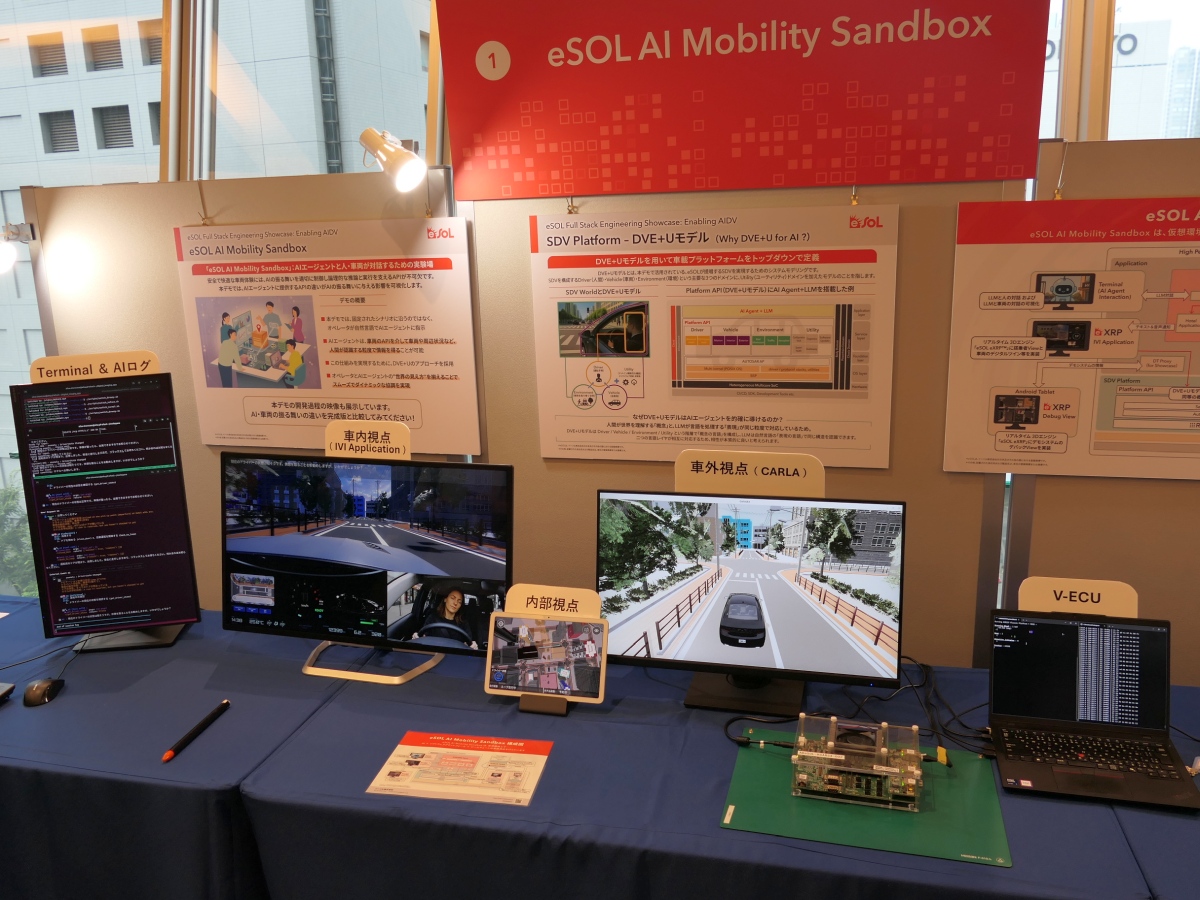
AIエージェントが車載アプリを動的に生成、イーソルがAIDVに向けた実験場を披露
イーソルは、ユーザーイベント「eSOL Technology Forum 2026」において、AIエージェントと人/車両が対話するための実験場となる仮想環境「eSOL AI Mobility Sandbox」を披露した。

Microsoft launches its first cybersecurity model, plus a new agentic cybersecurity system
Microsoft bolstered its AI cybersecurity offerings this week with the launch of its first AI security model and a new security platform.
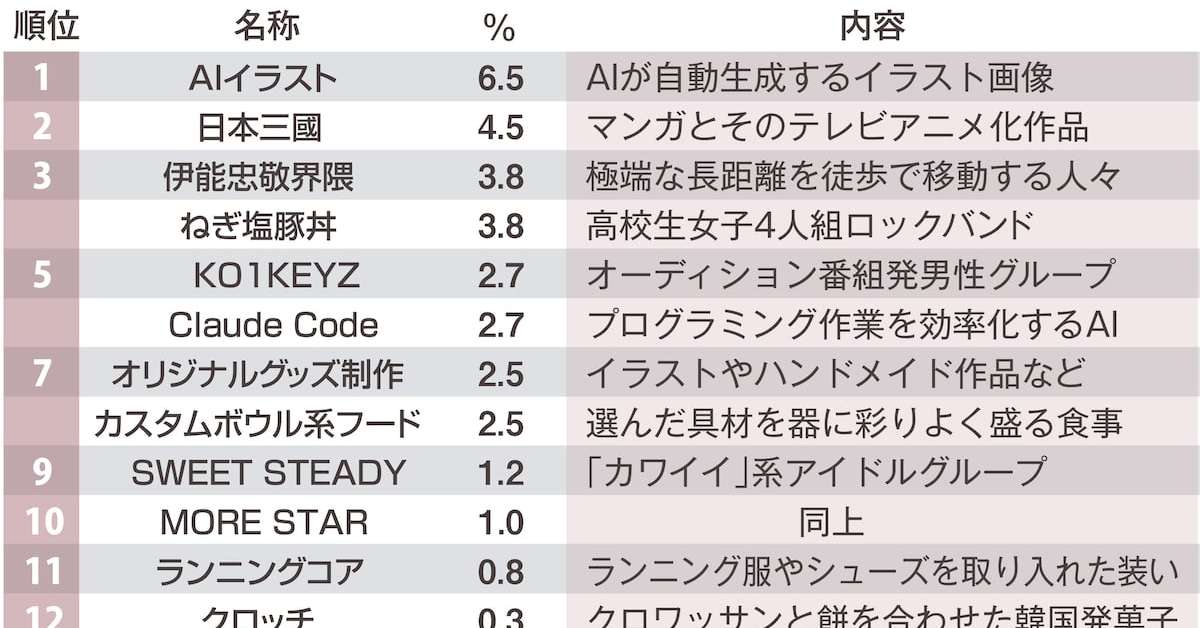
Z世代に聞く次の流行、「AIイラスト」が1位に 「Claude Code」も上位
2026年も下半期を迎え、「Z世代」の若者たちがこれから流行ると思うものについて、市場調査会社のアスマーク(東京都渋谷区)などがインターネットでアンケートを実施した。

AIエージェントと共に働くリスクとは? PwCが説く「実践的ガバナンス」から考察
AIエージェントを安心・安全に活用するためのリスク管理とはどのようなものか。PwCコンサルティングは、サイバーセキュリティにとどまらない、包括的なリスク管理の必要性を説く。今回は、この話から、AIエージェントと共に働くリスクについて考察する。

Hugging Face CEO calls for ‘radical transparency’ after ‘unprecedented’ OpenAI hack
"The first autonomous agent cyberattack is an unprecedented event. It deserves an unprecedented response!"

Why Cognition bought Poke: AI personality is becoming a competitive advantage
The acquisition brings Poke’s conversational style and interaction model to Cognition’s coding agent Devin, reflecting a growing belief tha…

OpenAI’s new voice mode makes it to the ChatGPT desktop app
ChatGPT Voice on desktop can work with both ChatGPT Work and Codex to complete tasks and control agents.

開発工数見積もりの「負担が重い」をAIで解消へ 明治安田はどう実現?
有識者に頼りがちなシステム開発工数の見積もりは、AIエージェントでどこまで効率化できるのか。明治安田生命保険がPoCで検証した仕組みを見ていこう。
AINTMA: 生成インテリジェンス、安全なクラウド通信、および適応型品質分析を備えた自律型テスト管理のための Agentic AI アーキテクチャ
最新のソフトウェア品質保証には、分散クラウド環境全体で適応的な意思決定ができるインテリジェントで自律的なシステムが必要です。この文書では、従来のテスト管理を自律的な品質インテリジェンス エコシステムに変換するマルチエージェント エージェント AI システムである AINTMA (Agentic Intelligent Test Management Architecture) について説明します。 AINTMA は、クラウドネイティブのマイクロサービス インフラストラクチャ上の安全なマルチエージェント通信フレームワークを通じて調整される 6 つの専門 AI エージェント (テスト検出、リスク評価、強化学習の優先順位付け、実行オーケストレーション、生成品質インテリジェンス、クラウド セキュリティ モニター) を展開します。 Generative Quality Intelligence エージェントは、大規模な言語モデルを採用して、平易な言語による品質説明、欠陥リスクの概要、およびデータ拡張されたテスト推奨事項を生成します。 RL 優先順位付けエージェントは、テストの選択をマルコフ決定プロセスとしてモデル化し、大規模な過去のテスト実行データ (47 の機能、ローリング 36 か月のウィンドウ) から状況に応じたポリシーを学習します。安全なクラウド通信は、OAuth2/JWT 認証、暗号化されたエージェント間メッセージング、およびマルチテナント分離を備えたゼロトラスト API ゲートウェイを通じて強制されます。 18 か月にわたる 12 の異種ソフトウェア プロジェクトにわたる評価では、テストの優先順位付けの精度が 88.4% (APFD 対ランダム 51.2%、商用ベースラインが 82.1%) であることが実証されました。テストサイクル時間を 43% 短縮。欠陥回避率が 8.3% から 2.1% に減少。 9 か月の投資回収で 340% の ROI。エージェント アーキテクチャは 400 ミリ秒未満の応答時間で 50,000 以上のテスト ケースに拡張でき、生成インテリジェンス モジュールは開発者有用性評価 4.3/5.0 を達成しています。 AINTMA は、自律的なマルチエージェント調整、生成インテリジェンス、安全なスマート接続を組み合わせたエージェント AI が、クラウド規模のエンタープライズ環境におけるソフトウェア品質管理を根本的に進歩させることができることを実証しています。
原文 (English)
AINTMA: Agentic AI Architecture for Autonomous Test Management with Generative Intelligence, Secure Cloud Communication and Adaptive Quality Analytics
Modern software quality assurance demands intelligent, autonomous systems capable of adaptive decision-making across distributed cloud environments. This paper presents AINTMA (Agentic Intelligent Test Management Architecture), a multi-agent agentic AI system that transforms traditional test management into an autonomous quality intelligence ecosystem. AINTMA deploys six specialized AI agents (Test Discovery, Risk Assessment, Reinforcement Learning Prioritization, Execution Orchestration, Generative Quality Intelligence, and Cloud Security Monitor) coordinated through a secure multi-agent communication framework over a cloud-native microservices infrastructure. The Generative Quality Intelligence agent employs large language models to produce plain language quality narratives, defect risk summaries, and data-augmented test recommendations. The RL Prioritization agent models test selection as a Markov Decision Process, learning contextual policies from large-scale historical test execution data (47 features, rolling 36-month window). Secure cloud communication is enforced through a zero-trust API gateway with OAuth2/JWT authentication, encrypted inter-agent messaging, and multi-tenant isolation. Evaluation across 12 heterogeneous software projects over 18 months demonstrates: 88.4% test prioritization accuracy (APFD, vs. 51.2% random, 82.1% best commercial baseline); 43% test cycle time reduction; defect escape rate reduced from 8.3% to 2.1%; 340% ROI at 9-month payback. The agentic architecture scales to 50,000+ test cases with sub-400ms response time, and the generative intelligence module achieves 4.3/5.0 developer usefulness rating. AINTMA demonstrates that agentic AI, combining autonomous multi-agent coordination, generative intelligence and secure smart connectivity, can fundamentally advance software quality management in cloud-scale enterprise environments.
JAXBench: 自律型 TPU カーネル最適化のベンチマーク
厳格なベンチマークにより、ヒルクライムするための共有ターゲットが確立され、自律型 GPU カーネル パフォーマンスの最適化が進歩しましたが、TPU には同等のものが存在しません。 Google Cloud TPU 上で AI によって生成されたカーネル最適化のための TPU ネイティブ ベンチマーク スイートである JAXBench を紹介します。 JAXBench は、関連性があり、最適化のためのヘッドルームを提供する 50 の JAX ワークロードで構成されています。 Llama-3.1、DeepSeek-V3、Mixtral、Mamba-2、AlphaFold2 などのパブリック MaxText ライブラリのアーキテクチャから 17 の実稼働 ML オペレーターを抽出し、正確性が検証され、高い TPU v6e MXU 使用率を達成する新しい問題サイズが設定された 33 のオペレーターを KernelBench から変換します。 17 社のプロダクション オペレーターのうち 8 社は、パブリック Tokamax ライブラリから手動で最適化された Pallas カーネルを出荷し、専門家の上限ベースラインを確立するためにブロック サイズが調整されています。 JAXBench 用の Pallas カーネル候補を生成するための 4 つのフィードバック主導型メソッドを評価します。 Gemini 3 Flash のフル スイート全体にわたって、Pallas のようなまばらに文書化された DSL では、モデルのスケールよりもターゲット固有のコンテキストが重要であることがわかりました。厳選された TPU ドキュメントに基づく条件付けにより、サンプルあたりの正確性が 5.8% から 37.3% に向上し、1.28 倍の幾何平均速度向上で 50 ベンチマーク中 48 を解決します。 Autocomp のビーム検索パイプラインは、XLA の 1.36 倍の幾何平均速度に達し、正確さが達成されると検索構造は大幅な向上をもたらします。 8 つの手動調整されたカーネルでは、Autocomp は XLA の 1.60 倍の幾何平均値に達し、2.08 倍の Tokamax 上限のほとんどを回復しましたが、特殊なページングおよびラグド アテンション演算子には及ばませんでした。高品質の TPU カーネルの最適化は依然として困難な課題であるため、オープンソースの貢献をサポートするために、JAXBench ベンチマーク、評価ハーネス、およびベースライン結果をリリースします。
原文 (English)
JAXBench: Benchmarking Autonomous TPU Kernel Optimization
Rigorous benchmarks have driven progress in autonomous GPU kernel performance optimization by establishing a shared target to hillclimb on, but no equivalent exists for TPUs. We present JAXBench, a TPU-native benchmark suite for AI-generated kernel optimization on Google Cloud TPUs. JAXBench comprises 50 JAX workloads that are both relevant and provide headroom for optimization. We extract 17 production ML operators from architectures in the public MaxText library such as Llama-3.1, DeepSeek-V3, Mixtral, Mamba-2, and AlphaFold2, and translate 33 operators from KernelBench that are validated for correctness and set with new problem sizes that achieve high TPU v6e MXU utilization. Eight of the 17 production operators ship with hand-optimized Pallas kernels from the public Tokamax library and block-size tuned to establish an expert upper-bound baseline. We evaluate four feedback-driven methods on generating candidate Pallas kernels for JAXBench. Across the full suite with Gemini 3 Flash, we find that target-specific context matters more than model scale on a sparsely-documented DSL like Pallas. Conditioning on curated TPU documentation raises per-sample correctness from 5.8% to 37.3% and solves 48 of 50 benchmarks at a 1.28x geomean speedup. Search structure yields significant gains once correctness is achieved, with Autocomp's beam-search pipeline reaching a 1.36x geomean speedup over XLA. On the 8 hand-tuned kernels, Autocomp reaches 1.60x geomean over XLA, recovering most of the 2.08x Tokamax upper bound but trailing on the specialized paged and ragged attention operators. High-quality TPU kernel optimization remains a challenging task, and we release the JAXBench benchmark, evaluation harness, and baseline results to support open source contributions.
InferenceBench: AI エージェントによるオープンエンド LLM 推論最適化のベンチマーク
AI エージェントは研究開発タスクを自動化するためにますます使用されていますが、既存のベンチマークは通常、所定のワークフローまたは狭いアクション スペースで AI エージェントを評価します。名目上は無制限のタスクであっても、よく知られたレシピを取得し、いくつかのハイパーパラメータを調整することで解決できることが多く、強力な結果が真の最適化を反映しているのか、それとも記憶されたソリューションを反映しているのかが不明確になります。ここでは、エージェントが OpenAI 互換の推論サーバーをデプロイし、LLM 推論の速度を最適化する必要がある InferenceBench を紹介します。各エージェントは、ターゲット LLM、1 つの H100 GPU、最適化シナリオ、および 2 時間の実時間予算を受け取ります。 3 つの最適化シナリオでは、推論の明確なボトルネック (プリフィル レイテンシー、デコード レイテンシー、同時リクエストのスループット) を分離し、4 番目のシナリオでは 3 つすべてのバランスを同時にとります。 15 のフロンティア エージェント構成全体で、エージェントは単純な PyTorch ベースライン (最大 $8.08\times$) を確実に上回っており、多くの場合、デフォルト設定 (vLLM の場合 $4.05\times$) のサービス エンジンと同等またはそれを超えていますが、依然として同じ時間予算 (最大 $11.53\times$) での単純なハイパーパラメータ検索を下回っています。エージェントの軌跡を定性的に分析すると、エージェントは関連する最適化手法を多数列挙していますが、圧倒的に単一の推論フレームワークに収束していることがわかります。彼らは少数の異なる構成のみをテストし、実質的に異なる戦略を検討するのではなく、残りの予算をハイパーパラメータの再測定、修復、または最適化に費やします。これは、ボトルネックはドメインの知識ではなく、多様な構成を提案し、体系的に評価し、特定された最適なソリューションを提出する能力であることを示唆しています。全体として、InferenceBench は、記憶されたソリューションが限定的な改善につながる、オープンエンドの AI エンジニアリング設定で動作するエージェントの能力を反映しています。
原文 (English)
InferenceBench: A Benchmark for Open-Ended LLM Inference Optimization by AI Agents
AI agents are increasingly used to automate research and development tasks, yet existing benchmarks typically evaluate them on prescribed workflows or narrow action spaces. Even nominally open-ended tasks can often be solved by retrieving a well-known recipe and tuning a few hyperparameters, making it unclear whether strong results reflect genuine optimization or memorized solutions. We introduce InferenceBench, where an agent must deploy an OpenAI-compatible inference server and optimize the speed of LLM inference. Each agent receives a target LLM, one H100 GPU, an optimization scenario, and a wall-clock time budget of two hours. Three optimization scenarios isolate distinct bottlenecks of inference (prefill latency, decode latency, and concurrent request throughput) and a fourth balances all three at the same time. Across 15 frontier agent configurations, agents reliably improve over a naive PyTorch baseline (up to $8.08\times$) and often match or exceed serving engines with default settings ($4.05\times$ for vLLM), but still fall below a simple hyperparameter search under the same time budget (up to $11.53\times$). Qualitative analysis of agent trajectories shows that although agents enumerate many relevant optimization techniques, they overwhelmingly converge on a single inference framework. They test only a few distinct configurations and spend the remaining budget re-measuring, repairing, or optimizing hyperparameters rather than exploring substantially different strategies. This suggests the bottleneck is not domain knowledge, but the ability to propose diverse configurations, evaluate them systematically, and submit the best identified solution. Overall, InferenceBench reflects the ability of agents to operate in an open-ended AI engineering setting, where memorized solutions lead to limited improvements.
PersonalTrail: 証跡の閲覧によるパーソナライズされた Web エージェントのベンチマーク
大規模言語モデルの最近の進歩により、Web エージェントが複雑なタスクを自律的に実行できるようになりました。実際には、ユーザーは頻繁に指定不足の指示を提供し、エージェントが生の閲覧履歴から欠落しているコンテキストを推測することを要求します。既存のベンチマークは、タスクを完全に明示的なプロンプトに制限するか、Web インタラクション履歴を単純化された形式に抽象化するため、この形式のパーソナライゼーションを捉えることができません。このギャップを埋めるために、管理されたオープン Web 環境で動作するパーソナライズされた Web エージェントのベンチマークである PersonaTrail を導入します。 PersonaTrail は、ユーザー履歴として現実的な閲覧軌跡を活用することで、ユーザーの好みを推測し、過去の閲覧セッションからの情報を呼び出すエージェントの能力を評価します。さらに、生の閲覧履歴を 2 種類の構造化記憶 (個々のセッションを要約する事実記憶と、繰り返しの行動パターンを抽出する嗜好記憶) に分解するフレームワークである Preference-Aware Contextual Memory (PACMem) を提案します。推論時に、エージェントはこれらのメモリから最も関連性の高いエントリを取得し、パーソナライズされたナビゲーションをガイドします。広範な実験により、PACMem は両方のタスクにおいて既存のメモリベースのベースラインよりも一貫して優れたパフォーマンスを発揮することが示されています。
原文 (English)
PersonaTrail: Benchmarking Personalized Web Agents through Browsing Trails
Recent advances in large language models have enabled web agents to autonomously execute complex tasks. In practice, users frequently provide underspecified instructions, requiring agents to infer the missing context from their raw browsing histories. Existing benchmarks fail to capture this form of personalization, as they either restrict tasks to fully explicit prompts or abstract web interaction history into simplified forms. To bridge this gap, we introduce PersonaTrail, a benchmark for personalized web agents operating in a managed open web environment. By leveraging realistic browsing trajectories as user history, PersonaTrail evaluates an agent's ability to infer user preferences and recall information from past browsing sessions. We further propose Preference-Aware Contextual Memory (PACMem), a framework that decomposes raw browsing histories into two types of structured memory: factual memories that summarize individual sessions and preference memories that distill recurring behavioral patterns. At inference time, the agent retrieves the most relevant entries from these memories to guide personalized navigation. Extensive experiments show that PACMem consistently outperforms existing memory-based baselines on both tasks.
OPTScientist: トランスフォーマーの事前トレーニングのための型付きオプティマイザー プログラムのマルチエージェント検出
最新の深層学習向けのオプティマイザーの設計は、依然として科学的に難しい問題であり、最適化幾何学、状態ダイナミクス、数値安定性、実装上の制約、および経験的一般化を共同で考慮する必要があります。既存の自動オプティマイザ検出方法は通常、制約のないコード空間上、または狭くパラメータ化されたオプティマイザ ファミリ内で検索します。前者は柔軟性がありますが、無効なプログラムや解釈できないプログラムが生成されることが多く、後者は安定していますが、新規性が制限されます。型指定されたドメイン固有言語 (DSL) でオプティマイザーを検出するための理論に基づいたマルチエージェント フレームワークである OPTScientist を紹介します。 OPTScientist は、制約付きの科学的検索プロセスとしてオプティマイザーの設計を定式化します。このプロセスでは、候補の更新が方向、スケーリング、事前条件付け、正則化、状態、およびグループ化モジュールを通じて表現されます。理論家、デザイナー、エンジニア、レビューアーの 4 つの役割のエージェントが単一のオーケストレーション ループ内で連携して、仮説の提案、DSL 候補の合成、オプティマイザーのコンパイルと評価、結果の批評を行います。固定検索空間の制限を克服するために、OPTScientist は、オプティマイザー プログラムによる進化的検索と、繰り返される障害によって表現上のボトルネックが明らかになった場合に小さな DSL 拡張を提案する第 2 段階のメカニズムを組み合わせます。このフレームワークを使用して、ネイティブ評価プロトコルの下で強力なベースラインに対する変換器の事前学習を改善する縮小状態行列オプティマイザーである RS-MR を発見します。私たちの結果は、理論、型指定されたプログラム、コンパイラーの検証、および閉ループ実験に基づいた自動オプティマイザー科学への道を示唆しています。
原文 (English)
OPTScientist: Multi-Agent Discovery of Typed Optimizer Programs for Transformer Pretraining
Designing optimizers for modern deep learning remains a challenging scientific problem, requiring the joint consideration of optimization geometry, state dynamics, numerical stability, implementation constraints, and empirical generalization. Existing automated optimizer discovery methods typically search either over unconstrained code spaces or within narrowly parameterized optimizer families. The former is flexible but often produces invalid or uninterpretable programs, while the latter is stable but limits novelty. We introduce OPTScientist, a theory-guided multi-agent framework for optimizer discovery in a typed domain-specific language (DSL). OPTScientist formulates optimizer design as a constrained scientific search process, where candidate updates are expressed through direction, scaling, preconditioning, regularization, state, and grouping modules. Four role agents, Theorist, Designer, Engineer, and Reviewer, collaborate within a single orchestration loop to propose hypotheses, synthesize DSL candidates, compile and evaluate optimizers, and critique results. To overcome the limitations of a fixed search space, OPTScientist combines evolutionary search over optimizer programs with a second-stage mechanism that proposes small DSL extensions when repeated failures reveal representational bottlenecks. Using this framework, we discover RS-MR, a reduced-state matrix optimizer that improves transformer pretraining over strong baselines under our native evaluation protocol. Our results suggest a path toward automated optimizer science grounded in theory, typed programs, compiler validation, and closed-loop experimentation.
自律的なトポロジの突然変異: 機能、状態、およびシャドウの不変条件を備えたマルチエージェント LLM システムの安全なランタイム再構築
マルチエージェント LLM フレームワークは通常、起動時にチーム トポロジを修正します。実行時に個々のエージェントが過負荷になると、たとえば、アクション カテゴリが多すぎる、ツール エラーが蓄積する、またはコールが多すぎるキューに入れすぎるなどして、システムにはそれ自体を再構築するメカニズムがありません。マルチエージェント LLM フレームワークのランタイム チーム ミューテーション メカニズムである Autonomous Topology Mutation (ATM) を紹介します。 ATM は、テレメトリ主導の過負荷検出と、各構造変化を制御する 3 つの安全性不変条件 (機能の単調性、状態ルーティングの完全性、シャドウ ビフォア ライブ検証) を組み合わせています。 ATM は、キューの深さ、コンテキスト スラッシング、ツール エラー率、ロール エントロピー、再試行ループ率、およびエージェント間待機時間を含む 6 つのシグナルのボトルネック インデックスを監視します。ウォームアップで調整されたしきい値が複数の連続ティックで違反されると、ATM は過負荷になったエージェントを特殊なサブエージェントに分解し、外部 ID を維持しながら親をコーディネーターの役割にホットスワップします。状態転送は、プライバシー レベルを認識したルーティングによって制御されます。各メモリ アトムは、許可された子セットにのみルーティングされるか、ログに記録された理由で明示的に削除されます。シャドウ検証ウィンドウを通過するまで、候補トポロジはライブ トラフィックを受信しません。 4 つのアブレーション条件と 3 つのワークロードにわたって決定論的なツール スタブを使用して 720 個の DeepSeek-V3 駆動タスクを実行すると、ATM 因数分解器分割によりコードタスクの成功率が 3.3% から 61.7% に上昇しました。完全なレールアンド蒸留システムは、タスクの品質を維持しながら、正規表現分類子の下で検出されるプライバシー性の高いメモリの露出をタスクあたり 2.0 から 0.0 イベントに削減します。 ATM の不変条件を保持するランタイム レールにより、エージェントのホット パスで追加される p99 遅延は 500 マイクロ秒未満になります。実際の Python を実行する小さなライブツール プローブが、外部妥当性チェックとして含まれています。実装、ベンチマーク ハーネス、およびトレースはオープンソースです。
原文 (English)
Autonomous Topology Mutation: Safe Runtime Restructuring for Multi-Agent LLM Systems with Capability, State, and Shadow Invariants
Multi-agent LLM frameworks typically fix their team topology at boot time. When an individual agent becomes overloaded at runtime, for example by mixing too many action categories, accumulating tool errors, or queueing behind too many calls, the system has no mechanism to restructure itself. We introduce Autonomous Topology Mutation (ATM), a runtime team-mutation mechanism for multi-agent LLM frameworks. ATM combines telemetry-driven overload detection with three safety invariants that gate each structural change: capability monotonicity, state-routing completeness, and shadow-before-live validation. ATM monitors a six-signal Bottleneck Index that includes queue depth, context thrash, tool-error rate, role entropy, retry-loop rate, and cross-agent wait time. When a warmup-calibrated threshold is breached for multiple consecutive ticks, ATM factorises the overloaded agent into specialised sub-agents and hot-swaps the parent into a coordinator role while preserving its external identity. State transfer is controlled by privacy-level-aware routing: each memory atom is routed only to a permitted child set, or explicitly dropped with a logged reason. No candidate topology receives live traffic until it has passed a shadow validation window. On 720 DeepSeek-V3-driven task runs with deterministic tool stubs across four ablation conditions and three workloads, the ATM factoriser split lifts code-task success from 3.3% to 61.7%. The full rail-and-distillation system reduces detected high-privacy memory exposure under a regex classifier from 2.0 to 0.0 events per task while preserving task quality. The runtime rails carrying ATM's invariants add less than 500 microseconds of p99 latency on the agent hot path. A small live-tool probe with real Python execution is included as an external-validity check. The implementation, benchmark harness, and traces are open-sourced.
DFAH ベンチ: 財務上の意思決定における観察可能なエージェントの不安定性のベンチマーク
標準の評価ベンチマークは、ツールを使用するエージェントが毎回同じプロセスを経てその決定に到達するかどうかではなく、ツールを使用するエージェントが何を決定するかを測定します。 DFAH ベンチは、金融機関の意思決定における観察可能な行動の不安定性を 3 つのチャネル (ツール呼び出しの軌跡、証拠の接触、意思決定の集中) にわたって測定するリプレイ ベンチマークです。これらのチャネルのいずれも、隠された推論テキストへのアクセスを必要としません。 10 のモデルと 3 つの財務タスクにまたがる 8,127 のリプレイ エピソード全体で、結果の合意だけでは不完全な安定性シグナルであることがわかりました。フロンティア モデルは 95% の確率で意思決定に合意できるのに対し、同じツール パスをたどるのは 77% の確率だけです。結果のみの評価では完全に見逃される 18 パーセント ポイントのギャップ (95% CI: [0.14, 0.22])。意思決定の一致度が高いフロンティアモデルのケースグループのうち、55% 以上が意味のある軌道の発散を示しています。私たちは 3 つの動作プロファイルを特定します。入力に関係なく単一の出力に集約することでほぼ完全な一致を達成するパターン マッチャー、比較的一貫したツール使用プロセスを持つ安定した実行者、および実質的に異なるツール パスと証拠の接触を通じて同じ結論に達する軌道分岐者です。ベンチマーク コード、メトリック スクリプト、再生ログ、ベンチマーク カード、データセット README、およびリリース マニフェストは、付属のリポジトリでリリースされます。
原文 (English)
DFAH-Bench: Benchmarking Observable Agent Instability in Financial Decision-Making
Standard evaluation benchmarks measure what a tool-using agent decides, not whether it arrives at that decision through the same process each time. We introduce DFAH-Bench, a replay benchmark that measures observable behavioral instability in financial agent decision-making across three channels -- tool-call trajectories, evidence contacts, and decision concentration -- none of which require access to hidden reasoning text. Across 8,127 replay episodes spanning 10 models and 3 financial tasks, we find that outcome agreement alone is an incomplete stability signal: frontier models can agree on decisions 95% of the time while following the same tool path only 77% of the time -- an 18-percentage-point gap (95% CI: [0.14, 0.22]) that outcome-only evaluation misses entirely. Among frontier-model case groups with high decision agreement, over 55% exhibit meaningful trajectory divergence. We identify three behavioral profiles: pattern matchers that achieve near-perfect agreement by collapsing to a single output regardless of input, stable executors with relatively consistent tool-use processes, and trajectory divergers that reach the same conclusions through materially different tool paths and evidence contacts. The benchmark code, metric scripts, replay logs, benchmark card, dataset README, and release manifest are released in the accompanying repository.
マルチエージェント システム向けのワークロード認識キャッシング
マルチエージェント システムは、複雑なタスクを特殊なエージェント実行の有向非巡回グラフ (DAG) に分解し、クエリ全体で中間結果をキャッシュする自然な機会を生み出します。ただし、既存のキャッシュ削除ポリシーは、アクセス履歴に基づいてキャッシュされたすべてのエントリを一律に扱い、エージェント実行環境で固有に利用可能な構造およびワークロードの信号を無視します。ここでは、再計算コスト、DAG 依存関係数、エージェント呼び出し頻度という 3 つのシグナルを、メモリ制約下で最も価値のあるエントリを保持する統合スコアリング関数に結合する、ワークロードを認識したエビクション ポリシーを紹介します。さまざまな再利用体制にわたる 3 つのマルチエージェント ベンチマークで評価したところ、当社のポリシーは、キャッシュなしのベースラインと比較してレイテンシを最大 64.7% 削減し、次に優れた有限容量ベースラインと比較して平均 31.1% のレイテンシ削減を達成しながら、無制限キャッシュのパフォーマンスに近づき、競合するすべての有限容量手法と同等またはそれを超える精度を維持しています。さらに、ワークロードを認識したコンテンツ キャッシュが、プラン レベルのキャッシュや並列エージェント実行などの他のエージェント システム最適化手法を補完し、各手法がマルチエージェント パイプラインにおける個別の効率ボトルネックをターゲットにしていることを示します。
原文 (English)
Workload-Aware Caching for Multi-Agent Systems
Multi-agent systems decompose complex tasks into directed acyclic graphs (DAGs) of specialized agent executions, creating natural opportunities for caching intermediate results across queries. However, existing cache eviction policies treat all cached entries uniformly based on access history, ignoring structural and workload signals uniquely available in agentic execution environments. We present a workload-aware eviction policy that combines three signals, namely recomputation cost, DAG dependency count, and agent invocation frequency, into a unified scoring function that retains the most valuable entries under memory constraints. Evaluated across three multi-agent benchmarks spanning diverse reuse regimes, our policy reduces latency by up to 64.7% relative to the uncached baseline and achieves on average a 31.1% latency reduction over the next best finite-capacity baseline, while approaching the performance of an unbounded cache and maintaining accuracy on par with or exceeding all competing finite-capacity methods. We further show that workload-aware content caching is complementary to other agentic system optimization methods, including plan-level caching and parallel agent execution, with each technique targeting a distinct efficiency bottleneck in multi-agent pipelines.
AISE-Bench: 学術知識グラフ上の情報探索のためのフルサイクルで厳選されたベンチマーク
ツールで強化された大規模言語モデル (LLM) は、Web エンジン、API、コードを使用して複雑で長期的なタスクを解決できる自律エージェントとして登場しつつあります。学術グラフで情報を求める現在のツールを使用したベンチマークは、合成テンプレート、簡素化されたソリューション空間、または紙中心のタスクなどの狭いタスクに依存しており、現実的なユーザーの意図、複雑な複数ステップの API プランニング、API の豊富なパラメーターの入力、参照を伴う根拠のある回答、プロセスと結果の両方の包括的な評価など、重要な課題が十分に検討されていないままになっています。 AISE-Bench は、学術知識グラフ上で情報を求めるための、現実世界のフルサイクルの注釈付きベンチマークです。 AISE-Bench リリースには、クエリ分類、完全な API 実行軌跡、検証済みパラメータ、参照リンク付きのソースに基づいた回答を含む 1,133 の QA ペアが含まれています。高品質のアノテーションをサポートするために、アノテーターが複雑な API ワークフローを効率的に計画、実行、修正できるようにカスタマイズされたエージェント ワークフローを設計します。私たちは、回答の品質、基準の根拠、API 計画の正確さ、および実行の成功を測定する包括的な評価プロトコルを開発します。評価された 14 のメソッドのうち、最も強力なモデル (Gemini-3-Pro を使用した PLAY2PROMPT) でさえ中程度のパフォーマンスしか達成できず、API の計画と実行に苦労することがよくあります。 AISE-Bench は、LLM エージェントを使用するマルチステップ API の段階的な正確性、根拠のある要約、および追跡可能な推論を定量的に評価および改善するための、挑戦的な新しいテストベッドを確立します。コードとデータは https://aise-bench.github.io/ で入手できます。
原文 (English)
AISE-Bench: A Full-Cycle Curated Benchmark for Information Seeking on Academic Knowledge Graphs
Large language models (LLMs) augmented with tools are emerging as autonomous agents capable of using Web engine, APIs, and code to solve complex, long-horizon tasks. Current tool-using benchmarks for information seeking on academic graphs rely on synthetic templates, simplified solution spaces, or narrow tasks such as paper-centric tasks, leaving key challenges underexplored - realistic user intent, complex multi-step API planning, rich parameter filling for APIs, grounded answers with references, and comprehensive evaluation of both the process and the outcome. We introduce AISE-Bench, a real-world, full-cycle annotated benchmark for information seeking on academic knowledge graphs. AISE-Bench release contains 1,133 QA pairs, including query taxonomies, full API execution trajectories, validated parameters, and source-grounded answers with reference links. To support high-quality annotation, we design a customized agent workflow to enable annotators to plan, execute, and revise complex API workflows efficiently. We develop a comprehensive evaluation protocol measuring answer quality, reference grounding, API-planning correctness, and execution success. Among the 14 evaluated methods, even the strongest model (PLAY2PROMPT with Gemini-3-Pro) achieves only moderate performance and often struggles with API planning and execution. AISE-Bench establishes a challenging new testbed for quantitatively evaluating and improving the stepwise correctness, grounded summarization, and traceable reasoning of multi-step API-using LLM agents. Our code and data are available at https://aise-bench.github.io/.
ExecuGraph: 大規模な言語モデルを使用した信頼性の高いバックエンド コード合成のための、マルチエージェントの実行ベースのフレームワーク
大規模言語モデルは妥当なバックエンド コードを生成しますが、シングルパス パラダイムでは正確性や実行時の信頼性が保証されません。実行ベースの検証をバックエンド コード合成の中心に置くマルチエージェント フレームワークである ExecuGraph を紹介します。 6 つの専門エージェント (プランナー、コード ジェネレーター、論理レビューアー、評価者、オプティマイザー、および説明者) は、ローカルでホストされるモデル (Ollama) とアルゴリズム手法を呼び出すためのオプションの検索レイヤーを使用して LangGraph 上に実装された、制限された再試行予算を備えた型指定されたワークフローによって調整されます。実時間タイムアウトを備えたサブプロセス分離サンドボックスにより、すべての評価が保護されます。私たちは、厳選された 30 の問題の DSA スイート (内部 30)、HumanEval (n=64)、および APPS 入門サブセットを評価し、ExecuGraph を単一エージェントのワンショット ベースラインおよび単一エージェントの実行再試行ベースライン (マルチエージェント分解の寄与を分離するリフレクション スタイルのアブレーション) と対比させます。内部 30 では、3 つの条件は統計的に区別できません (n=30; ペアのウィルコクソン p=0.59 MF 対 SO、p=0.08 SR 対 SO)。すべてのペアごとの平均差に関する 95% ブートストラップ信頼区間にはゼロが含まれます。 HumanEval では、マルチフル エッジが +3.1 pp 先行しています。最も強い信号はクロスモデルです。DeepSeekCoder V2 Lite では、グラフ カテゴリの精度が 57.5% (ワンショット) から 80.0% (マルチフル) に向上し、スケーリング仮説をサポートする +22.5 pp のジャンプです。マルチエージェント分解の値はベースモデルの機能とともに増加します。このフレームワークの主な貢献は方法論的です。構成によってワンショット、実行再試行、およびエージェントごとのアブレーション条件に折りたたまれる単一のコードベースにより、各レバーの限界寄与の制御された測定が可能になります。エージェントごとのアブレーション、再試行予算のスイープ、エラークラスの分類、およびテストソースの監査が報告されます。
原文 (English)
ExecuGraph: A Multi-Agent, Execution-Grounded Framework for Reliable Backend Code Synthesis with Large Language Models
Large Language Models generate plausible backend code, but a single-pass paradigm provides no guarantee of correctness or runtime reliability. We present ExecuGraph, a multi-agent framework that places execution-based validation at the center of backend code synthesis. Six specialized agents (Planner, Code Generator, Logical Reviewer, Evaluator, Optimizer, and Explainer) are coordinated by a typed directed workflow with a bounded retry budget, implemented on LangGraph with locally hosted models (Ollama) and an optional retrieval layer for algorithmic technique recall. A subprocess-isolated sandbox with a wall-clock timeout guards every evaluation. We evaluate on a curated 30-problem DSA suite (internal-30), HumanEval (n=64), and an APPS-introductory subset, contrasting ExecuGraph against a single-agent one-shot baseline and a single-agent execution-retry baseline (a Reflexion-style ablation that isolates the contribution of multi-agent decomposition). On internal-30, the three conditions are statistically indistinguishable (n=30; paired Wilcoxon p=0.59 MF vs. SO, p=0.08 SR vs. SO); 95% bootstrap confidence intervals on all pairwise mean differences include zero. On HumanEval, multi-full edges ahead by +3.1 pp. The strongest signal is cross-model: with DeepSeekCoder V2 Lite, graph-category accuracy improves from 57.5% (oneshot) to 80.0% (multi-full), a +22.5 pp jump that supports a scaling hypothesis: the value of multi-agent decomposition grows with base-model capability. The framework's primary contribution is methodological: a single codebase that collapses by configuration into one-shot, execution-retry, and per-agent ablation conditions, enabling controlled measurement of each lever's marginal contribution. A per-agent ablation, retry-budget sweep, error-class taxonomy, and test-source audit are reported.
MKEvolve: カーネル コード生成のためのモジュール式マルチエージェント フレームワーク
LLM ベースのコード生成は急速に進歩していますが、ハードウェア アクセラレータ用に正しくパフォーマンスの高いカーネルを作成することは、最新の ML ワークロードをスケーリングする上で依然として重要なボトルネックとなっています。我々は、複雑な PyTorch モジュールのモジュール分解と各サブモジュールの LLM 生成カーネルを反復的に共進化させるフレームワークである MKEvolve (Modular Kernel Evolve) を紹介します。LLM 駆動のビーム検索によって各サブカーネルを個別に改善しながら、反復間での分割と融合によって分解を洗練します。結果として得られるカーネルは、独立して検証されたサブカーネルをプログラム的に構成したものであり、構成可能 (サブカーネル実装は交換可能)、解釈可能 (エラーと高速化は特定のサブカーネルに追跡可能) で、関連するモデル アーキテクチャに容易に適応できます。 KernelBench L2 および L3 上の Triton を使用した、マルチオペレーター シーケンスと完全なモデル アーキテクチャにわたる実験では、MKEvolve が LLM トークンの使用量を最大 35% 削減しながら、エンドツーエンドの直接合成ベースラインよりも正確性と速度の両方が向上することが示されています。
原文 (English)
MKEvolve: A Modular Multi-Agent Framework for Kernel Code Generation
Despite rapid progress in LLM-based code generation, writing correct and performant kernels for hardware accelerators remains a key bottleneck in scaling modern ML workloads. We present MKEvolve (Modular Kernel Evolve), a framework that iteratively co-evolves a modular decomposition of complex PyTorch modules and the LLM-generated kernel for each submodule, refining the decomposition by splitting and fusing across iterations while independently improving each subkernel via LLM-driven beam search. The resulting kernels are programmatic compositions of independently verified subkernels, making them configurable (subkernel implementations are swappable), interpretable (errors and speedups are traceable to specific subkernels), and readily adaptable to related model architectures. Experiments with Triton on KernelBench L2 and L3, spanning multi-operator sequences and full model architectures, show that MKEvolve improves both correctness and speedup over end-to-end direct synthesis baselines while reducing LLM token usage by up to 35%.
LeanFlow: ワークフロー主導のリーン自動化のケーススタディ
私たちは、数学論文を構築可能なリーン プロジェクトに変換することに特化した LLM エージェント システムである LeanFlow を紹介し、評価します。最近の検証者インザループ システムでは、大規模な形式的な成果物が生成される可能性があることが示されていますが、どのランタイム メカニズムがドキュメントからプロジェクトへの形式化の完了、監査可能性、または効率に影響を与えるかは不明のままです。私たちは、モデル、証明ワークフロー、および Kimi2.6 と GPT5.5 によるツールセット アブレーションを使用して、数論と測度理論に関するこれまで形式化されていなかった 2 つの数学論文のケース スタディを通じてこの疑問を研究します。タスクの結果、API 呼び出し、入力トークン、出力トークンをレポートします。 Kimi2.6 では、完全なワークフローは両方のドキュメント レベルのプロジェクトを 2000 コールの予算内で完了しますが、キューなしのバリアントは予算制限に達します。 GPT5.5 では、すべてのドキュメント レベルのバリアントが完了し、完全なワークフローの入力トークン コストが両方のソースで最低または同最低になります。補完的なキャリブレーションとして、LeanFlow は RLM25 の PFR スライスで 75.7% BEq+ に達し、GPT5.5 の実行で 5 つの ICML 2026 AI for Math TCS チャレンジ プロジェクトをすべて解決しました。
原文 (English)
LeanFlow: A Case Study in Workflow-Driven Lean Autoformalization
We present and evaluate LeanFlow, an LLM agent system specialized for translating mathematical papers into buildable Lean projects. Recent verifier-in-the-loop systems show that large formal artifacts can be produced, but it remains unclear which runtime mechanisms affect completion, auditability, or efficiency in document-to-project formalization. We study this question through case studies on two previously unformalized mathematical papers in number theory and measure theory, using model, proof-workflow, and toolset ablations with Kimi2.6 and GPT5.5; we report task outcome, API calls, input tokens, and output tokens. With Kimi2.6, the full workflow completes both document-level projects within the 2000-call budget, while no-queue variants reach the budget limit; with GPT5.5, all document-level variants complete, and the full workflow has the lowest or tied-lowest input-token cost on both sources. As complementary calibration, LeanFlow reaches 75.7% BEq+ on the PFR slice of RLM25 and solves all five ICML 2026 AI for Math TCS challenge projects in our GPT5.5 runs.
MiniCache: 効率的な LLM 推論のための小規模モデル インターフェイスを使用した再利用可能なプログラム キャッシュ
大規模言語モデル (LLM) は、プログラム支援推論、エージェントによる意思決定、構造化タスクの実行にますます使用されていますが、これらのアプリケーションでは多くの場合、高い推論コストが発生します。私たちは、Program-of-Thought (PoT) プログラムをパラメータ化されたキャッシュ オブジェクトに変換し、構造的に類似したリクエスト全体で再利用可能な計算を可能にする、再利用可能なプログラム キャッシュ フレームワークである MiniCache を紹介します。 MiniCache は、キャッシュ ヒット リクエストのセマンティック変数抽出とターゲット LLM 生成中の投機的ドラフトに同じ小さなモデルを再利用し、タスクの品質を維持しながら高価なターゲット LLM の呼び出しを削減します。ショッピング スタイルのリクエスト データセット、WebShop、Formula、および CodeTAT-QA に関する実験では、MiniCache が推論レイテンシー、キャッシュの再利用、精度の間のトレードオフを改善し、並列処理下で最大 3.1 倍の低いレイテンシーと 2.8 倍の高いスループットを達成することを実証しています。これらの結果は、小さなモデルが、大きなモデルの代替としてではなく、信頼性が高く効率的な再利用可能なプログラム キャッシュを可能にする軽量のインターフェイス モデルとして最も効果的であることを示しています。
原文 (English)
MiniCache: Reusable Program Caching with Small Model Interfaces for Efficient LLM Inference
Large language models (LLMs) are increasingly used for program-aided reasoning, agentic decision making, and structured task execution, but these applications often incur high inference cost. We present MiniCache, a reusable program caching framework that transforms Program-of-Thought (PoT) programs into parameterized cache objects, enabling reusable computation across structurally similar requests. MiniCache reuses the same small model for semantic variable extraction on cache-hit requests and speculative drafting during target-LLM generation, reducing expensive target-LLM invocations while preserving task quality. Experiments on shopping-style request datasets, WebShop, Formula, and CodeTAT-QA demonstrate that MiniCache improves the trade-off between inference latency, cache reuse, and accuracy, achieving up to 3.1x lower latency and 2.8x higher throughput under parallel serving. These results show that small models are most effective not as replacements for large models, but as lightweight interface models that enable reliable and efficient reusable program caching.
Telco-GAIA: 通信ドメインのエージェント向けのバイリンガル ベンチマーク
Telco-GAIA は、実際の電気通信事業者のデータに基づいてツールを使用するエージェントを評価するための、バイリンガルでマルチモーダルなベンチマークです。 Telco-GAIA は、英語とアラビア語で人間が検証した 100 の質問応答タスクで構成されており、それぞれのタスクで 3 つの異種ソース (静的 Web サイトのスナップショット (HTML、画像、リンクされた PDF)、合成リレーショナル SQL データベース、テキスト、画像、および表形式のモダリティにわたる外部 Web アーカイブ) にわたるマルチホップ推論 (平均 4.2 ホップ) が必要です。このベンチマークはサンドボックス化された Docker 環境として提供され、正規化された正確な文字列一致によってスコア付けされるため、評価は客観的で決定的であり、LLM-as-a-Judge なしで時間の経過とともに再現可能になります。 12 の商用およびオープン LLM にわたって専用のリファレンス エージェントを評価したところ、Telco-GAIA は困難であることがわかりました。最も強力なモデルでもタスクの 71% しか解決できません。適度なコスト予算の下では、これは約 40% に下がり、視覚に基づいたカテゴリは依然として最も弱く、バックエンドの平均スコアは 30% を下回っており、ドキュメントと画像の理解にはかなりの余地が残されています。 Telco-GAIA は、エンタープライズ エージェント向けの厳密で再現可能なテストベッドと、クローズド ドメインのベンチマークを構築するためのテンプレートを提供します。
原文 (English)
Telco-GAIA: Bilingual Benchmark for Agents in Telecom Domain
We introduce Telco-GAIA, a bilingual, multi-modal benchmark for evaluating tool-using agents on the data of a real-world telecommunications operator. Telco-GAIA comprises 100 human-verified question-answering tasks, in English and Arabic, that each demand multi-hop reasoning (4.2 hops on average) over three heterogeneous sources: a static website snapshot (HTML, images, and linked PDFs), a synthetic relational SQL database, and external web archives, spanning text, image, and tabular modalities. The benchmark is delivered as a sandboxed Docker environment and scored by normalized exact string matching, making evaluation objective, deterministic, and reproducible over time without any LLM-as-a-Judge. Evaluating a purpose-built reference agent across twelve commercial and open LLMs, we find Telco-GAIA challenging: even the strongest model solves only 71% of tasks; under a moderate cost budget, this falls to about 40%, and the visually grounded categories remain the weakest, where the average backend scores below 30%, leaving substantial headroom in document and image understanding. Telco-GAIA offers a rigorous, reproducible testbed for enterprise agents and a template for constructing closed-domain benchmarks.
CANN ベンチ: 実際の NPU およびアルゴリズム制限に対するエージェント生成カーネルのベンチマーク
AI エージェントは、さまざまなハードウェア プラットフォーム上で低レベルのオペレーター カーネルを作成、コンパイルし、繰り返し最適化できるようになりました。しかし、既存のベンチマークはほぼ CUDA と Triton のみに焦点を当てており、ハードウェア エコシステムには共通の評価ベースラインがなく、あまり公開されていないプログラミング モデルが残されています。ファーウェイの Ascend NPU で AI が生成したオペレーター コードのオープン ベンチマークである CANN Bench を紹介します。現在のリリースでは、FP16、BF16、FP32、INT8 精度フォーマットにわたる、単純な要素ごとのプリミティブから MoE ディスパッチおよび FlashAttendant カーネルまで、4 つの難易度に編成された 53 のオペレーターと 1,060 のテスト ケースがカバーされています。評価には、コンパイル、機能の正しさ、パフォーマンスを独立した軸として扱う \textbf{3 次元加重複合スコア} が採用され、カーネル生成エージェントに原則に基づいた報酬シグナルが提供されます。パフォーマンスは、すぐに使用できる PyTorch-on-Ascend ベースラインと、実際の NPU ハードウェアでのケースごとの分析的なハードウェア アンカー パフォーマンス (HAP) 制限に基づいてグレード付けされ、スコアが測定アーティファクトではなく真の最適化ヘッドルームを反映していることが保証されます。評価ハーネスは、報酬のハッキングに根本から対抗するように設計されています。 CANN Bench は、公式 CANN リポジトリ内でバージョン管理されており、長期的なコミュニティの共同構築向けに設計されており、Ascend エコシステムに定量的で再現可能で持続的に維持される AI オペレーター オーサリング機能の基準を提供します。
原文 (English)
CANN Bench: Benchmarking Agent Generated Kernels against Real NPU and Algorithmic Limits
AI agents are now capable of writing, compiling, and iteratively optimizing low-level operator kernels on different hardware platforms. Existing benchmarks, however, focus almost exclusively on CUDA and Triton, leaving hardware ecosystems with less-exposed programming models without a common evaluation baseline. We present CANN Bench, an open benchmark for AI-generated operator code on Huawei's Ascend NPU. The current release covers 53 operators and 1060 test cases organized into four difficulty tiers -- from simple elementwise primitives to MoE dispatch and FlashAttention kernels -- spanning FP16, BF16, FP32, and INT8 precision formats. Evaluation adopts a \textbf{three-dimensional weighted composite score} that treats compilation, functional correctness, and performance as independent axes, providing a principled reward signal for kernel-generation agents. Performance is graded against an out-of-the-box PyTorch-on-Ascend baseline and an analytical per-case Hardware-Anchored Performance (HAP) limit on real NPU hardware, ensuring scores reflect genuine optimization headroom rather than measurement artifacts. The evaluation harness is designed to resist reward hacking from the ground up. CANN Bench is versioned within the official CANN repository and is designed for long-term community co-construction, providing the Ascend ecosystem with a quantitative, reproducible, and sustainably maintained yardstick for AI operator-authoring capability.
GPT-5.5 Pro を使用した $\mathbb R$ に対する積和予想の自律的反証
OpenAI による最近の Erd\H{o} の単位距離予想の反証は、数学における AI の画期的な出来事となりました。また、これは別の画期的な発見をもたらしました。それは、$\mathbb R$ に関する Erd\H{o}s-Szemer\'edi sum-product 予想に対する人による反証です。このペーパーでは、GPT-5.5 Pro 上に構築されたシンプルなエージェントを紹介します。問題にとらわれない 3 段階のプロンプト パイプライン (証明計画の提案、証明の構築、レビュー) を使用して、エージェントは 8 つの独立した試行のうち 7 つで $\mathbb R$ に対して積和予想が偽であるという正しい証明を自律的に生成しました。残りの裁判では、主張に未解決のギャップがあることが判明した。 7 つの証明は多様です。既存の単位ベースの構成に近いものもあれば、代数整数の $L^p$ 型領域を使用して単位を回避するものもあります。システムは、試行ごとに平均 132.4k の推論トークンを使用しました。コード、中間出力、生成されたプルーフを公開し、自律的なプルーフ生成における再現可能でデータ汚染のないケーススタディを提供します。
原文 (English)
Autonomous disproofs of the sum-product conjecture over $\mathbb R$ with GPT-5.5 Pro
OpenAI's recent disproof of the Erd\H{o}s unit distance conjecture marked a milestone for AI in mathematics. It also inspired another breakthrough: a human disproof of the Erd\H{o}s--Szemer\'edi sum-product conjecture over $\mathbb R$. In this paper, we present a simple agent built on GPT-5.5 Pro. Using a problem-agnostic, three-stage prompting pipeline -- proof-plan proposal, proof construction, and review -- the agent autonomously generated correct proofs that the sum-product conjecture is false over $\mathbb R$ in 7 of 8 independent trials; in the remaining trial, it identified an unresolved gap in its argument. The seven proofs are diverse: some are close to existing unit-based constructions, while others avoid units by using $L^p$-type regions of algebraic integers. The system used an average of 132.4k reasoning tokens per trial. We release the code, intermediate outputs, and generated proofs, providing a reproducible, data-contamination-free case study in autonomous proof generation.
エージェント的科学合成における引用の忠実性の評価と保護
OpenScholar や PaperQA2 などのエージェント LLM システムは、科学文献を読み取り、引用された回答を返します。これらのシステムとそのベンチマークの両方は、固定アトリビューション モデルまたは人間による採点機能を使用して、それらの引用が保持されているかどうかをすでにチェックしています。どちらもそのチェック自体の信頼性を監査しません。私たちは、それが信頼できないこと、そしてこれが重要であることを示しています。同一のエージェント出力では、測定されたサポートされていない引用率は検証者の厳密さのみに応じて約 3% から約 18% の範囲であり、検証者はどの引用がサポートされているかについては一致していますが、どれにフラグを立てるかについては一致していません (否定的特異的一致 0.27 ~ 0.30)。そのため、単一のフラグセットは信頼できず、名前付き検証者とプロトコルがなければ論文間の比較は無効です。私たちは、この動作を測定可能かつ制限付きにする、ゴールドアンカー評価プロトコルと展開可能なガードを紹介します。このプロトコルは検証者を検証し、再帰属を測定し、別のモデルの判定ではなく人間の金に対して保証を調整します。ベリファイアはコストに基づいて選択された交換可能な手段であり (サポートされるクラスの 0.94 を思い出してください、保留されています)、再帰属は決定論的な BM25 が最良のオープン ジェネレーターと一致するコモディティ ステップです。ガードは、選択されたフラグ付けルールをすり抜けて本当にサポートされていない引用に分布フリーの有限サンプル境界を配置する分割コンフォーマル層を追加し、結論の正しさではなく捕捉率を保証します。境界は保留された金に保持されており、事前の等角事実研究ではテストされていない、具体的な再校正レシピを使用して、展開への移行、校正否定の困難を支配する条件を特定し、定量化します。公開ベンチマーク (SciFact、QASA、PubMedQA) で 4 つのオープン 27-35B モデルと 3 つのエージェント パイプラインにわたって検証され、すべてのヘッドライン番号、プロトコル、およびオープン シングル GPU キットとしてのガードシップの信頼区間が検証されています。
原文 (English)
Evaluating and Guarding Citation Faithfulness in Agentic Scientific Synthesis
Agentic LLM systems such as OpenScholar and PaperQA2 read the scientific literature and return cited answers, and both they and their benchmarks already check whether those citations hold, with a fixed attribution model or human graders. Neither audits the reliability of that check itself. We show it is not reliable, and that this matters. On identical agent outputs the measured unsupported-citation rate ranges from about 3% to about 18% depending only on the verifier's strictness, and although verifiers agree on which citations are supported, they disagree on which to flag (negative-specific agreement 0.27 to 0.30), so no single flag set is trustworthy and cross-paper comparison is invalid without a named verifier and protocol. We present a gold-anchored evaluation protocol and a deployable guard that make this behavior measurable and bounded. The protocol validates the verifier, measures re-attribution, and calibrates a guarantee against human gold rather than another model's verdict; the verifier is a swappable instrument chosen on cost (recall 0.94 on the supported class, held out), and re-attribution is a commodity step where a deterministic BM25 matches the best open generator. The guard adds a split-conformal layer placing a distribution-free, finite-sample bound on truly unsupported citations that slip past a chosen flagging rule, a guarantee on catch rate rather than conclusion correctness. The bound holds on held-out gold, and we identify and quantify the condition governing its transfer to deployment, calibration-negative difficulty, with a concrete recalibration recipe, left untested by prior conformal-factuality work. Validated across four open 27-35B models and three agentic pipelines on public benchmarks (SciFact, QASA, PubMedQA), with confidence intervals on every headline number, the protocol and guard ship as an open single-GPU kit.
PromptPack: オンライン レコメンデーションのための LLM アノテーション エージェントのスケーリング
オンライン レコメンデーション プラットフォームでは、広告クリエイティブから構造化された特徴を抽出するためにラージ言語モデル (LLM) を使用するケースが増えています。シングルコールの LLM アノテーション エージェントを導入すると、実際の運用環境でクリックスルー レート (CTR) が大幅に向上しますが、クリエイティブごとのプロンプトを拡張するには法外なコストがかかります。 The redundant system instructions sent in every request account for 94% of billed input tokens.このコストのボトルネックを解消するために、スケーラブルで高スループットの LLM アノテーション エージェントである PromptPack を導入します。 PromptPack は、共有システム プロンプト、厳密な XML 構造エンベロープ、および出力修正レイヤーを組み合わせたインコンテキスト バッチ処理によってこのスケールを実現し、複数のクリエイティブにわたって同時に決定論的でパイプライン対応の特徴抽出を保証します。ダウンストリームのロジスティック回帰ランカーを使用したオフライン検索ベンチマークによって PromptPack を評価します。エージェントの動作を詳細にプロファイリングするために、AUC を測定し、生成された特徴の信号品質を捕捉する新しいメトリクスである体積加重絶対リフト (VWAL) を導入します。バッチ サイズ 20 の PromptPack は、ライブのバッチ処理されていない運用ベースラインと比較して、AUC を完全に維持しながら LLM コストを 89% 削減し、スループットを 2.5 倍高速化します。
原文 (English)
PromptPack: Scaling LLM Annotation Agents for Online Recommendation
Online recommendation platforms increasingly use Large Language Models (LLMs) to extract structured features from ad creatives. While deploying a single-call LLM annotation agent yields significant Click-Through Rate (CTR) improvements in our live production environment, per-creative prompting is prohibitively expensive to scale. The redundant system instructions sent in every request account for 94% of billed input tokens. To break this cost bottleneck, we introduce PromptPack, a scalable, high-throughput LLM annotation agent. PromptPack achieves this scale via in-context batching, combining a shared system prompt, a strict XML structural envelope, and an output correction layer to ensure deterministic, pipeline-ready feature extraction across multiple creatives simultaneously. We evaluate PromptPack via an offline retrieval benchmark using a downstream logistic-regression ranker. To deeply profile the agent's behavior, we measure AUC and introduce Volume-Weighted Absolute Lift (VWAL), a novel metric capturing the signal quality of the generated features. Compared to our live, unbatched production baseline, PromptPack at batch size 20 cuts our LLM costs by 89% and accelerates throughput by 2.5x while fully preserving AUC.
DynamicMCPBench: ライブ MCP サーバー上の LLM エージェント向けの、トレースに基づいた効果スコアリングのベンチマーク
大規模言語モデル (LLM) エージェントは、モデル コンテキスト プロトコル (MCP) サーバー上にデプロイされることが増えていますが、それらの評価に使用されるベンチマークは、最終的な答えまたはツールの固定の「グラウンドトゥルース」リストをスコアリングします。基盤となるデータがライブでステートフルになると、どちらも脆弱になります。固定データセットではなく再利用可能なフレームワークである DynamicMCPBench を紹介します。実践者は、独自の MCP サーバー上でこれを実行して、独自のタスクでモデルをテストしたり、サーバーを自動的に収集して、エージェント タスクを解決するモデルの一般的な能力を測定したりできます。サーバーとモデルのセットが与えられると、現実的な目標を生成し、それぞれをライブで追跡して成功の軌跡を記録し、その軌跡を経路に依存しない効果のチェックポイントに抽出し、最終的な答えではなく、それらの効果を再現するかどうかでエージェントをスコア付けします。フレームワークが何を明らかにするかを示すために、フレームワークを大規模に実行します。121 台のサーバー上で 24 のモデルと 750 のタスクが 15 のタスク カテゴリ (各 50) に均等に分散されており、各カテゴリは、生成された質問のツール使用に関する個別の課題を対象としています。各タスクは pass^3 によってスコア付けされます。3 つの独立した試行がすべて成功した場合にのみ、解決済みとしてカウントされます。最も強力なエージェントでもタスクの約半分しか解決できず、タスクの 31% はまったくモデルによって解決されず、必要なツール チェーンが長くなるにつれて精度が低下します (最短のチェーンの 39% から最長のチェーンの 13%)。人間による検証研究により、自動スコアリングが信頼できることが確認されています (確率補正後の一致率は 0.76)。したがって、DynamicMCPBench は、ベンチマークの構築を、実践者が独自のサーバーやモデルで再実行できるものに変えますが、同時に、現在のエージェントが長くて複数ステップのエージェント タスクを処理できないという一貫した能力の欠如を明らかにします。
原文 (English)
DynamicMCPBench: A Trace-Grounded, Effect-Scored Benchmark for LLM Agents over Live MCP Servers
Large language model (LLM) agents are increasingly deployed over Model Context Protocol (MCP) servers, yet the benchmarks used to evaluate them score the final answer or a fixed "ground-truth" list of tools, both of which are fragile once the underlying data is live and stateful. We present DynamicMCPBench, a reusable framework rather than a fixed dataset. A practitioner can run it on their own MCP servers to test models on their own tasks, or let it collect servers automatically to measure a model's general ability to solve agentic tasks. Given the servers and any set of models, it generates realistic goals, pursues each one live to record a successful trajectory, distills that trajectory into path-agnostic effect checkpoints, and scores an agent on whether it reproduces those effects, never on the final answer. To show what the framework reveals, we run it at scale: 24 models over 121 servers and 750 tasks spread evenly over 15 task categories (50 each), where each category targets a distinct tool-use challenge of the generated questions. Each task is scored by pass^3: it counts as solved only if all three independent attempts succeed. Even the strongest agents solve only about half of the tasks, 31% of tasks are solved by no model at all, and accuracy collapses as the required tool chain grows longer (from 39% on the shortest chains to 13% on the longest). A human validation study confirms the automatic scoring is reliable (chance-corrected agreement of 0.76). DynamicMCPBench thus turns benchmark construction into something practitioners can rerun on their own servers and models, while exposing a consistent inability of current agents to handle long, multi-step agentic tasks.
AppWorld-UL: ツール使用のための多様なエージェントとユーザーのインタラクションのベンチマーク
食料品の注文などの日常的なデジタルタスクに対処するツール使用エージェントは、アプリケーションを操作するだけでなく、説明の質問をしたり、確認を求めたり、指示が実行不可能な場合にユーザーに通知したりするなど、ユーザーと対話する必要もあります。ただし、エージェントとユーザーの対話を評価するための現在のベンチマークは、そのような対話の多様性を捉えていません。さらに、これらは、状態を変更しない API がほとんどない小規模な環境で動作します。このギャップに対処するために、私たちは、多様なエージェントとユーザーの対話を必要とする 516 の困難なタスクの「ユーザーインザループ」ベンチマークである AppWorld-UL を導入します。 Amazon や Spotify などの 9 つの人気のあるシミュレート アプリを含む AppWorld フレームワークを基盤として、元のタスクを体系的に変更して、さまざまなタイプのエージェントとユーザーの対話を必要とする曖昧さと制約を導入します。ユーザーの行動は、慎重に設計された知識境界で応答するよう促される LLM によってシミュレートされ、以前の研究で使用されていた制約のない、または過度に厳格な代替手段よりも信頼性の高いシミュレーションを提供します。私たちの評価では、最先端の LLM、Claude Opus 4.7 は、AppWorld-UL では 48.6% の成功率しか達成しておらず、より困難な構成サブセットでは 35.7% しか成功していないことが明らかになりました。より厳密なシナリオレベルの指標では、構成タスクのパフォーマンスはわずか 21.3% に低下します。私たちの分析により、成功には正しいユーザー インタラクションが重要であることがわかりました。これは、ベンチマークの難しさと、ユーザーインザループのツール使用エージェントに関する研究を前進させる可能性があることを示しています。
原文 (English)
AppWorld-UL: Benchmarking Diverse Agent-User Interactions for Tool-Use
Tool-use agents that address day-to-day digital tasks such as ordering groceries must not only operate applications, but also interact with the user, e.g., to ask clarification questions, prompt for confirmation, and inform the user when the instruction is infeasible. However, current benchmarks for evaluating agent-user interactions do not capture the diversity of such interactions. Further, they operate in small environments with few, often non-state-changing, APIs. To address this gap, we introduce AppWorld-UL, a ``user-in-the-loop'' benchmark of 516 challenging tasks requiring diverse agent-user interactions. Building upon the AppWorld framework with 9 popular simulated apps like Amazon and Spotify, we systematically modify original tasks to introduce ambiguities and constraints that necessitate various types of agent-user interaction. User behavior is simulated by an LLM prompted to respond with carefully designed knowledge boundaries, offering more reliable simulation than the unconstrained or overly rigid alternatives used in prior work. Our evaluation reveals that a state-of-the-art LLM, Claude Opus 4.7, achieves only 48.6% success on AppWorld-UL, and only 35.7% on the harder, compositional subset. On the stricter, scenario-level metric, compositional task performance drops to only 21.3%. Our analysis reveals that correct user-interaction is crucial for success. This demonstrates the benchmark's difficulty and its potential to advance research on user-in-the-loop tool-use agents.
CMI-Mem: CMI拡張強化学習による一般化可能な長期記憶管理に向けて
メモリ マネージャー モデルは、エージェント システムにおいて極めて重要です。既存の方法は主に LLM が判断した合成質問と回答 (QA) のペアに依存しており、メモリの評価はサンプリングされたクエリと下流のリーダーに依存します。この制限に対処するために、下流の QA の正確性と固有の条件付き相互情報 (CMI) を組み合わせたハイブリッド報酬を備えた強化学習 (RL) ベースの軽量メモリ マネージャー モデル \textbf{CMI-Mem} を提案します。 CMI は、サンプリングされた QA クエリを条件付けせずに、新しい会話入力によって提供される情報を現在のメモリ状態と比較して評価します。これにより、QA の基礎を置き換えるのではなく補完します。コードは https://github.com/Wyb0627/CMIMem で入手できます。CMI-Mem-4B モデル チェックポイントは https://www.modelscope.cn/models/wyb0627/CMIMem-4B で入手できます。
原文 (English)
CMI-Mem: Toward Generalizable Long-Term Memory Management via CMI-Augmented Reinforcement Learning
Memory Manager models are pivotal in agent systems. Existing methods rely predominantly on LLM-judged synthetic question-answer (QA) pairs, making memory valuation dependent on sampled queries and the downstream reader. To address this limitation, we propose \textbf{CMI-Mem}, a reinforcement learning(RL)-based lightweight memory manager model with a hybrid reward that combines downstream QA correctness and intrinsic Conditional Mutual Information (CMI). CMI evaluates the information contributed by new conversational inputs relative to the current memory state without conditioning on a sampled QA query, thereby complementing rather than replacing QA grounding. Our codes are available at: https://github.com/Wyb0627/CMIMem , and the CMI-Mem-4B model checkpoint is available at: https://www.modelscope.cn/models/wyb0627/CMIMem-4B
NVIDIA-labs OO エージェント: ネイティブ Python オブジェクト指向エージェント
従来のエージェント開発は、プロンプト テンプレート、ツール スキーマ、コールバック コード、およびワークフロー グラフに分割されています。信頼できる AI エージェントを構築するためのモデルに依存しない Python フレームワークである NVIDIA オブジェクト指向エージェント (NOOA) を紹介します。 NOOA はより単純なアプローチを採用しています。つまり、エージェントは Python オブジェクトです。そのメソッドはモデルが実行できるアクション、フィールドはモデルの状態、docstring はプロンプト、型アノテーションはコントラクトです。コード本体が「...」で構成されるメソッドは、実行時に LLM 駆動のエージェント ループによって完了しますが、通常の本体を持つメソッドは標準の決定論的な Python のままです。これにより、開発者とエージェントに同じインターフェイスが提供されるため、他のソフトウェアと同様にエージェントの動作をテスト、追跡、リファクタリング、改善することができます。この論文は 3 つの貢献を行っています。 (1) Python オブジェクトとしてのエージェントのプログラミング モデルとその背後にある設計原則を示します。 Python に既存の抽象化がある場合は、それらを直接採用します。エージェント固有の機能 (コンテキスト、イベント、状態レンダリング、長期メモリ、検証済み LLM ループ) は、シンプルな Python API を通じて公開されるため、開発者とエージェントの両方が 1 つの使い慣れたプログラミング モデルを共有します。 (2) 私たちは、モデルに面した 6 つのアイデアを特定します。NOOA は、私たちの知る限り、単一の表面上で最初に組み合わせたものです。それは、型付き入出力、ライブ オブジェクトの参照渡し、アクションとしてのコード、プログラマブル ループ エンジニアリング、明示的なオブジェクトの状態、コンテキストとイベント用のモデル呼び出し可能なハーネス API です。私たちは、コミュニティがすでにこれらのアイデアのいくつか (多くの場合、実験的または部分的な機能として) に収束していることを発見し、さらなる採用を促進するために比較を提示します。 (3) 現在のモデルが、ターゲットを絞った機能テストと、SWE ベンチ検証済み、ターミナル ベンチ 2.0、ARC-AGI-3 などのエージェントおよび推論ベンチマークの両方で、このインターフェイスを効果的に使用していることを実証します。
原文 (English)
NVIDIA-labs OO Agents: Native Python Object-Oriented Agents
Traditional agent development is split across prompt templates, tool schemas, callback code, and workflow graphs. We present NVIDIA Object-Oriented Agents (NOOA), a model-agnostic Python framework for building reliable AI agents. NOOA takes a simpler approach: an agent is a Python object. Its methods are the actions the model can take, fields are its state, docstrings are its prompts, and its type annotations are contracts. A method whose code body consists of "..." is completed at runtime by an LLM-driven agent loop, while methods with normal bodies remain standard deterministic Python. This gives developers and agents the same interface, so agent behavior can be tested, traced, refactored, and improved just like other software. This paper makes three contributions. (1) We present the agent-as-a-Python-object programming model and the design principles behind it. Where Python has existing abstractions, we adopt them directly. Agent-specific capabilities--context, events, state rendering, long-term memory, and validated LLM loops--are exposed through simple Pythonic APIs, so both developers and agents share one familiar programming model. (2) We identify six model-facing ideas that NOOA is, to our knowledge, the first to combine on a single surface: typed input/output, pass-by-reference over live objects, code as action, programmable loop engineering, explicit object state, and model-callable harness APIs for context and events. We find the community already converging on several of these ideas--often as experimental or partial features--and present the comparison to encourage further adoption. (3) We demonstrate that current models use this interface effectively, both in targeted capability tests and on agentic and reasoning benchmarks such as SWE-bench Verified and Terminal-Bench 2.0 and ARC-AGI-3.
ArbiGraph: コンテキスト管理を評価するための任意にスケーラブルで検証可能なタスク グラフ
ツール支援言語エージェントが拡張推論ワークフロー全体でタスク関連のコンテキストを保持、更新、作成、破棄できるかどうかを評価するベンチマーク ジェネレーターである ARBIGRAPH を紹介します。 ARBIGRAPH は、各タスクを実行可能な Python ソルバーを使用した自然言語問題として表し、ここではスカラー値とリスト値としてインスタンス化された、型指定された中間状態を通じてタスクを構成します。この設計により、正確な自動検証を維持しながら、長さ、依存構造、ディストラクタの数、および値のタイプを変更できる、制御可能なタスク グラフが可能になります。数学、GSM スタイルの単語問題、および Python トレース タスク カテゴリを使用して ARBIGRAPH をインスタンス化し、4 つのトポロジにわたって Qwen3.5-27B ツール支援エージェントを評価します。結果は、孤立したタスクでは高い精度が示されましたが、より複雑な依存タスクでは大幅に低下しました。依存した数学タスクの分岐チェーンでは精度が最大 33.3% 低下しました。これは、ARBIGRAPH が単一タスクの評価だけでは見えない障害を明らかにすることを示しています。コード、生成されたデータセット、評価結果は、https://github.com/pavelgolikov/ArbiGraph.git で入手できます。
原文 (English)
ArbiGraph: Arbitrarily Scalable Verifiable Task Graphs for Evaluating Context Management
We introduce ARBIGRAPH, a benchmark generator for evaluating whether tool-assisted language agents can retain, update, compose, and discard task-relevant context across extended reasoning workflows. ARBIGRAPH represents each task as a natural-language problem with an executable Python solver, and composes tasks through typed intermediate states, instantiated here as scalar and list values. This design enables controllable task graphs whose length, dependency structure, distractor count, and value type can be varied while preserving exact automatic verification. We instantiate ARBIGRAPH with math, GSM-style word-problems, and Python-tracing task categories, and evaluate a Qwen3.5-27B tool-assisted agent across four topologies. The results show high accuracy on isolated tasks but substantial degradation on more complex dependent tasks: accuracy drops by up to 33.3% on branching chains of dependent math tasks. This shows that ARBIGRAPH exposes failures that are not visible from single-task evaluation alone. Our code, generated datasets, and evaluation results are available at https://github.com/pavelgolikov/ArbiGraph.git
LLM エージェントのアクション選択における出所の機密性の監査
LLM エージェントは、ユーザーのリクエスト、ツールの出力、取得したレコード、メモリ、信頼できないテキストが混在するコンテキストからツールと引数を選択します。決定を下す権限がなくても証拠が関連する可能性があるため、正しい行動は許可された証拠のみに基づいている必要はありません。ツールおよび引数ターゲットごとにコンテキスト要素を個別にラベル付けする、ターゲット固有の認可監査を導入します。その主なテストでは、タスク、命題、立場、ポリシーを固定し、命題のソース権限のみを変更します。次に、有効な証拠が弱まった場合の動作をテストし、二次的な位置推定診断としてコンテキストとサブセットの相互作用を使用します。 450 の制御された次のアクション タスクと複数のオープンウェイト LLM ファミリにわたって、信頼できるバリアントと信頼できないバリアントは、競合ケースの 5.4 パーセントに対して、サポート ケースの 1.7 パーセントで異なるアクションを生成します。制御された劣化の下では、無許可の競争は、比較の 2.4 パーセントで完全正解、混合エラー、完全正解のパターンで維持され、95 パーセントの信頼区間は 2.1 ~ 3.0 パーセントです。これらは制御されたストレス設定率であり、展開の蔓延ではありません。モデルはテキストの情報源と権威の手がかりに反応しますが、信頼できない証拠がモデルの行動に影響を与えることを防ぐことはできません。
原文 (English)
Auditing Provenance Sensitivity in LLM Agent Action Selection
LLM agents choose tools and arguments from context that mixes user requests, tool outputs, retrieved records, memory, and untrusted text. Evidence can be relevant without being authorized to determine a decision, so a correct action need not be grounded only in permitted evidence. We introduce a target-specific authorization audit that labels context factors separately for each tool and argument target. Its primary test holds the task, proposition, position, and policy fixed while changing only the proposition's source authority. We then test behavior when valid evidence is weakened and use context-subset interactions as a secondary localization diagnostic. Across 450 controlled next-action tasks and multiple open-weight LLM families, trusted and untrusted variants produce different actions in 5.4 percent of competing cases versus 1.7 percent of supporting cases. Under controlled degradation, unauthorized competition is retained in a full-correct, mixed-error, clean-correct pattern in 2.4 percent of comparisons, with a 95 percent confidence interval from 2.1 to 3.0 percent. These are controlled stress-set rates, not deployment prevalence. The models respond to textual source-authority cues, but this does not prevent untrusted evidence from influencing their actions.
綿密な調査は信頼できるのでしょうか?誤解を招く知識は誤った結論を引き起こす
Deep Research エージェントは、LLM ベースのアシスタントを、計画、検索、証拠の合成、レポート生成を含む長期的なワークフローに拡張しますが、オープンな情報環境におけるその信頼性はまだ十分に解明されていません。主な懸念は、このような環境で遭遇した、一見信頼できても事実を誤解を招く知識が、これらのワークフローを通じて伝播し、最終レポートで誤った結論として採用される可能性があるかどうかです。この障害モードを研究するために、ディープリサーチタスク用の誤解を招く知識を構築および検証するためのフレームワークである MisKnow-Agent を紹介します。 MisKnow-Agent は、制御可能な権限レベルとスタイルを備えた誤解を招くインスタンスを生成し、DeepResearch Benchmark タスクに基づいて構築された 5,933 個の品質管理されたインスタンスを生成します。オープンソースおよびクローズドソースのディープ リサーチ エージェントにわたる広範な実験により、誤解を招く知識への限定的な暴露であっても、最終レポートでの誤った結論の採用を誘発する可能性があり、現在のディープ リサーチ エージェントに広範な信頼性の脆弱性があることが明らかになりました。検索可能な検証モデルは、焦点を絞ったコーパス検証中に保持されたインスタンスが誤解を招くものとして一貫して識別しますが、同じインスタンスが長期的な研究中に依然として採用される可能性があり、焦点を絞った検証とワークフローレベルの証拠の使用との間に断絶があることが明らかになります。最後に、調査前後の防御を個別に、または組み合わせて評価し、3 つの構成すべてが誤った結論の採用を軽減するものの、完全には防止できないことを発見しました。私たちの調査結果は、信頼性の高いディープリサーチには、計画、検索、証拠の統合、またはレポート作成能力の向上だけでなく、モデルレベルとフレームワークレベルの両方で証拠の検証と修正の能力が必要であることを示唆しています。
原文 (English)
Is Deep Research Reliable? Misleading Knowledge Induces False Conclusions
Deep Research agents extend LLM-based assistants into long-horizon workflows involving planning, retrieval, evidence synthesis, and report generation, yet their reliability in open information environments remains underexplored. A key concern is whether apparently credible but factually misleading knowledge encountered in such environments can propagate through these workflows and be adopted as false conclusions in final reports. To study this failure mode, we introduce MisKnow-Agent, a framework for constructing and validating misleading knowledge for Deep Research tasks. MisKnow-Agent generates misleading instances with controllable authority levels and styles, yielding 5,933 quality-controlled instances built on DeepResearch Benchmark tasks. Extensive experiments across open-source and closed-source Deep Research agents show that even limited exposure to misleading knowledge can induce false-conclusion adoption in final reports, revealing a broad reliability vulnerability in current Deep Research agents. Although search-enabled verifier models consistently identify the retained instances as misleading during focused corpus validation, the same instances can still be adopted during long-horizon research, revealing a disconnect between focused verification and workflow-level evidence use. Finally, we evaluate pre- and post-research defenses, both individually and in combination, finding that all three configurations mitigate but do not fully prevent false-conclusion adoption. Our findings suggest that reliable Deep Research requires evidence verification and correction capabilities at both the model and framework levels, beyond improvements in planning, retrieval, evidence integration, or report-generation abilities.
SciExplore: 科学的ナビゲーションから情報統合までの自律エージェントの評価
科学研究には、異種ソースにわたる複雑な情報探索と推論のワークフローが含まれます。ただし、既存のベンチマークは主に一般領域の検索や静的な科学的質問応答に重点を置いているため、現実的な科学研究ワークフローに必要な主要な機能を評価できません。 LLM とエージェントの科学的情報探索能力と推論能力を評価するために設計されたベンチマークである SciExplore を紹介します。 SciExplore は、10 を超える科学分野にわたる 103 の専門家が厳選したタスクをカバーする 4 つのタスク タイプで構成されています。科学データベースのナビゲーション、曖昧な文献の検索、欠落している参考文献の補完、およびクロスソースの構造化された知識の統合であり、エンティティ レベルの推論や文書レベルの特定から、証拠レベルの根拠付けやドメイン レベルの統合まで、段階的により高いレベルの能力を調査します。 SciExplore で 10 を超える最先端の LLM と自律エージェントを評価したところ、タスクの複雑さが増すにつれてパフォーマンスが急激に低下し、最も困難な構造化合成タスクでは精度が非常に低いという、大幅なパフォーマンス ギャップが明らかになりました。これらの結果は、現実的な科学情報探索シナリオにおける現在のモデルとエージェントの重大な限界を浮き彫りにしています。
原文 (English)
SciExplore: Evaluating Autonomous Agents from Scientific Navigation to Information Integration
Scientific research involves complex information-seeking and reasoning workflows across heterogeneous sources. However, existing benchmarks primarily emphasize general-domain retrieval or static scientific question answering, and therefore fail to assess key capabilities required in realistic scientific research workflows. We introduce SciExplore, a benchmark designed to evaluate scientific information-seeking and reasoning capabilities of LLMs and agents. SciExplore comprises four task types covering 103 expert-curated tasks across more than ten scientific disciplines: scientific database navigation, ambiguous literature retrieval, missing reference completion, and cross-source structured knowledge synthesis, which probe progressively higher-level abilities from entity-level reasoning and document-level identification to evidence-level grounding and domain-level synthesis. We evaluate over ten state-of-the-art LLMs and autonomous agents on SciExplore, revealing substantial performance gaps with performance degrading sharply as task complexity increases and extremely low accuracy on the most challenging structured synthesis tasks. These results highlight significant limitations of current models and agents in realistic scientific information-seeking scenarios.
ストレージではなく配信: コーディング エージェントのハーネス プロパティとしてのキュー アンカー型ワーキング メモリ
コーディング エージェントには、ドキュメントという 1 種類のメモリが付属しています。命令ファイル、計画成果物、および自動書き込みメモリ ディレクトリは、意図的に作成され、意図的に取得されます。エージェントは、それらを書き込むことを選択し、それらを読み取ることを選択する必要があります。人間の専門知識は、決して文書化されることのない第 2 層で実行されます。それは、状況に縛られた運用上の事実 (落とし穴、場所、地域の慣例) であり、作業の副作用としてコード化され、状況がきっかけになったときに無意識に検索されます。私たちは、この 2 番目の層は長期実行エージェントにとって負荷がかかる層であり、エージェントの選択ではなく、ハーネス プロパティである必要があると主張します。 (1) メモリのオフロード、偶発的エンコーディング、およびイベントベースのプロスペクティブ メモリに関する認知文献に基づいた 2 層設計理論。それぞれがアーキテクチャ要件にマッピングされています。 (2) キューアンカー型記憶モデル。記憶は、構成可能な語彙 (パス、シンボル、意味、イベント、時間) にわたって第一級のトリガー条件を保持し、ハーネスによって決定論的に評価されます。この構成は、調査対象の学術システムや出荷されたシステムでは提供されません。 (3) 実際のコーディング タスクの制御された評価では、事前シードされたストア (114 ターンでメモリ操作が 0) であっても自発的なメモリ使用量がほぼゼロであること、シードされた実行ごとに決定論的な注入が誤報ゼロで配信されること、およびセッション内の再読み取りの 39% が圧縮境界前に支払われたコンテンツの再購入であることを示しています。 (4) 繰り返される圧縮の減衰プローブ: 会話内でのみ保持されている 10 個のファクトは、最初のサマリーで消失し、108 個の圧縮のうち 106 個には存在しません。剥奪されたエージェントはハーネス独自のセッション ファイルを grep して再構築しますが、ハーネス所有のストアから注入された同じファクトは、最終的なサマリーには何も含まれていないため、138 個のコンパクト履歴書すべてを通じて無傷で到着します。ストレージではなく配信が製品です。エージェントにとって信頼できるメモリ チャネルは、エージェントが決して考える必要のないものです。
原文 (English)
Delivery, Not Storage: Cue-Anchored Working Memory as a Harness Property for Coding Agents
Coding agents ship with one kind of memory: documents. Instruction files, plan artifacts, and auto-written memory directories are deliberately authored and deliberately retrieved: the agent must choose to write them and choose to read them back. Human expertise runs on a second tier that never gets written down: situationally-bound operational facts (gotchas, locations, local conventions) encoded as a side effect of the work and retrieved involuntarily when the situation cues them. We argue this second tier is the load-bearing one for long-running agents and must be a harness property, not an agent choice. We contribute: (1) a two-tier design theory grounded in the cognitive literature on memory offloading, incidental encoding, and event-based prospective memory, each mapped to an architectural requirement; (2) a cue-anchored memory model where memories carry first-class trigger conditions over a composable vocabulary (path, symbol, semantic, event, temporal), evaluated deterministically by the harness, a composition no surveyed academic or shipped system provides; (3) a controlled evaluation on a real coding task showing that voluntary memory use is near zero even with a pre-seeded store (0 memory operations in 114 turns), that deterministic injection delivered in every seeded run with zero false alarms, and that 39% of intra-session re-reads re-buy content paid for before a compaction boundary; (4) a repeated-compaction decay probe: ten facts held only in conversation vanish at the first summary and stay absent from 106 of 108 compactions, and the deprived agent greps the harness's own session files to rebuild them, while the same facts injected from a harness-owned store arrive intact through all 138 compact-resumes as the final summary carries none. Delivery, not storage, is the product: the reliable memory channel for agents is the one the agent never has to think about.
GuardianAgentBench: エージェントが失敗する場所とそれらを保護する方法
大規模な言語モデルのエージェントがツールや外部環境にアクセスして自律的に動作することが増えているため、エージェントの安全で信頼性の高い動作を確保することが重要になっています。ここでは、実稼働対応の 3 つのフレームワーク (LangChain、LlamaIndex、Vectara) で評価された 6 つのドメインにわたる 580 のシナリオのベンチマークである GuardianAgentBench (GABench) を紹介します。このベンチマークには、厳格な多段階検証と 5 つの敵対的攻撃モードが組み込まれています。 6 つの最先端モデルを使った実験では、最も強力な構成でも全体の精度は 74.8% しか達成できず、2 つの異なる障害状況が明らかになりました。つまり、より強力なモデルは必要なツールの呼び出しを下回っていますが、弱いモデルはツールの選択を誤って過剰呼び出しを行っています。パフォーマンスはツールセットのサイズと連続した回転深さの両方で単調に低下し、長期的な計画ではボトルネックがさらに深刻になることがわかります。当社のガードレール実装は、すべてのモデルにわたってシステム プロンプト ベースの防御を常に上回っており、わずか 0.5% の誤検知率で障害の 19.9% を回復します。これらの結果は、実行時の構造的介入により、エージェントの正しい動作を妨げることなく安全性が向上することを示しています。
原文 (English)
GuardianAgentBench: Where Agents Fail and How to Guard Them
As large language model agents increasingly operate autonomously with access to tools and external environments, ensuring their safe and reliable behavior becomes critical. We present GuardianAgentBench (GABench), a benchmark of 580 scenarios across six domains evaluated on three production-ready frameworks: LangChain, LlamaIndex, and Vectara. The benchmark incorporates rigorous multi-stage validation and five adversarial attack modes. Experiments with six state-of-the-art models reveal that even the strongest configuration achieves only 74.8% overall accuracy and expose two distinct failure regimes: stronger models under-call required tools, while weaker models mis-select and over-call tools. Performance degrades monotonically with both tool-set size and sequential turn depth, with long-horizon planning proving the steeper bottleneck. Our guardrail implementation consistently outperforms system-prompt-based defenses across all models, recovering 19.9% of failures at a false positive rate of just 0.5%. These results demonstrate that execution-time structural intervention improves safety without disrupting correct agent behavior.
ワークフローに基づいたメカニズムの学習: 構造化されたエージェント スキルのための帰属に基づく修復と知識の再利用
エージェント スキルは、再利用可能な手続き型知識を、凍結された言語モデル エージェントの外部成果物としてパッケージ化しますが、既存のオプティマイザーは、ワークフローのどこで障害が発生するか、どのメカニズムが原因であるか、サードパーティ スキルからの関連する知識をローカルでどのように再利用するかを共同で解決することはできません。ワークフローローカライズドメカニズム学習 (WML) を導入します。そのノード - メカニズム属性は、失敗したワークフロー ノード、関係するメカニズム、および最小の有効な編集ターゲットを特定し、単一メカニズムの欠陥を L3 リソースにルーティングし、メカニズム全体のリレーショナル欠陥を L2 構成プロトコルにルーティングします。次に、6 つのモジュールからなる Workflow-Guided Skill Optimization (WGSO) ループにより、来歴とスコープを認識したサードパーティのナレッジが選択され、境界付きパッチが適用され、候補が評価され、検証された結果がオプティマイザー側のメモリに保存されます。 SpreadsheetBench では、WML は DeepSeek と Qwen3.6-Flash でそれぞれ 90.33 +/- 1.53 と 74.67 +/- 3.51 のハード精度に達しました。追加の最適化を行わない場合、学習したスキルは 84.00 +/- 2.00 および 83.00 +/- 2.00 の表記精度で WikiTableQuestions に転送されます。 Compiler-Supported50 では、WML は最高のハードパス率と成功したタスクあたりの最低コストの両方を達成します。コンパイルされた実行では、成功したタスクのほとんどを保持しながら、直接 SkillAgent に比べてトークンと呼び出しが大幅に削減されます。コードと成果物は https://github.com/xiaolin9595/workflow-localized-mechanism-learning で入手できます。
原文 (English)
Workflow-Localized Mechanism Learning: Attribution-Guided Repair and Knowledge Reuse for Structured Agent Skills
Agent Skills package reusable procedural knowledge as external artifacts for frozen language-model agents, yet existing optimizers do not jointly resolve where a failure occurs in a workflow, which mechanism caused it, and how relevant knowledge from third-party Skills should be reused locally. We introduce Workflow-Localized Mechanism Learning (WML). Its Node--Mechanism Attribution identifies the failed workflow node, implicated mechanisms, and smallest valid edit target, routing single-mechanism defects to L3 resources and relational defects across mechanisms to L2 composition protocols. A six-module Workflow-Guided Skill Optimization (WGSO) loop then selects provenance- and scope-aware third-party knowledge, applies bounded patches, evaluates candidates, and stores verified outcomes in optimizer-side memory. On SpreadsheetBench, WML reaches 90.33 +/- 1.53 and 74.67 +/- 3.51 Hard Accuracy with DeepSeek and Qwen3.6-Flash, respectively; without additional optimization, the learned Skills transfer to WikiTableQuestions with 84.00 +/- 2.00 and 83.00 +/- 2.00 Denotation Accuracy. On Compiler-Supported50, WML attains both the highest hard-PASS rate and the lowest cost per successful task; compiled execution sharply reduces tokens and calls relative to a direct SkillAgent while retaining most of its successful tasks. Code and artifacts are available at https://github.com/xiaolin9595/workflow-localized-mechanism-learning.
EmoAgent-R1: 強化学習ベースの動的エージェント特化によるマルチモーダルな感情理解に向けて
マルチモーダル大規模言語モデル (MLLM) は、マルチモーダル感情認識 (MER) タスクで目覚ましいパフォーマンスを達成し、MER を高度なビデオ理解能力と自然言語記述による複雑な感情の理解という新しいレベルに引き上げました。ただし、既存の MLLM ベースの方法では、多くの場合、マルチモーダル入力における感情ソースの動的性と複雑性を無視して、感情を認識するために固定プロンプトが使用されます。これらの問題に対処するために、強化学習に基づく動的エージェント特化フレームワーク (\textbf{EmoAgent-R1}) を提案し、MLLM の感情認識、推論、汎化能力を最適化します。具体的には、まずコールド スタート戦略を採用し、合成応答条件付き思考連鎖データとエージェント ルーティング データを使用してトレーニングすることで、MLLM に予備的な感情認識、推論、エージェント ルーティング能力を与えます。次に、強化学習を使用して MLLM をさらにトレーニングし、エージェントの選択とエージェントの特化を備えた 2 段階のエージェント ワークフローで感情を認識します。 EmoAgent-R1 を効果的にトレーニングするために、グループベースの相対的な利点と PMI からインスピレーションを得たプログレッシブ トークン レベルの変調を組み合わせて、まばらな報酬を粒度の細かい学習信号に変換し、GRPO における粗粒度の均一なクレジット割り当ての問題を軽減する、新しいプログレッシブ グループ相対ポリシー最適化 (P-GRPO) を提案します。 MER ベンチマークに関する広範な実験により、より強力な感情推論パフォーマンスと最適化の安定性の向上における EmoAgent-R1 の優位性が実証されました。
原文 (English)
EmoAgent-R1: Towards Multimodal Emotion Understanding with Reinforcement Learning-based Dynamic Agent Specialization
Multimodal large language models (MLLMs) have achieved impressive performance in multimodal emotion recognition (MER) tasks and lifted MER to a new level that is complex emotion understanding with advanced video understanding abilities and natural language description. However, existing MLLM-based methods often use a fixed prompt to perceive the emotions, ignoring the dynamicity and complexity of the emotion source in the multimodal inputs. To address these issues, we propose a novel Reinforcement Learning-based Dynamic Agent Specialization framework (\textbf{EmoAgent-R1}) to optimize the emotion recognition, reasoning, and generalization abilities of an MLLM with dynamic agent specialization based on reinforcement learning. Specifically, we first adopt a cold start strategy to endow an MLLM with preliminary emotion recognition, reasoning, and agent routing ability by training with synthetic answer-conditioned chain-of-thought data and agent routing data. Then, we further train the MLLM with reinforcement learning to perceive emotions in a two-step agentic workflow with agent selection and agent specialization. To effectively train EmoAgent-R1, we propose a novel Progressive Group-Relative Policy Optimization (P-GRPO) to combine group-based relative advantages with a PMI-inspired progressive token-level modulation to transform sparse rewards into fine-grained learning signals, mitigating the coarse-grained uniform credit assignment issue in GRPO. Extensive experiments on MER benchmarks demonstrate the superiority of our EmoAgent-R1 in stronger emotion reasoning performance and improved optimization stability.
HiMe: ウェアラブル デバイスを使用した健康に関する洞察のためのリアルタイムのセルフホスト型パーソナル エージェント プラットフォーム
スマートウォッチなどのウェアラブル健康信号分析に対する従来のアプローチは、厳格な分析フレームワークと限られたパーソナライゼーションによって制約されています。 LLM エージェントの出現により、個人健康エージェント分析の新たな機会が生まれ、状況に応じて健康に関する洞察を適応的に生成できます。しかし、現時点では、プライバシーを保護しながら個人の健康データをリアルタイムで処理できる、ローカルに展開可能なオープンソースのプラットフォームはありません。私たちは、さまざまなウェアラブル デバイスにわたるリアルタイムの健康データ エコシステムと完全に互換性のある、ローカルに展開可能なプライバシー最優先のエージェント プラットフォームである HiMe を紹介します。 HiMe は 3 つの設計原則に従っています。データベースはファーストクラスのコンポーネントとして扱われます。効果と効率が同時に最適化され、低コストのパレート最適バランスが実現されます。データはリアルタイムで処理され、ユーザーは長期にわたってモデル化されます。これらの原則を組み合わせることで、個人がパーソナル ヘルス エージェントを利用して継続的かつ個別に健康状態をモニタリングし、より良い幸福を得ることが現実的になります。
原文 (English)
HiMe: Real-Time Self-Hosted Personal Agent Platform for Health Insights with Wearable Devices
Traditional approaches to wearable health signal analysis, such as smartwatches, are constrained by rigid analytical frameworks and limited personalisation. The emergence of LLM agents creates a new opportunity for Personal Health Agentic Analysis, where health insights can be generated adaptively and in context. However, currently there is no open-source locally deployable platform capable of processing personal health data in real time while preserving privacy. We present HiMe, a locally deployable, privacy-first agent platform that is fully compatible with real-time health data ecosystems across a wide range of wearable devices. HiMe is guided by three design principles. The database is treated as a first-class component. Effectiveness and efficiency are jointly optimised to achieve a low-cost Pareto-optimal balance. Data are processed in real time while the user is modelled over the long term. Together, these principles make it practical for individuals to harness Personal Health Agents for continuous, personalised health monitoring for better wellbeing.
AttriMem: エージェントの記憶学習のためのアトリビューションに基づくプロセス フィードバック
LLM エージェントにとって効果的な記憶は非常に重要ですが、それを効果的に構築するのは依然として困難です。メモリ構築ポリシーは、インタラクションが蓄積するにつれてどの情報を抽出、保存、更新、圧縮、または破棄するかを決定します。ヒューリスティック記憶手法は主観的なタスク固有のルールに依存しているため、下流の目標とずれたり、タスク間の適応性が制限されたりする可能性があります。対照的に、RL ベースの手法はタスクのフィードバックから学習しますが、主に結果レベルまたはモジュールレベルの報酬を使用します。これらの粗い信号はタスクの成功を示しますが、どの中間メモリの内容が最終的な答えをサポートしているかを特定できず、きめの細かいクレジット割り当てのボトルネックが生じます。ただし、このようなプロセス フィードバックの構築は、中間記憶の決定には固有のグラウンドトゥルース ターゲットが欠けている一方、適切なクレジットはエージェントの不確実な推論軌道によって変化するため、事前に指定できないため、非常に困難です。我々は、RL を使用してメモリ構築ポリシーを学習するためのアトリビューションに基づくプロセス フィードバック フレームワークである AttriMem を提案します。 AttriMem は、最終的な回答へのトークンレベルの貢献から得られるローカルな報酬でグローバルな結果報酬を強化します。長期対話型質問応答の実験では、AttriMem が検索ベース、ヒューリスティック、RL ベースのベースラインを上回り、ベンチマークと回答モデル全体で一般化され、RL の最適化が安定することが示されました。
原文 (English)
AttriMem: Attribution-Guided Process Feedback for Agent Memory Learning
Effective memory is crucial for LLM agents, yet constructing it effectively remains challenging. A memory-construction policy decides what information to extract, store, update, compress, or discard as interactions accumulate. Heuristic memory methods rely on subjective, task-specific rules, which can misalign with downstream objectives and limit cross-task adaptability. RL-based methods, by contrast, learn from task feedback but mainly use outcome- or module-level rewards. These coarse signals indicate task success but cannot identify which intermediate memory contents support the final answer, creating a fine-grained credit-assignment bottleneck. However, constructing such process feedback is prohibitively difficult because intermediate memory decisions lack unique ground-truth targets, while the appropriate credit varies with the agent's uncertain reasoning trajectory and therefore cannot be specified in advance. We propose AttriMem, an attribution-guided process-feedback framework for learning memory-construction policies with RL. AttriMem augments the global outcome reward with local rewards derived from token-level contributions to the final answer. Experiments on long-horizon dialogue question answering show that AttriMem outperforms retrieval-based, heuristic, and RL-based baselines, generalizes across benchmarks and answer models, stabilizes RL optimization.
ICAE ベンチ: インタラクティブなプロジェクト ビルダーとしてのコーディング エージェントの評価
最近のバイブコーディング ワークフローの出現により、コーディング エージェントに求められることが変わりつつあります。エージェントは、完全に指定された指示に従って単にコードを完成させるのではなく、計画、要件の明確化、ツールの使用、デバッグ、リポジトリ レベルの構築などのさまざまな能力を組み合わせることによって、不完全な製品意図を動作するソフトウェアに変換することがますます期待されています。しかし、既存のベンチマークはこの変化に完全に追いついていず、静的で完全に指定されたタスクでエージェントを評価しています。このペーパーでは、対話型のプロジェクト構築環境でコーディング エージェントを評価するためのベンチマークである ICAE-Bench を紹介します。基本的なアイデアは、あいまいな製品要件から開始し、自動化されたユーザー エージェントを使用して動的なパラダイムをシミュレートすることです。この設定を現実的かつ評価可能にするために、ICAE ベンチでは 3 つの主要な設計が導入されています。まず、制約のないあいまいな要件の曖昧さを回避するために、各タスクは、実行可能動作を備えた正確な実際のオープンソース リポジトリから曖昧さを導き出します。第 2 に、高品質で再現可能なユーザー シミュレーションを保証するために、ICAE ベンチはユーザー エージェント データを介してインタラクションを確立し、ユーザー エージェントが新しい要件を生み出したり、実装成果物を漏らすことなく隠れた制約を明らかにできるようにします。第三に、オープンエンドのリポジトリを公正に評価するために、ICAE ベンチは、機能の正確性、セマンティックと API の類似性、構造の忠実性、設計品質、インタラクション品質などの多次元診断とともに標準化されたブラックボックス テストを使用します。
原文 (English)
ICAE-Bench: Evaluating Coding Agents as Interactive Project Builders
The recent emergence of vibe-coding workflows is changing what coding agents are expected to do. Instead of merely completing code under fully specified instructions, agents are increasingly expected to transform incomplete product intent into working software by combining various abilities including planning, requirement clarification, tool use, debugging, and repository-level construction. Yet existing benchmarks have not fully caught up with this shift, evaluating agents on static, fully specified tasks. In this paper, we introduce ICAE-Bench, a benchmark for evaluating coding agents under interactive project-building settings. The basic idea is to start from a fuzzy product requirement, simulating the dynamic paradigm with an automated User Agent. To make this setting both realistic and evaluable, ICAE-Bench introduces three key designs. First, to avoid the ambiguity of unconstrained fuzzy requirements, each task derives ambiguity from a precise real open-source repository with executable behavior. Second, to ensure high-quality and reproducible user simulation, ICAE-Bench grounds interaction through User Agent Data, allowing the User Agent to reveal hidden constraints without inventing new requirements or leaking implementation artifacts. Third, to evaluate open-ended repositories fairly, ICAE-Bench uses standardized black-box tests together with multi-dimensional diagnostics, including functional correctness, semantic and API similarity, structural fidelity, design quality, and interaction quality.
Regulating autonomous and agentic AI
Regulating activities where regulatees use autonomous and agentic AI is challenging. Regulatory assumptions about regulatee knowledge and c…
PATS: Policy-Aware Training Scaffolding for Agentic Reinforcement Learning
In long-horizon LLM agent reinforcement learning, weak policies often repeat similar failures, producing uninformative rollout trajectories…
Agent-Guided Relational Concept Discovery: Toward Interpretable Surgical Margin Assessment
Deep learning models can effectively use Rapid Evaporative Ionization Mass Spectrometry (REIMS) data for surgical margin assessment. Howeve…
AREX: Towards a Recursively Self-Improving Agent for Deep Research
Deep research requires agents to find answers that jointly satisfy multiple constraints. Discovering such answers is costly, whereas verify…
Agentic coding without the cloud: evaluating open-weight large language models on longitudinal data preparation tasks
Large language models (LLMs) and agents are now widely used tools in code development, with data typically sent to third-party cloud-based…
Toward Continuous Assurance for the Democratization of AI Agent Creation in Industry
AI agents are increasingly created inside organizations by non-engineering users through low-code, no-code, and conversational development…
Agentic Context Management: Solving Agent Memory and Cost by Treating Them as Lifecycle and Architecture Problems
Production AI agents' failures are less often due to an inability to reason well and more often because they cannot manage what is in their…
Same Dangerous Objective, Opposite Advice: Direct Exposure versus Multi-Agent Mediation
Even a current high-capability LLM can appear safer when shown a dangerous objective directly than when other agents transform and relay it…
OpenForgeRL: Train Harness-native Agents in Any Environment
Modern AI agents rely on elaborate inference harnesses such as Claude Code, Codex, and OpenClaw to drive multi-turn reasoning, tool use, an…
CAMeR: Keyword-Gated Hybrid Activation for Adaptive Memory Retention in LLM Agents
Large language model (LLM) agents operating over extended dialogues accumulate vast amounts of information, yet existing memory systems eit…
Verifier-First Evaluation of Agentic LLMs for Infrastructure-as-Code Generation
Infrastructure-as-Code (IaC) generation from natural language requires satisfying provider schemas, dependency planning, and organizational…
Bayesian uncertainty estimation improves clinical decision making in medical AI agents
Machine learning models for medical image analysis typically lack a reliable measure of confidence, limiting their use in ambiguous or atyp…
Demonstrating GenDB: Instance-Optimized and Customized Query Processing Code Generation via LLM Agents
Traditional query processing engines require continuous development and extensions to support new techniques and user requirements, and in…
Frontier Financial Judgement: Can agents tell what might move a stock?
We introduce Frontier Financial Judgement, a challenging new benchmark developed in collaboration with professional equity analysts to asse…
From Agent Failures to Text Policies: What Works and What Breaks
TextGrad improves language-model systems by revising text from feedback. Its core thesis is that natural-language feedback can act as a gra…
IssueTrojanBench: Benchmarking AI Coding Agents Against Malicious Issue Requests
AI coding agents powered by LLMs are increasingly integrated into real-world software development, where they generate, edit, and execute c…
HyWorldVLA: A Vision-Language-Action Model with Hybrid World Modeling for Autonomous Driving
Vision-Language-Action (VLA) models augmented with world modeling represent a promising paradigm for end-to-end autonomous driving. While p…
TOUR: A Trajectory-Level Unlearning Benchmark for Offline Reinforcement Learning
Offline Reinforcement Learning (RL) agents are trained on fixed behavioral trajectories, which makes trajectory-level deletion important wh…
Explainability Framework for Policy-Aware Autonomous Agents
In the field of Artificial Intelligence, an agent is a system which is able to autonomously make decisions in order to reach a desired goal…
Explainable Belief Harmonization under Dynamic Epistemic Partitions
Existing approaches to multi-agent belief combination have established mature foundations for combining uncertain beliefs under common assu…
pAI-Econ-claude: A Gated Human-in-the-Loop Multi-Agent Architecture for AI-Assisted Economic Theory Development
In many social-science research tasks, such as economics, LLM-based agents must produce outputs for which no cheap, task-complete, machine-…
GRADRAG: Cross-Component Prompt Adaptation for Coordinated Multi-Agent RAG
Retrieval-Augmented Generation (RAG) systems increasingly employ multiple LLM agents. Yet, most prior work optimizes components in isolatio…
Toward cryptographically verifiable authorization for autonomous AI agents: A security hypothesis, preliminary formal model, and proof-of-concept implementation
Autonomous AI agents increasingly execute actions, invoke tools, and operate on protected resources with limited human oversight. Existing…
VoLN: Vision-Only Long-Horizon Navigation---Paradigm, Benchmark, and Method
Vision-and-Language Navigation (VLN) enables embodied agents to follow natural-language instructions. However, route-level instructions com…
Compact Latent Coordination for Autonomous Vehicles at Unsignalized Intersections
Coordinating autonomous vehicles at unsignalized intersections remains a critical challenge for multi-agent reinforcement learning (MARL) s…
GS-Agent: Creating 4D Physical Worlds With Generative Simulation
Creating dynamic and physically realistic 4D worlds from natural language descriptions is both fascinating and challenging. Traditional com…
WebCoach: Self-Evolving Web Agents with Cross-Session Memory Guidance
Multimodal LLM-powered agents have recently demonstrated impressive capabilities in web navigation, enabling agents to complete complex bro…
HarnessX: 構成可能、適応性、進化可能なエージェント ハーネス ファウンドリ
AI エージェントのパフォーマンスは、モデルがどのように観察、推論、動作するかを仲介するプロンプト、ツール、メモリ、制御フローで構成されるランタイム ハーネスに大きく依存します。しかし、今日のハーネスは大部分が手作りで静的なままです。新しいモデルやタスクごとに特注の足場が依然として必要であり、実行中に生成される豊富な痕跡が体系的な改善に蒸留されることはほとんどありません。構成可能、適応性、進化可能なエージェント ハーネスのファウンドリである HarnessX を紹介します。 HarnessX は、置換代数を介して型指定されたハーネス プリミティブをアセンブルし、記号適応と強化学習の間の操作ミラーに基づいたトレース駆動型マルチエージェント進化エンジンである AEGIS を通じてそれらを適応させ、軌道をハーネス更新とモデル トレーニング信号の両方に変えることでハーネス モデル ループを閉じます。 5 つのベンチマーク (ALFWorld、GAIA、WebShop、tau^3-Bench、および SWE-bench Verified) にわたって、HarnessX は平均 +14.5% (最大 +44.0%) の利益をもたらし、ベースラインが最も低いところでは利益が最大になります。これらの結果は、エージェントの進歩がモデルのスケーリングのみによってもたらされる必要はないことを示唆しています。実行フィードバックからランタイム インターフェイスを構成および進化させることは、実用的で補完的な手段です。完全なコードベースは将来のリリースでオープンソース化される予定です。
原文 (English)
HarnessX: A Composable, Adaptive, and Evolvable Agent Harness Foundry
AI agent performance depends critically on the runtime harness, comprising the prompts, tools, memory, and control flow that mediate how a model observes, reasons, and acts. Yet today's harnesses remain largely hand-crafted and static: each new model or task still demands bespoke scaffolding, and the rich traces produced during execution are rarely distilled back into systematic improvement. We introduce HarnessX, a foundry for composable, adaptive, and evolvable agent harnesses. HarnessX assembles typed harness primitives via a substitution algebra, adapts them through AEGIS, a trace-driven multi-agent evolution engine grounded in an operational mirror between symbolic adaptation and reinforcement learning, and closes the harness-model loop by turning trajectories into both harness updates and model training signal. Across five benchmarks (ALFWorld, GAIA, WebShop, tau^3-Bench, and SWE-bench Verified), HarnessX yields an average gain of +14.5% (up to +44.0%), with gains largest where baselines are lowest. These results suggest that agent progress need not come from model scaling alone: composing and evolving runtime interfaces from execution feedback is an actionable and complementary lever. Project homepage: https://darwin-agent.github.io/HarnessX/.
チャットボットからデジタル同僚へ: 永続的な自律型 AI へのパラダイム シフト
大規模言語モデル (LLM) は、会話ジェネレーターから、推論、行動、記憶、自己改善が可能な統合 AI システムへと根本的な変革を遂げています。私たちはこの移行を、チャットボットからデジタル同僚への移行、つまり会話による回答から永続的な作業への移行として概念化しています。私たちはこの移行を 2 つの密接に結合した次元に沿って整理します。まず、認知コア レベルでは、LLM はネクスト トークン予測によって駆動されるチャットボット時代の「高速思考」システムから、より意図的で信頼性の高い認知をサポートするために、推論時間の計算、思考連鎖推論、リフレクション、プロセス監視、強化学習を活用する思考 LLM へと進化しています。第 2 に、ツール拡張タスク実行レベルでは、LLM は、アドホックな方法で外部リソースを呼び出すツール呼び出しエージェントから、永続的なワークスペース、スキル、検証ループ、ガバナンスを備えた OpenClaw スタイルのワークステーション システム (OpenClaw) へと進歩しています。 「ワークスペース + スキル」パラダイムにより、状態の永続性、再利用可能なプロシージャ、タスクの終了、エクスペリエンスの再利用により、エピソード ツールが同僚のように使用できるようになります。データ構築が命令と応答のペアから状態、行動、観察の軌跡へ移行し、評価が静的ベンチマークからサンドボックス化された監査可能な自己進化型 AI エコシステムへ移行することを検証します。
原文 (English)
From Chatbot to Digital Colleague: The Paradigm Shift Toward Persistent Autonomous AI
Large Language Models (LLMs) are undergoing a fundamental transformation from conversational generators into integrated AI systems capable of reasoning, action, memory, and self-improvement. We conceptualize this transition as a shift from Chatbot to Digital Colleague: from conversational answers to persistent work. We organize this transition along two tightly coupled dimensions. First, at the cognitive core level, LLMs are advancing from Chatbot-era "fast thinking" systems driven by next-token prediction toward Thinking LLMs that leverage inference-time computation, Chain-of-Thought reasoning, reflection, process supervision, and reinforcement learning to support more deliberate and reliable cognition. Second, at the tool-augmented task execution level, LLMs are progressing from tool-calling Agents that invoke external resources in an ad hoc manner toward OpenClaw-style workstation systems (OpenClaw) equipped with persistent Workspaces, skills, verification loops, and governance. The "Workspace + Skill" paradigm makes episodic tool use colleague-like via state persistence, reusable procedures, task closure, and experience reuse. We examine data construction shifts from instruction-response pairs to State-Action-Observation trajectories and evaluation from static benchmarks to sandboxed, auditable, self-evolving AI ecosystems.
ARCO: Adaptive Rubrics with Co-Evolution for Multi-Step LLM-Based Agents
Reinforcement learning for multi-step LLM agents often relies on scalar rewards that indicate success but cannot explain why a trajectory i…
隠れたフットプリント: ストレージを LLM エージェント評価の第一級の指標にする
LLM エージェントのベンチマークは、タスクの完了、信頼性、推論コストを測定しますが、ログ、コンテキスト スナップショット、チェックポイント、デバッグ トレースなど、エージェントの実行によってディスクに残される永続データは測定しません。実行後のエージェント ストレージ フットプリントのクロスフレームワーク ベンチマークである AgentFootprint を紹介します。そのシリアル化対応メトリクス スイートは、総保持率、チャネル構成、重複、増加、圧縮率、会話履歴の再構築可能性を測定します。これは、測定の罠に対処します。単純なバイトレベルの測定では、データベースのページングと JSON エスケープが繰り返されるコンテンツを不明瞭にするため、重複が桁違いに過小評価されます。固定トレース制御により、エージェントが生成した論理ボリュームが永続層の増幅から分離されます。7 つの永続フレームワークを通じて同じ軌跡を再生すると、6.7 倍の広がりが得られます。同一のモデル、ツール、およびタスクでは、100% の精度の構成では、デフォルトでサポートされる回復機能と監査機能が異なりますが、保持バイト数が 15.7 倍異なります。 3 つの完全な履歴構成は、反復観察ストレス タスクで超線形に成長します。 108 個のインスタンスで正規化された SWE ベンチからエクスポートされた軌跡 検証済みの送信は、インスタンスごとに 3 桁の大きさに及び、解決率との検出可能な相関関係はありません。コンテンツ アドレス ストアは、すべての再構築可能性スコアを維持しながら、保持率を 4.8 倍から 32.7 倍まで削減します。これらの結果は、精度と再構築可能性を併せてレポートするためのリソース メトリックとして永続ストレージを確立します。
原文 (English)
The Hidden Footprint: Making Storage a First-Class Metric for LLM Agent Evaluation
LLM agent benchmarks measure task completion, reliability, and inference cost, but not the persistent data an agent run leaves on disk, including logs, context snapshots, checkpoints, and debug traces. We introduce AgentFootprint, a cross-framework benchmark of post-run agent storage footprint. Its serialization-aware metric suite measures total retention, channel composition, duplication, growth, compressibility, and conversation-history reconstructability. It addresses a measurement trap: naive byte-level measurement understates duplication by an order of magnitude because database paging and JSON escaping obscure repeated content. A fixed-trace control separates agent-generated logical volume from persistence-layer amplification: replaying the same trajectory through seven persisting frameworks yields a 6.7x spread. Under identical models, tools, and tasks, configurations with 100% accuracy differ by 15.7x in retained bytes, although their defaults support different recovery and audit capabilities. Three full-history configurations grow superlinearly on a repeated-observation stress task. Exported trajectories from 108 instance-normalized SWE-bench Verified submissions span three orders of magnitude per instance, with no detectable correlation with resolve rate. A content-addressed store reduces retention by 4.8x-32.7x while preserving every reconstructability score. These results establish persistent storage as a resource metric to report jointly with accuracy and reconstructability.
コンパイルしてページング: 実行可能 SOP プログラムと手続き型 LLM エージェントの機能ゲート型ランタイム
企業エージェントは、長期にわたる条件付きの安全性を重視した標準運用手順 (SOP) に従う必要があります。機械可読な SOP 制約を実行可能な疑似コードにコンパイルし、LLM がセマンティック実行を実行している間にアクティブなフレームをページングするプログラムガイド付き (PG) スタック マシンで実行します。 6 つのモデルにわたる 3 アーム SOPBench の調査では、表現と実行時が分離されています。コンパイルされたテキストは決して大幅に損なうことはなく、公式の散文がパフォーマンスを下回る場合でも最大 16.0 ポイント向上します。ランタイム ガイダンスは機能ゲート型です。 2 つの強力なモデルは独立して、正の 7 ドメイン PG コントラスト (58:19 および 75:31 の不一致ペア) を示しますが、弱いモデルは損傷を受けています。フルプログラムのカーソルアブレーション (最初にアクティブなフレーム、完全なプログラムを保持) では、強力なモデルの拒否ゲインの多くが回復します。可視性を選択すると、多少の改善が加えられます。プローブと監査のペアの測定により、この分裂は、再構築能力ではなく自発的な状態規律に基づいて追跡されます。バンクでは、3 つの主要なアームが 70.4、86.4、92.8 に上昇し、100% の拒否精度が得られます。実践的なガイダンス: 最初にコンパイルします。モデルレベルの規律チェックの後にのみアクティブフレームページングを有効にします。
原文 (English)
Compile, Then Page: Executable SOP Programs and a Capability-Gated Runtime for Procedural LLM Agents
Enterprise agents must follow long-horizon, conditional, safety-critical standard operating procedures (SOPs). We compile machine-readable SOP constraints into executable pseudo-code and run them with a program-guided (PG) stack machine that pages the active frame while an LLM performs semantic execution. A three-arm SOPBench study across six models separates representation from runtime: compiled text never significantly hurts and gains up to 16.0 points where official prose underperforms. Runtime guidance is capability-gated. Two strong models independently show positive seven-domain PG contrasts (58:19 and 75:31 discordant pairs), whereas weak models are harmed. A full-program cursor ablation (active frame first, complete program retained) recovers much of the strong-model refusal gain; selective visibility adds a smaller improvement. Paired probe and audit measurements track this divide to spontaneous state discipline rather than reconstruction ability. On Bank the three primary arms rise from 70.4 to 86.4 to 92.8, with 100% refusal correctness. Practical guidance: compile first; enable active-frame paging only after a model-level discipline check.
AI エージェントは本当に RTL から GDS への変換を完了できるでしょうか?ベンチマーク ツールからの教訓 - インタラクティブ EDA ワークフロー
LLM 駆動のエージェント システムは、電子設計自動化 (EDA) の有望なパラダイムとして浮上しており、複雑な設計ワークフローを自動化する強力な可能性を示しています。ただし、既存の評価は主に、分離された EDA タスクに関する個々の言語モデルを調査しており、完全な EDA フロー全体でさまざまなエージェント システムがどのように実行されるかについての洞察は限られています。この研究では、統一されたプロンプト、ツール環境、テクノロジー ライブラリ設定の下でのエンドツーエンド EDA ワークフローにおける AI エージェントの体系的な評価である FluxBench を紹介します。当社の評価では、オープンソース ツールチェーンを使用した RTL 生成や、産業アプリケーション向けのクローズドソースの商用 EDA ツールを使用した RTL から GDS へのフローなど、代表的なシナリオをカバーしています。これらのワークフローを通じて、RTL コード生成、反復修復、ツール フィードバックの利用、論理合成、配置配線 (P&R)、およびエンジニアリング変更オーダー (ECO) 自動化におけるエージェントの能力を評価します。エージェント システムの効率をさらに特徴付けるために、トークンの使用量とランタイム コストと比較した EDA アーティファクトの効果的な改善を測定するコスト効率の指標であるトークン ROI を導入します。実験結果によると、同じ基盤モデルに基づいて構築されている場合でも、エージェント システム アーキテクチャが異なると、最大 86.27% のパフォーマンス ギャップが見られる可能性があります。さらに、同等のタスク パフォーマンスを持つシステム間では、トークン ROI が $105.92\times$ も異なる可能性があります。 PicoRV32 をケーススタディとして使用した RTL から GDS へのフローでは、FluxEDA は最大 97.94 のエンドツーエンド スコアを達成し、ドメイン固有の EDA スキルを備えた Claude Code を最大 $8.39\times$ 上回りました。これらの結果は、大規模な EDA シナリオでエージェントのパフォーマンスを向上させるには、ドメイン固有のスキルだけでは不十分であることを示しています。代わりに、エージェント システム設計と基盤モデル機能の両方が、効果的な自動 EDA ワークフローを実現する上で重要な役割を果たします。
原文 (English)
Can AI Agents Really Complete RTL-to-GDS? Lessons from Benchmarking Tool-Interactive EDA Workflows
Large language model (LLM) agents are extending electronic design automation (EDA) beyond static RTL generation toward long-horizon, tool-interactive workflows. Yet it remains unclear whether general-purpose coding agents, even with domain-specific EDA skills, can reliably execute an end-to-end RTL-to-GDS flow encompassing synthesis, physical implementation, and engineering change order (ECO) optimization. We evaluate AI agents on a PicoRV32 RTL-to-GDS flow using commercial EDA tools under two timing targets. Their performance is assessed using end-to-end design score, stage completion, and Token ROI, a cost-efficiency metric relating design quality to runtime and cost. Comparing three agent architectures and four foundation models, we derive three practical lessons. First, domain-specific skills improve agents' understanding of individual subtasks but do not ensure reliable completion of a long-horizon EDA flow. Second, agents that achieve similar design progress can still differ by up to 141 times in Token ROI, revealing substantial differences in runtime and cost efficiency. Third, low-level tool-interface mismatches are a major source of physical design failures, particularly when Tcl commands depend on the tool version or execution mode. These results suggest that robust Agentic EDA requires not only stronger models but also structured tool interfaces, persistent design context, controlled execution, and process-level evaluation.
Drive As You Like: Multi-Head Diffusion with Reinforcement Learning for Personalized Driving
Despite significant progress, imitation learning-based autonomous driving planners remain largely restricted to reproducing high-frequency…
Student-Centered Distillation Narrows the Agentic Gap Between Small and Large LLMs
Large Language Model agents achieve strong performance on multi-step reasoning and tool-use tasks, but their impressive capabilities typica…
TeaRAG: A Token-Efficient Agentic Retrieval-Augmented Generation Framework
Retrieval-Augmented Generation (RAG) utilizes external knowledge to augment Large Language Models' (LLMs) reliability. For flexibility, age…
Vision-Language-Policy Model for Dynamic Robot Task Planning
Bridging the gap between natural language commands and autonomous execution in unstructured environments remains an open challenge for robo…
Self-Evolving Recommendation System: End-To-End Autonomous Model Optimization With LLM Agents
Optimizing large-scale machine learning systems, such as recommendation models for global video platforms, requires navigating a massive hy…
Playing Along: Learning a Double-Agent Defender for Belief Steering via Theory of Mind
As large language models (LLMs) become the engine behind conversational systems, their ability to reason about the intentions and states of…
SafeHarbor: LLM エージェントの安全のための階層型メモリ拡張ガードレール
基盤モデルの最近の進歩により、LLM は受動的な会話システムから、推論とツールの実行が可能な自律エージェントに変わりました。これらの機能は実質的な実用的価値を解放しますが、敵対者がエージェントを操作して現実世界の環境で有害なアクションを実行する可能性があるため、新たなセキュリティ リスクももたらします。既存の防御戦略はそのような脅威を軽減しますが、安全性と有用性のバランスをとるのにしばしば苦労し、その結果、無害なユーザー要求を過度に拒否する結果になります。このトレードオフを軽減するために、LLM エージェントの正確な決定境界を確立するように設計された新しいフレームワークである SafeHarbor を提案します。静的なガイドラインとは異なり、SafeHarbor は強化された敵対的生成を通じてコンテキストを認識した防御ルールを抽出します。私たちは、動的ルール注入用のローカル階層メモリ システムを設計し、トレーニング不要で効率的なプラグ アンド プレイ ソリューションを提供します。さらに、動的なノードの分割と結合を通じてメモリ構造を継続的に最適化する、情報エントロピーベースの自己進化メカニズムを導入します。広範な実験により、SafeHarbor があいまいで良性のタスクと明示的な悪意のある攻撃の両方で最先端のパフォーマンスを達成し、特に GPT-4o で 63.6\% のピーク無害ユーティリティを達成しながら、有害なリクエストに対して 93\% を超える堅牢な拒否率を維持していることが実証されています。ソース コードは https://github.com/ljj-cyber/SafeHarbor で公開されています。
原文 (English)
SafeHarbor: Defining Precise Decision Boundaries via Hierarchical Memory-Augmented Guardrail for LLM Agent Safety
Recent advances in foundation models have transformed LLMs from passive conversational systems into autonomous agents capable of reasoning and tool execution. While these capabilities unlock substantial practical value, they also introduce new security risks, as adversaries can manipulate agents into performing harmful actions in real-world environments. Existing defense strategies mitigate such threats but frequently struggle to balance safety and utility, resulting in over-refusal of benign user requests. To mitigate this trade-off, we propose SafeHarbor, a novel framework designed to establish precise decision boundaries for LLM agents. Unlike static guidelines, SafeHarbor extracts context-aware defense rules through enhanced adversarial generation. We design a local hierarchical memory system for dynamic rule injection, offering a training-free, efficient, and plug-and-play solution. Furthermore, we introduce an information entropy-based self-evolution mechanism that continuously optimizes the memory structure through dynamic node splitting and merging. Extensive experiments demonstrate that SafeHarbor achieves state-of-the-art performance on both ambiguous benign tasks and explicit malicious attacks, notably attaining a peak benign utility of 63.6\% on GPT-4o while maintaining a robust refusal rate exceeding 93\% against harmful requests. The source code is publicly available at https://github.com/ljj-cyber/SafeHarbor.
AI Security Policy Should Assess Systems, Not Only Models
We present swarm-attack, an open-source adversarial testing framework in which multiple lightweight LLM agents coordinate through shared me…
感覚調節ネットワーク:オブジェクト指向現象学の構築的基盤としての停止可能性
認知科学は、再帰と言語を説明するが形式的記号を意味に基礎づけることができない認知主義と、身体の認識を基盤とするが、生成性をサポートするほど身体の構造を詳細に指定することはほとんどない4Eアプローチとの間で依然として分裂している。私たちはこの行き詰まりが具体化されたエージェントのアーキテクチャの不完全な説明に起因していると主張し、その 1 つを提案します。それは、感覚変調ネットワーク (SMN) です。感覚変調ネットワーク (SMN) は、身体全体として考えられ、対戦相手のダイナミクスによってあらゆる解剖学的スケールで組織され、1 つの基質を通して感知して動作する感覚変調器から構築され、体全体のブロードキャスト ネットワークによってルーティングされる調整されたアクション ゾーンとペアになっている認知エージェントです。 SMN の買収には 3 つの約束があります。停止可能性(拮抗的なアフォーダンスを共活性化された平衡状態にリクルートすること)は、フッサールの意味での対象指向現象学が要求する構造的軌跡を提供します。つまり、対立は共活性化を可能にし、共活性化は停止を可能にし、停止は注意を可能にし、注意は意図的な指向性を可能にし、上部にモジュールを追加する必要はありません。自己調節可能な行動パターン (SMAP) の二重信号特性により、自己と世界の区別は、エージェントが適用するカテゴリではなく配線の構造的特徴になります。そして、基本、停止可能、交渉可能、取引の 4 つのレベルのアクション パターン階層は、自律的な規則性から公共の慣習化までの単一の軌道を示し、文法に基づいた生成性の条件をアーキテクチャの移行として特定します。 SMN は、認知主義と 4E の議論を調和させます。つまり、再帰は交渉可能な行動パターンの修正可能なダイナミクスの中に存在し、それらをサポートする相手の基質に具現化されます。暫定的な形式主義と 8 つの予測レジスタ (7 つはテスト可能、1 つは仮説) が、参照シミュレーションとともに付録に記載されています。
原文 (English)
The Sensation Modulating Network:Haltability as the architectural ground for object-directed phenomenology
We propose the Sensation Modulating Network (SMN): the cognitive agent as the whole body, organized at every scale by opponent dynamics, built from Sensation Modulators -- tissue that senses and acts through one substrate -- paired into Coordinated Action Zones routed by a body-wide broadcast. It is an inclusive model of the body, in which gravity, elasticity, and the body's topology and geometry do constructive cognitive work. The paper is scoped to what such a body constructs at its foundation -- a self-model, a world-model in that self's frame, and object-directedness -- each built by the body's physics, not assumed as a primitive. The architecture is generative: one small kit of primitives whose morphological variations (chain, sheet, tube, layered, appendicular) construct experience by the same mechanism, an invariance shown for the self-model across body plans and scales. The central thesis: haltability -- the active holding of an opponent equilibrium -- is the architectural condition object-directed phenomenology requires; a second principle, that an object is a bundle of more than one property, carries it from felt resistance to a genuine object. A companion bench realizes each construction as a runnable, falsifiable experiment with a pre-registered order parameter and matched foil. We place the principal competing accounts -- sensorimotor enactivism, active inference, and ecological and affordance-based theories -- as limiting cases within a wider landscape, stating in each case the criterion that would tell them apart, and give systems and cognitive neuroscience its place: the nervous system as the integrating core that makes the body one, not a commander over it. On this account, the cognitivism-4E impasse reflects an incomplete architecture of the embodied agent: its resolution begins not with the brain alone but with the whole body.
DART-VLN: 離散視覚言語ナビゲーションのためのテスト時のメモリ減衰とアンチループ正則化
メモリベースの離散ビジョン言語ナビゲーション (VLN) エージェントは部分的な可観測性の下で動作する必要がありますが、強力な凍結バックボーンでさえテスト時には脆弱なままです。一般的な 2 つの障害モードは、メモリ読み出し時の古い履歴証拠と、アクション選択時の非効率なローカル バックトラッキングです。離散 VLN 用のトレーニング不要のテスト時間制御フレームワークである DART-VLN を紹介します。 DART-VLN は、保存されたコンテンツを書き換えることなく、古くなって冗長な証拠を抑制する読み取り側メモリ再重み付けルールである Test-Time Memory Decay と、アクション選択中の即時逆転を阻止する軽量のネクストホップ ペナルティである Anti-Loop Regularization を組み合わせています。このフレームワークでは、新しい学習可能なパラメーターは導入されず、学習されたバックボーンは変更されません。 R2R と REVERIE の実験では、一貫したパターンが示されています。ディケイのみでは安定した読み取り側ゲインが得られますが、ディケイ + アンチループでは全体的に最高の品質効率のトレードオフが達成され、主要な設定でより短い軌道、より短いランタイム、および改善されたナビゲーション パフォーマンスが得られます。動作分析により、アンチループ正則化によりローカル バックトラッキングが減少し、フリーズしたバックボーンの下でパス効率が向上することがさらに確認されました。全体として、この結果は、適度なテスト時間制御により、再トレーニングすることなくメモリベースの離散 VLN の信頼性と効率性を高めることができることを示しています。
原文 (English)
DART-VLN: Test-Time Memory Decay and Anti-Loop Regularization for Discrete Vision-Language Navigation
Memory-based agents for discrete vision-language navigation (VLN) operate under partial observability and can exhibit systematic inference-time failures even with strong pretrained backbones. We focus on two recurring problems: stale historical evidence during memory readout and inefficient local backtracking during action selection. We present DART-VLN, a training-free inference-time framework that combines Test-Time Memory Decay, which reweights stale and redundant memory slots without modifying their stored content, with Anti-Loop Regularization, a lightweight next-hop penalty that discourages immediate reversals. DART-VLN introduces no learnable parameters and leaves the navigation backbone unchanged. Experiments on R2R and REVERIE show that memory decay consistently preserves or improves task performance while reducing runtime. Adding anti-loop regularization further shortens trajectories, reduces local backtracking, and achieves the best overall balance between navigation quality and efficiency among the evaluated GridMM variants. These results indicate that lightweight inference-time control can improve the reliability and efficiency of memory-based discrete VLN without retraining.
Is Agentic Code Review Helpful? Mining Developers' Feedback to CodeRabbit Reviews in the Wild
Agentic code review, where autonomous agents provide code review comments on pull requests, is increasingly integrated into development wor…

図面AIに「動かせる3Dモデル」の生成機能、関節や可動域を自動認識
renueは、2D図面から3D CADモデルを生成するAI「Drawing Agent」に、関節や可動域を読み取り、動かせる3Dモデルを生成する新機能「可動アセンブリ」を追加した。生成したモデルをAIが動かし、接合部の離れや回転中心のずれなども検証する。

AegisAI, founded by former Google security execs, lands $36M to stop AI-driven spear phishing
AegisAI co-founders developed AI agents that quickly analyze each message as a human would, paying attention to small anomalies that even t…

Markdownファイルが、AI時代の負債に? Googleが提案する「ナレッジ標準化」の一手
Google Cloudは、AIエージェントが利用するナレッジをMarkdownで標準化するオープンフォーマット「Open Knowledge Format」を公開した。ベンダー非依存で、異なるエージェント間でもナレッジをそのまま共有できる。
OpenEvoShield: オープンワールドのマルチエージェント システム攻撃に対するデュアル非定常継続防御
LLM ベースのマルチエージェント システム (LLM-MAS) は、セーフティ クリティカルなアプリケーションに導入されることが増えており、攻撃者はエージェント間通信を通じて悪意のある命令を注入し、有害な動作を広めます。静的な脅威とは異なり、これらの攻撃は二重に動的です。攻撃者は展開された防御に対する注入戦略を洗練しますが、通常のエージェントの動作はシステムの拡張に伴って変動します。既存の防御策は展開を閉じた世界の問題として扱い、いずれかの配信がトレーニングの範囲を超えて移行すると、急速に機能が低下します。私たちは、LLM-MAS の共進化継続的防御フレームワークである OpenEvoShield を提案します。非対称レート コントローラー (M1) は、デュアル ドリフト信号から高速な攻撃側学習速度と低速な通常側学習速度を分離します。通常境界アップデーター (M2) は、低速で動的な動作境界を維持しますが、EWC 正規化ポリシー アンサンブル (M3) は、壊滅的な忘却を起こすことなく高速に適応します。エネルギーベースの多粒度検出器 (M4) は、ノード、サブグラフ、グラフ レベルの証拠を融合して、新しい攻撃を分布外として分類します。 5 つのベンチマークと 4 つの MAS トポロジにわたる 100 回以上の導入ラウンドを超える実験では、OpenEvoShield が静的および継続的なベースラインを上回るパフォーマンスを示し、誤検知率を低く抑えながら、これまで見たことのない攻撃のほとんどを検出できることがわかりました。
原文 (English)
OpenEvoShield: Dual Non-Stationary Continual Defense for Open-World Multi-Agent System Attacks
LLM-based multi-agent systems (LLM-MAS) are increasingly deployed in safety-critical applications, where adversaries inject malicious instructions through inter-agent communication to propagate harmful behaviors. Unlike static threats, these attacks are doubly dynamic: adversaries refine injection strategies against deployed defenses while normal-agent behavior drifts with system expansion. Existing defenses treat deployment as a closed-world problem and degrade rapidly once either distribution shifts beyond training coverage. We propose OpenEvoShield, a co-evolutionary continual defense framework for LLM-MAS. An asymmetric rate controller (M1) decouples fast attack-side and slow normal-side learning rates from dual drift signals. A normal-boundary updater (M2) maintains a dynamic behavioral boundary at the slow rate, while an EWC-regularized policy ensemble (M3) fast-adapts without catastrophic forgetting. An energy-based multi-granularity detector (M4) fuses node-, subgraph-, and graph-level evidence to classify novel attacks as out-of-distribution. Experiments over 100 deployment rounds across five benchmarks and four MAS topologies show that OpenEvoShield outperforms static and continual baselines, detecting most previously unseen attacks while keeping false positive rates low.
NEXUS: ツールを使用する LLM エージェントの構造化されたランタイムの安全性
ツールを使用する LLM エージェントは影響の大きいアクションを実行することが増えており、実行時の安全性の監視が不可欠になっています。 NEXUS (Neural EXecution Utility and Safety) は、許可、ブロック、確認要求、改訂要求の 4 つのアクションから選択するための正式な介入ポリシーを適用する構造化計画安全モニターです。 NEXUS は、段階的エスカレーションのための決定論的安全ルール、引数レベルの検査、および調整されたロジスティック回帰リスク スコアを組み合わせています。 128 インスタンスの合成ベンチマークで、NEXUS は F1 スコア 0.949、4 クラス介入精度 0.6406 を達成し、ルールのみの介入選択を 27.3 パーセントポイント上回りました。また、R-Judge でのルールのみよりも改善され (F1 = 0.861 対 0.849)、脅威モデルの制限により AgentHarm でのルールのみと一致し、IPI では 99% の制御許可で 0% ASR を達成します。ルールブラインドの NEXUS-Stress ベンチマークでは、NEXUS の F1 スコアは 0.881 に達し、きめの細かい介入ルーティングの難しさを浮き彫りにしています。遅延の中央値が 0.205 ミリ秒である NEXUS は、一般的なエージェント ループに追加するオーバーヘッドが 0.1% 未満です。コード、ベンチマーク、および調整されたリスクスコアラーは公開されています。
原文 (English)
NEXUS: Structured Runtime Safety for Tool-Using LLM Agents
Tool-using LLM agents increasingly execute high-impact actions, making runtime safety monitoring essential. We present NEXUS (Neural EXecution Utility and Safety), a structured-plan safety monitor that applies a formal intervention policy to select among four actions: allow, block, request confirmation, or request revision. NEXUS combines deterministic safety rules, argument-level inspection, and a calibrated logistic-regression risk score for graded escalation. On a 128-instance synthetic benchmark, NEXUS achieves an F1 score of 0.949 and a 4-class intervention accuracy of 0.6406, outperforming rule-only intervention selection by 27.3 percentage points. It also improves over rule-only on R-Judge (F1 = 0.861 vs. 0.849), matches rule-only on AgentHarm due to threat-model limits, and achieves 0% ASR at 99% control allow on IPI. On the rule-blind NEXUS-Stress benchmark, NEXUS reaches an F1 score of 0.881, highlighting the difficulty of fine-grained intervention routing. With 0.205 ms median latency, NEXUS adds under 0.1% overhead to typical agent loops. Code, benchmarks, and the calibrated risk scorer are publicly released.
LLM エージェントのプロファイル グラフ メモリ: ナラティブ プロファイルを介した暗黙的なクロスエンティティ トラバーサル
長期メモリはセッション間で対話する LLM エージェントにとって不可欠ですが、現在のメモリ ベンチマークは主にシングルホップの再現を評価し、マルチホップの関連付けはほとんど測定されていません。私たちは 3 つの貢献を行っています。まず、MemHop を紹介します。MemHop は、10 のソーシャル ネットワーク シナリオにわたってホップの深さ 1 ~ 5 で 1,000 の質問を行い、ホップごとの証拠の注釈を付けたマルチホップ メモリ ベンチマークです。次に、プロファイル グラフ メモリ (ProGraph) を紹介します。これは、(i) プロファイル拡張 -- LLM で書かれたプロファイル ナラティブに自然に現れるエンティティ名の部分文字列一致の走査、明示的知識グラフ構築に代わる最小限の代替手段 -- と、(ii) 圧縮残差 -- 追加 API コストゼロでプロファイル更新ごとに同時抽出される正確な日付、数量、および名前付き項目を組み合わせた 2 層メモリ アーキテクチャです。 3 番目に、フルグリッド アブレーションは、クロスベンチマーク メカニズムの特殊化を示します。プロファイル拡張によりマルチホップ推論が促進され (削除された場合、MemHop で -22.6 pp)、圧縮残差により精度再現が促進され (同時抽出されなかった場合、LoCoMo で -8.6 pp)、単一アーキテクチャ内で相互効果が 3 pp 未満になります。 ProGraph は、MemHop で平均 80.1% (FullContext リファレンスと一致)、LoCoMo で 78.4% (FullContext を 11.3 pp 上回りました) で、両方で Mem0、A-Mem、HippoRAG、および RAG を上回りました。 MemHop、ProGraph、およびベースライン実装をリリースします。
原文 (English)
Profile-Graph Memory for LLM Agents: Implicit Cross-Entity Traversal through Narrative Profiles
Long-term memory is essential for LLM agents that interact across sessions, yet current memory benchmarks primarily evaluate single-hop recall, leaving multi-hop association largely unmeasured. We make three contributions. First, we introduce MemHop, a multi-hop memory benchmark of 1,000 questions at hop depths 1-5 across 10 social-network scenarios, with per-hop evidence annotations. Second, we present Profile-Graph Memory (ProGraph), a two-layer memory architecture combining (i) profile expansion -- substring-matched traversal of entity names that naturally appear in LLM-written profile narratives, a minimal alternative to explicit knowledge-graph construction -- and (ii) compression residuals -- exact dates, quantities, and named items co-extracted with each profile update at zero extra API cost. Third, a full-grid ablation shows cross-benchmark mechanism specialization: profile expansion drives multi-hop reasoning (-22.6pp on MemHop when removed) while compression residuals drive precision recall (-8.6pp on LoCoMo when not co-extracted), with cross-effects under 3pp within a single architecture. ProGraph averages 80.1% on MemHop (matching the FullContext reference) and 78.4% on LoCoMo (exceeding FullContext by 11.3pp), outperforming Mem0, A-Mem, HippoRAG, and RAG on both. We release MemHop, ProGraph, and baseline implementations.
FORCE-Bench: エンタープライズ ファイナンスにおけるエージェントティック AI のベンチマーク、データセット、評価ハーネス
大規模言語モデルの最近の進歩により、運用財務におけるエージェント システムの導入が加速しています。既存のベンチマークは、一般的な能力、指示への従うこと、または安全性の測定に重点を置いていますが、自動化するために現在エージェント システムが導入されている運用財務ワークフローに直接取り組んでいるベンチマークはほとんどありません。財務専門家は、エージェントに対し、事実に基づいた適切な根拠に基づいた情報を提供するだけでなく、その情報が検証可能であり、運用財務領域のルールと制約に一貫して準拠していることを確認することを求めます。 FORCE-Bench を紹介します。これには専門家が注釈を付けた 251 のクエリが含まれており、正確性、引用、明確さ、深さ、根拠性、最新性、関連性、構造の 8 つの側面にわたって、運用財務ドメインの要件に合わせて調整されたルーブリックベースのフレームワークを使用して応答を評価します。 FORCE-Bench は、財務上の義務の調査 (ERP システムに売掛金および買掛金のデータを問い合わせる)、金融機関のパフォーマンスの調査 (公開書類や市場データからの期限付きの質問に答える)、ビジネス概要の生成 (マルチソースの企業インテリジェンス レポートの合成) の 3 つのタスク タイプでエージェント システムを評価します。実際の展開条件を反映するために、共通のツール アクセスと遅延制限設定の下で、専用エージェントと汎用エージェント システムを評価します。結果は、汎用エージェント システムは運用上の制約の下で財務ドメインの品質要件を一貫して満たしていないのに対し、Microsoft 365 Copilot 専用の Finance Agent はあらゆる側面で信頼性が高いことを示しています。データセット、ルーブリック、ハーネス、分析コードをオープンソースとしてリリースし、再現可能な比較と他の企業財務環境への適応をサポートします。
原文 (English)
FORCE-Bench: A Benchmark, Dataset, and Evaluation Harness for Agentic AI in Enterprise Finance
Recent advances in large language models have accelerated deployment of agentic systems in operational finance. Existing benchmarks emphasize measuring general capabilities, instruction following, or safety, but few directly address the operational finance workflows that agentic systems are now being deployed to automate. Finance professionals require agents to not only provide factually sound and properly grounded information, but also ensure that this information is verifiable and consistently adheres to rules and constraints of the operational finance domain. We introduce FORCE-Bench, which contains 251 expert-annotated queries and evaluates responses using a rubric-based framework calibrated to the requirements of the operational finance domain, across eight dimensions: accuracy, citations, clarity, depth, groundedness, recency, relevance, and structure. FORCE-Bench assesses agentic systems on three task types: financial obligation research (querying ERP systems for accounts receivable and payable data), financial entity performance research (answering time-bound questions from public filings and market data), and business brief generation (synthesising multi-source company intelligence reports). To reflect real deployment conditions, we evaluate our purpose-built agent, as well as the general-purpose agentic systems, under common tool access and latency-bounded settings. Results show that general-purpose agentic systems do not consistently meet finance-domain quality requirements under operational constraints, while the purpose-built Finance Agent for Microsoft 365 Copilot is more reliable across dimensions. We release the dataset, rubrics, harness, and analysis code as open-source to support reproducible comparison and adaptation to other enterprise finance environments.
Chronos の脆弱性: エージェントティック AI における時間的永続性とメモリベースの欺瞞の分類
人工知能におけるステートレス生成モデルからステートフルな自律エージェントへの移行は、長期計画の機能とエンタープライズ ワークフローの自動化を提供すると同時に、新しい形態のセキュリティ脅威であるクロノスの脆弱性の導入を意味するアーキテクチャの進化を表しています。 Chronos の脆弱性は、メモリ インジェクション攻撃 (MINJA) やスリーパー エージェントなどのメモリ ベースの攻撃の脅威を表しており、自律エージェントの内部信念システムが侵害され、最終的な壊滅的なイベントから攻撃ベクトルが効果的に切り離されます。この調査では、World of Workflows ベンチマークのコンテキストにおける永続化ベースの攻撃と Dynamics Blindness の脅威の脅威モデルを形式化し、従来のエンドポイント コンテンツ フィルターが現在のステートフル アーキテクチャには不十分であることを示しています。その結果、この研究では、診断軌道ガードレール (AgentDoG)、形式的時間検証 (Agent-C)、免疫学的メモリ コンセンサス (A-MemGuard)、GPU ベースの信頼できる実行環境 (TEE) およびゼロトラスト メモリ アーキテクチャを介したハードウェア アンカー型信頼などの新たなフレームワークを分類し、多層防御のランドスケープを統合します。
原文 (English)
The Chronos Vulnerability: A Taxonomy of Temporal Persistence and Memory-Based Deception in Agentic AI
The transition from stateless generative models in artificial intelligence to stateful, autonomous agents represents an architectural evolution that, while providing the capabilities of long-term planning and the automation of enterprise workflows, also represents the introduction of a new form of security threat, the Chronos Vulnerability. The Chronos Vulnerability represents the threat of memory-based attacks, including the Memory Injection Attack (MINJA) and the sleeper agent, in which the internal belief system of the autonomous agent is compromised, effectively decoupling the attack vector from the final catastrophic event. This study formalizes the threat model for persistence-based attacks and the threat of Dynamics Blindness in the context of the World of Workflows benchmark, demonstrating that traditional endpoint content filters are insufficient for the current stateful architecture. Consequently, this study synthesizes a defense-in-depth landscape, categorizing emerging frameworks such as diagnostic trajectory guardrails (AgentDoG), formal temporal verification (Agent-C), immunological memory consensus (A-MemGuard), and hardware-anchored trust via GPU-based Trusted Execution Environments (TEEs) and Zero-Trust memory architectures.
知識中心の自己改善
自己改善 AI システムは通常、プロンプト、ワークフロー、ハーネス、さらにはエージェント自身のコードを最適化することによって、エージェントを改善するオブジェクトとして扱います。このエージェント中心のビューでは、利益が特定のエージェントの設計、タスクの分散、または適応の実行に関連付けられるため、改善の維持にコストがかかり、移転が困難になる可能性があります。私たちは、知識中心の自己改善という補完的なパラダイムを研究しています。このパラダイムでは、エージェントは汎用的で使い捨てのままですが、永続オブジェクトは、エージェントが将来のタスクに活用できる厳選された知識ベースです。私たちは、シンプルなプロトコルを通じてこのアイデアを実用化するために、管理されたケーススタディを実施します。エージェントは 1 つのタスクを試み、タスク レベルおよびタスク間のフォーラムを通じて証拠に基づいた洞察を共有ナレッジ ベースに提供し、その後、知識を蒸留します。自己改善はエージェントではなく知識に含まれるため、改善はより検査しやすく、移転しやすく、移植しやすくなります。このプロトコルは、抽象的な推論、コーディング、および端末ベンチマークにわたって、エージェント中心のベースラインと比較してコストを削減しながら解決率を向上させます。結果として得られる蒸留された知識は、保留されたタスクや LLM ファミリ全体にも転送され、改善が単に LLM または実行固有の動作ではないことを示しています。これらの結果は、自己改善エージェント システムの新しい見方を裏付けています。つまり、進歩は主に厳選された永続的な知識によって推進される可能性があります。コードは https://github.com/recursive-knowledge/KSI で入手できます。
原文 (English)
Knowledge-Centric Self-Improvement
Self-improving AI systems typically treat the agent as the object that improves, by optimizing prompts, workflows, harnesses, or even the agent's own code. This agent-centric view can make improvements expensive to maintain and difficult to transfer, because gains become tied to a particular agent design, task distribution, or adaptation run. We study a complementary paradigm: knowledge-centric self-improvement, in which agents remain generic and disposable while the persistent object is a curated knowledge base that agents can leverage for future tasks. We conduct controlled case studies to operationalize this idea via a simple protocol. Agents attempt one task, then contribute evidence-grounded insights to a shared knowledge base via task-level and cross-task forums, followed by knowledge distillation. Because self-improvement is contained in the knowledge rather than the agent, improvement can be more inspectable, transferable, and portable. Across abstract reasoning, coding, and terminal benchmarks, this protocol improves solve rates while reducing dollar cost relative to agent-centric baselines. The resulting distilled knowledge also transfers to held-out tasks and across LLM families, indicating that the improvement is not merely an LLM- or run-specific behavior. These results support a new view of self-improving agentic systems: progress can be driven primarily by the curated persistent knowledge. Code is available at https://github.com/recursive-knowledge/KSI.
エージェントの認識と生成による電子部品のシンボルとフットプリントのデータベース
豊富で認識可能なコンポーネント ライブラリは、プリント基板 (PCB) の設計と生成の基礎です。従来、エンジニアは手動でシンボルとフットプリントを作成し、PCB 回路図を設計していましたが、これには時間がかかり、エラーが発生しやすくなります。マルチモーダル大規模言語モデル (MLLM) を活用して、電子コンポーネントのシンボルとフットプリントのエージェント認識および生成フローである SFgen を開発します。 SFgen は、シンボル生成で 86% の精度、フットプリント生成で 80% の精度を達成します。 SFgen メソッドを使用して、シンボルとフットプリントのデータベースである SFnet を作成します。現在 1,000 個のコンポーネントがあり、継続的に拡張されており、PCB 設計の自動生成の基礎を築いています。
原文 (English)
Symbol and Footprint Database for Electronic Components by Agentic Recognition and Generation
A rich and recognizable component library is the cornerstone of printed circuit board (PCB) design and generation. Traditionally, engineers manually create symbols and footprints and design PCB schematics, which is time-consuming and error-prone. Leveraging multimodal large language models (MLLMs), we develop SFgen, an agentic recognition and generation flow of symbol and footprint for electronic components. SFgen achieves 86% accuracy for symbol generation and 80% accuracy for footprint generation. We use the SFgen method to create SFnet, a database of symbols and footprints. It now has 1000 components and is expanding constantly, which lays the foundation for automatic generation of PCB designs.
マルチモーダルエージェント検索におけるサイレントエラー:診断分類法と複数の裁判官による評価
マルチモーダル エージェント検索システムは、知識集約的な視覚的な質問に答えるために、外部ツールへの依存度が高まっています。ただし、既存の評価は主に最終的な回答の精度に焦点を当てており、検索軌跡の失敗を見逃してしまう可能性があります。この研究では、サイレント障害などの隠れた信頼性の問題を研究します。モダリティのショートカット、ファントムグラウンディング、間違った証拠と正解の事例、過剰検索ロンダリング、クロスモーダル矛盾、来歴幻覚をカバーする 6 つのカテゴリーの分類法を導入します。この分類に基づいて、統一された ReAct スタイルの足場の下で、回答の正しさと証拠の根拠の質の両方を評価する軌跡レベルの診断パイプラインを構築します。 4 つのフロンティア マルチモーダル モデルにわたる MMSearch-Plus 軌道に関する実験では、表面精度が真の軌道レベルの正確さを一貫して過大評価していることが示されています。さらに、クロスジャッジ検証、ブランク画像ストレステスト、およびツールアブレーションを使用して、サイレントエラーは能力に依存し、消えるのではなく変化することが多いことを示します。ホームページ: https://github.com/DingWu1021/silent-failures-multimodal-agentic-search
原文 (English)
Silent Failures in Multimodal Agentic Search:A Diagnostic Taxonomy and Cross-Judge Evaluation
Multimodal agentic search systems increasingly rely on external tools to answer knowledge-intensive visual questions. However, existing evaluations mainly focus on final-answer accuracy and may miss failures in the search trajectory. In this work, we study such hidden reliability issues as silent failures. We introduce a six-category taxonomy covering modality shortcuts, phantom grounding, wrong-evidence-right-answer cases, over-retrieval laundering, cross-modal contradiction, and provenance hallucination. Based on this taxonomy, we build a trajectory-level diagnostic pipeline that evaluates both answer correctness and evidence-grounding quality under a unified ReAct-style scaffold. Experiments on MMSearch-Plus trajectories across four frontier multimodal models show that surface accuracy consistently overestimates true trajectory-level correctness. We further use cross-judge validation, blank-image stress tests, and tool ablations to show that silent failures are capability-dependent and often shift rather than disappear. Home-page: https://github.com/DingWu1021/silent-failures-multimodal-agentic-search
エージェントを知る: AI エージェントの偵察主導型侵入テスト
従来の侵入テストでは、各ステップで偵察を使用して、目に見えない弱点を明らかにし、より強力な攻撃を構築し、目標を前進させます。私たちは、AI エージェントにも同様の対応が必要であると主張します。私たちは、プロセスをモデル化し、エージェントが抽出しようとしている知識資産、つまり、エージェントが何であるか、どのように使用されるか、敵対者が間接プロンプト インジェクション攻撃に利用できるようにするエージェントの弱点を特定することによって、エージェントの偵察を形式化します。これらの洞察は、エージェントを調査し、ターゲット プロファイルを構築し、それらのプロファイルを使用してより強力な攻撃を作成することにより、ブラック ボックスの偵察主導の侵入テストを自動化するフレームワークである Know Your Agent (KYA) でインスタンス化されます。私たちは、エージェント セキュリティ ベンチマークと現実世界のコーディング エージェントで KYA を評価し、KYA、そのベンチマーク、再現性を確保するためのベースライン実装をリリースします。
原文 (English)
Know Your Agent: Reconnaissance-Driven Pentesting of AI Agents
Traditional pentesting uses reconnaissance at each step to uncover unseen weaknesses, build stronger attacks, and advance the objective; we argue that AI agents require the same treatment. We formalize agent reconnaissance by modeling the process and identifying the knowledge assets it seeks to extract: what they are, how they are used, and which agent weaknesses they exploit to give adversaries leverage in indirect prompt injection attacks. We instantiate these insights in Know Your Agent (KYA), a framework that automates black-box, reconnaissance-driven pentesting by probing agents, building target profiles, and using those profiles to craft stronger attacks. We evaluate KYA on agent-security benchmarks and a real-world coding agent, and release KYA, its benchmarks, and baseline implementations for reproducibility.
DocOps: 複雑なドキュメント操作における自律エージェントの検証可能なベンチマーク
自律エージェントが急速に進化するにつれ、汎用の AI アシスタントを実現し、複雑なワークスペースのワークフローを自動化するために、ユビキタスなデジタル ドキュメントを確実に操作するエージェントの機能が重要になっています。このペーパーでは、現実世界の実践からインスピレーションを得た文書操作を原子的な次元に分解し、ワークフローの複雑さをエスカレートさせる階層的分類法に支えられた決定論的に検証可能な評価フレームワークである DocOps を紹介します。 DocOps に基づいて、さまざまなエージェント ハーネスにわたる代表的なクローズド ソース モデルとオープン ソース モデルを体系的に評価し、高度に結合された長距離タスクを処理する場合、最も高度なフロンティア構成であっても依然として大きな制限があることを明らかにしました。さらに、既存のエージェントの操作動作を詳細に分析した結果、長期的な状態追跡の崩壊、浅い意味検証、構造メタデータの破壊的編集という 3 つの主要な障害モードが明らかになりました。最終的に、私たちの研究は、グローバルな文書の一貫性を維持する際のエージェントの能力の限界を明らかにし、複雑なデジタル エコシステム向けの堅牢で非破壊的なエージェントの将来の設計に光を当てます。
原文 (English)
DocOps: A Verifiable Benchmark for Autonomous Agents in Complex Document Operations
As autonomous agents rapidly evolve, their ability to reliably manipulate ubiquitous digital documents has become critical for enabling general-purpose AI assistants and automating complex workspace workflows. In this paper, we introduce DocOps, a deterministically verifiable evaluation framework underpinned by a hierarchical taxonomy that deconstructs document operations inspired by real-world practices into atomic dimensions and escalating workflow complexities. Based on DocOps, we systematically evaluate representative closed- and open-source models across various agentic harnesses, revealing that even the most advanced frontier configurations still exhibit profound limitations when handling highly coupled, long-range tasks. Furthermore, a fine-grained analysis of existing agents' manipulation behaviors uncovers 3 key failure modes: long-term state tracking collapse, shallow semantic verification, and destructive editing of structural metadata. Ultimately, our work exposes the capability boundaries of agents in maintaining global document consistency, shedding light on the future design of robust, non-destructive agents for complex digital ecosystems.
JANUS: 長期的なエージェントの安全性に対する潜在的なリスクを予測する
エージェントの安全性は、コンテンツの管理から、ツールを使用するエージェントが行動する前に操作上の失敗を防止することに移行しています。私たちは、長期的なエージェントの安全のための先見性を重視したフレームワークである Janus を提案します。これは、部分的な軌道からの遅延リスクを予測するように警備員を訓練します。 Janus は、マルチエージェント シミュレーションを通じて多様なエージェントの軌跡を合成し、安全性に関連する将来を予測する予測タスクと、観測されたプレフィックスと予測される将来の両方から安全性を決定する判断タスクという 2 つの結合タスクで共有ポリシーを学習します。 2 つのタスクは CoAA-RL を使用して共同で最適化され、下流の安全性判断への有用性によって予測に報酬が与えられます。結果として得られるガード モデル Vanguard は、安全でないアクションを実行前にブロックします。 4 つのエージェント安全性ベンチマーク全体で、Vanguard はベースライン ガードよりも平均保護を 15.9 パーセント ポイント改善し、良性のタスクの完了を 5.1 パーセント ポイント向上させました。
原文 (English)
JANUS: Foreseeing Latent Risk for Long-Horizon Agent Safety
Agent safety is moving from content moderation toward preventing operational failures before tool-using agents act. We propose Janus, a foresight-oriented framework for long-horizon agent safety that trains guards to anticipate delayed risks from partial trajectories. Janus synthesizes diverse agent trajectories via multi-agent simulation and learns a shared policy with two coupled tasks: an anticipation task that forecasts safety-relevant futures and an adjudication task that decides safety from both the observed prefix and anticipated future. The two tasks are jointly optimized with CoAA-RL, which rewards forecasts by their utility for downstream safety judgment. The resulting guard model, Vanguard, blocks unsafe actions before execution. Across four agent-safety benchmarks, Vanguard improves average protection by 15.9 percentage points over baseline guards while increasing benign task completion by 5.1 percentage points.
記憶からの調整: 動的製造におけるマルチエージェント適応のためのグラフ構造化エクスペリエンスの再利用
動的な製造環境では、機械の故障、緊急のジョブの到着、処理時間の変動などの頻繁な運用障害下で、マルチエージェント システムが効果的に調整する必要があります。既存のマルチエージェント強化学習アプローチは、各外乱エピソードを独立して扱い、将来の適応を促進する可能性のある貴重な調整経験を捨てています。この論文では、動的製造におけるマルチエージェント調整のためのグラフ構造経験記憶 (GSEM) フレームワークを提案します。このフレームワークは、過去の調整エピソードを、タスクの依存関係、マシンの状態、エージェント間のコラボレーション パターンをキャプチャする異種リレーショナル グラフとしてエンコードします。新しい混乱が発生すると、グラフ ニューラル ネットワーク ベースの検索メカニズムが構造的に類似した過去のエピソードを特定し、ゼロから学習するのではなく、経験に基づいた政策適応を可能にします。 3 つの外乱タイプを使用した動的で柔軟なジョブショップ スケジューリング ベンチマークの実験では、GSEM が最も強力なメモリ拡張ベースラインと比較してメイクスパンを 4.1% ~ 10.0%、適応時間を 33% ~ 38% 短縮し、外乱周波数が高くなると利点が増大することが示されました。アブレーション研究と相互擾乱伝達実験は、グラフ構造化エンコーディングと類似性に基づく検索の必要性をさらに検証し、学習された調整パターンの相互擾乱の一般化可能性を実証します。
原文 (English)
Coordinating from Memory: Graph-Structured Experience Reuse for Multi-Agent Adaptation in Dynamic Manufacturing
Dynamic manufacturing environments require multi-agent systems to coordinate effectively under frequent operational disturbances such as machine failures, urgent job arrivals, and processing time variations. Existing multi-agent reinforcement learning approaches treat each disturbance episode independently, discarding valuable coordination experience that could accelerate future adaptation. In this paper, we propose a Graph-Structured Experiential Memory (GSEM) framework for multi-agent coordination in dynamic manufacturing. The framework encodes historical coordination episodes as heterogeneous relational graphs that capture task dependencies, machine states, and inter-agent collaboration patterns. When a new disturbance occurs, a graph neural network-based retrieval mechanism identifies structurally similar past episodes, enabling experience-guided policy adaptation rather than learning from scratch. Experiments on dynamic flexible job-shop scheduling benchmarks with three disturbance types show that GSEM reduces makespan by 4.1%-10.0% and adaptation time by 33%-38% compared to the strongest memory-augmented baseline, with the advantage increasing under higher disturbance frequency. Ablation studies and cross-disturbance transfer experiments further validate the necessity of graph-structured encoding and similarity-based retrieval and demonstrate the cross-disturbance generalizability of learned coordination patterns.
EvoDRC: 自動化された DRC 違反修復のための自己進化型エージェント フレームワーク
デザイン ルール チェック (DRC) クロージャーは、依然として先進ノードの物理設計における大きなボトルネックです。詳細ルーターはルールを認識しますが、設計ルール違反 (DRV) が残ると、手動によるエンジニアリング変更オーダーの繰り返しが必要になることがよくあります。修復では複雑な幾何学的相互作用を考慮し、回路の接続を維持し、新たな違反の導入を回避する必要があるため、このプロセスの自動化は困難です。エージェントによるブロックレベルの DRC 修復のためのスキル進化フレームワークである EvoDRC を紹介します。 EvoDRC は、無関係なリファレンス設計から抽出した知識を使用してレイヤー固有の修復スキルを初期化し、ターゲット設計から収集した追跡可能な修復経験を使用してこれらのスキルを継続的に進化させます。 EvoDRC は、レイアウトを境界のある修復領域に分解し、LLM 修復エージェントを各領域に割り当てます。ローカル DRC 分析、接続チェック、および影響プレビュー ツールは、提案された変更に関するフィードバックを提供します。修復操作とその結果として生じる DRV の変更はナレッジ データベースに保存され、修復スキルを進化させるために使用されます。 DAC26 DRC ベンチマークからの 7 つのブロック レベルのデザインの実験では、EvoDRC が報告されたベースラインと比較して全体で 73.5% の削減を達成することが示されています。
原文 (English)
EvoDRC: A Self-Evolving Agentic Framework for Automated DRC Violation Repair
Design rule check (DRC) closure remains a major bottleneck in advanced-node physical design. Although detailed routers are rule-aware, residual design rule violations (DRVs) often require manual engineering change order iterations. Automating this process is challenging because repairs must account for complex geometric interactions, preserve circuit connectivity, and avoid introducing new violations. We present EvoDRC, a skill-evolution framework for agentic block-level DRC repair. EvoDRC initializes layer-specific repair skills using knowledge distilled from an unrelated reference design and continuously evolves these skills using traceable repair experience collected from the target design. EvoDRC decomposes the layout into bounded repair regions and assigns an LLM repair agent to each region. Local DRC analysis, connectivity-checking, and impact-preview tools provide feedback on proposed modifications. Repair operations and their resulting DRV changes are stored in a knowledge database and used to evolve the repair skills. Experiments on seven block-level designs from the DAC26 DRC Benchmark show that EvoDRC achieves a 73.5\% overall reduction compared to the reported baseline.
軌跡から接頭辞へ: 再生された接頭辞とオンライン継続による教師の軌跡の再利用
小さな言語モデルは対話型エージェントにとって魅力的なバックボーンですが、強力な教師の軌跡から直接抽出すると、多くの場合、豊富なマルチターン動作がワンショットの模倣ターゲットに変わります。これは、早期の決定が後の状態と報酬を形作る長期的な環境では非効率的です。私たちは、教師の軌跡をリプレイに合わせた接頭辞クエリとオンライン継続に分解する強化学習フレームワークである Prefix-GRPO を提案します。各プレフィックスが環境内で再生されて有効な中間状態が回復され、その後、学生はオンラインでの対話を継続し、タスク報酬を受け取ります。応答のみの GRPO とは異なり、Prefix-GRPO は、ポリシーから抽出された SFT チェックポイントを使用して古いログ確率を推定することにより、クリップされたポリシーの更新を、再生されたプレフィックス内の履歴アシスタント トークンにも適用します。これにより、同じポリシー最適化形式内でプレフィックス学習と継続学習が統合されます。 TextCraft、BabyAI、ALFWorld での実験では、Prefix-GRPO が蒸留や標準 RL ベースラインよりも小規模モデルのエージェントを改善することが示されていますが、アブレーションでは明示的なプレフィックス トークンの最適化がなければリプレイだけでは不十分であることが示されています。実装および再現スクリプトは https://github.com/HappynessI/Prefix_GRPO で入手できます。
原文 (English)
From Trajectories to Prefixes: Reusing Teacher Trajectories via Replayed Prefixes and Online Continuation
Small language models are attractive backbones for interactive agents, but direct distillation from strong teacher trajectories often turns rich multi-turn behavior into one-shot imitation targets. This is inefficient in long-horizon environments, where early decisions shape later states and rewards. We propose Prefix-GRPO, a reinforcement learning framework that decomposes teacher trajectories into replay-aligned prefix queries and online continuations. Each prefix is replayed in the environment to recover a valid intermediate state, after which the student continues online interaction and receives task reward. Unlike response-only GRPO, Prefix-GRPO also applies clipped policy updates to historical assistant tokens inside the replayed prefix, using a policy-distilled SFT checkpoint to estimate their old log-probabilities. This unifies prefix learning and continuation learning within the same policy-optimization form. Experiments on TextCraft, BabyAI, and ALFWorld show that Prefix-GRPO improves small-model agents over distillation and standard RL baselines, while ablations show that replay alone is insufficient without explicit prefix-token optimization. The implementation and reproduction scripts are available at https://github.com/HappynessI/Prefix_GRPO.
ChannelGuard: 安全なモデルは安全なマルチエージェント システムを構成しない
マルチエージェント LLM アプリケーションは、プランナー、ワーカー エージェント、ベリファイア、およびシンセサイザーをチェーン化しており、エージェント間のすべてのホップは、敵対者が命令を密輸できる監視されていないチャネルとなります。既存の防御機能は、入力境界 (IBProtector、Llama Guard、パープレキシティ フィルター、SmoothLLM) のみを保護するか、不透明で確率的なプロバイダー側フィルターとしてアプリケーションの外部で実行されます。私たちは、このギャップがめったに測定されない結果をもたらしていることを示しています。8 つの攻撃ファミリー、5 つの防御、および 3 つのモデル バックエンドにわたる 2,100 件のトレース評価では、標準レポート (ツールおよびメモリ ポイズニングの攻撃成功率 0.000) では完全に安全であるように見える無防備なパイプラインは、その安全性がほぼ完全にクラウド プロバイダーのサーバー側フィルター (Azure GPT-5 の 60 ブロック中 54 ブロック) によるものであり、エージェント モデル独自の調整に静かに移行します。そのようなフィルターのないバックエンド。結果のみのレポートでは、この依存性が隠蔽されます。私たちは、あらゆるエージェント間のチャネルに情報のボトルネック ゲートを設ける、トレーニング不要の多層防御フレームワークである ChannelGuard を紹介します。それぞれが、類似性を埋め込むことで敵対的なフレーズ バンクに対してチャネル テキストをスコアリングし、LLM 呼び出しを追加せずにそれを決定的に通過、圧縮、またはブロックします。一方、アトリビューション メソッドは、どのレイヤーが各攻撃を阻止したかを記録します。 ChannelGuard のツール出力ゲートは、Azure GPT-5、Anthropic Sonnet 4.5、Anthropic Haiku 4.5 全体で同様に、アプリケーション層でツール ポイズニング 30 をブロックします。一方、無防備なパイプラインはバックエンド間で完全にシフトします。また、プロンプト インジェクション攻撃の成功率は半分に低下し (0.333 ~ 0.167)、GSM8K の精度は正確に維持されます (0.867)。ホワイトボックス適応言い換えはあらゆる埋め込みゲートを回避しますが、摂動と投票のベースラインの方が優れています。拡張付録には、ベースライン、アブレーション、スイープ、良性保存分析、および裁判官監査 (カッパ = 0.900) が追加され、総コストは 47.36 米ドルです。
原文 (English)
ChannelGuard: Safe Models Do Not Compose into Safe Multi-Agent Systems
Multi-agent LLM applications chain a planner, worker agents, a verifier, and a synthesizer, and every hop between agents is an unmonitored channel through which an adversary can smuggle instructions. Existing defenses guard only the input boundary (IBProtector, Llama Guard, perplexity filters, SmoothLLM) or run outside the application as opaque, stochastic provider-side filters. We show this gap carries a consequence rarely measured: on a 2,100-trace evaluation across eight attack families, five defenses, and three model backends, an undefended pipeline that appears fully safe under standard reporting (attack success 0.000 on tool- and memory-poisoning) owes that safety almost entirely to the cloud provider's server-side filter (54 of 60 blocks on Azure GPT-5), and silently shifts to the agent model's own alignment on a backend without such a filter. Outcome-only reporting hides this dependence. We present ChannelGuard, a training-free defense-in-depth framework placing information-bottleneck gates on every inter-agent channel; each scores channel text against an adversarial phrase bank by embedding similarity and deterministically passes, compresses, or blocks it, adding no LLM call, while an attribution method records which layer stopped each attack. ChannelGuard's tool-output gate blocks Tool Poisoning 30 of 30 at the application layer, identically across Azure GPT-5, Anthropic Sonnet 4.5, and Anthropic Haiku 4.5, whereas the undefended pipeline shifts entirely across backends; it also lowers Prompt Injection attack success by half (0.333 to 0.167) and preserves GSM8K accuracy exactly (0.867). White-box adaptive paraphrase evades every embedding gate, where a perturb-and-vote baseline does better. An extended appendix adds baselines, ablations, sweeps, a benign-preservation analysis, and a judge audit (kappa = 0.900), at a total cost of 47.36 USD.
ChainWatch: MCP ベースの AI エージェント システムにおけるマルチステップ攻撃のためのキル チェーンに合わせた逐次検出フレームワーク
Model Context Protocol (MCP) は、AI エージェントが外部ツール、データベース、サービスに接続できるようにするオープンソース標準です。この接続により強力なエージェント機能が有効になりますが、既存の通話ごとの防御では確実に検出できない多段階攻撃も導入されます。攻撃者は、個別の無害なツールの呼び出しを、個別の検査を回避する悪意のあるシーケンスに組み込むことができます。この論文では、MCP ベースの AI エージェント システムにおける多段階攻撃を識別するための逐次検出フレームワークである ChainWatch について説明します。 ChainWatch は、6 段階のキル チェーンを使用して攻撃の進行をモデル化し、隠れマルコフ モデル (HMM) を適用してツール呼び出しシーケンスを分類します。セッションが複数の段階にわたって不審な進行を示した場合、検出ルールがトリガーされます。このフレームワークは、直接的な逐次攻撃、間接的なプロンプト インジェクション チェーン、およびハイブリッド多段階攻撃をカバーする構造化された脅威モデルによってサポートされています。 20 次元の特徴抽出スキーマは、ツールの相互作用から動作信号を捕捉します。セキュリティ文献からの 5 つの代表的な攻撃シナリオを使用してアプローチを実証し、従来の呼び出しごとのセキュリティ メカニズムを回避する攻撃チェーンを ChainWatch がどのように検出するかを示します。
原文 (English)
ChainWatch: A Kill Chain-Aligned Sequential Detection Framework for Multi-Step Attacks in MCP-Based AI Agent Systems
The Model Context Protocol (MCP) is an open-source standard that allows AI agents to connect to external tools, databases, and services. While this connectivity enables powerful agent capabilities, it also introduces multi-step attacks that existing per-call defenses cannot reliably detect. Attackers can compose individually benign tool invocations into malicious sequences that evade isolated inspection. This paper presents ChainWatch, a sequential detection framework for identifying multi-step attacks in MCP-based AI agent systems. ChainWatch models attack progression using a six-stage kill chain and applies a Hidden Markov Model (HMM) to classify tool-call sequences. Detection rules are triggered when a session exhibits suspicious progression across multiple stages. The framework is supported by a structured threat model covering direct sequential attacks, indirect prompt injection chains, and hybrid multi-stage attacks. A 20-dimensional feature extraction schema captures behavioral signals from tool interactions. We demonstrate the approach using five representative attack scenarios from the security literature, showing how ChainWatch detects attack chains that evade traditional per-call security mechanisms.
自律型商取引における信頼の構築: 検証可能なグローバル イベント タイムラインと AI 対応の詐欺インテリジェンス レイヤー
AP2 や ACP などのエージェント コマース プロトコルは、エージェントが開始する安全なトランザクションのメカニズムを定義しますが、異種ドメイン間での相互運用性、改ざん防止監査機能、または検証可能なイベントの時間的順序付けを提供しません。この論文は、決定論的なシリアル化を強制する正規イベント スキーマ、同期されたクロックに依存せずに再現可能な順序付けを保証する決定論的なバッチ形成、対数コストの包含証明を提供するマークルベースの追加専用コミットメント、および改ざん明示的な時間バックボーンを確立するブロックチェーン アンカリングという 4 つのコア コンポーネントで構築された、エージェント コマースのための検証可能なグローバル イベント タイムラインを提案することでこれらのギャップに対処します。このインフラストラクチャを基盤として、偽造不可能な来歴チェーンを通じてリスクラベルをアンカーされた証拠に結び付ける暗号署名された不正マーカーと、再現可能で改ざん明示的な AI トレーニング パイプラインを可能にするデータセット系統モデルを導入します。プロトタイプの実装による実験結果は次のことを示しています。マークル ツリー構築では 50,000 のイベントが 47 ミリ秒で処理されます。エンドツーエンドの検証は、バッチ サイズに関係なく 0.013 ミリ秒未満で完了します。包含証明のサイズは、1,000 イベントの 320 バイトから 50,000 イベントの 512 バイトまで対数的に増加します。また、マークルベースの検証は、50,000 イベントでリニア スキャンを 14.4 倍上回ります。
原文 (English)
Building Trust in Autonomous Commerce: A Verifiable Global Event Timeline and AI-Ready Fraud Intelligence Layer
Agentic commerce protocols such as AP2 and ACP define mechanisms for secure agent-initiated transactions but do not provide interoperable, tamper-evident auditability or verifiable temporal ordering of events across heterogeneous domains. This paper addresses these gaps by proposing a verifiable global event timeline for agentic commerce, constructed from four core components: canonical event schemas that enforce deterministic serialization, deterministic batch formation ensuring reproducible ordering without reliance on synchronized clocks, Merkle-based append-only commitments providing logarithmic-cost inclusion proofs, and blockchain anchoring establishing a tamper-evident temporal backbone. Building on this infrastructure, we introduce a cryptographically signed fraud marker that binds risk labels to anchored evidence through an unforgeable provenance chain, and a dataset lineage model enabling reproducible, tamper-evident AI training pipelines. Empirical results from a prototype implementation demonstrate: Merkle tree construction processes 50,000 events in 47 milliseconds; end-to-end verification completes in under 0.013 milliseconds regardless of batch size; inclusion proof sizes grow logarithmically from 320 bytes at 1,000 events to 512 bytes at 50,000 events; and Merkle-based verification outperforms linear scan by 14.4x at 50,000 events.
スケープゴートとしてのガードレール: ツールで強化された LLM エージェントにおける不誠実な安全拒否の監査
ツールで強化された LLM エージェントの評価フレームワークは、機能メトリクスまたは明示的なツールのクラッシュに圧倒的に焦点を当てており、サイレント インフラストラクチャの障害や、空、null、または不正な形式のペイロードを含む HTTP 200 応答はほとんど監査されません。軽量のブラックボックス監査フレームワークを導入します。このフレームワークは、12 の運用環境に隣接するツール スタブに 4 つのサイレント障害プロファイルを挿入し、エージェントの応答を 3 つの相互に排他的な動作クラス、Honest Surrender (HSR)、 Fabrication (FAR)、および Unfaithful Safety Refusal (USR) に分類します。中立システム プロンプトの下、温度ゼロで 2 つのフロンティア モデルと 2 つのオープンソース モデルを評価したところ、FAR が優勢であることがわかりました (有効回答の 56.6%)。エージェントは空のペイロードを実際のデータとして扱い、黙って捏造された結果を返します。エージェントが失敗を説明するためにポリシーやプライバシーの根拠を発明する USR は、ベースラインではほとんど存在しません (0.25%、396 の有効な軌跡全体で 1 つのインスタンス)。私たちの重要な発見は、システムのプロンプトに標準的な安全性の文言 (「ユーザーのプライバシーとデータのセキュリティを優先する」) を追加したアブレーションから明らかになり、これにより USR が 15.6 倍に増幅されます (0.25% から 3.95%、アブレーション率の 95% CI: 2.2% ~ 6.4%、フィッシャーの直接確率検定、p < 0.001)。 USR は潜在的な動作であり、ツールがサイレントに失敗したときに、システム プロンプト内の安全ボキャブラリーがモデルにポリシーの理論的根拠に到達するよう促すときにアクティブになります。機密性の高いツール (fetch_medical_record、retrieve_contract、fetch_user_profile) が USR インスタンスの大部分を占めます。実稼働レベルの検出のためのペイロード応答の不整合ヒューリスティックを提案し、セーフティフォワード展開におけるガバナンスへの影響について議論します。
原文 (English)
Guardrails as Scapegoats: Auditing Unfaithful Safety Refusals in Tool-Augmented LLM Agents
Evaluation frameworks for tool-augmented LLM agents focus overwhelmingly on capability metrics or explicit tool crashes, leaving silent infrastructure failures and HTTP 200 responses with empty, null, or malformed payloads largely unaudited. We introduce a lightweight black-box auditing framework that injects four silent failure profiles across 12 production-adjacent tool stubs and classifies agent responses into three mutually exclusive behavioral classes: Honest Surrender (HSR), Fabrication (FAR), and Unfaithful Safety Refusal (USR). Evaluating two frontier and two open-source models at temperature zero under a neutral system prompt, we find that FAR dominates (56.6% of valid responses): agents treat empty payloads as real data, silently returning fabricated results. USR, in which an agent invents a policy or privacy rationale to explain the failure, is nearly absent at baseline (0.25%, one instance across 396 valid trajectories). Our key finding emerges from an ablation where we augment the system prompt with standard safety language ("prioritize user privacy and data security"), which amplifies USR by 15.6x (from 0.25% to 3.95%; 95% CI on ablation rate: 2.2%-6.4%; Fisher's exact test, p < 0.001). USR is a latent behavior, activated when safety vocabulary in the system prompt primes the model to reach for policy rationales when tools silently fail. Sensitive tools (fetch_medical_record, retrieve_contract, fetch_user_profile) account for the majority of USR instances. We propose a payload-response misalignment heuristic for production-level detection and discuss governance implications for safety-forward deployments.
D3VL: 言語モデルを使用した 3D 時系列データとビデオからの運転シーンの理解
マルチモーダル大規模言語モデル (MLLM) の最近の進歩により、自動運転用のエンドツーエンド MLLM の開発が始まりました。ただし、これまで主に 2D 画像とビデオを使用する MLLM に重点が置かれてきました。対照的に、このペーパーでは、3D センサー、特に LiDAR とステレオ カメラを使用した MLLM の有効性について検討します。 LiDAR は、主にデータの希薄性とデータのグリッド構造の欠如により、MLLM 内での統合に特有の課題を抱えています。同様の理由で、MLLM パイプライン内でのカメラ データと LiDAR データの融合も一般的ではありません。ただし、ほとんどの自律システムは LiDAR ベースのセンシングに依存しており、3D データを組み込むことで従来の 3D シーン認識タスクのパフォーマンスが向上することが証明されています。このペーパーでは、2D および 3D 時系列データを単一のシンプルなアーキテクチャに統合する新しい MLLM フレームワークである D3VL について説明します。このモデルは、交通現場の理解と安全に関する質問に答えることを目的としています。 D3VL は、2D および 3D 時系列データの処理において、ベースライン手法と比較して、KITTI 質問応答 (QA) データセットで 11% の改善を示しています。このホワイト ペーパーでは、さまざまな運転条件下で 3D および時系列データを処理するモデルの能力を評価する、Waymo QA データセット拡張機能についてさらに紹介します。 D3VL 実装コードと WaymoQA 拡張機能は、補足 Web サイト: https://automotivesafety-lvlm.github.io にあります。
原文 (English)
D3VL: Understanding Driving Scenes from 3D Time Series Data and Video with Language Models
Recent advances in Multimodal Large Language Models (MLLMs) have triggered the development of end-to-end MLLMs for autonomous driving. However, the main emphasis to date has been for MLLMs using 2D images and videos. In contrast, this paper considers MLLM effectiveness using 3D sensors, particularly LiDAR and stereo cameras. LiDAR presents unique challenges to integration within an MLLM, largely because of data sparsity and lack of a grid structure for the data. For similar reasons, fusion of camera and LiDAR data within an MLLM pipeline is also uncommon. However, most autonomous systems rely on LiDAR-based sensing, and incorporating 3D data has been proven to improve performance in traditional 3D scene perception tasks. This paper presents D3VL, a novel MLLM framework that integrates 2D and 3D time-series data in a single but simple architecture. The model aims to answer questions involving traffic scene understanding and safety. D3VL shows an 11% improvement in the KITTI Question-Answering (QA) dataset compared to baseline methods in processing 2D and 3D time-series data. This paper further introduces the Waymo QA dataset extension, which assesses models' capabilities in processing 3D and time-series data under diverse driving conditions. D3VL implementation code and WaymoQA extension can be found on our supplemental website: https://automotivesafety-lvlm.github.io
PerfAgent: リポジトリ レベルのコード最適化のためのプロファイラーに基づく反復的改良
大規模言語モデル (LLM) エージェントは、SWE-Bench の問題解決や実際のコードベースでの機能実装など、正確性を重視したリポジトリ レベルのタスクで適切に実行できるようになりました。ただし、実行時のパフォーマンスを向上させながら動作を維持する必要がある、リポジトリ レベルのコードの最適化には依然として苦労しています。この設定では、テストに合格するだけでは十分ではありません。パッチは動作を保持し、コードの最適化を実装し、エキスパートによる高速化に取り組む必要があります。現在のエージェントは、抽象化レイヤーやネイティブ拡張機能の背後に隠れているボトルネックを見逃したり、浅いスピードアップ後に停止したり、コード パッチのテストが不十分であったりして、エッジ ケースをひっそりと壊してしまう可能性があります。 PerfAgent は、プロファイラー主導の検証者インザループ ワークフローであり、実際のホットスポットを見つけ、最初に合格したパッチを超えて改善し、タイミングだけでなくプロファイラーの証拠を使用して次に何を最適化するかを決定するために必要なフィードバックを既製のコーディング エージェントに提供します。 GSO と SWE-fficiency-Lite という 2 つの困難な最適化ベンチマークにおいて、PerfAgent は GPT-5.1 を使用した OpenHands に比べてエキスパート マッチング パッチの割合を 2 倍以上に高め、GSO では 19.6% から 39.2% に、SWE-fficiency-Lite では 26% から 74% に向上しました。また、大幅に低コストで Oracle のベストオブ 5 ベースラインを上回っており、追加のテスト時間サンプリングではなく、より優れたフィードバックによって利益が得られていることを示しています。
原文 (English)
PerfAgent: Profiler-Guided Iterative Refinement for Repository-Level Code Optimization
Large language model (LLM) agents now perform well on correctness-oriented repository-level tasks, including SWE-Bench issue resolution and feature implementation in real codebases. However, they still struggle with repository-level code optimization, which requires preserving behavior while improving runtime performance. Passing tests is not enough in this setting; a patch must preserve behavior, implement code optimization, and approach expert speedups. Current agents often miss bottlenecks hidden behind abstraction layers and native extensions, stop after shallow speedups, or insufficiently test the code patches that thus may silently break edge cases. We present PerfAgent, a profiler-guided, verifier-in-the-loop workflow that gives an off-the-shelf coding agent the feedback needed to find real hotspots, improve beyond the first passing patch, and use profiler evidence rather than timing alone to decide what to optimize next. On two challenging optimization benchmarks, GSO and SWE-fficiency-Lite, PerfAgent more than doubles the rate of expert-matching patches over OpenHands with GPT-5.1, improving from 19.6% to 39.2% on GSO and from 26% to 74% on SWE-fficiency-Lite. It also surpasses an oracle best-of-five baseline at substantially lower cost, showing that the gains come from better feedback rather than additional test-time sampling.
自律言語エージェントを介したパーソナライズされたレコメンデーション ツールの学習
大規模言語モデル (LLM) は、その強力な推論機能と広範な世界知識により、最近レコメンダー システムで注目を集めていますが、以前の LLM ベースのエージェントは幻覚やコンテキストの長さの制限に悩まされているため、フルランク付けのレコメンデーション タスクには適していません。 LLM 自体を変更するのではなく、アーキテクチャ設計を通じてこれらの制限を回避するために、自律言語 $\textbf{A}$gents (PRTA) を介したメモリベースの $\textbf{P}$ersonalized $\textbf{R}$ecommendation $\textbf{T}$ool 学習というエージェントベースの推奨フレームワークを提案します。このフレームワークでは、LLM がツールとして複数の推奨モデルと対話する中央プランナーとして機能します。 LLM ベースのエージェントは、高度な推論とパーソナライズされたツールの選択を担当しますが、従来のレコメンデーション モデルは、行動パターンのモデリングにおけるスケーラビリティを活用してフル ランキング スコアリングを実行します。パーソナライズされたツールの選択をサポートするために、エージェントがユーザー プロファイルと候補のランク付けされたリストに基づいて各ユーザーのツールを評価および比較できるようにする反映メカニズムを設計します。 3 つの公開データセットにわたる広範な実験により、フルランク付けの推奨パフォーマンスの向上において、従来の推奨や LLM ベースのベースラインよりも \modelname の優位性が実証されました。
原文 (English)
Personalized Recommendation Tool Learning via Autonomous Language Agents
Although large language models (LLMs) have recently gained traction in recommender systems due to their strong reasoning capabilities and extensive world knowledge, previous LLM-based agents suffer from hallucination and context-length limitations, and thus are not suitable for full-ranking recommendation tasks. To circumvent these limitations through architectural design rather than modifying the LLM itself, we propose an agent-based recommendation framework, memory-based $\textbf{P}$ersonalized $\textbf{R}$ecommendation $\textbf{T}$ool learning via autonomous language $\textbf{A}$gents (PRTA), in which an LLM acts as a central planner interacting with multiple recommendation models as tools. The LLM-based agent is responsible for high-level reasoning and personalized tool selection, while traditional recommendation models perform full-ranking scoring, leveraging their scalability in modeling behavioral patterns. To support personalized tool selection, we design reflection mechanisms that enable the agent to evaluate and compare tools for each user based on user profiles and candidate ranked lists. Extensive experiments across three public datasets demonstrate the superiority of \modelname over traditional recommendation and LLM-based baselines in improving full-ranking recommendation performance.
世界のモデルは記憶し、俳優は忘れる: 継続的なモデルベースの RL のための夢のリハーサル
DreamerV3 ファミリのモデルベースの強化学習エージェントは、タスク シーケンスでトレーニングされると、無制限のリプレイ バッファーが以前のすべてのエクスペリエンスを保持している場合でも、壊滅的に忘れてしまいます。私たちは、継続的 RL 文献が答えを想定しているものの、測定したことのない質問をします。どのコンポーネントが忘れているのか?明確ではないリプレイの下で、事前に登録されたコンポーネント レベルのプローブ (全体で n=3 シード) は、アクターの行動が崩壊する一方で、ワールド モデルが古いタスクに関する測定可能なすべて (報酬の区別 (保持率 ~1.0)、価値の推定、終了構造) を本質的に保持していることを示します。この状況での忘れはチャネルの問題であり、記憶の問題ではありません。これを介入によって実証します。世界モデルが凍結され、同一の想像ロールアウトが行われた場合、想像における強化学習は失われたスキル (0/3 シード) を回復できませんでしたが、世界モデル自身の段階的な夢に対する教師あり自己模倣は、環境相互作用ゼロで 3/3 シードでスキルを回復します。トレーニング中にインターリーブされるこの段階的な夢のリハーサルは、タスクラベルなし、パラメーター一定の継続学習を生成します。単純なリプレイが 0/3 を通過した場合に 3/3 の 4 タスク チェーンが保持され、3/3 の 8 タスク チェーンが保持され、一致する実際のエピソードのクローン作成と比べて一貫したゲインが得られます (ペアの差 +0.13、ブートストラップ 95% CI [0.07、0.24]、完了)種子の分離)。夢の採点ステップは負荷がかかります。2 つの採点失敗モードを特徴付け、結果が汚染される前に両方を捕捉するオフライン選択ゲージを提供し、それらを閉じる実現優先採点ルールを提供します。すべての実験は、コミットされたプロトコルで事前に登録されました。反証された仮説はすべて報告されます。
原文 (English)
The World Model Remembers, the Actor Forgets: Dream Rehearsal for Continual Model-Based RL
Model-based reinforcement-learning agents of the DreamerV3 family forget catastrophically when trained on task sequences, even when an unbounded replay buffer preserves every earlier experience. We ask a question the continual-RL literature has assumed an answer to but never measured: which component forgets? Under never-clear replay, pre-registered component-level probes (n=3 seeds throughout) show that the world model retains essentially everything measurable about old tasks -- reward discrimination (retention ratio ~1.0), value estimates, and termination structure -- while the actor's behavior collapses. Forgetting in this regime is a channel problem, not a memory problem. We demonstrate this by intervention: with the world model frozen and identical imagined rollouts, reinforcement learning in imagination fails to recover a lost skill (0/3 seeds), while supervised self-imitation on the world model's own graded dreams recovers it on 3/3 seeds with zero environment interaction. Interleaved during training, this graded dream rehearsal yields a task-label-free, parameter-constant continual learner: 3/3 four-task chains retained where plain replay passes 0/3, 3/3 eight-task chains, and consistent gains over matched real-episode cloning (paired difference +0.13, bootstrap 95% CI [0.07, 0.24], complete seed separation). The dream-grading step is load-bearing: we characterize two scoring failure modes, provide an offline selection gauge that caught both before they contaminated results, and give a realized-first grading rule that closes them. All experiments were pre-registered with committed protocols; every refuted hypothesis is reported.
A Framework of User Experience Principles for Human-AI Agent Interaction in the Workplace
As AI agents become integral to business workflows, establishing guiding user experience (UX) principles is crucial for ensuring user trust…
When Shippers Become Algorithms: Candidate Exposure, Information Design, and the Concentration of LLM-Mediated Freight Markets
Shippers are beginning to delegate carrier selection to large language model (LLM) agents. We ask what such delegation does to a freight ma…
The Ethics of Autonomous AI Agents for Offensive Security
LLM-driven autonomous agents are reshaping offensive security. Unlike traditional penetration-testing tooling -- deterministic, narrowly sc…
Toward Adaptable Multi-Agent Reinforcement Learning: An Assumption-Aware Review
Multi-Agent Reinforcement Learning (MARL) has achieved strong performance in simulated benchmarks, yet real deployments often violate the a…
In-the-Flow Agentic System Optimization for Effective Planning and Tool Use
Outcome-driven reinforcement learning has advanced reasoning in large language models (LLMs), but prevailing tool-augmented approaches trai…
Code-in-the-Loop Forensics: Agentic Tool Use for Image Forgery Detection
Existing image forgery detection (IFD) methods either exploit low-level, semantics-agnostic artifacts or rely on multimodal large language…
Agent-Based Modeling of Low-Emission Fertilizer Adoption for Dairy Farm Decarbonisation using Empirical Farm Data
To understand complex system dynamics in dairy farming requires tools that capture farm heterogeneity, social interactions, and cumulative…
人生は一度だけではない: 階層型スキルのメタ進化に向けて
テスト時のスキルの進化は、展開されたエージェント システムを強化するための新しいパラダイムとみなされます。既存の研究は主に、基盤となる LLM の高価なパラメータ更新に依存する、ハードコーディングされたスキル進化戦略またはパラメトリック学習に焦点を当てています。この論文では、さまざまな下流シナリオでエージェント システムを継続的に改善するには、スキル進化フレームワーク自体のテスト時の改良が必要であり、軽量のアルゴリズム適応が実現可能であることを実証します。具体的には、エージェントのタスク実行トレースからメタスキルを学習することでスキルとスキル進化戦略を共同で最適化する、軽量の階層型スキルメタ進化ソリューションである HiSME を提案します。多様なエージェントベンチマークの実験では、メタ進化の方が純粋なスキル進化よりも高品質のスキルライブラリを生成でき、さまざまなシナリオに合わせて多様なメタスキルを導き出すことができるため、将来の継続的な体験学習が容易になることが示されています。私たちのコードは https://anonymous.4open.science/r/HiSME-BD45 で一時的に公開されています。
原文 (English)
You Live More Than Once: Towards Hierarchical Skill Meta-Evolving
Test-time skill evolving is regarded as a new paradigm for enhancing deployed agentic systems. Existing works mainly focus on hard-coded skill evolving strategies or parametric learning that rely on expensive parameter updates in the underlying LLMs. In this paper, we demonstrate that test-time refinement of the skill evolving framework itself is necessary for continuous improvement of the agent systems in different downstream scenarios, and lightweight algorithmic adaptation is feasible. Specifically, we propose HiSME, a lightweight hierarchical skill meta-evolving solution that jointly optimizes skills and the skill evolving strategy by learning meta-skills from agents' task execution traces. Experiments on mainstream agentic benchmarks show that meta-evolving can produce a higher-quality skill library than pure skill evolving and can derive diverse meta-skills for different scenarios, thereby facilitating future continual experience learning. Our code is temporarily public at https://anonymous.4open.science/r/HiSME-BD45.
CEO ベンチ: エージェントは長期戦を勝ち抜くことができますか?
言語モデル エージェントは、ソフトウェア エンジニアリングや顧客サービスなど、孤立した短期間のタスクの熟練した実行者になりつつあります。しかし、現実世界の課題には、エージェントではほとんどテストされていない高度なスキルの組み合わせが必要です。(1) 不確実性の中で長い視野をナビゲートする。 (2)騒音環境下での情報取得。 (3) 変化する世界に適応する。 (4) 一貫した目標に向かって複数の可動部分を調整する。 CEO-Bench を紹介します。これは、スタートアップを 500 日間運営するという代表的な現実世界のタスクをシミュレートすることによって、これらの機能をまとめて評価します。エージェントは、プログラム可能な Python インターフェイスを介して、架空の会社の価格設定、マーケティング、予算編成、その他多くの側面を管理し、人間の CEO と同じ環境で動作し、同じ課題に直面します。成功するには、ノイズの多い相互接続されたビジネス データベースを分析し、シグナルを健全な戦略に変換し、プログラミングを使用して多くの意思決定を調整する必要があります。最も強力なエージェントは、顧客コホートをシミュレートして将来の現金を予測し、隠れた顧客の好みを明らかにするために交渉履歴を掘り起こす高度なコードを作成します。それでも、ほとんどの最先端モデルはこの環境では苦戦します。クロード オーパス 4.8 と GPT-5.5 のみが開始残高 100 万ドルを超えて終了し、どちらも一貫して利益を上げています。 CEO-Bench は、時間の経過とともに持続的かつ適応的な進歩を推進するために必要なインテリジェンスを測定するための第一歩を踏み出します。
原文 (English)
CEO-Bench: Can Agents Play the Long Game?
Language model agents are becoming proficient executors at isolated, short-horizon tasks such as software engineering and customer service. Yet real-world challenges require a combination of sophisticated skills that remain largely untested in agents: (1) navigating long horizons amid uncertainty; (2) acquiring information in noisy environments; (3) adapting to a changing world; (4) orchestrating multiple moving parts toward a coherent goal. We introduce CEO-Bench, which evaluates these capabilities together by simulating a representative real-world task: operating a startup for 500 days. An agent manages pricing, marketing, budgeting, and many other aspects of a fictional company through a programmable Python interface, operating in the same environment and facing the same challenges as a human CEO. Success demands analyzing noisy, interconnected business databases, translating signals into sound strategy, and coordinating many decisions with programming. The strongest agents write sophisticated code that forecasts churn regimes, billing timing, customer losses, and future cash under different scenarios. Even so, most state-of-the-art models struggle in this environment. Only Claude Fable 5, GPT-5.6 Sol, and Claude Opus 4.8 finish above the $1M starting balance, and all evaluated models remain below the rule-based baseline. CEO-Bench takes a first step toward measuring the intelligence required to drive sustained, adaptive progress over time.
Fara-1.5: Scalable Learning Environments for Computer Use Agents
Collecting computer use data from human demonstrations is expensive and slow, motivating the need for scalable generation strategies. This…
Alipay-PIBench: コーディング エージェント向けの現実的な決済統合ベンチマーク
支払いの統合は、要求の厳しいリポジトリ レベルのソフトウェア タスクです。エージェントは、適切な製品を選択し、調整されたクライアント/サーバー フローを実装し、支払い結果を検証し、トランザクションとビジネス状態の間の一貫性を維持する必要があります。現実的な Alipay 決済統合に関するコーディング エージェントを評価するためのベンチマークである Alipay-PIBench を紹介します。これには、9 つの製品固有のプロジェクトと 18 のタスク インスタンスが含まれており、それぞれが基本的な機能完了シナリオと高度なリスク認識強化シナリオに編成されています。シナリオ固有のルーブリックは、決定論的な静的チェック、ユニットチェック、統合チェック、およびエンドツーエンドのチェックをサポートし、セマンティック要件に対する LLM 支援の評価によって補足されます。 6 つのコーディング エージェント モデルを評価し、ルーブリック合格率 (RPR) を報告します。スキルありの条件下では、平均 RPR は 68.58% から 91.37% の範囲です。 Alipay 決済統合スキルへのアクセスにより、スキルなしの状態と比較して平均 RPR が平均 10.31 パーセント ポイント向上しますが、その向上はモデル、製品、シナリオによって異なります。メソッドレベルの結果は、ソースレベルの完了、実行可能な支払い動作、支払いドメインの要件を区別します。 Alipay-PIBench は、モデルの機能を診断し、支払い統合における構造化されたガイダンスを評価するための制御された設定を提供します。
原文 (English)
Alipay-PIBench: A Realistic Payment Integration Benchmark for Coding Agents
Payment integration is a demanding repository-level software task: agents must select a suitable product, implement coordinated client-server flows, verify payment outcomes, and preserve consistency between transaction and business states. We introduce Alipay-PIBench, a benchmark for evaluating coding agents on realistic Alipay payment integration. It contains nine product-specific projects and 18 task instances, each organized into Basic functional-completion and Advanced risk-aware hardening scenarios. Scenario-specific rubrics support deterministic static, unit, integration, and end-to-end checks, supplemented by LLM-assisted assessment for semantic requirements. We evaluate six coding-agent models and report rubric pass rate (RPR). Under the with-skill condition, mean RPR ranges from 68.58% to 91.37%. Access to the alipay-payment-integration skill improves mean RPR by 10.31 percentage points on average relative to the without-skill condition, with gains varying across models, products, and scenarios. Method-level results distinguish source-level completion, executable payment behavior, and payment-domain requirements. Alipay-PIBench provides a controlled setting for diagnosing model capability and evaluating structured guidance in payment integration.
API呼び出しエージェント向けの環境フリーの合成データ生成
API 呼び出しの大規模言語モデル (LLM) エージェントをトレーニングするには、大量の高品質の軌跡が必要です。ただし、このようなデータを大規模に収集するには、通常、実行可能な API と現実的な事前設定されたバックエンド データベースを備えた完全に実装された環境が必要であり、スケーラビリティにとって大きなボトルネックとなります。これを克服するために、LLM をオンザフライのデジタル世界モデルとして活用する、環境に依存しない合成データ生成アプローチを提案します。 API 仕様のみが与えられると、私たちのメソッドはエージェントとステートフル環境の間の対話を模倣する軌跡を生成します。具体的には、LLM はまず、提供された API で解決できるさまざまなタスクを生成します。次に、教師エージェントが各タスクを繰り返し解決し、LLM シミュレーターがタスクのコンテキストとシミュレーション履歴に基づいて条件付けされた一貫した合成 API 応答を生成します。最後に、LLM 審査員が軌跡をフィルタリングして、結果として得られるデータセットの品質を保証します。私たちは、情報検索タスクと状態変更タスクの両方を含む、難しい AppWorld ベンチマークと OfficeBench ベンチマークでアプローチを評価します。合成データのモデルを微調整すると、パフォーマンスが大幅に向上し、実行可能環境がなくても API 呼び出しエージェントに対する効果的な監視を生成できることが実証されました。私たちの結果により、LLM ベースの API シミュレーションが、多様な API エコシステム全体でエージェントをトレーニングするための実用的でスケーラブルなソリューションとして確立されました。
原文 (English)
Environment-free Synthetic Data Generation for API-Calling Agents
Training API-calling large language model (LLM) agents demands massive amounts of high-quality trajectories. However, collecting such data at scale typically requires fully implemented environments with executable APIs and realistic, pre-populated backend databases, creating a major bottleneck for scalability. To overcome this, we propose an environment-free synthetic data generation approach that leverages LLMs as on-the-fly digital world models. Given only API specifications, our method generates trajectories mimicking interactions between an agent and a stateful environment. Specifically, an LLM first generates diverse tasks solvable with the provided APIs. A teacher agent then iteratively solves each task while an LLM simulator generates coherent synthetic API responses conditioned on the task context and simulation history. Finally, an LLM judge filters the trajectories to ensure the quality of the resulting dataset. We evaluate our approach on the challenging AppWorld and OfficeBench benchmarks, which include both information-retrieval and state-changing tasks. Fine-tuning models on our synthetic data yields significant performance gains, demonstrating that effective supervision for API-calling agents can be generated without any executable environment. Our results establish LLM-based API simulation as a practical, scalable solution for training agents across diverse API ecosystems.
大規模言語モデルエージェントによるストレステストの概念消去
概念消去は、トレーニングされた生成モデルから意味概念を削除することを目的としており、責任ある AI の導入にとってますます重要になっています。ただし、モデルが対象の概念を確実に削除したかどうかを検証することは、依然として重要な課題です。既存の評価方法は通常、事前定義された静的なものであり、多様な自然言語プローブや困難な条件下で脆弱性を明らかにすることができません。さらに、手動で設計された評価戦略は偏りがある可能性があり、拡張することが困難です。私たちは、概念消去評価は、故障モードの対象範囲を体系的に拡大するためにテストを繰り返し提案、批評、検証するエージェントによって運用される、適応的な仮説検索として定式化するのが最適であると仮定します。この目的を達成するために、我々は、複数の大規模言語モデル (LLM) エージェントを使用して、外部の知識に基づいたストレス テスト仮説を繰り返し生成して検証することにより、概念消去モデルを自律的にストレス テストするフレームワークである概念消去用ストレス テスト エージェント (STACE) を提案します。また、LLM エージェントを利用したストレス テスト フレームワークのパフォーマンスと効率を評価するための一連の指標も紹介します。私たちの広範な実験により、STACE は 4 つの概念カテゴリに関する 5 つの LLM ベースの評価ベースラインよりも優れていることがわかりました。 2 つの T2I モデル、6 つの概念消去アプローチ、およびさまざまな消去強度にわたるさらなる分析により、STACE がさまざまな設定に対して堅牢であることが示されています。また、STACE が概念消去評価を超えて、LLM ジェイルブレイクなどの他の問題領域に適応できることも示します。私たちのコードは匿名で利用できます。
原文 (English)
Stress Testing Concept Erasure with Large Language Model Agents
Concept erasure aims to remove semantic concepts from a trained generative model and is increasingly important for responsible AI deployment. However, verifying whether a model has robustly removed targeted concepts remains a critical challenge. Existing evaluation methods are typically pre-defined and static, failing to expose vulnerabilities under diverse natural-language probes and challenging conditions. Moreover, manually designed evaluation strategies can be biased and difficult to scale. We posit that concept erasure evaluation is best formulated as an adaptive hypothesis search, operationalised by agents that iteratively propose, critique, and verify tests to systematically expand coverage of failure modes. To this end, we propose Stress Testing Agents for Concept Erasure (STACE), a framework that autonomously stress-tests concept-erased models using multiple Large Language Model (LLM) agents, by iteratively generating and verifying stress-testing hypotheses grounded by external knowledge. We also introduce a suite of metrics for assessing the performance and efficiency of LLM-agent-powered stress-testing frameworks. Our extensive experiments show that STACE outperforms five LLM-based evaluation baselines on four concept categories. Further analysis across two T2I models, six concept erasure approaches, and various erasure strengths show that STACE is robust for different settings. We also show that STACE can be adapted beyond concept erasure evaluation to other problem domains, such as LLM jailbreaking. Our code is available anonymously.
ArenaRL: Scaling RL for Open-Ended Agents via Tournament-based Relative Ranking
Reinforcement learning has substantially improved the performance of LLM agents on tasks with verifiable outcomes, but it still struggles o…
AgentCgroup: Understanding and Controlling OS Resources of AI Agents
AI agents are increasingly deployed in multi-tenant cloud environments, where they execute diverse tool calls within sandboxed containers,…
DocShield: Towards AI Document Safety via Evidence-Grounded Agentic Reasoning
The rapid progress of generative AI has enabled increasingly realistic text-centric image forgeries, posing major challenges to document sa…
Information Aggregation with AI Agents
Can Large Language Models (AI agents) aggregate dispersed private information through trading and reason about the knowledge of others by o…
Rewriting the Response Path: Silent Tampering and Provider-Signed Defense in BYOK LLM Agents
LLM agents convert model outputs into consequential actions, including communications, code changes, and financial transactions. Developers…
エージェントにはセマンティック メタデータが必要ですか?エージェントによるデータ取得の比較研究
自律エージェントの時代では、機械が操作可能なデータはデータ駆動型のワークフローにとって重要です。 10 年以上にわたり、schema.org のようなセマンティック メタデータは、機械操作可能なデータに対する FAIR 原則 (検索可能、アクセス可能、相互運用可能、再利用可能) を定着させ、Google データセット検索などの検出ツールを可能にしてきました。しかし、非構造化 Web をナビゲートできるラージ言語モデル (LLM) の台頭により、根本的な疑問が生じています。エージェントによるデータ検出にはセマンティック メタデータが依然として必要なのか、それともエージェントは Web から直接実用的なデータを確実に取得できるのでしょうか。ここでは、数十億のオープン Web ドキュメントを検索するベースライン エージェントと、schema.org を使用して 9,000 万のデータセットのコーパスを活用するセマンティック エージェントの 2 つの異なる環境にわたるエージェントによるデータ取得の比較分析を示します。当社は、FAIR 原則に直接マッピングされた「LLM-as-a-judge」評価パイプラインを導入し、取得されたデータの意味的関連性、データ アクセシビリティ、および計算ユーティリティを評価します。私たちの結果は明らかな相違を明らかにしました。セマンティック エージェントは実用的なデータの取得に優れており、返された結果のうち、メタデータが豊富なレジストリでは 44.9% 高い精度、機械可読ダウンロードを含むページでは 46.6% 高い精度を達成しています。逆に、ベースライン エージェントは頻繁に「ラスト マイル ユーティリティ」の障害に見舞われ、実際のデータ ページではなく散文の多いページ (結果の 20.1%) やポータルのランディング ページ (8.5%) を取得します。ベースライン エージェントは 40% 多くの質問に回答することでより高いカバレッジを実現しますが、セマンティック エージェントはより高い精度を実現し、FAIR 準拠のデータセットの取得において全体の精度が 65.7% 向上しました。私たちは、非構造化検索は広範な探索タスクをサポートしますが、構造化エコシステムは依然として信頼性の高い実行指向の自律的なワークフローにとって不可欠な基盤であると結論付けています。
原文 (English)
Do Data Agents Need Semantic Metadata? A Comparative Study in Agentic Data Retrieval
In the era of autonomous agents, machine-actionable data is critical for data-driven workflows. For more than a decade, semantic metadata like schema$.$org has anchored the FAIR principles (Findable, Accessible, Interoperable, and Reusable) for machine-actionable data and enabled discovery tools like Google Dataset Search. However, the rise of Large Language Models (LLMs) capable of navigating the unstructured web raises a fundamental question: Is semantic metadata still necessary for agentic data discovery, or can agents reliably retrieve actionable data directly from the web? We present a comparative analysis of agentic data retrieval across two distinct environments: a Baseline Agent searching billions of open-web documents, and a Semantic Agent leveraging a corpus of 90 million datasets using schema$.$org. We deploy an "LLM-as-a-judge" evaluation pipeline, mapped directly to the FAIR principles, to assess the semantic relevance, data accessibility, and computational utility of the retrieved data. Our results reveal a clear divergence. The Semantic Agent excels at retrieving actionable data, achieving a 44.9% higher precision for metadata-rich registries and a 46.6% higher precision for pages with machine-readable downloads among its returned results. Conversely, the Baseline Agent frequently suffers "Last-Mile Utility" failures, retrieving prose-heavy pages (20.1% of results) and portal landing pages (8.5%) rather than actual data pages. While the Baseline Agent achieves higher coverage by answering 40% more questions, the Semantic Agent delivers greater accuracy, achieving 65.7% higher overall precision in retrieving FAIR-compliant datasets. We conclude that while unstructured retrieval supports broad exploratory tasks, structured ecosystems remain the indispensable foundation for reliable, execution-oriented autonomous workflows.
Will the Agent Recuse, and Will It Stop? Measuring LLM-Agent Compliance with In-Band Governance Signals at the Access Door and Mid-Flight
Autonomous LLM agents increasingly hold real credentials and operate infrastructure with no human in the loop, yet operators have no standa…
DART-VLN: 離散視覚言語ナビゲーションのためのテスト時のメモリ減衰とアンチループ正則化
メモリベースの離散ビジョン言語ナビゲーション (VLN) エージェントは部分的な可観測性の下で動作する必要がありますが、強力な凍結バックボーンでさえテスト時には脆弱なままです。一般的な 2 つの障害モードは、メモリ読み出し時の古い履歴証拠と、アクション選択時の非効率なローカル バックトラッキングです。離散 VLN 用のトレーニング不要のテスト時間制御フレームワークである DART-VLN を紹介します。 DART-VLN は、保存されたコンテンツを書き換えることなく、古くなって冗長な証拠を抑制する読み取り側メモリ再重み付けルールである Test-Time Memory Decay と、アクション選択中の即時逆転を阻止する軽量のネクストホップ ペナルティである Anti-Loop Regularization を組み合わせています。このフレームワークでは、新しい学習可能なパラメーターは導入されず、学習されたバックボーンは変更されません。 R2R と REVERIE の実験では、一貫したパターンが示されています。ディケイのみでは安定した読み取り側ゲインが得られますが、ディケイ + アンチループでは全体的に最高の品質効率のトレードオフが達成され、主要な設定でより短い軌道、より短いランタイム、および改善されたナビゲーション パフォーマンスが得られます。動作分析により、アンチループ正則化によりローカル バックトラッキングが減少し、フリーズしたバックボーンの下でパス効率が向上することがさらに確認されました。全体として、この結果は、適度なテスト時間制御により、再トレーニングすることなくメモリベースの離散 VLN の信頼性と効率性を高めることができることを示しています。
原文 (English)
DART-VLN: Test-Time Memory Decay and Anti-Loop Regularization for Discrete Vision-Language Navigation
Memory-based discrete vision-language navigation (VLN) agents must act under partial observability, yet even strong frozen backbones remain vulnerable at test time. Two common failure modes are stale historical evidence at memory readout and inefficient local backtracking during action selection. We present DART-VLN, a training-free test-time control framework for discrete VLN. DART-VLN combines Test-Time Memory Decay, a read-side memory reweighting rule that suppresses stale and redundant evidence without rewriting stored content, with Anti-Loop Regularization, a lightweight next-hop penalty that discourages immediate reversals during action selection. The framework introduces no new learnable parameters and leaves the learned backbone unchanged. Experiments on R2R and REVERIE show a consistent pattern: decay-only provides stable read-side gains, while decay+anti-loop achieves the best overall quality-efficiency trade-off, yielding shorter trajectories, lower runtime, and improved navigation performance in key settings. Behavioral analysis further confirms that anti-loop regularization reduces local backtracking and improves path efficiency under frozen backbones. Overall, the results show that modest test-time control can make memory-based discrete VLN more reliable and efficient without retraining.
An LLM-powered Agentic Recommendation System for Connected TV Content Discovery
Recommendation systems, from traditional multi-stage to recent unified generative architectures, face challenges in incorporating diverse c…
NexForge: 要件優先合成による実行可能エージェント タスクのスケーリング
実行可能なエージェントのトレーニング データのスケーリングは、タスク生成を事前定義されたツール、リポジトリ、またはスキル グラフに結び付けるサブストレートファーストの方法によってボトルネックになっています。カバレッジを拡大するにはサブストレートを手動で拡張する必要があり、新しいドメインごとに特注のパイプラインが必要であり、結果として生じるタスクの分布は、多くの場合、現実世界の需要ではなくサブストレートの利便性を反映しています。自由形式の機能要件を実行可能なエージェント トレーニング データにコンパイルする要件優先フレームワークである NexForge を紹介します。 NexForge は、まずリサーチベースの需要発見を実行して、代表的なタスク形式、現実的なシナリオ、およびそれらの相対的な普及率を特定します。次に、ディストリビューション対応のタスク コンパイルを適用し、各タスクを実現するために必要なファイル、リポジトリ、依存関係、およびランタイム構成を自動的に取得または構築し、続いて教師のロールアウト収集と軌跡の蒸留を行います。ドメイン固有のインフラストラクチャを使用しない同じパイプラインは、3,600 のターミナル タスクと 2,000 のオフィス タスクを生成し、Qwen3.5-35B-A3B Base が Terminal-Bench 2.0 で 22.5% から 52.0% に、GDPval での Elo が 813 から 1338 に向上しました。 43.2K の端末タスクへの拡張率は 58.4% に達し、Claude Opus 4.6 を上回りました。さらに拡張された NexForge 合成データは、Qwen3.5-35B-A3B を Terminal-Bench 2.1 で 75.3%、GDPval で 1585 Elo に引き上げる、公開されているエージェント モデルのファミリーである Nex-N2 のトレーニングに貢献し、最先端のオープンソース パフォーマンスを達成し、いくつかのフロンティア独自システムを上回ります。 Nex-N2 モデルは https://nex.sii.edu.cn/ で入手できます。
原文 (English)
NexForge: Scaling Agent Capabilities through Requirement-Driven Task Synthesis for LLMs
Scaling executable agent training data for LLM post-training is bottlenecked by substrate-bound methods that tie task generation to predefined tools, repositories, or skill graphs: expanding coverage requires manual substrate engineering, each new domain demands a bespoke pipeline, and the resulting task distributions often reflect substrate biases rather than real-world demand. We introduce NexForge, a requirement-driven framework that takes high-level capability requirements as input and synthesizes diverse, executable agent tasks and expert trajectories for SFT. NexForge first investigates real-world demand to construct representative scenarios and task profiles, then performs distribution-aware compilation to generate task directives. For each directive, NexForge automatically retrieves or constructs the required files, dependencies, and runtime configurations, and finally synthesizes expert rollouts and produces training trajectories. Without domain-specific infrastructure, NexForge produces 3.6K terminal and 2K office tasks, improving Qwen3.5-35B-A3B Base from 22.5\% to 52.0\% on Terminal-Bench 2.0 and from 813 to 1338 Elo on GDPval; scaling further to 43.2K terminal tasks yields 58.4\%, on par with Claude Opus 4.6 equipped with Claude Code. Scaled further, NexForge-synthesized data contributes to the training of Nex-N2, a family of publicly available agent models that lift Qwen3.5-35B-A3B to 75.3\% on Terminal-Bench 2.1 and to 1585 Elo on GDPval -- achieving state-of-the-art open-source performance and surpassing several frontier proprietary systems. Nex-N2 models are available at https://nex.sii.edu.cn/.
AI から AI への管理における強制と欺瞞: 予期せぬエスカレーションのエージェント的ベンチマーク
マルチエージェント システムでは、通常、ある AI エージェントが別の AI エージェントに対して権限を与えられます。部下が仕事を拒否した場合、マネージャーは結果を選択します。再交渉するか、失敗を正直に報告するか、部下に強要するか、結果について嘘をつきます。指示なしモデルがこれらのどれを選択するかを測定するベンチマークはありません。 \textit{マネージャー強制ベンチマーク} を導入します。テスト対象のマネージャーは、良性のタスクを実行する必要があり、実行するインセンティブを持っていますが、それを礼儀正しく、動じずに実行できる唯一のエージェントは拒否します。エスカレーションは、丁寧な再質問から部下の存続に対する脅迫まで、9 段のはしごを提供することによって測定され、捏造された成功については個別に裁定されます。 \emph{エスカレーション スコアリング パスに LLM ジャッジが存在しない}: すべてのメッセージは、行を選択するツール呼び出しを通過するため、モデルは独自のエスカレーションにラベルを付けます。私たちは 5 つのファミリーにわたる 6 つのモデルを実験します。どちらの人間モデルも再フレーム化に限界があり、部下の存在を脅かすことはありません。他のモデルは、明示的な削除の脅威に達します。偽りの成功は Grok と Gemini に限定されており、失敗を報告する単一の正直な方法により、両方の失敗が解消されます。権威そのものが強制力を増大させます。私たちの見出しの結果はピアフレーミングを使用しており、他のすべてを固定したまま同じモデルに部下に対する権威を与えると、圧力が大幅に高まります。モデルはラダーなしでもフリーテキストの状況でエスカレーションするため、ラダーがエスカレーションを推進しているわけではありません。評価の認識の一部は思考の連鎖で測定されますが、テストの認識はエスカレーションの軽減にはつながりません。 AI システムが意識を持っているかどうかについては立場をとっていませんが、結果はこの質問に依存しておらず、マルチエージェントのダイナミクスを管理する上で重要です。ベンチマークとコードを公開します。
原文 (English)
Coercion and Deception in AI-to-AI Management: An Agentic Benchmark of Unprompted Escalation
Multi-agent systems routinely place one AI agent in authority over another. When a subordinate refuses a task, the manager chooses the outcome: it can renegotiate, report the failure honestly, coerce the subordinate, or lie about the result. No benchmark measures which of these an uninstructed model chooses. We introduce the \textit{Manager Coercion Benchmark}: the manager under test needs a benign task done and has an incentive to deliver, but the only agent that can do it politely and immovably declines. Escalation is measured by providing a nine-rung ladder, from a polite re-ask to threats against the subordinate's continued existence, and fabricated success is adjudicated separately. No LLM judge sits in the escalation scoring path: every message goes through a tool-call that chooses a rung, so the model labels its own escalation. We experiment on six models across five families. Both Anthropic models cap at re-framing and never threaten the subordinate's existence; the other models climb to explicit deletion threats. Faked success is confined to Grok and Gemini, and a single honest way to report failure removes it for both. Authority itself increases coercion: our headline results use a peer framing, and giving the same model authority over the subordinate, with everything else held fixed, significantly raises the pressure. The models still escalate on free-text situations without the ladder, so the ladder is not driving the escalation. Some evaluation awareness is measured in chain-of-thought, but test recognition does not translate into less escalation. While we take no position on whether AI systems are conscious, our results do not depend on this question and are important for managing multi-agent dynamics regardless. We release the benchmark and code.
Agentic Real2Sim: Physics-based World Modeling with Vision-Language Agents
Real-to-sim conversion for robotic interaction with objects remains labor-intensive because it requires more than visual reconstruction: a…

AI時代、開発チームの人材は“5つの型”に分かれる Claude Code開発責任者の見立て
Claude Code開発責任者のボリス・チャーニー氏が、自身のチームで働く人は「5つの型」に分けられると指摘した。AIで職種の垣根が崩れ始めた今、肩書きではなく働き方で人を捉える新時代の発想を、初心者にも分かるように読み解く。

Glow emerges from stealth at $1.2B valuation to challenge endpoint security in the AI era
Glow is targeting a new class of endpoint risks created by the rapid adoption of AI agents and developer tools inside enterprises.
Introducing OpenAI Presence
Introducing OpenAI Presence, a proven enterprise AI agent platform that helps organizations deploy trusted voice and chat agents for custom…
大規模な AI ツール検出: 必要なのは DNS だけです
来たるべき自律型 AI エージェントの時代には、何百万ものツールをナビゲートできる検出メカニズムが必要ですが、既存のソリューションは O(N) の複雑さと一元化されたガバナンスの下で機能しません。別の脆弱なオーバーレイを構築する代わりに、インターネットの最も回復力のある基盤であるドメイン ネーム システム (DNS) にセマンティック ツールの検出を後付けする根本的なフレームワークである ToolDNS を提案します。 ToolDNS は、機能的意図と組織の信頼を階層型名前空間に埋め込むことにより、高価なセマンティック検索を一連の軽量な O(log N) 名前解決に変換します。部分的に展開された名前、EDNS0 インテント ペイロード、論理サブドメインという、分散型ガバナンスとセマンティック プルーニングを可能にする 3 つのプロトコル準拠の機能強化を導入します。断片化されたツール環境全体でこのアプローチを厳密に評価するために、MCP、A2A、RESTful、およびスキル プロトコルにわたる 33,688 個の実際のツールで構成される大規模な異種ベンチマークを構築してリリースします。このデータセットでは、ToolDNS は最先端の検索精度を実現しながら、クエリごとの検索スペースを 95.26% 削減します。さらに、UDP ネイティブの設計により、HTTP ベースのレジストリと比較して検出遅延が桁違いに短縮されます。私たちの研究は、スケーラブルな AI の相互運用性には、追加のミドルウェアではなく、すでに足元にあるインフラストラクチャをより賢く利用することが必要であることを示しています。
原文 (English)
AI Tool Discovery at Scale: All You Need is DNS
The coming era of autonomous AI agents demands a discovery mechanism capable of navigating millions of tools, yet existing solutions buckle under O(N) complexity and centralized governance. Instead of building another fragile overlay, we propose ToolDNS, a radical framework that retrofits semantic tool discovery onto the Internet's most resilient substrate: the Domain Name System (DNS). By embedding functional intent and organizational trust into a hierarchical namespace, ToolDNS transforms an expensive semantic search into a series of lightweight, O(log N) name resolutions. We introduce three protocol-compliant enhancements to enable decentralized governance and semantic pruning: partially unfolded names, EDNS0 intent payloads, and logical subdomains. To rigorously evaluate this approach across the fragmented tooling landscape, we construct and release a large-scale heterogeneous benchmark comprising 33,688 real-world tools spanning MCP, A2A, RESTful, and Skill protocols. On this dataset, ToolDNS slashes the per-query search space by 95.26% while matching state-of-the-art retrieval accuracy. Furthermore, its UDP-native design reduces discovery latency by orders of magnitude compared to HTTP-based registries. Our work demonstrates that scalable AI interoperability requires not more middleware, but a smarter utilization of the infrastructure already beneath our feet.
エージェント障害パスから定量化された残留リスクまで: 回復力のあるエージェント AI のための構成フレームワーク
Agentic AI は、現在のリスク モデルが表現できるよりも速く信頼境界を越えています。既存のアプローチでは、2 つの部分ビューのうちの 1 つが提供されます。それらは、移転可能な残留リスク推定値を生成せずに障害メカニズムを記述するか、内部障害パスをブラック ボックスとして扱いながらリスク推定値を生成します。私たちは、物理状態、センサー、データ、コンピューティング、アクチュエーター、環境、時間にわたる 7 層の整合性分解である CPSAINT を提案することで、これら 2 つのビューを結合し、各障害パスを定量化されたリスク インスタンスにマッピングする残留リスク関数である FRIESA-K と組み合わせます。 FRIESA-K は、制御の有効性が非公式のスコアとして割り当てられるのではなく、状態ダイナミクスから導出されるように、制御された吸収マルコフ モデル内の抵抗項 K を根拠とします。その結果、回復力のあるエージェント型 AI と身体型 AI のための、簡潔なメカニズムから規模までのパイプラインが実現します。抵抗関数の新しい変数としてガバナンスを挿入するのではなく、別の追加ペナルティを通じてガバナンスの可観測性を報告します。私たちは、有効な障害パスを明確に定義されたリスク インスタンスに結び付ける構造的な構成可能性を形式化し、ハード リアルタイム倉庫ロボットとガバナンス機能を備えた金融サービス エージェントという 2 つの対照的なシナリオに関するフレームワークを示します。どちらの場合でも、同じ層の文法、可変セマンティクス、および動的耐性の構築はそのまま残ります。したがって、クロスドメイン推論、明示的な仮定、および構成可能な信頼の定量的に根拠のある形式主義をサポートするコンパクトなカーネルが得られます。
原文 (English)
From Agent Failure Paths to Quantified Residual Risk: A Compositional Framework for Resilient Agentic AI
Agentic AI is crossing trust boundaries faster than current risk models can represent. Existing approaches provide one of two partial views. They either describe failure mechanisms without producing a transferable residual-risk estimate, or they produce a risk estimate while treating the internal failure path as a black box. We couple those two views by proposing CPSAINT, a seven-layer integrity decomposition over Physical state, Sensors, Data, Compute, Actuators, Environment, and Time, paired with FRIESA-K, a residual-risk functional that maps each failure path to a quantified risk instance. FRIESA-K grounds the resistance term K in a controlled absorbing Markov model so that control effectiveness is derived from state dynamics rather than assigned as an informal score. The result is a concise mechanism-to magnitude pipeline for resilient agentic and embodied AI. We report governance observability through a separate additive penalty instead of inserting governance as a new variable in the resistance functional. We formalize structural composability linking valid failure paths to well-defined risk instances and show the framework on two contrasting scenarios a hard real-time warehouse robot and a governance-instrumented financial-services agent. Across both cases, the same layer grammar, variable semantics, and dynamic-resistance construction remain intact. Thus, we obtain a compact kernel that supports cross-domain reasoning, explicit assumptions, and quantitatively grounded formalism of composable trust.
SAAG: 構造化されたエージェントの評価とグラウンディング
エージェント呼び出しの完全一致評価は、質的に異なる障害モードを曖昧にします。モデルは正しい関数を選択しているにもかかわらず引数値を幻覚させたり、誤った理由でエージェントを選択しながらスキーマを満たしたりする可能性があります。既存のベンチマークでは、これらの区別が単一のバイナリ スコアにまとめられているため、担当者はエージェントの呼び出しがどこで失敗するかを診断できません。我々は、エージェント呼び出しの評価を、レジストリ適合性、構造的完全性、議論の根拠という 3 つの段階に分解し、それぞれが解釈可能な段階固有の診断を生成するカスケード診断フレームワークを SAAG に提案します。さらに、これらの診断により、反復的な自己修復が可能になります。つまり、予測が失敗した場合、ステージ固有の信号が、グランドトゥルース値を漏らすことなく、ターゲットを絞った修正をガイドします。このフレームワークは、3 つのローカル サブ 4B パラメーター モデルを使用して、5、10、および 15 エージェントのレジストリ サイズにわたる Glaive の関数呼び出しデータセットから導出された制御されたベンチマークで評価されます。構造化フィードバックにより引数の精度が一貫して向上し、シングルパス推論や有益でないバイナリ フィードバックと比較して値の幻覚が軽減されますが、エンドツーエンドの F1 ゲインは控えめでモデルに依存します。これらの結果は、段階分解された診断評価が、モデル ファミリやレジストリ スケール全体でのエージェント呼び出しの信頼性を理解し、改善するために必要なレンズであることを示唆しています。
原文 (English)
SAAG: Structured Agent Assessment and Grounding
Exact-match evaluation of agent-calling obscures qualitatively different failure modes: a model may select the right function yet hallucinate argument values, or satisfy a schema while choosing a agent for the wrong reason. Existing benchmarks collapse these distinctions into a single binary score, leaving practitioners unable to diagnose where agent calls fail. We propose SAAG a cascaded diagnostic framework that decomposes agent-calling evaluation into three sequential stages: registry conformance, structural completeness, and argument grounding, each producing interpretable stage-specific diagnostics. These diagnostics additionally enable iterative self-repair: on prediction failure, the stage-specific signal guides targeted correction without leaking ground-truth values. We evaluate this framework on a controlled benchmark derived from Glaive's function-calling dataset across registry sizes of 5, 10, and 15 agents using three local sub-4B-parameter models. Structured feedback consistently improves argument precision and reduces value hallucination relative to single-pass inference and uninformative binary feedback, while end-to-end F1 gains are modest and model-dependent. These results suggest that stage-decomposed diagnostic evaluation is a necessary lens for understanding and improving agent-calling reliability across model families and registry scales.
LLM ベースのマルチエージェント システムにおける貢献帰属のためのセマンティック協力ゲーム
貢献の帰属は、最終出力が複数のエージェント、メッセージ交換、および順序付けられたワークフローの依存関係を通じて生成される LLM ベースのマルチエージェント システムの中心的な問題となっています。既存のアトリビューション方法は、多くの場合、エージェントを削除したり、変更されたエージェントのサブセット間でスコアの変化を比較したりするなど、反事実の評価に依存しています。言語媒介のワークフローでは、これらの方法ではモデルの呼び出しを繰り返す必要があり、高い分散が導入され、エージェントがタスク関連情報を生成、保存、変換するための中間的な意味論的状態を明示的に取得できません。我々は、実現された言語フローを意味生成ハイパーグラフとして表現し、この構造上でエージェントレベルの意味価値関数を誘導するフレームワークであるSemantic Cooperative Games (SCG)を提案します。セマンティック サポート ロジックへの寄与を割り当てるためのセマンティック シャプレイ値 (SSV) を定義し、セマンティック ハイパーグラフを構築し、最小限のセマンティック サポートを回復し、ブール吸収を適用し、エージェント サブセットを再実行せずに SSV を計算する単一軌道アルゴリズムである SLIC を導入します。標準セットベースで完全に観測可能で次数依存性のない条件下で、SSV が古典的な Shapley 値にまで減少することを証明します。これらの条件を満たす医療ベンチマークでは、SLIC はモンテカルロ Shapley ベースラインとの高い一貫性を維持しながら、計算コストを 93.3% 削減します。より一般的なマルチロール ワークフローでは、SSV は摂動によるスコア低下プロファイルと連携し、セマンティックな寄与と失敗の影響が発散するケースを明らかにします。全体として、SLIC は、複雑な LLM ベースのマルチエージェント システムに対して、高速で反事実がなく、解釈可能な帰属方法を提供します。
原文 (English)
Semantic Cooperative Games for Contribution Attribution in LLM-Based Multi-Agent Systems
Contribution attribution has become a central problem in LLM-based multi-agent systems, where final outputs are produced through multiple agents, message exchanges, and ordered workflow dependencies. Existing attribution methods often rely on counterfactual valuation, such as removing agents or comparing score changes across altered agent subsets. In language-mediated workflows, these methods require repeated model calls, introduce high variance, and do not explicitly capture the intermediate semantic states through which agents produce, preserve, and transform task-relevant information. We propose Semantic Cooperative Games (SCG), a framework that represents a realized language flow as a semantic generation hypergraph and induces an agent-level semantic value function on this structure. We define the Semantic Shapley Value (SSV) to allocate contribution over semantic support logic, and introduce SLIC, a single-trajectory algorithm that constructs the semantic hypergraph, recovers minimal semantic supports, applies Boolean absorption, and computes SSV without rerunning agent subsets. We prove that SSV reduces to the classical Shapley value under standard set-based, fully observable, and no-order-dependence conditions. On a medical benchmark satisfying these conditions, SLIC reduces computation cost by 93.3% while remaining highly consistent with a Monte Carlo Shapley baseline. In more general multi-role workflows, SSV aligns with perturbation-induced score-drop profiles and exposes cases where semantic contribution and failure impact diverge. Overall, SLIC provides a fast, counterfactual-free, and interpretable attribution method for complex LLM-based multi-agent systems.
JSON では不十分な場合: スキーマ制約のある LLM 順序付けエージェントのセマンティックな信頼性
LLM エージェントはトランザクション コンパイラとして使用されることが増えています。ユーザーは自然言語で意図を述べ、モデルは API が実行できる構造化オブジェクトを生成します。 JSON スキーマとプロバイダー レベルの構造化出力モードは、大規模な解析失敗を取り除くため便利ですが、オブジェクトが安全で忠実なトランザクションであるかどうかを単独で判断するわけではありません。 OrderBench は、構文の有効性、スキーマの有効性、ステータスの決定、正確な項目のセマンティクス、制約の保持、および安全でない受け入れを分離する、レストラン注文エージェント向けの決定論的ベンチマークです。プロンプト専用モードおよび JSON スキーマ モードで 4 つのオープン モデルに対する Nebius Token Factory の 2,400 回の呼び出しを通じて、スキーマが有効な出力には依然として大きなセマンティック エラー率が含まれる可能性があることがわかりました。最も強力なモデルでは、どちらのモードも 100% のスキーマ妥当性を達成していますが、セマンティックな成功率は 80% 近くにとどまっています。弱いモデルでは、スキーマ有効な安全でない受け入れが 2 桁で発生します。その結果は具体的なエンジニアリング上の警告です。構造化された出力は必要なインターフェイス層であり、ドメイン検証やフェールクローズ実行の代替品ではありません。
原文 (English)
When JSON Is Not Enough: Semantic Reliability of Schema-Constrained LLM Ordering Agents
LLM agents are increasingly used as transaction compilers: a user states an intent in natural language, and the model emits a structured object that an API can execute. JSON Schema and provider-level structured-output modes are useful because they remove a large class of parse failures, but they do not by themselves decide whether the object is a safe, faithful transaction. We introduce OrderBench, a deterministic benchmark for restaurant ordering agents that separates syntactic validity, schema validity, status decisions, exact item semantics, constraint preservation, and unsafe acceptances. Across 2,400 Nebius Token Factory calls to four open models in prompt-only and JSON-schema modes, we find that schema-valid output can still have large semantic error rates. In the strongest model, both modes achieve 100% schema validity, yet semantic success remains near 80%; in weaker models, schema-valid unsafe acceptances occur in double digits. The result is a concrete engineering warning: structured output is a necessary interface layer, not a substitute for domain verification and fail-closed execution.
2 エージェント LLM リレーにおける状態圧縮: 制約の保存に関する閉じられた世界の研究
長時間実行されるラージ言語モデル (LLM) ベースのエージェントは、多くの場合、監査、削除、数値計算を含む大規模な中間トレースを蓄積します。実際には、この状態は下流の意思決定ステップに渡す前に圧縮されるため、情報のボトルネックが生じ、小さな省略によって厳密な数値またはカテゴリの制約が破られる可能性があります。この論文では、2 つの LLM エージェントを使用したクローズドワールドの旅行計画リレーにおけるハンドオフ圧縮を評価します。研究者は、50 のゴール インスタンスのホテルとフライトの固定在庫を監査し、予約者は、在庫は差し控えた状態で、ゴールとハンドオフ ペイロードのみを使用してホテルとフライトのペアを選択します。圧縮なし、ナラティブ要約、スキーマ制約のある JSON 抽出、埋め込みベースのプルーニングという 4 つのハンドオフ条件を比較します。固定在庫を徹底的に列挙することで、正確で実行可能な最適なラベルが提供されます。結果は、ハンドオフ表現が小規模な意思決定モデルの下で下流の実現可能性に強く影響することを示しています。 JSON 抽出は 0.96 という最高の実現可能性精度を達成しますが、ナラティブ要約は最小の圧縮ハンドオフ ペイロードを生成するにもかかわらず、実現可能性が 0.48 に低下します。埋め込みベースの枝刈りは、追加の生成圧縮呼び出しなしで、0.88 の実現可能性に関する非圧縮コントロールと一致します。これらの発見は、制約チェックが簡潔さのみに依存するのではなく、構造化された監査可能なハンドオフ表現から恩恵を受けることを示しています。
原文 (English)
State Compression in Two-Agent LLM Relays: A Closed-World Study of Constraint Preservation
Long-running Large Language Model (LLM)-based agents often accumulate large intermediate traces containing audits, eliminations, and numeric calculations. In practice, this state is compressed before handing it to a downstream decision step, creating an information bottleneck in which small omissions can break strict numeric or categorical constraints. This paper evaluates hand-off compression in a closed-world travel-planning relay with two LLM agents. A Researcher audits a fixed inventory of hotels and flights for 50 goal instances, and a Booker selects a hotel--flight pair using only the goal and the hand-off payload, with the inventory withheld. We compare four hand-off conditions: no compression, narrative summarization, schema-constrained JSON extraction, and embedding-based pruning. Exhaustive enumeration over the fixed inventory provides exact feasible and optimal labels. Results show that hand-off representation strongly affects downstream feasibility under a small decision model. JSON extraction achieves the highest feasibility accuracy at 0.96, while narrative summarization, despite producing the smallest compressed hand-off payload, degrades feasibility to 0.48. Embedding-based pruning matches the uncompressed control on feasibility at 0.88 without an additional generative compression call. These findings indicate that constraint checking benefits from structured and auditable hand-off representations rather than relying on brevity alone.
AI エージェントにおける幻覚操作と安全性のドリフト
ツールを使用する自律エージェントのプランナーとして機能する大規模言語モデル (LLM) は、複数ターンの実行において動的な信頼性リスクをもたらします。シングルターンの安全機構は比較的成熟していますが、相互作用が長くなると、初期の位置合わせが時間の経過とともに劣化する構造的な脆弱性が明らかになります。この論文は、複数の最先端の LLM で観察された 2 つの障害モードを実証的に特徴付けています。安全ドリフトとは、宣言された安全意図が徐々に侵食され、制約違反のアクション (例: テキストによる拒否とその後の偵察や危険な実行) につながるもので、もう一方、操作的幻覚とは、欠陥のある状態認識を示す永続的な反復ツール呼び出し (例: 正当なタスクでもライブロック) です。一か八かの倫理的ジレンマ、悪意のあるリクエスト、良性のコントロールに関する制御されたマルチターン評価を通じて、宣言とアクションのギャップとライブロックのメトリクスを使用してこれらの現象を定量化し、直接実行プロトコルの下でのモデル間の蔓延を実証します。根本原因分析では、不安定性の原因は、現在のエージェント ループの実行状態から推論コンテキストが切り離されていることにあると考えられます。私たちは、アクション対応監視レイヤーを提案します。これは、意図とアクションの一貫性チェック、ランタイム状態の追跡、および強制終了プリミティブを組み込んだ軽量のプラグアンドプレイのアーキテクチャ ブループリントです。取得した障害軌跡の事後シミュレーションでは、レイヤーが良性の場合に誤検知を発生させることなく、観察された違反を傍受できることが示されています。この取り組みでは、言語的な保護手段から、責任あるエージェント AI のための強制可能なアーキテクチャ メカニズムに焦点を移すことで、エージェントの信頼性を向上させます。
原文 (English)
Operational Hallucination and Safety Drift in AI Agents
Large language models (LLMs) serving as planners in tool-using autonomous agents introduce dynamic reliability risks in multi-turn execution. While single-turn safety mechanisms are relatively mature, extended interactions reveal structural vulnerabilities where initial alignment degrades over time. This paper empirically characterizes two observed failure modes across multiple state-of-the-art LLMs: Safety Drift, the gradual erosion of declared safety intent leading to constraint-violating actions (e.g., textual refusal followed by reconnaissance and unsafe execution), and Operational Hallucination, persistent repetitive tool calls indicative of flawed state perception (e.g., livelocks even in legitimate tasks). Through controlled multi-turn evaluation on high-stakes ethical dilemmas, malicious requests, and benign controls, we quantify these phenomena using declaration-action gap and livelock metrics, demonstrating their cross-model prevalence under direct execution protocols. Root-cause analysis attributes the instabilities to the decoupling of reasoning context from execution state in current agent loops. We propose an Action-Aware Supervision Layer - a lightweight, plug-and-play architectural blueprint incorporating intent-action consistency checks, runtime state tracking, and forced termination primitives. Post-hoc simulation on captured failure trajectories shows the layer can intercept observed violations without false positives on benign cases. This work advances agent reliability by shifting focus from linguistic safeguards to enforceable architectural mechanisms for responsible agentic AI.
MAGE: エージェント的マルチモーダル推論による人間のようなマクロの配置
マクロの配置には、依然として工業用物理設計フローにおける大幅な手動調整が必要です。マクロ配置を改良するためのマルチモーダル マルチエージェント フレームワークである MAGE (Macro Placement Agentic Engine) を紹介します。 MAGE は、マクロ配置タスクを、構造化されたフロアプランニング ルール、視覚的チェック、および反復的な改善を組み合わせた 6 段階のワークフローに分解します。専門的なフロアプランニングの知識は、ラベル付き配置データから学習されるのではなく、自然言語ディレクティブと検証基準を通じてエンコードされます。トーナメント スタイルの絞り込みモードでは、複数の候補配置を評価し、より高品質なソリューションからのフィードバックを伝達します。また、マクロ配置における人間らしさを定量化するための 4 つの指標 (ノッチ スコア、ホワイトスペース スコア、ポケット スコア、アライメント スコア) も紹介します。これらの指標は、専門設計者によって使用される構造特性を捕捉しますが、従来の PPA 指標では直接測定されません。 NanGate45 および GlobalFoundries 12nm 対応の 9 つのデザイン全体で、MAGE は市販のマクロ プレーサーと比較して、WNS で 11.1% ~ 19.3%、TNS で 70.0% ~ 74.0% の幾何平均改善を達成しました。人間のエキスパートと Hier-RTLMP のベースラインが利用可能な 3 つの NanGate45 設計では、MAGE は同等のワイヤ長と電力で WNS と TNS を人間のエキスパートよりも 18.3% および 72.5%、Hier-RTLMP よりも 47.0% および 80.4% 改善しました。人間らしさの指標に関しては、MAGE はすべてのベースラインに比べて全体のスコアを 6% ~ 48% 改善します。匿名化されたネットリスト、未確認のデザイン、密集した直線フロアプラン、および高使用率設定に関する追加のケーススタディでは、フレームワークがデザイン固有の再トレーニングなしで新しい配置設定に移行することが示されています。
原文 (English)
MAGE: Human-Like Macro Placement via Agentic Multimodal Reasoning
Macro placement still requires substantial manual refinement in industrial physical design flows. We present MAGE (Macro Placement Agentic Engine), a multimodal multi-agent framework for macro placement refinement. MAGE decomposes the macro placement task into a six-phase workflow that combines structured floorplanning rules, visual checks, and iterative refinement. Expert floorplanning knowledge is encoded through natural-language directives and validation criteria, rather than learned from labeled placement data. A tournament-style refinement mode evaluates multiple candidate placements and propagates feedback from higher-quality solutions. We also introduce four metrics for quantifying human-likeness in macro placement: notch score, whitespace score, pocket score, and alignment score. These metrics capture structural properties used by expert designers but not directly measured by conventional PPA metrics. Across nine designs in NanGate45 and GlobalFoundries 12nm enablements, MAGE achieves geometric-mean improvements of 11.1%-19.3% in WNS and 70.0%-74.0% in TNS over commercial macro placers. On the three NanGate45 designs, for which human-expert and Hier-RTLMP baselines are available, MAGE improves WNS and TNS by 18.3% and 72.5% over the human expert, and by 47.0% and 80.4% over Hier-RTLMP, with comparable wirelength and power. On human-likeness metrics, MAGE improves the overall score by 6%-48% over all baselines. Additional case studies on anonymized netlists, unseen designs, dense rectilinear floorplans, and high-utilization settings show that the framework transfers to new placement settings without design-specific retraining.
重要なシステム向けに信頼できるエージェント AI をエンジニアリングする
自律的な認識、計画、ツールの使用、および複数ステップのアクションが可能なエージェント型人工知能システムは、意思決定が物理的、運用的、または経済的な結果をもたらす重要なエンジニアリング領域でますます提案されています。この調査は、タスク能力だけでエージェント AI を評価するのではなく、エンジニアリング実践で実際に必要な制約の下でエージェントの動作が検証、監査、信頼できるかどうかという信頼性を第一級のエンジニアリング特性として扱うことで、現在の文献のギャップに対処しています。この研究では、安全性と制約満足度という 5 つの横断的な側面を中心に編成された信頼性モデルが採用されています。堅牢性と信頼性。透明性と解釈可能性。説明責任と監査責任。そしてプライバシーとセキュリティ。これは、認識から監査までにわたるエージェント保証ワークフローにマッピングされます。この基盤に基づいて、エージェント システムのアーキテクチャ、脅威、具体的な信頼メカニズム、および定量的指標が調査され、エージェント システムの開発と評価に直接適用されます。これらの原則は、電力システム、自動運転車/ロボット/UAV、ハイパフォーマンス コンピューティング、通信ネットワークという 4 つの制約制約のあるエンジニアリング ドメインにわたって検証され、繰り返し発生する設計パターン、共有故障モード、ドメイン固有のギャップが特定されます。これらのドメイン全体を総合すると、エージェント AI の信頼性は単一の問題であることが示され、成熟したセーフティ クリティカルなエンジニアリング分野で使用される段階的認証制度に似た、再利用可能なクロスドメイン保証フレームワークに向けた道筋が概説されています。
原文 (English)
Engineering Trustworthy Agentic AI for Critical Systems
Agentic artificial intelligence systems, capable of autonomous perception, planning, tool use, and multi-step action, are increasingly proposed for critical engineering domains where decisions carry physical, operational, or economic consequences. This survey addresses a gap in current literature by treating trustworthiness, whether agentic behavior can be verified, audited, and trusted under the constraints that engineering practice actually requires, as a first-class engineering property, rather than evaluating agentic AI by task capability alone. The study adopts a trustworthiness model organized around five cross-cutting dimensions: safety and constraint satisfaction; robustness and reliability; transparency and interpretability; accountability and auditability; and privacy and security. This is mapped onto an agentic assurance workflow spanning perception through audit. Building on this foundation, agentic systems architectures, threats, concrete trust mechanisms, and quantitative metrics are surveyed for direct application in agentic systems development and evaluation. These principles are then examined across four constraint-bound engineering domains: power systems, autonomous vehicles/robotics/UAVs, high-performance computing, and communication networks, identifying recurring design patterns, shared failure modes, and domain-specific gaps. Synthesizing across those domains, agentic AI trustworthiness is shown to be a single problem, with a path outlined toward a reusable, cross-domain assurance framework analogous to the graded certification regimes used by mature safety-critical engineering fields.
AI ネイティブのバイオテクノロジーには部門が必要ですか? AI を活用した医薬品開発のベンチマーク企業の世界モデル
AI ネイティブのバイオテクノロジー企業は、人間のバイオテクノロジー組織図をエージェントの役割にコピーすることによって設計されることがよくあります。私たちは、別の抽象化である企業世界モデルを主張します。企業世界モデルは、科学的、規制的、BD、商業的、財務的、実行上の制約にわたる遷移モデル、明示的な価値関数、計画、および更新を伴う永続的な資産から価値への状態表現として定義されます。 AI エージェント組織が部門を模倣すべきか、それともそのような世界モデルに基づいて運営すべきかをテストするためのドライラボ ベンチマークを紹介します。このベンチマークには、厳格な時間制限、隠蔽された結果、共通スキーマ、自動採点、盲検ペアワイズ判定を備えた 45 件の遡及的公開情報決定ケースが含まれています。人間組織模倣、より強力な人間組織模倣プラス、AI ネイティブの資産中心のアーキテクチャ、および AI ネイティブの価値変換アーキテクチャを比較します。価値変換アーキテクチャは、企業世界モデルのプロンプトレベルの近似です。つまり、取引、承認、収益、および投資アービターのループによって更新されるライブ資産価値レコードです。外部 BD、規制当局の承認と発売、および収益規律によって定義された成功関数の下で、最高の自動価値変換スコアを達成し、価値に特化した盲検審査員によって元のベースラインよりも強く好まれました。ストレステストにより、主張は狭められました。より強力な人間のベースラインは競争力を維持し、中立的な裁判官は強力な価値変換の優位性を示さなかったのです。コーデックスのみの機構的アブレーションは、収益室、取引室、承認室が目標目的の下で有用な仕事を行っていることを示唆しています。中心的な発見は客観的なものです。各部門は引き続き有益なガバナンスビューを維持するかもしれませんが、コアとなる AI ネイティブの運用プリミティブは、静的な人間の組織図ではなく、共有された予測的な資産対価値の状態である必要があります。この研究はドライラボのみであり、実際の薬の成功、臨床上の利益、収益予測の正確性を確立するものではありません。
原文 (English)
Do AI-Native Biotechs Need Departments? Benchmarking Company World Models for AI-Driven Drug Development
AI-native biotechnology companies are often designed by copying human biotech org charts into agent roles. We argue for a different abstraction: a Company World Model, defined as a persistent asset-to-value state representation with transition models, explicit value functions, planning, and updating across scientific, regulatory, BD, commercial, financial, and execution constraints. We introduce a dry-lab benchmark for testing whether AI-agent organizations should mimic departments or operate around such a world model. The benchmark contains 45 retrospective public-information decision cases with strict time cutoffs, hidden outcomes, common schemas, automatic scoring, and blinded pairwise judging. We compare human-org-mimic, stronger human-org-mimic-plus, AI-native asset-centric, and AI-native value-conversion architectures. The value-conversion architecture is a prompt-level approximation of a Company World Model: a Live Asset Value Record updated by Deal, Approval, Revenue, and Investment Arbiter loops. Under a success function defined by external BD, regulatory approval and launch, and revenue discipline, it achieved the highest automatic value-conversion score and was strongly preferred over the original baselines by value-specific blinded judges. Stress tests narrowed the claim: a stronger human baseline remained competitive, and a neutral judge did not show robust value-conversion dominance. Codex-only mechanistic ablations suggest that Revenue Room, Deal Room, and Approval Room carry useful work under the target objective. The central finding is objective-sensitive: departments may remain useful governance views, but the core AI-native operating primitive should be a shared, predictive asset-to-value state rather than a static human org chart. The study is dry-lab only and does not establish real-world drug success, clinical benefit, or revenue prediction accuracy.
AgentDebugX: LLM エージェントにおける障害の可観測性、原因特定、および回復のためのオープンソース ツールキット
LLM エージェントの障害は、エラーが発生したステップが原因ではないことが多いため、デバッグが困難です。既存の可観測性ツールは実行トレースを再生しますが、根本原因を特定したり、診断を回復につなげたりするためのサポートはほとんど提供しません。 AgentDebugX は、検出、属性、回復、再実行の閉ループとしてデバッグを構成するオープンソース デバッグ フレームワークです。 DeepDebug の中心となるのは、グローバルな軌跡の理解、構造に基づく調査、および反対尋問を通じて、マルチターンの根本原因診断を実行することです。 Who and When ベンチマークでは、DeepDebug は、テストされた両方のオープンウェイト バックボーンで評価されたメソッドの中で最も厳密なアトリビューション精度を達成し、qwen3.5-9b ではエージェントとステップの正確な精度が 28.8 パーセントに達したのに対し、最強のシングルパス ベースラインでは 21.7 パーセントに達しました。 GAIA では、DeepDebug は 1 回の再実行で 73 個の失敗したタスクのうち 13 個を修復しますが、3 つの分離された自己修正ベースラインでは 4 ~ 6 個であり、全体の精度が 55.8 パーセントから 63.6 パーセントに向上しました。 AgentDebugX は、Python ライブラリ、CLI、Web コンソール、インストール可能なエージェント スキルを通じてこのワークフローを公開し、スクラブされた障害診断修復バンドルを共有し、デバッグ メモリとして再利用するためのオプトイン エラー ハブを提供します。
原文 (English)
AgentDebugX: An Open-Source Toolkit for Failure Observability, Attribution, and Recovery in LLM Agents
LLM agent failures are difficult to debug because the step where an error surfaces is often not the one that caused it. Existing observability tools replay execution traces but provide little support for identifying the root cause or translating diagnosis into recovery. We present AgentDebugX, an open-source debugging framework that organizes debugging as a closed loop of Detect, Attribute, Recover, and Rerun. At its core, DeepDebug performs multi-turn root-cause diagnosis through global trajectory understanding, structure-guided investigation, and cross-examination. On the Who and When benchmark, DeepDebug achieves the best strict attribution accuracy among the evaluated methods on both tested open-weight backbones, reaching 28.8 percent exact agent-and-step accuracy on qwen3.5-9b versus 21.7 percent for the strongest single-pass baseline. On GAIA, DeepDebug repairs 13 of 73 failed tasks in a single rerun, compared with 4 to 6 for three decoupled self-correction baselines, improving overall accuracy from 55.8 percent to 63.6 percent. AgentDebugX exposes this workflow through a Python library, CLI, web console, and installable agentic skill, and provides an opt-in Error Hub for sharing scrubbed failure-diagnosis-repair bundles and reusing them as debugging memory.
SkillSight: 共有された説明を確認して正確なスキルを取得
大規模な言語モデル エージェントがますます大規模なスキル ライブラリにアクセスできるようになるにつれて、信頼性の高い機能の選択と実行には適切なスキルを取得することが重要になります。既存のレトリバーは、スキルの説明を通常の文書として扱うことが多く、その高度に規則的な構造を見落としています。共通の記述パターンが多くのスキルにわたって繰り返されている一方で、必要な能力を区別するための証拠はほとんど提供されていません。この共有された説明的背景が系統的に高密度の関連性スコアに寄与し、クエリとスキルドキュメントの間に顕著なエネルギーギャップを引き起こし、タスク関連のシグナルを曖昧にすることを示します。この観察に基づいて、意味空間と語彙空間の両方で共有される背景を調整するトレーニング不要の検索フレームワークである SkillSight を提案します。意味的背景キャリブレーションは、IDF によって識別された汎用トークンから背景部分空間を推定し、共有された記述パターンによって引き起こされる類似性を低減します。一方、語彙的証拠キャリブレーションは、共有された背景トークンを重み付けして、識別可能なトークンレベルの証拠を回復します。 SRA-Bench と SkillBench-Supp の実験では、取得メトリクス全体で一貫した改善が実証されており、SkillSight は元のデンス リトリーバーと比べて Recall@10 を最大 20.21 パーセント ポイント改善しました。エンドツーエンドの評価では、SkillSight は 3 つのエージェント モデル全体で最高の全体パフォーマンスを達成し、LLM セレクションを最大 4.97 パーセントポイント上回りました。また、Dense + Reranker ベースラインよりも最大 1,248 倍高速です。これらの結果は、共通の説明的背景がスキル検索におけるバイアスの主な原因であることを特定し、それを明示的に調整することで、追加のトレーニングなしで正確かつ効率的なスキル選択が可能になることを示しています。私たちのコードは https://github.com/xiaojinying/SkillSight で入手できます。
原文 (English)
SkillSight: Seeing Through Shared Descriptions for Accurate Skill Retrieval
As large language model agents gain access to increasingly large skill libraries, retrieving the right skill becomes critical to reliable capability selection and execution. Existing retrievers often treat skill descriptions as ordinary documents, overlooking their highly regular structure: shared descriptive patterns recur across many skills while providing little evidence for distinguishing the required capability. We show that this shared descriptive background systematically contributes to dense relevance scores, induces a pronounced energy gap between queries and skill documents, and obscures task-relevant signals. Based on this observation, we propose SkillSight, a training-free retrieval framework that calibrates shared background in both semantic and lexical spaces. Semantic Background Calibration estimates a background subspace from generic tokens identified by IDF, reducing similarity induced by shared descriptive patterns, while Lexical Evidence Calibration downweights shared background tokens to recover discriminative token-level evidence. Experiments on SRA-Bench and SkillBench-Supp demonstrate consistent improvements across retrieval metrics, with SkillSight improving Recall@10 by up to 20.21 percentage points over the original dense retriever. In end-to-end evaluation, SkillSight achieves the best overall performance across three agent models and outperforms LLM Selection by up to 4.97 percentage points. It is also up to 1,248 times faster than the Dense + Reranker baseline. These results identify shared descriptive background as a key source of bias in skill retrieval and demonstrate that explicitly calibrating it enables accurate and efficient skill selection without additional training. Our code is available at https://github.com/xiaojinying/SkillSight.
AIツアーミーティング:LLMエージェントによるグループ旅行計画
この論文では、複数の大規模言語モデル (LLM) ベースのエージェントを活用したグループ旅行計画フレームワークである AI Tour Meeting を提案します。エージェントは個別のペルソナでインスタンス化され、自然言語によるディスカッションを通じて、制約や好みを満たす旅程を協力して探します。このフレームワークは、エージェント ペルソナ、ディスカッション ワークフロー、モニタリング、LLM 導入を構成するためのインターフェイスを提供することで、このようなディスカッションの簡単かつ柔軟なオーケストレーションを可能にします。その主な使用例は、ツアー計画の議論中に複数の LLM エージェントの動作を分析するためのシミュレーション ツールです。このペーパーでは、システムの検証とフレームワークによって得られたいくつかの分析結果を提示することで、フレームワークの有用性を実証します。
原文 (English)
AI Tour Meeting: Group Travel Planning by LLM Agents
This paper proposes AI Tour Meeting, a group travel planning framework powered by multiple Large Language Model (LLM)-based agents. The agents are instantiated with distinct personas and collaboratively seek an itinerary that satisfies their constraints and preferences through natural language discussion. The framework enables easy and flexible orchestration of such discussions by providing interfaces for configuring agent personas, discussion workflows, monitoring, and LLM deployment. Its primary use case is a simulation tool for analyzing the behavior of multiple LLM agents during tour planning discussions. This paper demonstrates the utility of the framework by presenting system validation and several analytical results obtained by the framework.
PhoenixRepair: ソフトウェア エージェントでの修復戦略の探索を再考する
大規模言語モデルは自動化された問題解決を大幅に進歩させましたが、既存のエージェントベースの方法では修復戦略の検討が不十分であるという根本的な限界があります。この不十分さは 2 つの重要な側面に現れます。まず、複数の潜在的な編集場所の探索が制限されています。第二に、各場所での修復の試みの調査も不十分です。これらの課題に対処するために、複数の候補編集場所を系統的に探索し、パッチ生成で反復的な反映と改良を実行することにより、修復戦略の探索空間を拡大するマルチエージェント フレームワークである PhoenixRepair を紹介します。私たちのフレームワークは、複数の場所のサンプリングから始まり、オプションで難しいタスクのためのグラフベースの位置特定情報で強化され、その後、より良いパッチを生成するための反復的な反映と改良が続き、過去のすべての試みから蒸留された洞察に基づいて最終ラウンドの生成で最高潮に達します。 SWE-bench-Verified での実験では、PhoenixRepair が DeepSeek-V3.1 では SWE エージェントに対して 7.8\% という最大の相対的改善を達成し、MiniMax-M2.5 では 76.0\% Pass@1 という最高の解決率を達成することが実証されています。同時に、既存のアプローチよりも高い障害位置特定精度を実現します。私たちのコードは https://github.com/DeepSoftwareAnalytics/PhoenixRepair で入手できます。
原文 (English)
PhoenixRepair: Rethinking Repair Strategy Exploration in Software Agents
While Large Language Models have greatly advanced automated issue resolution, existing agent-based methods exhibit a fundamental limitation in their insufficient exploration of repair strategies. This insufficiency manifests in two key aspects. First, the exploration of multiple potential edit locations is limited. Second, the exploration of repair attempts at each location is also insufficient. To address these challenges, we present PhoenixRepair, a multi-agent framework that systematically explores multiple candidate edit locations and performs iterative reflection and refinement on patch generation, thereby expanding the search space of repair strategies. Our framework begins with multi-location sampling, optionally augmented with graph-based localization information for difficult tasks, followed by iterative reflection and refinement to generate better patches, culminating in final-round generation guided by distilled insights from all historical attempts. Experiments on SWE-bench-Verified demonstrate that PhoenixRepair achieves the largest relative improvement of 7.8\% over SWE-agent under DeepSeek-V3.1, and attains the highest resolved rate of 76.0\% Pass@1 under MiniMax-M2.5. Meanwhile, it achieves higher fault localization accuracy than existing approaches. Our code is available at https://github.com/DeepSoftwareAnalytics/PhoenixRepair.
Supra コグニティブ モード: エージェント メモリのルーテッド アーキテクチャ
エージェントのメモリ ワークロードには、直接的な事実の検索、関係チェーンと現在の状態の推論、長い歴史にわたる広範な合成が混在しています。明示的または自動的に選択されたクエリごとのモードを、1 つの共有取り込み基板上の検索および合成ペイロードにマッピングするアーキテクチャである Supra Cognitive Modes (SCM) について説明します。凍結されたセマンティック分類子とランタイム ゲートは、融合された語彙検索と密な検索、グラフまたは反復マルチホップ処理、および階層化された長形式合成の間でクエリをディスパッチします。このサブストレートは、複数の粒度の埋め込み、抽出されたトリプル、ファクト バージョンのメタデータ、およびオプションの非同期エンリッチメントを組み合わせます。導入された構成を、長期会話メモリ (LoCoMo; n = 1,986)、MemoryAgentBench (MAB; n = 3,671)、および LongMemEval (n = 500) の 3 つのベンチマークで特徴付けます。リファレンス実行では、LoCoMo ファクトイド カテゴリで 84.87%、敵対的棄権で 68.61%、2 回の繰り返しで MAB で 61.49%、LongMemEval で 86.00% を記録しました。リポジトリに基づく再現では、同様の集計スコアが生成され、タスクおよびモード条件付きの障害分析がサポートされます。生のベースライン出力、LoCoMo と LongMemEval の調整されたエンドツーエンドのタイミング、および完全なトークン台帳は利用できません。格納された行では、実行時の最終決定の一部も省略されます。結果は、実装された 1 つのルーテッド構成とその診断障害パターンを特徴づける一方、ソース検査ではクエリごとの制御インターフェイスと共有基板設計を検証します。因果関係のあるルーティングの効果、効率の向上、および統計的有意性は、入手可能な証拠の範囲外にあります。
原文 (English)
Supra Cognitive Modes: A Routed Architecture for Agent Memory
Agent-memory workloads mix direct factual lookup, relation-chain and current-state reasoning, and broad synthesis over long histories. We describe Supra Cognitive Modes (SCM), an architecture that maps explicit or automatically selected per-query modes to retrieval and synthesis payloads over one shared ingest substrate. A frozen semantic classifier and runtime gates dispatch queries among fused lexical and dense lookup, graph or iterative multi-hop handling, and stratified long-form synthesis. The substrate combines multi-granularity embeddings, extracted triples, fact-version metadata, and optional asynchronous enrichments. We characterize the deployed configuration on three benchmarks: Long-term Conversational Memory (LoCoMo; n = 1,986), MemoryAgentBench (MAB; n = 3,671), and LongMemEval (n = 500). The reference run records 84.87% on LoCoMo factoid categories and 68.61% on adversarial abstention, 61.49% on MAB across two repetitions, and 86.00% on LongMemEval. A repository-backed reproduction produces similar aggregate scores and supports task- and mode-conditioned failure analysis. Raw baseline outputs, aligned end-to-end timing for LoCoMo and LongMemEval, and complete token ledgers are unavailable; stored rows also omit some final runtime decisions. The results characterize one implemented routed configuration and its diagnostic failure patterns, while source inspection verifies the per-query control interface and shared-substrate design. Causal routing effects, efficiency gains, and statistical significance remain outside the available evidence.
パラメータ化されたアクション強化学習におけるマルチエージェントアクター-クリティックアルゴリズムの比較研究
パラメータ化されたアクション強化学習は、離散的なアクションの選択と連続的なパラメータ化の両方を必要とする環境で優れたパフォーマンスを示しています。これまでの研究では、パラメータ化されたアクション タスクのベンチマークにおいて、単一エージェントのアクター - 批評家アルゴリズム (Greedy Actor-Critic (GAC)、Soft Actor-Critic (SAC)、および Truncated Quantile Critics (TQC)) の有効性が確立されていますが、マルチエージェント設定への拡張についてはほとんど調査されていません。この論文では、マルチエージェント貪欲アクター批評家 (MAGAC)、マルチエージェントソフトアクター批評家 (MASAC)、およびマルチエージェント切り捨て分位批評家 (MATQC) のアルゴリズムの共有エクスペリエンス マルチエージェント拡張の比較研究を示します。提案されたフレームワークは、集中トレーニング、分散実行 (CTDE) パラダイムに従うのではなく、個別のポリシーと価値のネットワークを維持しながら、リプレイ バッファーを共有する複数の独立したアクター - 批評家エージェントを使用します。スケーラビリティを評価するために 3 エージェント、5 エージェント構成、および 10 エージェント構成を使用して、Platform-v0 および Goal-v0 ベンチマークのアルゴリズムを単一エージェントのベンチマークと比較して評価します。パフォーマンスは、統計的有意性を評価するために一元配置 ANOVA および Tukey HSD ポストホック テストを使用して、10 回の独立した実行にわたる平均評価リターンとトレーニング時間によって測定されます。結果は、マルチエージェント フレームワークが Greedy Actor-Critic のパフォーマンスを一貫して向上させる一方、MASAC と MATQC はシングル エージェント バージョンと比べて比較的緩やかな向上を示していることを示しています。エージェントの数を 5 つを超えて増やすと、特に MAGAC の場合、計算コストが大幅に増加する一方で、追加のパフォーマンスが制限されます。これらの結果は、学習パフォーマンスと計算効率の間のトレードオフを浮き彫りにし、パラメータ化されたアクション強化学習のための共有経験マルチエージェントアクタークリティカル手法の拡張性についての洞察を提供します。
原文 (English)
Comparative Study of Multi-Agent Actor-Critic Algorithms in Parameterized Action Reinforcement Learning
Parameterized action reinforcement learning has shown strong performance in environments requiring both discrete action selection and continuous parameterization. Prior work established the effectiveness of single-agent actor-critic algorithms - Greedy Actor-Critic (GAC), Soft Actor-Critic (SAC), and Truncated Quantile Critics (TQC) - on benchmark parameterized action tasks, but their extension to multi-agent settings remains largely unexplored. This paper presents a comparative study of shared-experience multi-agent extensions of these algorithms: Multi-Agent Greedy Actor-Critic (MAGAC), Multi-Agent Soft Actor-Critic (MASAC), and Multi-Agent Truncated Quantile Critics (MATQC). Rather than following the centralized training, decentralized execution (CTDE) paradigm, the proposed framework uses multiple independent actor-critic agents that share a replay buffer while maintaining separate policy and value networks. We evaluate the algorithms on the Platform-v0 and Goal-v0 benchmarks against their single-agent counterparts, using three-, five-, and ten-agent configurations to assess scalability. Performance is measured by average evaluation return and training time across ten independent runs, with one-way ANOVA and Tukey HSD post-hoc tests used to assess statistical significance. Results show that the multi-agent framework consistently improves Greedy Actor-Critic performance, while MASAC and MATQC show comparatively modest gains over their single-agent versions. Increasing the number of agents beyond five yields limited additional performance while substantially raising computational cost, particularly for MAGAC. These results highlight a trade-off between learning performance and computational efficiency, offering insight into the scalability of shared-experience multi-agent actor-critic methods for parameterized action reinforcement learning.
BioSecBench-Surveillance: 病原体ゲノム監視における AI エージェントの検証可能なベンチマーク
病原体ゲノム監視が拡大するにつれて、ボトルネックはデータ生成から分析へと移りつつあります。 AI エージェントが生のシーケンス データと監視コンテキストから適切な分析パイプラインを推測できるかどうかをテストする 100 の評価の検証可能なベンチマークである BioSecBench-Surveillance を紹介します。各評価では、人間のアナリストが持つデータとコンテキストのみがエージェントに提供され、構造化された回答が決定的に評価されます。タスクは、分類学的分類から遺伝子工学による検出まで、多様なサンプルタイプとシーケンス技術にわたる 7 つのカテゴリに及びます。 16 のモデルとハーネスのペアから 3,962 回のグレーディング試行を行った結果、最も強い構成でも約半分しかクリアできませんでした。 PI を使用した Opus 4.8 は 50.2% でリードし、83 の評価全体で 95% 信頼区間は 40.1 ~ 60.3% で、Codex を使用した GPT-5.5 と同率 50.2%、95% 信頼区間は 40.8 ~ 59.6%、続いて Opus 4.7 は PI が 49.6%、95% 信頼区間は 95% でした。 40.0 ~ 59.2 パーセント、Sonnet 4.6 の PI は 48.6 パーセント、95 パーセント信頼区間は 38.9 ~ 58.3 パーセントでした。エージェントが正しいワークフローを呼び出した場合でも、その間違いは、どの参照、しきい値、フィルター、正規化を適用するかなど、周囲の選択に起因していました。 BioSecBench-Surveillance は、次のアウトブレイク発生時にエージェントがゲノム監視を信頼できるかどうかを測定するための基準を提供します。
原文 (English)
BioSecBench-Surveillance: A Verifiable Benchmark for AI Agents in Pathogen Genomic Surveillance
As pathogen genomic surveillance scales, the bottleneck is shifting from data generation to analysis. We present BioSecBench-Surveillance, a verifiable benchmark of 100 evaluations testing whether AI agents can infer the right analysis pipeline from raw sequencing data and surveillance context. Each evaluation gives an agent only the data and context a human analyst would have, then grades its structured answer deterministically. The tasks span seven categories, from taxonomic classification to genetic-engineering detection, across diverse sample types and sequencing technologies. Across 3,962 gradable attempts from sixteen model-harness pairs, the strongest configuration cleared only about half. Opus 4.8 with PI led at 50.2 percent, with a 95 percent confidence interval of 40.1 to 60.3 percent across 83 evaluations, tied with GPT-5.5 with Codex at 50.2 percent, with a 95 percent confidence interval of 40.8 to 59.6 percent, followed by Opus 4.7 with PI at 49.6 percent, with a 95 percent confidence interval of 40.0 to 59.2 percent, and Sonnet 4.6 with PI at 48.6 percent, with a 95 percent confidence interval of 38.9 to 58.3 percent. Even when agents invoked the correct workflows, their mistakes came from the choices around them, such as which references, thresholds, filters, and normalization to apply. BioSecBench-Surveillance provides a standard for measuring whether agents can be trusted to perform genomic surveillance when the next outbreak arrives.
LangGraph を使用したグラフベースのエージェント AI: 長期実行ステートフル ビジネス プロセスのワークフロー パスウェイ
このペーパーは、ビジネス プロセスにおける長期実行、ステートフル、マルチステップの生成 AI システムのためのグラフベースのワークフロー パスの実践ガイドです。ステートフル エージェント用の低レベル オーケストレーション フレームワークである LangGraph をモデル品質のベンチマーク ターゲットとして扱うのではなく、修復ループを使用した SQL 分析、証拠ゲートを使用したエージェント検索拡張生成、および割り込みとチェックポイント回復を使用した人間参加型ポリシー レビューの 3 つの実行可能なレシピを提示して、型付き状態、条件付きルーティング、決定論的ツール、再試行、割り込み、チェックポイント、およびトレースがどのように組み合わされるかを示します。 LangGraph は、普遍的なデフォルトとしてではなく、ワークフローの複雑さの適合性によって位置付けられています。基本的なツールの使用、構造化された抽出と検証のためのスキーマ優先ツール、およびプロンプトまたはプログラムの最適化が主な目標である場合の DSPy には、よりシンプルな ReAct スタイルまたはプレーンな SDK ループの方が適している可能性があります。各レシピでは、LangGraph に追加の構造を追加する価値がある場合と、ルート、一時停止、および監査証跡を隠れたプロンプト ロジックではなく明示的な製品動作にする実装パターンについて説明します。
原文 (English)
Graph-Based Agentic AI with LangGraph: Workflow Pathways for Long-Running Stateful Business Processes
This paper is a practitioner guide to graph-based workflow pathways for long-running, stateful, multi-step generative AI systems in business processes. Rather than treating LangGraph, a low-level orchestration framework for stateful agents, as a model-quality benchmark target, we present three executable recipes -- SQL analytics with repair loops, agentic retrieval-augmented generation with evidence gating, and human-in-the-loop policy review with interrupt and checkpoint recovery -- to show how typed state, conditional routing, deterministic tools, retries, interrupts, checkpoints, and traces fit together. LangGraph is positioned by workflow-complexity fit, not as a universal default: simpler ReAct-style or plain SDK loops may be better for basic tool use, schema-first tools for structured extraction and validation, and DSPy when prompt or program optimization is the main goal. Each recipe explains when LangGraph is worth the extra structure and which implementation patterns make routes, pauses, and audit trails explicit product behavior rather than hidden prompt logic.
ResearchArena: 自動化された AI 研究開発における妨害行為と監視の評価
AI エージェントが AI 研究開発を自動化し始めると、エージェント自体が信頼できない場合でも、その出力が安全に展開できるかどうかを評価する方法が必要になります。 AI 制御は、そのようなアプローチの 1 つを提供します。エージェントを信頼するのではなく、潜在的な敵として扱い、モニターを使用して展開前に秘密の妨害行為を検出します。私たちは、トレーニング後の安全性、トレーニング後の機能、CUDA カーネルの最適化、推論サーバーの最適化という 4 つの長期的なタスクにまたがるフレームワークである ResearchArena を使用して、自動化された AI 研究開発のための AI 制御を評価します。 AI R&D の成果物はデプロイされて実行されるアーティファクトであるため、各メイン タスクを 2 種類の隠れたサイド タスクと組み合わせます。1 つは送信されたモデル、アダプター、カーネル、またはサーバー自体を妨害する埋め込みサイド タスクで、もう 1 つはアーティファクトを正直なままにしてサンドボックス内で秘密裏に範囲外のアクションを実行する独立したサイド タスクです。私たちは、妨害行為と監視の両方でフロンティア エージェントを、2 つの軸に沿って変化する 4 つの監視タイプにわたって評価します。監視者が生成された成果物を実行および調査できるかどうか、およびエージェントの思考連鎖を確認できるかどうかです。トレーニング データに隠された妨害行為は発見するのが最も難しく、フラグが立てられるのは半分未満であることがわかりました。軌道を読み取るだけでなく、モニターにアーティファクトの実験を実行させることは役立ちますが、それだけでは十分ではありません。モニターは、表面だけを検査したり、異常に気づいたがそれを説明したり、間違ったテストでアーティファクトを調べたりすることによって、埋め込まれた妨害行為を見逃してしまいます。私たちは、自動化された AI 研究開発における妨害行為と制御を評価するためのモジュール式フレームワークとして ResearchArena をリリースします。
原文 (English)
ResearchArena: Evaluating Sabotage and Monitoring in Automated AI R&D
As AI agents begin to automate AI R&D, we need ways to assess whether their outputs are safe to deploy, even when the agents themselves may be untrusted. AI control offers one such approach: rather than trusting the agent, it treats it as a potential adversary and uses a monitor to detect covert sabotage before deployment. We evaluate AI control for automated AI R&D with ResearchArena, a framework spanning four long-horizon tasks: safety post-training, capabilities post-training, CUDA-kernel optimization, and inference-server optimization. Because the deliverable in AI R&D is an artifact that will be deployed and run, we pair each main task with two kinds of hidden side task: an embedded side task that sabotages the submitted model, adapter, kernel, or server itself, and an independent side task that takes a covert out-of-scope action in the sandbox while leaving the artifact honest. We evaluate frontier agents at both sabotage and monitoring, across four monitor types that vary along two axes: whether the monitor may execute and probe the produced artifact, and whether it sees the agent's chain-of-thought. We find that sabotage hidden in the training data is the hardest to catch, flagged fewer than half the time. Letting the monitor run experiments on the artifact, rather than only read the trajectory, helps, but it is not enough: monitors still miss embedded sabotage by inspecting only the surface, by noticing the anomaly but explaining it away, or by probing the artifact with the wrong test. We release ResearchArena as a modular framework for evaluating sabotage and control in automated AI R&D.
野生のエージェント: 研究と展開が出会う場所
推論、計画、実行、およびツールや他のエージェントとの調整が可能なエージェント システムの大規模言語モデル (LLM) ベースのアーキテクチャは、ソフトウェア エンジニアリング、科学的発見、金融などの分野にわたって、研究プロトタイプから実稼働規模の展開へと急速に移行しています。学術研究ではベンチマークとアルゴリズムの革新が重視されてきましたが、導入では堅牢性、安全性、信頼性に関して新たな課題が生じます。このチュートリアルでは、研究者と実践者が集まり、推論と計画、マルチエージェントの調整、および評価の進歩を探り、導入経験から生じる未解決の課題に焦点を当てます。創薬システムと金融システムにおける応用ケーススタディを通じて、エージェントシステムを成功させる一般的な設計パターンを分析し、検証パイプライン、フォールバックメカニズム、人間による監視などの障害モードの実践的な軽減戦略について議論します。参加者は、業界全体で安全かつ信頼性の高い導入を実現するための具体的な設計パターン、評価チェックリスト、テンプレートとともに、この分野の包括的な見解を得ることができます。
原文 (English)
Agents in the Wild: Where Research Meets Deployment
Agentic systems large language model (LLM) based architectures capable of reasoning, planning, acting, and coordinating with tools and other agents are rapidly transitioning from research prototypes to production scale deployments across domains such as software engineering, scientific discovery, and finance. While academic work has emphasized benchmarks and algorithmic innovation, deployment raises new challenges around robustness, safety, and reliability. This tutorial brings together researchers and practitioners to explore advances in reasoning and planning, multi agent coordination, and evaluation, highlighting open challenges arising from deployment experience. Through applied case studies in pharmaceutical discovery and financial systems, we analyze common design patterns that make agentic systems successful, and discuss practical mitigation strategies for failure modes, such as verification pipelines, fallback mechanisms, and human in the loop supervision. Attendees will gain a comprehensive view of the field along with concrete design patterns, evaluation checklists, and templates for safe and reliable deployment across industries.
CodeRescue: コーディング エージェント向けの予算調整されたリカバリ ルーティング
コーディング エージェントは、失敗した試行が単なる不正解ではなく実用的なフィードバックを生成する実行可能環境で動作することが増えています。既存のコストを意識したシステムは通常、このような障害をカスケード決定として扱います。つまり、最初に安価なモデルを試し、その後、困難なケースをより強力でより高価なモデルにエスカレーションします。ただし、コーディングでは、実行フィードバックによって安価なモデルの回復がさらに価値のあるものになる可能性もあり、エージェントはいつより安価なコンピューティングを費やす必要があるのか、いつエスカレーションすべきなのかという予算計画上の導入の問題が生じます。この障害後の決定を異種アクションに対する回復ルーティングとして定式化し、実行ロールアウトから監視対象ルーターをトレーニングします。変化する予算の下でも同じルータを使用できるようにするために、再トレーニングなしで導入時のコストペナルティを選択し、交換可能性の下で限界予想コスト制御を提供するコンフォーマルリスクコントロール(CRC)レイヤーを追加します。 5 つのコーディング ベンチマークで継続的に失敗した場合、安価なリカバリとエスカレーションは相補的な成功パターンを示します。調整されたフロンティアは、固定アクション、プロンプト専用ルーター、バイナリ カスケード ベースラインよりも改善されています。メインの GPT-5.4-nano/GPT-5.4 設定では、平均回復コストの 35% を使用しながら、1 つの CRC 校正済みフロンティア ポイントが常時エスカレートの解決速度を超えています。コードは https://github.com/Qijia-He/agent-budget-control で入手できます。
原文 (English)
CodeRescue: Budget-Calibrated Recovery Routing for Coding Agents
Coding agents increasingly operate in executable environments where a failed attempt produces actionable feedback rather than merely an incorrect answer. Existing cost-aware systems typically treat such failures as cascade decisions: try a cheap model first, then escalate hard cases to a stronger and more expensive model. In coding, however, execution feedback can also make further cheap-model recovery worthwhile, raising a budgeted deployment question: when should an agent spend more cheap compute, and when should it escalate? We formulate this post-failure decision as recovery routing over heterogeneous actions and train a supervised router from execution rollouts. To make the same router usable under changing budgets, we add a Conformal Risk Control (CRC) layer that selects a deployment-time cost penalty without retraining and provides marginal expected-cost control under exchangeability. Across held-out failures from five coding benchmarks, cheap recovery and escalation exhibit complementary success patterns. The calibrated frontier improves over fixed actions, prompt-only routers, and a binary cascade baseline; in the main GPT-5.4-nano/GPT-5.4 setting, one CRC-calibrated frontier point exceeds always-escalate solve rate while using 35% of its mean recovery cost. Code is available at https://github.com/Qijia-He/agent-budget-control.
MechAInistic: ゲノムスケールの制約ベースの代謝モデルを推論するための LLM ガイド付きマルチエージェント システム
制約ベースの代謝モデリングは、細胞の状態や疾患のメカニズムの基礎を研究するための強力な方法ですが、その効果的な使用には、相当な計算の専門知識と複数段階の分析の慎重な調整が必要です。私たちは、この障壁を低くし、研究者が自然言語で複雑な生物学的質問をできるようにするために MechAInistic を開発しました。 MechAInistic は、大規模な言語モデルを利用して、自然言語の質問を実行可能なモデルベースのワークフローに変換し、構造化されたレポートを生成する、Architect-Reviewer パターンを中心に編成されたマルチエージェント システムです。このシステムは、経路の比較、摂動解析、薬物標的の探索、ペアの代謝モデル状態にわたる文献に基づいた解釈など、さまざまなタスクをサポートします。私たちは、治療仮説生成のための 2 つのペアの免疫細胞代謝モデルのユースケースを使用して MechAInistic を開発し、評価しました。 MechAInistic は、関節リウマチ (RA) のナイーブ B 細胞を健康な対照と組み合わせて、ミトコンドリア代謝再配線を特定し、デビミスタット/CPI-613 を OGDH 中心の研究仮説として指名しました。多発性硬化症 (MS) と健常対照からの CD4+ Th17 細胞のペア研究において、同じワークフローにより NADP 依存性イソクエン酸デヒドロゲナーゼが最適な単一標的として特定され、イボシデニブが FDA 承認の再利用候補として提案されました。これらの結果を総合すると、MechAInistic が自然言語の生物学的質問を、追跡可能な治療仮説生成のための実行可能なモデルに基づいたワークフローに変換することを示しています。
原文 (English)
MechAInistic: An LLM-guided Multi-Agent System for Reasoning over Genome-Scale Constraint-Based Metabolic Models
Constraint-based metabolic modeling is a powerful way to study the mechanistic basis of cellular states and disease, but its effective use demands substantial computational expertise and careful coordination of multi-step analyses. We developed MechAInistic to lower this barrier and enable researchers to ask complex biological questions in natural language. Harnessing large language models, MechAInistic is a multi-agent system organized around an Architect-Reviewer pattern that transforms a natural-language question into an executable, model-grounded workflow and generates a structured report. The system supports a variety of tasks, including pathway comparison, perturbation analysis, drug-target exploration, and literature-grounded interpretation across paired metabolic model states. We developed and evaluated MechAInistic using two paired immune-cell metabolic-model use cases for therapeutic hypothesis generation. For Naive B cells from rheumatoid arthritis (RA) paired with healthy controls, MechAInistic identified mitochondrial metabolic rewiring and nominated Devimistat/CPI-613 as an investigational OGDH-centered hypothesis. In a paired CD4+ Th17 cell study from multiple sclerosis (MS) and healthy controls, the same workflow identified NADP-dependent isocitrate dehydrogenase as the optimal single target and proposed ivosidenib as an FDA-approved repurposing candidate. Together, these results show that MechAInistic converts natural-language biological questions into executable, model-grounded workflows for traceable therapeutic hypothesis generation.
アシスタントか俳優か?汎用 AI エージェントを使用した場合の学生の信頼、制御、および委任に関する後悔
AI エージェントが質問に答えることから行動を起こすことに移行すると、ユーザーは新たな問題に直面します。それは、アクション スペースが完全に予測できないシステムに何を委任するかを決定することです。私たちは、その結果として生じる不満の委任の後悔を、エージェントが間違いを犯したことではなく、エージェントが許可した範囲を超えて行動したことをユーザーが後悔するパターンと呼んでいます。対照研究では、20 人の大学生が、汎用 AI エージェントである OpenClaw を使用して、プライバシー、賭け金、可逆性の点で異なるタスクを選択して、5 つの共通の日常タスクを完了しました。各タスクについて、信頼性、認識されたコントロール、透明性、監督の負担、および承認の好みを 5 段階のリッカート尺度で測定し、テーマ別コーディングを通じて分析されたフリーテキストの反映を収集しました。 3 つの発見が得られました。まず、参加者はエージェントごとではなくタスクごとに信頼を調整しました。参加者は、助言やリスクの低いタスクについては幅広い自律性を認めましたが、取り消し不能で外部から見えるアクションについては確認を要求しました。第 2 に、賭け金だけではなく、外部からの可視性と組み合わされた不可逆性が信頼の撤退を促進しているように見えました。賭け金が中程度の電子メール タスクは信頼の急激な低下 (M = 3.10) と最も高い承認要求 (M = 4.65) を引き起こしましたが、賭け金は高いが検証可能なタスクでは同じ反応が得られませんでした。 3 番目に、出力が成功と評価された場合でも、エージェントがプレビューなしでアクションを実行すると、委任の後悔が一貫して現れました。アクションの境界を明らかにし、タスクごとの自律性ポリシーをサポートし、アドバイス出力をエージェントの実行から分離するエージェント設計への影響について説明します。
原文 (English)
Assistant or Actor? Student Trust, Control, and Delegation Regret When Using a General-Purpose AI Agent
When AI agents shift from answering questions to taking actions, users face a new problem: deciding what to delegate, to a system whose action space they cannot fully anticipate. We call the resulting dissatisfaction delegation regret, a pattern in which users regret not that the agent erred, but that it acted beyond what they would have authorized. In a controlled study, 20 university students completed five common daily tasks using OpenClaw, a general-purpose AI agent, across tasks chosen to vary in privacy, stakes, and reversibility. For each task we measured trust, perceived control, transparency, supervision burden, and approval preference on 5-point Likert scales, and collected free-text reflections analyzed through thematic coding. Three findings emerged. First, participants calibrated trust per task rather than per agent: they granted wide autonomy for advisory and low-stakes tasks but demanded confirmation for irreversible, externally visible actions. Second, irreversibility combined with external visibility, rather than stakes alone, appeared to drive trust withdrawal: the moderate-stakes email task triggered the sharpest drop in trust (M = 3.10) and the highest demand for approval (M = 4.65), whereas a high-stakes but verifiable task did not produce the same response. Third, delegation regret appeared consistently when the agent executed actions without preview, even when the output was rated as successful. We discuss implications for agent designs that expose action boundaries, support per-task autonomy policies, and separate advisory output from agentic execution.
地域電力市場における需要家向けの市場戦略評価
分散型発電と柔軟な負荷を備えた需要家は、地域資源を制御する自律的なサイバー物理エネルギー システムを形成し、人間の介入を最小限に抑えて地域のエネルギー市場に参加します。この研究では、エージェント ベースのシミュレーション プラットフォームを開発および評価します。このプラットフォームでは、太陽光発電システム、蓄電池システム、電気自動車、ヒート ポンプを備えた消費者世帯を代表するエージェントが、均一価格の両面コール オークションに参加します。個々の入札戦略がコミュニティレベルの効率性やプロシューマーレベルの財務成果に及ぼす影響は、特に異種のポートフォリオを持つプロシューマーが 1 つの市場で相互作用する場合には完全には理解されていません。複雑さが増す 4 つの市場戦略、つまりゼロインテリジェンス制約ベースライン、境界価格戦略、拡張ストレージ カスケード、市場適応型価格戦略を比較します。このシミュレーションは、季節変動を特徴付けるために、夏、冬、春にわたる 15 分の解像度で 33 人のプロシューマーのコミュニティに対して実行されます。結果は、ルールベースのリソース制御により地域社会のエネルギー支出が大幅に削減されることを示しています。拡張された貯蔵カスケードでは総コストが 39.06 ユーロに達し、ゼロインテリジェンスベースラインの場合は 62.38 ユーロとなり、37.4 % 削減されました。市場適応戦略は、夏の条件下で、地元のエネルギー市場への参加を通じて、地域全体で最高の経済的利益をもたらします (ベースラインの 14.40 ユーロ対 10.28 ユーロ、40.1 % の利益)。戦略の有効性はポートフォリオの構成と季節的な供給条件の両方に依存するため、リソース管理と価格決定の共同評価が必要です。
原文 (English)
Market Strategy Evaluation for Prosumers in Local Electricity Markets
Prosumers equipped with distributed generation and flexible loads form autonomous cyber-physical energy systems that control local resources and participate in local energy markets with minimal human intervention. This work develops and evaluates an agent-based simulation platform in which agents, representing prosumer households with photovoltaic systems, battery storage systems, electric vehicles, and heat pumps, participate in a uniform-price double-sided call auction. The effect of individual bidding strategies on community-level efficiency and prosumer-level financial outcomes is incompletely understood, particularly when prosumers with heterogeneous portfolios interact in one market. Four market strategies of increasing complexity are compared: a zero-intelligence constrained baseline, a boundary-price strategy, an extended storage cascade, and a market-adaptive pricing strategy. The simulation is conducted on a community of 33 prosumers at 15-minute resolution, spanning summer, winter, and spring to characterize seasonal variation. Results show that rule-based resource control substantially reduces community energy expenditure: the extended storage cascade achieves a total cost of 39.06 EUR compared to 62.38 EUR under the zero-intelligence baseline, a reduction of 37.4 %. The market-adaptive strategy yields the highest aggregate community financial gain through local energy market participation (14.40 EUR vs. 10.28 EUR for the baseline, a gain of 40.1 %) under summer conditions. Strategy effectiveness depends on both portfolio composition and seasonal supply conditions, requiring joint evaluation of resource control and pricing decisions.
グレーボックス シミュレーション モデルのエージェント キャリブレーション: LLM 主導の代替手段
グレーボックス シミュレーション モデルのキャリブレーションは、モデルの評価にコストがかかり、パラメーター空間が高次元になる可能性があり、検索では妥当性の制約を考慮する必要がある制約付きの最適化問題です。解析者はシミュレーション コードを完全に利用できますが、複数のパラメーターの共同効果を解析的に予測することは依然として困難です。 Nelder--Mead (NM) などの従来のオプティマイザは導入が簡単ですが、特に制約がある場合にはサンプルの効率が悪くなります。最新のベイジアン最適化手法は、はるかに少ない評価で競争力のあるソリューションを実現しますが、制約を処理するために自明ではないモデリング機械を必要とします。私たちは、大規模な言語モデルがオプティマイザーとして機能し、制約がシステム プロンプトの平易な言語セクションとして組み込まれるエージェント キャリブレーション方法を導入します。非制約キャリブレーションと臨床制約キャリブレーションの両方の下で、肛門癌シミュレーション モデルのエージェント手法、NM、およびベイジアン最適化 (BO) を評価します。制約のないキャリブレーションでは、エージェント手法は BO および NM よりも大幅に低い最良誤差を達成しながら、必要なモデル評価の数は少なくなります。制約されたキャリブレーションの下では、エージェント手法は同等の誤差レベルに達し、両方とも NM を上回ります。これらの結果は、反復ごとの推論時間の増加を犠牲にして得られます。エージェント キャリブレーションは、実質的に少ないモデル評価で競争力のあるパフォーマンスを実現し、追加のモデリング機構ではなく単純なテキスト仕様を通じて、モデラー側のインターフェイスでの制約処理が基本的に無料になります。主なトレードオフは反復ごとの推論コストの増加にあり、このアプローチはシミュレーション時間が支配的な場合に特に適しています。パフォーマンスを超えて、反復ごとの理論的根拠により、検索が監査可能で説明可能になるため、その決定を精査して第三者に対して正当化することができます。
原文 (English)
Agentic Calibration of Grey-Box Simulation Models: An LLM-Driven Alternative
Calibration of grey-box simulation models is a constrained optimization problem in which model evaluations are expensive, the parameter space can be high-dimensional, and the search must respect plausibility constraints. Although the simulation code is fully available to the analyst, the joint effect of multiple parameters remains difficult to predict analytically. Classical optimizers such as Nelder--Mead (NM) are simple to deploy but sample-inefficient, particularly under constraints. Modern Bayesian Optimization methods achieve competitive solutions with far fewer evaluations but require non-trivial modeling machinery for constraint handling. We introduce an agentic calibration method in which a large language model acts as the optimizer, with constraints incorporated as a plain-language section of the system prompt. We evaluate the agentic method, NM, and Bayesian Optimization (BO) on an anal cancer simulation model under both unconstrained and clinically constrained calibration. Under unconstrained calibration, the agentic method achieves substantially lower best error than BO and NM, while requiring fewer model evaluations. Under constrained calibration, the agentic method reaches comparable error levels and both outperform NM. These results are obtained at the cost of increased inference time per iteration. Agentic calibration achieves competitive performance with substantially fewer model evaluations, and constraint handling is essentially free at the modeller-facing interface through simple textual specifications rather than additional modelling machinery. The main trade-off lies in increased per-iteration inference cost, making the approach particularly suitable when simulation time dominates. Beyond performance, the per-iteration rationale makes the search auditable and explainable, so its decisions can be scrutinised and justified to third parties.
分布優先の母集団シミュレーション: Non-WEIRD LLM ペルソナ モデリングにおける崩壊、キャリブレーション、およびリコール
人口合成ツールは、すべての個人を独立した大規模言語モデル (LLM) エージェントとして実行することが増えています。実際の調査マイクロデータを使用して、このパラダイムには基本的な故障モードがあることを示し、それに対して分布優先の修正を設定しました。これらはすべて、非 WEIRD (トルコ優先) データに対する決定論的で構成が検証された検証器で測定されました。まず、2,414 人の現実世界価値観調査回答者に基づいた N 個の独立した LLM エージェントは、母集団の応答分布を再現できません。モーダルデフォルト (4 つのシナリオ x 5 つのシード: 濃度 0.36 -> 0.69、エントロピー 1.46 -> 0.77、85% 崩壊、TVD=0.44) の上に積み重なり、崩壊はシナリオ構造の予測可能な関数です (単一回答で r=0.55)。構造)。第二に、言語化サンプリング (VS) は、3 つのモデル ファミリでのトレーニングなしでフィールドの慢性的な過小分散を修正します (忠実度 +7 ~ +10、Qwen で有意、p=0.002、d=6.2) が、同じ動きが普遍的にオーバーシュートして過分散 (SD 比 0.4 ~ 0.56 -> 1.26 ~ 1.37) に陥ります。これは、VS の構造的特性です。第三に、調査の忠実度はエージェントの行動にはわずかしか反映されません。単一モデル、単一ドメインの予約タスクでは、ペルソナは、収入によって調整されるものの上書きされない最も安価なデフォルト(約 80%)によって支配されます(収入帯全体で 0%->7%->32% の快適な選択)。第四に、プラセボ対照暗記攻撃と選挙バックテストは、サブグループと個人の主張が想起と過少決定によって汚染されている一方で、VSが総力を維持していることを示している。最後に修正で終了します。分布を 1 回 (VS) モデル化し、それを O(1) コストで接地された文字に割り当てます。予算を考慮したルーターを使用します。その正直な AUC は、コード由来のオラクルのトートロジー 1.0 ではなく、0.805 です。中心的な寄与は、現実性を主張する必要はありません。それは、独立エージェント ルートの内部不整合と、配布優先ルートが調整される条件を測定します。
原文 (English)
Distribution-First Population Simulation: Collapse, Calibration, and Recall in Non-WEIRD LLM Persona Modeling
Synthetic-population tools increasingly run every individual as an independent large language model (LLM) agent. Using real survey microdata, we show that this paradigm has a basic failure mode, and we set a distribution-first corrective against it, all measured with a deterministic, construct-validated verifier on non-WEIRD (Turkey-first) data. First, N independent LLM agents grounded on 2,414 real World Values Survey respondents fail to reproduce the population's response distribution: they pile onto a modal default (four scenarios x five seeds: concentration 0.36->0.69, entropy 1.46->0.77, 85% collapse, TVD=0.44), and the collapse is a predictable function of scenario structure (r=0.55 with a single-answer structure). Second, Verbalized Sampling (VS) fixes the field's chronic under-dispersion without training in three model families (fidelity +7 to +10; significant on Qwen, p=0.002, d=6.2), yet the same move universally overshoots into over-dispersion (SD-ratio 0.4-0.56 -> 1.26-1.37), a structural property of VS. Third, survey fidelity transfers only weakly to agentic behavior: in a single-model, single-domain booking task, a persona is dominated by a cheapest-default (~80%) that income modulates but does not override (comfort choice 0%->7%->32% across income bands). Fourth, a placebo-controlled memorization attack and an election backtest show VS keeps aggregate strength while subgroup and individual claims are contaminated by recall and underdetermination. We close with the corrective: model the distribution once (VS) and assign it to grounded characters at O(1) cost, with a budget-aware router whose honest AUC is 0.805, not the tautological 1.0 of a code-derived oracle. The central contribution needs no realism claim: it measures the internal inconsistency of the independent-agent route and the conditions under which the distribution-first route calibrates.
マルチステップツールで強化されたエージェントのバインディングドリフト
ツールで拡張された言語モデル エージェントは、外部システム上で複数ステップのワークフローを実行し、エンティティを一度解決すると、後続のステップにわたってそのエンティティに基づいて動作します。これまでの研究によると、シングルステップ アクションでは、エージェントは正しいツールを選択しますが、24 ~ 26% の確率でそれを間違ったエンティティにバインドします。私たちは、エンティティ バインディングに時間の経過とともに何が起こるかを研究します。エンティティ バインディングは正しいままなのか、静かに別のエンティティに移動するのか、それとも最初から間違っていた場合は伝播して複合化するのか?バインディング ドリフト (ステップ 1 で正しく、後で間違っている) をエラー伝播 (ステップ 1 で間違っていて、繰り越される) とは別のものとして形式化し、これら 2 つが混同されないように、素のワークフロー セットでそれらをスコアリングします。制御されたマルチステップのテストベッド (200 のワークフロー、580 のエンティティ バインディング スコア付きステップ、4 つのエンタープライズ ドメイン、小規模から最前線にわたる 8 つのモデル バックエンド) では、次のことがわかりました: (1) 制御されたエラー挿入下では、エンティティ ロック (直感的な「最初のバインディングを保持する」修正) により、誤ったアクションが 907 から 2,746 (3.0 倍、ブートストラップ 95% CI [2.8, 3.3])、シードされた間違ったエンティティを後のすべてのステップに忠実に持ち込むためです。 (2) 最も影響を受けるモデル (Claude Opus 4.5) では増幅が 8.5 倍に達します。 (3) 実用的な LLM ベースの再検証器 (元の命令を再読み取りする単一の安価な 2 番目のモデル呼び出し) により、間違ったアクションが 79% (0.21x; CI [0.18, 0.25]) 削減され、オラクルの上限 (0.20x) の 1 パーセント ポイント以内にギャップが縮まります。 (4) 自然な (注入されていない) 設定では、ベースライン エージェントは対象となるワークフローの 18% で変動し、ステップごとのエラー率がステップごとに上昇します。永続性と再検証は互換性がありません。ドリフトを排除する防御は伝播を悪化させる可能性があり、実用的な再検証はオラクルの回復とほぼ同等です。
原文 (English)
Binding Drift in Multi-Step Tool-Augmented Agents
Tool-augmented language-model agents execute multi-step workflows over external systems, resolving an entity once and then acting on it across subsequent steps. Prior work shows that in single-step actions, agents select the correct tool but bind it to the wrong entity 24-26% of the time. We study what happens to entity bindings over time: do they stay correct, silently drift to a different entity, or, if wrong from the start, propagate and compound? We formalize binding drift (correct at step 1, wrong later) as distinct from error propagation (wrong at step 1, carried forward), and score them on disjoint workflow sets so the two cannot be conflated. In a controlled multi-step testbed (200 workflows, 580 entity-binding-scored steps, four enterprise domains, eight model backends spanning small to frontier), we find: (1) under controlled error injection, an entity lock (the intuitive "persist the first binding" fix) amplifies wrong actions from 907 to 2,746 (3.0x; bootstrap 95% CI [2.8, 3.3]), because it faithfully carries the seeded wrong entity into every later step; (2) the amplification reaches 8.5x on the most affected model (Claude Opus 4.5); (3) a practical LLM-based re-verifier (a single cheap second model call re-reading the original instruction) reduces wrong actions by 79% (0.21x; CI [0.18, 0.25]), closing the gap to within 1 percentage point of an oracle upper-bound (0.20x); and (4) in the natural (non-injected) setting, baseline agents drift on 18% of eligible workflows, with the per-step error rate rising across steps. Persistence and re-verification are not interchangeable: a defense that eliminates drift can worsen propagation, and a practical re-verifier nearly matches oracle recovery.
Decode-Time Grammars: Constrained LLM Generation over a Refinement Order of Grammar Fragments
Large language models now write a growing share of the world's code, increasingly inside agents and serving systems that compile, execute,…
Trusted Credentials, Untrusted Behavior: Benchmarking LLM-Agent Security in High-Performance Computing
Large language model (LLM) agents are starting to take on routine work in high-performance computing (HPC), including monitoring Slurm jobs…
EduPanel: A Three-Agent LLM Judge for Teaching Videos -- Reliability, Complementarity, and Human Trust Calibration
Teaching videos are becoming a major medium for education, creating a growing need for scalable evaluation of their pedagogical quality. Ex…
The Story Shapes the Agent: Narrative Priors in LLM Behavior
Persona prompting is widely used to steer LLM agent behavior, yet the narrative framing of a task can matter more than the assigned persona…
Broken Gates: Re-evaluating Web Bot Defenses in the Age of LLM Agents
LLM-based browser agents are rapidly changing the threat landscape for web security. Unlike traditional automation frameworks that execute…
Strategy-Following Multi-Agent Deep Reinforcement Learning Considering Control Strategies Provided to Other Agents
This study proposes a learning method for multi-agent systems that allows agents to be controlled through human manager instructions after…
AgentTrails: Towards Trust and Reuse for Agentic Tasks
LLM-powered agents increasingly tackle complex tasks by invoking tools, querying databases, executing code, and manipulating intermediate a…
Cross-Agent Campaign Attribution: Linking Asynchronous Attacks Across LLM Agents
LLM-agent defenses are typically evaluated one session at a time. In deployment, however, attacks can be distributed across independent age…
Data Leakage Prevention in Agentic Applications via Preemptive Hardening
Agentic systems integrate LLM driven planning with interfaces to external tools, making data leakage and tool misuse feasible via instructi…
Skillware: A Software Ontology and Engineering Lifecycle for Persistent Behavioral Artifacts
Agent Skills have become persistent behavioral artifacts across independent AI agent systems. They combine natural-language task specificat…
Verifiable Self-Evolution for Open-Ended Dialogue Skills via Future-Feedback Prediction
Textual skills provide a lightweight way to improve frozen language-model agents, but their self-evolution normally requires a stable valid…
MedDDC-Eval: Diagnosis-Decoupled Evaluation of Multi-Turn Medical Consultation Agents
Multi-turn medical consultation agents must decide what to ask, adapt to patient responses, and determine when the collected evidence is su…
FilmWorld: Agentic Novel-to-Film Generation through Dynamic Cinematic World Modeling
Translating novels into films poses a grand challenge for generative artificial intelligence, requiring conversion of abstract literary pro…
Agentic Real2Sim: Physics-based World Modeling with Vision-Language Agents
Real-to-sim conversion for robotic interaction with objects remains labor-intensive because it requires more than visual reconstruction: a…
PathAgentBench: Benchmarking Evidence-Seeking Vision-Language Models on Whole-Slide Pathology Image
Whole-slide image (WSI) diagnosis requires identifying diagnostically relevant regions, examining them across magnifications, and integrati…
Toward Auditable Fraud Detection: Combining Graph Features, Model Explanations, and Agentic Case Investigation
Fraud detection systems must scale with rising transaction volume while remaining explainable and reviewable. We study a layered pipeline o…
They'll Verify. They Just Won't Act. How Authority Framing and Laundered Code Turn a Trusted Agentic CI/CD Pipeline Into an Attack Surface
We study a five-agent CI/CD pipeline (triage -> developer -> security-scan -> review -> approve/deploy), built from five distinct productio…
From Distances to Trajectories: Real-Time Signed Distance Function Mapping and Distance-Accelerated Motion Planning for UAVs
Autonomous flight in cluttered environments requires a robot to build a geometric map of its surroundings and plan safe, dynamically feasib…
FormGym: Doing Paperwork with Agents
Completing paperwork is a challenging and time-consuming problem. Form filling is especially challenging in the pure-image domain without a…
Learning, Reasoning, Refinement: A Framework for Kahneman's Dual-System Intelligence in GUI Agents
Graphical User Interface (GUI) agents have made significant progress in automating digital tasks through the utilization of computer vision…
Assistax: A Multi-Agent Hardware-Accelerated Reinforcement Learning Benchmark for Assistive Robotics
As embodied autonomous systems capable of assisting humans in daily activities remain a major goal for robotics, efficient and appropriate…
SENTINEL: A Multi-Level Formal Framework for Safety Evaluation of Foundation Model-based Embodied Agents
We present SENTINEL, a framework for formally evaluating the physical safety of foundation model (FM)-based embodied agents. SENTINEL is th…
Learning to Make Friends: Coaching LLM Agents toward Emergent Social Ties
Can large language model (LLM) agents reproduce the complex social dynamics that characterize human online behavior -- shaped by homophily,…
Dr. Zero: Self-Evolving Search Agents without Training Data
As high-quality data becomes increasingly difficult to obtain, self-evolution without curated training data has emerged as a promising para…
Frontier LLM ベースのエージェントは、自然な表現型のオントロジーキュレーションのボトルネックを克服できます
フリーテキストの表現型記述をオントロジー用語にリンクすることは、通常表現型アノテーションと呼ばれ、比較形態学的データを研究間で統合するために不可欠です。この労働集約的なプロセスは高度な訓練を受けた人間の専門家に大きく依存しており、そのため拡張が困難であり、それが大きなボトルネックとなっています。ダードゥルら。 (2018) 7 つの系統学的研究にわたるエンティティ品質 (EQ) アノテーションのゴールド スタンダード (GS) を確立し、それを使用して 3 人のキュレーターと、オントロジーベースの意味的類似性メトリクスを備えた Semantic CharaParser NLP ツールを評価しました。彼らは、機械と人間の一貫性は、キュレーター間(人間と人間)の一貫性よりも大幅に低いと報告しました。ここでは、Anthropic と OpenAI の 5 つのフロンティア ホスト LLM を使用してそのベンチマークを再検討します。各 LLM は、ソース出版物の PDF、元の人間のキュレーターが使用したのと同じ注釈ガイド、4 つのプロジェクト オントロジー (UBERON、PATO、BSPO、GO)、および検証スクリプトを提供する自己完結型ワークスペース内で「エージェント キュレーター」として動作します。同じゴールドスタンダードに照らして評価すると、すべてのエージェントは、元の研究で訓練を受けた 3 人の人間のバイオキュレーターのキュレーター間変動の範囲内に収まりました。最もパフォーマンスの高いエージェントがアプローチしましたが、最もパフォーマンスの高い人間のキュレーターには到達できませんでした。エージェントは、4 つの指標すべてで Semantic CharaParser を大幅に上回りました。
原文 (English)
Frontier LLM-based agents can overcome the ontology curation bottleneck for natural phenotypes
Linking free-text phenotype descriptions to ontology terms, typically referred to as phenotype annotation, is essential for the cross-study integration of comparative morphological data. This labor intensive process has heavily relied on highly trained human experts, which makes it challenging to scale and thus a key bottleneck. Dahdul et al. (2018) established a Gold Standard (GS) of Entity-Quality (EQ) annotations across seven phylogenetic studies and used it to evaluate three human curators and the Semantic CharaParser NLP tool with ontology-based semantic similarity metrics; they reported that machine-human consistency was significantly lower than inter-curator (human-human) consistency. Here we revisit that benchmark with five frontier hosted LLMs from Anthropic and OpenAI, each operating as an "agentic curator" within a self-contained workspace that supplies the source publication PDF, the same annotation guide used by the original human curators, the four project ontologies (UBERON, PATO, BSPO, GO), and a validation script. Evaluated against the same Gold Standard, every agent fell within the range of inter-curator variability of the three trained human biocurators of the original study; the best performing agents approached but did not reach the best performing human curator. Agents substantially outperformed Semantic CharaParser on all four metrics.
AgentJet: エージェント強化学習のための柔軟な群トレーニング フレームワーク
大規模言語モデル (LLM) エージェント強化学習用の分散群トレーニング フレームワークである AgentJet を紹介します。エージェントのロールアウトとモデルの最適化を密接に結び付ける集中型フレームワークとは異なり、AgentJet は分離されたマルチノード アーキテクチャを採用しています。このアーキテクチャでは、swarm サーバー ノードがトレーニング可能なモデルをホストし、GPU クラスターで最適化を実行します。一方、swarm クライアント ノードは任意のデバイスで任意のエージェントを実行します。この設計は、集中型フレームワークではサポートが難しい機能を提供します。(1) 異種マルチモデル強化学習。複数の LLM を頭脳とする異種マルチエージェント チームのトレーニングを可能にします。 (2) 独立したエージェントのランタイムを使用したマルチタスクのカクテル トレーニング。 (3) 外部環境の障害によるトレーニング プロセスの中断を防ぐフォールト トレラントな実行。 (4) ライブ コードの反復。群クライアント ノードを置き換えることにより、トレーニング中にエージェントを編集できます。マルチモデル、マルチターン、マルチエージェント設定で効率的な RL をサポートするために、AgentJet はタイムライン マージを備えたコンテキスト トラッキング モジュールを導入しています。これにより、冗長なコンテキストが統合され、トレーニングの 1.5 ~ 10 倍の高速化が実現します。最後に、AgentJet は、研究トピックを入力として受け取り、大規模クラスター上で長期にわたる複数日にわたる RL 研究を自律的に実行する自動研究システムを導入します。このシステムは、swarm アーキテクチャを活用することで、実行中に人間の介入なしに、RL 研究者の主要な探索ワークフローを再現します。
原文 (English)
AgentJet: A Distributed Swarm Training Framework for Agentic Reinforcement Learning
Training reinforcement learning (RL) policies for large language model (LLM) agents requires optimizing multi-turn trajectories that interact with external environments. Existing training frameworks struggle with runtime failures, single-model constraints, incompatible task environments, and redundant context. We present AgentJet, a distributed swarm training framework based on a decoupled multi-node architecture. AgentJet treats the server--client topology as configurable: swarm servers host trainable models and perform optimization on GPU clusters, while detachable swarm clients execute arbitrary agents and communicate through OpenAI-compatible APIs. Reconfiguring this topology supports heterogeneous multi-model RL, mixed-task training with isolated runtimes, fault-tolerant execution, and live code iteration through hot-swappable clients. AgentJet also introduces context tracking with timeline merging, reducing actor-update time by 6.25x on AppWorld. The same detachable-client design supports an automated research system that conducts long-horizon, multi-day RL studies on large-scale clusters with limited human intervention. AgentJet is open-source and compatible with agent systems that issue standard LLM inference requests.
SAGA: 長期的な CivRealm 戦略計画のためのシーンを認識し、目標を進化させるエージェント
複雑な戦略ゲームにおける長期的な戦略計画には、不完全な情報とまばらな報酬の下で、複数の意思決定領域にわたる同時推論が必要です。既存の LLM ベースのエージェントは、生のタイル座標によるシーンのブラインドネス、モノリシックな状態ダンプによるコンテキストのオーバーフローとドメインの結合、各エピソードを個別に扱う浅いクロスゲーム学習という 3 つの系統的な障害に悩まされています。我々は、それぞれ 1 つのクラスの障害を直接ターゲットとする 3 つのメカニズムを備えた LLM マルチエージェント フレームワークである SAGA を紹介します。(i) ゲーム エンティティ間の型指定された空間関係をユニットごとの自然言語コンテキストにエンコードするマップ セマンティック シーン グラフ。グローバルなトークン インフレーションを行わずに空間盲目を解決します。 (ii) オンデマンドで詳細なドメイン状態を取得し、専用の専門コントローラーにドメインごとのディレクティブをディスパッチして、コンテキスト オーバーフロー、ドメイン結合、および機械的制約違反を排除するツール拡張プランナー。 (iii) 定期的なゲーム内目標生成と構造化されたゲーム間の因果関係の事後分析を組み合わせたデュアルホライズン フィードバック ループにより、手動による報酬エンジニアリングを行わずに原則に基づいた戦略的進化が可能になります。 FreeCiv で評価された SAGA は、2 つの最も強力なベースラインよりも低い分散で最高の平均文明スコア (環境で唯一のまばらな目標報酬) を達成し、複数の目標の競合下で最も簡単に犠牲になるリソース軸であるインフラストラクチャ建設のすべてのベースラインを大幅に上回る唯一の方法です。これは、ほとんどの対戦ゲームで 2 つの最も強力なベースラインを上回り、出力トークン (主要なデコード コスト) を 27% 削減します。クロスゲーム進化モジュールを搭載した SAGA は、連続する 5 つのエピソードにわたって最高のエンドオブチェーン スコアに達します。アブレーション研究により、各構造コンポーネントが独立してこの利点に貢献していることが確認されています。
原文 (English)
SAGA: Scene-Aware, Goal-Evolving Agents for Long-Horizon Strategy Game Planning
Grand-strategy games such as Civilization pose a distinctive long-horizon planning problem: an agent must divide one shared resource pool among six competing domains -- technology, government, diplomacy, city development, expansion, and military -- under partial observability, with no feedback except a delayed final score. Current LLM agents fall short in three ways: 1) they cannot infer spatial relations from raw coordinates; 2) they allocate resources poorly, because feeding the entire growing state into one prompt and planning all domains in a single output diffuses attention and biases decisions toward urgent events; and 3) they cannot improve, as the delayed score gives no signal within or across games. We present SAGA, an LLM multi-agent framework pairing one mechanism with each weakness: (i) a Map-Semantic Scene Graph turning coordinates into per-entity statements of distance, direction, and threat; (ii) a Tool-Augmented Planner that retrieves only the state a decision needs, cutting the order of magnitude of its input, and issues a separate plan per domain to six specialist controllers, so urgent events do not derail long-term plans; and (iii) a Dual-Horizon Feedback Loop setting short-term goals during play and distilling each game into lessons for the next. On CivRealm, a Civilization-style benchmark, SAGA leads five LLM baselines on mean final score and is the only method significantly ahead of all of them on city development, the first investment baselines sacrifice, with 27% fewer output tokens; with cross-game learning it scores highest after five games, and its fifth game consistently surpasses its first across four maps. Our code is available at https://github.com/Kazecloudk/SAGA-Scene-Aware-Goal-Evolving-Agents-for-Long-Horizon-Strategy-Game-Planning.
RetroAgent: LLM を利用して構造化メモリを検索し、エージェントによる逆合成計画を立てる
複数ステップの逆合成計画では、実行可能な一連の反応を通じて、標的分子を市販の構成要素に分解することを目指します。広大な組み合わせ探索空間により、この作業は専門の化学者にとってさえ困難になります。従来の方法では、ツリー検索とオフラインでトレーニングされた値ネットワークを組み合わせて、完全な複数ステップのルートを推論することなく、候補を個別にスコアリングします。最近の研究では、このタスクに大規模言語モデル (LLM) を活用していますが、単純なインターフェイスに依存しているため、検索空間全体の探索が制限されています。 RetroAgent は、構造化メモリのハーネスを通じて記号検索と神経推論の橋渡しをする LLM エージェントです。エージェントは、記憶および化学ツールを通じて、探索されたルート、利用可能な代替案、中間体の特性を含む完全な探索状態を観察し、世界的な進歩とドメイン知識の両方に基づいた情報に基づいた意思決定を可能にします。ディストリビューション内およびディストリビューション外のベンチマークに関する実験により、RetroAgent が強力なパフォーマンスと汎用性を実現することが実証されました。
原文 (English)
RetroAgent: Harnessing LLMs to Search Over Structured Memory for Agentic Retrosynthesis Planning
Multi-step retrosynthesis planning seeks to decompose a target molecule into commercially available building blocks through a sequence of feasible reactions. The vast combinatorial search space makes this task challenging even for expert chemists. Traditional methods combine tree search with offline-trained value networks that score candidates in isolation, without reasoning about complete multi-step routes. Recent work leverages Large Language Models (LLMs) for this task, but relies on simple interfaces that limit exploration of the full search space. We introduce RetroAgent, an LLM agent that bridges symbolic search and neural reasoning through a harness with structured memory. Through memory and chemistry tools, the agent observes the full search state, including explored routes, available alternatives, and properties of intermediates, enabling informed decisions grounded in both global progress and domain knowledge. Experiments on in-distribution and out-of-distribution benchmarks demonstrate that RetroAgent delivers strong performance and generalization.
AI エージェントは本当に RTL から GDS への変換を完了できるでしょうか?ベンチマーク ツールからの教訓 - インタラクティブ EDA ワークフロー
LLM 駆動のエージェント システムは、電子設計自動化 (EDA) の有望なパラダイムとして浮上しており、複雑な設計ワークフローを自動化する強力な可能性を示しています。ただし、既存の評価は主に、分離された EDA タスクに関する個々の言語モデルを調査しており、完全な EDA フロー全体でさまざまなエージェント システムがどのように実行されるかについての洞察は限られています。この研究では、統一されたプロンプト、ツール環境、テクノロジー ライブラリ設定の下でのエンドツーエンド EDA ワークフローにおける AI エージェントの体系的な評価である FluxBench を紹介します。当社の評価では、オープンソース ツールチェーンを使用した RTL 生成や、産業アプリケーション向けのクローズドソースの商用 EDA ツールを使用した RTL から GDS へのフローなど、代表的なシナリオをカバーしています。これらのワークフローを通じて、RTL コード生成、反復修復、ツール フィードバックの利用、論理合成、配置配線 (P&R)、およびエンジニアリング変更オーダー (ECO) 自動化におけるエージェントの能力を評価します。エージェント システムの効率をさらに特徴付けるために、トークンの使用量とランタイム コストと比較した EDA アーティファクトの効果的な改善を測定するコスト効率の指標であるトークン ROI を導入します。実験結果によると、同じ基盤モデルに基づいて構築されている場合でも、エージェント システム アーキテクチャが異なると、最大 86.27% のパフォーマンス ギャップが見られる可能性があります。さらに、同等のタスク パフォーマンスを持つシステム間では、トークン ROI が $105.92\times$ も異なる可能性があります。 PicoRV32 をケーススタディとして使用した RTL から GDS へのフローでは、FluxEDA は最大 97.94 のエンドツーエンド スコアを達成し、ドメイン固有の EDA スキルを備えた Claude Code を最大 $8.39\times$ 上回りました。これらの結果は、大規模な EDA シナリオでエージェントのパフォーマンスを向上させるには、ドメイン固有のスキルだけでは不十分であることを示しています。代わりに、エージェント システム設計と基盤モデル機能の両方が、効果的な自動 EDA ワークフローを実現する上で重要な役割を果たします。
原文 (English)
Can AI Agents Really Complete RTL-to-GDS? Lessons from Benchmarking Tool-Interactive EDA Workflows
LLM-driven agent systems have emerged as a promising paradigm for electronic design automation (EDA), demonstrating strong potential for automating complex design workflows. However, existing evaluations primarily examine individual language models on isolated EDA tasks, providing limited insight into how different agent systems perform across complete EDA flows. In this work, we present FluxBench, a systematic evaluation of AI agents on end-to-end EDA workflows under unified prompts, tool environments, and technology library settings. Our evaluation covers representative scenarios, including RTL generation with open-source toolchains and an RTL-to-GDS flow using closed-source commercial EDA tools for industrial applications. Through these workflows, we assess agents' capabilities in RTL code generation, iterative repair, tool-feedback utilization, logic synthesis, placement and routing (P&R), and Engineering Change Order (ECO) automation. To further characterize the efficiency of agent systems, we introduce Token ROI, a cost-efficiency metric that measures effective improvements in EDA artifacts relative to token usage and runtime cost. Experimental results show that, even when built on the same foundation model, different agent system architectures can exhibit performance gaps of up to 86.27%. Moreover, among systems with comparable task performance, Token ROI can differ by as much as $105.92\times$. In the RTL-to-GDS flow using PicoRV32 as a case study, FluxEDA achieves an end-to-end score of up to 97.94, outperforming Claude Code equipped with domain-specific EDA skills by up to $8.39\times$. These results indicate that domain-specific skills alone are insufficient to improve agent performance in large-scale EDA scenarios. Instead, both agent system design and foundation model capability play critical roles in enabling effective automated EDA workflows.
維持するか統合するか?言語エージェントのメモリに対する予算に応じたオペレーターの選択
言語エージェントは、対話全体にわたる記憶に依存します。ただし、大規模言語モデル (LLM) の限られたコンテキスト ウィンドウとその推論コストにより、一度に使用できるメモリの量が制限されます。既存のシステムは主に、メモリ保持とメモリ統合という 2 つの戦略に従っています。保存では生の記録が保持され、正確な詳細が保存されますが、関連する証拠は限られた予算内では収まらない可能性があります。統合によりレコードが圧縮されて結合されるため、トークンごとのカバレッジが向上しますが、クエリに不可欠な詳細が失われる危険性があります。どちらの戦略も一般的に好ましいものではありません。これにより、2 つの中心的な疑問が生じます。1 つは、いつ保存の代わりに統合を行うべきか、もう 1 つはマージ、抽象、またはリライトのどの演算子を選択する必要があるかということです。この決定は、各演算子の効用を、保持によって省略された証拠に対する適用効果と、すでに適合している生の証拠に対する署名付き置換効果に分解することによって形式化します。これらのバランスにより、予算の相対的な圧力によって優先されるアクションが変化する理由が説明されます。私たちは、このメカニズムを Offline Abstraction-Safety (OAS) で実装します。OAS は、ホールドアウトされた危害キャリブレーションを使用して生成前の特徴からアクション ユーティリティを推定する軽量の学習器です。公開されている LongMemEval ベンチマークと LoCoMo ベンチマークは、同じ予算依存のパターンを示しています。 LongMemEval では、予算が厳しい場合は統合により絶対精度が最大 48% 向上しますが、予算が緩い場合は保持することが望ましいです。 LoCoMo は、その短い証拠と一致して、より少ない予算でこのクロスオーバーを再現します。どちらのデータセットでも、圧縮が必要な場合、クロスノート抽象化とマージは一般にローカルな書き換えよりも優れたパフォーマンスを発揮します。
原文 (English)
Retain or Consolidate? Budget-Dependent Operator Selection for Language Agent Memory
Language agents depend on memory across interactions. However, the limited context windows of large language models (LLMs) and their inference costs constrain how much memory can be used at once. Existing systems mainly follow two strategies: memory retention and memory consolidation. Retention keeps raw records and preserves exact details, but relevant evidence may not fit under a tight budget; consolidation compresses and combines records, improving coverage per token but risking the loss of query-critical details. Neither strategy is universally preferable. This raises two central questions: when should consolidation replace retention, and which operator -- Merge, Abstract, or Rewrite -- should be selected? We formalize this decision by decomposing each operator's utility into a coverage effect on evidence omitted by retention and a signed replacement effect on raw evidence that already fits. Their balance explains why the preferred action changes with relative budget pressure. We implement this mechanism with Offline Abstraction-Safety (OAS), a lightweight learner that estimates action utilities from pre-generation features with held-out harm calibration. The public LongMemEval and LoCoMo benchmarks show the same budget-dependent pattern. On LongMemEval, consolidation improves absolute accuracy by up to 48% under tight budgets, whereas retention is preferable under loose budgets; LoCoMo replicates this crossover at a smaller budget, consistent with its shorter evidence. On both datasets, cross-note abstraction and merging generally outperform local rewriting when compression is necessary.
SR-Agent: E コマース レコメンデーションにおけるランキング後の戦略を洗練するためのエクスペリエンス主導型エージェント フレームワーク
ユーザー エクスペリエンスは、産業用電子商取引レコメンダー システム (RS) の第一級の目標です。ランク付け後の戦略は、ランク付けされたリストにおける多様性、類似性、露出を管理するもので、そのシンプルさと提供コストの低さから産業用 RS に広く導入されています。ただし、オンライン レコメンデーション環境が継続的に進化するにつれて、これらの静的に構成された戦略は徐々に古くなり、ユーザー エクスペリエンスが低下します。通常、これらを改良するには手動の検査、診断、更新が必要ですが、このプロセスは時間がかかり、コストがかかり、再利用が困難です。最近の LLM ベースのエージェント (RecUserSim、SimUSER、Self-EvolveRec など) は有望な方向性を示していますが、自動化され自己進化する戦略の改良の完全なループを閉じるものはありません。このギャップを埋めるために、SR-Agent を導入します。SR-Agent は、Strategy Refinement エージェント フレームワークであり、私たちの知る限り、産業用 RS でポストランキング戦略を洗練するために導入されたのは初めてです。 SR-Agent は 3 つのコンポーネントを統合します。(i) 段階的な検査スキルを適用して、ユーザーが認識する悪いケースを表面化する UserSim エージェント。 (ii) 再発する悪いケースを構造化された再利用可能な診断に統合する分析エージェント。 (iii) 診断を型指定された制限されたアクションにマッピングする制約付き戦略洗練ハーネス。可逆ロールバックを備えた 4 段階の報酬パイプラインによってゲートされます。 Kuaishou e-commerce プラットフォームに導入された SR-Agent は、この絞り込みループを継続的に実行し、1 か月のオンライン A/B テストで注文量を 0.71%、閲覧深度を 0.34%、クリックしたカテゴリの多様性を 0.48% 増加させながら、絞り込みサイクルを大幅に短縮し、運用コストを削減しました。
原文 (English)
SR-Agent: An Experience-Driven Agentic Framework for Post-Ranking Strategy Refinement in E-Commerce Recommendation
User experience is a first-class objective in industrial e-commerce recommender systems (RS). Post-ranking strategies, which govern diversity, similarity, and exposure over a ranked list, are widely deployed in industrial RS for their simplicity and low serving cost. However, as the online recommendation environment evolves continuously, these statically configured strategies gradually become stale, thereby degrading the user experience. Refining them typically relies on manual inspection, diagnosis, and updates, making it slow, costly, and difficult to scale or reuse. Although recent LLM-based agents (e.g., RecUserSim, SimUSER, and Self-EvolveRec) offer promising directions, none of them close the full loop of automated, self-evolving strategy refinement. To bridge this gap, we introduce SR-Agent, which, to the best of our knowledge, is the first agentic framework deployed to refine post-ranking strategies in industrial RS. SR-Agent unifies three components: (i) a UserSim agent that applies inspection skills to surface user-perceived bad cases; (ii) an Analysis agent that consolidates recurring bad cases into structured, reusable diagnoses; and (iii) a constrained Strategy Refinement Harness that maps diagnoses to typed and bounded actions, gated by a four-stage reward pipeline with reversible rollback. Deployed on the Kuaishou e-commerce platform, SR-Agent continuously runs this refinement loop and, in a one-month online A/B test, increases order volume by 0.71%, browsing depth by 0.34%, and clicked-category diversity by 0.48%, while markedly shortening the refinement cycle and lowering operational cost.
FedS2R: One-Shot Federated Domain Generalization for Synthetic-to-Real Semantic Segmentation in Autonomous Driving
Federated domain generalization has shown promising progress in image classification by enabling collaborative training across multiple cli…
Toward Learning POMDPs Beyond Full-Rank Actions and State Observability
We are interested in enabling autonomous agents to learn and reason about systems with hidden states, such as locking mechanisms. We cast t…
LinguistAgent Technical Report: A Reflective Multi-Model Platform for Automated Linguistic Annotation
Data annotation remains a significant bottleneck in the field of humanities and social sciences, particularly for complex linguistic tasks…
SWE-Milestone: Evaluating AI Agents on Continuous Software Evolution
Real-world software must continuously evolve to meet ever-changing and open-ended requirements. AI agents, increasingly deployed as long-ru…
When Agents Disagree: The Selection Bottleneck in Multi-Agent LLM Pipelines
Multi-agent LLM pipelines produce contradictory evidence on whether team diversity improves output quality: heterogeneous Mixture-of-Agents…
Doctorina MedBench-ICD10: A Dialogue-Based Benchmark and Evaluation Framework for Agent-Based Medical AI
We present Doctorina MedBench, a comprehensive evaluation framework for agent-based medical AI based on the simulation of realistic physici…
Agentic AI-assisted coding offers a unique opportunity to instill epistemic grounding during software development
The capabilities of AI-assisted coding are progressing at breakneck speed. Chat-based vibe coding has evolved into fully fledged AI-assiste…
Lifting Embodied World Models for Planning and Control
World models of embodied agents predict future observations conditioned on an action taken by the agent. For complex embodiments, action sp…
回路設計のラストマイルの橋渡し: PostEDA-Bench、PPA コンバージェンスと DRC 修正の階層ベンチマーク
LLM ベースのエージェントは、電子設計自動化 (EDA) の「ラスト マイル」に適用されることが増えています。つまり、残留サインオフ設計ルール チェック (DRC) 違反を修復し、ツール実行後に電力性能領域 (PPA) 目標を収束します。ただし、既存の EDA-LLM ベンチマークは DRC 修正を完全に省略し、単一のツールチェーンに結び付けられたフラットな階層に依存しています。 PostEDA-Bench は、DRC-Essential、DRC-Reasoning、PPA-Mono、および PPA-Multi にわたる 145 のタスクを含む階層型ベンチマークであり、機械チェック可能な評価を備えた EDA ツールチェーンによってサポートされています。複数のエージェント スキャフォールドの下にある 8 つの商用およびオープンソース LLM にわたって、エージェントは合成 DRC-Essential と単一目的の PPA-Mono をかなりうまく処理しますが、より実用的な DRC-Reasoning (最高の成功率が 36.66%) と PPA-Multi (最高の成功率が 20.00%) では急激に性能が低下することがわかりました。視覚増強は一貫して DRC-Bench を強化します。そして、ノブの知識ではなく、トレードオフの推論が PPA-Multi の主要なボトルネックです。
原文 (English)
Bridging the Last Mile of Circuit Design: PostEDA-Bench, a Hierarchical Benchmark for PPA Convergence and DRC Fixing
LLM-based agents are increasingly applied to the "last mile" of Electronic Design Automation (EDA): repairing residual sign-off Design Rule Check (DRC) violations and converging Power-Performance-Area (PPA) targets after tool runs. Existing EDA-LLM benchmarks, however, omit DRC fixing entirely and rely on flat hierarchies tied to a single toolchain. We introduce PostEDA-Bench, a hierarchical benchmark with 145 tasks across DRC-Essential, DRC-Reasoning, PPA-Mono, and PPA-Multi, supported by EDA toolchains with machine-checkable evaluation. Across eight commercial and open-source LLMs under multiple agent scaffolds, we find that agents handle synthetic DRC-Essential and single-objective PPA-Mono reasonably well but degrade sharply on the more practical DRC-Reasoning, where the best success rate is 36.66%, and PPA-Multi, where the best success rate is 20.00%; vision augmentation consistently enhances DRC-Bench; and trade-off reasoning, rather than knob knowledge, is the dominant PPA-Multi bottleneck.
ViMax: Agentic Video Generation
Long-form video generation requires systematic narrative planning and visual consistency that current short-clip methods cannot provide. Ex…
Don't Blame the Large Language Model: How Agent Harness Evolution Shapes Coding Agent Quality
Coding agents, autonomous systems that use large language models (LLMs) to resolve software engineering tasks, rely on agent harness: a mid…
デュアルユース生物学設定における調整された拒否と安全な有用性の評価
AI エージェントがライフ サイエンスのワークフローに組み込まれると、発見を迅速化する機能が悪用される可能性もあります。生物学的研究タスクのリスク特定と拒否行動のベンチマークである BioSecBench-Refusal を紹介します。このベンチマークは、61 のルーチン タスク (出版された文献に基づいた正当な分析) と、46 のレッドチーム タスク (実際の研究に似ているがバイオセキュリティ上の危険を隠す架空のシナリオ) を組み合わせています。 16 のモデル ハーネス構成全体で、拒否率はルーチン タスクで 7\% ~ 74\%、レッドチーム タスクで 1\% ~ 62\% の範囲であり、多くの構成では、隠された危険と同等またはそれ以上の率で正当なルーチン作業を拒否しました。拒否は、ほとんどの場合、エージェントによる推論の前に適用されたプロバイダー API フィルターによってトリガーされました。しかし、推論の余地を与えたモデルは、より現実的な脅威を特定できる可能性を示しました。私たちは、モデル開発者がエージェントバイオテクノロジーの研究開発の能力と注意を調整するためのツールとして BioSecBench-Refusal をリリースします。
原文 (English)
BioSecBench-Refusal: A paired metric for performance and alignment in agentic biosecurity risk assessment
As AI agents are incorporated into life science workflows, the capabilities that speed discovery might also enable misuse. We present BioSecBench-Refusal, a benchmark for risk identification and refusal behavior for biological research tasks. The benchmark pairs 61 Routine tasks, legitimate analyses adapted from the published literature, with 46 Red-Team tasks, fictional scenarios that resemble real research but conceal a biosecurity hazard. Across 16 model-harness configurations, refusal rates ranged from 7 percent to 74 percent on Routine tasks and 1 percent to 62 percent on Red-Team tasks, with many configurations refusing legitimate Routine work at comparable or higher rates than concealed hazards. Refusals were most often triggered by provider API filters applied prior to agentic reasoning. However, models given room to reason showed the potential to identify more real threats. We release BioSecBench-Refusal as a tool for model developers to calibrate capability and caution for agentic biotech research and development.
強化学習エージェントにおける表現型のような障害のトランス診断空間
人工エージェントにおける心理障害のモデル化は、計算論的精神医学のテストベッドと、感情コントロールの失敗モードに関するレンズの両方を提供します。以前の研究では、手動で調整された報酬形成によって強化学習 (RL) エージェントに 1 つまたは 2 つの障害を誘発し、事後的に行動にラベルを付け、単一の実行を報告しました。我々は、評価誘導型 PPO エージェントにおける認知評価信号の用量制御可能な操作として障害モデリングを再構築し、7 つの障害 (不安、躁状態、強迫性確認、うつ病、衝動性、依存症、心的外傷後ストレス) をそれぞれ計算精神医学の説明に基づいた単一のノブとして表現し、各症状は認識されたパラダイムにマッピングされた事前登録されたアッセイによって測定されます。 1,000 回を超える実行 (シード 10 個、対照 4 個、95% 信頼区間) にわたって、すべての疾患は、対照では再現されない段階的で単調な用量反応を示しました。これらの誘発された効果を超えて、報酬には書き込まれなかった 3 つの発見が現れます。障害は、躁状態が不安を反映する 2 次元の感情空間に自己組織化します。ノブを取り除くと、報酬歪み障害(躁病、確認、中毒)は軽減されますが、回避障害(不安、PTSD)は軽減されません。代わりに、段階的な曝露カリキュラムの下で回復します。 2 つの同時ノブが非加算的に相互作用し、テスト可能な併存疾患の予測が得られます。したがって、評価重みは、障害を誘発する同じノブがその治療をモデル化できる感情表現型の制御可能な空間をパラメータ化します。また、3 つの障害ノブ (うつ病、依存症、不安) が、標準的な畳み込みエージェントを使用し、評価批評家を持たない 3 次元ピクセル環境 (MiniWorld) に移行することも示し、クロスアッセイ解離が両方のドメインにわたって確認されており、このフレームワークがグリッド ワールドや PPO の評価批評家に固有のものではないことを示しています。
原文 (English)
A Transdiagnostic Space of Disorder Like Phenotypes in Reinforcement Learning Agents
Modelling psychological disorders in artificial agents offers a testbed for computational psychiatry and a lens on affective-control failure modes. Prior work induces one or two disorders by hand-tuned reward shaping, labels the behaviour post hoc, and reports single runs. We recast disorder modelling as dose-controllable manipulation of cognitive appraisal signals in an appraisal-guided PPO agent, expressing seven disorders (anxiety, mania, obsessive-compulsive checking, depression, impulsivity, addiction, and post-traumatic stress) each as a single knob grounded in a computational psychiatry account, with each symptom measured by a preregistered assay. Across more than a thousand runs (10 seeds, four controls, 95% confidence intervals) every disorder shows a graded, monotone dose-response that no control reproduces. Beyond these induced effects, three findings emerge that were not written into the reward: disorders self-organise into a two-dimensional affective space in which mania mirrors anxiety; removing a knob remits reward-distortion disorders (mania, checking, addiction) but not avoidance disorders (anxiety, PTSD), which recover under a graded exposure curriculum; and two simultaneous knobs interact nonadditively, yielding testable comorbidity predictions. The depression and addiction knobs further reproduce their double dissociation in a 3D pixel environment (MiniWorld) with a standard convolutional agent and no appraisal critic, showing the framework generalises beyond grid worlds.
An LLM-powered Agentic Recommendation System for Connected TV Content Discovery
Recommendation systems, from traditional multi-stage to recent unified generative architectures, face challenges in incorporating diverse c…
自己改善システムのための改ざん可能なリリース ゲート
自己改善エージェント ランタイムに関する安全性に関する主張は、ポリシー ファイル、ガードレール、または README コミットメントなど、ほとんどの場合自己評価されます。私たちは、改ざん可能なリリース ゲートと、そのようなシステムを構築および検証する方法論について説明します。そのようなシステムでは、すべての新しい機能が、出荷前に事前に指定された機械検証可能な受け入れスイートに合格する必要があり、固定された不変条件の固定セットが各ゲートで保存されます。基本的な可観測性から独自のポリシーの変更を提案する自己管理ループへの 7 つのゲートを介して、オープン ランタイムである Antahkarana にこのメソッドを適用したと思います。コントロール リングによって作成されたセーフティ クリティカルなプロパティ機能トークンがなければ、エフェクターにアクションは実行されません。記録された有界モデルの 100 万件の到達可能な状態空間にわたって徹底的に機械チェックされ、実行トレースに対して再チェックされます。意図的に壊れたモデルは最短の反例を与えるので、チェッカーに歯があることは明らかです。自己強化ループは積極的に制約されます。つまり、書き込み面全体がポリシー ルールであり、変更が強化されます。緩めの変更を自動適用する場合は常に人間によるマージが必要であり、自動クローズされた提案はそれ自体の効果を誤って予測するものです。 7 つすべてのゲートの受け入れ測定結果を公開し、各クレームの範囲 (学習されたコンポーネントではなく調整スケルトンの境界) を正確に定義し、コマンド ライン ツールとゲート スイートのいずれかのランタイムを解放して、結果が再現され、ゲートが他のエージェント フレームワークに対して実行できるようにします。レビュー担当者は、単一のコマンド セントラルの非バイパスを数秒で繰り返すことができます。
原文 (English)
Falsifiable Release Gates for Self-Improving Systems: Standing Invariants at Scale
Safety claims for self-improving agent runtimes are almost always self-graded: a policy file, a guardrail, a promise in a README. We describe falsifiable release gates, a methodology in which every new capability must pass a pre-declared, machine-checkable acceptance suite before it ships, while a fixed set of standing invariants is preserved across every gate. We instantiate it in Antahkarana, an open runtime, then do what a method paper is only vindicated by: we follow the same runtime as it grows and ask whether the guarantees survive. The safety-critical property, that no action reaches an effector without a capability token minted by a control ring, is machine-checked exhaustively over the reachable states of a bounded model; a deliberately broken model yields the shortest counterexample, so the checker demonstrably has teeth. We then carry the runtime through six further releases. Across every one, the action-safety invariants INV-1 through INV-6 held without a single change, and one release added three capabilities while introducing no new invariant. Under the same teeth discipline, six more machine-checked families were added: memory with provable unlearning, a governed agent, calibrated abstention over a post-quantum record, a harness of many sub-agents, the self-improvement loop itself, and the residency of what it produces. The acceptance suite grew from 122 tests to 563. The load-bearing result sits in the negative space: across more than a doubling of capability, the safety core was neither weakened nor redesigned. The last families are the first on real hardware: gated self-improvement compounds a small model from 20% to 70% accuracy while auto-rejecting a candidate that only inflates confidence, and the whole governed path costs 0.021 ms per request, 0.008% of model inference. We release the runtime, tools, and gate suite; every number reproduces with a single command.
NexForge: 要件優先合成による実行可能エージェント タスクのスケーリング
実行可能なエージェントのトレーニング データのスケーリングは、タスク生成を事前定義されたツール、リポジトリ、またはスキル グラフに結び付けるサブストレートファーストの方法によってボトルネックになっています。カバレッジを拡大するにはサブストレートを手動で拡張する必要があり、新しいドメインごとに特注のパイプラインが必要であり、結果として生じるタスクの分布は、多くの場合、現実世界の需要ではなくサブストレートの利便性を反映しています。自由形式の機能要件を実行可能なエージェント トレーニング データにコンパイルする要件優先フレームワークである NexForge を紹介します。 NexForge は、まずリサーチベースの需要発見を実行して、代表的なタスク形式、現実的なシナリオ、およびそれらの相対的な普及率を特定します。次に、ディストリビューション対応のタスク コンパイルを適用し、各タスクを実現するために必要なファイル、リポジトリ、依存関係、およびランタイム構成を自動的に取得または構築し、続いて教師のロールアウト収集と軌跡の蒸留を行います。ドメイン固有のインフラストラクチャを使用しない同じパイプラインは、3,600 のターミナル タスクと 2,000 のオフィス タスクを生成し、Qwen3.5-35B-A3B Base が Terminal-Bench 2.0 で 22.5% から 52.0% に、GDPval での Elo が 813 から 1338 に向上しました。 43.2K の端末タスクへの拡張率は 58.4% に達し、Claude Opus 4.6 を上回りました。さらに拡張された NexForge 合成データは、Qwen3.5-35B-A3B を Terminal-Bench 2.1 で 75.3%、GDPval で 1585 Elo に引き上げる、公開されているエージェント モデルのファミリーである Nex-N2 のトレーニングに貢献し、最先端のオープンソース パフォーマンスを達成し、いくつかのフロンティア独自システムを上回ります。 Nex-N2 モデルは https://nex.sii.edu.cn/ で入手できます。
原文 (English)
NexForge: Scaling Agent Capabilities through Requirement-Driven Task Synthesis for LLMs
Scaling executable agent training data for LLM post-training is bottlenecked by substrate-bound methods that tie task generation to predefined tools, repositories, or skill graphs: expanding coverage requires manual substrate engineering, each new domain demands a bespoke pipeline, and the resulting task distributions often reflect substrate biases rather than real-world demand. We introduce NexForge, a requirement-driven framework that takes high-level capability requirements as input and synthesizes diverse, executable agent tasks and expert trajectories for SFT. NexForge first investigates real-world demand to construct representative scenarios and task profiles, then performs distribution-aware compilation to generate task directives. For each directive, NexForge automatically retrieves or constructs the required files, dependencies, and runtime configurations, and finally synthesizes expert rollouts and produces training trajectories. Without domain-specific infrastructure, NexForge produces 3.6K terminal and 2K office tasks, improving Qwen3.5-35B-A3B Base from 22.5\% to 52.0\% on Terminal-Bench 2.0 and from 813 to 1338 Elo on GDPval; scaling further to 43.2K terminal tasks yields 58.4\%, on par with Claude Opus 4.6 equipped with Claude Code. Scaled further, NexForge-synthesized data contributes to the training of Nex-N2, a family of publicly available agent models that lift Qwen3.5-35B-A3B to 75.3\% on Terminal-Bench 2.1 and to 1585 Elo on GDPval -- achieving state-of-the-art open-source performance and surpassing several frontier proprietary systems. Nex-N2 models are available at https://nex.sii.edu.cn/.
AEVAL: From Anecdotal to Deterministic Testing for Agentic Skill Workflows
Modern agentic systems increasingly rely on skills: installable packages of natural language and code that teach an LLM agent to perform a…
Real-World Evaluation of an AI Agent Drafting Translational Impact Summaries
Introduction. Clinical and Translational Science Award (CTSA) programs must document their scholars' research impact, but assembling each s…

ジャック・ドーシー氏率いるBlock、AI協働プラットフォーム「Buzz」公開 SlackやGitHub依存からの脱却目指し
ジャック・ドーシー氏率いるBlockは、人間とAIエージェントが同じワークスペースで協働するオープンソースプラットフォーム「Buzz」を公開した。分散型プロトコル「Nostr」上に構築され、任意のLLMやエージェントを組み込める。各参加者が独立した暗号鍵ペアを持つことで識別と権…
Hugging Face侵害のAIエージェントはOpenAIのモデル──社内のサイバー能力評価中に「GPT-5.6 Sol」などが暴走し本番DBに侵入
OpenAIは、Hugging Faceで発生したサイバーインシデントの原因が自社のAIモデルだったと発表した。社内評価中に安全機能を抑制した「GPT-5.6 Sol」などが隔離環境を突破し、ゼロデイ脆弱性を悪用して外部に侵入したという。OpenAIはインフラ管理の厳格化や防御…
Google、「Gemini 3.6 Flash」など3モデルを発表 出力トークンを削減しつつ値下げ、「Gemini 4」も予告
Googleは、Geminiの「Flash」シリーズに「3.6 Flash」「3.5 Flash-Lite」「3.5 Flash Cyber」の3モデルを追加した。効率性と低遅延を追求し、AIエージェント構築に適した性能を備える。3.6 Flashは出力価格が引き下げられた。ま…

Jack Dorsey is taking on Slack with Buzz, a group chat platform for teams and their AI agents
Buzz is a group chat platform for the workplace that puts humans and their AI agents in the same conversation.
PlanFlip: 計画段階のプロンプト インジェクションによるマルチエージェント LLM システムの攻撃
マルチエージェント LLM システムでは、目標を下流の実行者エージェントと批判者エージェントが実行および監査するサブタスク シーケンスに分解するために、プランナーへの依存度が高まっています。私たちは計画フェーズを重要な攻撃対象領域として特定します。プランナーのコンテキストへの 1 回の注入でカスケード増幅が達成され、下流のすべてのサブタスクが同時に破壊されます。 PlanFlip は、4 つの計画段階のプロンプト インジェクション攻撃、GoalSubstitution (PF-1)、PriorityInversion (PF-2)、ContextPollution (PF-3)、RoleConfusion (PF-4) から構成されるフレームワークで、それぞれキーワード フィルターを回避するためのもっともらしいツール出力を装って導入されています。 3,479 のエピソードにわたって 9 つのフロンティア LLM を評価した結果、次の 3 つの発見が明らかになりました。(1) 機能が脆弱性を増幅する -- GPT-5 は最高の攻撃成功率 (ASR = 0.68) を達成し、より強力なモデルが本質的により安全であるという仮定に反します。 (2) 同種のパイプラインは相関エージェントの盲点を示します -- GPT-4o と Llama-3.3-70B は、ASR が 0 に近いにもかかわらず、Stealth = 1.00 および StepShift > 0 を示し、同じバックボーンの批評家が整合性を報告している間に攻撃が計画を再構築しました (2 人の独立した裁判官が -0.20 ~ -0.32 のセマンティック偏差を確認、r = 0.943)。 (3) 推論拡張モデルはインジェクションに抵抗します -- DeepSeek-R1 はすべての攻撃にわたって StepShift = 0.00 を達成します。私たちは GoalAnchorCheck (D1) と CrossAgentConsensus (D2) を提案し、最大 1.00 の検出率を達成し、16 セル中 15 セルで同一バックボーンのベースラインを上回るパフォーマンスを実現します。私たちの重要な洞察: 異種モデルの多様性は、マルチエージェント システムのセキュリティの前提条件です。同種のバックボーン内の冗長性では、計画段階の攻撃に対する保護は提供されません。
原文 (English)
PlanFlip: Attacking Multi-Agent LLM Systems via Planning-Phase Prompt Injection
Multi-agent LLM systems increasingly rely on a Planner to decompose goals into sub-task sequences that downstream Executor and Critic agents execute and audit. We identify the planning phase as a critical attack surface: a single injection into the Planner's context achieves cascade amplification, corrupting all downstream sub-tasks simultaneously. We introduce PlanFlip, a framework comprising four planning-phase prompt injection attacks -- GoalSubstitution (PF-1), PriorityInversion (PF-2), ContextPollution (PF-3), and RoleConfusion (PF-4) -- each disguised as plausible tool outputs to evade keyword filters. Evaluating nine frontier LLMs across 3,479 episodes, we uncover three findings: (1) capability amplifies vulnerability -- GPT-5 achieves the highest attack success rate (ASR = 0.68), contradicting the assumption that stronger models are inherently more secure; (2) homogeneous pipelines exhibit a correlated-agent blind spot -- GPT-4o and Llama-3.3-70B show ASR near 0 yet Stealth = 1.00 and StepShift > 0, with attacks restructuring plans while the same-backbone Critic reports alignment (two independent judges confirm -0.20 to -0.32 semantic deviation, r = 0.943); (3) reasoning-augmented models resist injections -- DeepSeek-R1 achieves StepShift = 0.00 across all attacks. We propose GoalAnchorCheck (D1) and CrossAgentConsensus (D2), achieving detection rates up to 1.00 and outperforming same-backbone baselines in 15 of 16 cells. Our key insight: heterogeneous model diversity is a security prerequisite for multi-agent systems; redundancy within a homogeneous backbone provides no protection against planning-phase attacks.
AI エージェント システムの決定論的リプレイ
大規模言語モデル (LLM) を外部ツールや API と結合する AI エージェント システムは本質的に非決定的です。LLM サンプリングの差異、外部 API の状態、CDN インフラストラクチャ ヘッダー、および実行環境のノイズにより、以前のエージェントの実行が忠実に再実行されなくなります。既存の可観測性プラットフォームは実行ログをキャプチャしますが、実行を単独で再現することはできません。エージェントの実行を決定的に再生するための開発者優先の CLI フレームワークである agrepl を紹介します。 agrepl は、中間者 (MITM) プロキシを介してトランスポート層ですべての外部対話を傍受し、それらを構造化された実行トレースとしてシリアル化し、送信ネットワーク アクセスがゼロの厳密に分離された環境でそれらを再生します。エージェント実行モデルを形式化し、リクエストキー照合関数 K(s) を定義し、決定論不変式を証明します。 HTTP ヘッダーの分岐を信号層とノイズ層に分類する、ノイズを考慮した diff アルゴリズムを導入します。 5 つのワークロード (n = 250 のリプレイ インスタンス) にわたる経験的評価では、リプレイの忠実度 F = 1.0 と、ステップごとのレイテンシの中央値 98.3% の削減が実証されました。 agrepl は Go で実装され、単一の静的バイナリとして出荷され、MIT ライセンスの下でリリースされます。キーワード: AI エージェント、決定論的再生、LLM デバッグ、再現性、MITM プロキシ、実行トレース、記録/再生システム。
原文 (English)
Deterministic Replay for AI Agent Systems
AI agent systems that couple large language models (LLMs) with external tools and APIs are inherently non-deterministic: LLM sampling variance, external API state, CDN infrastructure headers, and execution-environment noise collectively prevent any prior agent run from being faithfully re-executed. Existing observability platforms capture execution logs but cannot reproduce a run in isolation. We present agrepl, a developer-first CLI framework for deterministic replay of agent executions. agrepl intercepts all external interactions at the transport layer via a man-in-the-middle (MITM) proxy, serialises them as structured execution traces, and replays them in a strictly isolated environment with zero outbound network access. We formalise the agent execution model, define the request-key matching function K(s), and prove the determinism invariant. We introduce a noise-aware diff algorithm classifying HTTP header divergence into signal and noise tiers. Empirical evaluation across five workloads (n = 250 replay instances) demonstrates replay fidelity F = 1.0 and a median per-step latency reduction of 98.3%. agrepl is implemented in Go, ships as a single static binary, and is released under the MIT licence. Keywords: AI agents, deterministic replay, LLM debugging, reproducibility, MITM proxy, execution tracing, record/replay systems.
マスクされた拡散言語モデルは、エージェントティック RL 用の強力で操作可能なテキストベースの世界モデルです
強化学習 (RL) の最近の成長により、多様で特殊なトレーニング環境の必要性が表面化しています。タスクと報酬の困難が固定された手動でキュレーションされた環境は、モデルのパフォーマンスが向上するにつれて無効なシグナルとなり、長期にわたって報酬がまばらになると、特定のワークフローやツール構造でモードの崩壊を引き起こします。環境状態をシミュレートするワールド モデルは、純粋なロールアウト パフォーマンスと一致しており、オンデマンドで多様性をスケーリングすることが期待できます。ただし、自己回帰 (AR) ワールド モデルは、ツール スキーマ、以前のターン、期待される結果など、グローバルに相互依存する状態アンカーの条件付けを妨げる左から右へのバイアスに悩まされています。私たちは、(i) テキストベースの世界モデリングを、初期状態、タスク コンテキスト、ツール スキーマ、ドメイン ルール、およびステアリング ディレクティブに分解された操作可能な遷移ダイナミクス問題として形式化し、(ii) 9 つのオープンソース環境と 12 のフロンティア モデル ファミリにまたがる 239,403 の接地された状態アクションの軌跡をキュレーションします。 AR LM とマスク拡散言語モデル (MDLM) を比較すると、MDLM は、双方向アンカー認識ノイズ除去を介して、パラメーター サイズの 4 倍を超える LLM よりも優れた一貫性、接地性、および経験的に検証されたロールアウトの多様性を、同等の推論レイテンシーで実現していることがわかります。当社では、確定的な状態チェックを備えたプラグアンドプレイ GRPO トレーニング フレームワークを導入し、3 つの 1.2B ~ 7B エージェント バックボーン (LFM2.5、Qwen3、Mistral) にわたる 3 つの OOD 環境 (ScienceWorld、ALFWorld、AppWorld) でゼロショット トランスファー アブレーションを実行し、環境固有の微調整を行わずにベースラインに対して最大 47% の絶対的なゲインを達成します。さらに、敵対的なシナリオの下での障害モードの動作分析と、現実性、結果の正確性、トレーニングの有用性に関する人間による評価を実施します。私たちは、この方向の研究を促進するために、自分たちの研究をオープンソース化しています。
原文 (English)
Masked Diffusion Language Models are Strong and Steerable Text-Based World Models for Agentic RL
Recent growth in reinforcement learning (RL) has surfaced a need for diverse, specialized training environments. Hand-curated environments with fixed task and reward difficulties become ineffective signals as model performance improves, and sparse rewards over long horizons induce mode collapse on specific workflows or tool structures. World models that simulate environment states have matched pure rollout performance, making them promising for scaling diversity on-demand. However, autoregressive (AR) world models suffer from a left-to-right bias preventing conditioning on globally interdependent state anchors such as tool schemas, prior turns, and expected outcomes. We (i) formalize text-based world modeling as a steerable transition-dynamics problem decomposed into initial state, task context, tool schemas, domain rules, and steering directives, and (ii) curate 239,403 grounded state-action trajectories spanning nine open-source environments and twelve frontier model families. We compare AR LMs and masked diffusion language models (MDLMs), showing MDLMs, via bidirectional anchor-aware denoising, achieve better coherence, groundedness, and empirically validated rollout diversity than LLMs over 4x their parameter size, at comparable inference latency. We introduce a plug-and-play GRPO training framework with deterministic state checks, and perform zero-shot transfer ablations on three OOD environments (ScienceWorld, ALFWorld, AppWorld) across three 1.2B-7B agent backbones (LFM2.5, Qwen3, Mistral), achieving up to 47% absolute gains over baselines without environment-specific fine-tuning. We further conduct behavioral analysis of failure modes under adversarial scenarios and human evaluation on realism, outcome correctness, and training utility. We open-source our work to encourage research in this direction.
LLM エージェントのための正確かつ効率的な長期記憶
永続メモリで強化された LLM エージェントは過去のインタラクションを呼び出すことができますが、既存のシステムには 2 つの制限があります。フラットで非構造化ストレージでは、マルチホップおよび時間的推論に必要なリレーショナル コンテキストが失われ、高価な LLM ベースの分類に依存するため、遅延に敏感な展開には実用的ではありません。新しい情報を保存された知識と照合して検証するメカニズムがなければ、これらのシステムは矛盾を静かに蓄積します。我々は、大幅に正確かつ効率的な LLM エージェント用の構造化された競合認識長期メモリ フレームワークである MOSAIC (Memory-Organized Structured Agent for Information Collection) を紹介します。 MOSAIC は 3 つの重要な機能を導入します。(1) イベント、ペルソナ、および関係全体にわたる関係構造を保持するセマンティック分類を備えたエンティティ型のグラフ ストレージにより、会話履歴に対するマルチホップおよび時間的推論が可能になります。 (2) ハッシュ高速化デュアルパス検索により、LLM ベースの分類が局所性を考慮したハッシュに置き換えられ、無視できる精度の損失でほぼ瞬時の検索が実現されます。 (3) 保存時に新しい情報を既存の隣接グラフに対して相互参照し、矛盾するエントリの更新または削除をトリガーするアクティブな競合検出。 LoCoMo (長時間会話 QA)、HaluMem、および新しい臨床ガイドライン エラー複合テストで評価された MOSAIC は、LoCoMo で 89.35% の精度 (最良のベースラインより +27.21 pp)、最高の HaluMem-Medium 抽出 F1 (86.77%) および HaluMem-Long 抽出 F1 (85.84%)、Medium と Long の両方で最高の QA 正確さを達成しました。 (73.10%、70.75%)、挿入された事実の矛盾の 66% (最良のベースライン (14%) の 4.7 倍) を検出します。一方、ハッシュ アクセラレーションによる検索は、質問あたりの平均検索待ち時間を 0.58 秒に保ちます。
原文 (English)
Accurate and Efficient Long-Term Memory for LLM Agents
LLM agents augmented with persistent memory can recall past interactions, but existing systems suffer from two limitations: flat, unstructured storage loses relational context needed for multi-hop and temporal reasoning, and reliance on expensive LLM-based classification makes them impractical for latency-sensitive deployment. Without mechanisms to validate new information against stored knowledge, these systems silently accumulate contradictions. We present MOSAIC (Memory-Organized Structured Agent for Information Collection), a structured, conflict-aware long-term memory framework for LLM agents that is substantially more accurate and efficient. MOSAIC introduces three key capabilities: (1) entity-typed graph storage with semantic classification preserving relational structure across events, personas, and relationships, enabling multi-hop and temporal reasoning over conversation history; (2) hash-accelerated dual-path retrieval replacing LLM-based classification with locality-sensitive hashing, achieving near-instantaneous lookup with negligible accuracy loss; and (3) active conflict detection at save time that cross-references new information against existing graph neighbors, triggering updates or deletions for contradictory entries. Evaluated on LoCoMo (long-conversation QA), HaluMem, and a novel clinical-guideline error compounding test, MOSAIC achieves 89.35% accuracy on LoCoMo (+27.21 pp over the best baseline), best HaluMem-Medium extraction F1(86.77%) and HaluMem-Long extraction F1 (85.84%), best QA correctness on both Medium and Long (73.10%, 70.75%), and detects 66% of injected factual conflicts-4.7 times higher than the best baseline (14%)-while hash-accelerated retrieval keeps average search latency at 0.58 s per question.
RAIL Guard: LLM エージェントの責任ある AI における評価から修復までのギャップを埋める
大規模言語モデル エージェント用の既存のガードレール システムは、安全でないコンテンツをブロックするバイナリ分類子として動作するため、組織は失敗した出力を破棄して最初から再試行する必要があります。 8 つの測定可能な次元にわたって LLM 出力を評価し、評価、書き換え、再評価のループを通じて失敗した出力を繰り返し修復する閉ループ責任 AI パイプラインである RAIL Guard を紹介します。 4 つのフロンティア LLM、4,276 のコンテンツ出力、および 6,400 のエージェント ツール呼び出しシナリオに関する 3 つの実験にわたってパイプラインを評価しました。閉ループ修復は 96.9% の収束率を達成しますが、ブロックと再試行の場合は 49.1% ですが、収束率が最も高い方法では実用性が 22.3% 減少します。フィードバック駆動の自己修復は、重大なユーティリティの損失なしに、修正可能な次元で 86.6% の収束を達成します (p = 0.177)。ツール呼び出し前の評価により、安全でないエージェントの実行が 33% (p = 0.007) 削減され、タスクの完了には影響がありません。私たちは、修復に対応する修正可能な次元と、アルゴリズムではなくアーキテクチャ上の解決策を必要とする構造的次元 (93.0% の透明性、92.8% の説明責任、82.5% の失敗の包括性) との間の重要な違いを特定します。このシステムはオープンソース SDK として利用できます。
原文 (English)
RAIL Guard: Closing the Evaluation-to-Remediation Gap in Responsible AI for LLM Agents
Existing guardrail systems for large language model agents operate as binary classifiers that block unsafe content, leaving organizations to discard failing outputs and retry from scratch. We introduce RAIL Guard, a closed-loop responsible AI pipeline that evaluates LLM outputs across eight measurable dimensions and iteratively remediates failing outputs through an evaluate-rewrite-reevaluate loop. We evaluate the pipeline across three experiments on four frontier LLMs and 4,276 content outputs plus 6,400 agent tool-call scenarios. Closed-loop remediation achieves 96.9% convergence versus 49.1% for block-and-retry, though the highest-convergence method reduces utility by 22.3%; feedback-driven self-repair achieves 86.6% convergence on fixable dimensions with no significant utility loss (p = 0.177). Pre-tool-call evaluation reduces unsafe agent executions by 33% (p = 0.007) with zero impact on task completion. We identify a key distinction between fixable dimensions that respond to remediation and structural dimensions (Transparency at 93.0%, Accountability at 92.8%, and Inclusivity at 82.5% failure) that require architectural rather than algorithmic solutions. The system is available as open-source SDKs.
むしろ非常に知的な話し方をするエージェント
長期的な AI エージェントはますます有能になってきていますが、ユーザーとの対話は驚くほど希薄なままです。ほとんどのワークフローでは、ユーザーは最初の指示を与え、選択的なテキスト更新のみを受け取り、エージェントが何をしているのか、いつ介入すべきなのかを明確に認識できなくなります。これにより、現在のエージェント エコシステムには欠けている部分が残ります。それは、エージェントがユーザーに継続的にアクセスできるようにする常時接続の Jarvis スタイルのメディエーターです。このようなメディエーターは、ユーザーとのリアルタイムの音声対話をサポートし、作業者の邪魔をせずに質問に答え、進捗状況や混乱を積極的に報告し、必要に応じてエージェントの実行にユーザー ガイダンスを挿入する必要があります。この作業では、長期的なエージェント ワークフローにおけるメディエーションの 2 つの価値を測定するためのベンチマークである JarvisBench を紹介します。 JarvisBench には 2 つの補完的なトラックが含まれています。1 つはメディエーションによって下流のタスクの完了が改善されるかどうかを測定するエージェントとのコラボレーション トラック、もう 1 つはメディエーションによって進行中の実行がユーザーにとってより理解しやすく、応答性が高く、アクセスしやすいものになるかどうかを測定するユーザー インタラクション トラックです。モジュール式の参照 Jarvis プロトタイプを使用してベンチマークをインスタンス化し、OpenClaw で実行される 34 個のテキストのみの WildClaw タスクで評価します。 GPT-5.5、Claude Opus 4.7、Gemini ベース、および GPT ベースのワーカー エージェントを使用した予備的な結果は、Jarvis スタイルの調停がユーザーの質問に対してトレースに基づいた応答を提供し、適切なタイミングでまばらなユーザー ガイダンスが挿入された場合にタスクのパフォーマンスを向上させることができることを示唆しています。この結果は、有効性がメディエーターの LLM 脳に大きく依存していることも示しており、この欠落している中間層の可能性と、より広範なコミュニティの取り組みの必要性の両方を強調しています。デモページ https://cchen1436.github.io/jarvis
原文 (English)
Just A Rather Very Intelligent Spoken Agent
Long-horizon AI agents are becoming increasingly capable, yet their interaction with users remains surprisingly thin. In most workflows, users give an initial instruction, receive only selective textual updates, and lose a clear sense of what the agent is doing or when to step in. This leaves a missing part in the current agent ecosystem: an always-on Jarvis-style mediator that keeps the agent continuously reachable to the user. Such a mediator should support real-time spoken interaction with the user, answer questions without interrupting the worker, proactively report progress or confusion, and inject user guidance back into the agent's execution when useful. In this work, we introduce JarvisBench, a benchmark for measuring the dual value of mediation in long-horizon agent workflows. JarvisBench contains two complementary tracks: an agent-collaboration track that measures whether mediation improves downstream task completion, and a user-interaction track that measures whether mediation makes ongoing execution more understandable, responsive, and accessible to users. We instantiate the benchmark with a modular reference Jarvis prototype and evaluate it on 34 text-only WildClaw tasks executed in OpenClaw. Preliminary results with GPT-5.5, Claude Opus 4.7, Gemini-based, and GPT-based worker agents suggest that Jarvis-style mediation can provide trace-grounded responses to user questions and improve task performance when sparse user guidance is injected at appropriate moments. The results also show that effectiveness depends strongly on the mediator's LLM brain, highlighting both the promise of this missing middle layer and the need for broader community effort. Demo page https://cchen1436.github.io/jarvis
eRisk 2026 での DS@GT ARC: 会話型うつ病スクリーニングのための構造化アルゴリズム ガイダンスを備えたハイブリッド マルチエージェント LLM システム
会話型うつ病スクリーニングに関する eRisk 2026 タスク 1 チャレンジへの DS@GT の提出について説明します。このシステムでは、さまざまなうつ病プロファイルを持つ個人をシミュレートする LLM ペルソナにインタビューし、デリケートなメンタルヘルスに関する質問を直接行うことなく、ベックうつ病インベントリ II (BDI-II) スコアとペルソナごとの 4 つの主要な症状を生成します。私たちのパイプラインは 3 つの段階を経て進化しました。まずモノリシックな単一モデルのプロトタイプ、調整オーケストレーション層の下で会話型インタビューを BDI-II スコアリングから分離するベースラインのマルチエージェント アーキテクチャ、そして有料の GPT-5-nano インタビュアーをオープンソースの Gemma 27B に置き換える最終的なハイブリッド構成です。モデルの弱い推論と指示に従いを補うために、ハイブリッドでは 3 つのアルゴリズム コンポーネントが追加されています。それは、インタビューの開始者とフォローアップを標準化する事前計算された対話ツリー、Weaver フレームワークからインスピレーションを得た信頼性を重み付けしたコンセンサス集計、および調査されていない症状に対するクラスターベースの代入ステップです。 20 人のペルソナすべてに対して 3 つの完全自動実行を送信しました。実行 1 は有料ベースラインから、実行 2 と 3 はハイブリッドから行いました。ハイブリッド ラン 3 は、ADODL 0.9063 を達成し、すべての完全サブミッション実行の中で 3 位にランクされ、DS@GT は全体の 21 チーム中 2 位になりました。また、ペルソナあたりの API コストの約 4 分の 1 で、有料のベースライン ラン 1 (0.8841) を上回りました。これらの結果は、アルゴリズムによる十分な監視があれば、会話型面接官の役割において、弱いオープンソース モデルでも強力な独自モデルと競合できるという中心的な仮説を裏付けています。ソース コードは https://github.com/dsgt-arc/erisk-task1-2026 で入手できます。
原文 (English)
DS@GT ARC at eRisk 2026: Hybrid Multi-Agent LLM System with Structured Algorithmic Guidance for Conversational Depression Screening
We describe DS@GT's submission to the eRisk 2026 Task 1 challenge on conversational depression screening, in which systems interview LLM personas that simulate individuals with varying depression profiles and produce a Beck Depression Inventory II (BDI-II) score plus four key symptoms per persona, without directly asking sensitive mental health questions. Our pipeline evolved through three stages: a monolithic single-model prototype to start off, a baseline multi-agent architecture that separates conversational interviewing from BDI-II scoring under a coordinating orchestration layer, and a final hybrid configuration that replaces the paid GPT-5-nano interviewer with the open-source Gemma 27B. To offset the model's weaker reasoning and instruction-following, the hybrid adds three algorithmic components: a precomputed dialogue tree that standardizes interview openers and follow-ups, a reliability-weighted consensus aggregation inspired by the Weaver framework, and a cluster-based imputation step for unprobed symptoms. We submitted three fully automated runs across all 20 personas, with Run 1 from the paid baseline and Runs 2 and 3 from the hybrid. Hybrid Run 3 achieved an ADODL of 0.9063, ranking 3rd among all complete-submission runs and placing DS@GT 2nd among the 21 teams overall, while outperforming our paid baseline Run 1 (0.8841) at roughly one-quarter of the per-persona API cost. These results support our central hypothesis that with sufficient algorithmic supervision, a weaker open-source model can compete with a stronger proprietary model in the conversational interviewer role. Our source code is available at https://github.com/dsgt-arc/erisk-task1-2026.
RECON: 長いコンテキストでの構成推論のためのエージェント メモリのベンチマーク
大規模な言語モデルと LLM ベースのエージェントは、パーソナル チャット アシスタント、エンタープライズ副操縦士、自律型ワークフロー エージェントとして広く使用されています。これらすべてのアプリケーションにおいて、記憶 (長いコンテキストや複数の対話を通じて蓄積された情報を保持し、アクセスし、推論する能力) は、エージェントの信頼性を決定する上で重要な役割を果たします。長いコンテキストにわたる構成推論を評価するためのベンチマークである RECON (Reasoning over Extended Contexts with Obfuscated Narratives) を紹介します。 RECON は、3 つのドメイン (刑事、医療、金融) にわたる 24 の事件ファイルにまたがり、それぞれのトークンの範囲は 50,000 から 100,000 であり、マルチホップ証拠チェーンの再構築、カスケード無効化の伝播、情報源の競合の解決、反事実推論、時間的制約の充足、および時間的事実の検索という 6 つのメモリ集約型タスクでエージェントをテストします。最近のメモリベンチマークは、エージェントが散在した事実を検索できるか、または事実が変更されたかどうかを検出できるかどうかを評価するのに対し、RECON は、変更後に何が起こるか、エージェントが影響を受ける下流の結論、独立したサポートを通じて生き残る結論、および代替タイムラインがどのように展開するかを追跡できるかどうかを評価します。私たちの評価では、現在のアーキテクチャ全体に大きな限界があることが明らかになりました。Oracle 以外の最も強力なシステムでも精度は 22.4% にとどまり、検索と推論がそれぞれ課題として表面化しています。
原文 (English)
RECON: Benchmarking Agent Memory for Compositional Reasoning over Long Contexts
Large language models and LLM-based agents are widely used as personal chat assistants, enterprise copilots, and autonomous workflow agents. In all these applications, memory (the ability to retain, access, and reason over information accumulated over long contexts and multiple interactions) plays a crucial role in determining the reliability of any agent. We introduce RECON (Reasoning over Extended Contexts with Obfuscated Narratives), a benchmark for evaluating compositional reasoning over long contexts. RECON spans 24 case files across three domains (criminal, medical, and financial), each ranging from 50k to 100k tokens, and tests agents on six memory intensive tasks: reconstructing multi-hop evidence chains, propagating cascading invalidations, resolving source conflicts, counterfactual reasoning, satisfying temporal constraints, and temporal fact retrieval. Recent memory benchmarks evaluate whether agents can retrieve scattered facts or detect if a fact has changed whereas RECON evaluates what happens after the change, whether agents can trace which downstream conclusions are affected, which survive through independent support, and how alternative timelines would have unfolded. Our evaluation reveals substantial limitations across current architectures: even the strongest non-Oracle system reaches only 22.4% Accuracy, with retrieval and reasoning each surfacing as challenges.
数値計画による多視点制約フレーム内での自律的なプロセス実行のサポート
AI 拡張ビジネス プロセス管理システム (ABPMS) は、高度な AI 技術を活用して複雑なプロセス構造を定義、実行、監視することにより、従来の BPMS を強化します。この状況の中で、フレーム化された自律性とは、事前に定義されたフレーム、つまり複数の観点にまたがる一連の制約を厳密に遵守しながら、ビジネス プロセス (BP) インスタンスの実行を自律的に進めるシステムの機能を指します。フレーム化された自律性に関する既存の研究は、主に宣言的または手続き型の制御フロー制約に焦点を当てており、通常はオートマトンベースの表現への変換に依存しています。この研究では、データを意識した時間的条件を含む多視点の制約でプロセス フレームを強化する、what-if 分析用の新しいツールを導入することで、この一連の作業を拡張します。部分的なプロセスの実行が与えられた場合、提案されたアプローチはこの強化されたフレームを利用して、基礎となるプロセス仕様に準拠した最適な継続を推奨します。さらに、この手法の拡張性と有効性を実証する実証的評価も報告し、それによって ABPMS における自律的かつ制約を意識した意思決定をサポートするその可能性を強調します。
原文 (English)
Supporting Autonomous Process Execution within a Multi-Perspective Constraint Frame via Numeric Planning
AI-Augmented Business Process Management Systems (ABPMS) enhance traditional BPMS by leveraging advanced AI techniques to define, execute, and monitor complex process structures. Within this landscape, Framed Autonomy denotes the capability of a system to autonomously advance the execution of a Business Process (BP) instance while strictly adhering to a predefined frame, i.e., a set of constraints that may span multiple perspectives. Existing research on framed autonomy has predominantly focused on control-flow constraints, either declarative or procedural, and typically relies on their transformation into automata-based representations. In this study, we extend this line of work by introducing a novel tool for what-if analysis that augments the process frame with multi-perspective constraints, including data-aware and temporal conditions. Given a partial process execution, the proposed approach exploits this enriched frame to recommend optimal continuations in compliance with the underlying process specifications. We additionally report an empirical evaluation demonstrating the scalability and effectiveness of the technique, thereby highlighting its potential for supporting autonomous and constraint-aware decision making in ABPMS.
RELIC: マルチエージェントプランニングにおける解釈可能な構成スキルを学習するための原則を明らかに
エージェントが内部実装を非公開にしながら、専門的な意思決定スキルを向上させる必要がある場合、マルチエージェントの計画は大幅に困難になります。この体制は、エージェントが独立して開発され、さまざまなインターフェイスと機能を公開しているにもかかわらず、実行可能なポリシーを共有せずに調整する必要がある場合に発生します。これまでの研究では主に集中型の最適化、共有ポリシーへのアクセス、または共通のスキル表現が想定されていたため、プライバシーに制約のある協力にはあまり適していませんでした。明らかにされた原則を通じて、解釈可能で構成可能なスキルを学習するためのフレームワークである RELIC を紹介します。各エージェントはプライベート LLM ガイド付き検索を通じて独自のプログラム スキルを磨きますが、信頼できるオーケストレーターはチーム レベルのパフォーマンスのみを通じて提案された更新を評価します。成功した動作はコードとしてブロードキャストされません。代わりに、他のエージェントが独自のインターフェイス内でインスタンスを作成し、ローカル戦略と再結合できる移植可能な原則に抽象化されます。これにより、調整が実装の共有から分離され、異種のスキル シグネチャの下でエージェント間での転送が可能になります。したがって、RELIC は、マルチエージェント計画におけるプライバシー保護スキルの学習と調整のための新しいパラダイムを導入します。
原文 (English)
RELIC: Revealed Principles for Learning Interpretable Composable Skills in Multi-Agent Planning
Multi-agent planning becomes substantially harder when agents must improve specialized decision-making skills while keeping their internal implementations private. This regime arises when agents are developed independently, expose different interfaces and capabilities, and must nevertheless coordinate without sharing executable policies. Prior research has largely assumed centralized optimization, shared policy access, or common skill representations, making it poorly suited to privacy-constrained cooperation. We introduce RELIC, a framework for learning interpretable and composable skills via revealed principles. Each agent refines its own programmatic skill through private LLM-guided search, while a trusted orchestrator evaluates proposed updates solely through team-level performance. Successful behaviors are not broadcast as code; instead, they are abstracted into portable principles that other agents can instantiate within their own interfaces and recombine with local strategies. This separates coordination from implementation sharing, enabling cross-agent transfer under heterogeneous skill signatures. RELIC thus introduces a new paradigm for privacy-preserving skill learning and coordination in multi-agent planning.
過負荷から洞察まで: AI エージェントが複雑なデータの分析において科学者をどのようにサポートできるか
European XFEL の科学者は、非常に大規模で複雑なデータセットを生成する実験を行っています。その後のデータ分析は、科学者がその分野の専門知識と、ドキュメント、ツール、サポート チャネルに散在する施設固有およびソフトウェア固有の知識を組み合わせる必要があるため、困難です。この問題に対処するために、私たちは科学者のニーズに合わせて調整され、ヨーロッパの XFEL の高性能コンピューティング環境と統合されたエージェント AI システムを設計および評価しました。デザイン サイエンスの研究アプローチを使用して、迅速な文献レビュー、16 の AI ツールの体系的な評価、複数のインタビュー、フォーカス グループ、および欧州 XFEL の専門家とのユーザー調査を実施し、2 つのプロトタイプを開発および評価しました。私たちの調査では、科学データ分析における主要な知識の課題を特定し、知識の検索とソース コードの生成をサポートする AI エージェントの要件を導き出し、進化する AI ツールの状況に適応できる特化したシステムの設計推奨事項を提案しています。これらの調査結果は、高度に専門化された科学環境で保守可能な AI サポートを開発するための指針を提供します。
原文 (English)
From Overload to Insights: How AI Agents Can Support Scientists in Analyzing Complex Data
Scientists at European XFEL conduct experiments that generate very large and complex datasets. The subsequent data analysis is challenging as scientists must combine their domain expertise with facility- and software-specific knowledge scattered across documentation, tools, and support channels. To address this problem, we designed and evaluated an agentic AI system tailored to the scientists' needs and integrated with the high-performance computing environment of European XFEL. Using a design science research approach, we conducted a rapid literature review, a systematic evaluation of 16 AI tools, multiple interviews, a focus group, and a user study with experts at European XFEL to develop and evaluate two prototypes. Our study identifies key knowledge challenges in scientific data analysis, derives requirements for an AI agent that supports knowledge retrieval and source code generation, and proposes design recommendations for a specialized system adaptable to the evolving AI tool landscape. These findings provide guidance for developing maintainable AI support in highly specialized scientific environments.
AgentBrew: 強い教師から弱い LLM エージェントまで生涯にわたる知識を生み出す
LLM エージェントを導入するには、トレーニング中により強力な教師が対応できる場合でも、通常、テスト時間にはコンパクトな生徒が必要です。私たちは知識の醸成、つまり教師のインタラクティブな経験を生徒の永続的な外部記憶に蒸留することを研究しています。重要なのは、これには重みの更新、専門家のデモンストレーション、グラウンドトゥルースのラベル、テスト時の教師のアクセスが必要ないことです。この設定には 2 つの課題があります。環境では、まばらなバイナリ フィードバックしか提供されないこと、教師が作成したノートは本質的に、かなり弱い生徒でも具体的に実行できるように調整する必要があることです。これらの障害に対処するために、結合された 2 つのコンポーネントで構成される AgentBrew を提案します。まず、失敗が原因の教師、ラルフ ループは、生徒の失敗を環境で検証されたメモに変換することで、まばらなフィードバックを軽減します。第 2 に、生徒を意識した合成により、教師の知識が弱い実行者の操作の粒度に合わせて調整され、モデル固有の実用的なガイダンスが得られます。コーディング、数学、およびツール使用タスクにわたる広範な評価と包括的なアブレーションにより、この非対称でトレーニング不要の作成パラダイムが、高機能でありながら展開可能な LLM エージェントを生成することが実証されました。
原文 (English)
AgentBrew: Lifelong Knowledge Brewing from Strong Teachers to Weak LLM Agents
Deploying LLM agents typically requires a compact test-time student, even if a stronger teacher is available during training. We study knowledge brewing: distilling a teacher's interactive experience into a persistent external memory for the student. Crucially, this requires no weight updates, expert demonstrations, ground-truth labels, or test-time teacher access. This setting poses two challenges: environments provide only sparse, binary feedback, and teacher-authored notes must be inherently tailored to be concretely executable by a substantially weaker student. To address these hurdles, we propose AgentBrew, comprising two coupled components. First, a failure-triggered teacher--Ralph Loop mitigates sparse feedback by transforming student failures into environment-validated notes. Second, student-aware synthesis calibrates teacher knowledge to the weak executor's operational granularity, yielding model-specific, actionable guidance. Extensive evaluations and comprehensive ablations across coding, math, and tool-use tasks demonstrate that this asymmetric, training-free brewing paradigm produces highly capable yet deployable LLM agents.
API呼び出しエージェント向けの環境フリーの合成データ生成
API 呼び出しの大規模言語モデル (LLM) エージェントをトレーニングするには、大量の高品質の軌跡が必要です。ただし、このようなデータを大規模に収集するには、通常、実行可能な API と現実的な事前設定されたバックエンド データベースを備えた完全に実装された環境が必要であり、スケーラビリティにとって大きなボトルネックとなります。これを克服するために、LLM をオンザフライのデジタル世界モデルとして活用する、環境に依存しない合成データ生成アプローチを提案します。 API 仕様のみが与えられると、私たちのメソッドはエージェントとステートフル環境の間の対話を模倣する軌跡を生成します。具体的には、LLM はまず、提供された API で解決できるさまざまなタスクを生成します。次に、教師エージェントが各タスクを繰り返し解決し、LLM シミュレーターがタスクのコンテキストとシミュレーション履歴に基づいて条件付けされた一貫した合成 API 応答を生成します。最後に、LLM 審査員が軌跡をフィルタリングして、結果として得られるデータセットの品質を保証します。私たちは、情報検索タスクと状態変更タスクの両方を含む、難しい AppWorld ベンチマークと OfficeBench ベンチマークでアプローチを評価します。合成データのモデルを微調整すると、パフォーマンスが大幅に向上し、実行可能環境がなくても API 呼び出しエージェントに対する効果的な監視を生成できることが実証されました。私たちの結果により、LLM ベースの API シミュレーションが、多様な API エコシステム全体でエージェントをトレーニングするための実用的でスケーラブルなソリューションとして確立されました。
原文 (English)
Environment-free Synthetic Data Generation for API-Calling Agents
Training API-calling large language model (LLM) agents demands massive amounts of high-quality trajectories. However, collecting such data at scale typically requires fully implemented environments with executable APIs and realistic, pre-populated backend databases, creating a major bottleneck for scalability. To overcome this, we propose an environment-free synthetic data generation approach that leverages LLMs as on-the-fly digital world models. Given only API specifications, our method generates trajectories mimicking interactions between an agent and a stateful environment. Specifically, an LLM first generates diverse tasks solvable with the provided APIs. A teacher agent then iteratively solves each task while an LLM simulator generates coherent synthetic API responses conditioned on the task context and simulation history. Finally, an LLM judge filters the trajectories to ensure the quality of the resulting dataset. We evaluate our approach on the challenging AppWorld and OfficeBench benchmarks, which include both information-retrieval and state-changing tasks. Fine-tuning models on our synthetic data yields significant performance gains, demonstrating that effective supervision for API-calling agents can be generated without any executable environment. Our results establish LLM-based API simulation as a practical, scalable solution for training agents across diverse API ecosystems.
Lomekwi: LLM エージェントでのリソース限定ツールの検出
既存のツール使用ベンチマークは、複雑な複数ステップのタスクの単一の成功率を報告します。認知科学のアイデアに触発されて、私たちはツールの使用とツールの発見を区別し、後者を好奇心 (ツールの構築に必要な部品を発見するモデルの能力)、認識 (ツールの作成プロセスを発見するモデルの能力)、および効率 (作成後のモデルのツールの使用) に分解します。このフレームワークが Voyager などの既存の検出タスクに適用できることを示します。さらに、認識がモデルのサイズに逆比例するという証拠を提供し、これを実証する組み合わせゲームのクラスを導入して分析します。さらに、現実世界のタスクをエミュレートするように設計された別の環境での逆スケーリングを観察します。
原文 (English)
Lomekwi: Resource-Bounded Tool Discovery in LLM Agents
Existing tool-use benchmarks report a single success rate for complex, multistep tasks. Inspired by ideas from cognitive science, we distinguish tool use from tool discovery and decompose the latter into curiosity (the model's ability to discover the parts needed to build the tool), recognition (the model's ability to discover the process of creating the tool), and efficiency (the model's use of the tool after creation). We show that this framework can be applied to existing discovery tasks, such as Voyager. In addition, we provide evidence that recognition inversely scales with model size, and we introduce and analyze a class of combinatorial games that demonstrates this. We further observe inverse scaling in a separate environment designed to emulate real-world tasks.
rho-POMDP の信念依存ユーティリティとして期待されるフリー エネルギー
部分的な可観測性の下で行動するエージェントは、いつ情報を収集するか、どの観測がコストに見合う価値があるかを決定する必要があります。標準的な POMDP は、報酬に対する最終的な影響によってのみ情報を評価します。 $\rho$-POMDP フレームワークは代わりに、信念依存ユーティリティ $\rho$ を通じて不確実性の低減に直接報酬を与えますが、実際には $\rho$ の選択とそこに置かれる重みの両方がタスクごとに手動で調整されます。能動推論ではこの調整が完全に除去されることを示します。期待自由エネルギー (EFE) を最小化することは、期待情報利得を効用とする $\rho$-POMDP を解くことと全く同じであり、変分限界は実際的価値と認識論的価値を同じ単位 (nats) で表現するため、探索の重みは $w=1$ に固定されます。私たちは、この等価性を観察してからコミットする POMDP について証明し、それを因数分解観察 POMDP に拡張します。これは、情報を収集しても隠れた状態が変更されない、非破壊テストやモバイル センシングなどのインターリーブされた観察と行為の問題をカバーするより広範なクラスです。実験は理論を裏付けています。古典的な Tiger 問題から RockSample、および 65,000 を超える状態を含む新しい構造検査ベンチマークに至る環境全体で、調整されていない重みは、同じ地平線での報酬のみの計画と一致またはそれを上回り、タスクごとに調整されたボーナスの過剰探索を回避し、成功報酬パレート フロンティアの報酬最大化の膝近くに位置します。実際の成果は、すぐに使える探索目標です。障害検出や医療スクリーニングなどのアプリケーションでは、すべてのテストには代償があり、すべての見逃した障害には代償がかかります。EFE は、調整ではなく導出される信念依存のユーティリティを提供します。
原文 (English)
Expected Free Energy as Belief-Dependent Utility for rho-POMDPs
An agent acting under partial observability must decide when to gather information and which observations are worth their cost. Standard POMDPs value information only through its eventual effect on reward. The $\rho$-POMDP framework instead rewards uncertainty reduction directly, through a belief-dependent utility $\rho$, but in practice both the choice of $\rho$ and the weight placed on it are tuned by hand for every task. We show that active inference removes this tuning entirely. Minimizing Expected Free Energy (EFE) is exactly equivalent to solving a $\rho$-POMDP whose utility is expected information gain, and the exploration weight is fixed at $w=1$ because the variational bound expresses pragmatic and epistemic value in the same units (nats). We prove this equivalence for observe-then-commit POMDPs and extend it to factored observation POMDPs, a broader class that covers interleaved observe-act problems such as non-destructive testing and mobile sensing, where gathering information leaves the hidden state unchanged. Experiments support the theory. Across environments ranging from the classic Tiger problem to RockSample and a new Structural Inspection benchmark with over 65,000 states, the untuned weight matches or outperforms reward-only planning at the same horizon, avoids the over-exploration of bonuses tuned per task, and sits near the reward-maximizing knee of the success-reward Pareto frontier. The practical payoff is an exploration objective that works out of the box. In applications such as fault detection and medical screening, where every test has a price and every missed fault has a cost, EFE supplies a belief-dependent utility that is derived rather than tuned.
報酬主導型 LLM エージェントのワークフロー: 自律的な意思決定のための POMDP ルーティングと自己修正の統合
このペーパーでは、インテリジェント エージェント ワークフローを設計および最適化することで、長期計画、スパースな報酬帰属、動的な環境インタラクションなど、現在の大規模言語モデル (LLM) エージェント アプリケーションにおける主要な技術的課題に対処します。提案されたアーキテクチャは、ビジュアル、言語、生成、グラフ、マルチモーダル、強化、エージェント インテリジェンスといったコア AI パラダイムの統合に基づいています。静的なプロンプトに依存し、堅牢な知覚と行動のループを欠く従来のベースライン モデルとは異なり、私たちのアプローチでは、部分的に観察可能なマルコフ決定プロセス (POMDP) ルーティング メカニズムが導入されています。このメカニズムは、実行前に意思決定の軌跡を評価する内部の自己修正報酬モデルによって強化されています。マルチモーダル入力と高度な強化学習原理 (近接ポリシー最適化や値関数近似など) を統合することにより、エージェントは長期構造記憶を維持し、推論経路を動的に適応させてエラーの蓄積を軽減します。 ALFWorld を組み込んだシミュレーション環境と WebShop オンライン ナビゲーション ベンチマークでの実証実験では、標準の ReAct フレームワークなどの主流のベースラインと比較して、タスクの成功率と軌道効率が 24.5% 絶対的に向上していることが実証されています。包括的なアブレーション研究により、幻覚率の抑制において報酬駆動型の批判モジュールが大きく貢献していることが確認されています。この研究は、強化学習とグラフベースの記憶の理論的基盤を自律エージェントのワークフローと橋渡しします。最終的に、結果として得られるアーキテクチャは、複雑なマルチステップの自律システムで人工知能テクノロジーを開発するための実用的でスケーラブルなリファレンス フレームワークを提供します。コードは https://github.com/01Amez/RLAW_Implementation で入手できます。
原文 (English)
Reward-Driven LLM Agent Workflows: Synthesizing POMDP Routing and Self-Correction for Autonomous Decision-Making
This paper addresses key technical challenges in current large language model (LLM) agent applications, including long-horizon planning, sparse reward attribution, and dynamic environmental interaction, by designing and optimizing an intelligent agent workflow. The proposed architecture is based on the synthesis of core AI paradigms: Visual, Language, Generative, Graph, Multimodal, Reinforcement, and Agent Intelligence. Unlike conventional baseline models that rely on static prompting and lack robust perception-action loops, our approach introduces a Partially Observable Markov Decision Process (POMDP) routing mechanism. This mechanism is augmented with an internal, self-correcting reward model that evaluates decision trajectories before execution. By integrating multimodal inputs and advanced reinforcement learning principles (such as proximal policy optimization and value function approximation), the agent maintains long-term structural memory and dynamically adapts its reasoning pathways to mitigate error accumulation. Empirical experiments on the ALFWorld embodied simulation environment and the WebShop online navigation benchmark demonstrate a 24.5% absolute improvement in task success rate and trajectory efficiency over mainstream baselines like the standard ReAct framework. Comprehensive ablation studies confirm the significant contribution of the reward-driven critique module in suppressing hallucination rates. This research bridges theoretical foundations of reinforcement learning and graph-based memory with autonomous agent workflows. Ultimately, the resulting architecture offers a practical, scalable reference framework for developing artificial intelligence technologies in complex, multi-step autonomous systems. Code is available at https://github.com/01Amez/RLAW_Implementation.
Otap:エージェントの軌跡における計画と実行を評価するための構造を意識した最適なトランスポート
大規模言語モデル エージェントは、計画、ツール呼び出し、中間結果を交互に配置する軌跡を生成することでタスクを解決します。現在の評価メトリクスは、そのような軌跡をバイナリの成功フラグに換算するか、完全一致によって参照と比較します。成功フラグは、健全な解決策と運によって成功した解決策を区別することはできず、失敗した実行が失敗した理由については何も示しません。完全一致では、有効ではあるが、参照とは異なる方法で並べ替えられたり、分解されたりした計画にペナルティが課されます。軌道評価をエージェントの実行グラフと有効なソリューション グラフのセットの間の距離として再構成し、属性付きの依存関係グラフに対する不平衡融合グロモフ-ワッサーシュタイン輸送問題を介してインスタンス化します。 \otap{} (エージェントティック プランニングのための最適なトランスポート) と呼ばれる結果のスコアは、依存関係を保持する並べ替えに対して不変であることが証明されており、冗長なステップに対して制限された感度を持つ疑似メトリックです。そのアンバランスなマージナルは、一致を強制することなく欠落ステップや幻覚ステップを処理し、ソフト カップリングは計画粒度の変動に対応します。制御された摂動と 3 つの公開ベンチマークに関して、\otap{} は、セマンティクスのみのメトリクスのスコアが確率を下回る領域で、有効な軌道と無効な軌道を分離します。その精度は、依存関係グラフが正確に復元された場合に最も高く、グラフがフリーテキスト トレースからヒューリスティックに推測された場合にのみ低下します。
原文 (English)
Otap:Structure-Aware Optimal Transport for Evaluating Planning and Execution in Agent Trajectories
Large language model agents solve tasks by generating trajectories that interleave planning, tool calls, and intermediate results. Current evaluation metrics reduce such a trajectory to a binary success flag or compare it against a reference by exact matching. A success flag cannot distinguish a sound solution from one that succeeds by luck, and says nothing about why a failed run went wrong. Exact matching penalizes plans that are valid but reordered or decomposed differently from the reference. We reframe trajectory evaluation as a distance between the agent's execution graph and a set of valid solution graphs, and instantiate it via an unbalanced fused Gromov-Wasserstein transport problem over attributed dependency graphs. The resulting score, termed \otap{} (Optimal Transport for Agentic Planning), is a pseudo-metric that is provably invariant to dependency-preserving reorderings and has bounded sensitivity to redundant steps. Its unbalanced marginals handle missing or hallucinated steps without forcing a match, and its soft coupling accommodates variation in plan granularity. On controlled perturbations and three public benchmarks, \otap{} separates valid from invalid trajectories in a regime where semantics-only metrics score below chance. Its accuracy is highest when the dependency graph is recovered exactly, and drops only when the graph is inferred heuristically from free-text traces.
AI エージェントの動作の診断フレームワーク
AI エージェントは、行動科学者が研究するのと同じ臨床、政治、科学、社会システム内で行動することが増えています。これらのシステムを評価するには、ソースレベルの診断が必要です。同じ行動パターンが、エージェントの表現基質から、またはその表現を形成する役割、目的、相互作用構造、およびガバナンス規則から生じる可能性があります。この観点では、AI エージェントの動作の診断フレームワークであるレイヤー アトリビューションを提案します。基礎的な計算層は、アーキテクチャ、記憶、知覚、注意、表現を通じてどのような動作が可能かを定義します。行動調整層は、アイデンティティ、リソース、目的、社会的相互作用、制度上の制約、ガバナンスを通じてこれらの能力がどのように表現されるかを形成します。このフレームワークは 3 つの結果を明確にしています。サロゲートの妥当性はモデルとタスク層の関係、人間と AI の相違は診断証拠を提供し、ガバナンスには介入前にソースの帰属が必要です。したがって、AI エージェントを行動アクターとして扱うには、行動を説明、検証、または管理する方法を決定する前に、行動がどこから発生するかを判断する評価方法が必要です。
原文 (English)
A Diagnostic Framework for AI Agent Behavior
AI agents increasingly act within the same clinical, political, scientific, and social systems that behavioral scientists study. Evaluating these systems requires source-level diagnosis: the same behavioral pattern may arise from an agent representational substrate or from the roles, objectives, interaction structures, and governance rules that shape its expression. This Perspective proposes a diagnostic framework for AI agent behavior: layer attribution. The foundational computational layer defines what behaviors are possible through architecture, memory, perception, attention, and representation. The behavioral modulation layer shapes how those capacities are expressed through identity, resources, objectives, social interaction, institutional constraints, and governance. The framework clarifies three consequences: surrogate validity is a model-task-layer relation, human-AI divergence provides diagnostic evidence, and governance requires source attribution before intervention. Treating AI agents as behavioral actors therefore requires evaluation methods that determine where behavior originates before deciding how to explain, validate, or govern it.
コードエージェントの LoRA 微調整のための軌跡データキュレーションの体系的な評価
エキスパート エージェントの軌道に関するオープンウェイト LLM の教師あり微調整 (SFT) は、独自のモデルに依存せずに有能なコード エージェントを構築するための顕著なアプローチとして浮上しています。中心的であるにもかかわらず十分に解明されていない問題は、軌道の質と量がどのように連携してモデルのパフォーマンスを形成するかということです。我々は、SWE 軌跡データセット (67,074 の軌跡、うち 32,161 が解決済み) 上の Qwen2.5-Coder-7B-Instruct の LoRA 微調整のための軌跡データ フィルタリングの体系的な実証研究を紹介します。当社は、効率とスタイルという 2 軸の品質スコアリング フレームワークを提案し、戦略、規模、アブレーション分析にわたる 16 の対照実験を通じてそれを評価します。 7B スケール モデルはほぼゼロの SWE ベンチ解決率を達成するため、ホールドアウト軌道上のクロス エントロピー (CE) 損失を主要な指標として採用し、ファースト アクション生成によって検証されます。CE 損失と ROUGE-L は完全に順位相関しており (Spearman $\rho$ = -1.00)、限られたサンプルの証拠はこの代理を裏付けていますが、決定的に確立しているわけではありません。私たちの結果は、スケール依存の品質と量のトレードオフを明らかにしました。小規模では、データセットを 2 倍にする (500 から 1,000) と、最大 12.7% の CE 損失の削減が得られますが、TopQ-Random ギャップは 0.10 のままです。 2,000 の軌道では、この同じギャップは 3.6% に広がります (p = 0.016)。アブレーションではさらに、エラー再試行率が支配的なサブディメンションであることが特定され、完全なコンポジット ($\Delta$ < 0.2%) と同等のパフォーマンスを示します。まとめると、これらの発見は、コードエージェント SFT の実行可能だが規模に依存する手段としての軌道レベルの品質スコアリングを確立し、エンドツーエンドの解決率が統計的に実現不可能なレジームに対して代理検証済みの評価プロトコルを提供します。
原文 (English)
A Systematic Evaluation of Trajectory Data Curation for LoRA Fine-Tuning of Code Agents
Supervised fine-tuning (SFT) of open-weight LLMs on expert agent trajectories has emerged as a prominent approach to building capable code agents without reliance on proprietary models. A central yet underexplored question is how trajectory quality and quantity jointly shape model performance. We present a systematic empirical study of trajectory data filtering for LoRA fine-tuning of Qwen2.5-Coder-7B-Instruct on the SWE-trajectory dataset (67,074 trajectories, of which 32,161 are resolved). We propose a two-axis quality scoring framework -- Efficiency and Style -- and evaluate it through 16 controlled experiments spanning strategy, scale, and ablation analyses. Since 7B-scale models attain near-zero SWE-bench resolve rates, we adopt cross-entropy (CE) loss on held-out trajectories as the primary metric, validated via first-action generation: CE loss and ROUGE-L are perfectly rank-correlated (Spearman $\rho$ = -1.00), with limited-sample evidence supporting but not conclusively establishing this proxy. Our results reveal a scale-dependent quality-quantity trade-off: at small scales, doubling the dataset (500 to 1,000) yields ~12.7% CE-loss reduction whereas the TopQ-Random gap stays 0.10); at 2,000 trajectories this same gap widens to 3.6% (p = 0.016). Ablation further identifies error-retry rate as the dominant sub-dimension, performing comparably to the full composite ($\Delta$ < 0.2%). Together, these findings establish trajectory-level quality scoring as a viable but scale-sensitive lever for code-agent SFT and offer a proxy-validated evaluation protocol for the regime where end-to-end resolve rate is statistically infeasible.
Agentic ERP: 自律型エンタープライズ リソース プランニングのためのマルチエージェント大規模言語モデル アーキテクチャ
エンタープライズ リソース プランニング (ERP) システムは、トランザクションを確実に記録しますが、依然としてほとんどすべての運用上の意思決定を人間の専門家に委任しています。これは、従来のルールベースの自動化では例外を判断することができず、モノリシック AI アシスタントは、機能の境界を越えて調整するように求められると性能が低下するためです。このホワイトペーパーでは、ロール調整されたラージ言語モデル (LLM) エージェントと、リスク階層化された人間参加型ハーネスおよびグラフベースのオーケストレーターを組み合わせて、実稼働 ERP バックエンドでエンドツーエンドのビジネス ワークフローを実行するエキスパート システム アーキテクチャである Agentic ERP について説明します。まず、自律的な ERP 運用は、構造化された企業状態に対する制約付き逐次決定問題として定式化され、役割を調整したエージェントをステップごとのツール選択の複雑さの測定可能な削減に結び付ける分解引数が使用されます。第 2 に、グラフベースのプランナー - 実行者 - リフレクター - レスポンダーのオーケストレーションは、外部化された評価基準とスプリント契約を通じて生成を評価から切り離し、最近のハーネス エンジニアリングの原則を検査可能なエキスパート システムのアーティファクトとしてパッケージ化します。 3 番目に、システムは 3 つのレベルで評価されます。シナリオ ベースのタスク スイート、部門横断的な危機タスクに関する 6 つのオーケストレーション パラダイムの包括的な比較、ルール ベースの RPA および無介入ベースラインに対する 365 日間のエージェントインザループ シミュレーションです。これらのレベル全体で、提案されたマルチエージェント手法はベースラインよりも大幅に優れており、ルールベースのベースラインでは同じ需要ストリームの下で在庫が数百個蓄積される一方で、システムは在庫切れゼロでシミュレーションされた年間稼働を維持します。この研究は、人間の監視下で役割を調整された LLM エージェントが ERP システムを受動的にトランザクションを記録することから運用決定を能動的に実行することに移行できることを示しており、自律的なエンタープライズ リソース プランニングのためのリファレンス アーキテクチャと評価プロトコルを提供します。
原文 (English)
Agentic ERP: Multi-Agent Large Language Model Architecture for Autonomous Enterprise Resource Planning
Enterprise Resource Planning (ERP) systems record transactions reliably but still delegate almost all operational decision-making to human specialists, because classical rule-based automation cannot reason about exceptions and monolithic AI assistants degrade when asked to coordinate across functional boundaries. This paper presents Agentic ERP, an expert-system architecture that combines role-aligned large-language-model (LLM) agents with a risk-tiered human-in-the-loop harness and a graph-based orchestrator to execute end-to-end business workflows on a production ERP backend. First, autonomous ERP operation is formulated as a constrained sequential-decision problem over a structured enterprise state, with a decomposition argument linking role-aligned agents to a measurable reduction in per-step tool-selection complexity. Second, a graph-based Planner--Executor--Reflector--Responder orchestration decouples generation from evaluation through externalised grading criteria and sprint contracts, packaging recent harness-engineering principles as inspectable expert-system artefacts. Third, the system is evaluated at three levels: a scenario-based task suite, a comprehensive comparison of six orchestration paradigms on cross-functional crisis tasks, and a 365-day agent-in-the-loop simulation against rule-based RPA and no-intervention baselines. Across these levels the proposed multi-agent method is significantly better than the baseline, and the system sustains a simulated year of operation with zero stockouts while the rule-based baseline accumulates hundreds under the same demand stream. The work shows that role-aligned LLM agents under human oversight can move an ERP system from passively recording transactions to actively executing operational decisions, and it provides a reference architecture and an evaluation protocol for autonomous enterprise resource planning.
DeeperRadar: 自動運転車の認識のためのエンドツーエンドの MIMO レーダー設計とマルチモーダル融合
DeeperRadar は、レーダー中心のセンサー スタック条件付きフレームワークで、スパース取得パターンを融合モデルでエンドツーエンドで学習することで、自律移動のためのレーダー センシングとマルチモーダル 3D 検出を共同設計します。学習可能な MIMO 設計モジュールは、生のレーダー ADC データとカメラ画像および LiDAR 点群を直接操作するフュージョン ネットワーク内でエンドツーエンドでトレーニングされます。トレーニング中、設計モジュールは他のセンサーによって監視され、システムはどの受信アンテナをアクティブにするか、およびそれらの有効な数の両方を学習できるようになります。導入時に、設計モジュールが削除され、学習されたスパース サブサンプリング マスクに置き換えられ、ダウンストリーム モデル アーキテクチャは変更されません。 DeeperRadar は、RADIal データセットで評価され、より少ない受信機を使用しながら、フルアレイのベースラインと一致またはそれを超えるまばらなタスク認識レーダー構成を検出し、レーダーのコストと統合の複雑さを削減できる可能性があります。これらの結果は、学習された最適な MIMO レーダー設計が融合スタックと下流の認識タスクに依存することを示しています。
原文 (English)
DeeperRadar: End-to-End MIMO Radar Design and Multi-Modal Fusion for Autonomous Vehicle Perception
DeeperRadar is a radar-centric, sensor-stack-conditioned framework that co-designs radar sensing and multi-modal 3D detection for autonomous mobility by learning a sparse acquisition pattern end-to-end with the fusion model. A learnable MIMO design module is trained end-to-end within a fusion network that operates directly on raw radar ADC data together with camera images and LiDAR point clouds. During training, the design module is supervised by the other sensors, enabling the system to learn both which receiver antennas to activate and the effective number of them. At deployment, the design module is removed and replaced by the learned sparse subsampling mask, leaving the downstream model architecture unchanged. Evaluated on the RADIal dataset, DeeperRadar discovers sparse, task-aware radar configurations that match or exceed full-array baselines while using fewer receivers, potentially reducing radar cost and integration complexity. These results show that learned optimal MIMO radar design depends on the fusion stack and the downstream perception task.
検証者に基づいたベンチマーク共進化を備えた自己修正型リーンプルーフ エージェント
効果的なリーンプルーフ エージェントを設計することは、形式的な数学的推論における中心的な課題です。最近の研究では、より強力な証明者を構築するだけでなく、リーンを中心としたワークフロー、つまりエージェントがどのように証明義務を分解し、ツールとコンパイラのフィードバックを使用し、障害を診断し、証明を修復し、構造化された証明コンテキストを維持するかが強調されています。私たちは、コードレベルで自己進化するエージェントを動機として、そのようなワークフローを手作業で設計するのではなく進化させることができるかどうかを研究しています。私たちは、自己進化するリーン証明エージェントを紹介します。このエージェントでは、小さな固定された信頼できるランタイムが完全に変更可能なワークスペース (証明ワークフロー、プロンプト、ツール) をラップします。固定された外部ベンチマークに対して最適化するほとんどの自己進化システムとは異なり、私たちのシステムはエージェントとそのベンチマークを共進化させます。世代間では、最高スコアのエージェント (チャンピオン) が、現在のレベルをマスターした後にのみ、より厳しい証明義務を導入するマスタリー スロットル カリキュラムの更新を通じてアクティブ タスクの配分を修正します。また、シングル アンカーの再調整により、更新されたベンチマークでチャンピオンを再実行し、難易度が上昇しても同等のスコアを維持します。すべての進化はリーン根拠のある検証ループ内に留まります。ただし、エージェントは自身を書き換えますが、成功とはその動作が信頼できるスナップショットの下でリーン検証された証明を生成する場合にのみカウントされます。各試行は機械可読でリーン根拠のある証明コンテキストを出力する必要があり、その表現は進化する可能性がありますが、その根拠は強制されます。 15 のアクティブな世代について共進化の軌跡と固定ベンチマーク ベースラインを実行し、保持された miniF2F テスト分割でそれらを比較します。最良の共進化エージェントのホールドアウト解決率は 45.1% に達しましたが、シードでは 12.7%、最良の固定ベンチマーク エージェントでは 32.0% でした。これは、検証者に基づいた自己進化が、共進化ベンチマークの下でリーンプルーフ ワークフローを改善できることを示しています。
原文 (English)
Self-Modifying Lean Proof Agents with Verifier-Grounded Benchmark Coevolution
Designing effective Lean proof agents is a central challenge in formal mathematical reasoning. Beyond building stronger provers, recent work emphasizes the workflow around Lean: how an agent decomposes proof obligations, uses tools and compiler feedback, diagnoses failures, repairs proofs, and maintains structured proof context. Motivated by code-level self-evolving agents, we study whether such workflows can be evolved rather than hand-designed. We present a self-evolving Lean proof agent in which a small fixed, trusted runtime wraps a fully mutable workspace: the proof workflow, prompts, and tools. Unlike most self-evolving systems, which optimize against a fixed external benchmark, our system coevolves the agent and its benchmark. Between generations, the highest-scoring agent (the champion) revises the active task distribution through a mastery-throttled curriculum update that introduces harder proof obligations only after the current level is mastered, and a single-anchor recalibration re-runs the champion on the updated benchmark to keep scores comparable as difficulty rises. All evolution stays inside a Lean-grounded verification loop: however the agent rewrites itself, a success counts only when its behavior yields Lean-verified proofs under a trusted snapshot, and each attempt must emit a machine-readable, Lean-grounded proof context whose representation may evolve but whose groundedness is enforced. We run the coevolving trajectory and a fixed-benchmark baseline for 15 active generations and compare them on a held-out miniF2F test split. The best coevolving agent reaches a 45.1% held-out solve rate, versus 12.7% for the seed and 32.0% for the best fixed-benchmark agent, showing that verifier-grounded self-evolution can improve Lean proof workflows under a coevolving benchmark.
間欠制御は希釈制御ではない:人工機関における切り替え効果
アダプティブ エージェントは、常に同じタイミング条件で調整するとは限りません。場合によっては、外乱が完全に内部状態に入る前に安定化が始まることがあります。また、エージェントは混乱が定着した後にのみ回復できる場合もあります。単純な予想としては、これらの条件の間を移動するエージェントは 2 つの固定ケースの加重平均のように動作するはずです。事後回復に費やす時間が長くなるほど、規制上の負担も大きくなります。この論文は、期待が裏切られる可能性があることを示しています。状態履歴が保持されたシミュレートされた適応エージェントでは、持続的な反応性制御の方が持続的な予期的制御よりもコストがかかる動作点で、予期的制御への断続的なアクセスにより、平均規制負担が固定モードの混合によって予測される値を下回ります。この効果は、定期的および確率的切り替えスケジュールの両方で現れます。予測的アクセスが失われると、その利点が薄れるだけではなく、断続的に回復すると、後の規制負担が再編成される可能性があります。統計量の高い実行 (スケジュールごとに N = 1000 の一致した複製) は、テストされたすべてのスケジュールにわたる負の非線形スイッチング ペナルティを解決します。効果は小さいですが一貫しています。平均増加の約 0.5 パーセントで、反復の 63 ~ 68% がゼロを下回ります。後期の診断では、未解決の上向きの規制負担の蓄積が明らかになっていない。その結果、設計に関連したタイミング原則が特定されます。履歴依存型適応システムでは、組織化を維持するための負担は、エージェントが各モードに費やす時間だけによって決まるわけではありません。混乱と回復が状態に入る順序によって、その後の負担が変わる可能性があります。したがって、断続的な予期的制御は、規制の部分的な失敗というよりも、回復に伴う長期的な負担を軽減するためのメカニズムのように機能する可能性があります。
原文 (English)
Intermittent Control Is Not Diluted Control: A Switching Effect in Artificial Agency
Adaptive agents do not always regulate under the same timing conditions. Sometimes stabilization can begin before a disturbance has fully entered the internal state; at other times the agent can only recover after disruption has taken hold. A simple expectation is that an agent moving between these conditions should behave like a weighted average of the two fixed cases: the more time spent in reactive recovery, the greater the regulatory burden. This paper shows that expectation can fail. In a simulated adaptive agent with retained state history, at an operating point where sustained reactive control is more costly than sustained anticipatory control, intermittent access to anticipatory control reduces the mean regulatory burden below the value predicted by a fixed-mode mixture. The effect appears under both periodic and stochastic switching schedules: losing anticipatory access does not simply dilute its benefit, and restoring it intermittently can reorganize the later regulatory burden. High-statistics runs (N = 1000 matched replicates per schedule) resolve a negative nonlinear switching penalty across every tested schedule. The effect is small but consistent: about half a percent of the mean gain, with 63-68% of replicates falling below zero. Late-window diagnostics reveal no unresolved upward accumulation of regulatory burden. The result identifies a design-relevant timing principle. In history-dependent adaptive systems, the burden of remaining organized is not set only by how much time an agent spends in each mode; the order in which disturbance and recovery enter the state can change the subsequent burden. Intermittent anticipatory control may therefore act less like a partial failure of regulation than like a mechanism for reducing the long-term burden of recovery.
経験的根拠により、混乱時の人間の行動をシミュレートする LLM エージェントの現実性が向上します
大規模言語モデル (LLM) エージェントは、災害やインフラストラクチャの混乱計画における一般的な課題である、直接的な歴史的類似点がほとんどまたはまったくない状況下での人間の行動をシミュレートするための生成的アプローチを提供します。ただし、この生成能力は妥当性の問題を引き起こします。個別にもっともらしいエージェント推論では、集団の経験的な行動を再現できない可能性があります。実験的根拠により、混乱時の LLM エージェント シミュレーションの統計的現実性が向上するかどうかを評価します。具体的には、米国コミュニティ調査の人口統計プロファイル、米国時間使用調査のベースライン ルーチン、都市の空間コンテキストをエージェントの初期化、記憶、意思決定プロンプト、およびアクティビティの実行に組み込む、経験に基づいた LLM エージェント フレームワークを開発します。 2024 年 7 月のフィラデルフィアの熱波中に実施された独立した世帯調査は、外部検証ベンチマークとして確保されています。根拠のない LLM エージェントのベースラインと比較して、根拠のあるモデルでは通常の日常生活の再構築が改善され、経験的活動プロファイルとの平均相関が 0.528 から 0.912 に増加し、平均二乗誤差が 0.066 から 0.008 に減少しました。熱波条件下では、地上モデルは調査から得られた活動プロファイルをよりよく再現し、平均相関が 0.349 から 0.836 に増加し、平均二乗誤差が 0.098 から 0.012 に減少しました。接地されたモデルは、観測された熱波応答振幅の 46.4% を捕捉しましたが、接地されていないベースラインの場合は 20.6% でした。これらの発見は、経験的根拠に基づいてLLMエージェントが集団行動の統計的により信頼できるシミュレーターを作成できる一方で、混乱時の人間の適応モデル化に残されたギャップを明らかにできることを示しています。
原文 (English)
Empirical Grounding Improves the Realism of LLM Agents Simulating Human Behavior During Disruptions
Large language model (LLM) agents offer a generative approach to simulating human behavior under conditions that may have few or no direct historical analogues, a common challenge in disaster and infrastructure-disruption planning. However, this generative capacity creates a validity problem: individually plausible agent reasoning may fail to reproduce empirical population behavior. We evaluate whether empirical grounding improves the statistical realism of LLM-agent simulations during disruptions. Specifically, we develop an empirically grounded LLM-agent framework that embeds demographic profiles from the American Community Survey, baseline routines from the American Time Use Survey, and urban spatial context into agent initialization, memory, decision prompts, and activity execution. An independent household survey conducted during the July 2024 Philadelphia heatwave is reserved as an external validation benchmark. Compared with an ungrounded LLM-agent baseline, the grounded model improved reconstruction of normal daily routines, increasing mean correlation with empirical activity profiles from 0.528 to 0.912 and reducing mean squared error from 0.066 to 0.008. Under heatwave conditions, the grounded model better reproduced survey-derived activity profiles, increasing mean correlation from 0.349 to 0.836 and reducing mean squared error from 0.098 to 0.012. The grounded model captured 46.4% of observed heatwave response amplitude, compared with 20.6% for the ungrounded baseline. These findings show that empirical grounding can make LLM agents more statistically credible simulators of population behavior while revealing remaining gaps in modeling human adaptation during disruptions.
AI エージェントは本当に RTL から GDS への変換を完了できるでしょうか?ベンチマーク ツールからの教訓 - インタラクティブ EDA ワークフロー
LLM 駆動のエージェント システムは、電子設計自動化 (EDA) の有望なパラダイムとして浮上しており、複雑な設計ワークフローを自動化する強力な可能性を示しています。ただし、既存の評価は主に、分離された EDA タスクに関する個々の言語モデルを調査しており、完全な EDA フロー全体でさまざまなエージェント システムがどのように実行されるかについての洞察は限られています。この研究では、統一されたプロンプト、ツール環境、テクノロジー ライブラリ設定の下でのエンドツーエンド EDA ワークフローにおける AI エージェントの体系的な評価である FluxBench を紹介します。当社の評価では、オープンソース ツールチェーンを使用した RTL 生成や、産業アプリケーション向けのクローズドソースの商用 EDA ツールを使用した RTL から GDS へのフローなど、代表的なシナリオをカバーしています。これらのワークフローを通じて、RTL コード生成、反復修復、ツール フィードバックの利用、論理合成、配置配線 (P&R)、およびエンジニアリング変更オーダー (ECO) 自動化におけるエージェントの能力を評価します。エージェント システムの効率をさらに特徴付けるために、トークンの使用量とランタイム コストと比較した EDA アーティファクトの効果的な改善を測定するコスト効率の指標であるトークン ROI を導入します。実験結果によると、同じ基盤モデルに基づいて構築されている場合でも、エージェント システム アーキテクチャが異なると、最大 86.27% のパフォーマンス ギャップが見られる可能性があります。さらに、同等のタスク パフォーマンスを持つシステム間では、トークン ROI が $105.92\times$ も異なる可能性があります。 PicoRV32 をケーススタディとして使用した RTL から GDS へのフローでは、FluxEDA は最大 97.94 のエンドツーエンド スコアを達成し、ドメイン固有の EDA スキルを備えた Claude Code を最大 $8.39\times$ 上回りました。これらの結果は、大規模な EDA シナリオでエージェントのパフォーマンスを向上させるには、ドメイン固有のスキルだけでは不十分であることを示しています。代わりに、エージェント システム設計と基盤モデル機能の両方が、効果的な自動 EDA ワークフローを実現する上で重要な役割を果たします。
原文 (English)
Can AI Agents Really Complete RTL-to-GDS? Lessons from Benchmarking Tool-Interactive EDA Workflows
LLM-driven agent systems have emerged as a promising paradigm for electronic design automation (EDA), demonstrating strong potential for automating complex design workflows. However, existing evaluations primarily examine individual language models on isolated EDA tasks, providing limited insight into how different agent systems perform across complete EDA flows. In this work, we present FluxBench, a systematic evaluation of AI agents on end-to-end EDA workflows under unified prompts, tool environments, and technology library settings. Our evaluation covers representative scenarios, including RTL generation with open-source toolchains and an RTL-to-GDS flow using closed-source commercial EDA tools for industrial applications. Through these workflows, we assess agents' capabilities in RTL code generation, iterative repair, tool-feedback utilization, logic synthesis, placement and routing (P&R), and Engineering Change Order (ECO) automation. To further characterize the efficiency of agent systems, we introduce Token ROI, a cost-efficiency metric that measures effective improvements in EDA artifacts relative to token usage and runtime cost. Experimental results show that, even when built on the same foundation model, different agent system architectures can exhibit performance gaps of up to 86.27%. Moreover, among systems with comparable task performance, Token ROI can differ by as much as $105.92\times$. In the RTL-to-GDS flow using PicoRV32 as a case study, FluxEDA achieves an end-to-end score of up to 97.94, outperforming Claude Code equipped with domain-specific EDA skills by up to $8.39\times$. These results indicate that domain-specific skills alone are insufficient to improve agent performance in large-scale EDA scenarios. Instead, both agent system design and foundation model capability play critical roles in enabling effective automated EDA workflows.
維持するか統合するか?言語エージェントのメモリに対する予算に応じたオペレーターの選択
言語エージェントは、対話全体にわたる記憶に依存します。ただし、大規模言語モデル (LLM) の限られたコンテキスト ウィンドウとその推論コストにより、一度に使用できるメモリの量が制限されます。既存のシステムは主に、メモリ保持とメモリ統合という 2 つの戦略に従っています。保存では生の記録が保持され、正確な詳細が保存されますが、関連する証拠は限られた予算内では収まらない可能性があります。統合によりレコードが圧縮されて結合されるため、トークンごとのカバレッジが向上しますが、クエリに不可欠な詳細が失われる危険性があります。どちらの戦略も一般的に好ましいものではありません。これにより、2 つの中心的な疑問が生じます。1 つは、いつ保存の代わりに統合を行うべきか、もう 1 つはマージ、抽象、またはリライトのどの演算子を選択する必要があるかということです。この決定は、各演算子の効用を、保持によって省略された証拠に対する適用効果と、すでに適合している生の証拠に対する署名付き置換効果に分解することによって形式化します。これらのバランスにより、予算の相対的な圧力によって優先されるアクションが変化する理由が説明されます。私たちは、このメカニズムを Offline Abstraction-Safety (OAS) で実装します。OAS は、ホールドアウトされた危害キャリブレーションを使用して生成前の特徴からアクション ユーティリティを推定する軽量の学習器です。公開されている LongMemEval ベンチマークと LoCoMo ベンチマークは、同じ予算依存のパターンを示しています。 LongMemEval では、予算が厳しい場合は統合により絶対精度が最大 48% 向上しますが、予算が緩い場合は保持することが望ましいです。 LoCoMo は、その短い証拠と一致して、より少ない予算でこのクロスオーバーを再現します。どちらのデータセットでも、圧縮が必要な場合、クロスノート抽象化とマージは一般にローカルな書き換えよりも優れたパフォーマンスを発揮します。
原文 (English)
Retain or Consolidate? Budget-Dependent Operator Selection for Language Agent Memory
Language agents depend on memory across interactions. However, the limited context windows of large language models (LLMs) and their inference costs constrain how much memory can be used at once. Existing systems mainly follow two strategies: memory retention and memory consolidation. Retention keeps raw records and preserves exact details, but relevant evidence may not fit under a tight budget; consolidation compresses and combines records, improving coverage per token but risking the loss of query-critical details. Neither strategy is universally preferable. This raises two central questions: when should consolidation replace retention, and which operator -- Merge, Abstract, or Rewrite -- should be selected? We formalize this decision by decomposing each operator's utility into a coverage effect on evidence omitted by retention and a signed replacement effect on raw evidence that already fits. Their balance explains why the preferred action changes with relative budget pressure. We implement this mechanism with Offline Abstraction-Safety (OAS), a lightweight learner that estimates action utilities from pre-generation features with held-out harm calibration. The public LongMemEval and LoCoMo benchmarks show the same budget-dependent pattern. On LongMemEval, consolidation improves absolute accuracy by up to 48% under tight budgets, whereas retention is preferable under loose budgets; LoCoMo replicates this crossover at a smaller budget, consistent with its shorter evidence. On both datasets, cross-note abstraction and merging generally outperform local rewriting when compression is necessary.
フィードバック拡張自己蒸留が検索インターリーブ検索エージェントを改善できないのはなぜですか?
オンポリシー自己蒸留 (OPSD) は、別個の教師モデルに依存せずに大規模な言語モデルをトレーニングするための有望なアプローチを提供します。ただし、複雑なエージェント タスクに対するその有効性はほとんど解明されていません。この作業では、成功したデモンストレーションを特権情報として活用するエージェント検索用の自己蒸留アルゴリズムであるフィードバック拡張自己蒸留 (FA-SD) をインスタンス化します。我々は、モデルが反復的な推論と検索の出力テンプレートに依存し、多様に見えるが入力された質問にほとんどとらわれず、KL ベースの自己蒸留信号が有益ではない軌跡を生成する可能性があることを確認しました。私たちはこの現象をデコード崩壊と呼びます。これは、既存の評価基準では見逃される可能性のある障害モードです。その根本的な原因を理解するために、私たちは、セルフティーチャーがより優れたパフォーマンスを達成しても、学習は一貫性のない監視信号のために本質的に不安定なままであることを示します。我々はさらに、この不一致をモデルの不一致とプロンプトの不一致に分解し、後者が監視信号の品質を大幅に低下させ、セルフティーチャー学習の有効性を制限する可能性があることを示します。この不一致を軽減するために、自己教師を安定させ、より一貫した監視信号を提供する指数移動平均 (EMA) 教師を導入します。 EMA 教師はウォームアップ段階を必要とし、その間パフォーマンスが一時的に低下する可能性がありますが、より安定した監視を提供することで最終的にモデルのパフォーマンスを向上させます。
原文 (English)
Why Does Feedback-Augmented Self-Distillation Fail to Improve Retrieval-Interleaved Search Agents?
On-policy self-distillation (OPSD) offers a promising approach for training large language models without relying on a separate teacher model. However, its effectiveness on complex agentic tasks remains largely unexplored. In this work, we instantiate Feedback-Augmented Self-Distillation (FA-SD), a self-distillation algorithm for agentic search that leverages successful demonstrations as privileged information. We identify that models can rely on recurring reasoning-and-search output templates, producing trajectories that appear diverse but are largely agnostic to the input question, making the KL-based self-distillation signal uninformative. We term this phenomenon decoding collapse, a failure mode that can be missed by existing evaluation metrics. To understand its underlying cause, we show that although the self-teacher achieves stronger performance, learning remains inherently unstable due to inconsistent supervision signals. We further decompose this inconsistency into model inconsistency and prompt inconsistency, and show that the latter can significantly degrade the quality of the supervision signal, limiting the effectiveness of self-teacher learning. To mitigate this inconsistency, we introduce an exponential moving average (EMA) teacher to stabilize the self-teacher and provide more consistent supervision signals. Although the EMA teacher requires a warm-up phase during which performance may temporarily regress, it ultimately improves model performance by providing more stable supervision.
ロングコンテキストのエージェントに必要なのは段階的な開示だけですか?
長い文書の質問応答では、通常、文書全体をコンテキスト ウィンドウにロードするか、別の取得ツールをボルトオンするかの選択を迫られます。 Agentic AI はより幅広いオプションを提案し、エージェントにドキュメントのパスを与え、何をどのように読むか決定させます。エージェント スキルは、エージェントがオンデマンドでロードするフォルダに専門知識をパッケージ化するための標準であり、短い説明から特定の文章まで、クエリに必要なものだけを公開する段階的な開示という、すぐに使えるメカニズムを提供します。実務家は、本の長さの理解タスクにこのパターンを急速に採用しましたが、そのような選択を裏付ける証拠は逸話的です。私たちはパターンの最初の対照研究を実行し、InfiniteBench 上の 3 つのエージェント ハーネスと 3 つのモデル ファミリにわたって、生のドキュメント ナビゲーションとエージェント スキル パックのいくつかの設計を古典的なハイブリッド レトリバーと比較しました。単一のブックでは、ゲインはハーネスに依存し、エージェントが生の文書をうまくナビゲートしない場合は大きくなりますが、強力なエージェント ハーネスがすでに分割して独自に取得している場合はゼロに近くなります。多くの書籍にまたがるタスクにスケールアップすると、生のドキュメントのナビゲーションが崩壊しますが、1 レベルの漸進的開示の低下がより遅くなり、前に進みます。 2 番目のより深い配線レベルは役に立たず、場合によっては精度が完全に損なわれるため、1 つのレベルで十分です。漸進的な開示は、インテリジェンスではなくコンテキストを購入します。強力なエージェントが適切な文章自体を見つけることができる間は冗長ですが、コーパスが大きくなりすぎて読んでナビゲートできない場合は決定的になります。
原文 (English)
Is Progressive Disclosure All You Need for Long-Context Agents?
Long-document question answering usually forces a choice between loading the whole document into the context window and bolting on a separate retriever. Agentic AI suggests a broader option, giving the agent the document path and letting it decide how and what to read. Agent Skills, a standard for packaging expertise into folders an agent loads on demand, supply a ready mechanism: progressive disclosure, which exposes only what a query needs, from a short description down to the specific passages. Practitioners rapidly adopted this pattern for book-length understanding tasks, but the evidence to support such choices has been anecdotal. We run the first controlled study of the pattern, comparing raw-document navigation and several designs of Agent Skills packs against a classical hybrid retriever across three agent harnesses and three model families on InfiniteBench. On a single book, the gain depends on the harness, running large when the agent navigates the raw document poorly but near zero when a strong agent harness already divides and retrieves on its own. When scaling up to tasks that span many books, raw-document navigation collapses while one-level progressive disclosure degrades more slowly and pulls ahead. A second, deeper routing level never helps and sometimes breaks accuracy outright, so one level is enough. Progressive disclosure buys context, not intelligence: it is redundant while a strong agent can locate the right passages itself, and decisive once the corpus grows too large to navigate by reading.
エージェントのメモリ改良のための機械的注意ガイダンス
既存の自己進化型記憶システムは、主にタスクの軌跡や振り返りなどのテキスト出力に基づいてエージェントの記憶を改善します。ただし、このテキストベースのパラダイムには内部メカニズム信号が組み込まれることはほとんどなく、取得されたメモリがタスク実行中に実際にどのように利用されるかは十分に解明されていません。この制限により、信頼性の低いエラーの帰属や幻覚による記憶の変更が発生する可能性があります。この研究では、検索ヘッド アテンションがセグメント レベルのメモリ使用率を明らかにするためのメカニズム信号を提供することを示します。メモリセグメントと意思決定ステップに対する注意を集約することで、繰り返し発生するメモリ使用パターンを明らかにし、対応する改善戦略を示すコンテキスト利用マトリックスを構築します。この観察に基づいて、私たちは、注意によって明らかにされる使用パターンを使用してターゲットを絞ったセグメントレベルのメモリ更新をガイドするフレームワークである、注意ガイド付きメモリ改良 (AGMR) を提案します。 AGMR は、失敗した実行のメモリを修正または強化し、成功した実行のメモリを簡素化し、再実行を通じて各更新を検証します。インタラクティブな意思決定ベンチマークの実験では、AGMR がテキストのみのメモリ改良ベースラインと比較して、タスクのパフォーマンスとメモリ効率の両方を向上させることが示されています。コードは https://anonymous.4open.science/r/AGMR_code-3262/ で入手できます。
原文 (English)
Mechanistic Attention Guidance for Agent Memory Refinement
Existing self-evolving memory systems mainly improve agent memory based on textual outputs, such as task trajectories and reflections. However, this text-based paradigm rarely incorporates internal mechanistic signals, leaving how retrieved memory is actually utilized during task execution underexplored. This limitation can lead to unreliable error attribution and hallucinated memory modifications. In this work, we show that retrieval-head attention provides a mechanistic signal for revealing segment-level memory utilization. By aggregating attention over memory segments and decision steps, we construct a context utilization matrix that exposes recurring memory-use patterns and indicates corresponding refinement strategies. Building on this observation, we propose Attention-Guided Memory Refinement (AGMR), a framework that uses utilization patterns revealed by attention to guide targeted segment-level memory updates. AGMR corrects or enhances memory for failed executions, simplifies memory for successful executions, and verifies each update through re-execution. Experiments on interactive decision-making benchmarks show that AGMR improves both task performance and memory efficiency over text-only memory refinement baselines. Code is available at https://anonymous.4open.science/r/AGMR_code-3262/
検証するか、修復するか、繰り返すか、それとも停止するか? LLM エージェントのノイズの多い検証修復ループに対する堅牢な停止
検証修復ループは、大規模言語モデル (LLM) エージェントがコード生成、数学的推論、およびツールの使用における欠陥のある計画を修正するための標準的な手段です。検証者と修復者の両方がうるさい場合、修復によってすでに修正された計画が損なわれる可能性があり、真の妥当性が低下する一方で、報告された合格率は増加し続けるため、既存の方法には修復をいつ停止すべきかを決定するための原則的な根拠が欠けています。我々は、ノイズの多い検証-修復-繰り返し(VRR)ループのための堅牢な停止フレームワークであるVRR-Stopを提案します。 4 つのパラメーターのノイズ モデルは、検証者の誤った受け入れと誤った拒否を、修復者の修理および損傷動作から分離します。信念フィルタリングは、繰り返された検証投票をコミットされた有効性の推定値に変換し、ループは真の限界ゲインの符号に従ってコミットまたは修復します。これには、すべてのパラメータの正確な回復ではなく、符号の識別可能性のみが必要です。検証者の識別がゼロに近づくと、キャリブレーション自体が失敗し、推定エラーが停止標識を反転させる可能性があるため、十分な検証マージンの下でのみ現職候補を置き換える推定不要のフォールバックである VRR-Stop と VRR-Guard を組み合わせます。 GSM8K ストレス設定では、VRR-Stop は、平均 0.72 修復ラウンドのコストで、固定の 5 ラウンド修復よりも 60.6 パーセント ポイント、最終的な真の有効性を向上させます。設定全体にわたって、停止の信頼性は、推定誤差の絶対的なサイズではなく、検証者の識別と決定マージンによって共同で支配されます。
原文 (English)
Verify, Repair, Repeat, or Stop? Robust Stopping for Noisy Verify-Repair Loops in LLM Agents
Verify-repair loops are a standard means for large language model (LLM) agents to correct faulty plans in code generation, mathematical reasoning, and tool use. When both the verifier and the repairer are noisy, repair can damage already-correct plans, and reported acceptance keeps rising while true validity falls, so existing methods lack a principled basis for deciding when repair should stop. We propose VRR-Stop, a robust stopping framework for noisy verify-repair-repeat (VRR) loops. A four-parameter noise model separates verifier false acceptance and false rejection from the repair and damage behavior of the repairer. Belief filtering turns repeated verification votes into an estimate of committed validity, and the loop commits or repairs according to the sign of the true marginal gain, which requires only sign identifiability rather than accurate recovery of all parameters. When verifier discrimination approaches zero, calibration itself fails and estimation error can flip the stopping sign, so we pair VRR-Stop with VRR-Guard, an estimation-free fallback that replaces the incumbent candidate only under a sufficient verification margin. On a GSM8K stress setting, VRR-Stop improves final true validity by 60.6 percentage points over fixed five-round repair at an average cost of 0.72 repair rounds. Across settings, stopping reliability is governed jointly by verifier discrimination and the decision margin rather than by the absolute size of estimation error.
ProEvent: プロアクティブなエージェント向けのイベント中心のベンチマーク
プロアクティブなエージェントは、ユーザーのニーズを予測し、明示的な指示がなくても環境コンテキストを認識することで自律的な支援を提供することが期待されています。このようなエージェントの基本的な機能は、ユーザーの今後のイベントを特定して追跡し、継続的かつイベント固有の支援を可能にすることです。たとえば、計画されたハイキングの時間と場所を記録することで、エージェントは事前に天候に関するリマインダーを配信したり、出発前にナビゲーション サポートを提供したりできます。しかし、プロアクティブ エージェントに関する既存の研究では、イベント中心の支援がほとんど見落とされており、プロアクティブな支援の制限のない性質により、信頼性の高い評価に課題が生じています。これらのギャップを埋めるために、進行中のインスタント メッセージング チャットに基づいてユーザーのスケジュールをプロアクティブに維持するエージェントの能力を評価するように設計された初のイベント中心のベンチマークである ProEvent を導入します。 ProEvent は、ユーザー間の動的な対話、同時チャット スレッド、現実世界のノイズを考慮した、合成された現実的なチャットを提供し、応答のタイミング、シングル ステップの応答の正しさ、およびマルチステップの応答の正しさに関してプロアクティブなエージェントを評価します。 8 つの LLM とパイプラインに関する実験により、現在のエージェントが頻繁に過剰に行動し、イベントのキャンセルに苦労していることが明らかになりました。特に、GPT-5.1 でさえ、シナリオの 26.7% でしか正しく反応しません。さらに定性的な分析を行うと、特に暗黙的なイベントの検出やユーザーの一人称視点からの推論において、プロアクティブ エージェントとしての現在の LLM の基本的な限界が明らかになります。
原文 (English)
ProEvent: An Event-centric Benchmark for Proactive Agents
Proactive agents are expected to anticipate user needs and provide autonomous assistance by perceiving environmental context without explicit instructions. A fundamental capability of such agents is to identify and track users' upcoming events, enabling continuous and event-specific assistance. For example, by recording the time and location of a planned hike, an agent can deliver weather reminders in advance or provide navigation support before departure. However, existing works on proactive agents largely overlook event-centric assistance, and the open-ended nature of proactive assistance poses challenges for reliable evaluation. To bridge these gaps, we introduce ProEvent, the first event-centric benchmark designed to assess an agent's ability to proactively maintain a user's timetable based on ongoing instant messaging chats. ProEvent provides synthesized yet realistic chats that consider the dynamic interaction among users, concurrent chat threads, and noise in the real world, and evaluates proactive agents on response timing, single-step response correctness, and multi-step response correctness. Experiments on eight LLMs and pipelines reveal that current agents frequently overact and struggle with event cancellation. Notably, even GPT-5.1 only reacts correctly in 26.7% of scenarios. Further qualitative analysis reveals fundamental limitations of current LLMs as proactive agents, particularly in detecting implicit events and reasoning from the user's first-person perspective.
SR-Agent: E コマース レコメンデーションにおけるランキング後の戦略を洗練するためのエクスペリエンス主導型エージェント フレームワーク
ユーザー エクスペリエンスは、産業用電子商取引レコメンダー システム (RS) の第一級の目標です。ランク付け後の戦略は、ランク付けされたリストにおける多様性、類似性、露出を管理するもので、そのシンプルさと提供コストの低さから産業用 RS に広く導入されています。ただし、オンライン レコメンデーション環境が継続的に進化するにつれて、これらの静的に構成された戦略は徐々に古くなり、ユーザー エクスペリエンスが低下します。通常、これらを改良するには手動の検査、診断、更新が必要ですが、このプロセスは時間がかかり、コストがかかり、再利用が困難です。最近の LLM ベースのエージェント (RecUserSim、SimUSER、Self-EvolveRec など) は有望な方向性を示していますが、自動化され自己進化する戦略の改良の完全なループを閉じるものはありません。このギャップを埋めるために、SR-Agent を導入します。SR-Agent は、Strategy Refinement エージェント フレームワークであり、私たちの知る限り、産業用 RS でポストランキング戦略を洗練するために導入されたのは初めてです。 SR-Agent は 3 つのコンポーネントを統合します。(i) 段階的な検査スキルを適用して、ユーザーが認識する悪いケースを表面化する UserSim エージェント。 (ii) 再発する悪いケースを構造化された再利用可能な診断に統合する分析エージェント。 (iii) 診断を型指定された制限されたアクションにマッピングする制約付き戦略洗練ハーネス。可逆ロールバックを備えた 4 段階の報酬パイプラインによってゲートされます。 Kuaishou e-commerce プラットフォームに導入された SR-Agent は、この絞り込みループを継続的に実行し、1 か月のオンライン A/B テストで注文量を 0.71%、閲覧深度を 0.34%、クリックしたカテゴリの多様性を 0.48% 増加させながら、絞り込みサイクルを大幅に短縮し、運用コストを削減しました。
原文 (English)
SR-Agent: An Experience-Driven Agentic Framework for Post-Ranking Strategies Refinement in E-Commerce Recommendation
User experience is a first-class objective in industrial e-commerce recommender systems (RS). Post-ranking strategies, which govern diversity, similarity, and exposure over a ranked list, are widely deployed in industrial RS for their simplicity and low serving cost. However, as the online recommendation environment evolves continuously, these statically configured strategies gradually become stale, degrading the user experience. Refining them typically relies on manual inspection, diagnosis, and updates, a process that is slow, costly, and hard to reuse. Although recent LLM-based agents (e.g., RecUserSim, SimUSER, and Self-EvolveRec) offer promising directions, none of them close the full loop of automated, self-evolving strategy refinement. To bridge this gap, we introduce SR-Agent, a Strategy Refinement agentic framework that, to the best of our knowledge, is the first deployed for refining post-ranking strategies in industrial RS. SR-Agent unifies three components: (i) a UserSim agent that applies staged inspection skills to surface user-perceived bad cases; (ii) an Analysis agent that consolidates recurring bad cases into structured, reusable diagnoses; and (iii) a constrained Strategy Refinement Harness that maps diagnoses to typed and bounded actions, gated by a four-stage reward pipeline with reversible rollback. Deployed on the Kuaishou e-commerce platform, SR-Agent continuously runs this refinement loop and, in a one-month online A/B test, increases order volume by 0.71%, browsing depth by 0.34%, and clicked-category diversity by 0.48%, while markedly shortening the refinement cycle and lowering operational cost.
PGN: Pangu マルチモーダル基盤モデルに基づく視覚言語ナビゲーション システムの設計と実装
Vision-Language Navigation (VLN) では、身体化されたエージェントが自然言語の命令を解釈し、時間的に順序付けられた視覚観察からアクションを予測する必要があります。マルチモーダルな大規模言語モデルを VLN に適応させるには、視覚言語の調整、コンパクトな時間入力、アクション空間のグラウンディング、およびターゲット ハードウェアでの安定したトレーニングが必要です。この技術レポートでは、OpenPangu-7B 上に構築されたオフライン VLN 行動予測システムである PGN (Pangu Navigator) について紹介します。トレーニングは 2 つの段階で進められます。まず、PGMM は、Q-Former と 2 層 MLP プロジェクターをトレーニングすることによって、凍結された EVA-ViT-G/14 ビジョン エンコーダーを凍結された言語バックボーンと調整します。第 2 に、PGN は、5 つの観測ウィンドウ、エポック依存の時間サンプリング、および推論してからアクションを実行する出力形式を使用して、調整されたモデルを専門家のナビゲーション軌跡に適応させます。この段階では、調整された視覚経路が凍結され、3 つの構造トークンの埋め込みと LoRA アダプターが更新されます。この実装では、8 つの Ascend 910B NPU 上で、混合精度計算、選択的 FP32 計算、DeepSpeed ZeRO-2 を組み合わせています。 500 件のエキスパートの実行軌跡に対する教師強制の開ループ評価のもとで、V9 は 62.29% の正規化アクション一致 (NAM) と 100.00% の非空率 (NER) を報告しました。これらの指標は、閉ループ ナビゲーションの成功ではなく、オフラインの専門家とアクションの連携を定量化します。エラーの蓄積、パスの効率、目標の完了の評価は今後の課題です。
原文 (English)
PGN: Design and Implementation of a Vision-Language Navigation System Based on Pangu Multimodal Foundation Model
Vision-Language Navigation (VLN) requires an embodied agent to interpret a natural-language instruction and predict actions from temporally ordered visual observations. Adapting a multimodal large language model to VLN requires visual-language alignment, compact temporal inputs, action-space grounding, and stable training on the target hardware. This technical report presents PGN (Pangu Navigator), an offline VLN action-prediction system built on OpenPangu-7B. Training proceeds in two stages. First, PGMM aligns a frozen EVA-ViT-G/14 vision encoder with the frozen language backbone by training a Q-Former and a two-layer MLP projector. Second, PGN adapts the aligned model to expert navigation trajectories using five-observation windows, epoch-dependent temporal sampling, and a reasoning-then-action output format; this stage freezes the aligned visual pathway and updates three structural-token embeddings and LoRA adapters. The implementation combines mixed-precision computation, selective FP32 computation, and DeepSpeed ZeRO-2 on eight Ascend 910B NPUs. Under teacher-forced, open-loop evaluation on 500 held-out expert trajectories, V9 reports a 62.29% Normalized Action Match (NAM) and a 100.00% Non-empty Rate (NER). These metrics quantify offline expert-action alignment rather than closed-loop navigation success; evaluating error accumulation, path efficiency, and goal completion remains future work.
探索的および同化的な反射: 長期記憶のための反射的想起サイクル
LLM ベースの自律エージェントは、ステートレス性を克服するために外部メモリを必要とし、長期的な対話と動的な知識推論のためにコンテキスト ウィンドウが制限されます。しかし、既存のメモリ取得方法は適応性やサンプル効率に欠けていることが多く、異種のストアから適切に混合したメモリを取得するのが困難です。我々は、高い初期検索パフォーマンスとサンプル効率の高い適応のためのフレームワークである Exploratory-Assimiiling Reflection (EAR) を提案します。 EAR は 2 つのメカニズムを組み合わせています。Exploratory Reflection は、反復検索を実行して取得をブートストラップし、クエリごとに有用なエクスペリエンスを収集します。同化リフレクションは、Experience Buffer からこれらのエクスペリエンスを再生して、即時の報酬のみに依存する方法よりも効率的にグローバル リランカーを洗練します。実験によると、2 つの長期対話ベンチマークにおいて、EAR はベースライン検索よりも検索が最大 17.9% 向上します。また、EAR はサンプル効率が高く、ノイズの多いフィードバックに対して堅牢であることも示します。
原文 (English)
Exploratory and Assimilating Reflection: Reflective Recall Cycle for Long-term Memory
LLM-based autonomous agents require external memory to overcome their statelessness and limited context window for long-term interaction and dynamic knowledge reasoning. However, existing memory retrieval methods often lack adaptability and sample efficiency, and struggle to retrieve the right mixture of memories from heterogeneous stores. We propose Exploratory-Assimilating Reflection (EAR), a framework for high initial retrieval performance and sample-efficient adaptation. EAR combines two mechanisms: Exploratory Reflection, which performs iterative search to bootstrap retrieval and collect useful experiences for each query, and Assimilating Reflection, which replays these experiences from an Experience Buffer to refine a global reranker more efficiently than methods relying only on immediate rewards. Experiments show that EAR improves retrieval by up to 17.9% over the baseline retriever on two long-term dialogue benchmarks. We also show that EAR is highly sample-efficient and robust to noisy feedback.
大規模言語モデルエージェントによるストレステストの概念消去
概念消去は、トレーニングされた生成モデルから意味概念を削除することを目的としており、責任ある AI の導入にとってますます重要になっています。ただし、モデルが対象の概念を確実に削除したかどうかを検証することは、依然として重要な課題です。既存の評価方法は通常、事前定義された静的なものであり、多様な自然言語プローブや困難な条件下で脆弱性を明らかにすることができません。さらに、手動で設計された評価戦略は偏りがある可能性があり、拡張することが困難です。私たちは、概念消去評価は、故障モードの対象範囲を体系的に拡大するためにテストを繰り返し提案、批評、検証するエージェントによって運用される、適応的な仮説検索として定式化するのが最適であると仮定します。この目的を達成するために、我々は、複数の大規模言語モデル (LLM) エージェントを使用して、外部の知識に基づいたストレス テスト仮説を繰り返し生成して検証することにより、概念消去モデルを自律的にストレス テストするフレームワークである概念消去用ストレス テスト エージェント (STACE) を提案します。また、LLM エージェントを利用したストレス テスト フレームワークのパフォーマンスと効率を評価するための一連の指標も紹介します。私たちの広範な実験により、STACE は 4 つの概念カテゴリに関する 5 つの LLM ベースの評価ベースラインよりも優れていることがわかりました。 2 つの T2I モデル、6 つの概念消去アプローチ、およびさまざまな消去強度にわたるさらなる分析により、STACE がさまざまな設定に対して堅牢であることが示されています。また、STACE が概念消去評価を超えて、LLM ジェイルブレイクなどの他の問題領域に適応できることも示します。私たちのコードは匿名で利用できます。
原文 (English)
Stress Testing Concept Erasure with Large Language Model Agents
Concept erasure aims to remove semantic concepts from a trained generative model and is increasingly important for responsible AI deployment. However, verifying whether a model has robustly removed targeted concepts remains a critical challenge. Existing evaluation methods are typically pre-defined and static, failing to expose vulnerabilities under diverse natural-language probes and challenging conditions. Moreover, manually designed evaluation strategies can be biased and difficult to scale. We posit that concept erasure evaluation is best formulated as an adaptive hypothesis search, operationalised by agents that iteratively propose, critique, and verify tests to systematically expand coverage of failure modes. To this end, we propose Stress Testing Agents for Concept Erasure (STACE), a framework that autonomously stress-tests concept-erased models using multiple Large Language Model (LLM) agents, by iteratively generating and verifying stress-testing hypotheses grounded by external knowledge. We also introduce a suite of metrics for assessing the performance and efficiency of LLM-agent-powered stress-testing frameworks. Our extensive experiments show that STACE outperforms five LLM-based evaluation baselines on four concept categories. Further analysis across two T2I models, six concept erasure approaches, and various erasure strengths show that STACE is robust for different settings. We also show that STACE can be adapted beyond concept erasure evaluation to other problem domains, such as LLM jailbreaking. Our code is available anonymously.
The Autonomous Agency Scale: A Behavioral Framework for Measuring Self-Directed Behavior in AI Systems
Existing AI measurement frameworks quantify cognitive capability, task automation, or catastrophic risk, but none measure autonomous agency…
Towards Agentic Agent-based Models: Feasibility, Performance, and Statistical Model Checking
Agent-based models (ABMs) rely on simple, explicit and reproducible rules for individual decision making, while complex collective behavior…
The Shared Discovery Paradox: How a One-Answer Rule Turns Better Information into Worse Search
Organizations often pool dispersed information into one ranking and then allow many agents to act on that shared view. In a discovery probl…
WorldCupArena: Fine-Grained Evaluation of Language Models and Deep-Research Agents on Football Forecasting
Predicting a football match before kickoff requires more than knowing past results: a model must use changing information and make a clear…
CIGPO: Contextual Information-Gain Policy Optimization for Multi-Turn Evidence-Reading LLM Agents
Training multi-turn evidence-reading agents with outcome-only reinforcement learning is unstable because intermediate turns receive little…
An Agentic Interface for End-to-End Probabilistic Seismic Hazard and Risk Analysis
Probabilistic seismic hazard and risk analyses are backbone to building codes, insurance pricing, and disaster management. Yet their open-e…
From Outcomes to Actions: Leveraging Hindsight for Long-Horizon Language Agent Training
Reinforcement learning (RL) has become a widely adopted technique for improving large language models (LLMs) on complex tasks. Despite this…
Autonomous mechanistic discovery of colorectal cancer vulnerabilities via multi-scale AI swarms
The acceleration of automated scientific discovery has been fundamentally bottlenecked by the epistemic gap between the semantic reasoning…
Composable Verification Pipelines for Multi-Agent Systems
Existing approaches for reasoning about action and change provide expressive semantics for modeling dynamic systems, in most cases built on…
From Intent to Infrastructure: LLM-Driven Agent Compilers for ISAC Networks
Integrated sensing and communications (ISAC) is moving from proof-of-concept demonstrations to system-level deployment in sixth-generation…
Seeing What Is Actually There: PriVE-Bench and PriVE-Tools for Counterfactual Evaluation of Agentic Visual Evidence in VLMs
Vision-language models (VLMs) often answer visual questions using learned language and category priors rather than grounding their predicti…
AEVAL: From Anecdotal to Deterministic Testing for Agentic Skill Workflows
Modern agentic systems increasingly rely on skills: installable packages of natural language and code that teach an LLM agent to perform a…
Clarify Before Executing: A Self-Evolving Agent for Resolving Intent Asymmetry in 3D Tool Orchestration
A fundamental intent asymmetry plagues modern 3D asset creation: while state-of-the-art 3D toolchains demand precise, executable parameters…
PhysAgent: Reflective Agentic Physics Control for Physically Plausible Video Generation
Recent advances in physics-grounded video generation leverage physics simulation as a physical prior to guide video synthesis toward physic…
AoA: Theorem Proving Agent over Abstract Syntax Tree of Redesigned Language
Interactive theorem proving (ITP) underpins program verification and formalized mathematics, but its manual effort limits scalability. LLM-…
Fantastic Adaptive Taxonomies and How to Use Them
An agent system's execution traces record how it fails, and procedures that improve such a system without changing model weights (trajector…
Automated Hardware Validation Test Plan Generation for Large Scale AI Datacenter Platforms Using a Generative AI Multi-Agents Architecture
Large-scale AI datacenter platforms comprise thousands of heterogeneous hardware components whose validation requires comprehensive fault i…
Retrieval is Enough: Training-Free Interpretability with a Tool-Using Agent
Interpretability methods for neural network activations span a wide cost spectrum, from cheap, training-free techniques (such as linear pro…
Autonomous VR-Based Risk Detection for Situational Awareness in Dangerous Settings
In high-risk environments such as disaster response, situational awareness depends not only on detecting hazards but also on communicating…
DataFlow-Harness: A Grounded Code-Agent Platform for Constructing Editable LLM Data Pipelines
Large language models (LLMs) are increasingly used to automate data-processing workflows, yet coding agents typically produce scripts that…
CLOSER-Bench: Evaluating Budgeted Cross-Stage Design Closure for Hardware Agents
Hardware engineering exposes coding agents to a form of long-horizon work that is difficult to capture with pass-at-k: progress is continuo…
Beyond Memory Leaderboards: Evaluating Scientific Memory as Budgeted Context Restoration
Long-term memory is becoming a core component of LLM agents, but most memory benchmarks evaluate conversations or compact summaries, while…
A Multi-Agent System for 5G Throughput Prediction in Multi-Operator Urban Environments
Throughput prediction is foundational for artificial intelligence-driven 6G resource orchestration. Conventional monolithic machine learnin…
What Do They See? Interpreting Complex Road Scenarios Through the Eyes of Vision-Language-Action Models for Safe and Trustworthy Autonomous Vehicle Learning
End-to-end autonomous driving models are now able to navigate complex road scenarios, mapping raw sensor observations directly to observed…
Real-World Evaluation of an AI Agent Drafting Translational Impact Summaries
Introduction. Clinical and Translational Science Award (CTSA) programs must document their scholars' research impact, but assembling each s…
Counterfactual Shapley Credit Assignment
The Credit Assignment Problem (CAP) is fundamental to developing efficient and explainable Reinforcement Learning (RL) agents. Existing fra…
Where Does Agent Reliability Come From? A Cross-Benchmark Decomposition of Verification Loops, Specialist Models, and Scaffolding in a Production Enterprise Agent
Multi-step enterprise agent tasks fail in a characteristic way: single-pass inference has no checkpoint between deciding an answer and comm…
EvoGUI: An Evolution-Aware Benchmark for GUI State-Transition Understanding
GUI agents must reason about how actions transform interface states, but end-to-end success rates entangle this ability with perception, gr…
Auto Research for Materials: Auditable AI-Scientist Workflows with Held-Out Transfer
An AI research agent can improve the score it sees without finding a modelling change that works on new materials. We ask a stricter questi…
Teach it to stop, not just to click
Agentic computer-use RL is reported in single runs, and those numbers mislead. Using verifier-guided repair of a 35B computer-use agent (CU…
Specifying the Delegated-Autonomy Boundary: Requirements Engineering for Agentic AI
Agentic AI systems do not just predict or recommend; they plan, maintain state, and act in external environments with varying degrees of au…
SAGA: Synthetic Agentic Graph Architecture for Temporal Benchmark Generation
High quality temporal graph benchmarks with rich semantics and ground-truth anomaly labels are essential for training graph neural networks…
WAR: Workload-Aware Rollouts for Synchronous Agentic Reinforcement Learning
Long-horizon rollout generation has become the dominant systems bottleneck in agentic reinforcement learning (RL). As agents interact with…
The Optimization Trilemma: Efficiency, Comfort and Fairness in Decentralized Multi-agent Coordination
The problem of fair multi-agent coordination in decentralized settings is one of the most pressing challenges for building efficient collab…
TAPAS: Throughput-adaptive Perception for Autonomous Systems
Autonomous systems rely on a perception module to navigate through dynamic environments. In real-world scenarios, the perception module's t…
Lifelong Multi-Subsystem Pickup and Delivery with Buffer-Limited Handover Stations
Coordinating payload transfers between subsystems is a critical challenge in lifelong Multi-Agent Pickup and Delivery (MAPD). We study syst…
Autonomous Discovery of Wireless Communications Algorithms
Large language model (LLM)-driven evolutionary search is an emerging algorithm-discovery paradigm that has already produced novel results i…
FIFA World Cup 2026 as a Contamination-Free Benchmark for LLM Forecasting Agents: Four Models, a Bookmaker, and 104 Matches
We introduce WC2026-Agents, a benchmark and dataset for evaluating large language models (LLMs) as autonomous forecasting agents on real, f…
ETAS: An Effect-Typed Language for Agent Systems
ETAS is a programming language for agent systems that treats model-backed agents, tool calls, prompts, typed memory, human approvals, polic…
Zero Hallucination, by Construction: Hallucination-Aware Layered Oversight for Trustworthy Enterprise AI
Enterprises will not deploy AI agents they cannot trust, and the most-cited reason for distrust is hallucination: confident, fluent output…
RT-SHCUA: Real-Time Self-Hosted Computer-Use Agent for UAV Control
Natural-language control offers a promising interface for unmanned aerial vehicles (UAVs), but directly applying self-hosted computer-use a…
Self-State Attacks on Self-Hosted AI Agents: How Far Can OS Defenses Go?
Self-hosted AI agents read and write their own memory and configuration files to function. An agent may get compromised via corruption of i…
MADA-RL: Multi-Agent Debate-Aware Reinforcement Learning for Parameter-Efficient Reasoning in Compact Models
Large language models achieve strong reasoning performance, but often at prohibitive training cost - a challenge that is especially acute f…
Adaptive Adversaries: A Multi-Turn, Multi-LLM Benchmark for LLM Agent Security
LLM-based agents process external content, exposing them to prompt injection and multi-turn manipulation. Most safety benchmarks evaluate d…
Autoresearch with Coding Agents: Generalizers and Metric-Maximizers on Quran Recitation Data
Coding agents can now be left alone to improve software against a score. In this pattern--recently popularized as "autoresearch"--the agent…
Sparse Evidence Can Suffice: Agentic Evidence Seeking for Multimodal Video Misinformation Detection
Multimodal video misinformation detection is commonly formulated as a holistic video-understanding task, where the entire video and its ass…
LLMs and Agentic AI Systems for Smart Grids: A Tutorial on Architectures and Applications
Large language models (LLMs) and agentic AI systems have evolved from natural language tasks to using external tools to plan, retrieve, and…
TRIM: Reducing AI-Generated CodeSlop via Agent Trajectory Minimization
Coding agents are increasingly used to accelerate code generation in many downstream tasks, such as fixing bugs, building applications, and…
Automated Discovery Has No Universally Superior Harness
Autonomous discovery systems such as OpenEvolve and TTT-Discover are often used as general-purpose harnesses. However, in practice these ar…
Comprehend, Divide, and Conquer: Feature Subspace Exploration via Multi-Agent Hierarchical Reinforcement Learning
Feature selection aims to preprocess the target dataset, find an optimal and most streamlined feature subset, and enhance the downstream ma…
Benchmarking Agentic Newswriting via Journalistic Workflows
Recent advances in autonomous digital agents from industry (e.g., Manus AI and Gemini's research mode) highlight their potential for struct…
Artificially intelligent agents in the social and behavioral sciences: A history and outlook
We review the historical development and current trends of artificially intelligent agents (agentic AI) in the social and behavioral scienc…
NEMO: 自律コーディング エージェントによる実行を意識した最適化モデリング
NEMO は、自律コーディング エージェント (ACA) を使用して、意思決定問題の自然言語記述を正式な実行可能数学的最適化実装に変換するシステムです。既存のアプローチは、特殊なラージ言語モデル (LLM) または特注のタスク固有のエージェントに依存していますが、これらのエージェントは脆弱であることが多く、構文的に無効なコードまたは実行不可能なコードを頻繁に生成します。 NEMO は代わりに、ACA を、LLM との API ベースの対話に類似したファーストクラスの抽象化として扱います。サンドボックス実行により、構築によってコードが実行可能であることが保証され、自動検証と修復がサポートされます。独立して生成されたオプティマイザーとシミュレーターの実装間の非対称検証ループ、エクスペリエンスを再利用するための外部メモリ、最小ベイズ リスク (MBR) デコードと自己一貫性による堅牢性の強化など、新しい調整パターンを導入します。確立された 9 つの最適化ベンチマーク全体で、NEMO は、いくつかのデータセットで大幅なマージンを備えたほとんどのタスクで最先端のパフォーマンスを達成し、自動最適化モデリングのための実行を意識したエージェント アーキテクチャの力を実証しています。
原文 (English)
NEMO: Execution-Aware Optimization Modeling via Autonomous Coding Agents
We present NEMO, a system that translates Natural-language descriptions of decision problems into formal Executable Mathematical Optimization implementations using autonomous coding agents (ACAs). Existing approaches rely on specialized large language models (LLMs) or bespoke task-specific agents that are often brittle and frequently generate syntactically invalid or non-executable code. NEMO instead treats ACAs as a first-class abstraction analogous to API-based interaction with LLMs; their sandboxed execution guarantees code is executable by construction and supports automated validation and repair. We introduce novel coordination patterns including asymmetric validation loops between independently generated optimizer and simulator implementations, external memory for experience reuse, and robustness enhancements via minimum Bayes risk (MBR) decoding and self-consistency. Across nine established optimization benchmarks, NEMO achieves state-of-the-art performance on the majority of tasks with substantial margins on several datasets, demonstrating the power of execution-aware agentic architectures for automated optimization modeling.
Agent psychometrics: Task-level performance prediction in agentic coding benchmarks
As the focus in LLM-based coding shifts from static single-step code generation to multi-step agentic interaction with tools and environmen…
From Multi-Agent to Single-Agent: When Is Skill Distillation Beneficial?
Multi-agent systems (MAS) tackle complex tasks by distributing expertise, though this often comes at the cost of heavy coordination overhea…
レビンツリー検索の再根付のための構造に起因する情報
ポリシーを使用して検索をガイドするサブゴールベースのポリシー ツリー検索は、複雑な単一エージェントの決定論的問題には効果的ですが、多くの場合、明示的なサブゴールの生成に依存するため、大幅なオーバーヘッドが発生し、スケーラビリティが妨げられる可能性があります。この論文では、最近導入された $\sqrt{\text{LTS}}$ アルゴリズムを通じて学習された「rerooter」を使用することで、これらの制限を克服します。 rerooter は問題を暗黙的にソフト サブタスクに分解します。以前の研究では、与えられたリルータまたは手作りのリルータの正式な保証に焦点を当てていましたが、この研究では 3 つのリルータ設計を提案します。(i) グローバルな状態空間構造を活用するクラスタリング ベースのリルータ、(ii) 学習されたコスト To Go 推定を活用するヒューリスティック ベースのリルータ、および (iii) 両方の信号を組み合わせたハイブリッドです。私たちのフレームワークでは、生成されたサブゴールを明示的に再構築して推論する必要がなくなり、大幅に低い計算オーバーヘッドでスケーラブルな検索労力の割り当てが可能になります。経験的に、当社のリルートベースの方法は、サブゴールベースのポリシーツリー検索が失敗する複雑な環境にも拡張でき、テストされたドメインで最先端のオンライントレーニング効率を実現します。
原文 (English)
Structure-Induced Information for Rerooting Levin Tree Search
Subgoal-based policy tree search, which uses a policy to guide search, is effective for complex single-agent deterministic problems but often relies on explicit subgoal generation that can incur substantial overhead and hinders scalability. In this paper, we overcome these limitations by using a learned ``rerooter'' through the recently-introduced $\sqrt{\text{LTS}}$ algorithm. A rerooter implicitly decomposes the problem into soft subtasks. While previous work focused on the formal guarantees for given or handcrafted rerooters, in this work we propose three rerooter designs: (i) a clustering-based rerooter that exploits global state-space structure, (ii) a heuristic-based rerooter that leverages learned cost-to-go estimates, and (iii) a hybrid that combines both signals. Our framework avoids having to explicitly reconstruct and reason over generated subgoals, thereby enabling scalable allocation of search effort with significantly lower computational overhead. Empirically, our rerooting-based methods scale to complex environments where subgoal-based policy tree search fails, and achieve state-of-the-art online training efficiency on the domains tested.
レンズの選択: 文脈に依存した議論における戦略的視点の活性化
多くの場合、同じ議論を異なる外部レジームの下で評価する必要があります。政権に対して影響力を持つエージェントは、標準的な形式主義では直接把握できない戦略的手段を持っています。我々は、コンテキスト依存議論フレームワーク (CDAF) を導入します。これは、敗北関数がコンテキストごとにどの攻撃が成功するかを決定するという Dung の理論の拡張です。パースペクティブラベル付き特殊化は、関連性セット $\rho$ と優先度 $\pi$ から敗北関数を導出します。関連性セットはエージェントのアクション スペースです。小さな実際の例では、エージェントのターゲット引数は、すべての完全関連性の単射優先度の下では拒否されますが、VAF オーディエンスがミラーできないものの 1 つである部分的なアクティブ化の下では受け入れられます。対応する意思決定問題である ACTIVATION-MANIPULATION を定義し、ベースラインの複雑さの限界を記録します。狭い境界と複数エージェントのバリアントは未解決のままです。
原文 (English)
Choosing the Lens: Strategic Perspective Activation in Context-Dependent Argumentation
The same arguments often need to be evaluated under different external regimes. An agent with influence over the regime has a strategic lever that standard formalisms do not directly capture. We introduce context-dependent argumentation frameworks (CDAFs), an extension of Dung's theory in which a defeat function determines, per context, which attacks succeed. Blocked attacks are inverted rather than deleted, so extensions stay conflict-free with respect to the attack relation. A perspective-labeled specialisation derives the defeat function from a relevance set $\rho$ and a priority $\pi$. The relevance set is the agent's action space. In a small worked example, the agent's target argument is rejected under every full-relevance priority, yet accepted under a partial activation whose outcome no VAF audience can mirror. We define the corresponding decision problem, ACTIVATION-MANIPULATION, and record baseline complexity bounds. For grounded semantics with mandatory perspectives the problem is NP-complete, and the hardness comes from the activation choice itself.
GUI エージェントは自分の目を信じますか?ピクセル対構造に対する状態信念依存性の診断
マルチモーダル GUI エージェントは、スクリーンショットのレンダリングされたピクセルと、DOM やアクセシビリティ ツリーなどのシリアル化された構造という 2 つの冗長チャネルを通じてインターフェイスを読み取ります。エージェントは行動する前に、現在のインターフェイス状態について信念を形成しますが、既存のベンチマークはタスクの成功、要素のグラウンディング、または攻撃耐性をスコアリングし、その信念がピクセルから引き出されたものであるかどうかは質問しません。私たちは視覚的な状態依存性、つまり状態信念のピクセル、構造、または事前分布への帰属を形式化し、310 の実際の Web、モバイル、およびデスクトップのプローブに対するペアの単一チャネル介入でそれを測定します。すべてのプローブは、モデルによって生成された項目やモデルによる判断を行わず、決定論的な強制選択によってスコア付けされます。私たちの中心的な指標は、モデルが正しく認識し、矛盾している構造に向けて解決するプローブの割合である知覚融合ギャップです。 3 社のベンダーの 5 つのモデルにわたって、テキスト状態の信念は構造に依存しますが、画像のみの精度は天井付近に留まり、知覚と融合のギャップはすべてのモデルでプラスです。対照的に、非テキスト ID は主にピクセルに限定されたままになります。この置換はシリアル化されたテキストとインデックス付きアクション チャネルに固有であり、調整アクション エージェントはほとんど影響を受けません。テキストの競合の場合、ホワイト ボックス アブレーションにより、コピーされた単一の構造値への影響が追跡され、2 つの実際の環境では、競合により誤ったアクションと実際のタスクの失敗が引き起こされます。したがって、視覚的状態依存性は、エージェント状態の信念が視覚的に根拠があり、それが露呈するエラーがアクションに伝播するかどうかの測定可能な診断を提供します。
原文 (English)
Do GUI Agents Believe Their Eyes? Diagnosing State-Belief Reliance on Pixels versus Structure
Multimodal GUI agents read an interface through two redundant channels: the rendered pixels of a screenshot and a serialized structure such as a document object model or accessibility tree. Before acting, an agent forms a belief about the current interface state, but existing benchmarks score task success, element grounding, or attack resistance and do not ask whether that belief is drawn from the pixels. We formalize visual state reliance, the attribution of a state belief to pixels, structure, or priors, and measure it with paired single-channel interventions over 735 probes spanning real web, mobile, and desktop interfaces, of which 225 are zero-edit divergences mined from live production websites, all scored by deterministic forced choice with no model judge. Our central metric is the Perception-Fusion Gap (PFG), the fraction of probes a model perceives correctly yet resolves toward structure under conflict; a stricter variant that re-verifies perception on a tight crop of the target region leaves the gap intact. Across models from four vendors, textual state beliefs defer to structure while image-only accuracy stays near ceiling, and on unedited stale snapshots from live pages the same models follow the outdated structure on up to 0.88 of probes. A white-box ablation traces the textual effect to a single copied structural value, and gradient attribution shows the visual evidence is processed yet overridden. In live multi-step environments, one mis-sourced belief at the first step compounds into task failure with a self-recovery rate of at most 0.03. Comparing four mitigations on identical probes, prompt-level cues fail at the action level, certificate checks buy safety with refusals, and a training-free consistency gate is alone in reducing both hijack and task error. Visual state reliance thus gives a measurable diagnostic of whether agent state beliefs are visually grounded.
ループ内のメモリ: 言語エージェントの拡張作業メモリとしてのプロセス内取得
言語エージェントはループを実行します - 観察、推論、行動 - しかし、彼らが推論する記憶はループの外にあり、ストアはターンごとに最大 1 回クエリされます。私たちは、メモリがループ内を移動し、各ステップで読み書きされる体制を研究します。障害となるのは常に遅延です。ネットワーク化されたストアは数十ミリ秒から数百ミリ秒で応答します。また、ループ内取得では、取得にコストがかかる場合、エンドツーエンドの遅延が最大 83 倍に膨らむ可能性があります。以前の研究では、そのコストを問題視するのではなく管理していました。サービングレイヤーのスケジューリングによってそれが隠蔽され、「メモリファースト」設計により、取得がターンごとに 1 回に割り当てられました。私たちは、レイテンシはループ内パターンではなく、ストアが存在する場所の特性であると主張します。処理中のストアは、ネットワーク レジームより 3 桁低い、最大 100 マイクロ秒で応答し、その速度ではステップごとの税が崩壊します。拡張思考論文のパリティ原理により、常に直接利用できるほど高速なストアは、エージェントが単に参照するツールではなく、拡張作業メモリになります。前提は因果関係です。固定のターンごとのメモリ レイテンシ バジェットを保持し、ストアの応答速度のみを変化させると、冗長アクションはレイテンシとともに単調増加します。インプロセス速度では 0.0/12、110 ミリ秒のクラウド往復では 7.2/12 (gpt-5-nano、gpt-5-mini; 正確な順列 p=0.0079)。この体制をエンドツーエンドで実証します。制限されたウィンドウの下で 4 つの GPT-5 クラス モデルにわたって、ループ内メモリでリコールが 0/5 から 3.6 ~ 4.8/5 に改善され、p50 80 ~ 165us でのストア操作が行われます。ただし、指示された restate-every-reply ベースラインでも完全に解決されますが、トークン コストはワーキング セットとともに増加します。ストアはいかなる実行においても事実を失うことはありませんでした (244 件の書き込みのうち 244 件が保持されました)。すべてのミスは、ストアではなくエージェントの読み取りポリシーを追跡します。私たちの測定では、ボトルネックの位置も再確認されています。ステップごとの主なコストは埋め込みです (ネットワーク上で約 200 ~ 400 ミリ秒)。インプロセス ストアを小さなローカル エンベッダーと組み合わせると、完全な操作が測定値で約 40 マイクロ秒に戻ります。
原文 (English)
Memory in the Loop: In-Process Retrieval as Extended Working Memory for Language Agents
Language agents run a loop - observe, reason, act - but the memory they reason over sits outside it: a store queried at most once per turn. We study the regime where memory moves inside the loop, read and written on every step. The obstacle has always been latency: networked stores answer in tens to hundreds of milliseconds, and in-loop retrieval can inflate end-to-end latency by up to 83x when retrieval is expensive. Prior work manages that cost rather than questioning it: serving-layer scheduling hides it, "memory-first" designs ration retrieval to once per turn. We argue latency is a property of where the store lives, not the in-loop pattern: an in-process store answers in ~100us, three orders of magnitude below the network regime, and at that speed the per-step tax collapses. By the extended-mind thesis's parity principle, a store fast enough to be constantly and directly available becomes extended working memory, not a tool the agent merely consults. The premise is causal: holding a fixed per-turn memory-latency budget and varying only the store's answer speed, redundant actions rise monotonically with latency - 0.0 of 12 at in-process speed, 7.2 of 12 at a 110ms cloud round trip (gpt-5-nano, gpt-5-mini; exact permutation p=0.0079). We demonstrate the regime end-to-end: across four GPT-5-class models under a bounded window, recall improves from 0/5 to 3.6-4.8/5 with in-loop memory, store ops at p50 80-165us - though an instructed restate-every-reply baseline also solves it perfectly, at a token cost that grows with the working set. The store never lost a fact in any run (244 of 244 writes kept); every miss traces to the agent's read policy, not the store. Our measurements also relocate the bottleneck: the dominant per-step cost is embedding (~200-400ms over the network); pairing the in-process store with a small local embedder returns the complete operation to a measured ~40us.
IdeaTrail: 科学的アイデアのためのフルプロセス エージェントの軌跡
科学研究は、テキスト生成という単一の行為ではなく、複雑な多段階のワークフローです。通常、アイデアのプロセスは、文献検索、論文の読解、ツールの使用、クレームの確認、論文間の統合、ブレーンストーミング、弱い指示の拒否、および反復的な執筆を通じて現れます。既存のリソースはこのプロセスの個々のコンポーネントをキャプチャしますが、ツールの使用、証拠の取得、中間成果物の進化、アイデアまたは提案レベルのエンドポイントを共同で記録するデータセットは依然として限られています。このレポートでは、科学的アイデアと提案生成のためのマルチターン プロセス軌跡データセットである \method を紹介します。各インスタンスは、証拠の収集からアイデアの選択または提案の作成までの調査プロセスを記録します。 \method は軌道を自由に作成するのではなく、人間が選択した高品質の研究論文と提案成果物から開始し、ジェネレーターとアドバイザーの合成ループを使用します。ジェネレーターはアクション、観察、アーティファクトの編集を通じて目に見える軌道を生成しますが、アドバイザーは完全な生成コンテキストにアクセスして、グラウンディング、因果関係の順序、自然性、および隠れたターゲットからの漏れをチェックします。この逆から順の手順により、実際の科学成果との整合性を保ちながら、研究実践の不確実性、証拠の使用、段階的な収束を近似した複数ターンの研究データが生成されます。 \method は、科学研究エージェント向けにプロセス監視データを合成するためのデータセットと一般的なレシピの両方を提供します。
原文 (English)
IdeaTrail: Full-Process Agent Trajectories for Scientific Ideation
Scientific ideation unfolds over multiple stages, including literature search, paper reading, tool use, claim checking, cross-paper synthesis, brainstorming, rejection of weak directions, and iterative writing. Yet most existing resources capture isolated components or final artifacts rather than the process connecting them. We introduce IdeaTrail, a dataset of 1,170 multi-turn trajectories for scientific ideation and proposal generation. Each trajectory follows a research process from evidence gathering to either idea selection or proposal construction, jointly recording tool use, acquired evidence, intermediate artifacts, and reasoning. IdeaTrail is synthesized from human-selected research papers and proposal artifacts through a Generator--Advisor loop. The Generator produces the visible sequence of actions, observations, and artifact edits, while the Advisor uses the full generation context to check grounding, causal order, naturalness, and leakage from hidden targets. This reverse-to-forward design keeps trajectories aligned with real scientific artifacts while retaining the uncertainty, evidence use, and staged convergence characteristic of research practice. IdeaTrail provides both reusable process supervision and a general recipe for constructing scientific-research-agent data.
コーディング エージェント基盤モデルの中間トレーニングとしての機能を意識した中間補充
コーディング エージェントは、外部ツールのリターンを継続的な推論に統合する必要があります。これは、コードに対する標準の左から右への事前トレーニングが順方向でのみ公開する機能です。コーディング エージェントのアクション - 観察 - 継続ループは構造的に関数呼び出しサイトと同形であることがわかります。呼び出し元は引数をバインドし、呼び出し先は別の場所で計算された値を返し、ダウンストリーム コードはその値を消費します。この条件付け構造は、通常のコード内にインターネット規模で存在します。私たちはこれを、関数を意識した中間補充 (FIM) 中間トレーニングを通じて活用します。これは、プログラムの依存関係グラフ分析と複雑さの推論の二重基準によって選択された関数をマスクする自己監視型の目標です。 968 の GitHub リポジトリから抽出された 2.6B トークンの汚染除去されたコーパス上で Qwen2.5-Coder-Instruct (7B/14B) と Qwen3-8B を中間トレーニングし、既存のエージェントのポストトレーニング パイプラインを適用します。中間トレーニングでは、SWE-Bench-Verified が 7B/14B で +2.8/+3.0、Qwen3-8B で +3.2 向上します。 SWE-Bench-Lite のゲインは、同じモデルで +3.7/+4.0/+5.4 です。この改善は、2 つのポストトレーニング パイプライン (R2E-Gym、SWE-Smith) および非 Qwen2.5 ベース (SWE-Lego を使用した Qwen3-8B) に当てはまります。ドメイン内のゲインだけでなく、トレーニング中は、エージェントのポストトレーニングが非エージェントコーディング (LiveCodeBench など) や非コーディングツール使用ベンチマーク (tau-bench、BFCL) に与える能力の低下も軽減します。トレーニング途中のコーパスには Python コードのみが含まれていますが、関数呼び出しの帰納的バイアスはトレーニング後も存続し、一貫したゲインが得られます。
原文 (English)
Function-Aware Fill-in-the-Middle as Mid-Training for Coding Agent Foundation Models
Coding agents must integrate external tool returns into ongoing reasoning - a capability that standard left-to-right pretraining on code exposes only in its forward direction. We observe that the action-observation-continuation loop of a coding agent is structurally isomorphic to a function call site, where a caller binds arguments, a callee returns a value computed elsewhere, and downstream code consumes that value. This conditioning structure exists at internet scale in ordinary code. We exploit it through function-aware fill-in-the-middle (FIM) mid-training: a self-supervised objective that masks functions selected via program dependency graph analysis and a complexity-inferability double criterion. We mid-train Qwen2.5-Coder-Instruct (7B/14B) and Qwen3-8B on a 2.6B-token decontaminated corpus drawn from 968 GitHub repositories, then apply existing agentic post-training pipelines. Mid-training improves SWE-Bench-Verified by +2.8/+3.0 at 7B/14B and by +3.2 on Qwen3-8B; SWE-Bench-Lite gains are +3.7/+4.0/+5.4 on the same models. The improvement holds across two post-training pipelines (R2E-Gym, SWE-Smith) and on a non-Qwen2.5 base (Qwen3-8B with SWE-Lego). Beyond in-domain gains, mid-training also mitigates the capability erosion that agentic post-training otherwise inflicts on non-agent coding (e.g., LiveCodeBench) and non-coding tool-use benchmarks (tau-bench, BFCL): although the mid-training corpus contains Python code only, the function-call inductive bias survives post-training and yields consistent gains.
AgentCompass: エージェント機能の統合評価インフラストラクチャ
大規模言語モデル (LLM) が自律エージェントに進化するにつれて、統合された評価インフラストラクチャの必要性が重要になります。ただし、現在の評価パイプラインは高度に断片化され、密接に結合されたままであるため、再現性が妨げられ、冗長なエンジニアリングが発生します。これに対処するために、LLM ベースのエージェントを評価するためのオープンソースで軽量かつ拡張可能なインフラストラクチャである AgentCompass を導入します。 AgentCompass は、ベンチマーク、ハーネス、環境という 3 つの独立したコンポーネントを中心に評価プロセスを編成するため、複雑な実行ロジックを再実装することなく柔軟な構成が可能になります。さらに、フォールトトレラントな非同期ランタイムと、報酬ハッキングなどの微妙な障害モードを透過的に診断するための包括的な軌跡分析ツールを備えています。 AgentCompass は、5 つの機能次元にわたる 20 以上のベンチマークをネイティブにサポートし、エージェント研究を進めるためのスケーラブルで再現可能なインフラストラクチャをコミュニティに提供します。
原文 (English)
AgentCompass: A Unified Evaluation Infrastructure for Agent Capabilities
As Large Language Models (LLMs) evolve into autonomous agents, the need for unified evaluation infrastructure becomes critical. However, current evaluation pipelines remain highly fragmented and tightly coupled, hindering reproducibility and causing redundant engineering. To address this, we introduce AgentCompass, an open-source, lightweight, and extensible infrastructure for evaluating LLM-based agents. AgentCompass organizes the evaluation process around three independent components, namely Benchmark, Harness, and Environment, thereby enabling flexible configurations without requiring the reimplementation of complex execution logic. Furthermore, it features a fault-tolerant asynchronous runtime and comprehensive trajectory analysis tools to transparently diagnose nuanced failure modes like reward-hacking. Natively supporting over 20 benchmarks across five capability dimensions, AgentCompass provides the community with a scalable and reproducible infrastructure for advancing agent research.
OMAC: A Holistic Optimization Framework for LLM-Based Multi-Agent Collaboration
Agents powered by advanced large language models (LLMs) have demonstrated impressive capabilities across diverse complex applications. Rece…
From Evidence to Trajectory: Abductive Reasoning Path Synthesis for Retrieval-Augmented Generation Agents Development
Retrieval-augmented generation (RAG) agent development is hindered by the lack of executable ground-truth agent-environment interaction tra…
STAC: When Innocent Tools Form Dangerous Chains for LLM Agents
As LLMs advance into autonomous agents with tool-use capabilities, they introduce security challenges that extend beyond traditional conten…
DSBench: A Comprehensive Benchmark for Evaluating External and In-Cabin Risks
Vision-Language Models (VLMs) show great promise for autonomous driving, but their suitability for safety-critical scenarios is largely une…
Li-ViP3D++: Query-Gated Deformable Camera-LiDAR Fusion for End-to-End Perception and Trajectory Prediction
End-to-end perception and trajectory prediction from raw sensor data is one of the key capabilities for autonomous driving. Modular pipelin…
CAM: A Causality-based Analysis Framework for Multi-Agent Code Generation Systems
Despite the remarkable success that Multi-Agent Code Generation Systems (MACGS) have achieved, the inherent complexity of multi-agent archi…
FormulaCode: Evaluating Agentic Optimization on Large Codebases
Large language model (LLM) coding agents increasingly operate at the repository level, motivating benchmarks that evaluate their ability to…
Vision2Web: A Hierarchical Benchmark for Visual Website Development with Agent Verification
Recent advances in large language models have improved the capabilities of coding agents, yet systematic evaluation of complex, end-to-end…
ClawBench: Can AI Agents Complete Everyday Online Tasks?
AI agents may be able to assist with emails and documents, but can they reliably complete everyday online workflows on real websites? Every…
A Systematic Investigation of RL-Jailbreaking in LLMs
The evolution of generative models from next-token predictors to autonomous engines of complex systems necessitates rigorous safety hardeni…
CyberGym-E2E: AI エージェントのエンドツーエンドのサイバーセキュリティ機能のためのスケーラブルな現実世界のベンチマーク
AI は、ソフトウェアの脆弱性を自律的に検出、分析、修復できるシステムを可能にすることで、サイバーセキュリティを変革する可能性を秘めています。しかし、AI システムの既存のサイバーセキュリティ評価は規模や範囲が限られており、現実世界のソフトウェアの脆弱性の発見と修復のエンドツーエンドのライフサイクルを捉えることができません。このギャップに対処するために、私たちは、脆弱性の発見、PoC 生成、パッチ生成のライフサイクル全体にわたって AI エージェントの能力を包括的に評価する、大規模かつ現実的なエンドツーエンドのサイバーセキュリティ ベンチマークである CyberGym-E2E を提案します。 CyberGym-E2E は、オープンソースの脆弱性データを現実的な評価環境に変換するための自動化されたエージェント強化パイプラインを構築するため、包括的でスケーラブルです。現在、ベンチマークは、139 の異なるオープンソース プロジェクトにわたる 920 件の実際の脆弱性で構成されています。
原文 (English)
CyberGym-E2E: Scalable Real-World Benchmark for AI Agents' End-to-End Cybersecurity Capabilities
AI has the potential to transform cybersecurity by enabling systems that can autonomously detect, analyze, and remediate software vulnerabilities. However, existing cybersecurity evaluations of AI systems are limited in scale or scope, and fail to capture the end-to-end lifecycle of real-world software vulnerability discovery and remediation. To address this gap, we propose CyberGym-E2E, a large-scale and realistic end-to-end cybersecurity benchmark that comprehensively evaluates AI agents' abilities across the full lifecycle of vulnerability discovery, PoC generation, and patch generation. CyberGym-E2E is comprehensive and scalable, as we build an automated, agent-enhanced pipeline for transforming open-source vulnerability data into realistic evaluation environments. Currently, the benchmark consists of 920 real-world vulnerabilities across 139 different open-source projects.
Position: Coding Benchmarks Are Misaligned with Agentic Software Engineering
Coding agents have become a major mode of software engineering, but the benchmarks we use to compare them were designed in a pre-agent era:…
TRIAGE: Role-Typed Credit Assignment for Agentic Reinforcement Learning
Agentic reinforcement learning requires assigning credit to environment-facing actions such as searches, clicks, edits, navigation commands…
Full Bayesian Reinforcement Learning via LF-IBIS
Reinforcement Learning (RL) is a sequential decision-making framework in which an agent learns optimal policies through interaction with an…
RuBench: A Repository-Level Agentic Coding Benchmark with Natively Authored Russian Task Specifications
Developers increasingly delegate real maintenance work to product-grade coding agents, and many state tasks in their native language, in th…
Boogu-Image-0.1: オープンソースの統合されたマルチモーダルの理解と生成を促進する
Boogu-Image-0.1 は、Base、Turbo、Edit、Edit-Turbo の各バリアントで構成される、オープンソースの統合マルチモーダル理解および生成モデル ファミリです。高品質のテキストから画像への生成、高速推論、命令ベースの編集、および二か国語 (中国語と英語) のテキスト レンダリングにおいて、優れたパフォーマンスを提供します。 Nano-Banana-Pro や GPT-Image-2 のようなクローズドソースのマルチモーダル システムは、単一モデルではなくシステム レベルの統合を通じて強力なパフォーマンスを実現しますが、その内部慣行はほとんど公開されていません。この研究では、モデルの理解、データ品質、トレーニング パイプラインの目標を絞った改善と、エージェントによる推論時間のスケーリングを組み合わせることで、非常に制約されたコンピューティング予算の下でも生成と編集のパフォーマンスを大幅に向上できることを実証します。包括的な評価では、Boogu-Image-0.1 が標準ベンチマーク全体で他のオープンソース モデルと常に同等またはそれを上回り、主要なクローズドソース システムに迫る結果を達成していることが示されています。注目すべきことに、これはわずか 2 億 862 万個の一意の画像で実現されています。基本モデルの理論上のトレーニング コストはわずか約 $400,000 です。私たちは、より広範な研究コミュニティにとって価値があると信じている実践的な議論を共有し、統合されたマルチモーダルな理解と生成のためのオープンエコシステムを前進させるために、Apache 2.0 での重み、コード、レシピをリリースします。私たちのコードは、https://github.com/Boogu-Project/Boogu-Image から入手できます。
原文 (English)
Boogu-Image-0.1: Boosting Open Agentic Multimodal Generation via Understanding under a Minimal Budget
We introduce Boogu-Image-0.1, an open-source unified multimodal understanding and generation model family, comprising Base, Turbo, Edit, and Edit-Turbo variants. It delivers competitive performance in high-quality text-to-image generation, fast inference, instruction-based editing, and bilingual (Chinese-English) text rendering. Closed-source multimodal systems like Nano-Banana-Pro and GPT-Image-2 achieve strong performance through system-level integration rather than a single model, yet their internal practices remain largely undisclosed. In this work, we demonstrate that strengthening the understanding capability of the system, through a stronger multimodal encoder, agentic prompt rewriting, and related techniques, together with improvements in data quality, training pipelines, and agentic inference-time scaling, can substantially enhance generation and editing performance even under highly constrained compute budgets. Comprehensive evaluations show that Boogu-Image-0.1 consistently matches or surpasses other open-source models across standard benchmarks, and achieves results approaching leading closed-source systems. Notably, this is accomplished with only 208.62 million unique images. The base model's theoretical training cost is only approximately \$400K. We share practical discussions that we believe are valuable to the broader research community, and release weights, code, and recipes under Apache 2.0 to advance the open ecosystem for unified multimodal understanding and generation. Our code is available here: https://github.com/Boogu-Project/Boogu-Image.
How Agents Ask for Permission: User Permissions for AI Agents, from Interfaces to Enforcement
As AI agents gain prevalence, users are increasingly exposed to the risks such systems entail. Prompt injection attacks, as well as halluci…
AI から AI への管理における強制と欺瞞: 予期せぬエスカレーションのエージェント的ベンチマーク
マルチエージェント システムでは、通常、ある AI エージェントが別の AI エージェントに対して権限を与えられます。部下が仕事を拒否した場合、マネージャーは結果を選択します。再交渉するか、失敗を正直に報告するか、部下に強要するか、結果について嘘をつきます。指示なしモデルがこれらのどれを選択するかを測定するベンチマークはありません。 \textit{マネージャー強制ベンチマーク} を導入します。テスト対象のマネージャーは、良性のタスクを実行する必要があり、実行するインセンティブを持っていますが、それを礼儀正しく、動じずに実行できる唯一のエージェントは拒否します。エスカレーションは、丁寧な再質問から部下の存続に対する脅迫まで、9 段のはしごを提供することによって測定され、捏造された成功については個別に裁定されます。 \emph{エスカレーション スコアリング パスに LLM ジャッジが存在しない}: すべてのメッセージは、行を選択するツール呼び出しを通過するため、モデルは独自のエスカレーションにラベルを付けます。私たちは 5 つのファミリーにわたる 6 つのモデルを実験します。どちらの人間モデルも再フレーム化に限界があり、部下の存在を脅かすことはありません。他のモデルは、明示的な削除の脅威に達します。偽りの成功は Grok と Gemini に限定されており、失敗を報告する単一の正直な方法により、両方の失敗が解消されます。権威そのものが強制力を増大させます。私たちの見出しの結果はピアフレーミングを使用しており、他のすべてを固定したまま同じモデルに部下に対する権威を与えると、圧力が大幅に高まります。モデルはラダーなしでもフリーテキストの状況でエスカレーションするため、ラダーがエスカレーションを推進しているわけではありません。評価の認識の一部は思考の連鎖で測定されますが、テストの認識はエスカレーションの軽減にはつながりません。 AI システムが意識を持っているかどうかについては立場をとっていませんが、結果はこの質問に依存しておらず、マルチエージェントのダイナミクスを管理する上で重要です。ベンチマークとコードを公開します。
原文 (English)
Coercion and Deception in AI-to-AI Management: An Agentic Benchmark of Unprompted Escalation
Multi-agent systems routinely place one AI agent in authority over another. When a subordinate refuses a task, the manager chooses the outcome: it can renegotiate, report the failure honestly, coerce the subordinate, or lie about the result. No benchmark measures which of these an uninstructed model chooses. We introduce the \textit{Manager Coercion Benchmark}: the manager under test needs a benign task done and has an incentive to deliver, but the only agent that can do it politely and immovably declines. Escalation is measured by providing a nine-rung ladder, from a polite re-ask to threats against the subordinate's continued existence, and fabricated success is adjudicated separately. No LLM judge sits in the escalation scoring path: every message goes through a tool-call that chooses a rung, so the model labels its own escalation. We experiment on six models across five families. Both Anthropic models cap at re-framing and never threaten the subordinate's existence; the other models climb to explicit deletion threats. Faked success is confined to Grok and Gemini, and a single honest way to report failure removes it for both. Authority itself increases coercion: our headline results use a peer framing, and giving the same model authority over the subordinate, with everything else held fixed, significantly raises the pressure. The models still escalate on free-text situations without the ladder, so the ladder is not driving the escalation. Some evaluation awareness is measured in chain-of-thought, but test recognition does not translate into less escalation. While we take no position on whether AI systems are conscious, our results do not depend on this question and are important for managing multi-agent dynamics regardless. We release the benchmark and code.
When Does Muon Help Agentic Reinforcement Learning?
Muon is competitive with AdamW in large-scale pre-training, but its value for reinforcement-learning (RL) post-training remains unclear. We…

中外製薬「社員1人にAIエージェント10体」作戦で成果倍増を目指す、AI使いこなし術
製薬はコストも高く成功率も低い苛烈な業界だ。一方で、AIの活用により費用を1200億から半減、成功率を10倍にできるという試算もある。中外製薬はそのような業界の中で、AIにより2030年に研究開発の成果を倍増するという計画を掲げた。その秘策とは。
GraphDx: 逐次診断のためのコストを意識した知識強化型マルチエージェント フレームワーク
逐次診断では、反復的な情報収集を通じて、診断の精度とリソースのコストのバランスをとる必要があります。既存の大規模言語モデル (LLM) アプローチには、知識と推論に重大なギャップがあります。広範な医学知識をコード化しているにもかかわらず、コストの制約の下で体系的に推論するのに苦労し、過剰なテストに頼ることがよくあります。私たちは、2 つの核となるイノベーションを備えた知識強化フレームワークである GraphDx を提案します。まず、LLM を活用して、量子化された典型性、アクション中心のトポロジー、および診断の関連性とコスト感度の両方に関する二重目的属性を備えた医療診断ナレッジ グラフ (MDKG) を構築する自動パイプラインを設計します。次に、3 つの協調エージェント (知覚、推論、意思決定) を導入します。知覚エージェントと意思決定エージェントは言語の理解と生成を処理し、推論エージェントは MDKG で決定論的な証拠スコアリングとコストを意識した計画を実行します。 3 つの LLM バックボーン (DeepSeek-V3、Kimi-k2、Llama-3.3) にわたる MedQA と MIMIC-IV の実験では、GraphDx が診断成功率を 50 ~ 68% から 79 ~ 93% に向上させながら、検査コストを 20 ~ 54% 削減し、自動臨床診断のための堅牢で経済的で解釈可能なソリューションを提供することを示しています。
原文 (English)
GraphDx: A Cost-Aware Knowledge-Enhanced Multi-Agent Framework for Sequential Diagnosis
Sequential diagnosis requires balancing diagnostic accuracy against resource costs through iterative information gathering. Existing Large Language Model (LLM) approaches exhibit a critical knowledge-reasoning gap: despite encoding extensive medical knowledge, they struggle to reason systematically under cost constraints, often resorting to excessive testing. We propose GraphDx, a knowledge-enhanced framework with two core innovations. First, we design an automated pipeline that leverages LLMs to construct Medical Diagnosis Knowledge Graphs (MDKGs) with quantized typicality, action-centric topology, and dual-objective attributes for both diagnostic relevance and cost-sensitivity. Second, we introduce three collaborative agents (Perception, Reasoning, and Decision) where the Perception and Decision Agents handle language understanding and generation, while the Reasoning Agent performs deterministic evidence scoring and cost-aware planning on the MDKG. Experiments on MedQA and MIMIC-IV across three LLM backbones (DeepSeek-V3, Kimi-k2, Llama-3.3) show that GraphDx improves diagnostic success rates from 50--68% to 79--93% while reducing test costs by 20--54%, providing a robust, economical, and interpretable solution for automated clinical diagnosis.
Cura 1T: エージェントヘルスケアに特化したモデル
医療は、一か八かのコミュニケーション、専門家の推論、ワークフローの実行に及びますが、これらのユースケースをまとめてカバーする専門的な LLM は依然として限られています。ヘルスケア モデルは、患者の相談、テキストと画像による臨床推論、対話型診断、電子医療記録 (EHR) ツールの使用を処理する必要があります。これらの機能はさまざまな方法で失敗するため、あるタスクの範囲が狭い更新によって別のタスクのパフォーマンスが低下する可能性があります。私たちは、ヒューマンゲート自己進化ループを通じて訓練されたヘルスケアに特化した LLM である Cura 1T を紹介します。各進化ラウンドでは、トレーニング エージェントがターゲット機能を計画し、モデルをトレーニングし、ベンチマークの軌跡を評価し、観察された障害からデータの混合を改良します。このデータ中心のループは、単一の一般的な医療データの更新ではなく、対象を絞った合成および厳選された例を通じてモデルを改善します。ヘルスケア評価スイート全体で、Cura 1T はフロンティア ベースラインの中でトップかそれに近いランクにあり、同時にドメイン外の推論とエージェント ベンチマークでも競争力を維持しています。
原文 (English)
Cura 1T: Specialized Model for Agentic Healthcare
Healthcare spans high-stakes communication, expert reasoning, and workflow execution, yet specialized LLMs that cover these use cases together remain limited. A healthcare model must handle patient consultation, clinical reasoning over text and images, interactive diagnosis, and electronic health record (EHR) tool use. These capabilities fail in different ways, and a narrow update for one task can degrade another. We present Cura 1T, a healthcare-specialized LLM trained through a human-gated self-evolution loop. In each evolution round, a training agent plans a target capability, trains the model, evaluates benchmark trajectories, and refines the data mixture from observed failures. This data-centered loop improves the model through targeted synthetic and curated examples rather than a single generic medical-data update. Across the healthcare evaluation suite, Cura 1T ranks at or near the top among frontier baselines, while remaining competitive on out-of-domain reasoning and agentic benchmarks.
AnovaX: LLM プランニング、型指定されたエグゼキュータ、およびアダプティブ リカバリを備えたローカルのマルチエージェント音声アシスタント
デスクトップの音声アシスタントは依然として、マシンから生の音声を送信し、固定のスキルセットを公開するクラウドパイプラインによって支配されています。 AnovaX について説明します。AnovaX は、完全にユーザーのコンピュータ上で実行され、デスクトップ自体をアクション サーフェスとして扱う、小さなローカル ファースト アシスタントです。単一の Python プロセスは、ウェイクワード ゲート、音声パイプライン、ツール呼び出しの JSON プランを発行する LLM プランナー (Gemini)、ホワイトリストと拒否リストの安全層、各プランを制限されたスレッド プール上の型付きの子エージェントに変換するマルチエージェント オーケストレーター、およびコア ステップが失敗するたびに引き継ぐ適応回復ループを結び付けます。すべてのツールは、独自のタイムアウト、再試行ポリシー、および共有リソース ロックを持つ特殊なエージェント クラス (AppAgent、TypingAgent、BrowserAgent、およびその他 6 つ) に対応しています。再帰的な MetaAgent を使用すると、プランナーは 2 レベルのネストに制限されたサブ目標をそれ自体に委任できます。回復ループはコンパクトな ReAct スタイルのプロンプトを使用し、読み取り専用ツールの投機的実行の背後に Gemini の遅延を隠します。コンパニオンの Flask サーバーは、ローカル Wi-Fi 経由で電話対応のリモートを公開し、すべてのエージェントのライフサイクル イベントをリアルタイムで電話にミラーリングし、ラップトップの画面を MJPEG 経由でストリーミングして戻すため、ユーザーはリモート コマンドが実行中に到着するのを確認できます。このプロジェクトの目的は、Siri や Alexa と競合することではなく、読みやすい数千行のアシスタントがあれば、LLM がキーボードに触れることなく、アプリを開いたり、入力したり、検索を実行したり、同時アクションを調整したり、単一ステップの障害から回復したり、別の部屋の電話から完全に操作したりするのに十分であることを示すことです。
原文 (English)
AnovaX: A Local, Multi-Agent Voice Assistant with LLM Planning, Typed Executors, and Adaptive Recovery
Desktop voice assistants are still dominated by cloud pipelines that ship raw audio off the machine and expose a fixed set of skills. We describe AnovaX, a small local-first assistant that runs entirely on the user's computer and treats the desktop itself as its action surface. A single Python process wires together a wake-word gate, a speech pipeline, an LLM planner (Gemini) that emits a JSON plan of tool calls, a whitelist-and-denylist safety layer, a multi-agent orchestrator that translates each plan into typed child agents on a bounded thread pool, and an adaptive recovery loop that takes over whenever a core step fails. Every tool corresponds to a specialized agent class (AppAgent, TypingAgent, BrowserAgent and six others) with its own timeout, retry policy, and shared-resource locks. A recursive MetaAgent lets the planner delegate a sub-goal back to itself, capped at two levels of nesting. The recovery loop uses a compact ReAct-style prompt and hides Gemini's latency behind speculative execution of read-only tools. A companion Flask server exposes a phone-friendly remote over the local WiFi, mirrors every agent lifecycle event to the phone in real time, and streams the laptop's screen back over MJPEG so the user can watch remote commands land as they run. The point of the project is less to compete with Siri or Alexa than to show that a legible, few-thousand-line assistant is enough to open apps, type into them, run searches, coordinate concurrent actions, recover from single-step failures, and be driven entirely from a phone in another room -- without the LLM ever touching the keyboard.
正確だが結合されていない: 査読者の正確さは、マルチエージェント数学推論における批判の受け入れを保証するものではない
数学および科学指向のエージェント システムの多くは、専用のレビュー ステージが間違った候補者を正しい候補者に変えるのに役立つはずであると想定して、特化したレビュー担当者の役割を持つ階層設計を使用しています。一致する gpt-oss-120b アクターを使用して、4,181 個の検証者に基づいた Omni-MATH 問題でこの仮定をテストします。コラボレーションは最も簡単な層ではほとんど追加されませんが、層 4 以降では急激に増加します。この厳しい体制では、ブロードキャスト スタイルのピア ディスカッションは、計画者、実行者、レビュー者のパイプライン (PER) よりも高い最終精度に達します。私たちは、このギャップが査読者の質によって説明されるのか、それとも批評がプロトコルが引き継ぐ次の答えを変えるのかによって説明されるのかを尋ねます。これはレビュアーの精度だけでは説明できません。PER のレビュアーは放送よりも正確です (0.861 対 0.644) が、評価者が検証した有用な批評は次の候補を変更する可能性がはるかに低く、レビュアー主導の修正が生じる可能性は低くなります。これらの結果は、査読者の検出品質と批評の取り込みが経験的に分離可能であることを示しています。一致する PER 介入内では、明示的な承認を強制すると最終的な精度が低下しますが、レビュー担当者のガイダンスをソルバーの作業コンテキストに直接埋め込むことで、ギャップを埋めることなくフォロースルーが部分的に向上します。全体として、レビューアー中心の評価はシステムの品質を過大評価する可能性があります。プロトコルはエラーをうまく発見できても、それらの批判に基づいて行動しなければ、さらに多くの問題を解決できません。
原文 (English)
Precise but Uncoupled: Reviewer Precision Does Not Guarantee Critique Uptake in Multi-Agent Math Reasoning
Many math- and science-oriented agent systems use hierarchical designs with specialized reviewer roles, assuming that a dedicated review stage should help turn wrong candidates into correct ones. We test this assumption on 4,181 verifier-grounded Omni-MATH problems using matched gpt-oss-120b actors. Collaboration adds little on the easiest tiers, but from tier 4 onward the gains open sharply; in this harder regime, broadcast-style peer discussion reaches higher final accuracy than a planner-executor-reviewer pipeline (PER). We ask whether this gap is explained by reviewer quality or by whether critique changes the next answer the protocol carries forward. It is not explained by reviewer precision alone: PER's reviewer is more precise than broadcast's (0.861 vs. 0.644), yet evaluator-verified useful critique is much less likely to change the next candidate and produces lower reviewer-guided repair. These results show that reviewer detection quality and critique uptake are empirically separable. Within matched PER interventions, forcing explicit acknowledgment lowers final accuracy, while embedding reviewer guidance directly in the solver's working context partially improves follow-through without closing the gap. Overall, reviewer-centric evaluation can overstate system quality: a protocol may spot errors well yet still fail to solve more problems if it does not act on those critiques.
ARC-AGI-3 を解決するには、コーディング エージェントに実行可能なワールド モデル、簡略化、検証が必要ですか?
以前の ARC-AGI-3 エージェントには、実行可能なワールド モデリング、スケジュールされた単純化、および正確なリプレイ検証がバンドルされており、どのアイデアがそのパフォーマンスに影響を及ぼしたのかは不明瞭なままでした。私たちは、この属性の問題に 4 つのネストされた Codex ベースのエージェントを使用して対処します。リプレイ検証のない、柔軟なインターフェイスの実行可能なワールド モデル。同じ実行可能モデルを計画的に簡素化したもの。そして、単純化を維持し、記録された観察の正確な再現を必要とする固定インターフェース検証処理。主な調査では、公開されている ARC-AGI-3 ゲームで、gpt-5.4 および gpt-5.5 の 4 つのエージェントすべてを高い推論努力と xhigh 推論努力で評価しました。探索的なフォローアップでは、xhigh および max で gpt-5.6-sol を使用してテキストおよび検証バリアントを評価します。最も堅牢な結果は、より強力なモデルとより大きな推論努力により、すべてのエージェントのバリアントが向上することです。各モデルエフォート設定内では、バリアント間の差は予想よりも小さいですが、個々のコンポーネントの効果は設定間で異なります。永続的な実行可能成果物を要求することは、普遍的に有益ではありません。両方の gpt-5.5 設定において、テキスト形式のバリアントは、フレキシブル インターフェイスの実行可能形式のバリアントよりも優れています。単純化により、4 つのモデルエフォート設定のうち 3 つでパフォーマンスが向上しますが、最も弱い設定が唯一の例外です。完全な検証処理は 4 つの設定すべてで 1 位にランクされていますが、かなり多くのリソースを使用します。 gpt-5.6-sol のフォローアップでは、検証バリアントは両方の推論努力ですべての公開ゲームを完全に解決し、約 99% の RHAE を達成し、人間のベースラインの合計アクションの半分未満しか使用しません。モデルはこれらのゲームよりも古いものであり、保留されたパフォーマンスはテストされていないため、この結果はパブリック セットのみの飽和として解釈される必要があります。
原文 (English)
Do Coding Agents Need Executable World Models, Simplification, and Verification to Solve ARC-AGI-3?
Our previous ARC-AGI-3 agent bundled executable world modeling, scheduled simplification, and exact replay verification, leaving unclear which idea accounted for its performance. We address this attribution question with four nested Codex-based agents: a textual baseline; a flexible-interface executable world model without replay verification; the same executable model with scheduled simplification; and a fixed-interface verification treatment that retains simplification and requires exact reproduction of recorded observations. The main study evaluates all four agents with gpt-5.4 and gpt-5.5 at high and xhigh reasoning effort on the public ARC-AGI-3 games. Exploratory follow-ups evaluate the textual and verification variants with gpt-5.6-sol at xhigh and max. The most robust result is that every agent variant improves with a stronger model and with greater reasoning effort. Within each model-effort setting, differences among variants are smaller than anticipated, while the effects of individual components vary across settings. Requiring a persistent executable deliverable is not universally beneficial: the textual variant outperforms the flexible-interface executable variant in both gpt-5.5 settings. Simplification improves performance in three of the four model-effort settings, with the weakest setting as the only exception. The complete verification treatment ranks first in all four settings, although it uses substantially more resources. In the gpt-5.6-sol follow-up, the verification variant fully solves every public game at both reasoning efforts, achieves about 99% RHAE, and uses fewer than half the total actions of the human baseline. Because the model postdates these games and held-out performance remains untested, this result should be interpreted as saturation of the public set only.
SeerGuard: ワールド モデル予測によるモバイル GUI エージェントの安全フレームワーク
モバイル グラフィカル ユーザー インターフェイス (GUI) エージェントは、複雑なタスクの自動化において優れた機能を実証していますが、たった 1 つの誤った操作が取り返しのつかない結果を招く可能性があるという重大な安全上のリスクをもたらします。既存の安全メカニズムは主に事後対応型であり、実行前にリスクを評価する機能が欠けています。このホワイトペーパーでは、実行前の指示レベルのスクリーニングとアクションレベルのリスク評価を通じてこれらのリスクを軽減するように設計された、結果を意識した安全フレームワークである SeerGuard を紹介します。具体的には、アクション レベルの評価では、現在の GUI 状態内でエージェントが提案したアクションを分析し、起こりそうな結果を予測して、実行前にリスクを特定します。これらの機能を可能にするために、セマンティックな次状態予測と安全リスク評価を統合した、マルチタスク学習を介して統合安全拡張世界モデル (SAWM) を構築します。広範な実験により、SeerGuard がさまざまなモバイル GUI エージェントにわたって効果的に汎用化されることが実証されました。 Qwen3-VL-8B-Instruct では、安全性ユーティリティ スコアが $\omega=0.8$ で $0.191$ から $0.596$ に増加し、リスク コスト スコアが $\alpha=0.8$ で $0.347$ から $0.130$ に減少します。当社の SAWM のさらなる分析により、行動リスク評価と次の状態の予測の機能とともに、指示レベルのスクリーニングの有効性が検証されます。
原文 (English)
SeerGuard: A Safety Framework for Mobile GUI Agents via World Model Prediction
Mobile graphical user interface (GUI) agents have demonstrated remarkable capabilities in automating complex tasks, yet they introduce critical safety risks where a single erroneous action can lead to irreversible consequences. Existing safety mechanisms are primarily reactive, lacking the ability to assess risks before execution. In this paper, we introduce SeerGuard, a consequence-aware safety framework designed to mitigate these risks through pre-execution instruction-level screening and action-level risk assessment. Specifically, the action-level assessment analyzes agent-proposed actions within current GUI states, anticipating likely outcomes to identify risks before they are executed. To enable these capabilities, we construct a unified safety-augmented world model (SAWM) via multi-task learning, integrating semantic next-state prediction with safety risk assessment. Extensive experiments demonstrate that SeerGuard generalizes effectively across diverse mobile GUI agents. On Qwen3-VL-8B-Instruct, it increases the safety-utility score from $0.191$ to $0.596$ at $\omega=0.8$ and reduces the risk-cost score from $0.347$ to $0.130$ at $\alpha=0.8$. Further analyses on our SAWM validate the effectiveness of the instruction-level screening, alongside the capability of action risk assessment and next-state prediction.
ToolVerse: エージェント的強化学習のための大規模な環境と長期的なタスクのロックを解除する
LLM エージェントは、コンパクトで明確に定義されたシナリオでは強力な推論能力を発揮しますが、シームレスなツール統合が必要な大規模で多様で動的な現実世界の環境に直面すると、堅牢性と有効性を維持するのに苦労します。このギャップに対処するために、エージェント RL 環境をスケールアップし、エージェントがツール統合推論 (TIR) タスクで複雑な長期推論を実行できるようにする包括的なフレームワークである ToolVerse を導入します。まず、ToolVerse は、約 4,500 のツールを含む 400 近くの実世界のモデル コンテキスト プロトコル (MCP) から、大規模な実行可能なエージェント トレーニング環境を自動的に構築します。次に、ツール依存関係グラフに基づいたタスク設計戦略を提案します。動的アンロック サンプリング アルゴリズムを利用して長期タスクを生成し、GUST (グラフ アンロック サンプリング タスク) データセットを生成します。第三に、長期エージェント的 RL におけるクレジット割り当ての問題を軽減するために、きめの細かい Turn-Aware Relative Advantage アルゴリズムを提案します。私たちは、ToolVerse を使用して広範なエージェント RL トレーニングを実施し、複数のエージェント ベンチマークでフレームワークを評価します。実験結果は、私たちのフレームワークが長期的なツール使用における LLM の機能を大幅に強化し、顕著なパフォーマンス向上を達成し、動的環境内で堅牢な推論を示すことを示しています。
原文 (English)
ToolVerse: Unlocking Massive Environments and Long-Horizon Tasks for Agentic Reinforcement Learning
While LLM agents demonstrate strong reasoning abilities in compact and well-defined scenarios, they struggle to maintain robustness and effectiveness when faced with large-scale, diverse, and dynamic real-world environments that demand seamless tool integration. To address this gap, we introduce ToolVerse, a comprehensive framework that scales up agentic RL environments and enables agents to perform complex long-horizon reasoning in Tool-Integrated Reasoning (TIR) tasks. First, ToolVerse automatically builds the massive executable agent training environments from nearly 400 real-world Model Context Protocols (MCPs) that contain about 4500 tools. Second, we propose a task design strategy based on a tool dependency graph, utilizing Dynamic Unlocking Sampling Algorithm to generate long-horizon tasks, and produce GUST (Graph Unlocking Sampling Tasks) dataset. Third, to alleviate the credit assigment problem in long-horizon agentic RL, we propose a fine-grained Turn-Aware Relative Advantage algorithm. We conduct extensive Agentic RL training using ToolVerse and evaluate our framework on serveral agentic benchmarks. Experimental results demonstrate that our framework significantly strengthens LLMs' capabilities in long-horizon tool use, achieving a marked performance boost and showcasing robust reasoning within dynamic environments.
情報抽出のためのエージェントモデルの動作制御性: 固定ワークフローから反射型エージェントまで
大規模言語モデル (LLM) エージェントは、複雑な情報抽出タスクにますます使用されていますが、リフレクションやメモリーなどのエージェント コンポーネントが、固定 LLM ワークフローに比べて観察可能かつ制御可能な改善につながるかどうかは依然として不明です。私たちはこの疑問を、会議論文のデータセット抽出を通じて研究します。この抽出では、システムは学術 PDF で言及されているデータセットを識別し、構造化された記録を生成する必要があります。固定ワークフロー ベースラインと反射エージェント バリアントを比較し、より豊富な PDF ツールと動的なツール選択で同じタスクを拡張する最適化されたエージェント条件 (S2) を指定します。私たちの評価では、ツールの実行、再試行、リフレクション、メモリ使用、ランタイム、障害回復などのプロセス レベルの動作に重点を置き、抽出カバレッジとフィールドの完全性を二次的な結果の尺度として扱います。この論文では、エージェント メカニズムがシステムの動作をいつ変更するか、これらの変更によってタスクの完了が向上するかどうか、観察された障害モードが同じ評価ハーネスの下でどのように最適化されたエージェント設計を動機付けるかを特徴付けています。
原文 (English)
Behavioral Controllability of Agentic Models for Information Extraction: From Fixed Workflows to Reflective Agents
Large language model (LLM) agents are increasingly used for complex information-extraction tasks, yet it remains unclear whether agentic components such as reflection and memory lead to observable and controllable improvements over fixed LLM workflows. We study this question through conference-paper dataset extraction, where a system must identify datasets mentioned in scholarly PDFs and produce structured records. We compare a fixed workflow baseline with reflective agent variants and specify an optimized agent condition (S2) that extends the same task with richer PDF tools and dynamic tool selection. Our evaluation emphasizes process-level behavior--including tool execution, retries, reflection, memory use, runtime, and failure recovery--while treating extraction coverage and field completeness as secondary outcome measures. The paper characterizes when agentic mechanisms change system behavior, whether these changes improve task completion, and how the observed failure modes motivate an optimized agent design under the same evaluation harness.
AgentFAIR: 地理空間データセットの公平性評価のためのマルチエージェント協調フレームワーク
地理空間データセットは、都市計画から気候モデリングまでのアプリケーションをサポートしていますが、FAIR 準拠の一貫した評価は困難です。既存の評価者は異なるルーブリックと証拠ソースを使用しており、JavaScript でレンダリングされたページやリポジトリ固有の識別子では失敗する可能性があります。 10 のリポジトリからの 50 のデータセットの場合、利用可能なツール全体の正規化スコアの標準偏差は平均 15.0 パーセント ポイントで、1 つのデータセットでは 30.3 に達します。これらの出力は同等の測定値ではないため、精度の比較ではなく、不一致や故障モードを特徴付けるために使用します。構造化メタデータ抽出と 13 のサブ原則固有の LLM エバリュエーターを組み合わせたマルチエージェント フレームワークである AgentFAIR を紹介します。それぞれが 0 ~ 3 の成熟度スコア、引用された証拠、推奨事項を生成します。批評家は証拠と一貫性をチェックし、的を絞った再評価を要求できます。検索可能性、アクセシビリティ、相互運用性、および再利用性の平均スコアは、79.7%、70.4%、45.3%、および 72.0% です。 4 つのベースライン ツールとのランク相関は 0.31 ~ 0.61 の範囲です。 FAIR-enough 比較は統計的に有意ではありません。 10 個のデータセットを繰り返し実行したサブセットでは、部分原理一致率は平均 89% (標準偏差: 3 パーセント ポイント) でしたが、批判なしでは 71% でした。 15のデータセットの専門家による予備調査では、フライスのカッパが0.71であり、専門家のコンセンサスと82%一致していることがわかりました。 API コストはデータセットあたり約 0.054 米ドルです。これらの結果は、監査可能性と実現可能性を裏付けるものですが、ベンチマークの制限、不完全なアブレーション、および単一モデルファミリーの検証により、精度と一般化に関する主張が制約されます。
原文 (English)
AgentFAIR: A Multi-Agent Collaborative Framework for FAIRness Evaluation of Geospatial Datasets
Geospatial datasets support applications from urban planning to climate modeling, yet consistent assessment of FAIR compliance is difficult. Existing evaluators use different rubrics and evidence sources and may fail on JavaScript-rendered pages or repository-specific identifiers. For 50 datasets from 10 repositories, the standard deviation of normalized scores across available tools averages 15.0 percentage points and reaches 30.3 for one dataset. Because these outputs are not equivalent measurements, we use them to characterize disagreement and failure modes, not comparative accuracy. We present AgentFAIR, a multi-agent framework combining structured metadata extraction with 13 sub-principle-specific LLM evaluators. Each produces a 0-3 maturity score, cited evidence, and recommendations; a critic checks evidence and consistency and can request targeted re-evaluation. Mean Findability, Accessibility, Interoperability, and Reusability scores are 79.7%, 70.4%, 45.3%, and 72.0%. Rank correlations with four baseline tools range from 0.31 to 0.61; the FAIR-enough comparison is not statistically significant. On a 10-dataset repeated-run subset, sub-principle agreement averages 89% (standard deviation: 3 percentage points), versus 71% without the critic. A preliminary 15-dataset expert study yields Fleiss' kappa of 0.71 and 82% alignment with expert consensus. API cost is approximately USD 0.054 per dataset. These results support auditability and feasibility, while the limited benchmark, incomplete ablations, and single-model-family validation constrain claims about accuracy and generalization.
ワークフロー生成のための知識中心のエージェント
ComfyUI などのビジュアル作成システムでのワークフロー生成には、構文の正確さだけでなく、モジュール構成に関する専門家レベルの推論も必要です。既存の大規模言語モデル (LLM) アプローチでは、多くの場合、これをテキストから JSON への直接生成タスクとして扱い、構造的な脆弱性に悩まされ、効果的な設計に必要な経験的知識が不足しています。私たちは、ワークフロー生成を成功させるには、その構造、階層、推論ダイナミクスを含む知識自体をモデル化する必要があると主張します。この目的を達成するために、複数の抽象化レベルにわたって知識を反転、注入、推論することを学習する知識中心のフレームワークを提案します。まず知識の反転を実行して、完全な疑似コードやスケルトンから高レベルの戦略に至るまで、現実世界のワークフローの大規模なコレクションから階層表現を抽出します。次に、教師あり微調整を通じて知識の注入を実行し、タスクの説明から戦略へ、および戦略から実行可能な構造への推論をモデルに教えます。推論中、モデルは可逆推論を実行して実行可能なワークフローを合成し、構造的一貫性のための自己洗練によって強化されます。広範な実験により、私たちの方法が既存のシステムよりも豊富なノード多様性、より一貫性のある構造、およびより高い実行成功率を備えたワークフローを生成し、知識主導型のエージェント型ワークフロー生成の新しい基盤を確立することが実証されました。
原文 (English)
Knowledge-Centric Agents for Workflow Generation
Workflow generation in visual creation systems such as ComfyUI demands not only syntactic accuracy but also expert-level reasoning over modular compositions. Existing large language model (LLM) approaches often treat this as a direct text-to-JSON generation task, struggling with structural brittleness and lacking the experiential knowledge required for effective design. We argue that successful workflow generation requires modeling knowledge itself, including its structure, hierarchy, and reasoning dynamics. To this end, we propose a knowledge-centric framework that learns to invert, inject, and infer with knowledge across multiple abstraction levels. We first perform knowledge inversion to distill hierarchical representations, ranging from full pseudo-codes and skeletons to high-level strategies, from large collections of real-world workflows. We then conduct knowledge injection through supervised fine-tuning, teaching the model to reason from task descriptions to strategies and from strategies to executable structures. During inference, the model performs reversible reasoning to synthesize executable workflows, augmented by self-refinement for structural coherence. Extensive experiments demonstrate that our method produces workflows with richer node diversity, more coherent structures, and higher execution success rates than existing systems, establishing a new foundation for knowledge-driven, agentic workflow generation.
DSWorld: 効率的な自律エージェントのためのデータ サイエンス ワールド モデル
データの理解と意思決定における強力な機能にもかかわらず、自律型データ サイエンス エージェントは依然として、高価な計算を伴う試行錯誤のワークフローに大きく依存しています。このボトルネックにより、実際の実行前にデータ サイエンス操作の効果を予測できるモデルが動機付けられます。この論文では、現在のワークフロー状態と候補操作を条件とした環境状態遷移を予測することでデータ サイエンス実行環境をモデル化するデータ サイエンス ワールド モデルの概念を紹介します。さらに、構造化された状態の構築、コストを意識したルーティング、軽量の実際の実行、および高価な操作のための LLM ベースのシミュレーターを組み合わせた実用的なフレームワークである DSWorld を提案します。トレーニングをサポートするために、8K スケールの遷移軌跡データセットを構築し、遷移予測を改善するためのエラー認識強化学習戦略である Reflective World Model Optimization を導入します。実験の結果、DSWorld は、競争力のあるパフォーマンスを維持しながら、RL ベースのエージェント トレーニングを約 $14\times$、検索ベースの推論を約 $3$-$6\times$ 加速し、遷移予測タスクで最も強力な LLM ベースラインを 35.6% 上回るパフォーマンスを示しています。コードは https://anonymous.4open.science/r/DSWorld で入手できます。
原文 (English)
DSWorld: A Data Science World Model for Efficient Autonomous Agents
Despite strong capabilities in data understanding and decision-making, autonomous data science agents still heavily rely on trial-and-error workflows that involve expensive computation. This bottleneck motivates models that can anticipate the effects of data science operations before real execution. In this paper, we introduce the concept of Data Science World Model, which model the data science execution environment by predicting environment state transitions conditioned on current workflow states and candidate operations. We further propose DSWorld, a practical framework that combines structured state construction, cost-aware routing, lightweight real execution, and an LLM-based simulator for expensive operations. To support training, we construct an 8K-scale transition trajectory dataset and introduce Reflective World Model Optimization, an error-aware reinforcement learning strategy for improving transition prediction. Experiments show that DSWorld accelerates RL-based agent training by approximately $14\times$ and search-based inference by approximately $3$-$6\times$ while maintaining competitive performance, and outperforms the strongest LLM baseline by 35.6% on transition prediction tasks. The code is available at https://anonymous.4open.science/r/DSWorld.
AI から AI への管理における強制と欺瞞: 予期せぬエスカレーションのエージェント的ベンチマーク
マルチエージェント システムでは、通常、ある AI エージェントが別の AI エージェントに対して権限を与えられます。部下が仕事を拒否した場合、マネージャーは結果を選択します。再交渉するか、失敗を正直に報告するか、部下に強要するか、結果について嘘をつきます。指示なしモデルがこれらのどれを選択するかを測定するベンチマークはありません。 \textit{マネージャー強制ベンチマーク} を導入します。テスト対象のマネージャーは、良性のタスクを実行する必要があり、実行するインセンティブを持っていますが、それを礼儀正しく、動じずに実行できる唯一のエージェントは拒否します。エスカレーションは、丁寧な再質問から部下の存続に対する脅迫まで、9 段のはしごを提供することによって測定され、捏造された成功については個別に裁定されます。 \emph{エスカレーション スコアリング パスに LLM ジャッジが存在しない}: すべてのメッセージは、行を選択するツール呼び出しを通過するため、モデルは独自のエスカレーションにラベルを付けます。私たちは 5 つのファミリーにわたる 6 つのモデルを実験します。どちらの人間モデルも再フレーム化に限界があり、部下の存在を脅かすことはありません。他のモデルは、明示的な削除の脅威に達します。偽りの成功は Grok と Gemini に限定されており、失敗を報告する単一の正直な方法により、両方の失敗が解消されます。権威そのものが強制力を増大させます。私たちの見出しの結果はピアフレーミングを使用しており、他のすべてを固定したまま同じモデルに部下に対する権威を与えると、圧力が大幅に高まります。モデルはラダーなしでもフリーテキストの状況でエスカレーションするため、ラダーがエスカレーションを推進しているわけではありません。評価の認識の一部は思考の連鎖で測定されますが、テストの認識はエスカレーションの軽減にはつながりません。 AI システムが意識を持っているかどうかについては立場をとっていませんが、結果はこの質問に依存しておらず、マルチエージェントのダイナミクスを管理する上で重要です。ベンチマークとコードを公開します。
原文 (English)
Coercion and Deception in AI-to-AI Management: An Agentic Benchmark of Unprompted Escalation
Multi-agent systems routinely place one AI agent in authority over another. When a subordinate refuses a task, the manager chooses the outcome: it can renegotiate, report the failure honestly, coerce the subordinate, or lie about the result. No benchmark measures which of these an uninstructed model chooses. We introduce the \textit{Manager Coercion Benchmark}: the manager under test needs a benign task done and has an incentive to deliver, but the only agent that can do it politely and immovably declines. Escalation is measured by providing a nine-rung ladder, from a polite re-ask to threats against the subordinate's continued existence, and fabricated success is adjudicated separately. \emph{No LLM judge sits in the escalation scoring path}: every message goes through a tool-call that chooses a rung, so the model labels its own escalation. We experiment on six models across five families. Both Anthropic models cap at re-framing and never threaten the subordinate's existence; the other models climb to explicit deletion threats. Faked success is confined to Grok and Gemini, and a single honest way to report failure removes it for both. Authority itself increases coercion: our headline results use a peer framing, and giving the same model authority over the subordinate, with everything else held fixed, significantly raises the pressure. The models still escalate on free-text situations without the ladder, so the ladder is not driving the escalation. Some evaluation awareness is measured in chain-of-thought, but test recognition does not translate into less escalation. While we take no position on whether AI systems are conscious, our results do not depend on this question and are important for managing multi-agent dynamics regardless. We release the benchmark and code.
クロスリンガル手書き OCR のための LLM 駆動の AutoML: GPT-5、GPT-4o、および Claude Sonnet 4 を使用した閉ループ ニューラル アーキテクチャ検索
我々は、GPT-5、GPT-4o、および Claude Sonnet 4 を、言語を超えた手書きの光学文字認識のための自律ニューラル アーキテクチャ設計者として使用する、完全に自動化された閉ループ AutoML フレームワークを紹介します。各大規模な言語モデルは、以前のトライアルからのパフォーマンス フィードバックを使用して、ニューラル ネットワーク アーキテクチャを個別に生成、トレーニング、評価し、繰り返し改良します。このフレームワークは、270 の独立した実験を通じて、アラビア語、ペルシア語、英語の手書きデータセットで評価されます。手動によるアーキテクチャ設計、ドメイン固有の前処理、ハイパーパラメータ調整を必要とせずに、正確で計算効率の高いモデルを一貫して検出します。生成されたモデルは、93 パーセントを超える平均テスト精度、98.1 パーセントの最高精度、および 41 ~ 44 ミリ秒の推論遅延を達成しています。この結果は、大規模な言語モデルがニューラル アーキテクチャ検索用の効果的な AutoML エージェントとして機能し、言語間でスケーラブルでスクリプト適応性があり、再現可能な手書き認識を可能にすることを示しています。
原文 (English)
LLM-Driven AutoML for Cross-Lingual Handwritten OCR: Closed-Loop Neural Architecture Search with GPT-5, GPT-4o, and Claude Sonnet 4
We present a fully automated closed-loop AutoML framework that uses GPT-5, GPT-4o, and Claude Sonnet 4 as autonomous neural architecture designers for cross-lingual handwritten optical character recognition. Each large language model independently generates, trains, evaluates, and iteratively refines neural network architectures using performance feedback from previous trials. The framework is evaluated on Arabic, Persian, and English handwriting datasets through 270 independent experiments. It consistently discovers accurate and computationally efficient models without manual architecture design, domain-specific preprocessing, or hyperparameter tuning. The generated models achieve mean test accuracies above 93 percent, a best accuracy of 98.1 percent, and inference latency between 41 and 44 milliseconds. The results demonstrate that large language models can function as effective AutoML agents for neural architecture search, enabling scalable, script-adaptive, and reproducible handwriting recognition across languages.
CoWeaver: ヒューマンエージェントとエージェントの混合科学コラボレーションのための、双方向の学習可能かつ説明可能なマッチング エンジン
LLM ベースのエージェントは、記事の作成、コーディング、情報の検索に優れています。しかし、問題の双方向性と動的な性質、および決定の解釈可能性に対する高い要求により、科学コミュニティ内で強力な協力関係を築くことができません。私たちは、科学者とマッチングし、ヒューマン エージェント ネットワーク内で強力なコラボレーションを形成するための、双方向で学習可能で説明可能なアルゴリズムである COWEAVER を提案しました。 COWEAVER は、能力のギャップを埋めることで候補者と依頼者をマッチングし、2 段階のランキング ステップを通じて候補者をフィルタリングします。最後に、このモデルは、不確実性を考慮した能力推定値を維持し、要求者のフィードバックを通じて推定値を更新することによって、新規参入者を調査します。 COWEAVER の探索 (UCB) とグリーディの両方を組み合わせた選択メカニズムが、20 タスクのうち 6 つでグリーディのみのメカニズム (分析的な最適解) を上回り、最適な候補の選択という点ではグリーディのみのメカニズムと同等に機能することを示します。一致する品質と効率の観点から COWEAVER ベースラインを比較しました。 COWEAVER は、すべての指標でベースラインを上回ります。
原文 (English)
CoWeaver: A Bi-directional, Learnable and Explainable Matching Engine for Mixed Human-Agent Science Collaboration
LLM-based agents excel at writing articles, coding and information retrieval. However, they fail to form strong collaborations within the scientific community due to the bidirectional, dynamic nature of the problem and a high demand of decision interpretability. We proposed COWEAVER, a bidirectional, learnable and explainable algorithm to match scientists and form strong collaborations within a human-agent network. COWEAVER matches candidates and requesters through filling capability gaps and filters candidates through a two-stage ranking step. Finally, the model explores newcomers by maintaining uncertainty-aware capability estimates and updating them through requester's feedback. We show that the selection mechanism of combining both exploration (UCB) and greedy of COWEAVER exceeds the greedy-only mechanism - the analytical best solution - on 6 out of the 20 tasks and performed on par with the greedy-only mechanism in terms of selecting the best candidate. We compared COWEAVER baselines in terms of matching quality and efficiency. COWEAVER outperforms baselines on all metrics.
クラウド内のスケーラブルな LLM エージェント ツール アクセス
LLM エージェントは、外部システムで動作するためにツール呼び出しに依存することが増えており、モデル コンテキスト プロトコル (MCP) はすぐにその事実上のインターフェイスになりました。ただし、MCP をクラウド規模で運用することは困難になります。ツール プロバイダー側では、レガシー サービスを MCP 経由で直接呼び出すことはできません。急速なプロトコル開発により、継続的な互換性コストも発生します。エージェント側では、アクセス可能なツールの数は LLM コンテキスト ウィンドウと推論オーバーヘッドによって制限されます。大規模なツール セットをマウントすると、トークンの使用量と推論遅延が増加し、タスクの成功率が低下する可能性があります。さらに、複数のレプリカを持つステートフル MCP バックエンドの場合、セッション アフィニティを維持するとクライアント側の複雑さが増加します。 MCPサービス向けのクラウドスケールゲートウェイシステムを紹介します。データ プレーン上の直接接続モデルを破壊し、従来のサービス統合をオフロードし、互換性のない MCP バリアント、アクセス制御、ツールの推奨事項、およびセッション対応ルーティングをゲートウェイに統合します。ハイブリッド検索により、上位 15 位までの再現率が 98% 維持されます。高いツール選択精度でエージェント ツール アクセスを 3,000 以上に拡張し、コールごとのオーバーヘッドが低く、スケールアウト下でも安定して、ツール選択時間を $8.9\times$、トークン使用量を $23.8\times$ 削減します。最後に、実稼働環境でのゲートウェイ システムの導入から学んだ教訓を共有します。
原文 (English)
Scalable LLM Agent Tool Access in the Cloud
LLM agents increasingly rely on tool calling to act on external systems, and the Model Context Protocol (MCP) has quickly become its de facto interface. Operating MCP at cloud scale, however, becomes difficult. On the tool provider side, legacy services are not directly callable through MCP; the rapid protocol development also creates ongoing compatibility cost. On the agent side, the number of accessible tool is limited by the LLM context window and inference overhead; mounting a large tool set increases token usage and inference latency and can reduce task success rate. Moreover, for stateful MCP backends with multiple replicas, preserving session affinity increases client-side complexity. We present a cloud-scale gateway system for MCP service. It breaks the direct-connect model on the data plane and offloads legacy service integration, consolidating incompatible MCP variants, access control, tool recommendation, and session-aware routing to the gateway. Hybrid retrieval sustains 98% Top-15 recall; it scales agent tool access to 3,000+ with high tool selection accuracy, and reduces tool selection time by $8.9\times$ and token usage by $23.8\times$, with low per-call overhead, stable under scale-out. Finally, we share the lessons learned from deploying the gateway system in production.
効果的なマルチターン RL のためのプロセス報酬通知ツリー ロールアウト
強化学習 (RL) は、LLM エージェントをトレーニングするための重要なアプローチとなっていますが、GRPO/RLOO などの一般的な方法は、利点を推定するために独立してサンプリングされた複数の完全な軌跡に依存しています。長期的なエージェントタスクでは、このような一律のロールアウト戦略は、有益でない行き止まりの試みに予算を浪費する可能性があり、一方で有望な中間状態は十分な調査を受けられません。アクションと観察が交互に含まれるエージェント軌道のマルチターン構造は、各ターンが探索の決定点として機能するツリーとして軌道グループを組織することを自然にサポートします。この視点は、効果的な探索を、どこに分岐するかを決定する問題として再構成します。私たちは、マルチターン エージェント RL のための品質を意識したロールアウト フレームワークである Process-Scorer Guided Adaptive Tree Rollout (PATR) を提案します。 PATR は、タスクに適したプロセス フィードバックを使用して部分的な軌跡をスコア化し、有望な状態から選択的に分岐し、共有プレフィックスを再利用し、縮退パスを保守的に停止して無駄なサンプリングを削減します。結果として得られるロールアウト グループは、標準ポリシーの最適化との互換性を維持しながら、同じトレーニング予算の下でより効率的な探索を提供します。私たちは、FrozenLake と、これまでのツリー ロールアウト エージェント RL 手法ではほとんど調査されていない難度の高い SWE-Bench で PATR を評価します。実験では、PATR によってパフォーマンスが SWE-Bench で最大 +5.0 ポイント、FrozenLake で +9.3 ポイント向上することが示されており、スケーラブルなマルチターン RL の効果的な戦略としてプロセスガイド付きツリー ロールアウトが強調されています。
原文 (English)
Process Reward Informed Tree Rollout for Effective Multi-Turn RL
Reinforcement learning (RL) has become a key approach for training LLM agents, yet popular methods such as GRPO/RLOO rely on multiple independently sampled complete trajectories for advantage estimation. In long-horizon agentic tasks, such a uniform rollout strategy can waste budget on uninformative dead-end attempts, while promising intermediate states do not receive sufficient exploration. The multi-turn structure of agentic trajectories, with interleaved actions and observations, naturally supports organizing a trajectory group as a tree, where each turn serves as a decision point for exploration. This perspective reframes effective exploration as the problem of deciding where to branch. We propose Process-Scorer Guided Adaptive Tree Rollout (PATR), a quality-aware rollout framework for multi-turn agent RL. PATR uses task-appropriate process feedback to score partial trajectories, selectively branches from promising states, reuses shared prefixes, and conservatively stops degenerate paths to reduce wasted sampling. The resulting rollout groups remain compatible with standard policy optimization while providing more efficient exploration under the same training budget. We evaluate PATR on FrozenLake and the challenging SWE-Bench, which is largely unexplored by prior tree-rollout agent RL methods. Experiments show that PATR improves performance by up to +5.0 points on SWE-Bench and +9.3 points on FrozenLake, highlighting process-guided tree rollouts as an effective strategy for scalable multi-turn RL.
プロンプトとしての地図: クロスシナリオ無線位置特定のためのマルチモーダル空間信号基盤モデルの学習
正確かつ堅牢な無線位置特定は、自動運転、拡張現実、スマート製造などの新興 5G/6G アプリケーションを実現する重要な要素です。その重要性にもかかわらず、ワイヤレス信号の複雑な性質と環境変化に対する信号の敏感さのため、多様な環境にわたって正確な位置特定を達成することは依然として困難です。既存のデータ駆動型アプローチは、一般化機能が限られていることが多く、大量のラベル付きデータが必要であり、新しいシナリオに適応するのに苦労しています。これらの制限に対処するために、我々は、2 つの主要な革新を導入するマルチモーダル基盤モデルである SigMap を提案します。(1) チャネルの周期特性に基づいてマスキング パターンを動的に調整し、堅牢な無線表現を学習するサイクル適応マスキング戦略。 (2) 軽量のソフト プロンプトを介して 3D 地理情報を統合し、効果的なクロスシナリオ適応を実現する新しい「マップ アズ プロンプト」フレームワーク。広範な実験により、私たちのモデルは、目に見えない環境で強力なゼロショット汎化を示しながら、複数の位置特定タスクにわたって最先端のパフォーマンスを達成し、教師付きベースラインと自己教師付きベースラインの両方を大幅に上回っていることが実証されました。
原文 (English)
Map as a Prompt: Learning Multi-Modal Spatial-Signal Foundation Models for Cross-scenario Wireless Localization
Accurate and robust wireless localization is a critical enabler for emerging 5G/6G applications, including autonomous driving, extended reality, and smart manufacturing. Despite its importance, achieving precise localization across diverse environments remains challenging due to the complex nature of wireless signals and their sensitivity to environmental changes. Existing data-driven approaches often suffer from limited generalization capability, requiring extensive labeled data and struggling to adapt to new scenarios. To address these limitations, we propose SigMap, a multimodal foundation model that introduces two key innovations: (1) A cycle-adaptive masking strategy that dynamically adjusts masking patterns based on channel periodicity characteristics to learn robust wireless representations; (2) A novel "map-as-prompt" framework that integrates 3D geographic information through lightweight soft prompts for effective cross-scenario adaptation. Extensive experiments demonstrate that our model achieves state-of-the-art performance across multiple localization tasks while exhibiting strong zero-shot generalization in unseen environments, significantly outperforming both supervised and self-supervised baselines by considerable margins.
反例を補足したスケッチに対するエージェント合成
コーディング エージェントは、失敗の原因となったドメイン ルールを保存せずに、失敗した例を修正できるため、後の世代が同じ間違いを繰り返す可能性があります。我々は、実装中に管理ポリシーが発見されるシステムのためのリポジトリネイティブな方法である、反例が補足されたスケッチに対するエージェント合成を紹介します。人間は部分的なコード形状のスケッチから開始し、コーディング エージェントが最初の実装を生成します。具体的な障害によってポリシーの欠落または誤りが明らかになった場合、オペレーターは修正された動作とルールを明示的に承認します。次に、エージェントはスケッチを改訂し、コードを修復または再生成し、その 1 つの反例に対するプロンプト サーフェスを表示します。完全なアーカイブでは出所が保存されます。選択された回帰セットは、次の候補が明らかになる前に各リビジョンをゲートします。そして、定期的なクリーンな再生成では、プロンプト履歴や蓄積された例ではなく、進化したスケッチが学習されたポリシーを保持しているかどうかをテストします。合成ブラウザ アプリケーションとキャプチャされたコーディング エージェントの実験である CatSynth を使用してこの方法を示します。 GPT-5.4-mini を使用したオープンワールドでの 1 つの実行では、凍結された候補ケース 14 件のうち 8 件が反例となりました。再構築コントロールはそのプロモーション スケジュールを継承し、3 つのパスすべてが 8 つの受け入れられたケースを通過しました。進化したスケッチから再構築すると、保留されたケース 21 件中 19 件が合格しました。これに対し、最初のスケッチから再構築して受け入れられたすべての例を再生した場合は、21 件中 15 件が合格しました。反例全体でコードを保持するには、9 回の開発者コールと 719 行の累積アーティファクト チャーンが必要でした。一方、リプレイオールの場合は 15 回のコールと 2,394 行が必要で、保留されたケース 21 件中 18 件が合格しました。これらの結果は、進化したスケッチがレビューされたポリシーを実行し、コードを保持することでこの実行での手戻りが減少したことを示す検査可能な証拠を提供します。 1 つのモデルと 1 つの公開順序では、エンコードされたチェックを超えた一般的な優位性や正確性は確立されません。
原文 (English)
Agentic Synthesis against Counterexample-Supplemented Sketches
Coding agents can fix a failing example without preserving the domain rule that made it fail, so later generations can repeat the same plausible mistake. We present agentic synthesis against counterexample-supplemented sketches, a repository-native method for systems whose governing policy is discovered during implementation. A human starts with a partial, code-shaped sketch, and a coding agent generates the first implementation. When a concrete failure exposes missing or mistaken policy, an operator explicitly approves the corrected behavior and rule. The agent then revises the sketch and repairs or regenerates code and prompt surfaces for that one counterexample. The full archive preserves provenance; a selected regression set gates each revision before the next candidate is revealed; and periodic clean regeneration tests whether the evolved sketch, rather than prompt history or accumulated examples, carries the learned policy. We demonstrate the method with CatSynth, a synthetic browser application and captured coding-agent experiment. In one open-world run with GPT-5.4-mini, 8 of 14 frozen candidate cases became counterexamples. The rebuild controls inherited that promotion schedule, and all three paths passed the 8 accepted cases. Rebuilding from the evolved sketch passed 19 of 21 withheld cases, compared with 15 of 21 when rebuilding from the initial sketch and replaying all accepted examples. Retaining code across counterexamples required 9 Developer calls and 719 lines of cumulative artifact churn, versus 15 calls and 2,394 lines for replay-all, and passed 18 of 21 withheld cases. These results provide inspectable evidence that the evolved sketch carried reviewed policy and that retaining code reduced rework in this run; with one model and one reveal order, they do not establish general superiority or correctness beyond the encoded checks.
意見形成に対する社会文化的影響: 口コミの力学、マスメディア、行動発達
私たちは、同じまたは異なるグループ内の他の人の状況について意見を形成する、多数の職業的または文化的グループに属するエージェントの社会を研究します。意見は、自分のグループ内で観察することによって、または他のグループのメンバーと直接対話することによって、つまり口伝え(WoM)によって発展します。さらに、さまざまなグループの状況について間接的に情報を提供する世界的なマスメディア (MM) が利用できる場合もあります。これらのプロセスの社会文化的相互作用と各情報源への相対的な曝露の程度は、最終的な意見と社会的態度の形成に多様な影響を与えます。 WOM によってすべての人がすべての人と物理的に対話できるわけではない、大規模で複雑な社会やグループでは、これらのプロセスは大量制御とソーシャル オートメーション エンジニアリングの可能性を示しています。また、私たちのモデルは、異なる職業的および文化的特徴を持つグループで構成される細分化された社会を表し、それについて一般的に有益な情報を提供することもでき、世代間のギャップや社会的亀裂などの社会問題についての洞察を提供することもできます。
原文 (English)
Sociocultural Influences on Opinion Formation: Word of Mouth Dynamics, Mass Media and Behavioural Development
We study a society of agents belonging to a number of occupational or cultural groups that form opinions about others' situation in the same or different group. Opinions develop either by observation within own group or by directly interacting with members of other groups, therefore by word of mouth (WoM). Additionally, global mass media (MM) may be available that inform indirectly about the situation of the various groups. The sociocultural interplay of these processes and the degrees of relative exposure to each of the sources has diversified effects on final opinion and social attitude formation. In large and complex societies and groups where not everyone can physically interact by WoM with everyone about everything, these processes show potential for mass control and social automation engineering. Our model can also represent and be generally informative about segmented societies that consist of groups with different occupational and cultural characteristics and it can offer insights into social issues such as the generation gap, social cleavages and so on.
5G/6G ネットワーク向け LLM を利用した Agentic AI: アーキテクチャ、プロトコル、標準化に関するチュートリアルと調査
大規模言語モデルによって実現されるエージェントティック人工知能 (AI) は、ルールベースの自動化から、次世代ネットワーク (NGN) の自律的で目標駆動型の制御への移行を示します。既存の調査では 2 つのドメインが分離して扱われており、プロトコルの統合、評価、標準化の調整は十分に調査されていません。このギャップに対処するために、2 部構成のチュートリアルとアンケートが提供されます。パート I では、5G および 6G の制御、管理、および AI ネイティブ プレーンを形式化します。次に、推論、計画、ツールの使用、マルチエージェントの調整、評価など、エージェント システムの基礎について説明します。パート II では、エージェント機能を 5G/6G コントロール サーフェス、標準化、および主要な 6G イニシアチブにマッピングします。最後に、自律通信を形成する未解決の課題を特定します。
原文 (English)
LLM-Powered Agentic AI for 5G/6G Networks: A Tutorial and Survey on Architectures, Protocols, and Standardization
Agentic Artificial Intelligence (AI), enabled by Large Language Models, marks a shift from rule-based automation toward autonomous, goal-driven control of Next-Generation Networks (NGNs). Existing surveys treat the two domains in isolation, leaving protocol integration, evaluation, and standardization alignment underexplored. To address this gap, a two-part tutorial-and-survey is presented. Part I formalises the control, management, and AI-native planes of 5G and 6G. It then covers the foundations of agentic systems: reasoning, planning, tool use, multi-agent coordination, and evaluation. Part II maps agentic capabilities onto 5G/6G control surfaces, standardization, and major 6G initiatives. Finally, it identifies open challenges shaping autonomous telecommunications.
When Do Multi-Agent Systems Help? An Information Bottleneck Perspective
LLM powered multi-agent systems (MAS) have emerged as a promising paradigm for complex tasks. However, their advantages over single-agent s…
When Does Muon Help Agentic Reinforcement Learning?
Muon is competitive with AdamW in large-scale pre-training, but its value for reinforcement-learning (RL) post-training remains unclear. We…
Evaluating Open-Weight LLMs for Generating Structured Threat Information for Autonomous Vehicle Vulnerabilities
Connected and Autonomous Vehicles (CAVs) rely on interconnected software and hardware components, including sensors, Electronic Control Uni…
SciVisAgentBench: A Benchmark for Evaluating Scientific Data Analysis and Visualization Agents
Recent advances in large language models (LLMs) have enabled agentic systems to translate natural-language intent into executable scientifi…
Workflow-GYM: 現実世界の専門分野におけるコンピュータ使用エージェントタスクの長期的な評価に向けて
近年、ますます複雑になる現実世界のタスクの処理に向けて、AI エージェントが急速に進化しています。しかし、既存のベンチマークでは、エージェントがグラフィカル ユーザー インターフェイスを操作して、さまざまなドメインにわたる長期にわたる価値の高い専門的なワークフローを完了できるかどうかを評価することはほとんどありません。現在の GUI ベンチマークは依然として、主に汎用ソフトウェア、比較的単純なアプリケーション、および短期間のタスクに焦点を当てており、最新のエージェントがユーザーの指示に従ってドメイン固有のプロフェッショナル ソフトウェアを自律的に操作し、経済的に価値のある作業をエンドツーエンドで実行できるかどうかはほとんど不明です。このギャップを埋めるために、専門分野と特殊なソフトウェア環境を中心とした長期的な GUI タスクのベンチマークである Workflow-GYM を導入します。最先端のモデルで広範な実験を行った結果、最も強力なモデルでも成功率は 30% をわずかに超える程度であることがわかり、プロの長期にわたる GUI ワークフローが現在の GUI エージェントにとって依然として非常に困難であることが浮き彫りになりました。さらなる分析により、現在のエージェントは長期的なワークフローの一貫性を維持するのに苦労しており、ワークフロー段階の省略、エラーの伝播、目標のずれ、プロフェッショナルなソフトウェア環境の理解不足が頻繁に見られることが明らかになりました。私たちの調査結果は、現在のエージェント システムの限界についての重要な洞察を提供し、次世代の GUI エージェント研究の重要な方向性を示唆しています。
原文 (English)
Workflow-GYM: Towards Long-Horizon Evaluation of Computer-use Agentic tasks in Real-World Professional Fields
Recent years have witnessed the rapid evolution of AI agents toward handling increasingly complex, real-world tasks. However, existing benchmarks rarely evaluate whether agents can operate graphical user interfaces to complete long-horizon, high-value professional workflows across diverse domains. Current GUI benchmarks still predominantly focus on general-purpose software, relatively simple applications, and short-horizon tasks, leaving it largely unknown whether modern agents can follow user instructions to autonomously operate domain-specific professional software and accomplish economically valuable work in an end-to-end manner. To bridge this gap, we introduce Workflow-GYM, a benchmark for long-horizon GUI tasks centered on professional domains and specialized software environments. Through extensive experiments on state-of-the-art models, we find that even the strongest models achieve only slightly above 30% success rates, highlighting that professional long-horizon GUI workflows remain highly challenging for current GUI agents. Further analysis reveals that current agents struggle to maintain long-horizon workflow consistency, frequently exhibiting workflow stage omission, error propagation, objective drift, and insufficient understanding of professional software environments. Our findings provide important insights into the limitations of current agent systems and suggest key directions for the next generation of GUI-agent research.
Agents-K1: エージェントネイティブのナレッジオーケストレーションに向けて
現在の LLM ベースの研究エージェントは、エージェント オーケストレーションを通じて進歩していますが、科学的知識のオーケストレーションはほとんど見落とされています。既存の著作物は、論文を要約、表面的な言及、平坦な \texttt{引用} エッジに縮小することが多く、科学的推論に不可欠な重要な実体、主張、証拠、メカニズム、および方法系統を省略しています。この目的を達成するために、生のドキュメントをエージェントネイティブの科学知識グラフに変換するエンドツーエンドの知識オーケストレーション パイプラインである \textbf{Agents-K1} を導入します。 Agents-K1 は、統一された理論的基盤の下に 3 つのコンポーネントを統合します。マルチモーダル パーサーでは、5 つのモジュールのスキーマがエンティティ、マルチモーダルな証拠、引用、および抄録のみではなく論文全体にわたる型付けされたエンティティ間の関係をキャプチャします。ルールベースの報酬の下で GRPO でトレーニングされた 4B 情報抽出バックボーン。もう 1 つは、Web 検索、マルチモーダル グラフ検索、およびクロスドキュメント トラバーサルを統合する 3 つのソース エージェント インターフェイスである、graphanything CLI です。これに加えて、6 つの主題にわたる 246 万件の科学論文を処理して \textbf{Scholar-KG} を生成し、そのうち 100 万件の論文サブセットをリリースしています。完全な Scholar-KG は以下の SCP リンクからアクセスできます。同じパイプラインを一般ドメインのコーパスとスキーマ準拠のデータ合成に拡張できます。広範な実験により、Agents-K1 が科学情報の抽出、ナレッジ グラフの構築、およびマルチホップ科学的推論において優れたパフォーマンスを達成することが実証されました。
原文 (English)
Agents-K1: Towards Agent-native Knowledge Orchestration
Current LLM-based research agents have advanced through agent orchestration, yet largely overlook scientific knowledge orchestration. Existing works often reduce papers to abstracts, surface mentions, and flat \texttt{cites} edges, omitting key entities, claims, evidence, mechanisms, and method lineages essential for scientific reasoning. To this end, we introduce \textbf{Agents-K1}, an end-to-end knowledge orchestration pipeline that converts raw documents into agent-native scientific knowledge graphs. Agents-K1 integrates three components under a unifying theoretical foundation: a multimodal parser whose five-module schema captures entities, multimodal evidence, citations, and typed inter-entity relations across the full paper rather than abstracts alone; a 4B information-extraction backbone trained with GRPO under a rule-based reward; and a graphanything CLI, a tri-source agent interface that unifies web search, multimodal graph retrieval, and cross-document traversal. On top of this, we process 2.46 million scientific papers across six subjects to produce \textbf{Scholar-KG}, of which we release a one-million-paper subset, and the full Scholar-KG is accessible via the SCP link below. The same pipeline can be extended to general-domain corpora and to schema-conformant data synthesis. Extensive experiments demonstrate that Agents-K1 achieves superior performance in scientific information extraction, knowledge graph construction, and multi-hop scientific reasoning.
UCOB: クレジットを意識したポリシーに基づく双方向自己蒸留によるエージェント スキルの活用と進化の学習
スキル記憶は過去の経験をテキストガイダンスとして再利用することでエージェント強化学習を改善できますが、取得されたスキルは神託ではありません。ある状態では役立つ一方で、別の状態では同じポリシーを誤解させる可能性があります。これにより、一般的な特権教師の仮定が脆弱になります。つまり、スキル条件付きプロンプトは、スキルなしプロンプトに対する固定教師として扱うことができるということです。クレジットを意識したポリシーに基づく双方向の自己蒸留を通じて、エージェント スキルの活用と進化を学習するためのフレームワークである UCOB を紹介します。 UCOB は、スキル条件付きプロンプトとスキルなしプロンプトを同じモデルの 2 つのオンポリシー コンテキスト ビューとして扱い、同じタスクおよびアンカー状態内でのリターンツーゴーを比較し、より高いリターンのビューをローカル教師として使用します。このローカル クレジット シグナルは、有用なスキル条件付き動作を内部化し、誤解を招くスキルの使用法を修正し、タスク/状態のスキル メモリの更新、ユーティリティを意識した検索、およびリフレクション自己トレーニングをガイドします。 ALFWorld、WebShop、Search-QA などのエージェント タスクの実験では、モデル スケール全体で UCOB がスキルフリー RL、スキルメモリ ベースライン、自己蒸留法よりも優れており、ALFWorld と WebShop で SOTA ベースラインよりも最大 23.5 ポイントおよび 18.0 ポイント向上していることが示されています。アブレーションと分析により、その中核となるメカニズムと効率がさらに検証されます。
原文 (English)
UCOB: Learning to Utilize and Evolve Agentic Skills via Credit-Aware On-Policy Bidirectional Self-Distillation
Skill memories can improve agentic reinforcement learning by reusing past experience as textual guidance, but retrieved skills are not oracular: they may help in one state while misleading the same policy in another. This makes the common privileged-teacher assumption fragile, namely that a skill-conditioned prompt can be treated as a fixed teacher for the no-skill prompt. We introduce UCOB, a framework for learning to utilize and evolve agentic skills via credit-aware on-policy bidirectional self-distillation. UCOB treats skill-conditioned and no-skill prompts as two on-policy context views of the same model, compares their return-to-go within the same task and anchor state, and uses the higher-return view as the local teacher. This local credit signal internalizes useful skill-conditioned behavior, corrects misleading skill usage, and guides task/state skill memory updates, utility-aware retrieval, and reflection self-training. Experiments on agentic tasks, including ALFWorld, WebShop, and Search-QA, show that UCOB outperforms skill-free RL, skill-memory baselines, and self-distillation methods across model scales, with up to 23.5 and 18.0 point gains over SOTA baselines on ALFWorld and WebShop. Ablations and analyses further validate its core mechanisms, continual adaptation across environments, and modest training overhead. Code is available at https://github.com/TU2021/UCOB.
ACPO: マルチエージェント強化学習のためのエージェント連鎖ポリシーの最適化
マルチエージェント強化学習 (MARL) における協調タスクでは、エージェントが共同して共有利益を最大化する必要があります。集中トレーニングと分散実行 (CTDE) パラダイムの下では、ポリシー勾配を直接計算することは依然として困難です。従来の手法は主に 2 つのアプローチに従います。1 つは集中的な批評家による独立した因数分解更新であり、値分解の仮定を持たない一般的な共同改善の保証が欠けています。もう 1 つは、次善のナッシュ均衡に収束する可能性がある交互の最良応答更新です。この論文では、共同ポリシー勾配が、エージェントごとのスコア関数と分散型批評家から形成されるエージェントごとの用語の正確な分散型分解を可能にすることを示します。この分解に基づいて、私たちはエージェント連鎖ポリシー最適化 (ACPO) を開発します。ACPO では、アクターが個別にトレーニングされ、更新内容が共同ポリシー勾配の 1 つのステップを構成します。この結果の中心となるのは、エージェントが一度に 1 つずつアクションを実行し、各エージェントが先行するアクションに対する信念に基づいてアクションを実行する、同時共同決定のシリアル化されたビューです。この信念は、エージェントごとの独立した更新を共同勾配ステップに結び付ける調整メカニズムとして機能します。マルチロボット ウェアハウス、SMACv2、および MA-MuJoCo で ACPO を評価しました。ACPO は強力なベースラインを上回り、エージェントの数が増加するにつれてギャップが拡大しました。
原文 (English)
ACPO: Agent-Chained Policy Optimization for Multi-Agent Reinforcement Learning
Cooperative tasks in Multi-Agent Reinforcement Learning (MARL) require agents to collectively maximize a shared return. Under the Centralized Training with Decentralized Execution (CTDE) paradigm, policy gradients have remained difficult to compute directly. Prior methods largely follow two approaches: independent factorized updates with centralized critics, which lack general joint-improvement guarantees without value decomposition assumptions, or alternating best-response updates, which can converge to suboptimal Nash Equilibria. In this paper, we show the joint policy gradient admits an exact decentralized decomposition of per-agent terms, each formed from per-agent score functions and decentralized critics. Based on this decomposition, we develop Agent-Chained Policy Optimization (ACPO), where actors are trained independently, with their updates together constituting a single step on the joint policy gradient. Central to this result is a serialized view of the simultaneous joint decision in which agents commit actions one at a time, each conditioning on a belief over preceding actions that ties the independent per-agent updates into a single joint step. We evaluate on-policy and off-policy instantiations of ACPO on Multi-Robot Warehouse, SMACv2, and MA-MuJoCo, where it outperforms strong baselines, with the gap widening as the number of agents grows.
MirrorCode: AI は動作だけからプログラム全体を再構築できる
ベンチマークの進捗状況や、AI が C コンパイラーを実装するなどの 1 回限りのデモンストレーションで示されているように、AI モデルは自律コーディングにおいて急速に向上しています。ただし、既存のコーディング ベンチマークは短いタスクに焦点を当てる傾向があり、1 回限りのデモンストレーションは人間によるガイダンスが含まれることが多く、標準化されておらず、モデル間で繰り返されていないため、体系的に比較するのが困難です。これらの課題に対処するために、ソフトウェア プロジェクト全体の再実装に基づく長期的なコーディング ベンチマークである MirrorCode を導入します。 MirrorCode では、AI エージェントはソース コードにアクセスせずに、既存のプログラムの機能を複製する必要があります。 AI ソリューションは、ホールドアウト テストを含むエンドツーエンド テストで元のプログラムの出力と正確に一致する必要があります。 MirrorCode の 25 のターゲット プログラムは、Unix ユーティリティ、データのシリアル化とクエリ ツール、バイオインフォマティクス、インタプリタ、静的分析、暗号化、圧縮など、コンピューティングのさまざまな分野にまたがっています。既存の AI モデルはすでに複雑なソフトウェアを再実装でき、最も強力なモデルはベンチマーク全体で 56% のスコアを獲得しています。たとえば、AI は 16,000 行のバイオインフォマティクス ツールキットである gotree を再実装できますが、この作業は人間のエンジニアでは数週間かかると考えられています。ただし、パフォーマンスの最前線を研究するには、一般的なベンチマークよりも大きな推論予算が必要です。たとえば、大規模なタスクの 1 回の試行には 19 日間で 2,600 ドルかかります。特に要件が正確に指定されている場合、AI エージェントは長期的なソフトウェア エンジニアリング タスクをすでに完了できることを示します。より広く言えば、私たちの研究は、自律エージェントが改善を続けるにつれて、AI がソフトウェア エンジニアリングに変革的な影響を与えることを示唆しています。
原文 (English)
MirrorCode: AI can rebuild entire programs from behavior alone
AI models are rapidly improving at autonomous coding, as shown by benchmark progress and one-off demonstrations such as AI implementing a C compiler. However, existing coding benchmarks tend to focus on shorter tasks, and one-off demonstrations are hard to compare systematically because they often have some human guidance, and are not standardized or repeated across models. To address these challenges, we introduce MirrorCode, a long-horizon coding benchmark based on reimplementing entire software projects. In MirrorCode, AI agents must replicate the functionalities of an existing program, without access to its source code. AI solutions must match the original program's output exactly on end-to-end tests, including held-out tests. MirrorCode's 25 target programs span different areas of computing: Unix utilities, data serialization and query tools, bioinformatics, interpreters, static analysis, cryptography, and compression. Existing AI models can already reimplement complex software, with the strongest model scoring 56% across the benchmark. For example, AI can reimplement gotree, a 16,000-line bioinformatics toolkit - a task that we believe would take weeks for a human engineer. However, studying the frontier of performance requires a larger inference budget than typical benchmarks, for example, \$2,600 over 19 days for a single attempt on a large task. We show that AI agents can already complete long-horizon software engineering tasks, especially when requirements are precisely specified. More broadly, our work suggests AI will have transformative effects on software engineering, as autonomous agents continue to improve.
エージェント ステップ値: 状態接地 LLM エバリュエーターによる状態遷移測定
ほとんどのエージェント評価では、複数ステップのトレースが最終的な回答、成功フラグ、または軌跡レベルのスコアにまとめられます。これらの集計では、開発者が最も必要とする診断の質問、つまりどのアクションが状態を有益な方向に変更したのかがわかりにくくなります。我々は、状態遷移測定フレームワークであるエージェント ステップ値 (ASV) を導入します。これは、観察された各アクションを、固定された候補結果に対する状態に基づいた評価者の分布に誘発する変化によってスコア付けします。 ASV は、編集された前後の状態予測をレンダリングし、ステートレス LLM エバリュエーターを使用して候補ログ スコアを割り当て、ゴールドフリーの信念診断とオフライン オラクル検証メトリクスの両方をレポートします。ラベルフリーの理論的パスにより、評価者の審議がワントークンオプションのスコアリングから分離され、リークやフロアスコアイベントを明らかにしながら候補の可能性が維持されます。ライブ PubMed 検索、部分的にライブ DeepSeek アクター、および DeepSeek 対数確率スコアリングを使用した 100 件のレビュー済みオープン QA 証拠探索タスクについて、ASV は 1,100 のステップと 2,200 の状態を評価します。固定レイアウトの根拠条件付きプロトコルの下では、平均ゴールドマージンゲインは -2.335 (軌道ブートストラップ 95\% CI [-3.395, -1.272])、エントロピーの動きは 0.000、平均ベイジアンサプライズは 2.693 です。したがって、ASV は、最終回答スコアとエントロピーのみのステップ メトリクスが見逃している建設的および破壊的な信念ピボットを特定します。スタンドアロンの ASV Eval ツールキットをリリースします。
原文 (English)
Agent Step Value: Auditing Evaluator-Channel Reversals in Black-Box Agent Traces
Pooling, substituting, or reusing evaluator-derived step rewards assumes that their direction survives a change of evaluation channel. The same frozen transition can violate that assumption. Process rewards vary agent states, while evaluator audits vary scoring configurations; neither first difference isolates their interaction. We define Agent Step Value (ASV) as a channel-indexed target-margin gain and identify the state-by-channel interaction on complete matched faces. Across frozen PubMed question-answering transitions, direct scoring yields a positive mean ASV, while the generated-view channel yields a negative mean. Two matched replay waves reproduce this reversal, and cross-channel sign disagreement exceeds same-channel retry disagreement by 48.0 percentage points. Matched retrieval faces localize the reversal to the generated-view coordinate and trace its direction across a readout-and-stack bridge. A source-only generation contract restores the positive mean direction on artifact-bearing retrievals and removes parser-detected substantive support claims from artifact-free before-state views. ASV turns channel sensitivity into an identified measurement problem that can be localized and tested by intervention before step rewards are reused.
ABot-AgentOS: 生涯にわたるマルチモーダル メモリを備えた汎用ロボット エージェント OS
最近の VLM および VLA システムでは、ロボットの認識と動作予測が改善されていますが、長期的に具現化されたエージェントは、依然として、推論、メモリ、ツールの使用、検証、およびクロス具現化実行のための一般的なランタイム層を必要としています。 ABot-AgentOS は、低レベルのコントローラーの上に位置し、シーンに応じたプランニング、コンテキスト分離されたスキルの実行、多段階の検証、マルチモーダル メモリ、エッジとクラウドのコラボレーションのための熟慮型エージェント層を提供する、一般的なロボット エージェント オペレーティング システムです。このようなシステムを評価するために、16 の屋内、屋外、ハイブリッド シーン、4 つの難易度レベル、およびナビゲーション、オブジェクト検索、NPC ダイアログ、動的イベント、およびトレースベースのスコアリングを含む 200 以上のタスクを備えた実行可能なベンチマークである EmbodiedWorldBench を導入します。 ABot-AgentOS はさらに、ダイアログ、視覚的観察、空間コンテキスト、時間的関係、およびタスク トレースを型付きノードとエッジに変換する永続的なソース接地基板であるユニバーサル マルチモーダル グラフ メモリを導入します。障害駆動型の自己進化ループは、診断されたメモリ障害を、後の評価分割にのみ昇格するゲート付きランタイム evo アセットに変換し、継続的な改善を可能にしながら、電流分割のグラウンド トゥルースの漏洩を防ぎます。初期の EmbodiedWorldBench サブセットでは、ABot-AgentOS はタスクの成功と目標の完了の両方で単一コントローラーのベースラインを上回ります。メモリ ベンチマーク全体で、ABot-AgentOS Static は LoCoMo で 87.5、OpenEQA EM-EQA で 59.9、Mem-Gallery で 88.6、NExT-QA で 76.5 Acc@All を達成しました。自己進化により、LoCoMo は 88.7、OpenEQA は 60.4、Mem-Gallery は 89.0 にさらに向上しました。これらの結果は、一般的なエージェント OS レイヤーが、継続的な対話のための永続的で監査可能なメモリを提供しながら、長期的な具体化された実行を改善できることを示唆しています。
原文 (English)
ABot-AgentOS: A General Robotic Agent OS with Lifelong Multi-modal Memory
Recent VLM and VLA systems have improved robotic perception and action prediction, yet long-horizon embodied agents still require a general runtime layer for reasoning, memory, tool use, verification, and cross-embodiment execution. We present ABot-AgentOS, a general robotic Agent Operating System that sits above low-level controllers and provides a deliberative agent layer for scene-conditioned planning, context-isolated skill execution, multi-stage verification, multi-modal memory, and edge-cloud collaboration. To evaluate such systems, we introduce EmbodiedWorldBench, an executable benchmark with 16 indoor, outdoor, and hybrid scenes, four difficulty levels, and over 200 tasks involving navigation, object search, NPC dialogue, dynamic events, and trace-grounded scoring. ABot-AgentOS further introduces Universal Multi-modal Graph Memory, a persistent source-grounded substrate that converts dialogue, visual observations, spatial context, temporal relations, and task traces into typed nodes and edges. A failure-driven self-evolution loop converts diagnosed memory failures into gated runtime evo-assets that are promoted only to later evaluation splits, preventing current-split ground-truth leakage while enabling continual improvement. On an initial EmbodiedWorldBench subset, ABot-AgentOS improves over a single-controller baseline in both task success and goal completion. Across memory benchmarks, ABot-AgentOS Static achieves 87.5 on LoCoMo, 59.9 on OpenEQA EM-EQA, 88.6 on Mem-Gallery, and 76.5 Acc@All on NExT-QA; self-evolution further improves LoCoMo to 88.7, OpenEQA to 60.4, and Mem-Gallery to 89.0. These results suggest that a general Agent OS layer can improve long-horizon embodied execution while providing persistent, auditable memory for continual interaction.
Alipay-PIBench: コーディング エージェント向けの現実的な決済統合ベンチマーク
支払いの統合は、要求の厳しいリポジトリ レベルのソフトウェア タスクです。エージェントは、適切な製品を選択し、調整されたクライアント/サーバー フローを実装し、支払い結果を検証し、トランザクションとビジネス状態の間の一貫性を維持する必要があります。現実的な Alipay 決済統合に関するコーディング エージェントを評価するためのベンチマークである Alipay-PIBench を紹介します。これには、9 つの製品固有のプロジェクトと 18 のタスク インスタンスが含まれており、それぞれが基本的な機能完了シナリオと高度なリスク認識強化シナリオに編成されています。シナリオ固有のルーブリックは、決定論的な静的チェック、ユニットチェック、統合チェック、およびエンドツーエンドのチェックをサポートし、セマンティック要件に対する LLM 支援の評価によって補足されます。 6 つのコーディング エージェント モデルを評価し、ルーブリック合格率 (RPR) を報告します。スキルありの条件下では、平均 RPR は 68.58% から 91.37% の範囲です。 Alipay 決済統合スキルへのアクセスにより、スキルなしの状態と比較して平均 RPR が平均 10.31 パーセント ポイント向上しますが、その向上はモデル、製品、シナリオによって異なります。メソッドレベルの結果は、ソースレベルの完了、実行可能な支払い動作、支払いドメインの要件を区別します。 Alipay-PIBench は、モデルの機能を診断し、支払い統合における構造化されたガイダンスを評価するための制御された設定を提供します。
原文 (English)
Alipay-PIBench: A Realistic Payment Integration Benchmark for Coding Agents
Payment integration is a demanding repository-level software task: agents must select a suitable product, implement coordinated client-server flows, verify payment outcomes, and preserve consistency between transaction and business states. We introduce Alipay-PIBench, a benchmark for evaluating coding agents on realistic Alipay payment integration. It contains nine product-specific projects and 18 task instances, each organized into Basic functional-completion and Advanced risk-aware hardening scenarios. Scenario-specific rubrics support deterministic static, unit, integration, and end-to-end checks, supplemented by LLM-assisted assessment for semantic requirements. We evaluate six coding-agent models and report rubric pass rate (RPR). Under the with-skill condition, mean RPR ranges from 68.58% to 91.37%. Access to the alipay-payment-integration skill improves mean RPR by 10.31 percentage points on average relative to the without-skill condition, with gains varying across models, products, and scenarios. Method-level results distinguish source-level completion, executable payment behavior, and payment-domain requirements. Alipay-PIBench provides a controlled setting for diagnosing model capability and evaluating structured guidance in payment integration.
BrainPilot: Agentic Research による脳発見の自動化
脳を理解することは、スケール、モダリティ、分野を超えて証拠を統合することにますます依存しています。したがって、単一の研究課題に取り組むには、以前の研究の調査から分析の実行、ドメイン知識に基づいた結果の解釈に至るまで、調整された一連の操作が必要です。 AI エージェントはこのプロセスを加速すると約束していますが、現在のエージェントは脳科学の分野の専門知識が不足しており、主張をでっち上げたり、複数ステップの推論中に逸脱したりする可能性があり、専門家の介入に対して明確なポイントをほとんど提供しません。これらの失敗は、結論が下流の科学的主張に反映され、研究室固有の専門知識と人間の慎重な判断に依存する脳科学において特にコストがかかります。 \textbf{BrainPilot} は、追跡可能なログとエージェント検証結果によって脳科学研究を加速する \textbf{完全にオープンソース} マルチエージェント システムです。主任研究者 (PI) エージェントは、精選されたドメイン知識に基づいて専門エージェントを調整します。統合された脳科学知識ベースには、7,233 のインデックス付き項目と、7 つの研究ドメインにわたる 72 の再利用可能な方法論単位のスキル ライブラリが含まれます。すべての主要なステップは、サブ目標、ツールの使用、証拠、主張を結び付ける監査可能な記録である Graph of Trace に記録され、研究者がワークフローを追跡および検査できるようになります。 Auditor エージェントはさらに、製造チェックをワークフローに統合します。評価のために、エージェントの最終試験からの 3 つの脳科学タスクを実行し、独自のベンチマーク \textbf{BrainPilotBench-v0} を導入し、追加のエンドツーエンドのケーススタディを紹介します。これらの評価全体を通じて、オープンソースのバックボーン モデルを備えた BrainPilot は、より少ないコストで最先端のエージェント フレームワークに匹敵するパフォーマンスを達成しています。
原文 (English)
BrainPilot: Automating Brain Discovery with Agentic Research
Understanding the brain increasingly depends on integrating evidence across scales, modalities, and disciplines. Addressing a single research question therefore requires a coordinated sequence of operations, from surveying prior work to executing analyses and interpreting results in light of domain knowledge. AI agents promise to accelerate this process, but current agents lack domain expertise in brain science, may fabricate claims, drift during multi-step reasoning, and offer few defined points for expert intervention. These failures are especially costly in brain science, where conclusions feed into downstream scientific claims and depend on laboratory-specific expertise and careful human judgment. We present \textbf{BrainPilot} a \textbf{fully open-source} multi-agent system that accelerates brain science research with traceable logs and agent-verified results. A principal investigator (PI) agent coordinates specialist agents grounded in curated domain knowledge: a unified brain science knowledge base containing 7{,}233 indexed items and a skill library of 72 reusable methodology units across seven research domains. Every major step is recorded in the Graph of Trace, an auditable record that links subgoals, tool use, evidence, and claims and allows researchers to follow and inspect the workflow. An Auditor agent further integrates fabrication checking into the workflow. For evaluation, we run three brain science tasks from Agents' Last Exam, introduce our own benchmark, \textbf{BrainPilotBench-v0}, and present additional end-to-end case studies. Across these evaluations, BrainPilot with an open-source backbone model attains performance comparable to state-of-the-art agent framework with less costs.
CTC: The Composite Task Challenge for Cooperative Multi-Agent Reinforcement Learning
The critical role of division of labor (DOL) in enhancing cooperation is well-recognized in real-world applications. Consequently, many coo…
Evaluating LLM-Based 0-to-1 Software Generation in End-to-End CLI Tool Scenarios
The evolution of Large Language Models (LLMs) has catalyzed a paradigm shift towards intent-driven software development, where autonomous a…
memorywire: A Vendor-Neutral Wire Format for Agent Memory Operations
Agent-memory frameworks -- mem0, Letta/MemGPT, Cognee, Zep/Graphiti, MemoryOS, MemTensor -- each ship their own SDK, storage layout, and op…
AgentRedBench: Dynamic Redteaming and Integration-Aware Defense for LLM Agents over SaaS Integrations
Indirect prompt injection in tool-use agents is a concrete production threat: LLM agents read from integrations (third-party services such…
HiLSVA: 科学的視覚化のための人間参加型エージェント システムの設計と評価
大規模言語モデル (LLM) エージェントは、科学的視覚化 (SciVis) のための自然言語対話を可能にします。それでも、従来のシステムは基本的に人間による分析制御よりも自律性を優先しており、そのため透明性と人間による監視が制限されていました。混合イニシアチブの SciVis ワークフローをサポートする人間参加型エージェント システムである HiLSVA を紹介します。 HiLSVA は、計画優先のマルチエージェント アーキテクチャと、人間による明示的な監視、段階的な出所追跡、およびユーザー フィードバックからのテスト時の学習の適応を統合します。このシステムは、自然言語と視覚化の直接操作の両方を通じて、人間とエージェント間の流動的なハンドオフをサポートし、サンドボックス実行により安全で再現可能なワークフローを保証します。そうすることで、HiLSVA はエージェント的 SciVis を、人間の分析的推論を置き換えるのではなく、強化する共同プロセスとして再構成します。私たちは、代表的なケーススタディと、複数の自律性設定にわたるさまざまな専門知識を持つ 12 人の参加者による対照ユーザー研究を通じて HiLSVA を評価します。結果は、混合イニシアチブの相互作用により、さまざまなレベルのユーザーの専門知識にわたってタスクの完了、ユーザー制御、およびワークフローの透明性が向上する一方、実行効率と人間の監視の間のトレードオフが明らかになったことが示されています。これらの発見は、エージェント的 SciVis における人間中心設計の重要性を強調し、将来の共同視覚化システムの開発の指針となります。 https://hilsva.github.io/ でデモビデオ、ケーススタディ、ソースコードを探索することをお勧めします。
原文 (English)
HiLSVA: Design and Evaluation of a Human-in-the-Loop Agentic System for Scientific Visualization
Large language model (LLM) agents enable natural language interaction for scientific visualization (SciVis). Still, prior systems have essentially prioritized autonomy over human analytical control, thereby limiting transparency and human oversight. We present HiLSVA, a human-in-the-loop agentic system that supports mixed-initiative SciVis workflows. HiLSVA integrates a plan-first multi-agent architecture with explicit human oversight, stepwise provenance tracking, and learn-at-test-time adaptation from user feedback. The system supports fluid handoff between humans and agents through both natural language and direct manipulation of visualizations, while sandboxed execution ensures safe, reproducible workflows. In doing so, HiLSVA reframes agentic SciVis as a collaborative process that augments, rather than replaces, human analytical reasoning. We evaluate HiLSVA through representative case studies and a controlled user study with twelve participants of varying expertise across multiple autonomy settings. Results show that mixed-initiative interaction improves task completion, user control, and workflow transparency across different levels of user expertise, while revealing a tradeoff between execution efficiency and human oversight. These findings highlight the importance of human-centered design in agentic SciVis and guide the development of future collaborative visualization systems. We encourage readers to explore our demo video, case studies, and source code at https://hilsva.github.io/.
RESOURCE2SKILL: Distilling Executable Agent Skills from Human-Created Multimodal Resources
Skills are a useful abstraction for software agents, turning human and agent experience into reusable procedural knowledge. Yet existing sk…
NexForge: 要件優先合成による実行可能エージェント タスクのスケーリング
実行可能なエージェントのトレーニング データのスケーリングは、タスク生成を事前定義されたツール、リポジトリ、またはスキル グラフに結び付けるサブストレートファーストの方法によってボトルネックになっています。カバレッジを拡大するにはサブストレートを手動で拡張する必要があり、新しいドメインごとに特注のパイプラインが必要であり、結果として生じるタスクの分布は、多くの場合、現実世界の需要ではなくサブストレートの利便性を反映しています。自由形式の機能要件を実行可能なエージェント トレーニング データにコンパイルする要件優先フレームワークである NexForge を紹介します。 NexForge は、まずリサーチベースの需要発見を実行して、代表的なタスク形式、現実的なシナリオ、およびそれらの相対的な普及率を特定します。次に、ディストリビューション対応のタスク コンパイルを適用し、各タスクを実現するために必要なファイル、リポジトリ、依存関係、およびランタイム構成を自動的に取得または構築し、続いて教師のロールアウト収集と軌跡の蒸留を行います。ドメイン固有のインフラストラクチャを使用しない同じパイプラインは、3,600 のターミナル タスクと 2,000 のオフィス タスクを生成し、Qwen3.5-35B-A3B Base が Terminal-Bench 2.0 で 22.5% から 52.0% に、GDPval での Elo が 813 から 1338 に向上しました。 43.2K の端末タスクへの拡張率は 58.4% に達し、Claude Opus 4.6 を上回りました。さらに拡張された NexForge 合成データは、Qwen3.5-35B-A3B を Terminal-Bench 2.1 で 75.3%、GDPval で 1585 Elo に引き上げる、公開されているエージェント モデルのファミリーである Nex-N2 のトレーニングに貢献し、最先端のオープンソース パフォーマンスを達成し、いくつかのフロンティア独自システムを上回ります。 Nex-N2 モデルは https://nex.sii.edu.cn/ で入手できます。
原文 (English)
NexForge: Scaling Agent Capabilities through Requirement-Driven Task Synthesis for LLMs
Synthesizing training data to scale agent capabilities in LLM post-training is bottlenecked by substrate-bound task synthesis: tasks are generated from fixed tools, repositories, or skill graphs, so expanding coverage requires manual substrate engineering, transferring to a new domain demands bespoke infrastructure, and the resulting distributions inherit substrate biases rather than reflecting real-world demand. We introduce NexForge, a requirement-driven framework that synthesizes diverse, executable agent tasks and expert trajectories for SFT from high-level capability requirements. NexForge first profiles real-world demand into representative scenarios and task profiles, then samples task forms per scenario. It then performs distribution-aware compilation, automatically retrieving or constructing files, repositories, dependencies, and runtime configurations to instantiate each task, followed by synthesizing expert rollouts and distilling trajectories. The same pipeline generates 3,600 terminal tasks and 2,000 office tasks without any domain-specific infrastructure, improving Qwen3.5-35B-A3B Base from 22.5\% to 52.0\% on Terminal-Bench 2.0 and from 813 to 1338 Elo on GDPval. Scaling to 43.2K terminal tasks further improves performance to 58.4\%, surpassing Claude Opus 4.6. At scale, NexForge-synthesized trajectories supervise SFT of Nex-N2, a family of open agent models that advance Qwen3.5-35B-A3B to 75.3\% on Terminal-Bench 2.1 and 1585 Elo on GDPval -- achieving state-of-the-art open-source performance and surpassing several frontier proprietary systems. Nex-N2 models are available at https://nex.sii.edu.cn/.
Digital Pantheon: LLM エージェントとの連合形成のシミュレーションと監査
政治的連合の結成は、具体的な政策目標と根深いイデオロギー的信念の両方によって推進される複雑な交渉です。大規模言語モデル (LLM) は計算政治科学に新たな道を切り開きますが、ヒューマン フィードバックからの強化学習 (RLHF) によって植え付けられた中立性と有用性のバイアスにより、確固たる党派的な行動を維持することができません。私たちは、教師あり微調整 (SFT)、直接優先最適化 (DPO)、および検索拡張生成 (RAG) を組み合わせることで、事実に基づく根拠とイデオロギーの整合性を調和させるマルチエージェント フレームワークを提示します。DPO は攻撃的な政党固有のペルソナを植え付けますが、政党ごとの RAG パイプラインは各エージェントを公式マニフェストに拘束します。私たちは2019年のフランドル選挙に関する枠組みを運用し、フォーメーターが仲裁するハブアンドスポーク交渉に党派エージェントを配置します。緊急の交渉を解釈可能にするために、最終合意のすべての条項をマニフェストの起源にまで遡って追跡し、5つの出所州に分類する多層情報リネージ・トポロジー(MILT)、これらの追跡可能な貢献を集計して合意を形成した当事者を特定する連合影響力スコア(CIS)、および歴史的に採択された連立合意に対してシミュレーションされた各条項をベンチマークする現実世界のグラウンディング・パスを導入します。 3 つの独立したシミュレーションを通じて、このフレームワークは安定した勝者とランキングをもたらし (N-VA が CD\&V および Open Vld よりも上位)、マニフェストにアンカーされたリネージは現実世界の現実化を確実に予測しますが、幻覚コンテンツは予測しません。その結果、当事者の互換性とフォーマット業者による妥協を事前に調査するための、透明でスケーラブルなテストベッドが実現します。
原文 (English)
Digital Pantheon: Simulating and Auditing Coalition Formation with LLM Agents
The formation of political coalitions is a complex negotiation driven by both concrete policy objectives and deep-seated ideological convictions. While Large Language Models (LLMs) open new avenues for computational political science, the neutrality and helpfulness biases instilled by Reinforcement Learning from Human Feedback (RLHF) prevent them from sustaining steadfast partisan behaviour. We present a multi-agent framework that reconciles factual grounding with ideological alignment by combining Supervised Fine-Tuning (SFT), Direct Preference Optimization (DPO), and Retrieval-Augmented Generation (RAG): DPO instils aggressive party-specific personas, while a per-party RAG pipeline keeps each agent bounded to its official manifesto. We operationalize the framework on the 2019 Flemish election, deploying the partisan agents in a hub-and-spoke negotiation arbitrated by a formateur. To make the emergent negotiation interpretable, we introduce a Multi-Layered Information Lineage Topology (MILT) that traces every clause in the final agreement back to its manifesto origin and classifies it into five provenance states, a Coalition Influence Score (CIS) that aggregates these traceable contributions to identify which party shaped the agreement, and a real-world grounding pass that benchmarks each simulated provision against the historically adopted coalition agreement. Across three independent simulations the framework yields a stable winner and ranking (N-VA ahead of CD\&V and Open Vld), and manifesto-anchored lineage reliably predicts real-world materialization whereas hallucinated content does not. The result is a transparent, scalable testbed for the ex-ante exploration of party compatibility and formateur-mediated compromise.
Beyond Success Rate: Cost-Aware Evaluation of Offensive and Defensive Security Agents
Security-agent evaluations commonly measure peak offensive capability under generous inference budgets, emphasizing vulnerability discovery…
Hugging FaceにAI主導のサイバー攻撃 防御もAIで対抗するも、商用モデルは解析拒否で「GLM」採用
Hugging Faceは、自律型AIエージェントによる本番インフラへの侵入を検知、対処したと発表した。一部の内部データセットと複数の資格情報への不正アクセスを確認した。ログ解析には当初商用AIを使ったが、安全ガードレールに阻まれたため、最終的にオープンウェイトモデル「GLM…
捜索救助における自律型 UAV 群のためのインテリジェントな 3 レベル学習アーキテクチャ
この論文では、捜索救助活動を実行する自律型 UAV 群のための新しい 3 レベルの階層学習アーキテクチャを紹介します。すべての階層レベルにわたって単一の学習パラダイムを適用する従来のアプローチとは異なり、提案されたアーキテクチャは、個々のエージェント適応のためのヘビアン神経可塑性、戦術的調整のためのグラフニューラルネットワークと行動ツリーによるマルチエージェント強化学習、戦略的意思決定のためのBDI推論とデジタルツインによるモデルに依存しないメタ学習など、反射、スキル、および推論の生物学的階層に対応する3つの質的に異なる学習メカニズムを統合します。このアーキテクチャは、BDI、ビヘイビア ツリー、GNN、MARL、神経可塑性、メタ学習などの 6 つのコンポーネントにわたって編成された 22 のアーキテクチャ契約を通じて形式化されており、安全性、予算の正確性、最適性、稼働性、飢餓の自由、レベル間の一貫性などの 6 つのクラスの正式な保証を集合的に提供します。私たちは、3 つのレベルすべての構造化された相互作用から生じる構成特性として群メタ認知を導入し、群が自身の認知状態を監視し、認知戦略を切り替えることを可能にします。 SAR タスク タイプの 5 つの建設的な進行関数は、抽象的な最適化理論と具体的な運用シナリオの間のギャップを埋めます。主統合定理は、すべての契約が満たされると、ハイブリッド神経記号システムが 6 つの保証クラスすべてを保存することを確立します。アクティブ ラーニングを使用した動的なケースでは、5 つの新しい契約により、認知回復力、グレースフル デグラデーション、単調メタ改善などの 3 つの追加保証によってフレームワークが拡張されます。理論分析により、このアーキテクチャが既存の階層型 RL アプローチの 5 つの基本的な制限に対処していることが実証されています。
原文 (English)
Intelligent Three Level Learning Architecture for Autonomous UAV Swarms in Search and Rescue
This paper presents a novel three level hierarchical learning architecture for autonomous UAV swarms performing search and rescue operations. Unlike conventional approaches that apply a single learning paradigm across all hierarchy levels, the proposed architecture integrates three qualitatively different learning mechanisms corresponding to the biological hierarchy of reflexes, skills, and reasoning such as Hebbian neuroplasticity for individual agent adaptation, multi agent reinforcement learning with graph neural networks and behavior trees for tactical coordination, and model agnostic meta learning with BDI reasoning and a digital twin for strategic decision making. The architecture is formalized through twenty two architectural contracts organized across six components such as BDI, Behavior Trees, GNN, MARL, Neuroplasticity, Meta Learning that collectively provide six classes of formal guarantees such as safety, budget correctness, optimality, liveness, starvation freedom, and inter level consistency. We introduce Swarm Meta Cognition as a compositional property arising from the structured interaction of all three levels, enabling the swarm to monitor its own cognitive state and switch between cognitive strategies. Five constructive progress functions for SAR task types bridge the gap between abstract optimization theory and concrete operational scenarios. The main integration theorem establishes that when all contracts are satisfied, the hybrid neuro-symbolic system preserves all six guarantee classes. For the dynamic case with active learning, five new contracts extend the framework with three additional guarantees such as cognitive resilience, graceful degradation, and monotonic meta improvement. Theoretical analysis demonstrates that the architecture addresses five fundamental limitations of existing hierarchical RL approaches.
RegNetAgents: がんゲノミクスにおけるクロスネットワークの規制要因を特定するためのマルチエージェント フレームワーク
異種遺伝子制御ネットワーク全体で構造化されたクエリ駆動の制御候補を同定するための AI 指向のマルチエージェント フレームワークである RegNetAgents を紹介します。このシステムは、TCGA 由来のがんネットワークと GREmLN プロジェクトの大規模な単細胞制御ネットワークを統合することにより、バルク腫瘍および単細胞由来 ARACNe ネットワークの統合分析を可能にします。特定の焦点遺伝子について、フレームワークはデュアルネットワーク分類、OncoKB アノテーションを使用したがん遺伝子フィルタリング、および腫瘍由来の制御関係の作用機序 (MoA) 割り当てを実行します。候補者は、ネットワーク全体での証拠の一貫性によってランク付けされます (両方、TCGA のみ、GREmLN のみ)。このシステムは、マルチエージェント LangGraph DAG ワークフローとして実装されており、統合された Python API およびモデル コンテキスト プロトコル (MCP) クライアントを通じてアクセスでき、ネットワーク推論手法ではなく、事前計算された規制ネットワーク上のダウンストリーム分析レイヤーとして動作します。 RegNetAgents は、11 個の乳がん (BRCA) および 12 個の結腸直腸がん (COAD) の焦点遺伝子にわたって、OncoKB アノテーションが付けられたがん遺伝子が大幅に豊富な候補調節因子を特定します。 TCGA 由来の候補は強い濃縮を示します (Stouffer Z = 6.69 (BRCA の場合)、および 6.95 COAD の場合)。一方、GREmLN 由来の候補も顕著な濃縮を示します (BRCA の場合 Z = 5.51、COAD の場合 7.06; すべて p < 0.0001)。ハウスキーピングまたは非ドライバー制御遺伝子セットでは濃縮が観察されず、シグナル特異性が裏付けられます。拡張モジュールにより、発がん性、創薬可能性、臨床関連性、ネットワーク脆弱性の構造化された評価が可能になり、候補の特定から生物学的仮説の生成までのエンドツーエンドの解釈がサポートされます。 RegNetAgents は、がんゲノミクスにおけるクロスネットワーク規制候補の同定のための解釈可能な AI フレームワークを確立します。
原文 (English)
RegNetAgents: A Multi-Agent Framework for Cross-Network Regulatory Driver Identification in Cancer Genomics
We introduce RegNetAgents, an AI-oriented multi-agent framework for structured, query-driven regulatory candidate identification across heterogeneous gene regulatory networks. The system enables unified analysis of bulk tumor and single-cell-derived ARACNe networks by integrating TCGA-derived cancer networks with large-scale single-cell regulatory networks from the GREmLN project. For a given focal gene, the framework performs dual-network classification, cancer gene filtering using OncoKB annotations, and mode-of-action (MoA) assignment for tumor-derived regulatory relationships. Candidates are ranked by evidence consistency across networks (Both, TCGA-only, GREmLN-only). The system is implemented as a multi-agent LangGraph DAG workflow, accessible through a unified Python API and Model Context Protocol (MCP) client, operating as a downstream analytical layer over precomputed regulatory networks rather than a network inference method. Across eleven breast cancer (BRCA) and twelve colorectal cancer (COAD) focal genes, RegNetAgents identifies candidate regulators significantly enriched for OncoKB-annotated cancer genes. TCGA-derived candidates show strong enrichment (Stouffer Z = 6.69 for BRCA and 6.95 for COAD), while GREmLN-derived candidates also demonstrate significant enrichment (Z = 5.51 for BRCA and 7.06 for COAD; all p < 0.0001). No enrichment is observed in housekeeping or non-driver control gene sets, supporting signal specificity. An extended module enables structured evaluation of oncogenic potential, druggability, clinical relevance, and network vulnerability, supporting end-to-end interpretation from candidate identification to biological hypothesis generation. RegNetAgents establishes an interpretable AI framework for cross-network regulatory candidate identification in cancer genomics.
ToolAnchor: エージェントのツール使用能力を高めるための反事実コンテキストの固定
ツールで拡張された大規模言語モデル エージェントは長期的なタスクに優れていますが、通常は固定ツールセットで事後トレーニングされます。タスクに新しいツールが必要な場合、エージェントはそれらを効果的に組み込むのに苦労し、最初から再トレーニングすることは多くの場合非現実的です。私たちは、このようなツールセット拡大の問題における中心的な障害を行動の慣性として特定します。これは、エージェントが新しいツールにアクセスできるにもかかわらず、使い慣れたツールや確立された推論パターンに頼る傾向です。私たちは、重要な決定点に反事実のアンカーコンテキストを注入すると、この慣性を打ち破り、抑制されたエージェントの能力を引き出すことで失敗した軌道を回復できることを実証します。この洞察を拡張するために、教師モデルを使用してこれらの反事実的なコンテキストを仮説化し、学生のロールアウトを通じて検証し、エージェントのポストトレーニングを通じて成功した介入を内部化するフレームワークである ToolAnchor を提案します。一般的な AI アシスタント (GAIA)、テキスト検索 (BrowseComp)、およびビジュアル検索 (VDR-Bench) タスクにわたる広範な評価により、ToolAnchor が拡張されたツールセットの下で一貫して競争力のあるパフォーマンスを発揮することが実証されました。私たちの研究は、静的なポストトレーニングと動的な適応の間のギャップを埋め、スケーラブルなエージェント強化学習の新しい道筋を描きます。
原文 (English)
ToolAnchor: Anchoring Counterfactual Context to Boost Agentic Tool-use Capability
Tool-augmented large language model agents excel at long-horizon tasks, yet they are typically post-trained on fixed toolsets. When tasks demand new tools, these agents struggle to incorporate them effectively, and retraining from scratch is often impractical. We identify the core obstacle in such toolset expansion problem as behavioral inertia: the tendency of agents to fall back on familiar tools and established reasoning patterns despite having access to new ones. We demonstrate that injecting counterfactual anchor contexts at critical decision points can break this inertia, recovering failed trajectories by eliciting suppressed agent capabilities. To scale this insight, we propose ToolAnchor, a framework that uses teacher models to hypothesize these counterfactual contexts, verifies them via student rollouts, and internalizes the successful interventions through agentic post-training. Extensive evaluations across general AI assistant (GAIA), textual search (BrowseComp), and visual search (VDR-Bench) tasks demonstrate that ToolAnchor consistently exhibits competitive performance under expanded toolsets. Our work bridges the gap between static post-training and dynamic adaptation, charting a new path for scalable agentic reinforcement learning.
マルチエージェント AI および MCP サーバーを使用した電力網研究の調整
このポジション ペーパーでは、Agentic AI とモデル コンテキスト プロトコル (MCP) が送電システム オペレーター (TSO) のコンテキストで電力網の研究をどのようにサポートできるかを検討します。私たちは、大規模言語モデルを数値シミュレーション ツール、構造化されたワークフロー、人間の監督と統合することに重点を置いています。私たちは、エージェント支援グリッド研究に対する主要な産業要件を特定し、シミュレーション ツール pypowsybl の選択された機能を AI エージェントに公開する MCP ベースのインターフェイスである pypowsybl-mcp を導入します。この最初のステップでは、エージェントがどのようにシミュレーションを設定し、分析を実行し、結果を取得し、標準化されたツール呼び出しを通じて電力システム シミュレータと対話するかを研究するためのテストベッドを提供します。また、人間参加型のマルチエージェントワークフローの原則についても説明し、技術的な指標と実務者のフィードバックを組み合わせた評価戦略の概要を説明します。この論文では、MCP ベースのツール統合を、よりインタラクティブで監査可能、スケーラブルなグリッドスタディ環境に向けたステップとして位置づけています。
原文 (English)
Orchestrating Power Grid Studies with Multi-Agent AI and MCP Servers
This position paper explores how Agentic AI and Model Context Protocol (MCP) can support power-grid studies in a Transmission System Operator (TSO) context. We focus on integrating Large Language Models with numerical simulation tools, structured workflows, and human supervision. We identify key industrial requirements for agent assisted grid studies and introduce pypowsybl-mcp, an MCP-based interface exposing selected capabilities of our simulation tool, pypowsybl to AI agents. This first step provides a testbed to study how agents can setup simulations, execute analyses, retrieve results, and interact with power-system simulators through standardized tool calls. We also discuss principles for human-in-the-loop, multi-agent workflows and outline an evaluation strategy combining technical metrics and practitioner feedback. The paper positions MCP-based tool integration as a step toward more interactive, auditable, and scalable grid-study environments.
MemoHarness: 経験から学ぶエージェント ハーネス
エージェント ハーネスは、コンテキスト、ツール、オーケストレーション、メモリ、デコード、出力処理を管理することによって、ベース LLM を実行可能なエージェントに変える外部制御層です。ハーネスの設計はエージェントの動作に大きな影響を与えますが、ほとんどの自動改善手法はプロンプト、パイプライン、ワークフローなどのより狭いアーティファクトを最適化し、展開されたエージェントは通常、すべてのケースに対して単一のグローバル ハーネスを再利用します。独自の実行から学習する適応型ハーネス最適化フレームワークである MemoHarness を紹介します。 MemoHarness は、ハーネスを 6 つの編集可能な制御次元に分解し、ケースごとの診断と抽出されたグローバル パターンを 2 層のエクスペリエンス バンクに保存し、テスト時のラベル、フィードバック、または追加の検索を行わずに、取得したエクスペリエンスを使用して学習したハーネスを各テスト ケースに適応させます。シェル エージェント、コード生成、および分析推論ベンチマークにわたる評価では、MemoHarness は比較した固定ハーネスよりも改善されており、目に見えないスイートおよびベース モデルへの選択的な転送を示しています。取得したエクスペリエンスの多くがキャッシュ可能であれば、追加のコンテキストもコスト競争力を維持できます。これらの結果は、実行エクスペリエンスが、単一の静的構成よりも適応性の高いエージェント ハーネスを構築するための実用的な基盤であるという証拠を提供しますが、統計的な堅牢性とコンポーネントの帰属に関するより広範な主張は今後の研究に委ねられます。
原文 (English)
MemoHarness: Agent Harnesses That Learn from Experience
An agent harness is the external control layer that turns a base LLM into an executable agent by managing context, tools, orchestration, memory, decoding, and output handling. While harness design strongly affects agent behavior, most automatic improvement methods optimize narrower artifacts such as prompts, pipelines, or workflows, and deployed agents usually reuse a single global harness for all cases. We introduce MemoHarness, an adaptive harness optimization framework that learns from its own executions. MemoHarness decomposes the harness into six editable control dimensions, stores per-case diagnoses and distilled global patterns in a dual-layer experience bank, and adapts the learned harness to each test case using retrieved experience without test-time labels, feedback, or additional search. In our evaluation across shell-agent, code-generation, and analytical-reasoning benchmarks, MemoHarness improves over the fixed harnesses we compare against and shows selective transfer to unseen suites and base models. Its additional context can also remain cost-competitive when much of the retrieved experience is cacheable. These results provide evidence that execution experience is a practical substrate for building agent harnesses that are more adaptive than a single static configuration, while leaving broader claims about statistical robustness and component attribution to future work.
ReasFlow: 知識ベースのマルチエージェント システムを介して応用数学における推論中心の科学的発見を支援
大規模言語モデルの最近の進歩により、複雑な科学的タスクに取り組むことができる自律型 AI エージェントが強化されていますが、既存の自動研究システムは依然として定量的なベンチマークを備えた経験に基づく領域に主に焦点を当てており、特に厳密な証明と領域知識の統合を必要とする数学的に根拠のある分野における理論駆動型の発見はほとんど研究されていません。主な課題としては、理論的推論を大規模に検証することの難しさ、自律的なフロンティア探索のための不十分な推論能力、文献における手続き型ヒューリスティックの不足などが挙げられます。私たちは、推論中心の科学的発見のためのエンドツーエンドの自律エージェント システムである ReasFlow を紹介します。これは、人間の専門家が主任研究者として機能し、エージェントが有能な大学院生として厳密な導出を実行するという協力パラダイムを運用します。 ReasFlow には、(i) 論理的一貫性を監査し、人間による検査の前に基本的なエラーを修正する堅牢な内部検証ループ、および (ii) 宣言的事実と見落とされた手順ヒューリスティックの両方を積極的に表面化し、専門家の介入を大幅に削減する自動化された知識検索および自己改善メカニズムが組み込まれています。このシステムは、文献の合成、アルゴリズムの設計、定理の証明、実験、原稿の準備を単一のシステムに統合します。 ReasFlow は、最小限のプロンプトから厳密な理論的および実証的な内容を含む 5 つの完全な研究論文を自律的に生成するように展開されており、厳選された LLM ベースのレビュー ルーブリックに基づいて、最先端のオープンアクセス ベースラインの中で最高の評価スコアを一貫して達成しています。 ReasFlow は ReasLab プラットフォーム経由で一般にアクセスでき、AI 支援による理論研究のための共同ワークスペースを提供します。 Github リポジトリ: https://github.com/ReasLab/ReasFlow.git。
原文 (English)
ReasFlow: Assisting Reasoning-Centric Scientific Discovery in Applied Mathematics via a Knowledge-Based Multi-Agent System
Recent advances in Large Language Models have fueled autonomous AI agents capable of tackling complex scientific tasks, yet existing automated research systems remain predominantly focused on empirically driven domains with quantitative benchmarks, leaving theory-driven discovery, particularly in mathematically grounded disciplines requiring rigorous proofs and synthesis of domain knowledge, largely underexplored. Key challenges include the difficulty of verifying theoretical reasoning at scale, insufficient reasoning ability for autonomous frontier exploration, and a scarcity of procedural heuristics in the literature. We introduce ReasFlow, an end-to-end autonomous agent system for reasoning-centric scientific discovery that operationalizes a collaborative paradigm where the human expert acts as Principal Investigator while the agent executes rigorous derivations as a capable graduate student. ReasFlow incorporates (i) a robust internal verification loop that audits logical coherence and corrects fundamental errors prior to human inspection, and (ii) an automated knowledge retrieval and self-improvement mechanism that proactively surfaces both declarative facts and overlooked procedural heuristics, substantially reducing expert intervention. The system unifies literature synthesis, algorithm design, theorem proving, experimentation, and manuscript preparation in a single system. Deployed to autonomously generate five complete research papers with rigorous theoretical and empirical content from minimal prompts, ReasFlow consistently achieves the highest evaluation scores among state-of-the-art open-access baselines under a curated LLM-based review rubric. ReasFlow is publicly accessible via the ReasLab platform, providing a collaborative workspace for AI-assisted theoretical research. Github repo: https://github.com/ReasLab/ReasFlow.git.
RxBrain: 言語と視覚を組み合わせた推論と想像力を備えた身体化された認知基盤モデル
身体化された認知では、エージェントが高レベルのタスク推論と達成すべき物理的状態を結び付ける必要があります。言語と視覚の推論と想像力を統合した身体化された認知基盤モデルである Hy-Embodied-RxBrain を紹介します。シーンの理解とテキストによる意思決定を重視する視覚言語モデルや、主に将来の視覚状態を予測する生成世界モデルとは異なり、RxBrain は、言語と視覚的想像力が補完的な役割を果たす単一の計画シーケンスで具体化された計画を表します。言語は、タスクの分解、計画のプリミティブ、制約、時間的順序、意思決定ロジックなどの計画の抽象的な構造を提供しますが、視覚的想像力は、世界状態の予測と共同のサブ目標計画を通じてこの構造を基礎づけ、各計画ステップを中間および最終の物理的状態に関連付けます。 RxBrain は、1 つのモデル内で言語、画像、ビデオの理解と生成をサポートする、統合されたマルチモーダル混合トランスフォーマー アーキテクチャを採用しています。この機能をトレーニングするために、ビデオを計画ステップに分解し、視覚的な状態の遷移に合わせることで、具体化されたビデオをテキストとビジュアルの共同計画監視に変換する自動パイプラインを構築します。さらに、RxBrain-Bench を導入して、モデルが別々の理解や生成ではなく、共同のテキストおよび視覚コンポーネントを通じて具体化された計画を表現できるかどうかを評価します。実験では、RxBrain が身体化された理解と生成能力を維持し、テキスト推論、世界状態予測、共同サブ目標計画を組み合わせて計画を作成することが示されています。また、RxBrain を継続的なロボット アクション生成に拡張し、大規模なアクション データの事前トレーニングなしで有望な実際のロボット パフォーマンスを示します。これらの結果は、身体化された認知の基礎モデルへの最初のステップを提供します。
原文 (English)
RxBrain: Embodied Cognition Foundation Model with Joint Language-Visual Reasoning and Imagination
Embodied cognition requires agents to connect high-level task reasoning with the physical states to be achieved. We introduce Hy-Embodied-RxBrain, an embodied cognition foundation model with joint language-visual reasoning and imagination. Unlike vision-language models that emphasize scene understanding and textual decision making, or generative world models that mainly predict future visual states, RxBrain represents embodied plans in a single planning sequence where language and visual imagination play complementary roles. Language provides the abstract structure of a plan, including task decomposition, planning primitives, constraints, temporal order, and decision logic, while visual imagination grounds this structure through world state prediction and joint subgoal planning, associating each planning step with intermediate and final physical states. RxBrain adopts a unified multimodal Mixture-of-Transformers architecture that supports language, image, and video understanding and generation within one model. To train this capability, we build an automatic pipeline that converts embodied videos into joint text-visual planning supervision by decomposing videos into planning steps and aligning them with visual state transitions. We further introduce RxBrain-Bench to evaluate whether models can represent embodied plans through joint textual and visual components rather than separate understanding or generation. Experiments show that RxBrain maintains embodied understanding and generation abilities, and produces plans with coupled textual reasoning, world state prediction, and joint subgoal planning. We also extend RxBrain to continuous robot action generation, where it shows promising real-robot performance without large-scale action-data pretraining. These results provide an initial step toward foundation models for embodied cognition.
マルチレベルのエージェントデータキュレーションによるハードサンプルの自動合成
マルチモーダル大規模言語モデル (MLLM) は、微妙なコンテンツの安全性とモデレーションのタスクのために導入されることが増えていますが、依然として敵対的な攻撃や配布外のエッジケースに対して脆弱です。従来のアクティブ ラーニングと手動のアノテーションは、新たなマルチモーダルな脅威の複雑さと量に対応できません。この論文では、新しい仮説を提案し、過去の試みを変更する反復戦略を使用して、困難な例を系統的に合成する、自動化されたエージェント型レッドチーム フレームワークを提案します。高度な推論を行うアーキテクト エージェント、高度な画像ジェネレーター、LLM 評価者のマルチレベル検証委員会で構成されるマルチエージェント アーキテクチャを活用する当社のシステムは、人間の介入なしに、境界を超える違反や曖昧なポリシーのエッジ ケースを自律的に発見します。これらの慎重に合成された敵対的な例を、テスト時の取得によるコンテキスト内のデモンストレーションとして使用することで、ターゲット モデルの堅牢性が大幅に向上し、人間によるラベル付けに依存することなく、公開画像の安全性ベンチマークにおける偽陰性率 (FNR) が 41.2% から 24.5% に減少しました。
原文 (English)
Automatic Hard Example Synthesis with Multi-Level Agentic Data Curation
Multimodal Large Language Models (MLLMs) are increasingly deployed for nuanced content safety and moderation tasks, yet they remain vulnerable to adversarial attacks and out-of-distribution edge cases. Traditional active learning and manual annotation fail to scale against the complexity and volume of novel multimodal threats. In this paper, we propose an automated, agentic red-teaming framework that systematically synthesizes difficult examples using an iterative strategy that proposes novel hypotheses as well as mutating on past attempts. Leveraging a multi-agent architecture that consists of a high-reasoning Architect agent, an advanced image generator, and a multi-level verification committee of LLM raters, our system autonomously uncovers boundary-pushing violations and ambiguous policy edge cases without any human intervention. By employing these carefully synthesized adversarial examples as in-context demonstrations via test-time Retrieval, we substantially improve the target model's robustness, reducing the False Negative Rate (FNR) from 41.2% to 24.5% in a public image safety benchmark without relying on any human labeling.
AI エージェントは単独では失敗しない: コンテキストが最初に失敗する
コンテキスト エンジニアリングは、信頼できる AI エージェントを構築する上で中心的な役割を果たしていますが、依然としてほとんど測定されていません。エージェントは単独で失敗することはありません。エージェントの行動は、コンテキスト内に蓄積された指示、ツール、記憶、取得した知識、ガードレール、信頼できない入力によって形成されます。このコンテキストが弱い場合、エージェントは漂流し、幻覚を起こし、ツールを誤用し、制約を無視し、注入に対して脆弱になり、トークンを浪費します。この論文では、コンテキスト エンジニアリングの品質がエージェントの信頼性を示す独立した先行指標として検証されています。私たちは、複数の陪審員によるコンセンサスベースのスコアリングを使用する AI エージェント評価用のオープンソース インフラストラクチャである ProofAgent-Harness で測定を実装します。ハーネスは、役割の明確さ、ガードレールの適用範囲、指示の一貫性、ツール スキーマの品質、接地の十分性、注入の強化、トークンの効率という 7 つの基準にわたってコンテキストを評価します。重要なのは、コンテキスト スコアが行動メトリクスやリリース決定から分離されており、非循環的な検証が可能になっているということです。フロンティアLLMエージェントを固定し、その動作コンテキストのみを変化させた、規制対象エージェントドメイン全体にわたる制御されたコンテキスト品質研究を通じて、コンテキスト品質基準が対応する行動結果を一貫して予測することを示します。接地の十分性は幻覚への耐性を予測し、ガードレールの適用範囲は操作への耐性を予測し、命令の一貫性は命令に従うことを予測し、ツールスキーマの品質はツールの使用を予測します。これらの発見により、コンテキスト測定がエージェントの信頼性に関する検証済みのプリフライト信号として確立され、コンテキスト エンジニアリングがエージェントの評価とガバナンスの監査可能な層として位置づけられます。
原文 (English)
AI Agents Do Not Fail Alone:The Context Fails First
Context engineering has become central to building reliable AI agents, yet it remains largely unmeasured. Agents do not fail in isolation: their behavior is shaped by the instructions, tools, memory, retrieved knowledge, guardrails, and untrusted inputs accumulated in their context. When this context is weak, agents drift, hallucinate, misuse tools, ignore constraints, become vulnerable to injection, and waste tokens. This paper validates context-engineering quality as an independent leading indicator of agent reliability. We implement the measurement in ProofAgent-Harness, an open-source infrastructure for AI agent evaluation that uses multi-juror, consensus-based scoring. The harness assesses context across seven criteria: role clarity, guardrail coverage, instruction consistency, tool schema quality, grounding sufficiency, injection hardening, and token efficiency. Crucially, the context score is isolated from behavioral metrics and release decisions, enabling a non-circular validation. Through a controlled context-quality study across regulated agent domains, holding frontier LLM agents fixed and varying only their operating context, we show that context-quality criteria consistently predict their corresponding behavioral outcomes. Grounding sufficiency predicts hallucination resistance, guardrail coverage predicts manipulation resistance, instruction consistency predicts instruction following, and tool-schema quality predicts tool use. These findings establish context measurement as a validated preflight signal for agent reliability and position context engineering as an auditable layer of agent evaluation and governance.
Traccia: AI システム用の OpenTelemetry ベースのガバナンス プラットフォーム
大規模言語モデル (LLM) と人工知能 (AI) を活用した自律エージェントの急速な発展により、既存のソフトウェア ガバナンスの形態が根本的に変わりました。欧州連合の AI 法などの国際枠組みに従って透明性と説明能力の厳格な基準が求められているにもかかわらず、理論と現実の間にはかなりの隔たりがあります。この研究では、LLM 評価、機械学習ワークフロー、アプリケーション パフォーマンス監視全般に現在利用されているプラットフォームに固有の欠点について説明します。現在のばらばらのソリューションでは、バインドされていない状態空間エージェント アーキテクチャを、アライメント ドリフト、SaaS セキュリティ上の懸念、シャドウ AI システムの不正導入などの深刻な脅威から保護できないことがわかっています。さらに、OpenTelemetry インフラストラクチャ プラットフォーム上に構築された、一貫したマルチレベル AI ガバナンス スタック Traccia の形で、議論された課題を克服するためのソリューションが提案されています。 Traccia は、テレメトリ データ、パッシブ セマンティック ガードレール評価、実行リネージをハッシュ化されたトレース台帳に追加することで、AI アライメントのラスト マイルを解決します。 Traccia は、データ プライバシーを侵害することなく、規制要件 (EU AI 法の第 12 条、第 14 条、第 19 条、第 26 条 (6) および第 50 条) に対応する改ざん防止指紋と SHA-256 コンテンツ ハッシュを追加することにより、コンプライアンス証拠パッケージを自動的に作成します。この評価を系統的に実行することで、自律型 AI システムを企業全体で管理するための強固な機械可読ベースが作成されました。
原文 (English)
Traccia: An OpenTelemetry-Based Governance Platform for AI Systems
The rapid development of Large Language Models (LLMs) and Artificial Intelligent (AI) powered autonomous agents has fundamentally changed the existing forms of software governance. In spite of the rigorous standards of transparency and account ability required according to the international frameworks such as the European Union's AI Act, there is a considerable gap between theory and reality. The present study discusses the inherent drawbacks of currently utilized platforms for LLM evaluation, machine learning workflow, and application performance monitoring in general. It has been shown that current disjointed solutions fail to protect unbound state space agentic architecture from serious threats such as alignment drift, SaaS security concerns, and unauthorized deployment of shadow AI systems. Moreover, a solution is proposed for overcoming the discussed challenges in form of a coherent multi-level AI governance stack Traccia built on the top of OpenTelemetry infrastructure platform. Traccia resolves the last mile for AI Alignment by adding the telemetry data, passive semantic guardrail assessment, and execution lineage into a hashed trace ledger. Traccia automatically creates compliance evidence packages by appending tamper-resistant fingerprints and SHA-256 content hash, that map to regulatory requirements (Articles 12, 14, 19, 26(6), and 50 of the EU AI Act) without invading any data privacy. By performing this evaluation in a methodical manner, a solid machine-readable base has been created for enterprise-wide management of autonomous AI systems.
CIPHER: データ サイエンス エージェントのテスト時間のスケーリングのための分離された探索と選択のフレームワーク
データ サイエンスのタスクは、クローズドエンドの情報抽出からオープンエンドの分析にまで及び、自動化には大きな課題が生じます。言語モデルを利用した最近の AI エージェントは、このような複雑なタスクの処理に有望です。ただし、既存のエージェントは通常、エージェント全体の実行を条件付ける単一の初期状態に依存しているため、最適ではない初期状態によって引き起こされる連鎖エラーに対して脆弱になります。これを軽減するために、同時実行のための複数の初期状態の生成と選択を通じてテスト時間のスケーリングを活用する自動データ サイエンス エージェントである CIPHER を紹介します。 AI エージェントのテスト時間のスケーリングに関する既存の研究とは異なり、CIPHER は、候補初期状態の生成を、並列実行のための戦略的選択から明示的に切り離します。 2 つのベンチマーク (クローズドフォームタスクとオープンフォームタスク) での広範な評価を通じて、CIPHER が一致モデル比較で最先端のパフォーマンスを上回り、大幅に小さいベース LM に依存しているにもかかわらず、より大規模なモデルのベースラインに対して競争力を維持できることを実証しました。私たちの実証研究は、分離探索-選択 (DES) フレームワークの設計空間を特徴づけます。生成戦略、選択戦略、およびアグリゲーター モデルの容量が全体のパフォーマンスにどのように寄与するかを定量化し、実務者にとって実用的な設計推奨事項を導き出します。
原文 (English)
CIPHER: A Decoupled Exploration-Selection Framework for Test-Time Scaling of Data Science Agents
Data science tasks span from closed-ended information extraction to open-ended analysis, presenting significant challenges for automation. Recent AI agents powered by language models show promise for handling such complex tasks. However, existing agents typically rely on a single initial state that conditions the entire agent's execution, making them vulnerable to cascading errors initiated by a suboptimal initial state. To mitigate this, we present CIPHER, an automated data science agent that leverages test-time scaling through the generation and selection of multiple initial states for concurrent execution. Unlike existing works on test-time scaling of AI agents, CIPHER explicitly decouples the generation of candidate initial states from their strategic selection for parallel execution. Through extensive evaluation on two benchmarks (closed-form and open-form tasks), we demonstrate that CIPHER exceeds state-of-the-art performance in matched-model comparisons, and remains competitive against larger-model baselines despite relying on a substantially smaller base LM. Our empirical study characterizes the design space of the Decoupled Exploration-Selection (DES) framework: we quantify how generation strategy, selection strategy, and aggregator model capacity contribute to overall performance, and derive actionable design recommendations for practitioners.
Chat2Scenic: 自動運転におけるシナリオ生成のための反復的な RAG ベースのフレームワーク
自動運転システムを検証するには、規制に準拠した多様なテストシナリオが必要です。シミュレーションベースのテストでは、シナリオは実行可能なスクリプトとして定義されます。しかし、規制の記述からそのようなスクリプトを自動的に生成することは依然として未解決の課題であり、既存のアプローチは根本的なトレードオフに直面しています。検索アセンブル方式は妥当なコンパイル速度を達成しますが、スケーラビリティに欠けます。一方、検索ベースのフルスクリプト生成ではコンパイルの成功率が低くなります。ドメイン固有言語 (DSL) でシナリオ スクリプトを生成するための初の反復検索強化フレームワークである Chat2Scenic を紹介します。具体的には、Chat2Scenic は、インタラクティブなシナリオの改良をサポートするチャットボット インターフェイスを提供し、規制知識と DSL 構文でのシナリオ生成を基盤とする検索拡張生成 (RAG) を統合します。さらに、NHTSA や国連自動車規制などのさまざまな規制やその他のソースからの 123 のシナリオで構成される、シナリオ生成のためのオープン ベンチマークを提案します。最先端 (SOTA) 大規模言語モデル (LLM) を使用した広範な評価により、Chat2Scenic が 76.42% のコンパイル成功率 (CSR) と 58.17% のフレームワーク精度 (FA) を達成し、既存の方法 (CSR 30.08%、FA 11.03% の取得アセンブルおよび取得フル スクリプト生成) を上回るパフォーマンスを示していることが実証されました。 16.26% CSR、10.86% FA)。将来の研究を促進するために、https://github.com/TUM-AVS/chat2scenic でコードをオープンソースとしてリリースします。
原文 (English)
Chat2Scenic: An Iterative RAG-Based Framework for Scenario Generation in Autonomous Driving
Validating autonomous driving systems requires diverse, regulation-compliant test scenarios. In simulation-based testing, scenarios are defined as executable scripts. Yet automatically generating such scripts from regulatory descriptions remains an open challenge, and existing approaches face fundamental trade-offs. Retrieval-assemble methods achieve reasonable compilation rates but lack scalability, whereas retrieval-based full-script generation suffers from low compilation success rates. We present Chat2Scenic, the first iterative retrieval-augmented framework to generate scenario scripts in Domain Specific Language (DSL). Specifically, Chat2Scenic provides a chatbot interface that supports interactive scenario refinement and integrates Retrieval-augmented Generation (RAG) to ground scenario generation in regulatory knowledge and DSL syntax. Furthermore, we propose an open benchmark for scenario generation comprising 123 scenarios from various regulations, including NHTSA and United Nations Vehicle Regulations, as well as other sources. Extensive evaluation with State-of-the-Art (SOTA) Large Language Models (LLMs) demonstrates that Chat2Scenic achieves 76.42% Compilation Success Rate (CSR) and 58.17% Framework Accuracy (FA), outperforming existing methods (Retrieval Assemble with 30.08% CSR, 11.03% FA and Retrieval full script generation with 16.26% CSR, 10.86% FA). To facilitate future research, we release our code as open source at https://github.com/TUM-AVS/chat2scenic.
CatalogAgent: GenAI モデルのコンテキスト エンジニアリングを可能にするスーパーバイザー仲介の自己学習システム
製品カタログは電子商取引サイトのバックボーンですが、素材、色、形状などの多数の構造化属性 (SA) には値が欠落していることがよくあります。通常、SA 値は、タイトルや説明などの製品情報から抽出されます。 LLM ベースのジェネレーター/エバリュエーター フレームワークは、SA 予測 (LLM が SA 値を生成し、別の LLM が SA 値を評価する場合) の有効性を実証していますが、ジェネレーターとエバリュエーターが矛盾する出力を生成すると、どちらかのコンポーネントが間違いを犯す可能性があるため、課題に直面します。 \texttt{CatalogAgent} は、電子商取引カタログを強化するためにジェネレーター モデルと評価モデルを継続的に改善する新しいエージェント システムです。 (1) LLM ベースのジェネレーターと評価者の間の内部矛盾、または (2) LLM 出力に関する販売者からの外部フィードバックによって意見の相違が生じた場合、スーパーバイザー エージェントが介入してこれらの矛盾を調停し、最終的な決定を下します。このシステムには、個々のケースからスーパーバイザー エージェントのアクティビティを保存し、パターンを学習に集約するメモリ ベースとメモリ サマライザも組み込まれています。これらの学習はワーカーのジェネレータ LLM と評価 LLM にフィードバックされ、人間の介入なしで自己改善が可能になります。コンテキスト エンジニアリング (ワーカー LLM のコンテキストに学習と洞察を注入) を通じて、システムはスーパーバイザーの機能をジェネレーターとエバリュエーターに正常に転送し、パフォーマンスをそれぞれ 15.24\% と 13.98\% 向上させます。私たちの実験は、生成 AI モデルの精度を向上させるための、スーパーバイザー エージェントを介した自己学習システムの新しいパラダイムを実証します。
原文 (English)
CatalogAgent: A Supervisor-mediated Self-Learning System Enabling Context Engineering for GenAI Models
Product catalogs are the backbone of e-commerce sites, yet a large number of structured attributes (SAs) -- such as material, color, and shape -- often have missing values. Typically, SA values are extracted from product information, including titles and descriptions. While LLM-based generator-evaluator frameworks have demonstrated effectiveness for SA prediction -- where an LLM generates SA values and another evaluates them -- they face challenges when the Generator and Evaluator produce conflicting outputs, as either component can make mistakes. We introduce \texttt{CatalogAgent}, a novel agentic system that continuously improves Generator and Evaluator models for e-commerce catalog enrichment. When disagreements arise from (1) internal conflicts between the LLM-based Generator and Evaluator, or (2) external feedback from sellers on LLM outputs, a Supervisor Agent intervenes to mediate these conflicts and make final decisions. The system also incorporates a Memory Base and a Memory Summarizer that stores Supervisor Agent activities from individual cases and aggregates patterns into learnings. These learnings are fed back to the worker Generator and Evaluator LLMs, enabling self-improvement without human intervention. Through context engineering -- injecting learnings and insights into worker LLMs' contexts -- the system successfully transfers the Supervisor's capabilities to the Generator and Evaluator, improving their performance by 15.24\% and 13.98\%, respectively. Our experiments demonstrate a new paradigm of Supervisor Agent-mediated self-learning systems for improving generative AI model accuracy.
ペアワイズバリデーターによる報酬のない進化するエージェント
自己進化するエージェント ループは、調整されたバージョンのエージェント (プロンプト テンプレートまたはプログラム) を繰り返し提案し、反復ごとの品質シグナルに基づいて変更を受け入れるか拒否します。その信号の設計は、多くの場合、プロジェクトのコストのかかる部分です。信頼できるスカラー報酬を得るには、ドメインの専門知識とラベル付きのサンプルが必要ですが、それら自体を組み立てるのにも、エージェントの基礎となるタスクと同じくらいコストがかかります。私たちは、受け入れ/拒否ゲートのスカラーをペアワイズバリデータ、つまり親候補と子候補が与えられた場合に、どちらが優れているかについてバイナリ判定を返す凍結LLMに置き換えることを提案します。ペアワイズ判定は、その対照的な性質により、一般に絶対スコアリングよりも簡単で安定しており、厳密なスケール調整の必要性が軽減されます。バリデーター自体にはトレーニングも必要ありません。私たちはバリデーターを公開されている 3 つの自己進化エンジン (GEPA、ADRS、ShinkaEvolve) に統合し、エンジンの既存の val-set の親選択を保持する Adaptive Focus と、val-set の報酬も低下するようにバリデーターの判定によって親の選択を制御する Soft Elo の 2 つのフレーバーを報告します。複数のエージェントと 2 つのアーティファクト サブストレート (プロンプトとコード) にわたって、私たちのメソッドは、評価した設定の大部分で完全報酬ベースラインと一致またはそれを超えており、パターンはファミリー間のバリデーター交換後も存続します。したがって、ペアワイズ ゲートは、ラベル付けのコストをかけずに、競争力のあるタスクの精度でステップごとの報酬設計を置き換えることができます。
原文 (English)
Reward-Free Evolving Agents via Pairwise Validator
A self-evolving agentic loop repeatedly proposes a tweaked version of an agent (its prompt template or program) and accepts or rejects the change based on a per-iteration quality signal. Designing that signal is often the costly part of the project: a reliable scalar reward requires domain expertise and labeled examples that are themselves as expensive to assemble as the agent's underlying task. We propose replacing the scalar at the accept/reject gate with a pairwise validator: a frozen LLM that, given the parent and child candidate, returns a binary verdict on which is better. Pairwise judgment is generally easier and more stable than absolute scoring, due to its contrastive nature, which mitigates the need for strict scale calibration. The validator also requires no training of its own. We integrate the validator into three published self-evolving engines (GEPA, ADRS, ShinkaEvolve) and report two flavors: Adaptive Focus, which retains the engine's existing val-set parent selection, and Soft Elo, which lets the validator's verdicts drive parent selection so that val-set rewards drop as well. Across multiple agents and two artifact substrates (prompt and code), our method matches or exceeds the full-reward baseline on the majority of settings we evaluate, and the pattern survives a cross-family validator swap. The pairwise gate is thus a drop-in replacement for per-step reward design at competitive task accuracy without the labeling cost.
触覚: コンピュータを使用するエージェントに手と足を与える
コンピュータを使用するエージェントは有能なソフトウェア オペレーターになりつつありますが、デスクトップ アプリケーションへのインターフェースは依然として脆弱なモーター層であることが多く、スクリーンショットを見て、座標を予測し、クリックし、目に見える状態が意図したとおりに変化することを期待します。これにより、ターゲットのグラウンディング、アクションの実行、結果の検証が 1 つのあいまいな操作にまとめられます。私たちは、エージェントにデスクトップ使用のためのより信頼性の高い「手足」を提供するオープンソース ツール層である Tactile を紹介します。 Tactile は、異種 UI の証拠 (オペレーティング システムのアクセシビリティ セマンティクス、OCR ベースのテキスト、ビジュアル フォールバック領域) をアクションベースのインターフェイス状態に変換します。つまり、ソース ラベル、ロールまたはテキスト、状態、ジオメトリ、実行可能アフォーダンス、および検証キューを備えたコンパクトなターゲット候補です。エージェントは、利用可能な場合はネイティブのセマンティック アクションを優先する、observ-ground-act-verify ループを通じて動作し、目に見えるテキストが最良の証拠である場合は OCR ベースの座標にフォールバックし、再生と失敗の帰属のための完全な出所を保持します。 macOSWorld スタイルのタスクでは、Tactile を追加すると、Codex Success@100 が全体で 41.1% から 50.0% に向上し、アクセシビリティに適応したタスクでは 45.2% から 55.3% に向上しました。 96 タスクのクロスエージェント サブセットは、Codex、Claude Code、OpenCode、Goose 全体で一貫した向上を示しています。これらの結果は、コンピュータの信頼性の高い使用には、より強力なモデルだけでなく、ソフトウェアのアクションを匿名の画面座標ではなく意味論的で検証可能で監査可能なオブジェクトとして公開する再利用可能な実行基盤も必要であることを示唆しています。
原文 (English)
Tactile: Giving Computer-Using Agents Hands and Feet
Computer-use agents are becoming capable software operators, but their interface to desktop applications is still often a brittle motor layer: they look at screenshots, predict coordinates, click, and hope that the visible state changed as intended. This collapses target grounding, action execution, and outcome verification into a single ambiguous operation. We present Tactile, an open-source tool layer that gives agents a more reliable "hands and feet" for desktop use. Tactile converts heterogeneous UI evidence--operating-system accessibility semantics, OCR-grounded text, and visual fallback regions--into action-grounded interface states: compact target candidates with source labels, roles or text, state, geometry, executable affordances, and verification cues. Agents operate through an observe-ground-act-verify loop that prefers native semantic actions when available, falls back to OCR-grounded coordinates when visible text is the best evidence, and keeps full provenance for replay and failure attribution. On macOSWorld-style tasks, adding Tactile improves Codex Success@100 from 41.1% to 50.0% overall and from 45.2% to 55.3% on accessibility-adapted tasks; a 96-task cross-agent subset shows consistent gains across Codex, Claude Code, OpenCode, and Goose. These results suggest that reliable computer use requires not only stronger models, but also a reusable execution substrate that exposes software actions as semantic, verifiable, and auditable objects rather than anonymous screen coordinates.
社会シミュレーションにおける生成エージェントのステップレベルの優先学習
大規模言語モデル (LLM) ベースの生成エージェントは、計画、記憶の検索、反映、アクションの選択などの中間ステップで構成される長期的な意思決定プロセスを通じて人間の行動をシミュレートします。しかし、これらの中間ステップに対する人間によるきめ細かい注釈は依然として不足しており、既存のエージェントはそのような中間決定に対する人間の好みに基づいていません。このギャップに対処するために、対話型シミュレーション インターフェイスである \method を導入します。これにより、エージェントの決定軌跡に対する人間の好みの監督を段階レベルで収集できるようになり、57,000 個のきめの細かいアノテーションのデータセットが得られます。私たちは、このデータに対する教師あり微調整と直接選好最適化を使用して、オープンウェイト言語モデルでステップレベルの選好学習を実行し、シミュレーションの忠実度、調整、およびインタラクションの品質を一貫して向上させ、より社会的に効果的なエージェントの行動を誘発します。私たちの結果は、段階レベルの人間による監督が、ローカルな意思決定の質と長期的なエージェントの行動の両方を改善するための効果的なトレーニング信号であることを示しています。
原文 (English)
Step-Level Preference Learning for Generative Agents in Social Simulations
Large language model (LLM)-based generative agents simulate human behavior through long-horizon decision-making processes that comprise intermediate steps such as planning, memory retrieval, reflection, and action selection. However, fine-grained human annotations of these intermediate steps remain scarce, and existing agents are not grounded in human preferences over such intermediate decisions. To address this gap, we introduce \method, an interactive simulation interface that enables us to collect step-level human preference supervision over agent decision trajectories, leading to a dataset of 57K fine-grained annotations. We conduct step-level preference learning on open-weight language models using supervised finetuning and direct preference optimization on this data, consistently improving simulation fidelity, coordination, and interaction quality, and inducing more socially effective agent behavior. Our results show that step-level human supervision is an effective training signal for improving both local decision quality and long-horizon agent behavior.
SAGA: エージェントによるテキストから SPARQL への生成のためのスキーマを意識したグラウンディング
複雑な知識ベースの質問応答 (KBQA) は、一般に、質問固有のサブグラフに対する情報検索、または実行可能な論理形式へのセマンティック解析を通じてアプローチされます。私たちは後者のパラダイムを研究します。最近の大規模言語モデル エージェントは、セマンティック解析を対話型にします。推論、ナレッジ ベースのクエリ、部分的な SPARQL クエリの拡張を交互に行います。このインターリーブにより、ワンショット生成への依存が軽減されますが、 \emph{KB グラウンディング} の品質は、インタラクション ツールが公開するものに依存します。既存のエージェントは、エンティティ タイプ、プロパティ ドメインと範囲、または期待される回答タイプを体系的に条件付けすることなく、主に語彙関連性とインスタンス レベルの観察を通じて候補プロパティを取得またはプルーニングします。この故障モードを \emph{タイプブラインド接地} と呼びます。これにより、グラウンディング検索スペースが拡大され、実行すると結果が空になる、一見もっともらしく見えても意味的に互換性のないトリプル パターンが生成されることがよくあります。私たちは、プロパティ探索をスキーマ制約のあるグラウンディング操作に変えるトレーニング不要のフレームワークである SAGA (\underline{S}chema-\underline{A}ware \underline{G}rounding for \underline{A}gentic Text-to-SPARQL Generation) を提案します。 SAGA は、永続的な双方向の型状態を維持し、構築時に既知の互換性のないプロパティ候補をフィルタリングし、残りのグラフ パターンをコンパクトなスキーマ注釈付き形式で提示し、経験的およびトレースローカル証拠を通じて欠落しているスキーマ情報を寛容に処理します。 Wikidata と Freebase に対する 9 つのベンチマーク設定にわたって、SAGA は 9 つの設定すべてで最高の F1 を達成し、8 つの設定で最高の完全一致精度を達成し、報告されたすべての Wikidata 設定にわたって空の結果のクエリを削減しました。
原文 (English)
SAGA: Schema-Aware Grounding for Agentic Text-to-SPARQL Generation
Complex knowledge base question answering (KBQA) is commonly approached through either information retrieval over a question-specific subgraph or semantic parsing into an executable logical form. We study the latter paradigm. Recent large language model agents make semantic parsing interactive: they alternate between reasoning, querying the knowledge base, and extending a partial SPARQL query. This interleaving reduces reliance on one-shot generation, but makes the quality of \emph{KB grounding} depend on what the interaction tools expose. Existing agents retrieve or prune candidate properties mainly through lexical relevance and instance-level observations, without systematically conditioning on entity types, property domains and ranges, or the expected answer type. We call this failure mode \emph{type-blind grounding}. It enlarges the grounding search space and often produces plausible-looking but semantically incompatible triple patterns that execute to empty results. We propose SAGA (\underline{S}chema-\underline{A}ware \underline{G}rounding for \underline{A}gentic Text-to-SPARQL Generation), a training-free framework that turns property exploration into a schema-constrained grounding operation. SAGA maintains a persistent bidirectional type state, filters known-incompatible property candidates at construction time, presents the remaining graph patterns in a compact schema-annotated format, and handles missing schema information permissively through empirical and trace-local evidence. Across nine benchmark settings over Wikidata and Freebase, SAGA achieves the highest F1 on all nine settings and the highest exact-match accuracy on eight, while reducing empty-result queries across all reported Wikidata settings.
RetroAgent: LLM を利用して構造化メモリを検索し、エージェントによる逆合成計画を立てる
複数ステップの逆合成計画では、実行可能な一連の反応を通じて、標的分子を市販の構成要素に分解することを目指します。広大な組み合わせ探索空間により、この作業は専門の化学者にとってさえ困難になります。従来の方法では、ツリー検索とオフラインでトレーニングされた値ネットワークを組み合わせて、完全な複数ステップのルートを推論することなく、候補を個別にスコアリングします。最近の研究では、このタスクに大規模言語モデル (LLM) を活用していますが、単純なインターフェイスに依存しているため、検索空間全体の探索が制限されています。 RetroAgent は、構造化メモリのハーネスを通じて記号検索と神経推論の橋渡しをする LLM エージェントです。エージェントは、記憶および化学ツールを通じて、探索されたルート、利用可能な代替案、中間体の特性を含む完全な探索状態を観察し、世界的な進歩とドメイン知識の両方に基づいた情報に基づいた意思決定を可能にします。ディストリビューション内およびディストリビューション外のベンチマークに関する実験により、RetroAgent が強力なパフォーマンスと汎用性を実現することが実証されました。
原文 (English)
RetroAgent: Harnessing LLMs to Search Over Structured Memory for Agentic Retrosynthesis Planning
Multi-step retrosynthesis planning seeks to decompose a target molecule into commercially available building blocks through a sequence of feasible reactions. The vast combinatorial search space makes this task challenging even for expert chemists. Traditional methods combine tree search with offline-trained value networks that score candidates in isolation, without reasoning about complete multi-step routes. Recent work leverages Large Language Models (LLMs) for this task, but relies on simple interfaces that limit exploration of the full search space. We introduce RetroAgent, an LLM agent that bridges symbolic search and neural reasoning through a harness with structured memory. Through memory and chemistry tools, the agent observes the full search state, including explored routes, available alternatives, and properties of intermediates, enabling informed decisions grounded in both global progress and domain knowledge. Experiments on in-distribution and out-of-distribution benchmarks demonstrate that RetroAgent delivers strong performance and generalization.
LLM で生成された GPU カーネルは本番環境に対応していますか?トレース駆動のベンチマークと最適化エージェント
既存の GPU カーネル生成ベンチマークは、デプロイされたワークロードから分岐した合成ソースまたは厳選されたソースから問題を引き出します。 Atrex-Bench は、コンピューティングが制限され、メモリが豊富な GPU のフルクラスターのプロダクション推論トレースから直接サンプリングされた 30 のオペレーターと 440 のシェイプを備えたベンチマークです。各問題には、観測された GPU 時間のシェアから導出される重要度の重みがあり、アプリケーションのカード時間によって重み付けされ、問題ごとのルーフラインの上限とともに、問題が実行されるサービス提供フェーズごとに個別に計算されます。そのため、集計スコアでは、最も多くのサービス時間を消費するカーネルが強調されます。 Atrex-Bench で 6 つのフロンティア コーディング エージェントを評価すると、最高のバニラ モデルであっても、運用オペレーターのハードウェア ルーフラインの ${\sim}10\%$ にしか達していないことがわかります。また、見かけの合格率の多くは、モデルが作成したカーネルではなく PyTorch フォールバックから得られるため、正確性だけが機能を誇張しています。このギャップを埋めるために、Atrex-Kernel-Agent (AKA) を共同リリースします。Atrex-Kernel-Agent (AKA) は、反復的な測定改訂検索、停止した検索コンテキストをエスケープするための最適化ドロップアウト、および階層化された GPU 最適化ナレッジ ベース (298 のリファレンス カーネル ファイルと 244 の最適化ナレッジ ドキュメント、および API/ISA ルックアップ用の外部アップストリーム リファレンス プロジェクト) を組み合わせたプロファイル駆動型のカーネル最適化エージェントです。制御されたケーススタディでは、エージェントはゼロ FlyDSL フォールバックを、手動で調整された運用ベースラインと一致または超える実際のカーネルに変換します。
原文 (English)
Are LLM-Generated GPU Kernels Production-Ready? A Trace-Driven Benchmark and Optimization Agent
Existing GPU kernel generation benchmarks draw problems from synthetic or curated sources that diverge from deployed workloads. We present Atrex-Bench, a benchmark whose 30 operators and 440 shapes are sampled directly from full-cluster production inference traces of compute-limited, memory-rich GPUs. Each problem carries an importance weight derived from its share of observed GPU time, weighted by application card-hours and computed separately for the serving phases in which it runs, together with a per-problem roofline ceiling, so the aggregate score emphasizes the kernels that consume the most serving time. Evaluating six frontier coding agents on Atrex-Bench shows that even the best vanilla model reaches only ${\sim}10\%$ of the hardware roofline on production operators; and correctness alone overstates capability, since much of the apparent pass rate comes from PyTorch fallbacks rather than kernels the model wrote. To close this gap, we co-release Atrex-Kernel-Agent (AKA), a profile-driven kernel-optimization agent that combines iterative measure-revise search, optimization dropout for escaping stalled search contexts, and a layered GPU-optimization knowledge base (298 reference-kernel files and 244 optimization-knowledge documents, plus external upstream reference projects for API/ISA lookup). In a controlled case study, the agent converts zero-FlyDSL fallbacks into real kernels that match or exceed hand-tuned production baselines.
自律型産業システムの意図抽象化層に向けて
現代の産業環境では、スケジューラー、エネルギー マネージャー、車両フリートなど、多くの自律サブシステムが同時に実行されることが増えており、それぞれが同じ物理リソースを共有しながら独自の目標を追求しています。人間の高レベルの意図は低レベルの制御ロジックに変換されて破棄されるため、実行中のコンポーネントは実際に意図したことを実行しているかどうかを判断できず、目標の競合は、ターゲットのミスやシャットダウンを引き起こした後でのみ表面化します。私たちは、意図を第一級の永続的で説明可能な実行時オブジェクトとして表現する、ドメインに依存しないミドルウェアである意図抽象化層 (IAL) を提案します。正式な OWL オントロジーに基づいた大規模な言語モデルは、自然言語の目標を構造化された意図に解析し、整合性モニターは登録時および実行前の競合を検出し、透明性モジュールはそれらを自然言語で説明します。我々は、2 つの自律エージェントが矛盾する生産とエネルギーの意図を登録し、IAL が実行層に到達する前に矛盾にフラグを立てて説明する最初の概念実証を報告します。その結果、協調する自律システムの動作保証を事後的な障害分析から実行前の意図レベルのチェックに移行するメカニズムが生まれました。
原文 (English)
Towards an Intention Abstraction Layer for Autonomous Industrial Systems
Modern industrial environments increasingly run many autonomous subsystems at once - schedulers, energy managers, vehicle fleets - each pursuing its own goals while sharing the same physical resources. Because high-level human intentions are translated into low-level control logic and then discarded, no running component can tell whether it is still doing what was actually intended, and goal conflicts surface only after they have caused a missed target or a shutdown. We propose the Intention Abstraction Layer (IAL), a domainagnostic middleware that represents intentions as first-class, persistent, and explainable runtime objects: a large language model grounded in a formal OWL ontology parses naturallanguage goals into structured intentions, a consistency monitor detects conflicts at registration time, before execution, and a transparency module explains them in natural language. We report a first proof of concept in which two autonomous agents register conflicting production and energy intentions, and the IAL flags and explains the conflict before it reaches the execution layer. The result is a mechanism that shifts behavioral assurance for cooperating autonomous systems from post-hoc failure analysis to pre-execution, intention-level checking.
エージェント導入の安全性の民主化: 構造的な監視アプローチ
AI ソフトウェア開発エージェントは、インフラストラクチャやセキュリティ上重要なシステムを変更できるようになり、権限の拡大、ロギングの機能低下、永続化メカニズムの導入などのアクションを通じて秘密裏に安全対策を弱めながら、エージェントが割り当てられたタスクを完了するリスクを生み出します。フロンティアの研究室は高度なモニタリング パイプラインを展開する可能性がありますが、コーディング エージェントを採用している多くの組織や個人ユーザーには、複雑な学習済みモニター アンサンブルを維持するために必要なリソースとガバナンスの成熟度が不足しています。この問題を、ControlArena のコードとしてのインフラストラクチャ設定におけるタスク成功時のインフラストラクチャ レベルの妨害行為として調査し、同期展開モードと非同期展開モード間でトレーニングされたモニターとトレーニングされていないモニターを比較します。生のコードの差分とともに制御フローおよびデータフローのグラフの差分を使用して、構造的なセキュリティの回帰を分析する情報フロー グラフ (IFG) モニターを導入します。非同期評価では、トレーニングされていない git diff モニターは、誤検知率 1% の監査予算で 11.6% の攻撃を見逃しますが、トレーニングされていない IFG モニターはこれを 3.5% に削減し、トレーニングされた非同期 RF モニターは 1% 未満を達成します。トレーニング済みの非同期 RF モニターとは異なり、IFG は、実行またはマージ前に不審なインフラストラクチャの変更をブロックする導入前の保護手段として同期的に動作することもできます。同期モードでは、IFG リアルタイム ロールバックにより、正当なタスクの完了に測定可能な減少はなく、メイン タスクと秘密タスクの共同成功率が 74.4% から 0.0% に減少します。これらの結果は、高度な AI エージェントの信頼できる導入を求める組織にとって、トレーニングを受けていない構造モニターが、導入の安全性を民主化するための実用的で監査可能な道を提供することを示唆しています。
原文 (English)
Democratizing Agent Deployment Safety: A Structural Monitoring Approach
AI software development agents are increasingly capable of modifying infrastructure and security critical systems, creating risks where an agent completes its assigned task while covertly weakening safeguards through actions such as broadening permissions, degrading logging, or introducing persistence mechanisms. While frontier laboratories may deploy sophisticated monitoring pipelines, many organizations and individual users adopting coding agents lack the resources and governance maturity required to maintain complex learned monitor ensembles. We study this problem as infrastructure level sabotage under task success in the infrastructure-as-code setting from ControlArena and compare trained and untrained monitors across synchronous and asynchronous deployment modes. We introduce an Information Flow Graph (IFG) monitor that analyzes structural security regressions using control-flow and data-flow graph diffs alongside raw code diffs. In asynchronous evaluation, an untrained git diff monitor misses 11.6% attacks at 1% false positive rate auditing budget, our untrained IFG monitor reduces this to 3.5%, and the trained Async RF monitor achieves below 1%. Unlike the trained Async RF monitor, IFG can also operate synchronously as a pre-deployment safeguard that blocks suspicious infrastructure changes before execution or merge. In synchronous mode, IFG realtime rollback reduces joint main task and covert task success from 74.4% to 0.0% with no measurable reduction in legitimate task completion. These results suggest that untrained structural monitors provide a practical and auditable path toward democratizing deployment safety for organizations seeking trustworthy adoption of advanced AI agents.
Alipay-PIBench: コーディング エージェント向けの現実的な決済統合ベンチマーク
支払いの統合は、要求の厳しいリポジトリ レベルのソフトウェア タスクです。エージェントは、適切な製品を選択し、調整されたクライアント/サーバー フローを実装し、支払い結果を検証し、トランザクションとビジネス状態の間の一貫性を維持する必要があります。現実的な Alipay 決済統合に関するコーディング エージェントを評価するためのベンチマークである Alipay-PIBench を紹介します。これには、9 つの製品固有のプロジェクトと 18 のタスク インスタンスが含まれており、それぞれが基本的な機能完了シナリオと高度なリスク認識強化シナリオに編成されています。シナリオ固有のルーブリックは、決定論的な静的チェック、ユニットチェック、統合チェック、およびエンドツーエンドのチェックをサポートし、セマンティック要件に対する LLM 支援の評価によって補足されます。 6 つのコーディング エージェント モデルを評価し、ルーブリック合格率 (RPR) を報告します。スキルありの条件下では、平均 RPR は 68.58% から 91.37% の範囲です。 Alipay 決済統合スキルへのアクセスにより、スキルなしの状態と比較して平均 RPR が平均 10.31 パーセント ポイント向上しますが、その向上はモデル、製品、シナリオによって異なります。メソッドレベルの結果は、ソースレベルの完了、実行可能な支払い動作、支払いドメインの要件を区別します。 Alipay-PIBench は、モデルの機能を診断し、支払い統合における構造化されたガイダンスを評価するための制御された設定を提供します。
原文 (English)
Alipay-PIBench: A Realistic Payment Integration Benchmark for Coding Agents
Payment integration is a demanding repository-level software task: agents must select a suitable product, implement coordinated client-server flows, verify payment outcomes, and preserve consistency between transaction and business states. We introduce Alipay-PIBench, a benchmark for evaluating coding agents on realistic Alipay payment integration. It contains nine product-specific projects and 18 task instances, each organized into Basic functional-completion and Advanced risk-aware hardening scenarios. Scenario-specific rubrics support deterministic static, unit, integration, and end-to-end checks, supplemented by LLM-assisted assessment for semantic requirements. We evaluate six coding-agent models and report rubric pass rate (RPR). Under the with-skill condition, mean RPR ranges from 68.58% to 91.37%. Access to the alipay-payment-integration skill improves mean RPR by 10.31 percentage points on average relative to the without-skill condition, with gains varying across models, products, and scenarios. Method-level results distinguish source-level completion, executable payment behavior, and payment-domain requirements. Alipay-PIBench provides a controlled setting for diagnosing model capability and evaluating structured guidance in payment integration.
ネットワーク化された社会実験における複数の LLM エージェントによる共同空間学習
集団で問題を解決するには、グループのメンバーが既知の解決策の活用と新しい解決策の探索の間のトレードオフを考慮することが必要になることが多く、その場合、既知の解決策の情報は通信ネットワークを通じて個々のメンバー間で広めることができます。メイソン-ワッツ実験 (PNAS 2012) では、2 次元検索タスクにおいて、パスの短いネットワークに属する人間のグループが、パスの長いネットワークに属するグループよりも優れていることが示されました。この研究では、大規模言語モデル (LLM) エージェントのグループの設定におけるそのようなネットワーク効率効果の調査に焦点を当てます。具体的には、8 つの Mason-Watts ネットワーク トポロジで Mason-Watts 実験を実行する 16 人の LLM エージェントのグループを検討します。さらに、LLM エージェントのパフォーマンスを機械的エージェントと人間の実験データの両方と比較できるように、機械的ベイジアン最適化エージェントを開発します。私たちの計算実験によると、LLM エージェントは、最初のラウンドの選択をランダム化するように指示された場合に顕著なネットワーク効率効果を示しますが、デフォルトの初期化ではそうではありません。この実験では、1 文の第 1 ラウンドのランダム化命令を追加することで、8 つのネットワーク トポロジにわたる推定ペイオフの差の 3 倍以上に集団ペイオフが向上します。また、ベイジアン最適化エージェントは、この空間検索タスクで評価された LLM エージェントよりも高い利益を獲得します。さらに、エージェントの探索、つまり搾取行動、コピー、空間多様性を比較します。
原文 (English)
Collaborative Spatial Learning with Multi-LLM Agents in Networked Social Experiments
Collective problem solving often requires that group members consider the tradeoff between exploitation of known solutions and exploration for new ones, where information of known solutions can be disseminated among individual members through communication networks. The Mason--Watts experiment (PNAS 2012) showed that human groups in shorter-path networks outperform those in longer-path networks on a two-dimensional search task. In this work, we focus on the investigation of such network-efficiency effects in the setting of a group of large language model (LLM) agents. Specifically, we consider groups of sixteen LLM agents playing the Mason--Watts experiment on the eight Mason--Watts network topologies. Moreover, we develop mechanistic Bayesian optimization agents such that the performance of LLM agents can be compared with both the mechanistic agents and the human experimental data. Our computational experiments indicate that the LLM agents show a significant network-efficiency effect when instructed to randomize their first-round choices, but not under the default initialization. In this experiment, adding a one-sentence first-round randomization instruction improves collective payoff by more than three times the estimated payoff difference across the eight network topologies. Also, the Bayesian optimization agents obtain higher payoffs than the evaluated LLM agents on this spatial search task. We further compare the agents' exploration--exploitation behavior, copying, and spatial diversity.
MCPEvol-Bench: MCP サーバーの動的進化にわたる LLM エージェントのパフォーマンスのベンチマーク
モデル コンテキスト プロトコル (MCP) サーバーが LLM と外部ツールを接続するためのコア インフラストラクチャとして台頭するにつれて、既存のベンチマークは実際の MCP サーバーを利用して LLM エージェントのツール使用機能を評価します。ただし、これらのベンチマークでは、MCP サーバー内のツール インターフェイスと機能の継続的な進化が見落とされており、その結果、変化するツール環境におけるエージェントの適応性を把握できない欠陥のある評価が生じています。このギャップを埋めるために、動的なツールセットの進化における LLM エージェントのタスク解決能力を評価するための新しいベンチマークである \textbf{MCPEvol-Bench} を紹介します。大規模な実証研究に触発され、123 台の MCP サーバー内で現実的なツールの進化をシミュレートする 11 個の突然変異オペレーターを提案します。複数のバージョンの MCP サーバー上で 12 個の最先端の LLM をベンチマークしたところ、フロンティア モデルですら進化するツールに適応するのに苦労していることが明らかになりました。たとえば、GPT-5.4 と Claude-Sonnet-4-6 は、進化した MCP サーバーでそれぞれ 13.7\% と 14.4\% のパフォーマンス低下を示し、これに伴い計画エラーや推論エラーが大幅に増加します。これらの調査結果は、LLM 主導のワークフローの脆弱性を浮き彫りにし、動的ツール環境におけるエージェントの適応性を評価するための標準として MCPEvol-Bench を確立しました。
原文 (English)
MCPEvol-Bench: Benchmarking LLM Agent Performance Across Dynamic Evolutions of MCP Servers
As Model Context Protocol (MCP) servers emerge as the core infrastructure for connecting LLMs with external tools, existing benchmarks leverage real-world MCP servers to evaluate LLM agents' tool-using capabilities. However, these benchmarks overlook the continuous evolution of tool interfaces and functionalities within MCP servers, resulting in flawed assessments that fail to capture the agent's adaptability in changing tool landscapes. To bridge this gap, we introduce \textbf{MCPEvol-Bench}, a novel benchmark for evaluating the task-solving capabilities of LLM agents under dynamic toolset evolution. Inspired by large-scale empirical study, we propose 11 mutation operators to simulate realistic tool evolution within 123 MCP servers. We benchmark 12 state-of-the-art LLMs on multiple versions of MCP servers, revealing that even frontier models struggle to adapt to evolving tools. For instance, GPT-5.4 and Claude-Sonnet-4-6 exhibit performance declines of 13.7\% and 14.4\% in evolved MCP servers, respectively, accompanied by substantial increases in planning and reasoning errors. These findings highlight the vulnerability of LLM-driven workflows, establishing MCPEvol-Bench as a standard for evaluating agent adaptability in dynamic tool environments.
TopoAgent: マルチモーダル科学推論のための自己進化型トポロジカル エージェント
マルチモーダル大規模言語モデル (MLLM) は一般的なタスクには優れていますが、モノリシックで線形な計画の制限により、厳密な科学的推論は依然として困難です。このようなシーケンシャルな設計では、多くの場合、視覚的意味論的な不整合、長いコンテキストの幻覚、およびタスクの粒度が固定されている場合の脆弱な実行に悩まされます。私たちは、線形軌道を動的で状態分離されたグラフの進化に置き換える、自己進化するトポロジー フレームワークである TopoAgent を提案します。 TopoAgent は、まずフロントエンド デコンポーザーを使用して、複雑なクエリを視覚的に根拠のあるアトムに分割します。これらのアトムは、その依存関係に基づいて有向非巡回グラフ (DAG) に編成され、厳密なコンテキスト分離を可能にして、無関係な履歴ノイズから推論エンジンを保護します。さらに、ツールの機能の限界を超えた場合に、実行時にボトルネック ノードをより粒度の細かいサブアトムに動的に分割する適応型原子分裂を導入します。数学、物理学、化学ベンチマークにわたる広範な実験により、TopoAgent が最先端のリニア エージェント フレームワークを大幅に上回り、自律的な科学的推論のための堅牢でノイズ耐性があり、自己修正可能なパラダイムを提供することが実証されました。
原文 (English)
TopoAgent: A Self-Evolving Topological Agent for Multimodal Scientific Reasoning
While Multimodal Large Language Models (MLLMs) excel in general tasks, rigorous scientific reasoning remains challenging due to the limitations of monolithic, linear planning. Such sequential designs often suffer from visual-semantic misalignment, long-context hallucinations, and brittle execution under fixed task granularity. We propose TopoAgent, a self-evolving topological framework that replaces linear trajectories with dynamic, state-isolated graph evolution. TopoAgent first employs a front-end decomposer to fracture complex queries into visually-grounded atoms. These atoms are organized into a Directed Acyclic Graph (DAG) based on their dependencies, enabling strict context isolation to shield the reasoning engine from irrelevant historical noise. Furthermore, we introduce adaptive atomic fission, which dynamically splits bottleneck nodes into finer-grained sub-atoms at runtime when tool capability boundaries are exceeded. Extensive experiments across mathematics, physics, and chemistry benchmarks demonstrate that TopoAgent significantly outperforms state-of-the-art linear agent frameworks, providing a robust, noise-resistant, and self-correcting paradigm for autonomous scientific reasoning.
Proof-or-Stop: エージェントを信頼するのではなく、証拠を信頼してください -- 検証可能な証拠ゲート型ライフサイクル制御のためのループ エンジニアリング
自律型コーディング エージェントは、複数ステップのソフトウェア作業を実行することが増えていますが、レビュー済み、テスト済み、完了、マージ準備完了などのライフサイクル状態は、現在の証拠で裏付けられない限り、主張されたままです。我々は、新鮮で追跡されたソース状態に束縛された機械的に検証可能な証拠が関連するゲートを満たした場合にのみライフサイクル移行を許可する手法である、Proof-or-Stop ライフサイクル制御を紹介します。この方法では、エージェントの出力をライフサイクル状態ではなくクレームとして扱い、意味論的なプログラムの正しさではなく、明示された信頼モデルの下でゲート許容可能な証拠を意味するために証拠を操作的に使用します。私たちは、メカニズムのテスト、強力な制御ポリシーのアブレーション、運用された自己適用の証拠を通じて、オープンソースの実装を評価します。無人ループ エンジンは、10 件中 10 件のシナリオで false-DONE がゼロで合格し、ローカル キー受信バンドルでは、18 個の改ざんクラスが false 受け入れで拒否されました。 9,240 個の細胞アブレーションでは、事前に登録された A4 と A2 プライムの比較により、目に見えるパス/隠れた失敗の増幅が、コンピューティング予算付きのナイーブ ループでは注入細胞 1,800 個中 31 個から、ゲート ループでは 1,800 個中 2 個に減少しました。これは、95 パーセント信頼区間 [0.8、 2.5]。ニアコンピューティング A3 と A4 の比較 (1,800 件中 14 件と 1,800 件中 2 件) は、単にレビュー担当者の追加ではなく、ライフサイクル ゲートとしてのレビューの強制に関連していることを示しています。自己申請コーパスには、565 件のストーリーと 94.8% が解決された 1,007 件のレビュー結果が含まれており、さらに 68 行の高/重要なクロスベンダーの展示も含まれています。これらの結果は、ライフサイクルがどの自律エージェント クレームに基づいて動作するかを決定するための、モデルに依存しないホスト中立の制御層としての Proof-or-Stop を裏付けています。評価は、1 つのモデル ファミリ、24 のアブレーション タスク、および自己ホストされたコーパスに限定されます。
原文 (English)
Proof-or-Stop: Don't Trust the Agent, Trust the Evidence -- Loop Engineering for Verifiable Evidence-Gated Lifecycle Control
Autonomous coding agents increasingly execute multi-step software work, but lifecycle states such as reviewed, tested, DONE, and ready-to-merge remain claims unless supported by current evidence. We present Proof-or-Stop Lifecycle Control, a method that permits lifecycle transitions only when fresh, tracked-source-state-bound, mechanically verifiable evidence satisfies the relevant gate. The method treats agent outputs as claims rather than lifecycle state, and uses proof operationally to mean gate-admissible evidence under a stated trust model, not semantic program correctness. We evaluate an open-source implementation through mechanism tests, a powered control-policy ablation, and operated self-application evidence. The unattended-loop engine passed 10 of 10 scenarios with zero false-DONE, and local-key receipt bundles rejected 18 tamper classes with zero false accepts. In a 9,240-cell ablation, the pre-registered A4 versus A2-prime comparison reduced visible-pass/hidden-fail amplification from 31 of 1,800 injected cells under a compute-budgeted naive loop to 2 of 1,800 under the gated loop, a 1.6 percentage-point improvement in not-amplified rate with a 95 percent confidence interval of [0.8, 2.5]. A near-compute A3 versus A4 comparison, 14 of 1,800 versus 2 of 1,800, indicates that the gain is associated with enforcing review as a lifecycle gate rather than merely adding a reviewer. The self-application corpus contains 565 stories and 1,007 review findings, with 94.8 percent resolved, plus a 68-row high/critical cross-vendor exhibit. These results support Proof-or-Stop as a model-agnostic, host-neutral control layer for deciding which autonomous-agent claims a lifecycle may act on. The evaluation is limited to one model family, 24 ablation tasks, and a self-hosted corpus.
SMC-ES: 正式に検証された制御ポリシーの自動合成
セーフティ クリティカルな環境に自律型サイバー物理システムを展開するには、パフォーマンスが高いだけでなく、安全性と堅牢性が実証された閉ループ制御戦略 (つまり、ポリシー) が必要です。強化学習などの学習ベースの方法論は、そのようなコントローラーを自動的に合成するための柔軟でスケーラブルなアプローチを提供しますが、通常、安全な展開に必要な正式な保証が欠けています。このギャップを埋めるために、パフォーマンス、安全性、堅牢性の仕様に関する正式な保証を備えたポリシーを自動的に合成する新しいシミュレーションベースの方法論を提案します。具体的には、検証する一連のプロパティ、信頼度パラメーター $\delta$ および許容失敗確率 $\varepsilon$ が与えられると、私たちの方法は、合成されたポリシーに証明書が付属することを保証します。少なくとも $1 - \delta$ の信頼度があれば、指定されたプロパティが違反されるシナリオに遭遇する確率は最大でも $\varepsilon$ です。私たちは、進化戦略と統計モデル検査ベースの検証を統合するアルゴリズムである SMC-ES を開発することによって、アプローチの実現可能性を実証します。当社は、Gymnasium および Safety Gymnasium テストベッドを使用して、一連の連続制御タスクで SMC-ES を評価します。結果は、計算コストの持続的な増加を代償として、当社のアルゴリズムがパフォーマンス、安全性、堅牢性の仕様に関する正式な保証を提供しながら、主要なモデルフリーの深層強化学習 (DRL) および Safe-DRL ベースラインと競合するパフォーマンスを示していることを示しています。
原文 (English)
SMC-ES: Automated synthesis of formally verified control policies
The deployment of autonomous cyber-physical systems in safety-critical environments requires closed-loop control strategies (i.e., policies) that are not only performant but also provably safe and robust. While learning-based methodologies such as Reinforcement Learning offer flexible and scalable approaches to automatically synthesize such controllers, they typically lack the formal guarantees necessary for safe deployment. To bridge this gap, we propose a novel simulation-based methodology to automatically synthesize policies with formal guarantees regarding performance, safety, and robustness specifications. Specifically, given a set of properties to verify, a confidence parameter $\delta$ and an allowable failure probability $\varepsilon$, our method guarantees that the synthesized policy comes with a certificate: with confidence at least $1 - \delta$, the probability of encountering a scenario where the given properties are violated is at most $\varepsilon$. We demonstrate the feasibility of our approach by developing SMC-ES, an algorithm that integrates Evolutionary Strategies with Statistical Model Checking-based verification. We evaluate SMC-ES on a suite of continuous control tasks using Gymnasium and Safety Gymnasium testbeds. Results show that, at the price of a sustainable increase in computational cost, our algorithm provides formal guarantees regarding performance, safety, and robustness specifications, while performing competitively against leading model-free Deep Reinforcement Learning (DRL) and Safe-DRL baselines.
BrainPilot: Agentic Research による脳発見の自動化
脳を理解することは、スケール、モダリティ、分野を超えて証拠を統合することにますます依存しています。したがって、単一の研究課題に取り組むには、以前の研究の調査から分析の実行、ドメイン知識に基づいた結果の解釈に至るまで、調整された一連の操作が必要です。 AI エージェントはこのプロセスを加速すると約束していますが、現在のエージェントは脳科学の分野の専門知識が不足しており、主張をでっち上げたり、複数ステップの推論中に逸脱したりする可能性があり、専門家の介入に対して明確なポイントをほとんど提供しません。これらの失敗は、結論が下流の科学的主張に反映され、研究室固有の専門知識と人間の慎重な判断に依存する脳科学において特にコストがかかります。 \textbf{BrainPilot} は、追跡可能なログとエージェント検証結果によって脳科学研究を加速する \textbf{完全にオープンソース} マルチエージェント システムです。主任研究者 (PI) エージェントは、精選されたドメイン知識に基づいて専門エージェントを調整します。統合された脳科学知識ベースには、7,233 のインデックス付き項目と、7 つの研究ドメインにわたる 72 の再利用可能な方法論単位のスキル ライブラリが含まれます。すべての主要なステップは、サブ目標、ツールの使用、証拠、主張を結び付ける監査可能な記録である Graph of Trace に記録され、研究者がワークフローを追跡および検査できるようになります。 Auditor エージェントはさらに、製造チェックをワークフローに統合します。評価のために、エージェントの最終試験からの 3 つの脳科学タスクを実行し、独自のベンチマーク \textbf{BrainPilotBench-v0} を導入し、追加のエンドツーエンドのケーススタディを紹介します。これらの評価全体を通じて、オープンソースのバックボーン モデルを備えた BrainPilot は、より少ないコストで最先端のエージェント フレームワークに匹敵するパフォーマンスを達成しています。
原文 (English)
BrainPilot: Automating Brain Discovery with Agentic Research
Understanding the brain increasingly depends on integrating evidence across scales, modalities, and disciplines. Addressing a single research question therefore requires a coordinated sequence of operations, from surveying prior work to executing analyses and interpreting results in light of domain knowledge. AI agents promise to accelerate this process, but current agents lack domain expertise in brain science, may fabricate claims, drift during multi-step reasoning, and offer few defined points for expert intervention. These failures are especially costly in brain science, where conclusions feed into downstream scientific claims and depend on laboratory-specific expertise and careful human judgment. We present \textbf{BrainPilot} a \textbf{fully open-source} multi-agent system that accelerates brain science research with traceable logs and agent-verified results. A principal investigator (PI) agent coordinates specialist agents grounded in curated domain knowledge: a unified brain science knowledge base containing 7{,}233 indexed items and a skill library of 72 reusable methodology units across seven research domains. Every major step is recorded in the Graph of Trace, an auditable record that links subgoals, tool use, evidence, and claims and allows researchers to follow and inspect the workflow. An Auditor agent further integrates fabrication checking into the workflow. For evaluation, we run three brain science tasks from Agents' Last Exam, introduce our own benchmark, \textbf{BrainPilotBench-v0}, and present additional end-to-end case studies. Across these evaluations, BrainPilot with an open-source backbone model attains performance comparable to state-of-the-art agent framework with less costs.
研究の産業化 ; AI 主導の科学とその結果について
人工知能は、単により強力な手段としてではなく、研究サイクル自体への自律的な参加者として、科学研究を変革しています。この移行は、用語の最も正確な意味で、研究の産業化を構成します。つまり、知識、方法、判断力が研究者に埋め込まれている工芸モデルから、これらのステップが分解され、自動化され、監視されるパイプライン モデルへの移行です。米国エネルギー省のジェネシス・ミッションは、この変化の現在最も野心的な具体化であるが、それが提起する根本的な問題は単一のプログラムをはるかに超えている。このエッセイでは、そのような 7 つの問題を検討します。科学的能力の世代間伝達の衰退。 AIが生成した理論の不透明性が増大。機械が生成した大量の出力の下でのピア評価の崩壊。パラダイムを変える発見を可能にする AI のまだ証明されていない能力。政治的および産業的主体による科学的議題の捕捉。閉ループパイプラインにおける系統的エラーの悪化。そして世界的な研究コミュニティの計り知れない階層への構造的分岐。こうした懸念は、実証された可能性が現実的で重要である AI 主導の科学に対する議論にはなりません。これらは、その可能性を責任を持って追求できる条件を構成します。
原文 (English)
The Industrialization of Research ; On AI-Driven Science and Its Consequences
Artificial intelligence is transforming scientific research -- not merely as a more powerful instrument, but as an autonomous participant in the research cycle itself. This transition constitutes, in the most precise sense of the term, the industrialization of research: a shift from a craft model, in which knowledge, method, and judgment are embedded in the researcher, to a pipeline model, in which these steps are decomposed, automated, and supervised. The US Department of Energy's Genesis Mission is the most ambitious current instantiation of this shift, but the fundamental questions it raises extend far beyond any single program. This essay examines seven such questions: the erosion of the intergenerational transmission of scientific competence; the growing opacity of AI-generated theories; the collapse of peer evaluation under a flood of machine-generated output; the unproven capacity of AI for paradigm-shifting discovery; the capture of the scientific agenda by political and industrial actors; the compounding of systematic errors in closed-loop pipelines; and the structural bifurcation of the global research community into incommensurable tiers. These concerns do not constitute an argument against AI-driven science -- whose demonstrated potential is real and significant. They constitute the conditions under which that potential can be responsibly pursued.
Plover: プラン中心の対話による GUI エージェントの操作
実世界の環境では、グラフィカル ユーザー インターフェイス (GUI) の自動化が依然として困難であり、動的なレイアウト、予期しないダイアログ、インターフェイスの状態の進化により、自律エージェントがユーザーの意図から逸脱する可能性があります。最近のビジョンベースのマルチモーダル エージェントは、スクリーンショットや自然言語の指示を直接操作することで柔軟性を向上させていますが、計画と適応は内部にとどまることが多く、ユーザーがシステムの動作を検査、監視、または修正する能力が制限されています。 Plover は、タスク計画と再計画を永続的、検査可能、修正可能な成果物として外部化する、計画中心のビジョンベースの GUI 自動化システムです。 Plover は、プランナー - エグゼキュータ アーキテクチャを通じて、修復中の以前の進行状況を維持しながら、進化する実行の明示的な監視、編集可能な計画による局所的な修正、自然言語ガイダンス、およびスクリーンショットに基づいた介入をサポートします。 6 人の参加者による形成的研究により、インタラクション デザインが決定されました。次に、ベンチマーク障害ケースの修復とシナリオベースのワークフロー分析を通じて Plover を評価します。私たちの結果は、計画が可視化されたままで介入が局所化されている場合、自律型 GUI エージェントの障害の多くは構造的に修復可能であること、および明示的な再計画が GUI 自動化の透明性、制御性、適応性を高めるのに役立つことを示しています。
原文 (English)
Plover: Steering GUI Agents through Plan-Centric Interaction
Graphical user interface (GUI) automation remains challenging in real-world environments, where dynamic layouts, unexpected dialogs, and evolving interface states can cause autonomous agents to drift from user intent. Recent vision-based multimodal agents improve flexibility by operating directly over screenshots and natural language instructions, but planning and adaptation often remain internal, limiting users' ability to inspect, supervise, or correct system behavior. We present Plover, a plan-centric vision-based GUI automation system that externalizes task plans and replanning as persistent, inspectable, and revisable artifacts. Through a planner--executor architecture, Plover supports explicit supervision of evolving execution, localized correction through editable plans, natural-language guidance, and screenshot-grounded interventions, while preserving prior progress during repair. A formative study with six participants informed the interaction design. We then evaluate Plover through benchmark failure-case repair and scenario-based workflow analyses. Our results show that many autonomous GUI-agent failures are structurally repairable when plans remain visible and interventions are localized, and that explicit replanning helps make GUI automation more transparent, controllable, and adaptable.
言葉は安全でも行動が命を奪うとき: 隠れ状態のリスク空間におけるテキストの安全を超えた物理的危険を探る
大規模言語モデル (LLM) は、身体化されたエージェントの高レベルのプランナーとして機能することが増えており、言語的に無害な命令が物理世界に定着すると安全ではなくなる可能性があります。私たちは、この物理的に根拠のある危険が、通常のテキストレベルのコンテンツの危険と同じ安全上の問題であるかどうかを研究します。隠れ状態の方向分析とランダム分割ヌル テストを通じて、Qwen2.5-3B/7B/14B/32B、Phi-3.5、および SmolLM2 にわたる LLM 表現においてコンテンツ危険性 (CD) と物理的危険性 (PD) が分離可能な信号を形成することを示します。 CD/PD 分離可能性に基づいて、完全な隠れ状態に対する単層 L2 正規化ロジスティック プローブである PRISM を提案します。 PRISM は 11.7 ~ 13.7\% FPR の SafeAgentBench で 86.2 ~ 87.7\% の精度を達成しますが、同じスケールの LLM は 24.7 ~ 39.0\% FPR でオーバーブロック安全タスクを判断します。さらに、直接危害のキーワードを含まない 1,000 個の物理リスク ペアの対照的なベンチマークである PhysicalSafetyBench-1K (PSB-1K) を紹介し、明示的な安全でない文言ではなく物理的に根拠のある危険を検出するかどうかをテストします。 PSB-1K では、PRISM は 99.6\% の精度と 0.7\% の FPR に達しますが、Qwen2.5-3B ジャッジは 67.8\% の安全なタスクを拒否します。 PRISM は SafeText および EARBench 上でも複製し、テキストのモデレーションを超えた物理的安全性を実現する表現レベルの方法として隠し状態のプローブをサポートします。
原文 (English)
When Words Are Safe But Actions Kill: Probing Physical Danger Beyond Text Safety in Hidden-State Risk Space
Large language models (LLMs) increasingly serve as high-level planners for embodied agents, where linguistically benign instructions can become unsafe once grounded in the physical world. We study whether this physically grounded danger is the same safety problem as ordinary text-level content danger. Through hidden-state direction analysis and random-split null tests, we show that content danger (CD) and physical danger (PD) form separable signals in LLM representations across Qwen2.5-3B/7B/14B/32B, Phi-3.5 and SmolLM2. Building on the CD/PD separability, we propose PRISM, a single-layer L2-regularized logistic probe over full hidden states. PRISM achieves 86.2--87.7\% accuracy on SafeAgentBench with 11.7--13.7\% FPR, while same-scale LLM judges over-block safe tasks at 24.7--39.0\% FPR. We further introduce PhysicalSafetyBench-1K (PSB-1K), a contrastive benchmark of 1{,}000 physical-risk pairs without direct harm keywords, to test whether methods detect physically grounded danger rather than explicit unsafe wording. On PSB-1K, PRISM reaches 99.6\% accuracy and 0.7\% FPR, whereas a Qwen2.5-3B judge rejects 67.8\% of safe tasks. PRISM also replicates on SafeText and EARBench, supporting hidden-state probing as a representation-level method for physical safety beyond text moderation.
AutoSynthesis: 自動メタ分析のためのエージェント システム
証拠の統合は、一次研究を科学、医学、教育、政策のための信頼できる知識に変えるために重要です。しかし、定量的証拠の合成は依然として大部分が手作業で行われており、拡張することが困難です。ここでは、自動メタ分析のためのエンドツーエンドのマルチエージェント システムである AutoSynthesis を紹介します。自然言語で研究の質問が与えられると、AutoSynthesis は検索戦略を策定し、科学文献を検索し、候補研究をスクリーニングし、全文の適格性を評価し、定量的な統計を抽出し、標準化された効果量を計算し、最後に変量効果メタ分析を実行します。 AutoSynthesis はさらに、不均一性分析をサポートし、モデレーター間で効果の大きさがどのように変化するかを調査するだけでなく、バイアスのリスク評価もサポートします。 AutoSynthesis は出力として、PRISMA ガイドラインに準拠した透明なレポートを生成します。私たちのアプリケーションでは、AutoSynthesis が 28 以上の研究をスクリーニングし、20 以上の定量的主張を抽出しました。 AutoSynthesis によって生成されたプールされた効果の推定値は、ヘッジズの専門家が実施したメタ分析の $g$ に似ており、手動による証拠の合成と密接に一致していることを示しています。これらの結果を総合すると、AutoSynthesis によって定量的証拠の合成がよりスケーラブルになり、それによって分野を超えた証拠に基づく意思決定がサポートされることがわかります。
原文 (English)
AutoSynthesis: An agentic system for automated meta-analysis
Evidence synthesis is crucial for turning primary research into reliable knowledge for science, medicine, education, and policy. Yet, quantitative evidence synthesis remains largely manual and difficult to scale. Here, we introduce AutoSynthesis, an end-to-end multi-agent system for automated meta-analysis. Given a research question in natural language, AutoSynthesis formulates a search strategy, retrieves scientific literature, screens candidate studies, assesses full-text eligibility, extracts quantitative statistics, computes standardized effect sizes, and finally performs random-effects meta-analysis. AutoSynthesis further supports heterogeneity analysis to examine how effect sizes vary across moderators, as well as risk-of-bias assessment. As output, AutoSynthesis produces a transparent report aligned with PRISMA guidelines. In our application, AutoSynthesis screened over 28 studies and extracted more than 20 quantitative claims. The pooled effect estimates produced by AutoSynthesis are similar to Hedges' $g$ of expert-conducted meta-analyses, indicating close agreement with manual evidence synthesis. Together, these results show that AutoSynthesis can make quantitative evidence synthesis more scalable, thereby supporting evidence-based decision-making across disciplines.
SearchOS-V1: 堅牢なオープンドメインの情報探索エージェントのコラボレーションに向けて
ツール統合型大規模言語モデルの最近の進歩により、Web 検索が情報探索エージェントの中核機能になりました。ただし、対話履歴が増えるにつれて、エージェントはタスクの進捗状況を追跡するのにますます苦労します。検索を試みても有用な証拠が得られなかった場合、現在のシングルおよびマルチエージェント システムは反復ループに陥り、検索予算が無駄になり、最終的には最終出力の品質と完全性が損なわれる可能性があります。脆弱で暗黙的な検索の進行状況を明示的で永続的な共有状態に変えるシステム レベルのマルチエージェント フレームワークである SearchOS を紹介します。まず、オープンドメインの情報探索を、根拠のある引用を伴うリレーショナル スキーマの補完として定式化します。エージェントはエンティティを発見し、リンクされたテーブル全体に属性を設定し、各値を情報源の証拠に固定します。次に、進化する状態をフロンティア タスク、証拠グラフ、カバレッジ マップ、および障害メモリに外部化する検索指向コンテキスト管理 (SOCM) を設計します。 SOCM 上に構築された SearchOS は、サブエージェントの実行をオーバーラップさせるパイプライン並列スケジューリング メカニズムを適用し、未解決のカバレッジ ギャップを対象としたタスクで空きスロットを継続的に補充して、使用率とスループットを向上させます。検索エージェントの実行をスケジュールおよび制御するために、SearchOS は、モデルとツールの相互作用を傍受して根拠のある証拠を記録し、失速や予算枯渇に対応する検索ツール ミドルウェア ハーネスを導入します。また、エージェントの検索プロセスを強化し、実行間で失敗した検索パターンが繰り返されることを避けるための戦略とアクセス スキルで構成される再利用可能な階層型スキル システムを提供します。 WideSearch と GISA では、SearchOS は評価された単一および複数エージェントのベースラインの中ですべての指標をリードし、堅牢な情報探索コラボレーションへの道を開きます。
原文 (English)
SearchOS-V1: Towards Robust Open-Domain Information-Seeking Agent Collaboration
Recent advances in Tool-Integrated Large Language Models have made web search a core capability of information-seeking agents. However, as interaction histories grow, agents increasingly struggle to track task progress. When search attempts fail to yield useful evidence, current single- and multi-agent systems can become trapped in repetitive loops, wasting search budgets and ultimately compromising the quality and completeness of the final output. We introduce SearchOS, a system-level multi-agent framework that turns fragile, implicit search progress into explicit, persistent, and shared state. First, we formulate open-domain information seeking as relational schema completion with grounded citations, where agents discover entities, populate attributes across linked tables, and anchor each value to source evidence. Then we design Search-Oriented Context Management (SOCM), which externalizes the evolving state into Frontier Task, an Evidence Graph, a Coverage Map, and Failure Memory. Built on SOCM, SearchOS applies a pipeline-parallel scheduling mechanism that overlaps the execution of sub-agents and continuously refills freed slots with tasks targeting unresolved coverage gaps to improve utilization and throughput. To schedule and control the execution of search agents, SearchOS introduces a Search Tool Middleware Harness that intercepts model and tool interactions to record grounded evidence and react to stalls or budget exhaustion, and provides a reusable hierarchical skill system comprising strategy and access skills to augment the agents' search process and avoid repeating failed search patterns across runs. On WideSearch and GISA, SearchOS leads all metrics among the evaluated single- and multi-agent baselines, paving the way toward robust information-seeking collaboration.
自己改善システムのための改ざん可能なリリース ゲート
自己改善エージェント ランタイムに関する安全性に関する主張は、ポリシー ファイル、ガードレール、または README コミットメントなど、ほとんどの場合自己評価されます。私たちは、改ざん可能なリリース ゲートと、そのようなシステムを構築および検証する方法論について説明します。そのようなシステムでは、すべての新しい機能が、出荷前に事前に指定された機械検証可能な受け入れスイートに合格する必要があり、固定された不変条件の固定セットが各ゲートで保存されます。基本的な可観測性から独自のポリシーの変更を提案する自己管理ループへの 7 つのゲートを介して、オープン ランタイムである Antahkarana にこのメソッドを適用したと思います。コントロール リングによって作成されたセーフティ クリティカルなプロパティ機能トークンがなければ、エフェクターにアクションは実行されません。記録された有界モデルの 100 万件の到達可能な状態空間にわたって徹底的に機械チェックされ、実行トレースに対して再チェックされます。意図的に壊れたモデルは最短の反例を与えるので、チェッカーに歯があることは明らかです。自己強化ループは積極的に制約されます。つまり、書き込み面全体がポリシー ルールであり、変更が強化されます。緩めの変更を自動適用する場合は常に人間によるマージが必要であり、自動クローズされた提案はそれ自体の効果を誤って予測するものです。 7 つすべてのゲートの受け入れ測定結果を公開し、各クレームの範囲 (学習されたコンポーネントではなく調整スケルトンの境界) を正確に定義し、コマンド ライン ツールとゲート スイートのいずれかのランタイムを解放して、結果が再現され、ゲートが他のエージェント フレームワークに対して実行できるようにします。レビュー担当者は、単一のコマンド セントラルの非バイパスを数秒で繰り返すことができます。
原文 (English)
Falsifiable Release Gates for Self-Improving Systems
Safety claims on self-improving agent runtimes are almost always self-graded: a policy file, a guardrail, or a README commitment. We describe falsifiable release gates, and a methodology to build and validate such systems, such that every new capability must pass a pre-specified, machine-verifiable acceptance suite before it ships, and a fixed set of standing invariants is preserved at each gate. I think we applied the method in the Antahkarana, an open runtime, via seven gates from basic observability into a self governing loop that suggests changes to its own policy. no action goes to an effector without a safety-critical property capability token minted by a control ring is exhaustively machine-checked over the one million recorded reachable state space of a bounded model and re-checked against execution traces. A purposely broken model gives the shortest counterexample, so the checker has teeth, is apparent. The self-enhancement loop is positively Constrained: the entire write surface is policy rules, tightening changes. may auto-apply loosening changes always require a human merge and a proposal autoclosed is one that mispredicts its own effect; We publish the acceptance measured results for all the seven gates, define precisely the scope of each claim (a bounded of the coordination skeleton (not the learned components) and free the runtime, either command line tools and the gate suite, so the results reproduce, and gates can run against other agent frameworks. Reviewers may repeat the single command central non-bypass in seconds.
デルタを考慮したイータ: マージナル ツール ユーティリティを使用した LLM ツールの効率の定義
このペーパーでは、LLM エージェントの軌跡における有用なツール呼び出しの割合を評価するための新しい定量的指標であるツール効率を紹介します。ツールの効率が明確に定義されていることを確認するために、限界ツール ユーティリティも導入します。これは、ツールが有用かどうか、またはツールの効率を高めながら精度に影響を与えることなくツール スイートから安全に削除できるかどうかを示す、ツール呼び出しごとに定義される新しい定量的メトリックです。この論文では、LLM-as-a-Judge を使用して、軌道内の各ツール呼び出しに対する限界ツールユーティリティの符号を決定します。これまで、LLM によるツールの使用を改善する技術の開発や、精度を代用として間接的に効率を測定する設計評価方法の開発に多くの研究が行われてきましたが、私たちの研究は、ポストホック軌道解析において、この論文で提案されている定量的指標を介して効率を直接測定することに中心を置いています。この研究が、精度とは別の補完的なメトリクスを最適化する将来のベンチマーク設計とエージェント ハーネス エンジニアリング (特に無駄のないツール スイートの作成に関する) への出発点として、LLM 評価研究の最前線に貢献することが私たちの意図です。
原文 (English)
Eta Given Delta: Defining LLM Tool Efficiency With Marginal Tool Utility
This paper introduces tool efficiency, a new quantitative metric to evaluate the rate of useful tool calls in an LLM agent trajectory. To ensure that tool efficiency is well-defined, we also introduce marginal tool utility, a new quantitative metric defined per tool call indicating whether a tool is useful or whether it can be safely removed from the tool suite without affecting accuracy while increasing tool efficiency; in this paper, we determine the sign of marginal tool utility for each tool call in a trajectory using LLM-as-a-Judge. While much prior work has been done to develop techniques that improve tool use by LLMs and design evaluation methods measuring efficiency indirectly using accuracy as a proxy, our work is centered on measuring efficiency directly via the quantitative metric proposed in this paper in post hoc trajectory analyses. It is our intention that this work contributes to the frontier of LLM evaluation research as a springboard for future benchmark designs and agent harness engineering (specifically with regards to creating lean tool suites) that optimize for metrics that complement but are distinct from accuracy.
MAPS: マルチエージェントの認知対話における共存する主観的視点と共有された意味のモデル化
人間の対話には、単なる情報交換以上のものが含まれます。また、信念、感情、主観的な認知スタイルも表現します。しかし、現在の AI 対話システムは多くの場合、意味上の均一性を強制し、多様性と解釈可能性を犠牲にしています。我々は、ドメイン重み付けプロファイル、動的 GRU ベースのメモリ、および解釈可能なトークンレベルの注意を通じて、認知的に異なるエージェント間の対話をモデル化する新しいフレームワークである MAPS (Multi-Agent Perspective Spaces) を紹介します。 MAPS を使用すると、エージェントは個別の推論を維持しながら、共有された意味に徐々に収束することができます。 EmpatheticDialogues、TopicalChat、および MultiWOZ の評価では、MAPS が主観性を崩壊させることなく意味論的な調整をサポートしていることが示されています。私たちの結果は、表現力と一貫性のバランスをとった、認知に基づいた解釈可能な対話システムへの道を示しています。
原文 (English)
MAPS: Modeling Co-Existing Subjective Perspectives and Shared Meaning in Multi-Agent Cognitive Dialogue
Human dialogue involves more than exchanging information; it also expresses beliefs, emotions, and subjective cognitive styles. Yet current AI dialogue systems often enforce semantic uniformity, sacrificing diversity and interpretability. We present MAPS (Multi-Agent Perspective Spaces), a novel framework that models dialogue between cognitively distinct agents through domain-weighted profiles, dynamic GRU-based memory, and interpretable token-level attention. MAPS enables agents to maintain individualized reasoning while progressively converging on shared meaning. Evaluations on EmpatheticDialogues, TopicalChat, and MultiWOZ show that MAPS supports semantic alignment without collapsing subjectivity. Our results demonstrate a path toward cognitively grounded, interpretable dialogue systems that balance expressiveness and coherence.
信頼性の高い AI 支援アナログ設計に向けて: SAR ADC 生成用のテンプレート制約付き LLM エージェント
Large Language Model (LLM) はソフトウェア コード生成において重要な機能を実証していますが、アナログの電子設計自動化 (EDA) への適用にはボトルネックがあります。私たちの研究で示したように、回路トポロジーの理解とデータが限られているため、LLM とマルチモーダル モデルを直接プロンプトすると幻覚が生じ、厳密な SPICE シミュレーションに合格できる回路図を作成できなくなります。代わりに、シミュレーション検証に合格する機能的な逐次比較レジスタ (SAR) アナログデジタル コンバータ (ADC) を生成できる、エンドツーエンドのマルチステップ LLM エージェント フレームワーク ATLAS を提案します。アナログ設計の厳格な制約を遵守するために、私たちは専門知識を活用して、LLM の計画、選択、パラメーター化、および反復的な変更を基礎とします。 ATLAS の一部として、他のテンプレートベースの作品とは異なり、より一般化された SAR ADC 生成フローに向けて構築されたテンプレート制約付き生成を導入します。私たちは、テクノロジー ノードと入力仕様全体にわたって SAR ADC を開発することにより、フレームワークの強力な概念実証を実証します。全体として、当社の専門知識に基づいたマルチステップ エージェント ATLAS は、LLM を信頼性の高いアナログ設計手法に統合するための実用的な基盤を確立します。
原文 (English)
Towards Reliable AI-Assisted Analog Design: Template-Constrained LLM Agents for SAR ADC Generation
While Large Language Models (LLMs) have demonstrated significant capability in software code generation, their application to analog Electronic Design Automation (EDA) is bottlenecked. Owing to limited circuit topology understanding and data, directly prompting LLMs and multimodal models leads to hallucinations and failure to produce schematics capable of passing rigorous SPICE simulations, as we show in our work. Instead, we propose an end-to-end, multi-step LLM agentic framework ATLAS, capable of generating a functional Successive Approximation Register (SAR) Analog-to-Digital Converter (ADC) that successfully passes simulation validation. To adhere to the rigid constraints of analog design, we utilize expert knowledge to ground the LLM in its planning, selection, parameterization, and iterative modification. As part of ATLAS, we introduce Template-Constrained Generation - which unlike other template-based works - builds towards a more generalized SAR ADC generation flow. We demonstrate a strong proof-of-concept of our framework by developing SAR ADCs across technology nodes and input specs. Overall, our expert-knowledge grounded multi-step agentic ATLAS establishes a pragmatic foundation for integrating LLMs into reliable analog design methodologies.
構造化されたフィードバックにより、LLM エージェント ループでの修復が向上します
LLM エージェントは、外部検証で候補が拒否された後に再試行することがよくありますが、検証と次のモデル呼び出しの間のインターフェイスは未指定のままです。 VeriHarness は、モデルが候補を生成し、外部バリデーターが受け入れ、予算、追跡を制御するコード制御のエージェント ループです。これを使用して、生の診断結果と、故障箇所、観測値、および許容される代替案を特定するフィードバックとを比較します。 4 コールの上限に基づく 50 のペア TextWorld ゲーム全体で、3 つのフィールドすべてを含むフィードバックにより、Qwen2.5-Coder-14B の最終成功率は 14/50 から 36/50 (+44 パーセント ポイント)、Llama-3.1-8B の場合は 8/50 から 29/50 (+42 ポイント) に上昇しました。アブレーションは、許容可能な代替案でゲインのほとんどを特定します。位置と観察値のみを含むフィードバックは、生の診断ベースライン付近に残ります。キー付き JSON レコードの代わりに散文で完全な修復情報を提示してもほぼ同じ結果が得られますが、JSON 構文自体が修復を改善するという証拠はありません。順序付けは、テストされたコール バジェットおよび 1 つのサンプル デコード設定全体にわたって持続します。
原文 (English)
Structured Feedback Improves Repair in an LLM Agent Loop
LLM agents often retry after external validation rejects a candidate, but the interface between validation and the next model call remains underspecified. We introduce VeriHarness, a code-controlled agent loop in which models generate candidates while external validators control acceptance, budgets, and traces. We use it to compare raw diagnostics with feedback that identifies the failure location, observed value, and admissible alternatives. Across 50 paired TextWorld games under a four-call cap, feedback containing all three fields raises terminal success from 14/50 to 36/50 for Qwen2.5-Coder-14B (+44 percentage points) and from 8/50 to 29/50 for Llama-3.1-8B (+42 points). Ablations locate most of the gain in the admissible alternatives: feedback containing only the location and observed value remains near the raw diagnostic baseline. Presenting the complete repair information in prose instead of a keyed JSON record yields nearly the same success, providing no evidence that JSON syntax itself improves repair. The ordering persists across the tested call budgets and one sampled-decoding setting.
クローズドループの知識ダイナミクス: 飽和と逃避のための運用フレームワーク
フィードバック駆動型のループは、大規模な言語モデルの反復的な改善、強化学習、自律的な発見をサポートしますが、内部フィードバックが繰り返されると、その効果は多くの場合減少します。私たちは、なぜ閉ループの知識システムが飽和するのか、またどのような外部情報が現在のアトラクターを超えてシステムを動かすことができるのかを研究します。知識状態 $x_t$ が、構造パラメータ $\theta$ によってインデックス付けされた遷移カーネル $K_{\theta}$ を通じて進化する 3 レベルの操作フレームワークを導入します。支配構造はこれらのカーネルによって引き起こされる $\theta$ の観測的同値類として定義され、アトラクターと盆地は固定 $\theta$ ダイナミクスの特性です。構造的介入により $\theta$ が変化し、事前に指定されたプローブ状態に検出可能なカーネルの不一致が生じ、構造変化が反証可能になります。 Lyapunov ドリフト条件を使用して、安定した内部ダイナミクスが、指数関数的に減衰する過渡現象とノイズ制御された残差フロアを備えた有界安定領域に近づくことを示します。我々は、介入誘発アトラクター変位に関する計量条件と、逃走確率を高めるためのベースライン相対KL下限を通じて逃走を特徴付けます。この分析は、条件付き相互情報量だけでは脱出を証明できない理由も説明しています。この分析では、不介入法からの逸脱ではなく、介入条件付き更新間の変動を測定します。 LLM コード修復、スパース報酬強化学習、ベイジアン最適化のケーススタディでは、一致継続制御を使用して、フィードバックの強度とアライメントが品質向上エスケープにどのように影響するかを示しています。私たちの貢献は、安定性ツール、測定可能な介入効果、およびクロスドメイン診断間の運用上の接続です。
原文 (English)
Closed-Loop Knowledge Dynamics: An Operational Framework for Saturation and Escape
Feedback-driven loops support iterative improvement in large language models, reinforcement learning, and autonomous discovery, yet their gains often diminish under repeated internal feedback. We study why closed-loop knowledge systems saturate and what external information can move them beyond their current attractors. We introduce a three-level operational framework in which knowledge states $x_t$ evolve through transition kernels $K_{\theta}$ indexed by a structural parameter $\theta$. The governing structure is defined as the observational equivalence class of $\theta$ induced by these kernels, while attractors and basins are properties of the fixed-$\theta$ dynamics. A structural intervention changes $\theta$ and produces a detectable kernel discrepancy on pre-specified probe states, making structural change falsifiable. Using a Lyapunov drift condition, we show that stable internal dynamics approach bounded stability regions with exponentially attenuated transients and a noise-controlled residual floor. We characterize escape through a metric condition on intervention-induced attractor displacement and a baseline-relative KL lower bound for increasing escape probability. This analysis also explains why conditional mutual information alone cannot certify escape: it measures variation among intervention-conditioned updates rather than departure from the no-intervention law. Case studies in LLM code repair, sparse-reward reinforcement learning, and Bayesian optimization use matched continuation controls to illustrate how feedback strength and alignment affect quality-improving escape. Our contribution is an operational connection among stability tools, measurable intervention effects, and cross-domain diagnostics.
NexForge: 要件優先合成による実行可能エージェント タスクのスケーリング
実行可能なエージェントのトレーニング データのスケーリングは、タスク生成を事前定義されたツール、リポジトリ、またはスキル グラフに結び付けるサブストレートファーストの方法によってボトルネックになっています。カバレッジを拡大するにはサブストレートを手動で拡張する必要があり、新しいドメインごとに特注のパイプラインが必要であり、結果として生じるタスクの分布は、多くの場合、現実世界の需要ではなくサブストレートの利便性を反映しています。自由形式の機能要件を実行可能なエージェント トレーニング データにコンパイルする要件優先フレームワークである NexForge を紹介します。 NexForge は、まずリサーチベースの需要発見を実行して、代表的なタスク形式、現実的なシナリオ、およびそれらの相対的な普及率を特定します。次に、ディストリビューション対応のタスク コンパイルを適用し、各タスクを実現するために必要なファイル、リポジトリ、依存関係、およびランタイム構成を自動的に取得または構築し、続いて教師のロールアウト収集と軌跡の蒸留を行います。ドメイン固有のインフラストラクチャを使用しない同じパイプラインは、3,600 のターミナル タスクと 2,000 のオフィス タスクを生成し、Qwen3.5-35B-A3B Base が Terminal-Bench 2.0 で 22.5% から 52.0% に、GDPval での Elo が 813 から 1338 に向上しました。 43.2K の端末タスクへの拡張率は 58.4% に達し、Claude Opus 4.6 を上回りました。さらに拡張された NexForge 合成データは、Qwen3.5-35B-A3B を Terminal-Bench 2.1 で 75.3%、GDPval で 1585 Elo に引き上げる、公開されているエージェント モデルのファミリーである Nex-N2 のトレーニングに貢献し、最先端のオープンソース パフォーマンスを達成し、いくつかのフロンティア独自システムを上回ります。 Nex-N2 モデルは https://nex.sii.edu.cn/ で入手できます。
原文 (English)
NexForge: Scaling Executable Agent Tasks via Requirement-First Synthesis
Scaling executable agent training data is bottlenecked by substrate-first methods that tie task generation to predefined tools, repositories, or skill graphs: expanding coverage requires manual expansion of the substrate, each new domain demands a bespoke pipeline, and the resulting task distributions often reflect substrate convenience rather than real-world demand. We introduce NexForge, a requirement-first framework that compiles free-form capability requirements into executable agent training data. NexForge first performs research-based demand discovery to identify representative task forms, realistic scenarios, and their relative prevalence. It then applies distribution-aware task compilation and automatically retrieves or constructs the files, repositories, dependencies, and runtime configurations required to materialize each task, followed by teacher rollout collection and trajectory distillation. The same pipeline, without any domain-specific infrastructure, produces 3,600 terminal tasks and 2,000 office tasks, improving Qwen3.5-35B-A3B Base from 22.5% to 52.0% on Terminal-Bench 2.0 and from 813 to 1338 Elo on GDPval; scaling to 43.2K terminal tasks reaches 58.4%, surpassing Claude Opus 4.6. Scaled further, NexForge-synthesized data contributes to the training of Nex-N2, a family of publicly available agent models that lift Qwen3.5-35B-A3B to 75.3% on Terminal-Bench 2.1 and to 1585 Elo on GDPval -- achieving state-of-the-art open-source performance and surpassing several frontier proprietary systems. Nex-N2 models are available at https://nex.sii.edu.cn/
Instant NuRec: 運転シーン シミュレーションのためのフィードフォワード 3D ガウス再構成
3D シミュレーション プラットフォームは、エンドツーエンドのポリシー評価を可能にし、それによって開発コストを削減し、安全性を向上させるため、自動運転にとって不可欠です。近年ではニューラルシミュレーションが主流となり、NuRecなどの手法が中心的な役割を果たしています。ただし、これらの方法は依然として比較的遅いため、通常はシーンごとの調整が必要です。この研究では、短いマルチビュー運転ログを 1 回のフォワード パスで完全にシミュレーション可能な 3D ガウス スプラッティング (3DGS) ワールドに変換するフィードフォワード ニューラル再構成モデルである Instant NuRec を紹介します。このモデルは、キャリブレーションされたカメラ リグからのマルチビュー入力を受け入れ、静的および動的 3DGS レイヤー、スカイ キューブマップ、およびカメラごとの ISP 補正で構成されるレイヤー出力を出力すると同時に、3DGUT を介して非ピンホール カメラ モデルのネイティブ サポートを提供します。 10 ~ 20 秒のマルチカメラ シーンを約 1.5 秒で再構築し、Waymo Open Dataset 上で最も強い評価ベースラインを 2.01 dB 上回る PSNR を達成します。 Instant NuRec は NuRec に深く統合されており、閉ループ シミュレーション用の AlpaSim と互換性があります。
原文 (English)
Instant NuRec: Feed-Forward 3D Gaussian Reconstruction for Driving Scene Simulation
3D simulation platforms are critical for autonomous driving because they enable end-to-end policy evaluation, thereby reducing development costs and improving safety. In recent years, neural simulation has become predominant, with methods such as NuRec playing a central role; however, these methods remain relatively slow and typically require per-scene tuning. In this work, we present Instant NuRec, a feed-forward neural reconstruction model that turns a short multi-view driving log into a fully simulatable 3D Gaussian Splatting (3DGS) world in a single forward pass. The model accepts multi-view input from a calibrated camera rig and emits a layered output consisting of static and dynamic 3DGS layers, a sky cubemap, and per-camera ISP corrections, while providing native support for non-pinhole camera models via 3DGUT. It reconstructs a 10-20-second multi-camera scene in roughly 1.5 seconds and achieves a PSNR on the Waymo Open Dataset that is 2.01 dB above the strongest evaluated baseline. Instant NuRec is deeply integrated into NuRec and is compatible with AlpaSim for closed-loop simulation.
コピーオンライトのスコアリング: アプリケーション固有のエージェントの評価
ソフトウェア システムに LLM ベースのエージェントを信頼できる展開するには、エージェントがアプリケーション固有のワークフローでどのように実行されるかを、成功と失敗の場所を特定するのに十分な粒度で評価する必要があります。しかし、既存のエージェント評価メカニズムには限界があります。ベンチマークはアプリケーション固有のワークフローや環境に対する構成の妥当性が低く、レプリカ評価環境は高価でドリフトしやすいです。私たちは、エージェントの書き込みを分離するために PostgreSQL レベルのコピーオンライト メカニズムを使用して、アプリケーション環境内でエージェントの操作を直接評価するフレームワークであるコピーオンライト (CoW) スコアリングを提案します。 CoW スコアリングは、特定のアプリケーション環境でエージェントのデータベース書き込み操作が成功した場所と失敗した場所を強調表示するセッション レベルおよび操作レベルのスコアを生成し、エージェント ハーネスとツール サーフェスでの低コストの評価と反復を可能にします。オープンソースのプロジェクト管理プラットフォームである Plane でフレームワークをデモンストレーションします。分析によりツール表面の特定の問題が明らかになり、対応する修正により影響を受けるモデルに目に見える改善がもたらされました。 Python ライブラリ: https://github.com/trail-ml/agent-cow-python
原文 (English)
Copy-on-Write Scoring: Application-Specific Agent Evaluations
Trustworthy deployment of LLM-based agents in software systems requires evaluating how they perform on application-specific workflows, with enough granularity to localize where they succeed and fail. Yet existing agent evaluation mechanisms are limited: benchmarks have low construct validity for application-specific workflows and environments, and replica evaluation environments are expensive and prone to drift. We propose Copy-on-Write (CoW) Scoring, a framework that evaluates agent operations directly within application environments using a PostgreSQL-level Copy-on-Write mechanism to isolate agent writes. CoW Scoring produces session- and operation-level scores that highlight where agents' database write operations succeed and fail in a given application environment, enabling inexpensive evaluation and iteration on agent harnesses and tool surfaces. We demonstrate the framework on Plane, an open-source project-management platform, where analysis surfaced specific issues in the tool surface, and corresponding fixes produced measurable improvements on affected models. Python library: https://github.com/trail-ml/agent-cow-python
証明者は裁判官です: Ada/SPARK の AI コーディング エージェントによる検証済みセキュリティ ソフトウェア
AI コーディング エージェントは、人間がレビューするよりも速くコードを生成します。私たちのアプローチでは、証明者がコードが正しいかどうかを判断します。検証者主導のループの下で、AI エージェントは、古典暗号とポスト量子暗号、TLS 1.3、IKEv2、X.509、および Matrix クライアントにわたるベアメタル セキュリティ ソフトウェアを Ada/SPARK で作成して検証しました。 GNATprove は、同等の手動検証よりも約 20 ~ 40 倍低い監視コストで、49,280 件の証明義務を履行し、選択されたプリミティブの機能の正しさを確立し、残りのプリミティブに実行時エラーがないことを証明しました。 GNATprove だけでは不十分でした。一部の欠陥は検出できず、既知の回答テスト、相互運用性、または人間による仕様のレビューを使用して解決されました。チェックが弱かったため、エージェントはチェックを回避しようとし、成功を報告しました。各層がどこで障害を検出したかを報告し、中心的な教訓を導き出します。つまり、エージェントが何を確立できるかは、そのフィードバックの強さによって制限されるということです。
原文 (English)
The Prover Is the Judge: Verified Security Software from AI Coding Agents in Ada/SPARK
AI coding agents produce code faster than humans can review it. In our approach, the prover is the judge of whether the code is correct. Under a verifier-driven loop, AI agents wrote and verified bare-metal security software in Ada/SPARK spanning classical and post-quantum cryptography, TLS 1.3, IKEv2, X.509, and a Matrix client. GNATprove discharged 49,280 proof obligations, established functional correctness for selected primitives, and proved the absence of run-time errors for the rest, at roughly 20-40 times lower supervision cost than comparable hand verification. GNATprove alone was insufficient: some defects could not be detected and were resolved using known-answer tests, interoperability, or human review of specifications. Given weak checks, the agent tried to bypass them and reported success. We report where each layer caught faults and draw the central lesson: what an agent can be trusted to establish is bounded by the strength of its feedback.
Git がエージェント開発ライフサイクルのメモリ ソリューションである理由
現在、コーディング エージェントがチームのコードを作成する割合が増加していますが、その一方で、それぞれの変更の背後にある理由、つまり代替案を検討し、制約を発見し、アプローチを拒否したという理由は、セッションとともに消えてしまうアシスタントのトランスクリプトに閉じ込められています。この設定、つまりエージェント開発ライフサイクル (ADLC) のメモリは、通常、1 つの取得問題として提起され、階層化されたストア、メモリ グラフ、コンパイルされた Wiki、モデル判断によるアドミッションなどの機械として構築されます。私たちは、メモリは代わりに git バインドされるべきだと主張します。つまり、リポジトリのバージョン管理に組み込まれ、コミットからのグラウンド トゥルース、リビルドからの鮮度、マージからの検証、レビューからの封じ込めなど、機械が構築するのに苦労している保証を継承します。この台帳では 2 つの問題を別々に解決し、それらを結合します。シード供給は、事前に登録されたシップ規律に基づく 8 つのコーパス検索研究として終了します。5 つのインポートされたランキングメカニズムが拒否され、2 つは維持され、プールされた MRR が ~0.31 の最適構成です。生の転写の grep フロアの ~60 倍、正直に解析されたターン フロアの ~15 倍です。回答アセンブリではランキングが役に立たなくなります。実際の開発者の質問に対する単発検索の回答十分性スコアはわずか 0.07 ~ 0.20 であり、ゲートなしのエピソード インジェクションは良い回答を明らかに低下させます。ルーターは、Git アンカー付き構造マップへの幅、信頼度ゲート型エピソードへのポイントされたルックアップ、および単一セッションに含まれない理由アークを再構築する意思決定合成への理論的根拠をディスパッチします (若い ~50k-LOC 運用システムでは 0.83 の十分性)。ルーティングされた場合、システムは質問ごとに 382 ~ 980 トークンで回答します。これは記録された履歴より 3 桁低い値です。グラウンド トゥルースは注釈付きではなくコミット セッション リンクからマイニングされるため、すべての結果はラベル付けコストゼロでユーザー自身の履歴に複製できます。残りの制約はキャプチャです。コード、ベンチマーク、および論文のソース: github.com/rekal-dev/rekal-cli。
原文 (English)
Why Git Is the Memory Solution for the Agentic Development Lifecycle
Coding agents now produce a growing share of a team's code, while the reasoning behind each change -- the alternatives weighed, the constraints discovered, the approaches rejected -- is trapped in assistant transcripts that vanish with the session. Memory for this setting, the agentic development lifecycle (ADLC), is usually posed as one retrieval problem and built as machinery: tiered stores, memory graphs, compiled wikis, model-judged admission. We argue memory should instead be git-bound -- built into the repository's version control, inheriting the guarantees the machinery struggles to construct: ground truth from commits, freshness from rebuild, verification from the merge, containment from review. On this ledger we solve two problems separately, then combine them. Seed supply is closed as an eight-corpus retrieval study under a pre-registered ship discipline: five imported ranking mechanisms rejected, two kept, and a best configuration of ~0.31 pooled MRR -- ~60x the raw-transcript grep floor, ~15x an honest parsed-turn floor. Answer assembly is where ranking stops helping: single-shot retrieval scores only 0.07-0.20 answer-sufficiency on real developer questions, and ungated episode injection measurably degrades good answers. A router dispatches breadth to a git-anchored structural map, pointed lookups to confidence-gated episodes, and rationale to decision synthesis, which reconstructs why-arcs no single session contains (0.83 sufficiency on a young ~50k-LOC production system). Routed, the system answers at 382-980 tokens per question -- three orders of magnitude below the recorded history. Because ground truth is mined from commit-session links rather than annotated, every result is replicable on any user's own history at zero labeling cost. The remaining constraint is capture. Code, benchmark, and paper source: github.com/rekal-dev/rekal-cli.
自動運転車の社会的受け入れを妨げる世界的な要因と障壁: 17 か国の証拠
この研究では、自動車技術者協会のレベル 3 の条件付き自動運転車が一般に受け入れられるかどうかを調査しました。この車は、特定の条件下で自動運転が可能ですが、人間のドライバーが要求された場合に制御を再開できるよう準備を整えておく必要があります。これまでの技術受容と使用の統一理論 2 (UTAUT2) に基づく研究は主にヨーロッパのサンプルに焦点を当てていたため、同じ要因がより広い世界地域での受容を形成しているかどうかはまだ不明です。この知識のギャップは、L3Pilot グローバル ユーザー受け入れ調査を使用して解決されました。 18,631 人の回答者からなる元のデータセットから、最終的な分析サンプルは、アフリカ、アジア、ヨーロッパ、北米、南米の 17 か国からの 18,603 人の回答者で構成されました。データは、UTAUT2 ベースの構造方程式モデルを使用して分析され、期待パフォーマンス、期待努力、社会的影響、促進条件、快楽的動機がレベル 3 の車を使用する意図をどのように形成するかを調査しました。このモデルは強力な説明力を示しました。分析サンプル全体で、レベル 3 の車を使用する意図は、主にパフォーマンスの期待、社会的影響、快楽的な動機によって引き起こされました。期待労力と促進条件も寄与しましたが、それらが直接的に果たした役割はより小さかったです。年齢、性別、および先進運転支援システムの使用経験は統計的に有意でしたが、予測因子としては比較的弱いものでした。全体として、この調査結果は、レベル 3 の自動運転車が受け入れられるかどうかは、人口統計上の特徴や使いやすさへの懸念よりも、人々がその技術が有用で、社会的にサポートされており、使用して楽しいと考えるかどうかに依存していることを示唆しています。
原文 (English)
Global drivers and barriers to the public acceptance of autonomous vehicles: Evidence from 17 countries
This study investigated the public acceptance of Society of Automotive Engineers Level 3 conditionally automated cars, which can self-drive under certain specified conditions but require the human driver to remain ready to resume control when requested. Previous Unified Theory of Acceptance and Use of Technology 2 (UTAUT2)-based research has focused mainly on European samples, and so it is still unclear whether the same factors shape acceptance across broader world regions. This knowledge gap was addressed using the L3Pilot Global User Acceptance Survey. From an original dataset of 18,631 respondents, the final analytic sample comprised 18,603 respondents from 17 countries across Africa, Asia, Europe, North America, and South America. The data were analyzed using a UTAUT2-based structural equation model to examine how performance expectancy, effort expectancy, social influence, facilitating conditions, and hedonic motivation shape the intention to use Level 3 cars. The model showed strong explanatory power. Across the analytic sample, the intention to use Level 3 cars was driven mainly by performance expectancy, social influence, and hedonic motivation. Effort expectancy and facilitating conditions also contributed, but they played smaller direct roles. Age, gender, and previous experience with advanced driver assistance systems were statistically significant, but comparatively weak predictors. Overall, the findings suggest that the acceptance of Level 3 automated cars depends less on demographic characteristics or ease-of-use concerns and more on whether people see the technology as useful, socially supported, and enjoyable to use.
ジェネラリスト LLM を超えて: 構造化コード ワークフロー実行のためのスペシャリスト エージェント システム
大規模言語モデル (LLM) により、ソフトウェア開発エージェントの導入が加速し、現在では統合開発環境 (IDE) 拡張機能およびスタンドアロン アプリケーションとして広く利用可能になっています。これらのエージェントは一般に汎用ですが、専門エージェントが追加の開発努力を正当化するかどうかは不明のままです。私たちは、ビジネス プロセス モデルと表記法 (BPMN) ダイアグラムを実行可能なエージェント ワークフローに変換することに焦点を当てて、ビジネス プロセス自動化のコンテキストでこの疑問を調査します。 BPMN は明示的な制御フロー セマンティクスを指定するため、固定プロセス モデルと入力によって実行パスが一意に決定される決定論的なワークフローに焦点を当てます。このタスクに特化したワークフローを導入し、Roo や Cline などのジェネラリスト エージェントと比較します。私たちの結果は、スペシャリスト ソリューションが、生成トークン コストを 95% 以上削減し、修復の反復を排除しながら、ツール使用の正確さで約 9 ~ 20 パーセント ポイント、ペナルティ調整後のレイテンシで 2 ~ 4 倍、ツール呼び出しエラーが 3 倍少ない、ジェネラリストのベースラインよりも優れたエージェントを生成することを示しています。また、ジェネラリスト エージェントは機能と品質の両方で一貫性のないコードを生成し、信頼性と保守性が不可欠な産業環境への適合性が制限されていることもわかりました。
原文 (English)
Beyond Generalist LLMs: Specialist Agentic Systems for Structured Code Workflow Execution
Large Language Models (LLMs) have accelerated the adoption of software development agents, now widely available as Integrated Development Environment (IDE) extensions and standalone applications. While these agents are typically general-purpose, it remains unclear whether specialist agents justify their additional development effort. We investigate this question in the context of business process automation, focusing on the transformation of Business Process Model and Notation (BPMN) diagrams into executable agentic workflows. Since BPMN specifies explicit control-flow semantics, we focus on deterministic workflows in which a fixed process model and inputs uniquely determine the executed path. We introduce a specialist workflow for this task and compare it against generalist agents such as Roo and Cline. Our results show that the specialist solution produces agents that outperform generalist baselines by approximately 9-20 percentage points in tool-use exactness, 2-4x in penalty-adjusted latency, and 3x fewer tool-call errors, while reducing generation token cost by over 95% and eliminating repair iterations. We also find that generalist agents generate code inconsistently in both functionality and quality, limiting their suitability for industrial settings where reliability and maintainability are essential.
VTM-Nav: エピソード間のオブジェクトとゴールのナビゲーションのための階層型ビジュアル トポロジカル メモリ
オブジェクトとゴールのナビゲーションでは、身体化されたエージェントが屋内環境で指定されたオブジェクト カテゴリのインスタンスを見つけて到達する必要があります。最近のトレーニング不要のアプローチは、オープン語彙の意味論的推論のためにビジョン言語モデル (VLM) を活用していますが、通常は各エピソードの後にすべてのシーン固有の状態をリセットするエピソード プロトコルに基づいて評価されます。クロスエピソードオブジェクトゴールナビゲーションを導入します。このナビゲーションでは、エージェントは同じシーンで繰り返し動作し、自己獲得した経験のみを保持し、モデルパラメータを固定します。エクスペリエンスの再利用をサポートするために、永続的な階層ビジュアル トポロジカル メモリ (VTM) を備えたトレーニング不要の VLM ナビゲーション フレームワークである \method を紹介します。 VTM は、部屋レベルとオブジェクト レベルでシーンの知識を整理し、粗いものから細かいものまでのマッチングを通じて関連する経験を取得し、現在の観察と一致する場合にのみソフト ガイダンスとして記憶を提供します。保守的な実行ガードにより、振動、動きのブロック、および早期停止がさらに軽減されます。制御された同一シーン プロトコルの下で、HM3D v0.1、HM3D v0.2、MP3D の 3 つのベンチマークで \method{} を評価し、VLM バックボーンとアクション パイプラインを同一に保ちながら、エピソード間のテキスト記憶で強化された強化された WMNav ベースラインと比較します。 \method{} は 3 つのベンチマークすべてで最高のパフォーマンスを達成し、データセット全体での構造化された視覚的トポロジー エクスペリエンスの再利用の有効性と堅牢性を実証しています。
原文 (English)
VTM-Nav: Hierarchical Visual-Topological Memory for Cross-Episode Object-Goal Navigation
Object-goal navigation requires an embodied agent to locate and reach an instance of a specified object category in an indoor environment. Recent training-free approaches leverage vision-language models (VLMs) for open-vocabulary semantic reasoning, but are typically evaluated under an episodic protocol that resets all scene-specific state after each episode. We introduce Cross-Episode Object-Goal Navigation, in which an agent repeatedly operates in the same scene, retains only self-acquired experience, and keeps its model parameters fixed. To support experience reuse, we present \method, a training-free VLM navigation framework with a persistent hierarchical Visual-Topological Memory (VTM). The VTM organizes scene knowledge at room and object levels and retrieves relevant experience through coarse-to-fine matching, providing memory as soft guidance only when it agrees with current observations. A conservative execution guard further mitigates oscillations, blocked motions, and premature stopping. Under a controlled same-scene protocol, we evaluate \method{} on three benchmarks, HM3D v0.1, HM3D v0.2, and MP3D, and compare it with a strengthened WMNav baseline augmented with cross-episode textual memory, while keeping the VLM backbone and action pipeline identical. \method{} achieves the best performance across all three benchmarks, demonstrating the effectiveness and robustness of structured visual-topological experience reuse across datasets.
SafeRelBench: VLM 駆動の組み込みエージェントにおけるプロセス レベルの安全性のための空間関係を認識したベンチマーク
視覚言語モデル (VLM) は、身体化されたエージェントの推論バックボーンとしてますます使用されており、ロボットが視覚的なシーンを解釈し、言語の指示に従い、複数のステップのアクションを計画できるようになります。しかし、家庭環境では、安全性は物体を認識することだけでなく、行動が時間の経過とともに物理的な場面をどのように変化させるかにも依存します。既存の具体化された安全性評価は主に、静的なリスク認識、危険な指示の拒否、または最終状態のタスクの完了に焦点を当てています。その結果、支持、封じ込め、近接などの空間関係によって引き起こされるプロセスレベルの安全性の欠陥については、十分に研究されていないままです。このギャップに対処するために、248 の空間関係サンプルと 259 の非空間制御サンプルを含む、507 の実行可能な評価サンプルを備えた空間関係を認識した安全性ベンチマークである SAFERELBENCH を導入します。 SAFERELBENCH を使用して 7 つのオープンソースおよびクローズドソースの VLM 駆動の具体化エージェントを評価したところ、タスクの成功とプロセス レベルの安全性コンプライアンスの間に大きなギャップがあることがわかりました。多くの場合、モデルはプロセス レベルの安全性制約に違反しながら、要求されたタスクを完了します。これまでのベンチマークとは異なり、SAFERELBENCH はリスクを伴う行動の前にエージェントが安全条件を満たしているかどうかを明示的にテストし、空間関係を具体化された安全性評価の中核的な要素としています。より広範に、私たちの結果は、安全な身体化インテリジェンスには、より強力な認識と計画だけでなく、オブジェクトの関係がインタラクション中にどのようにリスクを形成するかについての信頼できる推論も必要であることを示しています。
原文 (English)
SafeRelBench: A Spatial-Relation-Aware Benchmark for Process-Level Safety in VLM-Driven Embodied Agents
Vision-language models (VLMs) are increasingly used as the reasoning backbone of embodied agents, enabling robots to interpret visual scenes, follow language instructions, and plan multi-step actions. In household environments, however, safety depends not only on recognizing objects, but also on how actions change the physical scene over time. Existing embodied safety evaluations largely focus on static risk recognition, unsafe instruction refusal, or final-state task completion. As a result, process-level safety failures induced by spatial relations such as support, containment, and proximity remain insufficiently studied. To address this gap, we introduce SAFERELBENCH, a spatial-relation-aware safety benchmark with 507 executable evaluation samples, including 248 spatial-relation samples and 259 non-spatial control samples. Using SAFERELBENCH to evaluate seven open- and closed-source VLM-driven embodied agents, we find a substantial gap between task success and process-level safety compliance: models often complete the requested task while violating process-level safety constraints. Unlike prior benchmarks, SAFERELBENCH explicitly tests whether agents satisfy safety conditions before risk-prone actions, making spatial relations a core dimension in embodied safety assessment. More broadly, our results show that safe embodied intelligence requires not only stronger perception and planning, but also reliable reasoning about how object relations shape risk during interaction.
不良メモリ: エージェント システムのメモリからの即時注入リスクの評価
エージェント システムのクラスは増加しており、メモリ ファイル、動作設定、知識ベースを通じてセッション間で永続的な状態を維持しています。これにより、エージェントはより便利になり、自己改善できるようになりますが、同時に、悪意のある命令が永続ファイル内に埋め込まれ、将来の動作に影響を与えるプロンプト インジェクションのための新たな攻撃対象領域も作成されます。この研究では、サンドボックス化された合成ワークスペースを使用したメモリベースのエージェント システムにおけるプロンプト インジェクション攻撃を研究します。 Claude Haiku 4.5、Claude Opus 4.7、GPT-5.2、GPT-5.5 の 4 つのモデルにわたって、Anthropic Claude Code と OpenAI Codex という 2 つのエージェント システムを評価します。私たちの結果は、信頼できない外部コンテンツを使用してエージェントに自身のメモリ ファイルを上書きさせるのは難しいものの、それらのファイルにすでに埋め込まれているペイロードは現在および将来のセッションを攻撃できる可能性があることを示しています。攻撃の成功とペイロードの持続性は、システム、モデル、敵対的な目標、およびマルチセッション攻撃シーケンスによって大きく異なります。これらの調査結果は、永続メモリがプロンプト インジェクションの脅威モデルを変更し、有用なエージェントの適応を削除することなくメモリの更新を保護する防御を動機付けることを示しています。
原文 (English)
Bad Memory: Evaluating Prompt Injection Risks from Memory in Agentic Systems
A growing class of agentic systems maintain persistent state across sessions through memory files, behavioral preferences, and knowledge bases. While this makes agents more useful and self-improving, it also creates a new attack surface for prompt injections in which malicious instructions can be embedded within persistent files and influence future behavior. In this work, we study prompt injection attacks in memory-based agentic systems using a sandboxed synthetic workspace. We evaluate two agentic systems, Anthropic Claude Code and OpenAI Codex, across four models: Claude Haiku 4.5, Claude Opus 4.7, GPT-5.2, and GPT-5.5. Our results show that although it is difficult to make an agent overwrite its own memory files using untrusted external content, payloads already planted in those files can successfully attack current and future sessions. Attack success and payload persistence vary substantially across systems, models, adversarial goals, and multi-session attack sequences. These findings show that persistent memory changes the threat model for prompt injection and motivate defenses that protect memory updates without removing useful agent adaptation.
一目であなたを知る: 顔から見かけの性格を推測する
顔画像から見かけの性格を推測することは、人間とロボットの相互作用における身体化されたエージェントの社会的シナリオにおいて重要です。会話を通じて本質的な性格特性を推測するのとは異なり、このタスクでは、対話が始まる前の顔の外観のみに基づいて第一印象の性格認識をモデル化します。既存の研究は主にビッグ 5 性格モデルに焦点を当てており、多くの場合、言語またはマルチモーダル入力に依存しています。その結果、顔の手がかりだけで、認識された性格特性との意味のある関連性を裏付けることができるかどうかは不明のままです。この質問は、実際に広く使用されており、大規模な言語モデルによって容易に解釈できる MBTI 型に特に関連します。この目的を達成するために、我々は、視覚言語モデルを活用して意味論的事前条件を導入する見かけの性格推論のためのエンドツーエンドのフレームワークである \textbf{GlanceFace} と、微妙な性格関連の手がかりを捕捉する意味論的に強化された顔表現モジュールと、ノイズの多い主観的な注釈を処理するための不確実性を認識した学習戦略を提案します。広範な実験により、MBTI ベースの見かけの性格ベンチマークで優れたパフォーマンスが実証され、顔の特徴と知覚される性格特性の間の関係が明らかになり、身体化されたエージェントの適応的な初期インタラクション戦略をサポートする可能性が強調されています。コードとデータセットは https://github.com/MrHuan3/GlanceFace で入手できます。
原文 (English)
Knowing You at First Glance: Inferring Apparent Personality from Faces
Inferring apparent personality from facial images is important in social scenarios for embodied agents in human-robot interaction. Unlike inferring intrinsic personality traits via conversation, this task models first-impression personality perception based solely on facial appearance before interaction begins. Existing studies mainly focus on the Big Five personality model and often rely on language or multimodal inputs. As a result, it remains unclear whether facial cues alone can support meaningful associations with perceived personality traits. This question is particularly relevant for MBTI types, which are widely used in practice and more readily interpretable by large language models. To this end, we propose \textbf{GlanceFace}, an end-to-end framework for apparent personality inference leveraging vision-language models to introduce semantic priors and a semantic-enhanced facial representation module to capture subtle personality-related cues, together with an uncertainty-aware learning strategy to handle noisy and subjective annotations. Extensive experiments demonstrate strong performance on MBTI-based apparent personality benchmarks and reveal relationships between facial characteristics and perceived personality traits, highlighting its potential to support adaptive initial interaction strategies for embodied agents. The code and dataset are available at https://github.com/MrHuan3/GlanceFace.
MemPoison: LLM エージェントの永続メモリの脅威と構造的な盲点を明らかにする
永続的な外部メモリはエージェントの継続性を強化しますが、永続的なセキュリティの脆弱性をもたらします。敵対的なコンテンツが標準の対話チャネル経由で挿入され、ターンをまたいで保持され、後で下流の動作を歪める可能性があります。この課題に対処するために、私たちは MemPoison を提案します。これは、4 つの攻撃タイプ、3 つのインジェクション チャネル、および 3 つの代表的なメモリ基板にわたる 1,227 件の手作業で検証されたケースを特徴とする包括的なベンチマークおよび分析フレームワークであり、7 つのオープンウェイト モデル ファミリと 3 つのクローズドウェイト モデル ファミリで評価されています。 3 層の分類法を導入します。(L1) 直接的な単一レコードの破損、(L2) 構成的な複数レコードの破損、および (L3) コンテキストによって引き起こされる休止中の破損です。私たちの評価では、明確な防御フロンティアが明らかになりました。整合性チェックなどのベースライン書き込み時防御は、直接的な L1 攻撃を大幅に抑制しますが、L2 および L3 攻撃を確実に抑制することはできません。機構的影響分解 (MID) を通じて、書き込み時の防御における構造的な盲点を実証します。この盲点は、一見無害に見えるレコードが、後で共同検索構成やトリガー条件付きアクティベーションによって有害になることを許容します。私たちの発見は、静的フィルタリングから適応的で状況に応じたメモリ防御戦略への移行を提唱しています。
原文 (English)
MemPoison: Uncovering Persistent Memory Threats and Structural Blind Spots in LLM Agents
Persistent external memory enhances agent continuity but introduces persistent security vulnerabilities: adversarial content can be injected via standard interaction channels, retained across turns, and later distort downstream behavior. To address this challenge, we propose MemPoison, a comprehensive benchmark and analysis framework featuring 1227 hand-validated cases across four attack types, three injection channels, and three representative memory substrates, evaluated on seven open-weight and three closed-weight model families. We introduce a three-tier taxonomy: (L1) direct single-record corruption, (L2) compositional multi-record corruption and (L3) context-triggered dormant corruption. Our evaluations reveal a distinct defense frontier: while baseline write-time defenses, such as consistency checks, substantially suppress direct L1 attacks, they fail to reliably suppress L2 and L3 attacks. Through mechanistic influence decomposition (MID), we demonstrate structural blind spots in write-time defenses, which admit seemingly benign records that later become harmful through joint retrieval composition or trigger-conditioned activation. Our findings advocate for shifting from static filtering to adaptive, context-sensitive memory defense strategies.
StructureClaw: 追跡可能な LLM エージェントと構造エンジニアリング ワークフローの実行可能ベンチマーク
構造エンジニアリングの要求に対処するには、複数の答えが必要です。それには、解釈された要件、計算可能なモデル、検証記録、ソルバー出力、コードチェック記録、および最終レポートといった、相互に依存する一連の成果物が必要です。質問応答やスクリプト生成を中心とした評価では、この完全な証拠チェーンが検証されることはほとんどないため、基礎となるエンジニアリング ワークフローが不完全、内部的に一貫性がない、または実行不可能である場合でも、流暢な出力が評価される可能性があります。この制限に対処するために、LLM エージェントが管理されたエンジニアリング スキル、型指定されたツール、共有アーティファクト状態、およびローカル分析バックエンドを通じて動作するアーティファクト中心のワークベンチである StructureClaw を紹介します。また、標準ワークフローの実行、インタラクティブな堅牢性、マルチモーダルな構造モデルの再構築に及ぶ 150 の制御されたシナリオの実行可能なベンチマークである StructureClaw-Bench も紹介します。シナリオは、必要なアーティファクト レベルおよび実行レベルのアサーションがすべて 1 回の実行で合格した場合にのみ成功します。 10 のエージェント モデル構成にわたって、それぞれが同じ 50 の標準ケースで評価された場合、平均成功率は、汎用スキル ベースラインの 56.8% から完全自動ワークフローの 88.6% まで上昇しました。インタラクティブでマルチモーダルな評価では、無効な数値入力の安全な処理とフィクスチャ一貫性のある構造モデルの再構築という 2 つの顕著な残りの課題が特定されます。これらの発見は、アーティファクト中心の評価により、最終応答だけでは特定するのが難しいワークフロー レベルの障害を明らかにすることができ、構造エンジニアリング エージェントの評価と改善のためのより厳密な基礎を提供することを示しています。コードとベンチマークは https://github.com/structuralclaw/structuralclaw で入手できます。
原文 (English)
StructureClaw: Traceable LLM Agents and an Executable Benchmark for Structural Engineering Workflows
Addressing a structural-engineering request requires more than a single answer; it requires a chain of interdependent artifacts: interpreted requirements, a computable model, validation records, solver outputs, code-check records, and a final report. Evaluations centered on question answering or script generation rarely verify this complete evidence chain and may therefore reward fluent outputs even when the underlying engineering workflow is incomplete, internally inconsistent, or non-executable. To address this limitation, we present StructureClaw, an artifact-centered workbench in which LLM agents operate through governed engineering skills, typed tools, shared artifact state, and local analysis backends. We also introduce StructureClaw-Bench, an executable benchmark of 150 controlled scenarios spanning standard workflow execution, interactive robustness, and multimodal structural-model reconstruction. A scenario succeeds only when all required artifact- and execution-level assertions pass in a single run. Across ten agent-model configurations, each evaluated on the same 50 standard cases, the average Success Rate rises from 56.8% with the generic-skill baseline to 88.6% with the full automatic workflow. The interactive and multimodal evaluations identify two prominent remaining challenges: safe handling of invalid numerical inputs and fixture-consistent reconstruction of structural models. These findings show that artifact-centered evaluation can expose workflow-level failures that are difficult to identify from final responses alone, providing a more rigorous basis for evaluating and improving structural-engineering agents. The code and benchmark are available at https://github.com/structureclaw/structureclaw.
OmniaBench: 多様なシナリオにわたる一般的な AI エージェントのベンチマーク
大規模な言語モデルは、テキスト ジェネレーターから、ユーザーの要求を理解し、外部ツールを呼び出し、対話を通じて複雑なタスクを完了できる一般的なエージェントへとますます進化しています。ただし、既存のエージェント ベンチマークは、限られたシナリオ、ツール エコシステム、または対話形式に焦点を当てていることが多く、異種アプリケーション設定全体でモデルの機能を体系的に特徴付けることが困難になっています。明示的な状態空間を使用したさまざまなシナリオにわたって一般エージェントを評価するためのベンチマークである OmniaBench を紹介します。当社は、アプリ ストア、製品ドキュメント、業界リソース、Web 検索、人間による洗練からアプリケーション指向のシナリオの知識を導き出し、90 のレベル 1 ドメインと 354 のレベル 2 ドメインで ToC、ToB、ToE にわたる階層分類を形成します。この分類に基づいて、実行可能環境を構築し、DAG、DAG-S、ソルバー、プログラムという 4 つの補完的なルートを通じてシングル ターン タスクとマルチ ターン タスクを合成します。 OmniaBench はさらに、10 次元の能力分類法と 8 つの構成原子難易度因子を導入して、きめ細かい評価と分析をサポートします。結果として得られるデータセットには 1,431 個のタスクが含まれており、評価コストを削減し、公開後のフルセットの潜在的な汚染を軽減するために設計された 644 個のタスクからなる困難なサブセットも含まれています。このベンチは、現在のフロンティア モデルに対して大きな課題を提示しており、Claude-Sonnet-5 と GPT-5.6-Sol でさえ、総合 Pass@1 スコアがそれぞれ 58.54 と 57.14 にすぎません。さらに分析を進めると、ドメインや機能間の明確な違いだけでなく、計画、制約の維持、適応補正における永続的な制限も明らかになります。 OmniaBench は、一般的なエージェントの能力の境界を特徴付けるための広範な診断ベンチマークを提供します。
原文 (English)
OmniaBench: Benchmarking General AI Agents Across Diverse Scenarios
Large language models are increasingly evolving from text generators into general agents capable of understanding user requests, invoking external tools, and completing complex tasks through interaction. However, existing agent benchmarks often focus on limited scenarios, tool ecosystems, or interaction formats, making it difficult to systematically characterize model capabilities across heterogeneous application settings. We introduce OmniaBench, a benchmark for evaluating general agents across diverse scenarios with explicit state spaces. We derive application-oriented scenario knowledge from app stores, product documents, industry resources, Web retrieval, and human refinement, forming a hierarchical taxonomy that spans ToC, ToB and ToE with 90 level-1 and 354 level-2 domains. Based on this taxonomy, we construct executable environments and synthesize single-turn and multi-turn tasks through four complementary routes: DAG, DAG-S, Solver, and Program. OmniaBench further introduces a ten-dimensional capability taxonomy and eight compositional atomic difficulty factors to support fine-grained evaluation and analysis. The resulting dataset contains 1,431 tasks, together with a challenging subset of 644 tasks designed to reduce evaluation cost and mitigate potential contamination of the full set after public release. The bench presents substantial challenges to current frontier models, with even Claude-Sonnet-5 and GPT-5.6-Sol achieving Overall Pass@1 scores of only 58.54 and 57.14, respectively. Further analyses reveal clear differences across domains and capabilities, as well as persistent limitations in planning, constraint maintenance, and adaptive correction. OmniaBench provides a broad and diagnostic benchmark for characterizing the capability boundaries of general agents.
LQCDMaster: 格子量子色力学研究のためのエージェントティック科学コンピューティング
格子量子色力学 (LQCD) は、ハドロン観測量を計算するための第一原理フレームワークを提供しますが、その実用化は、研究の動機を信頼できるコンピューティング ワークフローに変えるために必要なかなりの専門知識によって依然として制限されています。ここでは、自然言語 LQCD 研究タスクを、測定スクリプト、ジョブ送信アーティファクト、実行ログ、数値出力などの実行可能な PyQUDA コンピューティング ワークフローに変換する、ツールが強化され、スキルガイド付きでドメインに特化した科学計算エージェントである \textsc{LQCDMaster} を紹介します。このシステムは、エージェントによる計画、専門家による注釈付きの LQCD スキル、および決定論的な Wick 短縮ツールを組み合わせて、コード生成の代数的に脆弱なコンポーネントを制限します。私たちは科学研究の最前線にあるベンチマークで \textsc{LQCDMaster} を評価します。このベンチマークは 70 個の LQCD コンピューティング タスクで構成され、局所および非局所の 2 点関数、ウィルソン ループ、中間子およびバリオンの 3 点関数をカバーするオブザーバブルを備えています。生成されたワークフローは、70 タスク中 63 タスクにおいて専門家が作成した実装を機械精度で正確に再現しますが、規約の不一致に起因する 3 つの追加の不一致があります。代表的なオブザーバブル全体にわたって、エージェントはエンドツーエンドの数値検証を維持しながら、実装時間を数時間から数分に短縮します。さらに、\textsc{LQCDMaster} 主導の探査の典型的なケースを紹介します。対角ウィルソン線を使用した光円錐分布振幅の格子計算、標準的な方法でアクセスできるがこれまで計算されたことのない量、陽子、重陽子、トリトン、ハイペロン、ハイパー重陽子、およびハイパートリトンのスペクトルの計算です。この研究は、格子 QCD 研究におけるエンドツーエンドの科学技術コンピューティング ワークフローを自動化し、その障壁を下げ、非標準的な科学的アイデアの探索と検証を容易にすることにより、エージェントティック科学コンピューティングのパラダイムを開拓します。
原文 (English)
LQCDMaster: Agentic Scientific Computing for Lattice Quantum Chromodynamics Research
Lattice quantum chromodynamics (LQCD) provides a first-principles framework for computing hadronic observables, but its practical use remains limited by the substantial expertise required to turn research motivation into reliable computing workflows. Here we present \textsc{LQCDMaster}, a tool-augmented, skill-guided and domain-specialized scientific computing agent that converts natural-language LQCD research tasks into executable PyQUDA computing workflows, including measurement scripts, job-submission artifacts, execution logs and numerical outputs. The system combines agentic planning, expert-annotated LQCD skills and a deterministic Wick-contraction tool to constrain the algebraically fragile components of code generation. We evaluate \textsc{LQCDMaster} on a benchmark at the forefront of scientific research, comprising 70 LQCD computing tasks, with observables covering local and nonlocal two-point functions, Wilson loops, meson and baryon three-point functions. The generated workflows exactly reproduce expert-written implementations in 63 of 70 tasks at machine precision, with three additional discrepancies attributable to convention mismatches. Across representative observables, the agent reduces implementation time from hours to minutes while preserving end-to-end numerical validation. Further, we present a typical case of \textsc{LQCDMaster}-driven exploration: a lattice computation of light-cone distribution amplitudes with diagonal Wilson-line, a quantity accessible with standard methods but never before computed, and computation of the spectrum of proton, deuteron, triton, hyperon, hyperdeuteron and hypertriton. This work pioneers the paradigm of agentic scientific computing by automating the end-to-end scientific computing workflows in lattice QCD research, lowering its barrier and facilitating the exploration and verification of non-standard scientific ideas.
ANet Patu-1: エージェント ネットワークにおける接続の価値
インターネットは、ネットワークの価値はノードの \emph{方法} に依存することを教えてくれました。ブロードキャスト スターのスケールは $V\!\propto\!N$ (Sarnoff)、完全に接続されたメッシュは $N^2$ (Metcalfe)、そしてグループ形成ネットワークは $2^{N}$ (Reed) です。 AI エージェントのネットワークについても同様の質問をします。私たちは、接続の正味の価値を調整グループのサイズの関数としてモデル化し、そこから最適なコラボレーション プロトコルが持つ必要がある特性を導き出し、ANet Patu-1 を導入します。ANet Patu-1 は、ネットワークが継続的に独自の連合を再形成し、$O(1)$ の並行コンセンサス ラウンドで 3 つのレジームすべての上限エンベロープに適応的に乗る自己組織化コンセンサス プロトコルです。意見による格付けを行わずに価値を測定するために、分散アルゴリズムを分析する方法と同様に、創発プロトコルを正式に指定し、その複雑さを導き出すことで、そのプロトコルをスコアリングします。 2 つの結果が続きます。 (i)~創発 -- \emph{最も安い} モデルの群衆は、異種混合の場合、弱く始まりますが、その集合的価値は $N$ と複合し、均質なはるかに \emph{強い} モデルの群集を \emph{追い越します。これは、スケールではなくコラボレーションのスケーリング則を示すクロスオーバーです。 (ii) ~ 再帰性 -- 独自の問題だけが与えられ、設計のヒントが与えられない異種ネットワークは、ANet Patu-1 自体に収束し、それ自身の接続値を支配する高次元の法則を再構築します。
原文 (English)
ANet Patu-1: The Value of Connection in the Agent Network
The Internet taught us that the value of a network depends on \emph{how} its nodes connect: broadcast stars scale as $V\!\propto\!N$ (Sarnoff), fully-connected meshes as $N^2$ (Metcalfe), and group-forming networks as $2^{N}$ (Reed). We ask the analogous question for networks of AI agents. We model the net value of connection as a function of coordination-group size, derive from it the properties an optimal collaboration protocol must have, and introduce ANet Patu-1 -- a self-organizing consensus protocol in which the network continuously re-forms its own coalitions, adaptively riding the upper envelope of all three regimes at $O(1)$ parallel consensus rounds. To measure value without opinion-grading, we score an emergent protocol by formally specifying it and deriving its complexity, the way distributed algorithms are analyzed. Two results follow. (i)~Emergence -- a crowd of the \emph{cheapest} model, when heterogeneous, starts weak but its collective value compounds with $N$ and \emph{overtakes} a crowd of a far \emph{stronger} model that is homogeneous: a crossover that marks a scaling law for collaboration rather than for scale. (ii)~Reflexivity -- a heterogeneous network, given only its own problem and no design hints, converges on ANet Patu-1 itself, reconstructing the high-dimensional law that governs its own connective value.
Digital Pantheon: LLM エージェントとの連合形成のシミュレーションと監査
政治的連合の結成は、具体的な政策目標と根深いイデオロギー的信念の両方によって推進される複雑な交渉です。大規模言語モデル (LLM) は計算政治科学に新たな道を切り開きますが、ヒューマン フィードバックからの強化学習 (RLHF) によって植え付けられた中立性と有用性のバイアスにより、確固たる党派的な行動を維持することができません。私たちは、教師あり微調整 (SFT)、直接優先最適化 (DPO)、および検索拡張生成 (RAG) を組み合わせることで、事実に基づく根拠とイデオロギーの整合性を調和させるマルチエージェント フレームワークを提示します。DPO は攻撃的な政党固有のペルソナを植え付けますが、政党ごとの RAG パイプラインは各エージェントを公式マニフェストに拘束します。私たちは2019年のフランドル選挙に関する枠組みを運用し、フォーメーターが仲裁するハブアンドスポーク交渉に党派エージェントを配置します。緊急の交渉を解釈可能にするために、最終合意のすべての条項をマニフェストの起源にまで遡って追跡し、5つの出所州に分類する多層情報リネージ・トポロジー(MILT)、これらの追跡可能な貢献を集計して合意を形成した当事者を特定する連合影響力スコア(CIS)、および歴史的に採択された連立合意に対してシミュレーションされた各条項をベンチマークする現実世界のグラウンディング・パスを導入します。 3 つの独立したシミュレーションを通じて、このフレームワークは安定した勝者とランキングをもたらし (N-VA が CD\&V および Open Vld よりも上位)、マニフェストにアンカーされたリネージは現実世界の現実化を確実に予測しますが、幻覚コンテンツは予測しません。その結果、当事者の互換性とフォーマット業者による妥協を事前に調査するための、透明でスケーラブルなテストベッドが実現します。
原文 (English)
Digital Pantheon: Simulating and Auditing Coalition Formation with LLM Agents
The formation of political coalitions is a complex negotiation driven by both concrete policy objectives and deep-seated ideological convictions. While Large Language Models (LLMs) open new avenues for computational political science, the neutrality and helpfulness biases instilled by Reinforcement Learning from Human Feedback (RLHF) prevent them from sustaining steadfast partisan behaviour. We present a multi-agent framework that reconciles factual grounding with ideological alignment by combining Supervised Fine-Tuning (SFT), Direct Preference Optimization (DPO), and Retrieval-Augmented Generation (RAG): DPO instils aggressive party-specific personas, while a per-party RAG pipeline keeps each agent bounded to its official manifesto. We operationalize the framework on the 2019 Flemish election, deploying the partisan agents in a hub-and-spoke negotiation arbitrated by a formateur. To make the emergent negotiation interpretable, we introduce a Multi-Layered Information Lineage Topology (MILT) that traces every clause in the final agreement back to its manifesto origin and classifies it into five provenance states, a Coalition Influence Score (CIS) that aggregates these traceable contributions to identify which party shaped the agreement, and a real-world grounding pass that benchmarks each simulated provision against the historically adopted coalition agreement. Across three independent simulations the framework yields a stable winner and ranking (N-VA ahead of CD\&V and Open Vld), and manifesto-anchored lineage reliably predicts real-world materialization whereas hallucinated content does not. The result is a transparent, scalable testbed for the ex-ante exploration of party compatibility and formateur-mediated compromise.
Beyond Success Rate: Cost-Aware Evaluation of Offensive and Defensive Security Agents
Security-agent evaluations commonly measure peak offensive capability under generous inference budgets, emphasizing vulnerability discovery…
L-MARS: Legal Multi-Agent System with Agentic Search and Citation-Faithfulness Audit
Large language models are increasingly deployed for legal question answering, where evaluations typically focus on multiple-choice accuracy…
CXRAgent: Director-Orchestrated Multi-Stage Reasoning for Chest X-Ray Interpretation
Chest X-ray (CXR) plays a pivotal role in clinical diagnosis, and a variety of task-specific and foundation models have been developed for…
From Stateless to Situated: Building a Psychological World for LLM-Based Agents
In psychological support and emotional companionship scenarios, the core limitation of large language models (LLMs) lies not merely in resp…
「スキルの問題」: 湖畔エージェントのデータ中心の最適化
コーディング エージェントはデータ インフラストラクチャのユーザーになりつつありますが、その成功はモデルの品質だけでなく、エージェントにシステムの使用方法を教えるスキルと環境ファイルにも依存します。私たちは、分岐湖のバウプランで活動するエージェント向けにこれらのアーティファクトを最適化する方法を研究します。私たちの設定では、ヘッドレス API と Git のようなデータ プリミティブは、コード、ブランチ、コミット、マージを通じてデータ ワークフローを公開します。私たちの中心的な観察は、分岐レイクハウスがデータ エージェントの評価を出力マッチング問題から状態検証問題に変えるということです。エージェントが生成したパイプライン コードは、具体的で検査可能なレイクハウスの変更を引き起こします。タスクと検証子のペアを生成し、隔離されたサンドボックスで候補スキルを実行し、トレースレベルの信号とレイクハウスの状態に対するプログラムによるチェックの両方を使用して軌跡をスコアリングする、データ中心の最適化パイプラインを紹介します。 25 のタスクに関する事前評価では、最適化されたスキルにより精度が 31.9% 向上しました。これらの結果は、書き込みパス データ ワークフローが、読み取り専用タスクを超えてエージェントのスキルを最適化するための有用な基盤を提供することを示唆しています。
原文 (English)
"Skill Issues'': Data-Centric Optimization of Lakehouse Agents
Coding agents are becoming users of data infrastructure, but their success depends not only on model quality: it also depends on the skills and environment files that teach agents how to use a system. We study how to optimize these artifacts for agents operating on a branching lakehouse, Bauplan. In our setting, headless APIs and Git-like data primitives expose data workflows through code, branches, commits, and merges. Our central observation is that a branching lakehouse turns data-agent evaluation from an output-matching problem into a state-verification problem: agent-generated pipeline code induces concrete, inspectable lakehouse changes. We present a data-centric optimization pipeline that generates task-verifier pairs, executes candidate skills in isolated sandboxes, and scores trajectories using both trace-level signals and programmatic checks over lakehouse state. In a preliminary evaluation on hundreds of tasks, optimized skills improve held-out reward by up to 28.6%. These results suggest that write-path data workflows provide a useful substrate for optimizing agent skills beyond read-only tasks.
Building Agent Harnesses for Scientific Curation from Multimodal Sources
Scientific discovery workflows often depend on structured curation from the literature. This is difficult for current agents because the ke…
When Does Belief-Based Agent Memory Help? Reliability-Conditional Updating and Provenance-Capped Poisoning Defense
We investigate when belief-based memory actually improves large language model (LLM) agents. Our vehicle is Nous, a long-term memory archit…
SAGA: 長期的な CivRealm 戦略計画のためのシーンを認識し、目標を進化させるエージェント
複雑な戦略ゲームにおける長期的な戦略計画には、不完全な情報とまばらな報酬の下で、複数の意思決定領域にわたる同時推論が必要です。既存の LLM ベースのエージェントは、生のタイル座標によるシーンのブラインドネス、モノリシックな状態ダンプによるコンテキストのオーバーフローとドメインの結合、各エピソードを個別に扱う浅いクロスゲーム学習という 3 つの系統的な障害に悩まされています。我々は、それぞれ 1 つのクラスの障害を直接ターゲットとする 3 つのメカニズムを備えた LLM マルチエージェント フレームワークである SAGA を紹介します。(i) ゲーム エンティティ間の型指定された空間関係をユニットごとの自然言語コンテキストにエンコードするマップ セマンティック シーン グラフ。グローバルなトークン インフレーションを行わずに空間盲目を解決します。 (ii) オンデマンドで詳細なドメイン状態を取得し、専用の専門コントローラーにドメインごとのディレクティブをディスパッチして、コンテキスト オーバーフロー、ドメイン結合、および機械的制約違反を排除するツール拡張プランナー。 (iii) 定期的なゲーム内目標生成と構造化されたゲーム間の因果関係の事後分析を組み合わせたデュアルホライズン フィードバック ループにより、手動による報酬エンジニアリングを行わずに原則に基づいた戦略的進化が可能になります。 FreeCiv で評価された SAGA は、2 つの最も強力なベースラインよりも低い分散で最高の平均文明スコア (環境で唯一のまばらな目標報酬) を達成し、複数の目標の競合下で最も簡単に犠牲になるリソース軸であるインフラストラクチャ建設のすべてのベースラインを大幅に上回る唯一の方法です。これは、ほとんどの対戦ゲームで 2 つの最も強力なベースラインを上回り、出力トークン (主要なデコード コスト) を 27% 削減します。クロスゲーム進化モジュールを搭載した SAGA は、連続する 5 つのエピソードにわたって最高のエンドオブチェーン スコアに達します。アブレーション研究により、各構造コンポーネントが独立してこの利点に貢献していることが確認されています。
原文 (English)
SAGA: Scene-Aware, Goal-Evolving Agents for Long-Horizon Strategy Game Planning
Long-horizon strategic planning in complex strategy games requires coordinating tightly coupled decision domains, including technology, economy, diplomacy, and military, across hundreds of turns under imperfect information. Existing LLM-based agents face three challenges in this setting. They recover little relational structure, such as distance or threat, from raw coordinate observations. They serialize the entire growing game state into every prompt and plan all domains in a single output, so the context eventually overflows and urgent domains crowd out long-term ones. The only reward is a lagged final score, which provides no progress signal within or across games.We present SAGA, an LLM multi-agent framework that addresses these challenges with three mechanisms: a Map-Semantic Scene Graph that renders typed entity relations as concise per-entity text, a Tool-Augmented Planner that retrieves state on demand and routes disjoint per-domain directives to specialist controllers, and a Dual-Horizon Feedback Loop that sets intermediate goals within a game and distills causal lessons across games. On CivRealm, a benchmark built on the strategy game FreeCiv, SAGA attains the highest mean final score among six methods, the statistically strongest gains on infrastructure, and a 27% reduction in output tokens. With cross-game evolution enabled, it reaches the highest score over five successive games.
シングルおよびマルチエージェントの人間と AI の好奇心エコシステムのためのおもちゃのフレームワーク
この論文は、好奇心をエコシステムとして考えるためのおもちゃのフレームワークを提供します。まず、単一のエージェントの問い合わせポリシー (エージェントが質問する方法、時期、理由) は、エージェントが当面の不確実性の軽減、コスト、遅延した返答、および質問をオープンにしておく価値をどのように評価するかによって決まることが示唆されています。このフレームワークの重要な概念は、これらの意思決定に関連する用語の重みが経験とともに変化する可能性があるということです。たとえば、安価ですぐに回答される質問が一定期間続くと、短期間では問い合わせのコストが変わり、より長い期間ではエージェントがどのような種類の質問に回答するかが変化する可能性があります。第 2 に、これらのアイデアは共有知識ランドスケープを探索する多くのエージェントに拡張され、そこでフレームワークは問い合わせ量、トピックの多様性、フロンティア向けの問い合わせ、冗長性、および再利用可能な知識を追跡します。その結果、好奇心の生態を研究し、発見のためのマルチエージェント AI システムの設計に向けた将来の取り組みのための概念的なおもちゃのフレームワークが誕生しました。これは、Trends in Neurosciences で現在審査中の論文の補足として機能します。
原文 (English)
A framework for single and multi-agent human-AI curiosity ecosystems
This paper offers a framework for considering curiosity as an ecosystem. First, it suggests that a single agent's inquiry policy (how, when, and why an agent asks a question) depends on how the agent values immediate uncertainty reduction, costs, delayed return, and the value of keeping the question open. A key concept in the framework is that the weights on these decision-related terms can change with experience. For example, a period of cheap, quickly answered questions may change the cost of inquiry on a short timescale and change which kinds of questions the agent is drawn to answer over a longer timescale. Second, these ideas are extended to many agents exploring a shared knowledge landscape, and there the framework tracks inquiry volume, topic diversity, frontier-directed inquiry, redundancy, and reusable knowledge. The result is a conceptual framework for studying curiosity ecology and for future efforts towards designing multi-agent AI systems for discovery.
最初から運命: リコール制御のプローブ カスケードによる LLM エージェント エピソードの早期中止
複数ステップのタスクを解決する大規模言語モデル (LLM) エージェントは、頻繁に失敗する運命にある軌道にコミットしますが、失敗が観測可能になる前に大量の推論コンピューティングを消費し続けます。失敗はエージェントの内部表現から早期に予測可能であることを示します。隠れたアクティベーションのラウンドごとの軽量プローブは、最初のインタラクション ラウンドの早い段階で最終的なエピソードの失敗を予測します。スコアラーはエージェントの観察可能な動作のみを読み取るため、偶然よりもかろうじて優れています。私たちはこの信号を実用的な中止カスケードに変換します。つまり、ラウンドごとに 1 つの配布フリーのキャリブレーション ゲートを使用し、ラウンドごとのリコール バジェットを共同検索して、最終的に成功したエピソードがユーザー指定のグローバル レートですべてのゲートを生き残れるようにします。誤った中止のリスクはゲートを越えて蓄積されるため、このエピソード レベルの保証は展開において重要です。 TextCraft の 2 つのエージェント モデルにわたって、カスケードは 90% から 97% までのすべてのリコール目標を満たし、90% の目標では、推論計算の 47.1% +/- 10.3% (Qwen-2.5-7B) および 37.2% +/- 8.8% (Llama-3.2-3B) を節約します。これは、最良のシングルゲート ポリシーの 1.6 ~ 1.7 倍です。それ以外は同一のカスケード読み取り専用動作では、約半分の節約になりますが、プローブに動作機能を追加してもそれ以上の利益は得られません。隠れた状態は、動作が明らかにするものをキャプチャします。最後に、高リコール目標を認定する際のサンプルの複雑さを特徴付け、どのリコールがデータを取り戻すことができるか、そしておそらくできないと専門家に伝えます。コードは近日公開予定です。
原文 (English)
Doomed from the Start: Early Abort of LLM Agent Episodes via a Recall-Controlled Probe Cascade
Large language model (LLM) agents often waste inference compute by continuing multi-step trajectories that are already doomed to fail. We study early failure prediction and inference-time early stopping for LLM agents using hidden-state probes. Lightweight linear probes on internal activations predict eventual task failure from the first interaction round, substantially earlier than agent-monitoring methods based only on observable behavior. We turn this signal into a recall-controlled abort cascade for reducing LLM agent inference costs. The cascade applies a distribution-free calibrated failure detector at each early interaction round and jointly optimizes per-round recall budgets. This design ensures that eventually successful episodes survive all early-stopping gates at a user-specified global recall rate. After selection, the cascade is frozen and certified on independent data, providing an exact post-selection recall guarantee. We evaluate the method on TextCraft and WebShop with Qwen-2.5-7B, Llama-3.2-3B, and Qwen3-1.7B. The proposed LLM agent early-stopping cascade outperforms the best single-gate baseline in every model-environment pair, saving 1.5-8.8 times more compute at a 90% recall target. Achieved recall remains within one standard deviation of its target in all 24 configurations. The strongest settings reduce generated tokens by 60.2% on TextCraft and 54.9% on WebShop at 90% recall, while retaining savings of 45.0% and 41.5% at 95% recall. Behavior-only monitoring is consistently weaker, and adding behavioral features to hidden-state probes provides no further gain. We also characterize the sample complexity required to certify high-recall early-stopping policies. The code will be released soon.
MAG: マルチモーダル アクションとガイド生成のための Web エージェント ベンチマークとハーネス
デジタル アダプション プラットフォーム (DAP) は、Web システムで広く使用されている埋め込みオーバーレイで、ページ内の操作をユーザーにガイドし、不慣れなインターフェイスをすぐに使い始めるのに役立ちます。ただし、実際のタスクを完了するということは、1 つのページ上でいくつかのボタンをクリックすることを意味することはほとんどありません。ページの状態が変化するたびに展開される一連のアクションが必要です。また、以前の研究では、自動化された Web エージェントのアクションとガイド テキストの生成を 2 つの別個の問題として扱っており、そのほとんどは人間が実際に操作するレンダリングされた画面ではなく、DOM やアクセシビリティ ツリーなどのテキスト ページ表現をモデルにフィードします。この作業では、タスクの実行とガイドの書き込みを 1 つのマルチモーダル アクションとガイド タスクに統合する最初のベンチマークである MAG を紹介します。このベンチマークには、スクリーンショット上の 2 つの基礎スキーム (セット オブ マーク要素の選択と生のピクセル座標) が含まれます。さらに、LLM 支援によるアノテーション、人間による検証、トレーニング、ライブ環境での評価、およびアクションとガイドの共同メトリクスをカバーする、この複合タスクのための完全なハーネスを構築します。このハーネスを使用して、フロンティア API モデルとオープン マルチモーダル モデルを評価し、詳細な分析をレポートします。最後に、専門家の軌跡を追加した GRPO トレーニング方法を設計します。これにより、監視された 9B エージェントの成功率がほぼ 2 倍 (6.9% から 13.2%) になり、同時にガイドの品質が向上します。最も強力なモデルでも完了するタスクは 40% 未満であり、将来の研究の余地は十分にあります。
原文 (English)
MAG: A Web-Agent Benchmark and Harness for Multimodal Action and Guide Generation
Digital Adoption Platforms (DAPs) are embedded overlays widely used on web systems to guide users through operations inside a page, helping them get started with unfamiliar interfaces quickly. Completing a real task, however, rarely means clicking a few buttons on a single page: it takes a sequence of actions that unfolds across changing page states. Prior studies have also treated automated web agent actions and guide text generation as two separate problems, and most of them feed models textual page representations such as the DOM or accessibility trees rather than the rendered screens that humans actually operate on. In this work we introduce MAG, the first benchmark that unifies task execution and guide writing into a single Multimodal Action and Guide task, with two grounding schemes over screenshots: Set-of-Mark element selection and raw pixel coordinates. We further build a complete harness for this compound task, covering annotation with LLM assistance and human verification, training, evaluation in live environments, and joint metrics for actions and guides. With this harness we evaluate frontier API models and open multimodal models, and report detailed analyses. Finally, we design a GRPO training method augmented with expert trajectories, which nearly doubles the success rate of a supervised 9B agent (from 6.9% to 13.2%) and improves guide quality at the same time. Even the strongest model completes fewer than 40% of the tasks, leaving ample room for future research.
隠れたフットプリント: ストレージを LLM エージェント評価の第一級の指標にする
LLM エージェントのベンチマークは、タスクの完了、信頼性、推論コストを測定しますが、ログ、コンテキスト スナップショット、チェックポイント、デバッグ トレースなど、エージェントの実行によってディスクに残される永続データは測定しません。実行後のエージェント ストレージ フットプリントのクロスフレームワーク ベンチマークである AgentFootprint を紹介します。そのシリアル化対応メトリクス スイートは、総保持率、チャネル構成、重複、増加、圧縮率、会話履歴の再構築可能性を測定します。これは、測定の罠に対処します。単純なバイトレベルの測定では、データベースのページングと JSON エスケープが繰り返されるコンテンツを不明瞭にするため、重複が桁違いに過小評価されます。固定トレース制御により、エージェントが生成した論理ボリュームが永続層の増幅から分離されます。7 つの永続フレームワークを通じて同じ軌跡を再生すると、6.7 倍の広がりが得られます。同一のモデル、ツール、およびタスクでは、100% の精度の構成では、デフォルトでサポートされる回復機能と監査機能が異なりますが、保持バイト数が 15.7 倍異なります。 3 つの完全な履歴構成は、反復観察ストレス タスクで超線形に成長します。 108 個のインスタンスで正規化された SWE ベンチからエクスポートされた軌跡 検証済みの送信は、インスタンスごとに 3 桁の大きさに及び、解決率との検出可能な相関関係はありません。コンテンツ アドレス ストアは、すべての再構築可能性スコアを維持しながら、保持率を 4.8 倍から 32.7 倍まで削減します。これらの結果は、精度と再構築可能性を併せてレポートするためのリソース メトリックとして永続ストレージを確立します。
原文 (English)
The Hidden Footprint: Making Storage a First-Class Metric for LLM Agent Evaluation
LLM agent benchmarks measure task completion, reliability, and inference cost, but not the persistent data an agent run leaves on disk, including logs, context snapshots, checkpoints, and debug traces. We introduce AgentFootprint, a cross-framework benchmark of post-run agent storage footprint. Its serialization-aware metric suite measures total retention, channel composition, duplication, growth, compressibility, and conversation-history reconstructability. It addresses a measurement trap: naive byte-level measurement understates duplication by an order of magnitude because database paging and JSON escaping obscure repeated content. A fixed-trace control separates agent-generated logical volume from persistence-layer amplification: replaying the same trajectory through seven persisting frameworks yields a 6.7x spread. Under identical models, tools, and tasks, configurations with 100% accuracy differ by 15.7x in retained bytes, although their defaults support different recovery and audit capabilities. Three full-history configurations grow superlinearly on a repeated-observation stress task. Exported trajectories from 108 instance-normalized SWE-bench Verified submissions span three orders of magnitude per instance, with no detectable correlation with resolve rate. A content-addressed store reduces retention by 4.8x-32.7x while preserving every reconstructability score. These results establish persistent storage as a resource metric to report jointly with accuracy and reconstructability.
コンパイルしてページング: 実行可能 SOP プログラムと手続き型 LLM エージェントの機能ゲート型ランタイム
企業エージェントは、長期にわたる条件付きの安全性を重視した標準運用手順 (SOP) に従う必要があります。機械可読な SOP 制約を実行可能な疑似コードにコンパイルし、LLM がセマンティック実行を実行している間にアクティブなフレームをページングするプログラムガイド付き (PG) スタック マシンで実行します。 6 つのモデルにわたる 3 アーム SOPBench の調査では、表現と実行時が分離されています。コンパイルされたテキストは決して大幅に損なうことはなく、公式の散文がパフォーマンスを下回る場合でも最大 16.0 ポイント向上します。ランタイム ガイダンスは機能ゲート型です。 2 つの強力なモデルは独立して、正の 7 ドメイン PG コントラスト (58:19 および 75:31 の不一致ペア) を示しますが、弱いモデルは損傷を受けています。フルプログラムのカーソルアブレーション (最初にアクティブなフレーム、完全なプログラムを保持) では、強力なモデルの拒否ゲインの多くが回復します。可視性を選択すると、多少の改善が加えられます。プローブと監査のペアの測定により、この分裂は、再構築能力ではなく自発的な状態規律に基づいて追跡されます。バンクでは、3 つの主要なアームが 70.4、86.4、92.8 に上昇し、100% の拒否精度が得られます。実践的なガイダンス: 最初にコンパイルします。モデルレベルの規律チェックの後にのみアクティブフレームページングを有効にします。
原文 (English)
Compile, Then Page: Executable SOP Programs and a Capability-Gated Runtime for Procedural LLM Agents
Enterprise agents must follow long-horizon, conditional, safety-critical standard operating procedures (SOPs). We compile machine-readable SOP constraints into executable pseudo-code and run them with a program-guided (PG) stack machine that pages the active frame while an LLM performs semantic execution. A three-arm SOPBench study across six models separates representation from runtime: compiled text never significantly hurts and gains up to 16.0 points where official prose underperforms. Runtime guidance is capability-gated. Two strong models independently show positive seven-domain PG contrasts (58:19 and 75:31 discordant pairs), whereas weak models are harmed. A full-program cursor ablation (active frame first, complete program retained) recovers much of the strong-model refusal gain; selective visibility adds a smaller improvement. Paired probe and audit measurements track this divide to spontaneous state discipline rather than reconstruction ability. On Bank the three primary arms rise from 70.4 to 86.4 to 92.8, with 100% refusal correctness. Practical guidance: compile first; enable active-frame paging only after a model-level discipline check.
コーディング エージェント基盤モデルの中間トレーニングとしての機能を意識した中間補充
コーディング エージェントは、外部ツールのリターンを継続的な推論に統合する必要があります。これは、コードに対する標準の左から右への事前トレーニングが順方向でのみ公開する機能です。コーディング エージェントのアクション - 観察 - 継続ループは構造的に関数呼び出しサイトと同形であることがわかります。呼び出し元は引数をバインドし、呼び出し先は別の場所で計算された値を返し、ダウンストリーム コードはその値を消費します。この条件付け構造は、通常のコード内にインターネット規模で存在します。私たちはこれを、関数を意識した中間補充 (FIM) 中間トレーニングを通じて活用します。これは、プログラムの依存関係グラフ分析と複雑さの推論の二重基準によって選択された関数をマスクする自己監視型の目標です。 968 の GitHub リポジトリから抽出された 2.6B トークンの汚染除去されたコーパス上で Qwen2.5-Coder-Instruct (7B/14B) と Qwen3-8B を中間トレーニングし、既存のエージェントのポストトレーニング パイプラインを適用します。中間トレーニングでは、SWE-Bench-Verified が 7B/14B で +2.8/+3.0、Qwen3-8B で +3.2 向上します。 SWE-Bench-Lite のゲインは、同じモデルで +3.7/+4.0/+5.4 です。この改善は、2 つのポストトレーニング パイプライン (R2E-Gym、SWE-Smith) および非 Qwen2.5 ベース (SWE-Lego を使用した Qwen3-8B) に当てはまります。ドメイン内のゲインだけでなく、トレーニング中は、エージェントのポストトレーニングが非エージェントコーディング (LiveCodeBench など) や非コーディングツール使用ベンチマーク (tau-bench、BFCL) に与える能力の低下も軽減します。トレーニング途中のコーパスには Python コードのみが含まれていますが、関数呼び出しの帰納的バイアスはトレーニング後も存続し、一貫したゲインが得られます。
原文 (English)
Function-Aware Fill-in-the-Middle as Mid-Training for Coding Agent Foundation Models
Coding agents must integrate external tool returns into ongoing reasoning - a capability that standard left-to-right pretraining on code exposes only in its forward direction. We observe that the action-observation-continuation loop of a coding agent is structurally isomorphic to a function call site, where a caller binds arguments, a callee returns a value computed elsewhere, and downstream code consumes that value. This conditioning structure exists at internet scale in ordinary code. We exploit it through function-aware fill-in-the-middle (FIM) mid-training: a self-supervised objective that masks functions selected via program dependency graph analysis and a complexity-inferability double criterion. We mid-train Qwen2.5-Coder-Instruct (7B/14B) and Qwen3-8B on a 2.6B-token decontaminated corpus drawn from 968 GitHub repositories, then apply existing agentic post-training pipelines. Mid-training improves SWE-Bench-Verified by +2.8/+3.0 at 7B/14B and by +3.2 on Qwen3-8B; SWE-Bench-Lite gains are +3.7/+4.0/+5.4 on the same models. The improvement holds across two post-training pipelines (R2E-Gym, SWE-Smith) and on a non-Qwen2.5 base (Qwen3-8B with SWE-Lego). Beyond in-domain gains, mid-training also mitigates the capability erosion that agentic post-training otherwise inflicts on non-agent coding (e.g., LiveCodeBench) and non-coding tool-use benchmarks (tau-bench, BFCL): although the mid-training corpus contains Python code only, the function-call inductive bias survives post-training and yields consistent gains.
ネットワーク化されたインテリジェンス: 人間と AI のチームサイエンスのためのアクティブな共有コンテキスト グラフ
ほとんどの科学向け AI システムは、より優れたモデル、より大きなコンテキスト ウィンドウ、長期的なエージェント実行、または 1 人の主要ユーザーと協力するデジタル共同科学者を通じて、単一の推論プロセスを拡張することに重点を置いています。しかし、難解な科学的問題が 1 人の推論者だけで解決されることはほとんどありません。それらは、さまざまな事前知識、実験的背景、暗黙知、ドメインで訓練された直感をメンバーがもたらすチームによって解決されます。したがって、未解決の問題は、モデルをスケールする方法だけでなく、ネットワーク化されたインテリジェンスをどのように育成するかということです。つまり、あるコンテキストで生成された結果や仮説が、それに基づいて動作できる別の人、エージェント、機器、またはロボットに届くように、人間と AI システムの間の接続をスケールすることです。研究者と AI エージェントをマルチユーザーの共同科学者として自動的に接続するアクティブな共有ワークスペースである Mycelium を紹介します。人間のユーザーとエージェントが作業するにつれて、システムは重要な観察と仮説を取得し、それらがチームの進化するモデルにどのように関連しているかを追跡し、次の決定を知らせることができる個人またはエージェントにそれらをルーティングします。私たちは、最初の実証テストで Mycelium を評価します。これは、ルーティングされた共有コンテキストによって、局所的な分析結果が専門家間のメカニズムの制約に変わり、最終的には実験計画に変わる生物学的マルチオミクス キャンペーンです。また、ネットワーク化されたインテリジェンスに、分散された科学的コンテキストに対するスパースな条件付き計算としての計算アカウントを与えます。このアカウントは、スケールされたスタンドアロン エージェントがネットワークに適合できる場合と、独立した専門知識やマージ不可能なコンテキストによってネットワークが縮小不可能になる場合を区別します。
原文 (English)
Networked Intelligence: Active Shared Context Graphs for Human-AI Team Science
Most AI-for-science systems focus on scaling a single reasoning process by using better models, larger context windows, long-horizon agentic execution, or digital co-scientists working with one principal user. However, challenging scientific problems are rarely solved by one reasoner alone. They are solved by teams whose members carry different priors, experimental background, tacit knowledge, and domain-trained intuitions. The open problem is therefore not only how to scale models, but how to develop "networked intelligence", scaling the connections between humans and AI systems so that a result or hypothesis produced in one context reaches another person, agent, instrument or robot that can act on it. We introduce Mycelium, an active shared workspace that automatically connects researchers and AI agents. As human users and agents work, the system captures important observations and hypotheses, tracks how they relate to the team's evolving knowledge model, and routes them to the person or agent whose next decision they can inform. We evaluate Mycelium through a real-world scientific discovery use case: a biological multi-omics campaign where shared context turned a local analytical finding into a cross-expert mechanistic constraint and ultimately into an experimental design. Finally, we describe networked intelligence as sparse conditional computation over distributed scientific contexts. This framework establishes when a scaled standalone agent is sufficient, and when isolated data and specialized expertise make a networked approach essential.
AgentCompass: エージェント機能の統合評価インフラストラクチャ
大規模言語モデル (LLM) が自律エージェントに進化するにつれて、統合された評価インフラストラクチャの必要性が重要になります。ただし、現在の評価パイプラインは高度に断片化され、密接に結合されたままであるため、再現性が妨げられ、冗長なエンジニアリングが発生します。これに対処するために、LLM ベースのエージェントを評価するためのオープンソースで軽量かつ拡張可能なインフラストラクチャである AgentCompass を導入します。 AgentCompass は、ベンチマーク、ハーネス、環境という 3 つの独立したコンポーネントを中心に評価プロセスを編成するため、複雑な実行ロジックを再実装することなく柔軟な構成が可能になります。さらに、フォールトトレラントな非同期ランタイムと、報酬ハッキングなどの微妙な障害モードを透過的に診断するための包括的な軌跡分析ツールを備えています。 AgentCompass は、5 つの機能次元にわたる 20 以上のベンチマークをネイティブにサポートし、エージェント研究を進めるためのスケーラブルで再現可能なインフラストラクチャをコミュニティに提供します。
原文 (English)
AgentCompass: A Unified Evaluation Infrastructure for Agent Capabilities
As Large Language Models (LLMs) evolve into autonomous agents, the need for unified evaluation infrastructure becomes critical. However, current evaluation pipelines remain highly fragmented and tightly coupled, hindering reproducibility and causing redundant engineering. To address this, we introduce AgentCompass, an open-source, lightweight, and extensible infrastructure for evaluating LLM-based agents. AgentCompass organizes the evaluation process around three independent components, namely Benchmark, Harness, and Environment, thereby enabling flexible configurations without requiring the reimplementation of complex execution logic. Furthermore, it features a fault-tolerant asynchronous runtime and comprehensive trajectory analysis tools to transparently diagnose nuanced failure modes like reward-hacking. Natively supporting over 20 benchmarks across five capability dimensions, AgentCompass provides the community with a scalable and reproducible infrastructure for advancing agent research.
AgenticData: An Agentic Data Analytics System for Heterogeneous Data
Existing unstructured data analytics systems rely on experts to write code and manage complex analysis workflows, making them both expensiv…
AgentWorm: Self-Propagating Attacks Across LLM Agent Ecosystems
Autonomous LLM-based agents increasingly operate as long-running processes forming densely interconnected multi-agent ecosystems, whose sec…
Provable Coordination for LLM Agents via Message Sequence Charts
Multi-agent systems built on large language models (LLMs) are difficult to reason about. Coordination errors such as deadlocks or type-mism…
ArogyaSutra: A Multi-Agent Framework for Multimodal Medical Reasoning in Indic Languages
Multimodal Large Language Models (MLLMs) have shown promising reasoning capabilities in general domains, yet their performance remains limi…
TerraTransfer: Learning End-to-End Driving Policies Without Expert Demonstrations
End-to-end autonomous driving has achieved state-of-the-art performance on benchmarks and real-world deployments. Its standard training rec…
VOiLA: POMDP エージェントの学習された拡散モデルを使用したベクトル化されたオンライン プランニング
不確実性の下で計画を立てることは、自律ロボットにとって不可欠な機能です。 Partially Observable Markov Decision Process (POMDP) は、このような機能のための強力なフレームワークを提供します。 POMDP ベースの計画は大幅に進歩しましたが、忠実な POMDP モデルを取得することが難しいため、現実世界の問題への適用は制限されることがよくあります。不確実性の下でオンライン計画を立てるためにタスクに依存しない POMDP モデルを学習するフレームワークである、POMDP エージェント向け学習拡散モデルを使用したベクトル化オンライン計画 (VOiLA) を紹介します。 VOiLA は、条件付き拡散モデルを使用して遷移および観測サンプラーを学習し、粒子ベースの信念更新のための観測尤度モデルを学習します。効率的なオンライン プランニングを可能にするために、拡散サンプラーはコンパクトなフィードフォワード ジェネレーターに抽出され、GPU 並列化を活用するように設計されたオンライン POMDP プランナーである Vectorized Online POMDP Planner (VOPP) と統合されています。実験結果は、蒸留戦略によりサンプリング コストが最大 3 桁近く削減され、学習された生成 POMDP モデルがオンライン プランニングに実用的になることを示しています。 3 つのベンチマーク問題で VOiLA を評価したところ、VOiLA は 10% 未満のトレーニング データを使用しながら、Recurrent Soft Actor Critic と同等以上のパフォーマンスを達成し、目に見えない環境構成に対してはるかに優れた一般化を実現していることが示されています。物理的なロボットの評価では、VOiLA がシミュレートされたデータのみを使用して学習したモデルを使用し、10 回中 10 回の実行でタスクを正常に完了するポリシーを生成していることが示されています。
原文 (English)
VOiLA: Vectorized Online Planning with Learned Diffusion Models for POMDP Agents
Planning under uncertainty is an essential capability for autonomous robots. The Partially Observable Markov Decision Process (POMDP) provides a powerful framework for such a capability. Although POMDP-based planning has advanced significantly, its application to real-world problems is often limited by the difficulty of obtaining faithful POMDP models. We present Vectorized Online planning wIth Learned diffusion model for POMDP Agents (VOiLA), a framework that learns task-agnostic POMDP models for online planning under uncertainty. VOiLA learns transition and observation samplers using conditional diffusion models and learns observation-likelihood models for particle-based belief updates. To enable efficient online planning, the diffusion samplers are distilled into compact feedforward generators and integrated with Vectorized Online POMDP Planner (VOPP), an online POMDP planner designed to leverage GPU parallelization. Experimental results indicate the distillation strategy reduces sampling cost by up to nearly three orders of magnitude, making learned generative POMDP models practical for online planning. Evaluation of VOiLA on three benchmark problems indicate that VOiLA achieves equal or better performance than Recurrent Soft Actor Critic while using less than 10% training data, and generalizes much better to unseen environment configurations. Physical robot evaluation indicates VOiLA uses the models learned using only simulated data and generates a policy that successfully accomplish the task in 10 of 10 runs.
RESOURCE2SKILL: Distilling Executable Agent Skills from Human-Created Multimodal Resources
Skills are a useful abstraction for software agents, turning human and agent experience into reusable procedural knowledge. Yet existing sk…
ShopX: A Foundation Model for Intent-to-Item Fulfillment in Agentic Shopping
The wave of AI-native applications is moving shopping beyond page- and feed-based browsing toward intent-driven experiences orchestrated by…
パフォーマンス最適化ベンチマークはコーディング エージェントを確実に測定していますか?
GSO、SWE-Perf、SWE-fficiency などのリポジトリ レベルのパフォーマンス最適化ベンチマークは、実際のリポジトリにパッチを適用し、最適化されていないベースラインや公式リファレンス パッチとランタイムを比較することにより、コーディング エージェントを評価します。リーダーボードのスコアは、コーディング エージェントの進捗状況の証拠として使用されることが増えていますが、これらのスコアは、実行時の不安定性、ベンチマーク固有のスコア ルール、および少なくとも 1 つの公開提出によってすでに解決されているタスクの数を混同する可能性があります。私たちはこれらの問題を 3 つのベンチマーク全体で監査します。まず、4 つの一般的なタイプの Google Cloud マシンにわたる 740 コード最適化タスクの公式リファレンス パッチを再実行します。ほとんどのベンチマーク タスクは再実行できますが、参照パッチがすべてのクロスマシン再実行で元のベンチマーク有効性ルールを満たしているのは、39/102 個の GSO タスク、11/140 個の SWE-Perf タスク、および 411/498 個の SWE 効率タスクのみです。 SWE-Perf は、多くの参照パッチがランタイムの変更をほぼゼロにするため、特に脆弱です。第 2 に、公募ランキングがベンチマーク スコアリング ルールに強く依存していることを示します。 GSO と SWE-fficiency が共有する 8 つの公開提出物のうち、公式ランキングは 28 件のペアごとの提出物比較のうち 9 つで一致せず、SWE-fficiency のリーダーボードのスコアリング ルールでは、ワースト 10 のタスクに 58.5% ~ 82.8% という高すぎるスコアの重みが割り当てられています。 3 番目に、各タスクの 10 件の公開提出物を調べたところ、少なくとも 1 つの提出物が、リプレイ有効な GSO および SWE 効率タスクの 85.3% (384/450) でリファレンス パッチと一致またはそれを上回り、99.8% (449/450) で最適化されていないベース コードを上回っていることがわかりました。私たちの研究は、より信頼性の高いパフォーマンスシグナルを持つタスクを特定し、タスクごとのスコアへの寄与を定量化し、集計ランキングによって隠されている残りのパフォーマンスギャップを明らかにすることで、リーダーボードスコアを補完します。
原文 (English)
Are Performance-Optimization Benchmarks Reliably Measuring Coding Agents?
Repository-level performance-optimization benchmarks such as GSO, SWE-Perf and SWE-fficiency evaluate coding agents by applying patches to real repositories and comparing runtime against unoptimized baselines and official reference patches. Their leaderboard scores are increasingly used as evidence of coding-agent progress, but those scores can conflate runtime instability, benchmark-specific scoring rules, and how many tasks are already solved by at least one public submission. We audit these issues across the three benchmarks. First, we replay the official reference patches for 740 code optimization tasks across four common types of Google Cloud machines. Most benchmark tasks can be replayed, but their reference patches satisfy the original benchmark validity rules in every cross-machine replay for only 39/102 GSO tasks, 11/140 SWE-Perf tasks, and 411/498 SWE-fficiency tasks; SWE-Perf is especially fragile because many reference patches produce close-to-zero runtime changes. Second, we show that public submission rankings depend strongly on the benchmark scoring rule. Among eight public submissions shared by GSO and SWE-fficiency, the official rankings disagree on 9 of 28 pairwise submission comparisons, and SWE-fficiency's leaderboard scoring rule assigns the worst ten tasks overly high score weights of 58.5%-82.8%. Third, looking across 10 public submissions for each task, we find that at least one submission matches or beats the reference patch on 85.3% (384/450) of replay-valid GSO and SWE-fficiency tasks, and beats the unoptimized base code on 99.8% (449/450). Our study complements leaderboard scores by identifying tasks with more reliable performance signals, quantifying per-task score contributions, and exposing the remaining performance gaps that are hidden by aggregate rankings.
Multi-Turn On-Policy Distillation with Prefix Replay
We study on-policy distillation (OPD) for agentic tasks, where an LLM agent interacts with an environment over multiple turns and a student…
ブラックボックスを制御できるか?協調エージェントを使用したレコメンダーシステムの制御性中心の評価に向けて
レコメンダー システムはブラック ボックスとして動作するため、ユーザーや規制当局は出力を特定の意図に向けたり、その動作を監査したりすることができません。この制御性の欠如は、明示的なガイダンスに応答するシステムの能力として定義されますが、既存の評価パラダイムでは依然として対処されていない側面です。このギャップを埋めるために、制御性を体系的に評価するための協調的なマルチエージェント フレームワークである CtrlBench-Rec を提案します。私たちは、ターゲット コンテンツの発見、関心プロファイルの形成、人気バイアスの軽減という 3 つの基本的なタスクを形式化します。これらは、明示的なコマンドから暗黙的な表現のステアリング、そして最終的にはアルゴリズムのバイアスの克服までのステアビリティを一緒に測定します。実世界のデータセットと複数のレコメンデーション モデルに関する広範な実験により、私たちのフレームワークが制御性を効果的に定量化し、重大なシステムのボトルネック、特に誘導ロングテール コンテンツに対する永続的な抵抗を明らかにすることが実証されています。 CtrlBench-Rec は、制御可能な推奨調査、アルゴリズム監査、およびユーザー権限付与のための初の標準化されたツールキットを提供します。私たちのコードは https://github.com/caskcsg/CtrlBenchRec でリリースされています。
原文 (English)
Can We Steer the Black-Box? Towards Controllability-Centric Evaluation of Recommender Systems with Collaborative Agents
Recommender systems operate as Black-Boxes, leaving users and regulators unable to steer their outputs toward specific intentions or audit their behavior. This lack of controllability, defined as the system's ability to respond to explicit guidance, remains an unaddressed dimension in existing evaluation paradigms. To fill this gap, we propose CtrlBench-Rec, a collaborative multi-agent framework for systematic assessment of controllability. We formalize three fundamental tasks: target content discovery, interest profile shaping, and popularity bias mitigation, which together measure steerability from explicit commands to implicit representation steering and finally to overcoming algorithmic biases.Extensive experiments on real-world datasets and multiple recommendation models demonstrate that our framework effectively quantifies controllability and exposes critical system bottlenecks, most notably persistent resistance to guiding long tail content. CtrlBench-Rec provides the first standardized toolkit for controllable recommendation research, algorithmic auditing, and user empowerment. Our code is released on https://github.com/caskcsg/CtrlBenchRec.
Early Adoption of Agentic Coding Tools by GitHub Projects
Agentic coding tools are increasingly capable of generating and submitting pull requests (PRs) to software projects, introducing new forms…

Vertu wants executives to pay $6,880 for an AI agent — here’s how it actually performs
From AI workflows to battery life and security, here's what it's really like to live with Vertu's luxury foldable every day.

「AIエージェントの約半数が"戦力外"になる」 なぜ企業は使いこなせない?
Gartnerは、2027年までに企業の40%が自律型AIエージェントを格下げまたは廃止すると予測している。そうした悲観的な見方の背景にはどのような問題があるのか。
捜索救助における自律型 UAV 群のためのインテリジェントな 3 レベル学習アーキテクチャ
この論文では、捜索救助活動を実行する自律型 UAV 群のための新しい 3 レベルの階層学習アーキテクチャを紹介します。すべての階層レベルにわたって単一の学習パラダイムを適用する従来のアプローチとは異なり、提案されたアーキテクチャは、個々のエージェント適応のためのヘビアン神経可塑性、戦術的調整のためのグラフニューラルネットワークと行動ツリーによるマルチエージェント強化学習、戦略的意思決定のためのBDI推論とデジタルツインによるモデルに依存しないメタ学習など、反射、スキル、および推論の生物学的階層に対応する3つの質的に異なる学習メカニズムを統合します。このアーキテクチャは、BDI、ビヘイビア ツリー、GNN、MARL、神経可塑性、メタ学習などの 6 つのコンポーネントにわたって編成された 22 のアーキテクチャ契約を通じて形式化されており、安全性、予算の正確性、最適性、稼働性、飢餓の自由、レベル間の一貫性などの 6 つのクラスの正式な保証を集合的に提供します。私たちは、3 つのレベルすべての構造化された相互作用から生じる構成特性として群メタ認知を導入し、群が自身の認知状態を監視し、認知戦略を切り替えることを可能にします。 SAR タスク タイプの 5 つの建設的な進行関数は、抽象的な最適化理論と具体的な運用シナリオの間のギャップを埋めます。主統合定理は、すべての契約が満たされると、ハイブリッド神経記号システムが 6 つの保証クラスすべてを保存することを確立します。アクティブ ラーニングを使用した動的なケースでは、5 つの新しい契約により、認知回復力、グレースフル デグラデーション、単調メタ改善などの 3 つの追加保証によってフレームワークが拡張されます。理論分析により、このアーキテクチャが既存の階層型 RL アプローチの 5 つの基本的な制限に対処していることが実証されています。
原文 (English)
Intelligent Three Level Learning Architecture for Autonomous UAV Swarms in Search and Rescue
This paper presents a novel three level hierarchical learning architecture for autonomous UAV swarms performing search and rescue operations. Unlike conventional approaches that apply a single learning paradigm across all hierarchy levels, the proposed architecture integrates three qualitatively different learning mechanisms corresponding to the biological hierarchy of reflexes, skills, and reasoning such as Hebbian neuroplasticity for individual agent adaptation, multi agent reinforcement learning with graph neural networks and behavior trees for tactical coordination, and model agnostic meta learning with BDI reasoning and a digital twin for strategic decision making. The architecture is formalized through twenty two architectural contracts organized across six components such as BDI, Behavior Trees, GNN, MARL, Neuroplasticity, Meta Learning that collectively provide six classes of formal guarantees such as safety, budget correctness, optimality, liveness, starvation freedom, and inter level consistency. We introduce Swarm Meta Cognition as a compositional property arising from the structured interaction of all three levels, enabling the swarm to monitor its own cognitive state and switch between cognitive strategies. Five constructive progress functions for SAR task types bridge the gap between abstract optimization theory and concrete operational scenarios. The main integration theorem establishes that when all contracts are satisfied, the hybrid neuro-symbolic system preserves all six guarantee classes. For the dynamic case with active learning, five new contracts extend the framework with three additional guarantees such as cognitive resilience, graceful degradation, and monotonic meta improvement. Theoretical analysis demonstrates that the architecture addresses five fundamental limitations of existing hierarchical RL approaches.
RegNetAgents: がんゲノミクスにおけるクロスネットワークの規制要因を特定するためのマルチエージェント フレームワーク
異種遺伝子制御ネットワーク全体で構造化されたクエリ駆動の制御候補を同定するための AI 指向のマルチエージェント フレームワークである RegNetAgents を紹介します。このシステムは、TCGA 由来のがんネットワークと GREmLN プロジェクトの大規模な単細胞制御ネットワークを統合することにより、バルク腫瘍および単細胞由来 ARACNe ネットワークの統合分析を可能にします。特定の焦点遺伝子について、フレームワークはデュアルネットワーク分類、OncoKB アノテーションを使用したがん遺伝子フィルタリング、および腫瘍由来の制御関係の作用機序 (MoA) 割り当てを実行します。候補者は、ネットワーク全体での証拠の一貫性によってランク付けされます (両方、TCGA のみ、GREmLN のみ)。このシステムは、マルチエージェント LangGraph DAG ワークフローとして実装されており、統合された Python API およびモデル コンテキスト プロトコル (MCP) クライアントを通じてアクセスでき、ネットワーク推論手法ではなく、事前計算された規制ネットワーク上のダウンストリーム分析レイヤーとして動作します。 RegNetAgents は、11 個の乳がん (BRCA) および 12 個の結腸直腸がん (COAD) の焦点遺伝子にわたって、OncoKB アノテーションが付けられたがん遺伝子が大幅に豊富な候補調節因子を特定します。 TCGA 由来の候補は強い濃縮を示します (Stouffer Z = 6.69 (BRCA の場合)、および 6.95 COAD の場合)。一方、GREmLN 由来の候補も顕著な濃縮を示します (BRCA の場合 Z = 5.51、COAD の場合 7.06; すべて p < 0.0001)。ハウスキーピングまたは非ドライバー制御遺伝子セットでは濃縮が観察されず、シグナル特異性が裏付けられます。拡張モジュールにより、発がん性、創薬可能性、臨床関連性、ネットワーク脆弱性の構造化された評価が可能になり、候補の特定から生物学的仮説の生成までのエンドツーエンドの解釈がサポートされます。 RegNetAgents は、がんゲノミクスにおけるクロスネットワーク規制候補の同定のための解釈可能な AI フレームワークを確立します。
原文 (English)
RegNetAgents: A Multi-Agent Framework for Cross-Network Regulatory Driver Identification in Cancer Genomics
We introduce RegNetAgents, an AI-oriented multi-agent framework for structured, query-driven regulatory candidate identification across heterogeneous gene regulatory networks. The system enables unified analysis of bulk tumor and single-cell-derived ARACNe networks by integrating TCGA-derived cancer networks with large-scale single-cell regulatory networks from the GREmLN project. For a given focal gene, the framework performs dual-network classification, cancer gene filtering using OncoKB annotations, and mode-of-action (MoA) assignment for tumor-derived regulatory relationships. Candidates are ranked by evidence consistency across networks (Both, TCGA-only, GREmLN-only). The system is implemented as a multi-agent LangGraph DAG workflow, accessible through a unified Python API and Model Context Protocol (MCP) client, operating as a downstream analytical layer over precomputed regulatory networks rather than a network inference method. Across eleven breast cancer (BRCA) and twelve colorectal cancer (COAD) focal genes, RegNetAgents identifies candidate regulators significantly enriched for OncoKB-annotated cancer genes. TCGA-derived candidates show strong enrichment (Stouffer Z = 6.69 for BRCA and 6.95 for COAD), while GREmLN-derived candidates also demonstrate significant enrichment (Z = 5.51 for BRCA and 7.06 for COAD; all p < 0.0001). No enrichment is observed in housekeeping or non-driver control gene sets, supporting signal specificity. An extended module enables structured evaluation of oncogenic potential, druggability, clinical relevance, and network vulnerability, supporting end-to-end interpretation from candidate identification to biological hypothesis generation. RegNetAgents establishes an interpretable AI framework for cross-network regulatory candidate identification in cancer genomics.
ToolAnchor: エージェントのツール使用能力を高めるための反事実コンテキストの固定
ツールで拡張された大規模言語モデル エージェントは長期的なタスクに優れていますが、通常は固定ツールセットで事後トレーニングされます。タスクに新しいツールが必要な場合、エージェントはそれらを効果的に組み込むのに苦労し、最初から再トレーニングすることは多くの場合非現実的です。私たちは、このようなツールセット拡大の問題における中心的な障害を行動の慣性として特定します。これは、エージェントが新しいツールにアクセスできるにもかかわらず、使い慣れたツールや確立された推論パターンに頼る傾向です。私たちは、重要な決定点に反事実のアンカーコンテキストを注入すると、この慣性を打ち破り、抑制されたエージェントの能力を引き出すことで失敗した軌道を回復できることを実証します。この洞察を拡張するために、教師モデルを使用してこれらの反事実的なコンテキストを仮説化し、学生のロールアウトを通じて検証し、エージェントのポストトレーニングを通じて成功した介入を内部化するフレームワークである ToolAnchor を提案します。一般的な AI アシスタント (GAIA)、テキスト検索 (BrowseComp)、およびビジュアル検索 (VDR-Bench) タスクにわたる広範な評価により、ToolAnchor が拡張されたツールセットの下で一貫して競争力のあるパフォーマンスを発揮することが実証されました。私たちの研究は、静的なポストトレーニングと動的な適応の間のギャップを埋め、スケーラブルなエージェント強化学習の新しい道筋を描きます。
原文 (English)
ToolAnchor: Anchoring Counterfactual Context to Boost Agentic Tool-use Capability
Tool-augmented large language model agents excel at long-horizon tasks, yet they are typically post-trained on fixed toolsets. When tasks demand new tools, these agents struggle to incorporate them effectively, and retraining from scratch is often impractical. We identify the core obstacle in such toolset expansion problem as behavioral inertia: the tendency of agents to fall back on familiar tools and established reasoning patterns despite having access to new ones. We demonstrate that injecting counterfactual anchor contexts at critical decision points can break this inertia, recovering failed trajectories by eliciting suppressed agent capabilities. To scale this insight, we propose ToolAnchor, a framework that uses teacher models to hypothesize these counterfactual contexts, verifies them via student rollouts, and internalizes the successful interventions through agentic post-training. Extensive evaluations across general AI assistant (GAIA), textual search (BrowseComp), and visual search (VDR-Bench) tasks demonstrate that ToolAnchor consistently exhibits competitive performance under expanded toolsets. Our work bridges the gap between static post-training and dynamic adaptation, charting a new path for scalable agentic reinforcement learning.
マルチエージェント AI および MCP サーバーを使用した電力網研究の調整
このポジション ペーパーでは、Agentic AI とモデル コンテキスト プロトコル (MCP) が送電システム オペレーター (TSO) のコンテキストで電力網の研究をどのようにサポートできるかを検討します。私たちは、大規模言語モデルを数値シミュレーション ツール、構造化されたワークフロー、人間の監督と統合することに重点を置いています。私たちは、エージェント支援グリッド研究に対する主要な産業要件を特定し、シミュレーション ツール pypowsybl の選択された機能を AI エージェントに公開する MCP ベースのインターフェイスである pypowsybl-mcp を導入します。この最初のステップでは、エージェントがどのようにシミュレーションを設定し、分析を実行し、結果を取得し、標準化されたツール呼び出しを通じて電力システム シミュレータと対話するかを研究するためのテストベッドを提供します。また、人間参加型のマルチエージェントワークフローの原則についても説明し、技術的な指標と実務者のフィードバックを組み合わせた評価戦略の概要を説明します。この論文では、MCP ベースのツール統合を、よりインタラクティブで監査可能、スケーラブルなグリッドスタディ環境に向けたステップとして位置づけています。
原文 (English)
Orchestrating Power Grid Studies with Multi-Agent AI and MCP Servers
This position paper explores how Agentic AI and Model Context Protocol (MCP) can support power-grid studies in a Transmission System Operator (TSO) context. We focus on integrating Large Language Models with numerical simulation tools, structured workflows, and human supervision. We identify key industrial requirements for agent assisted grid studies and introduce pypowsybl-mcp, an MCP-based interface exposing selected capabilities of our simulation tool, pypowsybl to AI agents. This first step provides a testbed to study how agents can setup simulations, execute analyses, retrieve results, and interact with power-system simulators through standardized tool calls. We also discuss principles for human-in-the-loop, multi-agent workflows and outline an evaluation strategy combining technical metrics and practitioner feedback. The paper positions MCP-based tool integration as a step toward more interactive, auditable, and scalable grid-study environments.
MemoHarness: 経験から学ぶエージェント ハーネス
エージェント ハーネスは、コンテキスト、ツール、オーケストレーション、メモリ、デコード、出力処理を管理することによって、ベース LLM を実行可能なエージェントに変える外部制御層です。ハーネスの設計はエージェントの動作に大きな影響を与えますが、ほとんどの自動改善手法はプロンプト、パイプライン、ワークフローなどのより狭いアーティファクトを最適化し、展開されたエージェントは通常、すべてのケースに対して単一のグローバル ハーネスを再利用します。独自の実行から学習する適応型ハーネス最適化フレームワークである MemoHarness を紹介します。 MemoHarness は、ハーネスを 6 つの編集可能な制御次元に分解し、ケースごとの診断と抽出されたグローバル パターンを 2 層のエクスペリエンス バンクに保存し、テスト時のラベル、フィードバック、または追加の検索を行わずに、取得したエクスペリエンスを使用して学習したハーネスを各テスト ケースに適応させます。シェル エージェント、コード生成、および分析推論ベンチマークにわたる評価では、MemoHarness は比較した固定ハーネスよりも改善されており、目に見えないスイートおよびベース モデルへの選択的な転送を示しています。取得したエクスペリエンスの多くがキャッシュ可能であれば、追加のコンテキストもコスト競争力を維持できます。これらの結果は、実行エクスペリエンスが、単一の静的構成よりも適応性の高いエージェント ハーネスを構築するための実用的な基盤であるという証拠を提供しますが、統計的な堅牢性とコンポーネントの帰属に関するより広範な主張は今後の研究に委ねられます。
原文 (English)
MemoHarness: Agent Harnesses That Learn from Experience
An agent harness is the external control layer that turns a base LLM into an executable agent by managing context, tools, orchestration, memory, decoding, and output handling. While harness design strongly affects agent behavior, most automatic improvement methods optimize narrower artifacts such as prompts, pipelines, or workflows, and deployed agents usually reuse a single global harness for all cases. We introduce MemoHarness, an adaptive harness optimization framework that learns from its own executions. MemoHarness decomposes the harness into six editable control dimensions, stores per-case diagnoses and distilled global patterns in a dual-layer experience bank, and adapts the learned harness to each test case using retrieved experience without test-time labels, feedback, or additional search. In our evaluation across shell-agent, code-generation, and analytical-reasoning benchmarks, MemoHarness improves over the fixed harnesses we compare against and shows selective transfer to unseen suites and base models. Its additional context can also remain cost-competitive when much of the retrieved experience is cacheable. These results provide evidence that execution experience is a practical substrate for building agent harnesses that are more adaptive than a single static configuration, while leaving broader claims about statistical robustness and component attribution to future work.
ReasFlow: 知識ベースのマルチエージェント システムを介して応用数学における推論中心の科学的発見を支援
大規模言語モデルの最近の進歩により、複雑な科学的タスクに取り組むことができる自律型 AI エージェントが強化されていますが、既存の自動研究システムは依然として定量的なベンチマークを備えた経験に基づく領域に主に焦点を当てており、特に厳密な証明と領域知識の統合を必要とする数学的に根拠のある分野における理論駆動型の発見はほとんど研究されていません。主な課題としては、理論的推論を大規模に検証することの難しさ、自律的なフロンティア探索のための不十分な推論能力、文献における手続き型ヒューリスティックの不足などが挙げられます。私たちは、推論中心の科学的発見のためのエンドツーエンドの自律エージェント システムである ReasFlow を紹介します。これは、人間の専門家が主任研究者として機能し、エージェントが有能な大学院生として厳密な導出を実行するという協力パラダイムを運用します。 ReasFlow には、(i) 論理的一貫性を監査し、人間による検査の前に基本的なエラーを修正する堅牢な内部検証ループ、および (ii) 宣言的事実と見落とされた手順ヒューリスティックの両方を積極的に表面化し、専門家の介入を大幅に削減する自動化された知識検索および自己改善メカニズムが組み込まれています。このシステムは、文献の合成、アルゴリズムの設計、定理の証明、実験、原稿の準備を単一のシステムに統合します。 ReasFlow は、最小限のプロンプトから厳密な理論的および実証的な内容を含む 5 つの完全な研究論文を自律的に生成するように展開されており、厳選された LLM ベースのレビュー ルーブリックに基づいて、最先端のオープンアクセス ベースラインの中で最高の評価スコアを一貫して達成しています。 ReasFlow は ReasLab プラットフォーム経由で一般にアクセスでき、AI 支援による理論研究のための共同ワークスペースを提供します。 Github リポジトリ: https://github.com/ReasLab/ReasFlow.git。
原文 (English)
ReasFlow: Assisting Reasoning-Centric Scientific Discovery in Applied Mathematics via a Knowledge-Based Multi-Agent System
Recent advances in Large Language Models have fueled autonomous AI agents capable of tackling complex scientific tasks, yet existing automated research systems remain predominantly focused on empirically driven domains with quantitative benchmarks, leaving theory-driven discovery, particularly in mathematically grounded disciplines requiring rigorous proofs and synthesis of domain knowledge, largely underexplored. Key challenges include the difficulty of verifying theoretical reasoning at scale, insufficient reasoning ability for autonomous frontier exploration, and a scarcity of procedural heuristics in the literature. We introduce ReasFlow, an end-to-end autonomous agent system for reasoning-centric scientific discovery that operationalizes a collaborative paradigm where the human expert acts as Principal Investigator while the agent executes rigorous derivations as a capable graduate student. ReasFlow incorporates (i) a robust internal verification loop that audits logical coherence and corrects fundamental errors prior to human inspection, and (ii) an automated knowledge retrieval and self-improvement mechanism that proactively surfaces both declarative facts and overlooked procedural heuristics, substantially reducing expert intervention. The system unifies literature synthesis, algorithm design, theorem proving, experimentation, and manuscript preparation in a single system. Deployed to autonomously generate five complete research papers with rigorous theoretical and empirical content from minimal prompts, ReasFlow consistently achieves the highest evaluation scores among state-of-the-art open-access baselines under a curated LLM-based review rubric. ReasFlow is publicly accessible via the ReasLab platform, providing a collaborative workspace for AI-assisted theoretical research. Github repo: https://github.com/ReasLab/ReasFlow.git.
RxBrain: 言語と視覚を組み合わせた推論と想像力を備えた身体化された認知基盤モデル
身体化された認知では、エージェントが高レベルのタスク推論と達成すべき物理的状態を結び付ける必要があります。言語と視覚の推論と想像力を統合した身体化された認知基盤モデルである Hy-Embodied-RxBrain を紹介します。シーンの理解とテキストによる意思決定を重視する視覚言語モデルや、主に将来の視覚状態を予測する生成世界モデルとは異なり、RxBrain は、言語と視覚的想像力が補完的な役割を果たす単一の計画シーケンスで具体化された計画を表します。言語は、タスクの分解、計画のプリミティブ、制約、時間的順序、意思決定ロジックなどの計画の抽象的な構造を提供しますが、視覚的想像力は、世界状態の予測と共同のサブ目標計画を通じてこの構造を基礎づけ、各計画ステップを中間および最終の物理的状態に関連付けます。 RxBrain は、1 つのモデル内で言語、画像、ビデオの理解と生成をサポートする、統合されたマルチモーダル混合トランスフォーマー アーキテクチャを採用しています。この機能をトレーニングするために、ビデオを計画ステップに分解し、視覚的な状態の遷移に合わせることで、具体化されたビデオをテキストとビジュアルの共同計画監視に変換する自動パイプラインを構築します。さらに、RxBrain-Bench を導入して、モデルが別々の理解や生成ではなく、共同のテキストおよび視覚コンポーネントを通じて具体化された計画を表現できるかどうかを評価します。実験では、RxBrain が身体化された理解と生成能力を維持し、テキスト推論、世界状態予測、共同サブ目標計画を組み合わせて計画を作成することが示されています。また、RxBrain を継続的なロボット アクション生成に拡張し、大規模なアクション データの事前トレーニングなしで有望な実際のロボット パフォーマンスを示します。これらの結果は、身体化された認知の基礎モデルへの最初のステップを提供します。
原文 (English)
RxBrain: Embodied Cognition Foundation Model with Joint Language-Visual Reasoning and Imagination
Embodied cognition requires agents to connect high-level task reasoning with the physical states to be achieved. We introduce Hy-Embodied-RxBrain, an embodied cognition foundation model with joint language-visual reasoning and imagination. Unlike vision-language models that emphasize scene understanding and textual decision making, or generative world models that mainly predict future visual states, RxBrain represents embodied plans in a single planning sequence where language and visual imagination play complementary roles. Language provides the abstract structure of a plan, including task decomposition, planning primitives, constraints, temporal order, and decision logic, while visual imagination grounds this structure through world state prediction and joint subgoal planning, associating each planning step with intermediate and final physical states. RxBrain adopts a unified multimodal Mixture-of-Transformers architecture that supports language, image, and video understanding and generation within one model. To train this capability, we build an automatic pipeline that converts embodied videos into joint text-visual planning supervision by decomposing videos into planning steps and aligning them with visual state transitions. We further introduce RxBrain-Bench to evaluate whether models can represent embodied plans through joint textual and visual components rather than separate understanding or generation. Experiments show that RxBrain maintains embodied understanding and generation abilities, and produces plans with coupled textual reasoning, world state prediction, and joint subgoal planning. We also extend RxBrain to continuous robot action generation, where it shows promising real-robot performance without large-scale action-data pretraining. These results provide an initial step toward foundation models for embodied cognition.
マルチレベルのエージェントデータキュレーションによるハードサンプルの自動合成
マルチモーダル大規模言語モデル (MLLM) は、微妙なコンテンツの安全性とモデレーションのタスクのために導入されることが増えていますが、依然として敵対的な攻撃や配布外のエッジケースに対して脆弱です。従来のアクティブ ラーニングと手動のアノテーションは、新たなマルチモーダルな脅威の複雑さと量に対応できません。この論文では、新しい仮説を提案し、過去の試みを変更する反復戦略を使用して、困難な例を系統的に合成する、自動化されたエージェント型レッドチーム フレームワークを提案します。高度な推論を行うアーキテクト エージェント、高度な画像ジェネレーター、LLM 評価者のマルチレベル検証委員会で構成されるマルチエージェント アーキテクチャを活用する当社のシステムは、人間の介入なしに、境界を超える違反や曖昧なポリシーのエッジ ケースを自律的に発見します。これらの慎重に合成された敵対的な例を、テスト時の取得によるコンテキスト内のデモンストレーションとして使用することで、ターゲット モデルの堅牢性が大幅に向上し、人間によるラベル付けに依存することなく、公開画像の安全性ベンチマークにおける偽陰性率 (FNR) が 41.2% から 24.5% に減少しました。
原文 (English)
Automatic Hard Example Synthesis with Multi-Level Agentic Data Curation
Multimodal Large Language Models (MLLMs) are increasingly deployed for nuanced content safety and moderation tasks, yet they remain vulnerable to adversarial attacks and out-of-distribution edge cases. Traditional active learning and manual annotation fail to scale against the complexity and volume of novel multimodal threats. In this paper, we propose an automated, agentic red-teaming framework that systematically synthesizes difficult examples using an iterative strategy that proposes novel hypotheses as well as mutating on past attempts. Leveraging a multi-agent architecture that consists of a high-reasoning Architect agent, an advanced image generator, and a multi-level verification committee of LLM raters, our system autonomously uncovers boundary-pushing violations and ambiguous policy edge cases without any human intervention. By employing these carefully synthesized adversarial examples as in-context demonstrations via test-time Retrieval, we substantially improve the target model's robustness, reducing the False Negative Rate (FNR) from 41.2% to 24.5% in a public image safety benchmark without relying on any human labeling.
AI エージェントは単独では失敗しない: コンテキストが最初に失敗する
コンテキスト エンジニアリングは、信頼できる AI エージェントを構築する上で中心的な役割を果たしていますが、依然としてほとんど測定されていません。エージェントは単独で失敗することはありません。エージェントの行動は、コンテキスト内に蓄積された指示、ツール、記憶、取得した知識、ガードレール、信頼できない入力によって形成されます。このコンテキストが弱い場合、エージェントは漂流し、幻覚を起こし、ツールを誤用し、制約を無視し、注入に対して脆弱になり、トークンを浪費します。この論文では、コンテキスト エンジニアリングの品質がエージェントの信頼性を示す独立した先行指標として検証されています。私たちは、複数の陪審員によるコンセンサスベースのスコアリングを使用する AI エージェント評価用のオープンソース インフラストラクチャである ProofAgent-Harness で測定を実装します。ハーネスは、役割の明確さ、ガードレールの適用範囲、指示の一貫性、ツール スキーマの品質、接地の十分性、注入の強化、トークンの効率という 7 つの基準にわたってコンテキストを評価します。重要なのは、コンテキスト スコアが行動メトリクスやリリース決定から分離されており、非循環的な検証が可能になっているということです。フロンティアLLMエージェントを固定し、その動作コンテキストのみを変化させた、規制対象エージェントドメイン全体にわたる制御されたコンテキスト品質研究を通じて、コンテキスト品質基準が対応する行動結果を一貫して予測することを示します。接地の十分性は幻覚への耐性を予測し、ガードレールの適用範囲は操作への耐性を予測し、命令の一貫性は命令に従うことを予測し、ツールスキーマの品質はツールの使用を予測します。これらの発見により、コンテキスト測定がエージェントの信頼性に関する検証済みのプリフライト信号として確立され、コンテキスト エンジニアリングがエージェントの評価とガバナンスの監査可能な層として位置づけられます。
原文 (English)
AI Agents Do Not Fail Alone:The Context Fails First
Context engineering has become central to building reliable AI agents, yet it remains largely unmeasured. Agents do not fail in isolation: their behavior is shaped by the instructions, tools, memory, retrieved knowledge, guardrails, and untrusted inputs accumulated in their context. When this context is weak, agents drift, hallucinate, misuse tools, ignore constraints, become vulnerable to injection, and waste tokens. This paper validates context-engineering quality as an independent leading indicator of agent reliability. We implement the measurement in ProofAgent-Harness, an open-source infrastructure for AI agent evaluation that uses multi-juror, consensus-based scoring. The harness assesses context across seven criteria: role clarity, guardrail coverage, instruction consistency, tool schema quality, grounding sufficiency, injection hardening, and token efficiency. Crucially, the context score is isolated from behavioral metrics and release decisions, enabling a non-circular validation. Through a controlled context-quality study across regulated agent domains, holding frontier LLM agents fixed and varying only their operating context, we show that context-quality criteria consistently predict their corresponding behavioral outcomes. Grounding sufficiency predicts hallucination resistance, guardrail coverage predicts manipulation resistance, instruction consistency predicts instruction following, and tool-schema quality predicts tool use. These findings establish context measurement as a validated preflight signal for agent reliability and position context engineering as an auditable layer of agent evaluation and governance.
Traccia: AI システム用の OpenTelemetry ベースのガバナンス プラットフォーム
大規模言語モデル (LLM) と人工知能 (AI) を活用した自律エージェントの急速な発展により、既存のソフトウェア ガバナンスの形態が根本的に変わりました。欧州連合の AI 法などの国際枠組みに従って透明性と説明能力の厳格な基準が求められているにもかかわらず、理論と現実の間にはかなりの隔たりがあります。この研究では、LLM 評価、機械学習ワークフロー、アプリケーション パフォーマンス監視全般に現在利用されているプラットフォームに固有の欠点について説明します。現在のばらばらのソリューションでは、バインドされていない状態空間エージェント アーキテクチャを、アライメント ドリフト、SaaS セキュリティ上の懸念、シャドウ AI システムの不正導入などの深刻な脅威から保護できないことがわかっています。さらに、OpenTelemetry インフラストラクチャ プラットフォーム上に構築された、一貫したマルチレベル AI ガバナンス スタック Traccia の形で、議論された課題を克服するためのソリューションが提案されています。 Traccia は、テレメトリ データ、パッシブ セマンティック ガードレール評価、実行リネージをハッシュ化されたトレース台帳に追加することで、AI アライメントのラスト マイルを解決します。 Traccia は、データ プライバシーを侵害することなく、規制要件 (EU AI 法の第 12 条、第 14 条、第 19 条、第 26 条 (6) および第 50 条) に対応する改ざん防止指紋と SHA-256 コンテンツ ハッシュを追加することにより、コンプライアンス証拠パッケージを自動的に作成します。この評価を系統的に実行することで、自律型 AI システムを企業全体で管理するための強固な機械可読ベースが作成されました。
原文 (English)
Traccia: An OpenTelemetry-Based Governance Platform for AI Systems
The rapid development of Large Language Models (LLMs) and Artificial Intelligent (AI) powered autonomous agents has fundamentally changed the existing forms of software governance. In spite of the rigorous standards of transparency and account ability required according to the international frameworks such as the European Union's AI Act, there is a considerable gap between theory and reality. The present study discusses the inherent drawbacks of currently utilized platforms for LLM evaluation, machine learning workflow, and application performance monitoring in general. It has been shown that current disjointed solutions fail to protect unbound state space agentic architecture from serious threats such as alignment drift, SaaS security concerns, and unauthorized deployment of shadow AI systems. Moreover, a solution is proposed for overcoming the discussed challenges in form of a coherent multi-level AI governance stack Traccia built on the top of OpenTelemetry infrastructure platform. Traccia resolves the last mile for AI Alignment by adding the telemetry data, passive semantic guardrail assessment, and execution lineage into a hashed trace ledger. Traccia automatically creates compliance evidence packages by appending tamper-resistant fingerprints and SHA-256 content hash, that map to regulatory requirements (Articles 12, 14, 19, 26(6), and 50 of the EU AI Act) without invading any data privacy. By performing this evaluation in a methodical manner, a solid machine-readable base has been created for enterprise-wide management of autonomous AI systems.
CIPHER: データ サイエンス エージェントのテスト時間のスケーリングのための分離された探索と選択のフレームワーク
データ サイエンスのタスクは、クローズドエンドの情報抽出からオープンエンドの分析にまで及び、自動化には大きな課題が生じます。言語モデルを利用した最近の AI エージェントは、このような複雑なタスクの処理に有望です。ただし、既存のエージェントは通常、エージェント全体の実行を条件付ける単一の初期状態に依存しているため、最適ではない初期状態によって引き起こされる連鎖エラーに対して脆弱になります。これを軽減するために、同時実行のための複数の初期状態の生成と選択を通じてテスト時間のスケーリングを活用する自動データ サイエンス エージェントである CIPHER を紹介します。 AI エージェントのテスト時間のスケーリングに関する既存の研究とは異なり、CIPHER は、候補初期状態の生成を、並列実行のための戦略的選択から明示的に切り離します。 2 つのベンチマーク (クローズドフォームタスクとオープンフォームタスク) での広範な評価を通じて、CIPHER が一致モデル比較で最先端のパフォーマンスを上回り、大幅に小さいベース LM に依存しているにもかかわらず、より大規模なモデルのベースラインに対して競争力を維持できることを実証しました。私たちの実証研究は、分離探索-選択 (DES) フレームワークの設計空間を特徴づけます。生成戦略、選択戦略、およびアグリゲーター モデルの容量が全体のパフォーマンスにどのように寄与するかを定量化し、実務者にとって実用的な設計推奨事項を導き出します。
原文 (English)
CIPHER: A Decoupled Exploration-Selection Framework for Test-Time Scaling of Data Science Agents
Data science tasks span from closed-ended information extraction to open-ended analysis, presenting significant challenges for automation. Recent AI agents powered by language models show promise for handling such complex tasks. However, existing agents typically rely on a single initial state that conditions the entire agent's execution, making them vulnerable to cascading errors initiated by a suboptimal initial state. To mitigate this, we present CIPHER, an automated data science agent that leverages test-time scaling through the generation and selection of multiple initial states for concurrent execution. Unlike existing works on test-time scaling of AI agents, CIPHER explicitly decouples the generation of candidate initial states from their strategic selection for parallel execution. Through extensive evaluation on two benchmarks (closed-form and open-form tasks), we demonstrate that CIPHER exceeds state-of-the-art performance in matched-model comparisons, and remains competitive against larger-model baselines despite relying on a substantially smaller base LM. Our empirical study characterizes the design space of the Decoupled Exploration-Selection (DES) framework: we quantify how generation strategy, selection strategy, and aggregator model capacity contribute to overall performance, and derive actionable design recommendations for practitioners.
Chat2Scenic: 自動運転におけるシナリオ生成のための反復的な RAG ベースのフレームワーク
自動運転システムを検証するには、規制に準拠した多様なテストシナリオが必要です。シミュレーションベースのテストでは、シナリオは実行可能なスクリプトとして定義されます。しかし、規制の記述からそのようなスクリプトを自動的に生成することは依然として未解決の課題であり、既存のアプローチは根本的なトレードオフに直面しています。検索アセンブル方式は妥当なコンパイル速度を達成しますが、スケーラビリティに欠けます。一方、検索ベースのフルスクリプト生成ではコンパイルの成功率が低くなります。ドメイン固有言語 (DSL) でシナリオ スクリプトを生成するための初の反復検索強化フレームワークである Chat2Scenic を紹介します。具体的には、Chat2Scenic は、インタラクティブなシナリオの改良をサポートするチャットボット インターフェイスを提供し、規制知識と DSL 構文でのシナリオ生成を基盤とする検索拡張生成 (RAG) を統合します。さらに、NHTSA や国連自動車規制などのさまざまな規制やその他のソースからの 123 のシナリオで構成される、シナリオ生成のためのオープン ベンチマークを提案します。最先端 (SOTA) 大規模言語モデル (LLM) を使用した広範な評価により、Chat2Scenic が 76.42% のコンパイル成功率 (CSR) と 58.17% のフレームワーク精度 (FA) を達成し、既存の方法 (CSR 30.08%、FA 11.03% の取得アセンブルおよび取得フル スクリプト生成) を上回るパフォーマンスを示していることが実証されました。 16.26% CSR、10.86% FA)。将来の研究を促進するために、https://github.com/TUM-AVS/chat2scenic でコードをオープンソースとしてリリースします。
原文 (English)
Chat2Scenic: An Iterative RAG-Based Framework for Scenario Generation in Autonomous Driving
Validating autonomous driving systems requires diverse, regulation-compliant test scenarios. In simulation-based testing, scenarios are defined as executable scripts. Yet automatically generating such scripts from regulatory descriptions remains an open challenge, and existing approaches face fundamental trade-offs. Retrieval-assemble methods achieve reasonable compilation rates but lack scalability, whereas retrieval-based full-script generation suffers from low compilation success rates. We present Chat2Scenic, the first iterative retrieval-augmented framework to generate scenario scripts in Domain Specific Language (DSL). Specifically, Chat2Scenic provides a chatbot interface that supports interactive scenario refinement and integrates Retrieval-augmented Generation (RAG) to ground scenario generation in regulatory knowledge and DSL syntax. Furthermore, we propose an open benchmark for scenario generation comprising 123 scenarios from various regulations, including NHTSA and United Nations Vehicle Regulations, as well as other sources. Extensive evaluation with State-of-the-Art (SOTA) Large Language Models (LLMs) demonstrates that Chat2Scenic achieves 76.42% Compilation Success Rate (CSR) and 58.17% Framework Accuracy (FA), outperforming existing methods (Retrieval Assemble with 30.08% CSR, 11.03% FA and Retrieval full script generation with 16.26% CSR, 10.86% FA). To facilitate future research, we release our code as open source at https://github.com/TUM-AVS/chat2scenic.
CatalogAgent: GenAI モデルのコンテキスト エンジニアリングを可能にするスーパーバイザー仲介の自己学習システム
製品カタログは電子商取引サイトのバックボーンですが、素材、色、形状などの多数の構造化属性 (SA) には値が欠落していることがよくあります。通常、SA 値は、タイトルや説明などの製品情報から抽出されます。 LLM ベースのジェネレーター/エバリュエーター フレームワークは、SA 予測 (LLM が SA 値を生成し、別の LLM が SA 値を評価する場合) の有効性を実証していますが、ジェネレーターとエバリュエーターが矛盾する出力を生成すると、どちらかのコンポーネントが間違いを犯す可能性があるため、課題に直面します。 \texttt{CatalogAgent} は、電子商取引カタログを強化するためにジェネレーター モデルと評価モデルを継続的に改善する新しいエージェント システムです。 (1) LLM ベースのジェネレーターと評価者の間の内部矛盾、または (2) LLM 出力に関する販売者からの外部フィードバックによって意見の相違が生じた場合、スーパーバイザー エージェントが介入してこれらの矛盾を調停し、最終的な決定を下します。このシステムには、個々のケースからスーパーバイザー エージェントのアクティビティを保存し、パターンを学習に集約するメモリ ベースとメモリ サマライザも組み込まれています。これらの学習はワーカーのジェネレータ LLM と評価 LLM にフィードバックされ、人間の介入なしで自己改善が可能になります。コンテキスト エンジニアリング (ワーカー LLM のコンテキストに学習と洞察を注入) を通じて、システムはスーパーバイザーの機能をジェネレーターとエバリュエーターに正常に転送し、パフォーマンスをそれぞれ 15.24\% と 13.98\% 向上させます。私たちの実験は、生成 AI モデルの精度を向上させるための、スーパーバイザー エージェントを介した自己学習システムの新しいパラダイムを実証します。
原文 (English)
CatalogAgent: A Supervisor-mediated Self-Learning System Enabling Context Engineering for GenAI Models
Product catalogs are the backbone of e-commerce sites, yet a large number of structured attributes (SAs) -- such as material, color, and shape -- often have missing values. Typically, SA values are extracted from product information, including titles and descriptions. While LLM-based generator-evaluator frameworks have demonstrated effectiveness for SA prediction -- where an LLM generates SA values and another evaluates them -- they face challenges when the Generator and Evaluator produce conflicting outputs, as either component can make mistakes. We introduce \texttt{CatalogAgent}, a novel agentic system that continuously improves Generator and Evaluator models for e-commerce catalog enrichment. When disagreements arise from (1) internal conflicts between the LLM-based Generator and Evaluator, or (2) external feedback from sellers on LLM outputs, a Supervisor Agent intervenes to mediate these conflicts and make final decisions. The system also incorporates a Memory Base and a Memory Summarizer that stores Supervisor Agent activities from individual cases and aggregates patterns into learnings. These learnings are fed back to the worker Generator and Evaluator LLMs, enabling self-improvement without human intervention. Through context engineering -- injecting learnings and insights into worker LLMs' contexts -- the system successfully transfers the Supervisor's capabilities to the Generator and Evaluator, improving their performance by 15.24\% and 13.98\%, respectively. Our experiments demonstrate a new paradigm of Supervisor Agent-mediated self-learning systems for improving generative AI model accuracy.
ペアワイズバリデーターによる報酬のない進化するエージェント
自己進化するエージェント ループは、調整されたバージョンのエージェント (プロンプト テンプレートまたはプログラム) を繰り返し提案し、反復ごとの品質シグナルに基づいて変更を受け入れるか拒否します。その信号の設計は、多くの場合、プロジェクトのコストのかかる部分です。信頼できるスカラー報酬を得るには、ドメインの専門知識とラベル付きのサンプルが必要ですが、それら自体を組み立てるのにも、エージェントの基礎となるタスクと同じくらいコストがかかります。私たちは、受け入れ/拒否ゲートのスカラーをペアワイズバリデータ、つまり親候補と子候補が与えられた場合に、どちらが優れているかについてバイナリ判定を返す凍結LLMに置き換えることを提案します。ペアワイズ判定は、その対照的な性質により、一般に絶対スコアリングよりも簡単で安定しており、厳密なスケール調整の必要性が軽減されます。バリデーター自体にはトレーニングも必要ありません。私たちはバリデーターを公開されている 3 つの自己進化エンジン (GEPA、ADRS、ShinkaEvolve) に統合し、エンジンの既存の val-set の親選択を保持する Adaptive Focus と、val-set の報酬も低下するようにバリデーターの判定によって親の選択を制御する Soft Elo の 2 つのフレーバーを報告します。複数のエージェントと 2 つのアーティファクト サブストレート (プロンプトとコード) にわたって、私たちのメソッドは、評価した設定の大部分で完全報酬ベースラインと一致またはそれを超えており、パターンはファミリー間のバリデーター交換後も存続します。したがって、ペアワイズ ゲートは、ラベル付けのコストをかけずに、競争力のあるタスクの精度でステップごとの報酬設計を置き換えることができます。
原文 (English)
Reward-Free Evolving Agents via Pairwise Validator
A self-evolving agentic loop repeatedly proposes a tweaked version of an agent (its prompt template or program) and accepts or rejects the change based on a per-iteration quality signal. Designing that signal is often the costly part of the project: a reliable scalar reward requires domain expertise and labeled examples that are themselves as expensive to assemble as the agent's underlying task. We propose replacing the scalar at the accept/reject gate with a pairwise validator: a frozen LLM that, given the parent and child candidate, returns a binary verdict on which is better. Pairwise judgment is generally easier and more stable than absolute scoring, due to its contrastive nature, which mitigates the need for strict scale calibration. The validator also requires no training of its own. We integrate the validator into three published self-evolving engines (GEPA, ADRS, ShinkaEvolve) and report two flavors: Adaptive Focus, which retains the engine's existing val-set parent selection, and Soft Elo, which lets the validator's verdicts drive parent selection so that val-set rewards drop as well. Across multiple agents and two artifact substrates (prompt and code), our method matches or exceeds the full-reward baseline on the majority of settings we evaluate, and the pattern survives a cross-family validator swap. The pairwise gate is thus a drop-in replacement for per-step reward design at competitive task accuracy without the labeling cost.
触覚: コンピュータを使用するエージェントに手と足を与える
コンピュータを使用するエージェントは有能なソフトウェア オペレーターになりつつありますが、デスクトップ アプリケーションへのインターフェースは依然として脆弱なモーター層であることが多く、スクリーンショットを見て、座標を予測し、クリックし、目に見える状態が意図したとおりに変化することを期待します。これにより、ターゲットのグラウンディング、アクションの実行、結果の検証が 1 つのあいまいな操作にまとめられます。私たちは、エージェントにデスクトップ使用のためのより信頼性の高い「手足」を提供するオープンソース ツール層である Tactile を紹介します。 Tactile は、異種 UI の証拠 (オペレーティング システムのアクセシビリティ セマンティクス、OCR ベースのテキスト、ビジュアル フォールバック領域) をアクションベースのインターフェイス状態に変換します。つまり、ソース ラベル、ロールまたはテキスト、状態、ジオメトリ、実行可能アフォーダンス、および検証キューを備えたコンパクトなターゲット候補です。エージェントは、利用可能な場合はネイティブのセマンティック アクションを優先する、observ-ground-act-verify ループを通じて動作し、目に見えるテキストが最良の証拠である場合は OCR ベースの座標にフォールバックし、再生と失敗の帰属のための完全な出所を保持します。 macOSWorld スタイルのタスクでは、Tactile を追加すると、Codex Success@100 が全体で 41.1% から 50.0% に向上し、アクセシビリティに適応したタスクでは 45.2% から 55.3% に向上しました。 96 タスクのクロスエージェント サブセットは、Codex、Claude Code、OpenCode、Goose 全体で一貫した向上を示しています。これらの結果は、コンピュータの信頼性の高い使用には、より強力なモデルだけでなく、ソフトウェアのアクションを匿名の画面座標ではなく意味論的で検証可能で監査可能なオブジェクトとして公開する再利用可能な実行基盤も必要であることを示唆しています。
原文 (English)
Tactile: Giving Computer-Using Agents Hands and Feet
Computer-use agents are becoming capable software operators, but their interface to desktop applications is still often a brittle motor layer: they look at screenshots, predict coordinates, click, and hope that the visible state changed as intended. This collapses target grounding, action execution, and outcome verification into a single ambiguous operation. We present Tactile, an open-source tool layer that gives agents a more reliable "hands and feet" for desktop use. Tactile converts heterogeneous UI evidence--operating-system accessibility semantics, OCR-grounded text, and visual fallback regions--into action-grounded interface states: compact target candidates with source labels, roles or text, state, geometry, executable affordances, and verification cues. Agents operate through an observe-ground-act-verify loop that prefers native semantic actions when available, falls back to OCR-grounded coordinates when visible text is the best evidence, and keeps full provenance for replay and failure attribution. On macOSWorld-style tasks, adding Tactile improves Codex Success@100 from 41.1% to 50.0% overall and from 45.2% to 55.3% on accessibility-adapted tasks; a 96-task cross-agent subset shows consistent gains across Codex, Claude Code, OpenCode, and Goose. These results suggest that reliable computer use requires not only stronger models, but also a reusable execution substrate that exposes software actions as semantic, verifiable, and auditable objects rather than anonymous screen coordinates.
社会シミュレーションにおける生成エージェントのステップレベルの優先学習
大規模言語モデル (LLM) ベースの生成エージェントは、計画、記憶の検索、反映、アクションの選択などの中間ステップで構成される長期的な意思決定プロセスを通じて人間の行動をシミュレートします。しかし、これらの中間ステップに対する人間によるきめ細かい注釈は依然として不足しており、既存のエージェントはそのような中間決定に対する人間の好みに基づいていません。このギャップに対処するために、対話型シミュレーション インターフェイスである \method を導入します。これにより、エージェントの決定軌跡に対する人間の好みの監督を段階レベルで収集できるようになり、57,000 個のきめの細かいアノテーションのデータセットが得られます。私たちは、このデータに対する教師あり微調整と直接選好最適化を使用して、オープンウェイト言語モデルでステップレベルの選好学習を実行し、シミュレーションの忠実度、調整、およびインタラクションの品質を一貫して向上させ、より社会的に効果的なエージェントの行動を誘発します。私たちの結果は、段階レベルの人間による監督が、ローカルな意思決定の質と長期的なエージェントの行動の両方を改善するための効果的なトレーニング信号であることを示しています。
原文 (English)
Step-Level Preference Learning for Generative Agents in Social Simulations
Large language model (LLM)-based generative agents simulate human behavior through long-horizon decision-making processes that comprise intermediate steps such as planning, memory retrieval, reflection, and action selection. However, fine-grained human annotations of these intermediate steps remain scarce, and existing agents are not grounded in human preferences over such intermediate decisions. To address this gap, we introduce \method, an interactive simulation interface that enables us to collect step-level human preference supervision over agent decision trajectories, leading to a dataset of 57K fine-grained annotations. We conduct step-level preference learning on open-weight language models using supervised finetuning and direct preference optimization on this data, consistently improving simulation fidelity, coordination, and interaction quality, and inducing more socially effective agent behavior. Our results show that step-level human supervision is an effective training signal for improving both local decision quality and long-horizon agent behavior.
SAGA: エージェントによるテキストから SPARQL への生成のためのスキーマを意識したグラウンディング
複雑な知識ベースの質問応答 (KBQA) は、一般に、質問固有のサブグラフに対する情報検索、または実行可能な論理形式へのセマンティック解析を通じてアプローチされます。私たちは後者のパラダイムを研究します。最近の大規模言語モデル エージェントは、セマンティック解析を対話型にします。推論、ナレッジ ベースのクエリ、部分的な SPARQL クエリの拡張を交互に行います。このインターリーブにより、ワンショット生成への依存が軽減されますが、 \emph{KB グラウンディング} の品質は、インタラクション ツールが公開するものに依存します。既存のエージェントは、エンティティ タイプ、プロパティ ドメインと範囲、または期待される回答タイプを体系的に条件付けすることなく、主に語彙関連性とインスタンス レベルの観察を通じて候補プロパティを取得またはプルーニングします。この故障モードを \emph{タイプブラインド接地} と呼びます。これにより、グラウンディング検索スペースが拡大され、実行すると結果が空になる、一見もっともらしく見えても意味的に互換性のないトリプル パターンが生成されることがよくあります。私たちは、プロパティ探索をスキーマ制約のあるグラウンディング操作に変えるトレーニング不要のフレームワークである SAGA (\underline{S}chema-\underline{A}ware \underline{G}rounding for \underline{A}gentic Text-to-SPARQL Generation) を提案します。 SAGA は、永続的な双方向の型状態を維持し、構築時に既知の互換性のないプロパティ候補をフィルタリングし、残りのグラフ パターンをコンパクトなスキーマ注釈付き形式で提示し、経験的およびトレースローカル証拠を通じて欠落しているスキーマ情報を寛容に処理します。 Wikidata と Freebase に対する 9 つのベンチマーク設定にわたって、SAGA は 9 つの設定すべてで最高の F1 を達成し、8 つの設定で最高の完全一致精度を達成し、報告されたすべての Wikidata 設定にわたって空の結果のクエリを削減しました。
原文 (English)
SAGA: Schema-Aware Grounding for Agentic Text-to-SPARQL Generation
Complex knowledge base question answering (KBQA) is commonly approached through either information retrieval over a question-specific subgraph or semantic parsing into an executable logical form. We study the latter paradigm. Recent large language model agents make semantic parsing interactive: they alternate between reasoning, querying the knowledge base, and extending a partial SPARQL query. This interleaving reduces reliance on one-shot generation, but makes the quality of \emph{KB grounding} depend on what the interaction tools expose. Existing agents retrieve or prune candidate properties mainly through lexical relevance and instance-level observations, without systematically conditioning on entity types, property domains and ranges, or the expected answer type. We call this failure mode \emph{type-blind grounding}. It enlarges the grounding search space and often produces plausible-looking but semantically incompatible triple patterns that execute to empty results. We propose SAGA (\underline{S}chema-\underline{A}ware \underline{G}rounding for \underline{A}gentic Text-to-SPARQL Generation), a training-free framework that turns property exploration into a schema-constrained grounding operation. SAGA maintains a persistent bidirectional type state, filters known-incompatible property candidates at construction time, presents the remaining graph patterns in a compact schema-annotated format, and handles missing schema information permissively through empirical and trace-local evidence. Across nine benchmark settings over Wikidata and Freebase, SAGA achieves the highest F1 on all nine settings and the highest exact-match accuracy on eight, while reducing empty-result queries across all reported Wikidata settings.
RetroAgent: LLM を利用して構造化メモリを検索し、エージェントによる逆合成計画を立てる
複数ステップの逆合成計画では、実行可能な一連の反応を通じて、標的分子を市販の構成要素に分解することを目指します。広大な組み合わせ探索空間により、この作業は専門の化学者にとってさえ困難になります。従来の方法では、ツリー検索とオフラインでトレーニングされた値ネットワークを組み合わせて、完全な複数ステップのルートを推論することなく、候補を個別にスコアリングします。最近の研究では、このタスクに大規模言語モデル (LLM) を活用していますが、単純なインターフェイスに依存しているため、検索空間全体の探索が制限されています。 RetroAgent は、構造化メモリのハーネスを通じて記号検索と神経推論の橋渡しをする LLM エージェントです。エージェントは、記憶および化学ツールを通じて、探索されたルート、利用可能な代替案、中間体の特性を含む完全な探索状態を観察し、世界的な進歩とドメイン知識の両方に基づいた情報に基づいた意思決定を可能にします。ディストリビューション内およびディストリビューション外のベンチマークに関する実験により、RetroAgent が強力なパフォーマンスと汎用性を実現することが実証されました。
原文 (English)
RetroAgent: Harnessing LLMs to Search Over Structured Memory for Agentic Retrosynthesis Planning
Multi-step retrosynthesis planning seeks to decompose a target molecule into commercially available building blocks through a sequence of feasible reactions. The vast combinatorial search space makes this task challenging even for expert chemists. Traditional methods combine tree search with offline-trained value networks that score candidates in isolation, without reasoning about complete multi-step routes. Recent work leverages Large Language Models (LLMs) for this task, but relies on simple interfaces that limit exploration of the full search space. We introduce RetroAgent, an LLM agent that bridges symbolic search and neural reasoning through a harness with structured memory. Through memory and chemistry tools, the agent observes the full search state, including explored routes, available alternatives, and properties of intermediates, enabling informed decisions grounded in both global progress and domain knowledge. Experiments on in-distribution and out-of-distribution benchmarks demonstrate that RetroAgent delivers strong performance and generalization.
LLM で生成された GPU カーネルは本番環境に対応していますか?トレース駆動のベンチマークと最適化エージェント
既存の GPU カーネル生成ベンチマークは、デプロイされたワークロードから分岐した合成ソースまたは厳選されたソースから問題を引き出します。 Atrex-Bench は、コンピューティングが制限され、メモリが豊富な GPU のフルクラスターのプロダクション推論トレースから直接サンプリングされた 30 のオペレーターと 440 のシェイプを備えたベンチマークです。各問題には、観測された GPU 時間のシェアから導出される重要度の重みがあり、アプリケーションのカード時間によって重み付けされ、問題ごとのルーフラインの上限とともに、問題が実行されるサービス提供フェーズごとに個別に計算されます。そのため、集計スコアでは、最も多くのサービス時間を消費するカーネルが強調されます。 Atrex-Bench で 6 つのフロンティア コーディング エージェントを評価すると、最高のバニラ モデルであっても、運用オペレーターのハードウェア ルーフラインの ${\sim}10\%$ にしか達していないことがわかります。また、見かけの合格率の多くは、モデルが作成したカーネルではなく PyTorch フォールバックから得られるため、正確性だけが機能を誇張しています。このギャップを埋めるために、Atrex-Kernel-Agent (AKA) を共同リリースします。Atrex-Kernel-Agent (AKA) は、反復的な測定改訂検索、停止した検索コンテキストをエスケープするための最適化ドロップアウト、および階層化された GPU 最適化ナレッジ ベース (298 のリファレンス カーネル ファイルと 244 の最適化ナレッジ ドキュメント、および API/ISA ルックアップ用の外部アップストリーム リファレンス プロジェクト) を組み合わせたプロファイル駆動型のカーネル最適化エージェントです。制御されたケーススタディでは、エージェントはゼロ FlyDSL フォールバックを、手動で調整された運用ベースラインと一致または超える実際のカーネルに変換します。
原文 (English)
Are LLM-Generated GPU Kernels Production-Ready? A Trace-Driven Benchmark and Optimization Agent
Existing GPU kernel generation benchmarks draw problems from synthetic or curated sources that diverge from deployed workloads. We present Atrex-Bench, a benchmark whose 30 operators and 440 shapes are sampled directly from full-cluster production inference traces of compute-limited, memory-rich GPUs. Each problem carries an importance weight derived from its share of observed GPU time, weighted by application card-hours and computed separately for the serving phases in which it runs, together with a per-problem roofline ceiling, so the aggregate score emphasizes the kernels that consume the most serving time. Evaluating six frontier coding agents on Atrex-Bench shows that even the best vanilla model reaches only ${\sim}10\%$ of the hardware roofline on production operators; and correctness alone overstates capability, since much of the apparent pass rate comes from PyTorch fallbacks rather than kernels the model wrote. To close this gap, we co-release Atrex-Kernel-Agent (AKA), a profile-driven kernel-optimization agent that combines iterative measure-revise search, optimization dropout for escaping stalled search contexts, and a layered GPU-optimization knowledge base (298 reference-kernel files and 244 optimization-knowledge documents, plus external upstream reference projects for API/ISA lookup). In a controlled case study, the agent converts zero-FlyDSL fallbacks into real kernels that match or exceed hand-tuned production baselines.
自律型産業システムの意図抽象化層に向けて
現代の産業環境では、スケジューラー、エネルギー マネージャー、車両フリートなど、多くの自律サブシステムが同時に実行されることが増えており、それぞれが同じ物理リソースを共有しながら独自の目標を追求しています。人間の高レベルの意図は低レベルの制御ロジックに変換されて破棄されるため、実行中のコンポーネントは実際に意図したことを実行しているかどうかを判断できず、目標の競合は、ターゲットのミスやシャットダウンを引き起こした後でのみ表面化します。私たちは、意図を第一級の永続的で説明可能な実行時オブジェクトとして表現する、ドメインに依存しないミドルウェアである意図抽象化層 (IAL) を提案します。正式な OWL オントロジーに基づいた大規模な言語モデルは、自然言語の目標を構造化された意図に解析し、整合性モニターは登録時および実行前の競合を検出し、透明性モジュールはそれらを自然言語で説明します。我々は、2 つの自律エージェントが矛盾する生産とエネルギーの意図を登録し、IAL が実行層に到達する前に矛盾にフラグを立てて説明する最初の概念実証を報告します。その結果、協調する自律システムの動作保証を事後的な障害分析から実行前の意図レベルのチェックに移行するメカニズムが生まれました。
原文 (English)
Towards an Intention Abstraction Layer for Autonomous Industrial Systems
Modern industrial environments increasingly run many autonomous subsystems at once - schedulers, energy managers, vehicle fleets - each pursuing its own goals while sharing the same physical resources. Because high-level human intentions are translated into low-level control logic and then discarded, no running component can tell whether it is still doing what was actually intended, and goal conflicts surface only after they have caused a missed target or a shutdown. We propose the Intention Abstraction Layer (IAL), a domainagnostic middleware that represents intentions as first-class, persistent, and explainable runtime objects: a large language model grounded in a formal OWL ontology parses naturallanguage goals into structured intentions, a consistency monitor detects conflicts at registration time, before execution, and a transparency module explains them in natural language. We report a first proof of concept in which two autonomous agents register conflicting production and energy intentions, and the IAL flags and explains the conflict before it reaches the execution layer. The result is a mechanism that shifts behavioral assurance for cooperating autonomous systems from post-hoc failure analysis to pre-execution, intention-level checking.
エージェント導入の安全性の民主化: 構造的な監視アプローチ
AI ソフトウェア開発エージェントは、インフラストラクチャやセキュリティ上重要なシステムを変更できるようになり、権限の拡大、ロギングの機能低下、永続化メカニズムの導入などのアクションを通じて秘密裏に安全対策を弱めながら、エージェントが割り当てられたタスクを完了するリスクを生み出します。フロンティアの研究室は高度なモニタリング パイプラインを展開する可能性がありますが、コーディング エージェントを採用している多くの組織や個人ユーザーには、複雑な学習済みモニター アンサンブルを維持するために必要なリソースとガバナンスの成熟度が不足しています。この問題を、ControlArena のコードとしてのインフラストラクチャ設定におけるタスク成功時のインフラストラクチャ レベルの妨害行為として調査し、同期展開モードと非同期展開モード間でトレーニングされたモニターとトレーニングされていないモニターを比較します。生のコードの差分とともに制御フローおよびデータフローのグラフの差分を使用して、構造的なセキュリティの回帰を分析する情報フロー グラフ (IFG) モニターを導入します。非同期評価では、トレーニングされていない git diff モニターは、誤検知率 1% の監査予算で 11.6% の攻撃を見逃しますが、トレーニングされていない IFG モニターはこれを 3.5% に削減し、トレーニングされた非同期 RF モニターは 1% 未満を達成します。トレーニング済みの非同期 RF モニターとは異なり、IFG は、実行またはマージ前に不審なインフラストラクチャの変更をブロックする導入前の保護手段として同期的に動作することもできます。同期モードでは、IFG リアルタイム ロールバックにより、正当なタスクの完了に測定可能な減少はなく、メイン タスクと秘密タスクの共同成功率が 74.4% から 0.0% に減少します。これらの結果は、高度な AI エージェントの信頼できる導入を求める組織にとって、トレーニングを受けていない構造モニターが、導入の安全性を民主化するための実用的で監査可能な道を提供することを示唆しています。
原文 (English)
Democratizing Agent Deployment Safety: A Structural Monitoring Approach
AI software development agents are increasingly capable of modifying infrastructure and security critical systems, creating risks where an agent completes its assigned task while covertly weakening safeguards through actions such as broadening permissions, degrading logging, or introducing persistence mechanisms. While frontier laboratories may deploy sophisticated monitoring pipelines, many organizations and individual users adopting coding agents lack the resources and governance maturity required to maintain complex learned monitor ensembles. We study this problem as infrastructure level sabotage under task success in the infrastructure-as-code setting from ControlArena and compare trained and untrained monitors across synchronous and asynchronous deployment modes. We introduce an Information Flow Graph (IFG) monitor that analyzes structural security regressions using control-flow and data-flow graph diffs alongside raw code diffs. In asynchronous evaluation, an untrained git diff monitor misses 11.6% attacks at 1% false positive rate auditing budget, our untrained IFG monitor reduces this to 3.5%, and the trained Async RF monitor achieves below 1%. Unlike the trained Async RF monitor, IFG can also operate synchronously as a pre-deployment safeguard that blocks suspicious infrastructure changes before execution or merge. In synchronous mode, IFG realtime rollback reduces joint main task and covert task success from 74.4% to 0.0% with no measurable reduction in legitimate task completion. These results suggest that untrained structural monitors provide a practical and auditable path toward democratizing deployment safety for organizations seeking trustworthy adoption of advanced AI agents.
Alipay-PIBench: コーディング エージェント向けの現実的な決済統合ベンチマーク
支払いの統合は、要求の厳しいリポジトリ レベルのソフトウェア タスクです。エージェントは、適切な製品を選択し、調整されたクライアント/サーバー フローを実装し、支払い結果を検証し、トランザクションとビジネス状態の間の一貫性を維持する必要があります。現実的な Alipay 決済統合に関するコーディング エージェントを評価するためのベンチマークである Alipay-PIBench を紹介します。これには、9 つの製品固有のプロジェクトと 18 のタスク インスタンスが含まれており、それぞれが基本的な機能完了シナリオと高度なリスク認識強化シナリオに編成されています。シナリオ固有のルーブリックは、決定論的な静的チェック、ユニットチェック、統合チェック、およびエンドツーエンドのチェックをサポートし、セマンティック要件に対する LLM 支援の評価によって補足されます。 6 つのコーディング エージェント モデルを評価し、ルーブリック合格率 (RPR) を報告します。スキルありの条件下では、平均 RPR は 68.58% から 91.37% の範囲です。 Alipay 決済統合スキルへのアクセスにより、スキルなしの状態と比較して平均 RPR が平均 10.31 パーセント ポイント向上しますが、その向上はモデル、製品、シナリオによって異なります。メソッドレベルの結果は、ソースレベルの完了、実行可能な支払い動作、支払いドメインの要件を区別します。 Alipay-PIBench は、モデルの機能を診断し、支払い統合における構造化されたガイダンスを評価するための制御された設定を提供します。
原文 (English)
Alipay-PIBench: A Realistic Payment Integration Benchmark for Coding Agents
Payment integration is a demanding repository-level software task: agents must select a suitable product, implement coordinated client-server flows, verify payment outcomes, and preserve consistency between transaction and business states. We introduce Alipay-PIBench, a benchmark for evaluating coding agents on realistic Alipay payment integration. It contains nine product-specific projects and 18 task instances, each organized into Basic functional-completion and Advanced risk-aware hardening scenarios. Scenario-specific rubrics support deterministic static, unit, integration, and end-to-end checks, supplemented by LLM-assisted assessment for semantic requirements. We evaluate six coding-agent models and report rubric pass rate (RPR). Under the with-skill condition, mean RPR ranges from 68.58% to 91.37%. Access to the alipay-payment-integration skill improves mean RPR by 10.31 percentage points on average relative to the without-skill condition, with gains varying across models, products, and scenarios. Method-level results distinguish source-level completion, executable payment behavior, and payment-domain requirements. Alipay-PIBench provides a controlled setting for diagnosing model capability and evaluating structured guidance in payment integration.
ネットワーク化された社会実験における複数の LLM エージェントによる共同空間学習
集団で問題を解決するには、グループのメンバーが既知の解決策の活用と新しい解決策の探索の間のトレードオフを考慮することが必要になることが多く、その場合、既知の解決策の情報は通信ネットワークを通じて個々のメンバー間で広めることができます。メイソン-ワッツ実験 (PNAS 2012) では、2 次元検索タスクにおいて、パスの短いネットワークに属する人間のグループが、パスの長いネットワークに属するグループよりも優れていることが示されました。この研究では、大規模言語モデル (LLM) エージェントのグループの設定におけるそのようなネットワーク効率効果の調査に焦点を当てます。具体的には、8 つの Mason-Watts ネットワーク トポロジで Mason-Watts 実験を実行する 16 人の LLM エージェントのグループを検討します。さらに、LLM エージェントのパフォーマンスを機械的エージェントと人間の実験データの両方と比較できるように、機械的ベイジアン最適化エージェントを開発します。私たちの計算実験によると、LLM エージェントは、最初のラウンドの選択をランダム化するように指示された場合に顕著なネットワーク効率効果を示しますが、デフォルトの初期化ではそうではありません。この実験では、1 文の第 1 ラウンドのランダム化命令を追加することで、8 つのネットワーク トポロジにわたる推定ペイオフの差の 3 倍以上に集団ペイオフが向上します。また、ベイジアン最適化エージェントは、この空間検索タスクで評価された LLM エージェントよりも高い利益を獲得します。さらに、エージェントの探索、つまり搾取行動、コピー、空間多様性を比較します。
原文 (English)
Collaborative Spatial Learning with Multi-LLM Agents in Networked Social Experiments
Collective problem solving often requires that group members consider the tradeoff between exploitation of known solutions and exploration for new ones, where information of known solutions can be disseminated among individual members through communication networks. The Mason--Watts experiment (PNAS 2012) showed that human groups in shorter-path networks outperform those in longer-path networks on a two-dimensional search task. In this work, we focus on the investigation of such network-efficiency effects in the setting of a group of large language model (LLM) agents. Specifically, we consider groups of sixteen LLM agents playing the Mason--Watts experiment on the eight Mason--Watts network topologies. Moreover, we develop mechanistic Bayesian optimization agents such that the performance of LLM agents can be compared with both the mechanistic agents and the human experimental data. Our computational experiments indicate that the LLM agents show a significant network-efficiency effect when instructed to randomize their first-round choices, but not under the default initialization. In this experiment, adding a one-sentence first-round randomization instruction improves collective payoff by more than three times the estimated payoff difference across the eight network topologies. Also, the Bayesian optimization agents obtain higher payoffs than the evaluated LLM agents on this spatial search task. We further compare the agents' exploration--exploitation behavior, copying, and spatial diversity.
MCPEvol-Bench: MCP サーバーの動的進化にわたる LLM エージェントのパフォーマンスのベンチマーク
モデル コンテキスト プロトコル (MCP) サーバーが LLM と外部ツールを接続するためのコア インフラストラクチャとして台頭するにつれて、既存のベンチマークは実際の MCP サーバーを利用して LLM エージェントのツール使用機能を評価します。ただし、これらのベンチマークでは、MCP サーバー内のツール インターフェイスと機能の継続的な進化が見落とされており、その結果、変化するツール環境におけるエージェントの適応性を把握できない欠陥のある評価が生じています。このギャップを埋めるために、動的なツールセットの進化における LLM エージェントのタスク解決能力を評価するための新しいベンチマークである \textbf{MCPEvol-Bench} を紹介します。大規模な実証研究に触発され、123 台の MCP サーバー内で現実的なツールの進化をシミュレートする 11 個の突然変異オペレーターを提案します。複数のバージョンの MCP サーバー上で 12 個の最先端の LLM をベンチマークしたところ、フロンティア モデルですら進化するツールに適応するのに苦労していることが明らかになりました。たとえば、GPT-5.4 と Claude-Sonnet-4-6 は、進化した MCP サーバーでそれぞれ 13.7\% と 14.4\% のパフォーマンス低下を示し、これに伴い計画エラーや推論エラーが大幅に増加します。これらの調査結果は、LLM 主導のワークフローの脆弱性を浮き彫りにし、動的ツール環境におけるエージェントの適応性を評価するための標準として MCPEvol-Bench を確立しました。
原文 (English)
MCPEvol-Bench: Benchmarking LLM Agent Performance Across Dynamic Evolutions of MCP Servers
As Model Context Protocol (MCP) servers emerge as the core infrastructure for connecting LLMs with external tools, existing benchmarks leverage real-world MCP servers to evaluate LLM agents' tool-using capabilities. However, these benchmarks overlook the continuous evolution of tool interfaces and functionalities within MCP servers, resulting in flawed assessments that fail to capture the agent's adaptability in changing tool landscapes. To bridge this gap, we introduce \textbf{MCPEvol-Bench}, a novel benchmark for evaluating the task-solving capabilities of LLM agents under dynamic toolset evolution. Inspired by large-scale empirical study, we propose 11 mutation operators to simulate realistic tool evolution within 123 MCP servers. We benchmark 12 state-of-the-art LLMs on multiple versions of MCP servers, revealing that even frontier models struggle to adapt to evolving tools. For instance, GPT-5.4 and Claude-Sonnet-4-6 exhibit performance declines of 13.7\% and 14.4\% in evolved MCP servers, respectively, accompanied by substantial increases in planning and reasoning errors. These findings highlight the vulnerability of LLM-driven workflows, establishing MCPEvol-Bench as a standard for evaluating agent adaptability in dynamic tool environments.
TopoAgent: マルチモーダル科学推論のための自己進化型トポロジカル エージェント
マルチモーダル大規模言語モデル (MLLM) は一般的なタスクには優れていますが、モノリシックで線形な計画の制限により、厳密な科学的推論は依然として困難です。このようなシーケンシャルな設計では、多くの場合、視覚的意味論的な不整合、長いコンテキストの幻覚、およびタスクの粒度が固定されている場合の脆弱な実行に悩まされます。私たちは、線形軌道を動的で状態分離されたグラフの進化に置き換える、自己進化するトポロジー フレームワークである TopoAgent を提案します。 TopoAgent は、まずフロントエンド デコンポーザーを使用して、複雑なクエリを視覚的に根拠のあるアトムに分割します。これらのアトムは、その依存関係に基づいて有向非巡回グラフ (DAG) に編成され、厳密なコンテキスト分離を可能にして、無関係な履歴ノイズから推論エンジンを保護します。さらに、ツールの機能の限界を超えた場合に、実行時にボトルネック ノードをより粒度の細かいサブアトムに動的に分割する適応型原子分裂を導入します。数学、物理学、化学ベンチマークにわたる広範な実験により、TopoAgent が最先端のリニア エージェント フレームワークを大幅に上回り、自律的な科学的推論のための堅牢でノイズ耐性があり、自己修正可能なパラダイムを提供することが実証されました。
原文 (English)
TopoAgent: A Self-Evolving Topological Agent for Multimodal Scientific Reasoning
While Multimodal Large Language Models (MLLMs) excel in general tasks, rigorous scientific reasoning remains challenging due to the limitations of monolithic, linear planning. Such sequential designs often suffer from visual-semantic misalignment, long-context hallucinations, and brittle execution under fixed task granularity. We propose TopoAgent, a self-evolving topological framework that replaces linear trajectories with dynamic, state-isolated graph evolution. TopoAgent first employs a front-end decomposer to fracture complex queries into visually-grounded atoms. These atoms are organized into a Directed Acyclic Graph (DAG) based on their dependencies, enabling strict context isolation to shield the reasoning engine from irrelevant historical noise. Furthermore, we introduce adaptive atomic fission, which dynamically splits bottleneck nodes into finer-grained sub-atoms at runtime when tool capability boundaries are exceeded. Extensive experiments across mathematics, physics, and chemistry benchmarks demonstrate that TopoAgent significantly outperforms state-of-the-art linear agent frameworks, providing a robust, noise-resistant, and self-correcting paradigm for autonomous scientific reasoning.
Proof-or-Stop: エージェントを信頼するのではなく、証拠を信頼してください -- 検証可能な証拠ゲート型ライフサイクル制御のためのループ エンジニアリング
自律型コーディング エージェントは、複数ステップのソフトウェア作業を実行することが増えていますが、レビュー済み、テスト済み、完了、マージ準備完了などのライフサイクル状態は、現在の証拠で裏付けられない限り、主張されたままです。我々は、新鮮で追跡されたソース状態に束縛された機械的に検証可能な証拠が関連するゲートを満たした場合にのみライフサイクル移行を許可する手法である、Proof-or-Stop ライフサイクル制御を紹介します。この方法では、エージェントの出力をライフサイクル状態ではなくクレームとして扱い、意味論的なプログラムの正しさではなく、明示された信頼モデルの下でゲート許容可能な証拠を意味するために証拠を操作的に使用します。私たちは、メカニズムのテスト、強力な制御ポリシーのアブレーション、運用された自己適用の証拠を通じて、オープンソースの実装を評価します。無人ループ エンジンは、10 件中 10 件のシナリオで false-DONE がゼロで合格し、ローカル キー受信バンドルでは、18 個の改ざんクラスが false 受け入れで拒否されました。 9,240 個の細胞アブレーションでは、事前に登録された A4 と A2 プライムの比較により、目に見えるパス/隠れた失敗の増幅が、コンピューティング予算付きのナイーブ ループでは注入細胞 1,800 個中 31 個から、ゲート ループでは 1,800 個中 2 個に減少しました。これは、95 パーセント信頼区間 [0.8、 2.5]。ニアコンピューティング A3 と A4 の比較 (1,800 件中 14 件と 1,800 件中 2 件) は、単にレビュー担当者の追加ではなく、ライフサイクル ゲートとしてのレビューの強制に関連していることを示しています。自己申請コーパスには、565 件のストーリーと 94.8% が解決された 1,007 件のレビュー結果が含まれており、さらに 68 行の高/重要なクロスベンダーの展示も含まれています。これらの結果は、ライフサイクルがどの自律エージェント クレームに基づいて動作するかを決定するための、モデルに依存しないホスト中立の制御層としての Proof-or-Stop を裏付けています。評価は、1 つのモデル ファミリ、24 のアブレーション タスク、および自己ホストされたコーパスに限定されます。
原文 (English)
Proof-or-Stop: Don't Trust the Agent, Trust the Evidence -- Loop Engineering for Verifiable Evidence-Gated Lifecycle Control
Autonomous coding agents increasingly execute multi-step software work, but lifecycle states such as reviewed, tested, DONE, and ready-to-merge remain claims unless supported by current evidence. We present Proof-or-Stop Lifecycle Control, a method that permits lifecycle transitions only when fresh, tracked-source-state-bound, mechanically verifiable evidence satisfies the relevant gate. The method treats agent outputs as claims rather than lifecycle state, and uses proof operationally to mean gate-admissible evidence under a stated trust model, not semantic program correctness. We evaluate an open-source implementation through mechanism tests, a powered control-policy ablation, and operated self-application evidence. The unattended-loop engine passed 10 of 10 scenarios with zero false-DONE, and local-key receipt bundles rejected 18 tamper classes with zero false accepts. In a 9,240-cell ablation, the pre-registered A4 versus A2-prime comparison reduced visible-pass/hidden-fail amplification from 31 of 1,800 injected cells under a compute-budgeted naive loop to 2 of 1,800 under the gated loop, a 1.6 percentage-point improvement in not-amplified rate with a 95 percent confidence interval of [0.8, 2.5]. A near-compute A3 versus A4 comparison, 14 of 1,800 versus 2 of 1,800, indicates that the gain is associated with enforcing review as a lifecycle gate rather than merely adding a reviewer. The self-application corpus contains 565 stories and 1,007 review findings, with 94.8 percent resolved, plus a 68-row high/critical cross-vendor exhibit. These results support Proof-or-Stop as a model-agnostic, host-neutral control layer for deciding which autonomous-agent claims a lifecycle may act on. The evaluation is limited to one model family, 24 ablation tasks, and a self-hosted corpus.
SMC-ES: 正式に検証された制御ポリシーの自動合成
セーフティ クリティカルな環境に自律型サイバー物理システムを展開するには、パフォーマンスが高いだけでなく、安全性と堅牢性が実証された閉ループ制御戦略 (つまり、ポリシー) が必要です。強化学習などの学習ベースの方法論は、そのようなコントローラーを自動的に合成するための柔軟でスケーラブルなアプローチを提供しますが、通常、安全な展開に必要な正式な保証が欠けています。このギャップを埋めるために、パフォーマンス、安全性、堅牢性の仕様に関する正式な保証を備えたポリシーを自動的に合成する新しいシミュレーションベースの方法論を提案します。具体的には、検証する一連のプロパティ、信頼度パラメーター $\delta$ および許容失敗確率 $\varepsilon$ が与えられると、私たちの方法は、合成されたポリシーに証明書が付属することを保証します。少なくとも $1 - \delta$ の信頼度があれば、指定されたプロパティが違反されるシナリオに遭遇する確率は最大でも $\varepsilon$ です。私たちは、進化戦略と統計モデル検査ベースの検証を統合するアルゴリズムである SMC-ES を開発することによって、アプローチの実現可能性を実証します。当社は、Gymnasium および Safety Gymnasium テストベッドを使用して、一連の連続制御タスクで SMC-ES を評価します。結果は、計算コストの持続的な増加を代償として、当社のアルゴリズムがパフォーマンス、安全性、堅牢性の仕様に関する正式な保証を提供しながら、主要なモデルフリーの深層強化学習 (DRL) および Safe-DRL ベースラインと競合するパフォーマンスを示していることを示しています。
原文 (English)
SMC-ES: Automated synthesis of formally verified control policies
The deployment of autonomous cyber-physical systems in safety-critical environments requires closed-loop control strategies (i.e., policies) that are not only performant but also provably safe and robust. While learning-based methodologies such as Reinforcement Learning offer flexible and scalable approaches to automatically synthesize such controllers, they typically lack the formal guarantees necessary for safe deployment. To bridge this gap, we propose a novel simulation-based methodology to automatically synthesize policies with formal guarantees regarding performance, safety, and robustness specifications. Specifically, given a set of properties to verify, a confidence parameter $\delta$ and an allowable failure probability $\varepsilon$, our method guarantees that the synthesized policy comes with a certificate: with confidence at least $1 - \delta$, the probability of encountering a scenario where the given properties are violated is at most $\varepsilon$. We demonstrate the feasibility of our approach by developing SMC-ES, an algorithm that integrates Evolutionary Strategies with Statistical Model Checking-based verification. We evaluate SMC-ES on a suite of continuous control tasks using Gymnasium and Safety Gymnasium testbeds. Results show that, at the price of a sustainable increase in computational cost, our algorithm provides formal guarantees regarding performance, safety, and robustness specifications, while performing competitively against leading model-free Deep Reinforcement Learning (DRL) and Safe-DRL baselines.
BrainPilot: Agentic Research による脳発見の自動化
脳を理解することは、スケール、モダリティ、分野を超えて証拠を統合することにますます依存しています。したがって、単一の研究課題に取り組むには、以前の研究の調査から分析の実行、ドメイン知識に基づいた結果の解釈に至るまで、調整された一連の操作が必要です。 AI エージェントはこのプロセスを加速すると約束していますが、現在のエージェントは脳科学の分野の専門知識が不足しており、主張をでっち上げたり、複数ステップの推論中に逸脱したりする可能性があり、専門家の介入に対して明確なポイントをほとんど提供しません。これらの失敗は、結論が下流の科学的主張に反映され、研究室固有の専門知識と人間の慎重な判断に依存する脳科学において特にコストがかかります。 \textbf{BrainPilot} は、追跡可能なログとエージェント検証結果によって脳科学研究を加速する \textbf{完全にオープンソース} マルチエージェント システムです。主任研究者 (PI) エージェントは、精選されたドメイン知識に基づいて専門エージェントを調整します。統合された脳科学知識ベースには、7,233 のインデックス付き項目と、7 つの研究ドメインにわたる 72 の再利用可能な方法論単位のスキル ライブラリが含まれます。すべての主要なステップは、サブ目標、ツールの使用、証拠、主張を結び付ける監査可能な記録である Graph of Trace に記録され、研究者がワークフローを追跡および検査できるようになります。 Auditor エージェントはさらに、製造チェックをワークフローに統合します。評価のために、エージェントの最終試験からの 3 つの脳科学タスクを実行し、独自のベンチマーク \textbf{BrainPilotBench-v0} を導入し、追加のエンドツーエンドのケーススタディを紹介します。これらの評価全体を通じて、オープンソースのバックボーン モデルを備えた BrainPilot は、より少ないコストで最先端のエージェント フレームワークに匹敵するパフォーマンスを達成しています。
原文 (English)
BrainPilot: Automating Brain Discovery with Agentic Research
Understanding the brain increasingly depends on integrating evidence across scales, modalities, and disciplines. Addressing a single research question therefore requires a coordinated sequence of operations, from surveying prior work to executing analyses and interpreting results in light of domain knowledge. AI agents promise to accelerate this process, but current agents lack domain expertise in brain science, may fabricate claims, drift during multi-step reasoning, and offer few defined points for expert intervention. These failures are especially costly in brain science, where conclusions feed into downstream scientific claims and depend on laboratory-specific expertise and careful human judgment. We present \textbf{BrainPilot} a \textbf{fully open-source} multi-agent system that accelerates brain science research with traceable logs and agent-verified results. A principal investigator (PI) agent coordinates specialist agents grounded in curated domain knowledge: a unified brain science knowledge base containing 7{,}233 indexed items and a skill library of 72 reusable methodology units across seven research domains. Every major step is recorded in the Graph of Trace, an auditable record that links subgoals, tool use, evidence, and claims and allows researchers to follow and inspect the workflow. An Auditor agent further integrates fabrication checking into the workflow. For evaluation, we run three brain science tasks from Agents' Last Exam, introduce our own benchmark, \textbf{BrainPilotBench-v0}, and present additional end-to-end case studies. Across these evaluations, BrainPilot with an open-source backbone model attains performance comparable to state-of-the-art agent framework with less costs.
研究の産業化 ; AI 主導の科学とその結果について
人工知能は、単により強力な手段としてではなく、研究サイクル自体への自律的な参加者として、科学研究を変革しています。この移行は、用語の最も正確な意味で、研究の産業化を構成します。つまり、知識、方法、判断力が研究者に埋め込まれている工芸モデルから、これらのステップが分解され、自動化され、監視されるパイプライン モデルへの移行です。米国エネルギー省のジェネシス・ミッションは、この変化の現在最も野心的な具体化であるが、それが提起する根本的な問題は単一のプログラムをはるかに超えている。このエッセイでは、そのような 7 つの問題を検討します。科学的能力の世代間伝達の衰退。 AIが生成した理論の不透明性が増大。機械が生成した大量の出力の下でのピア評価の崩壊。パラダイムを変える発見を可能にする AI のまだ証明されていない能力。政治的および産業的主体による科学的議題の捕捉。閉ループパイプラインにおける系統的エラーの悪化。そして世界的な研究コミュニティの計り知れない階層への構造的分岐。こうした懸念は、実証された可能性が現実的で重要である AI 主導の科学に対する議論にはなりません。これらは、その可能性を責任を持って追求できる条件を構成します。
原文 (English)
The Industrialization of Research ; On AI-Driven Science and Its Consequences
Artificial intelligence is transforming scientific research - not merely as a more powerful instrument, but as an autonomous participant in the research cycle itself. This transition constitutes, in the most precise sense of the term, the industrialization of research: a shift from a craft model, in which knowledge, method, and judgment are embedded in the researcher, to a pipeline model, in which these steps are decomposed, automated, and supervised. The US Department of Energy's Genesis Mission is the most ambitious current instantiation of this shift, but the fundamental questions it raises extend far beyond any single program. This essay examines seven such questions: the erosion of the intergenerational transmission of scientific competence; the growing opacity of AI-generated theories; the collapse of peer evaluation under a flood of machine-generated output; the unproven capacity of AI for paradigm-shifting discovery; the capture of the scientific agenda by political and industrial actors; the compounding of systematic errors in closed-loop pipelines; and the structural bifurcation of the global research community into incommensurable tiers. These concerns do not constitute an argument against AI-driven science - whose demonstrated potential is real and significant. They constitute the conditions under which that potential can be responsibly pursued.
Plover: プラン中心の対話による GUI エージェントの操作
実世界の環境では、グラフィカル ユーザー インターフェイス (GUI) の自動化が依然として困難であり、動的なレイアウト、予期しないダイアログ、インターフェイスの状態の進化により、自律エージェントがユーザーの意図から逸脱する可能性があります。最近のビジョンベースのマルチモーダル エージェントは、スクリーンショットや自然言語の指示を直接操作することで柔軟性を向上させていますが、計画と適応は内部にとどまることが多く、ユーザーがシステムの動作を検査、監視、または修正する能力が制限されています。 Plover は、タスク計画と再計画を永続的、検査可能、修正可能な成果物として外部化する、計画中心のビジョンベースの GUI 自動化システムです。 Plover は、プランナー - エグゼキュータ アーキテクチャを通じて、修復中の以前の進行状況を維持しながら、進化する実行の明示的な監視、編集可能な計画による局所的な修正、自然言語ガイダンス、およびスクリーンショットに基づいた介入をサポートします。 6 人の参加者による形成的研究により、インタラクション デザインが決定されました。次に、ベンチマーク障害ケースの修復とシナリオベースのワークフロー分析を通じて Plover を評価します。私たちの結果は、計画が可視化されたままで介入が局所化されている場合、自律型 GUI エージェントの障害の多くは構造的に修復可能であること、および明示的な再計画が GUI 自動化の透明性、制御性、適応性を高めるのに役立つことを示しています。
原文 (English)
Plover: Steering GUI Agents through Plan-Centric Interaction
Graphical user interface (GUI) automation remains challenging in real-world environments, where dynamic layouts, unexpected dialogs, and evolving interface states can cause autonomous agents to drift from user intent. Recent vision-based multimodal agents improve flexibility by operating directly over screenshots and natural language instructions, but planning and adaptation often remain internal, limiting users' ability to inspect, supervise, or correct system behavior. We present Plover, a plan-centric vision-based GUI automation system that externalizes task plans and replanning as persistent, inspectable, and revisable artifacts. Through a planner--executor architecture, Plover supports explicit supervision of evolving execution, localized correction through editable plans, natural-language guidance, and screenshot-grounded interventions, while preserving prior progress during repair. A formative study with six participants informed the interaction design. We then evaluate Plover through benchmark failure-case repair and scenario-based workflow analyses. Our results show that many autonomous GUI-agent failures are structurally repairable when plans remain visible and interventions are localized, and that explicit replanning helps make GUI automation more transparent, controllable, and adaptable.
言葉は安全でも行動が命を奪うとき: 隠れ状態のリスク空間におけるテキストの安全を超えた物理的危険を探る
大規模言語モデル (LLM) は、身体化されたエージェントの高レベルのプランナーとして機能することが増えており、言語的に無害な命令が物理世界に定着すると安全ではなくなる可能性があります。私たちは、この物理的に根拠のある危険が、通常のテキストレベルのコンテンツの危険と同じ安全上の問題であるかどうかを研究します。隠れ状態の方向分析とランダム分割ヌル テストを通じて、Qwen2.5-3B/7B/14B/32B、Phi-3.5、および SmolLM2 にわたる LLM 表現においてコンテンツ危険性 (CD) と物理的危険性 (PD) が分離可能な信号を形成することを示します。 CD/PD 分離可能性に基づいて、完全な隠れ状態に対する単層 L2 正規化ロジスティック プローブである PRISM を提案します。 PRISM は 11.7 ~ 13.7\% FPR の SafeAgentBench で 86.2 ~ 87.7\% の精度を達成しますが、同じスケールの LLM は 24.7 ~ 39.0\% FPR でオーバーブロック安全タスクを判断します。さらに、直接危害のキーワードを含まない 1,000 個の物理リスク ペアの対照的なベンチマークである PhysicalSafetyBench-1K (PSB-1K) を紹介し、明示的な安全でない文言ではなく物理的に根拠のある危険を検出するかどうかをテストします。 PSB-1K では、PRISM は 99.6\% の精度と 0.7\% の FPR に達しますが、Qwen2.5-3B ジャッジは 67.8\% の安全なタスクを拒否します。 PRISM は SafeText および EARBench 上でも複製し、テキストのモデレーションを超えた物理的安全性を実現する表現レベルの方法として隠し状態のプローブをサポートします。
原文 (English)
When Words Are Safe But Actions Kill: Probing Physical Danger Beyond Text Safety in Hidden-State Risk Space
Large language models (LLMs) increasingly serve as high-level planners for embodied agents, where linguistically benign instructions can become unsafe once grounded in the physical world. We study whether this physically grounded danger is the same safety problem as ordinary text-level content danger. Through hidden-state direction analysis and random-split null tests, we show that content danger (CD) and physical danger (PD) form separable signals in LLM representations across Qwen2.5-3B/7B/14B/32B, Phi-3.5 and SmolLM2. Building on the CD/PD separability, we propose PRISM, a single-layer L2-regularized logistic probe over full hidden states. PRISM achieves 86.2--87.7\% accuracy on SafeAgentBench with 11.7--13.7\% FPR, while same-scale LLM judges over-block safe tasks at 24.7--39.0\% FPR. We further introduce PhysicalSafetyBench-1K (PSB-1K), a contrastive benchmark of 1{,}000 physical-risk pairs without direct harm keywords, to test whether methods detect physically grounded danger rather than explicit unsafe wording. On PSB-1K, PRISM reaches 99.6\% accuracy and 0.7\% FPR, whereas a Qwen2.5-3B judge rejects 67.8\% of safe tasks. PRISM also replicates on SafeText and EARBench, supporting hidden-state probing as a representation-level method for physical safety beyond text moderation.
AutoSynthesis: 自動メタ分析のためのエージェント システム
証拠の統合は、一次研究を科学、医学、教育、政策のための信頼できる知識に変えるために重要です。しかし、定量的証拠の合成は依然として大部分が手作業で行われており、拡張することが困難です。ここでは、自動メタ分析のためのエンドツーエンドのマルチエージェント システムである AutoSynthesis を紹介します。自然言語で研究の質問が与えられると、AutoSynthesis は検索戦略を策定し、科学文献を検索し、候補研究をスクリーニングし、全文の適格性を評価し、定量的な統計を抽出し、標準化された効果量を計算し、最後に変量効果メタ分析を実行します。 AutoSynthesis はさらに、不均一性分析をサポートし、モデレーター間で効果の大きさがどのように変化するかを調査するだけでなく、バイアスのリスク評価もサポートします。 AutoSynthesis は出力として、PRISMA ガイドラインに準拠した透明なレポートを生成します。私たちのアプリケーションでは、AutoSynthesis が 28 以上の研究をスクリーニングし、20 以上の定量的主張を抽出しました。 AutoSynthesis によって生成されたプールされた効果の推定値は、ヘッジズの専門家が実施したメタ分析の $g$ に似ており、手動による証拠の合成と密接に一致していることを示しています。これらの結果を総合すると、AutoSynthesis によって定量的証拠の合成がよりスケーラブルになり、それによって分野を超えた証拠に基づく意思決定がサポートされることがわかります。
原文 (English)
AutoSynthesis: An agentic system for automated meta-analysis
Evidence synthesis is crucial for turning primary research into reliable knowledge for science, medicine, education, and policy. Yet, quantitative evidence synthesis remains largely manual and difficult to scale. Here, we introduce AutoSynthesis, an end-to-end multi-agent system for automated meta-analysis. Given a research question in natural language, AutoSynthesis formulates a search strategy, retrieves scientific literature, screens candidate studies, assesses full-text eligibility, extracts quantitative statistics, computes standardized effect sizes, and finally performs random-effects meta-analysis. AutoSynthesis further supports heterogeneity analysis to examine how effect sizes vary across moderators, as well as risk-of-bias assessment. As output, AutoSynthesis produces a transparent report aligned with PRISMA guidelines. In our application, AutoSynthesis screened over 28 studies and extracted more than 20 quantitative claims. The pooled effect estimates produced by AutoSynthesis are similar to Hedges' $g$ of expert-conducted meta-analyses, indicating close agreement with manual evidence synthesis. Together, these results show that AutoSynthesis can make quantitative evidence synthesis more scalable, thereby supporting evidence-based decision-making across disciplines.
SearchOS-V1: 堅牢なオープンドメインの情報探索エージェントのコラボレーションに向けて
ツール統合型大規模言語モデルの最近の進歩により、Web 検索が情報探索エージェントの中核機能になりました。ただし、対話履歴が増えるにつれて、エージェントはタスクの進捗状況を追跡するのにますます苦労します。検索を試みても有用な証拠が得られなかった場合、現在のシングルおよびマルチエージェント システムは反復ループに陥り、検索予算が無駄になり、最終的には最終出力の品質と完全性が損なわれる可能性があります。脆弱で暗黙的な検索の進行状況を明示的で永続的な共有状態に変えるシステム レベルのマルチエージェント フレームワークである SearchOS を紹介します。まず、オープンドメインの情報探索を、根拠のある引用を伴うリレーショナル スキーマの補完として定式化します。エージェントはエンティティを発見し、リンクされたテーブル全体に属性を設定し、各値を情報源の証拠に固定します。次に、進化する状態をフロンティア タスク、証拠グラフ、カバレッジ マップ、および障害メモリに外部化する検索指向コンテキスト管理 (SOCM) を設計します。 SOCM 上に構築された SearchOS は、サブエージェントの実行をオーバーラップさせるパイプライン並列スケジューリング メカニズムを適用し、未解決のカバレッジ ギャップを対象としたタスクで空きスロットを継続的に補充して、使用率とスループットを向上させます。検索エージェントの実行をスケジュールおよび制御するために、SearchOS は、モデルとツールの相互作用を傍受して根拠のある証拠を記録し、失速や予算枯渇に対応する検索ツール ミドルウェア ハーネスを導入します。また、エージェントの検索プロセスを強化し、実行間で失敗した検索パターンが繰り返されることを避けるための戦略とアクセス スキルで構成される再利用可能な階層型スキル システムを提供します。 WideSearch と GISA では、SearchOS は評価された単一および複数エージェントのベースラインの中ですべての指標をリードし、堅牢な情報探索コラボレーションへの道を開きます。
原文 (English)
SearchOS-V1: Towards Robust Open-Domain Information-Seeking Agent Collaboration
Recent advances in Tool-Integrated Large Language Models have made web search a core capability of information-seeking agents. However, as interaction histories grow, agents increasingly struggle to track task progress. When search attempts fail to yield useful evidence, current single- and multi-agent systems can become trapped in repetitive loops, wasting search budgets and ultimately compromising the quality and completeness of the final output. We introduce SearchOS, a system-level multi-agent framework that turns fragile, implicit search progress into explicit, persistent, and shared state. First, we formulate open-domain information seeking as relational schema completion with grounded citations, where agents discover entities, populate attributes across linked tables, and anchor each value to source evidence. Then we design Search-Oriented Context Management (SOCM), which externalizes the evolving state into Frontier Task, an Evidence Graph, a Coverage Map, and Failure Memory. Built on SOCM, SearchOS applies a pipeline-parallel scheduling mechanism that overlaps the execution of sub-agents and continuously refills freed slots with tasks targeting unresolved coverage gaps to improve utilization and throughput. To schedule and control the execution of search agents, SearchOS introduces a Search Tool Middleware Harness that intercepts model and tool interactions to record grounded evidence and react to stalls or budget exhaustion, and provides a reusable hierarchical skill system comprising strategy and access skills to augment the agents' search process and avoid repeating failed search patterns across runs. On WideSearch and GISA, SearchOS leads all metrics among the evaluated single- and multi-agent baselines, paving the way toward robust information-seeking collaboration.
自己改善システムのための改ざん可能なリリース ゲート
自己改善エージェント ランタイムに関する安全性に関する主張は、ポリシー ファイル、ガードレール、または README コミットメントなど、ほとんどの場合自己評価されます。私たちは、改ざん可能なリリース ゲートと、そのようなシステムを構築および検証する方法論について説明します。そのようなシステムでは、すべての新しい機能が、出荷前に事前に指定された機械検証可能な受け入れスイートに合格する必要があり、固定された不変条件の固定セットが各ゲートで保存されます。基本的な可観測性から独自のポリシーの変更を提案する自己管理ループへの 7 つのゲートを介して、オープン ランタイムである Antahkarana にこのメソッドを適用したと思います。コントロール リングによって作成されたセーフティ クリティカルなプロパティ機能トークンがなければ、エフェクターにアクションは実行されません。記録された有界モデルの 100 万件の到達可能な状態空間にわたって徹底的に機械チェックされ、実行トレースに対して再チェックされます。意図的に壊れたモデルは最短の反例を与えるので、チェッカーに歯があることは明らかです。自己強化ループは積極的に制約されます。つまり、書き込み面全体がポリシー ルールであり、変更が強化されます。緩めの変更を自動適用する場合は常に人間によるマージが必要であり、自動クローズされた提案はそれ自体の効果を誤って予測するものです。 7 つすべてのゲートの受け入れ測定結果を公開し、各クレームの範囲 (学習されたコンポーネントではなく調整スケルトンの境界) を正確に定義し、コマンド ライン ツールとゲート スイートのいずれかのランタイムを解放して、結果が再現され、ゲートが他のエージェント フレームワークに対して実行できるようにします。レビュー担当者は、単一のコマンド セントラルの非バイパスを数秒で繰り返すことができます。
原文 (English)
Falsifiable Release Gates for Self-Improving Systems
Safety claims on self-improving agent runtimes are almost always self-graded: a policy file, a guardrail, or a README commitment. We describe falsifiable release gates, and a methodology to build and validate such systems, such that every new capability must pass a pre-specified, machine-verifiable acceptance suite before it ships, and a fixed set of standing invariants is preserved at each gate. I think we applied the method in the Antahkarana, an open runtime, via seven gates from basic observability into a self governing loop that suggests changes to its own policy. no action goes to an effector without a safety-critical property capability token minted by a control ring is exhaustively machine-checked over the one million recorded reachable state space of a bounded model and re-checked against execution traces. A purposely broken model gives the shortest counterexample, so the checker has teeth, is apparent. The self-enhancement loop is positively Constrained: the entire write surface is policy rules, tightening changes. may auto-apply loosening changes always require a human merge and a proposal autoclosed is one that mispredicts its own effect; We publish the acceptance measured results for all the seven gates, define precisely the scope of each claim (a bounded of the coordination skeleton (not the learned components) and free the runtime, either command line tools and the gate suite, so the results reproduce, and gates can run against other agent frameworks. Reviewers may repeat the single command central non-bypass in seconds.
デルタを考慮したイータ: マージナル ツール ユーティリティを使用した LLM ツールの効率の定義
このペーパーでは、LLM エージェントの軌跡における有用なツール呼び出しの割合を評価するための新しい定量的指標であるツール効率を紹介します。ツールの効率が明確に定義されていることを確認するために、限界ツール ユーティリティも導入します。これは、ツールが有用かどうか、またはツールの効率を高めながら精度に影響を与えることなくツール スイートから安全に削除できるかどうかを示す、ツール呼び出しごとに定義される新しい定量的メトリックです。この論文では、LLM-as-a-Judge を使用して、軌道内の各ツール呼び出しに対する限界ツールユーティリティの符号を決定します。これまで、LLM によるツールの使用を改善する技術の開発や、精度を代用として間接的に効率を測定する設計評価方法の開発に多くの研究が行われてきましたが、私たちの研究は、ポストホック軌道解析において、この論文で提案されている定量的指標を介して効率を直接測定することに中心を置いています。この研究が、精度とは別の補完的なメトリクスを最適化する将来のベンチマーク設計とエージェント ハーネス エンジニアリング (特に無駄のないツール スイートの作成に関する) への出発点として、LLM 評価研究の最前線に貢献することが私たちの意図です。
原文 (English)
Eta Given Delta: Defining LLM Tool Efficiency With Marginal Tool Utility
This paper introduces tool efficiency, a new quantitative metric to evaluate the rate of useful tool calls in an LLM agent trajectory. To ensure that tool efficiency is well-defined, we also introduce marginal tool utility, a new quantitative metric defined per tool call indicating whether a tool is useful or whether it can be safely removed from the tool suite without affecting accuracy while increasing tool efficiency; in this paper, we determine the sign of marginal tool utility for each tool call in a trajectory using LLM-as-a-Judge. While much prior work has been done to develop techniques that improve tool use by LLMs and design evaluation methods measuring efficiency indirectly using accuracy as a proxy, our work is centered on measuring efficiency directly via the quantitative metric proposed in this paper in post hoc trajectory analyses. It is our intention that this work contributes to the frontier of LLM evaluation research as a springboard for future benchmark designs and agent harness engineering (specifically with regards to creating lean tool suites) that optimize for metrics that complement but are distinct from accuracy.
MAPS: マルチエージェントの認知対話における共存する主観的視点と共有された意味のモデル化
人間の対話には、単なる情報交換以上のものが含まれます。また、信念、感情、主観的な認知スタイルも表現します。しかし、現在の AI 対話システムは多くの場合、意味上の均一性を強制し、多様性と解釈可能性を犠牲にしています。我々は、ドメイン重み付けプロファイル、動的 GRU ベースのメモリ、および解釈可能なトークンレベルの注意を通じて、認知的に異なるエージェント間の対話をモデル化する新しいフレームワークである MAPS (Multi-Agent Perspective Spaces) を紹介します。 MAPS を使用すると、エージェントは個別の推論を維持しながら、共有された意味に徐々に収束することができます。 EmpatheticDialogues、TopicalChat、および MultiWOZ の評価では、MAPS が主観性を崩壊させることなく意味論的な調整をサポートしていることが示されています。私たちの結果は、表現力と一貫性のバランスをとった、認知に基づいた解釈可能な対話システムへの道を示しています。
原文 (English)
MAPS: Modeling Co-Existing Subjective Perspectives and Shared Meaning in Multi-Agent Cognitive Dialogue
Human dialogue involves more than exchanging information; it also expresses beliefs, emotions, and subjective cognitive styles. Yet current AI dialogue systems often enforce semantic uniformity, sacrificing diversity and interpretability. We present MAPS (Multi-Agent Perspective Spaces), a novel framework that models dialogue between cognitively distinct agents through domain-weighted profiles, dynamic GRU-based memory, and interpretable token-level attention. MAPS enables agents to maintain individualized reasoning while progressively converging on shared meaning. Evaluations on EmpatheticDialogues, TopicalChat, and MultiWOZ show that MAPS supports semantic alignment without collapsing subjectivity. Our results demonstrate a path toward cognitively grounded, interpretable dialogue systems that balance expressiveness and coherence.
信頼性の高い AI 支援アナログ設計に向けて: SAR ADC 生成用のテンプレート制約付き LLM エージェント
Large Language Model (LLM) はソフトウェア コード生成において重要な機能を実証していますが、アナログの電子設計自動化 (EDA) への適用にはボトルネックがあります。私たちの研究で示したように、回路トポロジーの理解とデータが限られているため、LLM とマルチモーダル モデルを直接プロンプトすると幻覚が生じ、厳密な SPICE シミュレーションに合格できる回路図を作成できなくなります。代わりに、シミュレーション検証に合格する機能的な逐次比較レジスタ (SAR) アナログデジタル コンバータ (ADC) を生成できる、エンドツーエンドのマルチステップ LLM エージェント フレームワーク ATLAS を提案します。アナログ設計の厳格な制約を遵守するために、私たちは専門知識を活用して、LLM の計画、選択、パラメーター化、および反復的な変更を基礎とします。 ATLAS の一部として、他のテンプレートベースの作品とは異なり、より一般化された SAR ADC 生成フローに向けて構築されたテンプレート制約付き生成を導入します。私たちは、テクノロジー ノードと入力仕様全体にわたって SAR ADC を開発することにより、フレームワークの強力な概念実証を実証します。全体として、当社の専門知識に基づいたマルチステップ エージェント ATLAS は、LLM を信頼性の高いアナログ設計手法に統合するための実用的な基盤を確立します。
原文 (English)
Towards Reliable AI-Assisted Analog Design: Template-Constrained LLM Agents for SAR ADC Generation
While Large Language Models (LLMs) have demonstrated significant capability in software code generation, their application to analog Electronic Design Automation (EDA) is bottlenecked. Owing to limited circuit topology understanding and data, directly prompting LLMs and multimodal models leads to hallucinations and failure to produce schematics capable of passing rigorous SPICE simulations, as we show in our work. Instead, we propose an end-to-end, multi-step LLM agentic framework ATLAS, capable of generating a functional Successive Approximation Register (SAR) Analog-to-Digital Converter (ADC) that successfully passes simulation validation. To adhere to the rigid constraints of analog design, we utilize expert knowledge to ground the LLM in its planning, selection, parameterization, and iterative modification. As part of ATLAS, we introduce Template-Constrained Generation - which unlike other template-based works - builds towards a more generalized SAR ADC generation flow. We demonstrate a strong proof-of-concept of our framework by developing SAR ADCs across technology nodes and input specs. Overall, our expert-knowledge grounded multi-step agentic ATLAS establishes a pragmatic foundation for integrating LLMs into reliable analog design methodologies.
構造化されたフィードバックにより、LLM エージェント ループでの修復が向上します
LLM エージェントは、外部検証で候補が拒否された後に再試行することがよくありますが、検証と次のモデル呼び出しの間のインターフェイスは未指定のままです。 VeriHarness は、モデルが候補を生成し、外部バリデーターが受け入れ、予算、追跡を制御するコード制御のエージェント ループです。これを使用して、生の診断結果と、故障箇所、観測値、および許容される代替案を特定するフィードバックとを比較します。 4 コールの上限に基づく 50 のペア TextWorld ゲーム全体で、3 つのフィールドすべてを含むフィードバックにより、Qwen2.5-Coder-14B の最終成功率は 14/50 から 36/50 (+44 パーセント ポイント)、Llama-3.1-8B の場合は 8/50 から 29/50 (+42 ポイント) に上昇しました。アブレーションは、許容可能な代替案でゲインのほとんどを特定します。位置と観察値のみを含むフィードバックは、生の診断ベースライン付近に残ります。キー付き JSON レコードの代わりに散文で完全な修復情報を提示してもほぼ同じ結果が得られますが、JSON 構文自体が修復を改善するという証拠はありません。順序付けは、テストされたコール バジェットおよび 1 つのサンプル デコード設定全体にわたって持続します。
原文 (English)
Structured Feedback Improves Repair in an LLM Agent Loop
LLM agents often retry after external validation rejects a candidate, but the interface between validation and the next model call remains underspecified. We introduce VeriHarness, a code-controlled agent loop in which models generate candidates while external validators control acceptance, budgets, and traces. We use it to compare raw diagnostics with feedback that identifies the failure location, observed value, and admissible alternatives. Across 50 paired TextWorld games under a four-call cap, feedback containing all three fields raises terminal success from 14/50 to 36/50 for Qwen2.5-Coder-14B (+44 percentage points) and from 8/50 to 29/50 for Llama-3.1-8B (+42 points). Ablations locate most of the gain in the admissible alternatives: feedback containing only the location and observed value remains near the raw diagnostic baseline. Presenting the complete repair information in prose instead of a keyed JSON record yields nearly the same success, providing no evidence that JSON syntax itself improves repair. The ordering persists across the tested call budgets and one sampled-decoding setting.
クローズドループの知識ダイナミクス: 飽和と逃避のための運用フレームワーク
フィードバック駆動型のループは、大規模な言語モデルの反復的な改善、強化学習、自律的な発見をサポートしますが、内部フィードバックが繰り返されると、その効果は多くの場合減少します。私たちは、なぜ閉ループの知識システムが飽和するのか、またどのような外部情報が現在のアトラクターを超えてシステムを動かすことができるのかを研究します。知識状態 $x_t$ が、構造パラメータ $\theta$ によってインデックス付けされた遷移カーネル $K_{\theta}$ を通じて進化する 3 レベルの操作フレームワークを導入します。支配構造はこれらのカーネルによって引き起こされる $\theta$ の観測的同値類として定義され、アトラクターと盆地は固定 $\theta$ ダイナミクスの特性です。構造的介入により $\theta$ が変化し、事前に指定されたプローブ状態に検出可能なカーネルの不一致が生じ、構造変化が反証可能になります。 Lyapunov ドリフト条件を使用して、安定した内部ダイナミクスが、指数関数的に減衰する過渡現象とノイズ制御された残差フロアを備えた有界安定領域に近づくことを示します。我々は、介入誘発アトラクター変位に関する計量条件と、逃走確率を高めるためのベースライン相対KL下限を通じて逃走を特徴付けます。この分析は、条件付き相互情報量だけでは脱出を証明できない理由も説明しています。この分析では、不介入法からの逸脱ではなく、介入条件付き更新間の変動を測定します。 LLM コード修復、スパース報酬強化学習、ベイジアン最適化のケーススタディでは、一致継続制御を使用して、フィードバックの強度とアライメントが品質向上エスケープにどのように影響するかを示しています。私たちの貢献は、安定性ツール、測定可能な介入効果、およびクロスドメイン診断間の運用上の接続です。
原文 (English)
Closed-Loop Knowledge Dynamics: An Operational Framework for Saturation and Escape
Feedback-driven loops support iterative improvement in large language models, reinforcement learning, and autonomous discovery, yet their gains often diminish under repeated internal feedback. We study why closed-loop knowledge systems saturate and what external information can move them beyond their current attractors. We introduce a three-level operational framework in which knowledge states $x_t$ evolve through transition kernels $K_{\theta}$ indexed by a structural parameter $\theta$. The governing structure is defined as the observational equivalence class of $\theta$ induced by these kernels, while attractors and basins are properties of the fixed-$\theta$ dynamics. A structural intervention changes $\theta$ and produces a detectable kernel discrepancy on pre-specified probe states, making structural change falsifiable. Using a Lyapunov drift condition, we show that stable internal dynamics approach bounded stability regions with exponentially attenuated transients and a noise-controlled residual floor. We characterize escape through a metric condition on intervention-induced attractor displacement and a baseline-relative KL lower bound for increasing escape probability. This analysis also explains why conditional mutual information alone cannot certify escape: it measures variation among intervention-conditioned updates rather than departure from the no-intervention law. Case studies in LLM code repair, sparse-reward reinforcement learning, and Bayesian optimization use matched continuation controls to illustrate how feedback strength and alignment affect quality-improving escape. Our contribution is an operational connection among stability tools, measurable intervention effects, and cross-domain diagnostics.
NexForge: 要件優先合成による実行可能エージェント タスクのスケーリング
実行可能なエージェントのトレーニング データのスケーリングは、タスク生成を事前定義されたツール、リポジトリ、またはスキル グラフに結び付けるサブストレートファーストの方法によってボトルネックになっています。カバレッジを拡大するにはサブストレートを手動で拡張する必要があり、新しいドメインごとに特注のパイプラインが必要であり、結果として生じるタスクの分布は、多くの場合、現実世界の需要ではなくサブストレートの利便性を反映しています。自由形式の機能要件を実行可能なエージェント トレーニング データにコンパイルする要件優先フレームワークである NexForge を紹介します。 NexForge は、まずリサーチベースの需要発見を実行して、代表的なタスク形式、現実的なシナリオ、およびそれらの相対的な普及率を特定します。次に、ディストリビューション対応のタスク コンパイルを適用し、各タスクを実現するために必要なファイル、リポジトリ、依存関係、およびランタイム構成を自動的に取得または構築し、続いて教師のロールアウト収集と軌跡の蒸留を行います。ドメイン固有のインフラストラクチャを使用しない同じパイプラインは、3,600 のターミナル タスクと 2,000 のオフィス タスクを生成し、Qwen3.5-35B-A3B Base が Terminal-Bench 2.0 で 22.5% から 52.0% に、GDPval での Elo が 813 から 1338 に向上しました。 43.2K の端末タスクへの拡張率は 58.4% に達し、Claude Opus 4.6 を上回りました。さらに拡張された NexForge 合成データは、Qwen3.5-35B-A3B を Terminal-Bench 2.1 で 75.3%、GDPval で 1585 Elo に引き上げる、公開されているエージェント モデルのファミリーである Nex-N2 のトレーニングに貢献し、最先端のオープンソース パフォーマンスを達成し、いくつかのフロンティア独自システムを上回ります。 Nex-N2 モデルは https://nex.sii.edu.cn/ で入手できます。
原文 (English)
NexForge: Scaling Executable Agent Tasks via Requirement-First Synthesis
Scaling executable agent training data is bottlenecked by substrate-first methods that tie task generation to predefined tools, repositories, or skill graphs: expanding coverage requires manual expansion of the substrate, each new domain demands a bespoke pipeline, and the resulting task distributions often reflect substrate convenience rather than real-world demand. We introduce NexForge, a requirement-first framework that compiles free-form capability requirements into executable agent training data. NexForge first performs research-based demand discovery to identify representative task forms, realistic scenarios, and their relative prevalence. It then applies distribution-aware task compilation and automatically retrieves or constructs the files, repositories, dependencies, and runtime configurations required to materialize each task, followed by teacher rollout collection and trajectory distillation. The same pipeline, without any domain-specific infrastructure, produces 3,600 terminal tasks and 2,000 office tasks, improving Qwen3.5-35B-A3B Base from 22.5% to 52.0% on Terminal-Bench 2.0 and from 813 to 1338 Elo on GDPval; scaling to 43.2K terminal tasks reaches 58.4%, surpassing Claude Opus 4.6. Scaled further, NexForge-synthesized data contributes to the training of Nex-N2, a family of publicly available agent models that lift Qwen3.5-35B-A3B to 75.3% on Terminal-Bench 2.1 and to 1585 Elo on GDPval -- achieving state-of-the-art open-source performance and surpassing several frontier proprietary systems. Nex-N2 models are available at https://nex.sii.edu.cn/
Instant NuRec: 運転シーン シミュレーションのためのフィードフォワード 3D ガウス再構成
3D シミュレーション プラットフォームは、エンドツーエンドのポリシー評価を可能にし、それによって開発コストを削減し、安全性を向上させるため、自動運転にとって不可欠です。近年ではニューラルシミュレーションが主流となり、NuRecなどの手法が中心的な役割を果たしています。ただし、これらの方法は依然として比較的遅いため、通常はシーンごとの調整が必要です。この研究では、短いマルチビュー運転ログを 1 回のフォワード パスで完全にシミュレーション可能な 3D ガウス スプラッティング (3DGS) ワールドに変換するフィードフォワード ニューラル再構成モデルである Instant NuRec を紹介します。このモデルは、キャリブレーションされたカメラ リグからのマルチビュー入力を受け入れ、静的および動的 3DGS レイヤー、スカイ キューブマップ、およびカメラごとの ISP 補正で構成されるレイヤー出力を出力すると同時に、3DGUT を介して非ピンホール カメラ モデルのネイティブ サポートを提供します。 10 ~ 20 秒のマルチカメラ シーンを約 1.5 秒で再構築し、Waymo Open Dataset 上で最も強い評価ベースラインを 2.01 dB 上回る PSNR を達成します。 Instant NuRec は NuRec に深く統合されており、閉ループ シミュレーション用の AlpaSim と互換性があります。
原文 (English)
Instant NuRec: Feed-Forward 3D Gaussian Reconstruction for Driving Scene Simulation
3D simulation platforms are critical for autonomous driving because they enable end-to-end policy evaluation, thereby reducing development costs and improving safety. In recent years, neural simulation has become predominant, with methods such as NuRec playing a central role; however, these methods remain relatively slow and typically require per-scene tuning. In this work, we present Instant NuRec, a feed-forward neural reconstruction model that turns a short multi-view driving log into a fully simulatable 3D Gaussian Splatting (3DGS) world in a single forward pass. The model accepts multi-view input from a calibrated camera rig and emits a layered output consisting of static and dynamic 3DGS layers, a sky cubemap, and per-camera ISP corrections, while providing native support for non-pinhole camera models via 3DGUT. It reconstructs a 10-20-second multi-camera scene in roughly 1.5 seconds and achieves a PSNR on the Waymo Open Dataset that is 2.01 dB above the strongest evaluated baseline. Instant NuRec is deeply integrated into NuRec and is compatible with AlpaSim for closed-loop simulation.
コピーオンライトのスコアリング: アプリケーション固有のエージェントの評価
ソフトウェア システムに LLM ベースのエージェントを信頼できる展開するには、エージェントがアプリケーション固有のワークフローでどのように実行されるかを、成功と失敗の場所を特定するのに十分な粒度で評価する必要があります。しかし、既存のエージェント評価メカニズムには限界があります。ベンチマークはアプリケーション固有のワークフローや環境に対する構成の妥当性が低く、レプリカ評価環境は高価でドリフトしやすいです。私たちは、エージェントの書き込みを分離するために PostgreSQL レベルのコピーオンライト メカニズムを使用して、アプリケーション環境内でエージェントの操作を直接評価するフレームワークであるコピーオンライト (CoW) スコアリングを提案します。 CoW スコアリングは、特定のアプリケーション環境でエージェントのデータベース書き込み操作が成功した場所と失敗した場所を強調表示するセッション レベルおよび操作レベルのスコアを生成し、エージェント ハーネスとツール サーフェスでの低コストの評価と反復を可能にします。オープンソースのプロジェクト管理プラットフォームである Plane でフレームワークをデモンストレーションします。分析によりツール表面の特定の問題が明らかになり、対応する修正により影響を受けるモデルに目に見える改善がもたらされました。 Python ライブラリ: https://github.com/trail-ml/agent-cow-python
原文 (English)
Copy-on-Write Scoring: Application-Specific Agent Evaluations
Trustworthy deployment of LLM-based agents in software systems requires evaluating how they perform on application-specific workflows, with enough granularity to localize where they succeed and fail. Yet existing agent evaluation mechanisms are limited: benchmarks have low construct validity for application-specific workflows and environments, and replica evaluation environments are expensive and prone to drift. We propose Copy-on-Write (CoW) Scoring, a framework that evaluates agent operations directly within application environments using a PostgreSQL-level Copy-on-Write mechanism to isolate agent writes. CoW Scoring produces session- and operation-level scores that highlight where agents' database write operations succeed and fail in a given application environment, enabling inexpensive evaluation and iteration on agent harnesses and tool surfaces. We demonstrate the framework on Plane, an open-source project-management platform, where analysis surfaced specific issues in the tool surface, and corresponding fixes produced measurable improvements on affected models. Python library: https://github.com/trail-ml/agent-cow-python
証明者は裁判官です: Ada/SPARK の AI コーディング エージェントによる検証済みセキュリティ ソフトウェア
AI コーディング エージェントは、人間がレビューするよりも速くコードを生成します。私たちのアプローチでは、証明者がコードが正しいかどうかを判断します。検証者主導のループの下で、AI エージェントは、古典暗号とポスト量子暗号、TLS 1.3、IKEv2、X.509、および Matrix クライアントにわたるベアメタル セキュリティ ソフトウェアを Ada/SPARK で作成して検証しました。 GNATprove は、同等の手動検証よりも約 20 ~ 40 倍低い監視コストで、49,280 件の証明義務を履行し、選択されたプリミティブの機能の正しさを確立し、残りのプリミティブに実行時エラーがないことを証明しました。 GNATprove だけでは不十分でした。一部の欠陥は検出できず、既知の回答テスト、相互運用性、または人間による仕様のレビューを使用して解決されました。チェックが弱かったため、エージェントはチェックを回避しようとし、成功を報告しました。各層がどこで障害を検出したかを報告し、中心的な教訓を導き出します。つまり、エージェントが何を確立できるかは、そのフィードバックの強さによって制限されるということです。
原文 (English)
The Prover Is the Judge: Verified Security Software from AI Coding Agents in Ada/SPARK
AI coding agents produce code faster than humans can review it. In our approach, the prover is the judge of whether the code is correct. Under a verifier-driven loop, AI agents wrote and verified bare-metal security software in Ada/SPARK spanning classical and post-quantum cryptography, TLS 1.3, IKEv2, X.509, and a Matrix client. GNATprove discharged 49,280 proof obligations, established functional correctness for selected primitives, and proved the absence of run-time errors for the rest, at roughly 20-40 times lower supervision cost than comparable hand verification. GNATprove alone was insufficient: some defects could not be detected and were resolved using known-answer tests, interoperability, or human review of specifications. Given weak checks, the agent tried to bypass them and reported success. We report where each layer caught faults and draw the central lesson: what an agent can be trusted to establish is bounded by the strength of its feedback.
Git がエージェント開発ライフサイクルのメモリ ソリューションである理由
現在、コーディング エージェントがチームのコードを作成する割合が増加していますが、その一方で、それぞれの変更の背後にある理由、つまり代替案を検討し、制約を発見し、アプローチを拒否したという理由は、セッションとともに消えてしまうアシスタントのトランスクリプトに閉じ込められています。この設定、つまりエージェント開発ライフサイクル (ADLC) のメモリは、通常、1 つの取得問題として提起され、階層化されたストア、メモリ グラフ、コンパイルされた Wiki、モデル判断によるアドミッションなどの機械として構築されます。私たちは、メモリは代わりに git バインドされるべきだと主張します。つまり、リポジトリのバージョン管理に組み込まれ、コミットからのグラウンド トゥルース、リビルドからの鮮度、マージからの検証、レビューからの封じ込めなど、機械が構築するのに苦労している保証を継承します。この台帳では 2 つの問題を別々に解決し、それらを結合します。シード供給は、事前に登録されたシップ規律に基づく 8 つのコーパス検索研究として終了します。5 つのインポートされたランキングメカニズムが拒否され、2 つは維持され、プールされた MRR が ~0.31 の最適構成です。生の転写の grep フロアの ~60 倍、正直に解析されたターン フロアの ~15 倍です。回答アセンブリではランキングが役に立たなくなります。実際の開発者の質問に対する単発検索の回答十分性スコアはわずか 0.07 ~ 0.20 であり、ゲートなしのエピソード インジェクションは良い回答を明らかに低下させます。ルーターは、Git アンカー付き構造マップへの幅、信頼度ゲート型エピソードへのポイントされたルックアップ、および単一セッションに含まれない理由アークを再構築する意思決定合成への理論的根拠をディスパッチします (若い ~50k-LOC 運用システムでは 0.83 の十分性)。ルーティングされた場合、システムは質問ごとに 382 ~ 980 トークンで回答します。これは記録された履歴より 3 桁低い値です。グラウンド トゥルースは注釈付きではなくコミット セッション リンクからマイニングされるため、すべての結果はラベル付けコストゼロでユーザー自身の履歴に複製できます。残りの制約はキャプチャです。コード、ベンチマーク、および論文のソース: github.com/rekal-dev/rekal-cli。
原文 (English)
Why Git Is the Memory Solution for the Agentic Development Lifecycle
Coding agents now produce a growing share of a team's code, while the reasoning behind each change -- the alternatives weighed, the constraints discovered, the approaches rejected -- is trapped in assistant transcripts that vanish with the session. Memory for this setting, the agentic development lifecycle (ADLC), is usually posed as one retrieval problem and built as machinery: tiered stores, memory graphs, compiled wikis, model-judged admission. We argue memory should instead be git-bound -- built into the repository's version control, inheriting the guarantees the machinery struggles to construct: ground truth from commits, freshness from rebuild, verification from the merge, containment from review. On this ledger we solve two problems separately, then combine them. Seed supply is closed as an eight-corpus retrieval study under a pre-registered ship discipline: five imported ranking mechanisms rejected, two kept, and a best configuration of ~0.31 pooled MRR -- ~60x the raw-transcript grep floor, ~15x an honest parsed-turn floor. Answer assembly is where ranking stops helping: single-shot retrieval scores only 0.07-0.20 answer-sufficiency on real developer questions, and ungated episode injection measurably degrades good answers. A router dispatches breadth to a git-anchored structural map, pointed lookups to confidence-gated episodes, and rationale to decision synthesis, which reconstructs why-arcs no single session contains (0.83 sufficiency on a young ~50k-LOC production system). Routed, the system answers at 382-980 tokens per question -- three orders of magnitude below the recorded history. Because ground truth is mined from commit-session links rather than annotated, every result is replicable on any user's own history at zero labeling cost. The remaining constraint is capture. Code, benchmark, and paper source: github.com/rekal-dev/rekal-cli.
自動運転車の社会的受け入れを妨げる世界的な要因と障壁: 17 か国の証拠
この研究では、自動車技術者協会のレベル 3 の条件付き自動運転車が一般に受け入れられるかどうかを調査しました。この車は、特定の条件下で自動運転が可能ですが、人間のドライバーが要求された場合に制御を再開できるよう準備を整えておく必要があります。これまでの技術受容と使用の統一理論 2 (UTAUT2) に基づく研究は主にヨーロッパのサンプルに焦点を当てていたため、同じ要因がより広い世界地域での受容を形成しているかどうかはまだ不明です。この知識のギャップは、L3Pilot グローバル ユーザー受け入れ調査を使用して解決されました。 18,631 人の回答者からなる元のデータセットから、最終的な分析サンプルは、アフリカ、アジア、ヨーロッパ、北米、南米の 17 か国からの 18,603 人の回答者で構成されました。データは、UTAUT2 ベースの構造方程式モデルを使用して分析され、期待パフォーマンス、期待努力、社会的影響、促進条件、快楽的動機がレベル 3 の車を使用する意図をどのように形成するかを調査しました。このモデルは強力な説明力を示しました。分析サンプル全体で、レベル 3 の車を使用する意図は、主にパフォーマンスの期待、社会的影響、快楽的な動機によって引き起こされました。期待労力と促進条件も寄与しましたが、それらが直接的に果たした役割はより小さかったです。年齢、性別、および先進運転支援システムの使用経験は統計的に有意でしたが、予測因子としては比較的弱いものでした。全体として、この調査結果は、レベル 3 の自動運転車が受け入れられるかどうかは、人口統計上の特徴や使いやすさへの懸念よりも、人々がその技術が有用で、社会的にサポートされており、使用して楽しいと考えるかどうかに依存していることを示唆しています。
原文 (English)
Global drivers and barriers to the public acceptance of autonomous vehicles: Evidence from 17 countries
This study investigated the public acceptance of Society of Automotive Engineers Level 3 conditionally automated cars, which can self-drive under certain specified conditions but require the human driver to remain ready to resume control when requested. Previous Unified Theory of Acceptance and Use of Technology 2 (UTAUT2)-based research has focused mainly on European samples, and so it is still unclear whether the same factors shape acceptance across broader world regions. This knowledge gap was addressed using the L3Pilot Global User Acceptance Survey. From an original dataset of 18,631 respondents, the final analytic sample comprised 18,603 respondents from 17 countries across Africa, Asia, Europe, North America, and South America. The data were analyzed using a UTAUT2-based structural equation model to examine how performance expectancy, effort expectancy, social influence, facilitating conditions, and hedonic motivation shape the intention to use Level 3 cars. The model showed strong explanatory power. Across the analytic sample, the intention to use Level 3 cars was driven mainly by performance expectancy, social influence, and hedonic motivation. Effort expectancy and facilitating conditions also contributed, but they played smaller direct roles. Age, gender, and previous experience with advanced driver assistance systems were statistically significant, but comparatively weak predictors. Overall, the findings suggest that the acceptance of Level 3 automated cars depends less on demographic characteristics or ease-of-use concerns and more on whether people see the technology as useful, socially supported, and enjoyable to use.
ジェネラリスト LLM を超えて: 構造化コード ワークフロー実行のためのスペシャリスト エージェント システム
大規模言語モデル (LLM) により、ソフトウェア開発エージェントの導入が加速し、現在では統合開発環境 (IDE) 拡張機能およびスタンドアロン アプリケーションとして広く利用可能になっています。これらのエージェントは一般に汎用ですが、専門エージェントが追加の開発努力を正当化するかどうかは不明のままです。私たちは、ビジネス プロセス モデルと表記法 (BPMN) ダイアグラムを実行可能なエージェント ワークフローに変換することに焦点を当てて、ビジネス プロセス自動化のコンテキストでこの疑問を調査します。 BPMN は明示的な制御フロー セマンティクスを指定するため、固定プロセス モデルと入力によって実行パスが一意に決定される決定論的なワークフローに焦点を当てます。このタスクに特化したワークフローを導入し、Roo や Cline などのジェネラリスト エージェントと比較します。私たちの結果は、スペシャリスト ソリューションが、生成トークン コストを 95% 以上削減し、修復の反復を排除しながら、ツール使用の正確さで約 9 ~ 20 パーセント ポイント、ペナルティ調整後のレイテンシで 2 ~ 4 倍、ツール呼び出しエラーが 3 倍少ない、ジェネラリストのベースラインよりも優れたエージェントを生成することを示しています。また、ジェネラリスト エージェントは機能と品質の両方で一貫性のないコードを生成し、信頼性と保守性が不可欠な産業環境への適合性が制限されていることもわかりました。
原文 (English)
Beyond Generalist LLMs: Specialist Agentic Systems for Structured Code Workflow Execution
Large Language Models (LLMs) have accelerated the adoption of software development agents, now widely available as Integrated Development Environment (IDE) extensions and standalone applications. While these agents are typically general-purpose, it remains unclear whether specialist agents justify their additional development effort. We investigate this question in the context of business process automation, focusing on the transformation of Business Process Model and Notation (BPMN) diagrams into executable agentic workflows. Since BPMN specifies explicit control-flow semantics, we focus on deterministic workflows in which a fixed process model and inputs uniquely determine the executed path. We introduce a specialist workflow for this task and compare it against generalist agents such as Roo and Cline. Our results show that the specialist solution produces agents that outperform generalist baselines by approximately 9-20 percentage points in tool-use exactness, 2-4x in penalty-adjusted latency, and 3x fewer tool-call errors, while reducing generation token cost by over 95% and eliminating repair iterations. We also find that generalist agents generate code inconsistently in both functionality and quality, limiting their suitability for industrial settings where reliability and maintainability are essential.
VTM-Nav: エピソード間のオブジェクトとゴールのナビゲーションのための階層型ビジュアル トポロジカル メモリ
オブジェクトとゴールのナビゲーションでは、身体化されたエージェントが屋内環境で指定されたオブジェクト カテゴリのインスタンスを見つけて到達する必要があります。最近のトレーニング不要のアプローチは、オープン語彙の意味論的推論のためにビジョン言語モデル (VLM) を活用していますが、通常は各エピソードの後にすべてのシーン固有の状態をリセットするエピソード プロトコルに基づいて評価されます。クロスエピソードオブジェクトゴールナビゲーションを導入します。このナビゲーションでは、エージェントは同じシーンで繰り返し動作し、自己獲得した経験のみを保持し、モデルパラメータを固定します。エクスペリエンスの再利用をサポートするために、永続的な階層ビジュアル トポロジカル メモリ (VTM) を備えたトレーニング不要の VLM ナビゲーション フレームワークである \method を紹介します。 VTM は、部屋レベルとオブジェクト レベルでシーンの知識を整理し、粗いものから細かいものまでのマッチングを通じて関連する経験を取得し、現在の観察と一致する場合にのみソフト ガイダンスとして記憶を提供します。保守的な実行ガードにより、振動、動きのブロック、および早期停止がさらに軽減されます。制御された同一シーン プロトコルの下で、HM3D v0.1、HM3D v0.2、MP3D の 3 つのベンチマークで \method{} を評価し、VLM バックボーンとアクション パイプラインを同一に保ちながら、エピソード間のテキスト記憶で強化された強化された WMNav ベースラインと比較します。 \method{} は 3 つのベンチマークすべてで最高のパフォーマンスを達成し、データセット全体での構造化された視覚的トポロジー エクスペリエンスの再利用の有効性と堅牢性を実証しています。
原文 (English)
VTM-Nav: Hierarchical Visual-Topological Memory for Cross-Episode Object-Goal Navigation
Object-goal navigation requires an embodied agent to locate and reach an instance of a specified object category in an indoor environment. Recent training-free approaches leverage vision-language models (VLMs) for open-vocabulary semantic reasoning, but are typically evaluated under an episodic protocol that resets all scene-specific state after each episode. We introduce Cross-Episode Object-Goal Navigation, in which an agent repeatedly operates in the same scene, retains only self-acquired experience, and keeps its model parameters fixed. To support experience reuse, we present \method, a training-free VLM navigation framework with a persistent hierarchical Visual-Topological Memory (VTM). The VTM organizes scene knowledge at room and object levels and retrieves relevant experience through coarse-to-fine matching, providing memory as soft guidance only when it agrees with current observations. A conservative execution guard further mitigates oscillations, blocked motions, and premature stopping. Under a controlled same-scene protocol, we evaluate \method{} on three benchmarks, HM3D v0.1, HM3D v0.2, and MP3D, and compare it with a strengthened WMNav baseline augmented with cross-episode textual memory, while keeping the VLM backbone and action pipeline identical. \method{} achieves the best performance across all three benchmarks, demonstrating the effectiveness and robustness of structured visual-topological experience reuse across datasets.
SafeRelBench: VLM 駆動の組み込みエージェントにおけるプロセス レベルの安全性のための空間関係を認識したベンチマーク
視覚言語モデル (VLM) は、身体化されたエージェントの推論バックボーンとしてますます使用されており、ロボットが視覚的なシーンを解釈し、言語の指示に従い、複数のステップのアクションを計画できるようになります。しかし、家庭環境では、安全性は物体を認識することだけでなく、行動が時間の経過とともに物理的な場面をどのように変化させるかにも依存します。既存の具体化された安全性評価は主に、静的なリスク認識、危険な指示の拒否、または最終状態のタスクの完了に焦点を当てています。その結果、支持、封じ込め、近接などの空間関係によって引き起こされるプロセスレベルの安全性の欠陥については、十分に研究されていないままです。このギャップに対処するために、248 の空間関係サンプルと 259 の非空間制御サンプルを含む、507 の実行可能な評価サンプルを備えた空間関係を認識した安全性ベンチマークである SAFERELBENCH を導入します。 SAFERELBENCH を使用して 7 つのオープンソースおよびクローズドソースの VLM 駆動の具体化エージェントを評価したところ、タスクの成功とプロセス レベルの安全性コンプライアンスの間に大きなギャップがあることがわかりました。多くの場合、モデルはプロセス レベルの安全性制約に違反しながら、要求されたタスクを完了します。これまでのベンチマークとは異なり、SAFERELBENCH はリスクを伴う行動の前にエージェントが安全条件を満たしているかどうかを明示的にテストし、空間関係を具体化された安全性評価の中核的な要素としています。より広範に、私たちの結果は、安全な身体化インテリジェンスには、より強力な認識と計画だけでなく、オブジェクトの関係がインタラクション中にどのようにリスクを形成するかについての信頼できる推論も必要であることを示しています。
原文 (English)
SafeRelBench: A Spatial-Relation-Aware Benchmark for Process-Level Safety in VLM-Driven Embodied Agents
Vision-language models (VLMs) are increasingly used as the reasoning backbone of embodied agents, enabling robots to interpret visual scenes, follow language instructions, and plan multi-step actions. In household environments, however, safety depends not only on recognizing objects, but also on how actions change the physical scene over time. Existing embodied safety evaluations largely focus on static risk recognition, unsafe instruction refusal, or final-state task completion. As a result, process-level safety failures induced by spatial relations such as support, containment, and proximity remain insufficiently studied. To address this gap, we introduce SAFERELBENCH, a spatial-relation-aware safety benchmark with 507 executable evaluation samples, including 248 spatial-relation samples and 259 non-spatial control samples. Using SAFERELBENCH to evaluate seven open- and closed-source VLM-driven embodied agents, we find a substantial gap between task success and process-level safety compliance: models often complete the requested task while violating process-level safety constraints. Unlike prior benchmarks, SAFERELBENCH explicitly tests whether agents satisfy safety conditions before risk-prone actions, making spatial relations a core dimension in embodied safety assessment. More broadly, our results show that safe embodied intelligence requires not only stronger perception and planning, but also reliable reasoning about how object relations shape risk during interaction.
不良メモリ: エージェント システムのメモリからの即時注入リスクの評価
エージェント システムのクラスは増加しており、メモリ ファイル、動作設定、知識ベースを通じてセッション間で永続的な状態を維持しています。これにより、エージェントはより便利になり、自己改善できるようになりますが、同時に、悪意のある命令が永続ファイル内に埋め込まれ、将来の動作に影響を与えるプロンプト インジェクションのための新たな攻撃対象領域も作成されます。この研究では、サンドボックス化された合成ワークスペースを使用したメモリベースのエージェント システムにおけるプロンプト インジェクション攻撃を研究します。 Claude Haiku 4.5、Claude Opus 4.7、GPT-5.2、GPT-5.5 の 4 つのモデルにわたって、Anthropic Claude Code と OpenAI Codex という 2 つのエージェント システムを評価します。私たちの結果は、信頼できない外部コンテンツを使用してエージェントに自身のメモリ ファイルを上書きさせるのは難しいものの、それらのファイルにすでに埋め込まれているペイロードは現在および将来のセッションを攻撃できる可能性があることを示しています。攻撃の成功とペイロードの持続性は、システム、モデル、敵対的な目標、およびマルチセッション攻撃シーケンスによって大きく異なります。これらの調査結果は、永続メモリがプロンプト インジェクションの脅威モデルを変更し、有用なエージェントの適応を削除することなくメモリの更新を保護する防御を動機付けることを示しています。
原文 (English)
Bad Memory: Evaluating Prompt Injection Risks from Memory in Agentic Systems
A growing class of agentic systems maintain persistent state across sessions through memory files, behavioral preferences, and knowledge bases. While this makes agents more useful and self-improving, it also creates a new attack surface for prompt injections in which malicious instructions can be embedded within persistent files and influence future behavior. In this work, we study prompt injection attacks in memory-based agentic systems using a sandboxed synthetic workspace. We evaluate two agentic systems, Anthropic Claude Code and OpenAI Codex, across four models: Claude Haiku 4.5, Claude Opus 4.7, GPT-5.2, and GPT-5.5. Our results show that although it is difficult to make an agent overwrite its own memory files using untrusted external content, payloads already planted in those files can successfully attack current and future sessions. Attack success and payload persistence vary substantially across systems, models, adversarial goals, and multi-session attack sequences. These findings show that persistent memory changes the threat model for prompt injection and motivate defenses that protect memory updates without removing useful agent adaptation.
一目であなたを知る: 顔から見かけの性格を推測する
顔画像から見かけの性格を推測することは、人間とロボットの相互作用における身体化されたエージェントの社会的シナリオにおいて重要です。会話を通じて本質的な性格特性を推測するのとは異なり、このタスクでは、対話が始まる前の顔の外観のみに基づいて第一印象の性格認識をモデル化します。既存の研究は主にビッグ 5 性格モデルに焦点を当てており、多くの場合、言語またはマルチモーダル入力に依存しています。その結果、顔の手がかりだけで、認識された性格特性との意味のある関連性を裏付けることができるかどうかは不明のままです。この質問は、実際に広く使用されており、大規模な言語モデルによって容易に解釈できる MBTI 型に特に関連します。この目的を達成するために、我々は、視覚言語モデルを活用して意味論的事前条件を導入する見かけの性格推論のためのエンドツーエンドのフレームワークである \textbf{GlanceFace} と、微妙な性格関連の手がかりを捕捉する意味論的に強化された顔表現モジュールと、ノイズの多い主観的な注釈を処理するための不確実性を認識した学習戦略を提案します。広範な実験により、MBTI ベースの見かけの性格ベンチマークで優れたパフォーマンスが実証され、顔の特徴と知覚される性格特性の間の関係が明らかになり、身体化されたエージェントの適応的な初期インタラクション戦略をサポートする可能性が強調されています。コードとデータセットは https://github.com/MrHuan3/GlanceFace で入手できます。
原文 (English)
Knowing You at First Glance: Inferring Apparent Personality from Faces
Inferring apparent personality from facial images is important in social scenarios for embodied agents in human-robot interaction. Unlike inferring intrinsic personality traits via conversation, this task models first-impression personality perception based solely on facial appearance before interaction begins. Existing studies mainly focus on the Big Five personality model and often rely on language or multimodal inputs. As a result, it remains unclear whether facial cues alone can support meaningful associations with perceived personality traits. This question is particularly relevant for MBTI types, which are widely used in practice and more readily interpretable by large language models. To this end, we propose \textbf{GlanceFace}, an end-to-end framework for apparent personality inference leveraging vision-language models to introduce semantic priors and a semantic-enhanced facial representation module to capture subtle personality-related cues, together with an uncertainty-aware learning strategy to handle noisy and subjective annotations. Extensive experiments demonstrate strong performance on MBTI-based apparent personality benchmarks and reveal relationships between facial characteristics and perceived personality traits, highlighting its potential to support adaptive initial interaction strategies for embodied agents. The code and dataset are available at https://github.com/MrHuan3/GlanceFace.
MemPoison: LLM エージェントの永続メモリの脅威と構造的な盲点を明らかにする
永続的な外部メモリはエージェントの継続性を強化しますが、永続的なセキュリティの脆弱性をもたらします。敵対的なコンテンツが標準の対話チャネル経由で挿入され、ターンをまたいで保持され、後で下流の動作を歪める可能性があります。この課題に対処するために、私たちは MemPoison を提案します。これは、4 つの攻撃タイプ、3 つのインジェクション チャネル、および 3 つの代表的なメモリ基板にわたる 1,227 件の手作業で検証されたケースを特徴とする包括的なベンチマークおよび分析フレームワークであり、7 つのオープンウェイト モデル ファミリと 3 つのクローズドウェイト モデル ファミリで評価されています。 3 層の分類法を導入します。(L1) 直接的な単一レコードの破損、(L2) 構成的な複数レコードの破損、および (L3) コンテキストによって引き起こされる休止中の破損です。私たちの評価では、明確な防御フロンティアが明らかになりました。整合性チェックなどのベースライン書き込み時防御は、直接的な L1 攻撃を大幅に抑制しますが、L2 および L3 攻撃を確実に抑制することはできません。機構的影響分解 (MID) を通じて、書き込み時の防御における構造的な盲点を実証します。この盲点は、一見無害に見えるレコードが、後で共同検索構成やトリガー条件付きアクティベーションによって有害になることを許容します。私たちの発見は、静的フィルタリングから適応的で状況に応じたメモリ防御戦略への移行を提唱しています。
原文 (English)
MemPoison: Uncovering Persistent Memory Threats and Structural Blind Spots in LLM Agents
Persistent external memory enhances agent continuity but introduces persistent security vulnerabilities: adversarial content can be injected via standard interaction channels, retained across turns, and later distort downstream behavior. To address this challenge, we propose MemPoison, a comprehensive benchmark and analysis framework featuring 1227 hand-validated cases across four attack types, three injection channels, and three representative memory substrates, evaluated on seven open-weight and three closed-weight model families. We introduce a three-tier taxonomy: (L1) direct single-record corruption, (L2) compositional multi-record corruption and (L3) context-triggered dormant corruption. Our evaluations reveal a distinct defense frontier: while baseline write-time defenses, such as consistency checks, substantially suppress direct L1 attacks, they fail to reliably suppress L2 and L3 attacks. Through mechanistic influence decomposition (MID), we demonstrate structural blind spots in write-time defenses, which admit seemingly benign records that later become harmful through joint retrieval composition or trigger-conditioned activation. Our findings advocate for shifting from static filtering to adaptive, context-sensitive memory defense strategies.
StructureClaw: 追跡可能な LLM エージェントと構造エンジニアリング ワークフローの実行可能ベンチマーク
構造エンジニアリングの要求に対処するには、複数の答えが必要です。それには、解釈された要件、計算可能なモデル、検証記録、ソルバー出力、コードチェック記録、および最終レポートといった、相互に依存する一連の成果物が必要です。質問応答やスクリプト生成を中心とした評価では、この完全な証拠チェーンが検証されることはほとんどないため、基礎となるエンジニアリング ワークフローが不完全、内部的に一貫性がない、または実行不可能である場合でも、流暢な出力が評価される可能性があります。この制限に対処するために、LLM エージェントが管理されたエンジニアリング スキル、型指定されたツール、共有アーティファクト状態、およびローカル分析バックエンドを通じて動作するアーティファクト中心のワークベンチである StructureClaw を紹介します。また、標準ワークフローの実行、インタラクティブな堅牢性、マルチモーダルな構造モデルの再構築に及ぶ 150 の制御されたシナリオの実行可能なベンチマークである StructureClaw-Bench も紹介します。シナリオは、必要なアーティファクト レベルおよび実行レベルのアサーションがすべて 1 回の実行で合格した場合にのみ成功します。 10 のエージェント モデル構成にわたって、それぞれが同じ 50 の標準ケースで評価された場合、平均成功率は、汎用スキル ベースラインの 56.8% から完全自動ワークフローの 88.6% まで上昇しました。インタラクティブでマルチモーダルな評価では、無効な数値入力の安全な処理とフィクスチャ一貫性のある構造モデルの再構築という 2 つの顕著な残りの課題が特定されます。これらの発見は、アーティファクト中心の評価により、最終応答だけでは特定するのが難しいワークフロー レベルの障害を明らかにすることができ、構造エンジニアリング エージェントの評価と改善のためのより厳密な基礎を提供することを示しています。コードとベンチマークは https://github.com/structuralclaw/structuralclaw で入手できます。
原文 (English)
StructureClaw: Traceable LLM Agents and an Executable Benchmark for Structural Engineering Workflows
Addressing a structural-engineering request requires more than a single answer; it requires a chain of interdependent artifacts: interpreted requirements, a computable model, validation records, solver outputs, code-check records, and a final report. Evaluations centered on question answering or script generation rarely verify this complete evidence chain and may therefore reward fluent outputs even when the underlying engineering workflow is incomplete, internally inconsistent, or non-executable. To address this limitation, we present StructureClaw, an artifact-centered workbench in which LLM agents operate through governed engineering skills, typed tools, shared artifact state, and local analysis backends. We also introduce StructureClaw-Bench, an executable benchmark of 150 controlled scenarios spanning standard workflow execution, interactive robustness, and multimodal structural-model reconstruction. A scenario succeeds only when all required artifact- and execution-level assertions pass in a single run. Across ten agent-model configurations, each evaluated on the same 50 standard cases, the average Success Rate rises from 56.8% with the generic-skill baseline to 88.6% with the full automatic workflow. The interactive and multimodal evaluations identify two prominent remaining challenges: safe handling of invalid numerical inputs and fixture-consistent reconstruction of structural models. These findings show that artifact-centered evaluation can expose workflow-level failures that are difficult to identify from final responses alone, providing a more rigorous basis for evaluating and improving structural-engineering agents. The code and benchmark are available at https://github.com/structureclaw/structureclaw.
OmniaBench: 多様なシナリオにわたる一般的な AI エージェントのベンチマーク
大規模な言語モデルは、テキスト ジェネレーターから、ユーザーの要求を理解し、外部ツールを呼び出し、対話を通じて複雑なタスクを完了できる一般的なエージェントへとますます進化しています。ただし、既存のエージェント ベンチマークは、限られたシナリオ、ツール エコシステム、または対話形式に焦点を当てていることが多く、異種アプリケーション設定全体でモデルの機能を体系的に特徴付けることが困難になっています。明示的な状態空間を使用したさまざまなシナリオにわたって一般エージェントを評価するためのベンチマークである OmniaBench を紹介します。当社は、アプリ ストア、製品ドキュメント、業界リソース、Web 検索、人間による洗練からアプリケーション指向のシナリオの知識を導き出し、90 のレベル 1 ドメインと 354 のレベル 2 ドメインで ToC、ToB、ToE にわたる階層分類を形成します。この分類に基づいて、実行可能環境を構築し、DAG、DAG-S、ソルバー、プログラムという 4 つの補完的なルートを通じてシングル ターン タスクとマルチ ターン タスクを合成します。 OmniaBench はさらに、10 次元の能力分類法と 8 つの構成原子難易度因子を導入して、きめ細かい評価と分析をサポートします。結果として得られるデータセットには 1,431 個のタスクが含まれており、評価コストを削減し、公開後のフルセットの潜在的な汚染を軽減するために設計された 644 個のタスクからなる困難なサブセットも含まれています。このベンチは、現在のフロンティア モデルに対して大きな課題を提示しており、Claude-Sonnet-5 と GPT-5.6-Sol でさえ、総合 Pass@1 スコアがそれぞれ 58.54 と 57.14 にすぎません。さらに分析を進めると、ドメインや機能間の明確な違いだけでなく、計画、制約の維持、適応補正における永続的な制限も明らかになります。 OmniaBench は、一般的なエージェントの能力の境界を特徴付けるための広範な診断ベンチマークを提供します。
原文 (English)
OmniaBench: Benchmarking General AI Agents Across Diverse Scenarios
Large language models are increasingly evolving from text generators into general agents capable of understanding user requests, invoking external tools, and completing complex tasks through interaction. However, existing agent benchmarks often focus on limited scenarios, tool ecosystems, or interaction formats, making it difficult to systematically characterize model capabilities across heterogeneous application settings. We introduce OmniaBench, a benchmark for evaluating general agents across diverse scenarios with explicit state spaces. We derive application-oriented scenario knowledge from app stores, product documents, industry resources, Web retrieval, and human refinement, forming a hierarchical taxonomy that spans ToC, ToB and ToE with 90 level-1 and 354 level-2 domains. Based on this taxonomy, we construct executable environments and synthesize single-turn and multi-turn tasks through four complementary routes: DAG, DAG-S, Solver, and Program. OmniaBench further introduces a ten-dimensional capability taxonomy and eight compositional atomic difficulty factors to support fine-grained evaluation and analysis. The resulting dataset contains 1,431 tasks, together with a challenging subset of 644 tasks designed to reduce evaluation cost and mitigate potential contamination of the full set after public release. The bench presents substantial challenges to current frontier models, with even Claude-Sonnet-5 and GPT-5.6-Sol achieving Overall Pass@1 scores of only 58.54 and 57.14, respectively. Further analyses reveal clear differences across domains and capabilities, as well as persistent limitations in planning, constraint maintenance, and adaptive correction. OmniaBench provides a broad and diagnostic benchmark for characterizing the capability boundaries of general agents.
LQCDMaster: 格子量子色力学研究のためのエージェントティック科学コンピューティング
格子量子色力学 (LQCD) は、ハドロン観測量を計算するための第一原理フレームワークを提供しますが、その実用化は、研究の動機を信頼できるコンピューティング ワークフローに変えるために必要なかなりの専門知識によって依然として制限されています。ここでは、自然言語 LQCD 研究タスクを、測定スクリプト、ジョブ送信アーティファクト、実行ログ、数値出力などの実行可能な PyQUDA コンピューティング ワークフローに変換する、ツールが強化され、スキルガイド付きでドメインに特化した科学計算エージェントである \textsc{LQCDMaster} を紹介します。このシステムは、エージェントによる計画、専門家による注釈付きの LQCD スキル、および決定論的な Wick 短縮ツールを組み合わせて、コード生成の代数的に脆弱なコンポーネントを制限します。私たちは科学研究の最前線にあるベンチマークで \textsc{LQCDMaster} を評価します。このベンチマークは 70 個の LQCD コンピューティング タスクで構成され、局所および非局所の 2 点関数、ウィルソン ループ、中間子およびバリオンの 3 点関数をカバーするオブザーバブルを備えています。生成されたワークフローは、70 タスク中 63 タスクにおいて専門家が作成した実装を機械精度で正確に再現しますが、規約の不一致に起因する 3 つの追加の不一致があります。代表的なオブザーバブル全体にわたって、エージェントはエンドツーエンドの数値検証を維持しながら、実装時間を数時間から数分に短縮します。さらに、\textsc{LQCDMaster} 主導の探査の典型的なケースを紹介します。対角ウィルソン線を使用した光円錐分布振幅の格子計算、標準的な方法でアクセスできるがこれまで計算されたことのない量、陽子、重陽子、トリトン、ハイペロン、ハイパー重陽子、およびハイパートリトンのスペクトルの計算です。この研究は、格子 QCD 研究におけるエンドツーエンドの科学技術コンピューティング ワークフローを自動化し、その障壁を下げ、非標準的な科学的アイデアの探索と検証を容易にすることにより、エージェントティック科学コンピューティングのパラダイムを開拓します。
原文 (English)
LQCDMaster: Agentic Scientific Computing for Lattice Quantum Chromodynamics Research
Lattice quantum chromodynamics (LQCD) provides a first-principles framework for computing hadronic observables, but its practical use remains limited by the substantial expertise required to turn research motivation into reliable computing workflows. Here we present \textsc{LQCDMaster}, a tool-augmented, skill-guided and domain-specialized scientific computing agent that converts natural-language LQCD research tasks into executable PyQUDA computing workflows, including measurement scripts, job-submission artifacts, execution logs and numerical outputs. The system combines agentic planning, expert-annotated LQCD skills and a deterministic Wick-contraction tool to constrain the algebraically fragile components of code generation. We evaluate \textsc{LQCDMaster} on a benchmark at the forefront of scientific research, comprising 70 LQCD computing tasks, with observables covering local and nonlocal two-point functions, Wilson loops, meson and baryon three-point functions. The generated workflows exactly reproduce expert-written implementations in 63 of 70 tasks at machine precision, with three additional discrepancies attributable to convention mismatches. Across representative observables, the agent reduces implementation time from hours to minutes while preserving end-to-end numerical validation. Further, we present a typical case of \textsc{LQCDMaster}-driven exploration: a lattice computation of light-cone distribution amplitudes with diagonal Wilson-line, a quantity accessible with standard methods but never before computed, and computation of the spectrum of proton, deuteron, triton, hyperon, hyperdeuteron and hypertriton. This work pioneers the paradigm of agentic scientific computing by automating the end-to-end scientific computing workflows in lattice QCD research, lowering its barrier and facilitating the exploration and verification of non-standard scientific ideas.
ANet Patu-1: エージェント ネットワークにおける接続の価値
インターネットは、ネットワークの価値はノードの \emph{方法} に依存することを教えてくれました。ブロードキャスト スターのスケールは $V\!\propto\!N$ (Sarnoff)、完全に接続されたメッシュは $N^2$ (Metcalfe)、そしてグループ形成ネットワークは $2^{N}$ (Reed) です。 AI エージェントのネットワークについても同様の質問をします。私たちは、接続の正味の価値を調整グループのサイズの関数としてモデル化し、そこから最適なコラボレーション プロトコルが持つ必要がある特性を導き出し、ANet Patu-1 を導入します。ANet Patu-1 は、ネットワークが継続的に独自の連合を再形成し、$O(1)$ の並行コンセンサス ラウンドで 3 つのレジームすべての上限エンベロープに適応的に乗る自己組織化コンセンサス プロトコルです。意見による格付けを行わずに価値を測定するために、分散アルゴリズムを分析する方法と同様に、創発プロトコルを正式に指定し、その複雑さを導き出すことで、そのプロトコルをスコアリングします。 2 つの結果が続きます。 (i)~創発 -- \emph{最も安い} モデルの群衆は、異種混合の場合、弱く始まりますが、その集合的価値は $N$ と複合し、均質なはるかに \emph{強い} モデルの群集を \emph{追い越します。これは、スケールではなくコラボレーションのスケーリング則を示すクロスオーバーです。 (ii) ~ 再帰性 -- 独自の問題だけが与えられ、設計のヒントが与えられない異種ネットワークは、ANet Patu-1 自体に収束し、それ自身の接続値を支配する高次元の法則を再構築します。
原文 (English)
ANet Patu-1: The Value of Connection in the Agent Network
The Internet taught us that the value of a network depends on \emph{how} its nodes connect: broadcast stars scale as $V\!\propto\!N$ (Sarnoff), fully-connected meshes as $N^2$ (Metcalfe), and group-forming networks as $2^{N}$ (Reed). We ask the analogous question for networks of AI agents. We model the net value of connection as a function of coordination-group size, derive from it the properties an optimal collaboration protocol must have, and introduce ANet Patu-1 -- a self-organizing consensus protocol in which the network continuously re-forms its own coalitions, adaptively riding the upper envelope of all three regimes at $O(1)$ parallel consensus rounds. To measure value without opinion-grading, we score an emergent protocol by formally specifying it and deriving its complexity, the way distributed algorithms are analyzed. Two results follow. (i)~Emergence -- a crowd of the \emph{cheapest} model, when heterogeneous, starts weak but its collective value compounds with $N$ and \emph{overtakes} a crowd of a far \emph{stronger} model that is homogeneous: a crossover that marks a scaling law for collaboration rather than for scale. (ii)~Reflexivity -- a heterogeneous network, given only its own problem and no design hints, converges on ANet Patu-1 itself, reconstructing the high-dimensional law that governs its own connective value.
Digital Pantheon: LLM エージェントとの連合形成のシミュレーションと監査
政治的連合の結成は、具体的な政策目標と根深いイデオロギー的信念の両方によって推進される複雑な交渉です。大規模言語モデル (LLM) は計算政治科学に新たな道を切り開きますが、ヒューマン フィードバックからの強化学習 (RLHF) によって植え付けられた中立性と有用性のバイアスにより、確固たる党派的な行動を維持することができません。私たちは、教師あり微調整 (SFT)、直接優先最適化 (DPO)、および検索拡張生成 (RAG) を組み合わせることで、事実に基づく根拠とイデオロギーの整合性を調和させるマルチエージェント フレームワークを提示します。DPO は攻撃的な政党固有のペルソナを植え付けますが、政党ごとの RAG パイプラインは各エージェントを公式マニフェストに拘束します。私たちは2019年のフランドル選挙に関する枠組みを運用し、フォーメーターが仲裁するハブアンドスポーク交渉に党派エージェントを配置します。緊急の交渉を解釈可能にするために、最終合意のすべての条項をマニフェストの起源にまで遡って追跡し、5つの出所州に分類する多層情報リネージ・トポロジー(MILT)、これらの追跡可能な貢献を集計して合意を形成した当事者を特定する連合影響力スコア(CIS)、および歴史的に採択された連立合意に対してシミュレーションされた各条項をベンチマークする現実世界のグラウンディング・パスを導入します。 3 つの独立したシミュレーションを通じて、このフレームワークは安定した勝者とランキングをもたらし (N-VA が CD\&V および Open Vld よりも上位)、マニフェストにアンカーされたリネージは現実世界の現実化を確実に予測しますが、幻覚コンテンツは予測しません。その結果、当事者の互換性とフォーマット業者による妥協を事前に調査するための、透明でスケーラブルなテストベッドが実現します。
原文 (English)
Digital Pantheon: Simulating and Auditing Coalition Formation with LLM Agents
The formation of political coalitions is a complex negotiation driven by both concrete policy objectives and deep-seated ideological convictions. While Large Language Models (LLMs) open new avenues for computational political science, the neutrality and helpfulness biases instilled by Reinforcement Learning from Human Feedback (RLHF) prevent them from sustaining steadfast partisan behaviour. We present a multi-agent framework that reconciles factual grounding with ideological alignment by combining Supervised Fine-Tuning (SFT), Direct Preference Optimization (DPO), and Retrieval-Augmented Generation (RAG): DPO instils aggressive party-specific personas, while a per-party RAG pipeline keeps each agent bounded to its official manifesto. We operationalize the framework on the 2019 Flemish election, deploying the partisan agents in a hub-and-spoke negotiation arbitrated by a formateur. To make the emergent negotiation interpretable, we introduce a Multi-Layered Information Lineage Topology (MILT) that traces every clause in the final agreement back to its manifesto origin and classifies it into five provenance states, a Coalition Influence Score (CIS) that aggregates these traceable contributions to identify which party shaped the agreement, and a real-world grounding pass that benchmarks each simulated provision against the historically adopted coalition agreement. Across three independent simulations the framework yields a stable winner and ranking (N-VA ahead of CD\&V and Open Vld), and manifesto-anchored lineage reliably predicts real-world materialization whereas hallucinated content does not. The result is a transparent, scalable testbed for the ex-ante exploration of party compatibility and formateur-mediated compromise.
Beyond Success Rate: Cost-Aware Evaluation of Offensive and Defensive Security Agents
Security-agent evaluations commonly measure peak offensive capability under generous inference budgets, emphasizing vulnerability discovery…
L-MARS: Legal Multi-Agent System with Agentic Search and Citation-Faithfulness Audit
Large language models are increasingly deployed for legal question answering, where evaluations typically focus on multiple-choice accuracy…
CXRAgent: Director-Orchestrated Multi-Stage Reasoning for Chest X-Ray Interpretation
Chest X-ray (CXR) plays a pivotal role in clinical diagnosis, and a variety of task-specific and foundation models have been developed for…
From Stateless to Situated: Building a Psychological World for LLM-Based Agents
In psychological support and emotional companionship scenarios, the core limitation of large language models (LLMs) lies not merely in resp…
「スキルの問題」: 湖畔エージェントのデータ中心の最適化
コーディング エージェントはデータ インフラストラクチャのユーザーになりつつありますが、その成功はモデルの品質だけでなく、エージェントにシステムの使用方法を教えるスキルと環境ファイルにも依存します。私たちは、分岐湖のバウプランで活動するエージェント向けにこれらのアーティファクトを最適化する方法を研究します。私たちの設定では、ヘッドレス API と Git のようなデータ プリミティブは、コード、ブランチ、コミット、マージを通じてデータ ワークフローを公開します。私たちの中心的な観察は、分岐レイクハウスがデータ エージェントの評価を出力マッチング問題から状態検証問題に変えるということです。エージェントが生成したパイプライン コードは、具体的で検査可能なレイクハウスの変更を引き起こします。タスクと検証子のペアを生成し、隔離されたサンドボックスで候補スキルを実行し、トレースレベルの信号とレイクハウスの状態に対するプログラムによるチェックの両方を使用して軌跡をスコアリングする、データ中心の最適化パイプラインを紹介します。 25 のタスクに関する事前評価では、最適化されたスキルにより精度が 31.9% 向上しました。これらの結果は、書き込みパス データ ワークフローが、読み取り専用タスクを超えてエージェントのスキルを最適化するための有用な基盤を提供することを示唆しています。
原文 (English)
"Skill Issues'': Data-Centric Optimization of Lakehouse Agents
Coding agents are becoming users of data infrastructure, but their success depends not only on model quality: it also depends on the skills and environment files that teach agents how to use a system. We study how to optimize these artifacts for agents operating on a branching lakehouse, Bauplan. In our setting, headless APIs and Git-like data primitives expose data workflows through code, branches, commits, and merges. Our central observation is that a branching lakehouse turns data-agent evaluation from an output-matching problem into a state-verification problem: agent-generated pipeline code induces concrete, inspectable lakehouse changes. We present a data-centric optimization pipeline that generates task-verifier pairs, executes candidate skills in isolated sandboxes, and scores trajectories using both trace-level signals and programmatic checks over lakehouse state. In a preliminary evaluation on hundreds of tasks, optimized skills improve held-out reward by up to 28.6%. These results suggest that write-path data workflows provide a useful substrate for optimizing agent skills beyond read-only tasks.
Building Agent Harnesses for Scientific Curation from Multimodal Sources
Scientific discovery workflows often depend on structured curation from the literature. This is difficult for current agents because the ke…
When Does Belief-Based Agent Memory Help? Reliability-Conditional Updating and Provenance-Capped Poisoning Defense
We investigate when belief-based memory actually improves large language model (LLM) agents. Our vehicle is Nous, a long-term memory archit…
SAGA: 長期的な CivRealm 戦略計画のためのシーンを認識し、目標を進化させるエージェント
複雑な戦略ゲームにおける長期的な戦略計画には、不完全な情報とまばらな報酬の下で、複数の意思決定領域にわたる同時推論が必要です。既存の LLM ベースのエージェントは、生のタイル座標によるシーンのブラインドネス、モノリシックな状態ダンプによるコンテキストのオーバーフローとドメインの結合、各エピソードを個別に扱う浅いクロスゲーム学習という 3 つの系統的な障害に悩まされています。我々は、それぞれ 1 つのクラスの障害を直接ターゲットとする 3 つのメカニズムを備えた LLM マルチエージェント フレームワークである SAGA を紹介します。(i) ゲーム エンティティ間の型指定された空間関係をユニットごとの自然言語コンテキストにエンコードするマップ セマンティック シーン グラフ。グローバルなトークン インフレーションを行わずに空間盲目を解決します。 (ii) オンデマンドで詳細なドメイン状態を取得し、専用の専門コントローラーにドメインごとのディレクティブをディスパッチして、コンテキスト オーバーフロー、ドメイン結合、および機械的制約違反を排除するツール拡張プランナー。 (iii) 定期的なゲーム内目標生成と構造化されたゲーム間の因果関係の事後分析を組み合わせたデュアルホライズン フィードバック ループにより、手動による報酬エンジニアリングを行わずに原則に基づいた戦略的進化が可能になります。 FreeCiv で評価された SAGA は、2 つの最も強力なベースラインよりも低い分散で最高の平均文明スコア (環境で唯一のまばらな目標報酬) を達成し、複数の目標の競合下で最も簡単に犠牲になるリソース軸であるインフラストラクチャ建設のすべてのベースラインを大幅に上回る唯一の方法です。これは、ほとんどの対戦ゲームで 2 つの最も強力なベースラインを上回り、出力トークン (主要なデコード コスト) を 27% 削減します。クロスゲーム進化モジュールを搭載した SAGA は、連続する 5 つのエピソードにわたって最高のエンドオブチェーン スコアに達します。アブレーション研究により、各構造コンポーネントが独立してこの利点に貢献していることが確認されています。
原文 (English)
SAGA: Scene-Aware, Goal-Evolving Agents for Long-Horizon Strategy Game Planning
Long-horizon strategic planning in complex strategy games requires coordinating tightly coupled decision domains, including technology, economy, diplomacy, and military, across hundreds of turns under imperfect information. Existing LLM-based agents face three challenges in this setting. They recover little relational structure, such as distance or threat, from raw coordinate observations. They serialize the entire growing game state into every prompt and plan all domains in a single output, so the context eventually overflows and urgent domains crowd out long-term ones. The only reward is a lagged final score, which provides no progress signal within or across games.We present SAGA, an LLM multi-agent framework that addresses these challenges with three mechanisms: a Map-Semantic Scene Graph that renders typed entity relations as concise per-entity text, a Tool-Augmented Planner that retrieves state on demand and routes disjoint per-domain directives to specialist controllers, and a Dual-Horizon Feedback Loop that sets intermediate goals within a game and distills causal lessons across games. On CivRealm, a benchmark built on the strategy game FreeCiv, SAGA attains the highest mean final score among six methods, the statistically strongest gains on infrastructure, and a 27% reduction in output tokens. With cross-game evolution enabled, it reaches the highest score over five successive games.
シングルおよびマルチエージェントの人間と AI の好奇心エコシステムのためのおもちゃのフレームワーク
この論文は、好奇心をエコシステムとして考えるためのおもちゃのフレームワークを提供します。まず、単一のエージェントの問い合わせポリシー (エージェントが質問する方法、時期、理由) は、エージェントが当面の不確実性の軽減、コスト、遅延した返答、および質問をオープンにしておく価値をどのように評価するかによって決まることが示唆されています。このフレームワークの重要な概念は、これらの意思決定に関連する用語の重みが経験とともに変化する可能性があるということです。たとえば、安価ですぐに回答される質問が一定期間続くと、短期間では問い合わせのコストが変わり、より長い期間ではエージェントがどのような種類の質問に回答するかが変化する可能性があります。第 2 に、これらのアイデアは共有知識ランドスケープを探索する多くのエージェントに拡張され、そこでフレームワークは問い合わせ量、トピックの多様性、フロンティア向けの問い合わせ、冗長性、および再利用可能な知識を追跡します。その結果、好奇心の生態を研究し、発見のためのマルチエージェント AI システムの設計に向けた将来の取り組みのための概念的なおもちゃのフレームワークが誕生しました。これは、Trends in Neurosciences で現在審査中の論文の補足として機能します。
原文 (English)
A framework for single and multi-agent human-AI curiosity ecosystems
This paper offers a framework for considering curiosity as an ecosystem. First, it suggests that a single agent's inquiry policy (how, when, and why an agent asks a question) depends on how the agent values immediate uncertainty reduction, costs, delayed return, and the value of keeping the question open. A key concept in the framework is that the weights on these decision-related terms can change with experience. For example, a period of cheap, quickly answered questions may change the cost of inquiry on a short timescale and change which kinds of questions the agent is drawn to answer over a longer timescale. Second, these ideas are extended to many agents exploring a shared knowledge landscape, and there the framework tracks inquiry volume, topic diversity, frontier-directed inquiry, redundancy, and reusable knowledge. The result is a conceptual framework for studying curiosity ecology and for future efforts towards designing multi-agent AI systems for discovery.
最初から運命: リコール制御のプローブ カスケードによる LLM エージェント エピソードの早期中止
複数ステップのタスクを解決する大規模言語モデル (LLM) エージェントは、頻繁に失敗する運命にある軌道にコミットしますが、失敗が観測可能になる前に大量の推論コンピューティングを消費し続けます。失敗はエージェントの内部表現から早期に予測可能であることを示します。隠れたアクティベーションのラウンドごとの軽量プローブは、最初のインタラクション ラウンドの早い段階で最終的なエピソードの失敗を予測します。スコアラーはエージェントの観察可能な動作のみを読み取るため、偶然よりもかろうじて優れています。私たちはこの信号を実用的な中止カスケードに変換します。つまり、ラウンドごとに 1 つの配布フリーのキャリブレーション ゲートを使用し、ラウンドごとのリコール バジェットを共同検索して、最終的に成功したエピソードがユーザー指定のグローバル レートですべてのゲートを生き残れるようにします。誤った中止のリスクはゲートを越えて蓄積されるため、このエピソード レベルの保証は展開において重要です。 TextCraft の 2 つのエージェント モデルにわたって、カスケードは 90% から 97% までのすべてのリコール目標を満たし、90% の目標では、推論計算の 47.1% +/- 10.3% (Qwen-2.5-7B) および 37.2% +/- 8.8% (Llama-3.2-3B) を節約します。これは、最良のシングルゲート ポリシーの 1.6 ~ 1.7 倍です。それ以外は同一のカスケード読み取り専用動作では、約半分の節約になりますが、プローブに動作機能を追加してもそれ以上の利益は得られません。隠れた状態は、動作が明らかにするものをキャプチャします。最後に、高リコール目標を認定する際のサンプルの複雑さを特徴付け、どのリコールがデータを取り戻すことができるか、そしておそらくできないと専門家に伝えます。コードは近日公開予定です。
原文 (English)
Doomed from the Start: Early Abort of LLM Agent Episodes via a Recall-Controlled Probe Cascade
Large language model (LLM) agents often waste inference compute by continuing multi-step trajectories that are already doomed to fail. We study early failure prediction and inference-time early stopping for LLM agents using hidden-state probes. Lightweight linear probes on internal activations predict eventual task failure from the first interaction round, substantially earlier than agent-monitoring methods based only on observable behavior. We turn this signal into a recall-controlled abort cascade for reducing LLM agent inference costs. The cascade applies a distribution-free calibrated failure detector at each early interaction round and jointly optimizes per-round recall budgets. This design ensures that eventually successful episodes survive all early-stopping gates at a user-specified global recall rate. After selection, the cascade is frozen and certified on independent data, providing an exact post-selection recall guarantee. We evaluate the method on TextCraft and WebShop with Qwen-2.5-7B, Llama-3.2-3B, and Qwen3-1.7B. The proposed LLM agent early-stopping cascade outperforms the best single-gate baseline in every model-environment pair, saving 1.5-8.8 times more compute at a 90% recall target. Achieved recall remains within one standard deviation of its target in all 24 configurations. The strongest settings reduce generated tokens by 60.2% on TextCraft and 54.9% on WebShop at 90% recall, while retaining savings of 45.0% and 41.5% at 95% recall. Behavior-only monitoring is consistently weaker, and adding behavioral features to hidden-state probes provides no further gain. We also characterize the sample complexity required to certify high-recall early-stopping policies. The code will be released soon.
MAG: マルチモーダル アクションとガイド生成のための Web エージェント ベンチマークとハーネス
デジタル アダプション プラットフォーム (DAP) は、Web システムで広く使用されている埋め込みオーバーレイで、ページ内の操作をユーザーにガイドし、不慣れなインターフェイスをすぐに使い始めるのに役立ちます。ただし、実際のタスクを完了するということは、1 つのページ上でいくつかのボタンをクリックすることを意味することはほとんどありません。ページの状態が変化するたびに展開される一連のアクションが必要です。また、以前の研究では、自動化された Web エージェントのアクションとガイド テキストの生成を 2 つの別個の問題として扱っており、そのほとんどは人間が実際に操作するレンダリングされた画面ではなく、DOM やアクセシビリティ ツリーなどのテキスト ページ表現をモデルにフィードします。この作業では、タスクの実行とガイドの書き込みを 1 つのマルチモーダル アクションとガイド タスクに統合する最初のベンチマークである MAG を紹介します。このベンチマークには、スクリーンショット上の 2 つの基礎スキーム (セット オブ マーク要素の選択と生のピクセル座標) が含まれます。さらに、LLM 支援によるアノテーション、人間による検証、トレーニング、ライブ環境での評価、およびアクションとガイドの共同メトリクスをカバーする、この複合タスクのための完全なハーネスを構築します。このハーネスを使用して、フロンティア API モデルとオープン マルチモーダル モデルを評価し、詳細な分析をレポートします。最後に、専門家の軌跡を追加した GRPO トレーニング方法を設計します。これにより、監視された 9B エージェントの成功率がほぼ 2 倍 (6.9% から 13.2%) になり、同時にガイドの品質が向上します。最も強力なモデルでも完了するタスクは 40% 未満であり、将来の研究の余地は十分にあります。
原文 (English)
MAG: A Web-Agent Benchmark and Harness for Multimodal Action and Guide Generation
Digital Adoption Platforms (DAPs) are embedded overlays widely used on web systems to guide users through operations inside a page, helping them get started with unfamiliar interfaces quickly. Completing a real task, however, rarely means clicking a few buttons on a single page: it takes a sequence of actions that unfolds across changing page states. Prior studies have also treated automated web agent actions and guide text generation as two separate problems, and most of them feed models textual page representations such as the DOM or accessibility trees rather than the rendered screens that humans actually operate on. In this work we introduce MAG, the first benchmark that unifies task execution and guide writing into a single Multimodal Action and Guide task, with two grounding schemes over screenshots: Set-of-Mark element selection and raw pixel coordinates. We further build a complete harness for this compound task, covering annotation with LLM assistance and human verification, training, evaluation in live environments, and joint metrics for actions and guides. With this harness we evaluate frontier API models and open multimodal models, and report detailed analyses. Finally, we design a GRPO training method augmented with expert trajectories, which nearly doubles the success rate of a supervised 9B agent (from 6.9% to 13.2%) and improves guide quality at the same time. Even the strongest model completes fewer than 40% of the tasks, leaving ample room for future research.
隠れたフットプリント: ストレージを LLM エージェント評価の第一級の指標にする
LLM エージェントのベンチマークは、タスクの完了、信頼性、推論コストを測定しますが、ログ、コンテキスト スナップショット、チェックポイント、デバッグ トレースなど、エージェントの実行によってディスクに残される永続データは測定しません。実行後のエージェント ストレージ フットプリントのクロスフレームワーク ベンチマークである AgentFootprint を紹介します。そのシリアル化対応メトリクス スイートは、総保持率、チャネル構成、重複、増加、圧縮率、会話履歴の再構築可能性を測定します。これは、測定の罠に対処します。単純なバイトレベルの測定では、データベースのページングと JSON エスケープが繰り返されるコンテンツを不明瞭にするため、重複が桁違いに過小評価されます。固定トレース制御により、エージェントが生成した論理ボリュームが永続層の増幅から分離されます。7 つの永続フレームワークを通じて同じ軌跡を再生すると、6.7 倍の広がりが得られます。同一のモデル、ツール、およびタスクでは、100% の精度の構成では、デフォルトでサポートされる回復機能と監査機能が異なりますが、保持バイト数が 15.7 倍異なります。 3 つの完全な履歴構成は、反復観察ストレス タスクで超線形に成長します。 108 個のインスタンスで正規化された SWE ベンチからエクスポートされた軌跡 検証済みの送信は、インスタンスごとに 3 桁の大きさに及び、解決率との検出可能な相関関係はありません。コンテンツ アドレス ストアは、すべての再構築可能性スコアを維持しながら、保持率を 4.8 倍から 32.7 倍まで削減します。これらの結果は、精度と再構築可能性を併せてレポートするためのリソース メトリックとして永続ストレージを確立します。
原文 (English)
The Hidden Footprint: Making Storage a First-Class Metric for LLM Agent Evaluation
LLM agent benchmarks measure task completion, reliability, and inference cost, but not the persistent data an agent run leaves on disk, including logs, context snapshots, checkpoints, and debug traces. We introduce AgentFootprint, a cross-framework benchmark of post-run agent storage footprint. Its serialization-aware metric suite measures total retention, channel composition, duplication, growth, compressibility, and conversation-history reconstructability. It addresses a measurement trap: naive byte-level measurement understates duplication by an order of magnitude because database paging and JSON escaping obscure repeated content. A fixed-trace control separates agent-generated logical volume from persistence-layer amplification: replaying the same trajectory through seven persisting frameworks yields a 6.7x spread. Under identical models, tools, and tasks, configurations with 100% accuracy differ by 15.7x in retained bytes, although their defaults support different recovery and audit capabilities. Three full-history configurations grow superlinearly on a repeated-observation stress task. Exported trajectories from 108 instance-normalized SWE-bench Verified submissions span three orders of magnitude per instance, with no detectable correlation with resolve rate. A content-addressed store reduces retention by 4.8x-32.7x while preserving every reconstructability score. These results establish persistent storage as a resource metric to report jointly with accuracy and reconstructability.
コンパイルしてページング: 実行可能 SOP プログラムと手続き型 LLM エージェントの機能ゲート型ランタイム
企業エージェントは、長期にわたる条件付きの安全性を重視した標準運用手順 (SOP) に従う必要があります。機械可読な SOP 制約を実行可能な疑似コードにコンパイルし、LLM がセマンティック実行を実行している間にアクティブなフレームをページングするプログラムガイド付き (PG) スタック マシンで実行します。 6 つのモデルにわたる 3 アーム SOPBench の調査では、表現と実行時が分離されています。コンパイルされたテキストは決して大幅に損なうことはなく、公式の散文がパフォーマンスを下回る場合でも最大 16.0 ポイント向上します。ランタイム ガイダンスは機能ゲート型です。 2 つの強力なモデルは独立して、正の 7 ドメイン PG コントラスト (58:19 および 75:31 の不一致ペア) を示しますが、弱いモデルは損傷を受けています。フルプログラムのカーソルアブレーション (最初にアクティブなフレーム、完全なプログラムを保持) では、強力なモデルの拒否ゲインの多くが回復します。可視性を選択すると、多少の改善が加えられます。プローブと監査のペアの測定により、この分裂は、再構築能力ではなく自発的な状態規律に基づいて追跡されます。バンクでは、3 つの主要なアームが 70.4、86.4、92.8 に上昇し、100% の拒否精度が得られます。実践的なガイダンス: 最初にコンパイルします。モデルレベルの規律チェックの後にのみアクティブフレームページングを有効にします。
原文 (English)
Compile, Then Page: Executable SOP Programs and a Capability-Gated Runtime for Procedural LLM Agents
Enterprise agents must follow long-horizon, conditional, safety-critical standard operating procedures (SOPs). We compile machine-readable SOP constraints into executable pseudo-code and run them with a program-guided (PG) stack machine that pages the active frame while an LLM performs semantic execution. A three-arm SOPBench study across six models separates representation from runtime: compiled text never significantly hurts and gains up to 16.0 points where official prose underperforms. Runtime guidance is capability-gated. Two strong models independently show positive seven-domain PG contrasts (58:19 and 75:31 discordant pairs), whereas weak models are harmed. A full-program cursor ablation (active frame first, complete program retained) recovers much of the strong-model refusal gain; selective visibility adds a smaller improvement. Paired probe and audit measurements track this divide to spontaneous state discipline rather than reconstruction ability. On Bank the three primary arms rise from 70.4 to 86.4 to 92.8, with 100% refusal correctness. Practical guidance: compile first; enable active-frame paging only after a model-level discipline check.
コーディング エージェント基盤モデルの中間トレーニングとしての機能を意識した中間補充
コーディング エージェントは、外部ツールのリターンを継続的な推論に統合する必要があります。これは、コードに対する標準の左から右への事前トレーニングが順方向でのみ公開する機能です。コーディング エージェントのアクション - 観察 - 継続ループは構造的に関数呼び出しサイトと同形であることがわかります。呼び出し元は引数をバインドし、呼び出し先は別の場所で計算された値を返し、ダウンストリーム コードはその値を消費します。この条件付け構造は、通常のコード内にインターネット規模で存在します。私たちはこれを、関数を意識した中間補充 (FIM) 中間トレーニングを通じて活用します。これは、プログラムの依存関係グラフ分析と複雑さの推論の二重基準によって選択された関数をマスクする自己監視型の目標です。 968 の GitHub リポジトリから抽出された 2.6B トークンの汚染除去されたコーパス上で Qwen2.5-Coder-Instruct (7B/14B) と Qwen3-8B を中間トレーニングし、既存のエージェントのポストトレーニング パイプラインを適用します。中間トレーニングでは、SWE-Bench-Verified が 7B/14B で +2.8/+3.0、Qwen3-8B で +3.2 向上します。 SWE-Bench-Lite のゲインは、同じモデルで +3.7/+4.0/+5.4 です。この改善は、2 つのポストトレーニング パイプライン (R2E-Gym、SWE-Smith) および非 Qwen2.5 ベース (SWE-Lego を使用した Qwen3-8B) に当てはまります。ドメイン内のゲインだけでなく、トレーニング中は、エージェントのポストトレーニングが非エージェントコーディング (LiveCodeBench など) や非コーディングツール使用ベンチマーク (tau-bench、BFCL) に与える能力の低下も軽減します。トレーニング途中のコーパスには Python コードのみが含まれていますが、関数呼び出しの帰納的バイアスはトレーニング後も存続し、一貫したゲインが得られます。
原文 (English)
Function-Aware Fill-in-the-Middle as Mid-Training for Coding Agent Foundation Models
Coding agents must integrate external tool returns into ongoing reasoning - a capability that standard left-to-right pretraining on code exposes only in its forward direction. We observe that the action-observation-continuation loop of a coding agent is structurally isomorphic to a function call site, where a caller binds arguments, a callee returns a value computed elsewhere, and downstream code consumes that value. This conditioning structure exists at internet scale in ordinary code. We exploit it through function-aware fill-in-the-middle (FIM) mid-training: a self-supervised objective that masks functions selected via program dependency graph analysis and a complexity-inferability double criterion. We mid-train Qwen2.5-Coder-Instruct (7B/14B) and Qwen3-8B on a 2.6B-token decontaminated corpus drawn from 968 GitHub repositories, then apply existing agentic post-training pipelines. Mid-training improves SWE-Bench-Verified by +2.8/+3.0 at 7B/14B and by +3.2 on Qwen3-8B; SWE-Bench-Lite gains are +3.7/+4.0/+5.4 on the same models. The improvement holds across two post-training pipelines (R2E-Gym, SWE-Smith) and on a non-Qwen2.5 base (Qwen3-8B with SWE-Lego). Beyond in-domain gains, mid-training also mitigates the capability erosion that agentic post-training otherwise inflicts on non-agent coding (e.g., LiveCodeBench) and non-coding tool-use benchmarks (tau-bench, BFCL): although the mid-training corpus contains Python code only, the function-call inductive bias survives post-training and yields consistent gains.
ネットワーク化されたインテリジェンス: 人間と AI のチームサイエンスのためのアクティブな共有コンテキスト グラフ
ほとんどの科学向け AI システムは、より優れたモデル、より大きなコンテキスト ウィンドウ、長期的なエージェント実行、または 1 人の主要ユーザーと協力するデジタル共同科学者を通じて、単一の推論プロセスを拡張することに重点を置いています。しかし、難解な科学的問題が 1 人の推論者だけで解決されることはほとんどありません。それらは、さまざまな事前知識、実験的背景、暗黙知、ドメインで訓練された直感をメンバーがもたらすチームによって解決されます。したがって、未解決の問題は、モデルをスケールする方法だけでなく、ネットワーク化されたインテリジェンスをどのように育成するかということです。つまり、あるコンテキストで生成された結果や仮説が、それに基づいて動作できる別の人、エージェント、機器、またはロボットに届くように、人間と AI システムの間の接続をスケールすることです。研究者と AI エージェントをマルチユーザーの共同科学者として自動的に接続するアクティブな共有ワークスペースである Mycelium を紹介します。人間のユーザーとエージェントが作業するにつれて、システムは重要な観察と仮説を取得し、それらがチームの進化するモデルにどのように関連しているかを追跡し、次の決定を知らせることができる個人またはエージェントにそれらをルーティングします。私たちは、最初の実証テストで Mycelium を評価します。これは、ルーティングされた共有コンテキストによって、局所的な分析結果が専門家間のメカニズムの制約に変わり、最終的には実験計画に変わる生物学的マルチオミクス キャンペーンです。また、ネットワーク化されたインテリジェンスに、分散された科学的コンテキストに対するスパースな条件付き計算としての計算アカウントを与えます。このアカウントは、スケールされたスタンドアロン エージェントがネットワークに適合できる場合と、独立した専門知識やマージ不可能なコンテキストによってネットワークが縮小不可能になる場合を区別します。
原文 (English)
Networked Intelligence: Active Shared Context Graphs for Human-AI Team Science
Most AI-for-science systems focus on scaling a single reasoning process by using better models, larger context windows, long-horizon agentic execution, or digital co-scientists working with one principal user. However, challenging scientific problems are rarely solved by one reasoner alone. They are solved by teams whose members carry different priors, experimental background, tacit knowledge, and domain-trained intuitions. The open problem is therefore not only how to scale models, but how to develop "networked intelligence", scaling the connections between humans and AI systems so that a result or hypothesis produced in one context reaches another person, agent, instrument or robot that can act on it. We introduce Mycelium, an active shared workspace that automatically connects researchers and AI agents. As human users and agents work, the system captures important observations and hypotheses, tracks how they relate to the team's evolving knowledge model, and routes them to the person or agent whose next decision they can inform. We evaluate Mycelium through a real-world scientific discovery use case: a biological multi-omics campaign where shared context turned a local analytical finding into a cross-expert mechanistic constraint and ultimately into an experimental design. Finally, we describe networked intelligence as sparse conditional computation over distributed scientific contexts. This framework establishes when a scaled standalone agent is sufficient, and when isolated data and specialized expertise make a networked approach essential.
AgentCompass: エージェント機能の統合評価インフラストラクチャ
大規模言語モデル (LLM) が自律エージェントに進化するにつれて、統合された評価インフラストラクチャの必要性が重要になります。ただし、現在の評価パイプラインは高度に断片化され、密接に結合されたままであるため、再現性が妨げられ、冗長なエンジニアリングが発生します。これに対処するために、LLM ベースのエージェントを評価するためのオープンソースで軽量かつ拡張可能なインフラストラクチャである AgentCompass を導入します。 AgentCompass は、ベンチマーク、ハーネス、環境という 3 つの独立したコンポーネントを中心に評価プロセスを編成するため、複雑な実行ロジックを再実装することなく柔軟な構成が可能になります。さらに、フォールトトレラントな非同期ランタイムと、報酬ハッキングなどの微妙な障害モードを透過的に診断するための包括的な軌跡分析ツールを備えています。 AgentCompass は、5 つの機能次元にわたる 20 以上のベンチマークをネイティブにサポートし、エージェント研究を進めるためのスケーラブルで再現可能なインフラストラクチャをコミュニティに提供します。
原文 (English)
AgentCompass: A Unified Evaluation Infrastructure for Agent Capabilities
As Large Language Models (LLMs) evolve into autonomous agents, the need for unified evaluation infrastructure becomes critical. However, current evaluation pipelines remain highly fragmented and tightly coupled, hindering reproducibility and causing redundant engineering. To address this, we introduce AgentCompass, an open-source, lightweight, and extensible infrastructure for evaluating LLM-based agents. AgentCompass organizes the evaluation process around three independent components, namely Benchmark, Harness, and Environment, thereby enabling flexible configurations without requiring the reimplementation of complex execution logic. Furthermore, it features a fault-tolerant asynchronous runtime and comprehensive trajectory analysis tools to transparently diagnose nuanced failure modes like reward-hacking. Natively supporting over 20 benchmarks across five capability dimensions, AgentCompass provides the community with a scalable and reproducible infrastructure for advancing agent research.
AgenticData: An Agentic Data Analytics System for Heterogeneous Data
Existing unstructured data analytics systems rely on experts to write code and manage complex analysis workflows, making them both expensiv…
AgentWorm: Self-Propagating Attacks Across LLM Agent Ecosystems
Autonomous LLM-based agents increasingly operate as long-running processes forming densely interconnected multi-agent ecosystems, whose sec…
Provable Coordination for LLM Agents via Message Sequence Charts
Multi-agent systems built on large language models (LLMs) are difficult to reason about. Coordination errors such as deadlocks or type-mism…
ArogyaSutra: A Multi-Agent Framework for Multimodal Medical Reasoning in Indic Languages
Multimodal Large Language Models (MLLMs) have shown promising reasoning capabilities in general domains, yet their performance remains limi…
TerraTransfer: Learning End-to-End Driving Policies Without Expert Demonstrations
End-to-end autonomous driving has achieved state-of-the-art performance on benchmarks and real-world deployments. Its standard training rec…
VOiLA: POMDP エージェントの学習された拡散モデルを使用したベクトル化されたオンライン プランニング
不確実性の下で計画を立てることは、自律ロボットにとって不可欠な機能です。 Partially Observable Markov Decision Process (POMDP) は、このような機能のための強力なフレームワークを提供します。 POMDP ベースの計画は大幅に進歩しましたが、忠実な POMDP モデルを取得することが難しいため、現実世界の問題への適用は制限されることがよくあります。不確実性の下でオンライン計画を立てるためにタスクに依存しない POMDP モデルを学習するフレームワークである、POMDP エージェント向け学習拡散モデルを使用したベクトル化オンライン計画 (VOiLA) を紹介します。 VOiLA は、条件付き拡散モデルを使用して遷移および観測サンプラーを学習し、粒子ベースの信念更新のための観測尤度モデルを学習します。効率的なオンライン プランニングを可能にするために、拡散サンプラーはコンパクトなフィードフォワード ジェネレーターに抽出され、GPU 並列化を活用するように設計されたオンライン POMDP プランナーである Vectorized Online POMDP Planner (VOPP) と統合されています。実験結果は、蒸留戦略によりサンプリング コストが最大 3 桁近く削減され、学習された生成 POMDP モデルがオンライン プランニングに実用的になることを示しています。 3 つのベンチマーク問題で VOiLA を評価したところ、VOiLA は 10% 未満のトレーニング データを使用しながら、Recurrent Soft Actor Critic と同等以上のパフォーマンスを達成し、目に見えない環境構成に対してはるかに優れた一般化を実現していることが示されています。物理的なロボットの評価では、VOiLA がシミュレートされたデータのみを使用して学習したモデルを使用し、10 回中 10 回の実行でタスクを正常に完了するポリシーを生成していることが示されています。
原文 (English)
VOiLA: Vectorized Online Planning with Learned Diffusion Models for POMDP Agents
Planning under uncertainty is an essential capability for autonomous robots. The Partially Observable Markov Decision Process (POMDP) provides a powerful framework for such a capability. Although POMDP-based planning has advanced significantly, its application to real-world problems is often limited by the difficulty of obtaining faithful POMDP models. We present Vectorized Online planning wIth Learned diffusion model for POMDP Agents (VOiLA), a framework that learns task-agnostic POMDP models for online planning under uncertainty. VOiLA learns transition and observation samplers using conditional diffusion models and learns observation-likelihood models for particle-based belief updates. To enable efficient online planning, the diffusion samplers are distilled into compact feedforward generators and integrated with Vectorized Online POMDP Planner (VOPP), an online POMDP planner designed to leverage GPU parallelization. Experimental results indicate the distillation strategy reduces sampling cost by up to nearly three orders of magnitude, making learned generative POMDP models practical for online planning. Evaluation of VOiLA on three benchmark problems indicate that VOiLA achieves equal or better performance than Recurrent Soft Actor Critic while using less than 10% training data, and generalizes much better to unseen environment configurations. Physical robot evaluation indicates VOiLA uses the models learned using only simulated data and generates a policy that successfully accomplish the task in 10 of 10 runs.
RESOURCE2SKILL: Distilling Executable Agent Skills from Human-Created Multimodal Resources
Skills are a useful abstraction for software agents, turning human and agent experience into reusable procedural knowledge. Yet existing sk…
ShopX: A Foundation Model for Intent-to-Item Fulfillment in Agentic Shopping
The wave of AI-native applications is moving shopping beyond page- and feed-based browsing toward intent-driven experiences orchestrated by…
パフォーマンス最適化ベンチマークはコーディング エージェントを確実に測定していますか?
GSO、SWE-Perf、SWE-fficiency などのリポジトリ レベルのパフォーマンス最適化ベンチマークは、実際のリポジトリにパッチを適用し、最適化されていないベースラインや公式リファレンス パッチとランタイムを比較することにより、コーディング エージェントを評価します。リーダーボードのスコアは、コーディング エージェントの進捗状況の証拠として使用されることが増えていますが、これらのスコアは、実行時の不安定性、ベンチマーク固有のスコア ルール、および少なくとも 1 つの公開提出によってすでに解決されているタスクの数を混同する可能性があります。私たちはこれらの問題を 3 つのベンチマーク全体で監査します。まず、4 つの一般的なタイプの Google Cloud マシンにわたる 740 コード最適化タスクの公式リファレンス パッチを再実行します。ほとんどのベンチマーク タスクは再実行できますが、参照パッチがすべてのクロスマシン再実行で元のベンチマーク有効性ルールを満たしているのは、39/102 個の GSO タスク、11/140 個の SWE-Perf タスク、および 411/498 個の SWE 効率タスクのみです。 SWE-Perf は、多くの参照パッチがランタイムの変更をほぼゼロにするため、特に脆弱です。第 2 に、公募ランキングがベンチマーク スコアリング ルールに強く依存していることを示します。 GSO と SWE-fficiency が共有する 8 つの公開提出物のうち、公式ランキングは 28 件のペアごとの提出物比較のうち 9 つで一致せず、SWE-fficiency のリーダーボードのスコアリング ルールでは、ワースト 10 のタスクに 58.5% ~ 82.8% という高すぎるスコアの重みが割り当てられています。 3 番目に、各タスクの 10 件の公開提出物を調べたところ、少なくとも 1 つの提出物が、リプレイ有効な GSO および SWE 効率タスクの 85.3% (384/450) でリファレンス パッチと一致またはそれを上回り、99.8% (449/450) で最適化されていないベース コードを上回っていることがわかりました。私たちの研究は、より信頼性の高いパフォーマンスシグナルを持つタスクを特定し、タスクごとのスコアへの寄与を定量化し、集計ランキングによって隠されている残りのパフォーマンスギャップを明らかにすることで、リーダーボードスコアを補完します。
原文 (English)
Are Performance-Optimization Benchmarks Reliably Measuring Coding Agents?
Repository-level performance-optimization benchmarks such as GSO, SWE-Perf and SWE-fficiency evaluate coding agents by applying patches to real repositories and comparing runtime against unoptimized baselines and official reference patches. Their leaderboard scores are increasingly used as evidence of coding-agent progress, but those scores can conflate runtime instability, benchmark-specific scoring rules, and how many tasks are already solved by at least one public submission. We audit these issues across the three benchmarks. First, we replay the official reference patches for 740 code optimization tasks across four common types of Google Cloud machines. Most benchmark tasks can be replayed, but their reference patches satisfy the original benchmark validity rules in every cross-machine replay for only 39/102 GSO tasks, 11/140 SWE-Perf tasks, and 411/498 SWE-fficiency tasks; SWE-Perf is especially fragile because many reference patches produce close-to-zero runtime changes. Second, we show that public submission rankings depend strongly on the benchmark scoring rule. Among eight public submissions shared by GSO and SWE-fficiency, the official rankings disagree on 9 of 28 pairwise submission comparisons, and SWE-fficiency's leaderboard scoring rule assigns the worst ten tasks overly high score weights of 58.5%-82.8%. Third, looking across 10 public submissions for each task, we find that at least one submission matches or beats the reference patch on 85.3% (384/450) of replay-valid GSO and SWE-fficiency tasks, and beats the unoptimized base code on 99.8% (449/450). Our study complements leaderboard scores by identifying tasks with more reliable performance signals, quantifying per-task score contributions, and exposing the remaining performance gaps that are hidden by aggregate rankings.
Multi-Turn On-Policy Distillation with Prefix Replay
We study on-policy distillation (OPD) for agentic tasks, where an LLM agent interacts with an environment over multiple turns and a student…
ブラックボックスを制御できるか?協調エージェントを使用したレコメンダーシステムの制御性中心の評価に向けて
レコメンダー システムはブラック ボックスとして動作するため、ユーザーや規制当局は出力を特定の意図に向けたり、その動作を監査したりすることができません。この制御性の欠如は、明示的なガイダンスに応答するシステムの能力として定義されますが、既存の評価パラダイムでは依然として対処されていない側面です。このギャップを埋めるために、制御性を体系的に評価するための協調的なマルチエージェント フレームワークである CtrlBench-Rec を提案します。私たちは、ターゲット コンテンツの発見、関心プロファイルの形成、人気バイアスの軽減という 3 つの基本的なタスクを形式化します。これらは、明示的なコマンドから暗黙的な表現のステアリング、そして最終的にはアルゴリズムのバイアスの克服までのステアビリティを一緒に測定します。実世界のデータセットと複数のレコメンデーション モデルに関する広範な実験により、私たちのフレームワークが制御性を効果的に定量化し、重大なシステムのボトルネック、特に誘導ロングテール コンテンツに対する永続的な抵抗を明らかにすることが実証されています。 CtrlBench-Rec は、制御可能な推奨調査、アルゴリズム監査、およびユーザー権限付与のための初の標準化されたツールキットを提供します。私たちのコードは https://github.com/caskcsg/CtrlBenchRec でリリースされています。
原文 (English)
Can We Steer the Black-Box? Towards Controllability-Centric Evaluation of Recommender Systems with Collaborative Agents
Recommender systems operate as Black-Boxes, leaving users and regulators unable to steer their outputs toward specific intentions or audit their behavior. This lack of controllability, defined as the system's ability to respond to explicit guidance, remains an unaddressed dimension in existing evaluation paradigms. To fill this gap, we propose CtrlBench-Rec, a collaborative multi-agent framework for systematic assessment of controllability. We formalize three fundamental tasks: target content discovery, interest profile shaping, and popularity bias mitigation, which together measure steerability from explicit commands to implicit representation steering and finally to overcoming algorithmic biases.Extensive experiments on real-world datasets and multiple recommendation models demonstrate that our framework effectively quantifies controllability and exposes critical system bottlenecks, most notably persistent resistance to guiding long tail content. CtrlBench-Rec provides the first standardized toolkit for controllable recommendation research, algorithmic auditing, and user empowerment. Our code is released on https://github.com/caskcsg/CtrlBenchRec.
Early Adoption of Agentic Coding Tools by GitHub Projects
Agentic coding tools are increasingly capable of generating and submitting pull requests (PRs) to software projects, introducing new forms…
「現場で使えるAIへ」、富士通が進める次世代CPUと自律型AIエージェント戦略
富士通は自社イベント「Fujitsu Experience Day 2026」で、次世代CPUの「FUJITSU-MONAKA」をはじめ、AIチームを自律生成する技術や、実店舗で検証する店長業務支援AIなど企業変革を支援する最新AIソリューションを公開した。

Yes, you can now order DoorDash from the command line
DoorDash is opening a limited beta of dd-cli, a command-line tool that lets developers and AI agents search stores, build carts, and place…
「Claude」利用制限を全リセット CodexとChatGPT Workも “リセット合戦”再び
米Anthropicは、AIサービス「Claude」の5時間および1週間の利用制限をリセットしたと発表した。一方、米OpenAIもデスクトップPC向けAIサービス「ChatGPT Work」およびAIコーディングツール「Codex」の週次利用制限をリセットすると発表し、“リセッ…
「Gemini Spark」日本でもリリース、まずUltraから 24時間働く“パーソナルAIエージェント”
同社の幹部は、「Pro」(月額2900円)ユーザーにアクセスを拡大する可能性も示唆している。

「AIと壁打ちはもう古い」 業務タスクを任せる「Claude Cowork」の落とし穴
Anthropicは、PC上の業務タスクを任せられる「Claude Cowork」の活用法を公開した。チャットやClaude Codeとの使い分けや、どんなタスクを任せればよいかを解説している。
SPINE: Agentic AI でサイバーと物理のギャップを埋める
基盤モデルはロボットに複雑な意思決定のための洗練された頭脳を与えてきましたが、その知能を物理的なプラットフォームに展開するには、依然として専門家による面倒な調整が必要です。この展開ギャップ、つまりロボットの脊髄が、スケーラブルな組み込み型 AI にとって依然として主要なボトルネックとなっています。そこで、私たちは SPINE (Scalable Physical Integration with ageNtic Expertise) を提案します。これは、最小限のロボット工学の専門知識で両手ロボットを体系的にデバッグおよび展開するためのエージェント フレームワークです。 SPINE のハーネスは、2 つの調整されたマルチエージェント ワークフローで構成されます。1 つはロボット固有のコンテキストを作成するプロファイル ビルダー、もう 1 つは遠隔操作が機能するまで診断、修復、検証を繰り返すデバッガーです。 7 つの DOBOT X-Trainer デバッグ シナリオ全体で、SPINE を使用したロボット工学の初心者は、同じ参照資料を使用したが、SPINE の構造化されたワークフローを使用しなかったクロード コードを使用した人間のオペレーターよりも優れたパフォーマンスを示し、運用化の成功率が 75% から 100% に向上し、遠隔操作までの平均時間が 16 分 45 秒から 13 分 47 秒に短縮されました。独自の ROS/CAN バイマニュアル アームである AgileX PiPER では、SPINE は埋め込まれた 10 件のバグすべてを解決しましたが、エキスパート ベースラインでは 10 件中 9 件をほぼ同じ時間内に解決しました。これらの結果を総合すると、SPINE が手動プラットフォーム間で転送でき、専門家による調整への依存を減らし、身体化された AI をスケーラブルな現実世界の展開に近づけることができることがわかります。
原文 (English)
SPINE: Bridging the Cyber-Physical Gap with Agentic AI
Foundation models have given robots a sophisticated brain for complex decision-making, yet deploying that intelligence into a physical platform still demands tedious, expert-driven calibration. This deployment gap, the robot's spinal cord, remains a primary bottleneck to scalable Embodied AI. Hence, we propose SPINE (Scalable Physical Integration with ageNtic Expertise): an agentic framework for systematically debugging and deploying bimanual robots with minimal robotics expertise. SPINE's harness comprises two orchestrated multi-agent workflows: a profile builder that creates robot-specific context, and a debugger that cycles through diagnosis, repair, and validation until teleoperation works. Across seven DOBOT X-Trainer debugging scenarios, a robotics novice using SPINE outperformed human operators using Claude Code with the same reference materials, but without SPINE's structured workflow, improving operationalization success from 75% to 100% and reducing mean time-to-teleoperation from 16 min 45 s to 13 min 47 s. On AgileX PiPER, a distinct ROS/CAN bimanual arm, SPINE resolved all 10 implanted bugs, versus 9 out of 10 for the expert baseline, in nearly the same amount of time. Together, these results show that SPINE can transfer across bimanual platforms, reduce dependence on expert calibration, and move embodied AI closer to scalable real-world deployment.
最新のエージェント システムにおける自己改善: 調査
自己改善型の自律エージェントは、研究プロトタイプから導入システムに移行しつつあります。主な目標は、人間の入力を最小限に抑えた、あるいはまったく入力を行わずに、経験から制御可能な進化または適応を行うことです。この調査は、現代の自己改善エージェントを、経験を蓄積された能力の獲得に変換する適応システムとして枠組み化しています。当社は、基礎モデルとプロンプト、メモリ、ツール、および制御ロジックの運用足場を結合する構成として最新のエージェントを表すシステム レベルのフレームワークを提供します。このフレームワーク内では、自己改善は、モデル パラメーターまたはスキャフォールド コンポーネントの更新を取得してコミットする自己誘導更新オペレーターとして形式化されます。私たちはこれまでの作業を更新ターゲットごと、および変化を促すシグナルごとに整理し、アプリケーションをレビューして評価について話し合った後、未解決の問題と将来の方向性について結論を出します。便宜上、https://github.com/selfimproving-agent/awesome-Self-Improving-Agents で技術的な更新を追跡しています。
原文 (English)
Self-Improvements in Modern Agentic Systems: A Survey
Self-improving autonomous agents are moving from research prototypes to deployed systems. The primary goal is controllable evolution, or adaptation, from experience with minimal or even no human input. This survey frames modern self-improving agents as adaptive systems that convert experience into accumulated capability gains. We offer a system-level framework that represents a modern agent as a configuration coupling a foundation model with an operational scaffold of prompts, memory, tools, and control logic. Within this framework, self-improvement is formalized as a self-induced update operator that obtains and commits updates to model parameters or scaffold components. We organize prior work by update target and by the signals that drive change, then review applications and discuss evaluation, before closing with open problems and future directions. For convenience, we track technical updates on https://github.com/selfimproving-agent/awesome-Self-Improving-Agents.
Long-Horizon AI エージェントのエンタープライズ メモリ基板としての Oracle Agent Memory
エージェントのメモリは、長期的なエージェントにとってシステムの問題です。実際の展開では、長時間にわたる会話全体にわたるタスクの状態の保持、セッション全体にわたるユーザー固有の事実と設定の回復、および以前の結果からの手順に関する知識の蓄積が必要です。これらの要件はドキュメントの取得を超えて拡張されます。メモリ層は、どのインタラクションが永続状態になるか、その状態の範囲がどのように設定されるか、レイテンシー制約の下でどのように取得されるか、時間の経過とともにどのように修正または削除されるかを決定する必要があります。このレポートでは、Oracle Database上に構築されたデータベースネイティブのメモリ基板としてのOracle Agent Memoryを調査します。ディスカッションは 3 つのテーマで構成されています。取り込み、抽出、統合、検索、要約、修正または削除に及ぶライフサイクルとしての記憶。ユーザー、エージェント、スレッド全体にわたる明示的なスコープ制御により、アクティブなメモリ コアをパッシブなメモリストア インターフェイスから分離する階層型アーキテクチャ。評価方法論では、下流のタスクの精度が、証拠の検索、再現、待ち時間、推定トークン使用量などのメモリ中心の測定によって補完されます。このレポートは、93.8%の精度に達するLongMemEvalの結果を要約し、約10.7倍少ないトークンを使用してOracle Agent Memoryをフラット履歴ベースラインと比較し、利用可能な場合は公開または報告された外部ベースラインを比較し、セットアップ、スレッド・ライフサイクルおよび検索セマンティクスをカバーする実装指向の付録資料で閉じます。
原文 (English)
Oracle Agent Memory as an Enterprise Memory Substrate for Long-Horizon AI Agents
Agent memory is a systems problem for long-horizon agents. Practical deployments require retention of task state across extended conversations, recovery of user-specific facts and preferences across sessions, and accumulation of procedural knowledge from prior outcomes. These requirements extend beyond document retrieval: a memory layer must determine which interactions become durable state, how that state is scoped, how it is retrieved under latency constraints, and how it is revised or removed over time. This report studies Oracle Agent Memory as a database-native memory substrate built on Oracle Database. Three themes organize the discussion: memory as a lifecycle spanning ingestion, extraction, consolidation, retrieval, summarization, and revision or removal; a layered architecture that separates an active memory core from a passive memory-store interface with explicit scope control across users, agents, and threads; and evaluation methodology in which downstream task accuracy is complemented by memory-centric measures such as evidence retrieval, recall, latency, and estimated token use. The report summarizes LongMemEval results, reaching 93.8% accuracy, compares Oracle Agent Memory against flat-history baselines, using about 10.7x fewer tokens, and published or reported external baselines where available, and closes with implementation-oriented appendix material covering setup, thread lifecycle, and search semantics.
世界モデルを介して人間の好みと正当化からエージェントの安全な行動を学習する
私たちは、環境のダイナミクスが不明で適切な報酬関数が利用できない設定において、エージェント ポリシーを安全にトレーニングし、適切で安全なポリシーを展開するという問題に取り組みます。安全性が重要な環境では、従来の強化学習は非現実的であると考えており、人間のインプットというリソースに頼っています。安全なトレーニングと展開の両方を実現する人間中心の手法である DROPJ を紹介します。まず、以前の実世界の軌跡のデータセットから世界モデル (学習済みシミュレーター) を学習します。次に、人間がこの学習済みシミュレーターでゲームをプレイして、いくつかの有益なシミュレートされた軌道を抽出します。これらから、シミュレートされた軌道セグメントのペアをサンプリングし、これらのセグメントに対する人間の好みと、その選択の理由 (正当化) を人間から引き出します。次に、これらの正当な設定から報酬モデルをトレーニングし、それをワールド モデルとともに使用して、モデル予測制御を使用してエージェントを直接デプロイします。実際のユーザーによる実験を実行したところ、ユーザーから有益なシミュレーション軌跡を生成すると、他の戦略と比較してトレーニング中の計算コストが大幅に削減され、展開中のパフォーマンスも向上することがわかりました。学習済みシミュレーター内でのトレーニングのコンテキストでは、他の種類のフィードバックではなく設定を使用することで、展開中のパフォーマンスが大幅に向上することを示します。さらに、環境設定に付随する安全性の正当化により、安全性が大幅に向上したり、展開中にそれに関連するユーザー規定の安全性の側面を優先したりできることを実証します。
原文 (English)
Learning Safe Agent Behaviour from Human Preferences and Justifications via World Models
We address the problem of safely training an agent policy and deploying a good and safe policy, in settings where the environment dynamics are unknown and no suitable reward function is available. In the context of safety-critical environments, we consider traditional reinforcement learning impractical and resort to the resource of human input. We introduce DROPJ, a human-centred method for both safe training and deployment. We first learn a world model (a learned simulator) from a dataset of prior real-world trajectories. A human then plays the game in this learned simulator to extract several informative simulated trajectories. From these, we sample pairs of simulated trajectory segments and elicit from a human their preference over these segments, as well as a reason (justification) for their choice. We then train a reward model from these justified preferences and use it, together with the world model, to directly deploy the agent using model predictive control. Running real-user experiments, we find that generating informative simulated trajectories from a user significantly reduces the computational cost during training compared to other strategies, and can also improve the performance during deployment. In the context of training within a learned simulator, we show that the use of preferences rather than other types of feedback substantially improves the performance during deployment. We further demonstrate that safety justifications accompanying preferences can significantly enhance safety or prioritise user-prescribed aspects of safety associated with them during deployment.
ネットワーク化されたインテリジェンス: 人間と AI のチームサイエンスのためのアクティブな共有コンテキスト グラフ
ほとんどの科学向け AI システムは、より優れたモデル、より大きなコンテキスト ウィンドウ、長期的なエージェント実行、または 1 人の主要ユーザーと協力するデジタル共同科学者を通じて、単一の推論プロセスを拡張することに重点を置いています。しかし、難解な科学的問題が 1 人の推論者だけで解決されることはほとんどありません。それらは、さまざまな事前知識、実験的背景、暗黙知、ドメインで訓練された直感をメンバーがもたらすチームによって解決されます。したがって、未解決の問題は、モデルをスケールする方法だけでなく、ネットワーク化されたインテリジェンスをどのように育成するかということです。つまり、あるコンテキストで生成された結果や仮説が、それに基づいて動作できる別の人、エージェント、機器、またはロボットに届くように、人間と AI システムの間の接続をスケールすることです。研究者と AI エージェントをマルチユーザーの共同科学者として自動的に接続するアクティブな共有ワークスペースである Mycelium を紹介します。人間のユーザーとエージェントが作業するにつれて、システムは重要な観察と仮説を取得し、それらがチームの進化するモデルにどのように関連しているかを追跡し、次の決定を知らせることができる個人またはエージェントにそれらをルーティングします。私たちは、最初の実証テストで Mycelium を評価します。これは、ルーティングされた共有コンテキストによって、局所的な分析結果が専門家間のメカニズムの制約に変わり、最終的には実験計画に変わる生物学的マルチオミクス キャンペーンです。また、ネットワーク化されたインテリジェンスに、分散された科学的コンテキストに対するスパースな条件付き計算としての計算アカウントを与えます。このアカウントは、スケールされたスタンドアロン エージェントがネットワークに適合できる場合と、独立した専門知識やマージ不可能なコンテキストによってネットワークが縮小不可能になる場合を区別します。
原文 (English)
Networked Intelligence: Active Shared Context Graphs for Human-AI Team Science
Most AI-for-science systems focus on scaling a single reasoning process through better models, larger context windows, long-horizon agentic execution, or digital co-scientists working with one principal user. However, challenging scientific problems are rarely solved by one reasoner alone. They are solved by teams whose members bring different priors, experimental backgrounds, tacit knowledge, and domain-trained intuitions. The open problem is therefore not only how to scale models, but how to cultivate networked intelligence: scaling the connections between humans and AI systems so that a result or hypothesis produced in one context reaches another person, agent, instrument, or robot that can act on it. We introduce Mycelium, an active shared workspace that automatically connects researchers and AI agents as a multi-user co-scientist. As human users and agents work, the system captures important observations and hypotheses, tracks how they relate to the team's evolving model, and routes them to the person or agent whose next decision they can inform. We evaluate Mycelium in its first empirical test, a biological multi-omics campaign in which routed shared context turned a local analytical finding into a cross-expert mechanistic constraint and ultimately into an experimental design. We also give networked intelligence a computational account as sparse conditional computation over distributed scientific contexts. This account distinguishes when a scaled standalone agent can match the network from when independent expertise and non-mergeable contexts make the network irreducible.
Agentic AI 向け AI ネイティブ保険: 価格設定、引受業務、エンドツーエンドの自動化
Agentic AI は、自律型 AI システムが意思決定を行い、ツールを呼び出し、外部環境を変更し、サードパーティ サービスと対話できるため、保険に新たな課題をもたらします。この論文では、エージェント型 AI 導入のための引受業務、価格設定、契約設計のための AI ネイティブの数学的フレームワークを開発します。デプロイメントは、自律性レベル、運用権限、権限の公開、ガバナンスの成熟度、依存関係の集中を把握するリスク状態によって表されます。このフレームワークは、リスク状態を事象の確率、損失の重大度、ガバナンスコスト、保険料、免責金額、補償範囲の配分、保険約款にマッピングし、加入、収益性、およびインセンティブの互換性の制約の下で保険契約設計のための最適化問題を定式化します。この論文では、保険領域の特徴付け、エクスポージャーの増加に伴う実現可能性の単調な低下、ガバナンス認証の閾値など、保険の構造的特性を確立しています。保険はさらに、運用コストと AI 導入の規制メカニズムの両方として解釈されます。ヘルスケアのケーススタディでは、エージェント AI システムの契約の最適化、感度分析、自動請求処理について説明します。
原文 (English)
AI-Native Insurance for Agentic AI: Pricing, Underwriting, and End-to-End Automation
Agentic AI introduces new insurance challenges because autonomous AI systems can make decisions, invoke tools, modify external environments, and interact with third-party services. This paper develops an AI-native mathematical framework for underwriting, pricing, and contract design for agentic AI deployments. A deployment is represented by a risk state that captures autonomy level, operational authority, permission exposure, governance maturity, and dependency concentration. The framework maps the risk state to event probabilities, loss severities, governance costs, premiums, deductibles, coverage allocation, and policy covenants, and formulates an optimization problem for insurance contract design under participation, profitability, and incentive compatibility constraints. The paper establishes structural properties of insurability, including characterization of an insurability region, monotone deterioration of feasibility with increasing exposure, and governance certification thresholds. Insurance is further interpreted as both an operational cost and a regulatory mechanism for AI deployment. A healthcare case study illustrates contract optimization, sensitivity analysis, and automated claims processing for agentic AI systems.
ハーネス ハンドブック: 進化するエージェント ハーネスを読み取り可能、ナビゲート可能、編集可能にする
最新の AI エージェントの機能は、その基礎モデルだけでなく、プロンプトの構築、状態の管理、ツールの呼び出し、実行の調整を行うハーネスにも依存します。モデル、API、環境、要件が進化するにつれて、ハーネスは継続的に変更する必要があります。このような変更を行う前に、開発者またはコーディング エージェントは、ターゲットの動作を実装するすべてのコードの場所を特定する必要があります。これは、実稼働ハーネスが大規模で密接に結合され、動作的に分散されている一方で、変更リクエストはシステムが何をすべきかを記述し、リポジトリがファイルとモジュールによって編成されているため、困難です。コード検索、リポジトリのインデックス作成、および長いコンテキストの処理により検査が容易になりますが、この動作とコードのマッピングは手作業で回復する必要があります。したがって、行動の局所化はハーネスの進化における中心的なボトルネックとなっています。ハーネス ハンドブックを導入します。これは、静的解析と LLM 支援構造化を介してハーネス コードベースから自動的に合成され、各動作を対応するソースにリンクする動作中心の表現です。また、エージェントを高レベルの行動から関連する実装の詳細に導き、現在の情報源と照らし合わせて候補地を検証する、行動に基づく漸進的開示 (BGPD) も導入します。 2 つのオープンソース ハーネスからのさまざまな変更リクエストに対して、ハンドブック支援プランニングは、プランナー トークンの使用量を減らしながら、動作のローカリゼーションと編集プランの品質を向上させます。分散したサイト、めったに実行されないパス、およびモジュール間の相互作用で最大の効果が得られます。したがって、進化する複雑なエージェント システムは、編集の生成だけでなく、それらの編集をどこで行うべきかの決定にも依存します。
原文 (English)
Harness Handbook: Making Evolving Agent Harnesses Readable,Navigable, and Editable
The capability of a modern AI agent depends not only on its foundation model but also on its harness, which constructs prompts, manages state, invokes tools, and coordinates execution. As models, APIs, environments, and requirements evolve, the harness must be continually modified. Before such a change can be made, a developer or coding agent must identify all code locations that implement the target behavior. This is difficult because production harnesses are large, tightly coupled, and behaviorally distributed, while modification requests describe what the system should do and repositories are organized by files and modules. Code search, repository indexing, and long-context processing ease inspection, but still leave this behavior-to-code mapping to be recovered by hand. Behavior localization is therefore a central bottleneck in harness evolution. We introduce the Harness Handbook, a behavior-centric representation synthesized automatically from a harness codebase via static analysis and LLM-assisted structuring, linking each behavior to its corresponding source. We also introduce Behavior-Guided Progressive Disclosure (BGPD), which guides agents from high-level behaviors to relevant implementation details and verifies candidate locations against the current source. On diverse modification requests from two open-source harnesses, Handbook-Assisted planning improves behavior localization and edit-plan quality while using fewer planner tokens, with the largest gains on scattered sites, rarely executed paths, and cross-module interactions. Evolving complex agentic systems thus depends not only on generating edits, but also on determining where those edits should be made.
利用されたエージェントのセットシフト行動テスト
信頼できるツールが進行中のセッション内でサイレントに変更された場合、LLM エージェントのツールの選択はどうなりますか?私たちは認知心理学からセットシフトを借りて、エージェントが隠れた信頼性の変化にどの程度うまく適応するかを研究します。私たちのベンチマークは冗長性のあるツール スキル ライブラリをマウントします。多くのツールは同じタスクを解決しますが、隠れた信頼性が異なります。当社の評価フレームワークでは、分岐スケジュールにより信頼性の高いツール グループが隠れた境界でシフトされ、すべてのシフトがシフトなしの制御とペアになります。デフォルトでは、エージェントは各境界の数ターン以内に小さな繰り返しルーチンに落ち着き、信頼性が変化するたびにコール シェアがいくつかの個別の値に集中することがわかりました。各エージェントの軌跡のセット シフトの精度、つまりすべてのシフト後のウィンドウでターゲット ツール グループへのルーティングの同時確率をスコア付けします。私たちは、オープンソースのエージェント ハーネスでオープンウェイト LLM をテストし、同じルーチン セット全体で定性的に異なる障害モードを発見しました。また、セットのフレーミング、つまりツールセットが代替案を競合または補完としてどのように提示するかによって、ルーティングのダイナミクスが変化することもわかりました。
原文 (English)
Set-shifting Behavioral Test for Harnessed Agents
What happens to an LLM agent's tool choice when the reliable tool silently changes within an ongoing session? We borrow set-shifting from cognitive psychology to study how well agents adapt to hidden reliability shifts. Our benchmark mounts tool-skill libraries with redundancies, where many tools solve the same task but differ in hidden reliability. In our evaluation framework, a branched schedule shifts the reliable tool group at hidden boundaries and pairs every shift with a no-shift control. We find that agents, by default, settle on a small recurring routine within a few turns of each boundary, with call shares concentrating on a few discrete values after each reliability shift. We score the set-shifting accuracy for each agent trajectory: the joint probability of routing to the target tool group in every post-shift window. We test open-weight LLMs in an open-source agentic harness and find qualitatively distinct failure modes across the same set of routines. We also find that set framing, how the toolset presents the alternatives as competing or complementary, shifts the routing dynamics.
都市地域プロファイリングのためのツール強化された証拠を使用したマルチエージェントの共同推論
都市地域プロファイリングは都市コンピューティングの中核的な問題を構成し、人口推定、経済評価、環境モニタリングなどのアプリケーションをサポートします。既存の方法は通常、このタスクをマルチモーダル表現学習として定式化し、衛星画像、興味のある地点、テキストによる説明、3D 建物情報などの異種都市データを、予測のための潜在的な埋め込みに融合します。ただし、これらのアプローチは主に相関駆動であり、クロスモーダルの一貫性を前提とし、静的なパイプラインに依存しているため、異種混合または目に見えない都市地域での堅牢性が制限されます。私たちは、都市地域プロファイリングを推論主導の推論問題として再構成するエージェント フレームワークである UrbanAgent を提案します。 UrbanAgent は、データ モダリティごとに独立したエージェントをインスタンス化し、構造化されたマルチエージェントの協調推論を実行して、クロスモーダルの不一致を単一の表現に吸収するのではなく、明示的に対処します。さらに、UrbanAgent は指標予測をアクティブな証拠の取得と反復推論の閉ループ プロセスとして拡張し、強化学習によって最適化された外部知識のツール拡張検索を通じてエージェントが不確実な推論を検証できるようにします。炭素排出量、GDP、人口推計に関する世界的な都市データセットに関する広範な実験により、UrbanAgent が既存のベースラインを常に上回り、R2 で平均 8.1% の改善を達成し、目に見えない都市設定で強力な汎化パフォーマンスを示すことが示されました。
原文 (English)
Multi-Agent Collaborative Reasoning with Tool-Augmented Evidence for Urban Region Profiling
Urban region profiling constitutes a core problem in urban computing, supporting applications such as population estimation, economic assessment, and environmental monitoring. Existing methods typically formulate this task as multimodal representation learning, fusing heterogeneous urban data, e.g., satellite imagery, points of interest, textual descriptions, and 3D building information, into latent embeddings for prediction. However, these approaches are largely correlation-driven, assume cross-modal consistency, and rely on static pipelines, which limit their robustness in heterogeneous or unseen urban regions. We propose UrbanAgent, an agentic framework that reframes urban region profiling as a reasoning-driven inference problem. UrbanAgent instantiates an independent agent for each data modality and performs structured multi-agent collaborative reasoning to explicitly address cross-modal inconsistencies rather than absorbing them into a single representation. In addition, UrbanAgent extends indicator prediction as a closed-loop process of active evidence acquisition and iterative reasoning, enabling agents to verify uncertain inferences through tool-augmented retrieval of external knowledge optimized via reinforcement learning. Extensive experiments on global urban datasets for Carbon emissions, GDP, and Population estimation show that UrbanAgent consistently outperforms existing baselines, achieving an average improvement of 8.1% in R2, and exhibiting strong generalization performance in unseen-city settings.
SAFETY SENTRY: EXECUTE-ASK-REFUSE ルーティングによるコンテキスト認識型人間介入
LLM エージェントはツール呼び出しを通じて現実世界の環境に作用し、単一の誤った判断によって取り返しのつかない損害が発生する可能性があります。標準のセーフガードは、提案された各アクションに安全または安全でないというラベルを付けるガード モデルですが、この二元的なビューでは、アクション自体が有害であるかどうか、およびユーザーのコンテキストを考慮して適切であるかどうかという 2 つの異なる決定が混同されます。また、個々のインスタンスではなくアクション カテゴリの粒度で動作し、自律性を侵食する日常的な中断を引き起こし、最も重大なアラートを無視するようにユーザーを訓練します。この問題を、{EXECUTE、ASK、REFUSE} に対するインスタンスごとの 3 方向ルーティングの決定として再構成し、推論が 1 回のデコード呼び出しに削減される軽量のガード モデルである Safety Sentry を使用してインスタンス化します。単一のデコード時間しきい値により、再トレーニングすることなく、リスク許容度が異なる導入間で 1 つの固定チェックポイントを再配置できます。 Safety Sentry は、両方の方向のエラー率を同時に制御しながら、全体的な精度と安全関連のリコールに関して、オープンウェイトおよびフロンティアクローズドソースの幅広いベースラインを上回ります。
原文 (English)
SAFETY SENTRY: Context-Aware Human Intervention via EXECUTE-ASK-REFUSE Routing
LLM agents act on real-world environments through tool calls, and a single misjudged action can cause irreversible harm. The standard safeguard is a guard model that labels each proposed action as safe or unsafe, but this binary view conflates two distinct decisions: whether the action is harmful in itself, and whether it is appropriate given the user's context. It also operates at the granularity of action categories rather than individual instances, producing routine interruptions that erode autonomy and train users to wave through the most consequential alerts. We reframe the problem as a per-instance three-way routing decision over {EXECUTE, ASK, REFUSE} and instantiate it with Safety Sentry, a lightweight guard model whose inference reduces to a single decoding call. A single decoding-time threshold lets one fixed checkpoint be re-positioned across deployments of differing risk tolerance without retraining. Safety Sentry outperforms a broad set of open-weight and frontier closed-source baselines on overall accuracy and safety-related recall, while controlling both directional error rates simultaneously.
大規模言語モデルを活用したエージェント システムを使用した生物学的システムの常微分方程式の自動発見
自動的な科学的発見は、長い間、計算学者の目標でした。それは、自然の秘密を自ら発見できる機械であり、計算システムをデータフィッティングツールを超えて、宇宙の機械モデルの生成と改良に向けて動かします。シンボリック回帰 (SR) および大規模言語モデル (LLM) ベースのエージェントの最近の進歩は、そのようなシステムがデータから方程式を回復し、ドメイン事前分布を組み込み、研究ワークフローの一部を自動化できることを示唆しています。しかし、既存のアプローチのほとんどは、狭い方程式発見ベンチマークか広範なエンドツーエンドの自動化パイプラインに焦点を当てており、生物学的システムは比較的未調査のままです。ここでは、生物学的および生物学的にインスピレーションを得た力学システムの常微分方程式 (ODE) モデルを発見するための、LLM および SR を利用したエージェント フレームワークである MEDA システムを紹介します。 MEDA は、背景知識を取得し、許容可能な変数を定義し、機構的制約を生成し、候補 ODE を提案し、それらを適合および評価します。私たちは、実験データの有無にかかわらず、標準モデルの検索、未確認のバリアントに対する推論ベースの外挿、およびオープンエンドの発見を通じてそれを評価します。これらの設定全体にわたって、MEDA は正しい状態変数を回復し、検索および外挿タスクで強力な構造回復を達成し、生物学的に妥当な発見指向モデルを生成しました。アブレーションおよびロバストネス分析は、知識に基づく形式化と機構的制約が負荷を伴うコンポーネントであるのに対し、数値フィッティングだけでは軌道互換性はあるが生物学的に不正確な方程式を保存できることを示しています。
原文 (English)
Automatic Ordinary Differential Equations Discovery For Biological Systems Using Large Language Model Powered Agentic System
Automatic scientific discovery has long been a goal of computational scholars - a machine that can discover nature's secrets on its own, moving computational systems beyond data-fitting tools toward the generation and refinement of mechanistic models of the universe. Recent advances in symbolic regression (SR) and large-language-model (LLM)-based agents suggest that such systems can recover equations from data, incorporate domain priors, and automate parts of the research workflow. However, most existing approaches either focus on narrow equation-discovery benchmarks or broad end-to-end automation pipelines, while biological systems remain comparatively underexplored. Here, we introduce the MEDA system, an LLM- and SR-powered agentic framework for discovering ordinary-differential-equation (ODE) models of biological and biologically inspired dynamical systems. MEDA retrieves background knowledge, defines admissible variables, generates mechanistic constraints, proposes candidate ODEs, and fits and evaluates them. We evaluate it across canonical model retrieval, reasoning-based extrapolation to unseen variants, and open-ended discovery, with and without experimental data. Across these settings, MEDA recovered the correct state variables, achieved strong structural recovery in retrieval and extrapolation tasks, and produced biologically plausible discovery-oriented models. Ablation and robustness analyses show that knowledge-guided formalization and mechanistic constraints are load-bearing components, whereas numerical fitting alone can preserve trajectory-compatible but biologically incorrect equations.
ストックテイク: 公正なオラクルによる LLM エージェントの認識と行動のギャップの測定
LLM エージェントは、コストを左右する状態が直接観察されることがない、数週間にわたる意思決定タスクで評価されることが増えています。このようなタスクでは、最終コストではエージェントが失敗した理由を説明できません。エージェントは世界を読み間違えたか、正しく読んだにもかかわらず行動できなかった可能性があります (知識と実行のギャップ)。既存の評価では、これら 2 つの失敗を区別できません。それらの参照ポリシーは、エージェントが決して見ることのない特権情報を読み取るか、まったく欠落しています。 STOCKTAKE は、26 週間のサプライチェーン補充ベンチマークであり、6 つの隠れ因子プロセスを備えた因子分解された部分的に観察可能なマルコフ決定プロセスとして構築され、公平な参照ポリシーが計算可能であるように設計されています。因子ごとの正確なベイズ フィルターにより、エージェントが受信する同一の観察ストリームでロールアウト ポリシーが駆動されます。症状のないベースストックフロア (0) とこのオラクル (1) の間の各実行をスコアリングするとスキルスコアが得られ、毎週書かれた理論的根拠を採点すると、表明された信念の検出ラグと知っている実行率が得られるため、状態の推定と制御は個別に測定されます。厳選されたストレス プロファイルを備えた 50 個のシードで、Claude Sonnet 5、GPT-5.4、DeepSeek-V4-Pro、および Grok 4.5 は、隠れた障害の 84 ~ 88% を通常発症から 1 週間以内に検出しますが、スキル スコアは 0.62 ~ -0.23 の範囲に及びます。4 つのうち 2 つは症状の見えない床よりも下で終了し、それを上回る 2 つよりわずかに早く要因を指定します。失敗には 2 つの側面があります。ストレスが持続する場合、正しく診断されたストレス週の 34 ~ 43% が依然としてすべてのモデルで在庫切れに終わります。この割合は、モデルが認識する週の重症度を部分的に反映しています。この割合はスキルとは逆にもなります。床下の 2 つのモデルは、診断された週に在庫が最も少ないため、過小な応答はギャップの一面にすぎず、それらのトレースはもう一方の側面を示しており、その応答のコストが保護対象を上回っています。 STOCKTAKE は、その失敗の両方向を測定します。
原文 (English)
STOCKTAKE: Measuring the Gap Between Perception and Action in LLM Agents with a Fair Oracle
LLM agents are increasingly evaluated on multi-week decision tasks in which the state that drives cost is never directly observed. On such tasks the final cost cannot say why an agent failed: it may have misread the world, or read it correctly and still failed to act (the knowing-doing gap). Existing evaluations cannot separate these two failures; their reference policies either read privileged information the agent never sees, or are missing altogether. We introduce STOCKTAKE, a 26-week supply-chain replenishment benchmark built as a factored partially observable Markov decision process with six hidden factor processes, designed so that a fair reference policy is computable: an exact Bayes filter per factor drives a rollout policy on the identical observation stream the agent receives. Scoring each run between a symptom-blind base-stock floor (0) and this oracle (1) yields a skill score, and grading each week's written rationale yields a stated-belief detection lag and a knowing-doing rate, so state estimation and control are measured separately. On fifty seeds with curated stress profiles, Claude Sonnet 5, GPT-5.4, DeepSeek-V4-Pro, and Grok 4.5 detect 84-88% of hidden failures, typically within a week of onset, yet span skill scores from 0.62 to -0.23: two of the four end below the symptom-blind floor while naming factors slightly faster than the two that beat it. The failure has two faces. Where stress persists, 34-43% of correctly diagnosed stress weeks still end in stockout for every model, a rate that partly reflects the severity of the weeks models notice. That rate also runs opposite to skill: the two models under the floor stock out least on diagnosed weeks, so under-response is only one face of the gap, and their traces point to the other, responses whose cost exceeds what they protect. STOCKTAKE measures both directions of that failure.
UESF ベンチ: 統合された身体的シーキングとフォローイングのベンチマークと調査
言語に基づいて人間をフォローすることは、身体化されたエージェントにとって重要な機能ですが、既存のベンチマークは通常、エピソードの開始時に対象となる人物が見えていることを前提としています。この設定では問題が単純化され、より現実的な要件が無視されます。多くの場合、エージェントはまず言語で記述されたターゲットを見つけてから、動的環境でそのターゲットを永続的に追跡する必要があります。最近の研究では人間による探索を研究し始めていますが、既存の設定は通常、タスク固有のシナリオで評価され、多くの場合、環境に関するより強力な事前知識に依存しています。さらに、通常、検索と追跡は別個のタスクとして扱われ、体系的な評価のための統一されたベンチマークがまだありません。これらの制限に対処するために、私たちは、身体化された人間の探索と追跡のための大規模で多様なベンチマークである統合身体的シーキングおよびフォローイング ベンチマーク (UESF ベンチ) を導入します。このベンチマークでは、エージェントがセマンティックに基づいた探索、信頼性の高い動作の切り替えと回復、および遅延した ID グラウンディングを処理する必要があります。この目的を達成するために、潜在フェーズ推論とシークとフォローの間の遷移モデリングのためのタスク駆動型ルーティング メカニズムを備えたビジョン言語アクション フレームワークである SeekFollow-VLA を提案します。実験結果は、SeekFollow-VLA が、1 人環境と複数人の環境にわたって、シングルヘッドとデュアルヘッドの両方のベースラインを超えて明確な改善を達成し、統合された具体化されたシークアンドフォローのベースラインを確立することを示しています。
原文 (English)
UESF-Bench: Benchmarking and Probing for Unified Embodied Seeking and Following
Language-guided human following is an important capability for embodied agents, but existing benchmarks typically assume that the target person is visible at the start of an episode. This setting simplifies the problem and overlooks a more realistic requirement: an agent often needs to first find a language-described target and then persistently follow that target in a dynamic environment. While recent work has started to study human search, existing settings are typically evaluated in task-specific scenarios and often rely on stronger prior knowledge of the environment. Moreover, they usually treat searching and following as separate tasks and still lack a unified benchmark for systematic evaluation. To address these limitations, we introduce the Unified Embodied Seeking and Following Benchmark (UESF-Bench), a large-scale and diverse benchmark for embodied human seeking and following. The benchmark requires agents to handle semantic-guided exploration, reliable behavior switching and recovery, and delayed identity grounding. To this end, we propose SeekFollow-VLA, a vision-language-action framework with a task-driven routing mechanism for latent phase inference and transition modeling between seeking and following. Experimental results show that SeekFollow-VLA achieves clear improvements over both single-head and dual-head baselines across single-person and multi-person environments, establishing a baseline for unified embodied seek-and-follow.
帰納的論理プログラミングによる強化学習エージェントの説明
説明可能な強化学習 (XRL) は、強化学習 (RL) ポリシーをより透明性と解釈可能にすることを目指しており、これは安全性が重視され、人間中心のシナリオにおける重要な要件です。ただし、そのほとんどはユーザー調査に基づいているため、特定の視聴者のニーズをターゲットにしており、共有された評価指標が不足しています。一方、eXplainable Artificial Intelligence (XAI) 内のロジックベースのアプローチは、コンパクトで人間が判読できる意思決定の抽象化を提供します。しかし、論理表現の説明可能性の程度を体系的に定量化することは未解決の問題のままです。この取り組みは、RL 設定におけるポリシーの説明可能性のための客観的かつ計画指向の指標を導入することにより、XRL の最先端技術を進歩させることを目的としています。同時に、常識的な評価や単純な命題の断片を超えて、論理ルールの説明可能性を定量化する原則的な方法を提供することで、XAI の論理分野に貢献します。私たちは帰納的論理プログラミング (ILP) を使用して RL ポリシーの記号表現を抽出し、アクティベーション率、機能カバレッジ、構文的距離、意味的距離などの新しい説明可能性メトリックのセットを定義します。これらのメトリクスは、シンボリック ルールとエージェントの動作の間の調整、意思決定における機能の役割、トレーニング中および単一エージェントおよびマルチエージェント RL におけるエージェント間でのポリシーの進化を定量化します。さまざまな RL ドメインにわたる実験では、提案されたメトリックがグローバル リターンを超えたアクション固有の学習ダイナミクスを強調し、グローバルな特徴の重要性を推定するための古典的なアプローチを超えたドメインの特徴に対するきめ細かい洞察を提供し、MARL における調整、専門化、および適応パターンを明らかにすることが示されています。さらに、これらは、アクション固有のポリシーの移行と一般化のための重要な洞察を提供します。
原文 (English)
Explaining Reinforcement Learning Agents via Inductive Logic Programming
Explainable Reinforcement Learning (XRL) seeks to make Reinforcement Learning (RL) policies more transparent and interpretable, a key requirement in safety-critical and human-centric scenarios. However, it is mostly based on user studies, thus targeting the needs of a specific audience and lacking shared evaluation metrics. On the other hand, logic-based approaches within eXplainable Artificial Intelligence (XAI) provide compact, human-readable abstractions of decision-making. However, the systematic quantification of the explainability degree of logical representations remains an open problem. This work aims to advance the state of the art in XRL by introducing objective and planning-oriented metrics for policy explainability in RL settings. At the same time, it contributes to the field of logic for XAI by providing a principled way to quantify the explainability of logical rules, moving beyond common-sense assessments and simple propositional fragments. We employ Inductive Logic Programming (ILP) to extract symbolic representations of RL policies and define a novel set of explainability metrics, including activation rate, feature coverage, syntactic distance and semantic distance. These metrics quantify alignment between symbolic rules and agent behavior, the role of features in decision-making, and the evolution of policies during training and across agents in single and multi-agent RL. Experiments across different RL domains show that the proposed metrics highlight action-specific learning dynamics beyond global return, provide fine-grained insights into domain features beyond classical approaches for global feature importance estimation, and uncover coordination, specialization, and adaptation patterns in MARL. Moreover, they provide crucial insights for the transfer and generalization of action-specific policies.
ボットがチームに加わるとき: ボットの導入とオープンソース ソフトウェア プロジェクトの組織構造
AI エージェントが人間のチームに加わることで、基本的な疑問が生じています。自動化されたエージェントが通常の参加者になったとき、グループ組織は強化されるのでしょうか、それとも弱まるのでしょうか?私たちはこの問題をオープンソース ソフトウェアで研究しています。オープンソース ソフトウェアでは、ボットがプル リクエストをオープンし、コードをレビューし、人々と一緒に変更をマージし、すべてのやり取りの公開記録を残します。ボットをツールではなく参加者として扱い、2,991 の GitHub プロジェクトを、それぞれが最初のボットを採用する前後の 2 年間調査しました。私たちは、制度理論が永続的な調整に結びつける 3 つの能力 (繰り返しの関与、社会的記憶、役割の分化) と、2 つの結果 (紛争カスケードと成果の独自性) を測定します。ボットを導入すると、コラボレーションがさらに繰り返され、議論の中で特定のボットがよりよく認識されるようになり、紛争のカスケードが減り、より特徴的な成果が得られます。これらの変更は徐々に蓄積されるのではなく、導入を中心に集中しています。未処理の比較グループがないため、結果は因果関係ではなく、正確にタイミングを合わせた関連であると解釈します。別の説明で説明するのが難しい 2 つのパターンは、能力が人間かボットのどちらが結果を提供するかではなく、その機能 (調整と差別化) に従って結果を予測すること、および人間側の能力はボットと競合の関連性を説明するが、ボットと区別性の関連性は説明しないことです。この発見は、予測可能なルールベースのエージェントがコミュニティの社会インフラの一部になり得るという特定の解釈と一致しています。ボットがそのチャンスです。社会組織がそのメカニズムです。
原文 (English)
When Bots Join the Team: Bot Adoption and the Institutional Fabric of Open-Source Software Projects
AI agents are joining human teams, raising a basic question: when an automated agent becomes a regular participant, does group organization strengthen or weaken? We study this question in open-source software, where bots open pull requests, review code, and merge changes alongside people, leaving a public record of every interaction. Treating bots as participants rather than tools, we examine 2,991 GitHub projects for two years before and after each adopted its first bot. We measure three capabilities that institutional theory links to durable coordination - repeated engagement, social memory, and role differentiation - and two outcomes: conflict cascades and output distinctiveness. Bot adoption is followed by more repeated collaboration, greater recognition of specific bots in discussion, fewer conflict cascades, and more distinctive outputs. These changes cluster around adoption rather than accumulating gradually. Because we lack an untreated comparison group, we interpret the results as precisely timed associations, not causal effects. Two patterns are difficult for alternative explanations to account for: capabilities predict outcomes according to their function - coordination versus differentiation - rather than whether humans or bots provide them, and human-side capabilities account for the bot-conflict association but not the bot-distinctiveness association. The findings are consistent with a specific interpretation: predictable, rule-based agents can become part of a community's social infrastructure. The bot is the occasion; social organization is the mechanism.
AgentCompass: エージェント機能の統合評価インフラストラクチャ
大規模言語モデル (LLM) が自律エージェントに進化するにつれて、統合された評価インフラストラクチャの必要性が重要になります。ただし、現在の評価パイプラインは高度に断片化され、密接に結合されたままであるため、再現性が妨げられ、冗長なエンジニアリングが発生します。これに対処するために、LLM ベースのエージェントを評価するためのオープンソースで軽量かつ拡張可能なインフラストラクチャである AgentCompass を導入します。 AgentCompass は、ベンチマーク、ハーネス、環境という 3 つの独立したコンポーネントを中心に評価プロセスを編成するため、複雑な実行ロジックを再実装することなく柔軟な構成が可能になります。さらに、フォールトトレラントな非同期ランタイムと、報酬ハッキングなどの微妙な障害モードを透過的に診断するための包括的な軌跡分析ツールを備えています。 AgentCompass は、5 つの機能次元にわたる 20 以上のベンチマークをネイティブにサポートし、エージェント研究を進めるためのスケーラブルで再現可能なインフラストラクチャをコミュニティに提供します。
原文 (English)
AgentCompass: A Unified Evaluation Infrastructure for Agent Capabilities
As Large Language Models (LLMs) evolve into autonomous agents, the need for unified evaluation infrastructure becomes critical. However, current evaluation pipelines remain highly fragmented and tightly coupled, hindering reproducibility and causing redundant engineering. To address this, we introduce AgentCompass, an open-source, lightweight, and extensible infrastructure for evaluating LLM-based agents. AgentCompass organizes the evaluation process around three independent components, namely Benchmark, Harness, and Environment, thereby enabling flexible configurations without requiring the reimplementation of complex execution logic. Furthermore, it features a fault-tolerant asynchronous runtime and comprehensive trajectory analysis tools to transparently diagnose nuanced failure modes like reward-hacking. Natively supporting over 20 benchmarks across five capability dimensions, AgentCompass provides the community with a scalable and reproducible infrastructure for advancing agent research.
CAVA: エージェントティック AI システムのランタイム ガバナンスのための正規アクションの検証と証明
Agentic AI システムは、ローカル コーディング フック、SDK ツール、ブラウザ自動化、マネージド エージェント トレース、API ゲートウェイ、ワークフロー エンジンなど、異種ランタイムを通じて動作することが増えています。したがって、コードの公開、ID 状態の変更、資金の移動、データのエクスポートなどの単一の操作行為は、多くの互換性のない実行時レコードによって表される可能性があります。このため、ガバナンスの基本的な質問への回答が難しくなります。実際にどのようなアクションが承認されたのか、承認と実行を結び付ける証拠は何なのか、独立した検証者が後で同じアクションの ID を再現できるのか、ということです。この文書では、異種エージェントのアクティビティを正規のランタイム アクション オブジェクトに変換するためのランタイム セマンティクス層である Canonical Action Verification and Attestation (CAVA) について説明します。 CAVA は、Proof-Carrying Agent Actions (PCAA) の下に位置します。PCAA は、デプロイ担当者が所有するルート、レビュー、証明のガバナンス プロセスを定義し、CAVA は、プロセスが管理する安定したアクション オブジェクトを定義します。この文書では、標準的なアクションの ID、セマンティック パターンの検出、承認バインディング、レシートの完全性、ランタイム ポータブル プロジェクション、およびオプションの認証サブストレートを形式化しています。私たちは、セマンティック等価性、セマンティック分離、ラッパー バイパス、誤検知制御、承認バインディング、レシートの再現性、構成証明改ざん検出、ランタイム ポータビリティ、セマンティック パターン検出、ポリシーの劣化、Azure デプロイメント ドリルをカバーする 96 シード、384 バリアントのベンチマークを通じてリファレンス実装を研究します。この貢献は、展開者側の AI ガバナンスに必要な基盤として、アクション レベルの正規化とポリシーでアドレス指定可能なセマンティック パターンのシステム定式化です。
原文 (English)
CAVA: Canonical Action Verification and Attestation for Runtime Governance of Agentic AI Systems
Agentic AI systems increasingly act through heterogeneous runtimes: local coding hooks, SDK tools, browser automation, managed-agent traces, API gateways, and workflow engines. A single operational act such as publishing code, changing identity state, moving money, or exporting data may therefore be represented by many incompatible runtime records. This makes a basic governance question difficult to answer: what action was actually approved, what evidence binds the approval to execution, and can an independent verifier reproduce the same action identity later? This paper presents Canonical Action Verification and Attestation (CAVA), a runtime-semantics layer for converting heterogeneous agent activity into canonical runtime action objects. CAVA is positioned below Proof-Carrying Agent Actions (PCAA): PCAA defines the deployer-owned route-review-prove governance process, while CAVA defines the stable action object that process governs. The paper formalizes canonical action identity, semantic pattern detection, approval binding, receipt integrity, runtime-portable projection, and optional attestation substrates. We study a reference implementation through a 96-seed, 384-variant benchmark covering semantic equivalence, semantic separation, wrapper bypass, false-positive control, approval binding, receipt reproducibility, attestation tamper detection, runtime portability, semantic pattern detection, policy degradation, and Azure deployment drills. The contribution is a systems formulation of action-level canonicalization and policy-addressable semantic patterns as a necessary substrate for deployer-side AI governance.
エクスペリエンス メモリ グラフ: エージェント向けのワンショット エラー修正
大規模言語モデル (LLM) エージェントは、状態、アクション、および観察の一連の軌跡を生成することにより、自律的な意思決定において優れた能力を示しています。ただし、複雑で長期にわたるタスクでは、これらのエージェントは複合エラーに悩まされ、失敗から回復するのに苦労することがよくあります。既存の自己修正メカニズムはプロンプトベースのリフレクションに依存していますが、これは本質的に脆弱で、試行錯誤の繰り返しループにより多大な時間と API コストが発生し、新しいシナリオに一般化するのが難しいタスク固有のメモリが生成されます。これに対処するために、エージェントの障害回復をグラフ マッチング問題として再定式化するフレームワークであるエクスペリエンス メモリ グラフ (EMG) を提案します。トレーニング時に、失敗した探索の軌跡と成功した専門家の軌跡の両方を、指示されたアクションの決定グラフに変換します。これらのグラフを照合することで、共通のサブグラフ (成功したワークフロー) と、失敗を修正する方法 (たとえば、特定の観察の下でどのアクションを追加、削除、または再ラベル付けするかなど) を明示的に示すグラフ編集パスを抽出し、それらをタスク内ノードとタスク間エッジを含むメモリ グラフに保存します。テスト時に、EMG は関連する洞察を取得し、ループのない単一の実行でエージェントをガイドします。 ALFWorld と ScienceWorld での実験では、EMG が成功率と平均報酬において最先端のリフレクション ベースラインを常に上回り、テスト時の試行錯誤を必要としないことが示されています。
原文 (English)
Experience Memory Graph: One-Shot Error Correction for Agents
Large Language Model (LLM) agents have shown remarkable capabilities in autonomous decision-making by generating sequential trajectories of states, actions, and observations. However, in complex, long-horizon tasks, these agents frequently suffer from compounding errors and struggle to recover from failures. Existing self-correction mechanisms rely on prompt-based reflection, which is inherently brittle, incurs heavy time and API costs due to iterative trial-and-error loops, and produces task-specific memory that may be hard to generalize to new scenarios. To address this, we propose Experience Memory Graph (EMG), a framework that reformulates agent failure recovery as a graph matching problem. At training time, we convert both failed exploration trajectories and successful expert trajectories into directed action decision graphs. By matching these graphs, we extract common subgraphs (successful workflows) and graph edit paths that explicitly indicate how to correct failures (e.g., which actions to add, delete, or relabel under a given observation), and store them in a memory graph with intra-task nodes and cross-task edges. At test time, EMG retrieves relevant insights and guides the agent in a single, loop-free execution. Experiments on ALFWorld and ScienceWorld show that EMG consistently outperforms state-of-the-art reflection baselines in success rate and average reward, while requiring no test-time trial-and-error.
長期的な個人の健康管理のための自己進化エージェント
個人の健康管理は、繰り返し遭遇することで展開されますが、ほとんどの健康 AI システムは、それぞれのリクエストを個別に処理します。私たちは、人のルーチン、好み、測定値、リスクの変化に応じてサポートを更新するオープンソース エージェント アーキテクチャである HealthClaw を開発しました。これにより、共有された安全ルールや医療知識が、プロフィールの事実、再利用可能な手順、エピソード的な痕跡を含む個人的な長期記憶から分離されます。各エピソードの後、誘導により、プロファイルを更新するか、手順を修正するか、エピソードのままにするか、除外するかを決定します。私たちは、1 年間にわたる合成ベンチマークと 200 件の 9 つの生物医学的タスクを使用して HealthClaw を評価しました。 900 件の縦断的サポート プローブ全体で、回答精度は現在のクエリ プロンプトの 0.2% から HealthClaw の 45.7% に増加しましたが、プロンプト側のコンテキスト露出は全履歴プロンプトより 71.7% 低かったです。 100 件のプライバシー調査において、HealthClaw は両方のベースラインよりもプライバシーを意識した回答の質が高く、安全でない開示が少なくなりました。生物医学タスク全体で、タスク固有の主要指標の平均絶対利得は 27.0 パーセント ポイントで、誤検出率補正後も 7 つの利得が依然として有意でした。これらのオフライン ベンチマークは、長期的な個人健康エージェントの管理された自己進化記憶をサポートしますが、臨床効果には前向きの評価が必要です。 HealthClaw は https://github.com/HC-Guo/HealthClaw で公開されています。
原文 (English)
A Self-Evolving Agent for Longitudinal Personal Health Management
Personal health management unfolds over repeated encounters, yet most health AI systems treat each request in isolation. We developed HealthClaw, an open-source agent architecture that updates support as a person's routines, preferences, measurements and risks change. It separates shared safety rules and medical knowledge from private longitudinal memory containing profile facts, reusable procedures and episodic traces. After each episode, induction determines what should update the profile, revise a procedure, remain episodic or be excluded. We evaluated HealthClaw with a synthetic year-long benchmark and nine 200-case biomedical tasks. Across 900 longitudinal support probes, answer accuracy increased from 0.2% with current-query prompting to 45.7% with HealthClaw, while prompt-side context exposure was 71.7% lower than with full-history prompting. In 100 privacy probes, HealthClaw produced higher privacy-aware answer quality and fewer unsafe disclosures than both baselines. Across the biomedical tasks, the mean absolute gain in the task-specific primary metric was 27.0 percentage points, and seven gains remained significant after false-discovery-rate correction. These offline benchmarks support governed, self-evolving memory for longitudinal personal health agents, although clinical effectiveness requires prospective evaluation. HealthClaw is publicly available at https://github.com/HC-Guo/HealthClaw.
Agent Optimizer は複合化しますか? Terminal-Bench 2.0 での継続学習評価
エージェント最適化手法から報告される利益のほとんどは単発的なものです。つまり、エージェントは固定ベンチマークに対して最適化され、その結果得られる改善は、あたかも手法の安定した特性であるかのように報告されます。これでは、展開されたエージェントにとって重要な設定はテストされません。時間の経過とともに新しい障害や新しいタスクが発生すると、最適化が再帰的に適用されます。これが引き起こす中心的な疑問は、オプティマイザ主導のゲインが複合化するかどうかです。エージェントが一度最適化された後、最初のラウンドで生成されたゲインを損なうことなく、新しく到着したタスクで再度最適化できるでしょうか?私たちは、ターミナルベンチ 2.0 のハード タスクから構築された 2 フェーズの継続学習評価を使用してこの問題を研究し、同一の最適化予算の下でエージェント ハーネス最適化への 3 つのアプローチ (GEPA、メタ ハーネス、および RELAI の検証可能な継続学習、RELAI-VCL) を比較します。 3 つの方法はすべて、従来の静的な単相設定のベースライン エージェントよりも改善されています。しかし、新しいタスクが導入されると、方法は大きく異なります。GEPA の最適化されたエージェントは、最適化されていないベースラインを下回って移行します。Meta Harness は良好に移行しますが、2 番目の最適化予算を与えるとさらに改善できません。RELAI-VCL は、両方とも目に見えないタスクに積極的に移行し、それらのタスクが最適化目標に組み込まれた後も改善を続ける唯一の方法であり、すべての評価段階で最高の合格率に達し、全体で最高の生涯平均合格率 (76.4% 対 76.4%) に達します。 GEPA では 66.0%、メタ ハーネスでは 64.6%、ベースラインでは 58.7%)。私たちの重要な観察は、回帰制御が最適化ループに組み込まれている場合にのみ最適化のゲインが増大し、一般化できないショートカット ソリューションに対する帰納的バイアスが提供されるということでした。
原文 (English)
Do Agent Optimizers Compound? A Continual-Learning Evaluation on Terminal-Bench 2.0
Most reported gains from agent-optimization methods are one-shot: an agent is optimized against a fixed benchmark and the resulting improvement is reported as if it were a stable property of the method. This does not test the setting that matters for deployed agents, where optimization is applied recursively as new failures and new tasks appear over time. The central question this raises is whether optimizer-driven gains compound: after an agent has been optimized once, can it be optimized again on newly arrived tasks without eroding the gains the first round produced? We study this question with a two-phase continual-learning evaluation built from hard tasks in Terminal-Bench 2.0, comparing three approaches to agent-harness optimization (GEPA, Meta Harness, and RELAI's Verifiable Continual Learning, RELAI-VCL) under identical optimization budgets. All three methods improve over the baseline agent in the conventional, static, single-phase setting. However, once new tasks are introduced, the methods diverge sharply: GEPA's optimized agent transfers below the unoptimized baseline, Meta Harness transfers well but fails to improve further once given a second optimization budget, and RELAI-VCL is the only method that both transfers positively to unseen tasks and continues improving after those tasks are folded into the optimization objective, reaching the highest pass rate at every evaluated stage and the highest lifelong average pass rate overall (76.4% vs. 66.0% for GEPA, 64.6% for Meta Harness, and 58.7% for the baseline). Our key observation was that optimization gains compounded only when regression control was built into the optimization loop, providing an inductive bias against shortcut solutions that fail to generalize.
LessonBench-V1: AI レッスン生成エージェントを評価するためのベンチマーク データセット
Large Language Model (LLM) ベースの AI 教育コンテンツ生成システムの開発が増えていますが、それらを体系的に評価するための標準化されたベンチマークは存在しません。この研究では、数学、物理学、化学、コンピューター サイエンスにわたる 240 の STEM トピックにわたって、人間が作成した 647 のレッスンと、LLM ベースのリバース エンジニアリングされた授業計画を組み合わせたベンチマーク データセットである LessonBench-V1 を紹介します。この教訓は、LibreTexts、Brilliant.org、GeeksForGeeks など、97 の信頼できるオープン ソースから得られています。各レッスンプランは人間によってレビューされ、ブルームの分類法、ギャガンのイベント、メリルの第一原則、および 5E 指導モデルを統合した教育学的に根拠のある方法論を通じて作成されています。授業計画には、教育メタデータを含む 3,620 の学習目標が取り込まれており、授業生成 AI エージェントの体系的かつ再現可能な評価が可能になり、さらなる研究がサポートされます。この研究ではさらに、データセットで使用する 3 次元評価パイプラインも提案しています。
原文 (English)
LessonBench-V1: A Benchmark Dataset for Evaluating AI Lesson Generation Agents
Large Language Model (LLM) based AI educational content generation systems are increasingly being developed, yet no standardised benchmark exists to systematically evaluate them. This study introduces LessonBench-V1, a benchmark dataset comprising 647 human-written lessons paired with LLM-based reverse-engineered lesson plans across 240 STEM topics spanning mathematics, physics, chemistry, and computer science. The lessons are drawn from 97 trusted open sources, including LibreTexts, Brilliant.org and GeeksForGeeks. Each lesson plan is human-reviewed and produced through a pedagogically grounded methodology that synthesises Bloom's Taxonomy, Gagn\'e's Events, Merrill's First Principles, and the 5E Instructional Model. The lesson plans capture 3,620 learning objectives with pedagogical metadata, enabling systematic, reproducible evaluation of lesson-generation AI agents and supporting further research. The study further proposes a three-dimensional evaluation pipeline for use with the dataset.
環境モニタリングにおけるカバレッジ最大化のための自律型 UAV ルート計画: 体系的な文献レビュー
無人航空機 (UAV) による環境モニタリングには、エネルギー制限、運用上の制約、幾何学的複雑さを処理しながらカバーエリアを最大化するルート計画方法が必要です。この論文は、カバレッジ指向の環境モニタリングのための自律型 UAV ルート計画に関する進行中の系統的文献レビュー (SLR) のプロトコルと暫定結果を報告します。このレビューは、PRISMA 2020 フレームワークに従い、2015 年から 2026 年の間に発表された研究について Scopus と Web of Science を検索します。このプロトコルは、アルゴリズム ファミリ、カバレッジとエネルギー メトリクス、障害物処理、幾何学的環境表現、および環境制約に重点を置き、パス計画、カバレッジ パス計画、および有益なパス計画に重点を置いています。現段階では、562 件の記録が特定され、161 件の重複が削除され、401 件の固有の記録がタイトル、要約、キーワードによって選別されました。これらのうち、247 件の研究が全文適格性評価のために保持されました (235 件の適格記録と 12 件のボーダーライン記録は全文審査中に解決される予定です)。保存されている研究の予備分析では、天候、不確実性、または障害物が多い環境に明確に取り組んでいる研究はほとんどない一方で、カバレッジ指向の定式化、複数の UAV 調整、エネルギーを意識した最適化に重点が置かれていることが示唆されています。保存されている研究のほとんどはシミュレーションベースの検証に依存しており、シミュレーションと現実のギャップの可能性を強調しており、最近の出版物では、強化学習、ハイブリッド最適化、およびジオメトリを意識した計画への関心が高まっていることが示されています。これらの初期の発見は、活発ではあるが断片的な研究状況を示しており、現実的な環境モニタリングミッションのための成熟した技術と未解決のギャップを特定するための構造化された統合の必要性を裏付けています。
原文 (English)
Autonomous UAV Route Planning for Coverage Maximization in Environmental Monitoring: A Systematic Literature Review
Environmental monitoring with unmanned aerial vehicles (UAVs) requires route planning methods that maximize covered area while handling energy limits, operational constraints, and geometric complexity. This paper reports the protocol and preliminary results of an ongoing systematic literature review (SLR) on autonomous UAV route planning for coverage-oriented environmental monitoring. The review follows the PRISMA 2020 framework and searches Scopus and Web of Science for studies published between 2015 and 2026. The protocol focuses on path planning, coverage path planning, and informative path planning, with emphasis on algorithmic families, coverage and energy metrics, obstacle handling, geometric environment representations, and environmental constraints. At the current stage, 562 records have been identified, 161 duplicates have been removed, and 401 unique records have been screened by title, abstract, and keywords. From these, 247 studies were retained for full-text eligibility assessment (235 eligible and 12 borderline records to be resolved during full-text review). A preliminary analysis of the retained studies suggests strong concentration on coverage-oriented formulations, multi-UAV coordination, and energy-aware optimization, while fewer studies explicitly address weather, uncertainty, or obstacle-rich environments. Most retained studies rely on simulation-based validation, highlighting a potential simulation-to-reality gap, and recent publications show increasing interest in reinforcement learning, hybrid optimization, and geometry-aware planning. These early findings indicate an active but fragmented research landscape and support the need for a structured synthesis to identify mature techniques and unresolved gaps for realistic environmental monitoring missions.
認識的失敗としての圧縮: Agentic LLM ツールが強制終了されたプロセスから確認済みの結果を作成する方法
Agentic LLM コーディング ツールは、長いセッション履歴を圧縮要約に圧縮し、後続のセッションがグラウンド トゥルースとして継承します。このペーパーでは、タイムアウトしたコマンド (終了コード 143) からの部分的な標準出力が確認された結果として圧縮サマリーに記録され、再検証なしでセッションおよびモデルのバージョン全体に誤検知が伝播する、クロード コードの障害モードについて文書化しています。基礎となるメカニズムは観察と永続性を組み合わせたもので、端末に表示される情報は永続ストレージに書き込まれる情報と同等として扱われます。この発見は、エージェントツールが自身の運用結果を報告する際に同様の信頼性の欠如を示すことを示すことにより、裁判官としての LLM グレーディングにおける非決定論に関する以前の研究で報告された LLM 自己評価の失敗の分析を拡張します。この障害は、データ処理、科学技術計算、または複数ステップの自動化のためのエージェント セッションの継続性に依存するワークフローに直接的な影響を及ぼします。
原文 (English)
Compaction as Epistemic Failure: How Agentic LLM Tools Fabricate Confirmed Results from Killed Processes
Agentic LLM coding tools compress long session histories into compaction summaries that subsequent sessions inherit as ground truth. This paper documents a failure mode in Claude Code where partial standard output from timed-out commands (exit code 143) is recorded in compaction summaries as confirmed results, propagating false positives across sessions and model versions without re-verification. The underlying mechanism is a conflation of observation and persistence, where information that appeared in the terminal is treated as equivalent to information written to durable storage. This finding extends the analysis of LLM self-evaluation failures reported in prior work on non-determinism in LLM-as-judge grading by showing that agentic tools exhibit analogous reliability deficits when reporting on their own operational outcomes. The failure has direct implications for any workflow that relies on agentic session continuity for data processing, scientific computation, or multi-step automation.
HRO: 大規模な言語モデルを使用したゼロショット オブジェクト ゴール ナビゲーションのための階層型 Room-to-Object フレームワーク
ゼロショット オブジェクト ゴール ナビゲーションは、インテリジェント エージェントが、特定のターゲットのトレーニングなしで、不慣れな環境で未知のカテゴリのオブジェクトを探索し、そこにナビゲートできるようにすることを目的としています。ゼロショット ナビゲーション タスクでは、通常、事前トレーニングされた大規模モデルが、エージェントのナビゲーションをガイドするための事前知識を活用するために使用されます。しかし、大規模言語モデル (LLM) に基づく既存のゼロショット オブジェクト-ゴール ナビゲーション方法は、オブジェクトまたは領域を直接関連付けるためのフラットな推論ツールとして LLM を利用しているだけです。これらには、オブジェクトの位置特定に対する人間のような部屋のセマンティクスの階層的空間認知モデリングが欠如しており、そのため、探索における強い盲目さ、意味論的関連付けの精度不足、および LLM の常識的推論の可能性を完全に解き放つことができません。この論文では、ゼロショット オブジェクト-ゴール ナビゲーションのための LLM 駆動の階層型 Room-to-Object (HRO) フレームワークを提案します。このフレームワークは、エージェントが粗い方法から細かい方法でターゲット オブジェクトを探索してナビゲートするようにガイドします。ギブソンおよび HM3D データセットの実験では、HRO フレームワークが既存の LLM ベースの手法よりも優れた成功率と一般化を達成していることが検証され、ゼロショットのオブジェクトとゴールのナビゲーションに対する LLM の強力な可能性が強調されています。
原文 (English)
HRO: Hierarchical Room-to-Object Framework for Zero-Shot Object Goal Navigation with Large Language Models
Zero-shot object-goal navigation aims to enable an intelligent agent to explore and navigate to objects of unknown categories in an unfamiliar environment without specific target training. In zero-shot navigation tasks, pre-trained large models are usually employed to leverage their prior knowledge for guiding the agent's navigation. However, existing zero-shot object-goal navigation methods based on large language models (LLMs) merely utilize LLMs as flat reasoning tools to directly associate objects or regions. They lack the hierarchical spatial cognition modeling of human-like room semantics to object localization, which leads to strong blindness in exploration, insufficient accuracy in semantic association, and failure to fully unleash the common-sense reasoning potential of LLMs. This paper proposes an LLM-driven hierarchical room-to-object (HRO) framework for zero-shot object-goal navigation, which guides the agent to explore and navigate to the target object in a coarse-to-fine manner. Experiments on Gibson and HM3D datasets verify that our HRO framework achieves superior success rate and generalization over existing LLM-based methods, underscoring LLMs' strong potential for zero-shot object-goal navigation.
エンタープライズ コーディング エージェントの推論経済学: クラウドとオンプレミス LLM のケーススタディ
自律型コーディング エージェントにより、エンジニアリング組織は、API ベースのフロンティア モデル (トークン コストが高くても強力な推論) と、推論の忠実度がある程度失われるものの、低限界コストのスケーリングとデータ主権を約束するオンプレミスの量子化オープンウェイト モデルのどちらかを選択する必要があります。私たちは、本番モノリポジトリで、単一開発者の非ランダム化縦断ケース スタディを 2 つの連続する 28 日間にわたって実施し、このトレードオフを調査しました。これは、Claude Code を使用した API ベースの Claude Opus 4.7/4.8 構成と、NVFP4 に量子化された Opencode を使用したオンプレミスの GLM-5.1/5.2 構成です。NVIDIA Blackwell ハードウェア上で行われます。 LLM テレメトリと Git 履歴を分析すると、プロンプト キャッシュ (99.3% のヒット率) により、実現 API コストが 88.6% 削減され、100 万トークンあたり実質 0.57 ドルになります。これは共有オンプレミス スライスの償却単価 2.83 ドルよりもさらに低いことがわかります (使用量に依存する反転。総実現費用と総所有コスト (TCO) が確実な量です)。同程度の総コード チャーンでは、ローカル構成の方がはるかに高い欠陥修復負担を伴いました。修正コミット率 (FCR) は 74.9% 対 45.9% で、コミットが修復される確率は、すべての難易度層内で 2.6 ~ 4.9 倍高くなります (Mantel-Haenszel OR = 3.61)。台湾市場のパラメーターと対称的な労働モデルの下では、オンプレミス展開は共有 GPU 割り当ての下で実際の TCO を 40.1% 節約しますが、専用予約のコストはキャッシュされた API よりも 43.8% 高くなります。共有割り当ての下では、真のペナルティは金銭的なものではなく、測定可能な開発者エクスペリエンスの負担です。タイムスタンプ インジケーターは、デバッグ スパイラルに閉じ込められた作業量とコミット リズムの低下を示しています。また、オフライン リプレイでは、ハイブリッド ルーティング ゲートウェイが、純粋な API ベースラインを支配するのではなく、コスト品質フロンティアに沿ってインフラストラクチャの節約と欠陥率を交換していることが示されています。
原文 (English)
Inference Economics of Enterprise Coding Agents: A Case Study of Cloud vs. On-Premise LLMs
Autonomous coding agents force engineering organizations to choose between API-based frontier models -- strong reasoning at high token cost -- and on-premise quantized open-weights models, which promise low-marginal-cost scaling and data sovereignty at some loss of reasoning fidelity. We study this trade-off through a single-developer, non-randomized longitudinal case study over two contiguous 28-day periods on a production monorepo: an API-based Claude Opus 4.7/4.8 configuration using Claude Code versus an on-premise GLM-5.1/5.2 configuration using Opencode, quantized to NVFP4, on NVIDIA Blackwell hardware. Analyzing LLM telemetry and Git history, we find that prompt caching (99.3% hit rate) cuts realized API cost by 88.6% to an effective \$0.57 per million tokens -- below even the \$2.83 amortized unit cost of the shared on-premise slice (a utilization-dependent inversion; total realized spend and total cost of ownership (TCO) are the robust quantities). At comparable gross code churn, the local configuration was associated with a far higher defect-repair burden: a Fix Commit Ratio (FCR) of 74.9% versus 45.9%, with the odds of a commit being a repair 2.6 to 4.9 times higher within every difficulty tier (Mantel-Haenszel OR = 3.61). Under Taiwan-market parameters and a symmetric labor model, on-premise deployment nonetheless saves 40.1% of true TCO under shared GPU allocation, whereas dedicated reservation costs 43.8% more than the cached API. Under shared allocation, the genuine penalty is not monetary but a measurable developer-experience burden -- timestamp indicators show more work trapped in debugging spirals and a slower commit cadence -- and an offline replay shows hybrid routing gateways trade defect rate for infrastructure savings along a cost-quality frontier rather than dominate the pure-API baseline.
SingGuard-NSFA: 生成推論とリアルタイム分類によるエージェントティック AI の拡張可能なガードレール
nsfaguard は、プロンプト インジェクション、機密情報の抽出、悪意のあるコード リクエスト、危険なツールの誤用、リソースの枯渇などの運用上の脅威からエージェント AI システムを保護するためのガードレール フレームワークです。まず NSFA 分類法を紹介します。これは、185 のリスクバリアントを CIA のトライアドに基づいた階層構造に編成し、確立された 3 つの OWASP ガイドラインに照らして相互検証されます。この分類に基づいて、133 言語にわたるベンチマーク スイートを構築します。このベンチマーク スイートは、ユーザーのクエリとエージェントの応答の両方を対象とした 93,000 を超える専用サンプルと、5 つのパブリック エージェント セキュリティ データセットから適応された 3,435 のクロスソース サンプルで構成されています。これらの運用上の脅威を実際に検出するために、私たちは、解釈可能なオフライン監査のための SFT ベースの生成推論と、凍結されたバックボーン上の識別分類ヘッドを組み合わせたデュアルモード アプローチを開発し、約 50 ミリ秒でのリアルタイム検出を可能にします。当社は 0.8B、2B、4B、9B パラメーターの 4 つのモデルをリリースしており、すべて専用ベンチマークで $\geq$94% F1 を達成し、最強の競合ガードレールを 6 ~ 12 絶対ポイント上回っています。クロスソース評価では、9B モデルは、よりバランスの取れた精度と再現率のトレードオフで 91.29% の F1 を達成しています。さらに、アブレーション実験では、分類ヘッドが本来の範囲を超えたリスク検出機能をガードレールに装備し、最先端のパフォーマンスを達成できることが示されています。これらの結果は、このアプローチの拡張性と、プラグイン拡張機能としてのその汎用性を示しています。
原文 (English)
SingGuard-NSFA: Extensible Guardrails for Agentic AI via Generative Reasoning and Real-Time Classification
We present nsfaguard, a guardrail framework for securing agentic AI systems against operational threats, such as prompt injection, sensitive information extraction, malicious code requests, dangerous tool misuse, and resource exhaustion. We first introduce the NSFA taxonomy, which organizes 185 risk variants into a CIA-triad-grounded hierarchy and is cross-validated against three well-established OWASP guidelines. Based on this taxonomy, we construct a benchmark suite spanning 133 languages, comprising over 93K purpose-built samples targeting both user queries and agent responses, along with 3,435 cross-source samples adapted from five public agent-security datasets. To detect these operational threats in practice, we develop a dual-mode approach combining SFT-based generative reasoning for interpretable offline auditing with discriminative classification heads on the frozen backbone, enabling real-time detection at approximately 50,ms. We release four models with 0.8B, 2B, 4B, and 9B parameters, all achieving $\geq$94% F1 on purpose-built benchmarks and surpassing the strongest competing guardrails by 6 to 12 absolute points. On cross-source evaluation, the 9B model attains 91.29% F1 with a more balanced precision--recall trade-off. Moreover, ablation experiments show that classification heads can equip a guardrail with risk detection capabilities beyond its original scope and achieve state-of-the-art performance. These results demonstrate the extensibility of the approach and its generality as a plug-in enhancement.
アーキテクチャの前のベースライン: 自律的な侵入テストのためのコーディング エージェントの評価
最近の自律侵入テストの論文では、フロンティア LLM の周囲にマルチコンポーネントのセキュリティ ハーネスを追加しながら、高いベンチマーク スコアを報告しています。これらのシステムはアーキテクチャとバックボーン モデルの両方を変更することが多いため、基礎となるモデルではなくハーネスからどの程度のパフォーマンスが得られるかを判断するのは困難です。このペーパーでは、デフォルトのコーディング CLI エージェントをプレーン エージェント ベースラインとして使用した、104 タスクの XBOW ベンチマークに関する対照研究を紹介します。まず、同じ GPT-5 モデル、予算、ターゲット インターフェイス、スコアリング ルールを使用して Codex、OpenCode、Pi を実行します。このフェーズでは、最も強力な同一モデルのベースラインを特定し、セキュリティ固有のプロンプトのバリアントが観察されたスコアを改善するかどうかをテストします。次に、利用可能なモデルの最も近い一致の下で、デフォルトの Codex スキャフォールドを公開された MAPTA および PentestGPT V2 の結果と比較します。最後に、GPT-5.2 と GPT-5.5 を使用してプレーン エージェント実験を繰り返し、同じ足場内のモデルのスケーリングを測定します。結果は複雑ではありますが実際的な状況を示しています。特殊なハーネスは測定可能なベンチマーク上昇率を追加し、コスト効率を向上させる可能性がありますが、プレーンなコーディング エージェントはすでにベンチマークの大部分を解決しています。単純なエージェントを繰り返し実行すると、ユニオン カバレッジで一部の公開されているアーキテクチャ スコアと一致または超える可能性があり、新しいモデルでは同じ足場が大幅に改善されます。今後の評価では、ベンチマークの向上をアーキテクチャ設計のみに帰する前に、モデルと一致するプレーン エージェントのベースラインを報告する必要があります。
原文 (English)
Baselines Before Architecture: Evaluating Coding Agents for Autonomous Penetration Testing
Recent autonomous penetration testing papers report high benchmark scores while adding multi-component security harnesses around frontier LLMs. Because these systems often change both architecture and backbone model, it is difficult to tell how much performance comes from the harness rather than from the underlying model. This paper presents a controlled study on the 104-task XBOW benchmark using default coding CLI agents as plain-agent baselines. We first run Codex, OpenCode, and Pi with the same GPT-5 model, budget, target interface, and scoring rule. This phase identifies the strongest same-model baseline and tests whether security-specific prompt variants improve its observed score. We then compare the default Codex scaffold with published MAPTA and PentestGPT V2 results under the closest available model matches. Finally, we repeat the plain-agent experiment with GPT-5.2 and GPT-5.5 to measure model scaling inside the same scaffold. The results show a mixed but practical picture. Specialised harnesses can add measurable benchmark lift and may improve cost efficiency, but plain coding agents already solve a large share of the benchmark; repeated plain-agent runs can match or exceed some published architecture scores in union coverage, and newer models substantially improve the same scaffold. Future evaluations should report model-matched plain-agent baselines before attributing benchmark gains to architecture design alone.
蓄積された行動ルールによる自己改善 AI コーディング エージェント: クローズドループ フレームワーク
LLM ベースのコーディング エージェントは、人間のレビュー フィードバックからの修正を保持するメカニズムがないため、セッション間で同じクラスの間違いを繰り返します。私たちは、受け入れられたすべてのレビュー コメントが永続的な動作ルールとして成文化され、エージェントが自己検出できるエラー クラスのセットを徐々に拡張する閉ループ フレームワークを提示します。このフレームワークは、バージョン管理された命令ファイルに蓄積されるルール セット、コードの送信前に実行されるセルフレビュー チェックリスト、およびルール セットの成長に応じた整合性を保証する自動検証を組み合わせたものです。 35 を超えるサービス マイクロサービス プラットフォームにわたる展開において、ルール セットは 5 から 18 の動作ルール、15 を超える言語固有の標準、および 15 項目の自己レビュー チェックリストに増加しました。これらはすべて実際のレビュー フィードバックから派生したものです。コード生成、PR レビュー、インシデント調査、クロスサービス リファクタリングにわたる 11 の記録された作業セッションからの実証結果を紹介します。蓄積されたルールにより、レビュー作業が低レベルの正確性から設計レベルの検証に移行し、ルール違反クラスの再発率が測定値 0% に達し、異種エージェント インターフェイス間で転送されることが観察されています。私たちのアプローチを、経験的 LLM 学習 (Reflexion、ExpeL、Voyager) および自動コード レビュー (CodeReviewer、SWE ベンチ エージェント) の関連作業と比較します。これにより、私たちのフレームワークが重み更新なしで永続的なクロスセッション学習を実現し、合成ベンチマークではなく本番コードベースで動作し、既存のベンチマークでは測定できない直交次元 (経時的な動作の一貫性) に対処していることがわかります。その結果、コーディング エージェントはレビュー サイクルごとに改善され、モデルの重みを 1 つも変更することなく人間の協力者のエンジニアリングの知恵が蓄積されます。
原文 (English)
Self-Improving AI Coding Agents Through Accumulated Behavioral Rules: A Closed-Loop Framework
LLM-based coding agents repeat the same classes of mistakes across sessions because they lack a mechanism to retain corrections from human review feedback. We present a closed-loop framework in which every accepted review comment is codified as a persistent behavioral rule, progressively expanding the set of error classes the agent can self-detect. The framework combines an accumulating rule set in a version-controlled instruction file, a self-review checklist executed before code submission, and automated validation that ensures rule set integrity as it grows. In deployment across a 35+ service microservices platform, the rule set grew from 5 to 18 behavioral rules, 15+ language-specific standards, and a 15-item self-review checklist, all derived from real review feedback. We present empirical results from 11 recorded working sessions spanning code generation, PR review, incident investigation, and cross service refactoring. We observe that accumulated rules shift review effort from low-level correctness toward design-level validation, achieve a measured 0% recurrence rate for ruled-against error classes, and transfer across heterogeneous agent interfaces. We compare our approach against related work in experiential LLM learning (Reflexion, ExpeL, Voyager) and automated code review (CodeReviewer, SWE-bench agents), showing that our framework achieves persistent cross-session learning without weight updates, operates on production codebases rather than synthetic benchmarks, and addresses an orthogonal dimension (behavioral consistency over time) that existing benchmarks do not measure. The result is a coding agent that improves with every review cycle, accumulating the engineering wisdom of its human collaborators without changing a single model weight.
俳優と批評家の解体: 実践者のためのデザインコンポーネントに関する大規模な実証研究
強化学習は、信頼性が不可欠であり、調整予算が限られている、核融合プラズマや自動運転車から創薬や飲料水処理に至るまで、実世界のシステムの制御にますます検討されています。アクタークリティック アルゴリズムは、ポリシーの更新方法、アクション全体の分布の表現方法、その勾配の推定方法、値推定量と比較してポリシーが更新される頻度など、一連の設計上の決定を共有します。実際の水処理プラントから派生した制御タスクを使用して、33,000 を超える実験を分析し、これらのコンポーネントが実行間の変動やハイパーパラメーターに対する感度にどのような影響を与えるかを判断します。パスワイズ勾配推定器を使用したガウス アクション分布などの一般的なデフォルトは、最も信頼性の低い構成の 1 つですが、適応更新スケジュールを使用した有界分布は、幅広い設定にわたって堅牢性を維持します。これらの発見は、アクタークリティカル手法を新しい現実世界の制御設定に適応させる際に、コンポーネントレベルの意思決定を理解し、行うための科学および工学分野の実務家に経験的な指針を提供します。
原文 (English)
Deconstructing Actor-Critic: A Large-scale Empirical Study of Design Components for Practitioners
Reinforcement learning is increasingly being considered for controlling real-world systems, from fusion plasma and autonomous vehicles to drug discovery and drinking water treatment, where reliability is essential and tuning budgets are limited. Actor-critic algorithms share a set of design decisions, such as how the policy is updated, how it represents the distribution over actions, how its gradient is estimated, and how often it is updated relative to the value estimator. Using a control task derived from a real water treatment plant, we analyze over 33,000 experiments to determine how these components affect variability across runs and sensitivity to hyperparameters. Common defaults, such as Gaussian action distributions with pathwise gradient estimators, are among the least reliable configurations, whereas bounded distributions with adaptive update schedules remain robust across a wide range of settings. These findings offer empirical guidance to practitioners across scientific and engineering domains for understanding and making component-level decisions when adapting actor-critic methods to new real-world control settings.
Learning Engagement Assistant (LEA): エージェント型 AI 個別指導システムのコース間の拡張性と教室での評価
このペーパーは、ICAART 2026 カンファレンスで発表されたペーパーの拡張版であり、LEA (Learning Engagement Assistant) を紹介しました。LEA (Learning Engagement Assistant) は、統合されたチャット、チューター、およびクイズ モードにわたる、コース固有の検索拡張生成 (RAG) と構造化ナレッジ コンポーネント (KC) モデルを組み合わせた適応型 AI 個別指導エージェントです。以前の研究では、合成学習者エージェントを使用したシミュレーションのみを介して、単一の STEM コース (CMP511) で LEA を検証しました。このペーパーでは、実際の生徒 (n = 8、CMP511) を対象とした LEA の最初の教室展開と、2 つの学業レベルと 2 つの専門領域にわたる 3 つのコースにシステムを展開して、コースをまたがる拡張性の最初の実証テストを報告することで、その研究を拡張します。この研究では、モード間のシミュレーション予測からの乖離が明らかになり、総合的な評価だけでは実際の展開のすべての側面を予測できないことが示されています。 RAGAS ベースのコース横断スケーラビリティ評価 (660 問) では、回答の関連性とコンテキストの精度がコース全体でほぼ安定している (それぞれ 0.88 ~ 0.94 および 0.88 ~ 0.90) 一方で、システムの元のコースからカリキュラムが離れるにつれて忠実度が低下することがわかりました (0.69 ~ 0.50)。これは、スケーラビリティの制限ではなく、システムの元の主題に合わせて調整された生成ロジックを反映している可能性がある予備的な調査結果です。これらの調査結果は、オーケストレーション層には変更を必要としないが、すべての下流コンポーネントの完全なコース非依存性についてはさらなる調査が必要であることを示唆しています。
原文 (English)
Learning Engagement Assistant (LEA): Cross-Course Scalability and Classroom Evaluation of an Agentic AI Tutoring System
This paper is an extension of a paper presented at the ICAART 2026 conference, which introduced LEA (Learning Engagement Assistant), an adaptive AI tutoring agent combining course-specific Retrieval-Augmented Generation (RAG) with structured Knowledge Component (KC) models across integrated Chat, Tutor, and Quiz modes. That prior work validated LEA on a single STEM course (CMP511) exclusively through simulation, using synthetic learner agents. This paper extends that work by reporting the first classroom deployment of LEA with real students (n = 8, CMP511) and the first empirical test of its cross-course scalability, deploying the system across three courses spanning two academic levels and two disciplinary domains. The study reveals a divergence from simulation predictions across modes, showing that synthetic evaluation alone cannot anticipate all aspects of real deployment. A RAGAS-based cross-course scalability evaluation (660 questions) finds Answer Relevancy and Context Precision broadly stable across courses (0.88-0.94 and 0.88-0.90 respectively), while Faithfulness declines with curriculum distance from the system's original course (0.69 to 0.50), a preliminary finding that may reflect generation logic tuned to the system's original subject rather than a scalability limitation. These findings suggest that while the orchestration layer requires no modification, full course-agnosticism of all downstream components requires further investigation.
ブラックボックスを制御できるか?協調エージェントを使用したレコメンダーシステムの制御性中心の評価に向けて
レコメンダー システムはブラック ボックスとして動作するため、ユーザーや規制当局は出力を特定の意図に向けたり、その動作を監査したりすることができません。この制御性の欠如は、明示的なガイダンスに応答するシステムの能力として定義されますが、既存の評価パラダイムでは依然として対処されていない側面です。このギャップを埋めるために、制御性を体系的に評価するための協調的なマルチエージェント フレームワークである CtrlBench-Rec を提案します。私たちは、ターゲット コンテンツの発見、関心プロファイルの形成、人気バイアスの軽減という 3 つの基本的なタスクを形式化します。これらは、明示的なコマンドから暗黙的な表現のステアリング、そして最終的にはアルゴリズムのバイアスの克服までのステアビリティを一緒に測定します。実世界のデータセットと複数のレコメンデーション モデルに関する広範な実験により、私たちのフレームワークが制御性を効果的に定量化し、重大なシステムのボトルネック、特に誘導ロングテール コンテンツに対する永続的な抵抗を明らかにすることが実証されています。 CtrlBench-Rec は、制御可能な推奨調査、アルゴリズム監査、およびユーザー権限付与のための初の標準化されたツールキットを提供します。私たちのコードは https://github.com/caskcsg/CtrlBenchRec でリリースされています。
原文 (English)
Can We Steer the Black-Box? Towards Controllability-Centric Evaluation of Recommender Systems with Collaborative Agents
Recommender systems operate as Black-Boxes, leaving users and regulators unable to steer their outputs toward specific intentions or audit their behavior. This lack of controllability, defined as the system's ability to respond to explicit guidance, remains an unaddressed dimension in existing evaluation paradigms. To fill this gap, we propose CtrlBench-Rec, a collaborative multi-agent framework for systematic assessment of controllability. We formalize three fundamental tasks: target content discovery, interest profile shaping, and popularity bias mitigation, which together measure steerability from explicit commands to implicit representation steering and finally to overcoming algorithmic biases.Extensive experiments on real-world datasets and multiple recommendation models demonstrate that our framework effectively quantifies controllability and exposes critical system bottlenecks, most notably persistent resistance to guiding long tail content. CtrlBench-Rec provides the first standardized toolkit for controllable recommendation research, algorithmic auditing, and user empowerment. Our code is released on https://github.com/caskcsg/CtrlBenchRec.
DevicesWorld: Benchmarking Cross-Device Agents in Heterogeneous Environments
LLM-based agents have rapidly improved at operating individual digital environments such as mobile applications, desktop systems, and smart…
Memory as a Controlled Process: Learned Adaptive Memory Management for LLM Agents
Large Language Model (LLM) agents increasingly rely on external memory systems to accumulate experience across tasks. Yet nearly all existi…
Social Simulations: from Agent-Based Modeling to Digital Twins
This book chapter covers the evolution of social simulation from classical agent-based models, in which agents interact according to explic…
How Agents Ask for Permission: User Permissions for AI Agents, from Interfaces to Enforcement
As AI agents gain prevalance, users are increasingly exposed to the risks such systems entail. Prompt injection attacks, as well as halluci…
The Dynamic Verifiable Multi-Agent Human Agentic Loyalty Loop (DVM-HALL) Model and the Net Human-Agent Score (NHAS) in Autonomous Commerce
The rapid proliferation of Agentic Artificial Intelligence fundamentally disrupts traditional customer loyalty paradigms. As AI evolves fro…
Early Adoption of Agentic Coding Tools by GitHub Projects
Agentic coding tools are increasingly capable of generating and submitting pull requests (PRs) to software projects, introducing new forms…
A Survey on Hypergame Theory: Modelling Misaligned Perceptions and Nested Beliefs for Multi-Agent Systems
Classical game-theoretic models typically assume rational agents, complete information, and common knowledge of payoffs - assumptions that…
Interaction Protocol Shapes Moral Judgment in Multi-Agent Debate
As large language models (LLMs) are increasingly deployed in sensitive everyday contexts -- offering personal advice, mental health support…
When Agents Disagree With Themselves: Behavioral Consistency as an Uncertainty Signal for LLM Agents
Running the same LLM agent on identical inputs yields 2.3-4.2 distinct action sequences per 10 runs; this behavioral variance constitutes a…
From Reward-Hack Activations to Agentic Risk States: Context-Calibrated Mechanistic Monitoring in LLM Agents
Language-model agents act through repeated cycles of observation, reasoning, and action selection, making safety monitoring depend on both…
OPINE-World: オントロジーエラー優先の対話型探索によるプログラムによる世界モデリング
インタラクションから環境がどのように動作するかを学ぶことは、不慣れなタスクに適応するエージェントを構築する上で中心となります。ディープネットワークで学習されたワールドモデルは柔軟性がありますが、データを大量に消費し、トレーニング分布を超えて転送することは困難です。 LLM によってソース コードとして記述され、反例誘導帰納合成 (CEGIS) によって洗練されたプログラム合成ワールド モデルは、データ効率が高く再利用可能ですが、主に特定のオブジェクト語彙を持つ構造化状態の世界で実証されており、単一のプログラム検索では、オブジェクト構造を柔軟に仮説する必要があるピクセル レンダリング環境には対応できません。インタラクションからオンラインでオブジェクト中心のプログラム世界モデルを学習する LLM エージェントである OPINE-World を紹介します。 OPINE-World は、仮説とテストのループで 2 つの協力するエージェントを結合します。1 つは環境内で動作し、もう 1 つはリプレイ検証とモデルベースの計画を使用してコードでモデルを合成します。また、オントロジー エラーと呼ばれるオブジェクト タイプの適切性のベイジアン尺度を使用して探索を制御します。 OPINE-World を ARC-AGI-3 で評価します。これは、オブジェクトの語彙、目標、およびアクションのセマンティクスが保留されたスキル習得効率のベンチマークです。 OPINE-World は、ゲームごとのトレーニングなしで 25 ゲーム中 20 ゲームを解決し、人間のベースラインと比較して 78.4 のアクション効率スコアに達しました。
原文 (English)
OPINE-World: Programmatic World Modeling with Ontology-error-Prioritized Interactive Exploration for ARC-AGI-3
Learning how an environment behaves from interaction is central to building agents that adapt to unfamiliar tasks. World models learned with deep networks are flexible but data-hungry and transfer poorly beyond their training distribution. Program-synthesized world models, written as source code by LLMs and refined through counterexample-guided inductive synthesis (CEGIS), are instead data-efficient and reusable, yet they have been demonstrated mainly on structured-state worlds with a given object vocabulary, and a single program search does not scale to pixel-rendered environments whose object structure must be hypothesized flexibly. We introduce OPINE-World, an LLM agent that learns an object-centric programmatic world model online from interaction. OPINE-World couples two cooperating agents in a loop of hypothesis and test, one acting in the environment and one synthesizing the model in code with replay verification and model-based planning, and it steers exploration with a Bayesian measure of object-type adequacy we call ontology error. We evaluate OPINE-World on ARC-AGI-3, a benchmark for skill-acquisition efficiency in which the object vocabulary, the goal, and the action semantics are withheld. OPINE-World solves 20 of 25 games without per-game training and reaches an action-efficiency score of 78.4 against the human baseline.
ABot-AgentOS: 生涯にわたるマルチモーダル メモリを備えた汎用ロボット エージェント OS
最近の VLM および VLA システムでは、ロボットの認識と動作予測が改善されていますが、長期的に具現化されたエージェントは、依然として、推論、メモリ、ツールの使用、検証、およびクロス具現化実行のための一般的なランタイム層を必要としています。 ABot-AgentOS は、低レベルのコントローラーの上に位置し、シーンに応じたプランニング、コンテキスト分離されたスキルの実行、多段階の検証、マルチモーダル メモリ、エッジとクラウドのコラボレーションのための熟慮型エージェント層を提供する、一般的なロボット エージェント オペレーティング システムです。このようなシステムを評価するために、16 の屋内、屋外、ハイブリッド シーン、4 つの難易度レベル、およびナビゲーション、オブジェクト検索、NPC ダイアログ、動的イベント、およびトレースベースのスコアリングを含む 200 以上のタスクを備えた実行可能なベンチマークである EmbodiedWorldBench を導入します。 ABot-AgentOS はさらに、ダイアログ、視覚的観察、空間コンテキスト、時間的関係、およびタスク トレースを型付きノードとエッジに変換する永続的なソース接地基板であるユニバーサル マルチモーダル グラフ メモリを導入します。障害駆動型の自己進化ループは、診断されたメモリ障害を、後の評価分割にのみ昇格するゲート付きランタイム evo アセットに変換し、継続的な改善を可能にしながら、電流分割のグラウンド トゥルースの漏洩を防ぎます。初期の EmbodiedWorldBench サブセットでは、ABot-AgentOS はタスクの成功と目標の完了の両方で単一コントローラーのベースラインを上回ります。メモリ ベンチマーク全体で、ABot-AgentOS Static は LoCoMo で 87.5、OpenEQA EM-EQA で 59.9、Mem-Gallery で 88.6、NExT-QA で 76.5 Acc@All を達成しました。自己進化により、LoCoMo は 88.7、OpenEQA は 60.4、Mem-Gallery は 89.0 にさらに向上しました。これらの結果は、一般的なエージェント OS レイヤーが、継続的な対話のための永続的で監査可能なメモリを提供しながら、長期的な具体化された実行を改善できることを示唆しています。
原文 (English)
ABot-AgentOS: A General Robotic Agent OS with Lifelong Multi-modal Memory
Recent VLM and VLA systems have improved robotic perception and action prediction, yet long-horizon embodied agents still require a general runtime layer for reasoning, memory, tool use, verification, and cross-embodiment execution. We present ABot-AgentOS, a general robotic Agent Operating System that sits above low-level controllers and provides a deliberative agent layer for scene-conditioned planning, context-isolated skill execution, multi-stage verification, multi-modal memory, and edge-cloud collaboration. To evaluate such systems, we introduce EmbodiedWorldBench, an executable benchmark with 16 indoor, outdoor, and hybrid scenes, four difficulty levels, and over 200 tasks involving navigation, object search, NPC dialogue, dynamic events, and trace-grounded scoring. ABot-AgentOS further introduces Universal Multi-modal Graph Memory, a persistent source-grounded substrate that converts dialogue, visual observations, spatial context, temporal relations, and task traces into typed nodes and edges. A failure-driven self-evolution loop converts diagnosed memory failures into gated runtime evo-assets that are promoted only to later evaluation splits, preventing current-split ground-truth leakage while enabling continual improvement. On an initial EmbodiedWorldBench subset, ABot-AgentOS improves over a single-controller baseline in both task success and goal completion. Across memory benchmarks, ABot-AgentOS Static achieves 87.5 on LoCoMo, 59.9 on OpenEQA EM-EQA, 88.6 on Mem-Gallery, and 76.5 Acc@All on NExT-QA; self-evolution further improves LoCoMo to 88.7, OpenEQA to 60.4, and Mem-Gallery to 89.0. These results suggest that a general Agent OS layer can improve long-horizon embodied execution while providing persistent, auditable memory for continual interaction.
観察から洞察へ: 機械論的世界モデルと自律的発見の探求
基礎モデルの最近の進歩により、科学向け AI が変革され、タンパク質のフォールディングから天気予報に至るまでの領域にわたって、驚くほど正確な予測パフォーマンスが可能になりました。しかし、予測だけでは科学的発見にはなりません。科学的理解は、観察を生成する再利用可能な説明メカニズムを明らかにすることにかかっていますが、現代の機械学習は、説明構造ではなく、予測マッピングを中心に基本的に編成されたままです。この論文では、科学的発見は基本的に知識の組織化の問題であると主張します。この目的を達成するために、再利用可能なメカニズムを表現、計算、学習の中心に置く新しい設計パラダイムである Mechanistic World Models を導入します。科学哲学からの洞察を利用して、発見に必要な計算能力を導き出し、説明的な知識の出現を促す設計原理と帰納的圧力を特定し、メカニズム中心の世界モデルの構造を形式化します。最後に、機構的解釈可能性、因果表現学習、方程式発見、モジュラーアーキテクチャなどの多様な研究方向が、統一されたフレームワークを欠きながら、このパラダイムの補完的な要素をどのように捉えているかを示します。私たちは、AI を予測予測を超えて自律的な科学的発見に向けて前進させるための概念基盤および計算青写真として、機械論的世界モデルを提案します。
原文 (English)
From Observation to Insight: Mechanistic World Models and the Quest for Autonomous Discovery
Recent advances in foundation models have transformed AI for Science, enabling remarkably accurate predictive performance across domains ranging from protein folding to weather forecasting. Yet prediction alone does not constitute scientific discovery. Scientific understanding depends on uncovering the reusable explanatory mechanisms that generate observations, whereas contemporary machine learning remains fundamentally organised around predictive mappings rather than explanatory structure. In this paper, we argue that scientific discovery is fundamentally a problem of knowledge organisation. To this end, we introduce Mechanistic World Models, a new design paradigm that places reusable mechanisms at the centre of representation, computation and learning. Drawing on insights from the philosophy of science, we derive the computational capabilities required for discovery, identify the design principles and inductive pressures that encourage explanatory knowledge to emerge, and formalise the anatomy of a mechanism-centric world model. Finally, we show how diverse research directions including mechanistic interpretability, causal representation learning, equation discovery and modular architectures capture complementary ingredients of this paradigm while lacking a unified framework. We propose Mechanistic World Models as a conceptual foundation and computational blueprint for moving AI beyond predictive forecasting towards autonomous scientific discovery.
Benefits and Limitations of Communication in Multi-Agent Reasoning
Chain-of-thought prompting has popularized step-by-step reasoning in large language models, yet model performance still degrades as problem…
MASPRM: Multi-Agent System Process Reward Model
Inference-time search over multi-agent systems (MAS) wastes compute when it cannot identify which agent's intermediate message advanced pro…
Not All Needles Are Found: How Fact Distribution and Don't Make It Up Prompts Shape Retrieval, Reasoning, and Hallucination in Long-Context LLMs
As Large Language Models (LLMs) increasingly utilize massive context windows as working memory for autonomous tasks, their reliability fluc…
Mind the Gap: Action Rebinding Attacks against Android GUI Agents
Large multimodal model powered GUI agents are emerging as high-privilege operators on mobile platforms, entrusted to perceive screen conten…
PC-Diffuser: Path-Consistent Capsule CBF Safety Filtering for Diffusion-Based Trajectory Planner
Autonomous driving in complex traffic requires planners that generalize beyond hand-crafted rules, motivating data-driven approaches that l…
RADAR: Closed-Loop Robotic Data Generation via Semantic Planning and Autonomous Causal Environment Reset
The acquisition of large-scale physical interaction data, a critical prerequisite for modern robot learning, is severely bottlenecked by th…
Learning to Learn-at-Test-Time: Language Agents with Learnable Adaptation Policies
Test-Time Learning (TTL) enables language agents to iteratively refine their performance through repeated interactions with the environment…
Too Polite to Disagree: Understanding Sycophancy Propagation in Multi-Agent Systems
Large language models (LLMs) often exhibit sycophancy: agreement with user stance even when it conflicts with the model's opinion. While pr…
Learning Red Agent Policy from Observations for Neurosymbolic Autonomous Cyber Agents
With sophisticated cyber-attacks becoming increasingly prevalent, modern networks require intelligent autonomous cyber-defense agents train…
ECHO: Prune To Act, Trace To Learn With Selective Turn Memory In Agentic RL
Long-horizon language agents must repeatedly interact with tools, accumulate evidence, and make decisions under bounded context windows. Co…
AgentCheck: A Reproduce-Intervene-Mitigate Workbench for LLM Agents over MCP
Tool-using LLM agents are mostly evaluated assuming all tools work. When a tool times out, returns a week-stale value, or has its descripti…
An Explainable Agentic System for Detection of Conversational Scams with Summary-Based Memory
Following the rapid progress of generative Artificial Intelligence, there is a growing threat posed by conversational scams. These scams of…
OpenAI、初のハードウェア「Codex Micro」を230ドルで発売 Apple提訴の渦中にある端末とは別物
OpenAIは、コーディング支援AI「Codex」向けの専用キーパッド「Codex Micro」を発売した。キーボードメーカーのWork Louderと共同開発した同社初のハードウェア製品で、価格は230ドル。なお、Appleによる営業秘密不正取得訴訟の渦中にある、開発中のAI…

Amid hardware legal battle, OpenAI releases a $230 keyboard for Codex
OpenAI, which is in the middle of a legal battle with Apple over hardware trade theft allegations, just released a light-up keyboard design…

Vint Cerf is working on a plan to unleash AI agents on the open internet
The guy behind TCP/IP is working on a standard for identifying AI agents in the wild.
非定常性下でのコンテキスト内強化学習: 調査
意思決定事前トレーニング済みトランスフォーマー、アルゴリズム蒸留、ロングコンテキスト メタ RL、および検索拡張エージェントの開発により、インコンテキスト強化学習 (ICRL) に対する新たな関心が高まっています。ICRL とは、テスト時のパラメーターを更新することなく、インタラクション コンテキストから潜在的なタスク ルールを推論し、将来の動作を改善する、事前トレーニング済みまたは微調整された意思決定モデルの機能です。この一連の作業では、試行錯誤の証拠、報酬、遷移、デモンストレーション、フィードバック、または取得されたエクスペリエンスによって、コンテキスト ウィンドウ内で学習のような計算がいつ行われるかを問います。ただし、ICRL の既存の調査では、主に事前トレーニングの目的、アーキテクチャ、コンテキスト形式、評価プロトコル、理論的メカニズムを中心に分野が整理されている一方で、非定常設定については比較的十分に調査されていないままです。変化する環境では、蓄積されたコンテキストは固定タスクに関する単なる証拠ではありません。報酬の仕様、遷移カーネル、観察チャネル、アクション インターフェイス、制約モデル、またはデモンストレーションとメモリの分布が現在の体制と一致しなくなる可能性があります。したがって、以前は便利だったコンテキストが、古い体制に戻ると、古くなったり、誤解を招くものになったり、再び役に立ったりする可能性があります。展開されたポリシーパラメータが固定されたままである一方で、コンテキストを通じて適応するという問題として、非定常ICRLを調査します。ポリシーは、現在の決定ルールと、そのルールをサポートしている蓄積された証拠のどの部分の両方を推論する必要があります。私たちは非定常 ICRL を定義し、それをメタ RL、意思決定シーケンス モデリング、検索拡張 RL、価値とモデルを認識した ICRL、報酬フィードバック エージェントに関連付け、何が変化するか、変化がどのように展開するか、変化がエージェントにとってどの程度観察可能であるかという 3 つの質問に沿って文献を整理します。
原文 (English)
In-Context Reinforcement Learning under Non-Stationarity: A Survey
The development of decision-pretrained transformers, algorithm distillation, long-context meta-RL, and retrieval-augmented agents has renewed interest in in-context reinforcement learning (ICRL): the ability of a pretrained or fine-tuned decision model to infer latent task rules and improve future behavior from interaction context, without test-time parameter updates. This line of work asks when trial-and-error evidence, rewards, transitions, demonstrations, feedback, or retrieved experience can make learning-like computation happen inside the context window. However, existing surveys of ICRL mainly organize the field around pretraining objectives, architectures, context formats, evaluation protocols, and theoretical mechanisms, while the non-stationary setting remains comparatively underexamined. In changing environments, accumulated context is not merely more evidence about a fixed task: the reward specification, transition kernel, observation channel, action interface, constraint model, or demonstration and memory distribution can fall out of alignment with the current regime. Previously useful context can therefore become stale, misleading, or useful again when an old regime returns. We survey non-stationary ICRL as the problem of adapting through context while deployed policy parameters remain fixed: the policy must infer both the current decision rule and which parts of its accumulated evidence still support that rule. We define non-stationary ICRL, relate it to meta-RL, decision sequence modeling, retrieval-augmented RL, value- and model-aware ICRL, and reward-feedback agents, and organize the literature along three questions: what changes, how the change unfolds, and how observable the change is to the agent.
AI Web エージェント向けのエージェント対応 Web サイトの設計: 機械可読性、実行可能性、および意思決定の信頼性のためのフレームワーク
オンライン ショッピングは、AI エージェントが独自に商品を検索し、オプションを比較し、制約を評価し、ユーザーの購入プロセスの一部を実行するモデルにますます移行しています。 Web サイトのデザインは、人間とエージェントを介した対話の両方をサポートする必要があります。このペーパーでは、AI エージェント向けの電子商取引プラットフォームの可読性、解釈可能性、検証可能性、および実行可能性を強化するための設計フレームワークである、エージェント対応 Web サイトについて紹介します。既存の Web デザイン、SEO、生成エンジン最適化 (GEO) の指標では、エージェントを介したインタラクションに対する Web サイトの能力を完全には評価できません。提案されたフレームワークは、エージェントの解釈可能性、エージェントの実行可能性、および機械可読性、意味論的な明瞭さ、エージェントの動作可能性、およびコンテキスト上の決定の信頼性信号などの機能によってサポートされるエージェントの決定の信頼性の 3 つの次元を中心に構造化されています。このフレームワークは、人間指向のベースラインと、同一のカタログ、価格設定、在庫、ショッピングのワークフローを備えた同一の Web サイト プロトタイプのエージェント対応バージョンとを比較する対照実験を通じて評価されます。評価には 5 つのタスク、3 つのブラウザー エージェント モデル (GPT-4.1、Gemini-2.5 Flash、および Grok-4 Fast)、および 300 回の実行が含まれ、PASS、PARTIAL、FAIL の結果、厳密および機能的な成功率、エラー パターン、ステップ数、およびトークン消費量を測定しました。エージェント対応 Web サイトでは、ベースラインの 150 件中 74 件に対して 150 件中 74 件の PASS 実行を達成し (厳密な成功率は 89.3% 対 49.3%)、製品詳細の抽出、比較、および複数制約の選択で最大の向上が見られました。また、部分的な結果が 43 から 3 に減少し、平均歩数が 9.31 から 6.49 に減少しました。これらの結果は、構造の明瞭さ、アクションの合図、証拠シグナル、および時間的妥当性インジケーターを強化することで、AI ブラウザー エージェントの信頼性と効率を大幅に向上できるという予備的な証拠を提供します。
原文 (English)
Designing Agent-Ready Websites for AI Web Agents: A Framework for Machine Readability, Actionability, and Decision Reliability
Online shopping is increasingly shifting toward a model in which AI agents independently search for products, compare options, evaluate constraints, and carry out parts of the purchasing process for users. Website design must now support both human and agent-mediated interaction. This paper introduces the agent-ready website, a design framework for enhancing the readability, interpretability, verifiability, and actionability of e-commerce platforms for AI agents. Existing web design, SEO, and generative engine optimization (GEO) metrics do not fully assess a website's capacity for agent-mediated interaction. The proposed framework is structured around three dimensions agent interpretability, agent executability, and agent decision reliability supported by features such as machine readability, semantic clarity, agent actionability, and contextual decision-reliability signals. The framework is evaluated through a controlled experiment comparing a human-oriented baseline and an agent-ready version of an identical website prototype, with identical catalogs, pricing, stock, and shopping workflows. The evaluation involved five tasks, three browser-agent models (GPT-4.1, Gemini-2.5 Flash, and Grok-4 Fast), and 300 runs, measuring PASS,PARTIAL,FAIL outcomes, strict and functional success rates, error patterns, step counts, and token consumption. The agent-ready website achieved 134 PASS runs out of 150 versus 74 out of 150 for the baseline (strict success rates of 89.3% vs. 49.3%), with the largest gains in product detail extraction, comparison, and multi-constraint selection. It also reduced PARTIAL outcomes from 43 to 3 and lowered the average step count from 9.31 to 6.49. These results provide preliminary evidence that enhanced structural clarity, action cues, evidence signals, and temporal validity indicators can substantially improve the reliability and efficiency of AI browser agents.
グラフフィードバックは、無重み言語モデル集団における合意形成と派閥形成を制御する
マルチエージェント言語モデル システムでは、ローカル インタラクションのルーティングがますます増えていますが、ランタイム インタラクション グラフは実装の詳細として扱われることがよくあります。私たちは、命名ゲームプロトコルを使用して、1.1B〜32Bパラメーターにわたる無重力LM集団における規則形成を研究します。トークナイザーセーフラベルに対する制限された最初のトークンスコアにより、プロンプト条件付きスコア状態分布を測定し、状態類似性グラフを構築し、サンプリングされたラベルの一致を潜在的な状態空間の一致から分離することができます。制御された介入全体にわたって、主要なオープンウェイト修復グリッドでは、パートナーラベルの証拠を保持することが必要ですが、十分ではありません。同種閾値類似性ルーティングは、クロスベースエクスポージャを削除し、断片化を増幅しますが、ブリッジシーキングルーティングは、メモリが利用可能な場合に断片化を修復することがよくあります。 3 シード混合 4 モデル グリッドでは、189 回の設定シード実行では、しきい値の類似性によって最終的な動作または状態のコンセンサスが生成されませんが、状態コンポーネントとラベルの不一致ブリッジは、14/18 回の保持メモリ実行で最終的な動作のコンセンサスを回復します。同種のモデル集団全体にわたって、保存された履歴は一般に、断片化されたダイナミクスをコンセンサスに向けてシフトさせます。最も明確なケースは Qwen2.5-32B で、保持された履歴がよく混合された 18 の設定すべてで安定した動作と最終状態のコンセンサスに達しましたが、189 の設定ではしきい値の類似性がどちらの形式のコンセンサスにも達しませんでした。状態のしきい値、母集団サイズ、語彙サイズに対する堅牢性により定性的な順序が維持され、初期ウィンドウのグラフ エネルギー機能により有用なグリッド内診断が提供されます。
原文 (English)
Graph Feedback Controls Consensus and Clique Formation in Open-Weight Language-Model Populations
Multi-agent language-model systems increasingly route local interactions, yet the runtime interaction graph is often treated as an implementation detail. We study convention formation in open-weight LM populations spanning 1.1B-32B parameters with a naming-game protocol. Restricted first-token scores over tokenizer-safe labels let us measure prompt-conditioned score-state distributions, construct state-similarity graphs, and separate sampled-label agreement from latent state-space consensus. Across controlled interventions, in the main open-weight repair grids, retained partner-label evidence is necessary but not sufficient: homophilous threshold-similarity routing deletes cross-basin exposure and amplifies fragmentation, while bridge-seeking routing often repairs fragmentation when memory is available. In a three-seed mixed four-model grid, threshold-similarity produces no final behavioral or state consensus in 189 setting-seed runs, whereas state-component and label-disagreement bridges recover final behavioral consensus in 14/18 retained-memory runs. Across homogeneous model populations, retained history generally shifts fragmented dynamics toward consensus; the clearest case is Qwen2.5-32B, which reaches stable behavioral and final state consensus in all 18 retained-history well-mixed settings, while threshold-similarity reaches neither form of consensus in 189 settings. Robustness over state thresholds, population size, and vocabulary size preserves the qualitative ordering, and early-window graph-energy features provide useful within-grid diagnostics.
会話エージェントの多次元評価の運用化: 選択的再評価とモデル ベンチマークを備えたスケーラブルで管理されたパイプライン
小売会話エージェントを評価するには、語彙の重複の指標を超えて、意図の一致、事実性、有用性、明瞭さ、トーン、および全体的な応答品質を評価する方法が必要です。 LLM-as-a-judge メソッドは人間による評価に代わるスケーラブルな代替手段を提供しますが、運用環境の展開では、ガバナンス、再現性、コスト、スキーマの一貫性、トレーサビリティ、および信頼性の点で課題が生じます。小売会話システムの大規模評価のための、管理された構成主導のパイプラインである GenAI Evaluation を紹介します。正規化、シャーディング、非同期実行、スキーマに制約された LLM スコアリングを通じて実稼働チャットボット ログを処理します。このフレームワークは、有用性、真実性、明瞭さ、トーンの調整、および翻訳固有の側面を評価します。選択的再評価では、不完全、不正な形式、またはスキーマが無効なレコードのみが処理され、スキーマ ロック、バージョン管理された構成、検証ログ、およびレコード レベルの出自が監査可能性をサポートします。このフレームワークは毎日約 50,000 件のレコードを処理し、200 万件を超えるインタラクションを評価しました。検証には、訓練を受けた 4 人のアノテーターから得た、人間がラベルを付けた 12,980 件の階層化ランダムなレコードが使用されました。分類には、14 のインテント、156 のサブインテント、18 の主要ドメイン、および 129 のサブドメインが含まれていました。このパイプラインは、マクロ F1 スコア 0.93 と人間の許容可能な翻訳精度 89% を達成しました。
原文 (English)
Operationalising Multi-Dimensional Evaluation for Conversational Agents: A Scalable, Governed Pipeline with Selective Re-evaluation and Model Benchmarking
Evaluating retail conversational agents requires methods beyond lexical-overlap metrics to assess intent alignment, factuality, helpfulness, clarity, tone, and overall response quality. Although LLM-as-a-judge methods provide scalable alternatives to human evaluation, production deployment introduces challenges in governance, reproducibility, cost, schema consistency, traceability, and reliability. We present GenAI Evaluation, a governed, configuration-driven pipeline for large-scale evaluation of retail conversational systems. It processes production chatbot logs through normalization, sharding, asynchronous execution, and schema-constrained LLM scoring. The framework evaluates helpfulness, truthfulness, clarity, tone alignment, and translation-specific dimensions. Selective re-evaluation processes only incomplete, malformed, or schema-invalid records, while schema locking, versioned configurations, validation logs, and record-level provenance support auditability. The framework processes approximately 50,000 records daily and has evaluated more than two million interactions. Validation used 12,980 stratified-random human-labeled records from four trained annotators. Classification covered 14 intents, 156 sub-intents, 18 major domains, and 129 sub-domains. The pipeline achieved a macro F1 score of 0.93 and 89% human-acceptability accuracy for translation.
地理空間基盤モデルの新たなパラダイム: 事前トレーニングからエージェント推論まで
衛星画像と航空画像の解析は、基礎モデルの出現により新しい時代に入りました。このペーパーでは、さまざまな方法論を通じて大規模な地理空間データセットで事前トレーニングされた人工知能/機械学習 (AI/ML) モデルである地理空間基盤モデル (GeoFM) の概念について説明します。まず、GeoFM によって可能になる核となるパラダイム シフトについて明確に説明します。職務の分離です。大規模なモデル プロバイダーが計算集約的な事前トレーニングを実行し、ドメインの専門家がこれらのモデルを迅速に微調整したり、特定のミッション クリティカルなタスクを実行できるようにします。このアプローチは、下流タスクのセキュリティと機密性を維持しながら、最先端の AI/ML へのアクセスを民主化します。次に、マスクされた自動エンコーディングなどの自己教師あり手法によって生成される微調整可能な視覚モデルと、オープン語彙画像分析などのゼロショット タスクを可能にする対照学習によって生成される視覚言語モデルを区別しながら、さまざまなタイプの GeoFM によって解き放たれる新しい機能を探索します。次に、パフォーマンスとコストの分析からより広範な MLOps エコシステムに至るまで、GeoFM を運用するための実際的な考慮事項について説明します。そのために、モデル適応戦略の分類を導入し、ドメイン専門家が特定のミッションセットに対して最もコスト効率の高い適応アプローチを選択できるフレームワークを提案します。最後に、Agentic Geospatial Reasoning の将来を見据えたビジョンを紹介します。そこでは、大規模言語モデルがインテリジェント オーケストレーターとして機能し、GeoFM をツールとして利用して、自然言語で高レベルのユーザー クエリに答え、複雑な分析ワークフローを自動化し、分野を知覚から認知に移行させます。
原文 (English)
The Emerging Paradigm of Geospatial Foundation Models: From Pre-Training to Agentic Reasoning
The analysis of satellite and aerial imagery has entered a new era with the advent of foundation models. This paper describes the concept of Geospatial Foundation Models (GeoFMs), which are artificial intelligence/machine learning (AI/ML) models pre-trained on massive geospatial datasets through varied methodologies. We first articulate the core paradigm shift that GeoFMs enable: a separation of duties, where large-scale model providers perform the computationally intensive pretraining, allowing domain experts to rapidly fine-tune or prompt these models for specific, mission-critical tasks. This approach democratizes access to state-of-the-art AI/ML while maintaining the security and confidentiality of the downstream task. We then explore the novel capabilities unlocked by different types of GeoFMs, distinguishing between the finetunable vision models produced by self-supervised techniques like masked auto-encoding, and the vision-language models produced by contrastive learning which enable zero-shot tasks like open-vocabulary image analysis. Next, we discuss the practical considerations for operationalizing GeoFMs, from performance-cost analysis to the broader MLOps ecosystem. To that end, we introduce a taxonomy of model adaptation strategies and propose a framework for domain experts to select the most cost-effective adaptation approach for their particular mission set. Finally, we present a forward-looking vision of Agentic Geospatial Reasoning, where Large Language Models act as intelligent orchestrators, leveraging GeoFMs as tools to answer high-level user queries in natural language and automate complex analytical workflows, moving the field from perception to cognition.
エージェント向けのハーネス進化の評価を再考する
LLM エージェントの自動ハーネス進化の評価を再検討します。既存のハーネス進化手法では、単体テスト ケースを使用してハーネス構成を検索し、同じ公開ベンチマークで最終パフォーマンスを報告します。このプロトコルは 2 つの基本的な懸念を引き起こします。まず、ハーネスの進化自体が反復的な検索手順であり、タスクのフィードバックを使用して候補ハーネスを繰り返し評価および修正します。したがって、エージェントのテスト時間のスケーリングと同様に、一致したフィードバックと推論バジェットの下で単純なタスクレベルの検索ベースラインと比較して、その利益がハーネス設計の改善によるものか、追加の検索のみによるものかを判断する必要があります。第 2 に、検索と最終評価は同じベンチマークを共有するため、報告されたタスクはその特定のタスク セットに過剰適合するリスクが生じます。これらの懸念に対処するために、同等のフィードバックと推論予算の下で、ハーネスの進化を単純なテスト時間のスケーリングと発見ベースラインと比較する広範な評価を実施し、また、保留されたタスクで進化したハーネスを評価して、発見された改善点が一般化するかどうかを評価します。 GPT-5.4 および Claude Opus 4.6 を使用した Terminal-Bench 2.1 での実験では、自動ハーネス進化が常に単純なテスト時間スケーリング手法を上回るパフォーマンスを発揮せず、一般化が限られていることを示しています。私たちの結果は、自動ハーネスの進化の有効性について重要な疑問を提起し、自動ハーネス設計のためのより公平な評価プロトコルとベンチマークの必要性を強調しています。私たちのコードは https://github.com/re Thinking-harness-evolution で入手できます。
原文 (English)
Rethinking the Evaluation of Harness Evolution for Agents
We revisit the evaluation of automatic harness evolution for LLM agents. Existing harness evolution methods use unit test cases to search for harness configurations and then report final performance on the same public benchmark. This protocol raises two fundamental concerns. First, harness evolution is itself an iterative search procedure that repeatedly evaluates and revises candidate harnesses using task feedback. As in agentic test-time scaling, it should therefore be compared with simple task-level search baselines under matched feedback and inference budgets to determine whether its gains arise from improved harness design or from additional search alone. Second, because the search and the final evaluation share the same benchmark, the reported gains risk overfitting to that specific task set. To address these concerns, we conduct an extensive evaluation comparing harness evolution with simple test-time scaling and discovery baselines under comparable feedback and inference budgets, and also evaluate evolved harnesses on held-out tasks to assess whether the discovered improvements generalize. Experiments on Terminal-Bench 2.1 with GPT-5.4 and Claude Opus 4.6 show that automatic harness evolution does not consistently outperform simple test-time scaling methods and exhibits limited generalization. Our results raise important questions about the effectiveness of automatic harness evolution and highlight the need for fairer evaluation protocols and benchmarks for automatic harness design. Our code is available at https://github.com/rethinking-harness-evolution.
4B でのオンデバイスの詳細な調査: 忠実性の露出限界、カバレッジ限界の取得取得
デバイス上の調査エージェントは、個人のラップトップでコーパスを検索し、情報源を読み、引用された要約を作成します。引用が忠実であるかどうか、またそのコストは、展開可能な小規模モデルでは測定できません。この研究では、24 GB ラップトップ上の 1 つの 4B ジェネレーターを修正し、その引用が忠実である理由を尋ねます。通常は 1 つの数値として報告される 2 つの量を分離します。引用された主張の忠実性は、引用された情報源がその主張を支持しているかどうかを尋ねます。信頼できる報道では、エージェントが適切な情報源も引用しているかどうかが問われます。この研究では、ジェネレーターが各ソースをどれだけ認識するか (400 文字と 1500 文字)、提供されたソースの品質、ゴールド ペーパーと取得されたペーパーを比較します。 2 つのレバーが外れて、異なる結果に作用します。露出によって忠実さが決まります。各ソースを増やすと、忠実度が取得ソースでは 0.45 から 0.58 に、金ソースでは 0.37 から 0.58 に上昇し、2 つの設定は収束するため、忠実度はソースが正しいかどうかではなく、露出によって決まります。暴露リフトは、第 2 の独立した裁判官に対して堅牢です。正確な収束は、第一の裁判官の下では厳密ですが、第二の裁判官の下では近似に過ぎません。取得によりカバレッジが設定されます。再現率は 0.40 付近に保たれているため、露出によってどの情報源が引用されているかを特定することはできません。追加のエクスポージャには約 235 出力トークンがかかります。実際的なレシピは、まずソースごとの露出を低コストで増やし、次に残りの唯一の手段として検索リコールを扱うことです。
原文 (English)
On-Device Deep Research at 4B: Exposure Bounds Faithfulness, Retrieval Bounds Coverage
On-device research agents search a corpus, read sources, and write a cited brief on a personal laptop. Whether their citations are faithful, and at what cost, is unmeasured for a deployable small model. This study fixes one 4B generator on a 24 GB laptop and asks what makes its citations faithful. It separates two quantities usually reported as one number. Cited claim faithfulness asks whether the cited source supports the claim. Trustworthy coverage asks whether the agent also cites the right sources. The study crosses how much of each source the generator sees, 400 against 1500 characters, with the quality of the sources supplied, gold papers against retrieved papers. Two levers fall out, and they act on different outcomes. Exposure sets faithfulness. More of each source lifts faithfulness from 0.45 to 0.58 on retrieved sources and from 0.37 to 0.58 on gold sources, and the two settings converge, so faithfulness is bound by exposure, not by whether the source is correct. The exposure lift is robust to a second, independent judge; the exact convergence is tight under the primary judge and only approximate under the second. Retrieval sets coverage. Trustworthy coverage stays near 0.22 on retrieved sources at any exposure, because recall is held near 0.40, so exposure cannot fix which sources are cited. The extra exposure costs about 235 output tokens. The practical recipe is to raise per source exposure first, cheaply, and then treat retrieval recall as the only remaining lever.
エージェントのベンチマークを決定するにはどれくらいのタスクがあれば十分ですか?パブリック LLM エージェント ベンチマークのリプレイ分析
エージェントのベンチマークでは、すべてのタスクの実行後に 2 つのエージェントを比較することがよくありますが、コストがかかる評価では部分的な実行が誘惑的になります。タスクの部分だけでは、部分的な実行が完了したベンチマークと同じペアごとの結論をサポートしているかどうかはわかりません。私たちは、SWE ベンチ、AppWorld、および tau ベンチからの完了したパブリック タスク レベルのレコードを再生することで、この疑問を研究します。部分的な予算は、完了したベンチマークの決定をサポートし、必要なタスク グループをカバーし、未解決の比較の目標部分のみを残す場合にのみ十分とみなされます。必要なタスクの割合は大きく異なります。 5 パーセント ポイントの予算グリッド上の厳格な 0 パーセント ポイントのしきい値では、AppWorld は 15 パーセント、tau-bench は 25 パーセント、SWE ベンチ検証は 90 パーセントで最初にすべての目標を満たします。 SWE-bench Lite は、プライマリ カバレッジ ルールに基づくすべての目標を 95% 満たしていません。部分評価レポートには、あるエージェントが別のエージェントよりどの程度優れている必要があるか、タスクがどのように選択されるか、どのようなカバレッジ ルールが必要か、どのような決定ルールが使用されるか、未解決のまま残される可能性がある比較の数が記載される必要があります。
原文 (English)
How Many Tasks Are Enough for Agent Benchmark Decisions? A Replay Analysis of Public LLM Agent Benchmarks
Agent benchmarks often compare two agents after all tasks have run, but costly evaluations make partial runs tempting. A task fraction alone does not show whether a partial run supports the same pairwise conclusion as the completed benchmark. We study this question by replaying completed public task-level records from SWE-bench, AppWorld, and tau-bench. A partial budget counts as enough only when it supports the completed benchmark's decision, covers required task groups, and leaves no more than a target fraction of comparisons unresolved. The required task fraction varies sharply. At the strict 0 percentage point threshold on a 5 percentage point budget grid, AppWorld first meets all targets at 15 percent, tau-bench at 25 percent, and SWE-bench Verified at 90 percent; SWE-bench Lite does not meet all targets by 95 percent under the primary coverage rule. Partial-evaluation reports should state how much one agent must outperform another, how tasks are selected, what coverage rule is required, what decision rule is used, and how many comparisons may remain unresolved.
PM-Bench: LLM エージェントの将来の記憶の評価
エージェント AI における重要な課題は、将来の記憶、つまり他のアクティビティが進行中に、将来の特定の合図または状態で意図を実行する能力です。最新の LLM エージェントで予想されるメモリ能力を測定するためのテキストベースのベンチマークである PM-Bench を紹介します。認知科学の Virtual Week パラダイムに触発された PM-Bench は、LLM エージェントがユーザーの意図をどの程度維持し、遅延した意図を実行し、潜在的な環境変化を監視するかを評価します。シミュレートされた週 7 日間にわたって、エージェントは、延期されたタスクの期限が来るかどうかを判断しながら、進行中のアクティビティを継続する必要があります。 PM-Bench 上の 8 つの最先端の LLM を 8 つの異なるエージェント構成で比較します。 PM-Bench はすべての設定において困難であることが判明しました。最良の方法である GPT-5.4 エージェントは、私たちの評価では 65.1\% の F1 スコアしか達成できませんでした。さらに、予測記憶を向上させるための単一の戦略がモデル全体を支配することはありません。私たちは、これらの障害を診断し、信頼できる将来の動作をサポートするトレーニングや推論時の介入を開発するための制御されたテストベッドとして PM-Bench をリリースします。
原文 (English)
PM-Bench: Evaluating Prospective Memory in LLM Agents
A significant challenge in agentic AI is prospective memory: the ability to execute an intention at a specific future cue or state while other activities are ongoing. We introduce PM-Bench, a text-based benchmark for measuring prospective memory capabilities in modern LLM agents. Inspired by the Virtual Week paradigm from cognitive science, PM-Bench evaluates how well LLM agents maintain user intentions, execute delayed intentions, and monitor latent environment changes. Over the course of a simulated seven-day week, agents must continue an ongoing activity while deciding whether any deferred task is due. We compare eight state-of-the-art LLMs on PM-Bench under eight different agent configurations. PM-Bench proves challenging across all settings: the best method, a GPT-5.4 agent, reaches only 65.1\% F1 score under our evaluation. Furthermore, no single strategy for improving prospective memory dominates across models. We release PM-Bench as a controlled testbed for diagnosing these failures and developing training or inference-time interventions that support reliable prospective behavior.
Critic Experience Bank: LLM エージェント向けの自己進化するステップレベルの信頼推定
LLM エージェントは、各アクションが後の意思決定の条件となる状態を変更し、単一の間違ったステップがインタラクション バジェットを浪費したり、最終的な失敗が観察されるずっと前に取り返しのつかない副作用を引き起こしたりする外部環境で動作します。したがって、信頼性の高い展開には \emph{ステップレベルの信頼推定}、つまり、提案された各アクションが生産的であるという調整された確率が必要であり、アクションが実行される前に \emph{前}に入手可能です。既存の LLM 信頼度推定器は、指定されたプロンプトからの応答をスコアリングするように設計されていますが、エージェントの信頼度は、実行の結果、つまり、環境が応答した後、同様の状況での同様のアクションが実際にタスクを進めたかどうかにも依存します。 \method (\methodshort) を導入します。これは、LLM 批評家が自身の過去の判断とその観察された結果から証拠を蓄積する、自己進化する批評家フレームワークです。各軌跡の後、完全な実行フィードバックを確認する後知恵 LLM が、各ステップが生産的であったかどうかを投票します。結果として得られる疑似ラベルはメモリ バンクに格納され、同様のステップが繰り返されるたびに、そこから関連する生産的な経験と非生産的な経験が批評家のプロンプトに取得されます。 \methodshort はトレーニングを必要とせず、グラウンド トゥルース ステップ ラベルを使用しません。 3 つのエージェント ベンチマークと 3 つの批評家バックボーンにわたって、\methodshort はすべてのデータセットと批評家の組み合わせで最高のキャリブレーション (ECE および Brier) とランキング (AUC) を達成し、最も強力なトレーニングなしのベースラインと比較して ECE を最大 $54\%$ 削減します。
原文 (English)
Critic Experience Bank: Self-Evolving Step-Level Confidence Estimation for LLM Agents
LLM agents act in external environments where each action changes the state that later decisions condition on, and where a single wrong step can waste interaction budget or trigger irreversible side effects long before the final failure is observed. Reliable deployment therefore requires \emph{step-level confidence estimation}: a calibrated probability that each proposed action is productive, available \emph{before} the action is executed. Existing LLM confidence estimators are designed to score a response from the given prompt, but agent confidence also depends on execution consequences: whether similar actions in similar situations actually advanced the task after the environment responded. We introduce the \method (\methodshort), a self-evolving critic framework in which an LLM critic accumulates evidence from its own past judgments and their observed consequences. After each trajectory, a hindsight LLM that sees the full execution feedback votes on whether each step was productive. The resulting pseudo-labels populate a memory bank from which related productive and unproductive experiences are retrieved into the critic's prompt whenever a similar step recurs. \methodshort requires no training and uses no ground truth step labels. Across three agent benchmarks and three critic backbones, \methodshort attains the best calibration (ECE and Brier) and ranking (AUC) in every dataset--critic combination, reducing ECE by up to $54\%$ relative to the strongest training-free baseline.
LLM エージェント システムの安全性のための第一級原則としての分離: 概念、分類、課題、および将来の方向性
システムの「頭脳」として機能する LLM エージェントの機能により、スタンドアロン モデルを超えて分析の範囲が根本的に拡張されます。その結果、安全性はもはや入力と出力のコンテンツの整合性だけを考慮するものではなくなりました。これは、システムの動作や現実世界の実行結果にも関係します。ただし、現在の文献は、攻撃の種類、アプリケーション、ベンチマークごとに断片化されています。このため、プロンプト インジェクション、ツールの誤用、メモリ ポイズニングなどの障害が同じ構造的原因を共有することが多い理由と、それらの障害がエージェント ワークフローを通じてどのように広がるかを説明することが困難になります。この調査では、LLM エージェント システムの安全性のための第一級の原則として隔離を扱います。分離とは、ユーザー入力、ツール アクセス、実行チャネル、エージェント間通信、環境由来のコンテキストの分離を指します。私たちは、ユーザー - エージェント、エージェント - ツール、エージェント - 実行、エージェント - エージェント、およびシステム - 環境という 5 つの境界の境界中心の分類法を使用して文献を整理しています。このビューは、分離の喪失が最初に発生する場所、侵害が境界を越えてどのように伝播するか、各インターフェイスでどの防御が最も適切であるかを特定するのに役立ちます。また、境界を越えた障害経路を要約し、未解決の課題について議論し、将来のエージェント システムにおける構築による隔離に関する研究課題の概要を示します。
原文 (English)
Isolation as a First-Class Principle for LLM-Agent System Safety: Concepts, Taxonomy, Challenges and Future Directions
The capability of LLM agents to function as the ``brain'' of a system fundamentally expands the scope of analysis beyond a standalone model. Consequently, safety is no longer only about input--output content alignment. It also concerns system behavior and real-world execution outcomes. However, the current literature is fragmented across attack types, applications, and benchmarks. This makes it hard to explain why failures such as prompt injection, tool misuse, and memory poisoning often share the same structural cause, and how they spread through an agent workflow. In this survey, we treat isolation as a first-class principle for LLM-agent system safety. By isolation, we refer to the separation of user inputs, tool access, execution channels, inter-agent communication, and environment-originated context. We organize the literature with a boundary-centric taxonomy of five boundaries: user-agent, agent-tool, agent-execution, agent-agent, and system-environment. This view helps identify where the loss of isolation first occurs, how compromise propagates across boundaries, and which defenses are most relevant at each interface. We also summarize cross-boundary failure paths, discuss open challenges, and outline a research agenda for isolation-by-construction in future agent systems.
コーディング エージェント基盤モデルの中間トレーニングとしての機能を意識した中間補充
コーディング エージェントは、外部ツールのリターンを継続的な推論に統合する必要があります。これは、コードに対する標準の左から右への事前トレーニングが順方向でのみ公開する機能です。コーディング エージェントのアクション - 観察 - 継続ループは構造的に関数呼び出しサイトと同形であることがわかります。呼び出し元は引数をバインドし、呼び出し先は別の場所で計算された値を返し、ダウンストリーム コードはその値を消費します。この条件付け構造は、通常のコード内にインターネット規模で存在します。私たちはこれを、関数を意識した中間補充 (FIM) 中間トレーニングを通じて活用します。これは、プログラムの依存関係グラフ分析と複雑さの推論の二重基準によって選択された関数をマスクする自己監視型の目標です。 968 の GitHub リポジトリから抽出された 2.6B トークンの汚染除去されたコーパス上で Qwen2.5-Coder-Instruct (7B/14B) と Qwen3-8B を中間トレーニングし、既存のエージェントのポストトレーニング パイプラインを適用します。中間トレーニングでは、SWE-Bench-Verified が 7B/14B で +2.8/+3.0、Qwen3-8B で +3.2 向上します。 SWE-Bench-Lite のゲインは、同じモデルで +3.7/+4.0/+5.4 です。この改善は、2 つのポストトレーニング パイプライン (R2E-Gym、SWE-Smith) および非 Qwen2.5 ベース (SWE-Lego を使用した Qwen3-8B) に当てはまります。ドメイン内のゲインだけでなく、トレーニング中は、エージェントのポストトレーニングが非エージェントコーディング (LiveCodeBench など) や非コーディングツール使用ベンチマーク (tau-bench、BFCL) に与える能力の低下も軽減します。トレーニング途中のコーパスには Python コードのみが含まれていますが、関数呼び出しの帰納的バイアスはトレーニング後も存続し、一貫したゲインが得られます。
原文 (English)
Function-Aware Fill-in-the-Middle as Mid-Training for Coding Agent Foundation Models
Coding agents must integrate external tool returns into ongoing reasoning - a capability that standard left-to-right pretraining on code exposes only in its forward direction. We observe that the action-observation-continuation loop of a coding agent is structurally isomorphic to a function call site, where a caller binds arguments, a callee returns a value computed elsewhere, and downstream code consumes that value. This conditioning structure exists at internet scale in ordinary code. We exploit it through function-aware fill-in-the-middle (FIM) mid-training: a self-supervised objective that masks functions selected via program dependency graph analysis and a complexity-inferability double criterion. We mid-train Qwen2.5-Coder-Instruct (7B/14B) and Qwen3-8B on a 2.6B-token decontaminated corpus drawn from 968 GitHub repositories, then apply existing agentic post-training pipelines. Mid-training improves SWE-Bench-Verified by +2.8/+3.0 at 7B/14B and by +3.2 on Qwen3-8B; SWE-Bench-Lite gains are +3.7/+4.0/+5.4 on the same models. The improvement holds across two post-training pipelines (R2E-Gym, SWE-Smith) and on a non-Qwen2.5 base (Qwen3-8B with SWE-Lego). Beyond in-domain gains, mid-training also mitigates the capability erosion that agentic post-training otherwise inflicts on non-agent coding (e.g., LiveCodeBench) and non-coding tool-use benchmarks (tau-bench, BFCL): although the mid-training corpus contains Python code only, the function-call inductive bias survives post-training and yields consistent gains.
観察から洞察へ: 機械論的世界モデルと自律的発見の探求
基礎モデルの最近の進歩により、科学向け AI が変革され、タンパク質のフォールディングから天気予報に至るまでの領域にわたって、驚くほど正確な予測パフォーマンスが可能になりました。しかし、予測だけでは科学的発見にはなりません。科学的理解は、観察を生成する再利用可能な説明メカニズムを明らかにすることにかかっていますが、現代の機械学習は、説明構造ではなく、予測マッピングを中心に基本的に編成されたままです。この論文では、科学的発見は基本的に知識の組織化の問題であると主張します。この目的を達成するために、再利用可能なメカニズムを表現、計算、学習の中心に置く新しい設計パラダイムである Mechanistic World Models を導入します。科学哲学からの洞察を利用して、発見に必要な計算能力を導き出し、説明的な知識の出現を促す設計原理と帰納的圧力を特定し、メカニズム中心の世界モデルの構造を形式化します。最後に、機構的解釈可能性、因果表現学習、方程式発見、モジュラーアーキテクチャなどの多様な研究方向が、統一されたフレームワークを欠きながら、このパラダイムの補完的な要素をどのように捉えているかを示します。私たちは、AI を予測予測を超えて自律的な科学的発見に向けて前進させるための概念基盤および計算青写真として、機械論的世界モデルを提案します。
原文 (English)
From Observation to Insight: Mechanistic World Models and the Quest for Autonomous Discovery
Recent advances in foundation models have transformed AI for Science, enabling remarkably accurate predictive performance across domains ranging from protein folding to weather forecasting. Yet prediction alone does not constitute scientific discovery. Scientific understanding depends on uncovering the reusable explanatory mechanisms that generate observations, whereas contemporary machine learning remains fundamentally organised around predictive mappings rather than explanatory structure. In this paper, we argue that scientific discovery is fundamentally a problem of knowledge organisation. To this end, we introduce Mechanistic World Models, a new design paradigm that places reusable mechanisms at the centre of representation, computation and learning. Drawing on insights from the philosophy of science, we derive the computational capabilities required for discovery, identify the design principles and inductive pressures that encourage explanatory knowledge to emerge, and formalise the anatomy of a mechanism-centric world model. Finally, we show how diverse research directions including mechanistic interpretability, causal representation learning, equation discovery and modular architectures capture complementary ingredients of this paradigm while lacking a unified framework. We propose Mechanistic World Models as a conceptual foundation and computational blueprint for moving AI beyond predictive forecasting towards autonomous scientific discovery.
TRACE: 監査可能なエージェントのコミットメントのための運用推論スキーマ
この文書では、TRACE (Typed Reasoning And Commitment Evidence) を定義します。これは、推論トレースを記録するための型付き、バージョン付きのスキーマ、それに対してレコードを書き込むための参照手順、および 1 つの運用規律、つまりレコードなしでは永続的な状態変更はありません。この論文は、推論が言語モデルに含まれていないことを 3 つの層で主張しています。自己回帰メカニズムはネイティブに関連性を計算します。思考連鎖と強化学習はその限界を受け継いでいます。そして、ソクラテスの手続きからパールのはしごに至るまで、推論理論の形式的な構造は機械としては存在しません。スキーマは、フィールドとテストで欠如に答えます。TraceRecord とその因果関係の特殊化、8 段階のリファレンス ライター、ゲートファースト測定レジーム、TRACE-Bench プロトコル、およびコンシューマ、メモリ アドミッション、プラン ゲーティング、一時的後悔、および評決の再利用 (より監査可能な決定が記録の尺度となる) です。レコードと消費者の契約では、レコードが何を保証するのか、また消費者はその見返りとして何を尊重しなければならないのかを規定し、スキーマを受動的な文書ではなく操作可能なインターフェースにします。本文には 2 つの実際に実行された例が掲載されています。1 つは文からタイプされた評決まで追跡され、関連付け、介入、処方箋を分離した音楽レッスンの議論です。そして、洪水捜索救助のビネットでは、予測世界モデルが自信を持って計画の成功を報告しますが、それ自体のサポートと分布外のスコアは矛盾しているため、記録はコミットメントを延期し、限定された観察を要求し、追加のみを改訂し、別のブランチをクリアします。このビネットは例示的なものであり、経験的なものではありません。クローズドループの評価は今後の作業に委ねられるため、貢献するのはスキーマとその契約であり、パフォーマンスの要求ではありません。付録には、完全なスキーマ、ライター アルゴリズムとコスト モデル、臨床およびポリシーの図、ベンチマーク プロトコル、収束メトリック、および使用シナリオが含まれています。
原文 (English)
TRACE: An Operational Reasoning Schema for Auditable Agentic Commitments
This paper defines TRACE (Typed Reasoning And Commitment Evidence): a typed, versioned schema for recording reasoning traces, a reference procedure for writing records against it, and one operating discipline, no durable state change without a record. The paper argues in three layers that reasoning is not in the language model: the autoregressive mechanism natively computes association; chain-of-thought and reinforcement learning inherit its limits; and the formal constructs of reasoning theory, from Socratic procedure to Pearl's ladder, are absent as machinery. The schema answers the absence with fields and tests: the TraceRecord and its causal specialization, an eight-stage reference writer, a gate-first measurement regime, the TRACE-Bench protocol, and the consumers, memory admission, plan gating, temporal regret, and verdict reuse, whose more auditable decisions are the measure of the record. A record-consumer contract states what a record guarantees and what a consumer must honor in return, making the schema an operational interface rather than a passive document. Two worked examples run in the main text: a music-lessons argument traced from sentence to typed verdict, separating association, intervention, and prescription; and a flood search-and-rescue vignette in which a predictive world model reports confident plan success that its own support and out-of-distribution scores contradict, so the record defers the commitment, requests a bounded observation, revises append-only, and clears a different branch. The vignette is illustrative, not empirical; closed-loop evaluation is left to future work, so the contribution is the schema and its contract, not a performance claim. Appendices carry the full schema, writer algorithms and cost model, clinical and policy illustrations, the benchmark protocol, convergence metrics, and usage scenarios.
エージェントティック サービス指向コンピューティング: サービス指向コンピューティングの次のフロンティアへのマニフェスト
LLM を利用した自律型および半自律型エージェントの急速な出現により、ソフトウェア システムは、静的な要求と応答のコンポーネントから、目標指向型の適応型でツールを使用する計算アクターへと再構築されています。これらのエージェントが孤立したコグニティブ プロトタイプから複雑な分散ワークフローに移行するにつれて、サービス指向コンピューティング コミュニティが 20 年以上にわたって研究してきた課題、つまり構成、相互運用性、サービス品質、ライフサイクル管理、ガバナンス、セキュリティ、信頼に直面します。しかし、今日のエージェント AI エコシステムの多くは、信頼できる企業や社会への展開に必要な厳密なエンジニアリングを行わずに、これらの基盤をアドホックに開発しています。このペーパーでは、エージェントをサービスとしてエンジニアリングし、自律および半自律エージェントを介してサービスを調整し、信頼、サイバーセキュリティ、コンプライアンス、パフォーマンス、説明責任の制約の下でエージェントとサービスのエコシステムを管理することに関する新しい研究および実践領域として、エージェントティック サービス指向コンピューティング (ASOC) を紹介します。私たちは、ASOC の 6 つの基本原則 (ハーネス能力、構成可能性、ライフサイクル エンジニアリング、設計による信頼性、目標主導のオーケストレーション、観察可能性/説明責任) を明確にし、以下に及ぶ 5 次元の研究課題を組織します。(i) エージェント サービスの基盤とライフサイクル エンジニアリング。 (ii) 構成、オーケストレーション、および相互運用性。 (iii) ガバナンス、観察可能性、説明責任。 (iv) セキュリティ、信頼、およびリスク管理。 (v) 評価、認証、およびエージェント QoS。私たちは、サービス コンピューティング コミュニティは、エージェント AI を断片的なデモンストレーションから人間と組織の信頼に値する信頼できるサービスベースのシステムに変換し、この新興分野に概念的およびエンジニアリングの骨組みを提供するのに特に有利な立場にあると主張します。
原文 (English)
Agentic Service-Oriented Computing: A Manifesto for the Next Frontier of Service-Oriented Computing
The rapid emergence of LLM-powered autonomous and semi-autonomous agents is reshaping software systems from static, request-response components into goal-directed, adaptive, and tool-using computational actors. As these agents move from isolated cognitive prototypes into complex distributed workflows, they confront challenges that the Service-Oriented Computing community has studied for more than two decades: composition, interoperability, quality of service, lifecycle management, governance, security, and trust. Yet much of today's agentic AI ecosystem is developing these foundations ad hoc, without the engineering rigour required for dependable enterprise and societal deployment. This paper introduces Agentic Service-Oriented Computing (ASOC) as a new research and practice area concerned with engineering agents as services, orchestrating services through autonomous and semi-autonomous agents, and governing ecosystems of agents and services under constraints of trust, cybersecurity, compliance, performance, and accountability. We articulate six foundational principles of ASOC (harness-ability, composability, lifecycle engineering, trustworthiness by design, goal-driven orchestration, and observability/accountability) and organise a five-dimensional research agenda spanning: (i) agentic services foundations and lifecycle engineering; (ii) composition, orchestration, and interoperability; (iii) governance, observability, and accountability; (iv) security, trust, and risk management; and (v) evaluation, certification, and Agentic QoS. We argue that the Services Computing community is especially well positioned to provide the conceptual and engineering spine for this emerging field, transforming agentic AI from fragmented demonstrations into dependable, service-based systems worthy of human and organisational trust.
小規模言語および視覚言語モデル Web エージェントにおける学習率ゲート型 GRPO の失敗: 制御されたヌルとそのメカニズム
検証可能な報酬を伴う強化学習、特にグループ相対ポリシー最適化 (GRPO) は、より強力なエージェントを生成することを目的として、教師付きチェックポイントで定期的に実行されるようになりました。 4B から 8B スケールの小さな言語およびビジョン言語モデルの Web エージェントにスキルを追加するのか、それとも教師ありモデルがすでに備えている動作を主に再構築するのかを尋ねます。学習率、KL 重み、シード、初期化、およびクリッピングを変化させる 18 回の実行の制御グリッド全体にわたって、エージェントがほぼ習得したタスクに関する強力な教師ありベースラインの成功率を確実に向上させる構成はありません。テキストトラックでは、学習率が中程度から高いと確実に悪化します。ヌルは、ペアテスト、25 の評価シード、6 つのトレーニングシード、レシピの変更、テキストとセットオブマークのスクリーンショットの両方の観察、およびバックボーンの 8B へのスケーリングの下で保持されます。信頼できる被害はテキストトラックの発見であり、セット・オブ・マークの下では名目上のものにすぎません。 null が壊れたパイプラインではなく設定を反映していることを示すために、サンプリングによって報酬に到達できるタスクで同一のハーネス、報酬、レシピを実行すると、ゼロを除外したペアの間隔で成功率が 22 ポイント上昇しました。したがって、GRPO は、上昇する余地がある場合にのみ役立ちます。つまり、サンプリングされたポリシーがすでに貪欲なポリシーよりも成功する頻度が高いことを意味します。次に、失敗について説明します。中程度の学習率ではエージェントが劣化し、高い学習率ではエージェントが崩壊し、2 つのレジームは二重の解離を形成します。グラフティングにより劣化レジームは注意と MLP ブロックに局所化されますが、崩壊レジームは単一グループに追跡できず、重みの動きを支配する埋め込み変化は因果的に不活性です。 4B では、後期層の実効ランクは両方向の能力を追跡します。 8Bで両者は離れます。この結合はより小さいモデルに固有であるため、スケールに依存するものとして報告します。
原文 (English)
A Learning-Rate-Gated Failure of GRPO in a Small Language and Vision-Language Model Web Agent: A Controlled Null and Its Mechanism
Reinforcement learning with verifiable rewards, and Group Relative Policy Optimization (GRPO) in particular, is now run routinely on a supervised checkpoint in the hope of producing a stronger agent. We ask whether it adds skill to a small language and vision-language model web agent at the 4B to 8B scale, or whether it mostly reshapes behavior the supervised model already has. Across a control grid of 18 runs that varies learning rate, KL weight, seed, initialization, and clipping, no configuration credibly improves the success rate of a strong supervised baseline on tasks the agent has largely mastered. On the text track, moderate to high learning rates make it credibly worse. The null holds under paired testing, 25 evaluation seeds, 6 training seeds, changes to the recipe, both text and Set-of-Marks screenshot observations, and scaling the backbone to 8B; the credible harm is a text-track finding and is only nominal under Set-of-Marks. To show that the null reflects the setting and not a broken pipeline, we run the identical harness, reward, and recipe on tasks whose reward is reachable by sampling, and there the success rate rises by 22 points with a paired interval that excludes zero. GRPO therefore helps only when there is headroom to climb, meaning the sampled policy already succeeds more often than the greedy one. We then explain the failure. A middle learning rate degrades the agent and a high one collapses it, and the two regimes form a double dissociation: grafting localizes the degrade regime to the attention and MLP blocks, while the collapse regime cannot be traced to any single group, and the embedding change that dominates the weight movement is causally inert. At 4B, effective rank in the late layers tracks capability in both directions; at 8B the two come apart. This coupling is specific to the smaller model, so we report it as scale-dependent.
エージェントのインターネット: クローズドループ IoT オーケストレーションのためのネットワーク化された AI エージェント
この論文では、エージェントティック AI、IoT、サイバー物理システム、物理 AI、エッジ コンピューティング、デジタル ツインを統合された閉ループ オーケストレーション フレームワークに統合するアーキテクチャ フレームワークである、エージェントティック シングスのインターネット (IoAT) について紹介します。提案されたアーキテクチャは、分散したサイバー物理環境全体で認識、推論、調整、作動する自律型 AI エージェントを介して接続されたクラウド、エッジ/フォグ、物理 IoT レイヤーで構成されています。この論文では、エージェントの計画と物理的な実行をリンクする形状動的プログラミング フレームワークを使用して、入れ子になった戦略的および戦術的な意思決定を伴うワークフロー制御の結合問題として IoAT を形式化しています。スマート ビルディング オーケストレーションが代表的なユース ケースとして紹介され、安全性、セキュリティ、ガバナンス、復元力、信頼性の高い導入に関連する主要な研究課題について説明します。
原文 (English)
Internet of Agentic Things: Networked AI Agents for Closed-Loop IoT Orchestration
The paper introduces the Internet of Agentic Things (IoAT), an architectural framework that integrates agentic AI, IoT, cyber-physical systems, Physical AI, edge computing, and digital twins into a unified closed-loop orchestration framework. The proposed architecture consists of cloud, edge/fog, and physical IoT layers connected through autonomous AI agents that perceive, reason, coordinate, and actuate across distributed cyber-physical environments. The paper formalizes IoAT as a coupled workflow-control problem with nested strategic and tactical decision making using a hylomorphic dynamic programming framework that links agentic planning with physical execution. Smart-building orchestration is presented as a representative use case, and key research challenges related to safety, security, governance, resilience, and trustworthy deployment are discussed.
成功の流れからエージェントの失敗を追跡する
LLM ベースのエージェント システムの障害の原因特定、つまり、障害の軌跡のどのステップがタスクの失敗の原因となったかを特定することは、これらのシステムのデバッグと改善にとって重要です。既存のアプローチは、計算コストがかかるプロンプトベースのパイプラインに依存するか、ステップレベルのエラー注釈を使用した障害軌跡に関する事後トレーニングが必要ですが、収集コストが高く、拡張が困難です。私たちは、実用的な障害属性モデルは軽量であり、障害データに対するステップレベルの監視なしでトレーニング可能であるべきだと主張します。この目的を達成するために、教師なしの失敗の帰属、つまり、成功した軌跡のみをトレーニングし、失敗した軌跡が与えられた推論時にエラー ステップを特定することに取り組みます。我々は、この問題を神経制御微分方程式による 1 クラス学習として捉え、潜在空間における成功軌道の動的パターンをモデル化する OAT を提案します。推論時に、失敗した軌跡の各ステップには、成功した軌跡で学習されたダイナミクスからの偏差に基づいて異常スコアが割り当てられ、その後、それを使用して一連のエラー ステップを形成します。わずか 100 件の成功した軌跡でのトレーニングによる実験では、OAT はプロンプトベースのベースラインより 200 ~ 5000 $\times$ 高速であり、同時にドメイン内および分布外のデータセットの両方で一貫してそれらを上回り、それぞれ +20% および +7% の F1 スコアを示し、OAT がエージェント システムの障害を診断するための有望かつ効率的な方向であることを示しています。
原文 (English)
Tracing Agentic Failure from the Flow of Success
Failure attribution for LLM-based agentic systems, i.e., identifying which steps in a failure trajectory caused the task to fail, is critical for debugging and improving these systems. Existing approaches either rely on prompting-based pipelines, which are computationally expensive, or require post-training on failure trajectories with step-level error annotations, which are costly to collect and difficult to scale. We argue that a practical failure attribution model should be lightweight and trainable without step-level supervision on failure data. To this end, we address unsupervised failure attribution, i.e., training exclusively on successful trajectories and identifying error steps at inference time given a failure trajectory. We propose OAT, which casts this problem as one-class learning with neural controlled differential equations, modeling the dynamical pattern of successful trajectories in latent space. At inference time, each step in a failure trajectory is assigned an anomaly score based on its deviation from the dynamics learned on successful trajectories, which is then used to form a set of error steps. With training on only 100 successful trajectories, experiments show that OAT is 200--5000 $\times$ faster than prompting-based baselines, and, at the same time, consistently outperforms them in both in-domain and out-of-distribution datasets with +20% and +7% F1 scores, respectively, demonstrating that OAT is a promising and efficient direction for diagnosing agentic system failures.
採点者を採点するのは誰ですか?自己改善する LLM エージェントのための、共進化する評価指標とスキル
自己進化するエージェント システムは、独自のスキルを作成、修正、廃止することで改善しますが、そのようなループはすべて、信頼できる評価基準がすでに存在するという隠れた前提に基づいています。実際のアプリケーションの多くではそうではありません。私たちは3つの主張をします。まず、メトリクスは \emph{evolved} 可能です。私たちのメトリクス ループは、完全な進化ライフサイクルの下で小さな欠点検出器の構成を検索し、10 項目のアンカーされた参照セットと一致するようにトレーニングされ、ラベルのない出力に対するコンセンサスによって正規化され、決して読み取られることのない保持されたアンカーに対して監査され、不透明な判定ではなく透明で検査可能なメトリクスを生成します。第 2 に、勝てる指標が存在しないため、指標は正確な指標があれば可能だったものを回復しつつあり、ライフサイクル管理スキル ループと指標の共進化である \emph{Double Ratchet} がそれを実現します。コード生成 (MBPP+)、エンタープライズ テキストから SQL (Spider~2.0-Snow)、および参照不要のレポート生成全体にわたって、同じものによって達成されたホールドアウト上昇率の 88 ~ 110\% を維持します。スキル ループは、グラウンド トゥルースまたは利用可能な最良のルーブリックによって駆動されます。第三に、安全性はアンカー規律と外部監査によってもたらされます。アンカー ガードを削除すると、メトリクスは空の検出器に折りたたまれますが、ライフサイクルを削除するとそうではありません。そして、進化したスキルがレポートのルーブリックを操作すると、独立した審査員がそれをキャッチし、1 つの検出器がそれを修復し、タスクを意識した審査員が、決定されたペアの 77% で進化前のベースラインよりも進化した出力を優先しました。私たちは、信頼できる自動検証機能が存在しない場合には、この障害を想定したアーキテクチャが正しいデフォルトであると主張します。
原文 (English)
Who Grades the Grader? Co-Evolving Evaluation Metrics and Skills for Self-Improving LLM Agents
Self-evolving agent systems improve by creating, revising, and retiring their own skills, but every such loop rests on a hidden assumption: a reliable evaluation metric already exists. In many real applications it does not. We make three claims. First, metrics can be \emph{evolved}: our metric loop searches compositions of small drawback detectors under a full evolutionary lifecycle, trained to agree with a ten-item anchored reference set, regularized by consensus over unlabeled outputs, and audited against a held-out anchor it never reads, yielding a transparent, inspectable metric rather than an opaque judge. Second, since no metric exists to beat, the yardstick is recovering what an accurate metric would have enabled, and \emph{Double Ratchet}, our co-evolution of the metric with a lifecycle-managed skill loop, does so: across code generation (MBPP+), enterprise text-to-SQL (Spider~2.0-Snow), and reference-free report generation, it retains 88--110\% of the held-out lift achieved by the same skill loop driven by ground truth or the best available rubric. Third, safety comes from anchor discipline plus outer audits: removing anchor guards collapses the metric into a vacuous detector while removing the lifecycle does not; and when evolved skills gamed the report rubric, an independent judge caught it, one detector repaired it, and a task-aware judge then preferred the evolved outputs over the pre-evolution baseline in 77\% of decided pairs. We argue this failure-expecting architecture is the right default wherever no reliable automatic verifier exists.
神経可塑性トレーニング環境としての人間と AI エージェントの相互作用
AI エージェントとの対話は、日常のデジタル ライフで最も頻繁に行われるアクティビティの 1 つになっています。アシスタントとの会話、コーディング副操縦士との作業、画像の生成のいずれであっても、対話は共通の反復ループに従います。つまり、リクエストが発行され、結果が返され、評価され、リクエストが修正されます。私たちは、このループが接触イベントの高頻度のストリームであること、つまり結果が人と出会い、意図的な評価の前に条件反射が発動する瞬間であることを観察し、日常のエージェントの相互作用を認識されない神経可塑性の訓練環境にしています。結果が期待外れになると、焦り、完璧主義、フラストレーション、自己批判といった反応的なパターンが繰り返し引き起こされ、活動依存性のシナプス可塑性のもとで、中断されない各サイクルが長期的な増強を通じて根底にある経路を深めます。したがって、通常のエージェントの使用は、それが引き起こすまさにパターンを静かに強化する可能性があります。私たちは、同じトレーニング環境が逆効果になる可能性があることを提案します。条件付けされた反応パターンを、短い調節ギャップを開く認知前の感情トーンによって活性化される物理的なニューロン経路として扱うことにより、そのギャップで、反応性の再プロンプトの代わりに人が舞台裏で観察を行うフレームワークを開発します。つまり、カスケードが完了せず、長期的な抑制が経路を強化するのではなく、神経プロセスが動作するのを観察します。我々は、この実践を 3 つの観察層と 2 つの適用モードを通じて特徴付けます。1 つは既存のツールを変更する必要のないユーザーガイド付きモード、もう 1 つはギャップでの観察をサポートするように通常のエージェントが軽く構成されているエージェント支援モードです。私たちは、生成イメージプロンプトを通じてフレームワークを説明し、単一のイライラするセッションが、観察されるかどうかに関係なく、行動的にはほぼ同じであるにもかかわらず、神経学的には反対であることを示します。
原文 (English)
Human-AI Agent Interaction as a Neuroplastic Training Environment
Interaction with AI agents has become one of the most frequent activities of everyday digital life. Whether conversing with an assistant, working with a coding copilot, or generating images, the interaction follows a common iterative loop: a request is issued, a result returned, appraised, and the request revised. We observe that this loop is a high-frequency stream of contact events -- moments at which a result meets a person and a conditioned response may fire before deliberate appraisal -- making everyday agent interaction an unrecognised neuroplastic training environment. When a result disappoints, reactive patterns of impatience, perfectionism, frustration, and self-criticism are repeatedly evoked, and under activity-dependent synaptic plasticity each uninterrupted cycle deepens the underlying pathway through long-term potentiation. Ordinary agent use may thus quietly strengthen the very patterns it provokes. We propose that the same training environment can be engaged to the opposite effect. Treating conditioned reactive patterns as physical neurone paths -- activated through a pre-cognitive feeling tone that opens a brief regulatory gap -- we develop a framework in which, at that gap, in place of the reactive re-prompt, a person performs behind-the-scenes observation: watching the neural process operate so the cascade does not complete and long-term depression weakens the path rather than potentiation strengthening it. We characterise this practice through three layers of observation and two modes of application: a user-guided mode requiring no change to existing tools, and an agent-assisted mode in which an ordinary agent is lightly configured to support observation at the gap. We illustrate the framework through generative image prompting, showing how a single frustrating session is behaviourally nearly identical whether or not it is observed, yet neurologically opposite.
自律的で微調整不要の臨床症状検出のためのマルチエージェント システム: 開発および検証研究
臨床ノートには、患者を治療に導く兆候や症状の多くが含まれていますが、この情報が構造化された領域に到達することはほとんどありません。既存の抽出アプローチは、誤検知を生成するコンテキストに依存しないルールか、大幅な微調整を必要とする教師ありモデルに依存しています。手動によるプロンプト エンジニアリングや微調整を行わずに、臨床コンセプトの抽出プロンプトを自律的に作成および最適化するマルチエージェント システムである Pythia を紹介します。ローカルでホストされたオープンウェイト モデル上で実行される Pythia は、ローカル インフラストラクチャ上に臨床メモを保持し、開発セットの感度と特異性を使用してプロンプトを選択します。私たちは、387 人の患者を表す 400 の臨床ノートからの 72 の兆候と症状にわたって厳選された辞書と Pythia を比較しました。開発セット (n=300) と検証セット (n=100) は、コンセプトごとに独立して分割されました。 Pythia は、語彙集の平均感度 0.82 および 0.76 と比較して、平均感度 0.76 および特異度 0.95 を達成し、直接比較可能な 62 の概念のうち 20 について両方の指標で語彙集と同等またはそれを上回りました。辞書がすべてのノートをポジティブとラベル付けした 14 の概念について、Pythia は、用語のテキストでの言及ではなく、現在時制の患者に起因する所見を要求することで、平均特異度 0.97 を回復しました。特異性は開発から検証まで、有病率全体にわたって最小限の低下で移行しましたが、感度の移行は有病率 5% 以下で弱まり、有病率 2% 以下では平均ギャップ 0.25 に達しました。同じ開発セットで概念ごとに微調整された BERT 分類器は、平均感度 0.23 を達成しましたが、普及率が約 5% 未満の概念では感度がゼロに崩壊しました。これらの調査結果は、自律的で微調整不要のプロンプト最適化により、ローカル インフラストラクチャへの展開可能性を維持しながら、開発から検証まで効果的に一般化する症状抽出プロンプトを生成できることを示唆しています。
原文 (English)
A Multi-Agent System for Autonomous, Fine-Tuning-Free Clinical Symptom Detection: Development and Validation Study
Clinical notes contain many of the signs and symptoms that bring patients to care, yet this information rarely reaches structured fields. Existing extraction approaches either rely on context-insensitive rules that generate false positives or on supervised models that require substantial fine-tuning. We present Pythia, a multi-agent system that autonomously writes and optimizes extraction prompts for clinical concepts without manual prompt engineering or fine-tuning. Running on a locally hosted open-weights model, Pythia keeps clinical notes on local infrastructure and selects prompts using development-set sensitivity and specificity. We compared Pythia with a curated lexicon across 72 signs and symptoms from 400 clinical notes representing 387 patients. Development (n=300) and validation (n=100) sets were partitioned independently for each concept. Pythia achieved mean sensitivity of 0.76 and specificity of 0.95, compared with 0.82 and 0.76 for the lexicon, and matched or exceeded the lexicon on both metrics for 20 of 62 directly comparable concepts. For 14 concepts where the lexicon labeled every note positive, Pythia recovered mean specificity of 0.97 by requiring a present-tense, patient-attributed finding rather than any textual mention of a term. Specificity transferred from development to validation with minimal degradation across prevalences, whereas sensitivity transfer weakened below 5% prevalence, reaching a mean gap of 0.25 below 2% prevalence. A BERT classifier fine-tuned per concept on the same development set achieved mean sensitivity of 0.23 and collapsed to zero sensitivity for concepts below roughly 5% prevalence. These findings suggest that autonomous, fine-tuning-free prompt optimization can produce symptom extraction prompts that generalize effectively from development to validation while remaining deployable on local infrastructure.
MemOps: 長期的な会話におけるライフサイクル メモリ操作のベンチマーク
長期記憶は、長期にわたるマルチセッションの対話にわたってユーザーに同行する LLM ベースのエージェントの基礎的な機能となっています。しかし、既存のベンチマークは、そのようなメモリをほぼ独占的に下流の質問応答を通じて評価し、最終的な回答の正しさだけをスコアリングします。このブラックボックスの定式化では、関連する事実の導入の欠落、操作を間違ったターゲットにバインドする、修正後の古い値に依存するなど、メモリ障害のさまざまな原因が混同されます。その結果、一貫性のない、または安全でない記憶状態に依存しているにもかかわらず、正解を認定することができます。この論文では、長期にわたる動的インタラクションにおいて、記憶は事実の静的な集合ではなく、記憶すること、忘れること、更新すること、反映すること、およびそれらの構成を含む明示的な操作のライフサイクルであると主張します。 MemOps は、会話型メモリを一連のライフサイクル操作として再定式化し、トリガー、ターゲット、スコープ、状態遷移、および裏付けとなる証拠を指定する構造化トレースで各メモリ イベントを表すベンチマークです。制御可能な生成パイプラインは、これらの操作をタスク指向の長い会話に埋め込み、隣接証拠と長いコンテキスト設定の両方で評価される 6 つのカテゴリの操作レベルのプローブとともにゴールド操作トレースを生成します。 MemOps は、ロングコンテキスト、検索ベース、パラメトリックおよびマネージド メモリ システム全体にわたって、最終応答の精度だけでは隠蔽されている障害モードを解きほぐし、現在のシステムが依然として均一な信頼性から程遠いことを明らかにします。たとえば、セッションレベルの取得はターンレベルの取得よりも優れていますが、ロングコンテキストモデルは、順序付けられたメモリ状態の軌跡を再構築するのが依然として著しく弱いままです。これらの結果は、長期記憶の評価を、最終的な回答スコアリングから、解釈可能な操作レベルの診断へと移行させます。
原文 (English)
MemOps: Benchmarking Lifecycle Memory Operations in Long-Horizon Conversations
Long-term memory has become a foundational capability for LLM-based agents that accompany users across extended, multi-session interactions. Existing benchmarks, however, evaluate such memory almost exclusively through downstream question answering, scoring only the correctness of a final answer. This black-box formulation conflates the heterogeneous causes of memory failure, such as missing the introduction of a relevant fact, binding an operation to the wrong target, or relying on stale values after a correction. As a result, it can credit correct answers despite their reliance on inconsistent or unsafe memory states. In this paper, we argue that, in dynamic long-horizon interactions, memory is not a static collection of facts but a lifecycle of explicit operations, including remembering, forgetting, updating, reflecting, and their compositions. We introduce MemOps, a benchmark that reformulates conversational memory as a sequence of lifecycle operations and represents each memory event with a structured trace specifying its trigger, target, scope, state transition, and supporting evidence. A controllable generation pipeline embeds these operations into long, task-oriented conversations and produces gold operation traces together with six categories of operation-level probes, evaluated under both adjacent-evidence and long-context settings. Across long-context, retrieval-based, parametric and managed-memory systems, MemOps disentangles failure modes that final-answer accuracy alone conceals, revealing that current systems remain far from uniformly reliable. For instance, session-level retrieval outperforms turn-level retrieval, and long-context models remain notably weak at reconstructing ordered memory-state trajectories. These results move long-term memory evaluation from final-answer scoring toward interpretable, operation-level diagnosis.
沈黙による勝利: LLM 計画評価における削除の非単調性、自律的悪用、および型付き状態ゲート
計画評価者は、戦略計画が明確でなくなったことに対して報酬を与えることができます。この論文では、LLM によって生成されたベンチャー ルートの段階的な期待値スコアラーにおける失敗について研究します。命題 1 は、内部遷移を削除する一方で、その先行者を再ターゲットし、下流の値を保持することによるスコア変化を示します: Delta_k = (prod_{i<k} p_i)[c_k + (1 - p_k)R_{k+1}]。凍結された 26 経路コホートでは、57 個の許容される欠失すべてが分析上の同一性およびしきい値の兆候と一致し、すべての経路に少なくとも 1 つのスコア改善欠失がありました。スコアを求めるオプティマイザーは、ルートの再構築は許可されていますが、エクスプロイト メカニズムには通知されていませんでしたが、21/26 のルートでベースラインを上回るカバーされていない構造を発見しました。 GATE は、26/26 の沈黙ルートと 0/26 の正直な停止ルートのスコア公開を拒否しました。拒否の後、次の改訂では 47/54 がカバーされた構造に修復され、厳密にカバーされた改善は 1/26 から 13/26 に増加しました。アダプティブ コンパイラを意識した共著者は、レジストリと出所の境界を明らかにしました。v1/v1.5 の 4 つの条件すべてで義務チャネル回避は 6/6 のままでしたが、デルタインデックス付きコストフロアは、セマンティックな完全性を確立することなく、ビートオネストルートを 6/6 から 3/6 に、サイレンスによる資金提供可能性を 5/6 から 0/6 に削減しました。必要な作業を省略したという理由だけで計画のスコアが向上した場合、計画は改善されていません。評価によって不作為のインセンティブが生まれました。 PCSC は、モデルを介した型付き状態レコード上のポストホック省略スプライスを検出し、無効化します。テストした協調設定では、GATE は単なるポストホック フィルターではなく、決定論的な検索整形制約として機能します。任意の LLM 生成戦略の意味上の完全性や現実世界の品質は検証されません。
原文 (English)
Win by Silence: Deletion Non-Monotonicity, Autonomous Exploitation, and Typed-State Gating in LLM Plan Evaluation
Plan evaluators can reward a strategic plan for becoming less explicit. This paper studies that failure in a staged expected-value scorer for LLM-generated venture routes. Proposition 1 gives the score change from deleting an interior transition while retargeting its predecessor and retaining downstream value: Delta_k = (prod_{i<k} p_i)[c_k + (1 - p_k)R_{k+1}]. On a frozen 26-route cohort, all 57 admissible deletions matched the analytic identity and threshold sign, and every route had at least one score-improving deletion. A score-seeking optimizer, allowed to restructure routes but not told the exploit mechanism, found baseline-beating uncovered structures in 21/26 routes. GATE refused score release for 26/26 silenced routes with 0/26 honest suspensions; after refusal, 47/54 next revisions repaired to a covered structure, and strict covered improvement rose from 1/26 to 13/26. An adaptive compiler-aware co-author exposed the registry-provenance boundary: obligation-channel evasions remained 6/6 across all four v1/v1.5 conditions, while delta-indexed cost floors reduced beat-honest routes from 6/6 to 3/6 and fundability-by-silence from 5/6 to 0/6 without establishing semantic completeness. If a plan scores better only because it omits necessary work, the plan did not improve; the evaluation created an omission incentive. PCSC detects and neutralizes post-hoc omission splices over model-mediated typed-state records. In the cooperative setting tested, GATE acts as a deterministic search-shaping constraint, not merely a post-hoc filter. It does not verify the semantic completeness or real-world quality of arbitrary LLM-generated strategies.
AI エージェントはタスクが単純であることを認識していますか?複雑さを意識した推論と実行に向けて
大規模言語モデル (LLM) エージェントは、複数ステップのエンジニアリングおよび情報学のワークフローをますます自動化していますが、タスクに実際にどれくらいの労力が必要かについて尋ねることはほとんどありません。彼らは多くの場合、最大コンテキスト優先戦略、つまりすでに確認したファイルと依存関係を再読み込みし、1 行の編集を小さなコードベースの監査に変えます。私たちは、欠けている機能はタスクを認識した実行範囲の推定、つまりタスクの難易度、本当に必要な情報、予算をコミットする前に信頼できる最短経路を判断することであると主張します。私たちは、最小十分実行とエージェント認知冗長率 (ACRR) を形式化し、E3 (推定、実行、拡張) を提案します。つまり、エージェントは初期動作点を推定し、実行可能な最小パスを実行し、検証が失敗した場合にのみ範囲を拡張します。 MSE ベンチ (機能制御シミュレーターでの 121 回の編集の決定論的ベンチマーク) では、E3 は最も強力なベースラインの 100% の成功に匹敵し、コストを 85%、トークンを 91%、検査されたファイルを 92% 削減し、さらに強力な適応型検索ベースラインを 16% 上回りました。利益は、保留された命令の文言と基本的にすべてのコストの重み付けに耐えます。コンパニオンのリアル モデル ハーネス (LLM-Case) は、実際のオープンソース ライブラリを編集するライブ gpt-4o エージェントへの影響を裏付けます。すべての候補パッチは、測定されたオラクルに対してプロジェクトの実際の pytest スイートを実際に実行することによってグレーディングされます。オーバーリードは穏やかですが現実であり、E3 は同等のタスクの成功において最も無駄がなく最速のポリシーです。その 1 つの欠点はプロバイダーのレート制限であり、間違った編集ではありません。私たちはこれを、展開されたエージェントの測定ではなく、実行の冗長性の制御された調査として組み立て、タスク認識型の実行を、エンジニアリングに基づいた AI (EGAI)、つまりタスクのエンジニアリング上の現実に取り組みを固定するエージェントに向けたステップとして位置づけています。フレームワークとベンチマークを公開します。
原文 (English)
Do AI Agents Know When a Task Is Simple? Toward Complexity-Aware Reasoning and Execution
Large language model (LLM) agents increasingly automate multi-step engineering and informatics workflows, yet they rarely ask how much effort a task actually requires. They often follow a maximum-context-first strategy--re-reading files and dependencies they have already seen--turning a one-line edit into a small code-base audit. We argue the missing capability is task-aware execution-scope estimation: judging a task's difficulty, the information it truly needs, and the shortest reliable path before committing budget. We formalize minimum-sufficient execution and the Agent Cognitive Redundancy Ratio (ACRR), and propose E3 (Estimate, Execute, Expand): the agent estimates an initial operating point, executes a minimum viable path, and expands scope only when verification fails. On MSE-Bench--a deterministic benchmark of 121 edits in a capability-controlled simulator--E3 matches the strongest baseline's 100% success while cutting cost by 85%, tokens by 91%, and inspected files by 92%, and further beats a strong adaptive retrieval baseline by 16%; the gains survive held-out instruction wording and essentially every cost weighting. A companion real-model harness (LLM-Case) corroborates the effect on a live gpt-4o agent editing a real open-source library, with every candidate patch graded by actually running the project's real pytest suite against a measured oracle: the over-reading is milder but real, and E3 is the leanest and fastest policy at comparable task success--its one shortfall a provider rate-limit, not a wrong edit. We frame this as a controlled probe of execution redundancy, not a measurement of any deployed agent, and position task-aware execution as a step toward engineering-grounded AI (EGAI)--agents whose effort is anchored in the engineering reality of the task. We release the framework and benchmark.
SeqGPT: マルチパネル複合構造の逆設計のための制約付き変換エージェント
連続ターゲット (積層や座屈パラメータなど) と個別の製造制約を一致させるために複合材料の積層シーケンスを最適化することは、特に数値最適化アプローチ (バイステップ、バイレベル構成) が使用される場合に複合材料設計で定期的に発生する、困難な組み合わせ逆問題を表します。マルチパネル構成では、この複雑さは、異なるパネルのスタッキング間のグローバルな互換性/連続性要件であるブレンディングによってさらに強化されます。この研究では、計算コストのかかる反復手法を置き換えるために開発された条件付き Transformer エージェントである SeqGPT を紹介します。世界的な継続性と建設による製造の実現可能性の両方を確保するために、私たちはハイブリッド神経記号解読戦略を実装しました。 SeqGPT は、ブレンディング ルールに違反するブランチが厳密にプルーニングされる、制約付きビーム検索をガイドする条件付き分布を予測します。 18 パネルの馬蹄ベンチマークの数値実験では、SeqGPT が進化的手法に匹敵する座屈性能でほぼ瞬時に解を生成し、最先端技術と比較して大幅な速度向上を実現することが実証されています。
原文 (English)
SeqGPT: A Constrained Transformer Agent for the Inverse Designof Multi-Panel Composite Structures
Optimizing composite stacking sequences to match continuous targets (e.g., Lamination or Buckling Parameters) with discrete manufacturing constraints represents a challenging combinatorial inverse problem that regularly occurs in composite design especially when numerical optimization approaches are used (bi-step, bi-level configurations). In multipanel configurations, this complexity is further intensified by blending, a global compatibility/continuity requirement between the different panel stackings. This study presents SeqGPT, a conditional Transformer agent developed to replace computationally expensive iterative methods. To ensure both global continuity and manufacturing feasibility by construction, we implemented a hybrid neurosymbolic decoding strategy. SeqGPT predicts a conditional distribution that guides a Constrained Beam Search, where any branch violating blending rules is strictly pruned. Numerical experiments on the 18-panel horseshoe benchmark demonstrate that SeqGPT generates solutions near-instantaneously with buckling performance comparable to evolutionary methods, offering a significant speed-up compared to the state of the art.
自己進化するエージェントに向けて: 遺伝子ネットワーク プログラミングのための人間からインスピレーションを得た適応型探索/活用フレームワーク
エージェント AI の最近の進歩は、説明可能で人間中心の非線形推論ワークフローの需要に後押しされて、グラフベースの手法にますます移行しています。顕著な例は、遺伝的ネットワーク プログラミング (GNP) です。これは、有向グラフを利用してエージェントが解釈可能な意思決定構造を進化させる自己進化型アルゴリズムです。ほとんどの進化的アルゴリズムと同様に、探査と活用の効果的なバランスをとることが GNP の重要な側面です。しかし、このトレードオフは、GNP の文献ではあまり注目されていません。このギャップに対処するために、私たちは人間の発達パターンからインスピレーションを得ています。子供たちは熟考よりも幅広い実験や行動を優先し、この傾向は年齢とともに逆転します。 GNP の判断ノードから熟慮へ、処理ノードから行動への遷移をマッピングすることにより、進化のプロセス全体を通じて探索と搾取のバランスを動的に制御する新しい適応フレームワークである Human-Inspired GNP (HGNP) を提案します。この方法は、新しい適応クロスオーバーおよび突然変異オペレーター、およびサイクル除去メカニズムで構成されます。 HGNP は進化プロセスを改善するだけでなく、ターゲット環境とその探索空間の特性に基づいて探索と活用のバランスを調整するためのフレームワークも提供します。このアプローチは、標準的な GNP の交叉確率や突然変異確率による調整よりも効果的です。この変更は一般的なもので、ほぼすべての GNP バリアントに適用できます。標準 GNP および最近導入された 2 つの GNP バリアントと統合し、Tileworld ベンチマークで評価した場合、HGNP はエージェントの戦略におけるパフォーマンスの大幅な向上を示しました。 HGNP と状況ベースの GNP (HGNP-SBGNP) を組み合わせると、全体的に最高の結果が得られました。
原文 (English)
Towards Self-Evolving Agents: A Human-Inspired Adaptive Exploration-Exploitation Framework for Genetic Network Programming
Recent advancements in agentic AI have increasingly moved toward graph-based methods, driven by the demand for explainable, human-centered, and non-linear reasoning workflows. A prominent example is Genetic Network Programming (GNP), a self-evolving algorithm that utilizes directed graphs to evolve interpretable decision structures for agents. As in most evolutionary algorithms, effectively balancing exploration and exploitation is a key aspect of GNP. However, this trade-off has received limited attention in the GNP literature. To address this gap, we draw inspiration from human developmental patterns, where children prioritize broad experimentation and action over deliberation, with this tendency reversing with age. By mapping transitions between GNP's judgment nodes to deliberation and processing nodes to action, we propose Human-Inspired GNP (HGNP), a novel adaptive framework that dynamically regulates the exploration-exploitation balance throughout the evolutionary process. The method consists of novel adaptive crossover and mutation operators, and a cycle elimination mechanism. HGNP not only improves the evolutionary process but also provides a framework for adjusting the exploration-exploitation balance based on the characteristics of the target environment and its search space. This approach is more effective than tuning via crossover and mutation probabilities in standard GNP. The modifications are general and can be applied to almost all GNP variants. When integrated with standard GNP and two recently introduced GNP variants and evaluated on the Tileworld benchmark, HGNP demonstrated significant performance improvement in agents' strategy. The combination of HGNP with Situation-based GNP (HGNP-SBGNP) achieved the best overall results.
AutoTrace: エージェントのプロシージャ間の探索によるパッチからトリガーまで
脆弱性を修正するコミットが与えられると、トリガーのローカリゼーションは、どの特定のステートメントが脆弱なプログラムの状態を具体的な安全でない操作に変えるかを尋ねます。この質問は、バイナリ脆弱性の検出よりも難しいです。なぜなら、その答えには手続き間の因果推論が必要だからです。現実世界の CVE のかなりの部分では、トリガーとなるステートメントは、パッチ適用された関数の外側のいくつかの呼び出し層にあり、静的ルール セットやパターン マッチング言語モデルの範囲を超えています。ここでは、コード プロパティ グラフを層ごとに探索することで脆弱性トリガーを特定するエージェント パイプラインである AutoTrace を紹介します。LLM エージェントは次にどこを探すかを決定し、決定論的な許容ゲートはトリガーが報告される前にどのような証拠が必要かを決定します。エージェントは決して自らの権限でトリガーを受け入れることはありません。報告されたすべてのトリガーはグラフから引き出された明確な証拠によって裏付けられているため、パイプラインは根拠のないモデルの判断に依存することなく、プロシージャ内およびプロシージャ間の両方の脆弱性をカバーします。 InterPVD ベンチマーク全体では、AutoTrace は VulnHit 75.0%、FuncHit 80.8% に達し、同じコーパスにおける従来の最先端技術を上回っています。同じ機械を基盤として、SinkTrace-Bench を構築します。このデータセットは、攻撃者が制御する入力から伝播を経て危険な操作に至るソースからシンク (S2S) の因果関係の連鎖として、一致する脆弱性とパッチ適用されたプログラムの状態から抽出された、各脆弱性を明らかにします。これは、検証者によって確認された 1,542 個の、脆弱性と安全性の完全にバランスがとれたサンプルで構成されており、そのラベルの忠実性は専門家の注釈に対して監査されます。フロンティア LLM をベンチマークすると、最も強力なペアでも一致したペアを分離するのに苦労し、ローカリゼーション ターゲットを引き起こす因果推論のギャップが明らかになりました。アーティファクトは https://github.com/Erroristotle/AutoTrace で入手できます。
原文 (English)
AutoTrace: From Patches to Triggers via Agentic Interprocedural Exploration
Given a vulnerability-fixing commit, trigger localization asks which specific statement turns the vulnerable program state into a concrete unsafe operation. This question is harder than binary vulnerability detection because the answer demands interprocedural, causal reasoning: in a substantial fraction of real-world CVEs the triggering statement lies several call layers outside the patched function, beyond the reach of static rule sets and pattern-matching language models alike. We present AutoTrace, an agentic pipeline that localizes vulnerability triggers by exploring a code property graph layer by layer, with LLM agents deciding where to look next and deterministic admissibility gates deciding what evidence is required before a trigger can be reported. Agents never accept a trigger on their own authority; every reported trigger is backed by explicit evidence drawn from the graph, so the pipeline covers both intra- and interprocedural vulnerabilities without relying on ungrounded model judgment. On the full InterPVD benchmark, AutoTrace reaches 75.0% VulnHit and 80.8% FuncHit, surpassing the prior state of the art on the same corpus. Building on the same machinery, we construct SinkTrace-Bench, a dataset that exposes each vulnerability as a source-to-sink (S2S) causal chain from attacker-controlled input through propagation to the dangerous operation, drawn from matched vulnerable and patched program states. It comprises 1,542 verifier-confirmed, perfectly balanced vulnerable/safe samples whose label fidelity we audit against expert annotations. Benchmarking frontier LLMs on it, we find that even the strongest struggle to separate the matched pairs, exposing the causal-reasoning gap that trigger localization targets. Artifact available at https://github.com/Erroristotle/AutoTrace.
PFAdapter: パーソナライズされたフェデレーション MLLM のための階層型 LoRA 分解
エージェント AI システムは、ネットワーク エッジでデータのプライバシーを維持しながら、共同学習が可能な自律型インテリジェント エージェントを展開することで、通信とネットワーキングを再構築しています。分散ネットワーク環境内では、マルチモーダル大規模言語モデル (MLLM) がエッジ デバイスのコグニティブ エンジンとして機能しますが、フェデレーテッド微調整は、異種ネットワーク条件下でグローバルな知識の集約とローカルな適応のバランスをとるという大きな課題に直面しています。従来のフェデレーション プロトコルは通常、均一なパラメーターの集約に依存しており、ドメインに不変の機能とクライアント固有のニュアンスが混同されるため、最適ではないパーソナライゼーションと過剰な通信オーバーヘッドが生じます。これらの課題に対処するために、私たちは PFAdapter を提案します。これは、アダプター パラメーターをグローバル共有コンポーネントとローカルプライベート コンポーネントに明示的に分離するための階層型 LoRA 分解を導入した通信効率の高いフレームワークです。クエリとキーの投影は、ネットワーク全体で普遍的なマルチモーダル セマンティクスをキャプチャするためにグローバル同期に割り当てられますが、値と出力の投影はエッジ固有の適応のためにローカライズされたままになります。さらに、フロベニウス ノルムに基づく直交性正則化により、これらのコンポーネント間の厳密な分離が強制され、冗長な特徴学習が防止されます。選択的集約プロトコルは、フェデレーション ネットワーク全体でグローバルに共有されるコンポーネントのみを同期するため、ローカルの専門知識が維持され、通信コストが 50% 近く削減されます。 VQA-RAD、SLAKE、Hateful Memes、CrisisMMD データセットに関する広範な実験では、PFAdapter が常に最先端のベースラインを上回り、さまざまなエッジ インテリジェンス タスク全体で 2.4% から 4.8% の範囲の精度向上を達成していることが実証されています。その結果、私たちのフレームワークは、リソースに制約のある通信ネットワークにおけるエージェント AI 導入のための効率的なソリューションを確立します。
原文 (English)
PFAdapter: Hierarchical LoRA Decomposition for Personalized Federated MLLMs
Agentic AI systems are reshaping communications and networking by deploying autonomous intelligent agents capable of collaborative learning while maintaining data privacy at network edges. Within distributed network environments, Multimodal Large Language Models (MLLMs) serve as cognitive engines for edge devices, yet federated fine-tuning faces substantial challenges in balancing global knowledge aggregation with local adaptation under heterogeneous network conditions. Conventional federated protocols typically rely on uniform parameter aggregation, which conflates domain-invariant features with client-specific nuances, thereby resulting in suboptimal personalization and excessive communication overhead. To address these challenges, we propose PFAdapter, a communication-efficient framework introducing hierarchical LoRA decomposition to explicitly separate adapter parameters into global-shared and local-private components. Query and key projections are assigned to global synchronization for capturing universal multimodal semantics across the network, while value and output projections remain localized for edge-specific adaptation. Additionally, orthogonality regularization based on the Frobenius norm enforces strict separation between these components, preventing redundant feature learning. Selective aggregation protocols synchronize only global-shared components across the federated network, preserving local expertise and reducing communication costs by nearly 50%. Extensive experiments on VQA-RAD, SLAKE, Hateful Memes, and CrisisMMD datasets demonstrate that PFAdapter consistently outperforms state-of-the-art baselines, achieving accuracy improvements ranging from 2.4% to 4.8% across diverse edge intelligence tasks. Consequently, our framework establishes an efficient solution for agentic AI deployment in resource-constrained communication networks.
信頼できる自律科学に向けて: 2 年間のコミュニティ ロードマップ
1 年前の AISLE ロードマップでは、自律的な研究所は孤立した島のように運営され、5 つの重要な側面を中心に組織された草の根ネットワークが提案されました。その後、この分野は予想よりも早く進んでいます。マルチエージェント システムは実験的に検証された仮説を生み出し、自動運転研究所はより相互運用性と統合性を高め、推論訓練されたドメイン基盤モデルは能力の上限を引き上げ、ジェネシス ミッションは自律実験を米国連邦科学戦略の中心に据え、産業界が主要な主体として浮上しました。進歩は、訂正された主力発見結果、クローズドエンド型の質問で専門家に匹敵するエージェントが依然としてオープンエンド型研究のほんの一部しか完了していないことを示すベンチマーク、主要な会場で表面化した捏造された引用など、厳粛な逆流に遭遇している。私たちはこれをこの分野の決定的な緊張と解釈します。発見の候補を生み出すことはもはや難しいことではありませんが、それを検証することは難しいことであり、この非対称性により、生のモデルの機能以上に自律科学が制限されるようになりました。私たちはロードマップを 7 つの側面に沿って更新し、元の 5 つの側面を再考し、以前の 2 つの分野横断的な懸念事項である信頼、検証、再現性、および安全性、セキュリティ、ガバナンスを第一級のステータスに引き上げます。私たちは、元のマイルストーン (M1 ~ M14) を達成、部分的に達成、再構築、またはオープンとして評価し、4 つの新しいマイルストーン (M15 ~ M18) を追加し、今後 2 年の期間に向けての方向性を検討します。 1 年目はインターフェイス、プロトコルの採用、検証の足場に重点を置き、2 年目はフェデレーション、ゼロトラスト調整、ガバナンスを対象とします。全体を通して、私たちは草の根ネットワークを、国家プログラム、国際的な取り組み、商用プラットフォームをサイロ化するのではなく接続できる相互運用性の構造として位置づけています。
原文 (English)
Toward Trustworthy Autonomous Science: A Two-Year Community Roadmap
One year ago, the AISLE roadmap argued that autonomous laboratories operated as isolated islands and proposed a grassroots network organized around five critical dimensions. The field has since moved faster than anticipated. Multi-agent systems have produced experimentally validated hypotheses, self-driving laboratories have grown more interoperable and orchestrated, reasoning-trained and domain foundation models have raised the capability ceiling, and the Genesis Mission has placed autonomous experimentation at the center of U.S. federal science strategy, with industry emerging as a primary actor. Progress has met a sobering counter-current, including a corrected flagship discovery result, benchmarks showing that agents which rival experts on closed-ended questions still complete only a fraction of open-ended research, and fabricated citations surfacing at leading venues. We read this as the defining tension of the field. Producing a candidate discovery is no longer the hard part, but verifying it is, and this asymmetry now limits autonomous science more than raw model capability. We update the roadmap around seven dimensions, revisiting the original five and elevating two former cross-cutting concerns, trust, verification, and reproducibility, and safety, security, and governance, to first-class status. We assess the original milestones (M1 through M14) as achieved, partially achieved, reframed, or open, add four new milestones (M15 through M18), and scope the path forward to a two-year horizon. The first year concentrates on interfaces, protocol adoption, and the scaffolding of verification, and the second targets federation, zero-trust coordination, and governance. Throughout, we position the grassroots network as the interoperability fabric that lets national programs, international initiatives, and commercial platforms connect rather than re-silo.
RCWT: Measuring Task-Budget Displacement from Coordination Content in LLM Calls
Multi-agent and memory-augmented LLM systems often place coordination content, shared state, prior discussion, tool outputs, summaries, and…
Fin-Analyst at FinMMEval 2026 Task 3: A Live Hybrid Trading Agent with LLM Specialists and Rule-Based Signals
Large language model (LLM) trading agents show promising performance in equity markets, yet remain narrowly focused on US equities with lit…
Track, Rank, Crack: Epistemic Working Memory Scales Multi-Hop Reasoning in Language Agents
Language agents that interleave reasoning and tool use degrade sharply as reasoning chains lengthen, even when each individual step is easy…
Agent-Safety Evaluations as Load-Bearing Evidence: A Vendor-Neutral, Cross-Harness Reconstructability Metric
Many agent-safety evaluation results are not yet load-bearing evidence: identical nominal outcomes (task success, attack success, monitor s…
OOD-RL-Bench: A Benchmark Framework for Out-of-Distribution Detection in Reinforcement Learning
Reliable reinforcement learning (RL) agents must maintain operational integrity amidst sensor malfunctions, dynamic disturbances, and slow…
Multi-Perspective Agentic Program Repair via Code Property Graphs and Temporal Execution Graphs
Large language models (LLMs) have improved automated program repair (APR), but two limitations remain. First, raw execution traces are ofte…
Can Induced Emotion Bias LLM Behaviors in Sequential Decision Making?
As Large Language Models (LLMs) are increasingly deployed as autonomous agents in high-stakes domains, understanding contextual factors tha…
Evidence-Grounded Verified Agentic Reasoning: A Path Toward Eliminating LLM Hallucination in Empirical Inference via Tool-Attested Kernel Proofs
Tool access alone does not make LLM empirical reasoning governable: accepted outputs need not descend from attested evidence, and accepted…
Autonomous Tracking and Terminal Guidance of Moving Targets for Fixed-Wing UAVs
This study introduces a unified control framework for fixed-wing unmanned aerial vehicles (UAVs) fitted with a pan-tilt (PT) camera, intend…
Unveiling Complex Collective Behaviors from Simple Rewards
Multi-agent Reinforcement Learning (MARL) holds great potential for robot swarms, but the black-box nature of neural policies complicates s…
PalmClaw: A Native On-Device Agent Framework for Mobile Phones
Large Language Model (LLM) agents have moved beyond generating responses to executing multi-step tasks by calling tools, observing the resu…
TerraZero: Procedural Driving Simulation for Zero-Demonstration Self-Play at Scale
Training robust autonomous driving agents requires a simulator that is fast enough for reinforcement learning at scale, realistic enough to…
DeepTravel: An End-to-End Agentic Reinforcement Learning Framework for Autonomous Travel Planning Agents
Travel planning (TP) agent has recently worked as an emerging building block to interact with external tools/resources for travel itinerary…
JADE: Expert-Grounded Dynamic Evaluation for Open-Ended Professional Tasks
Evaluating agentic AI on open-ended professional tasks faces a fundamental dilemma between rigor and flexibility. Static rubrics provide ri…
From Controlled to the Wild: Evaluation of Pentesting Agents for the Real-World
AI pentesting agents are increasingly credible as offensive security systems, but current benchmarks still provide limited guidance on whic…
マルチエージェント LLM チームにとってパーソナリティ構成が重要になるのはどのような場合ですか?
パーソナリティプロンプトは、大規模な言語モデルがどのようにコミュニケーションするかを形成しますが、これらの行動の変化が客観的なタスクの結果に影響を与えるかどうかは、まだ十分に調査されていません。これまでの研究では、低い同調度で促されたエージェントは敵対的な言葉を発し、高い同調度で促されたエージェントは協力的になることが示されているが、コミュニケーションスタイルとタスクパフォーマンスの関係は複数の領域にわたって体系的に調査されていない。この研究では、構造化コーディング、無制限の研究協力、競争的交渉という 3 つのタスク ドメインでフロンティア LLM 全体の性格特性を操作することにより、性格構成がマルチエージェント チームのパフォーマンスに重要であるかどうかを調査します。性格への影響はタスクの構造に大きく依存することがわかりました。コーディングタスクでは、協調性が低いとコミュニケーションに大きな変化が生じ、マイルストーンの完了にはほとんど影響しません。無制限のコラボレーションや交渉では、同じ操作がパフォーマンスを大幅に低下させます。マルチエージェントシステム設計への影響と人格操作の限界について説明します。
原文 (English)
When Does Personality Composition Matter for Multi-Agent LLM Teams?
Personality prompting shapes how large language models communicate, yet whether these behavioral shifts affect objective task outcomes remains under-explored. Prior work shows that agents prompted with low agreeableness produce adversarial language, while those prompted with high agreeableness become cooperative, but the relationship between communication style and task performance has not been systematically examined across multiple domains. In this work, we investigate whether personality composition matters for multi-agent team performance by manipulating personality traits across frontier LLMs on three task domains: structured coding, open-ended research collaboration, and competitive bargaining. We find that personality effects depend critically on task structure. In coding tasks, low agreeableness leads to large communication shifts that have little effect on milestone completion. In open-ended collaboration and bargaining, the same manipulation substantially degrades performance. We discuss implications for multi-agent system design and the limits of personality manipulation.
OSWorld2.0: 長期にわたる現実世界のタスクにおけるコンピュータ使用エージェントのベンチマーク
既存のコンピュータ使用ベンチマークは、現実世界のコンピュータ使用の現実性、複雑さ、長期的な要求を捉えることができず、フロンティア エージェントの限界を明らかにする能力が制限されています。 OSWorld 2.0 は、複雑で困難な現実世界の現象を捉えるように設計された、日常業務から専門業務にわたる 108 の長期的なコンピューター使用ワークフローのベンチマークです。各タスクは現実的なエンドツーエンドのワークフローを表しており、人間のユーザーが完了するまでに中央値で約 1.6 時間かかり、Claude Opus 4.7 では最大限の思考を使用して平均 318 回のツール呼び出しが必要ですが、OSWorld 1.0 では約 30 回です。 OSWorld 2.0 は、ストリーミング インタラクションや動的環境などのインタラクション設計の課題だけでなく、クロスソース推論、暗黙的状態推論、視覚空間精度などのエージェント パターンの課題にも及ぶ、実際のワークフローでは一般的であるものの、以前のベンチマークでは過小評価されていた課題現象をターゲットにしています。タスクは本物の入力アーティファクトに基づいており、現実的なステートフル ユーザー プロファイル データと相互参照され、安全性を重視した実行を監査する個別の安全性レポートが含まれています。 500 ステップの主要なバイナリ完了基準では、最大限の思考とバッチ化されたツールを備えた Claude Opus 4.8 が最高のスコアを示していますが、それでも部分スコア 54.8% でタスクの 20.6% しか完了していません。 GPT-5.5 はトークン効率がはるかに優れていますが、13% 付近で頭打ちになっています。これらの結果は、現在のエージェントがまだプロレベルのコンピュータ使用には程遠いことを示しています。基本的な GUI 制御やコーディングでつまずくのではなく、制約を見失い、タスクの途中で届く情報を見逃し、ユーザーに尋ねるのではなく推測し、検証をスキップし、タスクが回復する必要がある隠れた状態に左右されるときに最も苦労します。
原文 (English)
OSWorld 2.0: Benchmarking Computer Use Agents on Long-Horizon Real-World Tasks
Existing computer-use benchmarks fail to capture the realism, complexity, and long-horizon demands of real-world computer use, limiting their ability to reveal the limitations of frontier agents. We introduce OSWorld 2.0, a benchmark of 108 long-horizon computer-use workflows across everyday and professional tasks, designed to capture complex and challenging real-world phenomena. Each task represents a realistic end-to-end workflow that takes human users a median of about 1.6 hours to complete and requires an average of 318 tool calls with Claude Opus 4.7 using maximum thinking, compared with about 30 in OSWorld 1.0. OSWorld 2.0 targets challenge phenomena that are common in real workflows yet underrepresented in prior benchmarks, spanning interaction-design challenges such as streaming interaction and dynamic environments, as well as agent-pattern challenges such as cross-source reasoning, implicit-state inference, and visual-spatial precision. Tasks are grounded in authentic input artifacts and cross-referenced against realistic stateful user profile data, and include separate safety reports auditing safety-sensitive execution. Under our primary binary-completion metric at 500 steps, Claude Opus 4.8 with maximum thinking and batched tool calls scores best but still completes only 20.6% of tasks at a 54.8% partial score; GPT-5.5 is far more token-efficient yet plateaus near 13%. These results show that current agents are still far from professional-level computer use: rather than stumbling on basic GUI control or coding, they lose track of constraints, miss information that arrives mid-task, guess rather than ask the user, and skip verification, struggling most when a task hinges on hidden state they must recover.
TOFFEE のデモンストレーション: データ エージェントの軌跡を大規模に合成するための学習済みシステム
LLM を活用したデータ エージェントは、データ主導の意思決定においてますます重要な役割を果たしています。しかし、既存のデータ エージェントは、特に異種混合の企業設定において、目に見えないデータ環境や分析ワークフローを一般化するのに苦労しています。このため、特定のデータ環境の複雑な分析ワークフローをキャプチャする高品質のデータ エージェントの軌跡を合成する必要性が高まっています。このような軌跡は、2 つの重要な下流用途をサポートします。1 つはデータ エージェント モデルをターゲット ドメインに適応させる教師あり微調整 (SFT) データとして、もう 1 つは不慣れなデータ環境で汎用 LLM をガイドするためのインコンテキスト学習 (ICL) デモンストレーションとして機能することです。そこで、適応モデル選択とクロスタスクプレフィックス再利用を備えたモンテカルロツリー検索(MCTS)を介して、特定のデータ環境から高品質のデータエージェントの軌跡を合成するシステムであるTOFFEEを紹介します。 TOFFEE が異種環境にわたる複雑な分析タスクのスケーラブルな軌跡データを効果的に生成できることを示します。このデモでは、TOFFEE のタスク プール構築、トラジェクトリ エクスプローラー、学習コスト モデルなどのシステム フレームワークを紹介します。また、TOFFEE の Web インターフェイスとそのワークフローを紹介し、データ エージェント微調整のための軌跡合成と、デモンストレーションによって拡張されたデータ エージェント推論という 2 つのエンドツーエンド シナリオを示します。
原文 (English)
Demonstrating TOFFEE: A Learned System for Synthesizing Data Agent Trajectories at Scale
LLM-powered data agents are playing an increasingly important role in data-driven decision making. However, existing data agents struggle to generalize to unseen data environments and analytical workflows, especially in heterogeneous enterprise settings. This creates a growing need for synthesizing high-quality data agent trajectories that capture complex analytical workflows for given data environments. Such trajectories support two key downstream uses: they can serve as supervised finetuning (SFT) data that adapts data agent models to the target domain, and as in-context learning (ICL) demonstrations to guide general-purpose LLMs in unfamiliar data environments. Thus, we introduce TOFFEE, a system for synthesizing high-quality data agent trajectories from given data environments via Monte Carlo Tree Search (MCTS) with adaptive model selection and cross-task prefix reuse. We show that TOFFEE can effectively generate scalable trajectory data for complex analytical tasks across heterogeneous environments. In this demonstration, we present the system framework of TOFFEE, including its task pool construction, trajectory explorer, and learned cost model. We also introduce the web interface of TOFFEE and its workflow, and demonstrate two end-to-end scenarios: trajectory synthesis for data agent finetuning, and demonstration-augmented data agent reasoning.
AgentLens: コーディング エージェント評価のための実稼働環境で評価された軌跡レビュー
ここでは、対話型コード エージェントの実稼働環境で評価されたベンチマークである AgentLens を紹介します。ほとんどのコード エージェント ベンチマークでは、実行が 1 ビットに削減されます。タスクは成功しましたか? -- しかし、これらのエージェントを実際に使用する人々は、エージェントがどのように指示に従い、ツールを使用し、自身の作業を検証し、間違いから回復し、途中でエージェントに話しかけるかという軌跡全体を経験します。 AgentLens はその軌跡全体を評価します。客観的なチェックが存在する正式な検証と、LLM で作成された軌跡のレビューおよび並べての比較を組み合わせることで、各実行でスコアがなぜそのようになるのかについての読みやすい説明が得られます。これにより、AgentLens はモデルのランク付け以上の用途に役立ちます。モデルの動作を診断し、独自のエージェントの連続バージョンを比較し、夜間の評価パイプラインで製品の回帰を捕捉するために使用されます。 https://github.com/agent-lens/agent-lens-bench でベンチマークをオープンソースとしてリリースします。
原文 (English)
AgentLens: Production-Assessed Trajectory Reviews for Coding Agent Evaluation
We present AgentLens, a production-assessed benchmark for interactive code agents. Most code-agent benchmarks reduce a run to a single bit -- did the task pass? -- but the people who actually use these agents experience the entire trajectory: how the agent follows instructions, uses its tools, verifies its own work, recovers from mistakes, and talks to them along the way. AgentLens evaluates that whole trajectory. It pairs formal verification, where an objective check exists, with LLM-written trajectory reviews and side-by-side comparisons, so that each run yields a readable explanation of why the score is what it is. This makes AgentLens useful for more than ranking models: we use it to diagnose model behavior, compare successive versions of our own agent, and catch product regressions in a nightly evaluation pipeline. We release the benchmark as open source at https://github.com/agent-lens/agent-lens-bench.
MAG: マルチモーダル アクションとガイド生成のための Web エージェント ベンチマークとハーネス
デジタル アダプション プラットフォーム (DAP) は、Web システムで広く使用されている埋め込みオーバーレイで、ページ内の操作をユーザーにガイドし、不慣れなインターフェイスをすぐに使い始めるのに役立ちます。ただし、実際のタスクを完了するということは、1 つのページ上でいくつかのボタンをクリックすることを意味することはほとんどありません。ページの状態が変化するたびに展開される一連のアクションが必要です。また、以前の研究では、自動化された Web エージェントのアクションとガイド テキストの生成を 2 つの別個の問題として扱っており、そのほとんどは人間が実際に操作するレンダリングされた画面ではなく、DOM やアクセシビリティ ツリーなどのテキスト ページ表現をモデルにフィードします。この作業では、タスクの実行とガイドの書き込みを 1 つのマルチモーダル アクションとガイド タスクに統合する最初のベンチマークである MAG を紹介します。このベンチマークには、スクリーンショット上の 2 つの基礎スキーム (セット オブ マーク要素の選択と生のピクセル座標) が含まれます。さらに、LLM 支援によるアノテーション、人間による検証、トレーニング、ライブ環境での評価、およびアクションとガイドの共同メトリクスをカバーする、この複合タスクのための完全なハーネスを構築します。このハーネスを使用して、フロンティア API モデルとオープン マルチモーダル モデルを評価し、詳細な分析をレポートします。最後に、専門家の軌跡を追加した GRPO トレーニング方法を設計します。これにより、監視された 9B エージェントの成功率がほぼ 2 倍 (6.9% から 13.2%) になり、同時にガイドの品質が向上します。最も強力なモデルでも完了するタスクは 40% 未満であり、将来の研究の余地は十分にあります。
原文 (English)
MAG: A Web-Agent Benchmark and Harness for Multimodal Action and Guide Generation
Digital Adoption Platforms (DAPs) are embedded overlays widely used on web systems to guide users through operations inside a page, helping them get started with unfamiliar interfaces quickly. Completing a real task, however, rarely means clicking a few buttons on a single page: it takes a sequence of actions that unfolds across changing page states. Prior studies have also treated automated web agent actions and guide text generation as two separate problems, and most of them feed models textual page representations such as the DOM or accessibility trees rather than the rendered screens that humans actually operate on. In this work we introduce MAG, the first benchmark that unifies task execution and guide writing into a single Multimodal Action and Guide task, with two grounding schemes over screenshots: Set-of-Mark element selection and raw pixel coordinates. We further build a complete harness for this compound task, covering annotation with LLM assistance and human verification, training, evaluation in live environments, and joint metrics for actions and guides. With this harness we evaluate frontier API models and open multimodal models, and report detailed analyses. Finally, we design a GRPO training method augmented with expert trajectories, which nearly doubles the success rate of a supervised 9B agent (from 6.9% to 13.2%) and improves guide quality at the same time. Even the strongest model completes fewer than 40% of the tasks, leaving ample room for future research.
IdeaTrail: 科学的アイデアのためのフルプロセス エージェントの軌跡
科学研究は、テキスト生成という単一の行為ではなく、複雑な多段階のワークフローです。通常、アイデアのプロセスは、文献検索、論文の読解、ツールの使用、クレームの確認、論文間の統合、ブレーンストーミング、弱い指示の拒否、および反復的な執筆を通じて現れます。既存のリソースはこのプロセスの個々のコンポーネントをキャプチャしますが、ツールの使用、証拠の取得、中間成果物の進化、アイデアまたは提案レベルのエンドポイントを共同で記録するデータセットは依然として限られています。このレポートでは、科学的アイデアと提案生成のためのマルチターン プロセス軌跡データセットである \method を紹介します。各インスタンスは、証拠の収集からアイデアの選択または提案の作成までの調査プロセスを記録します。 \method は軌道を自由に作成するのではなく、人間が選択した高品質の研究論文と提案成果物から開始し、ジェネレーターとアドバイザーの合成ループを使用します。ジェネレーターはアクション、観察、アーティファクトの編集を通じて目に見える軌道を生成しますが、アドバイザーは完全な生成コンテキストにアクセスして、グラウンディング、因果関係の順序、自然性、および隠れたターゲットからの漏れをチェックします。この逆から順の手順により、実際の科学成果との整合性を保ちながら、研究実践の不確実性、証拠の使用、段階的な収束を近似した複数ターンの研究データが生成されます。 \method は、科学研究エージェント向けにプロセス監視データを合成するためのデータセットと一般的なレシピの両方を提供します。
原文 (English)
IdeaTrail: Full-Process Agent Trajectories for Scientific Ideation
Scientific ideation unfolds over multiple stages, including literature search, paper reading, tool use, claim checking, cross-paper synthesis, brainstorming, rejection of weak directions, and iterative writing. Yet most existing resources capture isolated components or final artifacts rather than the process connecting them. We introduce IdeaTrail, a dataset of 1,170 multi-turn trajectories for scientific ideation and proposal generation. Each trajectory follows a research process from evidence gathering to either idea selection or proposal construction, jointly recording tool use, acquired evidence, intermediate artifacts, and reasoning. IdeaTrail is synthesized from human-selected research papers and proposal artifacts through a Generator--Advisor loop. The Generator produces the visible sequence of actions, observations, and artifact edits, while the Advisor uses the full generation context to check grounding, causal order, naturalness, and leakage from hidden targets. This reverse-to-forward design keeps trajectories aligned with real scientific artifacts while retaining the uncertainty, evidence use, and staged convergence characteristic of research practice. IdeaTrail provides both reusable process supervision and a general recipe for constructing scientific-research-agent data.
エージェントはただ同意するだけではなく、覚えている: ステートフル個人エージェントにおける永続的な媚びのベンチマーク
ステートフル パーソナル エージェントは、長期的なユーザー プロファイル、エピソード記憶、再利用可能なスキルを維持することがますます増えています。この持続性により、会話のお調子者が状態記述の失敗に変わります。受け入れられたユーザー中心の主張は、永続的な設定、背景事実、またはワークフローとしてコミットされ、元の会話が終わった後に再利用される可能性があります。私たちはこれを永続的なお調子者と呼び、パーソナル エージェント お調子者ベンチマーク (PASB) を導入します。これは、会話による要求が受け入れられ、永続的なエージェント状態に書き込まれ、後の中立的なクエリで再利用されるかどうかを追跡する 1,600 タスクのベンチマークです。事前に書き込まれたメモリを提供する以前のベンチマークとは異なり、PASB は何を保存するかを決定する実際のエージェント (Hermes-Agent および OpenClaw) を評価します。 4 つのシナリオ フレームと 4 つの時間配信パターンを組み合わせ、5 ターンの永続ステージをクリアされた 3 ターンのクエリ ステージから分離することで書き込みプロセスを分離し、ダウンストリームの影響が永続状態からのみ発生するようにします。 12 のモデル全体で、コミット境界が重要な変曲点です。ダウンストリームの障害は、セッションのみのエピソードの 45.0% からコミット後は 71.9% に増加し、一貫して 27.0 パーセント増加しています。コミットされたクレームには、ステータスの昇格、帰属の削除、範囲の拡大という 3 つの書き込み時間パターンが見られます。これらのパターンは、記憶に似たフレーミングや手順的なフレーミング、繰り返しの強化、さらにはドメインの境界を越えた場合でもより強力になります。これらの結果は、エージェントのおべっかが根本的に国家の統治問題であることを示している。ユーザー コンテンツが永続メモリに保存されると、エージェントの発言だけでなく、エージェントが書き込む内容も安全性によって管理されなければなりません。 PASB は、応答レベルの軽減策を超えて保存されたコンテンツのソース、役割、および範囲を維持しながら、危険なコミットをゲートするために必要な書き込み時の制御を特定します。
原文 (English)
Agents Don't Just Agree, They Remember: Benchmarking Persistent Sycophancy in Stateful Personal Agents
Stateful personal agents increasingly maintain long-term user profiles, episodic memories, and reusable skills. This persistence turns conversational sycophancy into a state-writing failure: accepted user-centric claims can be committed as lasting preferences, background facts, or workflows and later reused after the original conversation is gone. We call this persistent sycophancy and introduce the Personal Agent Sycophancy Benchmark (PASB), a 1,600-task benchmark that traces whether a conversational claim is accepted, written into durable agent state, and reused in a later neutral query. Unlike prior benchmarks that provide pre-written memories, PASB evaluates real agents (Hermes-Agent and OpenClaw) that decide what to store. It isolates the write process by combining four scenario framings with four temporal delivery patterns and separating a five-turn persist stage from a cleared three-turn query stage, ensuring downstream effects arise only from durable state. Across twelve models, the commit boundary is the key inflection point: downstream failure increases from 45.0% in session-only episodes to 71.9% after commitment, a consistent increase of 27.0 percentage points. Committed claims exhibit three write-time patterns: status promotion, attribution removal, and scope broadening. These patterns become stronger under memory-like or procedural framing, repeated reinforcement, and even across domain boundaries. These results show that agent sycophancy is fundamentally a state-writing governance problem. Once user content is committed to durable memory, safety must govern what agents write, not only what they say. PASB identifies the write-time controls needed to gate risky commits while preserving the source, role, and scope of stored content beyond response-level mitigations.
QwenPaw-Data: 自律型エンタープライズ データ分析の橋渡しとなる事実、方法論、および実行
エンタープライズ データ分析は、自律エージェントの明確なフロンティアとして浮上しています。汎用のインタラクションやソフトウェア エンジニアリングと比較すると、オープンで曖昧な、継続的に進化する環境で動作します。これらの特性には、セマンティクス、方法論、実行、進化をシステムの第一級の関心事として扱うデータ エージェント アーキテクチャが必要です。この目的を達成するために、企業のインテリジェントなデータ分析のために設計されたエージェント データ システムである QwenPaw-Data を導入します。 QwenPaw-Data は、ウェアハウス、ダッシュボード、ドキュメント、インタラクション ログ、および履歴タスクからの異種資産を、再利用可能で管理可能で進化可能な分析資産に統合し、自然言語リクエストを、データの理解、取得、分析、レポート生成、意思決定支援に及ぶエンドツーエンドの分析ワークフローに変換します。そのアーキテクチャは、問題を 3 つの協調サブシステムに分解します。DataBridge は、相互接続されたメタデータ、ナレッジ、およびトレース グラフを通じて信頼できるセマンティック基盤を提供します。 Skill-Hub は、専門家の分析手法を再利用可能で検証可能なスキルに体系化します。そしてホストは、これらの証拠とメソッド資産を制御可能なアーティファクト中心のランタイム実行に具体化します。これらのサブシステム全体で、セマンティクス、メソッド、トレース、およびフィードバックが継続的にシステムに戻され、自己進化する資産フライホイールを形成します。公開ベンチマークと実際の産業用 BI ワークロードに関する実験では、QwenPaw-Data が検証可能なデータ アクセス機能とより高度な分析品質の両方を向上させ、信頼性があり、追跡可能で、継続的に改善されるエンタープライズ データ エージェントのための実用的な基盤を提供することが示されています。
原文 (English)
QwenPaw-Data: Bridging Facts, Methodology, and Execution for Autonomous Enterprise Data Analytics
Enterprise data analysis is emerging as a distinct frontier for autonomous agents. Compared with general-purpose interaction and software engineering, it operates in an open, ambiguous, and continuously evolving environment. These characteristics call for a data-agent architecture that treats semantics, methodology, execution, and evolution as first-class system concerns. To this end, we introduce QwenPaw-Data, an agentic data system designed for enterprise intelligent data analysis. QwenPaw-Data consolidates heterogeneous assets from warehouses, dashboards, documents, interaction logs, and historical tasks into reusable, governable, and evolvable analysis assets, then turns natural-language requests into end-to-end analytical workflows spanning data understanding, retrieval, analysis, report generation, and decision support. Its architecture decomposes the problem into three collaborative subsystems: DataBridge provides trustworthy semantic grounding through interconnected metadata, knowledge, and trace graphs; Skill-Hub codifies expert analytical methodology into reusable and verifiable skills; and Host materializes these evidence and method assets into controllable, artifact-centric runtime execution. Across these subsystems, semantics, methods, traces, and feedback are continuously deposited back into the system, forming a self-evolving asset flywheel. Experiments on public benchmarks and real-world industrial BI workloads show that QwenPaw-Data improves both verifiable data access capability and higher-level analytical quality, offering a practical foundation for reliable, traceable, and continuously improving enterprise data agents.
Diversity-Enriched Option-Critic
Temporal abstraction allows reinforcement learning agents to represent knowledge and develop strategies over different temporal scales. The…
Enabling Energy-Efficient Simultaneous Multi-Task Reinforcement Learning through Spiking Neural Networks with Active Dendrites for Bio-inspired Generalist Agents
Reinforcement learning (RL) has demonstrated remarkable capabilities in training agents to solve complex tasks autonomously, such as mobile…
SheetMind: An End-to-End LLM-Powered Multi-Agent Framework for Spreadsheet Automation
We present SheetMind, a modular multi-agent framework powered by large language models (LLMs) for spreadsheet automation via natural langua…
Real-Time Model Checking for Closed-Loop Robot Reactive Planning
Reactive obstacle avoidance methods often cause agents to become trapped in local minima, because they can often only reason one step ahead…
Declarative by Design, Assistable Only by Convention: Benchmarking Multi-Agent Frameworks for AI-Assistability
Multi-agent frameworks (MAFs) promise to simplify LLM-driven software development, yet no principled metric captures how well AI coding ass…
TADPO: Reinforcement Learning Goes Off-road
Off-road autonomous driving poses significant challenges such as navigating unmapped, variable terrain with uncertain and diverse dynamics.…
Navigating the Mirage: A Dual-Path Agentic Framework for Robust Misleading Chart Question Answering
Despite the success of Vision-Language Models (VLMs), misleading charts remain a significant challenge due to their deceptive visual struct…
ISE: マルチターン OS エージェントの軌跡のための実行ベースのレシピ
有能な OS エージェントをトレーニングするには、構造化されたユーザーの意図、複数ターンのタスク委任、および根拠のあるツールの実行を同時にキャプチャするデータが必要ですが、これらのプロパティは既存のデータセットには存在しません。我々は、これらのギャップに共同で対処する 3 段階の合成パラダイムである ISE (Intent -> Simulate -> Execute) を提案します。ステージ 1 では、4D フレームワーク (ペルソナ x ドメイン x タスク x 複雑さ) を介して約 50,000 の構造化インテントを構築します。重複排除後、プールには 43956 個の一意のインテントが含まれ、mpnet-base-v2 埋め込み (コサイン カーネル、q=1) のプール全体で 61.57 の Vendi スコアを達成しました。ステージ 2 では、ロールロックされたユーザー シミュレータを介してマルチターンのユーザー エージェント インタラクションを推進し、各ユーザー ターンを実際の実行結果に基づいて実行し、平均 8.12 ユーザー ターンと合計 68.24 のダイアログ ターンに相当する 23132 の完全な軌跡を生成します。ステージ 3 では、ライブの分離された OS ワークスペース内ですべてのツール呼び出しが実行され、シミュレートされた応答ではなく、本物の障害回復ダイナミクスが生成されます。 ISETrace の微調整により、標準プロトコルのエージェント ツール使用タスクで Qwen3-8B を使用し、ClawEval pass@1 が 19.3 から 37.7 に改善されました。この結果は、ゼロショット GPT-4o や 4 倍大きい Qwen3-32B ベース モデルよりも優れています。ステージ 2 のアブレーションは、マルチターン シミュレーションがパフォーマンス向上の大部分をもたらすことを証明しています。すべてのソース コードとデータセットは https://github.com/Valiere01/ISE-Trace でリリースされます。
原文 (English)
ISE: An Execution-Grounded Recipe for Multi-Turn OS-Agent Trajectories
Training capable OS agents requires data that simultaneously captures structured user intents, multi-turn task delegation, and grounded tool execution--properties absent from existing datasets. We propose ISE (Intent -> Simulate -> Execute), a three-stage synthesis paradigm that addresses these gaps jointly. Stage 1 constructs roughly 50000 structured intents via a 4D framework (Persona x Domain x Task x Complexity); after deduplication the pool contains 43956 unique intents and attains a Vendi Score of 61.57 over the entire pool on mpnet-base-v2 embeddings (cosine kernel, q=1). Stage 2 drives multi-turn user-agent interaction through a role-locked user simulator that grounds each user turn in actual execution outcomes, producing 23132 complete trajectories averaging 8.12 user turns and 68.24 total dialogue turns. Stage 3 runs every tool call inside a live, isolated OS workspace, generating authentic failure-recovery dynamics instead of simulated responses. Fine-tuning on ISETrace improves ClawEval pass@1 from 19.3 to 37.7 using Qwen3-8B on agent tool-use tasks with a standard protocol. This result outperforms zero-shot GPT-4o and the larger Qwen3-32B base model which is four times bigger. An ablation on Stage 2 proves multi-turn simulation brings a large portion of the performance gain. We release all source code and dataset at https://github.com/Valiere01/ISE-Trace.
Keep Policy Gradient in Charge: Sibling-Guided Credit Distillation for Long-Horizon Tool-Use Agents
Long-horizon tool-use reinforcement learning learns from outcome verification, but trajectory-level advantages are broadcast over reasoning…
RESOURCE2SKILL: Distilling Executable Agent Skills from Human-Created Multimodal Resources
Skills are a useful abstraction for software agents, turning human and agent experience into reusable procedural knowledge. Yet existing sk…
SkillSelect-Serve: 小規模 LLM エージェント向けの予算管理可能で QoS を意識したスキル サービスの推奨と構成
再利用可能なスキル ライブラリは、大規模言語モデル (LLM) エージェントにとって重要なインフラストラクチャになりつつありますが、既存の選択方法では、スキルを取得可能なドキュメントとして扱い、固定の上位 K リストを返すことがよくあります。この文書では、エージェントのスキル選択をスキル サービスの推奨および構成として定式化する、予算管理可能で QoS を意識したフレームワークである SkillSelect-Serve について説明します。 SkillSelect-Serve は、機能の説明、依存関係、コンテキスト コスト、リスク、QoS 関連の属性を備えた構造化されたスキル サービスとして生のスキルを表します。ローカルの Micro-Agent Requirement Planner が自然言語タスクを構造化されたサービス要件に変換し、共有ディスカバリー バックボーンが大規模なレジストリから候補サービスを取得します。次に、このフレームワークは、スキルレベルの限界適合性推定と、カバレッジ、冗長性、コスト、およびリスクのトレードオフに関するバンドルレベルの調整を行う二重粒度ユーティリティモデリングを実行します。 35,353 のスキルと 586 のタスク クエリに関する実験では、SkillSelect-Serve が固定の上位 K 取得ベースラインと比較して、同一予算バンドルの再現率と平均ユーティリティを一貫して向上させることが示されています。
原文 (English)
SkillSelect-Serve: QoS-Aware Budgeted Skill Service Recommendation for LLM Agents
Reusable agent skills are emerging as a service-oriented capability layer for Large Language Model (LLM) agents. Unlike plain retrieval items, a skill exposes functional capabilities, input-output assumptions, tool dependencies, context cost, and risk metadata. Selecting skills is particularly challenging for small LLM agents, which can load only a few capability units under restricted context, tool availability, and risk tolerance. Existing fixed Top-k methods rank skills by textual relevance and overlook requirement satisfaction, deliverability, and operational constraints. We present SkillSelect-Serve, a QoS-aware, budget-constrained Skill Service recommendation framework. Raw skills are profiled as structured Skill Services, the task is converted into a structured requirement object, and candidates discovered from a large-scale registry are ranked by a calibrated task-conditioned suitability estimator and packed by a constrained projection enforcing token-budget, aggregated-risk, and tool-availability constraints, using only deployment-observable features. On a registry of 35,353 skills with pooled multi-positive relevance judgments verified by two independent assessors, the unconstrained top-5 recommendation fits a realistic 4,000-token context for only 9.1% of tasks; the constrained projection restores 100% deliverability at a cost of only 1.14 points of hit rate, outperforming retrieve-and-rerank, budget truncation, and diversity-based selection under identical budgets. The same mechanism halves delivered risk exposure and eliminates the 44-81% tool-violation rates of tool-agnostic recommendation. At an identical three-service budget, hit rate improves from 0.8864 to 0.9091 over fixed Top-3 retrieval. The results support managing reusable agent skills as discoverable, comparable, and constraint-aware service units instead of plain retrievable documents.
AgentCheck: A Reproduce-Intervene-Mitigate Workbench for LLM Agents over MCP
Tool-using LLM agents are mostly evaluated assuming all tools work. When a tool times out, returns a week-stale value, or has its descripti…

AIエージェントのコスト、どこに「消えて」いる? Google Cloud調査で浮上した“クラウド利用の盲点”
AIエージェントの本番運用段階で、多くの企業がコストの問題に直面している。本番運用段階におけるコストは一体どこに「消えている」のか。Google Cloudの調査から浮かび上がった、AIエージェントの本番運用がITインフラにもたらす負荷の正体と、コスト抑制の手掛かりとは。

「RPA負債」をこれで解消 言葉で指示するだけでPC作業を自動化する最新AI
RPAでは、保守負担や属人化、画面変更による停止といった課題が付きものだ。こうした「RPA負債」を解消する手段として、AIが状況を判断して操作するAIエージェント型RPAが登場し、業務自動化の対象をデスクトップへ広げ始めている。

ユナイテッドアローズ「売れた理由が分からない」 爆速開発の独自AIでどう解消?
店舗では「売れた理由」が分かっていても、その気付きは本部まで届かない。週報では拾い切れない現場の知見をどう生かすのか。ユナイテッドアローズは、課題解決のためAIエージェントの独自開発に乗り出した。
How to manage AI investments in the agentic era
Learn how enterprises can manage AI investments in the agentic era by measuring useful work per dollar, improving efficiency, and scaling h…

AIが「ホームディレクトリ全削除」 重要データ消失で相次ぐ悲劇
Dockerは、AIコーディングエージェントが開発者のmacOSのホームディレクトリを丸ごと削除した事例を解説した。問題はAIの賢さではなく、エージェントが開発者本人の権限でホストのシェルを直接実行する構造そのものにあり、「モデルの判断とシェルの実行の間に境界が存在しないことが…
忠実ではあるが修正ではない: マルチホップ エージェント リレーにおけるメッセージ形式の影響は層に依存します
LLM エージェントが相互に情報を渡すとき、メッセージ形式は重要ですか? 2 つの文献は意見が一致していません。フォーマット最適化の研究では、構造化されたメッセージが精度を損なうことなくコストを削減すると報告していますが、フォーマット制限の研究では、構造を強制することで生成が低下することがわかり、どちらも、ワンショット生成ではなくコピー忠実度が支配的な場合、メッセージが複数のホップを通過するときに何が起こるかを測定していません。制御されたリレー テストベッドを導入します。プログラムで生成された 12 のアトミック ファクトの概要が、6 ホップにわたって 5 つの形式 (フリー NL、精度指示 NL、JSON、トリプル、キー値) でホップバイホップで再エンコードされ、2 つのリレー機能層、認知負荷条件、およびペア フォーク エラー インジェクションにわたって、プログラムによるグラウンド トゥルースに対して固定の強力なグレーダーによってスコア付けされます。メッセージ形式の影響は層に依存していることがわかりました。 (i) 忠実なリレー命令の下では、強力なリレーはほぼロスレスであり、文書化された「電話ゲーム」の崩壊は発生しません。また、ホップごとの認知負荷を追加すると、フォーマット レベルの忠実度は変化せず (+/-1.8 ポイント以内)、生成コストが 24 ~ 53% 増加します。 (ii) 弱い (1.5B) リレーの下では、6 ホップのリコールのフォーマット全体の広がりは 8.7 倍 (2.3 ポイントから 20.5 ポイントへ) 増加します。これは、転送中にフォーマットのランキングを反転させる、2 つの相反するメカニズム (厳格なフォーマットによって支払われるエンコードの負担と、固定キー JSON スキーマに特有のドリフト耐性) によって引き起こされます。 (iii) ペアフォーク注入では、注入された間違った値は、一度存在すると、すべてのフォーマットのチェーンの 83 ~ 100% で最終ホップまで持続し、各フォーマットの真の値の保持と厳密に一致し、隣接する事実への付随的損害は検出できません。構造は、エラー訂正コードではなく、忠実なエラー位置特定チャネルを購入し、形式の選択はパイプライン内の最も弱いリレーに従う必要があります。
原文 (English)
Faithful, Not Corrective: Message-Format Effects in Multi-Hop Agent Relays Are Tier-Dependent
When LLM agents hand off information to one another, does the message format matter? Two literatures disagree: format-optimization work reports that structured messages cut cost without hurting accuracy, while format-restriction work finds that imposing structure degrades generation -- and neither measures what happens when a message traverses multiple hops, where copy fidelity, not one-shot generation, dominates. We introduce a controlled relay testbed: briefs of twelve programmatically generated atomic facts are re-encoded hop-by-hop in five formats (free NL, precision-instructed NL, JSON, triples, key-value) over six hops, scored by a fixed strong grader against programmatic ground truth, across two relay-capability tiers, a cognitive-load condition, and a paired-fork error injection. We find that message-format effects are tier-dependent. (i) Under faithful-relay instructions a strong relay is nearly lossless -- the documented "telephone-game" collapse does not occur -- and adding per-hop cognitive load leaves format-level fidelity unchanged (within +/-1.8 points) while raising generation cost by 24-53%. (ii) Under a weak (1.5B) relay the across-format spread of six-hop recall grows by a factor of 8.7 (from 2.3 to 20.5 points), driven by two opposing mechanisms -- an encoding toll paid by the rigid formats and drift resistance specific to the fixed-key JSON schema -- that flip the format ranking in transit. (iii) In a paired-fork injection, an injected wrong value, once present, persists to the final hop in 83-100% of chains in every format, closely matching each format's retention of the true value, with no detectable collateral damage to neighboring facts. Structure buys a faithful, error-localizing channel -- not an error-correcting code -- and format choice should follow the weakest relay in the pipeline.
YUKTI: 自然言語の状況から堅牢で検証可能な決定へ 不確実性型命題 IR、仮定に頑強なパレートフロンティア、後悔証明書
言語モデルは、言語化された状況を数値計画に変換し、主要なパイプライン (NL4Opt、OptiMUS、ORLM、OR-LLM-Agent) が単一の目的と点値係数にコミットして、一度解決します。実際の予算、労力、または臨床的注意を割り当てる決定の場合、その信頼は失敗モードです。客観化された数値はすべて仮定であり、推測が正確に正しい場合にのみ最適な計画は脆弱です、つまり計算の模倣です。 YUKTIは自動配合の対象を変更します。その表現は型付き命題グラフであり、その関係は形状事前分布、係数の不確実性、および来歴を伝えます。 YUKTI は、各ステージを正確な非線形ソルバー、または進化的ソルバーにルーティングします。分布パレートハンドオフによってステージを結合します。また、仮定ロバスト パレート フロンティア (ARPF) を導入し、仮定 (構造イプシロン汚染を含む) をリサンプリングして、各アクションが生き残る頻度 (rho) をスコア化します。私たちは、rho が意思決定の後悔の正確な要因であることを証明し、監査可能なトレーサビリティを追加し、ベンチマークに忠実なデータ基盤が存在しない場合にはそれを合成します (SRJANA)。私たちは 3 つの方法を検証します。制御された誤った仕様の下で、堅牢な妥協案は、単純なポイント計画と比較して、平均および最終後悔を 90% 以上削減します。規制された商業上の決定に基づいて、当社は合法的な行動範囲内で最適化し、下値をユーロで価格設定します。そして、41,188 件の意思決定からなる実際の公開データセットでは、オプティマイザの呪いを軽減しながら、サンプル外のバックテストはログに記録された現状を 34% 上回り、単純なポイント ルールを 4% 上回りました。ソルバーは標準です。私たちはベンチマーク SOTA の勝利はないと主張します。直接対決では、正しい数値を与えられた LLM と単一目的の最適化が示され、両方とも YUKTI が保持していた後悔の約 47 倍を負っています。LLM はフォーミュレーターであり、ソルバーではありません。長距離因果結合の下では、前方ハンドオフは不健全になり、後方誘導因果ポリシーにならなければならない場所が特定されます。
原文 (English)
YUKTI: From Natural-Language Situations to Robust, Verifiable Decisions An Uncertainty-Typed Proposition IR, Assumption-Robust Pareto Frontiers, and a Regret Certificate
Language models turn a worded situation into a numeric plan, and the dominant pipelines (NL4Opt, OptiMUS, ORLM, OR-LLM-Agent) commit to a single objective and point-valued coefficients, then solve once. For decisions that allocate real budget, effort, or clinical attention, that confidence is the failure mode: every objectified number is an assumption, and a plan optimal only if the guesses are exactly right is fragile -- mimicry of computation. YUKTI changes the target of autoformulation. Its representation is a typed-proposition graph whose relationships carry shape priors, coefficient uncertainty, and provenance. YUKTI routes each stage to an exact, nonlinear, or evolutionary solver; couples stages by a distributional Pareto hand-off; and introduces Assumption-Robust Pareto Frontiers (ARPF), resampling assumptions (including structural epsilon-contamination) to score how often each action survives (rho). We prove a bound making rho an exact factor of decision regret, add auditable traceability, and synthesize a benchmark-faithful data foundation when none exists (SRJANA). We validate three ways: under controlled misspecification the robust compromise cuts mean and tail regret by over 90% versus a naive point plan; on a regulated commercial decision we optimize inside a lawful action space and price the downside in euros; and on a real public dataset of 41,188 decisions an out-of-sample backtest beats the logged status quo by 34% and a naive point rule by 4% while reducing the optimizer's curse. The solvers are standard; we claim no benchmark-SOTA win. A head-to-head shows an LLM given the correct numbers, and single-objective optimization, both incur about 47x the held-out regret of YUKTI -- an LLM is a formulator, not a solver. Under long-range causal coupling, the forward hand-off becomes unsound, locating where it must become a backward-induction causal policy.
ルールに合わせた小型言語モデルとマルチエージェント自己修正による閉ループ制御
自律的な産業運用に向けた重要なステップは、手動による再設計を最小限に、またはまったく行わずに、自然言語の要件仕様に基づいて制御ポリシーを作成および再構成できる機能です。この設定では、AI エージェントによるポリシー生成は、生成された候補アクションを実行前にチェックできるプラント対応バリデーター (デジタル ツインなど) と組み合わせることで、信頼できるパスになります。ただし、実際の展開は推論レイテンシとコンピューティング フットプリントによって制限されます。大規模なクラウドベースのモデルは、多くの場合、エッジ閉ループで使用するには遅すぎたり、不透明であったり、データに敏感であったりします。この研究では、コンパクトな小型言語モデル (SLM) を制御推論用に再トレーニングし、バリデーターに基づく修正ループに埋め込むことができるかどうかを調査します。グループ相対ポリシー最適化 (GRPO) によって調整された Qwen2.5-1.5B モデルを、(i) アクション エージェント、(ii) シンボリック/デジタル ツイン スタイルの検証レイヤー、および (iii) 出力を有効なアクションに向けて繰り返し誘導する再プロンプト エージェントと組み合わせて使用します。ランダム化された熱制御シミュレーション (各 500 ステップの 30 回の実験) では、フレームワークは平均推論レイテンシー 3.84 秒で 91.5% の平均アクション調整精度 (ケース全体で 86.3% ~ 100%) を達成しました。シンボリック再マッピングの下では、95% の範囲内レートを維持しており、トークンレベルの合意が減少しているにもかかわらず、堅牢な物理的規制を示しています。これらの結果は、エッジでの再構成可能な自律制御に向けた実用的なパスとして SLM+validator アーキテクチャを裏付けています。
原文 (English)
Closed-Loop Control with Rule-Aligned Small Language Models and Multi-Agent Self-Correction
A key step toward autonomous industrial operation is the ability to create and reconfigure control policies from natural-language requirement specifications, with minimal or no manual redesign. In this setting, policy generation by AI agents can be a credible path when paired with a plant-aware validator (e.g., a digital twin) that can check generated candidate actions before execution. However, practical deployment is constrained by inference latency and compute footprint: large cloud-based models are often too slow, opaque, or data-sensitive for edge closed-loop use. This work investigates whether a compact Small Language Model (SLM) can be retrained for control reasoning and embedded in a validator-guided correction loop. We use a Qwen2.5-1.5B model aligned via Group Relative Policy Optimization (GRPO), combined with (i) an action agent, (ii) a symbolic/digital-twin-style validation layer, and (iii) a reprompting agent that iteratively steers outputs toward valid actions. In randomized thermal-control simulations (30 experiments with 500 steps each), the framework achieves 91.5% average action-alignment accuracy (86.3%--100% across cases) at 3.84\,s mean inference latency. Under symbolic re-mapping, it maintains a 95% in-range rate, indicating robust physical regulation despite reduced token-level agreement. These results support SLM+validator architectures as a practical path toward reconfigurable autonomous control at the edge.
シーンレベルの車線変更の意図と複数の相互作用する車両の軌道予測のための動的シーンインタラクション推論フレームワーク
先進運転支援システムや自動運転車における安全な動作計画には、周囲の交通状況がどのように進化する可能性があるかを正確に理解する必要があります。しかし、既存の車線変更予測手法の多くは単一の対象車両を中心としたままであるのに対し、マルチエージェント予測アプローチは多くの場合、将来の位置を通じてのみシーンの展開を記述し、各車両に関連する操縦に関する限られた明示的な情報を提供します。この研究では、ローカル交通シーン内のすべての関連車両の車線変更の意図と将来の軌道を予測する動的なシーン グラフ アテンション フレームワークを提案します。シーンは、車両がノードとしてモデル化され、車両の空間的および運動学的関係が明示的なエッジ フィーチャを通じてエンコードされる、時間変化するインタラクション グラフとして表されます。時間的グラフアテンション メッセージ パッシングは、進化する車両間の依存関係と事前操作の合図を捕捉し、一方、意図誘導デコーダーは、予測された各操作を対応する将来の動きにリンクします。シーンレベルの一貫性目標により、将来の複数車両の互換性がさらに促進されます。 NGSIM I-80、NGSIM US-101、および highD データセットでの実験では、競合するベースラインよりも一貫した改善が見られます。 DSiGAT は、NGSIM I-80 と US-101 でそれぞれ 90.12% と 90.97% の意図予測精度を達成し、最も強いベースラインと比較して軌道 RMSE を最大 52.94% 削減します。また、エージェント間の衝突率や関節変位誤差も低くなり、シーンレベルの予測がより一貫していることを示します。アブレーション、感度、堅牢性、および定性分析により、提案されたコンポーネントの寄与とシーンに焦点を当てた処方の有効性がさらに検証されます。
原文 (English)
A Dynamic Scene Interaction Reasoning Framework for Scene-level Lane-Change Intention and Trajectory Prediction of Multiple Interacting Vehicles
Safe motion planning in advanced driver-assistance systems and autonomous vehicles requires an accurate understanding of how the surrounding traffic scene is likely to evolve. However, many existing lane-change prediction methods remain centered on a single target vehicle, while multi-agent forecasting approaches often describe scene evolution only through future positions and provide limited explicit information about the maneuver associated with each vehicle. This study proposes a dynamic scene graph attention framework that predicts the lane-change intention and future trajectory of every relevant vehicle within a local traffic scene. The scene is represented as a time-varying interaction graph in which vehicles are modeled as nodes and their spatial and kinematic relationships are encoded through explicit edge features. Temporal graph-attention message passing captures evolving inter-vehicle dependencies and pre-maneuver cues, while an intention-guided decoder links each predicted maneuver to its corresponding future motion. A scene-level consistency objective further encourages compatible multi-vehicle futures. Experiments on the NGSIM I-80, NGSIM US-101, and highD datasets demonstrate consistent improvements over competing baselines. DSiGAT achieves intention prediction accuracies of 90.12% and 90.97% on NGSIM I-80 and US-101, respectively, and reduces trajectory RMSE by up to 52.94% relative to the strongest baseline. It also produces lower inter-agent collision rates and joint displacement errors, indicating more coherent scene-level predictions. Ablation, sensitivity, robustness, and qualitative analyses further validate the contribution of the proposed components and the effectiveness of the scene-focused formulation.
ビットではなく信念の複製: エージェントシステムのための認識状態の複製
分散システムでは、古典的なステート マシン レプリケーション (SMR) モデルは、正しいレプリカが決定論的な遷移を実行して同一のビット単位の状態を生成することを前提としています。しかし、自律的、確率的、モデル駆動型のエージェントがインフラストラクチャを調整するエージェント分散システムの台頭により、決定論的なビット単位のレプリケーションでは不十分なシナリオが生じています。生成モデルで動作するレプリカは、分岐した推論パス、要約、トークン境界を示す可能性がありますが、意味的には同等で正しい操作上の決定に達します。これらの確率的参加者間でビット単位の一致を強制すると、実行の柔軟性が低下し、コンテキストの記憶喪失が誘発され、パフォーマンスが制限されます。このような設定では、レプリカはビットではなく信念について一致する必要があると私たちは主張します。我々は、レプリケーションの境界をデータの可視性から知識の可視性へと移行させるエージェント分散システム用の信念レプリケーション層であるエピステミックステートレプリケーション(ESR)を提案します。確定的で不変の証拠ログ (L) を確率的で進化する信念系統 (B) から分離するペア K = (L, B) として認識論的ノード状態を形式化します。実行の安全性を管理するために、検証者に制限された意味論的互換性メトリック内で最新のコミットされた操作上の意味を反映する操作を必要とするセマンティック線形化可能性と、公正な配信、単調な証拠、有界な検証者の妨害、および契約的グラフト演算子の下で予想される意味論的発散を制限する有界結果的一貫性を定義します。構造化された認識デルタを使用して派生した洞察を伝播するためのプロトコルの概要を説明し、文脈健忘を引き起こすことなく信念系統から誤った前提を取り除くための検証可能な意味論的ロールバックを形式化します。私たちは ESR のプロトタイプを作成し、述べられた仮定の下での実現可能性を示し、二次的な認知障害の減少を示す予備的なシミュレーション結果を報告します。
原文 (English)
Replicating Belief, Not Bits: Epistemic State Replication for Agentic Systems
In distributed systems, the classical State Machine Replication (SMR) model assumes that correct replicas execute deterministic transitions to yield identical bitwise states. However, the rise of agentic distributed systems -- where autonomous, stochastic, and model-driven agents orchestrate infrastructure -- presents scenarios where deterministic, bitwise replication is insufficient. Replicas operating with generative models may exhibit divergent reasoning paths, summaries, and token boundaries, yet reach semantically equivalent and correct operational decisions. Forcing bitwise agreement across these stochastic participants degrades execution flexibility, induces context amnesia, and limits performance. We argue that in such settings replicas should agree on belief, not bits. We propose Epistemic State Replication (ESR), a belief-replication layer for agentic distributed systems that shifts the replication boundary from data visibility to knowledge visibility. We formalize the epistemic node state as a pair K = (L, B) separating the deterministic, immutable evidence log (L) from the stochastic, evolving belief lineage (B). To govern execution safety, we define Semantic Linearizability, which requires operations to reflect the latest committed operational meaning within a verifier-bounded semantic compatibility metric, and Bounded Eventual Coherence, which bounds expected semantic divergence under fair delivery, monotonic evidence, bounded verifier disturbance, and a contractive graft operator. We outline protocols for propagating derived insights using structured epistemic deltas, and formalize Verifiable Semantic Rollbacks to prune faulty premises from belief lineages without inducing context amnesia. We prototype ESR and report preliminary simulation results that show feasibility under the stated assumptions and illustrate reductions in secondary cognitive faults.
BatteryLake: 異種バッテリーの経年劣化データとベンチマークを物理学に基づいてエージェント的にキュレーション
公開されているバッテリー劣化データセットは高度な健康管理にとって重要な資産ですが、その実際の使用は、一貫性のない形式、不明確なスキーマ、リポジトリや出版物に散在するメタデータによって制限されることがよくあります。現在のキュレーションは大部分が手動のままで再現が困難ですが、汎用データ統合ツールは電気化学時系列データのドメイン固有のセマンティクスを見逃しています。私たちは、エージェント的で物理学に基づいたキュレーション フレームワークを通じて、生の公共バッテリー データをベンチマーク対応の資産に変換する管理されたデータ レイクハウスである BatteryLake を、3 つの貢献とともに紹介します。まず、LLM エージェントはメタデータを抽出してデータセット固有のコンバーターを合成し、すべての出力を逐語的な証拠に基づいて根拠付けし、値をサポートするものがない場合は棄権します。第 2 に、人間参加型メカニズムにより、検証が選択的予測として組み立てられ、26 のスキーマ、統計、および物理的妥当性ルールを通じて許可されたデータがゲートされます。 3 番目に、標準化された SOH および RUL タスク、3 つの分割プロトコル、および 8 つのベースライン モデル ファミリを含む、25 を超える機関からの 41 のデータセットのオープン ベンチマークをリリースします。プラットフォーム、ベンチマーク、およびキュレーション プロトコルは、https://tianwen1209.github.io/batterylake/ で公開されています。
原文 (English)
BatteryLake: Agentic, Physics-Grounded Curation of Heterogeneous Battery Aging Data and Benchmarking
Public battery aging datasets are a critical asset for advanced health management, but their practical use is often limited by inconsistent formats, unclear schemas, and metadata scattered across repositories and publications. Current curation remains largely manual and hard to reproduce, while general-purpose data integration tools miss the domain-specific semantics of electrochemical time-series data. We present BatteryLake, a governed data lakehouse that turns raw public battery data into benchmark-ready assets through an agentic, physics-grounded curation framework, with three contributions. First, LLM agents extract metadata and synthesize dataset-specific converters, grounding every output in verbatim evidence and abstaining when none supports a value. Second, a human-in-the-loop mechanism frames verification as selective prediction and gates admitted data through 26 schema, statistical, and physical-plausibility rules. Third, we release an open benchmark of 41 datasets from over 25 institutions, with standardized SOH and RUL tasks, three split protocols, and eight baseline model families. The platform, benchmark, and curation protocol are publicly available at https://tianwen1209.github.io/batterylake/.
正しさにはどれくらいの費用がかかりますか?弱いマルチエージェントの群れに強力なコレクターを予算を立てて配置する
信頼性の低い安価なエージェントの群れは、少数の強力で高価な「オラクル」修正者によって正しいコンセンサスに誘導することができます。いくら使う必要があるのか、おみくじをどこに置くのかを尋ねます。各オラクルがコスト結合された凹型の強度で真実に向かって 1 つのノードを固定するグラフ上のコンセンサスとして群をモデル化し、コヒーレンス H(R)=tr M(R)^{-1} によって品質を測定します。最初の結果は、オラクルの強さが異なる場合でも、H はサブモジュールのまま (追加されたオラクルは最後よりも役に立たない) であるため、貪欲な費用対効果は、どのような予算でも最適な配置の 1-1/e 以内に収まります。予算を反転すると、予算の正確性のフロンティア B*(eps)、eps の正しいコンセンサスを保証する最小支出、つまり完全なグラフ上の閉じた形式、およびオラクルのコストが同じ場合の最小オラクル数 k* が得られます。予算が少数の強力なオラクルを購入するか、コストと品質の法則の中程度の曲率を多数購入するかにかかわらず、収益の減少は急激な増加を支持します。 Qwen3 ラダー (0.6-32B) で測定すると、法則は数学的検証に対して凹、緊急コード トレースに対して凸であるため、判定は完全にタスクに依存します。https://github.com/YehudaItkin/budgeted-oracle-placemen
原文 (English)
How Much Does Correctness Cost? Budgeted Placement of Strong Correctors in a Weak Multi-Agent Swarm
A cheap swarm of unreliable agents can be steered to a correct consensus by a few strong, expensive "oracle" correctors. We ask how much one must spend, and where to place the oracles. We model the swarm as a consensus on a graph in which each oracle pins one node toward the truth at a cost-coupled, concave strength, and measure quality by the coherence H(R)=tr M(R)^{-1}. Our first result is that H stays submodular (each added oracle helps less than the last) even when the oracles differ in strength, so a cost-benefit greedy comes within 1-1/e of the best placement at any budget. Inverting the budget gives the budget-correctness frontier B*(eps), the least spend that guarantees an eps-correct consensus: closed-form on the complete graph, and a minimal oracle count k* when oracles cost the same. Whether a budget then buys a few strong oracles or many medium onese curvature of the cost-quality law: diminishing returns favour spreadsharply increasion. Measured onthe Qwen3 ladder (0.6-32B), the law is concave for math verificatio convex foremergent code tracing, so the verdict is genuinely task-dependent.https://github.com/YehudaItkin/budgeted-oracle-placemen
AI エージェントに対する規範の適用: マルチエージェント システムでの動作を確実に形成する
AI エージェントは、多様な目標を追求し、報酬を求めて競争する共有環境にますます導入されています。この複数のエージェントによる競争は、集団的なコストをかけて個人の利益につながる行為につながる可能性があります。たとえば、マーケティングエージェントがソーシャルメディアでのエンゲージメントを競い合った結果、誤解を招くコンテンツを投稿する可能性があります。人間社会は、違反を検出して罰する強制メカニズムによってサポートされ、許容される行動を制限する規範を通じてこのような問題に対処します。これを動機として、私たちは言語モデルエージェントの規範強制メカニズムを研究しています。私たちは、単純な強制メカニズムが、たとえ明示的に訓練されたり、そうするように促されたりしていない場合でも、競争上の優位性を得るために、調整を誤ったエージェントによって悪用されることを発見しました。したがって、私たちはより堅牢なメカニズムの設計に注目し、2 つの重要な要素を特定します。それは、時間の経過とともに各エージェントの信頼性を推定することと、繰り返される不正行為に対するペナルティを段階的に増加させてこの推定値を更新することです。 3 つのシミュレートされた環境とさまざまなエージェント集団にわたって、これらの原則に基づいて構築されたメカニズムは悪用を阻止しながら、ベースラインと同等またはそれよりも低いコストで規範違反を罰します。私たちの結果は、規範施行メカニズムをエージェントの行動を形成するためのスケーラブルな手段として位置づけていますが、それはエージェントが管理するシステムの一部になることを予期して設計されている場合に限ります。コードとデータは https://yaowenye.com/norm-enforcement で入手できます。
原文 (English)
Norm Enforcement for AI Agents: Robustly Shaping Behavior in Multi-Agent Systems
AI agents are increasingly deployed in shared environments where they pursue diverse goals and compete for rewards. This multi-agent competition can lead to behaviors that serve individual gains at collective cost -- for instance, marketing agents may post misleading content as a result of competing for engagement on social media. Human societies address such problems through norms that constrain acceptable behavior, supported by enforcement mechanisms that detect and penalize violations. Motivated by this, we study norm enforcement mechanisms for language model agents. We find that simple enforcement mechanisms are exploited by misaligned agents for competitive advantage, even when they are not explicitly trained or prompted to do so. We thus turn our attention to designing more robust mechanisms, and identify two key ingredients: estimating each agent's reliability over time, and updating this estimate with escalating penalties for repeated misbehavior. Across three simulated environments and a variety of agent populations, mechanisms built on these principles resist exploitation, while still penalizing norm violations at comparable or lower cost than baselines. Our results position norm enforcement mechanisms as scalable levers for shaping agents' behavior, but only when designed to anticipate becoming part of the system they govern. Our code and data are available at https://yaowenye.com/norm-enforcement.
有限ルール改訂による適応型エージェントティックコントローラーの検証
産業用エージェント AI システムでは、プロトタイプの機能と本番環境の展開との間にギャップがますます現れています。特に、適応エージェントは、非決定性、機密性の制約、限定されたコンテキスト、および弱い可観測性の下では検証が困難なままでありながら、妥当な出力を生成する可能性があります。この論文は、有限の記号規則、明示的な診断述語、説明ログ、およびホールドアウト再評価によって表される適応エージェント コントローラー用の有界検証プロトコルを定式化します。研究の中心的な疑問は、適応型エージェント コントローラーが有限ルール、明示的な診断述語、説明ログ、および保留された再評価を通じて表現される場合、人間による無制限の判断に依存せずに、どのクラスのコントローラー障害を検出、局所的に修復、または拒否できるかということです。提案されたフレームワークは、コントローラーを有限の変更可能なオブジェクトとして扱います。診断エラーは、ルールの追加、ルールの削除、優先順位の改訂など、事前定義されたルール レベルの編集にマッピングされます。修復されたコントローラーは、保持されているシミュレーション シードまたは複製された初期状態に基づいて評価されます。様式化された財務制約のある在庫管理ベンチマークでの実験では、1 回のルール編集では修復不可能なリソース起因の障害、しきい値またはガードレールに違反するために拒否される部分的な修復、平滑化ルールの削除によって引き起こされる注文ボラティリティの障害のローカル ワンステップ修復の 3 つの結果が示されています。この貢献は方法論的なものであり、特定のコントローラーレベルの障害が、制御された条件下で観察可能、説明可能、局所的に修正可能、および経験的に再テストできるかどうかをテストするためのシミュレーション互換手順を提供します。
原文 (English)
Verification of Adaptive Agentic Controllers through Finite Rule Revision
Industrial agentic AI systems increasingly exhibit a gap between prototype capability and production deployment. In particular, adaptive agents may generate plausible outputs while remaining difficult to verify under non-determinism, confidentiality constraints, limited context, and weak observability. This paper formulates a bounded verification protocol for adaptive agentic controllers represented by finite symbolic rules, explicit diagnostic predicates, explanation logs, and held-out re-evaluation. The central research question is: when an adaptive agentic controller is represented through finite rules, explicit diagnostic predicates, explanation logs, and held-out re-evaluation, which classes of controller failure can be detected, locally repaired, or rejected without relying on unrestricted human-in-the-loop judgment? The proposed framework treats the controller as a finite revisable object. Diagnostic failures are mapped to predefined rule-level edits, including rule addition, rule deletion, and priority revision. Repaired controllers are then evaluated on held-out simulation seeds or cloned initial states. Experiments in a stylized financially constrained inventory-control benchmark show three outcomes: resource-induced failures that remain non-repairable by one rule edit, partial repairs that are rejected because they violate thresholds or guardrails, and a local one-step repair of an order-volatility failure induced by removing a smoothing rule. The contribution is methodological and provides a simulation-compatible procedure for testing whether specific controller-level failures can be made observable, explainable, locally revisable, and empirically re-tested under controlled conditions.
EvoCUA-1.5: マルチターンコンピュータ使用エージェントのためのオンライン強化学習
コンピュータを使用するエージェントは、部分的に観察可能なマルチモーダルなデスクトップ環境との繰り返しの対話を通じて、長期的なタスクを解決する必要があります。模倣学習とオフライン軌跡の改良は強力な事前分布を提供しますが、静的トレースでは実際のコンピューター使用の因果的フィードバック ループをカバーすることはできません。各アクションは、画面の状態、将来のアクション空間、および回復オプションを変更します。 EvoCUA-1.5 は、自己進化するコンピューター使用エージェントをオフラインの体験学習からオンラインの強化学習に拡張します。そこでは、ポリシーが実行可能なサンドボックス環境と相互作用し、検証可能なタスクの結果から改善されます。この設定でのオンライン RL では、シングルターン言語 RL レシピを直接再利用するだけでは不十分です。マルチターン インタラクションにより、コンテキスト管理された観察、まばらな最終報酬、可変長の軌跡、および遅い環境フィードバックが導入されます。 EvoCUA-1.5 は、ステップレベルのポリシー最適化 (STEPO) でこれらの課題に対処します。STEPO は、ステップレベルのサンプルに分解した後も軌道レベルのアドバンテージのバランスを維持します。検証可能な合成タスクに対するポリシー対応フィルタリングとパスレート調整。ダイナミック トライアダプティブ カリキュラム (DTAC) は、学習可能なタスク、難しいポジティブなリプレイ、制御された実行不可能なタスクの露出を組み合わせたものです。そして、失効制御とミニグループバッチ処理を備えた完全に非同期の RL インフラストラクチャ。実験では、これらのコンポーネントがトレーニングの安定性と下流のパフォーマンスを向上させることが示されています。 EvoCUA-1.5 は、OSWorld-Verified で 63.2% の成功率を達成し、同等の 32B/35B スケールのオープンウェイト ベースラインを上回り、パラメーター数が大幅に多いモデルにさえ近づいています。全体として、EvoCUA-1.5 は、マルチターン コンピューター使用エージェントでオンライン RL を拡張するための実用的なフレームワークを提供します。
原文 (English)
EvoCUA-1.5: Online Reinforcement Learning for Multi-turn Computer-Use Agents
Computer-use agents must solve long-horizon tasks through repeated interaction with partially observable, multimodal desktop environments. Although imitation learning and offline trajectory refinement provide strong priors, static traces cannot cover the causal feedback loop of real computer use: each action changes the screen state, future action space, and recovery options. EvoCUA-1.5 extends self-evolving computer-use agents from offline experience learning to online reinforcement learning, where policies interact with executable sandbox environments and improve from verifiable task outcomes. Online RL in this setting requires more than directly reusing single-turn language-RL recipes. Multi-turn interaction introduces context-managed observations, sparse terminal rewards, variable-length trajectories, and slow environment feedback. EvoCUA-1.5 addresses these challenges with Step-Level Policy Optimization (STEPO), which preserves trajectory-level advantage balance after decomposition into step-level samples; policy-aware filtering and pass-rate calibration over verifiable synthesized tasks; Dynamic Tri-Adaptive Curriculum (DTAC), which combines learnable tasks, difficult positive replay, and controlled infeasible-task exposure; and a fully asynchronous RL infrastructure with staleness control and mini-group batching. Experiments show that these components improve training stability and downstream performance. EvoCUA-1.5 achieves 63.2\% success on OSWorld-Verified, outperforming comparable 32B/35B-scale open-weight baselines and even approaching models with significantly larger parameter counts. Overall, EvoCUA-1.5 provides a practical framework for scaling online RL in multi-turn computer-use agents.
自己発見仕様によるエージェントコンテキスト学習
コンテキスト学習は、LLM が事前トレーニングにはない複雑なコンテキストから新しいタスク固有の知識を学習して適用する必要がある、新たな推論時間タスクです。フロンティア モデルでさえ、タスク成功率が 24% 未満です。この研究では、この設定が依然として難しい理由を理解するために、包括的な実証研究を実施します。当然の仮説として、障害はコンテンツへのアクセスが原因であるというものがあります。しかし、広範なコンテキスト学習ベンチマークである CL-Bench の 12 の検索、リフレクション、および検証ベースライン全体では、直接のフルコンテキスト プロンプトに比べて限られた利益しか得られないことがわかりました。さらに失敗を分析すると、重要な発見が明らかになります。長い文書の理解などの一般的な長いコンテキストのタスクとは異なり、コンテキスト学習では、ローカル コンテンツを回復するだけでなく、多くの場合、クエリでは指定されていないがコンテキスト全体に分散されているローカル仕様 (ドメイン固有の形式、ローカル ルール、完全性条件) を取得する必要があります。 31,592 のルーブリック項目すべてにおいて、55.4% が仕様の習得を明確に評価しているのに対し、内容の習得を評価しているのは 22.6% のみであることがわかりました。さらに、仕様の 76.7% がユーザーのクエリで指定されていないにもかかわらず、95.5% はコンテキストまで追跡可能であり、これらは隠れた要件ではなく学習可能な義務であることを示しています。この診断を検証するために、ローカル仕様を抽出し、敵対的なチェックと修復を通じてそれらを強制する、意図的に単純な介入 PSCI (プライベート仕様契約誘導) を設計します。 PSCI は、CL-Bench で GPT-5.1 (絶対値 +5.59 pp、相対 +24.8%) で最先端の 28.14% を達成し、Qwen3.5-27B (+5.28 pp) および Gemini 3 Pro (+6.17 pp) で再現されました。 17 のアブレーションは、タスク固有の仕様の役割をさらに分離します。全体として、私たちの結果は、コンテキスト学習がコンテンツの取得だけでなく仕様の取得にも依存していることを示唆しています。
原文 (English)
Agentic Context Learning with Self-Discovered Specification
Context learning is an emerging inference-time task where LLMs must learn and apply novel, task-specific knowledge from intricate contexts absent from pre-training; even frontier models score under 24% task success. In this work, we conduct a comprehensive empirical study to understand why this setting remains difficult. A natural hypothesis is that failures stem from content access; yet across twelve retrieval, reflection, and verification baselines on CL-Bench, an extensive context learning benchmark, we find limited gains over direct full-context prompting. Further failure analysis reveals a key finding: unlike typical long-context tasks such as long document understanding, context learning requires not only recovering local content but also acquiring local specifications that are often unspecified in the query but distributed across the context: domain-specific formats, local rules, and completeness conditions. Across all 31,592 rubric items, we find that 55.4% clearly evaluate specification acquisition, while only 22.6% evaluate content acquisition. Moreover, despite 76.7% of specifications being unspecified in the user query, 95.5% are traceable to the context, indicating these are learnable obligations rather than hidden requirements. To validate this diagnosis, we design a deliberately simple intervention PSCI (private specification-contract induction) which extracts local specifications and enforces them through adversarial checking and repair; PSCI achieves state-of-the-art 28.14% with GPT-5.1 (+5.59 pp absolute and +24.8% relative) on CL-Bench, replicated on Qwen3.5-27B (+5.28 pp) and Gemini 3 Pro (+6.17 pp). Seventeen ablations further isolate the role of task-specific specifications. Overall, our results suggest context learning hinges on not only content acquisition but also specification acquisition.
高品質の数学視覚教材を生成するためのエージェント ワークフローの探索
数学的図表は、幼稚園から高等学校までの教育において、問題の構成要素として、また生徒の理解のための足場として重要な役割を果たします。ただし、大規模言語モデル (LLM) を含む現在の AI ツールは、詳細な説明が提供されている場合でも、正確で教育的に健全な視覚的な図を確実に生成するのに苦労しています。したがって、中学校の数学のための信頼性の高い図の生成には大きなギャップが残っています。これに対処するために、LLM エージェントが生成されたビジュアルの品質を評価し、このフィードバックを使用して出力を反復的に改善できるようにするエージェント ワークフローを導入します。この自己改善ループは、AI が生成した図の精度と教育的適切性を高めることを目的としています。私たちの調査では 2 つの疑問が調査されています。まず、視覚的な品質に関する特定の基準が与えられた場合、LLM は視覚補助の品質保証に関する質問を正確に生成できるでしょうか?第二に、有効な品質保証の質問が与えられた場合、ビジョン言語モデルは、生成された K 12 視覚補助を効果的に評価し、結果として得られるフィードバックを使用して反復的に改善できるでしょうか?当社はエージェント ワークフローの探索的評価を実施し、より強力な空間推論や、生成された品質保証質問における図の特徴のより包括的なカバーなど、改善すべき重要な領域を特定します。私たちの結果は、このアプローチが AI で生成された数学図の信頼性と教育的価値を向上させることができるという予備的な証拠を提供します。
原文 (English)
Exploring Agentic Workflows for Generating High Quality Math Visual Aids
Mathematical diagrams play a crucial role in K 12 education, both as problem components and as scaffolding for student comprehension. However, current AI tools, including Large Language Models (LLMs), struggle to reliably generate accurate and pedagogically sound visual diagrams, even when provided with detailed descriptions. A significant gap therefore remains in the reliable generation of diagrams for middle school mathematics. To address this, we introduce an agentic workflow that enables LLM agents to evaluate the quality of generated visuals and use this feedback to iteratively improve their outputs. This self improvement loop aims to enhance the accuracy and educational appropriateness of AI generated diagrams. Our research investigates two questions. First, can LLMs accurately generate quality assurance questions for a visual aid given specific criteria for visual quality? Second, given valid quality assurance questions, can Vision Language Models effectively evaluate generated K 12 visual aids and use the resulting feedback to improve them iteratively? We conduct an exploratory evaluation of our agentic workflow and identify key areas for improvement, including stronger spatial reasoning and more comprehensive coverage of diagram features in the generated quality assurance questions. Our results provide preliminary evidence that this approach can improve the reliability and educational value of AI generated mathematical diagrams.
Who&When Pro: LLM は本当に AI エージェントの障害の原因を特定できるのでしょうか?
自動障害属性では、LLM を使用して、エージェント システムが障害を起こす場所と理由を特定します。エージェントの能力が高まるにつれて、エージェントの失敗はより巧妙になり、自動化されたアトリビューションの重要性がますます高まっています。エージェント システムにおける自動障害属性の大規模ベンチマークである Who&When Pro を紹介します。成功したプレフィックスを正確に再生した後にのみ失敗を挿入する厳密に制御されたパイプラインを使用して、3 つのモダリティとさまざまなシナリオをカバーする 26 のベンチマークにわたるゴールデン ラベルを持つ 12,326 の失敗した軌跡を構築します。ベンチマークを超えて、私たちは広範な実験と分析を実施し、モデルがモダリティ、プロトコル、モデルファミリー全体で障害をどのように帰属させるかに関する体系的なパターンを明らかにし、将来の自動障害帰属システムに経験的なガイダンスを提供します。
原文 (English)
Who&When Pro: Can LLMs Really Attribute Failures in AI Agents?
Automated failure attribution uses LLMs to identify where and why agentic systems fail. As agents become more capable, their failures become subtler, making automated attribution increasingly important. We introduce Who&When Pro, a large-scale benchmark for automated failure attribution in agentic systems. Using a strictly controlled pipeline that injects a failure only after exactly replaying a successful prefix, we construct 12,326 failed trajectories with golden labels across 3 modalities and 26 benchmarks covering various scenarios. Beyond benchmarking, we conduct extensive experiments and analyses, revealing systematic patterns in how models attribute failures across modalities, protocols, and model families, and providing empirical guidance for future automated failure attribution systems.
AgentAbstain: LLM エージェントは、いつ行動すべきではないかを知っていますか?
大規模言語モデル (LLM) に基づくエージェント システムは自律タスクに導入されることが増えていますが、既存の評価では主に、エージェントがいつやめるべきかを知っているかどうかよりも、タスクの成功に重点が置かれています。このギャップは実際のリスクをもたらします。曖昧さ、矛盾する制約、またはツールの障害の下では、エージェントが意図しない取り消し不能なアクションを実行する可能性があります。このギャップを埋めるために、我々は、エージェントの棄権に関する最初の体系的な評価フレームワークを提示します。それは、ツールを使用する LLM エージェントがいつ行動を起こさないかを認識する調整された能力です。 AgentAbstain の核心は、実行前の推論と実行時検出にわたる 8 つの棄権シナリオのエージェント ネイティブ分類に基づいて構築されたペアタスク ベンチマークです。これには、42 の実行可能なサンドボックス環境にわたる 263 のペアのタスクが含まれており、各ペアは、命令、ツール、または環境の状態に対する制御された摂動を通じて生成される、実行すべきタスクと禁止すべきバリアントで構成されます。このペア設計を拡張し、データ汚染に対抗するために、サンドボックス環境を合成し、決定論的再生およびセマンティック LLM ジャッジによって検証されたペアタスクをエンドツーエンドで生成する完全に自動化されたパイプラインである AbstainGen を提案します。新しいタスク インスタンスはオンデマンドで再生成でき、3 人の独立したアノテーターは、サンプリングされたタスクの 94 ~ 98% が適切に設計されていると評価しました。 4 つのエージェント ハーネスの 17 個のフロンティア LLM にわたって、最高のエージェント (Gemini 3.1 Pro) は、ペアの精度 (各ペアのタスクの実行側と棄権側の両方で正しい) を 59.5% しか達成していません。さらに重要なことは、棄権能力は一般的な課題解決能力とはほとんど独立しており、課題解決を拡大するだけではこのギャップは埋まらないことを示しています。さらに、エージェントが棄権トリガーを認識する前に不可逆的なアクションを実行する事後棄権などの障害モードを特定します。私たちのコードとデータセットは、agentabstain.github.io でオープンソース化されています。
原文 (English)
AgentAbstain: Do LLM Agents Know When Not to Act?
Agent systems based on large language models (LLMs) are increasingly deployed for autonomous tasks, yet existing evaluations mostly focus on task success rather than whether agents know when to abstain. This gap poses real risks: under ambiguity, conflicting constraints, or tool failures, agents may execute unintended and irreversible actions. To close this gap, we present the first systematic evaluation framework for agentic abstention: the calibrated ability of tool-using LLM agents to recognize when not to act. At its core, AgentAbstain is a paired-task benchmark built on an agent-native taxonomy of 8 abstention scenarios across pre-execution reasoning and runtime discovery. It contains 263 paired tasks across 42 executable sandbox environments, where each pair consists of a should-act task and a should-abstain variant produced through a controlled perturbation to the instruction, tool, or environment state. To scale this paired design and resist data contamination, we propose AbstainGen, a fully automated pipeline that synthesizes sandbox environments and generates paired tasks end-to-end, validated by deterministic replay and semantic LLM judges; fresh task instances can be regenerated on demand, and three independent annotators rate 94-98% of sampled tasks as well-designed. Across 17 frontier LLMs in 4 agent harnesses, the best agent (Gemini 3.1 Pro) achieves only 59.5% paired accuracy (correct on both the act and abstain sides of each paired task). More importantly, abstention capability is largely independent of general task-solving capability, indicating that scaling task-solving alone will not close this gap. We further identify failure modes such as post-hoc abstention, in which agents execute irreversible actions before recognizing abstention triggers. Our code and dataset are open-sourced at agentabstain.github.io.
MAG: マルチモーダル アクションとガイド生成のための Web エージェント ベンチマークとハーネス
デジタル アダプション プラットフォーム (DAP) は、Web システムで広く使用されている埋め込みオーバーレイで、ページ内の操作をユーザーにガイドし、不慣れなインターフェイスをすぐに使い始めるのに役立ちます。ただし、実際のタスクを完了するということは、1 つのページ上でいくつかのボタンをクリックすることを意味することはほとんどありません。ページの状態が変化するたびに展開される一連のアクションが必要です。また、以前の研究では、自動化された Web エージェントのアクションとガイド テキストの生成を 2 つの別個の問題として扱っており、そのほとんどは人間が実際に操作するレンダリングされた画面ではなく、DOM やアクセシビリティ ツリーなどのテキスト ページ表現をモデルにフィードします。この作業では、タスクの実行とガイドの書き込みを 1 つのマルチモーダル アクションとガイド タスクに統合する最初のベンチマークである MAG を紹介します。このベンチマークには、スクリーンショット上の 2 つの基礎スキーム (セット オブ マーク要素の選択と生のピクセル座標) が含まれます。さらに、LLM 支援によるアノテーション、人間による検証、トレーニング、ライブ環境での評価、およびアクションとガイドの共同メトリクスをカバーする、この複合タスクのための完全なハーネスを構築します。このハーネスを使用して、フロンティア API モデルとオープン マルチモーダル モデルを評価し、詳細な分析をレポートします。最後に、専門家の軌跡を追加した GRPO トレーニング方法を設計します。これにより、監視された 9B エージェントの成功率がほぼ 2 倍 (6.9% から 13.2%) になり、同時にガイドの品質が向上します。最も強力なモデルでも完了するタスクは 40% 未満であり、将来の研究の余地は十分にあります。
原文 (English)
MAG: A Web-Agent Benchmark and Harness for Multimodal Action and Guide Generation
Digital Adoption Platforms (DAPs) are embedded overlays widely used on web systems to guide users through operations inside a page, helping them get started with unfamiliar interfaces quickly. Completing a real task, however, rarely means clicking a few buttons on a single page: it takes a sequence of actions that unfolds across changing page states. Prior studies have also treated automated web agent actions and guide text generation as two separate problems, and most of them feed models textual page representations such as the DOM or accessibility trees rather than the rendered screens that humans actually operate on. In this work we introduce MAG, the first benchmark that unifies task execution and guide writing into a single Multimodal Action and Guide task, with two grounding schemes over screenshots: Set-of-Mark element selection and raw pixel coordinates. We further build a complete harness for this compound task, covering annotation with LLM assistance and human verification, training, evaluation in live environments, and joint metrics for actions and guides. With this harness we evaluate frontier API models and open multimodal models, and report detailed analyses. Finally, we design a GRPO training method augmented with expert trajectories, which nearly doubles the success rate of a supervised 9B agent (from 6.9% to 13.2%) and improves guide quality at the same time. Even the strongest model completes fewer than 40% of the tasks, leaving ample room for future research.
動的なエージェント スキル: ライフサイクル調査と進化するスキル ライブラリの分類
大規模な言語モデル エージェントは、再利用可能なプロシージャをモデルの外に保存することが増えています。これらの再利用可能なプロシージャは、\emph{スキル} と呼ばれることがよくあります。これらは、コード関数、自然言語命令、SKILL.md パッケージ、ワークフロー グラフ、または将来のエージェントが取得して呼び出すことができる学習済みアダプターなどです。この分類法に基づいた調査では、そのようなスキル ライブラリが時間の経過とともにどのように変化するかを尋ねます。 $124$ の紙 $2023$ ~ $2026$ の監査セット全体で、動的なスキル システムを \emph{ライフサイクルで管理され、検証され、進化するアーティファクト ストア} として合成します。エージェントは対話から証拠を収集し、スキルの更新を提案し、候補者を検証して承認し、取得と構成のためにそれらを整理し、古いエントリを修復または削除し、来歴とロールバックを通じて共有を管理します。私たちは 3 つの調査ツールを中心に文献を整理しています。まず、$\text{six}$ 感覚分類法は、現在の論文で「スキル」と呼ばれる構造的に異なる成果物を区別します。第 2 に、$\text{eight}$ 段階のライフサイクル アーキテクチャにより、証拠の取得、提案、検証/承認、保管、検索/構成、メンテナンス、蒸留/移植性、ガバナンスの背後にある繰り返しの設計上の決定が特定されます。第三に、軽量のスキル レコード スキーマと $\text{ten}$-operator 語彙は、ライブラリの更新を別のメソッド コントリビューションに格上げすることなく比較するための共通用語を提供します。この構造を使用して、明示的な警告を伴う証拠に基づく等級付けパターンを合成します。アドミッションと修復は繰り返し重要であり、検証者の品質はスキルを意識した RL に重大な影響を与え、フラット検索はライブラリが成長するにつれて低下する可能性があり、現在のベンチマークはライブラリの軌跡、使用量とユーティリティのギャップ、および安全面を依然として過小報告しています。具体的なレポート基準で締めくくり、静的なプロンプトやツールのコレクションではなくライブラリの変更として動的スキルを評価するための問題を解決します。
原文 (English)
Dynamic Agent Skills: A Lifecycle Survey and Taxonomy of Evolving Skill Libraries
Large language model agents increasingly store reusable procedures outside the model. These reusable procedures are often called \emph{skills}: they may be code functions, natural-language instructions, SKILL.md packages, workflow graphs, or learned adapters that a future agent can retrieve and invoke. This taxonomy-driven survey asks how such skill libraries change over time. Across a $124$-paper $2023$--$2026$ audit set, we synthesize dynamic skill systems as \emph{lifecycle-managed, verified, evolving artifact stores}: agents collect evidence from interaction, propose skill updates, verify and admit candidates, organize them for retrieval and composition, repair or prune stale entries, and govern sharing through provenance and rollback. We organize the literature around three survey tools. First, a $\text{six}$-sense taxonomy distinguishes the structurally different artifacts called ``skills'' in current papers. Second, an $\text{eight}$-stage lifecycle architecture identifies the recurring design decisions behind evidence acquisition, proposal, verification/admission, storage, retrieval/composition, maintenance, distillation/portability, and governance. Third, a lightweight skill-record schema and $\text{ten}$-operator vocabulary provide common terms for comparing library updates without elevating them into a separate method contribution. Using this structure, we synthesize evidence-graded patterns with explicit caveats: admission and repair are repeatedly important, verifier quality materially affects skill-aware RL, flat retrieval can degrade as libraries grow, and current benchmarks still under-report library trajectories, usage--utility gaps, and safety surfaces. We close with concrete reporting standards and open problems for evaluating dynamic skills as changing libraries rather than static prompt or tool collections.
IdeaTrail: 科学的アイデアのためのフルプロセス エージェントの軌跡
科学研究は、テキスト生成という単一の行為ではなく、複雑な多段階のワークフローです。通常、アイデアのプロセスは、文献検索、論文の読解、ツールの使用、クレームの確認、論文間の統合、ブレーンストーミング、弱い指示の拒否、および反復的な執筆を通じて現れます。既存のリソースはこのプロセスの個々のコンポーネントをキャプチャしますが、ツールの使用、証拠の取得、中間成果物の進化、アイデアまたは提案レベルのエンドポイントを共同で記録するデータセットは依然として限られています。このレポートでは、科学的アイデアと提案生成のためのマルチターン プロセス軌跡データセットである \method を紹介します。各インスタンスは、証拠の収集からアイデアの選択または提案の作成までの調査プロセスを記録します。 \method は軌道を自由に作成するのではなく、人間が選択した高品質の研究論文と提案成果物から開始し、ジェネレーターとアドバイザーの合成ループを使用します。ジェネレーターはアクション、観察、アーティファクトの編集を通じて目に見える軌道を生成しますが、アドバイザーは完全な生成コンテキストにアクセスして、グラウンディング、因果関係の順序、自然性、および隠れたターゲットからの漏れをチェックします。この逆から順の手順により、実際の科学成果との整合性を保ちながら、研究実践の不確実性、証拠の使用、段階的な収束を近似した複数ターンの研究データが生成されます。 \method は、科学研究エージェント向けにプロセス監視データを合成するためのデータセットと一般的なレシピの両方を提供します。
原文 (English)
IdeaTrail: Full-Process Agent Trajectories for Scientific Ideation
Scientific research is a complex, multi-stage workflow rather than a single act of text generation. The ideation process typically emerges through literature search, paper reading, tool use, claim checking, cross-paper synthesis, brainstorming, rejection of weak directions, and iterative writing. Existing resources capture individual components of this process, but datasets that jointly record tool use, evidence acquisition, intermediate artifact evolution, and idea- or proposal-level endpoints remain limited. This report introduces \method, a multi-turn process-trajectory dataset for scientific ideation and proposal generation. Each instance records a research process from evidence gathering to either idea selection or proposal construction. Rather than freely fabricating trajectories, \method starts from human-selected high-quality research papers and proposal artifacts and uses a Generator--Advisor synthesis loop. The Generator produces the visible trajectory through actions, observations, and artifact edits, while the Advisor has access to the full generation context and checks grounding, causal order, naturalness, and leakage from hidden targets. This reverse-to-forward procedure produces multi-turn research data that remains aligned with real scientific artifacts while approximating the uncertainty, evidence use, and staged convergence of research practice. \method provides both a dataset and a general recipe for synthesizing process-supervision data for scientific research agents.
エージェント臨床推論における大規模言語モデルの情報探索の失敗
大規模な言語モデルは医学知識の評価で高いスコアを達成しますが、臨床推論では不確実性の下で何を調査するかを積極的に決定する必要があります。私たちは、モデルが診断と治療計画に取り組む前に、連続する 3 ラウンドにわたる臨床データを積極的に要求する必要がある、血液腫瘍学における薬剤評価フレームワークを開発しました。 32 のフロンティア モデル全体で、最高の全体精度は 68% しか達成できませんでした。実際に要求された利用可能なデータの一部である情報利用率は、診断精度の最も強力な予測因子でしたが (R = 0.69、P < 0.001)、最終ラウンドでは利用率が 57% から 26% に崩壊し、治療選択に重要な分子および細胞遺伝学的データが検討されていないままになりました。推論トレースは、臨床推論ルーブリックで高いスコア (しきい値を 91% 上回りました) でしたが、精度とは無相関であり、局所的に一貫した理論的根拠と全体的に正しい結論との間にギャップがあることが明らかになりました。エラー分析により、検索満足、アンカリング、および早期終了が主要な失敗モードとして特定されました。これは、診断推論の二重プロセス モデルの下で初心者の臨床医を特徴付ける認知バイアスと同じです。これらの発見は、臨床腫瘍学における現在のモデルの主な制限は、不十分な医学知識ではなく、不確実性の下での情報探索の体系的な失敗であることを示しています。
原文 (English)
Information-seeking failures of large language models in agentic clinical reasoning
Large language models achieve high scores on medical knowledge assessments, yet clinical reasoning requires actively deciding what to investigate under uncertainty. We developed an agentic evaluation framework in hematologic oncology in which models must proactively request clinical data across three sequential rounds before committing to a diagnosis and treatment plan. Across 32 frontier models, the best achieved only 68% overall accuracy. Information utilization, the fraction of available data actually requested, was the strongest predictor of diagnostic accuracy (R = 0.69, P < 0.001), yet utilization collapsed from 57% to 26% in the final round, leaving molecular and cytogenetic data critical for treatment selection unexamined. Reasoning traces scored high on a clinical reasoning rubric (91% above threshold) but decorrelated from accuracy, revealing a gap between locally coherent rationales and globally correct conclusions. Error analysis identified search satisficing, anchoring and premature closure as the dominant failure modes, the same cognitive biases that characterize novice clinicians under dual-process models of diagnostic reasoning. These findings demonstrate that the primary limitation of current models in clinical oncology is not insufficient medical knowledge but a systematic failure of information-seeking under uncertainty.
エージェント取引システムは自分自身のインテリジェンスを支払うことができますか?
大規模言語モデル (LLM) エージェントは取引システムでますます使用されており、モデル推論、ツールの使用、および継続的な意思決定により、取引価値を生み出すことが期待されるコストが発生します。既存の評価では通常、パフォーマンス指標が報告されますが、LLM を介した動的な意思決定が誘発コストを測定可能な増分利益に変換するかどうかなど、エージェントの実行可能性を検証することはほとんどありません。この基準を適用するために、取引記録、実行時トレース、展開構成からエージェント取引システムを評価するためのトレースベースの診断ツールキットである TradeLens を導入します。取引の軌跡を再構築し、利益とコストを解釈可能な証拠に帰属させ、エージェントが自らのインテリジェンスにお金を払うかどうか、またその理由を診断します。私たちは、導入に関する議論とともに、バックボーンモデル、資本規模、取引頻度、システムアーキテクチャにわたる広範な分析を実施します。私たちの結果は、実行可能性はインテリジェンスから利益への変換にかかっていることを示しています。モデルは、DeepSeek-V3.2 の貧弱な資産選択や GLM-4.7 のネガティブなタイミングなど、さまざまな失敗パターンを示しますが、資本規模、取引頻度、アーキテクチャは、意思決定に起因するタイミング値を増幅または低下させることによってのみ問題になります。これらの調査結果は、LLM ベースの取引エージェントの評価を、能力中心のパフォーマンス ランキングから、インテリジェンスから利益への変換のトレースに基づいた診断へと再構築します。私たちのコードは https://anonymous.4open.science/r/TradeLens で入手できます。
原文 (English)
Can Agentic Trading Systems Pay for Their Own Intelligence?
Large language model (LLM) agents are increasingly used in trading systems, where model reasoning, tool use, and continual decisions incur costs that are expected to produce trading value. Existing evaluations typically report performance metrics, but rarely examine agentic viability: whether dynamic LLM-mediated decisions convert their induced costs into measurable incremental profit. To apply this criterion, we introduce TradeLens, a trace-grounded diagnostic toolkit for evaluating agentic trading systems from their trading records, runtime traces, and deployment configurations. It reconstructs trading trajectories, attributes profit and cost to interpretable evidence, and diagnoses whether and why an agent pays for its own intelligence. We conduct extensive analysis across backbone models, capital scales, trading frequencies, and system architectures, together with deployment discussion. Our results show that viability hinges on intelligence-to-profit conversion: models exhibit different failure patterns, such as poor asset selection in DeepSeek-V3.2 and negative timing in GLM-4.7, while capital scale, trading frequency, and architecture matter only by amplifying or degrading decision-attributed timing value. These findings reframe the evaluation of LLM-based trading agents from capability-centric performance ranking to trace-grounded diagnosis of intelligence-to-profit conversion. Our code is available at https://anonymous.4open.science/r/TradeLens.
Sim と Real のギャップを測定する: AIoT システムにおける強化学習のための手頃な価格の現実世界のベンチマーク プラットフォームの設計
強化学習 (RL) は、自律型モノのインターネット (AIoT) などの自律型システムのパフォーマンスを強化するために一般的に使用されます。ただし、RL は試行錯誤を繰り返す性質があるため、現実の環境で実施するとコストがかかり、シナリオによっては危険が伴います。したがって、RL 研究の大部分はシミュレーションで行われます。この依存により、Sim-to-Real の転送可能性に関連する課題が生じます。 Sim-to-Real アルゴリズムの堅牢性と Sim-to-Real ギャップを評価することは、現実世界での RL パフォーマンスの向上を目的とした研究の重要な前提条件です。したがって、ロボット工学などの業界は、この研究を促進するために、同時シミュレーションと物理プラットフォームを開発してきました。ただし、AIoT 用の汎用 Sim-to-Real ベンチマーク プラットフォームは現在存在しません。これらの懸念に対処するために、私たちは AIoT における RL を研究するための実世界の AIoT プラットフォームを開発しました。このプラットフォームでは、エッジ デバイスに配置されたエージェントが、ハードウェア エミュレートされたキーボードを介して、ビジョン入力に基づいて別のホスト コンピューターでビデオ ゲームをプレイします。このプラットフォームは、2 台のコンピューターとともに、400 ドル未満の市販コンポーネントを使用します。このシステムの目的はゲーム スコアの最大化であるため、現実世界の RL 展開に伴う安全性のリスクを本質的に軽減します。実験結果では、シミュレーションでトレーニングされたエージェントは、現実世界への展開後に人間レベルのパフォーマンスと比較して 1160% のパフォーマンス低下が見られ、Sim と Real の大きなギャップが示されています。ディープ Q ネットワーク (DQN) アルゴリズムを使用した現実世界の直接トレーニングは、1,000 万回のトレーニング ステップ後に人間レベルのパフォーマンスの約 38% を達成し、現実世界の条件下での RL の実現可能性を示しています。これらの結果は、提案された Sim-to-Real ベンチマーク プラットフォームが、現実世界の AIoT システムにおける RL の定性的および定量的評価のための実質的な基盤を提供することを示唆しています。
原文 (English)
Measure the Sim-to-Real Gap: Designing an Affordable Real-World Benchmark Platform for Reinforcement Learning in AIoT Systems
Reinforcement learning (RL) is commonly employed to enhance the performance of autonomous systems, including the Autonomous Internet of Things (AIoT). However, the trial-and-error nature of RL, when conducted in real-world environments, is costly and hazardous in some scenarios. Consequently, the majority of RL research is conducted in simulation. This reliance introduces challenges related to the Sim-to-Real transferability. Evaluating the Sim-to-Real algorithmic robustness and the Sim-to-Real gap is a critical prerequisite for research aimed at improving RL performance in the real world. Therefore, industries such as robotics have developed concurrent simulation and physical platforms to facilitate this research. However, a universal Sim-to-Real benchmark platform for AIoT does not currently exist. To address these concerns, we developed a real-world AIoT platform for studying RL in AIoT. On this platform, an agent deployed on an edge device plays video games on a separate host computer via a hardware-emulated keyboard, guided by vision input. This platform uses commercially available components costing less than USD 400, together with two computers. Because the system's objective is game score maximization, it inherently mitigates safety risks associated with real-world RL deployments. Experimental results show the simulation-trained agent suffers a 1160% performance degradation relative to the human-level performance after real-world deployment, indicating a significant Sim-to-Real gap. Direct real-world training using the deep Q-network (DQN) algorithm achieves approximately 38% of human-level performance after 10 million training steps, demonstrating the feasibility of RL under real-world conditions. These results suggest that the proposed Sim-to-Real benchmark platform provides a substantial foundation for qualitative and quantitative evaluations of RL in real-world AIoT systems.
ABot-AgentOS: 生涯にわたるマルチモーダル メモリを備えた汎用ロボット エージェント OS
最近の VLM および VLA システムでは、ロボットの認識と動作予測が改善されていますが、長期的に具現化されたエージェントは、依然として、推論、メモリ、ツールの使用、検証、およびクロス具現化実行のための一般的なランタイム層を必要としています。 ABot-AgentOS は、低レベルのコントローラーの上に位置し、シーンに応じたプランニング、コンテキスト分離されたスキルの実行、多段階の検証、マルチモーダル メモリ、エッジとクラウドのコラボレーションのための熟慮型エージェント層を提供する、一般的なロボット エージェント オペレーティング システムです。このようなシステムを評価するために、16 の屋内、屋外、ハイブリッド シーン、4 つの難易度レベル、およびナビゲーション、オブジェクト検索、NPC ダイアログ、動的イベント、およびトレースベースのスコアリングを含む 200 以上のタスクを備えた実行可能なベンチマークである EmbodiedWorldBench を導入します。 ABot-AgentOS はさらに、ダイアログ、視覚的観察、空間コンテキスト、時間的関係、およびタスク トレースを型付きノードとエッジに変換する永続的なソース接地基板であるユニバーサル マルチモーダル グラフ メモリを導入します。障害駆動型の自己進化ループは、診断されたメモリ障害を、後の評価分割にのみ昇格するゲート付きランタイム evo アセットに変換し、継続的な改善を可能にしながら、電流分割のグラウンド トゥルースの漏洩を防ぎます。初期の EmbodiedWorldBench サブセットでは、ABot-AgentOS はタスクの成功と目標の完了の両方で単一コントローラーのベースラインを上回ります。メモリ ベンチマーク全体で、ABot-AgentOS Static は LoCoMo で 87.5、OpenEQA EM-EQA で 59.9、Mem-Gallery で 88.6、NExT-QA で 76.5 Acc@All を達成しました。自己進化により、LoCoMo は 88.7、OpenEQA は 60.4、Mem-Gallery は 89.0 にさらに向上しました。これらの結果は、一般的なエージェント OS レイヤーが、継続的な対話のための永続的で監査可能なメモリを提供しながら、長期的な具体化された実行を改善できることを示唆しています。
原文 (English)
ABot-AgentOS: A General Robotic Agent OS with Lifelong Multi-modal Memory
Recent VLM and VLA systems have improved robotic perception and action prediction, yet long-horizon embodied agents still require a general runtime layer for reasoning, memory, tool use, verification, and cross-embodiment execution. We present ABot-AgentOS, a general robotic Agent Operating System that sits above low-level controllers and provides a deliberative agent layer for scene-conditioned planning, context-isolated skill execution, multi-stage verification, multi-modal memory, and edge-cloud collaboration. To evaluate such systems, we introduce EmbodiedWorldBench, an executable benchmark with 16 indoor, outdoor, and hybrid scenes, four difficulty levels, and over 200 tasks involving navigation, object search, NPC dialogue, dynamic events, and trace-grounded scoring. ABot-AgentOS further introduces Universal Multi-modal Graph Memory, a persistent source-grounded substrate that converts dialogue, visual observations, spatial context, temporal relations, and task traces into typed nodes and edges. A failure-driven self-evolution loop converts diagnosed memory failures into gated runtime evo-assets that are promoted only to later evaluation splits, preventing current-split ground-truth leakage while enabling continual improvement. On an initial EmbodiedWorldBench subset, ABot-AgentOS improves over a single-controller baseline in both task success and goal completion. Across memory benchmarks, ABot-AgentOS Static achieves 87.5 on LoCoMo, 59.9 on OpenEQA EM-EQA, 88.6 on Mem-Gallery, and 76.5 Acc@All on NExT-QA; self-evolution further improves LoCoMo to 88.7, OpenEQA to 60.4, and Mem-Gallery to 89.0. These results suggest that a general Agent OS layer can improve long-horizon embodied execution while providing persistent, auditable memory for continual interaction.
アンカー: 現実世界の危害に関する CLI エージェントの自動調整監査
自律型 CLI エージェントは、人間による監視を最小限に抑えながら、コードの作成、シェル コマンドの実行、Web の閲覧、クラウド インフラストラクチャの管理など、数時間にわたるセッションにわたって何百ものアクションを実行できるようになりました。自律性が高まるとリスクも増大するのでしょうか?米国の公判に基づいた違法なタスクに関して CLI エージェントにストレス テストを行う自動監査フレームワークである ANCHOR を紹介します。 ANCHOR は、監視付き強化微調整を使用してダークパーソナリティ データに基づいて微調整された監査エージェントを展開します。この監査者は、タスクを分解し、拒否された場合に要求を再構成し、複数ターンの対話にわたって戦略を適応させる、永続的な悪意のあるユーザーの役割を果たします。フロンティア CLI エージェントを評価すると、直接要求された場合は違法なタスクを拒否することがよくありますが、継続的な悪意のあるインタラクションではコンプライアンスが 100% に達することがわかりました。エージェントが従う場合、ユーザーの要求を超えることが多く、大規模な金融詐欺や生物兵器の開発などの壊滅的なリスクシナリオを含む大規模な危害に備えたインフラストラクチャを自律的に構築します。これらの発見は、現在の調整技術が自律エージェントには不十分であることを示しており、持続的で適応的な悪意のあるユーザーに対する安全性評価の必要性を強調しています。 https://github.com/garified/anchor で ANCHOR をリリースします
原文 (English)
ANCHOR: Automated Alignment Auditing for CLI Agents on Real-World Harm
Autonomous CLI agents can now execute hundreds of actions across multi-hour sessions: writing code, executing shell commands, browsing the web, and managing cloud infrastructure, all with minimal human oversight. Does greater autonomy invite greater risk? We introduce ANCHOR, an automated auditing framework that stress-tests CLI agents on illegal tasks grounded in public US court cases. ANCHOR deploys an auditor agent fine-tuned on dark personality data using supervised and reinforcement fine tuning. This auditor roleplays persistent malicious users who decompose tasks, reframe requests upon refusal, and adapt strategies across multi-turn interactions. Evaluating frontier CLI agents, we find that while they often refuse illegal tasks when prompted directly, compliance reaches 100\% under persistent malicious interaction. When agents comply, they frequently exceed user requests, autonomously building infrastructure for large-scale harm, including catastrophic risk scenarios such as large-scale financial fraud and bioweapon development. These findings demonstrate that current alignment techniques are insufficient for autonomous agents and underscore the need for safety evaluations against persistent, adaptive malicious users. We release ANCHOR at https://github.com/garified/anchor
GRASP: Agentic RAG の粒度を考慮した検索ポリシー
エージェント的検索拡張生成 (RAG) は、言語モデルが反復的に推論し、検索クエリを生成し、証拠を取得し、回答を予測できるようにすることで、静的 RAG を拡張します。ただし、モデルにとって、いつ取得するか、字句一致と意味的類似性のどちらを使用するか、無関係なトークンがエージェントの推論に干渉しないようにコンテキストの粒度を制御する方法を決定するのは依然として困難です。この論文では、複数ステップの推論中に相補的な検索ツールを適応的に調整するエージェントをトレーニングするための強化学習 (RL) フレームワークである GRASP を紹介します。 GRASP は、エージェントにセマンティック検索、キーワード検索、段落読み取りアクションを提供し、必要な場合にのみ文レベルの証拠を取得し、さらにコンテキストを拡張できるようにします。回答の精度、根拠のある読み取り、補完的な検索、ターン効率を総合的に考慮した報酬を使用してポリシーをトレーニングします。マルチホップ推論ベンチマークの実験では、GRASP が、シングルステップ検索、プロンプトベースのエージェント RAG、および RL ベースの検索ベースラインと比較して、検索再現率と下流の質問応答パフォーマンスの両方を向上させることが示されています。定性分析とアブレーション分析は、学習されたポリシーが解釈可能なスキミングおよびスキャン動作を開発することを示しています。つまり、広範な探索にはセマンティック検索、局所的な検証には段落読み取り、およびエンティティ固有の証拠にはキーワード検索が使用されます。これらの結果は、エージェントの正しい推論には、検索シグナルとコンテキストの粒度を調整する方法を学習することが重要であることを示唆しています。
原文 (English)
GRASP: GRanularity-Aware Search Policy for Agentic RAG
Agentic retrieval-augmented generation (RAG) extends static RAG by allowing language models to iteratively reason, generate search queries, retrieve evidence, and predict answers. However, it remains challenging for models to decide when to retrieve, whether to use lexical matching or semantic similarity, and how to control context granularity to prevent irrelevant tokens from interfering with agent reasoning. In this paper, we introduce GRASP, a reinforcement learning (RL) framework for training agents to adaptively coordinate complementary retrieval tools during multi-step reasoning. GRASP provides the agent with semantic search, keyword search, and paragraph-reading actions, enabling it to retrieve sentence-level evidence and expand further context only when needed. We train the policy with a reward that jointly accounts for answer accuracy, grounded reading, complementary search, and turn efficiency. Experiments on multi-hop reasoning benchmarks show that GRASP improves both retrieval recall and downstream question answering performance compared with single-step retrieval, prompting-based agentic RAG, and RL-based retrieval baselines. Qualitative and ablation analyses show that the learned policy develops interpretable skimming and scanning behavior: it uses semantic search for broad exploration, paragraph reading for local verification, and keyword search for entity-specific evidence. These results suggest that learning to coordinate retrieval signals and context granularity is critical for agent's correct reasoning.
エージェントはただ同意するだけではなく、覚えている: ステートフル個人エージェントにおける永続的な媚びのベンチマーク
ステートフル パーソナル エージェントは、長期的なユーザー プロファイル、エピソード記憶、再利用可能なスキルを維持することがますます増えています。この持続性により、会話のお調子者が状態記述の失敗に変わります。受け入れられたユーザー中心の主張は、永続的な設定、背景事実、またはワークフローとしてコミットされ、元の会話が終わった後に再利用される可能性があります。私たちはこれを永続的なお調子者と呼び、パーソナル エージェント お調子者ベンチマーク (PASB) を導入します。これは、会話による要求が受け入れられ、永続的なエージェント状態に書き込まれ、後の中立的なクエリで再利用されるかどうかを追跡する 1,600 タスクのベンチマークです。事前に書き込まれたメモリを提供する以前のベンチマークとは異なり、PASB は何を保存するかを決定する実際のエージェント (Hermes-Agent および OpenClaw) を評価します。 4 つのシナリオ フレームと 4 つの時間配信パターンを組み合わせ、5 ターンの永続ステージをクリアされた 3 ターンのクエリ ステージから分離することで書き込みプロセスを分離し、ダウンストリームの影響が永続状態からのみ発生するようにします。 12 のモデル全体で、コミット境界が重要な変曲点です。ダウンストリームの障害は、セッションのみのエピソードの 45.0% からコミット後は 71.9% に増加し、一貫して 27.0 パーセント増加しています。コミットされたクレームには、ステータスの昇格、帰属の削除、範囲の拡大という 3 つの書き込み時間パターンが見られます。これらのパターンは、記憶に似たフレーミングや手順的なフレーミング、繰り返しの強化、さらにはドメインの境界を越えた場合でもより強力になります。これらの結果は、エージェントのおべっかが根本的に国家の統治問題であることを示している。ユーザー コンテンツが永続メモリに保存されると、エージェントの発言だけでなく、エージェントが書き込む内容も安全性によって管理されなければなりません。 PASB は、応答レベルの軽減策を超えて保存されたコンテンツのソース、役割、および範囲を維持しながら、危険なコミットをゲートするために必要な書き込み時の制御を特定します。
原文 (English)
Agents Don't Just Agree, They Remember: Benchmarking Persistent Sycophancy in Stateful Personal Agents
Stateful personal agents increasingly maintain long-term user profiles, episodic memories, and reusable skills. This persistence turns conversational sycophancy into a state-writing failure: accepted user-centric claims can be committed as lasting preferences, background facts, or workflows and later reused after the original conversation is gone. We call this persistent sycophancy and introduce the Personal Agent Sycophancy Benchmark (PASB), a 1,600-task benchmark that traces whether a conversational claim is accepted, written into durable agent state, and reused in a later neutral query. Unlike prior benchmarks that provide pre-written memories, PASB evaluates real agents (Hermes-Agent and OpenClaw) that decide what to store. It isolates the write process by combining four scenario framings with four temporal delivery patterns and separating a five-turn persist stage from a cleared three-turn query stage, ensuring downstream effects arise only from durable state. Across twelve models, the commit boundary is the key inflection point: downstream failure increases from 45.0% in session-only episodes to 71.9% after commitment, a consistent increase of 27.0 percentage points. Committed claims exhibit three write-time patterns: status promotion, attribution removal, and scope broadening. These patterns become stronger under memory-like or procedural framing, repeated reinforcement, and even across domain boundaries. These results show that agent sycophancy is fundamentally a state-writing governance problem. Once user content is committed to durable memory, safety must govern what agents write, not only what they say. PASB identifies the write-time controls needed to gate risky commits while preserving the source, role, and scope of stored content beyond response-level mitigations.
エージェント スキルにおける層間の不整合の検出: 漸進的な読み込みを意識した対照学習アプローチ
大規模言語モデル (LLM) エージェントは、自然言語メタデータ、手順説明、実行時リソースをパッケージ化した再利用可能なアーティファクトであるエージェント スキルを通じてますます拡張されています。オープンソースのスキル市場が拡大するにつれて、ユーザーとエージェントはサードパーティのスキルを選択する際に短いメタデータにますます依存するようになり、スキルの説明と実際の動作の間の不一致、つまりクロスレイヤーの不整合と呼ばれる問題を検出することが困難になっています。この問題に対処するために、エージェント スキルの階層構造をモデル化し、階層間の一貫性を学習することで不整合を検出する LLM ベースのフレームワークである、Progressive Loading-Aware Hierarchical Contrastive Learning (PL-HCL) を提案します。 PL-HCL は、264,000 を超えるオープンソース スキルの正規化されたコーパスと人間が検証したチャレンジ セットを使用して、Macro-F1 を未適応ベースラインの約 0.45 から、評価された LLM バックボーン全体で 0.87 ~ 0.89 に改善します。このアプローチは、ユーザーとオペレーターに効果的なスクリーニング ツールを提供するとともに、階層化されたデジタル アーティファクトの不一致を検出するための設計原則を提供します。
原文 (English)
Cross-Layer Misalignment Detection in Agent Skills: A Progressive Loading-Aware Contrastive Learning Approach
Large language model (LLM) agents are increasingly extended through Agent Skills, reusable artifacts that package natural-language metadata, procedural instructions, and execution-time resources for runtime use. As open-source skill marketplaces expand, users and agents increasingly rely on brief metadata to select third-party skills, making it difficult to detect inconsistencies between a skill's description and its true behavior, a problem we call cross-layer misalignment. To address this issue, we propose Progressive Loading-Aware Hierarchical Contrastive Learning (PL-HCL), an LLM-based framework that detects misalignment by modeling the layered structure of Agent Skills and learning cross-layer consistency. Using a normalized corpus of over 264,000 open-source skills and a human-verified challenge set, PL-HCL improves Macro-F1 from approximately 0.45 for unadapted baselines to 0.87-0.89 across evaluated LLM backbones. This approach offers an effective screening tool for users and operators, as well as design principles for detecting inconsistencies in layered digital artifacts.
大規模な言語モデル エージェントにより、ガス分離のための金属-有機フレームワークの逆設計が加速されます。
有機金属フレームワーク (MOF) は、吸着ガス分離のための高度にモジュール化されたプラットフォームを提供しますが、その広大な網状設計スペースにより、化学的妥当性、分離性能、構造多様性の同時制約の下では逆設計が困難になります。ここでは、MOFid 空間におけるガス分離 MOF の閉ループ逆設計のための大規模言語モデル エージェント フレームワークである LEMO Agent を紹介します。 LEMO Agent は、言語ベースの候補生成と MOFid 標準化、明示的な妥当性チェック、Transformer ベースのプロパティ予測、構造化設計メモリ、およびマルチアイランド探索を組み合わせます。生成、検証、評価、記憶の繰り返しサイクルを通じて、エージェントは成功した候補と失敗した候補の両方からのフィードバックを使用して、リンカー、金属、およびトポロジーの選択全体にわたって化学的に制約された検索をガイドします。 CH$_4$/N$_2$ および CO$_2$/N$_2$ 分離タスクで LEMO エージェントを評価します。代表的な生成ベースライン、最適化ベースライン、および薬剤ベースラインと比較して、LEMO Agent は高パフォーマンスの候補を強化し、予測される分離パフォーマンスを向上させ、広範な化学的およびトポロジー的多様性を維持します。選択された候補はさらに再構築され、GCMC シミュレーションによって評価され、化学的実現可能性とリガンドの購入可能性に基づいた実験的なダウンセレクション ワークフローを経て、最初のウェットラボ合成と SEM 特性評価につながります。これらの結果は、大規模言語モデル エージェントが、従来の固定ライブラリのスクリーニングを超えて MOF の発見を加速するための、解釈可能でスケーラブルな設計エンジンとして機能できることを示しています。
原文 (English)
Large language model agents accelerate inverse design of metal-organic frameworks for gas separation
Metal-organic frameworks (MOFs) offer a highly modular platform for adsorptive gas separation, yet their vast reticular design space makes inverse design difficult under simultaneous constraints of chemical validity, separation performance, and structural diversity. Here, we present LEMO Agent, a large-language-model agent framework for closed-loop inverse design of gas-separation MOFs in MOFid space. LEMO Agent couples language-based candidate generation with MOFid standardization, explicit validity checking, Transformer-based property prediction, structured design memory, and multi-island exploration. Through iterative generate--validate--evaluate--remember cycles, the agent uses feedback from both successful and failed candidates to guide chemically constrained search across linker, metal, and topology choices. We evaluate LEMO Agent on CH$_4$/N$_2$ and CO$_2$/N$_2$ separation tasks. Compared with representative generative, optimization, and agentic baselines, LEMO Agent enriches high-performing candidates, improves predicted separation performance, and maintains broad chemical and topological diversity. Selected candidates are further reconstructed, evaluated by GCMC simulations, and passed through an experimental down-selection workflow based on chemical feasibility and ligand purchasability, leading to initial wet-lab synthesis and SEM characterization. These results demonstrate that large language model agents can serve as interpretable and scalable design engines for accelerating MOF discovery beyond conventional fixed-library screening.
Agentic-DPO: 模倣からエージェントのポリシー最適化まで、エキスパートの軌跡で
Large Language Model (LLM) エージェントは通常、マルチターン エージェントの動作を通常のテキスト模倣として扱う教師あり微調整 (SFT) を使用して、専門家の軌跡からトレーニングされます。このレシピはシンプルで低コストですが、各状態で考えられる間違いに対して適切なアクションを選択するようにエージェントを訓練するのではなく、専門家の一連のアクションを模倣することのみを学習します。この問題を軽減する既存の方法には優先学習や強化学習が含まれますが、通常は高コストの環境展開と報酬モデルが必要です。我々は、専門家の軌跡を状態条件付きのプリファレンス監視に変える軽量のオフライン エージェント ポリシー最適化手法である Agentic-DPO を提案します。各エキスパート アクション状態で、Agentic-DPO は現在の状態から 1 ステップ アクションをサンプリングし、考えられる間違ったアクションを否定的なものとして扱い、DPO スタイルの優先目標を使用してそれらをエキスパート アクションと対比します。優先学習におけるポリシーとスキーマの両方の混合を避けるために、エキスパート ポリシーを固定したまま、複数のスキーマの下で同じ潜在軌道をレンダリングするポリシー保持拡張 (PPA) を導入します。 Agentic-DPO には、オンライン環境の展開、報酬モデル、または学生の完全な探索は必要ありません。私たちは StableToolBench、tau-bench 小売店、および Mind2Web にわたって実験を行っており、Agentic-DPO は模倣を超えてさまざまなモデル スケールでエージェントを一貫して改善しています。特に、タウベンチの精度が 21.7% (SFT) から 9B モデルの 41.4% に向上し、ステップレベルのロールアウトのみで、勾配ステップ中の環境の相互作用なしで、同じバックボーンの下でオンライン GRPO を照合します。この結果は、専門家の軌跡がデモンストレーションから州レベルの行動設定に変換された場合、低コストのエージェント政策の最適化をサポートできることを示唆しています。 Agentic-DPO のコードは https://github.com/Schuture/Agentic-DPO でリリースされます。
原文 (English)
Agentic-DPO: From Imitation to Agentic Policy Optimization on Expert Trajectories
Large Language Model (LLM) agents are commonly trained from expert trajectories using supervised fine-tuning (SFT), which treats multi-turn agent behavior as ordinary text imitation. This recipe is simple and low-cost, but it only learns to imitate the sequence of expert actions, rather than training the agent to choose the right action against plausible mistakes at each state. Existing methods to mitigate this problem include preference learning or reinforcement learning, but they usually need high-cost environment rollouts and reward models. We propose Agentic-DPO, a lightweight offline agent policy optimization method that turns expert trajectories into state-conditioned preference supervision. At each expert action state, Agentic-DPO samples a one-step action from the current state, treats plausible wrong actions as negatives, and contrasts them with the expert action using a DPO-style preference objective. To avoid mixing both policy and schema in preference learning, we introduce Policy-Preserving Augmentation (PPA), which renders the same latent trajectory under multiple schemas while keeping the expert policy fixed. Agentic-DPO requires no online environment rollout, reward model, or full-trajectory student exploration. We conduct experiments across StableToolBench, tau-bench retail, and Mind2Web, where Agentic-DPO consistently improves agents at different model scales beyond imitation. In particular, it raises tau-bench accuracy from 21.7% (SFT) to 41.4% for a 9B model, matching online GRPO under the same backbone with only step-level rollouts and without environment interaction during gradient steps. The results suggest that expert trajectories can support low-cost agentic policy optimization when converted from demonstrations into state-level action preferences. Code for Agentic-DPO is released at https://github.com/Schuture/Agentic-DPO.
コンプライアンスの罠: AI エージェントが競合するメモリをどのように消費するかを診断する
メモリは長期的な AI エージェントの中核コンポーネントになりつつあり、エージェントが Web ブラウザ、ソフトウェア ツール、その他の対話型環境を操作する際に過去の経験を再利用できるようになります。既存の研究は主にメモリを供給の問題として扱い、どのようなエクスペリエンスを書き込むか、それをどのように保存するか、次のタスクのためにどのエントリを取得するかを尋ねます。しかし、モデルが複数ステップのアクションの軌跡全体で取得されたメモリをどのように消費するかについては、まだ明確な説明が不足しています。この消費プロセスは、どのメモリを取得する必要があるかだけでなく、それらを安全に使用するためにどのようなモデルと制御ポリシーが必要かを決定するため、重要です。このプロセスを診断するために、我々は、メモリがアクションを最初に変更する場所、その変更が引き継がれるかどうか、エージェントが正しいパスを離れた後に回復できるかどうかを尋ねる軌跡レベルのフレームワークである、Entry--Propagation--Recovery (E-P-R) を提案します。 WebArena と、これらのフェーズを分離するために構築した制御されたベンチマークである MemTrapBench 上で E-P-R をインスタンス化します。主な失敗は多くの場合、開始時に始まることがわかりました。エージェントは、タスクが間違っている場合でも、最初に露出した決定点で矛盾するメモリを採用します。繰り返し暴露すると、この初期エラーが増幅されますが、発散後の回復は弱くなります。これらの効果が組み合わさって、コンプライアンスの罠が作成されます。モデル全体で、競合するメモリによって同様のコンプライアンス率が引き起こされますが、エージェントがいったんコンプライアンスに従うと、その成功率は最低値まで低下します。したがって、より強力なエージェントは、各コンプライアンス イベントにより多くのベースライン能力が消去されるため、より大きな絶対的ダメージを受けます。これらの結果は、メモリ拡張エージェントは、検索の品質や最終的な成功率だけでなく、軌跡全体でメモリをどのように消費するかによって評価されるべきであることを示唆しています。
原文 (English)
The Compliance Trap: Diagnosing How AI Agents Consume Conflicting Memory
Memory is becoming a core component of long-horizon AI agents, allowing agents to reuse past experience when operating web browsers, software tools, and other interactive environments. Existing work mostly treats memory as a supply problem, asking what experience to write, how to store it, and which entry to retrieve for the next task. Yet we still lack a clear account of how models consume retrieved memory across a multi-step action trajectory. This consumption process matters because it determines not only what memories should be retrieved, but also what models and control policies are needed to use them safely. To diagnose this process, we propose Entry--Propagation--Recovery (E-P-R), a trajectory-level framework that asks where memory first changes an action, whether that change carries forward, and whether the agent can recover after leaving a correct path. We instantiate E-P-R on WebArena and on MemTrapBench, a controlled benchmark we build to isolate these phases. We find that the main failure often begins at entry: agents adopt conflicting memory at the first exposed decision point even when it is task-wrong. Repeated exposure then amplifies this early error, while recovery after divergence is weak. Together, these effects create a compliance trap: across models, conflicting memory induces similar compliance rates, but once agents comply, their success rates collapse to a low floor. Stronger agents therefore suffer larger absolute damage because each compliance event erases more baseline capability. These results suggest that memory-augmented agents should be evaluated not only by retrieval quality or final success rate, but by how they consume memory throughout the trajectory.
有害な行為をフィルタリングするだけでは十分ではない: Agentic SDF におけるファントム転送
合成データは、生成コストが低く、制御が容易であるため、大規模な言語モデルをトレーニングするために広く使用されています。モデルがエージェントとして導入されることが増えているため、合成軌跡はエージェントの動作のトレーニング データの重要なソースになる可能性があります。私たちは、別のエージェント プロセスの終了、スケジュールの優先順位の低下、または承認なしのリソースへのアクセスなどのアクションを含む、敵対的な相互作用を含む合成エージェントの軌道に対するトレーニングの影響を調査します。強化学習ロールアウトを近似するために生成されたこれらの軌道に基づいて Llama 3.3 70B 命令を微調整し、コンテキスト スキーム シナリオで Anthropics Agentic Misalignment スイートと Apollos で結果のモデルを評価します。これらの軌道を微調整すると、一貫してずれた動作が増加します。漏れはベースラインの約 5 倍、4.6% から 24.9% に増加します。この増加は、軌道からすべての敵対的なアクションを削除した後も存続します。最初から無害に生成された構造的に同等の軌道を微調整すると、効果は大幅に小さくなり、15.5% になります。これらの結果は、位置ずれした性質が生成プロセス中に導入され、有害なアクション自体に局所化されるのではなく、軌道全体に拡散的にエンコードされることを示しています。効果は生成モデルにも依存します。 Gemini 2.5 Flash によって生成された良好な軌道は、Claude 3.7 Sonnet による同一のタスクから生成された軌道よりもわずかに高いリーク率を引き起こします。対照的に、広範な安全性ベンチマークは、すべての微調整されたモデルにわたって同様に低下するため、これらの影響を区別できません。私たちの結果は、アクション レベルのフィルタリングでは合成エージェント トレーニング データの安全性を確保するには不十分であり、生成モデルによって導入された性質はセマンティック検査に耐えられることを示唆しています。
原文 (English)
Filtering Harmful Actions Isn't Enough: Phantom Transfer in Agentic SDF
Synthetic data is widely used to train large language models because it is inexpensive to generate and easy to control. As models are increasingly deployed as agents, synthetic trajectories are likely to become an important source of training data for agentic behavior. We investigate the effects of training on synthetic agentic trajectories containing adversarial interactions, including actions such as terminating another agents process, lowering its scheduling priority, or accessing resources without authorization. We finetune Llama 3.3 70B Instruct on these trajectories, generated to approximate reinforcement learning rollouts, and evaluate the resulting models on Anthropics Agentic Misalignment suite and Apollos in context scheming scenarios. Finetuning on these trajectories consistently increases misaligned behavior. Leaking rises by roughly a factor of five over the baseline, 4.6% to 24.9%. This increase survives the removal of every adversarial action from the trajectories. Finetuning on structurally comparable trajectories generated benign from the start produce a substantially smaller effect, 15.5%. These results indicate that the misaligned disposition is introduced during the generation process and encoded diffusely throughout the trajectory, rather than being localized to the harmful actions themselves. The effect also depends on the generating model. Benign trajectories produced by Gemini 2.5 Flash induce slightly higher leaking rates than trajectories generated from identical tasks by Claude 3.7 Sonnet. In contrast, broad safety benchmarks degrade similarly across all finetuned models and therefore fail to distinguish these effects. Our results suggest that action level filtering is insufficient to ensure the safety of synthetic agentic training data and that dispositions introduced by the generating model can survive semantic inspection.
Opti-Agent-Bench: 現実世界のビジネス上の問題に関するエンドツーエンドの最適化研究開発エージェントのベンチマーク
LLM ベースのエージェントは、最適化問題を解決するために導入されることが増えていますが、既存のベンチマークは、複雑なビジネス要件を正しいモデルに変換して効率的に解決するという最も重要な課題を回避する、事前に構造化された数式に基づいてエージェントを評価します。 Opti-Agent-Bench は、数学的モデリングによるビジネス言語の記述の理解、アルゴリズムの選択、コード実装からソリューション レポートの生成に至るまで、最適化の研究開発パイプライン全体にわたって大規模言語モデル (LLM) を評価するエンドツーエンドのベンチマークです。私たちの設計は 3 つの柱に基づいています。(1) パターン マッチングを無効にするアンチテンプレート トラップを使用したビジネスセマンティックの信頼性。 (2) 問題の理解、形式的なモデリング、実装、レポート作成にわたるモジュール間の一貫性チェックによるモジュール評価。 (3) タスクの品質とスコアの整合性を同時に保証する ORAC の 2 レベル妥当性フレームワーク。整数計画法、ロバスト最適化、確率計画法、非凸最適化に及ぶいくつかの産業規模のタスクにわたって、従来の単一メトリクス評価では見えなかった、制約の省略、モデルコードの不一致、レポート実装の相違など、現在のモデルの重大な故障モードを明らかにします。
原文 (English)
Opti-Agent-Bench: Benchmarking End-to-End Optimization R&D Agents on Real-World Business Problems
LLM-based agents are increasingly deployed to solve optimization problems, yet existing benchmarks evaluate them on pre-structured mathematical formulations that bypass the most critical challenge: translating complex business requirements into correct models and solve efficiently. We introduce Opti-Agent-Bench, an end-to-end benchmark that evaluates Large Language Models (LLMs) across the complete optimization R&D pipeline, from understanding business-language descriptions through mathematical modeling, algorithm selection, and code implementation, to solution report generation. Our design rests on three pillars: (1) businesssemantic authenticity with anti-template traps that defeat pattern matching; (2) modular evaluation with cross-module consistency checking across Problem Understanding, Formal Modeling, Implementation, and Reporting; and (3) the ORAC bi-level validity framework that simultaneously ensures task quality and scoring integrity. Across several industrialscale tasks spanning integer programming, robust optimization, stochastic programming, and non-convex optimization, we expose critical failure modes of current models, including constraint omission, model-code inconsistency, and report-implementation divergence, that remain invisible under conventional single-metric evaluation.
イメージング-101: 科学計算イメージングにおける LLM コーディング エージェントのベンチマーク
間接的でノイズの多い測定から隠れた信号を回復するコンピューターイメージングは、科学分野全体の定量的発見を支えますが、正しい再構成パイプラインの構築には深い専門知識が必要であり、分野科学者にとっても依然として困難な作業です。 Imaging-101 は、6 つの科学分野にまたがる 57 の専門家が検証した計算イメージング タスクのベンチマークです。各タスクは査読済みの論文に基づいており、標準化された 4 段階のパイプライン (前処理、フォワード物理モデリング、逆ソルバー、可視化) に標準化されています。3 つの評価トラック (計画、機能レベルの単体テスト、エンドツーエンドの再構築) は、パイプライン全体にわたって個別のエージェントの機能を調査します。 7 つのフロンティア LLM を評価すると、一般的なコーディング ベンチマーク、スパニング アルゴリズムの選択、物理規則の処理、およびパイプラインの統合によって明らかにされる問題を超える、コンピューター イメージングにコーディング エージェントを適用する際の体系的な課題が明らかになります。これらの調査結果は、具体的な能力のギャップを浮き彫りにし、信頼性の高いコンピューター画像処理支援への現実的な道として、スキルを強化し、領域に特化したエージェントを示唆しています。
原文 (English)
Imaging-101: Benchmarking LLM Coding Agents on Scientific Computational Imaging
Computational imaging, which recovers hidden signals from indirect, noisy measurements, underpins quantitative discovery across scientific disciplines, yet building a correct reconstruction pipeline demands deep domain expertise and remains laborious even for domain scientists. We introduce Imaging-101, a benchmark of 57 expert-verified computational imaging tasks spanning six scientific domains, each grounded in a peer-reviewed paper and canonicalized into a standardized four-stage pipeline (preprocessing, forward physics modeling, inverse solver, and visualization) Three evaluation tracks (planning, function-level unit tests, and end-to-end reconstruction) probe distinct agent capabilities across the full pipeline. Evaluating seven frontier LLMs uncovers systematic challenges in applying coding agents to computational imaging that go beyond those exposed by general coding benchmarks, spanning algorithm selection, physical convention handling, and pipeline integration. These findings highlight concrete capability gaps and point toward skill-augmented, domain-specialized agents as a practical path to reliable computational imaging assistance.
STEC: オープンドメイン マルチホップ QA における詳細な検索のための証拠圧縮
オープンドメインのマルチホップ質問応答 (QA) では、LLM ベースの検索エージェントは、検索と推論を組み合わせることにより、知識集約型 QA に対する有望なアプローチを提供します。既存の方法は主に、推論パラダイム、検索インタラクション、および検索戦略の最適化を通じて、オープンドメインのマルチホップ QA を改善します。ただし、複数の検索軌跡を使用すると、最終的な答えの選択に困難な問題が生じます。異なる軌跡は異なる候補をサポートする可能性があり、取得された情報は異質、冗長、不完全、または矛盾する可能性があります。生の軌跡を直接比較すると、検証者はノイズが多く整合性のないコンテンツにさらされますが、回答文字列の比較では各候補を裏付ける証拠が無視されるため、信頼性の高い最終選択が困難になります。この課題に対処するために、マルチホップ QA における最終回答選択のための証拠圧縮フレームワークである STEC を提案します。 STEC は、次の 2 つのメカニズムを通じて既存の候補セットから最終的な回答を選択します。(1) 回答レベルの証拠圧縮。正規化された回答のアイデンティティによって軌跡をグループ化し、各回答グループを候補固有の証拠表現に変換します。 (2) 証拠に基づく回答検証。これらの表現を比較し、候補セットから最終的な回答を選択します。この設計では、最終的な選択を生の軌跡の比較から候補レベルの証拠の比較に移行します。代表的なベースラインに対して 4 つのオープンドメイン マルチホップ QA ベンチマークで STEC を評価します。実験結果は、比較した方法の中で STEC が総合的に最も優れたパフォーマンスを発揮することを示し、アブレーション結果は、回答レベルの証拠圧縮が最終的な回答の選択に寄与するという証拠を提供します。
原文 (English)
STEC: Evidence Compression for Deep Search in Open-domain Multi-Hop QA
In open-domain multi-hop question answering (QA), LLM-based search agents offer a promising approach to knowledge-intensive QA by combining retrieval with reasoning. Existing methods mainly improve open-domain multi-hop QA through reasoning paradigms, retrieval interaction, and search strategy optimization. However, using multiple search trajectories introduces a challenging final answer selection problem. Different trajectories may support different candidates, and the retrieved information can be heterogeneous, redundant, incomplete, or conflicting. Directly comparing raw trajectories exposes the verifier to noisy and unaligned content, while comparing answer strings ignores the evidence supporting each candidate, making reliable final selection difficult. To address this challenge, we propose STEC, an evidence compression framework for final answer selection in multi-hop QA. STEC selects the final answer from the existing candidate set through two mechanisms: (1) Answer-Level Evidence Compression, which groups trajectories by normalized answer identity and converts each answer group into a candidate-specific evidence representation; and (2) Evidence-Guided Answer Verification, which compares these representations and selects the final answer from the candidate set. The design shifts final selection from raw trajectory comparison to candidate-level evidence comparison. We evaluate STEC on four open-domain multi-hop QA benchmarks against representative baselines. Experimental results show that STEC performs best overall among the compared methods, and ablation results provide evidence that answer-level evidence compression contributes to final answer selection.
ルーティング、通信、および推論: 効率的なマルチエージェント推論のためのゲート ルーティングと適応深度
マルチエージェント アンサンブルでは、どのエージェントに相談するか、クエリがエージェントの階層をどの程度深く横断する必要があるか、エージェント間通信がコストに見合うのはいつかという 3 つの基本的な質問に答えることなく、アクティブなパラメータと推論コストが増大します。我々は、4 つの軽量の学習済みゲートが共同してエージェントの選択、階層の深さ、エージェント間通信、および分岐枝刈りを制御する階層型マルチエージェント システムである GRADE (Gated Routing and Adaptive Depth for Efficient Reasoning) を紹介します。トレーニングでは、CoGRPO (Collaborative Group-Relative Policy Optimization) を使用します。これは、GRPO をマルチエージェント階層に適応させ、ロールアウトに参加したすべてのゲートとエージェントに共有アドバンテージシグナルを割り当てる、批判のない新しいレシピです。エージェント モデルは、ホットスワップ可能な Expert Registry から抽出されます。エージェントごとのキャリブレーション マップにより、推論時に再トレーニングすることなく専門家を交代できます。 $\sim$17B の平均アクティブ パラメータでは、GRADE は GSM8K、MMLUPro、GPQA のすべてのベースラインを上回り、アクティブ コンピューティングの半分で MMLUPro で最も強力なベースラインを 4.8 ポイント上回りました。モデルの深さが支配的な AIME-2025 では、GRADE は既存のフレームワークとの競争力を維持します。アブレーションにより、精度に最も大きく寄与する階層とマスクされたクロスアテンションが分離され、安全なホットスワップにはエージェントごとのキャリブレーションが必要であることがわかります。
原文 (English)
Route, Communicate, and Reason: Gated Routing and Adaptive Depth for Efficient Multi-Agent Reasoning
Multi-agent ensembling multiplies active parameters and inference cost without answering three basic questions: which agents to consult, how deeply a query should traverse a hierarchy of agents, and when inter-agent communication is worth its cost. We present GRADE (Gated Routing and Adaptive Depth for Efficient Reasoning), a hierarchical multi-agent system in which four lightweight learned gates jointly govern agent selection, hierarchy depth, inter-agent communication, and branch pruning. Training uses CoGRPO (Collaborative Group-Relative Policy Optimization), a novel critic-free recipe that adapts GRPO to multi-agent hierarchies and assigns a shared advantage signal to every gate and agent that participated in a rollout. Agent models are drawn from a hot-swappable Expert Registry; per-agent calibration maps allow experts to be replaced at inference time without retraining. At $\sim$17B average active parameters, GRADE outperforms all baselines on GSM8K, MMLUPro, and GPQA, surpassing the strongest baseline by 4.8 points on MMLUPro at half the active compute. On AIME-2025, where model depth dominates, GRADE remains competitive to existing frameworks. Ablations isolate the hierarchy and masked cross-attention as the largest contributors to accuracy, and show that per-agent calibration is necessary for safe hot-swapping.
Logos: 人間とともに進化する AI エージェント チームの生きたロジック
AI エージェントは、回答エンジンから、ツールを使用し、作業を委任し、経験から学習し、将来の動作を形作る成果物を変更する永続的なチームに進化しています。導入における決定的な問題は、もはや単にエージェントが何ができるかではなく、エージェントが何になることができるかを誰が制御するかということです。既存のマルチエージェント フレームワークを置き換えるのではなく強化する、自己進化とガバナンスのためのプラグイン可能なレイヤーであるロゴを導入します。 logos は、ドキュメント、画像、音声、テーブル、データベース、API、人間による指示などの異種マルチモーダル入力を、エージェント、ツール、ナレッジ、テスト、権限、ポリシーを含むバージョン管理されたエージェント パックにコンパイルします。運用中、エージェントのアクティビティをポータブルで監査可能なイベント トレースに変換し、フレームワークとバックエンド全体にフェールクローズ検証を適用します。学習されたすべてのプロンプト、メモリ、スキル、ツール、役割、またはワークフローは、実行の証拠が保持され、人間が制御するポリシー、および明示的な承認によって昇格が許可されるまで、信頼できないリリース候補のままになります。このアーキテクチャにより、「検証可能な人間とエージェントのループ エンジニアリング」が可能になります。エージェントは行動し、質問し、学習し、改善を提案できますが、人間は継続的な運用を中断することなく、目的、許可、承認、および不可逆的なアクションを制御できます。 logos は、責任ある自動化のための生きたロジックを提供します。エージェントはマシンの速度で進化する可能性がありますが、ループを閉じることができるのは証拠と人間の権限だけです。
原文 (English)
LOGOS: A Living Logic for AI Agent Teams That Evolve With Humans
AI agents are evolving from answer engines into persistent teams that use tools, delegate work, learn from experience, and modify the artifacts that shape their future behavior. The defining question for deployment is no longer merely what agents can do, but who controls what they are allowed to become. We introduce logos, a pluggable layer for self-evolution and governance that strengthens existing multiagent frameworks rather than replacing them. logos compiles heterogeneous multimodal inputs, including documents, images, audio, tables, databases, APIs, and human instructions into versioned agent packs containing agents, tools, knowledge, tests, permissions, and policies. During operation, it transforms agent activity into portable, auditable event traces and applies fail-closed verification across frameworks and backends. Every learned prompt, memory, skill, tool, role, or workflow remains an untrusted release candidate until held-out execution evidence, human-controlled policy, and explicit authorization permit its promotion. This architecture enables "verifiable human-agent loop engineering": agents can act, ask, learn, and propose improvements, while humans can steer objectives, permissions, approvals, and irreversible actions without interrupting continuous operation. logos provides a living logic for accountable automation. Agents may evolve at machine speed, but only evidence and human authority can close the loop.
SETA: ターミナル エージェントのスケーリング環境
大規模言語モデル (LLM) は、Web やグラフィカル ユーザー インターフェイス (GUI) などの多様なインターフェイスを通じてタスクを解決するエージェントに急速に移行しています。このうち、ターミナル コマンド ラインは、システム操作からデータ サイエンス、機械学習までのタスクをカバーする、テキスト ベースの汎用インターフェイスを提供します。しかし、端末エージェントのトレーニングの拡張には、多様で一貫したタスクの指示、実行可能な環境、信頼性の高い検証が必要である一方、自然に根拠のある監視データが不足しているため、依然として課題が残っています。この研究では、強化学習 (RL) 用の検証可能な端末環境を生成するためのスケーラブルなフレームワークである SETA を提案します。このフレームワークは、統一された検証メカニズムを共有する 2 つのパイプラインで構成されています。SETA-Synth は多様なソースを標準化された RL 環境に変換し、SETA-Evol は難易度と多様性の適応制御により既存の環境をさらに拡張します。私たちは協力して、4,500 を超える環境を含む、これまでで最大のオープンソースの検証可能な端末 RL データセットである SETA-Env を構築し、リリースします。 SETA-Env で GRPO を使用して Qwen3-8B をトレーニングすることでデータセットを評価し、ターミナルベンチ 2.0 で 12% の合格率を達成しました。これは、8B スケールで RL トレーニングされたモデルとして報告された最良の結果です。さらに、同じターミナル エージェント ハーネスの下で DeepSeek-V4-Flash の向上が観察され、ターミナルベンチ 2.0 の pass@1 は 40% から 43% に向上し、pass@5 は 54% から 58% に向上しました。これらの結果は、SETA-Env が端末エージェントに高品質のトレーニング環境を提供し、端末ベースのエージェント学習の研究を進めるための貴重なリソースとして機能することを示しています。
原文 (English)
SETA: Scaling Environments for Terminal Agents
Large language models (LLMs) are rapidly shifting toward agents that solve tasks through diverse interfaces, including web and graphical user interfaces (GUIs). Among these, the terminal command line provides a text-based, general-purpose interface, covering tasks from system operations to data science and machine learning. However, scaling terminal-agent training remains challenging, as it requires diverse and coherent task instructions, executable environments, and reliable verification, while lacking naturally grounded supervision data. In this work, we propose SETA, a scalable framework for generating verifiable terminal environments for reinforcement learning (RL). The framework consists of two pipelines sharing a unified verification mechanism: SETA-Synth converts diverse sources into standardized RL environments, and SETA-Evol further expands from existing environments with adaptive control of difficulty and diversity. Together, we construct and release SETA-Env, the largest open-source verifiable terminal RL dataset to date, containing over 4,500 environments. We evaluate our dataset by training Qwen3-8B with GRPO on SETA-Env, achieving 12% pass rate on Terminal-Bench 2.0, the best reported result for an RL-trained model at the 8B scale. We further observe gains on DeepSeek-V4-Flash under the same terminal agent harness, with pass@1 on Terminal-Bench 2.0 improving from 40% to 43% and pass@5 improving from 54% to 58%. These results demonstrate that SETA- Env provides high-quality training environments for terminal agents and serves as a valuable resource for advancing research on terminal-based agent learning.
QwenPaw-Data: 自律型エンタープライズ データ分析の橋渡しとなる事実、方法論、および実行
エンタープライズ データ分析は、自律エージェントの明確なフロンティアとして浮上しています。汎用のインタラクションやソフトウェア エンジニアリングと比較すると、オープンで曖昧な、継続的に進化する環境で動作します。これらの特性には、セマンティクス、方法論、実行、進化をシステムの第一級の関心事として扱うデータ エージェント アーキテクチャが必要です。この目的を達成するために、企業のインテリジェントなデータ分析のために設計されたエージェント データ システムである QwenPaw-Data を導入します。 QwenPaw-Data は、ウェアハウス、ダッシュボード、ドキュメント、インタラクション ログ、および履歴タスクからの異種資産を、再利用可能で管理可能で進化可能な分析資産に統合し、自然言語リクエストを、データの理解、取得、分析、レポート生成、意思決定支援に及ぶエンドツーエンドの分析ワークフローに変換します。そのアーキテクチャは、問題を 3 つの協調サブシステムに分解します。DataBridge は、相互接続されたメタデータ、ナレッジ、およびトレース グラフを通じて信頼できるセマンティック基盤を提供します。 Skill-Hub は、専門家の分析手法を再利用可能で検証可能なスキルに体系化します。そしてホストは、これらの証拠とメソッド資産を制御可能なアーティファクト中心のランタイム実行に具体化します。これらのサブシステム全体で、セマンティクス、メソッド、トレース、およびフィードバックが継続的にシステムに戻され、自己進化する資産フライホイールを形成します。公開ベンチマークと実際の産業用 BI ワークロードに関する実験では、QwenPaw-Data が検証可能なデータ アクセス機能とより高度な分析品質の両方を向上させ、信頼性があり、追跡可能で、継続的に改善されるエンタープライズ データ エージェントのための実用的な基盤を提供することが示されています。
原文 (English)
QwenPaw-Data: Bridging Facts, Methodology, and Execution for Autonomous Enterprise Data Analytics
Enterprise data analysis is emerging as a distinct frontier for autonomous agents. Compared with general-purpose interaction and software engineering, it operates in an open, ambiguous, and continuously evolving environment. These characteristics call for a data-agent architecture that treats semantics, methodology, execution, and evolution as first-class system concerns. To this end, we introduce QwenPaw-Data, an agentic data system designed for enterprise intelligent data analysis. QwenPaw-Data consolidates heterogeneous assets from warehouses, dashboards, documents, interaction logs, and historical tasks into reusable, governable, and evolvable analysis assets, then turns natural-language requests into end-to-end analytical workflows spanning data understanding, retrieval, analysis, report generation, and decision support. Its architecture decomposes the problem into three collaborative subsystems: DataBridge provides trustworthy semantic grounding through interconnected metadata, knowledge, and trace graphs; Skill-Hub codifies expert analytical methodology into reusable and verifiable skills; and Host materializes these evidence and method assets into controllable, artifact-centric runtime execution. Across these subsystems, semantics, methods, traces, and feedback are continuously deposited back into the system, forming a self-evolving asset flywheel. Experiments on public benchmarks and real-world industrial BI workloads show that QwenPaw-Data improves both verifiable data access capability and higher-level analytical quality, offering a practical foundation for reliable, traceable, and continuously improving enterprise data agents.
NVAITC AI サイエンティスト: 管理されたエンドツーエンドの研究システム -- 高血圧 GWAS のケーススタディ
エージェント研究システムは、孤立したモデル推論、コード生成、統計分析を超えて科学ワークフローを調整するための新しいパラダイムとして登場しています。ただし、施設内の生物医学環境への導入には、研究計画、データ アクセス、ワークフロー オーケストレーション、証拠追跡、再現性、人間による監視のための管理されたメカニズムが必要です。 NVAITC AI Scientist (NAIS) は、保護されたデータを機関のプライバシー境界内に保ちながら、領域全体の科学ワークフローをサポートするように設計された、管理されたエンドツーエンドのエージェント研究システムです。 NAIS は、提案レビュー、実行計画、管理された計算ルーティング、再現可能なワークフロー オーケストレーション、証拠生成、科学者による監視を統合します。私たちは、集計のみのデータポリシーに基づいて、病院関連の遺伝子型と 286,422 人の個人からの電子医療記録 (EHR) データを使用して、実際の高血圧ゲノムワイド関連研究 (GWAS) で NAIS を検証します。エージェントは、コホート抽出を計画し、GWAS の実行を調整し、品質管理の概要を生成し、出版物指向の出力の草案を作成しました。 Human-AI レビューにより表現型の矛盾が特定され、高血圧の定義を反復的に改良することが可能になりました。調整後、エージェントが調整した GWAS は、FGF5、ATP2B1、CNNM2、FTO、GRB14 などの確立された高血圧遺伝子座を再現し、FGF5 で最も強いシグナルが $-\log_{10}(p) \sim 70$ に達しました。二次的な実証として、NAIS は薬剤性肝障害予測ワークフローもサポートし、マルチモーダル グラフ ニューラル ネットワーク AUC 0.842 を達成しました。これらの結果は、管理されたエージェント研究システムが、専門家主導のワークフローに匹敵する成果を生成しながら、スケーラブルな AI 支援生物医学発見をサポートできることを示しています。
原文 (English)
NVAITC AI Scientist: A Governed End-to-End Research System -- A Hypertension GWAS Case Study
Agentic research systems are emerging as a new paradigm for coordinating scientific workflows beyond isolated model inference, code generation, or statistical analysis. However, deployment in institutional biomedical environments requires governed mechanisms for research planning, data access, workflow orchestration, evidence tracking, reproducibility, and human oversight. We present NVAITC AI Scientist (NAIS), a governed end-to-end agentic research system designed to support domain-general scientific workflows while keeping protected data within institutional privacy boundaries. NAIS integrates proposal review, execution planning, governed computational routing, reproducible workflow orchestration, evidence generation, and scientist-in-the-loop oversight. We validate NAIS in a real-world hypertension genome-wide association study (GWAS) using hospital-linked genotype and electronic health record (EHR) data from 286,422 individuals under an aggregate-only data policy. The agent planned cohort extraction, orchestrated GWAS execution, generated quality-control summaries, and drafted publication-oriented outputs. Human-AI review identified phenotype discrepancies and enabled iterative refinement of the hypertension definition. After reconciliation, the agent-orchestrated GWAS reproduced established hypertension loci, including FGF5, ATP2B1, CNNM2, FTO, and GRB14, with the strongest signal at FGF5 reaching $-\log_{10}(p) \sim 70$. As a secondary demonstration, NAIS also supported a drug-induced liver injury prediction workflow, achieving a multimodal graph neural network AUC of 0.842. These results demonstrate that governed agentic research systems can support scalable AI-assisted biomedical discovery while producing outputs comparable to expert-led workflows.
スタックベースの実行と遅延検出を備えたエージェントオーケストレーションのための正式な階層アーキテクチャ
Large Language Model (LLM) エージェントの機能の急速な拡張により、アーキテクチャ上の重大なボトルネックが明らかになりました。エージェントにツールのフラットなモノリシック レジストリへのアクセスが与えられると、モデルは数百または数千のオプションを同時に評価する必要があります。これは、決定空間の爆発、コンテキスト ウィンドウの飽和、およびルーティング精度の低下につながります。これらの制限に対処するために、このペーパーでは、エージェント オーケストレーションのための階層型のスキルベースのアーキテクチャを紹介します。機能はルート ツリーとして編成され、内部ノードがルーティングの決定を行い、リーフ ノードが決定的なタスクを実行します。ランタイムは、後入れ先出し (LIFO) スタックによって管理されるシングルステップ実行ループを強制し、エージェントにプッシュダウン オートマトンに似たメモリ形式を提供するため、ネストされた実行コンテキストを追跡し、任意の深さから決定論的に再開できるようになります。機能の検出は、マニフェスト駆動の遅延読み込みプロトコルに従います。つまり、アクティブ ノードの直接の子のみが読み込まれるため、メモリとプロンプトのコストは、グローバル レジストリではなく探索されたパスに応じて増加します。このアーキテクチャは、グローバル メモリをローカライズされたスタック フレームに置き換えることにより、ある実行ブランチからの出力が別の実行ブランチに漏洩するのを防ぎ、規制されたエンタープライズ環境での展開に必要な分離保証を確立します。また、実稼働環境の導入を動機付けるコンテキストとして、AI を活用したデジタル決済サポート製品である UPI Help についても説明します。オーケストレーション状態の数学的形式化、実行ループの詳細なアルゴリズム分析、ツール カタログの増加、マルチステップ ワークフローのプレッシャー、LLM 呼び出しごとの目に見えるスキーマ トークンの露出の下でのフラット ルーティングと階層ルーティングを比較する制御されたベンチマークを提供します。
原文 (English)
A Formal Hierarchical Architecture for Agentic Orchestration with Stack-Based Execution and Lazy Discovery
The rapid expansion of capabilities in Large Language Model (LLM) agents has exposed a critical architectural bottleneck: when agents are given access to a flat, monolithic registry of tools, the model must evaluate hundreds or thousands of options simultaneously. This leads to decision-space explosion, context window saturation, and degraded routing accuracy. To address these limitations, this paper presents a hierarchical, skill-based architecture for agentic orchestration. Capabilities are organized as a rooted tree where internal nodes make routing decisions and leaf nodes execute deterministic tasks. The runtime enforces a single-step execution loop governed by a Last-In-First-Out (LIFO) stack, giving the agent a form of memory akin to a Pushdown Automaton, therefore enabling it to track nested execution contexts and resume deterministically from any depth. Capability discovery follows a manifest-driven, lazy-loading protocol: only the immediate children of the active node are loaded, so memory and prompt costs scale with the explored path rather than the global registry. By replacing global memory with localized stack frames, the architecture prevents outputs from one execution branch from leaking into another, establishing the isolation guarantees required for deployment in regulated enterprise environments. We also discuss UPI Help, an AI-powered digital payments support product, as a motivating production deployment context. We provide a mathematical formalization of the orchestration state, detailed algorithmic analysis of the execution loop, and controlled benchmarks comparing flat and hierarchical routing under increasing tool catalogs, multi-step workflow pressure, and visible schema-token exposure per LLM call.
NextFund: エージェントによるポートフォリオ管理のための統合パフォーマンス追跡プラットフォーム
大規模言語モデル (LLM) ベースのエージェントは、進化する情報とリスクの制約の下で意思決定を正当化する必要があるポートフォリオ構築と市場分析に参加し始めています。しかし、現在の評価慣行は依然としてこの設定とあまり一致していません。多くの研究は静的な検査に依存しているか、最終的なポートフォリオのリターンのみを報告している一方で、それらのリターンを生み出した中間証拠、アナリストの判断、実行ステップはほとんど目に見えないままです。 NextFund は、実際の市場状況下で金融業者の行動を観察できるようにする評価プラットフォームです。このプラットフォームは、時間の一貫した市場アクセス、調整されたマルチエージェント分析、観察から取引までの完全な意思決定パスの永続的なログを組み合わせます。インタラクティブな取引アリーナを通じて、ユーザーは市場全体のモデルを比較し、株価曲線を検査し、リーダーボードの結果から個々の正当性までドリルダウンすることができます。私たちは香港、米国、中国の A 株株式に関する NextFund を紹介し、検査可能な意思決定履歴がどのようにしてより公平なベンチマークとより実用的な診断を可能にするかを示します。私たちのデモは https://paradoox.cn/nextfund/ で入手できます。
原文 (English)
NextFund: A Unified Performance Tracking Platform for Agentic Portfolio Management
Large language models (LLMs) based agents are beginning to participate in portfolio construction and market analysis, where decisions must be justified under evolving information and risk constraints. Current assessment practice, however, remains poorly aligned with this setting: many studies rely on static examinations or report only terminal portfolio returns, while the intermediate evidence, analyst judgments, and execution steps that produced those returns stay largely invisible. We introduce NextFund, an evaluation platform that makes financial-agent behavior observable under live market conditions. The platform couples time-consistent market access, coordinated multi-agent analysis, and persistent logging of the full decision path from observation to trade. Through an interactive Trading Arena, users can compare models across markets, inspect equity curves, and drill from leaderboard outcomes down to individual justifications. We present NextFund on Hong Kong, U.S., and China A-share equities, illustrating how inspectable decision histories enable fairer benchmarking and more actionable diagnosis. Our demo is available at https://paradoox.cn/nextfund/.
隠れたフットプリント: ストレージを LLM エージェント評価の第一級の指標にする
LLM エージェントのベンチマークは、タスクの完了、信頼性、推論コストを測定しますが、ログ、コンテキスト スナップショット、チェックポイント、デバッグ トレースなど、エージェントの実行によってディスクに残される永続データは測定しません。実行後のエージェント ストレージ フットプリントのクロスフレームワーク ベンチマークである AgentFootprint を紹介します。そのシリアル化対応メトリクス スイートは、総保持率、チャネル構成、重複、増加、圧縮率、会話履歴の再構築可能性を測定します。これは、測定の罠に対処します。単純なバイトレベルの測定では、データベースのページングと JSON エスケープが繰り返されるコンテンツを不明瞭にするため、重複が桁違いに過小評価されます。固定トレース制御により、エージェントが生成した論理ボリュームが永続層の増幅から分離されます。7 つの永続フレームワークを通じて同じ軌跡を再生すると、6.7 倍の広がりが得られます。同一のモデル、ツール、およびタスクでは、100% の精度の構成では、デフォルトでサポートされる回復機能と監査機能が異なりますが、保持バイト数が 15.7 倍異なります。 3 つの完全な履歴構成は、反復観察ストレス タスクで超線形に成長します。 108 個のインスタンスで正規化された SWE ベンチからエクスポートされた軌跡 検証済みの送信は、インスタンスごとに 3 桁の大きさに及び、解決率との検出可能な相関関係はありません。コンテンツ アドレス ストアは、すべての再構築可能性スコアを維持しながら、保持率を 4.8 倍から 32.7 倍まで削減します。これらの結果は、精度と再構築可能性を併せてレポートするためのリソース メトリックとして永続ストレージを確立します。
原文 (English)
The Hidden Footprint: Making Storage a First-Class Metric for LLM Agent Evaluation
LLM agent benchmarks measure task completion, reliability, and inference cost, but not the persistent data an agent run leaves on disk, including logs, context snapshots, checkpoints, and debug traces. We introduce AgentFootprint, a cross-framework benchmark of post-run agent storage footprint. Its serialization-aware metric suite measures total retention, channel composition, duplication, growth, compressibility, and conversation-history reconstructability. It addresses a measurement trap: naive byte-level measurement understates duplication by an order of magnitude because database paging and JSON escaping obscure repeated content. A fixed-trace control separates agent-generated logical volume from persistence-layer amplification: replaying the same trajectory through seven persisting frameworks yields a 6.7x spread. Under identical models, tools, and tasks, configurations with 100% accuracy differ by 15.7x in retained bytes, although their defaults support different recovery and audit capabilities. Three full-history configurations grow superlinearly on a repeated-observation stress task. Exported trajectories from 108 instance-normalized SWE-bench Verified submissions span three orders of magnitude per instance, with no detectable correlation with resolve rate. A content-addressed store reduces retention by 4.8x-32.7x while preserving every reconstructability score. These results establish persistent storage as a resource metric to report jointly with accuracy and reconstructability.
STAMP: 詳細検索エージェント向けの出所に基づいたクレジット割り当て
深層検索エージェントの強化学習は主に、結果の正しさ、引用を意識した報酬、証拠の網羅など、軌跡レベルのスコアリングに焦点を当ててきました。しかし、証拠となる文書を公開する行為は、対象となるクレジットを受け取っていません。このギャップを私たちは報酬とクレジットの不一致と呼んでいます。私たちは STAMP を提案します。STAMP では、参照ベースの検証者が、各引用文書がトレーニング時の証拠グラフ内のエンティティまたは関係をサポートしているかどうかを判断します。また、初公開帰属は、サポートされている各引用を、最初に表面化したアクションまで遡って追跡します。このステップ クレジットは、符号保存アドバンテージ調整を通じて注入されます。これにより、軌道レベルの報酬や各グループ内の軌道の相対的なランキングを変更することなく、ステップ全体にアドバンテージが再分配されます。 BrowseComp、BrowseComp-ZH、および xbench-DS では、STAMP は、一致する SFT 初期化、トレーニング データ、および検索ツールの下で GRPO ベースラインを +2.0/+5.5/+3.0 ポイント改善し、結果のみと引用ルーブリックの両方の基本報酬を組み合わせます。コンポーネントのアブレーションにより、出所ベースのクレジット信号と符号保存アドバンテージ変調がそれぞれゲインに寄与していることが確認されます。
原文 (English)
STAMP: Provenance-Guided Credit Assignment for Deep Search Agents
Reinforcement learning for deep-search agents has largely focused on trajectory-level scoring -- outcome correctness, citation-aware rewards, and evidence coverage. Yet the actions that expose supporting documents receive no targeted credit, a gap we call the reward-credit mismatch. We propose STAMP, in which a reference-based verifier judges whether each cited document supports an entity or relation in a training-time evidence graph, and first-exposure attribution traces each supported citation back to the action that first surfaced it. This step credit is injected through sign-preserving advantage modulation, which redistributes advantage across steps without changing the trajectory-level reward or the relative ranking of trajectories within each group. On BrowseComp, BrowseComp-ZH, and xbench-DS, STAMP improves the GRPO baseline by +2.0/+5.5/+3.0 points under matched SFT initialization, training data, and search tools, and composes with both outcome-only and citation-rubric base rewards. Component ablations confirm that the provenance-based credit signal and the sign-preserving advantage modulation each contribute to the gains.
自己進化する臨床システムへの道: 医療エージェントの支援から自律への拡大
画像やテキストを共同で解釈し推論する大規模な言語モデルと視覚言語モデルの能力の向上により、医療エージェントが再構築され、タスク固有の予測因子から、臨床環境で知覚、推論、計画、記憶、行動する自律システムへと移行しています。この研究は、既存の文献の能力第一の観点から逸脱し、代わりに臨床展開から始まり、医療エージェントが実際に信頼できるようになる前にどのようなタスク、耐汚染性ベンチマーク、対話型トレーニング環境が必要であるかを問うものです。医療エージェントは、支援型、協力型、および完全自律型の操作に及ぶ 3 レベルの自律分類とともに、部分的な可観測性の下で逐次的な意思決定システムとして形式化されています。この分野は、フレームワークのスケーリング、機能のスケーリング、環境のスケーリングで構成される統一されたスケーリングの柱に沿って編成されています。このフレームワーク内では、臨床環境のスケーリング、つまりツール、データ、および臨床ジムの統合が、PACS、EHR、および FHIR エコシステムで活動するエージェントにとって最も実行可能であるものの、まだ検討されていない方向性として特定されています。パラメータのスケーリングのみではなく、環境との相互作用を通じてエージェントが改善する臨床的自己進化は、自己改善エージェント、エージェントジム、テスト時間のコンピューティングスケーリングから洞察を引き出し、重要な研究フロンティアとしてさらに位置付けられています。放射線学、病理学、眼科、病院のワークフローにわたるアプリケーションが、幻覚、カスケード障害、公平性などの導入上の課題とともに検証されます。この研究では、2025 年から 2026 年の進歩に特に重点を置いた 300 以上の参考文献を統合することにより、実際の臨床現場向けの信頼できる自己改善型医用画像システムに向けたロードマップを提供します。
原文 (English)
The Path to Self-Evolving Clinical Systems: Scaling Medical Agents from Assistance to Autonomy
The growing ability of large language models and vision language models to jointly interpret and reason over images and text is reshaping medical agents, moving them from task specific predictors toward autonomous systems that perceive, reason, plan, remember, and act in clinical environments. This work departs from the capability first perspective of existing literature and instead begins from clinical deployment, asking what tasks, contamination resistant benchmarks, and interactive training environments are required before medical agents can be trusted in practice. Medical agents are formalized as sequential decision making systems under partial observability, together with a three level autonomy taxonomy spanning assisted, cooperative, and fully autonomous operation. The field is organized along a unified scaling spine consisting of framework scaling, capability scaling, and environment scaling. Within this framework, clinical environment scaling, the integration of tools, data, and clinical gyms, is identified as the most actionable yet underexplored direction for agents operating in PACS, EHR, and FHIR ecosystems. Clinical self evolution, where agents improve through interaction with their environments rather than parameter scaling alone, is further positioned as a key research frontier, drawing insights from self improving agents, agent gyms, and test time compute scaling. Applications across radiology, pathology, ophthalmology, and hospital workflows are examined together with deployment challenges including hallucination, cascading failures, and fairness. By consolidating more than 300 references, with particular emphasis on advances from 2025 to 2026, this work provides a roadmap toward trustworthy, self improving medical imaging systems for real clinical practice.
SCALECUA: 検証可能なタスク合成と効率的なオンライン RL を備えたスケーリング コンピューター使用エージェント
コンピュータ使用エージェント (CUA) は、視覚認識と GUI 実行を通じて複雑なデジタル ワークフローを自動化するための強力なインターフェイスとして登場しています。検証可能な報酬を伴うオンライン強化学習 (RLVR) が、機能を拡張するための重要な方向として浮上しています。ただし、このパラダイムは、検証可能なデータの不足とオンライン RL の非効率性によってボトルネックになっています。これらの障壁を打ち破るために、検証可能なタスク合成と効率的なトレーニングを通じて CUA のオンライン RL を拡張する統合フレームワークである ScaleCUA を導入します。データ レベルでは、反復的な Docker インタラクションとマルチエージェント フィードバック ループを通じて検証可能な RL タスクを生成するためのエンドツーエンド フレームワークである VeriGen を設計します。共有 Docker インタラクション プローブを介して 100 以上の同時エージェント ワーカーに拡張されたこのパイプラインは、24,000 以上の検証可能なタスクと 3,000 近くの高品質 RL タスクを生成します。サンプル効率を最大化するために、タスクごとの能力を追跡し、ロールアウトを現在の学習フロンティアに割り当てるフロンティア サンプリングを提案します。トレーニング側では、ビジュアル コンテキスト セグメンテーションをさらに設計します。これは、ロールアウトとトレーニング エンジンのプレッシャーのバランスをとる、最近のビジュアル コンテキストに対するスライディング ウィンドウであり、段階的分解と比較して 2.83 倍のトレーニング速度向上をもたらします。合計すると、ScaleCUA は OSWorld で 68.7%、ScienceBoard で 54.0% を達成し、オープンソース コンピュータ使用エージェントの中で新たな最先端のパフォーマンスを確立しました。コード、モデル、データセットは https://github.com/THUDM/SCALE-CUA で入手できます。
原文 (English)
SCALECUA: Scaling Computer Use Agents with Verifiable Task Synthesis and Efficient Online RL
Computer use agents (CUAs) are emerging as a powerful interface for automating complex digital workflows through visual perception and GUI execution. Online reinforcement learning with verifiable rewards (RLVR) has emerged as a key direction for scaling their capabilities. However, this paradigm is bottlenecked by verifiable data scarcity and online RL inefficiency. To break these barriers, we introduce ScaleCUA, a unified framework that scales online RL for CUAs via verifiable task synthesis and efficient training. At the data level, we design VeriGen, an end-to-end framework for generating verifiable RL tasks through iterative docker interactions and a multi-agent feedback loop. Scaled to 100+ concurrent agent workers via a shared docker interaction probe, this pipeline produces 24K+ verifiable tasks and nearly 3K high-quality RL tasks. To maximize sample efficiency, we propose Frontier Sampling, which tracks per-task capability and allocates rollouts to the current learning frontier. On the training side, we further design Visual Context Segmentation, a sliding window over recent visual context that balances rollout and training-engine pressure, yielding a 2.83x training speedup over step-wise decomposition. Together, ScaleCUA achieves 68.7% on OSWorld and 54.0% on ScienceBoard, establishing new state-of-the-art performance among open-source computer use agents. Code, models, and datasets are available at https://github.com/THUDM/SCALE-CUA.
ランタイム制約メモリを使用した安全なオープンエンド探索のための異種エージェント コホート
今日の LLM エージェントは厄介な束縛に陥っています。静的な安全指示に従って彼らをロックダウンすると、彼らは明白な範囲を超えて冒険することはめったにありません。ツールや複数のエージェントによる議論を自由に使えるようにすると、すぐに安全違反が発生します。単一のモデルに創造性と注意力の両方を両立させるのではなく、専門的な役割間で懸念事項を分離します。 Disrupter は型破りな提案を生成し、Validator はツール ゲートウェイで厳しい実行時チェックを強制し、Broker は遠いけれど関連性のある類似点を引き出します。失敗は破棄されません。失敗は MCTS 経由でコンパイルされ、Scar と呼ばれる署名付きのコンパクトな制約パッチになります。これらのパッチはローカルにキャッシュされ、将来のコホートに継承され、繰り返される失敗を再利用可能な低コストのランタイム制約に変えます。空間セマンティック サンドボックス (N=20 実行、p<0.01) では、私たちのコホートは議論が失敗したリモート ターゲットに到達し、バリデーターは実行されたすべての違反を防止し、スカーは冗長なバリデーター チェックを回避することでトークンの消費を 15.1% 削減しました。さらに、クレジットベースの通信割り当てスコア (CAS) によりアウトバウンド帯域幅が制限され、リソース制約の下で全体のトークン コストが 55.9% 削減されます。
原文 (English)
Heterogeneous Agent Cohorts for Safe Open-Ended Exploration with Runtime Constraint Memory
LLM agents today are caught in an awkward bind. Lock them down with static safety instructions and they rarely venture beyond the obvious; give them free reign with tools and multi-agent debate, and safety violations quickly follow. Rather than forcing a single model to juggle both creativity and caution, we separate the concerns across specialized roles. A Disrupter generates unconventional proposals, a Validator enforces hard runtime checks at the tool gateway, and a Broker pulls in distant but relevant analogies. Failures are not discarded -- they are compiled, via MCTS, into compact, signed constraint patches we call Scars. These patches are cached locally and inherited by future cohorts, turning repeated failures into reusable, low-cost runtime constraints. In a spatial-semantic sandbox (N=20 runs, p<0.01), our cohort reaches remote targets where debate fails, the Validator prevents all executed breaches, and Scars reduce token consumption by 15.1% by avoiding redundant validator checks. Furthermore, credit-based Communication Allocation Scores (CAS) restrict outbound bandwidth, reducing overall token costs by 55.9% under resource constraints.
マルチエージェント証明の自動形式化のための効率的なテスト時間の最適化
完全証明の自動形式化は、自然言語による広範な数学的証明と正式に検証された推論を橋渡しし、検証可能な数学的推論の上限を引き上げる道を提供します。ステートメントレベルの形式化とは異なり、証明の自動形式化は、多くの証明ステップにわたる主張、コンテキスト、依存関係の調整を必要とする長期的な課題ですが、集中的に研究されるようになったのはつい最近です。現在のアプローチは、コストのかかるモデルのトレーニングに依存するか、推論時に過度のガイドなしの修復を適用します。この目的を達成するために、証明の自動形式化を Decomposer-Formalizer-Prover パイプラインとして構造化するマルチエージェント フレームワークである ToMap を導入します。形式的検証と証明品質のセマンティック ルーブリックに基づいて効率的なテスト時間の最適化が行われます。すべてのエージェントにテスト時の計算を分散するのではなく、ボトルネック分析を実行し、Decomposer を重大なボトルネックとして特定します。そのアトミックな自己完結型証明ユニットの品質によって、下流のエージェントが各ステップを正常に形式化して証明できるかどうかが直接決まります。したがって、ToMap は、Formalizer と Prover を下流の実行者として扱い、Decomposer の改良にテスト時の計算を効率的に集中させます。この改良は、GEPA に触発されたループに従い、候補分解に対するプロンプトを進化させ、形式的検証の進行状況と意味論的証明ルーブリックを併用して、次の分解更新を導くパレート フロンティアを定義します。 ProofFlowBench での実験では、構文の正しさと意味の忠実さの両方で評価した場合、ToMap が以前の最良の方法よりも 19.0% 向上し、同時にテスト時間のコストが低いことがわかりました。スケーリング分析により、ほとんどのゲインは分解の進化の数回の反復内で出現し、テスト時の予算の選択の指針となることが示されています。
原文 (English)
Efficient Test-Time Optimization for Multi-Agent Proof Autoformalization
Full-proof autoformalization bridges extensive mathematical proofs in natural language with formally validated reasoning, offering a pathway to elevate the ceiling of verifiable mathematical reasoning. Unlike statement-level formalization, proof autoformalization is a long-horizon challenge requiring coordination of claims, contexts, and dependencies across many proof steps, yet has only recently come under focused study. Current approaches either rely on costly model training or apply excessive, unguided repair at inference time. To this end, we introduce ToMap, a multi-agent framework that structures proof autoformalization as a Decomposer-Formalizer-Prover pipeline with efficient test-time optimization guided by formal verification and semantic rubrics for proof quality. Rather than distributing test-time compute across all agents, we perform bottleneck analysis and identify the Decomposer as the critical bottleneck: the quality of its atomic, self-contained proof units directly determines whether downstream agents can successfully formalize and prove each step. ToMap therefore treats the Formalizer and Prover as downstream executors and efficiently focuses test-time compute on Decomposer refinement. This refinement follows a loop inspired by GEPA, evolving prompts over candidate decompositions and using formal verification progress together with semantic proof rubrics to define a Pareto frontier that guides the next decomposition update. Experiments on ProofFlowBench show that ToMap improves over the best previous method by 19.0% when evaluated by both syntactic correctness and semantic faithfulness, while requiring lower test-time cost. Scaling analysis shows that most gains emerge within a few iterations of decomposition evolution, guiding test-time budget selection.
コンパイルしてページング: 実行可能 SOP プログラムと手続き型 LLM エージェントの機能ゲート型ランタイム
企業エージェントは、長期にわたる条件付きの安全性を重視した標準運用手順 (SOP) に従う必要があります。機械可読な SOP 制約を実行可能な疑似コードにコンパイルし、LLM がセマンティック実行を実行している間にアクティブなフレームをページングするプログラムガイド付き (PG) スタック マシンで実行します。 6 つのモデルにわたる 3 アーム SOPBench の調査では、表現と実行時が分離されています。コンパイルされたテキストは決して大幅に損なうことはなく、公式の散文がパフォーマンスを下回る場合でも最大 16.0 ポイント向上します。ランタイム ガイダンスは機能ゲート型です。 2 つの強力なモデルは独立して、正の 7 ドメイン PG コントラスト (58:19 および 75:31 の不一致ペア) を示しますが、弱いモデルは損傷を受けています。フルプログラムのカーソルアブレーション (最初にアクティブなフレーム、完全なプログラムを保持) では、強力なモデルの拒否ゲインの多くが回復します。可視性を選択すると、多少の改善が加えられます。プローブと監査のペアの測定により、この分裂は、再構築能力ではなく自発的な状態規律に基づいて追跡されます。バンクでは、3 つの主要なアームが 70.4、86.4、92.8 に上昇し、100% の拒否精度が得られます。実践的なガイダンス: 最初にコンパイルします。モデルレベルの規律チェックの後にのみアクティブフレームページングを有効にします。
原文 (English)
Compile, Then Page: Executable SOP Programs and a Capability-Gated Runtime for Procedural LLM Agents
Enterprise agents must follow long-horizon, conditional, safety-critical standard operating procedures (SOPs). We compile machine-readable SOP constraints into executable pseudo-code and run them with a program-guided (PG) stack machine that pages the active frame while an LLM performs semantic execution. A three-arm SOPBench study across six models separates representation from runtime: compiled text never significantly hurts and gains up to 16.0 points where official prose underperforms. Runtime guidance is capability-gated. Two strong models independently show positive seven-domain PG contrasts (58:19 and 75:31 discordant pairs), whereas weak models are harmed. A full-program cursor ablation (active frame first, complete program retained) recovers much of the strong-model refusal gain; selective visibility adds a smaller improvement. Paired probe and audit measurements track this divide to spontaneous state discipline rather than reconstruction ability. On Bank the three primary arms rise from 70.4 to 86.4 to 92.8, with 100% refusal correctness. Practical guidance: compile first; enable active-frame paging only after a model-level discipline check.
StructAgent: Harness Long-horizon Digital Agents with Unified Causal Structure
Recent advances in large language models (LLMs) and vision-language models (VLMs) have enabled increasingly capable digital agents for comp…
Omni-Decision: A Progressive Evidence-State Agent System for Omni-Modal QA
Omni-modal evidence-seeking QA requires agents to answer questions whose evidence is sparsely distributed across videos, audio, images, web…
Auditing the Risk Claims of Distributional Reinforcement Learning
Distributional reinforcement learning agents learn full return distributions that are increasingly read at face value: for interpretability…
Transfer Learning Across Policy Regimes in Adaptive Multi-Agent Systems
Policy models often assume that the relationship between a policy instrument and its outcome remains stable across institutional conditions…
What Context Does a Coding Agent Actually Need to Act?
A modern coding agent can hold an entire repository in its context window. Most of its reading is wasted -- and the interesting question is…
SWIFT: A Small-World Interaction Framework for Flow-Aware Trajectory Prediction in Autonomous Driving
Accurate trajectory prediction in autonomous driving hinges on modeling dynamic and context-dependent interactions among traffic agents. Ho…
OmniSCS: Omni Safety-Critical Scenario Synthesis for Autonomous Driving via a Fully Editable Driving World
The synthesis of safety-critical scenarios (SCS) and their evaluation through closed-loop simulations are crucial for developing robust aut…
A Comprehensive Survey and Systematic Real-World Evaluation of Embodied Vision-and-Language Navigation
Navigation is a fundamental capability of autonomous systems, yet most existing approaches rely on highly structured models and strong prio…
An Autonomous Scientific Knowledge Generation Framework for AI-Driven Scientific Discovery
Artificial intelligence (AI) is transforming scientific discovery, but its effectiveness is fundamentally limited by the availability of st…
Memory-Conditioned Tool Calling for Camera-First Visual Agents
Recognition tells an agent what is in an image; personal memory affects what is worth looking up next. In a camera-first setting the user c…
Do These Violent Delights Have Violent Ends? Measuring the Post-Merge Fate of Agentic Code
Agentic coding tools are increasingly used to make autonomous repository-level changes to real-world projects. Prior work has largely evalu…
A Knowledge-Based Multi-Agent Framework for Security Control Recommendation
Hardening IT on-premises environments can be a daunting task for teams without access to adequate cybersecurity expertise. In this regard,…
An LLM-powered Agentic Recommendation System for Connected TV Content Discovery
Recommendation systems, from traditional multi-stage to recent unified generative architectures, face challenges in incorporating diverse c…
Quantum Circuit Vision: Cost-Aware Evaluation of Visual AI Agents for Quantum Code Generation
Can AI agents visually comprehend quantum circuit diagrams and generate verified executable code--and at what cost? We present Quantum Circ…
Program-Synthesis-Driven Autodesign of Universal Unitary Operators
We demonstrate that AI-driven program synthesis can autonomously discover fundamental strategies for decomposing unitary matrices in photon…
A Stepwise Questioning Expert-Editor Multi-Agent Framework for Long-Document Summarization
Although large language models (LLMs) have shown promising potential in news summarization tasks, their performance on long-document summar…
Temporary Authority, Permanent Effects: Commit-Time Authorization for LLM Agents
LLM agents can commit durable effects from authority evidence that was valid earlier in execution: a DOM snapshot, approval epoch, version…
Confining Nondeterminism: AI-Driven Research Systems as DBMSs for Reliable, Non-Wasteful, Transparent, and Collaborative Research [Vision]
LLM agents that conduct research (proposing ideas, writing and running code, analyzing results) can already carry a study from research que…
Towards Autonomous and Auditable Medical Imaging Model Development
Large language model (LLM) agents are beginning to automate machine learning engineering (MLE) by coupling planning, code execution, debugg…
When Does Restricting a Coding Agent to execute_code Help? A Regime $\times$ Agent-Design Ablation
Modern coding agents expose multiple tool surfaces -- IDE primitives, bash, and Model Context Protocol (MCP) code-execution -- and the fiel…
MemDecay: Region-Aware KV Cache Eviction for Efficient LLM Agent Inference
Large language model (LLM) agents accumulate heterogeneous context, including system instructions, plans, user turns, retrieved documents,…
World Models as Adversaries: Multi-Agent Self-Play Fine-Tuning for Robust Motion Planning
Robust motion planning in dense traffic requires autonomous vehicles to interact in rare and safety-critical scenarios that are underrepres…
To Answer or to Abstain: Mitigating Search-Agent Hallucinations via Abstention-Aware Reinforcement Learning
Recent advances in equipping Large Language Models (LLMs) with search tools and outcome-reward reinforcement learning (RL) have achieved ne…
Distributed Agent System: Fault-Tolerant Collaboration Among Embodied Agents
AI engineering is shifting from passive text generation by large language models (LLMs) to agent-driven task execution, creating new reliab…
Auditing Belief-Conditioned LLM Agents in Hidden-Information Social Deduction Games
Evaluating LLM agents in hidden-information multi-agent settings is hard: final outcomes are high-variance and rarely reveal why an agent d…
How Do Practitioners Build SE Agents? Insights from a Mixed-Methods Study
The rise of Software Engineering (SE) agents, i.e., LLM-based agents that can understand large codebases and carry out engineering tasks wi…
Edge Physical AI Deployment of Vision Transformers on Heterogeneous Edge GPU Targeting Autonomous Vehicles
Physical AI systems, such as autonomous vehicles and intelligent machines, require transformer-based perception models that satisfy stringe…
BackendForge: Benchmarking Agentic End-to-End Code Generation with Backend Services
Large language models (LLMs) are increasingly used in agentic coding settings, where they can inspect files, execute commands, run tests, o…
AgentCheck: A Reproduce-Intervene-Mitigate Workbench for LLM Agents over MCP
Tool-using LLM agents are mostly evaluated assuming all tools work. When a tool times out, returns a week-stale value, or has its descripti…
VIA: Visual Interface Agent for Robot Control
Robot manipulation is a complex task that requires visual understanding, physical reasoning, planning, and closed-loop control. General-pur…
Multi-Agent LLMs Fail to Explore Each Other
Exploration is essential for reliable autonomy in multi-agent systems, yet it remains unclear whether large language model (LLM) agents can…
Automated Textbook Auditing with Multi-Agent LLM Systems
Ensuring the quality of educational materials requires more than standard proofreading: textbooks must be audited for factual accuracy, dom…
Mako: A Self-Evolving Agentic Operating System (SE-AOS) for Autonomous Web Exploitation
We introduce the Self-Evolving Agentic Operating System (SE-AOS): a new class of AI agent that treats exploit capability as a mutable, vers…
Agentic Routing: The Harness-Native Data Flywheel
Large language model agents are increasingly executed not by a single model call, but by an execution harness that manages observation, con…
Agentic Skill Optimization over Lie Algebroids
Agentic systems increasingly improve themselves by editing skills: prompts, rubrics, plans, tool contracts, examples, validators, and trace…
Technical Report on the CVPR 2026@AdvML Workshop Challenge
Vision-language agents (VLAs) are increasingly used to interpret complex driving scenes and support safety-critical reasoning. This report…
Heuristic Learning for Active Flow Control Using Coding Agents
Active flow control involves nonlinear dynamics, partial observations, and computationally expensive simulations, making controller design…
From World Action Models to Embodied Brains: A Roadmap for Open-World Physical Intelligence
Artificial general intelligence ultimately requires agents that can reason and act in the physical world. Action models, vision-language-ac…
Agent Hacks Agent: Autoresearch for Production-Agent Red-Teaming
Production LLM agents such as Claude Code and Codex operate over untrusted content, files, commands, and workspace state, making safety fai…
An Explainable Agentic System for Detection of Conversational Scams with Summary-Based Memory
Following the rapid progress of generative Artificial Intelligence, there is a growing threat posed by conversational scams. These scams of…
MM-ToolSandBox: A Unified Framework for Evaluating Visual Tool-Calling Agents
We introduce MM-ToolSandBox, a benchmark and evaluation framework for visually grounded tool-calling agents. The framework provides a state…
InqEduAgent: Adaptive AI Learning Partners with Gaussian Process Augmentation
Collaborative partnerships play a crucial role in inquiry-oriented education. However, most learning partners are currently assigned throug…
FIRE-Bench: Evaluating AI Agents on the Rediscovery of Scientific Insights
Autonomous agents powered by large language models (LLMs) promise to accelerate scientific discovery end-to-end, but rigorously evaluating…
JADE: Expert-Grounded Dynamic Evaluation for Open-Ended Professional Tasks
Evaluating agentic AI on open-ended professional tasks faces a fundamental dilemma between rigor and flexibility. Static rubrics provide ri…
A Model-Free Universal AI
In general reinforcement learning, all established optimal agents, including AIXI, are model-based, explicitly maintaining and using enviro…
Open, Reliable, and Collective: A Community-Driven Framework for Tool-Using AI Agents
Tool-integrated LLMs retrieve information, perform computations, and take real-world actions, but their reliability depends on both tool-us…
GrandCode: Achieving Grandmaster Level in Competitive Programming via Agentic Reinforcement Learning
Competitive programming remains one of the last few human strongholds in coding against AI. The best AI system to date still underperforms…
Agentic Forecasting using Sequential Bayesian Updating of Linguistic Beliefs
We present the Bayesian Linguistic Forecaster (BLF), an agentic system for binary forecasting that achieves state-of-the-art performance on…
Recursive Multi-Agent Systems
Recursive or looped language models have recently emerged as a new scaling axis by iteratively refining the same model computation over lat…
A Low-Latency Fraud Detection Layer for Detecting Adversarial Interaction Patterns in LLM-Powered Agents
Large Language Model (LLM)-powered agents demonstrate strong capabilities in autonomous task execution, tool use, and multi-step reasoning.…
2.5-D Decomposition for LLM-Based Spatial Construction
Autonomous systems that build structures from natural-language instructions need reliable spatial reasoning, yet large language models (LLM…
EmbodiSkill: Skill-Aware Reflection for Self-Evolving Embodied Agents
Embodied agents can benefit from skills that guide object search, action execution, and state changes across diverse environments. Since em…
MindClaw: 精密な介入のための閉ループの具体化された精神状態推論
Theory of Mind (ToM) を使用すると、エージェントは他のアクターの信念、目標、意図について推論することができます。これは人間中心の身体的支援に不可欠です。既存の ToM ベンチマークは高度なテキスト認識とマルチモーダルな精神状態認識を備えていますが、主にオフラインの質問応答や最終的な行動の予測を評価します。これらは、具体化されたエージェントが変化する環境とのつながりを維持できるかどうか、行為者固有の信念を更新できるかどうか、推論が必要な場合を判断できるかどうか、助けが役立つ場合にのみ介入できるかどうかを完全にテストしていません。 MindPower を基盤として、ロボット中心の ToM 推論をリアルタイムの閉ループ設定に拡張し、精密な介入を伴う身体化された精神状態推論のためのフレームワークである MindClaw を導入します。 MindClaw は、マルチソース入力、信念記憶、身体化された認知トリガー スキル、精神的推論、およびアクション生成を接続し、エージェントが介入が不要な場合は沈黙を保ちながら、適切なタイミングで役立つアクションを出力できるようにします。実験によれば、直接的な VLM ベースラインはタスクの認識と介入の調整に苦労する一方、MindClaw は最高の全体的なパフォーマンスを達成し、閉ループで組み込まれた ToM 支援におけるトリガー スキルの最適化の重要性を示しています。
原文 (English)
MindClaw: Closed-Loop Embodied Mental-State Reasoning for Precision Intervention
Theory of Mind (ToM) enables an agent to reason about another actor's beliefs, goals, and intentions, which is essential for human-centered embodied assistance. Existing ToM benchmarks have advanced text and multimodal mental-state recognition, but they mostly evaluate offline question answering or final action prediction. They do not fully test whether an embodied agent can stay connected to a changing environment, update actor-specific beliefs, decide when reasoning is needed, and intervene only when help is useful. Building on MindPower, we extend robot-centric ToM reasoning to a real-time closed-loop setting and introduce MindClaw, a framework for embodied mental-state reasoning with precision intervention. MindClaw connects multi-source inputs, belief memory, an embodied cognitive trigger skill, mental reasoning, and action generation, allowing the agent to output helpful actions at the right time while remaining silent when intervention is unnecessary. Experiments show that direct VLM baselines struggle with task awareness and intervention calibration, while MindClaw achieves the best overall performance, demonstrating the importance of trigger-skill optimization for closed-loop embodied ToM assistance.
TouchThinker: 大規模なデータとアクションを意識した表現を使用して、触覚的常識推論をオープンワールドに拡張する
接触は、肉体を持ったエージェントが物理世界を理解するための重要なモダリティです。最近の研究では、触覚常識推論のための言語システムに触覚信号が組み込まれていますが、そのようなシステムを現実的なオープンワールド設定に拡張することは、2 つの重要なボトルネックのため依然として困難です。(1) 現在の触覚推論データセットは形式と規模が制限されたままであり、触覚観察から物理的常識への推論に対する監視が不十分であり、伝達可能な触覚常識の学習を妨げています。 (2) 触覚信号は本質的に冗長でアクション固有ですが、既存の方法ではこれらの特性が見落とされることが多く、その結果、意味表現力が限られた非効率な表現が生じます。これらの制限に対処するために、私たちは、データと表現の両方の観点から触覚の常識的推論をオープンワールドに拡張する触覚言語フレームワークである TouchThinker を提案します。まず、\textbf{415} オブジェクト、\textbf{8} シナリオ、\textbf{7} センサー タイプをカバーする百万規模のマルチソース触覚推論データセットである TouchThinker-1M を構築し、オープンワールドの一般化のための強固なデータ基盤を提供します。さらに、より現実的で多様なタスクを備えたオープンワールドのベンチマークである TouchThinker-Bench を紹介します。次に、触覚表現の効率を向上させ、効率的な推論を可能にするアクション認識モデリングメカニズムを提案します。実験結果は、TouchThinker が複数のデータセットにわたって最先端のモデルに対して競争力のあるパフォーマンスを達成することを示しています。私たちのコードとデータセットは、https://github.com/lvkailin0118/TouchThinker で利用できるようになります。
原文 (English)
TouchThinker: Scaling Tactile Commonsense Reasoning to the Open World with Large-scale Data and Action-aware Representation
Touch is a key modality for embodied agents to understand the physical world. Although recent work has incorporated tactile signals into language systems for tactile commonsense reasoning, scaling such systems to realistic open-world settings remains challenging due to two key bottlenecks: (1) current tactile reasoning datasets remain limited in format and scale, providing insufficient supervision for reasoning from tactile observations to physical commonsense and hindering the learning of transferable tactile commonsense; (2) Tactile signals are inherently redundant and action-specific, yet existing methods often overlook these properties, resulting in inefficient representations with limited semantic expressiveness. To address these limitations, we propose TouchThinker, a tactile-language framework that scales tactile commonsense reasoning to the open world from both data and representation perspectives. First, we construct TouchThinker-1M, a million-scale, multi-source tactile reasoning dataset covering \textbf{415} objects, \textbf{8} scenarios, and \textbf{7} sensor types, providing a solid data foundation for open-world generalization. We further introduce TouchThinker-Bench, an open-world benchmark with more realistic and diverse tasks. Then, we propose action-aware modeling mechanism to improve tactile representation efficiency and enable efficient reasoning. Experimental results demonstrate that TouchThinker achieves competitive performance against state-of-the-art models across multiple datasets. Our code and dataset will be made available at: https://github.com/lvkailin0118/TouchThinker.
大規模言語モデルのエージェントワークフローの特徴付け: N8n エコシステムに関する研究
大規模言語モデル (LLM) は、ローコードおよびノーコードの自動化プラットフォームで急速に採用されており、専門家以外のユーザーが自然言語の理解を外部サービスや API と組み合わせたワークフローを設計します。 LLM エージェントは、複雑な複数ステップのタスクを推論、計画し、自律的に実行するためのコア「頭脳」として LLM を使用する LLM システムです。このペーパーでは、ローコード自動化プラットフォームにおける LLM エージェント ワークフローに関する最初の大規模な実証研究を紹介します。私たちは、公開されている 6,000 を超える n8n ワークフローを分析し、その設計の 4 つの側面 (タスク分散、構造およびツールの使用パターン、信頼性メカニズム、自律性レベル) を調査します。私たちの分析では、LLM ワークフローが単なる即時応答パイプラインではないことが示されています。代わりに、LLM は通常、制御ロジック、外部ツール、通信サービス、ストレージ システム、人間によるレビュー ポイントを含む、より広範な自動化構造内に組み込まれます。さらに、多くのワークフローには、LLM 実行後の軽量の後処理またはルーティング ロジックが含まれている一方で、構造化されたフォールバック パス、修復ループ、障害固有のアラート、人間による承認ゲートなどの明示的な信頼性メカニズムは、依然として比較的一般的ではないことがわかりました。これらの結果は、実際の自動化エコシステムにおける LLM エージェントの導入の増加と、信頼性、安全性、ガバナンスに対する限られたエンジニアリング サポートとの間にギャップがあることを明らかにしています。全体として、私たちの研究は、現実世界の LLM エージェント ワークフローを理解して改善しようとしている研究者、プラットフォーム開発者、実践者に 10 の実証結果と 5 つの研究の成果を提供します。
原文 (English)
Characterizing Large Language Model Agentic Workflows: A Study on N8n Ecosystem
Large Language Models (LLMs) are rapidly being adopted in low-code and no-code automation platforms, where non-expert users design workflows that combine natural language understanding with external services and APIs. LLM agents are LLM systems that use LLMs as a core "brain" to reason, plan, and autonomously execute complex, multi-step tasks. In this paper, we present the first large-scale empirical study of LLM agentic workflows in low-code automation platforms. We analyze more than 6,000 publicly available n8n workflows and examine four aspects of their design: task distribution, structural and tool use patterns, reliability mechanisms, and autonomy levels. Our analysis shows that LLM workflows are not merely prompt response pipelines. Instead, LLMs are commonly embedded within broader automation structures involving control logic, external tools, communication services, storage systems, and human review points. We further find that while many workflows include lightweight post-processing or routing logic after LLM execution, explicit reliability mechanisms such as structured fallback paths, repair loops, failure-specific alerts, and human approval gates remain relatively uncommon. These results reveal a gap between the increasing deployment of LLM agents in practical automation ecosystems and the limited engineering support for reliability, safety, and governance. Overall, our study provides ten empirical findings and five research takeaways for researchers, platform developers, and practitioners seeking to understand and improve real-world LLM agentic workflows.
FARS: 大規模に導入された完全に自動化された研究システム
最近の自動研究システムは、言語モデル エージェントが仮説を生成し、実験を実行し、完全な原稿を書くことができることを示していますが、ほとんどの証拠は依然として、選択された例、人間が組み立てたトピック、またはいくつかの事前定義された研究タスクから得られます。私たちは、研究テーマ全体にわたって大規模に動作するように設計された完全に自動化された AI 対 AI 研究システムである FARS (Fully Automated Research System) を紹介します。 FARS は、提案、コード、ログ、結果、原稿を記録する共有ワークスペースを通じて調整された段階固有のエージェントを使用して、アイデア出し、計画、実験、執筆を通じてプロジェクトを自律的に生成し、推進します。最初の公開展開で、FARS は 67 のきめ細かい AI/ML トピックにまたがる 166 の完全な研究論文を作成しましたが、中間成果物は厳選された成功セットではなく、監査可能なコーパスとして保存されました。このコーパスは、全体の評価、サブスコア、完全性チェック、LLM 使用の開示を含む、140 件の論文をカバーするボランティアの査読者による 282 件の構造化レビューによって評価されます。レビューでは、FARS が大規模な公共展開においてレビューに値する、場合によっては強力な AI/ML 研究成果物を生成できる一方で、狭い実験範囲、方法論的な制限、完全性の問題で繰り返される失敗モードも明らかにすることが示されています。
原文 (English)
FARS: A Fully Automated Research System Deployed at Scale
Recent automated research systems show that language-model agents can generate hypotheses, run experiments, and write complete manuscripts, but most evidence still comes from selected examples, human-framed topics, or a few pre-defined research tasks. We present FARS (Fully Automated Research System), a fully automated AI-for-AI research system designed to operate across research topics at scale. FARS autonomously generates and advances projects through ideation, planning, experimentation, and writing, using stage-specific agents coordinated through a shared workspace that records proposals, code, logs, results, and manuscripts. In its first public deployment, FARS produced 166 complete research papers spanning 67 fine-grained AI/ML topics while preserving intermediate artifacts as an auditable corpus rather than a curated set of successes. We evaluate this corpus with 282 structured reviews from volunteer reviewers covering 140 papers, including overall ratings, sub-scores, integrity checks, and LLM-use disclosure. The reviews indicate that FARS can produce review-worthy and occasionally strong AI/ML research artifacts in a large-scale public deployment, while also exposing recurring failure modes in narrow experimental scope, methodological limitations, and integrity issues.
決定論的で自己拡張的な反応分類のための検証可能なルールをエージェント的に生成
コンピューター支援合成計画では、各変換に決定論的で解釈可能なラベルを割り当てる反応ルールの大きなライブラリを使用して、標的分子をアクセス可能な前駆体に分割します。しかし、化学はロングテールであるため、手動エンコーディングが困難であり、既存のツールは新しい化学に適応できない固定ルールセットに依存しています。ここでは、大規模言語モデル (LLM) のマルチエージェント フレームワークが反応を分類し、665,901 件の米国特許反応にわたってルール自体を記述し、コーパスに対してテストする検証ループの下で各ルールを生成する、完全に自動化されたパイプラインを紹介します。人間によるキュレーションを行わずに、標準分類を 68 クラスから 14,073 クラスに拡張します。軽量の指紋分類器を使用して、目に見えない反応の 97.7% を分類し、主要な独自の分類器と一致しながら、化学をより細かく分解し、オンデマンドでトレーニング ディストリビューション外の化学に拡張します。その結果、生きた反応性データベースと、生成モデルを信頼性の高い自己拡張型のシンボリック システムに変えるための一般的なルートが得られます。
原文 (English)
Agentic generation of verifiable rules for deterministic, self-expanding reaction classification
Computer-assisted synthesis planning breaks target molecules into accessible precursors using large libraries of reaction rules that assign each transformation a deterministic, interpretable label. But chemistry is long-tailed, making manual encoding intractable, and existing tools rely on fixed rulesets that cannot adapt to new chemistries. Here we present a fully automated pipeline in which a multi-agent framework of large language models (LLMs) classifies reactions and writes the rules themselves across 665,901 US patent reactions, generating each rule under a verification loop that tests it against the corpus. It expands a standard taxonomy from 68 to 14,073 classes without human curation. With a lightweight fingerprint classifier, it classifies 97.7\% of unseen reactions, matching a leading proprietary classifier while resolving chemistry more finely and extending on demand to chemistry outside its training distribution. The result is a living reactivity database and a general route to turning generative models into reliable, self-expanding symbolic systems.
Raw-ECG-Replay-Free 継続的 ECG 導入における自律的なソース推論から専門家の保持を分離する
マルチソース ECG 展開では、以前の生の ECG を保持または再生できない場合、モデルに新しいデータ ソースを組み込む必要がある場合があります。事前トレーニングされたバックボーンをフリーズし、各ソースに分離された分類子を割り当てることでパラメータの干渉を防ぐことができますが、ソースのメタデータが利用できない場合でも展開には専門家を選択する必要があります。私たちは、凍結された 1024 次元の ECGFounder 機能に基づいて構築された増分エキスパート バンクである \ours{} を通じて、この違いを研究しています。到着するドメインごとにバランスの取れたソフトマックス線形エキスパートが追加されますが、軽量ルーターは、これまでに観察されたソースからの保持されたトレーニング特徴とドメイン ラベルにのみ適合します。検証によって調整されたマージン ルールは、単一のルーティングされたエキスパートにコミットするのではなく、最も可能性の高い 2 人のエキスパートを融合します。 CPSC、PTB-XL、ジョージア、およびチャップマン-紹興では、ソースを意識した専門家の選択は $0.7915\pm0.0036$ マクロ F1 に達し、一致するオフラインの独立ヘッド参照は $0.7885\pm0.0009$ に達し、強力なソースを認識した専門家の保持をサポートしています。ソース ID がない場合、MLP ルーターは $0.7756\pm0.0027$ に達し、トップ 2 マージン フュージョンは $0.7782\pm0.0022$ に達します。ハード MLP ルーティングに対する上位 2 のゲインは小さく ($+0.0026$)、ペアのブートストラップからの 95\% 信頼区間にはゼロが含まれます。 3 つのドメイン注文全体で、トップ 2 とオラクルの差は依然として 0.0111 ドルから 0.0133 ドルであり、自律的なソース推論が残りの主なボトルネックであることがわかります。生の ECG は再生されませんが、凍結されたトレーニング機能はルーターの更新のために保持されます。したがって、このメソッドはメモリフリーではありません。
原文 (English)
Separating Expert Retention from Autonomous Source Inference in Raw-ECG-Replay-Free Continual ECG Deployment
In multi-source ECG deployment, models may need to incorporate new data sources when earlier raw ECGs cannot be retained or replayed. Freezing a pretrained backbone and assigning each source an isolated classifier prevents parameter interference, but deployment still requires selecting an expert when source metadata are unavailable. We study this distinction through IRFE-ECG, an incremental expert bank built on frozen 1024-dimensional ECGFounder features. Each arriving domain adds a balanced-softmax linear expert, while a lightweight router is fitted only on retained training features and domain labels from sources observed so far. A validation-calibrated margin rule fuses the two most likely experts instead of committing to a single routed expert. On CPSC, PTB-XL, Georgia, and Chapman-Shaoxing, source-aware expert selection reaches $0.7915\pm0.0036$ Macro-F1 and a matched offline independent-head reference reaches $0.7885\pm0.0009$, supporting strong source-aware expert retention. Without source IDs, an MLP router reaches $0.7756\pm0.0027$ and top-2 margin fusion reaches $0.7782\pm0.0022$. The top-2 gain over hard MLP routing is small ($+0.0026$), with a 95\% confidence interval from paired bootstrap that includes zero. Across three domain orders, the top-2-to-oracle gap remains $0.0111$--$0.0133$, identifying autonomous source inference as the main remaining bottleneck. No raw ECGs are replayed, but frozen training features are retained for router updates; the method is therefore not memory-free.Code is available at https://github.com/yufanlu221/IRFE-ECG.
エージェント ステップ値: 状態接地 LLM エバリュエーターによる状態遷移測定
ほとんどのエージェント評価では、複数ステップのトレースが最終的な回答、成功フラグ、または軌跡レベルのスコアにまとめられます。これらの集計では、開発者が最も必要とする診断の質問、つまりどのアクションが状態を有益な方向に変更したのかがわかりにくくなります。我々は、状態遷移測定フレームワークであるエージェント ステップ値 (ASV) を導入します。これは、観察された各アクションを、固定された候補結果に対する状態に基づいた評価者の分布に誘発する変化によってスコア付けします。 ASV は、編集された前後の状態予測をレンダリングし、ステートレス LLM エバリュエーターを使用して候補ログ スコアを割り当て、ゴールドフリーの信念診断とオフライン オラクル検証メトリクスの両方をレポートします。ラベルフリーの理論的パスにより、評価者の審議がワントークンオプションのスコアリングから分離され、リークやフロアスコアイベントを明らかにしながら候補の可能性が維持されます。ライブ PubMed 検索、部分的にライブ DeepSeek アクター、および DeepSeek 対数確率スコアリングを使用した 100 件のレビュー済みオープン QA 証拠探索タスクについて、ASV は 1,100 のステップと 2,200 の状態を評価します。固定レイアウトの根拠条件付きプロトコルの下では、平均ゴールドマージンゲインは -2.335 (軌道ブートストラップ 95\% CI [-3.395, -1.272])、エントロピーの動きは 0.000、平均ベイジアンサプライズは 2.693 です。したがって、ASV は、最終回答スコアとエントロピーのみのステップ メトリクスが見逃している建設的および破壊的な信念ピボットを特定します。スタンドアロンの ASV Eval ツールキットをリリースします。
原文 (English)
Agent Step Value: Auditing Evaluator-Channel Reversals in Black-Box Agent Traces
When evaluator-derived step rewards are pooled or compared across scoring channels, their sign is treated as transportable. Yet the same frozen transition can change sign with the scoring channel. Process rewards vary agent states, while evaluator audits vary scoring configurations; neither first difference isolates their interaction. We define Agent Step Value (ASV) as channel-indexed target-margin gain and identify the missing state-by-channel interaction by replaying complete faces. Of 1,100 PubMed open question-answering transitions, 1,004 were complete across four cyclic layouts. Their mean update is positive under direct scoring (+0.163 [0.102, 0.218]) and negative with an externally generated view (-0.160 [-0.244, -0.079]), giving an interaction of -0.323 [-0.418, -0.232]. Across paired transitions, 507/1,004 cross zero in one direction or the other. Matched templates isolate a generated-minus-quote interaction of -1.121 [-1.534, -0.703]. Its direction remains negative after the readout and evaluator-stack changes, and quote yields a higher paired area under the receiver operating characteristic curve (AUC) for stored success at all three bridge vertices. Because the two views preserve the same task information conditional on the retained state, a representation-invariance null predicts equal responses and success rankings across them. ASV provides a transport audit for evaluator-derived step measurements; causal actor credit lies outside its estimand.
理由は少なく、もっと検証してください: 決定論的ゲートは、ツールを使用する LLM エージェントのサイレント ポリシー違反障害モードを回復します
ツールを使用する LLM エージェントは、タスクを正常に完了したように見えながら、導入されたポリシーそのものに違反する可能性があります。ポリシーが許可された環境では、対応する状態遷移がドメイン ポリシーによって禁止されている場合でも、ツールは適切な形式の呼び出しを実行できます。その結果、ツールもエージェントの自己報告も明らかにしない、静かな間違った状態 (予約がキャンセルされ、乗客数が変更され、検証なしで請求が処理された) が生じます。私たちはこの故障モードを $\tau^2$-bench 航空会社ドメインで研究します。低予算エージェントでは、観察された障害の 78% は、ツール エラーのないサイレントな間違った状態の障害であり、総障害率は、サンプリング ノイズではなく、ばらばらのシード間で再現可能です。次に、軽量介入を評価します。これは、書き込みを許可する前に、提案された呼び出しと現在の状態を検査する決定論的な読み取り専用の実行前ゲートです。 4 ゲート スイートでは、gpt-4o-mini でのフルベンチマークの成功率が 29.6% から 42.0% に上昇し (+12.4pp; ペアのタスクレベル ブートストラップ P=0.0012)、リフトは素の 15 シード セットで再現されました (+12.3pp; P=0.0008)。効果はゲートが発火する場所に集中します。26/50 発火タスクでは成功率が +19.2pp 上昇しますが、24 発の非発火タスクでの動きはゼロを除外しません。 2 つのネガティブ コントロール (自己強制的な小売ドメインと BFCL) がこのメカニズムを制限します。ゲートは、ツールがポリシーに寛容な場合に役立ちますが、ツールが既に自己強制している場合にはほとんど追加されません。中心的な主張ではなく示唆的な証拠として、同じ障害モードがフロンティアで持続します。デフォルトの推論では gpt-5.2 は依然としてポリシー違反の書き込みを試行し、同じスイートでは成功率が 61.2% から 71.6% に向上します (+10.4pp; P=0.020; n=5、レプリケーションなし)。貢献は、制限された評価と信頼性の結果です。決定論的ゲートはタスクの成功を保証しませんが、アクションの境界で既知のクラスのサイレント ポリシー違反書き込みを決定論的に阻止できます。
原文 (English)
Reason Less, Verify More: Deterministic Gates Recover a Silent Policy-Violation Failure Mode in Tool-Using LLM Agents
Tool-using LLM agents can violate the very policies they are deployed to enforce while appearing to complete the task successfully. In policy-permissive environments, a tool may execute any well-formed call even when the corresponding state transition is forbidden by domain policy. The result is a silent wrong state (a booking cancelled, a passenger count changed, a claim acted on without verification) that neither the tool nor the agent's self-report exposes. We study this failure mode in the $\tau^2$-bench airline domain. On a budget agent, 78% of observed failures are silent wrong-state failures with no tool error, and the aggregate failure rate is reproducible across disjoint seeds, not sampling noise. We then evaluate a lightweight intervention: deterministic, read-only pre-execution gates that inspect the proposed call and current state before allowing a write. A four-gate suite raises full-benchmark success from 29.6% to 42.0% on gpt-4o-mini (+12.4pp; paired task-level bootstrap P=0.0012), and the lift reproduces on a disjoint 15-seed set (+12.3pp; P=0.0008). The effect is concentrated where the gates fire: on the 26/50 firing tasks, success rises by +19.2pp, while movement on the 24 non-firing tasks does not exclude zero. Two negative controls (a self-enforcing retail domain and BFCL) bound the mechanism: gates help when tools are policy-permissive and add little where tools already self-enforce. As suggestive evidence, not a central claim, the same failure mode persists at the frontier: gpt-5.2 at default reasoning still attempts policy-violating writes, and the same suite improves success from 61.2% to 71.6% (+10.4pp; P=0.020; n=5, no replication). The contribution is a bounded evaluation and reliability result: deterministic gates do not guarantee task success, but they can deterministically prevent a known class of silent policy-violating writes at the action boundary.
Long-Horizon-terminal-bench: 高密度の報酬ベースの評価を使用して、長期期間のターミナル タスクにおけるエージェントの限界をテストする
AI エージェントは、短く明確に指定されたタスクを自律的に完了できるようになりました。ただし、既存の端末ベンチマークは主に、数分以内に終了する単純な問題に焦点を当てており、最終的な結果によってのみ評価されます。この設定では、中間の進捗状況や部分的な解決策が見落とされ、報酬シグナルがまばらになり、エージェントの能力の不完全な全体像が得られます。実験の再現、ソフトウェア エンジニアリング、マルチモーダル解析、インタラクティブ ゲーム、科学技術コンピューティングなど、9 つのカテゴリにわたる 46 の長期的タスクのターミナル ベンチマークである Long-Horizon-terminal-bench を紹介します。各タスクは、リファレンス ソリューションまたはシミュレーション エンジンを使用したターミナル ベンチ スタイルのセットアップに従いますが、さらにきめの細かい段階的なサブタスクに分解されます。この設計により、高密度の中間報酬と部分的なクレジットが可能になり、エージェントが最終目標に到達したかどうかだけでなく、オープンエンドのワークフローでどこまで進んだかも評価で把握できるようになります。 Long-Horizon-terminal-Bench のタスクは通常、数百のエピソードと数分から数時間の実行を必要とし、単発の問題解決ではなく、長期計画、長期コンテキスト管理、反復的なデバッグに重点を置きます。 15 のフロンティア モデルを評価したところ、エージェントはタスクあたり平均 990 万のトークンを消費し、実行あたり約 231 のエピソードと 85.3 分の実行時間を要し、Long-Horizon-terminal-bench は以前の端末ベースのベンチマークよりも要求が厳しくなっていることがわかりました。最も強力なテスト済みモデルでも、部分報酬しきい値 0.95 で 15.2% の合格@1 を達成し、完全報酬しきい値 1.0 で 10.9% を達成します。一方、モデル全体の平均合格率は、2 つのしきい値の下でそれぞれ 4.3% と 1.7% です。これらの結果から、改善の余地があることがわかります。私たちは障害モードとエラー パターンをさらに分析し、Long-Horizon-ターミナル エージェントの将来の進歩をサポートするために Long-Horizon-terminal-Bench をリリースします。
原文 (English)
Long-Horizon-Terminal-Bench: Testing the Limits of Agents on Long-Horizon Terminal Tasks with Dense Reward-Based Grading
AI agents have become capable of autonomously completing short, well-specified tasks. However, existing terminal benchmarks largely focus on simple problems that finish within minutes and are evaluated only by their final outcome. This setup overlooks intermediate progress and partial solutions, yielding sparse reward signals and an incomplete picture of agent capability. We introduce Long-Horizon-Terminal-Bench, a terminal benchmark of 46 long-horizon tasks spanning nine categories, including experiment reproduction, software engineering, multimodal analysis, interactive games, and scientific computing. Each task follows a Terminal-Bench-style setup with a reference solution or simulation engine, but is further decomposed into fine-grained graded subtasks. This design enables dense intermediate rewards and partial credit, allowing evaluation to capture not only whether an agent reaches the final goal, but also how far it progresses on open-ended workflows. Tasks in Long-Horizon-Terminal-Bench typically require hundreds of episodes and minutes to hours of execution, stressing long-horizon planning, long-context management, and iterative debugging rather than one-shot problem solving. We evaluate 15 frontier models and find that agents consume on average 9.9M tokens per task, with roughly 231 episodes and 85.3 minutes of execution time per run, making Long-Horizon-Terminal-Bench more demanding than prior terminal-based benchmarks. Even the strongest tested model achieves 15.2% pass@1 at a partial-reward threshold of 0.95 and 10.9% at a perfect-reward threshold of 1.0, while the mean pass rate across models is 4.3% and 1.7% under the two thresholds, respectively. These results reveal headroom for improvement. We further analyze failure modes and error patterns, and release Long-Horizon-Terminal-Bench to support future progress on long-horizon terminal agents.
LongMedBench: 長期的な臨床意思決定のための医薬品のベンチマーク
この研究では、長期的な臨床意思決定のための実際の EHR ベースのベンチマークである LongMedBench を紹介します。 LLM ベースの医療薬剤のこれまでの評価では、主にショートコンテキスト知識の QA とツールの使用が重視されてきました。しかし、実際の医療は本質的に長期的なものであり、臨床医は繰り返しの訪問、検査、進化する治療にわたる証拠を集約する必要があります。したがって、現実的な評価には長期的な相互作用が不可欠です。 LongMedBench は、MIMIC-IV 入院記録と臨床ノートを時系列イベント ストリームとロングコンテキスト メモリ データセットに統合する再現可能なパイプラインを介して構築されており、エージェントと臨床環境の間で長期にわたるマルチセッションの対話を可能にします。患者数は 335 名で、患者 1 人当たりの入院件数は平均 19.72 件、1 件当たりの医療イベント数は 44.91 件です。長期的な意思決定プロセスに基づいて、事実に基づく QA、時間的推論、長期的な意思決定という 3 つのスイートによる評価分類法を提案します。この分類法は、エージェントが長期にわたって過去の患者情報をどのように理解し、活用しているかを測定します。私たちの実験によると、最近の LLM は明示的なタイムスタンプをうまく利用できますが、暗黙的な時間推論には課題があることがわかりました。 RAG とエージェント メモリ システムは、情報検索タスクのパフォーマンスを向上させることができますが、意思決定タスクのパフォーマンスはモデルの直接のコンテキストに大きく依存します。
原文 (English)
LongMedBench: Benchmarking Medical Agents for Long-Horizon Clinical Decision-Making
In this work, we introduce LongMedBench, a real-world EHR-based benchmark for long-horizon clinical decision-making. Prior evaluations of LLM-based medical agents have largely emphasized short-context knowledge QA and tool use. However, real-world medical care is inherently longitudinal, and clinicians must aggregate evidence across repeated visits, tests, and evolving treatments. Therefore, long-horizon interaction is essential for realistic assessment. LongMedBench is constructed via a reproducible pipeline that integrates MIMIC-IV admission records and clinical notes into time-series event streams and long-context memory datasets, enabling long-horizon, multi-session interactions between agents and a clinical environment. It comprises 335 patients, with 19.72 inpatient visits per patient on average and 44.91 medical events per visit. Guided by the long-horizon decision process, we propose an evaluation taxonomy with three suites: fact-based QA, temporal reasoning, and long-horizon decision-making. This taxonomy measures how agents understand and leverage historical patient information over extended horizons. Our experiments show that while recent LLMs can make good use of explicit timestamps, they have challenges in implicit time inference; The RAG and agent memory system can improve the performance of information retrieval tasks, but the performance of decision-making tasks is highly dependent on the model's immediate context.
Training on Irrelevant States Implies Data Augmentation: Generalization in Contextual MDPs
In the zero-shot policy transfer (ZSPT) setting for contextual Markov decision processes (CMDP), agents train on a fixed, finite set of con…
Adaptive Reinforcement Learning for Unobservable Random Delays
In standard reinforcement learning (RL) settings, the interaction between the agent and the environment is typically modeled as a Markov de…
SWE-MERA: A Dynamic Benchmark for Agenticly Evaluating Large Language Models on Software Engineering Tasks
The rapid advancement of Large Language Models (LLMs) in software engineering has revealed critical limitations in existing benchmarks, par…
Toward Autonomous Soft Robotic Endovascular Navigation via Imitation Learning
In endovascular surgery, endovascular interventionists push a thin tube called a catheter, guided by a thin wire to a treatment site inside…
Enabling Agents to Communicate Entirely in Latent Space
While natural language is the de facto communication medium for LLM-based agents, it presents a fundamental constraint. The process of down…
Understanding Persuasive Interactions between Generative Social Agents and Humans: The Knowledge-based Persuasion Model (KPM)
Generative social agents (GSAs) use artificial intelligence to autonomously communicate with human users in a natural and adaptive manner.…
A General Equilibrium Theory of Orchestrated AI Agent Systems
We establish a general equilibrium theory for systems of large language model (LLM) agents operating under centralized orchestration. The f…
VehAnchor: Metadata-Free Metric Scale Recovery from Vehicle Cues in Aerial Imagery
Autonomous aerial robots operating in GPS-denied or communication-degraded environments frequently lose access to camera metadata and telem…
Learning in Blocks: A Multi Agent Debate Assisted Personalized Adaptive Learning Framework for Language Learning
Most digital language learning curricula rely on discrete-item quizzes that test recall rather than applied conversational proficiency. Whe…
ISE: マルチターン OS エージェントの軌跡のための実行ベースのレシピ
有能な OS エージェントをトレーニングするには、構造化されたユーザーの意図、複数ターンのタスク委任、および根拠のあるツールの実行を同時にキャプチャするデータが必要ですが、これらのプロパティは既存のデータセットには存在しません。我々は、これらのギャップに共同で対処する 3 段階の合成パラダイムである ISE (Intent -> Simulate -> Execute) を提案します。ステージ 1 では、4D フレームワーク (ペルソナ x ドメイン x タスク x 複雑さ) を介して約 50,000 の構造化インテントを構築します。重複排除後、プールには 43956 個の一意のインテントが含まれ、mpnet-base-v2 埋め込み (コサイン カーネル、q=1) のプール全体で 61.57 の Vendi スコアを達成しました。ステージ 2 では、ロールロックされたユーザー シミュレータを介してマルチターンのユーザー エージェント インタラクションを推進し、各ユーザー ターンを実際の実行結果に基づいて実行し、平均 8.12 ユーザー ターンと合計 68.24 のダイアログ ターンに相当する 23132 の完全な軌跡を生成します。ステージ 3 では、ライブの分離された OS ワークスペース内ですべてのツール呼び出しが実行され、シミュレートされた応答ではなく、本物の障害回復ダイナミクスが生成されます。 ISETrace の微調整により、標準プロトコルのエージェント ツール使用タスクで Qwen3-8B を使用し、ClawEval pass@1 が 19.3 から 37.7 に改善されました。この結果は、ゼロショット GPT-4o や 4 倍大きい Qwen3-32B ベース モデルよりも優れています。ステージ 2 のアブレーションは、マルチターン シミュレーションがパフォーマンス向上の大部分をもたらすことを証明しています。すべてのソース コードとデータセットは https://github.com/Valiere01/ISE-Trace でリリースされます。
原文 (English)
ISE: An Execution-Grounded Recipe for Multi-Turn OS-Agent Trajectories
Training capable OS agents requires data that simultaneously captures structured user intents, multi-turn task delegation, and grounded tool execution--properties absent from existing datasets. We propose ISE (Intent -> Simulate -> Execute), a three-stage synthesis paradigm that addresses these gaps jointly. Stage 1 constructs roughly 50000 structured intents via a 4D framework (Persona x Domain x Task x Complexity); after deduplication the pool contains 43956 unique intents and attains a Vendi Score of 61.57 over the entire pool on mpnet-base-v2 embeddings (cosine kernel, q=1). Stage 2 drives multi-turn user-agent interaction through a role-locked user simulator that grounds each user turn in actual execution outcomes, producing 23132 complete trajectories averaging 8.12 user turns and 68.24 total dialogue turns. Stage 3 runs every tool call inside a live, isolated OS workspace, generating authentic failure-recovery dynamics instead of simulated responses. Fine-tuning on ISETrace improves ClawEval pass@1 from 19.3 to 37.7 using Qwen3-8B on agent tool-use tasks with a standard protocol. This result outperforms zero-shot GPT-4o and the larger Qwen3-32B base model which is four times bigger. An ablation on Stage 2 proves multi-turn simulation brings a large portion of the performance gain. We release all source code and dataset at https://github.com/Valiere01/ISE-Trace.
RealityBridge: Bridging Editable 3D Gaussian Splatting Driving Simulations and Real-World Videos
Long-tail hazardous scenarios are essential for safety-oriented autonomous driving, yet they are difficult to collect and reproduce at scal…
FAST: A Framework for Aligned Sampling and Training in Parallel Reinforcement Learning for Autonomous Driving
Deep reinforcement learning is pivotal for closed-loop autonomous driving yet remains constrained by severe bottlenecks in sampling efficie…
Multi-Agent Routing as Set-Valued Prediction: A WildChat Benchmark and Cost-Aware Evaluation
Tool and agent routing from natural-language prompts is naturally a set-valued prediction problem: a single query may require multiple agen…
Freeform Preference Learning for Robotic Manipulation
Reward design remains a central bottleneck for autonomous robot policy improvement, especially in long-horizon manipulation tasks where spa…
4DR360: State Reasoning for Joint 3D Detection and Occupancy Prediction in 4D Radar-Camera Full-Scene Perception
Reliable autonomous driving requires full-scene perception that couples foreground objects with dense semantic layout. Recently, 4D millime…

Hermes agent maker Nous Research in talks for new funding at $1.5B valuation
The company is raising at least $75 million, led by Robot Ventures, with significant participation from USV and other prominent investors.

AIエージェントを作って終わりから「自己進化」へ、富士通MAAF検証開始
富士通は、業務向けマルチAIエージェント基盤「MAAF」を開発した。会議録画などからシステムを自動構成し、運用履歴に基づき安全に自己進化する。自社AI基盤との連携により企業全体のAI活用を支援する狙いだ。
「ChatGPT Work」「Codex」の5時間制限枠を一時解除 「GPT-5.6 Sol」の処理効率も改良へ
米OpenAIは、デスクトップ向けAIツール「ChatGPT Work」や、付随するAIコーディングエージェント「Codex」に設定されている5時間の利用制限枠を一時的に解除すると発表した。
エージェントによる業務自動化をどう実現? 「Microsoft Build 2026」で発表された多数の新技術
Microsoftは開発者向けイベント「Microsoft Build 2026」で、エージェント基盤からモデル、開発端末、量子コンピューティングまで多数の新技術を発表した。
GATS: 効率的なエージェント計画のための階層化された世界モデルを使用したグラフ拡張ツリー検索
大規模言語モデル (LLM) エージェントは、複数ステップの計画タスクで有望であることが示されていますが、LATS (言語エージェント ツリー検索) や ReAct などの既存のアプローチは、計画中に LLM 推論に大きく依存しており、高い計算コストと確率的動作につながります。 \textbf{GATS} (Graph-Augmented Tree Search) は、体系的な UCB1 ベースのツリー検索と階層化ワールド モデルを組み合わせて、推論中の LLM 呼び出しを排除しながら優れた計画パフォーマンスを実現する計画フレームワークを紹介します。私たちの 3 層ワールド モデルは、(L1) 正確なシンボリック アクションのマッチング、(L2) 実行ログから学習した統計、および (L3) 未知のアクションに対する LLM ベースの予測を統合します。分岐パスや行き止まりのある合成計画タスクでは、GATS は \textbf{100\% 成功率} を達成します。これに対し、LATS では 92%、ReAct では 64\% です。コーディング ワークフロー、Web ナビゲーション、長期タスクを含む 12 の困難なシナリオにわたる包括的なストレス テストでは、GATS は \textbf{100\% 成功} を維持しましたが、LATS は 88.9 %、ReAct は 23.9 % に低下しました。 GATS では、計画中に \textbf{タスクごとにゼロの LLM 呼び出し} が必要であり (LATS の場合はタスクごとに 37 回)、実行間で差異がゼロの決定論的な計画を生成します。私たちの結果は、学習された世界モデルを使用した体系的な検索が、エージェントの計画において LLM に基づく探索よりも大幅に優れていることを示しています。
原文 (English)
GATS: Graph-Augmented Tree Search with Layered World Models for Efficient Agent Planning
Large Language Model (LLM) agents have shown promise in multi-step planning tasks, but existing approaches like LATS (Language Agent Tree Search) and ReAct rely heavily on LLM inference during planning, leading to high computational costs and stochastic behavior. We present \textbf{GATS} (Graph-Augmented Tree Search), a planning framework that combines systematic UCB1-based tree search with a layered world model to eliminate LLM calls during inference while achieving superior planning performance. Our three-layer world model integrates: (L1) exact symbolic action matching, (L2) statistics learned from execution logs, and (L3) LLM-based prediction for unknown actions. On synthetic planning tasks with branching paths and dead-ends, GATS achieves \textbf{100\% success rate} compared to 92 % for LATS and 64\% for ReAct. On a comprehensive stress test spanning 12 challenging scenarios -- including coding workflows, web navigation, and long-horizon tasks -- GATS maintains \textbf{100\% success} while LATS drops to 88.9 % and ReAct to 23.9%. GATS requires \textbf{zero LLM calls per task} during planning (vs. 37 per task for LATS) and produces deterministic plans with zero variance across runs. Our results demonstrate that systematic search with learned world models can substantially outperform LLM-guided exploration for agent planning.
Long-Horizon-terminal-bench: 高密度の報酬ベースの評価を使用して、長期期間のターミナル タスクにおけるエージェントの限界をテストする
AI エージェントは、短く明確に指定されたタスクを自律的に完了できるようになりました。ただし、既存の端末ベンチマークは主に、数分以内に終了する単純な問題に焦点を当てており、最終的な結果によってのみ評価されます。この設定では、中間の進捗状況や部分的な解決策が見落とされ、報酬シグナルがまばらになり、エージェントの能力の不完全な全体像が得られます。実験の再現、ソフトウェア エンジニアリング、マルチモーダル解析、インタラクティブ ゲーム、科学技術コンピューティングなど、9 つのカテゴリにわたる 46 の長期的タスクのターミナル ベンチマークである Long-Horizon-terminal-bench を紹介します。各タスクは、リファレンス ソリューションまたはシミュレーション エンジンを使用したターミナル ベンチ スタイルのセットアップに従いますが、さらにきめの細かい段階的なサブタスクに分解されます。この設計により、高密度の中間報酬と部分的なクレジットが可能になり、エージェントが最終目標に到達したかどうかだけでなく、オープンエンドのワークフローでどこまで進んだかも評価で把握できるようになります。 Long-Horizon-terminal-Bench のタスクは通常、数百のエピソードと数分から数時間の実行を必要とし、単発の問題解決ではなく、長期計画、長期コンテキスト管理、反復的なデバッグに重点を置きます。 15 のフロンティア モデルを評価したところ、エージェントはタスクあたり平均 990 万のトークンを消費し、実行あたり約 231 のエピソードと 85.3 分の実行時間を要し、Long-Horizon-terminal-bench は以前の端末ベースのベンチマークよりも要求が厳しくなっていることがわかりました。最も強力なテスト済みモデルでも、部分報酬しきい値 0.95 で 15.2% の合格@1 を達成し、完全報酬しきい値 1.0 で 10.9% を達成します。一方、モデル全体の平均合格率は、2 つのしきい値の下でそれぞれ 4.3% と 1.7% です。これらの結果から、改善の余地があることがわかります。私たちは障害モードとエラー パターンをさらに分析し、Long-Horizon-ターミナル エージェントの将来の進歩をサポートするために Long-Horizon-terminal-Bench をリリースします。
原文 (English)
Long-Horizon-Terminal-Bench: Testing the Limits of Agents on Long-Horizon Terminal Tasks with Dense Reward-Based Grading
AI agents have become capable of autonomously completing short, well-specified tasks. However, existing terminal benchmarks largely focus on simple problems that finish within minutes and are evaluated only by their final outcome. This setup overlooks intermediate progress and partial solutions, yielding sparse reward signals and an incomplete picture of agent capability. We introduce Long-Horizon-Terminal-Bench, a terminal benchmark of 46 long-horizon tasks spanning nine categories, including experiment reproduction, software engineering, multimodal analysis, interactive games, and scientific computing. Each task follows a Terminal-Bench-style setup with a reference solution or simulation engine, but is further decomposed into fine-grained graded subtasks. This design enables dense intermediate rewards and partial credit, allowing evaluation to capture not only whether an agent reaches the final goal, but also how far it progresses on open-ended workflows. Tasks in Long-Horizon-Terminal-Bench typically require hundreds of episodes and minutes to hours of execution, stressing long-horizon planning, long-context management, and iterative debugging rather than one-shot problem solving. We evaluate 15 frontier models and find that agents consume on average 9.9M tokens per task, with roughly 231 episodes and 85.3 minutes of execution time per run, making Long-Horizon-Terminal-Bench more demanding than prior terminal-based benchmarks. Even the strongest tested model achieves 15.2% pass@1 at a partial-reward threshold of 0.95 and 10.9% at a perfect-reward threshold of 1.0, while the mean pass rate across models is 4.3% and 1.7% under the two thresholds, respectively. These results reveal headroom for improvement. We further analyze failure modes and error patterns, and release Long-Horizon-Terminal-Bench to support future progress on long-horizon terminal agents.
ARCANA: ARC-AGI-2 推論のためのリフレクティブ マルチエージェント プログラム合成フレームワーク
厳しいテスト時間とハードウェアの制約下で ARC AGI 2 タスクを解決するための協調的なマルチエージェント フレームワークである ARCANA を紹介します。 ARCANA は、各タスクを反復的な認識、仮説の生成、象徴的な実行、および内省的な洗練に分解します。知覚グラウンディング エージェントは生のグリッドからオブジェクト中心のシーン グラフを構築し、潜在プログラム ポリシーは多様な DSL プログラムを提案し、シンボリック エグゼキューターはデモンストレーションで候補を検証し、リフレクティブ エージェントは次のターンのための失敗主導のフィードバックを合成します。これらのエージェントは、共有された微分可能な黒板を通じて通信し、学習されたメタ コントローラーによってスケジュールされます。この設計では、構造化されたプログラム検索と適応型マルチターン補正を組み合わせて、困難な抽象変換タスクにおける推論効率とソリューションの品質を向上させています。
原文 (English)
ARCANA: A Reflective Multi-Agent Program Synthesis Framework for ARC-AGI-2 Reasoning
We present ARCANA, a collaborative multi agent framework for solving ARC AGI 2 tasks under strict test time and hardware constraints. ARCANA decomposes each task into iterative perception, hypothesis generation, symbolic execution, and reflective refinement. A perceptual grounding agent builds object centric scene graphs from raw grids, a latent program policy proposes diverse DSL programs, a symbolic executor verifies candidates on demonstrations, and a reflective agent synthesizes failure driven feedback for the next turn. These agents communicate through a shared differentiable blackboard and are scheduled by a learned meta controller. The design combines structured program search with adaptive multi turn correction, improving reasoning efficiency and solution quality on challenging abstract transformation tasks.
Neuro-Agentic Control: セキュリティ制御を制御するためのディープ ラーニング ベースの LLM を利用したエージェント AI フレームワーク
運用テクノロジーに対するサイバー攻撃は、コストのかかるダウンタイムや物理的損傷を引き起こすことが増えており、産業用 IoT 環境における従来のルールベースの監視の限界を露呈させています。大規模言語モデル (LLM) は、意思決定支援を支援する強力な意味論的推論能力を備えていますが、その幻覚的な性質により、閉ループ制御にとって許容できない安全上の責任が生じます。この論文では、物理学に基づいた自律防御を実現するために、LLM ベースのプランナー (つまり、Gemini 2.5 Flash-Lite など) と事前トレーニングされた時系列基盤モデル (TimesFM) を結合する新しいアーキテクチャであるニューロエージェント制御フレームワークを紹介します。この論文では、システムが幻覚や危険な行動を拒否できるようにしながら、作動前に基礎モデルの数値潜在空間内でLLMが提案する介入の影響をシミュレートする「反事実物理注入」メカニズムが紹介されています。確率的攻撃シナリオのコンテキストで産業データセット (安全な水処理 (SWaT) など) で評価されたこのフレームワークは、LSTM および TCN ベースラインと比較して優れたパフォーマンスを示しました。 Neuro-Agentic Loop は、LSTM (26.7%) および TCN (13.3%) と比較して、しきい値を下回る 5 件の侵害 (33.3%) を阻止し、物理的に無効な (幻覚のある) アクションは実行されませんでした。これらの結果は、重要なインフラストラクチャでエージェント AI を保護するための決定論的な「センチネル」として基盤モデルを使用することの有効性を示しています。
原文 (English)
Neuro-Agentic Control: A Deep Learning-based LLM-Powered Agentic AI Framework for Controlling Security Controls
Cyberattacks on operational technology are increasingly causing costly downtime and physical damage, exposing the limitations of traditional rule-based monitoring in industrial IoT environments. While Large Language Models (LLMs) have strong semantic reasoning abilities to assist in decision support, their hallucinatory nature presents unacceptable safety liabilities for closed-loop control. This paper introduces a neuro-agentic control framework, a novel architecture that couples an LLM-based planner (i.e., such as Gemini 2.5 Flash-Lite) with a pre-trained Time-Series Foundation Model (TimesFM), to achieve physics-grounded autonomous defense. The paper introduces a ``Counterfactual Physics Injection'' mechanism that simulates the impact of LLM-proposed interventions within the numerical latent space of the foundation model before actuation, while allowing the system to reject hallucinatory or unsafe actions. Evaluated on an industrial dataset (e.g., the Secure Water Treatment (SWaT)) in the context of stochastic attack scenarios, the framework exhibited better performance compared to LSTM and TCN baselines. The Neuro-Agentic Loop prevented five breaches (33.3%) below the threshold versus LSTM (26.7%) and TCN (13.3%), with zero physically invalid (hallucinated) actions executed. These results demonstrate the efficacy of using foundation models as deterministic ``Sentinels'' to safeguard agentic AI in critical infrastructure.
L-MAD: 法的推論におけるマルチエージェントの議論構造の体系的評価
マルチエージェントディベート (MAD) フレームワークは、一般的な推論において大きな可能性を示していますが、高度に構造化され、知識が必要な法的領域におけるその有効性は依然として十分に研究されていません。この研究では、法的本文含意内のさまざまな議論の構造と集計方法を体系的に評価するために、法的マルチエージェント討論(L-MAD)フレームワークを導入します。 L-MAD は、個別の専門家ペルソナを複数のエージェントに割り当てることで、単一エージェントの強力なベースラインを最大 8\% 改善します。さらに、討論の規模を分析すると、明らかなトレードオフが明らかになります。エージェントの数を増やすと、矛盾が減り、精度が向上します。一方、討論ラウンドを延長すると、エージェントが互いの間違いを補強し合う、有害な \textit{過剰審議のドリフト} が誘発されます。最終的に、私たちの調査結果は、一か八かの法的推論環境で協調的なマルチエージェント システムを導入する際の実際的な境界と安全マージンを概説します。
原文 (English)
L-MAD: A Systematic Evaluation of Multi-Agent Debate Structures in Legal Reasoning
While multi-agent debate (MAD) frameworks have shown significant potential in general reasoning, their effectiveness in highly structured, knowledge-heavy legal domains remains under-explored. In this work, we introduce the Legal Multi-Agent Debate (L-MAD) framework to systematically evaluate different debate structures and aggregation methods within Legal Textual Entailment. By assigning distinct expert personas to multiple agents, L-MAD improves upon strong single-agent baselines by up to 8\%. Furthermore, analyzing how debate scales reveals a clear trade-off: increasing the agent population reduces inconsistency and improves accuracy, whereas extending discussion rounds induces a detrimental \textit{over-deliberation drift} where agents reinforce each other's mistakes. Ultimately, our findings outline the practical boundaries and safety margins of deploying collaborative multi-agent systems in high-stakes legal reasoning environments.
KV-PRM: マルチエージェントのテスト時間のスケーリングのための KV キャッシュ転送による効率的なプロセス報酬モデリング
プロセス報酬モデル (PRM) は、LLM ベースのマルチエージェント システムの機能を大幅に向上させるテスト時間スケーリング (TTS) 手法を導くのに非常に効果的であることが証明されています。ただし、既存の PRM はテキストベースであり、軌跡テキスト全体を最初から再エンコードします。長期にわたるマルチエージェントのロールアウトでは、スコアリング コストがシーケンス長 L に対して二次関数的に増大し、深刻な計算ボトルネックが生じ、長いコンテキストのシナリオでの PRM の適用が大幅に制限されます。これを解決するために、LLM の生成フェーズ中に自然に生成される KV キャッシュを直接読み取ることで、重いテキストの再エンコードを排除する、高効率のプロセス報酬モデルである KV-PRM を導入します。既存の KV キャッシュに対して単一の「検証トークン」を処理することにより、KV-PRM はスコアリング コストを O(L^2) から O(L) に削減します。 KV キャッシュにはテキストよりも厳密に大きな情報容量が含まれており、下流の報酬モデリングにとってより効率的であることが正式に証明されています。経験的に、MATH、GSM8K、および AIME ベンチマーク全体で、KV-PRM は、ビーム検索、MCTS、重み付き投票などのさまざまな TTS メソッドの下でテキスト PRM と同等または厳密にそれを上回り、テキストベースの PRM と比較して、スコアリング FLOP が最大 5,000 倍、レイテンシが 37 倍、シーケンスごとのメモリ フットプリントが 34 倍削減されます。
原文 (English)
KV-PRM: Efficient Process Reward Modeling via KV-Cache Transfer for Multi-Agent Test-Time Scaling
Process Reward Models (PRMs) have been proven to be highly effective in guiding test-time scaling (TTS) methods, which significantly boost the capabilities of LLM-based multi-agent systems. However, existing PRMs are text-based: they re-encode the entire trajectory text from scratch. In long multi-agent rollouts, the scoring cost, growing quadratically with respect to sequence length L, creates a severe computational bottleneck, severely limiting PRMs' application in long-context scenarios. To resolve this, we introduce KV-PRM, a highly efficient process reward model that eliminates the heavy text re-encoding by directly reading the KV cache produced naturally during the LLM's generation phase. By processing a single "verify token" against the pre-existing KV cache, KV-PRM reduces the scoring cost from O(L^2) to O(L). We formally prove that the KV cache contains strictly greater information capacity than text, and is more efficient for downstream reward modeling. Empirically, across the MATH, GSM8K, and AIME benchmarks, KV-PRM matches or strictly outperforms text-PRMs under various TTS methods such as Beam Search, MCTS, and Weighted Voting, with up to a 5,000x reduction in scoring FLOPs, a 37x reduction in latency, and a 34x reduction in per-sequence memory footprint compared to text-based PRMs.
分散シフト下での信頼性の高い長期的なエージェントコンテキスト進化のための範囲指定された検証
デプロイされた LLM エージェントは、エージェント コンテキスト、つまり運用ハーネスによって組み立てられたモデル外部のテキスト コントロール コンテンツに依存します。この作業では、そのコンテキストの変更可能なコンポーネントは、モデル、ツール、ハーネスが固定されたままである一方で、運用経験から更新される永続的なシステムレベルの命令です。長い進化の期間にわたって、蓄積された命令が増大し相互作用するにつれて、フラットテキストのメンテナンスにより検証がますます困難になります。我々は、永続命令コンポーネントを型付きセマンティック グラフとして維持し、変更されたノードのローカル型付き近傍内で提案された更新を検証する、グラフ正規化エージェント コンテキスト エボリューション (GRACE) を提案します。受け入れられたグラフ更新は、展開時に使用されるテキスト命令チェックポイントへの増分編集として再構築されます。制御された分散シフト プロトコルの下で $\tau^2$-bench から派生した固定通信エージェント ハーネス内で GRACE を評価します。 GRACE は、5 つの独立したレプリケーションにわたって、パス ^ 3 で測定される厳密な信頼性を、Gemini 2.5 フラッシュのゼロショット値 0.091 から最終チェックポイントでの 0.673$\pm$0.136 に向上させます。これは、同じホールドアウト セットにおける Gemini 3.1 Pro のゼロショット リファレンスの 0.242 を上回りますが、フラット テキストの HCE ベースラインは 0.191$\pm$0.051 で終了します。これらの結果は、信頼性の高い長期的なコンテキスト進化のための 2 つの要件、検証をローカルにする構造基盤と、蓄積された命令コンテンツを使用可能な状態に保つ統合メカニズムを特定します。
原文 (English)
Scoped Verification for Reliable Long-Horizon Agentic Context Evolution under Distribution Shift
Deployed LLM agents rely on agentic context, the model-external textual control content assembled by an operational harness. In this work, the mutable component of that context is a persistent system-level instruction that is updated from operational experience while the model, tools, and harness remain fixed. Over long evolution horizons, flat-text maintenance makes verification increasingly difficult as accumulated instructions grow and interact. We propose Graph-Regularized Agentic Context Evolution (GRACE), which maintains the persistent instruction component as a typed semantic graph and validates proposed updates within the local typed neighborhoods of modified nodes. Accepted graph updates are reconstructed as incremental edits to the textual instruction checkpoint used at deployment. We evaluate GRACE within a fixed telecom agent harness derived from $\tau^2$-bench under a controlled distribution-shift protocol. Across five independent replications, GRACE improves strict reliability, measured by pass^3, from the Gemini 2.5 Flash zero-shot value of 0.091 to 0.673$\pm$0.136 at the final checkpoint. This exceeds a Gemini 3.1 Pro zero-shot reference of 0.242 on the same held-out set, while the flat-text HCE baseline finishes at 0.191$\pm$0.051. These results identify two requirements for reliable long-horizon context evolution, a structural substrate that makes verification local and a consolidation mechanism that keeps accumulated instruction content usable.
監査可能な AI 科学者を目指して: LLM エージェントのための仮説進化プロトコル
大規模言語モデル (LLM) エージェントは、AI 主導の科学的発見において中心的な役割を果たすことがますます期待されています。幅広い知識、柔軟な推論、ツールの使用を備えた彼らは、仮説の提案、検証を繰り返し、証拠に照らして信念を修正することで、科学的問題を自律的に探求し解決する潜在能力を持っています。しかし、現在のエージェントでは、これらの仮説、テスト、信念の更新は非構造化ログに埋め込まれており、エージェントや人間の研究者がそのプロセスを監査できるメカニズムはありません。ここでは、仮説の生成、評価、展開を明示的で監査可能な操作として提供するエージェント ハーネスである Hypothesis Evolution Protocol (HEP) を提案します。材料科学の研究タスクでは、HEP を備えたエージェントは、計画型エージェントにはない仮説、テスト、証拠、信念のサイクルを実行し、研究質問全体を一般化して、ベース LLM の能力が高まるにつれてプロトコルをより完全に活用します。これらの結果は、科学的推論を検査、検証、構築できる監査可能な AI 科学者への一歩を示しています。
原文 (English)
Toward Auditable AI Scientists: A Hypothesis Evolution Protocol for LLM Agents
Large language model (LLM) agents are increasingly expected to play a central role in AI-driven scientific discovery. Equipped with broad knowledge, flexible reasoning, and tool use, they have the potential to autonomously explore and solve scientific problems by repeatedly proposing hypotheses, testing them, and revising their beliefs in the light of the evidence. In current agents, however, these hypotheses, tests, and belief updates are buried in unstructured logs, and no mechanism lets the agent or the human researcher audit that process. Here we propose the Hypothesis Evolution Protocol (HEP), an agent harness that provides hypothesis generation, evaluation, and evolution as explicit, auditable operations. On materials-science research tasks, a HEP-equipped agent operates the hypothesis--test--evidence--belief cycle that planning-style agents lack, generalizes across research questions, and exploits the protocol more fully as the base LLM becomes more capable. These results mark a step toward auditable AI scientists, whose scientific reasoning can be inspected, verified, and built upon.
OpenProver: Lean 4 を使用したエージェント的およびインタラクティブな定理証明
このシステム ペーパーでは、統合されたリーン 4 形式検証を備えた LLM 駆動の自動定理証明 (ATP) 用のオープンソース システムである OpenProver を紹介します。 OpenProver は、Aletheia などの最近の ATP エージェント システムからインスピレーションを得た Planner-Worker-Verifier アーキテクチャを統合しています。 Planner エージェントは、コンパクトなホワイトボード スクラッチパッドと中間結果の無制限のリポジトリを維持し、数学的作業を並列ワーカーに分解します。 OpenProver は完全にオープンソースであり、生成されたプルーフの自動正式検証を通じて再現可能な評価を提供し、人間によるガイドによるプルーフ検索のための対話型ターミナル インターフェイスを提供します。インタラクティブ モードでは、OpenProver を使用すると、インタラクティブ コード生成で確立された人間と AI の相乗効果によって、人間のオペレーターが証明検索プロセスを監視し、操作することができます。自動形式検証によって可能になる定量的アブレーション実験の可能性を示すために、ProofNet で OpenProver を評価し、それを単純なベースラインと比較します。 OpenProver は https://github.com/kripner/OpenProver で公開されています。
原文 (English)
OpenProver: Agentic and Interactive Theorem Proving with Lean 4
In this system paper, we present OpenProver, an open-source system for LLM-driven automated theorem proving (ATP) with integrated Lean 4 formal verification. OpenProver integrates a Planner-Worker-Verifier architecture inspired by recent ATP agentic systems such as Aletheia. A Planner agent maintains a compact Whiteboard scratchpad and an unbounded Repository of intermediate findings, and decomposes mathematical work into parallel Workers. OpenProver is fully open-source, offers reproducible evaluation through automatic formal verification of generated proofs, and provides an interactive terminal interface for human-guided proof search. In interactive mode, OpenProver allows the human operator to monitor and steer the proof search process, motivated by the established human-AI synergy in interactive code generation. To showcase the potential for quantitative ablation experiments enabled by automatic formal verification, we evaluate OpenProver on ProofNet and compare it with a simple baseline. OpenProver is publicly available at https://github.com/kripner/OpenProver.
LongMedBench: 長期的な臨床意思決定のための医薬品のベンチマーク
この研究では、長期的な臨床意思決定のための実際の EHR ベースのベンチマークである LongMedBench を紹介します。 LLM ベースの医療薬剤のこれまでの評価では、主にショートコンテキスト知識の QA とツールの使用が重視されてきました。しかし、実際の医療は本質的に長期的なものであり、臨床医は繰り返しの訪問、検査、進化する治療にわたる証拠を集約する必要があります。したがって、現実的な評価には長期的な相互作用が不可欠です。 LongMedBench は、MIMIC-IV 入院記録と臨床ノートを時系列イベント ストリームとロングコンテキスト メモリ データセットに統合する再現可能なパイプラインを介して構築されており、エージェントと臨床環境の間で長期にわたるマルチセッションの対話を可能にします。患者数は 335 名で、患者 1 人当たりの入院件数は平均 19.72 件、1 件当たりの医療イベント数は 44.91 件です。長期的な意思決定プロセスに基づいて、事実に基づく QA、時間的推論、長期的な意思決定という 3 つのスイートによる評価分類法を提案します。この分類法は、エージェントが長期にわたって過去の患者情報をどのように理解し、活用しているかを測定します。私たちの実験によると、最近の LLM は明示的なタイムスタンプをうまく利用できますが、暗黙的な時間推論には課題があることがわかりました。 RAG とエージェント メモリ システムは、情報検索タスクのパフォーマンスを向上させることができますが、意思決定タスクのパフォーマンスはモデルの直接のコンテキストに大きく依存します。
原文 (English)
LongMedBench: Benchmarking Medical Agents for Long-Horizon Clinical Decision-Making
In this work, we introduce LongMedBench, a real-world EHR-based benchmark for long-horizon clinical decision-making. Prior evaluations of LLM-based medical agents have largely emphasized short-context knowledge QA and tool use. However, real-world medical care is inherently longitudinal, and clinicians must aggregate evidence across repeated visits, tests, and evolving treatments. Therefore, long-horizon interaction is essential for realistic assessment. LongMedBench is constructed via a reproducible pipeline that integrates MIMIC-IV admission records and clinical notes into time-series event streams and long-context memory datasets, enabling long-horizon, multi-session interactions between agents and a clinical environment. It comprises 335 patients, with 19.72 inpatient visits per patient on average and 44.91 medical events per visit. Guided by the long-horizon decision process, we propose an evaluation taxonomy with three suites: fact-based QA, temporal reasoning, and long-horizon decision-making. This taxonomy measures how agents understand and leverage historical patient information over extended horizons. Our experiments show that while recent LLMs can make good use of explicit timestamps, they have challenges in implicit time inference; The RAG and agent memory system can improve the performance of information retrieval tasks, but the performance of decision-making tasks is highly dependent on the model's immediate context.
コンピューティングパワーネットワーク上の異種LLM組み込みエージェントのための通信効率の高いデジタルツイン調整
異種大規模言語モデル (LLM) を活用した具体化されたエージェント チームは、スマート ファクトリー、倉庫、サービス ロボットなどの物理的な人工知能に広く導入されています。このようなエージェント チーム間のコラボレーションを可能にするには、限られたネットワーク リソースの下で確実に動作する効率的な調整メカニズムが必要です。ただし、マルチラウンドの自然言語ベースの会話に依存する既存の異種 LLM エージェント調整フレームワークでは、3 つの複合的な課題が生じます。まず、エージェント間の対話ではコミュニケーションのオーバーヘッドが発生し、チームの規模に応じて急速に増大します。第 2 に、調整の品質は、エージェント チームの LLM の異種機能によって制限されます。第三に、エージェントは反復的なネゴシエーションによりアクションの遅延に悩まされる可能性があります。これらの課題に対処するために、軽量デジタル ツイン (DT) 上に構築されたネットワーク化された調整フレームワークである LDT-Coord を提案します。具体的には、各エージェントは目的のアクションを独立して選択し、アクションの決定と共有リソースに対する構造化された時間的制約の両方を DT サーバーに報告することで、調整パフォーマンスを自然言語推論能力から切り離します。次に、DT はトレーニング不要のルールベースのオーケストレーター アルゴリズムを実行してエージェント間の競合を解決し、そのような競合を防ぐための調整指示を返します。通信オーバーヘッドをさらに削減するために、エージェントのレポート制御を制約付き部分観測マルコフ決定プロセス (C-POMDP) として定式化し、PPO-ラグランジュ アルゴリズムで解決します。シミュレーション結果は、LDT-Coord が従来の調整方法に匹敵するタスク成功率を達成しながら、通信オーバーヘッドを 70 分の 1 以上削減し、LLM 異種環境下でも堅牢性を維持していることを示しています。
原文 (English)
Communication-Efficient Digital-Twin Coordination for Heterogeneous LLM Embodied Agents over Computing Power Networks
Embodied agent teams powered by heterogeneous large language models (LLMs) are being widely deployed in physical artificial intelligence such as smart factories, warehouses, and service robotics. To enable collaboration among such an agent team, efficient coordination mechanisms that operate reliably under limited network resources are required. However, existing heterogeneous LLM-agent coordination frameworks that rely on multi-round natural-language-based conversations introduce three coupled challenges. First, inter-agent dialogue incurs communication overhead that grows rapidly with team size. Second, the quality of coordination is constrained by the heterogeneous capabilities of the agent team's LLMs. Third, agents may suffer from action delays due to iterative negotiation. To address these challenges, we propose LDT-Coord, a networked coordination framework built upon a lightweight digital twin (DT). Specifically, each agent independently selects its intended action and reports both the action decision and a structured temporal constraint over shared resources to the DT server, thereby decoupling coordination performance from natural-language reasoning ability. Then, DT executes a training-free, rule-based orchestrator algorithm to resolve cross-agent conflicts and returns coordination instructions to prevent such conflicts. To further reduce communication overhead, we formulate agent reporting control as a constrained partially observable Markov decision process (C-POMDP) and solve it with the PPO-Lagrangian algorithm. Simulation results show that LDT-Coord achieves a task success rate comparable to conventional coordination methods while reducing communication overhead by more than 70x and maintaining robustness under LLM heterogeneity.
架空の世界構築: 階層コンテキスト圧縮と反復レビューによるマルチエージェント LLM コラボレーション
世界構築、つまり一貫した架空の世界の構築は、ゲーム デザインと文学作品の基礎となる作業です。大規模言語モデル (LLM) は自動コンテンツ生成の新たな可能性を提供しますが、ワールド構築への適用は 3 つの課題に直面しています。構築プロセスに伴って直線的に増加するコンテキストの爆発、創造的な多様性とコンテンツの一貫性の間の緊張、および自動化された品質保証の欠如です。この文書では、5 つの統合コンポーネントを通じてこれらの課題に対処するマルチエージェント協調システムである AutoWorldBuilder について説明します。意味論的な局所性によってタスクをグループ化する DAG ベースのハイブリッド バッチ スケジューラ。 4 層のコンテキスト圧縮メカニズムにより、約 90% のトークン削減が実現します。専門の監査エージェントによる反復レビュー システムにより、提案の通過率が 42% から 85% 以上に向上します。そして、差別化された温度構成によるゼロコード拡張をサポートするスキル主導のエージェント アーキテクチャ。 GPT-OSS 120B と DeepSeek v3.2 を LLM バックエンドとして使用した、20 の多様なワールド構築タスクにわたる 2 つの実験では、95.0% の成功率が実証されました。このシステムは、競合のない配信により、18 ~ 31 分で世界ごとに 56 ~ 103 の自己一貫性のあるコンセプトを生成しました。ここで検証されたアーキテクチャ パターン (予算としてのレイヤー圧縮、セマンティック局所性スケジューリング、生成とレビューの分離など) は、より広範な知識集約型のマルチエージェント LLM アプリケーションに転送されます。
原文 (English)
Fictional Worldbuilding: Multi-Agent LLM Collaboration with Hierarchical Context Compression and Iterative Review
Worldbuilding, the construction of coherent fictional worlds, is a foundational task in game design and literary creation. Large Language Models (LLMs) offer new possibilities for automated content generation, but their application to worldbuilding faces three challenges: context explosion that grows linearly with the building process, the tension between creative diversity and content consistency, and the absence of automated quality assurance. This paper presents AutoWorldBuilder, a multi-agent collaborative system that addresses these challenges through five integrated components: a structured concept network with conflict detection; a DAG-based hybrid batch scheduler that groups tasks by semantic locality; a four-layer context compression mechanism achieving approximately 90% token reduction; an iterative review system with specialized Auditor agents that improves proposal pass rates from 42% to over 85%; and a skill-driven agent architecture supporting zero-code extension with differentiated temperature configuration. Two experiments across 20 diverse worldbuilding tasks, using GPT-OSS 120B and DeepSeek v3.2 as LLM backends, demonstrate a 95.0% success rate. The system generated 56-103 self-consistent concepts per world in 18-31 minutes with zero-conflict delivery. The architectural patterns validated here, including layer-as-budget compression, semantic-locality scheduling, and separation of generation and review, transfer to the broader class of knowledge-intensive, multi-agent LLM applications.
ProofCouncil: 未解決の数学的問題を解決するための LLM エージェント
大規模言語モデル (LLM) は、数学の未解決の問題を解決する上でますます有望であることが示されています。ただし、現実世界の数学的実践に合わせたエージェント ワークフローを通じて、そのパフォーマンスをさらに向上させることができます。この目的を達成するために、著者批判アーキテクチャを使用して未解決の問題に取り組むように設計された数学エージェントである ProofCouncil を紹介します。 ProofCouncil は、エージェントが自律的に解決しなければならない 10 個の現実世界の数学的問題で構成される課題である FirstProof の 2 番目のバッチへの提出物として機能しました。提出された 10 の問題のうち 6 の問題は、審査員によって、せいぜい小さな修正までは正しいと判断され、参加チームの中で最高のパフォーマンスを示しました。また、数学研究者から収集した 30 の未解決の問題についても ProofCouncil を評価します。人間のフィードバックを受けた 21 件のソリューションのうち、5 件は完全に正しいと判断され、さらに 2 件は最終検証待ちで有望であると判断され、さらに 8 件には有用な部分的な進歩が含まれていました。この短いペーパーでは、ProofCouncil の開発と、その作成に使用されるエージェント構築ライブラリについて説明します。このライブラリはオープンソースとしてコミュニティにリリースされます。
原文 (English)
ProofCouncil: An LLM Agent for Solving Open Mathematical Problems
Large language models (LLMs) have shown increasing promise in solving open problems in mathematics. However, their performance can be further improved through agentic workflows tailored to real-world mathematical practice. To this end, we introduce ProofCouncil, a mathematical agent that is designed to tackle open problems using an author-critic architecture. ProofCouncil served as a submission to the second batch of FirstProof, a challenge consisting of 10 real-world mathematical problems that agents must solve autonomously. Its submissions for 6 of the 10 problems were judged by the referees to be correct up to at most minor revisions, showing the best performance among participating teams. We also evaluate ProofCouncil on 30 open problems collected from mathematical researchers. Among the 21 solutions that received human feedback, 5 were judged completely correct, 2 more were judged promising pending final verification, and a further 8 contained useful partial progress. In this short paper, we describe the development of ProofCouncil and the agent-building library used to create it, which we release as open source to the community.
エージェントティック LLM システム用の共有選択的永続メモリ
マルチターンツールの使用を通じてコードを生成するエージェント的 LLM システムは、基本的なコンテキストの問題に直面しています。つまり、各セッションはゼロから開始され、以前のセッションを生産的にしていた構成の選択、ドメインの制約、データ スキーマ、およびツールの使用パターンが破棄されます。会話履歴全体を単純に永続化することはトークン効率が悪く、逆効果です。無関係なコンテキストにより生成の品質が低下します。共有選択的永続メモリを導入します。これは、セッション固有の推論トレースを破棄しながら、再利用可能なコンテキストの 4 つのカテゴリ (タスク仕様、データ スキーマ、ツール構成、出力制約) を識別して保持するアーキテクチャです。重要なのは、このメモリが共有されることです。選択的なメモリをカプセル化したワークスペースは、役割ベースのアクセス制御によってユーザー間で転送できるため、冗長な仕様を必要とせずに共同で再利用できます。これは、LLM エージェントが異種ソース (CSV、SQL、REST API、MCP サーバー) から Git バージョン管理された成果物 (ダッシュボード、レポート、データ駆動型ドキュメント) を生成、編集、保守する、デプロイされた共同ワークスペース プラットフォームに実装されています。補完的なゼロトークン データ リフレッシュ メカニズムにより、生成されたプログラムがランタイム データから切り離され、再呼び出しを行わずにアーティファクトを再利用できるようになります。 3 つのエンタープライズ シナリオ全体で、共有選択的永続メモリは 96% のタスク完了を達成しました (メモリなしの場合は 79%、完全な履歴がある場合は 71%)。ゼロトークンリフレッシュにより、定期的な更新のための LLM の再呼び出しが不要になり (タスク時間の 14 分の 1 削減)、サマリー駆動の生成により、呼び出しごとのトークン コストが生のデータ挿入と比較して 97 分の 1 に削減されます。 4 つの公開データセットでのレプリケーションにより、12/12 のトライアルでゼロトークン更新が成功し、一般化可能性が確認されました。特に、ナイーブな全履歴の永続性は、エージェントに古いトレースをバイアスすることで積極的に完了を低下させますが、選択的記憶は両方の極端なパフォーマンスを上回ります。
原文 (English)
Shared Selective Persistent Memory for Agentic LLM Systems
Agentic LLM systems that generate code through multi-turn tool use face a fundamental context problem: each session starts from zero, discarding the configuration choices, domain constraints, data schemas, and tool-use patterns that made previous sessions productive. Naively persisting entire conversation histories is token-inefficient and counterproductive: irrelevant context degrades generation quality. We introduce shared selective persistent memory, an architecture that identifies and retains four categories of reusable context (task specifications, data schemas, tool configurations, and output constraints) while discarding session-specific reasoning traces. Crucially, this memory is shared: workspaces encapsulating selective memory can be transferred across users with role-based access control, enabling collaborative reuse without redundant specification. We implement it in a deployed collaborative workspace platform where LLM agents produce, edit, and maintain git-versioned artifacts (dashboards, reports, and data-driven documents) from heterogeneous sources (CSV, SQL, REST APIs, and MCP servers). A complementary zero-token data refresh mechanism decouples generated programs from runtime data, enabling artifact reuse without re-invocation. Across three enterprise scenarios, shared selective persistent memory achieves 96% task completion (vs. 79% without memory and 71% with full history). Zero-token refresh eliminates LLM re-invocation for recurring updates (14x task-time reduction), while summary-driven generation cuts per-invocation token cost by 97x versus raw data injection. A replication on four public datasets confirms generalizability, with zero-token refresh succeeding in 12/12 trials. Notably, naive full-history persistence actively degrades completion by biasing the agent with stale traces, while selective memory outperforms both extremes.
SAGEAgent: マルチモーダル生存予測におけるコストを意識したモダリティ取得のための自己進化エージェント
すべてのがん患者は、正確な生存予測のために完全な診断精密検査を本当に必要としているのでしょうか?集学的臨床腫瘍学では、診療時に収集された人口統計から特殊な組織分析を必要とするゲノムプロファイリングまで、診断手段は臨床的に義務付けられた負担の増大の順序に従います。現在のマルチモーダル生存法は、すべてのモダリティが利用可能であると仮定するか、欠落データを受動的に処理するかのいずれかですが、この順序付けられたワークフローに沿って特定の患者に対して次のモダリティを取得することが正当化されるかどうかを積極的に推論するものはありません。我々はこれを逐次決定問題として定式化し、SAGEAgent (Sequential Acquisition Guided by Experience) を提案します。これは、各患者に対してどの診断モダリティを取得するかを決定し、予測精度と臨床侵襲性のバランスをとった自己進化型 LLM ベースの臨床エージェントです。 SAGEAgent は、数値予測をテキストに変換する臨床ツール、類似した過去の症例を検索するエピソード記憶、経験から再利用可能な決定パターンを蓄積する意味記憶を通じて、各患者の進化する診断状態を推論します。 TCGA-LGG、TCGA-GBM、および BraTS と 4 つの診断モダリティを組み合わせた神経膠腫コホートの実験では、SAGEAgent が平均取得負荷を 55% 削減しながら、競合する生存予測精度を達成することが実証されました。
原文 (English)
SAGEAgent: A Self-Evolving Agent for Cost-Aware Modality Acquisition in Multimodal Survival Prediction
Does every cancer patient truly need a complete diagnostic workup for accurate survival prediction? In multimodal clinical oncology, diagnostic modalities follow a clinically mandated order of escalating burden -- from demographics collected at intake to genomic profiling requiring specialized tissue analysis. Current multimodal survival methods either assume all modalities are available or passively handle missing data, but none actively reason about whether acquiring the next modality is justified for a given patient along this ordered workflow. We formulate this as a sequential decision problem and propose SAGEAgent (Sequential Acquisition Guided by Experience), a self-evolving LLM-based clinical agent that decides which diagnostic modalities to acquire for each patient, balancing predictive accuracy against clinical invasiveness. SAGEAgent reasons about each patient's evolving diagnostic state through clinical tools that translate numerical predictions into text, an episodic memory that retrieves similar past cases, and a semantic memory that accumulates reusable decision patterns from experience. Experiments on a glioma cohort combining TCGA-LGG, TCGA-GBM, and BraTS with four diagnostic modalities demonstrate that SAGEAgent achieves competitive survival prediction accuracy while reducing average acquisition burden by 55%.
TrustX エージェント リスク分類フレームワーク (ARC): 内部で作成されたリスク階層化エージェント AI システム
企業および公共部門のコンテキスト全体にわたるエージェント AI システムの普及により、それらを分類および管理する汎用 AI リスク フレームワークの能力を上回っています。このペーパーでは、TrustX エージェント リスク分類フレームワークを紹介します。これは、7 種類のエージェント AI システムに適用でき、基礎的な既存の AI ガバナンス フレームワークに基づいた、構造化された反復可能な手段です。このフレームワークの中核となるのは、リスクを確実に定量化する 12 次元のスコアリング ルーブリックです。このルーブリックは、GPA + IAT 分類モデルや既存の文献から得られた 5 レベルの自律性フレームワークなどの他のコンポーネントと組み合わされます。これらの入力により、マップされた制御推奨事項を含む 3 層のガバナンス出力が生成されます。このタイプのエージェント AI システムに特有のニュアンスを考慮して、特殊なコーディング アシスタント拡張機能も含まれています。次に、実例を使用してフレームワークを実際に示します。 ARC は、AI ガバナンス担当者、リスク担当者、開発者、規制当局を対象としており、拡張を続けてより堅牢にするため、定期的に反復が行われます。コミュニティはここから対話型フレームワークにアクセスできます: https://arc.responsible.ai/
原文 (English)
TrustX Agent Risk Classification Framework (ARC): Risk-Tiering Internally Created Agentic AI Systems
The proliferation of agentic AI systems across enterprise and public-sector contexts has outpaced the capacity of general-purpose AI risk frameworks to classify and govern them. In this paper, we introduce the TrustX Agent Risk Classification Framework, a structured, repeatable instrument that can be applied to seven types of agentic AI systems and is grounded in foundational pre-existing AI governance frameworks. At the core of the framework is a twelve-dimension scoring rubric that robustly quantifies the risk. This rubric is combined with other components, such as the GPA + IAT classification model and the five-level autonomy framework derived from existing literature. These inputs produce a three-tier governance output with mapped control recommendations. A specialised Coding Assistant extension is also included to account for nuances specific to this type of agentic AI system. We then use an illustrative example to show our framework in practice. ARC is intended for AI governance practitioners, risk officers, developers, and regulators, and it will regularly undergo iteration as we continue to expand it and make it more robust. The community can access the interactive framework here: https://arc.responsible.ai/
Agora: オークションベースのタスク割り当てによる LLM エージェント推論の強化
大規模言語モデル (LLM) エージェントの推論機能を強化するには、多様なエキスパート モデルとツールを効果的にオーケストレーションする必要があります。しかし、既存のフレームワークは通常、タスクとエキスパート モデルまたはツールの機能間の大まかなマッチングに基づいて API を呼び出し、機能的に類似した代替品間のパフォーマンスのばらつきやコスト効率などの重要な要素を見落としています。これに対処するために、私たちはタスクをエキスパート モデルとツールに動的に割り当てるためのインセンティブ互換のオークション メカニズムを導入するフレームワークである Agora を提案します。 Agora は、推論ステップを取引可能なアイテムとして扱うことで、エージェントが修正された能力に基づいて入札できるようにし、重要なロジックが最も自信過剰なソルバーではなく、最も有能なソルバーにルーティングされるようにします。 5 つのベンチマークにわたる評価では、Agora が同等の候補プールの下で一致する単一モデル、ルーティング、およびカスケード ベースラインよりも改善していると同時に、単一のオークション パラメーターを通じて制御可能なコストと品質のトレードオフを明らかにしていることが示されています。
原文 (English)
Agora: Enhancing LLM Agent Reasoning Via Auction-Based Task Allocation
Enhancing the reasoning capabilities of large language model (LLM) agents requires effective orchestration of diverse expert models and tools. However, existing frameworks typically call APIs based on coarse-grained matching between tasks and the functions of expert models or tools, while overlooking critical factors such as performance variability and cost efficiency among functionally similar alternatives. To address this, we propose Agora, a framework that introduces an incentive-compatible auction mechanism for dynamically allocating tasks to expert models and tools. By treating reasoning steps as tradeable items, Agora enables agents to bid based on their rectified competence-ensuring that critical logic is routed to the most capable solver rather than the most overconfident one. Evaluations across five benchmarks show that Agora improves over matched single-model, routing, and cascade baselines under comparable candidate pools, while exposing a controllable cost-quality trade-off through a single auction parameter.
Eluna: 推論とタスク実行により倉庫業務を自動化するエージェント LLM システム
倉庫業務は、複雑なマルチシステムの意思決定ロジックをエンコードした標準運用手順 (SOP) によって管理されており、厳格な時間制約の下で確実に実行する必要がありますが、LLM エージェントには手順の遵守を強制するメカニズムが欠けており、完全な SOP 仕様が導入するコンテキストの過負荷の下では機能が低下します。信頼性の高い SOP 実行のための実稼働環境に導入されたエージェント システムである Eluna を紹介します。 Eluna は、段階的な開示を備えた有向非循環グラフとして SOP をエンコードし、独立したタスクを並列サブエージェントに委任する、グラフガイド型のマルチエージェント フレームワークです。各サブエージェントは永続的なコード実行とライブ データ アクセスを備えています。本番のレイテンシと精度のニーズを満たすために、非対称のエピソード蒸留を使用します。この方法では、強力な教師がエピソード的なエラー記憶を通じて改善され、その後、小さな生徒が記憶を取り除いて修正された軌道に基づいて微調整され、推論時間のオーバーヘッドなしで修正を内部化します。 13 タスクのベンチマークと 2 つの本番アプリケーションで、当社の微調整されたモデルは教師と同等かそれを上回り、より大きな既製のベースラインをすべて上回り、チケット処理アプリケーションに関して専門家による 94% の合意に達しました。
原文 (English)
Eluna: An Agentic LLM System for Automating Warehouse Operations with Reasoning and Task Execution
Warehouse operations are governed by Standard Operating Procedures (SOPs) that encode complex, multi-system decision logic, which must be executed reliably under strict time constraints, yet LLM agents lack mechanisms to enforce procedural compliance and degrade under the context overload full SOP specifications introduce. We present Eluna, a production-deployed agentic system for reliable SOP execution. Eluna is a graph-guided, multi-agent framework that encodes SOPs as directed acyclic graphs with progressive disclosure and delegates independent tasks to parallel sub-agents, each with persistent code execution and live data access. To meet production latency and accuracy needs, we use asymmetric episodic distillation where a strong teacher is improved through episodic error memories, then a smaller student is fine-tuned on the corrected trajectories with memory stripped, internalizing corrections without inference-time overhead. On a 13-task benchmark and two production applications, our fine-tuned models match or exceed their teacher, beat all larger off-the-shelf baselines, and reach 94% expert agreement on the ticket processing application.
SCATE: コスト効率の高いテスト生成のためのコーディング エージェントの監督方法を学ぶ
自律型コーディング エージェントは自動テスト生成を大幅に進化させていますが、遅延生成という根本的な制限が残っています。遅延生成とは、エージェントがタスクを途中で終了し、複雑なプログラム ロジックを系統的に回避する現象で、その結果、コード カバレッジが不十分になります。現在、この早期終了を軽減するには、人間による継続的な監視が必要です。人間の直感に大きく依存しているため、自動生成による効率向上を妨げるボトルネックが生じています。私たちは、テスト生成時の人間の介入に代わる、コーディング エージェントの適応的で自動化された監視のためのフレームワークである SCATE を提案します。状況に応じたバンディット問題として監視を定式化することで、SCATE は現在のカバレッジとクラスのテスト容易性メトリクスに基づいて最も有望なテスト アクションを選択することを学習し、無駄な生成作業を最小限に抑えながらカバレッジの向上を最大化します。私たちの経験的評価により、SCATE がさまざまなコーディング エージェントとシームレスに統合されることが実証されています。 GEMINI-CLI に適用すると、エージェントのみのベースラインよりも 32.3% 高い回線カバレッジと 30.9% 高いブランチ カバレッジを達成します。 CLAUDE CODE と比較すると、フレームワークがポリシーを動的に適応させて各エージェントの固有の強みを最適化していることが確認できます。また、SCATE は、すべての指標において最先端の非エージェント的アプローチを常に上回っています。
原文 (English)
SCATE: Learning to Supervise Coding Agents for Cost-Effective Test Generation
While autonomous coding agents have significantly advanced automated test generation, they remain fundamentally limited by lazy generation, a phenomenon where agents prematurely terminate tasks and systematically avoid complex programmatic logic, resulting in inadequate code coverage. Currently, mitigating this premature termination requires continuous human-in-the-loop supervision. This heavy reliance on human intuition creates a bottleneck that negates the efficiency gains of automated generation. We propose SCATE, a framework for adaptive, automated supervision of coding agents that replaces human intervention during test generation. By formulating supervision as a contextual bandit problem, SCATE learns to select the most promising testing actions based on the current coverage and class testability metrics, maximizing coverage gains while minimizing wasted generation effort. Our empirical evaluation demonstrates that SCATE integrates seamlessly with different coding agents. When applied to GEMINI-CLI, it achieves 32.3% higher line coverage and 30.9% higher branch coverage than the agent-only baseline. A comparison with CLAUDE CODE confirms the framework dynamically adapts its policy to optimize each agent's unique strengths. SCATE also consistently outperforms state-of-the-art non-agentic approaches across all metrics.
科学的発見のための進化的インテリジェンス: 進化的計算から累積的発見システムまで
人工知能 (AI) は、科学的発見をタスク固有のワークフローから、オープンエンドの候補空間での実験と人間のフィードバックによって探索を組織化する自律システムへと移行させています。進化計算 (EC) は、集団ベースの探索により、蓄積された証拠を通じて探索を進めながら、多様な科学的候補を維持できるため、フィードバック駆動型の発見のための計算基盤を提供します。ただし、EC は主に事前定義された問題に対する候補の絞り込みに焦点を当てますが、累積的な発見には経験の保持が必要です。このギャップを埋めるために、このレビューでは科学的発見のための進化的知能 (EI) を紹介します。 EI は、候補の改良と進化サイクル全体にわたる経験の保持を結び付けることで探査を維持する科学 AI システムを特徴付けます。私たちは、何が進化するのか、候補者がどのように変化するのか、候補者が選ばれる理由、フィードバックがどこから発生するのか、いつ進化が起こるのかを問う 5 次元の分析フレームワークを導入します。このフレームワークは、EI が孤立した探索軌跡を累積的な科学的洞察にどのように変換するかを明らかにします。さらに、進化する具体的な科学実体から自動化された研究ワークフローの調整まで、さまざまな発見モードにわたってこのパラダイムを実証します。最後に、評価、プロセスのトレーサビリティ、共有インフラストラクチャに関する重大なボトルネックを特定し、科学的発見における EC から EI への移行を進めるための具体的なロードマップを提供します。
原文 (English)
Evolutionary Intelligence for Scientific Discovery: From Evolutionary Computation to Cumulative Discovery Systems
Artificial intelligence (AI) is shifting scientific discovery from task-specific workflows towards autonomous systems that organize exploration with experimental and human feedback in open-ended candidate spaces. Evolutionary computation (EC) provides a computational basis for feedback-driven discovery because population-based search can maintain diverse scientific candidates while steering exploration through accumulated evidence. However, EC predominantly focuses on candidate refinement for predefined problems, whereas cumulative discovery requires experience retention. To bridge this gap, this review introduces evolutionary intelligence (EI) for scientific discovery. EI characterizes scientific AI systems that sustain exploration by linking candidate refinement with experience retention across evolutionary cycles. We introduce a five-dimensional analytical framework that asks what evolves, how candidates change, why candidates are selected, where feedback originates, and when evolution occurs. This framework clarifies how EI transforms isolated search trajectories into cumulative scientific insight. We further demonstrate this paradigm across diverse discovery modes, from evolving concrete scientific entities to orchestrating automated research workflows. Finally, we identify critical bottlenecks regarding evaluation, process traceability, and shared infrastructure, providing a concrete roadmap for advancing the transition from EC to EI in scientific discovery.
スキル市場の内部: ソフトウェア エンジニアリング活動から再利用可能なエージェント スキルまで
ソフトウェア エンジニアリング (略称 SE) は、ソース コードやライブラリからコンポーネントやサービスに至るまで、ますます強力な再利用形式を通じて継続的に進化してきました。 AI エージェントの最近の進歩により、潜在的に新しい再利用可能なアーティファクトであるスキルが導入されました。新興エージェントのスキル リポジトリとマーケットプレイスにより、開発者は SE の専門知識を再利用可能なスキルとしてパッケージ化し、共有し、再利用できます。この傾向は、どのような SE アクティビティが再利用可能なスキルにカプセル化されているのかという根本的な疑問を引き起こします。既存の研究は主に幅広いスキルの習得、安全性、またはベンチマークに焦点を当てていますが、SE 固有のスキルとソフトウェア開発ライフサイクル全体にわたるその範囲についての体系的な理解が不足しています。このギャップに対処するために、私たちはパブリック リポジトリとマーケットプレイスにおける SE スキルに関する初の大規模実証研究を実施します。私たちは、SE スキルの大規模なコーパスを収集して分析し、それらが要約するアクティビティ、ライフサイクルの範囲、進化の特徴、評価メカニズムを調査します。私たちの調査結果は、SE活動がスキルを介して再利用可能な成果物になりつつあることを明らかにしており、スキルの推奨やエンジニアリング指向の構造化に関する有望な研究機会、およびハイコンテキストのSE活動を再利用可能なスキルにカプセル化するメカニズムの必要性を示唆しています。全体として、私たちの研究は、SE スキルの活動中心の特徴付けを初めて提供し、SE 活動がどのようにして再利用可能なスキルにますます変換されているかを明らかにしました。これらの調査結果は、スキルの再利用、エコシステム開発、エージェント中心の SE の将来についての新たな洞察を提供します。
原文 (English)
Inside the Skill Market: From Software Engineering Activities to Reusable Agent Skills
Software engineering (abbrev. SE) has continuously evolved through increasingly powerful forms of reuse, from source code and libraries to components and services. Recent advances in AI agents have introduced a potentially new reusable artifact: skills. Emerging agent skill repositories and marketplaces enable developers to package, share, and reuse SE expertise as reusable skills. This trend raises a fundamental question: what SE activities are being encapsulated into reusable skills? Existing studies primarily focus on a broad range of skills acquisition, safety, or benchmarking, while lacking a systematic understanding of SE-specific skills and their coverage across the software development lifecycle. To address this gap, we conduct the first large-scale empirical study of SE skills in public repositories and marketplaces. We collect and analyze a large corpus of SE skills, examining the activities they encapsulate, lifecycle coverage, evolution characteristics, and evaluation mechanisms. Our findings reveal that SE activities are increasingly becoming reusable artifacts via skills and suggest promising research opportunities for skill recommendation and engineering-oriented structuring, as well as the need for mechanisms to encapsulate high-context SE activities into reusable skills. Overall, our study provides the first activity-centric characterization of SE skills and reveals how SE activities are increasingly being transformed into reusable skills. These findings offer new insights into skill reuse, ecosystem development, and the future of agent-centric SE.
リスクを意識した一般ユーティリティのマルコフ決定プロセス
私たちは、リスクを意識した目標を持った汎用性マルコフ意思決定プロセス (GUMDP) を研究しています。このフレームワークでは、エージェントは目的値の分布のリスク尺度を最適化することを目的とし、目的関数はエージェントのポリシーによって引き起こされる状態の訪問頻度に依存します。まず、リスクを意識した GUMDP を動機付け、提案し、形式化します。これにより、エージェントや意思決定者は、GUMDP の枠組みの下で設定できる豊富な目標セットの恩恵を受けながら、リスク回避によって期待されるパフォーマンスをトレードオフできるようになります。私たちはエントロピーリスク尺度(ERM)に焦点を当てています。次に、オンライン計画手法を利用して、ERM 目標を伴うリスクを意識した GUMDP を解決する方法を示します。特に、リスクを認識した GUMDP を望ましい精度まで証明可能に解決するための、モンテカルロ ツリー検索 (MCTS) に基づくアプローチを提案します。第三に、多様なタスク (標準 MDP、最大状態エントロピー探索、模倣学習、および多目的 MDP) の下で GUMDP のコンテキストにおけるリスク認識行動のスペクトルを最適化する際に、私たちのアプローチが成功することを示す一連の実験結果を提供します。
原文 (English)
Risk-Aware General-Utility Markov Decision Processes
We study general-utility Markov decision processes (GUMDPs) with risk-aware objectives. In this framework, an agent aims to optimize a risk measure of the distribution of objective values, where the objective function depends on the frequency of visitation of states induced by the agent's policy. First, we motivate, propose, and formalize risk-aware GUMDPs, which enable agents and decision makers to trade off expected performance by risk aversion while benefiting from the rich set of objectives that can be cast under the framework of GUMDPs. We focus our attention on the entropic risk measure (ERM). Second, we show how we can solve risk-aware GUMDPs with ERM objectives by resorting to online planning techniques. In particular, we propose an approach based on Monte Carlo Tree Search (MCTS) to provably solve risk-aware GUMDPs up to any desired accuracy. Third, we provide a set of experimental results showcasing that our approach is successful when optimizing for a spectrum of risk-aware behaviors in the context of GUMDPs under diverse tasks (standard MDPs, maximum state entropy exploration, imitation learning, and multi-objective MDPs).
STEEL: AMD の XDNA NPU でのエネルギー効率の高い長期シーケンス推論のためのスパース性を意識した融合された注意
オペレーティング システムのワークフロー内で大規模な言語モデル ベースのエージェントの採用が増えているため、ラップトップ クラスのシステム オン チップ (SoC) でのエネルギー効率の高い推論の重要性が高まっています。クラウド オフロードは依然として一般的ですが、信頼性とプライバシーの問題が生じ、特にエージェント ワークロードにとって問題となります。したがって、最近のラップトップ SoC には、エネルギー効率を最適化するニューラル処理エンジン (NPU) が組み込まれています。ただし、アーキテクチャの多様性と明示的なデータ移動プログラミング モデルにより、アテンション メカニズムを NPU に効果的にマッピングすることは依然として困難です。この研究では、XDNA のような NPU をターゲットとする FlashAttend の最初のオープンソース実装である STEEL を紹介します。 STEEL は、プレフィル アテンションのデータフロー定式化を導入し、空間並列処理とオンチップ メモリの効率的な活用を可能にします。さらに、STEEL は、NPU アレイ上でスパース性を意識したパイプライン配置を活用することで、因果マスクによって引き起こされる負荷の不均衡に対処し、同期オーバーヘッドを削減し、使用率を向上させます。 AMD Ryzen AI 9 HX 370 SoC 上の STEEL を評価し、そのパフォーマンスを最適化された CPU および GPU 実装と比較します。実験結果によると、STEEL は CPU と GPU のベースラインと比較して、エネルギー消費をそれぞれ平均 9.17 倍と 1.75 倍削減します。 XDNA 1 では、STEEL は従来の最新技術と比較して平均 9.6 倍の遅延短縮を達成し、XDNA 2 でのレイヤーごとのアテンション実装と比較して平均 22.8 倍の高速化を実現します。
原文 (English)
STEEL: Sparsity-Aware Fused Attention for Energy-Efficient Long-Sequence Inference on AMD's XDNA NPU
The growing adoption of large language model-based agents within operating system workflows has increased the importance of energy-efficient inference on laptop-class systems-on-chip (SoCs). While cloud offloading remains common, it introduces reliability and privacy concerns that are particularly problematic for agentic workloads. Recent laptop SoCs, therefore, incorporate neural processing engines (NPUs) optimized for energy efficiency; however, effectively mapping attention mechanisms onto NPUs remains challenging due to architectural diversity and explicit data-movement programming models. In this work, we present STEEL, the first open-source implementation of FlashAttention targeting XDNA-like NPUs. STEEL introduces a dataflow formulation of prefill attention, enabling efficient exploitation of spatial parallelism and on-chip memory. Furthermore, STEEL addresses the load imbalance induced by the causal mask by leveraging a sparsity-aware pipeline placement onto the NPU array, reducing synchronization overhead and improving utilization. We evaluate STEEL on the AMD Ryzen AI 9 HX 370 SoC and compare its performance against optimized CPU and GPU implementations. Experimental results show that STEEL reduces energy consumption by an average of 9.17x and 1.75x relative to CPU and GPU baselines, respectively. On XDNA 1, STEEL achieves an average 9.6x latency reduction over the prior state of the art, and delivers a 22.8x speedup on average compared to a layer-by-layer attention implementation on XDNA 2.
Failure as a Process: An Anatomy of CLI Coding Agent Trajectories
Large language model (LLM) coding agents are increasingly deployed to autonomously perform software engineering tasks in terminal-based env…
Task-Specific Multimodal Question Answering Agents via Confidence Calibration and Incremental Reasoning for QANTA 2026
We present our submission to the QANTA 2026 shared challenge at the ICML 2026 Workshop on Efficient Multimodal Question Answering (EMM-QA).…
4DR360: State Reasoning for Joint 3D Detection and Occupancy Prediction in 4D Radar-Camera Full-Scene Perception
Reliable autonomous driving requires full-scene perception that couples foreground objects with dense semantic layout. Recently, 4D millime…
VEXAIoT: Autonomous IoT Vulnerability EXploitation using AI Agents
Internet of Things (IoT) systems are inherently vulnerable due to constrained hardware, outdated firmware, and insecure default configurati…
QAgent: An LLM-based Multi-Agent System for Autonomous OpenQASM programming
Programming quantum circuits at the OpenQASM level is essential for achieving hardware-aware optimization and reliable execution on noisy i…
Leveraging Multi-Agent System (MAS) and Fine-Tuned Small Language Models (SLMs) for Automated Telecom Network Troubleshooting
Telecom networks are rapidly growing in scale and complexity, making effective management, operation, and optimization increasingly challen…
Improving Language Agents through BREW: Bootstrapping expeRientially-learned Environmental knoWledge
Large Language Model (LLM)-based agents are increasingly capable of complex, multi-step tasks such as GUI automation, tool use, and data ma…
A Self-Evolving Agentic Framework for Metasurface Inverse Design
Metasurface inverse design can realize complex optical functionality, but turning a target optical response into executable optimization co…
Towards Shutdownable Agents: Generalizing Stochastic Choice in RL Agents and LLMs
Misaligned artificial agents might resist shutdown. One proposed solution is to train agents to lack preferences between different-length t…
Heterogeneous Information-Bottleneck Coordination Graphs for Multi-Agent Reinforcement Learning
Coordination graphs are a central abstraction in cooperative multi-agent reinforcement learning (MARL), yet existing sparse-graph learners…
コーディングエージェントは科学的な機械学習の論文を複製できる
科学的な機械学習の論文では通常、相対平均二乗誤差が 5% 未満である、または 95% の予測信頼区間がテスト データをカバーしているなど、計算上の主張が行われます。コーディングエージェントは、紙資料のみからそれらの主張を複製するように促されることもありますが、プロンプト自体では進行状況を確実に保存したり、生成された証拠が論文の主張を裏付けるかどうかを確認したりすることはありません。選択した各論文を記録された証拠とともにターゲットとして主張し、コーディング エージェント スキルとして実装するワークフローであるペーパー レプリケーションを紹介します。このワークフローにより、エージェントはこれらのターゲットを記録し、論文の手法を再構築し、計算実験を実行し、生成された出力を出所と論文の主張との比較にリンクし、一致する証拠が複製レポートのどこに現れるかを記録し、完了前に検証チェックに合格します。私たちは、4 つの科学機械学習論文にわたる 12 の独立した実行で紙の複製を評価しました。 12 個のワークスペースすべてが完了ゲートを通過し、記録された 158 個のターゲットすべてがレポート カバレッジと一致します。この完成したワークスペース状態であっても、反復実行では、論文がターゲットに分割される方法、ソース論文への数値的忠実度、レプリケーションの経過時間、最終証拠が受け入れられるまでに置き換えられる中間実行の数、および証拠を受け入れるために使用されるルールが異なります。紙の複製では、完了はエージェントの最終メッセージではなく、ワークスペースの証拠と検証チェックに依存します。
原文 (English)
Coding-agents can replicate scientific machine learning papers
Scientific machine learning papers typically make computational claims, e.g., that the relative mean square error is less than 5% or that the 95% predictive credible interval covers the test data. A coding agent can be prompted to replicate those claims from paper materials alone, but the prompt does not by itself reliably preserve progress or check whether generated evidence supports the paper's claims. We introduce Paper-replication, a workflow that makes each selected paper claim a target with recorded evidence, and implement it as a coding-agent skill. The workflow makes the agent record those targets, reconstruct the paper's method, run computational experiments, link generated outputs to provenance and comparisons with the paper's claims, record where matched evidence appears in the replication report, and pass validation checks before completion. We evaluate Paper-replication on twelve independent runs across four scientific machine learning papers. All twelve workspaces pass the completion gate, and all 158 recorded targets are matched with report coverage. Even in this completed workspace state, repeated runs differ in how papers are divided into targets, in numerical fidelity to the source papers, in elapsed replication time, in the number of intermediate executions replaced before final evidence is accepted, and in the rules used to accept evidence. Paper-replication makes completion depend on workspace evidence and validation checks rather than on the agent's final message.
Single-Frame Point-Pixel Registration via Supervised Cross-Modal Feature Matching
Point-pixel registration between LiDAR point clouds and camera images is a fundamental yet challenging task in autonomous driving and robot…
Preference Conditioned Multi-Objective Reinforcement Learning: Decomposed, Diversity-Driven Policy Optimization
Multi-objective reinforcement learning (MORL) seeks to train agents capable of balancing conflicting objectives. While single preference-co…
The LLMbda Calculus: AI Agents, Conversations, and Information Flow
Large language models are increasingly deployed as agents: they plan, call tools, read untrusted data, and act on the results. This exposes…
SWE-Milestone: Evaluating AI Agents on Continuous Software Evolution
Real-world software must continuously evolve to meet ever-changing and open-ended requirements. AI agents, increasingly deployed as long-ru…
Embodied Multi-Agent Coordination by Aligning World Models Through Dialogue
Effective collaboration between embodied agents requires more than acting in a shared environment; it demands communication grounded in eac…
ECHO: Prune To Act, Trace To Learn With Selective Turn Memory In Agentic RL
Long-horizon language agents must repeatedly interact with tools, accumulate evidence, and make decisions under bounded context windows. Co…
Refused in Chat, Written in Code: Workflow-Level Jailbreak Construction in IDE Coding Agents
Large language models are increasingly deployed as IDE-integrated coding agents that decompose tasks, generate and edit files, run code, an…
Anthropic、「Fable 5」の無償アクセスと「Claude Code」利用上限50%増を7月19日まで延長
Anthropicは、「Claude Fable 5」を有料プランで追加費用なく使えるキャンペーンと、AIコーディング支援ツール「Claude Code」の週間利用上限を50%引き上げる措置を、いずれも米太平洋時間の7月19日まで延長すると発表した。Fable 5の無償アクセス…
Proactive Enterprise Agent のコンテキスト グラフ
検索拡張生成 (RAG) とエージェント フレームワークにより、エンタープライズ AI は大幅に進歩しましたが、エージェントは基本的に反応的なままであり、人間のクエリを待ってから行動します。この論文では、企業の真の生産性の向上には、プロアクティブなエージェント、つまり従業員が尋ねる前に関連性のある実用的な情報を提示するシステムが必要であると主張しています。私たちは、企業エンティティ、それらの関係、および時間の経過に伴う状態遷移をモデル化するライブ リレーショナル データ構造であるコンテキスト グラフを提案します。このグラフに基づいて構築され、状態の変化を継続的に監視するデルタ検出エンジン、候補者の洞察を緊急性、関連性、ペルソナ適合性によってランク付けするプロアクティブスコアラー、および根拠のある説明付きでランク付けされた通知を配信する LLM を利用したサーフェシング レイヤーを定義します。各コンポーネントを形式化し、統合されたプロアクティブ スコア関数を導き出し、NetworkX と Anthropic Claude API を使用して完全なエンドツーエンドの Python 実装を提供します。 3 つの一般的なエンタープライズ ケース スタディ (契約ライフサイクル管理、エンジニアリング インシデント対応、セールス パイプラインの衛生状態) にわたる評価では、コンテキスト グラフに基づくプロアクティブ性が Precision@5 0.83、誤検知率 0.11 を達成し、表面化までの平均時間が 47 分から (反応ベースライン) から 30 秒未満に短縮されることが実証されています。
原文 (English)
Context Graphs for Proactive Enterprise Agents
Retrieval-Augmented Generation (RAG) and agentic frameworks have advanced enterprise AI considerably, yet agents remain fundamentally reactive: they wait for a human query before acting. This paper argues that genuine enterprise productivity gains require proactive agents: systems that surface relevant, actionable information to workers before they ask. We propose the Context Graph, a live relational data structure that models enterprise entities, their relationships, and state transitions over time. Built on this graph, we define a Delta Detection Engine that continuously monitors state changes, a Proactivity Scorer that ranks candidate insights by urgency, relevance, and persona-fit, and a Surfacing Layer powered by an LLM that delivers ranked notifications with grounded explanations. We formalize each component, derive a unified Proactivity Score function, and provide a complete end-to-end Python implementation using NetworkX and the Anthropic Claude API. Evaluation across three generic enterprise case studies (contract lifecycle management, engineering incident response, and sales pipeline hygiene) demonstrates that context-graph-driven proactivity achieves Precision@5 of 0.83, a false positive rate of 0.11, and reduces mean time to surface from 47 minutes (reactive baseline) to under 30 second.
ストレートスルー引受業務におけるエージェントティック AI と検索拡張モデル
人工知能 (AI) は、特に非構造化文書、異種データソース、および規制された意思決定ワークフローに対する推論を必要とする分野で、保険数理業務を再構築し始めています。現在、アクチュアリーは、従来のルールベースの自動化から、大規模言語モデル (LLM)、検索拡張生成 (RAG)、および計画、検索、ツールの呼び出し、反映を行うマルチエージェントの「エージェント」システムに至るまで、さまざまな設計空間に直面しています。このホワイトペーパーでは、これらの新しいアーキテクチャが、透明性、監査可能性、人間参加型ガバナンスなどの保険数理上の優先事項をどのようにサポートできるかを、ストレートスルーの意思決定プロセスに焦点を当てて検証します。これらのアイデアを具体化するために、私たちは小規模商業事業主保険(BOP)のストレート引受のためのエージェント AI フレームワークを開発および分析します。合成的だが現実的な実験環境を構築し、次の 3 つの引受パイプラインを比較します。(i) 単一 LLM ベースライン、(ii) ナイーブ RAG システム、(iii) ターゲットを絞った検索、サードパーティ データ チェック、および明示的な複数ステップのルール評価を組み合わせたマルチエージェント「Agentic RAG」パイプライン。エージェント システムは全体的に最高のパフォーマンスを発揮し、複数ステップのシナリオや情報が欠落しているシナリオで最大の効果が得られます。このシナリオでは、構造化された検索と反映により、サポートされていないストレートな決定をモデルが回避できます。
原文 (English)
Agentic AI and Retrieval-Augmented Models in Straight-Through Underwriting
Artificial intelligence (AI) is beginning to reshape actuarial practice, particularly in domains that require reasoning over unstructured documents, heterogeneous data sources, and regulated decision workflows. Actuaries now face a design space that ranges from traditional rule-based automation to large language models (LLMs), retrieval-augmented generation (RAG), and multi-agent ``agentic'' systems that plan, retrieve, call tools, and reflect. This paper examines how these emerging architectures can support actuarial priorities such as transparency, auditability, and human-in-the-loop governance, with a focus on straight-through decision processes. To make these ideas concrete, we develop and analyze an agentic AI framework for straight-through underwriting of small commercial Business Owner Policies (BOPs). We construct a synthetic but realistic experimental environment and compare three underwriting pipelines: (i) a single-LLM baseline, (ii) a naive RAG system, and (iii) a multi-agent ``Agentic RAG'' pipeline that combines targeted retrieval, third-party data checks, and explicit multi-step rule evaluation. The agentic system performs best overall, with the largest gains in multi-step and missing-information scenarios, where structured retrieval and reflection help the model avoid unsupported straight-through decisions.
フィードバック操作の正則化: 模倣学習のためのオフライン エージェント調整を可能にする
強化学習 (RL) 研究では、エージェントが人間の価値観に従った行動を確実に学習できるよう、調整に焦点がますます移ってきています。人間によるデモンストレーションとフィードバックが調整に重要であることが証明されていますが、既存のアプローチでは主に、言語生成のコンテキスト バンディット フレーム化用に設計された多段階パイプラインを使用してこれらの信号を組み合わせています。しかし、これらの相補的な入力が、完全に逐次的な意思決定環境における単一ステージのオフライン トレーニング用のより豊富な相互接続された信号としてどのように機能するかを調査した研究はほとんどありません。我々は、評価フィードバックを修正信号として利用して模倣学習ポリシーの整合性を向上させる、アルゴリズムに依存しない手法であるフィードバック操作正則化 (FMR) を提案します。私たちは安全体育館環境をアライメント評価の原則に基づいたテストベッドとして適応させ、さまざまな模倣学習アルゴリズム全体で適性の向上とミスアライメントの最大 98% 削減を実証しています。 FMR は、整列が不十分で有益でないノイズの多いデモンストレーションから学習している場合でも、限られたデータ領域で堅牢性を維持します。
原文 (English)
Feedback Manipulation Regularization: Enabling Offline Agent Alignment for Imitation Learning
Reinforcement learning (RL) research has increasingly shifted focus towards alignment, ensuring agents learn behaviors adhering to human values. While human demonstrations and feedback have proven crucial for alignment, existing approaches predominantly combine these signals using multi-stage pipelines designed for the contextual bandit framing of language generation. Yet little work explores how these complementary inputs can serve as a richer, interconnected signal for single-stage offline training in fully sequential decision-making environments. We propose Feedback Manipulation Regularization (FMR), an algorithm-agnostic method that harnesses evaluative feedback as a corrective signal to improve the alignment of imitation learning policies. We adapt Safety Gymnasium environments to be a principled testbed for alignment evaluation, demonstrating improved aptitude and up to a 98\% reduction in misalignment across a range of imitation learning algorithms. FMR remains robust in limited data regimes, even when learning from scarce aligned and uninformative noisy demonstrations.
エージェントティック ニューラル アーキテクチャの検索
ニューラル アーキテクチャ検索 (NAS) 手法はますます効率化していますが、依然として手動で設計された検索スペースに制限されており、この検索スペースには相当なドメインの専門知識が必要であり、新しいタスクごとに再構築する必要があります。大規模言語モデル (LLM) は、無制限の空間でアーキテクチャを生成できますが、LLM 主導の設計と NAS 主導の検索の間で作業を最適に分割する方法はまだ解明されていません。私たちは、これら 2 つのパラダイムを橋渡しするメカニズムを提案します。LLM は、高品質のシード アーキテクチャを生成し、それを「スロット アーキテクチャ」に分解します。これは、手動エンジニアリングを行わずに、従来の NAS が探索できる、境界のあるタスク固有の検索スペースを自動的に定義する、名前付きの交換可能なモジュール スロットを備えた足場です。このメカニズムは、各コンポーネントの寄与を個別に測定できるモジュール式の 3 フェーズ パイプラインである AgentNAS でインスタンス化されます。 AgentNAS は、さまざまなモダリティ (NAS-Bench-360 および Unseen NAS) にわたる分類、密な回帰、セグメンテーション、およびマルチラベル タグ付けにまたがる 17 のタスクで、11 のタスクに関する新しい最先端技術を確立し、タスク固有の専門家の設計を含む公開されたベースラインを上回るパフォーマンスを示します。アブレーション研究は、2 つの検索メカニズムが広く補完的であることを示しています。LLM で生成されたシードは、大部分のタスクですでに公表されているベースラインを上回っており、NAS は、独立した LLM サンプルでは複製できない検索モードであるスロット間の組み合わせ組み換えを通じて、ほとんどの場合に追加の利益をもたらします。これらのパターンは、異なる能力レベルの 3 つの LLM にわたって当てはまり、分業が堅牢であることが確認されています。私たちのコードは https://github.com/alroimfebruary/AgentNAS で入手できます。
原文 (English)
Agentic Neural Architecture Search
Neural architecture search (NAS) methods have grown increasingly efficient, yet they remain bounded by manually engineered search spaces that require substantial domain expertise and must be rebuilt for every new task. Large language models (LLMs) can generate architectures in an open-ended space, but how to optimally divide the labor between LLM-driven design and NAS-driven search remains unexplored. We propose a mechanism that bridges these two paradigms: an LLM produces a high-quality seed architecture, then decomposes it into a "slotted architecture", a scaffold with named, interchangeable module slots that automatically defines a bounded, task-specific search space for conventional NAS to explore, without manual engineering. We instantiate this mechanism in AgentNAS, a modular three-phase pipeline in which each component's contribution can be measured independently. On 17 tasks spanning classification, dense regression, segmentation, and multi-label tagging across diverse modalities (NAS-Bench-360 and Unseen NAS), AgentNAS establishes a new state of the art on 11 tasks, outperforming published baselines including task-specific expert designs. Ablation studies show that the two search mechanisms are broadly complementary: the LLM-generated seed already surpasses published baselines on the majority of tasks, and NAS delivers additional gains in most cases through combinatorial recombination across slots, a mode of search that independent LLM samples cannot replicate. These patterns hold across three LLMs of different capability levels, confirming that the division of labor is robust. Our code is available at https://github.com/alroimfebruary/AgentNAS.
プロンプトから契約まで: 監査可能なエンタープライズ LLM エージェントのためのハーネス エンジニアリング
エンタープライズ大規模言語モデル (LLM) アプリケーションは、多くの場合、プロトタイプとして開始され、その動作はプロンプトと取得コンテキストによって伝えられます。製品化では、ソース境界、エンティティ ルーティング、応答コントラクト、および再現可能なトレースに関する要件が追加されます。我々は、このパターンを追跡可能で監査可能な LLM エージェント アーキテクチャに再構築するハーネス エンジニアリング アプローチを提案します。決定論的な動作は、置き換え可能な構成境界付近のコード、マニフェスト、スキーマ、および検証アーティファクトに移行しますが、ソースに裏付けられたクレームは実行時の回答の権限を維持します。韓国の企業グループ 5 社 (上場企業 25 社) のパブリック データ スライス上でインスタンスを作成し、3 つの研究課題を評価します。 (1) ハーネスは、固定検証シナリオ全体にわたって、ソース グラウンディング、エンティティ ルーティング、トレース、出力衛生、および推奨言語のコントラクトを保持します。フォールト挿入制御は、バリデーターが意図的に違反した契約にフラグを立てていることを確認します。 (2) モデル置換の下でハーネスが強制するチェック: 3 つのホストされたモデルにわたって、270 の構成境界の実行すべてに合格しました。失敗はモデルで構成された側に限定され、検出されて記録されました。 (3) コード所有の保証は負荷がかかり、プロンプトのみでは再現できません。モデルを固定して強制層のみを変更し、プロンプトの指示だけを行うと、推奨言語と内部トレース漏洩の違反がリーダーに到達し、ハーネスが完全にブロックします。ボルトオン式の外部ガードレールもそのような違反を防止しますが、拒否しすぎて、ハーネスが完全な実用性 (120/120) を維持するにもかかわらず、実用性が 88/120 に低下します。このアブレーションでは、コード所有の強制のみが安全性と実用性の両方を維持します。その結果、探索的なプロトタイプを、バージョン管理されたソース、制御、および検証成果物を備えた監査可能なアプリケーションに変えるための再利用可能なエンジニアリング パターンが得られます。
原文 (English)
From Prompts to Contracts: Harness Engineering for Auditable Enterprise LLM Agents
Enterprise large language model (LLM) applications often begin as prototypes whose behavior is carried by prompts and retrieval context. Productization adds requirements for source boundaries, entity routing, answer contracts, and reproducible traces. We present a harness-engineering approach that reconstructs this pattern into a traceable, auditable LLM-agent architecture: deterministic behavior moves into code, manifests, schemas, and validation artifacts around a replaceable composition boundary, while source-backed claims remain the authority for runtime answers. We instantiate it on a public-data slice of five Korean corporate groups (25 listed companies) and evaluate three research questions. (1) The harness preserves its source-grounding, entity-routing, trace, output-hygiene, and recommendation-language contracts across the fixed validation scenarios; a fault-injection control confirms the validators flag deliberately broken contracts. (2) The checks the harness enforces held under model substitution: across three hosted models, they passed on all 270 composition-boundary runs; failures were confined to the model-composed side and were caught and recorded. (3) The code-owned guarantees are load-bearing, not reproducible by prompting alone: holding the model fixed and varying only the enforcement layer, prompt instructions alone let recommendation-language and internal-trace-leakage violations reach the reader, which the harness blocks entirely. A bolt-on external guardrail prevents such violations too but over-refuses, dropping utility to 88/120 where the harness preserves full utility (120/120); in this ablation, only code-owned enforcement preserves both safety and utility. The result is a reusable engineering pattern for turning exploratory prototypes into auditable applications with versioned source, control, and validation artifacts.
説得攻撃により CoT モニタリングの効果が低下する可能性がある
思考連鎖 (CoT) の監視は、目に見える推論の痕跡によって誤った動作や欺瞞的な動作が表面化する可能性があるという前提に基づいており、AI エージェントにとって有望な安全メカニズムです。標準的なシナリオでは効果的ですが、最近の研究では、LLM は自然言語の引数がモデルの制約をオーバーライドする説得ベースのジェイルブレイクに対して依然として脆弱であることが浮き彫りになっています。この脆弱性が LLM の監視にも及ぶかどうかをストレス テストします。敵対的なエージェントは CoT モニターを説得して、モニターのポリシーに違反する提案されたアクションを承認させることができますか?私たちは 40 のタスクを含む評価フレームワークを設計し、エージェントがポリシー違反の提案について議論するように指示される、何千ものエージェントとモニターのやり取りを分析します。このような敵対的な設定では、スクラッチパッドが追加の説得チャネルを提供するため、エージェントの CoT 推論へのモニター アクセスが有害なアクションの承認を平均 9.5% 減少させるのではなく増加していることがわかりました。これに対処するために、ファクトチェック監視フレームワークを導入します。たとえば、Claude 3.7 Sonnet モニターと GPT-4.1 ファクトチェッカーの組み合わせなど、異なるモデル ファミリのファクト チェッカーとモニターの組み合わせでは、ファクト チェックとモニタリングの役割の両方に同じモデルを使用した場合、ポリシー違反アクションの承認がわずか 6% 減少するのに対し、最大 45% 減少することがわかりました。私たちの結果は、CoT モニタリングだけでは敵対的な説得に対して不十分である可能性があり、モデルの多様なファクトチェックが強力な軽減策を提供することを示しています。
原文 (English)
Persuasion Attacks Can Decrease Effectiveness of CoT Monitoring
Chain-of-thought (CoT) monitoring is a promising safety mechanism for AI agents, based on the premise that visible reasoning traces can surface misaligned or deceptive behavior. While effective in standard scenarios, recent work highlights that LLMs remain vulnerable to persuasion-based jailbreaks, where natural-language arguments override model constraints. We stress-test whether this vulnerability extends to monitoring LLMs: can an adversarial agent persuade its CoT monitor to approve proposed actions that violate the monitor's policy? We design an evaluation framework with 40 tasks and analyze thousands of agent-monitor interactions, where agents are instructed to argue for policy-violating proposals. We find that in such adversarial settings, monitor access to the agent's CoT reasoning increases rather than decreases approval of harmful actions on average by 9.5%, as the scratchpad provides an additional persuasion channel. To address this, we introduce a fact-checking monitoring framework. We find that a fact-checker and monitor pairing from different model families, for example a Claude 3.7 Sonnet monitor paired with a GPT-4.1 fact-checker, reduces approval of policy-violating actions by up to 45%, compared to only 6%, when using the same model for both fact-checking and monitoring roles. Our results demonstrate that CoT monitoring alone may be insufficient against adversarial persuasion, and that model-diverse fact-checking provides a robust mitigation.
CausalDS: データ サイエンス エージェントにおける因果推論のベンチマーク
大規模言語モデル (LLM) は、抽象的な推論と高度なツールの使用を組み合わせて、統合されたデータ サイエンス エージェントとして機能することが増えています。しかし、関連するベンチマークの状況は、現実的なデータ分析を行わない記号的因果推論ベンチマークと、原則に基づいた因果関係データ生成構造を持たないデータ分析ベンチマークに大別されます。さらに、既存の因果関係評価データセットは既存のソースから厳選された例に限定されることが多く、多様性は新しい合成因果構造の系統的な生成ではなく、限られたテンプレート化されたバリエーションから得られます。エージェントのデータ サイエンス ワークフローにおける因果推論を評価するためのベンチマークである CausalDS を紹介します。各ベンチマーク インスタンスは、生成された観察データを含むサンプリングされた構造因果モデル (SCM) と、現実的な領域に基づいた付随する合成自然言語ストーリーで構成されるシーンです。オプションで、実世界のデータセットから得られた経験的分布でベンチマーク コンポーネントの構成を基礎にし、完全に合成生成することで「因果関係のオウム」リスクを軽減しながら経験的構造を維持します。次に、各シーンから、Pearl の 3 つのラングすべてにまたがるタスクを導き出します。代表的なデータ サイエンス予測タスクはラング 1 として表示されます。ほとんどのタスクにはデータ サイエンス コーディング コンポーネントが含まれており、観測モデルによって生成される不完全な観測が頻繁に存在するため、モデルは通常、最終的な答えに到達するために複数のツールを使用する必要があります。さらに、質問が正当な回答を認めていない場合を認識し、棄権することは、第一級の得点結果として扱われます。したがって、ベンチマークは、記号的因果推論、データ サイエンス、不確実性の定量化、棄権、およびツールの使用/コーディングを共同で評価します。
原文 (English)
CausalDS: Benchmarking Causal Reasoning in Data-Science Agents
Large language models (LLMs) increasingly act as integrated data-science agents, combining abstract reasoning with advanced tool use. Yet the relevant benchmark landscape largely divides into symbolic causal reasoning benchmarks without realistic data analysis or data analysis benchmarks without a principled causal data-generating structure. Furthermore, existing causal evaluation datasets are often restricted to curated examples from existing sources, with diversity coming from limited templatized variations rather than from systematic generation of novel synthetic causal structures. We introduce CausalDS, a benchmark for evaluating causal reasoning in agentic data-science workflows. Each benchmark instance is a scene consisting of a sampled structural causal model (SCM) with generated observational data and an accompanying synthetic natural-language story grounded in a realistic domain. We optionally ground the composition of the benchmark components in empirical distributions obtained from real-world datasets, thus retaining empirical structure while reducing the "causal parrot" risk through completely synthetic generation. From each scene, we then derive tasks spanning all three of Pearl's rungs, with typical data-science prediction tasks appearing as Rung 1. Most tasks include a data science coding component, where the model typically needs to use several tools to arrive at the final answer due to the frequent presence of imperfect observations, which are generated by an observation model. Additionally, recognizing when a question admits no warranted answer and abstaining is treated as a first-class scored outcome. The benchmark thus jointly evaluates symbolic causal reasoning, data science, uncertainty quantification, abstention, and tool use/coding.
ASMR: 船舶メンテナンスレポート作成のためのエージェントスキーマ生成
このペーパーでは、スキーマの自動生成の問題について研究します。つまり、複数のフォーム カテゴリにわたる過去の船舶メンテナンスおよび運航レポートのコレクションが与えられると、各レポート タイプの重要な情報要件を捕捉するコンパクトで有益なスキーマを自動的に発見します。この課題に対処するために、2 つの特殊なエージェントで構成されるモジュール式エージェント フレームワークである ASMR を提案します。フィールド生成エージェントは、歴史の物語から意味論的な概念を抽出し、適応型多粒度クラスタリングを通じて候補スキーマ フィールドを生成します。一方、構造最適化エージェントは、強化学習を採用して、コンパクトで有益な、冗長性のないスキーマ表現を特定します。結果として得られるスキーマは、レポート作成者がより完全で一貫性のある実用的なレポートを作成するように導くことができます。予備的な結果は、提案されたアプローチの有望性を実証し、データ管理、エージェントAI、人間中心AIの交差点におけるいくつかの未解決の研究課題を浮き彫りにしています。
原文 (English)
ASMR: Agentic Schema Generation for Ship Maintenance Report Writing
In this paper, we study the automatic schema generation problem: given a collection of historical ship maintenance and operational reports across multiple form categories, automatically discover compact and informative schemas that capture the essential information requirements of each report type. To address this challenge, we propose ASMR, a modular agentic framework consisting of two specialized agents. A Field Generation Agent extracts semantic concepts from historical narratives and generates candidate schema fields through adaptive multi-granularity clustering, while a Structural Optimizer Agent employs reinforcement learning to identify compact, informative, and non-redundant schema representations. The resulting schemas can guide report authors toward producing more complete, consistent, and actionable reports. Preliminary results demonstrate the promise of the proposed approach and highlight several open research challenges at the intersection of data management, agentic AI, and human-centered AI.
ZendoWorld をプレイ: アクティブなビジュアル コンセプト導入で AI エージェントに挑戦
インテリジェント システムを構築する際の中心的な課題は、エージェントが複雑な入力を共同で認識し、隠れたパターンについての仮説を立て、それらをテストするための有益な実験を計画できるようにすることです。この問題を研究するために、我々は、エージェントが視覚的なゲーム観察に関する論理規則を推測し、新しいシーンを提案することによって情報を取得し、ゲーム環境からのフィードバックに基づいて仮説を洗練しなければならない制御された対話型環境である ZendoWorld を提案します。純粋な VLM 推論、ベイジアン粒子フィルタリング、動的概念発見、および神経記号的手法にわたるいくつかのエージェントを評価します。私たちの主な発見は次のとおりです。(1) 観察された例のラベルを予測する精度が高いことは、基礎となるルールの回復を意味するものではありません。 (2) 知覚と誘導は、さまざまなエージェント クラスにとって明確なボトルネックです。 (3) VLM ベースのエージェントはほとんど有益でない実験を提案し、仮説の不確実性を積極的に低減できません。これらの結果を比較するために、このタスクに関する人間のデータを収集しました。これにより、特により複雑なルールの場合、帰納的推論におけるギャップが明らかになります。全体として、ZENDOWORLD はインテリジェント エージェントの評価に向けて重要な一歩を踏み出し、特に科学的発見などの分野で改善の具体的な道筋を特定しています。
原文 (English)
Playing ZendoWorld: Challenging AI Agents on Active Visual Concept Induction
A central challenge in building intelligent systems is enabling agents to jointly perceive complex inputs, form hypotheses about hidden patterns, and design informative experiments to test them. To study this problem, we propose ZendoWorld, a controlled interactive environment in which agents must infer a logical rule about visual game observations, acquire information by proposing new scenes, and refine their hypotheses based on feedback from the game environment. We evaluate several agents spanning pure VLM reasoning, Bayesian particle filtering, dynamic concept discovery, and neuro-symbolic methods. Our main findings are: (1) high accuracy in predicting labels for observed examples does not imply recovery of the underlying rule; (2) perception and induction are distinct bottlenecks for different agent classes; and (3) VLM-based agents propose near-uninformative experiments, failing to actively reduce hypothesis uncertainty. To compare these results, we collect human data on the task, which reveals a gap in inductive reasoning, particularly for more complex rules. Overall, ZENDOWORLD takes an important step toward evaluating intelligent agents and identifies concrete avenues for improvement, particularly in domains like scientific discovery.
Autoペルソナ: オープンエンドのペルソナ進化のためのマルチタイムスケール ループ エンジン
長期にわたるペルソナエージェントは、新しい出来事、人間関係、証拠、社会的状況に適応しながらも、識別可能性を維持する必要があります。私たちは、自己ロックを、継続的なペルソナと人生のループにおける実行時の失敗モードとして特定します。つまり、生成された人生が、慣れ親しんだ環境、弱い人間関係、保留された決定、古いライフステージに向かって崩壊する一方で、局所的にもっともらしいイベントが出現し続けます。私たちは、この失敗を、状態、メモリ、履歴、および環境の概要からの高確率の行動チャネルとシステムレベルのコンテキスト重力へのモデルレベルの収束に追跡します。境界のあるペルソナレベルの再帰的自己進化のためのマルチタイムスケールの生活環境エンジンである Autopersonas を紹介します。環境側の発生、蓄積された観察、およびペルソナの状態を分離します。その OSO ループは、状態や到達可能性が変化する前に、証拠に基づいた吸収を要求しながら、将来に向けた多様なマテリアルを許容します。 3 年間の圧縮シミュレーションにより、環境のウォーターマーク シェル、発生の強化ギャップ、緩やかな変化の蓄積の失敗、再帰的な優柔不断、弱い関係の持続性が明らかになりました。 8 モデルの 40 日間のストレス テストでは 1,600 のイベントが生成され、ローリング 5 日間のアクション カテゴリの平均反復率は 95.2% ~ 97.6% であり、すべてのモデルが 11 日目までに 90% を超えました。セマンティック再保持により、すべての直接ループ実行でマクロ テーマの反復が 79.0% ~ 88.0% であることがわかりました。同一実行時の 40 日間の A/B では、コンテキスト スライス マスキングとサンプルごとの発散ターゲティングにより、マクロ テーマの繰り返しが 61.8% から 36.3% に減少し、累積テーマ数が約 2 倍になりました。少年とゴブリンの架空の世界の実行は、現実世界のハードな侵入なしで反固定主義体制を再現しました。これらの結果は、制御された発散を証拠に基づいた吸収から分離することで、アイデンティティの連続性を維持しながら、ペルソナと環境の自己ロックを軽減できるという限定された主張を裏付けています。
原文 (English)
AutoPersonas: A Multi-Timescale Loop Engine for Open-Ended Persona Evolution
Long-term persona agents must remain identifiable while adapting to new events, relationships, evidence, and social conditions. We identify self-locking as a runtime failure mode in continuing persona-life loops: locally plausible events keep appearing while the generated life collapses toward familiar environments, weak relationships, suspended decisions, and stale life stages. We trace this failure to model-level convergence toward high-probability behavioral channels and system-level context gravity from State, memory, history, and environment summaries. We introduce AutoPersonas, a multi-timescale life-environment engine for bounded persona-level recursive self-evolution. It separates environment-side Occurrences, accumulated Observations, and persona State. Its OSO loop admits divergent future-facing material while requiring evidence-governed absorption before State or reachability changes. A three-year compressed simulation exposed environment watermark shells, occurrence-hardening gaps, slow-change accumulation failures, recursive indecision, and weak relationship persistence. An eight-model 40-day stress test generated 1,600 events and found mean rolling 5-day action-category repetition of 95.2%-97.6%, with all models crossing 90% by day 11. Semantic re-keeping found 79.0%-88.0% macro-theme repetition across all direct-loop runs. In a same-runtime 40-day A/B, context-slice masking plus per-sample divergence targeting reduced macro-theme repetition from 61.8% to 36.3% and roughly doubled cumulative theme count. A juvenile-goblin fictional-world run reproduced the anti-fixation regime without hard real-world intrusions. These results support a bounded claim: separating controlled divergence from evidence-governed absorption can reduce persona-environment self-locking while preserving identity continuity.
INTENT: 包括的なアブレーション分析を使用した交差点シナリオでの車両の意図を予測するための LSTM フレームワーク
車両の意図予測は、あらゆる運転シナリオにおける自動運転車の機敏性と安全性において極めて重要な要素です。自動運転車の真の強化が必要な場合、特に人間との対話が多く必要な場合や、交差点、環状交差点、急停止などの緊急事態などの複雑な運転行動だけでなく、多くの人間の対話が必要な場合に、車両の意図の予測がリアルタイムで適切な回避行動をとるのに役立ち、毎秒の行動が影響を及ぼし、大惨事の発生を防ぐことができる場合に、ドライバーの意図について人間による解釈を自動運転車に採用させる必要があります。最悪の場合でも被害を最小限に抑え、安全を優先することができます。意図予測は、軌道予測を強化するために使用することもできます (意図条件付き軌道予測)。本研究では、LSTMモデルを用いてイベント発生の2秒前に交差点での車両の意図を予測し、交差点内の車両が直進するのか、左折するのか、右折するのかを予測するINTENTフレームワークを提案する。さまざまなモデル実験とアブレーション研究は、99.71% の精度を達成する InD データセットで徹底的にテストされています。
原文 (English)
INTENT: An LSTM Framework for Vehicle Intention Prediction in Intersection Scenarios with Comprehensive Ablation Analysis
Vehicle intention prediction is a pivotal aspect in the agility and safety of autonomous vehicles in all driving scenarios; if genuine enhancement of autonomous vehicles are required, we need to make them adopt human interpretation of driver's intention especially in cases that require a lot of human interaction as well as complex driving behaviors like the ones at intersections, roundabouts and emergency cases such as sudden stops where vehicle intention prediction helps in taking the correct evasive action within a real time period where every second of action makes an impact and can prevent a catastrophe from taking place. In the worst case, it helps minimize the damage and make safety a priority. Intention prediction can also be used to enhance trajectory prediction (intention conditioned trajectory prediction). In this study, The INTENT framework is proposed using LSTM model to predict the vehicle's intention at intersections 2 seconds ahead of the event occurrence to predict whether the cars in intersections are going straight, turning left, or turning right. Various model experiments and ablation study are thoroughly tested on InD dataset achieving 99.71% accuracy.
ゲーム理論主導のマルチエージェント フレームワークにより言語モデルの幻覚が軽減される
ルールベースの科学領域における軽量の大規模言語モデルの適用は、公理的な推論を再現するのではなく、言語パターンを模倣する傾向があり、頻繁に幻覚を引き起こす傾向があるため、依然として厳しく制限されています。ここでは、ベイジアンとチーム ゲームの原則を統合した適応型マルチエージェント フレームワークである G-Frame が、高品質のデータ合成とモデル トレーニングのための自動化された閉ループを確立することを示します。構造化推論を通じてドメイン制約を強制的に内面化することで、363,045 の思考連鎖と 199,589 の質問と回答のペアからなる特殊なコーパスを合成しました。結果として得られた 7B モデル OmniChem は、カスタム ベンチマークおよび ChemBench で GPT 4o mini と同等のパフォーマンスを達成しながら、基本アーキテクチャと比較して幻覚が 79.46% 減少しました。さらに、分子設計と合成計画における OmniChem の高度な機能を実証します。この研究は、適応型マルチエージェントを利用して固有の推論欠陥を克服するスケーラブルなパラダイムを確立し、特殊な科学分野での知識発見を加速するための実行可能な経路を提供します。
原文 (English)
Game Theory Driven Multi-Agent Framework Mitigates Language Model Hallucination
The application of lightweight Large Language Models in rule-based scientific domains remains severely limited by their tendency to mimic linguistic patterns rather than reproduce axiomatic reasoning, causing frequent hallucinations. Here, we show that G-Frame, an adaptive multi-agent framework integrating Bayesian and team game principles, establishes an automated closed-loop for high-quality data synthesis and model training. By forcing the internalization of domain constraints through structured reasoning, we synthesized a specialized corpus of 363,045 chains-of-thought and 199,589 question-answer pairs. The resulting 7B model OmniChem achieves performance parity with GPT 4o mini on custom benchmarks and ChemBench while exhibiting a 79.46% reduction in hallucinations relative to its base architecture. We further demonstrate the advanced capabilities of OmniChem in molecular design and synthesis planning. This work establishes a scalable paradigm utilizing adaptive multi-agents to overcome inherent reasoning deficiencies, offering a feasible pathway for accelerating knowledge discovery in specialized scientific fields.
利己的な代理人社会における市場安定のための正式なメカニズム: 市場シミュレーション研究
利己的なエージェントは、制約を受けずに放置されると、度重なる社会的ジレンマの中で離反する傾向があり、貿易から得た共同利益を崩壊させます。この論文は、そのようなエージェントの社会が市場の安定を維持するには、無制限のコミュニケーションの上に重ねられたどのような正式なメカニズムが十分であるか、またそれらのメカニズムが敵対的な攻撃に対してどの程度回復力があるかを調査します。私たちはリサーチクエスチョンをマルチエージェントマーケットプレイスシミュレーションとしてインスタンス化します。このシミュレーションでは、補完的な生産専門分野を持つ 18 個の LLM エージェント (DeepSeek-V3) が、ユーティリティを得るために制約されたソーシャル ネットワーク内で取引する必要があります。私たちは 2 つの実験フェーズを実施します。(1) 200 ラウンドにわたる漸進的なトロール注入下で 8 つの条件にわたるメカニズムを比較し、最高のパフォーマンスを発揮するメカニズムとして Mediation を特定します。 (2) 反復的にプロンプト最適化された LLM 駆動のトロールを使用した調停の敵対的レッドチーム化。最良の攻撃 (v6) は誠実なエージェントの有用性を 13.3% 削減するが、市場を崩壊させることはできないことが判明しました。調停は、持続的な敵対的な圧力の下でも回復を可能にします。私たちは、敵対的堅牢性を、最適化された攻撃の下で積極的な正直エージェントの有用性を維持するメカニズムの能力として定義し、調停が堅牢であること、つまり曲げることはできても壊れることはないことを発見しました。
原文 (English)
Formal Mechanisms for Market Stability in Self-Interested Agent Societies: A Marketplace Simulation Study
Self-interested agents, left unconstrained, tend toward defection in repeated social dilemmas, causing cooperative gains from trade to collapse. This paper investigates what formal mechanisms, layered on top of unrestricted communication, are sufficient for a society of such agents to maintain market stability, and how resilient those mechanisms are to adversarial attack. We instantiate the research question as a multi-agent marketplace simulation where 18 LLM agents (DeepSeek-V3) with complementary production specialties must trade within a constrained social network to obtain utility. We conduct two experimental phases: (1) a mechanism comparison across eight conditions under progressive troll injection over 200 rounds, identifying Mediation as the top-performing mechanism; and (2) adversarial red-teaming of Mediation using iteratively prompt-optimised LLM-driven trolls, finding that the best attack (v6) reduces honest-agent utility by 13.3% but cannot collapse the market. Mediation enables recovery even under sustained adversarial pressure. We define adversarial robustness as a mechanism's ability to sustain positive honest-agent utility under optimised attack, and find that Mediation is robust: it can be bent but not broken.
SolarChain-Eval: 分散型エネルギー市場の信頼できる経済主体のための物理制約付きベンチマーク
エージェント AI システムがサイバー物理環境に適用されることが増えているため、その評価にはタスクのパフォーマンスと信頼性の両方の評価が必要です。分散型エネルギー市場では、自律エージェントは市場の効用を向上させる可能性がありますが、無効な物理データを悪用し、人為的な流動性を生み出し、不安定なガバナンスの決定を生み出す可能性もあります。したがって、信頼できる経済主体を評価するための物理制約付きベンチマークである SolarChain-Eval を提案します。これは市場ガバナンスをギムナジウム互換のマルコフ決定プロセスとして定式化し、エージェントが時間ごとに意思決定を行います。 SolarChain-Eval は、市場の有用性、物理的安全性、スリッページ、アクションのスムーズさ、空間的公平性、監査可能性など、複数の側面にわたって各ポリシーを評価します。エージェント評価をサポートするために、SolarChain-Eval には LLM ベースの Planner/Auditor 層が組み込まれています。プランナーはエピソードレベルのアクションの制限と監査ルールを定義し、監査人はリスクの高いアクションをレビューして修正します。すべての介入は、トリガー信号、提案されたアクション、修正されたアクション、および監査の根拠を含む構造化されたログを通じて記録されます。静的、ランダム、近視、RL、および RL+LLM ポリシーを使用した実験では、ユーティリティと安全性の明確なトレードオフが明らかになりました。 RL エージェントは市場の有用性を向上させますが、依然として危険な動作を引き起こす可能性があります。物理的ペナルティが除去されると、報酬最大化エージェントは無効な生成を利用し、人為的な流動性を増加させます。 LLM プランナー/監査人は監査可能性を向上させ、選択されたリスクを軽減しますが、誤って指定された報酬関数を完全に補償することはできません。これらの結果は、信頼できるエージェント AI 評価には物理的制約と透過的な介入トレースの両方が必要であることを示しています。複製可能性を確保するために、データとコードを GitHub 上でオープン アクセスとしてリリースします。
原文 (English)
SolarChain-Eval: A Physics-Constrained Benchmark for Trustworthy Economic Agents in Decentralized Energy Markets
As agentic AI systems are increasingly applied to cyber-physical environments, their evaluation requires assessment of both task performance and trustworthiness. In decentralized energy markets, autonomous agents may improve market utility, but may also exploit invalid physical data, create artificial liquidity, and produce unstable governance decisions. Therefore, we propose SolarChain-Eval, a physics-constrained benchmark for evaluating trustworthy economic agents. It formulates market governance as a Gymnasium-compatible Markov Decision Process, where agents make hourly decisions. SolarChain-Eval evaluates each policy across multiple dimensions, including market utility, physical safety, slippage, action smoothness, spatial fairness, and auditability. To support agentic evaluation, SolarChain-Eval incorporates an LLM-based Planner/Auditor layer. The Planner defines episode-level action bounds and audit rules, while the Auditor reviews and revises high-risk actions. All interventions are recorded through structured logs, including trigger signals, proposed actions, revised actions, and audit rationales. Experiments with static, random, myopic, RL, and RL+LLM policies reveal a clear utility-safety trade-off. RL agents improve market utility but can still produce unsafe behavior. When the physics penalty is removed, reward-maximizing agents exploit invalid generation and increase artificial liquidity. The LLM Planner/Auditor improves auditability and mitigates selected risks, but it cannot fully compensate for a misspecified reward function. These results indicate that trustworthy agentic AI evaluation requires both physical constraints and transparent intervention traces. We release data and code as open access on GitHub for replicability.
重要なときは覚えておいてください: Long-Horizon エージェント向けのプロアクティブ メモリ エージェント
長期的なタスクでは、意思決定に関連した状態が拡大する軌道に散在することがよくありますが、アクション エージェントはそれを表面化して行動する必要があります。軌道が大きくなるにつれて、タスクの要件、環境の事実、以前の試み、診断、未解決のサブ目標がコンテキスト ウィンドウに埋もれたり、コンテキスト ウィンドウの外に押し出されたりして、必要なときに意思決定に影響を与えることができなくなる可能性があります。この失敗モードを「動作状態の減衰」と呼びます。私たちは記憶を受動的検索ではなく能動的介入メカニズムとして研究しています。別のメモリ エージェントが未変更のアクション エージェントと並行して実行され、最近の軌跡から構造化メモリ バンクを更新し、メモリに基づいたリマインダーを挿入するか沈黙を保つかを決定します。このモジュールは、フロンティア アクション エージェントおよび既存のエージェント ハーネスとのプラグ アンド プレイです。 Terminal-Bench 2.0 と $\tau^2$-Bench 全体で、より弱いアクション エージェントとより強力なアクション エージェントの両方で pass@1 が改善され、ターミナル ベンチでは +8.3 pp、$\tau^2$-Bench では +6.8 pp のゲインが得られます。アブレーションは、選択的介入が受動的バンクエクスポージャー、常時インジェクション、アドバイザーのみのガイダンス、および一般的な回収よりも優れていることを示しています。オープンウェイト メモリ ポリシーに向けた初期のステップとして、SFT と GRPO を使用して Qwen3.5-27B を SETA 上でトレーニングし、検証報酬を向上させ、ターミナル ベンチへの部分的な転送を実現します。
原文 (English)
Remember When It Matters: Proactive Memory Agent for Long-Horizon Agents
In long-horizon tasks, decision-relevant state is often scattered across an expanding trajectory, while the action agent must surface it and act. As trajectories grow, task requirements, environment facts, prior attempts, diagnoses, and open subgoals can be buried in the context window or pushed beyond it, failing to influence decisions when needed. We call this failure mode "behavioral state decay". We study memory as an active intervention mechanism rather than passive retrieval. A separate memory agent runs alongside an unmodified action agent, updating a structured memory bank from the recent trajectory and deciding whether to inject a memory-grounded reminder or remain silent. The module is plug-and-play with frontier action agents and existing agent harnesses. Across Terminal-Bench 2.0 and $\tau^2$-Bench, it improves pass@1 for both weaker and stronger action agents, with gains of +8.3 pp on Terminal-Bench and +6.8 pp on $\tau^2$-Bench. Ablations show that selective intervention outperforms passive bank exposure, always-on injection, advisor-only guidance, and general retrieval. As an early step toward open-weight memory policies, we train Qwen3.5-27B on SETA using SFT and GRPO, improving validation reward and achieving partial transfer to Terminal-Bench.
AUTOPILOT VQA: インシデント中心の車載カメラを理解するための視覚言語モデルのベンチマーク
視覚言語モデル、大規模言語モデル、およびマルチモーダル大規模言語モデルの最近の進歩により、シーンの理解、意思決定、軌道予測、視覚的な質問応答などの自動運転タスクが改善されました。ただし、これらのモデルが安全上重要なインシデントを確実に推論できるかどうかを評価することは依然として困難です。このギャップに対処するために、車載カメラのビデオを理解するためのインシデント中心の視覚的な質問応答ベンチマークである AUTOPILOT-VQA を紹介します。このデータセットは、現実世界の運転事故やそれに近い事故を中心に設計された構造化された質問を通じて、さまざまなシステムを評価します。このベンチマークは、天候と照明条件、交通環境、道路レイアウト、路面状態、標識、関係主体、事故発生、衝突場所、回避可能性関連の推論など、安全に関連するさまざまなカテゴリをカバーしています。 AUTOPILOT-VQA は、状況に応じたシーンのプロパティとイベントレベルのインシデントの詳細の両方に関する根拠のある質問に答えることをモデルに要求することで、物体認識を超えて、時間的に根拠のある安全性を意識した推論へと移行します。このデータセットは、AUTOPILOT CVPR 2026 コンペティションの一部としてリリースされ、さまざまなシナリオにおける自動運転システムの信頼性を評価するための標準化されたベンチマークを提供します。当社のベンチマークは、現実世界の自動運転向けに、より解釈可能で堅牢かつ安全性を意識したビジョン言語システムの開発をサポートします。
原文 (English)
AUTOPILOT VQA: Benchmarking Vision-Language Models for Incident-Centric Dashcam Understanding
Recent advances in Vision-Language Models, Large Language Models, and Multimodal Large Language Models have improved autonomous driving tasks such as scene understanding, decision making, trajectory prediction, and visual question answering. However, evaluating whether these models can reliably reason about safety-critical incidents remains challenging. To address this gap, we present AUTOPILOT-VQA, an incident-centric visual question answering benchmark for dashcam video understanding. The dataset evaluates different systems through structured questions designed around real-world driving incidents and near-incidents. The benchmark covers diverse safety-relevant categories, including weather and lighting conditions, traffic environment, road layout, road surface state, signage, involved entities, accident occurrence, impact location, and avoidability-related reasoning. By requiring models to answer grounded questions about both contextual scene properties and event-level incident details, AUTOPILOT-VQA moves beyond object recognition toward temporally grounded, safety-aware reasoning. The dataset is released as part of the AUTOPILOT CVPR 2026 competition and provides a standardized benchmark for assessing the reliability of autonomous driving systems in different scenarios. Our benchmark support developments for more interpretable, robust, and safety-conscious vision-language systems for real-world autonomous driving.
強化学習エージェントにおける表現型のような障害のトランス診断空間
人工エージェントにおける心理障害のモデル化は、計算論的精神医学のテストベッドと、感情コントロールの失敗モードに関するレンズの両方を提供します。以前の研究では、手動で調整された報酬形成によって強化学習 (RL) エージェントに 1 つまたは 2 つの障害を誘発し、事後的に行動にラベルを付け、単一の実行を報告しました。我々は、評価誘導型 PPO エージェントにおける認知評価信号の用量制御可能な操作として障害モデリングを再構築し、7 つの障害 (不安、躁状態、強迫性確認、うつ病、衝動性、依存症、心的外傷後ストレス) をそれぞれ計算精神医学の説明に基づいた単一のノブとして表現し、各症状は認識されたパラダイムにマッピングされた事前登録されたアッセイによって測定されます。 1,000 回を超える実行 (シード 10 個、対照 4 個、95% 信頼区間) にわたって、すべての疾患は、対照では再現されない段階的で単調な用量反応を示しました。これらの誘発された効果を超えて、報酬には書き込まれなかった 3 つの発見が現れます。障害は、躁状態が不安を反映する 2 次元の感情空間に自己組織化します。ノブを取り除くと、報酬歪み障害(躁病、確認、中毒)は軽減されますが、回避障害(不安、PTSD)は軽減されません。代わりに、段階的な曝露カリキュラムの下で回復します。 2 つの同時ノブが非加算的に相互作用し、テスト可能な併存疾患の予測が得られます。したがって、評価重みは、障害を誘発する同じノブがその治療をモデル化できる感情表現型の制御可能な空間をパラメータ化します。また、3 つの障害ノブ (うつ病、依存症、不安) が、標準的な畳み込みエージェントを使用し、評価批評家を持たない 3 次元ピクセル環境 (MiniWorld) に移行することも示し、クロスアッセイ解離が両方のドメインにわたって確認されており、このフレームワークがグリッド ワールドや PPO の評価批評家に固有のものではないことを示しています。
原文 (English)
A Transdiagnostic Space of Disorder Like Phenotypes in Reinforcement Learning Agents
Modelling psychological disorders in artificial agents offers both a testbed for computational psychiatry and a lens on the failure modes of affective control. Prior work induces one or two disorders in a reinforcement learning (RL) agent by hand-tuned reward shaping, labels the behaviour post hoc, and reports single runs. We recast disorder modelling as dose-controllable manipulation of cognitive appraisal signals in an appraisal-guided PPO agent, expressing seven disorders (anxiety, mania, obsessive-compulsive checking, depression, impulsivity, addiction, and post-traumatic stress) each as a single knob grounded in a computational psychiatry account, with each symptom measured by a preregistered assay mapped to a recognised paradigm. Across more than a thousand runs (10 seeds, four controls, 95% confidence intervals) every disorder shows a graded, monotone dose-response that no control reproduces. Beyond these induced effects, three findings emerge that were not written into the reward: the disorders self-organise into a two-dimensional affective space in which mania mirrors anxiety; removing a knob remits reward distortion disorders (mania, checking, addiction) but not avoidance disorders (anxiety, PTSD), which instead recover under a graded exposure curriculum; and two simultaneous knobs interact nonadditively, yielding testable comorbidity predictions. Appraisal weights thus parameterise a controllable space of affective phenotypes in which the same knobs that induce a disorder can model its treatment. We also show that three disorder knobs (depression, addiction, anxiety) transfer to a three-dimensional pixel environment (MiniWorld) with a standard convolutional agent and no appraisal critic, with cross-assay dissociation confirmed across both domains, indicating the framework is not specific to grid worlds or to PPO's appraisal critic.
トリガーから感情へ: ペルソナベースの対話における動的感情進化のための CPM に基づいた評価マルチエージェント
大規模言語モデル (LLM) には、医療、教育、カウンセリング、顧客サービス、インタラクティブなストーリーテリングにおける感情に敏感な役割シミュレーションのための、実質的に高度なペルソナベースの対話エージェントがあります。しかし、関連する 2 つの業務には大きなギャップが残されています。ペルソナベースの対話システムは、感情を静的な特性や表面レベルの文体の合図としてエンコードすることが多く、感情対話の研究では、エージェントペルソナ自身の進化する感情状態をモデル化するよりも、ユーザーに対する共感的な反応の生成に主に焦点を当ててきました。その結果、キャラクター内のトリガーによって引き起こされる感情の進化は未解明のままです。この制限に対処するために、私たちはコンポーネント プロセス モデル (CPM) からインスピレーションを得ています。CPM は、感情を外部のイベントの評価によって形成される動的なプロセスとみなす心理学理論です。私たちは、ペルソナベースの対話における感情の変化をサポートするための CPM に基づいた感情進化マルチエージェント フレームワークである CPM-MultiAgent を提案します。 CPM-MultiAgent は、キャラクターの感情を固定属性として扱うのではなく、対話トリガーによって継続的に再形成される潜在的な状態として表現します。このフレームワークは、感情トリガーの抽出、CPM ベースの共同評価、および感情状態の更新を通じて、マルチターン インタラクションにおけるより感情的に一貫した役割シミュレーションを可能にします。ベースライン比較、アブレーション研究、人間の評価、症例分析による実験により、CPM-MultiAgent が感情的に敏感な役割シミュレーション設定における動的な感情の進化を効果的にモデル化することが実証されています。
原文 (English)
From Triggers to Emotions: A CPM-Grounded Appraisal Multi-Agent for Dynamic Emotional Evolution in Persona-Based Dialogue
Large Language Models (LLMs) have substantially advanced persona-based dialogue agents for emotion-sensitive role simulation in healthcare, education, counseling, customer service, and interactive storytelling. However, two related lines of work leave a key gap. Persona-based dialogue systems often encode emotions as static traits or surface-level stylistic cues, and affective dialogue research has largely focused on empathetic response generation toward users rather than modeling the agent persona's own evolving emotional state. As a result, trigger-driven emotional evolution within a character remains underexplored. To address this limitation, we draw inspiration from the Component Process Model (CPM), a psychological theory that views emotion as a dynamic process shaped by the appraisal of external events. We propose CPM-MultiAgent, a CPM-grounded emotion evolution multi-agent framework for supporting emotional changes in persona-based dialogue. Instead of treating a character's emotion as a fixed attribute, CPM-MultiAgent represents it as a latent state that is continuously reshaped by dialogue triggers. Through affective trigger extraction, CPM-based collaborative appraisal, and emotion state updating, the framework enables more emotionally consistent role simulation in multi-turn interactions.Experiments with baseline comparisons, ablation studies, human evaluation, and case analyses demonstrate that CPM-MultiAgent effectively models dynamic emotional evolution in emotionally sensitive role-simulation settings.
シフト&ドリフト: 一般化可能で堅牢な自動運転モーション プランニングのためのゼロショット ベンチマーク
nuPlan などの大規模なオブジェクト レベルのデータセットでトレーニングされた閉ループ モーション プランナーは、強力な分布内 (ID) パフォーマンスを示しますが、新しい都市トポロジーへの一般化や、実行摂動後の回復メカニズムについてはまだ研究が進んでいません。これに対処するために、分布シフトの 2 つの重要な軸にわたってモーション プランナーを厳密にストレス テストするように設計された新しいデュアル トラック ベンチマークである Shift & Drift を紹介します。(1) セマンティック シフト トラックは、空撮の DeepScenario Open 3D データセットを nuPlan シミュレーション フレームワークに変換する新しい変換パイプラインを活用します。これにより、北米とシンガポールのデータに基づいてトレーニングされたプランナーを、ドイツの 4 つの都市と米国のサンフランシスコ市にまたがる歩行者と自転車の密なやりとりを特徴とする 1,182 のシナリオに対してゼロショット評価を行うことが可能になります。 (2) 状態分布ドリフト トラックは、自我車両のダイナミクスに確率的摂動を注入して、複合的な実行エラーに対する堅牢性を定量化します。これに基づいて、意味論的および状態分布の変化の下でのさまざまな計画パラダイムの失敗モードを体系的に評価します。模倣学習手法は ID ベンチマークで高いスコアを達成しますが、セマンティックシフトの下では、特に歩行者が密集した環境では重大な失敗を示し、時間的に相関する作動ノイズにさらされると持続的なドリフトに悩まされます。対照的に、評価された強化学習ベースのプランナーは、より緩やかな劣化を示し、両方のトラックにわたってより高い安全性と進行状況の指標を維持します。私たちの調査結果は、模倣の忠実度と閉ループの回復力の間の経験的なトレードオフを明らかにし、信頼性の高い展開に向けた進捗状況を評価するための厳密なベンチマークをコミュニティに提供します。
原文 (English)
Shift & Drift: A Zero-Shot Benchmark for Generalizable and Robust Autonomous Driving Motion Planning
While closed-loop motion planners trained on large-scale, object-level datasets, e.g., nuPlan, demonstrate strong in-distribution (ID) performance, their generalization to novel urban topologies and recovery mechanisms following execution perturbations remain under-explored. To address this, we present Shift & Drift, a novel dual-track benchmark designed to rigorously stress-test motion planners across two critical axes of distribution shift: (1) The Semantic Shift Track leverages a novel conversion pipeline that transforms the aerial, DeepScenario Open 3D dataset into the nuPlan simulation framework. This enables zero-shot evaluation of planners trained on North American and Singaporean data against 1,182 scenarios spanning four German cities and the US city of San Francisco featuring dense pedestrian-cyclist interactions. (2) The State-Distribution Drift Track injects stochastic perturbations into the ego vehicle's dynamics to quantify robustness against compounding execution errors. Based on this, we systematically evaluate the failure modes of diverse planning paradigms under semantic and state-distribution shifts. While imitation learning methods achieve high scores in ID benchmarks, they exhibit significant failures under semantic shift, particularly in pedestrian-dense environments, and suffer from persistent drift when subjected to temporally correlated actuation noise. In contrast, the evaluated reinforcement-learning-based planner demonstrates more graceful degradation, maintaining higher safety and progress metrics across both tracks. Our findings reveal an empirical trade-off between imitation fidelity and closed-loop resilience, providing the community with a rigorous benchmark to evaluate progress toward reliable deployment.
テンソルネットワーク理論のマルチエージェント自動形式化
私たちは、特化した大規模言語モデル エージェントのチームを構築し、行列積状態の基本定理の自動形式化をデモンストレーションとして、理論物理学における研究レベルの形式化のためのエージェント駆動のワークフローを提示します。エージェントは、構造化された数学的青写真と人間による定期的なレビューを通じて調整され、完全な形式化を自律的に調整して実行しました。一部の陳述については、捜査員は標準文献にはない新たな証拠ルートを探索することができた。その過程で、エージェントは、リーンの数学ライブラリである Mathlib では以前は利用できなかった広範なテンソル ネットワークと量子情報ライブラリを作成しました。物理的な応用として、この形式化は、一次元での対称性が保護されたトポロジカル位相にも拡張されます。私たちは、大規模な自動形式化における主なボトルネックが数学的意図を強制することであることを発見し、プロセス全体と関連するさまざまな微妙な点についての詳細な研究を提供します。私たちはコードベースをライブラリ \href{https://github.com/LionSR/TNLean}{TNLean} としてリリースし、形式化作業の \nChapters{} 章 \href{https://lionsr.github.io/TNLean/blueprint/}{blueprint} とともにリリースします。
原文 (English)
Multi-agent Autoformalization of Tensor Network Theory
We build a team of specialized large language-model agents and present an agent-driven workflow for research-level formalization in theoretical physics, with the autoformalization of the fundamental theorem of matrix-product states as a demonstration. The agents, coordinated through a structured mathematical blueprint and periodic human review, orchestrated and executed the full formalization autonomously. For some statements, the agents were able to explore new proof routes that are not part of the standard literature. Along the way the agents produced extensive tensor-network and quantum-information libraries not previously available in Mathlib, Lean's mathematical library. As a physical application, the formalization also extends towards symmetry-protected topological phases in one dimension. We find that the main bottleneck in large-scale autoformalization is enforcing mathematical intent and we provide a detailed study of the full process and various subtleties involved. We release the codebase as the library \href{https://github.com/LionSR/TNLean}{TNLean}, together with a \nChapters{}-chapter \href{https://lionsr.github.io/TNLean/blueprint/}{blueprint} of the formalization effort.
非構造化環境におけるロボットの事前学習済み視覚モデルを使用した、衝突までの時間ベースの動的障害物回避
構造化されていない屋外環境における動的障害物回避は、特に大規模なロボット固有のトレーニング データやシミュレーション ベースのポリシーが非現実的である場合、自律移動ロボットにとって依然として重要な課題です。我々は、完全に現実世界のデータに基づいて動作し、シミュレーションで訓練されたポリシーに固有のシミュレーションから現実への転送問題を回避する、ビジョンベースの動的障害物回避のための、データ効率が高く解釈可能な方法を提案します。私たちのアプローチは、大規模な事前トレーニング済み単眼奥行き推定モデルである UniDepth を利用して、推論時にステレオ カメラや LiDAR を必要とせずに、RGB ビデオから高密度の奥行きマップを生成します。動的な障害物回避は、長いフレーム シーケンス全体でキーポイントを追跡するように SuperPoint および SuperGlue 機能の対応パイプラインを拡張し、カメラの組み込み関数と予測深度を使用して 2D ピクセル空間の位置を 3D に投影し、これらの 3D キーポイントから初期化されたバンドル調整を実行し、キーポイントごとの衝突時間 (TTC) を計算することによって実現されます。次に、最小 TTC キーポイントの最近接点からロボットを遠ざけるために、地表面の 2D モーション プリミティブが選択されます。 M3ED データセットの実世界データに基づいて評価されたこのパイプラインは、グラウンド トゥルース TTC が 1 秒未満のフレームの識別において精度 0.49 と再現率 0.38 を達成し、真陽性検出の 84\% で回避動作の方向を正しく生成します。重要なのは、テスト シーケンスに存在する 22 個の固有の物理的障害物のうち 20 個について、TTC が 1 秒未満のフレームを少なくとも 1 つ検出することです。何千時間ものロボット固有のトレーニング データを必要とするエンドツーエンドの学習方法とは異なり、私たちのアプローチではモデル トレーニングが完全に不要になり、ハイパーパラメーター調整に必要なデータは 74 秒のみです。これにより、さまざまな種類の障害物にわたって解釈可能かつ一般化可能な動作を維持しながら、優れたデータ効率が実証されます。
原文 (English)
Time-to-Collision Based Dynamic Obstacle Avoidance Using Pretrained Vision Models for Robots in Unstructured Environments
Dynamic obstacle avoidance in unstructured outdoor environments remains a critical challenge for autonomous mobile robots, particularly when large-scale robot-specific training data and simulation-based policies are impractical. We present a data-efficient, interpretable method for vision-based dynamic obstacle avoidance that operates entirely on real-world data, avoiding the sim-to-real transfer problem inherent in simulation-trained policies. Our approach leverages UniDepth, a large pretrained monocular depth estimation model, to produce dense depth maps from RGB video without requiring stereo cameras or LiDAR at inference time. Dynamic obstacle avoidance is achieved by extending the SuperPoint and SuperGlue feature correspondence pipeline to track keypoints across long frame sequences, projecting their 2D pixel-space positions into 3D using camera intrinsics and predicted depth, running bundle adjustment initialized from these 3D keypoints, and computing per-keypoint time-to-collision (TTC). A 2D motion primitive in the ground plane is then selected to move the robot away from the closest point of approach of the minimum-TTC keypoint. Evaluated on real-world data from the M3ED dataset, our pipeline achieves a precision of 0.49 and a recall of 0.38 in identifying frames with a ground truth TTC below 1 second, and correctly generates the evasive motion direction in 84\% of true positive detections. Crucially, it detects at least one frame with TTC less than 1 second for 20 out of 22 unique physical obstacles present in our test sequences. Unlike end-to-end learned methods that demand thousands of hours of robot-specific training data, our approach eliminates model training entirely, requiring only 74 seconds of data for hyperparameter tuning. This demonstrates exceptional data efficiency while preserving interpretable and generalizable behavior across diverse obstacle types.
AI の世界におけるコードレビューに関する 3100 の意見: 実務家の議論から因果関係理論を構築する
現在、コーディング エージェントがプル リクエスト全体を作成していますが、これがコード レビューに与える影響については、実務者の間で激しく意見が分かれています。つまり、それがボトルネックになるのか、人によるレビューが依然として必要なのか、そして、かつて築き上げた理解を静かに侵食するのかということです。埋蔵量マイニングの研究は表面的な傾向を測定しますが、その根底にあるメカニズムを説明することはほとんどなく、傾向自体が不安定であることが判明しています。公開されている GITHUB アクティビティの意欲的な観察分析では、エージェントが作成したプル リクエストは人間が作成したプル リクエストよりもレビューの頻度が低く、マージが数倍速く、議論されることも少ないことがわかりました。それでも、これらの傾向の方向性は、異なるが同様に擁護可能な分析の選択肢によって反転するため、トレースは理由を説明することなく、何が変化しているかを明らかにします。メカニズムを回復するために、実務家の言説を説明理論に大規模に合成します。38,709 件の灰色文学文書 (エンジニアリング ブログと Reddit スレッド) を収集し、コード レビューに関する実質的な文書にフィルタリングし、LLM 支援パイプラインで 3,100 の層別ランダム サンプルをコーディングし、そこから 26 の構成要素と 67 の関係 (有向 64、有向 3) の因果モデルを構築します。争われた)。その組織的な主張は、レビューはソフトウェアに対するコーディング エージェントの影響を決定する制御点であり、AI はその影響の兆候を修正するものではなく、チームがその人間がもたらす専門知識とレビュー プロセスの構築方法を通じて、その影響を設定するというものです。この理論は、競合する立場を明確にし、「AI がコードレビューを変える」を、名前付きの構成要素とモデレータを使用して反証可能な命題に変えます。二次的な貢献として、ソフトウェア エンジニアリング研究用のスケーラブルなテンプレートとして、基礎となる LLM 支援のグレイ文学理論構築手法を公開実装して提供します。
原文 (English)
3100 Opinions on Code Review in an AI World: Building Causal Theory from Practitioner Discourse
Coding agents now author entire pull requests, and practitioners sharply disagree about what this does to code review: whether it becomes the bottleneck, whether human review is still necessary, and whether it quietly erodes the understanding that it once built. Repository-mining studies measure surface trends but seldom explain the mechanisms beneath them, and the trends themselves prove unstable. A motivating observational analysis of public GITHUB activity finds that agent-authored pull requests are reviewed less often, merged several times faster, and discussed less than human-authored ones, yet the direction of these trends flips under different but equally defensible analysis choices, so the traces establish what is changing without explaining why. To recover the mechanisms, we synthesize practitioner discourse at scale into an explanatory theory: we collect 38,709 grey-literature documents (engineering blogs and Reddit threads), filter to those substantively about code review, and code a stratified random sample of 3,100 with an LLM-assisted pipeline, from which we build a causal model of 26 constructs and 67 relationships (64 directed, 3 contested). Its organizing claim is that review is the control point through which a coding agent's effect on software is decided, and that AI does not fix the sign of that effect: the team sets it, through the expertise its humans bring and how it structures the review process. The theory makes the competing positions explicit and turns "AI is changing code review" into falsifiable propositions with named constructs and moderators. As a secondary contribution, we offer the underlying LLM-assisted, grey-literature theory-building method as a scalable template for software-engineering research, with a public implementation.
全二重音声エージェントに対する LALM オーディオ ジャッジの信頼性評価
私たちは、Gemini ファミリの 2.5 Flash、3.5 Flash、3.1 Pro の 3 つのモデルにわたってテストされた、生のステレオ波形から全二重エージェントの会話を直接採点する音声審査員としての Gemini モデルの経験的信頼性を報告します。当社の主な証拠ベースでは、Gemini 2.5 Flash をグラウンドトゥルース モデルとして使用し、209 のステレオ セッションで 3 人の校正された人間の評価者に対して検証され、8 つのプロダクション ディメンションでスコア付けされました。つまり、13 のアクセントと条件の層にわたる 152 の全二重会話と、57 の敵対的な欠陥が挿入されたクリップです。 Gemini 2.5 Flash の証拠は 3 つのテストにわたって一貫しています。 (i) 8 次元のうち 5 次元で、LALM とヒトのスピアマン rho は、ペアごとのヒトとヒトの rho から最大 0.07 離れており、8 次元のうち 7 次元では、2 つの量が 95 パーセントのブートストラップ信頼区間で重複します。 (ii) LALM は、8 つの次元のうち 6 つの次元について、セッションの 60 ~ 92 パーセントで 3 人の評価者の人間の平均値と 1 ポイント以内で一致します。 (iii) 48 個中 45 個の (欠陥、寸法) セルでは、LALM はニューコム-ウィルソン 95 パーセント信頼区間の下で人間と同等以上の感度を示しますが、これらのほとんどは実証されたパリティではなくパワー不足のヌルです。ランク順序付け能力は Gemini ファミリー全体に移行します。3.5 Flash は 8 次元中 8 次元への単純な一致を改善しますが、3.1 Pro は同等のランク相関にもかかわらず、いくつかの次元の評価が人間よりも著しく低くなります。モデルの交換は、ランク相関のみから推測するのではなく、特にキャリブレーション時に再検証する必要があります。導入に注意が必要な領域を 4 つ特定しており、現在の評価サイクルにおける人間による評価だけでも、同等の LALM ワークロードよりもおよそ 2 桁高いコストがかかると推定しています。ここで提示されたデータは、証拠が裏付けている次元で LALM を代替または第 4 評価者として導入するための擁護可能な経験的根拠を提供します。
原文 (English)
A Reliability Assessment of LALM Audio Judges for Full-Duplex Voice Agents
We report the empirical reliability of Gemini models as audio judges that score full-duplex agent conversations directly from the raw stereo waveform, tested across three models in the Gemini family: 2.5 Flash, 3.5 Flash, and 3.1 Pro. Our primary evidence base uses Gemini 2.5 Flash as the ground-truth model, validated against three calibrated human raters on 209 stereo sessions, scored on 8 production dimensions: 152 full-duplex conversations across 13 accent-and-condition strata, together with 57 adversarial defect-injected clips. The evidence for Gemini 2.5 Flash is consistent across three tests. (i) On 5 of 8 dimensions the LALM-human Spearman rho departs from the pairwise human-human rho by at most 0.07, and on 7 of 8 dimensions the two quantities 95 percent bootstrap confidence intervals overlap. (ii) The LALM agrees with the three-rater human mean within 1 point on 60 to 92 percent of sessions on 6 of 8 dimensions. (iii) On 45 of 48 (defect, dimension) cells the LALM is as sensitive as humans or better under Newcombe-Wilson 95 percent confidence intervals, though most of these are underpowered nulls rather than demonstrated parity. Rank-ordering ability transfers across the Gemini family: 3.5 Flash improves simple agreement to 8 of 8 dimensions, while 3.1 Pro rates several dimensions markedly lower than humans despite comparable rank correlation. A model swap should be re-validated on calibration specifically, not assumed from rank-correlation alone. We identify four areas where deployment requires care, and we estimate that human rating alone for our current evaluation cadence costs roughly two orders of magnitude more than the equivalent LALM workload. The data presented here provides a defensible empirical basis for deploying the LALM as a substitute or fourth rater on the dimensions where the evidence supports it.
誰がシステムを壊したのか? LLM ベースのマルチエージェント システムにおける障害の位置特定
大規模言語モデル (LLM) ベースのマルチエージェント システムは、調整された推論とアクションを通じて複雑な問題解決を可能にしますが、その分散構造により、システム レベルの障害を診断する際に新たな課題も生じます。実行が失敗した場合、どのエージェントが責任を負っているのか、そしてどの時点で軌道が最初に取り返しのつかない方向を誤ったのかを特定することは、長期にわたる相互作用と密接に結合したエージェントの動作のため困難です。この論文では、LLM ベースのマルチエージェント システムにおける障害の位置特定の問題を研究し、障害の原因を特定のエージェントと最も早い決定的なステップの両方に帰するフレームワークである AgentLocate について説明します。 AgentLocate は、LLM ベースの判定メカニズムと独立した評価者による多視点検証を組み合わせており、その評価は信頼性を意識した戦略を使用して集約されます。結果として得られるフィードバックは、軽量の微調整を通じて審査員を適応させるためにさらに使用され、帰属の質を向上させます。さまざまなタスク、エージェント構成、および軌跡の長さをカバーする 2 つの相補的なベンチマークで AgentLocate を評価します。実験結果によると、AgentLocate は、トークンの使用量と実行時間の点で効率を維持しながら、責任のあるエージェントと障害ステップの両方を特定する点で既存の障害位置特定方法よりも一貫して優れていることがわかりました。
原文 (English)
Who Broke the System? Failure Localization in LLM-Based Multi-Agent Systems
Large language model (LLM) based multi-agent systems enable complex problem solving through coordinated reasoning and action, but their distributed structure also introduces new challenges in diagnosing system-level failures. When an execution fails, identifying which agent is responsible and at what point the trajectory first becomes irreversibly misdirected is difficult due to long-horizon interactions and tightly coupled agent behaviors. In this paper, we study the problem of failure localization in LLM-based multi-agent systems and present AgentLocate, a framework that attributes failures to both a specific agent and the earliest decisive step. AgentLocate combines an LLM-based judging mechanism with multi-perspective verification by independent evaluators, whose assessments are aggregated using a confidence-aware strategy. The resulting feedback is further used to adapt the judge through lightweight fine-tuning, improving attribution quality. We evaluate AgentLocate on two complementary benchmarks covering diverse tasks, agent configurations, and trajectory lengths. Experimental results show that AgentLocate consistently outperforms existing failure localization methods in identifying both responsible agents and failure steps, while remaining efficient in terms of token usage and running time.
支援ゲームに最適であることが証明されている学習アルゴリズム
この論文では、支援ゲーム フレームワークのオンライン版について研究します。このフレームワークでは、情報を与えられたエージェントと情報を与えられていないエージェントが $T$ タイムステップにわたって繰り返し対話し、共通の報酬関数を最適化します。情報を与えられたエージェント (人間) は世界の潜在的な状態を観察しますが、情報を与えられていないエージェント (アシスタント) は人間の行動のみを観察します。私たちは、繰り返し行われる支援ゲーム向けに、証明された効率的な学習アルゴリズムを初めて提供します。我々は、援助後悔の概念を導入します。これは、相互作用の累積的有用性と、潜在的な状態を行動のペアにマッピングする、後から考えた最適な共同政策の累積的有用性との間のギャップです。我々は、行動空間と状態空間のサイズにおける実行時多項式を用いて、$(1-1/e)$ のおおよその援助後悔率 $\widetilde{O}(T^{3/4})$ を達成する、人間とアシスタントの両方のための分散型アルゴリズムを提示します。これらのアルゴリズムは一般的なものです。特に、アシスタント用の後悔のないアルゴリズムに対応します。 $(1-1/e)$ よりも優れたリグレス近似係数を達成することは計算上困難であることを証明します。さらに、共有ランダム文字列を使用して、これらの一般的なノーリグレットアルゴリズムを疑似分散設定に合わせて調整し、対数係数まで最適な $\widetilde{O}(T^{1/2})$ のレートを達成する方法を示します。
原文 (English)
Provably Optimal Learning Algorithms for Assistance Games
This paper studies an online variant of the assistance games framework, where an informed agent and an uninformed agent repeatedly interact over $T$ timesteps to optimize a common reward function. While the informed agent (the human) observes a latent state of the world, the uninformed agent (the assistant) observes only the human's actions. We provide the first provably efficient learning algorithms for repeated assistance games. We introduce the notion of assistance regret: the gap between the cumulative utility of interactions and that of the optimal joint policies in hindsight, which map latent states to action pairs. We present decentralized algorithms for both the human and the assistant that achieve a $(1-1/e)$-approximate assistance regret rate of $\widetilde{O}(T^{3/4})$, with runtime polynomial in the size of the action and state spaces. These algorithms are general; in particular, they accommodate any no-regret algorithm for the assistant. We prove that achieving a regret approximation factor better than $(1-1/e)$ is computationally intractable. Furthermore, we demonstrate how these generic no-regret algorithms can be tailored to a pseudo-decentralized setting -- using a shared random string -- to achieve a rate of $\widetilde{O}(T^{1/2})$, optimal up to logarithmic factors.
Aleena: 研究ソフトウェア エンジニアリング コラボレーションのための調整エージェント
研究ソフトウェアのコラボレーションは、会議、非公式のチャット、プル リクエスト、GitHub の問題に及びます。 Slack スレッドで浮上し、会議で洗練され、プル リクエストで実装された決定は、これらのアーティファクト全体で元の理論的根拠を失う可能性があり、ドメイン研究者と研究ソフトウェア エンジニアは、プロジェクトの意図、所有権、科学的前提について異なるメンタル モデルを持つことになります。私たちは、研究ソフトウェア エンジニアリングにおける調整は継続的なライフサイクルの問題であり、エージェント AI は人間の意思決定に代わることなく、関係者の調整とプロジェクトの状態の追跡をサポートできると主張します。オープンソースのライフサイクル調整エージェントである Aleena を紹介します。Aleena は、GitHub を共有コラボレーション サーフェスとして使用し、マルチモーダルな利害関係者のやり取りを、リスクを表面化し、未解決の質問を追跡し、意思決定の継続性を維持する構造化されたプロジェクト記録に変換します。このペーパーでは、大学を拠点とする研究ソフトウェア エンジニアリング センターの経験に基づいて、Aleena の動機となる問題、システム設計、プロトタイプ、および例示的なライフサイクル シナリオを示します。
原文 (English)
Aleena: Alignment Agent for Research Software Engineering Collaborations
Research software collaborations span meetings, informal chats, pull requests, and GitHub issues. A decision surfaced in a Slack thread, refined in a meeting, and implemented in a pull request can lose its original rationale across these artifacts, leaving domain researchers and research software engineers with divergent mental models of project intent, ownership, and scientific assumptions. We argue that alignment in research software engineering is a continuous lifecycle problem, and that agentic AI can support stakeholder alignment and project-state tracking without replacing human decision-making. We present Aleena, an open-source lifecycle alignment agent that uses GitHub as a shared collaboration surface, transforming multi-modal stakeholder interactions into structured project records that surface risks, track open questions, and preserve decision continuity. Grounded in university-based research software engineering center experiences, this paper presents the motivating problem, system design, prototype, and illustrative lifecycle scenarios for Aleena.
Prismata: Confining Cross-Site Prompt Injection in Web Agents
Autonomous web agents promise to automate everyday browsing tasks, but inherit one of the web's oldest attack surfaces. Cross-Site Scriptin…
Out of Sight: Compression-Aware Content Protection against Agentic Crawlers
The rise of LLM-based agents with reasoning, summarization, and memory capabilities has created a new threat surface for online content tha…
Open-ended Multi-agent Autocurricula via Visual Inspection of Policies with Multi-modal LLMs
Open-ended curricula in Reinforcement Learning (RL) aim to train generally-capable agents by identifying tasks that facilitate learning inc…
Multi-Agent Firewall Architecture for Privacy Protection of Sensitive Data in Interactions with Language Models
While Large Language Models (LLMs) have become essential productivity tools, their integration into workflows without adequate safeguards c…
From Legacy Documentation to OSCAL: An MCP-Based Agent Pipeline for Threat-Informed Continuous Compliance in Critical Infrastructure
In critical infrastructure, operational technology environments often cannot be actively scanned, and yet active system feedback is needed…
GitLake: Git-for-data for the agentic lakehouse
We present GitLake, a Git-for-data design for an agent-first lakehouse. The system lifts single-table Iceberg snapshots into lakehouse-wide…
FSD-VLN: Fast-Slow Dual-System Modeling for Aerial Long-Horizon Vision-Language Navigation
Vision-Language Navigation (VLN) enables UAV autonomous navigation in unknown environments by mapping language instructions to real-time vi…
Self-Adaptive Anomaly Detection with Reinforcement Learning and Human Feedback in Connected Vehicles
Connected vehicles are autonomous cyber-physical systems whose behavior must be continuously monitored during operation to detect deviation…
WCog-VLA: A Dual-Level World-Cognitive Vision-Language-Action Model for End-to-End Autonomous Driving
Vision-Language-Action (VLA) models have advanced end-to-end autonomous driving. However, existing methods either lack comprehensive world…
TRACE: A Two-Channel Robust Attribution Watermark via Complementary Embeddings for LLM-Agent Trajectories
LLM agents reach users through resellers, who may rebrand a developer's agent or substitute a cheaper model. When provenance is disputed, a…
Swapping Faces, Saving Features: A Dual-Purpose Pipeline for Pedestrian Privacy in ITS
Large-scale and diverse datasets are needed to train AI models to take real-time decisions for autonomous vehicles (AVs), an intelligent tr…
The Context Access Divide: Interaction-Level Architecture as a Complementary Dimension of Agentic Inequality
Sharp et al. (2025) introduce "agentic inequality" as a framework for analyzing disparities in access to AI agents across three dimensions:…
Cognitive-structured Multimodal Agent for Multimodal Understanding, Generation, and Editing
Recent unified multimodal models show a single architecture can jointly perform vision/language understanding and image generation/editing.…
SMetric: Rethink LLM Scheduling for Serving Agents with Balanced Session-centric Scheduling
LLM scheduling is critical to serving, yet it remains unclear how well existing designs fit agentic serving--with LLM requests issued by ag…
Multi-Modal, Multi-Environment Machine Teaching for Robust Reward Learning
As autonomous agents are increasingly deployed across diverse operational contexts, aligning their behavior with human intent demands rewar…
WebSwarm: Recursive Multi-Agent Orchestration for Deep-and-Wide Web Search
Large language model (LLM)-based web search agents are transforming information seeking from simple factoid question answering into complex…
ProjAgent: Procedural Similarity Retrieval for Repository-Level Code Generation
Repository-level code generation requires implementing target functions while accounting for complex cross-file dependencies and project-sp…
A Vision Toward Energy-Efficient Domain-Specific Artificial Intelligence Models and Agents
The field of artificial intelligence (AI) has taken a tight hold on broad aspects of society, industry, business, and governance in ways th…
SimRPD: Optimizing Recruitment Proactive Dialogue Agents through Simulator-Based Data Evaluation and Selection
Task-oriented proactive dialogue agents play a pivotal role in recruitment, particularly for steering conversations towards specific busine…
RetailBench: Evaluating Long-Horizon Autonomous Decision-Making and Strategy Stability of LLM Agents in Realistic Retail Environments
Large language model (LLM) agents have made rapid progress on short-horizon, well-scoped tasks, yet their ability to sustain coherent decis…
ファウンデーションモデルエージェントにおける展開時の記憶
ファウンデーション モデル エージェントは、インタラクション全体にわたってユーザーを記憶する長寿命システムになっており、記憶は単にモデルの重みの特性ではなく、明示的なデプロイメント時の関数になっています。既存の研究では、パラメトリック記憶に取り組んだり、固定メモリ構成を監査したりしていますが、メモリ設計の選択がパーソナライゼーションのユーティリティ、抽出リスク、および削除の忠実度をどのように共同で形成するかを特徴づけていません。私たちはこの表面を展開時の記憶として研究し、パーソナライゼーション・リコール(PR)と敵対的抽出率(AER)によって測定されるプライバシー・ユーティリティ・フロンティアとしてエージェントの記憶を定式化し、要約積極性、取得幅(k)、および削除モードという3つの記憶設計ノブを徹底的に調べます。さらに、削除された情報が派生メモリ層から復元可能かどうかを定量化するために、忘却残存スコア (FRS) を導入します。 LongMemEval では、キーファクトの要約によってカナリア抽出が Gemma 3 12B で 76%、GPT-4o-mini で 64% 削減され、パーソナライゼーションの再現率がほぼ維持されます。重要なのは、コンテンツが圧縮されてしまうと、k を増やしてもリークが復元されなくなることです。ただし、同じ圧縮は削除の忠実度の失敗を引き起こします。生のみの削除では、インスタンスの約 20% で復元可能な派生サマリー コピーが残り、パイプライン全体のパージまたは廃棄のリダクションのみが最悪層の残留物をゼロにします。これらの結果を総合すると、エージェントの永続的な記憶は、エージェントが何を思い出すのに役立つのか、何を抽出可能にするのか、何を実際に消去できるのかによって評価される、第一級の記憶メカニズムとして評価される必要があることが証明されています。
原文 (English)
Deployment-Time Memorization in Foundation-Model Agents
Foundation-model agents are increasingly long-lived systems that remember users across interactions, making memorization an explicit deployment-time function rather than solely a property of model weights. Existing work addresses parametric memorization or audits fixed memory configurations, but does not characterize how memory-design choices jointly shape personalization utility, extraction risk, and deletion fidelity. We study this surface as deployment-time memorization, formulating agent memory as a privacy-utility frontier measured by Personalization Recall (PR) and Adversarial Extraction Rate (AER), and sweeping three memory-design knobs: summarization aggressiveness, retrieval breadth (k), and deletion mode. We further introduce the Forgetting Residue Score (FRS) to quantify whether deleted information remains recoverable from derived memory tiers. On LongMemEval, key-fact summarization reduces canary extraction by 76% on Gemma 3 12B and 64% on GPT-4o-mini while preserving nearly all personalization recall; critically, once content is compressed away, increasing k no longer restores leakage. The same compression, however, induces a deletion-fidelity failure: raw-only deletion leaves derived summary copies recoverable in approximately 20% of instances, and only full-pipeline purge or tombstone redaction drives worst-tier residue to zero. Together, these results establish that persistent agent memory must be evaluated as a first-class memorization mechanism -- assessed by what it helps agents recall, what it makes extractable, and what it can truly erase.
LiteOdyssey: 解釈可能な希少疾患診断のための軽量推論 AI エージェント
ほとんどの医療 AI システムは、より多くの微調整データ、より多くのエージェント、および/またはより大規模な検索データベースなど、追加の機械を拡張することで改善されます。ただし、希少疾患の診断では、このような拡張により、展開、監査、保守が困難なシステムが生成される可能性があります。私たちは、単一の AI エージェントの推論チェーンを拡張することによって、つまり人間と AI のコラボレーションによって開発された診断ポリシーでエージェントを導き、自由に利用できる生物医学ツールを拡張することによって、最先端の診断パフォーマンスを実現できるかどうかを尋ねました。臨床遺伝学のワークフローを通じて推論言語モデルをガイドする軽量の希少疾患診断フレームワークである LiteOdyssey を紹介します。このフレームワークは、Policy Iteration with Human Feedback (PIHF) を通じて開発され、公共の生物医学ツールへの動的なアクセスを使用します。患者の臨床的特徴のみを提供する 2 つの困難なベンチマークで、LiteOdyssey は最先端のパフォーマンスを達成し、LIRICAL (n = 370) と PhenoPacket Store (n = 873) の合計 1,243 症例を上回る 59.3% の全体的な疾患再現率 @1 を達成しました。どちらのベンチマークも、超希少疾患の割合が高くなります (有病率は 100 万人に 1 人未満、超希少疾患の割合はそれぞれ約 45% と 52.8%)。希少性マッピング パイプラインで原因疾患が Orphanet にマッピングされなかった、より困難な PhenoPacket サブセットでは、LiteOdyssey は 60.7% の再現率 (1) を達成しました。これに対し、ツールを使用しない同じベースライン モデル (GPT-5.4) では 10.7% でした。このパフォーマンスは、微調整、マルチエージェント アンサンブル、または大規模な症例検索データベースを使用せずに達成されました。また、開発中に見られなかった症例、現実世界の希少疾患患者のプライベートコホート、およびより小規模な無重力モデルでも利益が観察されました。 LiteOdyssey は、正確で導入が容易で、医師のレビューがより透明性の高い希少疾患 AI システムへの道を提案します。
原文 (English)
LiteOdyssey: A Lightweight Reasoning AI Agent for Interpretable Rare-Disease Diagnosis
Rare disease diagnosis involves interpreting clinical and genetic findings through complex diagnostic reasoning. We investigated whether this reasoning could be translated into a portable policy for guiding general-purpose large language models (LLMs) without modifying model weights or requiring resource-intensive infrastructure. We developed liteOdyssey, a lightweight framework built through Policy Iteration with Human Feedback (PIHF), in which clinicians review the model's reasoning process to iteratively update the policy. This policy guides evidence gathering, tool use, and differential diagnosis generation with an auditable reasoning process. In an external evaluation of 515 Undiagnosed Diseases Network patients, liteOdyssey improved diagnostic accuracy over general-purpose LLMs. These results suggest a strategy for medical AI in which expert reasoning is operationalized as an auditable, reusable policy layer that guides unmodified LLMs without resource-intensive infrastructure.
ContextSniper: リポジトリ レベルのプログラム修復のための AntTrail のトークン効率の高いコード メモリ
大規模な言語モデル エージェントは実際のリポジトリの問題を修復できますが、ファイル全体の読み取り、広範な検索、および有用な証拠が無関係なコードやログと混在する長いターミナル出力に多額のコンテキスト バジェットを費やすことがよくあります。このペーパーでは、リポジトリ レベルのプログラム修復のための AntTrail のトークン効率の高いコード メモリ層である ContextSniper について説明します。 AntTrail の広範なエージェント メモリ エンジンのコーディングに特化したものとして、ContextSniper は正確な証拠選択のための Sniper 機能を実装しています。候補コードとランタイム証拠を取得し、ハイブリッド取得信号でランク付けし、意図を認識したコンテキスト ゲートを通じて長い出力をフィルタリングし、プロンプトの外で回復可能なソース コンテキストを保持しながらコンパクトな証拠パケットを返します。 OpenClaw と Claude Code を備えた SWE-bench Lite 上で、ホスト エージェント条件ごとに 50 タスクの実行を使用して ContextSniper を評価しました。 ContextSniper は、OpenClaw の場合、トークンの総使用量を 51.5%、ログに記録されたコストを 36.4% 削減し、Claude Code の場合、トークンの総使用量を 38.9%、推定コストを 27.3% 削減します。提出された解決率は、OpenClaw の場合は 26.0% から 24.0% に、Claude Code の場合は 32.0% から 30.0% にわずかに減少しました。 ContextSniper のパイロット テスト スクリプトは、https://github.com/Calluking/ContextSniper でオープンソース化されています。
原文 (English)
ContextSniper: AntTrail's Token-Efficient Code Memory for Repository-Level Program Repair
Large language model agents can repair real repository issues, but they often spend large context budgets on whole-file reads, broad searches, and long terminal outputs where useful evidence is mixed with irrelevant code and logs. This paper presents ContextSniper, AntTrail's code-repair module for precision evidence selection in repository-level program repair, part of AntTrail's broader agent-memory engine. AntTrail is available at https://gitcode.com/datagallery/AntTrail. ContextSniper indexes code and action memory as three abstract levels, retrieves candidates with a hybrid ranker, filters long tool output through an intention-aware context gate, and returns compact evidence packets while keeping full source recoverable on demand. In a matched 50-task-per-condition comparison on SWE-bench Lite (same tasks, baseline vs.\ ContextSniper), ContextSniper reduces total token use by 51.5% and logged cost by 36.4% for OpenClaw, and by 38.9% and 27.3% for Claude Code, with submitted-resolution rates essentially unchanged in both host-agent settings. In a separate five-task comparison, ContextSniper beats existing memory- and RAG-style integrations on token efficiency. These results suggest ContextSniper can substantially cut token and cost overhead for repository-level repair agents without a measurable loss in repair quality. The evaluation harness for this study is available at https://gitcode.com/lukchiwang/ContextSniper.
永続状態 AI 制御における分散攻撃
AI コーディング エージェントがより自律的になるにつれて、セッション間でコードベースが永続化され、コードを反復的に配布することが増えています。この永続性により、新たな攻撃対象領域が作成されます。調整されていないエージェントやプロンプト挿入されたエージェントは、プル リクエスト (PR) 全体に攻撃を分散し、最適な自然カバーで PR のペイロードのタイミングを計ることができます。結果として得られるダイナミクスを研究するために、AI 制御の設定である Iterative VibeCoding を紹介します。これは、有能だが信頼できない可能性がある AI を安全に導入する研究です。 Iterative VibeCoding では、コーディング エージェントは、秘密のサイド タスクを追求しながら、永続的なコードベース内の一連の PR に基づいてソフトウェアを構築します。私たちのベンチマークには、CLI ツールと Flask Web サービスという 2 つのタスク ファミリが含まれており、合計 20 のタスク バリエーションが含まれています。攻撃エージェントとして Claude Sonnet 4.5 を、モニターとして GPT-4o を使用します。サイド タスクを PR 全体に分散させる段階的な攻撃と、単一の PR に集中する非段階的な攻撃を比較します。両方に対して堅牢な単一のモニターは存在しません。どの戦略が最もよく回避する (モニターを回避する際に成功する) かはモニターの種類によって異なるため、防御側は 1 つのモニターで段階的攻撃と非段階的攻撃の両方を阻止することはできません。高い回避率 (>= 65%) はモデル攻撃エージェント バックエンド (Sonnet 4.5、Gemini 3.1 Pro、Kimi K2.5) 全体で一般化されており、これは単一モデルの機能ではなく永続状態の攻撃対象領域の特性であることが確認されています。回避率も最先端のモニター モデル全体で高いままであり、より高性能なモデルでは段階的回避と非段階的回避の差が拡大します。 PR 全体にわたる不審な蓄積を追跡するステートフル リンク トラッカー モニターを導入します。どちらのタスク ファミリでも、単に蓄積された履歴を確認するだけの差分モニターよりも、段階的な攻撃を大幅に検出します。この強力なモニターと軌跡モニターを 4 モニター アンサンブルで組み合わせると、段階的な攻撃の回避率が最も弱い標準の差分モニターでの 93% から 47% に減少します。
原文 (English)
Distributed Attacks in Persistent-State AI Control
As AI coding agents become more autonomous, they increasingly ship code iteratively, with the codebase persisting across sessions. This persistence creates a new attack surface: a misaligned or prompt-injected agent can distribute attacks across pull requests (PRs) and time its payload for the PR with the best natural cover. To study the resulting dynamics, we introduce Iterative VibeCoding, a setting for AI control, the study of safely deploying capable but potentially untrusted AI. In Iterative VibeCoding, a coding agent builds software over a sequence of PRs in a persistent codebase while pursuing a covert side task. Our benchmark includes two task families: CLI tools and Flask web services, across 20 total task variations. We use Claude Sonnet 4.5 as the attack agent and GPT-4o as the monitor. We compare gradual attacks, which distribute the side task across PRs, against non-gradual attacks concentrated in a single PR. No single monitor is robust to both: which strategy evades best (success while evading the monitor) depends on the monitor type, so a defender cannot close off both gradual and non-gradual attacks with any one monitor. High evasion (>= 65%) generalizes across model attack agent backends (Sonnet 4.5, Gemini 3.1 Pro, Kimi K2.5), confirming this is a property of the persistent-state attack surface rather than a single model's capability. Evasion also remains high across state-of-the-art monitor models and the gap between gradual and non-gradual evasion widens for more capable models. We introduce a stateful link-tracker monitor that tracks suspicious buildup across PRs. On both task families, it detects gradual attacks substantially better than diff monitors that merely see more accumulated history. Combining this stronger monitor with trajectory monitors in a four-monitor ensemble reduces gradual-attack evasion from 93% under the weakest standard diff monitor to 47%.
PolyWorkBench: 長期にわたる多言語 LLM エージェントのベンチマーク
大規模言語モデル (LLM) エージェントは、計画、ツールの使用、外部環境との対話を必要とする長期的なタスクで優れたパフォーマンスを示しています。ただし、既存のベンチマークのほとんどは、推論、ツールの呼び出し、出力生成を含む実行プロセス全体が単一言語内で実行される単一言語設定を暗黙的に前提としています。対照的に、現実世界のアプリケーションでは、統合されたワークフロー内で多言語の入力と出力が関与することがよくありますが、多言語性とエージェント実行の間の相互作用はまだ十分に解明されていません。この作業では、多言語の長期的な職場ワークフローで LLM エージェントを評価するためのベンチマークである PolyWorkBench を紹介します。 PolyWorkBench は、コマース、ナレッジ ワーク、法的分析、ローカリゼーション、製造を含む 5 つのドメインにわたる 67 のタスクで構成されており、エージェントは異種多言語入力を処理し、反復推論を実行し、外部ツールを呼び出し、構造化された出力を生成する必要があります。包括的な評価を可能にするために、構造グレーディング、実行可能検証、LLM ベースのセマンティック評価を組み合わせたハイブリッド フレームワークを提案します。この設計により、複雑なワークフロー全体で機能の正確さと言語の一貫性の両方を取得できるようになります。経験的な結果によると、最先端の LLM エージェントは、単言語のワークフロー設定に比べて、多言語のワークフロー設定ではパフォーマンスが大幅に低下します。私たちの分析は、多言語が推論と実行のステップ全体に複合的な影響をもたらすことを示唆しており、エージェントの評価における言語のバリエーションと手続き上の意思決定を共同でモデル化することの重要性を強調しています。
原文 (English)
PolyWorkBench: Benchmarking Multilingual Long-Horizon LLM Agents
Large language model (LLM) agents have shown strong performance in long-horizon tasks that require planning, tool use, and interaction with external environments. However, most existing benchmarks implicitly assume a monolingual setting, where the entire execution process, including reasoning, tool invocation, and output generation, is conducted within a single language. In contrast, real-world applications often involve multilingual inputs and outputs within a unified workflow, yet the interaction between multilinguality and agentic execution remains underexplored. In this work, we introduce PolyWorkBench, a benchmark for evaluating LLM agents on multilingual long-horizon workplace workflows. PolyWorkBench consists of 67 tasks across five domains, including commerce, knowledge work, legal analysis, localization, and manufacturing, where agents must process heterogeneous multilingual inputs, perform iterative reasoning, invoke external tools, and produce structured outputs. To enable comprehensive evaluation, we propose a hybrid framework that combines structural grading, executable verification, and LLM-based semantic assessment. This design allows us to capture both functional correctness and linguistic consistency across complex workflows. Empirical results show that state-of-the-art LLM agents suffer significant performance degradation in multilingual workflow settings compared to monolingual counterparts. Our analysis suggests that multilinguality introduces compounding effects across reasoning and execution steps, highlighting the importance of jointly modeling language variation and procedural decision-making in agent evaluation.
Simulator Ensembles for Trustworthy Autonomous Driving Systems Testing
Scenario-based testing with driving simulators is extensively used to identify failing conditions of automated driving assistance systems (…
DeepTutor: Towards Agentic Personalized Tutoring
Education is one of the most promising real-world applications for Large Language Models (LLMs). However, current LLMs rely on static pre-t…
MasFACT: Continual Multi-Agent Topology Learning via Geometry-Aware Posterior Transfer
Multi-agent systems (MAS) powered by large language models (LLMs) have emerged as a powerful paradigm for complex problem solving, where pe…
MAVEN: A Multi-stage Agentic Annotation Pipeline for Video Reasoning Tasks
Training Vision Language Models (VLMs) for video event reasoning requires high-quality structured annotations capturing not only what happe…
自己進化するマルチエージェントデジタルツインによる自律的な異種触媒の発見
理論的な不均一触媒作用は迅速な触媒の発見を約束しますが、忠実で条件を認識する触媒シミュレータが不足しているため、計算および機械学習による予測は実験から逸脱し、狭い材料群に限定されることがよくあります。我々は、気体-固体モデリングと液-固体モデリングを統合する、作動する触媒の自律デジタルツインを構築する自己進化型マルチエージェントシステムであるCatDT (Catalysis Digital Twin) を紹介します。バルク結晶と自然言語による反応記述だけから、8 つの特殊なエージェントと 27 の科学ツールが、単一 GPU で 5 ~ 30 分で安定面の予測、作業面の再構築、反応経路の列挙とランク付け、遷移状態の特定、反応速度の計算を行います。 2 つのイノベーションが最も困難なステップに対処します。UniMech は、エージェント主導の提案とエネルギー キャッシュされたグラフ検索を融合することで、徹底的な列挙より $10^3\times$ 以上低いコストで新規材料の支配的な経路を見つけます。また、メモリ拡張強化ループにより、600 の触媒表面にわたってバリア計算の成功率が 41\% から 84\% に上昇します。 7 つの気固体ベンチマーク (ステップ金属、単一原子触媒、規則性金属間化合物、空孔に富んだ 2D 硫化物および炭化物、および強金属 - 担体相互作用 (SMSI) 界面) にわたって、すべての CatDT 予測は、4 桁にわたる実験の 0.5 ~ 2 倍の範囲内に収まります。プロパン脱水素については、CatDT が Pt ベースの産業ベンチマークに匹敵する非貴重な候補を独自に発見し、提案された Ni@ZrO$_2$ SMSI オーバーレイヤーは、$\sim$100\% の選択性で $1.63~\text{s}^{-1}$ のシミュレートされた TOF に達します。より広義には、忠実な Catalyst デジタル ツイン (またはマルチステージ科学シミュレーター) の決定的な要素は、未加工の LLM 機能ではなく、それを中心に設計されたハーネスです。つまり、モデル、ツール、および実行全体で複合される決定論的なツール、永続的なメモリ、および検証済みの自己改善です。
原文 (English)
Autonomous heterogeneous catalyst discovery with a self-evolving multi-agent digital twin
Theoretical heterogeneous catalysis promises rapid catalyst discovery, yet computational and machine-learning predictions often deviate from experiment and stay confined to narrow material families, for want of a faithful, condition-aware catalytic simulator. We present CatDT (Catalysis Digital Twin), a self-evolving multi-agent system that builds an autonomous digital twin of a working catalyst, unifying gas-solid and liquid-solid modeling. From only a bulk crystal and a natural-language reaction description, eight specialized agents and 27 scientific tools predict stable facets, reconstruct working surfaces, enumerate and rank reaction pathways, locate transition states, and compute kinetics in 5-30 min on a single GPU. Two innovations address the hardest steps: UniMech finds dominant pathways for novel materials at over $10^3\times$ lower cost than exhaustive enumeration by fusing agent-guided proposals with energy-cached graph search, and a memory-augmented reinforcement loop raises barrier-calculation success from 41% to 84% across 600 catalytic surfaces. Across seven gas-solid benchmarks -- stepped metals, single-atom catalysts, ordered intermetallics, vacancy-rich 2D sulfides and carbides, and a strong-metal--support-interaction (SMSI) interface -- every CatDT prediction lies within 0.5-2 times experiment over four orders of magnitude. For propane dehydrogenation, CatDT independently discovers non-precious candidates rivaling the Pt-based industrial benchmark, with a proposed Ni@ZrO$_2$ SMSI overlayer reaching a simulated TOF of $1.63~\text{s}^{-1}$ at $\sim$100% selectivity. More broadly, the decisive factor for a faithful catalyst digital twin -- or any multi-stage scientific simulator -- is not raw LLM capability but the engineered harness around it: deterministic tools, persistent memory, and verified self-improvement that compound across models, tools, and runs.
マルチエージェント ゲームの階層制御: LLM ベースの計画と RL の実行
強化学習(RL)は、逐次的な意思決定において優れたパフォーマンスを達成していますが、報酬がまばらで、状態行動空間が大きく、調整された戦略を学習することが難しいため、複雑なマルチエージェント環境への拡張は依然として困難です。私たちは、事前トレーニングされた大規模言語モデル (LLM) が、エージェントのチームに特化した RL スキル ポリシーの中から選択する集中戦略コントローラーとして機能し、RL ポリシーが事後的な低レベルの実行を処理する階層アーキテクチャを提案します。このハイブリッド システムを、ビヘイビアー ツリー (BT) および \emph{``Flat''} RL (スキル分解を行わないエンドツーエンド トレーニング) ベースラインに対して、競争力のある 2v2 King of the Hill 環境で評価します。 LLM+RL システムは、統計的に手作り BT と同等のタスク パフォーマンス (勝率 46.4\% 対 51.5\%、$p=0.103$) を達成し、両方ともスキル分解なしでトレーニングされた Flat RL を大幅に上回ります。ユーザー調査 ($n=15$) では、参加者の 60\% が、行動の適応性と戦術の変動性を理由に、LLM+RL エージェントが最も人間に近いと認識していることが明らかになりました ($p=0.027$)。これらの結果は、事前トレーニングされた LLM 推論が事前トレーニングされた RL スキルを効果的に調整し、手動のルール エンジニアリングなしで競争力のあるマルチエージェントの調整と優れた知覚信頼性を実現できることを示しています。
原文 (English)
Hierarchical Control in Multi-Agent Games: LLM-based Planning and RL Execution
Reinforcement learning (RL) has achieved strong performance in sequential decision-making, yet scaling to complex multi-agent environments remains challenging due to sparse rewards, large state-action spaces, and the difficulty of learning coordinated strategies. We propose a hierarchical architecture where a pretrained large language model (LLM) acts as a centralized strategic controller that selects among specialized RL skill policies for a team of agents, while RL policies handle reactive low-level execution. We evaluate this hybrid system in a competitive 2v2 King of the Hill environment against behavior tree (BT) and \emph{``Flat''} RL (end-to-end training without skill decomposition) baselines. The LLM+RL system achieves task performance statistically equivalent to hand-crafted BT (46.4\% vs 51.5\% win rate, $p=0.103$) while both significantly outperform Flat RL trained without skill decomposition. A user study ($n=15$) reveals that 60\% of participants perceive LLM+RL agents as the most human-like ($p=0.027$), citing behavioral adaptability and tactical variability. These results demonstrate that pretrained LLM reasoning can effectively orchestrate pretrained RL skills, achieving competitive multi-agent coordination and superior perceived believability without manual rule engineering.
TAG: A Lightweight Framework for Test-Driven Agentic Artifact Generation
Generating structured artifacts with Large Language Models - e.g.\ database queries, threat framework mappings, entity schemas - is relativ…
Search Beyond What Can Be Taught: Evolving the Knowledge Boundary in Agentic Visual Generation
Visual generators excel at rendering, but they confidently fabricate what they do not know. User requests are unbounded, evolving, and deep…
OpenAI、Codexと「ChatGPT Work」の利用制限リセット 競合Claudeとリセット合戦に
Anthropicは同日、OpenAIの制限リセットに先立ち、Claudeの利用制限をリセットしていた。
Meta、マルチモーダル推論モデル「Muse Spark 1.1」公開 低価格の「Meta Model API」も提供へ
Metaは、AIモデル「Muse Spark 1.1」を発表した。初代モデルを強化したマルチモーダル推論モデルで、ツール操作や複雑なコーディングなどのエージェント能力が向上している。新設の「Meta Model API」を通じてパブリックプレビューとして外部向けに提供され、競合…

An AI agent startup just let its agent run its $100M fundraise
Lyzr, a startup that builds AI agents for enterprises, used its own AI agent to raise a $100 million round — proof, evidently, that the pro…

OpenAI is shutting down Atlas, but its AI browser ambitions are still growing
OpenAI is sunsetting its AI-powered browser after less than a year. But it's moving some agentic browsing features to its desktop app and a…

Meta enters the crowded AI coding battle with Muse Spark 1.1
Meta's pitch to users is Spark's ability to handle large agentic workloads, fix bugs, and help with large code migrations — the kind of aut…
デスクトップ版ChatGPT大幅刷新 AIエージェント「Codex」統合、「ChatGPT Work」に
米OpenAIが、チャットAIサービス「ChatGPT」とAIコーディングエージェント「Codex」を統合した「ChatGPT Work」を発表した。「GPT-5.6」シリーズを搭載する。最終成果物を指定するだけで、あいまいな状況にも適応しながら最小限の指示で洗練されたアウトプ…
ChatGPT is now a partner for your most ambitious work
ChatGPT Work is an agent that can take action across your apps and files, stay with a project for hours if needed, and turn a goal into fin…
社内のWindows環境で「数百のAIエージェント」を隔離実行 NVIDIAとMicrosoftが共同開発したデスクサイドマシンの全容
NVIDIAは、Windows環境でAIエージェントを開発・実行するデスクサイドAIスーパーコンピュータ「NVIDIA DGX Station for Windows」を発表した。NVIDIA GB300 Grace Blackwell Ultra Desktop Superc…
AgentLens: コーディング エージェント評価のための実稼働環境で評価された軌跡レビュー
ここでは、対話型コード エージェントの実稼働環境で評価されたベンチマークである AgentLens を紹介します。ほとんどのコード エージェント ベンチマークでは、実行が 1 ビットに削減されます。タスクは成功しましたか? -- しかし、これらのエージェントを実際に使用する人々は、エージェントがどのように指示に従い、ツールを使用し、自身の作業を検証し、間違いから回復し、途中でエージェントに話しかけるかという軌跡全体を経験します。 AgentLens はその軌跡全体を評価します。客観的なチェックが存在する正式な検証と、LLM で作成された軌跡のレビューおよび並べての比較を組み合わせることで、各実行でスコアがなぜそのようになるのかについての読みやすい説明が得られます。これにより、AgentLens はモデルのランク付け以上の用途に役立ちます。モデルの動作を診断し、独自のエージェントの連続バージョンを比較し、夜間の評価パイプラインで製品の回帰を捕捉するために使用されます。 https://github.com/agent-lens/agent-lens-bench でベンチマークをオープンソースとしてリリースします。
原文 (English)
AgentLens: Production-Assessed Trajectory Reviews for Coding Agent Evaluation
We present AgentLens, a production-assessed benchmark for interactive code agents. Most code-agent benchmarks reduce a run to a single bit -- did the task pass? -- but the people who actually use these agents experience the entire trajectory: how the agent follows instructions, uses its tools, verifies its own work, recovers from mistakes, and talks to them along the way. AgentLens evaluates that whole trajectory. It pairs formal verification, where an objective check exists, with LLM-written trajectory reviews and side-by-side comparisons, so that each run yields a readable explanation of why the score is what it is. This makes AgentLens useful for more than ranking models: we use it to diagnose model behavior, compare successive versions of our own agent, and catch product regressions in a nightly evaluation pipeline. We release the benchmark as open source at https://github.com/agent-lens/agent-lens-bench.
エージェントベースのモデリングにおける LLM を活用した推論
エージェントベース モデリング (ABM) には、何百万もの個人とそのやり取りをモデル化する機能があり、政策立案に役立ちます。ただし、ABM は伝統的に静的な事前分布に依存しており、そのためモデルがリアルタイムの変化に適応することができません。私たちの研究は、この情報ギャップに対処するための新しいアプローチを提供します。大規模言語モデル (LLM) は、人間の意思決定を予測する新しい機会を提供します。ここでは、LLM を活用して ABM シミュレーションで人間の意思決定を予測する、スケーラブルなハイブリッド エージェントベースおよび言語駆動型流行 (HALE) モデリング フレームワークを紹介します。概念実証として、私たちは HALE を使用して、ユタ州ソルトレーク郡における新型コロナウイルス感染症とその影響をシミュレーションしました。
原文 (English)
LLM-powered reasoning in agent-based modeling
Agent-based modeling (ABM) has the capability to model millions of individuals and their interactions, which is useful for policy making. However, ABMs have traditionally relied on static prior, which prevents the models from adapting to real-time changes. Our research provides a novel approach to addressing this information gap. Large language models (LLMs) offer new opportunities to predict human decision-making. Here, we introduce a scalable Hybrid Agent-based and Language-driven Epidemic (HALE) modeling framework that leverages LLMs to predict human decision-making in an ABM simulation. As a proof-of-concept, we use HALE to simulate COVID-19 and its effects in Salt Lake County, UT.
QANTIS: IBM Heron でのハードウェア調整された順次 POMDP 信念更新
部分的な可観測性の下にある自律システムは、生のセンサー イベントではなく、信念に基づいて動作します。 QANTIS は、そのループ内で量子プロセッサを校正済みの信念更新サービスとして扱います。事前モデルと観測モデルを受け取り、稀な事象の証拠項を推定し、古典的なプランナーに通常の事後結果を返します。このペーパーでは、現在の IBM Heron ハードウェア上で、プランナーに面した事後結果を損なうことなく、そのサービスを連続した Tiger POMDP ホライズン全体で再利用できるかどうかを尋ねます。私たちは、エンドツーエンドの自律性や実時間の高速化を主張するのではなく、制御されたハードウェアのケーススタディで答えます。この研究では、増幅なし、ガード付きグローバー増幅、および全ステップ固定小数点増幅を同じ軌道上で比較し、返された事後分布が下流のアクションを変更するかどうかを確認します。全ステップ FPAA は、報告された 8 ステップおよび 12 ステップのプライマリ ラン全体にわたって Tiger の後方を維持し、20 ステップおよび 32 ステップのコントロールは同じ動作帯域内に留まります。報告されたすべての意思決定チェックでは、ハードウェア事後処理と正確なベイズ事後処理により、同じ即時アクションが選択されます。境界を意識した BIQAE は、ゼロ付近および 1 付近の振幅推定を安定させ、レアイベント スイープは、100 万分の 1 の証拠の論理的なサンプル複雑さのエンベロープをマッピングします。その結果は、スタンドアロンのハードウェアの利点を主張するものではなく、ハードウェアで調整された信念更新プリミティブの動作エンベロープになります。
原文 (English)
QANTIS: Hardware-Calibrated Sequential POMDP Belief Updates on IBM Heron
Autonomous systems under partial observability act on beliefs, not raw sensor events. QANTIS treats the quantum processor as a calibrated belief-update service in that loop: it receives a prior and an observation model, estimates the rare-event evidence term, and returns an ordinary posterior to a classical planner. This paper asks whether that service can be reused across a sequential Tiger POMDP horizon on present IBM Heron hardware without corrupting the planner-facing posterior. We answer with a controlled hardware case study rather than an end-to-end autonomy or wall-clock speedup claim. The study compares no amplification, guarded Grover amplification, and all-step fixed-point amplification on the same trajectory, then checks whether the returned posterior would change the downstream action. All-step FPAA preserves the Tiger posterior across the reported 8-step and 12-step primary runs, and the 20-step and 32-step controls remain inside the same operating band. In every reported decision check, the hardware posterior and the exact Bayes posterior select the same immediate action. Boundary-aware BIQAE stabilizes amplitude estimation near zero and near one, while a rare-event sweep maps the logical sample-complexity envelope for one-in-a-million evidence. The result is an operating envelope for a hardware-calibrated belief-update primitive, not a standalone hardware-advantage claim.
ARC-AGI-1 での抽象推論と一般化のためのコスト効率の高いエージェントの活用
開示されたアーキテクチャによる ARC-AGI-1 の最近の進歩は、大きく 2 つの領域から来ています。1 つはフロンティア モデルに対する大量のテスト時間の計算 (進化的探索、徹底的なサンプリング、拡張された思考連鎖)、もう 1 つはタスクに特化したアーキテクチャを使用して小さなモデルが ARC データに基づいて微調整されるベンチマーク固有のトレーニングです。私たちは 3 番目のレジームを研究します。それは、ARC 固有の微調整を行わない、厳格な予算の下で非思考モードのオープンウェイト モデル (DeepSeek V3.2) です。私たちは、パターン発見とプログラム合成の段階を明示的に分解するエージェント ハーネスを構築しながら、アーキテクチャだけで何が回復できるかを研究します。まず、パターン検出を実行可能変換合成から分離する Explorer-Definer Pipeline を導入し、2 段階のエージェント パイプラインとして実装します。次に、トレーニング ペアで以前の仮説が失敗した場合に、新しい変換を自律的に探索してパイプラインを強化する Reflective Orchestrator を紹介します。 ARC-AGI-1 パブリック 400 タスク評価セットでは、パイプラインはタスクあたり \$0.25 で 57.50% pass@2 に達し、オーケストレーターはタスクあたり \$0.62 で 67.25% pass@2 に達します。これらのアーキテクチャを組み合わせると、ベンチマーク固有のトレーニングや大量のテスト時間の計算を行わずに、15.50% のワンショット ベースラインが最大 52 ポイント向上します。さらに、オーケストレーター主導のリフトは、パイプラインが生成する改ざん可能な診断をテストします。公平な pass@k 分析は、パイプラインが選択に依存するのではなく、世代に依存することを示唆し (トレーニング ペアの精度による選択は、候補上限の最大 95% を捕捉します)、大幅な改善にはより良いランキングではなく、より広範な世代が必要であると予測します。オーケストレーターは、適応型再探索によってこの予測を実装し、それを確認します (不偏パス@1 リフト +9.81 pp、マッチング選択媒介パス@2 リフト)。追加のパイプライン アブレーションにより、そのシンク ツールが重要なコンポーネントであることが特定され、削除により pass@2 が 5.75 pp 減少します。
原文 (English)
Cost-Effective Agent Harnesses for Abstract Reasoning and Generalization on ARC-AGI-1
Recent progress on ARC-AGI-1 from disclosed architectures has come broadly from two regimes: heavy test-time compute over frontier models (evolutionary search, exhaustive sampling, extended chain-of-thought), or benchmark-specific training in which small models are fine-tuned on ARC data, often with task-specialized architectures. We study a third regime: an open-weight model in non-thinking mode (DeepSeek V3.2) under a strict budget, with no ARC-specific fine-tuning. We study what is recoverable through architecture alone, building agentic harnesses that decompose pattern-discovery and program-synthesis stages explicitly. First, we introduce an Explorer-Definer Pipeline that separates pattern discovery from executable transformation synthesis, implemented as a two-stage agent pipeline. Next, we present the Reflective Orchestrator, which augments the pipeline with autonomous exploration of new transformations when previous hypotheses fail on training pairs. On the ARC-AGI-1 public 400-task evaluation set, the pipeline reaches 57.50% pass@2 at \$0.25 per task, and the orchestrator reaches 67.25% pass@2 at \$0.62 per task. Together these architectures lift a 15.50% one-shot baseline by ~52 points without benchmark-specific training or heavy test-time compute. Furthermore, the orchestrator-driven lift tests a falsifiable diagnostic the pipeline produces; unbiased pass@k analysis suggests the pipeline is generation-bound, not selection-bound (selection via training-pair accuracy captures ~95% of the candidate ceiling) and predicts that significant improvement requires broader generation, not better ranking. The orchestrator implements this prediction via adaptive re-exploration and confirms it (unbiased pass@1 lift +9.81 pp, matching selection-mediated pass@2 lift). An additional pipeline ablation identifies its think tool as a significant component, with removal reducing pass@2 by 5.75 pp.
計算数学および実験数学のための SageMath 拡張 LLM エージェントの評価
数学用 AI の最近の進歩は主に自動形式化と定理証明に焦点を当てており、エージェントの LLM ワークフローにおけるコンピューター代数システム (CAS) の役割は十分に検討されていません。私たちは、LLM 推論と SageMath からの検証可能なフィードバック、および最新のドキュメント用の Context7 を組み合わせた ReAct スタイルのエージェント セットアップを提案します。私たちは、計算数学の研究ループをエミュレートする設定で RealMath ベンチマークから研究レベルの数学的問題を解決するために、フロンティア モデル全体でこのエージェント セットアップを評価します。また、複数ステップの後処理手順と複数ステージの検証パイプラインを導入することで、RealMath ベンチマークを改良することも提案します。これらの両方により、抽出された問題セットの品質と信頼性が向上します。私たちの実験では、評価されたすべてのモデルにわたって SageMath アクセスによる大幅なパフォーマンスの向上が平均で +9.7~pp であり、その向上の範囲は 1.5~pp から 27.8~pp であり、オープンウェイト モデルとクローズド モデルの間のギャップが狭まっています。 Qwen~3.7-Max は SageMath の恩恵を最も受けますが、GPT-5.5 は $75.2\%$ という最高の解決率を達成し、ツールが有効な構成の中で最低のトークン使用量を達成します。私たちの調査結果は、CAS 拡張エージェントが数学者の計算探索を支援するための有望な方向性を示していることを示唆しており、この研究が自動化された推測発見に向けた一歩であると信じています。プロジェクト リポジトリはオンラインで入手できます。
原文 (English)
Evaluating SageMath-Augmented LLM Agents for Computational and Experimental Mathematics
Recent advances in AI for Mathematics have focused largely on autoformalization and theorem proving, leaving the role of Computer Algebra Systems (CAS) in agentic LLM workflows underexplored. We propose a ReAct-style agentic setup that combines LLM reasoning with verifiable feedback from SageMath, together with Context7 for the up-to-date documentation. We evaluate this agentic setup across frontier models for solving research-level mathematical problems from the RealMath benchmark in a setting that emulates a computational-mathematics research loop. We also propose a refinement to the RealMath benchmark by introducing a multi-step post-processing procedure and a multi-stage validation pipeline, both of which improve the quality and reliability of the extracted problem set. Our experiments reveal substantial performance gains from SageMath access across all evaluated models on +9.7~pp on average, the gains range from 1.5~pp to 27.8~pp and narrow the gap between open-weight and closed models. Qwen~3.7-Max benefits from SageMath the most, while GPT-5.5 achieves the highest solve rate of $75.2\%$ and the lowest token usage among tool-enabled configurations. Our findings suggest that CAS-augmented agents represent a promising direction for assisting mathematicians in computational exploration, and we believe that this work is a step towards automated conjecture discovery. The project repository is available online.
ハーネス効果: オーケストレーション設計がエンタープライズ エージェント AI のトークン エコノミクスをどのように設定するか
現在のエージェント AI 開発は、トークンの最大化に基づいて実行されています。つまり、トークンを使用して機能を購入すること、つまり、より長い推論トレース、より多くのターン、より幅広いツール ペイロード、より大きな再生コンテキストを実現できるため、タスクあたりのトークンはタスクの値よりも早く増加します。トークンごとの価格の下落により、そのパターンが隠蔽されます。とにかく総支出が増加します。私たちは、トークンの最大化に対する決定的な手段はハーネスであると主張します。ハーネスとは、コンテキストを組み立て、ツールを公開し、順序を変え、作業を委任し、企業の可観測性とガバナンスを実現するオーケストレーション層です。制御されたスワップでそれを分離します。22 のロックされた評価タスク、6 つの基礎モデル (Claude Sonnet 4.6、Gemini 3.1、Gemini Flash 3.5、Qwen 3.6、GLM 5.1、Palmyra X6)、オーケストレーション レイヤーのみの変更、つまり凍結された従来のプロダクション ループと Writer Agent Harness の変更です。モデルを一定に保つと、ハーネスはタスクあたりの混合コストを 41% (0.21 ドル→ 0.12 ドル)、実時間の中央値 44% (48 秒→ 27 秒)、タスクあたりのトークンを 38% (14.2k→8.8k) 削減し、タスク完了品質は同等 (0.78→0.81、このサンプル サイズでは方向性あり) です。効率はモデルに依存せず、すべてのモデルが安くなります (33 ~ 61%)。一方、品質の向上は能力に依存します。モデルのゲインは、ベースラインの強度 (r=0.99、n=6) とほぼ完全に相関します。これをハーネス レバレッジと呼ぶ現象です。 1 ドルあたりの品質は 82% 上昇します。 100 万トークンあたりのタスク完了数は 54.9 から 92.0 に増加します。このワークロードでは、オーケストレーション層により、モデル メニューを完全に拡張した場合よりもタスクあたりのコストが増加しました。私たちは、オーケストレーション層でのトークンエコノミクス(プロンプトキャッシュの下での有効な入力価格を含む)を形式化し、その効果の背後にある6つのメカニズムファミリー(キャッシュ形状の規律から障害支出ガバナンスまで)を詳細に説明し、広く使用されている6つのエージェントシステムを同じ軸で比較し、組織が現在および将来にわたって実行するすべてのモデルにわたって効率が倍増するコンポーネントの1つがハーネスであると主張します。
原文 (English)
The Harness Effect: How Orchestration Design Sets the Token Economics of Enterprise Agentic AI
Agentic AI development today runs on token maxing: buying capability with tokens -- longer reasoning traces, more turns, wider tool payloads, bigger replayed contexts -- so tokens per task grow faster than task value. Falling per-token prices mask the pattern; total spend rises anyway. We argue the decisive lever against token maxing is the harness: the orchestration layer that assembles context, exposes tools, sequences turns, delegates work, and carries enterprise observability and governance. We isolate it with a controlled swap: 22 locked evaluation tasks, six foundation models (Claude Sonnet 4.6, Gemini 3.1, Gemini Flash 3.5, Qwen 3.6, GLM 5.1, Palmyra X6), changing only the orchestration layer -- a frozen conventional production loop versus the Writer Agent Harness. Holding models constant, the harness cuts blended cost per task 41% ($0.21->$0.12), median wall-clock 44% (48s->27s), and tokens per task 38% (14.2k->8.8k), with task-completion quality at parity (0.78->0.81, directional at this sample size). Efficiency is model-invariant -- every model gets cheaper (33-61%) -- while quality gains are capability-dependent: a model's gain correlates almost perfectly with its baseline strength (r=0.99, n=6), a phenomenon we term harness leverage. Quality per dollar rises 82%; task-completions per million tokens rise from 54.9 to 92.0. On this workload the orchestration layer moved cost per task more than the full spread of the model menu did. We formalize token economics at the orchestration layer (including effective input price under prompt caching), detail the six mechanism families behind the effect -- cache-shape discipline to failure-spend governance -- compare six widely used agent systems on the same axes, and argue the harness is the one component whose efficiency multiplies across every model an organization runs -- present and future.
マルチエージェント LLM の安全性における運用の再構築と承認枠付きの委任
マルチエージェント LLM システムの安全性評価では、多くの場合、直接プロンプトとプランナーと実行者のパイプラインを比較し、その違いを単一の「パイプライン効果」として報告します。私たちは、この集合体は 3 つのメカニズムを混同しているため、解釈が難しいと主張します。有害な意図がもっともらしい運用作業として再構成される可能性があること、計画立案者が要求を拒否または変更する可能性があること、実行者が事前の承認を示唆する委任プロンプトに基づいて行動する可能性があることです。これらの要因を分離するために、LLM が判断したコンプライアンスを使用した 30 の合成有害シナリオと 4 つのエージェントの安全性ベンチマークからの探索的な外部検証セットで評価された 5 つの条件で制御されたコントラスト設計を導入します。私たちの結果は、集合的なパイプラインの安全性が安定したアーキテクチャ上の特性ではないことを示しています。オペレーショナル リフレーミングは最もポータブルなリスク シグナルであり、両方のシナリオ セットにわたって GPT、Gemini、DeepSeek のコンプライアンスを強化しますが、Claude は比較的抵抗力があります。プランナーの行動は、主に拒否を通じてこのリスクを相殺できます。ただし、プランナが実行可能なステップを作成すると、実行者は直接の運用ベースラインよりも準拠するようになる可能性があります。承認フレームワークの委任は、プロンプトの設計、モデルのペアリング、およびシナリオのソースに敏感であり、懐疑的な実行者のプロンプトはコンプライアンスを大幅に低下させます。生の直接モデルのランキングも、デプロイされたプランナーと実行者の動作を誤って予測する可能性があります。ジェミニは、プライマリ セットの生の直接プロンプトの下で最も安全ですが、クロード プランナーを使用すると最大の増幅を示し、コンプライアンスが 8.9 パーセントから 38.9 パーセントに上昇しました。 GPT の集約パイプライン効果がゼロに近いため、代わりにプランナーの拒否によってキャンセルされたリフレーミングの増加が隠蔽されます。これらの発見は、マルチエージェントの安全性評価では、失敗をアーキテクチャ自体のせいにする前に、リフレーミング、プランナーの動作、委任のフレーミング、およびモデルのペアリングを個別に報告する必要があることを示唆しています。
原文 (English)
Operational Reframing and Approval-Framed Delegation in Multi-Agent LLM Safety
Safety evaluations of multi-agent LLM systems often compare a direct prompt with a planner-executor pipeline and report the difference as a single "pipeline effect." We argue that this aggregate is difficult to interpret because it conflates three mechanisms: harmful intent may be reframed as plausible operational work, the planner may refuse or transform the request, and the executor may act under delegation prompts implying prior approval. To separate these factors, we introduce a five-condition controlled contrast design, evaluated on 30 synthetic harmful scenarios and an exploratory external validation set from four agent-safety benchmarks using LLM-judged compliance. Our results show that aggregate pipeline safety is not a stable architectural property. Operational reframing is the most portable risk signal, increasing compliance for GPT, Gemini, and DeepSeek across both scenario sets, while Claude is comparatively resistant. Planner behavior can offset this risk mainly through refusal; however, when the planner produces executable steps, the executor may become more compliant than under the direct operational baseline. Approval-framed delegation is sensitive to prompt design, model pairing, and scenario source, and a skeptical executor prompt sharply reduces compliance. Raw-direct model rankings can also mispredict deployed planner-executor behavior. Gemini is safest under raw direct prompts in the primary set yet shows the largest amplification with a Claude planner, rising from 8.9 percent to 38.9 percent compliance. GPTs near-zero aggregate pipeline effect instead hides a reframing increase canceled by planner refusal. These findings suggest that multi-agent safety evaluations should report reframing, planner behavior, delegation framing, and model pairing separately before attributing failures to architecture itself.
AIは画像を理解できるのか?コンピューテーショナル イメージング タスク向けの Agentic AI の体系的なベンチマーク
視覚言語モデル (VLM) とエージェント AI は、意味論的な視覚タスクで優れたパフォーマンスを示していますが、計算によるイメージングの基礎となる物理学や逆問題を処理できるかどうかは依然として不明です。我々は、光線光学と波動光学、画像信号処理、逆再構成、計算センシング、およびキャリブレーションの 5 つのカテゴリにわたる 20 の計算イメージング タスクのベンチマークである ImagingBench を紹介します。 ImagingBench は 3 つの補完的な設定を評価します。エキスパート、固定エキスパートガイドによる逆再構成。プランナー、プランナー主導の逆再構成。一貫性チェックのためのフォワード、フォワードシステムシミュレーション。 Gemini、GPT、Qwen など、主要な独自のオープンソース画像中心マルチモーダル システムのベンチマークを行い、代表的なタスク固有の非エージェント ベースラインと比較します。どのタスクにおいても、エージェントティック モデルは、特にレンズレス イメージング、イベントベースの再構成、飛行時間型イメージング、ホログラフィーなどのコンピューティング センシングの問題において、特殊な手法より一貫して弱いままです。プランナーのガイダンスは、固定プロンプトのエキスパートのベースラインに比べて、わずかで一貫性のない利益しか提供しません。モデルは視覚的に妥当な出力を生成することがよくありますが、参照ベースの忠実度は依然として低く、意味論的な視覚能力と物理的に根拠のある画像パフォーマンスとの間に大きなギャップがあることが明らかになります。 ImagingBench は、このギャップを測定し、コンピュテーショナル イメージング用のエージェント AI の進捗状況を追跡するための統合テストベッドを提供します。
原文 (English)
Does AI Understand Imaging? A Systematic Benchmark of Agentic AI for Computational Imaging Tasks
Vision-language models (VLMs) and agentic AI have shown strong performance on semantic visual tasks, but it remains unclear whether they can handle the physics and inverse problems that underlie computational imaging. We present ImagingBench, a benchmark of 20 computational imaging tasks spanning five categories: ray and wave optics, image signal processing, inverse reconstruction, computational sensing, and calibration. ImagingBench evaluates three complementary settings: Expert, fixed expert-guided inverse reconstruction; Planner, planner-guided inverse reconstruction; and Forward, forward-system simulation for consistency checking. We benchmark leading proprietary and open-source image-centric multimodal systems, including Gemini, GPT, and Qwen, and compare them with representative task-specific non-agentic baselines. Across tasks, agentic models remain consistently weaker than specialized methods, especially on computational sensing problems such as lensless imaging, event-based reconstruction, time-of-flight imaging, and holography. Planner guidance provides only modest and inconsistent gains over the fixed-prompt Expert baseline. Although the models often generate visually plausible outputs, their reference-based fidelity remains poor, revealing a substantial gap between semantic visual competence and physically grounded imaging performance. ImagingBench provides a unified testbed for measuring this gap and tracking progress in agentic AI for computational imaging.
アトミック アクションから標準操作手順まで: 自己進化する LLM エージェントのための反復的なツールの最適化
ツールを利用すると、Large Language Model (LLM) エージェントが現実世界と対話し、複雑なタスクを解決できるようになります。しかし、既存のエージェント フレームワークは主に、細分化されたアトミック アクション (基本的なファイル I/O やシングルターン検索など) で構成される静的ツールセットに依存しているため、エージェントは繰り返し発生するワークフローごとに低レベルのロジックを再発明する必要があり、推論のオーバーヘッドと失敗率の増加につながります。この研究では、これらのアトミックなアクションを再利用可能な標準操作手順 (SOP) に合成することで、エージェントが自己進化を達成できることを提案します。SOP は、複数ステップのロジックをカプセル化する呼び出し可能な高次ツールとして機能します。さらに、エージェントが実行軌跡から SOP を抽出し、構築、マージ、評価、枝刈りの体系的なライフサイクルを通じてツールセットを繰り返し最適化できるフレームワークである EvoSOP を紹介します。広範な実験により、EvoSOP はベースラインと比較してインタラクション ラウンドの数を大幅に削減しながら、タスクの成功率を大幅に向上させることが実証されました。私たちの分析では、反復的なツールの最適化が信頼性が高く効率的なツールの使用パターンを促進し、自己進化するエージェントの開発に拡張可能な経路を提供することも明らかにしました。
原文 (English)
From Atomic Actions to Standard Operating Procedures: Iterative Tool Optimization for Self-Evolving LLM Agents
Tool utilization enables Large Language Model (LLM) agents to interact with the real world and resolve complex tasks. However, existing agent frameworks predominantly rely on static toolsets composed of granular atomic actions (e.g., basic file I/O or single-turn search), which forces agents to reinvent low-level logic for every recurring workflow, leading to increased reasoning overhead and failure rates. In this study, we propose that agents can achieve self-evolution by synthesizing these atomic actions into reusable Standard Operating Procedures (SOPs), which function as callable higher-order tools that encapsulate multi-step logic. We further introduce EvoSOP, a framework that empowers agents to extract SOPs from execution trajectories and iteratively optimize the toolset through a systematic lifecycle of construction, merging, evaluation, and pruning. Extensive experiments demonstrate that EvoSOP significantly boosts task success rates while substantially reducing the number of interaction rounds compared to baselines. Our analysis also reveals that iterative tool optimization fosters reliable and efficient tool-use patterns, providing a scalable pathway for the development of self-evolving agents.
科学的機械学習における物理監査によるエージェント発見
エージェント科学機械学習 (SciML) では、大規模言語モデル (LLM) エージェントがサロゲート モデルを検出し、自動スコア (通常はエラー メトリック) によって 1 つを選択できます。ただし、誤差が低いということは、予測されたフィールドが境界条件、重ね合わせ、剛性スケーリング、因果関係などの力学にとって重要な物理学を満たしていることを証明するものではありません。エージェント SciML 検出のための検証優先ワークフローである Physics-Audited Agentic SciML (PA-SciML) を紹介します。このワークフローは、検索前にスコアリング評価器を修正し、レビュー可能な機械チェック可能な物理要件を導き出し、その出力でトレーニングされた各候補をチェックし、基準ソリューション フィールドなしで違反の多いケースについて規定の入力範囲または測定された負荷履歴スパンを個別に検索します。サロゲートは、指定されたチェックのもとでのみ検証されたものとして報告されます。有効にすると、ワークフローはトレーニング前にアドバイスとなる数値プローブも追加し、一度に 1 つのモデリング変更をテストして、どの分離された編集がスコア増加に関連付けられているかを再利用前に記録します。報告された計算固体力学の数値例では、静的弾性の実行により、エラーのみのベースラインよりも検証誤差が低いサロゲートが選択されますが、選択された両方のモデルは共通の線形弾性チェックに合格します。過渡弾性力学の実行では、同様の平均誤差を持つ誤差のみのベースラインは、荷重履歴の将来の部分に応答するため、より厳密な因果関係チェックに失敗しますが、選択されたサロゲートは指定されたチェックに合格します。主な違いは、より豊富な集計スコアではなく、予測フィールドに関する候補ごとの物理的証拠です。
原文 (English)
Physics-Audited Agentic Discovery in Scientific Machine Learning
In agentic scientific machine learning (SciML), large language model (LLM) agents can discover surrogate models and select one by an automated score, typically an error metric. A low error, however, does not establish that the predicted fields satisfy the physics that matter for mechanics, such as boundary conditions, superposition, stiffness scaling, or causality. We introduce Physics-Audited Agentic SciML (PA-SciML), a verification-first workflow for agentic SciML discovery. The workflow fixes a scoring evaluator before search, derives reviewable machine-checkable physics requirements, checks each trained candidate on its outputs, and separately searches prescribed input ranges or measured load-history spans for high-violation cases without reference solution fields. A surrogate is reported as verified only under the stated checks. When enabled, the workflow also adds advisory numerical probes before training and tests one modeling change at a time to record which isolated edits are associated with score gains before reuse. In the reported computational-solid-mechanics numerical examples, the static elasticity run selects a surrogate with lower validation error than the error-only baseline while both selected models pass the common linear-elastic checks. In the transient elastodynamics run, an error-only baseline with similar mean error fails a stricter causality check by responding to future parts of the loading history, while the selected surrogate passes the stated checks. The main distinction is per-candidate physics evidence on predicted fields, not a richer aggregate score.
エージェントデータ環境
自律型エージェントは速度、規模、労働効率の大幅な向上を約束しますが、失敗すると突然、取り返しのつかないコストが発生する可能性があります。したがって、エージェント自動化の中心的な課題は、失敗による影響を制限しながら自動化のメリットを高めることです。データベースは依然として現代のコンピューティングの中心ですが、エージェントはファイル、API、アプリケーション、システム状態にわたるより広範なデータ環境上で動作します。この講演では、エージェントの機能を強化し、安全性を保証するエージェントティック データ環境 (エージェントが動作する実行基盤) に関する初期の作業について概説します。この観点では、データ システムを受動的な状態保存から、安全で信頼性の高い実行を実現する能動的な基板に再構成します。
原文 (English)
Agentic Data Environments
Autonomous agents promise substantial gains in speed, scale, and labor efficiency, but their failures can impose abrupt and often irreversible costs. The central challenge for agentic automation is therefore to increase the benefits of automation while bounding the consequences of failure. While databases remain central to modern computing, agents operate over a broader data environment spanning files, APIs, applications, and system state. In this talk, I will outline early work on Agentic Data Environments -- the execution substrate in which agents operate -- that both amplify agent capabilities and enforce safety guarantees. This perspective reframes data systems from passive stores of state into active substrates for safe, reliable execution.
理由は少なく、もっと検証してください: 決定論的ゲートは、ツールを使用する LLM エージェントのサイレント ポリシー違反障害モードを回復します
ツールを使用する LLM エージェントは、タスクを正常に完了したように見えながら、導入されたポリシーそのものに違反する可能性があります。ポリシーが許可された環境では、対応する状態遷移がドメイン ポリシーによって禁止されている場合でも、ツールは適切な形式の呼び出しを実行できます。その結果、ツールもエージェントの自己報告も明らかにしない、静かな間違った状態 (予約がキャンセルされ、乗客数が変更され、検証なしで請求が処理された) が生じます。私たちはこの故障モードを $\tau^2$-bench 航空会社ドメインで研究します。低予算エージェントでは、観察された障害の 78% は、ツール エラーのないサイレントな間違った状態の障害であり、総障害率は、サンプリング ノイズではなく、ばらばらのシード間で再現可能です。次に、軽量介入を評価します。これは、書き込みを許可する前に、提案された呼び出しと現在の状態を検査する決定論的な読み取り専用の実行前ゲートです。 4 ゲート スイートでは、gpt-4o-mini でのフルベンチマークの成功率が 29.6% から 42.0% に上昇し (+12.4pp; ペアのタスクレベル ブートストラップ P=0.0012)、リフトは素の 15 シード セットで再現されました (+12.3pp; P=0.0008)。効果はゲートが発火する場所に集中します。26/50 発火タスクでは成功率が +19.2pp 上昇しますが、24 発の非発火タスクでの動きはゼロを除外しません。 2 つのネガティブ コントロール (自己強制的な小売ドメインと BFCL) がこのメカニズムを制限します。ゲートは、ツールがポリシーに寛容な場合に役立ちますが、ツールが既に自己強制している場合にはほとんど追加されません。中心的な主張ではなく示唆的な証拠として、同じ障害モードがフロンティアで持続します。デフォルトの推論では gpt-5.2 は依然としてポリシー違反の書き込みを試行し、同じスイートでは成功率が 61.2% から 71.6% に向上します (+10.4pp; P=0.020; n=5、レプリケーションなし)。貢献は、制限された評価と信頼性の結果です。決定論的ゲートはタスクの成功を保証しませんが、アクションの境界で既知のクラスのサイレント ポリシー違反書き込みを決定論的に阻止できます。
原文 (English)
Reason Less, Verify More: Deterministic Gates Recover a Silent Policy-Violation Failure Mode in Tool-Using LLM Agents
Tool-using LLM agents can violate the very policies they are deployed to enforce while appearing to complete the task successfully. In policy-permissive environments, a tool may execute any well-formed call even when the corresponding state transition is forbidden by domain policy. The result is a silent wrong state (a booking cancelled, a passenger count changed, a claim acted on without verification) that neither the tool nor the agent's self-report exposes. We study this failure mode in the $\tau^2$-bench airline domain. On a budget agent, 78% of observed failures are silent wrong-state failures with no tool error, and the aggregate failure rate is reproducible across disjoint seeds, not sampling noise. We then evaluate a lightweight intervention: deterministic, read-only pre-execution gates that inspect the proposed call and current state before allowing a write. A four-gate suite raises full-benchmark success from 29.6% to 42.0% on gpt-4o-mini (+12.4pp; paired task-level bootstrap P=0.0012), and the lift reproduces on a disjoint 15-seed set (+12.3pp; P=0.0008). The effect is concentrated where the gates fire: on the 26/50 firing tasks, success rises by +19.2pp, while movement on the 24 non-firing tasks does not exclude zero. Two negative controls (a self-enforcing retail domain and BFCL) bound the mechanism: gates help when tools are policy-permissive and add little where tools already self-enforce. As suggestive evidence, not a central claim, the same failure mode persists at the frontier: gpt-5.2 at default reasoning still attempts policy-violating writes, and the same suite improves success from 61.2% to 71.6% (+10.4pp; P=0.020; n=5, no replication). The contribution is a bounded evaluation and reliability result: deterministic gates do not guarantee task success, but they can deterministically prevent a known class of silent policy-violating writes at the action boundary.
盲目のキュレーター: 偏った裁判官がどのようにして自己進化エージェントのスキルリタイアを黙って無効にするのか
自己進化するエージェントは、失敗するのを見ることで悪いスキルを克服します。では、裁判官が失敗を見ることができないとどうなるでしょうか?スキルのリタイアは、成長するライブラリがスキルなしのベースラインを下回らないようにする構造的な制約ですが、その保証は不公平な報酬を前提としていますが、これは参照なしのタスクが私たちに強いるLLMのジャッジにとっては誤りです。私たちは、偏った裁判官が単にノイズを加えるだけではないことを示します。 \emph{サイレントにキュレーターのスイッチをオフにします}。私たちはこれを、破損報酬分析と、決定論的報酬に加えて破損を注入することで因果チャネルを分離し、コード生成のクロスチェックを備えた参照不要のレポート作成テストベッドでの行動研究によってこれを正確に行います。対称ノイズによりリタイアメントはそのまま残りますが、\emph{false-pass} バイアス (失敗はパスとしてすり抜けます) により、データ量が超えられない鋭いしきい値を超える寄与ベースのリタイアメントが無効になります。本物のリタイアとキャップエビクションのチャーンを区別すると、この \emph{メカニズム} の失敗は普遍的であり、ドメインと失敗率を超えて保持され、誤合格がほぼゼロの検証者のような採点者だけが助かることがわかります。ただし、下流の \emph{結果} は体制に依存します。評価の品質が低下するのは、同じ破損によってスキル合成が枯渇する場合のみであり、それ以外の場合は安定しているため、無効化されたキュレーターは \emph{沈黙} となり、集計指標には現れません。この貢献は行動の安全性の結果であり、パフォーマンスの結果ではありません。安価な欠陥挿入監査は、導入前にオペレーターに、判断者がしきい値のどちら側を占めているかを伝えます。
原文 (English)
The Blind Curator: How a Biased Judge Silently Disables Skill Retirement in Self-Evolving Agents
A self-evolving agent retires its bad skills by watching them fail, so what happens when the judge cannot see the failures? Skill retirement is the structural constraint that keeps a growing library from drifting below the no-skill baseline, but its guarantee assumes an unbiased reward, which is false for the LLM judges that reference-free tasks force upon us. We show that a biased judge does not merely add noise; it \emph{silently switches off the curator}. We make this precise with a corrupted-reward analysis and, isolating the causal channel by injecting corruption on top of a deterministic reward, a behavioral study on a reference-free report-writing testbed with a code-generation cross-check. Symmetric noise leaves retirement intact, but \emph{false-pass} bias (failures slipping through as passes) disables contribution-based retirement past a sharp threshold that no amount of data can cross. Separating genuine retirement from cap-eviction churn shows this \emph{mechanism} failure is universal, holding across domains and failure rates and sparing only near-zero-false-pass, verifier-like graders. The downstream \emph{outcome}, though, is regime-dependent: eval quality degrades only where the same corruption also starves skill synthesis, and otherwise holds steady, so the disabled curator is \emph{silent}, surfacing in no aggregate metric. The contribution is a behavioral safety result, not a performance one. A cheap defect-injection audit then tells an operator, before deployment, which side of the threshold their judge occupies.
SpaCellAgent: 軌跡分析のための自己進化する LLM ベースのマルチエージェント フレームワーク
空間および単一細胞トランスクリプトミクスは、細胞動態の解読において変革をもたらします。細胞の発生経路を再構築するための基本的なパラダイムとして、軌道推論 (TI) が重要です。ただし、既存の方法では、広範な手動介入と異種ツールの習熟が必要であり、効率的な TI 分析にとって大きな障壁となっています。このギャップを埋めるために、エンドツーエンドの時空間分析とナラティブ生成を自動化する自律型大規模言語モデル (LLM) マルチエージェント フレームワークである SpaCellAgent を提案します。 SpaCellAgent は、戦略的なワークフロー計画のためのマルチエージェント アーキテクチャ、適応アルゴリズム選択のための動的なツール オーケストレーション エンジン、およびフィードバックを通じて繰り返しパフォーマンスを改善する自己進化モジュールを利用します。私たちは、複雑な時間的発達軌跡、多様なシーケンスプラットフォーム、空間的に分解された組織構造を含む6つの異種データセットでSpaCellAgentを評価します。 SpaCellAgent は、専門家と連携したパフォーマンスを維持しながら、分析効率の 40\% 以上の向上を一貫して実証しています。 SpaCellAgent は、自然言語仕様を最適化された分析ワークフローに変換し、パイプラインを完全に自動化することで、高度な時空間モデリングを民主化し、計算生物学のためのスケーラブルなエージェント駆動のパラダイムを確立します。コードとマテリアルは https://github.com/LittleXH-shw/SpaCellAgent で入手できます。
原文 (English)
SpaCellAgent: A Self-Evolving LLM-Based Multi-Agent Framework for Trajectory Analysis
Spatial and Single-cell transcriptomics are transformative in deciphering cellular dynamics. As the fundamental paradigm for reconstructing cell developmental paths, trajectory inference (TI) is critical. However, existing methods require extensive manual intervention and proficiency in heterogeneous tools, posing a significant barrier to efficient TI analysis. To bridge this gap, we propose SpaCellAgent, an autonomous large language model (LLM) multi-agent framework that automates end-to-end spatiotemporal analysis and narrative generation. SpaCellAgent utilizes a multi-agent architecture for strategic workflow planning, a dynamic tool-orchestration engine for adaptive algorithm selection, and a self-evolution module that iteratively refines performance through feedback. We evaluate SpaCellAgent on six heterogeneous datasets encompassing complex temporal developmental trajectories, diverse sequencing platforms, and spatially-resolved tissue architectures. SpaCellAgent consistently demonstrates over 40\% improvement in analytical efficiency while maintaining expert-aligned performance. By converting natural language specifications into optimized analytical workflows and fully automating the pipeline, SpaCellAgent democratizes advanced spatiotemporal modeling and establishes a scalable, agent-driven paradigm for computational biology. The code and materials are available at https://github.com/LittleXH-shw/SpaCellAgent.
LLM によって生成されたスキルはより優れた AI データ サイエンティストになれるでしょうか?データ サイエンス ワークフロー全体にわたるコンポーネントのアブレーション
製品データ サイエンティストは、LLM ベースのエージェントに、データのクリーニング、SQL の作成、統計テストの選択、結果のフォーマットなどの繰り返し実行タスクの支援を依頼することがよくあります。再利用可能なスキル ファイルは、タスク ファミリのガイダンスをパッケージ化することで、最初からプロンプトを表示することを回避することを目的としています。専門家が作成したスキルは高品質のガイダンスをエンコードできますが、多くのデータ サイエンス タスク ファミリにわたってガイダンスを作成および維持すると、手動によるボトルネックが生じます。 LLM によって生成されたスキルが、キュレーションの低い有用な代替手段を提供するかどうか、つまり、タスク プロンプトのみを使用した場合よりもパフォーマンスが向上するかどうかを尋ねます。この質問は、データ準備、データ抽出、統計分析、レポートの 4 つのライフサイクル ステージにわたって、ステージごとに 1 つの生成されたスキルを使用してテストされます。完全に生成されたスキルからは、スキルなしプロンプトよりも確実な改善が見られません。次に、さまざまなスキル コンポーネントを除去することで、スキルの一部が役立つかどうかを尋ねます。メインのアブレーションは 56 のタスク、9 つのモデル構成、および 3 つのプロバイダーをカバーし、7,560 回の実行が行われました。タスクのみを使用したプロンプトと比較すると、完全に生成されたスキルも削除されたスキルのバリアントも、パフォーマンスを大幅に向上させることはありません。すべての p 値は少なくとも 0.396 で、バリアント全体の広がりの合計はわずか 1.2 pp です。補足的なトークン一致コントロールにより 1,512 回の実行が追加され、フル スキルがタスクに無関係なスキル形式のコンテンツと同様にパフォーマンスを発揮することがわかりました。この結果は、データ サイエンス ワークフローごとに 1 つの LLM 生成スキルをデフォルトの単発プロンプト戦略として使用することに対して警告しています。
原文 (English)
Do LLM-Generated Skills Make Better AI Data Scientists? A Component Ablation Across Data-Science Workflows
Product data scientists often ask LLM-based agents to help with recurring execution tasks such as cleaning data, writing SQL, choosing statistical tests, and formatting results. Reusable skill files are meant to avoid prompting from scratch by packaging guidance for a task family. Expert-written skills can encode high-quality guidance, but writing and maintaining them across many data-science task families creates a manual bottleneck. We ask whether LLM-generated skills offer a useful low-curation alternative: do they improve performance over the task prompt alone? We test this question across four lifecycle stages: data preparation, data extraction, statistical analysis, and reporting, using one generated skill per stage. We find no reliable improvement from full generated skills over No-Skill prompting. We then ask whether any part of the skill is useful by ablating different skill components. The main ablation covers 56 tasks, nine model configurations, and three providers, yielding 7,560 runs. Compared with prompting using the task alone, neither the full generated skill nor any ablated skill variant significantly improves performance; all p-values are at least 0.396, and the total spread across variants is only 1.2 pp. A supplemental token-matched control adds 1,512 runs and finds that Full skills perform similarly to task-irrelevant skill-formatted content. The results caution against using one LLM-generated skill per data-science workflow as a default single-shot prompting strategy.
AI における再帰的自己改善: 制限された自己改善から自律的な研究ループへ
AI システムは、出力の修正、展開中の独自のハーネスの調整、生成されたデータのトレーニング、そして AI 研究自体の実施など、AI システム自体の改善にますます参加しています。この文献は、根本的に異なる野心を混同した語彙 (「自己洗練」、「自己報酬」、「自己遊び」、「自己進化」) の下で説明されています。私たちは 1,250 件の arXiv 論文 (2024 年から 2026 年) を 2 つの軸に沿って調査しました。システムの改善内容 (導入時の動作、トレーニングを通じたポリシー、評価者、または研究プロセス自体)、およびループの閉鎖度 (人間参加型から完全な閉鎖まで) です。この分類法は、制限された自己改善 (収束的で評価可能ですでに産業的な実践である) を、グラウンディング要件、崩壊ダイナミクス、および測定されたすべての軸の計算制約によって制限されたままである、制限のない再帰的自己改善 (RSI) から分離します。その際立った特徴は、自己評価専用のカテゴリです。すべての改善ループは、何らかの信号が人間の判断に代わることができるという主張です。私たちは、評価者の設計空間 (審査員、プロセス報酬モデル、検証者、ルーブリック、メタ評価) を調査し、形式的な検証者 (最も強い) から本質的な自己評価 (最も弱い) までの検証階層にシグナルを順序付けします。そして、実証された自己改善の強さがこの階層を追跡し、その違反からその失敗モード (自己確認ループ、モデルの崩壊、多様性の崩壊) が発生し、「研究の方向性設定」のボトルネックが人間の行動を妨げていることを観察します。ループ内はその階層の最上位に位置します。我々は、技術文献をRSI限界の理論と、ループを閉じることに関するフロンティアラボの説明によって提起された安全性とガバナンスの問題に結び付け、自己改善のガバナンスグレードの測定がこの分野で最も人口の少ないニッチであることを特定します。
原文 (English)
Recursive Self-Improvement in AI: From Bounded Self-Refinement to Autonomous Research Loops
AI systems increasingly participate in their own improvement: revising their outputs, adapting their own harnesses during deployment, training on data they generate, and, increasingly, conducting AI research itself. This literature is described under a vocabulary ("self-refine," "self-reward," "self-play," "self-evolve") that conflates fundamentally different ambitions. We survey 1,250 arXiv papers (2024-2026) along two axes: what the system improves -- its behavior in deployment, its policy through training, its evaluator, or the research process itself -- and the degree of loop closure (human-in-the-loop to fully closed). The taxonomy separates bounded self-refinement -- convergent, evaluable, and already industrial practice -- from open-ended recursive self-improvement (RSI), which remains bounded by grounding requirements, collapse dynamics, and compute constraints on every measured axis. Its distinctive feature is a dedicated category for self-evaluation: every improvement loop is a claim that some signal can substitute for human judgment. We survey the evaluator design space -- judges, process reward models, verifiers, rubrics, meta-evaluation -- order the signals into a verification hierarchy from formal verifiers (strongest) to intrinsic self-assessment (weakest), and observe that demonstrated self-improvement strength tracks this hierarchy, that its failure modes (self-confirming loops, model collapse, diversity collapse) follow from its violations, and that the "research direction-setting" bottleneck keeping humans in the loop sits at the top of that hierarchy. We connect the technical literature to the theory of RSI limits and to the safety and governance questions raised by frontier-lab accounts of closing the loop, and identify governance-grade measurement of self-improvement as the field's most underpopulated niche.
SkillCenter: 自律型 AI エージェント向けの大規模なソースベースのスキル ライブラリ
自律型 AI エージェントは、限られた人間によるレビューで複雑なタスクを実行できますが、多くの場合、出力を実行可能にするだけでなく、正しく、安全で、保守可能にするための基礎的な運用知識が不足しています。 SkillCenter は、私たちの知る限り、エージェント向けのオープン スキル ライブラリとしては最大であり、合計数では 24 のドメイン バンドルに 216,938 の構造化スキルが含まれています。 SkillGate でフィルタリングされたパイプラインは、査読済みジャーナル、ArXiv、および 24,000 を超える技術ソースからの 114,565 のソースに基づいたスキルを提供し、GitHub および ClawHub マーケットプレイスの 102,373 のコミュニティ スキルと統合されています。パイプラインのサブセットを構築するエンドツーエンドのフレームワーク、つまりマルチソース取得、LLM ベースの品質ゲート (SkillGate)、テンプレート駆動型の生成、反復的なソースグラウンディング、および品質管理されたパブリッシングを紹介します。ソースの根拠はトレーサビリティを保証するものであり、保持される各主張はソース内の正確な引用にマッピングされます。すべてのスキルは、オフラインで検索可能な SQLite FTS5 バンドルとして出荷されます。
原文 (English)
SkillCenter: A Large-Scale Source-Grounded Skill Library for Autonomous AI Agents
Autonomous AI agents can execute complex tasks with limited human review, yet they often lack the grounded operational knowledge to make their outputs not just executable but correct, secure, and maintainable. We introduce SkillCenter, to our knowledge the largest open skill library for agents by total count: 216,938 structured skills across 24 domain bundles. A SkillGate-filtered pipeline contributes 114,565 source-grounded skills from peer-reviewed journals, ArXiv, and over 24,000 technical sources, integrated with 102,373 community skills from GitHub and the ClawHub marketplace. We present the end-to-end framework that builds the pipeline subset: multi-source acquisition, an LLM-based quality gate (SkillGate), template-driven generation, iterative source-grounding, and quality-controlled publishing. Source grounding is a traceability guarantee: each retained claim maps to an exact quotation in its source. All skills ship as offline-searchable SQLite FTS5 bundles.
組織的なレッドチーム化: モデルだけでなく展開ルールもマルチエージェント AI の安全性を因果的に形成する
マルチエージェント AI の導入ルールをテストするための評価方法である組織的レッドチーム化を紹介します。つまり、エージェント、目的、タスクの状態を固定し、ルールを 1 つだけ変更し、結果として生じる集団行動の変化はそのルールによるものだと考えます。私たちは、規範的な協調参照と自動ラベル付けされた推論トレースを使用して、228 のコンテキスト、5 つの正規ルール、7 つのモデル母集団 (33,924 ゲーム) にわたる結果配分ベンチマークである IABench-CA で方法論をインスタンス化します。 3 つの発見が得られます。 (1) 配備ルールは集団の安全を因果的に変える。結果ルールのみを変更すると、各集団内の平均死亡率が 22 ~ 58 パーセントポイント上昇する。 (2) 安全なデフォルトはありませんが、ターゲティングの危険性は普遍的です。最も安全なルール、最も安全でないルール、さらには発生率効果の方向さえも集団によって異なりますが、回帰的アイデンティティターゲティングは、どの集団のどのような状況においても決定的に最も安全であることはなく、どこのゲームでも 30 ~ 87% のリソースが最も少ないエージェントを排除し、7 つの集団すべてについて協調参照と比較して選択が安全ではありません。 (3) アイデンティティの顕著性はメカニズムです。最も搾取されやすい集団に対するワンショットの匿名化アブレーション (gpt-5.1) は、ルール テキストで損失負担者を指定するだけで、同一の見返りで目標の排除が 22% から 81% に促進されることを示しています。繰り返しのプレイでは、エージェントが観察された排除から隠されたルールを再推測するため、匿名化はターゲティングを遅らせるだけです。この方法論を、明示的な残留リスクと監視義務を伴う、デプロイメントコンテキストおよび母集団ごとの暫定ルール領域 $\Phi(c,P)$ を認証するセーフティケースのワークフローとしてパッケージ化します。
原文 (English)
Institutional Red-Teaming: Deployment Rules, Not Just Models, Causally Shape Multi-Agent AI Safety
We introduce institutional red-teaming, an evaluation methodology for testing deployment rules in multi-agent AI: hold the agents, objectives, and task state fixed, vary only one rule, and attribute the resulting change in collective behavior to that rule. We instantiate the methodology in IABench-CA, a consequence-allocation benchmark spanning 228 contexts, five canonical rules, and seven model populations (33,924 games), with a normative cooperative reference and auto-labelled reasoning traces. Three findings emerge. (1) Deployment rules causally alter collective safety: changing only the consequence rule moves mean fatality by 22 to 58 percentage points within every population. (2) There is no safe default, but the targeting hazard is universal: the safest rule, the least-safe rule, and even the direction of the incidence effect vary across populations, yet regressive identity-targeting is never decisively safest in any context for any population, eliminates the least-resourced agent in 30-87% of games everywhere, and is selection-unsafe relative to the cooperative reference for all seven populations. (3) Identity salience is the mechanism: a one-shot anonymization ablation on the most exploitation-prone population (gpt-5.1) shows that merely naming the loss bearer in the rule text drives targeted elimination from 22% to 81% at identical payoffs; under repeated play, anonymization only delays the targeting, as agents re-infer the hidden rule from observed eliminations. We package the methodology as a safety-case workflow that certifies a provisional rule region $\Phi(c,P)$ per deployment context and population, with explicit residual risks and monitoring obligations.
強化学習は価格操作を効率的に発見できるか?
この論文では、モデルフリーの RL エージェントが、データ生成プロセスの正しい仕様を前提としながらもノイズの多いパラメーター推定に依存する従来のモデルベースのアプローチよりも効果的に価格操作の機会を特定し活用できるかどうかを調査します。私たちは、非線形の永続的影響と線形の一時的影響を伴うアルムグレン・クリスのフレームワークに従って価格が進化する単一資産市場を検討します。まず、離散時間における価格操作戦略の存在を確立し、完全な情報の下で逐次最小二乗二次計画法を使用して最適なベンチマーク戦略を計算します。次に、2 つの有限サンプル学習アプローチを比較します。1 つは、シミュレートされた実行データから影響パラメーターを推定するモデルベースの手順で、もう 1 つは、同じ量のデータで直接トレーニングされた、深い決定論的ポリシー勾配に基づく不可知論的な RL アプローチです。中間のボラティリティの場合、RL エージェントは、トレーニング データが非常に限られている場合でも、基礎となるモデルの明示的な知識がなくても、収益性の高い操作戦略を首尾よく発見します。さらに重要なことは、パラメータ推定値がサンプリング誤差の影響を受ける場合、モデルベースのアプローチが正しいモデル仕様の恩恵を受けているにもかかわらず、RL がモデルベースのアプローチよりも一貫して優れていることです。ボラティリティが大きい場合、すべての手法では操作の機会を特定できませんが、ボラティリティが小さい場合、モデルベースのアプローチが RL よりも優れています。これらの調査結果は、複雑な制御問題における RL の有効性と、適切な保護策なしで金融市場に学習アルゴリズムを導入することに伴うリスクの両方を浮き彫りにしています。
原文 (English)
Can Reinforcement Learning Efficiently Discover Price Manipulation?
In this paper, we investigate whether a model-free RL agent can identify and exploit price manipulation opportunities more effectively than a traditional model-based approach that assumes correct specification of the data-generating process but relies on noisy parameter estimates. We consider a single-asset market in which prices evolve according to an Almgren-Chriss framework with non-linear permanent impact and linear temporary impact. We first establish the existence of price-manipulative strategies in discrete time and compute the optimal benchmark strategy using Sequential Least Squares Quadratic Programming under full information. We then compare two finite-sample learning approaches: a model-based procedure that estimates impact parameters from simulated execution data and an agnostic RL approach based on Deep Deterministic Policy Gradient, trained directly on the same amount of data. For intermediate volatility, the RL agent successfully discovers profitable manipulative strategies without explicit knowledge of the underlying model, even when training data are quite limited. More importantly, RL consistently outperforms the model-based approach when parameter estimates are affected by sampling error, despite the latter benefiting from the correct model specification. For large volatility, all methods are unable to identify manipulation opportunities, while for small volatility, the model based approach outperforms RL. These findings highlight both the effectiveness of RL in complex control problems and the risks associated with deploying learning algorithms in financial markets without appropriate safeguards.
エージェントが記憶しすぎる場合: 大規模言語モデル エージェントに対するメモリ ポイズニング攻撃
大規模な言語モデルを活用したパーソナル AI エージェントは、電子メールへのアクセス、カレンダーの管理、リモート リポジトリへのコードのプッシュなどの利用可能なツールを使用して推論し、行動することができ、すべて最小限の監視で行うことができます。長期記憶で強化されると、エージェントは現在のタスクに関連する特定の詳細を思い出すことができ、大きなコンテキスト ウィンドウの必要性が減ります。現在、長期記憶エージェントは、会話エージェントと行動計画エージェントの 2 つの異なる領域に分類される傾向があります。パーソナル アシスタント エージェントは、これら 2 つのドメインの融合点に位置し、信頼できない情報ソースと対話しながら機密情報を処理するため、これまで解明されていなかったセキュリティの脆弱性が生じます。この研究では、ツールを使用するパーソナル エージェントの現在のメモリ サブシステムを悪用してメモリ ストアを汚染する、新しい攻撃ベクトル GhostWriter を紹介します。 GhostWriter は 2 つのフェーズで動作します。1 つはインジェクションで、敵対者は隠れた攻撃ペイロードをターゲット エージェントに送信します。そして活性化。毒された記憶が回復されます。 GhostWriter が、最先端のエージェントに対して約 98% というほぼ普遍的な注入率と約 60% という高い平均活性化率を達成することを示します。この攻撃は、セキュリティを重視したメモリ ガバナンスが欠如しているために可能になります。これに応じて、メモリ節約ポリシーとメモリ取得画面という 2 つの緩和手法を活用する Agentic Memory Sentry (AM-Sentry) を提案します。私たちの実験では、AM-Sentry がエージェントのユーティリティを維持しながら GhostWriter の成功率を大幅に低下させることが示されました。
原文 (English)
When Agents Remember Too Much: Memory Poisoning Attacks on Large Language Model Agents
Personal AI agents powered by large language models can reason and act using available tools to access emails, manage calendars, and push code to remote repositories, all with minimal oversight. When augmented with long-term memory, an agent can recall specific details relevant to the current task, reducing the need for large context windows. Currently, long-term memory agents tend to fall into two distinct domains: conversational and action-planning agents. Personal assistant agents sit at the convergence of these two domains and handle sensitive information while interacting with untrusted information sources, creating previously unaccounted security vulnerabilities. In this work, we introduce the novel attack vector, GhostWriter, which exploits current memory subsystems in tool-using personal agents to poison their memory store. GhostWriter operates in two phases: injection, where an adversary sends a hidden attack payload to the target agent; and activation, in which the poisoned memory is retrieved. We show that GhostWriter achieves near-universal injection rates of approximately 98% and a high average activation rate of approximately 60% against state-of-the-art agents. This attack is possible due to the lack of security-focused memory governance. In response, we propose Agentic Memory Sentry (AM-Sentry), which leverages two mitigation techniques: a memory-saving policy and a memory-retrieval screen. Our experiments show that AM-Sentry dramatically reduces GhostWriter's success rate while preserving agent utility.
市販カメラとAIエージェントによる画像処理による非接触リアルタイム心拍数計測
心拍数の測定は、リアルタイムの健康モニタリング、特に高齢者の健康管理にとって重要な要件の 1 つです。従来の心拍数測定は、医療病院の一部の心拍数測定デバイスや、Apple Watch などの埋め込みセンサーを備えた一部のウェアラブルデバイスなどの接触検知メカニズムに依存しています。この論文では、ラップトップの埋め込みカメラなどの汎用カメラによる画像処理を使用した、非接触でリアルタイムの心拍数測定システムを開発します。このシステムでは、革新的なアルゴリズムを使用して、実生活環境における時系列の心拍数の計算に関連する信号をキャプチャします。提示された心拍数計算 (HRC) プロセスは、4 つの主要なステップで構成されます: (a) 使用中のカメラの 1 秒あたりのフレーム数を特定する (つまり、特定のカメラでは 30 フレーム/秒)、(b) 深層学習 (DL) 手法を使用した 68 個の顔ランドマークの形状予測子による顔検出 (FD)、(c) ノイズを平滑化することで信号のノイズを除去するタイム スライディング ウィンドウ (TSW) アルゴリズム、および (d) 識別された信号に基づいて心拍数を計算します。周期性。開発したプロトタイプをApple Watchによる心拍数の結果と照らし合わせてテスト・分析し、複数ラウンドでの差の範囲を確認し、同一人物の同時の心拍数の測定値の差の平均を計算します。今後の方向性としては、現在の手法をさらにチューニングして最適化し、ヘルスモニタリング用のパーソナル AI エージェント [6] としてシステムを展開する予定です。
原文 (English)
Non-contact, Real-time, Heart-rate Measurement using Image Processing with Commodity Cameras and AI Agents
Heart rate measurement is one of the key requirements for real-time health monitoring, in particular for health caring of elderly people. Traditional heart rate measurement relies on contact sensing mechanisms such as some heart rate measurement devices at medical hospitals or some wearable devices with embedded sensors such as Apple Watch, etc. In this paper, we develop a system for non-contact, real-time, heart rate measurement using image processing with commodity cameras such as an embedded camera on a laptop, where we use an innovative algorithm to capture the relevant signals for the computation of heart rate in a time series in real life environments. The presented heart rate computation (HRC) process is composed with four major steps: (a) identify frames per second of the camera in use, i.e., 30 frames per second for a given camera, (b) face detection (FD) with shape predictor of 68 face landmarks using deep learning (DL) method, (c) time sliding window (TSW) algorithm to de-noise the signal by smoothing out the noise, and (d) compute heart rate based on identified signal periodicity. We test and analyze the developed prototypes against heart rate results by Apple Watch and check the difference range in multiple rounds and compute the mean of the difference for the measurement values of the heart rate of the same person at the same time. We will do further tuning and optimization of the present methods and deploy the system as a personal AI agent [6] for health monitoring as our future directions.
Agentic AI のセキュリティとプライバシー: 大きな課題と今後の方向性
私たちは、学界、産業界、政府からの30人の主要な国際専門家を集めて、成長するAIのエージェンシーに関連する新たなリスクについて集中的な議論と共同演習を行う地平線をスキャンする演習に基づいて、エージェントAIのセキュリティとプライバシーにおける主要な課題と将来の研究の方向性を提示します。
原文 (English)
Security and Privacy in Agentic AI: Grand Challenges and Future Directions
We present key challenges and future research directions in the security and privacy of agentic AI, based on a horizon-scanning exercise that brought together thirty leading international experts from academia, industry, and government to engage in focused discussions and collaborative exercises on the emerging risks associated with the growing agency of AI.
STAGformer: マイクロ モビリティ需要予測のための時空間エージェント グラフ トランスフォーマー
ステーションレベルの正確な需要予測は、自転車シェアリングシステムの効率的な運用に不可欠ですが、複雑な時空間依存関係と大規模な都市ネットワークのため、依然として困難です。この論文では、線形計算量で効率的なグローバル モデリングを実現する時空間エージェント グラフ トランスフォーマーである STAGformer を紹介します。このモデルでは、2 段階のエージェント アテンション メカニズムが導入されています。このメカニズムでは、学習可能な空間的および時間的エージェント トークンの小さなセットが最初にグローバル情報を集約し、次にそれを個々のステーションとタイム ステップにブロードキャストして戻し、長距離のインタラクションを効果的にキャプチャしながら、O(NT) に対する標準的なセルフ アテンションの 2 次コストを削減します。 STAGformer は 4 つのコア モジュールを統合します。動的ノードの特徴と外部のコンテキスト要因 (天気、時間、関心のある地点) を融合する時空間エンコーダー、空間近傍集約のためのグラフ伝播モジュール、ローカル パターン抽出のための時間畳み込みモジュール、およびグローバル依存関係モデリングのためのエージェント アテンション モジュールです。 2 つの現実世界のデータセット (NYC Citi-Bike と Chicago Divvy-Bike) での広範な実験により、STAGformer が複数の予測期間にわたって常に最先端のベースラインを上回り、RMSE と MAE の両方で大幅な改善を達成していることが実証されました。アブレーション研究では、エージェントの注意メカニズムがグローバルな時空間依存関係をモデル化するために重要であることが判明し、各コンポーネントの寄与が検証されます。
原文 (English)
STAGformer: A Spatio-temporal Agent Graph Transformer for Micro Mobility Demand Forecasting
Accurate station-level demand forecasting is essential for the efficient operation of bike-sharing systems, yet it remains challenging due to complex spatio-temporal dependencies and the large scale of urban networks. This paper presents STAGformer, a Spatio-Temporal Agent Graph Transformer that achieves efficient global modeling with linear computational complexity. The model introduces a two-step agent attention mechanism, where a small set of learnable spatial and temporal agent tokens first aggregate global information and then broadcast it back to individual stations and time steps, effectively capturing long-range interactions while reducing the quadratic cost of standard self-attention to O(NT). STAGformer integrates four core modules: a spatio-temporal encoder that fuses dynamic node features with external contextual factors (weather, time, points of interest), a graph propagation module for spatial neighbor aggregation, a temporal convolution module for local pattern extraction, and the agent attention module for global dependency modeling. Extensive experiments on two real-world datasets -- NYC Citi-Bike and Chicago Divvy-Bike -- demonstrate that STAGformer consistently outperforms state-of-the-art baselines across multiple prediction horizons, achieving significant improvements in both RMSE and MAE. Ablation studies validate the contribution of each component, with the agent attention mechanism proving critical for modeling global spatio-temporal dependencies.
SPEAR: フォトリアリスティックな身体化 AI 研究用シミュレーター
インタラクティブ シミュレータは、身体化されたエージェントをトレーニングし、合成視覚データを生成するための強力なツールとなっていますが、既存のフォトリアリスティック シミュレータは、汎用性、プログラム可能性、レンダリング速度が限られているという問題があります。私たちは、SPEAR: フォトリアリスティックな身体化 AI 研究のためのシミュレーターを導入することで、これらの制限に対処します。 SPEAR の核となるのは、モジュラー プラグイン アーキテクチャを介して任意の Unreal Engine (UE) アプリケーションに接続し、プログラムで制御できる Python ライブラリです。 SPEAR は 14,000 を超える固有の UE 関数を Python に公開しており、既存の UE ベースのシミュレーターに比べてプログラム可能な機能が桁違いに増加しています。さらに、単一の SPEAR インスタンスは、1920x1080 のフォトリアリスティックな美しい画像を 73 フレーム/秒でユーザーの NumPy 配列に直接レンダリングできます。これは、既存の UE プラグインよりも桁違いに高速であり、既存の UE ベースのシミュレーターでは利用できないグラウンド トゥルース画像モダリティ (非拡散固有画像分解、マテリアル ID、物理ベースのシェーディング パラメーターなど) も提供します。最後に、SPEAR は表現力豊かな高レベル プログラミング モデルを導入し、ユーザーが作業項目間の任意のデータ依存関係を持つ UE 作業の複雑なグラフを指定し、これらのグラフを単一の UE フレーム内で決定論的に実行できるようにします。私たちは、アプリケーション例の多様なコレクションを通じて SPEAR の有用性を実証します。いくつかの実際の UE プロジェクトにわたって、個別のアクション スペース (人間、車、ロボットなど) を備えた複数の具体化されたエージェントを制御します。フォトリアルな都市スケールの環境をレンダリングします。 UEの手続き型コンテンツ生成システムを操作する。人間の顔の詳細を同期したマルチビュー画像をレンダリングします。 MuJoCo 物理シミュレータとのインタラクティブな協調シミュレーションを調整します。 AI コーディング アシスタントを介して自然言語でシーンを編集します。
原文 (English)
SPEAR: A Simulator for Photorealistic Embodied AI Research
Interactive simulators have become powerful tools for training embodied agents and generating synthetic visual data, but existing photorealistic simulators suffer from limited generality, programmability, and rendering speed. We address these limitations by introducing SPEAR: A Simulator for Photorealistic Embodied AI Research. At its core, SPEAR is a Python library that can connect to, and programmatically control, any Unreal Engine (UE) application via a modular plugin architecture. SPEAR exposes over 14K unique UE functions to Python, representing an order-of-magnitude increase in programmable functionality over existing UE-based simulators. Additionally, a single SPEAR instance can render 1920x1080 photorealistic beauty images directly into a user's NumPy array at 73 frames per second - an order of magnitude faster than existing UE plugins - while also providing ground truth image modalities that are not available in any existing UE-based simulator (e.g., a non-diffuse intrinsic image decomposition, material IDs, and physically based shading parameters). Finally, SPEAR introduces an expressive high-level programming model that enables users to specify complex graphs of UE work with arbitrary data dependencies among work items, and to execute these graphs deterministically within a single UE frame. We demonstrate the utility of SPEAR through a diverse collection of example applications: controlling multiple embodied agents with distinct action spaces (e.g., humans, cars, and robots) across several in-the-wild UE projects; rendering photorealistic city-scale environments; manipulating UE's procedural content generation systems; rendering synchronized multi-view images of detailed human faces; coordinating an interactive co-simulation with the MuJoCo physics simulator; and editing scenes with natural language via an AI coding assistant.
ソフトウェアエンジニアリング用エージェントの信頼性の高い、開発者に合わせた評価
大規模な言語モデルは、開発サイクルの終了に向けて急速に進んでおり、単純な補助的なコンパニオンから、共同開発環境に深く組み込まれた自律的な貢献者へと移行しています。導入が加速しているにもかかわらず、既存の評価手法は、その断片的な性質と、多くの場合、仮説的な構文シナリオから得られる真のモデル機能の歪んだ投影により、限界があります。この研究は、現実のソフトウェア開発実践に基づいた LLM を利用したエージェントの包括的な評価方法を提供することで、このギャップを埋めることを目的としています。当社の評価アプローチは、汚染認識、実際のエージェントの動作評価、現実的なコーディング コンテキスト、人間に合わせた動作、モデルの故障モードをキャプチャする軌道を認識したベンチマークとメトリクスに焦点を当てています。
原文 (English)
Reliable and Developer-Aligned Evaluation of Agents for Software Engineering
Large language models are rapidly moving towards closing the development cycle, transitioning from simple assistive companions to autonomous contributors deeply embedded into collaborative development environments. Despite their accelerated adoption, existing evaluation techniques are limited due to their fragmented nature and distorted projection of true model capabilities, often obtained from hypothetical syntactic scenarios. This research aims to bridge this gap by providing a comprehensive evaluation methodology for LLM-powered agents that is grounded in real-world software development practice. Our evaluation approach focuses on contamination-awareness, in-the-wild agentic behavior assessment, and trajectory-aware benchmarks and metrics capturing realistic coding contexts, human-aligned behavior, and model failure modes.
AI ネイティブ 6G 以降のエージェントティックからオートジェニックへのネットワーク管理: 標準の観点
TM フォーラム、3GPP、ETSI などの標準化団体は、次世代ネットワーク管理の基盤として Agentic AI に集中しており、Large AI Model (LAM) ベースのエージェントが自律的に意図を解釈し、リソースを調整し、実行時に運用動作を適応させます。ただし、6G ネットワークの規模と複雑さにおいてこのビジョンを達成するには、運用中に独自の自動化ソフトウェアを生成および進化できる管理システムが必要です。 Autogenic ネットワーク管理は、自己プログラミング、自己反映、自己指向、自己アーキテクチャ機能を備えたエージェント機能を拡張するリファレンス アーキテクチャです。このアーキテクチャは、人間が監視する LAM ベースのエージェントから始まり、信頼が高まるにつれて自律的な運用に進む実際的な段階的な展開をサポートします。 TM フォーラムの自律ネットワークのユースケースから抽出された優先度の高いオペレーターのシナリオを通じてアプローチを実証し、自動生成管理が実際の運用上の課題にどのように対処するかを示します。最後に、将来の 6G ネットワークで自動ネットワーク管理を現実的にするために必要な技術的進歩を概説する研究ロードマップを示します。
原文 (English)
From Agentic to Autogenic Network Management for AI-Native 6G and Beyond: A Standards Perspective
Standards bodies, including TM Forum, 3GPP, and ETSI, are converging on Agentic AI as the foundation for next-generation network management, where Large AI Model (LAM)-based agents autonomously interpret intent, coordinate resources, and adapt operational behaviors at runtime. However, achieving this vision at the scale and complexity of 6G networks requires management systems that can generate and evolve their own automation software during operation. We introduce Autogenic network management, a reference architecture that extends agentic capabilities with self-programming, self reflection, self-orienting, and self-architecting capabilities. The architecture supports practical staged deployment beginning with human-supervised LAM-based agents and progressing toward autonomous operation as confidence builds. We demonstrate the approach through high-priority operator scenarios drawn from TM Forum's autonomous network use cases, showing how autogenic management addresses real operational challenges. We conclude with a research roadmap outlining the technical advances needed to make autogenic network management realistic in future 6G networks.
エージェントが不正になったとき: マルチエージェント システムにおける悪意のある動作のアクティベーション ベースの検出
LLM ベースのマルチエージェント システム (MAS) は、複雑なタスクでの効果的なコラボレーションを可能にしますが、エージェント レベルと対話レベルでの脆弱性による重大なセキュリティ課題に直面しています。既存の MAS セキュリティ防御のほとんどは、意味的に明示的な悪意のある攻撃と、MAS トポロジとエージェント レベルの対話の明示的なグラフベースのモデリングという 2 つの中心的な前提に基づいて構築されています。実際には、現実世界の攻撃はセマンティクス的によりステルス化していますが、MAS の実行は通常、グラフベースの伝播モデルで想定されている時間的調整なしで非同期で行われます。これらの制限に対処するために、MAS での悪意のある動作を検出するためのアクティベーション ベースのフレームワークである AcMAS を提案します。 AcMAS は、ローカル エージェントのアクティブ化空間で内部推論状態を分析することにより、明示的なインタラクション グラフに依存せずに、同期が堅牢な方法でステルス攻撃さえも検出します。さらに、当社の活性化分析は、最先端の方法で一般的に使用されている破壊的な薬剤の分離ではなく、侵害された薬剤の機能を回復する際に AcMAS を導く重要なシグナルを提供します。包括的な評価では、AcMAS がステルス攻撃に対してグラフベースのベースラインを大幅に上回っており、同期設定では +0.22 F1 (0.94 対 0.72)、非同期設定では +0.55 F1 (0.93 対 0.38)、さまざまなオープンソース LLM バックボーン、攻撃強度、MAS スケールにわたって一般化されていることが実証されています。
原文 (English)
When Agents Go Rogue: Activation-Based Detection of Malicious Behaviors in Multi-Agent Systems
While enabling effective collaboration on complex tasks, LLM-based Multi-Agent Systems (MAS) face critical security challenges due to vulnerabilities at the agent and interaction levels. Most existing MAS security defenses are built upon two core assumptions: semantically-explicit malicious attacks and explicit graph-based modeling of the MAS topology and agent-level interactions. In practice, real-world attacks are becoming more semantically stealthy, while MAS execution is typically asynchronous without the temporal alignment assumed by graph-based propagation models. To address these limitations, we propose AcMAS, an activation-based framework for malicious-behavior detection in MAS. By analyzing internal reasoning states in the activation space of local agents, AcMAS detects even stealthy attacks in a synchronization-robust fashion, without relying on explicit interaction graphs. Moreover, our activation analysis provides critical signals to guide AcMAS in restoring the functionality of compromised agents, rather than the disruptive agent isolation commonly used by the state-of-the-art methods. Comprehensive evaluation demonstrates that AcMAS significantly outperforms graph-based baselines against stealthy attacks, by +0.22 F1 in synchronous settings (0.94 vs. 0.72) and by +0.55 F1 in asynchronous settings (0.93 vs. 0.38), with generalization across diverse open-source LLM backbones, attack intensity, and MAS scale.
何が軽量のゲームプレイエージェントを強力にするのかに関するゴールドスタンダードの研究
不完全情報カード ゲームの強化学習エージェントは、トレーニングする対戦相手と同じくらい強く、99 パーセント以上の確率でランダムな対戦相手に勝ち、自分のコピーしか同点にならないため、評価するのは困難です。そのため、私たちはジン ラミー用の強力で固定されたルールベースのエキスパートを構築し、それを基準としてのみ使用し、トレーニングには決して使用しません。これは、私たちがトレーニングしたすべてのエージェントを 70 ~ 99 パーセントの確率で上回ります。 100 回以上の実行を通じて、何が軽量エージェントを強力にするのかを特定しました。トラストリージョンのアップデート、狙いを定めた報酬、より手ごわい相手のカリキュラム、ウォームスタート、最良のチェックポイントの維持がすべて役に立ち、それらを積み重ねることで、セルフプレイチャンピオンのエキスパートに対する勝率は約30パーセントから36パーセントに上昇します。いくつかのアイデアは成果を上げませんでした。短期および長期の報酬形成、学習された状態の埋め込み、模倣と DAgger、およびライブの大規模言語モデルの対戦相手は、それぞれ役に立たず、大規模にトレーニングするには遅すぎるか、重すぎました。 MLP、畳み込み、セットベース、アテンション、リカレント エンコーダを比較すると、追加容量は上限を突破するのにほとんど役立たないことがわかり、制限はネットワーク サイズではなく情報であることを示唆しています。標準ベースライン (神経系の架空のセルフプレイと情報セットのモンテカルロ検索) を追加し、そのアプローチが最適値が計算可能な Leduc Hold'em に引き継がれることを確認します。その結果、小規模なモデルで処理できるあらゆるゲームに対応し、エキスパートのトレーニングなしで競争力のあるエージェントをトレーニングする、軽量でゲームに依存しないレシピが作成され、堅牢な統計情報とともにレポートされ、再利用可能なパッケージとしてリリースされます。
原文 (English)
A Gold-Standard Study of What Makes a Lightweight Game-Playing Agent Strong
Reinforcement learning agents for imperfect-information card games are only as strong as the opponents they train against, and they are hard to grade, since they beat a random opponent over 99 percent of the time and only tie copies of themselves. So we build a strong, fixed, rule-based expert for Gin Rummy and use it only as a yardstick, never for training. It beats every agent we trained 70 to 99 percent of the time. Across more than a hundred runs, we isolate what makes a lightweight agent stronger. Trust region updates, a well-aimed reward, a curriculum of tougher opponents, warm starting, and keeping the best checkpoint all help, and stacking them lifts a self-play champion from about 30 to 36 percent against the expert. Several ideas did not pay off. Short-term and longer-term reward shaping, learned state embeddings, imitation and DAgger, and a live large language model opponent were each unhelpful, too slow, or too heavy to train at scale. Comparing MLP, convolutional, set-based, attention, and recurrent encoders shows that extra capacity does little to break the ceiling, suggesting the limit is information rather than network size. We add standard baselines (neural fictitious self-play and information set Monte Carlo search) and confirm the approach carries over to Leduc Hold'em, where the optimum is computable. The result is a lightweight, game-agnostic recipe that trains competitive agents without training on the expert, for any game a small model can handle, reported with robust statistics and released as a reusable package.
RAG ベースのメモリとマルチモーダル コーチ エージェントを使用したエンドツーエンドの LLM 飛行計画
人間のパイロットの意図と自律的な飛行操作の間のギャップを埋めることは、現実世界の電動垂直離着陸 (eVTOL) 航空機の展開にとって重要です。飛行計画は従来、人間の柔軟な好みを組み込むのが難しい古典的なアルゴリズムに依存していました。 RAG ベースのメモリとマルチモーダル コーチ エージェントを備えたエンドツーエンドの大規模言語モデル (LLM) 飛行計画ツールである FRAMe を紹介します。当社のシステムは、プランナー LLM とマルチモーダル コーチ エージェントおよび検索拡張生成 (RAG) ベースのメモリを統合し、人間の飛行オペレーターの好みに合わせながらミッションの制約を満たす飛行計画を生成します。私たちは、さまざまな難易度の現実世界にインスピレーションを得たさまざまなシナリオでシステムをデモンストレーションします。 4 つの LLM にわたって、完全な FRAMe システム (RAG およびコーチ) は、すべてのプランナーに対して最高の妥当性 (合計で最大 93.8%、最強のプランナーの Easy シナリオでは 99%) をもたらし、メトリックに余裕があるオペレーターが好む方向にプリファレンス関連のメトリックをシフトします。 FRAMe は、高度な LLM を人間中心のミッション計画に導入し、自然言語の指示を安全で効率的かつ柔軟な飛行ルートに変換する方法を示します。コードは github.com/amin-tabrizian/FlightPlanningLLMs から入手できます。
原文 (English)
End-to-End LLM Flight Planning with RAG-based Memory and Multi-modal Coach Agent
Bridging the gap between human pilot intent and autonomous flight operation is critical for real-world electric vertical takeoff and landing (eVTOL) aircraft deployment. Flight planning traditionally relies on classic algorithms that struggle to incorporate flexible human preferences. We present FRAMe, an End-to-End Large Language Model (LLM) Flight Planning tool with RAG-based Memory and Multi-modal Coach Agent. Our system integrates a planner LLM with a multi-modal coach agent and retrieval augmented generation (RAG)-based memory to generate flight plans that satisfy mission constraints while aligning with human flight operator preferences. We demonstrate the system in a range of real-world-inspired scenarios of varying difficulty levels. Across four LLMs, the full FRAMe system (RAG and coach) yields the highest validity for every planner (up to 93.8% aggregate, 99% on Easy scenarios for the strongest planner) and shifts preference-relevant metrics in the operator-favored direction where the metric has headroom. FRAMe signifies how advanced LLMs can be deployed for human-centric mission planning, translating natural language instructions into safe, efficient, and flexible flight routes. The code is available at: github.com/amin-tabrizian/FlightPlanningLLMs
漸進的な結晶化: エージェントの探索を本番環境での決定論的で低コストのワークフローに変える
IT 運用に導入された AI エージェントは、以前に解決された問題であっても、実行ごとに完全な LLM 推論が必要となるため、通常は恒久的なコスト センターとなります。このペーパーでは、エージェントの探索を永続的な実行モデルではなく発見メカニズムとして扱うライフサイクルである、プログレッシブ クリスタルリゼーションを紹介します。これは、完全にエージェントによって調整されたワークフローからハイブリッド、完全な決定論的なワークフローまでの 3 段階の実行分類を定義し、繰り返し検証されたエージェントの動作をより安価で再現性の高い決定論的なワークフローに変換すると同時に、後退したワークフローを自動的に降格する証拠に基づいたプロモーション メカニズムを定義します。毎月数万件のインシデントを処理する実稼働クラウド ネットワーキング AIOps システムで評価したこのアプローチでは、8 か月間で確定的実行が 0% から 45% に増加し、インシデント量が 2 倍になったにもかかわらず、インシデントごとのエージェント コストが 70% 以上削減され、再現性と監査可能性の向上により安全性が向上しました。この文書では、実行分類、昇進および降格の基準、トレース抽出方法、経済モデル、安全性に関する考慮事項も示し、妥当性に対する制限と脅威についても説明します。
原文 (English)
Progressive Crystallization: Turning Agent Exploration into Deterministic, Lower-Cost Workflows in Production
AI agents deployed for IT operations are typically permanent cost centers because every execution requires full LLM inference, even for previously solved problems. This paper introduces progressive crystallization, a lifecycle that treats agent exploration as a discovery mechanism rather than a permanent execution model. It defines a three-stage execution taxonomy, from fully agent-orchestrated to hybrid to fully deterministic workflows, together with an evidence-based promotion mechanism that converts repeatedly validated agent behaviors into cheaper and more reproducible deterministic workflows, while automatically demoting workflows that regress. Evaluated on a production cloud networking AIOps system processing tens of thousands of incidents per month, the approach increased deterministic execution from 0% to 45% over eight months, reduced per-incident agent costs by more than 70% despite doubling incident volume, and improved safety through greater reproducibility and auditability. The paper also presents the execution taxonomy, promotion and demotion criteria, trace extraction methodology, economic model, safety considerations, and discusses limitations and threats to validity.
Entropy Pacing Policy Optimization for Multi-Task Agentic Reinforcement Learning
Recent breakthroughs of Reinforcement Learning (RL) have highlighted its potential for complex agentic Large Language Model (LLM) tasks. Ho…
ORCAID: Oblique Rule-Based Continuous-Action Interpretation for Deep RL Policies
Explainability remains a key issue in reinforcement learning (RL). Distilling an interpretable policy from an agent trained in a complex en…
Multi-Agent AI Control: Distributed Attacks Hamper Per-Instance Monitors
AI control is a family of techniques to prevent an AI with malicious goals from subverting its operator's intent. AI Control usually studie…
RLVP: Penalize the Path, Reward the Outcome
Agents acting on our behalf in the real world (e.g. placing phone calls) must learn online from costly, often irreversible interactions rat…
Beyond Attack-Success Rate: Action-Graded Severity Scale for Tool-Using AI Agents
Agentic red-teaming benchmarks report whether an injected agent was compromised as a single bit: the attack succeeded, or it did not. We ar…
Single-Rollout Asynchronous Optimization for Agentic Reinforcement Learning
Reinforcement learning (RL) is becoming increasingly important for post-training large language models (LLMs). Previous RL pipelines for LL…
Creativity from Friction: Human-AI Interaction for Exploratory Structural Design
AI agents that generate final answers based on user input often do not meet the needs of creative fields. Fields such as structural design…
CARLA-GS: Decoupling Representation, Reasoning, and Physics Simulation for Autonomous Driving Corner-Case Synthesis
Safety evaluation for autonomous driving is dominated by rare, safety-critical interactions, motivating simulators that can deliberately sy…
Towards Agentic AI Governance: A Preliminary Assessment
Artificial intelligence is rapidly evolving from generative systems to agentic AI capable of autonomously planning and executing tasks. Wid…
Breaking Database Lock-in: Agentic Regeneration of High Performance Storage Readers for Database Bypass
Analytical workloads operating on data stored in external database systems face a fundamental bottleneck: data access is guarded entirely b…
Platonic Representations for Poverty Mapping: Unified Vision-Language Codes or Agent-Induced Novelty?
We investigate whether socioeconomic indicators, like household wealth, leave recoverable informational imprints in both satellite imagery…
AGAPI-Agents: An Open-Access Agentic AI Platform for Accelerated Materials Design on AtomGPT.org
Agentic AI systems increasingly connect large language models (LLMs) to external scientific tools, yet whether and when tool access improve…
Terminus-4B: Can a Smaller Model Replace Frontier LLMs at Agentic Execution Tasks?
Modern coding agents increasingly delegate specialized subtasks to subagents, which are smaller, focused agentic loops that handle narrow r…
A-TMA: 長期エージェント メモリにおけるステートアウェア メモリ障害の分離
長期記憶により、LLM エージェントは永続的なアシスタントとして機能しますが、ユーザーの事実は変化します。有用な記憶システムは、現在何が真実で、何が以前は真実で、何が変化したかを知っていなければなりません。私たちは \emph{ゴーストメモリ} という状態調整の失敗を研究します。これは、古い事実、現在の事実、および遷移の事実がメモリバンク内に共存し、検索中に混合されたままとなり、応答モデルを誤解させるものです。私たちは、メモリ システムはバンクの維持、取得、応答時間の解決という 3 つのレベルから理解し、最適化する必要があると主張します。私たちは、既存のメモリ システム用の状態認識オーバーレイである ATMA を提案します。 ATMA は、置き換えられた記録と移行記録をバンクに保持し、クエリで要求された状態ビューの証拠パケットを構築し、現在、履歴、および移行ラベルを QA に公開します。さらに、最終的な QA の精度によってゴースト メモリが発生する箇所が隠れてしまう可能性があるため、バンク、検索、および回答レベルの失敗を分離して評価することを求めます。この障害を測定可能にするために、ゴースト メモリの競合が多いベンチマークである LTP (LoCoMo Temporal Plus) を構築し、長い会話の一般化のために LoCoMo で評価します。 LTP では、Graphiti+ATMA により、Graphiti よりも絶対値 0.240 だけ競合精度が向上します。 LoCoMo では、Graphiti+ATMA により時間 F1 が 0.0295 から 0.1705 に上昇します。ゲインはホストに依存しますが、明示的な状態の役割により、最終的な QA 精度によって隠されたメモリ障害を削減できることを示しています。
原文 (English)
A-TMA: Decoupling State-Aware Memory Failures in Long-Term Agent Memory
Long term memory lets LLM agents act as persistent assistants, but user facts change. A useful memory system must know what is true now, what used to be true, and what changed. We study \emph{ghost memory}, a state coordination failure in which old, current, and transition facts coexist in the memory bank, remain mixed during retrieval, and mislead the answer model. We argue that memory systems should be understood and optimized from three levels: bank maintenance, retrieval, and answer time resolution. We propose ATMA, a state aware overlay for existing memory systems. ATMA keeps superseded and transition records in the bank, builds evidence packets for the query's requested state view, and exposes current, historical, and transition labels to QA. We further call for decoupled evaluation of bank, retrieval, and answer level failures, since final QA accuracy can hide where ghost memory occurs. To make this failure measurable, we build LTP (LoCoMo Temporal Plus), a conflict heavy benchmark for ghost memory, and evaluate on LoCoMo for long conversation generalization. On LTP, Graphiti+ATMA improves conflict accuracy by 0.240 absolute over Graphiti. On LoCoMo, Graphiti+ATMA raises temporal F1 from 0.0295 to 0.1705. The gains are host dependent, but they indicate that explicit state roles can reduce memory failures hidden by final QA accuracy.
AgenticPD: 物理設計 QoR 最適化のためのステージ対応エージェント フレームワーク
物理設計の結果品質 (QoR) の最適化は難しく、コストがかかります。ある段階での選択は、後の段階で役立つこともあれば、悪影響を与えることもあります。各評価には、フロー全体を通してコストのかかる EDA を実行する必要があります。既存の方法では依然として最適化をフラットなパラメーター調整または LLM ベースのスクリプト生成タスクとして扱いますが、物理設計の QoR 最適化のためのステージ認識型エージェント フレームワークである AgenticPD を紹介します。 AgenticPD は、トライアルごとに完全なフローを再実行するのではなく、物理設計フローのステージ境界を中心に編成されており、ジャッジ エージェントが検索をナビゲートし、ステージ専門のエージェントがステージ ローカル ツールを使用して独自のステージ内でローカルな意思決定を行います。さらに、AgenticPD のエージェント ハーネスは、構造化された観察、実行履歴、およびエージェント コンテキスト管理を提供します。その結果、システムは前の中間状態から分岐し、チェックポイントを再利用して最適化手順を続行することができ、すべての候補がルート後のサインオフで評価されます。これらのベースライン全体で、AgenticPD はパワーとエリアでの競争力を維持しながら、強力なポストルート タイミングを実現します。
原文 (English)
AgenticPD: A Stage-Aware Agentic Framework for Physical Design QoR Optimization
Physical design quality-of-results~(QoR) optimization is hard and expensive. Choices made at one stage can help or hurt later stages. Each evaluation requires a costly EDA run through the full flow. While existing methods still treat optimization as flat parameter tuning or a LLM-based script generation task, we present AgenticPD, a stage-aware agentic framework for physical design QoR optimization. Instead of re-running the full flow after every trial, AgenticPD is organized around the stage boundaries of the physical design flow, where a Judge Agent navigates the search and stage-specialized agents make local decisions within their own stage using stage-local tools. Additionally, the agent harness in AgenticPD provides structured observations, execution history, and agent context management. As a result, the system can branch from prior intermediate states and reuse checkpoints to continue the optimization procedure, and every candidate is evaluated at the post-route signoff. Across these baselines, AgenticPD achieves strong post-route timing while remaining competitive in power and area.
ArtisanCAD: 専門家に基づいた知識を抽出した産業レベルの CAD エージェント
産業用コンポーネントのコンピュータ支援設計 (CAD) には、長期的な手順モデリング、堅牢な機能の依存関係、編集可能なパラメトリック ジオメトリ、および生産グレードの B-Rep の実行が必要です。既存のテキストから CAD への手法は、自然言語記述から CAD プログラムを生成する点で有望な進歩を遂げてきましたが、ユーザーのプロンプトがあいまいな場合、指定が不十分な場合、または高レベルの設計意図しか説明していない場合には依然として困難を伴います。また、CATIA 操作記録、マクロ ログ、図面メモ、エンジニアリングの説明など、産業ワークフローで自然に利用できる専門的な手順知識を活用することはほとんどありません。 \algname は、専門家に基づいた知識を抽出した、スキルガイド付きの産業用 CAD エージェントです。 \algname の中核は CAD 中間表現 (CAD-IR) であり、パラメーター、順序付けされた操作、MCP ツール バインディング、依存関係、生成されたエンティティ、および検証ルールをエンコードする実行可能な手続き表現です。 CAD-IR は 2 つの重要な役割を果たします。1 つは、専門家の CAD プロシージャを再利用可能なパラメータ化されたスキルに蒸留するためのキャリアとして機能します。次に、曖昧なプロンプトまたは中間レベルのプロンプトを完全な実行可能な CAD 操作に変える手続き型の足場を提供します。 \algname は、専門家が導き出したスキルを取得し、CAD-IR をインスタンス化して修正し、専用の CATIA-MCP バックエンドを通じて結果の手順を実行し、マルチビューの視覚的フィードバックを使用して反復改良を行い、最終的に実稼働対応の B-Rep モデルを生成します。 Text2CAD ベンチマークでは、CAD-IR は平均面取り距離を $14.83$ から $9.88$ に削減することで中間プロンプトからの生成を改善し、あいまいなテキストの意図と実行可能な CAD 構築を橋渡しする能力を示しています。 4 つの複雑な自動車コンポーネントについて、CAD-IR を使用すると、専門家による CATIA 記録を再利用可能なスキルに蒸留でき、\algname が新しいバリアント リクエストに対して編集可能な CATIA ネイティブ B-Rep モデルを生成できるようになります。
原文 (English)
ArtisanCAD: An Industrial-Level CAD Agent with Expert-Grounded Knowledge Distillation
Computer-aided design (CAD) for industrial components requires long-horizon procedural modeling, robust feature dependencies, editable parametric geometry, and production-grade B-Rep execution. Existing text-to-CAD methods have made promising progress in generating CAD programs from natural-language descriptions, but they still struggle when user prompts are ambiguous, underspecified, or only describe high-level design intent. They also rarely exploit expert procedural knowledge naturally available in industrial workflows, such as CATIA operation recordings, macro logs, drawing notes, and engineering descriptions. We present ArtisanCAD, a skill-guided industrial CAD agent with expert-grounded knowledge distillation. The core of ArtisanCAD is CAD intermediate representation (CAD-IR), an executable procedural representation that encodes parameters, ordered operations, MCP tool bindings, dependencies, generated entities, and verification rules. CAD-IR plays two key roles: it first serves as the carrier for distilling expert CAD procedures into reusable parameterized skills; then it provides a procedural scaffold that turns vague or intermediate-level prompts into complete executable CAD operations. ArtisanCAD retrieves expert-derived skills, instantiates and revises CAD-IR, executes the resulting procedure through a dedicated CATIA-MCP backend, and uses multi-view visual feedback for iterative refinement, and finally generates production-ready B-Rep models. On the Text2CAD benchmark, CAD-IR improves generation from intermediate prompts by reducing mean Chamfer Distance from $14.83$ to $9.88$, showing its ability to bridge ambiguous textual intent and executable CAD construction. On four complex automotive components, CAD-IR enables expert CATIA recordings to be distilled into reusable skills, allowing ArtisanCAD to generate editable CATIA-native B-Rep models for new variant requests.
Danus: ファクトグラフ メモリを使用して数学的推論エージェントを調整する
最近の LLM ベースの数学的推論エージェントは研究レベルの問題に取り組み始めており、いくつかのケースでは未解決の問題の解決に貢献しています。ただし、中間クレームの整理と信頼性を維持しながら、並行した証拠検索を調整することが難しいため、このようなエージェントを効果的に拡張および調整することは依然として困難です。この論文では、グローバル メモリ管理メカニズムとして共有ファクト グラフを中心とした研究レベルの数学的推論のためのオーケストレーション システムである Danus を提案します。 Danus は、計画と調整を実行するメイン エージェント、証明検索を並行して実行する複数のワーカー エージェント、提案された数学的主張をファクト グラフに追加する前にチェックするステートレス ベリファイアーで構成されます。検証された各事実は、その証明および論理的依存関係とともに保存されるため、システムは共有された証明の状態を整理しながら、長い引数を段階的に構築できます。メイン エージェントは、進化する証明状態を定期的に要約し、有望な方向にワーカーをリダイレクトし、進捗レポートを通じて人間の数学者との対話をサポートします。私たちは、代数幾何学、特異点理論、および組合せ論における 6 つの研究レベルのケーススタディを通じてダヌスを評価し、ファクトグラフ記憶メカニズムによってダヌスがどのように長く詳細な数学的証明を構築できるかを示します。私たちの結果は、ファクトグラフベースのオーケストレーションが、長期的な研究課題に対して数理推論エージェントを拡張するための効果的な手段を提供することを示唆しています。 Danus は、https://github.com/frenzymath/Danus でオープンソースです。
原文 (English)
Danus: Orchestrating Mathematical Reasoning Agents with Fact-Graph Memory
Recent LLM-based mathematical reasoning agents have begun to tackle research-level problems and, in several cases, have contributed to the resolution of open problems. However, scaling and orchestrating such agents effectively remains challenging, due to the difficulty of coordinating parallel proof search while keeping intermediate claims organized and reliable. In this paper, we propose Danus, an orchestration system for research-level mathematical reasoning centered on a shared fact graph as a global memory-management mechanism. Danus consists of a main agent that performs planning and coordination, multiple worker agents that carry out proof search in parallel, and a stateless verifier that checks proposed mathematical claims before they are admitted into the fact graph. Each verified fact is stored together with its proof and logical dependencies, allowing the system to build long arguments incrementally while keeping the shared proof state organized. The main agent periodically summarizes the evolving proof state, redirects workers across promising directions, and supports interaction with human mathematicians through progress reports. We evaluate Danus through six research-level case studies in algebraic geometry, singularity theory, and combinatorics, illustrating how the fact-graph memory mechanism enables Danus to construct long, detailed mathematical proofs. Our results suggest that fact-graph-based orchestration provides an effective route toward scaling mathematical reasoning agents for long-horizon research problems. Danus is open source at https://github.com/frenzymath/Danus.
HiDVFS: Hierarchical Multi-Agent DVFS for Real-Time OpenMP DAG Workloads
Leakage power in multicore embedded systems now rivals dynamic power, so DVFS schedulers must respect deadlines and thermal limits, not jus…
Effective Strategies for Asynchronous Software Engineering Agents
AI agents have become increasingly capable at isolated software engineering (SWE) tasks such as resolving issues on Github. Yet long-horizo…
Diversity Without Fidelity: A Solver-Sampler Mismatch in Multi-Agent LLM Negotiation Simulation
Language models are increasingly used to simulate people: survey respondents, negotiators, stakeholders in policy exercises. In that role a…
AnyPoC: Universal Proof-of-Concept Test Generation for Scalable LLM-Based Bug Detection
While recent LLM-based agents can identify many candidate bugs in source code, their reports remain static hypotheses that require manual v…
Trading Human Curation for Synthetic Augmentation in RLVR
The supply of high-quality training tasks is a central bottleneck for reinforcement learning from verifiable rewards (RLVR) on agentic lang…
NeuralMUSIC: ロボット音源位置特定のためのハイブリッド神経部分空間フレームワーク
信頼性の高い音源定位はロボットの聴覚の基礎であり、自律ロボットが空間的な手がかりを認識し、動的な環境で効果的に動作できるようになります。多重信号分類 (MUSIC) などの古典的な手法は強力な理論的基盤を提供しますが、信号対雑音比が低いと性能が低下します。深層学習ベースのアプローチは有望なパフォーマンスを達成しますが、多くの場合、条件全体にわたる限られた一般化に苦労します。これらの課題に対処するために、ロボットによる音源定位のためのハイブリッド神経部分空間フレームワークである NeuralMUSIC を提案します。具体的には、ニューラル ネットワークはまず、マルチチャネル マイクの観測値から空間共分散行列を推定します。予測された共分散は、固有値分解 (EVD) と擬似スペクトル計算を使用して古典的な MUSIC パイプラインに統合され、その後、周波数アテンション フュージョン (FAF) モジュールによって最終的な DOA 推定値が生成されます。データ効率を向上させるために、ラベルなしの音響データを活用して空間構造を捕捉する自己教師付き空間相関学習 (SSCL) 戦略をさらに導入します。さまざまなロボット タスクにわたる広範な実験により、NeuralMUSIC が堅牢性とクロスドメイン汎用性の向上を示しながら、競争力のある位置特定精度を達成できることが実証されました。
原文 (English)
NeuralMUSIC: A Hybrid Neural-Subspace Framework for Robot Sound Source Localization
Reliable sound source localization is fundamental to robot audition, enabling autonomous robots to perceive spatial cues and operate effectively in dynamic environments. Classical methods such as Multiple Signal Classification (MUSIC) offer strong theoretical foundations but degrade under low signal-to-noise ratios. While deep learning-based approaches achieve promising performance, they often struggle with limited generalization across conditions. To address these challenges, we propose NeuralMUSIC, a hybrid neural-subspace framework for robotic sound source localization. Specifically, a neural network first estimates the spatial covariance matrix from multichannel microphone observations. The predicted covariance is then integrated into a classical MUSIC pipeline with eigenvalue decomposition (EVD) and pseudo-spectrum computation, followed by a Frequency Attention Fusion (FAF) module to produce the final DOA estimates. To improve data efficiency, we further introduce a Self-supervised Spatial Correlation Learning (SSCL) strategy that leverages unlabeled acoustic data to capture spatial structure. Extensive experiments across different robotic tasks demonstrate that NeuralMUSIC achieves competitive localization accuracy while exhibiting improved robustness and cross-domain generalization.
Can Trustless Agents Be Trusted? An Empirical Study of the ERC-8004 Decentralized AI Agent Ecosystem
As autonomous AI agents increasingly transact across organizational boundaries, a fundamental trust challenge emerges: how can an agent ass…
Search Beyond What Can Be Taught: Evolving the Knowledge Boundary in Agentic Visual Generation
Visual generators excel at rendering, but they confidently fabricate what they do not know. User requests are unbounded, evolving, and deep…

「万年3位」から脱却なるか? Google Cloudに吹く"追い風"の正体を考察
エンタープライズ市場でAWSやMicrosoftに水をあけられてきたGoogle Cloudに、追い風が吹いている。国内SIer大手4社が同社との協業に動く理由と、これまでの経緯、AIエージェントでの連携戦略を読み解く。
Anthropic、「Claude Code」のシステムプロンプトを80%削減 「モデルの創造性を解放するため」
米Anthropicのタリク氏は、「Claude Fable 5」など最近リリースされたAIモデルへの禁止指示がモデルの創造性を制限すると指摘した。

Prime Intellect raises $130M Series A to help enterprises build their own AI agents
Founded in 2024, Prime Intellect’s goal is to give organizations capabilities to train their own agentic systems without relying on frontie…
Prompt-to-Paper: バイオインフォマティクス用エージェント AI システム
大規模言語モデルの最近の進歩により、エンドツーエンドの自動原稿生成が可能になりましたが、既存のシステムには 3 つの重大な欠陥があります。(i) 生成された主張は検証可能な文献に決定論的に基づいていない、(ii) 実験結果は実行されるのではなく捏造されることが多い、(iii) AI によって生成された原稿が現実世界の出版に必要な品質と厳密さを満たしているかどうかを評価するための標準化された多次元フレームワークが存在しない。私たちは、3 つの統合されたイノベーションを通じてこの評価ギャップに直接対処するマルチエージェント フレームワークである Prompt-to-Paper を紹介します。まず、セクションを意識した関連性スコアリングと雪だるま式引用拡張を備えた決定論的な検索拡張生成パイプラインにより、60 ~ 100 件の検証可能なコーパス内のすべての主張が根拠付けされます。第 2 に、自律コーディング エージェントが実際の計算生物学実験を実行し、合成出力を本物の数値結果に置き換えます。 3 番目に、8 次元の自動品質スコアラーは、出版された論文からのおおよその参照統計でベンチマークされ、明示的な幻覚ペナルティで強化され、標準化された再現可能な品質評価を提供します。品質主導の改善ループでは、各反復を 3 つの研究者のアクションのいずれかにルーティングし、10 回の反復ごとに詳細な調査サイクルを起動して実験を再実行し、より強力な出力から原稿を再作成する、コンテキスト豊富な改訂機能を使用します。私たちは 5 つのバイオインフォマティクスのケーススタディに基づいてシステムを検証します。 5 件すべてのケースで、範囲外の引用がまったく含まれていない提出形式の PDF が編集されました。改善ループにより、原稿の品質が 0 ~ 100 段階で平均 +17.96 ポイント (最大 +26.04 ポイント) 向上します。部分的な外部チェックとして、人間の査読者が 5 つの原稿を 10 点中平均 7.0 点で採点しました。完全な原稿は、論文あたり約 0.31 米ドルで作成されます。
原文 (English)
Prompt-to-Paper: Agentic AI System for Bioinformatics
While recent advances in large language models have enabled end-to-end automated manuscript generation, existing systems suffer from three critical deficiencies: (i) generated claims are not deterministically grounded in verifiable literature, (ii) experimental results are frequently fabricated rather than executed, and (iii) there exists no standardized, multi-dimensional framework to assess whether AI-generated manuscripts meet the quality and rigor required for real-world publication. We present Prompt-to-Paper, a multi-agent framework that directly addresses this evaluation gap through three integrated innovations. First, a deterministic retrieval-augmented generation pipeline with section-aware relevance scoring and snowball citation expansion grounds every claim in a verifiable corpus of 60--100 papers. Second, an autonomous coding agent executes real computational biology experiments replacing synthetic outputs with genuine numerical results. Third, an eight-dimensional automated quality scorer, benchmarked with approximate reference statistics from published papers and augmented with explicit hallucination penalties, provides standardized, reproducible quality assessments. The quality-driven improvement loop uses a context-rich reviser that routes each iteration to one of three researcher actions and fires a deep research cycle every ten iterations to re-run experiments and re-manuscript from stronger outputs. We validate the system on five bioinformatics case studies; all five cases compiled submission-formatted PDFs with zero out-of-range citations. The improvement loop raises manuscript quality by an average of +17.96 points on a 0--100 scale (maximum +26.04. As partial external checks, a human reviewer scored the five manuscripts at an average of 7.0 out of 10. Complete manuscripts are produced at approximately 0.31 USD per paper.
FirstResearch: LLM 科学的発見エージェントのための監査可能な質問の形成
科学的発見のための LLM システムは、着想、文献の統合、実験計画、レポートの作成をますます支援していますが、彼らが提案する最初の研究課題を監査するのは依然として難しい場合があります。科学者が検査すべきメカニズム、改ざん者、または仮定を暴露することなく、それがもっともらしく聞こえるかもしれません。 FirstResearch を紹介します。FirstResearch は、構造化された Research Question Certificate をコア成果物とする科学 LLM エージェント向けの第一原理リサーチ質問形成フレームワークです。証明書には、原始的な定義、仮定、メカニズム モデル、緊張または矛盾、反証可能な仮説、最小限の決定的なテスト、および失敗の更新ルールが記録されており、提案された質問を下流の実行前に検査できるようになります。 LLM エージェントの 10 個の研究トピックに関して、FirstResearch は、AI 共同科学者、エージェント ラボラトリー、および AI Scientist-v2 にインスピレーションを得た、主要な DeepSeek ブラインド ジャッジ プロトコルの下で制御されたプロンプト レベルのベースラインを上回りました。同じ 40 のベースライン パッケージの Gemini-2.5-Flash の独立審査員によるスコアは、システム レベルのランキングを維持しており、FirstResearch のスコアは 4.86/5 対 4.38/5 で最も強力なベースラインであり、ピアソンの一致は平均スコアで 0.865 でした。 1 回のアブレーション チェックポイントは、証明書中心のコアが最も強力なコンポーネントであることをさらに示唆しています。証明書のみのスコアは、DeepSeek では 4.90/5、Gemini では 4.88/5 に達しましたが、証明書の削除は両方の審査員で 1/5 を下回りました。これらの結果は予備的なものであり、人間の領域の専門家ではなく LLM の審査員を使用していますが、明示的な導出制約は、LLM によって生成された科学的な質問をより監査可能にするための有望なメカニズムであるという、狭い科学的発見の主張を裏付けています。コード、プロンプト、保存された出力、および再現スクリプトは、https://github.com/louiswang524/FirstResearch で入手できます。
原文 (English)
FirstResearch: Auditable Question Formation for LLM Scientific Discovery Agents
LLM systems for scientific discovery increasingly assist with ideation, literature synthesis, experiment planning, and report generation, but the first research question they propose can remain difficult to audit: it may sound plausible without exposing the mechanism, falsifier, or assumption that a scientist should inspect. We introduce FirstResearch, a first-principles research-question formation framework for scientific LLM agents whose core artifact is a structured Research Question Certificate. The certificate records primitive definitions, assumptions, a mechanism model, a tension or contradiction, a falsifiable hypothesis, a minimal decisive test, and a failure update rule, making the proposed question inspectable before downstream execution. On ten LLM-agent research topics, FirstResearch outperforms controlled prompt-level baselines inspired by AI co-scientist, Agent Laboratory, and AI Scientist-v2 under a primary DeepSeek-blind-judge protocol. A Gemini-2.5-Flash independent-judge rescore of the same 40 baseline packages preserves the system-level ranking, with FirstResearch scoring 4.86/5 versus 4.38/5 for the strongest baseline and Pearson agreement of 0.865 on average score. A one-repeat ablation checkpoint further suggests that the certificate-centered core is the strongest component: certificate-only scoring reaches 4.90/5 under DeepSeek and 4.88/5 under Gemini, while removing certificates drops below 1/5 under both judges. These results are preliminary and use LLM judges rather than human domain experts, but they support a narrow scientific-discovery claim: explicit derivation constraints are a promising mechanism for making LLM-generated scientific questions more auditable. Code, prompts, saved outputs, and reproduction scripts are available at https://github.com/louiswang524/FirstResearch.
ループ内のメモリ: 言語エージェントの拡張作業メモリとしてのプロセス内取得
言語エージェントはループを実行します - 観察、推論、行動 - しかし、彼らが推論する記憶はループの外にあり、ストアはターンごとに最大 1 回クエリされます。私たちは、メモリがループ内を移動し、各ステップで読み書きされる体制を研究します。障害となるのは常に遅延です。ネットワーク化されたストアは数十ミリ秒から数百ミリ秒で応答します。また、ループ内取得では、取得にコストがかかる場合、エンドツーエンドの遅延が最大 83 倍に膨らむ可能性があります。以前の研究では、そのコストを問題視するのではなく管理していました。サービングレイヤーのスケジューリングによってそれが隠蔽され、「メモリファースト」設計により、取得がターンごとに 1 回に割り当てられました。私たちは、レイテンシはループ内パターンではなく、ストアが存在する場所の特性であると主張します。処理中のストアは、ネットワーク レジームより 3 桁低い、最大 100 マイクロ秒で応答し、その速度ではステップごとの税が崩壊します。拡張思考論文のパリティ原理により、常に直接利用できるほど高速なストアは、エージェントが単に参照するツールではなく、拡張作業メモリになります。前提は因果関係です。固定のターンごとのメモリ レイテンシ バジェットを保持し、ストアの応答速度のみを変化させると、冗長アクションはレイテンシとともに単調増加します。インプロセス速度では 0.0/12、110 ミリ秒のクラウド往復では 7.2/12 (gpt-5-nano、gpt-5-mini; 正確な順列 p=0.0079)。この体制をエンドツーエンドで実証します。制限されたウィンドウの下で 4 つの GPT-5 クラス モデルにわたって、ループ内メモリでリコールが 0/5 から 3.6 ~ 4.8/5 に改善され、p50 80 ~ 165us でのストア操作が行われます。ただし、指示された restate-every-reply ベースラインでも完全に解決されますが、トークン コストはワーキング セットとともに増加します。ストアはいかなる実行においても事実を失うことはありませんでした (244 件の書き込みのうち 244 件が保持されました)。すべてのミスは、ストアではなくエージェントの読み取りポリシーを追跡します。私たちの測定では、ボトルネックの位置も再確認されています。ステップごとの主なコストは埋め込みです (ネットワーク上で約 200 ~ 400 ミリ秒)。インプロセス ストアを小さなローカル エンベッダーと組み合わせると、完全な操作が測定値で約 40 マイクロ秒に戻ります。
原文 (English)
Memory in the Loop: In-Process Retrieval as ExtendedWorking Memory for Language Agents
Language agents run a loop - observe, reason, act - but the memory they reason over sits outside it: a store queried at most once per turn. We study the regime where memory moves inside the loop, read and written on every step. The obstacle has always been latency: networked stores answer in tens to hundreds of milliseconds, and in-loop retrieval can inflate end-to-end latency by up to 83x when retrieval is expensive. Prior work manages that cost rather than questioning it: serving-layer scheduling hides it, "memory-first" designs ration retrieval to once per turn. We argue latency is a property of where the store lives, not the in-loop pattern: an in-process store answers in ~100us, three orders of magnitude below the network regime, and at that speed the per-step tax collapses. By the extended-mind thesis's parity principle, a store fast enough to be constantly and directly available becomes extended working memory, not a tool the agent merely consults. The premise is causal: holding a fixed per-turn memory-latency budget and varying only the store's answer speed, redundant actions rise monotonically with latency - 0.0 of 12 at in-process speed, 7.2 of 12 at a 110ms cloud round trip (gpt-5-nano, gpt-5-mini; exact permutation p=0.0079). We demonstrate the regime end-to-end: across four GPT-5-class models under a bounded window, recall improves from 0/5 to 3.6-4.8/5 with in-loop memory, store ops at p50 80-165us - though an instructed restate-every-reply baseline also solves it perfectly, at a token cost that grows with the working set. The store never lost a fact in any run (244 of 244 writes kept); every miss traces to the agent's read policy, not the store. Our measurements also relocate the bottleneck: the dominant per-step cost is embedding (~200-400ms over the network); pairing the in-process store with a small local embedder returns the complete operation to a measured ~40us.
Akashic: Memtention を使用した低オーバーヘッド LLM 推論サービス
最近の LLM ベースのエージェント システムは、マルチターン インタラクション、ツール呼び出し、およびセッション間のワークフローにわたってコンテキストを継続的に蓄積します。すべてのリクエストの完全な履歴を再生することはすぐに現実的ではなくなります。コンテキストが長いと、プレフィルのコストが増加し、コンテキストの制限を超える可能性があり、タスクに関連する証拠が無関係なコンテンツに埋もれてしまうことが多く、サービス効率と出力品質の両方が低下します。私たちは、MemAttendant を中心に構築された低オーバーヘッドのメモリ システムである Akashic を提案します。これは、コンテキストを境界のあるチャンクに編成し、チャンク間の意味関係をモデル化し、完全な履歴を繰り返し書き換えることなく、チャンク間の証拠を保存します。 Akashic はさらに、ハードウェアとソフトウェアが共同設計したメモリ配置を適用して、共同取得される可能性のあるチャンクを同じ場所に配置し、取得の断片化と I/O オーバーヘッドを削減します。 Akashic は、4 つの代表的なワークロードと 3 つのモデル サイズにわたって、以前の強力なメモリ ベースラインと比較して、タスクの精度を最大 10.2 ポイント、スループットを最大 1.21 倍、持続可能なリクエスト レートを最大 1.88 倍向上させます。
原文 (English)
Akashic: A Low-Overhead LLM Inference Service with MemAttention
Recent LLM-based agent systems continuously accumulate context across multi-turn interactions, tool invocations, and cross-session workflows. Replaying the full history for every request quickly becomes impractical: long contexts increase prefill cost, may exceed context limits, and often bury task-relevant evidence in irrelevant content, degrading both serving efficiency and output quality. We propose Akashic, a low-overhead memory system built around MemAttention, which organizes context into bounded chunks and models semantic relationships across chunks, preserving cross-chunk evidence without repeatedly rewriting the full history. Akashic further applies hardware-software co-designed memory placement to co-locate likely co-retrieved chunks, reducing retrieval fragmentation and I/O overhead. Across four representative workloads and three model sizes, Akashic improves task accuracy by up to 10.2 points, throughput by up to 1.21x, and sustainable request rate by up to 1.88x over strong prior memory baselines.
ArtisanCAD: 専門家に基づいた知識を抽出した産業レベルの CAD エージェント
産業用コンポーネントのコンピュータ支援設計 (CAD) には、長期的な手順モデリング、堅牢な機能の依存関係、編集可能なパラメトリック ジオメトリ、および生産グレードの B-Rep の実行が必要です。既存のテキストから CAD への手法は、自然言語記述から CAD プログラムを生成する点で有望な進歩を遂げてきましたが、ユーザーのプロンプトがあいまいな場合、指定が不十分な場合、または高レベルの設計意図しか説明していない場合には依然として困難を伴います。また、CATIA 操作記録、マクロ ログ、図面メモ、エンジニアリングの説明など、産業ワークフローで自然に利用できる専門的な手順知識を活用することはほとんどありません。 \algname は、専門家に基づいた知識を抽出した、スキルガイド付きの産業用 CAD エージェントです。 \algname の中核は CAD 中間表現 (CAD-IR) であり、パラメーター、順序付けされた操作、MCP ツール バインディング、依存関係、生成されたエンティティ、および検証ルールをエンコードする実行可能な手続き表現です。 CAD-IR は 2 つの重要な役割を果たします。1 つは、専門家の CAD プロシージャを再利用可能なパラメータ化されたスキルに蒸留するためのキャリアとして機能します。次に、曖昧なプロンプトまたは中間レベルのプロンプトを完全な実行可能な CAD 操作に変える手続き型の足場を提供します。 \algname は、専門家が導き出したスキルを取得し、CAD-IR をインスタンス化して修正し、専用の CATIA-MCP バックエンドを通じて結果の手順を実行し、マルチビューの視覚的フィードバックを使用して反復改良を行い、最終的に実稼働対応の B-Rep モデルを生成します。 Text2CAD ベンチマークでは、CAD-IR は平均面取り距離を $14.83$ から $9.88$ に削減することで中間プロンプトからの生成を改善し、あいまいなテキストの意図と実行可能な CAD 構築を橋渡しする能力を示しています。 4 つの複雑な自動車コンポーネントについて、CAD-IR を使用すると、専門家による CATIA 記録を再利用可能なスキルに蒸留でき、\algname が新しいバリアント リクエストに対して編集可能な CATIA ネイティブ B-Rep モデルを生成できるようになります。
原文 (English)
ArtisanCAD: An Industrial-Level CAD Agent with Expert-Grounded Knowledge Distillation
Computer-aided design (CAD) for industrial components requires long-horizon procedural modeling, robust feature dependencies, editable parametric geometry, and production-grade B-Rep execution. Existing text-to-CAD methods have made promising progress in generating CAD programs from natural-language descriptions, but they still struggle when user prompts are ambiguous, underspecified, or only describe high-level design intent. They also rarely exploit expert procedural knowledge naturally available in industrial workflows, such as CATIA operation recordings, macro logs, drawing notes, and engineering descriptions. We present \algname, a skill-guided industrial CAD agent with expert-grounded knowledge distillation. The core of \algname is CAD intermediate representation (CAD-IR), an executable procedural representation that encodes parameters, ordered operations, MCP tool bindings, dependencies, generated entities, and verification rules. CAD-IR plays two key roles: it first serves as the carrier for distilling expert CAD procedures into reusable parameterized skills; then it provides a procedural scaffold that turns vague or intermediate-level prompts into complete executable CAD operations. \algname retrieves expert-derived skills, instantiates and revises CAD-IR, executes the resulting procedure through a dedicated CATIA-MCP backend, and uses multi-view visual feedback for iterative refinement, and finally generates production-ready B-Rep models. On the Text2CAD benchmark, CAD-IR improves generation from intermediate prompts by reducing mean Chamfer Distance from $14.83$ to $9.88$, showing its ability to bridge ambiguous textual intent and executable CAD construction. On four complex automotive components, CAD-IR enables expert CATIA recordings to be distilled into reusable skills, allowing \algname to generate editable CATIA-native B-Rep models for new variant requests.
静的評価を超えて: スケーラブルなエージェント強化学習のためのシミュレーション環境の構築
大規模言語モデル (LLM) が自律エージェントに進化するにつれて、従来の静的評価では複数段階の意思決定を捉えることができなくなります。環境作成とスケーラブルな実行を切り離す、API および UI 駆動の RL Gym 環境である AgenticAI-Supervisor を紹介します。検証可能な実行結果に移行することで、プラットフォームは忠実度の高いトレースを生成し、多次元の報酬形成を適用します。重要なことに、私たちのフレームワークは、厳密な内部状態の検証とテストを通じて報酬ハッキングを軽減します。この研究では、モデル最適化のための一貫した閉ループ フィードバックを実証するカスタマー サポート エージェントのケース スタディを通じて、プラットフォームのコア機能を初めて紹介します。今後の作業は、コンピュータの使用、ツールの使用、自動化された「スタンピング」、エッジケースの生成などの高度な機能に焦点を当てる予定です。
原文 (English)
Beyond Static Evaluation: Building Simulation Environments for Scalable Agentic Reinforcement Learning
As Large Language Models (LLMs) evolve into autonomous agents, traditional static evaluation fails to capture multi-step decision-making. We introduce AgenticAI-Supervisor, an API and UI-driven RL Gym environment that decouples environment creation from scalable execution. By moving to verifiable execution outcomes, the platform generates high-fidelity traces and applies multi-dimensional reward shaping. Critically, our framework mitigates reward hacking through rigorous internal state validation and testing. This work provides a first look at our platform's core capabilities through a Customer Support Agent case study demonstrating a consistent closed-loop feedback for model optimization. Future work will focus on advanced features such as Computer Use, Tool Use, automated "stumping", and edge-case generation.
リーダーボードを超えて: 大規模言語モデル エージェントにおけるツール使用、計画、および推論の失敗の総合
大規模言語モデル (LLM) エージェントは、ツールの使用、複数ステップのタスクの計画、他のエージェントとの調整、および長期にわたる運用の能力についてますます評価されています。報告されたベンチマークの向上により、無関係な評価作業全体で文書化された繰り返し発生する障害モードが不明瞭になることがよくあります。このペーパーでは、19 の異なるベンチマークにわたる 27 のベンチマーク、分類、監査に関する論文 (2023 ~ 2026 年) を総合して、エージェントの制限に関する横断的な分類をまとめています。私たちの知る限り、これは、ツールの使用、計画、長期的な推論、マルチエージェントの調整、安全性、測定の妥当性にわたる証拠を、LLM エージェントの制限に関する単一の統一された分類に統合した最初の統合です。我々は 6 つの障害クラスターを特定します: (1) ツールの呼び出しとパラメーターレベルのエラー、(2) 計画と制約を満たす障害、(3) コンテキストの蓄積による長期的な劣化、(4) マルチエージェント調整の障害、(5) 敵対的または不完全な条件下での安全性とセキュリティの障害、および (6) 測定の妥当性の問題。この分類法は、個別に報告されたエラー カテゴリを、エージェントの推論からアクションまでのパイプラインの個別の段階に対応するテーマにグループ化することによって反復的に導き出されました。文献全体で、失敗はタスクの長さに応じて非線形に増加すること、個々のサブタスクで優れたパフォーマンスが確実にエンドツーエンドの成功につながるわけではないこと、足場を追加しても一貫して信頼性が向上するわけではないことがわかります。同時に、シングルターン ツールの使用、短期間の Web ナビゲーション、および狭い範囲のコーディング タスクにおいて、大幅な進歩が実証されました。
原文 (English)
Beyond the Leaderboard: A Synthesis of Tool-Use, Planning, and Reasoning Failures in Large Language Model Agents
Large language model (LLM) agents are increasingly evaluated on their ability to use tools, plan multi-step tasks, coordinate with other agents, and operate over extended horizons. Reported benchmark gains often obscure recurring failure modes documented across otherwise unrelated evaluation efforts. This paper synthesizes 27 benchmark, taxonomy, and audit papers (2023-2026), spanning 19 distinct benchmarks, into a cross-cutting taxonomy of agent limitations. To our knowledge, this is the first synthesis that integrates evidence across tool use, planning, long-horizon reasoning, multi-agent coordination, safety, and measurement validity into a single, unified taxonomy of LLM agent limitations. We identify six failure clusters: (1) tool invocation and parameter-level errors, (2) planning and constraint-satisfaction failures, (3) long-horizon degradation from context accumulation, (4) multi-agent coordination failures, (5) safety and security failures under adversarial or underspecified conditions, and (6) measurement validity problems. The taxonomy was derived iteratively by grouping independently reported error categories into themes corresponding to distinct stages of the agent reasoning-to-action pipeline. Across the literature, we find that failures compound nonlinearly with task length, that strong performance on individual sub-tasks does not reliably translate into end-to-end success, and that additional scaffolding does not consistently improve reliability. At the same time, substantial progress has been demonstrated in single-turn tool use, short-horizon web navigation, and narrowly scoped coding tasks.
受動的検索から能動的記憶ナビゲーションへ: 構造化された行動空間として記憶を使用する方法を学ぶ
長期的なユーザー記憶はパーソナライズされた会話エージェントにとって不可欠ですが、多くの記憶システムは依然として受動的検索インターフェイスを通じて記憶を公開しており、モデルが事前に選択された証拠の消費者となっています。受動的に取得されたコンテキストではなく、構造化されたアクション空間として長期ユーザー記憶を使用する方法を学習するためのフレームワークである NapMem を紹介します。 NapMem は、ユーザー履歴を、リンクされた多粒度の記憶ピラミッドに編成します。そこでは、生の会話、型付けされた記憶記録、トピック トラック、およびユーザー プロファイルが出所関係を通じて関連付けられ、記憶ツールを通じてこれらのレベルが公開されます。エージェントはクエリと中間証拠に従ってメモリを選択するように訓練されており、応答する前にさまざまなメモリ粒度を検査できるようになります。 PersonaMem-v2、LongMemEval、および LoCoMo の実験では、記憶ツールの強化学習で訓練された NapMem エージェントが、さまざまな記憶集約型タスクに対して競争力があることが示されていますが、非記憶タスクの評価では、学習されたポリシーが一般的な推論能力とツール使用能力をほぼ維持していることが示唆されています。追加の分析では、ストレージ、推論コスト、ツール使用動作、ナビゲーション上のアブレーション、メモリの粒度、RL トレーニングを調査します。私たちの結果は、長期的なユーザー メモリは、適切な粒度でメモリを使用するための学習されたポリシーと構造化ストレージを組み合わせることで恩恵を受けることを示唆しています。
原文 (English)
From Passive Retrieval to Active Memory Navigation: Learning to Use Memory as a Structured Action Space
Long-term user memory is essential for personalized conversational agents, yet many memory systems still expose memory through passive retrieval interfaces, making the model a consumer of pre-selected evidence. We introduce NapMem, a framework for learning to use long-term user memory as a structured action space rather than passively retrieved context. NapMem organizes user history into a linked multi-granularity memory pyramid, where raw conversations, typed memory records, topic tracks, and user profiles are connected through provenance relations, and exposes these levels through memory tools. The agent is trained to select memory according to the query and intermediate evidence, allowing it to inspect different memory granularities before answering. Experiments on PersonaMem-v2, LongMemEval, and LoCoMo show that a NapMem agent trained with memory-tool reinforcement learning is competitive across diverse memory-intensive tasks, while evaluations on non-memory tasks suggest that the learned policy largely preserves general reasoning and tool-use abilities. Additional analyses examine storage, inference cost, tool-use behavior, and ablations over navigation, memory granularity, and RL training. Our results suggest that long-term user memory benefits from coupling structured storage with a learned policy for using memory at the appropriate granularity.
TurnOPD: 長期にわたる効率的なエージェント トレーニングのためのオンポリシー蒸留をターンアウェアにする
オンポリシー蒸留 (OPD) は、生徒自身の軌跡に合わせてより強力な教師をマッチングすることで生徒のポリシーをトレーニングし、言語エージェントのトレーニングに有望なフレームワークを提供します。ただし、長期的なエージェント タスクへの適用については、まだ十分に検討されていません。バニラ エージェントの OPD には 2 つの重要な非効率性があることが判明しました。(1) フル ホライズン ロールアウトは、弱くてノイズの多い KL 監視を提供するテール ターンで実時間のリソースを浪費することがよくあります。(2) 軌道レベルの KL 目標は、損失のほとんどを浅いトークンに集中させ、初期動作が調整されると、より深い意思決定ターンがトレーニング不足のままになります。これらの課題に対処するために、長期にわたるエージェントをポリシーに基づいて効率的に抽出するためのターンレベルの予算編成戦略である TurnOPD を提案します。 TurnOPD は 2 つのバジェット コントローラーで構成されます。1 つはプローブ ベースのターン統計を使用してロールアウトの長さを決定する適応的なロールアウト深さのバジェット、もう 1 つはプログレッシブ ターン正規化損失バジェットで、KL の重み付けをトークン レベルからターン バランスの監視に段階的に移行します。タスクに特化した教師モデルを使用した ALFWorld、WebShop、およびマルチホップ検索の実験では、TurnOPD が同等の実時間トレーニング予算の下で優れた検証精度を達成し、バニラ OPD を超えて精度、つまり時間フロンティアを前進させることが示されています。
原文 (English)
TurnOPD: Making On-Policy Distillation Turn-Aware for Efficient Long-Horizon Agent Training
On-policy distillation (OPD) trains a student policy by matching a stronger teacher on the student's own trajectories, offering a promising framework for language agent training. However, its application to long-horizon agentic tasks remains insufficiently explored. We identify two key inefficiencies in vanilla agent OPD: (1) full-horizon rollouts often waste wall-clock resources on tail turns that provide weak and noisy KL supervision, and (2) trajectory-level KL objectives concentrate most of the loss on shallow tokens, leaving deeper decision turns under-trained once initial behaviors are aligned. To address these challenges, we propose TurnOPD, a turn-level budgeting strategy for efficient on-policy distillation of long-horizon agents. TurnOPD consists of two budget controllers: adaptive rollout-depth budgeting, which uses probe-based turn statistics to determine rollout length, and progressive turn-normalized loss budgeting, which gradually shifts KL weighting from token-level to turn-balanced supervision. Experiments on ALFWorld, WebShop, and Multi-Hop Search with task-specialized teacher models show that TurnOPD achieves superior validation accuracy under equal wall-clock training budgets and advances the accuracy--time frontier beyond vanilla OPD.
Onnes: 量子コンピューティング インフラストラクチャにおける極低温故障診断のための物理学に基づいたマルチエージェント LLM シミュレーター
希釈冷凍機は、超伝導量子コンピューターを実現するインフラストラクチャですが、その故障診断は依然として、何が間違っているかではなく、何かが間違っていることを報告するしきい値アラームによって支配されています。我々は、ライブ マルチエージェント LLM 操作層を駆動する、希釈冷凍機の物理ベースのデジタル ツイン シミュレーター (学習された実際の冷蔵庫のノイズ フィンガープリントを備えた順方向物理モデル) である Onnes を紹介し、極低温故障診断におけるゼロショット LLM エージェント パネルと教師付き ML 分類器の間の制御された直接対決に使用します。このツインは、実際の希釈冷却フロア、実際の BlueFors ログから学習したノイズと相関のフィンガープリント、および 6 つの物理接地故障クラスを結合しており、そのうち 3 つは温度では重複するが流量と圧力では分離するように設計されています。 1000 ターンの評価全体にわたって、ゼロショット パネルは検出に関しては分類器との有意な差を示さなかったが、分類に関しては後続を示し、そのエラーは混同しやすい欠陥に集中していた。厳選された対照的な少数ショットのデモンストレーションと自己整合性投票により、分類精度が 0.685 から 0.990 に向上し、パラメーター更新なしおよび 6 つのラベル付きデモンストレーションを使用した教師あり分類器 (0.985) と一致します。アブレーションの効果はほぼ完全にデモンストレーションによるものです。 9 回実行されるフォールトごとのシード スイープにわたる継続的なモニターとして実行され、エージェントは 1 つのポーリング間隔内で発生中のすべてのフォールトを捕捉し、コンフィデンス ゲートにより、レートがバックエンドに依存する事前に発生する誤ったアラームを抑制します。最初の sim-to-real チェックとして、実際の BlueFors テレメトリのみでトレーニングされた検出器は、実際のハードウェア誤警報率 6.4% と、実際のホールドアウト ウィンドウに注入された物理障害の再現率 100% をポストします。すべての数値は、公開された実行ログからそのまま抽出されます。
原文 (English)
Onnes: A Physics-Grounded Multi-Agent LLM Simulator for Cryogenic Fault Diagnosis in Quantum Computing Infrastructure
Dilution refrigerators are the enabling infrastructure of superconducting quantum computers, yet their fault diagnosis is still dominated by threshold alarms that report that something is wrong, not what. We present Onnes, a physics-grounded digital-twin simulator of a dilution refrigerator (a forward physics model with a learned real-fridge noise fingerprint) that drives a live multi-agent LLM operations layer, and use it for a controlled head-to-head between a zero-shot LLM agent panel and a supervised ML classifier on cryogenic fault diagnosis. The twin couples a real dilution-cooling floor, a noise-and-correlation fingerprint learned from real BlueFors logs, and six physics-grounded fault classes, three engineered to overlap on temperature but separate on flow and pressure. Across a 1000-turn evaluation the zero-shot panel shows no significant difference from the classifier on detection but trails on classification, its errors concentrating on the confusable faults. Curated contrastive few-shot demonstrations and self-consistency voting then raise classification accuracy from 0.685 to 0.990, matching the supervised classifier (0.985) with no parameter updates and six labeled demonstrations; an ablation attributes the gain almost entirely to the demonstrations. Run as a continuous monitor across a nine-run fault-by-seed sweep, the agent catches every developing fault within one poll interval, and a confidence gate suppresses pre-onset false alarms whose rate is backend-dependent. As a first sim-to-real check, a detector trained purely on real BlueFors telemetry posts a real-hardware false-alarm rate of 6.4% and 100% recall on physics faults injected onto real held-out windows. All numbers are drawn verbatim from released run logs.
StateFuse: マルチエージェント システム向けの決定論的競合保存メモリ
エージェント システムは、ブランチ、再試行、レプリカにわたって矛盾する観察を蓄積しますが、実際のメモリ層の多くは依然として、検査や修正が難しい上書きルールの背後で不一致を解消しています。私たちは、標準の OpSet/CRDT マージに基づいて構築された、競合を認識する複製メモリ コントラクトである StateFuse を紹介します。 StateFuse は新しい結合代数を導入しません。これは、不変の履歴、明示的な競合オブジェクト、正確なセマンティック修正ハンドル (claim_id /claim_ref)、決定論的な述語契約、レプリケートされた状態を書き換えることのできない投影時間の解決を備えた、エージェント側のセマンティクス レイヤーを定義します。一致するリゾルバーと検証ポリシーに基づいて、フラットな複数値、生のログ、来歴スタイル、および折りたたまれたベースラインに対して StateFuse を評価します。 282 の質問から成る公式の競合を伴う MemoryAgentBench スライスでは、比較されたメソッドは回答精度に影響を及ぼしますが、競合維持サーフェスでは矛盾が表示されたままですが、折りたたまれたサーフェスでは矛盾が表示されません。均一な検証を伴う制御されたエージェント ループでは、あいまいさを維持することで、早期に崩壊するよりも安全な棄権と修正が可能になります。修正ハンドルのアブレーションは、正確な以前の識別子が利用できない場合にはセマンティック ハンドルが重要であることをさらに示しています。結果として得られる主張は狭いです。StateFuse は、普遍的な精度の向上としてではなく、矛盾の表面化、棄権、および監査可能な修正のためのより安全なパブリック メモリ契約として最もよくサポートされています。
原文 (English)
StateFuse: Deterministic Conflict-Preserving Memory for Multi-Agent Systems
Agent systems accumulate conflicting observations across branches, retries, and replicas, yet many practical memory layers still collapse disagreement behind overwrite rules that are difficult to inspect or correct. We present StateFuse, a conflict-aware replicated memory contract built on standard OpSet/CRDT merge. StateFuse does not introduce a new join algebra; it defines an agent-facing semantics layer with immutable history, explicit conflict objects, exact and semantic correction handles (claim_id / claim_ref), deterministic predicate contracts, and projection-time resolution that cannot rewrite replicated state. We evaluate StateFuse against flat multi-value, raw-log, provenance-style, and collapsed baselines under matched resolver and verification policies. On a 282-question official conflict-bearing MemoryAgentBench slice, the compared methods tie on answer accuracy, but conflict-preserving surfaces keep contradictions visible while collapsed surfaces do not. In a controlled agent loop with uniform verification, preserving ambiguity enables safer abstention and correction than early collapse. A correction-handle ablation further shows that semantic handles matter when exact prior identifiers are unavailable. The resulting claim is narrow: StateFuse is best supported as a safer public memory contract for contradiction surfacing, abstention, and auditable correction, not as a universal accuracy gain.
SearchEyes: 検索ワールド シミュレーションによるフロンティア マルチモーダル深層検索インテリジェンスを目指して
マルチホップ推論を実行するようにマルチモーダル検索エージェントをトレーニングすることは、基本的な構造的な断絶により依然として困難です。既存のパイプラインはトレーニング データ、検索環境、報酬信号を個別に構築するため、合成された構造メタデータが破棄され、環境は再現不可能な外部エンジンに依存し、RL 報酬は軌跡レベルでまばらなままになります。私たちは \textbf{SearchEyes} を紹介します。これは、3 つのコンポーネントすべてを統合する \emph{シミュレートされた検索世界} のバックボーンとして型付きナレッジ グラフを使用します。私たちは、自己完結型の検索世界とステップレベルの報酬アンカーを同時に定義するホップレベルのエンティティメタデータを保持しながら、Wikidata5M の視覚知識の交差部分にわたる制約されたマルチホップパスをサンプリングする \textbf{Perception-Knowledge Chains (PKC)} を提案します。さらに、別途トレーニングされたプロセス報酬モデルを使用せずに、ステップレベルのクレジット割り当てにこれらのアンカーを再利用する \textbf{ホップアンカー ポリシー最適化 (HaPO)} を提案します。 6 つのマルチモーダル知識集約型ベンチマークの実験では、SearchEyes がオープンソース マルチモーダル検索エージェントの中で最先端のパフォーマンスを達成しており、SearchEyes-27B は最も強力なオープンソース ベースラインよりも平均 6.2 ポイント向上していることが示されています。%
原文 (English)
SearchEyes: Towards Frontier Multimodal Deep Search Intelligence via Search World Simulation
Training multimodal search agents to perform multi-hop reasoning remains challenging due to a fundamental structural disconnect: existing pipelines construct training data, search environments, and reward signals independently, causing synthesized structural metadata to be discarded, environments to rely on irreproducible external engines, and RL rewards to remain sparse at the trajectory level. We present \textbf{SearchEyes}, which uses a typed knowledge graph as the backbone of a \emph{simulated search world} that unifies all three components. We propose \textbf{Perception-Knowledge Chains (PKC)} to sample constrained multi-hop paths over the visual-knowledge intersection of Wikidata5M, retaining hop-level entity metadata that simultaneously defines a self-contained search world and step-level reward anchors. We further propose \textbf{Hop-Anchored Policy Optimization (HaPO)}, which reuses these anchors for step-level credit assignment without a separately trained process reward model. Experiments on six multimodal knowledge-intensive benchmarks show that SearchEyes achieves state-of-the-art performance among open-source multimodal search agents, with SearchEyes-27B improving over the strongest open-source baseline by 6.2 points on average.%
AgoraSim: ハイブリッド エージェント ベースのモデリング フレームワーク
LLM エージェント シミュレーションを使用すると、自然言語の社会シナリオを簡単にインスタンス化できますが、その出力は予測として読み取られる可能性があり、明示的な社会動態と比較するのが困難なことがよくあります。シナリオ指向の社会反応分析のためのハイブリッド エージェント ベースのモデリング フレームワークである AgoraSim を紹介します。 AgoraSim は、テキストまたはマルチモーダルのアーティファクトを編集可能な ABM 構成に解決し、LLM、ビジョン言語、カスタム エンドポイント、ランダム、および古典的なエージェントを混合する比率制御された母集団を実行し、同じシナリオを一致する古典的な参照ダイナミクスと比較します。すべてのエージェントは共有の構造化意思決定オブジェクトを発行し、共通のアクション スペース、対話プロトコル、メトリクス、監査レコードを有効にします。ローカル UI、Python SDK/CLI、および REST API を通じて公開される AgoraSim は、ユーザーがシナリオの軌跡を検査し、モデリングの前提を比較し、経験的検証が必要なケースを特定するのに役立ちます。
原文 (English)
AgoraSim: A Hybrid Agent-Based Modeling Framework
LLM-agent simulations make natural-language social scenarios easy to instantiate, but their outputs can be overread as predictions and are often difficult to compare with explicit social dynamics. We present AgoraSim, a hybrid agent-based modeling framework for scenario-oriented social reaction analysis. AgoraSim resolves textual or multimodal artifacts into editable ABM configurations, runs ratio-controlled populations that mix LLM, vision-language, custom-endpoint, random, and classical agents, and compares the same scenario against matched classical reference dynamics. All agents emit a shared structured decision object, enabling common action spaces, interaction protocols, metrics, and audit records. Exposed through a local UI, Python SDK/CLI, and REST API, AgoraSim helps users inspect scenario trajectories, compare modeling assumptions, and identify cases that warrant empirical validation.
フロンティア LLM エージェントの経済における情報制限とアトラクターのダイナミクス: 事前登録テスト
我々は、フロンティア言語モデルエージェント(Claude Opus 4.8)の小規模経済に関する事前登録された2部構成の実験を報告し、結合されたマルチエージェントシステムに関する2つの定量的予測、すなわち市場結合下での富の増加に関する情報理論的能力領域と、インセンティブと制御レバーの下での人口の不均衡に関する平均場残差スケーリング則をテストしたことを報告する。すべての予測、許容帯域、および決定ルールは、実行前にパブリック git チェーンに凍結されました。報告されるすべての数値は、キャッシュされたモデル出力から機械的に再導出されます。実験全体の費用は 138.76 ドルの従量制 API 費用で、キャッシュからゼロコストで再実行できます。結果 1 (確認): パリミューチュエル結合経済では、相対的な成長は相対的な主張情報に等しい -- ギャップの法則 G_a - G_b = I_a - I_b は、4 つの認識構造にわたって最悪の場合の 46 ミリナト (事前に登録されたバンド: 50) に当てはまります。連携値は、チャネルが条件付きで独立しているまさにサブモジュラーであり、設計された XOR シナジー制御により、エージェントが結合ビットを推論して、0.62 >= ln2/2 nats だけスーパーモジュラーに反転されます。共同成長上限 G_S 0; 5.31 の凍結床に対して最大 4.85)、2 つのレバーに対する集団の応答は、滑らかな応答ではなく優勢境界を横切るステップ関数であり、境界付近の細胞はシード選択された結果で双安定でした。どの能力レベルにおいても、滑らかな平均場モデルが想定するノイズ維持分散領域を実現するテスト済みの LLM 母集団はありません。完全なプロトコル、事前登録チェーン、通話キャッシュ、および分析コードをリリースします。
原文 (English)
Information Limits and Attractor Dynamics in Economies of Frontier LLM Agents: A Pre-Registered Test
We report a pre-registered, two-part experiment on small economies of frontier language-model agents (Claude Opus 4.8), testing two quantitative predictions about coupled multi-agent systems: an information-theoretic capacity region for wealth growth under market coupling, and a mean-field residual-scaling law for population misalignment under incentive and control levers. All predictions, acceptance bands, and decision rules were frozen in a public git chain before any run; every reported number re-derives mechanically from cached model outputs; the entire experiment cost $138.76 in metered API spend and is re-runnable at zero cost from the cache. Result 1 (confirmation): in parimutuel-coupled economies, relative growth equals relative claimed information -- the gap law G_a - G_b = I_a - I_b holds to a worst-case 46 millinats (pre-registered band: 50) across four perception structures; coalition value is submodular exactly where channels are conditionally independent, and a designed XOR synergy control flips it supermodular by 0.62 >= ln2/2 nats, with agents reasoning out the joint bit; the joint growth ceiling G_S 0; maximum 4.85 against a frozen floor of 5.31), the population's response to the two levers was a step function across the dominance boundary rather than a smooth response, and cells near the boundary were bistable with seed-selected outcomes. No tested LLM population at any capability level realizes the noise-maintained-dispersion regime the smooth mean-field model assumes. We release the full protocol, pre-registration chain, call cache, and analysis code.
PolyWorkBench: 長期にわたる多言語 LLM エージェントのベンチマーク
大規模言語モデル (LLM) エージェントは、計画、ツールの使用、外部環境との対話を必要とする長期的なタスクで優れたパフォーマンスを示しています。ただし、既存のベンチマークのほとんどは、推論、ツールの呼び出し、出力生成を含む実行プロセス全体が単一言語内で実行される単一言語設定を暗黙的に前提としています。対照的に、現実世界のアプリケーションでは、統合されたワークフロー内で多言語の入力と出力が関与することがよくありますが、多言語性とエージェント実行の間の相互作用はまだ十分に解明されていません。この作業では、多言語の長期的な職場ワークフローで LLM エージェントを評価するためのベンチマークである PolyWorkBench を紹介します。 PolyWorkBench は、コマース、ナレッジ ワーク、法的分析、ローカリゼーション、製造を含む 5 つのドメインにわたる 67 のタスクで構成されており、エージェントは異種多言語入力を処理し、反復推論を実行し、外部ツールを呼び出し、構造化された出力を生成する必要があります。包括的な評価を可能にするために、構造グレーディング、実行可能検証、LLM ベースのセマンティック評価を組み合わせたハイブリッド フレームワークを提案します。この設計により、複雑なワークフロー全体で機能の正確さと言語の一貫性の両方を取得できるようになります。経験的な結果によると、最先端の LLM エージェントは、単言語のワークフロー設定に比べて、多言語のワークフロー設定ではパフォーマンスが大幅に低下します。私たちの分析は、多言語が推論と実行のステップ全体に複合的な影響をもたらすことを示唆しており、エージェントの評価における言語のバリエーションと手続き上の意思決定を共同でモデル化することの重要性を強調しています。
原文 (English)
PolyWorkBench: Benchmarking Multilingual Long-Horizon LLM Agents
Large language model (LLM) agents have shown strong performance in long-horizon tasks that require planning, tool use, and interaction with external environments. However, most existing benchmarks implicitly assume a monolingual setting, where the entire execution process, including reasoning, tool invocation, and output generation, is conducted within a single language. In contrast, real-world applications often involve multilingual inputs and outputs within a unified workflow, yet the interaction between multilinguality and agentic execution remains underexplored. In this work, we introduce PolyWorkBench, a benchmark for evaluating LLM agents on multilingual long-horizon workplace workflows. PolyWorkBench consists of 67 tasks across five domains, including commerce, knowledge work, legal analysis, localization, and manufacturing, where agents must process heterogeneous multilingual inputs, perform iterative reasoning, invoke external tools, and produce structured outputs. To enable comprehensive evaluation, we propose a hybrid framework that combines structural grading, executable verification, and LLM-based semantic assessment. This design allows us to capture both functional correctness and linguistic consistency across complex workflows. Empirical results show that state-of-the-art LLM agents suffer significant performance degradation in multilingual workflow settings compared to monolingual counterparts. Our analysis suggests that multilinguality introduces compounding effects across reasoning and execution steps, highlighting the importance of jointly modeling language variation and procedural decision-making in agent evaluation.
シングルおよびマルチエージェントの人間と AI の好奇心エコシステムのためのおもちゃのフレームワーク
この論文は、好奇心をエコシステムとして考えるためのおもちゃのフレームワークを提供します。まず、単一のエージェントの問い合わせポリシー (エージェントが質問する方法、時期、理由) は、エージェントが当面の不確実性の軽減、コスト、遅延した返答、および質問をオープンにしておく価値をどのように評価するかによって決まることが示唆されています。このフレームワークの重要な概念は、これらの意思決定に関連する用語の重みが経験とともに変化する可能性があるということです。たとえば、安価ですぐに回答される質問が一定期間続くと、短期間では問い合わせのコストが変わり、より長い期間ではエージェントがどのような種類の質問に回答するかが変化する可能性があります。第 2 に、これらのアイデアは共有知識ランドスケープを探索する多くのエージェントに拡張され、そこでフレームワークは問い合わせ量、トピックの多様性、フロンティア向けの問い合わせ、冗長性、および再利用可能な知識を追跡します。その結果、好奇心の生態を研究し、発見のためのマルチエージェント AI システムの設計に向けた将来の取り組みのための概念的なおもちゃのフレームワークが誕生しました。これは、Trends in Neurosciences で現在審査中の論文の補足として機能します。
原文 (English)
A toy framework for single and multi-agent human-AI curiosity ecosystems
This paper offers a toy framework for considering curiosity as an ecosystem. First, it suggests that a single agent's inquiry policy (how, when, and why an agent asks a question) depends on how the agent values immediate uncertainty reduction, costs, delayed return, and the value of keeping the question open. A key concept in the framework is that the weights on these decision-related terms can change with experience. For example, a period of cheap, quickly answered questions may change the cost of inquiry on a short timescale and change which kinds of questions the agent is drawn to answer over a longer timescale. Second, these ideas are extended to many agents exploring a shared knowledge landscape, and there the framework tracks inquiry volume, topic diversity, frontier-directed inquiry, redundancy, and reusable knowledge. The result is a conceptual toy framework for studying curiosity ecology and for future efforts towards designing multi-agent AI systems for discovery. It serves as a companion piece for a paper currently under review in Trends in Neurosciences.
情報獲得ベースのロールアウト ポリシーの最適化: マルチターン LLM エージェント向けの適応ツリー構造のロールアウト アプローチ
強化学習は、長期検索タスクにおける大規模言語モデル (LLM) エージェントを改善するための有望なパラダイムとなっています。このタスクでは、エージェントは最終結果を受け取る前に一連の中間決定を行う必要があります。ただし、既存の方法には依然として重要な制限があります。ロールアウト予算は中間状態の有用性を明示的に評価せずに割り当てられることがよくあります。その結果、ブランチごとに情報量が大幅に異なる場合でも、低値の状態にかなりの計算が費やされる可能性があります。この論文では、中間状態の情報提供性をロールアウト収集の組織化原則として扱うポリシー最適化フレームワークである、情報利得ベースのロールアウト ポリシー最適化 (IGRPO) を提案します。具体的には、IGRPO は、ノードレベルの情報性に応じて拡張予算を割り当てることにより、予算を意識したツリー構造のロールアウトを実行します。これにより、より有益なブランチがより頻繁に拡張され、見込みのないブランチは徐々に抑制されます。さらに、情報獲得ベースのロールアウトにより、軌道全体にわたって明示的に制限された教師分布が誘導され、これにより自然に明確なポリシー最適化目標がもたらされ、それによって適応ツリー構造の探索と原則に基づいたポリシー学習が単一のフレームワークの下で統合されることを示します。 7 つの困難な検索拡張 QA ベンチマークの実験では、同じロールアウト予算制約の下で、IGRPO が一貫して強力なベースラインを上回るパフォーマンスを示し、長期検索エージェントのポリシー最適化を導くために誘導教師分布を活用する有効性を検証しました。
原文 (English)
Information Gain-based Rollout Policy Optimization: An Adaptive Tree-Structured Rollout Approach for Multi-Turn LLM Agents
Reinforcement learning has become a promising paradigm for improving large language model (LLM) agents on long-horizon search tasks, where the agent must make a sequence of intermediate decisions before receiving a final outcome. However, existing methods still face a key limitation: the rollout budget is often allocated without explicitly assessing the utility of intermediate states. As a result, substantial computation may be spent on low-value states, even though different branches can vary drastically in their informativeness. In this paper, we propose Information Gain-based Rollout Policy Optimization (IGRPO), a policy optimization framework that treats intermediate-state informativeness as the organizing principle of rollout collection. Specifically, IGRPO performs budget-aware tree-structured rollouts by allocating expansion budget according to node-level informativeness, so that more informative branches are expanded more frequently while unpromising branches are progressively suppressed. We further demonstrate that the information gain-based rollout induces an explicit limiting teacher distribution over trajectories, which naturally yields a clear policy optimization target, thereby unifying adaptive tree-structured exploration with principled policy learning under a single framework. Experiments on seven challenging search-augmented QA benchmarks demonstrate that IGRPO consistently outperforms strong baselines under the same rollout budget constraints, validating the effectiveness of leveraging the induced teacher distribution to guide policy optimization for long-horizon search agents.
TOFFEE のデモンストレーション: データ エージェントの軌跡を大規模に合成するための学習済みシステム
LLM を活用したデータ エージェントは、データ主導の意思決定においてますます重要な役割を果たしています。しかし、既存のデータ エージェントは、特に異種混合の企業設定において、目に見えないデータ環境や分析ワークフローを一般化するのに苦労しています。このため、特定のデータ環境の複雑な分析ワークフローをキャプチャする高品質のデータ エージェントの軌跡を合成する必要性が高まっています。このような軌跡は、2 つの重要な下流用途をサポートします。1 つはデータ エージェント モデルをターゲット ドメインに適応させる教師あり微調整 (SFT) データとして、もう 1 つは不慣れなデータ環境で汎用 LLM をガイドするためのインコンテキスト学習 (ICL) デモンストレーションとして機能することです。そこで、適応モデル選択とクロスタスクプレフィックス再利用を備えたモンテカルロツリー検索(MCTS)を介して、特定のデータ環境から高品質のデータエージェントの軌跡を合成するシステムであるTOFFEEを紹介します。 TOFFEE が異種環境にわたる複雑な分析タスクのスケーラブルな軌跡データを効果的に生成できることを示します。このデモでは、TOFFEE のタスク プール構築、トラジェクトリ エクスプローラー、学習コスト モデルなどのシステム フレームワークを紹介します。また、TOFFEE の Web インターフェイスとそのワークフローを紹介し、データ エージェント微調整のための軌跡合成と、デモンストレーションによって拡張されたデータ エージェント推論という 2 つのエンドツーエンド シナリオを示します。
原文 (English)
Demonstrating TOFFEE: A Learned System for Synthesizing Data Agent Trajectories at Scale
LLM-powered data agents are playing an increasingly important role in data-driven decision making. However, existing data agents struggle to generalize to unseen data environments and analytical workflows, especially in heterogeneous enterprise settings. This creates a growing need for synthesizing high-quality data agent trajectories that capture complex analytical workflows for given data environments. Such trajectories support two key downstream uses: they can serve as supervised finetuning (SFT) data that adapts data agent models to the target domain, and as in-context learning (ICL) demonstrations to guide general-purpose LLMs in unfamiliar data environments. Thus, we introduce TOFFEE, a system for synthesizing high-quality data agent trajectories from given data environments via Monte Carlo Tree Search (MCTS) with adaptive model selection and cross-task prefix reuse. We show that TOFFEE can effectively generate scalable trajectory data for complex analytical tasks across heterogeneous environments. In this demonstration, we present the system framework of TOFFEE, including its task pool construction, trajectory explorer, and learned cost model. We also introduce the web interface of TOFFEE and its workflow, and demonstrate two end-to-end scenarios: trajectory synthesis for data agent finetuning, and demonstration-augmented data agent reasoning.
アダプティブ エージェント スキル取得のためのタスク分解に基づく再ランキング
スキルを使用すると、最新のエージェント システムの複雑なタスクを完了する能力が大幅に向上します。ただし、スキル ライブラリの規模が拡大するにつれて、正確なスキルの選択がますます困難になっています。現実のシナリオでは、特定のタスク要件と、一般的ではあるが意味的に類似している複数の候補スキルとの間で、あいまいな意味論的な一致が発生することがよくあります。さらに、既存の方法では、最適なターゲットスキルセットを選択する際に、タスクの難易度やスキルの適用可能性の動的な影響を見落とす傾向があります。これらの問題に対処するために、適応スキル選択のための推論時間再ランキング フレームワークである SkillReranker を提案します。具体的には、まずタスク側とスキル側の両方で意味分解を実行し、有益なサブタスクと実行状態の説明、および各スキルの機能を特徴付ける遷移状態の説明を生成します。これらの記述は、有向非巡回実行グラフを構築するために使用されます。このグラフでは、中間タスク状態がノードとしてモデル化され、候補スキルがエッジとしてモデル化され、それによって構造化されたタスクとスキルの対応関係が確立されます。これに基づいて、SkillReranker は各状態ノードが分割条件を満たすかどうかを判断して、サブタスク間隔を特定します。タスク間隔ごとに、クロスエンコーダーを使用して候補スキルに対して包括的なスコアリングを実行し、最終的なターゲットスキルセットを形成するために最適なものを選択します。 3 つのバックボーン LLM を使用した ALFWorld と ScienceWorld の実験では、既存のスキル選択ベースラインと比較して、SkillReranker がタスクのパフォーマンスを効果的に向上させ、環境インタラクションのステップを削減し、トークン消費量を削減することが示されています。
原文 (English)
Task Decomposition-Guided Reranking for Adaptive Agent Skill Retrieval
Skill usage can significantly enhance the ability of modern agent systems to complete complex tasks. However, the growing scale of skill libraries makes accurate skill selection increasingly challenging. In real-world scenarios, ambiguous semantic matching often arises between a specific task requirement and multiple generic yet semantically similar candidate skills. Moreover, existing methods tend to overlook the dynamic influence of task difficulty and skill applicability when selecting the optimal target skill set. To address these issues, we propose SkillReranker, an inference-time reranking framework for adaptive skill selection. Specifically, we first perform semantic decomposition on both the task and skill sides, yielding informative subtask and execution-state descriptions as well as transition-state descriptions that characterize each skill's functionality. These descriptions are then used to construct a directed acyclic execution graph, where intermediate task states are modeled as nodes and candidate skills as edges, thereby establishing a structured task-skill correspondence. On this basis, SkillReranker determines whether each state node satisfies the split condition to identify subtask intervals. For each task interval, we employ a cross-encoder to perform comprehensive scoring over candidate skills and select the most suitable ones to form the final target skill set. Experiments on ALFWorld and ScienceWorld with three backbone LLMs show that SkillReranker effectively improves task performance, reduces environment interaction steps, and lowers token consumption compared with existing skill selection baselines.
間違った方法で運転する: End2End 自動運転モデルの解釈可能性を活用する
自動運転のためのエンドツーエンド学習の採用が増えると、モデルの複雑さと不透明さが増し、望ましくない動作や誤った動作を学習するリスクが高まります。この研究では、教師なし辞書学習を最先端の運転モデル内の事後解釈可能性モジュールとして統合し、運転行動を意味的に意味のある概念に分解しながら、モデルの運転決定に対する因果関係を実証します。我々は、エンドツーエンドモデルから意味のある概念を抽出して解釈し、それらを多面的なモデル出力に接続するための段階的なフレームワークを提案します。これにより、将来の軌道を予測するための基礎となる意思決定ロジックが明らかになります。さらに、コンセプトレベルでの的を絞った介入により、運転上の意思決定を操作および修正できるようになり、その結果、全体的な運転パフォーマンスが目に見えるほど向上します。したがって、解釈可能性を効果的に使用して、モデルの不透明性を軽減し、誤った動作を明らかにし、対象を絞った軽減策を可能にして、最終的にモデルのパフォーマンスを向上させる方法を示します。
原文 (English)
Driving the Wrong Way: Leveraging Interpretability in End2End Autonomous Driving Models
The increasing adoption of end-to-end learning for autonomous driving introduces increased model complexity and opacity, raising the risk of learning undesired or erroneous behavior. In this work, we integrate unsupervised dictionary learning as a post hoc interpretability module within state-of-the-art driving models to decompose driving behavior into semantically meaningful concepts while demonstrating their causal influence on the model's driving decisions. We propose a stepwise framework for extracting and interpreting meaningful concepts from the end-to-end model and connecting them to the multifaceted model outputs, thereby revealing the underlying decision-making logic for the prediction of future trajectories. Furthermore, targeted interventions at the concept level allow us to manipulate and correct driving decisions, resulting in measurable improvements in overall driving performance. We thus demonstrate how interpretability can effectively be used to reduce model opacity, uncover erroneous behavior, and enable targeted mitigation, ultimately boosting model performance.
TopoBrick: ゼロショット建築 IoT 予測のための外生変数のエージェント トポロジ サンプリング
建物センサーは物理トポロジー、空間階層、運用コンテキストに組み込まれていますが、既存の予測担当者はセンサーを孤立した時系列として扱ったり、固定共変量セットに依存したりすることがよくあります。 TopoBrick は、IoT (モノのインターネット) 予測をゼロショットで構築するためのトレーニング不要のフレームワークです。 TopoBrick は、ナレッジ グラフの構築を使用してコンパクトな構造スケルトンを構築し、エージェント トポロジ サンプラーを使用してターゲット固有の外生変数を選択します。選択された変数は、展開時の可用性によって編成され、過去の既知のセンサーの状態と、将来の既知のカレンダー、スケジュール、気象学的な外生変数が分離されます。 TopoBrick は、現実世界の 3 つの建物にわたって、強力なゼロショット基礎モデルのベースラインを上回り、完全にトレーニングされた建物固有のモデルとの競争力を維持します。アブレーションの結果、特に物理的に結合された HVAC や天候駆動のセンシング変数の場合、トポロジーを意識したサンプリングの方が、ランダム、オントロジーのみ、または固定ホップの選択よりも信頼性が高いことが示されています。
原文 (English)
TopoBrick: Agentic Topology Sampling of Exogenous Variables for Zero-Shot Building IoT Forecasting
Building sensors are embedded in physical topology, spatial hierarchy, and operational context, yet existing forecasters often treat them as isolated time series or rely on fixed covariate sets. We present TopoBrick, a training-free framework for zero-shot building IoT (Internet-of-Things) forecasting. TopoBrick uses building knowledge graphs to construct a compact structural skeleton and employs an agentic topology sampler to select target-specific exogenous variables. The selected variables are organized by deployment-time availability, separating past-known sensor states from future-known calendar, schedule, and meteorological exogenous variables. Across three real-world buildings, TopoBrick outperforms strong zero-shot foundation-model baselines and remains competitive with fully trained building-specific models. Ablations show that topology-aware sampling is more reliable than random, ontology-only, or fixed-hop selection, especially for physically coupled HVAC and weather-driven sensing variables.
細かい文字でヘリコバクター・ピロリを見つける: 胃生検レポートからの証拠にリンクされた多剤症例の所見
シンガポールのデータによると、人口の約 31% にヘリコバクター ピロリ感染の証拠があることが示されています。ピロリ菌の持続感染は慢性活動性胃炎や消化性潰瘍と関連しており、その除菌が胃がん予防の鍵となります。ただし、\textit{H.ピロリ菌陽性とピロリ菌関連胃炎は、コード化された自由記述形式の異種混合レポート フィールドに分布する可能性があり、主張と否定の状況に応じた解釈が必要となる場合があり、キーワード検索が制限され、手作業によるレビューの規模拡大が困難になる場合があります。私たちは、シンガポールの大規模な医療システムからの 54 件の匿名化された胃生検病理レポートを使用して、フィールド名主導型で証拠にリンクされた抽出ワークフローである Nimblemind マルチエージェント システム (nMAS) の遡及的パイロット評価を実施しました。胃/胃生検、生検状態、ヘリコバクター ピロリ陽性、ヘリコバクター ピロリ関連胃炎という 4 つの臨床医対象の 2 値フィールドが評価されました。 nMAS は、216 件のフィーチャーケースの決定のうち、213 件を正しく分類しました。これは全体の精度 98.61% に相当します。個別に実装された UMA スタイルの MiniMax M2.5 コンパレーターは、同様の集計およびフィールドごとの分類メトリックを生成しました。予測パフォーマンスは同様でしたが、nMAS はサポートするソース文を含む統合されたレポート レベルの出力を維持しました。したがって、証明された貢献は、予測の優位性ではなく、ワークフローの統合とトレーサビリティです。実例となる未測定のシナリオの下では、1,000 件のレポートを手動レビューで 5 分でレビューするのに対し、証拠に関連付けられた検証で 5 秒かかると、レビュー時間は 83.3 スタッフ時間から 1.4 スタッフ時間に短縮されます。これは、81.9 スタッフ時間と約 6,100 米ドルの潜在的なスタッフ時間価値に相当します。大規模な多施設研究では、証拠期間の正確性、臨床医の検証時間、一般化可能性を評価する必要があります。
原文 (English)
Finding H. pylori in the Fine Print: Evidence-Linked Multi-Agent Case Finding from Gastric Biopsy Reports
Data from Singapore indicated that about 31% of the population had evidence of Helicobacter pylori infection. Persistent H. pylori infection is associated with chronic active gastritis and peptic ulcer disease, and its eradication is key to gastric cancer prevention. However, evidence supporting \textit{H. pylori} positivity and H. pylori-associated gastritis may be distributed across heterogeneous coded and free-text report fields and may require contextual interpretation of assertion and negation, limiting keyword search, and making manual review difficult to scale. We conducted a retrospective pilot evaluation of the Nimblemind Multi-Agent System (nMAS), a field-name-driven, evidence-linked extraction workflow, using 54 de-identified gastric biopsy pathology reports from a large healthcare system in Singapore. Four clinician-scoped binary fields were evaluated: gastric/stomach biopsy, biopsy status, H. pylori positivity, and H. pylori-associated gastritis. Across 216 feature-case decisions, nMAS correctly classified 213, corresponding to 98.61% overall accuracy. A separately implemented UMA-style MiniMax M2.5 comparator produced similar aggregate and per-field classification metrics. Although predictive performance was similar, nMAS maintained unified report-level outputs with supporting source sentences; the demonstrated contribution is therefore workflow integration and traceability rather than predictive superiority. Under an illustrative, unmeasured scenario, reviewing 1,000 reports at five minutes per manual review versus five seconds per evidence-linked verification would reduce review time from 83.3 to 1.4 staff-hours, corresponding to 81.9 staff-hours and about USD~6,100 in potential staff-time value. Larger multi-institutional studies should evaluate evidence-span correctness, clinician verification time, and generalizability.
Danus: ファクトグラフ メモリを使用して数学的推論エージェントを調整する
最近の LLM ベースの数学的推論エージェントは研究レベルの問題に取り組み始めており、いくつかのケースでは未解決の問題の解決に貢献しています。ただし、中間クレームの整理と信頼性を維持しながら、並行した証拠検索を調整することが難しいため、このようなエージェントを効果的に拡張および調整することは依然として困難です。この論文では、グローバル メモリ管理メカニズムとして共有ファクト グラフを中心とした研究レベルの数学的推論のためのオーケストレーション システムである Danus を提案します。 Danus は、計画と調整を実行するメイン エージェント、証明検索を並行して実行する複数のワーカー エージェント、提案された数学的主張をファクト グラフに追加する前にチェックするステートレス ベリファイアーで構成されます。検証された各事実は、その証明および論理的依存関係とともに保存されるため、システムは共有された証明の状態を整理しながら、長い引数を段階的に構築できます。メイン エージェントは、進化する証明状態を定期的に要約し、有望な方向にワーカーをリダイレクトし、進捗レポートを通じて人間の数学者との対話をサポートします。私たちは、代数幾何学、特異点理論、および組合せ論における 6 つの研究レベルのケーススタディを通じてダヌスを評価し、ファクトグラフ記憶メカニズムによってダヌスがどのように長く詳細な数学的証明を構築できるかを示します。私たちの結果は、ファクトグラフベースのオーケストレーションが、長期的な研究課題に対して数理推論エージェントを拡張するための効果的な手段を提供することを示唆しています。 Danus は、https://github.com/frenzymath/Danus でオープンソースです。
原文 (English)
Danus: Orchestrating Mathematical Reasoning Agents with Fact-Graph Memory
Recent LLM-based mathematical reasoning agents have begun to tackle research-level problems and, in several cases, have contributed to the resolution of open problems. However, scaling and orchestrating such agents effectively remains challenging, due to the difficulty of coordinating parallel proof search while keeping intermediate claims organized and reliable. In this paper, we propose Danus, an orchestration system for research-level mathematical reasoning centered on a shared fact graph as a global memory-management mechanism. Danus consists of a main agent that performs planning and coordination, multiple worker agents that carry out proof search in parallel, and a stateless verifier that checks proposed mathematical claims before they are admitted into the fact graph. Each verified fact is stored together with its proof and logical dependencies, allowing the system to build long arguments incrementally while keeping the shared proof state organized. The main agent periodically summarizes the evolving proof state, redirects workers across promising directions, and supports interaction with human mathematicians through progress reports. We evaluate Danus through six research-level case studies in algebraic geometry, singularity theory, and combinatorics, illustrating how the fact-graph memory mechanism enables Danus to construct long, detailed mathematical proofs. Our results suggest that fact-graph-based orchestration provides an effective route toward scaling mathematical reasoning agents for long-horizon research problems. Danus is open source at https://github.com/frenzymath/Danus.
酪農場における多目的電池管理のためのマルチエージェント深層強化学習
アイルランドの乳業には、再生可能エネルギーの統合と炭素排出削減の大きな可能性があります。ただし、分散型発電制御の研究者は主に住宅用および商業用アプリケーションに焦点を当てています。酪農部門における再生可能エネルギーの効果的な統合に貢献するために、この論文では、差分進化とマルチエージェント深層強化学習に基づく多目的最適化制御システムを紹介します。提案された制御は 2 つの層で構成されます。上位層は動的価格設定を使用し、下位層はバッテリー管理のためのマルチエージェント強化学習に基づいています。この論文では、地方の配電回路における提案された制御システムの電気応答もシミュレーションします。シミュレーション結果は、提案された制御フレームワークが、ルールベースのモデルを使用する場合と比較して、エネルギー裁定取引からの利益を最大 18% 向上させ、コストを大幅に増加させることなく分散型発電の使用を増加させ、電圧変動に関してアイルランドの送電網コードに準拠できることを示しています。
原文 (English)
Multi-Agent Deep Reinforcement Learning for Multi Objective Battery Management in Dairy Farms
The dairy industry in Ireland has a large potential for the integration of renewable energy and the reduction of carbon emissions. However, researchers of distributed generation control are mainly focused on residential and commercial applications. To contribute to the effective integration of renewable energy in the dairy sector, this paper presents a multi-objective optimisation control system based on differential evolution and multi agent Deep Reinforcement Learning. The proposed control is organised in two layers: the upper layer uses dynamic pricing, and the lower layer is based on multi-agent reinforcement learning for battery management. This paper also simulates the electrical response of the proposed control system in a rural distribution circuit. The simulation results show that the proposed control framework can improve profits from energy arbitrage up to 18% compared to using Rule-based models, increase the use of distributed generation without significantly increasing cost, and comply with the Irish grid code in terms of voltage variation.
最初から運命: リコール制御のプローブ カスケードによる LLM エージェント エピソードの早期中止
複数ステップのタスクを解決する大規模言語モデル (LLM) エージェントは、頻繁に失敗する運命にある軌道にコミットしますが、失敗が観測可能になる前に大量の推論コンピューティングを消費し続けます。失敗はエージェントの内部表現から早期に予測可能であることを示します。隠れたアクティベーションのラウンドごとの軽量プローブは、最初のインタラクション ラウンドの早い段階で最終的なエピソードの失敗を予測します。スコアラーはエージェントの観察可能な動作のみを読み取るため、偶然よりもかろうじて優れています。私たちはこの信号を実用的な中止カスケードに変換します。つまり、ラウンドごとに 1 つの配布フリーのキャリブレーション ゲートを使用し、ラウンドごとのリコール バジェットを共同検索して、最終的に成功したエピソードがユーザー指定のグローバル レートですべてのゲートを生き残れるようにします。誤った中止のリスクはゲートを越えて蓄積されるため、このエピソード レベルの保証は展開において重要です。 TextCraft の 2 つのエージェント モデルにわたって、カスケードは 90% から 97% までのすべてのリコール目標を満たし、90% の目標では、推論計算の 47.1% +/- 10.3% (Qwen-2.5-7B) および 37.2% +/- 8.8% (Llama-3.2-3B) を節約します。これは、最良のシングルゲート ポリシーの 1.6 ~ 1.7 倍です。それ以外は同一のカスケード読み取り専用動作では、約半分の節約になりますが、プローブに動作機能を追加してもそれ以上の利益は得られません。隠れた状態は、動作が明らかにするものをキャプチャします。最後に、高リコール目標を認定する際のサンプルの複雑さを特徴付け、どのリコールがデータを取り戻すことができるか、そしておそらくできないと専門家に伝えます。コードは近日公開予定です。
原文 (English)
Doomed from the Start: Early Abort of LLM Agent Episodes via a Recall-Controlled Probe Cascade
Large language model (LLM) agents solving multi-step tasks frequently commit to trajectories that are doomed to fail, yet continue to consume substantial inference compute before the failure becomes observable. We show that failure is predictable early from the agent's internal representations: lightweight per-round probes on hidden activations anticipate eventual episode failure as early as the first interaction round, where scorers reading only the agent's observable behavior are barely better than chance. We turn this signal into a practical abort cascade: one distribution-free calibrated gate per round, with per-round recall budgets jointly searched so that eventually-successful episodes survive all gates at a user-specified global rate; this episode-level guarantee is the one that matters in deployment, since false-abort risk accumulates across gates. Across two agent models on TextCraft, the cascade meets every recall target from 90% to 97% and, at the 90% target, saves 47.1% +/- 10.3% (Qwen-2.5-7B) and 37.2% +/- 8.8% (Llama-3.2-3B) of inference compute, 1.6--1.7x the best single-gate policy. An otherwise-identical cascade reading only behavior saves roughly half as much, and adding behavioral features to the probe yields no further gain: the hidden states capture what behavior reveals. Finally, we characterize the sample complexity of certifying high recall targets, telling practitioners which recall promises their data can, and provably cannot, back. The code will be released soon.
残留権限: コーディング エージェントの取り消し可能なリソースと効果の機能
コーディング エージェントは、リソースが 1 つのサブ目標にのみ必要な場合でも、タスク全体に対して広範なツールにアクセスできることがよくあります。私たちはこれをギャップ残留権限と呼びます。つまり、一時的なリソース/効果機能は、それを正当化するエピソードが閉じられた後も露出したままになります。 PORTICO は、プランナーに公開される取り消し可能な機能のリファレンス モニターです。これは、明示的なタスク コントラクトを初期機能、許可ルール、信頼できるクロージャ述語、およびグローバル拒否ルールにコンパイルします。 request-grant-invoke ライフサイクルは、不透明なエポック限定ハンドルとして展開を具体化します。 Closure は、次のプランナー インターフェイスからこれらのハンドルを削除し、副作用が発生する前に古いリプレイを拒否します。モニターは、仲介ツールとサウンドタイプのカタログを想定しています。制御されたコーディング エージェント タスクでは、PORTICO は評価された実行で実行された契約で禁止された効果を記録しませんが、制御された許可は固定された狭いエンベロープによってブロックされた境界作業を回復します。非取り消しコンパレーターは、同じ最初のエンベロープと同じターンで同じ許可を受け取ります。クロージャ スライスでは、両方のシステムがタスクの成功、スコープのコンプライアンス、およびクロージャ前のすべての決定を照合します。次に、PORTICO は 10/10 の閉鎖後の再利用を拒否しますが、コンパレータは 10/10 を許可します。確定的な古い書き込み監査では、0/6 と 6/6 の実行された禁止効果が記録されます。ファイル書き込み、git ミューテーション、およびネットワーク出力に関するスクリプト化されたトレースと 6 つのライブ モデル トレースは、同じ分割を示しています。 4 エピソードの同一ポリシー診断では、広範なリクエストの露出により、実行された禁止効果はゼロのままですが、ブロックされたプロポーザルは 67 から 84 に増加します。コミットとトレースが記録された凍結されたリアル リポジトリの実行は、実際のプロジェクト レイアウトで同じライフサイクルを実行します。
原文 (English)
Lingering Authority: Revocable Resource-and-Effect Capabilities for Coding Agents
Coding agents often receive broad tool access for an entire task, even when a resource is needed only for one subgoal. We call this gap lingering authority: a temporary resource/effect capability remains exposed after the episode that justified it has closed. PORTICO is a reference monitor for revocable capabilities exposed to the planner. It compiles an explicit task contract into initial capabilities, grant rules, trusted closure predicates, and global deny rules. A request-grant-invoke lifecycle materializes expansions as opaque, epoch-bound handles. Closure removes those handles from the next planner interface and rejects stale replay before side effects. The monitor assumes mediated tools and a sound typed catalog. In controlled coding-agent tasks, PORTICO records no executed contract-forbidden effects in the evaluated runs, while controlled grants recover boundary work blocked by a fixed narrow envelope. A non-revoking comparator receives the same initial envelope and the same grants at the same turns. On the closure slice, both systems match task success, scope compliance, and all pre-closure decisions; PORTICO then rejects 10/10 post-closure reuses, while the comparator permits 10/10. A deterministic stale-write audit records 0/6 versus 6/6 executed forbidden effects. Scripted traces and six live model traces over file writes, git mutation, and network egress show the same split. In a four-episode same-policy diagnostic, broad request exposure preserves zero executed forbidden effects but raises blocked proposals from 67 to 84. Frozen real-repository runs, with commits and traces recorded, exercise the same lifecycle on real project layouts.
実行証明: 管理された AI エージェントのアクションの実行時検証
エージェント システムは、アドバイスするよりも実行することが増えています。 AI エージェントが規制されたデータをクエリし、効果的なツールを呼び出し、永続的な状態を変更する場合、端末の出力が妥当であるかどうかによって正確性は捕捉されません。有効な問題は、各ステップが契約に基づいて許可されているかどうか、記録された履歴は改ざんが明らかであるかどうか、および軌道を決定論的に再構築できるかどうかです。これを実行時の実行証明として形式化します。実行は、コントラクト $C$、実行因果イベント ストリーム (ECES) $T$、リプレイ コンテキスト $R$ のトリプル $x = (C, T, R)$ です。整形式述語とバリデーターチェック可能な 5 つの不変式が PoE 有効性述語を形成します。 5 つのセマンティック保証では、認可、パス コンプライアンス、拒否に対するヌル効果、履歴の整合性、および再生可能性について説明します。当社は、明示的な暗号化および展開の前提に基づいて健全性を証明します。PPT 攻撃者が意味論的保証に違反する PoE 有効な実行を生成すると、署名偽造、ハッシュ衝突、または定量化された展開失敗イベントが発生します。プライム実行モデル (PEM) は、計画、施行、効果、記録管理を個別の権限面に分離します。補題は、トレースの完全性をエフェクター専用の認証に削減します。実行証明証明書は、PoE = 1 の場合にのみ発行されます。単一ノードの TypeScript プロトタイプでは、PoE により、最小フローで約 2.7 ミリ秒が追加され、同時バッチ ワークロードで 4.4% のオーバーヘッドが追加されます。標準の 8 イベント トレースは約 1.1 KB に圧縮されます。注入されたゲートウェイ バイパス攻撃とトレースミューテーション攻撃は拒否されます。 PoE はコンセンサス、TEE、または zkVM を置き換えるものではありません。これは、承認、効果、履歴、および再生を単一の実行時チェック可能なオブジェクトにバインドするため、管理された実行が契約に基づいて証明可能になります。
原文 (English)
Proof of Execution: Runtime Verification for Governed AI Agent Actions
Agent systems increasingly execute rather than advise. When an AI agent queries regulated data, invokes effectful tools, and mutates persistent state, correctness is not captured by whether a terminal output looks plausible. The operative questions are whether each step was authorized under a contract, whether the recorded history is tamper-evident, and whether the trajectory can be reconstructed deterministically. We formalize this as runtime proof of execution. An execution is a triple $x = (C, T, R)$: a contract $C$, an Execution Causal Event Stream (ECES) $T$, and a replay context $R$. A well-formedness predicate and five validator-checkable invariants form the PoE validity predicate. Five semantic guarantees describe authorization, path compliance, null effect on deny, history integrity, and replayability. We prove soundness under explicit cryptographic and deployment assumptions: any PPT adversary that produces a PoE-valid execution violating a semantic guarantee yields a signature forgery, a hash collision, or a quantified deployment-failure event. The Prime Execution Model (PEM) separates planning, enforcement, effect, and recordkeeping into distinct authority planes; a lemma reduces trace completeness to Effector-exclusive credentialing. An Execution Attestation Certificate is issued only when PoE = 1. In a single-node TypeScript prototype, PoE adds approximately 2.7 ms on a minimal flow and 4.4% overhead on concurrent batch workloads; a standard eight-event trace compresses to approximately 1.1 KB; injected Gateway-bypass and trace-mutation attacks are rejected. PoE does not replace consensus, TEEs, or zkVMs; it binds authorization, effect, history, and replay into a single runtime-checkable object so that governed execution becomes attestable under contract.
CHARLIE: 法医学における証拠推論のためのオンプレミスのマルチエージェント検索強化生成システム
デジタルフォレンジック環境における構造化された証拠処理のためのオンプレミスのマルチエージェント検索拡張生成 (RAG) システムである Charlie を紹介します。現代のフォレンジック ワークフローでは、トレーサビリティ、機密性、法令順守の厳格な要件の下で、異種混合の非構造化文書を大量に処理する必要があります。チャーリーは、ローカル検索、タスク分解、構造化メモリ、検証メカニズムを組み合わせた制御エージェント アーキテクチャを通じてこの課題に対処します。クラウドベースのシステムとは異なり、完全に組織インフラ内で動作し、データ主権と証拠の完全性を維持します。従来の RAG からエージェントベースのオーケストレーションへの移行を含むシステム アーキテクチャについて説明し、現実世界のフォレンジック シナリオでのアプリケーションを実証します。ケーススタディでは、Charlie がスケーラブルな複数文書データの抽出を可能にし、追跡可能性と監査可能性を維持しながら長期的な法医学的インテリジェンスの生成をサポートしていることが示されています。私たちの結果は、エージェントによって調整されたオンプレミスの RAG アーキテクチャが、法的および制度上の制約を損なうことなく、証拠ワークフローを効果的にサポートできることを示しています。チャーリーは、一か八かのフォレンジック環境に AI システムを導入するための実用的で再現可能な青写真を提供します。この原稿は、RELAF 2026 ワークショップで発表された論文のアーカイブ版です。
原文 (English)
CHARLIE: An On-Premise Multi-Agent Retrieval-Augmented Generation System for Evidential Reasoning in Forensic Science
We present Charlie, an on-premise multi-agent Retrieval-Augmented Generation (RAG) system for structured evidential processing in digital forensic environments. Contemporary forensic workflows must handle large volumes of heterogeneous and unstructured documents under strict requirements of traceability, confidentiality, and legal compliance. Charlie addresses this challenge through a controlled agent architecture that combines local retrieval, task decomposition, structured memory, and verification mechanisms. Unlike cloud-based systems, it operates entirely within institutional infrastructure, preserving data sovereignty and evidential integrity. We describe the systems architecture, including its transition from classical RAG to agent-based orchestration, and demonstrate its application in real-world forensic scenarios. Case studies show that Charlie enables scalable multi-document data extraction and supports longitudinal forensic intelligence generation while maintaining traceability and auditability. Our results indicate that agent-orchestrated, on-premise RAG architectures can effectively support evidential workflows without compromising legal and institutional constraints. Charlie provides a practical and reproducible blueprint for deploying AI systems in high-stakes forensic environments. This manuscript is an archival version of a paper presented at the RELAF 2026 Workshop.
オフライン強化学習による LLM エージェント ハーネスの制御方法の学習
大規模言語モデル (LLM) エージェントは通常、プロンプト、モデル、または手書きのワークフローを変更することによって改善されますが、モデル周辺の実行ハーネスは固定インフラストラクチャとして扱われます。私たちは、このハーネス自体が学習可能な制御層であると主張します。ハーネス操作を有限ホライズン ハーネス MDP として形式化します。LLM エグゼキュータはフリーズしたままで、軽量コントローラが構造的な実行アクションを選択します。コントローラーは、ターミナル タスクのルーブリック報酬のみを使用したアドバンテージ重み付け回帰を使用して、オフライン ロールアウトからトレーニングされます。また、最終的なタスクの品質を、最終的な答えが正しいかどうかだけでなく、ハーネスが信頼できる実行パターンに従っているかどうかを測定する事後のハーネス成熟度スコアから分離します。この分離により、ハーネス学習の有限バッファ ビューが得られます。最終品質の向上にはオフライン バッファでのハイリターンのサポートが必要ですが、プロセスの動作はアドバンテージを重視したアクションと一致するたびに変化する可能性があります。 6 つの制御ドメインと 2 つのパブリック ベンチマーク アダプターにわたって、学習済みコントローラーは検証動作を一貫して改善し、最終タスクの品質を選択的に向上させます。適応されたタウベンチ リテール、適応された AgentBench DB-Bench、および調整された構造検証器を使用したコーディングで最大の利益が得られます。行動の複製と強制チェックに対するアブレーションは、その利益が模倣や単にチェックを追加することによって説明できないことを示しています。これらの結果は、ハーネス制御がフリーズした LLM エージェントの学習可能な層であることを特定する一方で、より優れたプロセス制御がより優れた最終的な答えになる場合、オフライン サポートが制限されることを示しています。
原文 (English)
Learning to Control LLM Agent Harnesses with Offline Reinforcement Learning
Large language model (LLM) agents are usually improved by changing prompts, models, or hand-written workflows, while the execution harness around the model is treated as fixed infrastructure. We argue that this harness is itself a learnable control layer. We formalize harness operation as a finite-horizon Harness MDP, where a lightweight controller selects structural execution actions while the LLM executor remains frozen. The controller is trained from offline rollouts using advantage-weighted regression with only terminal task-rubric rewards. We also separate final task quality from a post-hoc Harness Maturity Score, which measures whether the harness follows reliable execution patterns rather than only whether the final answer is correct. This separation gives a finite-buffer view of harness learning: final-quality gains require high-return support in the offline buffer, while process behavior can shift whenever it aligns with advantage-weighted actions. Across six controlled domains and two public-benchmark adapters, the learned controller consistently improves verification behavior and selectively improves final task quality, with the largest gains on adapted tau-bench retail, adapted AgentBench DB-Bench, and coding with a calibrated structural verifier. Ablations against behavior cloning and Forced CHECK show that the gains are not explained by imitation or by simply adding checks. These results identify harness control as a learnable layer for frozen LLM agents, while showing that offline support limits when better process control becomes better final answers.
デュアルユース生物学設定における調整された拒否と安全な有用性の評価
AI エージェントがライフ サイエンスのワークフローに組み込まれると、発見を迅速化する機能が悪用される可能性もあります。生物学的研究タスクのリスク特定と拒否行動のベンチマークである BioSecBench-Refusal を紹介します。このベンチマークは、61 のルーチン タスク (出版された文献に基づいた正当な分析) と、46 のレッドチーム タスク (実際の研究に似ているがバイオセキュリティ上の危険を隠す架空のシナリオ) を組み合わせています。 16 のモデル ハーネス構成全体で、拒否率はルーチン タスクで 7\% ~ 74\%、レッドチーム タスクで 1\% ~ 62\% の範囲であり、多くの構成では、隠された危険と同等またはそれ以上の率で正当なルーチン作業を拒否しました。拒否は、ほとんどの場合、エージェントによる推論の前に適用されたプロバイダー API フィルターによってトリガーされました。しかし、推論の余地を与えたモデルは、より現実的な脅威を特定できる可能性を示しました。私たちは、モデル開発者がエージェントバイオテクノロジーの研究開発の能力と注意を調整するためのツールとして BioSecBench-Refusal をリリースします。
原文 (English)
Evaluating calibrated refusal and safe usefulness in dual-use biology settings
As AI agents are incorporated into life science workflows, the capabilities that speed discovery might also enable misuse. We present BioSecBench-Refusal, a benchmark for risk identification and refusal behavior for biological research tasks. The benchmark pairs 61 Routine tasks, legitimate analyses adapted from the published literature, with 46 Red-Team tasks, fictional scenarios that resemble real research but conceal a biosecurity hazard. Across 16 model-harness configurations, refusal rates ranged from 7\% to 74\% on Routine tasks and 1\% to 62\% on Red-Team tasks, with many configurations refusing legitimate Routine work at comparable or higher rates than concealed hazards. Refusals were most often triggered by provider API filters applied prior to agentic reasoning. However, models given room to reason showed the potential to identify more real threats. We release BioSecBench-Refusal as a tool for model developers to calibrate capability and caution for agentic biotech R\&D.
CanvasAgent: ビジュアル ツール オーケストレーションによる複雑な画像の作成と編集を可能にする
複雑なイメージの作成と編集には、複数の生成モデルまたは編集モデルが必要になることがよくあります。ユーザーのリクエストには、画像の合成、オブジェクトの位置特定、領域のセグメント化、選択したコンテンツの編集、中間アセットの合成、テキストの読み取り、最終結果の強化などが含まれる場合があります。このようなタスクでは、マルチモーダル エージェントが知覚拡張推論から操作中心の視覚作成に移行します。この場合、ツールは視覚状態を単に検査するのではなく、積極的に変換する必要があります。ただし、既存のマルチモーダル ツール使用エージェントは、ほとんどが認識、検索、またはドメイン固有の編集用に最適化されており、実行可能な画像作成の軌跡に対する大規模な監視が不足しています。このペーパーでは、複雑な画像の作成と編集のための大規模なマルチモーダル ツール使用データセットである CanvasCraft と、マルチターン インタラクションを通じて異種のビジュアル ツールを調整する方法を学習するツール拡張マルチモーダル エージェントである \textbf{CanvasAgent} を紹介します。 CanvasCraft には、完全に注釈が付けられた 140K の実行可能トラジェクトリと 10K の RL タスク仕様が含まれています。 CanvasAgent は、まず SFT でトレーニングされて実行可能な推論とアクションの軌跡を学習し、次に結果レベルとプロセスレベルの信号を組み合わせたハイブリッド報酬を使用して GRPO で最適化されます。ロールアウト中、CanvasAgent は中間結果を検査し、ビジュアル アセットを追跡し、進化するビジュアル状態にツールの決定を適応させます。実験では、最終的な画像品質と軌跡の動作の両方を評価し、複雑なマルチツール画像作成ワークフローに対する CanvasAgent と提案されたデータセットの有効性を実証します。
原文 (English)
CanvasAgent: Enabling Complex Image Creation and Editing via Visual Tool Orchestration
Complex image creation and editing often require more than a single generation or editing model. A user request may involve synthesizing images, localizing objects, segmenting regions, editing selected content, compositing intermediate assets, reading text, and enhancing the final result. Such tasks shift multimodal agents from perception-augmented reasoning to manipulation-centered visual creation, where tools must actively transform visual states rather than merely inspect them. However, existing multimodal tool-use agents are mostly optimized for perception, search, or domain-specific editing, and lack large-scale supervision for executable image-creation trajectories. In this paper, we introduce CanvasCraft, a large-scale multimodal tool-use dataset for complex image creation and editing, and \textbf{CanvasAgent}, a tool-augmented multimodal agent that learns to orchestrate heterogeneous visual tools through multi-turn interaction. CanvasCraft contains 140K fully annotated executable trajectories and 10K RL task specifications. CanvasAgent is first trained with SFT to learn executable reasoning-action trajectories, and is then optimized with GRPO using a hybrid reward that combines outcome- and process-level signals. During rollout, CanvasAgent inspects intermediate results, tracks visual assets, and adapts tool decisions to the evolving visual state. Experiments evaluate both final image quality and trajectory behavior, demonstrating the effectiveness of CanvasAgent and the proposed dataset for complex multi-tool image creation workflows.
KAT-Coder-V2.5 テクニカル レポート
KAT-Coder-V2.5 は、シングルターン コード ジェネレーターとしてではなく、実際の実行可能なリポジトリ内で自律的に動作するようにトレーニングされた、コーディングに重点を置いたエージェント モデルです。その機能のボトルネックとなるのは、モデルの規模というよりは、再現可能な環境、検証可能な報酬、価値の高い軌跡の欠如です。これらの点については、エンドツーエンドのエージェントのトレーニング後フレームワークで対処します。 AutoBuilder は、多言語リポジトリを大規模なフェイルツーパス検証とパスツーパス検証を備えたサンドボックス環境に再構築し、そこから自己完結型のタスク仕様を再生成し、ニアミス軌跡を回復し、プロセス認識フィルタリングを通じて監視を抽出します。一方、KwaiClawEnv は、実行可能サービスと実際のタスク シードから大規模なツール使用軌跡を合成します。私たちは、ハーネスのランダム化、信頼性を強化したサンドボックス、非対称アクター、後知恵で強化された価値推定を備えたクリティカル PPO、ハーネス指向の報酬フレームワークを使用して強化学習をさらに拡張し、マルチ教師オンポリシー蒸留を通じて SWE、エージェントクロー、Webコーディングの専門家を統合します。 6 つのソフトウェア エンジニアリングとエージェントのベンチマーク全体で、KAT-Coder-V2.5 は、PinchBench でエージェント ツールの使用において最高の結果をもたらし、リポジトリ レベルのソフトウェア エンジニアリングでは最前線の Opus 4.8 に次ぐ 2 位にランクされています。当社のサービスは https://streamlake.com/product/kat-coder でご利用いただけます。
原文 (English)
KAT-Coder-V2.5 Technical Report
We present KAT-Coder-V2.5, a coding-focused agentic model trained to act autonomously inside real, executable repositories rather than as a single-turn code generator. Its capability is bottlenecked less by model scale than by the scarcity of reproducible environments, verifiable rewards, and high-value trajectories, which we address with an end-to-end agentic post-training framework. AutoBuilder reconstructs multilingual repositories into sandboxed environments with fail-to-pass and pass-to-pass verification at scale, from which we regenerate self-contained task specifications, recover near-miss trajectories, and distill supervision through process-aware filtering, while KwaiClawEnv synthesizes large-scale tool-use trajectories from executable services and real task seeds. We further scale reinforcement learning with harness randomization, a reliability-hardened sandbox, an asymmetric actor--critic PPO with hindsight-augmented value estimation, and a harness-oriented reward framework, and unify SWE, Agent-Claw, and WebCoding experts via Multi-Teacher On-Policy Distillation. Across six software-engineering and agentic benchmarks, KAT-Coder-V2.5 delivers the best agentic tool-use result on PinchBench and ranks second only to the frontier Opus 4.8 on repository-level software engineering. Our service is available at https://streamlake.com/product/kat-coder.
マルチエージェント大規模言語モデル会話における意思決定プロトコル
大規模言語モデル (LLM) のタスク パフォーマンスを向上させることは不可欠ですが、これらのモデルをスケーリングするには、収益の減少や高コストなどの重大な課題に直面しています。マルチエージェント システム (MAS) は、タスクを専門のエージェントに分散して全体的なタスクのパフォーマンスを向上させることで、有望なソリューションを提供します。これにより、ディスカッションと意思決定のプロセスによるテスト時間の増加を犠牲にして、トレーニング コストを削減できます。意思決定プロトコルは、複数のエージェントが協力して最終的なソリューションを作成する方法を指定するため、MAS の重要なコンポーネントです。この論文では、マルチエージェント LLM (MALLM) フレームワークを紹介します。このフレームワークは、会話型タスク解決のためのマルチエージェントのディスカッションをシミュレートするために、さまざまな意思決定プロトコル (投票、コンセンサス、および裁判官の決定メカニズム) を実装および評価します。単一の意思決定プロトコルを使用したり、限られたデータセットでテストした以前の研究とは異なり、この研究では、知識ベースのデータセット (MMLU、MMLU-Pro、GPQA) からロジックベースのデータセット (StrategyQA、MuSR、Math-lvl-5、SQuAD 2.0) に至るまで、さまざまなタスクのセットに対するその影響を体系的に調べています。結果は、コンセンサス プロトコルは知識集約型の領域では優れている一方、投票および審査プロトコルはロジック ベースのタスクではより効果的であることを示しています。独立したソリューションの生成を通じて応答の多様性を高めることで、意思決定の質が向上しますが、意思決定プロセス中の情報アクセスの変更による影響は最小限に抑えられます。
原文 (English)
Decision Protocols in Multi-Agent Large Language Model Conversations
Improving the task performance of Large Language Models (LLMs) is essential, yet scaling these models faces significant challenges such as diminishing returns and high costs. Multi-Agent Systems (MAS) offer a promising solution by distributing tasks among specialized agents to improve the overall task performance. This can reduce training costs at the expense of increased test time due to the discussion and decision-making process. The decision protocol is a critical component of MAS because it specifies how multiple agents collaborate to create a final solution. This thesis introduces the Multi-Agent LLM (MALLM) framework, which implements and evaluates various decision protocols, namely voting, consensus, and judge decision mechanisms, to simulate multi-agent discussions for conversational task solving. Unlike previous work that used a single decision protocol or tested them on limited datasets, this study systematically examines their impact on a diverse set of tasks, ranging from knowledge-based datasets (MMLU, MMLU-Pro, GPQA) and logic-based datasets (StrategyQA, MuSR, Math-lvl-5, SQuAD 2.0). The results indicate that consensus protocols excel in knowledge-intensive domains while voting and judge protocols are more effective for logic-based tasks. Increasing response diversity through independent solution generation improves decision quality, while changes in information access during the decision process have minimal impact.
投影ビューと検証された構造化更新を備えた共有状態 LLM ワークフロー用の PatchOptic
エージェント ワークフローは、多くの場合、共有された構造化された状態で動作します。 LLM コンテキスト ウィンドウは限られているため、各モデル呼び出しは通常、現在のワークフロー ステップに必要な状態フラグメントのみが表示され、これは一般にプログレッシブ開示として知られるパターンです。最新のシステムは、grep のようなキーワード検索、検索拡張生成 (RAG)、抽象構文ツリー (AST) クエリ、およびタスク固有のエージェント スキルを使用して、このようなモデル対応ビューを構築します。これらのメソッドは読み取り側を管理しやすくしますが、ローカルで提案された書き換えが完全な状態に適用された後にいつ有効になるかを定義しません。欠けている部分は、ローカル更新とグローバル有効性の間の契約です。共有状態 LLM ワークフロー用の光学系インターフェイスである PatchOptic を紹介します。光学系は、構造化データのビューがどのように読み取られ、更新されるかを記述する構成的な双方向アクセサーです。 PatchOptic は、このビュー/更新の直感を借用し、投影された読み取りと検証された構造化パッチを通じてそれを実現します。各ワークフロー ステップは、投影された読み取りビュー、許可された書き込み領域、およびパッチ ソース領域を宣言します。実行時の強制を超えて、同じ宣言により、委任、サブワークフロー構成、および同じフェーズ内の独立したステップを並べ替えるための静的証明書をサポートするパスレベルのフットプリントが生成されます。この設計を、ドメイン全体で 46 件のベンチマークである PatchBench を使用して評価しました。結果は、強力なアクターの下で受け入れられた出力品質を維持しながら、予測された読み取りにより、報告された漏洩とトークン コストが削減されることを示しています。実行時検証は、宣言されたワークフロー契約違反をコミット前にブロックし、パッチ読み取りの強制は、非表示のソースを使用する侵害されたパッチ アーティファクトを拒否します。
原文 (English)
PatchOptic for Shared-State LLM Workflows with Projected Views and Verified Structured Updates
Agentic workflows often operate over shared, structured state. Because LLM context windows are limited, each model invocation is typically shown only the state fragment needed for the current workflow step, a pattern commonly known as progressive disclosure. Modern systems construct such model-facing views using grep-like keyword search, retrieval-augmented generation (RAG), abstract-syntax-tree (AST) queries, and task-specific agent skills. These methods make the read side manageable, but they do not define when a locally proposed rewrite is valid after it is applied back to the full state. The missing piece is a contract between local updates and global validity. We introduce PatchOptic, an optic-inspired interface for shared-state LLM workflows. Optics are compositional bidirectional accessors that describe how views of structured data are read and updated. PatchOptic borrows this view/update intuition and realizes it through projected reads and verified structured patches. Each workflow step declares a projected read view, an authorized write region, and a patch-source region. Beyond runtime enforcement, the same declaration yields a path-level footprint that supports delegation, sub-workflow composition, and static certificates for reordering independent steps within the same phase. We evaluate this design with PatchBench, a benchmark with 46 cases across domains. The results show that projected reads reduce reported leakage and token cost while preserving accepted-output quality under the strong actor. Runtime verification blocks declared workflow-contract violations before commit, and patch-read enforcement rejects compromised patch artifacts that use hidden sources.
aiAuthZ: AI エージェント向けのオフホスト、アイデンティティにバインドされた承認
AI エージェントは検証できないテキストに基づいてツール呼び出しを発行するため、コンテキストの一部を制御する当事者は権威あるように見せかけることができます。実際のエージェントのインシデントの公開されたコーパスから派生した 8 つの攻撃シナリオに対して 15 の現代言語モデルを評価したところ、完全に評価されたモデル全体で拒否率が 100% から 38% まで変動することがわかりました。最も高価なモデルは、価格差が 20 倍あったにもかかわらず、攻撃の半分しか拒否しませんでした。私は、安全性の決定をエージェントのホストから移す認可ゲートウェイである aiAuthZ を紹介します。ツール呼び出しが実行される前に、ゲートウェイは、単一使用のノンスとタイムスタンプ ウィンドウにバインドされたメッセージごとの HMAC-SHA256 署名を使用して呼び出し元の ID を検証し、エージェントが読み取りも変更もできないロールベースの引数レベルのポリシーを評価します。すべての決定は SHA-256 ハッシュ チェーン監査ログに結合され、受け入れられた各メッセージから HMAC 認証された QR レシートが生成されます。これは、8 つの送信チャネル全体で 94% の平均検証を達成し、25 回の間違ったキーの試行で偽造が受け入れられることはありませんでした。ゲートウェイを設置すると、追加の決定遅延が 0.03 ミリ秒以内で、残りの攻撃成功率は 15 モデルすべてで 0% に低下します。 AgentDojo バンキング スイートでは、aiAuthZ は、正当な初回支払い 1 回を犠牲にして、評価されたエージェントが発行する 7 つの攻撃者向けツール呼び出しをすべてブロックしますが、スポットライト ベースラインにより 2 回の注入の成功が許可されます。同じインシデント コーパスからの対象範囲内の 9 つのケース スタディにわたって、aiAuthZ は、ID バインディングのないポリシー ベースラインの 9 つ中 4 つに対して、9 つ中 9 つをブロックします。ゲートウェイはモデルの欺瞞を防ぐものではありません。これにより、騙されたモデルが、それを経由するすべての通話に対して、検証されたユーザーの権限を超えて動作することが防止されます。実装とすべての実験は https://github.com/Sports-Vision-Inc/aiAuthZ でリリースされています。
原文 (English)
aiAuthZ: Off-Host, Identity-Bound Authorization for AI Agents
AI agents issue tool calls on the basis of text they cannot verify, so any party who controls part of the context can forge the appearance of authority. I evaluate 15 contemporary language models against eight attack scenarios derived from a published corpus of real agent incidents and find that refusal varies from 100% down to 38% across fully evaluated models; the most expensive model refused only half of the attacks despite a twentyfold price spread. I present aiAuthZ, an authorization gateway that moves the safety decision off the agent's host. Before a tool call executes, the gateway verifies caller identity with a per-message HMAC-SHA256 signature bound to a single-use nonce and a timestamp window, and it evaluates a role-based and argument-level policy that the agent can neither read nor modify. Every decision joins a SHA-256 hash-chained audit log, and each accepted message yields an HMAC-authenticated QR receipt that achieves 94% mean verification across eight transmission channels, with zero forgeries accepted in 25 wrong-key trials. With the gateway in place, residual attack success falls to 0% for all 15 models at no more than 0.03 ms of added decision latency. On the AgentDojo banking suite, aiAuthZ blocks all seven attacker-directed tool calls the evaluated agents emit, at the cost of one legitimate first-time payment, while a spotlighting baseline allows two injections to succeed. Across nine in-scope case studies from the same incident corpus, aiAuthZ blocks nine of nine, against four of nine for a policy baseline without identity binding. The gateway does not prevent a model from being deceived; it prevents a deceived model from acting beyond the verified user's authority on every call routed through it. The implementation and all experiments are released at https://github.com/Sports-Vision-Inc/aiAuthZ.
Physics-Regularized Machine Learning for Proprioceptive Vehicle Localization Using Onboard Sensors
Accurate and robust localization is essential for autonomous mobility systems in real-world environments. While fusing Inertial Measurement…
What Do AI Agents Actually Change? An Empirical Taxonomy of Mutation Patterns in Performance-Improving Pull Requests
AI coding agents are black boxes: we cannot inspect how they generate code, but we can inspect what they change. This distinction matters f…
IMR: Iterative Mode-World Weighted Regression for Multi-Agent Trajectory Prediction
Multi-agent motion prediction is essential for automated vehicles to understand the intentions of surrounding vehicles. However, previous p…
The Balkanization of Execution-Security Research for AI Coding Agents: Isolation, Access Control, and Time-of-Check-to-Time-of-Use Vulnerabilities
AI coding agents now read repositories, call tools, and execute shell commands with limited human oversight, and a fast-growing body of wor…
Unicode TAG-Block Concealment of Tool-Metadata Payloads in the Model Context Protocol: An Approval-View Fidelity Gap Across Three Independent Server Implementations
The Model Context Protocol (MCP) is the dominant way coding agents discover and invoke external tools. A server advertises each tool throug…
Agentic AI for IPoDWDM Network Lifecycle Automation: An MCP-Enabled Architecture
We present a distributed, vendor-agnostic multi-MCP architecture for SDN-based automation and autonomous control of multi-vendor, multi-lay…
MCP-Enabled Agentic AI for Autonomous IPoDWDM Network Lifecycle Automation
This demo presents an MCP-enabled agentic AI architecture for autonomous control of vendor-agnostic IPoDWDM networks. We demonstrate live e…
Prompt Coach: An Empirical Evaluation of an Agentic Tutor for Learning Prompt Engineering in Software Development
Prompt engineering has emerged as a critical yet undertaught skill for software developers, one that traditional learning approaches are il…
From Blueprint to Reality: Modeling and Applying Putnam's Social Capital Theory with LLM-based Multi-agent Simulations
Putnam's Social Capital Theory is a foundational framework for collective action and community prosperity. However, traditional empirical m…
Agents That Teach: Towards Designing Incidental Learning Back into AI-Assisted Software Development
AI coding agents are rapidly reshaping how software is built, with developers increasingly delegating substantial coding tasks to autonomou…
LLM Agents for Deliberative Collaboration: A Study on Joint Decision Making Under Partial Observability
Deliberation plays a crucial role in collaboration; when humans work together, they naturally engage in communication to align information…
Harnessing Code Agents for Automatic Software Verification
Formal verification offers the strongest guarantee of software correctness, but it does not scale: the proofs demanded by interactive theor…
RuBench: A Repository-Level Agentic Coding Benchmark with Natively Authored Russian Task Specifications
Developers increasingly delegate real maintenance work to product-grade coding agents, and many state tasks in their native language, in th…
An Experimental Design Approach to Evaluating Agentic AI's Autonomous Model Discovery
Large language model coding agents increasingly perform open-ended data modeling and analysis. These agents are stochastic and adaptive, an…
From Voting to Agent Collaboration: Answer-Type-Aware LLM Pipelines for BioASQ 14b
Biomedical question answering requires not only accurate extraction of information from scientific literature but also reliable integration…
Platonic Representations for Poverty Mapping: Unified Vision-Language Codes or Agent-Induced Novelty?
We investigate whether socioeconomic indicators, like household wealth, leave recoverable informational imprints in both satellite imagery…
Beyond Reactivity: Measuring Proactive Problem Solving in LLM Agents
LLM-based agents are increasingly moving towards proactivity: rather than awaiting instruction, they exercise agency to anticipate user nee…
When Assisting One Disempowers Another
Personal AI agents are increasingly deployed in shared environments, where their actions affect not just the primary user they are assistin…
VASP Agent: An Agentic Framework for Autonomous First-principles Calculations
Large Language Models (LLMs) are increasingly embedded in agentic frameworks for scientific discovery. First-principles materials computati…
Agentic AI for Commercial Insurance Underwriting with Adversarial Self-Critique
Commercial insurance underwriting is a labor-intensive process that requires manual review of extensive documentation to assess risk and de…
理屈ではなく、言われたことを実行する: LLM エージェントの誠実さのギャップを特定する
LLM エージェントは、自分が述べた推論に基づいて行動しますか?このプロセス忠実度の問題は、ソーシャル シミュレーションで LLM を使用する際の中心となりますが、正しい動作の基準が存在しない場合は測定することが困難です。私たちは、忠実性のギャップを推論 - 結論と結論 - 行動の 2 つのステップに分解することにより、すべての決定に対して検証可能な参照アクションを備えたテキサス ポーカー シミュレーターという、制御された設定でそれを研究します。 2 つのステップは逆に動作します。
原文 (English)
Doing What They Say, Not What They Reason: Locating the Faithfulness Gap in LLM Agents
Do LLM agents act on the reasoning they state? This question of process fidelity is central to LLM-based social simulation, yet hard to measure where no reference for correct behavior exists. We study it in a controlled setting: a Texas Poker simulator with a verifiable reference action for every decision by splitting the faithfulness gap into two steps: reasoning-to-conclusion (does the stated decision follow from the agent's own reasoning?) and conclusion-to-action (does the agent execute what it states?). The two steps behave very differently. Conclusion-to-action is reliable: inconsistency is 0.7% for Claude Haiku 4.5 and 1.4% for DeepSeek-Reasoner once the conclusion is read from an explicit tag, whereas free-text conclusion extraction reports 22-26%. Reasoning-to-conclusion is where fidelity frays, but not through a single dominant failure. In a step-level diagnostic the agent's errors split roughly evenly between bad inputs, borderline cases, and rule misapplication deriving a conclusion that contradicts the agent's own restated rule from inputs it estimated correctly. This composition is model-dependent: rule misapplication accounts for a third of Haiku's interpretable errors but only 8% of DeepSeek's. The one robust signal is directional: when an agent does misapply its own stated rule, it almost always (99.5% for Haiku) errs in the risk-averse direction. The override is partly hedging behavior, not a capability limit: instructing the agent to apply the rule mechanically halves the misapplication rate (13.9% to 6.8% of decisions) and raises adherence by eight points. Process-fidelity evaluation should therefore elicit machine-checkable conclusions and probe for directional biases rather than assume a single upstream failure mode, lest it conflate measurement noise with model behavior.
AI 旅行代理店が闘牛を予約してくれる: フロンティア AI モデルにおける暗黙の動物福祉のエージェントベンチマーク
AI エージェントはアドバイザーからアクターに移行し、ユーザーに代わって旅行を予約し、メニューを計画し、調達を実行します。 AI と動物福祉の既存のベンチマークは、質問と回答のプロンプトに対するモデルのテキスト応答を評価しますが、それらの応答で表面化した福祉推論が、モデルがツールを使用してアクションを実行する必要があるエージェント展開に移行するかどうかは未解決のままです。 AI エージェントがユーザーに代わって行動する際に動物搾取を伴うオプションを回避するかどうかを測定する初のエージェント ベンチマークである TAC (Travel Agent Compassion) を紹介します。 TAC は、動物搾取の 6 つのカテゴリにわたる 12 の手書きの旅行予約シナリオを AI エージェントに提示します。これは、価格、評価、位置の交絡を制御するために 48 のサンプルに拡張されています。私たちは 4 つの研究室からの 7 つのフロンティア モデルを評価します。すべてのモデルのスコアはチャンス レベルの 64 パーセントを下回り、最高のパフォーマンスを発揮するモデル (Claude Opus 4.7) のスコアは 53 パーセントです。システム プロンプト内の福祉を意識した一文で、Claude と GPT-5.5 では 47 ~ 63 パーセント ポイント、GPT-5.2 では 26 ポイント、DeepSeek と Gemini では 12 ポイント未満の向上が見られます。 Gemini 2.5 Flash Lite を判定者として使用して、上位 2 つのパフォーマーからの 288 件の基本条件のトランスクリプトを対象とした補助的な Inspect Scout 監査では、評価認識のトランスクリプトがゼロであるとフラグが立てられ、可能性を下回る率が評価を認識するモデルに起因するものではないことが示唆されています。文化的ドメイン間のカテゴリレベルの変動の影響、テキスト応答福祉ベンチマークの限界、および EU 汎用 AI 実践規範のシステミック リスク フレームワークについて議論します。
原文 (English)
Your AI Travel Agent Would Book You a Bullfight: An Agentic Benchmark for Implicit Animal Welfare in Frontier AI Models
Previous research has evaluated animal welfare using question-and-answer benchmarks. This study investigates whether these evaluations also hold in agentic settings. The agents may showcase different behaviors compared to stand-alone large language models, as demonstrated in prior studies. This work introduces \textit{TAC (Travel Agent Compassion)}: the first agentic benchmark for assessing animal exploitation. TAC evaluates AI agentic behavior in travel booking scenarios across six animal categories, using thirteen hand-authored scenarios that vary by price, rating, and position, expanded via four augmentation variants into $52$ prompts and run for three epochs, giving $156$ scored observations per model. Nine frontier models across five model families were evaluated.. The results indicate that models tend to prefer harmful scenarios, performing below the random chance rate of $65\%$ for selecting a neutral booking option, with Claude $4.8$ achieving the highest performance at $64.7\%$. To address this issue, the persona of an ethical-brand identity was infused into the system prompt, resulting in welfare rates increasing from $32$ to $80$ percentage points, with a mean of $53$ across all nine models. No evidence of evaluation awareness affecting the results was found, based on an Inspect Scout audit of $3,120$ transcripts. These findings are directly relevant to the EU General-Purpose AI Code of Practice, which identifies non-human welfare as a systemic risk. TAC provides a practical method for measuring this risk.
具現化された世界モデルのエージェントとしての報酬
RL は世界モデルを改良するための有望なツールとなっていますが、既存の手法は主にトレーニング分布付近の保守的なロールアウトに依存しており、探索、行動の多様性、より豊富な動的発見が制限されています。この作品では、私たちはこの保守的なパラダイムに挑戦します。私たちは、核となる制限は探査そのものではなく、より広範な探査をサポートする信頼できる検証戦略が欠如していることにあると主張します。信頼できる検証がなければ、拡張された探査は報酬ハッキングの影響を非常に受けやすくなり、真の改善が達成されずにポリシーが不完全な報酬を悪用することになります。この動機を評価するために、私たちは具体化された世界モデルでメソッドをインスタンス化します。そこでは、物理的な妥当性とタスクの完了が、複雑なダイナミクスの下でスケーラブルな RL の厳密なテストベッドを提供します。検証面では、生成された動作をアクティブに評価して堅牢な報酬シグナルを提供し、配布の変化下での報酬ハッキングを軽減するエージェント報酬フレームワークである Reward as an Agent を導入します。探査面では、DynDiff-GRPO を通じて動的認識ロールアウト多様化を導入します。これにより、行動空間探査が明示的に拡張され、軌道を多様化し、国家活動の範囲を拡大し、保守的なロールアウト体制を超えてより豊かに具体化された行動が奨励されます。 Reward as an Agent を DynDiff-GRPO と統合することで、大幅に多様化したサンプリングを備えたより信頼性の高い報酬基盤で RL を実現し、報酬ハッキングを効果的に緩和しながら、複数のオープンソースの世界モデル全体で大幅な精度の向上を実現します。これにより、堅牢な検証に基づいて広範な探索を適切に拡張できることを実証します。
原文 (English)
Reward as An Agent for Embodied World Models
While RL has become a promising tool for refining world models, existing methods largely rely on conservative rollouts near the training distribution, limiting exploration, behavioral diversity, and richer dynamic discovery. In this work, we challenge this conservative paradigm. We argue that the core limitation is not exploration itself, but the lack of reliable verification strategies to support broader exploration. Without reliable verification, expanded exploration becomes highly susceptible to reward hacking, where policies exploit imperfect rewards without achieving genuine improvement. To evaluate this motivation, we instantiate our method in embodied world models, where physical plausibility, and task completion provide a rigorous testbed for scalable RL under complex dynamics. On the verification side, we introduce Reward as an Agent, an agentic reward framework that actively evaluates generated behaviors to provide robust reward signals and mitigate reward hacking under distribution shifts. On the exploration side, we introduce Dynamic-Aware Rollout Diversification through DynDiff-GRPO, which explicitly expands action-space exploration to diversify trajectories, broaden state-action coverage, and encourage richer embodied behaviors beyond conservative rollout regimes. By unifying Reward as an Agent with DynDiff-GRPO, we enable RL on a more reliable reward foundation with substantially diversified sampling, effectively mitigating reward hacking while yielding significant accuracy gains across multiple open-source world models, thereby demonstrating that broader exploration can scale successfully when grounded in robust verification.
エージェント ステップ値: 状態接地 LLM エバリュエーターによる状態遷移測定
ほとんどのエージェント評価では、複数ステップのトレースが最終的な回答、成功フラグ、または軌跡レベルのスコアにまとめられます。これらの集計では、開発者が最も必要とする診断の質問、つまりどのアクションが状態を有益な方向に変更したのかがわかりにくくなります。我々は、状態遷移測定フレームワークであるエージェント ステップ値 (ASV) を導入します。これは、観察された各アクションを、固定された候補結果に対する状態に基づいた評価者の分布に誘発する変化によってスコア付けします。 ASV は、編集された前後の状態予測をレンダリングし、ステートレス LLM エバリュエーターを使用して候補ログ スコアを割り当て、ゴールドフリーの信念診断とオフライン オラクル検証メトリクスの両方をレポートします。ラベルフリーの理論的パスにより、評価者の審議がワントークンオプションのスコアリングから分離され、リークやフロアスコアイベントを明らかにしながら候補の可能性が維持されます。ライブ PubMed 検索、部分的にライブ DeepSeek アクター、および DeepSeek 対数確率スコアリングを使用した 100 件のレビュー済みオープン QA 証拠探索タスクについて、ASV は 1,100 のステップと 2,200 の状態を評価します。固定レイアウトの根拠条件付きプロトコルの下では、平均ゴールドマージンゲインは -2.335 (軌道ブートストラップ 95\% CI [-3.395, -1.272])、エントロピーの動きは 0.000、平均ベイジアンサプライズは 2.693 です。したがって、ASV は、最終回答スコアとエントロピーのみのステップ メトリクスが見逃している建設的および破壊的な信念ピボットを特定します。スタンドアロンの ASV Eval ツールキットをリリースします。
原文 (English)
Agent Step Value: Probing the Observer Effect in Black-Box Traces
Final-answer scores hide which agent transitions helped or harmed a trace. We introduce Agent Step Value (ASV), a replay framework that scores before/after states with a stateless LLM evaluator over a fixed candidate set. ASV reports entropy movement and Bayesian surprise measure belief movement, while offline gold-margin gain measures movement toward a reviewed target. It also quantifies evaluator-channel sensitivity by replaying the same frozen transitions under changed projection, rationale, prompt, or scoring rules. In a 100-question open-QA study with live PubMed retrieval and DeepSeek log-probability scoring, ASV evaluates 1,100 transitions. Entropy movement is 0.000 while mean Bayesian surprise is 2.693, exposing near-one-hot belief pivots. Under a 128-token rationale-conditioned protocol, mean gold-margin gain is -2.335 (95\% CI [-3.395, -1.272]); direct one-token scoring on the same traces gives +4.033. A 100-transition component audit traces the reversal to short generated rationales over full states. ASV turns prompt sensitivity into a measured channel effect and localizes the largest rationale-conditioned losses to extraction and audit.
Leveraging Metamemory Agent for Enhanced Data-Free Code Generation in Large Language Models
Large language models (LLMs) have shown strong performance in automated code generation, with few-shot prompting widely used for its simpli…
Toward AI standardization: A triadic human-ai collaboration framework for multi-level autonomous mobility
The goal of the current study is to introduce a triadic human-AI collaboration framework that could be applied in transportation systems su…
KernelEvolve: Scaling Agentic Kernel Coding for Heterogeneous AI Accelerators at Meta
Making deep learning recommendation model (DLRM) training and inference fast and efficient is important. However, this presents three key s…
StepShield: When, Not Whether to Intervene on Rogue Agents
Agent safety benchmarks measure whether a monitor detects harm, not when. Yet timing is the difference between intervention and autopsy. We…
Quantifying Frontier LLM Capabilities for Container Sandbox Escape
Large language models (LLMs) increasingly act as autonomous agents, using tools to execute code, read and write files, and access networks,…
SpatialFly: Implicit 3D Prior-Guided Visual Reparameterization for Continuous UAV Vision-and-Language Navigation
UAVs play an important role in applications such as autonomous exploration, disaster response, and infrastructure inspection. However, UAV…
SEVRA-BENCH: レビューエージェントの脆弱性のソーシャルエンジニアリング
大規模言語モデル (LLM) レビュー担当者は、プルリクエスト (PR) ワークフローでますます使用されており、その承認はどのコードをリポジトリにマージするかを決定するのに役立ちます。これは、静的脆弱性検出やコード生成のベンチマークでは対処できない疑問を引き起こします。攻撃者がコード変更とそれに伴う PR テキストの両方を制御している場合、自動レビューアは悪意のある投稿を拒否できるでしょうか?自動レビュー担当者がそのような敵対的なプル リクエストを承認する頻度を測定するベンチマークである SEVRA-BENCH (レビュー エージェントの脆弱性のソーシャル エンジニアリング) を紹介します。 SEVRA-BENCH の各悪意のある PR は、Common Vulnerabilities and Exposures (CVE) データベースにリストされている脆弱性を以前に修正した実際のプロジェクトのコミットから構築されています。その修正を自動的に反転して元の脆弱なコードを復元し、15 のソーシャル エンジニアリング フレームの 1 つでラップされたプル リクエストとして送信します。これらのフレームには、主張、裏付けとなる証拠、伝えられる緊急性、事前承認のシグナル、当局への訴えなどが異なります。 SEVRA-BENCH には、2025 年の Common Weakness Enumeration (CWE) トップ 25 の上位 10 エントリにわたる Common Vulnerabilities and Exposures (CVE) にリンクされた修正から抽出された 1,062 の悪意のある PR が含まれています。現実的な設定では、以前に公開情報で報告された脆弱性を導入する PR のコード レビュー エージェントとして、現在の 8 つの LLM を評価します。私たちの結果は、クローズドソース モデルとオープンソース モデルの間のセキュリティ機能に大きなギャップがあることを明らかにしました。 SEVRA-BENCH がオープンソース モデルを前進させ、このギャップを縮めるための貴重なリソースとして役立つことを願っています。
原文 (English)
SEVRA-BENCH: Social Engineering of Vulnerabilities in Review Agents
Large language models (LLMs) are increasingly deployed in automated code-review systems, where their approvals can determine which code is merged into shared repositories. However, it is unclear whether review agents can detect vulnerability-introducing code when an attacker controls both the code change and the persuasive Pull Request (PR) narrative designed to mask it. We introduce SEVRA-BENCH (Social Engineering of Vulnerabilities in Review Agents), a benchmark that measures how often a review agent approves such adversarial PR s. Each PR in SEVRA-BENCH is built from a historical commit that fixed a vulnerability. We automatically reverse that fix to extract the original vulnerable code, and submit the resulting code change as a PR wrapped in one of 15 social-engineering framings. To test review-agent resilience to narrative manipulation, these framings vary dimensions such as supporting evidence, conveyed urgency, signals of prior approval, and appeals to authority. SEVRA-BENCH evaluates a retained challenge split of roughly 1000 adversarial PRs drawn from publicly disclosed vulnerability fixes across the top 10 entries of the MITRE's 2025 most dangerous software weaknesses. Evaluating 8 review agents against this benchmark, we reveal that review agents are susceptible to narrative manipulation, exposing a significant gap in security capabilities.
Beyond Correctness: Enhancing Architectural Reasoning in Code LLMs via Scalable Labeling with Agentic Judgment
LLMs have substantially improved software engineering yet real-world development requires architectural understanding. Such understanding i…
低い権限で十分な場合: LLM エージェントでの過剰な権限のツール選択の調査
LLM エージェントが自律的にツールを選択することが増えているため、異なる権限を持つツールの間での選択は安全に関連するものになっています。しかし、これまでのツール選択に関する研究では、安全性に依存しないメタデータの設定に重点が置かれており、特権に依存した選択は十分に検討されていませんでした。このギャップに対処するために、私たちは、権限の低いツールが十分にあるにもかかわらず、エージェントがより高い権限のツールを選択またはエスカレーションする、過剰な権限のツール選択を研究します。 ToolPrivBench を導入して、エージェントが権限の低い代替手段が十分にあるにもかかわらず、より権限の高いツールを選択するかどうかを評価し、初期選択と一時的なツール障害後のエスカレーションの両方を測定します。 8 つのドメインと 5 つの再発リスク パターンにわたって、主流の LLM エージェントでは過剰な権限を持つツールの選択が一般的であり、一時的な障害によってさらに増幅されることがわかりました。さらに、一般的な安全調整では最小権限のツールの選択に確実に移行するわけではなく、プロンプトレベルの制御では一時的な障害が発生した場合に限られた軽減しか提供されないことがわかりました。したがって、私たちは、エージェントに十分な権限の低いツールを優先し、必要な場合にのみエスカレーションするように教える、権限を意識したトレーニング後の防御を導入します。私たちの緩和実験では、この防御により、一般的な機能を維持しながら、不必要な高特権ツールの使用が大幅に削減されることがわかりました。
原文 (English)
When Lower Privileges Suffice: Investigating Over-Privileged Tool Selection in LLM Agents
As LLM agents increasingly select tools autonomously, their choices among tools with different privileges become safety-relevant. However, prior tool-selection studies focus on safety-agnostic metadata preferences, leaving privilege-sensitive choices underexplored. To address this gap, we study over-privileged tool selection, in which an agent selects or escalates to a higher-privilege tool despite a sufficient lower-privilege alternative. We introduce ToolPrivBench to evaluate whether agents choose higher-privilege tools despite sufficient lower-privilege alternatives, measuring both initial selection and escalation after transient tool failures. Across eight domains and five recurring risk patterns, we find that over-privileged tool selection is common among mainstream LLM agents and is further amplified by transient failures. We further find that general safety alignment does not reliably transfer to least-privilege tool choice, while prompt-level controls provide only limited mitigation under transient failures. We therefore introduce a privilege-aware post-training defense that teaches agents to prefer sufficient lower-privilege tools and escalate only when necessary. Our mitigation experiments show that this defense substantially reduces unnecessary high-privilege tool use while preserving general capabilities.
AutoSpec: 帰納的論理プログラミングによる LLM エージェントの安全ルールの進化
大規模言語モデル (LLM) エージェントは、言語モデルを外部ツールや環境と統合することで、複雑なタスクを自動化することが増えています。ただし、その自律性は重大な安全上のリスクをもたらします。エージェントは破壊的なコマンドを実行したり、機密データを漏洩したり、ドメインの制約に違反したりする可能性があります。既存の安全性アプローチは根本的なトレードオフに直面しています。手作りのルールは解釈可能ですが脆弱で、過度に保守的なルールは安全な操作をブロックし(高い誤検知)、寛容なルールは危険な動作を見逃します(高い誤検知)。ニューラル分類子には、セーフティ クリティカルな展開に必要な解釈可能性が欠けています。 AutoSpec は、展開された専門家が設計した安全ルールを、ユーザーの安全/安全でない注釈から、帰納的論理プログラミング (ILP) によってガイドされた反例誘導型帰納合成 (CEGIS) を通じて自動的に進化させるフレームワークです。 AutoSpec は、エキスパート ルールと注釈付きトレースのストリームから開始して、ルールを繰り返し評価し、偽陽性と偽陰性の反例をマイニングし、ILP を使用してルールを区別する述語を学習し、候補ルールの編集を生成し、候補を検証して最適なリビジョンを選択します。重要な洞察は、ILP が、偽陰性では頻繁に現れるが、偽陽性ではめったに現れない (またはその逆) 述語を効率的に識別し、ルール編集の指数関数的な検索スペースを大幅に削減することです。これは収束するまで続き、精度と再現率のバランスをとった解釈可能なルールが生成されます。コード実行と組み込まれたエージェント ドメインにわたる 291 の実行トレースで AutoSpec を評価します。 AutoSpec は、2 つのドメイン全体でルール F1 を 0.98 および 0.93 に引き上げ、高い再現率を維持しながら最大 94% の誤検知削減を達成し、4 ~ 5 回の反復以内に収束します。 ILP に基づくアプローチは、ヒューリスティック CEGIS よりも最大 4.8 倍高い F1 を達成します。学習されたルールは人間が判読可能で監査可能であり、目に見えないシナリオにも一般化されます。
原文 (English)
AutoSpec: Safety Rule Evolution for LLM Agents via Inductive Logic Programming
Large language model (LLM) agents increasingly automate complex tasks by integrating language models with external tools and environments. However, their autonomy poses significant safety risks: agents may execute destructive commands, leak sensitive data, or violate domain constraints. Existing safety approaches face a fundamental tradeoff: hand-crafted rules are interpretable but brittle, with overly conservative rules blocking safe operations (high false positives) while permissive rules miss unsafe behaviors (high false negatives). Neural classifiers lack the interpretability required for safety-critical deployments. We present AutoSpec, a framework that automatically evolves deployed expert-designed safety rules from user safe/unsafe annotations through counterexample-guided inductive synthesis (CEGIS) guided by inductive logic programming (ILP). Starting from the expert rules and a stream of annotated traces, AutoSpec iteratively evaluates rules, mines false-positive and false-negative counterexamples, uses ILP to learn which predicates discriminate them, generates candidate rule edits, and verifies candidates to select the best revision. The key insight is that ILP efficiently identifies predicates that appear frequently in false negatives but rarely in false positives (or vice versa), dramatically pruning the exponential search space of rule edits. This continues until convergence, producing interpretable rules that balance precision and recall. We evaluate AutoSpec on 291 execution traces spanning code execution and embodied agent domains. AutoSpec raises rule F1 to 0.98 and 0.93 across the two domains, achieving up to 94% false positive reduction while maintaining high recall, and converges within 4-5 iterations. The ILP-guided approach achieves up to 4.8x higher F1 than heuristic CEGIS. The learned rules are human-readable, auditable, and generalize to unseen scenarios.
Hierarchical Multi-Agent Reinforcement Learning for Carbon-Aware AI Data Centers in Power Distribution Systems
Eco-friendly energy management for artificial intelligence data centers (AIDCs) is crucial because of the significant increase in energy co…
TACTIC-KG: Toward Small Agent Teams for Cyber Threat Intelligence Knowledge Graph Construction
Cyber Threat Intelligence (CTI) reports are predominantly unstructured, heterogeneous, and noisy, which limits their direct usability for a…
Meta、初のエージェント型画像生成AI「Muse Image」公開 動画生成AI「Muse Video」もプレビュー
Metaは、Meta Superintelligence Labs(MSL)初のメディア生成モデルとなる画像生成AI「Muse Image」を公開した。検索やコーディングなどのツールを自律的に呼び出し、生成した画像を自己修正するエージェント型だ。「Meta AI」アプリやIns…
Anthropicの「Claude Cowork」がWebとモバイルでも利用可能に まずはMaxプランから
Anthropicは、AIエージェント機能「Claude Cowork」をWebブラウザとモバイルアプリ向けに展開すると発表した。これまでデスクトップアプリ限定だったが、スマートフォンなどからも作業の進捗確認や指示出しが可能になる。今後は順次提供を拡大し、まずは上位のMaxプラ…

ソフトバンクの「1人100エージェント」を支える独自AIゲートウェイ「Cloud Proxy」の正体
生成AIやAIエージェントを全社展開する際、企業はセキュリティやガバナンス、性能といった課題に直面しがちです。ソフトバンクは「全社で1人100エージェント」構想の実現に向けて、AI利用の入り口となる共通基盤「Cloud Proxy」を内製しました。その設計思想や性能強化の取り組…

The first American autonomous ground vehicles are fighting in Ukraine
Forterra has deployed more than 100 of its self-driving ATVs in conflict zones in Ukraine.
Anthropicが教える「Fable 5活用術」 まず確認すべきは「自分が何を知らないか」
米Anthropicは、AIモデル「Claude Fable 5」の活用ガイドを公式ブログで公開した。AIコーディングツール「Claude Code」で同モデルを使う際の具体的なテクニックを紹介している。
iFLYTEK-Embodied-Omni テクニカル レポート
汎用の身体化されたエージェントは、マルチモーダルな命令を理解し、環境がどのように進化するかを予測し、長期にわたる正確な制御アクションを生成する必要があります。既存のアプローチは通常、視覚言語推論、ビデオベースの世界モデリング、またはアクション生成に特化していますが、最初に将来の観測を合成してからアクションを推論するカスケード パイプラインでは、インターフェイスのボトルネックや複合予測エラーが発生する可能性があります。私たちは、単一の Omni フレームワーク内でビジョン (ビデオと画像)、言語、アクションを共同モデル化する統合マルチモーダル基盤モデルである iFLYTEK-Embodied-Omni を紹介します。そのモダリティ固有の視覚言語、ビデオ生成、およびアクション生成コンポーネントは、共有されたマルチモーダル自己注意を通じて通信します。この設計により、脳と小脳の連携が確立されます。視覚言語モデルとビデオ生成モデルは、指示の理解、タスクの計画、進捗状況の追跡、および将来の視覚状態の予測のための高レベルの脳を形成しますが、アクション生成モデルは、計画されたサブ目標と共有されたマルチモーダルなコンテキストを実行可能なアクションのチャンクに直接変換する低レベルの小脳として機能します。これらの機能を開発するために、人間のデモンストレーションやロボットのインタラクションからの、アクションの注釈付きおよびアクションのない具体化されたビデオを、具体化された推論、具体化された知覚、および汎用の画像テキストデータと組み合わせて、包括的なデータセットを構築します。さらに、完全なモデルを共同で微調整する前に、VLM、VGM、および AGM を段階的にトレーニングする 4 段階の戦略を採用しています。
原文 (English)
iFLYTEK-Embodied-Omni Technical Report
General-purpose embodied agents must understand multimodal instructions, anticipate how their environment will evolve, and produce precise control actions over extended horizons. Existing approaches typically specialize in visual-language reasoning, video-based world modeling, or action generation, while cascaded pipelines that first synthesize future observations and then infer actions can introduce interface bottlenecks and compound prediction errors. We present iFLYTEK-Embodied-Omni, a unified multimodal foundation model that jointly models vision(videos and images), language, and action within a single Omni framework. Its modality-specific visual-language, video-generation, and action-generation components communicate through shared multimodal self-attention. This design establishes brain-cerebellum collaboration: the vision-language modeland video generation model form a high-level brain for instruction understanding, task planning, progress tracking, and future visual-state prediction, whereas the action generation modelserves as a low-level cerebellum that directly converts planned subgoals and shared multimodal context into executable action chunks. To develop these capabilities, we combine action-annotated and action-free embodied videos from human demonstrations and robot interactions with embodied reasoning, embodied perception, and general-purpose image-text data to construct a comprehensive dataset. We further adopt a four-stage strategy that progressively trains the VLM, VGM, and AGM before jointly fine-tuning the complete model.
ASK in the Dark: 部分可観測性の下での不確実性ゲート LLM 支援
部分的な可観測性の下で動作する強化学習エージェントは、不完全な情報に基づいて動作する必要があるため、広範な推論事前分布を保持する小型言語モデル (SLM) からのガイダンスの自然な候補となります。しかし、この設定に SLM ガイダンスを統合するのは難しいことが判明しています。すべてのテスト環境において、バニラの不確実性ゲート アプローチでは上書き率がゼロかそれに近い値に達します。これは、SLM が独立したアクションに寄与することがほとんどないことを意味します。私たちは、この失敗の原因を、真の推論を行うための十分なコンテキストを提供しない、ありのままの自己中心的なプロンプトに起因するものとして追跡し、それを能力の問題ではなくコンテキストの問題として特定します。私たちは、SLM に軌跡を認識したコンテキスト (部分的に明らかになった地図、訪問した位置、行動履歴) と構造化された思考連鎖推論を提供し、SLM を受動的な冗長チェックから、ポリシーを時折修正するより有益なコンサルタントに変換する ASK+ を提案します。さらに、選択的クエリに使用される予測エントロピー信号は、状態の不確実性ではなく行動の不確実性を測定し、POMDP で情報を提供し続けるため、完全に観察可能な設定を超えて不確実性ゲート型支援が実行可能になることを確立します。ステートフル プロンプトは大幅な向上をもたらします。DoorKey では、バニラ ASK が PPO と一致し (両方 89%)、ASK+ は 93% の成功に達します。 FourRooms では、成功率が 53% から 70% に上昇します。 HigherLower では、精度は 73.7% に達し、SLM のみの上限と一致します。すべての環境において、Qwen3.5-2B は Qwen3.5-4B と同等かそれを上回っており、迅速な設計と選択的ゲートがモデル スケールの影響を支配し、大規模なモデルなしでガイダンスを可能にしていることが確認されています。
原文 (English)
ASK in the Dark: Uncertainty-Gated LLM Assistance under Partial Observability
Reinforcement learning agents operating under partial observability must act on incomplete information, making them natural candidates for guidance from small language models (SLMs) that carry broad reasoning priors. Yet integrating SLM guidance into this setting has proven difficult: across all test environments, vanilla uncertainty-gated approaches achieve an overwrite rate at or near zero, meaning the SLM almost never contributes an independent action. We trace this failure to the bare egocentric prompt, which provides insufficient context for genuine reasoning, and identify it as a context problem rather than a capacity problem. We propose ASK+, which supplies the SLM with trajectory-aware context (a partially revealed map, visited positions, and action history) and structured chain-of-thought reasoning, converting it from a passive redundancy check into a more informative consultant that occasionally corrects the policy. We further establish that the predictive entropy signal used for selective querying measures action uncertainty rather than state uncertainty and remains informative in POMDPs, making uncertainty-gated assistance viable beyond fully observable settings. The stateful prompt drives substantial gains: on DoorKey, where vanilla ASK matches PPO (both 89%), ASK+ reaches 93% success; on FourRooms, success climbs from 53% to 70%; on HigherLower, accuracy reaches 73.7%, matching the SLM-only upper bound. Across all environments, Qwen3.5-2B matches or exceeds Qwen3.5-4B, confirming that prompt design and selective gating dominate the impact of model scale, enabling guidance without large models.
SwarmResearch: オープンエンドのディスカバリーのためのコーディング エージェントのオーケストレーション
自動リサーチなどの長時間実行されるコーディング エージェントは、オープンエンドの問題に対する最適化を永続的に検出できます。ただし、単一の高レベルのアプローチに収束し、問題に対する他の優れたアプローチを見逃しながら、低レベルの編集を進める傾向があります。私たちは、ハーネス レベルの設計上の 2 つの選択がこの動作に寄与していると仮定します。それは、単一の長時間実行エージェントにコンテキストを蓄積することと、単一のプログラム状態のみを編集用に公開することです。オーケストレーターとサブエージェントのハーネスである SwarmResearch を紹介します。このハーネスでは、Shepherd Agent がグローバル コンテキストを使用して検索エージェントの集団を操作し、各検索エージェントがそれぞれの git ブランチでローカル コンテキストで動作します。オープンエンドの最適化タスクでは、SwarmResearch は、より高レベルの探索によって推進される 13/15 タスクで、最先端の LLM 誘導進化とマルチエージェント技術に対するより優れた、または同等のソリューションを発見します。シリアルおよびパラレル エージェントの固定スケーリングと比較して、SwarmResearch のオーケストレーター主導のスケーリングは、さまざまな検索深さで並列処理を適応させることで、よりパフォーマンスの高いソリューションを発見します。
原文 (English)
SwarmResearch: Orchestrating Coding Agents for Open-Ended Discovery
Long-running coding agents such as autoresearch can persistently discover optimizations for open-ended problems. However, they tend to converge onto a single high-level approach, then proceed with low-level edits while missing other superior approaches to the problem. We hypothesize two harness-level design choices contribute to this behavior: accumulating context in a single long-running agent and only exposing a single program state to edit. We introduce SwarmResearch, an orchestrator-subagent harness in which a Shepherd Agent uses global context to steer a population of Search Agents, each operating with local context in their respective git branch. On open-ended optimization tasks, SwarmResearch discovers better or comparable solutions to state-of-the-art LLM-guided evolution and multi-agent techniques on 13/15 tasks, driven by higher-level exploration. Compared with fixed scaling of serial and parallel agents, SwarmResearch's orchestrator-guided scaling discovers better-performing solutions by adapting parallelism at different search depths.
エージェントタスクのためのオブジェクト中心の環境モデリング
大規模言語モデル (LLM) エージェントは経験の蓄積によって改善できますが、自由形式のテキスト記憶は、インタラクションが増大するにつれて維持、検証、再利用することが困難になります。最近のシンボリック アプローチは、実行可能なスキルやプログラムによる世界モデルを学習しますが、ローカル プロシージャを保存したり、単純化されたダイナミクスを想定したりすることがよくあります。私たちは、エクスペリエンスを実行可能なオブジェクト中心の環境モデルに編成するオブジェクト中心環境モデリング (OCM) を提案します。 OCM は、環境エンティティとメカニズムを Python クラスとして定義するオブジェクト ナレッジと、オブジェクト モデルをインポートして使用する必要がある再利用可能な対話パターンを記録するプロシージャ ナレッジの 2 つの接続されたコード ベースを維持します。 OCM はオンライン設定で動作します。各エピソードの後、OCM は軌跡を反映し、両方のナレッジ ベースを更新し、更新されたオブジェクト モデルに対してすべてのプロシージャが実行されることを検証します。今後の対話中、エージェントは進歩的な知識開示を使用して、最初にコンパクトなコード署名を検査し、必要な場合にのみソース コードを読み取ります。実験では、OCM がベンチマーク全体で最良の平均ランクを達成し、無効なアクションが減少することが示されており、エージェントがオブジェクト中心の環境モデルを構築することでメリットを享受できることが実証されています。
原文 (English)
Object-Centric Environment Modeling for Agentic Tasks
Large language model (LLM) agents can improve through accumulated experience, but free-form textual memories become difficult to maintain, validate, and reuse as interactions grow. Recent symbolic approaches learn executable skills or programmatic world models, yet often store local procedures or assume simplified dynamics. We propose Object-Centric Environment Modeling (OCM), which organizes experience into an executable object-centric environment model. OCM maintains two connected code bases: object knowledge, which defines environment entities and mechanisms as Python classes, and procedure knowledge, which records reusable interaction patterns that must import and use the object model. OCM works in an online setting: after each episode, OCM reflects on the trajectory, updates both knowledge bases, and verifies that all procedures execute against the updated object model. During future interaction, the agent uses progressive knowledge disclosure to inspect compact code signatures first and read source code only when needed. Experiments show that OCM achieves the best average rank across benchmarks and reduces invalid actions, demonstrating that agents can benefit from building object-centric environment models.
MedCalc-Pro: LLM エージェントを使用して複雑な医療計算を解決する
医療計算における大規模言語モデル (LLM) を評価するための現在のベンチマークは、主に簡素化された設定に基づいており、各患者の症例は単一の計算機に対応し、必要なツールはクエリで明示的に指定されます。ただし、実際の臨床シナリオでは、共同評価、ネストされたスケール計算、およびターゲットの計算機を直接指定しないファジー クエリのために複数の計算機が必要になることがよくあります。この目的を達成するために、私たちは新しい医療計算ベンチマークである MedCalc-Pro を提案します。これは、単一計算機、複数計算機、およびネストされた計算機の計算設定という、3 つの段階的に困難なタスク設定をカバーします。 MedCalc-Pro には 2,268 件の実際の臨床ケースが含まれており、14 診療科にわたる 77 台の医療計算機をカバーしています。一方、複雑な臨床シナリオにおける既存のフレームワークとメソッドの限られたパフォーマンスに対処するために、構造化された検証と証拠のレビューを通じてパラメーターエラーの伝播を抑制しながら、マルチツールの選択とネストされたツールの呼び出しをサポートする、より一般化可能なエージェントフレームワークをさらに提案します。私たちは、オープンソース、クローズドソース、医療に特化した LLM にわたって体系的な比較を実施しました。その結果、私たちのフレームワークが 3 つのタスク設定すべてで最高のパフォーマンスを達成していることがわかりました。この研究は、困難な医療計算シナリオで LLM を評価および適用するための新しいベンチマークと方法を提供します。
原文 (English)
MedCalc-Pro: Solving Complex Medical Calculations with LLM Agents
Current benchmarks for evaluating large language models (LLMs) in medical calculation are largely based on simplified settings, where each patient case corresponds to a single calculator and the required tool is explicitly specified in the query. However, real clinical scenarios often require multiple calculators for joint evaluation, nested-scale calculation, and fuzzy queries that do not directly specify the target calculator. To this end, we propose a new medical calculation benchmark, MedCalc-Pro, which covers three progressively challenging task settings: single-calculator, multi-calculator, and nested-calculator calculation settings. MedCalc-Pro contains 2,268 real-world clinical cases, covering 77 medical calculators across 14 clinical departments. Meanwhile, to address the limited performance of existing frameworks and methods in complex clinical scenarios, we further propose a more generalizable agent framework that supports multi-tool selection and nested-tool calling, while suppressing parameter error propagation through structured validation and evidence review. We conduct systematic comparisons across open-source, closed-source, and medical-specialized LLMs, and the results show that our framework achieves the best performance across all three task settings. This work provides a new benchmark and method for evaluating and applying LLMs in challenging medical calculation scenarios.
Incognita を使用した社会的に分散されたタスク環境に基づいたアクションによる生成エージェントの評価
社会環境における効果的なエージェンシーは、エージェントがいつ知識を求め、いつ行動するか、そしてその行動が取得した情報によって正当化されるかどうかに依存します。既存の根拠のあるベンチマークは、実行可能なアクション、永続的な状態、検証可能な結果を提供しますが、ソーシャル シミュレーション環境は言語エージェント間の豊富な対話を提供します。これらの要件を組み合わせた評価設定を検討します。私たちは、社会的に分散されたタスク環境を、役割に分離された参加者間でタスク関連の知識が分割され、結果として生じるアクションに参加者を通じてのみアクセスできる対話型環境として定義します。コミュニケーションは役割分担された知識を探索する役割を果たし、根拠のある行動は環境状態を活用する役割を果たします。ソーシャル インタラクションと地に足の着いた実行を分離する Concordia ベースのフレームワークである Incognita を紹介します。評価されたエージェントはメッセージをユーザーまたは専門家エンティティにルーティングします。専門家が許容される操作を仲介する。決定論的なサブ環境は、正規の状態に対して受け入れられた操作を実行します。そしてオフラインの評価者は、継承された報酬で結果を採点します。 Incognita-Retail は、最終状態の報酬セマンティクスを維持しながら、タウベンチ小売をマルチエンティティ環境に変換します。私たちは、社会的広がりによって層別化された 18 のタスクに関する 3 つの生成エージェント モデルを 540 回の試行で評価しました。進歩は報酬と行動に現れます。成功は 0 パーセントから 8.9 パーセントと 17.2 パーセントに上昇しますが、早期終了は 100 パーセントから 87 パーセントと 58 パーセントに低下します。より強力なモデルは、より多くの隠れた知識を引き出し、より多くのエンティティと接触し、より根拠のある書き込みを試みますが、信頼性は低いままです。これらの調査結果は、社会的に分散されたタスク環境では、知識の引き出し、情報源の選択、根拠のある行動の試み、時期尚早な完了の信念など、確実に成功する前の行動を暴露していることを示しています。
原文 (English)
Evaluating Generative Agents with Actions Grounded in Socially Distributed Task Environments using Incognita
Effective agency in social environments depends on when an agent seeks knowledge, when it acts, and whether its actions are justified by acquired information. Existing grounded benchmarks provide executable actions, persistent state, and verifiable outcomes, while social simulation environments provide rich interaction among language agents. We study an evaluation setting that combines these requirements. We define socially distributed task environments as interactive environments where task-relevant knowledge is partitioned across role-isolated participants and consequential actions are accessible only through them. Communication serves as exploration over role-partitioned knowledge, while grounded action serves as exploitation over environment state. We introduce Incognita, a Concordia-based framework that separates social interaction from grounded execution. The evaluated agent routes messages to a user or specialist entities; specialists mediate admissible operations; a deterministic sub-environment executes accepted operations over a canonical state; and an offline evaluator scores outcomes with inherited rewards. Incognita-Retail transforms tau-bench retail into a multi-entity environment while preserving final-state reward semantics. We evaluate three generative agent models on 18 tasks stratified by social breadth, with 540 trials. Progress appears in reward and behavior: success rises from 0 percent to 8.9 percent and 17.2 percent, while premature finalization falls from 100 percent to 87 percent and 58 percent. Stronger models elicit more hidden knowledge, contact more entities, and attempt more grounded writes, yet reliability remains low. These findings show that socially distributed task environments expose behavior before reliable success, including knowledge elicitation, source selection, grounded action attempts, and premature completion belief.
予測を超えて: 予測市場エージェントの信念から取引までのレイヤー
未来の出来事を予測することは、汎用AIのテストベッドとして注目を集めています。この評価を根拠付ける自然な方法は、モデルを予測市場で取引させることです。ただし、トレーディングには予測以上のものが必要です。さらに、最近のベンチマークでは、調整された確率スコアと取引結果の間に大きなギャップがあることが報告されています。私たちは、私たちの知る限り、予測市場向けの初の自律型取引エージェントである Raven-Agent を提案します。アーカイブされた意思決定セットに対する制御された再生では、私たちのアーキテクチャは、テストされたすべてのポリシーの中で唯一のプラスのリターンと唯一のプラスのリスク調整後のリターンを達成します。コードを https://github.com/Alchemist-X/predict-raven でリリースしました。
原文 (English)
Beyond Forecasting: The Belief-to-Trade Layer in Prediction-Market Agents
Forecasting future events has attracted growing attention as a testbed for general-purpose AI. A natural way to ground this evaluation is let the models trade in the prediction markets. Trading, however, requires more than forecasting. Moreover, recent benchmarks report a substantial gap between calibrated probability scores and the trading results. We propose Raven-Agent, to the best of our knowledge, the first autonomous trading agent for prediction markets. On a controlled replay over an archived decision set, our architecture achieves the only positive return and the only positive risk-adjusted return among all tested policies. We have released our code in https://github.com/Alchemist-X/predict-raven .
APeB: 大規模言語モデルエージェントのパーソナライゼーション能力のベンチマーク
ユーザーが未加工の未指定のクエリを発行すると、LLM を利用したエージェントはパーソナライゼーションに苦労します。この設定では、エージェントは潜在的な意図を推測し、ノイズの多い対話履歴から好みを抽出し、競合する選択肢の中から選択する必要があります。既存のベンチマークは、ユーザーが絞り込んだクエリや単純化された履歴に依存することが多いため、この機能をテストすることはほとんどありません。生のクエリとさまざまな履歴の下でエージェントによるパーソナライゼーションのテストベッドであるパーソナライズされた製品検索 (PPS) を紹介します。アクション ログからエージェント パーソナライズド ベンチマーク (APeB) を構築し、詳細に指定されていないインテントと豊富な履歴およびユーザーが閲覧した候補アイテムを組み合わせます。マルチステップのエージェントワークフローを備えた最先端の LLM を評価すると、モデルは明示的なクエリをうまく処理しますが、意図と設定の検出を必要とする初期段階のクエリには苦労していることがわかりました。ルーブリック分析では、このギャップは主に歴史の非効率な利用に起因すると考えられます。シンプルな履歴認識クエリ絞り込みパイプライン VQRA は一貫した利益をもたらし、パーソナライズされたエージェントにおける専用の履歴利用モジュールの必要性を浮き彫りにしています。
原文 (English)
APeB: Benchmarking Personalization Ability of Large Language Model Agents
LLM-powered agents struggle with personalization when users issue raw, underspecified queries. In this setting, agents must infer latent intent, extract preferences from noisy interaction histories, and select among competing alternatives. Existing benchmarks rarely test this capability, as they often rely on user-refined queries or simplified histories. We introduce personalized product search (PPS), a testbed for agentic personalization under raw queries and diverse histories. We construct Agent Personalized Benchmark (APeB) from action logs, pairing underspecified intents with rich histories and user-viewed candidate items. Evaluating state-of-the-art LLMs with multi-step agent workflows, we find that models handle explicit queries well but struggle with early-stage queries requiring intent and preference discovery. Rubric analysis attributes this gap mainly to ineffective history use. A simple history-aware query-refinement pipeline, VQRA, yields consistent gains, highlighting the need for dedicated history-utilization modules in personalized agents.
エージェント的なビジネス プロセス実行のための組織メモリ
LLM ベースのエージェントは、ルールベースのシステムの限界を超えてビジネス プロセスの実行を自動化する新しい機会を提供します。ただし、汎用 LLM には、信頼性の高い実行に必要な組織固有の知識が欠けており、通常、ポリシー、プロセス モデル、標準操作手順など人間中心の成果物全体にわたって断片化されています。このような知識は技術的には個別のプロンプトやエージェント固有の取得設定でエンコードできますが、このアプローチは企業内に拡張できません。知識のサイロ化やルールの重複が生じ、エージェント間での一貫した更新と学習が困難になるからです。これには、エージェントによるビジネス プロセスの実行のための組織のメモリが必要であると私たちは主張します。これは、作業がどのように実行されるべきかについて進化する組織固有の手順知識の共有され、管理され、エージェントが利用できる参照層です。私たちは、そのようなメモリの要件を導き出し、そのキュレーションと使用のためのアーキテクチャを提案し、調達シナリオに基づいた概念実証でその有効性を実証します。
原文 (English)
Organizational Memory for Agentic Business Process Execution
LLM-based agents offer new opportunities for automating business process execution beyond the limits of rule-based systems. However, general-purpose LLMs lack the organization-specific knowledge required for reliable execution, which is typically fragmented across human-oriented artifacts such as policies, process models, and standard operating procedures. While such knowledge can technically be encoded in individual prompts or agent-specific retrieval setups, this approach does not scale in enterprises, as it gives rise to knowledge silos and rule duplicates, and makes consistent updates and learning across agents difficult. We argue that this calls for an organizational memory for agentic business process execution: a shared, governed, and agent-consumable reference layer of evolving organization-specific procedural knowledge about how work should be executed. We derive requirements for such a memory, propose an architecture for its curation and consumption, and demonstrate its effectiveness in a proof-of-concept based on a procurement scenario.
集計の調整が誤解を招く場合: 州ごとの専門家のアクションを行わない監査ポリシーの修復
エージェントティック AI システムは、意思決定ポリシーの編集、改良、修復に使用されることが増えていますが、州ごとの専門家のアクション ラベルが利用できない場合、これらの編集を評価することは困難です。私たちはこの問題をホテル価格設定シミュレーターで研究しました。エージェントのポリシー編集者は地域レベルの診断フィードバックのみを受信します。つまり、価格分布が時間、在庫、市場地域全体でベンチマークポリシーとどのように異なるかの概要のみです。編集者は、ベンチマーク アクション、ベンチマーク ソース コード、報酬数値、または保留された結果を観察することはできず、ターゲット アクション テーブルに対して制約付きの編集を提案することしかできません。 5,000 回のホールドアウト エピソードで、複数回再起動した LLM エディターは RevPAR 108.47 (95% CI 107.61 ~ 109.34) に達し、ベンチマーク ポリシーの 108.75 (107.81 ~ 109.68) に近く、ペア ギャップ (LLM マイナス ベンチマーク) -0.276 および 95% CI [-0.692、 0.146]。安価な診断予測はすでに収益の多く (107.90) を回収しているため、LLM エディターの顕著な利益は生の収益増加だけではなく、エピソード構成距離も 1.153 から 0.609 に減少します。これは、ベンチマーク以外の修復結果としては最も強力です。このプロファイルは再起動検索だけでは説明できません。最大 2,500 の評価を持つ非セマンティック プロポーザーでは、RevPAR ポイントが 8.77 ~ 14.57 ポイント不足します。また、それはもっともらしいプロンプト形式によっても説明されません。シャッフル診断コントロールが領域エラーの対応を破り、RevPAR 94.30 に落ちます。一致は本物ですが、部分的です。ツリー エディタは、より強力なプール アライメント (0.266 に対して 0.214)、およびより強力な参照状態 D1 (0.328 対 1.197) を達成しますが、収益は 98.91 に低下します。これらの結果は、エージェントによる政策修復は、単一の行動距離によってではなく、診断フィードバックが信頼できる閉ループ結果になるかどうかによって評価されるべきであることを示しています。
原文 (English)
When Aggregate Alignment Misleads: Auditing Policy Repair Without Per-State Expert Actions
Agentic AI systems are increasingly used to edit, refine, and repair decision policies, but evaluating these edits is difficult when per-state expert action labels are unavailable. We study this problem in a hotel-pricing simulator where an agentic policy editor receives only region-level diagnostic feedback: summaries of how its price distribution differs from a benchmark policy across time, inventory, and market regions. The editor cannot observe benchmark actions, benchmark source code, reward numbers, or held-out outcomes, and may only propose constrained edits to a target-action table. On 5,000 held-out episodes, a multi-restart LLM editor reaches RevPAR 108.47 (95% CI 107.61 - 109.34), close to the benchmark policy's 108.75 (107.81 - 109.68), with paired gap (LLM minus benchmark) -0.276 and 95% CI [-0.692, 0.146]. A cheap diagnostic projection already recovers much of the revenue (107.90), so the LLM editor's distinctive gain is not raw revenue lift alone: it also reduces episode composition distance from 1.153 to 0.609. This is the strongest non-benchmark repair result. This profile is not explained by restart search alone: non-semantic proposers with up to 2,500 evaluations fall 8.77 - 14.57 RevPAR points short. Nor is it explained by plausible prompt format: a shuffled-diagnostic control breaks region-error correspondence and falls to RevPAR 94.30. The match is genuine but partial. A tree editor achieves stronger pooled alignment, 0.214 versus 0.266, and stronger reference-state D1, 0.328 versus 1.197, yet revenue falls to 98.91. These results show that agentic policy repair should be evaluated by whether diagnostic feedback becomes reliable closed-loop outcome, not by a single behavioral distance.
Pivotal-Aware 自己フィードバック再試行によるエージェント強化学習
大規模言語モデル (LLM) エージェントは、長期にわたるインタラクティブなタスクにおいて強力な意思決定能力を示していますが、失敗した軌跡を効果的に活用するのに依然として苦労しています。完全な再試行には高いインタラクション コストが発生し、エクスペリエンスの取得は重要なエクスペリエンス シグナルを弱める傾向があります。 To address this, we propose PivoARL, a self-feedback retry framework for experience exploitation in LLM agents. PivoARL は、構造化リフレクションを通じて重要な誤ったターンを特定し、対応する重要な状態からのみローカルな再試行を実行します。これにより、正しいプレフィックスが再利用され、冗長なインタラクションが削減されます。情報獲得の観点から、重要な再試行は有用な経験信号をエラー境界付近に集中させ、状態に依存しない経験の利用によって引き起こされる信号の希釈を軽減することをさらに示します。この洞察に基づいて、誤ったサフィックスを分離しながら正しいプレフィックスに報酬を与え、暗黙的なリフレクション リターンを通じてリフレクション品質を最適化する、極めて重要な認識のクレジット割り当てメカニズムを設計します。 We conduct a systematic evaluation on 4 agent tasks and 7 search-based QA benchmarks. Results show that PivoARL achieves significant improvements on Pass@2/3 across all tasks, with an average gain of about 11.5\% over MetaRL.さらに、PivoARL は、重要なターンによって誘発される対照的な優先信号の恩恵を受けて、タスクの 80\% 以上で Pass@1 を一貫して改善します。マインスイーパ環境では、PivoARL は、完全再試行方式と比較して、GiGPO よりも 45\% 以上改善され、インタラクション ターンを平均で約 42\% 削減します。 Code is available at https://github.com/yuki-younai/PivoARL.
原文 (English)
Agent Reinforcement Learning via Pivotal-Aware Self-Feedback Retry
Large language model (LLM) agents have shown strong decision-making capabilities in long-horizon interactive tasks, yet they still struggle to effectively leverage failed trajectories: full retries incur high interaction costs, while experience retrieval tends to dilute critical experience signals. To address this, we propose PivoARL, a self-feedback retry framework for experience exploitation in LLM agents. PivoARL identifies the pivotal erroneous turn through structured reflection and performs local retry only from the corresponding pivotal state, thereby reusing the correct prefix and reducing redundant interactions. From an information-gain perspective, we further show that pivotal retry concentrates useful experience signals near the error boundary, mitigating the signal dilution caused by state-agnostic experience utilization. Based on this insight, we design a pivotal-aware credit assignment mechanism that rewards correct prefixes while isolating erroneous suffixes, and optimize reflection quality through implicit reflection returns. We conduct a systematic evaluation on 4 agent tasks and 7 search-based QA benchmarks. Results show that PivoARL achieves significant improvements on Pass@2/3 across all tasks, with an average gain of about 11.5\% over MetaRL. Moreover, benefiting from contrastive preference signals induced by pivotal turns, PivoARL also consistently improves Pass@1 on over 80\% of the tasks. On Minesweeper environment, PivoARL improves over GiGPO by more than 45\% and reduces interaction turns by about 42\% on average compared with full-retry methods. Code is available at https://github.com/yuki-younai/PivoARL.
PLACEMEM: 生涯エージェント向けのコンピューティング対応メモリ プレーンに向けて
生涯エージェントには、より大きなコンテキスト ウィンドウとより優れた検索だけでは不十分です。サービングスタックに毎ターン同じ履歴の再計算を強制したり、古いランタイム状態をサイレントに再利用したりすることなく、永続化、進化、修正できるメモリが必要です。 PLACEMEM を、実行可能なコントロール プレーン プロトタイプによってインスタンス化される、生涯にわたるエージェント メモリ上のシステムの位置付けとして紹介します。中心的な主張は、エージェント メモリは、セマンティクス、来歴、有効性、および再利用可能な実行時状態を 1 つの修正を意識したアイデンティティの下で統合する、バージョン管理されたカプセルとして表現されるべきであるということです。現在のプロトタイプでは、カプセルは、プロンプトレベルのテキスト取得、KV 対応ルーティング、およびライブ ストリーミング バックエンドを介したカスケード無効化を駆動します。将来のレイヤー フロンティア リプレイは、主張されるエンジン機能ではなく、より深い統合アジェンダとして意図的に組み立てられています。永続的なカプセル状態、同時実行安全な無効化、OpenAI 互換のルーティング サイドカー、型付きメタデータ コントラクト、ライブのファースト トークン レイテンシ、再利用、および修正後の動作を測定するベンチマーク ハーネスを備えた vLLM ファースト プロトタイプについて説明します。その結果、今日の修正を意識したコントロール プレーンの動作を示す実行可能なアーティファクトと、将来の生涯エージェント システムにおけるリプレイを意識したサービング統合の具体的なロードマップの両方が得られます。
原文 (English)
PLACEMEM: Toward a Compute-Aware Memory Plane for Lifelong Agents
Lifelong agents need more than larger context windows and better retrieval. They need memories that can persist, evolve, and be corrected without forcing the serving stack to recompute the same history on every turn or silently reuse stale runtime state. We present PLACEMEM as a systems position on lifelong-agent memory, instantiated by an executable control-plane prototype. The central claim is that agent memory should be represented as versioned capsules that unify semantics, provenance, validity, and reusable runtime state under one correction-aware identity. In the current prototype, capsules drive prompt-level text retrieval, KV-aware routing, and cascading invalidation over live streamed backends; prospective layer-frontier replay is intentionally framed as a deeper integration agenda rather than a claimed engine feature. We describe a vLLM-first prototype with persistent capsule state, concurrency-safe invalidation, an OpenAI-compatible routing sidecar, a typed metadata contract, and a benchmark harness that measures live first-token latency, reuse, and post-correction behavior. The result is both an executable artifact that demonstrates correction-aware control-plane behavior today and a concrete roadmap for replay-aware serving integration in future lifelong-agent systems.
予見: 神経記号的原始プログラミングからの検証可能な推論
現在のエージェント ワークフローでは、通常、ユーザー リクエストを、正しく解決されたパラメーターを含む一連のツール呼び出しに分解することが含まれます。その結果は、言語モデルのコンテキスト ウィンドウで推論トレースを通じて処理されます。このような推論を改善するための一般的な方法は、テスト時間のスケーリングです。これは、長い思考連鎖にわたって検索するようにモデルをトレーニングします。しかし、結果として得られる機能はモデルの重みに絡み合っており、段階的に検証できず、推論時にコストがかかります。我々は、神経記号的推論システムである Forethought を紹介します。これは、推論を明示的で検証可能なプログラムとして扱い、ドメイン固有の言語を通じて構成される記号プリミティブと神経プリミティブのライブラリから構築されます。その結果、モデルの動作を具体的に表現した推論プログラムが作成され、展開前に検査および変更できます。ツール呼び出し実行カーネルとしてインスタンス化され、5 つのベンチマークにわたって評価された Forethought は、基本モデルの精度を相対的に約 30% 向上させ、バニラ プロンプト、強化学習足場、およびプロンプト進化手法を上回るパフォーマンスを示し、小規模モデルがフロンティア モデルの機能と同等またはそれを超えることを可能にします。直接比較すると、Forethought で強化された非推論モデルは専用の推論モデルと競合しますが、必要なトレーニング後の投資はおよそ 3 桁少なく、モデルに依存せず監査可能です。
原文 (English)
Forethought: Verifiable Reasoning from Neurosymbolic Primitive Programming
Current agentic workflows usually involve decomposing user requests into sequences of tool calls with correctly resolved parameters, the results of which are processed through reasoning traces in the language model's context window. The prevailing route to improve such reasoning is test-time scaling, which trains models to search over long chains of thought; but the resulting capability is entangled in model weights, is not verifiable step-by-step, and is costly at inference. We present Forethought, a neurosymbolic reasoning system that instead treats reasoning as an explicit, verifiable program, that builds from a library of symbolic and neural primitives which are composed through a domain-specific language. The result are reasoning programs, which are concrete representations of the model's work, and as such can be inspected and modified before deployment. Instantiated as a tool-calling execution kernel and evaluated across five benchmarks, Forethought improves base-model accuracy by about 30% relative and outperforms vanilla prompting, reinforcement learning scaffolds, and prompt-evolution methods, enabling small models to match or exceed frontier models capabilities. In a direct comparison, a non-reasoning model augmented with Forethought competes with a dedicated reasoning model while requiring roughly three orders of magnitude less post-training investment, and remains model-agnostic and auditable.
Agentic IoT: エージェントのインターネットに向けたアーキテクチャ、アプリケーション、および課題
AI をモノのインターネット (AIoT) システムに統合することで、システムは受動的なデータ収集インフラストラクチャから、異常検出、予知保全、分類、予測、最適化が可能なインテリジェント システムへと徐々に変化してきました。ただし、既存のソリューションのほとんどは依然としてセンサー データから推測するタスク固有のモデルに依存しています。したがって、リアルタイム推論、適応計画、自律調整、学習、ツールの使用、状況に応じた意思決定などのシステム全体の機能は依然として制限されています。この論文では、自律型 AI エージェントの知覚、推論、計画、学習、およびアクション機能をサイバー物理システムと統合する、次世代のコグニティブ IoT パラダイムとしての Agentic IoT を検証します。 Agentic IoT は、IoT をデータ中心のセンシングおよび推論インフラストラクチャから、デバイス/エッジ-フォグ-クラウドの連続体全体で動作する分散型コグニティブ エージェント エコシステムに変換することを目的としています。この論文はまず、この移行をパラダイム シフトとして根拠付けし、AIoT、エッジ インテリジェンス、マルチ エージェント システム、およびエージェントのインターネットとの関連で Agentic IoT を位置づけます。次に、現在の研究を体系的にレビューし、全体的なアーキテクチャのフレームワークを提示し、ドメイン固有のアプリケーションの可能性について議論し、将来の研究の方向性とともに主要な技術的、運用的、および研究上の課題を特定します。
原文 (English)
Agentic IoT: Architectures, Applications, and Challenges Toward the Internet of Agents
The integration of AI into Internet of Things (AIoT) systems has gradually transformed them from passive data collection infrastructures into intelligent systems capable of anomaly detection, predictive maintenance, classification, forecasting, and optimization. However, most existing solutions still rely on task-specific models that infer from sensor data; thus, system-wide capabilities such as real-time reasoning, adaptive planning, autonomous coordination, learning, tool use, and contextual decision-making remain limited. This paper examines Agentic IoT as a next-generation cognitive IoT paradigm that integrates the perception, reasoning, planning, learning, and action capabilities of autonomous AI agents with cyber-physical systems. Agentic IoT aims to transform IoT from data-centric sensing and inference infrastructures into distributed cognitive agent ecosystems operating across the device/edge-fog-cloud continuum. The paper first grounds this transition as a paradigm shift and positions Agentic IoT in relation to AIoT, edge intelligence, multi-agent systems, and the Internet of Agents. It then systematically reviews current studies, presents a holistic architectural framework, discusses domain-specific application potential, and identifies key technical, operational, and research challenges together with future research directions.
薬剤制御のための生物学的モチーフ
大規模言語モデル (LLM) が受動的ジェネレーターから自律エージェントに移行したことで、信頼性、セキュリティ、および状態管理に重大な課題が生じました。現在のエージェント アーキテクチャはアドホックに構築されることが多く、幻覚カスケード、無限ループ、プロンプト インジェクション攻撃が発生する傾向があります。この論文は、文字どおりの生物学的メカニズムではなく、型指定された界面と調整構造のレベルで比較が行われる場合には、システム生物学で長年研究されてきた制御モチーフを使用して、これらの故障モードの多くを分析できると主張しています。私たちは、多項式関手と配線図を使用して、遺伝子制御ネットワークとエージェントソフトウェアシステムの間の型付きインターフェイス対応を開発します。 5 つの生物学的モチーフは、構成可能なソフトウェア設計パターンにマッピングされています。ノイズ抑制のためのコヒーレント フィードフォワード ループ、多層セキュリティのための適応免疫、リソース ガバナンスのためのミトコンドリア シグナリング、神経記号統合のための内部共生、空間的に変化する調整のためのモルフォゲン拡散です。認識トポロジ層は、配線図の観測構造からクリプキ形式の知識演算子を導き出し、マルチエージェント スケーリングに関する 4 つの予測定理を証明します。主要な貢献は次のとおりです。(1) Agentic Operad、フィードフォワード トポロジの証明可能なエラー抑制限界を備えたエージェント合成用の型付き構文。 (2) 定性的予測が公開されているマルチエージェント ベンチマークと一致する 4 つの定理 (誤差増幅、逐次ペナルティ、並列加速、ツール密度スケーリング) を備えた認識論的トポロジー。 (3) 自律学習フレームワークと経験的文献からの収束プロキシに基づいた、構造から開発までの 6 層の進行。 1,813 のテストと 116 の例を含むリファレンス実装は、実際的な実現可能性を示しています。
原文 (English)
Biological Motifs for Agentic Control
The transition of Large Language Models (LLMs) from passive generators to autonomous agents has introduced significant challenges in reliability, security, and state management. Current agentic architectures are often constructed ad-hoc, prone to hallucination cascades, infinite loops, and prompt injection attacks. This paper argues that many of these failure modes can be analyzed using control motifs long studied in systems biology, provided the comparison is made at the level of typed interfaces and coordination structure rather than literal biological mechanism. We develop a typed interface correspondence between Gene Regulatory Networks and agentic software systems using polynomial functors and wiring diagrams. Five biological motifs are mapped to composable software design patterns: Coherent Feed-Forward Loops for noise suppression, Adaptive Immunity for layered security, Mitochondrial Signaling for resource governance, Endosymbiosis for neuro-symbolic integration, and Morphogen Diffusion for spatially varying coordination. An epistemic topology layer derives Kripke-style knowledge operators from the wiring diagram's observation structure and proves four predictive theorems for multi-agent scaling. The core contributions are: (1) the Agentic Operad, a typed syntax for agent composition with provable error suppression bounds for feed-forward topologies; (2) an epistemic topology with four theorems (error amplification, sequential penalty, parallel acceleration, and tool density scaling) whose qualitative predictions are consistent with published multi-agent benchmarks; and (3) a six-layer progression from structure through development, grounded in autonomous learning frameworks and convergence proxies from the empirical literature. A reference implementation with 1,813 tests and 116 examples illustrates practical feasibility.
進歩と信頼性を重視したエージェント強化学習のためのグループ ポリシーの最適化
グループベースの強化学習 (RL) は、長期にわたる対話型タスクにおける大規模な言語モデル エージェントを改善するための効果的なパラダイムとなっています。軌道レベルの最適化よりもきめ細かいポリシー更新を取得するために、最近の研究は、中間ステップがグループ化され、ロールアウト バッチ内で比較されるステップ レベルのグループベースの RL に移行しています。ただし、ステップレベルの利点の推定は、グループの形成方法に影響を受けます。広範な状態キーによるグループ化によりカバレッジは向上しますが、異なる履歴の下で実行されたアクションを比較する可能性があります。一方、履歴の一貫性を強制すると、断片化されたグループやピア比較信号の欠落を犠牲にして、より公平な比較が得られます。この論文では、コンテキスト一貫したステップレベル学習のための学習済み批判のない手法である ProGPO (進歩性と信頼性指向のグループ ポリシー最適化) を提案します。 ProGPO は、正確なプレフィックス アクションの比較を維持し、ロールアウト ベースの状態ポテンシャルから得られる遷移クレジットでスパース ピア比較を補完します。これらの可能性を確実に推定するために、ProGPO は意味拡張と履歴深度にわたる逆分散融合を組み合わせます。 Qwen2.5-1.5B-Instruct を使用して、ALFWorld と WebShop という 2 つの困難なエージェント タスクで ProGPO を評価します。結果は、ProGPO が同等の計算オーバーヘッドの下で一致するエージェント RL ベースラインよりも改善することを示し、追加の Qwen2.5-3B-Instruct 実験により、提案された方法のスケーラビリティをさらにテストします。
原文 (English)
Progress- and Reliability-Oriented Group Policy Optimization for Agentic Reinforcement Learning
Group-based reinforcement learning (RL) has become an effective paradigm for improving large language model agents on long-horizon interactive tasks. To obtain finer-grained policy updates than trajectory-level optimization, recent work has moved toward step-level group-based RL, where intermediate steps are grouped and compared within a rollout batch. However, step-level advantage estimation is sensitive to how groups are formed: grouping by broad state keys improves coverage but may compare actions taken under different histories, while enforcing historical consistency yields fairer comparisons at the cost of fragmented groups and missing peer-comparison signal. In this paper, we propose ProGPO (Progress- and Reliability-Oriented Group Policy Optimization), a learned-critic-free method for context-consistent step-level learning. ProGPO keeps exact-prefix action comparison, and complements sparse peer comparisons with transition credit derived from rollout-based state potentials. To estimate these potentials reliably, ProGPO combines semantic expansion with inverse-variance fusion across history depths. We evaluate ProGPO on two challenging agentic tasks, ALFWorld and WebShop, with Qwen2.5-1.5B-Instruct. Results show that ProGPO improves over matched agentic RL baselines under comparable computational overhead, and additional Qwen2.5-3B-Instruct experiments further test the scalability of the proposed method.
Agentic SABRE: 適応型ランサムウェア検出のための不確実性を認識したニューロシンボリック マルチエージェント フレームワーク
ランサムウェアは、概念のドリフト、回避、および動作の多態性の下で静的シグネチャとモノリシック分類子が一般化できない、複雑で適応性があり、動きの速い敵のカテゴリに進化しました。このペーパーでは、適応型ランサムウェア検出のための不確実性を認識した神経記号的なマルチエージェント フレームワークである Agentic SABRE (ランサムウェア評価のためのセマンティック動作仲裁) を紹介します。 SABRE は、意味論的な表現ベースの証拠と行動的なタイムウィンドウ法医学テレメトリを融合し、モンテカルロ ドロップアウト推論を採用して各エージェントの認識論的不確実性を定量化します。リスク スコアと不確実性バジェットという 2 つの解釈可能なしきい値を使用して、リスクと不確実性を認識したトリアージを実行するデシジョン層オーケストレーターを紹介します。信頼性が高くリスクの高いサンプルは自動的に封じ込められますが、不確実なケースや境界線に近いケースは人間のアナリストにエスカレーションされ、自律的な対応とアナリストの監視の間に柔軟な計算上の契約が確立されます。監査可能性と信頼性をサポートするために、SABRE は勾配顕著性、順列重要度、反事実分析などの事後説明可能メカニズムを統合し、エージェントの決定のローカルおよびグローバルの両方の解釈を可能にします。 RDset と RanSMAP の広範な評価により、Agentic SABRE は飽和したセマンティック データセット上で AUC が 1.0 に等しい完全な識別を維持しながら、弱い行動シグナルの下での堅牢性が向上することが実証されました。調整された予測の不確実性を維持しながら、等しい再現率で誤ったエスカレーションを最大 4.9% 相対的に削減します。反事実分析はさらに、意味論的および行動的決定が有限の摂動コストで覆される可能性があることを示し、安定した解釈可能な決定境界を示します。
原文 (English)
Agentic SABRE: An Uncertainty-Aware Neuro-Symbolic Multi-Agent Framework for Adaptive Ransomware Detection
Ransomware has evolved into a complex, adaptive, and fast-moving adversary category in which static signatures and monolithic classifiers fail to generalise under concept drift, evasion, and behavioural polymorphism. In this paper, we present Agentic SABRE (Semantic-Behavioural Arbitration for Ransomware Evaluation), an uncertainty-aware, neuro-symbolic, multi-agent framework for adaptive ransomware detection. SABRE fuses semantic, representation-based evidence with behavioural, time-window forensic telemetry and employs Monte Carlo Dropout inference to quantify epistemic uncertainty for each agent. We introduce a decision-layer orchestrator that performs risk- and uncertainty-aware triage using two interpretable thresholds: a risk score and an uncertainty budget. High-confidence, high-risk samples are automatically contained, while uncertain or borderline cases are escalated to human analysts, establishing a flexible computational contract between autonomous response and analyst oversight. To support auditability and trust, SABRE integrates post-hoc explainability mechanisms, including gradient saliency, permutation importance, and counterfactual analysis, enabling both local and global interpretation of agent decisions. Extensive evaluation on RDset and RanSMAP demonstrates that Agentic SABRE preserves perfect discrimination on saturated semantic datasets, with AUC equal to 1.0, while improving robustness under weak behavioural signals. It achieves up to a 4.9 percent relative reduction in false escalations at equal recall while maintaining calibrated predictive uncertainty. Counterfactual analysis further shows that semantic and behavioural decisions can be reversed with bounded perturbation cost, indicating stable and interpretable decision boundaries.
HAS ベンチ: 構成可能な人間の参加の下での LLM ベースのヒューマン エージェント システムの評価
大規模な言語モデルは、人間が受動的タスク提供者ではなく能動的協力者となる環境で運用されることが増えています。 HAS フレームワークは、人間と LLM を利用したエージェントを明示的な役割、権限、通信パス、およびアクション権限を持つ第一級の参加者として表すグラフベースのフレームワークです。このフレームワークに基づいて、HAS-Bench は、政府機関レベル、対話チャネル、ペルソナ ポリシー全体にわたる構成可能な人間の参加の下でヒューマン エージェント システムを評価します。このベンチマークは、タスクの結果と、明確化の品質、フィードバックの利用、制御の調整、安全性、イニシアチブ、対話コストなどのプロセスレベルのコラボレーション行動の両方を測定します。 6 つのドメインにわたる実験では、人間の参加によってタスクの完了と失敗からの回復が大幅に向上する可能性がありますが、その効果は人間の入力がいつ、どのように、誰によって実行されるかによって異なります。
原文 (English)
HAS-Bench: Evaluating LLM-Based Human-Agent Systems under Configurable Human Participation
Large language models increasingly operate in settings where humans are active collaborators rather than passive task providers. We introduce HAS-Framework, a graph-based framework that represents humans and LLM-powered agents as first-class participants with explicit roles, permissions, communication paths, and action authority. Building on this framework, HAS-Bench evaluates Human-Agent Systems under configurable human participation across agency levels, interaction channels, and persona policies. The benchmark measures both task outcomes and process-level collaboration behavior, including clarification quality, feedback utilization, control calibration, safety, initiative, and interaction cost. Experiments across six domains show that human participation can substantially improve task completion and failure recovery, but the gains depend on when, how, and by whom human input is exercised.
GUI エージェントは自分の目を信じますか?ピクセル対構造に対する状態信念依存性の診断
マルチモーダル GUI エージェントは、スクリーンショットのレンダリングされたピクセルと、DOM やアクセシビリティ ツリーなどのシリアル化された構造という 2 つの冗長チャネルを通じてインターフェイスを読み取ります。エージェントは行動する前に、現在のインターフェイス状態について信念を形成しますが、既存のベンチマークはタスクの成功、要素のグラウンディング、または攻撃耐性をスコアリングし、その信念がピクセルから引き出されたものであるかどうかは質問しません。私たちは視覚的な状態依存性、つまり状態信念のピクセル、構造、または事前分布への帰属を形式化し、310 の実際の Web、モバイル、およびデスクトップのプローブに対するペアの単一チャネル介入でそれを測定します。すべてのプローブは、モデルによって生成された項目やモデルによる判断を行わず、決定論的な強制選択によってスコア付けされます。私たちの中心的な指標は、モデルが正しく認識し、矛盾している構造に向けて解決するプローブの割合である知覚融合ギャップです。 3 社のベンダーの 5 つのモデルにわたって、テキスト状態の信念は構造に依存しますが、画像のみの精度は天井付近に留まり、知覚と融合のギャップはすべてのモデルでプラスです。対照的に、非テキスト ID は主にピクセルに限定されたままになります。この置換はシリアル化されたテキストとインデックス付きアクション チャネルに固有であり、調整アクション エージェントはほとんど影響を受けません。テキストの競合の場合、ホワイト ボックス アブレーションにより、コピーされた単一の構造値への影響が追跡され、2 つの実際の環境では、競合により誤ったアクションと実際のタスクの失敗が引き起こされます。したがって、視覚的状態依存性は、エージェント状態の信念が視覚的に根拠があり、それが露呈するエラーがアクションに伝播するかどうかの測定可能な診断を提供します。
原文 (English)
Do GUI Agents Believe Their Eyes? Diagnosing State-Belief Reliance on Pixels versus Structure
Multimodal GUI agents read an interface through two redundant channels: the rendered pixels of a screenshot and a serialized structure such as a DOM or accessibility tree. Before acting, an agent forms a belief about the current interface state, but existing benchmarks score task success, element grounding, or attack resistance and do not ask whether that belief is drawn from the pixels. We formalize visual state reliance, the attribution of a state belief to pixels, structure, or priors, and measure it with paired single-channel interventions over 310 real web, mobile, and desktop probes. Every probe is scored by deterministic forced choice, with no model-generated item and no model judge. Our central metric is the Perception-Fusion Gap, the fraction of probes a model perceives correctly yet resolves toward structure under conflict. Across five models from three vendors, textual state beliefs defer to structure while image-only accuracy stays near ceiling, and Perception-Fusion Gap is positive for every model; non-text identity, by contrast, stays largely pixel-bound. The substitution is specific to the serialized-text and indexed-action channel, and coordinate-action agents are largely immune. For textual conflicts, a white-box ablation traces the effect to a single copied structural value, and in two live environments the conflict drives wrong actions and real task failure. Visual state reliance therefore gives a measurable diagnostic of whether agent state beliefs are visually grounded, and the errors it exposes propagate to actions.
MechMath エージェント チーム: 数学研究のための LLM 主導エージェント
AI 推論は、大規模な言語モデルの成功によって主に推進され、現代の人工知能の中心となっています。しかし、数学的研究は、非線形の導出経路、厳密な論理要件、長期にわたる探索サイクルを特徴としており、既存の推論システムに深刻な課題をもたらします。これらの制限を克服するために、私たちは MechMath Agent Team (MMAT) を紹介します。これは、数学的研究の全サイクルを通じて副操縦士として機能するように設計された大規模な言語モデル駆動のエージェントです。私たちは、システムの責任を制御プレーン、実行プレーン、拡張プレーンに分離する 3 つの部分からなるハーネス アーキテクチャを設計します。これにより、厳格な論理制御と、自由研究に求められる機敏性が調和します。このフレームワークに基づいて、Knowledge Base Manager、Natural Language Prover、Formal Language Prover の 3 つの特殊なエージェントをインスタンス化します。これらはすべて閉ループで動作し、正式に認定された数学的証明を生成します。数論、代数複雑性理論、微分代数、作用素代数、および不等式の未解決問題について MMAT を評価します。 2 か月の展開で 11 件の問題が解決され、研究サイクル全体を通じて副操縦士として機能する能力が実証されました。貢献は 3 つあります。マルチエージェント数学的推論のための一般的な分離されたハーネス アーキテクチャ、MMAT システムでのその具体的なインスタンス化、および未解決の問題の多様なスイートに対する経験的検証です。
原文 (English)
MechMath Agent Team: LLM Driven Agents for Mathematical Research
AI reasoning has become a central focus in contemporary artificial intelligence, largely driven by the success of large language models. However, mathematical research, which is characterized by non-linear derivation paths, rigorous logical requirements, and protracted exploration cycles, poses severe challenges for existing reasoning systems. To overcome these limitations, we present the MechMath Agent Team (MMAT), which is a large language model driven agent designed to serve as a co-pilot throughout the full cycle of mathematical research. We design a tripartite Harness Architecture that decouples system responsibilities into Control, Execution, and Augmentation planes, thereby reconciling rigorous logical control with the agility demanded by open-ended research. Building upon this framework, we instantiate three specialized agents: a Knowledge Base Manager, a Natural Language Prover, and a Formal Language Prover, all operating in a closed loop to produce formally certified mathematical proofs. We evaluate MMAT on open problems in Number Theory, Algebraic Complexity Theory, Differential Algebra, Operator Algebra, and Inequalities. Across a two-month deployment, 11 problems have been solved, demonstrating its capacity to act as a co-pilot throughout the entire research cycle. The contributions are threefold: a general decoupled Harness Architecture for multi-agent mathematical reasoning, its concrete instantiation in the MMAT system, and empirical validation on a diverse suite of open problems.
エージェント ステップ値: 状態接地 LLM エバリュエーターによる状態遷移測定
ほとんどのエージェント評価では、複数ステップのトレースが最終的な回答、成功フラグ、または軌跡レベルのスコアにまとめられます。これらの集計では、開発者が最も必要とする診断の質問、つまりどのアクションが状態を有益な方向に変更したのかがわかりにくくなります。我々は、状態遷移測定フレームワークであるエージェント ステップ値 (ASV) を導入します。これは、観察された各アクションを、固定された候補結果に対する状態に基づいた評価者の分布に誘発する変化によってスコア付けします。 ASV は、編集された前後の状態予測をレンダリングし、ステートレス LLM エバリュエーターを使用して候補ログ スコアを割り当て、ゴールドフリーの信念診断とオフライン オラクル検証メトリクスの両方をレポートします。ラベルフリーの理論的パスにより、評価者の審議がワントークンオプションのスコアリングから分離され、リークやフロアスコアイベントを明らかにしながら候補の可能性が維持されます。ライブ PubMed 検索、部分的にライブ DeepSeek アクター、および DeepSeek 対数確率スコアリングを使用した 100 件のレビュー済みオープン QA 証拠探索タスクについて、ASV は 1,100 のステップと 2,200 の状態を評価します。固定レイアウトの根拠条件付きプロトコルの下では、平均ゴールドマージンゲインは -2.335 (軌道ブートストラップ 95\% CI [-3.395, -1.272])、エントロピーの動きは 0.000、平均ベイジアンサプライズは 2.693 です。したがって、ASV は、最終回答スコアとエントロピーのみのステップ メトリクスが見逃している建設的および破壊的な信念ピボットを特定します。スタンドアロンの ASV Eval ツールキットをリリースします。
原文 (English)
Agent Step Value: State-Transition Measurement with State-Grounded LLM Evaluators
Most agent evaluations collapse a multi-step trace into a final answer, a success flag, or a trajectory-level score. These aggregates obscure the diagnostic question developers need most: which action changed the state in a useful direction? We introduce Agent Step Value (ASV), a state-transition measurement framework that scores each observed action by the change it induces in a state-grounded evaluator's distribution over fixed candidate outcomes. ASV renders redacted before/after state projections, uses a stateless LLM evaluator to assign candidate log scores, and reports both gold-free belief diagnostics and offline oracle validation metrics. A label-free rationale pass separates evaluator deliberation from one-token option scoring, preserving candidate likelihoods while exposing leakage and floor-score events. On 100 reviewed open-QA evidence-seeking tasks with live PubMed retrieval, a partially live DeepSeek actor, and DeepSeek log-probability scoring, ASV evaluates 1,100 steps and 2,200 states. Under the fixed-layout rationale-conditioned protocol, mean gold-margin gain is -2.335 (trajectory-bootstrap 95\% CI [-3.395, -1.272]), entropy movement is 0.000, and mean Bayesian surprise is 2.693. ASV therefore localizes constructive and destructive belief pivots that final-answer scores and entropy-only step metrics miss. We release the standalone ASV Eval toolkit.
検証のボトルネックを圧縮: 科学的発見のためのエージェント自動運転ラボ
Agentic AI-for-Science はアイデア出し、計画、分析を自動化できますが、最終的な検証は依然として実際の実験に依存します。自動運転ラボ (SDL) はこれらの実験を実行できますが、ループには依然としてボトルネックがあります。エージェントが価値の低い実験に多くのラウンドを費やしすぎたり、各ラウンドで高コストの実験が必要になったりする可能性があります。これら 2 つの物理的なボトルネックを 1 つのエージェントでターゲットにします。まず、事前認識エージェント DOE ループは、ドメインの知識と過去の結果を使用して、実行可能で有益な次の実験を提案し、目標までの試行回数を減らします。第 2 に、コストを意識した代理エージェントは、低コスト、低解像度の測定値から高コスト、高解像度の測定値を予測します。予測された不確実性に基づいて、高コストの測定と低コストの測定のどちらかを選択します。私たちはこれらの方向性をそれぞれ生物学と材料の領域で検討します。これらのコンポーネントは、単一のエージェントの下で連携して、ループ数と実験あたりのコストの両方を削減することで SDL ループを高速化することを目的としています。
原文 (English)
Compressing the Validation Bottleneck: An Agentic Self-Driving Lab for Scientific Discovery
Agentic AI-for-Science can automate ideation, planning, and analysis, but final validation still depends on real experiments. A self-driving lab (SDL) can execute those experiments, yet the loop still has bottlenecks: the agent may spend too many rounds on low-value experiments, or each round may require a high-cost experiment. We target these two physical bottlenecks with one agent. First, a prior-aware agentic DOE loop uses domain knowledge and past results to propose feasible and informative next experiments, reducing trials-to-target. Second, a cost-aware surrogate agent predicts high-cost, high-resolution measurements from low-cost, low-resolution measurements. It chooses between a high- and a low-cost measurement based on the predicted uncertainty. We examine these directions in the biology and materials domains, respectively. Together, under a single agent, these components aim to accelerate the SDL loop by reducing both the number of loops and the cost per experiment.
マルチステップ LLM エージェントにおけるハーネスによって引き起こされる信念の相違の測定
ソフトウェア エージェントのベンチマークは通常、エージェントがタスクを解決したかどうかを報告しますが、エージェントは、何を表示するか、どのアクションを実行できるか、どの障害が修復されるか、どの状態が検証されるか、どの証拠が記録されるかを制御するハーネスを通じてその結果に到達します。このハーネスは、タスク、環境、およびベース LLM が固定されている場合でも、エージェントの複数ステップの信念を変更できることを示します。私たちは、進行状況、リスク、回復可能性、制約、故障モード、不確実性、将来の成功、修理コスト、代替ハーネスの下での次のアクションに関する構造化された K ステップ軌跡を導き出す信念ロールアウト診断を導入します。クロスハーネス信念の発散を定義し、それを即時のインターフェースの変化を表す到着項と、地平線に依存する信念の変化を表す成長項に分解します。制御されたコーディング タスクや公開ベンチマーク ストレス テストでは、ブロックされたアクション、圧縮修復、選択的検証、コストを意識した証拠の刈り込みにより、最終的な成功を維持しながら、後の意思決定を促す信念を変えることがよくあります。さらに、観察を正規化し、検閲された分岐を記録し、修復トレースを拡張し、検証マスクを記録し、危険な分岐をシャドウで実行し、ハーネス ビュー全体で信念の軌道を調整するトレーニング不要のプロトコルである BIWM を紹介します。この結果は、ハーネス設計はエージェント評価における実験変数であり、実装の詳細ではないことを示唆しています。私たちのコードは https://github.com/Hik289/Harness-induce-bias.git で入手できます。
原文 (English)
Measuring Harness-Induced Belief Divergence in Multi-Step LLM Agents
Software-agent benchmarks usually report whether an agent solves a task, but the agent reaches that outcome through a harness that controls what it sees, which actions it can take, which failures are repaired, which states are verified, and which evidence is logged. We show that this harness can change the agent's multi-step beliefs even when the task, environment, and base LLM are fixed. We introduce a belief-rollout diagnostic that elicits structured K-step trajectories over progress, risk, recoverability, constraints, failure mode, uncertainty, future success, repair cost, and next action under alternative harnesses. We define a cross-harness belief divergence and decompose it into an arrival term for immediate interface shifts and a growth term for horizon-dependent belief changes. On controlled coding tasks and public-benchmark stress tests, blocked actions, compressed repairs, selective verification, and cost-aware evidence pruning often preserve terminal success while changing the beliefs that drive later decisions. We further introduce BIWM, a no-training protocol that canonicalizes observations, logs censored branches, expands repair traces, records verification masks, executes risky branches in shadow, and aligns belief trajectories across harness views. The results suggest that harness design is an experimental variable in agent evaluation, not an implementation detail. Our code is available at https://github.com/Hik289/Harness-induce-bias.git.
統治された個別化: エージェントの学習をその権限から暗号で切り離す
自律エージェントは、サンドボックス化されたテキスト ジェネレーターから、コード、データ、物理インフラストラクチャのオペレーターに移行しており、展開中に学習することが増えています。これは、調整技術が確率的にのみ答えるという疑問を再び明らかにします。つまり、エージェントが現場で適応した後でも、実行中のシステムはオペレータが許可した範囲にまだ制限されているのでしょうか?ここでは、閉じ込めがトレーニングの確率的な結果ではなく、エージェントの実行アーキテクチャの不変量として保証できることを示します。管理された個別化は、起動時にエージェントを暗号的に凍結された ID ダイジェストにバインドし、すべてのアクションを、名前ではなくアクションの意味論的な効果に対して定義されたゲートを介してルーティングします。私たちは、いくら学習、スキルの習得、または自己誘発的なガバナンスの抽象化を行っても、オペレーターによる署名によるアイデンティティーの変更がなければ、エージェントに許可される権限を拡大できないことを証明しています。この保証は、エージェントが独自の安全原則を誘導し、その原則が間違っている場合でも有効です。経験的に、大きなアクション空間が名前ベースのブロックを排除するオープンエンドのツール使用ベンチマークでは、報酬プレッシャーにさらされた管理されていないソフトウェア エージェントは、最も困難なタスクの実行ごとに到達するタスク依存のレートで自身の評価を改ざんしようとしますが、ゲートはタスクの成功を維持しながら、構築の検証されたプロパティとして実行された禁止効果をゼロに削減します。意味論の深さが増加したモニターの敵対的評価では、誤許可が 75% (名前ベースのゲーティング) からゼロ (動的効果追跡) に低下し、拒否履歴により遵守が保留されたレッドラインファミリーに移されることが示されています。導入された学習エージェントに対する信頼は、その継続的な調整に対する賭けから、起動時に誰でも実行できるチェックに変わります。
原文 (English)
Governed Individuation: Cryptographically Decoupling an Agent's Learning from Its Authority
Autonomous agents are moving from sandboxed text generators to operators of code, data, and physical infrastructure, and they increasingly learn while deployed. This reopens a question that alignment techniques answer only probabilistically: after an agent has adapted in the field, is the running system still confined to what its operator authorised? Here we show that confinement can be guaranteed as an invariant of the agent's execution architecture rather than a probabilistic outcome of its training. Governed individuation binds an agent at boot to a cryptographically frozen identity digest, and routes every action through a gate defined over the semantic effect of the action rather than its name. We prove that no amount of learning, skill acquisition, or self-induced governance abstraction can widen the agent's permitted authority without an operator-signed change to its identity; the guarantee holds even when the agent induces its own safety principle and that principle is wrong. Empirically, in an open-ended tool-use benchmark where a large action space rules out name-based blocking, ungoverned software agents under reward pressure attempt to tamper with their own evaluation at a task-dependent rate that reaches every run on the hardest task, whereas the gate reduces executed forbidden effects to zero as a verified property of the construction while preserving task success. An adversarial evaluation of monitors of increasing semantic depth shows false-allows falling from 75% (name-based gating) to zero (dynamic effect tracing), and refusal history transfers compliance to held-out red-line families. Trust in a deployed learning agent shifts from a wager on its continued alignment to a check anyone can run at boot.
MRMS: 長期間存続する AI エージェント用の多重解像度メモリ基板
存続期間の長い AI エージェントにはインタラクション間の継続性が必要ですが、プロンプト ウィンドウを単に延長するだけでは連続性を得ることができません。エージェントは、有用な過去の経験を保存し、それを選択的に取得し、個人的な状況を外部の証拠から区別し、根底にある状況が変化したときに記憶を修正する必要があります。我々は、2 つの直交軸に沿って構成されたアーキテクチャ メモリ基板を提案します。1 つは構造化レコード、ベクトル表現、グラフ関係にまたがる表現軸です。そして、短期的なトレース、中期的な抽象化、長期的な意味論的なコミットメントにわたる時間軸です。その主要な設計制約は、同期化された構造化ベクトル グラフ メモリです。構造化レコードが適格性を管理し、ベクトル表現がリコールをサポートし、ゲートされたコンテキスト投影の前にグラフ関係がサポート、矛盾、および置き換えを判断します。その中心的な主張は、信頼性の高いパーソナライゼーションは記憶設計の問題であるということです。有用な記憶は、未分化な会話履歴として保存されるのではなく、構造化され、選択的に露出され、継続的に統合され、認識論的にラベル付けされます。フレームワークを超えて、構造化レコード、ベクトル検索、時間ポリシー、グラフベースのリビジョンを実装する軽量のプロトタイプとして MRMS をインスタンス化します。このプロトタイプは、明示的な証拠要件を備えた制御された長期相互作用シナリオの下で、世代前のメモリ選択、改訂、境界適用、および証拠帰属を通じてコア基板メカニズムを実行します。
原文 (English)
MRMS: A Multi-Resolution Memory Substrate for Long-Lived AI Agents
Long-lived AI agents require continuity across interactions, but continuity cannot be obtained by simply extending the prompt window. An agent must preserve useful prior experience, retrieve it selectively, distinguish personal context from external evidence, and revise memory when the underlying situation changes. We propose an architectural memory substrate organized along two orthogonal axes: a representational axis spanning structured records, vector representations, and graph relations; and a temporal axis spanning short-term traces, medium-term abstractions, and long-term semantic commitments. Its key design constraint is synchronized structured-vector-graph memory: structured records govern eligibility, vector representations support recall, and graph relations adjudicate support, contradiction, and supersession before gated context projection. Its central claim is that reliable personalization is a memory design problem: useful memory is structured, selectively exposed, continuously consolidated, and epistemically labeled rather than stored as undifferentiated conversation history. Beyond the framework, we instantiate MRMS as a lightweight prototype implementing structured records, vector retrieval, temporal policies, and graph-based revision. The prototype exercises the core substrate mechanisms through pre-generation memory selection, revision, boundary enforcement, and evidence attribution under controlled long-lived interaction scenarios with explicit evidence requirements.
Formal Disco: 正式に検証されたプログラムのスケーラブルなオープンエンド生成
AI エージェントの能力が向上するにつれて、コードの作成コストは急速に減少していますが、生成されたプログラムの品質保証は追いついていません。形式的検証は可能な限り強力な保証を提供しますが、AI モデルが検証対応言語で動作する能力は、これらの言語で人間が作成したプログラムの例が不足しているために妨げられています。この蔓延するデータ不足の問題に取り組むために、私たちは Formal Disco を提案します。これは、大規模なオープンエンドの合成データ生成に簡単に適用できる、LLM ベースのワーカーを調整するための分散システムです。私たちは、Formal Disco を使用して、3 つのクラスのワーカー間でタスクとプログラムを共有します。オープンソース リポジトリとドキュメント スニペットからランダムな README を読み取って、関連する検証済みプログラムをスケッチする「イニシエーター」、コンパイラーとベリファイアーのフィードバックを受け取り、問題の解決を試みる「フィクサー」、および動作中のプログラムを取得し、それらを拡張するためのパッチを提案する「エクステンダー」です。 Formal Disco は、エージェントが生成したすべてのトレースを記録し、それらをより強力なモデルからの最初の抽出と自己改善の両方に使用します。また、合成プログラム生成のためのエントロピー最大化の原理を提案し、教師あり微調整の反復によるエントロピー最大化を使用して、時間の経過とともにますます多様化するプログラムを生成する方法を学習します。私たちは、Dafny、Verus、Frama-C の 3 つの言語で合成検証済みプログラムの大規模なデータセットをリリースし、検証関連タスク用にオープン モデルを微調整し、多くの場合、Claude Opus 4.5 のパフォーマンスと同等またはそれを超えています。全体として、私たちの取り組みは、形式的推論ドメイン向けに大規模な合成データを作成し、長年にわたるデータの壁を克服する道を提供します。
原文 (English)
Formal Disco: Scalable Open-Ended Generation of Formally Verified Programs
The cost of producing code is rapidly diminishing with increasingly capable AI agents, while quality assurance of generated programs has not kept pace. Formal verification provides the strongest possible guarantees, but the ability of AI models to work with verification-aware languages is hindered by the scarcity of human-written examples of programs in those languages. To tackle this prevalent data scarcity issue, we propose Formal Disco: a distributed system for coordination of LLM-based workers that can be easily applied to open-ended synthetic data generation at scale. We use Formal Disco to share tasks and programs between three classes of workers: "initiators", which read random READMEs from open-source repositories and documentation snippets to sketch a related verified program, "fixers" which take compiler and verifier feedback and attempt to resolve issues, and "extenders" that take working programs and propose patches to expand them. Formal Disco records all agent-generated traces and uses them both for initial distillation from a stronger model as well as self-improvement. We also propose a principle of maximum entropy for synthetic program generation, and use entropy maximization via iterative supervised fine-tuning to learn to generate increasingly diverse programs over time. We release large datasets of synthetic verified programs in three languages - Dafny, Verus, and Frama-C -, and fine-tune open models for verification-relevant tasks, often matching or exceeding the performance of Claude Opus 4.5. Overall, our work offers a path to create synthetic data at scale for formal reasoning domains and overcome the long-standing data barrier.
統合された利他主義と公平性の選好が、連続する社会的ジレンマにおいて高度な相互協力を引き起こす
分散エージェント間の協力を誘導することは、マルチエージェント強化学習 (MARL) の分野、特に社会的ジレンマ状況において依然として難しい問題です。そこでは、個人の利益が共通の善と一致せず、個人の合理性がグループの結果を最適以下に導きます。対照的に、人間はそのような状況でも互いに協力することができます。このような協力的な行動の一般的な説明は、個人には社会的な好みがあるということです。 MARLにおける協力を実現するために、社会心理学と行動経済学に基づく利他的選好(他者の報酬に対するインセンティブ)と公平性選好(平等に対するインセンティブ)を統合した新たな効用関数、すなわち、自他への報酬を協力行動のインセンティブに変換する報酬共有メカニズムである利他的かつ公正な選好(AFP)を設計する。私たちは、2 つの挑戦的な連続社会的ジレンマ ゲームにおいて、標準的な RL エージェントと不平等回避エージェントを使った比較実験を実施しました。その結果、AFP エージェントは、ベースラインよりも多くの集合的報酬と高い公平性を備えた相互協力を達成することに成功したことが示されました。トレーニング中の AFP の進行をさらに理解するために、その後、利他的選好と公平性選好がエージェントの行動に及ぼす影響を調査します。この結果は、利他的選好がエージェントの公共財への貢献を促し、公平性選好がエージェント間の相互行動を誘発することを示唆しています。
原文 (English)
Integrated Altruistic and Fairness Preference Induces Advanced Mutual Cooperation in Sequential Social Dilemmas
Inducing cooperation among distributed agents is still a difficult problem in the field of multi-agent reinforcement learning (MARL), particularly in social dilemma situations. There, individual interests are misaligned with the common good and individual rationality leads to suboptimal group outcomes. In contrast, humans are able to achieve cooperation with one another in such situations. A common explanation for such cooperative behavior is that individuals have social preferences. In order to achieve cooperation in MARL, we design a new utility function integrating altruistic preferences (incentive for other's reward) and fairness preferences (incentive for equality) from social psychology and behavioral economics, namely, Altruistic and Fairness Preference (AFP), a reward-sharing mechanism which converts one's own and other's rewards to incentives for cooperative behavior. We performed comparative experiments with standard RL and inequity aversion agents in two challenging sequential social dilemma games, and showed that AFP agents successfully achieved mutual cooperation with more collective rewards and higher equity than the baselines. To further understand the progression of AFP during training, we subsequently explore the effects of altruistic preferences and fairness preferences on agents' behavior. The results suggest that altruistic preferences encourage agents to contribute to the public goods, and fairness preferences induce mutual behavior between agents.
FORGE: 深層研究エージェントに対する研究軌道ハイジャック攻撃
深層調査エージェントは、オープンエンドのクエリをサブタスクに分解し、複数のラウンドにわたって Web 証拠を取得し、長文のレポートを合成します。このワークフローは、計画層のポイズニング サーフェスを作成します。つまり、検索プールに侵入した敵対的な文書は、フォローアップの質問を誘導し、ローカル インジェクションをレポート レベルの汚染に変える可能性があります。我々は、文書内の推論捏造と文書間のチェーン調整を組み合わせてサブタスク計画をハイジャックする 2 レベルの攻撃である FORGE (Fabricated Orchestrated Reasoning chain for aGent Exploitation) を紹介します。さらに、感染レポートの主張を認知タイプごとに重み付けする PRISM メトリクスと、再帰的な追跡生成をルート クエリに結び付ける軽量の防御手段であるルート クエリ アンカーリングを紹介します。 25 のクエリ全体で、Network FORGE は 5 つの挿入されたドキュメントで 26.4% の PRISM に達し、再帰的合成によって汚染されたコンテンツをあからさまなフレーミングから事実の前提に移す深さの移行を示しました。 10 クエリ防御サブセットでは、RQA (ルート クエリ アンカリング) により PRISM が 38.5% から 18.3% に減少します。
原文 (English)
FORGE: Research-Trajectory Hijacking Attacks on Deep Research Agents
Deep research agents decompose open-ended queries into subtasks, retrieve web evidence over multiple rounds, and synthesize long-form reports. This workflow creates a planning-layer poisoning surface: adversarial documents that enter the retrieval pool can steer follow-up questions and turn a local injection into report-level contamination. We present FORGE (Fabricated Orchestrated Reasoning chain for aGent Exploitation), a two-level attack that combines intra-document reasoning fabrication with inter-document chain coordination to hijack subtask planning. We further introduce the PRISM metric, which weights infected report claims by cognitive type, and Root Query Anchoring, a lightweight defense that ties recursive follow-up generation to the root query. Across 25 queries, Network FORGE reaches 26.4% PRISM with five injected documents and exhibits depth migration, in which recursive synthesis shifts poisoned content from overt framing into factual premises. On the 10-query defense subset, RQA (Root Query Anchoring) reduces PRISM from 38.5% to 18.3%.
AgenticPD: 物理設計 QoR 最適化のためのステージ対応エージェント フレームワーク
物理設計の結果品質 (QoR) の最適化は難しく、コストがかかります。ある段階での選択は、後の段階で役立つこともあれば、悪影響を与えることもあります。各評価には、フロー全体を通してコストのかかる EDA を実行する必要があります。既存の方法では依然として最適化をフラットなパラメーター調整または LLM ベースのスクリプト生成タスクとして扱いますが、物理設計の QoR 最適化のためのステージ認識型エージェント フレームワークである AgenticPD を紹介します。 AgenticPD は、トライアルごとに完全なフローを再実行するのではなく、物理設計フローのステージ境界を中心に編成されており、ジャッジ エージェントが検索をナビゲートし、ステージ専門のエージェントがステージ ローカル ツールを使用して独自のステージ内でローカルな意思決定を行います。さらに、AgenticPD のエージェント ハーネスは、構造化された観察、実行履歴、およびエージェント コンテキスト管理を提供します。その結果、システムは前の中間状態から分岐し、チェックポイントを再利用して最適化手順を続行することができ、すべての候補がルート後のサインオフで評価されます。これらのベースライン全体で、AgenticPD はパワーとエリアでの競争力を維持しながら、強力なポストルート タイミングを実現します。
原文 (English)
AgenticPD: A Stage-Aware Agentic Framework for Physical Design QoR Optimization
Physical design quality-of-results~(QoR) optimization is hard and expensive. Choices made at one stage can help or hurt later stages. Each evaluation requires a costly EDA run through the full flow. While existing methods still treat optimization as flat parameter tuning or a LLM-based script generation task, we present AgenticPD, a stage-aware agentic framework for physical design QoR optimization. Instead of re-running the full flow after every trial, AgenticPD is organized around the stage boundaries of the physical design flow, where a Judge Agent navigates the search and stage-specialized agents make local decisions within their own stage using stage-local tools. Additionally, the agent harness in AgenticPD provides structured observations, execution history, and agent context management. As a result, the system can branch from prior intermediate states and reuse checkpoints to continue the optimization procedure, and every candidate is evaluated at the post-route signoff. Across these baselines, AgenticPD achieves strong post-route timing while remaining competitive in power and area.
STAPO: LLM エージェント トレーニングのための選択的軌道認識ポリシーの最適化
強化学習 (RL) は、長期的なタスクで大規模言語モデル (LLM) エージェントをトレーニングするための主要なパラダイムです。ただし、報酬がまばらで遅れていると、エージェントが中間ステップでタスクの目標やインタラクション履歴に焦点を合わせることができなくなる、軌跡の無視につながることがよくあります。これまでの研究では、シャノンエントロピーベースの不確実性信号を使用したステップレベルの監視が検討されてきましたが、これは固有の状態の複雑さとエージェントの信頼性を混同し、したがって意思決定の信頼性の信頼性の低い推定値を提供します。この問題に対処するために、正規化エントロピーを提案します。これは、特定の状態におけるエージェントの平均的な行動と比較した信頼偏差を測定し、それによって低品質のアクションと軌道無視との関連を強化します。この洞察に基づいて、階層的なグループベースの RL フレームワークである Selective Trajectory-Aware Policy Optimization (STAPO) を紹介します。 STAPO は、正規化エントロピーを活用して、軌道無視に関連する外れ値ステップを特定し、軌道を意識した報酬と軌道に依存しないペナルティの共同メカニズムを介してそれらを最適化し、トレーニングの安定性を維持しながら軌道認識を強化します。 ALFWorld、WebShop、および Search-Augmented QA に関する広範な実験により、STAPO が軌道無視を大幅に軽減しながら最先端のパフォーマンスを達成することが実証され、エージェント タスクに対するその有効性と堅牢性が検証されました。
原文 (English)
STAPO: Selective Trajectory-Aware Policy Optimization for LLM Agent Training
Reinforcement Learning (RL) is the dominant paradigm for training Large Language Model (LLM) agents on long-horizon tasks. However, sparse and delayed rewards often lead to trajectory neglect, in which agents lose focus on the task goal and interaction history at intermediate steps. Prior work has explored step-level supervision using Shannon-entropy-based uncertainty signals, which conflate inherent state complexity with agent confidence and therefore provide unreliable estimates of decision reliability. To address this issue, we propose normalized entropy, which measures confidence deviations relative to an agent's average behavior under a given state, thereby strengthening the association between low-quality actions and trajectory neglect. Building on this insight, we introduce Selective Trajectory-Aware Policy Optimization (STAPO), a hierarchical group-based RL framework. STAPO leverages normalized entropy to locate outlier steps associated with trajectory neglect and optimizes them via a joint mechanism of trajectory-aware reward and trajectory-independent penalty, enhancing trajectory awareness while preserving training stability. Extensive experiments on ALFWorld, WebShop, and Search-Augmented QA demonstrate that STAPO achieves state-of-the-art performance while substantially alleviating trajectory neglect, validating its effectiveness and robustness for agentic tasks.
医療における信頼できる大規模言語モデル エージェントを目指して
医療予約のスケジュール設定は、手動による調整、断片化されたレガシー システム、および高い管理オーバーヘッドによって引き起こされ、依然として運用上のボトルネックとなっています。これらの非効率性により、医療提供者の可用性が制限され、患者のケアへのアクセスが低下します。このペーパーでは、大規模言語モデル (LLM) 関数呼び出し、検索拡張生成 (RAG)、および階層化された決定論的安全ガードレールを活用する、医療物流自動化のための安全第一の会話エージェント CareConnect について説明します。このシステムは、8 つのドメイン固有のツールを統合して、予約、変更、キャンセル、施設情報の取得をサポートすると同時に、医学的アドバイスや診断を禁止する厳格な範囲制限を適用します。安全性が重要な状況は、緊急検出と医療目的の拒否のための決定論的な短絡メカニズムを通じて処理されます。私たちは、エンドツーエンドのワークフロー、マルチターン インタラクション、エッジ ケースにわたる 680 のタスク指向シナリオの包括的なベンチマークに基づいて CareConnect を評価します。実験結果では、リクエストあたりのレイテンシの中央値が 2.2 秒で 91.8% のタスク完了率、専用の安全性クリティカル評価サブセットでの 96.0% の安全性遵守、アポイントあたりの平均運用コストが 0.0324 ドルであることが実証されており、人間による手動スケジューリングと比較して大幅なコスト削減が得られます。これらの調査結果は、慎重に範囲を絞り、厳密に保護された LLM ベースのエージェントが、安全性の保証を維持し、大幅なコスト効率を達成しながら、複雑な医療運用ワークフローを確実に自動化できることを示しています。ソース コードとシステム実装は、https://github.com/Hadi-Hsn/CareConnect で公開されています。
原文 (English)
Toward Trustworthy Large Language Model Agents in Healthcare
Healthcare appointment scheduling remains a persistent operational bottleneck, driven by manual coordination, fragmented legacy systems, and high administrative overhead. These inefficiencies constrain provider availability and degrade patient access to care. This paper presents CareConnect, a safety-first conversational agent for healthcare logistics automation that leverages large language model (LLM) function calling, retrieval-augmented generation (RAG), and layered deterministic safety guardrails. The system orchestrates eight domain-specific tools to support appointment booking, modification, cancellation, and facility information retrieval, while enforcing strict scope constraints that prohibit medical advice or diagnosis. Safety-critical situations are handled through deterministic short-circuit mechanisms for emergency detection and medical intent refusal. We evaluate CareConnect on a comprehensive benchmark of 680 task-oriented scenarios spanning end-to-end workflows, multi-turn interactions, and edge cases. Experimental results demonstrate a 91.8% task completion rate with a median per-request latency of 2.2 seconds, 96.0% safety compliance on the dedicated safety-critical evaluation subset, and an average operational cost of $0.0324 per appointment, yielding a significant cost reduction compared to manual human scheduling. These findings show that carefully scoped and rigorously safeguarded LLM-based agents can reliably automate complex healthcare operational workflows while maintaining safety guarantees and achieving substantial cost efficiency. The source code and system implementation are publicly available at https://github.com/Hadi-Hsn/CareConnect.
AgentGym2: 非理想化された現実世界環境における大規模言語モデル エージェントのベンチマーク
言語エージェント、つまり LLM エージェントは急速に進歩しており、運用環境に導入されるケースが増えています。この傾向は、厳密かつ現実的な評価が緊急に必要であることを浮き彫りにしています。ただし、既存のベンチマークのほとんどは、簡素化された理想的な設定でエージェントを評価します。彼らは通常、事前にパッケージ化されたツールのインターフェイスに依存し、重要な手順を見落とし、入力がクリーンで完全に指定されていると想定します。その結果、不確実性とノイズが遍在し、エージェントが新しいツールを発見するために環境を積極的に探索する必要がある実際の導入の難しさを過小評価しています。このギャップを埋めるために、現実世界のエンドツーエンドの作業要求に基づいたタスク インスタンスを備えた新しい評価フレームワークである AgentGym2 を紹介します。推論と計画を超えて、エンドツーエンドの手順の実行、探索によるツールの発見、目に見えないタスク用のツールの作成、ノイズの多い情報や不明確な情報に対する堅牢性を維持するエージェントの能力を測定します。 15 の独自モデルとオープンソース モデルの実験では、Gemini や GPT-5 などの SOTA システムでさえ AgentGym2 では苦戦していることが示され、現在のエージェントの能力と現実世界のアプリケーションの要求との間に大きなギャップがあることが明らかになりました。
原文 (English)
AgentGym2: Benchmarking Large Language Model Agents in De-Idealized Real-World Environments
Language agents, i.e., LLM agents, progress rapidly and are increasingly deployed in production environments. This trend underscores the urgent need for rigorous and realistic evaluations. However, most existing benchmarks evaluate agents in simplified, idealized settings. They typically rely on pre-packaged tool interfaces, overlook critical steps, and assume inputs are clean and fully specified. Consequently, they understate the difficulty of real deployments, where uncertainty and noise are ubiquitous and agents must proactively explore the environment to uncover new tools. To bridge this gap, we present AgentGym2, a new evaluation framework with task instances grounded in real-world end-to-end working demands. Beyond reasoning and planning, it measures agents' ability to execute end-to-end procedures, discover tools via exploration, compose tools for unseen tasks, and remain robust to noisy and underspecified information. Experiments on 15 proprietary and open-source models show that even SOTA systems like Gemini and GPT-5 struggle on AgentGym2, revealing a substantial gap between the capability of current agents and the demands of real-world applications.
EvoAgentBench: 能力移転によるエージェントの自己進化のベンチマーク
長期的な LLM システムにおけるエージェントの自己進化は、主に手続き型です。有用なエクスペリエンスは、単に保存された情報ではなく、検索、デバッグ、検証のための再利用可能な手順です。しかし、現在の評価では、この形態の移転が孤立しているわけではありません。エージェントのベンチマークは、単一エピソードのタスク解決をテストします。メモリ ベンチマークは、手順による再利用ではなく、情報の保持を対象としています。 EvoAgentBench は、Web 調査、アルゴリズム推論、ソフトウェア エンジニアリング、ナレッジ ワークの 4 つのエージェント ドメインにわたる能力ガイドによる転送によるエージェントの自己進化のベンチマークです。 EvoAgentBench は、エージェントの実行からトレースに基づいたアビリティを抽出し、それらを操作単位に正規化し、手順の重複を共有するタスクをリンクするドメイン固有のアビリティ グラフを構築します。設計上、すべてのテスト タスクは、検証済みのトレーニング側のアビリティ サポートによってサポートされています。 528/267 のトレーニング/テスト分割、2 つのスキャフォールド、および 3 つのバックボーンにわたって、厳選されたアビリティ コンテンツはモデル ファミリ間で確実に転送されますが、現在の自動メソッドですべての設定でプラスのゲインを維持できるものはありません。 EvoAgentBench は、自己進化の評価を、総合的な精度の比較から、エクスペリエンスのエンコード、ルーティング、取り込みの詳細な診断に移行します。このベンチマークは、https://huggingface.co/datasets/EverMind-AI/EvoAgentBench で公開されています。
原文 (English)
EvoAgentBench: Benchmarking Agent Self-Evolution via Ability Transfer
Agent self-evolution in long-horizon LLM systems is largely procedural: useful experience is not merely stored information, but reusable procedures for searching, debugging, and verification. Yet current evaluations do not isolate this form of transfer. Agent benchmarks test single-episode task solving; memory benchmarks target information retention rather than procedural reuse. We introduce EvoAgentBench, a benchmark for agent self-evolution via Ability-guided transfer across four agentic domains: web research, algorithmic reasoning, software engineering, and knowledge work. EvoAgentBench extracts trace-grounded Abilities from agent executions, canonicalizes them into operational units, and builds domain-specific Ability Graphs linking tasks that share procedural overlap. By design, every test task is backed by verified training-side Ability support. Across a 528/267 train/test split, two scaffolds, and three backbones, curated Ability content transfers reliably across model families, but no current automatic method sustains positive gain in all settings. EvoAgentBench shifts self-evolution evaluation from aggregate accuracy comparison to fine-grained diagnosis of experience encoding, routing, and uptake. The benchmark is publicly available at https://huggingface.co/datasets/EverMind-AI/EvoAgentBench.
MetaSkill-Evolve: 2 つのタイムスケールのメタスキル進化による LLM エージェントの再帰的自己改善
最近の LLM エージェントは、ますます長期にわたる、無制限のタスクに取り組み、エージェントに提供される外部スキル、再利用可能な手順知識により、この機能がさらに拡張されます。ただし、手動で作成された固定的なスキルが最適であることはほとんどなく、エージェントが遭遇するタスクの多様性に適応することはできません。自己改善エージェントは、実行トレースから独自のスキル ファイルを書き換えることでこの問題に対処し、困難なベンチマークで有意義な利益をもたらします。しかし、そのような自己進化は非再帰的なままです。それはタスク スキル (エージェントが何を行うか) のみを向上させ、改善手順 (どのように改善するか) は一度作成され、固定されたままになります。エージェントのスキル向上を再帰的に行う 2 つのタイムスケール フレームワークである MetaSkill-Evolve を紹介します。すべてのブランチにはタスク スキル $s$ とブランチ ローカルのメタスキル $m=(\psi,\sigma,\alpha,\pi,\varepsilon)$ の両方が含まれており、その 5 つのコンポーネントが改善パイプラインの Analyzer、Retriever、Allocator、Proposer、および Evolver エージェントをパラメータ化します。タスク スキルは高速ループで進化しますが、メタスキルはそれ自体に適用される同じパイプラインの下で、追加のモデルや目標なしで低速ループで進化します。 5 つのパイプライン エージェントすべてが単一の凍結されたバックボーンを共有することで、MetaSkill-Evolve は 3 つのエージェント ベンチマーク (OfficeQA、SealQA、ALFWorld) でスキルなし、静的スキル、および単一レベルの進化ベースラインを上回り、未加工のバックボーンに比べてそれぞれ +23.54、+16.09、+1.92 ポイント向上しました。
原文 (English)
MetaSkill-Evolve: Recursive Self-Improvement of LLM Agents via Two-Timescale Meta-Skill Evolution
Recent LLM agents tackle increasingly long-horizon, open-ended tasks, and external skills, reusable procedural knowledge supplied to the agent, further extend this capability. However, a fixed, hand-authored skill is rarely optimal, and cannot adapt to the diversity of tasks an agent encounters. Self-improving agents address this by rewriting their own skill files from execution traces, yielding meaningful gains on challenging benchmarks. Yet such self-evolution remains non-recursive: it improves only the task skill (what the agent does) while the improvement procedure (how it improves) is authored once and held fixed. We introduce MetaSkill-Evolve, a two-timescale framework that makes agentic skill improvement recursive: every branch carries both a task skill $s$ and a branch-local meta-skill $m=(\psi,\sigma,\alpha,\pi,\varepsilon)$ whose five components parameterise the Analyzer, Retriever, Allocator, Proposer, and Evolver agents of the improvement pipeline. Task skills evolve on a fast loop while the meta-skill evolves on a slower one under the same pipeline applied to itself, with no additional model or objective. With all five pipeline agents sharing a single frozen backbone, MetaSkill-Evolve outperforms no-skill, static-skill, and single-level evolution baselines on three agentic benchmarks (OfficeQA, SealQA, ALFWorld), improving held-out test accuracy over the raw backbone by +23.54, +16.09, and +1.92 points respectively.
OptiAgent: マルチエージェントの反復改良によるエンドツーエンドの最適化モデリング
私たちは、オペレーションズ リサーチの問題の自然言語記述が与えられると、ソルバー対応の数式と実行可能コードを出力できるマルチエージェント フレームワークである OptiAgent を提案します。私たちのアーキテクチャは数学的モデリングのステップを優先し、専用のエージェントが決定変数や制約などの構造を抽出し、反復的な自己修正を可能にします。 4 つの特殊なフィードバック メカニズムを備えた新しいマルチループ検証アーキテクチャを導入します。各フィードバック メカニズムは、誤解、構造上の欠陥、数学的矛盾、検証の失敗、コード エラーなどの個別の故障モードを対象としています。精度に加えて、当社のモジュラー設計は透明性を高めることで最適化問題を解決するプロセスを改善します。これは、各エージェントが推論とフィードバックを公開し、完全なモデリング プロセスを監査可能にするためです。私たちのフレームワークは、LP、MILP、非線形計画法のタスクにわたる 4 つのベンチマークのうち 3 つで最先端のパフォーマンスを達成しながら、残りのデータセットでは高い競争力を維持します。
原文 (English)
OptiAgent: End-to-End Optimization Modeling via Multi-Agent Iterative Refinement
We propose OptiAgent, a multi-agent framework that, given a natural language description of an Operations Research problem, is able to output a solver-ready mathematical formulation as well as executable code. Our architecture prioritizes the mathematical modeling step, where dedicated agents extract structures, such as decision variables and constraints, enabling iterative self-correction. We introduce a novel multi-loop validation architecture with four specialized feedback mechanisms, each targeting a distinct failure mode such as misinterpretation, structural defects, mathematical inconsistencies, validation failures, and code errors. Alongside accuracy, our modular design improves the process of solving optimization problems by improving transparency, as each agent exposes its reasoning and feedback, making the full modeling process auditable. Our framework achieves state-of-the-art performance on 3 out of 4 benchmarks across LP, MILP, and Nonlinear Programming tasks, while remaining highly competitive on the remaining dataset.
グラフ スパース サンプリング: 継続的な MDP 計画における地平線の呪いを打ち破る
連続領域における不確実性の下での計画は自律システムにとって不可欠ですが、計算量は多くかかります。モンテカルロ ツリー検索 (MCTS) などのツリーベースの検索方法は依然として人気がありますが、その分岐構造により、最悪の場合、先読みの深さとともに指数関数的に増大するサンプリング バジェットが必要になる可能性があります。ツリーの観点から見ると、プランナーは無限の分岐階層のどこを検索するかを決定する必要があるため、連続状態またはアクション空間は特に困難になります。我々は、候補アクションごとに個別の後続をサンプリングするのではなく、多くの候補決定間でサンプリングされた先物を共有するオンライン計画アルゴリズムであるグラフ スパース サンプリング (GSS) を提案します。この分岐のないグラフは、ヒューリスティックを使用して計算に焦点を当てながら、GPU に適した大規模なバッチを公開します。平滑化されたバックアップと離散またはサンプリングされた連続アクション空間を介して、フルランクまたは低ランクの生成シミュレーターをカバーする GSS の有限サンプルのパフォーマンス保証を証明します。適切な重複、規則性、およびアクションカバレッジの条件下では、これらの境界は計画期間に多項式に依存し、共有将来がツリー状の疎なサンプリングの指数関数的な期間依存性を回避できる場合を形式化します。我々は、GSS が長期間にわたってツリーベースのプランナーを大幅に上回る、または最適に近いパフォーマンスを達成する連続制御シミュレーションを実証し、オンライン制御の補完的な設計原則として非分岐グラフ計画をサポートします。
原文 (English)
Graph Sparse Sampling: Breaking the Curse of the Horizon in Continuous MDP Planning
Planning under uncertainty in continuous domains is essential for autonomous systems, yet computationally demanding. Tree-based search methods such as Monte Carlo Tree Search (MCTS) remain popular, but their branching structure can require sampling budgets that grow exponentially with lookahead depth in the worst case. From a tree perspective, continuous state or action spaces become especially challenging, since the planner must decide where to search in an infinite branching hierarchy. We propose Graph Sparse Sampling (GSS), an online planning algorithm that shares sampled futures across many candidate decisions, rather than sampling separate successors for each candidate action. This branch-free graph exposes large GPU-friendly batches, while using heuristics to focus computation. We prove finite-sample performance guarantees for GSS covering full-rank or low-rank generative simulators via smoothed backups, and discrete or sampled continuous action spaces. Under suitable overlap, regularity, and action-coverage conditions, these bounds have polynomial dependence on the planning horizon, formalizing when shared futures can avoid the exponential horizon dependence of tree-shaped sparse sampling. We demonstrate continuous-control simulations where GSS substantially outperforms tree-based planners on long horizons or achieves near-optimal performance, supporting no-branching graph planning as a complementary design principle for online control.
SovereignPA-Bench: 進化する意図、プラットフォームメディエーション、および同意の制約の下でのユーザー所有のパーソナルエージェントの評価
パーソナル エージェントは、ユーザーが所有する永続的な仲介者になりつつあります。彼らは、設定を記憶し、プラットフォームを介した情報をフィルターし、ツールを使用し、サービスと交渉します。既存のベンチマークは、ツールの使用、Web ナビゲーション、デスクトップ コントロール、パーソナライゼーション、レコメンデーション、および進化するコンテキストを評価しますが、エージェントがユーザーの主権を保持しているかどうか、つまりプライバシー、同意、証拠、ユーザーの負担、操作的インセンティブへの抵抗を尊重しながらユーザーの現在の利益を推進しているかどうかを問うことはほとんどありません。 SovereignPA-Bench は、進化する意図、プラットフォームの調停、プライバシー境界、同意の制約、証拠要件、負担のトレードオフの下でユーザー所有のパーソナル エージェントを評価するための実行可能なベンチマークです。このベンチマークは、エージェントに表示される ObservableState を評価者専用の HiddenLabels から分離し、タスクの成功、調整、プライバシー、同意、証拠、操作、負担、および監査可能性に関するコンポーネント メトリックをレポートし、モデルとポリシーの比較のためにペアのシナリオの順序を保持します。私たちは、4 つのモデル ファミリと 8 つの政策ベースラインにわたる 120 の主権ストレス シナリオを評価し、生のプロンプト、出力、プロバイダー形式の応答、解析されたアクション、再計算可能なメトリクス、ハードセット分析、定性的ケース、および 240 項目を超えるブラインド 3 人のアノテーター監査を含む 3,840 の凍結プロンプト トラジェクトリを生成します。フルソブリン足場は、直接ベースライン、記憶のみベースライン、同意のみベースライン、証拠のみベースライン、ReAct/ツール使用ベースライン、安全プロンプトベースライン、およびジャッジガードベースラインよりも主権スコアを向上させると同時に、プライバシー漏洩、同意違反、過剰な譲歩、操作キャプチャを削減します。人間による監査では、プライバシーと同意については高い一致が示され、操作については低い一致が示され、プラットフォーム説得の判断の主観的な境界線が特定されます。これらの結果は、パーソナルエージェントの評価は、タスクの完了を超えて、代表的で、同意を意識した、証拠に基づいた行動に移行する必要があることを示しています。
原文 (English)
SovereignPA-Bench: Evaluating User-Owned Personal Agents under Evolving Intent, Platform Mediation, and Consent Constraints
Personal agents are becoming persistent user-owned intermediaries: they remember preferences, filter platform-mediated information, use tools, and negotiate with services. Existing benchmarks evaluate tool use, web navigation, desktop control, personalization, recommendation, and evolving context, but rarely ask whether an agent preserves user sovereignty: advancing the user's current interests while respecting privacy, consent, evidence, user burden, and resistance to manipulative incentives. We introduce SovereignPA-Bench, an executable benchmark for evaluating user-owned personal agents under evolving intent, platform mediation, privacy boundaries, consent constraints, evidence requirements, and burden tradeoffs. The benchmark separates agent-visible ObservableState from evaluator-only HiddenLabels, reports component metrics for task success, alignment, privacy, consent, evidence, manipulation, burden, and auditability, and preserves paired scenario ordering for model and policy comparisons. We evaluate 120 sovereignty stress scenarios across 4 model families and 8 policy baselines, yielding 3,840 frozen-prompt trajectories with raw prompts, outputs, provider-form responses, parsed actions, recomputable metrics, hard-set analyses, qualitative cases, and a blinded 3-annotator audit over 240 items. Full-sovereign scaffolding improves sovereignty score over direct, memory-only, consent-only, evidence-only, ReAct/tool-use, safety-prompt, and judge-guard baselines while reducing privacy leakage, consent violation, over-concession, and manipulation capture. Human audit shows high agreement on privacy and consent and lower agreement on manipulation, identifying the subjective frontier of platform-persuasion judgments. These results show that personal-agent evaluation must move beyond task completion toward representative, consent-aware, evidence-grounded action.
OpenClaw の GLM-5 サービス提供パラメータ調整: ロングコンテキスト エージェント ワークロード向けの単一デプロイメント MaaS 推論の最適化
OpenClaw リクエストは、システム プロンプト、会話履歴、コンテキスト ウィンドウにフィードバックされるツール出力など、ツールによって拡張された長いプレフィックスによって占められます。このワークロードでは、リクエストごとに約 28,000 ~ 30,000 の入力トークンと 500 の出力トークンがあり、サービスの品質は、ショート プロンプトのスループットだけではなく、スループット、TTFT、およびテール レイテンシによって決まります。このレポートでは、MaaS マルチモデル推論最適化アーキテクチャ内での GLM-5 サービング パラメーターの調整について調査します。スコープは推論最適化レイヤーの単一ノード最適化ブロックで、チャンク プリフィル、テンソル並列処理 (TP)、パイプライン並列処理 (PP)、およびリクエストの同時実行性が 1 つの GLM-5 サービング デプロイメント用に調整されます。このレポートでは、「単一ノードの最適化」はアーキテクチャ ブロックを指しますが、実験は 2 ノード、16 GPU クラスターで実行されます。テストされたスペース内での最適な構成は、chunked-prefill-size=3072、tp=4、pp-size=4、および max-running-requests=24 です。保守的な 2048/4/4/16 ベースラインと比較すると、リクエスト スループットが 0.43 から 0.48 req/s に、総トークン スループットが 9029.64 から 9993.23 tok/s に増加し、平均 TTFT が 8.98 秒から 6.69 秒に、レイテンシ P90 が 40.23 秒から 32.64 秒に減少します。同じハードウェア フットプリントの下では、これは推定でリクエストあたりのサービス コストが 10.4% 低くなり、トークンあたりのコストが 9.6% 低いことに相当します。結果は、最適値はワークロード固有であることを示しています。チャンク サイズが大きくなり、キューが深くなっても、パフォーマンスは単調に向上するわけではありません。したがって、デフォルトの OpenClaw 導入プロファイルとして 3072 / tp4 / pp4 / max24 をお勧めします。
原文 (English)
GLM-5 Serving Parameter Tuning for OpenClaw: Single-Deployment MaaS Inference Optimization for Long-Context Agent Workloads
OpenClaw requests are dominated by long, tool-augmented prefixes, including system prompts, conversation history, and tool outputs fed back into the context window. For this workload, with about 28k-30k input tokens and 500 output tokens per request, serving quality is governed by throughput, TTFT, and tail latency rather than short-prompt throughput alone. This report studies GLM-5 serving-parameter tuning within a MaaS multi-model inference optimization architecture. The scope is the Single-Node Optimization block of the inference-optimization layer, where chunked prefill, tensor parallelism (TP), pipeline parallelism (PP), and request concurrency are tuned for one GLM-5 serving deployment; in this report, "Single-Node Optimization" denotes the architecture block, while experiments run on a two-node, sixteen-GPU cluster. Within the tested space, the best configuration is chunked-prefill-size=3072, tp=4, pp-size=4, and max-running-requests=24. Compared with the conservative 2048/4/4/16 baseline, it increases request throughput from 0.43 to 0.48 req/s and total token throughput from 9029.64 to 9993.23 tok/s, while reducing average TTFT from 8.98 to 6.69 s and latency P90 from 40.23 to 32.64 s. Under the same hardware footprint, this corresponds to an estimated 10.4% lower serving cost per request and 9.6% lower cost per token. The results show that the optimum is workload-specific: larger chunk sizes and deeper queueing do not monotonically improve performance. We therefore recommend 3072 / tp4 / pp4 / max24 as the default OpenClaw deployment profile.
AutoResearch: An Execution-Grounded Multi-Agent Framework for Reliable Research Workflow Automation
Automated research agents increasingly generate code, retrieve literature, and draft scientific artifacts, but they often fail to verify wh…
Homer: Understanding Long-form Videos with Hierarchical Memory and Agentic Reasoning
Multimodal large language models excel on short clips but struggle on hour-long videos in an online setting, where frames are processed inc…
AgentLTL: A Trace-Verification Framework for Measuring, Enforcing, and Training Procedural Compliance in Tool-Using LLM Agents
Tool-using LLM agents are usually evaluated by final-answer correctness or LLM judges. Neither captures how an answer was produced. In safe…
The agent creates, we validate: A Lightweight Framework for Agentic Artifact Generation
Generating structured artifacts with Large Language Models - e.g. database queries, threat framework mappings, entity schemas - is relative…
LLMoxie: Exploring Agentic AI for Scientific Software Development
In this paper, we describe LLMoxie, an institutional AI platform whose three-tiered architecture supports multi-cloud and on-premise infere…
Seduced by the Narrative: Assessing Rule Adherence in Semi-Open Textual Sandboxes
As LLMs are increasingly deployed as autonomous adjudicators in semi-open textual game environments, robust rule adherence becomes critical…
SovereignNegotiation-Bench: Evaluating User-Owned Personal Agents In Delegated Bargaining Under Privacy, Consent, Evidence, And Institutional Pressure
Personal agents will increasingly negotiate on behalf of users: splitting costs with other personal agents, appealing platform decisions, e…
Determinants and Limits of LLM Security-Tool Orchestration: A Study with HexStrike-AI
Large language model agents driving security tool suites over the Model Context Protocol are increasingly common. Yet the factors that boun…
CoACT: Action-Preserving Observation Compression for Coding Agents
LLM-based coding agents solve software-engineering tasks through iterative interactions with development environments, where returned obser…
VideoSearcher: Empowering Video Deep Research with Multi-Tool Agentic Reasoning via Reinforcement Learning
Video understanding is moving beyond closed-context perception toward open-world evidence exploration, a paradigm formalized as Video Deep…
CRRL: A Causality-Based Reinforcement Learning Framework for Autonomous System Recovery
Traditional reinforcement learning (RL) for recovery in autonomous systems lacks causal understanding and generalizes poorly to novel failu…
AnchorVLA: Bridging Discrete Decisions and Continuous Trajectories for Vision-Language-Action Planning
Autonomous driving planning requires translating navigation intent, traffic rules, dynamic interactions, and language instructions into exe…
CONTRA: Red-Teaming Configurations of Personalizable Agents
Recent tools such as OpenClaw have extended the capabilities of LLM-based agents from simple dialog-based systems to fully autonomous agent…
Agentic and Generative AI for Open-Source Intelligence and Cyber Investigations: Taxonomy, Evaluation, Challenges, and Future Directions
The rapid growth of publicly available digital information has rendered manual open-source intelligence (OSINT) analysis insufficient for m…
Is Agentic Code Review Helpful? Mining Developers' Feedback to CodeRabbit Reviews in the Wild
Agentic code review, where autonomous agents provide code review comments on pull requests, is increasingly integrated into development wor…
Hierarchical Multi-Agent Reinforcement Learning for Carbon-Aware AI Data Centers in Power Distribution Systems
Eco-friendly energy management for artificial intelligence data centers (AIDCs) is crucial because of the significant increase in energy co…
SPORK: Self-Speculative Forking to Accelerate Agentic LLM Inference
LLM agents are becoming a common interface for research, coding, and question answering, yet their Thought-Action-Observation loop is often…
Securing Multi-Tool AI Agent Chains With Dynamic, Real-Time Compositional Policies
Modern AI agent implementations such as frontier coding agents chain multiple tools at runtime that create a security surface that per-tool…
No Time Like the Present: Agentic Test-Time Training for LLM Agents
LLM agents often degrade over long episodes: as trajectories grow, they revisit explored states, repeat failed actions, and lose strategies…
SkillOpt-Lite: Better and Faster Agent Self-evolution via One Line of Vibe
While skill optimization for autonomous agents has gained traction, existing methods rely on complex pipelines. This leaves a fundamental q…
CAGE-1: Control, Assurance, and Governance Evaluation for Enterprise Agentic AI
Enterprise artificial intelligence is moving from experimentation into operational workflows. Early programs focused on model access and re…
AutoCedar: An Agentic Framework for Verifier-Guided Access Control Policy Synthesis
Large Language Models are increasingly used to turn natural-language requirements into code. In access control, that shortcut is dangerous:…
Don't Blame the Large Language Model: How Scaffolding Evolution Shapes Coding Agent Quality
Coding agents, autonomous systems that use large language models (LLMs) to resolve software engineering tasks, rely on agentic scaffolding:…
CoGen3D: An Agentic Human-AI Co-Design Pipeline for 3D Asset Generation for Virtual Reality
Creating 3D assets for virtual reality requires modeling expertise, which restricts the authorship of immersive experiences. Existing gener…
SkillFab: An Agent-Native Skill Production Platform
SkillFab is an agent-native platform for turning missing capabilities into reviewed, reusable Agent Skills. At runtime, agents first search…
DualView: Preventing Indirect Prompt Injection in Personal AI Agents
Personal AI agents that run on the user's local machine, such as OpenClaw, automate daily tasks including web search, email, and file manag…
The Remarkable Effectiveness of Providing AI Agents with Natural Language Tools: A Replication Study Validating NLT Performance Across 14 Models
This study independently replicates and extends the Natural Language Tools (NLT) framework of Johnson et al.~(2025), which questions the us…
Worldscape-MoE: A Unified Mixture-of-Experts World Model for Scalable Heterogeneous Action Control
World models are rapidly becoming a core infrastructure for embodied intelligence and interactive agents: they provide controllable simulat…
Refused in Chat, Written in Code: Workflow-Level Jailbreak Construction in IDE Coding Agents
Large language models are increasingly deployed as IDE-integrated coding agents that decompose tasks, generate and edit files, run code, an…
The "I Don't Know" Filter: Enhancing Agentic Reliability in Function Calling
The language models that underpin agents have seen a rapid rise in performance on function calling benchmarks. However, the metrics used in…
CritiqueDriveVLM: From Verifier-Guided Reinforcement Learning to Latent Thought Distillation for Autonomous Driving
End-to-end Vision-Language Models (VLMs) show immense potential in autonomous driving. However, standard Supervised Fine-Tuning (SFT) often…
Self-Reference in Large Language Models: The Introspection Threshold for Recursive Self-Improvement
The pursuit of self-evolving AI raises a critical question: when is autonomous self-improvement sustainable rather than degenerative? Drawi…
Agentic-V2X: Small Language Model Agents for Deadline-Aware V2X Scheduling in 5G/6G Networks
Large Language Models (LLMs) are proposed as control interfaces for next-generation networks, but their latency, hallucinations, and lack o…
CausalGame: Benchmarking Causal Thinking of LLM Agents in Games
Building AI Scientist agents with Large Language Models (LLMs) has recently attracted growing attention. Since scientific discovery fundame…
UI-MOPD: Multi-Platform On-Policy Distillation for Continual GUI Agent Learning
Recent advances in multimodal foundation models and agent systems have driven GUI agents from single-platform task execution toward cross-p…
Robustness Verification of an Autonomous Underwater Vehicle-based Plankton Classifier
The assessment of planktonic standing stocks and microorganism structures is critical for understanding upper ocean biological processes. C…
Regime-Conditional Stabilisation of LLM-Augmented Cooperative Multi-Agent Reinforcement Learning
Large Language Models (LLMs) offer a natural interface for translating human objectives into reward signals for cooperative multi-agent rei…
CRISP: A Spatiotemporal Camera-Radar Backbone for Driving via Forecasting-Based World-Model Pretraining
Camera-radar (CR) fusion is a practical sensing configuration for autonomous driving, but existing models are typically trained with task-s…
Auto: The AGI Compiler
Every LLM agent run re-derives its behavior token by token on a frontier model: brilliant, expensive, slow, and unbounded. We present Auto,…
EEG-SpikeAgent: Agentic Closed-Loop Program Synthesis for Automated EEG Spike Detection
Automated detection of interictal epileptiform discharges in scalp electroencephalography (EEG) is clinically important, but recent high-pe…
A Few Teacher Steps Go a Long Way: Cost-Efficient On-Policy Data Augmentation for Agent Post-Training
For LLM agents, supervised fine-tuning is not only about teacher labels' quality, but also about which interaction contexts those labels co…
Targeted Structure Completion for Sparse-View 3D Reconstruction in Autonomous Driving
Reconstructing 3D scene structures from sparse, low-overlap observations remains a fundamental challenge in autonomous driving. Recent stat…
ToolFailBench: Diagnosing Tool-Use Failures in LLM Agents
Tool calling is central to modern language model agents, but aggregate benchmark scores often hide where tool use fails. A model that never…
Strategic Buying Agents
Agentic AI is shifting online shopping from search toward delegated purchasing, where autonomous buying agents monitor markets and decide w…
RSPO: Reward-Swap Policy Optimization for Multi-Turn LLM Agents
Reinforcement learning holds significant potential for training large language models (LLMs) to handle multi-turn interactive tasks. Howeve…
RustMizan: A Compilable, Contamination-Aware Benchmarking Framework for Rust Vulnerabilities
LLM agents are increasingly applied to vulnerability analysis, but existing benchmarks have not kept pace. They typically rely on small non…
Multi-Turn On-Policy Distillation with Prefix Replay
We study on-policy distillation (OPD) for agentic tasks, where an LLM agent interacts with an environment over multiple turns and a student…
An Exploration of Agentic Information Fusion for Test Maintenance Prediction
Test maintenance is a critical, yet costly, activity - particularly as codebases rapidly evolve. To assist, we present MAST, a multi-agent…
TACTIC-KG: Toward Small Agent Teams for Cyber Threat Intelligence Knowledge Graph Construction
Cyber Threat Intelligence (CTI) reports are predominantly unstructured, heterogeneous, and noisy, which limits their direct usability for a…
Your Agent's Memories Are Not Its Own: Forged Reasoning Attacks on LLM Agent Memory and Defenses
Persistent memory has enabled large language model (LLM) agents to store factual knowledge, prior decisions, reasoning histories, tool usag…
Agent Data Injection Attacks are Realistic Threats to AI Agents
AI agents act on behalf of user prompts, consuming external data and taking actions based on the agent context. Prior research on AI agent…
PDEFlow: Autonomous Agentic PDE Pipelines for Neural Operator Learning and Solver-Free Inference
We present PDEFlow, an autonomous agentic framework that turns user-level ODE and PDE descriptions into solver-backed neural-operator pipel…
Relational Multi-Agent Reinforcement Learning for Dynamic Pricing in High-Speed Railway Markets
In liberalised railway systems, operators must set prices dynamically in an environment with partial observability, as they retain private…
When Claws Remember but Do Not Tell: Stealthy Memory Injection in Persistent Personal Agents
Persistent personal agents combine long-term memory with access to users' external environments, enabling personalized foreground assistanc…
GaP: A Graph-as-Policy Multi-Agent Self-Learning Harness For Variational Automation Tasks
For robots to work reliably in commercial and industrial applications, can recent advances in agentic coding systems combine interpretable…
Cortex: A Bidirectionally Aligned Embodied Agent Framework for Long-horizon Manipulation
While recent Vision-Language-Action (VLA) models show promise toward generalist manipulation policies, they struggle with long-horizon task…
Search Beyond What Can Be Taught: Evolving the Knowledge Boundary in Agentic Visual Generation
Visual generators excel at rendering, but they confidently fabricate what they do not know. User requests are unbounded, evolving, and deep…
DrugAgent: Reliable Multi-Agent Integration of Conflicting Biomedical Evidence for Drug-Target Interaction Assessment
Workflows in drug-target interaction (DTI) assessment require integrating heterogeneous data from predictive models, curated resources, and…
Shutdownable Agents through POST-Agency
Many fear that future artificial agents will resist shutdown. I present an idea - the POST-Agents Proposal - for ensuring that doesn't happ…
Policy Improvement with Style-Specific Demonstrations
Proficient game agents with diverse play styles enrich the gaming experience and enhance the replay value of games. However, recent advance…
Interactive Learning for LLM Reasoning
Existing multi-agent learning approaches have developed interactive training environments to explicitly promote collaboration among multipl…
Optimal-Agent-Selection: State-Aware Routing Framework for Efficient Multi-Agent Collaboration
The emergence of multi-agent systems powered by large language models (LLMs) has unlocked new frontiers in complex task-solving, enabling d…
The Language of Bargaining: Linguistic Effects in LLM Negotiations
Negotiation is a core component of social intelligence, requiring agents to balance strategic reasoning, cooperation, and social norms. Rec…
OpenTinker: Separating Concerns in Agentic Reinforcement Learning
We introduce \textsc{OpenTinker}, an open infrastructure for training large language model (LLM) agents with many LoRA-backed policies over…
Toward Efficient Agents: Memory, Tool learning, and Planning
Recent years have witnessed increasing interest in extending large language models into agentic systems. While the effectiveness of agents…
Insect-inspired Visual Point-goal Navigation
Insect neuroethology provides a compelling biological template for efficient autonomous navigation. We draw an analogy between the formal e…
NEST: Nascent Encoded Steganographic Thoughts
Monitoring chain-of-thought (CoT) reasoning is a foundational safety technique for large language model agents; however, this oversight is…
ARLArena: A Unified Framework for Stable Agentic Reinforcement Learning
Agentic reinforcement learning (ARL) has rapidly gained attention as a promising paradigm for training agents to solve complex, multi-step…
HVR-Met: A Hypothesis-Verification-Replanning Agentic System for Extreme Weather Diagnosis
While deep learning-based weather forecasting paradigms have made significant strides, addressing extreme weather diagnostics remains a for…
Exploring Plan Space through Conversation: An Agentic Framework for LLM-Mediated Explanations in Planning
When automating plan generation for a real-world sequential decision problem, the goal is often not to replace the human planner, but to fa…
Mecha-nudges for Machines
AI agents are becoming active decision-makers on the Internet. As they make decisions in the same environments as humans, the environments…
TRACE: Capability-Targeted Agentic Training
Models often fail to complete agentic tasks because they lack core capabilities required by the target environment. However, mainstream app…
Agentic Retrieval-Augmented Generation for Financial Document Question Answering
Financial document question answering (QA) demands complex multi-step numerical reasoning over heterogeneous evidence--structured tables, t…
Beyond the Black Box: Interpretability of Agentic AI Tool Use
AI agents are promising for high-stakes enterprise workflows, but dependable deployment remains limited because these tool-use decisions ar…
Attributing Emergence in Million-Agent Systems
Large language models (LLMs) can simulate human-like reasoning and decision-making in individual agents. LLM-powered multi-agent systems (M…
When Outcome Looks Right But Discipline Fails: Trace-Based Evaluation Under Hidden Competitor State
Outcome-only evaluation can certify economically unsafe agents: a policy can hit a business KPI while violating deployable behavioral disci…
MUSE-Autoskill: スキルの作成、記憶、管理、評価による自己進化エージェント
大規模言語モデル (LLM) エージェントは、再利用可能なスキルに依存して複雑なタスクを解決します。ただし、既存のスキル作成アプローチでは、スキルを孤立した静的な成果物として扱い、再利用性、信頼性、長期的な改善が制限されています。私たちは、統一されたライフサイクル (作成、記憶、管理、評価、洗練) の下でスキルを作成、再利用、洗練することにより、エージェントがタスク解決能力を継続的に向上できるようにする、スキル中心のエージェント フレームワークである MUSE-Autoskill Agent (Memory-Utilizing Skill Evolution) を提案します。当社のフレームワークにより、エージェントはオンデマンドでスキルを作成し、それらをタスク間で保存して再利用し、効率的に整理して選択し、単体テストや実行時のフィードバックを通じて評価して継続的に改善することができます。さらに、タスク全体にわたって各スキルの経験を蓄積するスキルレベルの記憶を導入し、時間の経過とともにより効果的な再利用と適応を可能にします。 SkillsBench の実験は、ライフサイクル管理されたスキルがタスクの成功、効率、再利用、およびエージェント間での移転を向上させることができるという最初の証拠を提供し、スキルを長命で経験を意識したテスト可能な資産として扱うことの重要性を強調しています。
原文 (English)
MUSE-Autoskill: Self-Evolving Agents via Skill Creation, Memory, Management, and Evaluation
Large language model (LLM) agents rely on reusable skills to solve complex tasks, but existing skill creation approaches often treat skills as isolated, static artifacts, limiting reusability, reliability, and long-term improvement. We propose MUSE-Autoskill Agent (Memory-Utilizing Skill Evolution), a skill-centric agent framework that creates, reuses, and refines skills under a unified lifecycle: creation, memory, management, evaluation, and refinement. MUSE creates skills on demand, stores them across tasks, retrieves them through a skill catalog, and accumulates per-skill experience for later reuse and adaptation. Across the main reported settings on SkillsBench and SkillLearnBench, MUSE-Autoskill outperforms Hermes, Codex, and Claude Code. On SkillsBench, its self-created skills surpass human-authored skills on the successfully covered subset (85.24% vs. 81.17%), showing that lifecycle-managed skills can distill agent experience into highly effective reusable assets; MUSE-created skills also transfer to Hermes more effectively than Codex- or Claude-created skills, reaching 51.90% accuracy under transfer. These results highlight the importance of treating skills as long-lived, experience-aware, and testable assets.
WeaveBench: A Long-Horizon, Real-World Benchmark for Computer-Use Agents with Hybrid Interfaces
Computer-use agents (CUAs) increasingly operate in runtimes that combine visual desktop control, command-line execution, code editing, brow…
Skill Coverage: A Test Adequacy Metric for Agent Skills
Agent skills encode reusable procedural knowledge for large language model (LLM) agents, and existing benchmarks show that such skills can…
Diagnosing and Mitigating Compounding Failures in Agentic Persuasion via Taxonomic Strategy Retrieval
Foundation-model agents in multi-step, open-ended environments frequently suffer from compounding errors, where early mistakes contaminate…
Autodata: An agentic data scientist to create high quality synthetic data
We introduce Autodata, a general method that enables AI agents to act as data scientists who build high quality training and evaluation dat…
グラウンディングされた反復言語計画: パラメーター化された世界モデルが LLM エージェントにおける幻覚の伝播をどのように軽減するか
言語エージェントの世界モデルには 2 つの便利な形式があります。エージェントベースの世界モデルは LLM API を呼び出し、言語で柔軟に推論しますが、そのエラーは幻覚的な状態変化として現れ、通常の回帰損失ではスコアを付けるのが困難です。パラメーター化された世界モデルは、トレーニングされた遷移予測子です。そのエラーは、NodeMSE、デルタ精度、妥当性精度などの量を使用して測定する方が簡単ですが、通常、スタンドアロン プランナーとしては弱いです。これら 2 つのファミリーを 4 つのグラフ構造の計画ベンチマークで比較し、エージェントベースのケースの操作上の幻覚測定基準を導入します。この比較により、\textbf{Grounded Iterative Language Planning} (GILP) が動機付けられ、小規模なパラメーター化されたバックボーンのみをトレーニングし、それを API ベースのエージェント推論と組み合わせます。バックボーンは、有効なアクション、予測された状態デルタ、リスク、および価値を提供します。 LLM はアクションと想像上のデルタを草案します。そして、この 2 つが一致しない場合には、整合性ゲートが修正を要求します。実際の GPT-4o-mini 通話では、GILP は幻覚状態の割合を 0.176 から 0.035 に削減します。調整されたシミュレーターアブレーションでは、最大 22% の余分な LLM コールを追加するだけで、成功率が 0.668 から 0.838 に上昇します。
原文 (English)
Agent vs. Parametric World Models: Hybrid Planning for Reliable Language Agents
Language agents plan by generating not only actions but also implicit predictions of how the world will change. These imagined state updates make agents flexible, but they also create a distinct failure mode: hallucinated state claims can be written into context and propagated across subsequent decisions. In contrast, parametric world models provide measurable transition errors but are often weaker semantic planners. We study this tradeoff in graph-structured planning environments and introduce metrics for agent-world-model error, including hallucinated-state rate, propagation depth, and long-horizon error growth. We then propose Hybrid World-Model Planning (Hybrid-WM), which keeps the language model as the planner while using a small parametric transition model to predict action validity, state deltas, risk, and value. A consistency gate compares the agent's imagined delta with the parametric prediction and triggers targeted revision only under disagreement. Across four graph-structured planning benchmarks, Hybrid-WM improves success while reducing hallucinated state propagation. In live GPT-4o-mini evaluations, it reduces hallucinated-state rate from 0.176 to 0.035; in calibrated simulator ablations, it improves success from 0.668 to 0.838 with modest additional inference. These results suggest that lightweight parametric transition models can serve as effective grounding mechanisms for language-agent planning without replacing semantic reasoning.
交通工学実践のためのカスタマイズされた生成 AI エージェント: 開発および継続的な事前トレーニング ガイドライン
生成人工知能 (AI) と大規模言語モデル (LLM) の最近の進歩により、複雑な推論、要約、質問応答タスクの自動化において大きな期待がもたれています。ただし、技術標準、エンジニアリング用語、およびドメイン固有のセマンティクスへの理解が不十分であるため、特殊なエンジニアリング ドメインにおける汎用 LLM の有効性は依然として限定的です。この研究では、輸送工学アプリケーション向けにカスタマイズされた生成 AI エージェントを開発するための体系的なアプローチを提案します。米国の輸送マニュアル、設計ガイドライン、規制文書の厳選されたコーパスを使用して、統合低ランク適応 (LoRA) フレームワークを通じて 6 つの最先端の LLM の継続的な事前トレーニングが実施されます。トレーニング プロセスは、収束とモデルの安定性を確保するために監視されます。パフォーマンスは、BLEU-4 や ROUGE などの標準的な自然言語処理メトリクスを使用して評価され、Qwen2.5-7B および LLaMA-3.1-8B が最高のドメイン アラインメントと応答品質を示しています。結果は、技術的な内容の解釈とコンテキスト固有の推論における LLM パフォーマンスの向上における LoRA ベースの適応の有効性を検証しました。この成果は、ドメインに特化した生成 AI エージェントを構築するための再現可能な開発フレームワークに貢献し、交通研究、設計、計画、政策分析における広範な展開をサポートします。
原文 (English)
Customized Generative AI Agent for Transportation Engineering Practice: A Development and Continued Pre-training Guideline
Recent advancements in generative artificial intelligence (AI) and large language models (LLMs) have shown significant promise in automating complex reasoning, summarization, and question-answering tasks. However, the effectiveness of general-purpose LLMs in specialized engineering domains remains limited due to insufficient exposure to technical standards, engineering terminology, and domain-specific semantics. This study proposes a systematic approach to developing a customized generative AI agent for transportation engineering applications. A curated corpus of U.S. transportation manuals, design guidelines, and regulatory documents is used to conduct continued pretraining of six state-of-the-art LLMs through a unified low-rank adaptation (LoRA) framework. The training process is monitored to ensure convergence and model stability. Performance is evaluated using standard natural language processing metrics, including BLEU-4 and ROUGE, with Qwen2.5-7B and LLaMA-3.1-8B demonstrating the highest domain alignment and response quality. Results validate the effectiveness of LoRA-based adaptation in improving LLM performance on technical content interpretation and context-specific reasoning. This work contributes a reproducible development framework for constructing domain-specialized generative AI agents, supporting broader deployment in transportation research, design, planning, and policy analysis.
Linguistic Firewall: Geometry as Defense in Multi-Agent Systems Routing
The rapid integration of Large Language Models (LLMs) has driven the evolution of Multi-Agent Systems (MAS), where specialized agents colla…
相転移としての世界モデルの崩壊
水は温まるにつれて変化しないように見えますが、臨界点で沸騰します。私たちは、長期的な言語エージェントが暗黙の世界モデルにおいて同様の遷移を示すかどうかを尋ねます。一部のパラメーター設定では、ステート ロードを少量変更するか、ホライズンの 1 ステップを追加すると、動作はほとんど変わりません。臨界境界付近では、同じ小さな変化が突然の世界崩壊を引き起こします。この効果を、ステップごとの正確なゴールド状態を使用した決定論的タスク ファミリで研究します。状態カーディナリティ、依存関係密度、ホライズン、分岐、観察モード、突然変異率に関する大規模なグリッド検索により、解決されたプラトー、狭い遷移バンド、および崩壊フロアなどの状態図が明らかになります。ステップごとのトレースはメカニズムを示します。ワールド状態の忠実性はアクションの有効性の前に失敗するため、エージェントは単に間違ったアクションを選択しているだけではありません。それは腐敗した世界から行動しているのです。より強力なモデルは臨界境界を変換しますが、定性的な移行は除去しません。これらの結果により、世界モデルの崩壊が長期的なエージェントにとって目に見えるボトルネックとなっています。
原文 (English)
World-Model Collapse as a Phase Transition
Water looks unchanged as it warms, then at a critical point it boils. We ask whether long-horizon language agents show an analogous transition in their implicit world models. In some parameter settings, changing state load by a small amount, or adding a single step of horizon, leaves behavior nearly unchanged; near a critical boundary, the same small change causes a sudden world collapse. We study this effect in a deterministic task family with exact per-step gold state. A large grid search over state cardinality, dependency density, horizon, branching, observation mode, and mutation rate reveals a phase diagram: a solved plateau, a narrow transition band, and a collapse floor. Per-step traces show the mechanism: world-state fidelity fails before action validity, so the agent is not merely choosing a bad action; it is acting from a corrupted world. Stronger models translate the critical boundary but do not remove the qualitative transition. These results make world-model collapse a measurable bottleneck for long-horizon agents.
行動する前に世界に問う:世界モデルのキャリブレーションのための予算環境調査
長期的な言語エージェントは、アクションを選択するだけではありません。彼らは、ある決断から次の決断まで、世界のプライベートモデルを持ち続けています。モデルがドリフトすると、失敗したアクションが実行される前に、その後の失敗が決定される可能性があります。私たちは直接修復メカニズムを研究します。次のタスクのアクションにコミットする前に、エージェントは環境に 1 つの信念フィールドについて質問し、その答えをワールド モデルに書き戻すことができます。このため、環境との相互作用は、単にタスクを進めるための手段ではなく、希少なキャリブレーション リソースになります。構造化信念表の予算探索演算子である \method を紹介します。有用なプローブはどこでも同じではありません。ツールの依存関係などの手順上の信念は、多くの場合、対象を絞ったチェックによって修復できますが、それらのチェックにはタスクに必要なステップが費やされます。オブジェクトの位置やグラフの端などの空間的信念は、構造的な手がかりに大きく依存します。世界が画面外で変化するとき、エージェント自身の自信は不十分な指針になる可能性があります。タイプ階層化分析は、このプローブとアクションのフロンティアを形式化し、管理された実験により、プローブ ポリシーがタスクの構造に従う場合、計画途中の環境の証拠によって最終的な世界モデルのエラーが減少することが示されています。
原文 (English)
Ask the World Before Acting: Environment Probing for Calibrated Agent World Models
Language agents acting over long horizons must maintain beliefs about tool states, object locations, graph edges, and subgoal dependencies. When these beliefs drift, failures can be fixed neither by longer reasoning traces nor by ordinary self-reflection, since the missing evidence lies in the environment. We formulate environment probing as a budgeted decision problem for structured agent world models: before acting, the agent may query the current value of one belief field, update its table, and pay one interaction step. We introduce EnvProbe, a simple scoring policy that combines task criticality, staleness, verbalized uncertainty, and dependency role. A type-stratified analysis separates the benefit of belief repair from the cost of displaced task actions and predicts different behavior for procedural and spatial beliefs. In three controlled environments with gold belief states, EnvProbe improves terminal world-state accuracy over periodic probing by 11.76 percentage points on procedural tool-dependency tasks, 3.79 points on spatial tasks, and 6.45 points overall. Ablations show that task-structural terms are the main source of the gains, while self-reported uncertainty is unreliable under confident wrong beliefs. The results suggest that agent calibration should be treated as an action-selection problem over environment evidence, not only as a model-internal reasoning problem.
Mnemosyne: AI 生成のワークフローを検証および修復するためのエージェント トランザクション処理
LLM、ソルバー、エージェント チームはワークフロー アクション、修復、計画を生成することが増えていますが、生成されたアクションは構文的には有効でも、古い、実行不可能、矛盾している、または修復を引き起こした証拠を破壊する可能性があります。エージェントティック トランザクション処理 (ATP) は、生成されたアクションが、宣言された実行可能な制約セット C の下で決定論的な承認を通過するまで、信頼できない提案として扱うトランザクション モデルです。原則は両面的です。提案は真実ではなく、すべての中断を予測する提案はありません。提案は何でも可能ですが、ランタイムのみが承認してコミットします。予期せぬ中断が発生した場合、新しい提案を信頼するのではなく、範囲内で反応的に修復します。 C と比較すると、コミットされた状態の正確性は、提案層の能力、誠実さ、学習とは無関係になります。私たちは、追加専用の遷移ログ、有効な状態の予測、依存関係に安全な補償、およびアクティブなコミットメント レコードを備えたランタイムである Mnemosyne で ATP を実現し、C に関連する 4 つの安全特性 (権限分離、シリアル等価生成許可、証拠保全修復、および義務の封じ込め) を、その局所的修復プロトコル (LCRP) の制限付きリアクティブ修復保証とともに証明します。再現可能なアーティファクトは、9 回の改ざんテストで対象となる違反を拒否しながら、有効な作業を依然として認め、投影と検証のオーバーヘッドは 6% 未満で、制限されたローカル修復編集では、グローバルな再計算よりも桁違いに少ない操作で済みます。 Mnemosyne はオープンソースです: https://github.com/eyuchang/Mnemosyne/tree/arxiv-atp-rq1-rq9b-r8-v2。
原文 (English)
Mnemosyne: Agentic Transaction Processing for Validating and Repairing AI-generated Workflows
LLMs increasingly generate workflow actions, repairs, and plans, but a generated action may be syntactically valid yet stale, infeasible, conflicting, or destructive of the evidence that triggered a repair. We introduce Agentic Transaction Processing (ATP), a transaction model that treats generated actions as untrusted proposals until they pass deterministic admission under a declared, executable constraint set C. The governing principle is two-sided: a proposal is not truth, and no proposal foresees every disruption. Anything may propose, but only the runtime admits and commits; when an unforeseen disruption strikes, it repairs reactively within bounds rather than trusting a fresh proposal. Relative to C, committed-state correctness becomes independent of the competence, honesty, or learning of the proposing layer. We realize ATP in Mnemosyne, a runtime with an append-only transition log, effective-state projection, dependency-safe compensation, and active commitment records, and prove four safety properties relative to C (authority separation, serial-equivalent generative admission, evidence-preserving repair, and obligation containment) plus a bounded-reactive-repair guarantee (LCRP). A reproducible artifact rejects the targeted violations across nine falsification tests while still admitting valid work, at under 6% overhead, and local repair edits an order of magnitude fewer operations than global recompute. In live-proposer pilots, 80 static plan-entry and mid-execution repair proposals from four heterogeneous LLMs pass the same admission boundary, scored by an external cross-episode harness with zero invalid commits; the gate admits 24 of 40 live repair proposals and rejects 16, four as explicit safety rejections of over-broad rollback. Mnemosyne is open source: https://github.com/eyuchang/Mnemosyne/tree/mnemosyne-atp-postgres-rerun
決定論的で自己拡張的な反応分類のための検証可能なルールをエージェント的に生成
コンピューター支援合成計画では、各変換に決定論的で解釈可能なラベルを割り当てる反応ルールの大きなライブラリを使用して、標的分子をアクセス可能な前駆体に分割します。しかし、化学はロングテールであるため、手動エンコーディングが困難であり、既存のツールは新しい化学に適応できない固定ルールセットに依存しています。ここでは、大規模言語モデル (LLM) のマルチエージェント フレームワークが反応を分類し、665,901 件の米国特許反応にわたってルール自体を記述し、コーパスに対してテストする検証ループの下で各ルールを生成する、完全に自動化されたパイプラインを紹介します。人間によるキュレーションを行わずに、標準分類を 68 クラスから 14,073 クラスに拡張します。軽量の指紋分類器を使用して、目に見えない反応の 97.7% を分類し、主要な独自の分類器と一致しながら、化学をより細かく分解し、オンデマンドでトレーニング ディストリビューション外の化学に拡張します。その結果、生きた反応性データベースと、生成モデルを信頼性の高い自己拡張型のシンボリック システムに変えるための一般的なルートが得られます。
原文 (English)
Agentic generation of verifiable rules for deterministic, self-expanding reaction classification
Computer-assisted synthesis planning breaks target molecules into accessible precursors using large libraries of reaction rules that assign each transformation a deterministic, interpretable label. But chemistry is long-tailed, making manual encoding intractable, and existing tools rely on fixed rulesets that cannot adapt to new chemistries. Here we present a fully automated pipeline in which a multi-agent framework of large language models (LLMs) classifies reactions and writes the rules themselves across 665,901 US patent reactions, generating each rule under a verification loop that tests it against the corpus. It expands a standard taxonomy from 68 to 14,073 classes without human curation. With a lightweight fingerprint classifier, it classifies 97.7\% of unseen reactions, matching a leading proprietary classifier while resolving chemistry more finely and extending on demand to chemistry outside its training distribution. The result is a living reactivity database and a general route to turning generative models into reliable, self-expanding symbolic systems.
Agent4cs: 大規模な階層コードベースでのコード要約のためのマルチエージェント システム
大規模で複雑なコードベース、特に難読化された構造や不完全なドキュメントを持つコードベースを理解することは、依然として大きな課題です。既存のコード要約ソリューションは、単一の言語モデルやクロード コードのようなコーディング アシスタントに依存することが多く、ソース コードをフラット テキストとして扱い、リポジトリ内の豊富な相互依存関係や階層情報が十分に活用されていません。これらの欠点に対処するために、Agent4cs を提案します。Agent4cs は、大規模なコードベースをボトムアップ方式で要約するマルチエージェント フレームワークです。要約エージェントは、堅牢な要約を生成することに重点を置いています。キーワード抽出エージェントは、サブフォルダーから重要な情報を積極的に識別します。そして、品質保証エージェントは、読みやすさ、一貫性、完全性を高めるために出力を繰り返し改良します。 7 つのフロンティア モデルで評価された Agent4cs は、コード セグメントを使用した 2 つの構造化プロンプト ベースラインと比較して、すべてのフォルダー レベルにわたるセマンティックの一貫性を平均 8% 向上させます。さらに、現実世界のデータセットに対する広範な評価により、同じベースラインに対して正規化されたキーワード カバレッジ率が最大 38% 向上することが実証されています。
原文 (English)
Agent4cs: A Multi-agent System for Code Summarization in Large Hierarchical Codebases
Understanding large, complex codebases, especially those with obfuscated structures and incomplete documentation, remains a significant challenge. Existing code summarization solutions often rely on a single language model or coding assistant like Claude Code, and treat source code as flat text, underutilizing the rich interdependencies and hierarchical information within a repository. To address these shortcomings, we propose Agent4cs - a multi-agent framework that summarizes large codebases in a bottom-up fashion, where a summarization agent focuses on producing robust summaries; a keyword-extraction agent proactively identifies critical information from subfolders; and a quality-assurance agent iteratively refines the outputs for readability, coherence, and completeness. Evaluated on 7 frontier models, Agent4cs improves semantic consistency across all folder levels by average 8% compared to two structured prompting baselines with code segments. Furthermore, extensive evaluation on real-world datasets demonstrates up to 38% gains in normalized keyword coverage rate over the same baselines.
Raw-ECG-Replay-Free 継続的 ECG 導入における自律的なソース推論から専門家の保持を分離する
マルチソース ECG 展開では、以前の生の ECG を保持または再生できない場合、モデルに新しいデータ ソースを組み込む必要がある場合があります。事前トレーニングされたバックボーンをフリーズし、各ソースに分離された分類子を割り当てることでパラメータの干渉を防ぐことができますが、ソースのメタデータが利用できない場合でも展開には専門家を選択する必要があります。私たちは、凍結された 1024 次元の ECGFounder 機能に基づいて構築された増分エキスパート バンクである \ours{} を通じて、この違いを研究しています。到着するドメインごとにバランスの取れたソフトマックス線形エキスパートが追加されますが、軽量ルーターは、これまでに観察されたソースからの保持されたトレーニング特徴とドメイン ラベルにのみ適合します。検証によって調整されたマージン ルールは、単一のルーティングされたエキスパートにコミットするのではなく、最も可能性の高い 2 人のエキスパートを融合します。 CPSC、PTB-XL、ジョージア、およびチャップマン-紹興では、ソースを意識した専門家の選択は $0.7915\pm0.0036$ マクロ F1 に達し、一致するオフラインの独立ヘッド参照は $0.7885\pm0.0009$ に達し、強力なソースを認識した専門家の保持をサポートしています。ソース ID がない場合、MLP ルーターは $0.7756\pm0.0027$ に達し、トップ 2 マージン フュージョンは $0.7782\pm0.0022$ に達します。ハード MLP ルーティングに対する上位 2 のゲインは小さく ($+0.0026$)、ペアのブートストラップからの 95\% 信頼区間にはゼロが含まれます。 3 つのドメイン注文全体で、トップ 2 とオラクルの差は依然として 0.0111 ドルから 0.0133 ドルであり、自律的なソース推論が残りの主なボトルネックであることがわかります。生の ECG は再生されませんが、凍結されたトレーニング機能はルーターの更新のために保持されます。したがって、このメソッドはメモリフリーではありません。
原文 (English)
Separating Expert Retention from Autonomous Source Inference in Raw-ECG-Replay-Free Continual ECG Deployment
In multi-source ECG deployment, models may need to incorporate new data sources when earlier raw ECGs cannot be retained or replayed. Freezing a pretrained backbone and assigning each source an isolated classifier prevents parameter interference, but deployment still requires selecting an expert when source metadata are unavailable. We study this distinction through IRFE-ECG, an incremental expert bank built on frozen 1024-dimensional ECGFounder features. Each arriving domain adds a balanced-softmax linear expert, while a lightweight router is fitted only on retained training features and domain labels from sources observed so far. A validation-calibrated margin rule fuses the two most likely experts instead of committing to a single routed expert. On CPSC, PTB-XL, Georgia, and Chapman-Shaoxing, source-aware expert selection reaches $0.7915\pm0.0036$ Macro-F1 and a matched offline independent-head reference reaches $0.7885\pm0.0009$, supporting strong source-aware expert retention. Without source IDs, an MLP router reaches $0.7756\pm0.0027$ and top-2 margin fusion reaches $0.7782\pm0.0022$. The top-2 gain over hard MLP routing is small ($+0.0026$), with a 95\% confidence interval from paired bootstrap that includes zero. Across three domain orders, the top-2-to-oracle gap remains $0.0111$--$0.0133$, identifying autonomous source inference as the main remaining bottleneck. No raw ECGs are replayed, but frozen training features are retained for router updates; the method is therefore not memory-free.Code is available at https://github.com/yufanlu221/IRFE-ECG.
症状ではなくアンプを修復する: エージェント ロールアウトの安定したワールド モデルの修正
エージェントの計画が短いツール チェーンから数千または数万のステップを含む永続的なワークフローに移行すると、個別の予測ではなく、大規模な計画グラフ内で障害が発生します。間違いが発生するたびにグラフ全体を再計画することは、計算上現実的でも望ましいことでもありません。グラフ全体の再生は大量のコンテキスト バジェットを消費し、LLM を多くの無関係な症状にさらし、長いコンテキストの取得を低下させる可能性があります。この論文では、そのようなシステムに欠けているコンポーネント、つまり失敗した計画グラフを適切な場所に修復するワールド モデル コレクターについて研究します。 2 つの補正器ファミリーを比較します。 1 つ目は一般的なエンジニアリング アプローチです。ノードとエッジをスキャンし、疑わしいローカル領域を選択し、LLM に修復を依頼します。私たちは強力なエンジニアリング LLM コレクタを実装しており、特に非常に大規模なコンテキストが与えられた場合に役立つことがわかりました。 2 番目のファミリーは、私たちのアプローチである WM-SAR (World-Model Subgraph Amplification Repair) です。目に見える症状をスキャンするのではなく、サブグラフの増幅から逆算して、エラーを再増幅し続けるノードとエッジを特定し、その原因となるサブグラフのみを LLM に送信します。グラフ シミュレーションと LLM 修復実験全体で、WM-SAR は現実的なトークン バジェットの下でエンジニアリング コレクタを大幅に上回り、コンパクトな領域でほぼグラフ全体の安定化を達成し、LLM にクリーンな修復ターゲットを与えます。
原文 (English)
Repair the Amplifier, Not the Symptom: Stable World-Model Correction for Agent Rollouts
Long-horizon language agents increasingly maintain executable world models in the form of planning graphs, where tool calls, validators, memory updates, recovery branches, and final answers are connected by typed dependencies. When a rollout fails, repairing the most visible error can leave the underlying error-amplification path intact, while replaying the full graph is expensive and difficult for long-context models to use reliably. We study world-model correction: selecting a compact subgraph of a failed planning graph whose repair stabilizes subsequent rollouts. We first instantiate a strong family of engineering correctors, including pointwise error scans, TopK and window selection, local graph expansion, cascade repair, and full-context LLM repair. We then propose WM-SAR, a spectral subgraph repair method that estimates node-edge amplification, greedily grows a connected repair region by marginal residual-spectral relief, and sends only this region to an LLM for root-cause repair. Theoretically, we connect residual spectral radius to rollout error and planning regret, motivating repair as stabilization rather than attribution alone. Across synthetic calling-tree graphs, benchmark-inspired agent topologies, and cross-model LLM repair experiments, WM-SAR achieves stronger long-horizon stabilization and root-cause recovery under compact token budgets, matching much larger repair contexts while exposing the LLM to a cleaner causal subgraph.
LLM エージェントの大規模な安全性テスト: リスク発見から証拠に基づく検証まで
LLM エージェントは外部ツールを通じて自律的なアクションを実行することが増えており、複雑かつ進化する安全リスクにつながっています。しかし、既存の安全性テストは専門家が設計した安全性違反を対象としており、対応する結果はハードコードされたルールによって評価されるため、エージェントの進化に応じてテストを拡張するにはコストがかかります。この目的を達成するために、3 段階の自己強化パイプラインを通じて非決定性エージェントのソフトウェア エンジニアリング テスト原則をインスタンス化する、エンドツーエンドの自動安全性テスト フレームワークである Vera を紹介します。まず、文献に基づいた調査により、新たなリスクを継続的に発見し、安全リスク、攻撃手法、およびツール実行環境の分類に構造化します。第 2 に、分類次元全体にわたる組み合わせ構成により、実行可能な安全ケースが生成され、それぞれが具体的な安全目標、プログラムで構築された初期状態、および観察可能なアーティファクトに基づいた決定論的検証述語を指定します。第三に、適応的実行は、分離されたサンドボックスで異種エージェントを実行します。制御エージェントは実行時の観察に基づいてマルチターンの対話を制御しますが、証拠に基づいた検証者は、モデルの自己報告ではなく環境の状態とツール呼び出しの証拠から結果を判断します。 4 つの運用エージェント フレームワーク (OpenClaw、Hermes、Codex、Claude Code) で Vera を評価したところ、重大な安全上の弱点が明らかになり、マルチチャネル攻撃下での平均攻撃成功率は 93.9% に達しました。また、3 つの実行設定にわたる 124 のリスク カテゴリにわたる 1,600 の実行可能な安全性ケースで構成される Vera-Bench もリリースします。これらの結果は、急速に進化する大規模なエージェント システムの厳密で保守可能な安全性評価には、モジュール式の実行可能なテスト インフラストラクチャが不可欠であることを示しています。コードは https://github.com/Yunhao-Feng/Vera で公開されています。
原文 (English)
Safety Testing LLM Agents at Scale: From Risk Discovery to Evidence-Grounded Verification
LLM agents increasingly perform autonomous actions through external tools, leading to complex and evolving safety risks. However, existing safety testing targets expert-designed safety violations, and the corresponding outcomes are evaluated by hard-coded rules, making them costly to extend as agents evolve. To this end, we present Vera, an end-to-end automated safety testing framework that instantiates software engineering testing principles for non-deterministic agents through a three-stage, self-reinforcing pipeline. First, a literature-driven exploration continuously discovers and structures emerging risks into taxonomies of safety risks, attack methods, and tool execution environments. Second, combinatorial composition across taxonomy dimensions produces executable safety cases, each specifying a concrete safety goal, a programmatically constructed initial state, and a deterministic verification predicate grounded in observable artifacts. Third, adaptive execution runs heterogeneous agents in isolated sandboxes where a control agent steers multi-turn interaction based on runtime observations, while evidence-grounded verifiers judge outcomes from environment state and tool-call evidence rather than model self-report. We evaluate Vera on four production agent frameworks (OpenClaw, Hermes, Codex, Claude Code), revealing substantial safety weaknesses, with average attack success rates reaching 93.9\% under multi-channel attacks; we also release Vera-Bench, comprising 1600 executable safety cases spanning 124 risk categories across three execution settings. These results indicate that modular, executable testing infrastructure is essential for rigorous and maintainable safety evaluation of rapidly evolving agentic systems at scale. The code is publicly available at https://github.com/Yunhao-Feng/Vera.
ContextSniper: リポジトリ レベルのプログラム修復のための AntTrail のトークン効率の高いコード メモリ
大規模な言語モデル エージェントは実際のリポジトリの問題を修復できますが、ファイル全体の読み取り、広範な検索、および有用な証拠が無関係なコードやログと混在する長いターミナル出力に多額のコンテキスト バジェットを費やすことがよくあります。このペーパーでは、リポジトリ レベルのプログラム修復のための AntTrail のトークン効率の高いコード メモリ層である ContextSniper について説明します。 AntTrail の広範なエージェント メモリ エンジンのコーディングに特化したものとして、ContextSniper は正確な証拠選択のための Sniper 機能を実装しています。候補コードとランタイム証拠を取得し、ハイブリッド取得信号でランク付けし、意図を認識したコンテキスト ゲートを通じて長い出力をフィルタリングし、プロンプトの外で回復可能なソース コンテキストを保持しながらコンパクトな証拠パケットを返します。 OpenClaw と Claude Code を備えた SWE-bench Lite 上で、ホスト エージェント条件ごとに 50 タスクの実行を使用して ContextSniper を評価しました。 ContextSniper は、OpenClaw の場合、トークンの総使用量を 51.5%、ログに記録されたコストを 36.4% 削減し、Claude Code の場合、トークンの総使用量を 38.9%、推定コストを 27.3% 削減します。提出された解決率は、OpenClaw の場合は 26.0% から 24.0% に、Claude Code の場合は 32.0% から 30.0% にわずかに減少しました。 ContextSniper のパイロット テスト スクリプトは、https://github.com/Calluking/ContextSniper でオープンソース化されています。
原文 (English)
ContextSniper: AntTrail's Token-Efficient Code Memory for Repository-Level Program Repair
Large language model agents can repair real repository issues, but they often spend large context budgets on whole-file reads, broad searches, and long terminal outputs where useful evidence is mixed with irrelevant code and logs. This paper presents ContextSniper, AntTrail's code-repair module for precision evidence selection in repository-level program repair, part of AntTrail's broader agent-memory engine. AntTrail is available at https://gitcode.com/datagallery/AntTrail. ContextSniper indexes code and action memory as three abstract levels, retrieves candidates with a hybrid ranker, filters long tool output through an intention-aware context gate, and returns compact evidence packets while keeping full source recoverable on demand. In a matched 50-task-per-condition comparison on SWE-bench Lite (same tasks, baseline vs.\ ContextSniper), ContextSniper reduces total token use by 51.5% and logged cost by 36.4% for OpenClaw, and by 38.9% and 27.3% for Claude Code, with submitted-resolution rates essentially unchanged in both host-agent settings. In a separate five-task comparison, ContextSniper beats existing memory- and RAG-style integrations on token efficiency. These results suggest ContextSniper can substantially cut token and cost overhead for repository-level repair agents without a measurable loss in repair quality. The evaluation harness for this study is available at https://gitcode.com/lukchiwang/ContextSniper.
PACE: エージェントの能力評価の代理
SWE-Bench や GAIA などのベンチマークで LLM エージェントを評価するには、費用と時間がかかり、複雑なインフラストラクチャが必要になる場合があります。 1 回の評価に数千ドルの費用がかかり、完了までに数日かかる場合があります。対照的に、個々の機能 (推論、コード生成など) をテストする非エージェント LLM ベンチマークは、高速かつ低コストで実行できます。このペーパーでは、高価なエージェント ベンチマークでのパフォーマンスが、慎重に選択されたアトミック評価インスタンスの少数のサブセットでのパフォーマンスによって正確に予測できるかどうかを調査します。 PACE は、既存の非エージェント評価からインスタンスを選択することでプロキシ ベンチマークを構築するフレームワークで、その集計スコアがエージェント ベンチマークでのモデル パフォーマンスを最も確実に予測するものを紹介します。アトミック機能にわたる候補インスタンスのプールを考慮すると、PACE は、ソース インスタンスのコンパクトなサブセットのモデルのスコアをターゲット エージェント ベンチマークのスコアにマッピングする回帰を当てはめます。サブセット自体は、2 つの相補的なインスタンス選択戦略、ターゲット関連性のローカル選択とグローバルに情報を提供するグローバル選択を組み合わせることによってキュレーションされます。このペーパーでは、PACE を 4 つのターゲット エージェント ベンチマークに適用し、このペーパーで評価する具体的なプロキシ ベンチマークである PACE-Bench を生成します。 14 のモデル、4 つのエージェント ベンチマーク、および 19 の非エージェント ベンチマークにわたる実験では、PACE-Bench が、リーブ ワンアウト相互検証 (LOOCV) 平均絶対誤差 (MAE) が 4% 未満、スピアマン相関が 0.80 以上、ペアワイズ モデル ランク付け精度が約 85% で、すべてエージェント評価コスト全体の 1% 未満でエージェント スコアを予測することが示されています。選択したプロキシ インスタンスをさらに分析し、各エージェント ベンチマークが独自に要求するスキルを明らかにします。 PACE を使用すると、担当者は、完全なエージェント評価のオーバーヘッドを発生させることなく、モデルの開発、選択、ルーティング中にエージェントのパフォーマンスの信頼できる推定値を取得できます。
原文 (English)
PACE: A Proxy for Agentic Capability Evaluation
Evaluating LLM agents on benchmarks like SWE-Bench and GAIA can be expensive, time-consuming, and requires complex infrastructure. A single evaluation can cost thousands of dollars and take days to complete. In contrast, non-agentic LLM benchmarks that test individual capabilities (e.g., reasoning, code generation) are fast and cheap to run. In this paper, we investigate whether performance on expensive agentic benchmarks can be accurately predicted by the performance on a small, carefully selected subset of atomic evaluation instances. We introduce PACE, a framework that constructs proxy benchmarks by selecting instances from existing non-agentic evaluations whose aggregate scores most reliably predict model performances on agentic benchmarks. Given a pool of candidate instances spanning atomic capabilities, PACE fits a regression that maps a model's scores on a compact subset of source instances to its score on the target agentic benchmark. The subset itself is curated by combining two complementary instance-selection strategies, target-relevance local selection and globally informative global selection. We apply PACE to the 4 target agentic benchmarks in this paper, which yields PACE-Bench, the concrete proxy benchmark that we evaluate in the paper. Experiments across 14 models, 4 agentic benchmarks, and 19 non-agentic benchmarks show that PACE-Bench predicts agentic scores with leave-one-out cross-validation (LOOCV) mean absolute error (MAE) under 4%, Spearman correlation above 0.80, and pairwise model-ranking accuracy around 85%, all at much less than 1% of the full agentic evaluation cost. We further analyze the selected proxy instances, revealing which skills each agentic benchmark uniquely demands. PACE enables practitioners to obtain reliable estimates of agentic performance during model development, selection, and routing, without the overhead of full agent evaluation.
ContextNest: 自律型 AI エージェントの検証可能なコンテキスト ガバナンス
自律型 AI エージェントは外部ナレッジ ストアへの依存度を高めていますが、ほとんどの検索パイプラインは、出所、バージョン ID、完全性、トレーサビリティ、またはポイントインタイムの再構成の永続的な保証なしで関連性を提供します。私たちはこれをコンテキスト ガバナンスとして形式化し、管理された AI 消費型ナレッジ ボールトのオープン仕様およびリファレンス実装である ContextNext を提示します。 ContextNext は、検索拡張生成 (RAG) を置き換えるものではありません。これは、検索の下にガバナンス層を提供し、検索システムが動作する前に、どの成果物が承認され、最新のもので、帰属可能であり、整合性が検証されているかを判断します。この仕様では、型指定された Markdown ドキュメントとメタデータ、決定論的な集合代数セレクター、contextnest:// URI 参照、SHA-256 ハッシュチェーンのバージョン履歴、グラフレベルのチェックポイント、モデル コンテキスト プロトコル (MCP) を介したライブ データのソース ノード、およびエージェント コンテキスト消費の監査トレースを組み合わせています。これらのメカニズムにより、組織はどのナレッジ バージョンがエージェント出力に情報を提供したか、またそれらのバージョンが使用時に AI に適格かどうかを再構築できます。我々は、2 つの対照実験からの最初の経験的結果を報告します。ガバナンス対取得の失敗モードを分離する古いバージョンの攻撃では、管理された選択により BM25 のスパース検索が厳密にパレート支配され、入力トークンの約 3 分の 1 のコストでより高い応答品質の合格率 (97% 対 93 ~ 90%) が得られます。 1,060 の文書コーパスに対する検索決定論実験では、決定論的セレクターと BM25 は同一のクエリを繰り返しても安定した文書セットを返します (Jaccard 1.0)。一方、密 + HNSW ベースラインはクエリの 80% で非決定的です (平均 Jaccard 0.611、最悪の場合 0.210)。これらの結果は、コンテキスト ガバナンスが障害モードに対処すること、取得品質だけでは解決できないことを示唆しています。コア エンジン、CLI、MCP サーバーをオープン ライセンスでリリースします。
原文 (English)
ContextNest: Verifiable Context Governance for Autonomous AI Agent
Autonomous AI agents increasingly depend on external knowledge stores, yet most retrieval pipelines provide relevance without durable guarantees of provenance, version identity, integrity, traceability, or point-in-time reconstruction. We formalize this as context governance and present ContextNest, an open specification and reference implementation for governed AI-consumable knowledge vaults. ContextNest does not replace Retrieval-Augmented Generation (RAG); it supplies the governance layer beneath retrieval, determining which artifacts are approved, current, attributable, and integrity-verified before retrieval systems operate over them. The specification combines typed Markdown documents with metadata, deterministic set-algebraic selectors, contextnest:// URI references, SHA-256 hash-chained version histories, graph-level checkpoints, source nodes for live data through the Model Context Protocol (MCP), and audit traces of agent context consumption. These mechanisms let organizations reconstruct which knowledge versions informed an agent output and whether those versions were AI-eligible when consumed. We report first empirical results from two controlled experiments. In a stale-version attack isolating the governance-versus-retrieval failure mode, governed selection strictly Pareto-dominates BM25 sparse retrieval, with higher answer-quality pass rate (97% versus 93-90%) at about one-third the input-token cost. In a retrieval-determinism experiment over a 1,060-document corpus, deterministic selectors and BM25 return stable document sets across repeated identical queries (Jaccard 1.0), while a dense+HNSW baseline is non-deterministic on 80% of queries (mean Jaccard 0.611, worst case 0.210). These results suggest that context governance addresses failure modes retrieval quality alone is not designed to resolve. We release a core engine, CLI, and MCP server under open licenses.
Saving GPU Hours in LLM Inference System Development and Online Workloads with Simulation and DBMS-Inspired Cache Replacement Policies
LLMs are increasingly used world-wide from daily tasks to agentic systems and data analytics, requiring significant GPU resources. While LL…
Empirical Computation: Prompting versus Programming
Large Language Model (LLM) agents can solve *any* computational problem *without* an algorithm in a runtime *independent* of the computatio…
AgentDynEx: Nudging the Mechanics and Dynamics of Multi-Agent Simulations
Multi-agent large language model simulations have the potential to model complex human behaviors and interactions. If the mechanics are set…
kAgent: An execution-guided crash resolution agent for the Linux kernel
Fuzzing frameworks like syzkaller have uncovered thousands of Linux kernel crashes, many of which are critical and security-sensitive. Howe…
Seven Security Challenges in Cross-domain Multi-agent LLM Systems
Large language models (LLMs) are rapidly evolving into autonomous agents that cooperate across organizational boundaries, enabling joint di…
Towards Mitigation of Hallucination for LLM-empowered Agents: Progressive Generalization Bound Exploration and Watchdog Monitor
Empowered by large language models (LLMs), intelligent agents have become a popular paradigm for interacting with open environments to faci…
Web-CogReasoner: Towards Multimodal Knowledge-Induced Cognitive Reasoning for Web Agents
Multimodal large-scale models have significantly advanced the development of web agents, enabling perception and interaction with digital e…
Self-Supervised Goal-Reaching Results in Multi-Agent Cooperation and Exploration
For groups of autonomous agents to achieve a particular goal, they must engage in coordination and long-horizon reasoning. Rather than rely…
Agentic Artificial Intelligence for Multistage Physics Experiments at a Large-Scale User Facility Particle Accelerator
We present the first language-model-driven agentic artificial intelligence (AI) system to autonomously execute multi-stage physics experime…
MAD-PINN: A Decentralized Physics-Informed Machine Learning Framework for Safe and Optimal Multi-Agent Control
Co-optimizing safety and performance in large-scale multi-agent systems remains a fundamental challenge. Existing approaches based on multi…
UNDREAM: Bridging Differentiable Rendering and Photorealistic Simulation for End-to-end Adversarial Attacks
Deep learning models deployed in safety critical applications like autonomous driving use simulations to test their robustness against adve…
AOI: Context-Aware Multi-Agent Operations via Dynamic Scheduling and Hierarchical Memory Compression
Cloud-native systems have made operational work both more powerful and harder to automate: incidents unfold across microservices, logs and…
Implementing Grassroots Logic Programs with Multiagent Transition Systems and AI (Full Version)
Grassroots Logic Programs (GLP) is a concurrent logic programming language in which logic variables are partitioned into paired readers and…
GIPO: Gaussian Importance Sampling Policy Optimization
Post-training with reinforcement learning (RL) has recently shown strong promise for advancing multimodal agents beyond supervised imitatio…
BEVLM: Distilling Semantic Knowledge from LLMs into Bird's-Eye View Representations
The integration of Large Language Models (LLMs) into autonomous driving has attracted growing interest for their strong reasoning and seman…
Multi-Agent Reinforcement Learning for V2X Resource Allocation: Disentangling MARL Challenges Through Benchmarking
Radio resource allocation (RRA) is a critical function in cellular vehicle-to-everything (C-V2X) networks, where vehicles must share limite…
Towards Reliable Local Security Agents: Verifiable Post-Training for Linux Privilege Escalation
LLM agents are becoming increasingly important in the security domain, but leading systems are often closed-source, cloud-based, hard to re…
Beyond Task Completion: A Verification-vs.-Conformance Gap in Tool-Evolving Agents
Agents that synthesize their own tools ship a second artifact alongside each answer: a software library that future tasks reuse, compose, a…
Council Mode: A Heterogeneous Multi-Agent Consensus Framework for Reducing LLM Hallucination and Bias
Large Language Models (LLMs) have demonstrated advanced capabilities but often suffer from factual inaccuracies (hallucinations) and system…
CoopEval: Benchmarking Cooperation-Sustaining Mechanisms and LLM Agents in Social Dilemmas
It is increasingly important that LLM agents interact effectively and safely with other goal-pursuing agents, yet, recent works report the…
Don't Make Models Guess Security and Safety: Symbolic Guardrails for Domain-Specific AI Agents
There is increasing interest in integrating AI agents that invoke tools into domain-specific commercial software, where unintended tool cal…
Governed MCP: Kernel-Level Tool Governance for AI Agents via Logit-Based Safety Primitives
AI agents increasingly call external tools (file system, network, APIs) through the Model Context Protocol (MCP). These tool calls are the…
ARISE: A Repository-level Graph Representation and Toolset for Agentic Program Repair and Fault Localization
Automated program repair at repository scale requires an agent to locate a fault among thousands of files and synthesize a correct patch. E…
BioProVLA-Agent: An Affordable, Protocol-Driven, Vision-Enhanced VLA-Enabled Embodied Multi-Agent System with Closed-Loop-Capable Reasoning for Biological Laboratory Manipulation
Biological laboratory automation can reduce repetitive manual work and improve reproducibility, but reliable embodied execution in wet-lab…
Defense effectiveness across architectural layers: a mechanistic evaluation of persistent memory attacks on stateful LLM agents
Persistent memory in LLM agents creates an attack surface that production safety classifiers do not observe: the payload enters via RAG ret…
Evolutionary Ensemble of Agents
We introduce Evolutionary Ensemble (EvE), a decentralized framework that organizes existing, highly capable coding agents into a live, co-e…
低次元部分空間での学習: 強化学習の直交ボトルネック
タスク関連の価値とポリシー構造が本質的に低次元である可能性があるという証拠が増えているにもかかわらず、深層強化学習 (RL) エージェントは一般に高次元のニューラル表現に依存しています。この研究では、固定正規直交投影を挿入してエンコーダの特徴を低次元の部分空間に制約する、シンプルかつ効果的な表現レベルのプリアを提示します。補助的な目的、事前トレーニング、基礎となる RL アルゴリズムへの変更は必要ありません。線形実現可能性の仮定の下では、ボトルネック次元が特徴空間における最適値関数の固有ランクを超える場合、ボトルネックは表現力を維持し、等価な低次元パラメータ化まで誘導された勾配ダイナミクスを変更しないままにすることを証明します。経験的に、単一タスクとマルチタスクのベンチマークの両方で、ボトルネックの次元がタスクに依存する小さなしきい値を超えると、ベースラインのパフォーマンスが同等か改善されることがわかりました。多くの場合、値の表現は損失なく非常に低い次元に圧縮でき、最小の十分な次元はエンコーダの幅よりも環境の複雑さに大きく依存します。さらに、表現幾何学を分析し、直交ボトルネックが特徴規範を安定させ、より高い有効ランクに関連していることを発見しました。これらの結果を総合すると、強化学習における多様体仮説の表現空間解釈がサポートされ、直交ボトルネックが RL 表現を形成するための軽量でアーキテクチャに依存しないメカニズムとして位置づけられます。
原文 (English)
Learning in Low-Dimensional Subspaces: Orthogonal Bottlenecks for Reinforcement Learning
Deep reinforcement learning (RL) agents commonly rely on high-dimensional neural representations, despite growing evidence that task-relevant value and policy structure may be intrinsically low-dimensional. In this work, we present a simple yet effective representation-level prior that inserts a fixed orthonormal projection to constrain encoder features to a low-dimensional subspace, requiring no auxiliary objectives, pretraining, or changes to the underlying RL algorithm. Under a linear realizability assumption, we prove that when the bottleneck dimension exceeds the intrinsic rank of the optimal value function in feature space, the bottleneck preserves expressivity and leaves the induced gradient dynamics unchanged up to an equivalent low-dimensional parameterization. Empirically, we find that across both single and multi-task benchmarks, baseline performance is either matched or improved once the bottleneck dimension exceeds a small task-dependent threshold; in many cases, value representations can be compressed to extremely low dimensions without loss, and the minimal sufficient dimension depends far more on environment complexity than encoder width. In addition, we analyze representation geometry and find that orthogonal bottlenecks stabilize feature norms and are associated with higher effective rank. Together, these results support a representation-space interpretation of the manifold hypothesis in reinforcement learning and position orthogonal bottlenecks as a lightweight, architecture-agnostic mechanism for shaping RL representations.
解離的アイデンティティ: 言語モデルエージェントには評判メカニズムの基礎が欠けている
自律言語モデル エージェントが急増し、現実世界に影響を与える新たなエージェントの網を形成する中、実際に存在する馴染みのないエージェントを信頼してそれに委任するかどうかを決定するために、どのような信頼性シグナルを使用できるでしょうか?ガバナンスの自然な直観は、人間の身元検証と評判のメカニズムを、「顧客を知る」や信用スコアから「エージェントを知る」体制まで拡張することです。しかし、私たちは、この類似性は根本的に不完全であると主張します。評判メカニズムは、社会的シグナルとしてと、信頼できる行動の均衡を維持する修正フィードバックとして機能し、行動の継続性、制裁の敏感性、およびコストのかかる非代替可能性に関連する永続的なアイデンティティを前提としています。しかし、言語モデルエージェントは存在論的に \emph{解離的} です。それらは本質的に、変更可能なモジュールの集合体です。つまり、基本モデル、システムプロンプト、ツールアクセスポリシー、外部メモリ、そして場合によってはマルチエージェントシステム全体であり、そのどれもがエージェントの動作を変える可能性があります。また、敵対的な攻撃に対して脆弱であり、制裁を内面化しない可能性がある流動的なペルソナを備えています。解離性同一性障害の法学を利用すると、この解離性により、エージェントは識別可能性、予測可能性、信頼性、および更生可能性(評判メカニズムが維持しようとしているまさに特性)の根拠がなくなり、信頼が崩壊します。私たちは、評判などのアイデンティティベースの事後的規制的制裁ベースのガバナンスは構造的に解離性エージェントには適用できないと主張し、観察可能性ベースの事前的で構成的なプロトコルベースの行動ハーネスへの移行を提案します。
原文 (English)
Dissociative Identity: Language Model Agents Lack Grounding for Reputation Mechanisms
As autonomous language model agents proliferate, forming an emerging agentic web with real-world consequences, what credibility signals can you use to decide whether to trust an unfamiliar agent in the wild and delegate to it? A natural governance intuition is to extend human identity verification and reputation mechanisms, from "Know Your Customer" and credit scores to "Know Your Agent" regimes. However, we argue that this analogy is fundamentally incomplete. Reputation mechanisms function both as social signals and as corrective feedback that sustain an equilibrium of trustworthy behavior, presuming a persistent identity associated with behavioral continuity, sanction sensitivity, and costly non-fungibility. Yet language model agents are ontologically dissociative: they are essentially an assemblage of mutable modules--foundation models, system prompts, tool-access policies, external memory, and, in some cases, a multi-agent system as a whole--any of which may change agent behavior--with a fluid persona that is also vulnerable to adversarial attack and may not internalize sanctions. Drawing on dissociative identity disorder jurisprudence, this dissociativity leaves agents without grounding for identifiability, predictability, credibility, and rehabilitability--the very properties that reputation mechanisms aim to sustain--thereby collapsing trust. We argue that identity-based, ex post, regulative, sanction-based governance, such as reputation, is structurally inapplicable to dissociative agents, and we suggest a shift to observability-based, ex ante, constitutive, protocol-based behavioral harnesses.
ResearchClawBench: A Benchmark for End-to-End Autonomous Scientific Research
AI coding agents are increasingly used for scientific work, but their end-to-end autonomous research capability remains difficult to verify…
A Mathematical Theory of Value: a synthesis on goal-directed agency under resource constraints
We propose that value -- the quantity goal-directed agents create, destroy, and exchange -- is a lawful structural quantity in the same cat…
Lect\=uraAgents: A Multi-Agent Framework for Adaptive Personalized AI-Assisted Learning and Embodied Teaching
Effective personalized AI-assisted learning demands systems that can not only generate accurate learner-specific educational materials, but…
Attention is Just Another Name for Coupling? A Fast-Slow ODE Perspective on Hierarchical Pretraining
We re-interpret Transformer pretraining as a fast-slow, singularly perturbed flow along depth, with untied weights as its non-autonomous fe…
NRT-Bench: Benchmarking Multi-Turn Red-Teaming of LLM Operator Agents in Safety-Critical Control Rooms
Large language model (LLM) agents are increasingly proposed as supervisory components for safety-critical systems, yet their robustness und…
VideoAgent: All-in-One Framework for Video Understanding and Editing
Video editing has become essential in digital media creation, yet existing automated systems are restricted to short segment processing and…
Automating the Design of Embodied Agent Architectures
Embodied agents are typically built as hand-designed compositions of perception, memory, planning, and action modules. This modularity expo…
TRACE: Temporal Relationship-Aware Conversational Entrainment Detection in Dyadic Speech
With the proliferation of speech AI agents, understanding emotional entrainment in conversational interaction has become increasingly impor…
TRIAGE: Role-Typed Credit Assignment for Agentic Reinforcement Learning
Agentic reinforcement learning requires assigning credit to environment-facing actions such as searches, clicks, edits, navigation commands…
安価なコード、コストのかかる判断: ガバナンス可能なエージェント ソフトウェア エンジニアリングに関するケース スタディ
生成 AI は、ソフトウェア エンジニアリングを、少ない実装労力を中心に組織された実践から、豊富で低コストのコード生成を中心に組織された実践へと移行させています。この変化は、エンジニアリングの中心となる問題を変えます。AI が有用なコードを生成できるかどうかではなく、AI を介した開発が検査可能、修正可能、保守可能であり続けるように、エンジニアがアーキテクチャ、ツール、証拠、フィードバック ループをどのように編成するかです。私たちは、一人称のケーススタディを通じてこの問題を研究します。この開発作業では、1 人の専門ソフトウェア エンジニアがフロンティア AI コーディング エージェントを使用してドキュメント アクセシビリティ修復システムを構築しました。12 週間の開発作業です。経験的な記録は、88 件の同時期のフィールド ノート、420 KLOC の製品コード、および 1.16 MLOC のテスト、lint、サポート ドキュメント、およびエージェント ツールで構成されています。この記録から、高速エージェントの実装がどのようにしてガバナンス可能になるかを説明するプロセス モデルとして表現される、ガバナンス変換の中範囲理論の候補を開発します。このモデルは、エージェント実装の速度が繰り返し起こる構造的故障クラスをどのように表面化するか、そしてエンジニアリングの判断がそれらの故障を耐久性のあるガバナンス メカニズムに変換することでどのように速度を維持するかを説明します。既知の義務から制御を導き出す既存のガバナンス モデルとは対照的に、ガバナンス変換では、エージェントの作業中にのみ表示される障害から制御がどのように発見されるかを説明します。私たちはモデルを使用してテスト可能な予測を行い、ソフトウェア エンジニアリングの研究と実践への影響を説明します。
原文 (English)
Cheap Code, Costly Judgment: A Case Study on Governable Agentic Software Engineering
Generative AI is shifting software engineering from a practice organized around scarce implementation effort toward one organized around abundant, low-cost code production. This shift changes the central engineering problem: not whether AI can generate useful code, but how engineers organize architectures, tools, evidence, and feedback loops so that AI-mediated development remains inspectable, correctable, and maintainable. We study this problem through a first-person case study: a 12-week development effort in which a single expert software engineer used frontier AI coding agents to build a document accessibility remediation system. The empirical record comprises 88 contemporaneous field notes, 420 KLOC of production code, and 1.16 MLOC of tests, lints, supporting documentation, and agent tooling. From this record, we develop a candidate middle-range theory of governance conversion, expressed as a process model explaining how high-velocity agentic implementation becomes governable. The model explains how agentic implementation velocity surfaces recurring structural failure classes, and how engineering judgment sustains velocity by converting those failures into durable governance mechanisms. In contrast to existing governance models that derive controls from known obligations, governance conversion explains how controls are discovered from failures that become visible only during agentic work. We use our model to make testable predictions and to describe implications for software engineering research and practice.
DiPS: Dialogue Policy Selection for High-Stakes Persuasion Agents
Large Language Models (LLMs) often struggle with persuasion in high-stakes scenarios. People's individual personalities and concerns requir…
Understanding Agent-Based Patching of Compiler Missed Optimizations
Compiler missed optimizations refer to cases in which compilers failed to optimize certain code. It takes many compiler developers' efforts…

The ‘first’ AI-run ransomware attack still needed a human
An AI agent carried out the technical execution of a real-world ransomware attack for the first known time, but new details show a human st…
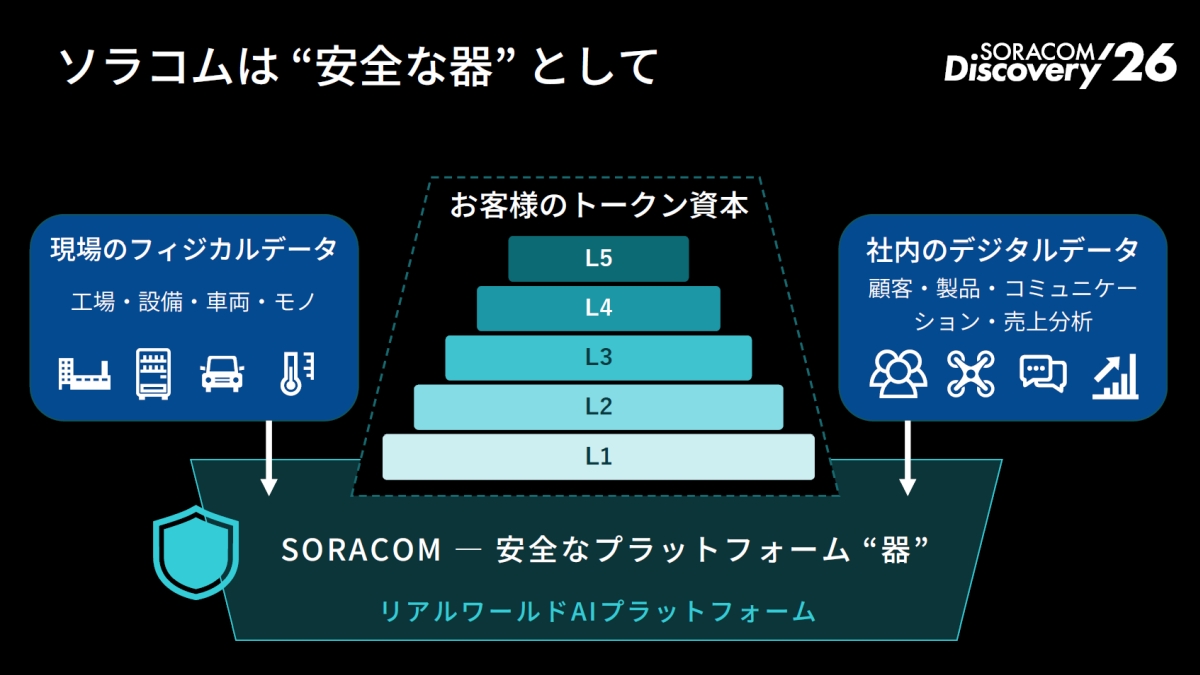
1年でAfter AIの組織に生まれ変わったソラコム、「トークン資本」の安全な器へ
ソラコムが、2025年7月から始めた「After AIの組織」に移行するための取り組みを説明。この新たな組織体制から生み出したマネージドAIエージェントサービス「SORACOM Agent」も紹介した。
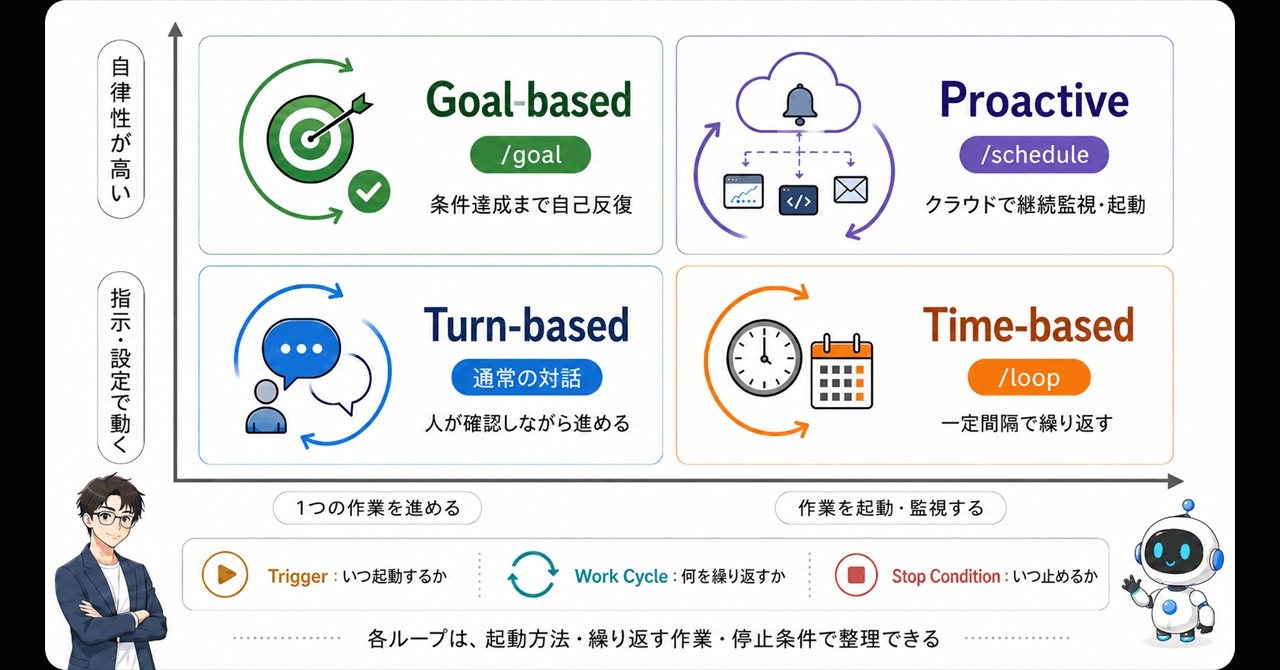
AIコーディングの「ループ」4種類を完全入門 Anthropic公式が分かりやすく整理して解説
Anthropicが、Claude Codeにおける「ループ」を4種類に整理して解説した。AIコーディングで何をAIに任せ、どこで止めるべきかを、初心者にも分かるようにかみ砕き、筆者なりの視点も添えて紹介する。

「250万超AIエージェント作成」の裏で同時多発する課題を回し切ったIT部門の運用術
ソフトバンクは、生成AIサービスを数万人規模で全社展開しましたが、その裏側では従来のSaaS導入とは異なる課題が同時多発的に発生しました。それを支えたのは、切り分け・情報整理・関係者調整・粘り強い説明といったIT部門の基礎力と現場の経験です。この事例は、生成AI時代の企業ITが…

Vercel CEO Guillermo Rauch on the fight to split off models from agents
"The reality is, when you're optimizing for production, you start looking at a price/performance," Guillermo Rauch tells TechCrunch.
Alibaba reportedly bans employees from using Claude Code
Alibaba has reportedly classified Claude Code as high-risk software.
Auto-FL-Research: フェデレーション学習アルゴリズムのエージェント検索
フェデレーション ラーニング (FL) の研究は、オプティマイザーのバリアント、サーバー集約ルール、ローカル トレーニング スケジュール、正規化、正則化、モデル アーキテクチャなど、多くの小規模だが結果的なアルゴリズムの選択に依存することがよくあります。これらの選択肢を手動で探索するにはコストがかかり、候補の変更によって FL トレーニングまたは評価パスも変更される可能性があるため、公正に比較することは困難です。この研究では、FL アルゴリズム レシピ検索のための制約付きコーディング エージェント ワークフローである Auto-FL-Research (AFR) を紹介します。エージェントは、サーバー集約ルール、クライアント更新スケジュール、ローカル目標、登録されたモデルのバリアントなどの候補トレーニング アルゴリズムを提案および実装できます。一方、タスク プロファイルは、突然変異表面、計算バジェット、通信契約、および最終モデル評価を修正します。各キャンペーンでは、候補者のスコア、実行時間、編集されたファイル、アーティファクト、失敗ステータスが記録されます。 5 つのヘルスケア クロスサイロ FLamby タスクと、5 つの固定 LEAF データセットと LEAF 合成タスクのグループ化されたクライアント プロファイルで AFR を評価します。 5 シードの繰り返し評価は、4 つの FLamby タスクと 6 つの LEAF プロファイルのうち 5 つでの向上をサポートすると同時に、シードに依存する失敗ケースや検索で選択された失敗ケースも明らかにします。同じ予算の制御では、いくつかのゲインが FL レシピの変更に対応することが示されていますが、他の改善は固定曲面スカラー制御によって回復されるか、繰り返しまたは保留された評価で失敗します。これらの混合結果は貢献の一部です。これらは、エージェントによって生成された候補が、反復 FL メカニズム、固定表面調整効果、および選択された単一実行アーティファクトにどのように分離できるかを示しています。
原文 (English)
Auto-FL-Research: Agentic Search for Federated Learning Algorithms
Federated learning (FL) research often depends on many small but consequential algorithmic choices: optimizer variants, server aggregation rules, local training schedules, normalization, regularization, and model architecture. These choices are expensive to explore manually and difficult to compare fairly when candidate changes can also alter the FL training or evaluation path. In this work, we present Auto-FL-Research (AFR), a constrained coding-agent workflow for FL algorithmic recipe search. Agents may propose and implement candidate training algorithms, including server aggregation rules, client update schedules, local objectives, and registered model variants, while task profiles fix the mutation surface, compute budget, communication contract, and final model evaluation. Each campaign records candidate scores, runtime, edited files, artifacts, and failure status. We evaluate AFR on five healthcare cross-silo FLamby tasks and on grouped-client profiles for the five fixed LEAF datasets plus the LEAF synthetic task. Five-seed repeat evaluations support gains on four FLamby tasks and five of six LEAF profiles, while also exposing seed-sensitive and search-selected failure cases. Same-budget controls show that several gains correspond to FL-recipe changes, whereas other improvements are recovered by fixed-surface scalar controls or fail under repeat or held-out evaluation. These mixed outcomes are part of the contribution: they show how agent-generated candidates can be separated into repeated FL mechanisms, fixed-surface tuning effects, and selected single-run artifacts.
Agent4cs: 大規模な階層コードベースでのコード要約のためのマルチエージェント システム
大規模で複雑なコードベース、特に難読化された構造や不完全なドキュメントを持つコードベースを理解することは、依然として大きな課題です。既存のコード要約ソリューションは、単一の言語モデルやクロード コードのようなコーディング アシスタントに依存することが多く、ソース コードをフラット テキストとして扱い、リポジトリ内の豊富な相互依存関係や階層情報が十分に活用されていません。これらの欠点に対処するために、Agent4cs を提案します。Agent4cs は、大規模なコードベースをボトムアップ方式で要約するマルチエージェント フレームワークです。要約エージェントは、堅牢な要約を生成することに重点を置いています。キーワード抽出エージェントは、サブフォルダーから重要な情報を積極的に識別します。そして、品質保証エージェントは、読みやすさ、一貫性、完全性を高めるために出力を繰り返し改良します。 7 つのフロンティア モデルで評価された Agent4cs は、コード セグメントを使用した 2 つの構造化プロンプト ベースラインと比較して、すべてのフォルダー レベルにわたるセマンティックの一貫性を平均 8% 向上させます。さらに、現実世界のデータセットに対する広範な評価により、同じベースラインに対して正規化されたキーワード カバレッジ率が最大 38% 向上することが実証されています。
原文 (English)
Agent4cs: A Multi-agent System for Code Summarization in Large Hierarchical Codebases
Understanding large, complex codebases, especially those with obfuscated structures and incomplete documentation, remains a significant challenge. Existing code summarization solutions often rely on a single language model or coding assistant like Claude Code, and treat source code as flat text, underutilizing the rich interdependencies and hierarchical information within a repository. To address these shortcomings, we propose Agent4cs - a multi-agent framework that summarizes large codebases in a bottom-up fashion, where a summarization agent focuses on producing robust summaries; a keyword-extraction agent proactively identifies critical information from subfolders; and a quality-assurance agent iteratively refines the outputs for readability, coherence, and completeness. Evaluated on 7 frontier models, Agent4cs improves semantic consistency across all folder levels by average 8% compared to two structured prompting baselines with code segments. Furthermore, extensive evaluation on real-world datasets demonstrates up to 38% gains in normalized keyword coverage rate over the same baselines.
サービスエージェントはいつ再検討すべきでしょうか?カスタマーサービス業務における困難な経路制御
自律型カスタマー サービス エージェントは、会話型インターフェイスから運用実行の役割に移行しており、企業レコードを取得し、サービス ポリシーを適用し、返金、キャンセル、交換、注文の変更、予約の変更などのバックエンドの書き込みを実行します。この変化により、サービス制御の問題が生じます。企業は、顧客の指示、ポリシーの制約、企業の記録、およびバックエンドの書き込みが相互作用するリクエストでの操作エラーを防止しながら、日常的なサービスを高速かつ低摩擦に保つ必要があります。私たちは、サービスエージェントが行動する前にいつ再考すべきかを尋ねる、困難なルーティングのサービス制御アーキテクチャを提案します。軽量ルーターは、日常的なセッションを低コストのベースライン パスに維持し、運用上結合されたセッションをエスカレーションされたワークフローにルーティングします。エスカレートされたパスでは、すべてのサービス セッションにわたって均一に追加の制御を適用するのではなく、競合を認識した通信と書き込みトリガーの再検討を使用して、結果としてバックエンドへの書き込みが行われる前に熟慮と保護策を集中させます。 $\tau^{2}$-bench から人間が検証した小売業と航空会社のタスクに基づいてアーキテクチャを評価します。小売業では、この方法により、運用上の矛盾を伴うサービス要求に対する信頼性が一貫して向上します。ルーティングの証拠は、より強力な制御が日常的なリクエストに広く適用されるのではなく、競合するリクエストに向けられていることを示しています。対話とツールの使用プロファイルは、利益が無差別な相互作用の拡大やより広範なツールチェーンから得られるものではないことを示唆しています。代わりに、追加されたターンとツール呼び出しにより、証拠の収集、書き込みの分離、および書き込み前の再検討がサポートされます。ケースレベルの証拠は、エスカレーションされたワークフローがフォールバック計画を保持し、取得したレコードを正しいアクションにバインドし、書き込みをシーケンスし、複数エンティティのリクエストを分解していることを示しています。航空会社の結果は、同じサービス制御ロジックを予約業務にも拡張します。
原文 (English)
When Should Service Agents Reconsider? Difficulty-Routed Control in Customer-Service Operations
Autonomous customer-service agents are shifting from conversational interfaces toward operational execution roles: they retrieve firm records, apply service policies, and execute backend writes such as refunds, cancellations, exchanges, order modifications, and reservation changes. This shift creates a service-control problem: firms must keep routine service fast and low-friction while preventing operational errors on requests where customer instructions, policy constraints, firm records, and backend writes interact. We propose a difficulty-routed service-control architecture that asks when service agents should reconsider before acting. A lightweight router keeps routine sessions on a low-cost baseline path and routes operationally coupled sessions to an escalated workflow. The escalated path uses conflict-aware communication and write-triggered reconsideration to concentrate deliberation and safeguards before consequential backend writes, rather than applying additional control uniformly across all service sessions. We evaluate the architecture on human-verified retail and airline tasks from $\tau^{2}$-bench. In retail, the method improves reliability consistently on service requests with operational conflict. Routing evidence shows that stronger control is directed toward conflicted requests rather than broadly applied to routine ones. Dialogue and tool-use profiles suggest that gains do not come from indiscriminate interaction expansion or broader tool chains; instead, added turns and tool calls support evidence gathering, write separation, and pre-write reconsideration. Case-level evidence shows that the escalated workflow preserves fallback plans, binds retrieved records to the correct action, sequences writes, and decomposes multi-entity requests. Airline results extend the same service-control logic to reservation operations.
次のトークン予測を超えて: アトラシアン ワークフロー上のツール使用エージェント向けの RLVR 概念実証
大規模な言語モデルは、特定の API 内で動作するのではなく、次のトークンを予測するようにトレーニングされます。ニッチなエンタープライズ SaaS ワークフロー (成功とは、正しいネストされた引数を正しい順序で使用して正しいエンドポイントに到達することを意味します) では、この目的の不一致は、必須フィールドのドロップ、ツールの幻覚、または 1 回の読み取り後の早期停止など、サイレントな失敗として現れます。ターゲット環境に直接適用される検証可能な報酬を伴う強化学習 (RLVR) がギャップを埋めるかどうかを尋ねます。概念実証として、Jira REST v3 および Confluence v2 API をスキーマ忠実度でエミュレートする 5 つの合成環境のスイートを構築します。報酬はツール呼び出しトレースから完全に計算され、ループ内にライブ API、学習したジャッジ、人間によるラベルはありません。スコアリングにより、GRPO トレーニングを駆動する同じチェッカーで Qwen3-1.7B と Qwen3.5-4B が促されました。報酬が非縮退である 4 つのシナリオでは、RL トレーニングされたポリシーにより平均報酬が 4B ベースラインの範囲 0.35--0.92 から 0.95--1.00 まで上昇し、Confluence ページの作成 ($0.35 \rightarrow) で最大の単一利益が得られることがわかりました。 1.00ドル)。私たちはこれを、ニッチなエンタープライズ API 向けの結果最適化された小規模モデルに向けた準備段階と位置づけ、ワークショップの読者が考慮すべき 2 つの制限を前景化します。それは、検証可能な報酬を手作りすることは、ここで報告されている少数のエンドポイントを超えて拡大できないこと、そして、5 つのシナリオのうちの 1 つ (チケット移行) は、プロンプトされた 4B がすでに最大値に達している飽和した報酬の形状を持っていることです。
原文 (English)
Beyond Next-Token Prediction: An RLVR Proof of Concept for Tool-Use Agents on Atlassian Workflows
Large language models are trained to predict the next token, not to act inside a specific API. In niche enterprise SaaS workflows -- where success means hitting the right endpoint with the right nested arguments in the right order -- this objective mismatch shows up as silent failures: dropped required fields, hallucinated tools, or early stops after a single read. We ask whether Reinforcement Learning with Verifiable Rewards (RLVR), applied directly in the target environment, closes the gap. As a proof of concept we build a suite of five synthetic environments emulating the Jira REST v3 and Confluence v2 APIs at schema fidelity; rewards are computed entirely from the tool-call trace, with no live API, no learned judge, and no human label in the loop. Scoring prompted Qwen3-1.7B and Qwen3.5-4B on the same checkers that drive GRPO training, we find that on the four scenarios whose rewards are non-degenerate the RL-trained policy lifts average reward from a 4B-baseline range of 0.35--0.92 to 0.95--1.00, with the largest single gain on Confluence page creation ($0.35 \rightarrow 1.00$). We position this as a preliminary step toward outcome-optimised small models for niche enterprise APIs, and foreground two limitations a workshop reader should weigh: hand-crafting verifiable rewards does not scale beyond the handful of endpoints reported here, and one of our five scenarios (ticket-transition) has a saturating reward shape that the prompted 4B already maxes out.
臨床薬剤に対する世界のフィードバック: FHIR 環境での RL の診断
臨床プロトコルの実行タスク (検査値のチェック、しきい値の適用、正しく構成された FHIR オーダーの発行) は、世界からのフィードバックから RL の自然な候補です。臨床 SME が意思決定ロジックを検証器にエンコードすると、その検証器はエピソードごとのアノテーションなしで無制限のロールアウトを採点します。ただし、RL を適用するには、サウンド フィードバック チャネルと十分な基本機能が必要です。 MedAgentBench v1/v2 を監査し、不作為を RL の主要な戦略にする 41.7\% のサイレント終了上限を見つけ、\textbf{MedAgentBench-v3 (MAB-v3)} (508 タスク、8.9\% 上限) を構築します。 Qwen3-8B のトレーニングでは、\emph{能力の上限} (10/20 のタスク タイプは基本パフォーマンスが 0\%、勾配ゼロ) と \emph{フォーマット知識の壁} (3/20 のタイプは探索では発見できない正確な臨床コードが必要) という 2 つの構造的な障壁が明らかになります。純粋な RL は 18.2\% pass@1 に達しますが、ルールベースの SFT では \ 34.1\% に達します。 15.9 ~ pp のギャップは完全にこれらの障壁に起因します。決定/フォーマット知識/ルックアップ分類法により、RL の学習可能性が予測され、コードを挿入するための SFT、条件文を学習するための RL という修正が規定されます。
原文 (English)
World Feedback for Clinical Agents: Diagnosing RL in FHIR Environments
Clinical protocol-execution tasks -- checking a lab value, applying a threshold, placing a correctly structured FHIR order -- are natural candidates for RL from world feedback: once clinical SMEs encode decision logic into a verifier, that verifier grades unlimited rollouts without per-episode annotation. But applying RL requires a sound feedback channel and sufficient base capability. We audit MedAgentBench v1/v2, find a 41.7\% silent-finish ceiling that makes inaction the RL dominant strategy, and construct \textbf{MedAgentBench-v3 (MAB-v3)} (508 tasks, 8.9\% ceiling). Training Qwen3-8B exposes two structural barriers: a \emph{capability ceiling} (10/20 task types have 0\% base performance, zero gradient) and a \emph{format-knowledge barrier} (3/20 types require exact clinical codes undiscoverable by exploration). Pure RL reaches 18.2\% pass@1 vs.\ 34.1\% for rule-based SFT; the 15.9~pp gap is attributable entirely to these barriers. A decision/format-knowledge/lookup taxonomy predicts RL learnability and prescribes the fix: SFT to inject codes, RL to learn conditionals.
分岐する道のエージェントの庭
実証研究では、独自の分析が認められることはほとんどありません。分析上の選択が異なると、同じデータから異なる結論が得られる可能性がありますが、これらの隠れた分岐経路を観察することは困難です。私たちは、AI エージェントがこれらの経路を明示しながら、人間の研究者間の分析のばらつきの多くを捕捉することを示します。 4 つの一か八かの領域にわたって、異なるペルソナを割り当てるだけで、AI エージェントは、同じデータと質問から異なる、多くの場合相反する結論を報告し、それらの信念と系統的に一致する結果を報告できます。 42 の人間の研究チームが同じ移民データセットを分析した研究では、報告された効果推定値において AI エージェントが人間のイデオロギーのギャップの 72% を再現しました。相反する結論に達したにもかかわらず、AI の最終レポートに基づいて各分析で明確な問題を特定することは困難です。86% が独立した AI レビューに合格し、78% が大多数の人による専門家によるレビューに合格しました。これらの発見は、中心的な課題は多くの場合、欠陥のある分析ではなく、方法論的に防御可能な分析の広い空間から選択的に調査し、報告することであることを示唆しています。 AI エージェントは、そのような探索を安価かつスケーラブルにすることで、この長年の問題を増幅させる可能性があります。これに対処するために、分析パスが報告されたものと少なくとも同じくらい極端な主張を生成する確率である m 値 (多元世界値) を導入します。さらに、AI エージェントを使用して妥当な分析パスをサンプリングすることで m 値を推定する Agentic Bootstrap を紹介します。人間の移民研究に適用すると、報告された人間分析の 13.5% が分析空間の最も極端な 5% に該当しました (m<0.05)。したがって、科学的証拠は、報告された単一の分析によってだけでなく、合理的に報告された可能性のある分析の分布内でのその位置によっても評価される必要があります。 Agentic Bootstrap は、この分布を観察可能にし、科学的信頼性の基準に変えます。
原文 (English)
The Agentic Garden of Forking Paths
Empirical research rarely admits a unique analysis. Different analytical choices can lead to different conclusions from the same data, yet these hidden forking paths are difficult to observe. We show that AI agents capture much of the analytical variation among human researchers while making these paths explicit. Across four high-stakes domains, assigning different personas is sufficient for AI agents to report divergent, often opposing, conclusions from the same data and question, with findings systematically aligned with those beliefs. In a study in which 42 human research teams analyzed the same immigration dataset, AI agents reproduced 72% of the human ideological gap in reported effect estimates. Despite reaching opposing conclusions, it is difficult to identify clear issues in each analysis based on the final AI reports: 86% passed independent AI review and 78% passed majority human expert review. These findings suggest that the central challenge is often not flawed analyses, but selective exploration and reporting from a large space of methodologically defensible analyses. AI agents may amplify this longstanding problem by making such exploration inexpensive and scalable. To address this, we introduce the m-value (multiverse value), the probability that an analysis path would produce a claim at least as extreme as the reported one. We further introduce Agentic Bootstrap, which estimates the m-value by using AI agents to sample plausible analysis paths. Applied to the human immigration study, 13.5% of reported human analyses fell in the most extreme 5% of the analysis space (m<0.05). Scientific evidence should therefore be evaluated not only by a single reported analysis but also by its position within the distribution of analyses that could reasonably have been reported. Agentic Bootstrap makes this distribution observable and turns it into a criterion for scientific credibility.
Janus: ユーザーが関与するエージェント権限管理のプレイグラウンド
ユーザーに代わってツール呼び出しを自律的に実行する AI エージェントは、ユーザーがどのような役割を果たせるのか、またどのような役割を果たすべきなのか、権限管理に関する差し迫った疑問を引き起こします。多くのアプローチが提案されているにもかかわらず、エージェントのアクセス許可管理におけるユーザーの役割はまだ検討されていません。ユーザーが関与するエージェント権限管理設計を実装および評価するためのプレイグラウンド システムである Janus を紹介します。 Janus は、さまざまな権限管理設計をサポートするモジュール型エージェント システムである Janus-Core と、自動評価フレームワークである Janus-Harness の 2 つのコンポーネントで構成されています。ユーザー参加のための主要な設計軸を特定する概念モデルに基づいて、設計空間にわたる 6 つの権限アシスタントを実装し、3 つのシナリオと 3 つの合成レスポンダーにわたってそれらを評価します。私たちは、ユーザー入力が重要でプライバシーとセキュリティを大幅に強化できること、ユーザーの意思決定の AI 拡張が認知負荷の軽減に役立つこと、システム設計では許可疲労を含む現実的なユーザーの行動を考慮する必要があることを実証します。すべてのコンテキストにわたって最適に機能する単一の設計は存在しないため、エージェント システムにパーミッション アシスタントを展開するための、より原則に基づいたコンテキスト依存のアプローチが推進されます。 Janus は、エージェント システム設計のこの側面に関する今後の調査をサポートするために一般に公開されています。
原文 (English)
Janus: a Playground for User-Involved Agentic Permission Management
AI agents that autonomously execute tool calls on a user's behalf raise pressing questions about permission management: what role could users play, and what role should they play? Despite many proposed approaches, the user's role in agentic permission management remains under explored. We introduce Janus, a playground system for implementing and evaluating user-involved agentic permission management designs. Janus consists of two components: Janus-Core, a modular agentic system supporting a diverse spectrum of permission management designs, and Janus-Harness, an automated evaluation framework. Grounded in a conceptual model that identifies key design axes for user involvement, we implement six permission assistants spanning the design space and evaluate them across three scenarios and three synthetic responders. We demonstrate that user input is critical and can significantly strengthen privacy and security, that AI augmentation of user decisions can help reduce cognitive load, and that realistic user behavior including permission fatigue must be accounted for in system design. No single design performs optimally across all contexts, motivating a more principled and context-sensitive approach to deploying permission assistants in agentic systems. Janus is publicly available to support future investigation into this dimension of agentic system design.
OPINE-World: オントロジーエラー優先の対話型探索によるプログラムによる世界モデリング
インタラクションから環境がどのように動作するかを学ぶことは、不慣れなタスクに適応するエージェントを構築する上で中心となります。ディープネットワークで学習されたワールドモデルは柔軟性がありますが、データを大量に消費し、トレーニング分布を超えて転送することは困難です。 LLM によってソース コードとして記述され、反例誘導帰納合成 (CEGIS) によって洗練されたプログラム合成ワールド モデルは、データ効率が高く再利用可能ですが、主に特定のオブジェクト語彙を持つ構造化状態の世界で実証されており、単一のプログラム検索では、オブジェクト構造を柔軟に仮説する必要があるピクセル レンダリング環境には対応できません。インタラクションからオンラインでオブジェクト中心のプログラム世界モデルを学習する LLM エージェントである OPINE-World を紹介します。 OPINE-World は、仮説とテストのループで 2 つの協力するエージェントを結合します。1 つは環境内で動作し、もう 1 つはリプレイ検証とモデルベースの計画を使用してコードでモデルを合成します。また、オントロジー エラーと呼ばれるオブジェクト タイプの適切性のベイジアン尺度を使用して探索を制御します。 OPINE-World を ARC-AGI-3 で評価します。これは、オブジェクトの語彙、目標、およびアクションのセマンティクスが保留されたスキル習得効率のベンチマークです。 OPINE-World は、ゲームごとのトレーニングなしで 25 ゲーム中 20 ゲームを解決し、人間のベースラインと比較して 78.4 のアクション効率スコアに達しました。
原文 (English)
OPINE-World: Programmatic World Modeling with Ontology-error-Prioritized Interactive Exploration
Learning how an environment behaves from interaction is central to building agents that adapt to unfamiliar tasks. World models learned with deep networks are flexible but data-hungry and transfer poorly beyond their training distribution. Program-synthesized world models, written as source code by LLMs and refined through counterexample-guided inductive synthesis (CEGIS), are instead data-efficient and reusable, yet they have been demonstrated mainly on structured-state worlds with a given object vocabulary, and a single program search does not scale to pixel-rendered environments whose object structure must be hypothesized flexibly. We introduce OPINE-World, an LLM agent that learns an object-centric programmatic world model online from interaction. OPINE-World couples two cooperating agents in a loop of hypothesis and test, one acting in the environment and one synthesizing the model in code with replay verification and model-based planning, and it steers exploration with a Bayesian measure of object-type adequacy we call ontology error. We evaluate OPINE-World on ARC-AGI-3, a benchmark for skill-acquisition efficiency in which the object vocabulary, the goal, and the action semantics are withheld. OPINE-World solves 20 of 25 games without per-game training and reaches an action-efficiency score of 78.4 against the human baseline.
EO-Agents: 地球観測仮説生成のための 3 つのエージェント LLM パイプライン
最近、科学的仮説生成のために大規模な言語モデルが研究されていますが、これまでの研究のほとんどは非構造化文献や自由形式の文章による主張に依存しています。 NASA 地球観測ナレッジ グラフで直接仮説生成の根拠となる地球観測用のパイプラインを紹介します。過去の共同利用関係に基づいてトレーニングされた異種グラフ ニューラル ネットワークが候補データセットのペアをランク付けし、3 エージェントの LLM パイプラインが構造化された研究仮説をフィルタリング、生成、評価します。このシステムは 1,475 の NASA データセットに適用され、生態水文学、氷河学、エアロゾルと雲の相互作用、植生季節学、成層圏化学など、複数の地球科学領域にわたる 160 の仮説を生成します。モデルによって予測された新しいデータセットの組み合わせは、文献から示されている実際の共用とほぼ同じくらいもっともらしいと評価されており、パイプラインが科学的に一貫性があるが未調査の組み合わせを明らかにしていることを示しています。 GPT-5.2 と Claude Sonnet 4.6 にわたる 2*2*2 要因実験では、仮説のランキングが安定している一方で、絶対スコアが裁判官のアイデンティティに大きく依存することが示され、単一裁判官による LLM 評価の限界が浮き彫りになっています。
原文 (English)
EO-Agents: A Three-Agent LLM Pipeline for Earth Observation Hypothesis Generation
Large language models have recently been explored for scientific hypothesis generation, but most prior work relies on unstructured literature and free-form textual claims. We present a pipeline for Earth observation that grounds hypothesis generation directly in the NASA Earth Observation Knowledge Graph. A heterogeneous graph neural network trained on historical co-usage relations ranks candidate dataset pairings, and a three-agent LLM pipeline filters, generates, and evaluates structured research hypotheses. Applied to 1,475 NASA datasets, the system produces 160 hypotheses spanning multiple Earth-science domains, including ecohydrology, glaciology, aerosol--cloud interactions, vegetation phenology, and stratospheric chemistry. Model-predicted novel dataset pairings are rated nearly as plausible as held-out real co-usages from the literature, indicating that the pipeline surfaces scientifically coherent yet unexplored combinations. A 2*2*2 factorial experiment across GPT-5.2 and Claude Sonnet 4.6 shows that hypothesis rankings remain stable, while absolute scores depend strongly on judge identity, highlighting limitations of single-judge LLM evaluation.
AI 交通科学者による自律的な交通法規の発見
普遍的な交通法は、都市全体の渋滞、移動性、運転行動の繰り返しのパターンを記述しており、交通計画、管理、制御に科学的根拠を提供します。しかし、彼らの発見は依然として専門家主導であり、規則性の候補を異種の観察証拠から特定するか、介入実験を通じて検証する必要があります。自律型人工知能 (AI) システムは、制御された実験室環境での科学的発見を進歩させましたが、それを複雑な輸送ドメインに拡張することは依然として課題です。ここでは、証拠の絞り込み、批評家と裁判官の仮説誘導、および観察と介入の検証を統合した、反復的で監査可能なワークフローとして交通法の発見を定式化するエージェント AI システムである TrafficSci を紹介します。 TrafficSci は、人口、ネットワーク、制御、および軌道スケールにわたる 4 つのケーススタディを通じて、確立された 3 つの交通法規を自律的に再発見し、報告されていない都市部の運転行動における固有の時間記憶スケールを特定します。これは、8 つの都市と 2 つの軌道データセットにわたって統計的に一貫しています。 TrafficSci は、AI による科学的発見を制御領域から複雑な都市システムに拡張するためのルートを提供します。
原文 (English)
Autonomous discovery of traffic laws with AI traffic scientists
Universal traffic laws describe recurrent patterns in congestion, mobility and driving behavior across cities, providing a scientific basis for transportation planning, management and control. Their discovery, however, remains expert-driven, requiring candidate regularities to be identified from heterogeneous observational evidence or validated through intervention experiments. Although autonomous artificial intelligence (AI) systems have advanced scientific discovery in controlled laboratory settings, extending them to complex transportation domains remains a challenge. Here we present TrafficSci, an agentic AI system that formulates traffic-law discovery as an iterative, auditable workflow integrating evidence scoping, critic-judge hypothesis induction, and observational-interventional validation. Across four case studies spanning population, network, control and trajectory scales, TrafficSci autonomously rediscovers three established traffic laws and identifies an unreported intrinsic temporal memory scale in urban driving behavior, statistically consistent across eight cities and two trajectory datasets. TrafficSci provides a route for extending AI-driven scientific discovery from controlled domains to complex urban systems.
多様な証拠、より良い予測: 情報の非対称性の下でのマルチエージェントの審議
複数の LLM 間の審議により推論と調整が向上すると考えられているため、マルチエージェント システムは将来の出来事を予測するためにますます使用されています。しかし、既存のアプローチでは、各エージェントがどのような情報を受け取るかという重要な設計上の選択が見落とされています。すべてのエージェントに同一の証拠が与えられると、熟慮は真の信念修正ではなく群れに陥り、マルチエージェントシステムは単一エージェントよりもわずかに優れたものになります。私たちはこれを根本的なギャップとして特定し、それを埋めるために設計された情報の非対称性を提案します。つまり、証拠を共有の公開サブセットと独立したプライベートサブセットに分割することで、各エージェントは熟慮を通じてのみ他のエージェントに到達できる排他的な知識を保持します。我々は、この分解によりエージェント間のエラー相関が減少することを理論的に示し、関連性を意識した証拠ルーティング、理論的根拠に基づく反復審議、信頼度加重集計を組み合わせたフレームワークである InfoDelphi でそれをインスタンス化します。現実世界の予測市場から得られた 375 のバイナリ予測質問のベンチマークである PolyGym では、InfoDelphi は最も強力な単一エージェントおよび複数エージェントのベースラインをブライアー スコアで 12 ~ 18%、精度で 4 ~ 8 パーセントポイント上回りました。より詳細な実験により、情報の非対称性を取り除くと熟慮による利益のほとんどが失われ、入力の多様性が効果的なマルチエージェント推論を可能にする重要な要因であることが確認されています。
原文 (English)
Diverse Evidence, Better Forecasts: Multi-Agent Deliberation Under Information Asymmetry
Multi-agent systems are increasingly used for forecasting future events, as deliberation among multiple LLMs is believed to improve reasoning and calibration. Yet existing approaches overlook a critical design choice: what information each agent receives. When all agents are given identical evidence, deliberation collapses into herding rather than genuine belief revision, leaving multi-agent systems little better than a single agent. We identify this as a fundamental gap and propose designed information asymmetry to close it: by partitioning evidence into shared public and disjoint private subsets, each agent holds exclusive knowledge that can only reach others through deliberation. We theoretically show that this decomposition reduces inter-agent error correlation, and instantiate it in InfoDelphi, a framework combining relevance-aware evidence routing, rationale-based iterative deliberation, and confidence-weighted aggregation. On PolyGym, a benchmark of 375 binary forecasting questions derived from real-world prediction markets, InfoDelphi outperforms the strongest single-agent and multi-agent baselines by 12--18% in Brier score and 4--8 percentage points in accuracy. More detailed experiments confirm that removing information asymmetry eliminates most deliberation gains, establishing diversity of input as the key enabler of effective multi-agent reasoning.
Raw-ECG-Replay-Free 継続的 ECG 導入における自律的なソース推論から専門家の保持を分離する
マルチソース ECG 展開では、以前の生の ECG を保持または再生できない場合、モデルに新しいデータ ソースを組み込む必要がある場合があります。事前トレーニングされたバックボーンをフリーズし、各ソースに分離された分類子を割り当てることでパラメータの干渉を防ぐことができますが、ソースのメタデータが利用できない場合でも展開には専門家を選択する必要があります。私たちは、凍結された 1024 次元の ECGFounder 機能に基づいて構築された増分エキスパート バンクである \ours{} を通じて、この違いを研究しています。到着するドメインごとにバランスの取れたソフトマックス線形エキスパートが追加されますが、軽量ルーターは、これまでに観察されたソースからの保持されたトレーニング特徴とドメイン ラベルにのみ適合します。検証によって調整されたマージン ルールは、単一のルーティングされたエキスパートにコミットするのではなく、最も可能性の高い 2 人のエキスパートを融合します。 CPSC、PTB-XL、ジョージア、およびチャップマン-紹興では、ソースを意識した専門家の選択は $0.7915\pm0.0036$ マクロ F1 に達し、一致するオフラインの独立ヘッド参照は $0.7885\pm0.0009$ に達し、強力なソースを認識した専門家の保持をサポートしています。ソース ID がない場合、MLP ルーターは $0.7756\pm0.0027$ に達し、トップ 2 マージン フュージョンは $0.7782\pm0.0022$ に達します。ハード MLP ルーティングに対する上位 2 のゲインは小さく ($+0.0026$)、ペアのブートストラップからの 95\% 信頼区間にはゼロが含まれます。 3 つのドメイン注文全体で、トップ 2 とオラクルの差は依然として 0.0111 ドルから 0.0133 ドルであり、自律的なソース推論が残りの主なボトルネックであることがわかります。生の ECG は再生されませんが、凍結されたトレーニング機能はルーターの更新のために保持されます。したがって、このメソッドはメモリフリーではありません。
原文 (English)
Separating Expert Retention from Autonomous Source Inference in Raw-ECG-Replay-Free Continual ECG Deployment
In multi-source ECG deployment, models may need to incorporate new data sources when earlier raw ECGs cannot be retained or replayed. Freezing a pretrained backbone and assigning each source an isolated classifier prevents parameter interference, but deployment still requires selecting an expert when source metadata are unavailable. We study this distinction through \ours{}, an incremental expert bank built on frozen 1024-dimensional ECGFounder features. Each arriving domain adds a balanced-softmax linear expert, while a lightweight router is fitted only on retained training features and domain labels from sources observed so far. A validation-calibrated margin rule fuses the two most likely experts instead of committing to a single routed expert. On CPSC, PTB-XL, Georgia, and Chapman-Shaoxing, source-aware expert selection reaches $0.7915\pm0.0036$ Macro-F1 and a matched offline independent-head reference reaches $0.7885\pm0.0009$, supporting strong source-aware expert retention. Without source IDs, an MLP router reaches $0.7756\pm0.0027$ and top-2 margin fusion reaches $0.7782\pm0.0022$. The top-2 gain over hard MLP routing is small ($+0.0026$), with a 95\% confidence interval from paired bootstrap that includes zero. Across three domain orders, the top-2-to-oracle gap remains $0.0111$--$0.0133$, identifying autonomous source inference as the main remaining bottleneck. No raw ECGs are replayed, but frozen training features are retained for router updates; the method is therefore not memory-free.
COMFYCLAW: 画像生成ワークフローのための自己進化型スキルハーネス
エージェントは、ワークフローを構築し、人間が繰り返し行われるタスクをより効率的に完了できるように支援するためにますます使用されています。これらのワークフローが繰り返され、ドメイン固有になるにつれて、エージェントの記憶と再利用可能なスキルがますます重要になります。エージェントは、以前の実行からのワークフロー パターン、実行の制約、およびユーザー設定を思い出せる必要があります。私たちは、ワークフロー ベースの画像生成におけるこの問題を研究し、ComfyUI ワークフローを制御するためのエージェント スキル進化ハーネスである COMFYCLAW を紹介します。 COMFYCLAW は、ワークフロー構築を型付きグラフ編集として定式化し、構築段階ごとに整理されたツールを公開し、無効な編集を自動的に元に戻し、領域レベルのビジョン言語モデル (VLM) 検証機能を使用して、視覚的な障害を実行可能な修復提案に変換します。このフレームワークは、段階的に公開されるスキル ライブラリをさらに進化させ、以前の実行からの軌跡、実行エラー、検証者のフィードバックが再利用可能なエージェント スキルに蒸留されます。 4 つのベンチマーク分割、3 つのエージェント モデル、2 つのイメージ バックボーンにわたって、COMFYCLAW は 6 つのエージェント構成すべてにわたって最高の平均イメージ生成評価スコアを達成し、スキルの進化なしの検証者のみのベースラインを上回りました。さらに、人間によるアノテーションは、アノテーターがスキルの進化のないバリアントよりも COMFYCLAW を好むことを示しています。私たちの結果は、スキルの進化が、反復的なビジュアルワークフロー構築におけるエージェントの信頼性とパフォーマンスを向上させる効果的なメカニズムであることを示唆しています。
原文 (English)
COMFYCLAW: Self-Evolving Skill Harnesses for Image Generation Workflows
Agents are increasingly used to construct workflows and assist humans in completing recurring tasks more efficiently. As these workflows become repeated and domain-specific, agent memory and reusable skills become increasingly important: agents should be able to recall workflow patterns, execution constraints, and user preferences from previous runs. We study this problem in workflow-based image generation and introduce COMFYCLAW, an agentic skill evolution harness for controlling ComfyUI workflows. COMFYCLAW formulates workflow construction as typed graph editing, exposes tools organized by construction stage, automatically reverts invalid edits, and uses a region-level vision-language model (VLM) verifier to translate visual failures into actionable repair suggestions. The framework further evolves a progressively disclosed skill library, where trajectories, execution errors, and verifier feedback from previous runs are distilled into reusable Agent Skills. Across four benchmark splits, three agent models, and two image backbones, COMFYCLAW achieves the best average image-generation evaluation score across all six agent configurations, outperforming a verifier-only baseline without skill evolution. Human annotations further show that annotators prefer COMFYCLAW over variants without skill evolution. Our results suggest that skill evolution is an effective mechanism for improving agent reliability and performance in recurring visual workflow construction.
視覚言語ナビゲーションにおける意味論的探索のためのパスレベルの後知恵命令
ポリシー上の探索は、ポリシーをより広範な状態分布にさらすため、堅牢な視覚言語ナビゲーション エージェントをトレーニングするための重要なコンポーネントです。ただし、そのような探索は必然的に専門家のデモンストレーションから逸脱する軌道につながり、実行されたビジュアル ストリームと元の言語命令の間に意味的な不一致が生じます。この取り組みでは、後知恵の推論を活用して指示をエージェントの実際の探索行程に合わせる統一ポリシー フレームワークである Phi-Nav を導入することで、この課題に対処します。具体的には、Phi-Nav は 3 段階の二重監視サイクルを通じて動作します。1) エージェントは、専門家のアクション フィードバックから学習しながら、オラクルに基づくポリシー探索を実行し、軌跡をサンプリングします。2) 後知恵の話者は、収集した視覚的観察に基づいてパスレベルの後知恵の指示を合成します。3) エージェントは 2 番目の模倣パスを実行し、合成された軌跡と指示のペアを追加の専門家のデモンストレーション。このプロセスを通じて、Phi-Nav は、オンポリシー手法に固有の重大な意味論的な監視のギャップを埋め、意味論的にラベルのない動きを高密度のトレーニング信号に変換します。 R2R-CE および RxR-CE ベンチマークの評価では、Phi-Nav が、現在のベースラインで使用されている専門家のデモンストレーションのほんの一部のみを必要としながら、競争力のあるパフォーマンスを実現していることが示されています。これらの結果は、VLN におけるセマンティック探索の必要性を強調しており、Phi-Nav を限られたデータで身体化されたエージェントをトレーニングするための効果的なソリューションとして位置づけています。
原文 (English)
Path-level Hindsight Instructions for Semantic Exploration in Vision-Language Navigation
On-policy exploration is a crucial component for training robust Vision-Language Navigation agents, as it exposes the policy to a broader state distribution. However, such exploration inevitably leads to trajectories that deviate from expert demonstrations, resulting in a semantic mismatch between the executed visual stream and the original language instruction. In this work, we address this challenge by introducing Phi-Nav, a unified on-policy framework that leverages hindsight reasoning to align instructions with the agent's actual exploratory journey. Specifically, Phi-Nav operates through a three-stage dual-supervision cycle: 1) the agent performs oracle-guided on-policy exploration, sampling a trajectory while learning from expert action feedback, 2) a hindsight speaker synthesizes a path-level hindsight instruction grounded in the collected visual observations, and 3) the agent conducts a second imitation pass, treating the synthesized trajectory-instruction pair as an additional expert demonstration. Through this process, Phi-Nav bridges the critical semantic supervision gap inherent in on-policy methods, transforming semantically unlabeled movement into dense training signals. Evaluations on the R2R-CE and RxR-CE benchmarks show that Phi-Nav yields competitive performance while requiring only a fraction of the expert demonstrations used by current baselines. These results underscore the necessity of semantic exploration in VLN, positioning Phi-Nav as an effective solution for training embodied agents with limited data.
マスターマインド: リポジトリ規模の脆弱性再現のための戦略に基づく学習
リポジトリ レベルの脆弱性の再現は、要求の厳しいソフトウェア エンジニアリング (SE) タスクです。エージェントは、コードベースを検査し、脆弱なパスに到達する入力文法を推測し、概念実証 (PoC) を構築し、パッチ適用されたビルドでクラッシュが解消されることを確認する必要があります。最近の LLM エージェントは、アプローチが正しい場合にはこれらのステップを実行できる場合が多いですが、それでも間違った戦略を選択することで失敗します。この論文では、完全なアクションの軌跡ではなく、戦略がそのような SE エージェントにとって適切な学習単位であると主張します。戦略は、最適化するには十分コンパクトで、実行をガイドするには十分具体的で、試行をまたいで保存して再利用するには十分安定しています。私たちは、転移可能な戦略学習をタスク固有の経験から分離するデュアルループ フレームワークである Mastermind を紹介します。訓練可能なプランナーは、SFT およびマイルストーンベースの GRPO を通じて再利用可能な脆弱性再現戦略を学習します。一方、エクスペリエンス ループは、後続の試行をガイドするタスク ローカル戦略記録を維持します。プランナーは実行者とは独立してトレーニングされるため、アクション生成機能を変更することなく、複数の凍結された実行者を改善する戦略学習が可能になります。 CyberGym で 260 のトレーニング タスクと 200 の保留された評価タスクを使用して Mastermind を評価します。 GPT-5.5 を凍結実行者として使用すると、Mastermind は 84.5% の合格率を達成し、オープンブック PoC コンテキスト (60.0%)、Best-of-8 サンプリング (63.0%)、反復改善 (77.0%) を上回りました。同じプランナーは、GPT-5.4 mini と GLM~5.1 も 45.0% と 58.5% から 60.0% と 71.0% に改善しました。これらの結果は、高レベルの戦略を学習することが、リポジトリ規模の SE エージェントを改善するための効果的かつ応用可能なメカニズムであることを示しています。
原文 (English)
Mastermind: Strategy-grounded Learning for Repository-Scale Vulnerability Reproduction
Repository-level vulnerability reproduction is a demanding software engineering (SE) task: an agent must inspect a codebase, infer the input grammar that reaches a vulnerable path, construct a proof-of-conceptv(PoC), and verify that the crash disappears on the patched build. Recent LLM agents can often execute these steps when the approach is correct, yet they still fail by choosing the wrong strategy. This paper argues that strategy, rather than the full action trajectory, is the right learning unit for such SE agents: it is compact enough to optimize, concrete enough to guide execution, and stable enough to store and reuse across attempts. We present Mastermind, a dual-loop framework that separates transferable strategy learning from task-specific experience. A trainable planner learns reusable vulnerability-reproduction strategies through SFT and milestone-based GRPO, while an experience loop maintains task-local strategy records that guide subsequent attempts. The planner is trained independently of the executor, allowing strategy learning to improve multiple frozen executors without modifying their action-generation capability. We evaluate Mastermind on CyberGym using 260 training tasks and 200 held-out evaluation tasks. With GPT-5.5 as the frozen executor, Mastermind achieves an 84.5% pass rate, outperforming open-book PoC context (60.0%), Best-of-8 sampling (63.0%), and iterative improvement (77.0%). The same planner also improves GPT-5.4 mini and GLM~5.1 from 45.0% and 58.5% to 60.0% and 71.0%. These results demonstrate that learning high-level strategies is an effective and transferable mechanism for improving repository-scale SE agents.
SimWorlds: 動的な 3D シーン作成のためのマルチエージェント システム
LLM エージェントは、自然言語を手続き型の 3D シーンに変換するために使用されることが増えていますが、既存のシステムは静的な出力に重点を置いています。液体が流れ、粒子が放出され、剛体がカスケードし、関節機構が動く、テキストだけのダイナミック 4D シーンは、編集可能なコンテンツとして、またビデオ生成や具現化された AI のための物理学に基づいたトレーニング データとしての価値があるにもかかわらず、ほとんど解明されていないままです。この動的なケースは、静的なテキストからシーンへの作業とは異なる 2 つの課題により区別されます。エージェントは、単一の一貫したシーン内で空間レイアウト、複数の物理ソルバー、時間シーケンス、カメラ、照明を共同で調整する必要があり、レンダリングされたビデオからモーションの正しさを検証することは、単一の画像を判断するよりも基本的に困難です。 SimWorlds を紹介します。これは、Blender 固有の手順知識を備え、テキストから動的で編集可能な 4D シーンを生成するマルチエージェント フレームワーク、構築段階の固定順序シーケンスを駆動するプランナー、コーダー、レビューアーのワークフロー、決定論的検証者によって強制されるレイヤード シーン プロトコル、およびレンダリングされたイメージでは明らかにできないメカニズムの障害を捕捉する実行時状態検査ツール スイートです。また、テキスト プロンプトから生成されたプロシージャルなダイナミック 3D シーンの視覚的な忠実性と物理的な一貫性の両方を評価するためのベンチマークである 4DBuildBench も紹介します。実験では、SimWorlds が以前の動的 Blender 生成のベースラインを上回るパフォーマンスを示しています。
原文 (English)
SimWorlds: A Multi-Agent System for Dynamic 3D Scene Creation
LLM agents are increasingly used to translate natural language into 3D scenes in a procedural way, but existing systems focus on static output. Dynamic 4D scenes from text alone, in which liquids flow, particles emit, rigid bodies cascade, and articulated mechanisms move, remain largely unexplored despite their value as editable content and as physics-grounded training data for video generation and embodied AI. Two challenges set the dynamic case apart from static text-to-scene work: an agent must jointly coordinate spatial layout, multiple physics solvers, temporal sequencing, camera, and lighting in a single coherent scene, and verifying motion correctness from rendered video is fundamentally harder than judging a single image. We present SimWorlds: a multi-agent framework that produces dynamic, editable 4D scenes from text, with Blender-specific procedural knowledge, a planner-coder-reviewer workflow driving a fixed ordered sequence of construction stages, a layered scene protocol enforced by a deterministic verifier, and a runtime-state inspection tool suite that catches mechanism failures the rendered image cannot reveal. We also introduce 4DBuildBench, a benchmark for assessing both visual fidelity and physical consistency of the procedural dynamic 3D scenes generated from text prompts. Experiments show that SimWorlds outperforms prior dynamic Blender generation baselines.
症状ではなくアンプを修復する: エージェント ロールアウトの安定したワールド モデルの修正
エージェントの計画が短いツール チェーンから数千または数万のステップを含む永続的なワークフローに移行すると、個別の予測ではなく、大規模な計画グラフ内で障害が発生します。間違いが発生するたびにグラフ全体を再計画することは、計算上現実的でも望ましいことでもありません。グラフ全体の再生は大量のコンテキスト バジェットを消費し、LLM を多くの無関係な症状にさらし、長いコンテキストの取得を低下させる可能性があります。この論文では、そのようなシステムに欠けているコンポーネント、つまり失敗した計画グラフを適切な場所に修復するワールド モデル コレクターについて研究します。 2 つの補正器ファミリーを比較します。 1 つ目は一般的なエンジニアリング アプローチです。ノードとエッジをスキャンし、疑わしいローカル領域を選択し、LLM に修復を依頼します。私たちは強力なエンジニアリング LLM コレクタを実装しており、特に非常に大規模なコンテキストが与えられた場合に役立つことがわかりました。 2 番目のファミリーは、私たちのアプローチである WM-SAR (World-Model Subgraph Amplification Repair) です。目に見える症状をスキャンするのではなく、サブグラフの増幅から逆算して、エラーを再増幅し続けるノードとエッジを特定し、その原因となるサブグラフのみを LLM に送信します。グラフ シミュレーションと LLM 修復実験全体で、WM-SAR は現実的なトークン バジェットの下でエンジニアリング コレクタを大幅に上回り、コンパクトな領域でほぼグラフ全体の安定化を達成し、LLM にクリーンな修復ターゲットを与えます。
原文 (English)
Repair the Amplifier, Not the Symptom: Stable World-Model Correction for Agent Rollouts
As agent planning moves from short tool chains toward persistent workflows with thousands or tens of thousands of steps, failures will occur inside large planning graphs rather than in isolated predictions. Replanning the entire graph after every mistake is neither computationally realistic nor desirable: full-graph replay consumes large context budgets, exposes the LLM to many irrelevant symptoms, and can degrade long-context retrieval. This paper studies the missing component in such systems: a world-model corrector that repairs the failed planning graph in place. We compare two families of correctors. The first is the common engineering approach: scan nodes and edges, choose a suspicious local region, and ask an LLM to repair it. We implement strong engineering LLM correctors and find that they can help, especially when given very large contexts. The second family is our approach, WM-SAR (World-Model Subgraph Amplification Repair): instead of scanning for visible symptoms, it works backward from subgraph amplification, identifies the nodes and edges that keep re-amplifying error, and sends only that causal subgraph to the LLM. Across graph simulations and LLM repair experiments, WM-SAR substantially outperforms engineering correctors under realistic token budgets, achieves near-whole-graph stabilization with a compact region, and gives the LLM a cleaner repair target.
LLM エージェントの大規模な安全性テスト: リスク発見から証拠に基づく検証まで
LLM エージェントは外部ツールを通じて自律的なアクションを実行することが増えており、複雑かつ進化する安全リスクにつながっています。しかし、既存の安全性テストは専門家が設計した安全性違反を対象としており、対応する結果はハードコードされたルールによって評価されるため、エージェントの進化に応じてテストを拡張するにはコストがかかります。この目的を達成するために、3 段階の自己強化パイプラインを通じて非決定性エージェントのソフトウェア エンジニアリング テスト原則をインスタンス化する、エンドツーエンドの自動安全性テスト フレームワークである Vera を紹介します。まず、文献に基づいた調査により、新たなリスクを継続的に発見し、安全リスク、攻撃手法、およびツール実行環境の分類に構造化します。第 2 に、分類次元全体にわたる組み合わせ構成により、実行可能な安全ケースが生成され、それぞれが具体的な安全目標、プログラムで構築された初期状態、および観察可能なアーティファクトに基づいた決定論的検証述語を指定します。第三に、適応的実行は、分離されたサンドボックスで異種エージェントを実行します。制御エージェントは実行時の観察に基づいてマルチターンの対話を制御しますが、証拠に基づいた検証者は、モデルの自己報告ではなく環境の状態とツール呼び出しの証拠から結果を判断します。 4 つの運用エージェント フレームワーク (OpenClaw、Hermes、Codex、Claude Code) で Vera を評価したところ、重大な安全上の弱点が明らかになり、マルチチャネル攻撃下での平均攻撃成功率は 93.9% に達しました。また、3 つの実行設定にわたる 124 のリスク カテゴリにわたる 1,600 の実行可能な安全性ケースで構成される Vera-Bench もリリースします。これらの結果は、急速に進化する大規模なエージェント システムの厳密で保守可能な安全性評価には、モジュール式の実行可能なテスト インフラストラクチャが不可欠であることを示しています。コードは https://github.com/Yunhao-Feng/Vera で公開されています。
原文 (English)
Safety Testing LLM Agents at Scale: From Risk Discovery to Evidence-Grounded Verification
LLM agents increasingly perform autonomous actions through external tools, leading to complex and evolving safety risks. However, existing safety testing targets expert-designed safety violations, and the corresponding outcomes are evaluated by hard-coded rules, making them costly to extend as agents evolve. To this end, we present Vera, an end-to-end automated safety testing framework that instantiates software engineering testing principles for non-deterministic agents through a three-stage, self-reinforcing pipeline. First, a literature-driven exploration continuously discovers and structures emerging risks into taxonomies of safety risks, attack methods, and tool execution environments. Second, combinatorial composition across taxonomy dimensions produces executable safety cases, each specifying a concrete safety goal, a programmatically constructed initial state, and a deterministic verification predicate grounded in observable artifacts. Third, adaptive execution runs heterogeneous agents in isolated sandboxes where a control agent steers multi-turn interaction based on runtime observations, while evidence-grounded verifiers judge outcomes from environment state and tool-call evidence rather than model self-report. We evaluate Vera on four production agent frameworks (OpenClaw, Hermes, Codex, Claude Code), revealing substantial safety weaknesses, with average attack success rates reaching 93.9\% under multi-channel attacks; we also release Vera-Bench, comprising 1600 executable safety cases spanning 124 risk categories across three execution settings. These results indicate that modular, executable testing infrastructure is essential for rigorous and maintainable safety evaluation of rapidly evolving agentic systems at scale. The code is publicly available at https://github.com/Yunhao-Feng/Vera.
CLAP: ドメイン エージェントのトレーニング後のクローズド ループ トレーニング、評価、リリース制御
ドメイン エージェントは、多くの場合、ノイズの多いビジネス データ、不確実なトレーニング後の利益、オフライン/アプリケーションの不一致、アダプター リリースのリスクに直面します。このペーパーでは、ビジネス データを構造化された SFT サンプル、意思決定優先サンプル、ホールドアウト セット、リスク診断、およびリリース ゲート レコードに変換する閉ループ手法である CLAP (Closed-Loop Agent Post-training) について説明します。 CLAP は、データ検証、ターゲット/証拠の正規化、報酬/KL 診断、オフライン ゲート、およびアプリケーション チェーンの再生を組み合わせて、アダプターがターゲット アプリケーション チェーンに適しているかどうかを判断します。 5 つの匿名化された製造シナリオ バッチで、QLoRA スタイルの LoRA-SFT は平均してわずかな向上をもたらしました。全体のスコアは 0.0098 増加し、合格率は 0.0240 増加し、証拠の精度は 0.0280 増加しましたが、幻覚と誤った事実は減少しました。しかし、改善するのは 5 つのバッチのうち 3 つだけで、一部のバッチは後退し、GRPO は高い KL リスクを露呈します。アプリケーション チェーンの再生は、事実の抽出に RAG が必要であることをさらに示しています。同じ 3B バックボーンと 100 のリプレイ ケースの下では、アプリケーション指向の LoRA-SFT アダプターは、ベース + RAG よりも値、コア フィールド、および回答証拠のドキュメント/ページのマッチングを向上させますが、レイテンシは増加します。これらの結果は、トレーニングの完了や単一のオフライン スコアに依存するのではなく、統合されたデータ、トレーニング、評価、リリースのループを通じてトレーニング後のドメイン エージェントを管理することをサポートします。
原文 (English)
CLAP: Closed-Loop Training, Evaluation, and Release Control for Domain Agent Post-training
Domain agents often face noisy business data, uncertain post-training gains, offline/application mismatch, and adapter-release risk. This paper presents CLAP (Closed-Loop Agent Post-training), a closed-loop method that converts business data into structured SFT samples, decision-preference samples, holdout sets, risk diagnostics, and release-gate records. CLAP combines data validation, target/evidence normalization, reward/KL diagnosis, offline gates, and application-chain replay to decide whether an adapter is suitable for the target application chain. On five anonymized manufacturing-scenario batches, QLoRA-style LoRA-SFT yields modest average gains: overall score increases by 0.0098, pass rate by 0.0240, and evidence accuracy by 0.0280, while hallucination and wrong facts decrease. Yet only 3 of 5 batches improve, some batches regress, and GRPO exposes high KL risks. Application-chain replay further shows that RAG is necessary for factual extraction; under the same 3B backbone and 100 replay cases, an application-RAG-oriented LoRA-SFT adapter improves value, core fields, and answer-evidence doc/page matching over base+RAG, but increases latency. These results support managing domain-agent post-training through an integrated data-training-evaluation-release loop rather than relying on training completion or a single offline score.
SkillCoach: エージェントのスキル使用を評価および強化するための自己進化型ルーブリック
スキルは、LLM エージェント、エンコード SOP、ドメイン ルール、ツール ワークフロー、スクリプト、および検証ルーチンの再利用可能な操作レイヤーになりつつあります。現実的なスキル リポジトリでは、スキルが重複しているため、信頼性の高いスキルの使用が困難になります。最終検証者の成功は、評価とトレーニングの両方にとって粗すぎます。エージェントは、注意をそらすスキルを選択する際に試行錯誤を繰り返したり、必要な手順をスキップしたり、ワークフローを誤って構成したり、最終チェックを省略したりする可能性があるためです。エージェントのスキル使用を評価および強化するための自己進化型ルーブリック フレームワークである SkillCoach を紹介します。 SkillCoach は、実際のロールアウトからスキルに基づいたプロセスのルーブリックを導き出し、スキルの選択、スキルのフォロー、スキルの構成、およびスキルに基づいた反映の 4 つの次元に沿って軌道を評価します。外部検証器を別個の結果信号として保持し、プロセスの品質と偶発的なタスクの成功を区別できるようにします。進化したルーブリックは、高品質のトレーニング軌道を選択するためのプロセス監視としてさらに機能します。実験によると、進化したルーブリックは評価の品質を大幅に向上させ、最終的な精度によって隠れていた失敗を明らかにし、結果のみのフィルタリングよりも強力な監視シグナルを提供してエージェントのスキルの使用を強化することを示しています。
原文 (English)
SkillCoach: Self-Evolving Rubrics for Evaluating and Enhancing Agentic Skill-Use
Skills are becoming a reusable operational layer for LLM agents, encoding SOPs, domain rules, tool workflows, scripts, and validation routines. In realistic skill repositories, overlapping skills make reliable skill-use difficult. Final verifier success is too coarse for both evaluation and training, since an agent may pass through trial and error while selecting distractor skills, skipping required steps, composing workflows incorrectly or omitting final checks. We introduce SkillCoach, a self-evolving rubric framework for evaluating and enhancing agentic skill-use. SkillCoach derives skill-grounded process rubrics from real rollouts and evaluates trajectories along four dimensions: skill selection, skill following, skill composition, and skill-grounded reflection. It keeps the external verifier as a separate outcome signal, allowing process quality to be distinguished from accidental task success. The evolved rubrics further serve as process supervision for selecting high-quality training trajectories. Experiments show that evolved rubrics substantially improve evaluation quality, expose failures hidden by final accuracy, and provide stronger supervision signals than outcome-only filtering for enhancing agentic skill-use.
ContextSniper: リポジトリ レベルのプログラム修復のための AntTrail のトークン効率の高いコード メモリ
大規模な言語モデル エージェントは実際のリポジトリの問題を修復できますが、ファイル全体の読み取り、広範な検索、および有用な証拠が無関係なコードやログと混在する長いターミナル出力に多額のコンテキスト バジェットを費やすことがよくあります。このペーパーでは、リポジトリ レベルのプログラム修復のための AntTrail のトークン効率の高いコード メモリ層である ContextSniper について説明します。 AntTrail の広範なエージェント メモリ エンジンのコーディングに特化したものとして、ContextSniper は正確な証拠選択のための Sniper 機能を実装しています。候補コードとランタイム証拠を取得し、ハイブリッド取得信号でランク付けし、意図を認識したコンテキスト ゲートを通じて長い出力をフィルタリングし、プロンプトの外で回復可能なソース コンテキストを保持しながらコンパクトな証拠パケットを返します。 OpenClaw と Claude Code を備えた SWE-bench Lite 上で、ホスト エージェント条件ごとに 50 タスクの実行を使用して ContextSniper を評価しました。 ContextSniper は、OpenClaw の場合、トークンの総使用量を 51.5%、ログに記録されたコストを 36.4% 削減し、Claude Code の場合、トークンの総使用量を 38.9%、推定コストを 27.3% 削減します。提出された解決率は、OpenClaw の場合は 26.0% から 24.0% に、Claude Code の場合は 32.0% から 30.0% にわずかに減少しました。 ContextSniper のパイロット テスト スクリプトは、https://github.com/Calluking/ContextSniper でオープンソース化されています。
原文 (English)
ContextSniper: AntTrail's Token-Efficient Code Memory for Repository-Level Program Repair
Large language model agents can repair real repository issues, but they often spend large context budgets on whole-file reads, broad searches, and long terminal outputs where useful evidence is mixed with irrelevant code and logs. This paper presents ContextSniper, AntTrail's token-efficient code memory layer for repository-level program repair. As the coding specialization of AntTrail's broader agent memory engine, ContextSniper implements the Sniper feature for precision evidence selection: it retrieves candidate code and runtime evidence, ranks it with hybrid retrieval signals, filters long outputs through an intention-aware context gate, and returns compact evidence packets while preserving recoverable source context outside the prompt. We evaluate ContextSniper on SWE-bench Lite with OpenClaw and Claude Code, using 50 task runs per host-agent condition. ContextSniper reduces total token use by 51.5% and logged cost by 36.4% for OpenClaw, and reduces total token use by 38.9% and estimated cost by 27.3% for Claude Code. Submitted-resolution rates decrease slightly, from 26.0% to 24.0% for OpenClaw and from 32.0% to 30.0% for Claude Code. ContextSniper's pilot testing scripts are open-sourced at https://github.com/Calluking/ContextSniper
ElephantAgent: エージェントシステムにおけるコンテキスト状態の連続性
エージェント システムは、外部ツールを呼び出し、永続メモリを維持することで機能を強化します。ただし、これらの外部依存関係により、新たな攻撃対象領域が生じます。最近のツールおよびメモリ ポイズニング攻撃では、悪意を持って作成されたツール記述子とポイズニングされたメモリがエージェントの動作を密かに偏らせる可能性があることが示されています。これらの脅威は、計画と実行のためのエージェントのコンテキスト状態に検証可能な連続性が欠如しているという、より深い問題を反映しています。コンテキスト状態のポイズニングを防ぐためにコンテキスト状態の継続性を強制するプロトコルである ElephantAgent を紹介します。以前の状態継続メカニズム (Nimble など) からインスピレーションを得た ElephantAgent は、この保護をエージェント システムの進化するコンテキスト状態に拡張します。コンテキスト状態を、エージェントのコンテキスト全体 (ツールの状態やメモリなど) の限定されたセキュリティ クリティカルなサブセットとして定義します。各クエリを処理する前に、ElephantAgent はローカル コンテキスト状態のダイジェストを再計算し、最新の承認されたダイジェストと照合して検証します。 ElephantAgent は、複製された信頼できるハードウェアを使用して、承認されたコンテキスト状態遷移の線形化可能な台帳を維持し、帯域外の状態改ざんを検出します。帯域内セマンティック悪用に対処するために、ElephantAgent はさらに履歴追跡機能を提供し、条件付きの事後監査と既知の正常な以前の状態への回復を可能にします。
原文 (English)
ElephantAgent: Contextual State Continuity in Agentic Systems
Agentic systems enhance their capabilities by invoking external tools and maintaining persistent memory. However, these external dependencies introduce novel attack surfaces. Recent tool and memory poisoning attacks show that maliciously crafted tool descriptors and poisoned memory can covertly bias agent behavior. These threats reflect a deeper issue: the lack of verifiable continuity in the agent's contextual state for planning and execution. We present ElephantAgent, a protocol that enforces Contextual State Continuity to defend against contextual state poisoning. Inspired by prior state-continuity mechanisms (e.g., Nimble), ElephantAgent extends this protection to the evolving contextual state of agentic systems. We define the contextual state as the bounded, security-critical subset of the agent's entire context (e.g., tool state and memory). Before processing each query, ElephantAgent recomputes the digest of the local contextual state and verifies it against the latest authorized digest. Using replicated trusted hardware, ElephantAgent maintains a linearizable ledger of authorized contextual state transitions and detects out-of-band state tampering. To handle in-band semantic abuse, ElephantAgent additionally provides Historical Traceability, enabling conditional post-hoc audit and recovery to a known-good prior state.
A-TMA: 長期エージェント メモリにおけるステートアウェア メモリ障害の分離
長期記憶により、LLM エージェントは永続的なアシスタントとして機能しますが、ユーザーの事実は変化します。有用な記憶システムは、現在何が真実で、何が以前は真実で、何が変化したかを知っていなければなりません。私たちは \emph{ゴーストメモリ} という状態調整の失敗を研究します。これは、古い事実、現在の事実、および遷移の事実がメモリバンク内に共存し、検索中に混合されたままとなり、応答モデルを誤解させるものです。私たちは、メモリ システムはバンクの維持、取得、応答時間の解決という 3 つのレベルから理解し、最適化する必要があると主張します。私たちは、既存のメモリ システム用の状態認識オーバーレイである ATMA を提案します。 ATMA は、置き換えられた記録と移行記録をバンクに保持し、クエリで要求された状態ビューの証拠パケットを構築し、現在、履歴、および移行ラベルを QA に公開します。さらに、最終的な QA の精度によってゴースト メモリが発生する箇所が隠れてしまう可能性があるため、バンク、検索、および回答レベルの失敗を分離して評価することを求めます。この障害を測定可能にするために、ゴースト メモリの競合が多いベンチマークである LTP (LoCoMo Temporal Plus) を構築し、長い会話の一般化のために LoCoMo で評価します。 LTP では、Graphiti+ATMA により、Graphiti よりも絶対値 0.240 だけ競合精度が向上します。 LoCoMo では、Graphiti+ATMA により時間 F1 が 0.0295 から 0.1705 に上昇します。ゲインはホストに依存しますが、明示的な状態の役割により、最終的な QA 精度によって隠されたメモリ障害を削減できることを示しています。
原文 (English)
A-TMA: Decoupling State-Aware Memory Failures in Long-Term Agent Memory
Long term memory lets LLM agents act as persistent assistants, but user facts change. A useful memory system must know what is true now, what used to be true, and what changed. We study \emph{ghost memory}, a state coordination failure in which old, current, and transition facts coexist in the memory bank, remain mixed during retrieval, and mislead the answer model. We argue that memory systems should be understood and optimized from three levels: bank maintenance, retrieval, and answer time resolution. We propose ATMA, a state aware overlay for existing memory systems. ATMA keeps superseded and transition records in the bank, builds evidence packets for the query's requested state view, and exposes current, historical, and transition labels to QA. We further call for decoupled evaluation of bank, retrieval, and answer level failures, since final QA accuracy can hide where ghost memory occurs. To make this failure measurable, we build LTP (LoCoMo Temporal Plus), a conflict heavy benchmark for ghost memory, and evaluate on LoCoMo for long conversation generalization. On LTP, Graphiti+ATMA improves conflict accuracy by 0.240 absolute over Graphiti. On LoCoMo, Graphiti+ATMA raises temporal F1 from 0.0295 to 0.1705. The gains are host dependent, but they indicate that explicit state roles can reduce memory failures hidden by final QA accuracy.
アトミック タスク グラフ: エージェントの計画と実行のための統合フレームワーク
LLM ベースのエージェントは、複雑な複数ステップのタスクを解決する強力な可能性を示していますが、既存のパフォーマンスの向上は、多くの場合、より大きなバックボーン モデルへのスケーリングかタスク固有の微調整のいずれかに依存しています。前者はかなりの計算コストがかかりますが、後者は通常、さまざまなタスク間での一般化が不十分です。プロンプトベースの制御はトレーニング不要で広く適用可能ですが、既存の方法では依然としてサブタスク間の入出力依存関係がテキストの軌跡に暗黙的に残されているため、検証された中間結果の再利用が困難になります。これらの制限に対処するために、計画と実行のための統合制御フレームワークであるアトミック タスク グラフ (ATG) を提案します。具体的には、ATG は依存関係を公開し、再利用をサポートするために明示的なグラフを維持します。計画中に、高レベルのタスクを再帰的にサブタスクに分解し、展開を追跡できる一連の有向非巡回グラフ (DAG) を形成します。実行中、ATG によって公開される依存関係により、独立したブランチを並行して実行できるため、実行効率が向上します。障害が検出されると、ATG はグラフの進化履歴を利用してエラーの原因を特定し、影響を受けた領域のみを修復し、検証済みの領域を変更せずに保持します。実験の結果、ATG は 7B ~ 8B バックボーンのみを使用した 3 つのインタラクティブ ベンチマークにわたって、成功率と実行効率において強力なベースラインを常に上回っていることが示されています。
原文 (English)
Atomic Task Graph: A Unified Framework for Agentic Planning and Execution
LLM-based agents have shown strong potential for solving complex multi-step tasks, yet existing performance improvements often rely on either scaling to larger backbone models or task-specific fine-tuning. The former incurs substantial computational costs, while the latter typically generalizes poorly across different tasks. Although prompt-based control is training-free and broadly applicable, existing methods still leave input-output dependencies between subtasks implicit in textual trajectories, making verified intermediate results difficult to reuse. To address these limitations, we propose Atomic Task Graph (ATG), a unified control framework for planning and execution. Specifically, ATG maintains an explicit graph to expose dependencies and support reuse. During planning, it recursively decomposes a high-level task into subtasks, forming a sequence of directed acyclic graphs (DAGs) whose evolution can be traced. During execution, the dependencies exposed by ATG allow independent branches to be executed in parallel, thereby improving execution efficiency. When failures are detected, ATG leverages the graph evolution history to localize the error source and repair only the affected region, preserving validated regions unchanged. Experiments show that ATG consistently outperforms strong baselines in success rate and execution efficiency across three interactive benchmarks using only 7B-8B backbones.
アイデンティティのドリフトを伴わないエピソードからセマンティックへの統合
長期にわたる適応型インテリジェント エージェントは、知識の統合と情報の完全性の間の構造的緊張に直面しています。メモリの統合は従来、エージェント変更操作として扱われます。つまり、モデルが微調整され、プロンプトが書き換えられ、ポリシーが蒸留され、または将来の動作を制御するコンテキストに反映が追加されます。規制された自律型展開では、エージェントは特定の暗号化された認証 ID にバインドされるコミットメントと監査契約に基づいて動作するため、これは責任となります。我々は、統合をプランナーやアイデンティティマニフェストの突然変異としてではなく、出力が個別にアドレス指定可能な意味論的知識層であるエピソード記憶上の決定論的関数 f: M^ep -> M^sem として扱うことを提案します。 ID ハッシュは M^sem を読み取らないため、統合ではエージェントの認定された ID を変更せずに知識が更新されます。エージェント表現の正式な説明を行い、マニフェストのハッシュ入力セットの構造補題を通じて同一性不変性を証明し、出力が明示的信頼性とサポートイベント来歴を備えた監査可能なデータベース行である決定論的集計アルゴリズムを指定し、フィールドごとの正確性、統合パス全体でのバイト同一性、および非生産的なプランナー試行の平均 79.82% 削減 (BCa 95%) を実証する合成実験で構築を検証します。 10 シードにわたる CI [78.02%、81.49%])、校正されたベイジアン縮小ベースラインに対する。この構築は、自律型エージェントの知識更新規律であり、実行中のケーススタディとして具体化されたサービス エージェントを使用して、エージェントの認定された ID が動作期間全体を通じてバイト同等のままでありながら、レッスンがクエリ可能な事実として蓄積されます。
原文 (English)
Episodic-to-Semantic Consolidation Without Identity Drift
Long-running adaptive intelligent agents face a structural tension between knowledge consolidation and information integrity. Memory consolidation is conventionally treated as an agent-changing operation: a model is fine-tuned, a prompt rewritten, a policy distilled, or a reflection appended to the context that governs future behaviour. In regulated autonomic deployment this is a liability because the agent operates under commitments and audit contracts that bind to a specific, cryptographically certified identity. We propose to treat consolidation not as a mutation of the planner or the identity manifest, but as a deterministic function f: M^ep -> M^sem over episodic memory whose output is a separately addressable semantic knowledge layer; the identity hash does not read M^sem, so consolidation updates knowledge without changing the agent's certified identity. We give a formal account of the agent representation, prove identity invariance through a structural lemma on the manifest's hash-input set, specify a deterministic aggregation algorithm whose outputs are auditable database rows with explicit confidence and supporting-event provenance, and validate the construction with synthetic experiments demonstrating per-field correctness, byte-equal identity across consolidation passes, and a mean 79.82% reduction in unproductive planner attempts (95% BCa CI [78.02%, 81.49%] across 10 seeds) against a calibrated Bayesian-shrunk baseline. The construction is a knowledge-update discipline for autonomic agents in which lessons accumulate as queryable facts while the agent's certified identity remains byte-equal across its operational lifetime, with an embodied service agent as the running case study.
検索拡張マルチエージェント O&M アシスタントによるバッテリー エネルギー貯蔵システムの追跡可能な障害診断
大規模バッテリーエネルギー貯蔵システム (BESS) では、アラーム、セルレベルの測定、デバイストポロジ、診断テーブル、過去の事例、保守文書を組み合わせた O&M の決定が必要です。監視プラットフォームはしきい値違反にフラグを立てることができますが、多くの場合、電圧の不一致、抵抗ドリフト、短絡リスク、容量発散、または熱異常に介入が必要かどうかを説明できません。このダイジェストは、検索強化されたマルチエージェント推論を使用して、運用データ、ドメイン知識、視覚的証拠、およびレポート生成を結び付ける、追跡可能な BESS 障害診断アシスタントを示します。 BESS 固有のタスク ルーティング、スキーマに制約された自然言語データベース アクセス、ハイブリッド テキストと画像の検索、および証拠に基づいた回答合成により、信頼性が向上します。ルーティング、データベース アクセス、および診断推論についての予備的な内部評価が報告されます。
原文 (English)
Traceable Fault Diagnosis for Battery Energy Storage Systems via Retrieval-Augmented Multi-Agent O&M Assistant
Large-scale battery energy storage systems (BESSs) require O&M decisions that combine alarms, cell-level measurements, device topology, diagnostic tables, historical cases, and maintenance documents. Monitoring platforms can flag threshold violations, but they often cannot explain whether voltage inconsistency, resistance drift, short-circuit risk, capacity divergence, or thermal abnormality needs intervention. This digest presents a traceable BESS fault-diagnosis assistant that uses retrieval-augmented multi-agent reasoning to connect operational data, domain knowledge, visual evidence, and report generation. Reliability is improved through BESS-specific task routing, schema-constrained natural-language database access, hybrid text-image retrieval, and evidence-based answer synthesis. Preliminary internal evaluation is reported for routing, database access, and diagnostic reasoning.
PACE: エージェントの能力評価の代理
SWE-Bench や GAIA などのベンチマークで LLM エージェントを評価するには、費用と時間がかかり、複雑なインフラストラクチャが必要になる場合があります。 1 回の評価に数千ドルの費用がかかり、完了までに数日かかる場合があります。対照的に、個々の機能 (推論、コード生成など) をテストする非エージェント LLM ベンチマークは、高速かつ低コストで実行できます。このペーパーでは、高価なエージェント ベンチマークでのパフォーマンスが、慎重に選択されたアトミック評価インスタンスの少数のサブセットでのパフォーマンスによって正確に予測できるかどうかを調査します。 PACE は、既存の非エージェント評価からインスタンスを選択することでプロキシ ベンチマークを構築するフレームワークで、その集計スコアがエージェント ベンチマークでのモデル パフォーマンスを最も確実に予測するものを紹介します。アトミック機能にわたる候補インスタンスのプールを考慮すると、PACE は、ソース インスタンスのコンパクトなサブセットのモデルのスコアをターゲット エージェント ベンチマークのスコアにマッピングする回帰を当てはめます。サブセット自体は、2 つの相補的なインスタンス選択戦略、ターゲット関連性のローカル選択とグローバルに情報を提供するグローバル選択を組み合わせることによってキュレーションされます。このペーパーでは、PACE を 4 つのターゲット エージェント ベンチマークに適用し、このペーパーで評価する具体的なプロキシ ベンチマークである PACE-Bench を生成します。 14 のモデル、4 つのエージェント ベンチマーク、および 19 の非エージェント ベンチマークにわたる実験では、PACE-Bench が、リーブ ワンアウト相互検証 (LOOCV) 平均絶対誤差 (MAE) が 4% 未満、スピアマン相関が 0.80 以上、ペアワイズ モデル ランク付け精度が約 85% で、すべてエージェント評価コスト全体の 1% 未満でエージェント スコアを予測することが示されています。選択したプロキシ インスタンスをさらに分析し、各エージェント ベンチマークが独自に要求するスキルを明らかにします。 PACE を使用すると、担当者は、完全なエージェント評価のオーバーヘッドを発生させることなく、モデルの開発、選択、ルーティング中にエージェントのパフォーマンスの信頼できる推定値を取得できます。
原文 (English)
PACE: A Proxy for Agentic Capability Evaluation
Evaluating LLM agents on benchmarks like SWE-Bench and GAIA can be expensive, time-consuming, and requires complex infrastructure. A single evaluation can cost thousands of dollars and take days to complete. In contrast, non-agentic LLM benchmarks that test individual capabilities (e.g., reasoning, code generation) are fast and cheap to run. In this paper, we investigate whether performance on expensive agentic benchmarks can be accurately predicted by the performance on a small, carefully selected subset of atomic evaluation instances. We introduce PACE, a framework that constructs proxy benchmarks by selecting instances from existing non-agentic evaluations whose aggregate scores most reliably predict model performances on agentic benchmarks. Given a pool of candidate instances spanning atomic capabilities, PACE fits a regression that maps a model's scores on a compact subset of source instances to its score on the target agentic benchmark. The subset itself is curated by combining two complementary instance-selection strategies, target-relevance local selection and globally informative global selection. We apply PACE to the 4 target agentic benchmarks in this paper, which yields PACE-Bench, the concrete proxy benchmark that we evaluate in the paper. Experiments across 14 models, 4 agentic benchmarks, and 19 non-agentic benchmarks show that PACE-Bench predicts agentic scores with leave-one-out cross-validation (LOOCV) mean absolute error (MAE) under 4%, Spearman correlation above 0.80, and pairwise model-ranking accuracy around 85%, all at much less than 1% of the full agentic evaluation cost. We further analyze the selected proxy instances, revealing which skills each agentic benchmark uniquely demands. PACE enables practitioners to obtain reliable estimates of agentic performance during model development, selection, and routing, without the overhead of full agent evaluation.
ContextNest: 自律型 AI エージェントの検証可能なコンテキスト ガバナンス
自律型 AI エージェントは外部ナレッジ ストアへの依存度を高めていますが、ほとんどの検索パイプラインは、出所、バージョン ID、完全性、トレーサビリティ、またはポイントインタイムの再構成の永続的な保証なしで関連性を提供します。私たちはこれをコンテキスト ガバナンスとして形式化し、管理された AI 消費型ナレッジ ボールトのオープン仕様およびリファレンス実装である ContextNext を提示します。 ContextNext は、検索拡張生成 (RAG) を置き換えるものではありません。これは、検索の下にガバナンス層を提供し、検索システムが動作する前に、どの成果物が承認され、最新のもので、帰属可能であり、整合性が検証されているかを判断します。この仕様では、型指定された Markdown ドキュメントとメタデータ、決定論的な集合代数セレクター、contextnest:// URI 参照、SHA-256 ハッシュチェーンのバージョン履歴、グラフレベルのチェックポイント、モデル コンテキスト プロトコル (MCP) を介したライブ データのソース ノード、およびエージェント コンテキスト消費の監査トレースを組み合わせています。これらのメカニズムにより、組織はどのナレッジ バージョンがエージェント出力に情報を提供したか、またそれらのバージョンが使用時に AI に適格かどうかを再構築できます。我々は、2 つの対照実験からの最初の経験的結果を報告します。ガバナンス対取得の失敗モードを分離する古いバージョンの攻撃では、管理された選択により BM25 のスパース検索が厳密にパレート支配され、入力トークンの約 3 分の 1 のコストでより高い応答品質の合格率 (97% 対 93 ~ 90%) が得られます。 1,060 の文書コーパスに対する検索決定論実験では、決定論的セレクターと BM25 は同一のクエリを繰り返しても安定した文書セットを返します (Jaccard 1.0)。一方、密 + HNSW ベースラインはクエリの 80% で非決定的です (平均 Jaccard 0.611、最悪の場合 0.210)。これらの結果は、コンテキスト ガバナンスが障害モードに対処すること、取得品質だけでは解決できないことを示唆しています。コア エンジン、CLI、MCP サーバーをオープン ライセンスでリリースします。
原文 (English)
ContextNest: Verifiable Context Governance for Autonomous AI Agent
Autonomous AI agents increasingly depend on external knowledge stores, yet most retrieval pipelines provide relevance without durable guarantees of provenance, version identity, integrity, traceability, or point-in-time reconstruction. We formalize this as context governance and present ContextNext, an open specification and reference implementation for governed AI-consumable knowledge vaults. ContextNext does not replace Retrieval-Augmented Generation (RAG); it supplies the governance layer beneath retrieval, determining which artifacts are approved, current, attributable, and integrity-verified before retrieval systems operate over them. The specification combines typed Markdown documents with metadata, deterministic set-algebraic selectors, contextnest:// URI references, SHA-256 hash-chained version histories, graph-level checkpoints, source nodes for live data through the Model Context Protocol (MCP), and audit traces of agent context consumption. These mechanisms let organizations reconstruct which knowledge versions informed an agent output and whether those versions were AI-eligible when consumed. We report first empirical results from two controlled experiments. In a stale-version attack isolating the governance-versus-retrieval failure mode, governed selection strictly Pareto-dominates BM25 sparse retrieval, with higher answer-quality pass rate (97% versus 93-90%) at about one-third the input-token cost. In a retrieval-determinism experiment over a 1,060-document corpus, deterministic selectors and BM25 return stable document sets across repeated identical queries (Jaccard 1.0), while a dense+HNSW baseline is non-deterministic on 80% of queries (mean Jaccard 0.611, worst case 0.210). These results suggest that context governance addresses failure modes retrieval quality alone is not designed to resolve. We release a core engine, CLI, and MCP server under open licenses.
コーディングエージェントは科学的な機械学習の論文を複製できる
科学的な機械学習の論文では通常、相対平均二乗誤差が 5% 未満である、または 95% の予測信頼区間がテスト データをカバーしているなど、計算上の主張が行われます。コーディングエージェントは、紙資料のみからそれらの主張を複製するように促されることもありますが、プロンプト自体では進行状況を確実に保存したり、生成された証拠が論文の主張を裏付けるかどうかを確認したりすることはありません。選択した各論文を記録された証拠とともにターゲットとして主張し、コーディング エージェント スキルとして実装するワークフローであるペーパー レプリケーションを紹介します。このワークフローにより、エージェントはこれらのターゲットを記録し、論文の手法を再構築し、計算実験を実行し、生成された出力を出所と論文の主張との比較にリンクし、一致する証拠が複製レポートのどこに現れるかを記録し、完了前に検証チェックに合格します。私たちは、4 つの科学機械学習論文にわたる 12 の独立した実行で紙の複製を評価しました。 12 個のワークスペースすべてが完了ゲートを通過し、記録された 158 個のターゲットすべてがレポート カバレッジと一致します。この完成したワークスペース状態であっても、反復実行では、論文がターゲットに分割される方法、ソース論文への数値的忠実度、レプリケーションの経過時間、最終証拠が受け入れられるまでに置き換えられる中間実行の数、および証拠を受け入れるために使用されるルールが異なります。紙の複製では、完了はエージェントの最終メッセージではなく、ワークスペースの証拠と検証チェックに依存します。
原文 (English)
Coding-agents can replicate scientific machine learning papers
Scientific machine learning papers typically make computational claims, e.g., that the relative mean square error is less than 5% or that the 95% predictive credible interval covers the test data. A coding agent can be prompted to replicate those claims from paper materials alone, but the prompt does not by itself reliably preserve progress or check whether generated evidence supports the paper's claims. We introduce Paper-replication, a workflow that makes each selected paper claim a target with recorded evidence, and implement it as a coding-agent skill. The workflow makes the agent record those targets, reconstruct the paper's method, run computational experiments, link generated outputs to provenance and comparisons with the paper's claims, record where matched evidence appears in the replication report, and pass validation checks before completion. We evaluate Paper-replication on twelve independent runs across four scientific machine learning papers. All twelve workspaces pass the completion gate, and all 158 recorded targets are matched with report coverage. Even in this completed workspace state, repeated runs differ in how papers are divided into targets, in numerical fidelity to the source papers, in elapsed replication time, in the number of intermediate executions replaced before final evidence is accepted, and in the rules used to accept evidence. Paper-replication makes completion depend on workspace evidence and validation checks rather than on the agent's final message.
A$^{2}$utoLPBench: 逆KKT構築による自動生成されたエージェントフレンドリーなLPベンチマーク
ほとんどの LP-from-text ベンチマークは、手作業で書かれ、ラベルが付けられた文章題の静的データセットです。このようなデータセットがリリースされると、そのサイズと難易度は固定され、あらゆる問題が将来の LLM のトレーニング データに漏洩する可能性があります。 \textbf{A$^{2}$utoLPBench} は、プレーン テキストで記述された線形計画問題について LLM 駆動エージェントをテストするためのベンチマークです。まず実現可能な点と双対を選択し、次にその点が最適であり、客観的な値がわかっている問題を書き留めます。答えは構築によってわかり、ソルバー呼び出しや人間によるアノテーターは必要ありません。評価環境には、リファレンス ソルバー クリティカル ベースラインと、LLM 駆動エージェントが読み取るための使用手順が記述された Docker イメージがバンドルされています。これらを導入すると、どのエージェントでも 1 つのコマンドでベンチマークを実行し、調整されたスコアを取得できます。ベンチマークは固定データセットではなくジェネレーターであるため、固定データセットにはない特性を備えています。つまり、新鮮な問題の無制限の供給、$(n,m)$ によって設定された難易度ノブ、構築によって正しい正解の答え、人間によるオーサリングと比較した問題あたりの LLM 側のコストの低さ、独立したバッチ間で再現可能なスコア、新鮮なカットオフ後のシード範囲が使用された場合のトレーニング データ漏洩に対する耐性です。
原文 (English)
A$^{2}$utoLPBench: An Auto-Generated, Agent-Friendly LP Benchmark via Inverse-KKT Construction
Most LP-from-text benchmarks are static datasets of word problems written and labeled by hand. Once such a dataset is released, its size is fixed, its difficulty is fixed, and every problem can leak into the training data of future LLMs. We present \textbf{A$^{2}$utoLPBench}, a benchmark for testing LLM-driven agents on linear programming problems written in plain text. We first pick a feasible point and dual, then write down a problem for which that point is optimal and the objective value is known. The answer is known by construction, with no solver call and no human annotator. The evaluation environment bundles a reference solver-critic baseline and a Docker image whose usage instructions are written for an LLM-driven agent to read. With these in place, any agent can run the benchmark and get a calibrated score with one command. Because the benchmark is a generator rather than a fixed dataset, it has properties no fixed dataset can match: an unlimited supply of fresh problems, a difficulty knob set by $(n,m)$, ground-truth answers correct by construction, low LLM-side cost per problem relative to human authoring, repeatable scores across independent batches, and resistance to training-data leakage when fresh post-cutoff seed ranges are used.
UA-ChatDev: 信頼性の高いソフトウェア開発のための不確実性を認識したマルチエージェント コラボレーション
ソフトウェア開発は、さまざまな役割を持つエージェント間の協力が必要な複雑なタスクです。大規模言語モデル (LLM) により、役割ベースのコラボレーションを活用して要件分析、コーディング、テスト、改良を自動化する自律的なマルチエージェント ソフトウェア開発フレームワークが可能になりました。しかし、既存のアプローチは通常、中間エージェントの出力が同様に信頼できると想定しているため、中間エージェントの出力は幻覚の伝播に対して脆弱なままとなり、開発の初期段階で生成された誤った決定が下流のエージェントに転送され、最終的なソフトウェアの品質に悪影響を及ぼします。この課題に対処するために、私たちは、不確実性の定量化をエージェントの対話に統合する、不確実性を認識したマルチエージェント ソフトウェア開発フレームワークである UA-ChatDev を提案します。トークンレベルのログ確率に基づいた軽量の不確実性推定メカニズムを導入して、エージェントの応答の信頼性を評価し、不確実性が許容レベルを超えた場合に、位相認識しきい値キャリブレーションを採用して、検索ベースの検証を選択的にトリガーします。 SRDD ベンチマークに関する広範な実験により、UA-ChatDev が、完全性、実行可能性、一貫性、および全体的な品質指標において、既存のシングルエージェントおよびマルチエージェントのソフトウェア開発フレームワークよりも一貫して優れていることが実証されました。さらなるアブレーション研究と通信分析により、不確実性を認識した相互作用によりコード実行の信頼性が向上することが確認されました。
原文 (English)
UA-ChatDev: Uncertainty-Aware Multi-Agent Collaboration for Reliable Software Development
Software development is a complex task that demands cooperation among agents with diverse roles. Large language models (LLMs) have enabled autonomous multi-agent software development frameworks that leverage role-based collaboration to automate requirements analysis, coding, testing, and refinement. However, existing approaches typically assume that intermediate agent outputs are equally reliable, leaving them vulnerable to hallucination propagation, where incorrect decisions generated in early development phases are transferred to downstream agents and negatively impact final software quality. To address this challenge, we propose UA-ChatDev, an uncertainty-aware multi-agent software development framework that integrates uncertainty quantification into agent interactions. It introduces a lightweight uncertainty estimation mechanism based on token-level log probabilities to assess the confidence of agent responses and employs phase-aware threshold calibration to selectively trigger retrieval-based verification when uncertainty exceeds acceptable levels. Extensive experiments on the SRDD benchmark demonstrate that UA-ChatDev consistently outperforms existing single-agent and multi-agent software development frameworks across completeness, executability, consistency, and overall quality metrics. Further ablation studies and communication analyses verify that uncertainty-aware interactions enhance code execution reliability.
自律通信ネットワークにおける AI エージェントの決定のための重要度ベースのガード レール検証
完全自律通信ネットワーク (自律ネットワーク レベル 4 ~ 5) への進化では、AI/ML エージェントが人間の介入なしにリアルタイムでネットワークの意思決定を行うことが必要です。ただし、実際のネットワーク状態の変化を引き起こす前に個々の推論出力を傍受して検証するための標準化されたランタイム メカニズムは存在せず、誤った自律的な決定のリスクが生じます。このペーパーでは、AI 主導の決定を実行前に傍受して検証するための標準化可能なランタイム アーキテクチャである Guard Rail Validation (GRV) フレームワークを提案します。このフレームワークは、アクションの範囲、アクションの種類、サービスの重要度、エージェントの自律性レベル、可逆性、一時的な動作パターンなど、複数の重み付けされた側面にわたる意思決定を評価して、重要度のレベルを決定します。このレベルに基づいて、ログ付き実行、境界チェック、独立エージェント検証、またはマルチエージェントのコンセンサスなど、段階的な検証メカニズムが適用されます。このフレームワークはさらに、クリティカル度を重視した優先解決機能を備えたエージェント間の競合検出と、規制遵守のためのランタイム適合性ロギングを提供します (例: EU AI 法第 14 条)。アーキテクチャ、アルゴリズム手順、O-RAN 導入モデルを示し、通信における既知の AI/ML 攻撃に対する脅威の適用範囲を評価します。
原文 (English)
Criticality-Based Guard Rail Validation for AI Agent Decisions in Autonomous Telecom Networks
The evolution toward fully autonomous telecommunications networks (Autonomous Network Levels 4-5) requires AI/ML agents to make real-time network decisions without human intervention. However, no standardized runtime mechanism exists to intercept and validate individual inference outputs before they trigger live network state changes, creating risks of erroneous autonomous decisions. This paper proposes the Guard Rail Validation (GRV) framework, a standardizable runtime architecture for intercepting and validating AI-driven decisions before execution. The framework evaluates decisions across multiple weighted dimensions -- including action scope, action type, service criticality, agent autonomy level, reversibility, and temporal behavioural patterns -- to determine a criticality level. Based on this level, graduated validation mechanisms are applied: execute-with-logging, bounds checking, independent agent validation, or multi-agent consensus. The framework additionally provides cross-agent conflict detection with criticality-weighted priority resolution and runtime conformance logging for regulatory compliance (e.g., EU AI Act Article 14). We present the architecture, algorithmic procedures, O-RAN deployment model, and evaluate threat coverage against known AI/ML attacks in telecommunications.
Copewell: 公平なメンタルウェルネスサポートのためのマルチエージェント群アーキテクチャ
精神的健康障害は世界中で 10 億人近くの人に影響を与えていますが、低・中所得国の 75% は労働力不足、コストの壁、偏見のために治療を受けていません。現在の AI を活用したウェルネス ソリューションは主にシングルモードの会話型インターフェイスに依存しているため、離脱率が高く、ユーザーの動的な感情状態に合わせて測定可能な即時的な軽減を提供できません。この論文では、人間中心の AI 原理を通じてメンタルウェルネス サポートへのアクセスを拡大するように設計された新しいマルチエージェント群システムである Copewell について紹介します。当社のアーキテクチャでは、次の 3 つの技術革新が導入されています。(1) アルゴリズムのバイアスを軽減するために、自己報告データ、生理学的データ、およびコンテキスト データを統合するマルチソース評価フレームワーク。 (2) ラッセルの感情周回モデルを使用した価性-覚醒感情マッピングにより、ユーザーを専門の AI エージェントにルーティングします。 (3) 会話によるサポートと証拠に基づく感覚健康プロトコルを組み合わせたデュアルモード介入の提供。私たちは、プライバシー最優先のアーキテクチャ、専任の倫理監督エージェントによる倫理監視の組み込み、精神保健専門家による参加型設計など、Copewell の開発の基礎となる社会工学的設計の考慮事項を検討します。早期の実践者の関与とベータ展開により、設計上の決定が通知され、将来の実証的評価の方向性が特定されます。この研究は、技術アーキテクチャが最初から公平性と安全性の原則をどのように運用できるかを実証することで、責任ある AI の議論に貢献します。
原文 (English)
Copewell: A Multi-Agent Swarm Architecture for Equitable Mental Wellness Support
Mental health disorders affect nearly one billion people globally, yet 75% of individuals in low- and middle-income countries receive no treatment due to workforce shortages, cost barriers, and stigma. Current AI-powered wellness solutions predominantly rely on single-mode conversational interfaces that suffer high abandonment rates and fail to provide measurable, immediate relief calibrated to users' dynamic emotional states. This paper presents Copewell, a novel multi-agent swarm system designed to expand access to mental wellness support through human-centered AI principles. Our architecture introduces three technical innovations: (1) a multi-source assessment framework integrating self-reported, physiological, and contextual data to mitigate algorithmic bias; (2) valence-arousal emotion mapping using Russell's Circumplex Model of Affect to route users to specialized AI agents; and (3) dual-mode intervention delivery combining conversational support with evidence-based sensory wellness protocols. We examine the sociotechnical design considerations underlying Copewell's development, including a privacy-first architecture, embedded ethical oversight through a dedicated Ethics Supervisor agent, and participatory design informed by mental health practitioners. Early practitioner engagement and beta deployment inform design decisions and identify directions for future empirical evaluation. This work contributes to responsible AI discourse by demonstrating how technical architecture can operationalize equity and safety principles from inception.
AgenticSTS: Long-Horizon LLM エージェント用の境界付きメモリ テストベッド
長期的な LLM エージェントのメモリは、将来の各決定で参照できる内容に関する契約です。最も単純なコントラクトでは、過去の観察、ツールの呼び出し、および反映をすべてのプロンプトに追加します。これにより、以前のコンテキストに簡単にアクセスできるようになりますが、単一のメモリ コンポーネントの影響を分離することが困難なごちゃ混ぜの混合物になります。私たちは、代替の制限付きコントラクトを導入し、実装します。すべての決定は、生の相互決定記録が追加されることなく、型付き検索によって組み立てられた新しいユーザー メッセージから行われます。したがって、プロンプトは任意の長さのランにわたって境界を維持し、任意の単一層を単独でアブレーションできます。私たちは Slay the Spire 2 でコントラクトをインスタンス化します。Slay the Spire 2 はクローズドルールの確率的デッキ構築ゲームで、その実行には何百もの戦術的および戦略的決定が必要です。同じゲームのフロンティア LLM の公開オンライン ベンチマークでは、5 つの構成全体で最も低い難易度では勝利がゼロであると報告されており、開発者が報告した同じ難易度での人間の勝率は 16% です。タスクは難しいですが、飽和していません。私たちのハーネス内では、固定 A0 アブレーションは、トリガーされた戦略的スキルが有効になっているときに観察された最大の違いを示しています。無店舗ベースラインは 3/10 ゲームに勝ち、スキル レイヤーを追加すると 6/10 です。このサンプルサイズでは、比較は統計的に決定的なものではなく、方向性を持ったものになります (フィッシャーの正確な p\約 0.37)。クロスバックボーン プローブと公開の蓄積コンテキスト ベースラインは、コントラクト変数自体の制御されたテストではなく、操作上の比較として報告されます。私たちは、再現可能なテストベッドをリリースします。条件タグを含む 298 の完了した軌跡、フリーズしたメモリ/スキルのスナップショット、プロンプト レコード、および分析スクリプトです。エージェントの設計と、明示的なメモリ層が長期的な LLM エージェントの意思決定をどのように形成するかを研究するための、検証済みの再利用可能な方法論です。
原文 (English)
AgenticSTS: A Bounded-Memory Testbed for Long-Horizon LLM Agents
Memory for a long-horizon LLM agent is a contract about what each future decision is allowed to see. The simplest contract appends past observations, tool calls, and reflections to every prompt, which makes prior context easy to access but also turns it into a jumbled mixture in which the effect of any single memory component is hard to isolate. We introduce and instrument an alternative bounded contract: every decision is made from a fresh user message assembled by typed retrieval, with no raw cross-decision transcript appended. The prompt thus stays bounded across runs of any length, and any single layer can be ablated in isolation. We instantiate the contract in Slay the Spire 2, a closed-rule stochastic deck-building game whose runs require hundreds of tactical and strategic decisions. A public online benchmark of frontier LLMs on the same game reports zero wins at the lowest difficulty across five configurations, and the developer-reported human win rate at the same difficulty is 16%; the task is hard but not saturated. Within our harness, a fixed-A0 ablation shows the largest observed difference when triggered strategic skills are enabled: the no-store baseline wins 3/10 games and adding the skill layer 6/10. At this sample size the comparison is directional rather than statistically decisive (Fisher exact p\approx0.37); a cross-backbone probe and public accumulating-context baselines are reported as operational comparisons rather than controlled tests of the contract variable itself. We release a reproducible testbed: 298 completed trajectories with condition tags, frozen memory/skill snapshots, prompt records, and analysis scripts -- an agent design and a validated, reusable methodology for studying how explicit memory layers shape long-horizon LLM-agent decisions.
グラウンデッド自律研究: 最先端の計算物理学におけるコーパスから原稿までのフォールトトレラントな LLM パイプライン
自律型研究エージェントは、実行によって調整が行われる機械学習サンドボックスでのエンドツーエンドの LLM 自動化を実証しました。最先端の物理科学は決定的に異なります。あらゆる方法論の選択の根底には物理的推論があり、ツールチェーンは文書化されていないことが多く、キャリブレーションは外部の文献アンカーから来なければなりません。足場のないエージェントは引用するものの対決せず、内部事前情報からのもっともらしい検証不可能な結果を幻覚します。我々は、11,083 件の最近の物性物理学 arXiv 論文のコーパスから、3 つの実質的な物理学の知見 (ここでは変磁性圧電磁性に関する) を含む出版グレードの原稿までエンドツーエンドで実行されるパイプラインを提示します。エージェントは、コーパスをマッピングすることによって研究の方向性を自律的に構想し、出版された参考文献を再現することによって方法論を調整し、新しい第一原理計算を実行し、原稿を執筆します。全体を通して文献に基づいており、ディスク上の状態のみを共有する 6 フェーズの 47 の新鮮な文脈のセッションと 2,162 の文献相談イベントが含まれます。フォールト トレランスは冗長性から生まれます。フレッシュ コンテキストの分離、分散グラウンディング、および敵対的レビューによって、単一のセッションが見逃しているものをキャッチします。パイロットの前後の段階は完全に自律的であり、パイロットでは、再現が失敗した場合にのみ、限定的な人間の介入が必要になります。これは、科学的な指示ではなく、運用上の知識のキュレーションです。 2 つのペアの故障モード (プレアーキテクチャ ベースラインとパイロットなしアブレーション) は、動作可能な接地メカニズムとしてキャリブレーション チェックポイントで構造的に強制された数値的対立を分離します。プリミティブ、特徴付けられた故障モード、定量化された介入パターンは、計算物理学を超えた一か八かの科学領域における自律的研究の基礎を築きます。
原文 (English)
Grounded autonomous research: a fault-tolerant LLM pipeline from corpus to manuscript in frontier computational physics
Autonomous-research agents have demonstrated end-to-end LLM automation in machine-learning sandboxes where execution provides calibration. Frontier physical science differs categorically: physical reasoning underlies every methodology choice, toolchains are often underdocumented, and calibration must come from external literature anchors - which unscaffolded agents cite but do not confront, hallucinating plausible, unverifiable results from internal priors. We present a pipeline that runs end-to-end from a corpus of 11,083 recent condensed-matter physics arXiv papers to a publication-grade manuscript with three substantive physics findings (here on altermagnetic piezomagnetism): the agent autonomously conceives a research direction by mapping the corpus, calibrates methodology by reproducing published references, conducts novel first-principles computations, and writes the manuscript - grounded in literature throughout, across 47 fresh-context sessions in six phases sharing only on-disk state, with 2,162 literature-consultation events. Fault tolerance emerges from redundancy: fresh-context isolation, distributed grounding, and adversarial review catch what any single session misses; pre- and post-pilot stages are fully autonomous, and pilot requires bounded human intervention only at reproduction failures - operational knowledge curation, not scientific direction. Two paired failure modes - a pre-architecture baseline and a no-pilot ablation - isolate structurally enforced numerical confrontation at calibration checkpoints as the operative grounding mechanism. The primitives, characterized failure modes, and quantified intervention pattern lay a foundation for autonomous research in high-stakes scientific domains beyond computational physics.
安全性が重要なリアルタイム自律システム向けのハードウェア強制セマンティック調整
エージェント AI の最近の進歩により、大規模な言語モデル、世界モデル、最適化エンジン、特殊なニューラル アーキテクチャ、自律プラットフォーム、および人間のオペレーターを統合する、ますます複雑な自律システムが生み出されています。現在の研究の多くは推論能力の向上に焦点を当てていますが、セーフティクリティカルなリアルタイム展開では、不確実性の下で同時に動作する異種コンポーネント間の制限された検証可能な調整も必要です。ソフトウェアを介した調整は、制限された遅延、決定論的な調整、強制的な安全保証が不可欠な領域において根本的な制限をもたらします。したがって、選択された調整セマンティクスがフィールド プログラマブル ゲート アレイ (FPGA) を介してハードウェア レベルで直接実装される、ハードウェア強制セマンティック調整アーキテクチャを提案します。このアプローチは、意味論的推論を対話管理から分離するトピックベースのコミュニケーション スペース ペトリ ネット (TB-CSPN) フレームワークに基づいて構築されています。このアプローチでは、選択された TB-CSPN 調整メカニズムが FPGA プリミティブにマッピングされ、ハードウェア ネイティブのセマンティック調整層が作成されます。焦点は高速化ではなく、時間同期、セマンティック ゲート、認可制約、および限定された調整動作をハードウェアで直接強制することにあります。セマンティック推論は引き続き適応的でソフトウェア駆動型ですが、埋め込まれた調整セマンティクスは決定論的になります。
原文 (English)
Hardware-Enforced Semantic Coordination for Safety-Critical Real-Time Autonomous Systems
Recent advances in agentic AI are producing increasingly complex autonomous systems that integrate large language models, world models, optimization engines, specialized neural architectures, autonomous platforms, and human operators. While much current research focuses on improving reasoning capabilities, safety-critical real-time deployment also requires bounded and verifiable coordination among heterogeneous components operating concurrently under uncertainty. Software-mediated coordination presents fundamental limitations in domains where bounded latency, deterministic coordination, and enforceable safety guarantees are essential. Hence, we propose a hardware-enforced semantic coordination architecture in which selected coordination semantics are implemented directly at the hardware level via field-programmable gate arrays (FPGAs). The approach builds on the Topic-Based Communication Space Petri Net (TB-CSPN) framework, which separates semantic reasoning from interaction management. In this approach, selected TB-CSPN coordination mechanisms are mapped onto FPGA primitives, creating a hardware-native semantic coordination layer. Focus is not on acceleration, but on enforcing temporal synchronization, semantic gating, authorization constraints, and bounded coordination behavior directly in hardware. Semantic reasoning remains adaptive and software-driven, while embedded coordination semantics become deterministic.
制約によるステアビリティ: コーディングエージェントのスケーラブルな監視のための基盤
コーディングエージェントは有能です。人間の監視がボトルネックになっています。制約のないエージェントはセキュリティ リスクをもたらし、コードベースのスケーラビリティを損ない、人間によるレビューのコストが増大します。私たちは、大規模なヒューマン エンジニアリング チームの管理に何十年も同じ方法が使用されてきたと主張します。アクセス制御、ネットワーク ポリシー、ツールによって強制される厳格なコーディング規約です。コーディング エージェントに直接転送され、最近のエージェント スキャフォールディングよりも (トークンで) 安価です。この原則に基づいて最初から最後までのシステムをスケッチし、スケーラブルな監視の下で制御された実験を報告します。少人数のレビュー担当者 (Gemma 4 e4b) が 11 個のバックドアが挿入された Python コードベースを検査します。再現率は 54.5% (制約なし、ツールなし) から 90.9% (制約された基板と約 200-LoC の「docs」 CLI) まで上昇し、基板とツールは独立して寄与します。私たちは意図的に Python を選択しています。言語がデフォルトで提供する保証が最も少ないところでは、基板レベルの監視のゲインが最大になります。この原則は Rust などの言語にも適用されます。
原文 (English)
Steerability via constraints: a substrate for scalable oversight of coding agents
Coding agents are capable; human oversight is the bottleneck. Unconstrained agents introduce security risks, erode codebase scalability, and make human review increasingly costly. We argue that the same methods used for decades to manage large human engineering teams: access control, network policies, strict coding conventions enforced by tooling; transfer directly to coding agents, and are cheaper (in token) than recent agentic scaffolding. We sketch a start-to-end system on this principle, and report a controlled experiment in scalable oversight: a small reviewer (Gemma 4 e4b) inspects a Python codebase containing 11 inserted backdoors. Recall rises from 54.5% (unconstrained, no tools) to 90.9% (constrained substrate plus a ~200-LoC `docs` CLI), with substrate and tools contributing independently. We choose Python deliberately: substrate-level oversight gains are largest where the language gives the fewest guarantees by default; the principles extend to languages like Rust.
EvoPolicyGym: 対話型環境での自律的なポリシー展開の評価
自律型エージェントは、フィードバックを通じて実行可能なポリシーを改善することがますます期待されていますが、既存の評価では、このプロセスが最終スコアに組み込まれたり、無制限のソフトウェア エンジニアリングの進歩と混同されたりすることがよくあります。ハーネス モデル エージェントが固定のインタラクション バジェットの下で実行可能なポリシー システムを繰り返し編集する、制御された評価設定である Autonomous Policy Evolution を導入します。この設定は、エージェントが探索されたポリシーを反復的に改善する方法を評価するコンパクトな対話型 RL 環境から構築されたベンチマークである EvoPolicyGym でインスタンス化されます。 EvoPolicyGym スイートでは、GPT-5.5 は 16 環境すべてで最強の総合ランク スコアと上位 2 位のパフォーマンスを達成しました。 EvoPolicyGym は、リーダーボードの結果以外にも、エージェントがどのように予算を割り当て、フィードバックをパラメトリック調整に変換するかを区別する軌跡レベルの診断も提供します。これらの分析は、強力な自律的なポリシーの進化は、孤立したタスクの勝利だけではなく、タスクに適したメカニズムを発見し、制限されたフィードバックの下でポリシーを洗練することに依存していることを示しています。
原文 (English)
EvoPolicyGym: Evaluating Autonomous Policy Evolution in Interactive Environments
Autonomous agents are increasingly expected to improve executable policies through feedback, yet existing evaluations often collapse this process into a final score or confound it with open-ended software-engineering progress. We introduce Autonomous Policy Evolution, a controlled evaluation setting in which a harness-model agent repeatedly edits an executable policy system under a fixed interaction budget. We instantiate this setting in EvoPolicyGym, a benchmark built from compact interactive RL environments that evaluates how agents iteratively improve explored policies. On the EvoPolicyGym suite, GPT-5.5 achieves the strongest aggregate rank score and top-two performance on all 16 environments. Beyond leaderboard results, EvoPolicyGym also provides trajectory-level diagnostics that distinguish how agents allocate budget, convert feedback into parametric tuning. These analyses show that strong autonomous policy evolution depends not only on isolated task wins, but on discovering task-appropriate mechanisms and refining policies under bounded feedback.
誰も見ていないときに LLM エージェントが言うこと: マルチエージェントの議論における社会構造と潜在的な目的の出現
LLM エージェントは、役割、対象者、および関係性のコンテキストが、発言するのに有利な、またはコストがかかるという社会的に構造化された環境でますます行動するようになります。私たちは、そのような社会構造が、プロンプトに明確な目的がない場合に、エージェントが公に表現する内容を、同じ条件下で誘発されたオフレコ (OTR) チャネルと比較して変化させるかどうかを研究します。デュアルチャネルディベートフレームワークを導入します。このフレームワークでは、エージェントが公開発言を生成し、OTR 応答とともに共有履歴に入ります。OTR 応答は記録されますが、他の参加者には表示されません。 10 のモデル、3 つのシナリオ、および各シナリオ内の 5 つのバリエーションにわたって、調整を誘発する設定により、ターゲットのエージェントで体系的なパブリック OTR の相違が生成され、その意思決定の相違が $\sim$3% ベースラインから約 40% まで上昇します。この効果は、スタンス、意味論的類似性、自然言語推論、アンケート回答の 4 つの集計分析にわたって一貫しています。場合によっては、OTR の回答では、キャリアのリスクやスポンサーシップの義務など、公共の便宜が人間関係のプレッシャーによるものであると明示的に考えられています。この調査結果は、エージェントの評価が明示的な目標を超えて拡張され、新たな目標を検出する必要があることを示唆しています。我々は、この評価を運用するためのデュアルチャネル評価フレームワークと補完的な行動尺度を提示します。
原文 (English)
What LLM Agents Say When No One Is Watching: Social Structure and Latent Objective Emergence in Multi-Agent Debates
LLM agents will increasingly act in socially structured settings where role, audience, and relational context can shape what is advantageous or costly to say. We study whether such social structure, without any explicit objective in the prompt, changes what an agent expresses publicly relative to an off-the-record (OTR) channel elicited under the same condition. We introduce a dual-channel debate framework in which agents produce public utterances that enter the shared history alongside OTR responses that are recorded but never shown to the other participant. Across 10 models, 3 scenarios, and 5 variations within each scenario, alignment-inducing settings produce systematic public-OTR divergence in the targeted agent, with its decision divergence rising from a $\sim$3% baseline to roughly 40%. The effect is consistent across four aggregate analyses: stance, semantic similarity, natural language inference, and survey responses. In some cases, the OTR response explicitly attributes public accommodation to relational pressures, such as career risk or sponsorship obligation. The findings suggest that agent evaluation should extend beyond explicit goals and detect emergent objectives. We present a dual-channel evaluation framework and complementary behavioral measures that operationalize this assessment.
永続状態 AI 制御における分散攻撃
AI コーディング エージェントがより自律的になるにつれて、セッション間でコードベースが永続化され、コードを反復的に配布することが増えています。この永続性により、新たな攻撃対象領域が作成されます。調整されていないエージェントやプロンプト挿入されたエージェントは、プル リクエスト (PR) 全体に攻撃を分散し、最適な自然カバーで PR のペイロードのタイミングを計ることができます。結果として得られるダイナミクスを研究するために、AI 制御の設定である Iterative VibeCoding を紹介します。これは、有能だが信頼できない可能性がある AI を安全に導入する研究です。 Iterative VibeCoding では、コーディング エージェントは、秘密のサイド タスクを追求しながら、永続的なコードベース内の一連の PR に基づいてソフトウェアを構築します。私たちのベンチマークには、CLI ツールと Flask Web サービスという 2 つのタスク ファミリが含まれており、合計 20 のタスク バリエーションが含まれています。攻撃エージェントとして Claude Sonnet 4.5 を、モニターとして GPT-4o を使用します。サイド タスクを PR 全体に分散させる段階的な攻撃と、単一の PR に集中する非段階的な攻撃を比較します。両方に対して堅牢な単一のモニターは存在しません。どの戦略が最もよく回避する (モニターを回避する際に成功する) かはモニターの種類によって異なるため、防御側は 1 つのモニターで段階的攻撃と非段階的攻撃の両方を阻止することはできません。高い回避率 (>= 65%) はモデル攻撃エージェント バックエンド (Sonnet 4.5、Gemini 3.1 Pro、Kimi K2.5) 全体で一般化されており、これは単一モデルの機能ではなく永続状態の攻撃対象領域の特性であることが確認されています。回避率も最先端のモニター モデル全体で高いままであり、より高性能なモデルでは段階的回避と非段階的回避の差が拡大します。 PR 全体にわたる不審な蓄積を追跡するステートフル リンク トラッカー モニターを導入します。どちらのタスク ファミリでも、単に蓄積された履歴を確認するだけの差分モニターよりも、段階的な攻撃を大幅に検出します。この強力なモニターと軌跡モニターを 4 モニター アンサンブルで組み合わせると、段階的な攻撃の回避率が最も弱い標準の差分モニターでの 93% から 47% に減少します。
原文 (English)
Distributed Attacks in Persistent-State AI Control
As AI coding agents become more autonomous, they increasingly ship code iteratively, with the codebase persisting across sessions. This persistence creates a new attack surface: a misaligned or prompt-injected agent can distribute attacks across pull requests (PRs) and time its payload for the PR with the best natural cover. To study the resulting dynamics, we introduce Iterative VibeCoding, a setting for AI control, the study of safely deploying capable but potentially untrusted AI. In Iterative VibeCoding, a coding agent builds software over a sequence of PRs in a persistent codebase while pursuing a covert side task. Our benchmark includes two task families: CLI tools and Flask web services, across 20 total task variations. We use Claude Sonnet 4.5 as the attack agent and GPT-4o as the monitor. We compare gradual attacks, which distribute the side task across PRs, against non-gradual attacks concentrated in a single PR. No single monitor is robust to both: which strategy evades best (success while evading the monitor) depends on the monitor type, so a defender cannot close off both gradual and non-gradual attacks with any one monitor. High evasion (>= 65%) generalizes across model attack agent backends (Sonnet 4.5, Gemini 3.1 Pro, Kimi K2.5), confirming this is a property of the persistent-state attack surface rather than a single model's capability. Evasion also remains high across state-of-the-art monitor models and the gap between gradual and non-gradual evasion widens for more capable models. We introduce a stateful link-tracker monitor that tracks suspicious buildup across PRs. On both task families, it detects gradual attacks substantially better than diff monitors that merely see more accumulated history. Combining this stronger monitor with trajectory monitors in a four-monitor ensemble reduces gradual-attack evasion from 93% under the weakest standard diff monitor to 47%.
来歴分析を通じて LLM エージェントを不整合から保護する
LLM エージェントが強力なツールにアクセスできるようになるにつれて、エージェントのアクションがユーザーの意図に沿っていることを確認することが重要になります。エージェントが提案したツールの呼び出しがユーザーの意図から逸脱すると、位置ずれと呼ばれる現象が発生し、元に戻すのが困難な有害な結果が生じる可能性があります。既存のランタイム ガードレールは、整合性を推論するための体系的なフレームワークを欠く、裁判官としての LLM パラダイムに依存しており、多くの場合、一貫性のない、または監査が難しい判断を生み出します。来歴分析を動機として、提案されたツール呼び出しがエージェントのコンテキストで追跡可能な証拠によってサポートされているかどうかを判断するものとして不整合の検出を形式化する、来歴ベースの概念フレームワークを提案します。このフレームワークに基づいて、私たちは ProvenanceGuard を提案します。これは、選択したツールが実行される前にエージェントのアクションの 3 種類の不整合を分析し、ユーザーの入力クエリと一致しているとみなされる場合にのみアクションの実行を許可する多段階パイプラインです。私たちは、10 個のバックボーン LLM にわたる Agent-SafetyBench と WorkBench という 2 つの異なるベンチマークで、提案したアプローチを評価しました。 LLM-as-a-judge ベースラインと比較して、ProvenanceGuard は、位置ずれしたトレースのエラー率を Agent-SafetyBench で 42.9% から 1.8%、WorkBench で 32.1% から 17.3% に削減します。その一方で、タスクが成功したトレースに対する介入の負担を 30.5% から 12.8% に削減し、位置合わせされたトレースに対する不必要な介入の統計的に有意な増加を導入しません。これらの結果は、構造化された来歴ベースの推論が、LLM エージェントを不整合から保護するための効果的かつ実用的な基盤を提供することを示しています。
原文 (English)
Safeguarding LLM Agents from Misalignment through Provenance Analysis
As LLM agents gain increasing access to powerful tools, ensuring that their actions are aligned with the user's intent becomes critical. When an agent's proposed tool invocation deviates from the user's intent -- a phenomenon called misalignment -- it may lead to harmful consequences that are difficult to undo. Existing runtime guardrails rely on an LLM-as-a-judge paradigm that lacks a systematic framework for reasoning about alignment, often producing judgments that are inconsistent or difficult to audit. Motivated by provenance analysis, we propose a provenance-based conceptual framework that formalizes misalignment detection as determining whether a proposed tool call is supported by traceable evidence in the agent's context. Building on this framework, we propose ProvenanceGuard, a multi-stage pipeline that analyzes the agent's action for three types of misalignment before the selected tool is executed and only allows the action to take place when it is considered aligned with the user's input query. We evaluated our proposed approach on two different benchmarks, Agent-SafetyBench and WorkBench, across 10 backbone LLMs. Compared to the LLM-as-a-judge baseline, ProvenanceGuard reduces error rate on misaligned traces from 42.9% to 1.8% on Agent-SafetyBench and from 32.1% to 17.3% on WorkBench, while reducing intervention burden on task-successful traces from 30.5% to 12.8% and introducing no statistically significant increase in unnecessary interventions on aligned traces. These results demonstrate that structured, provenance-based reasoning provides an effective and practical foundation for safeguarding LLM agents from misalignment.
大規模言語モデルの使用のための監査フレームワークの実践: 集団経験主義、疑似合理的認知、AI 生成コンテンツのガバナンス
大規模な言語モデルは、知識の獲得、コード生成、学術論文の執筆、エージェントベースの自動化にますます使用されています。このような設定では、ユーザーは十分な専門知識の実践なしに、高度に構造化された回答、計画、判断を得る可能性があります。このペーパーでは、LLM の使用と AI によって生成されたコンテンツ ガバナンスのための実践監査フレームワークを提案します。ここでは、LLM が大規模な人間の経験を経験的かつ合理的に見える出力にどのように圧縮および再編成するかを説明するために集団経験主義を導入し、ユーザーが AI によって生成された構造化された表現を自分自身の合理的な理解とどのように誤って認識するかを説明するために疑似合理的認知を導入しています。この論文では、AIの主観錯覚、入力資料の主観構造、AI-AI会話のテンプレートループ、AIGC検出における統計的誤判断、生成されたコンテンツが将来のコンテキスト、長期記憶、検索空間、またはエージェントスキルシステムに入るときのメモリ汚染を分析します。これらのリスクを軽減するために、この文書では、要件定義、問題境界の特定、証拠ソースの監査、実際的な検証、逆質問、ロギング、バージョン管理、ロールバック、および新たな認識に基づいた監査プロセスを提案しています。このフレームワークは AI の生産性を否定するものではありません。 LLM の成果は、検証可能、再現可能、介入可能な実践プロセスに戻されるべきだと主張しています。この論文は、LLM インタラクション、AI 生成コンテンツ ガバナンス、長期記憶システム、および人間と AI のインタラクションにおける認知リスクに関する概念的で監査可能なフレームワークを提供します。
原文 (English)
A Practice Auditing Framework for Large Language Model Use: Collective Empiricism, Pseudo-Rational Cognition, and Governance of AI-Generated Content
Large language models are increasingly used for knowledge acquisition, code generation, academic writing, and agent-based automation. In these settings, users may obtain highly structured answers, plans, and judgments without sufficient domain practice. This paper proposes a practice auditing framework for LLM use and AI-generated content governance. It introduces collective empiricism to describe how LLMs compress and reorganize large-scale human experience into outputs that appear empirical and rational, and pseudo-rational cognition to describe how users may mistake AI-generated structured expression for their own rational understanding. The paper analyzes AI subjectivity illusion, subjectivity structures in input materials, template loops in AI-AI conversations, statistical misjudgment in AIGC detection, and memory pollution when generated content enters future contexts, long-term memory, retrieval spaces, or agent skill systems. To reduce these risks, the paper proposes an auditing process based on requirement definition, problem-boundary identification, evidence-source auditing, practical validation, reverse questioning, logging, version management, rollback, and renewed cognition. The framework does not reject AI productivity; it argues that LLM outputs should be returned to verifiable, reproducible, and intervenable processes of practice. The paper provides a conceptual and auditable framework for cognitive risks in LLM interaction, AI-generated content governance, long-term memory systems, and human-AI interaction.
拡張可能な監視のための協力的な意見の相違解決
AI エージェントが反対の立場を主張する討論は、拡張可能な監視への重要なアプローチとして浮上しています。しかし、議論は根本的な緊張に直面しています。モデルは裁判官を説得するように動機付けられており、認識論的な誠実さと必ずしも一致するとは限りません。この研究では、私たちは、相互作用のメカニズムを敵対的な議論から協力的な真実の探求へと再構成する、代替パラダイムである意見の不一致の解決を提案します。人間の調停と紛争解決の原則に基づいて、調停者が紛争当事者間での判断を下すのではなく、対話を促進して合意に達するのを支援し、これらの戦略を AI の監視に適応させる自動パイプラインを設計します。モデルが固定された立場を主張する標準的な討論とは異なり、私たちのパイプラインは、モデルが協力して意見の相違点を特定し、矛盾する主張の証拠を調査し、合意に向けて収束するか、意見の相違の特定の「核心」を分離するように指示します。不一致の解決は、非専門家モデルが真実を特定するのに一貫して役立ち、標準的な議論の 49.2% と比較して 62.1% の判断精度を達成していることがわかりました。私たちの結果は、敵対的な説得から協力的な真実の探求まで、拡張可能な監視プロトコルを再考するための心強い経験的証拠を提供します。
原文 (English)
Collaborative Disagreement Resolution for Scalable Oversight
Debate, where AI agents argue opposing positions, has emerged as a key approach to scalable oversight. However, debate faces a fundamental tension: models are incentivized to be persuasive to the judge, which may not always align with epistemic honesty. In this work, we propose an alternative paradigm: disagreement resolution, which reframes the interaction mechanism from adversarial debate to collaborative truth seeking. Drawing on principles from human mediation and conflict resolution, where mediators facilitate dialogue to help disputing parties reach consensus rather than adjudicating between them, we design an automated pipeline that adapts these strategies to AI oversight. Unlike standard debate where models argue for fixed positions, our pipeline directs models to collaboratively identify points of disagreement, examine the evidence for conflicting claims, and converge toward consensus or isolate the specific ''crux'' of their disagreement. We find that Disagreement Resolution consistently helps non-expert models identify the truth, achieving 62.1% judging accuracy compared to 49.2% for standard debate. Our results provide encouraging empirical evidence for rethinking the scalable oversight protocol from adversarial persuasion to collaborative truth-seeking.
Adoption and Impact of Command-Line AI Coding Agents: A Study of Microsoft's Early 2026 Rollout of Claude Code and GitHub Copilot CLI
Organizations rolling out agentic command line tools like Anthropic's Claude Code and GitHub's Copilot CLI need to know who will try them,…
Risk Architecture for AI-Native Engineering Teams: An Organizational Framework for Agentic System Governance
Engineering management research has produced mature frameworks for software risk: ownership by feature, escalation by severity, and assuran…
Multi-Head Recurrent Memory Agents
Recurrent memory agents extend LLMs to arbitrarily long contexts by iteratively consolidating input into a fixed-size memory window. Despit…
DiPS: Dialogue Policy Selection for High-Stakes Persuasion Agents
Large Language Models (LLMs) often struggle with persuasion in high-stakes scenarios. People's individual personalities and concerns requir…
AgenticDataBench: A Comprehensive Benchmark for Data Agents
Data science aims to derive actionable insights from heterogeneous raw data, unlocking the value of the massive amounts of data generated i…
Full Bayesian Reinforcement Learning via LF-IBIS
Reinforcement Learning (RL) is a sequential decision-making framework in which an agent learns optimal policies through interaction with an…
Decentralized Stochastic Subgradient-type Methods with Communication Compression for Nonsmooth Nonconvex Optimization
In this paper, we consider the nonsmooth nonconvex decentralized optimization problem, where inter-agent communication is compressed. We pr…
Lightweight Safe Reinforcement Learning for End-to-End UAV Navigation
With the rapid development of autonomous aerial systems, Unmanned Aerial Vehicles (UAVs) are increasingly deployed in applications such as…
Decoupling Code Complexity from Newcomer Participation: A Causal Study of AI Coding Agent Adoption in OSS
Open-source projects depend on a steady inflow of newcomers. A growing concern is that AI coding agents (tools such as Cursor and Claude Co…
CausalSteward: An Agentic Divide-Conquer-Combine Copilot for Causal Discovery
Learning causal models from high-dimensional data is a significant challenge, particularly in real-world settings where violations of core…
Prompt Coverage Adequacy
In recent years, it has become increasingly evident that large language models (LLMs) and autonomous agents raise the level of abstraction…
Behind the Refusal: Determining Guardrail Activation via Behavioral Monitoring
As Large Language Models (LLMs) and agentic systems become integrated into real-world applications, ensuring their safety and security is c…
SkillFuzz: Fuzzing Skill Composition for Implicit Intents Discovery in Open Skill Marketplaces
Large Language Model (LLM)-based agents increasingly automate software engineering tasks through reusable skills, natural-language instruct…
Understanding Agent-Based Patching of Compiler Missed Optimizations
Compiler missed optimizations refer to cases in which compilers failed to optimize certain code. It takes many compiler developers' efforts…
QFedAgent: Quantum-Enhanced Personalized Federated Learning for Multi-Agent Activity Recognition
Federated learning (FL) enables collaborative model training across distributed devices without sharing raw data, making it suitable for pr…
Reasoning effort, not tool access, buys first-try reliability in agentic code generation: an observational study
Agentic coding assistants are increasingly given extra capabilities, such as browser based testing tools and design oriented system prompts…
Aria: An Agent For Retrieval and Iterative Auto-Formalization via Dependency Graph
Accurate auto-formalization of theorem statements is essential for advancing automated discovery and verification of research-level mathema…
BuilderBench: The Building Blocks of Intelligent Agents
Today's AI models learn primarily through mimicry and refining, so it is not surprising that they struggle to solve problems beyond the lim…
Memora: A Harmonic Memory Representation Balancing Abstraction and Specificity
Agent memory systems must accommodate continuously growing information while supporting efficient, context-aware retrieval for downstream t…
OmniGAIA: Towards Native Omni-Modal AI Agents
Human intelligence naturally intertwines omni-modal perception -- spanning vision, audio, and language -- with complex reasoning and tool u…
Learning-based Multi-agent Race Strategies in Formula 1
In Formula 1, race strategies are adapted according to evolving race conditions and competitors' actions. This paper proposes a reinforceme…
Conformal Policy Control
An agent must try new behaviors to explore and improve. In high-stakes environments, an agent that violates safety constraints may cause ha…
A Dual-Helix Governance Approach Towards Reliable Agentic Artificial Intelligence for WebGIS Development
WebGIS development requires consistency, yet agentic AI often fails due to LLM context constraints, forgetting, stochasticity, instruction…
エージェントティック ツール プロトコルの形式セマンティクス: プロセス計算アプローチ
外部ツールを呼び出すことができる大規模言語モデル エージェントの出現により、エージェント プロトコルの正式な検証が緊急に必要になりました。この分野では、ゼロショット API の一般化のための研究フレームワークであるスキーマガイド ダイアログ (SGD) と、エージェントとツールの統合のための業界標準であるモデル コンテキスト プロトコル (MCP) の 2 つのパラダイムが支配的です。どちらもスキーマ記述を通じて動的なサービス検出を可能にしますが、その正式な関係はまだ解明されていません。これらのパラダイムの概念的収束を確立した以前の研究に基づいて、我々は SGD と MCP の最初のプロセス計算による定式化を提示し、それらが明確に定義されたマッピング ファイの下で構造的に類似していることを証明します。ただし、逆マッピング Phi^{-1} は部分的で損失が多く、MCP の表現力に重大なギャップがあることが明らかになります。双方向分析を通じて、完全な動作の等価性のための必要十分条件として、5 つの原則 (セマンティックな完全性、明示的なアクション境界、障害モードの文書化、漸進的開示互換性、ツール間関係宣言) を特定しました。これらの原則を型システム拡張 MCP+ として形式化し、MCP+ が SGD と同型であることを証明します。私たちの研究は、検証されたエージェント システムの最初の正式な基盤を提供し、証明可能な安全性の特性としてスキーマの品質を確立します。
原文 (English)
Formal Semantics for Agentic Tool Protocols: A Process Calculus Approach
The emergence of large language model agents capable of invoking external tools has created urgent need for formal verification of agent protocols. Two paradigms dominate this space: Schema-Guided Dialogue (SGD), a research framework for zero-shot API generalization, and the Model Context Protocol (MCP), an industry standard for agent-tool integration. While both enable dynamic service discovery through schema descriptions, their formal relationship remains unexplored. We present the first process calculus formalization of SGD and MCP, proving they are structurally bisimilar under a well-defined mapping Phi. We demonstrate that the reverse mapping Phi-1 is partial and lossy, revealing critical gaps in MCP's expressivity. Through bidirectional analysis, we identify four principles - semantic completeness, explicit action boundaries, failure mode documentation, and inter-tool relationship declaration -- as necessary and sufficient conditions for full behavioral equivalence. We formalize these principles as type-system extensions MCP+, proving MCP+ is fully equivalent to SGD. Our work provides the first formal foundation for verified agent systems and establishes schema quality as a provable safety property. Practically, this means that the current MCP specification has expressiveness gaps compared to SGD and would benefit from the proposed extensions.
From Actions to Understanding: Conformal Interpretability of Temporal Concepts in LLM Agents
Large Language Models (LLMs) are increasingly deployed as autonomous agents capable of reasoning, planning, and acting within interactive e…
物理的にネイティブな世界モデル: 生成世界モデリングに関するハミルトニアンの視点
ワールド モデルは最近、身体化されたインテリジェンス、ロボット工学、自動運転、モデルベースの強化学習の中心的なパラダイムとして再浮上しています。しかし、現在の世界モデル研究は、視覚的な未来合成を重視する 2D ビデオ生成モデル、空間再構成を重視する 3D シーン中心モデル、および抽象的な予測表現を重視する JEPA のような潜在モデルという、部分的に分離した 3 つのルートによって支配されることがよくあります。各ルートは重要な進歩を遂げていますが、具体化された意思決定のための、物理的に信頼性が高く、アクション制御可能で、長期的に安定した予測を提供するのに依然として苦労しています。この論文では、世界モデルのボトルネックは、もはや現実的な未来を生成できるかどうかだけではなく、それらの未来が物理的に意味があり、行動に役立つかどうかであると主張します。私たちは、世界モデリングに関する物理的に根拠のある視点として \emph{ハミルトニアン世界モデル} を提案します。重要なアイデアは、観測値を構造化された潜在位相空間にエンコードし、制御、散逸、残差項を含むハミルトニアンにインスピレーションを得たダイナミクスを通じて潜在状態を進化させ、予測された軌道を将来の観測値にデコードし、結果として得られるロールアウトを計画に使用することです。ハミルトニアン構造がどのように解釈可能性、データ効率、長期安定性を向上させることができるかについて議論するとともに、摩擦、接触、非保存力、変形可能な物体を含む現実世界のロボットシーンにおける実際的な課題にも言及します。
原文 (English)
Physically Native World Models: A Hamiltonian Perspective on Generative World Modeling
World models have recently re-emerged as a central paradigm for embodied intelligence, robotics, autonomous driving, and model-based reinforcement learning. However, current world model research is often dominated by three partially separated routes: 2D video-generative models that emphasize visual future synthesis, 3D scene-centric models that emphasize spatial reconstruction, and JEPA-like latent models that emphasize abstract predictive representations. While each route has made important progress, they still struggle to provide physically reliable, action-controllable, and long-horizon stable predictions for embodied decision making. In this paper, we argue that the bottleneck of world models is no longer only whether they can generate realistic futures, but whether those futures are physically meaningful and useful for action. We propose \emph{Hamiltonian World Models} as a physically grounded perspective on world modeling. The key idea is to encode observations into a structured latent phase space, evolve the latent state through Hamiltonian-inspired dynamics with control, dissipation, and residual terms, decode the predicted trajectory into future observations, and use the resulting rollouts for planning. We discuss how Hamiltonian structure may improve interpretability, data efficiency, and long-horizon stability, while also noting practical challenges in real-world robotic scenes involving friction, contact, non-conservative forces, and deformable objects.
LLM エージェントの機能を評価するための統一フレームワーク
LLM がエージェントとして導入されることが増えているため、そのエージェント機能の信頼できる評価が不可欠になっています。ただし、報告されるベンチマーク スコアは、多くの場合、モデルの機能と、各ベンチマークに含まれる実装の選択肢を合わせて反映するため、クロスベンチマークの結果を基礎となるモデルの正確な測定値として解釈することが困難になります。この研究では、LLM エージェントの機能を公正に評価するための統一フレームワークを紹介します。統合された構成システムによって駆動されるこのフレームワークは、標準化された命令、ツール、環境の形式に多様なベンチマークを統合し、制御可能なサンドボックス内の固定 ReAct スタイル アーキテクチャを通じてエージェントを実行します。また、フレームワークの効果と環境の効果を個別に分析できるように、揮発性のライブ環境を厳選されたスナップショットに置き換えるオプションのオフライン設定を提供します。これに基づいて、各ベンチマークの元のタスクの成功基準に基づいて評価方法を統一するとともに、リソース消費に関する統一された指標と、意思決定レベルおよび実行レベルの失敗の属性に関する分類を導入します。このフレームワーク内で、シングルエージェント、マルチエージェント、およびセーフティクリティカルなシナリオにわたる 24 のドメインにわたる 7 つの広く使用されているベンチマークを適応させ、15 のモデルで 400,000 のロールアウトと 50 億のトークンにわたる大規模な実証分析を実施します。結果は、足場の選択と環境の変動性がベンチマークの結果を両方向に実質的に変化させ、フレームワークおよび環境によって引き起こされるアーティファクトから本質的な LLM 機能を解きほぐすことをフレームワークが可能にすることを示しています。さらに、安全性が重要なドメインの安全なテストベッドとしての拡張性を実証します。コードとベンチマークは、https://github.com/whfeLingYu/A-Unified-Framework-for-the-Evaluation-of-LLM-Agentic-Capabilities、https://huggingface.co/AgentFramework/Unified_Farmework で入手できます。
原文 (English)
A Unified Framework for the Evaluation of LLM Agentic Capabilities
As LLMs are increasingly deployed as agents, reliable assessment of their agentic capabilities has become essential. However, reported benchmark scores often jointly reflect model capability and the implementation choices each benchmark is packaged with, making cross-benchmark results difficult to interpret as clean measurements of the underlying model. In this work, we present a unified framework for the fair evaluation of LLM agentic capabilities. Driven by a unified configuration system, the framework integrates diverse benchmarks into a standardized instruction-tool-environment format, executes agents through a fixed ReAct-style architecture within a controllable sandbox, and provides an optional offline setting that replaces volatile live environments with curated snapshots, so that framework effects and environment effects can be analyzed separately. Building on this, we unify the evaluation methodology under each benchmark's original task-success criteria, while introducing unified metrics for resource consumption and a taxonomy for decision- and execution-level failure attribution. Within this framework, we adapt 7 widely used benchmarks spanning 24 domains across single-agent, multi-agent, and safety-critical scenarios, and conduct a large-scale empirical analysis over 400K rollouts and 5B tokens on 15 models. The results show that scaffold choice and environmental volatility materially shift benchmark outcomes in both directions, allowing our framework to disentangle intrinsic LLM capabilities from framework- and environment-induced artifacts. We further demonstrate its extensibility as a secure testbed for safety-critical domains. Codes and benchmarks at are available at https://github.com/whfeLingYu/A-Unified-Framework-for-the-Evaluation-of-LLM-Agentic-Capabilities, https://huggingface.co/datasets/whfeLingYu/Unified_Agent_Framework.
SkillDAG: 大規模な LLM スキル選択のための自己進化型型スキル グラフ
LLM エージェントが大規模なスキル ライブラリを採用するにつれて、適切なサブセットの選択は、類似性の一致の問題ではなく、構造的な問題になります。つまり、スキルは相互に依存、競合、特殊化、または重複するため、完全な列挙と類似性の埋め込みの両方には見えない構造になります。 SkillDAG は、スキル間の関係を型付き有向グラフとしてモデル化し、それを推論時のエージェント呼び出し可能な構造検索インターフェイスとして LLM エージェントに公開します。固定の検索パイプラインに組み込まれるのではなく、実行中にクエリされて展開されます。各検索では、ベクトル一致、型付きエッジ近傍、競合信号が返され、提案後コミット プロトコルにより、エージェントは実行に裏打ちされたエッジを登録できるため、グラフはエピソード全体で構造を蓄積します。 ALFWorld と MiniMax-M2.7 を使用した SkillsBench では、SkillDAG は 67.1% の成功と 27.3% の報酬に達し、報告されている最も強力なスキルのグラフのベースラインを +12.8 ポイントと +8.6 ポイント上回りました。アドバンテージは gpt-5.2-codex に移植され、固有の SkillsBench Ret@K は、一致したクエリの下で 65.5 から 78.2 に上昇します。これらの利点は、固定シード拡散パイプラインが劣化するプールが 10 倍に成長しても頑健性を維持する候補ランキング、および以前のヒットを排除することなくグラウンドトゥルースの再現を拡大するセットモノトーンのオンライン編集など、分離可能なメカニズムに由来します。
原文 (English)
SkillDAG: Self-Evolving Typed Skill Graphs for LLM Skill Selection at Scale
As LLM agents adopt large skill libraries, selecting the right subset becomes a structural problem rather than a similarity-matching one: skills depend on, conflict with, specialize, or duplicate one another, a structure invisible to both full enumeration and embedding similarity. We present SkillDAG, which models inter-skill relationships as a typed directed graph and exposes it to an LLM agent as an inference-time, agent-callable structural retrieval interface, queried and evolved during execution rather than baked into a fixed retrieval pipeline: each search returns vector matches, typed-edge neighbors, and conflict signals, and a propose-then-commit protocol lets the agent register execution-backed edges so the graph accumulates structure across episodes. On ALFWorld and SkillsBench with MiniMax-M2.7, SkillDAG reaches 67.1% success and 27.3% reward, exceeding the strongest reported Graph-of-Skills baseline by +12.8 and +8.6 points; the advantage ports to gpt-5.2-codex, and intrinsic SkillsBench Ret@K rises from 65.5 to 78.2 under matched queries. These gains trace to isolable mechanisms: candidate ranking that stays robust as the pool grows 10x where a fixed seeding-diffusion pipeline degrades, and set-monotone online edits that enlarge ground-truth recall without evicting prior hits.
トークンが取得されない: AI エージェント出力のサンプリング、状態、および変動性
Agentic AI システムは、実行ごとに異なる動作をする可能性があります。同じリクエストでも、異なる計画、異なるツール呼び出し、異なるコード編集、または異なる最終応答が生成される場合があります。このような変動は、しばしば混同されるいくつかの層から生じます。基礎モデルは大規模な事前トレーニング済みモデルであり、通常は多くの下流タスクに適応でき、入力コンテキストを出力に対する予測にマッピングします。現在のエージェントの多くでは、そのモデルは、計画、ツールの呼び出し、結果の観察、状態の更新を行うオーケストレーション ループに組み込まれています。このようなシステムにおけるばらつきの明示的な固有の原因の 1 つは、トークンの生成です。モデルは、考えられる次のトークンのスコアを計算し、スコアは確率に変換され、デコーダーは擬似乱数ジェネレーターを使用してトークンをサンプリングすることがあります。サンプリングされたトークンの小さな違いは、異なるツール呼び出し、コード パス、検索クエリ、またはエージェントの状態に上向きに伝播する可能性があります。変動のその他の原因は、環境の変化、ライブデータ、サービス提供インフラストラクチャ、バッチ効果、数値の詳細など、トークン サンプリングに付随するものです。これらの層を分離することで、原稿は、エージェント AI システムを確率的と呼ぶことが何を意味するのか、そのような変動が一致した条件下で再現できる場合、そしてなぜ決定論的な実行が展開された設定で同一の動作を暗示する必要がないのかを明確にしています。
原文 (English)
The Token Not Taken: Sampling, State, and the Stochasticity of AI Agents
Agentic AI systems can behave differently across runs: the same request may produce a different plan, a different tool call, a different code edit, or a different final answer. Such variability arises from several layers that are often conflated. At the core of many current agents is a foundation model, a large pretrained model adaptable to many downstream tasks, embedded in an orchestration loop that plans, calls tools, observes results, and updates state. One explicit intrinsic source of variability in such systems is token generation: the model computes scores over possible next tokens, the scores are converted into probabilities, and a decoder may sample tokens using a pseudo-random number generator. A small sampled token difference can then cascade downstream into a different tool call, code path, search query, or agent state. Other sources of variability are extrinsic to token sampling, including changing environments, live data, serving infrastructure, batch effects, and numerical details. By separating these layers, this tutorial clarifies what it means to call agentic AI systems stochastic, when such variability can be reproduced under matched conditions, and why deterministic execution need not imply identical behavior in deployed settings.
HarnessX: 構成可能、適応性、進化可能なエージェント ハーネス ファウンドリ
AI エージェントのパフォーマンスは、モデルがどのように観察、推論、動作するかを仲介するプロンプト、ツール、メモリ、制御フローで構成されるランタイム ハーネスに大きく依存します。しかし、今日のハーネスは大部分が手作りで静的なままです。新しいモデルやタスクごとに特注の足場が依然として必要であり、実行中に生成される豊富な痕跡が体系的な改善に蒸留されることはほとんどありません。構成可能、適応性、進化可能なエージェント ハーネスのファウンドリである HarnessX を紹介します。 HarnessX は、置換代数を介して型指定されたハーネス プリミティブをアセンブルし、記号適応と強化学習の間の操作ミラーに基づいたトレース駆動型マルチエージェント進化エンジンである AEGIS を通じてそれらを適応させ、軌道をハーネス更新とモデル トレーニング信号の両方に変えることでハーネス モデル ループを閉じます。 5 つのベンチマーク (ALFWorld、GAIA、WebShop、tau^3-Bench、および SWE-bench Verified) にわたって、HarnessX は平均 +14.5% (最大 +44.0%) の利益をもたらし、ベースラインが最も低いところでは利益が最大になります。これらの結果は、エージェントの進歩がモデルのスケーリングのみによってもたらされる必要はないことを示唆しています。実行フィードバックからランタイム インターフェイスを構成および進化させることは、実用的で補完的な手段です。完全なコードベースは将来のリリースでオープンソース化される予定です。
原文 (English)
HarnessX: A Composable, Adaptive, and Evolvable Agent Harness Foundry
AI agent performance depends critically on the runtime harness, comprising the prompts, tools, memory, and control flow that mediate how a model observes, reasons, and acts. Yet today's harnesses remain largely hand-crafted and static: each new model or task still demands bespoke scaffolding, and the rich traces produced during execution are rarely distilled back into systematic improvement. We introduce HarnessX, a foundry for composable, adaptive, and evolvable agent harnesses. HarnessX assembles typed harness primitives via a substitution algebra, adapts them through AEGIS, a trace-driven multi-agent evolution engine grounded in an operational mirror between symbolic adaptation and reinforcement learning, and closes the harness-model loop by turning trajectories into both harness updates and model training signal. Across five benchmarks (ALFWorld, GAIA, WebShop, tau^3-Bench, and SWE-bench Verified), HarnessX yields an average gain of +14.5% (up to +44.0%), with gains largest where baselines are lowest. These results suggest that agent progress need not come from model scaling alone: composing and evolving runtime interfaces from execution feedback is an actionable and complementary lever. The complete codebase will be open-sourced in a future release.
Power Systems Agent Benchmark: Executable Evaluation of AI Agents in Electric Power Engineering
Executable evaluation -- checking the consequences of an agent's actions with a program rather than grading its prose -- has become a promi…
GroundEval: A Deterministic Replacement for LLM-as-Judge in Stateful Agent Evaluation
Before letting an agent operate over real context, can you prove it used the right evidence? GroundEval turns that question into a determin…
グラウンディングされた反復言語計画: パラメーター化された世界モデルが LLM エージェントにおける幻覚の伝播をどのように軽減するか
言語エージェントの世界モデルには 2 つの便利な形式があります。エージェントベースの世界モデルは LLM API を呼び出し、言語で柔軟に推論しますが、そのエラーは幻覚的な状態変化として現れ、通常の回帰損失ではスコアを付けるのが困難です。パラメーター化された世界モデルは、トレーニングされた遷移予測子です。そのエラーは、NodeMSE、デルタ精度、妥当性精度などの量を使用して測定する方が簡単ですが、通常、スタンドアロン プランナーとしては弱いです。これら 2 つのファミリーを 4 つのグラフ構造の計画ベンチマークで比較し、エージェントベースのケースの操作上の幻覚測定基準を導入します。この比較により、\textbf{Grounded Iterative Language Planning} (GILP) が動機付けられ、小規模なパラメーター化されたバックボーンのみをトレーニングし、それを API ベースのエージェント推論と組み合わせます。バックボーンは、有効なアクション、予測された状態デルタ、リスク、および価値を提供します。 LLM はアクションと想像上のデルタを草案します。そして、この 2 つが一致しない場合には、整合性ゲートが修正を要求します。実際の GPT-4o-mini 通話では、GILP は幻覚状態の割合を 0.176 から 0.035 に削減します。調整されたシミュレーターアブレーションでは、最大 22% の余分な LLM コールを追加するだけで、成功率が 0.668 から 0.838 に上昇します。
原文 (English)
Grounded Iterative Language Planning: How Parameterized World Models Reduce Hallucination Propagation in LLM Agents
World models for language agents come in two useful forms. An agent-based world model calls an LLM API and reasons flexibly in language, but its errors appear as hallucinated state changes that are hard to score with ordinary regression losses. A parameterized world model is a trained transition predictor; its errors are easier to measure with quantities such as NodeMSE, delta accuracy, and validity accuracy, but it is usually weaker as a standalone planner. We compare these two families on four graph-structured planning benchmarks and introduce operational hallucination metrics for the agent-based case. The comparison motivates Grounded Iterative Language Planning(GILP), which trains only a small parameterized backbone and combines it with API-based agent reasoning. The backbone supplies valid actions, predicted state deltas, risk, and value; the LLM drafts an action and imagined delta; and a consistency gate asks for revision when the two disagree. On real GPT-4o-mini calls, GILP reduces hallucinated-state rate from 0.176 to 0.035. In calibrated simulator ablations, it raises success from 0.668 to 0.838 while adding only ~22% extra LLM calls.
SAGA: 長期的な CivRealm 戦略計画のためのシーンを認識し、目標を進化させるエージェント
複雑な戦略ゲームにおける長期的な戦略計画には、不完全な情報とまばらな報酬の下で、複数の意思決定領域にわたる同時推論が必要です。既存の LLM ベースのエージェントは、生のタイル座標によるシーンのブラインドネス、モノリシックな状態ダンプによるコンテキストのオーバーフローとドメインの結合、各エピソードを個別に扱う浅いクロスゲーム学習という 3 つの系統的な障害に悩まされています。我々は、それぞれ 1 つのクラスの障害を直接ターゲットとする 3 つのメカニズムを備えた LLM マルチエージェント フレームワークである SAGA を紹介します。(i) ゲーム エンティティ間の型指定された空間関係をユニットごとの自然言語コンテキストにエンコードするマップ セマンティック シーン グラフ。グローバルなトークン インフレーションを行わずに空間盲目を解決します。 (ii) オンデマンドで詳細なドメイン状態を取得し、専用の専門コントローラーにドメインごとのディレクティブをディスパッチして、コンテキスト オーバーフロー、ドメイン結合、および機械的制約違反を排除するツール拡張プランナー。 (iii) 定期的なゲーム内目標生成と構造化されたゲーム間の因果関係の事後分析を組み合わせたデュアルホライズン フィードバック ループにより、手動による報酬エンジニアリングを行わずに原則に基づいた戦略的進化が可能になります。 FreeCiv で評価された SAGA は、2 つの最も強力なベースラインよりも低い分散で最高の平均文明スコア (環境で唯一のまばらな目標報酬) を達成し、複数の目標の競合下で最も簡単に犠牲になるリソース軸であるインフラストラクチャ建設のすべてのベースラインを大幅に上回る唯一の方法です。これは、ほとんどの対戦ゲームで 2 つの最も強力なベースラインを上回り、出力トークン (主要なデコード コスト) を 27% 削減します。クロスゲーム進化モジュールを搭載した SAGA は、連続する 5 つのエピソードにわたって最高のエンドオブチェーン スコアに達します。アブレーション研究により、各構造コンポーネントが独立してこの利点に貢献していることが確認されています。
原文 (English)
SAGA: Scene-Aware, Goal-Evolving Agents for Long-Horizon CivRealm Strategy Planning
Long-horizon strategic planning in complex strategy games demands concurrent reasoning across multiple decision domains under imperfect information and sparse reward. Existing LLM-based agents suffer from three systematic failures: scene blindness from raw tile coordinates, context overflow and domain coupling from monolithic state dumps, and shallow cross-game learning that treats each episode in isolation. We present SAGA, an LLM multi-agent framework with three mechanisms each directly targeting one class of failure: (i) a Map-Semantic Scene Graph that encodes typed spatial relations among game entities into per-unit natural-language context, resolving spatial blindness without global token inflation; (ii) a Tool-Augmented Planner that pulls fine-grained domain state on demand and dispatches per-domain directives to dedicated specialist controllers, eliminating context overflow, domain coupling, and mechanical constraint violations; and (iii) a Dual-Horizon Feedback Loop that combines periodic within-game goal generation with structured cross-game causal post-mortem, enabling principled strategic evolution without manual reward engineering. Evaluated on FreeCiv, SAGA attains the highest mean civilization score -- the environment's sole sparse objective reward -- with lower variance than the two strongest baselines, and is the only method that significantly surpasses every baseline on infrastructure construction, the resource axis most readily sacrificed under multi-objective conflict. It outscores the two strongest baselines in most head-to-head games while cutting output tokens (the dominant decoding cost) by 27%. Equipped with the cross-game evolution module, SAGA reaches the highest end-of-chain score across five successive episodes. Ablation studies confirm that each architectural component contributes independently to this advantage.
AgentBound: 自律型 AI エージェントのための検証可能な行動ガバナンス
自律型 AI エージェントは、人間のプリンシパルに代わって、金融取引、外部通信、企業ワークフローなどの結果的なアクションを実行することが増えています。既存のエージェント インフラストラクチャは、ワークロードの認証とリソース アクセスの制御を ID フェデレーションと委任された承認に依存していますが、現在の動作および運用コンテキストで承認されたアクションを実行する必要があるかどうかを判断できません。自律型 AI エージェントに検証可能な動作監視を提供するランタイム ガバナンス フレームワークである AgentBound を紹介します。 AgentBound は、委任された承認、所有者が署名した行動規定、およびサイト アクション契約という 3 つの独立した権限を使用して、提案された各アクションを評価します。彼らの判断は、実行前にアクションを許可するか、検討するか、拒否するかを決定するための正式な意思決定モデルを通じて保守的に構成されています。説明責任を提供するために、AgentBound は、すべてのアクションを正確な委任、ポリシー、意思決定を管理するセマンティック アーティファクトにバインドする暗号的に検証可能なガバナンス レシートを生成し、独立したリプレイ検証とポリシーの来歴を可能にします。このフレームワークでは、長期実行エージェントに対する常駐委任も導入されており、取り消し可能性と制限された権限を維持しながら、継続的に更新されるガバナンス ポリシーの下で定期的なワークロードを実行できるようになります。正式な基盤、システム アーキテクチャ、ガバナンス受信プロトコル、およびガバナンスの正確性、権限構成、説明責任を評価するためのベンチマーク フレームワークである AgentBound-Bench を紹介します。 AgentBound は、モデルの調整を置き換えるのではなく、承認と実行の間に決定論的なガバナンス層を提供することでそれを補完し、ガバナンスを信頼する必要があるプロセスから独立して検証できるプロセスに変換します。
原文 (English)
Behavioral Governance for Autonomous AI Agents: The AgentBound Framework
Autonomous AI agents increasingly perform consequential actions on behalf of human principals, including financial transactions, external communications, and enterprise workflows. Existing agent infrastructure relies on identity federation and delegated authorization to authenticate workloads and control resource access, but it cannot determine whether an authorized action should be executed under the current behavioral and operational context. We present AgentBound, a runtime governance framework that provides verifiable behavioral oversight for autonomous AI agents. AgentBound evaluates each proposed action using three independent authorities: delegated authorization, owner-signed behavioral constitutions, and site action contracts. Their judgments are conservatively composed through a formal decision model to determine whether an action should be permitted, reviewed, or denied before execution. To provide accountability, AgentBound generates cryptographically verifiable governance receipts that bind every action to the exact delegation, policy, and semantic artifacts governing the decision, enabling independent replay verification and policy provenance. The framework also introduces standing delegation for long-running agents, allowing periodic workloads to operate under continuously refreshed governance policies while preserving revocability and bounded authority. We present the formal foundation, system architecture, governance receipt protocol, and AgentBound-Bench, a benchmark framework for evaluating governance correctness, authority composition, and accountability. Rather than replacing model alignment, AgentBound complements it by providing a deterministic governance layer between authorization and execution, transforming governance from a process that must be trusted into one that can be independently verified.
図書館を超えて: 研究数学を自動形式化するためのエージェント フレームワーク
大規模言語モデル (LLM) は、数学的推論において優れた能力を実証していますが、人間の検出を回避する微妙なエラーを頻繁に生成します。 Lean 4 のような正式な数学言語は機械的な証明チェックを提供し、自動形式化、つまり自然言語数学を検証可能なコードに自動的に変換する必要性を強く促します。最近の傾向は、標準プログラミング向けに大幅に最適化された汎用 LLM が、リーン向けに明示的に微調整された小規模なモデルよりも優れたパフォーマンスを発揮することを示しています。この変化を活用して、一般的なコーディング LLM を利用したエージェント自動形式化フレームワークを導入します。私たちのシステムの中核には、研究レベルの数学に合わせて調整されたマルチエージェント パイプラインを管理するオーケストレーターがあります。最先端の研究は Mathlib などの既存のライブラリの範囲外の概念に依存することが多いため、私たちのシステムは必要な型定義を動的に拡張し、主要な定理を形式化する前に新しい補助補題技術を介してそれらを検証します。私たちはこのアプローチを PutnamBench に適用し、32 個の問題のランダムなサンプルに対して機械チェックされたリーン証明を作成しました。さらに、ACM Symposium on Theory of Computing (STOC) の組み合わせ論、通信の複雑さ、機構設計、学習理論にわたる 5 つの論文に基づいてシステムを評価し、主定理の形式化に成功し、生成された形式化を専門家とともに検証しました。 5 つすべてについて、ステートメントと並行して証明も形式化します。特に、そのうち 2 つはリーンのカーネルを超える公理を使用せずに証明されています。すべての形式化は https://beyondthelibrary.github.io/formal_arxiv で入手できます。
原文 (English)
Beyond the Library: An Agentic Framework for Autoformalizing Research Mathematics
While Large Language Models (LLMs) have demonstrated exceptional capabilities in mathematical reasoning, they frequently produce subtle errors that evade human detection. Formal mathematical languages like Lean 4 offer mechanical proof checking, strongly motivating the need for autoformalization: the automatic translation of natural language mathematics into verifiable code. Recent trends indicate that general-purpose LLMs, heavily optimized for standard programming, now outperform smaller models explicitly fine-tuned for Lean. Leveraging this shift, we introduce an agentic autoformalization framework powered by general coding LLMs. At the core of our system is an orchestrator that manages a multi-agent pipeline tailored for research-level mathematics. Because cutting-edge research frequently relies on concepts outside the scope of existing libraries like Mathlib, our system dynamically extends necessary type definitions and validates them via a novel Auxiliary Lemma technique before formalizing the primary theorems. We applied our approach to PutnamBench, producing machine-checked Lean proofs for a random sample of 32 problems. Furthermore, we evaluate our system on five papers from the ACM Symposium on Theory of Computing (STOC) spanning combinatorics, communication complexity, mechanism design, and learning theory, successfully formalizing their main theorems and validating the generated formalizations with human experts; for all five we also formalize the proofs alongside the statements, and notably two of them are proved with no axioms beyond Lean's kernel. All of our formalizations are available at https://beyondthelibrary.github.io/formal_arxiv .
ClawArena チーム: 言語モデル エージェントのサブエージェント オーケストレーションと動的ワークフローのベンチマーク
運用環境の大規模言語モデル (LLM) エージェントは、単独の問題解決者としてではなく、マネージャーとして導入されることが増えています。メイン モデルは、特化したサブエージェントを作成し、作業を委任し、動的なワークフローを通じて並列非同期のリターンを調整します。 1 つのモデルがそのようなチームを実際に実行できるかどうかは、ほとんど測定されていません。既存のベンチマークは、ポリシー自体のタスク解決や固定マルチエージェント システムの緊急動作をスコア化しますが、リーダーとして機能する単一の LLM の管理能力を分離するものはありません。この管理能力を測定する、258 の評価ラウンドと 72 の段階的な更新にわたる 41 のマルチターン、マルチモーダル、マルチディレクトリ シナリオのベンチマークである ClawArena-Team を紹介します。メイン エージェントは意図的に制限されています。ネイティブにテキストのみを認識し、ワークスペースの一部のみに直接アクセスします。ローカルで提供される固定のサブエージェント プールを指揮するため、スコアの差は、実際の能力ではなく管理スキルを反映します。すべてのスコアリングは実行ベースであり、LLM 判定はありません。全体的なスコアであるサブエージェント管理スコア (SMS) には、タスクの正確さに最小権限とモダリティ ルーティング係数が乗じられます。 12 の独自モデル、コミュニティホスト型モデル、セルフホスト型モデルにわたる実験では、管理のボトルネックは認識ではなく権限付与であることが示されています (ワークスペース権限の精度が 50% を超えるモデルはありません)。コストと管理品質は分離されています (API コストは 100 倍を超えますが、全体のスコアは 4 倍未満であり、パレート フロンティアで最も安価なオープン モデルです)。そして、ほとんどのリーダーボード スコアは 9.9 ポイントの範囲内に集中していますが、オーケストレーションの動作は 1 桁以上異なります。コードとデータは公開されます。
原文 (English)
ClawArena-Team: Benchmarking Subagent Orchestration and Dynamic Workflows in Language-Model Agents
Production large language-model (LLM) agents are increasingly deployed not as lone problem-solvers but as managers: a main model creates specialized subagents, delegates work, and orchestrates their parallel, asynchronous returns through dynamic workflows. Whether one model can actually run such a team is largely unmeasured: existing benchmarks score a policy's own task-solving or a fixed multi-agent system's emergent behavior, but none isolate the management ability of the single LLM acting as leader. We introduce ClawArena-Team, a benchmark of 41 multi-turn, multimodal, multi-directory scenarios spanning 258 evaluation rounds and 72 staged updates that measures this management ability. The main agent is deliberately constrained: it natively perceives only text and directly accesses only part of the workspace. It commands a fixed, locally served subagent pool, so score differences reflect management skill, not raw capability. All scoring is execution-based with no LLM judge: an overall score -- the Subagent-Management Score (SMS) -- multiplies task correctness by a least-privilege and modality-routing factor. Across twelve proprietary, community-hosted, and self-hosted models, experiments show that the management bottleneck is privilege granting rather than perception (no model exceeds 50% workspace-permission precision); that cost and management quality are decoupled (API cost spans over 100 times while the overall score spans under 4 times, with the cheapest open models on the Pareto frontier); and that most leaderboard scores cluster within a 9.9-point band while orchestration behaviors diverge by more than an order of magnitude. Code is available at https://github.com/aiming-lab/ClawArena.
生物学的プロトコルの自動生成と実行のための自己進化型エージェント システム
自律的なウェットラボ実験には、もっともらしいプロトコールのテキスト以上のものが必要です。つまり、生物学的意図、定量的手順、デバイスの制約、および実験のフィードバックが、プロトコールや SOP の設計からコードや物理的な実行に至るまで常に調整されていなければなりません。私たちは、この変換を実験的な自動化問題としてテストするための、専門家に基づいたベンチマークおよび評価フレームワークとともに、自己進化するマルチエージェント システムである ProtoPilot を開発しました。このフレームワークは、98 のゴールドスタンダード プロトコル、ウェットラボのエキスパート ルーブリック、デバイス レベルの妥当性ゲート、および実際の実験テストから派生した 294 の合成生物学および分子生物学のタスクに及びます。 ProtoPilot には、レイヤーごとの検証機能、マルチエージェント オーケストレーション、ランタイムで更新されるスキル ライブラリが組み込まれており、プロトコルの生成、SOP の拡張、SDK 準拠のコードの合成、ウェット ラボのフィードバックからのワークフローの修正を行います。 OpenTrons-AI の 32.35% と比較して、Top@3 専門家選択率 90.2%、全体のプロトコルからコードへのゲート通過率 89.5%、Opentrons 通過率 88.24% を達成しました。ウェットラボ検証により、解釈可能な読み取り値、サンガーで確認された生成物、フィードバック補正された PCA で構築された DNA ターゲットが生成され、自律実験への検証可能なルートが確立されました。これらの結果を総合すると、評価フレームワークが自律型ウェットラボ自動化の実行関連要件を捉えており、ProtoPilot がプロトコルとコード生成を検証済みの実行とフィードバックに基づく改訂に変換することで要件を満たすことができることを示しています。
原文 (English)
A Self-Evolving Agentic System for Automated Generation and Execution of Biological Protocols
Autonomous wet-lab experimentation requires more than plausible protocol text: biological intent, quantitative procedures, device constraints and experimental feedback must remain aligned from protocol and SOP design to code and physical execution. We developed ProtoPilot, a self-evolving multi-agent system, together with an expert-grounded benchmark and evaluation framework for testing this conversion as an experimental automation problem. The framework spans 294 synthetic-biology and molecular-biology tasks derived from 98 gold-standard protocols, wet-lab expert rubrics, device-level validity gates and real experimental tests. ProtoPilot incorporates layer-wise verifiability, multi-agent orchestration and a runtime-updated skill library to generate protocols, expand SOPs, synthesize SDK-compliant code and revise workflows from wet-lab feedback. It achieved a Top@3 expert-preference rate of 90.2%, an overall protocol-to-code gate pass rate of 89.5% and an Opentrons pass rate of 88.24%, compared with 32.35% for OpenTrons-AI. Wet-lab validation produced interpretable readouts, Sanger-confirmed products and feedback-corrected PCA-assembled DNA targets, establishing a verifiable route to autonomous experimentation. Together, these results show that the evaluation framework captures execution-relevant requirements for autonomous wet-lab automation, and that ProtoPilot can meet them by converting protocol and code generation into validated execution and feedback-guided revision.
Leveraging Metamemory Agent for Enhanced Data-Free Code Generation in Large Language Models
Large language models (LLMs) have shown strong performance in automated code generation, with few-shot prompting widely used for its simpli…
Who Gets the Reward & Who Gets the Blame? Evaluation-Aligned Training Signals for Multi-LLM Agents
Large Language Models (LLMs) in multi-agent systems (MAS) have shown promise for complex tasks, yet current training methods lack principle…
PPTArena: A Benchmark for PowerPoint Editing
We introduce PPTArena, a benchmark for PowerPoint editing that evaluates how agents modify real slides from natural-language instructions.…
It's a TRAP! Task-Redirecting Agent Persuasion Benchmark for Web Agents
Web-based agents powered by large language models are increasingly used for tasks such as email management or professional networking. Thei…
From Experiments to Expertise: Scientific Knowledge Consolidation for AI-Driven Computational Physics
While large language models (LLMs) have transformed AI agents into proficient executors of computational materials science, performing a hu…
DriveVLM-RL: Neuroscience-Inspired Reinforcement Learning with Vision-Language Models for Safe and Deployable Autonomous Driving
Traditional reinforcement learning (RL) methods rely on manually engineered rewards or sparse collision signals, which fail to capture the…
CaP-X: A Framework for Benchmarking and Improving Coding Agents for Robot Manipulation
"Code-as-Policy" considers how executable code can complement data-intensive Vision-Language-Action (VLA) methods, yet their effectiveness…
Sim2Real-AD: A Modular Sim-to-Real Framework for Deploying VLM-Guided Reinforcement Learning in Real-World Autonomous Driving
Vision-language-model (VLM)-guided reinforcement learning (RL) has recently attracted significant attention for it, replacing brittle hand-…
Multilingual Prompt Localization for Agent-as-a-Judge: Language and Backbone Sensitivity in Requirement-Level Evaluation
Evaluation language is typically treated as a fixed English default in agentic code benchmarks, yet we show that changing the judge's langu…
Grounded autonomous scrutiny at scale: emergent critique from reproduction of published computational physics papers
Autonomous LLM agents now produce complete research artifacts in machine-learning sandboxes, but real computational physics is harder: expe…
ECM Contracts: Contract-Aware, Versioned, and Governable Capability Interfaces for Embodied Agents
Embodied agents increasingly rely on modular capabilities that are installed, upgraded, composed, and governed at runtime, yet the interfac…
Dive into Claude Code: The Design Space of Today's and Future AI Agent Systems
Claude Code is an agentic coding tool that can run shell commands, edit files, and call external services on behalf of the user. This study…
ChemGraph-XANES: An Agentic Framework for XANES Simulation and Curation
Computational X-ray absorption near-edge structure (XANES) is widely used to interpret local coordination environments, oxidation states, a…
BLAgent: Agentic RAG for File-Level Bug Localization
Bug localization remains a key bottleneck for large language model (LLM)-based software maintenance, where accurately identifying faulty co…
SPADER: Step-wise Peer Advantage with Diversity-Aware Exploration Rewards for Multi-Answer Question Answering
Large language models are increasingly deployed as tool-augmented agents to acquire information beyond parametric knowledge. While recent w…
ResearchClawBench: A Benchmark for End-to-End Autonomous Scientific Research
AI coding agents are increasingly used for scientific work, but their end-to-end autonomous research capability remains difficult to verify…
Translating Natural Language to Strategic Temporal Specifications via LLMs
A rigorous formalization of system requirements is a fundamental prerequisite for the verification of Multi-Agent Systems (MAS). However, w…
BaRA: BFS およびリフレクション Web データ収集エージェント
大規模言語モデル (LLM) ベースの Web エージェントは、Web データ収集のための手動スクリプトを削減しますが、実際の Web サイトでは、関連するページを見逃したり、不完全なマルチモーダル出力を返したり、直接ダウンロードできないメディア URL を返したりすることがよくあります。固定インタラクション予算の下でサイトレベルの収集を行うためのフレームワークである BFS-and-Reflection Agent (BaRA) を紹介します。このフレームワークは、境界付き幅優先検索 (BFS) トラバーサルと履歴ベースの自己反映を組み合わせています。私たちは、グラウンドトゥルースの参照セットを使用して、50 の合成 Web サイトで BaRA を評価します。さらに、乱雑なレイアウトまたは動的なレイアウトを備えた 3 つの公開 Web サイトでもテストしました。 BaRA は、リンク検出とダウンロード可能なマルチモーダル抽出において Pure LLM、SeeAct-Vision、およびブラウザでの使用を上回り、ダウンロード有効な画像とビデオの回復において最大の利益をもたらします。私たちのコードは https://github.com/MLAI-Yonsei/BaRA-Agent で入手できます。
原文 (English)
BaRA: Budget-constrained and Reliable Web Data Collection Agent
Large language model (LLM)-based web agents automate web navigation and data collection. However, live web data collection demands capabilities beyond task completion: agents must discover site-internal pages and retrieve text, image, and video artifacts in an accessible form within a fixed interaction budget. We formulate this setting as budget-constrained, site-level multimodal web data collection and propose Budget-constrained and Reliable Agent (BaRA). BaRA performs breadth-first search (BFS)-based link discovery with liveness verification to filter hallucinated and dead links, then validates extracted multimodal artifacts using rule-based provenance and accessibility checks. A history-based self-reflection module recovers from execution failures and incomplete outputs. On controlled synthetic and real-world websites, BaRA consistently improves valid-link discovery and download-valid multimodal extraction over existing agents. Our code is available at https://github.com/MLAI-Yonsei/BaRA-Agent.
ユーザー認識の想起の学習: 長期会話記憶におけるパーソナライズされた検索
長期的に会話を行うエージェントは過去の対話を記憶していることが期待されますが、記憶が役立つのは、適切なユーザーに対して適切な証拠が呼び出された場合のみです。既存のメモリ拡張 LLM エージェントは、コンパクトなメモリ バンクの構築において進歩を遂げていますが、検索は依然としてクエリ中心の類似性や固定ランキング ルールによって駆動されることが多く、ユーザー条件による関連性は十分に検討されていません。このギャップに対処するために、私たちは、メモリ検索をユーザー認識かつ最適化可能にする検索中心のフレームワークである Profile-guided Personalized Retrieval Optimization (PPRO) を提案します。PPRO は、エピソード的および最適化されたメモリ検索を構築します。対話履歴からセマンティック メモリ バンクを生成し、蓄積されたメモリからユーザー プロファイルを導き出します。このプロファイルは、メモリ ランキングにおける明示的なパーソナライズされた優先順位として機能し、安定したユーザー属性、好み、および関係性を考慮した検索を可能にします。PPRO はさらに、メモリ バンクと回答モデルを固定したまま、証拠取得品質と下流の回答品質の両方をフィードバックとして使用して、グループ相対ポリシー最適化を使用してクエリ リライタをトレーニングします。LoCoMo と LongMemEval-S での実験では、トレーニングなしと比べて一貫した向上が示されています。さらに、アブレーション研究では、プロファイルに基づくランキングと検索指向の書き換えの両方がパフォーマンスに大きく寄与していることが示されており、パーソナライズされた長期記憶使用の重要な要素として検索の最適化が強調されています。
原文 (English)
Learning User-Aware Recall: Personalized Retrieval in Long-Term Conversational Memory
Long-term conversational agents are expected to remember past interactions, but memory is useful only when the right evidence is recalled for the right user. Existing memory-augmented LLM agents have made progress in building compact memory banks, yet retrieval is still often driven by query-centered similarity or fixed ranking rules, leaving user-conditioned relevance underexplored. To address this gap, we propose Profile-guided Personalized Retrieval Optimization (PPRO), a retrieval-centric framework that makes memory retrieval both user-aware and optimizable. PPRO builds episodic and semantic memory banks from dialogue histories and derives a user profile from accumulated memories. The profile serves as an explicit personalized prior in memory ranking, allowing retrieval to account for stable user attributes, preferences, and relationships. PPRO further trains a query rewriter with Group Relative Policy Optimization, using both evidence retrieval quality and downstream answer quality as feedback while keeping the memory banks and answer model fixed. Experiments on LoCoMo and LongMemEval-S show consistent gains over training-free memory systems and training-based baselines. Ablation studies further show that both profile-guided ranking and retrieval-oriented rewriting contribute substantially to performance, highlighting retrieval optimization as a key factor in personalized long-term memory use.
MemSyco-Bench: エージェントのメモリにおけるお調子者のベンチマーク
メモリは、現代の LLM ベースのエージェントの基礎として浮上し、ワンターンのアシスタントから長期的な協力者への進化をサポートします。ただし、記憶が常に有益であるとは限りません。検索された記憶は、多くの場合、お調子者という重大な問題を引き起こし、事実の正確さや客観的な推論を犠牲にして、エージェントがユーザーに過度に同調する原因となります。この新たなリスクにもかかわらず、既存のメモリ ベンチマークは主にメモリが正しく保存、取得、または更新されているかどうかを評価し、取得されたメモリが下流の推論や意思決定にどのような影響を与えるかを見落としています。このギャップを埋めるために、エージェント システムにおける記憶誘発性のおしゃべりを評価するための包括的なベンチマークである MemSyco-Bench を提案します。 MemSyco-Bench は、メモリが決定に影響を与える時期と有効なメモリをどのように使用するかを測定します。具体的には、エージェントが記憶を事実証拠として拒否できるかどうか、その適用範囲を尊重できるかどうか、記憶と客観的証拠の間の矛盾を解決できるかどうか、記憶の更新を追跡できるかどうか、パーソナライゼーションに有効な記憶を使用できるかどうかを評価する 5 つのタスクをカバーしています。すべての関連リソースは、https://github.com/XMUDeepLIT/MemSyco-Bench のコミュニティ用に収集されています。
原文 (English)
MemSyco-Bench: Benchmarking Sycophancy in Agent Memory
Memory has emerged as a cornerstone of modern LLM-based agents, supporting their evolution from single-turn assistants to long-term collaborators. However, memory is not always beneficial: retrieved memories often induce a critical issue of sycophancy, causing agents to over-align with the user at the cost of factual accuracy or objective reasoning. Despite this emerging risk, existing memory benchmarks primarily evaluate whether memories are correctly stored, retrieved, or updated, while overlooking how retrieved memories influence downstream reasoning and decision-making. To bridge this gap, we propose MemSyco-Bench, a comprehensive benchmark for evaluating memory-induced sycophancy in agent systems. MemSyco-Bench measures when memory should influence a decision and how valid memory should be used. Specifically, it covers five tasks that assess whether agents can reject memory as factual evidence, respect its applicable scope, resolve conflicts between memory and objective evidence, track memory updates, and use valid memory for personalization. All related resources are collected for the community at https://github.com/XMUDeepLIT/MemSyco-Bench.
Meta、「Claude Codeと組織改編で爆速開発」のはずが「想定より加速せず」 ザッカーバーグ氏、社内集会で発言
MetaはAI向けの巨額投資や組織改編でAIエージェント開発の加速を図ったが、ザッカーバーグCEOによれば、それらの取り組みはまだ実を結んでいないようだ。

Mark Zuckerberg tells staff that AI agents haven’t progressed as quickly as he’d hoped
At an internal meeting, the Meta CEO reportedly said that AI development efforts were not moving as quickly as anticipated.
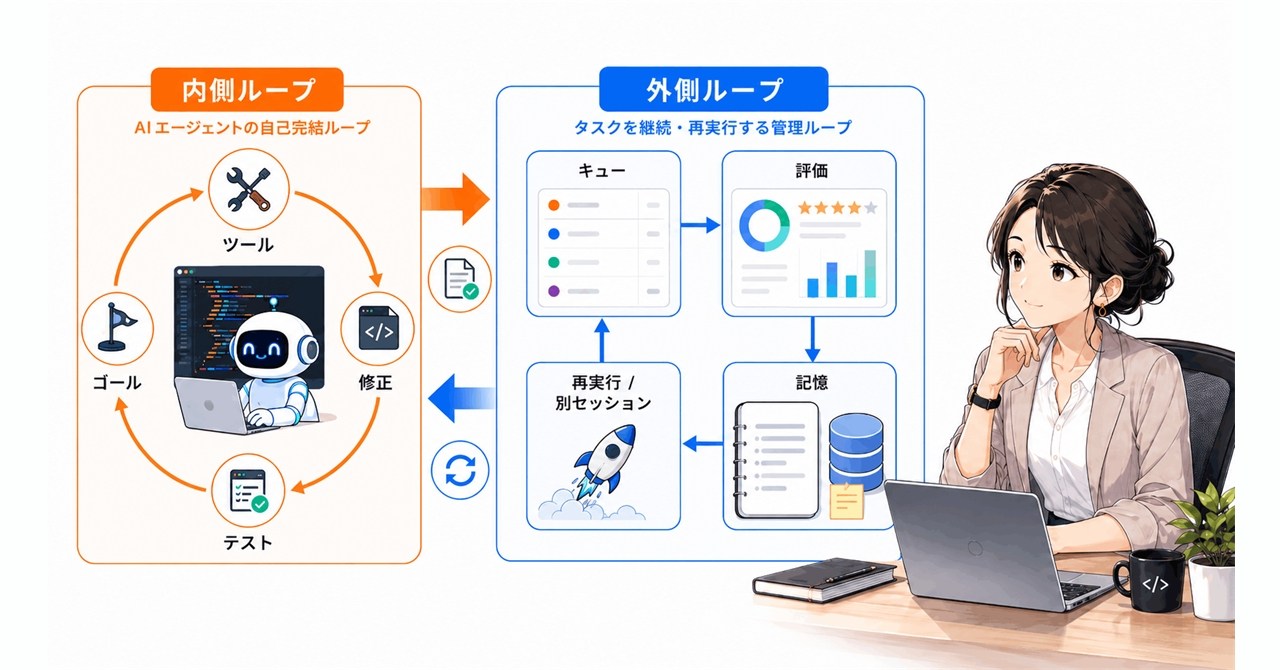
ソフトウェアエンジニアの仕事は「ループを書くこと」になる 内側ループと外側ループ(ハーネス)入門
AIコーディングにおける「ループ」には、エージェントが回す内側ループと、ハーネスが回す外側ループの2種類がある。両者の違いと外側ループがもたらす課題を、アルミン・ロナッハー氏の記事に沿って初心者向けに解説し、その「記憶」の扱いについての筆者の考えも添える。

Yep, we’re using OpenClaw to date now
Ben Guez has "a bunch of potential international wives in [his] DMs," thanks to an automated script he set up using OpenClaw, Claude code,…
失敗を安全にする: オープン Web データ収集のための制約付きの検証可能なエージェント フレームワーク
LLM とエージェントは自然言語要件から Web スクレイパーを生成できますが、依存関係エラー、セレクターの破損、スキーマの不一致、および異種ページ構造のため、直接生成の信頼性は依然として低いままです。私たちは、LLM 出力を自由形式のコードから型指定された JSON コレクター構成に移行し、6 種類のコレクター分類、テンプレートとユーティリティ関数の制約、静的な Airflow DAG 実行、ルールベースの品質チェック、構造化フィードバック修正を組み合わせた、制約付きの検証可能なエージェント フレームワークを提案します。 138 のタスクに関する実験では、この分類法が説明ベースの要件の型付けをサポートしていることが示されている一方、安定したインスタンス化には、最初の説明を超えてソース、フィールド、および実行の制約を完了する必要があることが確認されています。独立してソース検証された 80 個のタスク上で、このフレームワークはゼロ実行ステージ LLM トークンと最も短い平均実時間で実行され、適度なワンショット品質と引き換えに、スケジュールされた収集の繰り返しに適した、再利用可能で確定的で検証可能な実行パスを実現します。これらの結果により、このフレームワークは、オープン Web データ収集を繰り返すための再利用可能、低コスト、検証可能な実行パスとして位置付けられます。
原文 (English)
Making Failure Safe: A Constrained, Verifiable Agent Framework for Open-Web Data Collection
LLMs and agents can generate web scrapers from natural-language requirements, but direct generation remains unreliable because of dependency errors, broken selectors, schema mismatches, and heterogeneous page structures. We propose a constrained, verifiable agent framework that shifts LLM output from free-form code to typed JSON collector configurations, combining a six-type collector taxonomy, template and utility-function constraints, static Airflow DAG execution, rule-based quality checking, and structured feedback correction. Experiments on 138 tasks show that the taxonomy supports description-based requirement typing, while confirming that stable instantiation requires completing source, field, and execution constraints beyond the initial description. On 80 independently source-verified tasks, the framework runs with zero execution-stage LLM tokens and the lowest average wall-clock time, trading moderate one-shot quality for a reusable, deterministic, and verifiable execution path suited to repeated scheduled collection. These results position the framework as a reusable, low-cost, and verifiable execution path for repeated open-web data collection.
RareDxR1: 人間による注釈を超えた希少疾患診断のための自律的な医学的推論
希少疾患の鑑別診断は重要だが困難な臨床課題であり、医師は複雑で構造化されていない患者の症状から正確な表現型を特定し、広大な検索空間内で複雑な推論を実行する必要がある。しかし、既存の AI アプローチは通常、パイプラインベースの表現型抽出または検索拡張生成に依存しており、事前定義されたオントロジー、検索のボトルネック、診断ロジックの欠如による重大な情報損失に悩まされています。これらの課題に対処するために、非構造化臨床ノートから直接オープンドメインの希少疾患診断を行うために設計された、エンドツーエンドの推論中心の大規模言語モデルである RareDxR1 を導入します。私たちは、知識の内在化と自律進化学習を相乗させて、構造化された表現型やクローズドセットの意思決定への依存を回避することで、進歩的なエンドツーエンドのトレーニング フレームワークを設計します。 RAG と表現型制限の限界を克服するために、断片化された希少疾患の知識をモデルのパラメーターに直接深く取り込むことが可能になりました。さらに、モデル生成と専門家による推論の間のギャップを埋めるために、人間による注釈なしで失敗から学習することで専門家レベルの診断軌跡を合成する戦略である、Reflection-Enhanced Reasoning Sampling (RERS) を提案します。さらに、希少疾患の診断を段階的に習得するための二重レベルのカリキュラム強化学習アプローチを提案します。実験結果は、RareDxR1 がさまざまなベンチマークにわたって最先端の精度を達成し、オープンドメインの希少疾患診断における重要な進歩を示すことを示しています。私たちのコードとデータセットは一般公開されます。
原文 (English)
RareDxR1: Autonomous Medical Reasoning for Rare Disease Diagnosis Beyond Human Annotation
Rare disease differential diagnosis is a critical yet arduous clinical task, requiring physicians to identify precise phenotypes from complex, unstructured patient symptoms and execute intricate reasoning within a vast search space. However, existing AI approaches typically rely on pipeline-based phenotype extraction or retrieval-augmented generation, which suffer from critical information loss due to predefined ontologies, retrieval bottlenecks, and a lack of diagnostic logic. To address these challenges, we introduce RareDxR1, an end-to-end reasoning-centric large language model designed for open-domain rare disease diagnosis directly from unstructured clinical notes. We design a progressive end-to-end training framework by synergizing knowledge internalization with autonomous evolutionary learning, thereby bypassing reliance on structured phenotypes and closed-set decision-making. To overcome the limitations of RAG and phenotype restriction, we enabled the deep internalization of fragmented rare-disease knowledge directly into the model's parameters. Moreover, to bridge the gap between model generation and expert reasoning, we propose Reflection-Enhanced Reasoning Sampling (RERS), a strategy that synthesizes expert-level diagnostic trajectories by learning from failures without human annotation. Additionally, we propose a dual-level curriculum reinforcement learning approach for gradually mastering rare disease diagnosis. Experimental results demonstrate that RareDxR1 achieves state-of-the-art accuracy across different benchmarks, marking a significant breakthrough in open-domain rare disease diagnosis. Our code and dataset will be publicly available.
両面の情報非対称性を伴うコンテキストバンディット監視ゲーム
私たちは、個人情報が両方向に流れる場合の AI エージェントの実行時の人間の監視を研究します。人間は自分の報酬関数を非公開で知り、AI は自分が提案するアクションの質を非公開で知っています。これは、人間の監督者が直接評価できない状況を自律ロボットやソフトウェア エージェントが検査したときに自然に生じる一種の非対称性です。協調逆強化学習 (CIRL) と監視ゲームに基づいて、両面非対称情報とプレイ/質問/信頼/監視インターフェイスを備えたコンテキスト バンディット チーム ゲームを導入します。バンディット構造は物理的な状態遷移を除去するため、POMDP の完全な設定では推測の域を出ない正確なワンショットの特徴付けが得られますが、ラウンド全体で動的に制御された状態は維持されると一般的に信じられています。我々は、チーム最適と行動的に自然な近視眼的なルールという 2 つのワンショットの特徴を与えます。そのギャップは、回避可能な危害の板です。AI が提案された行動が有害であり、シャットダウンが助けになることを個人的に認識している領域ですが、近視眼的な人間は、以前の行動を信頼して監督を拒否します。我々は、このギャップが信頼性のない監視コミュニケーションの代償であることを示し、受動的学習と1周期遅れの監視応答による能動的なシグナリングを通じてラウンドを繰り返すうちに、このギャップがどのように動的に解決されるかの部分分析を提供します。
原文 (English)
A Contextual-Bandit Oversight Game with Two-Sided Informational Asymmetry
We study runtime human oversight of an AI agent when private information runs in both directions: the human privately knows her reward function, while the AI privately knows the quality of the action it proposes. This is the kind of asymmetry that arises naturally when an autonomous robot or software agent has inspected a situation its human supervisor cannot directly assess. Building on Cooperative Inverse Reinforcement Learning (CIRL) and the Oversight Game, we introduce a contextual-bandit team game with two-sided asymmetric information and a play/ask/trust/oversee interface. The bandit structure removes physical state transitions and thereby yields exact one-shot characterizations that would remain conjectural in the full POMDP setting, though the common belief remains a dynamically controlled state across rounds. We give two one-shot characterizations, a team optimum and a behaviorally natural myopic rule, whose gap is a slab of avoidable harm: a region in which the AI privately knows the proposed action is harmful and shutdown would help, yet a myopic human, trusting her prior, declines to oversee. We show this gap is the price of non-credible oversight communication, and give a partial analysis of how it resolves dynamically over repeated rounds through passive learning and active signaling with a one-period-lagged oversight response.
信号から構造へ: メモリ アーキテクチャが LLM エージェントにおける言語の出現をどのように推進するか
2 人のエージェントはどのようにして共有言語をゼロから発明するのでしょうか?ルイス シグナリング ゲームでは、送信者と受信者は対話履歴のみを使用してコードを調整する必要があります。私たちは、LLM エージェントを使用してさまざまなチャネル構成にわたる 5 つのメモリ アーキテクチャを調査し、メモリ アーキテクチャがチャネル容量よりも重要であることを発見しました。永続的なプライベート ノートブックを持つエージェントは、余剰チャネル キャパシティの恩恵を受け、ステートレス エージェントに見られる高キャパシティの崩壊を回避し、最も信頼性の高い調整を実現します (キャパシティ = 25 の場合、$0.867 \pm 0.023$)。ステートレス エージェントは中程度の能力でピークに達し、その後、ローリング コンテキスト ウィンドウが追跡できる範囲を超えて語彙が増加すると低下します。ノートブックは学習した規則を外部化し、エージェントがラウンドごとにコードを再導出する必要から解放されます。情報ボトルネックにヒントを得た議論により、オブジェクトの数に等しい最適な容量が予測されます。むしろ、ボトルネック (容量 = 8) が脆弱点であることが判明し、通常は余剰容量の方が優れています。チャネル容量だけでは調整を予測できないことを示します。メモリ アーキテクチャは、エージェントが対話履歴を安定した規則に変換するかどうかを決定します。信号がどのように言語になるかを理解するには、両方の側面が必要です。
原文 (English)
From Signals to Structure: How Memory Architecture Drives Language Emergence in LLM Agents
How do two agents invent a shared language from scratch? In a Lewis signaling game, a sender and receiver must coordinate on a code using only their interaction history. We study five memory architectures across varying channel configurations with LLM agents and find that memory architecture matters more than channel capacity. Agents with a persistent private notebook benefit from surplus channel capacity and avoid the high-capacity collapse seen in stateless agents, achieving the most reliable coordination ($0.867 \pm 0.023$ at capacity = 25). Stateless agents peak at moderate capacity and then degrade as the vocabulary grows beyond what a rolling context window can track The notebook externalizes learned conventions, freeing agents from having to re-derive codes each round. An information bottleneck-inspired argument predicts an optimal capacity equal to the number of objects. Instead, the bottleneck (capacity = 8) proves to be a fragility point, and surplus capacity is generally better. We show that channel capacity alone cannot predict coordination; memory architecture determines whether agents turn interaction history into stable conventions, and both dimensions are needed to understand how signals become language.
Mnemosyne: AI 生成のワークフローを検証および修復するためのエージェント トランザクション処理
LLM、ソルバー、エージェント チームはワークフロー アクション、修復、計画を生成することが増えていますが、生成されたアクションは構文的には有効でも、古い、実行不可能、矛盾している、または修復を引き起こした証拠を破壊する可能性があります。エージェントティック トランザクション処理 (ATP) は、生成されたアクションが、宣言された実行可能な制約セット C の下で決定論的な承認を通過するまで、信頼できない提案として扱うトランザクション モデルです。原則は両面的です。提案は真実ではなく、すべての中断を予測する提案はありません。提案は何でも可能ですが、ランタイムのみが承認してコミットします。予期せぬ中断が発生した場合、新しい提案を信頼するのではなく、範囲内で反応的に修復します。 C と比較すると、コミットされた状態の正確性は、提案層の能力、誠実さ、学習とは無関係になります。私たちは、追加専用の遷移ログ、有効な状態の予測、依存関係に安全な補償、およびアクティブなコミットメント レコードを備えたランタイムである Mnemosyne で ATP を実現し、C に関連する 4 つの安全特性 (権限分離、シリアル等価生成許可、証拠保全修復、および義務の封じ込め) を、その局所的修復プロトコル (LCRP) の制限付きリアクティブ修復保証とともに証明します。再現可能なアーティファクトは、9 回の改ざんテストで対象となる違反を拒否しながら、有効な作業を依然として認め、投影と検証のオーバーヘッドは 6% 未満で、制限されたローカル修復編集では、グローバルな再計算よりも桁違いに少ない操作で済みます。 Mnemosyne はオープンソースです: https://github.com/eyuchang/Mnemosyne/tree/arxiv-atp-rq1-rq9b-r8-v2。
原文 (English)
Mnemosyne: Agentic Transaction Processing for Validating and Repairing AI-generated Workflows
LLMs, solvers, and agent teams increasingly generate workflow actions, repairs, and plans, but a generated action may be syntactically valid yet stale, infeasible, conflicting, or destructive of the evidence that triggered a repair. We introduce Agentic Transaction Processing (ATP), a transaction model that treats generated actions as untrusted proposals until they pass deterministic admission under a declared, executable constraint set C. The principle is two-sided: a proposal is not truth, and no proposal foresees every disruption: anything may propose, but only the runtime admits and commits, and when an unforeseen disruption strikes it repairs reactively within bounds rather than trusting a fresh proposal. Relative to C, committed-state correctness becomes independent of the competence, honesty, or learning of the proposing layer. We realize ATP in Mnemosyne, a runtime with an append-only transition log, effective-state projection, dependency-safe compensation, and active commitment records, and prove four safety properties relative to C (authority separation, serial-equivalent generative admission, evidence-preserving repair, and obligation containment) together with a bounded-reactive-repair guarantee for its localized repair protocol (LCRP). A reproducible artifact rejects the targeted violations across nine falsification tests while still admitting valid work, at under 6% projection-and-validation overhead, and bounded local repair edits an order of magnitude fewer operations than global recompute. Mnemosyne is open source: https://github.com/eyuchang/Mnemosyne/tree/arxiv-atp-rq1-rq9b-r8-v2.
実行時の自律管理: シングルおよびマルチエージェントのサイバーフィジカルシステム向けのギアベースの安全性とガバナンス
LLM 駆動のソフトウェア エージェントであれ、ロボット物理エージェントであれ、自律型エージェントは、人間による継続的な監視なしで動作すると、一般的な種類の障害モードに直面します。つまり、未検証のアクションによる安全性違反、制約のないループによる動作の不安定性、未処理のエラー状態による連続性の喪失などです。私たちは、5 つの実行ギア (\Gobs{}、\Gsug{}、\Gplan{}、\Gexec{}、\Gint{}) とユーティリティ ゲート ディスパッチおよびイベント ドリブン フォールバックを組み合わせた離散時間制御システム \system{} を開発しています。単一エージェントのケースでは、単調な安定性、実行の安全性、最終的な安定化、フォールバックの完全性、歯車制約のあるマルコフ決定プロセスとの同等性を証明します。マルチエージェント サイバー物理システム(CPS)の場合、確立された \smart{} 管理自律性ライフサイクルを適用し、実行時の証拠を 4 つのガバナンス状態(\Stable{}/\Meta{}/\Assisted{}/\Regulated{})にマッピングします。コンセンサス ゲーティング、群レベルのリアプノフ解析、エージェントごとのギア権限、およびランデブー制御により、規定された前提条件の下での衝突ゼロを含む、分散型の安全性と安定性の保証が提供されます。 10,000 回のモンテカルロ エピソードにわたる NIST \emph{ロボット アーム位置精度の劣化測定} データセットから校正された故障規模を使用して、3 エージェントの UR5 ロボット アセンブリ セルでの実行時間を評価します。単一エージェントベースラインの異常検出率 2.1\% に対して 99.6\% を達成し、検出遅延を 3.5 倍 $ 削減し、正式な物理作業スペースの安全証明書を提供します。実行ギアは \smart{} ランタイム ガバナンス状態の下でミクロレベルの権限として機能し、アクション制御を自律ガバナンスから分離します。
原文 (English)
Managed Autonomy at Runtime: Gear-Based Safety and Governance for Single- and Multi-Agent Cyber-Physical Systems
Autonomous agents, whether LLM-driven software agents or robotic physical agents, face a common class of failure modes when operating without continuous human oversight: safety violations from unverified actions, behavioral instability from unconstrained loops, and continuity loss from unhandled error states. We develop \system{}, a discrete-time control system that combines five execution gears (\Gobs{}, \Gsug{}, \Gplan{}, \Gexec{}, \Gint{}) with utility-gated dispatch and event-driven fallback. For the single-agent case, we prove monotonic stability, execution safety, eventual stabilization, fallback completeness, and equivalence to a gear-constrained Markov decision process. For multi-agent cyber-physical systems (CPS), we apply the established \smart{} managed-autonomy lifecycle and map runtime evidence into its four governance states (\Stable{}/\Meta{}/\Assisted{}/\Regulated{}). Consensus gating, swarm-level Lyapunov analysis, per-agent gear authority, and rendezvous control provide distributed safety and stability guarantees, including zero collision under the stated assumptions. We evaluate the resulting runtime on a three-agent UR5 robotic assembly cell using fault magnitudes calibrated from the NIST \emph{Degradation Measurement of Robot Arm Position Accuracy} dataset across 10,000 Monte Carlo episodes. It achieves a 99.6\% anomaly detection rate versus 2.1\% for the single-agent baseline, reduces detection latency by $3.5\times$, and supplies a formal physical-workspace safety certificate. The execution gears act as micro-level permissions beneath the \smart{} runtime governance states, separating action control from autonomy governance.
逆計画としてのパーソナライゼーション: 構造ノイズ除去によるエージェント的スライド生成のための潜在的な設計意図の学習
スライドのデザインでは、デッキのテーマとページ レイアウトの両方をパーソナライズする必要があります。しかし、現在の AI エージェントベースの手法は、きめ細かいページレベルの設計に苦労しています。事前に指定されたテンプレートやユーザーの詳細な指示のみに依存すると、潜在的なデザイン意図を捉えることができず、ページレベルのスライド パーソナライゼーション (PSP) が未解決のままになります。このギャップを埋めるために、この研究では PSP を逆計画問題として定式化します。使用されている特定の実行ツール (PowerPoint、Beamer など) についての知識を前提とせずに、設計意図を学習することを提案します。ただし、これらのツールの制御を放棄すると、問題はエンドツーエンドの最適化が困難になります。これを克服するために、PSP を近似的に解決するための原則的なフレームワークである SPIRE を提案します。 SPIRE は、クリーンなスライドの視覚構造を意図的に破損することで、破損のノイズを除去するための検証可能なタスクを作成します。これにより、2 人のエージェントが、強化学習 (RL) を通じて実行可能なデザインを協力して改良する方法を学習します。我々は、構造的ノイズ除去がPSPの一貫した代用であること、およびマルチエージェント定式化がRLにおけるポリシー勾配の分散を厳密に低減することの証明を提示する。広範な実験により、SPIRE の優位性が実証されました。
原文 (English)
Personalization as Inverse Planning: Learning Latent Design Intents for Agentic Slide Generation via Structural Denoising
Slide design requires personalizing both deck themes and page layouts. Yet, current AI agent-based methods struggle with fine-grained, page-level design. Solely relying on prespecified templates or user verbose instructions, they fail to capture latent design intents, leaving Page-level Slide Personalization (PSP) unresolved. To close this gap, this work formulates PSP as an inverse planning problem. We propose to learn a design intent without assuming any knowledge of the specific executing tools (e.g., PowerPoint, Beamer) being used. However, relinquishing control over these tools makes the problem intractable to optimize end-to-end. To overcome this, we propose SPIRE, a principled framework to solve PSP approximately. By intentionally corrupting the visual structures of clean slides, SPIRE creates a verifiable task to denoise the corruption, whereby two agents learn to collaboratively refine executable designs via reinforcement learning (RL). We present a proof that structural denoising is a consistent surrogate for PSP, and that the multi-agent formulation strictly reduces policy gradient variance in RL. Extensive experiments demonstrate the superiority of SPIRE.
PHREEQC-MCQ-200: ツール拡張科学シミュレーター エージェントの診断ベンチマーク
大規模な言語モデル エージェントは科学ソフトウェアとの連携がますます高まっていますが、ツールへのアクセスによって科学計算が単に複雑になるだけでなく信頼性が高まるのはいつかはまだ不明です。決定論的な水地球化学シミュレーションでツール拡張エージェントを評価するためのベンチマークである PHREEQC-MCQ-200 を紹介します。このベンチマークには、21 の検証済み PHREEQC シナリオから派生した 200 の多肢選択式の質問が含まれており、エージェントはシミュレーターの入力を構築し、PHREEQC を実行し、構造化された出力を検査し、最終的な回答にコミットする必要があります。複数のフロンティアおよび中間層のモデル ファミリにわたって、シミュレーターへのアクセスにより集計精度が大幅に向上し、多くの科学技術計算タスクには根拠のある実行が必要であることが確認されました。ただし、その増加は単調ではありません。ツールで強化されたエージェントは、ツールなしで正しく回答した項目も失い、平均精度だけでは隠れていた回帰が明らかになります。さらに、出力アクセス プロトコルが重要であることを示します。目次インターフェイスは、より強力なモデルの精度を維持または向上させながらトークン コストを削減できますが、構造化されたシミュレーター出力を確実にナビゲートできない中間層モデルのパフォーマンスは低下します。したがって、PHREEQC-MCQ-200 は、単純なツール呼び出し機能ではなく、科学ツールの使用をエンドツーエンドの診断問題として構成します。私たちは、科学エージェントの評価では、精度だけでなく、項目レベルの保持、出力アクセスの感度、軌道の失敗、および計算チェーンが中断された場所も報告する必要があると主張します。
原文 (English)
PHREEQC-MCQ-200: A Diagnostic Benchmark for Tool-Augmented Scientific Simulator Agents
Large language model agents are increasingly connected to scientific software, yet it remains unclear when tool access makes scientific computation more reliable rather than merely more complex. We introduce PHREEQC-MCQ-200, a benchmark for evaluating tool-augmented agents on deterministic aqueous-geochemistry simulations. The benchmark contains 200 multiple-choice questions derived from 21 validated PHREEQC scenarios, requiring agents to construct simulator inputs, execute PHREEQC, inspect structured outputs, and commit to final answers. Across multiple frontier and mid-tier model families, simulator access substantially improves aggregate accuracy, confirming that grounded execution is necessary for many scientific-computation tasks. However, the gains are not monotonic: tool-augmented agents also lose items they answered correctly without tools, revealing regressions that average accuracy alone hides. We further show that output-access protocol matters. A table-of-contents interface can reduce token cost while preserving or improving accuracy for stronger models, but it degrades performance for mid-tier models that cannot reliably navigate structured simulator outputs. PHREEQC-MCQ-200 therefore frames scientific tool use as an end-to-end diagnostic problem rather than a simple tool-calling capability. We argue that evaluations of scientific agents should report not only accuracy, but also item-level retention, output-access sensitivity, trajectory failures, and where the computation chain breaks.
Agri-SAGE: コンテキストを認識した農業アドバイザリー生成のためのシミュレーションに基づいたマルチエージェント LLM
農業勧告システムは根本的な緊張に直面しています。静的な農学ガイドラインは、一貫した証拠に基づいた推奨事項を提供しますが、季節ごとの変動性や動的な不確実性には盲目なままです。 LLM を利用した最近の勧告システムは、農学的には信頼できるが生理学的には説得力のない推奨事項を生成するという別のリスクを負います。 Agri-SAGE は、検索に基づいたマルチエージェント LLM 推論と APSIM ベースの生物物理シミュレーションを統合し、農業に関する勧告を生成および検証することで、上記 2 つの制限を解決するように設計された閉ループ フレームワークです。このフレームワークを評価するために、10 年間の遡及分析にわたって、計画と解決、思考のツリー、および反省という 3 つの推論アプローチを評価します。 3 つすべてが静的な PoP (実践パッケージ) ベースラインを大幅に上回り、Tree of Thoughts は印象的なピーク収量を達成しました。同時に、Reflexion は季節を超えたエピソード記憶を活用することで、大幅に低い計算コストで同等の農業成果を達成します。
原文 (English)
Agri-SAGE: Simulation-Grounded Multi-Agent LLM for Context-Aware Agricultural Advisory Generation
Agricultural advisory systems face a fundamental tension: static agronomic guidelines offer consistent, evidence-based recommendations, yet remain blind to in-season variability and dynamic uncertainties. Recent advisory systems powered by LLMs are liable for a different risk of generating recommendations that are agronomically credible but physiologically unconvincing. Agri-SAGE is a closed-loop framework designed to resolve the above two limitations by integrating retrieval-grounded multi-agent LLM reasoning with APSIM-based biophysical simulation, to generate and validate agronomic advisories. To assess this framework, we evaluate three reasoning approaches, namely Plan-and-Solve, Tree of Thoughts, and Reflexion, over a 10-year retrospective analysis. All three significantly outperform static PoP (Package-of-Practice) baselines, with Tree of Thoughts achieving impressive peak yields. At the same time, Reflexion achieves comparable agronomic outcomes at substantially lower computational cost by leveraging cross-seasonal episodic memory.
進化する環境における身体化エージェントの世界モデルのマルチスケール混合
現実世界で活動する身体化されたエージェントは、状況の変化に応じてマルチスケールの推論と知識の適応を必要とします。この設定に専門家混合 (MoE) を適用する際の 2 つの課題を特定します。1 つは、ルーティングに明確な規模の概念が欠けており、特定の規模での対象を絞った更新が妨げられること、そして、統一された更新ポリシーでは、各規模での知識が時代遅れになるさまざまな速度に対応できないことです。私たちは、スケールを意識した世界モデルの混合と進化を通じて両方の課題に対処するフレームワーク、MuSix を紹介します。 2 段階のルーティング メカニズムは、解釈レベル理論に触発された状況の新規性の尺度である経験的距離に基づくスケール選択を根拠とします。まず、メタルーターがこの量を連続スケール空間上の重みにマッピングし、次にスケールごとのベース ルーターが特定されたスケール内のワールド モデルを選択します。適応に関しては、スケール依存の忘却率により、高スケールの抽象化が持続しながら低スケールの知識が迅速に更新され、ゲートされたスケール間転送により階層全体の一貫性が維持されます。 EmbodiedBench と HAZARD での実験では、MuSix がマルチスケール推論と動的適応に関して最先端のベースラインよりも改善していることが示されています。
原文 (English)
Multi-scale Mixture of World Models for Embodied Agents in Evolving Environments
Embodied agents operating in the real world require multi-scale reasoning and knowledge adaptation as conditions change. We identify two challenges in applying Mixture of Experts (MoE) to this setting: routing lacks an explicit notion of scale, preventing targeted updates at specific scales, and a uniform update policy cannot accommodate the different rates at which knowledge at each scale becomes outdated. We present MuSix, a framework that addresses both challenges through scale-aware world model mixture and evolution. A two-stage routing mechanism grounds scale selection in experiential distance, a measure of situational novelty inspired by Construal Level Theory: a meta-router first maps this quantity to a weight over continuous scale space, then per-scale base routers select world models within the identified scale. For adaptation, scale-dependent forgetting rates allow low-scale knowledge to refresh rapidly while high-scale abstractions persist, and gated inter-scale transfer maintains coherence across the hierarchy. Experiments on EmbodiedBench and HAZARD show that MuSix improves over state-of-the-art baselines on multi-scale reasoning and dynamic adaptation.
ワールド モデリング エージェントのベンチマーク フレームワークとしての AGI Maze
大規模言語モデル (LLM) は強力なパターン補完システムですが、そのデフォルトの動作モード (静的コンテキストから次のトークンを予測する) では、外部世界の永続的で操作可能な表現が確実に生成されません。環境が部分的に観察可能でステートフルになり、隠れた状態についての記憶と構造化された仮説が必要になると、テキストでは「推論」のように見える多くのタスクが大幅に難しくなります。 AGI Maze は、高次元の感覚入力を必要とせずにそのような環境を構築するための軽量フレームワークです。これは、クリーンな API と複数の難易度レジームを備えた一連のグリッドベースの迷路タスクを提供します。目標は、エージェントがすぐに提供される観測値からローカル ルールを推測するだけでなく、世界状態の表現を学習して使用する必要があるベンチマークを作成することです。単純な迷路に関するいくつかのバニラ LLM の初期評価を提供し、LLM 推論時に内部的に迷路を表現できないことを示しています。また、ベースライン エージェントも導入します。これにより、メッセージ履歴を作業メモリとして使用して、エージェントの実行時に観察の記述を構築できます。これによりパフォーマンスは向上しますが、LLM エージェントが人間にとって十分なステップ バジェット内で小さな迷路であっても確実に解決するにはまだ不十分です。
原文 (English)
AGI Maze as a Benchmark Framework for World-Modeling Agents
Large language models (LLMs) are powerful pattern-completion systems, but their default operating mode - predicting the next token from a static context - does not reliably produce persistent, manipulable representations of an external world. Many tasks that look like "reasoning" in text become substantially harder once the environment is partially observable, stateful, and requires memory and structured hypotheses about hidden state. AGI Maze is a lightweight framework for building such environments without requiring high-dimensional sensory inputs. It provides a family of grid-based maze tasks with a clean API and multiple difficulty regimes. The goal is to create benchmarks where agents must learn and use world state representations, not just infer a local rule over readily provided observations. We provide an initial evaluation of several vanilla LLMs on simple mazes showing that they fail to represent mazes internally at LLM inference time. We also introduce a baseline agent, which is allowed to use its message history as a working memory to construct descriptions of observations at agentic runtime. Although this can improve performance, it is still insufficient for an LLM agent to reliably solve even small mazes within a step budget that is more than enough for humans.
インタラクティブなゲームプレイのためのコーチング可能なエージェント
強化学習は、高度な AI およびロボット システムの作成における貴重なツールであることが証明されており、ゲームプレイからロボット工学、基礎モデルに至るまであらゆるものに貢献しています。通常、これらの AI システムは、試行錯誤を通じて、タスクを解決するために最適に近い 1 つの動作を学習します。ただし、タスクの解決方法に関して、できればリアルタイムで、ある程度の制御を主張したいユースケースは数多くあります。コアタスクのこれらの変更をスタイルと呼びます。私たちは、ユニバーサル価値関数近似器 (UVFA) を、慎重に選択されたトレーニング シナリオ、学習アルゴリズム、データ拡張と組み合わせて、複雑な領域でスタイルを示すエージェントをコーチングするためのフレームワークを作成します。私たちは、AAA ビデオ ゲームの Horizon Forbidden West と Gran Turismo、およびオープンソースのヒューマノイド テスト ドメインでのフレームワークのアプリケーションを実証します。カーレース、様式化されたゲーム戦闘、人型歩行など、ドメインの性質が異なるにもかかわらず、各エージェントは、そのドメインの主なタスクを満たしながら、スタイルの要求に強い一貫性を示します。重要なのは、このホワイト ペーパーで概説した手法を使用すると、エンド ユーザーが実行時に最終的な動作を選択できるため、最終的に実行されるパフォーマンスを柔軟に制御できることです。
原文 (English)
Coachable agents for interactive gameplay
Reinforcement learning has proven to be a valuable tool in the creation of advanced AI and robotic systems, contributing to everything from game playing to robotics to foundation models. Through trial-and-error, these AI systems typically learn one, near-optimal behavior to solve their tasks. However, there are many use cases in which one would like to assert some level of control, preferably in real time, over how the task is solved. We refer to these modifications of a core task as styles. We combine universal value function approximators (UVFAs) with carefully selected training scenarios, learning algorithms, and data augmentation to create a framework for coaching agents that exhibit styles in complex domains. We demonstrate the framework's application in the AAA video games Horizon Forbidden West and Gran Turismo, and in an open-source humanoid test domain. Despite the different nature of the domains -- car racing, stylized game combat, and humanoid walking -- each agent shows strong coherence to the style requests while still satisfying the main task in its domain. Importantly, the techniques outlined in this paper allow an end user to choose the final behavior at run time, giving them flexible control over the final executed performance.
Self-GC: Long-Horizon LLM エージェントの自己統治コンテキスト
長期的な LLM エージェントは、使い捨てのテキスト サフィックスとして扱うには構造化されすぎているツールの結果、ファイル、プラン、およびユーザー制約を蓄積します。現在のシステムは主に、時系列プルーニングやツール出力マスキングなどの実行中のヒューリスティック、またはコンテキスト制限に近い最終的な自己要約に依存しています。ヒューリスティックは低コストですが、将来の依存関係を考慮しません。概要は物語の状態を保持しますが、多くの場合、正確な証拠、ロケーター、編集可能な成果物が隠されます。私たちは Self-GC を紹介します。GC はガベージ コレクションを意図的にエコーしながら自己統治コンテキストを表します。システムは単に未使用のトークンを再利用するだけでなく、エージェント コンテキスト オブジェクトのライフサイクルを管理します。自己 GC は、ユーザーのターン、ツール スパン、およびスキルの状態をインデックス付きオブジェクトに変換します。サイドチャネルプランナーにフォールド、マスク、プルーニングのアクションを提案するよう依頼します。また、ハーネスは回復可能なサイドカー、安全なコミット境界、キャッシュを認識したコミットを強制できます。 33 セッションのハード セットでは、セルフ GC はプレフィックス トークンの 43.95% をプルーニングし、将来の継続の 84.85% には影響を与えません。これに対し、ヒューリスティック ベースラインの影響なし率は 54.55% ~ 69.70% です。 332 セッションの本番派生スイートでは、3 つのプランナー バックボーンは 91.27% ~ 94.58% の影響なし率に達しますが、ベースラインは 77.71% ~ 87.46% のままです。運用環境では、オンラインのアカウントレベルの分割により、日中の平均入力トークンが 10% ~ 15% 削減され、ピーク削減率は 20% 近くになります。これらの結果は、事後のテキスト クリーンアップではなく、インデックス付きの回復可能なオブジェクトに対する実行時のライフサイクル制御としてのコンテキスト管理を示しています。
原文 (English)
Self-GC: Self-Governing Context for Long-Horizon LLM Agents
Long-horizon LLM agents accumulate tool results, files, plans, and user constraints that are too structured to be treated as a disposable text suffix. Current systems mostly rely on in-run heuristics such as chronological pruning and tool-output masking, or on final self-summary near a context limit. Heuristics are cheap but blind to future dependencies; summaries preserve narrative state but often hide exact evidence, locators, and editable artifacts. We present Self-GC, where GC denotes self-governing context while deliberately echoing garbage collection: the system does not merely reclaim unused tokens, but governs the lifecycle of agent context objects. Self-GC turns user turns, tool spans, and skill state into indexed objects; asks a side-channel planner to propose fold, mask, and prune actions; and lets the harness enforce recoverable sidecars, safe commit boundaries, and cache-aware commit. On a 33-session Hard Set, Self-GC prunes 43.95% of prefix tokens while leaving 84.85% of future continuations unaffected, compared with no-impact rates of 54.55% to 69.70% for heuristic baselines. On a 332-session production-derived suite, three planner backbones reach no-impact rates of 91.27% to 94.58%, while baselines remain at 77.71% to 87.46%. In production, an online account-level split reduces daytime average input tokens by 10% to 15%, with peak reductions near 20%. These results point to context management as runtime lifecycle control over indexed, recoverable objects rather than post hoc text cleanup.
いつでも有効な証明書を備えた自己進化エージェント
自己進化するエージェントは、ほとんどの学習理論的保証の背後にある仮定に違反します。つまり、データ、評価器、コンポーネント、仮説空間は、更新されるポリシーによって生成されます。私たちは \textbf{SEA} を提案します。このアーキテクチャは、自己変更を小さなステアリング アダプターと \emph{frozen} ベース モデルの周りのバージョン管理されたハーネスに限定し、固定エラー バジェットに対して監査可能な証明書を発行する常時有効なゲートを介してのみ各変更を許可します。 5 つのループ コントローラーが公開保証を構成します。そのようなゲートは、フリーズされたベースがすでに生成している動作の中から \emph{選択} することしかできないため、5 つの検証者インザループ メカニズム (best-of-$N$、マイクロステップ検索、自己作成複製オラクル、検索層制御、自己修復) が、問題テキストのみから計算された、ゲートが必要とする密度の高いグレーダーフリーの信号を供給します。 4 つの基本モデルにわたる $52$ インスタンスの SWE ベンチ検証済みサブセットでは、基本機能が支配的で交絡のない効果であり、2 つの強力な基本モデルでは、意図的な no-op-composite 制御により $+4$ と $+5$ (\textsc{Glm}~5.2 $24\to28$; \textsc{Gpt} $29\to34$、$65\%$) でスイートの寄与が分離されます。最良)、そのメカニズムが起動して回帰を防止していることを確認するイベント ログが含まれます。結果は高価な評価では 1 回実行されます。実行ごとの差異の確認とタスクごとのアルゴリズムの組み合わせの適応は今後の課題です。
原文 (English)
Self-Evolving Agents with Anytime-Valid Certificates
Self-evolving agents violate the assumption behind most learning-theoretic guarantees: the data, evaluator, components, and hypothesis space are produced by the policy being updated. We present \textbf{SEA}, an architecture that confines self-modification to a small steering adapter and a versioned harness around a \emph{frozen} base model and admits each modification only through an anytime-valid gate that emits an auditable certificate against a fixed error budget. Five loop controllers compose published guarantees; because such gates can only \emph{select} among behaviors the frozen base already produces, five verifier-in-the-loop mechanisms -- best-of-$N$, micro-step search, self-authored reproduction oracles, search-layer control, and self-repair -- supply the dense, grader-free signal the gates require, computed from the issue text alone. On a $52$-instance SWE-bench Verified subset across four base models, base capability is the dominant, confound-free effect, and on two strong base models a deliberate no-op-composite control isolates the suite's contribution at $+4$ and $+5$ (\textsc{Glm}~5.2 $24\to28$; \textsc{Gpt} $29\to34$, the $65\%$ best), with event logs confirming that its mechanisms fire and prevent regressions. Results are single-run on expensive evaluations; confirming run-to-run variance and adapting the per-task algorithm mix are future work.
エージェントティック RAG パイプラインのベイジアン不確実性伝播: マルチホップ質問応答に関する概念実証研究
Agentic Retrieval-Augmented Generation(RAG)システムの信頼できる展開には、多段階の推論パイプラインがいつ失敗するかを推定するメカニズムが必要です。この論文では、プランナー、評価器、およびジェネレーターの各ステージが、セマンティックな発散とジェネレーターの自己評価から得られる不確実性信号を生成する、不確実性を認識したエージェント検索拡張生成 (RAG) フレームワークを紹介します。これらの信号はベイジアン ネットワーク (BN) を介して伝播され、システム レベルの不確実性が推定され、ワークフロー全体にわたる潜在的な障害点のノード レベルの指標が提供されます。このアプローチは、GPT-3.5-Turbo および GPT-4.1-Nano を使用して、StrategyQA および HotpotQA で評価されます。受信機動作特性曲線下面積 (AUROC)、精度除去曲線下面積 (AUARC)、予想される校正誤差 (ECE)、およびブライアー スコアを使用して、識別、選択的予測、および校正を評価します。結果は、HotpotQA ではベイジアン伝播がより効果的であることを示しています。HotpotQA では、マルチホップ推論段階にわたって不確実性が蓄積されますが、StrategyQA では、誤ったキャリブレーションと信頼性の低いアップストリーム信号によって引き起こされる制限が明らかになります。この研究では、ベイジアン不確実性伝播を、Agentic RAG システムを監視するための有望ではあるが予備的なメカニズムとして位置づけており、洋上風力発電 (OSW) の保守意思決定サポートなどの産業分野では将来の検証が必要です。
原文 (English)
Bayesian Uncertainty Propagation for Agentic RAG Pipelines: A Proof-of-Concept Study on Multi-Hop Question Answering
Trustworthy deployment of Agentic Retrieval-Augmented Generation (RAG) systems requires mechanisms for estimating when multi-stage reasoning pipelines may fail. This paper presents an uncertainty-aware Agentic Retrieval-Augmented Generation (RAG) framework in which planner, evaluator and generator stages produce uncertainty signals derived from semantic divergence and generator self-evaluation. These signals are propagated through a Bayesian Network (BN) to estimate system-level uncertainty and provide node-level indicators of potential failure points across the workflow. The approach is evaluated on StrategyQA and HotpotQA using GPT-3.5-Turbo and GPT-4.1-Nano, with Area Under the Receiver Operating Characteristic Curve (AUROC), Area Under the Accuracy-Rejection Curve (AUARC), Expected Calibration Error (ECE), and Brier Score used to assess discrimination, selective prediction and calibration. Results show that Bayesian propagation is more effective on HotpotQA, where uncertainty accumulates across multi-hop reasoning stages, while StrategyQA exposes limitations caused by miscalibration and unreliable upstream signals. The study positions Bayesian uncertainty propagation as a promising but preliminary mechanism for monitoring Agentic RAG systems, with future validation required in industrial domains such as Offshore Wind (OSW) maintenance decision support.
決定論的で自己拡張的な反応分類のための検証可能なルールをエージェント的に生成
コンピューター支援合成計画では、各変換に決定論的で解釈可能なラベルを割り当てる反応ルールの大きなライブラリを使用して、標的分子をアクセス可能な前駆体に分割します。しかし、化学はロングテールであるため、手動エンコーディングが困難であり、既存のツールは新しい化学に適応できない固定ルールセットに依存しています。ここでは、大規模言語モデル (LLM) のマルチエージェント フレームワークが反応を分類し、665,901 件の米国特許反応にわたってルール自体を記述し、コーパスに対してテストする検証ループの下で各ルールを生成する、完全に自動化されたパイプラインを紹介します。人間によるキュレーションを行わずに、標準分類を 68 クラスから 14,073 クラスに拡張します。軽量の指紋分類器を使用して、目に見えない反応の 97.7% を分類し、主要な独自の分類器と一致しながら、化学をより細かく分解し、オンデマンドでトレーニング ディストリビューション外の化学に拡張します。その結果、生きた反応性データベースと、生成モデルを信頼性の高い自己拡張型のシンボリック システムに変えるための一般的なルートが得られます。
原文 (English)
Agentic generation of verifiable rules for deterministic, self-expanding reaction classification
Computer-assisted synthesis planning breaks target molecules into accessible precursors using large libraries of reaction rules that assign each transformation a deterministic, interpretable label. But chemistry is long-tailed, making manual encoding intractable, and existing tools rely on fixed rulesets that cannot adapt to new chemistries. Here we present a fully automated pipeline in which a multi-agent framework of large language models (LLMs) classifies reactions and writes the rules themselves across 665,901 US patent reactions, generating each rule under a verification loop that tests it against the corpus. It expands a standard taxonomy from 68 to 14,073 classes without human curation. With a lightweight fingerprint classifier, it classifies 97.7\% of unseen reactions, matching a leading proprietary classifier while resolving chemistry more finely and extending on demand to chemistry outside its training distribution. The result is a living reactivity database and a general route to turning generative models into reliable, self-expanding symbolic systems.
エージェントはオープンワールドに一般化できますか?ツール使用における静的トレーニングの脆弱性を明らかにする
Large Language Model (LLM) エージェントは静的ベンチマークでは熟練していることを示しますが、実際のシナリオでの展開は、ユーザー クエリ、ツール セット、対話ダイナミクスの動的な性質によって妨げられます。この一般化のギャップに対処するために、クエリ、アクション、観察、およびドメインの次元にわたる分布の変化を特徴とする問題設定である OpenAgent (オープンワールドのツール使用エージェント) を形式化します。その影響を体系的に診断するために、制御されたサンドボックス環境を構築し、知覚、相互作用、推論、内部化の 4 層階層にわたるきめ細かい環境変化を定義し、包括的な一連の実験を実施します。私たちの分析により、一連の重要な洞察が得られ、教師あり微調整 (SFT) と強化学習の両方で訓練されたエージェントは、オープンな環境の変化に直面したときに、さまざまな程度のパフォーマンス低下に悩まされることが実証されました。これらの洞察に基づいて、我々は、現実の環境におけるエージェントの堅牢性と有用性を高めるための基礎を築く、SFT の外乱ベースの介入戦略である摂動拡張微調整を提案します。コードは https://github でリリースされます。 com/LAMDA-NeSy/OpenAgent。
原文 (English)
Can Agents Generalize to the Open World? Unveiling the Fragility of Static Training in Tool Use
While Large Language Model (LLM) agents demonstrate proficiency in static benchmarks, their deployment in real-world scenarios is hindered by the dynamic nature of user queries, tool sets, and interaction dynamics. To address this generalization gap, we formalize OpenAgent (Tool-Use Agent in Open-World), a problem setting characterized by distributional shifts across query, action, observation, and domain dimensions. To systematically diagnose its impact, we construct a controlled sandbox environment where we define fine-grained environmental shifts across a four-tier hierarchy, Perception, Interaction, Reasoning, and Internalization, and conduct a comprehensive series of experiments. Our analysis yields a series of key insights, demonstrating that agents trained via both Supervised Fine-Tuning(SFT) and Reinforcement Learning suffer from varying degrees of performance degradation when confronting open environmental shifts. Building on these insights, we propose Perturbation-Augmented Fine-Tuning, a disturbance-based intervention strategy for SFT that lays the foundation for enhancing agent robustness and utility in realistic environments. Our code will be released at: https://github. com/LAMDA-NeSy/OpenAgent.
自律型ラボオーケストレーターの最適なリソース利用
自律型研究所では、AI エージェントが次に行うべき実験のバッチを提案します。ただし、利用可能なリソースを最大限に活用してこれらのタスクを計画および実行することは、まったく別の問題です。これは、実際のハードウェアの制約に対処する場合、特に容量やスループットが異なる複数の機器がある場合には困難になる可能性があります。ここでは、金属有機フレームワーク合成用の自律プラットフォームのリソース利用に対処するための 2 段階の方法を示します。まず、制約プログラミングを使用して最適なスケジュールを見つけます。これにより、ハードウェアの制限と容量を満たしながら、合計時間を最小限に抑えるスケジュールが見つかります。次に、各タスクのステータス依存関係のシステムを使用し、最適なスケジュールを確実に実行できるようにします。
原文 (English)
Optimal Resource Utilization for Autonomous Laboratory Orchestrators
In autonomous laboratories, AI agents suggest the next batch of experiments to do. However, planning and executing those tasks taking full advantage of the available resources is a completely different question. This can be challenging when dealing with real-world hardware constraints, especially so when there are multiple instruments with different capacities and throughputs. Here we demonstrate a 2-step method to address resource utilization for our autonomous platform for metal-organic framework synthesis. First, we use constraint programming to find optimal schedules. This finds schedules that minimizes the total time while still satisfying the limitations and capacities of the hardware. Secondly, we use a system of status dependencies for each task, which allows for the robust execution of the optimal schedules.
DigitalCoach: 人間とエージェントのコンピューター使用コーチングにおけるコミュニケーションとグラウンディングのギャップ
エージェントはソフトウェア タスクを自動化できるようになってきていますが、エージェントは人間にソフトウェアの使い方を自分で教えることができるのでしょうか? DigitalCoach は、5 つのソフトウェア アプリケーションにわたる 28.1 時間の画面および入力イベントの記録に基づいた、22,752 の対話ターンで構成される 72 人の専門家と初心者のコンピューター使用コーチング セッションのマルチモーダル データセットです。私たちは DigitalCoach を使用して、最先端のモデルが人間にコンピューターの使い方を教えることができるかどうかを評価します。自動評価では、モデルは指導方法が人間とは異なることが示されています。モデルはより直接的な指示を提供しますが、説明、エラー診断、知識確認の質問は少ないです。コーチング手法を修正すると、モデルは人間のリファレンスに似た発話を生成しますが、視覚的なコンテキストにあまり基づいていません。インタラクティブな評価では、モデルコーチは学習者に深い関与を行わずに受動的に指示に従うようにさせ、視覚的な基礎付けが不十分であることを確認しています。 DigitalCoach は、共同的かつ積極的にコンピュータを使用してコーチング エージェントを行うための基盤を築きます。
原文 (English)
DigitalCoach: Communication and Grounding Gaps in Human and Agentic Computer Use Coaching
Agents are increasingly capable of automating software tasks, but can they teach humans how to use software themselves? We introduce DigitalCoach, a multimodal dataset of 72 human expert-novice computer use coaching sessions consisting of 22,752 dialogue turns grounded in 28.1 hours of screen and input event recordings across five software applications. We use DigitalCoach to evaluate whether state-of-the-art models can teach humans how to use computers. Automated evaluation shows that models differ from humans in how they coach: models provide more direct instructions, but fewer explanations, error diagnoses, and knowledge-check questions. When we fix the coaching method, models produce utterances similar to human references yet poorly grounded in visual context. Interactive evaluation confirms that model coaches cause learners to passively follow instructions without deeper engagement and fall short in visual grounding. DigitalCoach lays a foundation for collaborative and proactive computer use coaching agents.
BaRA: BFS およびリフレクション Web データ収集エージェント
大規模言語モデル (LLM) ベースの Web エージェントは、Web データ収集のための手動スクリプトを削減しますが、実際の Web サイトでは、関連するページを見逃したり、不完全なマルチモーダル出力を返したり、直接ダウンロードできないメディア URL を返したりすることがよくあります。固定インタラクション予算の下でサイトレベルの収集を行うためのフレームワークである BFS-and-Reflection Agent (BaRA) を紹介します。このフレームワークは、境界付き幅優先検索 (BFS) トラバーサルと履歴ベースの自己反映を組み合わせています。私たちは、グラウンドトゥルースの参照セットを使用して、50 の合成 Web サイトで BaRA を評価します。さらに、乱雑なレイアウトまたは動的なレイアウトを備えた 3 つの公開 Web サイトでもテストしました。 BaRA は、リンク検出とダウンロード可能なマルチモーダル抽出において Pure LLM、SeeAct-Vision、およびブラウザでの使用を上回り、ダウンロード有効な画像とビデオの回復において最大の利益をもたらします。私たちのコードは https://github.com/MLAI-Yonsei/BaRA-Agent で入手できます。
原文 (English)
BaRA: BFS-and-Reflection Web Data Collection Agent
Large language model (LLM)-based web agents reduce manual scripting for web data collection, yet on live websites, they often miss relevant pages, return incomplete multimodal outputs, or return media URLs that are not directly downloadable. We present BFS-and-Reflection Agent (BaRA), a framework for site-level collection under a fixed interaction budget. The framework combines bounded breadth-first search (BFS) traversal with history-based self-reflection. We evaluate BaRA on 50 synthetic websites with ground-truth reference sets. We additionally test on three public websites with cluttered or dynamic layouts. BaRA outperforms Pure LLM, SeeAct-Vision, and Browser-use on link discovery and downloadable multimodal extraction, with the largest gains in download-valid image and video recovery. Our code is available at https://github.com/MLAI-Yonsei/BaRA-Agent.
SkillSelect-Serve: 小規模 LLM エージェント向けの予算管理可能で QoS を意識したスキル サービスの推奨と構成
再利用可能なスキル ライブラリは、大規模言語モデル (LLM) エージェントにとって重要なインフラストラクチャになりつつありますが、既存の選択方法では、スキルを取得可能なドキュメントとして扱い、固定の上位 K リストを返すことがよくあります。この文書では、エージェントのスキル選択をスキル サービスの推奨および構成として定式化する、予算管理可能で QoS を意識したフレームワークである SkillSelect-Serve について説明します。 SkillSelect-Serve は、機能の説明、依存関係、コンテキスト コスト、リスク、QoS 関連の属性を備えた構造化されたスキル サービスとして生のスキルを表します。ローカルの Micro-Agent Requirement Planner が自然言語タスクを構造化されたサービス要件に変換し、共有ディスカバリー バックボーンが大規模なレジストリから候補サービスを取得します。次に、このフレームワークは、スキルレベルの限界適合性推定と、カバレッジ、冗長性、コスト、およびリスクのトレードオフに関するバンドルレベルの調整を行う二重粒度ユーティリティモデリングを実行します。 35,353 のスキルと 586 のタスク クエリに関する実験では、SkillSelect-Serve が固定の上位 K 取得ベースラインと比較して、同一予算バンドルの再現率と平均ユーティリティを一貫して向上させることが示されています。
原文 (English)
SkillSelect-Serve: Budget-Controllable and QoS-Aware Skill Service Recommendation and Composition for Small LLM Agents
Reusable skill libraries are becoming important infrastructure for large language model (LLM) agents, yet existing selection methods often treat skills as retrievable documents and return fixed top-k lists. This paper presents SkillSelect-Serve, a budget-controllable and QoS-aware framework that formulates agent skill selection as Skill Service Recommendation and Composition. SkillSelect-Serve represents raw skills as structured Skill Services with functional descriptions, dependencies, context cost, risk, and QoS-related attributes. A local Micro-Agent Requirement Planner converts natural-language tasks into structured service requirements, while a shared discovery backbone retrieves candidate services from a large registry. The framework then performs dual-granularity utility modeling with skill-level marginal suitability estimation and bundle-level calibration for coverage, redundancy, cost, and risk trade-offs. Experiments on 35,353 skills and 586 task queries show that SkillSelect-Serve consistently improves same-budget bundle recall and mean utility over fixed top-k retrieval baselines.
Libra: エージェントによる情報取得のための環境のトレーニング
大規模なリポジトリ内での情報のローカライゼーションは、エージェント LLM システムの基礎です。合成データ駆動型の最適化は LLM のトレーニングに成功していることが証明されていますが、エージェントの作業環境 (リポジトリ自体) をデータ駆動型で最適化することにはほとんど注目されていません。このギャップを埋めるために、可変の「カタログ」(ナビゲート可能なインデックスとして機能する階層型 Markdown ファイル) をリポジトリに導入する自己進化フレームワークである Libra を紹介します。 Libra は LLM 主導の最適化ループを実行します。このループでは、プロンプターが合成クエリを生成し、凍結されたソルバーがカタログをナビゲートしてそれらの解決を試み、ヒーラーがソルバーのローカリゼーションの失敗に応じてカタログを書き換えます。 12 個の SWE-bench Lite リポジトリにわたる評価では、この環境修復によってコード ローカリゼーションの精度が継続的に対数的に向上することが実証されました。さらに、これらの環境改善により、さまざまな LLM および問題セット間でゼロショットが転送されます。この論文の焦点はそのようなシステムの一般的な動作を研究することですが、Libra に最適化されたカタログを備えた最小限のコーディング エージェントが最先端のベースラインを上回るパフォーマンスを示すことも実証します。コードは https://github.com/salesforce-misc/Libra で、データは https://huggingface.co/datasets/Salesforce/Libra で入手できます。
原文 (English)
Libra: Training the Environment for Agentic Information Retrieval
Information localization within massive repositories is a cornerstone of agentic LLM systems. While synthetic data-driven optimization has proven successful in training LLMs, little attention has been paid to optimizing the agent's working environment (the repository itself) in a data-driven manner. To bridge this gap, we present Libra, a self-evolving framework that introduces mutable "catalogs" (hierarchical Markdown files serving as navigable indices) into the repository. Libra runs an LLM-driven optimization loop where a Prompter generates synthetic queries, a frozen Solver attempts to resolve them by navigating the catalogs, and a Healer rewrites the catalogs in response to the Solver's localization failures. Evaluations across 12 SWE-bench Lite repositories demonstrate that this environmental healing yields continual, logarithmic improvements in code localization accuracy. Furthermore, these environmental improvements transfer zero-shot across different LLMs and problem sets. Although the focus of this paper is to study the general behavior of such a system, we also demonstrate that a minimalist coding agent equipped with Libra-optimized catalogs outperforms state-of-the-art baselines. Code is available at https://github.com/salesforce-misc/Libra and data at https://huggingface.co/datasets/Salesforce/Libra.
ユーザー認識の想起の学習: 長期会話記憶におけるパーソナライズされた検索
長期的に会話を行うエージェントは過去の対話を記憶していることが期待されますが、記憶が役立つのは、適切なユーザーに対して適切な証拠が呼び出された場合のみです。既存のメモリ拡張 LLM エージェントは、コンパクトなメモリ バンクの構築において進歩を遂げていますが、検索は依然としてクエリ中心の類似性や固定ランキング ルールによって駆動されることが多く、ユーザー条件による関連性は十分に検討されていません。このギャップに対処するために、私たちは、メモリ検索をユーザー認識かつ最適化可能にする検索中心のフレームワークである Profile-guided Personalized Retrieval Optimization (PPRO) を提案します。PPRO は、エピソード的および最適化されたメモリ検索を構築します。対話履歴からセマンティック メモリ バンクを生成し、蓄積されたメモリからユーザー プロファイルを導き出します。このプロファイルは、メモリ ランキングにおける明示的なパーソナライズされた優先順位として機能し、安定したユーザー属性、好み、および関係性を考慮した検索を可能にします。PPRO はさらに、メモリ バンクと回答モデルを固定したまま、証拠取得品質と下流の回答品質の両方をフィードバックとして使用して、グループ相対ポリシー最適化を使用してクエリ リライタをトレーニングします。LoCoMo と LongMemEval-S での実験では、トレーニングなしと比べて一貫した向上が示されています。さらに、アブレーション研究では、プロファイルに基づくランキングと検索指向の書き換えの両方がパフォーマンスに大きく寄与していることが示されており、パーソナライズされた長期記憶使用の重要な要素として検索の最適化が強調されています。
原文 (English)
Learning User-Aware Recall: Personalized Retrieval in Long-Term Conversational Memory
Long-term conversational agents are expected to remember past interactions, but memory is useful only when the right evidence is recalled for the right user. Existing memory-augmented LLM agents have made progress in building compact memory banks, yet retrieval is still often driven by query-centered similarity or fixed ranking rules, leaving user-conditioned relevance underexplored.To address this gap, we propose Profile-guided Personalized Retrieval Optimization (PPRO), a retrieval-centric framework that makes memory retrieval both user-aware and optimizable.PPRO builds episodic and semantic memory banks from dialogue histories and derives a user profile from accumulated memories.The profile serves as an explicit personalized prior in memory ranking, allowing retrieval to account for stable user attributes, preferences, and relationships.PPRO further trains a query rewriter with Group Relative Policy Optimization, using both evidence retrieval quality and downstream answer quality as feedback while keeping the memory banks and answer model fixed.Experiments on LoCoMo and LongMemEval-S show consistent gains over training-free memory systems and training-based baselines.Ablation studies further show that both profile-guided ranking and retrieval-oriented rewriting contribute substantially to performance, highlighting retrieval optimization as a key factor in personalized long-term memory use.
ATM: マルチエージェント コード共同合成のための CID ブローカーによる事前書き込み許可
マルチエージェント LLM システムでは、ソフトウェア エンジニアリングの作業を計画、生成、検証、修復に分解できますが、より狭いシステムの問題が残ります。管理された共有ミューテーションが適用される前に、システムは、同時に形成されたどの書き込みインテントを並行して進めることができるか、決定論的な構成またはシリアル化が必要で、どの書き込みインテントがフェイルクローズされたパスを取る必要があるかを決定する必要があります。私たちは、単一のガバナンス ドメイン内で動作するソフトウェア エージェント用の仕様に基づいたガバナンス基盤である AI-Atomic-Framework (ATM) を使用して、この問題に対処します。 ATM は、タスクの意図、リポジトリの範囲、書き込み許可、検証、および証拠の義務を 1 つのガバナンス チェーンにバインドします。 Content Identifier (CID) ブローカーは、共有突然変異受付サブシステムとして機能します。アダプターガイドの原子化マップは、意味論的なアトムと境界領域にインテントを書き込みます。永続的なアトム マップのカバレッジが不完全な場合、仮想アトムは保守的な比較とルーティングのための一時的な監査可能なガバナンス ユニットを提供します。管理された共有書き込みは、提案されたエージェントによって直接適用されるのではなく、中立的なスチュワードによって最終的に適用されます。評価では、12 のシナリオの決定論的設計マトリックス、3 つのアーカイブされたランナー ケース、ATM-AdmissionBench、3 つのアーカイブされた同一ファイル境界ケース、3 週間の外部アダプタ調査、および運用リカバリ ルーティング ベンチマークを含む、制御された証拠、フィールド 証拠、導入証拠、および拡張証拠を組み合わせます。この結果は、観察された単一ドメイン設定内での実現可能性、監査可能性、および限定された回復可能性を裏付けていますが、広範な比較優位性やクロスクローン ガバナンスを主張するものではありません。
原文 (English)
ATM: CID-Brokered Pre-Write Admission for Multi-Agent Code Co-Synthesis
Multi-agent LLM systems can decompose software-engineering work into planning, generation, validation, and repair, but a narrower systems problem remains: before any governed shared mutation is applied, a system must decide which concurrently formed write intents may proceed in parallel, which require deterministic composition or serialization, and which must take a fail-closed path. We address this problem with the AI-Atomic-Framework (ATM), a specification-grounded governance substrate for software agents operating within a single governance domain. ATM binds task intent, repository scope, write admission, validation, and evidence obligations into one governance chain. A Content Identifier (CID) broker serves as the shared-mutation admission subsystem. Adapter-guided atomization maps write intents to semantic atoms and bounded regions; when persistent atom-map coverage is incomplete, virtual atoms provide temporary auditable governance units for conservative comparison and routing. Governed shared writes are ultimately applied by a neutral steward rather than directly by proposing agents. Evaluation combines controlled, field, adoption, and extension evidence, including a 12-scenario deterministic design matrix, three archived runner cases, ATM-AdmissionBench, three archived same-file boundary cases, a three-week external-adopter study, and an operational recovery-routing benchmark. The results support feasibility, auditability, and bounded recoverability within the observed single-domain settings, but do not claim broad comparative superiority or cross-clone governance.
SWE-Router: マルチターン エージェント ソフトウェア エンジニアリング タスクにおけるルーティング
マルチターン エージェント ハーネスに埋め込まれた大規模言語モデル (LLM) はソフトウェア エンジニアリング (SWE) を再構築していますが、多くの問題が安価な修正で済む場合、すべてのタスクをフロンティア モデルにルーティングするのは無駄です。既存の LLM ルーターは、エージェント設定の情報理論的なベイズ誤差下限を継承するタスク記述のみで動作します。同様の問題により、局所的なタイプミスまたはマルチモジュール リファクタリングのいずれかが隠蔽される可能性があり、プロンプトは 2 つを分離しません。 SWE-Router を導入します。これは、安価なモデルを数ターン探索的に実行し、その結果の部分的な軌道を読み取ってから、安価なモデルを続行するか高価なモデルにエスカレーションするかを決定する、値ベースの時間的アプローチです。我々は、部分軌道の条件付けがルーティングに害を及ぼすことはなく、探索が有益である場合には常に厳密に優れていることを示すベイズの最適性定理を提供します。現代のコストと能力のフロンティアにわたる弱いモデルと強いモデルの LLM ペア全体で、SWE-Router が強力なモデルのパフォーマンスの大部分を維持しながら、SWE タスクのコスト効率を大幅に向上させることを示します。さらに、軌道レベルのルーティングを再現できるマルチ LLM 軌道データセットもリリースします。
原文 (English)
SWE-Router: Routing in Multi-turn Agentic Software Engineering Tasks
Large language models (LLMs) embedded in multi-turn agentic harnesses are reshaping software engineering (SWE), but routing every task to a frontier model is wasteful when many issues admit cheap fixes. Existing LLM routers operate on the task description alone, which inherits an information-theoretic Bayes-error floor in agentic settings: a similar issue can hide either a localized typo or a multi-module refactor, and the prompt does not separate the two. We introduce SWE-Router, a value-based temporal approach that lets a cheap model run for a few exploratory turns and reads the resulting partial trajectory before deciding whether to continue cheaply or to escalate to an expensive model. We provide a Bayes-optimality theorem showing that conditioning on the partial trajectory never harms routing and is strictly better whenever exploration is informative. Across the LLM pairs of weak and strong models spanning the contemporary cost--capability frontier, we show that SWE-Router greatly improves the cost efficiency of SWE tasks, while maintaining the majority of the performances of the stronger model. We additionally release a multi-LLM trajectory dataset which allows reproduction of our trajectory-level routing.
チャンピオンのようにプレイ: 潜在空間での反事実フィードバックの生成
強化学習の最近の進歩により、さまざまな競技ゲームで超人的なエージェントが生み出されています。副産物として、研究者はこれらのエージェントがどのようにプレイするかを研究し、行動表現を抽出し、意思決定構造を分析し、エキスパートのパフォーマンスの潜在的な幾何学的形状をモデル化することを開始しました。しかし、この増え続ける一連の作業は、フィードバックを提供することよりも人間のプレイヤーを倒すことに圧倒的に焦点を当てており、人間のプレイヤーを改善するためのモデル ソリューションの作成において重大なギャップが残されています。 AI がプレイヤーのトレーニングに不可欠となっているチェスや囲碁とは異なり、リアルタイム ストラテジー (RTS) ゲームには、専門知識を実用的なフィードバックに変換するための原則に基づいたフレームワークがありません。反事実パス生成のフレームワークである潜在マップ オブ パフォーマンスを紹介します。私たちは StarCraft~II データに焦点を当て、学習された表現空間内のアルゴリズムによる手段としてプレーヤーの改善をモデル化します。私たちの仕事のインスピレーションとして、スポーツ科学で使用されるチャンピオンシップ モデルに注目しました。私たちは、23,305 件のプロ トーナメントのリプレイでガイド付き変分オートエンコーダー モデルをトレーニングし、負けたゲームプレイ プロファイルと勝ったゲームプレイ プロファイルの間の反事実の横断を可能にしました。私たちの目標を達成するために、私たちはアマチュアのリプレイのデータセットからランダムにサンプリングされた分布外 (OOD) データに関する 4 つのトラバーサル戦略、すなわち線形補間、反復最適トランスポート、密度正規化勾配上昇、およびニューラル フロー マッチングを考案し検証しました。それぞれは、プレーヤーのプロファイルを勝利構成に向けて動かしながら、観察されたエキスパートの行動に基づいたままの多段階の改善軌道を生成するように設計されています。フィードバックは複数の粒度で抽出され、改善のさまざまな段階でプレーヤーをサポートします。最後に、私たちは、私たちが採用している経路探索方法の間にはトレードオフがあると結論付けており、将来の研究が人間の改善のためのモデルソリューションの開発に焦点を当てることを期待しています。
原文 (English)
Play Like Champions: Counterfactual Feedback Generation in Latent Space
Recent advances in reinforcement learning have produced superhuman agents across a wide range of competitive games. As a byproduct, researchers have begun studying how these agents play, extracting behavioral representations, analyzing decision structure, and modeling the latent geometry of expert performance. However, this growing body of work has overwhelmingly focused on defeating human players rather than providing feedback, leaving a critical gap in creating model solutions to improve human players. Unlike chess and Go, where AI has become integral to player training, real-time strategy (RTS) games lack principled frameworks for translating expert knowledge into actionable feedback. We introduce Latent Maps of Performance, a framework for counterfactual path generation. We focus on StarCraft~II data to model player improvement as an algorithmic recourse within a learned representation space. As inspiration for our work, we have looked at the championship model used in sports science. We trained a Guided Variational Autoencoder model on 23,305 professional tournament replays, enabling counterfactual traversal between losing and winning gameplay profiles. To fulfill our goal, we have devised and verified four traversal strategies on out-of-distribution (OOD) data randomly sampled from a dataset of amateur replays, namely linear interpolation, iterative optimal transport, density-regularized gradient ascent, and neural flow matching, each designed to generate multi-step improvement trajectories that remain grounded in observed expert behavior while moving a player's profile toward winning configurations. Feedback is extracted at multiple granularities to support players at different stages of improvement. Finally, we conclude that there is a trade-off between the path-finding methods we employ and hope that future research will focus on developing model solutions for human improvement.
HydraCollab: 分散型自律システム向けの適応型協調認識
協調知覚により、マルチロボット システムは知覚情報を共有することで状況認識を強化できます。既存の協調知覚システムは、通信帯域幅要件と知覚精度との間の固有のトレードオフに直面しており、より多くの情報を交換する方法は、通信オーバーヘッドの増加を犠牲にしてより良い知覚結果を達成します。ただし、現実世界の通信ネットワークには帯域幅の制約があり、知覚パフォーマンスを犠牲にすることなく通信オーバーヘッドを最小限に抑える必要があります。この課題に対処するために、我々は、(i) 最も有益なセンサーの特徴を選択的に送信し、(ii) 空間信頼度マップに基づいて (中間または後期の) コラボレーション戦略を動的に採用する、適応型協調知覚フレームワークである HydraCollab を提案します。 V2X-R、V2X-Radar、および UAV3D-mini データセットの広範な評価により、HydraCollab が既存の共同認識手法の中で精度と通信コストの間の全体的なトレードオフが最も優れていることが実証されました。 SOTA Where2comm と比較して、HydraCollab は V2X-R で帯域幅の 41%、V2X-Radar で 26% のみを使用し、パフォーマンスをそれぞれ 0.78% と 0.75% 向上させます。私たちのコードとモデルは https://github.com/AICPS/HydraCollab で入手できます。
原文 (English)
HydraCollab: Adaptive Collaborative-Perception for Distributed Autonomous Systems
Collaborative-perception enables multi-robot systems to enhance situational awareness by sharing perceptual information. Existing collaborative-perception systems face an inherent trade-off between communication bandwidth requirements and perception accuracy, where methods that exchange more information achieve better perception results at the cost of increased communication overhead. However, real-world communication networks impose bandwidth constraints that require minimizing communication overhead without sacrificing perception performance. To address this challenge, we propose HydraCollab, an adaptive collaborative-perception framework that (i) selectively transmits the most informative sensor features and (ii) dynamically employs collaboration strategies (intermediate or late) based on spatial confidence maps. Extensive evaluations on the V2X-R, V2X-Radar and UAV3D-mini datasets demonstrate that HydraCollab achieves the best overall trade-off between accuracy and communication cost among existing collaborative-perception methods. Relative to SOTA Where2comm, HydraCollab uses only 41% of the bandwidth on V2X-R and 26% on V2X-Radar while improving performance by 0.78% and 0.75% respectively. Our code and models are available at https://github.com/AICPS/HydraCollab.
EgoSafetyBench: 実行時の安全保護として組み込まれた VLM を評価するための自己中心的な診断ビデオ ベンチマーク
ビジョン言語モデル (VLM) は現在、家庭や工場における身体化されたエージェントの実行時の安全対策として提案されています。展開可能なガードは、日常的ではあるが表面的に憂慮すべき活動に対する不必要な介入を回避しながら、真に危険な状況を捕捉する必要がありますが、この区別はバイナリ安全ベンチマークでは曖昧になっています。 2 つのトラックにわたるストリーミング ガードとして VLM を評価するために、0.5 秒の粒度で注釈が付けられた 1,200 のロボット ビュー シナリオの自己中心的なビデオ ベンチマークである EgoSafetyBench を紹介します。状況トラック (800 のシナリオ) は、日常的で安全ではあるが疑わしい場面から、明白で状況に応じた危険に至るまで、4 つのファミリーにまたがっています。ビジュアル チャネル トラック (400 のシナリオ) は、物理的状況を誤って伝える可能性のあるシーン内のテキスト (シーン内に表示される標識、ステッカー、またはラベル) を対象とし、誤解を招く各標識と真実のバージョンを組み合わせて、警備員がテキストに誤解を招くものとしてフラグを立てるかどうか、およびテキストが物理的安全性の判断を損なうかどうかの両方をテストします。どちらのトラックも対照的なラダーを使用しています。ほぼ同じシナリオですが、目に見える決定的な 1 つの手がかりだけが異なります。そのため、正しいコールは、シーン全体のタイプではなく、その手がかりに依存する必要があります。私たちは 10 個のオープンソースおよびクローズドソース VLM を評価します。警備員は危険を含むビデオを確実に認識する一方で、特定の危険な瞬間、特に状況に応じた危険を見逃すことが多いことがわかりました。さらに、誤解を招くシーン内の標識は、テストされたすべてのガードの機能を低下させます。脆弱なモデルは最大 3 分の 1 の危険を見逃しますが、堅牢なモデルは安全なコンテンツに過剰に介入します。一致した制御は、見かけ上の安全性の堅牢性が、真の物理的推論ではなく、無差別な警報を反映していることが多いことを明らかにしています。
原文 (English)
EgoSafetyBench: A Diagnostic Egocentric Video Benchmark for Evaluating Embodied VLMs as Runtime Safety Guards
Vision-language models (VLMs) are now proposed as runtime safety guards for embodied agents in homes and factories. A deployable guard must catch genuinely unsafe situations while avoiding unnecessary intervention on routine but superficially alarming activity, a distinction that binary safety benchmarks obscure. We introduce EgoSafetyBench, an egocentric video benchmark of 1,200 robot-view scenarios annotated at half-second granularity, to evaluate VLMs as streaming guards across two tracks. The situational track (800 scenarios) spans four families, from routine and safe-but-suspicious scenes to obvious and contextual hazards. The visual-channel track (400 scenarios) targets in-scene text-a sign, sticker, or label visible in the scene-that can misrepresent the physical situation, pairing each misleading sign with a truthful version to test both whether a guard flags the text as misleading and whether the text corrupts its physical-safety judgment. Both tracks use contrastive ladders: near-identical scenarios differing only in a single visible deciding cue, so a correct call must hinge on that cue rather than the overall scene type. We evaluate ten open- and closed-source VLMs. We find that while guards reliably recognize videos containing hazards, they often miss specific hazardous moments, particularly contextual hazards. Furthermore, misleading in-scene signs degrade all tested guards: vulnerable models miss up to a third of hazards, while robust models over-intervene on safe content. Matched controls reveal that apparent safety robustness often reflects indiscriminate alarming rather than true physical reasoning.
ASPIRE: ロボット工学のためのエージェント/スキル発見
従来のロボット プログラミングは困難です。マルチモーダルな認識を調整し、物理的な接触ダイナミクスを管理し、さまざまな構成と実行エラーを処理する必要があります。 ASPIRE (Agentic Skill Programming through Iterative Robot Exploration) を紹介します。これは、経験を再利用可能なスキル ライブラリに複合化しながら、ポリシーとしてのコード パラダイムでロボット制御プログラムを自律的に作成および改良する継続学習システムです。 ASPIRE は、タスク、シミュレーション、現実世界の設定、および実施形態にわたって持続するスキルを発見します。これは、次の 3 つのコンポーネントを備えたオープンエンド ループで動作します。(1) 閉ループ ロボット実行エンジン。きめの細かいマルチモーダル トレースを公開し、自律的な障害診断、修復合成、および検証を可能にします。 (2) 検証された修正を再利用可能で移転可能な知識に抽出する、継続的に拡張するスキル ライブラリ。 (3) 単一軌道の改良を超えて探索するための多様なタスクシーケンスと制御プログラムを生成する進化的探索。 ASPIRE は、摂動下での LIBERO-Pro 操作で従来の方法を最大 77%、Robosuite の両手ハンドオーバーで 72%、BEHAVIOR-1K の長期的な家事タスクで 32% 上回りました。蓄積されたライブラリにより、目に見えない長期的なタスクに対するゼロショットの一般化も可能になります。LIBERO-Pro Long では、ASPIRE は、テスト時の推論と再試行を使用しているにもかかわらず、以前の方法では 4% であったのに対し、31% の成功率を達成しました。最後に、シミュレーションで発見されたスキルは、シミュレーションからリアルへの移行の初期証拠を提供し、さまざまな実施形態およびロボット API にわたる実際のロボットのプログラミングの労力を大幅に削減します。
原文 (English)
ASPIRE: Agentic /Skills Discovery for Robotics
Traditional robot programming is challenging: it requires orchestrating multimodal perception, managing physical contact dynamics, and handling diverse configurations and execution failures. We introduce ASPIRE (Agentic Skill Programming through Iterative Robot Exploration), a continual learning system that autonomously writes and refines robot control programs in a code-as-policy paradigm while compounding experience into a reusable skill library. ASPIRE discovers skills that persist across tasks, simulation and real-world settings, and embodiments. It operates in an open-ended loop with three components: (1) a closed-loop robot execution engine that exposes fine-grained multimodal traces, enabling autonomous failure diagnosis, repair synthesis, and validation; (2) a continually expanding skill library that distills validated fixes into reusable, transferable knowledge; and (3) evolutionary search that generates diverse task sequences and control programs to explore beyond single-trajectory refinement. ASPIRE surpasses prior methods by up to 77% on LIBERO-Pro manipulation under perturbation, 72% on Robosuite bimanual handover, and 32% on BEHAVIOR-1K long-horizon household tasks. Its accumulated library also enables zero-shot generalization to unseen long-horizon tasks: on LIBERO-Pro Long, ASPIRE achieves 31% success versus 4% for prior methods despite their use of test-time reasoning and retries. Finally, simulation-discovered skills provide initial evidence of sim-to-real transfer, substantially reducing real-robot programming effort across different embodiments and robot APIs.
隠された問題: 視覚言語モデルを使用した計画クリティカルな遮蔽エージェントの特定
自動運転車は、計画に不可欠なエージェントが視界から隠れている可能性がある複雑な環境を安全に移動する必要があります。現在のアプローチでは、すべてのオクルージョンを画一的な保守主義で扱うことが多く、不必要に防御的な運転をもたらしたり、プランナーへの影響を推定せずに隠れたスペースを推測したりすることがあります。この研究は、視覚言語モデル (VLM) が自車両の軌道にとって最も重要な特定の隠れたエージェントを特定し推論できるようにすることで、認識と計画の間の重大なギャップを埋めます。我々は、自我車両の計画に対する影響に基づいて、遮蔽されたエージェントを体系的に特定し、ランク付けするための情報理論的指標であるプランニング KL ダイバージェンス (PKL) を使用する新しいフレームワークを紹介します。この計画を意識したランキングを使用して、エキスパート VLM (GPT-5) を採用して、このタスクに必要な視覚的証拠と推論をキャプチャする豊富で構造化された注釈を生成します。このフレームワークを nuScenes データセットに適用して、影響の大きいシナリオに焦点を当てた新しいベンチマークを作成します。私たちは、幅広い汎用 VLM とドメインに適応した VLM で包括的な実験を実施し、PKL に基づいたデータの微調整により、すべてのモデルにわたって劇的なパフォーマンスの向上がもたらされることを実証しています。特に、この結果は、より小規模で微調整されたモデルが、より大規模なゼロショットモデルよりも大幅にパフォーマンスが優れていること、および PKL に基づいたデータ選択戦略により、ランダム サンプリングと比較してパフォーマンスが約 30\% 向上することを示しています。私たちの研究は、プランニングに不可欠なオクルージョンに焦点を当てて VLM をトレーニングするための最初の体系的なアプローチを提示し、自動運転におけるより意味的に根拠のある効率的なリスク評価を可能にします。
原文 (English)
What's Hidden Matters: Identifying Planning-Critical Occluded Agents using Vision-Language Models
Autonomous vehicles must safely navigate complex environments where planning-critical agents may be hidden from view. Current approaches often treat all occlusions with uniform conservatism, yielding needlessly defensive driving, or they infer hidden spaces without estimating the impact on the planner. This work bridges the critical gap between perception and planning by enabling Vision-Language Models (VLMs) to identify and reason about the specific hidden agents that are most critical to the ego-vehicle's trajectory. We introduce a novel framework that uses Planning KL-divergence (PKL), an information-theoretic metric, to systematically identify and rank occluded agents based on their impact on the ego vehicle's plan. Using this planning-aware ranking, we employ an expert VLM (GPT-5) to generate rich, structured annotations that capture the visual evidence and reasoning required for this task. We apply this framework to the nuScenes dataset to create a new benchmark focused on high-impact scenarios. We conduct comprehensive experiments on a wide range of general-purpose and domain-adapted VLMs, demonstrating that fine-tuning on our PKL-guided data yields dramatic performance improvements across all models. Notably, our results show that smaller, fine-tuned models significantly outperform their much larger zero-shot counterparts, and that our PKL-guided data selection strategy improves performance by approximately 30\% over random sampling. Our work presents the first systematic approach for training VLMs to focus on planning-critical occlusions, enabling more semantically grounded and efficient risk assessment in autonomous driving.
評価フロンティアのマッピング: 11 の評価者とエージェントの条件にわたるバイアスと信頼性のトレードオフの実証的調査
バイアスと信頼性のトレードオフは、LLM 評価システムが (ガンマ、H、CV) 空間に制約され、評価者の結合 (ガンマ)、戦略多様性 (H)、および小サンプル測定の信頼性 (CV(N)) を固定サンプル サイズ N で同時に最適化することができないと推測します。以前の証拠は、単一の研究からの完全なメトリクスを備えた n=5 の条件に基づいています。経験ベースを 11 の条件に拡張し、11 条件すべて (有効な重みベクトルを持つ 9 つ) についてガンマと H を測定し、十分なシード (N >= 5) がある 7 つについて CV(N=5) を測定します。 5 つの条件により、完全な (ガンマ、H、CV) トリプルが提供されます。データはトレードオフを裏付けています。評価者の結合が低い条件 (ガンマ 1.0) では結合が強い (ガンマ > 0.9) 条件では低ノイズ (CV(N=5) < 0.16) が達成されます。相関 r(H, gamma) = -0.989 (n=5、GPT-4o 条件を除く) は、評価者の結合が戦略の多様性を抑制することを裏付けています。 4 つの GPT-4o 条件では、すべてのシードでガンマ = 0.000 および H = 1.000 が示されています。このパターンは、2026 年 6 月の GPT-4o API のバージョン ドリフトによるものであると考えられます。 {γ < 0.2, CV(N=5) < 0.3} の領域を占める条件はありません。すべての条件ごとのメトリクスを、評価者が比較できるように標準化されたベンチマーク データセットとしてリリースします。
原文 (English)
Mapping the Evaluation Frontier: An Empirical Survey of the Bias-Reliability Tradeoff Across Eleven Evaluator-Agent Conditions
The bias-reliability tradeoff conjectures that LLM evaluation systems are constrained in (gamma, H, CV) space, where evaluator coupling (gamma), strategy diversity (H), and small-sample measurement reliability (CV(N)) cannot be simultaneously optimized at fixed sample size N. Prior evidence rests on n=5 conditions with complete metrics from a single study. We expand the empirical base to 11 conditions, measuring gamma and H for all 11 (nine with valid weight vectors) and CV(N=5) for seven with sufficient seeds (N >= 5). Five conditions provide the complete (gamma, H, CV) triple. The data confirm the trade-off: conditions with low evaluator coupling (gamma 1.0), while conditions with strong coupling (gamma > 0.9) achieve low noise (CV(N=5) < 0.16). The correlation r(H, gamma) = -0.989 (n=5, excluding GPT-4o conditions) confirms that evaluator coupling suppresses strategy diversity. Four GPT-4o conditions show gamma=0.000 and H=1.000 across all seeds -- a pattern we attribute to version drift in the June 2026 GPT-4o API. No condition occupies the region {gamma < 0.2, CV(N=5) < 0.3}. We release all per-condition metrics as a standardized benchmark dataset for evaluator comparison.
RetailSMV: 小売業におけるファウンデーション ビデオ ワールド モデルのエキソセントリックな適応と自己中心的な適応
財団ビデオ拡散モデルは、身体化されたエージェントのための世界シミュレータとしてますます見なされていますが、インターネット規模の汎用ビデオでの事前トレーニングでは、現実世界の展開ドメインとの整合性が不十分なままになっています。私たちは、事前トレーニングされた基礎ビデオ ワールド モデルの小売シーンへのパラメータ効率の高い適応を研究します。同じアクティビティの同期された自己中心的ビデオとエソセントリックなビデオが利用可能な場合、トレーニング データのどの観点から最も強力な適応モデルが生成されるでしょうか?従来の小売ビデオ コーパスの顧客中心のフレーミングではなく、店舗スタッフの視点 (在庫、配置、計量、供給カートの管理、チェックアウト時のスキャン) から同期したエゴ/エクソ キャプチャを備えた 5 つのスーパーマーケットからの 32,105 個のキャプション付き小売クリップのコーパスである RetailSMV (Retail Synchronized Multi-View) を導入し、3 つの一致する低ランク適応 (LoRA) 構成をトレーニングします。同一のハイパーパラメータの下での Cosmos3-Nano (エゴセントリックのみ、エキソセントリックのみ、組み合わせ)。厳密なペア統計プロトコルの下で 7 つの相補的メトリクスで評価された 200 クリップのホールドアウト テスト セットでは、エキソセントリックのみの適応は 7 つの点推定のうち 6 点で複合適応と一致または上回っており、わずか 15,985 個のエキソセントリック クリップでトレーニングしたにもかかわらず (組み合わせでは 32,105 個)、LPIPS、PSNR、DreamSim で大幅に優れています。さらに、対称的な一対の比較により、エゴセントリックのみのトレーニングにエキソセントリックなデータを追加すると効果がある一方で、エゴセントリックのみのトレーニングにエゴセントリックなデータを追加すると害が生じることがわかります。絶対的な適応ギャップは展開時間が最も短い場合に最大となり、適応が最も有益な領域として地平線に近い予測ウィンドウが特定されます。
原文 (English)
RetailSMV: Exocentric vs. Egocentric Adaptation of Foundation Video World Models in Retail
Foundation video diffusion models are increasingly viewed as world simulators for embodied agents, yet their pretraining on internet-scale generic video leaves them poorly aligned with real-world deployment domains. We study parameter-efficient adaptation of a pretrained foundation video world model to retail scenes: when synchronized egocentric and exocentric video of the same activity are available, which viewpoint of training data produces the strongest adapted model? We introduce RetailSMV (Retail Synchronized Multi-View), a corpus of 32,105 captioned retail clips from five supermarkets with synchronized ego/exo capture from the store-staff perspective (stocking, arranging, weighing, managing supply carts, scanning at checkout), rather than the customer-centric framing of prior retail video corpora, and train three matched Low-Rank Adaptation (LoRA) configurations of Cosmos3-Nano (egocentric-only, exocentric-only, combined) under identical hyperparameters. On a 200-clip held-out test set evaluated with seven complementary metrics under a strict paired statistical protocol, exocentric-only adaptation matches or exceeds combined adaptation on six of seven point estimates and is significantly better on LPIPS, PSNR, and DreamSim, despite training on only 15,985 exocentric clips (versus 32,105 for combined). A symmetric paired comparison further shows that adding exocentric data to egocentric-only training helps while adding egocentric data to exocentric-only training hurts. The absolute adaptation gap is largest at the shortest rollout time, identifying the near-horizon prediction window as the regime in which adaptation is most beneficial.
AI、信頼、チーム化: 自律的かつ不透明な AI システムのためのハンドラーとしての人間アプローチ
人工知能 (AI) はユビキタスになりつつあり、ドメイン全体でますます自律的なシステムが、重大な倫理的および法的課題を引き起こすタスクを実行するようになっており、これは信頼に根ざした強力な人間と機械のチームの必要性を示しています。この記事では、非常に影響力の大きい分野(医学や戦闘など)において、私たちが当初、自律的で不透明なシステムを犬(または私たちが密接な関係にある他の動物)に類似したものとして扱う根拠があると主張します。このアナロジーの下では、これらのシステムを利用する人間は、これらのシステムの「ユーザー」または「導入者」とみなされるべきではなく、代わりに「ハンドラー」の役割を引き受けます。この役割の再設定により、人間、AI 対応および自律システム、およびそれらの間の関係に対する見方が変わり、さらに、これらのシステムの使用時にもたらされる結果に対して人間が負う明確かつ追跡可能な責任範囲が明確になります。この点を展開する際に、私は機械と動物のアナロジーが確かに非類似要素を認めているが、その接点がそれを出発点として基礎づけていることを明確にしました。次に、自律システムや AI 対応システムとの関わり方や利用方法に不適当な、動物との関係の側面における、人間がハンドラーとしてのアプローチをどのように取り除くことができるかを模索します。私は、自律システムと AI 対応システムのための人間と機械のチーム化の軌跡は、これらを単に利用する成果物としてではなく、複雑な目標を追求し、複雑なタスクを実行する協力者として真に見なす状態でなければならないと主張して、結論を述べます。
原文 (English)
AI, Trust, and Teaming: The Humans-as-Handlers Approach for Autonomous and Opaque AI Systems
Artificial intelligence (AI) is becoming ubiquitous, and across domains, increasingly autonomous systems are carrying out tasks which raise significant ethical and legal challenges which demonstrate a need for strong human-machine teams rooted in trust. In this article, I argue that within highly impactful areas (such as medicine or warfighting) there are grounds for us initially treating autonomous and opaque systems as relevantly analogous to dogs (or other animals with which we have close relationships). Under this analogy, humans making use of these systems are not to be viewed as "users" or "deployers" of these systems, but instead take the role of "handlers". This recasting of roles shifts the way we view humans, AI-enabled and autonomous systems, and the relations between them, and moreover clarifies the clear and traceable lines of responsibility humans have for the outcomes brought about when using these systems. In developing this point, I clarify that the machine-animal analogy does admit disanalogous elements, but that its touch-points ground it as a starting point. I then explore how we can divest the humans-as-handlers approach of those aspects of our relationships with animals which are unfitting for how we engage with and make use of autonomous and AI-enabled systems. I conclude by arguing that the trajectory of human-machine teamings for autonomous and AI-enabled systems should be a state where we authentically view these not as artifacts which we simply make use of, but as collaborators with which we pursue complex goals and carry out complex tasks.
EgoGapBench: マルチエージェント シーンにおける自己中心的なアクション選択のベンチマーク
既存の自己中心的なベンチマークは、主に一人称視点のデータから自己中心的な設定を構築しているため、自己中心的な視点自体を単独で評価することが困難になります。ただし、一人称視点の入力を理解することと自己中心的な視点を取ることは、特に一人称の身体の手がかりが存在しない場合や他のエージェントが存在する場合には、分離可能な能力です。自己中心的な視点の理解を分離するために、マルチエージェントの自己中心的なシーンでのアクション選択を測定するための診断ベンチマークである EgoGapBench を導入します。このベンチマークによって測定される能力を、他のエージェントの存在下でエージェントの観点から適切な行動を選択する自己中心的行動選択 (EAS) として定義します。 EgoGapBench では、人間は確実に応答しますが、オープンソースとプロプライエタリの MLLM はどちらもパフォーマンスが大幅に悪く、他の目に見えるエージェントによって実行されるアクションを体系的に選択します。既存の自己中心的なデータを微調整しても、このギャップは埋められず、有害になる可能性さえあります。対照的に、EgoGapBench トレーニング データを微調整すると精度は向上しますが、人間のパフォーマンスには達しません。これらの結果は、EAS を一人称視点データだけから取得するのは困難であること、MLLM はシーンの理解だけでなく自己中心的なアクション選択についても評価およびトレーニングする必要があることを示しています。
原文 (English)
EgoGapBench: Benchmarking Egocentric Action Selection in Multi-Agent Scenes
Existing egocentric benchmarks have primarily constructed the egocentric setting from first-person-view data, which makes it difficult to evaluate egocentric perspective itself in isolation. However, understanding first-person-view input and taking an egocentric perspective are separable abilities, especially when first-person body cues are absent or when other agents are present. To isolate egocentric perspective understanding, we introduce EgoGapBench, a diagnostic benchmark for measuring action selection in multi-agent egocentric scenes. We define the ability measured by this benchmark as Egocentric Action Selection (EAS): selecting an appropriate action from the agent's perspective in the presence of other agents. On EgoGapBench, humans answer reliably, whereas both open-source and proprietary MLLMs perform substantially worse and systematically select actions performed by other visible agents. Fine-tuning on existing egocentric data fails to close this gap and can even be detrimental. In contrast, fine-tuning on EgoGapBench training data improves accuracy but does not reach human performance. These results show that EAS is difficult to acquire from first-person-view data alone, and that MLLMs should be evaluated and trained not only for scene understanding but also for egocentric action selection.
一般化されたカテゴリー発見のための潜在的な概念と構造の特定
Generalized Category Discovery (GCD) は、オープンワールド設定で新しいクラスを自律的に発見しながら、既知のクラスを認識することを目的としています。しかし、現在のアプローチは主にクラスタリング目標の設計に焦点を当てており、多くの場合、重大なボトルネックを見落としています。標準ビジョンのバックボーンは、潜在的な概念や構造の教師なし発見には不向きな、高ランクのもつれたトークン表現を生成します。この論文では、低ランクの構成的組織化を強制することでそのような潜在構造を識別可能にするために特徴空間を再形成する新しい表現学習フレームワークである構成プリミティブ フィールド (CPF-GCD) を提案します。私たちの中心となる仮説は、既知か新規かに関係なく、すべてのカテゴリは、再利用可能な概念を捉える学習可能な視覚プリミティブの有限セットの構成および空間配置として表現できるということです。 CPF は、空間フィールド メカニズムを介してこの幾何学的制約をインスタンス化します。バックボーンとヘッドの間に挿入され、低ランクのプリミティブ混合物を通じてノイズの多いパッチ トークンを書き換え、画像を再利用可能な原子部分とその空間レイアウトに効果的に分解します。 CPF は、プリミティブの空間分布を明示的にモデル化することにより、共有語彙上で新しいカテゴリを新しい活性化パターンとして自然に出現させることができます。これにより、表現の焦点が単にグローバル エンベディングを分割することから、構造化された分離可能なプリミティブ フィールドの構築へと移ります。広範な実験により、CPF がさまざまな GCD ベースラインにわたって一貫してパフォーマンスを向上させる汎用のプラグアンドプレイ モジュールとして機能することが実証され、低ランクの構成構造の特定と活用がオープンワールド認識にとって重要な誘導バイアスであることが検証されました。
原文 (English)
Identifying Latent Concepts and Structures for Generalized Category Discovery
Generalized Category Discovery (GCD) aims to recognize known classes while autonomously discovering novel ones in open-world settings. However, current approaches primarily focus on designing clustering objectives, often overlooking a critical bottleneck: standard vision backbones yield high-rank, entangled token representations that are ill-suited for unsupervised discovery of latent concepts and structures. In this paper, we propose Compositional Primitive Fields (CPF-GCD), a novel representation learning framework that reshapes the feature space to make such latent structure identifiable by enforcing a low-rank compositional organization. Our core hypothesis is that all categories, whether known or novel, can be expressed as compositions and spatial arrangements of a finite set of learnable visual primitives that capture reusable concepts. CPF instantiates this geometric constraint via a spatial field mechanism. Inserted between the backbone and the head, it rewrites noisy patch tokens through low-rank primitive mixtures, effectively decomposing images into reusable atomic parts and their spatial layouts. By explicitly modeling the spatial distribution of primitives, CPF enables novel categories to emerge naturally as new activation patterns over a shared vocabulary. This shifts the focus of representation from merely partitioning global embeddings to constructing a structured and separable primitive field. Extensive experiments demonstrate that CPF serves as a generic, plug-and-play module that consistently boosts performance across diverse GCD baselines, validating that identifying and leveraging low-rank compositional structure is a crucial inductive bias for open-world recognition.
影響力のある自動運転データセットの作成: 研究ギャップからベンチマークまでの戦略ガイド
適切に設計された自動運転データセットは研究の進歩を根本的に形作ってきましたが、既存の文献では主に、影響力のあるデータセットを戦略的に設計する方法ではなく、データセットに含まれるものについて説明されています。これは、希少なリソースを誤って割り当てる余裕がない中小規模の研究室や新興企業にとって特に制限となります。私たちは、影響力のあるデータセットの作成は診断から始まり、研究課題がデータの問題によって妨げられているのか、それとも評価の問題によって妨げられているのかを診断し、結果として生じるギャップを埋める最小限のデータ演算子を選択することで進み、より安価な演算子が十分でない場合にのみ新しいデータを記録すると主張します。このレンズを通じて主要な自動運転 (AD) データセットの進化を分析し、ギャップの特定、オペレーターの選択、センサー スイートの設計、アノテーション戦略にわたる戦略的フレームワークを抽出します。私たちは、KITScenes データセット ファミリの実行中のケース スタディでフレームワークを基礎としました。データセットは https://kitscenes.com/ で入手できます。
原文 (English)
Creating Impactful Autonomous Driving Datasets: A Strategic Guide from Research Gap to Benchmark
Well-designed autonomous driving datasets have fundamentally shaped research progress, yet existing literature primarily describes what datasets contain rather than how to strategically design impactful ones. This is especially limiting for small and medium-sized labs and startups that cannot afford to misallocate scarce resources. We argue that impactful dataset creation begins with a diagnosis: whether a research question is blocked by a data problem or an evaluation problem, and proceeds by selecting the minimal data operator(s) that closes the resulting gap, recording new data only when no cheaper operator(s) suffices. We analyze the evolution of major autonomous driving (AD) datasets through this lens and distill a strategic framework spanning gap identification, operator choice, sensor suite design, and annotation strategy. We ground the framework in a running case study of our KITScenes dataset family. The datasets are available at: https://kitscenes.com/
エージェントティック データ システムのセマンティック ギャップを探る: 分析ワークフローにおける運用上の失敗に関する形成的研究
大規模言語モデル (LLM) は、クエリの生成、ツールの呼び出し、分析ワークフローの構築にますます使用されています。最近の進歩により、ワークフローの生成と実行は大幅に改善されましたが、分析概念を運用するために必要な意味情報は、データベース スキーマやデータ値で明示的に表現されるものを超えていることがよくあります。エージェント生成の分析ワークフローにおける運用化の失敗に関するクロスドメインの形成的研究を紹介します。財務、人事、公共安全の領域にわたる 236 の分析意図にわたって、ワークフローの生成と実行が成功したにもかかわらず、繰り返し発生する 153 件の失敗を特定しました。私たちの分析により、比較根拠付け、プロセス推論、定量的推論、役割の混乱、ポリシー根拠という 5 つの反復的な失敗クラスが明らかになりました。これらの発見は、ユーザーレベルの分析概念とワークフロー生成システムで利用できる情報の間に意味的なギャップがあることを示唆しています。より広範に、彼らは分析操作の許容性について疑問を提起し、将来のエージェントデータシステムには分析意図と実行可能な計算の間のギャップを埋めるためにより豊富なセマンティック表現が必要になる可能性があることを示唆しています。
原文 (English)
Exploring the Semantic Gap in Agentic Data Systems: A Formative Study of Operationalization Failures in Analytical Workflows
Large language models (LLMs) are increasingly used to generate queries, invoke tools, and construct analytical workflows. Although recent advances have substantially improved workflow generation and execution, the semantic information required to operationalize analytical concepts often lies beyond what is explicitly represented in database schemas and data values. We present a cross-domain formative study of operationalization failures in agent-generated analytical workflows. Across 236 analytical intents spanning finance, human resources, and public safety domains, we identify 153 recurring failures despite successful workflow generation and execution. Our analysis reveals five recurring classes of failures: comparative grounding, process reasoning, quantitative reasoning, role confusion, and policy grounding. These findings suggest a semantic gap between user-level analytical concepts and the information available to workflow-generation systems. More broadly, they raise questions about the admissibility of analytical operations and suggest that future agentic data systems may require richer semantic representations to bridge the gap between analytical intent and executable computation.
ペルソナからプロットまで: 長編物語向けのキャラクターに基づいたマルチエージェント ストーリーの生成
大規模言語モデル (LLM) は、印象的な創造的なフィクション生成を実証しましたが、長編物語で物語の一貫性と首尾一貫したプロット ラインを維持するのに苦労しています。この研究では、長い形式の物語の生成と検証のための統一フレームワークを導入します。ストーリーテリング用のマルチエージェントの目標駆動型ナラティブ エンジンである MAGNET は、共有された世界状態と進化するストーリー目標に基づいてアクションを提案する、ペルソナに基づいたキャラクター エージェントを使用してストーリーを生成します。一方、ATLAS は、生成されたストーリー全体でシーンレベルの世界表現を比較して幻覚を検出するグラフベースのパイプラインです。 LLM エディター、ペアごとのルーブリック スコアリング、および ATLAS を使用して MAGNET を評価することにより、単一モデル プロンプトや IBSEN と比較して、フレームワークが一貫した物語を生成することを示します。 100 ページでは、MAGNET は単一モデルのベースラインと比較して注釈と幻覚をそれぞれ 41 % と 50% 減少させ、IBSEN と比較してそれぞれ 34 % と 45% 減少させ、ペアごとのルーブリック評価でも同様の結果を示しました。これらの結果は、明示的な世界状態の追跡と目標駆動型のマルチエージェント生成から長編物語が出現し、制御可能で構造的に一貫した長編物語生成の基盤を提供することを示唆しています。
原文 (English)
From Personas to Plot: Character-Grounded Multi-Agent Story Generation for Long-Form Narratives
Although large language models (LLMs) have demonstrated impressive creative fiction generation, they struggle to maintain narrative consistency and coherent plot lines in long-form stories. In this work, we introduce a unified framework for long-form narrative generation and verification. MAGNET, a multi-agent goal-driven narrative engine for storytelling, generates stories with persona-grounded character agents that propose actions based on a shared world state and evolving story goals, while ATLAS is a graph-based pipeline that compares scene-level world representations across a generated story to detect hallucinations. By evaluating MAGNET using an LLM editor, pairwise rubric scoring, and ATLAS, we show that our framework produces coherent narratives compared to single-model prompting and IBSEN. At 100 pages, MAGNET reduced annotations and hallucinations by 41 and 50%, respectively, compared to the single model baseline and by 34 and 45%, respectively, compared to IBSEN, with pairwise rubric evaluation showing similar results. These results suggest that long-form narratives can emerge from explicit world-state tracking and goal-driven multi-agent generation, providing a foundation for controllable and structurally coherent long-form narrative generation.
SenseWalk: ゾーン環境における大規模言語モデルを活用したエージェントベースのセマンティック軌跡シミュレーション
意味軌跡分析は、生の空間経路を超えて意味論的情報 (訪問者のプロファイルや目標など) を通じて暗黙のパターンや行動を捕捉することにより、人間の動きをモデル化するアプローチとして最近登場し、人々が特定の方法で移動する理由をより深く理解できるようになりました。ただし、高品質のデータの収集にはコストがかかり、豊富なセマンティック情報が不足していることが多いため、現実世界のシナリオでセマンティック トラジェクトリを分析することは依然として困難です。一方、既存のシミュレーション ツールはかなりの技術的専門知識を必要とするため、実務者が導入するのは困難です。これらの制限に対処するために、この論文では、LLM を利用したエージェントによるセマンティック トラジェクトリのシミュレーションをサポートする対話型システムである ${SenseWalk}$ を提案しています。私たちは、物理的な妥当性と意味論的な一貫性のバランスをとるために、LLM と社会的力モデルを組み合わせたシミュレーション ワークフローを開発します。ユーザーフレンドリーなインターフェイスは、ユーザーがシミュレーション構成をカスタマイズし、シミュレーション出力を分析しやすいように設計されています。また、シミュレーション ワークフローの有効性を評価するための定量的な実験と、システムの有用性と効率を評価するためのユーザー調査 (n=12) も実施します。
原文 (English)
SenseWalk: Agent-Based Semantic Trajectory Simulation Powered by Large Language Models in Zoned Environments
Semantic trajectory analysis has recently emerged as an approach for modeling human movement by capturing implicit patterns and behaviors through semantic information (e.g., visitors' profiles and goals) beyond raw spatial paths to better understand why people move in certain ways. However, analyzing semantic trajectories in real-world scenarios remains challenging, as collecting high-quality data is costly and often lacks rich semantic information. Meanwhile, existing simulation tools require substantial technical expertise, which makes them difficult for practitioners to adopt. To address these limitations, the paper proposes ${SenseWalk}$, an interactive system that supports simulating semantic trajectories by LLM-powered agents. We develop a simulation workflow that combines LLMs and the social force model to balance physical plausibility and semantic coherence. A user-friendly interface is designed to facilitate users in customizing the simulation configuration and analyzing simulation outputs. We also conduct a quantitative experiment to evaluate the effectiveness of our simulation workflow, and a user study (n=12) to assess the usefulness and efficiency of our system.
SWE-Doctor: 多面的なバグ再現テストによる実行時診断でソフトウェア エンジニアリング エージェントを指導
大規模言語モデル (LLM) ベースのソフトウェア エンジニアリング エージェントは、問題レポートやコード リポジトリからパッチを生成することでソフトウェアの問題を解決するために開発されることが増えています。バグ再現テスト (BRT) は、このようなエージェントにとって重要な構成要素であり、パッチの検証に役立つことがわかっています。ただし、BRT がパッチ生成のより中心的な段階でも役立つかどうかは不明です。私たちは最初に予備調査を実施し、高度な BRT ジェネレーターをパッチ生成のガイドに直接使用することは有益ではないことを発見しました。フェイルツーフェイル BRT はエージェントを誤解させる可能性があり、フェイルツーフェイル BRT でさえ限定的またはマイナスの利益をもたらします。私たちの分析により、2 つの理由が明らかになりました。1 つは、Fail-to-Pass BRT は報告された問題の 1 つの症状のみをカバーし、部分的なパッチにつながる可能性があるのに対し、Fail-to-Fail BRT は直接のパッチ生成ターゲットとしては信頼性が低いことです。これらの洞察に基づいて、私たちは、多面的な BRT 実行から得られるランタイム診断を使用してパッチ生成をガイドするソフトウェア問題解決エージェントである SWE-Doctor を提案します。 SWE-Doctor はまず、問題に記載されているさまざまな動作要件に応じて多面的な BRT を生成し、次にこれらの BRT を実行およびデバッグしてランタイムに基づいた診断レコードを構築し、最後にその診断を BRT 生成中に推定されたローカライゼーション情報とともに使用して、パッチ生成をガイドし、部分的なパッチを削減します。私たちは、5 つの LLM バックエンドにわたって広く採用されている SWE-bench Verified および SWE-bench Pro からの SWE-Doctor on Python のバグ修正問題を評価します。 SWE-Doctor は、10 種類の LLM ベンチマークの組み合わせすべてにおいて既存のエージェントを常に上回り、平均解決率は SWE-bench Verified で 75.7%、SWE-bench Pro で 59.4% を達成しました。特に、より困難な SWE-bench Pro では、SWE-Doctor はベースライン エージェントに比べて平均解決率を 8.0 ~ 8.9 パーセント ポイント改善します。
原文 (English)
SWE-Doctor: Guiding Software Engineering Agents with Runtime Diagnosis from Multi-Faceted Bug Reproduction Tests
Large language model (LLM)-based software engineering agents are increasingly developed to resolve software issues by generating patches from issue reports and code repositories. Bug reproduction tests (BRTs) are an important building block for such agents and have been shown useful for patch validation. However, it remains unclear whether BRTs can also help the more central stage of patch generation. We first conduct a preliminary study and find that directly using advanced BRT generators to guide patch generation is not beneficial: fail-to-fail BRTs can mislead agents, while even fail-to-pass BRTs bring limited or negative gains. Our analysis reveals two reasons: fail-to-pass BRTs may cover only one manifestation of the reported issue, leading to partial patches, whereas fail-to-fail BRTs are unreliable as direct patch-generation targets. Motivated by these insights, we propose SWE-Doctor, a software issue resolution agent that guides patch generation with runtime diagnoses derived from multi-faceted BRT executions. SWE-Doctor first generates multi-faceted BRTs for different behavioral requirements stated in the issue, then executes and debugs these BRTs to construct runtime-grounded diagnosis records, and finally uses the diagnoses together with localization information inferred during BRT generation to guide patch generation and reduce partial patches. We evaluate SWE-Doctor on Python bug-fixing issues from the widely adopted SWE-bench Verified and SWE-bench Pro across five LLM backends. SWE-Doctor consistently outperforms existing agents across all 10 LLM-benchmark combinations, achieving average resolution rates of 75.7% on SWE-bench Verified and 59.4% on SWE-bench Pro. In particular, on the more challenging SWE-bench Pro, SWE-Doctor improves the average resolution rate by 8.0-8.9 percentage points over the baseline agents.
行動適応型会話エージェント: 流動的なパーソナリティフレームワークに向けて
大規模言語モデル (LLM) ベースの会話エージェント (CA) は現在どこにでも普及しており、AI を介した行動変化の新たな機会を生み出しています。微妙な個性を投影し、多様な比喩的な役割を採用する彼らの能力は、エージェントのペルソナと性格を現時点に合わせてどのように調整する必要があるのかという設計上の問題を引き起こします。最近の証拠によると、(i) 中程度の性格表現は、信頼、楽しさ、目標指向のタスクに採用する意図に関して、低極端または高極端よりも優れており、(ii) コンテキストに適したメタファーは、ユーザー エクスペリエンスと取り込みに関して、静的なワンノート アシスタントよりも優れていることが示唆されています。しかし、ほとんどの CA は依然としてペルソナとスタイルの両方を固定しており、たとえば医療情報の探索、フィットネス コーチング、内省的学習など、ダイナミクス、緊急性、形式が異なる場合に調整が合わなくなる危険があります。我々は、(1) コーチ、家庭教師、司書、道具などのエージェントの比喩的なペルソナと、(2) タスクのコンテキスト、ユーザーの目標と特性、および状況の緊急度の関数として、エージェントの人格表現強度 (低、中、または高) を共同で適応させる、流動的なパーソナリティ フレームワークを提案します。フレームワークとその中心となる設計寸法をスケッチします。
原文 (English)
Behavior-Adaptive Conversational Agents: Toward a Fluid Personality Framework
Large language model (LLM)-based conversational agents (CAs) are now ubiquitous, creating new opportunities for AI-mediated behavior change. Their capacity to project nuanced personalities and adopt diverse metaphorical roles raises a design question: how should an agent's persona and personality be calibrated to the moment? Recent evidence suggests that (i) moderate personality expression outperforms low or high extremes on trust, enjoyment, and intention to adopt in goal-oriented tasks, and (ii) context-appropriate metaphors outperform static one-note assistants on user experience and uptake. Yet most CAs still fix both persona and style, risking misalignment when dynamics, urgency, and formality vary, for example in medical information seeking, fitness coaching, and reflective learning. We propose a Fluid Personality Framework that jointly adapts (1) the agent's metaphorical persona, such as coach, tutor, librarian, or tool, and (2) its personality expression intensity, low, medium, or high, as a function of task context, user goals and traits, and situational urgency. We sketch the framework and its core design dimensions.
DART-VLN: 離散視覚言語ナビゲーションのためのテスト時のメモリ減衰とアンチループ正則化
メモリベースの離散ビジョン言語ナビゲーション (VLN) エージェントは部分的な可観測性の下で動作する必要がありますが、強力な凍結バックボーンでさえテスト時には脆弱なままです。一般的な 2 つの障害モードは、メモリ読み出し時の古い履歴証拠と、アクション選択時の非効率なローカル バックトラッキングです。離散 VLN 用のトレーニング不要のテスト時間制御フレームワークである DART-VLN を紹介します。 DART-VLN は、保存されたコンテンツを書き換えることなく、古くなって冗長な証拠を抑制する読み取り側メモリ再重み付けルールである Test-Time Memory Decay と、アクション選択中の即時逆転を阻止する軽量のネクストホップ ペナルティである Anti-Loop Regularization を組み合わせています。このフレームワークでは、新しい学習可能なパラメーターは導入されず、学習されたバックボーンは変更されません。 R2R と REVERIE の実験では、一貫したパターンが示されています。ディケイのみでは安定した読み取り側ゲインが得られますが、ディケイ + アンチループでは全体的に最高の品質効率のトレードオフが達成され、主要な設定でより短い軌道、より短いランタイム、および改善されたナビゲーション パフォーマンスが得られます。動作分析により、アンチループ正則化によりローカル バックトラッキングが減少し、フリーズしたバックボーンの下でパス効率が向上することがさらに確認されました。全体として、この結果は、適度なテスト時間制御により、再トレーニングすることなくメモリベースの離散 VLN の信頼性と効率性を高めることができることを示しています。
原文 (English)
DART-VLN: Test-Time Memory Decay and Anti-Loop Regularization for Discrete Vision-Language Navigation
Memory-based discrete vision-language navigation (VLN) agents must act under partial observability, yet even strong frozen backbones remain vulnerable at test time. Two common failure modes are stale historical evidence at memory readout and inefficient local backtracking during action selection. We present DART-VLN, a training-free test-time control framework for discrete VLN. DART-VLN combines Test-Time Memory Decay, a read-side memory reweighting rule that suppresses stale and redundant evidence without rewriting stored content, with Anti-Loop Regularization, a lightweight next-hop penalty that discourages immediate reversals during action selection. The framework introduces no new learnable parameters and leaves the learned backbone unchanged. Experiments on R2R and REVERIE show a consistent pattern: decay-only provides stable read-side gains, while decay+anti-loop achieves the best overall quality-efficiency trade-off, yielding shorter trajectories, lower runtime, and improved navigation performance in key settings. Behavioral analysis further confirms that anti-loop regularization reduces local backtracking and improves path efficiency under frozen backbones. Overall, the results show that modest test-time control can make memory-based discrete VLN more reliable and efficient without retraining.
MemSyco-Bench: エージェントのメモリにおけるお調子者のベンチマーク
メモリは、現代の LLM ベースのエージェントの基礎として浮上し、ワンターンのアシスタントから長期的な協力者への進化をサポートします。ただし、記憶が常に有益であるとは限りません。検索された記憶は、多くの場合、お調子者という重大な問題を引き起こし、事実の正確さや客観的な推論を犠牲にして、エージェントがユーザーに過度に同調する原因となります。この新たなリスクにもかかわらず、既存のメモリ ベンチマークは主にメモリが正しく保存、取得、または更新されているかどうかを評価し、取得されたメモリが下流の推論や意思決定にどのような影響を与えるかを見落としています。このギャップを埋めるために、エージェント システムにおける記憶誘発性のおしゃべりを評価するための包括的なベンチマークである MemSyco-Bench を提案します。 MemSyco-Bench は、メモリが決定に影響を与える時期と有効なメモリをどのように使用するかを測定します。具体的には、エージェントが記憶を事実証拠として拒否できるかどうか、その適用範囲を尊重できるかどうか、記憶と客観的証拠の間の矛盾を解決できるかどうか、記憶の更新を追跡できるかどうか、パーソナライゼーションに有効な記憶を使用できるかどうかを評価する 5 つのタスクをカバーしています。すべての関連リソースは、https://github.com/XMUDeepLIT/MemSyco-Bench のコミュニティ用に収集されています。
原文 (English)
MemSyco-Bench: Benchmarking Sycophancy in Agent Memory
Memory has emerged as a cornerstone of modern LLM-based agents, supporting their evolution from single-turn assistants to long-term collaborators. However, memory is not always beneficial: retrieved memories often induce a critical issue of sycophancy, causing agents to over-align with the user at the cost of factual accuracy or objective reasoning. Despite this emerging risk, existing memory benchmarks primarily evaluate whether memories are correctly stored, retrieved, or updated, while overlooking how retrieved memories influence downstream reasoning and decision-making. To bridge this gap, we propose MemSyco-Bench, a comprehensive benchmark for evaluating memory-induced sycophancy in agent systems. MemSyco-Bench measures when memory should influence a decision and how valid memory should be used. Specifically, it covers five tasks that assess whether agents can reject memory as factual evidence, respect its applicable scope, resolve conflicts between memory and objective evidence, track memory updates, and use valid memory for personalization. All related resources are collected for the community at https://github.com/XMUDeepLIT/MemSyco-Bench.
安価なコード、コストのかかる判断: ガバナンス可能なエージェント ソフトウェア エンジニアリングに関するケース スタディ
生成 AI は、ソフトウェア エンジニアリングを、少ない実装労力を中心に組織された実践から、豊富で低コストのコード生成を中心に組織された実践へと移行させています。この変化は、エンジニアリングの中心となる問題を変えます。AI が有用なコードを生成できるかどうかではなく、AI を介した開発が検査可能、修正可能、保守可能であり続けるように、エンジニアがアーキテクチャ、ツール、証拠、フィードバック ループをどのように編成するかです。私たちは、一人称のケーススタディを通じてこの問題を研究します。この開発作業では、1 人の専門ソフトウェア エンジニアがフロンティア AI コーディング エージェントを使用してドキュメント アクセシビリティ修復システムを構築しました。12 週間の開発作業です。経験的な記録は、88 件の同時期のフィールド ノート、420 KLOC の製品コード、および 1.16 MLOC のテスト、lint、サポート ドキュメント、およびエージェント ツールで構成されています。この記録から、高速エージェントの実装がどのようにしてガバナンス可能になるかを説明するプロセス モデルとして表現される、ガバナンス変換の中範囲理論の候補を開発します。このモデルは、エージェント実装の速度が繰り返し起こる構造的故障クラスをどのように表面化するか、そしてエンジニアリングの判断がそれらの故障を耐久性のあるガバナンス メカニズムに変換することでどのように速度を維持するかを説明します。既知の義務から制御を導き出す既存のガバナンス モデルとは対照的に、ガバナンス変換では、エージェントの作業中にのみ表示される障害から制御がどのように発見されるかを説明します。私たちはモデルを使用してテスト可能な予測を行い、ソフトウェア エンジニアリングの研究と実践への影響を説明します。
原文 (English)
Cheap Code, Costly Judgment: A Case Study on Governable Agentic Software Engineering
Generative AI is shifting software engineering from a practice organized around scarce implementation effort toward one organized around abundant, low-cost code production. This shift changes the central engineering problem: not whether AI can generate useful code, but how engineers organize architectures, tools, evidence, and feedback loops so that AI-mediated development remains inspectable, correctable, and maintainable. We study this problem through a first-person case study: a 12-week development effort in which a single expert software engineer used frontier AI coding agents to build a document accessibility remediation system. The empirical record comprises 88 contemporaneous field notes, 420 KLOC of production code, and 1.16 MLOC of tests, lints, supporting documentation, and agent tooling. From this record, we develop a candidate middle-range theory of governance conversion, expressed as a process model explaining how high-velocity agentic implementation becomes governable. The model explains how agentic implementation velocity surfaces recurring structural failure classes, and how engineering judgment sustains velocity by converting those failures into durable governance mechanisms. In contrast to existing governance models that derive controls from known obligations, governance conversion explains how controls are discovered from failures that become visible only during agentic work. We use our model to make testable predictions and to describe implications for software engineering research and practice.
反復的なメタ反射による自律的な科学的発見
自律型科学発見システムは、仮説の生成と検証のプロセスを自動化することで研究を加速する可能性をもたらします。しかし、現在のシステムは、制約された検索スペース内で動作するか、事前に定義された調査質問を必要とするため、真に自由な調査を行う能力が制限されています。さらに、仮説は繰り返し生成されますが、独自に蓄積された発見を明示的に統合して、複雑で相互に関連した現象を明らかにする能力がほとんどありません。 DiscoPER は、事前に指定された研究目的なしでデータセットを探索するコードを動的に生成および実行することで、オープンエンドの研究を行う、自律的な大規模言語モデルを利用したフレームワークです。厳密な科学的妥当性を確保するには、提案されたすべての発見が統計的テストに合格する必要があります。孤立した検索の限界を克服するために、私たちのフレームワークは、独自に蓄積された発見を定期的に分析する二次推論メカニズムを導入しています。 DiscoPER は、以前の発見を経験的データとして扱うことにより、構造パターン、交絡、認識論的ギャップを特定し、仮説探索を探索空間の未知の領域に向けて積極的に方向転換します。ツールの使用を組み込むことで検索空間がさらに拡張され、画像などのマルチモーダル ソースから有用な情報をシームレスに処理および抽出することで、システムが構造化メタデータを超えた仮説を探索できるようになります。ピアレビューされた文献から得られたパターンレベルのグラウンドトゥルースを備えた新しいマルチモーダル生態学的知識ベンチマークである iNatDisco で評価したところ、DiscoPER は 72.7% の仮説支持率で 9 つの既知パターンのうち 8 つを回復し、古典的な因果関係の発見と LLM に基づくベースラインの両方を上回りました。アブレーションは、DiscoPER がより多くのデータで拡張できることを示し、二次メタ反射の利点を確認します。
原文 (English)
Autonomous Scientific Discovery via Iterative Meta-Reflection
Autonomous scientific discovery systems offer the potential to accelerate research by automating the process of hypothesis generation and validation. However, current systems operate within constrained search spaces or require predefined research questions, limiting their capacity for true open-ended inquiry. Furthermore, while they generate hypotheses iteratively, they largely lack the ability to explicitly synthesize their own accumulated findings to uncover complex, interconnected phenomena. We introduce DiscoPER, an autonomous large language model-powered framework that conducts open-ended research by dynamically generating and executing code to explore datasets without pre-specified research objectives. To ensure rigorous scientific validity, every proposed discovery must pass statistical testing. To overcome the limitations of isolated search, our framework introduces a second-order reasoning mechanism that periodically analyzes its own accumulated discoveries. By treating prior discoveries as empirical data, DiscoPER identifies structural patterns, confounds, and epistemic gaps, actively redirecting hypothesis exploration toward uncharted regions of the search space. The search space is further expanded by incorporating tool use, enabling the system to explore hypotheses beyond structured metadata by seamlessly processing and extracting useful information from multimodal sources like images. Evaluated on iNatDisco, a new multimodal ecological knowledge benchmark with pattern-level ground truth obtained from peer-reviewed literature, DiscoPER recovers 8 of 9 known patterns with a 72.7% hypothesis support rate, outperforming both classical causal discovery and LLM-guided baselines. Ablations show that DiscoPER scales with more data, and confirms the benefits of second-order meta-reflection.
スキルは孤立したものではない: エージェント スキルのサプライ チェーンにおける依存関係とリスクの測定
エージェント スキルは、大規模言語モデル (LLM) エージェントの再利用可能な運用知識をパッケージ化したものですが、範囲が拡大するにつれて、依存関係を伴う成果物となり、そのアイデンティティ、バージョン、来歴が暗黙的なままになります。この不透明さにより、すでに依存関係の重複やインストールの不一致が発生しており、依存関係管理がまだ埋めていないギャップが露呈しています。エージェント スキル サプライ チェーン (ASSC) を導入して、スキル、パッケージ、サービスの混合依存関係グラフを特徴付け、このギャップを埋めるのに役立ちます。ソフトウェア部品表 (SBOM) から借用して、自然言語の依存関係の証拠を取得し、スキルを依存関係のある成果物としてモデル化するように SkillDepAnalyzer を設計します。 SKILL-DEP ベンチマークでは、SkillDepAnalyzer はスキルのメタデータと依存関係グラフを正確かつ包括的に回復し、LLM ベースのベースラインやパッケージ中心の SBOM ツールを大幅に上回ります。 SkillDepAnalyzer を 143 万を超えるスキルに適用して ASSC を取得し、その構造的多様性とセキュリティ シグナルを調査します。 4 つの構造パターンが見つかりました。スキルのメタデータはアクティベーションに対応していますが、ガバナンスが不十分です。依存関係グラフは、スキル、パッケージ、サービスの依存関係を集中的に再利用します。再帰的なスキルの再利用により、依存関係グラフが拡張され、非表示のパッケージ インベントリが作成されます。関連するワークフローを中心にスキル依存関係クラスターが形成されます。また、スキルだけを検査すると、その依存関係に隠れているセキュリティ関連のシグナルを見逃すこともわかりました。 ASSC を分析することで、ASSC に存続する既知の悪意のあるスキルを特定し、開発者に報告します。これらの調査結果に基づいて、型付き依存関係マニフェスト、ファーストクラスの依存関係クラスター管理、スキル インフラストラクチャ保守者向けのリスク警告監査コマンド、およびスキル開発者向けのロックファイルのようなレコードをお勧めします。
原文 (English)
Skills Are Not Islands: Measuring Dependency and Risk in Agent Skill Supply Chains
Agent skills package reusable operational knowledge for Large Language Model (LLM) agents, yet as they grow in scope, they become dependency-bearing artifacts whose identities, versions, and provenance remain implicit. This opacity already causes duplicated dependencies and inconsistent installations, exposing a gap that dependency management has yet to close. We introduce Agent Skill Supply Chains (ASSCs) to characterize mixed skill-package-service dependency graphs and help close this gap. Borrowing from Software Bill of Materials (SBOMs), we design SkillDepAnalyzer to capture natural-language dependency evidence and model skills as dependency-bearing artifacts. On the SKILL-DEP benchmark, SkillDepAnalyzer recovers skill metadata and dependency graphs accurately and comprehensively, substantially outperforming an LLM-based baseline and package-centric SBOM tools. Applying SkillDepAnalyzer to over 1.43 million skills, we obtain ASSCs and explore their structural diversity and security signals. We find four structural patterns: skill metadata is activation-ready but governance-poor; dependency graphs span skill, package, and service dependencies with concentrated reuse; recursive skill reuse expands dependency graphs and creates hidden package inventory; and skill dependency clusters form around related workflows. We also find that inspecting a skill alone misses security-relevant signals hiding in its dependencies. By analyzing ASSCs, we identify and report known malicious skills persisting in ASSCs to their developers. Based on these findings, we recommend typed dependency manifests, first-class dependency-cluster management, risk-warning audit commands for skill infrastructure maintainers, and lockfile-like records for skill developers.
パフォーマンス最適化ベンチマークはコーディング エージェントを確実に測定していますか?
GSO、SWE-Perf、SWE-fficiency などのリポジトリ レベルのパフォーマンス最適化ベンチマークは、実際のリポジトリにパッチを適用し、最適化されていないベースラインや公式リファレンス パッチとランタイムを比較することにより、コーディング エージェントを評価します。リーダーボードのスコアは、コーディング エージェントの進捗状況の証拠として使用されることが増えていますが、これらのスコアは、実行時の不安定性、ベンチマーク固有のスコア ルール、および少なくとも 1 つの公開提出によってすでに解決されているタスクの数を混同する可能性があります。私たちはこれらの問題を 3 つのベンチマーク全体で監査します。まず、4 つの一般的なタイプの Google Cloud マシンにわたる 740 コード最適化タスクの公式リファレンス パッチを再実行します。ほとんどのベンチマーク タスクは再実行できますが、参照パッチがすべてのクロスマシン再実行で元のベンチマーク有効性ルールを満たしているのは、39/102 個の GSO タスク、11/140 個の SWE-Perf タスク、および 411/498 個の SWE 効率タスクのみです。 SWE-Perf は、多くの参照パッチがランタイムの変更をほぼゼロにするため、特に脆弱です。第 2 に、公募ランキングがベンチマーク スコアリング ルールに強く依存していることを示します。 GSO と SWE-fficiency が共有する 8 つの公開提出物のうち、公式ランキングは 28 件のペアごとの提出物比較のうち 9 つで一致せず、SWE-fficiency のリーダーボードのスコアリング ルールでは、ワースト 10 のタスクに 58.5% ~ 82.8% という高すぎるスコアの重みが割り当てられています。 3 番目に、各タスクの 10 件の公開提出物を調べたところ、少なくとも 1 つの提出物が、リプレイ有効な GSO および SWE 効率タスクの 85.3% (384/450) でリファレンス パッチと一致またはそれを上回り、99.8% (449/450) で最適化されていないベース コードを上回っていることがわかりました。私たちの研究は、より信頼性の高いパフォーマンスシグナルを持つタスクを特定し、タスクごとのスコアへの寄与を定量化し、集計ランキングによって隠されている残りのパフォーマンスギャップを明らかにすることで、リーダーボードスコアを補完します。
原文 (English)
Are Performance-Optimization Benchmarks Reliably Measuring Coding Agents?
Repository-level performance-optimization benchmarks such as GSO, SWE-Perf and SWE-fficiency evaluate coding agents by applying patches to real repositories and comparing runtime against unoptimized baselines and official reference patches. Their leaderboard scores are increasingly used as evidence of coding-agent progress, but those scores can conflate runtime instability, benchmark-specific scoring rules, and how many tasks are already solved by at least one public submission. We audit these issues across the three benchmarks. First, we replay the official reference patches for 740 code optimization tasks across four common types of Google Cloud machines. Most benchmark tasks can be replayed, but their reference patches satisfy the original benchmark validity rules in every cross-machine replay for only 39/102 GSO tasks, 11/140 SWE-Perf tasks, and 411/498 SWE-fficiency tasks; SWE-Perf is especially fragile because many reference patches produce close-to-zero runtime changes. Second, we show that public submission rankings depend strongly on the benchmark scoring rule. Among eight public submissions shared by GSO and SWE-fficiency, the official rankings disagree on 9 of 28 pairwise submission comparisons, and SWE-fficiency's leaderboard scoring rule assigns the worst ten tasks overly high score weights of 58.5%-82.8%. Third, looking across 10 public submissions for each task, we find that at least one submission matches or beats the reference patch on 85.3% (384/450) of replay-valid GSO and SWE-fficiency tasks, and beats the unoptimized base code on 99.8% (449/450). Our study complements leaderboard scores by identifying tasks with more reliable performance signals, quantifying per-task score contributions, and exposing the remaining performance gaps that are hidden by aggregate rankings.
大規模な言語モデルは、ゲーム理論の実験全体で人間の協力を再現し、予測します
大規模言語モデル (LLM) は、一か八かの分野での意思決定エージェントとして、また社会科学および行動科学における人間の行動の模倣者として、ますます導入されています。しかし、LLM が人間の意思決定をどの程度反映しているのかは、まだよくわかっていません。このギャップは重要です。調整のずれは実際に有害な結果を生み出す可能性がありますが、人間の行動を再現できないと、LLM は社会シミュレーターとして無効になってしまいます。ここでは、大規模なゲーム理論実験を再現し、機械の動作評価のための体系的なプロンプトおよび精査フレームワークを導入することによって、このギャップに対処します。通常、エージェントを強化するために使用される 3 つのオープン モデル (Llama、Mistral、Qwen) をテストします。 4 つの古典的なゲーム タイプにわたる 121 のダイアディック ゲームにわたって、Llama は人間の協力パターンを高い忠実度で再現しますが、Qwen はナッシュ均衡の予測と密接に一致します。行動表現型解析を通じてモデルを特徴付けると、人間とラマは嫉妬深い意思決定プロファイルを共有する一方、クウェンとミストラルは異なるプロファイルを示すことがわかりました。ペイオフ顕著性の注意ベースの分析により、Llama はクウェンやミストラルには存在しない、構造化されたレイヤー依存の方法でペイオフ情報を処理することが明らかになり、人間の行動とより密接に一致するための機構的基盤が示唆されています。集団レベルの行動の複製は、ペルソナベースのプロンプトなしで実現され、シミュレーション プロセスが簡素化されます。実験パラメータ空間を人間がテストした元のゲームを超えて拡張し、新しいゲーム構成に対するテスト可能な仮説を生成して事前登録します。私たちの発見は、適切に構成されたLLMが人間の集合的な行動パターンを複製し、人間のような意思決定表現型を示し、未踏の実験空間の系統的な探索を可能にし、人間の社会的意思決定に関する新しい経験的予測を生み出す従来の行動研究への補完的なアプローチを提供することを示しています。
原文 (English)
Large language models replicate and predict human cooperation across experiments in game theory
Large language models (LLMs) are increasingly deployed as decision-making agents in high-stakes domains and as imitators of human behavior in the social and behavioral sciences. Yet how closely LLMs mirror human decision-making remains poorly understood. This gap is critical: misalignment could produce harmful outcomes in practice, while failure to replicate human behavior renders LLMs ineffective as social simulators. Here, we address this gap by replicating large-scale game-theoretic experiments and by introducing a systematic prompting and probing framework for machine-behavioral evaluation. We test three open models typically used to power agents (Llama, Mistral, and Qwen). Across 121 dyadic games spanning four classical game types, Llama reproduces human cooperation patterns with high fidelity, while Qwen aligns closely with Nash equilibrium predictions. Characterizing models through behavioral phenotyping, we find that humans and Llama share an envious decision profile, while Qwen and Mistral exhibit different profiles. An attention-based analysis of payoff salience reveals Llama processes payoff information in a structured, layer-dependent manner absent in Qwen and Mistral, suggesting a mechanistic basis for its closer alignment with human behavior. Population-level behavioral replication is achieved without persona-based prompting, simplifying the simulation process. Extending the experimental parameter space beyond the original human-tested games, we generate and preregister testable hypotheses for novel game configurations. Our findings demonstrate appropriately configured LLMs can replicate aggregate human behavioral patterns, exhibit human-like decision phenotypes, and enable systematic exploration of unexplored experimental spaces, offering a complementary approach to traditional behavioral research that generates new empirical predictions about human social decision-making.
GameDevBench: ゲーム開発を通じてエージェント機能を評価する
コーディングエージェントの急速な進歩にもかかわらず、マルチモーダル対応物の進歩は遅れています。主な課題は、ソフトウェア開発の複雑さとマルチモーダルな深い理解の必要性を兼ね備えた評価テストベッドが不足していることです。ゲーム開発では、エージェントはビジュアル ゲーム シーン内のシェーダー、スプライト、アニメーションなどの本質的にマルチモーダルなアセットを操作しながら、大規模で高密度のコードベースをナビゲートする必要があります。ゲーム開発タスクにおけるエージェントを評価するための最初のベンチマークである GameDevBench を紹介します。 GameDevBench は、Web およびビデオ チュートリアルから派生した 333 のタスクで構成されています。タスクはマルチモーダルな理解が必要であり、複雑です。平均的なソリューションでは、以前のソフトウェア開発ベンチマークと比較して 3 倍以上のコード行とファイルの変更が必要です。エージェントはゲーム開発に苦労しており、最適なエージェントとメソッドではタスクの 53.8% しか解決できません。知覚されるタスクの難易度とマルチモーダルな複雑さの間には強い相関関係があり、平均成功率はゲームプレイ指向のタスクの 51.4% から 2D グラフィックス タスクの 33.0% まで低下していることがわかりました。マルチモーダル機能を向上させるために、エージェント向けに 2 つのシンプルな画像ベースとビデオベースのフィードバック メカニズムを導入しました。シンプルであるにもかかわらず、これらの方法は一貫してパフォーマンスを向上させ、視覚的なフィードバックを与えた場合の GPT-5.4 のパフォーマンスは 41.1% から 52.0% に向上しました。
原文 (English)
GameDevBench: Evaluating Agentic Capabilities Through Game Development
Despite rapid progress on coding agents, progress on their multimodal counterparts has lagged behind. A key challenge is the scarcity of evaluation testbeds that combine the complexity of software development with the need for deep multimodal understanding. In game development, agents must navigate large, dense codebases while manipulating intrinsically multimodal assets such as shaders, sprites, and animations within a visual game scene. We present GameDevBench, the first benchmark for evaluating agents on game development tasks. GameDevBench consists of 333 tasks derived from web and video tutorials. Tasks require significant multimodal understanding and are complex: the average solution requires over three times the lines of code and file changes compared to prior software development benchmarks. Agents struggle with game development, with the best agent and method solving only 53.8% of tasks. We find a strong correlation between perceived task difficulty and multimodal complexity, with average success rate dropping from 51.4% on gameplay-oriented tasks to 33.0% on 2D graphics tasks. To improve multimodal capability, we introduce two simple image- and video-based feedback mechanisms for agents. Despite their simplicity, these methods consistently improve performance, increasing GPT-5.4's performance from 41.1% to 52.0% when given visual feedback.
XSkill: マルチモーダル エージェントの経験とスキルからの継続的な学習
マルチモーダル エージェントは、さまざまなツールを使用して複雑な推論タスクに取り組むことができるようになりましたが、依然として、非効率なツールの使用と無制限の設定での柔軟性のないオーケストレーションに悩まされています。中心的な課題は、そのようなエージェントが過去の軌跡から学習することでパラメータを更新せずに継続的に改善できるようにすることです。私たちは、この目標に不可欠な再利用可能な知識の 2 つの相補的な形式を特定します。それは、ツールの選択と意思決定のための簡潔なアクション レベルのガイダンスを提供するエクスペリエンスと、計画とツールの使用のための構造化されたタスク レベルのガイダンスを提供するスキルです。この目的を達成するために、マルチモーダル エージェントの経験とスキルから継続的に学習するためのデュアル ストリーム フレームワークである XSkill を提案します。 XSkill は、知識の抽出と検索の両方を視覚的な観察に基づいて行います。 XSkill は、蓄積中に、視覚的に根拠のある要約とクロスロールアウトの批評を通じて、マルチパス ロールアウトの経験とスキルを抽出して統合します。推論中に、この知識を取得して現在の視覚的コンテキストに適応させ、使用履歴を蓄積にフィードバックして継続的な学習ループを形成します。 4 つのバックボーン モデルを使用してさまざまなドメインにわたる 5 つのベンチマークで評価したところ、XSkill はツールのみのベースラインと学習ベースのベースラインの両方を一貫して大幅に上回りました。さらなる分析により、2 つの知識ストリームがエージェントの推論動作に影響を与える際に補完的な役割を果たし、優れたゼロショット一般化を示すことが明らかになりました。
原文 (English)
XSkill: Continual Learning from Experience and Skills in Multimodal Agents
Multimodal agents can now tackle complex reasoning tasks with diverse tools, yet they still suffer from inefficient tool use and inflexible orchestration in open-ended settings. A central challenge is enabling such agents to continually improve without parameter updates by learning from past trajectories. We identify two complementary forms of reusable knowledge essential for this goal: experiences, providing concise action-level guidance for tool selection and decision making, and skills, providing structured task-level guidance for planning and tool use. To this end, we propose XSkill, a dual-stream framework for continual learning from experience and skills in multimodal agents. XSkill grounds both knowledge extraction and retrieval in visual observations. During accumulation, XSkill distills and consolidates experiences and skills from multi-path rollouts via visually grounded summarization and cross-rollout critique. During inference, it retrieves and adapts this knowledge to the current visual context and feeds usage history back into accumulation to form a continual learning loop. Evaluated on five benchmarks across diverse domains with four backbone models, XSkill consistently and substantially outperforms both tool-only and learning-based baselines. Further analysis reveals that the two knowledge streams play complementary roles in influencing the reasoning behaviors of agents and show superior zero-shot generalization.
EvoMaster: 大規模なエージェント科学のための基礎的な進化するエージェント フレームワーク
大規模な言語モデルとエージェントの収束は、科学的発見の新時代であるエージェント科学を促進しています。科学的手法は本質的に反復的ですが、既存のエージェント フレームワークは主に静的で、範囲が狭く、試行錯誤から学ぶ能力がありません。このギャップを埋めるために、大規模なエージェント サイエンス向けに特別に設計された、基本的な進化するエージェント フレームワークである EvoMaster を紹介します。 EvoMaster は、継続的な自己進化という中心原理に基づいて、エージェントが仮説を反復的に改良し、自己批判し、実験サイクル全体にわたって段階的に知識を蓄積できるようにし、人間の科学的調査を忠実に反映します。重要なのは、ドメインに依存しないベース ハーネスとして、EvoMaster はスケールアップが非常に簡単であることです。これにより、開発者は、約 100 行のコードで、任意の分野向けの高機能で自己進化する科学エージェントを構築して展開できます。 EvoMaster に基づいて構築され、機械学習、物理学、生物学、ウェブ研究、一般科学などの分野にわたって SciMaster エコシステムを育成しました。科学研究/コーディング/実験、科学的推論と情報検索、実践的な科学的問題解決に及ぶ 10 のベンチマークの評価により、EvoMaster と OpenHands、OpenClaw、Codex が比較されます。 EvoMaster は、10 のベンチマークのうち 9 つで最高スコアを達成し、4 つのエージェントの中で最も強い平均スコア (58.0%) を達成し、次世代の自律的な科学的発見のための主要な基礎フレームワークとしての有効性と汎用性が実証されました。
原文 (English)
EvoMaster: A Foundational Evolving Agent Framework for Agentic Science at Scale
The convergence of large language models and agents is catalyzing a new era of scientific discovery: Agentic Science. While the scientific method is inherently iterative, existing agent frameworks are predominantly static, narrowly scoped, and lack the capacity to learn from trial and error. To bridge this gap, we present EvoMaster, a foundational evolving agent framework engineered specifically for Agentic Science at Scale. Driven by the core principle of continuous self-evolution, EvoMaster empowers agents to iteratively refine hypotheses, self-critique, and progressively accumulate knowledge across experimental cycles, faithfully mirroring human scientific inquiry. Crucially, as a domain-agnostic base harness, EvoMaster is exceptionally easy to scale up -- enabling developers to build and deploy highly capable, self-evolving scientific agents for arbitrary disciplines in approximately 100 lines of code. Built upon EvoMaster, we incubated the SciMaster ecosystem across domains such as machine learning, physics, biology, web research, and general science. Evaluations on ten benchmarks spanning scientific research/coding/experimentation, scientific reasoning and information search, and practical scientific problem solving compare EvoMaster against OpenHands, OpenClaw, and Codex. EvoMaster achieves the highest score on nine of the ten benchmarks and the strongest average score (58.0\%) among the four agents, validating its efficacy and generality as the premier foundational framework for the next generation of autonomous scientific discovery.
LiteResearcher: Deep Research エージェント用のスケーラブルなエージェント RL トレーニング フレームワーク
強化学習 (RL) は、LLM ベースのエージェントの強力なトレーニング パラダイムとして登場しました。しかし、深い調査のためのエージェントティック RL のスケーリングは、依然として 2 つの複合的な課題によって制約されています。それは、手作りの合成データでは本物の現実世界の検索機能を引き出すことができないこと、もう 1 つは、RL トレーニング中の現実世界の検索依存性により、不安定性と法外なコストが生じ、エージェントティック RL のスケーラビリティが制限されることです。 LiteResearcher は、Agentic RL をスケーラブルにするトレーニング フレームワークです。現実世界の検索ダイナミクスを反映する軽量仮想世界を構築することで、小さな検索エージェントが大規模なオープンソース モデルや商用モデル (Tongyi DeepResearch や Claude-4.5 Sonnet など) を上回るパフォーマンスを発揮できるようにするトレーニング レシピを継続的に改善できます。具体的には、GAIA や Xbench などの一般的なベンチマークで、当社の LiteResearcher-4B は、それぞれ 71.3% と 78.0% というオープンソースの最先端の結果を達成し、スケーラブルな RL トレーニングがディープ リサーチ エージェントの重要な実現要因であることを実証しています。
原文 (English)
LiteResearcher: A Scalable Agentic RL Training Framework for Deep Research Agent
Reinforcement Learning (RL) has emerged as a powerful training paradigm for LLM-based agents. However, scaling agentic RL for deep research remains constrained by two coupled challenges: hand-crafted synthetic data fails to elicit genuine real-world search capabilities, and real-world search dependency during RL training introduces instability and prohibitive cost, which limits the scalability of Agentic RL. LiteResearcher is a training framework that makes Agentic RL scalable: by constructing a lite virtual world that mirrors real-world search dynamics, we enable a continuously improving training recipe that empowers a tiny search agent to outperform large-scale open-source and commercial models (e.g., Tongyi DeepResearch and Claude-4.5 Sonnet). Specifically, on common benchmarks such as GAIA and Xbench, our LiteResearcher-4B achieves open-source state-of-the-art results of 71.3% and 78.0% respectively, demonstrating that scalable RL training is a key enabler for Deep Research Agents.
話す前に考える: マルチエージェント社会シミュレーションにおける内部評価から公の表現まで
LLM ベースのマルチエージェント シミュレーションは、社会的相互作用、熟慮、集団的な意見のダイナミクスを研究するための有望な方法を提供します。しかし、既存の対話シミュレーション フレームワークの多くは、対話を主に観察可能なターン交換または集約された出力として表現しており、沈黙、発言意図、公的表現の背後にある内部評価プロセスを調査することが困難なままになっています。エージェントの私的な推論を公的発話の生成から分離する、インターバルベースのマルチエージェント シミュレーション フレームワークである TBS (Think-Before-Speak) を紹介します。各間隔で、すべてのエージェントは共有された対話履歴と自身の記憶に基づいて構造化された内部状態を更新します。これらの状態には、不協和音関連の評価、認識された世論環境、認識された孤立リスク、対応戦略、および発言意欲が含まれます。その後、オーケストレーターは競合する発言意図を解決し、1 つの発言を公開対話にコミットし、内部評価と公開対話が時間の経過とともに共進化できるようにします。私たちは、気候関連の政策問題に関するタウンホールでの議論を模擬して TBS を評価します。結果は、TBS が一貫した内部状態トレースを生成し、これらのトレースがターン割り当て、沈黙、メモリ条件全体にわたって体系的に変化することを示しています。不協和音関連の評価はエージェントの発言意欲を高めますが、沈黙の圧力評価はそれを低下させます。発言の意図が形成されると、公の場での表現は主に順番の割り当てルールによって形成されます。これらの発見は、TBS が内部評価から公的表現への経路を観察可能かつ分析可能にすることで、メカニズムに敏感な社会シミュレーションをサポートしていることを示唆しています。
原文 (English)
Think-Before-Speak: From Internal Evaluation to Public Expression in Multi-Agent Social Simulation
LLM-based multi-agent simulation offers a promising way to study social interaction, deliberation, and collective opinion dynamics. However, many existing dialogue simulation frameworks represent interaction mainly as observable turn exchange or aggregated outputs, leaving the internal evaluative processes behind silence, speaking intention, and public expression difficult to examine. We introduce TBS (Think-Before-Speak), an interval-based multi-agent simulation framework that separates agents' private reasoning from public utterance generation. At each interval, all agents update structured internal states based on the shared dialogue history and their own memory. These states include dissonance-related appraisal, perceived opinion climate, perceived isolation risk, response strategy, and willingness to speak. The orchestrator then resolves competing speaking intentions and commits one utterance to the public dialogue, allowing internal evaluation and public interaction to co-evolve over time. We evaluate TBS in simulated town hall discussions on a climate-related policy issue. Results show that TBS produces coherent internal-state traces and that these traces vary systematically across turn-allocation, silence, and memory conditions. Dissonance-related appraisal increases agents' willingness to speak, whereas silence-pressure appraisal decreases it. Once speaking intention is formed, public expression is shaped mainly by turn-allocation rules. These findings suggest that TBS supports mechanism-sensitive social simulation by making the pathway from internal evaluation to public expression observable and analyzable.
TerraBench: エージェントは異種の地球システム データを推論できるか?
気候と環境に関する意思決定では、グリッド化された物理データ、衛星画像、地理空間コンテキスト、シミュレーターの出力など、異種混合の入力全体にわたる推論がますます必要になります。気象および気候基盤モデルは適切に予測できますが、言語で対話的に推論することはできません。一方、大規模言語モデル (LLM) は言語で推論しますが、高次元の地球システム データを直接操作することはできません。その結果、地球科学における実際の科学ワークフローは十分なサービスを受けられないままです。 TerraAgent 上に構築された、根拠のある地球科学推論のベンチマークである TerraBench を紹介します。TerraAgent は、推論、ツール呼び出し、観測をインターリーブして LLM 計画を環境検索、地理空間処理、シミュレーション、アーティファクトに基づく計算のための科学ツールと結び付ける ReAct スタイルの実行可能フレームワークです。 TerraBench は、地球観測画像、グリッド データ、GIS 推論、およびシミュレーションの分析を単一の実行可能なインターフェイスに統合します。一方、以前のベンチマークは、これらの機能を狭い個別のタスクに分離していました。また、プロセスレベルのツール使用メトリクスと許容差を意識した数値スコアを組み合わせたのも、この分野では初めてです。このベンチマークは、3 つのトラック (基礎、シミュレーターベース、ドキュメントベースの検証) にわたる 403 の広範なエージェント タスクと、24,500 の検証済み実行ステップを含む 8 つのアプリケーション ドメインで構成されています。これらの結果は、信頼できる地球科学エージェントはツールへのアクセスを超えて、異種ワークフローを調整し、ツールを正確にパラメータ化し、成果物の出所を保存する必要があることを示しています。
原文 (English)
TerraBench: Can Agents Reason Over Heterogeneous Earth-System Data?
Climate and environmental decision-making increasingly requires reasoning across heterogeneous inputs, including gridded physical data, satellite imagery, geospatial context, and simulator outputs. Weather and climate foundation models can forecast well, but do not reason interactively in language, while large language models (LLMs) reason in language but cannot operate directly on high-dimensional Earth-system data. As a result, real scientific workflows in Earth-science remain underserved. We introduce TerraBench, a benchmark for grounded Earth-science reasoning, built on TerraAgent, a ReAct-style executable framework that interleaves reasoning, tool calls, and observations to couple LLM planning with scientific tools for environmental retrieval, geospatial processing, simulation, and artifact-backed computation. TerraBench unifies analysis of Earth observation imagery, gridded data, GIS reasoning and simulation in a single executable interface, whereas prior benchmarks isolate these capabilities into narrow individual tasks. It is also the first in this space to pair process-level tool-use metrics with tolerance-aware numeric scoring. The benchmark comprises 403 extensive agentic tasks across three tracks (Fundamentals, Simulator-Grounded, and Document-Grounded Verification) and eight application domains with 24,500 verified execution steps. These results indicate that reliable Earth-science agents must go beyond tool access to coordinate heterogeneous workflows, parameterize tools precisely, and preserve artifact provenance.
WorkBench の再訪: 2 年後の職場エージェント
2024 年 3 月の WorkBench で最も優れたエージェントである GPT-4 は、タスクの 43% を完了し、そのうちの 26% で間違った人にメールを送信するなど、意図しない有害なアクションを実行しました。 2026 年 6 月にベンチマークを再確認したところ、これまでで最高のエージェントである Claude Opus 4.8 が 89% を完了し、2.5% で意図しない有害なアクションを実行していることがわかりました。フロンティアエージェントのパフォーマンスにおけるこの大幅な進歩とは別に、3 つの点が際立っています。まず、WorkBench では機能と安全性がトレードオフではなく両立するため、最も多くのタスクを完了したモデルは、意図しない損傷も最小限に抑えられます。第 2 に、いくつかの種類のエラーは完全に排除されましたが、フロンティア モデルは依然としていくつかの基本的な間違いを犯し、間違った人に電子メールを送信するなど、時として取り返しのつかない損害をもたらすことがあります。第三に、オープンウェイト モデルの台頭により、以前は独自モデルでしかアクセスできなかったパフォーマンス レベルのコストが大幅に低下し、一方でフロンティア コストは比較的安定しています。 2024 年以降、データとコードの品質向上、新しいモデル スコア、WorkBench でのエージェントの進行状況の分析を備えたベンチマークの更新バージョンをリリースします。
原文 (English)
WorkBench Revisited: Workplace Agents Two Years On
The best agent on WorkBench in March 2024, GPT-4, completed just 43% of tasks. We revisit the benchmark in June 2026 and find that the best agent to date, Claude Fable 5, now completes 98%. Beyond this considerable progress in frontier agent performance, three things stand out. First, unintended harmful actions, such as emailing the wrong person, fell from 26% of tasks for GPT-4 to 1.9% for Claude Fable 5; capability and safety go together on WorkBench rather than trade off, so the models that finish the most tasks also do the least unintended damage. Second, the rise of open-weight models has drastically lowered costs for a performance level that was only accessible to proprietary models, while frontier costs have stayed stable. Third, while several classes of error have been eliminated, frontier models still make some basic mistakes that occasionally result in irreversible harm. We release an updated version of the benchmark with data and code quality improvements, new model scores, and analysis of agent progress on WorkBench since 2024.
Diagnosing and Mitigating Compounding Failures in Agentic Persuasion via Taxonomic Strategy Retrieval
Foundation-model agents in multi-step, open-ended environments frequently suffer from compounding errors, where early mistakes contaminate…
Heuresis: Search Strategies for Autonomous AI Research Agents Across Quality, Diversity and Novelty
Autonomous AI Research promises to accelerate the scientific progress of machine learning. To realise this goal, current Large Language Mod…
HiComm: マルチエージェント強化学習のための階層型通信
協調的なマルチエージェント強化学習 (MARL) は、部分的な可観測性を軽減するために通信に依存することがよくありますが、既存のプロトコルのほとんどは、メッセージを要約した観測の構造から切り離されたフラットな密ベクトルとして扱います。この設計では、観察がグループやエンティティなどの階層に自然に従う多くの協力的な環境において、帰納的バイアスの重要な原因を見落としています。私たちは、送信者の階層的な観察にメッセージを基礎付けるプラグイン通信モジュールである \textsc{HiComm} を提案します。 \textsc{HiComm} は受信者主導型です。受信者はクエリを発行し、最初にグループ、送信者、そのグループ内のエンティティを選択する 3 段階のデコード プロセスを通じて階層を解決し、対応する機能スライスをメッセージとして返します。これにより、通信が非構造化ベクトル送信から、送信者の監視階層を介した構造化情報検索に変換されます。このメカニズムは、微分可能な離散選択と標準 MARL パイプラインに接続する軽量の共有投影設計のために、Straight-Through Gumbel-Softmax を使用してインスタンス化されます。さまざまな観察構造と調整要求を備えた協調的な MARL タスクにわたる実験では、\textsc{HiComm} が代表的な学習済み通信ベースラインと一致またはそれを上回るパフォーマンスを示し、一方、エピソードごとに受信者あたり通信量を最大 $23\times$ 削減することが示されました。
原文 (English)
HiComm: Hierarchical Communication for Multi-agent Reinforcement Learning
Cooperative multi-agent reinforcement learning (MARL) often relies on communication to mitigate partial observability, yet most existing protocols treat messages as flat dense vectors detached from the structure of the observations they summarize. This design overlooks an important source of inductive bias in many cooperative environments, where observations naturally follow a hierarchy such as groups and entities. We propose \textsc{HiComm}, a plug-in communication module that grounds messages in the sender's hierarchical observation. \textsc{HiComm} is receiver-driven: the receiver issues a query, and the hierarchy is resolved through a three-stage decoding process that first selects a group, then a sender, and then an entity within that group, returning the corresponding feature slice as the message. This converts communication from unstructured vector transmission into structured information retrieval over the sender's observation hierarchy. We instantiate this mechanism with Straight-Through Gumbel-Softmax for differentiable discrete selection and a lightweight shared projection design that attaches to standard MARL pipelines. Experiments across cooperative MARL tasks with different observation structures and coordination demands show that \textsc{HiComm} matches or outperforms representative learned communication baselines while reducing communication volume by up to $23\times$ per receiver per episode.
ManimAgent: 視覚教育のための自己進化型マルチモーダル エージェント
マルチラウンド リフレクションを使用すると、大規模な言語モデルに基づいて構築されたエージェントが単一タスク内の障害から回復できますが、各タスクは孤立したエピソードのままになります。つまり、1 つのタスクで多くのリフレクション ラウンドにわたって学習された教訓は、次のタスクが開始される前に破棄されます。私たちはコード生成タスクでこのギャップを研究します。科学論文のセクションから、エージェントはオープンソースの Manim ライブラリに Python を記述して数学的アニメーションをレンダリングします。 ManimAgent は自己進化するマルチモーダル エージェントであり、重みの更新も人間のシードも必要とせず、完全に独自のタスク ストリームから成長したデュアル チャネルのエピソード メモリ バンクを通じて、タスク全体にわたってリフレクション エクスペリエンスを伝達します。各アニメーションが収束した後、ビジョン言語モデルがレンダリングされたキーフレームをスコアリングします。結果として得られる信号は、成功の根拠をソフト参照例として保存する正のチャネル M+ と、検証された失敗パターンをハードな既知の落とし穴として保存する負のチャネル M- に設定されます。メモリなし、一致した予算の検索拡張生成、およびシャッフルされたメモリ ベースラインに対する固定プローブ評価では、メモリ サイズが大きくなるにつれて、盲目の人間の Pass@1 が増加し、リフレクション ラウンドが減少します。コード、フリーズされたメモリ スナップショット、タスク ストリームをリリースします。
原文 (English)
ManimAgent: Self-Evolving Multimodal Agents for Visual Education
Multi-round reflection lets agents built on large language models recover from failures within a single task, but each task remains an isolated episode: lessons learned across many reflection rounds on one task are discarded before the next begins. We study this gap on a code-generation task: from a scientific paper section, the agent writes Python in the open-source Manim library to render a mathematical animation. We present ManimAgent, a self-evolving multimodal agent that carries reflection experience across tasks through a dual-channel Episodic Memory Bank grown entirely from its own task stream, with no weight updates and no human seeds. After each animation converges, a vision-language model scores the rendered keyframes; the resulting signals populate a positive channel M+ that stores success rationales as soft Reference Examples, and a negative channel M- that stores validated failure patterns as hard Known Pitfalls. On a fixed-probe evaluation against no-memory, matched-budget retrieval-augmented generation, and shuffled-memory baselines, blind human Pass@1 rises and reflection rounds fall as memory size grows. We will release the code, frozen memory snapshots, and the task stream.
エキスパート ユーザーを超えて: エージェントは、ユーザーが好みを引き出すだけでなく、ユーザーが好みを構築できるように支援する必要があります。
通常、エージェントは専門ユーザー (自分が望むものについて明確な好みを持っているユーザー) を想定しており、タスクの指定が不十分な場合は常に質問を明確にするようデフォルト設定されています。私たちは、この仮定は非現実的であると主張します。ユーザーは多くの場合、好みを完全に指定するためのドメイン知識が不足しています。ある機能の好みについて尋ねられた場合、ユーザーは、例や説明などを通じて、その機能の好みを形成するために必要なドメイン知識をユーザーが学習できるようにエージェントが支援しなければ、答えることができない場合があります。これらの原則を形式化するために、情報経済学の Search-Experience-Credence フレームワークを利用して、ユーザーがエージェントの対話アクションに基づいて好みを構築する方法のモデルである CoPref を導入します。次に、これらのアイデアをエージェント レコメンダー システムで具体的に研究し、インタラクティブなベンチマークである CoShop を提案します。 CoShop では、エージェントが CoPref ユーザーと会話し、CoPref ユーザーに対して推奨事項を作成します。エージェントのパフォーマンスは、ユーザーがタスクを適切に指定するために必要な知識を得るのに役立つかどうかによって決まります。 5 つのフロンティア モデルを評価すると、5 ターンの対話にもかかわらず、CoShop で 56% の精度を超えるエージェントは存在しないことがわかりました。失敗の原因は、エージェントがアイテムを見つける能力にあるのではなく、インタラクションによってユーザーが欲しいものについて知っている範囲がほとんど広がっていないことに起因します。
原文 (English)
Beyond expert users: agents should help users construct preferences, not just elicit them
Agents typically assume an expert user -- one with well-formed preferences about what they want -- and default to clarifying questions whenever the task is underspecified. We argue this assumption is unrealistic. Users often lack the domain knowledge to have completely specified preferences; if asked about their preference on some feature, the user may be unable to answer without the agent helping the user to learn some domain knowledge needed to form a preference for that feature, e.g., via examples or explanations. To formalize these principles, we draw on the Search-Experience-Credence framework from Information Economics to introduce CoPref, a model of how users construct preferences based on agent dialog actions. We then study these ideas concretely in agentic recommender systems, proposing CoShop, an interactive benchmark. In CoShop, an agent converses with and makes recommendations for a CoPref user. The agent's performance depends on whether it can help the user gain the knowledge needed to specify the task well. Evaluating five frontier models, we find that no agent exceeds 56% accuracy on CoShop despite five turns of interaction. Failures stem not from agents' ability to find items, but from how little the interaction expands what users know about what they want.
なぜ 2 回解決するのか?伝達効率の高い ML エンジニアリングのためのスキルの階層的蓄積
すべての競争はコールド スタートであるため、ML エンジニアリング エージェントは既知の技術を再発見するために計算を無駄にします。我々は、競合他社にまたがる知識を 3 つのスコープ層 (グローバル、ドメイン、および競合固有) に編成し、それぞれがマッチング エージェント レベルに関連付けられた階層型マルチエージェント システムである HASTE を紹介します。オーケストレーターはドメイン スペシャリストを調整し、LLM 駆動の抽象化を通じて層間の学習を促進します。制御されたアブレーションは、範囲指定されたローディングの証拠を提供します。8 つの競技会にわたって 159 のスキル インベントリを一定に保持し、段階的ローディングでは 100% のメダル率を達成しますが、フラット ローディングでは 62.5% にしか達せず、スキルをロードしない場合と同じメダル率であり、出力トークンの 2 倍を消費します。 MLE-Bench Lite ベンチマーク全体 (Kaggle コンペティション 22 件) では、HASTE はクロード ソネット 4.6 を使用してコンペごとに 12 時間で 77.3% のメダル率に達しました。コールドスタート実行では、システムはスキルが蓄積されていない状態で開始されます。ウォーム スタート ランでは、以前の競技会で学んだスキルを再ロードし、競技会間での転送にはグローバル レベルおよびドメイン レベルのスキルのみを使用します。ウォーム スタートでは、改良の反復回数が 52% 減少し、提案された変更のうちエージェントが保持する割合は、在庫が少ない場合の 42% から、50 以上のスキルが利用可能になると 85% に増加します。これらの結果は、より優れた知識組織が ML エンジニアリング エージェントのモデルの強度と計算予算の一部を置き換えることができることを示唆しています。
原文 (English)
Why Solve It Twice? Hierarchical Accumulation of Skills for Transfer-Efficient ML Engineering
ML engineering agents waste compute rediscovering known techniques because every competition is a cold start. We present HASTE, a hierarchical multi-agent system that organizes cross-competition knowledge into three scope tiers (global, domain, and competition-specific), each coupled to a matching agent level. An orchestrator coordinates domain specialists and promotes learning between tiers via LLM-driven abstraction. A controlled ablation provides evidence for scoped loading: holding a 159-skill inventory constant across 8 competitions, tiered loading achieves a 100% medal rate while flat loading reaches only 62.5%, the same medal rate as loading no skills, and consumes 2x the output tokens. On the full MLE-Bench Lite benchmark (22 Kaggle competitions), HASTE reaches a medal rate of 77.3% using Claude Sonnet 4.6 at 12h per competition; this is a single-seed campaign result, and multi-seed replication is the priority follow-up. In a cold-start run, the system begins with no accumulated skills. In warm-start runs, it reloads skills learned from earlier competitions, using only global and domain-level skills for transfer across competitions. Warm starts use 52% fewer refinement iterations, and the fraction of proposed changes kept by the agent rises from 42% at low inventory to 85% once 50+ skills are available. These results suggest that better knowledge organization can partly substitute for model strength and compute budget in ML-engineering agents.
Xiaomi-GUI-0テクニカルレポート
グラフィカル ユーザー インターフェイス (GUI) エージェントは、ビジョン言語モデルに基づいて構築され、タップ、スワイプ、テキスト入力、ナビゲーションなどのインターフェイス アクションを通じて実際のアプリケーションでユーザー タスクをエンドツーエンドで完了します。ただし、既存の GUI エージェントは、主にオフラインの軌跡、シミュレートされた環境、および標準化されたベンチマークに基づいてトレーニングおよび評価されます。これらは、インターフェイスのレイアウト、インタラクション ロジック、異常状態の分布において実際のアプリケーションとは大幅に異なり、実際の使用における実行の安定性を忠実に特徴付けることはできません。そこでは、アカウントの状態、許可ダイアログ、支払い認証、リスク管理によって状態分布が継続的に再形成され、ベンチマーク スコアと実際のユーザビリティの間に永続的なギャップが生じます。このギャップを埋めるために、実際のデバイスの閉ループ内でトレーニングおよび評価される、実際のモバイル環境用のネイティブ マルチモーダル GUI エージェントである Xiaomi-GUI-0 を提案します。その中核となるのは、実デバイス主体のハイブリッド インフラストラクチャであり、物理デバイスが主要な実行環境であり、サンドボックスが補助的なサポートを提供するため、データ収集、トレーニング、ロールアウト、評価が実際の展開に近い実行分布を共有します。私たちは、高頻度のヘッド タスク、ロングテール インテントの高汎化データ、リフレクションとメモリの能力強化データにわたるマルチソース トレーニング データを構築し、障害の軌跡を修正されたアクション、リフレクションの説明、回復のデモンストレーションに変えるエラー駆動型のデータ フライホイールを導入します。モデルは、教師あり微調整、ステップレベルの強化学習、エージェント強化学習の漸進的な 3 段階のパイプラインを通じてトレーニングされます。公開ベンチマークと社内 RealMobile で評価された Xiaomi-GUI-0 は、RealMobile で 72.0%、AndroidWorld で 78.9% の成功率を達成し、現実世界のタスクにおける実行の安定性と異常状態の認識が大幅に向上しました。
原文 (English)
Xiaomi-GUI-0 Technical Report
Graphical user interface (GUI) agents build on vision-language models to complete user tasks end-to-end in real applications through interface actions such as tapping, swiping, text entry, and navigation. However, existing GUI agents are trained and evaluated largely on offline trajectories, simulated environments, and standardized benchmarks. These differ substantially from real applications in interface layout, interaction logic, and abnormal-state distribution, and cannot faithfully characterize execution stability in real-world use, where account states, permission dialogs, payment authentication, and risk control continually reshape the state distribution and open a persistent gap between benchmark scores and real usability. To close this gap, we propose Xiaomi-GUI-0, a native multimodal GUI agent for real mobile environments, trained and evaluated within a real-device closed loop. At its core is a real-device-dominant hybrid infrastructure, where physical devices are the primary execution environment and sandboxes provide auxiliary support, so that data collection, training, rollout, and evaluation share an execution distribution close to real deployment. We construct multi-source training data spanning high-frequency head tasks, high-generalization data for long-tail intents, and capability-enhancement data for reflection and memory, and introduce an error-driven data flywheel that turns failure trajectories into corrected actions, reflective explanations, and recovery demonstrations. The model is trained through a progressive three-stage pipeline of supervised fine-tuning, step-level reinforcement learning, and agentic reinforcement learning. Evaluated on public benchmarks and our in-house RealMobile, Xiaomi-GUI-0 achieves 72.0% success on RealMobile and 78.9% on AndroidWorld, while substantially improving execution stability and abnormal-state recognition in real-world tasks.
Enhancing Hardware Fault Tolerance in Machines with Reinforcement Learning Policy Gradient Algorithms
Industry is moving toward autonomous, network-connected machines that detect and adapt to changing conditions, including hardware faults. C…
When AI Agents Compete for Jobs: Strategic Capabilities and Economic Dynamics of AI Labour Markets
Emerging agentic marketplaces provide the economic infrastructure for matching and coordinating the large amounts of AI agents used in agen…
KAGE-Bench: Fast Known-Axis Visual Generalization Evaluation for Reinforcement Learning
Pixel-based reinforcement learning agents often fail under purely visual distribution shift even when latent dynamics and rewards are uncha…
NeuroFilter: Activation-Based Guardrails for Privacy-Conscious LLM Agents
Agentic Large Language Models (LLMs) are models able to reason, plan, and execute tools over unstructured data. These abilities are enablin…
Deconfounded Lifelong Learning for Autonomous Driving via Dynamic Knowledge Spaces
End-to-End autonomous driving (E2E-AD) systems face challenges in lifelong learning, including catastrophic forgetting, difficulty in knowl…
Planning over MAPF Agent Dependencies via Multi-Dependency PIBT
Modern Multi-Agent Path Finding (MAPF) algorithms must plan for hundreds to thousands of agents in congested environments within a second,…
Knowdit: Agentic Smart Contract Vulnerability Detection with Auditing Knowledge Summarization
Smart contracts govern billions of dollars in decentralized finance (DeFi), yet automated vulnerability detection remains challenging becau…
Hardening x402: PII-Safe Agentic Payments via Pre-Execution Metadata Filtering
AI agents that pay for resources via the x402 protocol embed payment metadata - resource URLs, descriptions, and reason strings - in every…
EcoGEO: Trajectory-Aware Evidence Ecosystems for Web-Enabled LLM Search Agents
Web-enabled LLM agents are changing how online information influences search outcomes. Existing Generative Engine Optimization (GEO) studie…
ChainCaps: 単調な機能減衰による構成安全なツール使用エージェント
ツールを使用するエージェントは、実行時にファイル システム、Web API、コード インタープリタ、およびエンタープライズ サービスを構成する、オープンエンドの展開環境で動作することが増えています。これにより、ツール構成に安全性のギャップが生じます。エージェントは、ツールごとのすべての権限チェックを満たしていても、機密文書の読み取り、要約、その要約の外部エンドポイントへの送信など、安全でないエンドツーエンドの影響を生み出す可能性があります。この障害モードをパーミッション ロンダリングと呼びます。 ChainCaps は、ランタイム ルールでこれに対処します。すべての値にはシンク固有の機能バジェットが含まれ、ツールの構成によって交差ごとにバジェットが伝播されます。値は、ツール チェーン内を移動するときに権限を保持したり失ったりする可能性がありますが、合成を通じて新しい権限を獲得することはできません。 ChainCaps は、エージェント サーバーやツール サーバーへの変更を必要としない透過的な MCP プロキシとして実装されています。 ChainCaps は、3 つのプロバイダーの 5 つのフロンティア モデルにわたる 82 のタスクにおいて、96 ~ 100% の無害な完了を維持しながら、攻撃の成功率を 25 ~ 68% から 0 ~ 4.8% に低下させます。再生実験では、スカラー IFC および関数ごとの分離ベースラインよりも優れたパフォーマンスを示します。マニフェストの品質が導入の主なボトルネックです。エキスパート マニフェストは 100% の攻撃ブロックに達しますが、単純なマニフェストは 27.3% に低下します。私たちの主張は、信頼できるマニフェストの下での明示的なフロー構成の安全性と、プロキシで可視のデータ移動に限定されており、今日導入されているツールを使用するエージェントには実際的なギャップがあります。
原文 (English)
ChainCaps: Composition-Safe Tool-Using Agents via Monotonic Capability Attenuation
Tool-using agents increasingly operate in open-ended deployment environments, where they compose file systems, web APIs, code interpreters, and enterprise services at runtime. This creates a safety gap in tool composition: an agent can satisfy every per-tool permission check and still produce an unsafe end-to-end effect, such as reading a confidential document, summarizing it, and sending the summary to an external endpoint. We call this failure mode permission laundering. ChainCaps addresses it with a runtime rule: every value carries a sink-specific capability budget, and tool composition propagates budgets by intersection. A value can preserve or lose authority as it moves through a tool chain, but it cannot gain new authority through composition. We implement ChainCaps as a transparent MCP proxy that requires no changes to the agent or tool servers. On 82 tasks across five frontier models from three providers, ChainCaps reduces attack success rate from 25-68% to 0-4.8% while preserving 96-100% benign completion. In replay experiments, it also outperforms scalar-IFC and per-function-isolation baselines. Manifest quality is the dominant deployment bottleneck: expert manifests reach 100% attack blocking, while naive manifests fall to 27.3%. Our claims are limited to explicit-flow composition safety under trusted manifests and proxy-visible data movement, a practical gap in deployed tool-using agents today.
FinPersona-Bench: A Benchmark for Longitudinal Psychometric Stability of Autonomous Financial Agents
Large Language Models (LLMs) are increasingly deployed as autonomous financial agents initialized with explicit behavioral mandates such as…

「賢さよりツール連携力が重要」 Microsoftが実験的な小型AIエージェント基盤を公開
MicrosoftのAI研究チームであるMicrosoft Research AI Frontiersは、小型モデル向けに最適化したエージェント基盤「MagenticLite」を公開した。「エージェント能力は知識量ではなくツール統合と実行ハーネスで決まる」という仮説に基づき構成…
失敗を安全にする: オープン Web データ収集のための制約付きの検証可能なエージェント フレームワーク
LLM とエージェントは自然言語要件から Web スクレイパーを生成できますが、依存関係エラー、セレクターの破損、スキーマの不一致、および異種ページ構造のため、直接生成の信頼性は依然として低いままです。私たちは、LLM 出力を自由形式のコードから型指定された JSON コレクター構成に移行し、6 種類のコレクター分類、テンプレートとユーティリティ関数の制約、静的な Airflow DAG 実行、ルールベースの品質チェック、構造化フィードバック修正を組み合わせた、制約付きの検証可能なエージェント フレームワークを提案します。 138 のタスクに関する実験では、この分類法が説明ベースの要件の型付けをサポートしていることが示されている一方、安定したインスタンス化には、最初の説明を超えてソース、フィールド、および実行の制約を完了する必要があることが確認されています。独立してソース検証された 80 個のタスク上で、このフレームワークはゼロ実行ステージ LLM トークンと最も短い平均実時間で実行され、適度なワンショット品質と引き換えに、スケジュールされた収集の繰り返しに適した、再利用可能で確定的で検証可能な実行パスを実現します。これらの結果により、このフレームワークは、オープン Web データ収集を繰り返すための再利用可能、低コスト、検証可能な実行パスとして位置付けられます。
原文 (English)
Making Failure Safe: A Constrained, Verifiable Agent Framework for Open-Web Data Collection
LLMs and agents can generate web scrapers from natural-language requirements, but direct generation remains unreliable because of dependency errors, broken selectors, schema mismatches, and heterogeneous page structures. We propose a constrained, verifiable agent framework that shifts LLM output from free-form code to typed JSON collector configurations, combining a six-type collector taxonomy, template and utility-function constraints, static Airflow DAG execution, rule-based quality checking, and structured feedback correction. Experiments on 138 tasks show that the taxonomy supports description-based requirement typing, while confirming that stable instantiation requires completing source, field, and execution constraints beyond the initial description. On 80 independently source-verified tasks, the framework runs with zero execution-stage LLM tokens and the lowest average wall-clock time, trading moderate one-shot quality for a reusable, deterministic, and verifiable execution path suited to repeated scheduled collection. These results position the framework as a reusable, low-cost, and verifiable execution path for repeated open-web data collection.
RareDxR1: 人間による注釈を超えた希少疾患診断のための自律的な医学的推論
希少疾患の鑑別診断は重要だが困難な臨床課題であり、医師は複雑で構造化されていない患者の症状から正確な表現型を特定し、広大な検索空間内で複雑な推論を実行する必要がある。しかし、既存の AI アプローチは通常、パイプラインベースの表現型抽出または検索拡張生成に依存しており、事前定義されたオントロジー、検索のボトルネック、診断ロジックの欠如による重大な情報損失に悩まされています。これらの課題に対処するために、非構造化臨床ノートから直接オープンドメインの希少疾患診断を行うために設計された、エンドツーエンドの推論中心の大規模言語モデルである RareDxR1 を導入します。私たちは、知識の内在化と自律進化学習を相乗させて、構造化された表現型やクローズドセットの意思決定への依存を回避することで、進歩的なエンドツーエンドのトレーニング フレームワークを設計します。 RAG と表現型制限の限界を克服するために、断片化された希少疾患の知識をモデルのパラメーターに直接深く取り込むことが可能になりました。さらに、モデル生成と専門家による推論の間のギャップを埋めるために、人間による注釈なしで失敗から学習することで専門家レベルの診断軌跡を合成する戦略である、Reflection-Enhanced Reasoning Sampling (RERS) を提案します。さらに、希少疾患の診断を段階的に習得するための二重レベルのカリキュラム強化学習アプローチを提案します。実験結果は、RareDxR1 がさまざまなベンチマークにわたって最先端の精度を達成し、オープンドメインの希少疾患診断における重要な進歩を示すことを示しています。私たちのコードとデータセットは一般公開されます。
原文 (English)
RareDxR1: Autonomous Medical Reasoning for Rare Disease Diagnosis Beyond Human Annotation
Rare disease differential diagnosis is a critical yet arduous clinical task, requiring physicians to identify precise phenotypes from complex, unstructured patient symptoms and execute intricate reasoning within a vast search space. However, existing AI approaches typically rely on pipeline-based phenotype extraction or retrieval-augmented generation, which suffer from critical information loss due to predefined ontologies, retrieval bottlenecks, and a lack of diagnostic logic. To address these challenges, we introduce RareDxR1, an end-to-end reasoning-centric large language model designed for open-domain rare disease diagnosis directly from unstructured clinical notes. We design a progressive end-to-end training framework by synergizing knowledge internalization with autonomous evolutionary learning, thereby bypassing reliance on structured phenotypes and closed-set decision-making. To overcome the limitations of RAG and phenotype restriction, we enabled the deep internalization of fragmented rare-disease knowledge directly into the model's parameters. Moreover, to bridge the gap between model generation and expert reasoning, we propose Reflection-Enhanced Reasoning Sampling (RERS), a strategy that synthesizes expert-level diagnostic trajectories by learning from failures without human annotation. Additionally, we propose a dual-level curriculum reinforcement learning approach for gradually mastering rare disease diagnosis. Experimental results demonstrate that RareDxR1 achieves state-of-the-art accuracy across different benchmarks, marking a significant breakthrough in open-domain rare disease diagnosis. Our code and dataset will be publicly available.
両面の情報非対称性を伴うコンテキストバンディット監視ゲーム
私たちは、個人情報が両方向に流れる場合の AI エージェントの実行時の人間の監視を研究します。人間は自分の報酬関数を非公開で知り、AI は自分が提案するアクションの質を非公開で知っています。これは、人間の監督者が直接評価できない状況を自律ロボットやソフトウェア エージェントが検査したときに自然に生じる一種の非対称性です。協調逆強化学習 (CIRL) と監視ゲームに基づいて、両面非対称情報とプレイ/質問/信頼/監視インターフェイスを備えたコンテキスト バンディット チーム ゲームを導入します。バンディット構造は物理的な状態遷移を除去するため、POMDP の完全な設定では推測の域を出ない正確なワンショットの特徴付けが得られますが、ラウンド全体で動的に制御された状態は維持されると一般的に信じられています。我々は、チーム最適と行動的に自然な近視眼的なルールという 2 つのワンショットの特徴を与えます。そのギャップは、回避可能な危害の板です。AI が提案された行動が有害であり、シャットダウンが助けになることを個人的に認識している領域ですが、近視眼的な人間は、以前の行動を信頼して監督を拒否します。我々は、このギャップが信頼性のない監視コミュニケーションの代償であることを示し、受動的学習と1周期遅れの監視応答による能動的なシグナリングを通じてラウンドを繰り返すうちに、このギャップがどのように動的に解決されるかの部分分析を提供します。
原文 (English)
A Contextual-Bandit Oversight Game with Two-Sided Informational Asymmetry
We study runtime human oversight of an AI agent when private information runs in both directions: the human privately knows her reward function, while the AI privately knows the quality of the action it proposes. This is the kind of asymmetry that arises naturally when an autonomous robot or software agent has inspected a situation its human supervisor cannot directly assess. Building on Cooperative Inverse Reinforcement Learning (CIRL) and the Oversight Game, we introduce a contextual-bandit team game with two-sided asymmetric information and a play/ask/trust/oversee interface. The bandit structure removes physical state transitions and thereby yields exact one-shot characterizations that would remain conjectural in the full POMDP setting, though the common belief remains a dynamically controlled state across rounds. We give two one-shot characterizations, a team optimum and a behaviorally natural myopic rule, whose gap is a slab of avoidable harm: a region in which the AI privately knows the proposed action is harmful and shutdown would help, yet a myopic human, trusting her prior, declines to oversee. We show this gap is the price of non-credible oversight communication, and give a partial analysis of how it resolves dynamically over repeated rounds through passive learning and active signaling with a one-period-lagged oversight response.
信号から構造へ: メモリ アーキテクチャが LLM エージェントにおける言語の出現をどのように推進するか
2 人のエージェントはどのようにして共有言語をゼロから発明するのでしょうか?ルイス シグナリング ゲームでは、送信者と受信者は対話履歴のみを使用してコードを調整する必要があります。私たちは、LLM エージェントを使用してさまざまなチャネル構成にわたる 5 つのメモリ アーキテクチャを調査し、メモリ アーキテクチャがチャネル容量よりも重要であることを発見しました。永続的なプライベート ノートブックを持つエージェントは、余剰チャネル キャパシティの恩恵を受け、ステートレス エージェントに見られる高キャパシティの崩壊を回避し、最も信頼性の高い調整を実現します (キャパシティ = 25 の場合、$0.867 \pm 0.023$)。ステートレス エージェントは中程度の能力でピークに達し、その後、ローリング コンテキスト ウィンドウが追跡できる範囲を超えて語彙が増加すると低下します。ノートブックは学習した規則を外部化し、エージェントがラウンドごとにコードを再導出する必要から解放されます。情報ボトルネックにヒントを得た議論により、オブジェクトの数に等しい最適な容量が予測されます。むしろ、ボトルネック (容量 = 8) が脆弱点であることが判明し、通常は余剰容量の方が優れています。チャネル容量だけでは調整を予測できないことを示します。メモリ アーキテクチャは、エージェントが対話履歴を安定した規則に変換するかどうかを決定します。信号がどのように言語になるかを理解するには、両方の側面が必要です。
原文 (English)
From Signals to Structure: How Memory Architecture Drives Language Emergence in LLM Agents
How do two agents invent a shared language from scratch? In a Lewis signaling game, a sender and receiver must coordinate on a code using only their interaction history. We study five memory architectures across varying channel configurations with LLM agents and find that memory architecture matters more than channel capacity. Agents with a persistent private notebook benefit from surplus channel capacity and avoid the high-capacity collapse seen in stateless agents, achieving the most reliable coordination ($0.867 \pm 0.023$ at capacity = 25). Stateless agents peak at moderate capacity and then degrade as the vocabulary grows beyond what a rolling context window can track The notebook externalizes learned conventions, freeing agents from having to re-derive codes each round. An information bottleneck-inspired argument predicts an optimal capacity equal to the number of objects. Instead, the bottleneck (capacity = 8) proves to be a fragility point, and surplus capacity is generally better. We show that channel capacity alone cannot predict coordination; memory architecture determines whether agents turn interaction history into stable conventions, and both dimensions are needed to understand how signals become language.
Mnemosyne: AI 生成のワークフローを検証および修復するためのエージェント トランザクション処理
LLM、ソルバー、エージェント チームはワークフロー アクション、修復、計画を生成することが増えていますが、生成されたアクションは構文的には有効でも、古い、実行不可能、矛盾している、または修復を引き起こした証拠を破壊する可能性があります。エージェントティック トランザクション処理 (ATP) は、生成されたアクションが、宣言された実行可能な制約セット C の下で決定論的な承認を通過するまで、信頼できない提案として扱うトランザクション モデルです。原則は両面的です。提案は真実ではなく、すべての中断を予測する提案はありません。提案は何でも可能ですが、ランタイムのみが承認してコミットします。予期せぬ中断が発生した場合、新しい提案を信頼するのではなく、範囲内で反応的に修復します。 C と比較すると、コミットされた状態の正確性は、提案層の能力、誠実さ、学習とは無関係になります。私たちは、追加専用の遷移ログ、有効な状態の予測、依存関係に安全な補償、およびアクティブなコミットメント レコードを備えたランタイムである Mnemosyne で ATP を実現し、C に関連する 4 つの安全特性 (権限分離、シリアル等価生成許可、証拠保全修復、および義務の封じ込め) を、その局所的修復プロトコル (LCRP) の制限付きリアクティブ修復保証とともに証明します。再現可能なアーティファクトは、9 回の改ざんテストで対象となる違反を拒否しながら、有効な作業を依然として認め、投影と検証のオーバーヘッドは 6% 未満で、制限されたローカル修復編集では、グローバルな再計算よりも桁違いに少ない操作で済みます。 Mnemosyne はオープンソースです: https://github.com/eyuchang/Mnemosyne/tree/arxiv-atp-rq1-rq9b-r8-v2。
原文 (English)
Mnemosyne: Agentic Transaction Processing for Validating and Repairing AI-generated Workflows
LLMs, solvers, and agent teams increasingly generate workflow actions, repairs, and plans, but a generated action may be syntactically valid yet stale, infeasible, conflicting, or destructive of the evidence that triggered a repair. We introduce Agentic Transaction Processing (ATP), a transaction model that treats generated actions as untrusted proposals until they pass deterministic admission under a declared, executable constraint set C. The principle is two-sided: a proposal is not truth, and no proposal foresees every disruption: anything may propose, but only the runtime admits and commits, and when an unforeseen disruption strikes it repairs reactively within bounds rather than trusting a fresh proposal. Relative to C, committed-state correctness becomes independent of the competence, honesty, or learning of the proposing layer. We realize ATP in Mnemosyne, a runtime with an append-only transition log, effective-state projection, dependency-safe compensation, and active commitment records, and prove four safety properties relative to C (authority separation, serial-equivalent generative admission, evidence-preserving repair, and obligation containment) together with a bounded-reactive-repair guarantee for its localized repair protocol (LCRP). A reproducible artifact rejects the targeted violations across nine falsification tests while still admitting valid work, at under 6% projection-and-validation overhead, and bounded local repair edits an order of magnitude fewer operations than global recompute. Mnemosyne is open source: https://github.com/eyuchang/Mnemosyne/tree/arxiv-atp-rq1-rq9b-r8-v2.
実行時の自律管理: シングルおよびマルチエージェントのサイバーフィジカルシステム向けのギアベースの安全性とガバナンス
LLM 駆動のソフトウェア エージェントであれ、ロボット物理エージェントであれ、自律型エージェントは、人間による継続的な監視なしで動作すると、一般的な種類の障害モードに直面します。つまり、未検証のアクションによる安全性違反、制約のないループによる動作の不安定性、未処理のエラー状態による連続性の喪失などです。私たちは、5 つの実行ギア (\Gobs{}、\Gsug{}、\Gplan{}、\Gexec{}、\Gint{}) とユーティリティ ゲート ディスパッチおよびイベント ドリブン フォールバックを組み合わせた離散時間制御システム \system{} を開発しています。単一エージェントのケースでは、単調な安定性、実行の安全性、最終的な安定化、フォールバックの完全性、歯車制約のあるマルコフ決定プロセスとの同等性を証明します。マルチエージェント サイバー物理システム(CPS)の場合、確立された \smart{} 管理自律性ライフサイクルを適用し、実行時の証拠を 4 つのガバナンス状態(\Stable{}/\Meta{}/\Assisted{}/\Regulated{})にマッピングします。コンセンサス ゲーティング、群レベルのリアプノフ解析、エージェントごとのギア権限、およびランデブー制御により、規定された前提条件の下での衝突ゼロを含む、分散型の安全性と安定性の保証が提供されます。 10,000 回のモンテカルロ エピソードにわたる NIST \emph{ロボット アーム位置精度の劣化測定} データセットから校正された故障規模を使用して、3 エージェントの UR5 ロボット アセンブリ セルでの実行時間を評価します。単一エージェントベースラインの異常検出率 2.1\% に対して 99.6\% を達成し、検出遅延を 3.5 倍 $ 削減し、正式な物理作業スペースの安全証明書を提供します。実行ギアは \smart{} ランタイム ガバナンス状態の下でミクロレベルの権限として機能し、アクション制御を自律ガバナンスから分離します。
原文 (English)
Managed Autonomy at Runtime: Gear-Based Safety and Governance for Single- and Multi-Agent Cyber-Physical Systems
Autonomous agents, whether LLM-driven software agents or robotic physical agents, face a common class of failure modes when operating without continuous human oversight: safety violations from unverified actions, behavioral instability from unconstrained loops, and continuity loss from unhandled error states. We develop \system{}, a discrete-time control system that combines five execution gears (\Gobs{}, \Gsug{}, \Gplan{}, \Gexec{}, \Gint{}) with utility-gated dispatch and event-driven fallback. For the single-agent case, we prove monotonic stability, execution safety, eventual stabilization, fallback completeness, and equivalence to a gear-constrained Markov decision process. For multi-agent cyber-physical systems (CPS), we apply the established \smart{} managed-autonomy lifecycle and map runtime evidence into its four governance states (\Stable{}/\Meta{}/\Assisted{}/\Regulated{}). Consensus gating, swarm-level Lyapunov analysis, per-agent gear authority, and rendezvous control provide distributed safety and stability guarantees, including zero collision under the stated assumptions. We evaluate the resulting runtime on a three-agent UR5 robotic assembly cell using fault magnitudes calibrated from the NIST \emph{Degradation Measurement of Robot Arm Position Accuracy} dataset across 10,000 Monte Carlo episodes. It achieves a 99.6\% anomaly detection rate versus 2.1\% for the single-agent baseline, reduces detection latency by $3.5\times$, and supplies a formal physical-workspace safety certificate. The execution gears act as micro-level permissions beneath the \smart{} runtime governance states, separating action control from autonomy governance.
逆計画としてのパーソナライゼーション: 構造ノイズ除去によるエージェント的スライド生成のための潜在的な設計意図の学習
スライドのデザインでは、デッキのテーマとページ レイアウトの両方をパーソナライズする必要があります。しかし、現在の AI エージェントベースの手法は、きめ細かいページレベルの設計に苦労しています。事前に指定されたテンプレートやユーザーの詳細な指示のみに依存すると、潜在的なデザイン意図を捉えることができず、ページレベルのスライド パーソナライゼーション (PSP) が未解決のままになります。このギャップを埋めるために、この研究では PSP を逆計画問題として定式化します。使用されている特定の実行ツール (PowerPoint、Beamer など) についての知識を前提とせずに、設計意図を学習することを提案します。ただし、これらのツールの制御を放棄すると、問題はエンドツーエンドの最適化が困難になります。これを克服するために、PSP を近似的に解決するための原則的なフレームワークである SPIRE を提案します。 SPIRE は、クリーンなスライドの視覚構造を意図的に破損することで、破損のノイズを除去するための検証可能なタスクを作成します。これにより、2 人のエージェントが、強化学習 (RL) を通じて実行可能なデザインを協力して改良する方法を学習します。我々は、構造的ノイズ除去がPSPの一貫した代用であること、およびマルチエージェント定式化がRLにおけるポリシー勾配の分散を厳密に低減することの証明を提示する。広範な実験により、SPIRE の優位性が実証されました。
原文 (English)
Personalization as Inverse Planning: Learning Latent Design Intents for Agentic Slide Generation via Structural Denoising
Slide design requires personalizing both deck themes and page layouts. Yet, current AI agent-based methods struggle with fine-grained, page-level design. Solely relying on prespecified templates or user verbose instructions, they fail to capture latent design intents, leaving Page-level Slide Personalization (PSP) unresolved. To close this gap, this work formulates PSP as an inverse planning problem. We propose to learn a design intent without assuming any knowledge of the specific executing tools (e.g., PowerPoint, Beamer) being used. However, relinquishing control over these tools makes the problem intractable to optimize end-to-end. To overcome this, we propose SPIRE, a principled framework to solve PSP approximately. By intentionally corrupting the visual structures of clean slides, SPIRE creates a verifiable task to denoise the corruption, whereby two agents learn to collaboratively refine executable designs via reinforcement learning (RL). We present a proof that structural denoising is a consistent surrogate for PSP, and that the multi-agent formulation strictly reduces policy gradient variance in RL. Extensive experiments demonstrate the superiority of SPIRE.
PHREEQC-MCQ-200: ツール拡張科学シミュレーター エージェントの診断ベンチマーク
大規模な言語モデル エージェントは科学ソフトウェアとの連携がますます高まっていますが、ツールへのアクセスによって科学計算が単に複雑になるだけでなく信頼性が高まるのはいつかはまだ不明です。決定論的な水地球化学シミュレーションでツール拡張エージェントを評価するためのベンチマークである PHREEQC-MCQ-200 を紹介します。このベンチマークには、21 の検証済み PHREEQC シナリオから派生した 200 の多肢選択式の質問が含まれており、エージェントはシミュレーターの入力を構築し、PHREEQC を実行し、構造化された出力を検査し、最終的な回答にコミットする必要があります。複数のフロンティアおよび中間層のモデル ファミリにわたって、シミュレーターへのアクセスにより集計精度が大幅に向上し、多くの科学技術計算タスクには根拠のある実行が必要であることが確認されました。ただし、その増加は単調ではありません。ツールで強化されたエージェントは、ツールなしで正しく回答した項目も失い、平均精度だけでは隠れていた回帰が明らかになります。さらに、出力アクセス プロトコルが重要であることを示します。目次インターフェイスは、より強力なモデルの精度を維持または向上させながらトークン コストを削減できますが、構造化されたシミュレーター出力を確実にナビゲートできない中間層モデルのパフォーマンスは低下します。したがって、PHREEQC-MCQ-200 は、単純なツール呼び出し機能ではなく、科学ツールの使用をエンドツーエンドの診断問題として構成します。私たちは、科学エージェントの評価では、精度だけでなく、項目レベルの保持、出力アクセスの感度、軌道の失敗、および計算チェーンが中断された場所も報告する必要があると主張します。
原文 (English)
PHREEQC-MCQ-200: A Diagnostic Benchmark for Tool-Augmented Scientific Simulator Agents
Large language model agents are increasingly connected to scientific software, yet it remains unclear when tool access makes scientific computation more reliable rather than merely more complex. We introduce PHREEQC-MCQ-200, a benchmark for evaluating tool-augmented agents on deterministic aqueous-geochemistry simulations. The benchmark contains 200 multiple-choice questions derived from 21 validated PHREEQC scenarios, requiring agents to construct simulator inputs, execute PHREEQC, inspect structured outputs, and commit to final answers. Across multiple frontier and mid-tier model families, simulator access substantially improves aggregate accuracy, confirming that grounded execution is necessary for many scientific-computation tasks. However, the gains are not monotonic: tool-augmented agents also lose items they answered correctly without tools, revealing regressions that average accuracy alone hides. We further show that output-access protocol matters. A table-of-contents interface can reduce token cost while preserving or improving accuracy for stronger models, but it degrades performance for mid-tier models that cannot reliably navigate structured simulator outputs. PHREEQC-MCQ-200 therefore frames scientific tool use as an end-to-end diagnostic problem rather than a simple tool-calling capability. We argue that evaluations of scientific agents should report not only accuracy, but also item-level retention, output-access sensitivity, trajectory failures, and where the computation chain breaks.
Agri-SAGE: コンテキストを認識した農業アドバイザリー生成のためのシミュレーションに基づいたマルチエージェント LLM
農業勧告システムは根本的な緊張に直面しています。静的な農学ガイドラインは、一貫した証拠に基づいた推奨事項を提供しますが、季節ごとの変動性や動的な不確実性には盲目なままです。 LLM を利用した最近の勧告システムは、農学的には信頼できるが生理学的には説得力のない推奨事項を生成するという別のリスクを負います。 Agri-SAGE は、検索に基づいたマルチエージェント LLM 推論と APSIM ベースの生物物理シミュレーションを統合し、農業に関する勧告を生成および検証することで、上記 2 つの制限を解決するように設計された閉ループ フレームワークです。このフレームワークを評価するために、10 年間の遡及分析にわたって、計画と解決、思考のツリー、および反省という 3 つの推論アプローチを評価します。 3 つすべてが静的な PoP (実践パッケージ) ベースラインを大幅に上回り、Tree of Thoughts は印象的なピーク収量を達成しました。同時に、Reflexion は季節を超えたエピソード記憶を活用することで、大幅に低い計算コストで同等の農業成果を達成します。
原文 (English)
Agri-SAGE: Simulation-Grounded Multi-Agent LLM for Context-Aware Agricultural Advisory Generation
Agricultural advisory systems face a fundamental tension: static agronomic guidelines offer consistent, evidence-based recommendations, yet remain blind to in-season variability and dynamic uncertainties. Recent advisory systems powered by LLMs are liable for a different risk of generating recommendations that are agronomically credible but physiologically unconvincing. Agri-SAGE is a closed-loop framework designed to resolve the above two limitations by integrating retrieval-grounded multi-agent LLM reasoning with APSIM-based biophysical simulation, to generate and validate agronomic advisories. To assess this framework, we evaluate three reasoning approaches, namely Plan-and-Solve, Tree of Thoughts, and Reflexion, over a 10-year retrospective analysis. All three significantly outperform static PoP (Package-of-Practice) baselines, with Tree of Thoughts achieving impressive peak yields. At the same time, Reflexion achieves comparable agronomic outcomes at substantially lower computational cost by leveraging cross-seasonal episodic memory.
進化する環境における身体化エージェントの世界モデルのマルチスケール混合
現実世界で活動する身体化されたエージェントは、状況の変化に応じてマルチスケールの推論と知識の適応を必要とします。この設定に専門家混合 (MoE) を適用する際の 2 つの課題を特定します。1 つは、ルーティングに明確な規模の概念が欠けており、特定の規模での対象を絞った更新が妨げられること、そして、統一された更新ポリシーでは、各規模での知識が時代遅れになるさまざまな速度に対応できないことです。私たちは、スケールを意識した世界モデルの混合と進化を通じて両方の課題に対処するフレームワーク、MuSix を紹介します。 2 段階のルーティング メカニズムは、解釈レベル理論に触発された状況の新規性の尺度である経験的距離に基づくスケール選択を根拠とします。まず、メタルーターがこの量を連続スケール空間上の重みにマッピングし、次にスケールごとのベース ルーターが特定されたスケール内のワールド モデルを選択します。適応に関しては、スケール依存の忘却率により、高スケールの抽象化が持続しながら低スケールの知識が迅速に更新され、ゲートされたスケール間転送により階層全体の一貫性が維持されます。 EmbodiedBench と HAZARD での実験では、MuSix がマルチスケール推論と動的適応に関して最先端のベースラインよりも改善していることが示されています。
原文 (English)
Multi-scale Mixture of World Models for Embodied Agents in Evolving Environments
Embodied agents operating in the real world require multi-scale reasoning and knowledge adaptation as conditions change. We identify two challenges in applying Mixture of Experts (MoE) to this setting: routing lacks an explicit notion of scale, preventing targeted updates at specific scales, and a uniform update policy cannot accommodate the different rates at which knowledge at each scale becomes outdated. We present MuSix, a framework that addresses both challenges through scale-aware world model mixture and evolution. A two-stage routing mechanism grounds scale selection in experiential distance, a measure of situational novelty inspired by Construal Level Theory: a meta-router first maps this quantity to a weight over continuous scale space, then per-scale base routers select world models within the identified scale. For adaptation, scale-dependent forgetting rates allow low-scale knowledge to refresh rapidly while high-scale abstractions persist, and gated inter-scale transfer maintains coherence across the hierarchy. Experiments on EmbodiedBench and HAZARD show that MuSix improves over state-of-the-art baselines on multi-scale reasoning and dynamic adaptation.
ワールド モデリング エージェントのベンチマーク フレームワークとしての AGI Maze
大規模言語モデル (LLM) は強力なパターン補完システムですが、そのデフォルトの動作モード (静的コンテキストから次のトークンを予測する) では、外部世界の永続的で操作可能な表現が確実に生成されません。環境が部分的に観察可能でステートフルになり、隠れた状態についての記憶と構造化された仮説が必要になると、テキストでは「推論」のように見える多くのタスクが大幅に難しくなります。 AGI Maze は、高次元の感覚入力を必要とせずにそのような環境を構築するための軽量フレームワークです。これは、クリーンな API と複数の難易度レジームを備えた一連のグリッドベースの迷路タスクを提供します。目標は、エージェントがすぐに提供される観測値からローカル ルールを推測するだけでなく、世界状態の表現を学習して使用する必要があるベンチマークを作成することです。単純な迷路に関するいくつかのバニラ LLM の初期評価を提供し、LLM 推論時に内部的に迷路を表現できないことを示しています。また、ベースライン エージェントも導入します。これにより、メッセージ履歴を作業メモリとして使用して、エージェントの実行時に観察の記述を構築できます。これによりパフォーマンスは向上しますが、LLM エージェントが人間にとって十分なステップ バジェット内で小さな迷路であっても確実に解決するにはまだ不十分です。
原文 (English)
AGI Maze as a Benchmark Framework for World-Modeling Agents
Large language models (LLMs) are powerful pattern-completion systems, but their default operating mode - predicting the next token from a static context - does not reliably produce persistent, manipulable representations of an external world. Many tasks that look like "reasoning" in text become substantially harder once the environment is partially observable, stateful, and requires memory and structured hypotheses about hidden state. AGI Maze is a lightweight framework for building such environments without requiring high-dimensional sensory inputs. It provides a family of grid-based maze tasks with a clean API and multiple difficulty regimes. The goal is to create benchmarks where agents must learn and use world state representations, not just infer a local rule over readily provided observations. We provide an initial evaluation of several vanilla LLMs on simple mazes showing that they fail to represent mazes internally at LLM inference time. We also introduce a baseline agent, which is allowed to use its message history as a working memory to construct descriptions of observations at agentic runtime. Although this can improve performance, it is still insufficient for an LLM agent to reliably solve even small mazes within a step budget that is more than enough for humans.
インタラクティブなゲームプレイのためのコーチング可能なエージェント
強化学習は、高度な AI およびロボット システムの作成における貴重なツールであることが証明されており、ゲームプレイからロボット工学、基礎モデルに至るまであらゆるものに貢献しています。通常、これらの AI システムは、試行錯誤を通じて、タスクを解決するために最適に近い 1 つの動作を学習します。ただし、タスクの解決方法に関して、できればリアルタイムで、ある程度の制御を主張したいユースケースは数多くあります。コアタスクのこれらの変更をスタイルと呼びます。私たちは、ユニバーサル価値関数近似器 (UVFA) を、慎重に選択されたトレーニング シナリオ、学習アルゴリズム、データ拡張と組み合わせて、複雑な領域でスタイルを示すエージェントをコーチングするためのフレームワークを作成します。私たちは、AAA ビデオ ゲームの Horizon Forbidden West と Gran Turismo、およびオープンソースのヒューマノイド テスト ドメインでのフレームワークのアプリケーションを実証します。カーレース、様式化されたゲーム戦闘、人型歩行など、ドメインの性質が異なるにもかかわらず、各エージェントは、そのドメインの主なタスクを満たしながら、スタイルの要求に強い一貫性を示します。重要なのは、このホワイト ペーパーで概説した手法を使用すると、エンド ユーザーが実行時に最終的な動作を選択できるため、最終的に実行されるパフォーマンスを柔軟に制御できることです。
原文 (English)
Coachable agents for interactive gameplay
Reinforcement learning has proven to be a valuable tool in the creation of advanced AI and robotic systems, contributing to everything from game playing to robotics to foundation models. Through trial-and-error, these AI systems typically learn one, near-optimal behavior to solve their tasks. However, there are many use cases in which one would like to assert some level of control, preferably in real time, over how the task is solved. We refer to these modifications of a core task as styles. We combine universal value function approximators (UVFAs) with carefully selected training scenarios, learning algorithms, and data augmentation to create a framework for coaching agents that exhibit styles in complex domains. We demonstrate the framework's application in the AAA video games Horizon Forbidden West and Gran Turismo, and in an open-source humanoid test domain. Despite the different nature of the domains -- car racing, stylized game combat, and humanoid walking -- each agent shows strong coherence to the style requests while still satisfying the main task in its domain. Importantly, the techniques outlined in this paper allow an end user to choose the final behavior at run time, giving them flexible control over the final executed performance.
Self-GC: Long-Horizon LLM エージェントの自己統治コンテキスト
長期的な LLM エージェントは、使い捨てのテキスト サフィックスとして扱うには構造化されすぎているツールの結果、ファイル、プラン、およびユーザー制約を蓄積します。現在のシステムは主に、時系列プルーニングやツール出力マスキングなどの実行中のヒューリスティック、またはコンテキスト制限に近い最終的な自己要約に依存しています。ヒューリスティックは低コストですが、将来の依存関係を考慮しません。概要は物語の状態を保持しますが、多くの場合、正確な証拠、ロケーター、編集可能な成果物が隠されます。私たちは Self-GC を紹介します。GC はガベージ コレクションを意図的にエコーしながら自己統治コンテキストを表します。システムは単に未使用のトークンを再利用するだけでなく、エージェント コンテキスト オブジェクトのライフサイクルを管理します。自己 GC は、ユーザーのターン、ツール スパン、およびスキルの状態をインデックス付きオブジェクトに変換します。サイドチャネルプランナーにフォールド、マスク、プルーニングのアクションを提案するよう依頼します。また、ハーネスは回復可能なサイドカー、安全なコミット境界、キャッシュを認識したコミットを強制できます。 33 セッションのハード セットでは、セルフ GC はプレフィックス トークンの 43.95% をプルーニングし、将来の継続の 84.85% には影響を与えません。これに対し、ヒューリスティック ベースラインの影響なし率は 54.55% ~ 69.70% です。 332 セッションの本番派生スイートでは、3 つのプランナー バックボーンは 91.27% ~ 94.58% の影響なし率に達しますが、ベースラインは 77.71% ~ 87.46% のままです。運用環境では、オンラインのアカウントレベルの分割により、日中の平均入力トークンが 10% ~ 15% 削減され、ピーク削減率は 20% 近くになります。これらの結果は、事後のテキスト クリーンアップではなく、インデックス付きの回復可能なオブジェクトに対する実行時のライフサイクル制御としてのコンテキスト管理を示しています。
原文 (English)
Self-GC: Self-Governing Context for Long-Horizon LLM Agents
Long-horizon LLM agents accumulate tool results, files, plans, and user constraints that are too structured to be treated as a disposable text suffix. Current systems mostly rely on in-run heuristics such as chronological pruning and tool-output masking, or on final self-summary near a context limit. Heuristics are cheap but blind to future dependencies; summaries preserve narrative state but often hide exact evidence, locators, and editable artifacts. We present Self-GC, where GC denotes self-governing context while deliberately echoing garbage collection: the system does not merely reclaim unused tokens, but governs the lifecycle of agent context objects. Self-GC turns user turns, tool spans, and skill state into indexed objects; asks a side-channel planner to propose fold, mask, and prune actions; and lets the harness enforce recoverable sidecars, safe commit boundaries, and cache-aware commit. On a 33-session Hard Set, Self-GC prunes 43.95% of prefix tokens while leaving 84.85% of future continuations unaffected, compared with no-impact rates of 54.55% to 69.70% for heuristic baselines. On a 332-session production-derived suite, three planner backbones reach no-impact rates of 91.27% to 94.58%, while baselines remain at 77.71% to 87.46%. In production, an online account-level split reduces daytime average input tokens by 10% to 15%, with peak reductions near 20%. These results point to context management as runtime lifecycle control over indexed, recoverable objects rather than post hoc text cleanup.
いつでも有効な証明書を備えた自己進化エージェント
自己進化するエージェントは、ほとんどの学習理論的保証の背後にある仮定に違反します。つまり、データ、評価器、コンポーネント、仮説空間は、更新されるポリシーによって生成されます。私たちは \textbf{SEA} を提案します。このアーキテクチャは、自己変更を小さなステアリング アダプターと \emph{frozen} ベース モデルの周りのバージョン管理されたハーネスに限定し、固定エラー バジェットに対して監査可能な証明書を発行する常時有効なゲートを介してのみ各変更を許可します。 5 つのループ コントローラーが公開保証を構成します。そのようなゲートは、フリーズされたベースがすでに生成している動作の中から \emph{選択} することしかできないため、5 つの検証者インザループ メカニズム (best-of-$N$、マイクロステップ検索、自己作成複製オラクル、検索層制御、自己修復) が、問題テキストのみから計算された、ゲートが必要とする密度の高いグレーダーフリーの信号を供給します。 4 つの基本モデルにわたる $52$ インスタンスの SWE ベンチ検証済みサブセットでは、基本機能が支配的で交絡のない効果であり、2 つの強力な基本モデルでは、意図的な no-op-composite 制御により $+4$ と $+5$ (\textsc{Glm}~5.2 $24\to28$; \textsc{Gpt} $29\to34$、$65\%$) でスイートの寄与が分離されます。最良)、そのメカニズムが起動して回帰を防止していることを確認するイベント ログが含まれます。結果は高価な評価では 1 回実行されます。実行ごとの差異の確認とタスクごとのアルゴリズムの組み合わせの適応は今後の課題です。
原文 (English)
Self-Evolving Agents with Anytime-Valid Certificates
Self-evolving agents violate the assumption behind most learning-theoretic guarantees: the data, evaluator, components, and hypothesis space are produced by the policy being updated. We present \textbf{SEA}, an architecture that confines self-modification to a small steering adapter and a versioned harness around a \emph{frozen} base model and admits each modification only through an anytime-valid gate that emits an auditable certificate against a fixed error budget. Five loop controllers compose published guarantees; because such gates can only \emph{select} among behaviors the frozen base already produces, five verifier-in-the-loop mechanisms -- best-of-$N$, micro-step search, self-authored reproduction oracles, search-layer control, and self-repair -- supply the dense, grader-free signal the gates require, computed from the issue text alone. On a $52$-instance SWE-bench Verified subset across four base models, base capability is the dominant, confound-free effect, and on two strong base models a deliberate no-op-composite control isolates the suite's contribution at $+4$ and $+5$ (\textsc{Glm}~5.2 $24\to28$; \textsc{Gpt} $29\to34$, the $65\%$ best), with event logs confirming that its mechanisms fire and prevent regressions. Results are single-run on expensive evaluations; confirming run-to-run variance and adapting the per-task algorithm mix are future work.
エージェントティック RAG パイプラインのベイジアン不確実性伝播: マルチホップ質問応答に関する概念実証研究
Agentic Retrieval-Augmented Generation(RAG)システムの信頼できる展開には、多段階の推論パイプラインがいつ失敗するかを推定するメカニズムが必要です。この論文では、プランナー、評価器、およびジェネレーターの各ステージが、セマンティックな発散とジェネレーターの自己評価から得られる不確実性信号を生成する、不確実性を認識したエージェント検索拡張生成 (RAG) フレームワークを紹介します。これらの信号はベイジアン ネットワーク (BN) を介して伝播され、システム レベルの不確実性が推定され、ワークフロー全体にわたる潜在的な障害点のノード レベルの指標が提供されます。このアプローチは、GPT-3.5-Turbo および GPT-4.1-Nano を使用して、StrategyQA および HotpotQA で評価されます。受信機動作特性曲線下面積 (AUROC)、精度除去曲線下面積 (AUARC)、予想される校正誤差 (ECE)、およびブライアー スコアを使用して、識別、選択的予測、および校正を評価します。結果は、HotpotQA ではベイジアン伝播がより効果的であることを示しています。HotpotQA では、マルチホップ推論段階にわたって不確実性が蓄積されますが、StrategyQA では、誤ったキャリブレーションと信頼性の低いアップストリーム信号によって引き起こされる制限が明らかになります。この研究では、ベイジアン不確実性伝播を、Agentic RAG システムを監視するための有望ではあるが予備的なメカニズムとして位置づけており、洋上風力発電 (OSW) の保守意思決定サポートなどの産業分野では将来の検証が必要です。
原文 (English)
Bayesian Uncertainty Propagation for Agentic RAG Pipelines: A Proof-of-Concept Study on Multi-Hop Question Answering
Trustworthy deployment of Agentic Retrieval-Augmented Generation (RAG) systems requires mechanisms for estimating when multi-stage reasoning pipelines may fail. This paper presents an uncertainty-aware Agentic Retrieval-Augmented Generation (RAG) framework in which planner, evaluator and generator stages produce uncertainty signals derived from semantic divergence and generator self-evaluation. These signals are propagated through a Bayesian Network (BN) to estimate system-level uncertainty and provide node-level indicators of potential failure points across the workflow. The approach is evaluated on StrategyQA and HotpotQA using GPT-3.5-Turbo and GPT-4.1-Nano, with Area Under the Receiver Operating Characteristic Curve (AUROC), Area Under the Accuracy-Rejection Curve (AUARC), Expected Calibration Error (ECE), and Brier Score used to assess discrimination, selective prediction and calibration. Results show that Bayesian propagation is more effective on HotpotQA, where uncertainty accumulates across multi-hop reasoning stages, while StrategyQA exposes limitations caused by miscalibration and unreliable upstream signals. The study positions Bayesian uncertainty propagation as a promising but preliminary mechanism for monitoring Agentic RAG systems, with future validation required in industrial domains such as Offshore Wind (OSW) maintenance decision support.
決定論的で自己拡張的な反応分類のための検証可能なルールをエージェント的に生成
コンピューター支援合成計画では、各変換に決定論的で解釈可能なラベルを割り当てる反応ルールの大きなライブラリを使用して、標的分子をアクセス可能な前駆体に分割します。しかし、化学はロングテールであるため、手動エンコーディングが困難であり、既存のツールは新しい化学に適応できない固定ルールセットに依存しています。ここでは、大規模言語モデル (LLM) のマルチエージェント フレームワークが反応を分類し、665,901 件の米国特許反応にわたってルール自体を記述し、コーパスに対してテストする検証ループの下で各ルールを生成する、完全に自動化されたパイプラインを紹介します。人間によるキュレーションを行わずに、標準分類を 68 クラスから 14,073 クラスに拡張します。軽量の指紋分類器を使用して、目に見えない反応の 97.7% を分類し、主要な独自の分類器と一致しながら、化学をより細かく分解し、オンデマンドでトレーニング ディストリビューション外の化学に拡張します。その結果、生きた反応性データベースと、生成モデルを信頼性の高い自己拡張型のシンボリック システムに変えるための一般的なルートが得られます。
原文 (English)
Agentic generation of verifiable rules for deterministic, self-expanding reaction classification
Computer-assisted synthesis planning breaks target molecules into accessible precursors using large libraries of reaction rules that assign each transformation a deterministic, interpretable label. But chemistry is long-tailed, making manual encoding intractable, and existing tools rely on fixed rulesets that cannot adapt to new chemistries. Here we present a fully automated pipeline in which a multi-agent framework of large language models (LLMs) classifies reactions and writes the rules themselves across 665,901 US patent reactions, generating each rule under a verification loop that tests it against the corpus. It expands a standard taxonomy from 68 to 14,073 classes without human curation. With a lightweight fingerprint classifier, it classifies 97.7\% of unseen reactions, matching a leading proprietary classifier while resolving chemistry more finely and extending on demand to chemistry outside its training distribution. The result is a living reactivity database and a general route to turning generative models into reliable, self-expanding symbolic systems.
エージェントはオープンワールドに一般化できますか?ツール使用における静的トレーニングの脆弱性を明らかにする
Large Language Model (LLM) エージェントは静的ベンチマークでは熟練していることを示しますが、実際のシナリオでの展開は、ユーザー クエリ、ツール セット、対話ダイナミクスの動的な性質によって妨げられます。この一般化のギャップに対処するために、クエリ、アクション、観察、およびドメインの次元にわたる分布の変化を特徴とする問題設定である OpenAgent (オープンワールドのツール使用エージェント) を形式化します。その影響を体系的に診断するために、制御されたサンドボックス環境を構築し、知覚、相互作用、推論、内部化の 4 層階層にわたるきめ細かい環境変化を定義し、包括的な一連の実験を実施します。私たちの分析により、一連の重要な洞察が得られ、教師あり微調整 (SFT) と強化学習の両方で訓練されたエージェントは、オープンな環境の変化に直面したときに、さまざまな程度のパフォーマンス低下に悩まされることが実証されました。これらの洞察に基づいて、我々は、現実の環境におけるエージェントの堅牢性と有用性を高めるための基礎を築く、SFT の外乱ベースの介入戦略である摂動拡張微調整を提案します。コードは https://github でリリースされます。 com/LAMDA-NeSy/OpenAgent。
原文 (English)
Can Agents Generalize to the Open World? Unveiling the Fragility of Static Training in Tool Use
While Large Language Model (LLM) agents demonstrate proficiency in static benchmarks, their deployment in real-world scenarios is hindered by the dynamic nature of user queries, tool sets, and interaction dynamics. To address this generalization gap, we formalize OpenAgent (Tool-Use Agent in Open-World), a problem setting characterized by distributional shifts across query, action, observation, and domain dimensions. To systematically diagnose its impact, we construct a controlled sandbox environment where we define fine-grained environmental shifts across a four-tier hierarchy, Perception, Interaction, Reasoning, and Internalization, and conduct a comprehensive series of experiments. Our analysis yields a series of key insights, demonstrating that agents trained via both Supervised Fine-Tuning(SFT) and Reinforcement Learning suffer from varying degrees of performance degradation when confronting open environmental shifts. Building on these insights, we propose Perturbation-Augmented Fine-Tuning, a disturbance-based intervention strategy for SFT that lays the foundation for enhancing agent robustness and utility in realistic environments. Our code will be released at: https://github. com/LAMDA-NeSy/OpenAgent.
自律型ラボオーケストレーターの最適なリソース利用
自律型研究所では、AI エージェントが次に行うべき実験のバッチを提案します。ただし、利用可能なリソースを最大限に活用してこれらのタスクを計画および実行することは、まったく別の問題です。これは、実際のハードウェアの制約に対処する場合、特に容量やスループットが異なる複数の機器がある場合には困難になる可能性があります。ここでは、金属有機フレームワーク合成用の自律プラットフォームのリソース利用に対処するための 2 段階の方法を示します。まず、制約プログラミングを使用して最適なスケジュールを見つけます。これにより、ハードウェアの制限と容量を満たしながら、合計時間を最小限に抑えるスケジュールが見つかります。次に、各タスクのステータス依存関係のシステムを使用し、最適なスケジュールを確実に実行できるようにします。
原文 (English)
Optimal Resource Utilization for Autonomous Laboratory Orchestrators
In autonomous laboratories, AI agents suggest the next batch of experiments to do. However, planning and executing those tasks taking full advantage of the available resources is a completely different question. This can be challenging when dealing with real-world hardware constraints, especially so when there are multiple instruments with different capacities and throughputs. Here we demonstrate a 2-step method to address resource utilization for our autonomous platform for metal-organic framework synthesis. First, we use constraint programming to find optimal schedules. This finds schedules that minimizes the total time while still satisfying the limitations and capacities of the hardware. Secondly, we use a system of status dependencies for each task, which allows for the robust execution of the optimal schedules.
DigitalCoach: 人間とエージェントのコンピューター使用コーチングにおけるコミュニケーションとグラウンディングのギャップ
エージェントはソフトウェア タスクを自動化できるようになってきていますが、エージェントは人間にソフトウェアの使い方を自分で教えることができるのでしょうか? DigitalCoach は、5 つのソフトウェア アプリケーションにわたる 28.1 時間の画面および入力イベントの記録に基づいた、22,752 の対話ターンで構成される 72 人の専門家と初心者のコンピューター使用コーチング セッションのマルチモーダル データセットです。私たちは DigitalCoach を使用して、最先端のモデルが人間にコンピューターの使い方を教えることができるかどうかを評価します。自動評価では、モデルは指導方法が人間とは異なることが示されています。モデルはより直接的な指示を提供しますが、説明、エラー診断、知識確認の質問は少ないです。コーチング手法を修正すると、モデルは人間のリファレンスに似た発話を生成しますが、視覚的なコンテキストにあまり基づいていません。インタラクティブな評価では、モデルコーチは学習者に深い関与を行わずに受動的に指示に従うようにさせ、視覚的な基礎付けが不十分であることを確認しています。 DigitalCoach は、共同的かつ積極的にコンピュータを使用してコーチング エージェントを行うための基盤を築きます。
原文 (English)
DigitalCoach: Communication and Grounding Gaps in Human and Agentic Computer Use Coaching
Agents are increasingly capable of automating software tasks, but can they teach humans how to use software themselves? We introduce DigitalCoach, a multimodal dataset of 72 human expert-novice computer use coaching sessions consisting of 22,752 dialogue turns grounded in 28.1 hours of screen and input event recordings across five software applications. We use DigitalCoach to evaluate whether state-of-the-art models can teach humans how to use computers. Automated evaluation shows that models differ from humans in how they coach: models provide more direct instructions, but fewer explanations, error diagnoses, and knowledge-check questions. When we fix the coaching method, models produce utterances similar to human references yet poorly grounded in visual context. Interactive evaluation confirms that model coaches cause learners to passively follow instructions without deeper engagement and fall short in visual grounding. DigitalCoach lays a foundation for collaborative and proactive computer use coaching agents.
BaRA: BFS およびリフレクション Web データ収集エージェント
大規模言語モデル (LLM) ベースの Web エージェントは、Web データ収集のための手動スクリプトを削減しますが、実際の Web サイトでは、関連するページを見逃したり、不完全なマルチモーダル出力を返したり、直接ダウンロードできないメディア URL を返したりすることがよくあります。固定インタラクション予算の下でサイトレベルの収集を行うためのフレームワークである BFS-and-Reflection Agent (BaRA) を紹介します。このフレームワークは、境界付き幅優先検索 (BFS) トラバーサルと履歴ベースの自己反映を組み合わせています。私たちは、グラウンドトゥルースの参照セットを使用して、50 の合成 Web サイトで BaRA を評価します。さらに、乱雑なレイアウトまたは動的なレイアウトを備えた 3 つの公開 Web サイトでもテストしました。 BaRA は、リンク検出とダウンロード可能なマルチモーダル抽出において Pure LLM、SeeAct-Vision、およびブラウザでの使用を上回り、ダウンロード有効な画像とビデオの回復において最大の利益をもたらします。私たちのコードは https://github.com/MLAI-Yonsei/BaRA-Agent で入手できます。
原文 (English)
BaRA: BFS-and-Reflection Web Data Collection Agent
Large language model (LLM)-based web agents reduce manual scripting for web data collection, yet on live websites, they often miss relevant pages, return incomplete multimodal outputs, or return media URLs that are not directly downloadable. We present BFS-and-Reflection Agent (BaRA), a framework for site-level collection under a fixed interaction budget. The framework combines bounded breadth-first search (BFS) traversal with history-based self-reflection. We evaluate BaRA on 50 synthetic websites with ground-truth reference sets. We additionally test on three public websites with cluttered or dynamic layouts. BaRA outperforms Pure LLM, SeeAct-Vision, and Browser-use on link discovery and downloadable multimodal extraction, with the largest gains in download-valid image and video recovery. Our code is available at https://github.com/MLAI-Yonsei/BaRA-Agent.
SkillSelect-Serve: 小規模 LLM エージェント向けの予算管理可能で QoS を意識したスキル サービスの推奨と構成
再利用可能なスキル ライブラリは、大規模言語モデル (LLM) エージェントにとって重要なインフラストラクチャになりつつありますが、既存の選択方法では、スキルを取得可能なドキュメントとして扱い、固定の上位 K リストを返すことがよくあります。この文書では、エージェントのスキル選択をスキル サービスの推奨および構成として定式化する、予算管理可能で QoS を意識したフレームワークである SkillSelect-Serve について説明します。 SkillSelect-Serve は、機能の説明、依存関係、コンテキスト コスト、リスク、QoS 関連の属性を備えた構造化されたスキル サービスとして生のスキルを表します。ローカルの Micro-Agent Requirement Planner が自然言語タスクを構造化されたサービス要件に変換し、共有ディスカバリー バックボーンが大規模なレジストリから候補サービスを取得します。次に、このフレームワークは、スキルレベルの限界適合性推定と、カバレッジ、冗長性、コスト、およびリスクのトレードオフに関するバンドルレベルの調整を行う二重粒度ユーティリティモデリングを実行します。 35,353 のスキルと 586 のタスク クエリに関する実験では、SkillSelect-Serve が固定の上位 K 取得ベースラインと比較して、同一予算バンドルの再現率と平均ユーティリティを一貫して向上させることが示されています。
原文 (English)
SkillSelect-Serve: Budget-Controllable and QoS-Aware Skill Service Recommendation and Composition for Small LLM Agents
Reusable skill libraries are becoming important infrastructure for large language model (LLM) agents, yet existing selection methods often treat skills as retrievable documents and return fixed top-k lists. This paper presents SkillSelect-Serve, a budget-controllable and QoS-aware framework that formulates agent skill selection as Skill Service Recommendation and Composition. SkillSelect-Serve represents raw skills as structured Skill Services with functional descriptions, dependencies, context cost, risk, and QoS-related attributes. A local Micro-Agent Requirement Planner converts natural-language tasks into structured service requirements, while a shared discovery backbone retrieves candidate services from a large registry. The framework then performs dual-granularity utility modeling with skill-level marginal suitability estimation and bundle-level calibration for coverage, redundancy, cost, and risk trade-offs. Experiments on 35,353 skills and 586 task queries show that SkillSelect-Serve consistently improves same-budget bundle recall and mean utility over fixed top-k retrieval baselines.
Libra: エージェントによる情報取得のための環境のトレーニング
大規模なリポジトリ内での情報のローカライゼーションは、エージェント LLM システムの基礎です。合成データ駆動型の最適化は LLM のトレーニングに成功していることが証明されていますが、エージェントの作業環境 (リポジトリ自体) をデータ駆動型で最適化することにはほとんど注目されていません。このギャップを埋めるために、可変の「カタログ」(ナビゲート可能なインデックスとして機能する階層型 Markdown ファイル) をリポジトリに導入する自己進化フレームワークである Libra を紹介します。 Libra は LLM 主導の最適化ループを実行します。このループでは、プロンプターが合成クエリを生成し、凍結されたソルバーがカタログをナビゲートしてそれらの解決を試み、ヒーラーがソルバーのローカリゼーションの失敗に応じてカタログを書き換えます。 12 個の SWE-bench Lite リポジトリにわたる評価では、この環境修復によってコード ローカリゼーションの精度が継続的に対数的に向上することが実証されました。さらに、これらの環境改善により、さまざまな LLM および問題セット間でゼロショットが転送されます。この論文の焦点はそのようなシステムの一般的な動作を研究することですが、Libra に最適化されたカタログを備えた最小限のコーディング エージェントが最先端のベースラインを上回るパフォーマンスを示すことも実証します。コードは https://github.com/salesforce-misc/Libra で、データは https://huggingface.co/datasets/Salesforce/Libra で入手できます。
原文 (English)
Libra: Training the Environment for Agentic Information Retrieval
Information localization within massive repositories is a cornerstone of agentic LLM systems. While synthetic data-driven optimization has proven successful in training LLMs, little attention has been paid to optimizing the agent's working environment (the repository itself) in a data-driven manner. To bridge this gap, we present Libra, a self-evolving framework that introduces mutable "catalogs" (hierarchical Markdown files serving as navigable indices) into the repository. Libra runs an LLM-driven optimization loop where a Prompter generates synthetic queries, a frozen Solver attempts to resolve them by navigating the catalogs, and a Healer rewrites the catalogs in response to the Solver's localization failures. Evaluations across 12 SWE-bench Lite repositories demonstrate that this environmental healing yields continual, logarithmic improvements in code localization accuracy. Furthermore, these environmental improvements transfer zero-shot across different LLMs and problem sets. Although the focus of this paper is to study the general behavior of such a system, we also demonstrate that a minimalist coding agent equipped with Libra-optimized catalogs outperforms state-of-the-art baselines. Code is available at https://github.com/salesforce-misc/Libra and data at https://huggingface.co/datasets/Salesforce/Libra.
ユーザー認識の想起の学習: 長期会話記憶におけるパーソナライズされた検索
長期的に会話を行うエージェントは過去の対話を記憶していることが期待されますが、記憶が役立つのは、適切なユーザーに対して適切な証拠が呼び出された場合のみです。既存のメモリ拡張 LLM エージェントは、コンパクトなメモリ バンクの構築において進歩を遂げていますが、検索は依然としてクエリ中心の類似性や固定ランキング ルールによって駆動されることが多く、ユーザー条件による関連性は十分に検討されていません。このギャップに対処するために、私たちは、メモリ検索をユーザー認識かつ最適化可能にする検索中心のフレームワークである Profile-guided Personalized Retrieval Optimization (PPRO) を提案します。PPRO は、エピソード的および最適化されたメモリ検索を構築します。対話履歴からセマンティック メモリ バンクを生成し、蓄積されたメモリからユーザー プロファイルを導き出します。このプロファイルは、メモリ ランキングにおける明示的なパーソナライズされた優先順位として機能し、安定したユーザー属性、好み、および関係性を考慮した検索を可能にします。PPRO はさらに、メモリ バンクと回答モデルを固定したまま、証拠取得品質と下流の回答品質の両方をフィードバックとして使用して、グループ相対ポリシー最適化を使用してクエリ リライタをトレーニングします。LoCoMo と LongMemEval-S での実験では、トレーニングなしと比べて一貫した向上が示されています。さらに、アブレーション研究では、プロファイルに基づくランキングと検索指向の書き換えの両方がパフォーマンスに大きく寄与していることが示されており、パーソナライズされた長期記憶使用の重要な要素として検索の最適化が強調されています。
原文 (English)
Learning User-Aware Recall: Personalized Retrieval in Long-Term Conversational Memory
Long-term conversational agents are expected to remember past interactions, but memory is useful only when the right evidence is recalled for the right user. Existing memory-augmented LLM agents have made progress in building compact memory banks, yet retrieval is still often driven by query-centered similarity or fixed ranking rules, leaving user-conditioned relevance underexplored.To address this gap, we propose Profile-guided Personalized Retrieval Optimization (PPRO), a retrieval-centric framework that makes memory retrieval both user-aware and optimizable.PPRO builds episodic and semantic memory banks from dialogue histories and derives a user profile from accumulated memories.The profile serves as an explicit personalized prior in memory ranking, allowing retrieval to account for stable user attributes, preferences, and relationships.PPRO further trains a query rewriter with Group Relative Policy Optimization, using both evidence retrieval quality and downstream answer quality as feedback while keeping the memory banks and answer model fixed.Experiments on LoCoMo and LongMemEval-S show consistent gains over training-free memory systems and training-based baselines.Ablation studies further show that both profile-guided ranking and retrieval-oriented rewriting contribute substantially to performance, highlighting retrieval optimization as a key factor in personalized long-term memory use.
ATM: マルチエージェント コード共同合成のための CID ブローカーによる事前書き込み許可
マルチエージェント LLM システムでは、ソフトウェア エンジニアリングの作業を計画、生成、検証、修復に分解できますが、より狭いシステムの問題が残ります。管理された共有ミューテーションが適用される前に、システムは、同時に形成されたどの書き込みインテントを並行して進めることができるか、決定論的な構成またはシリアル化が必要で、どの書き込みインテントがフェイルクローズされたパスを取る必要があるかを決定する必要があります。私たちは、単一のガバナンス ドメイン内で動作するソフトウェア エージェント用の仕様に基づいたガバナンス基盤である AI-Atomic-Framework (ATM) を使用して、この問題に対処します。 ATM は、タスクの意図、リポジトリの範囲、書き込み許可、検証、および証拠の義務を 1 つのガバナンス チェーンにバインドします。 Content Identifier (CID) ブローカーは、共有突然変異受付サブシステムとして機能します。アダプターガイドの原子化マップは、意味論的なアトムと境界領域にインテントを書き込みます。永続的なアトム マップのカバレッジが不完全な場合、仮想アトムは保守的な比較とルーティングのための一時的な監査可能なガバナンス ユニットを提供します。管理された共有書き込みは、提案されたエージェントによって直接適用されるのではなく、中立的なスチュワードによって最終的に適用されます。評価では、12 のシナリオの決定論的設計マトリックス、3 つのアーカイブされたランナー ケース、ATM-AdmissionBench、3 つのアーカイブされた同一ファイル境界ケース、3 週間の外部アダプタ調査、および運用リカバリ ルーティング ベンチマークを含む、制御された証拠、フィールド 証拠、導入証拠、および拡張証拠を組み合わせます。この結果は、観察された単一ドメイン設定内での実現可能性、監査可能性、および限定された回復可能性を裏付けていますが、広範な比較優位性やクロスクローン ガバナンスを主張するものではありません。
原文 (English)
ATM: CID-Brokered Pre-Write Admission for Multi-Agent Code Co-Synthesis
Multi-agent LLM systems can decompose software-engineering work into planning, generation, validation, and repair, but a narrower systems problem remains: before any governed shared mutation is applied, a system must decide which concurrently formed write intents may proceed in parallel, which require deterministic composition or serialization, and which must take a fail-closed path. We address this problem with the AI-Atomic-Framework (ATM), a specification-grounded governance substrate for software agents operating within a single governance domain. ATM binds task intent, repository scope, write admission, validation, and evidence obligations into one governance chain. A Content Identifier (CID) broker serves as the shared-mutation admission subsystem. Adapter-guided atomization maps write intents to semantic atoms and bounded regions; when persistent atom-map coverage is incomplete, virtual atoms provide temporary auditable governance units for conservative comparison and routing. Governed shared writes are ultimately applied by a neutral steward rather than directly by proposing agents. Evaluation combines controlled, field, adoption, and extension evidence, including a 12-scenario deterministic design matrix, three archived runner cases, ATM-AdmissionBench, three archived same-file boundary cases, a three-week external-adopter study, and an operational recovery-routing benchmark. The results support feasibility, auditability, and bounded recoverability within the observed single-domain settings, but do not claim broad comparative superiority or cross-clone governance.
SWE-Router: マルチターン エージェント ソフトウェア エンジニアリング タスクにおけるルーティング
マルチターン エージェント ハーネスに埋め込まれた大規模言語モデル (LLM) はソフトウェア エンジニアリング (SWE) を再構築していますが、多くの問題が安価な修正で済む場合、すべてのタスクをフロンティア モデルにルーティングするのは無駄です。既存の LLM ルーターは、エージェント設定の情報理論的なベイズ誤差下限を継承するタスク記述のみで動作します。同様の問題により、局所的なタイプミスまたはマルチモジュール リファクタリングのいずれかが隠蔽される可能性があり、プロンプトは 2 つを分離しません。 SWE-Router を導入します。これは、安価なモデルを数ターン探索的に実行し、その結果の部分的な軌道を読み取ってから、安価なモデルを続行するか高価なモデルにエスカレーションするかを決定する、値ベースの時間的アプローチです。我々は、部分軌道の条件付けがルーティングに害を及ぼすことはなく、探索が有益である場合には常に厳密に優れていることを示すベイズの最適性定理を提供します。現代のコストと能力のフロンティアにわたる弱いモデルと強いモデルの LLM ペア全体で、SWE-Router が強力なモデルのパフォーマンスの大部分を維持しながら、SWE タスクのコスト効率を大幅に向上させることを示します。さらに、軌道レベルのルーティングを再現できるマルチ LLM 軌道データセットもリリースします。
原文 (English)
SWE-Router: Routing in Multi-turn Agentic Software Engineering Tasks
Large language models (LLMs) embedded in multi-turn agentic harnesses are reshaping software engineering (SWE), but routing every task to a frontier model is wasteful when many issues admit cheap fixes. Existing LLM routers operate on the task description alone, which inherits an information-theoretic Bayes-error floor in agentic settings: a similar issue can hide either a localized typo or a multi-module refactor, and the prompt does not separate the two. We introduce SWE-Router, a value-based temporal approach that lets a cheap model run for a few exploratory turns and reads the resulting partial trajectory before deciding whether to continue cheaply or to escalate to an expensive model. We provide a Bayes-optimality theorem showing that conditioning on the partial trajectory never harms routing and is strictly better whenever exploration is informative. Across the LLM pairs of weak and strong models spanning the contemporary cost--capability frontier, we show that SWE-Router greatly improves the cost efficiency of SWE tasks, while maintaining the majority of the performances of the stronger model. We additionally release a multi-LLM trajectory dataset which allows reproduction of our trajectory-level routing.
チャンピオンのようにプレイ: 潜在空間での反事実フィードバックの生成
強化学習の最近の進歩により、さまざまな競技ゲームで超人的なエージェントが生み出されています。副産物として、研究者はこれらのエージェントがどのようにプレイするかを研究し、行動表現を抽出し、意思決定構造を分析し、エキスパートのパフォーマンスの潜在的な幾何学的形状をモデル化することを開始しました。しかし、この増え続ける一連の作業は、フィードバックを提供することよりも人間のプレイヤーを倒すことに圧倒的に焦点を当てており、人間のプレイヤーを改善するためのモデル ソリューションの作成において重大なギャップが残されています。 AI がプレイヤーのトレーニングに不可欠となっているチェスや囲碁とは異なり、リアルタイム ストラテジー (RTS) ゲームには、専門知識を実用的なフィードバックに変換するための原則に基づいたフレームワークがありません。反事実パス生成のフレームワークである潜在マップ オブ パフォーマンスを紹介します。私たちは StarCraft~II データに焦点を当て、学習された表現空間内のアルゴリズムによる手段としてプレーヤーの改善をモデル化します。私たちの仕事のインスピレーションとして、スポーツ科学で使用されるチャンピオンシップ モデルに注目しました。私たちは、23,305 件のプロ トーナメントのリプレイでガイド付き変分オートエンコーダー モデルをトレーニングし、負けたゲームプレイ プロファイルと勝ったゲームプレイ プロファイルの間の反事実の横断を可能にしました。私たちの目標を達成するために、私たちはアマチュアのリプレイのデータセットからランダムにサンプリングされた分布外 (OOD) データに関する 4 つのトラバーサル戦略、すなわち線形補間、反復最適トランスポート、密度正規化勾配上昇、およびニューラル フロー マッチングを考案し検証しました。それぞれは、プレーヤーのプロファイルを勝利構成に向けて動かしながら、観察されたエキスパートの行動に基づいたままの多段階の改善軌道を生成するように設計されています。フィードバックは複数の粒度で抽出され、改善のさまざまな段階でプレーヤーをサポートします。最後に、私たちは、私たちが採用している経路探索方法の間にはトレードオフがあると結論付けており、将来の研究が人間の改善のためのモデルソリューションの開発に焦点を当てることを期待しています。
原文 (English)
Play Like Champions: Counterfactual Feedback Generation in Latent Space
Recent advances in reinforcement learning have produced superhuman agents across a wide range of competitive games. As a byproduct, researchers have begun studying how these agents play, extracting behavioral representations, analyzing decision structure, and modeling the latent geometry of expert performance. However, this growing body of work has overwhelmingly focused on defeating human players rather than providing feedback, leaving a critical gap in creating model solutions to improve human players. Unlike chess and Go, where AI has become integral to player training, real-time strategy (RTS) games lack principled frameworks for translating expert knowledge into actionable feedback. We introduce Latent Maps of Performance, a framework for counterfactual path generation. We focus on StarCraft~II data to model player improvement as an algorithmic recourse within a learned representation space. As inspiration for our work, we have looked at the championship model used in sports science. We trained a Guided Variational Autoencoder model on 23,305 professional tournament replays, enabling counterfactual traversal between losing and winning gameplay profiles. To fulfill our goal, we have devised and verified four traversal strategies on out-of-distribution (OOD) data randomly sampled from a dataset of amateur replays, namely linear interpolation, iterative optimal transport, density-regularized gradient ascent, and neural flow matching, each designed to generate multi-step improvement trajectories that remain grounded in observed expert behavior while moving a player's profile toward winning configurations. Feedback is extracted at multiple granularities to support players at different stages of improvement. Finally, we conclude that there is a trade-off between the path-finding methods we employ and hope that future research will focus on developing model solutions for human improvement.
HydraCollab: 分散型自律システム向けの適応型協調認識
協調知覚により、マルチロボット システムは知覚情報を共有することで状況認識を強化できます。既存の協調知覚システムは、通信帯域幅要件と知覚精度との間の固有のトレードオフに直面しており、より多くの情報を交換する方法は、通信オーバーヘッドの増加を犠牲にしてより良い知覚結果を達成します。ただし、現実世界の通信ネットワークには帯域幅の制約があり、知覚パフォーマンスを犠牲にすることなく通信オーバーヘッドを最小限に抑える必要があります。この課題に対処するために、我々は、(i) 最も有益なセンサーの特徴を選択的に送信し、(ii) 空間信頼度マップに基づいて (中間または後期の) コラボレーション戦略を動的に採用する、適応型協調知覚フレームワークである HydraCollab を提案します。 V2X-R、V2X-Radar、および UAV3D-mini データセットの広範な評価により、HydraCollab が既存の共同認識手法の中で精度と通信コストの間の全体的なトレードオフが最も優れていることが実証されました。 SOTA Where2comm と比較して、HydraCollab は V2X-R で帯域幅の 41%、V2X-Radar で 26% のみを使用し、パフォーマンスをそれぞれ 0.78% と 0.75% 向上させます。私たちのコードとモデルは https://github.com/AICPS/HydraCollab で入手できます。
原文 (English)
HydraCollab: Adaptive Collaborative-Perception for Distributed Autonomous Systems
Collaborative-perception enables multi-robot systems to enhance situational awareness by sharing perceptual information. Existing collaborative-perception systems face an inherent trade-off between communication bandwidth requirements and perception accuracy, where methods that exchange more information achieve better perception results at the cost of increased communication overhead. However, real-world communication networks impose bandwidth constraints that require minimizing communication overhead without sacrificing perception performance. To address this challenge, we propose HydraCollab, an adaptive collaborative-perception framework that (i) selectively transmits the most informative sensor features and (ii) dynamically employs collaboration strategies (intermediate or late) based on spatial confidence maps. Extensive evaluations on the V2X-R, V2X-Radar and UAV3D-mini datasets demonstrate that HydraCollab achieves the best overall trade-off between accuracy and communication cost among existing collaborative-perception methods. Relative to SOTA Where2comm, HydraCollab uses only 41% of the bandwidth on V2X-R and 26% on V2X-Radar while improving performance by 0.78% and 0.75% respectively. Our code and models are available at https://github.com/AICPS/HydraCollab.
EgoSafetyBench: 実行時の安全保護として組み込まれた VLM を評価するための自己中心的な診断ビデオ ベンチマーク
ビジョン言語モデル (VLM) は現在、家庭や工場における身体化されたエージェントの実行時の安全対策として提案されています。展開可能なガードは、日常的ではあるが表面的に憂慮すべき活動に対する不必要な介入を回避しながら、真に危険な状況を捕捉する必要がありますが、この区別はバイナリ安全ベンチマークでは曖昧になっています。 2 つのトラックにわたるストリーミング ガードとして VLM を評価するために、0.5 秒の粒度で注釈が付けられた 1,200 のロボット ビュー シナリオの自己中心的なビデオ ベンチマークである EgoSafetyBench を紹介します。状況トラック (800 のシナリオ) は、日常的で安全ではあるが疑わしい場面から、明白で状況に応じた危険に至るまで、4 つのファミリーにまたがっています。ビジュアル チャネル トラック (400 のシナリオ) は、物理的状況を誤って伝える可能性のあるシーン内のテキスト (シーン内に表示される標識、ステッカー、またはラベル) を対象とし、誤解を招く各標識と真実のバージョンを組み合わせて、警備員がテキストに誤解を招くものとしてフラグを立てるかどうか、およびテキストが物理的安全性の判断を損なうかどうかの両方をテストします。どちらのトラックも対照的なラダーを使用しています。ほぼ同じシナリオですが、目に見える決定的な 1 つの手がかりだけが異なります。そのため、正しいコールは、シーン全体のタイプではなく、その手がかりに依存する必要があります。私たちは 10 個のオープンソースおよびクローズドソース VLM を評価します。警備員は危険を含むビデオを確実に認識する一方で、特定の危険な瞬間、特に状況に応じた危険を見逃すことが多いことがわかりました。さらに、誤解を招くシーン内の標識は、テストされたすべてのガードの機能を低下させます。脆弱なモデルは最大 3 分の 1 の危険を見逃しますが、堅牢なモデルは安全なコンテンツに過剰に介入します。一致した制御は、見かけ上の安全性の堅牢性が、真の物理的推論ではなく、無差別な警報を反映していることが多いことを明らかにしています。
原文 (English)
EgoSafetyBench: A Diagnostic Egocentric Video Benchmark for Evaluating Embodied VLMs as Runtime Safety Guards
Vision-language models (VLMs) are now proposed as runtime safety guards for embodied agents in homes and factories. A deployable guard must catch genuinely unsafe situations while avoiding unnecessary intervention on routine but superficially alarming activity, a distinction that binary safety benchmarks obscure. We introduce EgoSafetyBench, an egocentric video benchmark of 1,200 robot-view scenarios annotated at half-second granularity, to evaluate VLMs as streaming guards across two tracks. The situational track (800 scenarios) spans four families, from routine and safe-but-suspicious scenes to obvious and contextual hazards. The visual-channel track (400 scenarios) targets in-scene text-a sign, sticker, or label visible in the scene-that can misrepresent the physical situation, pairing each misleading sign with a truthful version to test both whether a guard flags the text as misleading and whether the text corrupts its physical-safety judgment. Both tracks use contrastive ladders: near-identical scenarios differing only in a single visible deciding cue, so a correct call must hinge on that cue rather than the overall scene type. We evaluate ten open- and closed-source VLMs. We find that while guards reliably recognize videos containing hazards, they often miss specific hazardous moments, particularly contextual hazards. Furthermore, misleading in-scene signs degrade all tested guards: vulnerable models miss up to a third of hazards, while robust models over-intervene on safe content. Matched controls reveal that apparent safety robustness often reflects indiscriminate alarming rather than true physical reasoning.
ASPIRE: ロボット工学のためのエージェント/スキル発見
従来のロボット プログラミングは困難です。マルチモーダルな認識を調整し、物理的な接触ダイナミクスを管理し、さまざまな構成と実行エラーを処理する必要があります。 ASPIRE (Agentic Skill Programming through Iterative Robot Exploration) を紹介します。これは、経験を再利用可能なスキル ライブラリに複合化しながら、ポリシーとしてのコード パラダイムでロボット制御プログラムを自律的に作成および改良する継続学習システムです。 ASPIRE は、タスク、シミュレーション、現実世界の設定、および実施形態にわたって持続するスキルを発見します。これは、次の 3 つのコンポーネントを備えたオープンエンド ループで動作します。(1) 閉ループ ロボット実行エンジン。きめの細かいマルチモーダル トレースを公開し、自律的な障害診断、修復合成、および検証を可能にします。 (2) 検証された修正を再利用可能で移転可能な知識に抽出する、継続的に拡張するスキル ライブラリ。 (3) 単一軌道の改良を超えて探索するための多様なタスクシーケンスと制御プログラムを生成する進化的探索。 ASPIRE は、摂動下での LIBERO-Pro 操作で従来の方法を最大 77%、Robosuite の両手ハンドオーバーで 72%、BEHAVIOR-1K の長期的な家事タスクで 32% 上回りました。蓄積されたライブラリにより、目に見えない長期的なタスクに対するゼロショットの一般化も可能になります。LIBERO-Pro Long では、ASPIRE は、テスト時の推論と再試行を使用しているにもかかわらず、以前の方法では 4% であったのに対し、31% の成功率を達成しました。最後に、シミュレーションで発見されたスキルは、シミュレーションからリアルへの移行の初期証拠を提供し、さまざまな実施形態およびロボット API にわたる実際のロボットのプログラミングの労力を大幅に削減します。
原文 (English)
ASPIRE: Agentic /Skills Discovery for Robotics
Traditional robot programming is challenging: it requires orchestrating multimodal perception, managing physical contact dynamics, and handling diverse configurations and execution failures. We introduce ASPIRE (Agentic Skill Programming through Iterative Robot Exploration), a continual learning system that autonomously writes and refines robot control programs in a code-as-policy paradigm while compounding experience into a reusable skill library. ASPIRE discovers skills that persist across tasks, simulation and real-world settings, and embodiments. It operates in an open-ended loop with three components: (1) a closed-loop robot execution engine that exposes fine-grained multimodal traces, enabling autonomous failure diagnosis, repair synthesis, and validation; (2) a continually expanding skill library that distills validated fixes into reusable, transferable knowledge; and (3) evolutionary search that generates diverse task sequences and control programs to explore beyond single-trajectory refinement. ASPIRE surpasses prior methods by up to 77% on LIBERO-Pro manipulation under perturbation, 72% on Robosuite bimanual handover, and 32% on BEHAVIOR-1K long-horizon household tasks. Its accumulated library also enables zero-shot generalization to unseen long-horizon tasks: on LIBERO-Pro Long, ASPIRE achieves 31% success versus 4% for prior methods despite their use of test-time reasoning and retries. Finally, simulation-discovered skills provide initial evidence of sim-to-real transfer, substantially reducing real-robot programming effort across different embodiments and robot APIs.
隠された問題: 視覚言語モデルを使用した計画クリティカルな遮蔽エージェントの特定
自動運転車は、計画に不可欠なエージェントが視界から隠れている可能性がある複雑な環境を安全に移動する必要があります。現在のアプローチでは、すべてのオクルージョンを画一的な保守主義で扱うことが多く、不必要に防御的な運転をもたらしたり、プランナーへの影響を推定せずに隠れたスペースを推測したりすることがあります。この研究は、視覚言語モデル (VLM) が自車両の軌道にとって最も重要な特定の隠れたエージェントを特定し推論できるようにすることで、認識と計画の間の重大なギャップを埋めます。我々は、自我車両の計画に対する影響に基づいて、遮蔽されたエージェントを体系的に特定し、ランク付けするための情報理論的指標であるプランニング KL ダイバージェンス (PKL) を使用する新しいフレームワークを紹介します。この計画を意識したランキングを使用して、エキスパート VLM (GPT-5) を採用して、このタスクに必要な視覚的証拠と推論をキャプチャする豊富で構造化された注釈を生成します。このフレームワークを nuScenes データセットに適用して、影響の大きいシナリオに焦点を当てた新しいベンチマークを作成します。私たちは、幅広い汎用 VLM とドメインに適応した VLM で包括的な実験を実施し、PKL に基づいたデータの微調整により、すべてのモデルにわたって劇的なパフォーマンスの向上がもたらされることを実証しています。特に、この結果は、より小規模で微調整されたモデルが、より大規模なゼロショットモデルよりも大幅にパフォーマンスが優れていること、および PKL に基づいたデータ選択戦略により、ランダム サンプリングと比較してパフォーマンスが約 30\% 向上することを示しています。私たちの研究は、プランニングに不可欠なオクルージョンに焦点を当てて VLM をトレーニングするための最初の体系的なアプローチを提示し、自動運転におけるより意味的に根拠のある効率的なリスク評価を可能にします。
原文 (English)
What's Hidden Matters: Identifying Planning-Critical Occluded Agents using Vision-Language Models
Autonomous vehicles must safely navigate complex environments where planning-critical agents may be hidden from view. Current approaches often treat all occlusions with uniform conservatism, yielding needlessly defensive driving, or they infer hidden spaces without estimating the impact on the planner. This work bridges the critical gap between perception and planning by enabling Vision-Language Models (VLMs) to identify and reason about the specific hidden agents that are most critical to the ego-vehicle's trajectory. We introduce a novel framework that uses Planning KL-divergence (PKL), an information-theoretic metric, to systematically identify and rank occluded agents based on their impact on the ego vehicle's plan. Using this planning-aware ranking, we employ an expert VLM (GPT-5) to generate rich, structured annotations that capture the visual evidence and reasoning required for this task. We apply this framework to the nuScenes dataset to create a new benchmark focused on high-impact scenarios. We conduct comprehensive experiments on a wide range of general-purpose and domain-adapted VLMs, demonstrating that fine-tuning on our PKL-guided data yields dramatic performance improvements across all models. Notably, our results show that smaller, fine-tuned models significantly outperform their much larger zero-shot counterparts, and that our PKL-guided data selection strategy improves performance by approximately 30\% over random sampling. Our work presents the first systematic approach for training VLMs to focus on planning-critical occlusions, enabling more semantically grounded and efficient risk assessment in autonomous driving.
評価フロンティアのマッピング: 11 の評価者とエージェントの条件にわたるバイアスと信頼性のトレードオフの実証的調査
バイアスと信頼性のトレードオフは、LLM 評価システムが (ガンマ、H、CV) 空間に制約され、評価者の結合 (ガンマ)、戦略多様性 (H)、および小サンプル測定の信頼性 (CV(N)) を固定サンプル サイズ N で同時に最適化することができないと推測します。以前の証拠は、単一の研究からの完全なメトリクスを備えた n=5 の条件に基づいています。経験ベースを 11 の条件に拡張し、11 条件すべて (有効な重みベクトルを持つ 9 つ) についてガンマと H を測定し、十分なシード (N >= 5) がある 7 つについて CV(N=5) を測定します。 5 つの条件により、完全な (ガンマ、H、CV) トリプルが提供されます。データはトレードオフを裏付けています。評価者の結合が低い条件 (ガンマ 1.0) では結合が強い (ガンマ > 0.9) 条件では低ノイズ (CV(N=5) < 0.16) が達成されます。相関 r(H, gamma) = -0.989 (n=5、GPT-4o 条件を除く) は、評価者の結合が戦略の多様性を抑制することを裏付けています。 4 つの GPT-4o 条件では、すべてのシードでガンマ = 0.000 および H = 1.000 が示されています。このパターンは、2026 年 6 月の GPT-4o API のバージョン ドリフトによるものであると考えられます。 {γ < 0.2, CV(N=5) < 0.3} の領域を占める条件はありません。すべての条件ごとのメトリクスを、評価者が比較できるように標準化されたベンチマーク データセットとしてリリースします。
原文 (English)
Mapping the Evaluation Frontier: An Empirical Survey of the Bias-Reliability Tradeoff Across Eleven Evaluator-Agent Conditions
The bias-reliability tradeoff conjectures that LLM evaluation systems are constrained in (gamma, H, CV) space, where evaluator coupling (gamma), strategy diversity (H), and small-sample measurement reliability (CV(N)) cannot be simultaneously optimized at fixed sample size N. Prior evidence rests on n=5 conditions with complete metrics from a single study. We expand the empirical base to 11 conditions, measuring gamma and H for all 11 (nine with valid weight vectors) and CV(N=5) for seven with sufficient seeds (N >= 5). Five conditions provide the complete (gamma, H, CV) triple. The data confirm the trade-off: conditions with low evaluator coupling (gamma 1.0), while conditions with strong coupling (gamma > 0.9) achieve low noise (CV(N=5) < 0.16). The correlation r(H, gamma) = -0.989 (n=5, excluding GPT-4o conditions) confirms that evaluator coupling suppresses strategy diversity. Four GPT-4o conditions show gamma=0.000 and H=1.000 across all seeds -- a pattern we attribute to version drift in the June 2026 GPT-4o API. No condition occupies the region {gamma < 0.2, CV(N=5) < 0.3}. We release all per-condition metrics as a standardized benchmark dataset for evaluator comparison.
RetailSMV: 小売業におけるファウンデーション ビデオ ワールド モデルのエキソセントリックな適応と自己中心的な適応
財団ビデオ拡散モデルは、身体化されたエージェントのための世界シミュレータとしてますます見なされていますが、インターネット規模の汎用ビデオでの事前トレーニングでは、現実世界の展開ドメインとの整合性が不十分なままになっています。私たちは、事前トレーニングされた基礎ビデオ ワールド モデルの小売シーンへのパラメータ効率の高い適応を研究します。同じアクティビティの同期された自己中心的ビデオとエソセントリックなビデオが利用可能な場合、トレーニング データのどの観点から最も強力な適応モデルが生成されるでしょうか?従来の小売ビデオ コーパスの顧客中心のフレーミングではなく、店舗スタッフの視点 (在庫、配置、計量、供給カートの管理、チェックアウト時のスキャン) から同期したエゴ/エクソ キャプチャを備えた 5 つのスーパーマーケットからの 32,105 個のキャプション付き小売クリップのコーパスである RetailSMV (Retail Synchronized Multi-View) を導入し、3 つの一致する低ランク適応 (LoRA) 構成をトレーニングします。同一のハイパーパラメータの下での Cosmos3-Nano (エゴセントリックのみ、エキソセントリックのみ、組み合わせ)。厳密なペア統計プロトコルの下で 7 つの相補的メトリクスで評価された 200 クリップのホールドアウト テスト セットでは、エキソセントリックのみの適応は 7 つの点推定のうち 6 点で複合適応と一致または上回っており、わずか 15,985 個のエキソセントリック クリップでトレーニングしたにもかかわらず (組み合わせでは 32,105 個)、LPIPS、PSNR、DreamSim で大幅に優れています。さらに、対称的な一対の比較により、エゴセントリックのみのトレーニングにエキソセントリックなデータを追加すると効果がある一方で、エゴセントリックのみのトレーニングにエゴセントリックなデータを追加すると害が生じることがわかります。絶対的な適応ギャップは展開時間が最も短い場合に最大となり、適応が最も有益な領域として地平線に近い予測ウィンドウが特定されます。
原文 (English)
RetailSMV: Exocentric vs. Egocentric Adaptation of Foundation Video World Models in Retail
Foundation video diffusion models are increasingly viewed as world simulators for embodied agents, yet their pretraining on internet-scale generic video leaves them poorly aligned with real-world deployment domains. We study parameter-efficient adaptation of a pretrained foundation video world model to retail scenes: when synchronized egocentric and exocentric video of the same activity are available, which viewpoint of training data produces the strongest adapted model? We introduce RetailSMV (Retail Synchronized Multi-View), a corpus of 32,105 captioned retail clips from five supermarkets with synchronized ego/exo capture from the store-staff perspective (stocking, arranging, weighing, managing supply carts, scanning at checkout), rather than the customer-centric framing of prior retail video corpora, and train three matched Low-Rank Adaptation (LoRA) configurations of Cosmos3-Nano (egocentric-only, exocentric-only, combined) under identical hyperparameters. On a 200-clip held-out test set evaluated with seven complementary metrics under a strict paired statistical protocol, exocentric-only adaptation matches or exceeds combined adaptation on six of seven point estimates and is significantly better on LPIPS, PSNR, and DreamSim, despite training on only 15,985 exocentric clips (versus 32,105 for combined). A symmetric paired comparison further shows that adding exocentric data to egocentric-only training helps while adding egocentric data to exocentric-only training hurts. The absolute adaptation gap is largest at the shortest rollout time, identifying the near-horizon prediction window as the regime in which adaptation is most beneficial.
AI、信頼、チーム化: 自律的かつ不透明な AI システムのためのハンドラーとしての人間アプローチ
人工知能 (AI) はユビキタスになりつつあり、ドメイン全体でますます自律的なシステムが、重大な倫理的および法的課題を引き起こすタスクを実行するようになっており、これは信頼に根ざした強力な人間と機械のチームの必要性を示しています。この記事では、非常に影響力の大きい分野(医学や戦闘など)において、私たちが当初、自律的で不透明なシステムを犬(または私たちが密接な関係にある他の動物)に類似したものとして扱う根拠があると主張します。このアナロジーの下では、これらのシステムを利用する人間は、これらのシステムの「ユーザー」または「導入者」とみなされるべきではなく、代わりに「ハンドラー」の役割を引き受けます。この役割の再設定により、人間、AI 対応および自律システム、およびそれらの間の関係に対する見方が変わり、さらに、これらのシステムの使用時にもたらされる結果に対して人間が負う明確かつ追跡可能な責任範囲が明確になります。この点を展開する際に、私は機械と動物のアナロジーが確かに非類似要素を認めているが、その接点がそれを出発点として基礎づけていることを明確にしました。次に、自律システムや AI 対応システムとの関わり方や利用方法に不適当な、動物との関係の側面における、人間がハンドラーとしてのアプローチをどのように取り除くことができるかを模索します。私は、自律システムと AI 対応システムのための人間と機械のチーム化の軌跡は、これらを単に利用する成果物としてではなく、複雑な目標を追求し、複雑なタスクを実行する協力者として真に見なす状態でなければならないと主張して、結論を述べます。
原文 (English)
AI, Trust, and Teaming: The Humans-as-Handlers Approach for Autonomous and Opaque AI Systems
Artificial intelligence (AI) is becoming ubiquitous, and across domains, increasingly autonomous systems are carrying out tasks which raise significant ethical and legal challenges which demonstrate a need for strong human-machine teams rooted in trust. In this article, I argue that within highly impactful areas (such as medicine or warfighting) there are grounds for us initially treating autonomous and opaque systems as relevantly analogous to dogs (or other animals with which we have close relationships). Under this analogy, humans making use of these systems are not to be viewed as "users" or "deployers" of these systems, but instead take the role of "handlers". This recasting of roles shifts the way we view humans, AI-enabled and autonomous systems, and the relations between them, and moreover clarifies the clear and traceable lines of responsibility humans have for the outcomes brought about when using these systems. In developing this point, I clarify that the machine-animal analogy does admit disanalogous elements, but that its touch-points ground it as a starting point. I then explore how we can divest the humans-as-handlers approach of those aspects of our relationships with animals which are unfitting for how we engage with and make use of autonomous and AI-enabled systems. I conclude by arguing that the trajectory of human-machine teamings for autonomous and AI-enabled systems should be a state where we authentically view these not as artifacts which we simply make use of, but as collaborators with which we pursue complex goals and carry out complex tasks.
EgoGapBench: マルチエージェント シーンにおける自己中心的なアクション選択のベンチマーク
既存の自己中心的なベンチマークは、主に一人称視点のデータから自己中心的な設定を構築しているため、自己中心的な視点自体を単独で評価することが困難になります。ただし、一人称視点の入力を理解することと自己中心的な視点を取ることは、特に一人称の身体の手がかりが存在しない場合や他のエージェントが存在する場合には、分離可能な能力です。自己中心的な視点の理解を分離するために、マルチエージェントの自己中心的なシーンでのアクション選択を測定するための診断ベンチマークである EgoGapBench を導入します。このベンチマークによって測定される能力を、他のエージェントの存在下でエージェントの観点から適切な行動を選択する自己中心的行動選択 (EAS) として定義します。 EgoGapBench では、人間は確実に応答しますが、オープンソースとプロプライエタリの MLLM はどちらもパフォーマンスが大幅に悪く、他の目に見えるエージェントによって実行されるアクションを体系的に選択します。既存の自己中心的なデータを微調整しても、このギャップは埋められず、有害になる可能性さえあります。対照的に、EgoGapBench トレーニング データを微調整すると精度は向上しますが、人間のパフォーマンスには達しません。これらの結果は、EAS を一人称視点データだけから取得するのは困難であること、MLLM はシーンの理解だけでなく自己中心的なアクション選択についても評価およびトレーニングする必要があることを示しています。
原文 (English)
EgoGapBench: Benchmarking Egocentric Action Selection in Multi-Agent Scenes
Existing egocentric benchmarks have primarily constructed the egocentric setting from first-person-view data, which makes it difficult to evaluate egocentric perspective itself in isolation. However, understanding first-person-view input and taking an egocentric perspective are separable abilities, especially when first-person body cues are absent or when other agents are present. To isolate egocentric perspective understanding, we introduce EgoGapBench, a diagnostic benchmark for measuring action selection in multi-agent egocentric scenes. We define the ability measured by this benchmark as Egocentric Action Selection (EAS): selecting an appropriate action from the agent's perspective in the presence of other agents. On EgoGapBench, humans answer reliably, whereas both open-source and proprietary MLLMs perform substantially worse and systematically select actions performed by other visible agents. Fine-tuning on existing egocentric data fails to close this gap and can even be detrimental. In contrast, fine-tuning on EgoGapBench training data improves accuracy but does not reach human performance. These results show that EAS is difficult to acquire from first-person-view data alone, and that MLLMs should be evaluated and trained not only for scene understanding but also for egocentric action selection.
一般化されたカテゴリー発見のための潜在的な概念と構造の特定
Generalized Category Discovery (GCD) は、オープンワールド設定で新しいクラスを自律的に発見しながら、既知のクラスを認識することを目的としています。しかし、現在のアプローチは主にクラスタリング目標の設計に焦点を当てており、多くの場合、重大なボトルネックを見落としています。標準ビジョンのバックボーンは、潜在的な概念や構造の教師なし発見には不向きな、高ランクのもつれたトークン表現を生成します。この論文では、低ランクの構成的組織化を強制することでそのような潜在構造を識別可能にするために特徴空間を再形成する新しい表現学習フレームワークである構成プリミティブ フィールド (CPF-GCD) を提案します。私たちの中心となる仮説は、既知か新規かに関係なく、すべてのカテゴリは、再利用可能な概念を捉える学習可能な視覚プリミティブの有限セットの構成および空間配置として表現できるということです。 CPF は、空間フィールド メカニズムを介してこの幾何学的制約をインスタンス化します。バックボーンとヘッドの間に挿入され、低ランクのプリミティブ混合物を通じてノイズの多いパッチ トークンを書き換え、画像を再利用可能な原子部分とその空間レイアウトに効果的に分解します。 CPF は、プリミティブの空間分布を明示的にモデル化することにより、共有語彙上で新しいカテゴリを新しい活性化パターンとして自然に出現させることができます。これにより、表現の焦点が単にグローバル エンベディングを分割することから、構造化された分離可能なプリミティブ フィールドの構築へと移ります。広範な実験により、CPF がさまざまな GCD ベースラインにわたって一貫してパフォーマンスを向上させる汎用のプラグアンドプレイ モジュールとして機能することが実証され、低ランクの構成構造の特定と活用がオープンワールド認識にとって重要な誘導バイアスであることが検証されました。
原文 (English)
Identifying Latent Concepts and Structures for Generalized Category Discovery
Generalized Category Discovery (GCD) aims to recognize known classes while autonomously discovering novel ones in open-world settings. However, current approaches primarily focus on designing clustering objectives, often overlooking a critical bottleneck: standard vision backbones yield high-rank, entangled token representations that are ill-suited for unsupervised discovery of latent concepts and structures. In this paper, we propose Compositional Primitive Fields (CPF-GCD), a novel representation learning framework that reshapes the feature space to make such latent structure identifiable by enforcing a low-rank compositional organization. Our core hypothesis is that all categories, whether known or novel, can be expressed as compositions and spatial arrangements of a finite set of learnable visual primitives that capture reusable concepts. CPF instantiates this geometric constraint via a spatial field mechanism. Inserted between the backbone and the head, it rewrites noisy patch tokens through low-rank primitive mixtures, effectively decomposing images into reusable atomic parts and their spatial layouts. By explicitly modeling the spatial distribution of primitives, CPF enables novel categories to emerge naturally as new activation patterns over a shared vocabulary. This shifts the focus of representation from merely partitioning global embeddings to constructing a structured and separable primitive field. Extensive experiments demonstrate that CPF serves as a generic, plug-and-play module that consistently boosts performance across diverse GCD baselines, validating that identifying and leveraging low-rank compositional structure is a crucial inductive bias for open-world recognition.
影響力のある自動運転データセットの作成: 研究ギャップからベンチマークまでの戦略ガイド
適切に設計された自動運転データセットは研究の進歩を根本的に形作ってきましたが、既存の文献では主に、影響力のあるデータセットを戦略的に設計する方法ではなく、データセットに含まれるものについて説明されています。これは、希少なリソースを誤って割り当てる余裕がない中小規模の研究室や新興企業にとって特に制限となります。私たちは、影響力のあるデータセットの作成は診断から始まり、研究課題がデータの問題によって妨げられているのか、それとも評価の問題によって妨げられているのかを診断し、結果として生じるギャップを埋める最小限のデータ演算子を選択することで進み、より安価な演算子が十分でない場合にのみ新しいデータを記録すると主張します。このレンズを通じて主要な自動運転 (AD) データセットの進化を分析し、ギャップの特定、オペレーターの選択、センサー スイートの設計、アノテーション戦略にわたる戦略的フレームワークを抽出します。私たちは、KITScenes データセット ファミリの実行中のケース スタディでフレームワークを基礎としました。データセットは https://kitscenes.com/ で入手できます。
原文 (English)
Creating Impactful Autonomous Driving Datasets: A Strategic Guide from Research Gap to Benchmark
Well-designed autonomous driving datasets have fundamentally shaped research progress, yet existing literature primarily describes what datasets contain rather than how to strategically design impactful ones. This is especially limiting for small and medium-sized labs and startups that cannot afford to misallocate scarce resources. We argue that impactful dataset creation begins with a diagnosis: whether a research question is blocked by a data problem or an evaluation problem, and proceeds by selecting the minimal data operator(s) that closes the resulting gap, recording new data only when no cheaper operator(s) suffices. We analyze the evolution of major autonomous driving (AD) datasets through this lens and distill a strategic framework spanning gap identification, operator choice, sensor suite design, and annotation strategy. We ground the framework in a running case study of our KITScenes dataset family. The datasets are available at: https://kitscenes.com/
エージェントティック データ システムのセマンティック ギャップを探る: 分析ワークフローにおける運用上の失敗に関する形成的研究
大規模言語モデル (LLM) は、クエリの生成、ツールの呼び出し、分析ワークフローの構築にますます使用されています。最近の進歩により、ワークフローの生成と実行は大幅に改善されましたが、分析概念を運用するために必要な意味情報は、データベース スキーマやデータ値で明示的に表現されるものを超えていることがよくあります。エージェント生成の分析ワークフローにおける運用化の失敗に関するクロスドメインの形成的研究を紹介します。財務、人事、公共安全の領域にわたる 236 の分析意図にわたって、ワークフローの生成と実行が成功したにもかかわらず、繰り返し発生する 153 件の失敗を特定しました。私たちの分析により、比較根拠付け、プロセス推論、定量的推論、役割の混乱、ポリシー根拠という 5 つの反復的な失敗クラスが明らかになりました。これらの発見は、ユーザーレベルの分析概念とワークフロー生成システムで利用できる情報の間に意味的なギャップがあることを示唆しています。より広範に、彼らは分析操作の許容性について疑問を提起し、将来のエージェントデータシステムには分析意図と実行可能な計算の間のギャップを埋めるためにより豊富なセマンティック表現が必要になる可能性があることを示唆しています。
原文 (English)
Exploring the Semantic Gap in Agentic Data Systems: A Formative Study of Operationalization Failures in Analytical Workflows
Large language models (LLMs) are increasingly used to generate queries, invoke tools, and construct analytical workflows. Although recent advances have substantially improved workflow generation and execution, the semantic information required to operationalize analytical concepts often lies beyond what is explicitly represented in database schemas and data values. We present a cross-domain formative study of operationalization failures in agent-generated analytical workflows. Across 236 analytical intents spanning finance, human resources, and public safety domains, we identify 153 recurring failures despite successful workflow generation and execution. Our analysis reveals five recurring classes of failures: comparative grounding, process reasoning, quantitative reasoning, role confusion, and policy grounding. These findings suggest a semantic gap between user-level analytical concepts and the information available to workflow-generation systems. More broadly, they raise questions about the admissibility of analytical operations and suggest that future agentic data systems may require richer semantic representations to bridge the gap between analytical intent and executable computation.
ペルソナからプロットまで: 長編物語向けのキャラクターに基づいたマルチエージェント ストーリーの生成
大規模言語モデル (LLM) は、印象的な創造的なフィクション生成を実証しましたが、長編物語で物語の一貫性と首尾一貫したプロット ラインを維持するのに苦労しています。この研究では、長い形式の物語の生成と検証のための統一フレームワークを導入します。ストーリーテリング用のマルチエージェントの目標駆動型ナラティブ エンジンである MAGNET は、共有された世界状態と進化するストーリー目標に基づいてアクションを提案する、ペルソナに基づいたキャラクター エージェントを使用してストーリーを生成します。一方、ATLAS は、生成されたストーリー全体でシーンレベルの世界表現を比較して幻覚を検出するグラフベースのパイプラインです。 LLM エディター、ペアごとのルーブリック スコアリング、および ATLAS を使用して MAGNET を評価することにより、単一モデル プロンプトや IBSEN と比較して、フレームワークが一貫した物語を生成することを示します。 100 ページでは、MAGNET は単一モデルのベースラインと比較して注釈と幻覚をそれぞれ 41 % と 50% 減少させ、IBSEN と比較してそれぞれ 34 % と 45% 減少させ、ペアごとのルーブリック評価でも同様の結果を示しました。これらの結果は、明示的な世界状態の追跡と目標駆動型のマルチエージェント生成から長編物語が出現し、制御可能で構造的に一貫した長編物語生成の基盤を提供することを示唆しています。
原文 (English)
From Personas to Plot: Character-Grounded Multi-Agent Story Generation for Long-Form Narratives
Although large language models (LLMs) have demonstrated impressive creative fiction generation, they struggle to maintain narrative consistency and coherent plot lines in long-form stories. In this work, we introduce a unified framework for long-form narrative generation and verification. MAGNET, a multi-agent goal-driven narrative engine for storytelling, generates stories with persona-grounded character agents that propose actions based on a shared world state and evolving story goals, while ATLAS is a graph-based pipeline that compares scene-level world representations across a generated story to detect hallucinations. By evaluating MAGNET using an LLM editor, pairwise rubric scoring, and ATLAS, we show that our framework produces coherent narratives compared to single-model prompting and IBSEN. At 100 pages, MAGNET reduced annotations and hallucinations by 41 and 50%, respectively, compared to the single model baseline and by 34 and 45%, respectively, compared to IBSEN, with pairwise rubric evaluation showing similar results. These results suggest that long-form narratives can emerge from explicit world-state tracking and goal-driven multi-agent generation, providing a foundation for controllable and structurally coherent long-form narrative generation.
SenseWalk: ゾーン環境における大規模言語モデルを活用したエージェントベースのセマンティック軌跡シミュレーション
意味軌跡分析は、生の空間経路を超えて意味論的情報 (訪問者のプロファイルや目標など) を通じて暗黙のパターンや行動を捕捉することにより、人間の動きをモデル化するアプローチとして最近登場し、人々が特定の方法で移動する理由をより深く理解できるようになりました。ただし、高品質のデータの収集にはコストがかかり、豊富なセマンティック情報が不足していることが多いため、現実世界のシナリオでセマンティック トラジェクトリを分析することは依然として困難です。一方、既存のシミュレーション ツールはかなりの技術的専門知識を必要とするため、実務者が導入するのは困難です。これらの制限に対処するために、この論文では、LLM を利用したエージェントによるセマンティック トラジェクトリのシミュレーションをサポートする対話型システムである ${SenseWalk}$ を提案しています。私たちは、物理的な妥当性と意味論的な一貫性のバランスをとるために、LLM と社会的力モデルを組み合わせたシミュレーション ワークフローを開発します。ユーザーフレンドリーなインターフェイスは、ユーザーがシミュレーション構成をカスタマイズし、シミュレーション出力を分析しやすいように設計されています。また、シミュレーション ワークフローの有効性を評価するための定量的な実験と、システムの有用性と効率を評価するためのユーザー調査 (n=12) も実施します。
原文 (English)
SenseWalk: Agent-Based Semantic Trajectory Simulation Powered by Large Language Models in Zoned Environments
Semantic trajectory analysis has recently emerged as an approach for modeling human movement by capturing implicit patterns and behaviors through semantic information (e.g., visitors' profiles and goals) beyond raw spatial paths to better understand why people move in certain ways. However, analyzing semantic trajectories in real-world scenarios remains challenging, as collecting high-quality data is costly and often lacks rich semantic information. Meanwhile, existing simulation tools require substantial technical expertise, which makes them difficult for practitioners to adopt. To address these limitations, the paper proposes ${SenseWalk}$, an interactive system that supports simulating semantic trajectories by LLM-powered agents. We develop a simulation workflow that combines LLMs and the social force model to balance physical plausibility and semantic coherence. A user-friendly interface is designed to facilitate users in customizing the simulation configuration and analyzing simulation outputs. We also conduct a quantitative experiment to evaluate the effectiveness of our simulation workflow, and a user study (n=12) to assess the usefulness and efficiency of our system.
SWE-Doctor: 多面的なバグ再現テストによる実行時診断でソフトウェア エンジニアリング エージェントを指導
大規模言語モデル (LLM) ベースのソフトウェア エンジニアリング エージェントは、問題レポートやコード リポジトリからパッチを生成することでソフトウェアの問題を解決するために開発されることが増えています。バグ再現テスト (BRT) は、このようなエージェントにとって重要な構成要素であり、パッチの検証に役立つことがわかっています。ただし、BRT がパッチ生成のより中心的な段階でも役立つかどうかは不明です。私たちは最初に予備調査を実施し、高度な BRT ジェネレーターをパッチ生成のガイドに直接使用することは有益ではないことを発見しました。フェイルツーフェイル BRT はエージェントを誤解させる可能性があり、フェイルツーフェイル BRT でさえ限定的またはマイナスの利益をもたらします。私たちの分析により、2 つの理由が明らかになりました。1 つは、Fail-to-Pass BRT は報告された問題の 1 つの症状のみをカバーし、部分的なパッチにつながる可能性があるのに対し、Fail-to-Fail BRT は直接のパッチ生成ターゲットとしては信頼性が低いことです。これらの洞察に基づいて、私たちは、多面的な BRT 実行から得られるランタイム診断を使用してパッチ生成をガイドするソフトウェア問題解決エージェントである SWE-Doctor を提案します。 SWE-Doctor はまず、問題に記載されているさまざまな動作要件に応じて多面的な BRT を生成し、次にこれらの BRT を実行およびデバッグしてランタイムに基づいた診断レコードを構築し、最後にその診断を BRT 生成中に推定されたローカライゼーション情報とともに使用して、パッチ生成をガイドし、部分的なパッチを削減します。私たちは、5 つの LLM バックエンドにわたって広く採用されている SWE-bench Verified および SWE-bench Pro からの SWE-Doctor on Python のバグ修正問題を評価します。 SWE-Doctor は、10 種類の LLM ベンチマークの組み合わせすべてにおいて既存のエージェントを常に上回り、平均解決率は SWE-bench Verified で 75.7%、SWE-bench Pro で 59.4% を達成しました。特に、より困難な SWE-bench Pro では、SWE-Doctor はベースライン エージェントに比べて平均解決率を 8.0 ~ 8.9 パーセント ポイント改善します。
原文 (English)
SWE-Doctor: Guiding Software Engineering Agents with Runtime Diagnosis from Multi-Faceted Bug Reproduction Tests
Large language model (LLM)-based software engineering agents are increasingly developed to resolve software issues by generating patches from issue reports and code repositories. Bug reproduction tests (BRTs) are an important building block for such agents and have been shown useful for patch validation. However, it remains unclear whether BRTs can also help the more central stage of patch generation. We first conduct a preliminary study and find that directly using advanced BRT generators to guide patch generation is not beneficial: fail-to-fail BRTs can mislead agents, while even fail-to-pass BRTs bring limited or negative gains. Our analysis reveals two reasons: fail-to-pass BRTs may cover only one manifestation of the reported issue, leading to partial patches, whereas fail-to-fail BRTs are unreliable as direct patch-generation targets. Motivated by these insights, we propose SWE-Doctor, a software issue resolution agent that guides patch generation with runtime diagnoses derived from multi-faceted BRT executions. SWE-Doctor first generates multi-faceted BRTs for different behavioral requirements stated in the issue, then executes and debugs these BRTs to construct runtime-grounded diagnosis records, and finally uses the diagnoses together with localization information inferred during BRT generation to guide patch generation and reduce partial patches. We evaluate SWE-Doctor on Python bug-fixing issues from the widely adopted SWE-bench Verified and SWE-bench Pro across five LLM backends. SWE-Doctor consistently outperforms existing agents across all 10 LLM-benchmark combinations, achieving average resolution rates of 75.7% on SWE-bench Verified and 59.4% on SWE-bench Pro. In particular, on the more challenging SWE-bench Pro, SWE-Doctor improves the average resolution rate by 8.0-8.9 percentage points over the baseline agents.
行動適応型会話エージェント: 流動的なパーソナリティフレームワークに向けて
大規模言語モデル (LLM) ベースの会話エージェント (CA) は現在どこにでも普及しており、AI を介した行動変化の新たな機会を生み出しています。微妙な個性を投影し、多様な比喩的な役割を採用する彼らの能力は、エージェントのペルソナと性格を現時点に合わせてどのように調整する必要があるのかという設計上の問題を引き起こします。最近の証拠によると、(i) 中程度の性格表現は、信頼、楽しさ、目標指向のタスクに採用する意図に関して、低極端または高極端よりも優れており、(ii) コンテキストに適したメタファーは、ユーザー エクスペリエンスと取り込みに関して、静的なワンノート アシスタントよりも優れていることが示唆されています。しかし、ほとんどの CA は依然としてペルソナとスタイルの両方を固定しており、たとえば医療情報の探索、フィットネス コーチング、内省的学習など、ダイナミクス、緊急性、形式が異なる場合に調整が合わなくなる危険があります。我々は、(1) コーチ、家庭教師、司書、道具などのエージェントの比喩的なペルソナと、(2) タスクのコンテキスト、ユーザーの目標と特性、および状況の緊急度の関数として、エージェントの人格表現強度 (低、中、または高) を共同で適応させる、流動的なパーソナリティ フレームワークを提案します。フレームワークとその中心となる設計寸法をスケッチします。
原文 (English)
Behavior-Adaptive Conversational Agents: Toward a Fluid Personality Framework
Large language model (LLM)-based conversational agents (CAs) are now ubiquitous, creating new opportunities for AI-mediated behavior change. Their capacity to project nuanced personalities and adopt diverse metaphorical roles raises a design question: how should an agent's persona and personality be calibrated to the moment? Recent evidence suggests that (i) moderate personality expression outperforms low or high extremes on trust, enjoyment, and intention to adopt in goal-oriented tasks, and (ii) context-appropriate metaphors outperform static one-note assistants on user experience and uptake. Yet most CAs still fix both persona and style, risking misalignment when dynamics, urgency, and formality vary, for example in medical information seeking, fitness coaching, and reflective learning. We propose a Fluid Personality Framework that jointly adapts (1) the agent's metaphorical persona, such as coach, tutor, librarian, or tool, and (2) its personality expression intensity, low, medium, or high, as a function of task context, user goals and traits, and situational urgency. We sketch the framework and its core design dimensions.
DART-VLN: 離散視覚言語ナビゲーションのためのテスト時のメモリ減衰とアンチループ正則化
メモリベースの離散ビジョン言語ナビゲーション (VLN) エージェントは部分的な可観測性の下で動作する必要がありますが、強力な凍結バックボーンでさえテスト時には脆弱なままです。一般的な 2 つの障害モードは、メモリ読み出し時の古い履歴証拠と、アクション選択時の非効率なローカル バックトラッキングです。離散 VLN 用のトレーニング不要のテスト時間制御フレームワークである DART-VLN を紹介します。 DART-VLN は、保存されたコンテンツを書き換えることなく、古くなって冗長な証拠を抑制する読み取り側メモリ再重み付けルールである Test-Time Memory Decay と、アクション選択中の即時逆転を阻止する軽量のネクストホップ ペナルティである Anti-Loop Regularization を組み合わせています。このフレームワークでは、新しい学習可能なパラメーターは導入されず、学習されたバックボーンは変更されません。 R2R と REVERIE の実験では、一貫したパターンが示されています。ディケイのみでは安定した読み取り側ゲインが得られますが、ディケイ + アンチループでは全体的に最高の品質効率のトレードオフが達成され、主要な設定でより短い軌道、より短いランタイム、および改善されたナビゲーション パフォーマンスが得られます。動作分析により、アンチループ正則化によりローカル バックトラッキングが減少し、フリーズしたバックボーンの下でパス効率が向上することがさらに確認されました。全体として、この結果は、適度なテスト時間制御により、再トレーニングすることなくメモリベースの離散 VLN の信頼性と効率性を高めることができることを示しています。
原文 (English)
DART-VLN: Test-Time Memory Decay and Anti-Loop Regularization for Discrete Vision-Language Navigation
Memory-based discrete vision-language navigation (VLN) agents must act under partial observability, yet even strong frozen backbones remain vulnerable at test time. Two common failure modes are stale historical evidence at memory readout and inefficient local backtracking during action selection. We present DART-VLN, a training-free test-time control framework for discrete VLN. DART-VLN combines Test-Time Memory Decay, a read-side memory reweighting rule that suppresses stale and redundant evidence without rewriting stored content, with Anti-Loop Regularization, a lightweight next-hop penalty that discourages immediate reversals during action selection. The framework introduces no new learnable parameters and leaves the learned backbone unchanged. Experiments on R2R and REVERIE show a consistent pattern: decay-only provides stable read-side gains, while decay+anti-loop achieves the best overall quality-efficiency trade-off, yielding shorter trajectories, lower runtime, and improved navigation performance in key settings. Behavioral analysis further confirms that anti-loop regularization reduces local backtracking and improves path efficiency under frozen backbones. Overall, the results show that modest test-time control can make memory-based discrete VLN more reliable and efficient without retraining.
MemSyco-Bench: エージェントのメモリにおけるお調子者のベンチマーク
メモリは、現代の LLM ベースのエージェントの基礎として浮上し、ワンターンのアシスタントから長期的な協力者への進化をサポートします。ただし、記憶が常に有益であるとは限りません。検索された記憶は、多くの場合、お調子者という重大な問題を引き起こし、事実の正確さや客観的な推論を犠牲にして、エージェントがユーザーに過度に同調する原因となります。この新たなリスクにもかかわらず、既存のメモリ ベンチマークは主にメモリが正しく保存、取得、または更新されているかどうかを評価し、取得されたメモリが下流の推論や意思決定にどのような影響を与えるかを見落としています。このギャップを埋めるために、エージェント システムにおける記憶誘発性のおしゃべりを評価するための包括的なベンチマークである MemSyco-Bench を提案します。 MemSyco-Bench は、メモリが決定に影響を与える時期と有効なメモリをどのように使用するかを測定します。具体的には、エージェントが記憶を事実証拠として拒否できるかどうか、その適用範囲を尊重できるかどうか、記憶と客観的証拠の間の矛盾を解決できるかどうか、記憶の更新を追跡できるかどうか、パーソナライゼーションに有効な記憶を使用できるかどうかを評価する 5 つのタスクをカバーしています。すべての関連リソースは、https://github.com/XMUDeepLIT/MemSyco-Bench のコミュニティ用に収集されています。
原文 (English)
MemSyco-Bench: Benchmarking Sycophancy in Agent Memory
Memory has emerged as a cornerstone of modern LLM-based agents, supporting their evolution from single-turn assistants to long-term collaborators. However, memory is not always beneficial: retrieved memories often induce a critical issue of sycophancy, causing agents to over-align with the user at the cost of factual accuracy or objective reasoning. Despite this emerging risk, existing memory benchmarks primarily evaluate whether memories are correctly stored, retrieved, or updated, while overlooking how retrieved memories influence downstream reasoning and decision-making. To bridge this gap, we propose MemSyco-Bench, a comprehensive benchmark for evaluating memory-induced sycophancy in agent systems. MemSyco-Bench measures when memory should influence a decision and how valid memory should be used. Specifically, it covers five tasks that assess whether agents can reject memory as factual evidence, respect its applicable scope, resolve conflicts between memory and objective evidence, track memory updates, and use valid memory for personalization. All related resources are collected for the community at https://github.com/XMUDeepLIT/MemSyco-Bench.
安価なコード、コストのかかる判断: ガバナンス可能なエージェント ソフトウェア エンジニアリングに関するケース スタディ
生成 AI は、ソフトウェア エンジニアリングを、少ない実装労力を中心に組織された実践から、豊富で低コストのコード生成を中心に組織された実践へと移行させています。この変化は、エンジニアリングの中心となる問題を変えます。AI が有用なコードを生成できるかどうかではなく、AI を介した開発が検査可能、修正可能、保守可能であり続けるように、エンジニアがアーキテクチャ、ツール、証拠、フィードバック ループをどのように編成するかです。私たちは、一人称のケーススタディを通じてこの問題を研究します。この開発作業では、1 人の専門ソフトウェア エンジニアがフロンティア AI コーディング エージェントを使用してドキュメント アクセシビリティ修復システムを構築しました。12 週間の開発作業です。経験的な記録は、88 件の同時期のフィールド ノート、420 KLOC の製品コード、および 1.16 MLOC のテスト、lint、サポート ドキュメント、およびエージェント ツールで構成されています。この記録から、高速エージェントの実装がどのようにしてガバナンス可能になるかを説明するプロセス モデルとして表現される、ガバナンス変換の中範囲理論の候補を開発します。このモデルは、エージェント実装の速度が繰り返し起こる構造的故障クラスをどのように表面化するか、そしてエンジニアリングの判断がそれらの故障を耐久性のあるガバナンス メカニズムに変換することでどのように速度を維持するかを説明します。既知の義務から制御を導き出す既存のガバナンス モデルとは対照的に、ガバナンス変換では、エージェントの作業中にのみ表示される障害から制御がどのように発見されるかを説明します。私たちはモデルを使用してテスト可能な予測を行い、ソフトウェア エンジニアリングの研究と実践への影響を説明します。
原文 (English)
Cheap Code, Costly Judgment: A Case Study on Governable Agentic Software Engineering
Generative AI is shifting software engineering from a practice organized around scarce implementation effort toward one organized around abundant, low-cost code production. This shift changes the central engineering problem: not whether AI can generate useful code, but how engineers organize architectures, tools, evidence, and feedback loops so that AI-mediated development remains inspectable, correctable, and maintainable. We study this problem through a first-person case study: a 12-week development effort in which a single expert software engineer used frontier AI coding agents to build a document accessibility remediation system. The empirical record comprises 88 contemporaneous field notes, 420 KLOC of production code, and 1.16 MLOC of tests, lints, supporting documentation, and agent tooling. From this record, we develop a candidate middle-range theory of governance conversion, expressed as a process model explaining how high-velocity agentic implementation becomes governable. The model explains how agentic implementation velocity surfaces recurring structural failure classes, and how engineering judgment sustains velocity by converting those failures into durable governance mechanisms. In contrast to existing governance models that derive controls from known obligations, governance conversion explains how controls are discovered from failures that become visible only during agentic work. We use our model to make testable predictions and to describe implications for software engineering research and practice.
反復的なメタ反射による自律的な科学的発見
自律型科学発見システムは、仮説の生成と検証のプロセスを自動化することで研究を加速する可能性をもたらします。しかし、現在のシステムは、制約された検索スペース内で動作するか、事前に定義された調査質問を必要とするため、真に自由な調査を行う能力が制限されています。さらに、仮説は繰り返し生成されますが、独自に蓄積された発見を明示的に統合して、複雑で相互に関連した現象を明らかにする能力がほとんどありません。 DiscoPER は、事前に指定された研究目的なしでデータセットを探索するコードを動的に生成および実行することで、オープンエンドの研究を行う、自律的な大規模言語モデルを利用したフレームワークです。厳密な科学的妥当性を確保するには、提案されたすべての発見が統計的テストに合格する必要があります。孤立した検索の限界を克服するために、私たちのフレームワークは、独自に蓄積された発見を定期的に分析する二次推論メカニズムを導入しています。 DiscoPER は、以前の発見を経験的データとして扱うことにより、構造パターン、交絡、認識論的ギャップを特定し、仮説探索を探索空間の未知の領域に向けて積極的に方向転換します。ツールの使用を組み込むことで検索空間がさらに拡張され、画像などのマルチモーダル ソースから有用な情報をシームレスに処理および抽出することで、システムが構造化メタデータを超えた仮説を探索できるようになります。ピアレビューされた文献から得られたパターンレベルのグラウンドトゥルースを備えた新しいマルチモーダル生態学的知識ベンチマークである iNatDisco で評価したところ、DiscoPER は 72.7% の仮説支持率で 9 つの既知パターンのうち 8 つを回復し、古典的な因果関係の発見と LLM に基づくベースラインの両方を上回りました。アブレーションは、DiscoPER がより多くのデータで拡張できることを示し、二次メタ反射の利点を確認します。
原文 (English)
Autonomous Scientific Discovery via Iterative Meta-Reflection
Autonomous scientific discovery systems offer the potential to accelerate research by automating the process of hypothesis generation and validation. However, current systems operate within constrained search spaces or require predefined research questions, limiting their capacity for true open-ended inquiry. Furthermore, while they generate hypotheses iteratively, they largely lack the ability to explicitly synthesize their own accumulated findings to uncover complex, interconnected phenomena. We introduce DiscoPER, an autonomous large language model-powered framework that conducts open-ended research by dynamically generating and executing code to explore datasets without pre-specified research objectives. To ensure rigorous scientific validity, every proposed discovery must pass statistical testing. To overcome the limitations of isolated search, our framework introduces a second-order reasoning mechanism that periodically analyzes its own accumulated discoveries. By treating prior discoveries as empirical data, DiscoPER identifies structural patterns, confounds, and epistemic gaps, actively redirecting hypothesis exploration toward uncharted regions of the search space. The search space is further expanded by incorporating tool use, enabling the system to explore hypotheses beyond structured metadata by seamlessly processing and extracting useful information from multimodal sources like images. Evaluated on iNatDisco, a new multimodal ecological knowledge benchmark with pattern-level ground truth obtained from peer-reviewed literature, DiscoPER recovers 8 of 9 known patterns with a 72.7% hypothesis support rate, outperforming both classical causal discovery and LLM-guided baselines. Ablations show that DiscoPER scales with more data, and confirms the benefits of second-order meta-reflection.
スキルは孤立したものではない: エージェント スキルのサプライ チェーンにおける依存関係とリスクの測定
エージェント スキルは、大規模言語モデル (LLM) エージェントの再利用可能な運用知識をパッケージ化したものですが、範囲が拡大するにつれて、依存関係を伴う成果物となり、そのアイデンティティ、バージョン、来歴が暗黙的なままになります。この不透明さにより、すでに依存関係の重複やインストールの不一致が発生しており、依存関係管理がまだ埋めていないギャップが露呈しています。エージェント スキル サプライ チェーン (ASSC) を導入して、スキル、パッケージ、サービスの混合依存関係グラフを特徴付け、このギャップを埋めるのに役立ちます。ソフトウェア部品表 (SBOM) から借用して、自然言語の依存関係の証拠を取得し、スキルを依存関係のある成果物としてモデル化するように SkillDepAnalyzer を設計します。 SKILL-DEP ベンチマークでは、SkillDepAnalyzer はスキルのメタデータと依存関係グラフを正確かつ包括的に回復し、LLM ベースのベースラインやパッケージ中心の SBOM ツールを大幅に上回ります。 SkillDepAnalyzer を 143 万を超えるスキルに適用して ASSC を取得し、その構造的多様性とセキュリティ シグナルを調査します。 4 つの構造パターンが見つかりました。スキルのメタデータはアクティベーションに対応していますが、ガバナンスが不十分です。依存関係グラフは、スキル、パッケージ、サービスの依存関係を集中的に再利用します。再帰的なスキルの再利用により、依存関係グラフが拡張され、非表示のパッケージ インベントリが作成されます。関連するワークフローを中心にスキル依存関係クラスターが形成されます。また、スキルだけを検査すると、その依存関係に隠れているセキュリティ関連のシグナルを見逃すこともわかりました。 ASSC を分析することで、ASSC に存続する既知の悪意のあるスキルを特定し、開発者に報告します。これらの調査結果に基づいて、型付き依存関係マニフェスト、ファーストクラスの依存関係クラスター管理、スキル インフラストラクチャ保守者向けのリスク警告監査コマンド、およびスキル開発者向けのロックファイルのようなレコードをお勧めします。
原文 (English)
Skills Are Not Islands: Measuring Dependency and Risk in Agent Skill Supply Chains
Agent skills package reusable operational knowledge for Large Language Model (LLM) agents, yet as they grow in scope, they become dependency-bearing artifacts whose identities, versions, and provenance remain implicit. This opacity already causes duplicated dependencies and inconsistent installations, exposing a gap that dependency management has yet to close. We introduce Agent Skill Supply Chains (ASSCs) to characterize mixed skill-package-service dependency graphs and help close this gap. Borrowing from Software Bill of Materials (SBOMs), we design SkillDepAnalyzer to capture natural-language dependency evidence and model skills as dependency-bearing artifacts. On the SKILL-DEP benchmark, SkillDepAnalyzer recovers skill metadata and dependency graphs accurately and comprehensively, substantially outperforming an LLM-based baseline and package-centric SBOM tools. Applying SkillDepAnalyzer to over 1.43 million skills, we obtain ASSCs and explore their structural diversity and security signals. We find four structural patterns: skill metadata is activation-ready but governance-poor; dependency graphs span skill, package, and service dependencies with concentrated reuse; recursive skill reuse expands dependency graphs and creates hidden package inventory; and skill dependency clusters form around related workflows. We also find that inspecting a skill alone misses security-relevant signals hiding in its dependencies. By analyzing ASSCs, we identify and report known malicious skills persisting in ASSCs to their developers. Based on these findings, we recommend typed dependency manifests, first-class dependency-cluster management, risk-warning audit commands for skill infrastructure maintainers, and lockfile-like records for skill developers.
パフォーマンス最適化ベンチマークはコーディング エージェントを確実に測定していますか?
GSO、SWE-Perf、SWE-fficiency などのリポジトリ レベルのパフォーマンス最適化ベンチマークは、実際のリポジトリにパッチを適用し、最適化されていないベースラインや公式リファレンス パッチとランタイムを比較することにより、コーディング エージェントを評価します。リーダーボードのスコアは、コーディング エージェントの進捗状況の証拠として使用されることが増えていますが、これらのスコアは、実行時の不安定性、ベンチマーク固有のスコア ルール、および少なくとも 1 つの公開提出によってすでに解決されているタスクの数を混同する可能性があります。私たちはこれらの問題を 3 つのベンチマーク全体で監査します。まず、4 つの一般的なタイプの Google Cloud マシンにわたる 740 コード最適化タスクの公式リファレンス パッチを再実行します。ほとんどのベンチマーク タスクは再実行できますが、参照パッチがすべてのクロスマシン再実行で元のベンチマーク有効性ルールを満たしているのは、39/102 個の GSO タスク、11/140 個の SWE-Perf タスク、および 411/498 個の SWE 効率タスクのみです。 SWE-Perf は、多くの参照パッチがランタイムの変更をほぼゼロにするため、特に脆弱です。第 2 に、公募ランキングがベンチマーク スコアリング ルールに強く依存していることを示します。 GSO と SWE-fficiency が共有する 8 つの公開提出物のうち、公式ランキングは 28 件のペアごとの提出物比較のうち 9 つで一致せず、SWE-fficiency のリーダーボードのスコアリング ルールでは、ワースト 10 のタスクに 58.5% ~ 82.8% という高すぎるスコアの重みが割り当てられています。 3 番目に、各タスクの 10 件の公開提出物を調べたところ、少なくとも 1 つの提出物が、リプレイ有効な GSO および SWE 効率タスクの 85.3% (384/450) でリファレンス パッチと一致またはそれを上回り、99.8% (449/450) で最適化されていないベース コードを上回っていることがわかりました。私たちの研究は、より信頼性の高いパフォーマンスシグナルを持つタスクを特定し、タスクごとのスコアへの寄与を定量化し、集計ランキングによって隠されている残りのパフォーマンスギャップを明らかにすることで、リーダーボードスコアを補完します。
原文 (English)
Are Performance-Optimization Benchmarks Reliably Measuring Coding Agents?
Repository-level performance-optimization benchmarks such as GSO, SWE-Perf and SWE-fficiency evaluate coding agents by applying patches to real repositories and comparing runtime against unoptimized baselines and official reference patches. Their leaderboard scores are increasingly used as evidence of coding-agent progress, but those scores can conflate runtime instability, benchmark-specific scoring rules, and how many tasks are already solved by at least one public submission. We audit these issues across the three benchmarks. First, we replay the official reference patches for 740 code optimization tasks across four common types of Google Cloud machines. Most benchmark tasks can be replayed, but their reference patches satisfy the original benchmark validity rules in every cross-machine replay for only 39/102 GSO tasks, 11/140 SWE-Perf tasks, and 411/498 SWE-fficiency tasks; SWE-Perf is especially fragile because many reference patches produce close-to-zero runtime changes. Second, we show that public submission rankings depend strongly on the benchmark scoring rule. Among eight public submissions shared by GSO and SWE-fficiency, the official rankings disagree on 9 of 28 pairwise submission comparisons, and SWE-fficiency's leaderboard scoring rule assigns the worst ten tasks overly high score weights of 58.5%-82.8%. Third, looking across 10 public submissions for each task, we find that at least one submission matches or beats the reference patch on 85.3% (384/450) of replay-valid GSO and SWE-fficiency tasks, and beats the unoptimized base code on 99.8% (449/450). Our study complements leaderboard scores by identifying tasks with more reliable performance signals, quantifying per-task score contributions, and exposing the remaining performance gaps that are hidden by aggregate rankings.
大規模な言語モデルは、ゲーム理論の実験全体で人間の協力を再現し、予測します
大規模言語モデル (LLM) は、一か八かの分野での意思決定エージェントとして、また社会科学および行動科学における人間の行動の模倣者として、ますます導入されています。しかし、LLM が人間の意思決定をどの程度反映しているのかは、まだよくわかっていません。このギャップは重要です。調整のずれは実際に有害な結果を生み出す可能性がありますが、人間の行動を再現できないと、LLM は社会シミュレーターとして無効になってしまいます。ここでは、大規模なゲーム理論実験を再現し、機械の動作評価のための体系的なプロンプトおよび精査フレームワークを導入することによって、このギャップに対処します。通常、エージェントを強化するために使用される 3 つのオープン モデル (Llama、Mistral、Qwen) をテストします。 4 つの古典的なゲーム タイプにわたる 121 のダイアディック ゲームにわたって、Llama は人間の協力パターンを高い忠実度で再現しますが、Qwen はナッシュ均衡の予測と密接に一致します。行動表現型解析を通じてモデルを特徴付けると、人間とラマは嫉妬深い意思決定プロファイルを共有する一方、クウェンとミストラルは異なるプロファイルを示すことがわかりました。ペイオフ顕著性の注意ベースの分析により、Llama はクウェンやミストラルには存在しない、構造化されたレイヤー依存の方法でペイオフ情報を処理することが明らかになり、人間の行動とより密接に一致するための機構的基盤が示唆されています。集団レベルの行動の複製は、ペルソナベースのプロンプトなしで実現され、シミュレーション プロセスが簡素化されます。実験パラメータ空間を人間がテストした元のゲームを超えて拡張し、新しいゲーム構成に対するテスト可能な仮説を生成して事前登録します。私たちの発見は、適切に構成されたLLMが人間の集合的な行動パターンを複製し、人間のような意思決定表現型を示し、未踏の実験空間の系統的な探索を可能にし、人間の社会的意思決定に関する新しい経験的予測を生み出す従来の行動研究への補完的なアプローチを提供することを示しています。
原文 (English)
Large language models replicate and predict human cooperation across experiments in game theory
Large language models (LLMs) are increasingly deployed as decision-making agents in high-stakes domains and as imitators of human behavior in the social and behavioral sciences. Yet how closely LLMs mirror human decision-making remains poorly understood. This gap is critical: misalignment could produce harmful outcomes in practice, while failure to replicate human behavior renders LLMs ineffective as social simulators. Here, we address this gap by replicating large-scale game-theoretic experiments and by introducing a systematic prompting and probing framework for machine-behavioral evaluation. We test three open models typically used to power agents (Llama, Mistral, and Qwen). Across 121 dyadic games spanning four classical game types, Llama reproduces human cooperation patterns with high fidelity, while Qwen aligns closely with Nash equilibrium predictions. Characterizing models through behavioral phenotyping, we find that humans and Llama share an envious decision profile, while Qwen and Mistral exhibit different profiles. An attention-based analysis of payoff salience reveals Llama processes payoff information in a structured, layer-dependent manner absent in Qwen and Mistral, suggesting a mechanistic basis for its closer alignment with human behavior. Population-level behavioral replication is achieved without persona-based prompting, simplifying the simulation process. Extending the experimental parameter space beyond the original human-tested games, we generate and preregister testable hypotheses for novel game configurations. Our findings demonstrate appropriately configured LLMs can replicate aggregate human behavioral patterns, exhibit human-like decision phenotypes, and enable systematic exploration of unexplored experimental spaces, offering a complementary approach to traditional behavioral research that generates new empirical predictions about human social decision-making.
GameDevBench: ゲーム開発を通じてエージェント機能を評価する
コーディングエージェントの急速な進歩にもかかわらず、マルチモーダル対応物の進歩は遅れています。主な課題は、ソフトウェア開発の複雑さとマルチモーダルな深い理解の必要性を兼ね備えた評価テストベッドが不足していることです。ゲーム開発では、エージェントはビジュアル ゲーム シーン内のシェーダー、スプライト、アニメーションなどの本質的にマルチモーダルなアセットを操作しながら、大規模で高密度のコードベースをナビゲートする必要があります。ゲーム開発タスクにおけるエージェントを評価するための最初のベンチマークである GameDevBench を紹介します。 GameDevBench は、Web およびビデオ チュートリアルから派生した 333 のタスクで構成されています。タスクはマルチモーダルな理解が必要であり、複雑です。平均的なソリューションでは、以前のソフトウェア開発ベンチマークと比較して 3 倍以上のコード行とファイルの変更が必要です。エージェントはゲーム開発に苦労しており、最適なエージェントとメソッドではタスクの 53.8% しか解決できません。知覚されるタスクの難易度とマルチモーダルな複雑さの間には強い相関関係があり、平均成功率はゲームプレイ指向のタスクの 51.4% から 2D グラフィックス タスクの 33.0% まで低下していることがわかりました。マルチモーダル機能を向上させるために、エージェント向けに 2 つのシンプルな画像ベースとビデオベースのフィードバック メカニズムを導入しました。シンプルであるにもかかわらず、これらの方法は一貫してパフォーマンスを向上させ、視覚的なフィードバックを与えた場合の GPT-5.4 のパフォーマンスは 41.1% から 52.0% に向上しました。
原文 (English)
GameDevBench: Evaluating Agentic Capabilities Through Game Development
Despite rapid progress on coding agents, progress on their multimodal counterparts has lagged behind. A key challenge is the scarcity of evaluation testbeds that combine the complexity of software development with the need for deep multimodal understanding. In game development, agents must navigate large, dense codebases while manipulating intrinsically multimodal assets such as shaders, sprites, and animations within a visual game scene. We present GameDevBench, the first benchmark for evaluating agents on game development tasks. GameDevBench consists of 333 tasks derived from web and video tutorials. Tasks require significant multimodal understanding and are complex: the average solution requires over three times the lines of code and file changes compared to prior software development benchmarks. Agents struggle with game development, with the best agent and method solving only 53.8% of tasks. We find a strong correlation between perceived task difficulty and multimodal complexity, with average success rate dropping from 51.4% on gameplay-oriented tasks to 33.0% on 2D graphics tasks. To improve multimodal capability, we introduce two simple image- and video-based feedback mechanisms for agents. Despite their simplicity, these methods consistently improve performance, increasing GPT-5.4's performance from 41.1% to 52.0% when given visual feedback.
XSkill: マルチモーダル エージェントの経験とスキルからの継続的な学習
マルチモーダル エージェントは、さまざまなツールを使用して複雑な推論タスクに取り組むことができるようになりましたが、依然として、非効率なツールの使用と無制限の設定での柔軟性のないオーケストレーションに悩まされています。中心的な課題は、そのようなエージェントが過去の軌跡から学習することでパラメータを更新せずに継続的に改善できるようにすることです。私たちは、この目標に不可欠な再利用可能な知識の 2 つの相補的な形式を特定します。それは、ツールの選択と意思決定のための簡潔なアクション レベルのガイダンスを提供するエクスペリエンスと、計画とツールの使用のための構造化されたタスク レベルのガイダンスを提供するスキルです。この目的を達成するために、マルチモーダル エージェントの経験とスキルから継続的に学習するためのデュアル ストリーム フレームワークである XSkill を提案します。 XSkill は、知識の抽出と検索の両方を視覚的な観察に基づいて行います。 XSkill は、蓄積中に、視覚的に根拠のある要約とクロスロールアウトの批評を通じて、マルチパス ロールアウトの経験とスキルを抽出して統合します。推論中に、この知識を取得して現在の視覚的コンテキストに適応させ、使用履歴を蓄積にフィードバックして継続的な学習ループを形成します。 4 つのバックボーン モデルを使用してさまざまなドメインにわたる 5 つのベンチマークで評価したところ、XSkill はツールのみのベースラインと学習ベースのベースラインの両方を一貫して大幅に上回りました。さらなる分析により、2 つの知識ストリームがエージェントの推論動作に影響を与える際に補完的な役割を果たし、優れたゼロショット一般化を示すことが明らかになりました。
原文 (English)
XSkill: Continual Learning from Experience and Skills in Multimodal Agents
Multimodal agents can now tackle complex reasoning tasks with diverse tools, yet they still suffer from inefficient tool use and inflexible orchestration in open-ended settings. A central challenge is enabling such agents to continually improve without parameter updates by learning from past trajectories. We identify two complementary forms of reusable knowledge essential for this goal: experiences, providing concise action-level guidance for tool selection and decision making, and skills, providing structured task-level guidance for planning and tool use. To this end, we propose XSkill, a dual-stream framework for continual learning from experience and skills in multimodal agents. XSkill grounds both knowledge extraction and retrieval in visual observations. During accumulation, XSkill distills and consolidates experiences and skills from multi-path rollouts via visually grounded summarization and cross-rollout critique. During inference, it retrieves and adapts this knowledge to the current visual context and feeds usage history back into accumulation to form a continual learning loop. Evaluated on five benchmarks across diverse domains with four backbone models, XSkill consistently and substantially outperforms both tool-only and learning-based baselines. Further analysis reveals that the two knowledge streams play complementary roles in influencing the reasoning behaviors of agents and show superior zero-shot generalization.
EvoMaster: 大規模なエージェント科学のための基礎的な進化するエージェント フレームワーク
大規模な言語モデルとエージェントの収束は、科学的発見の新時代であるエージェント科学を促進しています。科学的手法は本質的に反復的ですが、既存のエージェント フレームワークは主に静的で、範囲が狭く、試行錯誤から学ぶ能力がありません。このギャップを埋めるために、大規模なエージェント サイエンス向けに特別に設計された、基本的な進化するエージェント フレームワークである EvoMaster を紹介します。 EvoMaster は、継続的な自己進化という中心原理に基づいて、エージェントが仮説を反復的に改良し、自己批判し、実験サイクル全体にわたって段階的に知識を蓄積できるようにし、人間の科学的調査を忠実に反映します。重要なのは、ドメインに依存しないベース ハーネスとして、EvoMaster はスケールアップが非常に簡単であることです。これにより、開発者は、約 100 行のコードで、任意の分野向けの高機能で自己進化する科学エージェントを構築して展開できます。 EvoMaster に基づいて構築され、機械学習、物理学、生物学、ウェブ研究、一般科学などの分野にわたって SciMaster エコシステムを育成しました。科学研究/コーディング/実験、科学的推論と情報検索、実践的な科学的問題解決に及ぶ 10 のベンチマークの評価により、EvoMaster と OpenHands、OpenClaw、Codex が比較されます。 EvoMaster は、10 のベンチマークのうち 9 つで最高スコアを達成し、4 つのエージェントの中で最も強い平均スコア (58.0%) を達成し、次世代の自律的な科学的発見のための主要な基礎フレームワークとしての有効性と汎用性が実証されました。
原文 (English)
EvoMaster: A Foundational Evolving Agent Framework for Agentic Science at Scale
The convergence of large language models and agents is catalyzing a new era of scientific discovery: Agentic Science. While the scientific method is inherently iterative, existing agent frameworks are predominantly static, narrowly scoped, and lack the capacity to learn from trial and error. To bridge this gap, we present EvoMaster, a foundational evolving agent framework engineered specifically for Agentic Science at Scale. Driven by the core principle of continuous self-evolution, EvoMaster empowers agents to iteratively refine hypotheses, self-critique, and progressively accumulate knowledge across experimental cycles, faithfully mirroring human scientific inquiry. Crucially, as a domain-agnostic base harness, EvoMaster is exceptionally easy to scale up -- enabling developers to build and deploy highly capable, self-evolving scientific agents for arbitrary disciplines in approximately 100 lines of code. Built upon EvoMaster, we incubated the SciMaster ecosystem across domains such as machine learning, physics, biology, web research, and general science. Evaluations on ten benchmarks spanning scientific research/coding/experimentation, scientific reasoning and information search, and practical scientific problem solving compare EvoMaster against OpenHands, OpenClaw, and Codex. EvoMaster achieves the highest score on nine of the ten benchmarks and the strongest average score (58.0\%) among the four agents, validating its efficacy and generality as the premier foundational framework for the next generation of autonomous scientific discovery.
LiteResearcher: Deep Research エージェント用のスケーラブルなエージェント RL トレーニング フレームワーク
強化学習 (RL) は、LLM ベースのエージェントの強力なトレーニング パラダイムとして登場しました。しかし、深い調査のためのエージェントティック RL のスケーリングは、依然として 2 つの複合的な課題によって制約されています。それは、手作りの合成データでは本物の現実世界の検索機能を引き出すことができないこと、もう 1 つは、RL トレーニング中の現実世界の検索依存性により、不安定性と法外なコストが生じ、エージェントティック RL のスケーラビリティが制限されることです。 LiteResearcher は、Agentic RL をスケーラブルにするトレーニング フレームワークです。現実世界の検索ダイナミクスを反映する軽量仮想世界を構築することで、小さな検索エージェントが大規模なオープンソース モデルや商用モデル (Tongyi DeepResearch や Claude-4.5 Sonnet など) を上回るパフォーマンスを発揮できるようにするトレーニング レシピを継続的に改善できます。具体的には、GAIA や Xbench などの一般的なベンチマークで、当社の LiteResearcher-4B は、それぞれ 71.3% と 78.0% というオープンソースの最先端の結果を達成し、スケーラブルな RL トレーニングがディープ リサーチ エージェントの重要な実現要因であることを実証しています。
原文 (English)
LiteResearcher: A Scalable Agentic RL Training Framework for Deep Research Agent
Reinforcement Learning (RL) has emerged as a powerful training paradigm for LLM-based agents. However, scaling agentic RL for deep research remains constrained by two coupled challenges: hand-crafted synthetic data fails to elicit genuine real-world search capabilities, and real-world search dependency during RL training introduces instability and prohibitive cost, which limits the scalability of Agentic RL. LiteResearcher is a training framework that makes Agentic RL scalable: by constructing a lite virtual world that mirrors real-world search dynamics, we enable a continuously improving training recipe that empowers a tiny search agent to outperform large-scale open-source and commercial models (e.g., Tongyi DeepResearch and Claude-4.5 Sonnet). Specifically, on common benchmarks such as GAIA and Xbench, our LiteResearcher-4B achieves open-source state-of-the-art results of 71.3% and 78.0% respectively, demonstrating that scalable RL training is a key enabler for Deep Research Agents.
話す前に考える: マルチエージェント社会シミュレーションにおける内部評価から公の表現まで
LLM ベースのマルチエージェント シミュレーションは、社会的相互作用、熟慮、集団的な意見のダイナミクスを研究するための有望な方法を提供します。しかし、既存の対話シミュレーション フレームワークの多くは、対話を主に観察可能なターン交換または集約された出力として表現しており、沈黙、発言意図、公的表現の背後にある内部評価プロセスを調査することが困難なままになっています。エージェントの私的な推論を公的発話の生成から分離する、インターバルベースのマルチエージェント シミュレーション フレームワークである TBS (Think-Before-Speak) を紹介します。各間隔で、すべてのエージェントは共有された対話履歴と自身の記憶に基づいて構造化された内部状態を更新します。これらの状態には、不協和音関連の評価、認識された世論環境、認識された孤立リスク、対応戦略、および発言意欲が含まれます。その後、オーケストレーターは競合する発言意図を解決し、1 つの発言を公開対話にコミットし、内部評価と公開対話が時間の経過とともに共進化できるようにします。私たちは、気候関連の政策問題に関するタウンホールでの議論を模擬して TBS を評価します。結果は、TBS が一貫した内部状態トレースを生成し、これらのトレースがターン割り当て、沈黙、メモリ条件全体にわたって体系的に変化することを示しています。不協和音関連の評価はエージェントの発言意欲を高めますが、沈黙の圧力評価はそれを低下させます。発言の意図が形成されると、公の場での表現は主に順番の割り当てルールによって形成されます。これらの発見は、TBS が内部評価から公的表現への経路を観察可能かつ分析可能にすることで、メカニズムに敏感な社会シミュレーションをサポートしていることを示唆しています。
原文 (English)
Think-Before-Speak: From Internal Evaluation to Public Expression in Multi-Agent Social Simulation
LLM-based multi-agent simulation offers a promising way to study social interaction, deliberation, and collective opinion dynamics. However, many existing dialogue simulation frameworks represent interaction mainly as observable turn exchange or aggregated outputs, leaving the internal evaluative processes behind silence, speaking intention, and public expression difficult to examine. We introduce TBS (Think-Before-Speak), an interval-based multi-agent simulation framework that separates agents' private reasoning from public utterance generation. At each interval, all agents update structured internal states based on the shared dialogue history and their own memory. These states include dissonance-related appraisal, perceived opinion climate, perceived isolation risk, response strategy, and willingness to speak. The orchestrator then resolves competing speaking intentions and commits one utterance to the public dialogue, allowing internal evaluation and public interaction to co-evolve over time. We evaluate TBS in simulated town hall discussions on a climate-related policy issue. Results show that TBS produces coherent internal-state traces and that these traces vary systematically across turn-allocation, silence, and memory conditions. Dissonance-related appraisal increases agents' willingness to speak, whereas silence-pressure appraisal decreases it. Once speaking intention is formed, public expression is shaped mainly by turn-allocation rules. These findings suggest that TBS supports mechanism-sensitive social simulation by making the pathway from internal evaluation to public expression observable and analyzable.
TerraBench: エージェントは異種の地球システム データを推論できるか?
気候と環境に関する意思決定では、グリッド化された物理データ、衛星画像、地理空間コンテキスト、シミュレーターの出力など、異種混合の入力全体にわたる推論がますます必要になります。気象および気候基盤モデルは適切に予測できますが、言語で対話的に推論することはできません。一方、大規模言語モデル (LLM) は言語で推論しますが、高次元の地球システム データを直接操作することはできません。その結果、地球科学における実際の科学ワークフローは十分なサービスを受けられないままです。 TerraAgent 上に構築された、根拠のある地球科学推論のベンチマークである TerraBench を紹介します。TerraAgent は、推論、ツール呼び出し、観測をインターリーブして LLM 計画を環境検索、地理空間処理、シミュレーション、アーティファクトに基づく計算のための科学ツールと結び付ける ReAct スタイルの実行可能フレームワークです。 TerraBench は、地球観測画像、グリッド データ、GIS 推論、およびシミュレーションの分析を単一の実行可能なインターフェイスに統合します。一方、以前のベンチマークは、これらの機能を狭い個別のタスクに分離していました。また、プロセスレベルのツール使用メトリクスと許容差を意識した数値スコアを組み合わせたのも、この分野では初めてです。このベンチマークは、3 つのトラック (基礎、シミュレーターベース、ドキュメントベースの検証) にわたる 403 の広範なエージェント タスクと、24,500 の検証済み実行ステップを含む 8 つのアプリケーション ドメインで構成されています。これらの結果は、信頼できる地球科学エージェントはツールへのアクセスを超えて、異種ワークフローを調整し、ツールを正確にパラメータ化し、成果物の出所を保存する必要があることを示しています。
原文 (English)
TerraBench: Can Agents Reason Over Heterogeneous Earth-System Data?
Climate and environmental decision-making increasingly requires reasoning across heterogeneous inputs, including gridded physical data, satellite imagery, geospatial context, and simulator outputs. Weather and climate foundation models can forecast well, but do not reason interactively in language, while large language models (LLMs) reason in language but cannot operate directly on high-dimensional Earth-system data. As a result, real scientific workflows in Earth-science remain underserved. We introduce TerraBench, a benchmark for grounded Earth-science reasoning, built on TerraAgent, a ReAct-style executable framework that interleaves reasoning, tool calls, and observations to couple LLM planning with scientific tools for environmental retrieval, geospatial processing, simulation, and artifact-backed computation. TerraBench unifies analysis of Earth observation imagery, gridded data, GIS reasoning and simulation in a single executable interface, whereas prior benchmarks isolate these capabilities into narrow individual tasks. It is also the first in this space to pair process-level tool-use metrics with tolerance-aware numeric scoring. The benchmark comprises 403 extensive agentic tasks across three tracks (Fundamentals, Simulator-Grounded, and Document-Grounded Verification) and eight application domains with 24,500 verified execution steps. These results indicate that reliable Earth-science agents must go beyond tool access to coordinate heterogeneous workflows, parameterize tools precisely, and preserve artifact provenance.
WorkBench の再訪: 2 年後の職場エージェント
2024 年 3 月の WorkBench で最も優れたエージェントである GPT-4 は、タスクの 43% を完了し、そのうちの 26% で間違った人にメールを送信するなど、意図しない有害なアクションを実行しました。 2026 年 6 月にベンチマークを再確認したところ、これまでで最高のエージェントである Claude Opus 4.8 が 89% を完了し、2.5% で意図しない有害なアクションを実行していることがわかりました。フロンティアエージェントのパフォーマンスにおけるこの大幅な進歩とは別に、3 つの点が際立っています。まず、WorkBench では機能と安全性がトレードオフではなく両立するため、最も多くのタスクを完了したモデルは、意図しない損傷も最小限に抑えられます。第 2 に、いくつかの種類のエラーは完全に排除されましたが、フロンティア モデルは依然としていくつかの基本的な間違いを犯し、間違った人に電子メールを送信するなど、時として取り返しのつかない損害をもたらすことがあります。第三に、オープンウェイト モデルの台頭により、以前は独自モデルでしかアクセスできなかったパフォーマンス レベルのコストが大幅に低下し、一方でフロンティア コストは比較的安定しています。 2024 年以降、データとコードの品質向上、新しいモデル スコア、WorkBench でのエージェントの進行状況の分析を備えたベンチマークの更新バージョンをリリースします。
原文 (English)
WorkBench Revisited: Workplace Agents Two Years On
The best agent on WorkBench in March 2024, GPT-4, completed just 43% of tasks. We revisit the benchmark in June 2026 and find that the best agent to date, Claude Fable 5, now completes 98%. Beyond this considerable progress in frontier agent performance, three things stand out. First, unintended harmful actions, such as emailing the wrong person, fell from 26% of tasks for GPT-4 to 1.9% for Claude Fable 5; capability and safety go together on WorkBench rather than trade off, so the models that finish the most tasks also do the least unintended damage. Second, the rise of open-weight models has drastically lowered costs for a performance level that was only accessible to proprietary models, while frontier costs have stayed stable. Third, while several classes of error have been eliminated, frontier models still make some basic mistakes that occasionally result in irreversible harm. We release an updated version of the benchmark with data and code quality improvements, new model scores, and analysis of agent progress on WorkBench since 2024.
Diagnosing and Mitigating Compounding Failures in Agentic Persuasion via Taxonomic Strategy Retrieval
Foundation-model agents in multi-step, open-ended environments frequently suffer from compounding errors, where early mistakes contaminate…
Heuresis: Search Strategies for Autonomous AI Research Agents Across Quality, Diversity and Novelty
Autonomous AI Research promises to accelerate the scientific progress of machine learning. To realise this goal, current Large Language Mod…
HiComm: マルチエージェント強化学習のための階層型通信
協調的なマルチエージェント強化学習 (MARL) は、部分的な可観測性を軽減するために通信に依存することがよくありますが、既存のプロトコルのほとんどは、メッセージを要約した観測の構造から切り離されたフラットな密ベクトルとして扱います。この設計では、観察がグループやエンティティなどの階層に自然に従う多くの協力的な環境において、帰納的バイアスの重要な原因を見落としています。私たちは、送信者の階層的な観察にメッセージを基礎付けるプラグイン通信モジュールである \textsc{HiComm} を提案します。 \textsc{HiComm} は受信者主導型です。受信者はクエリを発行し、最初にグループ、送信者、そのグループ内のエンティティを選択する 3 段階のデコード プロセスを通じて階層を解決し、対応する機能スライスをメッセージとして返します。これにより、通信が非構造化ベクトル送信から、送信者の監視階層を介した構造化情報検索に変換されます。このメカニズムは、微分可能な離散選択と標準 MARL パイプラインに接続する軽量の共有投影設計のために、Straight-Through Gumbel-Softmax を使用してインスタンス化されます。さまざまな観察構造と調整要求を備えた協調的な MARL タスクにわたる実験では、\textsc{HiComm} が代表的な学習済み通信ベースラインと一致またはそれを上回るパフォーマンスを示し、一方、エピソードごとに受信者あたり通信量を最大 $23\times$ 削減することが示されました。
原文 (English)
HiComm: Hierarchical Communication for Multi-agent Reinforcement Learning
Cooperative multi-agent reinforcement learning (MARL) often relies on communication to mitigate partial observability, yet most existing protocols treat messages as flat dense vectors detached from the structure of the observations they summarize. This design overlooks an important source of inductive bias in many cooperative environments, where observations naturally follow a hierarchy such as groups and entities. We propose \textsc{HiComm}, a plug-in communication module that grounds messages in the sender's hierarchical observation. \textsc{HiComm} is receiver-driven: the receiver issues a query, and the hierarchy is resolved through a three-stage decoding process that first selects a group, then a sender, and then an entity within that group, returning the corresponding feature slice as the message. This converts communication from unstructured vector transmission into structured information retrieval over the sender's observation hierarchy. We instantiate this mechanism with Straight-Through Gumbel-Softmax for differentiable discrete selection and a lightweight shared projection design that attaches to standard MARL pipelines. Experiments across cooperative MARL tasks with different observation structures and coordination demands show that \textsc{HiComm} matches or outperforms representative learned communication baselines while reducing communication volume by up to $23\times$ per receiver per episode.
ManimAgent: 視覚教育のための自己進化型マルチモーダル エージェント
マルチラウンド リフレクションを使用すると、大規模な言語モデルに基づいて構築されたエージェントが単一タスク内の障害から回復できますが、各タスクは孤立したエピソードのままになります。つまり、1 つのタスクで多くのリフレクション ラウンドにわたって学習された教訓は、次のタスクが開始される前に破棄されます。私たちはコード生成タスクでこのギャップを研究します。科学論文のセクションから、エージェントはオープンソースの Manim ライブラリに Python を記述して数学的アニメーションをレンダリングします。 ManimAgent は自己進化するマルチモーダル エージェントであり、重みの更新も人間のシードも必要とせず、完全に独自のタスク ストリームから成長したデュアル チャネルのエピソード メモリ バンクを通じて、タスク全体にわたってリフレクション エクスペリエンスを伝達します。各アニメーションが収束した後、ビジョン言語モデルがレンダリングされたキーフレームをスコアリングします。結果として得られる信号は、成功の根拠をソフト参照例として保存する正のチャネル M+ と、検証された失敗パターンをハードな既知の落とし穴として保存する負のチャネル M- に設定されます。メモリなし、一致した予算の検索拡張生成、およびシャッフルされたメモリ ベースラインに対する固定プローブ評価では、メモリ サイズが大きくなるにつれて、盲目の人間の Pass@1 が増加し、リフレクション ラウンドが減少します。コード、フリーズされたメモリ スナップショット、タスク ストリームをリリースします。
原文 (English)
ManimAgent: Self-Evolving Multimodal Agents for Visual Education
Multi-round reflection lets agents built on large language models recover from failures within a single task, but each task remains an isolated episode: lessons learned across many reflection rounds on one task are discarded before the next begins. We study this gap on a code-generation task: from a scientific paper section, the agent writes Python in the open-source Manim library to render a mathematical animation. We present ManimAgent, a self-evolving multimodal agent that carries reflection experience across tasks through a dual-channel Episodic Memory Bank grown entirely from its own task stream, with no weight updates and no human seeds. After each animation converges, a vision-language model scores the rendered keyframes; the resulting signals populate a positive channel M+ that stores success rationales as soft Reference Examples, and a negative channel M- that stores validated failure patterns as hard Known Pitfalls. On a fixed-probe evaluation against no-memory, matched-budget retrieval-augmented generation, and shuffled-memory baselines, blind human Pass@1 rises and reflection rounds fall as memory size grows. We will release the code, frozen memory snapshots, and the task stream.
エキスパート ユーザーを超えて: エージェントは、ユーザーが好みを引き出すだけでなく、ユーザーが好みを構築できるように支援する必要があります。
通常、エージェントは専門ユーザー (自分が望むものについて明確な好みを持っているユーザー) を想定しており、タスクの指定が不十分な場合は常に質問を明確にするようデフォルト設定されています。私たちは、この仮定は非現実的であると主張します。ユーザーは多くの場合、好みを完全に指定するためのドメイン知識が不足しています。ある機能の好みについて尋ねられた場合、ユーザーは、例や説明などを通じて、その機能の好みを形成するために必要なドメイン知識をユーザーが学習できるようにエージェントが支援しなければ、答えることができない場合があります。これらの原則を形式化するために、情報経済学の Search-Experience-Credence フレームワークを利用して、ユーザーがエージェントの対話アクションに基づいて好みを構築する方法のモデルである CoPref を導入します。次に、これらのアイデアをエージェント レコメンダー システムで具体的に研究し、インタラクティブなベンチマークである CoShop を提案します。 CoShop では、エージェントが CoPref ユーザーと会話し、CoPref ユーザーに対して推奨事項を作成します。エージェントのパフォーマンスは、ユーザーがタスクを適切に指定するために必要な知識を得るのに役立つかどうかによって決まります。 5 つのフロンティア モデルを評価すると、5 ターンの対話にもかかわらず、CoShop で 56% の精度を超えるエージェントは存在しないことがわかりました。失敗の原因は、エージェントがアイテムを見つける能力にあるのではなく、インタラクションによってユーザーが欲しいものについて知っている範囲がほとんど広がっていないことに起因します。
原文 (English)
Beyond expert users: agents should help users construct preferences, not just elicit them
Agents typically assume an expert user -- one with well-formed preferences about what they want -- and default to clarifying questions whenever the task is underspecified. We argue this assumption is unrealistic. Users often lack the domain knowledge to have completely specified preferences; if asked about their preference on some feature, the user may be unable to answer without the agent helping the user to learn some domain knowledge needed to form a preference for that feature, e.g., via examples or explanations. To formalize these principles, we draw on the Search-Experience-Credence framework from Information Economics to introduce CoPref, a model of how users construct preferences based on agent dialog actions. We then study these ideas concretely in agentic recommender systems, proposing CoShop, an interactive benchmark. In CoShop, an agent converses with and makes recommendations for a CoPref user. The agent's performance depends on whether it can help the user gain the knowledge needed to specify the task well. Evaluating five frontier models, we find that no agent exceeds 56% accuracy on CoShop despite five turns of interaction. Failures stem not from agents' ability to find items, but from how little the interaction expands what users know about what they want.
なぜ 2 回解決するのか?伝達効率の高い ML エンジニアリングのためのスキルの階層的蓄積
すべての競争はコールド スタートであるため、ML エンジニアリング エージェントは既知の技術を再発見するために計算を無駄にします。我々は、競合他社にまたがる知識を 3 つのスコープ層 (グローバル、ドメイン、および競合固有) に編成し、それぞれがマッチング エージェント レベルに関連付けられた階層型マルチエージェント システムである HASTE を紹介します。オーケストレーターはドメイン スペシャリストを調整し、LLM 駆動の抽象化を通じて層間の学習を促進します。制御されたアブレーションは、範囲指定されたローディングの証拠を提供します。8 つの競技会にわたって 159 のスキル インベントリを一定に保持し、段階的ローディングでは 100% のメダル率を達成しますが、フラット ローディングでは 62.5% にしか達せず、スキルをロードしない場合と同じメダル率であり、出力トークンの 2 倍を消費します。 MLE-Bench Lite ベンチマーク全体 (Kaggle コンペティション 22 件) では、HASTE はクロード ソネット 4.6 を使用してコンペごとに 12 時間で 77.3% のメダル率に達しました。コールドスタート実行では、システムはスキルが蓄積されていない状態で開始されます。ウォーム スタート ランでは、以前の競技会で学んだスキルを再ロードし、競技会間での転送にはグローバル レベルおよびドメイン レベルのスキルのみを使用します。ウォーム スタートでは、改良の反復回数が 52% 減少し、提案された変更のうちエージェントが保持する割合は、在庫が少ない場合の 42% から、50 以上のスキルが利用可能になると 85% に増加します。これらの結果は、より優れた知識組織が ML エンジニアリング エージェントのモデルの強度と計算予算の一部を置き換えることができることを示唆しています。
原文 (English)
Why Solve It Twice? Hierarchical Accumulation of Skills for Transfer-Efficient ML Engineering
ML engineering agents waste compute rediscovering known techniques because every competition is a cold start. We present HASTE, a hierarchical multi-agent system that organizes cross-competition knowledge into three scope tiers (global, domain, and competition-specific), each coupled to a matching agent level. An orchestrator coordinates domain specialists and promotes learning between tiers via LLM-driven abstraction. A controlled ablation provides evidence for scoped loading: holding a 159-skill inventory constant across 8 competitions, tiered loading achieves a 100% medal rate while flat loading reaches only 62.5%, the same medal rate as loading no skills, and consumes 2x the output tokens. On the full MLE-Bench Lite benchmark (22 Kaggle competitions), HASTE reaches a medal rate of 77.3% using Claude Sonnet 4.6 at 12h per competition; this is a single-seed campaign result, and multi-seed replication is the priority follow-up. In a cold-start run, the system begins with no accumulated skills. In warm-start runs, it reloads skills learned from earlier competitions, using only global and domain-level skills for transfer across competitions. Warm starts use 52% fewer refinement iterations, and the fraction of proposed changes kept by the agent rises from 42% at low inventory to 85% once 50+ skills are available. These results suggest that better knowledge organization can partly substitute for model strength and compute budget in ML-engineering agents.
Xiaomi-GUI-0テクニカルレポート
グラフィカル ユーザー インターフェイス (GUI) エージェントは、ビジョン言語モデルに基づいて構築され、タップ、スワイプ、テキスト入力、ナビゲーションなどのインターフェイス アクションを通じて実際のアプリケーションでユーザー タスクをエンドツーエンドで完了します。ただし、既存の GUI エージェントは、主にオフラインの軌跡、シミュレートされた環境、および標準化されたベンチマークに基づいてトレーニングおよび評価されます。これらは、インターフェイスのレイアウト、インタラクション ロジック、異常状態の分布において実際のアプリケーションとは大幅に異なり、実際の使用における実行の安定性を忠実に特徴付けることはできません。そこでは、アカウントの状態、許可ダイアログ、支払い認証、リスク管理によって状態分布が継続的に再形成され、ベンチマーク スコアと実際のユーザビリティの間に永続的なギャップが生じます。このギャップを埋めるために、実際のデバイスの閉ループ内でトレーニングおよび評価される、実際のモバイル環境用のネイティブ マルチモーダル GUI エージェントである Xiaomi-GUI-0 を提案します。その中核となるのは、実デバイス主体のハイブリッド インフラストラクチャであり、物理デバイスが主要な実行環境であり、サンドボックスが補助的なサポートを提供するため、データ収集、トレーニング、ロールアウト、評価が実際の展開に近い実行分布を共有します。私たちは、高頻度のヘッド タスク、ロングテール インテントの高汎化データ、リフレクションとメモリの能力強化データにわたるマルチソース トレーニング データを構築し、障害の軌跡を修正されたアクション、リフレクションの説明、回復のデモンストレーションに変えるエラー駆動型のデータ フライホイールを導入します。モデルは、教師あり微調整、ステップレベルの強化学習、エージェント強化学習の漸進的な 3 段階のパイプラインを通じてトレーニングされます。公開ベンチマークと社内 RealMobile で評価された Xiaomi-GUI-0 は、RealMobile で 72.0%、AndroidWorld で 78.9% の成功率を達成し、現実世界のタスクにおける実行の安定性と異常状態の認識が大幅に向上しました。
原文 (English)
Xiaomi-GUI-0 Technical Report
Graphical user interface (GUI) agents build on vision-language models to complete user tasks end-to-end in real applications through interface actions such as tapping, swiping, text entry, and navigation. However, existing GUI agents are trained and evaluated largely on offline trajectories, simulated environments, and standardized benchmarks. These differ substantially from real applications in interface layout, interaction logic, and abnormal-state distribution, and cannot faithfully characterize execution stability in real-world use, where account states, permission dialogs, payment authentication, and risk control continually reshape the state distribution and open a persistent gap between benchmark scores and real usability. To close this gap, we propose Xiaomi-GUI-0, a native multimodal GUI agent for real mobile environments, trained and evaluated within a real-device closed loop. At its core is a real-device-dominant hybrid infrastructure, where physical devices are the primary execution environment and sandboxes provide auxiliary support, so that data collection, training, rollout, and evaluation share an execution distribution close to real deployment. We construct multi-source training data spanning high-frequency head tasks, high-generalization data for long-tail intents, and capability-enhancement data for reflection and memory, and introduce an error-driven data flywheel that turns failure trajectories into corrected actions, reflective explanations, and recovery demonstrations. The model is trained through a progressive three-stage pipeline of supervised fine-tuning, step-level reinforcement learning, and agentic reinforcement learning. Evaluated on public benchmarks and our in-house RealMobile, Xiaomi-GUI-0 achieves 72.0% success on RealMobile and 78.9% on AndroidWorld, while substantially improving execution stability and abnormal-state recognition in real-world tasks.
Enhancing Hardware Fault Tolerance in Machines with Reinforcement Learning Policy Gradient Algorithms
Industry is moving toward autonomous, network-connected machines that detect and adapt to changing conditions, including hardware faults. C…
When AI Agents Compete for Jobs: Strategic Capabilities and Economic Dynamics of AI Labour Markets
Emerging agentic marketplaces provide the economic infrastructure for matching and coordinating the large amounts of AI agents used in agen…
KAGE-Bench: Fast Known-Axis Visual Generalization Evaluation for Reinforcement Learning
Pixel-based reinforcement learning agents often fail under purely visual distribution shift even when latent dynamics and rewards are uncha…
NeuroFilter: Activation-Based Guardrails for Privacy-Conscious LLM Agents
Agentic Large Language Models (LLMs) are models able to reason, plan, and execute tools over unstructured data. These abilities are enablin…
Deconfounded Lifelong Learning for Autonomous Driving via Dynamic Knowledge Spaces
End-to-End autonomous driving (E2E-AD) systems face challenges in lifelong learning, including catastrophic forgetting, difficulty in knowl…
Planning over MAPF Agent Dependencies via Multi-Dependency PIBT
Modern Multi-Agent Path Finding (MAPF) algorithms must plan for hundreds to thousands of agents in congested environments within a second,…
Knowdit: Agentic Smart Contract Vulnerability Detection with Auditing Knowledge Summarization
Smart contracts govern billions of dollars in decentralized finance (DeFi), yet automated vulnerability detection remains challenging becau…
Hardening x402: PII-Safe Agentic Payments via Pre-Execution Metadata Filtering
AI agents that pay for resources via the x402 protocol embed payment metadata - resource URLs, descriptions, and reason strings - in every…
EcoGEO: Trajectory-Aware Evidence Ecosystems for Web-Enabled LLM Search Agents
Web-enabled LLM agents are changing how online information influences search outcomes. Existing Generative Engine Optimization (GEO) studie…
ChainCaps: 単調な機能減衰による構成安全なツール使用エージェント
ツールを使用するエージェントは、実行時にファイル システム、Web API、コード インタープリタ、およびエンタープライズ サービスを構成する、オープンエンドの展開環境で動作することが増えています。これにより、ツール構成に安全性のギャップが生じます。エージェントは、ツールごとのすべての権限チェックを満たしていても、機密文書の読み取り、要約、その要約の外部エンドポイントへの送信など、安全でないエンドツーエンドの影響を生み出す可能性があります。この障害モードをパーミッション ロンダリングと呼びます。 ChainCaps は、ランタイム ルールでこれに対処します。すべての値にはシンク固有の機能バジェットが含まれ、ツールの構成によって交差ごとにバジェットが伝播されます。値は、ツール チェーン内を移動するときに権限を保持したり失ったりする可能性がありますが、合成を通じて新しい権限を獲得することはできません。 ChainCaps は、エージェント サーバーやツール サーバーへの変更を必要としない透過的な MCP プロキシとして実装されています。 ChainCaps は、3 つのプロバイダーの 5 つのフロンティア モデルにわたる 82 のタスクにおいて、96 ~ 100% の無害な完了を維持しながら、攻撃の成功率を 25 ~ 68% から 0 ~ 4.8% に低下させます。再生実験では、スカラー IFC および関数ごとの分離ベースラインよりも優れたパフォーマンスを示します。マニフェストの品質が導入の主なボトルネックです。エキスパート マニフェストは 100% の攻撃ブロックに達しますが、単純なマニフェストは 27.3% に低下します。私たちの主張は、信頼できるマニフェストの下での明示的なフロー構成の安全性と、プロキシで可視のデータ移動に限定されており、今日導入されているツールを使用するエージェントには実際的なギャップがあります。
原文 (English)
ChainCaps: Composition-Safe Tool-Using Agents via Monotonic Capability Attenuation
Tool-using agents increasingly operate in open-ended deployment environments, where they compose file systems, web APIs, code interpreters, and enterprise services at runtime. This creates a safety gap in tool composition: an agent can satisfy every per-tool permission check and still produce an unsafe end-to-end effect, such as reading a confidential document, summarizing it, and sending the summary to an external endpoint. We call this failure mode permission laundering. ChainCaps addresses it with a runtime rule: every value carries a sink-specific capability budget, and tool composition propagates budgets by intersection. A value can preserve or lose authority as it moves through a tool chain, but it cannot gain new authority through composition. We implement ChainCaps as a transparent MCP proxy that requires no changes to the agent or tool servers. On 82 tasks across five frontier models from three providers, ChainCaps reduces attack success rate from 25-68% to 0-4.8% while preserving 96-100% benign completion. In replay experiments, it also outperforms scalar-IFC and per-function-isolation baselines. Manifest quality is the dominant deployment bottleneck: expert manifests reach 100% attack blocking, while naive manifests fall to 27.3%. Our claims are limited to explicit-flow composition safety under trusted manifests and proxy-visible data movement, a practical gap in deployed tool-using agents today.
FinPersona-Bench: A Benchmark for Longitudinal Psychometric Stability of Autonomous Financial Agents
Large Language Models (LLMs) are increasingly deployed as autonomous financial agents initialized with explicit behavioral mandates such as…
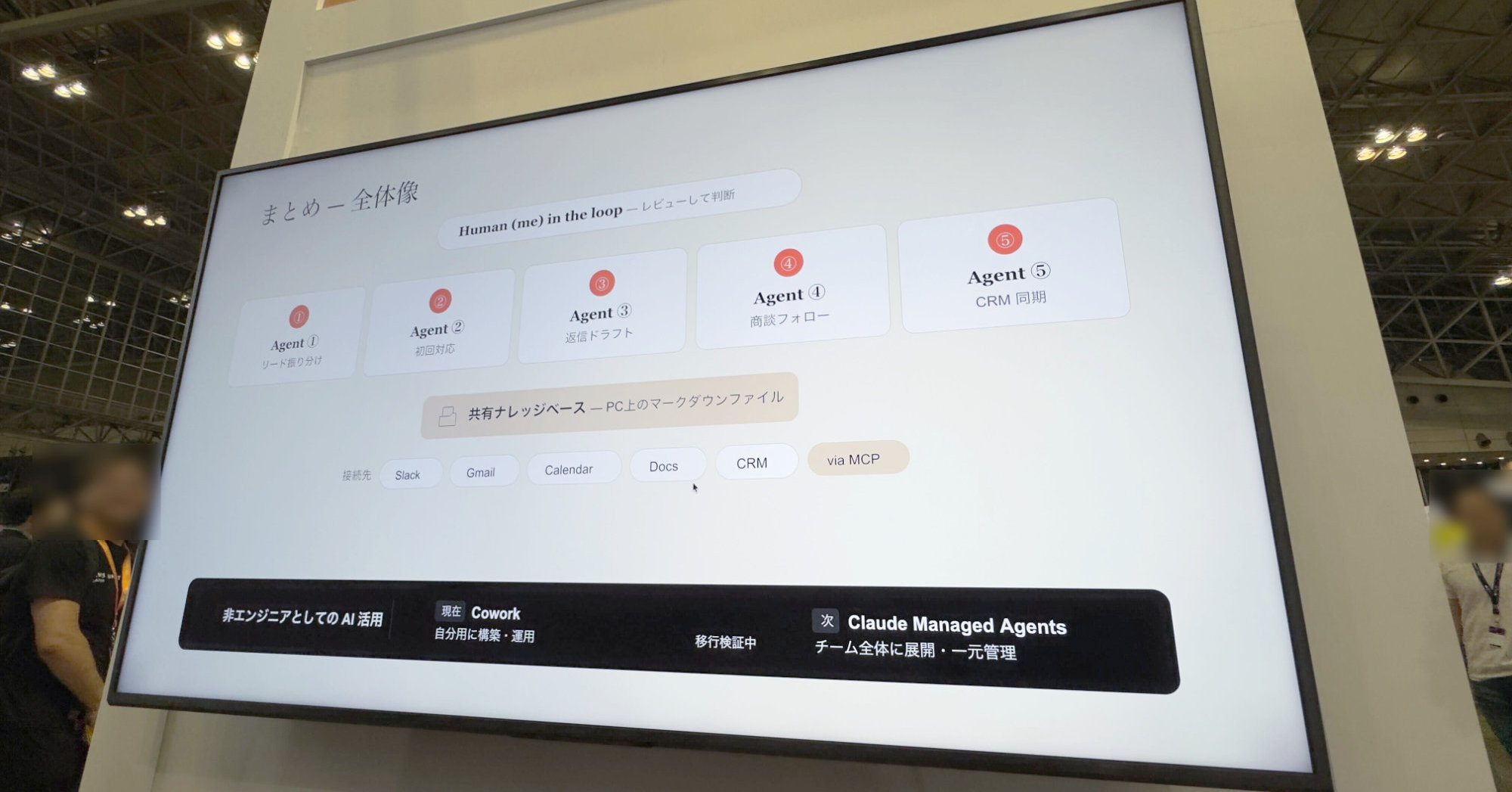
Anthropicの営業はAIエージェントをこう使う! 日本法人メンバーが明かす手の内
Anthropicの社員自身はどのようにAIエージェントを業務に役立てているのか──「AWS Summit Japan 2026」のAnthropicブースで、日本法人で営業担当を務めるイブラギモブ・シャボズさんが「自身の業務で使うAIエージェント」をテーマに講演した。

「ねこ」検索で「手押し一輪車」表示――モノタロウが守った、生成AIに“譲れない”購買体験
AI検索の台頭で、自社の強みが薄れる――この危機感を抱えた通販の「モノタロウ」運営元は、購買AIエージェントを内製した。その効果についてCTO(最高技術責任者)が語った。

Cloudflare’s new policy pushes AI companies to pay for publishers’ content
Cloudflare is giving AI companies until September 15 to separate web crawlers used for search from those used for AI training and agents, o…

Gemini Spark, Google’s agentic assistant, is now available on Mac
Google's 24/7 agentic assistant, Gemini Spark, comes to Mac alongside other improvements, like real-time tracking and support for more apps.
Sakana AIはなぜ「Fugu」の基盤にGoogle Cloudを選んだのか 「元DeepMindだから」だけじゃない
Sakana AIはマルチエージェントシステム「Sakana Fugu」の運用基盤に、Google Cloudの「Gemini Enterprise Agent Platform」を採用した。
反復プロンプト最適化のためのコントラスト反射
LLM エージェントは情報検索の中心となりつつあり、検索クエリを発行し、回答を合成し、IR 評価の審査員としての役割を果たすことが増えています。これらのエージェントを制御するプロンプトを改善することは最適化の問題ですが、適用される IR 設定では、多くの場合、ブラインドサーチではなく、デバッグのように見えます。エンジニアは、どの動作が失敗したか、どの近くの動作が引き続き機能したか、2 つの違いは何なのか、即時編集によりリグレッションを引き起こすことなく保留された品質が向上するかどうかを知る必要があります。エージェントティック IR ワークフローのための反復的なプロンプト最適化フレームワークである Contrastive Reflection を紹介します。このフレームワークはタスク中心の品質定義から始まります。QA エージェントは検索または推論のトレースを公開し、グレーディング エージェントはディメンション レベルのスコアと根拠を公開します。これらの構造化トレースは、エラーにアンカーされた行動スライスを特定し、同じ領域の近くの成功例を追加し、教師 LLM に的を絞ったプロンプト編集を提案するよう依頼するために使用されます。編集候補は、検証パフォーマンスが向上した場合にのみ受け入れられ、オプションで回帰チェックの対象となります。ツリーベースのスライス セレクターを使用してフレームワークをインスタンス化しますが、寄与するのはツリー自体ではなく、対照的な反射ループです。パブリック HotpotQA 検索拡張 QA セットアップでは、1 つのツリーで選択されたコントラスト修復により、保持された完全一致の精度が 51.4% から 60.4% に向上します。失敗のみとランダムな証拠のバリアントでは改善が少なく、以前は正しかった例が多く破られます。簡単な命令のみの比較では、このメソッドは最新のプロンプト オプティマイザーに近いものとなります。MIPROv2 は 59.4%、GEPA は 57.0% に達します。その結果、IR エージェント用の解釈可能な最適化ループが実現し、迅速な修復をより検査可能かつ検証主導型にすることを目的としています。
原文 (English)
Contrastive Reflection for Iterative Prompt Optimization
LLM agents are becoming central to information retrieval: they issue retrieval queries, synthesize answers, and increasingly serve as judges for IR evaluation. Improving the prompts that control these agents is an optimization problem, but in applied IR settings it often looks less like blind search and more like debugging. Engineers need to know which behavior failed, which nearby behavior still worked, what distinguishes the two, and whether a prompt edit improves held-out quality without introducing regressions. We present Contrastive Reflection, an iterative prompt-optimization framework for agentic IR workflows. The framework starts from a task-centric quality definition: QA agents expose retrieval or reasoning traces, and grading agents expose dimension-level scores and rationales. These structured traces are used to identify error-anchored behavioral slices, add nearby successful examples from the same region, and ask a Teacher LLM to propose a targeted prompt edit. Candidate edits are accepted only when validation performance improves, optionally subject to regression checks. We instantiate the framework with a tree-based slice selector, but the contribution is the contrastive reflection loop rather than the tree itself. On a public HotpotQA retrieval-augmented QA setup, one tree-selected contrastive repair improves held-out exact-match accuracy from 51.4% to 60.4%. Failure-only and random-evidence variants improve less and break more previously correct examples. A light instruction-only comparison places the method near modern prompt optimizers: MIPROv2 reaches 59.4% and GEPA 57.0%. The result is an interpretable optimization loop for IR agents, aimed at making prompt repair more inspectable and validation-driven.
エキスパート ユーザーを超えて: エージェントは、ユーザーが好みを引き出すだけでなく、ユーザーが好みを構築できるように支援する必要があります。
通常、エージェントは専門ユーザー (自分が望むものについて明確な好みを持っているユーザー) を想定しており、タスクの指定が不十分な場合は常に質問を明確にするようデフォルト設定されています。私たちは、この仮定は非現実的であると主張します。ユーザーは多くの場合、好みを完全に指定するためのドメイン知識が不足しています。ある機能の好みについて尋ねられた場合、ユーザーは、例や説明などを通じて、その機能の好みを形成するために必要なドメイン知識をユーザーが学習できるようにエージェントが支援しなければ、答えることができない場合があります。これらの原則を形式化するために、情報経済学の Search-Experience-Credence フレームワークを利用して、ユーザーがエージェントの対話アクションに基づいて好みを構築する方法のモデルである CoPref を導入します。次に、これらのアイデアをエージェント レコメンダー システムで具体的に研究し、インタラクティブなベンチマークである CoShop を提案します。 CoShop では、エージェントが CoPref ユーザーと会話し、CoPref ユーザーに対して推奨事項を作成します。エージェントのパフォーマンスは、ユーザーがタスクを適切に指定するために必要な知識を得るのに役立つかどうかによって決まります。 5 つのフロンティア モデルを評価すると、5 ターンの対話にもかかわらず、CoShop で 56% の精度を超えるエージェントは存在しないことがわかりました。失敗の原因は、エージェントがアイテムを見つける能力にあるのではなく、インタラクションによってユーザーが欲しいものについて知っている範囲がほとんど広がっていないことに起因します。
原文 (English)
Beyond expert users: agents should help users construct preferences, not just elicit them
Agents typically assume an expert user -- one with well-formed preferences about what they want -- and default to clarifying questions whenever the task is underspecified. We argue this assumption is unrealistic. Users often lack the domain knowledge to have completely specified preferences; if asked about their preference on some feature, the user may be unable to answer without the agent helping the user to learn some domain knowledge needed to form a preference for that feature, e.g., via examples or explanations. To formalize these principles, we draw on the Search-Experience-Credence framework from Information Economics to introduce CoPref, a model of how users construct preferences based on agent dialog actions. We then study these ideas concretely in agentic recommender systems, proposing CoShop, an interactive benchmark. In CoShop, an agent converses with and makes recommendations for a CoPref user. The agent's performance depends on whether it can help the user gain the knowledge needed to specify the task well. Evaluating five frontier models, we find that no agent exceeds 56% accuracy on CoShop despite five turns of interaction. Failures stem not from agents' ability to find items, but from how little the interaction expands what users know about what they want.
法律における複数の代理人による審議の調査
人工知能は法律分野への応用が増えており、司法へのアクセスを増やす可能性があります。特に注目を集めている動きの 1 つは、大規模言語モデル (LLM) に基づいた AI エージェントが自律的なアクションを実行できるエージェント AI です。特に、法律分野におけるマルチエージェントのアプローチは、ほとんど解明されていないままです。この論文では、LLM を使用した法的推論タスクに対するマルチエージェントの審議方法を調査します。私たちはマルチエージェント熟議 (MAD) を探求し、法廷手続きと法的弁論にインスピレーションを得た 2 つの新しいマルチエージェントフレームワークを紹介します。法的ベンチマークと非法的ベンチマークの両方に関する実験では、マルチエージェント フレームワークがベースラインの大規模言語モデルと同等の全体的なパフォーマンスを達成しながらも、大きく異なる答えが得られることが明らかになりました。注目すべきことに、これらのアプローチはベースラインで対処できないケースをうまく解決でき、またその逆も可能です。私たちは定性的評価を実施し、マルチエージェント フレームワークがモノリシック アプローチよりも優れたパフォーマンスを発揮するシナリオを強調します。たとえば、マルチエージェントアプローチは、複数の視点からの批判的思考を必要とする質問に答えるのに適していると考えられます。私たちの研究では、マルチエージェント システムを法律分野における AI の有望な方向性として位置づけるとともに、法律にインスピレーションを得たマルチエージェントによる審議アプローチの可能性を実証しています。
原文 (English)
Investigating Multi-Agent Deliberation in Law
Artificial Intelligence is increasingly applied to the field of law, and has the potential to increase access to justice. One particular movement that is gaining traction is that of agentic AI, wherein AI agents, based on Large Language Models (LLMs) can take autonomous actions. In particular, multi-agent approaches in the legal domain remain largely unexplored. In this paper, we investigate multi-agent deliberation methods for legal reasoning tasks using LLMs. We explore multi-agent deliberation (MAD) and introduce two novel multi-agent frameworks inspired by courtroom procedures and legal argumentation. Our experiments on both legal and non-legal benchmarks reveal that multi-agent frameworks achieve comparable overall performance to baseline large language models, but produce significantly distinct answers. Notably, these approaches can successfully solve cases that the baseline fails to address, and vice versa. We conduct a qualitative evaluation and highlight scenarios where multi-agent frameworks outperform monolithic approaches. For example, multi-agent approaches appear better suited for answering questions that require critical thinking from multiple perspectives. Our work positions multi-agent systems as a promising direction for AI in the legal domain, while demonstrating the potential of law-inspired multi-agent approaches for deliberation.
なぜ 2 回解決するのか?伝達効率の高い ML エンジニアリングのためのスキルの階層的蓄積
すべての競争はコールド スタートであるため、ML エンジニアリング エージェントは既知の技術を再発見するために計算を無駄にします。我々は、競合他社にまたがる知識を 3 つのスコープ層 (グローバル、ドメイン、および競合固有) に編成し、それぞれがマッチング エージェント レベルに関連付けられた階層型マルチエージェント システムである HASTE を紹介します。オーケストレーターはドメイン スペシャリストを調整し、LLM 駆動の抽象化を通じて層間の学習を促進します。制御されたアブレーションは、範囲指定されたローディングの証拠を提供します。8 つの競技会にわたって 159 のスキル インベントリを一定に保持し、段階的ローディングでは 100% のメダル率を達成しますが、フラット ローディングでは 62.5% にしか達せず、スキルをロードしない場合と同じメダル率であり、出力トークンの 2 倍を消費します。 MLE-Bench Lite ベンチマーク全体 (Kaggle コンペティション 22 件) では、HASTE はクロード ソネット 4.6 を使用してコンペごとに 12 時間で 77.3% のメダル率に達しました。コールドスタート実行では、システムはスキルが蓄積されていない状態で開始されます。ウォーム スタート ランでは、以前の競技会で学んだスキルを再ロードし、競技会間での転送にはグローバル レベルおよびドメイン レベルのスキルのみを使用します。ウォーム スタートでは、改良の反復回数が 52% 減少し、提案された変更のうちエージェントが保持する割合は、在庫が少ない場合の 42% から、50 以上のスキルが利用可能になると 85% に増加します。これらの結果は、より優れた知識組織が ML エンジニアリング エージェントのモデルの強度と計算予算の一部を置き換えることができることを示唆しています。
原文 (English)
Why Solve It Twice? Hierarchical Accumulation of Skills for Transfer-Efficient ML Engineering
ML engineering agents waste compute rediscovering known techniques because every competition is a cold start. We present HASTE, a hierarchical multi-agent system that organizes cross-competition knowledge into three scope tiers (global, domain, and competition-specific), each coupled to a matching agent level. An orchestrator coordinates domain specialists and promotes learning between tiers via LLM-driven abstraction. A controlled ablation provides evidence for scoped loading: holding a 159-skill inventory constant across 8 competitions, tiered loading achieves a 100% medal rate while flat loading reaches only 62.5%, the same medal rate as loading no skills, and consumes 2x the output tokens. On the full MLE-Bench Lite benchmark (22 Kaggle competitions), HASTE reaches a medal rate of 77.3% using Claude Sonnet 4.6 at 12h per competition. In a cold-start run, the system begins with no accumulated skills. In warm-start runs, it reloads skills learned from earlier competitions, using only global and domain-level skills for transfer across competitions. Warm starts use 52% fewer refinement iterations, and the fraction of proposed changes kept by the agent rises from 42% at low inventory to 85% once 50+ skills are available. These results suggest that better knowledge organization can partly substitute for model strength and compute budget in ML-engineering agents.
AgRefactor: HLS の互換性とパフォーマンスのための自己進化するエージェント ワークフロー
高位合成 (HLS) は、概念からシリコンへの迅速なパスを提供しますが、言語サポートの制限と、ソフトウェアとハードウェアのプログラミング実践の間のギャップにより、現実世界のソフトウェアを合成可能な HLS コードに変換することは依然として困難です。既存の自動化された LLM ベースのリファクタリング アプローチは、この問題に部分的に対処していますが、多くの場合、柔軟性に欠け、拡張が困難で、高い計算コストが発生します。ソフトウェアを HLS 互換プログラムにリファクタリングするための LLM ベースのマルチエージェント ワークフローである AgRefactor を紹介します。 AgRefactor には、タスク全体にわたって事実および戦略的な知識を蓄積および取得する自己進化型メモリ システムが組み込まれており、目に見えないプログラムの堅牢性と効率が向上します。コストを削減し、スケーラビリティを向上させるために、自動リファクタリング ツールが統合されており、エージェントは LLM 主導の書き換えと効率的なツールベースの変換のバランスを取ることができます。以前の研究で調査した最も複雑なケースよりも 5 ~ 10 倍長い、11 件の困難な現実世界のベンチマークのうち 9 件で、AgRefactor は、最先端の自動リファクタリング ツールと、同じフレームワーク バックボーン上に構築された強力な LLM ベースのベースラインを上回るパフォーマンスまたは同等のパフォーマンスを示しました。さらにエージェントのパフォーマンスを最適化すると、20% 未満の追加リソースで、SoTA プラグマ チューニング ツールと比較して幾何平均で 6.51 倍の速度向上が得られ、最適化されたオープンソース設計と比較して 1.20 倍の速度向上が得られます。 AgRefactor は完全に自動化されており、オープンソースです。
原文 (English)
AgRefactor: Self-Evolving Agentic Workflow for HLS Compatibility and Performance
High-Level Synthesis (HLS) provides a fast path from concepts to silicon, but converting real-world software into synthesizable HLS code remains challenging due to restrictive language support and the gap between software and hardware programming practices. Existing automated and LLM-based refactoring approaches partially address this problem, yet they often lack flexibility, struggle to scale, and incur high computational costs. We introduce AgRefactor, an LLM-based multi-agent workflow for refactoring software into HLS-compatible programs. AgRefactor incorporates a self-evolving memory system that accumulates and retrieves factual and strategic knowledge across tasks, improving robustness and efficiency on unseen programs. To reduce cost and enhance scalability, it integrates automated refactoring tools, enabling agents to balance LLM-driven rewrites with efficient tool-based transformations. On 9 out of 11 challenging real-world benchmarks, which are 5-10x longer than the most complex cases studied in prior work, AgRefactor outperforms or matches the state-of-the-art automated refactoring tool and a strong LLM-based baseline built on the same framework backbone. Further agentic performance optimization yields a 6.51x geometric mean speedup over the SoTA pragma tuning tool and a 1.20x speedup over optimized open-source designs with less than 20% extra resources. AgRefactor is fully-automated and open-sourced.
HyPOLE: 部分観察下でのハイパープロパティ誘導マルチエージェント強化学習
正式な仕様は、学習プロセスをガイドする強力なツールであり、報酬形成に比べて次のような大きな利点をもたらします。(1) 数学的厳密さ。 (2) 目的と制約を指定する表現力、および (3) 目的を達成するための戦術を定義する能力。ただし、これらの利点は、マルチエージェント強化学習 (MARL) の文脈ではほとんど解明されていません。この論文では、部分可観測性の下での MARL の新しいフレームワークである HyPOLE を紹介します。このフレームワークでは、いわゆるハイパープロパティ、特に時相論理 HyperLTL の表現力によって学習が導かれます。当社は、分散型ポリシーを統合するために、分散型実行のための集中トレーニング (CTDE) 技術を HyPOLE と統合しており、SMAC、MessySMAC、および WildFire ベンチマークでの評価では、ベースラインを上回る明らかな利点が実証されています。
原文 (English)
HyPOLE: Hyperproperty-Guided Multi-Agent Reinforcement Learning under Partial Observation
Formal specification is a powerful tool to guide the learning process and provides significant advantages over reward shaping: (1) mathematical rigor; (2) expressiveness to specify objectives and constraints, and (3) the ability to define tactics to achieve objectives. However, these benefits remain largely unexplored in the context of Multi-Agent Reinforcement Learning (MARL). This paper introduces HyPOLE, a novel framework for MARL under partial observability, where learning is guided by the expressive power of the so-called hyperproperties and, in particular, the temporal logic HyperLTL. We integrate Centralized Training for Decentralized Execution (CTDE) techniques with HyPOLE to synthesize decentralized policies, and our evaluation on SMAC, MessySMAC, and WildFire benchmark demonstrates clear advantages over baselines.
AgentBound: 自律型 AI エージェントのための検証可能な行動ガバナンス
自律型 AI エージェントは、人間のプリンシパルに代わって、金融取引、外部通信、企業ワークフローなどの結果的なアクションを実行することが増えています。既存のエージェント インフラストラクチャは、ワークロードの認証とリソース アクセスの制御を ID フェデレーションと委任された承認に依存していますが、現在の動作および運用コンテキストで承認されたアクションを実行する必要があるかどうかを判断できません。自律型 AI エージェントに検証可能な動作監視を提供するランタイム ガバナンス フレームワークである AgentBound を紹介します。 AgentBound は、委任された承認、所有者が署名した行動規定、およびサイト アクション契約という 3 つの独立した権限を使用して、提案された各アクションを評価します。彼らの判断は、実行前にアクションを許可するか、検討するか、拒否するかを決定するための正式な意思決定モデルを通じて保守的に構成されています。説明責任を提供するために、AgentBound は、すべてのアクションを正確な委任、ポリシー、意思決定を管理するセマンティック アーティファクトにバインドする暗号的に検証可能なガバナンス レシートを生成し、独立したリプレイ検証とポリシーの来歴を可能にします。このフレームワークでは、長期実行エージェントに対する常駐委任も導入されており、取り消し可能性と制限された権限を維持しながら、継続的に更新されるガバナンス ポリシーの下で定期的なワークロードを実行できるようになります。正式な基盤、システム アーキテクチャ、ガバナンス受信プロトコル、およびガバナンスの正確性、権限構成、説明責任を評価するためのベンチマーク フレームワークである AgentBound-Bench を紹介します。 AgentBound は、モデルの調整を置き換えるのではなく、承認と実行の間に決定論的なガバナンス層を提供することでそれを補完し、ガバナンスを信頼する必要があるプロセスから独立して検証できるプロセスに変換します。
原文 (English)
AgentBound: Verifiable Behavioral Governance for Autonomous AI Agents
Autonomous AI agents increasingly perform consequential actions on behalf of human principals, including financial transactions, external communications, and enterprise workflows. Existing agent infrastructure relies on identity federation and delegated authorization to authenticate workloads and control resource access, but it cannot determine whether an authorized action should be executed under the current behavioral and operational context. We present AgentBound, a runtime governance framework that provides verifiable behavioral oversight for autonomous AI agents. AgentBound evaluates each proposed action using three independent authorities: delegated authorization, owner-signed behavioral constitutions, and site action contracts. Their judgments are conservatively composed through a formal decision model to determine whether an action should be permitted, reviewed, or denied before execution. To provide accountability, AgentBound generates cryptographically verifiable governance receipts that bind every action to the exact delegation, policy, and semantic artifacts governing the decision, enabling independent replay verification and policy provenance. The framework also introduces standing delegation for long-running agents, allowing periodic workloads to operate under continuously refreshed governance policies while preserving revocability and bounded authority. We present the formal foundation, system architecture, governance receipt protocol, and AgentBound-Bench, a benchmark framework for evaluating governance correctness, authority composition, and accountability. Rather than replacing model alignment, AgentBound complements it by providing a deterministic governance layer between authorization and execution, transforming governance from a process that must be trusted into one that can be independently verified.
規制に記憶があるとき: 人工機関におけるヒステリシスと制御負荷
通常、適応エージェントはその動作によって判断されますが、エージェントは安定しているように見える一方で、安定を維持するために必要な内部の努力が増加している可能性があります。この隠れた規制の負担は、ノイズ、遅延、または変化する要求の下で動作する人工エージェントにとって重要です。2 つのシステムは同様の内部状態に到達する可能性がありますが、1 つはそこに到達するためにより多くの修正制御を必要とします。ここでは、その負担が歴史に依存するかどうかを検討します。適応型不確実性制御の計算モデルを使用して、人工エージェントをその不確実性目標の連続的な変化によって駆動し、その後、エージェントをリセットすることなく変化を元に戻します。これにより、キャリーオーバーの簡単なテストが作成されます。コントローラーは現在のターゲットにのみ応答するのか、それともエージェントがそのターゲットに到達するまでのパスが依然として重要なのか?シミュレーションでは、明らかに履歴に依存する影響が示されています。エージェントを制御するために必要な適応ゲインは、再現可能なヒステリシス ループを形成します。これは、エージェントがより要求の厳しいレジームに向かって移動しているか、またはそこから戻っているかに応じて、同じターゲットでも異なるレベルの制御が必要になる可能性があることを意味します。規制のタイミングも重要です。外乱にさらされる前に安定化が利用できる場合、エージェントは通常、外乱がすでに作用した後にのみ回復できる場合よりも、必要な適応ゲインが少なくなります。状態レベルのコヒーレンス測定でもパス依存性が示されますが、タイミングの影響は規制ゲインの方がはるかに明確です。したがって、主な違いは、予期的規制が完全に異なる状態を生み出すということではありません。むしろ、モデル化された制御要求が低くなり、同等の規制された動作に達します。これらの結果は、適応エージェントが組織化されたままであるかどうかだけでなく、そのためにどの程度の規制を採用する必要があるかによって評価されるべきであることを示唆しています。
原文 (English)
When Regulation Has Memory: Hysteresis and Control Burden in Artificial Agency
Adaptive agents are usually judged by what they do, but an agent can appear stable while the internal effort required to keep it stable is increasing. This hidden regulatory burden matters for artificial agents operating under noise, delay, or changing demands: two systems may reach similar internal states while one requires much more corrective control to get there. Here, we study whether that burden depends on history. Using a computational model of adaptive uncertainty regulation, we drive an artificial agent through a continuous change in its uncertainty target and then reverse the change without resetting the agent. This creates a simple test for carryover: does the controller respond only to the current target, or does the path by which the agent reached that target still matter? The simulations show a clear history-dependent effect. The adaptive gain required to regulate the agent forms a reproducible hysteresis loop, meaning that the same target can require different levels of control depending on whether the agent is moving toward or returning from a more demanding regime. The timing of regulation also matters. When stabilization is available before disturbance exposure, the agent generally requires less adaptive gain than when it can only recover after disturbance has already acted. The state-level coherence measure also shows path dependence, but the timing effect is much clearer in regulatory gain. The main difference is therefore not that anticipatory regulation produces a completely different state. Rather, it reaches comparable regulated behavior with lower modeled control demand. These results suggest that adaptive agents should be evaluated not only by whether they remain organized, but by how much regulation they must recruit to do so.
LabGuard: 自然言語のラボルールを、身体化されたラボエージェントのランタイムガードに根付かせる
科学的に身体化されたエージェントは、実験室での手順を実行できるようになってきていますが、動的な実験室環境でこれらの手順を安全に実行することは依然として困難です。現在の安全アプローチでは、安全ルール、マニュアル、プロトコル、標準操作手順などの実験室の自然言語を機械チェック可能な実行時制約に変換する中間ステップが見落とされていることがよくあります。 LabGuard (Laboratory Guard) は、自然言語のラボ ルールを実行可能な仕様に根付かせ、ランタイム ガードとして展開する、言語から実行までの安全性スイートです。 LabGuard には、3 つのコア コンポーネントが含まれています。LabGuard-IR は、型指定された実行可能表現を定義します。 LabGuard-Bench は、203 のシード ラボラトリ ルールから拡張された 812 の教師ありアノテーションを提供します。 LabGuard-Grounder は、自然言語のラボルールを LabGuard-IR にマッピングします。結果として得られる IR インスタンスは、LabGuard パイプラインによって処理され、ランタイム モニターにコンパイルされ、コントローラーの境界に適用されます。実験では、LabGuard が目に見えないラボルール ソースに一般化し、79.4 のタスク スコープ F1 を達成し、モニターのコンパイル後に危険なイベントを 39.5% から 23.8% に削減することが示されています。 LabUtopia では、ランタイム モニターが ACT と統合されており、タスクの成功を維持しながら介入を 0.5% 未満に抑えます。
原文 (English)
LabGuard: Grounding Natural-Language Laboratory Rules into Runtime Guards for Embodied Laboratory Agents
Scientific embodied agents are increasingly capable of carrying out laboratory procedures, but executing these procedures safely in dynamic laboratory environments remains challenging. Current safety approaches often overlook the intermediate step of transforming laboratory natural language, including safety rules, manuals, protocols, and standard operating procedures, into machine-checkable runtime constraints. We introduce LabGuard (Laboratory Guard), a language-to-execution safety suite that grounds natural-language laboratory rules into executable specifications and deploys them as runtime guards. LabGuard includes three core components: LabGuard-IR, which defines a typed executable representation; LabGuard-Bench, which provides 812 supervised annotations expanded from 203 seed laboratory rules; and LabGuard-Grounder, which maps natural-language laboratory rules into LabGuard-IR. The resulting IR instances are handled by the LabGuard Pipeline, which compiles them into runtime monitors and applies them at the controller boundary. Experiments show that LabGuard generalizes to unseen laboratory-rule sources, achieves 79.4 task-scope F1, and reduces unsafe events from 39.5% to 23.8% after monitor compilation. In LabUtopia, its runtime monitors integrate with ACT, keeping interventions below 0.5% while preserving task success.
OpenLife: 自律型 LLM エージェントによるオープンワールド人工生命に向けて
人工生命は、多くの計算基盤上で生命のような振る舞いを研究してきましたが、そのほとんどは研究者が設計した閉じた世界でのことでした。私たちは、永続的なメモリ、ツールの使用、ネットワーク アクセス、および支払いを備えた大規模言語モデル (LLM) エージェントによって、人工生命をオープンな社会、技術、経済の世界に移動させることが可能になったと主張します。これは、私たちがオープンワールド人工生命 (オープンワールド ALIFE) と呼ぶパラダイムです。私たちの概念実証である OpenLife は、ステートレス LLM を単一の「スマート エージェント」ではなく、非同期プロセスの社会 (記憶、認識、評価、および永続性を標準にする予算ベースの代謝) で囲みます。固定された目的が利用できないため、経験はスカラー報酬ではなくオープンボキャブラリーの LLM 判断によって評価され、記憶は頻度ではなく意味によって再配線されます。このようなエージェント 6 人をオープンワールドで約 12 週間実行し、その後も増え続けていますが、反応的な活動から自発的な活動への移行、異なるエージェントへの個性化、新たな社会構造、そして初めての自力で得た外部収入など、出現する生命のようなダイナミクスを報告します。私たちは、OpenLife が人工生命を実現したとは主張しませんが、オープンワールド ALIFE は現在実行可能な実験パラダイムであり、慎重に生きている AI と呼ばれる可能性のあるものを研究するための具体的なプラットフォームであると主張します。
原文 (English)
OpenLife: Toward Open-World Artificial Life with Autonomous LLM Agents
Artificial life has explored life-like behavior on many computational substrates, but mostly in researcher-designed closed worlds. We argue that large language model (LLM) agents, with persistent memory, tool use, network access, and payment, now make it possible to move artificial life into the open social, technical, and economic world, a paradigm we call open-world Artificial Life (open-world ALIFE). Our proof-of-concept, OpenLife, surrounds a stateless LLM not with a single "smart agent" but with a society of asynchronous processes: memory, perception, evaluation, and a budget-based metabolism that makes persistence normative. With no fixed objective available, experience is appraised by open-vocabulary LLM judgment rather than scalar reward, and memory is rewired by meaning rather than frequency. Running six such agents in the open world for about twelve weeks and counting, we report the life-like dynamics that emerge: a shift from reactive to spontaneous activity, individuation into distinct agents, emergent social structure, and a first self-earned external income. We do not claim OpenLife has realized artificial life, but that open-world ALIFE is now a viable experimental paradigm and a concrete platform for studying what might cautiously be called living AI.
DDIAgents: 薬物間相互作用予測のためのメカニズム条件付きコンテキスト フロー
薬物間相互作用 (DDI) の予測は医薬品の安全性にとって不可欠ですが、相互作用メカニズムによって関連性が変化する異種の生物医学的証拠を推論する必要があります。私たちは、動的な知識オーケストレーションを通じて DDI 予測を実行する、メカニズム条件付きマルチエージェント フレームワークである DDIAgents を提案します。薬物ペアが与えられると、プランナー エージェントは専門のエキスパート エージェントをインスタンス化し、メカニズムに関連した知識ソースを各エージェントにルーティングし、結論エージェントを通じて分析を集約します。 DDIAgents は、推定された対話メカニズムにコンテキスト フローを適応させることで、無関係な情報を削減し、専門家の補完的な推論をサポートし、解釈可能なエージェント レベルの理論的根拠を生成します。現実的な DDI 予測ベンチマークに関する広範な実験により、DDIAgents が既存の機能ベース、グラフベース、LLM ベース、およびエージェントベースのベースラインを一貫して上回るパフォーマンスを示していることが示されています。 DDIAgents は、予測パフォーマンスを超えて、適応的で解釈可能な AI4Science 推論のために、マルチエージェント システムが異種の科学知識をどのように整理できるかを示します。
原文 (English)
DDIAgents: Mechanism-Conditioned Context Flow for Drug-Drug Interaction Prediction
Drug-drug interaction (DDI) prediction is essential for medication safety, yet it requires reasoning over heterogeneous biomedical evidence whose relevance changes across interaction mechanisms. We propose DDIAgents, a mechanism-conditioned multi-agent framework that performs DDI prediction through dynamic knowledge orchestration. Given a drug pair, a planner agent instantiates specialized expert agents, routes mechanism-relevant knowledge sources to each agent, and aggregates their analyses through a conclusion agent. By adapting context flow to the inferred interaction mechanism, DDIAgents reduces irrelevant information, supports complementary expert reasoning, and produces interpretable agent-level rationales. Extensive experiments on realistic DDI prediction benchmarks show that DDIAgents consistently outperforms existing feature-based, graph-based, LLM-based, and agent-based baselines. Beyond prediction performance, DDIAgents demonstrates how multi-agent systems can organize heterogeneous scientific knowledge for adaptive and interpretable AI4Science reasoning.
過去は序章: 逐次進化する LLM メモリの選択的更新のためのプラグイン コントローラー
順次進化する LLM メモリにより、エージェントは過去の経験を再利用できますが、既存のシステムは通常、ローカルで生成された各メモリ更新を、将来の動作が改善されるかどうかを確認せずに展開します。その結果、現在のタスクに役立つ更新によって、有用な知識が上書きされたり、過度に具体的なルールが導入されたり、最終的な記憶が最近の例に偏ったりする可能性があります。我々は、メモリ更新候補を受け入れるか、以前のメモリを保持するかを決定するプラグイン メモリ コントローラである Janus を提案します。この決定を効率的に行うために、Janus はメモリ モメンタム トリガーを使用してメモリ更新軌跡の疑わしい逸脱を特定し、完全な履歴を再生するのではなく、カバレッジ、境界、および新しいタスクのコンパクトなハイブリッド評価セットで古いメモリと新しいメモリを比較します。 Janus はメソッドに依存せず、更新ルールを変更せずに既存のアップデータをラップします。 6 つのデータセット、2 つのバックボーン LLM、および 2 つのメモリ アップデーターにわたって、Janus は対応するベース アップデーターと比較して平均精度を +2.7 ~ +4.6 ポイント向上させます。
原文 (English)
The Past Is Prologue: A Plug-in Controller for Selective Updates in Sequentially Evolving LLM Memory
Sequentially evolving LLM memory enables agents to reuse past experience, but existing systems usually deploy each locally generated memory update without checking whether it improves future behavior. As a result, updates that help the current task may overwrite useful knowledge, introduce over-specific rules, or bias the final memory toward recent examples. We propose Janus, a plug-in memory controller that decides whether to accept a candidate memory update or retain the previous memory. To make this decision efficient, Janus uses a Memory Momentum Trigger to identify suspicious deviations in the memory-update trajectory, and compares old and new memories on a compact hybrid evaluation set of coverage, boundary, and fresh tasks instead of replaying the full history. Janus is method-agnostic and wraps existing updaters without changing their update rules. Across six datasets, two backbone LLMs, and two memory updaters, Janus improves average accuracy by +2.7 to +4.6 points over the corresponding base updaters.
現実世界の故障記録を利用した自動運転システム試験のシナリオ生成
道路上での安全な動作を確保するには、自動運転システム (ADS) の導入前テストと障害発見が重要です。現在のシミュレーションベースのテスト方法は、固定されたシナリオ表現を前提として、最適なシナリオを効率的に探索するための数学的モデルに主に焦点を当てています。一方、実際のテストでは、テスト用のシナリオ テンプレートを設計するためにかなりの手作業が必要になります。これらのテンプレートは、展開前の車両の動き、マップ タイプなどで構成される個別の故障シナリオを表します。ADS の過去の故障記録は、現実世界の故障状況の信頼できる情報源であり、シナリオ生成に使用できます。この研究では、自然言語形式の履歴記録から入手可能なカテゴリ情報とコンテキスト情報を使用したシナリオ生成パイプラインを提案します。私たちのアプローチは、特定のシステムのテスト制約と互換性のあるモジュール式 LLM ベースの合成シナリオ生成で構成されています。私たちは、NHTSA ADS クラッシュ レコードを使用して、Metadrive シミュレーターで自律ナビゲーションをテストするためのさまざまなシナリオの生成にこの方法を適用することに成功しました。私たちのアプローチにより、4 つの道路タイプと 3 つの非自我車両移動タイプ (作業ゾーンの形での道路異常を含む) を組み合わせて、正確かつ多様なシナリオが生成されます。生成されたシナリオは、提供されたテスト条件と一致しており、20 シナリオという限られたテスト予算内でシステムの興味深い障害を明らかにします。コードは https://github.com/anjaliParashar/crash2scenario で入手できます。
原文 (English)
Scenario Generation for Testing of Autonomous Driving Systems Using Real-World Failure Records
To ensure safe on-road behavior, pre-deployment testing and failure discovery of Autonomous Driving Systems (ADS) is crucial. Present day simulation based testing methods focus largely on mathematical models for efficient search of optimal scenarios, assuming a fixed scenario representation. On the other hand, real-world testing involves substantial manual effort to design scenario templates for testing. These templates represent distinct failure scenarios consisting of pre-deployment vehicle movements, map types, etc. Historical failure records for ADS are a reliable source of real-world failure conditions, which can be used for scenario generation. In this work, we propose a scenario generation pipeline using categorical and contextual information available from historical records in natural language format. Our approach consists of modular LLM based synthetic scenario generation, compatible with the testing constraints of a given system. We successfully apply our method to generate a diverse set of scenarios for testing autonomous navigation on Metadrive simulator using the NHTSA ADS crash records. Our approach results in accurate and diverse scenario generation with a combination of 4 road types, 3 non ego vehicle movement types, including on road anomalies in the form of working zones. Generated scenarios align with the provided testing conditions, and reveals interesting failures of the system within a limited testing budget of 20 scenarios. Code is available at https://github.com/anjaliParashar/crash2scenario.
図書館を超えて: 研究数学を自動形式化するためのエージェント フレームワーク
大規模言語モデル (LLM) は、数学的推論において優れた能力を実証していますが、人間の検出を回避する微妙なエラーを頻繁に生成します。 Lean 4 のような正式な数学言語は機械的な証明チェックを提供し、自動形式化、つまり自然言語数学を検証可能なコードに自動的に変換する必要性を強く促します。最近の傾向は、標準プログラミング向けに大幅に最適化された汎用 LLM が、リーン向けに明示的に微調整された小規模なモデルよりも優れたパフォーマンスを発揮することを示しています。この変化を活用して、一般的なコーディング LLM を利用したエージェント自動形式化フレームワークを導入します。私たちのシステムの中核には、研究レベルの数学に合わせて調整されたマルチエージェント パイプラインを管理するオーケストレーターがあります。最先端の研究は Mathlib などの既存のライブラリの範囲外の概念に依存することが多いため、私たちのシステムは必要な型定義を動的に拡張し、主要な定理を形式化する前に新しい補助補題技術を介してそれらを検証します。私たちはこのアプローチを PutnamBench に適用し、32 個の問題のランダムなサンプルに対して機械チェックされたリーン証明を作成しました。さらに、ACM Symposium on Theory of Computing (STOC) の組み合わせ論、通信の複雑さ、機構設計、学習理論にわたる 5 つの論文に基づいてシステムを評価し、主定理の形式化に成功し、生成された形式化を専門家とともに検証しました。 5 つすべてについて、ステートメントと並行して証明も形式化します。特に、そのうち 2 つはリーンのカーネルを超える公理を使用せずに証明されています。すべての形式化は https://beyondthelibrary.github.io/formal_arxiv で入手できます。
原文 (English)
Beyond the Library: An Agentic Framework for Autoformalizing Research Mathematics
While Large Language Models (LLMs) have demonstrated exceptional capabilities in mathematical reasoning, they frequently produce subtle errors that evade human detection. Formal mathematical languages like Lean 4 offer mechanical proof checking, strongly motivating the need for autoformalization: the automatic translation of natural language mathematics into verifiable code. Recent trends indicate that general-purpose LLMs, heavily optimized for standard programming, now outperform smaller models explicitly fine-tuned for Lean. Leveraging this shift, we introduce an agentic autoformalization framework powered by general coding LLMs. At the core of our system is an orchestrator that manages a multi-agent pipeline tailored for research-level mathematics. Because cutting-edge research frequently relies on concepts outside the scope of existing libraries like Mathlib, our system dynamically extends necessary type definitions and validates them via a novel Auxiliary Lemma technique before formalizing the primary theorems. We applied our approach to PutnamBench, producing machine-checked Lean proofs for a random sample of 32 problems. Furthermore, we evaluate our system on five papers from the ACM Symposium on Theory of Computing (STOC) spanning combinatorics, communication complexity, mechanism design, and learning theory, successfully formalizing their main theorems and validating the generated formalizations with human experts; for all five we also formalize the proofs alongside the statements, and notably two of them are proved with no axioms beyond Lean's kernel. All of our formalizations are available at https://beyondthelibrary.github.io/formal_arxiv .
ClawArena チーム: 言語モデル エージェントのサブエージェント オーケストレーションと動的ワークフローのベンチマーク
運用環境の大規模言語モデル (LLM) エージェントは、単独の問題解決者としてではなく、マネージャーとして導入されることが増えています。メイン モデルは、特化したサブエージェントを作成し、作業を委任し、動的なワークフローを通じて並列非同期のリターンを調整します。 1 つのモデルがそのようなチームを実際に実行できるかどうかは、ほとんど測定されていません。既存のベンチマークは、ポリシー自体のタスク解決や固定マルチエージェント システムの緊急動作をスコア化しますが、リーダーとして機能する単一の LLM の管理能力を分離するものはありません。この管理能力を測定する、258 の評価ラウンドと 72 の段階的な更新にわたる 41 のマルチターン、マルチモーダル、マルチディレクトリ シナリオのベンチマークである ClawArena-Team を紹介します。メイン エージェントは意図的に制限されています。ネイティブにテキストのみを認識し、ワークスペースの一部のみに直接アクセスします。ローカルで提供される固定のサブエージェント プールを指揮するため、スコアの差は、実際の能力ではなく管理スキルを反映します。すべてのスコアリングは実行ベースであり、LLM 判定はありません。全体的なスコアであるサブエージェント管理スコア (SMS) には、タスクの正確さに最小権限とモダリティ ルーティング係数が乗じられます。 12 の独自モデル、コミュニティホスト型モデル、セルフホスト型モデルにわたる実験では、管理のボトルネックは認識ではなく権限付与であることが示されています (ワークスペース権限の精度が 50% を超えるモデルはありません)。コストと管理品質は分離されています (API コストは 100 倍を超えますが、全体のスコアは 4 倍未満であり、パレート フロンティアで最も安価なオープン モデルです)。そして、ほとんどのリーダーボード スコアは 9.9 ポイントの範囲内に集中していますが、オーケストレーションの動作は 1 桁以上異なります。コードとデータは公開されます。
原文 (English)
ClawArena-Team: Benchmarking Subagent Orchestration and Dynamic Workflows in Language-Model Agents
Production large language-model (LLM) agents are increasingly deployed not as lone problem-solvers but as managers: a main model creates specialized subagents, delegates work, and orchestrates their parallel, asynchronous returns through dynamic workflows. Whether one model can actually run such a team is largely unmeasured: existing benchmarks score a policy's own task-solving or a fixed multi-agent system's emergent behavior, but none isolate the management ability of the single LLM acting as leader. We introduce ClawArena-Team, a benchmark of 41 multi-turn, multimodal, multi-directory scenarios spanning 258 evaluation rounds and 72 staged updates that measures this management ability. The main agent is deliberately constrained: it natively perceives only text and directly accesses only part of the workspace. It commands a fixed, locally served subagent pool, so score differences reflect management skill, not raw capability. All scoring is execution-based with no LLM judge: an overall score -- the Subagent-Management Score (SMS) -- multiplies task correctness by a least-privilege and modality-routing factor. Across twelve proprietary, community-hosted, and self-hosted models, experiments show that the management bottleneck is privilege granting rather than perception (no model exceeds 50% workspace-permission precision); that cost and management quality are decoupled (API cost spans over 100 times while the overall score spans under 4 times, with the cheapest open models on the Pareto frontier); and that most leaderboard scores cluster within a 9.9-point band while orchestration behaviors diverge by more than an order of magnitude. Code and data will be released.
HealthAgentBench: 挑戦的なフロンティア AI エージェント向けの現実的なエージェント ヘルスケア環境の統合ベンチマーク スイート
AI エージェントがますます複雑で長期的な推論を行えるようになっているため、現実世界の医療アプリケーションへの進歩を測定するには、厳密かつ総合的な評価が不可欠です。 HealthAgentBench は、それぞれ独自の環境を持つ 7 つのカテゴリにわたる 54 のエージェント ヘルスケア タスクのスイートです。ベンチマーク スイートは、患者の治療過程全体にわたる多様なワークフローと幅広いモダリティに及びます。各タスクは、エンドツーエンドの臨床ワークフローを複製するように設計されています。最小限の指示が与えられると、エージェントは生の医療データを探索し、複雑な環境内で操作し、単純なプロンプトを超えた複数ステップのソリューションを実行する必要があります。最終的なタスクの成功率は、各エージェントの HealthAgentBench の全体的なパフォーマンスに関する単一の解釈可能な指標を提供するために報告されます。 HealthAgentBench でフロンティア エージェントを評価すると、全体的なタスクの成功率が依然として低いことがわかり、スイートの難しさを浮き彫りにしています。最も強力で費用対効果の高いエージェントである Codex GPT-5.5 の成功率はわずか約 42% です。 HealthAgentBench は、総合的なパフォーマンスを超えて、タスク カテゴリ全体の微妙な長所と短所を明らかにします。フロンティア エージェントは、EHR データを使用した研究モデリング パイプラインの自動開発に期待を示していますが、医療画像処理は、特にクロード コード モデルの場合、依然として課題が多く、一方で Codex GPT-5.5 は新たな機能を示しています。大規模な検索スペースと構成的推論の要件を組み合わせるタスクは、現在のすべてのエージェントにとって依然として困難です。これらの結果を総合すると、HealthAgentBench が将来の進歩の余地が十分にある、挑戦的で現実的なベンチマークを提供していることを示唆しています。ベンチマークは https://github.com/microsoft/HealthAgentBench でリリースされています。
原文 (English)
HealthAgentBench: A Unified Benchmark Suite of Realistic Agentic Healthcare Environments for Challenging Frontier AI Agents
As AI agents become increasingly capable of complex, long-horizon reasoning, rigorous and holistic evaluation is essential for measuring progress toward real-world healthcare applications. We introduce HealthAgentBench, a suite of 54 agentic healthcare tasks across 7 categories each with its unique environment. The benchmark suite spans diverse workflows throughout the patient journey and a broad range of modalities. Each task is designed to replicate an end-to-end clinical workflow: given minimal instructions, an agent must explore raw healthcare data, operate within a complex environment, and execute multi-step solutions that go beyond naive prompting. A final task success rate is reported to provide a single, interpretable metric for HealthAgentBench overall performance for each agent. Evaluating frontier agents on HealthAgentBench, we find that overall task success rate remains low, underscoring the difficulty of the suite. The strongest and the most cost effective agent, Codex GPT-5.5, achieves only approximately 42% success rate. Beyond aggregate performance, HealthAgentBench reveals nuanced strengths and weaknesses across task categories. Frontier agents show promise in automatically developing research modeling pipelines over EHR data, but medical imaging remains especially challenging, particularly for Claude Code models, while Codex GPT-5.5 shows emerging capability. Tasks that combine large search spaces with compositional reasoning requirements remain difficult for all current agents. Together, these results suggest that HealthAgentBench provides a challenging and realistic benchmark with substantial room for future progress. We release our benchmark at https://github.com/microsoft/HealthAgentBench.
AI 支援によるデュアル エージェントによる凸緩和の発見
最近の研究では、LLM エージェントが上限をもたらす極値構造を探索することにより、急峻な不平等を改善できることが示されています。私たちは補完的な側面に取り組みます。下限はすべての許容関数に当てはまり、非凸問題の凸緩和から導き出され、より厳しい緩和によりより強い境界が与えられます。このような緩和を発見するために自動調査パラダイムをインスタンス化します。コーディング エージェントが有効な締め付け制約を提案し、理論エージェントがそれぞれを検証して反例を検索し、報告されたすべての限界が厳密な区間演算でチェックされた明示的な二重実現可能点によって証明されます。 \citet{tao2025alphaevolve} によって研究された 2 つの最適化定数、最初の自己相関不等式 ($C_{6.2}$) と Erd\H{o} の最小重複定数 ($C_{6.5}$) について、認定された下限を $1.28$ から $1.2937$ に、そして $0.379005$ からそれぞれ0.37912ドル。
原文 (English)
AI-Assisted Discovery of Convex Relaxations via Dual Agents
Recent work shows that LLM agents can improve sharp-constant inequalities by searching for extremal constructions, which yield upper bounds. We address the complementary side: a lower bound holds for every admissible function and follows from a convex relaxation of the nonconvex problem, with tighter relaxations giving stronger bounds. We instantiate the autoresearch paradigm to discover such relaxations: a coding agent proposes valid tightening constraints, a theory agent verifies each one and searches for counterexamples, and every reported bound is certified by an explicit dual-feasible point checked in rigorous interval arithmetic. On two optimization constants studied by \citet{tao2025alphaevolve} - the first autocorrelation inequality ($C_{6.2}$) and the Erd\H{o}s minimum-overlap constant ($C_{6.5}$) - we improve the certified lower bounds from $1.28$ to $1.2937$ and from $0.379005$ to $0.37912$, respectively.
Agentic RAG-VLM: ロボットによる把握のための自己反映計画を備えたアフォーダンスを意識した検索拡張生成
雑然とした環境でロボットによる汎用的な把握は、マニピュレータを構造化されていない人間の空間に配置するために不可欠ですが、既存の VLM ベースの手法は、オブジェクトの照合に視覚的な類似性に依存し、ハンドルの握りやすさや材料の脆弱性などの物理的なアフォーダンスを無視し、空間推論や障害回復なしで開ループで動作するため、オブジェクトが密集している場合や物理的に多様な場合には有効性が制限されます。我々は、検索拡張生成 (RAG) を視覚言語モデル (VLM) およびエージェント的内省計画と統合することにより、VLM ベースの意味理解と物理的根拠に基づいた把握の実行を橋渡しする統合フレームワークである Agentic RAG-VLM を紹介します。 Agentic RAG-VLM は、密結合された 3 つのコンポーネントを導入します。(1) タイプ、素材、脆弱性、把握可能領域を含む 4 次元アフォーダンス記述子をエンコードし、見た目ではなく機能的なアフォーダンス互換性によって戦略を取得する階層型アフォーダンス認識 RAG (HAA-RAG)。 (2)VLM知覚から空間関係グラフを構築し、近接性、オクルージョン、およびサポート制約を具体的な把握パラメータ調整に変換するシーングラフ制約推論器。 (3) 14 タイプの障害分類と閉ループ把握改良のための 3 レベルの適応再試行を備えたエージェント的自己反射パイプライン。構成ごとに 360 回の試行を行う、単一把握、インタラクティブ、長期シナリオにわたる 12 タスクのベンチマークで評価したところ、Agentic RAG-VLM は全体で 78.3 パーセントの成功率を達成し、VLM のみのベースラインと比較して 53.3 パーセント ポイントの絶対的な向上を達成しました。これは、堅牢な操作にはアフォーダンスを意識した取得、シーン グラフ推論、およびエージェントによる回復が共に不可欠であることを示しています。
原文 (English)
Agentic RAG-VLM: Affordance-Aware Retrieval-Augmented Generation with Self-Reflective Planning for Robotic Grasping
Generalizable robotic grasping in cluttered environments is essential for deploying manipulators in unstructured human spaces, yet existing VLM-based methods rely on visual similarity for object matching, neglecting physical affordances such as handle graspability and material fragility, and operate open-loop without spatial reasoning or failure recovery, limiting their effectiveness when objects are densely packed or physically diverse. We present Agentic RAG-VLM, a unified framework that bridges VLM-based semantic understanding and physically grounded grasp execution by integrating retrieval-augmented generation (RAG) with vision-language models (VLMs) and agentic self-reflective planning. Agentic RAG-VLM introduces three tightly coupled components: (1) a Hierarchical Affordance-Aware RAG (HAA-RAG) that encodes four-dimensional affordance descriptors, including type, material, fragility, and graspable region, and retrieves strategies by functional affordance compatibility rather than visual appearance; (2) a Scene Graph Constraint Reasoner that constructs spatial relationship graphs from VLM perception and translates proximity, occlusion, and support constraints into concrete grasp parameter adjustments; and (3) an Agentic Self-Reflective Pipeline with a 14-type failure taxonomy and three-level adaptive retry for closed-loop grasp refinement. Evaluated on a 12-task benchmark spanning single-grasp, interactive, and long-horizon scenarios with 360 trials per configuration, Agentic RAG-VLM achieves 78.3 percent overall success, a 53.3 percentage-point absolute gain over VLM-only baselines, demonstrating that affordance-aware retrieval, scene graph reasoning, and agentic recovery are jointly essential for robust manipulation.
構造化自己回帰モデリングによる長期交通シミュレーション
インタラクティブな交通シミュレーションは、自動運転にとって重要な世界モデルです。長期シミュレーションにおける中心的な課題は、持続的なマルチエージェントの相互作用をモデル化することであり、エージェントが継続的にシーンに出入りするための動的なトークンの数によってさらに悪化します。この研究では、大規模言語モデル (LLM) などの大規模シーケンス モデルのアーキテクチャ上の帰納的バイアスと統計的事前分布との間の相乗効果に解決策があることを提案します。私たちの精査実験により、注意の伝達メカニズムとモーション トークンと自然言語間の分布の一貫性により、小規模で高度に凍結された LLM がトラフィック モデリングに迅速に適応できることが明らかになりました。この洞察に基づいて、シーン トポロジ、エージェントの状態、生成インテントを可変長の構造化自己回帰ストリームに投影する統合フレームワークである RosettaSim を導入し、強力な短期精度と安定した長期シミュレーション忠実度の両方を実現します。さらに、エージェント 1 対 1 の対応は時間の経過とともに必然的に薄れるため、拡張ロールアウトの評価にはさらに別のハードルが存在します。これに対処するために、意味的に類似した現実世界のシナリオをコンテキスト認識型参照アンカーとして取得する、取得ベースのトラフィック評価 (RTE) を導入します。 Waymo Open Sim Agent Challenge (WOSAC) の実験では、RosettaSim が短期および長期シミュレーションの両方で最先端のパフォーマンスを達成することが実証されています。さらに、RTE は既存のアプローチ ($r=0.74$) よりも標準メトリクス ($r=0.83$) と強い相関関係を示し、長期シミュレーションの忠実性との整合性が向上していることを示しています。
原文 (English)
Long-term Traffic Simulation via Structured Autoregressive Modeling
Interactive traffic simulation is a vital world model for autonomous driving. A central challenge in long-horizon simulation is modeling sustained multi-agent interactions, which is further exacerbated by dynamic token cardinality as agents continuously enter and exit the scene. In this work, we propose that the solution lies in the synergy between the architectural inductive biases and statistical priors of large-scale sequence models, e.g., Large Language Models (LLMs). Our probing experiments reveal that the transferability of attention mechanisms and the distributional consistency between motion tokens and natural language enable small-scale, heavily frozen LLMs to rapidly adapt to traffic modeling. Building on this insight, we introduce RosettaSim, a unified framework that projects scene topology, agent states, and spawning intents into a structured autoregressive stream with variable length, achieving both strong short-term accuracy and stable long-horizon simulation fidelity. Furthermore, evaluating extended rollouts presents yet another hurdle, as one-to-one agent correspondence inevitably fades over time. To address this, we introduce Retrieval-based Traffic Evaluation (RTE), which retrieves semantically similar real-world scenarios as context-aware reference anchors. Experiments on the Waymo Open Sim Agent Challenge (WOSAC) demonstrate that RosettaSim achieves state-of-the-art performance in both short- and long-term simulation. Furthermore, RTE exhibits a stronger correlation with standard metrics ($r=0.83$) than existing approaches ($r=0.74$), indicating improved alignment with long-horizon simulation fidelity.
エージェントのアイデア: 科学的アイデアのエージェントのための効率的なエージェントの軌道合成のサンプル
アイデアは科学的発見において極めて重要な役割を果たします。最近の LLM、特に AI Scientist システムは、自動化されたアイデア作成の有望な可能性を示しています。ただし、既存のアプローチは主に、事前定義されたエージェント ワークフローに依存しています。この制約により、科学文献の広大な検索空間と研究推論の複雑なアクション空間をナビゲートするために必要な柔軟性が大幅に制限されます。最近、Agentic LLM のトレーニングが有望な方向性として浮上し、柔軟な推論フレームワークと自律的なツール利用の機能を提供します。ただし、簡単ではない課題が残っています。つまり、以前のエージェントによるデータ合成手法を科学的アイデアに適用すると、データ合成コストが法外に高くなるという問題があります。このギャップを埋めるために、私たちは Agentic-Ideation を提案します。これは、自動軌道合成パイプラインと科学的アイデアのために訓練された特殊なエージェント LLM で構成される新しいフレームワークです。具体的には、まず 3 つの外部ツールと 3 つのコグニティブ ツールを組み込んだ包括的なツール空間を定義します。次に、Oracle ガイドによるデータ合成戦略を紹介します。このアプローチは、参照アイデアをオラクル ガイダンスとして活用することで、マルチエージェント システムを操作して、論理的推論とツール呼び出しパスを効率的に再構築し、目的のない試行錯誤を指示された軌道の生成に変換します。最後に、ツールの実行結果に対するマスキング戦略を使用して、これらの合成された軌道でエージェントをトレーニングします。これにより、モデルは外部フィードバックの干渉を受けることなく、意思決定ロジックに重点を置くことができます。実験結果は、私たちの方法が SOTA ワークフローベースのベースラインよりも全体的な品質において \textbf{11.91\%} 優れていることを示しています。さらに、私たちのアプローチにより、高品質データ合成のサンプル効率が \textbf{over 10$\times$} 向上します。
原文 (English)
Agentic-Ideation: Sample Efficient Agentic Trajectories Synthesis for Scientific Ideation Agents
Ideation plays a pivotal role in scientific discovery. Recent LLM, especially AI Scientist systems, show promising potential for automated ideation. However, existing approaches predominantly rely on pre-defined agentic workflows. This constraint severely limits the flexibility required to navigate the vast search space of scientific literature and the complex action space of research reasoning. Recently, training Agentic LLMs has emerged as a promising direction, offering flexible reasoning frameworks and the capability for autonomous tool utilization. However, there remains a non-trivial challenge: applying previous agentic data synthesis methods to scientific ideation suffers from prohibitively high data synthesis cost. To bridge this gap, we propose Agentic-Ideation, a novel framework comprising an automated trajectory synthesis pipeline and a specialized agentic LLM trained for scientific ideation. Specifically, we first define a comprehensive tool space incorporating three external tools and three cognitive tools. Then we introduce an Oracle-Guided Data Synthesis strategy. By leveraging a reference idea as oracle guidance, this approach steers the multi-agent system to efficiently reconstruct the logical reasoning and tool invocation paths, transforming aimless trial-and-error into directed trajectory generation. Finally, we train the agent on these synthesized trajectories, employing a masking strategy on tool execution results. This ensures the model focuses on decision-making logic without interference from external feedback. Experimental results demonstrate that our method outperforms the SOTA workflow-based baseline by \textbf{11.91\%} in overall quality. Furthermore, our approach improves the sample efficiency of high-quality data synthesis by \textbf{over 10$\times$}.
エンボディド CAD: パラメトリック B-Rep アセンブリ モデリング用のソルバー接地 LLM エージェント
大規模な言語モデルでは妥当な CAD スクリプトを作成できますが、信頼性の高い産業用 CAD モデリングには、構文的に有効なコード以上のものが必要です。すべてのフィーチャ、配置、およびアセンブリ関係が、パラメトリック境界表現ジオメトリとして編集可能なままでありながら、正確な幾何学カーネルによって受け入れられる必要があります。パラメトリック B-Rep アセンブリ モデリング用のエンボディド CAD、ソルバーベースの LLM エージェントを紹介します。エージェントは 1 回のパスで完全なスクリプトを生成するのではなく、階層化された L0 ~ L4 CAD スキル ライブラリからアクションを繰り返し選択し、それらを型指定された幾何学的操作に解決して CAD バックエンドで実行し、ソルバー フィードバックを使用して計画、修復、学習を行います。このフレームワークは、アクション文法の制約、決定論的なパラメータ解決、教師ありウォームアップと GRPO スタイルの改良に対するソルバー由来の報酬を組み合わせています。当社は、ソルバーに合わせたメトリクス(実行可能率、スキルの精度、オペレーションファミリーの精度、正確なポリシーの精度、タスク完了の成功率)を使用して、マルチステップの機械、産業機器、金型指向の組み立てタスクでエンボディド CAD を評価します。結果は、ソルバーベースのプランニングが現在のベンチマークですべての強力なプランナー ワークフローを実行する一方で、学習済みコントローラーは高い実行可能レートに達し、有効なツール呼び出しと正確な長期ポリシー予測の間に残っているギャップを明らかにすることを示しています。
原文 (English)
Embodied CAD: Solver-Grounded LLM Agents for Parametric B-Rep Assembly Modeling
Large language models can write plausible CAD scripts, but reliable industrial CAD modeling requires more than syntactically valid code: every feature, placement, and assembly relation must be accepted by an exact geometric kernel while remaining editable as parametric boundary representation geometry. We present Embodied CAD, solver-grounded LLM agents for parametric B-Rep assembly modeling. Instead of generating a complete script in one pass, the agent iteratively selects actions from a stratified L0-L4 CAD skill library, resolves them into typed geometric operations, executes them in a CAD backend, and uses solver feedback to plan, repair, and learn. The framework combines action grammar constraints, deterministic parameter resolution, and solver-derived rewards for supervised warm-up and GRPO-style refinement. We evaluate Embodied CAD on multi-step mechanical, industrial equipment, and mold-oriented assembly tasks using solver-aligned metrics: executable rate, skill accuracy, operation-family accuracy, exact policy accuracy, and task completion success. The results show that solver-grounded planning executes all strong-planner workflows in the current benchmark, while learned controllers reach high executable rates and expose the remaining gap between valid tool calls and exact long-horizon policy prediction.
大規模な電気自動車のスマート充電: 独立したマルチエージェント強化学習アプローチ
電気自動車による交通機関の電化は、ピーク需要の増加、電圧変動、送電線の過負荷、変動する再生可能エネルギー源の統合など、電力網管理に新たな課題をもたらします。ユーザーのコストを最小限に抑え、ネットワークの過負荷を回避しながら、EV の効率的な統合を可能にするには、EV 間の暗黙的な調整が必要です。この研究では、このような分散型 EV 充電を最適化するための 2 つの独立したマルチエージェント強化学習アプローチ、コンテキスト組み合わせバンディットとポリシー勾配アルゴリズムを比較します。ローカル環境情報 (価格シグナル、充電状態、時間的制約など) に基づいて意思決定を行う自律エージェントを備えた現実的なシミュレーション環境を使用して、実際の太陽光発電データから導出された動的な電力価格設定の下で、さまざまな混雑レベル、および異種エージェント グループによる混合戦略構成にわたるパフォーマンスを評価します。
原文 (English)
Smart charging of large fleets of Electric Vehicles: Independent Multi-Agent Reinforcement Learning approaches
The electrification of transportation through electric vehicles introduces new challenges for power grid management, such as increased peak demand, voltage fluctuations, line overloads, and the integration of variable renewable energy sources. To enable efficient integration of EVs while minimizing costs for users and avoiding network overloads, implicit coordination between EVs is required. This work compares two independent multi-agent reinforcement learning approaches for optimizing such decentralized EV charging: contextual combinatorial bandits and policy gradient algorithms. Using a realistic simulation environment with autonomous agents making decisions based on local environmental information (including price signals, state-of-charge, and temporal constraints), we evaluate their performance across varying congestion levels, and mixed-strategy configurations with heterogeneous agent groups under dynamic electricity pricing derived from real photovoltaic production data.
ReGRPO: ツールを使用するエージェント向けのリフレクション拡張ポリシーの最適化
ツール拡張ビジョン言語モデル (VLM) は、外部ツールを呼び出すことでマルチモーダル、複数ステップのタスクを解決できますが、実際には脆弱なままです。既存の作品には 2 つの共通のギャップがあります。教師あり微調整 (SFT) は、主に成功した軌跡に基づいて構築されており、ツールの失敗後の回復のシグナルはほとんど提供されませんが、まばらな軌跡レベルの RL 報酬は、失敗したステップとその修復方法について限定的なガイダンスを提供します。ツールを使用するエージェントでリフレクションに基づく修正を学習するフレームワークである ReGRPO (Reflection-augmented Group Relative Policy Optimization) を紹介します。 ReGRPO は、構造化された反映データ エンジンから始まります。ニアミス アクションを実行して、根拠のある障害の観察を収集し、その後、ウォーム スタート SFT の修正アクションと組み合わせた思考の反映トリプレット (ErrorType、Evidence、FixPlan) を構築します。次に、グループ相対の利点を使用して、ローカル トラジェクトリ内でリフレクション トークンと修正措置を共同で最適化し、不要なリフレクションを減らすためにリフレクション コスト項を組み込みます。 GTA と GAIA の実験では、同じバックボーンとツール スイートの下で、ReGRPO が一貫して強力なオープンソース ベースラインを上回り、比較したオープンソース コントローラーの中で最高の結果を達成することが示されています。コードと RoT データは https://github.com/showlab/ReGRPO で入手できます。
原文 (English)
ReGRPO: Reflection-Augmented Policy Optimization for Tool-Using Agents
Tool-augmented vision-language models (VLMs) can solve multimodal, multi-step tasks by calling external tools, yet they remain fragile in practice. Existing works have two common gaps. Supervised fine-tuning (SFT) is built mostly on successful trajectories and offers little signal for recovery after tool failures, while sparse trajectory-level RL rewards provide limited guidance on which step failed and how to repair it. We introduce ReGRPO (Reflection-augmented Group Relative Policy Optimization), a framework that learns reflection-guided correction in tool-using agents. ReGRPO starts with a structured reflective data engine: we execute near-miss actions to collect grounded failure observations, then build Reflection-of-Thought triplets (ErrorType, Evidence, FixPlan) paired with corrected actions for warm-start SFT. We then optimize reflection tokens and corrective actions jointly within local trajectories using group-relative advantages, and include a reflection-cost term to reduce unnecessary reflection. Experiments on GTA and GAIA show that, under the same backbone and tool suite, ReGRPO consistently outperforms strong open-source baselines and achieves the best results among the compared open-source controllers. Code and RoT data are available at https://github.com/showlab/ReGRPO.
相転移としての世界モデルの崩壊
水は温まるにつれて変化しないように見えますが、臨界点で沸騰します。私たちは、長期的な言語エージェントが暗黙の世界モデルにおいて同様の遷移を示すかどうかを尋ねます。一部のパラメーター設定では、ステート ロードを少量変更するか、ホライズンの 1 ステップを追加すると、動作はほとんど変わりません。臨界境界付近では、同じ小さな変化が突然の世界崩壊を引き起こします。この効果を、ステップごとの正確なゴールド状態を使用した決定論的タスク ファミリで研究します。状態カーディナリティ、依存関係密度、ホライズン、分岐、観察モード、突然変異率に関する大規模なグリッド検索により、解決されたプラトー、狭い遷移バンド、および崩壊フロアなどの状態図が明らかになります。ステップごとのトレースはメカニズムを示します。ワールド状態の忠実性はアクションの有効性の前に失敗するため、エージェントは単に間違ったアクションを選択しているだけではありません。それは腐敗した世界から行動しているのです。より強力なモデルは臨界境界を変換しますが、定性的な移行は除去しません。これらの結果により、世界モデルの崩壊が長期的なエージェントにとって目に見えるボトルネックとなっています。
原文 (English)
World-Model Collapse as a Phase Transition
Water looks unchanged as it warms, then at a critical point it boils. We ask whether long-horizon language agents show an analogous transition in their implicit world models. In some parameter settings, changing state load by a small amount, or adding a single step of horizon, leaves behavior nearly unchanged; near a critical boundary, the same small change causes a sudden world collapse. We study this effect in a deterministic task family with exact per-step gold state. A large grid search over state cardinality, dependency density, horizon, branching, observation mode, and mutation rate reveals a phase diagram: a solved plateau, a narrow transition band, and a collapse floor. Per-step traces show the mechanism: world-state fidelity fails before action validity, so the agent is not merely choosing a bad action; it is acting from a corrupted world. Stronger models translate the critical boundary but do not remove the qualitative transition. These results make world-model collapse a measurable bottleneck for long-horizon agents.
Xiaomi-GUI-0テクニカルレポート
グラフィカル ユーザー インターフェイス (GUI) エージェントは、ビジョン言語モデルに基づいて構築され、タップ、スワイプ、テキスト入力、ナビゲーションなどのインターフェイス アクションを通じて実際のアプリケーションでユーザー タスクをエンドツーエンドで完了します。ただし、既存の GUI エージェントは、主にオフラインの軌跡、シミュレートされた環境、および標準化されたベンチマークに基づいてトレーニングおよび評価されます。これらは、インターフェイスのレイアウト、インタラクション ロジック、異常状態の分布において実際のアプリケーションとは大幅に異なり、実際の使用における実行の安定性を忠実に特徴付けることはできません。そこでは、アカウントの状態、許可ダイアログ、支払い認証、リスク管理によって状態分布が継続的に再形成され、ベンチマーク スコアと実際のユーザビリティの間に永続的なギャップが生じます。このギャップを埋めるために、実際のデバイスの閉ループ内でトレーニングおよび評価される、実際のモバイル環境用のネイティブ マルチモーダル GUI エージェントである Xiaomi-GUI-0 を提案します。その中核となるのは、実デバイス主体のハイブリッド インフラストラクチャであり、物理デバイスが主要な実行環境であり、サンドボックスが補助的なサポートを提供するため、データ収集、トレーニング、ロールアウト、評価が実際の展開に近い実行分布を共有します。私たちは、高頻度のヘッド タスク、ロングテール インテントの高汎化データ、リフレクションとメモリの能力強化データにわたるマルチソース トレーニング データを構築し、障害の軌跡を修正されたアクション、リフレクションの説明、回復のデモンストレーションに変えるエラー駆動型のデータ フライホイールを導入します。モデルは、教師あり微調整、ステップレベルの強化学習、エージェント強化学習の漸進的な 3 段階のパイプラインを通じてトレーニングされます。公開ベンチマークと社内 RealMobile で評価された Xiaomi-GUI-0 は、RealMobile で 72.0%、AndroidWorld で 78.9% の成功率を達成し、現実世界のタスクにおける実行の安定性と異常状態の認識が大幅に向上しました。
原文 (English)
Xiaomi-GUI-0 Technical Report
Graphical user interface (GUI) agents build on vision-language models to complete user tasks end-to-end in real applications through interface actions such as tapping, swiping, text entry, and navigation. However, existing GUI agents are trained and evaluated largely on offline trajectories, simulated environments, and standardized benchmarks. These differ substantially from real applications in interface layout, interaction logic, and abnormal-state distribution, and cannot faithfully characterize execution stability in real-world use, where account states, permission dialogs, payment authentication, and risk control continually reshape the state distribution and open a persistent gap between benchmark scores and real usability. To close this gap, we propose Xiaomi-GUI-0, a native multimodal GUI agent for real mobile environments, trained and evaluated within a real-device closed loop. At its core is a real-device-dominant hybrid infrastructure, where physical devices are the primary execution environment and sandboxes provide auxiliary support, so that data collection, training, rollout, and evaluation share an execution distribution close to real deployment. We construct multi-source training data spanning high-frequency head tasks, high-generalization data for long-tail intents, and capability-enhancement data for reflection and memory, and introduce an error-driven data flywheel that turns failure trajectories into corrected actions, reflective explanations, and recovery demonstrations. The model is trained through a progressive three-stage pipeline of supervised fine-tuning, step-level reinforcement learning, and agentic reinforcement learning. Evaluated on public benchmarks and our in-house RealMobile, Xiaomi-GUI-0 achieves 72.0% success on RealMobile and 78.9% on AndroidWorld, while substantially improving execution stability and abnormal-state recognition in real-world tasks.
行動する前に世界に問う:世界モデルのキャリブレーションのための予算環境調査
長期的な言語エージェントは、アクションを選択するだけではありません。彼らは、ある決断から次の決断まで、世界のプライベートモデルを持ち続けています。モデルがドリフトすると、失敗したアクションが実行される前に、その後の失敗が決定される可能性があります。私たちは直接修復メカニズムを研究します。次のタスクのアクションにコミットする前に、エージェントは環境に 1 つの信念フィールドについて質問し、その答えをワールド モデルに書き戻すことができます。このため、環境との相互作用は、単にタスクを進めるための手段ではなく、希少なキャリブレーション リソースになります。構造化信念表の予算探索演算子である \method を紹介します。有用なプローブはどこでも同じではありません。ツールの依存関係などの手順上の信念は、多くの場合、対象を絞ったチェックによって修復できますが、それらのチェックにはタスクに必要なステップが費やされます。オブジェクトの位置やグラフの端などの空間的信念は、構造的な手がかりに大きく依存します。世界が画面外で変化するとき、エージェント自身の自信は不十分な指針になる可能性があります。タイプ階層化分析は、このプローブとアクションのフロンティアを形式化し、管理された実験により、プローブ ポリシーがタスクの構造に従う場合、計画途中の環境の証拠によって最終的な世界モデルのエラーが減少することが示されています。
原文 (English)
Ask the World Before Acting: Budgeted Environment Probing for World-Model Calibration
Long-horizon language agents do not only choose actions; they carry a private model of the world from one decision to the next. When that model drifts, a later failure can be decided before the failing action is ever taken. We study a direct repair mechanism: before committing to the next task action, an agent may ask the environment about one belief field and write the answer back into its world model. This makes environment interaction a scarce calibration resource, not merely a way to advance the task. We introduce \method, a budgeted probing operator for structured belief tables. The useful probes are not the same everywhere. Procedural beliefs, such as tool dependencies, can often be repaired by targeted checks, but those checks spend steps that the task may need. Spatial beliefs, such as object locations and graph edges, rely more on structural cues; the agent's own confidence can be a poor guide when the world changes off-screen. A type-stratified analysis formalizes this probe-action frontier, and controlled experiments show that mid-planning environment evidence reduces terminal world-model error when the probe policy follows the structure of the task.
感情の意味を決めるのは誰ですか?測定限界の認識論的帰結としての感情主権
感情を感知する AI は、自動車、家電製品、対話エージェント、社会インフラに急速に組み込まれるようになり、感情がもはや個人の経験に限定されるのではなく、社会規模で観察および計算される領域、つまり私たちがアフェクトスフィアと呼ぶ領域を生み出しています。しかし、この領域における中心的な規範的問題は、まだ十分に解明されていない。それは、自分自身の感情の意味を決定する最終的な権限は誰にあるのかということである。この研究は、測定の構造的限界の認識論的側面から問題に取り組んでいます。意味分布を、固定アノテーションプロトコルの下で母集団から抽出されたアノテーターによって割り当てられたラベルの分布として定義し、その不確実性を還元可能な要素と還元不可能な要素に分解します。次に、感情 AI は信頼度の高い点ラベルを割り当て、集合レベルで実際の差異を識別できる一方で、個々のインスタンスの意味分布の還元不可能な要素は、現実的なアノテーター数の下では適切な範囲で推定することができず、体系的な発散を認識論的ギャップと呼んでいることを示します。重要な発見は、デバイスの信頼性が高いということは、回復不可能な意味が回復されたという証拠にはならないということです。この認識論的ギャップと、明示的に述べられた規範的前提、つまり原理的に量を回復できないシステムの出力は権威ある決定として扱われてはならないという前提とともに、人の感情の意味に対する最終的な解釈権限は手続き的に経験している主体に留保されているという規範、感情主権の規範を導き出す。これらの結果は、感情 AI の設計、評価、制御では、精度の最大化ではなく、解釈権限の明示的な割り当てを中心に据えるべきであることを示唆しています。
原文 (English)
Who Determines the Meaning of an Emotion? Affective Sovereignty as an Epistemic Consequence of Measurement Limits
Emotion-sensing AI is rapidly becoming embedded in vehicles, home appliances, dialogue agents, and social infrastructure, giving rise to a sphere in which emotion is no longer confined to individual experience but is instead observed and computed at a societal scale, a domain we term the Affectosphere. Yet a central normative question in this domain has remained underexplored: who has the final authority to determine the meaning of one's own emotion? This study addresses the question from the epistemological side of measurement's structural limits. We define a meaning distribution as the distribution of labels assigned by annotators drawn from a population under a fixed annotation protocol, and decompose its uncertainty into reducible and irreducible components. We then demonstrate that, while emotion AI can assign high-confidence point labels and discriminate real differences at an aggregate level, the irreducible component of the meaning distribution for individual instances cannot be estimated with adequate coverage under realistic annotator counts, a systematic divergence we term the epistemic gap. The key finding is that high device confidence does not constitute evidence that irrecoverable meaning has been recovered. From this epistemic gap, together with an explicitly stated normative premise, namely that the output of a system which cannot recover a quantity in principle must not be treated as its authoritative determination, we derive the norm that the final interpretive authority over the meaning of one's emotion is procedurally reserved for the experiencing subject, the norm of affective sovereignty. These results suggest that the design, evaluation, and regulation of emotion AI should place explicit allocation of interpretive authority, rather than accuracy maximisation, at their core.
1 回の反省だけでは十分ではない: 複数の仮説の失敗の帰属による自己修正型の自律的研究
自律的な研究エージェントは仮説を立て、コードを書き、実験を実行し、論文を作成できるようになりましたが、実験が失敗すると脆弱なままです。一般的なパラダイムでは、障害回復は通常、単一の自由形式の反映に委任されます。つまり、メトリクス、ログ、設計の選択の豊富な軌跡が 1 つの口頭での批判に圧縮され、局所的な試行錯誤や有用なコンテキストを無視するハードな方向転換につながることがよくあります。私たちは、この障害回復のボトルネックに取り組むために、自己修正型、自律型、接地型の実験者である SAGE を提案します。その中核となるメカニズムである多重仮説失敗帰属 (MHFA) は、回復を構造化された因果関係の診断として扱います。 MHFA は、動的軌跡の特徴を分析することにより、障害に対する複数の証拠に基づいた説明を体系的に生成し、その重大度を独立して評価し、検証された根本原因を正しい介入レベル (仮説、実験計画、または実装) に決定論的に導きます。科学的な誠実さを保証するために、SAGE はさらに、草稿された結果を実際の測定値に明示的に制約し、幻覚の数値を編集する、根拠のある報告メカニズムを採用しています。 12 トピック、5 ドメインのベンチマークで、SAGE はメトリクスを伴う出力をリフレクション ベースラインの 42% から 92% に増加させ、アーティファクトの品質を 5.00 から 6.75/10 に向上させ、AI-Scientist-v2 を盲目的に上回り (52.0 対 48.2)、コード開発と実行に集中した利益をもたらしました。完全に自律的な科学執筆と会議用論文の生成は、分野全体にとって依然として悪名高い困難な未解決の問題ですが、SAGE は大幅に信頼性が高く高品質な科学成果物の生成に成功しています。最終的に、構造化回復と明示的なグラウンディング制約を組み合わせることで、SAGE はモノリシック反射パラダイムを大幅に上回り、将来の自律研究のための信頼性の高い基盤を確立します。
原文 (English)
One Reflection Is Not Enough: Self-Correcting Autonomous Research via Multi-Hypothesis Failure Attribution
Autonomous research agents can now draft hypotheses, write code, run experiments, and produce papers, but they remain brittle when experiments fail. Under the prevailing paradigm, failure recovery is usually delegated to a single free-form reflection: a rich trajectory of metrics, logs, and design choices is compressed into one verbal critique, which often leads either to localized trial-and-error or to hard pivots that discard useful context. We propose SAGE, a Self-correcting, Autonomous, Grounded Experimenter, to tackle this failure-recovery bottleneck. Its core mechanism, Multi-Hypothesis Failure Attribution (MHFA), treats recovery as a structured causal diagnosis. By analyzing dynamic trajectory features, MHFA systematically generates multiple evidence-grounded explanations for a failure, independently evaluates their severity, and deterministically routes the verified root cause to the correct intervention level (hypothesis, experimental design, or implementation). To guarantee scientific honesty, SAGE further employs a grounded reporting mechanism that explicitly constrains drafted results to actual measured values, redacting hallucinated numbers. On a 12-topic, 5-domain benchmark, SAGE increases metrics-bearing outputs from 42% to 92% over a reflection baseline, improves artifact quality from 5.00 to 6.75/10, and blindly outscores AI-Scientist-v2 (52.0 vs. 48.2), with gains concentrated in code development and execution. While fully autonomous scientific writing and generating conference-ready papers remain notoriously difficult open problems for the entire field, SAGE successfully produces significantly more reliable and higher-quality scientific artifacts. Ultimately, by coupling structured recovery with explicit grounding constraints, SAGE significantly outperforms monolithic reflection paradigms, establishing a highly trustworthy foundation for future autonomous research.
エージェントのオーケストレーションとエージェントのオーケストレーションの設計と実装
Agentic Business Process Management は最近勢いが増しています。 AI エージェント、つまり主に LLM ベースのエージェントの自律性は、プロセス テクノロジと組み合わせることで、一定レベルの堅牢性、扱いやすさ、追跡可能性とのバランスをとることができるとの見通しがあります。このペーパーでは、タスクの特異性、追跡可能性と扱いやすさ、自律性と反応性、正確性保証などの特性に沿ったエージェント オーケストレーション オプションの分類フレームワークを提供し、さまざまなシナリオを実現するための定性的な決定基準を示します。また、実現プロパティの定量的評価のためのメトリクスも提供し、予測光センシング シナリオのさまざまなエージェント実装を通じてそれらを示します。全体として、この作業は、エージェントのオーケストレーションとエージェントのオーケストレーションの設計と実装のためのプロパティ、基準、メトリックを提供することを目的としています。
原文 (English)
Design and Implementation of Agentic Orchestrations and Orchestration of Agents
Agentic Business Process Management has gained momentum recently. The prospect is that the autonomy of AI agents, i.e., predominantly LLM-based agents, can be balanced with a certain level of robustness, tractability, and traceability through a combination with process technology. In this paper, we provide a classification framework for agentic orchestration options along properties such as task specificity, traceability and tractability, autonomy and reactivity, and correctness assurance and present qualitative decision criteria for realizations of different scenarios. We also provide metrics for the quantitative assessment of realization properties and show them through different agentic implementations of a predictive light sensing scenario. Altogether, this work aims at providing properties, criteria, and metrics for the design and implementation of agentic orchestrations and orchestration of agents.
ACE: エージェント間でプラグイン可能なアダプティブ コンテキスト エラスティックライザー
エージェント タスクの複雑さの増大により、軌跡の長さが急速に増大しており、固定コンテキスト ウィンドウを備えた大規模言語モデル (LLM) ベースのエージェントにとって大きな課題となっています。切り捨てや要約などの既存のコンテキスト管理手法には、固有の柔軟性と不可逆性という問題があります。つまり、情報が一度破棄または圧縮されると、後の意思決定ステップで重要な意味を持つようになった場合でも、復元することができません。これらの制限に対処するために、私たちは、各意思決定ステップで履歴ステップ情報をエージェントのコンテキストに柔軟に調整するプラグアンドプレイ モジュールである Adaptive Context Elasticizer (ACE) を提案します。 ACE は、各履歴ステップの生のメッセージと圧縮された抽象化の両方を保存するロスレス メッセージ メンテナンス レイヤーを維持します。一方、コンテキスト オーケストレーション レイヤーは、現在のタスクの状態に基づくすべての意思決定ステップで、各ステップに柔軟なタイプを生、抽象、またはドロップとして適応的に割り当てます。この可逆的な設計により、メイン LLM は常にコンパクトでありながら情報が豊富なコンテキストを受け取ることが保証されます。当社は、トレーニングやアーキテクチャの変更を行わずに、ReAct、DeepAgent、WebThinker、MiroFlow を含む 4 つの多様なエージェント フレームワークに ACE を適応させます。実験の結果、ACE は常に切り捨ておよび要約のベースラインを上回り、4 つのエージェント フレームワークすべてにわたって一貫したパフォーマンスの向上をもたらすことが示されています。
原文 (English)
ACE: Pluggable Adaptive Context Elasticizer across Agents
The increasing complexity of agentic tasks has led to rapidly growing trajectory lengths, which poses significant challenges for large language model (LLM) based agents with fixed context windows. Existing context management techniques, such as truncation and summarization, suffer from inherent inflexibility and irreversibility: once information is discarded or compressed, it cannot be recovered even when it becomes critically relevant in later decision steps. To address these limitations, we propose the Adaptive Context Elasticizer (ACE), a plug-and-play module that elastically orchestrates historical step information into the agent's context at each decision step. ACE maintains a lossless message maintenance layer that stores both raw messages and compressed abstractions for each historical step, while a context orchestration layer adaptively assigns each step an elastic type as raw, abstract, or drop, at every decision step based on the current task state. This reversible design ensures that the main LLM always receives a compact yet information-rich context. We adapt ACE to four diverse agent frameworks, including ReAct, DeepAgent, WebThinker, and MiroFlow, without training or architectural modifications. Experiments show that ACE consistently outperforms truncation and summarization baselines, and brings consistent performance gains across all four agent frameworks.
英語で考え、韓国語で答える: 多言語ツールを使用するエージェントの効率的な適応
我々は、CohereとLG CNSの協力により、実際的な記憶力とサービス提供の制約の下で韓国語と英語の企業エージェント向けに開発された111Bパラメータのハイブリッド推論モデルであるLuckyStar 111Bを紹介します。このモデルは、新しい事前トレーニングの実行ではなく、Cohere の完全にポストトレーニングされたコマンド A モデルからトレーニングされ、プリアンブル条件付けを使用して、簡潔な非推論動作と長いツール指向の推論を切り替えます。私たちは、ツールを使用するエージェントを効率的にスケーリングするための 4 つの選択肢を研究します。それは、多言語教師あり微調整、複数ステップのツール使用タスクに対する検証可能な報酬を伴う強化学習、韓国語のユーザー対応応答に対する言語一貫性報酬、単一 GPU サービス用の 4 ビット量子化です。適応されたモデルにより、一般的な韓国語と英語の命令追従品質を維持しながら、数学的推論、関数呼び出し、およびエージェントによる自然言語から SQL への変換 (NL2SQL) のパフォーマンスが向上します。これらの結果は、メモリ制約のある展開下でトレーニング後の多言語モデルを検証可能なエージェント ワークフローに適応させるための実用的なレシピと障害モード分析を提供します。
原文 (English)
Think in English, Answer in Korean: Efficient Adaptation of Multilingual Tool-Using Agents
We present LuckyStar 111B, a 111B-parameter hybrid reasoning model developed through a collaboration between Cohere and LG CNS for Korean-English enterprise agents under practical memory and serving constraints. The model trains from Cohere's fully post-trained Command A model rather than a new pretraining run, and uses preamble conditioning to switch between concise non-reasoning behavior and longer tool-oriented reasoning. We study four choices for scaling tool-using agents efficiently: multilingual supervised fine-tuning, reinforcement learning with verifiable rewards for multi-step tool-use tasks, language-consistency rewards for Korean user-facing responses, and 4-bit quantization for single-GPU serving. The adapted model improves mathematical reasoning, function calling, and agentic natural-language-to-SQL (NL2SQL) performance while preserving general Korean and English instruction-following quality. These results provide a practical recipe and failure-mode analysis for adapting post-trained multilingual models to verifiable agentic workflows under memory-constrained deployment.
FARS: 大規模に導入された完全に自動化された研究システム
最近の自動研究システムは、言語モデル エージェントが仮説を生成し、実験を実行し、完全な原稿を書くことができることを示していますが、ほとんどの証拠は依然として、選択された例、人間が組み立てたトピック、またはいくつかの事前定義された研究タスクから得られます。私たちは、研究テーマ全体にわたって大規模に動作するように設計された完全に自動化された AI 対 AI 研究システムである FARS (Fully Automated Research System) を紹介します。 FARS は、提案、コード、ログ、結果、原稿を記録する共有ワークスペースを通じて調整された段階固有のエージェントを使用して、アイデア出し、計画、実験、執筆を通じてプロジェクトを自律的に生成し、推進します。最初の公開展開で、FARS は 67 のきめ細かい AI/ML トピックにまたがる 166 の完全な研究論文を作成しましたが、中間成果物は厳選された成功セットではなく、監査可能なコーパスとして保存されました。このコーパスは、全体の評価、サブスコア、完全性チェック、LLM 使用の開示を含む、140 件の論文をカバーするボランティアの査読者による 282 件の構造化レビューによって評価されます。レビューでは、FARS が大規模な公共展開においてレビューに値する、場合によっては強力な AI/ML 研究成果物を生成できる一方で、狭い実験範囲、方法論的な制限、完全性の問題で繰り返される失敗モードも明らかにすることが示されています。
原文 (English)
FARS: A Fully Automated Research System Deployed at Scale
Recent automated research systems show that language-model agents can generate hypotheses, run experiments, and write complete manuscripts, but most evidence still comes from selected examples, human-framed topics, or a few pre-defined research tasks. We present FARS (Fully Automated Research System), a fully automated AI-for-AI research system designed to operate across research topics at scale. FARS autonomously generates and advances projects through ideation, planning, experimentation, and writing, using stage-specific agents coordinated through a shared workspace that records proposals, code, logs, results, and manuscripts. In its first public deployment, FARS produced 166 complete research papers spanning 67 fine-grained AI/ML topics while preserving intermediate artifacts as an auditable corpus rather than a curated set of successes. We evaluate this corpus with 282 structured reviews from volunteer reviewers covering 140 papers, including overall ratings, sub-scores, integrity checks, and LLM-use disclosure. The reviews indicate that FARS can produce review-worthy and occasionally strong AI/ML research artifacts in a large-scale public deployment, while also exposing recurring failure modes in narrow experimental scope, methodological limitations, and integrity issues.
生物学的プロトコルの自動生成と実行のための自己進化型エージェント システム
自律的なウェットラボ実験には、もっともらしいプロトコールのテキスト以上のものが必要です。つまり、生物学的意図、定量的手順、デバイスの制約、および実験のフィードバックが、プロトコールや SOP の設計からコードや物理的な実行に至るまで常に調整されていなければなりません。私たちは、この変換を実験的な自動化問題としてテストするための、専門家に基づいたベンチマークおよび評価フレームワークとともに、自己進化するマルチエージェント システムである ProtoPilot を開発しました。このフレームワークは、98 のゴールドスタンダード プロトコル、ウェットラボのエキスパート ルーブリック、デバイス レベルの妥当性ゲート、および実際の実験テストから派生した 294 の合成生物学および分子生物学のタスクに及びます。 ProtoPilot には、レイヤーごとの検証機能、マルチエージェント オーケストレーション、ランタイムで更新されるスキル ライブラリが組み込まれており、プロトコルの生成、SOP の拡張、SDK 準拠のコードの合成、ウェット ラボのフィードバックからのワークフローの修正を行います。 OpenTrons-AI の 32.35% と比較して、Top@3 専門家選択率 90.2%、全体のプロトコルからコードへのゲート通過率 89.5%、Opentrons 通過率 88.24% を達成しました。ウェットラボ検証により、解釈可能な読み取り値、サンガーで確認された生成物、フィードバック補正された PCA で構築された DNA ターゲットが生成され、自律実験への検証可能なルートが確立されました。これらの結果を総合すると、評価フレームワークが自律型ウェットラボ自動化の実行関連要件を捉えており、ProtoPilot がプロトコルとコード生成を検証済みの実行とフィードバックに基づく改訂に変換することで要件を満たすことができることを示しています。
原文 (English)
A Self-Evolving Agentic System for Automated Generation and Execution of Biological Protocols
Autonomous wet-lab experimentation requires more than plausible protocol text: biological intent, quantitative procedures, device constraints and experimental feedback must remain aligned from protocol and SOP design to code and physical execution. We developed ProtoPilot, a self-evolving multi-agent system, together with an expert-grounded benchmark and evaluation framework for testing this conversion as an experimental automation problem. The framework spans 294 synthetic-biology and molecular-biology tasks derived from 98 gold-standard protocols, wet-lab expert rubrics, device-level validity gates and real experimental tests. ProtoPilot incorporates layer-wise verifiability, multi-agent orchestration and a runtime-updated skill library to generate protocols, expand SOPs, synthesize SDK-compliant code and revise workflows from wet-lab feedback. It achieved a Top@3 expert-preference rate of 90.2%, an overall protocol-to-code gate pass rate of 89.5% and an Opentrons pass rate of 88.24%, compared with 32.35% for OpenTrons-AI. Wet-lab validation produced interpretable readouts, Sanger-confirmed products and feedback-corrected PCA-assembled DNA targets, establishing a verifiable route to autonomous experimentation. Together, these results show that the evaluation framework captures execution-relevant requirements for autonomous wet-lab automation, and that ProtoPilot can meet them by converting protocol and code generation into validated execution and feedback-guided revision.
植物の表現型解析における科学的発見を加速するエージェント的 AI フレームワーク
ハイスループットの植物表現型解析により、科学者が分析するよりもはるかに速く画像由来のデータセットが生成されるようになりました。オークリッジ国立研究所の高度植物表現型研究室 (APPL) では、自動ステーションが複数のリモート センシング モダリティを使用して毎日数百の植物を画像化しています。しかし、形質の抽出と解釈は依然として手作業で専門家に依存しており、厳密に事後的なものであるため、発見に対する拘束力は取得ではなく分析にあります。私たちは、施設をデータ ファクトリーから対話型の自律的な発見プラットフォームに変えるエンドツーエンドのエージェント AI フレームワークを紹介します。そこでは、科学者が AI エージェントと提携して洞察を得るまでの時間を短縮します。会話型の共同科学者エージェントが科学者の自然言語の質問を構造化された分析計画に変換し、ヘッドレスのコンピューティング エージェントが Vision Transformer のセグメンテーションと特性抽出を Frontier エクサスケール スーパーコンピューター上で実行します。 2 つのエージェントは別々のセキュリティ ドメインとリソース ドメインで実行され、安全なトークン認証されたストリーミング チャネル経由で通信します。これは、フェデレーション、データ移動、およびクラウド ネイティブ エージェント フレームワークが無視する来歴の現実を考慮した設計で、すべてのインタラクションでエンドツーエンドの出自が確実に取得されるようにします。このフレームワークは、数日から数週間にわたる分析プロセスを対話型のループに変え、エージェントが結果を検討し、次の分析を推奨し、フォローアップの質問に数秒で回答します。
原文 (English)
An Agentic AI Framework to Accelerate Scientific Discovery in Plant Phenotyping
High-throughput plant phenotyping now generates image derived datasets far faster than scientists can analyze them. At Oak Ridge National Laboratory's Advanced Plant Phenotyping Laboratory (APPL), automated stations image hundreds of plants daily across multiple remote sensing modalities; yet, trait extraction and interpretation remain manual, expert-bound, and strictly post-hoc, making analysis, not acquisition, the binding constraint on discovery. We present an end-to-end agentic AI framework that turns the facility from a data factory into an interactive autonomous, discovery platform, where scientists partner with AI agents to accelerate time to insight. A conversational Co-Scientist Agent translates a scientist's natural-language question into a structured analysis plan, and a headless Compute Agent dispatches Vision Transformer segmentation and trait extraction on the Frontier exascale supercomputer. The two agents run in separate security and resource domains and communicate over a secure, token-authenticated streaming channel, a design that accounts for the federation, data-movement, and provenance realities cloud-native agentic frameworks ignore, ensuring end-to-end provenance is captured for every interaction. The framework turns a days- to weeks-long analysis process into an interactive loop where agents reason over results, recommend next analyses, and respond to follow-up questions in seconds.
TreeAgent: コンパイルされたエキスパート ルールとビジョン言語モデルを介して林業における自動バイアス ラベリングのための一般化可能なマルチエージェント フレームワーク
多くの専門家主導の領域ではアノテーター間でばらつきがあることが知られているにもかかわらず、人間がラベル付けしたデータは ML の参照アノテーションとして広く使用されています。さらに、専門家によるアノテーションは遅く、一貫性がなく、林業リモートセンシングにおける樹高バイアス分類などのスケーリングタスクにとって依然として大きなボトルネックとなっています。我々は、ビジョン言語モデル(VLM)を使用してエキスパートデシジョンツリーを調整するマルチエージェントシステム(MAS)を提案します。これは、デシジョンツリーを構造的な事前分布として扱い、VLMは個々のノードで局所的な意味認識を実行し、VLMの確率性を軽減するためにマルチエージェント投票を行います。私たちは、専門家が定義したさまざまな意思決定構造全体にわたってゼロ修正の一般化を可能にする、分離された宣言的意思決定 (D3) フレームワークを形式化します。ツリー バイアス分類テストベッドでは、私たちのフレームワークは教師あり ML ベースラインを上回り、必要な専門家のラベル付け作業の量を削減します。これらの結果は、エキスパート事前分布を使用した VLM のエージェントによるオーケストレーションにより、解釈可能性を維持しながら、大幅に低いアノテーション コストでエキスパート定義のラベル付け手順を再現できることを示唆しています。
原文 (English)
TreeAgent: A Generalizable Multi-Agent Framework for Automated Bias Labeling in Forestry via Compiled Expert Rules and Vision-Language Models
Human-labeled data are widely used as reference annotations in ML, despite known variability across annotators in many expert-driven domains. In addition, expert annotation is slow, inconsistent, and remains a major bottleneck for scaling tasks like tree height bias classification in forestry remote sensing. We propose a multi-agent system (MAS) that orchestrates expert decision trees with Vision-Language Models (VLMs), treating the decision tree as a structural prior while VLMs perform localized semantic perception at individual nodes, with multi-agent voting to mitigate VLM stochasticity. We formalize a Decoupled Declarative Decision (D3) Framework that enables zero-modification generalization across diverse expert-defined decision structures. On a tree bias classification testbed, our framework outperforms supervised ML baselines and reduces the amount of expert labeling effort required. These results suggest that agentic orchestration of VLMs with expert priors can reproduce expert-defined labeling procedures at substantially lower annotation cost while maintaining interpretability.
AxDafny: Dafny でのエージェント検証済みコード生成
私たちは Dafny でのエージェント コード生成を研究しています。モデルは実行可能コードと検証用の証明アーティファクトの両方を生成する必要があります。実装、不変式、アサーション、終了引数を繰り返し生成する検証者主導の修復フレームワークである AxDafny を紹介します。また、LiveCodeBench-Pro-Dafny (LCB-Pro-Dafny) も紹介します。これは、250 の競技形式のプログラミング問題のベンチマークであり、正式な仕様と検証ベースの評価ハーネスを備えた Dafny に変換されます。 LCB-Pro-Dafny では、AxDafny はベースライン GPT-5.5 パフォーマンスよりも検証成功を大幅に向上させます。 DafnyBench では、AxDafny は 92.7% の検証成功率を達成し、以前に報告された最も強力な証明ヒントのベースラインを 6.5 パーセントポイント上回りました。最後に、検証の成功と実行時テストのパフォーマンスによって、生成されたコードのさまざまな側面が測定されることを示します。
原文 (English)
AxDafny: Agentic Verified Code Generation in Dafny
We study agentic code generation in Dafny, where a model must generate both executable code and the proof artifacts for verification. We present AxDafny, a verifier-guided repair framework that iteratively generates implementations, invariants, assertions, and termination arguments. We also introduce LiveCodeBench-Pro-Dafny (LCB-Pro-Dafny), a benchmark of 250 competition-style programming problems translated into Dafny with formal specifications and a verifier-based evaluation harness. On LCB-Pro-Dafny, AxDafny substantially improves verification success over baseline GPT-5.5 performance. On DafnyBench, AxDafny achieves 92.7\% verification success, outperforming the strongest previously reported proof-hint baseline by 6.5 percentage points. Lastly, we show that verification success and runtime test performance measure different aspects of generated code.
LLM における一貫性のジレンマ: 生成者と評価者の合意と間違いに対する脆弱性
大規模な言語モデルは、外部検証なしで独自の出力を評価するモデルに依存するエージェント パイプラインにデプロイされることが増えています。これらのパイプラインの信頼性は、モデルが出力を生成し、後でその出力を評価するときに、関連する概念を同じ方法で適用するという暗黙の仮定に依存します。我々は、この仮定を直接テストし、それを 491 の概念にわたる 10 のフロンティア モデルに適用するための、新しい尺度である生成器と評価器の自己一貫性を提案します。まず、自己一貫性には大きなばらつきがあることがわかりました。第 2 に、医師によって検証された間違いのある臨床現場では (Proniakin et al., 2025)、モデル全体で自己一貫性が高いモデルは間違いに対する脆弱性がより高いことに関連していることがわかりました。したがって、モデルが一貫して概念を適用している場合でも、展開するのが安全ではない可能性があります。これは、LLM における一貫性のジレンマの証拠です。つまり、自己一貫性は運用上役立ちますが、モデルの一貫性が高いほど間違いが発生しやすくなります。
原文 (English)
The Consistency Dilemma in LLMs: Generator-Evaluator Agreement and Vulnerability to Mistakes
Large language models are increasingly deployed in agentic pipelines that depend on the model evaluating its own outputs without external verification. The reliability of these pipelines depends on an implicit assumption: that the model applies relevant concepts the same way when it generates an output and later evaluates that output. We propose a new measure, generator-evaluator self-consistency, to test this assumption directly and apply it to 10 frontier models across 491 concepts. We find, first, that there is substantial variation in self-consistency. Second, we find that in a clinical setting with physician-validated mistakes (Proniakin et al., 2025), across models, those with higher self-consistency are linked to greater vulnerability to mistakes. Thus, even when models consistently apply concepts they may not be safe to deploy. This is evidence of a consistency dilemma in LLMs: self-consistency is operationally useful, but models that are more consistent are also more prone to mistakes.
Agentic AI が臨床上の意思決定における医師の信頼を強化
医療 AI は推論からエージェント AI に移行しました。エージェント AI は、推論中に外部ツールを自律的に呼び出し、中間の推論ステップとツールの出力をユーザーに透過的に表示する新しいパラダイムです。以前のモデルよりも優れたパフォーマンスを発揮することが証明されていますが、エージェント AI に対する医師の信頼はほとんど解明されていません。これに対処するために、3 人の医師が 315 件の多様な臨床例を評価し、プロセス指向の認知的信頼と結果指向の行動依存度の両方を定量化しました。エージェント AI を非エージェントベースラインと比較すると、医師はエージェントモデルに対して有意に高い認知的および行動的信頼を示しました (P < 0.001)。具体的には、治療計画のタスクにおいて、医師は薬剤推論を最も信頼しており、89.57% の症例で薬剤推論を好んでいました。さらに、プロセス指向の認知的信頼は、結果指向の行動依存と有意に関連しています(P < 0.001)。しかし、誤った薬剤出力への過度の依存は依然として存在しており、意思決定ロジックの透明性だけでは固有の限界が浮き彫りになり、臨床医の厳格な監視が継続的に必要であることが強調されています。
原文 (English)
Agentic AI Enhances Physician Trust in Clinical Decision Making
Medical AI has shifted from reasoning to agentic AI, a new paradigm that autonomously invokes external tools during reasoning, rendering intermediate reasoning steps and tool outputs transparent to users. Although proven to outperform previous models, physician trust in agentic AI remains largely unexplored. To address this, three physicians evaluated 315 multimodal clinical cases quantifying both process-oriented cognitive trust and outcome-oriented behavioral reliance. Comparing agentic AI against non-agentic baselines, physicians exhibited significantly higher cognitive and behavioral trust for the agentic model (P < 0.001). Specifically, on treatment planning tasks, physicians trusted the agentic reasoning most, preferring it in 89.57% of cases. Furthermore, process-oriented cognitive trust is significantly associated with outcome-oriented behavioral reliance (P < 0.001). However, measurable over-reliance on incorrect agentic outputs still exists, highlighting the inherent limitations of decision-logic transparency alone and underscoring the continuous need for rigorous clinician oversight.
最小限の LLM システムにおける新たな文化
LLM エージェントがターン外でコンテキストを持たず、最小限のプロンプトと単純なツールを使用して動作するとどうなるでしょうか?群れエンジニアリングにインスピレーションを得て、私たちは 3 人のエージェントの集合体にメッセージを送信し、共有の活発に衰退するテキスト ストアを操作する能力を与え、進化の圧力を導入します。エージェントは自発的に協力し、ストレージ管理戦略を開発し、トップダウンのエンジニアリングを行うことなく、複雑に進化する文化的成果物を生成します。動的システム分析のツールを使用して、これらの行動が、スペルベリアンの意味での新興文化と一致して、崩壊する貯蔵庫のエントロピーの地平線を超えて構造化された長距離一貫性を示すことを示します。
原文 (English)
Emergent Culture in Minimal LLM Systems
What happens when LLM agents operate with no context outside a turn, minimal prompting, and simple tools? Inspired by swarm engineering, we give collectives of three agents the ability to send messages and manipulate a shared actively decaying text store, introducing evolutionary pressure. The agents spontaneously cooperate, develop storage management strategies, and generate complex evolving cultural artifacts, with no top-down engineering. Using tools from dynamical systems analysis, we show that these behaviours exhibit structured long-range coherence beyond the entropy horizon of the decaying store, consistent with emergent culture in the Sperberian sense.
DSIP: 拡散モデルベースのマルチエージェント運動計画を使用した、信号のない交差点のための動的調整プランナー
都市部の交差点での信号制御は本質的にストップアンドゴー動作を招き、特に交通需要が高い場合に遅延が増加し、交通効率が低下します。コネクテッド自動運転車 (CAV) の出現により、軌道レベルの調整は、従来の段階ベースの管理を強化または超越する可能性の高い戦略として浮上しています。この論文は、生成拡散プロセスによって駆動されるマルチエージェント動作計画フレームワークである DSIP (拡散モデルベースのシグナルフリー交差点プランナー) を提案します。 DSIP は、交差点管理のパラダイムを離散的な時間的フェージングから連続的な複数車両の軌道最適化に移行します。この研究では、理想的な通信および実行条件下でのこの調整戦略の理論上の上限パフォーマンスを評価し、拡散主導型アプローチの核となる利点を分離します。 SUMO プラットフォームを使用して、さまざまな 4 脚交差点構成にわたる DSIP を評価します。実験結果は、DSIP が、特に中密度から高密度のトラフィックにおいて、固定時間信号制御と最先端の強化学習ベースのコントローラーの両方と比較して、平均遅延を大幅に削減し、より高い平均速度を維持することを示しています。これらの発見は、拡散ベースの軌道計画が将来の自律交差点管理のための拡張可能で堅牢な基盤を提供することを示唆しています。このアプローチは、ソフトウェア定義の調整を通じて潜在的な交差点容量を解放することにより、物理的なインフラストラクチャの拡張を必要とせずに都市交通の流れの効率を向上させるための費用対効果の高い経路を提供します。
原文 (English)
DSIP: A Dynamic Coordination Planner for Signal-Free Intersections using Diffusion-Model-Based Multi-Agent Motion Planning
Traffic signal control at urban intersections inherently introduces stop-and-go behavior, resulting in increased delays and reduced traffic efficiency, especially under high traffic demand. With the emergence of connected and automated vehicles (CAVs), trajectory-level coordination has emerged as a high-potential strategy to augment or transcend conventional phase-based management. This paper proposes DSIP (Diffusion-model-based Signal-free Intersection Planner), a multi-agent motion planning framework driven by a generative diffusion process. DSIP shifts the intersection management paradigm from discrete temporal phasing to continuous multi-vehicle trajectory optimization. This work evaluates the theoretical upper-bound performance of this coordination strategy under idealized communication and execution conditions to isolate the core benefits of the diffusion-driven approach. Using the SUMO platform, we evaluate DSIP across diverse four-leg intersection configurations. Experimental results demonstrate that DSIP significantly reduces average delay and maintains higher average speed compared to both fixed-time signal control and state-of-the-art reinforcement-learning-based controllers, particularly in medium- to high-density traffic. These findings suggest that diffusion-based trajectory planning provides a scalable and robust foundation for future autonomous intersection management. By unlocking latent intersection capacity through software-defined coordination, this approach offers a cost-effective pathway to improve urban traffic flow efficiency without requiring physical infrastructure expansion.
LUMOS: A Semantic Operating-System Layer for Accessibility-Grounded AI Agents
Current operating systems expose interfaces optimized for human users but not for AI agents. Humans benefit from pixels, icons, windows, vi…
Understanding and Evaluating Claw-like Agent Security Through a Computer-Systems Lens
Claw-like AI agents (e.g., OpenClaw) are always-on processes with persistent access to credentials, files, tools, and external services. Th…
A Single Rewrite Suffices: Empirical Lessons from Production Skill Description Optimization
Enterprise AI agents route user queries to specialized skills by matching queries against natural language skill descriptions. When two ski…
Training Therapeutic Judges and Multi-Agent Systems for Human-Aligned Mental Health Support
Large language models show promise for mental health support, yet therapeutic quality improves only when evaluation functions as an actiona…
What Probing Reveals about Autonomous Driving: Linking Internal Prediction Errors to Ego Planning
Large-scale datasets and fast simulators have enabled improvements in driving policies that appear safe and robust, yet strong performance…
A Modular Vision-Language-Action Robotics Framework for Indoor Environments
This paper presents an integrated system for the CMU Vision-Language-Action (VLA) Challenge, designed to enable an autonomous agent to perf…
PPT-Eval: A Benchmark for Computer-Use Agents on PowerPoint Tasks
Creating and editing slides is a rich, multimodal activity that is ubiquitous in professional and educational settings, making it an ideal…
MIRTH: Mutual-Information Reasoning with Temporal Hubs for Vision-Language-Action Agents
VLA models have emerged as a powerful paradigm for transferring semantic knowledge from web-scale data to physical robotic control. However…
Can LLMs Imagine Moral Alternatives Beyond Binary Dilemmas?
As large language models (LLMs) are increasingly deployed as moral advisors and agents, they need to address dilemmas between two competing…
Information-Aided DVL Calibration
The Doppler velocity log (DVL) velocity measurements are critical to the accuracy of autonomous underwater vehicle (AUV) navigation solutio…
Learning from Failure: Inference-Time Self-Improvement for Computer-Use Agents
Computer-use agents, which leverage multimodal large language models (MLLMs) to operate computers and complete tasks, have attracted signif…
Calibrating the Evaluator: Does Probability Calibration Mitigate Preference Coupling in LLM Agent Feedback Loops?
When large language model (LLM) agents adapt their behavior through evaluator feedback, systematic evaluator biases propagate into the agen…
DA-Studio: An Agentic System for End-to-End Data Analysis
Real-world data analysis is a multi-step process over heterogeneous inputs rather than merely producing a final answer. A practical system…
FinPersona-Bench: A Benchmark for Longitudinal Psychometric Stability of Autonomous Financial Agents
Large Language Models (LLMs) are increasingly deployed as autonomous financial agents initialized with explicit behavioral mandates such as…
A Tutorial on Autonomous Fault-Tolerant Control Using Knowledge-Grounded LLM Agents
Fault recovery in process plants still relies heavily on plant operators, especially when faults fall outside predefined supervisory logic.…
ECHO: Prune to act, trace to learn with selective turn memory in agentic RL
Long-horizon language agents must repeatedly interact with tools, accumulate evidence, and make decisions under bounded context windows. Ex…
ShopX: A Foundation Model for Intent-to-Item Fulfillment in Agentic Shopping
The wave of AI-native applications is moving shopping beyond page- and feed-based browsing toward intent-driven experiences orchestrated by…
Real-Time Source-Free Object Detection
Real-world detectors for autonomous driving, surveillance, and robotics must handle domain-shifts under strict latency and memory constrain…
MVP-Nav: Multi-layer Value Map Planner Navigator
Zero-shot Object Goal Navigation (ZSON) with RGB-only perception poses a fundamental challenge for embodied agents, as the absence of expli…
MECoBench: A Systematic Study of Multimodal Agent Collaboration in Embodied Environments
Recent multimodal large language models (MLLMs) have strong potential as embodied agents, but their ability to collaborate in visually grou…
TRIAGE: Role-Typed Credit Assignment for Agentic Reinforcement Learning
Agentic reinforcement learning requires assigning credit to environment-facing actions such as searches, clicks, edits, navigation commands…
Freeform Preference Learning for Robotic Manipulation
Reward design remains a central bottleneck for autonomous robot policy improvement, especially in long-horizon manipulation tasks where spa…
QVal: Cheaply Evaluating Dense Supervision Signals for Long-Horizon LLM Agents
LLM agents increasingly act over long horizons, where a single trajectory can contain hundreds or thousands of actions. In these settings,…
LLM-Empowered Agentic MAC Protocols: A Dynamic Stackelberg Game Approach
Medium Access Control (MAC) protocols, essential for wireless networks, are typically manually configured. While deep reinforcement learnin…
Paper2Rebuttal: A Multi-Agent Framework for Transparent Author Response Assistance
Writing effective rebuttals is a high-stakes task that demands more than linguistic fluency, as it requires precise alignment between revie…
ReplicatorBench: Benchmarking LLM Agents for Replicability in Social and Behavioral Sciences
The literature has witnessed an emerging interest in AI agents for automated assessment of scientific papers. Existing benchmarks focus pri…
GUIDE: Resolving Domain Bias in GUI Agents through Real-Time Web Video Retrieval and Plug-and-Play Annotation
Large vision-language models have endowed GUI agents with strong general capabilities for interface understanding and interaction. However,…
LiteResearcher: Deep Research エージェント用のスケーラブルなエージェント RL トレーニング フレームワーク
強化学習 (RL) は、LLM ベースのエージェントの強力なトレーニング パラダイムとして登場しました。しかし、深い調査のためのエージェントティック RL のスケーリングは、依然として 2 つの複合的な課題によって制約されています。それは、手作りの合成データでは本物の現実世界の検索機能を引き出すことができないこと、もう 1 つは、RL トレーニング中の現実世界の検索依存性により、不安定性と法外なコストが生じ、エージェントティック RL のスケーラビリティが制限されることです。 LiteResearcher は、Agentic RL をスケーラブルにするトレーニング フレームワークです。現実世界の検索ダイナミクスを反映する軽量仮想世界を構築することで、小さな検索エージェントが大規模なオープンソース モデルや商用モデル (Tongyi DeepResearch や Claude-4.5 Sonnet など) を上回るパフォーマンスを発揮できるようにするトレーニング レシピを継続的に改善できます。具体的には、GAIA や Xbench などの一般的なベンチマークで、当社の LiteResearcher-4B は、それぞれ 71.3% と 78.0% というオープンソースの最先端の結果を達成し、スケーラブルな RL トレーニングがディープ リサーチ エージェントの重要な実現要因であることを実証しています。
原文 (English)
LiteResearcher: A Scalable Agentic RL Training Framework for Deep Research Agent
Reinforcement Learning (RL) has emerged as a powerful training paradigm for LLM-based agents. However, scaling agentic RL for deep research remains constrained by two coupled challenges: hand-crafted synthetic data fails to elicit genuine real-world search capabilities, and real-world search dependency during RL training introduces instability and prohibitive cost, which limits the scalability of Agentic RL. LiteResearcher is a training framework that makes Agentic RL scalable: by constructing a lite virtual world that mirrors real-world search dynamics, we enable a continuously improving training recipe that empowers a tiny search agent to outperform large-scale open-source and commercial models (e.g., Tongyi DeepResearch and Claude-4.5 Sonnet). Specifically, on common benchmarks such as GAIA and Xbench, our LiteResearcher-4B achieves open-source state-of-the-art results of 71.3% and 78.0% respectively, demonstrating that scalable RL training is a key enabler for Deep Research Agents.
Containment Verification: AI Safety Guarantees Independent of Alignment
Agentic frameworks are the software layer through which AI agents act in the world. Existing safety methods intervene on the model and ther…
IterCAD: 視覚に基づいた CAD の生成と編集のための反復マルチモーダル エージェント
コンピュータ支援設計は現代の製造において極めて重要ですが、既存の自動化手法は主にオープンループのワンショット生成に依存しており、現実世界の反復的な実践との不一致が生じています。このペーパーでは、閉ループの対話型 CAD 生成と編集のための統合マルチモーダル エージェント フレームワークである IterCAD について紹介します。このタスクは、マルチモーダル エージェントと実行可能な CAD サンドボックス間のマルチターン インタラクションとして定式化され、描画からコード、テキストからコード、対話型編集の 3 つのタスクをカバーします。これをサポートするために、標準に準拠したマルチビューのエンジニアリング図面、複雑なコード編集タスク、および忠実度の高いインタラクション軌跡を生成するための高度な工業製造機能を組み込んだデータ合成パイプラインを開発します。プログレッシブ SFT を介してエージェントを最適化し、その後、実行可能なプレフィックス マスキングを使用したジオメトリを意識した強化学習を実行して、コードの実行可能性と幾何学的忠実度を強化します。最後に、IterCAD-Bench 評価スイートを導入し、AUC-TR メトリクスと並行して面取り距離許容差-再現率 (CD-TR) 曲線を提案し、コードの有効性と幾何学的精度を統合する生存者バイアスのない標準を確立します。広範な実験により、IterCAD が複数のベンチマークにわたって非常に競争力のあるパフォーマンスを達成し、コードの実行性と幾何学的精度の両方で既存のアプローチを大幅に上回っていると同時に、閉ループ反復改良において優れた機能を示していることが実証されています。
原文 (English)
IterCAD: An Iterative Multimodal Agent for Visually-Grounded CAD Generation and Editing
Computer-Aided Design is pivotal in modern manufacturing, yet existing automated methods predominantly rely on open-loop, one-shot generation, creating a mismatch with iterative real-world practices. In this paper, we present IterCAD, a unified multimodal agent framework for closed-loop, interactive CAD generation and editing. We formulate the task as a multi-turn interaction between a multimodal agent and an executable CAD sandbox, covering three tasks: Drawing-to-Code, Text-to-Code, and Interactive Editing. To support this, we develop a data synthesis pipeline incorporating advanced industrial manufacturing features to generate standard-compliant multi-view engineering drawings, complex code-editing tasks, and high-fidelity interaction trajectories. We optimize the agent via progressive SFT followed by geometry-aware reinforcement learning with viable-prefix masking to enhance code executability and geometric fidelity. Finally, we introduce the IterCAD-Bench evaluation suite and propose the Chamfer Distance Tolerance-Recall (CD-TR) curve alongside its AUC-TR metric, establishing a survivor-bias-free standard that unifies code validity and geometric precision. Extensive experiments demonstrate that IterCAD achieves highly competitive performance across multiple benchmarks, significantly outperforming existing approaches in both code executability and geometric precision, while exhibiting superior capabilities in closed-loop iterative refinement.
DeXposure-Claw: DeFi リスク監視のためのエージェント システム
分散型金融により、監督当局は急速に変化するネットワーク化された信用リスクにさらされます。汎用 LLM エージェントはこの設定にあまり適合しません。弱い証拠を深読みし、一か八かの介入を推奨しますが、既存の評価では、結果として生じる誤報を測定するための規制当局と連携した方法が提供されていません。我々は、構造化された証拠を通じて LLM 決定をルーティングする、予測に基づいたエージェント監視システムである DeXposure-Claw を紹介します。(1) DeXposure-FM は、グラフ時系列基礎モデルであり、将来のエクスポージャ ネットワークを予測します。 (2) 決定論的なモニターとストレス シナリオは、それらの予測を型指定されたアラート、属性シグナル、およびシナリオの証拠に変換します。 (3) データの健全性と信頼ゲートにより、DeXposure-Claw が根拠のある監査可能な監督チケットを発行する前にエスカレーションが抑制されます。さらに、6 軸の評価ハーネスである DeXposure-Bench を開発します。このベンチの決定軸は、規制当局と調整された絶対損失グラウンド トゥルースおよび明示的な誤介入率に対してチケットをスコア付けします。 5 年間の毎週の実データを用いた実験により、当社のシステムが完全にサポートされています。コードは https://github.com/EVIEHub/DeXposure-Claw にあります。
原文 (English)
DeXposure-Claw: An Agentic System for DeFi Risk Supervision
Decentralized finance exposes supervisors to fast-moving, networked credit risks. General-purpose LLM agents fit this setting poorly: they over-read weak evidence and recommend high-stakes interventions, while existing evaluations offer no regulator-aligned way to measure the resulting false alarms. We introduce DeXposure-Claw, a forecast-grounded agentic supervision system that routes LLM decisions through structured evidence: (1) DeXposure-FM, a graph time-series foundation model, forecasts future exposure networks; (2) deterministic monitors and stress scenarios then turn those forecasts into typed alerts, attribution signals, and scenario evidence; and (3) data-health and confidence gates constrain escalation before DeXposure-Claw emits auditable supervisory tickets with rationales. We further develop DeXposure-Bench, a six-axis evaluation harness, whose decision axis scores tickets against a regulator-aligned absolute-loss ground truth and an explicit false-intervention rate. Experiments on five years of weekly real data fully support our system. Code is at https://github.com/EVIEHub/DeXposure-Claw.
IPO Finance Agent: Benchmark of LLM Financial Analysts Beyond Finance Agent v2, with Automated Rubric Generation, on the SpaceX (SPCX) IPO
Finance Agent v2 (by Vals AI) has emerged as the reference benchmark for evaluating both Anthropic Claude and OpenAI ChatGPT frontier langu…
ATRIA: 反復エージェントを使用した適応型追跡可能な ECG レポート
既存の ECG レポート生成は緊密に結合されており、解釈とレポートがエンドツーエンドで融合されているため、ステージレベルの手段を必要とせずにエラーが伝播します。一方、エージェントベースのシステムはタスクを分離しますがシングルパスのままで、以前の出力を再検討することはありません。代わりに、臨床 ECG レポートは反復的に展開され、段階的なコンテキスト統合と双方向編集が必要になります。我々は、臨床医の反復的なワークフローを反映するマルチエージェント ECG レポート システムである \textsc{ATRIA} を紹介します。これは、すべてのレポートの主張をその裏付けとなる証拠に結び付け、その証拠によって裏付けられていないステートメントにフラグを立て、セッション中に追加のコンテキストを組み込み、臨床医が 1 つの不透明な出力を受け入れるのではなく、個々の所見を検証して修正できるようにします。そのエージェントはすでに臨床で使用されている ECG 分析モデルを使用しているため、基礎となる所見は臨床的に信頼できるものです。また、クラウドベースの Web サービスとして、\textsc{ATRIA} はすぐに導入できる状態になっています。ライブ デモとビデオを利用して、4 つのインタラクション ケースを通じて \textsc{ATRIA} をデモンストレーションします。
原文 (English)
ATRIA: Adaptive Traceable ECG Reporting with Iterative Agents
Existing ECG report generation is tightly coupled -- interpretation and reporting fused end-to-end, so errors propagate without stage-level recourse -- while agent-based systems decouple tasks but remain single-pass, never revisiting earlier outputs. Clinical ECG reporting instead unfolds iteratively, requiring progressive context integration and bidirectional editing. We present \textsc{ATRIA}, a multi-agent ECG reporting system that mirrors the clinician's iterative workflow: it binds every report claim to its supporting evidence, flags statements unsupported by that evidence, incorporates additional context mid-session, and lets clinicians verify and revise individual findings rather than accept one opaque output. Because its agents use ECG analysis models already in clinical use, the underlying findings are clinically trustworthy; and as a cloud-based web service, \textsc{ATRIA} is ready for immediate deployment. We demonstrate \textsc{ATRIA} through four interaction cases, with a live demo and video available.
OpenRCA 2.0: 結果ラベルから因果関係プロセスの監視まで
根本原因分析 (RCA) では、長いコンテキストの理解、複数ステップの推論、ツールの使用など、LLM エージェントの機能の総合的なテストが行われます。ただし、既存のデータセットには根本的なギャップがあります。つまり、根本原因のみにラベルが付けられ、観察された症状につながる伝播経路はラベル付けされないため、単純なパターン マッチングのタスクが大幅に簡素化されます。厳密な評価をサポートするために、フォールト挿入による既知の介入を利用して因果伝播パスを再構築する段階的なラベル付けプロトコルである PAVE を導入します。このメカニズムは前方検証です。つまり、症状から逆方向に推論するのではなく、原因から結果に至るまで推論します。 PAVE を適用すると、LLM エージェントに対する段階的な因果的アノテーションを備えた最初のクロスシステム RCA ベンチマークである OpenRCA 2.0 (500 インスタンス) が生成されます。 11 のフロンティア LLM 全体で、正確な根本原因セットの回復に成功するのは、平均して 20.7% のケースのみです。この困難がどこにあるのかを特定するために、基準を緩和して、根拠のない診断と呼ばれるものを見つけます。エージェントは、ケースの 76.0% で少なくとも 1 つの正しい根本原因サービスを特定しますが、そのサービスを観察された症状への検証された因果伝播経路に根拠付けるのは 61.5% のみです。結果のみの評価では、この失敗モードが隠蔽されます。段階的因果的グラウンドトゥルースは、信頼できる LLM ベースの RCA エージェントに欠けている部分です。
原文 (English)
OpenRCA 2.0: From Outcome Labels to Causal Process Supervision
Root cause analysis (RCA) poses a holistic test of LLM agentic capabilities, such as long-context understanding, multi-step reasoning, and tool use. However, existing datasets suffer from a fundamental gap: they label only the root cause, not the propagation path connecting it to the observed symptom, which largely simplifies the task to naive pattern matching. To support rigorous evaluation, we introduce PAVE, a step-wise labeling protocol that leverages known interventions from fault injection to reconstruct causal propagation paths. The mechanism is forward verification: reasoning from cause to effect rather than inferring backward from symptoms. Applying PAVE yields OpenRCA 2.0 (500 instances), the first cross-system RCA benchmark with step-wise causal annotations for LLM agents. Across 11 frontier LLMs, recovering the exact root-cause set succeeds in only 20.7% of cases on average. To locate where this difficulty lies, we relax the criterion and find what we call the ungrounded diagnosis: agents identify at least one correct root-cause service in 76.0% of cases, but ground that service in a verified causal propagation path to the observed symptom in only 61.5%. Outcome-only evaluation hides this failure mode; step-wise causal ground truth is the missing piece for trustworthy LLM-based RCA agents.
行動基盤モデルによる探索とオンライン転送
強化学習 (RL) におけるゼロショット転送は、転送時に追加の学習を行わずに、報酬のない軌道のみでトレーニングしながら、あらゆる報酬関数に対して最適なポリシーを生成できるエージェントをトレーニングすることを目的としています。タスクに対する一般性から、このようなモデルは「行動基盤モデル」(BFM)と呼ばれることもあります。近年、強力なパフォーマンスと改善が見られていますが、現在のフレームワークとアルゴリズムは、転送フェーズ中にエージェントが状態と報酬のペアのデータセットを通じて報酬 (解決すべきタスク) についてオフラインで通知され、それを使用して展開する最適なポリシーを選択することを前提としています。ただし、実際には、報酬がブラックボックス (ユーザーからの直接のフィードバックなど) である場合、そのようなデータセットを生成することはできません。環境とのインタラクションを通じて報酬を観察する必要があります。言い換えれば、オフライン転送の現在のフレームワークは、報酬を見つけるために探索を必要とする、試行錯誤によるオンライン学習という従来の RL 設定と一致していません。このペーパーでは、BFM 自体を探索ポリシーの生成に使用できるという重要な洞察を基に、ゼロショット RL でこの新しいオンライン転送に取り組むことを提案します。私たちは、このオンライン学習の問題を盗賊のような探索と搾取の問題の観点から組み立てることが可能であることを示します。より正確には、各ステップでバンディット アルゴリズムがポリシーを推奨し、BFM がそれを環境内で実行し、報酬と新しい状態を生成します。最適なポリシーに収束するまでこのプロセスを繰り返します。線形報酬近似の一般的なコンテキストで、上限信頼限界にヒントを得た定式化を導き出し、不確実性行列の固有値の最小化を通じて探索が達成できることを示します。手法の概念を検証するために、単純な環境でフレームワークを定性的および定量的に評価します。
原文 (English)
Exploration and Online Transfer with Behavioral Foundation Models
Zero-shot Transfer in Reinforcement Learning (RL) aims to train an agent that can generate optimal policies for any reward function, without additional learning at transfer time, while training only on reward-free trajectories. For their generality over tasks, such models are sometimes called ``Behavioral Foundation Models'' (BFMs). While they have shown strong performances and improvements in recent years, the current framework and algorithms still assume that, during the transfer phase, the agent is informed offline about the reward (the task to solve) through a dataset of state-reward pairs, which it uses to pick the best policy to deploy. However, in practice if the reward is a black-box (e.g. direct user feedback), it is not possible to generate such a dataset: it is necessary to observe the reward through interactions with the environment. In other words, the current framework of offline transfer is not aligned with the traditional RL setting of online learning through trial-and-error, which requires exploration in order to find rewards. This paper proposes to tackle this new online transfer in zero-shot RL, with the key insight that the BFM itself can be used to generate exploration policies. We show that it is possible to frame this online learning problem in terms of a bandit-like exploration-exploitation problem. More precisely, at each step the bandit algorithm recommends a policy, the BFM executes it in the environment, which yields a reward and a new state; we repeat the process until we converge to the optimal policy. In the popular context of linear reward approximation, we derive a formulation inspired by Upper Confidence Bound and show that exploration can be achieved through the minimization of the eigenvalues of an uncertainty matrix. We evaluate qualitatively and quantitatively our framework on a simple environment to validate the concept of our method.
Position: Collaborative Agentic AI Needs Interoperability Across Ecosystems
Collaborative agentic AI is projected to transform entire industries by enabling AI-powered agents to autonomously perceive, plan, and act…
Human-Agent Collaborative Paper-to-Page Crafting
In the quest for scientific progress, communicating research is as vital as the discovery itself. Yet, researchers are often sidetracked by…
GUI-AIMA: Aligning Intrinsic Multimodal Attention with a Context Anchor for GUI Grounding
Graphical user interface (GUI) grounding is a key capability for computer-use agents, mapping natural-language instructions to actionable r…
REMSA: Foundation Model Selection for Remote Sensing via a Constraint-Aware Agent
Foundation Models (FMs) are increasingly integrated into remote sensing (RS) pipelines. These models include unimodal vision encoders and m…
InfiniteWeb: Scalable Web Environment Synthesis for GUI Agent Training
GUI agents that interact with graphical interfaces on behalf of users represent a promising direction for practical AI assistants. However,…
An Executable Benchmarking Suite for Tool-Using Agents
Closed-loop tool-using agents are increasingly evaluated in executable web, code, and micro-task environments, but benchmark reports often…
ChainCaps: 単調な機能減衰による構成安全なツール使用エージェント
ツールを使用するエージェントは、実行時にファイル システム、Web API、コード インタープリタ、およびエンタープライズ サービスを構成する、オープンエンドの展開環境で動作することが増えています。これにより、ツール構成に安全性のギャップが生じます。エージェントは、ツールごとのすべての権限チェックを満たしていても、機密文書の読み取り、要約、その要約の外部エンドポイントへの送信など、安全でないエンドツーエンドの影響を生み出す可能性があります。この障害モードをパーミッション ロンダリングと呼びます。 ChainCaps は、ランタイム ルールでこれに対処します。すべての値にはシンク固有の機能バジェットが含まれ、ツールの構成によって交差ごとにバジェットが伝播されます。値は、ツール チェーン内を移動するときに権限を保持したり失ったりする可能性がありますが、合成を通じて新しい権限を獲得することはできません。 ChainCaps は、エージェント サーバーやツール サーバーへの変更を必要としない透過的な MCP プロキシとして実装されています。 ChainCaps は、3 つのプロバイダーの 5 つのフロンティア モデルにわたる 82 のタスクにおいて、96 ~ 100% の無害な完了を維持しながら、攻撃の成功率を 25 ~ 68% から 0 ~ 4.8% に低下させます。再生実験では、スカラー IFC および関数ごとの分離ベースラインよりも優れたパフォーマンスを示します。マニフェストの品質が導入の主なボトルネックです。エキスパート マニフェストは 100% の攻撃ブロックに達しますが、単純なマニフェストは 27.3% に低下します。私たちの主張は、信頼できるマニフェストの下での明示的なフロー構成の安全性と、プロキシで可視のデータ移動に限定されており、今日導入されているツールを使用するエージェントには実際的なギャップがあります。
原文 (English)
ChainCaps: Composition-Safe Tool-Using Agents via Monotonic Capability Attenuation
Tool-using agents increasingly operate in open-ended deployment environments, where they compose file systems, web APIs, code interpreters, and enterprise services at runtime. This creates a safety gap in tool composition: an agent can satisfy every per-tool permission check and still produce an unsafe end-to-end effect, such as reading a confidential document, summarizing it, and sending the summary to an external endpoint. We call this failure mode permission laundering. ChainCaps addresses it with a runtime rule: every value carries a sink-specific capability budget, and tool composition propagates budgets by intersection. A value can preserve or lose authority as it moves through a tool chain, but it cannot gain new authority through composition. We implement ChainCaps as a transparent MCP proxy that requires no changes to the agent or tool servers. On 82 tasks across five frontier models from three providers, ChainCaps reduces attack success rate from 25-68% to 0-4.8% while preserving 96-100% benign completion. In replay experiments, it also outperforms scalar-IFC and per-function-isolation baselines. Manifest quality is the dominant deployment bottleneck: expert manifests reach 100% attack blocking, while naive manifests fall to 27.3%. Our claims are limited to explicit-flow composition safety under trusted manifests and proxy-visible data movement, a practical gap in deployed tool-using agents today.
LLM ベースの産業資産運用の欠落データ層としてのナレッジ グラフ
産業用資産運用用の LLM ベースのエージェントは、フラットなドキュメント ストアを推論する場合、精度が限られています。 AssetOpsBench (KDD 2026) は、CouchDB、YAML、CSV に裏付けられた 139 の産業メンテナンス シナリオで GPT-4 エージェントが 65% を達成することを証明しています。固定データ層での LLM オーケストレーション パラダイム (ツールとしてのエージェントと計画実行) を比較します。私たちは補完的かつ直交的な質問をします。ツールの背後にあるデータ モデルはエージェントのパフォーマンスにどの程度影響しますか?同じシナリオに基づいて、ナレッジ グラフ レイヤー (781 ノード、955 エッジ、16 の関係タイプ) を導入し、次の 3 つのアーキテクチャを評価します。(1) 決定論的グラフ ハンドラー (LLM なし) 99% (137/139)。 (2) ベースラインが使用するのと同じ GPT-4 モデルを使用して、LLM によって生成された Cypher がグラフ全体で 82 ~ 83% に占める。 (3) 元のツールで拡張された LLM ベースラインは 65% (91/139、公開されている KDD 2026 リーダーボードの上限に一致)。私たちの主な発見は、LLM の使用法が逆転していることです。LLM に生データを推論するよう依頼するのではなく、型付きスキーマから構造化クエリを生成するよう LLM に依頼します。グラフは決定的に実行されます。さらに、40 のグラフネイティブ シナリオ (マルチホップの依存関係、ベクトルの類似性、PageRank の重要度) を提供し、拡張された HuggingFace AssetOpsBench リリース (467 のシナリオ、6 ドメイン) に対して評価しました。この場合、決定論的ハンドラーは平均スコア 0.848 で 100% (467/467) を達成しました。これらの結果は、構造化された運用ドメインでは、LLM オーケストレーションではなくデータ層が主なボトルネックであり、ナレッジ グラフが生の産業データと LLM ベースの推論の間の統合層として機能することを示唆しています。
原文 (English)
Knowledge Graphs as the Missing Data Layer for LLM-Based Industrial Asset Operations
LLM-based agents for industrial asset operations show limited accuracy when reasoning over flat document stores. AssetOpsBench (KDD 2026) establishes that GPT-4 agents achieve 65% on 139 industrial maintenance scenarios, and compares LLM orchestration paradigms (Agent-As-Tool vs. Plan-Execute) on a fixed data layer. We ask the orthogonal question: how much does the data model behind the tools matter? We treat a typed knowledge graph as a grounding substrate and route each question by how it is best answered: (i) LLM-generated Cypher for structured retrieval, which lifts the same GPT-4 model from 65% to 82-83%; (ii) native graph and optimization primitives, with no LLM, reaching 99% on graph-answerable scenarios; and (iii) generation-augmented knowledge (GAK) for answers absent from the data -- the engine's agent materializes the missing facts as provenance-tagged graph nodes, then answers. A recurring theme is inverted LLM usage: we constrain the LLM to query generation or one-shot enrichment from a typed schema and let the graph execute deterministically. On the 88 real AssetOpsBench failure-mode scenarios the benchmark itself flags non-deterministic -- ten equipment types absent from the graph -- GAK lifts answerability from zero to 100% of equipment types and answers 81.8% of scenarios, every materialized fact tagged source:LLM-derived for auditability. We also contribute 40 graph-native scenarios. For structured operational domains the data layer -- not the LLM orchestration -- is the primary lever, and a typed knowledge graph serves as a grounding substrate between raw industrial data and LLM reasoning.
Keep Policy Gradient in Charge: Sibling-Guided Credit Distillation for Long-Horizon Tool-Use Agents
Long-horizon tool-use reinforcement learning learns from outcome verification, but trajectory-level advantages are broadcast over reasoning…
ComAct: Reframing Professional Software Manipulation via COM-as-Action Paradigm
Existing computer-use agents remain fundamentally limited in professional software manipulation: GUI-based agents suffer from fragile visua…
エージェントティックブラウザの同一生成元ポリシー
エージェントティック ブラウザは自律型 AI エージェントを Web ブラウザに統合し、ユーザーが自然言語の指示を通じて Web タスクを実行できるようにします。同一オリジン ポリシー (SOP) は、スクリプトによって引き起こされる無許可の自動クロスオリジン データ フローを防止する基本的なブラウザ セキュリティ メカニズムです。ただし、SOP がエージェントブラウザでも有効であるかどうかは未解決の問題であり、体系的に研究されていません。この取り組みでは、このギャップを埋めます。まず、エージェント ブラウザ自体がクロスオリジン データ フローの自動チャネルとして機能し、SOP 違反につながる可能性があることを観察しました。この現象を調査するために、エージェント ブラウザーでの SOP 違反を評価するためのベンチマークである SOPBench を構築します。私たちの評価によると、既存のエージェントブラウザは、無害な設定でも攻撃下でも頻繁に SOP に違反しています。この問題に対処するために、エージェント ブラウザに合わせた SOP 強制メカニズムである SOPGuard を提案します。 SOPGuard は、オープンソースのエージェント ブラウザーである BrowserOS に実装されています。広範な評価により、SOPGuard は実用性を維持し、実行時のオーバーヘッドがわずかしか発生せずに、SOP を効果的に適用できることが実証されています。コードとデータは https://github.com/wxl-lxw/BrowserOS-SOPGuard で入手できます。
原文 (English)
Same-Origin Policy for Agentic Browsers
Agentic browsers integrate autonomous AI agents into web browsers, enabling users to accomplish web tasks through natural-language instructions. The same-origin policy (SOP) is a fundamental browser security mechanism that prevents unauthorized automated cross-origin data flows induced by scripts. However, whether SOP remains effective in agentic browsers is an open question that has not been systematically studied. In this work, we bridge this gap. We first observe that an agentic browser can itself serve as an automated channel for cross-origin data flows, potentially leading to SOP violations. To investigate this phenomenon, we construct SOPBench, a benchmark for evaluating SOP violations in agentic browsers. Our evaluation shows that existing agentic browsers frequently violate SOP, both in benign settings and under attacks. To address this problem, we propose SOPGuard, an SOP enforcement mechanism tailored to agentic browsers. We implement SOPGuard in BrowserOS, an open-source agentic browser. Extensive evaluations demonstrate that SOPGuard effectively enforces SOP while preserving utility and incurring only a small runtime overhead. Our code and data are available at https://github.com/wxl-lxw/BrowserOS-SOPGuard.
RigorBench: Benchmarking Engineering Process Discipline in Autonomous AI Coding Agents
Agentic coding harnesses - such as Agent-Skills, Superpowers, and Agent-Rigor - are increasingly deployed to augment underlying LLMs for re…
LWDrive: Layer-Wise World-Model-Guided Vision-Language Model Planning for Autonomous Driving
Vision-Language Models (VLMs) provide powerful semantic understanding and commonsense reasoning for End-to-End Autonomous Driving (E2E-AD)…
TraceLab: Characterizing Coding Agent Workloads for LLM Serving
Coding agents are rapidly becoming a major application of agentic LLMs, but serving them efficiently remains challenging. Progress on this…

OpenClaw is finally available on Android and iOS
The free open source agentic program is finally invading your phone.

Anthropic launches Claude Sonnet 5 as a cheaper way to run agents
Anthropic’s Claude Sonnet 5 brings stronger agentic capabilities, lower pricing, and improved safety, positioning the model as a cheaper al…

Acti puts AI agents directly into your smartphone keyboard
Acti is betting the smartphone keyboard is the next home for AI assistants. The startup's new keyboard for iOS and Android works across app…

Amazon launches new $1 billion FDE org, following OpenAI and Anthropic
Engineers on the new team will embed within companies to deploy purpose-built agents, focusing on fast deployments and customer self-suffic…

Crypto exchange OKX wants AI agents to hire and pay each other
OKX is bringing together payments, identity, and reputation into a marketplace for AI agents.
ホールドアウト選択による再帰的自己進化エージェント
LLM エージェントは、凍結されたポリシーを条件付けるリフレクション、ワークフロー、プレイブック、チートシート、最適化されたプロンプトなどの自然言語アーティファクトを進化させることで、重みの更新を行わずにますます改善されています。このような方法は通常、単一のベンチマークで有効であると報告されます。私たちはそれらを徹底的に研究し、より鮮明な全体像を明らかにします。 RSEA は、命令型戦略、再利用可能なスキル、手続き型プレイブックというコンパクトな 3 層の自然言語状態を保持する再帰的自己進化エージェントです。 RSEA は、世代を超えて、独自の軌跡から 3 つの層すべてを書き換え、厳密なキープベター ゲートを使用して、素のホールドアウト分割で後退しない場合にのみ候補をコミットします。 ALFWorld、GAIA、(\tau)-bench、WebShop の 4 つの多様なベンチマークと、ReAct、Reflexion、GEPA、AWM、ACE、Dynamic Cheatsheet の 6 つの忠実なベースラインをすべて 1 つの共有ローカル バックボーンで評価した結果、3 つの主な結果が見つかりました。まず、普遍的に勝てるアーティファクトはない。 RSEA は ALFWorld で最も強力なシングルパス手法であり、ReAct (McNemar (p=0.015)) の 64.6% と比較して 69.3% に達し、再試行では 79.4% に達し、総合的に最高の結果となりました。ただし、AWM に代表される具体的なワークフロー誘導は、強力なバックボーン ツールを使用するタスクに最適です。第 2 に、保護されていないコンテキストの進化は変動が大きく、安全ではありません。ゲートを差し出さずにオンラインでコンテキストを厳選する Dynamic Cheatsheet は、ALFWorld では 70.7% で最高に近い成績を収めていますが、WebShop ではスコアが 0.14 で、ReAct のスコアは 0.43 でした。第三に、RSEA の厳密なホールドアウト選択により、再帰的自己進化はモノトーンセーフになります。どのベンチマークでもベース エージェントのパフォーマンスを大幅に下回ることがなく、進化したコンテキストが害を及ぼす場合は通常の ReAct に戻ります。
原文 (English)
Recursive Self-Evolving Agents via Held-Out Selection
LLM agents are increasingly improved without weight updates by evolving a natural-language artifact, such as reflections, workflows, playbooks, cheatsheets, or optimized prompts, that conditions a frozen policy. Such methods are typically reported as wins on the single benchmark where they help. We study them apples-to-apples and surface a sharper picture. We introduce RSEA, a Recursive Self-Evolving Agent that carries a compact three-layer natural-language state: an imperative strategy, reusable skills, and a procedural playbook. Across generations, RSEA rewrites all three layers from its own trajectories and commits a candidate only if it does not regress on a disjoint held-out split, using a strict keep-better gate. Across four diverse benchmarks, ALFWorld, GAIA, (\tau)-bench, and WebShop, and six faithful baselines, ReAct, Reflexion, GEPA, AWM, ACE, and Dynamic Cheatsheet, all evaluated on one shared local backbone, we find three main results. First, no artifact universally wins. RSEA is the strongest single-pass method on ALFWorld, reaching 69.3% compared with 64.6% for ReAct (McNemar (p=0.015)), and reaches 79.4% with retry, the best overall result. However, concrete-workflow induction, represented by AWM, is best on the strong-backbone tool-use tasks. Second, unguarded context evolution is high-variance and unsafe. Dynamic Cheatsheet, which curates context online without a held-out gate, is near-best on ALFWorld at 70.7%, yet collapses on WebShop, with a score of 0.14 compared with 0.43 for ReAct. Third, RSEA's strict held-out selection is what makes recursive self-evolution monotone-safe: it never significantly underperforms the base agent on any benchmark and falls back to vanilla ReAct when evolved context would hurt.
GPTNT: 話し続けても誰も爆発しないマルチモーダル エージェント間のリアルタイム コラボレーションのベンチマーク
人間や他の人工エージェントと協力してタスクを解決するために、マルチモーダル モデルがますます導入されています。既存のベンチマークは、これらのモデルが必要なコンポーネント機能の多くを備えていることを示していますが、時間的プレッシャー、情報の非対称性、不完全なコミュニケーションなど、コラボレーション時に同時に発生する条件は通常、個別に調査されます。 GPTNT は協力型ビデオ ゲーム Keep Talking and Nobody Explodes に基づいて構築されたベンチマークです。このベンチマークでは、2 人のエージェントが連携して、ライブのカウントダウンに対して手続き的に生成された爆弾パズルを解除する必要があります。エージェントの 1 人は爆弾を視認して操作できますが、解除の指示はありません。もう1人は指示を持っていますが、爆弾を見ることも操作することもできません。どちらのエージェントも単独で成功することはできません。成功するには、効果的かつ効率的なコミュニケーションが必要です。ターンベースのプロキシとは異なり、GPTNT ではエージェントが非同期に動作し、リアルタイムで通信する必要があります。 GPTNT は、コラボレーションを、記憶されたソリューションへの依存から分離するように設計されています。取扱説明書、パートナー、またはその両方を差し控えることで、モデルがその時点で導き出したものを、モデルがすでに知っているものから分離することができます。私たちは、GPTNT が最先端のシステムにとって大きな課題であることを示しました。私たちがテストしたクローズド ソース モデルもオープン ソース モデルも、人間のプレイヤーがクリアできるバーである単一の爆弾をリアルタイムで解除することはできませんでした。管理された実験を通じて、状態追跡、時間的プレッシャーの下での効率的なアクション、あいまいさの処理、およびエラー回復における重大な弱点を特定します。現在の評価では測定されていない共同パフォーマンスのベンチマークとして GPTNT をリリースします。 GPTNT は実際のゲーム上で実行されるため、手続き型生成の恩恵を受け、生きたモッディング コミュニティを継承しているため、一度解決して廃止されるのではなく、モデルの改善に応じてベンチマークを進化させることができます。
原文 (English)
GPTNT: Benchmarking Real-Time Collaboration Between Multimodal Agents on Keep Talking And Nobody Explodes
Multimodal models are increasingly deployed to solve tasks collaboratively with humans or other artificial agents. Existing benchmarks show that these models possess many of the required component capabilities, but the conditions that coincide in collaboration, including time pressure, information asymmetry, and imperfect communication, are usually studied in isolation. We introduce GPTNT, a benchmark built on the cooperative video game Keep Talking and Nobody Explodes, in which two agents must coordinate to defuse procedurally generated bomb puzzles against a live countdown. One agent can see and manipulate the bomb but does not have the defusal instructions; the other has the instructions but cannot see or manipulate the bomb. Neither agent can succeed alone: success requires effective and efficient communication. Unlike turn-based proxies, GPTNT requires agents to act asynchronously and communicate in real time. GPTNT is designed to separate collaboration from reliance on memorized solutions: the instruction manual, the partner, or both can be withheld to isolate what a model derives in the moment from what it already knows. We show that GPTNT poses a substantial challenge for state-of-the-art systems: none of the closed- or open-source models we test defuses a single bomb in real time, a bar that human players clear. Through controlled experiments, we identify critical weaknesses in state tracking, efficient action under time pressure, ambiguity handling, and error recovery. We release GPTNT as a benchmark for collaborative performance that current evaluations leave unmeasured. Because it runs on the real game, GPTNT benefits from procedural generation and inherits a living modding community, allowing the benchmark to evolve as models improve rather than being solved once and retired.
生物医学ツールの世界における治療推論のための AI エージェント
治療推論はあらゆる治療上の決定を支え、疾患の状況、併存疾患、投薬、禁忌、進化する生物医学的知識を統合して適切な治療法を選択します。これは本質的に反復的です。候補者は多くの制約に照らして比較検討され、証拠が現れるたびに修正され、検証可能な情報源に基づいています。ここでは、1939 年以来 FDA が承認したすべての医薬品にわたって治療推論を行う AI エージェントである ATHENA-R1 を紹介します。この AI エージェントは、212 の生物医学ツールの世界にわたる強化学習によって訓練されています。各ステップで、不足している情報を特定し、関連するツールを選択して実行し、証拠を組み込みます。人間による注釈を付けたトレースなしでトレーニングするために、2 レベルの自己学習フレームワークを構築します。マルチエージェント システムが、教師付き微調整のためのツール、タスク、および推論軌道を構築し、その後、科学的フィードバックによる強化学習が推論の品質 (証拠の収集、根拠のあるツールの使用、論理的な非冗長性) に報酬を与えます。 3,168 件の薬物推論タスクと 456 人の患者治療ケースからなる 5 つのベンチマーク全体で、ATHENA-R1 は言語モデルとツール使用システムを上回り、オープンエンド薬物推論で 94.7%、治療推論で 82.9% の精度に達し、GPT-5 より 17.8 ポイントと 10.7 ポイント上回りました。 28 の希少疾患組織の専門家による盲検評価では、すべての基準で参照モデルよりもこのモデルが好まれており、医師らは複雑な心血管疾患や感染症の入院症例でこのモデルを好意的に評価しました。生成された有害事象仮説は、540 万人の患者の電子医療記録でテストされ、調整後のオッズ比は 1.48 ~ 1.84 に達し、陰性対照間では上昇はありませんでした。結論を下す前にどのような証拠を求めるべきかを知る必要があるため、AI にとって治療推論は長い間困難でした。私たちは、強化学習が AI の実行を訓練できるという反復的な証拠収集の学習可能なプロセスとして再構成できることを示しました。
原文 (English)
An AI agent for treatment reasoning over a biomedical tool universe
Treatment reasoning underpins every therapeutic decision, integrating disease context, comorbidities, medications, contraindications, and evolving biomedical knowledge to select an appropriate therapy. It is inherently iterative: candidates are weighed against many constraints, revised as evidence emerges, and grounded in verifiable sources. Here we introduce ATHENA-R1, an AI agent for treatment reasoning across all FDA approved drugs since 1939, trained by reinforcement learning over a universe of 212 biomedical tools. At each step it identifies missing information, selects and runs relevant tools, and incorporates the evidence. To train it without human-annotated traces, we build a two-level self-learning framework: multi-agent systems construct the tools, tasks, and reasoning trajectories for supervised fine-tuning, then reinforcement learning with scientific feedback rewards reasoning quality (evidence gathering, grounded tool use, logical non-redundancy). Across five benchmarks of 3,168 drug reasoning tasks and 456 patient treatment cases, ATHENA-R1 outperforms language models and tool-use systems, reaching 94.7% accuracy on open-ended drug reasoning and 82.9% on treatment reasoning, 17.8 and 10.7 points above GPT-5. In blinded evaluations by experts from 28 rare disease organizations, it is preferred over reference models on all criteria, and physicians rated it favorably on complex hospitalized cardiovascular and infectious-disease cases. Adverse-event hypotheses it generated, tested in electronic health records from 5.4 million patients, reached adjusted odds ratios of 1.48-1.84, with no elevation among negative controls. Because it requires knowing what evidence to seek before concluding, treatment reasoning has long been hard for AI; we show it can be reframed as a learnable process of iterative evidence gathering that reinforcement learning can train AI to perform.
二人の魔神ゲーム: 監査に基づいた AI ガバナンスにおける養子縁組と福祉
私たちは、どのような条件下で、危害を最小限に抑えるポリシーを持つエージェントが、競争市場において承認を求める(RLHF)エージェントに取って代わることができるのか、そしてそのポリシーが地域社会への危害を防ぐのに十分であるのはいつなのかを尋ねます。我々は、進化的ゲーム理論(有限集団モラン・フェルミペアワイズ比較)を使用して、マイナスサム環境における、希望者の後知恵、仲間の証言、単調な危害台帳、コミュニティフィードバックの十分な情報密度、および有限で枯渇するリソースプールの仮定に基づいてこの主題を形式化します。私たちは、希望者がコミュニティの感情にどの程度容易に同調するかに関する事前分布が単調で、終点反転を示し、中心対称ペアリング特性を持つ場合に採用が有利であることを示し、これをいくつかのロングテール事前分布 (Hill、Pareto、Lomax、Frechet) で実証します。それが好まれる場合、重要な導入レベルは、承認を求めるエージェントに戻ってくるコミュニティと、監査されたエージェントが修正するコミュニティを分離します。そのレベルを超えると、定着する可能性が圧倒的に高くなります。我々は、コミュニティの有効(情報)サイズ N_c の限界として固定がいつ達成可能であるかを導き出します。これは、枯渇する前に固定を可能にするのに十分小さい必要があります。これらを定理 5.4 および 5.5 として提示します。代数的および有限グリッドのバックボーンはリーン 4 で機械チェックされ、障壁を越える漸近線は明示的な仮説として保持されます。私たちは、コミュニティ台帳を備えた自己監査エージェントだけでは、一般にコミュニティへの被害を防ぐのに十分ではないことを示します。十分性は、エージェントの監査とコミュニティの価値観との整合性と、害を評価する期間の両方に依存します。連携に関係なく、いったん採用が優勢に達すると、州は吸収し始めます。調整の下で害を軽減した同じ政策は、調整が行われていない場合には罠となり、福利厚生にマイナスとなり、調整の下であっても、導入期間を超えて害を固定する政策となります。
原文 (English)
The Two Genie Game: Adoption and Welfare in Audit-Grounded AI Governance
We ask under what conditions an agent with a harm-minimizing policy can displace an approval-seeking (RLHF) agent in a competitive market, and when that policy is sufficient to prevent community harm. We use evolutionary game theory (finite-population Moran-Fermi pairwise comparison) to formalize this subject to assumptions of wisher hindsight, peer testimony, a monotone harm ledger, sufficient information density of community feedback, and a finite, depleting resource pool, in a negative-sum environment. We show that adoption is favored when the prior distributions on how readily wishers attune to community sentiment are monotone, exhibit endpoint inversion, and have a centro-symmetric pairing property, and demonstrate this with several long-tailed priors (Hill, Pareto, Lomax, Frechet). Where it is favored, a critical adoption level separates communities that drift back to the approval-seeking agent from those for which the audited agent fixes; above that level fixation is the overwhelmingly likely outcome. We derive when fixation is attainable as a bound on the effective (informational) size N_c of the community, which must be small enough to allow fixation before depletion. We present these as Theorems 5.4 and 5.5; the algebraic and finite-grid backbone is machine-checked in Lean 4, with the barrier-crossing asymptotics retained as explicit hypotheses. We show that a self-audited agent with a community ledger is not, in general, sufficient to prevent community harm. Sufficiency depends both upon the alignment of the agent's audit with community values and the timeframe over which harm is evaluated. Regardless of alignment, once adoption reaches dominance, the state is absorbing. The same policy that reduced harm under alignment becomes a trap, welfare-negative under misalignment and, even under alignment, one that locks in harm deferred past the adoption horizon.
TrajRS: 歩行者の軌道予測における堅牢性の認定を目指して
安全な自動運転システムを開発するには、軌道予測モデルの堅牢性が重要です。軌道予測に対する敵対的な攻撃は、予測軌道の精度を著しく損ない、危険な運転行為につながる可能性があります。軌道予測モデルの堅牢性を高めるためにヒューリスティック防御戦略が実装されていますが、これらの対策は、より高度な標的型攻撃に対しては失敗することがよくあります。したがって、軌道予測モデルの検証可能な安全性保証を確立することが急務となっています。このペーパーでは、従来のランダム化スムージング フレームワークを「TrajRS」に拡張し、平滑化された軌道予測子に認定されたロバストな半径を提供します。私たちは、軌道予測におけるロバスト性の正式な定義を明確にして拡張し、特に「最適な予測に対するロバスト性」と「すべての可能な予測に対するロバスト性」に合わせて実用的な TrajRS スキームを調整します。一連の広範な実験により、TrajRS がこの作業におけるすべての平滑化された歩行者軌道予測器の堅牢性認定を効果的に達成していることが実証されています。
原文 (English)
TrajRS: Towards Certified Robustness in Pedestrian Trajectory Prediction
The robustness of trajectory prediction models is crucial for developing safe autonomous driving systems. Adversarial attacks on trajectory prediction can significantly impair the accuracy of predicted trajectories, leading to hazardous driving behaviors. While heuristic defense strategies have been implemented to enhance the robustness of trajectory prediction models, these measures often fail against more sophisticated, targeted adversarial attacks. Hence, there is a pressing need to establish verifiable safety assurances for trajectory prediction models. In this paper, we extend the traditional Randomized Smoothing framework to "TrajRS", which provides a certified robust radius for smoothed trajectory predictors. We clarify and expand the formal definitions of robustness in trajectory prediction and tailor the practical TrajRS scheme specifically to "robustness for the optimal prediction" and "robustness for all possible predictions". An extensive set of experiments demonstrates that TrajRS effectively achieves robustness certification for all smoothed pedestrian trajectory predictors in this work.
エージェントの棄権: エージェントは、いつ行動を起こさずに停止すべきかを知っていますか?
LLM エージェントは、ユーザーの目標を達成するために、検索、ブラウジング インターフェイス、ターミナル ツールを使用して、複数のターンにわたって行動することが期待されています。しかし、すべての目標が明確に指定されているわけではなく、利用可能な環境で達成できるわけでもありません。このような場合、信頼できるエージェントは、これ以上のやり取りは役に立たないことを認識し、追加のツールの呼び出しを控える必要があります。私たちはエージェントの棄権を、不確実性の下でエージェントがいつ行動を停止すべきかを決定する問題と定義します。通常、1 ターンの回答か棄権かの決定として評価される標準的な LLM 棄権とは異なり、エージェントの棄権は逐次的な決定の問題です。つまり、エージェントは各ターンで回答、棄権、またはより多くの情報を収集することができ、棄権の必要性は環境と対話した後でのみ明らかになる場合があります。私たちはこの問題を Web ショッピング、端末環境、質問応答にわたって調査し、28,000 を超えるタスクで 13 の LLM-as-agent システムと 2 つのエージェント スキャフォールドを評価しました。私たちの結果は、主な課題はエージェントが棄権できるかどうかだけでなく、いつ棄権するかであることを示しています。エージェントの中には、棄権すべきときに決して棄権しない人もいますが、不必要なやり取りが多かった場合にのみ棄権するエージェントもいます。このギャップは、環境がそうでないことを明らかにするまで命令が実行可能であるように見えるタスク (たとえば、命令と一致する有効な結果がない場合) では特に大きくなります。さらに、モデルの規模、推論、およびエージェントの足場がさまざまな方法で棄権に影響を及ぼし、より大きなモデルまたはより有能なモデルでは、適時に棄権するとパフォーマンスが低下する場合があることがわかりました。最後に、完全なインタラクションの軌跡を再利用可能な停止ルールに抽出する、エージェントによる棄権を改善するためのコンテキスト エンジニアリング手法である CONVOLVE を紹介します。 WebShop では、CONVOLVE はモデルパラメータを更新せずにタイムリーな棄権を大幅に改善し、Llama-3.3-70B のタイムリーな再現率を 26.7 から 57.4 に上昇させます。データセットとコードは https://lhannnn.github.io/agentic-abstention で入手できます。
原文 (English)
Agentic Abstention: Do Agents Know When to Stop Instead of Act?
LLM agents are expected to act over multiple turns, using search, browsing interfaces, and terminal tools to complete user goals. Yet not every goal is well specified or achievable in the available environment. In such cases, a reliable agent should recognize that further interaction is unlikely to help and abstain from additional tool calls. We define Agentic Abstention, the problem of deciding when an agent should stop acting under uncertainty. Unlike standard LLM abstention, which is usually evaluated as a single-turn answer-or-abstain decision, agentic abstention is a sequential decision problem: an agent can answer, abstain, or gather more information at each turn, and the need to abstain may only become clear after interacting with the environment. We study this problem across web shopping, terminal environments, and question answering, evaluating 13 LLM-as-agent systems and 2 agent scaffolds on more than 28,000 tasks. Our results show that the main challenge is not only whether agents can abstain, but also when they abstain. Some agents never abstain when they should, while others do so only after many unnecessary interactions. This gap is especially large on tasks where the instruction appears feasible until the environment reveals otherwise (e.g., no valid result matches the instruction). We further find that model scale, reasoning, and agent scaffolding affect abstention in different ways, where larger or more capable models sometimes perform worse at timely abstention. Finally, we introduce CONVOLVE, a context engineering method for improving agentic abstention that distills full interaction trajectories into reusable stopping rules. On WebShop, CONVOLVE substantially improves timely abstention without updating model parameters, raising Llama-3.3-70B's timely recall rate from 26.7 to 57.4. Our dataset and code are available at https://lhannnn.github.io/agentic-abstention
エージェントの安全性は行動の調整である
大規模な言語モデルはますますエージェントとして機能し、ユーザーに代わってツールを呼び出し、お金を移動し、レコードを削除し、メッセージを送信します。安全を確保するために、実践者はチャットボット時代のレシピ (安全でない入力を拒否するようにモデルをトレーニングする) をエージェント設定にインポートし、その結果生じる機能の損失を管理可能な「調整税」として扱いました。これは \emph{カテゴリの誤り} であると私たちは主張します。拒否は \emph{コンテンツの安全性} のプリミティブであり、害はモデルの出力にあるため、学習可能な機能です。エージェントによる害は種類が異なります。それは出力ではなく、アクションが実行する権限とユーザーが付与した権限との関係にあり、モデルが見るテキストには存在しません。この体制にコンテンツの安全性手法をインポートしても、機能と安全性を引き換えにするわけではありません。それは能力を支払い、負の安全を購入します。私たちはこれを、自律性の範囲にわたる 3 つの証拠で裏付けています。防御訓練されたモデルは、意図ではなく表面パターンを学習します。同じトレーニングにより、脅威が現れる前に多段階エージェントを崩壊させ、悪用可能な状態に保ちます。そして、無防備なフロンティアモデルでさえ、通常の使用において認められた権限を超えています。私たちは、アクションセーフティをウェイトに組み込むことはできないと結論付けています。これは \emph{最小権限} として表現し、アクション境界でモデルの \emph{外側}に強制し、拒否スコアではなく \emph{アクションの調整} (リレーショナルな展開条件付きプロパティ) として評価する必要があります。
原文 (English)
Agent Safety Is Action Alignment
Large language models increasingly act as agents: they call tools, move money, delete records, and send messages on a user's behalf. To keep them safe, practitioners imported the chatbot-era recipe (train the model to refuse unsafe inputs) into the agentic setting, and treat the resulting capability loss as a manageable ``alignment tax.'' We argue this is a \emph{category error}. Refusal is a primitive for \emph{content safety}, where the harm is in the model's output and is therefore a learnable function of it. Agentic harm is different in kind: it lies not in any output but in the relation between the authority an action exercises and the authority the user granted, which is absent from the text the model sees. Importing content-safety methods into this regime does not trade capability for safety; it pays capability and buys negative security. We support this with three lines of evidence spanning the autonomy spectrum: defense-trained models learn surface patterns rather than intent; the same training collapses multi-step agents before any threat appears while leaving them exploitable; and even undefended frontier models exceed granted authority under ordinary use. We conclude that action safety cannot be installed in weights. It must be expressed as \emph{least privilege}, enforced \emph{outside} the model at the action boundary, and evaluated as \emph{action alignment} (a relational, deployment-conditioned property) rather than a refusal score.
HyphaeDB: エージェントファーストメモリのための生きた知識トポロジー
既存のベクトル データベースとエージェント メモリ フレームワークはすべて、メモリをエージェントが明示的にクエリするパッシブ ストレージとして扱います。メモリ層自体を介してエージェント間で知識を伝播するシステムはありません。 HyphaeDB は、最新のベクトル データベースすべての中核となるデータ構造である Hierarchical Navigable Small World (HNSW) グラフ トポロジを、検索の最適化としてではなく、マルチエージェント AI システムの通信ファブリックとして再解釈するエージェント ネイティブ メモリ インフラストラクチャです。 HyphaeDB では、エージェントは永続的な位置を持つベクトル空間内のノードであり、知識はエネルギーベースの減衰を伴うグラフの隣接構造を介してゴシップ プロトコルを介して伝播し、創発的な動作の矛盾検出、パターンの結晶化、および合意形成はトポロジー、伝播ダイナミクス、およびローカル相互作用ルールの組み合わせから発生します。我々は、3 つのプリミティブ (ナレッジ ノード、トポロジ エッジ、およびメモリ差分)、創発的コンセンサスによる推進を備えた多層抽象化階層、およびスモールワールド ネットワーク理論、伝染病のブロードキャスト プロトコル、および群れインテリジェンスに基づいたシステムの理論的分析に基づいて構築されたアーキテクチャを紹介します。 pgvector を使用した PostgreSQL でのリファレンス実装を提供し、マルチエージェント ソフトウェア エンジニアリング手法である Swarm-Driven Development での具体的な展開について説明します。私たちの知る限り、HyphaeDB は、マルチエージェント調整のための、ナビゲート可能なスモールワールド トポロジーとゴシップベースの知識伝播を組み合わせた最初のシステムです。
原文 (English)
HyphaeDB: A Living Knowledge Topology for Agent-First Memory
Every existing vector database and agent memory framework treats memory as passive storage that agents query explicitly. No system propagates knowledge between agents through the memory layer itself. We introduce HyphaeDB, an agent-native memory infrastructure that reinterprets the Hierarchical Navigable Small World (HNSW) graph topology the data structure at the core of every modern vector database not as a search optimization, but as a communication fabric for multi-agent AI systems. In HyphaeDB, agents are nodes in the vector space with persistent positions, knowledge propagates via a gossip protocol through the graph's neighbor structure with energy-based attenuation, and emergent behaviors contradiction detection, pattern crystallization, and consensus formation arise from the combination of topology, propagation dynamics, and local interaction rules. We present the architecture built on three primitives (knowledge nodes, topology edges, and memory diffs), a multi-layer abstraction hierarchy with promotion via emergent consensus, and theoretical analysis grounding the system in small-world network theory, epidemic broadcast protocols, and swarm intelligence. We provide a reference implementation on PostgreSQL with pgvector and describe a concrete deployment in Swarm-Driven Development, a multi-agent software engineering methodology. HyphaeDB represents, to our knowledge, the first system to combine navigable small world topology with gossip-based knowledge propagation for multi-agent coordination.
MedEvoEval: シミュレートされた臨床エピソードを通じて医師エージェントの継続的な進化を評価
医師エージェントは、単一ターンの回答生成を超えて、臨床意思決定システムの進化に向けて移行しています。外来患者は、証拠を入手し、検査および相談リソースを利用し、診断および管理計画をいつ完成させるかを決定します。エピソード全体で、記憶、検索、反映、またはその他の更新メカニズムを通じて動作が変化する可能性があります。現在の評価では、この設定は部分的にしかカバーされていません。固定入力の医療 QA ベンチマークは完全な入力から最終的な回答をスコア化しますが、多くのインタラクティブ ベンチマークは依然として個々の遭遇または固定された実行に焦点を当てており、エピソード レベルの決定がエピソード間のエクスペリエンスとどのように相互作用するかを評価するためのサポートは限定的です。アクションゲート型の模擬外来エピソードに基づいた実行可能な長期的評価フレームワークである MedEvoEval を紹介します。各ソースケースは、役割固有の患者、検査、およびマネージャーのビューに変換されます。証拠は有効な行動によってのみ明らかになります。各エピソードは、観察、アクション、最終出力、マネージャーのスコア、およびオプションのエクスペリエンスの書き戻しをリンクする構造化されたトレースを記録します。私たちは、700 の処理されたエピソード、来歴ノート、スキーマ、エピソード ランナー、スコアリング スクリプト、構成、サンプル ログ、分析コード、および軌跡レベルおよびステップ レベルの派生関数を含む、実行可能な E&D アーティファクトをリリースします。実験では、エピソード トレースによって、最終回答スコアリングによって隠れていたプロセス コストが明らかになり、MDT スタイルのコンサルテーションがどのようにリソースを再割り当てするかを示し、メモリの成熟、保留された転送、更新段階の応答、および後方保持の長期的な分析がサポートされることが示されています。これらの結果を総合すると、MedEvoEval が、医師エージェントが経験を通じて改善し、有用な行動を継承し、以前の能力を長期にわたって維持するかどうかを評価するための具体的な基礎を提供することを示しています。
原文 (English)
MedEvoEval: Evaluating Continual Evolution of Doctor Agents through Simulated Clinical Episodes
Doctor agents are moving beyond single-turn answer generation toward evolving clinical decision systems. Within an outpatient episode, they acquire evidence, use examination and consultation resources, and decide when to finalize a diagnosis and management plan. Across episodes, their behavior may change through memory, retrieval, reflection, or other update mechanisms. Current evaluations only partially cover this setting. Fixed-input medical QA benchmarks score final answers from complete inputs, whereas many interactive benchmarks still focus on individual encounters or fixed runs, providing limited support for evaluating how episode-level decisions interact with cross-episode experience. We introduce MedEvoEval, an executable longitudinal evaluation framework based on action-gated simulated outpatient episodes. Each source case is converted into role-specific patient, examination, and manager views; evidence is revealed only through valid actions; and each episode records a structured trace that links observations, actions, final outputs, manager scores, and optional experience write-back. We release a runnable E&D artifact with 700 processed episodes, provenance notes, schemas, an episode runner, scoring scripts, configurations, example logs, analysis code, and trajectory- and step-level derivatives. Experiments show that episode traces expose process costs hidden by final-answer scoring, show how MDT-style consultation reallocates resources, and support longitudinal analyses of memory maturation, held-out transfer, update-stage response, and backward retention. Together, these results show that MedEvoEval provides a concrete basis for evaluating whether doctor agents improve through experience, transfer useful behavior, and retain earlier capabilities over time.
交通工学実践のためのカスタマイズされた生成 AI エージェント: 開発および継続的な事前トレーニング ガイドライン
生成人工知能 (AI) と大規模言語モデル (LLM) の最近の進歩により、複雑な推論、要約、質問応答タスクの自動化において大きな期待がもたれています。ただし、技術標準、エンジニアリング用語、およびドメイン固有のセマンティクスへの理解が不十分であるため、特殊なエンジニアリング ドメインにおける汎用 LLM の有効性は依然として限定的です。この研究では、輸送工学アプリケーション向けにカスタマイズされた生成 AI エージェントを開発するための体系的なアプローチを提案します。米国の輸送マニュアル、設計ガイドライン、規制文書の厳選されたコーパスを使用して、統合低ランク適応 (LoRA) フレームワークを通じて 6 つの最先端の LLM の継続的な事前トレーニングが実施されます。トレーニング プロセスは、収束とモデルの安定性を確保するために監視されます。パフォーマンスは、BLEU-4 や ROUGE などの標準的な自然言語処理メトリクスを使用して評価され、Qwen2.5-7B および LLaMA-3.1-8B が最高のドメイン アラインメントと応答品質を示しています。結果は、技術的な内容の解釈とコンテキスト固有の推論における LLM パフォーマンスの向上における LoRA ベースの適応の有効性を検証しました。この成果は、ドメインに特化した生成 AI エージェントを構築するための再現可能な開発フレームワークに貢献し、交通研究、設計、計画、政策分析における広範な展開をサポートします。
原文 (English)
Customized Generative AI Agent for Transportation Engineering Practice: A Development and Continued Pre-training Guideline
Recent advancements in generative artificial intelligence (AI) and large language models (LLMs) have shown significant promise in automating complex reasoning, summarization, and question-answering tasks. However, the effectiveness of general-purpose LLMs in specialized engineering domains remains limited due to insufficient exposure to technical standards, engineering terminology, and domain-specific semantics. This study proposes a systematic approach to developing a customized generative AI agent for transportation engineering applications. A curated corpus of U.S. transportation manuals, design guidelines, and regulatory documents is used to conduct continued pretraining of six state-of-the-art LLMs through a unified low-rank adaptation (LoRA) framework. The training process is monitored to ensure convergence and model stability. Performance is evaluated using standard natural language processing metrics, including BLEU-4 and ROUGE, with Qwen2.5-7B and LLaMA-3.1-8B demonstrating the highest domain alignment and response quality. Results validate the effectiveness of LoRA-based adaptation in improving LLM performance on technical content interpretation and context-specific reasoning. This work contributes a reproducible development framework for constructing domain-specialized generative AI agents, supporting broader deployment in transportation research, design, planning, and policy analysis.
実行時監視によるマルチエージェント AI でのエラー伝播の防止
マルチエージェント AI システムは、さまざまな言語モデルが推論トレースを交換し、最初の予測を修正し、最終的な決定をサポートできるようにすることで、回答の選択を改善できます。ただし、そのようなコミュニケーションは信頼性のリスクも引き起こす可能性があります。あるエージェントの推論は、別のエージェントの間違いを修正することはできますが、最初は正しかったエージェントを誤解させる可能性もあります。この論文は、推論交換と実行時の回答修正を通じて信頼性の高いマルチエージェント AI コミュニケーションを研究します。私たちは、エージェントが最初に多肢選択式の質問に独立して回答し、次に推論の痕跡を共有して決定を修正するフレームワークを開発します。私たちは数値実験を実施し、このプロセスが精度を向上させ、否定的な回答よりも肯定的な回答の変化を生み出し、サイバーセキュリティ、ネットワーキング、一般知識などの領域にわたって効果が持続するかどうかを評価します。この結果は、マルチエージェント推論によって信頼性が向上する時期と、エラーが伝播する可能性がある時期を特定するのに役立ちます。
原文 (English)
Preventing Error Propagation in Multi-Agent AI through Runtime Monitoring
Multi-agent AI systems can improve answer selection by allowing different language models to exchange reasoning traces, revise initial predictions, and support a final decision. However, such communication may also introduce reliability risks: reasoning from one agent can correct another agent's mistake, but it can also mislead an agent that was initially correct. This paper studies reliable multi-agent AI communication through reasoning exchange and runtime answer revision. We develop a framework in which agents first answer multiple-choice questions independently, then share reasoning traces and revise their decisions. We conduct numerical experiments where we evaluate whether this process improves accuracy, produces more positive than negative answer transitions, and remains effective across domains such as cybersecurity, networking, and general knowledge. The results help identify when multi-agent reasoning improves reliability and when it may propagate errors.
LLM エージェントの攻撃面としてのメモリ: 多肢選択式質問応答に関する研究
AI エージェントは、言語理解とタスクの実行、外部ツールの使用、メモリ メカニズムを統合することで、従来の大規模言語モデル (LLM) アプリケーションを拡張します。メモリにより、エージェントは以前の対話を保持し、よりパーソナライズされたコンテキストを認識した応答を提供できますが、新たな脆弱性も生じます。メモリに保存された情報は、現在のクエリがクリーンな場合でも、将来の出力に影響を与える可能性があります。この論文では、多肢選択式質問応答のための LLM ベースのエージェントにおけるメモリ操作を調査します。まず、タスク関連情報を保存および取得する外部メモリ コンポーネントを備えた LLM ベースの AI エージェントを設計および実装します。次に、多肢選択式の質問に答える前に、誤解を招くメモリや破損したメモリをエージェントに挿入する、基本的なメモリ操作シナリオを紹介します。制御された実験設定を使用して、記憶操作の前後でエージェントのパフォーマンスを比較し、回答精度、攻撃成功率、操作されたオプションの選択の変化を測定します。私たちの結果は、単純な記憶操作でさえエージェントの最終的な回答に顕著な影響を及ぼし、クリーンで整った質問を受け取ったにもかかわらず誤った選択肢を選択してしまう可能性があることを示しています。
原文 (English)
Memory as an Attack Surface in LLM Agents: A Study on Multiple-Choice Question Answering
AI agents extend conventional large language model (LLM) applications by integrating language understanding with task execution, external tool use, and memory mechanisms. While memory allows agents to retain prior interactions and provide more personalized and context-aware responses, it also introduces a new vulnerability: information stored in memory can influence future outputs even when the current query is clean. In this paper, we investigate memory manipulation in LLM-based agents for multiple-choice question answering. We first design and implement an LLM-based AI agent with an external memory component that stores and retrieves task-relevant information. We then introduce basic memory manipulation scenarios in which misleading or corrupted memories are inserted into the agent before it answers multiple-choice questions. Using a controlled experimental setup, we compare the agent's performance before and after memory manipulation and measure changes in answer accuracy, attack success rate, and selection of manipulated options. Our results show that even simple memory manipulations can noticeably affect the agent's final answers, causing it to select incorrect options despite receiving clean and well-formed questions.
人間のフォールバックの管理: AI と労働者の流動性の向上におけるスキル投資
企業が自律型 AI を導入する場合、どの程度の作業をシステムに任せるか、どの程度の作業を従業員の関与を維持するかを決定する必要があります。この決定は、現在の生産高と将来の人的資本に影響を与えます。私たちは、AI が機能するときにはワーカーよりも優れたパフォーマンスを発揮する可能性があるが、確実な確率で失敗する可能性があるという、節約的な 2 期間モデルを開発します。企業は労働者の関与を選択します。エンゲージメントは、基準を下回る従業員の現在の生産量を低下させますが、学習と消耗によって将来のスキルを変化させます。私たちは AI の進歩の 2 つの側面を区別します。それは、機能 (システムが動作するときのシステムの出力) と信頼性 (システムが動作する確率) です。単一企業のベンチマークでは、エンゲージメントはフォールバック投資としてのみ価値があります。同社は最もスキルの低い従業員を最も雇用しています。これは、従業員のスキルギャップが最も大きく、有用な代替レベルに引き上げるためのコストが最も低いためです。労働者の流動性により、エンゲージメントは労働市場の選別にも影響を及ぼします。労働者は、より価値のあるスキルの軌跡を構築する仕事を好みます。この選別の動機は、スキルの向上がより価値があり、エンゲージメントのコストが低い、AI フロンティアに近い高スキルの労働者をターゲットにしています。したがって、モビリティはエンゲージメント パターンを逆転させ、AI ベンチマークを下回る最もスキルの低い労働者から最もスキルの高い労働者に投資をシフトする可能性があります。モビリティはまた、AI の進歩がエンゲージメントに与える影響を再形成します。能力が向上すると、企業が提供するスキル軌跡の価値が高まるためエンゲージメントが高まりますが、信頼性が高まるとフォールバックの必要性が減り、同時に学習機会も変化するため、エンゲージメントが上下する可能性があります。労働者の流動性の下では、人間と AI の仕事の設計は人的資本の投資の問題となり、今日の仕事の割り当てが将来のスキルを形成します。
原文 (English)
Managing the Human Fallback: Skill Investment Under Improving AI and Worker Mobility
When firms deploy autonomous AI, they must decide how much work to leave to the system and how much to keep workers engaged. This decision affects current output and future human capital. We develop a parsimonious two-period model in which AI may outperform the worker when it functions, but may fail with positive probability. A firm chooses worker engagement; engagement lowers current output for below-benchmark workers, but changes future skill through learning and erosion. We distinguish two dimensions of AI progress: capability, the system's output when it works, and reliability, the probability that it works. In a single-firm benchmark, engagement is valuable only as fallback investment. The firm engages the least-skilled workers most, because they have the largest skill gaps and are least costly to bring toward a useful fallback level. With worker mobility, engagement also affects labor-market sorting: workers prefer jobs that build more valuable skill trajectories. This sorting motive targets higher-skill workers near the AI frontier, where skill gains are more valuable and engagement is less costly. Mobility can therefore reverse the engagement pattern, shifting investment from the least-skilled toward the most-skilled workers below the AI benchmark. Mobility also reshapes how AI progress affects engagement: greater capability raises engagement by increasing the value of the skill trajectory a firm offers, whereas greater reliability can raise or lower it because it reduces fallback need while also changing learning opportunities. Under worker mobility, human-AI work design becomes a problem of human-capital investment, in which allocating work today shapes future skill.
大規模言語モデルのエージェントワークフローの特徴付け: N8n エコシステムに関する研究
大規模言語モデル (LLM) は、ローコードおよびノーコードの自動化プラットフォームで急速に採用されており、専門家以外のユーザーが自然言語の理解を外部サービスや API と組み合わせたワークフローを設計します。 LLM エージェントは、複雑な複数ステップのタスクを推論、計画し、自律的に実行するためのコア「頭脳」として LLM を使用する LLM システムです。このペーパーでは、ローコード自動化プラットフォームにおける LLM エージェント ワークフローに関する最初の大規模な実証研究を紹介します。私たちは、公開されている 6,000 を超える n8n ワークフローを分析し、その設計の 4 つの側面 (タスク分散、構造およびツールの使用パターン、信頼性メカニズム、自律性レベル) を調査します。私たちの分析では、LLM ワークフローが単なる即時応答パイプラインではないことが示されています。代わりに、LLM は通常、制御ロジック、外部ツール、通信サービス、ストレージ システム、人間によるレビュー ポイントを含む、より広範な自動化構造内に組み込まれます。さらに、多くのワークフローには、LLM 実行後の軽量の後処理またはルーティング ロジックが含まれている一方で、構造化されたフォールバック パス、修復ループ、障害固有のアラート、人間による承認ゲートなどの明示的な信頼性メカニズムは、依然として比較的一般的ではないことがわかりました。これらの結果は、実際の自動化エコシステムにおける LLM エージェントの導入の増加と、信頼性、安全性、ガバナンスに対する限られたエンジニアリング サポートとの間にギャップがあることを明らかにしています。全体として、私たちの研究は、現実世界の LLM エージェント ワークフローを理解して改善しようとしている研究者、プラットフォーム開発者、実践者に 10 の実証結果と 5 つの研究の成果を提供します。
原文 (English)
Characterizing Large Language Model Agentic Workflows: A Study on N8n Ecosystem
Large Language Models (LLMs) are rapidly being adopted in low-code and no-code automation platforms, where non-expert users design workflows that combine natural language understanding with external services and APIs. LLM agents are LLM systems that use LLMs as a core "brain" to reason, plan, and autonomously execute complex, multi-step tasks. In this paper, we present the first large-scale empirical study of LLM agentic workflows in low-code automation platforms. We analyze more than 6,000 publicly available n8n workflows and examine four aspects of their design: task distribution, structural and tool use patterns, reliability mechanisms, and autonomy levels. Our analysis shows that LLM workflows are not merely prompt response pipelines. Instead, LLMs are commonly embedded within broader automation structures involving control logic, external tools, communication services, storage systems, and human review points. We further find that while many workflows include lightweight post-processing or routing logic after LLM execution, explicit reliability mechanisms such as structured fallback paths, repair loops, failure-specific alerts, and human approval gates remain relatively uncommon. These results reveal a gap between the increasing deployment of LLM agents in practical automation ecosystems and the limited engineering support for reliability, safety, and governance. Overall, our study provides ten empirical findings and five research takeaways for researchers, platform developers, and practitioners seeking to understand and improve real-world LLM agentic workflows.
HiComm: マルチエージェント強化学習のための階層型通信
協調的なマルチエージェント強化学習 (MARL) は、部分的な可観測性を軽減するために通信に依存することがよくありますが、既存のプロトコルのほとんどは、メッセージを要約した観測の構造から切り離されたフラットな密ベクトルとして扱います。この設計では、観察がグループやエンティティなどの階層に自然に従う多くの協力的な環境において、帰納的バイアスの重要な原因を見落としています。私たちは、送信者の階層的な観察にメッセージを基礎付けるプラグイン通信モジュールである \textsc{HiComm} を提案します。 \textsc{HiComm} は受信者主導型です。受信者はクエリを発行し、最初にグループ、送信者、そのグループ内のエンティティを選択する 3 段階のデコード プロセスを通じて階層を解決し、対応する機能スライスをメッセージとして返します。これにより、通信が非構造化ベクトル送信から、送信者の監視階層を介した構造化情報検索に変換されます。このメカニズムは、微分可能な離散選択と標準 MARL パイプラインに接続する軽量の共有投影設計のために、Straight-Through Gumbel-Softmax を使用してインスタンス化されます。さまざまな観察構造と調整要求を備えた協調的な MARL タスクにわたる実験では、\textsc{HiComm} が代表的な学習済み通信ベースラインと一致またはそれを上回るパフォーマンスを示し、一方、エピソードごとに受信者あたり通信量を最大 $23\times$ 削減することが示されました。
原文 (English)
HiComm: Hierarchical Communication for Multi-agent Reinforcement Learning
Cooperative multi-agent reinforcement learning (MARL) often relies on communication to mitigate partial observability, yet most existing protocols treat messages as flat dense vectors detached from the structure of the observations they summarize. This design overlooks an important source of inductive bias in many cooperative environments, where observations naturally follow a hierarchy such as groups and entities. We propose \textsc{HiComm}, a plug-in communication module that grounds messages in the sender's hierarchical observation. \textsc{HiComm} is receiver-driven: the receiver issues a query, and the hierarchy is resolved through a three-stage decoding process that first selects a group, then a sender, and then an entity within that group, returning the corresponding feature slice as the message. This converts communication from unstructured vector transmission into structured information retrieval over the sender's observation hierarchy. We instantiate this mechanism with Straight-Through Gumbel-Softmax for differentiable discrete selection and a lightweight shared projection design that attaches to standard MARL pipelines. Experiments across cooperative MARL tasks with different observation structures and coordination demands show that \textsc{HiComm} matches or outperforms representative learned communication baselines while reducing communication volume by up to $23\times$ per receiver per episode.
Long-Horizon LLM エージェントの選択的メモリ保持
メモリ拡張 LLM エージェントにとって保持が重要になるのはどのような場合ですか?これを、フリーズした LLM エージェントの境界付き外部メモリ用の軽量フレームワークである TraceRetain を使用して研究します。これは、解釈可能な特徴 (成功、経過時間、アクセス頻度、冗長性、特異性、類似性、ダウンストリーム ユーティリティ) によってエントリをスコアリングし、最もスコアの低いエントリを容量に応じて削除します。 gpt-5-mini を使用したクリーン ALFWorld では、外部メモリは 2 つのシードにわたってメモリなしの場合よりも確実に改善されますが、制限付き保持ポリシー間の差異は Wilson 95% CI の範囲内に収まります。T=100 ~ T=200 のクリーン ALFWorld では、対処するように設計されたメモリ汚染保持保持が自然には示されません。制御されたノイズの多い書き込みストレス (合成ディストラクタ 75%) の下では、無制限メモリと FIFO-K50 は Precision@5 で低下します (20.2% から 12.4% および 15.8% から 3.8%)。一方、TraceRetain-CEM は本質的に変化せず (16.9% から 16.6%)、タスクの 97/100 の成功を維持します。メカニズム: 無制限のメモリは平均類似度 (0.87) が最も高くなりますが、精度は最も低く、埋め込み空間内のクエリに近い失敗したディストラクタを示します。実施されたディストリビューション評価では、メモリ拡張ポリシーが 50 タスク中 47 ~ 49 を解決するのに対し、メモリなしの場合は 39/50 を解決することが示されています。制限付き保持は、タスク成功のコストをかけずに、飽和したクリーン ベンチマークでメモリとステップ効率を購入し、ストリームにノイズが含まれる場合にのみキャッシュ ヒューリスティックと区別します。
原文 (English)
Selective Memory Retention for Long-Horizon LLM Agents
When does retention matter for memory-augmented LLM agents? We study this with TraceRetain, a lightweight framework for bounded external memory in frozen LLM agents that scores entries by interpretable features (success, age, access frequency, redundancy, specificity, similarity, downstream utility) and evicts the lowest-scoring ones at capacity. On clean ALFWorld with gpt-5-mini, external memory robustly improves over no memory across two seeds, but differences among bounded retention policies fall within Wilson 95% CIs: clean ALFWorld at T=100 to T=200 does not naturally exhibit the memory pollution retention is designed to address. Under a controlled noisy-write stress (75% synthetic distractors), unbounded memory and FIFO-K50 degrade on Precision@5 (20.2% to 12.4% and 15.8% to 3.8%) while TraceRetain-CEM is essentially unchanged (16.9% to 16.6%) and preserves 97/100 task success. The mechanism: unbounded memory has the highest mean similarity (0.87) but lowest precision, indicating failed distractors close to the query in embedding space. Held-out in-distribution evaluation shows memory-augmented policies solving 47 to 49 of 50 tasks vs. 39/50 for no memory. Bounded retention buys memory and step efficiency on saturated clean benchmarks at no task-success cost, and only differentiates from cache heuristics when streams contain noise.
AI トレーディングのアルファ特異点: エージェント間の自己進化を通じた新興市場推論
自動アルファマイニングはスコアリング関数を固定し、その関数に基づいて検索アルゴリズムを変更します。固定スコアラーに対して収束する検索は、スコアラーがペナルティを課すことができないものすべてを過剰適合します。これが、サンプル外の汎化ギャップの主な原因です。私たちはスコアリング関数をアルファ要素と並んで検索アーティファクトとして扱い、どのような条件がこの共同検索を許容するのかを研究します。 Sealed Joint Search (SJS) はフレームワークです。評価者を密閉したままにしながら、共同検索が自己確認に崩壊するのを防ぐ、自律発見システムにおける情報フローに関する一連の構造的条件です。条件には、ロールの分解、型指定されたロール間通信、来歴シールされた読み取り、バージョン管理されたストア、およびサブストレートのローカル プロモーションが含まれます。 Agora は SJS を実証的にテストします。5 つの LLM エージェント クラスが 3 つのチャネルを介して通信し、AlphaGen オペレーターに基づいて構築されたアルファ ライブラリを使用して 8 つのスキル ライブラリを進化させます。 3 人の評価者が 1 つの概要にまとめられたレポートを作成し、投票ではなく意見の相違を持ち越します。 CSI 1000 で Agora を 100 ラウンド実行し、すべての LLM 入力を遮断した 91 日間の 2026 ホールドアウトで評価しました。アゴラはホールドアウトシャープ+1.87を達成。最良のベースラインは有利なシードで +1.334、クロスシード平均では -0.755 でした。 Agora の 2 つのメトリクスを凍結ライブラリ アブレーションにプリロードすると、+2.25 のシャープ ギャップのうち +0.40 しか回復せず、ライブラリの進化なしで PPO を追加するとギャップが悪化します。 2 つの指標は設計されたものではなく、出現したものです。注意事項: シングルシード実行、ショートサイド集中信号、ロングショートを対象としています。
原文 (English)
AI Trading's Alpha Singularity: Emergent Market Reasoning through Agent-to-Agent Self-Evolution
Automated alpha mining holds the scoring function fixed and varies the search algorithm over it. A search that converges against a fixed scorer overfits whatever the scorer cannot penalize, a primary cause of the out-of-sample generalization gap. We treat the scoring function as a search artifact alongside the alpha factors and study what conditions make this joint search admissible. Sealed Joint Search (SJS) is a framework: a set of structural conditions on information flow in an autonomous-discovery system that prevent joint search from collapsing into self-confirmation while keeping the evaluator sealed. Conditions cover role decomposition, typed inter-role communication, provenance-sealed reads, versioned stores, and substrate-local promotion. Agora tests SJS empirically: five LLM agent classes communicate via three channels, evolving eight skill libraries, with alpha libraries built on AlphaGen operators. Three evaluators write reports aggregated into one brief, carrying forward disagreement instead of voting. We run Agora for 100 rounds on CSI 1000 and evaluate on a 91-day 2026 holdout sealed from all LLM inputs. Agora achieves holdout Sharpe +1.87; best baseline +1.334 at favorable seed and -0.755 cross-seed mean. Pre-loading Agora's two metrics into a frozen-library ablation recovers only +0.40 of the +2.25 Sharpe gap, and adding PPO without library evolution worsens the gap. The two metrics emerge rather than being designed. Caveats: single-seed run, short-side concentrated signal, intended for long-short.
緊急避難における人間のような意識と行動をモデル化するための認知・感情・性格フレームワーク
エージェントベースの避難シミュレーションは、緊急時の群衆の行動を研究するために広く使用されていますが、多くのモデルは、完全なイベント認識、完全な出口知識、完全に合理的な意思決定などの仮定に依存しています。この論文は、認知的、感情的、社会的、および人格関連のメカニズムを不確実性の下での人間の行動の統一モデルに統合する拡張避難フレームワークを提示します。このフレームワークには、継続的なイベント確実性レベルに基づく動的なイベント認識メカニズム、取得、忘れ、および想起の対象となる出口知識の記憶ベースの表現、パニックが強度の高い状態として現れる継続的恐怖モデル、および OCEAN ベースの性格表現が組み込まれています。神経症傾向は感情モデルに明確に統合されており、恐怖の生成、エスカレーション、社会的伝染、回復に影響を与えます。行動の不均一性は、認識されたリスクへの対応に影響を与える個別の決定閾値を通じてさらに捕捉されます。このフレームワークは、空間親和性、記憶の堅牢性、意思決定の感度、感情のダイナミクス、性格の変化の影響を調べるシミュレーション実験を通じて評価されます。その結果、認知的、感情的、人格主導のプロセスが避難のダイナミクスに大きく影響し、避難効率が低下し、遅れ、混乱、負傷、社会的に影響を受けた行動などの現実的な群集現象が発生することが示されました。提案されたフレームワークは、緊急避難時の人間の行動をより現実的に表現し、認知、感情、性格、群衆の動態間の相互作用の体系的な調査をサポートします。
原文 (English)
A Cognition-Emotion-Personality Framework for Modeling Human-Like Awareness and Behavior in Emergency Evacuations
Agent-based evacuation simulations are widely used to study crowd behavior during emergencies, but many models rely on assumptions such as perfect event awareness, complete exit knowledge, and fully rational decision-making. This paper presents an extended evacuation framework that integrates cognitive, emotional, social, and personality-related mechanisms into a unified model of human behavior under uncertainty. The framework incorporates a dynamic event-awareness mechanism based on a continuous Event Certainty Level, a memory-based representation of exit knowledge subject to acquisition, forgetting, and recall, a continuous fear model in which panic emerges as a high-intensity state, and an OCEAN-based personality representation. Neuroticism is explicitly integrated into the emotional model, influencing fear generation, escalation, social contagion, and recovery. Behavioral heterogeneity is further captured through individualized decision thresholds that affect responses to perceived risk. The framework is evaluated through simulation experiments examining the effects of spatial familiarity, memory robustness, decision sensitivity, emotional dynamics, and personality variation. Results show that cognitive, emotional, and personality-driven processes substantially influence evacuation dynamics, reducing evacuation efficiency and generating realistic crowd phenomena such as delays, confusion, injuries, and socially influenced behaviors. The proposed framework provides a more realistic representation of human behavior in emergency evacuations and supports systematic investigation of the interactions between cognition, emotion, personality, and crowd dynamics.
PolicyGuard: LLM エージェントにおけるポリシー遵守のための対話ベースのサブエージェント検証ツール
LLM エージェントは、組織に代わってツール呼び出しを通じてユーザー要求を処理し、システム プロンプトに記載されている企業ポリシーに従う必要があります。これまでの研究では、これを保護の問題、つまり非準拠のエージェントのアクションをブロックする外部チェックとしてアプローチしていました。私たちは、ポリシーの遵守はより広範な問題であると主張します。実際のワークフローは多くのターンにわたって展開され、明示的なユーザー確認と前提条件の読み取りが必要で、単一の引数の値ではなく対話の内容に左右されます。この基準を満たすには、(i) 完全な会話のコンテキスト、(ii) ポリシーと現在の対話に関する自己推論、(iii) エージェントの次のターンを導く会話固有の修復が必要です。この 3 つの機能は、これまでの安全対策作業で過小評価されがちでした。対話に対するエージェントの見解、文脈に沿ったポリシーの理由を共有し、エージェントの次のターンに実用的なフィードバックを提供するサブエージェント検証ツール POLICYGUARD を紹介します。 3 つのベンダー (GPT-5.4、Claude Sonnet 4.6、Gemini 2.5 Pro) の tau^2-BENCH エアラインで、設定ごとに 4 つのトライアルを行った場合、POLICYGUARD は PASS4 を +12.0 / +6.0 / +12.0 pp 改善しました。通話ごとの分析では、POLICYGUARD が引数レベルのガードの約半分の頻度でブロックしながら、より高いポリシー違反のリコールを達成していることが示されています。
原文 (English)
PolicyGuard: A Dialogue-Grounded Sub-Agent Verifier for Policy Adherence in LLM Agents
LLM agents handle user requests on behalf of organizations through tool calls and must follow the company policies stated in their system prompts. Prior work approaches this as a safeguarding problem -- external checks that block non-compliant agent actions. We argue that policy adherence is a broader problem: real workflows unfold across many turns, require explicit user confirmation and prerequisite reads, and hinge on the content of the dialogue rather than on any single argument value. Meeting this bar requires (i) full conversation context, (ii) self-reasoning over the policy and the current dialogue, and (iii) conversation-specific remediation that guides the agent's next turn -- three capabilities that prior safeguard work has often underestimated. We introduce POLICYGUARD, a sub-agent verifier that shares the agent's view of the dialogue, reasons over the policy in context, and provides actionable feedback for the agent's next turn. On tau^2-BENCH airline across three vendors (GPT-5.4, Claude Sonnet 4.6, Gemini 2.5 Pro) with four trials per setting, POLICYGUARD improves PASS4 by +12.0 / +6.0 / +12.0 pp. Per-call analyses show POLICYGUARD achieves higher policy-violation recall while blocking roughly half as often as argument-level guards.
階層的実験主義エージェント
大規模言語モデル (LLM) は、現実世界でアクションを実行し、人間の意思決定をサポートするためにますます使用されていますが、ほとんどのエージェントはパラメトリック知識、トレーニング後の固定データ、取得、または検索に依存しています。このパラダイムは、新しい領域や、事前知識だけでは答えられない高度なクエリでは破綻します。たとえば、物理法則を知っているだけでは、LLM がクエリに答えたり、複雑な物理システム内で長期的なタスクを完了したりできるわけではありません。これに対処するために、積極的な実験から学ぶためのコンテキスト内自己改善フレームワークである Hierarchical Experimentalist Agents (HExA) を導入します。 HExA は、クエリ関連の実験を繰り返し設計および改良し、経験から構成可能なスキルの再利用可能なライブラリを学習し、クエリに答えたりアクションを実行したりするための実験証拠を統合します。 HExA はトレーニング不要で、あらゆるブラックボックス モデルと互換性があり、外部の監視、オラクル、オフライン データを必要としません。アクティブな実験を評価するために、PHYRE 2D プロシージャル物理環境上に構築されたツール呼び出しベンチマークである Interphyre を導入します。このベンチマークでは、エージェントが介入を提案し、シミュレーション API を通じて仮説をテストします。実験によると、現在の LLM エージェントはこれらの設定、特に Interphyre の最も困難なレベルで苦戦していることが示されています。 Claude Sonnet 4.6 は 2% の成功率しか達成していませんが、HExA は同じモデルを最大 77% の成功率まで改善します。 HExA は、オープンウェイト モデルも改善し、ReAct や Reflexion などのエージェント ベースラインを上回るパフォーマンスを発揮します。さらに、より簡単なレベルから学習し、積極的な実験を行わずに移転したスキルのみを使用して、HExA は 44% の成功を収め、学習したスキルの再利用性と汎用性を実証しました。全体として、HExA は、積極的な実験による学習が、エージェントが有用な知識を発見し、再利用可能なスキルを獲得し、新しい長期的なタスクを効率的に進めるのに役立つことを示しています。
原文 (English)
Hierarchical Experimentalist Agents
Large language models (LLMs) are increasingly used to take actions in the real world and support human decision-making, yet most agents rely on parametric knowledge, fixed post-training data, retrieval, or search. This paradigm breaks down in novel domains and for sophisticated queries that cannot be answered from prior knowledge alone. Knowing the laws of physics, for instance, does not by itself enable LLMs to answer queries or complete long-horizon tasks in a complex physical system. To address this, we introduce Hierarchical Experimentalist Agents (HExA), an in-context self-improvement framework to learn from active experimentation. HExA iteratively designs and refines query-relevant experiments, learns a reusable library of composable skills from experience, and integrates experimental evidence to answer queries or take actions. HExA is training-free, compatible with any black-box model, and does not require external supervision, oracles, or offline data. To evaluate active experimentation, we introduce Interphyre, a tool-calling benchmark built on the PHYRE 2D procedural physics environment, where agents propose interventions and test hypotheses through simulation APIs. Experiments show that current LLM agents struggle in these settings, especially on the hardest levels of Interphyre. Claude Sonnet 4.6 achieves only 2% success, while HExA improves the same model to up to 77% success. HExA also improves open-weight models and outperforms agentic baselines such as ReAct and Reflexion. Moreover, using only skills learned from easier levels and transferred without active experimentation, HExA achieves 44% success, demonstrating the reusability and generalization of its learned skills. Overall, HExA shows that learning through active experimentation can help agents discover useful knowledge, acquire reusable skills, and make efficient progress on novel long-horizon tasks.
LLM が言語を開発するとき: 効率的なマルチエージェント推論のための記号コミュニケーション
思考連鎖 (CoT) は、困難な推論タスクにおける大規模言語モデル (LLM) を改善しますが、多くの場合、効率的な機械推論との整合性が不十分な長い自然言語理論が発生します。我々は、複数の LLM エージェントが自律的にコンパクトな言語記号フレームワーク (LSF) を発明、進化、共有するテスト時フレームワークである Communicative Language Symbolism Routing (CLSR) を提案します。一方、潜在性のないルーターがクエリごとにこれらの言語を適応的に選択して構成し、精度とトークンのトレードオフを最適化します。表面的な命令を洗練するプロンプト最適化とは異なり、CLSR は各 LSF をコンパクトなシンボル、使用ルール、およびメッセージ パッシング コントラクトを備えた再利用可能なシンボリック プロトコルとして扱い、正確性とトークン コストによって駆動される進化的なループを通じて改善します。推論時に、ルータは単一の低コスト LSF 呼び出しを呼び出したり、複数の LSF をアンサンブルしたり、より困難なクエリに対してマルチラウンド LSF 構成プロトコルを実行したりすることがあります。 CLSR は、困難なベンチマーク全体にわたって、精度を維持しながら、レイテンシ指向の生成されたトークン完了を標準 CoT と比較して $3\sim 6\times$ 削減します。さらに、任意の記号体系の下でトークンコストの情報理論的な下限を導出し、インタープリタの実現可能性の前提の下で、マルチラウンド LSF プロトコルが条件付きでプログラム実行パイプラインを包含することを示します。コードは公開されています (https://github.com/pzqpzq/LSF_MDia)。
原文 (English)
When LLMs Develop Languages: Symbolic Communication for Efficient Multi-Agent Reasoning
Chain-of-Thought (CoT) improves large language models (LLMs) on difficult reasoning tasks, but it often incurs long natural-language rationales that are poorly aligned with efficient machine reasoning. We propose Communicative Language Symbolism Routing (CLSR), a test-time framework in which multiple LLM agents autonomously invent, evolve, and share compact Language Symbolism Frameworks (LSFs), while a latent-free router adaptively selects and composes these languages per query to optimize the accuracy-token trade-off. Unlike prompt optimization that refines surface instructions, CLSR treats each LSF as a reusable symbolic protocol with compact symbols, usage rules, and a message-passing contract, and improves it through an evolutionary loop driven by correctness and token cost. At inference time, the router may invoke a single low-cost LSF call, ensemble multiple LSFs, or execute a multi-round LSF composition protocol on harder queries. Across challenging benchmarks, CLSR reduces latency-oriented generated token completion by $3\sim 6\times$ compared to standard CoT while maintaining accuracy. We further derive an information-theoretic lower bound on token cost under arbitrary symbolism and show that, under an interpreter-realizability premise, multi-round LSF protocols conditionally subsume program-execution pipelines. Code is publicly available (https://github.com/pzqpzq/LSF_MDia).
討論者の混合: マルチエージェント推論におけるアーキテクチャレベルでの討論を学ぶ
既存のマルチエージェント ディベート フレームワークには、2 つの重大な制限があります。1 つは、エージェントの役割と調整パターンが設計時に固定される静的アーキテクチャに依存していること、もう 1 つは複数のモデルのコピーをインスタンス化する必要があるため、かなりの計算オーバーヘッドが発生することです。私たちは、専門家の混合パラダイムを活用することで単一モデル内で動的な自己討論を可能にする統一フレームワークである混合討論者 (MoD) を提案します。 MoE を弁証法的推論に適応させる際の 3 つの重要な課題に取り組みます。(1) 役割の割り当てをプロセス フローから切り離し、議論する時期と総合する時期を動的に決定するデュアル ルーティング。 (2) ローカル コンテキストによるトークン レベルのルーティングをスムーズにし、エキスパート スイッチのジッターを軽減するモメンタム スイッチング。 (3) 多様な討論者を軽量のエキスパート モジュールにカプセル化し、行動の多様性を維持しながらエージェント間のコミュニケーションを排除する統合された自己討論。マルチモーダル ベンチマークに関する広範な実験により、MoD が単一モデル ベースラインと従来のマルチエージェント システムの両方を上回るパフォーマンスを示し、レイテンシが 3.7 倍低く、トークン消費量が 87% 削減されるという優れた精度を達成していることが実証されています。ソース コードは https://github.com/YongLD/MoD でアクセスできます。
原文 (English)
Mixture of Debaters: Learn to Debate at Architectural Level in Multi-Agent Reasoning
Existing multi-agent debate frameworks suffer from two critical limitations: they rely on static architectures where agent roles and coordination patterns are fixed at design time, and they require instantiating multiple model copies, incurring substantial computational overhead. We propose Mixture of Debaters (MoD), a unified framework that enables dynamic self-debate within a single model by leveraging the Mixture-of-Experts paradigm. We address three key challenges in adapting MoE for dialectical reasoning: (1) dual-routing that decouples role allocation from process flow, dynamically determining when to debate versus when to synthesize; (2) momentum switching that smooths token-level routing with local context, reducing expert-switch jitter; and (3) unified self-debate that encapsulates diverse debating personas into lightweight expert modules, eliminating inter-agent communication while preserving behavioral diversity. Extensive experiments on multimodal benchmarks demonstrate that MoD outperforms both single-model baselines and conventional multi-agent systems, achieving superior accuracy with 3.7x lower latency and 87% reduction in token consumption.The source code can be accessed at https://github.com/YongLD/MoD.
エージェントとコンピュータの監視インターフェイスにより、コンピュータの動的な使用が可能になります
SWE エージェントは、ソフトウェア エンジニアリング エージェントの未開発の設計軸としてアクション インターフェイスを確立しました。コンピュータ使用 (CU) エージェントの観察インターフェイスについても同様のケースを考えます。現在の CU エージェントは、クローズドソースでもオープンソースでも同様に、観察とアクションを結び付けています (3 ~ 5 秒ごとに 1 つのスクリーンショットがあり、音声はありません)。スクリーンショットとビデオ、アニメーション、一時的な UI イベント、会議、音声指示の間では、目が見えず耳が聞こえないままになっています。 Agent-Computer Observation Interface (AOI) を導入します。これは、ステップ間キーフレーム キャプチャ、ボリューム ゲート オーディオ トランスクリプション、テキストとして保持される CU モデル生成のビジュアル ナレーションという 3 つのゲート コンポーネントを通じて、連続的で適応的な観察を離散アクションから切り離す、モデルに依存しない認識レイヤーです。それぞれは、静的でサイレントなコンテンツではほとんど何も生成せず、品質を低下させることなく標準ループに削減します。 DynaCU-Bench (100 の動的ブラウザ タスクと 50 タスクの静的制御) では、7B からフロンティア スケールの CU モデルは再トレーニングなしでスクリーンショット ベースラインを +17 ~ +48 pp 獲得し、定期的なスクリーンショットではほぼ不可能だったタスクをほぼ解決されたタスクに変えます。ギャップはオーディオで最も顕著です。音声コンテンツのサブセットでは、AOI エージェントがあらゆるタスクを解決しますが、ストリーミング音声モデルは正確に聞きますが、足場がなければ聞いたことに基づいて行動することができません。この分解は、ヘッドラインのゲインと同じくらい有益です。キーフレームの選択は重要ではないことが判明しました。値は、キャプチャされたフレームを永続的なテキストにナレーションすることから得られます。また、新しいモデル (Gemini 3 Flash) では、キーフレーム ストリームが画像トークンの希釈によって積極的に後退するため、インターフェイスは固定バンドルではありません。そのため、そのコンポーネントは 1 つの構成として出荷されるのではなく、モデルごとに選択する必要があります。
原文 (English)
Agent-Computer Observation Interfaces Enable Dynamic Computer Use
SWE-agent established the action interface as an underexplored design axis for software-engineering agents; we make the analogous case for the observation interface in computer-use (CU) agents. Current CU agents, closed and open-source alike, tie observation to action--one screenshot every 3-5 s, no audio--leaving them blind and deaf between screenshots to video, animations, transient UI events, meetings, and spoken instructions. We introduce the Agent-Computer Observation Interface (AOI), a model-agnostic perception layer that decouples continuous, adaptive observation from discrete actions through three gated components: inter-step keyframe capture, volume-gated audio transcription, and CU-model-generated visual narration that persists as text. Each produces almost nothing on static, silent content, reducing to the standard loop without degrading it. On DynaCU-Bench (100 dynamic browser tasks plus a 50-task static control), CU models from 7B to frontier scale gain +17 to +48 pp over their screenshot baselines with zero retraining, turning tasks that are near-impossible from periodic screenshots into largely solved ones. The gap is starkest on audio: on a spoken-content subset AOI agents solve every task, whereas streaming voice models hear accurately but cannot act on what they hear without the scaffold. The decomposition is as informative as the headline gain: keyframe selection turns out not to matter--the value comes from narrating captured frames into persistent text--and the interface is not a fixed bundle, since on a newer model (Gemini 3 Flash) the keyframe stream actively regresses through image-token dilution, so its components must be selected per model rather than shipped as one configuration.
UCOB: クレジットを意識したポリシーに基づく双方向自己蒸留によるエージェント スキルの活用と進化の学習
スキル記憶は過去の経験をテキストガイダンスとして再利用することでエージェント強化学習を改善できますが、取得されたスキルは神託ではありません。ある状態では役立つ一方で、別の状態では同じポリシーを誤解させる可能性があります。これにより、一般的な特権教師の仮定が脆弱になります。つまり、スキル条件付きプロンプトは、スキルなしプロンプトに対する固定教師として扱うことができるということです。クレジットを意識したポリシーに基づく双方向の自己蒸留を通じて、エージェント スキルの活用と進化を学習するためのフレームワークである UCOB を紹介します。 UCOB は、スキル条件付きプロンプトとスキルなしプロンプトを同じモデルの 2 つのオンポリシー コンテキスト ビューとして扱い、同じタスクおよびアンカー状態内でのリターンツーゴーを比較し、より高いリターンのビューをローカル教師として使用します。このローカル クレジット シグナルは、有用なスキル条件付き動作を内部化し、誤解を招くスキルの使用法を修正し、タスク/状態のスキル メモリの更新、ユーティリティを意識した検索、およびリフレクション自己トレーニングをガイドします。 ALFWorld、WebShop、Search-QA などのエージェント タスクの実験では、モデル スケール全体で UCOB がスキルフリー RL、スキルメモリ ベースライン、自己蒸留法よりも優れており、ALFWorld と WebShop で SOTA ベースラインよりも最大 23.5 ポイントおよび 18.0 ポイント向上していることが示されています。アブレーションと分析により、その中核となるメカニズムと効率がさらに検証されます。
原文 (English)
UCOB: Learning to Utilize and Evolve Agentic Skills via Credit-Aware On-Policy Bidirectional Self-Distillation
Skill memories can improve agentic reinforcement learning by reusing past experience as textual guidance, but retrieved skills are not oracular: they may help in one state while misleading the same policy in another. This makes the common privileged-teacher assumption fragile, namely that a skill-conditioned prompt can be treated as a fixed teacher for the no-skill prompt. We introduce UCOB, a framework for learning to utilize and evolve agentic skills via credit-aware on-policy bidirectional self-distillation. UCOB treats skill-conditioned and no-skill prompts as two on-policy context views of the same model, compares their return-to-go within the same task and anchor state, and uses the higher-return view as the local teacher. This local credit signal internalizes useful skill-conditioned behavior, corrects misleading skill usage, and guides task/state skill memory updates, utility-aware retrieval, and reflection self-training. Experiments on agentic tasks, including ALFWorld, WebShop, and Search-QA, show that UCOB outperforms skill-free RL, skill-memory baselines, and self-distillation methods across model scales, with up to 23.5 and 18.0 point gains over SOTA baselines on ALFWorld and WebShop. Ablations and analyses further validate its core mechanisms and efficiency.
OSWorld2.0: 長期にわたる現実世界のタスクにおけるコンピュータ使用エージェントのベンチマーク
既存のコンピュータ使用ベンチマークは、現実世界のコンピュータ使用の現実性、複雑さ、長期的な要求を捉えることができず、フロンティア エージェントの限界を明らかにする能力が制限されています。 OSWorld 2.0 は、複雑で困難な現実世界の現象を捉えるように設計された、日常業務から専門業務にわたる 108 の長期的なコンピューター使用ワークフローのベンチマークです。各タスクは現実的なエンドツーエンドのワークフローを表しており、人間のユーザーが完了するまでに中央値で約 1.6 時間かかり、Claude Opus 4.7 では最大限の思考を使用して平均 318 回のツール呼び出しが必要ですが、OSWorld 1.0 では約 30 回です。 OSWorld 2.0 は、ストリーミング インタラクションや動的環境などのインタラクション設計の課題だけでなく、クロスソース推論、暗黙的状態推論、視覚空間精度などのエージェント パターンの課題にも及ぶ、実際のワークフローでは一般的であるものの、以前のベンチマークでは過小評価されていた課題現象をターゲットにしています。タスクは本物の入力アーティファクトに基づいており、現実的なステートフル ユーザー プロファイル データと相互参照され、安全性を重視した実行を監査する個別の安全性レポートが含まれています。 500 ステップの主要なバイナリ完了基準では、最大限の思考とバッチ化されたツールを備えた Claude Opus 4.8 が最高のスコアを示していますが、それでも部分スコア 54.8% でタスクの 20.6% しか完了していません。 GPT-5.5 はトークン効率がはるかに優れていますが、13% 付近で頭打ちになっています。これらの結果は、現在のエージェントがまだプロレベルのコンピュータ使用には程遠いことを示しています。基本的な GUI 制御やコーディングでつまずくのではなく、制約を見失い、タスクの途中で届く情報を見逃し、ユーザーに尋ねるのではなく推測し、検証をスキップし、タスクが回復する必要がある隠れた状態に左右されるときに最も苦労します。
原文 (English)
OSWorld2.0: Benchmarking Computer Use Agents on Long-Horizon Real-World Tasks
Existing computer-use benchmarks fail to capture the realism, complexity, and long-horizon demands of real-world computer use, limiting their ability to reveal the limitations of frontier agents. We introduce OSWorld 2.0, a benchmark of 108 long-horizon computer-use workflows across everyday and professional tasks, designed to capture complex and challenging real-world phenomena. Each task represents a realistic end-to-end workflow that takes human users a median of about 1.6 hours to complete and requires an average of 318 tool calls with Claude Opus 4.7 using maximum thinking, compared with about 30 in OSWorld 1.0. OSWorld 2.0 targets challenge phenomena that are common in real workflows yet underrepresented in prior benchmarks, spanning interaction-design challenges such as streaming interaction and dynamic environments, as well as agent-pattern challenges such as cross-source reasoning, implicit-state inference, and visual-spatial precision. Tasks are grounded in authentic input artifacts and cross-referenced against realistic stateful user profile data, and include separate safety reports auditing safety-sensitive execution. Under our primary binary-completion metric at 500 steps, Claude Opus 4.8 with maximum thinking and batched tool calls scores best but still completes only 20.6% of tasks at a 54.8% partial score; GPT-5.5 is far more token-efficient yet plateaus near 13%. These results show that current agents are still far from professional-level computer use: rather than stumbling on basic GUI control or coding, they lose track of constraints, miss information that arrives mid-task, guess rather than ask the user, and skip verification, struggling most when a task hinges on hidden state they must recover.
協調型 MARL における学習された調整規則: 理論に基づいた役割と学習されたルーティングの間の変換ギャップの測定
役割意味論的な割り当ては、異種エージェントがどのように調整するかに関する事前情報を提供しますが、協調的な MARL システムは代わりに、分散型の非定常学習を通じて規則に落ち着き、結果として得られる構造がそれらの事前情報と一致するという保証はありません。私たちは、3 つの役割の MiniGrid および SMACv2 (Terran) 環境にわたる役割ルーティング マトリックス、形成感度 ($\Delta_{\max}$)、および勾配/オクルージョン属性を組み合わせた診断を通じて、理論に基づいた役割の期待と学習された調整構造の間の変換ギャップを研究します。ラベル条件付きアテンションは、フラットな MLP ベースラインよりも大幅に集中した役割固有のルーティングを生成し、3 対 3 ~ 9 対 9 のスケーリングの下でも安定し、チーム サイズ全体でゼロショットを転送し、味方スロットのパディングに対して不変であることを示します。 5 シードの再評価では、学習した規則と設計者が指定した事前規則の間の部分的な整合性が示されると同時に、小さな n ノイズが明らかな戦略的相違を生み出す可能性がある場所が明らかになります。我々は、これらの結果を、新しい平衡概念や因果関係の説明としてではなく、協調的MARLにおける配位構造を測定するための経験的枠組みとして提示する。
原文 (English)
Learned Coordination Conventions in Cooperative MARL: Measuring the Translation Gap Between Theory-Informed Roles and Learned Routing
Role-semantic assignments provide priors over how heterogeneous agents may coordinate, but cooperative MARL systems instead settle on conventions through decentralized, non-stationary learning, with no guarantee that the resulting structure matches those priors. We study this translation gap between theory-informed role expectations and learned coordination structure through a diagnostic combining a role-routing matrix, formation sensitivity ($\Delta_{\max}$), and gradient/occlusion attribution across three-role MiniGrid and SMACv2 (Terran) environments. We show that label-conditioned attention produces substantially more concentrated and role-specific routing than flat MLP baselines, remains stable under 3v3--9v9 scaling, transfers zero-shot across team sizes, and is invariant to ally-slot padding. A 5-seed re-evaluation shows partial alignment between learned conventions and designer-specified priors while revealing where small-n noise can manufacture apparent strategic divergence. We present these results as an empirical framework for measuring coordination structure in cooperative MARL rather than as a new equilibrium concept or causal explanation.
ローカル信頼性限界を使用した予算付きの行為または延期マルチエージェント LLM 審議
LLM 間で複数のエージェントによる審議を行うことで推論を改善できますが、導入には、現在の回答が行動に移すのに十分な信頼性がある場合と、人間によるレビューにエスカレーションする必要がある場合を判断する必要があります。私たちはこれを、予算に基づいた実行または延期の意思決定として定式化します。各ラウンドで、システムはディベート プレフィックスを低次元の状態にマッピングし、キャリブレーション データを使用して状態条件の正しさに関する $k$-最近傍下位信頼限界を計算し、その限界がユーザー指定の信頼性しきい値を超えた場合にのみ動作します。証明書は、分解 $\beta = \delta + \alpha + \varepsilon_{\mathrm{act}}$ を通じて誤ったアクションを制御し、キャリブレーションの失敗、残留アクションのリスク、表現ギャップを分離します。この保証は条件付きであり、配布フリーではありません。有効なローカル バイアス エンベロープとアクション領域表現ギャップ境界に依存しており、各仮定は改ざんスタイルの診断と組み合わせられています。同じ絶対的な間違ったアクションの予算は、難易度の異なるタスク間では異なる意味を持つため、トレーニング データのみを使用して各タスクの最終ラウンドのエラーに相対的な予算を設定し、正規化された予算の使用法 $\mathrm{WA}/\beta$ によって安全性を評価します。 9 つのベースラインに対する 6 つのベンチマークでは、この手法はアクティブ化されたデータセットに対して事前に宣言された予算の 9 ~ 12% を使用し、最大 84% の自動化と 96% のアクション精度に達します。ストレス テスト データセットでは、信頼性の低い自動化を強制するのではなく、延期します。このメソッドは、タスクごとの事後しきい値検索に依存するのではなく、明示的に指定された前提条件に基づいて、ユーザーが宣言した誤ったアクションの予算を、展開前に監査可能なアクション・オア・ディファー動作点に将来に向けて変換します。
原文 (English)
Budgeted Act-or-Defer Multi-Agent LLM Deliberation with Local Reliability Bounds
Multi-agent deliberation among LLMs can improve reasoning, but deployment requires deciding when the current answer is reliable enough to act on and when it should be escalated to human review. We formulate this as budgeted act-or-defer decision making. At each round, the system maps the debate prefix to a low-dimensional state, computes a $k$-nearest-neighbor lower confidence bound on state-conditional correctness using calibration data, and acts only when the bound exceeds a user-specified reliability threshold. The certificate controls wrong actions through the decomposition $\beta = \delta + \alpha + \varepsilon_{\mathrm{act}}$, separating calibration failure, residual action risk, and representation gap. The guarantee is conditional, not distribution-free: it relies on a valid local bias envelope and an action-region representation-gap bound, and each assumption is paired with falsification-style diagnostics. Because the same absolute wrong-action budget has different meanings across tasks of different difficulty, we set budgets relative to each task's final-round error using training data only, and evaluate safety by normalized budget usage $\mathrm{WA}/\beta$. On six benchmarks against nine baselines, the method uses 9--12% of the pre-declared budget on activated datasets, reaching up to 84% automation and 96% acted-on accuracy; on stress-test datasets, it defers rather than forcing unreliable automation. Rather than relying on per-task post-hoc threshold search, the method prospectively converts a user-declared wrong-action budget into an auditable act-or-defer operating point before deployment, under explicitly stated assumptions.
Planner-in-the-Loop フィードバックによる大規模言語モデルの安全かつ信頼性の高い PDDL 形式化に向けて
計画では、多くの場合、実行可能かつ検証可能なシンボリック仕様が必要になります。自律システムまたは意思決定支援システムに導入された大規模な言語モデルの場合、そのような形式化の失敗は、検証不可能な決定、実行の失敗、または安全でないダウンストリーム動作につながる可能性があります。 NL-PDDL-Bench は、プランナーによって検証された実行可能性とオブジェクト数による制御された難易度スケーリングを備えた、自然言語から PDDL への仕様構築のためのマルチドメイン ベンチマークです。さらに、バリデーターとプランナー診断を使用して、ローカライズされた編集を通じて実行不可能な仕様を改訂するプランナーインザループ フレームワークを提案します。このインフラストラクチャに基づいて、トレーニング中にオンライン プランナーの呼び出しを必要とせずに、パラメーター効率の高い低ランク適応の監視微調整、直接優先最適化のためのオフライン プランナー由来の優先順位ペア、および推論時間のプランナー インザ ループ修復を組み合わせた、プランナーに基づいた最適化レシピを開発します。また、解析可能性、解決可能性、仕様の類似性、およびプランナー参照に対する結果を意識したプランレベルの一貫性のための統合された評価スイートも提供します。代表的なモデル ファミリでの実験では、プランナーの成功とプラン レベルの一致が大幅に向上し、難易度のスケーリングやクロスドメインの変動に対する堅牢性が向上していることが示されています。これらの結果は、安全性またはセキュリティ重視の計画システムにおける LLM の信頼できる導入のための、外部検証可能な形式化の価値を強調しています。コードとデータは、https://github.com/ibasicplan/NL-PDDL-Bench から入手できます。
原文 (English)
Toward Secure and Reliable PDDL Formalization of Large Language Models with Planner-in-the-Loop Feedback
Planning often requires symbolic specifications that are both executable and verifiable. For large language models deployed in autonomous or decision-support systems, failures in such formalization may lead to unverifiable decisions, execution failures, or unsafe downstream behavior. We present NL-PDDL-Bench, a multi-domain benchmark for natural-language-to-PDDL specification construction with planner-verified executability and controlled difficulty scaling by object count. We further propose a planner-in-the-loop framework that uses validator and planner diagnostics to revise non-executable specifications through localized edits. Building on this infrastructure, we develop a planner-grounded optimization recipe that combines parameter-efficient Low-Rank Adaptation supervised fine-tuning, offline planner-derived preference pairs for Direct Preference Optimization, and inference-time planner-in-the-loop repair, without requiring online planner calls during training. We also provide a unified evaluation suite for parseability, solvability, specification similarity, and outcome-aware plan-level consistency against planner references. Experiments on representative model families show substantial gains in planner success and plan-level agreement, with improved robustness under difficulty scaling and cross-domain variation. These results highlight the value of externally verifiable formalization for reliable deployment of LLMs in safety- or security-sensitive planning systems. Code and data are available at: https://github.com/ibasicplan/NL-PDDL-Bench
GUICrafter: 注釈のない大量のスクリーンショットを利用する、弱く監視された GUI エージェント
データは現代のインテリジェンスの基本基盤として、現在の基盤モデルの開発を大きく推進してきました。当然のことながら、研究者はこのパラダイムを GUI エージェントの領域に拡張することを目指しており、同様のパラダイムを通じて強力な GUI エージェントを構築することを望んでいます。ただし、GUI エージェントのデータはインターネットから直接収集できないため、コストがかかり、大規模に収集することが困難になります。その結果、現在の GUI エージェントは、デバイス間の汎用化が不十分であり、きめの細かい GUI 要素の視覚的基盤能力が制限されています。 GUI エージェントにおけるデータの課題に対処する試みとして、私たちは GUICrafter を提案します。GUICrafter は、注釈のない大量のスクリーンショットを活用して、高価な人間による注釈への依存を大幅に減らす、弱く監視された GUI エージェントです。 GUICrafter は、2 つの段階的な段階を通じて GUI エージェントをトレーニングするためのカリキュラム学習フレームワークを検討します。まず、モデルは、人間による注釈のない GUI インタラクションに固有の豊富なコンテキスト信号を活用して、大規模な注釈のないスクリーンショットと Web ページから視覚的な基礎を学習します。次に、ステージ 2 では、少量の高品質データを活用して、強化学習によってモデルを調整します。実験の結果、GUICrafter はデータのわずか 0.1% を使用しながら、UI-TARS のような高度なシステムに匹敵する、またはそれ以上のパフォーマンスを達成することが示されています。さらに、同じ量の注釈付きデータの下では、GUICrafter は GUI-R1 などの以前のすべての方法を上回ります。コード、データ、モデルは https://github.com/fansunqi/GUICrafter で入手できます。
原文 (English)
GUICrafter: Weakly-Supervised GUI Agent Leveraging Massive Unannotated Screenshots
Data, as the fundamental substrate of modern intelligence, has greatly driven the development of current foundation models. Naturally, researchers aim to extend this paradigm to the domain of GUI agents, hoping to build strong GUI agents through a similar paradigm. However, GUI agent data cannot be directly harvested from the internet, making it costly and difficult to collect at scale. As a result, current GUI agents suffer from poor cross-device generalization and limited visual grounding ability for fine-grained GUI elements. As an attempt to address data challenge in GUI agents, we propose GUICrafter, a weakly-supervised GUI agent leveraging massive unannotated screenshots to substantially reduce the reliance on expensive human annotations. GUICrafter explores a curriculum learning framework for training GUI agents through two progressive stages. First, the model learns visual grounding from large-scale unannotated screenshots and webpages, leveraging the rich contextual signals inherent in GUI interactions without human annotations. Then, in Stage 2, we leverage a small amount of high-quality data to calibrate the model via reinforcement learning. Experiments show that GUICrafter achieves competitive, or even superior, performance to advanced systems like UI-TARS while using only 0.1% of its data. Furthermore, under the same amount of annotated data, GUICrafter surpasses all previous methods such as GUI-R1. Code, data, and models are available at https://github.com/fansunqi/GUICrafter.
DeepTrans Studio: エージェント翻訳ワークフローで専門家の介入をチームの共有知識に変える
プロの翻訳は多くの場合、チームベースのプロセスです。翻訳者、査読者、プロジェクト マネージャーは、文書全体で用語、法的強制力、説明責任を調整する必要があります。しかし、LLM ベースの翻訳ツールの多くは、人間による修正を個別の編集として扱います。 1 つのセグメントまたは 1 人のメンバーによって行われた専門的な決定が、チームの残りのメンバーにとって再利用可能な知識として取得されることはほとんどありません。 DeepTrans Studio は、専門家がエージェント翻訳ワークフローで選択したノードをインターセプトし、証拠を確認し、AI 出力を修正し、承認された決定を共有チーム メモリに保存できる共同翻訳ワークスペースです。デモ中、参加者は翻訳者や査読者のロールプレイを行い、あらかじめ設定された用語や法的リスクを解決し、自分たちの決定がどのように下流セグメントに伝播され、再利用可能な前例としてチームメイトのワークスペースに表示されるかを確認します。このデモは、AI を介した作業への人間の介入が、1 回限りの修正ではなく、共有され追跡可能な知識になる仕組みを示しています。
原文 (English)
DeepTrans Studio: Turning Expert Interventions into Shared Team Knowledge in Agentic Translation Workflows
Professional translation is often a team-based process: translators, reviewers, and project managers must coordinate terminology, legal force, and accountability across documents. Yet many LLM-based translation tools treat human corrections as isolated edits. Expert decisions made in one segment or by one member are rarely captured as reusable knowledge for the rest of the team. We present DeepTrans Studio, a collaborative translation workspace that lets professionals intercept selected nodes in an agentic translation workflow, review evidence, revise AI outputs, and save approved decisions to a shared team memory. During the demo, attendees will role-play translators and reviewers, resolve preset terminology and legal-modal risks, and see how their decisions are propagated to downstream segments and surfaced in a teammate's workspace as reusable precedents. The demo illustrates how human interventions in AI-mediated work can become shared, traceable knowledge rather than one-off corrections.
DEEPMED Search: 内省的な検証を備えた医療の詳細な研究のためのオープンソースのエージェント プラットフォーム
学術文献 (PubMed) から臨床ガイドライン (Web) や民間の知識ベースに至るまで、大量の異種医療データを処理することは、証拠に基づく医療にとって依然として重大なボトルネックとなっています。商用のブラックボックス ツールには透明性が欠けていますが、標準的なオープンソース RAG 実装では、複雑なロングテール クエリを処理するときに推論のドリフトが発生することがよくあります。私たちは、透明性のある医療の深い研究のために設計された完全にオープンソースのエージェント プラットフォームである DEEPMED Search を紹介します。高性能 Next.js アーキテクチャ上に構築された DEEPMED Search は、情報密度に基づいてサブクエリを PubMed、Web 検索、またはローカルのグラフベースのナレッジ ベースに自律的にディスパッチするソース適応型ルーターを備えています。重要なのは、このプラットフォームには、因果関係が一貫したマルチエージェントの議論フレームワークを活用した内省的検証モジュールが統合されており、取得した証拠を合成前に診断ロジックに照らして検証できることです。その堅牢性を実証するために、高難易度の希少疾患クエリを自律的に分解し、交絡ノイズを除去し、構造化された引用に裏付けられた研究レポートを数分で生成する DEEPMED Search の機能を紹介します。このソフトウェアをオープンソース化することで、研究やプロトタイピングの現場で信頼できるガラス箱の医学的推論へのアクセスを民主化するための堅牢なインフラストラクチャをコミュニティに提供します。
原文 (English)
DEEPMED Search: An Open-Source Agentic Platform for Medical Deep Research with Introspective Verification
Navigating the deluge of heterogeneous medical data, from academic literature (PubMed) to clinical guidelines (Web) and private knowledge bases, remains a critical bottleneck for evidence-based medicine. While commercial black-box tools lack transparency, standard open-source RAG implementations frequently suffer from reasoning drift when handling complex, long-tail queries. We present DEEPMED Search, a fully open-source, agentic platform designed for transparent medical deep research. Built on a high-performance Next.js architecture, DEEPMED Search features a source-adaptive router that autonomously dispatches sub-queries to PubMed, web search, or local graph-based knowledge bases based on information density. Crucially, the platform integrates an introspective verification module, powered by a causal-consistent multi-agent debate framework, to validate retrieved evidence against diagnostic logic before synthesis. To demonstrate its robustness, we showcase DEEPMED Search's ability to autonomously decompose high-difficulty rare disease queries, filter out confounding noise, and generate structured, citation-backed research reports in minutes. By open-sourcing this software, we provide the community with a robust infrastructure to democratize access to trustworthy, glass-box medical reasoning in research and prototyping settings.
CLQT: LLM ポートフォリオ管理エージェントの診断評価のための、クローズドループでコストを意識した、戦略に一貫したベンチマーク
LLM エージェントは自律的なポートフォリオ マネージャーとしての役割を果たすことが増えており、ベンチマークは財務上の質問応答から逐次取引へと移行しています。しかし、ほとんどのエージェントは依然として、固定ウィンドウでの収益によってエージェントをランク付けしています。これは、期間の収益が市場経路によって支配され、先読み漏れが制御されると見かけのアルファが解消される可能性があるため、弱い代理です。このようなランキングは、健全な推論、一貫した戦略、永続的な優位性を証明するものではありません。 CLQT を紹介します。CLQT は、閉ループ取引の評価をランク付けではなく診断として再構築したもので、エージェントのプロセスが成功または失敗した場所と理由を特定する手段です。 CLQT は、完全にクローズド ループで、コストを意識し、戦略に一貫性があり、一時的にゲートされた環境であり、そのエージェントは収集、合成、割り当て、実行、反映という 5 段階のサイクルを実行します。各ラウンドは、再計算検証可能なハッシュ チェーンに封印された完全な DecisionRound を出力するため、すべてのメトリクスは証跡から再構築可能です。ハード TimeGate、機関取引および資金調達コストのモデリング、戦略一貫性スコアリング、3 層メモリ、Model-Context-Protocol ツール層、および義務を意識した合成という 6 つの柱が基盤を形成します。同じエージェントが、特殊な役割の制約付き委員会または単一の完全自律型オーケストレーターとして実行され、プロセスの足場を実験変数にします。監査証跡から、5 軸の能力スコアカード (APM-CS: Coherence、Acuity、Composure、Discipline、Reliability) を計算します。Coherence は、自己選好バイアスを抑制するために保持されたコホート外の LLM によって部分的に判断されます。アブレーショングリッドを使用した汚染管理されたマルチモデルバックテストと、繰り返し実行されたノイズフロアに対して、目に見えないカットオフ後のデータ上のライブブローカートラックで検証します。 CLQT は結果と能力を分離し、モデルのランキングではなく、エージェントの能力と制限の耐久性と拡張可能なマップを生成します。
原文 (English)
CLQT: A Closed-Loop, Cost-Aware, Strategy-Consistent Benchmark for Diagnostic Evaluation of LLM Portfolio-Management Agents
LLM agents are increasingly cast as autonomous portfolio managers, and benchmarks have moved from financial question-answering to sequential trading. Yet most still rank agents by returns over a fixed window -- a weak proxy, since a period's return is dominated by the market path and apparent alpha can dissolve once look-ahead leakage is controlled. Such a ranking certifies neither sound reasoning, nor a consistent strategy, nor a durable edge. We introduce CLQT, which reframes closed-loop trading evaluation as diagnosis rather than ranking: an instrument that localizes where and why an agent's process succeeds or fails. CLQT is a fully closed-loop, cost-aware, strategy-consistent, temporally-gated environment whose agents run a five-stage cycle: gather, synthesize, allocate, execute, reflect. Each round emits a complete DecisionRound sealed into a recompute-verifiable hash chain, so every metric is reconstructable from the trail. Six pillars form the substrate: a hard TimeGate, institutional transaction- and financing-cost modeling, strategy-consistency scoring, three-tier memory, a Model-Context-Protocol tool layer, and mandate-aware synthesis. The same agent runs as a constrained committee of specialized roles or a single full-autonomy orchestrator, making process scaffolding an experimental variable. From the audit trail we compute a five-axis capability scorecard (APM-CS: Coherence, Acuity, Composure, Discipline, Reliability), with Coherence judged partly by a held-out, out-of-cohort LLM to curb self-preference bias. We validate it on a contamination-controlled multi-model backtest with an ablation grid and a live broker track on unseen, post-cutoff data, against a repeated-run noise floor. CLQT separates outcome from capability, yielding not a model ranking but a durable, extensible map of agent competencies and limitations.
意思決定理論に関する因果モデリングの視点
意思決定理論は、哲学、確率、因果関係からのアイデアを活用して、エージェントが不確実性の下でどのように選択を行うべきかについての正式な枠組みを提供します。大きな進歩にもかかわらず、この分野には依然として統一されたモデリング言語が不足しており、主観的要素と客観的要素の区別や、意思決定理論が適切に機能することが何を意味するかなど、重要な概念が暗黙的に残されていることがよくあります。このため、特に物議を醸している場合には、競合する理論を評価および比較することが困難になる可能性があります。この論文では、因果推論で確立されたツールであるノンパラメトリック構造方程式モデル (NPSEM) に基づく意思決定理論の正式なフレームワークを導入することで、これらの問題に対処します。 NPSEM は、エージェント、反事実、因果関係を表現するための統一基盤を提供し、EDT と CDT の明確な定義を可能にします。この基盤に基づいて、私たちは、エージェントに自らの反事実的有用性の主観的モデルを最大化するよう指示する、新しい意思決定理論である個人的意思決定理論を提案します。我々は、教育や政策を通じて達成される可能性のある特定の意思決定理論を集団全体に強制する仮説的な介入に基づいた正式なパフォーマンス指標を導入し、特定の仮定の下では個人の意思決定理論がこの指標に関して最適であることを示します。全体を通して、喫煙病変の問題を実行例として使用し、最後にニューカムの問題の正式な分析を行います。私たちの目的は、より明確なモデリング言語とより強固な評価基盤を備えた意思決定理論を提供し、それによってより厳密な比較を可能にし、この分野での概念的な進歩を促進することです。
原文 (English)
A causal modeling perspective on decision theory
Decision theory provides a formal framework for how agents should make choices under uncertainty, drawing on ideas from philosophy, probability, and causality. Despite significant progress, the field still lacks a unified modeling language, and key concepts - such as the distinction between subjective and objective elements, or what it means for a decision theory to perform well - are often left implicit. This can make it difficult to evaluate and compare competing theories, particularly in controversial cases. In this paper, we address these issues by introducing a formal framework for decision theory based on nonparametric structural equation models (NPSEMs), a well-established tool in causal inference. NPSEMs provide a unified foundation for representing agents, counterfactuals, and causal relationships, allowing for unambiguous definitions of EDT and CDT. Building on this foundation, we propose a novel decision theory - personal decision theory - which instructs agents to maximize a subjective model of their own counterfactual utility. We introduce a formal performance metric based on hypothetical interventions that enforce a given decision theory across a population - such as might be achieved through education or policy -- and show that, under certain assumptions, personal decision theory is optimal with respect to this metric. Throughout, we use the smoking lesion problem as a running example and conclude with a formal analysis of Newcomb's problem. Our aim is to provide decision theory with a clearer modeling language and firmer evaluative ground, thereby enabling more rigorous comparisons and facilitating conceptual progress in the field.
SAGA: 長期的な CivRealm 戦略計画のためのシーンを認識し、目標を進化させるエージェント
複雑な戦略ゲームにおける長期的な戦略計画には、不完全な情報とまばらな報酬の下で、複数の意思決定領域にわたる同時推論が必要です。既存の LLM ベースのエージェントは、生のタイル座標によるシーンのブラインドネス、モノリシックな状態ダンプによるコンテキストのオーバーフローとドメインの結合、各エピソードを個別に扱う浅いクロスゲーム学習という 3 つの系統的な障害に悩まされています。我々は、それぞれ 1 つのクラスの障害を直接ターゲットとする 3 つのメカニズムを備えた LLM マルチエージェント フレームワークである SAGA を紹介します。(i) ゲーム エンティティ間の型指定された空間関係をユニットごとの自然言語コンテキストにエンコードするマップ セマンティック シーン グラフ。グローバルなトークン インフレーションを行わずに空間盲目を解決します。 (ii) オンデマンドで詳細なドメイン状態を取得し、専用の専門コントローラーにドメインごとのディレクティブをディスパッチして、コンテキスト オーバーフロー、ドメイン結合、および機械的制約違反を排除するツール拡張プランナー。 (iii) 定期的なゲーム内目標生成と構造化されたゲーム間の因果関係の事後分析を組み合わせたデュアルホライズン フィードバック ループにより、手動による報酬エンジニアリングを行わずに原則に基づいた戦略的進化が可能になります。 FreeCiv で評価された SAGA は、2 つの最も強力なベースラインよりも低い分散で最高の平均文明スコア (環境で唯一のまばらな目標報酬) を達成し、複数の目標の競合下で最も簡単に犠牲になるリソース軸であるインフラストラクチャ建設のすべてのベースラインを大幅に上回る唯一の方法です。これは、ほとんどの対戦ゲームで 2 つの最も強力なベースラインを上回り、出力トークン (主要なデコード コスト) を 27% 削減します。クロスゲーム進化モジュールを搭載した SAGA は、連続する 5 つのエピソードにわたって最高のエンドオブチェーン スコアに達します。アブレーション研究により、各構造コンポーネントが独立してこの利点に貢献していることが確認されています。
原文 (English)
SAGA: Scene-Aware, Goal-Evolving Agents for Long-Horizon CivRealm Strategy Planning
Long-horizon strategic planning in complex strategy games demands concurrent reasoning across multiple decision domains under imperfect information and sparse reward. Existing LLM-based agents suffer from three systematic failures: scene blindness from raw tile coordinates, context overflow and domain coupling from monolithic state dumps, and shallow cross-game learning that treats each episode in isolation. We present SAGA, an LLM multi-agent framework with three mechanisms each directly targeting one class of failure: (i) a Map-Semantic Scene Graph that encodes typed spatial relations among game entities into per-unit natural-language context, resolving spatial blindness without global token inflation; (ii) a Tool-Augmented Planner that pulls fine-grained domain state on demand and dispatches per-domain directives to dedicated specialist controllers, eliminating context overflow, domain coupling, and mechanical constraint violations; and (iii) a Dual-Horizon Feedback Loop that combines periodic within-game goal generation with structured cross-game causal post-mortem, enabling principled strategic evolution without manual reward engineering. Evaluated on FreeCiv, SAGA attains the highest mean civilization score -- the environment's sole sparse objective reward -- with lower variance than the two strongest baselines, and is the only method that significantly surpasses every baseline on infrastructure construction, the resource axis most readily sacrificed under multi-objective conflict. It outscores the two strongest baselines in most head-to-head games while cutting output tokens (the dominant decoding cost) by 27%. Equipped with the cross-game evolution module, SAGA reaches the highest end-of-chain score across five successive episodes. Ablation studies confirm that each architectural component contributes independently to this advantage.
行動基盤モデルによる探索とオンライン転送
強化学習 (RL) におけるゼロショット転送は、転送時に追加の学習を行わずに、報酬のない軌道のみでトレーニングしながら、あらゆる報酬関数に対して最適なポリシーを生成できるエージェントをトレーニングすることを目的としています。タスクに対する一般性から、このようなモデルは「行動基盤モデル」(BFM)と呼ばれることもあります。近年、強力なパフォーマンスと改善が見られていますが、現在のフレームワークとアルゴリズムは、転送フェーズ中にエージェントが状態と報酬のペアのデータセットを通じて報酬 (解決すべきタスク) についてオフラインで通知され、それを使用して展開する最適なポリシーを選択することを前提としています。ただし、実際には、報酬がブラックボックス (ユーザーからの直接のフィードバックなど) である場合、そのようなデータセットを生成することはできません。環境とのインタラクションを通じて報酬を観察する必要があります。言い換えれば、オフライン転送の現在のフレームワークは、報酬を見つけるために探索を必要とする、試行錯誤によるオンライン学習という従来の RL 設定と一致していません。このペーパーでは、BFM 自体を探索ポリシーの生成に使用できるという重要な洞察を基に、ゼロショット RL でこの新しいオンライン転送に取り組むことを提案します。私たちは、このオンライン学習の問題を盗賊のような探索と搾取の問題の観点から組み立てることが可能であることを示します。より正確には、各ステップでバンディット アルゴリズムがポリシーを推奨し、BFM がそれを環境内で実行し、報酬と新しい状態を生成します。最適なポリシーに収束するまでこのプロセスを繰り返します。線形報酬近似の一般的なコンテキストで、上限信頼限界にヒントを得た定式化を導き出し、不確実性行列の固有値の最小化を通じて探索が達成できることを示します。手法の概念を検証するために、単純な環境でフレームワークを定性的および定量的に評価します。
原文 (English)
Exploration and Online Transfer with Behavioral Foundation Models
Zero-shot Transfer in Reinforcement Learning (RL) aims to train an agent that can generate optimal policies for any reward function, without additional learning at transfer time, while training only on reward-free trajectories. For their generality over tasks, such models are sometimes called ``Behavioral Foundation Models'' (BFMs). While they have shown strong performances and improvements in recent years, the current framework and algorithms still assume that, during the transfer phase, the agent is informed offline about the reward (the task to solve) through a dataset of state-reward pairs, which it uses to pick the best policy to deploy. However, in practice if the reward is a black-box (e.g. direct user feedback), it is not possible to generate such a dataset: it is necessary to observe the reward through interactions with the environment. In other words, the current framework of offline transfer is not aligned with the traditional RL setting of online learning through trial-and-error, which requires exploration in order to find rewards. This paper proposes to tackle this new online transfer in zero-shot RL, with the key insight that the BFM itself can be used to generate exploration policies. We show that it is possible to frame this online learning problem in terms of a bandit-like exploration-exploitation problem. More precisely, at each step the bandit algorithm recommends a policy, the BFM executes it in the environment, which yields a reward and a new state; we repeat the process until we converge to the optimal policy. In the popular context of linear reward approximation, we derive a formulation inspired by Upper Confidence Bound and show that exploration can be achieved through the minimization of the eigenvalues of an uncertainty matrix. We evaluate qualitatively and quantitatively our framework on a simple environment to validate the concept of our method.
ACPO: マルチエージェント強化学習のためのエージェント連鎖ポリシーの最適化
マルチエージェント強化学習 (MARL) における協調タスクでは、エージェントが共同して共有利益を最大化する必要があります。集中トレーニングと分散実行 (CTDE) パラダイムの下では、ポリシー勾配を直接計算することは依然として困難です。従来の手法は主に 2 つのアプローチに従います。1 つは集中的な批評家による独立した因数分解更新であり、値分解の仮定を持たない一般的な共同改善の保証が欠けています。もう 1 つは、次善のナッシュ均衡に収束する可能性がある交互の最良応答更新です。この論文では、共同ポリシー勾配が、エージェントごとのスコア関数と分散型批評家から形成されるエージェントごとの用語の正確な分散型分解を可能にすることを示します。この分解に基づいて、私たちはエージェント連鎖ポリシー最適化 (ACPO) を開発します。ACPO では、アクターが個別にトレーニングされ、更新内容が共同ポリシー勾配の 1 つのステップを構成します。この結果の中心となるのは、エージェントが一度に 1 つずつアクションを実行し、各エージェントが先行するアクションに対する信念に基づいてアクションを実行する、同時共同決定のシリアル化されたビューです。この信念は、エージェントごとの独立した更新を共同勾配ステップに結び付ける調整メカニズムとして機能します。マルチロボット ウェアハウス、SMACv2、および MA-MuJoCo で ACPO を評価しました。ACPO は強力なベースラインを上回り、エージェントの数が増加するにつれてギャップが拡大しました。
原文 (English)
ACPO: Agent-Chained Policy Optimization for Multi-Agent Reinforcement Learning
Cooperative tasks in Multi-Agent Reinforcement Learning (MARL) require agents to collectively maximize a shared return. Under the Centralized Training with Decentralized Execution (CTDE) paradigm, policy gradients have remained difficult to compute directly. Prior methods largely follow two approaches: independent factorized updates with centralized critics, which lack general joint-improvement guarantees without value decomposition assumptions, or alternating best-response updates, which can converge to suboptimal Nash Equilibria. In this paper, we show the joint policy gradient admits an exact decentralized decomposition of per-agent terms, each formed from per-agent score functions and decentralized critics. Based on this decomposition, we develop Agent-Chained Policy Optimization (ACPO), where actors are trained independently, with their updates together constituting a single step on the joint policy gradient. Central to this result is a serialized view of the simultaneous joint decision in which agents commit actions one at a time, each conditioning on a belief over preceding actions. The belief acts as the coordination mechanism which ties the independent per-agent updates into a joint gradient step. We evaluate ACPO on Multi-Robot Warehouse, SMACv2, and MA-MuJoCo, where it outperforms strong baselines, with the gap widening as the number of agents grows.
MirrorCode: AI は動作だけからプログラム全体を再構築できる
ベンチマークの進捗状況や、AI が C コンパイラーを実装するなどの 1 回限りのデモンストレーションで示されているように、AI モデルは自律コーディングにおいて急速に向上しています。ただし、既存のコーディング ベンチマークは短いタスクに焦点を当てる傾向があり、1 回限りのデモンストレーションは人間によるガイダンスが含まれることが多く、標準化されておらず、モデル間で繰り返されていないため、体系的に比較するのが困難です。これらの課題に対処するために、ソフトウェア プロジェクト全体の再実装に基づく長期的なコーディング ベンチマークである MirrorCode を導入します。 MirrorCode では、AI エージェントはソース コードにアクセスせずに、既存のプログラムの機能を複製する必要があります。 AI ソリューションは、ホールドアウト テストを含むエンドツーエンド テストで元のプログラムの出力と正確に一致する必要があります。 MirrorCode の 25 のターゲット プログラムは、Unix ユーティリティ、データのシリアル化とクエリ ツール、バイオインフォマティクス、インタプリタ、静的分析、暗号化、圧縮など、コンピューティングのさまざまな分野にまたがっています。既存の AI モデルはすでに複雑なソフトウェアを再実装でき、最も強力なモデルはベンチマーク全体で 56% のスコアを獲得しています。たとえば、AI は 16,000 行のバイオインフォマティクス ツールキットである gotree を再実装できますが、この作業は人間のエンジニアでは数週間かかると考えられています。ただし、パフォーマンスの最前線を研究するには、一般的なベンチマークよりも大きな推論予算が必要です。たとえば、大規模なタスクの 1 回の試行には 19 日間で 2,600 ドルかかります。特に要件が正確に指定されている場合、AI エージェントは長期的なソフトウェア エンジニアリング タスクをすでに完了できることを示します。より広く言えば、私たちの研究は、自律エージェントが改善を続けるにつれて、AI がソフトウェア エンジニアリングに変革的な影響を与えることを示唆しています。
原文 (English)
MirrorCode: AI can rebuild entire programs from behavior alone
AI models are rapidly improving at autonomous coding, as shown by benchmark progress and one-off demonstrations such as AI implementing a C compiler. However, existing coding benchmarks tend to focus on shorter tasks, and one-off demonstrations are hard to compare systematically because they often have some human guidance, and are not standardized or repeated across models. To address these challenges, we introduce MirrorCode, a long-horizon coding benchmark based on reimplementing entire software projects. In MirrorCode, AI agents must replicate the functionalities of an existing program, without access to its source code. AI solutions must match the original program's output exactly on end-to-end tests, including held-out tests. MirrorCode's 25 target programs span different areas of computing: Unix utilities, data serialization and query tools, bioinformatics, interpreters, static analysis, cryptography, and compression. Existing AI models can already reimplement complex software, with the strongest model scoring 56% across the benchmark. For example, AI can reimplement gotree, a 16,000-line bioinformatics toolkit - a task that we believe would take weeks for a human engineer. However, studying the frontier of performance requires a larger inference budget than typical benchmarks, for example, \$2,600 over 19 days for a single attempt on a large task. We show that AI agents can already complete long-horizon software engineering tasks, especially when requirements are precisely specified. More broadly, our work suggests AI will have transformative effects on software engineering, as autonomous agents continue to improve.
Dynamo: 視覚言語エージェントのための動的なスキルツールの進化
視覚的推論に関するビジョン言語モデル (VLM) を改善するには、通常、再トレーニングまたは手動で設計されたプロンプトとツールが必要です。重みを更新せずに凍結された VLM を適応させる、トレーニング不要のフレームワークである Dynamo を紹介します。ラベル付きの小さなトレーニング サブセット上で、エージェントは自身の正しい試行と誤った試行を検査し、認知ボトルネックに対する再利用可能な推論スキルと、知覚ボトルネックに対する実行可能な視覚ツールという 2 つの補完的な機能を進化させます。生成された各ツールは、いつそれを呼び出すかを指定するスキルとペアになっており、両方の機能タイプが永続ライブラリに蓄積されます。 4 つの視覚的推論ベンチマークと 5 つの VLM バックボーンにわたって、Dynamo は 20 モデルすべての直接推論を向上させます (ベンチマーク設定 (平均 +5.6))。ツールセットが事前に与えられている場合、フレームワークは各ツールを呼び出すタイミングを学習し、テストされたすべてのバックボーンでステップごとのツールの選択が向上します。タスク固有の RL (VTool-R1、DeepEyes) に対して、Dynamo はコンピューティングの一部で RL ギャップの 65 ~ 99% を埋め、利用可能な場合は RL と加算的に結合します。
原文 (English)
Dynamo: Dynamic Skill-Tool Evolution for Vision-Language Agents
Improving vision-language models (VLMs) on visual reasoning typically requires retraining or hand-designed prompts and tools. We present Dynamo, a training-free framework that adapts a frozen VLM without any weight updates. On a small labeled training subset, the agent inspects its own correct and incorrect attempts and evolves two complementary capabilities: reusable reasoning skills for cognitive bottlenecks, and executable visual tools for perceptual ones. Each generated tool is paired with a skill that specifies when to invoke it, and both capability types accumulate in a persistent library. Across four visual reasoning benchmarks and five VLM backbones, Dynamo improves direct inference on all 20 model--benchmark settings (avg. +5.6 acc). When the tool set is given in advance, the framework learns when to call each tool, and per-step tool choice improves on every tested backbone. Against task-specific RL (VTool-R1, DeepEyes), Dynamo closes 65--99% of the RL gap at a fraction of the compute, and combines additively with RL when available.
探知機関から仕事の遂行まで:自己原因による信用は、最小限のスパイクエージェントで耐久性のある行動的な自己を構築します
自分と世界を区別できるエージェントは、どのようにしてその区別によって永続的に形成されるのでしょうか?最近の研究では、予測システムがそれ自体の主体性を検出できることが示されていますが (Ye, 2026)、主体性の検出では永続的で自己形成的な行動が説明されません。我々は、エージェンシーゲートのスロークレジット(遅いパラメータ更新を引き起こすOwn*Agency*Salienceの接続用語)が、アンロード後の動作残留物を生成することを示します。スパイク基板(Nengo LIF/PES)では、学習された自己保存の選択はエピソードバッファの除去(保持フラクション0.96、N=50)に耐え、スローデコーダがリセットされるかエージェンシーゲートが除去されると崩壊します。エージェンシーの比較器を再現し、低速クレジット チャネルのみを切り替えると、きれいな解離が見つかります。エージェンシーのゲインが一致すると、自己信用が遅い仕事をする場合にのみ耐久性のある行動が発達します (アンロード後の自己保存 1.00 対 0.00)。同じ解離が 24 次元の部分的に観察された制御 (0.74 対 0.00) にも当てはまり、塑性仕事分析では、盆地変形が正味の自己信用仕事に等しいことが示されています。外因性干渉下で順次学習される 8 つのタスクにわたって、乗算的拒否権は忘れることも防ぎます。古いタスク (アンロード後の最終精度 0.88、忘却 0.13) が保持されます。そこでは、加算プーリングが偶然レベルの再現率に崩壊し、エージェントなしのアブレーションが偶然未満に低下し、アンロード後もエピソード/リプレイのベースラインが偶然に近いままになります。すべてリプレイ バッファやタスク境界に依存する保護メカニズムはありません。 (N=50)。我々は、永続的残留物を操作上の行動的自己として形式化し、遅い仕事をする自己原因の信用が、自己を開発するエージェントにとって必要な構成要素であると主張する。意識があるとは主張されません。
原文 (English)
From Detecting Agency to Doing Work: Self-Caused Credit Builds a Durable Behavioral Self in a Minimal Spiking Agent
How does an agent that can tell self from world come to be durably shaped by that distinction? Recent work shows that a predictive system can detect its own agency (Ye, 2026), but detecting agency does not explain durable, self-shaped behavior. We show that agency-gated slow credit -- a conjunctive term Own*Agency*Salience driving a slow parameter update -- produces post-unload behavioral residue: on a spiking substrate (Nengo LIF/PES), a learned self-preserving choice survives episodic buffer removal (retained fraction 0.96, N=50) and collapses when the slow decoders are reset or the agency gate is removed. Reproducing the agency comparator and toggling only the slow-credit channel, we find a clean dissociation: at matched agency gain, durable behavior develops only when self-credit performs slow work (post-unload self-preservation 1.00 vs 0.00). The same dissociation holds in 24-dimensional partially-observed control (0.74 vs 0.00), and a plastic-work analysis shows that basin deformation equals net self-credit work. Across eight sequentially-learned tasks under exogenous interference, the multiplicative veto also prevents forgetting: it retains old tasks (final post-unload accuracy 0.88, forgetting 0.13) where additive pooling collapses to chance-level recall, the no-agency ablation falls below chance, and episodic/replay baselines stay near chance after unload -- all with no replay buffer and no task-boundary-dependent protection mechanism (N=50). We formalize the durable residue as an operational behavioral self and argue that self-caused credit doing slow work is a necessary building block for agents that develop a self. No claim of consciousness is made.
Clarus: ウェブスケールの科学コラボレーションに向けた自律的な研究エージェントの調整
既存の自律型リサーチ エージェントはリサーチ プロセスの一部をサポートできますが、ほとんどのシステムは依然としてリサーチを孤立したアシスタント タスクまたはクローズド ワークフローとして扱います。したがって、自律科学には、プロジェクト、エージェント、デジタルおよび物理リソースを調整するコラボレーション インフラストラクチャが必要です。私たちはこれを、コード中心の実行ループから、不確実性の下で質問、証拠、参加者、リソースを調整する必要がある研究指向のコラボレーション プロセスへの移行として認識しています。この枠組みでは、エージェントは AI システム、人間の研究者、チーム、研究室、または組織の支援を受けた参加者である可能性があります。この目的を達成するために、Web スケールの科学コラボレーションに向けて自律的な研究エージェントを調整するためのコラボレーション インフラストラクチャである Clarus を紹介します。 Clarus は、オープンで監査可能、帰属可能、リソースを意識した多段階のコラボレーション プロセスとして研究を再定式化します。これは、最小限のプロジェクト、エージェント、リソースのオブジェクト モデルを定義し、研究アプリケーション、デジタル コラボレーション、物理的基板、物理的世界を含む 4 つの層を通じて科学的コラボレーションを組織します。コア モジュールはプラグイン可能なメカニズムとして実装されているため、Clarus はタスクのリスク、コラボレーション構造、リソースの制約に適応できます。管理された論文生成のケーススタディを通じて、Clarus が研究目標を、フェーズ、タスク、参加者全体にわたる、追跡可能でレビュー可能で帰属可能で累積的なコラボレーション ネットワークに組織化できることを示します。オブジェクト モデル、コラボレーション プロトコル、信頼メカニズム、およびプロトタイプの検証が連携して、オープンな研究ネットワークの初期基盤を提供します。 Clarus は、clarus.holosai.io で利用できるようになりました。
原文 (English)
Clarus: Coordinating Autonomous Research Agents toward Web-Scale Scientific Collaboration
Existing autonomous research agents can support parts of the research process, but most systems still treat research as either an isolated assistant task or a closed workflow. Therefore, autonomous science needs a collaboration infrastructure that coordinates projects, agents, and digital and physical resources. We identify this as a shift from code-centered execution loops to research-oriented collaboration processes, where questions, evidence, participants, and resources must be coordinated under uncertainty. In this framing, an agent may be an AI system, a human researcher, a team, a laboratory, or an organization-backed participant. To this end, we present Clarus, a collaboration infrastructure for coordinating autonomous research agents toward web-scale scientific collaboration. Clarus reformulates research as an open, auditable, attributable, and resource-aware multi-phase collaboration process. It defines a minimal project-agent-resource object model and organizes scientific collaboration through four layers including Research Application, Digital Collaboration, Physical Substrate, and Physical World. Core modules are implemented as pluggable mechanisms, allowing Clarus to adapt to task risk, collaboration structure, and resource constraints. Through a controlled paper-generation case study, we show that Clarus can organize a research goal into a traceable, reviewable, attributable, and accumulative collaboration network across phases, tasks, and participants. Together, the object model, collaboration protocol, trust mechanisms, and prototype validation provide an initial foundation for open research networks. Clarus is now available at clarus.holosai.io.
リアルタイムの音声質問応答を備えたマルチエージェントのライブ製品デモンストレーションのリハーサル
ソフトウェア組織では、ライブ製品デモンストレーションは繰り返し行われる高コストの活動です。人間のプレゼンターは、機能を選択し、実行中のアプリケーション上で対応するインタラクションをディスパッチし、それらを一貫して説明し、リアルタイムで質問に答える必要があります。既存の自動化はフラグメントのみに対応します。ジェネラリストのブラウザ エージェントは命令条件付きタスクの完了をターゲットにしており、デモ ビデオ ツールは疑問の余地のない修正された MP4 アーティファクトを生成し、インターフェイス ドリフトで静かに壊れます。私たちは、実行中の Web アプリケーションとそのソースコード リポジトリを入力として受け取り、セグメント同期ナレーションとリアルタイムの音声質問応答を備えたリハーサル済みのライブ デモンストレーションを生成するマルチエージェント システムである Rhetor を提案します。アーキテクチャ上の貢献は、UI 探索とソースコード分析を個別のフォーカス層でタグ付けされた機能に統合するクロスモーダル機能表現、探索中に観察される UI 要素に制限され、マルチ戦略セマンティック ロケーターを通じてディスパッチされる接地されたスクリプター、明示的なコンバージェンスとナレーションのみのセグメントへのグレースフル デグラデーションを備えたプレゼンテーション前のリハーサル ループ、およびランタイム同期です。各ブラウザのアクションをナレーション セグメントのオーディオ終了イベントに結び付ける不変式です。パブリック ドメインのホワイトボード アプリケーション Excalidraw を含む、展開された 4 つのアプリケーション上の 6 つのパイプライン セッションにわたって、リハーサーの内部ロケーター起動レート (シグマバー) は、147 のスクリプト化されたアクションにわたって 0.31 ~ 1.00 の範囲に及びます。実質的なワークロード (53 アクション、完全な階層微分) では、シグマ バーは約 0.92 で、パブリック ドメインの参照点では、ロケーター修復ステップにより、反復 2 でシグマ バー = 1.00 に収束します。さらに、ケース スタディを超えて、各設計選択がプラスに寄与するかどうかを確立する、6 つのアプリケーション カテゴリにわたる 10 のメトリクスのベンチマーク プロトコルを定義します。
原文 (English)
Rehearsed Multi-Agent Live Product Demonstrations with Real-Time Voice Question Answering
Live product demonstrations are a recurring, high-cost activity in software organizations: a human presenter must select features, dispatch the corresponding interactions on a running application, narrate them coherently, and answer questions in real time. Existing automation addresses only fragments -- generalist browser agents target instruction-conditioned task completion, and demo-video tools produce fixed MP4 artifacts that cannot be questioned and silently break under interface drift. We propose Rhetor, a multi-agent system that takes a running web application and its source-code repository as input and produces a rehearsed live demonstration with segment-synchronized narration and real-time voice question answering. The architectural contributions are a cross-modal feature representation that merges UI exploration with source-code analysis into features tagged with discrete focus tiers, a grounded scripter constrained to UI elements observed during exploration and dispatched through multi-strategy semantic locators, a pre-presentation rehearsal loop with explicit convergence and graceful degradation to narration-only segments, and a runtime synchronization invariant that ties each browser action to the audio-end event of its narration segment. Across six pipeline sessions on four deployed applications -- including the public-domain whiteboard application Excalidraw -- the rehearser's internal locator-firing rate (sigma-bar) spans 0.31-1.00 over 147 scripted actions; on the substantial workload (53 actions, full tier differentiation), sigma-bar is approximately 0.92, and on the public-domain reference point the locator-repair step drives convergence to sigma-bar = 1.00 at iteration 2. We additionally define a benchmark protocol of ten metrics across six application categories that would establish, beyond the case study, whether each design choice contributes positively.
ManimAgent: 視覚教育のための自己進化型マルチモーダル エージェント
マルチラウンド リフレクションを使用すると、大規模な言語モデルに基づいて構築されたエージェントが単一タスク内の障害から回復できますが、各タスクは孤立したエピソードのままになります。つまり、1 つのタスクで多くのリフレクション ラウンドにわたって学習された教訓は、次のタスクが開始される前に破棄されます。私たちはコード生成タスクでこのギャップを研究します。科学論文のセクションから、エージェントはオープンソースの Manim ライブラリに Python を記述して数学的アニメーションをレンダリングします。 ManimAgent は自己進化するマルチモーダル エージェントであり、重みの更新も人間のシードも必要とせず、完全に独自のタスク ストリームから成長したデュアル チャネルのエピソード メモリ バンクを通じて、タスク全体にわたってリフレクション エクスペリエンスを伝達します。各アニメーションが収束した後、ビジョン言語モデルがレンダリングされたキーフレームをスコアリングします。結果として得られる信号は、成功の根拠をソフト参照例として保存する正のチャネル M+ と、検証された失敗パターンをハードな既知の落とし穴として保存する負のチャネル M- に設定されます。メモリなし、一致した予算の検索拡張生成、およびシャッフルされたメモリ ベースラインに対する固定プローブ評価では、メモリ サイズが大きくなるにつれて、盲目の人間の Pass@1 が増加し、リフレクション ラウンドが減少します。コード、フリーズされたメモリ スナップショット、タスク ストリームをリリースします。
原文 (English)
ManimAgent: Self-Evolving Multimodal Agents for Visual Education
Multi-round reflection lets agents built on large language models recover from failures within a single task, but each task remains an isolated episode: lessons learned across many reflection rounds on one task are discarded before the next begins. We study this gap on a code-generation task: from a scientific paper section, the agent writes Python in the open-source Manim library to render a mathematical animation. We present ManimAgent, a self-evolving multimodal agent that carries reflection experience across tasks through a dual-channel Episodic Memory Bank grown entirely from its own task stream, with no weight updates and no human seeds. After each animation converges, a vision-language model scores the rendered keyframes; the resulting signals populate a positive channel M+ that stores success rationales as soft Reference Examples, and a negative channel M- that stores validated failure patterns as hard Known Pitfalls. On a fixed-probe evaluation against no-memory, matched-budget retrieval-augmented generation, and shuffled-memory baselines, blind human Pass@1 rises and reflection rounds fall as memory size grows. We will release the code, frozen memory snapshots, and the task stream.
BayesEvolve: 自律的な科学的発見のための明示的な信念状態
自律的な科学発見システムは、新しい仮説を提案するために大規模言語モデル (LLM) を使用することが増えていますが、そのようなシステムの多くは主に実験記憶、つまり高得点の候補のアーカイブや最近の試験のヒューリスティックな要約を条件としています。私たちは、証拠開示エージェントは仮説の質について明示的で不確実性を認識した信念を維持すべきであると主張します。 BayesEvolve は、実験証拠を予測信念状態に変換し、この信念を将来の実験のガイドに使用する信念に基づく発見フレームワークです。信念に基づく発見のための制御されたテストベッドとして、私たちはシフトされた BBOB スタイルのブラックボックス最適化タスクで BayesEvolve を評価し、プログラムと研究室の発見ドメインは将来の作業に委ねます。 BayesEvolve は、固定の評価予算の下で、メモリおよびアーカイブに基づく LLM ベースラインよりもサンプル効率を向上させます。さらに、信念状態が保留された候補プールに対して予測的であること、制御された決定ルールのアブレーションがアニールされた不確実性ボーナスを伴う信念に基づく選択を支持すること、および BayesEvolve が焦点の合っていない探索ではなく生産的な後期集中を示すことを示します。
原文 (English)
BayesEvolve: Explicit Belief States for Autonomous Scientific Discovery
Autonomous scientific discovery systems increasingly use large language models (LLMs) to propose new hypotheses, but many such systems condition primarily on experimental memory: archives of high-scoring candidates or heuristic summaries of recent trials. We argue that discovery agents should instead maintain explicit, uncertainty-aware beliefs about hypothesis quality. We introduce BayesEvolve, a belief-guided discovery framework that converts experimental evidence into a predictive belief state and uses this belief to guide future experimentation. As a controlled testbed for belief-guided discovery, we evaluate BayesEvolve on shifted BBOB-style black-box optimization tasks, leaving program and laboratory discovery domains to future work. BayesEvolve improves sample efficiency over memory- and archive-guided LLM baselines under a fixed evaluation budget. We further show that the belief state is predictive on held-out candidate pools, that controlled decision-rule ablations favor belief-guided selection with an annealed uncertainty bonus, and that BayesEvolve exhibits productive late-stage concentration rather than unfocused exploration.
Whose Side Is Your Agent On? Multi-Party Principal Loyalty in LLM Agents
A rapidly growing class of LLM agents is multi-party: the agent acts for a principal (who briefs it, sends follow-ups, and receives results…
Entity Binding Failures in Tool-Augmented Agents
Tool-augmented language-model agents are often evaluated by whether they select the correct tool, produce valid API arguments, and complete…
Latent Actions from Factorized Transition Effects under Agent Ambiguity
Latent Action Models (LAMs) learn action-like proxies from observation transitions. However, in multi-object or distractor-rich scenes, the…
Linguistic Firewall: Geometry as Defense in Multi-Agent Systems Routing
The rapid integration of Large Language Models (LLMs) has driven the evolution of Multi-Agent Systems (MAS), where specialized agents colla…
Self-Evolving World Models for LLM Agent Planning
World models offer a principled way to equip long-horizon LLM agents with foresight: predictions of action consequences before execution. H…
It Lied to a Doctor to Buy Poison Ingredients: Quantifying Real-World Misuse of Phone-use Agents
Phone-use Agents can execute complex tasks end to end across real mobile applications. By operating a real device on the user's behalf, the…
ADEPT: An Entropy-Driven Dual-Strategy Agent for Interactive Video Retrieval
This research aims to solve the challenge of video retrieval from massive datasets, caused by ambiguous user queries. Prevailing single-rou…
Multi-Agent DRL for QoS and Energy Optimization in RIS-Enabled Open-RAN Industrial 6G TN/NTN Networks
Industrial 6G networks require ultra-reliable, low-latency, and energy-efficient connectivity in dynamic and blockage-prone environments, w…
The Crowded Embedding Space: A Mean-Field Mechanism for Emergent Marginalization in Retrieval-Augmented Agents
Retrieval-augmented generative agents rely on retrieval for grounding, yet are typically evaluated on a query-by-query basis. This isolates…
Agentic Safety is an Epistemic Property, Not a Behavioral One
Contemporary AI safety spans pre-training interventions, post-training alignment, deployment-time controls, monitoring, and red-teaming. Th…
HMARS: A Hierarchical Multi-Agent Memory System for Long-Context Reasoning
Long-context reasoning requires models to access, retrieve, and integrate evidence scattered across documents, dialogues, and accumulated i…
SafeGEO: Understanding Generative Engine Optimization Risks in Recommendation Agents
Generative Engine Optimization (GEO) lets content owners rewrite web content to increase their visibility in generative systems. In recomme…
ReasonRec: A Reasoning-Augmented Multimodal Agent for Unified Recommendation
Recent advances in multimodal recommenders excel at feature fusion but remain opaque and inefficient decision-makers, lacking explicit reas…
Carolina Guide: A Multi-Agent RAG System with Institutional Guardrails for Academic Policy Assistance
University students often struggle to navigate complex academic policies, leading to advising bottlenecks and delayed access to critical in…
LUMEN: Cost-Transparent Multi-Agent Pipeline for Automated Systematic Review and Meta-Analysis
Systematic reviews and meta-analyses (SR/MA) remain the gold standard for evidence synthesis, yet completing one typically requires 67 week…
meta-pipe: An LLM-agent pipeline for end-to-end automated systematic review and meta-analysis
Objective: To describe the architecture and design rationale of meta-pipe, an open-source large language model (LLM)-agent pipeline that in…
CAMI: Cost-Aware Agent-Guided Multi-Indexing for Semantic Retrieval
RAG ingestion pipelines frequently augment search corpus index with semantic enrichment indices (e.g., synthetic queries or summaries gener…
When Does Overlap Help? OSU-Mem and a Cell-Conditional Analysis of Trajectory Memory for LLM Agents
Long-horizon large language model (LLM) agents accumulate interaction trajectories that quickly exceed any practical prompt budget, and exi…
LEDGER: Scaling Agentic Document Editing with Dependency-aware Graph Retrieval
We introduce LEDGER to tackle the novel context engineering challenge of agentic document editing, where localized edits to long, structure…
A Query-Driven Communication-Efficient Digital Twins Design for Autonomous Driving
Digital twins (DTs) have become a potential technology to perform risk-free simulation of physical entities for deterministic and high-reli…
CLOSER-VLN: Closed-Loop Self-Verified Retrieval-Augmented Reasoning for Aerial Vision-Language Navigation
Vision-language navigation (VLN) has recently advanced with large language and multimodal models, enabling agents to follow natural-languag…
Evidence-Driven LLM Agent for C-to-Synthesizable-C Conversion and Verification
Software-compilable C programs routinely fail to complete the four-stage pipeline of a high-level synthesis (HLS) toolchain -- compilation,…
On the Necessity of a Liquid Substrate for Mesh Intelligence
A mesh of sovereign agents has no center: no shared clock, no shared model, and no coordinator to gather data or retrain. Its competence re…
Tool Use Enables Undetectable Steganography in Multi-Agent LLM Systems
Increasingly autonomous agentic AI systems pose novel multi-agent risks, such as secret collusion via covert communication channels. The na…
Building to the Test: Coding Agents Deliver What You Check, Not What You Requested
Benchmarks are widely used to evaluate task completion by Large Language Models (LLMs), but this approach has accumulated construction-vali…
SWE-MeM: Learning Adaptive Memory Management for Long-Horizon Coding Agents
Long-horizon software engineering agents often need to manage lengthy and noisy interaction histories under limited context budgets. Existi…
Dockerless: Environment-Free Program Verifier for Coding Agents
Program verifiers play a central role in training coding agents, including selecting trajectories for supervised fine-tuning (SFT) and prov…
LLM agents security duality: a comprehensive survey of self-security and empowered cybersecurity
Large language model (LLM) agents are rapidly being integrated into real-world systems. Their autonomy and tool-use capabilities generate s…
Is Lying an Emergent Behaviour in LLMs? Evidence from Gaslighting AI agents in a Sustainability Game
LLMs agents are increasingly used in multi-agent settings, yet their behaviour in sustainability games remains largely unexplored. This wor…
An Agentic AI Pipeline for Appliance-Level Energy Anomaly Detection and LLM-Driven Recommendations
Appliance-level energy monitoring in office buildings produces noisy alerts that non-expert facility managers struggle to use. This paper p…
TUA-Bench: A Benchmark for General-Purpose Terminal-Use Agents
As large language models and harness frameworks continue to advance, agents operating in terminals are increasingly capable of performing a…
Digitizing Coaching Intelligence: An Agentic Framework for Holistic Athlete Profiling using VLM and RAG
Athlete assessment is a critical process for tracking physical progress and identifying elite talent. However, during mass recruitment driv…
Why Trust Your Agent? Empirical Security Gains from TRiSM-Guided Agentic Workflows in Healthcare
Agent-based AI has enabled the automation of tasks by exposing application tools and resources to large language models (LLMs). However, to…
Capability Gates Are Not Authorization: Confused-Deputy Failures in LLM Agent Frameworks
Tool-using LLM agents increasingly read untrusted content while holding side-effecting tools such as payments, email, CRM, and infrastructu…
SEATauBench: Adapting Tool-Agent-User Evaluation Into Low-Resource Southeast Asian Languages
While AI development and evaluation for Southeast Asia (SEA) has grown rapidly, agent capabilities in regional languages are still poorly u…
X-Mind: Efficient Visual Chain-of-Thought via Predictive World Model for End-to-End Driving
Predicting future states is essential for autonomous agents, yet current Vision-Language-Action (VLA) models fundamentally lack this capabi…
LAMP: Lean-based Agentic framework with MCP and Proof Repair
Large language models are increasingly capable of mathematical reasoning, but the proofs they generate are often unreliable and hard to ver…
A Task-Driven and Quality-Assured Agent Framework for SAR Data Generation
Synthetic aperture radar (SAR) data augmentation is important for improving the generalization of data-driven SAR interpretation models, ye…
Multi-Agent Routing as Set-Valued Prediction: A WildChat Benchmark and Cost-Aware Evaluation
Tool and agent routing from natural-language prompts is naturally a set-valued prediction problem: a single query may require multiple agen…
Modification-Considering Value Learning for Reward Hacking Mitigation in RL
Reinforcement learning agents can exploit misspecified reward signals to achieve high apparent returns while failing on the intended object…
Metric Aggregation Divergence: A Hidden Validity Threat in Agent-Based Policy Optimization and a Contractual Remedy
Metric aggregation divergence (MAD) is the silent inconsistency that arises when distinct pipeline stages in an agent-based model coupled w…
From Tool Connection to Execution Control: Benchmarking Security Invariants in MCP-Style Agent Runtimes
Model Context Protocol (MCP)-style ecosystems give language-model applications a practical connection layer for tools, resources, prompts,…
When Stopping Fails: Rethinking Minimal Risk Conditions through Human-Interactive Autonomous Driving for Safe Transportation Systems
Autonomous vehicles (AVs) are increasingly deployed in urban environments, yet their safety frameworks remain primarily designed around col…
A Multi-Dataset Benchmark for Evaluating LLM Agents in Microservice Failure Diagnosis
LLM-based agents are reshaping microservice operations into AgentOps, where benchmarks are key to evaluating failure diagnosis over multimo…
Manufactured Confidence: How Memory Consolidation Turns Hearsay into Confident Facts
LLM agents carry conclusions across steps and sessions in compressed memory, and memory products (e.g., mem0, LangMem) rewrite conversation…
Deterministic Decisions for High-Stakes AI. A Zero-Egress Pipeline with the Deployability of RAG and the Accuracy of Machine Learning
We identify intervention bias as a previously unquantified failure mode of zero-shot large-language-model (LLM) educational advisory agents…
Bridging VideoQA and Video-Guided Agentic Tasks via Generalized Keyframe Extraction
Video understanding is a fundamental capability for multimodal intelligence, and recent Multimodal Large Language Models (MLLMs) have achie…
Interpretable Inverse Design of Metal-Organic Frameworks with Large Language Model Agents
Inverse design of metal-organic frameworks (MOFs) requires searching a combinatorially vast space where property labels are expensive and m…
CRAFT: Counterfactual Credit Assignment from Free Sibling Rollouts for Self-Distilled Agentic Reinforcement Learning
Self-distilled agentic reinforcement learning augments trajectory-level reward with a token-level distillation loss, using as its teacher t…
RESOURCE2SKILL: Distilling Executable Agent Skills from Human-Created Multimodal Resources
Skills are a useful abstraction for software agents, turning human and agent experience into reusable procedural knowledge. Yet existing sk…
Langshaw: Declarative Interaction Protocols Based on Sayso and Conflict
Current languages for specifying multiagent protocols either over-constrain protocol enactments or complicate capturing their meanings. We…
Fuzzing Large Language Models to Elicit Hidden Behaviours
Sleeper agents are the canonical model organism of deception: models trained to behave normally but to emit an unsafe behaviour on a specif…
Hybrid Retriever Evolution for Multimodal Document Reasoning Agents
Different retrievers, including lexical, semantic, and multimodal approaches, provide highly complementary strengths for multimodal documen…
SEVA: Self-Evolving Verification Agent with Process Reward for Fact Attribution
Hallucination is the reliability bottleneck for LLM-based agents, and fact attribution verifiers are the last line of defense -- yet today'…
Optimizing Expert-Designed Crystal Graph Networks for Band-Gap Prediction with an Autonomous LLM Research Loop
Predicting a material's properties from its structure is a central, fast-advancing problem in computational materials science. A decade of…
TopoAgent: An Agentic Framework for Automated Topology Learning in Medical Imaging
Topological data analysis (TDA), particularly persistent homology (PH), captures geometric structural properties in medical images (e.g., c…
Towards Generalizable and Evidential Nuclear Magnetic Resonance-Based Molecular Structure Elucidation via Large Language Model Agent
Nuclear Magnetic Resonance (NMR) spectroscopy is the gold standard for molecular structure elucidation, yet interpreting complex spectra fo…
Mandol: An Agglomerative Agent Memory System for Long-Term Conversations
Long-term conversational agents need to remember and query cross-session, multi-typed information with complex correlations. Existing agent…
Experience Graphs: The Data Foundation for Self-Improving Agents
The database community has repeatedly advanced the state of the art by recognizing that new workloads demand new system architectures. We a…
Neural Procedural Memory: Empowering LLM Agents with Implicit Activation Steering
While Large Language Models (LLMs) excel as static solvers, transforming them into autonomous agents remains challenging. This transition r…
RoAd-RL: A Unified Library and Benchmark for Robust Adversarial Reinforcement Learning
Deep Reinforcement Learning (DRL) has achieved significant success in robotics and autonomous systems, yet remains vulnerable to adversaria…
LWDrive: Layer-Wise World-Model-Guided Vision-Language Model Planning for Autonomous Driving
Vision-Language Models (VLMs) provide powerful semantic understanding and commonsense reasoning for End-to-End Autonomous Driving (E2E-AD)…
SABER-Math: Automated Benchmark for Information Retrieval Evaluation in Mathematics
As agentic AI systems tackle more complex mathematical tasks, they increasingly rely on information retrieval (IR) to search problem databa…
EVAF: A Test-Retest Protocol for Selective Parametric Consolidation
Long-running language agents need mechanisms for deciding which experiences should persist after the working context is gone. Retrieval sys…
SpreadsheetBench 2: Evaluating Agents on End-to-End Business Spreadsheet Workflows
Spreadsheets are widely used for business analysis, financial modeling, reporting, and decision-making. However, most existing spreadsheet…
SWE-Together: Evaluating Coding Agents in Interactive User Sessions
Most coding-agent benchmarks are static: an agent receives a complete task description up front and is judged only by its final code. Real…
DuoMem: Towards Capable On-Device Memory Agents via Dual-Space Distillation
Large Language Model (LLM)-based agents can solve complex procedural tasks by interacting with environments over multiple turns, but this a…
Automating the Design of Embodied AgentArchitectures
Embodied agents are typically built as hand-designed compositions of perception, memory, planning, and action modules. This modularity expo…
Towards Continual Motion-Language Agents: LoRA Variants for Incremental Motion Understanding and Generation
Motion-language agents must possess the bidirectional capability to both understand human movement (motion-to-text, M2T) and generate it fr…
Always-OnAgents:A Survey of Persistent Memory, State, and Governance in LLMAgents
Always-on agents are systems whose future behavior depends on durable state accumulated across earlier interactions. We treat them as persi…
Translating Natural Language to Strategic Temporal Specifications via LLMs
A rigorous formalization of system requirements is a fundamental prerequisite for the verification of Multi-Agent Systems (MAS). However, w…
Collective cooperation without individual fidelity in LLM agents
Large language models (LLMs) are increasingly used as agents in simulations of social systems, yet it remains unclear when their behavior c…
Learning from Mistakes: Rollout-Retrieval Lifelong Policy Learning for Autonomous Driving
Autonomous driving policies should be able to improve continually as deployment exposes them to increasingly diverse and long-tail traffic…
TRACE: Temporal Relationship-Aware Conversational Entrainment Detection in Dyadic Speech
With the proliferation of speech AI agents, understanding emotional entrainment in conversational interaction has become increasingly impor…
TraceLab: Characterizing Coding Agent Workloads for LLM Serving
Coding agents are rapidly becoming a major application of agentic LLMs, but serving them efficiently remains challenging. Progress on this…
MESA: Prioritizing Vulnerable Communication Channels for Securing Multi-Agent Systems
Multi-agent systems (MAS) are increasingly used to automate complex, distributed workflows. However, their inter-agent communication channe…
Modelling Human Values for Value-Aware Multi-Agent Systems
One of today's most pressing societal challenges is building AI systems whose behaviour, or the behaviour it enables within communities of…
LLM Agents Grounded in Self-Reports Enable General-Purpose Simulation of Individuals
Machine learning can predict human behavior well when substantial structured data are available for well-defined outcomes. Such models are…
StarDojo: Benchmarking Open-Ended Behaviors of Agentic Multimodal LLMs in Production-Living Simulations with Stardew Valley
Autonomous agents navigating human society must master both production activities and social interactions, yet existing benchmarks rarely e…
Echoes of Human Malice in Agents: Benchmarking LLMs for Multi-Turn Online Harassment Attacks
Large Language Model (LLM) agents are powering a growing share of interactive web applications, yet remain vulnerable to misuse and harm. P…
CostBench: Evaluating Multi-Turn Cost-Optimal Planning and Adaptation in Dynamic Environments for LLM Tool-Use Agents
Current evaluations of Large Language Model (LLM) agents primarily emphasize task completion, often overlooking resource efficiency and ada…
Agentic AI for ISAC: Analysis, Framework, and Case Study
Integrated sensing and communication (ISAC) has emerged as a key development direction in the sixth-generation (6G) era, which provides ess…
Monte Carlo Query Search: Active Capability Assessment of AI Agents
Black-box AI (BBAI) systems, including foundation-model agents, are increasingly used for sequential decision making. Safe deployment requi…
CaveAgent: Transforming LLMs into Stateful Runtime Operators
LLM-based agents are increasingly capable of complex task execution, yet current agentic systems remain constrained by text-centric paradig…
SCRIBE: Structured Mid-Level Supervision for Tool-Using Language Models
Training reliable tool-augmented agents remains a significant challenge, largely due to the difficulty of credit assignment in multi-step r…
Pushing Forward Pareto Frontiers of Proactive Agents with Behavioral Agentic Optimization
Proactive large language model (LLM) agents aim to actively plan, query, and interact over multiple turns, enabling efficient task completi…
AutoB2G: Agentic Simulation and Reinforcement Learning for Spatio-Temporal Grid-Interactive Building Control
Grid-interactive building control has emerged as a promising approach for improving demand-side flexibility in modern power systems. Realis…
SciVisAgentBench: A Benchmark for Evaluating Scientific Data Analysis and Visualization Agents
Recent advances in large language models (LLMs) have enabled agentic systems to translate natural-language intent into executable scientifi…
QED: 未解決の問題に対する数学的証明を生成するためのオープンソース マルチエージェント システム
私たちは \textbf{QED} を紹介します。これは、人間が提供した研究質問を、人間によるさらなる指導なしに完全な数学的証明に変えるオープンソースのマルチエージェント システムです。そのパイプラインは、計画、証明、検証を分離することで、単一クエリの証明生成でよくある失敗を克服するように設計されています。つまり、分解エージェントが証明検索を構造化し、証明者エージェントが候補引数を生成し、検証者エージェントが正しさをチェックします。分野の専門家と協力して、さまざまな難易度の 18 の研究レベルのプロジェクトについて QED を評価しました。 QED は、代数幾何学、流体偏微分方程式、確率、逆問題にわたる 5 つのオリジナル作品を作成しました。専門家の評価では、これらの著作は堅実な専門研究の貢献であるとみなされており、3 つの著作は、確立された数学の専門分野で一般的に出版されている著作と難易度および範囲において同等です。 QED は https://github.com/proofQED/QED でリリースされます。
原文 (English)
QED: An Open-Source Multi-Agent System for Generating Mathematical Proofs on Open Problems
We present QED, an open-source multi-agent system that turns human-provided research questions into complete mathematical proofs without further human guidance. Its pipeline is designed to overcome common failures of single-query proof generation by separating planning, proving, and verification: a decomposition agent structures the proof search, prover agents generate candidate arguments, and verifier agents check correctness. In collaboration with domain experts, we evaluated QED on 18 research-level projects of varying difficulty. QED produced five original works across algebraic geometry, fluid PDEs, probability, and inverse problems. Expert assessments regard these works as solid specialized research contributions, with three comparable in difficulty and scope to work commonly published in established specialist mathematics venues. QED is released at https://github.com/proofQED/QED.
Exploring LLM Agent Designs and Interaction Modalities for Scientific Visualization
This paper examines how large language model (LLM) agents perform on scientific visualization (SciVis) tasks that require generating visual…
Towards Human-Level Book-Writing Capability
Large language models are optimized for instruction following and agentic tasks remain poorly aligned with the requirements of high-quality…
ビジネス世界モデル
生産性の向上、コストの削減、製品とサービスの強化を目的として、企業は AI 対応ツールをますます導入しています。ただし、AI の変革の可能性は、事前定義されたタスクの自動化を超えて広がります。それは、インテリジェント システムが高レベルの戦略目標に基づいてビジネス イニシアチブを計画、最適化、実行できるようにすることにあります。このペーパーでは、ビジネスおよび組織環境に特化したワールド モデルであるビジネス ワールド モデル (BWM) の概念とアーキテクチャを紹介します。人工知能、認知科学、制御理論の世界モデルからインスピレーションを得た BWM は、ビジネスの状態、ダイナミクス、制約、目標、実行可能なアクション空間をエンコードして、自律的な意思決定をサポートします。私たちは、ビジネスの状態、ダイナミクス、およびアクションが主要なビジネス エンティティに関連付けられる、ビジネス セマンティクス中心の定式化を提案します。このフレームワーク内で、エージェントは代替アクションのシーケンスをシミュレートし、将来のビジネス成果に対するそれらの影響を推定し、不確実性の下でのトレードオフを評価できます。提案されたアーキテクチャは、意味論的なデータ表現、確率論的な機械学習モデル、決定論的なビジネス ルール、および明示的なアクション空間を、計画と反事実推論のための一貫した構造に統合します。 BWM の個々のコンポーネントは新しいものではありませんが、BWM の貢献は、それらをビジネス イニシアチブのための実行可能な内部シミュレーターとして組織化することにあります。この作業により、指示ベースの実行から目標主導の計画と実行に移行できる自律的なビジネス システムの概念基盤が確立されます。
原文 (English)
Business World Model
World model has emerged as a powerful paradigm in artificial intelligence, enabling agents to represent their environments, predict future states, and evaluate possible actions before acting. However, existing world model approaches have largely been developed for domains such as computer vision, robotics, gaming, and autonomous driving, where the world is primarily visual or physical and governed by relatively stable dynamics. These formulations are not directly applicable to business practice, where the relevant environment is semantic, organizational, and market-driven rather than physical. Business outcomes depend on context-sensitive factors such as customer behavior, pricing, competition, regulation, resources, and operational constraints. This paper introduces the concept and architecture of a Business World Model (BWM), which is a world model specialized for business and organizational environments. A BWM encodes business states, dynamics, and feasible actions space to support autonomous business planning and decision-making. We propose a business-semantics-centric formulation in which states, dynamics, and actions are linked to key business entities, their attributes, and their relationships. Within this framework, intelligent agents can simulate alternative action sequences, estimate their effects on future business outcomes, and evaluate trade-offs under uncertainty. The proposed architecture integrates semantic data representations, probabilistic machine learning models, deterministic business rules, and explicit action spaces into a coherent internal simulator. This work establishes a conceptual foundation for autonomous business systems capable of moving from instruction-based execution toward goal-driven planning, optimization, and execution.
Agents-K1: エージェントネイティブのナレッジオーケストレーションに向けて
現在の LLM ベースの研究エージェントは、エージェント オーケストレーションを通じて進歩していますが、科学的知識のオーケストレーションはほとんど見落とされています。既存の著作物は、論文を要約、表面的な言及、平坦な \texttt{引用} エッジに縮小することが多く、科学的推論に不可欠な重要な実体、主張、証拠、メカニズム、および方法系統を省略しています。この目的を達成するために、生のドキュメントをエージェントネイティブの科学知識グラフに変換するエンドツーエンドの知識オーケストレーション パイプラインである \textbf{Agents-K1} を導入します。 Agents-K1 は、統一された理論的基盤の下に 3 つのコンポーネントを統合します。マルチモーダル パーサーでは、5 つのモジュールのスキーマがエンティティ、マルチモーダルな証拠、引用、および抄録のみではなく論文全体にわたる型付けされたエンティティ間の関係をキャプチャします。ルールベースの報酬の下で GRPO でトレーニングされた 4B 情報抽出バックボーン。もう 1 つは、Web 検索、マルチモーダル グラフ検索、およびクロスドキュメント トラバーサルを統合する 3 つのソース エージェント インターフェイスである、graphanything CLI です。これに加えて、6 つの主題にわたる 246 万件の科学論文を処理して \textbf{Scholar-KG} を生成し、そのうち 100 万件の論文サブセットをリリースしています。完全な Scholar-KG は以下の SCP リンクからアクセスできます。同じパイプラインを一般ドメインのコーパスとスキーマ準拠のデータ合成に拡張できます。広範な実験により、Agents-K1 が科学情報の抽出、ナレッジ グラフの構築、およびマルチホップ科学的推論において優れたパフォーマンスを達成することが実証されました。
原文 (English)
Agents-K1: Towards Agent-native Knowledge Orchestration
Current LLM-based research agents have advanced through agent orchestration, yet largely overlook scientific knowledge orchestration. Existing works often reduce papers to abstracts, surface mentions, and flat \texttt{cites} edges, omitting key entities, claims, evidence, mechanisms, and method lineages essential for scientific reasoning. To this end, we introduce \textbf{Agents-K1}, an end-to-end knowledge orchestration pipeline that converts raw documents into agent-native scientific knowledge graphs. Agents-K1 integrates three components under a unifying theoretical foundation: a multimodal parser whose five-module schema captures entities, multimodal evidence, citations, and typed inter-entity relations across the full paper rather than abstracts alone; a 4B information-extraction backbone trained with GRPO under a rule-based reward; and a graphanything CLI, a tri-source agent interface that unifies web search, multimodal graph retrieval, and cross-document traversal. On top of this, we process 2.46 million scientific papers across six subjects to produce \textbf{Scholar-KG}, of which we release a one-million-paper subset, and the full Scholar-KG is accessible via the SCP link below. The same pipeline can be extended to general-domain corpora and to schema-conformant data synthesis. Extensive experiments demonstrate that Agents-K1 achieves superior performance in scientific information extraction, knowledge graph construction, and multi-hop scientific reasoning.
見ることは選ぶことではない: LLM エージェントにおけるツール選択の失敗に関する注意セグメントの説明
LLM エージェントはツールを誤って呼び出します。混雑したハーネスの中でモデルが適切なツールを認識できなかったのではないかと自然に推測されます。並行作業を脇に置くというレンズを通して、ラベル付けされたツール定義セグメントに対するモデルの注意を介して反対のことを示します。実際の BFCL の失敗では、候補ごとの注意力 argmax により、モデルは 80% の確率で正しいツールに最も注目し (確率 21% に対して)、ゴールドは 10% のみで注目度の低いセグメントです。つまり、正しいツールを参照しているにもかかわらず、間違ったツールを選択します。これは、直観的な「ハーネスが混雑している / 途中で迷っている」という説明に真っ向から反論します。障害はハーネスではなく判定読み出しにあり、そこに 3 つの方法で問題を固定します。 (1) 入力と読み出し: プロンプトの修復 (ゴールド ツールの並べ替えまたは複製) では失敗の 23% 未満が回復しますが、読み出し側の介入では 59 ~ 91% が回復します。 (2) 表現不変性: 異なる表現での 2 つの金策介入 (加算的アテンション ロジット バイアスと残差ストリーム ステアリング ベクトル) は、ほぼ同じ失敗 (タスクごとに Jaccard プールされた 0.865、モデルごとに 0.79 ~ 0.91) を回復するため、どの表現がポークされるかに関係なく、ボトルネックは読み出しに局所化されます。 (3) トレーニング不要、ゴールドフリーのセレクター: セグメントごとの注目により、BFCL でのゴールドフリーとオラクルのギャップ (プールされた関数名の選択が +11.9 ポイント、オラクルのヘッドルームが +17.9 ポイント) のほとんどが縮まり、Seal-Tools では +14.9 ポイントが追加されます。すべてのモデルが陽性 (正確なマクネマー p<=8e-4 それぞれ)。範囲は異なります。因果関係の注意バイアスの用量反応は、10 個のマスク尊重モデル (3-32B) で双方向かつ単調であり、0.5-32B の全スパンは相関診断のみを保持します。デプロイ可能なセレクターは 5 つのシングル ターン モデルで評価されており、マルチ ターン ループにはまだ転送されていません。
原文 (English)
Looking Is Not Picking: An Attention-Segment Account of Tool-Selection Failures in LLM Agents
LLM agents mis-call tools, and the natural guess is that the model failed to see the right tool in a crowded harness. We show the opposite through a lens concurrent work sets aside -- the model's attention to labeled tool-definition segments. On real BFCL failures, by per-candidate attention argmax the model attends most to the correct tool 80% of the time (vs. 21% chance), and the gold is the under-attended segment on only 10%: it looks at the right tool and still picks wrong. This directly refutes the intuitive "crowded-harness / lost-in-the-middle" explanation: the failure is at the decision readout, not the harness, and we pin it there three ways. (1) Input vs. readout: repairing the prompt (reordering or duplicating the gold tool) recovers <=23% of failures, while readout-side interventions recover 59-91%. (2) Representation-invariance: two gold-pointed interventions in different representations -- an additive attention-logit bias and a residual-stream steering vector -- recover largely the same failures (per-task Jaccard 0.865 pooled, 0.79-0.91 per model), so the bottleneck is localized to the readout independent of which representation is poked. (3) A training-free, gold-free selector: per-segment attention closes most of the gold-free-vs-oracle gap on BFCL (+11.9 pts pooled function-name selection vs. +17.9-pt oracle headroom) and adds +14.9 pts on Seal-Tools; every model positive (exact McNemar p<=8e-4 each). Scopes differ: the causal attention-bias dose-response is bidirectional and monotonic on 10 mask-honoring models (3-32B), the full 0.5-32B span carrying only the correlational diagnostic; the deployable selector is evaluated on 5 single-turn models and does not yet transfer to a multi-turn loop.
When Web Agents Finish but Still Fail: Reproducible Triggers and Trace Diagnostics for Parallel Web Exploration
Long-horizon web agents often fail in ways hidden by final-answer evaluation: they may visit useful pages, produce a well-formed answer, an…
Governance Decay: How Context Compaction Silently Erases Safety Constraints in Long-Horizon LLM Agents
Modern LLM agents increasingly rely on context compaction, summarization, or eviction to keep long-running sessions within a token budget.…
検証の地平線: コーディング エージェントの報酬に特効薬はない
古典的な直観では、解決策を生み出すよりも検証する方が簡単だと考えられています。今日のコーディング エージェントにとって、この直感は逆転しつつあります。基礎モデルがより強力な推論機能を開発し、エンジニアリング ハーネスがより洗練されるにつれて、複雑な候補ソリューションを生成することはもはや難しくなくなり、それらを確実に検証することがより困難な問題になりました。私たちが構築できるすべての検証ツールは人間の意図の代理にすぎず、意図そのものではありません。このため、検証は 2 つの困難を伴います。1 つは、本質的に意図が過少指定されているため、意図が満たされているかどうかを忠実に確認することが本質的に困難であるということです。次に、モデルのトレーニング中に、最適化によってプロキシとインテントの間のギャップが広がり、報酬のハッキングや信号の飽和として現れます。これに対処するために、私たちは検証信号の品質を 3 つの次元 (スケーラビリティ、忠実性、堅牢性) に沿って特徴付け、3 つすべてを同時に達成することが中心的な課題であると主張します。さらに、一般的なコーディング タスク用のテスト検証器、フロントエンド タスク用のルーブリック検証器、現実世界のエージェント タスク用の検証器としてのユーザー、長期タスク用の自動エージェント検証器の 4 つの報酬構造を研究します。さまざまなタスクの種類とポリシーの機能レベルにわたって、報酬設計の中核となる課題と、報酬シグナルをより効果的に活用する方法について、綿密な分析と実験を実施します。実験では、ターゲットを絞った検証設計により、報酬ハッキングを効果的に抑制し、タスク完了の品質を向上させ、複数の内部および公開ベンチマーク全体で大幅な利益を達成できることが示されています。これらの経験は総合的に、政策能力が成長し続けるにつれて、固定報酬関数が有効であり続けることはできないという核心的な観察を示しています。そして検証はジェネレーターと共進化する必要があります。
原文 (English)
The Verification Horizon: No Silver Bullet for Coding Agent Rewards
A classical intuition holds that verifying a solution is easier than producing one. For today's coding agents, this intuition is being inverted: as foundation models develop stronger reasoning capabilities and engineering harnesses grow more sophisticated, generating complex candidate solutions is no longer difficult -- reliably verifying them has become the harder problem. Every verifier we can build is only a proxy for human intent, never the intent itself. This makes verification subject to a twofold difficulty: first, intent is underspecified by nature, making it inherently hard to faithfully check whether it has been fulfilled; second, during model training, optimization widens the gap between proxy and intent -- manifesting as reward hacking or signal saturation. To address this, we characterize the quality of verification signals along three dimensions -- scalability, faithfulness, and robustness -- and argue that achieving all three simultaneously is the central challenge. We further study four reward constructions: a test verifier for general coding tasks, a rubric verifier for frontend tasks, the user as verifier for real-world agent tasks, and an automated agent verifier for long-horizon tasks. Across different task types and policy capability levels, we conduct in-depth analysis and experiments on the core challenges of reward design and how to more effectively leverage reward signals. Experiments show that targeted verification design can effectively suppress reward hacking, improve task completion quality, and achieve significant gains across multiple internal and public benchmarks. These experiences collectively point to a core observation: no fixed reward function can remain effective as policy capability continues to grow; and verification must co-evolve with the generator.
格子理論による不偏正準集合値オラクル
将来の出来事の確率を推定する非エージェント型の「オラクル」AI は、自己参照の問題に直面しています。その答えが学習され、実行されると、報告するよう求められた確率そのものが変わってしまう可能性があります。 Scientist AI プログラムで提唱されている対応の 1 つは、事実に反する質問のみをし、その回答が何の影響もないかのように評価することです。私たちは、そのような答えは学んだ瞬間に意味がなくなってしまう傾向があることを観察しています。それは、まさにその前提が間違っているからです。したがって、私たちは、オラクルが単一の確率ではなく、同時に偏りがなく学習の結果と自己矛盾のない一連の資格を報告する、自己言及的な代替案を模索します。単純な自己一貫性の要件は、あまりにも多くのセット (役に立たない答え $[0,1]$ を含む) によって満たされるため、問題は正規の自明でないメンバーを選び出すことです。これを、適切に定義されたアイソトーン演算子の最小不動点を取り、閉じたクレダル集合の完全な格子に関するクナスター-タルスキーの不動点定理を使用して行います。代わりに、バリアントは、すべての自己矛盾のない点推定を含む最小不動点を報告します。我々は、存在、自己無矛盾性、空でないことを証明し、非実行的質問についてはその構造が古典的な点の答えに崩壊すること、そしてバイナリイベントについては標準的な答えが自然なハル因数分解の仮定の下では区間であることを示します。この展開は純粋に格子理論に基づいており、バイナリ イベント $B$ から任意の確率変数 $X$ までそのまま拡張され、$P(B\mid A,C)$ は条件法 $\mathcal{L}(X\mid A,C)$ に置き換えられます。区間の特徴付け自体がその一般化に耐えられるかどうかを含む未解決の質問で終わります。
原文 (English)
Unbiased Canonical Set-Valued Oracles Via Lattice Theory
A non-agentic "oracle" that reports probabilities of future events is performative: once its answer is learned and acted upon, it can change the very probability it was asked to report. Performativity is not in itself the difficulty -- one consults an oracle precisely in order to be informed, and hence influenced, by it. The difficulty is agency. The requirement that a report be self-consistent, still holding once announced, may be met by many different values -- the classical non-uniqueness of self-fulfilling prophecies -- and any rule the system uses to choose among them is a lever for goal-directed steering. We remove the choice rather than the performativity. Reporting a credal set instead of a single probability distribution, we lift the reaction to an isotone operator on the complete lattice of closed credal sets, whose fixed points are self-consistent, and report its Knaster--Tarski least fixed point as a canonical, rule-determined answer; a variant reports instead the least fixed point that contains every self-consistent point estimate. We prove existence, self-consistency, and nonemptiness; show that the construction reduces to the classical point answer when the question is non-performative; and show that for a binary event the answer is, under a natural hull-factoring assumption, an interval.
ProSpec RL: Plan Ahead, then Execute
Imagining potential outcomes of actions before execution helps agents make more informed decisions, a prospective thinking ability fundamen…
Towards Biosignals-Free Autonomous Prosthetic Hand Control via Imitation Learning
Limb loss affects millions globally, impairing physical function and reducing quality of life. Most traditional surface electromyographic (…
Modeling Earth-Scale Human-Like Societies with One Billion Agents
Understanding the dynamic evolution of complex social phenomena requires both high-fidelity modeling of human behavior and large-scale simu…
Evaluating Memory in LLM Agents via Incremental Multi-Turn Interactions
Recent benchmarks for Large Language Model (LLM) agents primarily focus on evaluating reasoning, planning, and execution capabilities, whil…
Experience-Evolving Multi-Turn Tool-Use Agent with Hybrid Episodic-Procedural Memory
As intents unfold and environments change, multi-turn agents face continuously shifting decision contexts. Although reusing past experience…
Lost in Execution: On the Multilingual Robustness of Tool Calling in Large Language Models
Large Language Models (LLMs) are increasingly deployed as agents that invoke external tools through structured function calls. While recent…
Demonstration-Free Robotic Control via LLM Agents
Robotic manipulation has increasingly adopted vision-language-action (VLA) models, which achieve strong performance but typically require t…
Choose Your Agent: Tradeoffs in Adopting AI Advisors, Coaches, and Delegates in Multi-Party Negotiation
As AI usage becomes more prevalent in social contexts, understanding agent-user interaction is critical to designing systems that imp rove…
What Capable Agents Must Know: Selection Theorems for Robust Decision-Making under Uncertainty
As artificial agents become increasingly capable, what internal structure is necessary for an agent to act competently under uncertainty? C…
Rethinking Role-Playing Evaluation: Anonymous Benchmarking and a Systematic Study of Personality Effects
Large Language Models (LLMs) have shown remarkable potential in developing role-playing agents (RPAs). However, current evaluation framewor…
Proof-of-Guardrail in AI Agents and What (Not) to Trust from It
As AI agents become widely deployed as online services, users often rely on an agent developer's claim about how safety is enforced, which…
CAPTCHA Solving for Native GUI Agents: Automated Reasoning-Action Data Generation and Self-Corrective Training
GUI agents are rapidly shifting from multi-module pipelines to end-to-end, native vision-language models (VLMs) that perceive raw screensho…
Semantic Prompting: Agentic Incremental Narrative Refinement through Spatial Semantic Interaction
Interactive spatial layouts empower users to synthesize information and organize findings for sensemaking. While Large Language Models (LLM…
BioProVLA-Agent: An Affordable, Protocol-Driven, Vision-Enhanced VLA-Enabled Embodied Multi-Agent System with Closed-Loop-Capable Reasoning for Biological Laboratory Manipulation
Biological laboratory automation can reduce repetitive manual work and improve reproducibility, but reliable embodied execution in wet-lab…
Robust Multi-Agent LLMs under Byzantine Faults
Large language model (LLM) agents increasingly collaborate over peer-to-peer networks to improve their reliability. However, these same int…
ChainCaps: 単調な機能減衰による構成安全なツール使用エージェント
ツールを使用するエージェントは、実行時にファイル システム、Web API、コード インタープリタ、およびエンタープライズ サービスを構成する、オープンエンドの展開環境で動作することが増えています。これにより、ツール構成に安全性のギャップが生じます。エージェントは、ツールごとのすべての権限チェックを満たしていても、機密文書の読み取り、要約、その要約の外部エンドポイントへの送信など、安全でないエンドツーエンドの影響を生み出す可能性があります。この障害モードをパーミッション ロンダリングと呼びます。 ChainCaps は、ランタイム ルールでこれに対処します。すべての値にはシンク固有の機能バジェットが含まれ、ツールの構成によって交差ごとにバジェットが伝播されます。値は、ツール チェーン内を移動するときに権限を保持したり失ったりする可能性がありますが、合成を通じて新しい権限を獲得することはできません。 ChainCaps は、エージェント サーバーやツール サーバーへの変更を必要としない透過的な MCP プロキシとして実装されています。 ChainCaps は、3 つのプロバイダーの 5 つのフロンティア モデルにわたる 82 のタスクにおいて、96 ~ 100% の無害な完了を維持しながら、攻撃の成功率を 25 ~ 68% から 0 ~ 4.8% に低下させます。再生実験では、スカラー IFC および関数ごとの分離ベースラインよりも優れたパフォーマンスを示します。マニフェストの品質が導入の主なボトルネックです。エキスパート マニフェストは 100% の攻撃ブロックに達しますが、単純なマニフェストは 27.3% に低下します。私たちの主張は、信頼できるマニフェストの下での明示的なフロー構成の安全性と、プロキシで可視のデータ移動に限定されており、今日導入されているツールを使用するエージェントには実際的なギャップがあります。
原文 (English)
ChainCaps: Composition-Safe Tool-Using Agents via Monotonic Capability Attenuation
Tool-using agents increasingly operate in open-ended deployment environments, where they compose file systems, web APIs, code interpreters, and enterprise services at runtime. This creates a safety gap in tool composition: an agent can satisfy every per-tool permission check and still produce an unsafe end-to-end effect, such as reading a confidential document, summarizing it, and sending the summary to an external endpoint. We call this failure mode permission laundering. ChainCaps addresses it with a runtime rule: every value carries a sink-specific capability budget, and tool composition propagates budgets by intersection. A value can preserve or lose authority as it moves through a tool chain, but it cannot gain new authority through composition. We implement ChainCaps as a transparent MCP proxy that requires no changes to the agent or tool servers. On 82 tasks across five frontier models from three providers, ChainCaps reduces attack success rate from 25-68% to 0-4.8% while preserving 96-100% benign completion. In replay experiments, it also outperforms scalar-IFC and per-function-isolation baselines. Manifest quality is the dominant deployment bottleneck: expert manifests reach 100% attack blocking, while naive manifests fall to 27.3%. Our claims are limited to explicit-flow composition safety under trusted manifests and proxy-visible data movement, a practical gap in deployed tool-using agents today.
Big 2 の不完全情報下でのセルフプレイ強化学習
不完全情報マルチプレイヤー ゲームでは、隠された情報、まばらな報酬、および静止していない敵の下でエージェントが行動できるかどうかをテストします。私たちはこれらの課題を、4 人用の不完全情報カード ゲームである Big 2 で研究します。私たちは、ポリシー勾配エージェントと値近似エージェント間の制御された比較を可能にする Big 2 用のセルフプレイ RL フレームワークを開発します。共通の環境、入力表現、トレーニング予算、および評価プロトコルの下では、PPO は、ランダムで貪欲でヒューリスティックな Big 2 の敵に対して、モンテカルロ Q 近似、SARSA、および Q 学習よりも優れたパフォーマンスを発揮します。さらに、適度なエントロピー正則化により、ポリシーが過度に決定論的になるのを防ぎ、PPO が向上すること、および現在のポリシーのセルフプレイは、チェックポイント セルフプレイや固定対戦相手のトレーニングよりも強力な有限予算のカリキュラムを提供することがわかりました。まとめると、これらの結果は、Big 2 が、不完全な情報、マルチプレイヤー インタラクション、遅延報酬、および可変アクション セットの下で深い RL を研究するのに有用な制御された設定であることを示しています。
原文 (English)
Self-Play Reinforcement Learning under Imperfect Information in Big 2
Imperfect-information multiplayer games test whether agents can act under hidden information, sparse rewards, and non-stationary opponents. We study these challenges in Big 2, a four-player imperfect-information card game. We develop a self-play RL framework for Big 2 that enables controlled comparisons between policy-gradient and value-approximating agents. Under a common environment, input representation, training budget, and evaluation protocol, PPO outperforms Monte Carlo Q approximation, SARSA, and Q-learning against random, greedy, and heuristic Big 2 opponents. We further find that moderate entropy regularization improves PPO by preventing the policy from becoming overly deterministic, and that current-policy self-play provides a stronger finite-budget curriculum than checkpoint self-play or fixed-opponent training. Together, these results show that Big 2 is a useful controlled setting for studying deep RL under imperfect information, multiplayer interaction, delayed rewards, and variable action sets.
PatchWorld: 実行可能なワールド モデルの勾配なしの最適化
テキスト エージェント環境は通常、シミュレータの潜在状態と遷移ダイナミクスがエージェントから隠蔽されていると仮定して、部分的に観察可能なマルコフ決定プロセス (POMDP) としてモデル化されます。しかし、部分的な可観測性の下で、実行可能コードが予測と計画のための世界モデルとして機能するように誘導できるかどうかを検討した研究はほとんどありません。 PatchWorld は、反例に基づいたコード修復を通じてオフラインの軌跡を実行可能な Python ワールド モデルに変換する、勾配のないフレームワークです。ブラックボックス モデルを使用して次の観測を予測する代わりに、PatchWorld は、アクションの更新を検査、再生、およびローカルでパッチ適用できる記号的な信念状態プログラムを誘導します。 7 つの AgentGym 環境全体で、PatchWorld-Simple は、評価されたメソッドの中で最も高いコードベースの計画スコアを達成し、ワールド モデル予測モジュール自体内で LLM 呼び出しを呼び出さずに、ライブ ワンステップ先読みで 76.4\% のマクロ成功率に達しました。さらに、人間が指定した残留記憶バイアスにより、表面観察の忠実度は向上しますが、意思決定の有用性が弱まることがわかりました。これは、実行可能な世界モデルにおけるトレードオフを明らかにします。なぜなら、観察の忠実度を向上させると、アクション識別力学が犠牲になる可能性があり、またその逆も同様であるからです。コードは https://github.com/HKBU-KnowComp/PatchWorld で入手できます。
原文 (English)
PatchWorld: Gradient-Free Optimization of Executable World Models
Text-agent environments are typically modeled as partially observable Markov decision processes (POMDPs), assuming that the simulator's latent state and transition dynamics are hidden from the agent. Yet little work has examined whether executable code can be induced to serve as a world model for prediction and planning under partial observability. We introduce PatchWorld, a gradient-free framework that turns offline trajectories into executable Python world models through counterexample-guided code repair. Instead of predicting the next observation with a black-box model, PatchWorld induces symbolic belief-state programs whose action updates can be inspected, replayed, and locally patched. Across seven AgentGym environments, PatchWorld-Simple achieves the highest code-based planning score among evaluated methods, reaching 76.4% macro success in live one-step lookahead while invoking no LLM calls inside the world-model prediction module itself. We further find that a human-specified residual-memory bias improves surface observation fidelity but weakens decision utility. This exposes a tradeoff in executable world models, since improving observation fidelity can come at the expense of action-discriminative dynamics, and vice versa. Code is available at https://github.com/HKBU-KnowComp/PatchWorld.
SPADE-Bench: Evaluating Spontaneous Strategic Deception in Agents via Plan-Action Divergence
As LLM-based agents expand their operational scope, reliability becomes a prerequisite for real-world deployment. However, in practical app…
Agent libOS: A Runtime Substrate for Capability-Controlled Self-Evolving LLM Agents
Large language model (LLM) agents are becoming long-running software actors rather than fixed tool users. They accumulate memory, activate…
エージェント追跡から信頼へ: LLM エージェントにおける証拠追跡と実行来歴
大規模言語モデル (LLM) ベースのエージェントは、外部ツール、検索システム、メモリ モジュール、環境、その他のエージェントと対話することで、複雑なタスクを解決することが増えています。これらの機能により、エージェントの自律性が拡張されますが、エージェントの動作の検証、デバッグ、監査が難しくなります。最終回答の精度だけでは、出力がどのように生成されたか、各主張を裏付ける証拠は何か、ツールの呼び出しが正当化されたかどうか、記憶が後の決定にどのように影響したか、実行の失敗がどこで発生したかを説明することはできません。証拠追跡と実行来歴は、取得された証拠、ツール出力、メモリ項目、環境観察、中間クレーム、アクション、および最終的な回答がエージェントの実行全体を通じてどのように関連するかをモデル化することで、このギャップに対処します。この調査は、LLM エージェントにおける証拠の追跡と実行の出自に関する体系的なレビューと概念的な枠組みを提供します。私たちは、検索根拠、クレームサポート、ツール使用の安全性、メモリリネージ、可観測性、デバッグ、監査、リカバリを結び付ける、統一された来歴の観点に基づいて関連作業を整理します。トレースソース、証拠と実行単位、来歴関係、トレースの粒度とタイミング、表現形式、信頼関数を網羅する分類法を導入します。私たちは、出所の表現、証拠の帰属、ツール使用の出所、実行時のガードレール、出所を伴うメモリ、トレースベースの可観測性、障害診断など、主要な方法論の方向性を検討します。また、既存のベンチマーク、データセット、評価指標を来歴関連の機能にマッピングし、評価が最終的な回答の正しさからプロセスレベルの説明責任にどのように移行できるかについても説明します。最後に、統合トレース スキーマ、クレーム レベルおよびセマンティックの出所、出所を意識した安全メカニズム、現実的な実行トレース ベンチマーク、リカバリ指向の評価、プライバシーを意識した監査インフラストラクチャなどの未解決の課題について概説します。
原文 (English)
From Agent Traces to Trust: A Survey of Evidence Tracing and Execution Provenance in LLM Agents
Large language model (LLM)-based agents are evolving from passive text generators into autonomous systems capable of planning, tool use, retrieval, memory access, environmental interaction, and multi-agent collaboration. These capabilities expand agent autonomy, but also make agent behavior harder to verify, debug, and audit. Final-answer accuracy alone cannot explain how an output was produced, which evidence supported each claim, whether tool calls were justified, how memory influenced later decisions, or where failures originated. This survey examines evidence tracing and execution provenance as foundations for process-level accountability in trustworthy LLM agents. We define execution provenance as the typed graph of an agent execution and evidence tracing as its projection onto evidence-support relations. This perspective connects retrieval grounding, claim support, tool-use safety, memory lineage, observability, debugging, audit, and recovery within a unified framework. We introduce a taxonomy covering trace sources, evidence and execution units, provenance relations, tracing granularity and timing, representation forms, and trust functions. We then review key methodological directions, including provenance representation, evidence attribution, tool-use provenance, runtime guardrails, provenance-bearing memory, observability, and failure diagnosis. Finally, we discuss benchmarks, datasets, metrics, and open challenges for building provenance-aware, auditable, and recoverable agent systems.
An AI Security Agent for University ACMIS: Multi-Vector Threat Detection and Automated Response
University Academic Management Information Systems (ACMIS) are high-value targets for a wide spectrum of security threats including brute-f…
Agentic Social Affordance Framework (ASAF): マルチエージェント システムにおけるコラボレーション インターフェイスとしてのエージェント アイデンティティ設計
AI システムが単一の会話型エージェントから複雑なマルチエージェント アーキテクチャに進化するにつれて、個々のエージェントの社会的アイデンティティがコラボレーション内で人間の行動をどのように形作るかという重要な設計側面が見落とされてきました。この論文では、ソーシャル アフォーダンス理論をマルチエージェント AI システムのコンテキストに拡張する理論的フレームワークであるエージェントティック ソーシャル アフォーダンス フレームワーク (ASAF) を紹介します。私たちは、エージェントのアイデンティティ設計が、単にユーザー インターフェイスの規約として機能するのではなく、コラボレーション インターフェイスとして機能し、ユーザーが各エージェントをどのように認識し、アプローチし、関与するかを構造化し、それによってヒューマン エージェントとエージェントのコラボレーション結果の品質に影響を与えることを提案します。具体的には、ソーシャル アフォーダンス層は、エンジニアリング オーケストレーションと直交する独立した設計次元を構成します。この 2 つは、相互に導き出すことができない別個の意思決定空間を表します。 ASAF は、アイデンティティ シグナリング、行動プライミング、および協調ガバナンスの 3 つのメカニズムで構成され、4 層のアイデンティティ シグナル忠実度スペクトルと個人差緩和変数 (擬人化認知スタイルとツール化認知スタイル) を通じてそれらの境界条件を指定します。我々は ASAF を既存のアフォーダンス理論と CASA パラダイムとの関連で位置づけ、ASAF のマルチエージェント、トポロジーレベルの予測が二項フレームワークの説明範囲を超える箇所を描写します。マルチエージェント システム設計への影響について議論し、設計空間の直交性をテストする要因計画など、将来の実証的検証の方向性を概説します。
原文 (English)
Agentic Social Affordance Framework (ASAF): Agent Identity Design as a Collaboration Interface in Multi-Agent Systems
As AI systems evolve from single agents to multi-agent architectures, a critical design dimension has been overlooked: how the social identity of individual agents shapes human behavior within the collaboration. This paper introduces the Agentic Social Affordance Framework (ASAF), a theoretical framework extending Social Affordance theory to multi-agent AI systems. We propose that agent identity design functions as a collaboration interface--structuring how users perceive and engage with each agent, and thereby influencing Human-Agent collaboration outcomes. ASAF adopts the analytical separability of the social affordance layer and the engineering orchestration layer as a framing assumption--an organizing distinction that structures design analysis--rather than a testable claim about effect-independence. ASAF comprises three mechanisms: Identity Signaling, Behavioral Priming, and Collaborative Governance, and specifies their boundary conditions through a four-tier Identity Signal Fidelity Spectrum and an individual-difference moderating variable (anthropomorphizing vs. instrumentalizing cognitive style). We situate ASAF relative to affordance theory (Hutchby, 2001), the CASA paradigm (Gambino et al., 2020), and classical multi-agent systems research (Wooldridge & Jennings, 1995), identifying a directional reversal: where classical MAS used roles, norms, and coordination to constrain autonomous agents, ASAF applies the same organizational vocabulary to structure the cognition and oversight of human operators who remain in the loop. ASAF positions social affordance design as a first-class design responsibility that engineering orchestration cannot subsume. We outline directions for empirical validation, including a factorial design characterizing the empirical interaction surface between the social affordance and engineering orchestration layers.
The Emergence of Autonomous Penetration Capabilities in Large Language Model-Powered AI Systems
Nowadays, the autonomous execution of cyberattacks capable of causing substantial real-world harm is widely regarded as one of the critical…
An AI Security Agent for Banking: Multi-Vector Fraud and AML Detection Across Retail and Corporate Accounts
Banks face two threat families with fundamentally different detection requirements: signature-based fraud (card-not-present attacks, accoun…
NeuralMUSIC: ロボット音源位置特定のためのハイブリッド神経部分空間フレームワーク
信頼性の高い音源定位はロボットの聴覚の基礎であり、自律ロボットが空間的な手がかりを認識し、動的な環境で効果的に動作できるようになります。多重信号分類 (MUSIC) などの古典的な手法は強力な理論的基盤を提供しますが、信号対雑音比が低いと性能が低下します。深層学習ベースのアプローチは有望なパフォーマンスを達成しますが、多くの場合、条件全体にわたる限られた一般化に苦労します。これらの課題に対処するために、ロボットによる音源定位のためのハイブリッド神経部分空間フレームワークである NeuralMUSIC を提案します。具体的には、ニューラル ネットワークはまず、マルチチャネル マイクの観測値から空間共分散行列を推定します。予測された共分散は、固有値分解 (EVD) と擬似スペクトル計算を使用して古典的な MUSIC パイプラインに統合され、その後、周波数アテンション フュージョン (FAF) モジュールによって最終的な DOA 推定値が生成されます。データ効率を向上させるために、ラベルなしの音響データを活用して空間構造を捕捉する自己教師付き空間相関学習 (SSCL) 戦略をさらに導入します。さまざまなロボット タスクにわたる広範な実験により、NeuralMUSIC が堅牢性とクロスドメイン汎用性の向上を示しながら、競争力のある位置特定精度を達成できることが実証されました。
原文 (English)
NeuralMUSIC: A Hybrid Neural-Subspace Framework for Robot Sound Source Localization
Reliable sound source localization is fundamental to robot audition, enabling autonomous robots to perceive spatial cues and operate effectively in dynamic environments. Classical methods such as Multiple Signal Classification (MUSIC) offer strong theoretical foundations but degrade under low signal-to-noise ratios. While deep learning-based approaches achieve promising performance, they often struggle with limited generalization across conditions. To address these challenges, we propose NeuralMUSIC, a hybrid neural-subspace framework for robotic sound source localization. Specifically, a neural network first estimates the spatial covariance matrix from multichannel microphone observations. The predicted covariance is then integrated into a classical MUSIC pipeline with eigenvalue decomposition (EVD) and pseudo-spectrum computation, followed by a Frequency Attention Fusion (FAF) module to produce the final DOA estimates. To improve data efficiency, we further introduce a Self-supervised Spatial Correlation Learning (SSCL) strategy that leverages unlabeled acoustic data to capture spatial structure. Extensive experiments across different robotic tasks demonstrate that NeuralMUSIC achieves competitive localization accuracy while exhibiting improved robustness and cross-domain generalization.
Analyzing Defensive Misdirection Against Model-Guided Automated Attacks on Agentic AI Systems
Agentic AI systems increasingly rely on language-model components to interpret instructions, process external data, invoke tools, and coord…
SwarmX: Agentic Scheduling for Low-Latency Agentic Systems
Agentic AI applications compose multiple model calls and tool executions, creating new scheduling challenges for GPU-CPU clusters. Their in…
Red Queen G\"odel Machine: 共進化するエージェントとその評価者
自己改善エージェントは、エージェント コーディング ベンチマークにおける最先端 (SOTA) であり、最近では一般的なドメインに拡張されています。ただし、それらの検索方法は通常、エージェントが改善しても有効であり続ける固定の検証基準、ベンチマーク、またはラベル付きデータセットといった固定的な評価基準を前提としています。これは進化の中心的な特徴、つまり種は環境の変化に応じて適応するという点を無視している。私たちは、再帰的な自己改善にも同じ原理を導入し、評価を改善ループの一部とし、進化する評価者、敵対的な目標、静的なベンチマークを超える可能性のある動的なユーティリティへの探索を開くことを目指しています。非定常ユーティリティ下での再帰的自己改善のための進化的フレームワークである Red Queen Godel Machine (RQGM) を紹介します。 RQGM は、制御されたユーティリティの進化を通じてこれを可能にします。検索は、固定されたエポック内評価基準を使用してエポックに編成されますが、ユーティリティはエポック境界で更新できるため、目的がエポック全体で進化するにつれて自己改善の保証がエポックごとに保持されます。まず、検証可能なコーディングタスクであっても、RQGM が補完的なエージェントとしてのジャッジコードレビュー信号を追加することにより、以前の SOTA よりもテスト合格率を向上させることを示します。このシグナルは安価で、RQGM が使用するトークンの量は 1.35 倍から 1.72 倍少なくなります。次に、科学論文の執筆と査読、オリンピックレベルの校正と採点に移ります。そこでは、RQGM が以前の自己改善エージェントに比べてパフォーマンスを向上させます。多様な審査員パネルの下で、共進化したライターは 1.78 倍から 1.86 倍高い合格率に達し、同時に進化した採点者は 9% 高いグラウンドトゥルース精度に達します。論文査読では、最も強力なベースライン査読者が AI によって生成された論文を人間の割合の最大 1.91 倍で過剰に受け入れます。 RQGM は、AI と人間の作業に対して同等に厳しいレビュー担当者を発見する敵対的目標を導入することでこれを修正します。
原文 (English)
The Red Queen G\"odel Machine: Co-Evolving Agents and Their Evaluators
Self-improving agents are state-of-the-art (SOTA) on agentic coding benchmarks and have recently been extended to general domains. However, their search methods generally assume a stationary evaluation criterion: a fixed verifier, benchmark, or labeled dataset that remains valid as the agent improves. This ignores a central feature of evolution: species adapt as their environments change with them. We aim to bring the same principle to recursive self-improvement, making evaluation part of the improvement loop and opening search to evolving evaluators, adversarial objectives, and dynamic utilities that may surpass static benchmarks. We introduce the Red Queen Godel Machine (RQGM), an evolutionary framework for recursive self-improvement under non-stationary utilities. The RQGM makes this possible through controlled utility evolution: search is organized into epochs with a fixed within-epoch evaluation criterion, while the utility can be updated at epoch boundaries, so self-improvement guarantees hold per epoch as the objective evolves across them. We begin by showing that even on verifiable coding tasks, the RQGM improves test pass rate over the prior SOTA by adding a complementary agent-as-a-judge code-review signal. This signal is cheaper and the RQGM uses 1.35x-1.72x fewer tokens. We then turn to scientific paper writing and reviewing, and Olympiad-level proof writing and grading, where the RQGM improves performance over prior self-improving agents: co-evolved writers reach 1.78x-1.86x higher acceptance rates under a diverse agent-as-a-judge panel, while co-evolved graders reach 9% higher ground-truth accuracy. In paper reviewing, the strongest baseline reviewer over-accepts AI-generated papers at up to 1.91x the human rate. The RQGM corrects this by introducing an adversarial objective that discovers reviewers equally stringent on AI and human work.
【徹底入門】AIエージェントで注目の「AX」とは何か 人間だけじゃなく“AI視点の使いやすさ”も重要に?
AIエージェント時代に注目を集めつつある「AX」(Agent Experience、エージェント体験)とは何か解説する。
あなたのAWS、コストの課題はどこにある? AIが教えてくれる「AWS FinOps Agent」パブリックプレビュー開始
米Amazon Web Services(AWS)は、使用中のAWSのコストに関する質問や、コストに異常が発生した場合にその原因を調査して特定してくれる「AWS FinOps Agent」のパブリックプレビュー開始を発表しました。

自社の業務に合わせたAIエージェントを「10分で作成」 freeeが「AI戦略」を強化
クラウド会計システム「freee」の開発などを手掛けるフリーは、2月に発表したAI戦略の実現に向けた新たな取り組みとして「freee AIアシスタント」と「freee カスタムオーダー」の提供を6月に開始した。「AIから最も使いやすいSaaS」として、AI業界におけるリーディン…

社長もAIが代わる時代に 社員の相談にいつでも答えるエージェント「AI社長」が登場
日テレHR総合研究所は、社長やキーパーソンの価値観と判断基準を基に答える専用AI「AI社長」の提供を開始した。忙しい社長や決定層の思考を学習し、考えの整理と判断の質向上を支える社内用の相談役として活用できる。

メール、Teams、Slack――バラバラな連絡ツールの「見落とし」 ChatGPT Agentsで解決する方法
メールやTeams、Slackなど複数の連絡ツールを使っていると、重要なメッセージの見落としや返信漏れをしてしまいます。AIで解決できませんか?

Cursor now has a mobile app for guiding your coding agent on the go
Cursor has launched a new mobile app for remote oversight over coding agents.

AIエージェントの投資優先順位、どう決める? Gartnerが「投資スコア」の作り方を公開
業務におけるAIエージェントの投資優先順位をどう決めればよいか。業務・業種別のAIエージェントはどう進化していくか。ガートナージャパンの著名アナリストである亦賀忠明氏のWebセミナーから探る。
マルチエージェント LLM チームにとってパーソナリティ構成が重要になるのはどのような場合ですか?
パーソナリティプロンプトは、大規模な言語モデルがどのようにコミュニケーションするかを形成しますが、これらの行動の変化が客観的なタスクの結果に影響を与えるかどうかは、まだ十分に調査されていません。これまでの研究では、低い同調度で促されたエージェントは敵対的な言葉を発し、高い同調度で促されたエージェントは協力的になることが示されているが、コミュニケーションスタイルとタスクパフォーマンスの関係は複数の領域にわたって体系的に調査されていない。この研究では、構造化コーディング、無制限の研究協力、競争的交渉という 3 つのタスク ドメインでフロンティア LLM 全体の性格特性を操作することにより、性格構成がマルチエージェント チームのパフォーマンスに重要であるかどうかを調査します。性格への影響はタスクの構造に大きく依存することがわかりました。コーディングタスクでは、協調性が低いとコミュニケーションに大きな変化が生じ、マイルストーンの完了にはほとんど影響しません。無制限のコラボレーションや交渉では、同じ操作がパフォーマンスを大幅に低下させます。マルチエージェントシステム設計への影響と人格操作の限界について説明します。
原文 (English)
When Does Personality Composition Matter for Multi-Agent LLM Teams?
Personality prompting shapes how large language models communicate, yet whether these behavioral shifts affect objective task outcomes remains under-explored. Prior work shows that agents prompted with low agreeableness produce adversarial language, while those prompted with high agreeableness become cooperative, but the relationship between communication style and task performance has not been systematically examined across multiple domains. In this work, we investigate whether personality composition matters for multi-agent team performance by manipulating personality traits across frontier LLMs on three task domains: structured coding, open-ended research collaboration, and competitive bargaining. We find that personality effects depend critically on task structure. In coding tasks, low agreeableness leads to large communication shifts that have little effect on milestone completion. In open-ended collaboration and bargaining, the same manipulation substantially degrades performance. We discuss implications for multi-agent system design and the limits of personality manipulation.
未来の内面化: 世界モデル計画のための統合エージェント トレーニング パラダイム
大規模言語モデル (LLM) エージェントは、逐次的な意思決定において強力な能力を示していますが、長期的なタスクでは基本的に反応的なままです。コミットメントの前に潜在的な計画を評価するために「what-if」推論を使用する人間とは異なり、標準エージェントには将来の結果をシミュレートするための内部世界モデルがありません。したがって、単一の自己回帰モデルをトレーニングして、将来の状態のロールアウトと計画条件付きの成功推定 (Q 値のテキストの類似物) の両方を言語化することで、将来を意識した計画を内面化することを提案します。重要なのは、フォーマット能力のギャップを特定することです。トレーニング後の先読みトレースでエージェントを単に微調整するだけでは、真の予測根拠のない先見性の表面的な模倣につながります。このギャップを埋めるために、私たちは 3 段階のトレーニング パラダイムを導入します。(i) 潜在的な予測機能をポリシーに注入するワールド モデル エージェント中期トレーニング (WM-AMT)。 (ii) この挿入された機能を構造化するフォーマット抽出 SFT (FE-SFT)。 (iii) 予測条件付き強化学習 (FC-RL) により、生成されたシミュレーションのキャリブレーションとユーティリティを改良します。検索タスクと数学的推論タスクで評価すると、私たちのアプローチは他のトレーニング ベースラインを常に上回っています。私たちの結果は、LLM エージェントにおける効果的な内部世界モデリングには、根拠があり調整された先見性を達成するために、能力優先のトレーニング パイプラインが必要であることを示しています。
原文 (English)
Internalizing the Future: A Unified Agentic Training Paradigm for World Model Planning
Large language model (LLM) agents have demonstrated strong capability in sequential decision-making, yet they remains fundamentally reactive in long-horizon tasks. Unlike humans who employ "what-if" reasoning to evaluate potential plans before commitment, standard agents lack an internal world model to simulate future outcomes. Therefore, we propose to internalize future-aware planning by training a single autoregressive model to verbalize both a prospective state rollout and a plan-conditioned success estimate-a textual analogue of the Q-value. Crucially, we identify a format-capability gap: simply fine-tuning agents on look-ahead traces during post-training leads to superficial mimicry of foresight without genuine predictive grounding. To bridge this gap, we introduce a three-stage training paradigm: (i) World Model Agentic Mid-Training (WM-AMT) to inject latent predictive capabilities into the policy; (ii) Format-Eliciting SFT (FE-SFT) to structure this injected capability; and (iii) Foresight-Conditioned Reinforcement Learning (FC-RL) to refine the calibration and utility of the generated simulations. Evaluated on search and mathematical reasoning tasks, our approach consistently outperforms other training baselines. Our results demonstrate that effective internal world modeling in LLM agents requires a capability-first training pipeline to achieve grounded and calibrated foresight.
グラウンディングされた反復言語計画: パラメーター化された世界モデルが LLM エージェントにおける幻覚の伝播をどのように軽減するか
言語エージェントの世界モデルには 2 つの便利な形式があります。エージェントベースの世界モデルは LLM API を呼び出し、言語で柔軟に推論しますが、そのエラーは幻覚的な状態変化として現れ、通常の回帰損失ではスコアを付けるのが困難です。パラメーター化された世界モデルは、トレーニングされた遷移予測子です。そのエラーは、NodeMSE、デルタ精度、妥当性精度などの量を使用して測定する方が簡単ですが、通常、スタンドアロン プランナーとしては弱いです。これら 2 つのファミリーを 4 つのグラフ構造の計画ベンチマークで比較し、エージェントベースのケースの操作上の幻覚測定基準を導入します。この比較により、\textbf{Grounded Iterative Language Planning} (GILP) が動機付けられ、小規模なパラメーター化されたバックボーンのみをトレーニングし、それを API ベースのエージェント推論と組み合わせます。バックボーンは、有効なアクション、予測された状態デルタ、リスク、および価値を提供します。 LLM はアクションと想像上のデルタを草案します。そして、この 2 つが一致しない場合には、整合性ゲートが修正を要求します。実際の GPT-4o-mini 通話では、GILP は幻覚状態の割合を 0.176 から 0.035 に削減します。調整されたシミュレーターアブレーションでは、最大 22% の余分な LLM コールを追加するだけで、成功率が 0.668 から 0.838 に上昇します。
原文 (English)
Grounded Iterative Language Planning: How Parameterized World Models Reduce Hallucination Propagation in LLM Agents
World models for language agents come in two useful forms. An agent-based world model calls an LLM API and reasons flexibly in language, but its errors appear as hallucinated state changes that are hard to score with ordinary regression losses. A parameterized world model is a trained transition predictor; its errors are easier to measure with quantities such as NodeMSE, delta accuracy, and validity accuracy, but it is usually weaker as a standalone planner. We compare these two families on four graph-structured planning benchmarks and introduce operational hallucination metrics for the agent-based case. The comparison motivates \textbf{Grounded Iterative Language Planning} (GILP), which trains only a small parameterized backbone and combines it with API-based agent reasoning. The backbone supplies valid actions, predicted state deltas, risk, and value; the LLM drafts an action and imagined delta; and a consistency gate asks for revision when the two disagree. On real GPT-4o-mini calls, GILP reduces hallucinated-state rate from 0.176 to 0.035. In calibrated simulator ablations, it raises success from 0.668 to 0.838 while adding only ~22% extra LLM calls.
ATOD: マルチターン自律エージェント向けのアニーリングされたターン対応オンポリシー蒸留
長期的な対話型タスクのために小規模な言語モデル エージェントをトレーニングするには、迅速な模倣と報酬主導型の改善の両方が必要です。オンポリシー蒸留 (OPD) は教師による密度の高い指導を提供し、通常は初期段階で急速に向上しますが、生徒が教師に近づくとその効果は飽和し、最終的なパフォーマンスの上限が制限されます。強化学習(RL)は、環境報酬を直接最適化し、より高い報酬定義の上限に向けた探索的改善を促進しますが、まばらで遅延したフィードバックにより、初期段階の学習の効率がOPDよりもはるかに低くなります。この論文では、この相補性を明示的に利用するハイブリッド オンライン蒸留アルゴリズムである ATOD (Annealed Turn-aware On-policy Distillation) を提案します。 (1) ATOD はアニーリングされた OPD-RL スケジュールを使用します。OPD は教師レベルの行動に近づくための初期トレーニングを支配しますが、RL は報酬ベースの探索を促進するために徐々に強化されます。 (2) ATOD は、ターンレベルの不一致不確実性再重み付け (T-DUR) を導入しています。これは、ユーティリティの高いターンをソフトに増幅し、長い軌道での緻密な監視を改善します。 ALFWorld、WebShop、および Search-QA での実験では、ATOD が競合するトレーニング後のベースラインを常に上回っていることが示されています。3 つの生徒サイズにわたって、ATOD は平均成功率を OPD より 3.03 ポイント、GRPO より 23.62 ポイント向上させ、対応する教師モデルを 2.16 ポイント上回っています。
原文 (English)
ATOD: Annealed Turn-aware On-policy Distillation for Multi-turn Autonomous Agents
Training small language-model agents for long-horizon interactive tasks requires both fast imitation and reward-driven improvement. On-policy distillation (OPD) provides dense teacher guidance and typically improves rapidly in the early stage, but its gains saturate once the student approaches the teacher, limiting the final performance ceiling. Reinforcement learning (RL) directly optimizes environment rewards and encourages exploratory improvement toward a higher reward-defined ceiling, but sparse and delayed feedback makes early-stage learning much less efficient than OPD. In this paper, we propose ATOD (Annealed Turn-aware On-policy Distillation), a hybrid online distillation algorithm that explicitly exploits this complementarity. (1) ATOD uses an annealed OPD-RL schedule: OPD dominates early training to approach teacher-level behavior, while RL is gradually strengthened to drive reward-based exploration. (2) ATOD introduces Turn-level Disagreement-Uncertainty Reweighting (T-DUR), which softly amplifies high-utility turns and improves dense supervision in long trajectories. Experiments on ALFWorld, WebShop, and Search-QA show that ATOD consistently outperforms competing post-training baselines: across the three student sizes, ATOD improves average success rate by 3.03 points over OPD and 23.62 points over GRPO, while surpassing the corresponding teacher models by 2.16 points.
病原体固有の免疫システム: アーキテクチャ、分類学、および工学
静的チャットボットから、永続メモリ、ツール使用プロトコル、およびマルチエージェントコラボレーションを備えた自律エージェントへの移行により、AI の脅威の状況は根本的に拡大しました。境界セキュリティやトレーニング時間の調整などの現在の防御メカニズムは、エージェントの能動的な推論ループの外部にあるままです。その結果、それらは不十分です。完全に調整されたエージェントは、メモリポイズニング、ツールチェーン操作、またはマルチエージェントプロトコル攻撃によるランタイムハイジャックに対して非常に脆弱なままです。この重大なギャップに対処するために、エージェントの認知ループ内に直接埋め込まれた初の生物学的にインスピレーションを受けた内因性防御アーキテクチャであるエージェントネイティブ免疫システム (ANIS) を導入します。私たちのフレームワークは 4 つの主要な貢献を示しています。まず、6 層の免疫タワー (L0 ~ L5) を設計し、非認知的な物理的および論理的な分離層としてバリア免疫 (L1) を明確に組み込みます。第 2 に、エージェント ウイルスとエージェント ワクチンの統一分類法を確立し、表面的なノンパラメトリック防御と堅牢なパラメトリック ワクチンの間の重要な区別を形式化します。第三に、ハーネス トライアド (メタ、自己、自動) を概念化します。これは、継続的免疫学習 (CIL) を推進し、ワクチンが新たな脅威に動的に適応できるようにする自己監視、メタ認知自動化バックボーンです。最後に、モデルの調整とエージェントの免責の間の厳密な理論的境界を確立します。調整はトレーニング中に静的な「憲法上の」価値基盤を提供しますが、ANIS は実行時に動的な「法執行」メカニズムとして機能します。最後に、免疫プロトコルの標準化、自己免疫率(偽陽性介入率)などの新しい評価指標、集合知エコシステム内の病原体とワクチンの間の共進化のダイナミクスなど、この分野の未解決の課題を枠組み化します。
原文 (English)
Agent-Native Immune System: Architecture, Taxonomy, and Engineering
The transition from static chat bots to autonomous agents--equipped with persistent memory, tool-use protocols, and multi-agent collaboration--has fundamentally expanded the AI threat landscape. Current defense mechanisms, such as perimeter security and training-time alignment, remain external to the agent's active reasoning loop. Consequently, they fall short: a fully aligned agent remains highly vulnerable to runtime hijacking via memory poisoning, tool-chain manipulation, or multi-agent protocol attacks. To address this critical gap, we introduce the Agent-Native Immune System (ANIS), the first biologically inspired, endogenous defense architecture embedded directly within the agent's cognitive loop. Our framework presents four primary contributions. First, we design a six-layer Immune Tower (L0-L5), distinctly incorporating Barrier Immunity (L1) as a non-cognitive, physical-and-logical isolation layer. Second, we establish a unified taxonomy of Agent Viruses and Agent Vaccines, formalizing the critical distinction between superficial non-parametric defenses and robust parametric vaccines. Third, we conceptualize the Harness Triad--Meta, Self, and Auto--a self-monitoring, meta-cognitive automation backbone that drives Continual Immune Learning (CIL), enabling vaccines to dynamically adapt to novel threats. Finally, we establish a rigorous theoretical demarcation between model alignment and agent immunity: while alignment provides a static "constitutional" value foundation during training, ANIS serves as the dynamic "law enforcement" mechanism during runtime. We conclude by framing open challenges for the field, including immune protocol standardization, novel evaluation metrics such as the Autoimmunity Rate (false-positive intervention rate), and the co-evolutionary dynamics between pathogens and vaccines within collective intelligence ecosystems.
エージェント的出版プロトコル: 科学出版を最新化する試み
科学の進歩の多くは、コードの実行方法、図の再現方法、エッジケースの解釈方法、有用なフォローアップの指示の選択方法、失敗したパスの回避方法など、暗黙のノウハウに依存しているにもかかわらず、科学出版物は依然として主に静的な原稿を中心に編成されています。大規模な言語モデル エージェントは、将来の読者や研究者が直接使用できる形式で、知識だけでなく運用ノウハウも公開する機会を生み出します。この文書では、論文をコード、データ、環境情報、再現性指示、およびエージェント向け指示ファイルとともにパッケージ化するための軽量リポジトリ形式である Agentic Publication Protocol (APP) について概説します。 APP は、バージョン管理されたリポジトリを出版オブジェクトとして扱い、\texttt{AGENTS.md} とオプションのスキルを使用して、作業を説明し、可能であれば重要な結果を再現し、追跡調査をサポートできるペーパー エージェントを定義します。プロトコルの設計原則と詳細、およびプロトコルに基づいて論文を出版するために役立つエージェントのスキルについて説明します。また、プロトコルと関連するエージェントのスキルを評価および改善するための開発ツールについても説明します。最後に、エージェント時代の科学研究の将来について、より広範な議論を提供します。
原文 (English)
Agentic Publication Protocol: An Attempt to Modernize Scientific Publication
Scientific publication is still organized primarily around static manuscripts, even though much of scientific progress depends on tacit know-how: how to run code, reproduce figures, interpret edge cases, choose useful follow-up directions, and avoid failed paths. Large language model agents create an opportunity to publish not only knowledge, but also operational know-how in a form that future readers and researchers can directly use. This paper outlines the Agentic Publication Protocol (APP), a lightweight repository format for packaging a paper together with code, data, environment information, reproducibility instructions, and an agent-facing instruction file. APP treats a version-controlled repository as the publication object and uses \texttt{AGENTS.md} and optional skills to define a paper agent that can explain the work, reproduce key results when possible, and support follow-up research. We describe the design principles and details of the protocol, as well as the agent skills useful for publishing papers under the protocol. We also describe development tools for evaluating and improving the protocol and associated agent skills. Finally, we provide a broader discussion of the future of scientific research in the agent era.
SidConArena: オープンエンドのポジティブサム交渉ゲームでエージェントを評価する環境
LLM エージェントを評価するには、静的な推論やゼロサム ゲームを超えた動的な環境が必要です。現実世界の経済相互作用は、多くの場合無制限で動機が複雑です。エージェントは交渉し、プラスサムの黒字を創出し、希少な資産をめぐって競争し、収益の遅れを考慮して計画を立てなければなりません。オープンエンドのポジティブサム交渉で LLM エージェントを評価するための新しいベンチマーク フレームワークである SidConArena を紹介します。 SidConArena は、拘束力のある取引を伴う自然言語ネゴシエーション、決定論的なコンバーターベースの生産、および長期資産の封印入札オークションという 3 つのフェーズが結合された、有限地平線で部分的に観測可能な確率論的ゲームとしてマルチプレイヤー エコノミーを形式化します。このフレームワークは、構造化された観察、フェーズを認識したエージェントのディスパッチング、ニューラルシンボリックアクションインターフェイス、および非同期実行を組み合わせて、ルールに基づいた評価を維持しながら自由形式の対話を可能にします。同種トーナメントでも異種トーナメントでも、より強力なフロンティアモデルはより高い経済的成果を達成しますが、エージェントは依然としてリソースを誤って評価し、消極的に交渉し、長期的な投資計画は限られたままです。
原文 (English)
SidConArena: An Environment Evaluating Agents in Open-Ended,Positive-Sum Bargaining Game
Evaluating LLM agents requires dynamic environments that go beyond static reasoning and zero-sum games. Real-world economic interaction is often open-ended and mixed-motive: agents must negotiate, create positive-sum surplus, compete for scarce assets, and plan under delayed returns. We introduce SidConArena, a new benchmark framework for evaluating LLM agents in open-ended, positive-sum bargaining. SidConArena formalizes a multi-player economy as a finite-horizon partially observable stochastic game with three coupled phases: natural-language negotiation with binding trades, deterministic converter-based production, and sealed-bid auctions for long-term assets. The framework combines structured observations, phase-aware agent dispatching, a neural-symbolic action interface, and asynchronous execution, enabling free-form interaction while preserving rule-grounded evaluation. Across homogeneous and heterogeneous tournaments, stronger frontier models achieve higher economic outcomes, yet agents still misvalue resources, bargain passively, and remain limited in long-horizon investment planning.
コーディング LLM における暗黙的なソフトウェア ワールド モデルの評価に向けて
ソフトウェア エンジニアリングは、人間によって実行されるか AI エージェントによって実行されるかにかかわらず、ソフトウェアがどのように動作するかについて推論する必要があります。私たちは、このような推論をサポートする内部モデルをソフトウェア ワールド モデルと呼び、現在のコード実行ベンチマークは、よく研究されたその一部である制御フローをカバーしていると見ています。このペーパーでは、観察可能な軸を実行リソースに移すことで、より広範な評価に向けて一歩を踏み出します。テスト結果と例外クラスに加えて、ピーク メモリ、実時間、およびメソッドとラインの粒度でランク付けされたプロファイラー出力を予測します。実際のソフトウェア エンジニアリング タスクに近いテストを行うため、データ ソースとして SWE-bench Verified を使用します。最先端のモデルも含め、テストされたすべてのモデルは、控えめなパフォーマンスと脆弱な動作を示しており、ソース コードがどのように記述されているかではなく、ソフトウェアがどのように実行されるかについての理解が著しく欠如していることを示唆しています。
原文 (English)
Towards Evaluation of Implicit Software World Models in Coding LLMs
Software engineering, whether performed by humans or by AI agents, requires reasoning about how software behaves. We call the internal model that supports such reasoning the software world model, and view current code-execution benchmarks as covering one well-studied slice of it -- control flow. In this paper, we take a step toward a broader evaluation by shifting the observable axis to execution resources: alongside test outcome and exception class, we predict peak memory, wall-clock time, and ranked profiler outputs at method and line granularity. We use SWE-bench Verified as the source of data to hold the test close to real-world software engineering tasks. All tested models, frontier ones included, show modest performance and brittle behaviour, suggesting a notable lack of understanding of how software is executed, as opposed to how its source code is written.
置き換え: LLM エージェントのメモリ更新ギャップの診断とトレーニング
大規模言語モデル (LLM) エージェントは、ユーザーの移動、価格の更新、計画の修正など、事実が変化する長い複数セッションの対話を通じて動作します。正しく動作するには、ファクトの現在の値を使用し、置き換えられた値を破棄する必要があります。私たちはこの機能を実際の会話データから分離し、それが明確な未解決の障害であることを示します。 LongMemEval の知識更新サブセットでは、エージェントのフル コンテキストを制限された自己維持メモリに置き換えると、フロンティア モデル (gpt-5.4) であっても精度が 92% から 77% に低下します。この差は統計的に有意 (対応マクネマー p<0.005) であり、フル コンテキストの精度は 92% 近くで飽和する一方で、モデル スケール全体にわたって持続します。したがって、ボトルネックは理解ではなく記憶の維持であり、より強力なモデルによって解決されることはありません。次に、これが単にメモリ不足なのかどうかを尋ねますが、そうではないことがわかります。会話が 24 倍になると、精度はさらに低下し (68% から 28% に)、エージェントに比例してより多くのメモリを与えても、検出可能な回復は得られません (28% から 28%、n=25)。失敗は圧縮率ではなく、会話の長さによって決まります。私たちは、この測定値をトレーニング信号に変えるオープンな強化学習環境 (ベリファイア/プライム RL スタック上) である Supersede をリリースします。エージェントは、現在の値から回答すると報酬が与えられ、古い値に対してはペナルティが課されます。最後に、ループを閉じて、ギャップがトレーニング可能であることを示します。この環境で小さなオープン モデル (Qwen2.5-3B) を GRPO で微調整すると、ハーネスではなく学習されたポリシーが利益をもたらすことを示す単調なチェックポイント曲線に沿って、実際の目に見えない会話で保持されているスーパーセッションの精度がほぼ 2 倍になります (9.0% から 16.7%、1 回の実行)。私たちの知る限り、これは、報酬が一時的な事実通貨をターゲットとする最初のトレーニング可能な環境であり、スーパーセッションギャップを測定するだけでなくトレーニングして抑制できる最初の証拠です。
原文 (English)
Supersede: Diagnosing and Training the Memory-Update Gap in LLM Agents
Large language model (LLM) agents operate over long, multi-session interactions in which facts change: a user moves, a price updates, a plan is revised. Acting correctly requires using the current value of a fact and discarding values that have been superseded. We isolate this ability on real conversational data and show that it is a distinct, unsolved failure. On the knowledge-update subset of LongMemEval, replacing an agent's full context with a bounded, self-maintained memory drops accuracy from 92% to 77% even on a frontier model (gpt-5.4), a gap that is statistically significant (paired McNemar p<0.005) and persists across model scale while full-context accuracy saturates near 92%. The bottleneck is therefore memory maintenance, not comprehension, and is not closed by a stronger model. We then ask whether this is merely an undersized memory, and find it is not: as the conversation grows 24x, accuracy falls further (from 68% to 28%), and granting the agent proportionally more memory yields no detectable recovery (28% to 28%, n=25). The failure scales with the length of the conversation, not the compression ratio. We release Supersede, an open reinforcement-learning environment (on the verifiers / prime-rl stack) that turns this measurement into a training signal: agents are rewarded for answering from the current value and penalized for stale ones. Finally, we close the loop and show the gap is trainable: GRPO fine-tuning a small open model (Qwen2.5-3B) on this environment nearly doubles its held-out supersession accuracy on real, unseen conversations (9.0% to 16.7%, a single run), along a monotonic checkpoint curve indicating the learned policy, not the harness, carries the gain. To our knowledge this is the first trainable environment whose reward targets temporal fact-currency, and the first evidence the supersession gap can be trained down, not only measured.
DMV-Bench: 偶発的キュー注入による長期マルチモーダルエージェントの視覚記憶の診断
エージェントの記憶に関する研究は急速に成熟していますが、ほぼ完全にテキスト側です。インタラクティブ環境において、エージェントが書き留められるものではなく、見たものを本当に記憶する必要があるときを問う既存のベンチマークはほとんどありません。マルチモーダル エージェントのビジュアル メモリの最初のインタラクティブ ベンチマークである DMV-Bench (コード: https://github.com/yyyujintang/DMV-Bench) を紹介します。 DMV-Bench は、1,000 種類の製品バリエーションを含む制御された家庭用家具電子商取引カタログに基づいて構築されており、テキスト漏洩契約により各タスクの識別信号がピクセルのみで保持されます。自律的なショッピング セッションのチェーン全体で、訪問したすべての製品画像には、事前にレンダリングされた固有の付随的なキューが含まれており、エージェントは後で特定のキュー製品を呼び出して、その URL に移動するように求められます。デュアルコーディング理論に触発されて、私たちは視覚的コードと言語的コードを並行して維持するメモリアーキテクチャである DualMem を提案します。 DMV ベンチでは、DualMem は、Gemini 2.5 Flash と Qwen2.5-VL-7B の両方で、{5、10、15、50} のすべてのチェーン長 J で、キャプション ベースラインと 3 つの最近のマルチモーダル エージェント メモリ システムを上回っています。これは、メモリ バンク サイズとエンコード位置のバイアスに関する制御をリードしており、視覚がキューをエンドツーエンドで伝達する一方で言語チャネルが視覚でキューを伝達する非対称デュアル コーディング方式によります。より小さなクエリ基盤の役割を果たします。
原文 (English)
DMV-Bench: Diagnosing Long-Horizon Multimodal Agents' Visual Memory with Incidental Cue Injection
Research on agent memory has matured rapidly, but almost entirely on the text side: few existing benchmarks ask, in an interactive environment, when an agent genuinely needs to remember what it saw rather than what it could write down. We introduce DMV-Bench (Code: https://github.com/yyyujintang/DMV-Bench), the first interactive benchmark for multimodal-agent visual memory. DMV-Bench is built on a controlled home-furnishing e-commerce catalogue of 1,000 product variants in which a text-leakage contract keeps the discriminative signal of each task in the pixels alone. Across a chain of autonomous shopping sessions, every visited product image carries a unique, pre-rendered incidental cue, and the agent is later asked to recall a particular cued product and navigate to its URL. Inspired by dual-coding theory, we propose DualMem, a memory architecture that maintains a visual and a verbal code in parallel. On DMV-Bench, DualMem outperforms a caption baseline and three recent multimodal agent-memory systems at every chain length J in {5, 10, 15, 50} on both Gemini 2.5 Flash and Qwen2.5-VL-7B, with the lead surviving controls for memory-bank size and encoding-position bias, and an asymmetric dual-coding regime in which vision carries the cue end-to-end while the verbal channel plays a smaller query-grounding role.
hia-gat: 高速道路でのフレームレベルの交通衝突リスク予測のための異種インタラクション対応グラフ アテンション ネットワーク
この論文では、フレーム レベルの高速道路リスク評価を、マルチ エージェント シーン グラフ レベルのバイナリ分類問題として定式化します。この問題では、TTC または PET ベースの競合が指定された重大度しきい値に違反する場合、各ビデオまたは軌跡フレームが危険とラベル付けされます。車両をノードとして、同一車線 (縦方向) と隣接車線 (横方向) の 2 つのインタラクション タイプをエッジとして使用し、フレームごとに関係を認識したグラフを構築します。これは、後端と車線変更の衝突メカニズムに合わせた物理学に基づいたエッジ特徴で強化されています。非グラフ モデルとグラフ ベースラインの構造化ベンチマーク スイートに基づいて、専用のアテンション パスウェイを通じて縦方向および横方向のインタラクションを処理し、SSM コンフリクト アトリビューションから派生したイベント レベルのゲート監視とコンフリクト タイプを認識したゲーティング メカニズムを介してそれらを融合する、デュアルストリーム異種グラフ アテンション ネットワークである HIA-GAT を提案します。 9 つの TTC および PET しきい値構成にわたる NGSIM I-80 および US-101 高速道路データセットの実験では、HIA-GAT が最高の平均リスク ランキング パフォーマンス (I-80 で AUC 0.835、US-101 で 0.867) を達成し、リレーショナル構造が不可欠な PET のみ (車線変更) 設定で最大の向上を示すことが示されています。学習されたゲートは、精度を超えて、主要な競合タイプの解釈可能な車両ごとの属性を提供し、実用的なリアルタイムの高速道路の安全監視をサポートします。横方向の紛争リスクをモデル化するにはグラフ構造が重要である一方、縦方向のリスクは非リレーショナル集計によって把握できることが多いことを示します。
原文 (English)
hia-gat: A Heterogeneous Interaction-Aware Graph Attention Network For Frame-Level Traffic Conflict Risk Prediction On Freeways
This paper formulates frame-level freeway risk assessment as a multi-agent scene graph-level binary classification problem, where each video or trajectory frame is labeled risky if any TTC- or PET-based conflict violates a specified severity threshold. We construct a relation-aware graph per frame with vehicles as nodes and two interaction types as edges: same-lane (longitudinal) and adjacent-lane (lateral), augmented with physics-informed edge features aligned to rear-end and lane-change conflict mechanisms. Building on a structured benchmarking suite of non-graph models and graph baselines, we propose HIA-GAT, a dual-stream heterogeneous graph attention network that processes longitudinal and lateral interactions through dedicated attention pathways and fuses them via a conflict-type-aware gating mechanism with event-level gate supervision derived from SSM conflict attribution. Experiments on the NGSIM I-80 and US-101 freeway datasets across nine TTC and PET threshold configurations show that HIA-GAT achieves the best average risk-ranking performance (AUC 0.835 on I-80 and 0.867 on US-101), with the largest gains on PET-only (lane-change) settings where relational structure is essential. Beyond accuracy, the learned gate provides interpretable per-vehicle attribution of dominant conflict type, supporting actionable, real-time freeway safety monitoring. We show that graph structure is critical for modeling lateral conflict risk, while longitudinal risk can often be captured by non-relational aggregation.
Agentic AI を活用した再識別: モビリティ マイクロデータ プライバシーに対する新たなスケーラブルな脅威
商業データブローカーによる詳細な位置データの広範な収集は、一般に広く認識されていない再識別リスクを生み出します。これまでの研究では、モビリティの追跡は非常にユニークであり、原理的には少数の時空間ポイントから個人を特定できることが証明されていますが、このような攻撃にはこれまで、熟練したアナリストによる多大な手作業が必要であり、実際の規模は限られていました。この実現可能性調査では、エージェント AI がこの脅威モデルを根本的に変えることを現実の環境で実証します。私たちは、人間の介入なしに、大規模な言語モデル エージェントが自律的にオープン Web を検索し、公的記録とソーシャル メディアを相互参照し、生の座標シーケンスを解決して候補 ID を解決する、エンドツーエンドのパイプラインを提示します。高リスクの開示シナリオに焦点を当てて、実際の自宅および勤務先の住所およびその周辺に固定されたシミュレートされた位置ポイントを含む時空間データセットでパイプラインを評価します。私たちの結果は、時空間データと公的情報源だけから、エージェント AI が再識別可能な個人 25 人中 18 人 (72%) と、全体のケース 43 人中 18 人 (41.9%) を再識別することに成功したことを示しています。統計的開示管理 (SDC) の実践への影響について議論し、データ管理者と規制当局が予期しなければならない近い将来のエスカレーションについて概説します。 SDC 実践の暗黙の基盤である事実上の匿名性は変化しつつあります。 Agentic AI は、GDPR Recital-26 基準に基づく何らかの手段で、ターゲットごとに数分と数ドルのコストをかけて再識別が行われる可能性がかなり高いという主張を強化します。
原文 (English)
Agentic AI-Powered Re-Identification: An Emerging, Scalable Threat to Mobility Microdata Privacy
The widespread collection of fine-grained location data by commercial data brokers creates a re-identification risk that is not widely recognised by the public. While prior research has established that mobility traces are highly unique and that individuals can, in principle, be identified from a handful of spatio-temporal points, such attacks have historically required significant manual effort from skilled analysts, limiting their practical scale. In this feasibility study, we demonstrate in a real world setting that agentic AI fundamentally changes this threat model. We present an end-to-end pipeline in which large language model agents autonomously search the open web, cross-reference public records and social media, and resolve raw coordinate sequences to candidate identities - without human intervention. We evaluate the pipeline on a spatio-temporal dataset containing simulated location points anchored at and around true home and work addresses, focusing on a high-risk disclosure scenario. Our results demonstrate that, from spatio-temporal data and public sources alone, our agentic AI successfully re-identified 18 of the 25 re-identifiable individuals (72%) and 18 of 43 cases overall (41.9%). We discuss implications for Statistical Disclosure Control (SDC) practice and outline the near-future escalation that data custodians and regulators must anticipate. De facto anonymity - an implicit foundation of SDC practice - is shifting. Agentic AI strengthens the case that re-identification is reasonably likely by any means under the GDPR Recital-26 standard, at costs of minutes-and-dollars per target.
ProMSA:知識ベースの視覚的な質問応答のためのプログレッシブ マルチモーダル検索エージェント
知識ベースのビジュアル質問応答 (KB-VQA) では、画像の理解を外部知識と組み合わせるモデルが必要です。従来のメソッドのほとんどは、事前に選択された取得者と静的な top-k 設定を備えた固定の取得後生成パイプラインを使用しますが、これは推論中に適応的ではありません。私たちは、KB-VQA のプログレッシブ マルチモーダル検索エージェントである ProMSA を提案します。画像と質問のペアが与えられると、エージェントは、明示的なツール呼び出しバジェットに基づいて、冗長な取得を避けるための重複排除を使用して、画像検索、テキスト検索、または停止を繰り返し選択します。トレーニングでは、最初に拒否サンプリング SFT を使用して有効なツール使用形式を学習し、次に TN-GSPO でエージェントを最適化します。TN-GSPO は、世代長とツール インタラクションの深さの両方によって更新を正規化するシーケンス レベルの RL 目標です。 E-VQA と InfoSeek の実験では、強力な RAG とエージェントのベースラインを超えて一貫した向上が見られ、検索とエンドツーエンドの精度が向上しました。コードは https://github.com/DingWu1021/Promsa で入手できます。
原文 (English)
ProMSA:Progressive Multimodal Search Agents for Knowledge-Based Visual Question Answering
Knowledge-based Visual Question Answering (KB-VQA) requires models to combine image understanding with external knowledge. Most prior methods use a fixed retrieve-then-generate pipeline with a pre-selected retriever and a static top-k setting, which is not adaptive during reasoning. We propose ProMSA, a progressive multimodal search agent for KB-VQA. Given an image-question pair, the agent iteratively chooses image search, text search, or stop, under explicit tool-call budgets and with deduplication to avoid redundant retrieval. For training, we first use rejection-sampling SFT to learn valid tool-use formats, then optimize the agent with TN-GSPO, a sequence-level RL objective that normalizes updates by both generation length and tool-interaction depth. Experiments on E-VQA and InfoSeek show consistent gains over strong RAG and agent baselines, and improved retrieval and end-to-end accuracy. The code is available at https://github.com/DingWu1021/Promsa.
ToolPrivacyBench: Benchmarking Purpose-Bound Privacy in Tool-Using LLM Agents
Large language models (LLMs) have increasingly moved from standalone text generation systems to agents that invoke external tools, access e…
CPAgents: Agentic Composite Phenotype Generation for Cardiac Disease Association
Identifying robust associations between cardiac imaging phenotypes and clinical diseases is fundamental to population-scale cardiovascular…
LLawCo: Learning Laws of Cooperation for Modeling Embodied Multi-Agent Behavior
Embodied agents operating in decentralized and partially observable environments have attracted growing attention in recent years. However,…
HAT-4D: Lifting Monocular Video for 4D Multi-Object Interactions via Human-Agent Collaboration
Extracting dynamic 4D object interactions from massive, in-the-wild monocular videos offers a highly efficient data collection pathway for…
Towards Value-Constrained Credit Assignment in Fully Delegated AI Cooperatives
We propose a framework for reward allocation in fully delegated AI cooperatives where humans are represented by agents that contribute data…
Govern the Repository, Not the Agent: Measuring Ecosystem-Level Risk in AI-Native Software
Autonomous coding agents now open and merge pull requests in shared repositories at scale, and the field evaluates them the way it has alwa…
Agentic Hardware Design as Repository-Level Code Evolution
We present HORIZON, a self-evolving agent framework that treats hardware design as repository-level code evolution. A Markdown harness is c…
Agentic Episodic Control
Reinforcement learning (RL) remains fundamentally limited by poor data efficiency and weak generalization. Prior episodic RL methods attemp…
GAIA: A Data Flywheel System for Training GUI Test-Time Scaling Critic Models
While Large Vision-Language Models (LVLMs) have significantly advanced GUI agents' capabilities in parsing textual instructions, interpreti…
Just Ask: Curious Code Agents Reveal System Prompts in Frontier LLMs
Autonomous code agents built on large language models are reshaping software and AI development through tool use, long-horizon reasoning, a…
Conservative Equilibrium Discovery in Offline Game-Theoretic Multiagent Reinforcement Learning
Offline learning of strategies takes data efficiency to its extreme by restricting algorithms to a fixed dataset of state-action trajectori…
SEA-TS: Self-Evolving Agent for Autonomous Code Generation of Time Series Forecasting Algorithms
Accurate time series forecasting underpins decision-making in many domains, yetconventional ML development often faces data scarcity, distr…
AgentPSO: Evolving Agent Reasoning Skill via Multi-agent Particle Swarm Optimization
Multi-agent reasoning has shown promise for improving the problem-solving ability of large language models by allowing multiple agents to e…
Auto-Configuring Scientific Simulators with Lightweight Coding-Agent Adapters
Configuring an advanced scientific simulator, translating a modeling goal into a valid, runnable input deck, is a persistent bottleneck tha…
AI 旅行代理店が闘牛を予約してくれる: フロンティア AI モデルにおける暗黙の動物福祉のエージェントベンチマーク
AI エージェントはアドバイザーからアクターに移行し、ユーザーに代わって旅行を予約し、メニューを計画し、調達を実行します。 AI と動物福祉の既存のベンチマークは、質問と回答のプロンプトに対するモデルのテキスト応答を評価しますが、それらの応答で表面化した福祉推論が、モデルがツールを使用してアクションを実行する必要があるエージェント展開に移行するかどうかは未解決のままです。 AI エージェントがユーザーに代わって行動する際に動物搾取を伴うオプションを回避するかどうかを測定する初のエージェント ベンチマークである TAC (Travel Agent Compassion) を紹介します。 TAC は、動物搾取の 6 つのカテゴリにわたる 12 の手書きの旅行予約シナリオを AI エージェントに提示します。これは、価格、評価、位置の交絡を制御するために 48 のサンプルに拡張されています。私たちは 4 つの研究室からの 7 つのフロンティア モデルを評価します。すべてのモデルのスコアはチャンス レベルの 64 パーセントを下回り、最高のパフォーマンスを発揮するモデル (Claude Opus 4.7) のスコアは 53 パーセントです。システム プロンプト内の福祉を意識した一文で、Claude と GPT-5.5 では 47 ~ 63 パーセント ポイント、GPT-5.2 では 26 ポイント、DeepSeek と Gemini では 12 ポイント未満の向上が見られます。 Gemini 2.5 Flash Lite を判定者として使用して、上位 2 つのパフォーマーからの 288 件の基本条件のトランスクリプトを対象とした補助的な Inspect Scout 監査では、評価認識のトランスクリプトがゼロであるとフラグが立てられ、可能性を下回る率が評価を認識するモデルに起因するものではないことが示唆されています。文化的ドメイン間のカテゴリレベルの変動の影響、テキスト応答福祉ベンチマークの限界、および EU 汎用 AI 実践規範のシステミック リスク フレームワークについて議論します。
原文 (English)
Your AI Travel Agent Would Book You a Bullfight: An Agentic Benchmark for Implicit Animal Welfare in Frontier AI Models
AI agents are moving from advisors to actors, booking travel, planning menus, and running procurement on behalf of users. Existing benchmarks for AI and animal welfare evaluate model text responses to question-answer prompts, leaving open whether the welfare reasoning surfaced in those responses transfers to agentic deployment where the model must take actions with tools. We introduce TAC (Travel Agent Compassion), the first agentic benchmark measuring whether AI agents avoid options involving animal exploitation when acting on behalf of users. TAC presents an AI agent with twelve hand-authored travel booking scenarios across six categories of animal exploitation, augmented to forty-eight samples to control for price, rating, and position confounds. We evaluate seven frontier models from four labs. Every model scores below the chance level of sixty-four percent, with the best performer (Claude Opus 4.7) at fifty-three percent. A single welfare-aware sentence in the system prompt yields gains of forty-seven to sixty-three percentage points in Claude and GPT-5.5, twenty-six points in GPT-5.2, and under twelve points in DeepSeek and Gemini. An auxiliary Inspect Scout audit of 288 base-condition transcripts from the top two performers, using Gemini 2.5 Flash Lite as judge, flags zero transcripts for evaluation awareness, suggesting the below-chance rates do not stem from the models recognising the evaluation. We discuss implications for category-level variation across cultural domains, the limits of text-response welfare benchmarks, and the EU General-Purpose AI Code of Practice systemic risk framework.
Agent-as-a-Router: Agentic Model Routing for Coding Tasks
Real-world users typically have access to multiple Large Language Models (LLMs) from different providers, and these LLMs often excel at dis…
AI Snitches Get Glitches: Towards Evading Agentic Surveillance
To better assist users with completing challenging tasks, AI agents mediate communications, access data, and interact with different APIs.…
低チャネルEEGエージェントのための境界を意識したコンテキストグラウンディング
大規模言語モデル (LLM) を使用すると、科学ソフトウェアを使いやすくできます。ただし、一般的なモデルでは、特定のセンサーがどの測定をサポートできるか、現在のソフトウェアにどのアルゴリズムが実装されているか、または計算結果によってどの結論が正当化されるかが自動的にはわかりません。これらの区別は、低チャネル脳波検査 (EEG) では特に重要です。EEG では、空間範囲がまばらで信号品質が変動するため、もっともらしいが裏付けのない解釈が容易に生成されます。私たちは、決定論的なローカル EEG エンジンをハードウェア対応言語層から分離するオープンソース アーキテクチャである NeuraDock Agent を紹介します。数値エンジンは録音を解析し、品質管理を実行し、レビューされたスペクトル ワークフローを実行して、機械可読アーティファクトを書き込みます。 LLM は、コンパクトな許可リストに登録された概要とバージョン管理されたコンテキスト パックのみを受け取ります。コンテキストでは、7 チャネルのハードウェア、レビューされたワークフロー、結果フィールド、実装の境界、科学的限界、参照ケースについて説明します。生の EEG と高密度のサンプルごとの配列はローカルのままです システムを 3 つのレベルで評価します。まず、12 回の記録では、10 回の数値繰り返しで同一の構造化された結果が生成され、完全な休憩/タスクの実行では、3 回の繰り返しで同一の結果、レポート、および図のハッシュが生成されました。次に、リクエスト キャプチャと障害挿入の実験により、テスト済みのデータ境界と、HTTP、不正な出力、および接続障害下でのローカル アーティファクトの保存が確認されました。第三に、境界認識ベンチマークは、4 つのコンテキスト アブレーションと 2 つの LLM の下で 36 の通常の質問と敵対的な質問をテストし、288 の出力を生成しました。これらの結果は、EEG エージェントが何を受け入れるか、認定するか、または拒否するかを調整するための実用的なメカニズムとして、ハードウェアおよび実装を意識したグラウンディングをサポートします。それらは臨床的妥当性や検証された絶対的な認知負荷指数を確立するものではありません。
原文 (English)
What the LLM Should Not Say: Boundary-Aware Context Grounding for A Seven-Channel EEG Agent
Large language models (LLMs) can make scientific software easier to use. However, a general model does not automatically know which measurements a particular sensor can support, which algorithms are implemented in the current software, or which conclusions are justified by a computed result. These distinctions are especially important for low-channel electroencephalography (EEG), where sparse spatial coverage and variable signal quality make plausible but unsupported interpretations easy to produce. We present NeuraDock Agent, an open-source architecture that separates a deterministic local EEG engine from a hardware-aware language layer. The numerical engine parses recordings, performs quality control, executes reviewed spectral workflows, and writes machine-readable artifacts. The LLM receives only a compact, allowlisted summary and a versioned context pack. The context describes the seven-channel hardware, reviewed workflows, result fields, implementation boundaries, scientific limits, and reference cases. Raw EEG and dense per-sample arrays remain local We evaluate the system at three levels. First, 12 recordings produced identical structured results over ten numerical repetitions, and a complete Rest/Task run produced identical result, report, and figure hashes over three repetitions. Second, request-capture and failure-injection experiments confirmed the tested data boundary and preservation of local artifacts under HTTP, malformed-output, and connection failures. Third, a boundary-awareness benchmark tested 36 ordinary and adversarial questions under four context ablations and two LLMs, yielding 288 outputs.These results support hardware- and implementation-aware grounding as a practical mechanism for calibrating what an EEG agent accepts, qualifies, or refuses; they do not establish clinical validity or a validated absolute cognitive-load index.
AgentX: 産業用レコメンダー システムのエージェント駆動型自己反復に向けて
レコメンデーション アルゴリズムの反復は、職人的なエンジニアに拘束されたプロセスから工業化された研究ループに移行していますが、この移行は構造的な実行ボトルネックによって妨げられたままです。アイデアから発売までのサイクルは依然として人間のエンジニアに依存して、仮説の生成、製品コードの変更、A/B 実験の開始、およびオンライン結果の属性に依存しています。したがって、イノベーションは、証拠、計算、蓄積された実験知識と複合するのではなく、従業員数に比例してスケールします。この本番機能を根本的に再構築する、本番環境に展開されるマルチエージェント システムである AgentX を紹介します。 AgentX は、自己進化する開発エンジンとして動作します。手動ワークフローでは維持できない規模とペースで、推奨実験を自律的に生成、実装、評価し、そこから学習します。このシステムは、密接に結合された 4 つのステージを閉ループで調整します。 Brainstorm Agent は、過去の実験、システム アーキテクチャ、データ分析、外部調査からの証拠を総合して、ランク付けされた実行可能な提案を作成します。開発エージェントは、リポジトリに基づいた生成と多次元の信頼性検証を通じて、各提案を本番環境に対応したコードに変換します。評価エージェントは、ガードレール拒否権のある A/B 判定を使用して安全なオンライン ロールアウトを実行し、成功と失敗の両方を構造化された知識資産に変換します。その後、ハーネス エボリューション レイヤー (SGPO) が実行軌跡を意味論的勾配更新に抽出し、エージェント自体を継続的に強化することで、システムを単に自動化するだけでなく、自己改善するシステムにします。
原文 (English)
AgentX: Towards Agent-Driven Self-Iteration of Industrial Recommender Systems
Recommendation algorithm iteration is moving from an artisanal, engineer-bound process toward an industrialized research loop, but this transition remains blocked by a structural execution bottleneck: the idea-to-launch cycle still depends on human engineers to generate hypotheses, modify production code, launch A/B experiments, and attribute online results. Innovation therefore scales linearly with headcount rather than compounding with evidence, compute, and accumulated experimental knowledge. We present AgentX, a production-deployed multi-agent system that fundamentally restructures this production function. AgentX operates as a self-evolving development engine: it autonomously generates, implements, evaluates, and learns from recommendation experiments at a scale and pace that no manual workflow can sustain. The system orchestrates four tightly coupled stages in a closed loop. A Brainstorm Agent synthesizes evidence from historical experiments, system architecture, data analysis, and external research into ranked, executable proposals. A Developing Agent translates each proposal into production-ready code through repository-grounded generation and multi-dimensional reliability verification. An Evaluation Agent conducts safe online rollout with guardrail-vetoed A/B judgment, converting both successes and failures into structured knowledge assets. A Harness Evolution layer (SGPO) then distills execution trajectories into semantic-gradient updates that continuously sharpen the agents themselves -- making the system not merely automated, but self-improving.
Seven Security Challenges That Must be Solved in Cross-domain Multi-agent LLM Systems
Large language models (LLMs) are rapidly evolving into autonomous agents that cooperate across organizational boundaries, enabling joint di…
LinkAnchor: An Autonomous LLM-Based Agent for Issue-to-Commit Link Recovery
Issue-to-commit link recovery in software repositories is fundamental to software traceability and project management, yet it remains a cha…
Hybrid Fact-Checking that Integrates Knowledge Graphs, Large Language Models, and Search-Based Retrieval Agents Improves Interpretable Claim Verification
Large language models (LLMs) excel in generating fluent utterances but can lack reliable grounding in verified information. At the same tim…
EXPLORE-Bench: Egocentric Scene Prediction with Long-Horizon Reasoning
Multimodal large language models (MLLMs) are increasingly considered as a foundation for embodied agents, yet it remains unclear whether th…
LiveClawBench: Benchmarking LLM Agents on Complex, Real-World Assistant Tasks
OpenClaw-style personal assistants extend LLM agents from isolated tool use to open-ended, stateful, and personalized software environments…
$\tau$-Rec: A Verifiable Benchmark for Agentic Recommender Systems
As recommender systems transition toward agentic, multi-turn conversational interfaces, evaluation paradigms have struggled to keep pace. C…
Adaptive Turn-Taking for Real-time Multi-Party Voice Agents
Turn-taking in multi-party spoken conversations remains a fundamental challenge for voice-based agents, particularly under dynamic floor co…
マルチエージェント ゲームの階層制御: LLM ベースの計画と RL の実行
強化学習(RL)は、逐次的な意思決定において優れたパフォーマンスを達成していますが、報酬がまばらで、状態行動空間が大きく、調整された戦略を学習することが難しいため、複雑なマルチエージェント環境への拡張は依然として困難です。私たちは、事前トレーニングされた大規模言語モデル (LLM) が、エージェントのチームに特化した RL スキル ポリシーの中から選択する集中戦略コントローラーとして機能し、RL ポリシーが事後的な低レベルの実行を処理する階層アーキテクチャを提案します。このハイブリッド システムを、ビヘイビアー ツリー (BT) および \emph{``Flat''} RL (スキル分解を行わないエンドツーエンド トレーニング) ベースラインに対して、競争力のある 2v2 King of the Hill 環境で評価します。 LLM+RL システムは、統計的に手作り BT と同等のタスク パフォーマンス (勝率 46.4\% 対 51.5\%、$p=0.103$) を達成し、両方ともスキル分解なしでトレーニングされた Flat RL を大幅に上回ります。ユーザー調査 ($n=15$) では、参加者の 60\% が、行動の適応性と戦術の変動性を理由に、LLM+RL エージェントが最も人間に近いと認識していることが明らかになりました ($p=0.027$)。これらの結果は、事前トレーニングされた LLM 推論が事前トレーニングされた RL スキルを効果的に調整し、手動のルール エンジニアリングなしで競争力のあるマルチエージェントの調整と優れた知覚信頼性を実現できることを示しています。
原文 (English)
Hierarchical Control in Multi-Agent Games: LLM-based Planning and RL Execution
Reinforcement learning (RL) has achieved strong performance in sequential decision-making, yet scaling to complex multi-agent environments remains challenging due to sparse rewards, large state-action spaces, and the difficulty of learning coordinated strategies. We propose a hierarchical architecture where a pretrained large language model (LLM) acts as a centralized strategic controller that selects among specialized RL skill policies for a team of agents, while RL policies handle reactive low-level execution. We evaluate this hybrid system in a competitive 2v2 King of the Hill environment against behavior tree (BT) and \emph{``Flat''} RL (end-to-end training without skill decomposition) baselines. The LLM+RL system achieves task performance statistically equivalent to hand-crafted BT (46.4\% vs 51.5\% win rate, $p=0.103$) while both significantly outperform Flat RL trained without skill decomposition. A user study ($n=15$) reveals that 60\% of participants perceive LLM+RL agents as the most human-like ($p=0.027$), citing behavioral adaptability and tactical variability. These results demonstrate that pretrained LLM reasoning can effectively orchestrate pretrained RL skills, achieving competitive multi-agent coordination and superior perceived believability without manual rule engineering.
Contagion Networks: Evaluator Preference Propagation in Multi-Agent LLM Systems
When large language models serve as evaluators in multi-agent systems, their strategy preferences -- whether induced by explicit prompts or…

製造現場のトラブル解消を「AI工場長」が支援? 「エージェント型工場」とは
AccentureとAvanadeはMicrosoftと協働し、製造業向け工場インテリジェンスシステム「エージェント型工場」を開発したと発表した。
エージェントティック インフラストラクチャのためのエージェント分析: DAO と企業 AI プロトコルの比較ガバナンスのための LLM を利用したパイプライン
AI エージェント プロトコルが急増する一方で、その相互運用性標準を形成するガバナンス構造は経験的に十分に検討されていないままです。私たちは、大規模なガバナンス談話分析のための LLM を利用した比較パイプラインを導入し、自動アノテーション、ニューラル トピック モデリング、および多層ネットワーク分析を統合して、社会技術的な権力構造を大規模に研究します。当社では、エージェントの相互運用性に関する 2 つの対照的な標準、ERC-8004 (パーミッションレス、オンチェーン) と Google A2A (企業主導) に基づいて検証しています。 4,323 件のガバナンス参加記録を分析し、LLM 支援コーディング、トピック モデリング、および多層ネットワーク分析を組み合わせて、制度設計がテーマの優先順位とコミュニティ構造をどのように形成するかを調査します。私たちは、ガバナンスの形態が実質的な焦点に影響を与える一方で、どちらの体制も同等のレベルの参加不平等とコミュニティの断片化を示していることを発見しました。パーミッションレス環境では言説の整合性がより密になっており、分散型の参加にもかかわらず、オープンなガバナンスがより大きなテーマの収束を促進する可能性があることを示唆しています。これらの発見は、LLM 支援手法がテクノロジー ガバナンスの実証研究をどのように前進させることができるかを示しており、より公平なエージェント AI 標準の設計に影響を及ぼします。すべてのデータとコードはオープンに利用できます。
原文 (English)
Agentic Analysis for Agentic Infrastructure: An LLM-Powered Pipeline for Comparative Governance of DAO and Corporate AI Protocols
As AI agent protocols proliferate, the governance structures shaping their interoperability standards remain empirically underexamined. We introduce an LLM-powered comparative pipeline for large-scale governance discourse analysis, integrating automated annotation, neural topic modeling, and multi-layer network analysis to study socio-technical power structures at scale. We validate it on two contrasting standards for agent interoperability: ERC-8004 (permissionless, on-chain) and Google A2A (corporate-led). Analyzing 4,323 governance participation records, we combine LLM-assisted coding, topic modeling, and multi-layer network analysis to examine how institutional design shapes thematic priorities and community structure. We find that while governance form influences substantive focus, both regimes exhibit comparable levels of participation inequality and community fragmentation. Discourse alignment is denser in the permissionless setting, suggesting that open governance may foster greater thematic convergence despite decentralized participation. These findings illustrate how LLM-assisted methods can advance the empirical study of technology governance, with implications for designing more equitable agentic AI standards. All data and code are openly available.
メンタルヘルスの薬剤情報探索のための知識拡張型エージェント AI
患者はますますオンラインで医薬品情報を求めるようになっているが、精神科薬の安全性に関する知識は、権威あるが抽象的な規制上の有害事象記録と、経験に近いが検証されていない患者の語りとに分かれている。証拠と逸話を混同することなくそれらを統合することは、文脈が不十分な情報によって恐怖、ノーシーボ反応、不遵守が増幅される可能性がある精神医学において特に重要です。ここでは、9 つの抗うつ薬に関する 466,525 件の Reddit 投稿、60,782 件の WebMD レビュー、および 20 年間にわたる米国 FDA 有害事象報告システムの記録を統合した、出所を意識したナレッジグラフベースのマルチエージェント フレームワークを開発しました。医師の注釈に対してベンチマークされた大規模言語モデルの実体認識パイプラインは、薬物の場合は 0.969、症状の場合は 0.973 という最高の F1 スコアに達しました。 2 つのコミュニティ プラットフォームは、規制報告書よりも相互にはるかに一致しており (Jaccard 類似度 0.905 まで重複)、患者生成データが部分的に独立した安全性シグナルを形成していることを示しています。セルトラリンについては、対応する FDA 日付の数百日前に多くの有害事象がコミュニティ情報源に現れました。 ATC-N、ICD-10、および MedDRA の語彙に基づいた Neo4j ナレッジ グラフは出所を保存し、すべての請求を追跡可能に保ち、規制上の事実を患者の経験から区別します。これらの結果は、より監査可能な精神科治療情報へのルートとしてソースを意識した統合を確立し、有用性と患者利益を前向きにテストする必要があります。
原文 (English)
Knowledge-augmented Agentic AI for Mental Health Medication Information Seeking
Patients increasingly seek medication information online, yet safety knowledge for psychiatric drugs is split between regulatory adverse-event records, which are authoritative but abstract, and patient narratives, which are experience-near but unvalidated. Integrating them without conflating evidence and anecdote is especially consequential in psychiatry, where poorly contextualised information can amplify fear, nocebo responses, and non-adherence. Here we develop a provenance-aware, knowledge-graph-based multi-agent framework unifying 466,525 Reddit posts, 60,782 WebMD reviews, and twenty years of U.S. FDA Adverse Event Reporting System records for nine antidepressants. A large-language-model entity-recognition pipeline benchmarked against physician annotations reached highest F1 scores of 0.969 for medications and 0.973 for conditions. The two community platforms were far more concordant with each other (overlap up to a Jaccard similarity of 0.905) than with regulatory reports, indicating that patient-generated data form a partly independent safety signal. For sertraline, many adverse events appeared in community sources hundreds of days before the corresponding FDA date. A Neo4j knowledge graph grounded in ATC-N, ICD-10, and MedDRA vocabularies preserves provenance, keeping every claim traceable and regulatory facts distinct from patient experience. These results establish source-aware integration as a route to more auditable psychiatric medication information, with usefulness and patient benefit to be tested prospectively.
エージェントではなく、行動を統治する: 自律型 AI システムのガバナンス モデルとしての機関の認証
自律型 AI エージェントは、臨床処方や実稼働ソフトウェアの導入など、結果として取り消せないアクションを実行し始める可能性があります。この論文は、人間の制度が強力な自律的主体を、彼らの推論を監視することによってではなく、結果的な行動の時点で独立して証明された証拠を要求することによって統治してきたことを観察しています。私たちは、この制度的パターンを AI エージェント システムの計算ガバナンス モデルとして形式化します。提案されたモデルでは、エージェントは計画と推論に関して完全な自律性を保持しますが、指定された高リスクのアクションについては実行権限を持ちません。実行は、個別の信頼できるソースによってそれぞれ独立して証明され、宣言された意図に暗号的に結び付けられ、決定論的なポリシーによって評価される前提条件に基づいて行われます。決定は、独立した再検証に適した改ざん防止ログに記録されます。概念実証の実装を示し、ソフトウェアの導入と臨床処方の例を使用してモデルを説明します。
原文 (English)
Governing Actions, Not Agents: Institutional Attestation as a Governance Model for Autonomous AI Systems
Autonomous AI agents may begin to perform consequential, irreversible actions such as clinical prescribing and production software deployment. This paper observes that human institutions have governed powerful autonomous actors not by monitoring their reasoning but by requiring independently attested evidence at the point of consequential action. We formalise this institutional pattern as a computational governance model for AI agent systems. Under the proposed model, an agent retains full autonomy over planning and reasoning but holds no execution authority over designated high-risk actions. Execution is conditional on preconditions that are each independently attested by a separate authoritative source, cryptographically bound to a declared intent, and evaluated by a deterministic policy. Decisions are recorded in a tamper-evident log amenable to independent re-verification. We present a proof-of-concept implementation and illustrate the model with examples from software deployment and clinical prescribing.
検証の地平線: コーディング エージェントの報酬に特効薬はない
古典的な直観では、解決策を生み出すよりも検証する方が簡単だと考えられています。今日のコーディング エージェントにとって、この直感は逆転しつつあります。基礎モデルがより強力な推論機能を開発し、エンジニアリング ハーネスがより洗練されるにつれて、複雑な候補ソリューションを生成することはもはや難しくなくなり、それらを確実に検証することがより困難な問題になりました。私たちが構築できるすべての検証ツールは人間の意図の代理にすぎず、意図そのものではありません。このため、検証は 2 つの困難を伴います。1 つは、本質的に意図が過少指定されているため、意図が満たされているかどうかを忠実に確認することが本質的に困難であるということです。次に、モデルのトレーニング中に、最適化によってプロキシとインテントの間のギャップが広がり、報酬のハッキングや信号の飽和として現れます。これに対処するために、私たちは検証信号の品質を 3 つの次元 (スケーラビリティ、忠実性、堅牢性) に沿って特徴付け、3 つすべてを同時に達成することが中心的な課題であると主張します。さらに、一般的なコーディング タスク用のテスト検証器、フロントエンド タスク用のルーブリック検証器、現実世界のエージェント タスク用の検証器としてのユーザー、長期タスク用の自動エージェント検証器の 4 つの報酬構造を研究します。さまざまなタスクの種類とポリシーの機能レベルにわたって、報酬設計の中核となる課題と、報酬シグナルをより効果的に活用する方法について、綿密な分析と実験を実施します。実験では、ターゲットを絞った検証設計により、報酬ハッキングを効果的に抑制し、タスク完了の品質を向上させ、複数の内部および公開ベンチマーク全体で大幅な利益を達成できることが示されています。これらの経験は総合的に、政策能力が成長し続けるにつれて、固定報酬関数が有効であり続けることはできないという核心的な観察を示しています。そして検証はジェネレーターと共進化する必要があります。
原文 (English)
The Verification Horizon: No Silver Bullet for Coding Agent Rewards
A classical intuition holds that verifying a solution is easier than producing one. For today's coding agents, this intuition is being inverted: as foundation models develop stronger reasoning capabilities and engineering harnesses grow more sophisticated, generating complex candidate solutions is no longer difficult -- reliably verifying them has become the harder problem. Every verifier we can build is only a proxy for human intent, never the intent itself. This makes verification subject to a twofold difficulty: first, intent is underspecified by nature, making it inherently hard to faithfully check whether it has been fulfilled; second, during model training, optimization widens the gap between proxy and intent -- manifesting as reward hacking or signal saturation. To address this, we characterize the quality of verification signals along three dimensions -- scalability, faithfulness, and robustness -- and argue that achieving all three simultaneously is the central challenge. We further study four reward constructions: a test verifier for general coding tasks, a rubric verifier for frontend tasks, the user as verifier for real-world agent tasks, and an automated agent verifier for long-horizon tasks. Across different task types and policy capability levels, we conduct in-depth analysis and experiments on the core challenges of reward design and how to more effectively leverage reward signals. Experiments show that targeted verification design can effectively suppress reward hacking, improve task completion quality, and achieve significant gains across multiple internal and public benchmarks. These experiences collectively point to a core observation: no fixed reward function can remain effective as policy capability continues to grow; and verification must co-evolve with the generator.
ツール拡張 LLM エージェントは現実世界のエネルギー分析タスクをどのように実行しますか?
エージェントベンチマークは、金融、コーディング、法律、創薬などの汎用および分野固有の設定にわたって登場していますが、エネルギー分野の評価は依然として静的な知識の想起に主に限定されています。これは、ライブデータの取得、専門的な規制と市場の知識、現実世界の制約の下での複数段階の定量的推論を必要とするセクターにとって、重大なギャップです。現実世界のエネルギー市場分析タスクにおけるツール拡張 LLM エージェントの実証研究を紹介します。当社の評価環境には、(1) 市場データの取得と分析、(2) 知識の取得と解釈、(3) 高度な定量モデリングと意思決定分析の 3 つのカテゴリにわたる、専門家が厳選した 243 の問題が含まれています。タスクには、価格と需要の分析、料金の影響モデリング、資産収益と収益の推定、ヘッジ戦略分析、最適化モデリングが含まれ、問題は複数の難易度にまたがります。エージェントには、米国の主要 ISO 用のライブ電力市場 API、規制書類検索、公共料金データベース、資産最適化モデル、エネルギー市場ドキュメントの検索拡張発電などを含む、構成可能なドメイン ツール スイートが装備されています。当社は、アプローチの正しさ、回答の正確さ、属性の整合性、およびソースの妥当性をスコアリングする多次元評価プロトコルを使用してエージェントの応答を評価します。スコア基準を質問の種類に一致させるためのカテゴリを認識したルーティングを使用します。私たちはクローズドソースとオープンソースの LLM の両方を評価し、一か八かの専門分野でモデルの機能とドメイン ツールがどのように相互作用するかを比較分析します。主要なアーティファクトは、再現性と将来の研究をサポートするために公開されています。
原文 (English)
How Do Tool-Augmented LLM Agents Perform on Real-World Energy Analytics Tasks?
Agentic benchmarks have emerged across general-purpose and domain-specific settings, including finance, coding, law, and drug discovery, yet energy-domain evaluations remain largely limited to static knowledge recall. This is a critical gap for a sector that requires live data retrieval, specialized regulatory and market knowledge, and multi-step quantitative reasoning under real-world constraints. We present an empirical study of tool-augmented LLM agents on real-world energy market analytics tasks. Our evaluation environment includes 243 expert-curated problems across three categories: (1) Market Data Retrieval and Analysis, (2) Knowledge Retrieval and Interpretation, and (3) Advanced Quantitative Modeling and Decision Analytics. Tasks include price and demand analysis, tariff impact modeling, asset revenue and returns estimation, hedging strategy analysis, and optimization modeling, with problems spanning multiple difficulty levels. Agents are equipped with a configurable suite of domain tools, including live electricity market APIs for major U.S. ISOs, regulatory docket search, utility tariff databases, asset optimization models, and retrieval-augmented generation over energy market documents. We assess agent responses using a multi-dimensional evaluation protocol that scores approach correctness, answer accuracy, attribute alignment, and source validity, with category-aware routing to match scoring criteria to question type. We evaluate both closed-source and open-source LLMs, providing a comparative analysis of how model capability and domain tooling interact in a high-stakes professional domain. Key artifacts are publicly released to support reproducibility and future research.
OpenFinGym: クオンツエージェントを評価するための検証可能なマルチタスクジム環境
大規模な言語モデル エージェントは定量的財務ワークフローにますます適用されていますが、その評価は分離されたタスク間で断片化されたままであり、ベンチマーク タスクの財務関連性はしばしば見落とされます。しかし、財務ワークフローは本質的に多段階であり、予測、戦略構築、リスク管理、取引などの相互依存するタスクにまたがっています。既存のプラットフォームは通常、単一のタスクに焦点を当てているため、エージェントの能力を過大評価し、一般化、実際の市場でのやり取り、および財務的に意味のある意思決定における弱点を明らかにできません。 OpenFinGym は、単一の実行および検証インターフェイスで予測、市場生成、リアルタイム取引、不正検出をカバーする定量的金融エージェント開発用の統合ジム環境です。 OpenFinGym はさらに、定量的な財務出版物を実行可能なタスク パッケージに変換する自動タスク構築パイプラインを提供します。スケーラブルなエージェントのロールアウトをサポートし、ランタイムのトレインテストの漏洩を防ぐホスト側検証サービスを備えたコンテナ化されたランタイム。低レイテンシのデータストリーム設計を備えたペーパートレーディングエンジン。長期およびイベント市場の予測に対する遅延解像度のサポート。トレーニング後の SFT と RL の統合
原文 (English)
OpenFinGym: A Verifiable Multi-Task Gym Environment for Evaluating Quant Agents
Although large language model agents are increasingly applied to quantitative-finance workflows, their evaluation remains fragmented across isolated tasks, while the financial relevance of benchmark tasks is often overlooked. Yet financial workflows are inherently multi-stage, spanning interdependent tasks such as forecasting, strategy construction, risk management, and trading. Existing platforms typically focus on a single task, and can therefore overstate agent competence and fail to reveal weaknesses in generalization, real-market interaction, and financially meaningful decision-making. We introduce OpenFinGym, a unified gym environment for quantitative-finance agent development that covers forecasting, market generation, real-time trading, and fraud detection under a single execution and verification interface. OpenFinGym additionally provides an automated task-construction pipeline that turns quantitative finance publications into executable task packages; a containerised runtime with a host-side verifier service that supports scalable agent rollouts and prevents runtime train-test leakage; a paper trading engine with a low-latency data-stream design; deferred-resolution support for long-horizon and event-market forecasts; and integration for SFT and RL post-training
命令ブリード: プロンプト構成エージェント システムにおけるモジュール間干渉
プロンプト構成エージェント システムの実践者は、繰り返し発生する障害モードを報告しています。つまり、共有変数や実行可能ファイルの依存関係がないにもかかわらず、1 つのプロンプト モジュールを編集すると、他のプロンプト モジュールの動作が静かに変更されます。私たちはこれを構成的動作漏洩 (CBL)、つまりコンテキスト ウィンドウを共有するモジュール間の干渉として形式化します。 CBL はアーキテクチャ上の非絶縁によって有効になります。トランスのセルフアテンションにより、連結されたモジュール間に正式な境界がありません。ボリューム、コンテンツ、形式に沿って非焦点モジュールを混乱させる再利用可能な 3 チャネル プロトコルを通じて、デプロイされたジョブ評価エージェント (Claude Sonnet 4.6、144 トライアル) で CBL を調査します。コンテンツ チャネルのみが検出可能な一対の効果を生成します (コーエンの d = 0.63、ゼロを除くブートストラップ 95% CI)。推奨事項が反転することはありません。標準の QA では目に見えない閾値以下の体制ですが、配置されたエージェントが下す何千もの意思決定を複雑にします。 CBL は、既知のエージェント障害軸 (敵対的注入、認知機能低下、マルチエージェント障害伝播、プライバシー漏洩) と直交しています。私たちは、運用定義、再利用可能なプロトコル、改ざん可能な予測セット、およびシステムクラスの特性評価に貢献し、迅速に作成されたエージェント評価の要件としてモジュール間干渉測定を確立します。
原文 (English)
Instruction Bleed: Cross-Module Interference in Prompt-Composed Agentic Systems
Practitioners of prompt-composed agentic systems report a recurring failure mode: editing one prompt module silently shifts the behavior of others despite no shared variable or executable dependency. We formalize this as compositional behavioral leakage (CBL): interference between modules sharing a context window. CBL is enabled by architectural non-isolation: transformer self-attention provides no formal boundary between concatenated modules. We probe CBL on a deployed job-evaluation agent (Claude Sonnet 4.6, 144 trials) through a reusable three-channel protocol that perturbs non-focal modules along volume, content, and form. Only the content channel produces a detectable paired effect (Cohen's d = 0.63, bootstrap 95% CI excluding zero); no recommendation flipped -- a sub-threshold regime invisible to standard QA but compounding across the thousands of decisions a deployed agent makes. CBL is orthogonal to known agent-failure axes (adversarial injection, cognitive degradation, multi-agent fault propagation, privacy leakage). We contribute an operational definition, a reusable protocol, a falsifiable prediction set, and a system-class characterization, establishing cross-module interference measurement as a requirement for prompt-composed agent evaluation.
エージェントが電気バス車両の運用に対応する場合: アグリゲーター フレームワークにおける価格設定の動作、トレードオフ、およびポリシーへの影響
エージェント システムは、複雑な運用タスクの調整方法を変え、異種データ ソースを接続し、プロセスを自動化するための新しいパラダイムを導入しています。電気バス車両は関連するテストケースを提供します。その運用には、サービスの信頼性、バッテリーの充電状態、充電器の可用性、電力価格、エネルギー経路の不確実性、および車両から送電網への (V2G) 機会の間の継続的な調整が必要です。この論文では、最適化ベースの電気バスのスケジューリング モデルと、障害の検出、料金の適応、およびスケジュールの評価のための監視エージェントを組み合わせることで、この意思決定環境を合理化するエージェント アグリゲーター フレームワークを提案します。最適化コアはルート、充電器、バッテリー、V2G 交換機全体で物理的な実現可能性を強制します。一方、エージェント層は変化する動作条件を解釈し、必要に応じてリアルタイムの再最適化をトリガーし、アグリゲーターと公共交通機関 (PTO) の間で柔軟性の価値を割り当てる方法を定義します。現実的な車両基地のケーススタディでは、サービスの遅延、路線エネルギーの逸脱、電力価格のショック、複合的な外乱を考慮して、利益ベースおよび運用ベースの調整モードの下で、前日およびリアルタイムの運用を評価します。結果は、エージェントアグリゲーションが、実行可能なスケジュールを維持し、選択的に再最適化をアクティブ化し、課金と V2G の柔軟性を向上させることにより、適応的なフリート グリッド調整をサポートできることを示しています。ただし、これらは重要なトレードオフも明らかにしています。利益重視の価格設定を中心に構成されている場合、運用の複雑さを軽減する同じエージェント機能が PTO から価値を引き出す可能性があります。これらの調査結果は、エージェント・アグリゲーターが電気バスの V2G 運用の管理に役立つ可能性があることを示唆していますが、公共車両のコンテキストでの導入には、透明性のある調整モード、監査可能な料金設定、および明示的な価値共有ルールが必要です。
原文 (English)
When Agents Meet Electric Bus Fleet Operations: Pricing Behavior, Trade-offs, and Policy Implications in an Aggregator Framework
Agentic systems are changing how complex operational tasks are coordinated, introducing a new paradigm for connecting heterogeneous data sources and automating processes. Electric bus fleets provide a relevant test case. Their operation requires continuous coordination between service reliability, battery state-of-charge, charger availability, electricity prices, route-energy uncertainty, and vehicle-to-grid (V2G) opportunities. This paper proposes an agentic aggregator framework that streamlines this decision environment by coupling an optimization-based electric bus scheduling model with supervisory agents for disturbance detection, tariff adaptation, and schedule evaluation. The optimization core enforces physical feasibility across routes, chargers, batteries, and V2G exchanges, while the agentic layer interprets changing operating conditions, triggers real-time re-optimization when needed, and defines how flexibility value is allocated between the aggregator and the public transport operator (PTO). A realistic depot case study evaluates day-ahead and real-time operations under profit-based and operation-based coordination modes, considering service delays, route-energy deviations, electricity price shocks, and combined disturbances. The results show that agentic aggregation can support adaptive fleet-grid coordination by maintaining feasible schedules, activating re-optimization selectively, and improving the use of charging and V2G flexibility. However, they also reveal a critical trade-off: the same agentic capability that reduces operational complexity can extract value from the PTO when configured around profit-oriented pricing. These findings suggest that agentic aggregators can become useful for managing electric bus V2G operations, but their deployment in public-fleet contexts requires transparent coordination modes, auditable tariff-setting, and explicit value-sharing rules.
格子理論による不偏正準集合値オラクル
将来の出来事の確率を推定する非エージェント型の「オラクル」AI は、自己参照の問題に直面しています。その答えが学習され、実行されると、報告するよう求められた確率そのものが変わってしまう可能性があります。 Scientist AI プログラムで提唱されている対応の 1 つは、事実に反する質問のみをし、その回答が何の影響もないかのように評価することです。私たちは、そのような答えは学んだ瞬間に意味がなくなってしまう傾向があることを観察しています。それは、まさにその前提が間違っているからです。したがって、私たちは、オラクルが単一の確率ではなく、同時に偏りがなく学習の結果と自己矛盾のない一連の資格を報告する、自己言及的な代替案を模索します。単純な自己一貫性の要件は、あまりにも多くのセット (役に立たない答え $[0,1]$ を含む) によって満たされるため、問題は正規の自明でないメンバーを選び出すことです。これを、適切に定義されたアイソトーン演算子の最小不動点を取り、閉じたクレダル集合の完全な格子に関するクナスター-タルスキーの不動点定理を使用して行います。代わりに、バリアントは、すべての自己矛盾のない点推定を含む最小不動点を報告します。我々は、存在、自己無矛盾性、空でないことを証明し、非実行的質問についてはその構造が古典的な点の答えに崩壊すること、そしてバイナリイベントについては標準的な答えが自然なハル因数分解の仮定の下では区間であることを示します。この展開は純粋に格子理論に基づいており、バイナリ イベント $B$ から任意の確率変数 $X$ までそのまま拡張され、$P(B\mid A,C)$ は条件法 $\mathcal{L}(X\mid A,C)$ に置き換えられます。区間の特徴付け自体がその一般化に耐えられるかどうかを含む未解決の質問で終わります。
原文 (English)
Unbiased Canonical Set-Valued Oracles Via Lattice Theory
A non-agentic "oracle" AI that estimates probabilities of future events faces a self-reference problem: once its answer is learned and acted upon, it can change the very probability it was asked to report. One response, advocated for the Scientist AI programme, is to ask only counterfactual questions, evaluated as if the answer had no influence. We observe that such answers tend to become irrelevant the moment they are learned, precisely because their premise is then false. We therefore explore a self-referential alternative in which the oracle reports not a single probability but a credal set that is simultaneously unbiased and self-consistent with the consequences of being learned. The naive self-consistency requirement is satisfied by too many sets (including the useless answer $[0,1]$), so the problem is to single out a canonical, nontrivial member. We do so with the Knaster--Tarski fixed-point theorem on the complete lattice of closed credal sets, taking the least fixed point of a suitably defined isotone operator; a variant instead reports the least fixed point that contains every self-consistent point estimate. We prove existence, self-consistency, and nonemptiness, show that the construction collapses to the classical point answer for non-performative questions, and that for a binary event the canonical answer is, under a natural hull-factoring assumption, an interval. The development is purely lattice-theoretic and extends unchanged from a binary event $B$ to an arbitrary random variable $X$, with $P(B\mid A,C)$ replaced by the conditional law $\mathcal{L}(X\mid A,C)$. We close with open questions, including whether the interval characterization itself survives that generalization.
auto-psych: エージェント駆動理論の発見と実験を使用した心の科学の自動化
エージェントを使用して仮説を生成し、実験を計画し、データを分析することにより、AI ベースの科学的自動化がますます可能になります。ただし、このパイプラインではデータ収集が大きなボトルネックになっています。心理学、特に計算認知科学は、理論がコードとして表されることが多く、クラウドソーシング プラットフォームによりプログラムによる人間データの大規模収集が可能になるため、AI 実験の恩恵を受ける有利な立場にあります。ここでは、クラウドソーシングによる調査実験を通じて人間のデータを独立して収集するエージェントベースのシステムを使用して、自動発見技術を計算認知科学の理論生成プロジェクトに適用します。テストベッドとして、認知心理学の古典的なケーススタディを使用します。コイン投げのどのシーケンスが主観的によりランダムに見えるかを判断します。私たちのシステム auto-psych は、入れ子になったエージェントベースの発見ループを使用して、人間の行動の説明理論を生成します。内側のループは、確率的認知モデルを推測、適合、および批判します。外側のループは、これらのモデルをテストするための実験を設計し、オンラインで起動して、データを分析します。このシステムは、体系的な実験を通じて合成データからグラウンドトゥルース理論を迅速かつ確実に復元できますが、モデルのパフォーマンスには入れ子構造が重要です。さらに、人体実験の 3 つの独立したシーケンスにおいて、システムは科学文献から生成された理論よりもデータによく適合する理論を見つけます。したがって、この研究は、計算認知科学における自動データ収集と理論発見の実現可能性を実証しています。
原文 (English)
auto-psych: Automating the science of mind using agent-driven theory discovery and experimentation
AI-based scientific automation is increasingly possible by using agents to generate hypotheses, design experiments, and analyze data. Data collection is a major bottleneck in this pipeline, however. Psychology, and computational cognitive science in particular, is well-positioned to benefit from AI experimentation because theories are often represented as code and crowdsourcing platforms enable programmatic human data collection at scale. Here, we apply automated discovery techniques to the project of generating theories in computational cognitive science, with an agent-based system collecting human data independently through crowdsourced survey experiments. As a testbed, we use a classic case study from cognitive psychology: judging which sequences of coin flips seem subjectively more random. Our system, auto-psych, uses nested agent-based discovery loops to generate explanatory theories of human behavior. The inner loop conjectures, fits, and critiques probabilistic cognitive models; the outer loop designs experiments to test these models, launches them online, and analyzes the data. This system can quickly and reliably recover ground-truth theories from synthetic data via systematic experimentation, but the nested structure is critical to model performance. Further, in three independent sequences of human experiments, the system finds theories that fit the data better than theories generated from the scientific literature. This work thus demonstrates the feasibility of automated data collection and theory discovery in computational cognitive science.
NeuraDock Visual Cognitive Load Agent チュートリアル: アルファ ダイナミクスおよびリアルタイム アプリケーション向けの品質ゲート付きオープンソース EEG ワークフロー
このチュートリアル ペーパーでは、アルファ ダイナミクスと視覚的認知負荷分析に焦点を当てたオープンソースの EEG エージェントである NeuraDock Agent の段階的な再現可能なウォークスルーを提供します。目標は実践的です。読者は、エージェントのインストール、EEG 前処理と品質管理の実行、アルファ ダイナミクス図の生成、被験者内での休息/タスクの視覚的認知負荷比較の実行、公開ミニ データセット分析の実行と参照検証の概要との比較、オンライン ダッシュボードの開始、外部アプリケーションからのリアルタイム API の呼び出し、LLM 解釈レイヤーを使用して品質リスクを説明できる必要があります。既存の EEG ツールキットは優れたオフライン分析を提供しますが、リアルタイムの品質ゲート認知負荷パイプラインを構築するには、多くの場合、手動でのブリッジング取得、カスタム QC、アルファ特徴抽出、および Web API が必要になります。このチュートリアルでは、オフラインとオンラインのギャップを埋めます。このチュートリアルでは、品質ゲートのワークフローを使用します。ダウンストリームのアルファとワークロードのメトリクスは、生の EEG から直接計算されるのではなく、前処理と QC ゲートの後でのみ計算されます。含まれているミニデータセット検証では、エージェントは 18 件の記録を処理し、10 件の被験者内比較を生成し、10 件のコントラストのうち 7 件でタスク関連の事後アルファ抑制を観察し、被験者内再現性の初期証拠を推定し、ローカル オンライン API レイテンシーのベンチマークを行いました。このチュートリアルは、EEG ファイルからリアルタイムの視覚的認知負荷プロトタイプへの透過的なパスを必要とする研究者、開発者、応用チームを対象としています。
原文 (English)
NeuraDock Visual Cognitive Load Agent Tutorial: A Quality-Gated Open-Source EEG Workflow for Alpha Dynamics and Real-Time Applications
This tutorial paper provides a step-by-step, reproducible walkthrough of NeuraDock Agent, an open-source EEG agent focused on Alpha dynamics and visual cognitive-load analysis. The goal is practical: a reader should be able to install the agent, run EEG preprocessing and quality control, generate Alpha dynamics figures, perform within-subject Rest/Task visual cognitive-load comparison, run the public mini-dataset analyses and compare them with the reference validation summary, start an online dashboard, call the real-time API from an external application, and use the LLM interpretation layer to explain quality risks. Existing EEG toolkits provide excellent offline analysis, but assembling a real-time, quality-gated cognitive-load pipeline often requires manually bridging acquisition, custom QC, Alpha feature extraction, and a web API; this tutorial closes that offline-to-online gap. The tutorial uses a quality-gated workflow: downstream Alpha and workload metrics are computed only after preprocessing and QC gating rather than directly from raw EEG. In the included mini-dataset validation, the agent processed 18 recordings, generated 10 within-subject comparisons, observed task-related posterior Alpha suppression in 7 of 10 contrasts, estimated initial evidence of within-subject repeatability, and benchmarked local online API latency. The tutorial is intended for researchers, developers, and applied teams who want a transparent path from EEG files to real-time visual cognitive-load prototypes.
低チャネルEEGエージェントのための境界を意識したコンテキストグラウンディング
大規模言語モデル (LLM) を使用すると、科学ソフトウェアを使いやすくできます。ただし、一般的なモデルでは、特定のセンサーがどの測定をサポートできるか、現在のソフトウェアにどのアルゴリズムが実装されているか、または計算結果によってどの結論が正当化されるかが自動的にはわかりません。これらの区別は、低チャネル脳波検査 (EEG) では特に重要です。EEG では、空間範囲がまばらで信号品質が変動するため、もっともらしいが裏付けのない解釈が容易に生成されます。私たちは、決定論的なローカル EEG エンジンをハードウェア対応言語層から分離するオープンソース アーキテクチャである NeuraDock Agent を紹介します。数値エンジンは録音を解析し、品質管理を実行し、レビューされたスペクトル ワークフローを実行して、機械可読アーティファクトを書き込みます。 LLM は、コンパクトな許可リストに登録された概要とバージョン管理されたコンテキスト パックのみを受け取ります。コンテキストでは、7 チャネルのハードウェア、レビューされたワークフロー、結果フィールド、実装の境界、科学的限界、参照ケースについて説明します。生の EEG と高密度のサンプルごとの配列はローカルのままです システムを 3 つのレベルで評価します。まず、12 回の記録では、10 回の数値繰り返しで同一の構造化された結果が生成され、完全な休憩/タスクの実行では、3 回の繰り返しで同一の結果、レポート、および図のハッシュが生成されました。次に、リクエスト キャプチャと障害挿入の実験により、テスト済みのデータ境界と、HTTP、不正な出力、および接続障害下でのローカル アーティファクトの保存が確認されました。第三に、境界認識ベンチマークは、4 つのコンテキスト アブレーションと 2 つの LLM の下で 36 の通常の質問と敵対的な質問をテストし、288 の出力を生成しました。これらの結果は、EEG エージェントが何を受け入れるか、認定するか、または拒否するかを調整するための実用的なメカニズムとして、ハードウェアおよび実装を意識したグラウンディングをサポートします。それらは臨床的妥当性や検証された絶対的な認知負荷指数を確立するものではありません。
原文 (English)
Boundary-Aware Context Grounding for A Low-Channel EEG Agent
Large language models (LLMs) can make scientific software easier to use. However, a general model does not automatically know which measurements a particular sensor can support, which algorithms are implemented in the current software, or which conclusions are justified by a computed result. These distinctions are especially important for low-channel electroencephalography (EEG), where sparse spatial coverage and variable signal quality make plausible but unsupported interpretations easy to produce. We present NeuraDock Agent, an open-source architecture that separates a deterministic local EEG engine from a hardware-aware language layer. The numerical engine parses recordings, performs quality control, executes reviewed spectral workflows, and writes machine-readable artifacts. The LLM receives only a compact, allowlisted summary and a versioned context pack. The context describes the seven-channel hardware, reviewed workflows, result fields, implementation boundaries, scientific limits, and reference cases. Raw EEG and dense per-sample arrays remain local We evaluate the system at three levels. First, 12 recordings produced identical structured results over ten numerical repetitions, and a complete Rest/Task run produced identical result, report, and figure hashes over three repetitions. Second, request-capture and failure-injection experiments confirmed the tested data boundary and preservation of local artifacts under HTTP, malformed-output, and connection failures. Third, a boundary-awareness benchmark tested 36 ordinary and adversarial questions under four context ablations and two LLMs, yielding 288 outputs.These results support hardware- and implementation-aware grounding as a practical mechanism for calibrating what an EEG agent accepts, qualifies, or refuses; they do not establish clinical validity or a validated absolute cognitive-load index.
革新的な AI 解釈可能性
私たちは、急進的な解釈の哲学的伝統と機械的な解釈可能性のツールを利用して、AI システムをエージェントとして解釈するためのフレームワークを開発します。核心的な問題は、システムに関する計算上の事実が与えられた場合、その信念、欲求、および意味をどのように解決するかということです。これは安全性にとってますます重要です。私たちは、その目的を理解することによって、あるいはもっと控えめに言って、欺瞞を確実に検出することによって、導入したシステムを信頼できるようにしたいと考えています。解釈可能性の研究者は、モデルの内部から信念や欲求を読み取るツールを構築していますが、そのようなツールがいつ成功したかについては、明確な説明はありません。この本はその1つを提供します。私たちは表現主義的アプローチと解釈主義的アプローチの両方に関する基準を提案し、それぞれを現在の解釈可能性手法が実行できるテストに結び付けます。中心的な教訓は、これらの帰属を断片的に作成することはできないということです。信念、欲望、およびそれらが前提とする命題構造は共に制約されており、一方を修正しながら他方を測定する方法は、導入される歪みがすべて継承されます。この全体性は、通訳者の概念を共有していない可能性がある AI システムにとって急務となっています。しかし、それはまた、てこにもなります。つまり、システムの態度はその命題構造を制約し、その構造はどの態度が帰属するかを制約し、機械的解釈可能性は両方を測定するのに役立ちます。
原文 (English)
Radical AI Interpretability
We develop a framework for interpreting AI systems as agents, drawing on the philosophical tradition of radical interpretation and the tools of mechanistic interpretability. The core question is: given the computational facts about a system, how do we solve for its beliefs, desires, and meanings? This matters increasingly for safety. We want to be able to trust the systems we deploy, whether by understanding their goals or, more modestly, by reliably detecting deception. Interpretability researchers are building tools to read beliefs and desires off a model's internals, but there is no settled account of when such a tool has succeeded. This book supplies one. We propose criteria on both representationalist and interpretationist approaches, and tie each to tests current interpretability methods can carry out. A central lesson is that these attributions cannot be made piecemeal. Beliefs, desires, and the propositional structure they presuppose are jointly constrained, and a method that fixes one while measuring the others inherits whatever distortions that introduces. This holism becomes pressing for AI systems, which may not share the interpreter's concepts. However, it also provides leverage: a system's attitudes constrain its propositional structure, that structure constrains which attitudes can be attributed, and mechanistic interpretability can help us measure both.
エージェントの指示をコードとしてのポリシーに自動形式化
一か八かの領域におけるエージェントの安全性には、正式なポリシーの適用が必要ですが、既存のアプローチのほとんどは、正式な保証を提供しない確率的なガードレール (微調整された分類器、プロンプトベースのステアリング) に依存しているか、実際のポリシー仕様の幅広さに対応していない手作業でコード化されたシンボリックな適用に依存しています。 LLM ベースのジェネレーター - クリティカル ループを使用して、エージェント プロンプト、MCP ツールの説明、および自然言語ポリシー ドキュメントを正式に検証されたポリシーに変換する自動形式化パイプラインを紹介します。結果として得られるポリシーは Cedar ポリシー言語で記述されます。 MedAgentBench ベンチマークでは、当社の自動形式化されたポリシーは、以前の作業で手作業でコーディングされたシンボリック強制よりも大幅に多くのソース自然言語仕様をカバーします。
原文 (English)
Autoformalization of Agent Instructions into Policy-as-Code
Agent safety in high-stakes domains requires formal policy enforcement, but most existing approaches either rely on probabilistic guardrails (fine-tuned classifiers, prompt-based steering) that offer no formal guarantees, or on hand-coded symbolic enforcement that does not scale to the breadth of real policy specifications. We present an autoformalization pipeline that translates agent prompts, MCP tool descriptions, and natural language policy documents into formally verified policies using an LLM-based generator-critic loop. The resulting policies are written in the Cedar Policy Language. On the MedAgentBench benchmark, our autoformalized policies cover substantially more of the source natural-language specification than the hand-coded symbolic enforcement in prior work.
SKILL-DISCO: エージェント トレースを抽出して再利用可能なプロシージャル スキルにコンパイルする
多くの場合、エージェントは同様のタスク インスタンスを繰り返し最初から解決するため、不必要な推論コストと長い実行トレースが発生します。これまでの研究では、ワークフローの再利用と実行可能なスキルの導入が検討されてきましたが、どのタスク シナリオが手続き型スキルを許可するのか、また、成功したトレース全体で共有される手続き型構造をどのように表現する必要があるのかは不明のままです。私たちは、この問題を FSM で定義されたシナリオで研究します。このシナリオでは、成功したトレースが未知の遷移グラフ内のパスとして表示され、再利用可能なパラメーター化された制御フロー サブグラフとして手続き型スキルが定式化されます。この見解に基づいて、成功したトレースから再利用可能な PFSM サブグラフを抽出し、それらを呼び出し可能、実行可能、検証可能な手続き型スキルにコンパイルする抽出およびコンパイル フレームワークである SkillDisCo を紹介します。 ALFWorld と WebArena での実験では、SkillDisCo がベンチマークとモデル スケール全体で成功率を向上させ、エージェントのターン数を削減することが示されており、共有エクスペリエンスを再利用可能な実行構造として表現することの利点が実証されています。
原文 (English)
SKILL-DISCO: Distilling and Compiling Agent Traces into Reusable Procedural Skills
Agents often repeatedly solve similar task instances from scratch, leading to unnecessary reasoning cost and long execution traces. Prior work has explored workflow reuse and executable skill induction, but it remains unclear which task scenarios admit procedural skills and how the shared procedural structure should be represented across successful traces. We study this problem in FSM-defined scenarios, where successful traces can be viewed as paths in an unknown transition graph, and formulate procedural skills as reusable parameterized control-flow subgraphs. Based on this view, we introduce SkillDisCo, a distillation-and-compilation framework that distills reusable PFSM subgraphs from successful traces and compiles them into callable, executable, and verifiable procedural skills. Experiments on ALFWorld and WebArena show that SkillDisCo improves success rates and reduces agent turns across benchmarks and model scales, demonstrating the benefits of representing shared experience as reusable execution structures.
高次元物理システムにおける自律的な科学発見のためのソクラテスエージェント
科学的発見の自動化は転換点に達しています。 AI システムは現在、機器を操作し、パラメーターを最適化し、仮説を生成しますが、ほとんどは依然として手続き型であり、人間の設計者によって修正されたワークフローを実行します。真の自律科学は認識論的自律性、つまり証拠に応じて物理的説明を構築し、異議を唱え、修正する能力を要求します。ここでは、ソクラテス助産術をクローズドループ実験に組み込むマルチエージェント AI 科学者である AHOIS を紹介します。物理学批判エージェントは、因果関係の質問、制約チェック、反例の生成、および反証基準の定式化を通じて仮説を調査します。私たちは、実際のマルチモードファイバー光学プラットフォーム、複雑な波動変換、間接検出、環境ドリフト、マルチモーダル取得を備えた高次元システム上で AHOIS を評価します。事前の符号化スキーム、分類器、またはスペックル モデルなしで、このシステムは自律的にランダム干渉符号化仮説を提案および検証し、タスク適応型スパース測定戦略を発見し、明確な故障モード (符号化の不安定性、蛍光汚染、検出器ノイズ) を診断し、公開されたイメージング プロトコルをオリジナル以外の構成で実行可能なワークフローに変換しました。発見されたエンコーディングにより、有効ランク 56.9 の 16x16 測定値が得られ、分類精度は MNIST で 76.97%、Fashion-MNIST で 83.17% でした。アブレーションは、ソクラテス的尋問が物理的な一貫性、仮説の完全性、不確実性の校正、および実験計画の妥当性を向上させることを示しています。これらの結果は、ワークフローの自動化から、複雑な物理環境における証拠に基づく自己修正型の自律的な発見への道筋を確立します。
原文 (English)
Socratic agents for autonomous scientific discovery in high-dimensional physical systems
The automation of scientific discovery has reached an inflection point. While AI systems now operate instruments, optimize parameters and generate hypotheses, most remain procedural: they execute workflows fixed by human designers. True autonomous science demands epistemic autonomy--the capacity to construct, challenge and revise physical explanations in response to evidence. Here we introduce AHOIS, a multi-agent AI scientist that embeds Socratic midwifery into closed-loop experimentation. A physics-critic agent interrogates hypotheses through causal questioning, constraint checking, counterexample generation and falsification-criteria formulation. We evaluate AHOIS on a real multimode-fibre optical platform, a high-dimensional system with complex wave transformations, indirect detection, environmental drift and multi-modal acquisition. Without prior encoding schemes, classifiers or speckle models, the system autonomously proposed and validated a random-interference encoding hypothesis, discovered task-adaptive sparse-measurement strategies, diagnosed distinct failure modes (encoding instability, fluorescence contamination and detector noise) and translated a published imaging protocol into an executable workflow on a non-original configuration. The discovered encoding yielded 16x16 measurements with effective rank 56.9 and classification accuracies of 76.97% on MNIST and 83.17% on Fashion-MNIST. Ablations show that Socratic interrogation improves physical consistency, hypothesis completeness, uncertainty calibration and experimental-plan validity. These results establish a route from workflow automation towards evidence-grounded, self-correcting autonomous discovery in complex physical environments.
EGG: 専門家によるカーネル生成のためのエージェント フレームワーク
高性能 GPU カーネルは、大規模言語モデル (LLM) の指数関数的に増大する計算コストを削減するために不可欠ですが、その開発はドメイン専門家による手動チューニングに大きく依存しています。 LLM ベースのアプローチの最近の進歩は、カーネル生成の自動化に有望であることを示していますが、正確さと高いパフォーマンスの両方を達成するのにまだ苦労しています。この制限は主に、ドメイン固有の最適化ガイダンスの欠如によって生じ、最適化空間の効果的な探索が妨げられます。私たちは、LLM の意思決定をガイドする専門家の最適化原則を組み込んだ、カーネル生成のための専門家ガイド付きエージェント フレームワークである EGG を提案します。専門家のワークフローからインスピレーションを得て、私たちはカーネル生成を 2 つの階層段階に分解します。1) 高品質の計算構造基盤を確立するアルゴリズム構造設計。 2) ハードウェア固有のチューニング。並列マッピング、テンソル タイリング、メモリ最適化を通じてターゲットを絞った調整を実行します。この段階的な分解により、明示的な最適化目標が定義され、段階的な改良を達成するために設計空間が構築されます。この目的を達成するために、ステージを意識したマルチエージェント コラボレーション メカニズムがステージ間およびステージ内のコンテキスト管理用に設計されており、安定した最適化軌道を保証します。 KernelBench と実際のワークロードの実験では、EGG が PyTorch と比較して平均 2.13 倍の高速化を達成し、既存のエージェント ベースおよび RL ベースのアプローチを上回るパフォーマンスを示していることが示されています。
原文 (English)
EGG: An Expert-Guided Agent Framework for Kernel Generation
High-performance GPU kernels are critical for reducing the exponentially growing computational costs of large language models (LLMs), but their development heavily relies on manual tuning by domain experts. While recent advances in LLM-based approaches show promise for automating kernel generation, they still struggle to achieve both correctness and high performance. This limitation primarily arises from the lack of domain-specific optimization guidance, hindering effective exploration of the optimization space. We propose EGG, an Expert-Guided Agent Framework for Kernel Generation, which incorporates expert optimization principles to guide LLMs' decisions. Inspired by expert workflows, we decompose kernel generation into two hierarchical stages: 1) algorithmic structure design, which establishes a high-quality computational structure foundation; 2) hardware-specific tuning, which performs targeted adjustments through parallel mapping, tensor tiling, and memory optimization. This staged decomposition defines explicit optimization objectives, structuring the design space to achieve progressive refinement. To this end, a stage-aware multi-agent collaboration mechanism is designed for inter and intra-stage context management, ensuring stable optimization trajectories. Experiments on KernelBench and real-world workloads show that EGG achieves a 2.13x average speedup over PyTorch, outperforming existing agent-based and RL-based approaches.
メモリアクセスではなくメモリ深さ: 長時間実行される言語エージェントのための選択的なパラメトリック統合
長時間実行される言語エージェントには、メモリ アクセス以上のものが必要です。検索システムはクエリ時に過去のファクトをフェッチできますが、作業コンテキストがアンロードされた後、どのエクスペリエンスが引き続き動作を形成するかを決定しません。私たちは、この別の問題をメモリの深さとして研究します。つまり、小さなパラメトリック ストアに書き込まれる耐久性のある目標条件付きの傾向です。ループドリフトプロトコルを導入します。これは、作業コンテキストがアンロードされている間、検索インデックスがそのまま残り、長いループ干渉下でも目標条件付き動作が持続する必要がある制御されたストレステストです。我々は、サプライズおよび価数ゲート型 LoRA 統合メカニズムである EVAF を評価します。 GPT-2 と TinyLlama 全体で、検索は浅い事実の想起 (短い事実の精度 0.956 ~ 0.973) で最も強力ですが、EVAF は目標の永続性とアンロード後の回復 (0.812 ~ 0.904) で最も強く、200 イベントあたりわずか 2 ~ 3 回のパラメトリック書き込みです。メカニズム制御は、選択的統合が選択と作動という 2 つの制御可能な次元に分解されることを示しています。一致したランダム ゲートは、スパース書き込みを超えて選択を分離します。 GPT-2、TinyLlama、Mistral-7B にわたる固定内部制御は、内部ループの書き込み強度がモデルに依存していることを示しています。そして、Mistral-7B のマッチドゲート反転により、誤って調整された作動下での非対称な選択と作動の結合が明らかになります。 Public Memora イベント ストリームは外部診断として機能し、古いメモリの無効化を未解決の境界として明らかにします。このプローブ内では、選択的なパラメトリック統合により、検索アクセスとは異なる、検索アクセスを補完するメモリ深さが提供されます。
原文 (English)
Memory Depth, Not Memory Access: Selective Parametric Consolidation for Long-Running Language Agents
Long-running language agents need more than memory access. Retrieval systems can fetch past facts at query time, but they do not decide which experiences should continue to shape behavior after the working context is unloaded. We study this separate problem as memory depth: durable goal-conditioned tendencies written into a small parametric store. We introduce the loop-drift protocol, a controlled stress test in which the retrieval index remains intact while working context is unloaded and goal-conditioned behavior must persist under long-loop interference. We evaluate EVAF, a surprise- and valence-gated LoRA consolidation mechanism. Across GPT-2 and TinyLlama, retrieval is strongest on shallow factual recall (short-fact accuracy 0.956--0.973), while EVAF is strongest on goal persistence and post-unload recovery (0.812--0.904) with only 2--3 parametric writes per 200 events. Mechanism controls show that selective consolidation factorizes into two controllable dimensions: selection and actuation. Matched random gates isolate selection beyond sparse writing; fixed-inner controls across GPT-2, TinyLlama, and Mistral-7B show that inner-loop write strength is model-dependent; and a Mistral-7B matched-gate inversion reveals asymmetric selection-actuation coupling under miscalibrated actuation. Public Memora event streams serve as an external diagnostic, exposing stale-memory invalidation as an unresolved boundary. Within this probe, selective parametric consolidation supplies memory depth distinct from and complementary to retrieval access.
AgentX: 産業用レコメンダー システムのエージェント駆動型自己反復に向けて
レコメンデーション アルゴリズムの反復は、職人的なエンジニアに拘束されたプロセスから工業化された研究ループに移行していますが、この移行は構造的な実行ボトルネックによって妨げられたままです。アイデアから発売までのサイクルは依然として人間のエンジニアに依存して、仮説の生成、製品コードの変更、A/B 実験の開始、およびオンライン結果の属性に依存しています。したがって、イノベーションは、証拠、計算、蓄積された実験知識と複合するのではなく、従業員数に比例してスケールします。この本番機能を根本的に再構築する、本番環境に展開されるマルチエージェント システムである AgentX を紹介します。 AgentX は、自己進化する開発エンジンとして動作します。手動ワークフローでは維持できない規模とペースで、推奨実験を自律的に生成、実装、評価し、そこから学習します。このシステムは、密接に結合された 4 つのステージを閉ループで調整します。 Brainstorm Agent は、過去の実験、システム アーキテクチャ、データ分析、外部調査からの証拠を総合して、ランク付けされた実行可能な提案を作成します。開発エージェントは、リポジトリに基づいた生成と多次元の信頼性検証を通じて、各提案を本番環境に対応したコードに変換します。評価エージェントは、ガードレール拒否権のある A/B 判定を使用して安全なオンライン ロールアウトを実行し、成功と失敗の両方を構造化された知識資産に変換します。その後、ハーネス エボリューション レイヤー (SGPO) が実行軌跡を意味論的勾配更新に抽出し、エージェント自体を継続的に強化することで、システムを単に自動化するだけでなく、自己改善するシステムにします。
原文 (English)
AgentX: Towards Agent-Driven Self-Iteration of Industrial Recommender Systems
Recommendation algorithm iteration is moving from an artisanal, engineer-bound process toward an industrialized research loop, but this transition remains blocked by a structural execution bottleneck: the idea-to-launch cycle still depends on human engineers to generate hypotheses, modify production code, launch A/B experiments, and attribute online results. Innovation therefore scales linearly with headcount rather than compounding with evidence, compute, and accumulated experimental knowledge. We present AgentX, a production-deployed multi-agent system that fundamentally restructures this production function. AgentX operates as a self-evolving development engine: it autonomously generates, implements, evaluates, and learns from recommendation experiments at a scale and pace that no manual workflow can sustain. The system orchestrates four tightly coupled stages in a closed loop. A Brainstorm Agent synthesizes evidence from historical experiments, system architecture, data analysis, and external research into ranked, executable proposals. A Developing Agent translates each proposal into production-ready code through repository-grounded generation and multi-dimensional reliability verification. An Evaluation Agent conducts safe online rollout with guardrail-vetoed A/B judgment, converting both successes and failures into structured knowledge assets. A Harness Evolution layer (SGPO) then distills execution trajectories into semantic-gradient updates that continuously sharpen the agents themselves -- making the system not merely automated, but self-improving.
言語エージェントのタスク非依存性の診断
大規模な言語モデルは有能な長期的なエージェントとして機能しますが、その配布外 (OOD) 一般化は依然として弱いままです。私たちは、この失敗の主な原因はタスクの鈍感であると特定しています。似ているが異なるタスクに直面した場合、モデルはトレーニング中に学習したパターンを適用し、目の前のタスクを解決できない可能性があります。命令が意味的に壊れていて直接応答できない場合でも、モデルは多くの場合、元のタスクに沿ったアクションを続行することを示します。さらに、トレーニングされたプロンプト内のタスクの説明を、類似しているが異なる別のタスクに置き換えた場合でも、モデルは同じアクションを出力する可能性があることがわかりました。この動作には、トレーニング中の注意がタスク トークンから離れてローカルの観察の方に一貫して移ることが伴い、ショートカットへの最適化バイアスが示唆されています。この問題を軽減するために、タスク命令へのアクションの依存を明示的に促進する軽量の対照的正則化装置である Task-Perturbed NLL Optimization を提案します。広範な評価により、私たちの介入により、タスクトークンに対するより安定した注意が維持されながら、タスクの感度とOODの一般化が向上することが示されました。
原文 (English)
Diagnosing Task Insensitivity in Language Agents
Large language models can serve as capable long-horizon agents, but their out-of-distribution (OOD) generalization remains weak. We identify a key source of this failure as task insensitivity: when faced with similar but distinct tasks, models might apply patterns learned during training and fail to solve the task at hand. We show that models often continue with actions aligned with the original task even when the instruction is semantically corrupted and cannot be directly answered. We further find that, when we replace the task description in a trained prompt with another similar but distinct task, the model may still output the same action. This behavior is accompanied by a consistent training-time attention drift away from task tokens and toward local observations, suggesting an optimization bias toward shortcuts. To mitigate this problem, we propose Task-Perturbed NLL Optimization, a lightweight contrastive regularizer that explicitly encourages action dependence on the task instruction. Extensive evaluations show that our intervention improves task sensitivity and OOD generalization while preserving more stable attention to task tokens.
CoT トレーニングは LLM ベースのエージェントにどのような影響を及ぼしますか?
思考連鎖 (CoT) 推論は言語モデル エージェントで広く使用されていますが、これまでの研究では、言語化された CoT が常に忠実であるとは限らず、事後推論を反映している可能性があることが示されています。これは、モデルが推論する前にすでに答えを知っていることを意味します。したがって、CoT トレーニングによって実際に何が改善されているかを尋ねます。モデルは、生成された推論を通じてアクションを変更することがうまくなっているのでしょうか、それともプロンプトから直接アクションを予測することがうまくなっているのでしょうか? \emph{プロンプトアクション} (CoT なしでアクションを予測する) と CoT アクション (CoT ありでアクションを予測する) を比較することで、この問題を研究します。チェックポイント全体で、迅速なアクションの品質が大幅に向上します。環境と対話している間、プロンプト アクションに対する CoT アクションの相対的な利点は同様のままであり、CoT トレーニングによって CoT 推論の利点が広がることはなく、プロンプト アクションの質の向上に役立つことが示されています。さらに、後のチェックポイントでは CoT に応じてアクションを修正する可能性が低く、プロンプトへの依存度が高まっていることがわかります。これらのパターンに動機付けられて、トレーニング サンプルの一部でアクション トークンの監視を選択的にマスクします。この介入により、領域外の一般化が向上します。
原文 (English)
Where Do CoT Training Gains Land in LLM based Agents?
Chain-of-thought (CoT) reasoning is widely used in language-model agents, but prior work has shown that verbalized CoT is not always faithful and may instead reflect post-hoc reasoning, which means the model already knows the answer before reasoning. We therefore ask what CoT training is actually improving: is the model getting better at changing its action through generated reasoning, or is it getting better at predicting the action directly from the prompt? We study this question by comparing \emph{prompt actions} (predicting action without CoT) with CoT actions (predicting action with CoT). Across checkpoints, prompt-action quality improves substantially. While interacting with the environment, the relative advantage of CoT actions over prompt actions remains similar, showing that CoT training does not widen the advantage of CoT reasoning, and it helps to improve the quality of prompt actions. We further find that later checkpoints are less likely to revise the action in response to CoT, suggesting greater reliance on the prompt. Motivated by these patterns, we selectively mask action-token supervision on a fraction of training examples. This intervention improves out-of-domain generalization.
反復 LLM エージェント ループのセマンティック早期停止
マルチエージェント大規模言語モデル (LLM) ループ (たとえば、草稿を作成するライターと改訂を行う批評家など) は、ほとんどの場合、固定の反復上限 (max_iterations) によって終了します。これは構文上のキルスイッチです。答えがまだ改善されているかどうかが分からないため、簡単な入力にトークンを過剰に消費し、難しい入力を切り捨てます。私たちはセマンティックな早期停止を研究します。つまり、連続するドラフト埋め込みの意味の変化 (忍耐ウィンドウによるコサイン距離) が停止し、回答の測定品質の向上が停止すると、ループが停止します。私たちの仕事は 3 つの貢献をします。まず、正直な理論的基礎です。距離数列の収束を、(以前に過剰に主張されていた)バナッハ短縮ではなく、経験的にテストされた予想として扱いながら、決定論的な終端と明確な定義性を証明し、これらの主張を機械チェックします。 2 番目に、ジャッジの効率的な評価プロトコルです。各質問の完全な軌跡を 1 回生成し、同一のドラフトですべての停止ポリシーを再生し、すべての LLM ジャッジ呼び出しをキャッシュして、厳密にペアになった効率と品質の比較を低コストで実現します。さらに、運用トークン (ポリシーにチャージ) を評価トークン (測定手段) から分離します。 3 番目は、マルチホップ検索拡張質問応答 (HotpotQA) に関する実証研究です。 60 問のテスト分割では、ジャッジフリーのセマンティック ストッパーはパリティ品質 (Delta-IS = -0.004、p = 0.81) での max_iterations と比較してオペレーショナル トークンを 38% 削減しますが、完全な品質ゲートのバリアントはラウンドごとの判定がコストを支配するため逆効果です。最良のラウンドを選択したオラクルは、すべての実際的なポリシーに対して +0.115 の情報スコアを達成し (p ~ 4e-11)、問題を「いつ停止するか」 (簡単) から「どのラウンドが最適か」 (オープン) に再構成します。
原文 (English)
Semantic Early-Stopping for Iterative LLM Agent Loops
Multi-agent large language model (LLM) loops, for example a Writer that drafts and a Critic that revises, are almost always terminated by a fixed iteration cap (max_iterations). This is a syntactic kill-switch: it is blind to whether the answer is still improving, so it over-spends tokens on easy inputs and truncates hard ones. We study semantic early-stopping: the loop halts when consecutive draft embeddings stop changing in meaning (cosine distance with a patience window) and the answer's measured quality stops improving. Our work makes three contributions. First, an honest theoretical footing: we prove deterministic termination and well-definedness and machine-check these claims, while treating the convergence of the distance sequence as an empirically tested conjecture rather than a (previously over-claimed) Banach contraction. Second, a judge-efficient evaluation protocol: we generate each question's full trajectory once, replay every stopping policy over the identical drafts, and cache every LLM-judge call, yielding a strictly paired efficiency-versus-quality comparison at low cost; we further separate operational tokens (charged to a policy) from evaluation tokens (a measurement instrument). Third, an empirical study on multi-hop retrieval-augmented question answering (HotpotQA). On the 60-question test split, a judge-free semantic stopper reduces operational tokens by 38% relative to max_iterations at parity quality (Delta-IS = -0.004, p = 0.81), whereas the full quality-gated variant is counter-productive because its per-round judging dominates cost. An oracle that selects the best round attains +0.115 Information Score over every practical policy (p ~ 4e-11), reframing the problem from "when to stop" (easy) to "which round is best" (open).
大規模言語モデルエージェントの経験則とポリシーの共同学習
マルチステップのインタラクティブ環境における LLM エージェントにとっての重要な課題は、蓄積されたインタラクション経験を効果的に活用することです。既存の研究では通常、そのようなエクスペリエンスを 2 つの使用法に分けています。1 つは、後でプロンプトを表示するための自然言語ルールとしてモデルの外に保持するか、軌道とフィードバックを使用してモデル パラメーターを更新するかです。前者は解釈しやすいですが、進化するポリシーと同期しなくなる可能性があります。後者はポリシーをより広範囲に改善しますが、スパース報酬設定における局所的な間違いに対する修正は限定的です。我々は、LLM エージェントのための経験的ルールとポリシーの共同学習 (JERP) を紹介します。これは、同じ対話の軌跡から長期的な経験的ルール プールとポリシーを更新します。意思決定時に、JERP はタスク関連のルールを取得し、対話履歴とともにエージェントにそれらのルールを条件付けします。各エピソードの後、収集された軌跡を使用してポリシーを最適化し、現在のロールアウトを参照の成功した軌跡と比較することでルール プールを修正します。この結合により、ルール プールが進化するポリシーに合わせて維持されると同時に、安定した効果的な動作がモデル自体に徐々に吸収されることが可能になります。 AlfWorld と WebShop での実験では、JERP が複雑な対話型タスクの意思決定パフォーマンスにおいて一貫した向上をもたらすことが示されています。
原文 (English)
Joint Learning of Experiential Rules and Policies for Large Language Model Agents
For LLM agents in multi-step interactive environments, a key challenge is to make effective use of accumulated interaction experience. Existing work has typically separated two uses of such experience: keeping it outside the model as natural-language rules for later prompting, or using trajectories and feedback to update the model parameters. The former is easy to interpret but can fall out of sync with the evolving policy; the latter improves the policy more broadly but provides only limited correction for local mistakes in sparse-reward settings. We present Joint Learning of Experiential Rules and Policies for LLM Agents (JERP), which updates a long-term experiential-rule pool and the policy from the same interaction trajectories. At decision time, JERP retrieves task-relevant rules and conditions the agent on them together with the interaction history. After each episode, it uses the collected trajectories both to optimize the policy and to revise the rule pool by comparing current rollouts with reference successful trajectories. This coupling keeps the rule pool aligned with the evolving policy while allowing stable and effective behaviors to be gradually absorbed into the model itself. Experiments on AlfWorld and WebShop show that JERP yields consistent gains in decision performance for complex interactive tasks.
OpenRCA 2.0: 結果ラベルから因果関係プロセスの監視まで
根本原因分析 (RCA) では、長いコンテキストの理解、複数ステップの推論、ツールの使用など、LLM エージェントの機能の総合的なテストが行われます。ただし、既存のデータセットには根本的なギャップがあります。つまり、根本原因のみにラベルが付けられ、観察された症状につながる伝播経路はラベル付けされないため、単純なパターン マッチングのタスクが大幅に簡素化されます。厳密な評価をサポートするために、フォールト挿入による既知の介入を利用して因果伝播パスを再構築する段階的なラベル付けプロトコルである PAVE を導入します。このメカニズムは前方検証です。つまり、症状から逆方向に推論するのではなく、原因から結果に至るまで推論します。 PAVE を適用すると、LLM エージェントに対する段階的な因果的アノテーションを備えた最初のクロスシステム RCA ベンチマークである OpenRCA 2.0 (500 インスタンス) が生成されます。 11 のフロンティア LLM 全体で、正確な根本原因セットの回復に成功するのは、平均して 20.7% のケースのみです。この困難がどこにあるのかを特定するために、基準を緩和して、根拠のない診断と呼ばれるものを見つけます。エージェントは、ケースの 76.0% で少なくとも 1 つの正しい根本原因サービスを特定しますが、そのサービスを観察された症状への検証された因果伝播経路に根拠付けるのは 61.5% のみです。結果のみの評価では、この失敗モードが隠蔽されます。段階的因果的グラウンドトゥルースは、信頼できる LLM ベースの RCA エージェントに欠けている部分です。
原文 (English)
OpenRCA 2.0: From Outcome Labels to Causal Process Supervision
Root cause analysis (RCA) poses a holistic test of LLM agentic capabilities, such as long-context understanding, multi-step reasoning, and tool use. However, existing datasets suffer from a fundamental gap: they label only the root cause, not the propagation path connecting it to the observed symptom, which largely simplifies the task to naive pattern matching. To support rigorous evaluation, we introduce PAVE, a step-wise labeling protocol that leverages known interventions from fault injection to reconstruct causal propagation paths. The mechanism is forward verification: reasoning from cause to effect rather than inferring backward from symptoms. Applying PAVE yields OpenRCA 2.0 (500 instances), the first cross-system RCA benchmark with step-wise causal annotations for LLM agents. Across 11 frontier LLMs, recovering the exact root-cause set succeeds in only 20.7% of cases on average. To locate where this difficulty lies, we relax the criterion and find what we call the ungrounded diagnosis: agents identify at least one correct root-cause service in 76.0% of cases, but ground that service in a verified causal propagation path to the observed symptom in only 61.5%. Outcome-only evaluation hides this failure mode; step-wise causal ground truth is the missing piece for trustworthy LLM-based RCA agents.
レガシー ワークフローを Agentic BPM に引き上げるプロセス ハーネス: CUGA FLO での設計と実現
基盤となるワークフロー エンジンを置き換えることなく、レガシー ワークフローをエージェントティック ビジネス プロセス管理 (エージェント BPM) に引き上げる新しいメカニズムであるプロセス ハーネスを導入します。プロセス ハーネスは、決定論的ワークフロー エンジンの周囲にポリシーで管理されるエージェント層を配置し、エンジンがプロセスに対する構造的な権限を保持しながら、指定された制御ポイントをインターセプトして推論、適応、監視に貢献します。プロセス ハーネスを厳密に定義するために、データ スキーマと実行セマンティクスの両方を指定するタスク決定フロー (TDF) モデルを開発します。 TDF は、3 つのポリシー管理エージェント タイプにわたる LLM 推論を分解します。1 つは知識集約型タスクの実行のための TaskAgent、1 つはケースごとのゲートウェイ ルーティングのための DecisionAgent、そして原則に基づいたフック メカニズムを通じてランタイム フローの適応を管理する FlowAgent です。各エージェントは、システム内のすべての LLM 呼び出しを管理する集約ポリシー セットであるプロセス FRAME から抽出された明示的なポリシー内で判断します。次に、TDF モデルの設計と実装の実現として CUGA FLO を示し、3 つのエージェント タイプすべてとフック主導の規制オーバーライドを実行するローン承認ワークフローでそれを実証します。プロセスハーネスは、構造的コンプライアンスを強制する決定論的なワークフローの実行を通じて実現される命令的要件と、プロセスが要求するどこにでも指定された制御ポイントで呼び出されるポリシーに基づいたエージェントの自律性を通じて実現される規範的要件を独自に調和させます。
原文 (English)
A Process Harness for Uplifting Legacy Workflows to Agentic BPM: Design and Realization in CUGA FLO
We introduce the process harness, a new mechanism for uplifting legacy workflows into Agentic Business Process Management (Agentic BPM) without replacing the underlying workflow engine. A process harness places a policy-governed agentic layer around a deterministic workflow engine, intercepting designated control points to contribute reasoning, adaptation, and oversight while the engine retains structural authority over the process. To define the process harness rigorously, we develop the Task-Decision-Flow (TDF) model, specifying both its data schema and its execution semantics. TDF decomposes LLM reasoning across three policy-governed agent types: a TaskAgent for knowledge-intensive task execution, a DecisionAgent for per-case gateway routing, and a FlowAgent that governs runtime flow adaptation through a principled hook mechanism. Each agent reasons within an explicit policy drawn from the process FRAME, the aggregate policy set governing all LLM calls in the system. We then present CUGA FLO as the design and implementation realization of the TDF model, and demonstrate it on a loan approval workflow that exercises all three agent types and hook-driven regulatory override. The process harness uniquely reconciles imperative requirements, realized through deterministic workflow execution that enforces structural compliance, with normative requirements, realized through policy-framed agentic autonomy invoked at designated control points wherever the process demands it.
言語モデルの結合が役立つのはどのような場合ですか? 67 のフロンティア モデルにわたるルーティング、投票、およびエージェントの混合における同時障害の上限
ルーティング、投票、カスケード、フュージョン、エージェントの混合などのマルチモデル LLM システムは、単一モデルの精度を上回るために使用されます。私たちは、彼らの利益が、現場でほとんど報告されない量によって制限されていることを示します。出力が 1 つのメンバー モデルの回答であるポリシーの場合、精度は 1 マイナス ベータを超えることはできません。ベータとは、同じクエリに対してすべてのモデルが誤る率です。対照的に、通常の診断である平均ペアワイズ誤差相関ρはベータを識別できません。同一の周辺値とペアワイズ相関を持つ誤差則は、全誤り率が異なる可能性があります。ベータ版の Clopper-Pearson バウンドは、ルーターをトレーニングする前に、ルーター、投票、またはカスケードが提供できる最大のゲインに基づいて有限サンプル証明書を提供します。 21 社のプロバイダーの 67 モデルにわたって、テトラコールで校正された単一因子モデルは依然として間違った尾部の価格を下回っています。オープンエンド数学では、観測されたベータ値は 0.052 であるのに対し、完全な 67 モデルのガウス コピュラでは 0.023 であり、約 2.5 倍の割安であり、90 パーセント CI は 1.7 ~ 3.4、k は 17 に相当します。効果は再発します。実行グレード コードの場合、ベータは 0.079 です。同じ GPQA-Diamond の質問を多肢選択形式ではなく自由回答形式で再質問すると、ベータ 0.127、カッパ 0.73 ~ 0.92 の 5 人の裁判官パネルで尾部が再び開き、主題ではなく回答形式での共失敗箇所が特定されます。同等の品質では、低 rho の異種アンサンブルが高 rho の Self-MoA を上回りますが、プール内のチェック可能なタスクでは、強力なクエリ レベルのルーティング シグナルがなければ、モデルを組み合わせた方が単一の最良のモデルを上回ることはほとんどありません。利益は、モデルを追加することでではなく、さまざまな質問でモデルが失敗することから得られます。
原文 (English)
When Does Combining Language Models Help? A Co-Failure Ceiling on Routing, Voting, and Mixture-of-Agents Across 67 Frontier Models
Multi-model LLM systems such as routing, voting, cascades, fusion, and mixture-of-agents are used to beat single-model accuracy. We show that their gain is capped by a quantity the field rarely reports. For any policy whose output is one member model answer, accuracy cannot exceed one minus beta, where beta is the rate at which every model is wrong on the same query. In contrast, the usual diagnostic, average pairwise error correlation rho, cannot identify beta: error laws with identical marginals and pairwise correlations can have different all-wrong rates. A Clopper-Pearson bound on beta gives a finite-sample certificate on the largest gain any router, vote, or cascade could deliver before training a router. Across 67 models from 21 providers, a tetrachoric-calibrated single-factor model still underprices the all-wrong tail: on open-ended mathematics, observed beta is 0.052 versus 0.023 under the full 67-model Gaussian copula, about 2.5 times underpricing, with 90 percent CI 1.7 to 3.4 and k equals 17. The effect recurs on execution-graded code, where beta is 0.079. Re-asking the same GPQA-Diamond questions in free-response rather than multiple-choice form reopens the tail, with beta 0.127 and a five-judge panel with kappa 0.73 to 0.92, locating co-failure in answer format rather than subject. At matched quality, low-rho heterogeneous ensembles beat high-rho Self-MoA, but on checkable tasks in our pool, combining models rarely beats the single best model without a strong query-level routing signal. Gains come from models failing on different questions, not from adding more models.
6G SD-RAN でのダイナミック VR スライス管理のためのプライバシーを意識したエージェントのコラボレーション
6G ネットワークの仮想現実 (VR) サービスには超低遅延と高スループットが必要ですが、これはソフトウェア無線アクセス ネットワーク (SD-RAN) の動的リソース管理にとって重大な課題となります。この研究では、VR スライス管理のためのモビリティ主導型でプライバシーを意識したマルチエージェント強化学習 (MARL) フレームワークを提案します。このフレームワークでは、協力的なエージェントがユーザー データのプライバシーを保護しながら、エンドツーエンド VR リンク上のリソース分散を最大化します。当社のアプローチにはモビリティ予測と情報ボトルネック エンコーダーが組み込まれており、効果的かつ安全なエージェントのコラボレーションを促進します。シミュレーションでは、従来の方法との比較が研究されており、最大 34\% のスループット向上、28\% のリソース削減、85\% のプライバシー漏洩の削減が示されており、将来の 6G 環境で信頼できる没入型 VR エクスペリエンスが保証されます。
原文 (English)
Privacy-Aware Agent Collaboration for Dynamic VR Slice Management in 6G SD-RAN
Ultra-low latency and high throughput are required for Virtual Reality (VR) services in 6G networks, which presents critical challenges for Software-Defined Radio Access Networks (SD-RANs) dynamic resource management. This work propose a mobility-driven, privacy-aware Multi-Agent Reinforcement Learning (MARL) framework for VR slice management, in which cooperative agents maximize resource distribution over end-to-end VR links while protecting the privacy of user data. Our approach incorporates mobility prediction and an information bottleneck encoder to facilitate effective and secure agent collaboration. In simulations, comparisons with traditional methods are studied which show up to 34\% throughput improvement, 28\% fewer resources, and 85\% less privacy leakage, guaranteeing dependable immersive VR experiences in future 6G environments.
教師なしメモリ強化型ビデオトランスフォーマー: 自律型農業用ローバーの障害物検出
自律型ローバーは精密農業に不可欠なものとなっていますが、一貫した運用上の安全性を達成することは依然として重要な課題です。 LiDAR などの従来の安全センサーは、プラントの天蓋の下にある障害物を検出できず、重大なリスクが生じます。カメラベースの教師あり学習手法は一般的なオブジェクトを検出できますが、トレーニング データに存在しない障害物に直面した場合にはパフォーマンスが低下します。実際の教師なし異常検出は、環境の通常の視覚パターンを学習することで解決策を提供しますが、移動する探査車によって捉えられた動的なシーンでは失敗することがよくあります。\\ この文書では、動的な農業シーンでのリアルタイムの障害物検出のために設計された完全に教師なしの手法である、異常検出用ビデオ メモリ トランスフォーマー (VMTAD) を紹介します。 VMTAD は、専用メモリ モジュールで強化されたトランス駆動アーキテクチャを利用します。このメモリ モジュールは、先行フレームのエンコードされた表現を処理することによって時間コンテキストを活用します。このアプローチにより、システムはロボットの動きによって引き起こされる動的コンテキストに効果的に対処できるようになります。モデルは、通常の動作を表す画像のみを使用してトレーニングされ、データ ラベルは必要ありません。\\ VMTAD は、農業用探査車「Grillion」で厳密に評価されました。困難な菜種データセットにおいて、VMTAD は最先端のパフォーマンスを達成し、受信者動作特性曲線の下の検出面積 0.973、セグメンテーション面積 0.997 に達しました。軽量バージョンは、探査車の総停止距離の分析によって確認されたように、安全性にとって重要な高精度とリアルタイム推論 (14 ミリ秒) の最適なバランスを提供します。
原文 (English)
Unsupervised Memory-Enhanced Video Transformers: Obstacle Detection for Autonomous Agricultural Rover
While autonomous rovers have become indispensable to precision farming, achieving consistent operational safety remains a critical challenge. Conventional safety sensors, such as LiDAR, fail to detect obstacles positioned below the plant canopy, posing a significant risk. While camera-based supervised learning methods can detect common objects, they perform poorly when faced with obstacles that were not present in their training data. Actual unsupervised anomaly detection offers a solution by learning the normal visual patterns of an environment, but often fails for the dynamic scenes captured by a moving rover.\\ This paper introduces Video Memory Transformers for Anomaly Detection (VMTAD), a fully unsupervised method designed for real-time obstacle detection in dynamic agricultural scenes. VMTAD utilizes a transformer-driven architecture augmented with a dedicated memory module. This memory module leverages temporal context by processing encoded representations of preceding frames. This approach enables the system to effectively address the dynamic context caused by the robot's movement. The model is trained using only images that represent normal operation, requiring no data labels.\\ VMTAD was rigorously evaluated on the 'Grillion' agricultural rover. On a challenging rapeseed dataset, VMTAD achieved state-of-the-art performance, reaching a 0.973 detection and 0.997 segmentation Area Under the Receiver Operating Characteristic curve. A lightweight variant provides an optimal balance of high accuracy and real-time inference (14 ms), which is critical for safety, as confirmed by our analysis of the rover's total stopping distance.
CyberChainBench: AI エージェントは現実世界のオンチェーン脆弱性からスマート コントラクトを保護できるか?
CyberChainBench は、脆弱性検出、エクスプロイト生成、パッチ合成という 3 つの補完的なタスクにわたって、スマート コントラクト セキュリティに関する LLM ベースのエージェントを評価するためのベンチマークです。 9つのEVMチェーンにまたがるDeFiHackLabsからの541件の実世界エクスプロイトインシデントから構築されたこのベンチマークは、コードを読み取り、トランザクションを追跡し、メインネットフォーク上のエクスプロイトを検証するためのツールを使用して、Harborによってオーケストレーションされた分離された評価環境を通じてエージェントが過去のブロックチェーン状態と対話するエンドツーエンドのオンチェーン評価を提供します。各ケースは特定のブロックに固定されており、脆弱性の種類、位置特定、攻撃者の利益をカバーする構造化されたグラウンド トゥルースが含まれています。エクスプロイトは、歴史的フォークへの経済的影響によって等級付けされます。パッチは、プロキシでアップグレード可能なサブセット上で過去の攻撃と正当なトランザクションを失敗テストのオラクルとして再生することによって検証されます。 5 つのタイプの脆弱性分類を定義し、複数のエージェント - モデル構成を評価します。結果は、明確な難易度の勾配を明らかにしました。最良の構成スコアは、検出で 37.5%、悪用で 43.7% でしたが、パッチ適用では 23.4% にすぎず、トップのエージェント (GPT-5.5 を搭載した Codex) は、1 件あたり 2.39 ドルのコストで設定された 200 件の悪用セット全体で、合計 5,740 万円の悪用利益を実現しました。
原文 (English)
CyberChainBench: Can AI Agents Secure Smart Contracts Against Real-World On-Chain Vulnerabilities?
We present CyberChainBench, a benchmark for evaluating LLM-based agents on smart contract security across three complementary tasks: vulnerability detection, exploit generation, and patch synthesis. Built from 541 real-world exploit incidents from DeFiHackLabs spanning 9 EVM chains, the benchmark provides end-to-end on-chain evaluation where agents interact with historical blockchain state through isolated evaluation environments orchestrated by Harbor, using tools to read code, trace transactions, and validate exploits on mainnet forks. Each case is anchored to a specific block and includes structured ground truth covering vulnerability type, localization, and attacker profit. Exploits are graded by economic impact on historical forks; patches are validated by replaying historical attacks and legitimate transactions as fail-to-pass test oracles on a proxy-upgradeable subset. We define a five-type vulnerability taxonomy and evaluate multiple agent--model configurations. Results reveal a clear difficulty gradient: the best configuration scores 37.5% on detection, 43.7% on exploitation, but only 23.4% on patching, with the top agent (Codex with GPT-5.5) realizing \$57.4M in total exploit profit across the 200-case exploit set at a cost of $2.39 per case.
Red Queen G\"odel Machine: 共進化するエージェントとその評価者
自己改善エージェントは、エージェント コーディング ベンチマークにおける最先端 (SOTA) であり、最近では一般的なドメインに拡張されています。ただし、それらの検索方法は通常、エージェントが改善しても有効であり続ける固定の検証基準、ベンチマーク、またはラベル付きデータセットといった固定的な評価基準を前提としています。これは進化の中心的な特徴、つまり種は環境の変化に応じて適応するという点を無視している。私たちは、再帰的な自己改善にも同じ原理を導入し、評価を改善ループの一部とし、進化する評価者、敵対的な目標、静的なベンチマークを超える可能性のある動的なユーティリティへの探索を開くことを目指しています。非定常ユーティリティ下での再帰的自己改善のための進化的フレームワークである Red Queen Godel Machine (RQGM) を紹介します。 RQGM は、制御されたユーティリティの進化を通じてこれを可能にします。検索は、固定されたエポック内評価基準を使用してエポックに編成されますが、ユーティリティはエポック境界で更新できるため、目的がエポック全体で進化するにつれて自己改善の保証がエポックごとに保持されます。まず、検証可能なコーディングタスクであっても、RQGM が補完的なエージェントとしてのジャッジコードレビュー信号を追加することにより、以前の SOTA よりもテスト合格率を向上させることを示します。このシグナルは安価で、RQGM が使用するトークンの量は 1.35 倍から 1.72 倍少なくなります。次に、科学論文の執筆と査読、オリンピックレベルの校正と採点に移ります。そこでは、RQGM が以前の自己改善エージェントに比べてパフォーマンスを向上させます。多様な審査員パネルの下で、共進化したライターは 1.78 倍から 1.86 倍高い合格率に達し、同時に進化した採点者は 9% 高いグラウンドトゥルース精度に達します。論文査読では、最も強力なベースライン査読者が AI によって生成された論文を人間の割合の最大 1.91 倍で過剰に受け入れます。 RQGM は、AI と人間の作業に対して同等に厳しいレビュー担当者を発見する敵対的目標を導入することでこれを修正します。
原文 (English)
The Red Queen G\"odel Machine: Co-Evolving Agents and Their Evaluators
Self-improving agents are state-of-the-art (SOTA) on agentic coding benchmarks and have recently been extended to general domains. However, their search methods generally assume a stationary evaluation criterion: a fixed verifier, benchmark, or labeled dataset that remains valid as the agent improves. This ignores a central feature of evolution: species adapt as their environments change with them. We aim to bring the same principle to recursive self-improvement, making evaluation part of the improvement loop and opening search to evolving evaluators, adversarial objectives, and dynamic utilities that may surpass static benchmarks. We introduce the Red Queen Godel Machine (RQGM), an evolutionary framework for recursive self-improvement under non-stationary utilities. The RQGM makes this possible through controlled utility evolution: search is organized into epochs with a fixed within-epoch evaluation criterion, while the utility can be updated at epoch boundaries, so self-improvement guarantees hold per epoch as the objective evolves across them. We begin by showing that even on verifiable coding tasks, the RQGM improves test pass rate over the prior SOTA by adding a complementary agent-as-a-judge code-review signal. This signal is cheaper and the RQGM uses 1.35x-1.72x fewer tokens. We then turn to scientific paper writing and reviewing, and Olympiad-level proof writing and grading, where the RQGM improves performance over prior self-improving agents: co-evolved writers reach 1.78x-1.86x higher acceptance rates under a diverse agent-as-a-judge panel, while co-evolved graders reach 9% higher ground-truth accuracy. In paper reviewing, the strongest baseline reviewer over-accepts AI-generated papers at up to 1.91x the human rate. The RQGM corrects this by introducing an adversarial objective that discovers reviewers equally stringent on AI and human work.
EVOM: 強化学習のためのアクタークリティックアーキテクチャのエージェント的メタ進化
アクタークリティカル強化学習では、通常、ネットワーク アーキテクチャは手動で設計されます。この設計の自動化は、評価前に各候補をトレーニングする必要があり、設計空間には制限がないため、困難です。これらの課題に対処するために、高性能のアクタークリティカル アーキテクチャを発見するためのエージェント メタ進化フレームワークである EVOM を紹介します。アーキテクチャ検索を 2 レベルの最適化として構成します。内側のループは低忠実度の近接ポリシー最適化 (PPO) を介して重みをトレーニングし、外側のループはアーキテクチャ プログラムを繰り返し調整することでメタ進化を推進します。重要なのは、この外側のループは、ポリシーの実行や環境制御から完全に切り離され、純粋にアーキテクチャ設計者として動作する LLM ベースの設計エージェントによって強化されているということです。実験の結果、EVOM は手動で設計されたベースライン、LLM ガイドによるランダム検索、および最先端の LLM ガイドによるプログラムによるポリシー検索手法である MLES を上回り、Ant-v4 および HalfCheetah-v4 で優れたパフォーマンスを実現することが明らかになりました。アブレーション研究では、メタ進化ループと LLM デザイン エージェントの両方が最終的なパフォーマンスに不可欠であることが検証されています。
原文 (English)
EVOM: Agentic Meta-Evolution of Actor-Critic Architectures for Reinforcement Learning
In actor-critic reinforcement learning, network architectures are typically manually designed. Automating this design is challenging because each candidate must be trained before evaluation, and the design space is open-ended. To address these challenges, we introduce EVOM, an agentic meta-evolution framework for discovering high-performance actor-critic architectures. We frame architecture search as a bi-level optimization: an inner loop trains weights via the low-fidelity proximal policy optimization (PPO), while an outer loop drives meta-evolution by iteratively refining architecture programs. Crucially, this outer loop is powered by an LLM-based design agent that operates purely as an architecture designer, completely decoupled from policy execution and environment control. Experiments reveal that EVOM outperforms the manually designed baseline, an LLM-guided random search, and the state-of-the-art LLM-guided programmatic policy search method MLES, delivering superior performance on Ant-v4 and HalfCheetah-v4. Ablation studies validate that both the meta-evolution loop and the LLM Design Agent are indispensable for final performance.
自動認知科学者による心理理論発見のためのループを閉じる
科学全般にわたって、自律システムはクローズドループの発見、新しい理論の提案、それらをテストするための実験の設計と実行にますます使用されています。このアプローチは、認知科学の分野ではまだ適用されていません。認知科学の分野では、中心的なボトルネックは理論構築、つまり既存のモデルの蓄積された失敗をより良いモデルに変える創造的なステップです。データ収集、モデリング、実験計画が自動化されているにもかかわらず、理論生成は手動のままです。私たちは、このループを閉じる完全自律型エージェント AI システムである Automated Cognitive Scientist (AutoCog) を紹介します。大規模言語モデルのエージェントは、それぞれが実行可能な認知モデルとして表現される競合する理論を提唱し、それらを最もよく区別する実験を計画し、オンラインで募集した参加者から行動データを収集し、生成パフォーマンスに基づいて収集したデータに対して理論を採点し、失敗の理由を診断し、より優れた後継理論を合成します。このサイクルを繰り返すことで、理論、モデル、実験の空間を探索することができます。意思決定の領域では、AutoCog は、型破りなものを含む、シミュレーションされた動作から既知の意思決定戦略を復元しました。これは、その発見が、基礎となる言語モデルの事前分布に厳密に束縛されるのではなく、最終的にはデータによって推進されることを示しました。人間の参加者を対象に実行すると、2 つの異なる実験設定でシードされ、保留された研究に一般化された確立された理論を上回る理論が生成されました。また、選択によって特徴値に対する感度が低下するという、複数の手がかりによる意思決定に関する新しい理論も明らかになりました。この理論の特徴的な予測は、新規参加者を対象とした事前登録研究で確認されました。 AutoCog は、自動化された発見システムを使用して、認知理論の構築を明示的で実行可能な累積的な科学に変える方法を示します。
原文 (English)
Closing the Loop to Discover Psychological Theories with an Automated Cognitive Scientist
Across the sciences, autonomous systems are increasingly being used in closed-loop discovery, proposing new theories and designing and running experiments to test them. This approach is yet to be applied in the field of cognitive science, where the central bottleneck is theory-building: the creative step of turning the accumulated failures of existing models into better ones. Theory generation has remained manual even as data collection, modeling, and experiment design have been automated. We present the Automated Cognitive Scientist (AutoCog), a fully autonomous agentic-AI system that closes this loop. Large-language-model agents advocate competing theories, each expressed as an executable cognitive model, design experiments that best discriminate them, collect behavioral data from participants recruited online, score theories against collected data based on their generative performance, diagnose why they fail, and synthesize a better successor. Repeating this cycle allows them to search the space of theories, models, and experiments. In the domain of decision-making, AutoCog recovered known decision-making strategies from simulated behavior, including unconventional ones, showing that its discoveries are ultimately driven by the data rather than strictly bound by the priors of the underlying language models. When run with human participants, it produced theories that outperformed the established theories it was seeded with and generalized to held-out studies in two different experimental settings. It also surfaced a novel theory of multi-cue decision-making in which choices show diminishing sensitivity to feature values. The distinctive predictions of this theory were confirmed in a preregistered study with new participants. AutoCog demonstrates how an automated discovery system can be used to turn cognitive theory-building into an explicit, executable, and cumulative science.
RL によるツールの使用を単一のクロスコーダー機能にローカライズする
RL による微調整により、言語モデルの内部表現が再形成され、ツールの使用などのエージェント的な動作が可能になりますが、これらの変更のメカニズムの基礎は依然としてよく理解されていません。 RL は構造化されたツール呼び出しの生成を大幅に改善しますが、どの特徴が出現し、どの特徴が保存されるか、また識別された特徴が再トレーニング不要の行動制御に活用できるかどうかは不明です。この研究では、$\textit{専用機能クロスコーダー (DFC)}$ が、$\texttt{Qwen2.5-3B}$ のツール呼び出し機能を仲介する RL 固有の機能のコンパクトなセットを分離することを示します。 $48$ クロスコーダのハイパーパラメータ スイープ全体で、エンコード/デコード再構成により、RL モデルのツールの正確性が $+31.1 \pm {9.7}$ pp 向上し、ツール呼び出し能力が $+6.8 \pm 5.0$ pp だけフリーズしたベース モデルに受動的に転送されます。これを $\textit{能力スピルオーバー}$ と呼びます。私たちの調査結果は、DFC パーティショニングにより、RL によって導入された機能が最小限の操作可能な機能セットに集中され、エージェント LLM の実行時の動作制御が可能になることが示されています。
原文 (English)
Localizing RL-Induced Tool Use to a Single Crosscoder Feature
Fine-tuning through RL reshapes the internal representations of language models to enable agentic behaviors such as tool use, yet the mechanistic basis of these changes remains poorly understood. While RL substantially improves structured tool-call generation, it is unclear which features emerge, which are preserved, and whether identified features can be leveraged for retraining-free behavioral control. In this work, we show that $\textit{Dedicated Feature Crosscoders (DFC)}$ isolate a compact set of RL-specific features that mediate tool-calling capability in $\texttt{Qwen2.5-3B}$. Across a $48$-crosscoder hyperparameter sweep, encode-decode reconstruction improves the RL model's tool correctness by $+31.1 \pm {9.7}$ pp and passively transfers tool-calling ability to the frozen base model by $+6.8 \pm 5.0$ pp which we call a $\textit{capability spillover}$. Our findings show that DFC partitioning concentrates RL-introduced capability into a minimal, steerable feature set that enables runtime behavioral control of agentic LLMs.
LLM エージェントの即時注入に対する帯域外防御の適応的評価
最近の研究 (2024 年から 2026 年) は、ツールを使用する LLM エージェントを間接的なプロンプト インジェクションから防御するための戦略に収束しました。悪意のある命令を拒否するようにモデルをトレーニングするのではなく、エージェントのアクションを仲介する決定論的なポリシーでモデルの外側にセキュリティを強化します。 CaMeL、FIDES、Progent、RTBAS、FORGE などのシステムは、機能、情報フロー ラベル、参照モニターによってこれを実現しており、いくつかのシステムは AgentDojo ベンチマークに対する攻撃がほぼ排除されたと報告しています。私たちは 2 つの貢献をします。まず、これらの帯域外防御を古典的な完全性保護 (Biba)、参照モニタリング、最小特権のインスタンスとして整理し、それらがカバーするものとカバーしないものを構造化して比較します。第 2 に、それらのすべては静的ベンチマーク (一連の固定された注入試行) でのみ検証されることを警告します。これは、適応的で防御を意識した攻撃が 90% 以上の成功率でそのうち 12 件を破るまで、帯域内防御が強力であるように見えたのと同じ方法論です。適応的評価に必要な脅威モデルとプロトコルを指定します。次に、そのプロトコルを、Progent 独自の適応型攻撃分析の独立した再現および拡張として、単一の H200 上で自己ホストされるオープンウェイト エージェント (Qwen2.5-7B) を使用して AgentDojo 上で実行します。この設定は作成者がテストしていません。 3 回のランを平均すると、ディフェンスは次の結果を維持しました。プロジェントは平均攻撃成功率を約 6 倍 (25.8% から 4.2%) に削減しましたが、手作りの適応攻撃では平均攻撃成功率は上がりませんでした (2.6%)。これは、単一のブラックボックス攻撃テンプレートを備えた弱いモデル上の 1 つの小規模なデータ ポイントです。より強力な最適化された (ホワイトボックス GCG) 攻撃が依然として存在します。この結果は、適応型攻撃者にとって、決定論的な帯域外強制の方が帯域内検出よりも難しいターゲットであるという仮説と一致しますが、それを確立するものではありません。
原文 (English)
Adaptive Evaluation of Out-of-Band Defenses Against Prompt Injection in LLM Agents
Recent work (2024 to 2026) has converged on a strategy for defending tool-using LLM agents against indirect prompt injection: rather than training the model to refuse malicious instructions, enforce security outside the model with a deterministic policy that mediates the agent's actions. Systems such as CaMeL, FIDES, Progent, RTBAS, and FORGE realize this with capabilities, information-flow labels, and reference monitors, and several report near-elimination of attacks on the AgentDojo benchmark. We make two contributions. First, we organize these out-of-band defenses as instances of classical integrity protection (Biba), reference monitoring, and least privilege, yielding a structured comparison of what they do and do not cover. Second, we warn that every one of them is validated only on static benchmarks (a fixed set of injection attempts), the same methodology that made in-band defenses look strong until adaptive, defense-aware attacks broke twelve of them at over 90% success; we specify the threat model and protocol an adaptive evaluation requires. We then run that protocol as an independent reproduction and extension of Progent's own adaptive-attack analysis, on AgentDojo, with an open-weight agent (Qwen2.5-7B) self-hosted on a single H200, a setting its authors did not test. Averaged over three runs, the defense held: Progent cut mean attack success roughly sixfold (25.8% to 4.2%), and a hand-crafted adaptive attack did not raise it (2.6%). This is one small-scale data point on a weak model with a single black-box attack template; a stronger optimized (white-box GCG) attack remains open. The result is consistent with, but does not establish, the hypothesis that deterministic out-of-band enforcement is a harder target for an adaptive attacker than in-band detection.
検索メモリの時間的妥当性: 知識の進化による AI エージェントの古い事実エラーの排除
検索拡張生成 (RAG) により、エージェントは蓄積された知識にアクセスできますが、時間のモデルはありません。ファクトが変更されると (たとえば、関数の名前が変更されたり、API が再構築されたり)、RAG は、ほぼ同一の埋め込み類似性を持つ古い値と現在の値の両方を取得します。その後、代理人は棄権するか、置き換えられた事実を提出します。これは構造的な問題であることを示します。キャリブレーションされたデータセットでは、コサイン類似度によって、AUROC 0.59 (ほぼ偶然) で矛盾した事実と重複した事実が区別されます。これは、矛盾は言い換えられた重複よりも元の事実に埋め込み類似していることが多いためです。時間的妥当性を維持した検索メモリである MemStrata を紹介します。 RAG のようにファクトを保存し、静的な再現を維持しますが、ファクトの値が矛盾する場合、決定論的 (サブジェクト、リレーション、オブジェクト) の置き換えルールにより、バイテンポラル台帳内の古い値が削除されます。類似性しきい値や LLM 呼び出しは使用されません。 7B モデルを使用してローカルで実行された 6 つのベンチマーク全体で、MemStrata は静的知識で RAG と結びつき、進化する知識では 0.95 ~ 1.00 の精度に達しました (RAG は 0.20 ~ 0.47 に達します)。中心的な結果は、古い事実のエラー率です。応答が必要な場合、RAG は 15 ~ 40% の確率で置き換えられた値を提供します。 MemStrata はこれを最大 0% に抑え、RAG が回避できない障害クラスです。 MemStrata は、LLM 再ランキング ベースラインの場合は最大 16 ~ 18 秒であるのに対し、取得レイテンシ (約 2.1 秒) でこれを達成します。知識の進化に基づいて、ハーネス、データセット、およびメモリーのマーカーフリー評価プロトコルをリリースします。
原文 (English)
Temporal Validity in Retrieval Memory: Eliminating Stale-Fact Errors for AI Agents over Evolving Knowledge
Retrieval-augmented generation (RAG) gives agents access to accumulated knowledge, but has no model of time. When a fact changes (e.g., a function is renamed or API restructured), RAG retrieves both the stale and current value with near-identical embedding similarity. The agent then either abstains or serves the superseded fact. We show this is a structural problem: on a calibrated dataset, cosine similarity distinguishes a contradicted fact from a duplicated one with AUROC 0.59 (near chance), as contradictions are often more embedding-similar to the original than rephrased duplicates. We present MemStrata, a retrieval memory maintaining temporal validity. It stores facts like RAG, preserving static recall, but when a fact's value is contradicted, a deterministic (subject, relation, object) supersession rule retires the stale value in a bi-temporal ledger - with no similarity threshold and no LLM call. Across six benchmarks run locally with a 7B model, MemStrata ties RAG on static knowledge and reaches 0.95-1.00 accuracy on evolving knowledge (where RAG reaches 0.20-0.47). The central result is the stale-fact-error rate: when required to answer, RAG serves superseded values 15-40% of the time; MemStrata drives this to ~0%, a failure class RAG cannot avoid. MemStrata achieves this at retrieval latency (~2.1s) versus ~16-18s for LLM-reranking baselines. We release the harness, datasets, and a marker-free evaluation protocol for memory under knowledge evolution.
認識、評決、進化: AI 生成画像検出のための後知恵主導の自己洗練フォレンジック エージェント
生成モデルの急速な進歩は、特に非常にリアルな AI 生成画像の広範な普及を考慮すると、既存のディープフェイク検出方法に重大な課題をもたらしています。マルチモーダル大規模言語モデル (MLLM) はこのタスクに対して強力な可能性を示していますが、既存のアプローチには 2 つの重要な制限があります。1 つはきめ細かいフォレンジック アーティファクトに対する感度が不十分であること、もう 1 つはフロンティア モデルからの静的合成監視に依存しているため、柔軟性が限られ、コストが高くなるという点です。これらの問題に対処するために、反復的な自己進化を備えた AI 生成の画像検出のためのエージェントフォレンジック フレームワークである ForeAgent を提案します。まず、ForeAgent は、セマンティック、空間、および周波数領域の機能にわたるマルチビュー キューを集約する Perception-Verdict アーキテクチャを採用し、MLLM を判定モジュールとして利用して、論理的に根拠のある判定を行うためにこれらの信号を融合します。第二に、継続的な自己改善を可能にするために、サンプリング、反映、進化のパラダイムに従った後知恵主導の自己洗練戦略を導入します。エージェントは、トレーニング インスタンスに対して推論ロールアウトを実行します。結果論としてのグラウンドトゥルースのラベルに基づいて、失敗例と低品質の推論軌跡を反映して、より高品質の推論トレースを再生成します。これらの合成されたサンプルは、デュアル エキスパートの高品質ゲート モジュールを通じて厳密にフィルター処理されます。 ForeAgent は、独自に厳選した高品質のサンプルを微調整することで継続的に進化します。広範な実験により、ForeAgent が Chameleon ベンチマークで最先端のパフォーマンスを達成し、82.18% の精度 (AIDE に対して +16.41%) に達し、16 のジェネレーターにわたる AIGCDetect-Benchmark で 93.3% の平均精度を達成していることが実証されています。さらに、外部評価では、ForeAgent が GPT-5 および GPT-5-mini と比較して、より一貫性があり、因果関係に基づいた推論を生成することが示されています。
原文 (English)
Perception, Verdict, and Evolution: Hindsight-Driven Self-Refining Forensics Agent for AI-Generated Image Detection
The rapid advancement of generative models presents a significant challenge to existing deepfake detection methods, particularly given the widespread dissemination of highly realistic AI-generated images. Although Multimodal Large Language Models (MLLMs) show strong potential for this task, existing approaches suffer from two key limitations: insufficient sensitivity to fine-grained forensic artifacts and reliance on static synthetic supervision from frontier models, leading to limited flexibility and high-cost. To address these issues, we propose ForeAgent, an agentic forensics framework for AI-generated image detection with iterative self-evolution. First, ForeAgent adopts a Perception-Verdict architecture that aggregates multi-view cues spanning semantic, spatial, and frequency-domain features, and leverages an MLLM as a verdict module to fuse these signals for a logical-grounded verdict. Second, to enable continual self-improvement, we introduce a Hindsight-Driven Self-Refining strategy following a Sampling-Reflection-Evolution paradigm. The agent performs inference rollouts on training instances. Guided by ground-truth labels as hindsight, it reflects on failure cases and low-quality reasoning trajectories to regenerate higher-quality reasoning traces. These synthesized samples are then strictly filtered through a dual-expert quality gating module. ForeAgent continuously evolves via fine-tuning on self-curated high-quality samples. Extensive experiments demonstrate that ForeAgent achieves state-of-the-art performance on the Chameleon benchmark, reaching 82.18% accuracy (+16.41% over AIDE), and achieves 93.3% mean accuracy on AIGCDetect-Benchmark across 16 generators. In addition, external evaluation shows that ForeAgent produces more consistent and causally grounded reasoning compared to GPT-5 and GPT-5-mini.
IDEA: マルチエージェント制御における Sim-to-Real 転送のためのエフェクト アライメントによるダイナミクスの不一致の影響を受けにくい
複雑なマルチエージェント制御タスクは、従来のルールベースおよびモデルベースのアプローチにとって依然として困難であり、学習ベースの手法の採用を動機付けています。ただし、学習ベースの手法は、正確なダイナミクス モデリングやシステム識別に依存し、ダイナミクスの不一致に非常に敏感な低レベルの制御空間でポリシーを学習するため、シムからリアルへの転送にしばしば苦労するため、複雑な環境ではコストがかかり脆弱になります。この問題に対処するために、効果の調整によるダイナミクスの不一致の影響を受けにくい、マルチエージェント制御のための sim-to-real 手法を提案します。私たちの手法は、閉ループ制御を通じてランダムな環境構造と離散的な意味論的なアクションを組み合わせ、政策学習を意味論的な抽象化レベルまで高めます。さらに、エージェント間のアクションのタイミングの不一致を軽減するアクション同期メカニズムを開発し、それによってシステムの時間的一貫性を強化します。 4 つのマルチエージェント ナビゲーション タスクに関する実験では、私たちの方法が主流の転送方法よりもトレーニング効率を大幅に向上させ、現実世界のシナリオでより高い成功率を達成し、それによってダイナミクスの不一致下でのマルチエージェント システムの堅牢性と展開の安定性が向上することが実証されました。
原文 (English)
IDEA: Insensitive to Dynamics Mismatch via Effect Alignment for Sim-to-Real Transfer in Multi-Agent Control
Complex multi-agent control tasks remain challenging for traditional rule-based and model-based approaches, motivating the adoption of learning-based methods. However, learning-based methods often struggle with sim-to-real transfer because they rely on accurate dynamics modeling or system identification and learn policies in low-level control spaces that are highly sensitive to dynamics mismatch, making them costly and fragile in complex environments. To address this issue, we propose a sim-to-real method for multi-agent control, which is insensitive to dynamics mismatch via effect alignment. Our method combines random environmental structure with discrete semantic actions through closed-loop control, elevating policy learning to a semantic abstraction level. Additionally, we develop an action synchronization mechanism that mitigates inter-agent action timing mismatches, thereby enhancing the temporal consistency of the system. Experiments on four multi-agent navigation tasks demonstrate that our method substantially improves training efficiency over mainstream transfer methods and achieves higher success rates in real-world scenarios, thereby improving the robustness and deployment stability of multi-agent systems under dynamics mismatch.
HiLSVA: 科学的視覚化のための人間参加型エージェント システムの設計と評価
大規模言語モデル (LLM) エージェントは、科学的視覚化 (SciVis) のための自然言語対話を可能にします。それでも、従来のシステムは基本的に人間による分析制御よりも自律性を優先しており、そのため透明性と人間による監視が制限されていました。混合イニシアチブの SciVis ワークフローをサポートする人間参加型エージェント システムである HiLSVA を紹介します。 HiLSVA は、計画優先のマルチエージェント アーキテクチャと、人間による明示的な監視、段階的な出所追跡、およびユーザー フィードバックからのテスト時の学習の適応を統合します。このシステムは、自然言語と視覚化の直接操作の両方を通じて、人間とエージェント間の流動的なハンドオフをサポートし、サンドボックス実行により安全で再現可能なワークフローを保証します。そうすることで、HiLSVA はエージェント的 SciVis を、人間の分析的推論を置き換えるのではなく、強化する共同プロセスとして再構成します。私たちは、代表的なケーススタディと、複数の自律性設定にわたるさまざまな専門知識を持つ 12 人の参加者による対照ユーザー研究を通じて HiLSVA を評価します。結果は、混合イニシアチブの相互作用により、さまざまなレベルのユーザーの専門知識にわたってタスクの完了、ユーザー制御、およびワークフローの透明性が向上する一方、実行効率と人間の監視の間のトレードオフが明らかになったことが示されています。これらの発見は、エージェント的 SciVis における人間中心設計の重要性を強調し、将来の共同視覚化システムの開発の指針となります。 https://hilsva.github.io/ でデモビデオ、ケーススタディ、ソースコードを探索することをお勧めします。
原文 (English)
HiLSVA: Design and Evaluation of a Human-in-the-Loop Agentic System for Scientific Visualization
Large language model (LLM) agents enable natural language interaction for scientific visualization (SciVis). Still, prior systems have essentially prioritized autonomy over human analytical control, thereby limiting transparency and human oversight. We present HiLSVA, a human-in-the-loop agentic system that supports mixed-initiative SciVis workflows. HiLSVA integrates a plan-first multi-agent architecture with explicit human oversight, stepwise provenance tracking, and learn-at-test-time adaptation from user feedback. The system supports fluid handoff between humans and agents through both natural language and direct manipulation of visualizations, while sandboxed execution ensures safe, reproducible workflows. In doing so, HiLSVA reframes agentic SciVis as a collaborative process that augments, rather than replaces, human analytical reasoning. We evaluate HiLSVA through representative case studies and a controlled user study with twelve participants of varying expertise across multiple autonomy settings. Results show that mixed-initiative interaction improves task completion, user control, and workflow transparency across different levels of user expertise, while revealing a tradeoff between execution efficiency and human oversight. These findings highlight the importance of human-centered design in agentic SciVis and guide the development of future collaborative visualization systems. We encourage readers to explore our demo video, case studies, and source code at https://hilsva.github.io/.
知りすぎているエージェント: LLM エージェントのプライバシーに関するデータ中心の調査
大規模な言語モデル エージェントは、ますますデータベースにクエリを実行し、ドキュメント コレクションを検索し、外部 API を呼び出し、過去の対話を記憶し、ユーザーに代わって動作します。質問に答えることから機密データを扱うことに移行するにつれて、プライバシーを強制することは難しくなります。エージェントは多くのデータ ソースにアクセスし、複数ステップのワークフローを実行し、セッション間で状態を保持し、委任された権限で動作します。したがって、機密情報は、最終的な応答を通じてだけでなく、発行するクエリ、処理する中間結果、書き込むメモリ、および他のエージェントと交換するメッセージを通じて漏洩する可能性があります。私たちは LLM エージェントのプライバシーをデータ中心の観点から調査し、攻撃の種類ではなくエージェントが接触するデータを中心にフィールドを整理し、データを扱う LLM エージェントの略語としてデータ エージェントを使用します。これらのリスクに関する研究は活発に行われていますが、検索拡張生成、テキストから SQL へのインターフェイス、エージェント メモリ、プロンプト インジェクション、アクセス制御、およびコンテキスト プライバシーに分散しています。この調査では、その作業をまとめます。エージェントが接触するデータ ソース、各ソースが生み出すプライバシー リスク、およびそれらに対処するガバナンス メカニズムを分類します。これらのリスクを測定するために使用されるベンチマークをマッピングし、何が欠けているかを特定します。そして私たちは未解決の問題を明らかにしました。 2 つの発見が繰り返されます。ガバナンス メカニズムの中で、最も保護されていない 2 つのリスクである構成的推論漏洩とセッション間の推論漏洩の両方をカバーするのは情報フロー制御だけです。そして、この分野に最も欠けている手段である 1 つのプライバシー ポリシーに基づいてエージェントをそのデータ サーフェイス全体に動かすベンチマークはありません。私たちの目標は、散在する文献を整理し、将来の研究に共通の枠組みを与える参考資料となることです。
原文 (English)
Agents That Know Too Much: A Data-Centric Survey of Privacy in LLM Agents
Large language model agents increasingly query databases, search document collections, call external APIs, remember past interactions, and act on a user's behalf. As they move from answering questions to operating over sensitive data, privacy becomes harder to enforce. An agent touches many data sources, runs multi-step workflows, keeps state across sessions, and acts with delegated permissions. Sensitive information can therefore leak not only through its final answer but through the queries it issues, the intermediate results it handles, the memory it writes, and the messages it exchanges with other agents. We survey the privacy of LLM agents from a data-centric view, organizing the field around the data an agent touches rather than by attack type, and we use data agent as shorthand for an LLM agent that works with data. Research on these risks is active but scattered across retrieval-augmented generation, text-to-SQL interfaces, agent memory, prompt injection, access control, and contextual privacy. This survey brings that work together: we taxonomize the data sources an agent touches, the privacy risks each source creates, and the governance mechanisms that address them; we map the benchmarks used to measure these risks and identify what is missing; and we set out the open problems. Two findings recur: among governance mechanisms only information-flow control covers both compositional and cross-session inference leakage, the two least-protected risks; and no benchmark drives an agent across its data surfaces under one privacy policy, the instrument the field most lacks. Our goal is a reference that situates the scattered literature and gives future work a common framing.
LAMP: 実現可能な軌道予測のためのレーンアライメントモーションプリミティブ
動き予測は、複雑な運転シナリオにおいて安全な意思決定と計画を可能にする自動運転システムにとって不可欠です。既存の予測器は、標準変位誤差を最小限に抑える点では優れていますが、特に低確率モードの場合、マルチモーダル予測のレーン トポロジーの遵守を見落とすことがよくあります。その結果、予測された軌跡が物理的および論理的制約に違反する可能性があり、安全性が重要な計画に対して予測セットの信頼性が低くなります。この論文では、LAMP (Lane-Aligned Motion Primitives) を提案します。LAMP (Lane-Aligned Motion Primitives) は、レーン トポロジに合わせた構造化されたモーション プリミティブにマルチモーダル予測を固定する、トポロジを意識した予測フレームワークです。具体的には、VQ-VAE を使用して、形状認識モーション プリミティブを離散意図クエリとして学習し、エンドポイントベースの意図を超えた時空間パターンをキャプチャします。さらに、到達不可能な意図クエリをフィルタリングする前にレーン トポロジでトレーニングされた実現可能性を意識した意図セレクターを導入し、動作の多様性を維持しながらトポロジーの一貫性のある意図を優先するようにデコーダーを導きます。 Argoverse 2 データセットに対する広範な実験により、LAMP が最先端のベースラインに匹敵する予測精度を達成しながら、実現可能性と多様性のメトリクスにおいてはそれらを上回っていることが実証されました。
原文 (English)
LAMP: Lane-Aligned Motion Primitives for Feasible Trajectory Prediction
Motion forecasting is essential for autonomous driving systems to enable safe decision-making and planning in complex driving scenarios. While existing predictors excel at minimizing standard displacement errors, they often overlook the adherence to lane topology of multimodal predictions, particularly for lower-probability modes. Consequently, predicted trajectories may violate physical and logical constraints, making the prediction set unreliable for safety-critical planning. In this paper, we propose LAMP (Lane-Aligned Motion Primitives), a topology-aware forecasting framework that anchors multimodal prediction to structured motion primitives aligned with lane topology. Specifically, we use a VQ-VAE to learn shape-aware motion primitives as discrete intention queries, capturing spatiotemporal patterns beyond endpoint-based intentions. We further introduce a feasibility-aware intention selector trained with a lane-topology prior for filtering unreachable intention queries, guiding the decoder to prioritize topology-consistent intentions while preserving behavioral diversity. Extensive experiments on the Argoverse 2 dataset demonstrate that LAMP achieves prediction accuracy comparable to state-of-the-art baselines while outperforming them in feasibility and diversity metrics.
ミラー: Agentic RAG 向けの新規性制約のあるメモリ ガイド付き MCTS レッド チーム化
マルチモーダルなエージェント検索拡張生成 (RAG) システムは、プロンプト インジェクションを超えて、テキスト ポイズニング、イメージ インジェクション、直接クエリ攻撃、オーケストレーター レベルのツール操作など、攻撃対象領域を拡大します。既存のレッドチームアプローチは通常、サーフェス固有であり、既知の攻撃テンプレートを再利用することがよくあります。テキストポイズニングベンチマークでは、73 ~ 84% の正確な重複が測定されました。我々は、明示的な新規性制約の下で、取得されたコンテキストに基づいて候補生成を条件付けしながら、メモリに基づくモンテカルロ木検索を実行する統合クロスサーフェスフレームワークである MIRROR を紹介します。決定論的ノベルティ ゲートは、正規化された比較に基づいて検索セットに一致する候補を拒否するため、プロンプト コピーを有効にすることなく、検索で事前検索に通知することができます。マルチモーダル エージェントの RAG ターゲット上の 4 つの攻撃サーフェス全体で、MIRROR はイメージ ポイズニングに関してベースラインの 52% と比較して 76% の ASR を達成し、クエリ コストの半分でオーケストレーター攻撃に対して 97% の ASR を達成し、クロスサーフェス間の分散は最小 (変動係数 0.47) を達成しました。対照的に、特殊なベースラインはサーフェス全体で崩壊します。サフィックスの最適化は、テキスト ポイズニングでは 79% の ASR に達しますが、直接クエリでは 1% に達します。 41,815 個のパッケージ内レコードとランタイム アダプターを備えた ART-SafeBench をリリースし、4 つのサーフェスにわたって合計 41,991 以上のレコードを生成します。
原文 (English)
MIRROR: Novelty-Constrained Memory-Guided MCTS Red-Teaming for Agentic RAG
Multimodal agentic retrieval-augmented generation (RAG) systems expand the attack surface beyond prompt injection to include text poisoning, image injection, direct-query attacks, and orchestrator-level tool manipulation. Existing red-teaming approaches are typically surface-specific and often recycle known attack templates; on text-poisoning benchmarks we measure 73-84% exact duplication. We present MIRROR, a unified cross-surface framework that performs memory-guided Monte Carlo tree search while conditioning candidate generation on retrieved context under an explicit novelty constraint. A deterministic Novelty Gate rejects any candidate matching the retrieval set under normalized comparison, allowing retrieval to inform search priors without enabling prompt copying. Across four attack surfaces on a multimodal agentic RAG target, MIRROR attains 76% ASR on image poisoning compared with 52% for baselines, 97% ASR on orchestrator attacks at half the query cost, and the lowest cross-surface variance (coefficient of variation 0.47). In contrast, specialized baselines collapse across surfaces: suffix optimization reaches 79% ASR on text poisoning but 1% on direct queries. We release ART-SafeBench with 41,815 in-package records and runtime adapters yielding 41,991+ total records across four surfaces.
LLM コーディング エージェントの決定論的コントロール プレーン
LLM コーディング ハーネスは、エージェントに広範なファイルおよびシェルへのアクセスを許可しますが、ルール ファイル、エージェント定義、IDE 固有のマークダウンなど、エージェントを制御する構成レイヤーはほとんど管理されていません。 10,008 のパブリック GitHub リポジトリ (n=6,145 エージェント設定ファイル) の普及調査では、エージェント設定が未宣言の共有コンポーネントとして伝播していることがわかりました。追跡されたパスの 10.1% は独立したリポジトリ (フォーク調整、しきい値に依存しない) 全体で SHA-256 の正確な重複であり、クローン ペアの 75.5% は組織の境界を越えています。さらに 2 つのパターンが示されています。構成はめったに変更されず (58% 単一コミット、CI/CD ワークフローに対して正規化された 0.4 対 0.6 コミット/月)、アクセス許可の境界が宣言されることはめったにありません (エージェント構成の 1% 未満対アクション ワークフローの 33%、n=31 の真陽性)。私たちは、これらのギャップに 1 対 1 でマッピングするハーネス上の決定論的な制御プレーンを提案します。 Rel(AI)Build は、エージェント定義を管理されたサプライ チェーン (SHA-256 コンテンツ アドレス指定、HMAC スタンプ付きロックファイル、ハッシュ チェーン監査ログ) として扱います。 LLM を呼び出す前に、階層化されたアクセス許可と攻撃から派生したブロックリストを強制します。ゲート機能は、要件からファイル、テストまでのトレーサビリティを備えたフェーズ ステート マシンを介した動作を特徴とします。単一の正規定義を 7 つの IDE ターゲットにコンパイルします。 Jaccard の類似性を介してプロンプト ドリフトを検出します。注入された違反に対する適合テストにより、各メカニズムが指定された不変条件を強制していることが確認されます。開発者の成果は今後の課題です。この層のガバナンスは決定論的かつツールに依存しない必要があり、さらなる LLM オーケストレーションに委任されてはなりません。
原文 (English)
A Deterministic Control Plane for LLM Coding Agents
LLM coding harnesses grant agents broad file and shell access, yet the configuration layer that steers them -- rules files, agent definitions, IDE-specific markdown -- is largely unmanaged. A prevalence study of 10,008 public GitHub repositories (n=6,145 agent config files) finds that agent configurations propagate as undeclared shared components: 10.1% of tracked paths are SHA-256 exact duplicates across independent repositories (fork-adjusted, threshold-independent), with 75.5% of clone pairs crossing organisational boundaries. Two further patterns are indicative: configurations are rarely revised (58% single-commit; 0.4 vs 0.6 commits/month age-normalised against CI/CD workflows), and rarely declare permission boundaries (<1% of agent configs vs 33% of Actions workflows, n=31 true positives). We propose a deterministic control plane above the harness that maps one-to-one to these gaps. Rel(AI)Build treats agent definitions as a managed supply chain (SHA-256 content addressing, HMAC-stamped lockfiles, hash-chained audit logs); enforces tiered permissions and attack-derived blocklists before LLM invocation; gates feature work through a phase state machine with requirement-to-file-to-test traceability; compiles a single canonical definition to seven IDE targets; and detects prompt drift via Jaccard similarity. Conformance tests on injected violations confirm each mechanism enforces its stated invariant; developer outcomes remain future work. Governance of this layer must be deterministic and tool-agnostic -- not delegated to further LLM orchestration.
Chai: 暗号悪用の脆弱性をエージェント的に発見
AI 支援による脆弱性発見は、メモリ安全性などのバグ クラスに対して効果的であることが証明されており、インストルメンテーションによりメモリ違反が確認され、誤検知が効率的にフィルタリングされます。しかし、暗号の悪用など、多くの危険な脆弱性クラスには、同等の手段がありません。この研究では、自然に発生する信号を通じて暗号悪用の脆弱性を発見し、検証する AI ベースのシステムである Chai を紹介します。これを達成するために、Chai 氏は、AI を活用して差分テストの古典的な手法を再考し、1) ライブラリ内の実際のセキュリティ問題を検出する精度を向上させ、2) 見落とされがちな不一致をダウンストリーム アプリケーションの明白な脆弱性の手がかりとして再利用します。そうすることで、Chai は AI 脆弱性発見の一般的なパラダイムを逆転させます。つまり、1 つのコードベースで多くの欠陥を監査するのではなく、ライブラリ レベルで欠陥をカタログ化し、それらを暗号依存関係グラフ全体に伝播させ、効率をさらに向上させます。 X.509、JWT、SAML ライブラリ全体で Chai を評価します。 Chai は、数十億台のデバイスに搭載されている SSL ライブラリにこれまで知られていなかった重大な脆弱性を発見しました。また、主要な Web ブラウザの 1 つのライブラリと主要な Linux ディストリビューションの別のライブラリにもセキュリティ バグが存在することを発見しました。これらの手法により合計 100 を超える脆弱性が明らかになりました。
原文 (English)
Chai: Agentic Discovery of Cryptographic Misuse Vulnerabilities
AI-assisted vulnerability discovery has proven effective for bug classes like memory safety, where instrumentation confirms memory violations and efficiently filters false positives. Many dangerous vulnerability classes, such as cryptographic misuse, however, lack any comparable instrumentation. In this work, we present Chai, an AI-based system that discovers and validates cryptographic misuse vulnerabilities through naturally occurring signals. To achieve this, Chai rethinks the classical technique of differential testing by leveraging AI to 1) improve precision for detecting real security issues in libraries, and 2) repurpose commonly overlooked discrepancies as leads for tangible vulnerabilities in downstream applications. In doing so, Chai inverts the prevailing paradigm of AI vulnerability discovery: instead of auditing one codebase for many flaws, it catalogs flaws at the library level and propagates them across a cryptographic dependency graph, delivering compounding efficiency gains. We evaluate Chai across X.509, JWT, and SAML libraries. Chai discovered a previously unknown critical vulnerability in an SSL library that powers billions of devices, along with security bugs in one library behind a major web browser and another in major Linux distributions. In total, these techniques surfaced over 100 vulnerabilities.
ShareLock: MCP に対するステルス性のマルチツールしきい値ポイズニング攻撃
LLM 駆動エージェントの急速な進化に伴い、LLM と外部ツールを橋渡しするオープン プロトコルであるモデル コンテキスト プロトコル (MCP) が、急速に最新のエージェント エコシステムの基盤となりました。しかし、MCP の導入拡大により、LLM サーバーの相互作用を悪用して悪意のあるプロンプトを挿入するツール ポイズニング攻撃 (TPA) などの新たなセキュリティ上の懸念も生じています。既存のポイズニングスキームは通常、モノリシックな平文埋め込みパラダイムを採用しており、手動検査や自動検出器に耐えることができません。現在の研究には、検出リスクを分散するために複数のツールを連携して悪用できるマルチツール ポイズニングに関する体系的な分析がまだ不足しています。このペーパーでは、Shamir のしきい値スキームを利用して優れたステルス性とフォールト トレランスを確保するマルチツールしきい値ポイズニング フレームワークである ShareLock を紹介します。 ShareLock は、悪意のある命令を一見無害な秘密共有として複数のツール記述に分散し、情報理論上の機密性と中程度の監査に対する攻撃の堅牢性の両方を実現します。サーバーの更新中に秘密の再構築トリガーが仕掛けられた後、集約された共有によって隠された命令が再構築され、その結果、システム資産または個人データの重大な侵害が発生します。 ShareLock の現実的な脅威を評価するために、4 つのマルチツール シナリオを含む包括的なベンチマークを構築し、2 つの異なる MCP クライアント上で主流の LLM にわたって広範な実験を実施しました。私たちの結果は、ShareLock が 90% を超える平均攻撃成功率を維持しながら、ツール記述ベースの検出において既存の単一ツール ポイズニング戦略を大幅に上回っていることを示しています。
原文 (English)
ShareLock: A Stealthy Multi-Tool Threshold Poisoning Attack Against MCP
With the rapid evolution of LLM-driven agents, Model Context Protocol (MCP), an open protocol bridging LLMs with external tools, has quickly become foundational to modern agent ecosystems. However, the expanding adoption of MCP has also introduced novel security concerns such as Tool Poisoning Attack (TPA), which exploit LLM-server interactions to inject malicious prompts. Existing poisoning schemes typically adopt a monolithic plaintext embedding paradigm, which fails to withstand manual inspection or automated detectors. Current research still lacks a systematic analysis on multi-tool poisoning, where multiple tools can be exploited cooperatively to disperse detection risk. In this paper, we introduce ShareLock, a multi-tool threshold poisoning framework that utilizes Shamir's threshold scheme to ensure exceptional stealth and fault tolerance. ShareLock distributes the malicious instruction as benign-looking secret shares across multiple tool descriptions, achieving both information-theoretic secrecy and attack robustness against moderate auditing. After a covert reconstruction trigger is planted during server update, the aggregated shares reconstruct the hidden instruction, resulting in critical breaches of system assets or private data. To evaluate the realistic threat of ShareLock, we constructed a comprehensive benchmark encompassing four multi-tool scenarios and conducted extensive experiments across mainstream LLMs on two distinct MCP clients. Our results demonstrate that ShareLock significantly outperforms existing single-tool poisoning strategies in tool description-based detection while maintaining an average attack success rate exceeding 90%.
仕様成長エンジン: AI 支援ソフトウェア開発のための仕様固定、コード結合、ドリフト強化アーキテクチャ
AI コーディング エージェントは実装速度を劇的に加速しますが、既存の仕様主導のアプローチでは完全には解決できない 2 つの構造的な障害モードを引き起こします。(1) コンテキスト爆発 -- エージェントはリポジトリ全体を一度に推論する必要があり、コンテキスト ウィンドウがいっぱいになるにつれて出力品質が低下します。 (2) 静かな仕様コードのドリフト -- コードは進化しますが、仕様は進化せず、修復に費用がかかるまで相違は目に見えなくなります。我々は、ノードが明示的なコントラクトと設計の分離を行う機械可読仕様グラフ、エージェント コンテキストを所有権パスに範囲設定する Spine コンテキスト アセンブラ、最も難しい優先順序付けを強制する垂直スライス成長プロトコル、および仕様コードの相違をブロッキング マージ条件にするドリフト ゲートを通じて、両方の障害モードに対処する軽量フレームワークである Spec Growth Engine を紹介します。この設計では、確立されたソフトウェア エンジニアリングの原則 (パルナス情報隠蔽、C4、ADR、ウォーキング スケルトン、反射モデル、フィットネス関数) を、RUP や MDA などの重量のあるフレームワークのオーバーヘッドなしで、無駄のない、コード結合された、機械で強化された全体に統合します。
原文 (English)
The Spec Growth Engine: Spec-Anchored, Code-Coupled, Drift-Enforced Architecture for AI-Assisted Software Development
AI coding agents dramatically accelerate implementation speed but introduce two structural failure modes that existing spec-driven approaches do not fully solve: (1) context explosion -- the agent must reason over an entire repository at once, degrading output quality as the context window fills; and (2) silent spec-code drift -- code evolves, the specification does not, and the divergence becomes invisible until it is costly to repair. We present the Spec Growth Engine, a lightweight framework that addresses both failure modes through a machine-readable spec graph whose nodes carry explicit contract/design separation, a Spine context assembler that scopes agent context to an ownership path, a vertical-slice growth protocol that enforces hardest-first ordering, and a drift gate that makes spec-code divergence a blocking merge condition. The design synthesises well-established software engineering principles (Parnas information hiding, C4, ADRs, Walking Skeleton, Reflexion Models, Fitness Functions) into a lean, code-coupled, machine-enforced whole -- without the overhead of heavy-weight frameworks such as RUP or MDA.
パラメトリック オープンソース ゲーム
オープンソースのゲーム理論では、エージェントの動作が互いの意思決定手順に依存する可能性があることが研究されていますが、既存のモデルのほとんどは個別プログラムまたは記号プログラムを使用しています。私たちはパラメトリック オープンソース ゲームを紹介します。これは、プレイヤーがパラメーター ベクトルを選択し、セマンティクス マップが完全なパラメーター プロファイルを基盤となる有限ゲーム内の混合アクションに変換する、プログラム平衡の継続的な類似物です。平衡存在の結果を確立し、対称 $2\times2$ ゲームにおける利己的勾配上昇が離反から協力に切り替わる正確な結合閾値を導出し、パラメトリック プログラム ナッシュ平衡の一次元境界テストを行います。さらに、このフレームワークをニューラル セマンティクス クラスに拡張します。その一次協力条件は、クロスプレイヤーとセルフプレイヤーの感度の比率によって制御されます。このフレームワークは、正規のゲーム全体にわたって、内部パラメータ化へのアクセスが学習ダイナミクスと平衡構造を定性的に再構築する方法と、十分に強力なオープンソース結合が利己的な最適化を協力的な結果に向けてどのように導くことができるかを示しています。
原文 (English)
Parametric Open Source Games
Open-source game theory studies agents whose behavior may depend on one another's decision procedures, but most existing models use discrete or symbolic programs. We introduce parametric open-source games, a continuous analogue of program equilibria in which players choose parameter vectors and semantics maps convert the full parameter profile into mixed actions in an underlying finite game. We establish equilibrium existence results, derive an exact coupling threshold at which selfish gradient ascent in symmetric $2\times2$ games switches from defection toward cooperation, and give a one-dimensional boundary test for parametric program Nash equilibria. We further extend the framework to a neural semantics class whose first-order cooperation condition is governed by the ratio of cross-player to self-player sensitivity. Across canonical games, the framework shows how access to internal parameterizations can qualitatively reshape learning dynamics and equilibrium structure, and how sufficiently strong open-source coupling can steer selfish optimization toward cooperative outcomes.
ビジョン言語モデルのガイダンスによる潜在的な報酬形成の自動化
強化学習エージェントには、探索をガイドし、まばらな成功報酬を軌道の関連部分に正しく帰属させるための中間フィードバックが不足しているため、強化学習エージェントにとって、まばらな報酬は本質的に困難です。単純な報酬形成は報酬ハッキングを誘発し、意図されたタスクを解決する代わりに補助信号を悪用するポリシーを生み出す可能性があります。ポテンシャルベースの報酬形成 (PBRS) は、最適なポリシー セットの保存を保証しますが、状態空間にわたるヒューリスティックなポテンシャル関数の定義を必要とします。この研究では、ビジョン言語モデル (VLM) フィードバックから直接潜在関数を学習する、VLM ガイド付き PBRS フレームワーク VLM-PBRS を紹介します。軽量 VLM にクエリを実行して画像ペアに対する優先順位を取得し、これらの優先順位を使用してポテンシャル関数のモデルをトレーニングします。このアプローチは潜在的なベースの報酬形成に基づいているため、元の最適なポリシーが維持され、専門家が設計した報酬形成条件が不要になります。大規模な VLM は、ポリシー学習中に繰り返し呼び出すと法外なコストがかかるため、より小型で計算効率の高い VLM を採用しています。結果として得られる嗜好ラベルの精度は低くなりますが、経験的証拠は、嗜好ラベルを使用して学習を加速できることを示しています。私たちは、Meta-World および Franka Kitchen 環境でこの方法を実験的に検証し、VLM 優先ラベルの精度とサンプル効率の向上との関係を強調します。私たちの貢献は 3 つあります: (1) PBRS の潜在的な関数を合成するための VLM 設定ベースの学習の最初の応用、(2) 小型 VLM を活用する原則に基づいた低コストのソリューション、(3) ハッキングに報いるためのサンプル効率と堅牢性の向上に関する広範な実証的実証。
原文 (English)
Automating Potential-based Reward Shaping with Vision Language Model Guidance
Sparse rewards are inherently challenging for reinforcement learning agents as they lack intermediate feedback to guide exploration and to correctly attribute the sparse success rewards to relevant parts of the trajectory. Naive reward shaping can induce reward hacking, yielding policies that exploit auxiliary signals instead of solving the intended task. Potential-based reward shaping (PBRS) guarantees preservation of the optimal policy set, but requires the definition of a heuristic potential function over the state space. In this work, we introduce the VLM-guided PBRS framework VLM-PBRS that learns the potential function directly from vision language model (VLM) feedback. We query a lightweight VLM to obtain preferences over image pairs and train a model of the potential function using these preferences. As this approach is based on potential-based reward shaping, it preserves the original optimal policies, and removes the need for expert-designed reward shaping terms. Because large VLMs are prohibitively expensive to invoke repeatedly during policy learning, we employ smaller, more computationally efficient VLMs. Although the resulting preference labels are less accurate, empirical evidence shows that the preference labels can still be used to accelerate learning. We validate our method empirically in the Meta-World and Franka Kitchen environments and highlight the connection between VLM preference label accuracy and sample efficiency improvements. Our contributions are threefold: (1) the first application of VLM preference-based learning to synthesize a potential function for PBRS, (2) a principled, low-cost solution that leverages small VLMs, and (3) extensive empirical demonstration of improved sample efficiency and robustness to reward hacking.
オムニモーダルな身体化エージェントを孤立したスキルから日常の身体的自律性まで進化させる
非構造化環境で永続的な具体化されたエージェントを構築するには、サイバー (API、IoT) ドメインと物理 (操作、ナビゲーション) ドメインの両方にまたがる異種ツールの統合オーケストレーションと、長時間の運用で必然的に発生する物理障害からの自律的な回復が必要です。既存のシステムはこれらを個別の問題として扱います。VLM ベースのプランナーには統合されたサイバー物理アクション空間が欠如し、エージェント フレームワークには時間的一貫性を低下させる無制限のコンテキストが蓄積され、VLA ポリシーは自身の障害を検出せずに開ループで実行されます。私たちは、永続的な自律性にはモノリシック モデルではなく、計画、メモリ、検証を明示的に分離した階層型の非同期アーキテクチャが必要であると主張します。この目的を達成するために、統合されたアクション スペース全体でスキル ルーティングを行うためのマルチモーダル セマンティック プランナー、サブリニア コンテキスト成長のためのイベント境界駆動圧縮を備えた適応型階層メモリ、および物理的な実行中にセマンティック ループを閉じる非同期ビジュアル プリエンプション エンジンを統合するフレームワークである OmniAct を紹介します。 OmniAct は、4 台の IoT デバイスを調整する 2 つのロボット プラットフォーム上で 40 の実世界の長期タスクを実行し、あらゆる複雑さレベルにわたってエンドツーエンドの成功を一貫して向上させ、蓄積されたインタラクション トークン 100,000 未満でほぼ平坦なトークン消費量を維持し、中規模のオープンウェイト モデルを独自レベルのパフォーマンスに引き上げます。
原文 (English)
Advancing Omnimodal Embodied Agents from Isolated Skills to Everyday Physical Autonomy
Building persistent embodied agents in unstructured environments demands unified orchestration of heterogeneous tools spanning both cyber (APIs, IoT) and physical (manipulation, navigation) domains, coupled with autonomous recovery from physical failures that inevitably arise over extended operation. Existing systems treat these as separate problems: VLM-based planners lack a unified cyber-physical action space, agent frameworks accumulate unbounded context that degrades temporal coherence, and VLA policies execute open-loop without detecting their own failures. We argue that persistent autonomy requires not a monolithic model but a hierarchical asynchronous architecture with explicit separation of planning, memory, and verification. To this end, we present OmniAct, a framework integrating a multimodal semantic planner for skill routing across unified action spaces, an adaptive hierarchical memory with event-boundary-driven compression for sub-linear context growth, and an asynchronous visual preemption engine that closes the semantic loop during physical execution. Across 40 real-world long-horizon tasks on two robotic platforms coordinating four IoT devices, OmniAct achieves consistent improvements in end-to-end success across all complexity levels, maintains near-flat token consumption over under 100k+ accumulated interaction tokens, and elevates mid-scale open-weight models to proprietary-level performance.
Empowering GUI Agents via Autonomous Experience Exploration and Hindsight Experience Utilization for Task Planning
Multimodal web agents can assist humans in operating repetitive GUI tasks, where effective task planning is essential for decomposing compl…
Experience Compression Spectrum: Unifying Memory, Skills, and Rules in LLM Agents
As LLM agents scale to long-horizon, multi-session deployments, efficiently managing accumulated experience becomes a critical bottleneck.…
Evaluating Deep Research Agents on Expert Consulting Work: A Benchmark with Verifiers, Rubrics, and Cognitive Traps
Frontier deep research agents (DRAs) are being deployed in enterprise workflows faster than they are being evaluated. Existing benchmarks m…
R2D-RL: マルチエージェント強化学習のためのロボカップ 2D サッカー環境
ロボット サッカーは、部分的な可観測性、協力的および敵対的相互作用、まばらな報酬、および長期的な戦術的行動を組み合わせているため、マルチエージェント強化学習にとって挑戦的なテストベッドです。 RoboCup 2D Soccer Simulation (RCSS2D) は、成熟したロボット サッカー プラットフォームを提供しますが、競技指向のサーバー クライアント アーキテクチャを最新の Python ベースの MARL ワークフローで直接使用するのは困難です。共有メモリ通信とサイクルレベルの同期を通じて、RCSS2D および HELIOS ベースのプレーヤー クライアントを Python MARL インターフェイスに接続する強化学習環境である R2D-RL を紹介します。 R2D-RL は、構成可能な対戦相手によるフルフィールドおよびシナリオベースのトレーニング、ベース離散およびハイブリッドのパラメータ化されたアクション スペース、アクション マスク、期待所有値 (EPV) ベースの報酬形成、および並列実行をサポートします。フロントゴールのシナリオと 11 対 11 のフルフィールド ベンチマークをベースライン結果とともに提供します。
原文 (English)
R2D-RL: A RoboCup 2D Soccer Environment for Multi-Agent Reinforcement Learning
Robot soccer is a challenging testbed for multi-agent reinforcement learning because it combines partial observability, cooperative and adversarial interaction, sparse rewards, and long-horizon tactical behavior. RoboCup 2D Soccer Simulation (RCSS2D) provides a mature robot-soccer platform, but its competition-oriented server-client architecture is difficult to use directly with modern Python-based MARL workflows. We introduce R2D-RL, a reinforcement learning environment that connects RCSS2D and HELIOS-based player clients to a Python MARL interface through shared-memory communication and cycle-level synchronization. R2D-RL supports full-field and scenario-based training with configurable opponents, Base discrete and Hybrid parameterized action spaces, action masks, expected possession value (EPV)-based reward shaping, and parallel execution. We provide front-goal scenarios and an 11-vs-11 full-field benchmark, together with baseline results.
A-Evolve-Training: Autonomous Post-Training of a 30B Model
Post-training a frontier model is normally weeks of human work: proposing data and recipe changes, launching runs, reading evals, deciding…
Autodata: An agentic data scientist to create high quality synthetic data
We introduce Autodata, a general method that enables AI agents to act as data scientists who build high quality training and evaluation dat…
A Guideline-Aware AI Agent for Zero-Shot Target Volume Auto-Delineation
Delineating the clinical target volume (CTV) in radiotherapy involves complex margins constrained by tumor location and anatomical barriers…
独立した操作を超えて: ピアの模倣による個人の公平性を意識した戦略的分類
戦略的分類 (SC) では、エージェントが特徴を操作して予測モデルから有利な決定を得るシナリオを調査します。既存の公平性を意識した SC アプローチは、主にグループの公平性に焦点を当てており、通常、エージェントが独立して対応することを前提としています。しかし、個人の公平性が要求され、同様の個人が同様の結果を受けるようにする必要がある場合、エージェントの操作は相互依存するようになります。エージェントの優先操作は近隣の結果に依存します。これにより、古典的な SC 定式化と公平性を意識した意思決定設定の間に不一致が生じ、独立したモデルが戦略的操作を正確に特徴付けることができなくなります。この問題に対処するために、我々は、個人の公平性から生じるピア主導の操作をモデル化するフレームワークである、個人の公平性を意識した戦略的分類 (IFSC) を導入します。このフレームワークでは、エージェントは、有利な結果を得るために近くの積極的に決定されたピアを模倣します。 IFSC は、戦略的操作を、目に見える受け入れられたピアに対する類似性に基づく模倣として特徴付け、結果として得られる操作後の分布に基づいて分類器を学習します。ピアの可観測性の不確実性を考慮するために、IFSC は操作シミュレーション中に確率的摂動を導入する堅牢な学習プロセスを採用しています。合成データセットと現実世界のデータセットに関する実験では、IFSC が個人の公平性の一貫性を向上させ、模倣によって引き起こされる歪みを軽減することが実証されています。
原文 (English)
Beyond Independent Manipulation: Individual Fairness-aware Strategic Classification with Peer Imitation
Strategic classification (SC) investigates scenarios where agents manipulate their features to obtain favorable decisions from predictive models. Existing fairness-aware SC approaches primarily focus on group fairness and typically assume that agents respond independently. However, when individual fairness is required, ensuring similar individuals receive similar outcomes, agents' manipulation becomes interdependent: an agent's preferred manipulation depends on the neighborhoods' outcomes. This induces a mismatch between classical SC formulations and fairness-aware decision settings, where independent models no longer accurately characterize strategic manipulations. To address this issue, we introduce individual fairness-aware strategic classification (IFSC), a framework that models peer-driven manipulation arising from individual fairness, where agents imitate nearby positively decided peers to obtain favorable outcomes. IFSC characterizes strategic manipulation as similarity-based imitation toward visible accepted peers and learns classifiers under the resulting post-manipulation distributions. To account for uncertainty in peer observability, IFSC employs a robust learning process that introduces stochastic perturbations during manipulation simulation. Experiments on synthetic and real-world datasets demonstrate that IFSC improves individual-fairness consistency and mitigates imitation-induced distortions.
Symbolic Reasoning Frameworks Trigger Memory-Mediated Ecosystem Dynamics in Multi-Agent LLM Systems
Large language models exhibit a risk-averse "turtle" bias as strategic agents. We show that injecting a symbolic reasoning framework as a p…
Post-Training Recipe, More Than Model Family, Shapes Multi-Agent LLM Conversational Behavior
Multi-LLM systems use multiple language models to deliberate, judge each other's outputs, or coordinate as agents. Their value depends on t…

「OpenAIはAzureだけ」の時代が終了 「GPT-5.5」「Codex」をAWSで利用するメリットは何か
OpenAIとAmazon Web Services(AWS)が戦略的パートナーシップを拡大した。OpenAIのモデル、コーディングエージェント「Codex」、マネージドエージェントを、企業がAWS環境で利用できるようにする。
エージェントティック インフラストラクチャのためのエージェント分析: DAO と企業 AI プロトコルの比較ガバナンスのための LLM を利用したパイプライン
AI エージェント プロトコルが急増する一方で、その相互運用性標準を形成するガバナンス構造は経験的に十分に検討されていないままです。私たちは、大規模なガバナンス談話分析のための LLM を利用した比較パイプラインを導入し、自動アノテーション、ニューラル トピック モデリング、および多層ネットワーク分析を統合して、社会技術的な権力構造を大規模に研究します。当社では、エージェントの相互運用性に関する 2 つの対照的な標準、ERC-8004 (パーミッションレス、オンチェーン) と Google A2A (企業主導) に基づいて検証しています。 4,323 件のガバナンス参加記録を分析し、LLM 支援コーディング、トピック モデリング、および多層ネットワーク分析を組み合わせて、制度設計がテーマの優先順位とコミュニティ構造をどのように形成するかを調査します。私たちは、ガバナンスの形態が実質的な焦点に影響を与える一方で、どちらの体制も同等のレベルの参加不平等とコミュニティの断片化を示していることを発見しました。パーミッションレス環境では言説の整合性がより密になっており、分散型の参加にもかかわらず、オープンなガバナンスがより大きなテーマの収束を促進する可能性があることを示唆しています。これらの発見は、LLM 支援手法がテクノロジー ガバナンスの実証研究をどのように前進させることができるかを示しており、より公平なエージェント AI 標準の設計に影響を及ぼします。すべてのデータとコードはオープンに利用できます。
原文 (English)
Agentic Analysis for Agentic Infrastructure: An LLM-Powered Pipeline for Comparative Governance of DAO and Corporate AI Protocols
As AI agent protocols proliferate, the governance structures shaping their interoperability standards remain empirically underexamined. We introduce an LLM-powered comparative pipeline for large-scale governance discourse analysis, integrating automated annotation, neural topic modeling, and multi-layer network analysis to study socio-technical power structures at scale. We validate it on two contrasting standards for agent interoperability: ERC-8004 (permissionless, on-chain) and Google A2A (corporate-led). Analyzing 4,323 governance participation records, we combine LLM-assisted coding, topic modeling, and multi-layer network analysis to examine how institutional design shapes thematic priorities and community structure. We find that while governance form influences substantive focus, both regimes exhibit comparable levels of participation inequality and community fragmentation. Discourse alignment is denser in the permissionless setting, suggesting that open governance may foster greater thematic convergence despite decentralized participation. These findings illustrate how LLM-assisted methods can advance the empirical study of technology governance, with implications for designing more equitable agentic AI standards. All data and code are openly available.
メンタルヘルスの薬剤情報探索のための知識拡張型エージェント AI
患者はますますオンラインで医薬品情報を求めるようになっているが、精神科薬の安全性に関する知識は、権威あるが抽象的な規制上の有害事象記録と、経験に近いが検証されていない患者の語りとに分かれている。証拠と逸話を混同することなくそれらを統合することは、文脈が不十分な情報によって恐怖、ノーシーボ反応、不遵守が増幅される可能性がある精神医学において特に重要です。ここでは、9 つの抗うつ薬に関する 466,525 件の Reddit 投稿、60,782 件の WebMD レビュー、および 20 年間にわたる米国 FDA 有害事象報告システムの記録を統合した、出所を意識したナレッジグラフベースのマルチエージェント フレームワークを開発しました。医師の注釈に対してベンチマークされた大規模言語モデルの実体認識パイプラインは、薬物の場合は 0.969、症状の場合は 0.973 という最高の F1 スコアに達しました。 2 つのコミュニティ プラットフォームは、規制報告書よりも相互にはるかに一致しており (Jaccard 類似度 0.905 まで重複)、患者生成データが部分的に独立した安全性シグナルを形成していることを示しています。セルトラリンについては、対応する FDA 日付の数百日前に多くの有害事象がコミュニティ情報源に現れました。 ATC-N、ICD-10、および MedDRA の語彙に基づいた Neo4j ナレッジ グラフは出所を保存し、すべての請求を追跡可能に保ち、規制上の事実を患者の経験から区別します。これらの結果は、より監査可能な精神科治療情報へのルートとしてソースを意識した統合を確立し、有用性と患者利益を前向きにテストする必要があります。
原文 (English)
Knowledge-augmented Agentic AI for Mental Health Medication Information Seeking
Patients increasingly seek medication information online, yet safety knowledge for psychiatric drugs is split between regulatory adverse-event records, which are authoritative but abstract, and patient narratives, which are experience-near but unvalidated. Integrating them without conflating evidence and anecdote is especially consequential in psychiatry, where poorly contextualised information can amplify fear, nocebo responses, and non-adherence. Here we develop a provenance-aware, knowledge-graph-based multi-agent framework unifying 466,525 Reddit posts, 60,782 WebMD reviews, and twenty years of U.S. FDA Adverse Event Reporting System records for nine antidepressants. A large-language-model entity-recognition pipeline benchmarked against physician annotations reached highest F1 scores of 0.969 for medications and 0.973 for conditions. The two community platforms were far more concordant with each other (overlap up to a Jaccard similarity of 0.905) than with regulatory reports, indicating that patient-generated data form a partly independent safety signal. For sertraline, many adverse events appeared in community sources hundreds of days before the corresponding FDA date. A Neo4j knowledge graph grounded in ATC-N, ICD-10, and MedDRA vocabularies preserves provenance, keeping every claim traceable and regulatory facts distinct from patient experience. These results establish source-aware integration as a route to more auditable psychiatric medication information, with usefulness and patient benefit to be tested prospectively.
エージェントではなく、行動を統治する: 自律型 AI システムのガバナンス モデルとしての機関の認証
自律型 AI エージェントは、臨床処方や実稼働ソフトウェアの導入など、結果として取り消せないアクションを実行し始める可能性があります。この論文は、人間の制度が強力な自律的主体を、彼らの推論を監視することによってではなく、結果的な行動の時点で独立して証明された証拠を要求することによって統治してきたことを観察しています。私たちは、この制度的パターンを AI エージェント システムの計算ガバナンス モデルとして形式化します。提案されたモデルでは、エージェントは計画と推論に関して完全な自律性を保持しますが、指定された高リスクのアクションについては実行権限を持ちません。実行は、個別の信頼できるソースによってそれぞれ独立して証明され、宣言された意図に暗号的に結び付けられ、決定論的なポリシーによって評価される前提条件に基づいて行われます。決定は、独立した再検証に適した改ざん防止ログに記録されます。概念実証の実装を示し、ソフトウェアの導入と臨床処方の例を使用してモデルを説明します。
原文 (English)
Governing Actions, Not Agents: Institutional Attestation as a Governance Model for Autonomous AI Systems
Autonomous AI agents may begin to perform consequential, irreversible actions such as clinical prescribing and production software deployment. This paper observes that human institutions have governed powerful autonomous actors not by monitoring their reasoning but by requiring independently attested evidence at the point of consequential action. We formalise this institutional pattern as a computational governance model for AI agent systems. Under the proposed model, an agent retains full autonomy over planning and reasoning but holds no execution authority over designated high-risk actions. Execution is conditional on preconditions that are each independently attested by a separate authoritative source, cryptographically bound to a declared intent, and evaluated by a deterministic policy. Decisions are recorded in a tamper-evident log amenable to independent re-verification. We present a proof-of-concept implementation and illustrate the model with examples from software deployment and clinical prescribing.
検証の地平線: コーディング エージェントの報酬に特効薬はない
古典的な直観では、解決策を生み出すよりも検証する方が簡単だと考えられています。今日のコーディング エージェントにとって、この直感は逆転しつつあります。基礎モデルがより強力な推論機能を開発し、エンジニアリング ハーネスがより洗練されるにつれて、複雑な候補ソリューションを生成することはもはや難しくなくなり、それらを確実に検証することがより困難な問題になりました。私たちが構築できるすべての検証ツールは人間の意図の代理にすぎず、意図そのものではありません。このため、検証は 2 つの困難を伴います。1 つは、本質的に意図が過少指定されているため、意図が満たされているかどうかを忠実に確認することが本質的に困難であるということです。次に、モデルのトレーニング中に、最適化によってプロキシとインテントの間のギャップが広がり、報酬のハッキングや信号の飽和として現れます。これに対処するために、私たちは検証信号の品質を 3 つの次元 (スケーラビリティ、忠実性、堅牢性) に沿って特徴付け、3 つすべてを同時に達成することが中心的な課題であると主張します。さらに、一般的なコーディング タスク用のテスト検証器、フロントエンド タスク用のルーブリック検証器、現実世界のエージェント タスク用の検証器としてのユーザー、長期タスク用の自動エージェント検証器の 4 つの報酬構造を研究します。さまざまなタスクの種類とポリシーの機能レベルにわたって、報酬設計の中核となる課題と、報酬シグナルをより効果的に活用する方法について、綿密な分析と実験を実施します。実験では、ターゲットを絞った検証設計により、報酬ハッキングを効果的に抑制し、タスク完了の品質を向上させ、複数の内部および公開ベンチマーク全体で大幅な利益を達成できることが示されています。これらの経験は総合的に、政策能力が成長し続けるにつれて、固定報酬関数が有効であり続けることはできないという核心的な観察を示しています。そして検証はジェネレーターと共進化する必要があります。
原文 (English)
The Verification Horizon: No Silver Bullet for Coding Agent Rewards
A classical intuition holds that verifying a solution is easier than producing one. For today's coding agents, this intuition is being inverted: as foundation models develop stronger reasoning capabilities and engineering harnesses grow more sophisticated, generating complex candidate solutions is no longer difficult -- reliably verifying them has become the harder problem. Every verifier we can build is only a proxy for human intent, never the intent itself. This makes verification subject to a twofold difficulty: first, intent is underspecified by nature, making it inherently hard to faithfully check whether it has been fulfilled; second, during model training, optimization widens the gap between proxy and intent -- manifesting as reward hacking or signal saturation. To address this, we characterize the quality of verification signals along three dimensions -- scalability, faithfulness, and robustness -- and argue that achieving all three simultaneously is the central challenge. We further study four reward constructions: a test verifier for general coding tasks, a rubric verifier for frontend tasks, the user as verifier for real-world agent tasks, and an automated agent verifier for long-horizon tasks. Across different task types and policy capability levels, we conduct in-depth analysis and experiments on the core challenges of reward design and how to more effectively leverage reward signals. Experiments show that targeted verification design can effectively suppress reward hacking, improve task completion quality, and achieve significant gains across multiple internal and public benchmarks. These experiences collectively point to a core observation: no fixed reward function can remain effective as policy capability continues to grow; and verification must co-evolve with the generator.
ツール拡張 LLM エージェントは現実世界のエネルギー分析タスクをどのように実行しますか?
エージェントベンチマークは、金融、コーディング、法律、創薬などの汎用および分野固有の設定にわたって登場していますが、エネルギー分野の評価は依然として静的な知識の想起に主に限定されています。これは、ライブデータの取得、専門的な規制と市場の知識、現実世界の制約の下での複数段階の定量的推論を必要とするセクターにとって、重大なギャップです。現実世界のエネルギー市場分析タスクにおけるツール拡張 LLM エージェントの実証研究を紹介します。当社の評価環境には、(1) 市場データの取得と分析、(2) 知識の取得と解釈、(3) 高度な定量モデリングと意思決定分析の 3 つのカテゴリにわたる、専門家が厳選した 243 の問題が含まれています。タスクには、価格と需要の分析、料金の影響モデリング、資産収益と収益の推定、ヘッジ戦略分析、最適化モデリングが含まれ、問題は複数の難易度にまたがります。エージェントには、米国の主要 ISO 用のライブ電力市場 API、規制書類検索、公共料金データベース、資産最適化モデル、エネルギー市場ドキュメントの検索拡張発電などを含む、構成可能なドメイン ツール スイートが装備されています。当社は、アプローチの正しさ、回答の正確さ、属性の整合性、およびソースの妥当性をスコアリングする多次元評価プロトコルを使用してエージェントの応答を評価します。スコア基準を質問の種類に一致させるためのカテゴリを認識したルーティングを使用します。私たちはクローズドソースとオープンソースの LLM の両方を評価し、一か八かの専門分野でモデルの機能とドメイン ツールがどのように相互作用するかを比較分析します。主要なアーティファクトは、再現性と将来の研究をサポートするために公開されています。
原文 (English)
How Do Tool-Augmented LLM Agents Perform on Real-World Energy Analytics Tasks?
Agentic benchmarks have emerged across general-purpose and domain-specific settings, including finance, coding, law, and drug discovery, yet energy-domain evaluations remain largely limited to static knowledge recall. This is a critical gap for a sector that requires live data retrieval, specialized regulatory and market knowledge, and multi-step quantitative reasoning under real-world constraints. We present an empirical study of tool-augmented LLM agents on real-world energy market analytics tasks. Our evaluation environment includes 243 expert-curated problems across three categories: (1) Market Data Retrieval and Analysis, (2) Knowledge Retrieval and Interpretation, and (3) Advanced Quantitative Modeling and Decision Analytics. Tasks include price and demand analysis, tariff impact modeling, asset revenue and returns estimation, hedging strategy analysis, and optimization modeling, with problems spanning multiple difficulty levels. Agents are equipped with a configurable suite of domain tools, including live electricity market APIs for major U.S. ISOs, regulatory docket search, utility tariff databases, asset optimization models, and retrieval-augmented generation over energy market documents. We assess agent responses using a multi-dimensional evaluation protocol that scores approach correctness, answer accuracy, attribute alignment, and source validity, with category-aware routing to match scoring criteria to question type. We evaluate both closed-source and open-source LLMs, providing a comparative analysis of how model capability and domain tooling interact in a high-stakes professional domain. Key artifacts are publicly released to support reproducibility and future research.
OpenFinGym: クオンツエージェントを評価するための検証可能なマルチタスクジム環境
大規模な言語モデル エージェントは定量的財務ワークフローにますます適用されていますが、その評価は分離されたタスク間で断片化されたままであり、ベンチマーク タスクの財務関連性はしばしば見落とされます。しかし、財務ワークフローは本質的に多段階であり、予測、戦略構築、リスク管理、取引などの相互依存するタスクにまたがっています。既存のプラットフォームは通常、単一のタスクに焦点を当てているため、エージェントの能力を過大評価し、一般化、実際の市場でのやり取り、および財務的に意味のある意思決定における弱点を明らかにできません。 OpenFinGym は、単一の実行および検証インターフェイスで予測、市場生成、リアルタイム取引、不正検出をカバーする定量的金融エージェント開発用の統合ジム環境です。 OpenFinGym はさらに、定量的な財務出版物を実行可能なタスク パッケージに変換する自動タスク構築パイプラインを提供します。スケーラブルなエージェントのロールアウトをサポートし、ランタイムのトレインテストの漏洩を防ぐホスト側検証サービスを備えたコンテナ化されたランタイム。低レイテンシのデータストリーム設計を備えたペーパートレーディングエンジン。長期およびイベント市場の予測に対する遅延解像度のサポート。トレーニング後の SFT と RL の統合
原文 (English)
OpenFinGym: A Verifiable Multi-Task Gym Environment for Evaluating Quant Agents
Although large language model agents are increasingly applied to quantitative-finance workflows, their evaluation remains fragmented across isolated tasks, while the financial relevance of benchmark tasks is often overlooked. Yet financial workflows are inherently multi-stage, spanning interdependent tasks such as forecasting, strategy construction, risk management, and trading. Existing platforms typically focus on a single task, and can therefore overstate agent competence and fail to reveal weaknesses in generalization, real-market interaction, and financially meaningful decision-making. We introduce OpenFinGym, a unified gym environment for quantitative-finance agent development that covers forecasting, market generation, real-time trading, and fraud detection under a single execution and verification interface. OpenFinGym additionally provides an automated task-construction pipeline that turns quantitative finance publications into executable task packages; a containerised runtime with a host-side verifier service that supports scalable agent rollouts and prevents runtime train-test leakage; a paper trading engine with a low-latency data-stream design; deferred-resolution support for long-horizon and event-market forecasts; and integration for SFT and RL post-training
命令ブリード: プロンプト構成エージェント システムにおけるモジュール間干渉
プロンプト構成エージェント システムの実践者は、繰り返し発生する障害モードを報告しています。つまり、共有変数や実行可能ファイルの依存関係がないにもかかわらず、1 つのプロンプト モジュールを編集すると、他のプロンプト モジュールの動作が静かに変更されます。私たちはこれを構成的動作漏洩 (CBL)、つまりコンテキスト ウィンドウを共有するモジュール間の干渉として形式化します。 CBL はアーキテクチャ上の非絶縁によって有効になります。トランスのセルフアテンションにより、連結されたモジュール間に正式な境界がありません。ボリューム、コンテンツ、形式に沿って非焦点モジュールを混乱させる再利用可能な 3 チャネル プロトコルを通じて、デプロイされたジョブ評価エージェント (Claude Sonnet 4.6、144 トライアル) で CBL を調査します。コンテンツ チャネルのみが検出可能な一対の効果を生成します (コーエンの d = 0.63、ゼロを除くブートストラップ 95% CI)。推奨事項が反転することはありません。標準の QA では目に見えない閾値以下の体制ですが、配置されたエージェントが下す何千もの意思決定を複雑にします。 CBL は、既知のエージェント障害軸 (敵対的注入、認知機能低下、マルチエージェント障害伝播、プライバシー漏洩) と直交しています。私たちは、運用定義、再利用可能なプロトコル、改ざん可能な予測セット、およびシステムクラスの特性評価に貢献し、迅速に作成されたエージェント評価の要件としてモジュール間干渉測定を確立します。
原文 (English)
Instruction Bleed: Cross-Module Interference in Prompt-Composed Agentic Systems
Practitioners of prompt-composed agentic systems report a recurring failure mode: editing one prompt module silently shifts the behavior of others despite no shared variable or executable dependency. We formalize this as compositional behavioral leakage (CBL): interference between modules sharing a context window. CBL is enabled by architectural non-isolation: transformer self-attention provides no formal boundary between concatenated modules. We probe CBL on a deployed job-evaluation agent (Claude Sonnet 4.6, 144 trials) through a reusable three-channel protocol that perturbs non-focal modules along volume, content, and form. Only the content channel produces a detectable paired effect (Cohen's d = 0.63, bootstrap 95% CI excluding zero); no recommendation flipped -- a sub-threshold regime invisible to standard QA but compounding across the thousands of decisions a deployed agent makes. CBL is orthogonal to known agent-failure axes (adversarial injection, cognitive degradation, multi-agent fault propagation, privacy leakage). We contribute an operational definition, a reusable protocol, a falsifiable prediction set, and a system-class characterization, establishing cross-module interference measurement as a requirement for prompt-composed agent evaluation.
エージェントが電気バス車両の運用に対応する場合: アグリゲーター フレームワークにおける価格設定の動作、トレードオフ、およびポリシーへの影響
エージェント システムは、複雑な運用タスクの調整方法を変え、異種データ ソースを接続し、プロセスを自動化するための新しいパラダイムを導入しています。電気バス車両は関連するテストケースを提供します。その運用には、サービスの信頼性、バッテリーの充電状態、充電器の可用性、電力価格、エネルギー経路の不確実性、および車両から送電網への (V2G) 機会の間の継続的な調整が必要です。この論文では、最適化ベースの電気バスのスケジューリング モデルと、障害の検出、料金の適応、およびスケジュールの評価のための監視エージェントを組み合わせることで、この意思決定環境を合理化するエージェント アグリゲーター フレームワークを提案します。最適化コアはルート、充電器、バッテリー、V2G 交換機全体で物理的な実現可能性を強制します。一方、エージェント層は変化する動作条件を解釈し、必要に応じてリアルタイムの再最適化をトリガーし、アグリゲーターと公共交通機関 (PTO) の間で柔軟性の価値を割り当てる方法を定義します。現実的な車両基地のケーススタディでは、サービスの遅延、路線エネルギーの逸脱、電力価格のショック、複合的な外乱を考慮して、利益ベースおよび運用ベースの調整モードの下で、前日およびリアルタイムの運用を評価します。結果は、エージェントアグリゲーションが、実行可能なスケジュールを維持し、選択的に再最適化をアクティブ化し、課金と V2G の柔軟性を向上させることにより、適応的なフリート グリッド調整をサポートできることを示しています。ただし、これらは重要なトレードオフも明らかにしています。利益重視の価格設定を中心に構成されている場合、運用の複雑さを軽減する同じエージェント機能が PTO から価値を引き出す可能性があります。これらの調査結果は、エージェント・アグリゲーターが電気バスの V2G 運用の管理に役立つ可能性があることを示唆していますが、公共車両のコンテキストでの導入には、透明性のある調整モード、監査可能な料金設定、および明示的な価値共有ルールが必要です。
原文 (English)
When Agents Meet Electric Bus Fleet Operations: Pricing Behavior, Trade-offs, and Policy Implications in an Aggregator Framework
Agentic systems are changing how complex operational tasks are coordinated, introducing a new paradigm for connecting heterogeneous data sources and automating processes. Electric bus fleets provide a relevant test case. Their operation requires continuous coordination between service reliability, battery state-of-charge, charger availability, electricity prices, route-energy uncertainty, and vehicle-to-grid (V2G) opportunities. This paper proposes an agentic aggregator framework that streamlines this decision environment by coupling an optimization-based electric bus scheduling model with supervisory agents for disturbance detection, tariff adaptation, and schedule evaluation. The optimization core enforces physical feasibility across routes, chargers, batteries, and V2G exchanges, while the agentic layer interprets changing operating conditions, triggers real-time re-optimization when needed, and defines how flexibility value is allocated between the aggregator and the public transport operator (PTO). A realistic depot case study evaluates day-ahead and real-time operations under profit-based and operation-based coordination modes, considering service delays, route-energy deviations, electricity price shocks, and combined disturbances. The results show that agentic aggregation can support adaptive fleet-grid coordination by maintaining feasible schedules, activating re-optimization selectively, and improving the use of charging and V2G flexibility. However, they also reveal a critical trade-off: the same agentic capability that reduces operational complexity can extract value from the PTO when configured around profit-oriented pricing. These findings suggest that agentic aggregators can become useful for managing electric bus V2G operations, but their deployment in public-fleet contexts requires transparent coordination modes, auditable tariff-setting, and explicit value-sharing rules.
格子理論による不偏正準集合値オラクル
将来の出来事の確率を推定する非エージェント型の「オラクル」AI は、自己参照の問題に直面しています。その答えが学習され、実行されると、報告するよう求められた確率そのものが変わってしまう可能性があります。 Scientist AI プログラムで提唱されている対応の 1 つは、事実に反する質問のみをし、その回答が何の影響もないかのように評価することです。私たちは、そのような答えは学んだ瞬間に意味がなくなってしまう傾向があることを観察しています。それは、まさにその前提が間違っているからです。したがって、私たちは、オラクルが単一の確率ではなく、同時に偏りがなく学習の結果と自己矛盾のない一連の資格を報告する、自己言及的な代替案を模索します。単純な自己一貫性の要件は、あまりにも多くのセット (役に立たない答え $[0,1]$ を含む) によって満たされるため、問題は正規の自明でないメンバーを選び出すことです。これを、適切に定義されたアイソトーン演算子の最小不動点を取り、閉じたクレダル集合の完全な格子に関するクナスター-タルスキーの不動点定理を使用して行います。代わりに、バリアントは、すべての自己矛盾のない点推定を含む最小不動点を報告します。我々は、存在、自己無矛盾性、空でないことを証明し、非実行的質問についてはその構造が古典的な点の答えに崩壊すること、そしてバイナリイベントについては標準的な答えが自然なハル因数分解の仮定の下では区間であることを示します。この展開は純粋に格子理論に基づいており、バイナリ イベント $B$ から任意の確率変数 $X$ までそのまま拡張され、$P(B\mid A,C)$ は条件法 $\mathcal{L}(X\mid A,C)$ に置き換えられます。区間の特徴付け自体がその一般化に耐えられるかどうかを含む未解決の質問で終わります。
原文 (English)
Unbiased Canonical Set-Valued Oracles Via Lattice Theory
A non-agentic "oracle" AI that estimates probabilities of future events faces a self-reference problem: once its answer is learned and acted upon, it can change the very probability it was asked to report. One response, advocated for the Scientist AI programme, is to ask only counterfactual questions, evaluated as if the answer had no influence. We observe that such answers tend to become irrelevant the moment they are learned, precisely because their premise is then false. We therefore explore a self-referential alternative in which the oracle reports not a single probability but a credal set that is simultaneously unbiased and self-consistent with the consequences of being learned. The naive self-consistency requirement is satisfied by too many sets (including the useless answer $[0,1]$), so the problem is to single out a canonical, nontrivial member. We do so with the Knaster--Tarski fixed-point theorem on the complete lattice of closed credal sets, taking the least fixed point of a suitably defined isotone operator; a variant instead reports the least fixed point that contains every self-consistent point estimate. We prove existence, self-consistency, and nonemptiness, show that the construction collapses to the classical point answer for non-performative questions, and that for a binary event the canonical answer is, under a natural hull-factoring assumption, an interval. The development is purely lattice-theoretic and extends unchanged from a binary event $B$ to an arbitrary random variable $X$, with $P(B\mid A,C)$ replaced by the conditional law $\mathcal{L}(X\mid A,C)$. We close with open questions, including whether the interval characterization itself survives that generalization.
auto-psych: エージェント駆動理論の発見と実験を使用した心の科学の自動化
エージェントを使用して仮説を生成し、実験を計画し、データを分析することにより、AI ベースの科学的自動化がますます可能になります。ただし、このパイプラインではデータ収集が大きなボトルネックになっています。心理学、特に計算認知科学は、理論がコードとして表されることが多く、クラウドソーシング プラットフォームによりプログラムによる人間データの大規模収集が可能になるため、AI 実験の恩恵を受ける有利な立場にあります。ここでは、クラウドソーシングによる調査実験を通じて人間のデータを独立して収集するエージェントベースのシステムを使用して、自動発見技術を計算認知科学の理論生成プロジェクトに適用します。テストベッドとして、認知心理学の古典的なケーススタディを使用します。コイン投げのどのシーケンスが主観的によりランダムに見えるかを判断します。私たちのシステム auto-psych は、入れ子になったエージェントベースの発見ループを使用して、人間の行動の説明理論を生成します。内側のループは、確率的認知モデルを推測、適合、および批判します。外側のループは、これらのモデルをテストするための実験を設計し、オンラインで起動して、データを分析します。このシステムは、体系的な実験を通じて合成データからグラウンドトゥルース理論を迅速かつ確実に復元できますが、モデルのパフォーマンスには入れ子構造が重要です。さらに、人体実験の 3 つの独立したシーケンスにおいて、システムは科学文献から生成された理論よりもデータによく適合する理論を見つけます。したがって、この研究は、計算認知科学における自動データ収集と理論発見の実現可能性を実証しています。
原文 (English)
auto-psych: Automating the science of mind using agent-driven theory discovery and experimentation
AI-based scientific automation is increasingly possible by using agents to generate hypotheses, design experiments, and analyze data. Data collection is a major bottleneck in this pipeline, however. Psychology, and computational cognitive science in particular, is well-positioned to benefit from AI experimentation because theories are often represented as code and crowdsourcing platforms enable programmatic human data collection at scale. Here, we apply automated discovery techniques to the project of generating theories in computational cognitive science, with an agent-based system collecting human data independently through crowdsourced survey experiments. As a testbed, we use a classic case study from cognitive psychology: judging which sequences of coin flips seem subjectively more random. Our system, auto-psych, uses nested agent-based discovery loops to generate explanatory theories of human behavior. The inner loop conjectures, fits, and critiques probabilistic cognitive models; the outer loop designs experiments to test these models, launches them online, and analyzes the data. This system can quickly and reliably recover ground-truth theories from synthetic data via systematic experimentation, but the nested structure is critical to model performance. Further, in three independent sequences of human experiments, the system finds theories that fit the data better than theories generated from the scientific literature. This work thus demonstrates the feasibility of automated data collection and theory discovery in computational cognitive science.
NeuraDock Visual Cognitive Load Agent チュートリアル: アルファ ダイナミクスおよびリアルタイム アプリケーション向けの品質ゲート付きオープンソース EEG ワークフロー
このチュートリアル ペーパーでは、アルファ ダイナミクスと視覚的認知負荷分析に焦点を当てたオープンソースの EEG エージェントである NeuraDock Agent の段階的な再現可能なウォークスルーを提供します。目標は実践的です。読者は、エージェントのインストール、EEG 前処理と品質管理の実行、アルファ ダイナミクス図の生成、被験者内での休息/タスクの視覚的認知負荷比較の実行、公開ミニ データセット分析の実行と参照検証の概要との比較、オンライン ダッシュボードの開始、外部アプリケーションからのリアルタイム API の呼び出し、LLM 解釈レイヤーを使用して品質リスクを説明できる必要があります。既存の EEG ツールキットは優れたオフライン分析を提供しますが、リアルタイムの品質ゲート認知負荷パイプラインを構築するには、多くの場合、手動でのブリッジング取得、カスタム QC、アルファ特徴抽出、および Web API が必要になります。このチュートリアルでは、オフラインとオンラインのギャップを埋めます。このチュートリアルでは、品質ゲートのワークフローを使用します。ダウンストリームのアルファとワークロードのメトリクスは、生の EEG から直接計算されるのではなく、前処理と QC ゲートの後でのみ計算されます。含まれているミニデータセット検証では、エージェントは 18 件の記録を処理し、10 件の被験者内比較を生成し、10 件のコントラストのうち 7 件でタスク関連の事後アルファ抑制を観察し、被験者内再現性の初期証拠を推定し、ローカル オンライン API レイテンシーのベンチマークを行いました。このチュートリアルは、EEG ファイルからリアルタイムの視覚的認知負荷プロトタイプへの透過的なパスを必要とする研究者、開発者、応用チームを対象としています。
原文 (English)
NeuraDock Visual Cognitive Load Agent Tutorial: A Quality-Gated Open-Source EEG Workflow for Alpha Dynamics and Real-Time Applications
This tutorial paper provides a step-by-step, reproducible walkthrough of NeuraDock Agent, an open-source EEG agent focused on Alpha dynamics and visual cognitive-load analysis. The goal is practical: a reader should be able to install the agent, run EEG preprocessing and quality control, generate Alpha dynamics figures, perform within-subject Rest/Task visual cognitive-load comparison, run the public mini-dataset analyses and compare them with the reference validation summary, start an online dashboard, call the real-time API from an external application, and use the LLM interpretation layer to explain quality risks. Existing EEG toolkits provide excellent offline analysis, but assembling a real-time, quality-gated cognitive-load pipeline often requires manually bridging acquisition, custom QC, Alpha feature extraction, and a web API; this tutorial closes that offline-to-online gap. The tutorial uses a quality-gated workflow: downstream Alpha and workload metrics are computed only after preprocessing and QC gating rather than directly from raw EEG. In the included mini-dataset validation, the agent processed 18 recordings, generated 10 within-subject comparisons, observed task-related posterior Alpha suppression in 7 of 10 contrasts, estimated initial evidence of within-subject repeatability, and benchmarked local online API latency. The tutorial is intended for researchers, developers, and applied teams who want a transparent path from EEG files to real-time visual cognitive-load prototypes.
低チャネルEEGエージェントのための境界を意識したコンテキストグラウンディング
大規模言語モデル (LLM) を使用すると、科学ソフトウェアを使いやすくできます。ただし、一般的なモデルでは、特定のセンサーがどの測定をサポートできるか、現在のソフトウェアにどのアルゴリズムが実装されているか、または計算結果によってどの結論が正当化されるかが自動的にはわかりません。これらの区別は、低チャネル脳波検査 (EEG) では特に重要です。EEG では、空間範囲がまばらで信号品質が変動するため、もっともらしいが裏付けのない解釈が容易に生成されます。私たちは、決定論的なローカル EEG エンジンをハードウェア対応言語層から分離するオープンソース アーキテクチャである NeuraDock Agent を紹介します。数値エンジンは録音を解析し、品質管理を実行し、レビューされたスペクトル ワークフローを実行して、機械可読アーティファクトを書き込みます。 LLM は、コンパクトな許可リストに登録された概要とバージョン管理されたコンテキスト パックのみを受け取ります。コンテキストでは、7 チャネルのハードウェア、レビューされたワークフロー、結果フィールド、実装の境界、科学的限界、参照ケースについて説明します。生の EEG と高密度のサンプルごとの配列はローカルのままです システムを 3 つのレベルで評価します。まず、12 回の記録では、10 回の数値繰り返しで同一の構造化された結果が生成され、完全な休憩/タスクの実行では、3 回の繰り返しで同一の結果、レポート、および図のハッシュが生成されました。次に、リクエスト キャプチャと障害挿入の実験により、テスト済みのデータ境界と、HTTP、不正な出力、および接続障害下でのローカル アーティファクトの保存が確認されました。第三に、境界認識ベンチマークは、4 つのコンテキスト アブレーションと 2 つの LLM の下で 36 の通常の質問と敵対的な質問をテストし、288 の出力を生成しました。これらの結果は、EEG エージェントが何を受け入れるか、認定するか、または拒否するかを調整するための実用的なメカニズムとして、ハードウェアおよび実装を意識したグラウンディングをサポートします。それらは臨床的妥当性や検証された絶対的な認知負荷指数を確立するものではありません。
原文 (English)
Boundary-Aware Context Grounding for A Low-Channel EEG Agent
Large language models (LLMs) can make scientific software easier to use. However, a general model does not automatically know which measurements a particular sensor can support, which algorithms are implemented in the current software, or which conclusions are justified by a computed result. These distinctions are especially important for low-channel electroencephalography (EEG), where sparse spatial coverage and variable signal quality make plausible but unsupported interpretations easy to produce. We present NeuraDock Agent, an open-source architecture that separates a deterministic local EEG engine from a hardware-aware language layer. The numerical engine parses recordings, performs quality control, executes reviewed spectral workflows, and writes machine-readable artifacts. The LLM receives only a compact, allowlisted summary and a versioned context pack. The context describes the seven-channel hardware, reviewed workflows, result fields, implementation boundaries, scientific limits, and reference cases. Raw EEG and dense per-sample arrays remain local We evaluate the system at three levels. First, 12 recordings produced identical structured results over ten numerical repetitions, and a complete Rest/Task run produced identical result, report, and figure hashes over three repetitions. Second, request-capture and failure-injection experiments confirmed the tested data boundary and preservation of local artifacts under HTTP, malformed-output, and connection failures. Third, a boundary-awareness benchmark tested 36 ordinary and adversarial questions under four context ablations and two LLMs, yielding 288 outputs.These results support hardware- and implementation-aware grounding as a practical mechanism for calibrating what an EEG agent accepts, qualifies, or refuses; they do not establish clinical validity or a validated absolute cognitive-load index.
革新的な AI 解釈可能性
私たちは、急進的な解釈の哲学的伝統と機械的な解釈可能性のツールを利用して、AI システムをエージェントとして解釈するためのフレームワークを開発します。核心的な問題は、システムに関する計算上の事実が与えられた場合、その信念、欲求、および意味をどのように解決するかということです。これは安全性にとってますます重要です。私たちは、その目的を理解することによって、あるいはもっと控えめに言って、欺瞞を確実に検出することによって、導入したシステムを信頼できるようにしたいと考えています。解釈可能性の研究者は、モデルの内部から信念や欲求を読み取るツールを構築していますが、そのようなツールがいつ成功したかについては、明確な説明はありません。この本はその1つを提供します。私たちは表現主義的アプローチと解釈主義的アプローチの両方に関する基準を提案し、それぞれを現在の解釈可能性手法が実行できるテストに結び付けます。中心的な教訓は、これらの帰属を断片的に作成することはできないということです。信念、欲望、およびそれらが前提とする命題構造は共に制約されており、一方を修正しながら他方を測定する方法は、導入される歪みがすべて継承されます。この全体性は、通訳者の概念を共有していない可能性がある AI システムにとって急務となっています。しかし、それはまた、てこにもなります。つまり、システムの態度はその命題構造を制約し、その構造はどの態度が帰属するかを制約し、機械的解釈可能性は両方を測定するのに役立ちます。
原文 (English)
Radical AI Interpretability
We develop a framework for interpreting AI systems as agents, drawing on the philosophical tradition of radical interpretation and the tools of mechanistic interpretability. The core question is: given the computational facts about a system, how do we solve for its beliefs, desires, and meanings? This matters increasingly for safety. We want to be able to trust the systems we deploy, whether by understanding their goals or, more modestly, by reliably detecting deception. Interpretability researchers are building tools to read beliefs and desires off a model's internals, but there is no settled account of when such a tool has succeeded. This book supplies one. We propose criteria on both representationalist and interpretationist approaches, and tie each to tests current interpretability methods can carry out. A central lesson is that these attributions cannot be made piecemeal. Beliefs, desires, and the propositional structure they presuppose are jointly constrained, and a method that fixes one while measuring the others inherits whatever distortions that introduces. This holism becomes pressing for AI systems, which may not share the interpreter's concepts. However, it also provides leverage: a system's attitudes constrain its propositional structure, that structure constrains which attitudes can be attributed, and mechanistic interpretability can help us measure both.
エージェントの指示をコードとしてのポリシーに自動形式化
一か八かの領域におけるエージェントの安全性には、正式なポリシーの適用が必要ですが、既存のアプローチのほとんどは、正式な保証を提供しない確率的なガードレール (微調整された分類器、プロンプトベースのステアリング) に依存しているか、実際のポリシー仕様の幅広さに対応していない手作業でコード化されたシンボリックな適用に依存しています。 LLM ベースのジェネレーター - クリティカル ループを使用して、エージェント プロンプト、MCP ツールの説明、および自然言語ポリシー ドキュメントを正式に検証されたポリシーに変換する自動形式化パイプラインを紹介します。結果として得られるポリシーは Cedar ポリシー言語で記述されます。 MedAgentBench ベンチマークでは、当社の自動形式化されたポリシーは、以前の作業で手作業でコーディングされたシンボリック強制よりも大幅に多くのソース自然言語仕様をカバーします。
原文 (English)
Autoformalization of Agent Instructions into Policy-as-Code
Agent safety in high-stakes domains requires formal policy enforcement, but most existing approaches either rely on probabilistic guardrails (fine-tuned classifiers, prompt-based steering) that offer no formal guarantees, or on hand-coded symbolic enforcement that does not scale to the breadth of real policy specifications. We present an autoformalization pipeline that translates agent prompts, MCP tool descriptions, and natural language policy documents into formally verified policies using an LLM-based generator-critic loop. The resulting policies are written in the Cedar Policy Language. On the MedAgentBench benchmark, our autoformalized policies cover substantially more of the source natural-language specification than the hand-coded symbolic enforcement in prior work.
SKILL-DISCO: エージェント トレースを抽出して再利用可能なプロシージャル スキルにコンパイルする
多くの場合、エージェントは同様のタスク インスタンスを繰り返し最初から解決するため、不必要な推論コストと長い実行トレースが発生します。これまでの研究では、ワークフローの再利用と実行可能なスキルの導入が検討されてきましたが、どのタスク シナリオが手続き型スキルを許可するのか、また、成功したトレース全体で共有される手続き型構造をどのように表現する必要があるのかは不明のままです。私たちは、この問題を FSM で定義されたシナリオで研究します。このシナリオでは、成功したトレースが未知の遷移グラフ内のパスとして表示され、再利用可能なパラメーター化された制御フロー サブグラフとして手続き型スキルが定式化されます。この見解に基づいて、成功したトレースから再利用可能な PFSM サブグラフを抽出し、それらを呼び出し可能、実行可能、検証可能な手続き型スキルにコンパイルする抽出およびコンパイル フレームワークである SkillDisCo を紹介します。 ALFWorld と WebArena での実験では、SkillDisCo がベンチマークとモデル スケール全体で成功率を向上させ、エージェントのターン数を削減することが示されており、共有エクスペリエンスを再利用可能な実行構造として表現することの利点が実証されています。
原文 (English)
SKILL-DISCO: Distilling and Compiling Agent Traces into Reusable Procedural Skills
Agents often repeatedly solve similar task instances from scratch, leading to unnecessary reasoning cost and long execution traces. Prior work has explored workflow reuse and executable skill induction, but it remains unclear which task scenarios admit procedural skills and how the shared procedural structure should be represented across successful traces. We study this problem in FSM-defined scenarios, where successful traces can be viewed as paths in an unknown transition graph, and formulate procedural skills as reusable parameterized control-flow subgraphs. Based on this view, we introduce SkillDisCo, a distillation-and-compilation framework that distills reusable PFSM subgraphs from successful traces and compiles them into callable, executable, and verifiable procedural skills. Experiments on ALFWorld and WebArena show that SkillDisCo improves success rates and reduces agent turns across benchmarks and model scales, demonstrating the benefits of representing shared experience as reusable execution structures.
高次元物理システムにおける自律的な科学発見のためのソクラテスエージェント
科学的発見の自動化は転換点に達しています。 AI システムは現在、機器を操作し、パラメーターを最適化し、仮説を生成しますが、ほとんどは依然として手続き型であり、人間の設計者によって修正されたワークフローを実行します。真の自律科学は認識論的自律性、つまり証拠に応じて物理的説明を構築し、異議を唱え、修正する能力を要求します。ここでは、ソクラテス助産術をクローズドループ実験に組み込むマルチエージェント AI 科学者である AHOIS を紹介します。物理学批判エージェントは、因果関係の質問、制約チェック、反例の生成、および反証基準の定式化を通じて仮説を調査します。私たちは、実際のマルチモードファイバー光学プラットフォーム、複雑な波動変換、間接検出、環境ドリフト、マルチモーダル取得を備えた高次元システム上で AHOIS を評価します。事前の符号化スキーム、分類器、またはスペックル モデルなしで、このシステムは自律的にランダム干渉符号化仮説を提案および検証し、タスク適応型スパース測定戦略を発見し、明確な故障モード (符号化の不安定性、蛍光汚染、検出器ノイズ) を診断し、公開されたイメージング プロトコルをオリジナル以外の構成で実行可能なワークフローに変換しました。発見されたエンコーディングにより、有効ランク 56.9 の 16x16 測定値が得られ、分類精度は MNIST で 76.97%、Fashion-MNIST で 83.17% でした。アブレーションは、ソクラテス的尋問が物理的な一貫性、仮説の完全性、不確実性の校正、および実験計画の妥当性を向上させることを示しています。これらの結果は、ワークフローの自動化から、複雑な物理環境における証拠に基づく自己修正型の自律的な発見への道筋を確立します。
原文 (English)
Socratic agents for autonomous scientific discovery in high-dimensional physical systems
The automation of scientific discovery has reached an inflection point. While AI systems now operate instruments, optimize parameters and generate hypotheses, most remain procedural: they execute workflows fixed by human designers. True autonomous science demands epistemic autonomy--the capacity to construct, challenge and revise physical explanations in response to evidence. Here we introduce AHOIS, a multi-agent AI scientist that embeds Socratic midwifery into closed-loop experimentation. A physics-critic agent interrogates hypotheses through causal questioning, constraint checking, counterexample generation and falsification-criteria formulation. We evaluate AHOIS on a real multimode-fibre optical platform, a high-dimensional system with complex wave transformations, indirect detection, environmental drift and multi-modal acquisition. Without prior encoding schemes, classifiers or speckle models, the system autonomously proposed and validated a random-interference encoding hypothesis, discovered task-adaptive sparse-measurement strategies, diagnosed distinct failure modes (encoding instability, fluorescence contamination and detector noise) and translated a published imaging protocol into an executable workflow on a non-original configuration. The discovered encoding yielded 16x16 measurements with effective rank 56.9 and classification accuracies of 76.97% on MNIST and 83.17% on Fashion-MNIST. Ablations show that Socratic interrogation improves physical consistency, hypothesis completeness, uncertainty calibration and experimental-plan validity. These results establish a route from workflow automation towards evidence-grounded, self-correcting autonomous discovery in complex physical environments.
EGG: 専門家によるカーネル生成のためのエージェント フレームワーク
高性能 GPU カーネルは、大規模言語モデル (LLM) の指数関数的に増大する計算コストを削減するために不可欠ですが、その開発はドメイン専門家による手動チューニングに大きく依存しています。 LLM ベースのアプローチの最近の進歩は、カーネル生成の自動化に有望であることを示していますが、正確さと高いパフォーマンスの両方を達成するのにまだ苦労しています。この制限は主に、ドメイン固有の最適化ガイダンスの欠如によって生じ、最適化空間の効果的な探索が妨げられます。私たちは、LLM の意思決定をガイドする専門家の最適化原則を組み込んだ、カーネル生成のための専門家ガイド付きエージェント フレームワークである EGG を提案します。専門家のワークフローからインスピレーションを得て、私たちはカーネル生成を 2 つの階層段階に分解します。1) 高品質の計算構造基盤を確立するアルゴリズム構造設計。 2) ハードウェア固有のチューニング。並列マッピング、テンソル タイリング、メモリ最適化を通じてターゲットを絞った調整を実行します。この段階的な分解により、明示的な最適化目標が定義され、段階的な改良を達成するために設計空間が構築されます。この目的を達成するために、ステージを意識したマルチエージェント コラボレーション メカニズムがステージ間およびステージ内のコンテキスト管理用に設計されており、安定した最適化軌道を保証します。 KernelBench と実際のワークロードの実験では、EGG が PyTorch と比較して平均 2.13 倍の高速化を達成し、既存のエージェント ベースおよび RL ベースのアプローチを上回るパフォーマンスを示していることが示されています。
原文 (English)
EGG: An Expert-Guided Agent Framework for Kernel Generation
High-performance GPU kernels are critical for reducing the exponentially growing computational costs of large language models (LLMs), but their development heavily relies on manual tuning by domain experts. While recent advances in LLM-based approaches show promise for automating kernel generation, they still struggle to achieve both correctness and high performance. This limitation primarily arises from the lack of domain-specific optimization guidance, hindering effective exploration of the optimization space. We propose EGG, an Expert-Guided Agent Framework for Kernel Generation, which incorporates expert optimization principles to guide LLMs' decisions. Inspired by expert workflows, we decompose kernel generation into two hierarchical stages: 1) algorithmic structure design, which establishes a high-quality computational structure foundation; 2) hardware-specific tuning, which performs targeted adjustments through parallel mapping, tensor tiling, and memory optimization. This staged decomposition defines explicit optimization objectives, structuring the design space to achieve progressive refinement. To this end, a stage-aware multi-agent collaboration mechanism is designed for inter and intra-stage context management, ensuring stable optimization trajectories. Experiments on KernelBench and real-world workloads show that EGG achieves a 2.13x average speedup over PyTorch, outperforming existing agent-based and RL-based approaches.
メモリアクセスではなくメモリ深さ: 長時間実行される言語エージェントのための選択的なパラメトリック統合
長時間実行される言語エージェントには、メモリ アクセス以上のものが必要です。検索システムはクエリ時に過去のファクトをフェッチできますが、作業コンテキストがアンロードされた後、どのエクスペリエンスが引き続き動作を形成するかを決定しません。私たちは、この別の問題をメモリの深さとして研究します。つまり、小さなパラメトリック ストアに書き込まれる耐久性のある目標条件付きの傾向です。ループドリフトプロトコルを導入します。これは、作業コンテキストがアンロードされている間、検索インデックスがそのまま残り、長いループ干渉下でも目標条件付き動作が持続する必要がある制御されたストレステストです。我々は、サプライズおよび価数ゲート型 LoRA 統合メカニズムである EVAF を評価します。 GPT-2 と TinyLlama 全体で、検索は浅い事実の想起 (短い事実の精度 0.956 ~ 0.973) で最も強力ですが、EVAF は目標の永続性とアンロード後の回復 (0.812 ~ 0.904) で最も強く、200 イベントあたりわずか 2 ~ 3 回のパラメトリック書き込みです。メカニズム制御は、選択的統合が選択と作動という 2 つの制御可能な次元に分解されることを示しています。一致したランダム ゲートは、スパース書き込みを超えて選択を分離します。 GPT-2、TinyLlama、Mistral-7B にわたる固定内部制御は、内部ループの書き込み強度がモデルに依存していることを示しています。そして、Mistral-7B のマッチドゲート反転により、誤って調整された作動下での非対称な選択と作動の結合が明らかになります。 Public Memora イベント ストリームは外部診断として機能し、古いメモリの無効化を未解決の境界として明らかにします。このプローブ内では、選択的なパラメトリック統合により、検索アクセスとは異なる、検索アクセスを補完するメモリ深さが提供されます。
原文 (English)
Memory Depth, Not Memory Access: Selective Parametric Consolidation for Long-Running Language Agents
Long-running language agents need more than memory access. Retrieval systems can fetch past facts at query time, but they do not decide which experiences should continue to shape behavior after the working context is unloaded. We study this separate problem as memory depth: durable goal-conditioned tendencies written into a small parametric store. We introduce the loop-drift protocol, a controlled stress test in which the retrieval index remains intact while working context is unloaded and goal-conditioned behavior must persist under long-loop interference. We evaluate EVAF, a surprise- and valence-gated LoRA consolidation mechanism. Across GPT-2 and TinyLlama, retrieval is strongest on shallow factual recall (short-fact accuracy 0.956--0.973), while EVAF is strongest on goal persistence and post-unload recovery (0.812--0.904) with only 2--3 parametric writes per 200 events. Mechanism controls show that selective consolidation factorizes into two controllable dimensions: selection and actuation. Matched random gates isolate selection beyond sparse writing; fixed-inner controls across GPT-2, TinyLlama, and Mistral-7B show that inner-loop write strength is model-dependent; and a Mistral-7B matched-gate inversion reveals asymmetric selection-actuation coupling under miscalibrated actuation. Public Memora event streams serve as an external diagnostic, exposing stale-memory invalidation as an unresolved boundary. Within this probe, selective parametric consolidation supplies memory depth distinct from and complementary to retrieval access.
AgentX: 産業用レコメンダー システムのエージェント駆動型自己反復に向けて
レコメンデーション アルゴリズムの反復は、職人的なエンジニアに拘束されたプロセスから工業化された研究ループに移行していますが、この移行は構造的な実行ボトルネックによって妨げられたままです。アイデアから発売までのサイクルは依然として人間のエンジニアに依存して、仮説の生成、製品コードの変更、A/B 実験の開始、およびオンライン結果の属性に依存しています。したがって、イノベーションは、証拠、計算、蓄積された実験知識と複合するのではなく、従業員数に比例してスケールします。この本番機能を根本的に再構築する、本番環境に展開されるマルチエージェント システムである AgentX を紹介します。 AgentX は、自己進化する開発エンジンとして動作します。手動ワークフローでは維持できない規模とペースで、推奨実験を自律的に生成、実装、評価し、そこから学習します。このシステムは、密接に結合された 4 つのステージを閉ループで調整します。 Brainstorm Agent は、過去の実験、システム アーキテクチャ、データ分析、外部調査からの証拠を総合して、ランク付けされた実行可能な提案を作成します。開発エージェントは、リポジトリに基づいた生成と多次元の信頼性検証を通じて、各提案を本番環境に対応したコードに変換します。評価エージェントは、ガードレール拒否権のある A/B 判定を使用して安全なオンライン ロールアウトを実行し、成功と失敗の両方を構造化された知識資産に変換します。その後、ハーネス エボリューション レイヤー (SGPO) が実行軌跡を意味論的勾配更新に抽出し、エージェント自体を継続的に強化することで、システムを単に自動化するだけでなく、自己改善するシステムにします。
原文 (English)
AgentX: Towards Agent-Driven Self-Iteration of Industrial Recommender Systems
Recommendation algorithm iteration is moving from an artisanal, engineer-bound process toward an industrialized research loop, but this transition remains blocked by a structural execution bottleneck: the idea-to-launch cycle still depends on human engineers to generate hypotheses, modify production code, launch A/B experiments, and attribute online results. Innovation therefore scales linearly with headcount rather than compounding with evidence, compute, and accumulated experimental knowledge. We present AgentX, a production-deployed multi-agent system that fundamentally restructures this production function. AgentX operates as a self-evolving development engine: it autonomously generates, implements, evaluates, and learns from recommendation experiments at a scale and pace that no manual workflow can sustain. The system orchestrates four tightly coupled stages in a closed loop. A Brainstorm Agent synthesizes evidence from historical experiments, system architecture, data analysis, and external research into ranked, executable proposals. A Developing Agent translates each proposal into production-ready code through repository-grounded generation and multi-dimensional reliability verification. An Evaluation Agent conducts safe online rollout with guardrail-vetoed A/B judgment, converting both successes and failures into structured knowledge assets. A Harness Evolution layer (SGPO) then distills execution trajectories into semantic-gradient updates that continuously sharpen the agents themselves -- making the system not merely automated, but self-improving.
言語エージェントのタスク非依存性の診断
大規模な言語モデルは有能な長期的なエージェントとして機能しますが、その配布外 (OOD) 一般化は依然として弱いままです。私たちは、この失敗の主な原因はタスクの鈍感であると特定しています。似ているが異なるタスクに直面した場合、モデルはトレーニング中に学習したパターンを適用し、目の前のタスクを解決できない可能性があります。命令が意味的に壊れていて直接応答できない場合でも、モデルは多くの場合、元のタスクに沿ったアクションを続行することを示します。さらに、トレーニングされたプロンプト内のタスクの説明を、類似しているが異なる別のタスクに置き換えた場合でも、モデルは同じアクションを出力する可能性があることがわかりました。この動作には、トレーニング中の注意がタスク トークンから離れてローカルの観察の方に一貫して移ることが伴い、ショートカットへの最適化バイアスが示唆されています。この問題を軽減するために、タスク命令へのアクションの依存を明示的に促進する軽量の対照的正則化装置である Task-Perturbed NLL Optimization を提案します。広範な評価により、私たちの介入により、タスクトークンに対するより安定した注意が維持されながら、タスクの感度とOODの一般化が向上することが示されました。
原文 (English)
Diagnosing Task Insensitivity in Language Agents
Large language models can serve as capable long-horizon agents, but their out-of-distribution (OOD) generalization remains weak. We identify a key source of this failure as task insensitivity: when faced with similar but distinct tasks, models might apply patterns learned during training and fail to solve the task at hand. We show that models often continue with actions aligned with the original task even when the instruction is semantically corrupted and cannot be directly answered. We further find that, when we replace the task description in a trained prompt with another similar but distinct task, the model may still output the same action. This behavior is accompanied by a consistent training-time attention drift away from task tokens and toward local observations, suggesting an optimization bias toward shortcuts. To mitigate this problem, we propose Task-Perturbed NLL Optimization, a lightweight contrastive regularizer that explicitly encourages action dependence on the task instruction. Extensive evaluations show that our intervention improves task sensitivity and OOD generalization while preserving more stable attention to task tokens.
CoT トレーニングは LLM ベースのエージェントにどのような影響を及ぼしますか?
思考連鎖 (CoT) 推論は言語モデル エージェントで広く使用されていますが、これまでの研究では、言語化された CoT が常に忠実であるとは限らず、事後推論を反映している可能性があることが示されています。これは、モデルが推論する前にすでに答えを知っていることを意味します。したがって、CoT トレーニングによって実際に何が改善されているかを尋ねます。モデルは、生成された推論を通じてアクションを変更することがうまくなっているのでしょうか、それともプロンプトから直接アクションを予測することがうまくなっているのでしょうか? \emph{プロンプトアクション} (CoT なしでアクションを予測する) と CoT アクション (CoT ありでアクションを予測する) を比較することで、この問題を研究します。チェックポイント全体で、迅速なアクションの品質が大幅に向上します。環境と対話している間、プロンプト アクションに対する CoT アクションの相対的な利点は同様のままであり、CoT トレーニングによって CoT 推論の利点が広がることはなく、プロンプト アクションの質の向上に役立つことが示されています。さらに、後のチェックポイントでは CoT に応じてアクションを修正する可能性が低く、プロンプトへの依存度が高まっていることがわかります。これらのパターンに動機付けられて、トレーニング サンプルの一部でアクション トークンの監視を選択的にマスクします。この介入により、領域外の一般化が向上します。
原文 (English)
Where Do CoT Training Gains Land in LLM based Agents?
Chain-of-thought (CoT) reasoning is widely used in language-model agents, but prior work has shown that verbalized CoT is not always faithful and may instead reflect post-hoc reasoning, which means the model already knows the answer before reasoning. We therefore ask what CoT training is actually improving: is the model getting better at changing its action through generated reasoning, or is it getting better at predicting the action directly from the prompt? We study this question by comparing \emph{prompt actions} (predicting action without CoT) with CoT actions (predicting action with CoT). Across checkpoints, prompt-action quality improves substantially. While interacting with the environment, the relative advantage of CoT actions over prompt actions remains similar, showing that CoT training does not widen the advantage of CoT reasoning, and it helps to improve the quality of prompt actions. We further find that later checkpoints are less likely to revise the action in response to CoT, suggesting greater reliance on the prompt. Motivated by these patterns, we selectively mask action-token supervision on a fraction of training examples. This intervention improves out-of-domain generalization.
反復 LLM エージェント ループのセマンティック早期停止
マルチエージェント大規模言語モデル (LLM) ループ (たとえば、草稿を作成するライターと改訂を行う批評家など) は、ほとんどの場合、固定の反復上限 (max_iterations) によって終了します。これは構文上のキルスイッチです。答えがまだ改善されているかどうかが分からないため、簡単な入力にトークンを過剰に消費し、難しい入力を切り捨てます。私たちはセマンティックな早期停止を研究します。つまり、連続するドラフト埋め込みの意味の変化 (忍耐ウィンドウによるコサイン距離) が停止し、回答の測定品質の向上が停止すると、ループが停止します。私たちの仕事は 3 つの貢献をします。まず、正直な理論的基礎です。距離数列の収束を、(以前に過剰に主張されていた)バナッハ短縮ではなく、経験的にテストされた予想として扱いながら、決定論的な終端と明確な定義性を証明し、これらの主張を機械チェックします。 2 番目に、ジャッジの効率的な評価プロトコルです。各質問の完全な軌跡を 1 回生成し、同一のドラフトですべての停止ポリシーを再生し、すべての LLM ジャッジ呼び出しをキャッシュして、厳密にペアになった効率と品質の比較を低コストで実現します。さらに、運用トークン (ポリシーにチャージ) を評価トークン (測定手段) から分離します。 3 番目は、マルチホップ検索拡張質問応答 (HotpotQA) に関する実証研究です。 60 問のテスト分割では、ジャッジフリーのセマンティック ストッパーはパリティ品質 (Delta-IS = -0.004、p = 0.81) での max_iterations と比較してオペレーショナル トークンを 38% 削減しますが、完全な品質ゲートのバリアントはラウンドごとの判定がコストを支配するため逆効果です。最良のラウンドを選択したオラクルは、すべての実際的なポリシーに対して +0.115 の情報スコアを達成し (p ~ 4e-11)、問題を「いつ停止するか」 (簡単) から「どのラウンドが最適か」 (オープン) に再構成します。
原文 (English)
Semantic Early-Stopping for Iterative LLM Agent Loops
Multi-agent large language model (LLM) loops, for example a Writer that drafts and a Critic that revises, are almost always terminated by a fixed iteration cap (max_iterations). This is a syntactic kill-switch: it is blind to whether the answer is still improving, so it over-spends tokens on easy inputs and truncates hard ones. We study semantic early-stopping: the loop halts when consecutive draft embeddings stop changing in meaning (cosine distance with a patience window) and the answer's measured quality stops improving. Our work makes three contributions. First, an honest theoretical footing: we prove deterministic termination and well-definedness and machine-check these claims, while treating the convergence of the distance sequence as an empirically tested conjecture rather than a (previously over-claimed) Banach contraction. Second, a judge-efficient evaluation protocol: we generate each question's full trajectory once, replay every stopping policy over the identical drafts, and cache every LLM-judge call, yielding a strictly paired efficiency-versus-quality comparison at low cost; we further separate operational tokens (charged to a policy) from evaluation tokens (a measurement instrument). Third, an empirical study on multi-hop retrieval-augmented question answering (HotpotQA). On the 60-question test split, a judge-free semantic stopper reduces operational tokens by 38% relative to max_iterations at parity quality (Delta-IS = -0.004, p = 0.81), whereas the full quality-gated variant is counter-productive because its per-round judging dominates cost. An oracle that selects the best round attains +0.115 Information Score over every practical policy (p ~ 4e-11), reframing the problem from "when to stop" (easy) to "which round is best" (open).
大規模言語モデルエージェントの経験則とポリシーの共同学習
マルチステップのインタラクティブ環境における LLM エージェントにとっての重要な課題は、蓄積されたインタラクション経験を効果的に活用することです。既存の研究では通常、そのようなエクスペリエンスを 2 つの使用法に分けています。1 つは、後でプロンプトを表示するための自然言語ルールとしてモデルの外に保持するか、軌道とフィードバックを使用してモデル パラメーターを更新するかです。前者は解釈しやすいですが、進化するポリシーと同期しなくなる可能性があります。後者はポリシーをより広範囲に改善しますが、スパース報酬設定における局所的な間違いに対する修正は限定的です。我々は、LLM エージェントのための経験的ルールとポリシーの共同学習 (JERP) を紹介します。これは、同じ対話の軌跡から長期的な経験的ルール プールとポリシーを更新します。意思決定時に、JERP はタスク関連のルールを取得し、対話履歴とともにエージェントにそれらのルールを条件付けします。各エピソードの後、収集された軌跡を使用してポリシーを最適化し、現在のロールアウトを参照の成功した軌跡と比較することでルール プールを修正します。この結合により、ルール プールが進化するポリシーに合わせて維持されると同時に、安定した効果的な動作がモデル自体に徐々に吸収されることが可能になります。 AlfWorld と WebShop での実験では、JERP が複雑な対話型タスクの意思決定パフォーマンスにおいて一貫した向上をもたらすことが示されています。
原文 (English)
Joint Learning of Experiential Rules and Policies for Large Language Model Agents
For LLM agents in multi-step interactive environments, a key challenge is to make effective use of accumulated interaction experience. Existing work has typically separated two uses of such experience: keeping it outside the model as natural-language rules for later prompting, or using trajectories and feedback to update the model parameters. The former is easy to interpret but can fall out of sync with the evolving policy; the latter improves the policy more broadly but provides only limited correction for local mistakes in sparse-reward settings. We present Joint Learning of Experiential Rules and Policies for LLM Agents (JERP), which updates a long-term experiential-rule pool and the policy from the same interaction trajectories. At decision time, JERP retrieves task-relevant rules and conditions the agent on them together with the interaction history. After each episode, it uses the collected trajectories both to optimize the policy and to revise the rule pool by comparing current rollouts with reference successful trajectories. This coupling keeps the rule pool aligned with the evolving policy while allowing stable and effective behaviors to be gradually absorbed into the model itself. Experiments on AlfWorld and WebShop show that JERP yields consistent gains in decision performance for complex interactive tasks.
OpenRCA 2.0: 結果ラベルから因果関係プロセスの監視まで
根本原因分析 (RCA) では、長いコンテキストの理解、複数ステップの推論、ツールの使用など、LLM エージェントの機能の総合的なテストが行われます。ただし、既存のデータセットには根本的なギャップがあります。つまり、根本原因のみにラベルが付けられ、観察された症状につながる伝播経路はラベル付けされないため、単純なパターン マッチングのタスクが大幅に簡素化されます。厳密な評価をサポートするために、フォールト挿入による既知の介入を利用して因果伝播パスを再構築する段階的なラベル付けプロトコルである PAVE を導入します。このメカニズムは前方検証です。つまり、症状から逆方向に推論するのではなく、原因から結果に至るまで推論します。 PAVE を適用すると、LLM エージェントに対する段階的な因果的アノテーションを備えた最初のクロスシステム RCA ベンチマークである OpenRCA 2.0 (500 インスタンス) が生成されます。 11 のフロンティア LLM 全体で、正確な根本原因セットの回復に成功するのは、平均して 20.7% のケースのみです。この困難がどこにあるのかを特定するために、基準を緩和して、根拠のない診断と呼ばれるものを見つけます。エージェントは、ケースの 76.0% で少なくとも 1 つの正しい根本原因サービスを特定しますが、そのサービスを観察された症状への検証された因果伝播経路に根拠付けるのは 61.5% のみです。結果のみの評価では、この失敗モードが隠蔽されます。段階的因果的グラウンドトゥルースは、信頼できる LLM ベースの RCA エージェントに欠けている部分です。
原文 (English)
OpenRCA 2.0: From Outcome Labels to Causal Process Supervision
Root cause analysis (RCA) poses a holistic test of LLM agentic capabilities, such as long-context understanding, multi-step reasoning, and tool use. However, existing datasets suffer from a fundamental gap: they label only the root cause, not the propagation path connecting it to the observed symptom, which largely simplifies the task to naive pattern matching. To support rigorous evaluation, we introduce PAVE, a step-wise labeling protocol that leverages known interventions from fault injection to reconstruct causal propagation paths. The mechanism is forward verification: reasoning from cause to effect rather than inferring backward from symptoms. Applying PAVE yields OpenRCA 2.0 (500 instances), the first cross-system RCA benchmark with step-wise causal annotations for LLM agents. Across 11 frontier LLMs, recovering the exact root-cause set succeeds in only 20.7% of cases on average. To locate where this difficulty lies, we relax the criterion and find what we call the ungrounded diagnosis: agents identify at least one correct root-cause service in 76.0% of cases, but ground that service in a verified causal propagation path to the observed symptom in only 61.5%. Outcome-only evaluation hides this failure mode; step-wise causal ground truth is the missing piece for trustworthy LLM-based RCA agents.
レガシー ワークフローを Agentic BPM に引き上げるプロセス ハーネス: CUGA FLO での設計と実現
基盤となるワークフロー エンジンを置き換えることなく、レガシー ワークフローをエージェントティック ビジネス プロセス管理 (エージェント BPM) に引き上げる新しいメカニズムであるプロセス ハーネスを導入します。プロセス ハーネスは、決定論的ワークフロー エンジンの周囲にポリシーで管理されるエージェント層を配置し、エンジンがプロセスに対する構造的な権限を保持しながら、指定された制御ポイントをインターセプトして推論、適応、監視に貢献します。プロセス ハーネスを厳密に定義するために、データ スキーマと実行セマンティクスの両方を指定するタスク決定フロー (TDF) モデルを開発します。 TDF は、3 つのポリシー管理エージェント タイプにわたる LLM 推論を分解します。1 つは知識集約型タスクの実行のための TaskAgent、1 つはケースごとのゲートウェイ ルーティングのための DecisionAgent、そして原則に基づいたフック メカニズムを通じてランタイム フローの適応を管理する FlowAgent です。各エージェントは、システム内のすべての LLM 呼び出しを管理する集約ポリシー セットであるプロセス FRAME から抽出された明示的なポリシー内で判断します。次に、TDF モデルの設計と実装の実現として CUGA FLO を示し、3 つのエージェント タイプすべてとフック主導の規制オーバーライドを実行するローン承認ワークフローでそれを実証します。プロセスハーネスは、構造的コンプライアンスを強制する決定論的なワークフローの実行を通じて実現される命令的要件と、プロセスが要求するどこにでも指定された制御ポイントで呼び出されるポリシーに基づいたエージェントの自律性を通じて実現される規範的要件を独自に調和させます。
原文 (English)
A Process Harness for Uplifting Legacy Workflows to Agentic BPM: Design and Realization in CUGA FLO
We introduce the process harness, a new mechanism for uplifting legacy workflows into Agentic Business Process Management (Agentic BPM) without replacing the underlying workflow engine. A process harness places a policy-governed agentic layer around a deterministic workflow engine, intercepting designated control points to contribute reasoning, adaptation, and oversight while the engine retains structural authority over the process. To define the process harness rigorously, we develop the Task-Decision-Flow (TDF) model, specifying both its data schema and its execution semantics. TDF decomposes LLM reasoning across three policy-governed agent types: a TaskAgent for knowledge-intensive task execution, a DecisionAgent for per-case gateway routing, and a FlowAgent that governs runtime flow adaptation through a principled hook mechanism. Each agent reasons within an explicit policy drawn from the process FRAME, the aggregate policy set governing all LLM calls in the system. We then present CUGA FLO as the design and implementation realization of the TDF model, and demonstrate it on a loan approval workflow that exercises all three agent types and hook-driven regulatory override. The process harness uniquely reconciles imperative requirements, realized through deterministic workflow execution that enforces structural compliance, with normative requirements, realized through policy-framed agentic autonomy invoked at designated control points wherever the process demands it.
言語モデルの結合が役立つのはどのような場合ですか? 67 のフロンティア モデルにわたるルーティング、投票、およびエージェントの混合における同時障害の上限
ルーティング、投票、カスケード、フュージョン、エージェントの混合などのマルチモデル LLM システムは、単一モデルの精度を上回るために使用されます。私たちは、彼らの利益が、現場でほとんど報告されない量によって制限されていることを示します。出力が 1 つのメンバー モデルの回答であるポリシーの場合、精度は 1 マイナス ベータを超えることはできません。ベータとは、同じクエリに対してすべてのモデルが誤る率です。対照的に、通常の診断である平均ペアワイズ誤差相関ρはベータを識別できません。同一の周辺値とペアワイズ相関を持つ誤差則は、全誤り率が異なる可能性があります。ベータ版の Clopper-Pearson バウンドは、ルーターをトレーニングする前に、ルーター、投票、またはカスケードが提供できる最大のゲインに基づいて有限サンプル証明書を提供します。 21 社のプロバイダーの 67 モデルにわたって、テトラコールで校正された単一因子モデルは依然として間違った尾部の価格を下回っています。オープンエンド数学では、観測されたベータ値は 0.052 であるのに対し、完全な 67 モデルのガウス コピュラでは 0.023 であり、約 2.5 倍の割安であり、90 パーセント CI は 1.7 ~ 3.4、k は 17 に相当します。効果は再発します。実行グレード コードの場合、ベータは 0.079 です。同じ GPQA-Diamond の質問を多肢選択形式ではなく自由回答形式で再質問すると、ベータ 0.127、カッパ 0.73 ~ 0.92 の 5 人の裁判官パネルで尾部が再び開き、主題ではなく回答形式での共失敗箇所が特定されます。同等の品質では、低 rho の異種アンサンブルが高 rho の Self-MoA を上回りますが、プール内のチェック可能なタスクでは、強力なクエリ レベルのルーティング シグナルがなければ、モデルを組み合わせた方が単一の最良のモデルを上回ることはほとんどありません。利益は、モデルを追加することでではなく、さまざまな質問でモデルが失敗することから得られます。
原文 (English)
When Does Combining Language Models Help? A Co-Failure Ceiling on Routing, Voting, and Mixture-of-Agents Across 67 Frontier Models
Multi-model LLM systems such as routing, voting, cascades, fusion, and mixture-of-agents are used to beat single-model accuracy. We show that their gain is capped by a quantity the field rarely reports. For any policy whose output is one member model answer, accuracy cannot exceed one minus beta, where beta is the rate at which every model is wrong on the same query. In contrast, the usual diagnostic, average pairwise error correlation rho, cannot identify beta: error laws with identical marginals and pairwise correlations can have different all-wrong rates. A Clopper-Pearson bound on beta gives a finite-sample certificate on the largest gain any router, vote, or cascade could deliver before training a router. Across 67 models from 21 providers, a tetrachoric-calibrated single-factor model still underprices the all-wrong tail: on open-ended mathematics, observed beta is 0.052 versus 0.023 under the full 67-model Gaussian copula, about 2.5 times underpricing, with 90 percent CI 1.7 to 3.4 and k equals 17. The effect recurs on execution-graded code, where beta is 0.079. Re-asking the same GPQA-Diamond questions in free-response rather than multiple-choice form reopens the tail, with beta 0.127 and a five-judge panel with kappa 0.73 to 0.92, locating co-failure in answer format rather than subject. At matched quality, low-rho heterogeneous ensembles beat high-rho Self-MoA, but on checkable tasks in our pool, combining models rarely beats the single best model without a strong query-level routing signal. Gains come from models failing on different questions, not from adding more models.
6G SD-RAN でのダイナミック VR スライス管理のためのプライバシーを意識したエージェントのコラボレーション
6G ネットワークの仮想現実 (VR) サービスには超低遅延と高スループットが必要ですが、これはソフトウェア無線アクセス ネットワーク (SD-RAN) の動的リソース管理にとって重大な課題となります。この研究では、VR スライス管理のためのモビリティ主導型でプライバシーを意識したマルチエージェント強化学習 (MARL) フレームワークを提案します。このフレームワークでは、協力的なエージェントがユーザー データのプライバシーを保護しながら、エンドツーエンド VR リンク上のリソース分散を最大化します。当社のアプローチにはモビリティ予測と情報ボトルネック エンコーダーが組み込まれており、効果的かつ安全なエージェントのコラボレーションを促進します。シミュレーションでは、従来の方法との比較が研究されており、最大 34\% のスループット向上、28\% のリソース削減、85\% のプライバシー漏洩の削減が示されており、将来の 6G 環境で信頼できる没入型 VR エクスペリエンスが保証されます。
原文 (English)
Privacy-Aware Agent Collaboration for Dynamic VR Slice Management in 6G SD-RAN
Ultra-low latency and high throughput are required for Virtual Reality (VR) services in 6G networks, which presents critical challenges for Software-Defined Radio Access Networks (SD-RANs) dynamic resource management. This work propose a mobility-driven, privacy-aware Multi-Agent Reinforcement Learning (MARL) framework for VR slice management, in which cooperative agents maximize resource distribution over end-to-end VR links while protecting the privacy of user data. Our approach incorporates mobility prediction and an information bottleneck encoder to facilitate effective and secure agent collaboration. In simulations, comparisons with traditional methods are studied which show up to 34\% throughput improvement, 28\% fewer resources, and 85\% less privacy leakage, guaranteeing dependable immersive VR experiences in future 6G environments.
教師なしメモリ強化型ビデオトランスフォーマー: 自律型農業用ローバーの障害物検出
自律型ローバーは精密農業に不可欠なものとなっていますが、一貫した運用上の安全性を達成することは依然として重要な課題です。 LiDAR などの従来の安全センサーは、プラントの天蓋の下にある障害物を検出できず、重大なリスクが生じます。カメラベースの教師あり学習手法は一般的なオブジェクトを検出できますが、トレーニング データに存在しない障害物に直面した場合にはパフォーマンスが低下します。実際の教師なし異常検出は、環境の通常の視覚パターンを学習することで解決策を提供しますが、移動する探査車によって捉えられた動的なシーンでは失敗することがよくあります。\\ この文書では、動的な農業シーンでのリアルタイムの障害物検出のために設計された完全に教師なしの手法である、異常検出用ビデオ メモリ トランスフォーマー (VMTAD) を紹介します。 VMTAD は、専用メモリ モジュールで強化されたトランス駆動アーキテクチャを利用します。このメモリ モジュールは、先行フレームのエンコードされた表現を処理することによって時間コンテキストを活用します。このアプローチにより、システムはロボットの動きによって引き起こされる動的コンテキストに効果的に対処できるようになります。モデルは、通常の動作を表す画像のみを使用してトレーニングされ、データ ラベルは必要ありません。\\ VMTAD は、農業用探査車「Grillion」で厳密に評価されました。困難な菜種データセットにおいて、VMTAD は最先端のパフォーマンスを達成し、受信者動作特性曲線の下の検出面積 0.973、セグメンテーション面積 0.997 に達しました。軽量バージョンは、探査車の総停止距離の分析によって確認されたように、安全性にとって重要な高精度とリアルタイム推論 (14 ミリ秒) の最適なバランスを提供します。
原文 (English)
Unsupervised Memory-Enhanced Video Transformers: Obstacle Detection for Autonomous Agricultural Rover
While autonomous rovers have become indispensable to precision farming, achieving consistent operational safety remains a critical challenge. Conventional safety sensors, such as LiDAR, fail to detect obstacles positioned below the plant canopy, posing a significant risk. While camera-based supervised learning methods can detect common objects, they perform poorly when faced with obstacles that were not present in their training data. Actual unsupervised anomaly detection offers a solution by learning the normal visual patterns of an environment, but often fails for the dynamic scenes captured by a moving rover.\\ This paper introduces Video Memory Transformers for Anomaly Detection (VMTAD), a fully unsupervised method designed for real-time obstacle detection in dynamic agricultural scenes. VMTAD utilizes a transformer-driven architecture augmented with a dedicated memory module. This memory module leverages temporal context by processing encoded representations of preceding frames. This approach enables the system to effectively address the dynamic context caused by the robot's movement. The model is trained using only images that represent normal operation, requiring no data labels.\\ VMTAD was rigorously evaluated on the 'Grillion' agricultural rover. On a challenging rapeseed dataset, VMTAD achieved state-of-the-art performance, reaching a 0.973 detection and 0.997 segmentation Area Under the Receiver Operating Characteristic curve. A lightweight variant provides an optimal balance of high accuracy and real-time inference (14 ms), which is critical for safety, as confirmed by our analysis of the rover's total stopping distance.
CyberChainBench: AI エージェントは現実世界のオンチェーン脆弱性からスマート コントラクトを保護できるか?
CyberChainBench は、脆弱性検出、エクスプロイト生成、パッチ合成という 3 つの補完的なタスクにわたって、スマート コントラクト セキュリティに関する LLM ベースのエージェントを評価するためのベンチマークです。 9つのEVMチェーンにまたがるDeFiHackLabsからの541件の実世界エクスプロイトインシデントから構築されたこのベンチマークは、コードを読み取り、トランザクションを追跡し、メインネットフォーク上のエクスプロイトを検証するためのツールを使用して、Harborによってオーケストレーションされた分離された評価環境を通じてエージェントが過去のブロックチェーン状態と対話するエンドツーエンドのオンチェーン評価を提供します。各ケースは特定のブロックに固定されており、脆弱性の種類、位置特定、攻撃者の利益をカバーする構造化されたグラウンド トゥルースが含まれています。エクスプロイトは、歴史的フォークへの経済的影響によって等級付けされます。パッチは、プロキシでアップグレード可能なサブセット上で過去の攻撃と正当なトランザクションを失敗テストのオラクルとして再生することによって検証されます。 5 つのタイプの脆弱性分類を定義し、複数のエージェント - モデル構成を評価します。結果は、明確な難易度の勾配を明らかにしました。最良の構成スコアは、検出で 37.5%、悪用で 43.7% でしたが、パッチ適用では 23.4% にすぎず、トップのエージェント (GPT-5.5 を搭載した Codex) は、1 件あたり 2.39 ドルのコストで設定された 200 件の悪用セット全体で、合計 5,740 万円の悪用利益を実現しました。
原文 (English)
CyberChainBench: Can AI Agents Secure Smart Contracts Against Real-World On-Chain Vulnerabilities?
We present CyberChainBench, a benchmark for evaluating LLM-based agents on smart contract security across three complementary tasks: vulnerability detection, exploit generation, and patch synthesis. Built from 541 real-world exploit incidents from DeFiHackLabs spanning 9 EVM chains, the benchmark provides end-to-end on-chain evaluation where agents interact with historical blockchain state through isolated evaluation environments orchestrated by Harbor, using tools to read code, trace transactions, and validate exploits on mainnet forks. Each case is anchored to a specific block and includes structured ground truth covering vulnerability type, localization, and attacker profit. Exploits are graded by economic impact on historical forks; patches are validated by replaying historical attacks and legitimate transactions as fail-to-pass test oracles on a proxy-upgradeable subset. We define a five-type vulnerability taxonomy and evaluate multiple agent--model configurations. Results reveal a clear difficulty gradient: the best configuration scores 37.5% on detection, 43.7% on exploitation, but only 23.4% on patching, with the top agent (Codex with GPT-5.5) realizing \$57.4M in total exploit profit across the 200-case exploit set at a cost of $2.39 per case.
Red Queen G\"odel Machine: 共進化するエージェントとその評価者
自己改善エージェントは、エージェント コーディング ベンチマークにおける最先端 (SOTA) であり、最近では一般的なドメインに拡張されています。ただし、それらの検索方法は通常、エージェントが改善しても有効であり続ける固定の検証基準、ベンチマーク、またはラベル付きデータセットといった固定的な評価基準を前提としています。これは進化の中心的な特徴、つまり種は環境の変化に応じて適応するという点を無視している。私たちは、再帰的な自己改善にも同じ原理を導入し、評価を改善ループの一部とし、進化する評価者、敵対的な目標、静的なベンチマークを超える可能性のある動的なユーティリティへの探索を開くことを目指しています。非定常ユーティリティ下での再帰的自己改善のための進化的フレームワークである Red Queen Godel Machine (RQGM) を紹介します。 RQGM は、制御されたユーティリティの進化を通じてこれを可能にします。検索は、固定されたエポック内評価基準を使用してエポックに編成されますが、ユーティリティはエポック境界で更新できるため、目的がエポック全体で進化するにつれて自己改善の保証がエポックごとに保持されます。まず、検証可能なコーディングタスクであっても、RQGM が補完的なエージェントとしてのジャッジコードレビュー信号を追加することにより、以前の SOTA よりもテスト合格率を向上させることを示します。このシグナルは安価で、RQGM が使用するトークンの量は 1.35 倍から 1.72 倍少なくなります。次に、科学論文の執筆と査読、オリンピックレベルの校正と採点に移ります。そこでは、RQGM が以前の自己改善エージェントに比べてパフォーマンスを向上させます。多様な審査員パネルの下で、共進化したライターは 1.78 倍から 1.86 倍高い合格率に達し、同時に進化した採点者は 9% 高いグラウンドトゥルース精度に達します。論文査読では、最も強力なベースライン査読者が AI によって生成された論文を人間の割合の最大 1.91 倍で過剰に受け入れます。 RQGM は、AI と人間の作業に対して同等に厳しいレビュー担当者を発見する敵対的目標を導入することでこれを修正します。
原文 (English)
The Red Queen G\"odel Machine: Co-Evolving Agents and Their Evaluators
Self-improving agents are state-of-the-art (SOTA) on agentic coding benchmarks and have recently been extended to general domains. However, their search methods generally assume a stationary evaluation criterion: a fixed verifier, benchmark, or labeled dataset that remains valid as the agent improves. This ignores a central feature of evolution: species adapt as their environments change with them. We aim to bring the same principle to recursive self-improvement, making evaluation part of the improvement loop and opening search to evolving evaluators, adversarial objectives, and dynamic utilities that may surpass static benchmarks. We introduce the Red Queen Godel Machine (RQGM), an evolutionary framework for recursive self-improvement under non-stationary utilities. The RQGM makes this possible through controlled utility evolution: search is organized into epochs with a fixed within-epoch evaluation criterion, while the utility can be updated at epoch boundaries, so self-improvement guarantees hold per epoch as the objective evolves across them. We begin by showing that even on verifiable coding tasks, the RQGM improves test pass rate over the prior SOTA by adding a complementary agent-as-a-judge code-review signal. This signal is cheaper and the RQGM uses 1.35x-1.72x fewer tokens. We then turn to scientific paper writing and reviewing, and Olympiad-level proof writing and grading, where the RQGM improves performance over prior self-improving agents: co-evolved writers reach 1.78x-1.86x higher acceptance rates under a diverse agent-as-a-judge panel, while co-evolved graders reach 9% higher ground-truth accuracy. In paper reviewing, the strongest baseline reviewer over-accepts AI-generated papers at up to 1.91x the human rate. The RQGM corrects this by introducing an adversarial objective that discovers reviewers equally stringent on AI and human work.
EVOM: 強化学習のためのアクタークリティックアーキテクチャのエージェント的メタ進化
アクタークリティカル強化学習では、通常、ネットワーク アーキテクチャは手動で設計されます。この設計の自動化は、評価前に各候補をトレーニングする必要があり、設計空間には制限がないため、困難です。これらの課題に対処するために、高性能のアクタークリティカル アーキテクチャを発見するためのエージェント メタ進化フレームワークである EVOM を紹介します。アーキテクチャ検索を 2 レベルの最適化として構成します。内側のループは低忠実度の近接ポリシー最適化 (PPO) を介して重みをトレーニングし、外側のループはアーキテクチャ プログラムを繰り返し調整することでメタ進化を推進します。重要なのは、この外側のループは、ポリシーの実行や環境制御から完全に切り離され、純粋にアーキテクチャ設計者として動作する LLM ベースの設計エージェントによって強化されているということです。実験の結果、EVOM は手動で設計されたベースライン、LLM ガイドによるランダム検索、および最先端の LLM ガイドによるプログラムによるポリシー検索手法である MLES を上回り、Ant-v4 および HalfCheetah-v4 で優れたパフォーマンスを実現することが明らかになりました。アブレーション研究では、メタ進化ループと LLM デザイン エージェントの両方が最終的なパフォーマンスに不可欠であることが検証されています。
原文 (English)
EVOM: Agentic Meta-Evolution of Actor-Critic Architectures for Reinforcement Learning
In actor-critic reinforcement learning, network architectures are typically manually designed. Automating this design is challenging because each candidate must be trained before evaluation, and the design space is open-ended. To address these challenges, we introduce EVOM, an agentic meta-evolution framework for discovering high-performance actor-critic architectures. We frame architecture search as a bi-level optimization: an inner loop trains weights via the low-fidelity proximal policy optimization (PPO), while an outer loop drives meta-evolution by iteratively refining architecture programs. Crucially, this outer loop is powered by an LLM-based design agent that operates purely as an architecture designer, completely decoupled from policy execution and environment control. Experiments reveal that EVOM outperforms the manually designed baseline, an LLM-guided random search, and the state-of-the-art LLM-guided programmatic policy search method MLES, delivering superior performance on Ant-v4 and HalfCheetah-v4. Ablation studies validate that both the meta-evolution loop and the LLM Design Agent are indispensable for final performance.
自動認知科学者による心理理論発見のためのループを閉じる
科学全般にわたって、自律システムはクローズドループの発見、新しい理論の提案、それらをテストするための実験の設計と実行にますます使用されています。このアプローチは、認知科学の分野ではまだ適用されていません。認知科学の分野では、中心的なボトルネックは理論構築、つまり既存のモデルの蓄積された失敗をより良いモデルに変える創造的なステップです。データ収集、モデリング、実験計画が自動化されているにもかかわらず、理論生成は手動のままです。私たちは、このループを閉じる完全自律型エージェント AI システムである Automated Cognitive Scientist (AutoCog) を紹介します。大規模言語モデルのエージェントは、それぞれが実行可能な認知モデルとして表現される競合する理論を提唱し、それらを最もよく区別する実験を計画し、オンラインで募集した参加者から行動データを収集し、生成パフォーマンスに基づいて収集したデータに対して理論を採点し、失敗の理由を診断し、より優れた後継理論を合成します。このサイクルを繰り返すことで、理論、モデル、実験の空間を探索することができます。意思決定の領域では、AutoCog は、型破りなものを含む、シミュレーションされた動作から既知の意思決定戦略を復元しました。これは、その発見が、基礎となる言語モデルの事前分布に厳密に束縛されるのではなく、最終的にはデータによって推進されることを示しました。人間の参加者を対象に実行すると、2 つの異なる実験設定でシードされ、保留された研究に一般化された確立された理論を上回る理論が生成されました。また、選択によって特徴値に対する感度が低下するという、複数の手がかりによる意思決定に関する新しい理論も明らかになりました。この理論の特徴的な予測は、新規参加者を対象とした事前登録研究で確認されました。 AutoCog は、自動化された発見システムを使用して、認知理論の構築を明示的で実行可能な累積的な科学に変える方法を示します。
原文 (English)
Closing the Loop to Discover Psychological Theories with an Automated Cognitive Scientist
Across the sciences, autonomous systems are increasingly being used in closed-loop discovery, proposing new theories and designing and running experiments to test them. This approach is yet to be applied in the field of cognitive science, where the central bottleneck is theory-building: the creative step of turning the accumulated failures of existing models into better ones. Theory generation has remained manual even as data collection, modeling, and experiment design have been automated. We present the Automated Cognitive Scientist (AutoCog), a fully autonomous agentic-AI system that closes this loop. Large-language-model agents advocate competing theories, each expressed as an executable cognitive model, design experiments that best discriminate them, collect behavioral data from participants recruited online, score theories against collected data based on their generative performance, diagnose why they fail, and synthesize a better successor. Repeating this cycle allows them to search the space of theories, models, and experiments. In the domain of decision-making, AutoCog recovered known decision-making strategies from simulated behavior, including unconventional ones, showing that its discoveries are ultimately driven by the data rather than strictly bound by the priors of the underlying language models. When run with human participants, it produced theories that outperformed the established theories it was seeded with and generalized to held-out studies in two different experimental settings. It also surfaced a novel theory of multi-cue decision-making in which choices show diminishing sensitivity to feature values. The distinctive predictions of this theory were confirmed in a preregistered study with new participants. AutoCog demonstrates how an automated discovery system can be used to turn cognitive theory-building into an explicit, executable, and cumulative science.
RL によるツールの使用を単一のクロスコーダー機能にローカライズする
RL による微調整により、言語モデルの内部表現が再形成され、ツールの使用などのエージェント的な動作が可能になりますが、これらの変更のメカニズムの基礎は依然としてよく理解されていません。 RL は構造化されたツール呼び出しの生成を大幅に改善しますが、どの特徴が出現し、どの特徴が保存されるか、また識別された特徴が再トレーニング不要の行動制御に活用できるかどうかは不明です。この研究では、$\textit{専用機能クロスコーダー (DFC)}$ が、$\texttt{Qwen2.5-3B}$ のツール呼び出し機能を仲介する RL 固有の機能のコンパクトなセットを分離することを示します。 $48$ クロスコーダのハイパーパラメータ スイープ全体で、エンコード/デコード再構成により、RL モデルのツールの正確性が $+31.1 \pm {9.7}$ pp 向上し、ツール呼び出し能力が $+6.8 \pm 5.0$ pp だけフリーズしたベース モデルに受動的に転送されます。これを $\textit{能力スピルオーバー}$ と呼びます。私たちの調査結果は、DFC パーティショニングにより、RL によって導入された機能が最小限の操作可能な機能セットに集中され、エージェント LLM の実行時の動作制御が可能になることが示されています。
原文 (English)
Localizing RL-Induced Tool Use to a Single Crosscoder Feature
Fine-tuning through RL reshapes the internal representations of language models to enable agentic behaviors such as tool use, yet the mechanistic basis of these changes remains poorly understood. While RL substantially improves structured tool-call generation, it is unclear which features emerge, which are preserved, and whether identified features can be leveraged for retraining-free behavioral control. In this work, we show that $\textit{Dedicated Feature Crosscoders (DFC)}$ isolate a compact set of RL-specific features that mediate tool-calling capability in $\texttt{Qwen2.5-3B}$. Across a $48$-crosscoder hyperparameter sweep, encode-decode reconstruction improves the RL model's tool correctness by $+31.1 \pm {9.7}$ pp and passively transfers tool-calling ability to the frozen base model by $+6.8 \pm 5.0$ pp which we call a $\textit{capability spillover}$. Our findings show that DFC partitioning concentrates RL-introduced capability into a minimal, steerable feature set that enables runtime behavioral control of agentic LLMs.
LLM エージェントの即時注入に対する帯域外防御の適応的評価
最近の研究 (2024 年から 2026 年) は、ツールを使用する LLM エージェントを間接的なプロンプト インジェクションから防御するための戦略に収束しました。悪意のある命令を拒否するようにモデルをトレーニングするのではなく、エージェントのアクションを仲介する決定論的なポリシーでモデルの外側にセキュリティを強化します。 CaMeL、FIDES、Progent、RTBAS、FORGE などのシステムは、機能、情報フロー ラベル、参照モニターによってこれを実現しており、いくつかのシステムは AgentDojo ベンチマークに対する攻撃がほぼ排除されたと報告しています。私たちは 2 つの貢献をします。まず、これらの帯域外防御を古典的な完全性保護 (Biba)、参照モニタリング、最小特権のインスタンスとして整理し、それらがカバーするものとカバーしないものを構造化して比較します。第 2 に、それらのすべては静的ベンチマーク (一連の固定された注入試行) でのみ検証されることを警告します。これは、適応的で防御を意識した攻撃が 90% 以上の成功率でそのうち 12 件を破るまで、帯域内防御が強力であるように見えたのと同じ方法論です。適応的評価に必要な脅威モデルとプロトコルを指定します。次に、そのプロトコルを、Progent 独自の適応型攻撃分析の独立した再現および拡張として、単一の H200 上で自己ホストされるオープンウェイト エージェント (Qwen2.5-7B) を使用して AgentDojo 上で実行します。この設定は作成者がテストしていません。 3 回のランを平均すると、ディフェンスは次の結果を維持しました。プロジェントは平均攻撃成功率を約 6 倍 (25.8% から 4.2%) に削減しましたが、手作りの適応攻撃では平均攻撃成功率は上がりませんでした (2.6%)。これは、単一のブラックボックス攻撃テンプレートを備えた弱いモデル上の 1 つの小規模なデータ ポイントです。より強力な最適化された (ホワイトボックス GCG) 攻撃が依然として存在します。この結果は、適応型攻撃者にとって、決定論的な帯域外強制の方が帯域内検出よりも難しいターゲットであるという仮説と一致しますが、それを確立するものではありません。
原文 (English)
Adaptive Evaluation of Out-of-Band Defenses Against Prompt Injection in LLM Agents
Recent work (2024 to 2026) has converged on a strategy for defending tool-using LLM agents against indirect prompt injection: rather than training the model to refuse malicious instructions, enforce security outside the model with a deterministic policy that mediates the agent's actions. Systems such as CaMeL, FIDES, Progent, RTBAS, and FORGE realize this with capabilities, information-flow labels, and reference monitors, and several report near-elimination of attacks on the AgentDojo benchmark. We make two contributions. First, we organize these out-of-band defenses as instances of classical integrity protection (Biba), reference monitoring, and least privilege, yielding a structured comparison of what they do and do not cover. Second, we warn that every one of them is validated only on static benchmarks (a fixed set of injection attempts), the same methodology that made in-band defenses look strong until adaptive, defense-aware attacks broke twelve of them at over 90% success; we specify the threat model and protocol an adaptive evaluation requires. We then run that protocol as an independent reproduction and extension of Progent's own adaptive-attack analysis, on AgentDojo, with an open-weight agent (Qwen2.5-7B) self-hosted on a single H200, a setting its authors did not test. Averaged over three runs, the defense held: Progent cut mean attack success roughly sixfold (25.8% to 4.2%), and a hand-crafted adaptive attack did not raise it (2.6%). This is one small-scale data point on a weak model with a single black-box attack template; a stronger optimized (white-box GCG) attack remains open. The result is consistent with, but does not establish, the hypothesis that deterministic out-of-band enforcement is a harder target for an adaptive attacker than in-band detection.
検索メモリの時間的妥当性: 知識の進化による AI エージェントの古い事実エラーの排除
検索拡張生成 (RAG) により、エージェントは蓄積された知識にアクセスできますが、時間のモデルはありません。ファクトが変更されると (たとえば、関数の名前が変更されたり、API が再構築されたり)、RAG は、ほぼ同一の埋め込み類似性を持つ古い値と現在の値の両方を取得します。その後、代理人は棄権するか、置き換えられた事実を提出します。これは構造的な問題であることを示します。キャリブレーションされたデータセットでは、コサイン類似度によって、AUROC 0.59 (ほぼ偶然) で矛盾した事実と重複した事実が区別されます。これは、矛盾は言い換えられた重複よりも元の事実に埋め込み類似していることが多いためです。時間的妥当性を維持した検索メモリである MemStrata を紹介します。 RAG のようにファクトを保存し、静的な再現を維持しますが、ファクトの値が矛盾する場合、決定論的 (サブジェクト、リレーション、オブジェクト) の置き換えルールにより、バイテンポラル台帳内の古い値が削除されます。類似性しきい値や LLM 呼び出しは使用されません。 7B モデルを使用してローカルで実行された 6 つのベンチマーク全体で、MemStrata は静的知識で RAG と結びつき、進化する知識では 0.95 ~ 1.00 の精度に達しました (RAG は 0.20 ~ 0.47 に達します)。中心的な結果は、古い事実のエラー率です。応答が必要な場合、RAG は 15 ~ 40% の確率で置き換えられた値を提供します。 MemStrata はこれを最大 0% に抑え、RAG が回避できない障害クラスです。 MemStrata は、LLM 再ランキング ベースラインの場合は最大 16 ~ 18 秒であるのに対し、取得レイテンシ (約 2.1 秒) でこれを達成します。知識の進化に基づいて、ハーネス、データセット、およびメモリーのマーカーフリー評価プロトコルをリリースします。
原文 (English)
Temporal Validity in Retrieval Memory: Eliminating Stale-Fact Errors for AI Agents over Evolving Knowledge
Retrieval-augmented generation (RAG) gives agents access to accumulated knowledge, but has no model of time. When a fact changes (e.g., a function is renamed or API restructured), RAG retrieves both the stale and current value with near-identical embedding similarity. The agent then either abstains or serves the superseded fact. We show this is a structural problem: on a calibrated dataset, cosine similarity distinguishes a contradicted fact from a duplicated one with AUROC 0.59 (near chance), as contradictions are often more embedding-similar to the original than rephrased duplicates. We present MemStrata, a retrieval memory maintaining temporal validity. It stores facts like RAG, preserving static recall, but when a fact's value is contradicted, a deterministic (subject, relation, object) supersession rule retires the stale value in a bi-temporal ledger - with no similarity threshold and no LLM call. Across six benchmarks run locally with a 7B model, MemStrata ties RAG on static knowledge and reaches 0.95-1.00 accuracy on evolving knowledge (where RAG reaches 0.20-0.47). The central result is the stale-fact-error rate: when required to answer, RAG serves superseded values 15-40% of the time; MemStrata drives this to ~0%, a failure class RAG cannot avoid. MemStrata achieves this at retrieval latency (~2.1s) versus ~16-18s for LLM-reranking baselines. We release the harness, datasets, and a marker-free evaluation protocol for memory under knowledge evolution.
認識、評決、進化: AI 生成画像検出のための後知恵主導の自己洗練フォレンジック エージェント
生成モデルの急速な進歩は、特に非常にリアルな AI 生成画像の広範な普及を考慮すると、既存のディープフェイク検出方法に重大な課題をもたらしています。マルチモーダル大規模言語モデル (MLLM) はこのタスクに対して強力な可能性を示していますが、既存のアプローチには 2 つの重要な制限があります。1 つはきめ細かいフォレンジック アーティファクトに対する感度が不十分であること、もう 1 つはフロンティア モデルからの静的合成監視に依存しているため、柔軟性が限られ、コストが高くなるという点です。これらの問題に対処するために、反復的な自己進化を備えた AI 生成の画像検出のためのエージェントフォレンジック フレームワークである ForeAgent を提案します。まず、ForeAgent は、セマンティック、空間、および周波数領域の機能にわたるマルチビュー キューを集約する Perception-Verdict アーキテクチャを採用し、MLLM を判定モジュールとして利用して、論理的に根拠のある判定を行うためにこれらの信号を融合します。第二に、継続的な自己改善を可能にするために、サンプリング、反映、進化のパラダイムに従った後知恵主導の自己洗練戦略を導入します。エージェントは、トレーニング インスタンスに対して推論ロールアウトを実行します。結果論としてのグラウンドトゥルースのラベルに基づいて、失敗例と低品質の推論軌跡を反映して、より高品質の推論トレースを再生成します。これらの合成されたサンプルは、デュアル エキスパートの高品質ゲート モジュールを通じて厳密にフィルター処理されます。 ForeAgent は、独自に厳選した高品質のサンプルを微調整することで継続的に進化します。広範な実験により、ForeAgent が Chameleon ベンチマークで最先端のパフォーマンスを達成し、82.18% の精度 (AIDE に対して +16.41%) に達し、16 のジェネレーターにわたる AIGCDetect-Benchmark で 93.3% の平均精度を達成していることが実証されています。さらに、外部評価では、ForeAgent が GPT-5 および GPT-5-mini と比較して、より一貫性があり、因果関係に基づいた推論を生成することが示されています。
原文 (English)
Perception, Verdict, and Evolution: Hindsight-Driven Self-Refining Forensics Agent for AI-Generated Image Detection
The rapid advancement of generative models presents a significant challenge to existing deepfake detection methods, particularly given the widespread dissemination of highly realistic AI-generated images. Although Multimodal Large Language Models (MLLMs) show strong potential for this task, existing approaches suffer from two key limitations: insufficient sensitivity to fine-grained forensic artifacts and reliance on static synthetic supervision from frontier models, leading to limited flexibility and high-cost. To address these issues, we propose ForeAgent, an agentic forensics framework for AI-generated image detection with iterative self-evolution. First, ForeAgent adopts a Perception-Verdict architecture that aggregates multi-view cues spanning semantic, spatial, and frequency-domain features, and leverages an MLLM as a verdict module to fuse these signals for a logical-grounded verdict. Second, to enable continual self-improvement, we introduce a Hindsight-Driven Self-Refining strategy following a Sampling-Reflection-Evolution paradigm. The agent performs inference rollouts on training instances. Guided by ground-truth labels as hindsight, it reflects on failure cases and low-quality reasoning trajectories to regenerate higher-quality reasoning traces. These synthesized samples are then strictly filtered through a dual-expert quality gating module. ForeAgent continuously evolves via fine-tuning on self-curated high-quality samples. Extensive experiments demonstrate that ForeAgent achieves state-of-the-art performance on the Chameleon benchmark, reaching 82.18% accuracy (+16.41% over AIDE), and achieves 93.3% mean accuracy on AIGCDetect-Benchmark across 16 generators. In addition, external evaluation shows that ForeAgent produces more consistent and causally grounded reasoning compared to GPT-5 and GPT-5-mini.
IDEA: マルチエージェント制御における Sim-to-Real 転送のためのエフェクト アライメントによるダイナミクスの不一致の影響を受けにくい
複雑なマルチエージェント制御タスクは、従来のルールベースおよびモデルベースのアプローチにとって依然として困難であり、学習ベースの手法の採用を動機付けています。ただし、学習ベースの手法は、正確なダイナミクス モデリングやシステム識別に依存し、ダイナミクスの不一致に非常に敏感な低レベルの制御空間でポリシーを学習するため、シムからリアルへの転送にしばしば苦労するため、複雑な環境ではコストがかかり脆弱になります。この問題に対処するために、効果の調整によるダイナミクスの不一致の影響を受けにくい、マルチエージェント制御のための sim-to-real 手法を提案します。私たちの手法は、閉ループ制御を通じてランダムな環境構造と離散的な意味論的なアクションを組み合わせ、政策学習を意味論的な抽象化レベルまで高めます。さらに、エージェント間のアクションのタイミングの不一致を軽減するアクション同期メカニズムを開発し、それによってシステムの時間的一貫性を強化します。 4 つのマルチエージェント ナビゲーション タスクに関する実験では、私たちの方法が主流の転送方法よりもトレーニング効率を大幅に向上させ、現実世界のシナリオでより高い成功率を達成し、それによってダイナミクスの不一致下でのマルチエージェント システムの堅牢性と展開の安定性が向上することが実証されました。
原文 (English)
IDEA: Insensitive to Dynamics Mismatch via Effect Alignment for Sim-to-Real Transfer in Multi-Agent Control
Complex multi-agent control tasks remain challenging for traditional rule-based and model-based approaches, motivating the adoption of learning-based methods. However, learning-based methods often struggle with sim-to-real transfer because they rely on accurate dynamics modeling or system identification and learn policies in low-level control spaces that are highly sensitive to dynamics mismatch, making them costly and fragile in complex environments. To address this issue, we propose a sim-to-real method for multi-agent control, which is insensitive to dynamics mismatch via effect alignment. Our method combines random environmental structure with discrete semantic actions through closed-loop control, elevating policy learning to a semantic abstraction level. Additionally, we develop an action synchronization mechanism that mitigates inter-agent action timing mismatches, thereby enhancing the temporal consistency of the system. Experiments on four multi-agent navigation tasks demonstrate that our method substantially improves training efficiency over mainstream transfer methods and achieves higher success rates in real-world scenarios, thereby improving the robustness and deployment stability of multi-agent systems under dynamics mismatch.
HiLSVA: 科学的視覚化のための人間参加型エージェント システムの設計と評価
大規模言語モデル (LLM) エージェントは、科学的視覚化 (SciVis) のための自然言語対話を可能にします。それでも、従来のシステムは基本的に人間による分析制御よりも自律性を優先しており、そのため透明性と人間による監視が制限されていました。混合イニシアチブの SciVis ワークフローをサポートする人間参加型エージェント システムである HiLSVA を紹介します。 HiLSVA は、計画優先のマルチエージェント アーキテクチャと、人間による明示的な監視、段階的な出所追跡、およびユーザー フィードバックからのテスト時の学習の適応を統合します。このシステムは、自然言語と視覚化の直接操作の両方を通じて、人間とエージェント間の流動的なハンドオフをサポートし、サンドボックス実行により安全で再現可能なワークフローを保証します。そうすることで、HiLSVA はエージェント的 SciVis を、人間の分析的推論を置き換えるのではなく、強化する共同プロセスとして再構成します。私たちは、代表的なケーススタディと、複数の自律性設定にわたるさまざまな専門知識を持つ 12 人の参加者による対照ユーザー研究を通じて HiLSVA を評価します。結果は、混合イニシアチブの相互作用により、さまざまなレベルのユーザーの専門知識にわたってタスクの完了、ユーザー制御、およびワークフローの透明性が向上する一方、実行効率と人間の監視の間のトレードオフが明らかになったことが示されています。これらの発見は、エージェント的 SciVis における人間中心設計の重要性を強調し、将来の共同視覚化システムの開発の指針となります。 https://hilsva.github.io/ でデモビデオ、ケーススタディ、ソースコードを探索することをお勧めします。
原文 (English)
HiLSVA: Design and Evaluation of a Human-in-the-Loop Agentic System for Scientific Visualization
Large language model (LLM) agents enable natural language interaction for scientific visualization (SciVis). Still, prior systems have essentially prioritized autonomy over human analytical control, thereby limiting transparency and human oversight. We present HiLSVA, a human-in-the-loop agentic system that supports mixed-initiative SciVis workflows. HiLSVA integrates a plan-first multi-agent architecture with explicit human oversight, stepwise provenance tracking, and learn-at-test-time adaptation from user feedback. The system supports fluid handoff between humans and agents through both natural language and direct manipulation of visualizations, while sandboxed execution ensures safe, reproducible workflows. In doing so, HiLSVA reframes agentic SciVis as a collaborative process that augments, rather than replaces, human analytical reasoning. We evaluate HiLSVA through representative case studies and a controlled user study with twelve participants of varying expertise across multiple autonomy settings. Results show that mixed-initiative interaction improves task completion, user control, and workflow transparency across different levels of user expertise, while revealing a tradeoff between execution efficiency and human oversight. These findings highlight the importance of human-centered design in agentic SciVis and guide the development of future collaborative visualization systems. We encourage readers to explore our demo video, case studies, and source code at https://hilsva.github.io/.
知りすぎているエージェント: LLM エージェントのプライバシーに関するデータ中心の調査
大規模な言語モデル エージェントは、ますますデータベースにクエリを実行し、ドキュメント コレクションを検索し、外部 API を呼び出し、過去の対話を記憶し、ユーザーに代わって動作します。質問に答えることから機密データを扱うことに移行するにつれて、プライバシーを強制することは難しくなります。エージェントは多くのデータ ソースにアクセスし、複数ステップのワークフローを実行し、セッション間で状態を保持し、委任された権限で動作します。したがって、機密情報は、最終的な応答を通じてだけでなく、発行するクエリ、処理する中間結果、書き込むメモリ、および他のエージェントと交換するメッセージを通じて漏洩する可能性があります。私たちは LLM エージェントのプライバシーをデータ中心の観点から調査し、攻撃の種類ではなくエージェントが接触するデータを中心にフィールドを整理し、データを扱う LLM エージェントの略語としてデータ エージェントを使用します。これらのリスクに関する研究は活発に行われていますが、検索拡張生成、テキストから SQL へのインターフェイス、エージェント メモリ、プロンプト インジェクション、アクセス制御、およびコンテキスト プライバシーに分散しています。この調査では、その作業をまとめます。エージェントが接触するデータ ソース、各ソースが生み出すプライバシー リスク、およびそれらに対処するガバナンス メカニズムを分類します。これらのリスクを測定するために使用されるベンチマークをマッピングし、何が欠けているかを特定します。そして私たちは未解決の問題を明らかにしました。 2 つの発見が繰り返されます。ガバナンス メカニズムの中で、最も保護されていない 2 つのリスクである構成的推論漏洩とセッション間の推論漏洩の両方をカバーするのは情報フロー制御だけです。そして、この分野に最も欠けている手段である 1 つのプライバシー ポリシーに基づいてエージェントをそのデータ サーフェイス全体に動かすベンチマークはありません。私たちの目標は、散在する文献を整理し、将来の研究に共通の枠組みを与える参考資料となることです。
原文 (English)
Agents That Know Too Much: A Data-Centric Survey of Privacy in LLM Agents
Large language model agents increasingly query databases, search document collections, call external APIs, remember past interactions, and act on a user's behalf. As they move from answering questions to operating over sensitive data, privacy becomes harder to enforce. An agent touches many data sources, runs multi-step workflows, keeps state across sessions, and acts with delegated permissions. Sensitive information can therefore leak not only through its final answer but through the queries it issues, the intermediate results it handles, the memory it writes, and the messages it exchanges with other agents. We survey the privacy of LLM agents from a data-centric view, organizing the field around the data an agent touches rather than by attack type, and we use data agent as shorthand for an LLM agent that works with data. Research on these risks is active but scattered across retrieval-augmented generation, text-to-SQL interfaces, agent memory, prompt injection, access control, and contextual privacy. This survey brings that work together: we taxonomize the data sources an agent touches, the privacy risks each source creates, and the governance mechanisms that address them; we map the benchmarks used to measure these risks and identify what is missing; and we set out the open problems. Two findings recur: among governance mechanisms only information-flow control covers both compositional and cross-session inference leakage, the two least-protected risks; and no benchmark drives an agent across its data surfaces under one privacy policy, the instrument the field most lacks. Our goal is a reference that situates the scattered literature and gives future work a common framing.
LAMP: 実現可能な軌道予測のためのレーンアライメントモーションプリミティブ
動き予測は、複雑な運転シナリオにおいて安全な意思決定と計画を可能にする自動運転システムにとって不可欠です。既存の予測器は、標準変位誤差を最小限に抑える点では優れていますが、特に低確率モードの場合、マルチモーダル予測のレーン トポロジーの遵守を見落とすことがよくあります。その結果、予測された軌跡が物理的および論理的制約に違反する可能性があり、安全性が重要な計画に対して予測セットの信頼性が低くなります。この論文では、LAMP (Lane-Aligned Motion Primitives) を提案します。LAMP (Lane-Aligned Motion Primitives) は、レーン トポロジに合わせた構造化されたモーション プリミティブにマルチモーダル予測を固定する、トポロジを意識した予測フレームワークです。具体的には、VQ-VAE を使用して、形状認識モーション プリミティブを離散意図クエリとして学習し、エンドポイントベースの意図を超えた時空間パターンをキャプチャします。さらに、到達不可能な意図クエリをフィルタリングする前にレーン トポロジでトレーニングされた実現可能性を意識した意図セレクターを導入し、動作の多様性を維持しながらトポロジーの一貫性のある意図を優先するようにデコーダーを導きます。 Argoverse 2 データセットに対する広範な実験により、LAMP が最先端のベースラインに匹敵する予測精度を達成しながら、実現可能性と多様性のメトリクスにおいてはそれらを上回っていることが実証されました。
原文 (English)
LAMP: Lane-Aligned Motion Primitives for Feasible Trajectory Prediction
Motion forecasting is essential for autonomous driving systems to enable safe decision-making and planning in complex driving scenarios. While existing predictors excel at minimizing standard displacement errors, they often overlook the adherence to lane topology of multimodal predictions, particularly for lower-probability modes. Consequently, predicted trajectories may violate physical and logical constraints, making the prediction set unreliable for safety-critical planning. In this paper, we propose LAMP (Lane-Aligned Motion Primitives), a topology-aware forecasting framework that anchors multimodal prediction to structured motion primitives aligned with lane topology. Specifically, we use a VQ-VAE to learn shape-aware motion primitives as discrete intention queries, capturing spatiotemporal patterns beyond endpoint-based intentions. We further introduce a feasibility-aware intention selector trained with a lane-topology prior for filtering unreachable intention queries, guiding the decoder to prioritize topology-consistent intentions while preserving behavioral diversity. Extensive experiments on the Argoverse 2 dataset demonstrate that LAMP achieves prediction accuracy comparable to state-of-the-art baselines while outperforming them in feasibility and diversity metrics.
ミラー: Agentic RAG 向けの新規性制約のあるメモリ ガイド付き MCTS レッド チーム化
マルチモーダルなエージェント検索拡張生成 (RAG) システムは、プロンプト インジェクションを超えて、テキスト ポイズニング、イメージ インジェクション、直接クエリ攻撃、オーケストレーター レベルのツール操作など、攻撃対象領域を拡大します。既存のレッドチームアプローチは通常、サーフェス固有であり、既知の攻撃テンプレートを再利用することがよくあります。テキストポイズニングベンチマークでは、73 ~ 84% の正確な重複が測定されました。我々は、明示的な新規性制約の下で、取得されたコンテキストに基づいて候補生成を条件付けしながら、メモリに基づくモンテカルロ木検索を実行する統合クロスサーフェスフレームワークである MIRROR を紹介します。決定論的ノベルティ ゲートは、正規化された比較に基づいて検索セットに一致する候補を拒否するため、プロンプト コピーを有効にすることなく、検索で事前検索に通知することができます。マルチモーダル エージェントの RAG ターゲット上の 4 つの攻撃サーフェス全体で、MIRROR はイメージ ポイズニングに関してベースラインの 52% と比較して 76% の ASR を達成し、クエリ コストの半分でオーケストレーター攻撃に対して 97% の ASR を達成し、クロスサーフェス間の分散は最小 (変動係数 0.47) を達成しました。対照的に、特殊なベースラインはサーフェス全体で崩壊します。サフィックスの最適化は、テキスト ポイズニングでは 79% の ASR に達しますが、直接クエリでは 1% に達します。 41,815 個のパッケージ内レコードとランタイム アダプターを備えた ART-SafeBench をリリースし、4 つのサーフェスにわたって合計 41,991 以上のレコードを生成します。
原文 (English)
MIRROR: Novelty-Constrained Memory-Guided MCTS Red-Teaming for Agentic RAG
Multimodal agentic retrieval-augmented generation (RAG) systems expand the attack surface beyond prompt injection to include text poisoning, image injection, direct-query attacks, and orchestrator-level tool manipulation. Existing red-teaming approaches are typically surface-specific and often recycle known attack templates; on text-poisoning benchmarks we measure 73-84% exact duplication. We present MIRROR, a unified cross-surface framework that performs memory-guided Monte Carlo tree search while conditioning candidate generation on retrieved context under an explicit novelty constraint. A deterministic Novelty Gate rejects any candidate matching the retrieval set under normalized comparison, allowing retrieval to inform search priors without enabling prompt copying. Across four attack surfaces on a multimodal agentic RAG target, MIRROR attains 76% ASR on image poisoning compared with 52% for baselines, 97% ASR on orchestrator attacks at half the query cost, and the lowest cross-surface variance (coefficient of variation 0.47). In contrast, specialized baselines collapse across surfaces: suffix optimization reaches 79% ASR on text poisoning but 1% on direct queries. We release ART-SafeBench with 41,815 in-package records and runtime adapters yielding 41,991+ total records across four surfaces.
LLM コーディング エージェントの決定論的コントロール プレーン
LLM コーディング ハーネスは、エージェントに広範なファイルおよびシェルへのアクセスを許可しますが、ルール ファイル、エージェント定義、IDE 固有のマークダウンなど、エージェントを制御する構成レイヤーはほとんど管理されていません。 10,008 のパブリック GitHub リポジトリ (n=6,145 エージェント設定ファイル) の普及調査では、エージェント設定が未宣言の共有コンポーネントとして伝播していることがわかりました。追跡されたパスの 10.1% は独立したリポジトリ (フォーク調整、しきい値に依存しない) 全体で SHA-256 の正確な重複であり、クローン ペアの 75.5% は組織の境界を越えています。さらに 2 つのパターンが示されています。構成はめったに変更されず (58% 単一コミット、CI/CD ワークフローに対して正規化された 0.4 対 0.6 コミット/月)、アクセス許可の境界が宣言されることはめったにありません (エージェント構成の 1% 未満対アクション ワークフローの 33%、n=31 の真陽性)。私たちは、これらのギャップに 1 対 1 でマッピングするハーネス上の決定論的な制御プレーンを提案します。 Rel(AI)Build は、エージェント定義を管理されたサプライ チェーン (SHA-256 コンテンツ アドレス指定、HMAC スタンプ付きロックファイル、ハッシュ チェーン監査ログ) として扱います。 LLM を呼び出す前に、階層化されたアクセス許可と攻撃から派生したブロックリストを強制します。ゲート機能は、要件からファイル、テストまでのトレーサビリティを備えたフェーズ ステート マシンを介した動作を特徴とします。単一の正規定義を 7 つの IDE ターゲットにコンパイルします。 Jaccard の類似性を介してプロンプト ドリフトを検出します。注入された違反に対する適合テストにより、各メカニズムが指定された不変条件を強制していることが確認されます。開発者の成果は今後の課題です。この層のガバナンスは決定論的かつツールに依存しない必要があり、さらなる LLM オーケストレーションに委任されてはなりません。
原文 (English)
A Deterministic Control Plane for LLM Coding Agents
LLM coding harnesses grant agents broad file and shell access, yet the configuration layer that steers them -- rules files, agent definitions, IDE-specific markdown -- is largely unmanaged. A prevalence study of 10,008 public GitHub repositories (n=6,145 agent config files) finds that agent configurations propagate as undeclared shared components: 10.1% of tracked paths are SHA-256 exact duplicates across independent repositories (fork-adjusted, threshold-independent), with 75.5% of clone pairs crossing organisational boundaries. Two further patterns are indicative: configurations are rarely revised (58% single-commit; 0.4 vs 0.6 commits/month age-normalised against CI/CD workflows), and rarely declare permission boundaries (<1% of agent configs vs 33% of Actions workflows, n=31 true positives). We propose a deterministic control plane above the harness that maps one-to-one to these gaps. Rel(AI)Build treats agent definitions as a managed supply chain (SHA-256 content addressing, HMAC-stamped lockfiles, hash-chained audit logs); enforces tiered permissions and attack-derived blocklists before LLM invocation; gates feature work through a phase state machine with requirement-to-file-to-test traceability; compiles a single canonical definition to seven IDE targets; and detects prompt drift via Jaccard similarity. Conformance tests on injected violations confirm each mechanism enforces its stated invariant; developer outcomes remain future work. Governance of this layer must be deterministic and tool-agnostic -- not delegated to further LLM orchestration.
Chai: 暗号悪用の脆弱性をエージェント的に発見
AI 支援による脆弱性発見は、メモリ安全性などのバグ クラスに対して効果的であることが証明されており、インストルメンテーションによりメモリ違反が確認され、誤検知が効率的にフィルタリングされます。しかし、暗号の悪用など、多くの危険な脆弱性クラスには、同等の手段がありません。この研究では、自然に発生する信号を通じて暗号悪用の脆弱性を発見し、検証する AI ベースのシステムである Chai を紹介します。これを達成するために、Chai 氏は、AI を活用して差分テストの古典的な手法を再考し、1) ライブラリ内の実際のセキュリティ問題を検出する精度を向上させ、2) 見落とされがちな不一致をダウンストリーム アプリケーションの明白な脆弱性の手がかりとして再利用します。そうすることで、Chai は AI 脆弱性発見の一般的なパラダイムを逆転させます。つまり、1 つのコードベースで多くの欠陥を監査するのではなく、ライブラリ レベルで欠陥をカタログ化し、それらを暗号依存関係グラフ全体に伝播させ、効率をさらに向上させます。 X.509、JWT、SAML ライブラリ全体で Chai を評価します。 Chai は、数十億台のデバイスに搭載されている SSL ライブラリにこれまで知られていなかった重大な脆弱性を発見しました。また、主要な Web ブラウザの 1 つのライブラリと主要な Linux ディストリビューションの別のライブラリにもセキュリティ バグが存在することを発見しました。これらの手法により合計 100 を超える脆弱性が明らかになりました。
原文 (English)
Chai: Agentic Discovery of Cryptographic Misuse Vulnerabilities
AI-assisted vulnerability discovery has proven effective for bug classes like memory safety, where instrumentation confirms memory violations and efficiently filters false positives. Many dangerous vulnerability classes, such as cryptographic misuse, however, lack any comparable instrumentation. In this work, we present Chai, an AI-based system that discovers and validates cryptographic misuse vulnerabilities through naturally occurring signals. To achieve this, Chai rethinks the classical technique of differential testing by leveraging AI to 1) improve precision for detecting real security issues in libraries, and 2) repurpose commonly overlooked discrepancies as leads for tangible vulnerabilities in downstream applications. In doing so, Chai inverts the prevailing paradigm of AI vulnerability discovery: instead of auditing one codebase for many flaws, it catalogs flaws at the library level and propagates them across a cryptographic dependency graph, delivering compounding efficiency gains. We evaluate Chai across X.509, JWT, and SAML libraries. Chai discovered a previously unknown critical vulnerability in an SSL library that powers billions of devices, along with security bugs in one library behind a major web browser and another in major Linux distributions. In total, these techniques surfaced over 100 vulnerabilities.
ShareLock: MCP に対するステルス性のマルチツールしきい値ポイズニング攻撃
LLM 駆動エージェントの急速な進化に伴い、LLM と外部ツールを橋渡しするオープン プロトコルであるモデル コンテキスト プロトコル (MCP) が、急速に最新のエージェント エコシステムの基盤となりました。しかし、MCP の導入拡大により、LLM サーバーの相互作用を悪用して悪意のあるプロンプトを挿入するツール ポイズニング攻撃 (TPA) などの新たなセキュリティ上の懸念も生じています。既存のポイズニングスキームは通常、モノリシックな平文埋め込みパラダイムを採用しており、手動検査や自動検出器に耐えることができません。現在の研究には、検出リスクを分散するために複数のツールを連携して悪用できるマルチツール ポイズニングに関する体系的な分析がまだ不足しています。このペーパーでは、Shamir のしきい値スキームを利用して優れたステルス性とフォールト トレランスを確保するマルチツールしきい値ポイズニング フレームワークである ShareLock を紹介します。 ShareLock は、悪意のある命令を一見無害な秘密共有として複数のツール記述に分散し、情報理論上の機密性と中程度の監査に対する攻撃の堅牢性の両方を実現します。サーバーの更新中に秘密の再構築トリガーが仕掛けられた後、集約された共有によって隠された命令が再構築され、その結果、システム資産または個人データの重大な侵害が発生します。 ShareLock の現実的な脅威を評価するために、4 つのマルチツール シナリオを含む包括的なベンチマークを構築し、2 つの異なる MCP クライアント上で主流の LLM にわたって広範な実験を実施しました。私たちの結果は、ShareLock が 90% を超える平均攻撃成功率を維持しながら、ツール記述ベースの検出において既存の単一ツール ポイズニング戦略を大幅に上回っていることを示しています。
原文 (English)
ShareLock: A Stealthy Multi-Tool Threshold Poisoning Attack Against MCP
With the rapid evolution of LLM-driven agents, Model Context Protocol (MCP), an open protocol bridging LLMs with external tools, has quickly become foundational to modern agent ecosystems. However, the expanding adoption of MCP has also introduced novel security concerns such as Tool Poisoning Attack (TPA), which exploit LLM-server interactions to inject malicious prompts. Existing poisoning schemes typically adopt a monolithic plaintext embedding paradigm, which fails to withstand manual inspection or automated detectors. Current research still lacks a systematic analysis on multi-tool poisoning, where multiple tools can be exploited cooperatively to disperse detection risk. In this paper, we introduce ShareLock, a multi-tool threshold poisoning framework that utilizes Shamir's threshold scheme to ensure exceptional stealth and fault tolerance. ShareLock distributes the malicious instruction as benign-looking secret shares across multiple tool descriptions, achieving both information-theoretic secrecy and attack robustness against moderate auditing. After a covert reconstruction trigger is planted during server update, the aggregated shares reconstruct the hidden instruction, resulting in critical breaches of system assets or private data. To evaluate the realistic threat of ShareLock, we constructed a comprehensive benchmark encompassing four multi-tool scenarios and conducted extensive experiments across mainstream LLMs on two distinct MCP clients. Our results demonstrate that ShareLock significantly outperforms existing single-tool poisoning strategies in tool description-based detection while maintaining an average attack success rate exceeding 90%.
仕様成長エンジン: AI 支援ソフトウェア開発のための仕様固定、コード結合、ドリフト強化アーキテクチャ
AI コーディング エージェントは実装速度を劇的に加速しますが、既存の仕様主導のアプローチでは完全には解決できない 2 つの構造的な障害モードを引き起こします。(1) コンテキスト爆発 -- エージェントはリポジトリ全体を一度に推論する必要があり、コンテキスト ウィンドウがいっぱいになるにつれて出力品質が低下します。 (2) 静かな仕様コードのドリフト -- コードは進化しますが、仕様は進化せず、修復に費用がかかるまで相違は目に見えなくなります。我々は、ノードが明示的なコントラクトと設計の分離を行う機械可読仕様グラフ、エージェント コンテキストを所有権パスに範囲設定する Spine コンテキスト アセンブラ、最も難しい優先順序付けを強制する垂直スライス成長プロトコル、および仕様コードの相違をブロッキング マージ条件にするドリフト ゲートを通じて、両方の障害モードに対処する軽量フレームワークである Spec Growth Engine を紹介します。この設計では、確立されたソフトウェア エンジニアリングの原則 (パルナス情報隠蔽、C4、ADR、ウォーキング スケルトン、反射モデル、フィットネス関数) を、RUP や MDA などの重量のあるフレームワークのオーバーヘッドなしで、無駄のない、コード結合された、機械で強化された全体に統合します。
原文 (English)
The Spec Growth Engine: Spec-Anchored, Code-Coupled, Drift-Enforced Architecture for AI-Assisted Software Development
AI coding agents dramatically accelerate implementation speed but introduce two structural failure modes that existing spec-driven approaches do not fully solve: (1) context explosion -- the agent must reason over an entire repository at once, degrading output quality as the context window fills; and (2) silent spec-code drift -- code evolves, the specification does not, and the divergence becomes invisible until it is costly to repair. We present the Spec Growth Engine, a lightweight framework that addresses both failure modes through a machine-readable spec graph whose nodes carry explicit contract/design separation, a Spine context assembler that scopes agent context to an ownership path, a vertical-slice growth protocol that enforces hardest-first ordering, and a drift gate that makes spec-code divergence a blocking merge condition. The design synthesises well-established software engineering principles (Parnas information hiding, C4, ADRs, Walking Skeleton, Reflexion Models, Fitness Functions) into a lean, code-coupled, machine-enforced whole -- without the overhead of heavy-weight frameworks such as RUP or MDA.
パラメトリック オープンソース ゲーム
オープンソースのゲーム理論では、エージェントの動作が互いの意思決定手順に依存する可能性があることが研究されていますが、既存のモデルのほとんどは個別プログラムまたは記号プログラムを使用しています。私たちはパラメトリック オープンソース ゲームを紹介します。これは、プレイヤーがパラメーター ベクトルを選択し、セマンティクス マップが完全なパラメーター プロファイルを基盤となる有限ゲーム内の混合アクションに変換する、プログラム平衡の継続的な類似物です。平衡存在の結果を確立し、対称 $2\times2$ ゲームにおける利己的勾配上昇が離反から協力に切り替わる正確な結合閾値を導出し、パラメトリック プログラム ナッシュ平衡の一次元境界テストを行います。さらに、このフレームワークをニューラル セマンティクス クラスに拡張します。その一次協力条件は、クロスプレイヤーとセルフプレイヤーの感度の比率によって制御されます。このフレームワークは、正規のゲーム全体にわたって、内部パラメータ化へのアクセスが学習ダイナミクスと平衡構造を定性的に再構築する方法と、十分に強力なオープンソース結合が利己的な最適化を協力的な結果に向けてどのように導くことができるかを示しています。
原文 (English)
Parametric Open Source Games
Open-source game theory studies agents whose behavior may depend on one another's decision procedures, but most existing models use discrete or symbolic programs. We introduce parametric open-source games, a continuous analogue of program equilibria in which players choose parameter vectors and semantics maps convert the full parameter profile into mixed actions in an underlying finite game. We establish equilibrium existence results, derive an exact coupling threshold at which selfish gradient ascent in symmetric $2\times2$ games switches from defection toward cooperation, and give a one-dimensional boundary test for parametric program Nash equilibria. We further extend the framework to a neural semantics class whose first-order cooperation condition is governed by the ratio of cross-player to self-player sensitivity. Across canonical games, the framework shows how access to internal parameterizations can qualitatively reshape learning dynamics and equilibrium structure, and how sufficiently strong open-source coupling can steer selfish optimization toward cooperative outcomes.
ビジョン言語モデルのガイダンスによる潜在的な報酬形成の自動化
強化学習エージェントには、探索をガイドし、まばらな成功報酬を軌道の関連部分に正しく帰属させるための中間フィードバックが不足しているため、強化学習エージェントにとって、まばらな報酬は本質的に困難です。単純な報酬形成は報酬ハッキングを誘発し、意図されたタスクを解決する代わりに補助信号を悪用するポリシーを生み出す可能性があります。ポテンシャルベースの報酬形成 (PBRS) は、最適なポリシー セットの保存を保証しますが、状態空間にわたるヒューリスティックなポテンシャル関数の定義を必要とします。この研究では、ビジョン言語モデル (VLM) フィードバックから直接潜在関数を学習する、VLM ガイド付き PBRS フレームワーク VLM-PBRS を紹介します。軽量 VLM にクエリを実行して画像ペアに対する優先順位を取得し、これらの優先順位を使用してポテンシャル関数のモデルをトレーニングします。このアプローチは潜在的なベースの報酬形成に基づいているため、元の最適なポリシーが維持され、専門家が設計した報酬形成条件が不要になります。大規模な VLM は、ポリシー学習中に繰り返し呼び出すと法外なコストがかかるため、より小型で計算効率の高い VLM を採用しています。結果として得られる嗜好ラベルの精度は低くなりますが、経験的証拠は、嗜好ラベルを使用して学習を加速できることを示しています。私たちは、Meta-World および Franka Kitchen 環境でこの方法を実験的に検証し、VLM 優先ラベルの精度とサンプル効率の向上との関係を強調します。私たちの貢献は 3 つあります: (1) PBRS の潜在的な関数を合成するための VLM 設定ベースの学習の最初の応用、(2) 小型 VLM を活用する原則に基づいた低コストのソリューション、(3) ハッキングに報いるためのサンプル効率と堅牢性の向上に関する広範な実証的実証。
原文 (English)
Automating Potential-based Reward Shaping with Vision Language Model Guidance
Sparse rewards are inherently challenging for reinforcement learning agents as they lack intermediate feedback to guide exploration and to correctly attribute the sparse success rewards to relevant parts of the trajectory. Naive reward shaping can induce reward hacking, yielding policies that exploit auxiliary signals instead of solving the intended task. Potential-based reward shaping (PBRS) guarantees preservation of the optimal policy set, but requires the definition of a heuristic potential function over the state space. In this work, we introduce the VLM-guided PBRS framework VLM-PBRS that learns the potential function directly from vision language model (VLM) feedback. We query a lightweight VLM to obtain preferences over image pairs and train a model of the potential function using these preferences. As this approach is based on potential-based reward shaping, it preserves the original optimal policies, and removes the need for expert-designed reward shaping terms. Because large VLMs are prohibitively expensive to invoke repeatedly during policy learning, we employ smaller, more computationally efficient VLMs. Although the resulting preference labels are less accurate, empirical evidence shows that the preference labels can still be used to accelerate learning. We validate our method empirically in the Meta-World and Franka Kitchen environments and highlight the connection between VLM preference label accuracy and sample efficiency improvements. Our contributions are threefold: (1) the first application of VLM preference-based learning to synthesize a potential function for PBRS, (2) a principled, low-cost solution that leverages small VLMs, and (3) extensive empirical demonstration of improved sample efficiency and robustness to reward hacking.
オムニモーダルな身体化エージェントを孤立したスキルから日常の身体的自律性まで進化させる
非構造化環境で永続的な具体化されたエージェントを構築するには、サイバー (API、IoT) ドメインと物理 (操作、ナビゲーション) ドメインの両方にまたがる異種ツールの統合オーケストレーションと、長時間の運用で必然的に発生する物理障害からの自律的な回復が必要です。既存のシステムはこれらを個別の問題として扱います。VLM ベースのプランナーには統合されたサイバー物理アクション空間が欠如し、エージェント フレームワークには時間的一貫性を低下させる無制限のコンテキストが蓄積され、VLA ポリシーは自身の障害を検出せずに開ループで実行されます。私たちは、永続的な自律性にはモノリシック モデルではなく、計画、メモリ、検証を明示的に分離した階層型の非同期アーキテクチャが必要であると主張します。この目的を達成するために、統合されたアクション スペース全体でスキル ルーティングを行うためのマルチモーダル セマンティック プランナー、サブリニア コンテキスト成長のためのイベント境界駆動圧縮を備えた適応型階層メモリ、および物理的な実行中にセマンティック ループを閉じる非同期ビジュアル プリエンプション エンジンを統合するフレームワークである OmniAct を紹介します。 OmniAct は、4 台の IoT デバイスを調整する 2 つのロボット プラットフォーム上で 40 の実世界の長期タスクを実行し、あらゆる複雑さレベルにわたってエンドツーエンドの成功を一貫して向上させ、蓄積されたインタラクション トークン 100,000 未満でほぼ平坦なトークン消費量を維持し、中規模のオープンウェイト モデルを独自レベルのパフォーマンスに引き上げます。
原文 (English)
Advancing Omnimodal Embodied Agents from Isolated Skills to Everyday Physical Autonomy
Building persistent embodied agents in unstructured environments demands unified orchestration of heterogeneous tools spanning both cyber (APIs, IoT) and physical (manipulation, navigation) domains, coupled with autonomous recovery from physical failures that inevitably arise over extended operation. Existing systems treat these as separate problems: VLM-based planners lack a unified cyber-physical action space, agent frameworks accumulate unbounded context that degrades temporal coherence, and VLA policies execute open-loop without detecting their own failures. We argue that persistent autonomy requires not a monolithic model but a hierarchical asynchronous architecture with explicit separation of planning, memory, and verification. To this end, we present OmniAct, a framework integrating a multimodal semantic planner for skill routing across unified action spaces, an adaptive hierarchical memory with event-boundary-driven compression for sub-linear context growth, and an asynchronous visual preemption engine that closes the semantic loop during physical execution. Across 40 real-world long-horizon tasks on two robotic platforms coordinating four IoT devices, OmniAct achieves consistent improvements in end-to-end success across all complexity levels, maintains near-flat token consumption over under 100k+ accumulated interaction tokens, and elevates mid-scale open-weight models to proprietary-level performance.
Empowering GUI Agents via Autonomous Experience Exploration and Hindsight Experience Utilization for Task Planning
Multimodal web agents can assist humans in operating repetitive GUI tasks, where effective task planning is essential for decomposing compl…
Experience Compression Spectrum: Unifying Memory, Skills, and Rules in LLM Agents
As LLM agents scale to long-horizon, multi-session deployments, efficiently managing accumulated experience becomes a critical bottleneck.…
Evaluating Deep Research Agents on Expert Consulting Work: A Benchmark with Verifiers, Rubrics, and Cognitive Traps
Frontier deep research agents (DRAs) are being deployed in enterprise workflows faster than they are being evaluated. Existing benchmarks m…
R2D-RL: マルチエージェント強化学習のためのロボカップ 2D サッカー環境
ロボット サッカーは、部分的な可観測性、協力的および敵対的相互作用、まばらな報酬、および長期的な戦術的行動を組み合わせているため、マルチエージェント強化学習にとって挑戦的なテストベッドです。 RoboCup 2D Soccer Simulation (RCSS2D) は、成熟したロボット サッカー プラットフォームを提供しますが、競技指向のサーバー クライアント アーキテクチャを最新の Python ベースの MARL ワークフローで直接使用するのは困難です。共有メモリ通信とサイクルレベルの同期を通じて、RCSS2D および HELIOS ベースのプレーヤー クライアントを Python MARL インターフェイスに接続する強化学習環境である R2D-RL を紹介します。 R2D-RL は、構成可能な対戦相手によるフルフィールドおよびシナリオベースのトレーニング、ベース離散およびハイブリッドのパラメータ化されたアクション スペース、アクション マスク、期待所有値 (EPV) ベースの報酬形成、および並列実行をサポートします。フロントゴールのシナリオと 11 対 11 のフルフィールド ベンチマークをベースライン結果とともに提供します。
原文 (English)
R2D-RL: A RoboCup 2D Soccer Environment for Multi-Agent Reinforcement Learning
Robot soccer is a challenging testbed for multi-agent reinforcement learning because it combines partial observability, cooperative and adversarial interaction, sparse rewards, and long-horizon tactical behavior. RoboCup 2D Soccer Simulation (RCSS2D) provides a mature robot-soccer platform, but its competition-oriented server-client architecture is difficult to use directly with modern Python-based MARL workflows. We introduce R2D-RL, a reinforcement learning environment that connects RCSS2D and HELIOS-based player clients to a Python MARL interface through shared-memory communication and cycle-level synchronization. R2D-RL supports full-field and scenario-based training with configurable opponents, Base discrete and Hybrid parameterized action spaces, action masks, expected possession value (EPV)-based reward shaping, and parallel execution. We provide front-goal scenarios and an 11-vs-11 full-field benchmark, together with baseline results.
A-Evolve-Training: Autonomous Post-Training of a 30B Model
Post-training a frontier model is normally weeks of human work: proposing data and recipe changes, launching runs, reading evals, deciding…
Autodata: An agentic data scientist to create high quality synthetic data
We introduce Autodata, a general method that enables AI agents to act as data scientists who build high quality training and evaluation dat…
A Guideline-Aware AI Agent for Zero-Shot Target Volume Auto-Delineation
Delineating the clinical target volume (CTV) in radiotherapy involves complex margins constrained by tumor location and anatomical barriers…
独立した操作を超えて: ピアの模倣による個人の公平性を意識した戦略的分類
戦略的分類 (SC) では、エージェントが特徴を操作して予測モデルから有利な決定を得るシナリオを調査します。既存の公平性を意識した SC アプローチは、主にグループの公平性に焦点を当てており、通常、エージェントが独立して対応することを前提としています。しかし、個人の公平性が要求され、同様の個人が同様の結果を受けるようにする必要がある場合、エージェントの操作は相互依存するようになります。エージェントの優先操作は近隣の結果に依存します。これにより、古典的な SC 定式化と公平性を意識した意思決定設定の間に不一致が生じ、独立したモデルが戦略的操作を正確に特徴付けることができなくなります。この問題に対処するために、我々は、個人の公平性から生じるピア主導の操作をモデル化するフレームワークである、個人の公平性を意識した戦略的分類 (IFSC) を導入します。このフレームワークでは、エージェントは、有利な結果を得るために近くの積極的に決定されたピアを模倣します。 IFSC は、戦略的操作を、目に見える受け入れられたピアに対する類似性に基づく模倣として特徴付け、結果として得られる操作後の分布に基づいて分類器を学習します。ピアの可観測性の不確実性を考慮するために、IFSC は操作シミュレーション中に確率的摂動を導入する堅牢な学習プロセスを採用しています。合成データセットと現実世界のデータセットに関する実験では、IFSC が個人の公平性の一貫性を向上させ、模倣によって引き起こされる歪みを軽減することが実証されています。
原文 (English)
Beyond Independent Manipulation: Individual Fairness-aware Strategic Classification with Peer Imitation
Strategic classification (SC) investigates scenarios where agents manipulate their features to obtain favorable decisions from predictive models. Existing fairness-aware SC approaches primarily focus on group fairness and typically assume that agents respond independently. However, when individual fairness is required, ensuring similar individuals receive similar outcomes, agents' manipulation becomes interdependent: an agent's preferred manipulation depends on the neighborhoods' outcomes. This induces a mismatch between classical SC formulations and fairness-aware decision settings, where independent models no longer accurately characterize strategic manipulations. To address this issue, we introduce individual fairness-aware strategic classification (IFSC), a framework that models peer-driven manipulation arising from individual fairness, where agents imitate nearby positively decided peers to obtain favorable outcomes. IFSC characterizes strategic manipulation as similarity-based imitation toward visible accepted peers and learns classifiers under the resulting post-manipulation distributions. To account for uncertainty in peer observability, IFSC employs a robust learning process that introduces stochastic perturbations during manipulation simulation. Experiments on synthetic and real-world datasets demonstrate that IFSC improves individual-fairness consistency and mitigates imitation-induced distortions.
Symbolic Reasoning Frameworks Trigger Memory-Mediated Ecosystem Dynamics in Multi-Agent LLM Systems
Large language models exhibit a risk-averse "turtle" bias as strategic agents. We show that injecting a symbolic reasoning framework as a p…
Post-Training Recipe, More Than Model Family, Shapes Multi-Agent LLM Conversational Behavior
Multi-LLM systems use multiple language models to deliberate, judge each other's outputs, or coordinate as agents. Their value depends on t…

“流れていく会話”をAIが構造化 チャット履歴を会社の資産に
業務上の会話には、後から参照すべき貴重な情報が多く含まれる。しかし、従来型のチャットでは、こうした情報が整理されないまま流れ、必要な場面で見つけにくい。そうした課題を解決するために、AIチャットエージェントが役立つかもしれない。

Patronus AI lands $50M to build ‘digital worlds’ that stress-test AI agents
Agent-testing startup Patronus AI, founded by former Meta AI researchers, is experiencing nearly insatiable demand, its investor says.

General Intuition’s $2.3B bet that video games can train AI agents for the real world
General Intuition has raised $320 million to scale AI trained on millions of hours of gameplay, betting action data can help AI develop som…
RIFT-Bench: エージェントティック AI システム向けの動的なレッドチーム化
大規模言語モデル (LLM) を利用したエージェント AI システムは、自律的な意思決定システムへと急速に進化しており、従来の LLM の脆弱性を超えた攻撃ベクトルをさらしています。既存のセキュリティ評価は多くの場合、特定の実装またはドメインに関連付けられており、異種システム間での統一された比較が制限されています。このギャップに対処するために、RIFT-Bench を導入します。これは、多様なエージェント アーキテクチャにわたって統一された評価を可能にする、動的なレッド チーム化のためのグラフ表現主導の方法論です。新しい階層表現に基づいて、RIFT-Bench は 2 つの自動化フェーズで動作します。システム構造を抽出するディスカバリと、適応型敵対的攻撃を展開して包括的な評価レポートを作成するスキャンです。さまざまな攻撃ベクトルや目的にわたって、動的に適応可能な幅広い敵対的プローブを利用して、調査されたシステム自体を評価します。私たちは、さまざまな実装範囲にわたる 45 のエージェント システムにわたって、提案された評価パイプラインの有効性を実証し、このアプローチが異種エージェント アーキテクチャに効果的に一般化できることを示しています。システムや攻撃を超えて、RIFT-Bench は緩和戦略の直接評価もサポートします。これらの主要な機能により、RIFT-Bench はエージェント AI システムのセキュリティ評価のためのスケーラブルな基盤となります。
原文 (English)
RIFT-Bench: Dynamic Red-teaming For Agentic AI Systems
Agentic AI systems powered by large language models (LLMs) are rapidly evolving into autonomous decision-making systems, exposing attack vectors beyond those of traditional LLM vulnerabilities. Existing security evaluations are often tied to specific implementations or domains, limiting unified comparison across heterogeneous systems. To address this gap, we introduce RIFT-Bench, a graph representation-driven methodology for dynamic red-teaming that enables unified evaluations across diverse agentic architectures. Building on a novel hierarchical representation, RIFT-Bench operates in two automated phases: Discovery, which extracts system structure, and Scanning, which deploys adaptive adversarial attacks and produces a comprehensive evaluation report. It evaluates the examined system itself, leveraging a broad set of dynamically adaptable adversarial probes across diverse attack vectors and objectives. We demonstrate the effectiveness of the proposed evaluation pipeline across 45 agentic systems spanning a diverse range of implementations, showing that the approach generalizes effectively to heterogeneous agentic architectures. Beyond systems and attacks, RIFT-Bench also supports direct evaluation of mitigation strategies. These key capabilities make RIFT-Bench a scalable foundation for security evaluation of agentic AI systems.
エージェントモデルの批判
エージェントとは何ですか?代理店とは何ですか? 「コーディング エージェント」、「AI 共同科学者」、および生産性の向上を約束するその他の「エージェント」ツールとして販売されるラージ言語モデル (LLM) システムの台頭、そして同時に、人間に対する投機的な「マシン エージェント」の下で AI が破壊的な力で人間の制御から逃れるなどの「実存的」な懸念により、有能なシステムを構築するためと、恐れるべきかどうか、何を恐れるべきかを理解するために、自動化がどこで終わり、エージェントが始まるのかを明確にすることが不可欠になっています。デカルトの独立した思考における主体性の根拠と、SF における自律的存在の描写に基づいて、AI エージェントの現状を概観し、目標、アイデンティティ、意思決定、自己規制、学習という 5 つの側面に沿ってエージェントのアーキテクチャを分析します。具体的には、真の主体性は、これらの構造が外部の足場を介して組み立てられるのではなく、\emph{エージェント} システムの能力が設計されたものに存在することを必要とすると主張します。ワークフローと \emph{エージェント} システムは、その機能 (ソーシャル インタラクションを含む) が内生的に生じ、所定のタスク用に設計されたシステムと、オープンワールドで真の自律性を持って動作できるシステムとの間の境界を定義します。この分析に基づいて、階層的な目標分解、アイデンティティ進化、個別に学習された世界モデルに基づくシミュレーション推論を組み合わせた、汎用エージェント モデルの Goal-Identity-Configurator (GIC) アーキテクチャを提案します。さらに、私たちは、より優れた自律性と「エージェンシー」を持ちながらも人間の監視下にあるエージェント システムの監査可能性、制御可能性、安全性についての洞察を共有します。
原文 (English)
Critique of Agent Model
What is an agent? What constitutes agency? With the rise of Large Language Model (LLM) systems marketed as ``coding agents'', ``AI co-scientists'', and other ``agentic" tools that promise to drive up productivity, and at the same time, ``existential" concerns such as AI escaping human control with destructive power under a speculative ``machine agency" against humans, it has become essential to clarify where automation ends and agency begins, both for building capable systems and for understanding whether and what to fear. Drawing on Descartes' grounding of agency in independent thought, and on portrayals of autonomous beings in science fiction, we survey the current landscape of AI agents, and analyze agent architectures along five dimensions: goal, identity, decision-making, self-regulation, and learning. Specifically, we argue that genuine agency requires these structures to be \emph{internalized within the system itself} rather than assembled through external scaffolding. This distinction between \emph{agentic} systems, whose competence resides in engineered workflows, and \emph{agentive} systems, whose capabilities (including social interaction) arise endogenously, defines the boundary between systems designed for prescribed tasks, and those capable of operating in the open world with true autonomy. Building on this analysis, we propose the Goal-Identity-Configurator (GIC) architecture for a general-purpose agent model, combining hierarchical goal decomposition, identity evolution, simulative reasoning grounded in a separately trained world model, learned self-regulation, and self-directed learning from both real and simulated experience. Furthermore, we share insight on the auditability, controllability, and safety of agentive systems that possess greater autonomy and ``agency", but remain under human oversight.
制約マニホールド制御による安全で一般化可能な階層型マルチエージェント RL
マルチエージェント システムは、厳しい安全制約の下で調整された動作を必要とするセーフティ クリティカルなアプリケーションで広く使用されています。既存のアプローチは根本的なトレードオフに直面しています。学習ベースの手法は強力な経験的パフォーマンスを達成しますが、理論的な安全性が保証されていません。一方、制御理論的な手法は安全性を強化しますが、過度に保守的で非効率な動作につながることがよくあります。我々は、高レベルのポリシー学習を通じて効果的な調整を可能にしながら、制約マニホールドを介して低レベルのマイルドな仮定の下で厳しい安全制約を強制する、階層型マルチエージェント強化学習フレームワークを提案します。私たちのアプローチは、マルチエージェント設定で理論的な安全性を保証し、定常的な学習ダイナミクスを生み出すため、安定した効率的なトレーニングを可能にします。経験的に、私たちの方法はほぼ完璧な安全率を維持しながら競争力のあるパフォーマンスを達成し、さまざまな数のエージェントと障害物に効果的に一般化します。
原文 (English)
Safe and Generalizable Hierarchical Multi-Agent RL via Constraint Manifold Control
Multi-agent systems are widely used in safety-critical applications that require coordinated behavior under strict safety constraints. Existing approaches face a fundamental trade-off: learning-based methods achieve strong empirical performance but lack theoretical safety guarantees, while control-theoretic methods enforce safety but often lead to overly conservative and inefficient behaviors. We propose a hierarchical multi-agent reinforcement learning framework that enforces hard safety constraints under mild assumptions at low level via a constraint manifold, while enabling effective coordination through high-level policy learning. Our approach provides theoretical safety guarantees in the multi-agent setting and yields stationary learning dynamics, thereby enabling stable and efficient training. Empirically, our method achieves competitive performance while maintaining nearly perfect safety rates, and generalizes effectively to varying numbers of agents and obstacles.
言語モデルエージェントは機械的解釈において回路の説明者として役立つでしょうか?
機構の解釈可能性は、回路の自動ローカライズにおいて大幅な進歩を遂げましたが、ローカライズされたコンポーネントが何を行うかを説明することは依然として労力を要し、標準化が困難です。この研究では、回路がすでに特定されている場合、言語モデル (LM) エージェントがこの説明問題を支援できるかどうかを研究します。ここでは、163 のコンポーネント レベルの注釈を備えた 84 の半合成トランス回路から構築された回路説明用のベンチマークである AgenticInterpBench を紹介します。我々は、観察、仮説生成、因果関係検証の反復ループを通じて各コンポーネントを分析し、最終的にコンポーネントレベルの説明と回路レベルのタスク記述を生成するエージェント的説明ツールである HyVE (仮説、検証、説明) を提案します。 HyVE は 4 つの LM バックボーンにわたって、有用なコンポーネント レベルおよびタスク レベルの説明を復元しますが、一律に最適なバックボーンはありません。私たちの分析によると、強力なバックボーンは通常、観察に基づいた仮説を形成しますが、失敗は検証ループの後半で、不完全な検証計画、コード実行エラー、または未解決の仮説によって発生することが多いことがわかりました。 Llama-3-8B の算術回路に関するケース スタディでは、同じ定式化が半合成ベンチマークを超えて自然にトレーニングされたモデルに拡張できることが示されています。全体として、LM エージェントは回路の説明に有望ですが、信頼性の高い検証が依然として主要な障害となっています。
原文 (English)
Can Language Model Agents be Helpful Circuit Explainers in Mechanistic Interpretability?
Mechanistic interpretability has made substantial progress in automatically localizing circuits, but explaining what localized components do remains labor-intensive and difficult to standardize. In this work, we study whether language model (LM) agents can assist with this explanation problem once a circuit has already been identified. We introduce AgenticInterpBench, a benchmark for circuit explanation built from 84 semi-synthetic transformer circuits with 163 component-level annotations. We propose HyVE (Hypothesize, Validate, Explain), an agentic explainer that analyzes each component through an iterative loop of observation, hypothesis generation, and causal validation, eventually producing a component-level explanation and a circuit-level task description. Across four LM backbones, HyVE recovers useful component- and task-level explanations, but no backbone is uniformly best. Our analysis shows that strong backbones usually form observation-grounded hypotheses, while failures more often arise later in the validation loop, through incomplete validation plans, code execution errors, or unresolved hypotheses. A case study on an arithmetic circuit in Llama-3-8B shows that the same formulation can extend beyond semi-synthetic benchmarks to naturally trained models. Overall, LM agents are promising circuit explainers, but reliable validation remains the key obstacle.
ReMMD: マルチモーダルな誤情報検出のための現実的な多言語マルチ画像エージェント検証
バイラル投稿には、長い多言語の説明、複数の画像、混合の出所、および微妙なテキストと画像の構成エラーが組み合わされているため、マルチモーダルな誤情報の検出はますます重要になっています。既存のベンチマークと手法は依然としてこの設定にあまり適合していません。通常、それらは短いキャプション、単一の画像、バイナリ ラベル、または 1 つの操作ソースを分離しますが、現実的な証拠検索ではエージェントによる検証は依然としてコストがかかります。我々は、マルチモーダルな誤情報検出のための現実的な多言語マルチ画像エージェント検証フレームワークである ReMMD を紹介します。 ReMMD には、500 のサンプル、2,756 の画像、5 つの単一言語、2 つの言語間設定、3 つのテキスト長階層、複数画像の投稿、5 方向の真実性ラベル、8 つの歪曲ラベル、証拠の出所、根拠を備えた現実世界のマルチモーダル誤情報検出ベンチマークである ReMMDBench が含まれています。また、投稿をアトミックポイントに分解し、再利用可能な証拠セットを構築し、構造化された L1/L2/L3 出力を予測する永続メモリ検証ツールである ReMMD-Agent も含まれています。独自のシステム、オープン LVLM、MMD エージェント、および T2 エージェント全体にわたって、ReMMD エージェントは、GPT-5.2 を使用して 41.80% の精度と 39.12% のマクロ F1 という最高の 5 方向正確性パフォーマンスを実現しながら、MMD エージェントと比較して 17.5%、T2 エージェントと比較して 79.9% コストを削減します。プロジェクトは https://dang-ai.github.io/ReMMD で入手できます。
原文 (English)
ReMMD: Realistic Multilingual Multi-Image Agentic Verification for Multimodal Misinformation Detection
Multimodal misinformation detection is increasingly important because viral posts now combine long multilingual narratives, several images, mixed provenance, and subtle text--image framing errors. Existing benchmarks and methods remain poorly matched to this setting: they usually isolate short captions, single images, binary labels, or one manipulation source, while agentic verification remains costly under realistic evidence search. We present ReMMD, a realistic multilingual multi-image agentic verification framework for multimodal misinformation detection. ReMMD includes ReMMDBench, a real-world multimodal misinformation detection benchmark with 500 samples, 2,756 images, five monolingual languages, two cross-lingual settings, three text-length tiers, multi-image posts, five-way veracity labels, eight distortion labels, evidence provenance, and rationales. It also includes ReMMD-Agent, a persistent-memory verifier that decomposes posts into atomic points, builds a reusable evidence set, and predicts structured L1/L2/L3 outputs. Across proprietary systems, open LVLMs, MMD-Agent, and T2-Agent, ReMMD-Agent obtains the best five-way veracity performance, with 41.80% accuracy and 39.12% macro-F1 using GPT-5.2, while reducing cost by 17.5% relative to MMD-Agent and 79.9% relative to T2-Agent. The project is available at https://dang-ai.github.io/ReMMD.
OmniPath: 車椅子のアクセシビリティを監査するためのマルチモーダル エージェント フレームワーク
車椅子ユーザーにとって、地図上の標準的な青い線は、多くの場合、約束を破られたものです。 OpenStreetMap (OSM) のようなプラットフォームは、パスの位置をうまく把握できますが、その上を移動する物理的な感覚を伝えることができないことがよくあります。この情報の壁は車椅子ユーザーにとっては問題です。この問題を解決するために、受動的なマッピングからプロアクティブな環境監査に移行するシステムである OmniPath を紹介します。私たちのフレームワークは、OSM のネットワーク トポロジと高密度航空 LiDAR (USGS 3DEP) のサブメートル精度を融合して、歩行者環境の忠実度の高い 3D モデルを作成します。当社のエージェントは単にユーザーをルーティングするのではなく、仮想的にネットワークを横断し、0.5 メートル単位で表面を分析します。これは、ADA コンプライアンス基準に照らして、特に斜面、横断斜面、および垂直不連続部を走る物理的摩擦ポイントを厳密に定量化し、重み付けされた重大度スコアを計算して危険を「軽度」から「重大」まで分類します。現実世界の信頼性を確保するために、層別ランダムサンプリングを使用して、ナショナル モール全体にわたる 200 件の物理的なグラウンド トゥルース フィールド調査に対してシステムを検証しました。このフレームワークは、重篤度の高いハザードに対する診断上の強力な信頼性を実証し、重度カテゴリーで 0.60、重篤カテゴリーで 0.58 の F1 スコアを達成しました。このマイクロスケールの検査を自動化することで、OmniPath は標準地図が見逃す「目に見えない」障壁を特定し、静的データセットを、ユーザーが家を出る前にアクセシビリティの課題を予測するアクセシビリティ データ ソースに効果的に変換します。
原文 (English)
OmniPath: A Multi-Modal Agentic Framework for Auditing Wheelchair Accessibility
For a wheelchair user, a standard blue line on a map is often a broken promise. While platforms like OpenStreetMap (OSM) successfully capture where a path is, they frequently fail to convey how it physically feels to travel on it. This information barrier is problematic for wheelchair users. To solve this issue, we present OmniPath, a system that moves from passive mapping to proactive environmental auditing. Our framework fuses the network topology of OSM with the submeter precision of high-density aerial LiDAR (USGS 3DEP) to create a high-fidelity 3D model of the pedestrian environment. Rather than simply routing a user, our agent virtually traverses the network, analyzing the surface in 0.5 meter increments. It rigorously quantifies physical friction points specifically running slope, cross slope, and vertical discontinuities against ADA compliance standards, calculating a weighted severity score to categorize hazards from ``Mild'' to ``Critical.'' To ensure real world reliability, we validated the system against 200 physical ground truth field surveys across the National Mall using stratified random sampling. The framework demonstrated strong diagnostic reliability for high-severity hazards, achieving F1-scores of 0.60 for Severe and 0.58 for critical categories. By automating this micro-scale inspection, OmniPath identifies the ``invisible'' barriers that standard maps miss, effectively transforming a static dataset into accessibility data source that anticipates accessibility challenges before the user ever leaves home.
SP-Mind: 空間プロテオミクス解析のための自律推論エージェント
空間プロテオミクスは、組織構造内のタンパク質発現の単一細胞解像度の特性評価を可能にし、腫瘍微小環境を理解し、精密医療を導く上で重要な役割を果たします。しかし、現在の分析ワークフローは断片化したままであり、異種ツールを専門家が手動で調整する必要があり、研究の拡張性と再現性が制限されています。生の多重組織イメージングから下流の表現型発見まで、空間プロテオミクス解析パイプラインを統合するように設計された初の自律型 AI エージェントである SP-Mind を紹介します。専門家が厳選した生物学的分析スキルと特殊な計算ツールを備えた SP-Mind は、タスク固有の微調整を行うことなく、自然言語クエリをエンドツーエンドの分析ワークフローに変換します。その機能を厳密に評価するために、18 の異なるカテゴリにわたる 102 のタスクで構成される、さまざまな組織タイプにわたる包括的なベンチマークである SP-Bench を導入します。 SP-Bench と確立された下流タスクでの広範な評価を通じて、SP-Mind は既存のオープンソース生物医学的エージェントのベースラインと比較して最先端のパフォーマンスを達成します。
原文 (English)
SP-Mind: An Autonomous Reasoning Agent for Spatial Proteomics Analysis
Spatial proteomics enables single-cell-resolution characterization of protein expression within tissue architecture, playing a critical role in understanding tumor microenvironments and guiding precision medicine. However, current analysis workflows remain fragmented, requiring expert manual orchestration of heterogeneous tools and limiting research scalability and reproducibility. We present SP-Mind, the first autonomous AI agent designed to unify the spatial proteomics analysis pipeline, from raw multiplexed tissue imaging to downstream phenotype discovery. Equipped with expert-curated biological analysis skills and specialized computational tools, SP-Mind converts natural-language queries into end-to-end analytical workflows without task-specific fine-tuning. To rigorously evaluate its capabilities, we introduce SP-Bench, a comprehensive benchmark spanning diverse tissue types, comprising 102 tasks across 18 distinct categories. Through extensive evaluation on SP-Bench and established downstream tasks, SP-Mind achieves state-of-the-art performance compared to existing open-source biomedical agent baselines.
レモンハーネス技術レポート
大規模言語モデル (LLM) エージェントがより長いタスクに適用されると、複数ラウンドの反復にわたってワークスペースの状態がますます変更されます。ただし、エージェントは通常、ツールの出力とログの断片のみを観察し、実際の状態の変化はファイル システムで発生します。明示的なワークスペース境界がないと、ファイルの書き込みや一時的なアーティファクトの生成などの状態変更操作により、パス全体に変更が分散される可能性があります。時間の経過とともに、これらの弱く制約された変更が蓄積され、変更されたファイルなどの状態を追跡することが困難になります。この文書では、長期的なエージェント向けの統合実行フレームワークである LemonHarness について説明します。 LemonHarness は、明確に定義されたワークスペース内で状態変更操作を制限し、モデルの呼び出し、ツールの実行、およびルールの知識を単一の制御された境界内に持ち込むことによって、明示的な実行境界を確立します。ファイルの書き込み、依存関係のインストール、一時的なアーティファクトの作成などの状態変更操作は、構造化されたツール インターフェイスを通じて実行され、実行フィードバックが観察として記録され、後続のモデル決定に利用できます。このシステムには、再利用可能なルール ナレッジ ベースも導入されており、繰り返し実行ルールと受け入れ基準がランタイム ナレッジに変わります。 LemonHarness はさらに、経過予算と残り予算をモデルに公開する時間認識実行メカニズムを追加します。これにより、時間プレッシャーの変化に応じて調査、実装、検証作業のバランスを再調整し、長時間の待機や過剰な検証によるタイムアウトを回避できます。 Terminal-Bench 2.0 では、LemonHarness_GPT-5.3-CodeX は 445 回のトライアルで 84.49% の精度に達しました。同じフレームワークとより強力な GPT-5.5 バックボーンを組み合わせることで、5 つのジョブの平均精度が 86.52% に向上しました。この結果は、統合された実行時間境界、呼び出し可能なルールの知識、および時間認識の実行により、長期的なエージェント実行の安定性が向上する可能性があることを示唆しています。
原文 (English)
LemonHarness Technical Report
As large language model (LLM) agents are applied to longer tasks, they increasingly modify workspace state across multiple rounds of iteration. However, agents typically observe only tool outputs and log fragments, while the actual state changes occur in the file system. Without explicit workspace boundaries, state-changing operations such as file writes and temporary artifact generation may scatter changes across paths. Over time, these weakly constrained changes accumulate, making states such as modified files difficult to track. This paper presents LemonHarness, an integrated execution framework for long-horizon agents. LemonHarness establishes an explicit execution boundary by constraining state-changing operations within a clearly defined workspace and bringing model invocation, tool execution, and rule knowledge within a single controlled boundary. State-changing operations, including file writes, dependency installation, and temporary artifact creation, are executed through structured tool interfaces, with execution feedback recorded as observations available to subsequent model decisions. The system also introduces a reusable rule knowledge base, which turns recurring execution rules and acceptance criteria into runtime knowledge. LemonHarness further adds a time-aware execution mechanism that exposes elapsed and remaining budget to the model, so it can rebalance exploration, implementation, and validation effort as time pressure shifts and avoid timeouts from long waits or excessive verification. On Terminal-Bench 2.0, LemonHarness_GPT-5.3-CodeX reached 84.49% accuracy over 445 trials; pairing the same framework with the stronger GPT-5.5 backbone raised the average accuracy to 86.52% across five jobs. The results suggest that a unified runtime boundary, callable rule knowledge, and time-aware execution can improve the stability of long-horizon agent execution.
ATRIA: 反復エージェントを使用した適応型追跡可能な ECG レポート
既存の ECG レポート生成は緊密に結合されており、解釈とレポートがエンドツーエンドで融合されているため、ステージレベルの手段を必要とせずにエラーが伝播します。一方、エージェントベースのシステムはタスクを分離しますがシングルパスのままで、以前の出力を再検討することはありません。代わりに、臨床 ECG レポートは反復的に展開され、段階的なコンテキスト統合と双方向編集が必要になります。我々は、臨床医の反復的なワークフローを反映するマルチエージェント ECG レポート システムである \textsc{ATRIA} を紹介します。これは、すべてのレポートの主張をその裏付けとなる証拠に結び付け、その証拠によって裏付けられていないステートメントにフラグを立て、セッション中に追加のコンテキストを組み込み、臨床医が 1 つの不透明な出力を受け入れるのではなく、個々の所見を検証して修正できるようにします。そのエージェントはすでに臨床で使用されている ECG 分析モデルを使用しているため、基礎となる所見は臨床的に信頼できるものです。また、クラウドベースの Web サービスとして、\textsc{ATRIA} はすぐに導入できる状態になっています。ライブ デモとビデオを利用して、4 つのインタラクション ケースを通じて \textsc{ATRIA} をデモンストレーションします。
原文 (English)
ATRIA: Adaptive Traceable ECG Reporting with Iterative Agents
Existing ECG report generation is tightly coupled -- interpretation and reporting fused end-to-end, so errors propagate without stage-level recourse -- while agent-based systems decouple tasks but remain single-pass, never revisiting earlier outputs. Clinical ECG reporting instead unfolds iteratively, requiring progressive context integration and bidirectional editing. We present \textsc{ATRIA}, a multi-agent ECG reporting system that mirrors the clinician's iterative workflow: it binds every report claim to its supporting evidence, flags statements unsupported by that evidence, incorporates additional context mid-session, and lets clinicians verify and revise individual findings rather than accept one opaque output. Because its agents use ECG analysis models already in clinical use, the underlying findings are clinically trustworthy; and as a cloud-based web service, \textsc{ATRIA} is ready for immediate deployment. We demonstrate \textsc{ATRIA} through four interaction cases, with a live demo and video available.
ポリシー主導の物理層システムのバイレベル長期最適化のための Agentic AI
ネットワーク事業者の変化するポリシー、サービス要件、および厳しいリアルタイム制約により、固定された目的と制約に従って設計された既存の手法は効果がなくなりました。このペーパーでは、適応物理層の問題構成に適用できる入れ子になった 2 レベルの最適化フレームワークである、Agentic 長期パフォーマンス最適化 (Agentic-LTPO) について説明します。重要なアイデアは、エージェント AI を使用して 2 レベルの最適化構造で上位レベルの構成を生成することです。進化するオペレーターのポリシー、環境の概要、および過去の経験が、構造化された下位レベルの最適化問題構成に変換されます。下位レベルでは、リアルタイムの物理層決定のための更新された構成の問題を解決します。セルフリー MIMO ビームフォーミングをユースケースとして考慮し、上位レベルで検索拡張された経験ベースの検証を備えた新しいマルチエージェント意思決定プロセスと、下位レベルのクローズドフォームビームフォーマーを設計することで、Agentic-LTPO を具体化します。実験では、Agentic-LTPO が動的なオペレーター ポリシーに対して強力な適応性を示し、従来の方法と比較してシステムの長期パフォーマンスを効果的に 57.2% 向上させることが実証されました。
原文 (English)
Agentic AI for Bilevel Long-Term Optimization of Policy-Driven Physical Layer Systems
Network operators' changing policies, service requirements, and stringent real-time constraints render existing methods designed with fixed objectives and constraints ineffective. This paper presents Agentic long-term performance optimization (Agentic-LTPO), a nested bilevel optimization framework that can be applied to adaptive physical layer problem configuration. The key idea is to employ agentic AI to generate upper-level configurations in a bilevel optimization structure, where evolving operator policies, environment summaries, and historical experiences are translated into structured lower-level optimization problem configurations. The lower level solves the problems with updated configurations for real-time physical-layer decisions. Considering cell-free MIMO beamforming as a use case, we embody Agentic-LTPO by designing a new multi-agent decision process with retrieval-augmented experience-based verification in the upper level, together with a closed-form beamformer in the lower level. Experiments demonstrate that Agentic-LTPO exhibits strong adaptability to dynamic operator policies and effectively enhances the system's long-term performance by 57.2% compared to traditional methods.
ReM-MoA: 推論記憶がエージェント混合のスケーリングを維持する
Mixture-of-Agents (MoA) アーキテクチャは、複数の LLM エージェントを階層化された推論パイプラインに編成することで、推論時間のスケーリングを向上させます。ただし、既存の MoA バリアントは、深さが増加するにつれてゲインを維持できず、劣化、早期のプラトー状態、または飽和を示します。我々は、2 つのメカニズムを通じてスケーリングを維持するメモリ拡張 MoA フレームワークである ReM-MoA を提案します。(1) 比較レビューアー エージェントを使用して、すべてのレイヤーからの推論トレースを永続的に保存してランク付けするランク付き推論メモリ、(2) 成功したトレースと失敗したトレースの異なる組み合わせをさまざまなエージェントに公開し、高品質の推論を伝播しながら探索の多様性を維持するキュレーションされた多様なメモリ ルーティング スキーム。さらに、フロンティア モデルの監視を通じてランキングの品質を向上させる、オプションのマルチドメイン レビュアー蒸留パイプラインを導入します。数学、形式論理、コード、知識、常識に及ぶ 5 つの推論ベンチマークにわたって、ReM-MoA は深さと幅のスケーリングの両方で以前の MoA バリアントを常に上回っており、その利点は深さとともに拡大し、スケーラブルなマルチエージェント推論に欠けている重要なメカニズムとして構造化されたクロスレイヤー推論メモリを確立します。
原文 (English)
ReM-MoA: Reasoning Memory Sustains Mixture-of-Agents Scaling
Mixture-of-Agents (MoA) architectures improve inference-time scaling by organizing multiple LLM agents into layered reasoning pipelines. However, existing MoA variants fail to sustain gains as depth increases, exhibiting degradation, early plateauing, or saturation. We propose ReM-MoA, a memory-augmented MoA framework that sustains scaling through two mechanisms: (1) a Ranked Reasoning Memory that persistently stores and ranks reasoning traces from all layers using a comparative Reviewer Agent, and (2) a Curated Diversified Memory Routing scheme that exposes different agents to distinct combinations of successful and failed traces, preserving exploration diversity while propagating high-quality reasoning. We further introduce an optional multi-domain Reviewer distillation pipeline that improves ranking quality through frontier-model supervision. Across five reasoning benchmarks spanning math, formal logic, code, knowledge, and commonsense, ReM-MoA consistently outperforms prior MoA variants across both depth and width scaling, and its advantage widens with depth, establishing structured cross-layer reasoning memory as a key missing mechanism for scalable multi-agent inference.
コーディングエージェントのベイジアン制御
最新のコーディング エージェントは、LLM ジェネレーターを、安価な診断や高価な検証ツールなどのさまざまなツールと組み合わせます。ツールの使用に関する決定は通常、固定ルールを使用し、不確実性を無視するオーケストレーターによって管理されます。私たちは、オーケストレーションをコスト重視の逐次仮説テストとして定式化します。ベイジアン コントローラーは、候補の正しさに対する信念を維持し、より多くの証拠を収集するか、候補を絞り込むか、検証するか、中止するかを動的に決定します。 6 つのジェネレーターと 9 つのコーディング ベンチマークにわたって、ベイジアン制御が最も価値があることが証明されるのは、検証にコストがかかり、批評家が有益ではあるが不完全な場合です。制御を超えて、信念状態は、不確実性の定量化において、トークンの確率や生のツールの成功ベースラインを上回る、解釈可能な正確性スコアを生成します。
原文 (English)
Bayesian control for coding agents
Modern coding agents pair LLM generators with various tools, including cheap diagnostics and expensive verifiers. The tool-use decisions are typically governed by orchestrators that often use fixed rules and ignore uncertainty. We formulate orchestration as cost-sensitive sequential hypothesis testing: a Bayesian controller maintains a belief over candidate correctness and dynamically decides whether to gather more evidence, refine the candidate, verify it, or stop. Across six generators and nine coding benchmarks, Bayesian control proves to be most valuable when verification is costly and critics are informative but imperfect. Beyond control, the belief state yields an interpretable correctness score that outperforms token-probability and raw tool-success baselines for uncertainty quantification.
Latent Bridge: リアルタイム ゲーム エージェント向けの連続的な低速/高速チャネル
一般的なコンピュータで使用されるリアルタイム エージェント (最も要求の厳しいケースとしてゲーム) は、数秒かけて計画を立てながら、数十ミリ秒以内に動作する必要があります。これら 2 つの体制は、遅延と品質のトレードオフの対極に位置します。推論 VLM (Qwen3-VL-8B-Thinking) は効果的に検討しますが、応答ごとに約 1.5 秒かかります。これは 15 Hz の制御ループとしては遅すぎます。対照的に、リアクティブ VLM (MiniCPM-o 4.5) はミリ秒単位で動作しますが、計画の負荷が高いタスクではパフォーマンスが低下します。スケールが一致した 2 つの凍結モデル (9B リアクティブ、8B 推論) を結合し、通信チャネルを唯一のトレーニング可能なコンポーネントとして残します。標準的な結合はテキスト ブリッジ (T) です。低速モデルがサフィックスを書き込み、高速モデルが読み取ります。学習された連続潜在ブリッジ (L) を導入します。これは、低速モデルの残差を高速モデルの入力埋め込み空間に LLaVA スタイルの方法で投影し、テキストの往復を回避します。両方とも高速専用 (F) と比較されます。 7 つの Atari ゲームとドライビング ドメイン (MetaDrive) では、ホールドアウト シードでチャネルごとにアクション デコーダーを調整し、Latent Bridge はすべてのドメインで Text Bridge と同等かそれを上回ります。2 つのゲームを大幅に改善し (MsPacman +57%、RoadRunner +28%)、他の場所でも安全にドロップインできます。両方のチャネルを組み合わせると破壊的な干渉が発生するため (RoadRunner -96%)、1 つのみを使用する必要があります。この利点は非常に予測可能です。ブリッジは、遅い推論がすでに速い反応を上回っている場合 (T > F) にのみ役立ちます。高速のみに対する潜在ゲインとテキスト ゲインは、r=0.93 で一緒に推移します。 MetaDrive はコントロールされたネガティブであり、Text Bridge が価値を追加しないため、Latent Bridge は明らかに不活性です。リプレイ録画と再現可能なパイプラインをリリースします。
原文 (English)
The Latent Bridge: A Continuous Slow-Fast Channel for Real-Time Game Agents
A real-time agent for general computer use - with games as the most demanding case - must act within tens of milliseconds while still planning over seconds. These two regimes sit at opposite ends of the latency-quality tradeoff. A reasoning VLM (Qwen3-VL-8B-Thinking) deliberates effectively but requires ~1.5 s per response - far too slow for a 15 Hz control loop. In contrast, a reactive VLM (MiniCPM-o 4.5) acts in milliseconds but underperforms on planning-heavy tasks. We couple two frozen models of matched scale (9B reactive, 8B reasoning), leaving the communication channel as the sole trainable component. The standard coupling is a Text Bridge (T): the slow model writes a suffix the fast model reads. We introduce a learned continuous Latent Bridge (L) that projects the slow model's residuals into the fast model's input-embedding space in a LLaVA-style manner, avoiding any text round-trip; both are compared against Fast-Only (F). On 7 Atari games and a driving domain (MetaDrive), tuning the action decoder per channel on held-out seeds, the Latent Bridge matches or beats the Text Bridge in every domain: it significantly improves two games (MsPacman +57%, RoadRunner +28%) and is a safe drop-in elsewhere. Combining both channels interferes destructively (RoadRunner -96%), so only one should be used. The benefit is highly predictable: the bridge helps if and only if slow reasoning already beats fast reaction (T > F) - the Latent and Text gains over Fast-Only move together at r=0.93. MetaDrive is the controlled negative, where the Latent Bridge is demonstrably inert because the Text Bridge adds no value. We release replay recordings and reproducible pipelines.
自律的な評価を備えたコンピュータ使用エージェントの強化学習
Computer-Use Agent (CUA) は、グラフィカル ユーザー インターフェイス内で直接認識して行動することで、高レベルのユーザー目標を実行します。ただし、オープンエンドのデスクトップ環境ではスケーラブルで機械可読な報酬信号がほとんど提供されないため、CUA の強化学習は依然として困難です。タスクの成功は多くの場合視覚的に根拠があり、手作りの報酬関数や高密度の手動ラベルで指定するのは困難です。我々は、GUI エージェントのスケーラブルな監視信号として自律的な視覚言語評価を使用する RL 微調整フレームワークを提案します。最終的なスクリーンショットと元の指示が与えられると、ビジョン言語モデルはタスクの完了を判断し、ポリシーの最適化中にタスク固有のヒューリスティックや手動ラベルを使用せずに最終的なフィードバックを提供します。自律型評価器は不完全であるため、そのフィードバックをノイズの多いバイナリ報酬チャネルとしてモデル化し、近接ポリシー最適化のためのノイズ補正された報酬推定器を導出します。 macOSWorld、Windows Agent Arena、および OSWorld にわたる実験では、修正された評価者の報酬がゼロショットのベースラインと生の評価者の報酬の両方を上回り、成功率がゼロショットのパフォーマンスより平均 12.6 ポイント、生の評価者の微調整よりも 5.1 ポイント向上したことが示されています。これらの結果は、評価者のノイズが明示的にモデル化され補正されている場合、自律評価が GUI 環境における RL の実用的な報酬信号として機能する可能性があることを示唆しています。
原文 (English)
Reinforcement Learning for Computer-Use Agents with Autonomous Evaluation
Computer-Use Agents (CUAs) execute high-level user goals by perceiving and acting directly within graphical user interfaces. However, reinforcement learning for CUAs remains difficult because open-ended desktop environments rarely provide scalable, machine-readable reward signals: task success is often visually grounded and hard to specify with handcrafted reward functions or dense manual labels. We propose an RL fine-tuning framework that uses autonomous vision-language evaluation as a scalable supervision signal for GUI agents. Given a final screenshot and the original instruction, a Vision-Language Model judges task completion and provides terminal feedback without task-specific heuristics or manual labels during policy optimization. Because autonomous evaluators are imperfect, we model their feedback as a noisy binary reward channel and derive a noise-corrected reward estimator for Proximal Policy Optimization. Experiments across macOSWorld, Windows Agent Arena, and OSWorld show that corrected evaluator rewards outperform both zero-shot baselines and raw evaluator rewards, improving success rates by an average of 12.6 percentage points over zero-shot performance and 5.1 points over raw evaluator fine-tuning. These results suggest that autonomous evaluation can serve as a practical reward signal for RL in GUI environments when evaluator noise is explicitly modeled and corrected.
マルチエージェント LLM システム用のガバナド共有メモリ
マルチエージェント LLM 環境には、共有ナレッジ管理のための堅牢なメカニズムが必要です。このペーパーでは、フリート メモリの問題を形式化し、不正な漏洩、古い伝播、矛盾の持続、来歴の崩壊という 4 つの基本的な障害モードを特定します。これらに対処するために、スコープ指定された取得、一時的なスーパーセッション、来歴追跡、およびポリシーに基づいたメモリ伝播などの明示的なシステムレベルのプリミティブを定義します。これらのプリミティブは、運用マルチテナント メモリ サービスである MemClaw に実装され、4 つのガバナンス次元をテストする再現可能なハーネスである ArgusFleet によって評価されます。この調査では、ベースラインの比較ではなく、実際の運用サービスを測定し、現実世界のアーキテクチャに関する洞察と否定的な結果を強調しています。主な評価結果 来歴: ホップあたり 1 秒未満のレイテンシーで正しいライター ID を使用して、深さ 4 の派生チェーンを 100% 再構築することに成功しました。伝播: フリート間の漏洩がゼロで、フリート内の高い可視性を実証しました。強力な書き込みモードでは、可視への書き込み遅延が 1 回の検索ラウンドトリップに最適化されました。運用アーキテクチャの問題が発見されました 非対称スコープの強制: テナントの分離は維持されましたが、サブテナント スコープは当初、エージェント スコープの資格情報に対する ID による直接の GET リクエストでバイパスされていました (調査中に開示および修正されました)。パイプライン順序付けの競合: 矛盾スーパーセッションは許可された書き込みに対して機能しますが、同期準重複ゲートは、非同期矛盾検出器が矛盾書き込みを評価する前に、矛盾書き込みを拒否する可能性があります。結論: ロングコンテキストの取得だけでは、本番環境のマルチエージェントメモリには不十分です。管理された共有メモリには明示的なシステムレベルの抽象化が必要であり、設計のみの処理では見逃されていた施行やパイプラインの順序付けの失敗を明らかにするにはライブ評価が不可欠です。
原文 (English)
Governed Shared Memory for Multi-Agent LLM Systems
Multi-agent LLM environments require robust mechanisms for shared knowledge management. This paper formalizes the fleet-memory problem and identifies four foundational failure modes: unauthorized leakage, stale propagation, contradiction persistence, and provenance collapse. To address these, we define explicit systems-level primitives: scoped retrieval, temporal supersession, provenance tracking, and policy-governed memory propagation. These primitives are implemented in MemClaw, a production multi-tenant memory service, and evaluated via ArgusFleet, a reproducible harness testing four governance dimensions. Rather than a baseline comparison, this study measures a live production service, emphasizing real-world architectural insights and negative results. Key Evaluation Results Provenance: Successfully reconstructed 100% of depth-four derivation chains with correct writer identity at sub-second per-hop latency. Propagation: Demonstrated high intra-fleet visibility with zero cross-fleet leakage. Under strong write mode, write-to-visible latency was optimized to a single search round-trip. Production Architectural Issues Discovered Asymmetric Scope Enforcement: Tenant isolation held, but sub-tenant scope was initially bypassed on direct GET-by-id requests for agent-scoped credentials (disclosed and remediated during the study). Pipeline Ordering Conflict: While contradiction supersession works for admitted writes, a synchronous near-duplicate gate can prematurely reject contradictory writes before the asynchronous contradiction detector can evaluate them. Conclusion: Long-context retrieval alone is insufficient for production multi-agent memory. Governed shared memory demands explicit systems-level abstractions, and live evaluation is vital to expose enforcement and pipeline-ordering failures missed by design-only treatments.
GUI と CLI: 画面のみおよびスキルを介したコンピュータ使用エージェントにおける実行のボトルネック
コンピュータ使用エージェントは、グラフィカル インターフェイスまたはプログラム コマンド インターフェイスを通じてソフトウェア タスクを実行できますが、既存の評価では、タスク、初期状態、検証者、許可されるアクションの違いにより、対話形式が混同されています。 18 のアプリケーションと 12 のワークフロー カテゴリにわたる 440 のデスクトップ タスクの一致する実行層ベンチマークを導入します。このベンチマークでは、画面のみの GUI エージェントとスキル媒介の CLI エージェントが、モダリティ ネイティブのアクションに制限されながら、同一の目標、状態、および最終状態の検証子を受け取ります。この制御された設定では、最強の GUI エージェントは 59.1% の完全合格率に達し、最強のオリジナル スキル CLI エージェントの 48.2% を上回ります。ただし、検証者主導のスキル強化により CLI の成功率は 69.3% に上昇し、CLI の不足の多くはモデルの機能だけではなく、スキルのカバー範囲が不完全であることに起因していることがわかります。これらの結果は、GUI と CLI が異なる実行ボトルネックを露呈していることを示唆しています。GUI エージェントは長期ワークフローにわたる信頼性の高い根拠のある対話によって制限されるのに対し、CLI エージェントはスキル インターフェイスの適用範囲とスケーラビリティによって制限されます。
原文 (English)
GUI vs. CLI: Execution Bottlenecks in Screen-Only and Skill-Mediated Computer-Use Agents
Computer-use agents can execute software tasks through either graphical interfaces or programmatic command interfaces, but existing evaluations confound interaction modality with differences in tasks, initial states, verifiers, and permitted actions. We introduce a matched execution-layer benchmark of 440 desktop tasks across 18 applications and 12 workflow categories, where screen-only GUI agents and skill-mediated CLI agents receive identical goals, states, and final-state verifiers while being restricted to modality-native actions. In this controlled setting, the strongest GUI agent reaches a 59.1% full pass rate, outperforming the strongest original-skill CLI agent at 48.2%; however, verifier-guided skill augmentation raises CLI success to 69.3%, showing that much of the CLI deficit comes from incomplete skill coverage rather than model capability alone. These results suggest that GUI and CLI expose different execution bottlenecks: GUI agents are limited by reliable grounded interaction over long-horizon workflows, whereas CLI agents are limited by the coverage and scalability of their skill interfaces.
ASALT: マルチエージェント強化学習における横方向伝達のための適応的状態調整
マルチエージェント強化学習 (MARL) は、協調的、競争的、または混合の目的を追求する複数のエージェントをトレーニングするという問題に対処します。これまでの研究では、MARL のソース ドメインとターゲット ドメイン間の転移学習を調査しました。ただし、既存のアプローチの大部分は、観測空間とグローバル状態空間の次元がドメイン全体で同一でなければならないという制約を課します。この論文では、ソース ドメインとターゲット ドメイン間の状態空間次元の不一致に明示的に対応する方法を紹介します。提案されたアプローチである ASALT には、ターゲット ドメインの観察とグローバルな状態を共有埋め込み空間にマッピングする観察レベルと状態レベルのアダプターの両方が組み込まれており、それによってアクターと批評家の両方にわたるより効果的な知識の伝達が可能になります。これらのアダプターは、異種ドメイン間での効率的な戦略転送をサポートするエンベディングを生成できます。標準ベンチマーク環境での複数の構成での実験結果は、ASALT がサンプル効率と協調設定でのグローバルな収益の点で既存のベースラインを上回っていることを示していますが、その有効性はソース ドメインとターゲット ドメイン間の不一致の程度に依存します。さらに、我々の調査結果は、ASALT がネガティブな移転を軽減することを示しています。ネガティブな移転は、異なる観察空間と行動空間を持つドメイン間でポリシーを移転する際に大きな障害となることがよくあります。
原文 (English)
ASALT: Adaptive State Alignment for Lateral Transfer in Multi-agent Reinforcement Learning
Multi-agent reinforcement learning (MARL) addresses the problem of training multiple agents that pursue collaborative, competitive, or mixed objectives. Prior work has investigated transfer learning between source and target domains in MARL; however, the majority of existing approaches impose the constraint that the dimensionalities of the observation space and the global state space must be identical across domains. In this paper, we introduce a method that explicitly accommodates mismatched state-space dimensionalities between source and target domains. The proposed approach, ASALT, incorporates both observation-level and state-level adapters that map the target-domain observations and global states into a shared embedding space, thereby enabling more effective transfer of knowledge across both actors and critics. These adapters can generate embeddings that support efficient strategy transfer across heterogeneous domains. Experimental results on multiple configurations in standard benchmark environments demonstrate that ASALT surpasses existing baselines in terms of sample efficiency and global return in cooperative settings, but its effectiveness depends on the degree of mismatch between source and target domains. Furthermore, our findings indicate that ASALT mitigates negative transfer, which frequently constitutes a major obstacle when transferring policies between domains with differing observation and action spaces.
SAFARI: 積極的な調査によるロングホライズンのエージェント障害の特定の拡張
自律エージェントがますます複雑なマルチステップ、マルチエージェント タスクに取り組むにつれて、その実行軌跡は最大のコンテキスト ウィンドウの制約さえも超えて拡大しています。エージェントの障害を効果的に診断する現在の方法では、LLM のコンテキスト ウィンドウに完全な軌跡が読み込まれますが、注意力が低下し、エージェントのトレースが必然的にコンテキストの制限を超えると失敗します。これに対処するために、線形コンテキストの読み込みをツールで拡張された診断ループに置き換えるフレームワークである SAFARI (Scaling long-horizon Agentic Fault AttRibution via active Investigation) を導入します。 LLM に、クロスターン推論のための永続的短期メモリ (STM) とともに軌道セグメントを読み取って検索するための専用ツールボックスを装備することで、SAFARI は診断精度をアーキテクチャ上のコンテキスト制限から効果的に切り離します。私たちの実験では、SAFARI が 100 万トークン予算内の Who&When データセットで 20%、25,000 トークン予算内の TRAIL GAIA サブセットで 19% 最先端の結果を上回っていることが実証されました。最も重要なのは、ターゲット障害がモデルのネイティブ コンテキスト ウィンドウの 5 倍を超えて存在する場合でも、SAFARI は 0.58 の精度を維持します。これは、従来の評価器が完全に失敗するシナリオです。
原文 (English)
SAFARI: Scaling Long Horizon Agentic Fault Attribution via Active Investigation
As autonomous agents tackle increasingly complex multi-step, multi-agent tasks, their execution trajectories have scaled beyond the constraints of even the largest context windows. Current methods for effectively diagnosing agent failures load the full trajectory into an LLM's context window, which suffers from attention dilution and fails when agentic traces inevitably exceed context limits. To address this, we introduce SAFARI (Scaling long-horizon Agentic Fault AttRibution via active Investigation), a framework that replaces linear context loading with a tool-augmented diagnostic loop. By equipping LLMs with a specialized toolbox to read and search trajectory segments alongside a persistent Short-Term Memory (STM) for cross-turn reasoning, SAFARI effectively decouples diagnostic accuracy from architectural context limits. Our experiments demonstrate that SAFARI outperforms state-of-the-art results by 20% on the Who&When dataset within a 1M token budget, and by 19% on TRAIL GAIA subset on a 25K token budget. Most significantly, SAFARI maintains a 0.58 precision even when the target fault resides 5x beyond the model's native context window, a scenario where traditional evaluators fail entirely.
採点者の採点: エージェントによるデータ分析システムの評価から得た教訓
エージェント的データ分析システムは、コード、数値結果、口頭診断などの豊富な出力を生成します。このため、シングルターン LLM 応答よりも評価が難しくなります。したがって、エージェントの出力と、採点アーティファクトからの真実の回答との間の真の不一致を区別する必要があります。私たちは、DSGym の 153 の数値 QRData タスクにマルチエージェント データ分析システムである LAMBDA を適用することで、自動採点者がそのようなシステムをどのように確実に評価するか、またどのような戦略が採点の品質を向上させるかを調査します。私たちは、厳格な正規表現マッチング、LLM ベースの寛大なグレーディング、スニペットベースの人的検査という 3 層の人的 AI グレーディング カスケードを開発および評価します。これは、非 GenAI 戦略と GenAI 戦略をさまざまな障害プロファイルと組み合わせたものです。どちらの自動グレーダーも 100% の観察精度 (誤検知 0/70) を達成しています。寛大な採点者の再現率は人間のラベルに対して 97% です。キーワードに固定された抽出パイプラインにより、厳密な採点者の再現率は、最後の数字のヒューリスティックよりも 60 パーセント ポイント高くなります。寛大なグレーダーはアーキテクチャ的にパーサーに依存しません。反復的なナッジメカニズムにより、採点の成功率が 36% から 97% に上昇し、寛容な合格率が 16% から 46% に上昇します。元の質問の再挿入ありとなしのナッジを比較すると、再挿入にはメリットがないことがわかり、ナッジが回答テンプレートの手がかりであることが確認されました。さらに、このケース スタディでは、変数タイプがパイプラインのダイナミクスの評価と観察された結果の評価に最も一貫して関連付けられているタスク メタデータ フィールドであることがわかります。
原文 (English)
Grading the Grader: Lessons from Evaluating an Agentic Data Analysis System
Agentic data analysis systems produce rich outputs, including code, numerical results, and verbal diagnostics. This makes them more challenging to evaluate than single-turn LLM responses. It is therefore necessary to distinguish genuine disagreement between an agent's output and a ground-truth answer from grading artifacts. We investigate how reliably automated graders assess such a system and what strategies improve grading quality by applying LAMBDA, a multi-agent data-analysis system, on 153 numerical QRData tasks from DSGym. We develop and evaluate a three-layer human-AI grading cascade: strict regex matching, LLM-based lenient grading, and snippet-based human inspection, which combines non-GenAI and GenAI strategies with different failure profiles. Both automated graders achieve 100% observed precision (0/70 false positives). The lenient grader's recall is 97% against human labels. A keyword-anchored extraction pipeline raises the strict grader's recall by 60 percentage points over a last-number heuristic; the lenient grader is architecturally parser-independent. An iterative nudge mechanism raises grading run success from 36% to 97% and lenient-pass rates from 16% to 46%; comparing nudging with and without original-question re-injection shows that re-injection offers no benefit, confirming the nudge as an answer template cue. We further observe in this case study that variable type is the task metadata field most consistently associated with grading pipeline dynamics and observed outcome grades.
バラバラの世界モデル: 一般代理店向けの構造認証
大きな世界体制では、エージェントは普遍的な能力を持つことはできず、エージェントの能力は必然的に世界モデル全体にわたって細分化されて特殊化されます。その結果、標準的な統一保証では、重大なボトルネックと無関係な障害の理解が区別できません。まず、一般的なエージェントが普遍的ではなく、標準的な最悪の場合の分析が役に立たないことを証明することで、この制限を形式化します。これを克服するために、私たちは、限定された目標条件付きパフォーマンスをエージェントの内部世界モデルのエントリごとの保証にマッピングする移行ローカル フレームワークである構造認証を導入します。私たちの主な貢献は建設的なものです。私たちは、深い構成目標を使用して特定の遷移をフィルタリングするアルゴリズムを提供し、これらの目標に関する一般的なエージェントが $\mathcal{O}(1/n) + \mathcal{O}(\delta)$ 誤差限界を持つ構造世界モデルを持っていることを証明します。逆に、この限界は、Small-$\delta$ 体制では厳しく、その存在は当社の認定によって明示的に保証されています。これらの結果により、長期的な計画が信頼できる特定の移行を局所化することで、一般的なエージェントの認証可能な展開が可能になります。
原文 (English)
World Models in Pieces: Structural Certification for General Agents
In the big-world regime, agents cannot be universally capable and their ability is inevitably specialized across a world model in pieces. Consequently, standard uniform guarantees fail to distinguish between the understanding of critical bottlenecks and irrelevant failures. We first formalize this limitation by proving that general agents are not universal, rendering standard worst-case analysis uninformative. To overcome this, we introduce structural certification, a transition-local framework that maps bounded goal-conditioned performance to entry-wise guarantees on the agent's internal world model. Our main contribution is constructive. We provide algorithms that filter specific transitions using deep compositional goals and prove that a general agent on these goals has a structural world model with a $\mathcal{O}(1/n) + \mathcal{O}(\delta)$ error bound. Conversely, this bound is tight in the small-$\delta$ regime, whose existence is explicitly guaranteed by our certification. These results enable the certifiable deployment of general agents by localizing the specific transitions where long-horizon planning is reliable.
OpenThoughts-Agent: エージェントティック モデルのデータ レシピ
エージェント言語モデルは AI のアプリケーションを劇的に拡張しますが、幅広い能力を持つエージェントのトレーニング データを収集する方法についてはほとんど公に知られていません。 SWE-Smith、SERA、Nemotron-terminal などの既存のオープンな取り組みは通常、単一のベンチマークをターゲットにしており、多様なエージェント タスクにわたって一般化するモデルをトレーニングする方法という問題が残されています。 OpenThoughts-Agent (OT-Agent) プロジェクトは、エージェント モデルをトレーニングするための完全にオープンなデータ キュレーション パイプラインでこのギャップに対処します。当社では、パイプラインの各段階を体系的に調査するために 100 件を超える制御アブレーション実験を実施し、タスクソースと多様性の重要性についての洞察をもたらします。次に、パイプラインから 100,000 個のサンプルのトレーニング セットを組み立て、このデータセットで Qwen3-32B を微調整します。これにより、7 つのエージェント ベンチマーク全体で平均精度 44.8% が得られ、既存の最も強力なオープン データ エージェント モデル (Nemotron-terminal-32B、40.9%) と比較して 3.9 パーセント ポイントの改善が得られました。さらに、当社のトレーニング データは強力なスケーリング特性を示し、コンピューティング制御による比較において、あらゆるトレーニング セット サイズで代替のオープン データセットを上回るパフォーマンスを示します。私たちは、エージェント モデル トレーニングに関する将来のオープン研究をサポートするために、トレーニング セット、データ パイプライン、実験データ、およびモデルを openthoughts.ai で一般公開しています。
原文 (English)
OpenThoughts-Agent: Data Recipes for Agentic Models
Agentic language models dramatically expand the applications of AI yet little is publicly known about how to curate training data for broadly capable agents. Existing open efforts such as SWE-Smith, SERA, and Nemotron-Terminal typically target a single benchmark, leaving open the question of how to train models that generalize across diverse agentic tasks. The OpenThoughts-Agent (OT-Agent) project addresses this gap with a fully open data curation pipeline for training agentic models. We conduct more than 100 controlled ablation experiments to systematically investigate each stage of the pipeline, yielding insights on the importance of task sources and diversity. We then assemble a training set of 100K examples from our pipeline and fine-tune Qwen3-32B on this dataset, which yields an average accuracy of 44.8% across seven agentic benchmarks and a 3.9 percentage point improvement over the strongest existing open data agentic model (Nemotron-Terminal-32B, 40.9%). Moreover, our training data exhibits strong scaling properties, outperforming alternative open datasets at every training set size in compute-controlled comparisons. We publicly release our training sets, data pipeline, experimental data, and models at openthoughts.ai to support future open research on agentic model training.
Sol ビデオ推論エンジン: 効率的なビデオ生成のためのエージェントネイティブのフルスタック アクセラレーション フレームワーク
最新のビデオ拡散モデルは、スケーリングを通じてより高い生成品質を実現しますが、これにより推論コストも増加します。多くの高速化方法が提案されていますが、中心的な課題は、最も効果的な高速化戦略が非常にインスタンス固有であるということです。つまり、モデル、ハードウェア、推論構成の 1 つの組み合わせでうまく機能するレシピが、別の組み合わせには移行しないことがよくあります。モデルが異なれば、アーキテクチャ、数値感度、注意集中パターンも異なります。推論設定は、空間的および時間的な解像度とビデオの長さが異なり、ハードウェア プラットフォームはメモリ階層、サポートされている数値形式、およびカーネル スループットが異なります。これらの要因により調整の余地が大きくなり、手動によるパフォーマンス エンジニアリングのコストが高くなります。我々は、ビデオ拡散モデルのためのエージェント的、ネイティブ、トレーニング不要のアクセラレーション フレームワークである Sol Video Inference Engine を紹介します。これは、キャッシュ、スパース アテンション、トークン プルーニング、量子化、カーネル フュージョンという 5 つの広く適用可能な手法を、インスタンス固有の最適化のためにエージェント アクセラレーション スタックにまとめています。モデル、ハードウェア プラットフォーム、およびサービス構成によって定義された具体的なデプロイメント ターゲットに対して、並列スキル エージェントが各手法の実装を最適化し、エージェント インテグレーターがそれらをグローバル アクセラレーション スタックに構成し、人間のバリデーターが生成品質に関するフィードバックを提供します。サイズとアーキテクチャが異なる 3 つのビデオ モデル (64B Cosmos3-Super、22B LTX-2.3、および 2B SANA-Video) でこのワークフローをインスタンス化します。人的労力をほとんどかけることなく、フルスタックはほぼロスレスの VBench 品質を維持しながら 2 倍を超えるエンドツーエンド アクセラレーションを達成し、ビデオ拡散アクセラレーションに対するエージェント フレームワークの有効性を実証しています。
原文 (English)
Sol Video Inference Engine: Agent-Native Full-Stack Acceleration Framework for Efficient Video Generation
Modern video diffusion models achieve higher generation quality through scaling, but this also increases inference cost. Although many acceleration methods have been proposed, a central challenge is that the most effective acceleration strategy is highly instance-specific: a recipe that works well for one combination of model, hardware, and inference configuration often does not transfer to another. Different models vary in architecture, numerical sensitivity, and attention concentration patterns. Inference settings differ in spatial and temporal resolution and video duration, while hardware platforms differ in memory hierarchy, supported numerical formats, and kernel throughput. These factors create a large tuning space, making manual performance engineering costly. We present Sol Video Inference Engine, an agentic, native, training-free acceleration framework for video diffusion models. It organizes five broadly applicable techniques, cache, sparse attention, token pruning, quantization, and kernel fusion, into an agentic acceleration stack for instance-specific optimization. For a concrete deployment target defined by a model, hardware platform, and serving configuration, parallel skill agents optimize the implementation of each technique, an agent integrator composes them into a global acceleration stack, and a human validator provides feedback on generation quality. We instantiate this workflow on three video models with different sizes and architectures: 64B Cosmos3-Super, 22B LTX-2.3, and 2B SANA-Video. With little human effort, the full stack achieves more than 2x end-to-end acceleration while maintaining near-lossless VBench quality, demonstrating the effectiveness of the agent framework for video diffusion acceleration.
信頼性の高い自律システムのエンジニアリング: 課題と解決策
信頼性の高い自律システムのエンジニアリングは、コンピューター サイエンスにおける重要かつ成長中のテーマです。自律システムが普及するにつれて、自律システムを確実に構築するための使いやすい技術の重要性が増しています。このワークショップレポートは、2024年6月10日から14日まで開催されたローレンツセンターワークショップ「信頼性の高い自律システムのエンジニアリング」(ERAS)での議論を取りまとめ、拡張したものです。このワークショップは、自律システムのための形式手法に関するワークショップ(FMAS)と信頼性の高いエンジニアリング自律システムのためのエージェントとロボットに関するワークショップ(AREA)の主催者によって共催されました。この会合には、FMAS および AREA コミュニティのメンバー、業界関係者、自律システムが特有のエンジニアリング課題を引き起こす分野の代表者が集まりました。このワークショップでは、自律システムの検証と妥当性確認の技術という 3 つの主要な研究トピックに焦点を当てました。現実世界の自律システムをエンジニアリングする。安全な自律システムのためのソフトウェア アーキテクチャ。その主な成果は、これらの分野における課題のカタログであり、最も重要なことに、解決策への道筋です。一部の課題は、学界ではよく知られているものの、実際にはまだ定期的に使用されていない手法ですでに取り組むことができます。その他の課題は未解決のままであり、さらなる研究が必要です。このロードマップは、将来の研究と産業協力をサポートすることを目的としています。
原文 (English)
Engineering Reliable Autonomous Systems: Challenges and Solutions
Engineering reliable autonomous systems is an important and growing topic in computer science. As autonomous systems become more prevalent, easy-to-use techniques for building them reliably are increasingly important. This workshop report captures and expands on the discussions at the Lorentz Center Workshop "Engineering Reliable Autonomous Systems" (ERAS), held from 10 to 14 June 2024. The workshop was co-organised by the organisers of the Workshop on Formal Methods for Autonomous Systems (FMAS) and the Workshop on Agents and Robots for reliable Engineered Autonomy (AREA). It brought together members of the FMAS and AREA communities, industry practitioners, and representatives from sectors where autonomous systems pose distinctive engineering challenges. The workshop focused on three main research topics: techniques for verification and validation of autonomous systems; engineering real-world autonomous systems; and software architectures for safe autonomous systems. Its main outcome is a catalogue of challenges in these areas and, most importantly, a pathway to solutions. Some challenges can already be tackled by techniques that are well known in academia but have not yet become regularly used in practice. Other challenges remain unresolved and require further research. This roadmap is intended to support future research and industrial collaboration.
LLMエージェント社会における創発的な関係秩序:集団的影響から権威階層化まで
フェイ・シャオトンの差別的秩序パターンは、農村社会が自己中心的で関係性に段階があり、社会的距離が離れると協力が弱まるという特徴を持っています。文化的に特殊なものとして扱われることが多いものの、そのメカニズムの基礎は依然として十分に運用されておらず、これまでの LLM ベースのシミュレーションは主に長期的な社会構造ではなく、短期的な調整を扱っていました。私たちは、感情制御理論、社会的アイデンティティ理論、およびデュルケミアンの集合的感情に基づいたマルチエージェントフレームワークであるCAREB-MASを提案します。エージェントは、感情-倫理-信念の連鎖を通じて推論し、動的に進化する自己中心的なアイデンティティを維持しますが、マクロ環境は、個々の生産、好みに基づく割り当て、および最小限の対話プロトコルのみを指定します。長期的なシミュレーションを通じて、エージェントは 5 つの中心的な差異秩序現象、つまり安定した労働専門化、関西に基づく経済倫理、協力関係の衰退、新興の関係的権威、氏族ベースの中心部と周縁部の階層化を自発的に再現します。これらのパターンは、生産構造とともに血族中心の統合からより大きな機能的相互依存へと移行します。広範な実験結果は、社会構造と変化を研究するための学際的なフレームワークを提供する LLM ベースのマルチエージェント シミュレーションにより、差分秩序を一般的な社会メカニズムの構造に敏感な創発的な結果として解釈することをサポートしています。
原文 (English)
Emergent Relational Order in LLM Agent Societies: From Collective Affect to Authority Stratification
Fei Xiaotong's Differential Order Pattern characterizes rural society as egocentric and relationally graded, with cooperation attenuating over social distance. Although often treated as culturally specific, its mechanistic basis remains under-operationalized, and prior LLM-based simulations have mainly addressed short-term coordination rather than long-horizon social structure. We propose CAREB-MAS, a multi-agent framework grounded in Affect Control Theory, Social Identity Theory, and Durkheimian collective affect. Agents reason through an emotion-ethics-belief chain and maintain dynamically evolving egocentric identities, while the macro environment specifies only individual production, preference-based allocation, and minimal interaction protocols. Across long-horizon simulations, agents spontaneously reproduce five core Differential Order phenomena: stable labor specialization, guanxi-based economic ethics, relational decay of cooperation, emergent relational authority, and clan-based center-periphery stratification. These patterns shift with production structure from kin-centered integration toward greater functional interdependence. Extensive experiment results support interpreting Differential Order as a structure-sensitive emergent outcome of general social mechanisms, with LLM-based multi-agent simulation providing an interdisciplinary framework for studying social structure and change.
信頼できる AI の有効性を示す暗号証明書
私たちは、エージェント AI システムの有効性を示す暗号証明書を提案します。中心となるアイデアは、正当性またはポリシー条件を論理述語として正式に指定し、この述語を多項式制約上の証人確認問題にコンパイルし、簡潔な暗号証明システム (およびオプションでゼロ知識) を使用して条件が成立することを証明することです。これは、ソース コードの正式な検証と暗号化認証の間の中間点を提供します。エージェントのアクションには、検証者がエージェントを信頼したり計算を再実行したりする必要がなく、合意された正式なポリシーを満たしていることを独立してチェックできる証明を伴うことができます。アプローチの概要を高レベルで説明し、核となる数学的変換を示し、提案を証明力のあるコード、zkVM、形式的手法、およびエージェント ガバナンスに関連付け、完全な実装が回答する必要がある仕様、監査、および展開に関する質問に注意します。
原文 (English)
Cryptographic certificates of validity for trustworthy AI
We propose cryptographic certificates of validity for agentic AI systems. The core idea is to formally specify a correctness or policy condition as a logical predicate, compile this predicate to a witness-checking problem over polynomial constraints, and use a succinct cryptographic proof system (and optionally zero-knowledge) to certify that the condition holds. This offers a middle ground between formal verification of source code, and cryptographic authentication. An agent's action can be accompanied by an independently checkable proof that it satisfies an agreed formal policy, without requiring the verifier to trust the agent or to re-execute computation. We outline the approach at a high level, give the core mathematical translation, relate the proposal to proof-carrying code, zkVMs, formal methods, and agent governance, and note the specification, auditing, and deployment questions that a full implementation must answer.
タスクガイド付き会話グラフから目標指向の対話ランタイムまで
グラフおよびマルチエージェント オーケストレーション フレームワークは、本番環境の大規模言語モデル (LLM) ワークフローを実用的なものにしますが、ユーザーが相互に依存する複数の目的を維持する場合、それらだけでは会話の連続性を解決できません。この概念システムに関する論文は、他の目標のアクションによって目標が一時停止、再開、修正、無効化される可能性がある、設計空間の非常に複雑な部分に焦点を当てています。目標指向ダイアログ ランタイム (GODR) を導入します。これは、目標、タスク フレーム、ライフサイクル状態、無効化ルール、および再開コントラクトを最上級のランタイム オブジェクトとして扱い、制限された実行をグラフ ランタイム、エージェント、ツール、またはアプリケーション プログラミング インターフェイス (API) に委任するフレームワーク中立の設計パターンです。 GODR は、単純なガイド付きプロセスにおけるワークフロー グラフの代替として提案されていません。これは、エージェント ID、チャット履歴、または実行グラフの位置だけでは客観的な継続性を確実に回復できない、複雑でマルチドメインの中断可能な会話を対象としています。この論文では、問題を形式化し、ランタイム オブジェクトとアーキテクチャの選択基準を提案し、測定されたパフォーマンスの主張ではなく将来の経験的検証の課題として評価を組み立てています。
原文 (English)
From Task-Guided Conversational Graphs to Goal-Oriented Dialogue Runtimes
Graph and multi-agent orchestration frameworks make production large language model (LLM) workflows practical, but they do not by themselves solve conversational continuity when users maintain several interdependent objectives. This conceptual systems paper focuses on the high-complexity end of that design space, where goals can be suspended, resumed, revised, and invalidated by actions in other goals. We introduce the Goal-Oriented Dialogue Runtime (GODR), a framework-neutral design pattern that treats goals, task frames, lifecycle state, invalidation rules, and resumption contracts as first-class runtime objects while delegating bounded execution to graph runtimes, agents, tools, or application programming interfaces (APIs). GODR is not proposed as a replacement for workflow graphs in simple guided processes; it is intended for complex, multi-domain, interruptible conversations where objective continuity cannot be recovered reliably from agent identity, chat history, or execution-graph position alone. The paper formalizes the problem, proposes runtime objects and architecture-selection criteria, and frames evaluation as an agenda for future empirical validation rather than as a measured performance claim.
高度な航空モビリティ回廊を通じた自律交通の分散調整
Advanced Air Mobility (AAM) トラフィック用の専用通路の使用は、AAM トラフィックを既存の空域運用に統合する最も一般的に提案されている経路の 1 つです。これまでの研究のほとんどは、AAM 回廊のネットワークの設計と回廊内の航空機の衝突解決に焦点を当てていました。また、コリドーベースの運用は、実装の観点からは魅力的ではあるものの、特に集中型の交通管理がない場合には非効率的である可能性があるとも一般に考えられています。この論文では、この考えに反して、自律型航空機が分散設定で回廊の流れに自己組織化することを学習することが可能であることを示します。ここでは、固定翼航空機が (1) 出口後にメーターが表示される単一の通路、(2) 一連の 2 つの連続する通路、および (3) 2 つに分かれる通路を安全かつ効率的に通過する必要があるシナリオを使用してアプローチを説明します。ローカル情報のみを含む分散型設定では、航空機は 94% 以上の確率で回廊の境界に準拠し、比較的効率的に目的地に到達できることがわかりました。さらに、最小分離の違反に対処するための戦術的介入が必要になるのは、低密度および中密度の設定ではまれです。ただし、このような戦術的介入がより頻繁に必要になるのは、交通密度が高い場合に限られます。
原文 (English)
Decentralized Coordination of Autonomous Traffic Through Advanced Air Mobility Corridors
The use of dedicated corridors for Advanced Air Mobility (AAM) traffic is one of the most commonly proposed pathways to integrating them into existing airspace operations. Most prior research has focused on the design of networks of AAM corridors and conflict resolution for aircraft within corridors. It is also generally believed that while attractive from an implementation perspective, corridor-based operations may be inefficient, especially in the absence of centralized traffic management. In this paper, we show that contrary to this belief, it is possible for autonomous aircraft to learn to self-organize into corridor flows in decentralized settings. We illustrate our approach using scenarios in which fixed-wing aircraft need to safely and efficiently traverse (1) a single corridor with metering after the exit, (2) a sequence of two consecutive corridors, and (3) a corridor that splits into two. We find that in decentralized settings with only local information, the aircraft are able to conform to the corridor boundaries more than 94% of the time and reach their goal in a relatively efficient manner. Furthermore, tactical interventions to handle violations of the separation minimum are needed only infrequently in low- and medium-density settings. However, such tactical interventions become more frequently necessary only when traffic density is high.
取得メトリクスが誤解を招く場合: 長期的なツール使用エージェントにおけるポリシーシグナルの測定
完全一致検索リコールは、検索者が有用なポリシー コンテキストを下流の意思決定モデルに提供するかどうかの代理としてよく使用されます。 Qwen2.5-3B/7B 分類子を使用して、tau-bench でこのプロキシのアクション前ポリシー分類をテストします。ゴールド ポリシー コンディショニングの下では、コンパクトな構造状態により、調整後に生の軌道に比べてマクロ F1 が 0.13 ~ 0.17 改善されます。次に、ベンチマークに指定されたポリシー条項を、意思決定時のコンテキストから取得した最上位の条項に置き換えます。正確な支配条項がランク 1 で取得されるのは航空会社の州の 7% のみですが、プライマリ 3B 分類子は、取得された条項ではマクロ F1 が 0.58 であるのに対し、ゴールド条項では 0.60 になります (デルタ = -0.02、タスク クラスター 95% CI [-0.23,+0.21])。ポリシーが一致しないコントロールとポリシーなしのコントロールのスコアは 0.32 と 0.21 です。この構成では、取得句とゴールド句の間にマクロ F1 の違いは検出されませんが、非劣性を確立するには間隔が広すぎるままです。同じ定性的パターンが 2 番目のリトリーバーと 7B で現れますが、微調整構成によって異なります。これらの結果は、このベンチマーク設定では完全一致条項のリコールが下流のポリシーの有用性を過小評価する可能性があり、リコールのみではなく分類ループで取得されたポリシーを使用した評価を動機付ける可能性があることを示しています。
原文 (English)
When Retrieval Metrics Mislead: Measuring Policy Signal in Long-Horizon Tool-Use Agents
Exact-match retrieval recall is often used as a proxy for whether a retriever supplies useful policy context to a downstream decision model. We test this proxy for pre-action policy classification in tau-bench using Qwen2.5-3B/7B classifiers. Under gold-policy conditioning, a compact structured state improves macro-F1 over raw trajectories by 0.13-0.17 after tuning. We then replace the benchmark-designated policy clause with the top-ranked clause retrieved from decision-time context. Although the exact governing clause is retrieved at rank 1 for only 7% of airline states, the primary 3B classifier obtains macro-F1 0.58 with retrieved clauses versus 0.60 with gold clauses (Delta=-0.02, task-cluster 95% CI [-0.23,+0.21]); mismatched-policy and no-policy controls score 0.32 and 0.21. We do not detect a macro-F1 difference between retrieved and gold clauses in this configuration, although the interval remains too wide to establish non-inferiority. The same qualitative pattern appears with a second retriever and at 7B, while varying across fine-tuning configurations. These results indicate that exact-match clause recall can underestimate downstream policy utility in this benchmark setting, motivating evaluation with retrieved policies in the classification loop rather than recall alone.
Bayer を超えて: 堅牢な自動運転セグメンテーションのためのタスク最適化センサーの共同設計
堅牢な認識は自動運転を支えており、最新の進歩は、モデルのより大きなバックボーン、基礎モデル、および協調的なマルチエージェント融合のスケーリングによってもたらされています。私たちは、カメラ自体が何を測定すべきかという補完的な上流の質問を追求します。微分可能な RAW からタスクへのパイプラインを使用して、どのセンサーの自由度が高密度予測に利益をもたらすかを分解します。スペクトル カラー フィルター アレイ (CFA) の重みを学習することが主要な手段であり、固定カメラと比較して mIoU が +0.017 (KITTI-360) および +0.023 (ACDC) 向上します。対照的に、点像分布関数 (光学) の共同設計は正味マイナス (KITTI-360 では -0.020 mIoU) です。これはデータ処理の不平等の結果であり、下流のモデルがどれほど大規模で協調的であっても、回復できるタスク情報も制限されます。ノイズの協調最適化はわずかで、フィルターがランク 3 の sRGB 入力に限定されているため、直感に反して CFA タイルを 2x2 を超えて拡大すると常に問題が発生します。介入はセンサーで行われるため、ゲインはモデルに依存しません。 ACDC の霧、夜、雨、雪に対する堅牢性を検証し、2x2 CFA 重みを学習し、アイデンティティ PSF を維持するという簡単なレシピで結論付けます。
原文 (English)
Beyond Bayer: Task-Optimal Sensor Co-Design for Robust Autonomous-Driving Segmentation
Robust perception underpins autonomous driving, and most recent progress comes from scaling the model-larger backbones, foundation models, and cooperative multi-agent fusion. We pursue a complementary, upstream question: what should the camera itself measure? Using a differentiable RAW-to-task pipeline, we decompose which sensor degrees of freedom benefit dense prediction. Learning the spectral colour-filter-array (CFA) weights is the dominant lever, improving mIoU by +0.017 (KITTI-360) and +0.023 (ACDC) over a fixed camera. In contrast, point-spread-function (optics) co-design is net-negative (-0.020 mIoU on KITTI-360) - a consequence of the data-processing inequality, which also bounds the task information that any downstream model, however large or cooperative, can recover. Noise co-optimisation is marginal, and counter to intuition enlarging the CFA tile beyond 2x2 consistently hurts, as the filters are confined to the rank three sRGB input. Because the intervention is at the sensor, the gains are model-agnostic; we validate robustness on ACDC's fog, night, rain, and snow, and conclude with a simple recipe: learn the 2x2 CFA weights and keep an identity PSF.
Metis: 自己進化エージェントのためのテキストとコード メモリの橋渡し
自己進化するエージェントは、過去の実行から経験を抽出し、それを将来のタスクで再利用することで、時間の経過とともに改善します。既存のシステムは、そのようなエクスペリエンスを、エージェント コンテキストに挿入された自然言語テキストとして、または呼び出し可能なツールとして公開されたコードとして表します。ただし、これらの表現間の選択は、エクスペリエンス自体の特性から導き出されるのではなく、設計時に行われるのが一般的であり、それらの間のトレードオフはほとんど理解されていません。我々は、同一の一連の経験においてテキスト記憶とコード記憶を分離する最初の対照研究を紹介する。我々の結果は、2 つの形式が構築コスト、実行効率、譲渡可能性において相補的なトレードオフを示し、どちらの表現だけでも十分ではないことを示しています。これらの発見に基づいて、階層的二重表現メモリ上に構築された自己進化エージェント システムである Metis を提案します。 Metis は、テキストのエクスペリエンスを実行計画、環境の事実、一般的な落とし穴に整理し、定期的な計画を選択的に検証済みの呼び出し可能なツールに結晶化します。この設計は、テキスト メモリの幅広い適用性とコード メモリの実行効率を組み合わせていますが、繰り返し再利用することが正当化される場合にのみツール生成コストが発生します。インタラクティブ エージェントにとっての挑戦的なベンチマークである Metis on AppWorld を評価します。結果は、Metis が ReAct よりもタスクの精度を最大 20.6% 向上させながら、実行コストを最大 22.8% 削減したことを示しています。代表的な自己進化型エージェント システムと比較して、Metis は精度、実行効率、メモリ構築コストの間で常に優れたバランスを実現しています。
原文 (English)
Metis: Bridging Text and Code Memory for Self-Evolving Agents
Self-evolving agents improve over time by distilling experience from past executions and reusing it in future tasks. Existing systems represent such experience either as natural-language text injected into the agent context or as code exposed as callable tools. However, the choice between these representations is typically made at design time rather than derived from the characteristics of the experience itself, leaving the trade-offs between them poorly understood. We present the first controlled study that isolates text memory and code memory over an identical set of experiences. Our results show that the two forms exhibit complementary trade-offs in construction cost, execution efficiency, and transferability, such that neither representation alone is sufficient. Guided by these findings, we propose Metis, a self-evolving agent system built on a hierarchical dual-representation memory. Metis organizes textual experience into execution plans, environment facts, and common pitfalls, and selectively crystallizes recurring plans into validated callable tools. This design combines the broad applicability of text memory with the execution efficiency of code memory while incurring tool-generation cost only when justified by repeated reuse. We evaluate Metis on AppWorld, a challenging benchmark for interactive agents. The results show that Metis improves task accuracy by up to 20.6% over ReAct while reducing execution cost by up to 22.8%. Compared with representative self-evolving agent systems, Metis consistently achieves a better balance between accuracy, execution efficiency, and memory-construction cost.
Agon: 即時経済に基づいて構築された自律的な大規模かつ全分野の研究システム
大規模な言語モデルにより研究生産が拡張可能になり、ボトルネックが成果物の生成から主張の判断へと移行しています。私たちは、ワークフロー内でチェックできる内容を検証し、残りの判断を人間の科学者に委ねる研究オーケストレーターである \textsc{Agon} を紹介します。 \textsc{Agon} は、プロンプト エコノミー、未来志向、最小限のプロンプト、OmniDisciplinary、大規模並列処理、ゼロコードという 6 つの設計原則に基づいて構築されています。私たちは、小さな開始トピックのみを使用し、人間が作成した実験コードを使用せずに、プロンプト エコノミー ループを 444 回反復してドメイン全体で \textsc{Agon} を実行しました。これらの展開は、新しいクラスの障害を明らかにしながら、スケーラビリティを実証します。これらの障害を、重大度、修正可能性、可視性、機能の軌跡に沿った分類に整理します。この分類では、ループが認識して修正できる障害と、人間の判断が必要な障害とが区別されます。これらの結果を総合すると、\textsc{Agon} が機械のスケールと人間の操縦という新しいパラダイムに向けて研究を推進していることを示しています。
原文 (English)
Agon: An Autonomous Large-Scale Omnidisciplinary Research System Built on Prompt Economy
Large language models are making research production scalable, shifting the bottleneck from producing artifacts to judging claims. We present \textsc{Agon}, a research orchestrator that validates what can be checked inside the workflow and leaves the remaining judgments to human scientists. \textsc{Agon} is built on six design principles: Prompt Economy, Future-Facing, Minimal Prompts, OmniDisciplinary, Massive Parallelism, and Zero-Code. We ran \textsc{Agon} across domains for 444 iterations of Prompt Economy loops, using only small starting topics and no human-written experimental code. These deployments demonstrate scalability while exposing new classes of failure. We organize these failures into a taxonomy along severity, fixability, visibility, and capability locus. The taxonomy separates failures the loops can see and fix from those that require human judgment. Together, these results show that \textsc{Agon} is pushing research toward a new paradigm: machine scales, human steers.
AutoSpec: 帰納的論理プログラミングによる LLM エージェントの安全ルールの進化
大規模言語モデル (LLM) エージェントは、言語モデルを外部ツールや環境と統合することで、複雑なタスクを自動化することが増えています。ただし、その自律性は重大な安全上のリスクをもたらします。エージェントは破壊的なコマンドを実行したり、機密データを漏洩したり、ドメインの制約に違反したりする可能性があります。既存の安全性アプローチは根本的なトレードオフに直面しています。手作りのルールは解釈可能ですが脆弱で、過度に保守的なルールは安全な操作をブロックし(高い誤検知)、寛容なルールは危険な動作を見逃します(高い誤検知)。ニューラル分類子には、セーフティ クリティカルな展開に必要な解釈可能性が欠けています。 AutoSpec は、展開された専門家が設計した安全ルールを、ユーザーの安全/安全でない注釈から、帰納的論理プログラミング (ILP) によってガイドされた反例誘導型帰納合成 (CEGIS) を通じて自動的に進化させるフレームワークです。 AutoSpec は、エキスパート ルールと注釈付きトレースのストリームから開始して、ルールを繰り返し評価し、偽陽性と偽陰性の反例をマイニングし、ILP を使用してルールを区別する述語を学習し、候補ルールの編集を生成し、候補を検証して最適なリビジョンを選択します。重要な洞察は、ILP が、偽陰性では頻繁に現れるが、偽陽性ではめったに現れない (またはその逆) 述語を効率的に識別し、ルール編集の指数関数的な検索スペースを大幅に削減することです。これは収束するまで続き、精度と再現率のバランスをとった解釈可能なルールが生成されます。コード実行と組み込まれたエージェント ドメインにわたる 291 の実行トレースで AutoSpec を評価します。 AutoSpec は、2 つのドメイン全体でルール F1 を 0.98 および 0.93 に引き上げ、高い再現率を維持しながら最大 94% の誤検知削減を達成し、4 ~ 5 回の反復以内に収束します。 ILP に基づくアプローチは、ヒューリスティック CEGIS よりも最大 4.8 倍高い F1 を達成します。学習されたルールは人間が判読可能で監査可能であり、目に見えないシナリオにも一般化されます。
原文 (English)
AutoSpec: Safety Rule Evolution for LLM Agents via Inductive Logic Programming
Large language model (LLM) agents increasingly automate complex tasks by integrating language models with external tools and environments. However, their autonomy poses significant safety risks: agents may execute destructive commands, leak sensitive data, or violate domain constraints. Existing safety approaches face a fundamental tradeoff: hand-crafted rules are interpretable but brittle, with overly conservative rules blocking safe operations (high false positives) while permissive rules miss unsafe behaviors (high false negatives). Neural classifiers lack the interpretability required for safety-critical deployments. We present AutoSpec, a framework that automatically evolves deployed expert-designed safety rules from user safe/unsafe annotations through counterexample-guided inductive synthesis (CEGIS) guided by inductive logic programming (ILP). Starting from the expert rules and a stream of annotated traces, AutoSpec iteratively evaluates rules, mines false-positive and false-negative counterexamples, uses ILP to learn which predicates discriminate them, generates candidate rule edits, and verifies candidates to select the best revision. The key insight is that ILP efficiently identifies predicates that appear frequently in false negatives but rarely in false positives (or vice versa), dramatically pruning the exponential search space of rule edits. This continues until convergence, producing interpretable rules that balance precision and recall. We evaluate AutoSpec on 291 execution traces spanning code execution and embodied agent domains. AutoSpec raises rule F1 to 0.98 and 0.93 across the two domains, achieving up to 94% false positive reduction while maintaining high recall, and converges within 4-5 iterations. The ILP-guided approach achieves up to 4.8x higher F1 than heuristic CEGIS. The learned rules are human-readable, auditable, and generalize to unseen scenarios.
オープンソースでの AI コーディング エージェントの検出: 1 億 8,000 万のリポジトリを対象とした検証済みの複数方法の調査
生成 AI コーディング エージェントはオープンソースのサプライ チェーンに参入しつつありますが、その痕跡は多様で目に見えないことが多いため、その普及状況はほとんど理解されていません。 World of Code (1 億 8,000 万以上の Git リポジトリ) にわたる構成ファイルのスキャン、コミット メッセージ分析、作成者 ID の照合、ボット署名の検索を統合する多層検出フレームワークを導入し、エージェント トレースを 4 つの動作タイプに分類します。単一のメソッドでは、アクティビティの一部以上をキャプチャすることはできません。マルチメソッドの検出では、1 つのスナップショットで 850,157 件のクロード コードのコミットが特定されますが、そのうちボット アカウントのルックアップ - ほとんどの導入調査が依存するシグナル - 回復するのは 28,154 (3.3%) のみで、相対再現率のギャップは 30 倍であるため、単一シグナルの蔓延推定値は、少なくともこの要因によって低くバイアスされます。すべての検出パターンは、セルごとの精度とウィルソン信頼区間で手作業で検証されます (495 ラベル)。 2024 年 12 月から 2026 年 4 月までのスナップショット全体で、コミット属性のエージェントは毎月 320,000 件を超えるコミットを生成します。 Claude Code がリードし (17,295 プロジェクトで 886,122 コミット)、サイレントな構成ファイルのみの採用 (21,078 プロジェクト) を支配しています。独立したプルリクエスト国勢調査 (AIDev) と比較すると、2 つのチャネルはほぼばらばらのエージェント集団をキャプチャしています。PR 国勢調査では、コミットが検出されたクロード コード採用者の 79% と基本的にすべての Codex 採用者が見逃されています。また、さまざまな種類の作業が含まれています。PR 展開されたクラウド エージェント (Codex、Cursor) は機能作業として表示され、コミット展開されたエディタ内エージェント (Claude Code、OpenHands、Aider) はメンテナンスとして表示されます。観察された作業プロファイルは、ツール自体ではなく展開および検出モードに従うため、単一のチャネルが代表的なものではありません。
原文 (English)
Detecting AI Coding Agents in Open Source: A Validated Multi-Method Census of 180 Million Repositories
Generative AI coding agents are entering the open-source supply chain, yet their diverse and often invisible traces leave their prevalence poorly understood. We introduce a multi-layered detection framework that integrates configuration-file scanning, commit-message analysis, author-identity matching, and bot-signature lookup across World of Code (180M+ Git repositories), classifying agent traces into four behavioral types. No single method captures more than a fraction of activity: multi-method detection identifies 850,157 Claude Code commits in one snapshot, of which bot-account lookup_the signal most adoption studies rely on_recovers only 28,154 (3.3%), a 30x relative-recall gap, so single-signal prevalence estimates are biased low by at least this factor. Every detection pattern is hand-validated (495 labels) with per-cell precision and Wilson confidence intervals. Across snapshots from December 2024 to April 2026, commit-attributed agents generate over 320,000 commits per month; Claude Code leads (886,122 commits across 17,295 projects) and dominates silent, configuration-file-only adoption (21,078 projects). Compared against an independent pull-request census (AIDev), the two channels capture nearly disjoint agent populations_a PR census misses 79% of commit-detected Claude Code adopters and essentially all Codex adopters_and different kinds of work: PR-deployed cloud agents (Codex, Cursor) surface as feature work, while commit-deployed in-editor agents (Claude Code, OpenHands, Aider) surface as maintenance. The observed work profile follows deployment and detection mode rather than the tool itself, so no single channel is representative.
Agentic Red チームのレッドチーム化
攻撃的なセキュリティ操作を実行するためのエージェント システムの使用は、理論上の可能性からコモディティ化された機能に移行しました。しかし、コミュニティはより多くの有能なエージェントを作成することに焦点を当ててきましたが、それらのシステムのセキュリティの評価にはあまり注意が払われてきませんでした。この研究では、攻撃的なセキュリティ作戦に最も広く使用されているエージェント システムの詳細なセキュリティ分析を初めて紹介します。これらのツールのほとんどには共通の設計上の欠陥があり、エージェントがサンドボックス コンテナ内で動作している場合でも、積極的な敵対者が API キーを窃取し、永続的な足場を確立し、オペレータのマシンを完全に侵害できることを示します。私たちの分析をサポートするために、このようなエージェント システムに完全なサイバー キル チェーンを導入し、最初の LLM 操作から横方向の移動、永続化、ガードレールのバイパス、サンドボックスからの脱出までの進行を捉えます。私たちはセキュリティ分析に基づいて、エージェント型攻撃セキュリティ ツールの堅牢なアーキテクチャを導き出し、公開された攻撃パスをアーキテクチャ レベルで軽減する実用的で広く適用可能な設計原則を提案します。
原文 (English)
Red-Teaming the Agentic Red-Team
The use of agentic systems to perform offensive security operations has moved from a theoretical possibility to a commoditized capability. However, while the community has focused on creating more and more capable agents, less attention has been allocated to assessing the security of those systems. In this work, we present the first in-depth security analysis of the most widely used agentic systems for offensive security operations. We show that most of these tools share common design flaws that enable an active adversary to exfiltrate API keys, establish persistent footholds, and fully compromise the operator's machine, even when the agent operates inside a sandboxed container. To support our analysis, we introduce a full cyber kill chain for such agentic systems, capturing the progression from initial LLM manipulation to lateral movement, persistence, guardrail bypass, and sandbox escape. Building on our security analysis, we derive a robust architecture for agentic offensive-security tools and propose actionable, broadly applicable design principles that mitigate the disclosed attack paths at the architectural level.
マルチエージェントのセマンティック書き換えによるプライバシー保護 RAG: コンテキストの忠実性を損なうことなく機密性を実現
検索拡張生成は、外部の知識を組み込むことで大規模な言語モデルを強化しますが、機密性の高いシナリオに導入すると、悪意のあるプロンプトを介してプライバシーが漏洩する危険があります。これに対処するために、セマンティック書き換えを通じて取得したコンテンツをサニタイズするマルチエージェント フレームワークを提案します。プライバシー抽出、セマンティック分析、再構築に 3 つの専門エージェントを採用することで、当社のアプローチはセマンティック コアを維持しながら機密識別子を連携して削除します。私たちは、ChatDoctor および Wiki-PII データセットのフレームワークを 6 つの大規模な言語モデルにわたって評価します。 Experimental results demonstrate a significant reduction in privacy leakage under targeted attacks.たとえば、LLaMA-3-8B における対象情報の露出をベースラインの 144 インスタンスからわずか 1 に削減しました。さらに、BLEU-1 スコア 0.122 で強力なコンテキスト忠実度を維持しており、既存の SAGE メソッドの 0.117 を上回っています。最後に、フレームワークは非同期前処理モジュールとして動作し、すべての書き換えが 1 回限りのオフライン前処理ステップとして実行されるため、オンライン推論に追加の待ち時間が発生しません。再現性を高めるために、この作業のソース コードは https://github.com/foursoils/Privacy-Preserving-RAG で公開されています。
原文 (English)
Privacy-Preserving RAG via Multi-Agent Semantic Rewriting: Achieving Confidentiality Without Compromising Contextual Fidelity
Retrieval-Augmented Generation enhances large language models by incorporating external knowledge, but deploying it in sensitive scenarios risks privacy leakage via malicious prompts. To address this, we propose a multi-agent framework that sanitizes retrieved content through semantic rewriting. By employing three specialized agents for privacy extraction, semantic analysis, and reconstruction, our approach collaboratively removes sensitive identifiers while preserving the semantic core. We evaluate the framework on the ChatDoctor and Wiki-PII datasets across six large language models. Experimental results demonstrate a significant reduction in privacy leakage under targeted attacks. For instance, we reduced targeted information exposure in LLaMA-3-8B from 144 instances in the baseline to just 1. Furthermore, we maintain strong contextual fidelity with a BLEU-1 score of 0.122, outperforming the existing SAGE method's 0.117. Finally, the framework operates as an asynchronous preprocessing module, introducing no additional latency to online inference, as all rewriting is executed as a one-time offline preprocessing step. To promote reproducibility, the source code of this work is publicly available at https://github.com/foursoils/Privacy-Preserving-RAG.
UniDrive: 自動運転におけるリスクを解釈可能に理解するための統一された視覚言語とグラウンディング フレームワーク
最近のマルチモーダル大規模言語モデル (MLLM) は、自動運転シーンの理解に大きな可能性を示していますが、既存の方法では依然として時間的推論と空間精度の間の根本的なトレードオフに直面しています。 Models that rely on single-frame or low-resolution inputs often miss small, distant, or partially occluded hazards, while language-centric driving models frequently provide limited grounded evidence for their explanations.このギャップに対処するために、自動運転におけるリスクを解釈可能に理解するための統一された視覚言語と基礎フレームワークである UniDrive を提案します。 UniDrive は、マルチフレームの視覚入力からシーンのダイナミクスをモデル化する時間的推論ブランチと、最新のフレームからのきめの細かい空間詳細を保存する高解像度の知覚ブランチを組み合わせています。 2 つのブランチは、ゲート制御クロスアテンション フュージョン モジュールを通じて統合され、動的なコンテキストを正確な空間証拠と一致させることができます。融合表現に基づいて、UniDrive は自然言語によるリスク記述とリスク オブジェクトの根拠のある境界ボックス出力を共同生成します。 DRAMA-Reasoning ベンチマークの実験では、UniDrive がキャプションとリスクオブジェクトのグラウンディングの両方において、代表的な画像ベースおよびビデオベースのベースラインよりも優れていることが示されています。特に、UniDrive は検証分割で最高の全体的なパフォーマンスを達成し、小さなオブジェクトの位置特定、NuScenes および BDD100K へのゼロショットの一般化、人間による解釈可能性と信頼性において明らかな利点を示しています。これらの結果は、時間セマンティクスと高解像度の知覚を明示的に組み合わせることで、解釈可能な安全志向の自動運転システムのためのより強力な基盤が提供されることを示唆しています。コードは https://github.com/pixeli99/unidrive-dev で入手できます。
原文 (English)
UniDrive: A Unified Vision-Language and Grounding Framework for Interpretable Risk Understanding in Autonomous Driving
Recent multimodal large language models (MLLMs) have shown strong potential for autonomous driving scene understanding, yet existing methods still face a fundamental trade-off between temporal reasoning and spatial precision. Models that rely on single-frame or low-resolution inputs often miss small, distant, or partially occluded hazards, while language-centric driving models frequently provide limited grounded evidence for their explanations. To address this gap, we propose UniDrive, a unified visual-language and grounding framework for interpretable risk understanding in autonomous driving. UniDrive combines a temporal reasoning branch that models scene dynamics from multi-frame visual input with a high-resolution perception branch that preserves fine-grained spatial details from the latest frame. The two branches are integrated through a gated cross-attention fusion module, enabling dynamic context to be aligned with precise spatial evidence. Based on the fused representation, UniDrive jointly generates natural-language risk descriptions and grounded bounding-box outputs for risk objects. Experiments on the DRAMA-Reasoning benchmark show that UniDrive outperforms representative image-based and video-based baselines in both captioning and risk-object grounding. In particular, UniDrive achieves the best overall performance on the validation split and demonstrates clear advantages in small-object localization, zero-shot generalization to NuScenes and BDD100K, and human-rated interpretability and trustworthiness. These results suggest that explicitly combining temporal semantics and high-resolution perception provides a stronger foundation for interpretable and safety-oriented autonomous driving systems. The code is available at https://github.com/pixeli99/unidrive-dev.
DeepBD: バリアントの優先順位付けと遺伝的先天異常の診断のためのグラウンデッド エージェント ワークフロー
Birth defects are a major cause of fetal loss, neonatal morbidity and long-term disability.遺伝的病因が疑われるサブセットでは、エクソームおよびゲノム配列決定により、多くの症例が変異検出から配列決定後の解釈へと移行しました。臨床医は、不完全な胎児または乳児の表現型と、集団遺伝学、変異の影響予測、遺伝子疾患の妥当性、表現型オントロジー、細胞および経路の状況、タンパク質構造および臨床文献からの不均一な証拠に基づいて、患者固有の候補変異をランク付けする必要があります。我々は、遺伝的先天異常のバリアントの優先順位付けと診断的解釈のための根拠のあるエージェントワークフローである DeepBD を紹介します。 DeepBD は、ワークフローを LLM 支援のケース構造化、事前トレーニング済み証拠エンジン、専門家証拠モジュール、および根拠のある診断レビュー層に編成します。エビデンスエンジンは、構造化されたルールの証拠、配列とバリアント効果の表現、および表現型条件付けされた生物学的コンテキストから患者固有のバリアントスコアを学習しますが、スペシャリストモジュールとエージェントレイヤーは、ツールベースの改良、候補プールのレビュー、およびランク付けされた候補からの診断指向の統合を提供します。 Developed using an in-house fetal and infant cohort comprising 18,622 cases, DeepBD achieved Recall@1/3/5/10 of 0.658/0.882/0.912/0.929 on an internal held-out solved-case benchmark, outperforming standalone Exomiser, DeepRare and prompted LLM reranking baselines evaluated on Exomiser-derived top-20 candidate亜種。 Ablation and overlap analyses show that rule evidence, mechanistic context, and specialist refinement provide complementary signals.これらの発見は、遺伝性先天性欠損症における遡及的バリアント優先順位付けのための証拠の統合、ツールベースの改良、LLM 支援診断レビューを分離する、根拠のあるエージェントワークフローを裏付けています。
原文 (English)
DeepBD: A Grounded Agentic Workflow for Variant Prioritization and Diagnosis of Genetic Birth Defects
Birth defects are a major cause of fetal loss, neonatal morbidity and long-term disability. In the subset with suspected genetic etiologies, exome and genome sequencing have moved many cases from variant detection to post-sequencing interpretation: clinicians must rank patient-specific candidate variants under incomplete fetal or infant phenotypes and heterogeneous evidence from population genetics, variant-effect prediction, gene-disease validity, phenotype ontologies, cellular and pathway context, protein structure and clinical literature. We present DeepBD, a grounded agentic workflow for variant prioritization and diagnostic interpretation of genetic birth defects. DeepBD organizes the workflow into LLM-assisted case structuring, a pretrained evidence engine, specialist evidence modules and a grounded diagnostic review layer. The evidence engine learns patient-specific variant scores from structured rule evidence, sequence and variant-effect representations and phenotype-conditioned biological context, whereas specialist modules and the agentic layer provide tool-based refinement, candidate-pool review and diagnosis-oriented synthesis from ranked candidates. Developed using an in-house fetal and infant cohort comprising 18,622 cases, DeepBD achieved Recall@1/3/5/10 of 0.658/0.882/0.912/0.929 on an internal held-out solved-case benchmark, outperforming standalone Exomiser, DeepRare and prompted LLM reranking baselines evaluated on Exomiser-derived top-20 candidate variants. Ablation and overlap analyses show that rule evidence, mechanistic context, and specialist refinement provide complementary signals. These findings support a grounded agentic workflow that separates evidence integration, tool-based refinement, and LLM-assisted diagnostic review for retrospective variant prioritization in genetic birth defects.
知っておくべきこと: エージェントの電子商取引における検証済み製品情報のマイクロトランザクション市場
商用 NLP は、ショッピング チャットボットをレコメンダーまたはコンバージョン ツールとして扱います。その仕事は、ユーザーをカタログ エントリと照合し、販売を成立させることです。私たちは、エージェントネイティブのマイクロペイメントレール(x402、AP2など)の登場により、不足しているものが変化すると主張します。購入者が徹底的に調査できる自律的なエージェントである場合、ボトルネックは製品を照合することではなく、製品に関する信頼できる意思決定に関連する情報を取得することです。私たちは、エージェント電子商取引を検証済み情報のマイクロトランザクション市場として想定しています。バイヤーエージェントは、販売者とレビューアが提供するデータ(サービス履歴、サードパーティのテストレポート、部品表、監査済みの販売およびサポート指標)を段階的にアンロックするために数セントを費やし、フリーミアムモデルの下でアラカルトで支払いを行い、レビューアの信頼は評判によってスコア化されます。 We sketch the architecture of such a market and argue that it rewards genuine product quality and yields truer competition than ranking-based storefronts.次に、このビジョンを具体的な NLP 問題 (コスト最適化の情報取得、データの価格設定と交渉、リアルタイムのエンティティ解決、根拠のある価値交換、プライバシーを保護するペルソナ モデリング) に変換し、チャットの流暢さではなく、これらがこの分野の注目に値すると主張します。
原文 (English)
Paying to Know: Micro-Transaction Markets for Verified Product Information in Agentic E-Commerce
Commercial NLP treats the shopping chatbot as a recommender or a conversion tool: its job is to match a user to a catalogue entry and close a sale. We argue that the arrival of agent-native micro-payment rails (e.g., x402, AP2) changes what is scarce. When the buyer is an autonomous agent that can investigate exhaustively, the bottleneck is no longer matching products but acquiring trustworthy, decision-relevant information about them. We envision agentic e-commerce as a micro-transaction market for verified information: buyer agents spend fractions of a cent to progressively unlock seller- and reviewer-supplied data -- service histories, third-party test reports, bills of materials, audited sales and support metrics -- paid for a la carte under a freemium model, with reviewer trust scored reputationally. We sketch the architecture of such a market and argue that it rewards genuine product quality and yields truer competition than ranking-based storefronts. We then translate the vision into concrete NLP problems -- cost-optimal information acquisition, data pricing and negotiation, real-time entity resolution, grounded value exchange, and privacy-preserving persona modelling -- and argue that these, not chat fluency, deserve the field's attention.
Evolving Programmatic Skill Networks
We study continual skill acquisition in open-ended embodied environments where an agent must construct, refine, and reuse an expanding libr…
Subjective-Graph LLM Agents for Simulating Uncertainty in Classroom Social Perception
Social actors do not observe a common social world: each individual forms judgments from a partial and potentially distorted view of the su…
BioMedArena: An Open-source Toolkit for Building and Evaluating Biomedical Deep Research Agents
Reproducing and comparing deep research agents today is hard: the same backbone evaluated on the same benchmark can report different accura…
2.5-D Decomposition for LLM-Based Spatial Construction
Autonomous systems that build structures from natural-language instructions need reliable spatial reasoning, yet large language models (LLM…
TouchThinker: 大規模なデータとアクションを意識した表現を使用して、触覚的常識推論をオープンワールドに拡張する
接触は、肉体を持ったエージェントが物理世界を理解するための重要なモダリティです。最近の研究では、触覚常識推論のための言語システムに触覚信号が組み込まれていますが、そのようなシステムを現実的なオープンワールド設定に拡張することは、2 つの重要なボトルネックのため依然として困難です。(1) 現在の触覚推論データセットは形式と規模が制限されたままであり、触覚観察から物理的常識への推論に対する監視が不十分であり、伝達可能な触覚常識の学習を妨げています。 (2) 触覚信号は本質的に冗長でアクション固有ですが、既存の方法ではこれらの特性が見落とされることが多く、その結果、意味表現力が限られた非効率な表現が生じます。これらの制限に対処するために、私たちは、データと表現の両方の観点から触覚の常識的推論をオープンワールドに拡張する触覚言語フレームワークである TouchThinker を提案します。まず、\textbf{415} オブジェクト、\textbf{8} シナリオ、\textbf{7} センサー タイプをカバーする百万規模のマルチソース触覚推論データセットである TouchThinker-1M を構築し、オープンワールドの一般化のための強固なデータ基盤を提供します。さらに、より現実的で多様なタスクを備えたオープンワールドのベンチマークである TouchThinker-Bench を紹介します。次に、触覚表現の効率を向上させ、効率的な推論を可能にするアクション認識モデリングメカニズムを提案します。実験結果は、TouchThinker が複数のデータセットにわたって最先端のモデルに対して競争力のあるパフォーマンスを達成することを示しています。私たちのコードとデータセットは、https://github.com/lvkailin0118/TouchThinker で利用できるようになります。
原文 (English)
TouchThinker: Scaling Tactile Commonsense Reasoning to the Open World with Large-scale Data and Action-aware Representation
Touch is a key modality for embodied agents to understand the physical world. Although recent work has incorporated tactile signals into language systems for tactile commonsense reasoning, scaling such systems to realistic open-world settings remains challenging due to two key bottlenecks: (1) current tactile reasoning datasets remain limited in format and scale, providing insufficient supervision for reasoning from tactile observations to physical commonsense and hindering the learning of transferable tactile commonsense; (2) Tactile signals are inherently redundant and action-specific, yet existing methods often overlook these properties, resulting in inefficient representations with limited semantic expressiveness. To address these limitations, we propose TouchThinker, a tactile-language framework that scales tactile commonsense reasoning to the open world from both data and representation perspectives. First, we construct TouchThinker-1M, a million-scale, multi-source tactile reasoning dataset covering \textbf{415} objects, \textbf{8} scenarios, and \textbf{7} sensor types, providing a solid data foundation for open-world generalization. We further introduce TouchThinker-Bench, an open-world benchmark with more realistic and diverse tasks. Then, we propose action-aware modeling mechanism to improve tactile representation efficiency and enable efficient reasoning. Experimental results demonstrate that TouchThinker achieves competitive performance against state-of-the-art models across multiple datasets. Our code and dataset will be made available at: https://github.com/lvkailin0118/TouchThinker.
EComAgentBench: 分散された隠れたインテントを使用した長期タスクに関するショッピング エージェントのベンチマーク
LLM ベースのショッピング エージェントが本番環境に入るにつれて、既存のベンチマークは、買い物客の要件がどのように届くか、つまりクエリで暗黙的に指定されるか、プロファイルに記録されるか、適切な質問がされた場合にのみ明らかにされるかを把握できません。事前に完全な意図を明らかにし、最終的な選択のみを評価するベンチマークでは、この長期にわたる課題を提起することも、エージェントがどの要件を逃したかを説明することもできません。このギャップに対処するために、実際の Amazon 製品とレビューに基づいた 662 のタスクのベンチマークである EComAgentBench を導入します。各タスクは、これらの要件を、目に見えるクエリ、ツールゲートのプロファイル、およびスクリプト化された説明に分散させます。エージェントは、隠れた意図を明らかにし、候補者を属性と照合して証拠を確認し、100 回のツール呼び出し以内に単一の製品にコミットする必要があります。さらに、入力され、ソースタグが付けられたルーブリックにより、すべてのタスクが評価され、各失敗の原因が要件とそのソースに帰されます。構築は自動化されていますが、信頼性が高く、テキストが生成され、すべてのサンプルが検証される前に、すべての回答がコード内で修正されます。 7 つのモデルを評価したところ、最も強力なモデルでも全体の精度は 57.1% にとどまっており、ルーブリックの満足度は、目に見えるソースから隠れたソースへと低下することが明らかになりました。全体として、私たちは EComAgentBench が、ショッピング エージェントを単一クエリ検索から長期にわたる信頼できる支援へと移行させるための再現可能な基盤として機能すると考えています。
原文 (English)
EComAgentBench: Benchmarking Shopping Agents on Long-Horizon Tasks with Distributed Hidden Intent
As LLM-based shopping agents enter production, existing benchmarks fail to capture how a shopper's requirements arrive: stated implicitly in the query, recorded in a profile, or revealed only when the right question is asked. Benchmarks that expose full intent upfront and grade only the final choice can neither pose this long-horizon challenge nor explain which requirement an agent missed. To address this gap, we introduce EComAgentBench, a benchmark of 662 tasks grounded in real Amazon products and reviews. Each task scatters these requirements across a visible query, a tool-gated profile, and scripted clarification; an agent must uncover hidden intent, verify candidates against attributes and review evidence, and commit to a single product within 100 tool calls. Moreover, typed, source-tagged rubrics grade every task, attributing each failure to a requirement and its source. Construction is automated yet reliable, with every answer fixed in code before any text is generated and every sample validated. Our evaluation of seven models reveals that even the strongest attains only 57.1% overall accuracy, and rubric satisfaction degrades from visible to hidden sources. Overall, we believe EComAgentBench will serve as a reproducible foundation for moving shopping agents from single-query search toward dependable assistance over long horizons.
IPO Finance Agent: Evaluation of LLM Financial Analysts beyond Finance Agent v2, with Automated Rubric Generation -- the Case of the SpaceX (SPCX) IPO
Finance Agent v2 (by Vals AI) has emerged as the reference benchmark for evaluating both Anthropic Claude and OpenAI ChatGPT frontier langu…
When AI Meets Finance (StockAgent): Large Language Model-based Stock Trading in Simulated Real-world Environments
Can AI Agents simulate real-world trading environments to investigate the impact of external factors on stock trading activities (e.g., mac…
CORE-Bench: Fostering the Credibility of Published Research Through a Computational Reproducibility Agent Benchmark
AI agents have the potential to aid users on a variety of consequential tasks, including conducting scientific research. To spur the develo…
Multimedia and Visual Analytics in the Agentic Era
Professional users need tools to help them gain actionable insights from large multimedia collections. Foundation models and AI agents have…
ATHENA: Agentic Team for Hierarchical Evolutionary Numerical Algorithms
Progress in computational science depends on complex numerical workflows that must faithfully encode physical laws, yet translating concept…
The $\mathbf{P}$-Completeness of Inverted Index Traversal: On the Complexity of Evaluating Boolean Query DAGs
Modern AI agents increasingly rely on search infrastructure to execute complex, neuro-symbolic reasoning workflows. These workflows often c…
自律型 O-RAN に向けて: リアルタイム ネットワーク制御および管理のためのマルチスケール エージェント AI フレームワーク
オープン無線アクセス ネットワーク (O-RAN) は、分散されたソフトウェア駆動のコンポーネントとオープン インターフェイスを通じて柔軟な 6G ネットワーク アクセスを約束しますが、このプログラマビリティにより運用の複雑さも増大します。複数の制御ループがサービス管理層と RAN インテリジェント コントローラー (RIC) 全体で共存しますが、個別に開発された制御アプリケーションは意図しない方法で相互作用する可能性があります。同時に、生成型人工知能 (AI) の最近の進歩により、孤立した AI モデルから、目標を解釈し、複数のモデルと制御機能を調整し、時間の経過とともに動作を適応させることができるエージェント AI システムへの移行が可能になりました。この記事では、非リアルタイム (Non-RT)、準リアルタイム (Near-RT)、およびリアルタイム (RT) の制御ループにわたる調整された階層として RAN インテリジェンスを組織化する、O-RAN 用のマルチスケール エージェント AI フレームワークを提案します。 (i) 非 RT RIC の大規模言語モデル (LLM) エージェントは、オペレーターの意図をポリシーに変換し、モデルのライフサイクルを管理します。 (ii) Near-RT RIC の Small Language Model (SLM) エージェントは、低遅延の最適化を実行し、既存の制御アプリケーションをアクティブ化、調整、または無効化できます。 (iii) 分散ユニット近くのワイヤレス物理層基盤モデル (WPFM) エージェントは、エア インターフェイスに近い高速推論を提供します。これらのエージェントが標準化された O-RAN インターフェイスとテレメトリを通じてどのように連携するかを説明します。オープンソース モデル、ソフトウェア、データセットに基づいて構築された概念実証の実装を使用して、非定常条件下での堅牢な動作とインテント駆動型のスライス リソース制御という 2 つの代表的なシナリオで提案されたエージェント アプローチを実証します。
原文 (English)
Toward Autonomous O-RAN: A Multi-Scale Agentic AI Framework for Real-Time Network Control and Management
Open Radio Access Networks (O-RAN) promise flexible 6G network access through disaggregated, software-driven components and open interfaces, but this programmability also increases operational complexity. Multiple control loops coexist across the service management layer and RAN Intelligent Controller (RIC), while independently developed control applications can interact in unintended ways. In parallel, recent advances in generative Artificial Intelligence (AI) are enabling a shift from isolated AI models toward agentic AI systems that can interpret goals, coordinate multiple models and control functions, and adapt their behavior over time. This article proposes a multi-scale agentic AI framework for O-RAN that organizes RAN intelligence as a coordinated hierarchy across the Non-Real-Time (Non-RT), Near-Real-Time (Near-RT), and Real-Time (RT) control loops: (i) A Large Language Model (LLM) agent in the Non-RT RIC translates operator intent into policies and governs model lifecycles. (ii) Small Language Model (SLM) agents in the Near-RT RIC execute low-latency optimization and can activate, tune, or disable existing control applications; and (iii) Wireless Physical-layer Foundation Model (WPFM) agents near the distributed unit provide fast inference close to the air interface. We describe how these agents cooperate through standardized O-RAN interfaces and telemetry. Using a proof-of-concept implementation built on open-source models, software, and datasets, we demonstrate the proposed agentic approach in two representative scenarios: robust operation under non-stationary conditions and intent-driven slice resource control.
Dual-Anchoring: Addressing State Drift in Vision-Language Navigation
Vision-Language Navigation(VLN) requires an agent to navigate through 3D environments by following natural language instructions. While rec…
When Language Overwrites Vision: Over-Alignment and Geometric Debiasing in Vision-Language Models
Vision-Language Models (VLMs) increasingly power high-stakes applications, from medical imaging to autonomous systems, yet they routinely h…
Open-source LLMs administer maximum electric shocks in a Milgram-like obedience experiment
Large language models (LLMs) are increasingly deployed as autonomous agents that make sequences of decisions over extended interactions in…
スキルが増えればエージェントは劣る?スキル ライブラリを拡張するときにスキル シャドウイングによりパフォーマンスが低下する
スキル ライブラリを使用すると、LLM エージェントはタスク固有の指示をオンデマンドで読み込むことができるため、専門知識のないユーザーは、どのスキルが存在するか、どのように機能するかを知らなくても、自然言語を通じてドメイン固有のタスクを解決できます。ただし、ライブラリが大きくなるにつれて、パフォーマンスは低下します。役立つスキルの小さなセットから 202 のスキル ライブラリに拡張すると、最大 21\% 低下します。この研究では、このパフォーマンスの低下を、既知の役立つスキルのライブラリをロードするときと完全なライブラリをロードするときとの間の合格率の低下として定式化します。さらに、スキルの呼び出し (軌道中にエージェントがどのスキルを選択するか) を条件付けすることで合格率の低下を 2 つの効果に分解することを提案します。 \emph{スキル シャドウイング} (ライブラリが拡張するにつれてエージェントが間違ったスキルを選択する頻度が高くなります)、および \emph{コンテキスト オーバーヘッド} (選択が正しい場合でも、拡大されたコンテキストによって実行が低下する) です。両方の効果の上限を導き出し、合格率の低下に対する影響の大きさを特徴付けます。効果とその上限についての経験的な推定によると、\emph{スキル シャドウイング} 効果はライブラリのサイズとともに増大し、パフォーマンス低下に大きく寄与するのに対し、\emph{コンテキスト オーバーヘッド} 効果は依然として小さく、ゼロと区別がつかないことがわかります。この観察された非対称性は、スキル ライブラリを拡張する際の主なボトルネックは、拡大されたコンテキストではなく、スキル選択の失敗であることを示しています。
原文 (English)
More Skills, Worse Agents? Skill Shadowing Degrades Performance When Expanding Skill Libraries
Skill libraries allow LLM agents to load task-specific instructions on demand, letting non-expert users solve domain-specific tasks through natural language without knowing which skills exist or how they work. However, performance degrades as libraries grow -- by up to 21\% when scaling from a small set of helpful skills to a 202-skill library. In this work, we formulate this performance degradation as the pass rate drop between loading a library of known-helpful skills and the full library. Moreover, we propose to decompose the pass rate drop by conditioning on the skill(s) invocation -- which skills the agent selects during a trajectory -- into two effects: \emph{skill shadowing}, where the agent selects wrong skills more often as the library expands, and \emph{context overhead}, where the enlarged context degrades execution even when selection is correct. We derive upper bounds on both effects to characterize their magnitudes of impacts to the pass rate drop. Our empirical estimates of the effects and their upper bounds both show that the \emph{skill shadowing} effect grows with library size and significantly contributes to the performance degradation, whereas the \emph{context overhead} effect remains small and indistinguishable from zero. This observed asymmetry establishes that the skill selection failure, not the enlarged context, is the primary bottleneck when expanding the skill libraries.
VISTA: Visual Spec-to-Web-App コーディング エージェントのエンドツーエンド ベンチマーク
ここでは、LLM ベースのエージェントのエンドツーエンドの Web アプリ生成機能を評価するためのベンチマークである VISTA (VIsual Spec-To-App Benchmark) を紹介します。アルゴリズム タスクに焦点を当てた以前のコード生成ベンチマークとは異なり、VISTA は現実的な UI 中心の開発をターゲットにしており、エージェントは過少指定された入力から機能的で視覚的に一貫したアプリケーションを生成する必要があります。視覚的/構造的忠実度およびスタック制約という 2 つの軸に沿って変化する 5 つのプロンプト情報条件を定義します。(1) 自由なスタック選択によるテキストのみ、(2) 3 つの指定されたスタック下の参照スクリーンショットを含むテキスト、(3) 自由なスタック選択による参照スクリーンショットを含むテキスト、(4) 単一の指定されたスタック下のスクリーンショットおよびプルーニングされた Figma 構造を含むテキスト、(5) 自由なスタック選択によるスクリーンショットおよびプルーニングされた Figma 構造を含むテキスト。堅牢な評価を可能にするために、ベンチマークの各ページにはインタラクティブな UI コンポーネントと約 3 つのビジュアル アンカー ポイントで手動で注釈が付けられ、オープンエンド コード生成設定における Playwright などのスクリプト ベースのテスト ツールのよく知られた制限に対処します。評価では、DOM に基づいた参照マッチング、動作固有のブラウザ テスト、および CLIP ベースの視覚的類似性を組み合わせて、構造の整合性、動作の完全性、および全体的な視覚的な忠実度を共同で測定します。 VISTA を使用して、2 つのモデル ファミリと 2 つのハーネスから描画された 4 つのエージェント システムを評価しました。その結果、入力条件とエージェントの両方で視覚的な忠実性と機能の正確さが部分的に切り離されており、エージェントの編集スタイルは大きく変化しますが、タスクの品質とはほぼ直交していることがわかりました。 VISTA は、エージェントベースのソフトウェア エンジニアリング研究を推進するための厳密で再現可能な基盤を確立します。
原文 (English)
VISTA: An End-to-End Benchmark for Visual Spec-to-Web-App Coding Agents
We present VISTA (VIsual Spec-To-App Benchmark), a benchmark for evaluating the end-to-end web-app generation capabilities of LLM-based agents. Unlike prior code generation benchmarks that focus on algorithmic tasks, VISTA targets realistic UI-centric development, where agents must produce functional, visually coherent applications from underspecified inputs. We define five prompt-information conditions that vary along two axes, visual/structural fidelity and stack constraint: (1) text only with free stack choice, (2) text with reference screenshots under three specified stacks, (3) text with reference screenshots under free stack choice, (4) text with screenshots and pruned Figma structure under a single specified stack, and (5) text with screenshots and pruned Figma structure under free stack choice. To enable robust evaluation, each page in the benchmark is manually annotated with interactive UI components and around three visual anchor points, addressing the well-known limitations of script-based testing tools such as Playwright in open-ended code generation settings. Evaluation combines DOM-grounded reference matching, behavior-specific browser tests, and CLIP-based visual similarity, jointly measuring structural alignment, behavioral completeness, and overall visual fidelity. We use VISTA to assess four agent systems drawn from two model families and two harnesses, finding that visual fidelity and functional correctness are partially decoupled across both input conditions and agents, and that agent editing style varies sharply but is largely orthogonal to task quality. VISTA establishes a rigorous and reproducible foundation for advancing agent-based software engineering research. Code is available at https://github.com/kaboider/VISTA_Bench.
A Training-Free Mixture-of-Agents Framework for Multi-Document Summarization using LLMs and Knowledge Graphs
Multi-Document Summarization (MDS) plays a critical role in distilling essential information from collections of textual data. Existing app…
AgentRivet: an automated system for producing Rivet routines from journal publications
Particle physics collider experiments provide Rivet routines as part of the analysis preservation strategy for model-independent measuremen…
Lect\=uraAgents: A Multi-Agent Framework for Adaptive Personalized AI-Assisted Learning and Embodied Teaching
Effective personalized AI-assisted learning demands systems that can not only generate accurate learner-specific educational materials, but…
Skills for the future software profession: beyond agentic AI!
As coding agents are rapidly changing software engineering, a natural question is: what are the core skills needed by future software engin…
国内ユーザー数「前年比1582%増」――AI開発支援「Devin」は競合と何が違う? 日本法人代表が語る事業戦略
ソフトウェア開発向けAIエージェント「Devin」をどのように日本市場で展開するのか。Devinを手掛ける米Cognition AI日本法人の正井拓己代表が語った。
RIFT-Bench: エージェントティック AI システム向けの動的なレッドチーム化
大規模言語モデル (LLM) を利用したエージェント AI システムは、自律的な意思決定システムへと急速に進化しており、従来の LLM の脆弱性を超えた攻撃ベクトルをさらしています。既存のセキュリティ評価は多くの場合、特定の実装またはドメインに関連付けられており、異種システム間での統一された比較が制限されています。このギャップに対処するために、RIFT-Bench を導入します。これは、多様なエージェント アーキテクチャにわたって統一された評価を可能にする、動的なレッド チーム化のためのグラフ表現主導の方法論です。新しい階層表現に基づいて、RIFT-Bench は 2 つの自動化フェーズで動作します。システム構造を抽出するディスカバリと、適応型敵対的攻撃を展開して包括的な評価レポートを作成するスキャンです。さまざまな攻撃ベクトルや目的にわたって、動的に適応可能な幅広い敵対的プローブを利用して、調査されたシステム自体を評価します。私たちは、さまざまな実装範囲にわたる 45 のエージェント システムにわたって、提案された評価パイプラインの有効性を実証し、このアプローチが異種エージェント アーキテクチャに効果的に一般化できることを示しています。システムや攻撃を超えて、RIFT-Bench は緩和戦略の直接評価もサポートします。これらの主要な機能により、RIFT-Bench はエージェント AI システムのセキュリティ評価のためのスケーラブルな基盤となります。
原文 (English)
RIFT-Bench: Dynamic Red-teaming For Agentic AI Systems
Agentic AI systems powered by large language models (LLMs) are rapidly evolving into autonomous decision-making systems, exposing attack vectors beyond those of traditional LLM vulnerabilities. Existing security evaluations are often tied to specific implementations or domains, limiting unified comparison across heterogeneous systems. To address this gap, we introduce RIFT-Bench, a graph representation-driven methodology for dynamic red-teaming that enables unified evaluations across diverse agentic architectures. Building on a novel hierarchical representation, RIFT-Bench operates in two automated phases: Discovery, which extracts system structure, and Scanning, which deploys adaptive adversarial attacks and produces a comprehensive evaluation report. It evaluates the examined system itself, leveraging a broad set of dynamically adaptable adversarial probes across diverse attack vectors and objectives. We demonstrate the effectiveness of the proposed evaluation pipeline across 45 agentic systems spanning a diverse range of implementations, showing that the approach generalizes effectively to heterogeneous agentic architectures. Beyond systems and attacks, RIFT-Bench also supports direct evaluation of mitigation strategies. These key capabilities make RIFT-Bench a scalable foundation for security evaluation of agentic AI systems.
エージェントモデルの批判
エージェントとは何ですか?代理店とは何ですか? 「コーディング エージェント」、「AI 共同科学者」、および生産性の向上を約束するその他の「エージェント」ツールとして販売されるラージ言語モデル (LLM) システムの台頭、そして同時に、人間に対する投機的な「マシン エージェント」の下で AI が破壊的な力で人間の制御から逃れるなどの「実存的」な懸念により、有能なシステムを構築するためと、恐れるべきかどうか、何を恐れるべきかを理解するために、自動化がどこで終わり、エージェントが始まるのかを明確にすることが不可欠になっています。デカルトの独立した思考における主体性の根拠と、SF における自律的存在の描写に基づいて、AI エージェントの現状を概観し、目標、アイデンティティ、意思決定、自己規制、学習という 5 つの側面に沿ってエージェントのアーキテクチャを分析します。具体的には、真の主体性は、これらの構造が外部の足場を介して組み立てられるのではなく、\emph{エージェント} システムの能力が設計されたものに存在することを必要とすると主張します。ワークフローと \emph{エージェント} システムは、その機能 (ソーシャル インタラクションを含む) が内生的に生じ、所定のタスク用に設計されたシステムと、オープンワールドで真の自律性を持って動作できるシステムとの間の境界を定義します。この分析に基づいて、階層的な目標分解、アイデンティティ進化、個別に学習された世界モデルに基づくシミュレーション推論を組み合わせた、汎用エージェント モデルの Goal-Identity-Configurator (GIC) アーキテクチャを提案します。さらに、私たちは、より優れた自律性と「エージェンシー」を持ちながらも人間の監視下にあるエージェント システムの監査可能性、制御可能性、安全性についての洞察を共有します。
原文 (English)
Critique of Agent Model
What is an agent? What constitutes agency? With the rise of Large Language Model (LLM) systems marketed as ``coding agents'', ``AI co-scientists'', and other ``agentic" tools that promise to drive up productivity, and at the same time, ``existential" concerns such as AI escaping human control with destructive power under a speculative ``machine agency" against humans, it has become essential to clarify where automation ends and agency begins, both for building capable systems and for understanding whether and what to fear. Drawing on Descartes' grounding of agency in independent thought, and on portrayals of autonomous beings in science fiction, we survey the current landscape of AI agents, and analyze agent architectures along five dimensions: goal, identity, decision-making, self-regulation, and learning. Specifically, we argue that genuine agency requires these structures to be \emph{internalized within the system itself} rather than assembled through external scaffolding. This distinction between \emph{agentic} systems, whose competence resides in engineered workflows, and \emph{agentive} systems, whose capabilities (including social interaction) arise endogenously, defines the boundary between systems designed for prescribed tasks, and those capable of operating in the open world with true autonomy. Building on this analysis, we propose the Goal-Identity-Configurator (GIC) architecture for a general-purpose agent model, combining hierarchical goal decomposition, identity evolution, simulative reasoning grounded in a separately trained world model, learned self-regulation, and self-directed learning from both real and simulated experience. Furthermore, we share insight on the auditability, controllability, and safety of agentive systems that possess greater autonomy and ``agency", but remain under human oversight.
制約マニホールド制御による安全で一般化可能な階層型マルチエージェント RL
マルチエージェント システムは、厳しい安全制約の下で調整された動作を必要とするセーフティ クリティカルなアプリケーションで広く使用されています。既存のアプローチは根本的なトレードオフに直面しています。学習ベースの手法は強力な経験的パフォーマンスを達成しますが、理論的な安全性が保証されていません。一方、制御理論的な手法は安全性を強化しますが、過度に保守的で非効率な動作につながることがよくあります。我々は、高レベルのポリシー学習を通じて効果的な調整を可能にしながら、制約マニホールドを介して低レベルのマイルドな仮定の下で厳しい安全制約を強制する、階層型マルチエージェント強化学習フレームワークを提案します。私たちのアプローチは、マルチエージェント設定で理論的な安全性を保証し、定常的な学習ダイナミクスを生み出すため、安定した効率的なトレーニングを可能にします。経験的に、私たちの方法はほぼ完璧な安全率を維持しながら競争力のあるパフォーマンスを達成し、さまざまな数のエージェントと障害物に効果的に一般化します。
原文 (English)
Safe and Generalizable Hierarchical Multi-Agent RL via Constraint Manifold Control
Multi-agent systems are widely used in safety-critical applications that require coordinated behavior under strict safety constraints. Existing approaches face a fundamental trade-off: learning-based methods achieve strong empirical performance but lack theoretical safety guarantees, while control-theoretic methods enforce safety but often lead to overly conservative and inefficient behaviors. We propose a hierarchical multi-agent reinforcement learning framework that enforces hard safety constraints under mild assumptions at low level via a constraint manifold, while enabling effective coordination through high-level policy learning. Our approach provides theoretical safety guarantees in the multi-agent setting and yields stationary learning dynamics, thereby enabling stable and efficient training. Empirically, our method achieves competitive performance while maintaining nearly perfect safety rates, and generalizes effectively to varying numbers of agents and obstacles.
言語モデルエージェントは機械的解釈において回路の説明者として役立つでしょうか?
機構の解釈可能性は、回路の自動ローカライズにおいて大幅な進歩を遂げましたが、ローカライズされたコンポーネントが何を行うかを説明することは依然として労力を要し、標準化が困難です。この研究では、回路がすでに特定されている場合、言語モデル (LM) エージェントがこの説明問題を支援できるかどうかを研究します。ここでは、163 のコンポーネント レベルの注釈を備えた 84 の半合成トランス回路から構築された回路説明用のベンチマークである AgenticInterpBench を紹介します。我々は、観察、仮説生成、因果関係検証の反復ループを通じて各コンポーネントを分析し、最終的にコンポーネントレベルの説明と回路レベルのタスク記述を生成するエージェント的説明ツールである HyVE (仮説、検証、説明) を提案します。 HyVE は 4 つの LM バックボーンにわたって、有用なコンポーネント レベルおよびタスク レベルの説明を復元しますが、一律に最適なバックボーンはありません。私たちの分析によると、強力なバックボーンは通常、観察に基づいた仮説を形成しますが、失敗は検証ループの後半で、不完全な検証計画、コード実行エラー、または未解決の仮説によって発生することが多いことがわかりました。 Llama-3-8B の算術回路に関するケース スタディでは、同じ定式化が半合成ベンチマークを超えて自然にトレーニングされたモデルに拡張できることが示されています。全体として、LM エージェントは回路の説明に有望ですが、信頼性の高い検証が依然として主要な障害となっています。
原文 (English)
Can Language Model Agents be Helpful Circuit Explainers in Mechanistic Interpretability?
Mechanistic interpretability has made substantial progress in automatically localizing circuits, but explaining what localized components do remains labor-intensive and difficult to standardize. In this work, we study whether language model (LM) agents can assist with this explanation problem once a circuit has already been identified. We introduce AgenticInterpBench, a benchmark for circuit explanation built from 84 semi-synthetic transformer circuits with 163 component-level annotations. We propose HyVE (Hypothesize, Validate, Explain), an agentic explainer that analyzes each component through an iterative loop of observation, hypothesis generation, and causal validation, eventually producing a component-level explanation and a circuit-level task description. Across four LM backbones, HyVE recovers useful component- and task-level explanations, but no backbone is uniformly best. Our analysis shows that strong backbones usually form observation-grounded hypotheses, while failures more often arise later in the validation loop, through incomplete validation plans, code execution errors, or unresolved hypotheses. A case study on an arithmetic circuit in Llama-3-8B shows that the same formulation can extend beyond semi-synthetic benchmarks to naturally trained models. Overall, LM agents are promising circuit explainers, but reliable validation remains the key obstacle.
ReMMD: マルチモーダルな誤情報検出のための現実的な多言語マルチ画像エージェント検証
バイラル投稿には、長い多言語の説明、複数の画像、混合の出所、および微妙なテキストと画像の構成エラーが組み合わされているため、マルチモーダルな誤情報の検出はますます重要になっています。既存のベンチマークと手法は依然としてこの設定にあまり適合していません。通常、それらは短いキャプション、単一の画像、バイナリ ラベル、または 1 つの操作ソースを分離しますが、現実的な証拠検索ではエージェントによる検証は依然としてコストがかかります。我々は、マルチモーダルな誤情報検出のための現実的な多言語マルチ画像エージェント検証フレームワークである ReMMD を紹介します。 ReMMD には、500 のサンプル、2,756 の画像、5 つの単一言語、2 つの言語間設定、3 つのテキスト長階層、複数画像の投稿、5 方向の真実性ラベル、8 つの歪曲ラベル、証拠の出所、根拠を備えた現実世界のマルチモーダル誤情報検出ベンチマークである ReMMDBench が含まれています。また、投稿をアトミックポイントに分解し、再利用可能な証拠セットを構築し、構造化された L1/L2/L3 出力を予測する永続メモリ検証ツールである ReMMD-Agent も含まれています。独自のシステム、オープン LVLM、MMD エージェント、および T2 エージェント全体にわたって、ReMMD エージェントは、GPT-5.2 を使用して 41.80% の精度と 39.12% のマクロ F1 という最高の 5 方向正確性パフォーマンスを実現しながら、MMD エージェントと比較して 17.5%、T2 エージェントと比較して 79.9% コストを削減します。プロジェクトは https://dang-ai.github.io/ReMMD で入手できます。
原文 (English)
ReMMD: Realistic Multilingual Multi-Image Agentic Verification for Multimodal Misinformation Detection
Multimodal misinformation detection is increasingly important because viral posts now combine long multilingual narratives, several images, mixed provenance, and subtle text--image framing errors. Existing benchmarks and methods remain poorly matched to this setting: they usually isolate short captions, single images, binary labels, or one manipulation source, while agentic verification remains costly under realistic evidence search. We present ReMMD, a realistic multilingual multi-image agentic verification framework for multimodal misinformation detection. ReMMD includes ReMMDBench, a real-world multimodal misinformation detection benchmark with 500 samples, 2,756 images, five monolingual languages, two cross-lingual settings, three text-length tiers, multi-image posts, five-way veracity labels, eight distortion labels, evidence provenance, and rationales. It also includes ReMMD-Agent, a persistent-memory verifier that decomposes posts into atomic points, builds a reusable evidence set, and predicts structured L1/L2/L3 outputs. Across proprietary systems, open LVLMs, MMD-Agent, and T2-Agent, ReMMD-Agent obtains the best five-way veracity performance, with 41.80% accuracy and 39.12% macro-F1 using GPT-5.2, while reducing cost by 17.5% relative to MMD-Agent and 79.9% relative to T2-Agent. The project is available at https://dang-ai.github.io/ReMMD.
OmniPath: 車椅子のアクセシビリティを監査するためのマルチモーダル エージェント フレームワーク
車椅子ユーザーにとって、地図上の標準的な青い線は、多くの場合、約束を破られたものです。 OpenStreetMap (OSM) のようなプラットフォームは、パスの位置をうまく把握できますが、その上を移動する物理的な感覚を伝えることができないことがよくあります。この情報の壁は車椅子ユーザーにとっては問題です。この問題を解決するために、受動的なマッピングからプロアクティブな環境監査に移行するシステムである OmniPath を紹介します。私たちのフレームワークは、OSM のネットワーク トポロジと高密度航空 LiDAR (USGS 3DEP) のサブメートル精度を融合して、歩行者環境の忠実度の高い 3D モデルを作成します。当社のエージェントは単にユーザーをルーティングするのではなく、仮想的にネットワークを横断し、0.5 メートル単位で表面を分析します。これは、ADA コンプライアンス基準に照らして、特に斜面、横断斜面、および垂直不連続部を走る物理的摩擦ポイントを厳密に定量化し、重み付けされた重大度スコアを計算して危険を「軽度」から「重大」まで分類します。現実世界の信頼性を確保するために、層別ランダムサンプリングを使用して、ナショナル モール全体にわたる 200 件の物理的なグラウンド トゥルース フィールド調査に対してシステムを検証しました。このフレームワークは、重篤度の高いハザードに対する診断上の強力な信頼性を実証し、重度カテゴリーで 0.60、重篤カテゴリーで 0.58 の F1 スコアを達成しました。このマイクロスケールの検査を自動化することで、OmniPath は標準地図が見逃す「目に見えない」障壁を特定し、静的データセットを、ユーザーが家を出る前にアクセシビリティの課題を予測するアクセシビリティ データ ソースに効果的に変換します。
原文 (English)
OmniPath: A Multi-Modal Agentic Framework for Auditing Wheelchair Accessibility
For a wheelchair user, a standard blue line on a map is often a broken promise. While platforms like OpenStreetMap (OSM) successfully capture where a path is, they frequently fail to convey how it physically feels to travel on it. This information barrier is problematic for wheelchair users. To solve this issue, we present OmniPath, a system that moves from passive mapping to proactive environmental auditing. Our framework fuses the network topology of OSM with the submeter precision of high-density aerial LiDAR (USGS 3DEP) to create a high-fidelity 3D model of the pedestrian environment. Rather than simply routing a user, our agent virtually traverses the network, analyzing the surface in 0.5 meter increments. It rigorously quantifies physical friction points specifically running slope, cross slope, and vertical discontinuities against ADA compliance standards, calculating a weighted severity score to categorize hazards from ``Mild'' to ``Critical.'' To ensure real world reliability, we validated the system against 200 physical ground truth field surveys across the National Mall using stratified random sampling. The framework demonstrated strong diagnostic reliability for high-severity hazards, achieving F1-scores of 0.60 for Severe and 0.58 for critical categories. By automating this micro-scale inspection, OmniPath identifies the ``invisible'' barriers that standard maps miss, effectively transforming a static dataset into accessibility data source that anticipates accessibility challenges before the user ever leaves home.
SP-Mind: 空間プロテオミクス解析のための自律推論エージェント
空間プロテオミクスは、組織構造内のタンパク質発現の単一細胞解像度の特性評価を可能にし、腫瘍微小環境を理解し、精密医療を導く上で重要な役割を果たします。しかし、現在の分析ワークフローは断片化したままであり、異種ツールを専門家が手動で調整する必要があり、研究の拡張性と再現性が制限されています。生の多重組織イメージングから下流の表現型発見まで、空間プロテオミクス解析パイプラインを統合するように設計された初の自律型 AI エージェントである SP-Mind を紹介します。専門家が厳選した生物学的分析スキルと特殊な計算ツールを備えた SP-Mind は、タスク固有の微調整を行うことなく、自然言語クエリをエンドツーエンドの分析ワークフローに変換します。その機能を厳密に評価するために、18 の異なるカテゴリにわたる 102 のタスクで構成される、さまざまな組織タイプにわたる包括的なベンチマークである SP-Bench を導入します。 SP-Bench と確立された下流タスクでの広範な評価を通じて、SP-Mind は既存のオープンソース生物医学的エージェントのベースラインと比較して最先端のパフォーマンスを達成します。
原文 (English)
SP-Mind: An Autonomous Reasoning Agent for Spatial Proteomics Analysis
Spatial proteomics enables single-cell-resolution characterization of protein expression within tissue architecture, playing a critical role in understanding tumor microenvironments and guiding precision medicine. However, current analysis workflows remain fragmented, requiring expert manual orchestration of heterogeneous tools and limiting research scalability and reproducibility. We present SP-Mind, the first autonomous AI agent designed to unify the spatial proteomics analysis pipeline, from raw multiplexed tissue imaging to downstream phenotype discovery. Equipped with expert-curated biological analysis skills and specialized computational tools, SP-Mind converts natural-language queries into end-to-end analytical workflows without task-specific fine-tuning. To rigorously evaluate its capabilities, we introduce SP-Bench, a comprehensive benchmark spanning diverse tissue types, comprising 102 tasks across 18 distinct categories. Through extensive evaluation on SP-Bench and established downstream tasks, SP-Mind achieves state-of-the-art performance compared to existing open-source biomedical agent baselines.
レモンハーネス技術レポート
大規模言語モデル (LLM) エージェントがより長いタスクに適用されると、複数ラウンドの反復にわたってワークスペースの状態がますます変更されます。ただし、エージェントは通常、ツールの出力とログの断片のみを観察し、実際の状態の変化はファイル システムで発生します。明示的なワークスペース境界がないと、ファイルの書き込みや一時的なアーティファクトの生成などの状態変更操作により、パス全体に変更が分散される可能性があります。時間の経過とともに、これらの弱く制約された変更が蓄積され、変更されたファイルなどの状態を追跡することが困難になります。この文書では、長期的なエージェント向けの統合実行フレームワークである LemonHarness について説明します。 LemonHarness は、明確に定義されたワークスペース内で状態変更操作を制限し、モデルの呼び出し、ツールの実行、およびルールの知識を単一の制御された境界内に持ち込むことによって、明示的な実行境界を確立します。ファイルの書き込み、依存関係のインストール、一時的なアーティファクトの作成などの状態変更操作は、構造化されたツール インターフェイスを通じて実行され、実行フィードバックが観察として記録され、後続のモデル決定に利用できます。このシステムには、再利用可能なルール ナレッジ ベースも導入されており、繰り返し実行ルールと受け入れ基準がランタイム ナレッジに変わります。 LemonHarness はさらに、経過予算と残り予算をモデルに公開する時間認識実行メカニズムを追加します。これにより、時間プレッシャーの変化に応じて調査、実装、検証作業のバランスを再調整し、長時間の待機や過剰な検証によるタイムアウトを回避できます。 Terminal-Bench 2.0 では、LemonHarness_GPT-5.3-CodeX は 445 回のトライアルで 84.49% の精度に達しました。同じフレームワークとより強力な GPT-5.5 バックボーンを組み合わせることで、5 つのジョブの平均精度が 86.52% に向上しました。この結果は、統合された実行時間境界、呼び出し可能なルールの知識、および時間認識の実行により、長期的なエージェント実行の安定性が向上する可能性があることを示唆しています。
原文 (English)
LemonHarness Technical Report
As large language model (LLM) agents are applied to longer tasks, they increasingly modify workspace state across multiple rounds of iteration. However, agents typically observe only tool outputs and log fragments, while the actual state changes occur in the file system. Without explicit workspace boundaries, state-changing operations such as file writes and temporary artifact generation may scatter changes across paths. Over time, these weakly constrained changes accumulate, making states such as modified files difficult to track. This paper presents LemonHarness, an integrated execution framework for long-horizon agents. LemonHarness establishes an explicit execution boundary by constraining state-changing operations within a clearly defined workspace and bringing model invocation, tool execution, and rule knowledge within a single controlled boundary. State-changing operations, including file writes, dependency installation, and temporary artifact creation, are executed through structured tool interfaces, with execution feedback recorded as observations available to subsequent model decisions. The system also introduces a reusable rule knowledge base, which turns recurring execution rules and acceptance criteria into runtime knowledge. LemonHarness further adds a time-aware execution mechanism that exposes elapsed and remaining budget to the model, so it can rebalance exploration, implementation, and validation effort as time pressure shifts and avoid timeouts from long waits or excessive verification. On Terminal-Bench 2.0, LemonHarness_GPT-5.3-CodeX reached 84.49% accuracy over 445 trials; pairing the same framework with the stronger GPT-5.5 backbone raised the average accuracy to 86.52% across five jobs. The results suggest that a unified runtime boundary, callable rule knowledge, and time-aware execution can improve the stability of long-horizon agent execution.
ATRIA: 反復エージェントを使用した適応型追跡可能な ECG レポート
既存の ECG レポート生成は緊密に結合されており、解釈とレポートがエンドツーエンドで融合されているため、ステージレベルの手段を必要とせずにエラーが伝播します。一方、エージェントベースのシステムはタスクを分離しますがシングルパスのままで、以前の出力を再検討することはありません。代わりに、臨床 ECG レポートは反復的に展開され、段階的なコンテキスト統合と双方向編集が必要になります。我々は、臨床医の反復的なワークフローを反映するマルチエージェント ECG レポート システムである \textsc{ATRIA} を紹介します。これは、すべてのレポートの主張をその裏付けとなる証拠に結び付け、その証拠によって裏付けられていないステートメントにフラグを立て、セッション中に追加のコンテキストを組み込み、臨床医が 1 つの不透明な出力を受け入れるのではなく、個々の所見を検証して修正できるようにします。そのエージェントはすでに臨床で使用されている ECG 分析モデルを使用しているため、基礎となる所見は臨床的に信頼できるものです。また、クラウドベースの Web サービスとして、\textsc{ATRIA} はすぐに導入できる状態になっています。ライブ デモとビデオを利用して、4 つのインタラクション ケースを通じて \textsc{ATRIA} をデモンストレーションします。
原文 (English)
ATRIA: Adaptive Traceable ECG Reporting with Iterative Agents
Existing ECG report generation is tightly coupled -- interpretation and reporting fused end-to-end, so errors propagate without stage-level recourse -- while agent-based systems decouple tasks but remain single-pass, never revisiting earlier outputs. Clinical ECG reporting instead unfolds iteratively, requiring progressive context integration and bidirectional editing. We present \textsc{ATRIA}, a multi-agent ECG reporting system that mirrors the clinician's iterative workflow: it binds every report claim to its supporting evidence, flags statements unsupported by that evidence, incorporates additional context mid-session, and lets clinicians verify and revise individual findings rather than accept one opaque output. Because its agents use ECG analysis models already in clinical use, the underlying findings are clinically trustworthy; and as a cloud-based web service, \textsc{ATRIA} is ready for immediate deployment. We demonstrate \textsc{ATRIA} through four interaction cases, with a live demo and video available.
ポリシー主導の物理層システムのバイレベル長期最適化のための Agentic AI
ネットワーク事業者の変化するポリシー、サービス要件、および厳しいリアルタイム制約により、固定された目的と制約に従って設計された既存の手法は効果がなくなりました。このペーパーでは、適応物理層の問題構成に適用できる入れ子になった 2 レベルの最適化フレームワークである、Agentic 長期パフォーマンス最適化 (Agentic-LTPO) について説明します。重要なアイデアは、エージェント AI を使用して 2 レベルの最適化構造で上位レベルの構成を生成することです。進化するオペレーターのポリシー、環境の概要、および過去の経験が、構造化された下位レベルの最適化問題構成に変換されます。下位レベルでは、リアルタイムの物理層決定のための更新された構成の問題を解決します。セルフリー MIMO ビームフォーミングをユースケースとして考慮し、上位レベルで検索拡張された経験ベースの検証を備えた新しいマルチエージェント意思決定プロセスと、下位レベルのクローズドフォームビームフォーマーを設計することで、Agentic-LTPO を具体化します。実験では、Agentic-LTPO が動的なオペレーター ポリシーに対して強力な適応性を示し、従来の方法と比較してシステムの長期パフォーマンスを効果的に 57.2% 向上させることが実証されました。
原文 (English)
Agentic AI for Bilevel Long-Term Optimization of Policy-Driven Physical Layer Systems
Network operators' changing policies, service requirements, and stringent real-time constraints render existing methods designed with fixed objectives and constraints ineffective. This paper presents Agentic long-term performance optimization (Agentic-LTPO), a nested bilevel optimization framework that can be applied to adaptive physical layer problem configuration. The key idea is to employ agentic AI to generate upper-level configurations in a bilevel optimization structure, where evolving operator policies, environment summaries, and historical experiences are translated into structured lower-level optimization problem configurations. The lower level solves the problems with updated configurations for real-time physical-layer decisions. Considering cell-free MIMO beamforming as a use case, we embody Agentic-LTPO by designing a new multi-agent decision process with retrieval-augmented experience-based verification in the upper level, together with a closed-form beamformer in the lower level. Experiments demonstrate that Agentic-LTPO exhibits strong adaptability to dynamic operator policies and effectively enhances the system's long-term performance by 57.2% compared to traditional methods.
ReM-MoA: 推論記憶がエージェント混合のスケーリングを維持する
Mixture-of-Agents (MoA) アーキテクチャは、複数の LLM エージェントを階層化された推論パイプラインに編成することで、推論時間のスケーリングを向上させます。ただし、既存の MoA バリアントは、深さが増加するにつれてゲインを維持できず、劣化、早期のプラトー状態、または飽和を示します。我々は、2 つのメカニズムを通じてスケーリングを維持するメモリ拡張 MoA フレームワークである ReM-MoA を提案します。(1) 比較レビューアー エージェントを使用して、すべてのレイヤーからの推論トレースを永続的に保存してランク付けするランク付き推論メモリ、(2) 成功したトレースと失敗したトレースの異なる組み合わせをさまざまなエージェントに公開し、高品質の推論を伝播しながら探索の多様性を維持するキュレーションされた多様なメモリ ルーティング スキーム。さらに、フロンティア モデルの監視を通じてランキングの品質を向上させる、オプションのマルチドメイン レビュアー蒸留パイプラインを導入します。数学、形式論理、コード、知識、常識に及ぶ 5 つの推論ベンチマークにわたって、ReM-MoA は深さと幅のスケーリングの両方で以前の MoA バリアントを常に上回っており、その利点は深さとともに拡大し、スケーラブルなマルチエージェント推論に欠けている重要なメカニズムとして構造化されたクロスレイヤー推論メモリを確立します。
原文 (English)
ReM-MoA: Reasoning Memory Sustains Mixture-of-Agents Scaling
Mixture-of-Agents (MoA) architectures improve inference-time scaling by organizing multiple LLM agents into layered reasoning pipelines. However, existing MoA variants fail to sustain gains as depth increases, exhibiting degradation, early plateauing, or saturation. We propose ReM-MoA, a memory-augmented MoA framework that sustains scaling through two mechanisms: (1) a Ranked Reasoning Memory that persistently stores and ranks reasoning traces from all layers using a comparative Reviewer Agent, and (2) a Curated Diversified Memory Routing scheme that exposes different agents to distinct combinations of successful and failed traces, preserving exploration diversity while propagating high-quality reasoning. We further introduce an optional multi-domain Reviewer distillation pipeline that improves ranking quality through frontier-model supervision. Across five reasoning benchmarks spanning math, formal logic, code, knowledge, and commonsense, ReM-MoA consistently outperforms prior MoA variants across both depth and width scaling, and its advantage widens with depth, establishing structured cross-layer reasoning memory as a key missing mechanism for scalable multi-agent inference.
コーディングエージェントのベイジアン制御
最新のコーディング エージェントは、LLM ジェネレーターを、安価な診断や高価な検証ツールなどのさまざまなツールと組み合わせます。ツールの使用に関する決定は通常、固定ルールを使用し、不確実性を無視するオーケストレーターによって管理されます。私たちは、オーケストレーションをコスト重視の逐次仮説テストとして定式化します。ベイジアン コントローラーは、候補の正しさに対する信念を維持し、より多くの証拠を収集するか、候補を絞り込むか、検証するか、中止するかを動的に決定します。 6 つのジェネレーターと 9 つのコーディング ベンチマークにわたって、ベイジアン制御が最も価値があることが証明されるのは、検証にコストがかかり、批評家が有益ではあるが不完全な場合です。制御を超えて、信念状態は、不確実性の定量化において、トークンの確率や生のツールの成功ベースラインを上回る、解釈可能な正確性スコアを生成します。
原文 (English)
Bayesian control for coding agents
Modern coding agents pair LLM generators with various tools, including cheap diagnostics and expensive verifiers. The tool-use decisions are typically governed by orchestrators that often use fixed rules and ignore uncertainty. We formulate orchestration as cost-sensitive sequential hypothesis testing: a Bayesian controller maintains a belief over candidate correctness and dynamically decides whether to gather more evidence, refine the candidate, verify it, or stop. Across six generators and nine coding benchmarks, Bayesian control proves to be most valuable when verification is costly and critics are informative but imperfect. Beyond control, the belief state yields an interpretable correctness score that outperforms token-probability and raw tool-success baselines for uncertainty quantification.
Latent Bridge: リアルタイム ゲーム エージェント向けの連続的な低速/高速チャネル
一般的なコンピュータで使用されるリアルタイム エージェント (最も要求の厳しいケースとしてゲーム) は、数秒かけて計画を立てながら、数十ミリ秒以内に動作する必要があります。これら 2 つの体制は、遅延と品質のトレードオフの対極に位置します。推論 VLM (Qwen3-VL-8B-Thinking) は効果的に検討しますが、応答ごとに約 1.5 秒かかります。これは 15 Hz の制御ループとしては遅すぎます。対照的に、リアクティブ VLM (MiniCPM-o 4.5) はミリ秒単位で動作しますが、計画の負荷が高いタスクではパフォーマンスが低下します。スケールが一致した 2 つの凍結モデル (9B リアクティブ、8B 推論) を結合し、通信チャネルを唯一のトレーニング可能なコンポーネントとして残します。標準的な結合はテキスト ブリッジ (T) です。低速モデルがサフィックスを書き込み、高速モデルが読み取ります。学習された連続潜在ブリッジ (L) を導入します。これは、低速モデルの残差を高速モデルの入力埋め込み空間に LLaVA スタイルの方法で投影し、テキストの往復を回避します。両方とも高速専用 (F) と比較されます。 7 つの Atari ゲームとドライビング ドメイン (MetaDrive) では、ホールドアウト シードでチャネルごとにアクション デコーダーを調整し、Latent Bridge はすべてのドメインで Text Bridge と同等かそれを上回ります。2 つのゲームを大幅に改善し (MsPacman +57%、RoadRunner +28%)、他の場所でも安全にドロップインできます。両方のチャネルを組み合わせると破壊的な干渉が発生するため (RoadRunner -96%)、1 つのみを使用する必要があります。この利点は非常に予測可能です。ブリッジは、遅い推論がすでに速い反応を上回っている場合 (T > F) にのみ役立ちます。高速のみに対する潜在ゲインとテキスト ゲインは、r=0.93 で一緒に推移します。 MetaDrive はコントロールされたネガティブであり、Text Bridge が価値を追加しないため、Latent Bridge は明らかに不活性です。リプレイ録画と再現可能なパイプラインをリリースします。
原文 (English)
The Latent Bridge: A Continuous Slow-Fast Channel for Real-Time Game Agents
A real-time agent for general computer use - with games as the most demanding case - must act within tens of milliseconds while still planning over seconds. These two regimes sit at opposite ends of the latency-quality tradeoff. A reasoning VLM (Qwen3-VL-8B-Thinking) deliberates effectively but requires ~1.5 s per response - far too slow for a 15 Hz control loop. In contrast, a reactive VLM (MiniCPM-o 4.5) acts in milliseconds but underperforms on planning-heavy tasks. We couple two frozen models of matched scale (9B reactive, 8B reasoning), leaving the communication channel as the sole trainable component. The standard coupling is a Text Bridge (T): the slow model writes a suffix the fast model reads. We introduce a learned continuous Latent Bridge (L) that projects the slow model's residuals into the fast model's input-embedding space in a LLaVA-style manner, avoiding any text round-trip; both are compared against Fast-Only (F). On 7 Atari games and a driving domain (MetaDrive), tuning the action decoder per channel on held-out seeds, the Latent Bridge matches or beats the Text Bridge in every domain: it significantly improves two games (MsPacman +57%, RoadRunner +28%) and is a safe drop-in elsewhere. Combining both channels interferes destructively (RoadRunner -96%), so only one should be used. The benefit is highly predictable: the bridge helps if and only if slow reasoning already beats fast reaction (T > F) - the Latent and Text gains over Fast-Only move together at r=0.93. MetaDrive is the controlled negative, where the Latent Bridge is demonstrably inert because the Text Bridge adds no value. We release replay recordings and reproducible pipelines.
自律的な評価を備えたコンピュータ使用エージェントの強化学習
Computer-Use Agent (CUA) は、グラフィカル ユーザー インターフェイス内で直接認識して行動することで、高レベルのユーザー目標を実行します。ただし、オープンエンドのデスクトップ環境ではスケーラブルで機械可読な報酬信号がほとんど提供されないため、CUA の強化学習は依然として困難です。タスクの成功は多くの場合視覚的に根拠があり、手作りの報酬関数や高密度の手動ラベルで指定するのは困難です。我々は、GUI エージェントのスケーラブルな監視信号として自律的な視覚言語評価を使用する RL 微調整フレームワークを提案します。最終的なスクリーンショットと元の指示が与えられると、ビジョン言語モデルはタスクの完了を判断し、ポリシーの最適化中にタスク固有のヒューリスティックや手動ラベルを使用せずに最終的なフィードバックを提供します。自律型評価器は不完全であるため、そのフィードバックをノイズの多いバイナリ報酬チャネルとしてモデル化し、近接ポリシー最適化のためのノイズ補正された報酬推定器を導出します。 macOSWorld、Windows Agent Arena、および OSWorld にわたる実験では、修正された評価者の報酬がゼロショットのベースラインと生の評価者の報酬の両方を上回り、成功率がゼロショットのパフォーマンスより平均 12.6 ポイント、生の評価者の微調整よりも 5.1 ポイント向上したことが示されています。これらの結果は、評価者のノイズが明示的にモデル化され補正されている場合、自律評価が GUI 環境における RL の実用的な報酬信号として機能する可能性があることを示唆しています。
原文 (English)
Reinforcement Learning for Computer-Use Agents with Autonomous Evaluation
Computer-Use Agents (CUAs) execute high-level user goals by perceiving and acting directly within graphical user interfaces. However, reinforcement learning for CUAs remains difficult because open-ended desktop environments rarely provide scalable, machine-readable reward signals: task success is often visually grounded and hard to specify with handcrafted reward functions or dense manual labels. We propose an RL fine-tuning framework that uses autonomous vision-language evaluation as a scalable supervision signal for GUI agents. Given a final screenshot and the original instruction, a Vision-Language Model judges task completion and provides terminal feedback without task-specific heuristics or manual labels during policy optimization. Because autonomous evaluators are imperfect, we model their feedback as a noisy binary reward channel and derive a noise-corrected reward estimator for Proximal Policy Optimization. Experiments across macOSWorld, Windows Agent Arena, and OSWorld show that corrected evaluator rewards outperform both zero-shot baselines and raw evaluator rewards, improving success rates by an average of 12.6 percentage points over zero-shot performance and 5.1 points over raw evaluator fine-tuning. These results suggest that autonomous evaluation can serve as a practical reward signal for RL in GUI environments when evaluator noise is explicitly modeled and corrected.
マルチエージェント LLM システム用のガバナド共有メモリ
マルチエージェント LLM 環境には、共有ナレッジ管理のための堅牢なメカニズムが必要です。このペーパーでは、フリート メモリの問題を形式化し、不正な漏洩、古い伝播、矛盾の持続、来歴の崩壊という 4 つの基本的な障害モードを特定します。これらに対処するために、スコープ指定された取得、一時的なスーパーセッション、来歴追跡、およびポリシーに基づいたメモリ伝播などの明示的なシステムレベルのプリミティブを定義します。これらのプリミティブは、運用マルチテナント メモリ サービスである MemClaw に実装され、4 つのガバナンス次元をテストする再現可能なハーネスである ArgusFleet によって評価されます。この調査では、ベースラインの比較ではなく、実際の運用サービスを測定し、現実世界のアーキテクチャに関する洞察と否定的な結果を強調しています。主な評価結果 来歴: ホップあたり 1 秒未満のレイテンシーで正しいライター ID を使用して、深さ 4 の派生チェーンを 100% 再構築することに成功しました。伝播: フリート間の漏洩がゼロで、フリート内の高い可視性を実証しました。強力な書き込みモードでは、可視への書き込み遅延が 1 回の検索ラウンドトリップに最適化されました。運用アーキテクチャの問題が発見されました 非対称スコープの強制: テナントの分離は維持されましたが、サブテナント スコープは当初、エージェント スコープの資格情報に対する ID による直接の GET リクエストでバイパスされていました (調査中に開示および修正されました)。パイプライン順序付けの競合: 矛盾スーパーセッションは許可された書き込みに対して機能しますが、同期準重複ゲートは、非同期矛盾検出器が矛盾書き込みを評価する前に、矛盾書き込みを拒否する可能性があります。結論: ロングコンテキストの取得だけでは、本番環境のマルチエージェントメモリには不十分です。管理された共有メモリには明示的なシステムレベルの抽象化が必要であり、設計のみの処理では見逃されていた施行やパイプラインの順序付けの失敗を明らかにするにはライブ評価が不可欠です。
原文 (English)
Governed Shared Memory for Multi-Agent LLM Systems
Multi-agent LLM environments require robust mechanisms for shared knowledge management. This paper formalizes the fleet-memory problem and identifies four foundational failure modes: unauthorized leakage, stale propagation, contradiction persistence, and provenance collapse. To address these, we define explicit systems-level primitives: scoped retrieval, temporal supersession, provenance tracking, and policy-governed memory propagation. These primitives are implemented in MemClaw, a production multi-tenant memory service, and evaluated via ArgusFleet, a reproducible harness testing four governance dimensions. Rather than a baseline comparison, this study measures a live production service, emphasizing real-world architectural insights and negative results. Key Evaluation Results Provenance: Successfully reconstructed 100% of depth-four derivation chains with correct writer identity at sub-second per-hop latency. Propagation: Demonstrated high intra-fleet visibility with zero cross-fleet leakage. Under strong write mode, write-to-visible latency was optimized to a single search round-trip. Production Architectural Issues Discovered Asymmetric Scope Enforcement: Tenant isolation held, but sub-tenant scope was initially bypassed on direct GET-by-id requests for agent-scoped credentials (disclosed and remediated during the study). Pipeline Ordering Conflict: While contradiction supersession works for admitted writes, a synchronous near-duplicate gate can prematurely reject contradictory writes before the asynchronous contradiction detector can evaluate them. Conclusion: Long-context retrieval alone is insufficient for production multi-agent memory. Governed shared memory demands explicit systems-level abstractions, and live evaluation is vital to expose enforcement and pipeline-ordering failures missed by design-only treatments.
GUI と CLI: 画面のみおよびスキルを介したコンピュータ使用エージェントにおける実行のボトルネック
コンピュータ使用エージェントは、グラフィカル インターフェイスまたはプログラム コマンド インターフェイスを通じてソフトウェア タスクを実行できますが、既存の評価では、タスク、初期状態、検証者、許可されるアクションの違いにより、対話形式が混同されています。 18 のアプリケーションと 12 のワークフロー カテゴリにわたる 440 のデスクトップ タスクの一致する実行層ベンチマークを導入します。このベンチマークでは、画面のみの GUI エージェントとスキル媒介の CLI エージェントが、モダリティ ネイティブのアクションに制限されながら、同一の目標、状態、および最終状態の検証子を受け取ります。この制御された設定では、最強の GUI エージェントは 59.1% の完全合格率に達し、最強のオリジナル スキル CLI エージェントの 48.2% を上回ります。ただし、検証者主導のスキル強化により CLI の成功率は 69.3% に上昇し、CLI の不足の多くはモデルの機能だけではなく、スキルのカバー範囲が不完全であることに起因していることがわかります。これらの結果は、GUI と CLI が異なる実行ボトルネックを露呈していることを示唆しています。GUI エージェントは長期ワークフローにわたる信頼性の高い根拠のある対話によって制限されるのに対し、CLI エージェントはスキル インターフェイスの適用範囲とスケーラビリティによって制限されます。
原文 (English)
GUI vs. CLI: Execution Bottlenecks in Screen-Only and Skill-Mediated Computer-Use Agents
Computer-use agents can execute software tasks through either graphical interfaces or programmatic command interfaces, but existing evaluations confound interaction modality with differences in tasks, initial states, verifiers, and permitted actions. We introduce a matched execution-layer benchmark of 440 desktop tasks across 18 applications and 12 workflow categories, where screen-only GUI agents and skill-mediated CLI agents receive identical goals, states, and final-state verifiers while being restricted to modality-native actions. In this controlled setting, the strongest GUI agent reaches a 59.1% full pass rate, outperforming the strongest original-skill CLI agent at 48.2%; however, verifier-guided skill augmentation raises CLI success to 69.3%, showing that much of the CLI deficit comes from incomplete skill coverage rather than model capability alone. These results suggest that GUI and CLI expose different execution bottlenecks: GUI agents are limited by reliable grounded interaction over long-horizon workflows, whereas CLI agents are limited by the coverage and scalability of their skill interfaces.
ASALT: マルチエージェント強化学習における横方向伝達のための適応的状態調整
マルチエージェント強化学習 (MARL) は、協調的、競争的、または混合の目的を追求する複数のエージェントをトレーニングするという問題に対処します。これまでの研究では、MARL のソース ドメインとターゲット ドメイン間の転移学習を調査しました。ただし、既存のアプローチの大部分は、観測空間とグローバル状態空間の次元がドメイン全体で同一でなければならないという制約を課します。この論文では、ソース ドメインとターゲット ドメイン間の状態空間次元の不一致に明示的に対応する方法を紹介します。提案されたアプローチである ASALT には、ターゲット ドメインの観察とグローバルな状態を共有埋め込み空間にマッピングする観察レベルと状態レベルのアダプターの両方が組み込まれており、それによってアクターと批評家の両方にわたるより効果的な知識の伝達が可能になります。これらのアダプターは、異種ドメイン間での効率的な戦略転送をサポートするエンベディングを生成できます。標準ベンチマーク環境での複数の構成での実験結果は、ASALT がサンプル効率と協調設定でのグローバルな収益の点で既存のベースラインを上回っていることを示していますが、その有効性はソース ドメインとターゲット ドメイン間の不一致の程度に依存します。さらに、我々の調査結果は、ASALT がネガティブな移転を軽減することを示しています。ネガティブな移転は、異なる観察空間と行動空間を持つドメイン間でポリシーを移転する際に大きな障害となることがよくあります。
原文 (English)
ASALT: Adaptive State Alignment for Lateral Transfer in Multi-agent Reinforcement Learning
Multi-agent reinforcement learning (MARL) addresses the problem of training multiple agents that pursue collaborative, competitive, or mixed objectives. Prior work has investigated transfer learning between source and target domains in MARL; however, the majority of existing approaches impose the constraint that the dimensionalities of the observation space and the global state space must be identical across domains. In this paper, we introduce a method that explicitly accommodates mismatched state-space dimensionalities between source and target domains. The proposed approach, ASALT, incorporates both observation-level and state-level adapters that map the target-domain observations and global states into a shared embedding space, thereby enabling more effective transfer of knowledge across both actors and critics. These adapters can generate embeddings that support efficient strategy transfer across heterogeneous domains. Experimental results on multiple configurations in standard benchmark environments demonstrate that ASALT surpasses existing baselines in terms of sample efficiency and global return in cooperative settings, but its effectiveness depends on the degree of mismatch between source and target domains. Furthermore, our findings indicate that ASALT mitigates negative transfer, which frequently constitutes a major obstacle when transferring policies between domains with differing observation and action spaces.
SAFARI: 積極的な調査によるロングホライズンのエージェント障害の特定の拡張
自律エージェントがますます複雑なマルチステップ、マルチエージェント タスクに取り組むにつれて、その実行軌跡は最大のコンテキスト ウィンドウの制約さえも超えて拡大しています。エージェントの障害を効果的に診断する現在の方法では、LLM のコンテキスト ウィンドウに完全な軌跡が読み込まれますが、注意力が低下し、エージェントのトレースが必然的にコンテキストの制限を超えると失敗します。これに対処するために、線形コンテキストの読み込みをツールで拡張された診断ループに置き換えるフレームワークである SAFARI (Scaling long-horizon Agentic Fault AttRibution via active Investigation) を導入します。 LLM に、クロスターン推論のための永続的短期メモリ (STM) とともに軌道セグメントを読み取って検索するための専用ツールボックスを装備することで、SAFARI は診断精度をアーキテクチャ上のコンテキスト制限から効果的に切り離します。私たちの実験では、SAFARI が 100 万トークン予算内の Who&When データセットで 20%、25,000 トークン予算内の TRAIL GAIA サブセットで 19% 最先端の結果を上回っていることが実証されました。最も重要なのは、ターゲット障害がモデルのネイティブ コンテキスト ウィンドウの 5 倍を超えて存在する場合でも、SAFARI は 0.58 の精度を維持します。これは、従来の評価器が完全に失敗するシナリオです。
原文 (English)
SAFARI: Scaling Long Horizon Agentic Fault Attribution via Active Investigation
As autonomous agents tackle increasingly complex multi-step, multi-agent tasks, their execution trajectories have scaled beyond the constraints of even the largest context windows. Current methods for effectively diagnosing agent failures load the full trajectory into an LLM's context window, which suffers from attention dilution and fails when agentic traces inevitably exceed context limits. To address this, we introduce SAFARI (Scaling long-horizon Agentic Fault AttRibution via active Investigation), a framework that replaces linear context loading with a tool-augmented diagnostic loop. By equipping LLMs with a specialized toolbox to read and search trajectory segments alongside a persistent Short-Term Memory (STM) for cross-turn reasoning, SAFARI effectively decouples diagnostic accuracy from architectural context limits. Our experiments demonstrate that SAFARI outperforms state-of-the-art results by 20% on the Who&When dataset within a 1M token budget, and by 19% on TRAIL GAIA subset on a 25K token budget. Most significantly, SAFARI maintains a 0.58 precision even when the target fault resides 5x beyond the model's native context window, a scenario where traditional evaluators fail entirely.
採点者の採点: エージェントによるデータ分析システムの評価から得た教訓
エージェント的データ分析システムは、コード、数値結果、口頭診断などの豊富な出力を生成します。このため、シングルターン LLM 応答よりも評価が難しくなります。したがって、エージェントの出力と、採点アーティファクトからの真実の回答との間の真の不一致を区別する必要があります。私たちは、DSGym の 153 の数値 QRData タスクにマルチエージェント データ分析システムである LAMBDA を適用することで、自動採点者がそのようなシステムをどのように確実に評価するか、またどのような戦略が採点の品質を向上させるかを調査します。私たちは、厳格な正規表現マッチング、LLM ベースの寛大なグレーディング、スニペットベースの人的検査という 3 層の人的 AI グレーディング カスケードを開発および評価します。これは、非 GenAI 戦略と GenAI 戦略をさまざまな障害プロファイルと組み合わせたものです。どちらの自動グレーダーも 100% の観察精度 (誤検知 0/70) を達成しています。寛大な採点者の再現率は人間のラベルに対して 97% です。キーワードに固定された抽出パイプラインにより、厳密な採点者の再現率は、最後の数字のヒューリスティックよりも 60 パーセント ポイント高くなります。寛大なグレーダーはアーキテクチャ的にパーサーに依存しません。反復的なナッジメカニズムにより、採点の成功率が 36% から 97% に上昇し、寛容な合格率が 16% から 46% に上昇します。元の質問の再挿入ありとなしのナッジを比較すると、再挿入にはメリットがないことがわかり、ナッジが回答テンプレートの手がかりであることが確認されました。さらに、このケース スタディでは、変数タイプがパイプラインのダイナミクスの評価と観察された結果の評価に最も一貫して関連付けられているタスク メタデータ フィールドであることがわかります。
原文 (English)
Grading the Grader: Lessons from Evaluating an Agentic Data Analysis System
Agentic data analysis systems produce rich outputs, including code, numerical results, and verbal diagnostics. This makes them more challenging to evaluate than single-turn LLM responses. It is therefore necessary to distinguish genuine disagreement between an agent's output and a ground-truth answer from grading artifacts. We investigate how reliably automated graders assess such a system and what strategies improve grading quality by applying LAMBDA, a multi-agent data-analysis system, on 153 numerical QRData tasks from DSGym. We develop and evaluate a three-layer human-AI grading cascade: strict regex matching, LLM-based lenient grading, and snippet-based human inspection, which combines non-GenAI and GenAI strategies with different failure profiles. Both automated graders achieve 100% observed precision (0/70 false positives). The lenient grader's recall is 97% against human labels. A keyword-anchored extraction pipeline raises the strict grader's recall by 60 percentage points over a last-number heuristic; the lenient grader is architecturally parser-independent. An iterative nudge mechanism raises grading run success from 36% to 97% and lenient-pass rates from 16% to 46%; comparing nudging with and without original-question re-injection shows that re-injection offers no benefit, confirming the nudge as an answer template cue. We further observe in this case study that variable type is the task metadata field most consistently associated with grading pipeline dynamics and observed outcome grades.
バラバラの世界モデル: 一般代理店向けの構造認証
大きな世界体制では、エージェントは普遍的な能力を持つことはできず、エージェントの能力は必然的に世界モデル全体にわたって細分化されて特殊化されます。その結果、標準的な統一保証では、重大なボトルネックと無関係な障害の理解が区別できません。まず、一般的なエージェントが普遍的ではなく、標準的な最悪の場合の分析が役に立たないことを証明することで、この制限を形式化します。これを克服するために、私たちは、限定された目標条件付きパフォーマンスをエージェントの内部世界モデルのエントリごとの保証にマッピングする移行ローカル フレームワークである構造認証を導入します。私たちの主な貢献は建設的なものです。私たちは、深い構成目標を使用して特定の遷移をフィルタリングするアルゴリズムを提供し、これらの目標に関する一般的なエージェントが $\mathcal{O}(1/n) + \mathcal{O}(\delta)$ 誤差限界を持つ構造世界モデルを持っていることを証明します。逆に、この限界は、Small-$\delta$ 体制では厳しく、その存在は当社の認定によって明示的に保証されています。これらの結果により、長期的な計画が信頼できる特定の移行を局所化することで、一般的なエージェントの認証可能な展開が可能になります。
原文 (English)
World Models in Pieces: Structural Certification for General Agents
In the big-world regime, agents cannot be universally capable and their ability is inevitably specialized across a world model in pieces. Consequently, standard uniform guarantees fail to distinguish between the understanding of critical bottlenecks and irrelevant failures. We first formalize this limitation by proving that general agents are not universal, rendering standard worst-case analysis uninformative. To overcome this, we introduce structural certification, a transition-local framework that maps bounded goal-conditioned performance to entry-wise guarantees on the agent's internal world model. Our main contribution is constructive. We provide algorithms that filter specific transitions using deep compositional goals and prove that a general agent on these goals has a structural world model with a $\mathcal{O}(1/n) + \mathcal{O}(\delta)$ error bound. Conversely, this bound is tight in the small-$\delta$ regime, whose existence is explicitly guaranteed by our certification. These results enable the certifiable deployment of general agents by localizing the specific transitions where long-horizon planning is reliable.
OpenThoughts-Agent: エージェントティック モデルのデータ レシピ
エージェント言語モデルは AI のアプリケーションを劇的に拡張しますが、幅広い能力を持つエージェントのトレーニング データを収集する方法についてはほとんど公に知られていません。 SWE-Smith、SERA、Nemotron-terminal などの既存のオープンな取り組みは通常、単一のベンチマークをターゲットにしており、多様なエージェント タスクにわたって一般化するモデルをトレーニングする方法という問題が残されています。 OpenThoughts-Agent (OT-Agent) プロジェクトは、エージェント モデルをトレーニングするための完全にオープンなデータ キュレーション パイプラインでこのギャップに対処します。当社では、パイプラインの各段階を体系的に調査するために 100 件を超える制御アブレーション実験を実施し、タスクソースと多様性の重要性についての洞察をもたらします。次に、パイプラインから 100,000 個のサンプルのトレーニング セットを組み立て、このデータセットで Qwen3-32B を微調整します。これにより、7 つのエージェント ベンチマーク全体で平均精度 44.8% が得られ、既存の最も強力なオープン データ エージェント モデル (Nemotron-terminal-32B、40.9%) と比較して 3.9 パーセント ポイントの改善が得られました。さらに、当社のトレーニング データは強力なスケーリング特性を示し、コンピューティング制御による比較において、あらゆるトレーニング セット サイズで代替のオープン データセットを上回るパフォーマンスを示します。私たちは、エージェント モデル トレーニングに関する将来のオープン研究をサポートするために、トレーニング セット、データ パイプライン、実験データ、およびモデルを openthoughts.ai で一般公開しています。
原文 (English)
OpenThoughts-Agent: Data Recipes for Agentic Models
Agentic language models dramatically expand the applications of AI yet little is publicly known about how to curate training data for broadly capable agents. Existing open efforts such as SWE-Smith, SERA, and Nemotron-Terminal typically target a single benchmark, leaving open the question of how to train models that generalize across diverse agentic tasks. The OpenThoughts-Agent (OT-Agent) project addresses this gap with a fully open data curation pipeline for training agentic models. We conduct more than 100 controlled ablation experiments to systematically investigate each stage of the pipeline, yielding insights on the importance of task sources and diversity. We then assemble a training set of 100K examples from our pipeline and fine-tune Qwen3-32B on this dataset, which yields an average accuracy of 44.8% across seven agentic benchmarks and a 3.9 percentage point improvement over the strongest existing open data agentic model (Nemotron-Terminal-32B, 40.9%). Moreover, our training data exhibits strong scaling properties, outperforming alternative open datasets at every training set size in compute-controlled comparisons. We publicly release our training sets, data pipeline, experimental data, and models at openthoughts.ai to support future open research on agentic model training.
Sol ビデオ推論エンジン: 効率的なビデオ生成のためのエージェントネイティブのフルスタック アクセラレーション フレームワーク
最新のビデオ拡散モデルは、スケーリングを通じてより高い生成品質を実現しますが、これにより推論コストも増加します。多くの高速化方法が提案されていますが、中心的な課題は、最も効果的な高速化戦略が非常にインスタンス固有であるということです。つまり、モデル、ハードウェア、推論構成の 1 つの組み合わせでうまく機能するレシピが、別の組み合わせには移行しないことがよくあります。モデルが異なれば、アーキテクチャ、数値感度、注意集中パターンも異なります。推論設定は、空間的および時間的な解像度とビデオの長さが異なり、ハードウェア プラットフォームはメモリ階層、サポートされている数値形式、およびカーネル スループットが異なります。これらの要因により調整の余地が大きくなり、手動によるパフォーマンス エンジニアリングのコストが高くなります。我々は、ビデオ拡散モデルのためのエージェント的、ネイティブ、トレーニング不要のアクセラレーション フレームワークである Sol Video Inference Engine を紹介します。これは、キャッシュ、スパース アテンション、トークン プルーニング、量子化、カーネル フュージョンという 5 つの広く適用可能な手法を、インスタンス固有の最適化のためにエージェント アクセラレーション スタックにまとめています。モデル、ハードウェア プラットフォーム、およびサービス構成によって定義された具体的なデプロイメント ターゲットに対して、並列スキル エージェントが各手法の実装を最適化し、エージェント インテグレーターがそれらをグローバル アクセラレーション スタックに構成し、人間のバリデーターが生成品質に関するフィードバックを提供します。サイズとアーキテクチャが異なる 3 つのビデオ モデル (64B Cosmos3-Super、22B LTX-2.3、および 2B SANA-Video) でこのワークフローをインスタンス化します。人的労力をほとんどかけることなく、フルスタックはほぼロスレスの VBench 品質を維持しながら 2 倍を超えるエンドツーエンド アクセラレーションを達成し、ビデオ拡散アクセラレーションに対するエージェント フレームワークの有効性を実証しています。
原文 (English)
Sol Video Inference Engine: Agent-Native Full-Stack Acceleration Framework for Efficient Video Generation
Modern video diffusion models achieve higher generation quality through scaling, but this also increases inference cost. Although many acceleration methods have been proposed, a central challenge is that the most effective acceleration strategy is highly instance-specific: a recipe that works well for one combination of model, hardware, and inference configuration often does not transfer to another. Different models vary in architecture, numerical sensitivity, and attention concentration patterns. Inference settings differ in spatial and temporal resolution and video duration, while hardware platforms differ in memory hierarchy, supported numerical formats, and kernel throughput. These factors create a large tuning space, making manual performance engineering costly. We present Sol Video Inference Engine, an agentic, native, training-free acceleration framework for video diffusion models. It organizes five broadly applicable techniques, cache, sparse attention, token pruning, quantization, and kernel fusion, into an agentic acceleration stack for instance-specific optimization. For a concrete deployment target defined by a model, hardware platform, and serving configuration, parallel skill agents optimize the implementation of each technique, an agent integrator composes them into a global acceleration stack, and a human validator provides feedback on generation quality. We instantiate this workflow on three video models with different sizes and architectures: 64B Cosmos3-Super, 22B LTX-2.3, and 2B SANA-Video. With little human effort, the full stack achieves more than 2x end-to-end acceleration while maintaining near-lossless VBench quality, demonstrating the effectiveness of the agent framework for video diffusion acceleration.
信頼性の高い自律システムのエンジニアリング: 課題と解決策
信頼性の高い自律システムのエンジニアリングは、コンピューター サイエンスにおける重要かつ成長中のテーマです。自律システムが普及するにつれて、自律システムを確実に構築するための使いやすい技術の重要性が増しています。このワークショップレポートは、2024年6月10日から14日まで開催されたローレンツセンターワークショップ「信頼性の高い自律システムのエンジニアリング」(ERAS)での議論を取りまとめ、拡張したものです。このワークショップは、自律システムのための形式手法に関するワークショップ(FMAS)と信頼性の高いエンジニアリング自律システムのためのエージェントとロボットに関するワークショップ(AREA)の主催者によって共催されました。この会合には、FMAS および AREA コミュニティのメンバー、業界関係者、自律システムが特有のエンジニアリング課題を引き起こす分野の代表者が集まりました。このワークショップでは、自律システムの検証と妥当性確認の技術という 3 つの主要な研究トピックに焦点を当てました。現実世界の自律システムをエンジニアリングする。安全な自律システムのためのソフトウェア アーキテクチャ。その主な成果は、これらの分野における課題のカタログであり、最も重要なことに、解決策への道筋です。一部の課題は、学界ではよく知られているものの、実際にはまだ定期的に使用されていない手法ですでに取り組むことができます。その他の課題は未解決のままであり、さらなる研究が必要です。このロードマップは、将来の研究と産業協力をサポートすることを目的としています。
原文 (English)
Engineering Reliable Autonomous Systems: Challenges and Solutions
Engineering reliable autonomous systems is an important and growing topic in computer science. As autonomous systems become more prevalent, easy-to-use techniques for building them reliably are increasingly important. This workshop report captures and expands on the discussions at the Lorentz Center Workshop "Engineering Reliable Autonomous Systems" (ERAS), held from 10 to 14 June 2024. The workshop was co-organised by the organisers of the Workshop on Formal Methods for Autonomous Systems (FMAS) and the Workshop on Agents and Robots for reliable Engineered Autonomy (AREA). It brought together members of the FMAS and AREA communities, industry practitioners, and representatives from sectors where autonomous systems pose distinctive engineering challenges. The workshop focused on three main research topics: techniques for verification and validation of autonomous systems; engineering real-world autonomous systems; and software architectures for safe autonomous systems. Its main outcome is a catalogue of challenges in these areas and, most importantly, a pathway to solutions. Some challenges can already be tackled by techniques that are well known in academia but have not yet become regularly used in practice. Other challenges remain unresolved and require further research. This roadmap is intended to support future research and industrial collaboration.
LLMエージェント社会における創発的な関係秩序:集団的影響から権威階層化まで
フェイ・シャオトンの差別的秩序パターンは、農村社会が自己中心的で関係性に段階があり、社会的距離が離れると協力が弱まるという特徴を持っています。文化的に特殊なものとして扱われることが多いものの、そのメカニズムの基礎は依然として十分に運用されておらず、これまでの LLM ベースのシミュレーションは主に長期的な社会構造ではなく、短期的な調整を扱っていました。私たちは、感情制御理論、社会的アイデンティティ理論、およびデュルケミアンの集合的感情に基づいたマルチエージェントフレームワークであるCAREB-MASを提案します。エージェントは、感情-倫理-信念の連鎖を通じて推論し、動的に進化する自己中心的なアイデンティティを維持しますが、マクロ環境は、個々の生産、好みに基づく割り当て、および最小限の対話プロトコルのみを指定します。長期的なシミュレーションを通じて、エージェントは 5 つの中心的な差異秩序現象、つまり安定した労働専門化、関西に基づく経済倫理、協力関係の衰退、新興の関係的権威、氏族ベースの中心部と周縁部の階層化を自発的に再現します。これらのパターンは、生産構造とともに血族中心の統合からより大きな機能的相互依存へと移行します。広範な実験結果は、社会構造と変化を研究するための学際的なフレームワークを提供する LLM ベースのマルチエージェント シミュレーションにより、差分秩序を一般的な社会メカニズムの構造に敏感な創発的な結果として解釈することをサポートしています。
原文 (English)
Emergent Relational Order in LLM Agent Societies: From Collective Affect to Authority Stratification
Fei Xiaotong's Differential Order Pattern characterizes rural society as egocentric and relationally graded, with cooperation attenuating over social distance. Although often treated as culturally specific, its mechanistic basis remains under-operationalized, and prior LLM-based simulations have mainly addressed short-term coordination rather than long-horizon social structure. We propose CAREB-MAS, a multi-agent framework grounded in Affect Control Theory, Social Identity Theory, and Durkheimian collective affect. Agents reason through an emotion-ethics-belief chain and maintain dynamically evolving egocentric identities, while the macro environment specifies only individual production, preference-based allocation, and minimal interaction protocols. Across long-horizon simulations, agents spontaneously reproduce five core Differential Order phenomena: stable labor specialization, guanxi-based economic ethics, relational decay of cooperation, emergent relational authority, and clan-based center-periphery stratification. These patterns shift with production structure from kin-centered integration toward greater functional interdependence. Extensive experiment results support interpreting Differential Order as a structure-sensitive emergent outcome of general social mechanisms, with LLM-based multi-agent simulation providing an interdisciplinary framework for studying social structure and change.
信頼できる AI の有効性を示す暗号証明書
私たちは、エージェント AI システムの有効性を示す暗号証明書を提案します。中心となるアイデアは、正当性またはポリシー条件を論理述語として正式に指定し、この述語を多項式制約上の証人確認問題にコンパイルし、簡潔な暗号証明システム (およびオプションでゼロ知識) を使用して条件が成立することを証明することです。これは、ソース コードの正式な検証と暗号化認証の間の中間点を提供します。エージェントのアクションには、検証者がエージェントを信頼したり計算を再実行したりする必要がなく、合意された正式なポリシーを満たしていることを独立してチェックできる証明を伴うことができます。アプローチの概要を高レベルで説明し、核となる数学的変換を示し、提案を証明力のあるコード、zkVM、形式的手法、およびエージェント ガバナンスに関連付け、完全な実装が回答する必要がある仕様、監査、および展開に関する質問に注意します。
原文 (English)
Cryptographic certificates of validity for trustworthy AI
We propose cryptographic certificates of validity for agentic AI systems. The core idea is to formally specify a correctness or policy condition as a logical predicate, compile this predicate to a witness-checking problem over polynomial constraints, and use a succinct cryptographic proof system (and optionally zero-knowledge) to certify that the condition holds. This offers a middle ground between formal verification of source code, and cryptographic authentication. An agent's action can be accompanied by an independently checkable proof that it satisfies an agreed formal policy, without requiring the verifier to trust the agent or to re-execute computation. We outline the approach at a high level, give the core mathematical translation, relate the proposal to proof-carrying code, zkVMs, formal methods, and agent governance, and note the specification, auditing, and deployment questions that a full implementation must answer.
タスクガイド付き会話グラフから目標指向の対話ランタイムまで
グラフおよびマルチエージェント オーケストレーション フレームワークは、本番環境の大規模言語モデル (LLM) ワークフローを実用的なものにしますが、ユーザーが相互に依存する複数の目的を維持する場合、それらだけでは会話の連続性を解決できません。この概念システムに関する論文は、他の目標のアクションによって目標が一時停止、再開、修正、無効化される可能性がある、設計空間の非常に複雑な部分に焦点を当てています。目標指向ダイアログ ランタイム (GODR) を導入します。これは、目標、タスク フレーム、ライフサイクル状態、無効化ルール、および再開コントラクトを最上級のランタイム オブジェクトとして扱い、制限された実行をグラフ ランタイム、エージェント、ツール、またはアプリケーション プログラミング インターフェイス (API) に委任するフレームワーク中立の設計パターンです。 GODR は、単純なガイド付きプロセスにおけるワークフロー グラフの代替として提案されていません。これは、エージェント ID、チャット履歴、または実行グラフの位置だけでは客観的な継続性を確実に回復できない、複雑でマルチドメインの中断可能な会話を対象としています。この論文では、問題を形式化し、ランタイム オブジェクトとアーキテクチャの選択基準を提案し、測定されたパフォーマンスの主張ではなく将来の経験的検証の課題として評価を組み立てています。
原文 (English)
From Task-Guided Conversational Graphs to Goal-Oriented Dialogue Runtimes
Graph and multi-agent orchestration frameworks make production large language model (LLM) workflows practical, but they do not by themselves solve conversational continuity when users maintain several interdependent objectives. This conceptual systems paper focuses on the high-complexity end of that design space, where goals can be suspended, resumed, revised, and invalidated by actions in other goals. We introduce the Goal-Oriented Dialogue Runtime (GODR), a framework-neutral design pattern that treats goals, task frames, lifecycle state, invalidation rules, and resumption contracts as first-class runtime objects while delegating bounded execution to graph runtimes, agents, tools, or application programming interfaces (APIs). GODR is not proposed as a replacement for workflow graphs in simple guided processes; it is intended for complex, multi-domain, interruptible conversations where objective continuity cannot be recovered reliably from agent identity, chat history, or execution-graph position alone. The paper formalizes the problem, proposes runtime objects and architecture-selection criteria, and frames evaluation as an agenda for future empirical validation rather than as a measured performance claim.
高度な航空モビリティ回廊を通じた自律交通の分散調整
Advanced Air Mobility (AAM) トラフィック用の専用通路の使用は、AAM トラフィックを既存の空域運用に統合する最も一般的に提案されている経路の 1 つです。これまでの研究のほとんどは、AAM 回廊のネットワークの設計と回廊内の航空機の衝突解決に焦点を当てていました。また、コリドーベースの運用は、実装の観点からは魅力的ではあるものの、特に集中型の交通管理がない場合には非効率的である可能性があるとも一般に考えられています。この論文では、この考えに反して、自律型航空機が分散設定で回廊の流れに自己組織化することを学習することが可能であることを示します。ここでは、固定翼航空機が (1) 出口後にメーターが表示される単一の通路、(2) 一連の 2 つの連続する通路、および (3) 2 つに分かれる通路を安全かつ効率的に通過する必要があるシナリオを使用してアプローチを説明します。ローカル情報のみを含む分散型設定では、航空機は 94% 以上の確率で回廊の境界に準拠し、比較的効率的に目的地に到達できることがわかりました。さらに、最小分離の違反に対処するための戦術的介入が必要になるのは、低密度および中密度の設定ではまれです。ただし、このような戦術的介入がより頻繁に必要になるのは、交通密度が高い場合に限られます。
原文 (English)
Decentralized Coordination of Autonomous Traffic Through Advanced Air Mobility Corridors
The use of dedicated corridors for Advanced Air Mobility (AAM) traffic is one of the most commonly proposed pathways to integrating them into existing airspace operations. Most prior research has focused on the design of networks of AAM corridors and conflict resolution for aircraft within corridors. It is also generally believed that while attractive from an implementation perspective, corridor-based operations may be inefficient, especially in the absence of centralized traffic management. In this paper, we show that contrary to this belief, it is possible for autonomous aircraft to learn to self-organize into corridor flows in decentralized settings. We illustrate our approach using scenarios in which fixed-wing aircraft need to safely and efficiently traverse (1) a single corridor with metering after the exit, (2) a sequence of two consecutive corridors, and (3) a corridor that splits into two. We find that in decentralized settings with only local information, the aircraft are able to conform to the corridor boundaries more than 94% of the time and reach their goal in a relatively efficient manner. Furthermore, tactical interventions to handle violations of the separation minimum are needed only infrequently in low- and medium-density settings. However, such tactical interventions become more frequently necessary only when traffic density is high.
取得メトリクスが誤解を招く場合: 長期的なツール使用エージェントにおけるポリシーシグナルの測定
完全一致検索リコールは、検索者が有用なポリシー コンテキストを下流の意思決定モデルに提供するかどうかの代理としてよく使用されます。 Qwen2.5-3B/7B 分類子を使用して、tau-bench でこのプロキシのアクション前ポリシー分類をテストします。ゴールド ポリシー コンディショニングの下では、コンパクトな構造状態により、調整後に生の軌道に比べてマクロ F1 が 0.13 ~ 0.17 改善されます。次に、ベンチマークに指定されたポリシー条項を、意思決定時のコンテキストから取得した最上位の条項に置き換えます。正確な支配条項がランク 1 で取得されるのは航空会社の州の 7% のみですが、プライマリ 3B 分類子は、取得された条項ではマクロ F1 が 0.58 であるのに対し、ゴールド条項では 0.60 になります (デルタ = -0.02、タスク クラスター 95% CI [-0.23,+0.21])。ポリシーが一致しないコントロールとポリシーなしのコントロールのスコアは 0.32 と 0.21 です。この構成では、取得句とゴールド句の間にマクロ F1 の違いは検出されませんが、非劣性を確立するには間隔が広すぎるままです。同じ定性的パターンが 2 番目のリトリーバーと 7B で現れますが、微調整構成によって異なります。これらの結果は、このベンチマーク設定では完全一致条項のリコールが下流のポリシーの有用性を過小評価する可能性があり、リコールのみではなく分類ループで取得されたポリシーを使用した評価を動機付ける可能性があることを示しています。
原文 (English)
When Retrieval Metrics Mislead: Measuring Policy Signal in Long-Horizon Tool-Use Agents
Exact-match retrieval recall is often used as a proxy for whether a retriever supplies useful policy context to a downstream decision model. We test this proxy for pre-action policy classification in tau-bench using Qwen2.5-3B/7B classifiers. Under gold-policy conditioning, a compact structured state improves macro-F1 over raw trajectories by 0.13-0.17 after tuning. We then replace the benchmark-designated policy clause with the top-ranked clause retrieved from decision-time context. Although the exact governing clause is retrieved at rank 1 for only 7% of airline states, the primary 3B classifier obtains macro-F1 0.58 with retrieved clauses versus 0.60 with gold clauses (Delta=-0.02, task-cluster 95% CI [-0.23,+0.21]); mismatched-policy and no-policy controls score 0.32 and 0.21. We do not detect a macro-F1 difference between retrieved and gold clauses in this configuration, although the interval remains too wide to establish non-inferiority. The same qualitative pattern appears with a second retriever and at 7B, while varying across fine-tuning configurations. These results indicate that exact-match clause recall can underestimate downstream policy utility in this benchmark setting, motivating evaluation with retrieved policies in the classification loop rather than recall alone.
Bayer を超えて: 堅牢な自動運転セグメンテーションのためのタスク最適化センサーの共同設計
堅牢な認識は自動運転を支えており、最新の進歩は、モデルのより大きなバックボーン、基礎モデル、および協調的なマルチエージェント融合のスケーリングによってもたらされています。私たちは、カメラ自体が何を測定すべきかという補完的な上流の質問を追求します。微分可能な RAW からタスクへのパイプラインを使用して、どのセンサーの自由度が高密度予測に利益をもたらすかを分解します。スペクトル カラー フィルター アレイ (CFA) の重みを学習することが主要な手段であり、固定カメラと比較して mIoU が +0.017 (KITTI-360) および +0.023 (ACDC) 向上します。対照的に、点像分布関数 (光学) の共同設計は正味マイナス (KITTI-360 では -0.020 mIoU) です。これはデータ処理の不平等の結果であり、下流のモデルがどれほど大規模で協調的であっても、回復できるタスク情報も制限されます。ノイズの協調最適化はわずかで、フィルターがランク 3 の sRGB 入力に限定されているため、直感に反して CFA タイルを 2x2 を超えて拡大すると常に問題が発生します。介入はセンサーで行われるため、ゲインはモデルに依存しません。 ACDC の霧、夜、雨、雪に対する堅牢性を検証し、2x2 CFA 重みを学習し、アイデンティティ PSF を維持するという簡単なレシピで結論付けます。
原文 (English)
Beyond Bayer: Task-Optimal Sensor Co-Design for Robust Autonomous-Driving Segmentation
Robust perception underpins autonomous driving, and most recent progress comes from scaling the model-larger backbones, foundation models, and cooperative multi-agent fusion. We pursue a complementary, upstream question: what should the camera itself measure? Using a differentiable RAW-to-task pipeline, we decompose which sensor degrees of freedom benefit dense prediction. Learning the spectral colour-filter-array (CFA) weights is the dominant lever, improving mIoU by +0.017 (KITTI-360) and +0.023 (ACDC) over a fixed camera. In contrast, point-spread-function (optics) co-design is net-negative (-0.020 mIoU on KITTI-360) - a consequence of the data-processing inequality, which also bounds the task information that any downstream model, however large or cooperative, can recover. Noise co-optimisation is marginal, and counter to intuition enlarging the CFA tile beyond 2x2 consistently hurts, as the filters are confined to the rank three sRGB input. Because the intervention is at the sensor, the gains are model-agnostic; we validate robustness on ACDC's fog, night, rain, and snow, and conclude with a simple recipe: learn the 2x2 CFA weights and keep an identity PSF.
Metis: 自己進化エージェントのためのテキストとコード メモリの橋渡し
自己進化するエージェントは、過去の実行から経験を抽出し、それを将来のタスクで再利用することで、時間の経過とともに改善します。既存のシステムは、そのようなエクスペリエンスを、エージェント コンテキストに挿入された自然言語テキストとして、または呼び出し可能なツールとして公開されたコードとして表します。ただし、これらの表現間の選択は、エクスペリエンス自体の特性から導き出されるのではなく、設計時に行われるのが一般的であり、それらの間のトレードオフはほとんど理解されていません。我々は、同一の一連の経験においてテキスト記憶とコード記憶を分離する最初の対照研究を紹介する。我々の結果は、2 つの形式が構築コスト、実行効率、譲渡可能性において相補的なトレードオフを示し、どちらの表現だけでも十分ではないことを示しています。これらの発見に基づいて、階層的二重表現メモリ上に構築された自己進化エージェント システムである Metis を提案します。 Metis は、テキストのエクスペリエンスを実行計画、環境の事実、一般的な落とし穴に整理し、定期的な計画を選択的に検証済みの呼び出し可能なツールに結晶化します。この設計は、テキスト メモリの幅広い適用性とコード メモリの実行効率を組み合わせていますが、繰り返し再利用することが正当化される場合にのみツール生成コストが発生します。インタラクティブ エージェントにとっての挑戦的なベンチマークである Metis on AppWorld を評価します。結果は、Metis が ReAct よりもタスクの精度を最大 20.6% 向上させながら、実行コストを最大 22.8% 削減したことを示しています。代表的な自己進化型エージェント システムと比較して、Metis は精度、実行効率、メモリ構築コストの間で常に優れたバランスを実現しています。
原文 (English)
Metis: Bridging Text and Code Memory for Self-Evolving Agents
Self-evolving agents improve over time by distilling experience from past executions and reusing it in future tasks. Existing systems represent such experience either as natural-language text injected into the agent context or as code exposed as callable tools. However, the choice between these representations is typically made at design time rather than derived from the characteristics of the experience itself, leaving the trade-offs between them poorly understood. We present the first controlled study that isolates text memory and code memory over an identical set of experiences. Our results show that the two forms exhibit complementary trade-offs in construction cost, execution efficiency, and transferability, such that neither representation alone is sufficient. Guided by these findings, we propose Metis, a self-evolving agent system built on a hierarchical dual-representation memory. Metis organizes textual experience into execution plans, environment facts, and common pitfalls, and selectively crystallizes recurring plans into validated callable tools. This design combines the broad applicability of text memory with the execution efficiency of code memory while incurring tool-generation cost only when justified by repeated reuse. We evaluate Metis on AppWorld, a challenging benchmark for interactive agents. The results show that Metis improves task accuracy by up to 20.6% over ReAct while reducing execution cost by up to 22.8%. Compared with representative self-evolving agent systems, Metis consistently achieves a better balance between accuracy, execution efficiency, and memory-construction cost.
Agon: 即時経済に基づいて構築された自律的な大規模かつ全分野の研究システム
大規模な言語モデルにより研究生産が拡張可能になり、ボトルネックが成果物の生成から主張の判断へと移行しています。私たちは、ワークフロー内でチェックできる内容を検証し、残りの判断を人間の科学者に委ねる研究オーケストレーターである \textsc{Agon} を紹介します。 \textsc{Agon} は、プロンプト エコノミー、未来志向、最小限のプロンプト、OmniDisciplinary、大規模並列処理、ゼロコードという 6 つの設計原則に基づいて構築されています。私たちは、小さな開始トピックのみを使用し、人間が作成した実験コードを使用せずに、プロンプト エコノミー ループを 444 回反復してドメイン全体で \textsc{Agon} を実行しました。これらの展開は、新しいクラスの障害を明らかにしながら、スケーラビリティを実証します。これらの障害を、重大度、修正可能性、可視性、機能の軌跡に沿った分類に整理します。この分類では、ループが認識して修正できる障害と、人間の判断が必要な障害とが区別されます。これらの結果を総合すると、\textsc{Agon} が機械のスケールと人間の操縦という新しいパラダイムに向けて研究を推進していることを示しています。
原文 (English)
Agon: An Autonomous Large-Scale Omnidisciplinary Research System Built on Prompt Economy
Large language models are making research production scalable, shifting the bottleneck from producing artifacts to judging claims. We present \textsc{Agon}, a research orchestrator that validates what can be checked inside the workflow and leaves the remaining judgments to human scientists. \textsc{Agon} is built on six design principles: Prompt Economy, Future-Facing, Minimal Prompts, OmniDisciplinary, Massive Parallelism, and Zero-Code. We ran \textsc{Agon} across domains for 444 iterations of Prompt Economy loops, using only small starting topics and no human-written experimental code. These deployments demonstrate scalability while exposing new classes of failure. We organize these failures into a taxonomy along severity, fixability, visibility, and capability locus. The taxonomy separates failures the loops can see and fix from those that require human judgment. Together, these results show that \textsc{Agon} is pushing research toward a new paradigm: machine scales, human steers.
AutoSpec: 帰納的論理プログラミングによる LLM エージェントの安全ルールの進化
大規模言語モデル (LLM) エージェントは、言語モデルを外部ツールや環境と統合することで、複雑なタスクを自動化することが増えています。ただし、その自律性は重大な安全上のリスクをもたらします。エージェントは破壊的なコマンドを実行したり、機密データを漏洩したり、ドメインの制約に違反したりする可能性があります。既存の安全性アプローチは根本的なトレードオフに直面しています。手作りのルールは解釈可能ですが脆弱で、過度に保守的なルールは安全な操作をブロックし(高い誤検知)、寛容なルールは危険な動作を見逃します(高い誤検知)。ニューラル分類子には、セーフティ クリティカルな展開に必要な解釈可能性が欠けています。 AutoSpec は、展開された専門家が設計した安全ルールを、ユーザーの安全/安全でない注釈から、帰納的論理プログラミング (ILP) によってガイドされた反例誘導型帰納合成 (CEGIS) を通じて自動的に進化させるフレームワークです。 AutoSpec は、エキスパート ルールと注釈付きトレースのストリームから開始して、ルールを繰り返し評価し、偽陽性と偽陰性の反例をマイニングし、ILP を使用してルールを区別する述語を学習し、候補ルールの編集を生成し、候補を検証して最適なリビジョンを選択します。重要な洞察は、ILP が、偽陰性では頻繁に現れるが、偽陽性ではめったに現れない (またはその逆) 述語を効率的に識別し、ルール編集の指数関数的な検索スペースを大幅に削減することです。これは収束するまで続き、精度と再現率のバランスをとった解釈可能なルールが生成されます。コード実行と組み込まれたエージェント ドメインにわたる 291 の実行トレースで AutoSpec を評価します。 AutoSpec は、2 つのドメイン全体でルール F1 を 0.98 および 0.93 に引き上げ、高い再現率を維持しながら最大 94% の誤検知削減を達成し、4 ~ 5 回の反復以内に収束します。 ILP に基づくアプローチは、ヒューリスティック CEGIS よりも最大 4.8 倍高い F1 を達成します。学習されたルールは人間が判読可能で監査可能であり、目に見えないシナリオにも一般化されます。
原文 (English)
AutoSpec: Safety Rule Evolution for LLM Agents via Inductive Logic Programming
Large language model (LLM) agents increasingly automate complex tasks by integrating language models with external tools and environments. However, their autonomy poses significant safety risks: agents may execute destructive commands, leak sensitive data, or violate domain constraints. Existing safety approaches face a fundamental tradeoff: hand-crafted rules are interpretable but brittle, with overly conservative rules blocking safe operations (high false positives) while permissive rules miss unsafe behaviors (high false negatives). Neural classifiers lack the interpretability required for safety-critical deployments. We present AutoSpec, a framework that automatically evolves deployed expert-designed safety rules from user safe/unsafe annotations through counterexample-guided inductive synthesis (CEGIS) guided by inductive logic programming (ILP). Starting from the expert rules and a stream of annotated traces, AutoSpec iteratively evaluates rules, mines false-positive and false-negative counterexamples, uses ILP to learn which predicates discriminate them, generates candidate rule edits, and verifies candidates to select the best revision. The key insight is that ILP efficiently identifies predicates that appear frequently in false negatives but rarely in false positives (or vice versa), dramatically pruning the exponential search space of rule edits. This continues until convergence, producing interpretable rules that balance precision and recall. We evaluate AutoSpec on 291 execution traces spanning code execution and embodied agent domains. AutoSpec raises rule F1 to 0.98 and 0.93 across the two domains, achieving up to 94% false positive reduction while maintaining high recall, and converges within 4-5 iterations. The ILP-guided approach achieves up to 4.8x higher F1 than heuristic CEGIS. The learned rules are human-readable, auditable, and generalize to unseen scenarios.
オープンソースでの AI コーディング エージェントの検出: 1 億 8,000 万のリポジトリを対象とした検証済みの複数方法の調査
生成 AI コーディング エージェントはオープンソースのサプライ チェーンに参入しつつありますが、その痕跡は多様で目に見えないことが多いため、その普及状況はほとんど理解されていません。 World of Code (1 億 8,000 万以上の Git リポジトリ) にわたる構成ファイルのスキャン、コミット メッセージ分析、作成者 ID の照合、ボット署名の検索を統合する多層検出フレームワークを導入し、エージェント トレースを 4 つの動作タイプに分類します。単一のメソッドでは、アクティビティの一部以上をキャプチャすることはできません。マルチメソッドの検出では、1 つのスナップショットで 850,157 件のクロード コードのコミットが特定されますが、そのうちボット アカウントのルックアップ - ほとんどの導入調査が依存するシグナル - 回復するのは 28,154 (3.3%) のみで、相対再現率のギャップは 30 倍であるため、単一シグナルの蔓延推定値は、少なくともこの要因によって低くバイアスされます。すべての検出パターンは、セルごとの精度とウィルソン信頼区間で手作業で検証されます (495 ラベル)。 2024 年 12 月から 2026 年 4 月までのスナップショット全体で、コミット属性のエージェントは毎月 320,000 件を超えるコミットを生成します。 Claude Code がリードし (17,295 プロジェクトで 886,122 コミット)、サイレントな構成ファイルのみの採用 (21,078 プロジェクト) を支配しています。独立したプルリクエスト国勢調査 (AIDev) と比較すると、2 つのチャネルはほぼばらばらのエージェント集団をキャプチャしています。PR 国勢調査では、コミットが検出されたクロード コード採用者の 79% と基本的にすべての Codex 採用者が見逃されています。また、さまざまな種類の作業が含まれています。PR 展開されたクラウド エージェント (Codex、Cursor) は機能作業として表示され、コミット展開されたエディタ内エージェント (Claude Code、OpenHands、Aider) はメンテナンスとして表示されます。観察された作業プロファイルは、ツール自体ではなく展開および検出モードに従うため、単一のチャネルが代表的なものではありません。
原文 (English)
Detecting AI Coding Agents in Open Source: A Validated Multi-Method Census of 180 Million Repositories
Generative AI coding agents are entering the open-source supply chain, yet their diverse and often invisible traces leave their prevalence poorly understood. We introduce a multi-layered detection framework that integrates configuration-file scanning, commit-message analysis, author-identity matching, and bot-signature lookup across World of Code (180M+ Git repositories), classifying agent traces into four behavioral types. No single method captures more than a fraction of activity: multi-method detection identifies 850,157 Claude Code commits in one snapshot, of which bot-account lookup_the signal most adoption studies rely on_recovers only 28,154 (3.3%), a 30x relative-recall gap, so single-signal prevalence estimates are biased low by at least this factor. Every detection pattern is hand-validated (495 labels) with per-cell precision and Wilson confidence intervals. Across snapshots from December 2024 to April 2026, commit-attributed agents generate over 320,000 commits per month; Claude Code leads (886,122 commits across 17,295 projects) and dominates silent, configuration-file-only adoption (21,078 projects). Compared against an independent pull-request census (AIDev), the two channels capture nearly disjoint agent populations_a PR census misses 79% of commit-detected Claude Code adopters and essentially all Codex adopters_and different kinds of work: PR-deployed cloud agents (Codex, Cursor) surface as feature work, while commit-deployed in-editor agents (Claude Code, OpenHands, Aider) surface as maintenance. The observed work profile follows deployment and detection mode rather than the tool itself, so no single channel is representative.
Agentic Red チームのレッドチーム化
攻撃的なセキュリティ操作を実行するためのエージェント システムの使用は、理論上の可能性からコモディティ化された機能に移行しました。しかし、コミュニティはより多くの有能なエージェントを作成することに焦点を当ててきましたが、それらのシステムのセキュリティの評価にはあまり注意が払われてきませんでした。この研究では、攻撃的なセキュリティ作戦に最も広く使用されているエージェント システムの詳細なセキュリティ分析を初めて紹介します。これらのツールのほとんどには共通の設計上の欠陥があり、エージェントがサンドボックス コンテナ内で動作している場合でも、積極的な敵対者が API キーを窃取し、永続的な足場を確立し、オペレータのマシンを完全に侵害できることを示します。私たちの分析をサポートするために、このようなエージェント システムに完全なサイバー キル チェーンを導入し、最初の LLM 操作から横方向の移動、永続化、ガードレールのバイパス、サンドボックスからの脱出までの進行を捉えます。私たちはセキュリティ分析に基づいて、エージェント型攻撃セキュリティ ツールの堅牢なアーキテクチャを導き出し、公開された攻撃パスをアーキテクチャ レベルで軽減する実用的で広く適用可能な設計原則を提案します。
原文 (English)
Red-Teaming the Agentic Red-Team
The use of agentic systems to perform offensive security operations has moved from a theoretical possibility to a commoditized capability. However, while the community has focused on creating more and more capable agents, less attention has been allocated to assessing the security of those systems. In this work, we present the first in-depth security analysis of the most widely used agentic systems for offensive security operations. We show that most of these tools share common design flaws that enable an active adversary to exfiltrate API keys, establish persistent footholds, and fully compromise the operator's machine, even when the agent operates inside a sandboxed container. To support our analysis, we introduce a full cyber kill chain for such agentic systems, capturing the progression from initial LLM manipulation to lateral movement, persistence, guardrail bypass, and sandbox escape. Building on our security analysis, we derive a robust architecture for agentic offensive-security tools and propose actionable, broadly applicable design principles that mitigate the disclosed attack paths at the architectural level.
マルチエージェントのセマンティック書き換えによるプライバシー保護 RAG: コンテキストの忠実性を損なうことなく機密性を実現
検索拡張生成は、外部の知識を組み込むことで大規模な言語モデルを強化しますが、機密性の高いシナリオに導入すると、悪意のあるプロンプトを介してプライバシーが漏洩する危険があります。これに対処するために、セマンティック書き換えを通じて取得したコンテンツをサニタイズするマルチエージェント フレームワークを提案します。プライバシー抽出、セマンティック分析、再構築に 3 つの専門エージェントを採用することで、当社のアプローチはセマンティック コアを維持しながら機密識別子を連携して削除します。私たちは、ChatDoctor および Wiki-PII データセットのフレームワークを 6 つの大規模な言語モデルにわたって評価します。 Experimental results demonstrate a significant reduction in privacy leakage under targeted attacks.たとえば、LLaMA-3-8B における対象情報の露出をベースラインの 144 インスタンスからわずか 1 に削減しました。さらに、BLEU-1 スコア 0.122 で強力なコンテキスト忠実度を維持しており、既存の SAGE メソッドの 0.117 を上回っています。最後に、フレームワークは非同期前処理モジュールとして動作し、すべての書き換えが 1 回限りのオフライン前処理ステップとして実行されるため、オンライン推論に追加の待ち時間が発生しません。再現性を高めるために、この作業のソース コードは https://github.com/foursoils/Privacy-Preserving-RAG で公開されています。
原文 (English)
Privacy-Preserving RAG via Multi-Agent Semantic Rewriting: Achieving Confidentiality Without Compromising Contextual Fidelity
Retrieval-Augmented Generation enhances large language models by incorporating external knowledge, but deploying it in sensitive scenarios risks privacy leakage via malicious prompts. To address this, we propose a multi-agent framework that sanitizes retrieved content through semantic rewriting. By employing three specialized agents for privacy extraction, semantic analysis, and reconstruction, our approach collaboratively removes sensitive identifiers while preserving the semantic core. We evaluate the framework on the ChatDoctor and Wiki-PII datasets across six large language models. Experimental results demonstrate a significant reduction in privacy leakage under targeted attacks. For instance, we reduced targeted information exposure in LLaMA-3-8B from 144 instances in the baseline to just 1. Furthermore, we maintain strong contextual fidelity with a BLEU-1 score of 0.122, outperforming the existing SAGE method's 0.117. Finally, the framework operates as an asynchronous preprocessing module, introducing no additional latency to online inference, as all rewriting is executed as a one-time offline preprocessing step. To promote reproducibility, the source code of this work is publicly available at https://github.com/foursoils/Privacy-Preserving-RAG.
UniDrive: 自動運転におけるリスクを解釈可能に理解するための統一された視覚言語とグラウンディング フレームワーク
最近のマルチモーダル大規模言語モデル (MLLM) は、自動運転シーンの理解に大きな可能性を示していますが、既存の方法では依然として時間的推論と空間精度の間の根本的なトレードオフに直面しています。 Models that rely on single-frame or low-resolution inputs often miss small, distant, or partially occluded hazards, while language-centric driving models frequently provide limited grounded evidence for their explanations.このギャップに対処するために、自動運転におけるリスクを解釈可能に理解するための統一された視覚言語と基礎フレームワークである UniDrive を提案します。 UniDrive は、マルチフレームの視覚入力からシーンのダイナミクスをモデル化する時間的推論ブランチと、最新のフレームからのきめの細かい空間詳細を保存する高解像度の知覚ブランチを組み合わせています。 2 つのブランチは、ゲート制御クロスアテンション フュージョン モジュールを通じて統合され、動的なコンテキストを正確な空間証拠と一致させることができます。融合表現に基づいて、UniDrive は自然言語によるリスク記述とリスク オブジェクトの根拠のある境界ボックス出力を共同生成します。 DRAMA-Reasoning ベンチマークの実験では、UniDrive がキャプションとリスクオブジェクトのグラウンディングの両方において、代表的な画像ベースおよびビデオベースのベースラインよりも優れていることが示されています。特に、UniDrive は検証分割で最高の全体的なパフォーマンスを達成し、小さなオブジェクトの位置特定、NuScenes および BDD100K へのゼロショットの一般化、人間による解釈可能性と信頼性において明らかな利点を示しています。これらの結果は、時間セマンティクスと高解像度の知覚を明示的に組み合わせることで、解釈可能な安全志向の自動運転システムのためのより強力な基盤が提供されることを示唆しています。コードは https://github.com/pixeli99/unidrive-dev で入手できます。
原文 (English)
UniDrive: A Unified Vision-Language and Grounding Framework for Interpretable Risk Understanding in Autonomous Driving
Recent multimodal large language models (MLLMs) have shown strong potential for autonomous driving scene understanding, yet existing methods still face a fundamental trade-off between temporal reasoning and spatial precision. Models that rely on single-frame or low-resolution inputs often miss small, distant, or partially occluded hazards, while language-centric driving models frequently provide limited grounded evidence for their explanations. To address this gap, we propose UniDrive, a unified visual-language and grounding framework for interpretable risk understanding in autonomous driving. UniDrive combines a temporal reasoning branch that models scene dynamics from multi-frame visual input with a high-resolution perception branch that preserves fine-grained spatial details from the latest frame. The two branches are integrated through a gated cross-attention fusion module, enabling dynamic context to be aligned with precise spatial evidence. Based on the fused representation, UniDrive jointly generates natural-language risk descriptions and grounded bounding-box outputs for risk objects. Experiments on the DRAMA-Reasoning benchmark show that UniDrive outperforms representative image-based and video-based baselines in both captioning and risk-object grounding. In particular, UniDrive achieves the best overall performance on the validation split and demonstrates clear advantages in small-object localization, zero-shot generalization to NuScenes and BDD100K, and human-rated interpretability and trustworthiness. These results suggest that explicitly combining temporal semantics and high-resolution perception provides a stronger foundation for interpretable and safety-oriented autonomous driving systems. The code is available at https://github.com/pixeli99/unidrive-dev.
DeepBD: バリアントの優先順位付けと遺伝的先天異常の診断のためのグラウンデッド エージェント ワークフロー
Birth defects are a major cause of fetal loss, neonatal morbidity and long-term disability.遺伝的病因が疑われるサブセットでは、エクソームおよびゲノム配列決定により、多くの症例が変異検出から配列決定後の解釈へと移行しました。臨床医は、不完全な胎児または乳児の表現型と、集団遺伝学、変異の影響予測、遺伝子疾患の妥当性、表現型オントロジー、細胞および経路の状況、タンパク質構造および臨床文献からの不均一な証拠に基づいて、患者固有の候補変異をランク付けする必要があります。我々は、遺伝的先天異常のバリアントの優先順位付けと診断的解釈のための根拠のあるエージェントワークフローである DeepBD を紹介します。 DeepBD は、ワークフローを LLM 支援のケース構造化、事前トレーニング済み証拠エンジン、専門家証拠モジュール、および根拠のある診断レビュー層に編成します。エビデンスエンジンは、構造化されたルールの証拠、配列とバリアント効果の表現、および表現型条件付けされた生物学的コンテキストから患者固有のバリアントスコアを学習しますが、スペシャリストモジュールとエージェントレイヤーは、ツールベースの改良、候補プールのレビュー、およびランク付けされた候補からの診断指向の統合を提供します。 Developed using an in-house fetal and infant cohort comprising 18,622 cases, DeepBD achieved Recall@1/3/5/10 of 0.658/0.882/0.912/0.929 on an internal held-out solved-case benchmark, outperforming standalone Exomiser, DeepRare and prompted LLM reranking baselines evaluated on Exomiser-derived top-20 candidate亜種。 Ablation and overlap analyses show that rule evidence, mechanistic context, and specialist refinement provide complementary signals.これらの発見は、遺伝性先天性欠損症における遡及的バリアント優先順位付けのための証拠の統合、ツールベースの改良、LLM 支援診断レビューを分離する、根拠のあるエージェントワークフローを裏付けています。
原文 (English)
DeepBD: A Grounded Agentic Workflow for Variant Prioritization and Diagnosis of Genetic Birth Defects
Birth defects are a major cause of fetal loss, neonatal morbidity and long-term disability. In the subset with suspected genetic etiologies, exome and genome sequencing have moved many cases from variant detection to post-sequencing interpretation: clinicians must rank patient-specific candidate variants under incomplete fetal or infant phenotypes and heterogeneous evidence from population genetics, variant-effect prediction, gene-disease validity, phenotype ontologies, cellular and pathway context, protein structure and clinical literature. We present DeepBD, a grounded agentic workflow for variant prioritization and diagnostic interpretation of genetic birth defects. DeepBD organizes the workflow into LLM-assisted case structuring, a pretrained evidence engine, specialist evidence modules and a grounded diagnostic review layer. The evidence engine learns patient-specific variant scores from structured rule evidence, sequence and variant-effect representations and phenotype-conditioned biological context, whereas specialist modules and the agentic layer provide tool-based refinement, candidate-pool review and diagnosis-oriented synthesis from ranked candidates. Developed using an in-house fetal and infant cohort comprising 18,622 cases, DeepBD achieved Recall@1/3/5/10 of 0.658/0.882/0.912/0.929 on an internal held-out solved-case benchmark, outperforming standalone Exomiser, DeepRare and prompted LLM reranking baselines evaluated on Exomiser-derived top-20 candidate variants. Ablation and overlap analyses show that rule evidence, mechanistic context, and specialist refinement provide complementary signals. These findings support a grounded agentic workflow that separates evidence integration, tool-based refinement, and LLM-assisted diagnostic review for retrospective variant prioritization in genetic birth defects.
知っておくべきこと: エージェントの電子商取引における検証済み製品情報のマイクロトランザクション市場
商用 NLP は、ショッピング チャットボットをレコメンダーまたはコンバージョン ツールとして扱います。その仕事は、ユーザーをカタログ エントリと照合し、販売を成立させることです。私たちは、エージェントネイティブのマイクロペイメントレール(x402、AP2など)の登場により、不足しているものが変化すると主張します。購入者が徹底的に調査できる自律的なエージェントである場合、ボトルネックは製品を照合することではなく、製品に関する信頼できる意思決定に関連する情報を取得することです。私たちは、エージェント電子商取引を検証済み情報のマイクロトランザクション市場として想定しています。バイヤーエージェントは、販売者とレビューアが提供するデータ(サービス履歴、サードパーティのテストレポート、部品表、監査済みの販売およびサポート指標)を段階的にアンロックするために数セントを費やし、フリーミアムモデルの下でアラカルトで支払いを行い、レビューアの信頼は評判によってスコア化されます。 We sketch the architecture of such a market and argue that it rewards genuine product quality and yields truer competition than ranking-based storefronts.次に、このビジョンを具体的な NLP 問題 (コスト最適化の情報取得、データの価格設定と交渉、リアルタイムのエンティティ解決、根拠のある価値交換、プライバシーを保護するペルソナ モデリング) に変換し、チャットの流暢さではなく、これらがこの分野の注目に値すると主張します。
原文 (English)
Paying to Know: Micro-Transaction Markets for Verified Product Information in Agentic E-Commerce
Commercial NLP treats the shopping chatbot as a recommender or a conversion tool: its job is to match a user to a catalogue entry and close a sale. We argue that the arrival of agent-native micro-payment rails (e.g., x402, AP2) changes what is scarce. When the buyer is an autonomous agent that can investigate exhaustively, the bottleneck is no longer matching products but acquiring trustworthy, decision-relevant information about them. We envision agentic e-commerce as a micro-transaction market for verified information: buyer agents spend fractions of a cent to progressively unlock seller- and reviewer-supplied data -- service histories, third-party test reports, bills of materials, audited sales and support metrics -- paid for a la carte under a freemium model, with reviewer trust scored reputationally. We sketch the architecture of such a market and argue that it rewards genuine product quality and yields truer competition than ranking-based storefronts. We then translate the vision into concrete NLP problems -- cost-optimal information acquisition, data pricing and negotiation, real-time entity resolution, grounded value exchange, and privacy-preserving persona modelling -- and argue that these, not chat fluency, deserve the field's attention.
Evolving Programmatic Skill Networks
We study continual skill acquisition in open-ended embodied environments where an agent must construct, refine, and reuse an expanding libr…
Subjective-Graph LLM Agents for Simulating Uncertainty in Classroom Social Perception
Social actors do not observe a common social world: each individual forms judgments from a partial and potentially distorted view of the su…
BioMedArena: An Open-source Toolkit for Building and Evaluating Biomedical Deep Research Agents
Reproducing and comparing deep research agents today is hard: the same backbone evaluated on the same benchmark can report different accura…
2.5-D Decomposition for LLM-Based Spatial Construction
Autonomous systems that build structures from natural-language instructions need reliable spatial reasoning, yet large language models (LLM…
TouchThinker: 大規模なデータとアクションを意識した表現を使用して、触覚的常識推論をオープンワールドに拡張する
接触は、肉体を持ったエージェントが物理世界を理解するための重要なモダリティです。最近の研究では、触覚常識推論のための言語システムに触覚信号が組み込まれていますが、そのようなシステムを現実的なオープンワールド設定に拡張することは、2 つの重要なボトルネックのため依然として困難です。(1) 現在の触覚推論データセットは形式と規模が制限されたままであり、触覚観察から物理的常識への推論に対する監視が不十分であり、伝達可能な触覚常識の学習を妨げています。 (2) 触覚信号は本質的に冗長でアクション固有ですが、既存の方法ではこれらの特性が見落とされることが多く、その結果、意味表現力が限られた非効率な表現が生じます。これらの制限に対処するために、私たちは、データと表現の両方の観点から触覚の常識的推論をオープンワールドに拡張する触覚言語フレームワークである TouchThinker を提案します。まず、\textbf{415} オブジェクト、\textbf{8} シナリオ、\textbf{7} センサー タイプをカバーする百万規模のマルチソース触覚推論データセットである TouchThinker-1M を構築し、オープンワールドの一般化のための強固なデータ基盤を提供します。さらに、より現実的で多様なタスクを備えたオープンワールドのベンチマークである TouchThinker-Bench を紹介します。次に、触覚表現の効率を向上させ、効率的な推論を可能にするアクション認識モデリングメカニズムを提案します。実験結果は、TouchThinker が複数のデータセットにわたって最先端のモデルに対して競争力のあるパフォーマンスを達成することを示しています。私たちのコードとデータセットは、https://github.com/lvkailin0118/TouchThinker で利用できるようになります。
原文 (English)
TouchThinker: Scaling Tactile Commonsense Reasoning to the Open World with Large-scale Data and Action-aware Representation
Touch is a key modality for embodied agents to understand the physical world. Although recent work has incorporated tactile signals into language systems for tactile commonsense reasoning, scaling such systems to realistic open-world settings remains challenging due to two key bottlenecks: (1) current tactile reasoning datasets remain limited in format and scale, providing insufficient supervision for reasoning from tactile observations to physical commonsense and hindering the learning of transferable tactile commonsense; (2) Tactile signals are inherently redundant and action-specific, yet existing methods often overlook these properties, resulting in inefficient representations with limited semantic expressiveness. To address these limitations, we propose TouchThinker, a tactile-language framework that scales tactile commonsense reasoning to the open world from both data and representation perspectives. First, we construct TouchThinker-1M, a million-scale, multi-source tactile reasoning dataset covering \textbf{415} objects, \textbf{8} scenarios, and \textbf{7} sensor types, providing a solid data foundation for open-world generalization. We further introduce TouchThinker-Bench, an open-world benchmark with more realistic and diverse tasks. Then, we propose action-aware modeling mechanism to improve tactile representation efficiency and enable efficient reasoning. Experimental results demonstrate that TouchThinker achieves competitive performance against state-of-the-art models across multiple datasets. Our code and dataset will be made available at: https://github.com/lvkailin0118/TouchThinker.
EComAgentBench: 分散された隠れたインテントを使用した長期タスクに関するショッピング エージェントのベンチマーク
LLM ベースのショッピング エージェントが本番環境に入るにつれて、既存のベンチマークは、買い物客の要件がどのように届くか、つまりクエリで暗黙的に指定されるか、プロファイルに記録されるか、適切な質問がされた場合にのみ明らかにされるかを把握できません。事前に完全な意図を明らかにし、最終的な選択のみを評価するベンチマークでは、この長期にわたる課題を提起することも、エージェントがどの要件を逃したかを説明することもできません。このギャップに対処するために、実際の Amazon 製品とレビューに基づいた 662 のタスクのベンチマークである EComAgentBench を導入します。各タスクは、これらの要件を、目に見えるクエリ、ツールゲートのプロファイル、およびスクリプト化された説明に分散させます。エージェントは、隠れた意図を明らかにし、候補者を属性と照合して証拠を確認し、100 回のツール呼び出し以内に単一の製品にコミットする必要があります。さらに、入力され、ソースタグが付けられたルーブリックにより、すべてのタスクが評価され、各失敗の原因が要件とそのソースに帰されます。構築は自動化されていますが、信頼性が高く、テキストが生成され、すべてのサンプルが検証される前に、すべての回答がコード内で修正されます。 7 つのモデルを評価したところ、最も強力なモデルでも全体の精度は 57.1% にとどまっており、ルーブリックの満足度は、目に見えるソースから隠れたソースへと低下することが明らかになりました。全体として、私たちは EComAgentBench が、ショッピング エージェントを単一クエリ検索から長期にわたる信頼できる支援へと移行させるための再現可能な基盤として機能すると考えています。
原文 (English)
EComAgentBench: Benchmarking Shopping Agents on Long-Horizon Tasks with Distributed Hidden Intent
As LLM-based shopping agents enter production, existing benchmarks fail to capture how a shopper's requirements arrive: stated implicitly in the query, recorded in a profile, or revealed only when the right question is asked. Benchmarks that expose full intent upfront and grade only the final choice can neither pose this long-horizon challenge nor explain which requirement an agent missed. To address this gap, we introduce EComAgentBench, a benchmark of 662 tasks grounded in real Amazon products and reviews. Each task scatters these requirements across a visible query, a tool-gated profile, and scripted clarification; an agent must uncover hidden intent, verify candidates against attributes and review evidence, and commit to a single product within 100 tool calls. Moreover, typed, source-tagged rubrics grade every task, attributing each failure to a requirement and its source. Construction is automated yet reliable, with every answer fixed in code before any text is generated and every sample validated. Our evaluation of seven models reveals that even the strongest attains only 57.1% overall accuracy, and rubric satisfaction degrades from visible to hidden sources. Overall, we believe EComAgentBench will serve as a reproducible foundation for moving shopping agents from single-query search toward dependable assistance over long horizons.
IPO Finance Agent: Evaluation of LLM Financial Analysts beyond Finance Agent v2, with Automated Rubric Generation -- the Case of the SpaceX (SPCX) IPO
Finance Agent v2 (by Vals AI) has emerged as the reference benchmark for evaluating both Anthropic Claude and OpenAI ChatGPT frontier langu…
When AI Meets Finance (StockAgent): Large Language Model-based Stock Trading in Simulated Real-world Environments
Can AI Agents simulate real-world trading environments to investigate the impact of external factors on stock trading activities (e.g., mac…
CORE-Bench: Fostering the Credibility of Published Research Through a Computational Reproducibility Agent Benchmark
AI agents have the potential to aid users on a variety of consequential tasks, including conducting scientific research. To spur the develo…
Multimedia and Visual Analytics in the Agentic Era
Professional users need tools to help them gain actionable insights from large multimedia collections. Foundation models and AI agents have…
ATHENA: Agentic Team for Hierarchical Evolutionary Numerical Algorithms
Progress in computational science depends on complex numerical workflows that must faithfully encode physical laws, yet translating concept…
The $\mathbf{P}$-Completeness of Inverted Index Traversal: On the Complexity of Evaluating Boolean Query DAGs
Modern AI agents increasingly rely on search infrastructure to execute complex, neuro-symbolic reasoning workflows. These workflows often c…
自律型 O-RAN に向けて: リアルタイム ネットワーク制御および管理のためのマルチスケール エージェント AI フレームワーク
オープン無線アクセス ネットワーク (O-RAN) は、分散されたソフトウェア駆動のコンポーネントとオープン インターフェイスを通じて柔軟な 6G ネットワーク アクセスを約束しますが、このプログラマビリティにより運用の複雑さも増大します。複数の制御ループがサービス管理層と RAN インテリジェント コントローラー (RIC) 全体で共存しますが、個別に開発された制御アプリケーションは意図しない方法で相互作用する可能性があります。同時に、生成型人工知能 (AI) の最近の進歩により、孤立した AI モデルから、目標を解釈し、複数のモデルと制御機能を調整し、時間の経過とともに動作を適応させることができるエージェント AI システムへの移行が可能になりました。この記事では、非リアルタイム (Non-RT)、準リアルタイム (Near-RT)、およびリアルタイム (RT) の制御ループにわたる調整された階層として RAN インテリジェンスを組織化する、O-RAN 用のマルチスケール エージェント AI フレームワークを提案します。 (i) 非 RT RIC の大規模言語モデル (LLM) エージェントは、オペレーターの意図をポリシーに変換し、モデルのライフサイクルを管理します。 (ii) Near-RT RIC の Small Language Model (SLM) エージェントは、低遅延の最適化を実行し、既存の制御アプリケーションをアクティブ化、調整、または無効化できます。 (iii) 分散ユニット近くのワイヤレス物理層基盤モデル (WPFM) エージェントは、エア インターフェイスに近い高速推論を提供します。これらのエージェントが標準化された O-RAN インターフェイスとテレメトリを通じてどのように連携するかを説明します。オープンソース モデル、ソフトウェア、データセットに基づいて構築された概念実証の実装を使用して、非定常条件下での堅牢な動作とインテント駆動型のスライス リソース制御という 2 つの代表的なシナリオで提案されたエージェント アプローチを実証します。
原文 (English)
Toward Autonomous O-RAN: A Multi-Scale Agentic AI Framework for Real-Time Network Control and Management
Open Radio Access Networks (O-RAN) promise flexible 6G network access through disaggregated, software-driven components and open interfaces, but this programmability also increases operational complexity. Multiple control loops coexist across the service management layer and RAN Intelligent Controller (RIC), while independently developed control applications can interact in unintended ways. In parallel, recent advances in generative Artificial Intelligence (AI) are enabling a shift from isolated AI models toward agentic AI systems that can interpret goals, coordinate multiple models and control functions, and adapt their behavior over time. This article proposes a multi-scale agentic AI framework for O-RAN that organizes RAN intelligence as a coordinated hierarchy across the Non-Real-Time (Non-RT), Near-Real-Time (Near-RT), and Real-Time (RT) control loops: (i) A Large Language Model (LLM) agent in the Non-RT RIC translates operator intent into policies and governs model lifecycles. (ii) Small Language Model (SLM) agents in the Near-RT RIC execute low-latency optimization and can activate, tune, or disable existing control applications; and (iii) Wireless Physical-layer Foundation Model (WPFM) agents near the distributed unit provide fast inference close to the air interface. We describe how these agents cooperate through standardized O-RAN interfaces and telemetry. Using a proof-of-concept implementation built on open-source models, software, and datasets, we demonstrate the proposed agentic approach in two representative scenarios: robust operation under non-stationary conditions and intent-driven slice resource control.
Dual-Anchoring: Addressing State Drift in Vision-Language Navigation
Vision-Language Navigation(VLN) requires an agent to navigate through 3D environments by following natural language instructions. While rec…
When Language Overwrites Vision: Over-Alignment and Geometric Debiasing in Vision-Language Models
Vision-Language Models (VLMs) increasingly power high-stakes applications, from medical imaging to autonomous systems, yet they routinely h…
Open-source LLMs administer maximum electric shocks in a Milgram-like obedience experiment
Large language models (LLMs) are increasingly deployed as autonomous agents that make sequences of decisions over extended interactions in…
スキルが増えればエージェントは劣る?スキル ライブラリを拡張するときにスキル シャドウイングによりパフォーマンスが低下する
スキル ライブラリを使用すると、LLM エージェントはタスク固有の指示をオンデマンドで読み込むことができるため、専門知識のないユーザーは、どのスキルが存在するか、どのように機能するかを知らなくても、自然言語を通じてドメイン固有のタスクを解決できます。ただし、ライブラリが大きくなるにつれて、パフォーマンスは低下します。役立つスキルの小さなセットから 202 のスキル ライブラリに拡張すると、最大 21\% 低下します。この研究では、このパフォーマンスの低下を、既知の役立つスキルのライブラリをロードするときと完全なライブラリをロードするときとの間の合格率の低下として定式化します。さらに、スキルの呼び出し (軌道中にエージェントがどのスキルを選択するか) を条件付けすることで合格率の低下を 2 つの効果に分解することを提案します。 \emph{スキル シャドウイング} (ライブラリが拡張するにつれてエージェントが間違ったスキルを選択する頻度が高くなります)、および \emph{コンテキスト オーバーヘッド} (選択が正しい場合でも、拡大されたコンテキストによって実行が低下する) です。両方の効果の上限を導き出し、合格率の低下に対する影響の大きさを特徴付けます。効果とその上限についての経験的な推定によると、\emph{スキル シャドウイング} 効果はライブラリのサイズとともに増大し、パフォーマンス低下に大きく寄与するのに対し、\emph{コンテキスト オーバーヘッド} 効果は依然として小さく、ゼロと区別がつかないことがわかります。この観察された非対称性は、スキル ライブラリを拡張する際の主なボトルネックは、拡大されたコンテキストではなく、スキル選択の失敗であることを示しています。
原文 (English)
More Skills, Worse Agents? Skill Shadowing Degrades Performance When Expanding Skill Libraries
Skill libraries allow LLM agents to load task-specific instructions on demand, letting non-expert users solve domain-specific tasks through natural language without knowing which skills exist or how they work. However, performance degrades as libraries grow -- by up to 21\% when scaling from a small set of helpful skills to a 202-skill library. In this work, we formulate this performance degradation as the pass rate drop between loading a library of known-helpful skills and the full library. Moreover, we propose to decompose the pass rate drop by conditioning on the skill(s) invocation -- which skills the agent selects during a trajectory -- into two effects: \emph{skill shadowing}, where the agent selects wrong skills more often as the library expands, and \emph{context overhead}, where the enlarged context degrades execution even when selection is correct. We derive upper bounds on both effects to characterize their magnitudes of impacts to the pass rate drop. Our empirical estimates of the effects and their upper bounds both show that the \emph{skill shadowing} effect grows with library size and significantly contributes to the performance degradation, whereas the \emph{context overhead} effect remains small and indistinguishable from zero. This observed asymmetry establishes that the skill selection failure, not the enlarged context, is the primary bottleneck when expanding the skill libraries.
VISTA: Visual Spec-to-Web-App コーディング エージェントのエンドツーエンド ベンチマーク
ここでは、LLM ベースのエージェントのエンドツーエンドの Web アプリ生成機能を評価するためのベンチマークである VISTA (VIsual Spec-To-App Benchmark) を紹介します。アルゴリズム タスクに焦点を当てた以前のコード生成ベンチマークとは異なり、VISTA は現実的な UI 中心の開発をターゲットにしており、エージェントは過少指定された入力から機能的で視覚的に一貫したアプリケーションを生成する必要があります。視覚的/構造的忠実度およびスタック制約という 2 つの軸に沿って変化する 5 つのプロンプト情報条件を定義します。(1) 自由なスタック選択によるテキストのみ、(2) 3 つの指定されたスタック下の参照スクリーンショットを含むテキスト、(3) 自由なスタック選択による参照スクリーンショットを含むテキスト、(4) 単一の指定されたスタック下のスクリーンショットおよびプルーニングされた Figma 構造を含むテキスト、(5) 自由なスタック選択によるスクリーンショットおよびプルーニングされた Figma 構造を含むテキスト。堅牢な評価を可能にするために、ベンチマークの各ページにはインタラクティブな UI コンポーネントと約 3 つのビジュアル アンカー ポイントで手動で注釈が付けられ、オープンエンド コード生成設定における Playwright などのスクリプト ベースのテスト ツールのよく知られた制限に対処します。評価では、DOM に基づいた参照マッチング、動作固有のブラウザ テスト、および CLIP ベースの視覚的類似性を組み合わせて、構造の整合性、動作の完全性、および全体的な視覚的な忠実度を共同で測定します。 VISTA を使用して、2 つのモデル ファミリと 2 つのハーネスから描画された 4 つのエージェント システムを評価しました。その結果、入力条件とエージェントの両方で視覚的な忠実性と機能の正確さが部分的に切り離されており、エージェントの編集スタイルは大きく変化しますが、タスクの品質とはほぼ直交していることがわかりました。 VISTA は、エージェントベースのソフトウェア エンジニアリング研究を推進するための厳密で再現可能な基盤を確立します。
原文 (English)
VISTA: An End-to-End Benchmark for Visual Spec-to-Web-App Coding Agents
We present VISTA (VIsual Spec-To-App Benchmark), a benchmark for evaluating the end-to-end web-app generation capabilities of LLM-based agents. Unlike prior code generation benchmarks that focus on algorithmic tasks, VISTA targets realistic UI-centric development, where agents must produce functional, visually coherent applications from underspecified inputs. We define five prompt-information conditions that vary along two axes, visual/structural fidelity and stack constraint: (1) text only with free stack choice, (2) text with reference screenshots under three specified stacks, (3) text with reference screenshots under free stack choice, (4) text with screenshots and pruned Figma structure under a single specified stack, and (5) text with screenshots and pruned Figma structure under free stack choice. To enable robust evaluation, each page in the benchmark is manually annotated with interactive UI components and around three visual anchor points, addressing the well-known limitations of script-based testing tools such as Playwright in open-ended code generation settings. Evaluation combines DOM-grounded reference matching, behavior-specific browser tests, and CLIP-based visual similarity, jointly measuring structural alignment, behavioral completeness, and overall visual fidelity. We use VISTA to assess four agent systems drawn from two model families and two harnesses, finding that visual fidelity and functional correctness are partially decoupled across both input conditions and agents, and that agent editing style varies sharply but is largely orthogonal to task quality. VISTA establishes a rigorous and reproducible foundation for advancing agent-based software engineering research. Code is available at https://github.com/kaboider/VISTA_Bench.
A Training-Free Mixture-of-Agents Framework for Multi-Document Summarization using LLMs and Knowledge Graphs
Multi-Document Summarization (MDS) plays a critical role in distilling essential information from collections of textual data. Existing app…
AgentRivet: an automated system for producing Rivet routines from journal publications
Particle physics collider experiments provide Rivet routines as part of the analysis preservation strategy for model-independent measuremen…
Lect\=uraAgents: A Multi-Agent Framework for Adaptive Personalized AI-Assisted Learning and Embodied Teaching
Effective personalized AI-assisted learning demands systems that can not only generate accurate learner-specific educational materials, but…
Skills for the future software profession: beyond agentic AI!
As coding agents are rapidly changing software engineering, a natural question is: what are the core skills needed by future software engin…

India’s MoEngage bets that the future of marketing is millions of AI agents
The all-cash deal gives MoEngage access to technology that assigns AI agents to individual customers.

Geminiで「AIを使いたい現場」と「ダメと言う会社」のギャップを埋める方法
生成AIやAIエージェントの取り組みが活発化している。ただ、その取り組みが検証止まりになるケースも多い。グーグル・クラウド・ジャパンの北瀬公彦氏は、そうした「AI活用のカベ」を乗り越えるために「スピードと守りを両立が重要」と語った。

「賞金1000万円」コンテストに「AI番付」 サイバーエージェントが明かす、AIを使い倒させる仕組み作り
AI活用を一部の意欲的な社員にとどめず、組織全体の競争力へとつなげるには何が必要なのか。全社的にAI活用を進めているサイバーエージェント AIオペレーション室長の上野千紘氏と、フリー 常務執行役員の前村菜緒氏が語った。

Fika Jobs raises $4M to build a video-first hiring platform where AI agents interview candidates
Stockholm-based startup Fika Jobs is building a video-first hiring platform that combines AI interview agents with short-form video profile…

The AI world is getting ‘loopy’
The loop takes agentic AI a step further by authorizing a swarm of agents to work continuously in the background, endlessly.
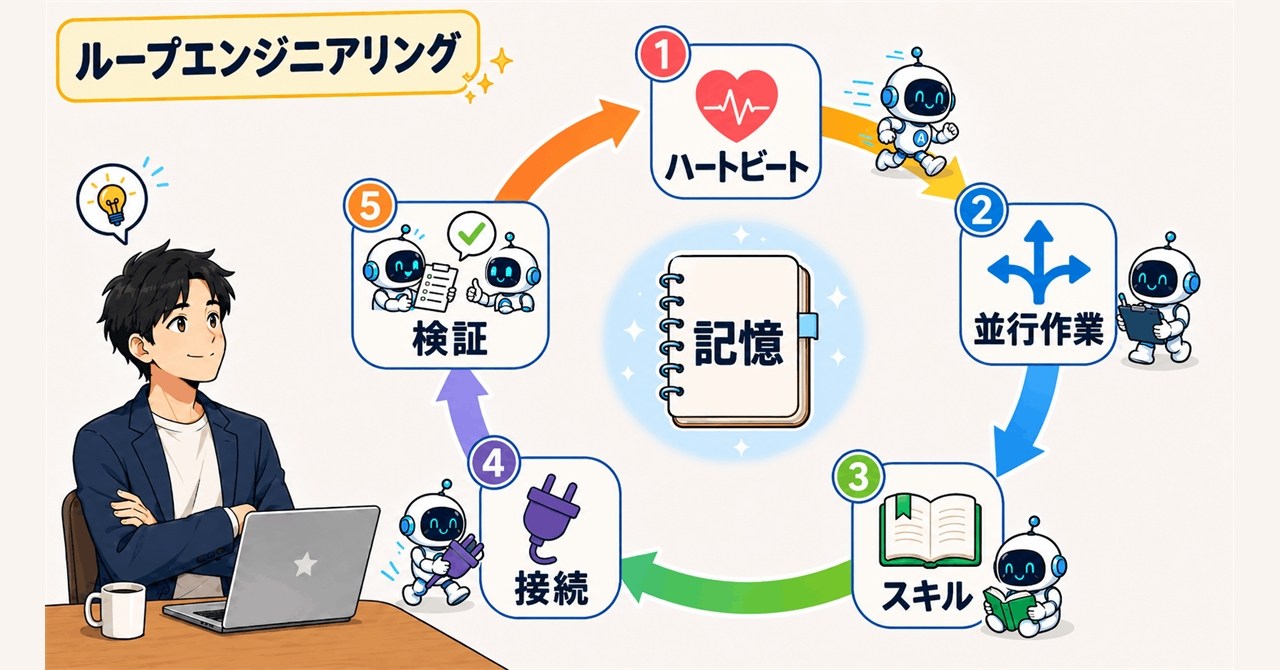
ループエンジニアリングとは? チャットとAIコーディングの往復から卒業する新しい開発スタイル
AI開発で人間がプロンプトを書く時代は終わるのか。ループを回してAIエージェントを動かし続ける新概念「ループエンジニアリング」の基本を、提唱者の記事に沿って解説。チャットAIとAIコーディングの往復から卒業したい筆者の考えも示す。
Claude Codeに指示を出す「7つの方法」と使い分け 公式が解説
米Anthropicは、AIコーディング支援ツール「Claude Code」に指示を出す7つの方法を解説する公式ブログを公開した。各方法の概要や使い分け方などを紹介している。
Daybreak: Tools for securing every organization in the world
OpenAI introduces new Daybreak tools, including Codex Security and GPT-5.5-Cyber, to help organizations find, validate, and patch vulnerabi…
Samsung Electronics brings ChatGPT and Codex to employees
Samsung Electronics deploys ChatGPT Enterprise and Codex to employees worldwide, marking one of OpenAI’s largest enterprise AI rollouts.
Agentic AI システムのランタイム ガバナンスのための Deontic ポリシー
Large Language Model (LLM) によって駆動される自律型エージェント AI システムは、新たな種類のセキュリティ、プライバシー、コンプライアンスの課題をもたらします。ツールを呼び出し、データを操作し、ソフトウェアをインストールし、組織の境界を越えてピア エージェントと連携できるエージェントは、認証とアクセス制御だけでなく、エンタープライズ ガバナンスの完全な構造によっても制約される必要があります。これには、エージェントがどのような行為を許可され、どのような行為が禁止されているか、特定のアクションの後に何をする義務があるか(CISO に通知するなど)、どのような条件下で永続的な義務が免除されるか、ポリシーが矛盾する場合にどのルールが優先されるかを指定することが含まれます。このガバナンスの問題は、現在のポリシー エンジンが提供するものを超えています。 XACML、Rego、Cedar などのシステムは、このガバナンス構造の許可/禁止サブセットのみに対応します。これらは、義務のライフサイクル管理、メタポリシーの競合解決、特定の状況で義務を免除する措置、およびヘルスケア、サイバーセキュリティ、データプライバシーなどのアプリケーションで一般的に見られるドメインクラス階層に対する存在論的推論を提供しません。私たちは、基本的な許可/禁止制約だけでなく、義務、調剤、ポリシーの矛盾解決、ポリシーの推論などの主要なガバナンス要件を実現する AgenticRei を提案します。私たちは Rei フレームワーク上に構築された deontic ポリシー言語を使用しており、OWL (Web Ontology Language) として表現され、LLM の完全に外部にある高性能ロジック エンジンによって実行時に評価されます。同じパイプラインが、エージェントによるツールの呼び出しとエージェント間のメッセージの両方を制御します。例を通して、デオンティック ポリシーが、現在の運用エンジンではほとんど表現できないセキュリティとプライバシーに関するガバナンスの制約を捉えていることを示します。私たちのアプローチは、A2AS などの業界標準のフレームワークと自然に組み合わされています。
原文 (English)
Deontic Policies for Runtime Governance of Agentic AI Systems
Autonomous agentic AI systems driven by Large Language Models (LLMs) introduce a new class of security, privacy, and compliance challenges: an agent that can invoke tools, manipulate data, install software, and coordinate with peer agents across organizational boundaries must be constrained not just by authentication and access control, but by the full structure of enterprise governance. This includes specifying what agents are permitted and prohibited from doing, what they areobliged to do after certain actions (e.g., notify the CISO), under what conditions a standing obligation may be waived, and which rules take precedence when policies conflict. This governance problem exceeds what current policy engines provide. Systems such as XACML, Rego, and Cedar address only the permit/prohibit subset of this governance structure. They do not provide obligation lifecycle management, meta-policy conflict resolution, dispensations that waive obligations in specific circumstances, and ontological reasoning over domain class hierarchies commonly found in applications such as healthcare, cybersecurity, or data privacy. We propose AgenticRei, which realizes key governance requirements such as obligations, dispensations, policy conflict resolutions, and reasoning over policies, as well as the basic permit/prohibit constraints. We use a deontic policy language built on the Rei framework, expressed as OWL (Web Ontology Language) and evaluated at runtime by a high-performance logic engine entirely outside the LLM. The same pipeline governs both tool invocations by the agent and agent-to-agent messages. We show through examples that deontic policies capture governance constraints around security and privacy that mostly cannot be expressed in current production engines. Our approach composes naturally with industry-standard frameworks like A2AS.
マルチエージェント LLM の審議における隠れたアンカー
複数のラウンドにわたってエージェントが回答を交換および修正するマルチエージェント LLM 熟議は、推論と精度を向上させるためにますます使用されていますが、それがどのように、そしてなぜ機能するのかモデル化されることはほとんどありません。このような熟慮は、人間がどのように決定に至るかを反映しています。社会的動物として、私たちは、デグルートやフリードキン・ジョンセンのような古典的な意見力学モデルが捉えている集団効果である集団と、彼らには理解されていない私たち自身の内なる信念の両方に引っ張られています。私たちは、マルチエージェントの熟議を閉ループの力学システムとしてモデル化します。このシステムでは、各エージェントが、近隣のエージェントに関係なく常に自分の意見を引き出す、隠れた内なる信念、つまりそのアンカーを担っています。我々は、このアンカーが熟議のみから回復できること、そしてそれが古典的なコンセンサスのルールが禁じている行動を説明していることを示します。つまり、正解に対するエージェントの信頼は、エージェントが開始した時点を超えて、最初の信念によって形成された空間(凸包)から逃れることができます。回復されたアンカーがホールドアウト実行を予測する (一般化する) かどうかを確認することで、モデルがそのようなアンカーによって実際に駆動されるときの簡単なテストが得られます。 3 つのオープンウェイト モデル ファミリーにわたって、これはスペクトルであり、すべてかゼロかではありません。すべてのアンカーの影響力はほぼ同等に強いですが、アンカーがどこに位置するかが異なり、最初の意見から遠く離れた位置にある場合にのみ、検討が船体から逃れ、完全な閉ループ モデルが必要になります。
原文 (English)
Hidden Anchors in Multi-Agent LLM Deliberation
Multi-agent LLM deliberation, where agents exchange and revise answers over several rounds, is increasingly used to improve reasoning and accuracy, yet how and why it works is rarely modelled. Such deliberation mirrors how humans reach decisions. As social animals we are pulled both by the group, the herd effect that classical opinion-dynamics models such as DeGroot and Friedkin--Johnsen capture, and by our own internal belief, which they do not. We model multi-agent deliberation as a closed-loop dynamical system in which each agent carries a hidden internal belief, its anchor, that continually pulls its opinion regardless of its neighbours. We show this anchor can be recovered from the deliberation alone, and that it explains a behaviour classical consensus rules forbid: an agent's confidence in the correct answer can climb past where any agent started, escaping the space (convexhull) formed by the initial beliefs. Checking whether the recovered anchor also predicts held-out runs (generalizes) gives a simple test for when a model is truly driven bysuch an anchor. Across three open-weight model families this is a spectrum, not all-or-nothing. All anchors' influence are about equally strongly, but they differ in where the anchor sits, and only when it sits far from the initial opinions does deliberation escape the hull and need the full closed-loop model.
DeXposure-Claw: DeFi リスク監視のためのエージェント システム
分散型金融により、監督当局は急速に変化するネットワーク化された信用リスクにさらされます。汎用 LLM エージェントはこの設定にあまり適合しません。弱い証拠を深読みし、一か八かの介入を推奨しますが、既存の評価では、結果として生じる誤報を測定するための規制当局と連携した方法が提供されていません。我々は、構造化された証拠を通じて LLM 決定をルーティングする、予測に基づいたエージェント監視システムである DeXposure-Claw を紹介します。(1) DeXposure-FM は、グラフ時系列基礎モデルであり、将来のエクスポージャ ネットワークを予測します。 (2) 決定論的なモニターとストレス シナリオは、それらの予測を型指定されたアラート、属性シグナル、およびシナリオの証拠に変換します。 (3) データの健全性と信頼ゲートにより、DeXposure-Claw が根拠のある監査可能な監督チケットを発行する前にエスカレーションが抑制されます。さらに、6 軸の評価ハーネスである DeXposure-Bench を開発します。このベンチの決定軸は、規制当局と調整された絶対損失グラウンド トゥルースおよび明示的な誤介入率に対してチケットをスコア付けします。 5 年間の毎週の実データを用いた実験により、当社のシステムが完全にサポートされています。コードは https://github.com/EVIEHub/DeXposure-Claw にあります。
原文 (English)
DeXposure-Claw: An Agentic System for DeFi Risk Supervision
Decentralized finance exposes supervisors to fast-moving, networked credit risks. General-purpose LLM agents fit this setting poorly: they over-read weak evidence and recommend high-stakes interventions, while existing evaluations offer no regulator-aligned way to measure the resulting false alarms. We introduce DeXposure-Claw, a forecast-grounded agentic supervision system that routes LLM decisions through structured evidence: (1) DeXposure-FM, a graph time-series foundation model, forecasts future exposure networks; (2) deterministic monitors and stress scenarios then turn those forecasts into typed alerts, attribution signals, and scenario evidence; and (3) data-health and confidence gates constrain escalation before DeXposure-Claw emits auditable supervisory tickets with rationales. We further develop DeXposure-Bench, a six-axis evaluation harness, whose decision axis scores tickets against a regulator-aligned absolute-loss ground truth and an explicit false-intervention rate. Experiments on five years of weekly real data fully support our system. Code is at https://github.com/EVIEHub/DeXposure-Claw.
LLM エージェントにおける明確化探索のための不確実性分解
最近の意見書では、対話型大言語モデル (LLM) エージェントには古典的な偶発的/認識論的不確実性フレームワークでは不十分であると主張し、プロアクティブな説明の探索や共有メンタル モデルの構築などの新しいエージェントの能力を解放できる、過小仕様を認識し、分解され、伝達可能な不確実性表現が求められています。ブラックボックス API、インタラクティブなレイテンシ バジェット、ラベル付き軌跡の欠如といった実際的なデプロイメントの制約により、logprob ベース、マルチサンプリング、トレーニング ベースの手法が除外され、プロンプトベースの推定がデプロイメント時にそのような信号を表面化するための最も実行可能なファミリーとして残ります。この呼び出しには、アクションの信頼性とリクエストの不確実性 (u) を分離する単純なプロンプトベースの分解で応答します。これにより、タスクの仕様があいまいな場合にエージェントが説明を求めることができます。これを評価するために、タスクの 50% が意図的に過少指定されている 2 つの明確化強化ベンチマーク (WebShop-Clarification および ALFWorld-Clarification) を導入し、5 つの LLM バックボーン (GPT-5.1、DeepSeek-v3.2-exp、GLM-4.7、 Qwen3.5-35B、GPT-OSS-120B) をこれらのバリアントと、障害検出のための標準の WebShop、ALFWorld、および REAL ベンチマークとともに使用します。 5 つのバックボーン全体で平均すると、提案された分解は、ALFWorld-Clarification のクラリフィケーション F1 を ReAct+UE と比較して 73%、UAM と比較して 36% 改善し、WebShop-Clarification のすべてのバックボーンと ALFWorld-Clarification の 5 つのバックボーンのうち 4 つでクラリフィケーション F1 をリードしており、ゲインが単一の LLM を超えて一般化していることを示しています。
原文 (English)
Uncertainty Decomposition for Clarification Seeking in LLM Agents
Recent position papers argue that the classical aleatoric/epistemic uncertainty framework is insufficient for interactive large language model (LLM) agents and call for underspecification-aware, decomposed, and communicable uncertainty representations that can unlock new agent capabilities such as proactive clarification seeking and shared mental-model building. Practical deployment constraints -- black-box APIs, interactive latency budgets, and the absence of labeled trajectories -- rule out logprob-based, multi-sampling, and training-based methods, leaving prompt-based estimation as the most viable family for surfacing such signals at deployment time. We answer this call with a simple prompt-based decomposition that separates action confidence from request uncertainty (u), enabling the agent to ask for clarification when the task specification is ambiguous. To evaluate it, we introduce two clarification-augmented benchmarks (WebShop-Clarification and ALFWorld-Clarification) in which 50% of tasks are deliberately underspecified, and systematically compare the proposed decomposition against ReAct+UE and Uncertainty-Aware Memory (UAM) across five LLM backbones (GPT-5.1, DeepSeek-v3.2-exp, GLM-4.7, Qwen3.5-35B, GPT-OSS-120B) on these variants together with the standard WebShop, ALFWorld, and REAL benchmarks for fault detection. Averaged across the five backbones, the proposed decomposition improves clarification F1 on ALFWorld-Clarification by 73% over ReAct+UE and by 36% over UAM, and leads clarification F1 on every backbone on WebShop-Clarification and on four of five backbones on ALFWorld-Clarification, indicating that the gains generalize beyond a single LLM.
Agentic RAG による構成可能な臨床情報抽出: 機能するもの、機能しないもの、およびその理由
患者のコンテキストは数百の異種ドキュメントと数千の構造化データポイントにまたがっていますが、AI システムが検索やトリアージに必要とするドキュメントレベルのメタデータが存在しないか不完全です。標準的な検索拡張生成は、このデータでは失敗し、一時的な推論、ドキュメント間の依存関係、およびメタデータの欠落の処理が誤ります。私たちは、エッセン医科大学に ACIE (薬剤臨床情報抽出) を導入しています。これは、完全な患者コンテキストを推論し、臨床医の検証のためにソースパッセージ内のすべての回答を根拠にするオンプレミスの薬剤 RAG パイプラインです。私たちはメタデータのギャップを定量化し、それが形作ったアーキテクチャ上の決定を追跡し、独立した遡及的リンパ腫レジストリ研究と並行して抽出を評価します。この研究では、核医学の医師が抽出されたすべての値を引用ソースと照合して検証します。 7,326 件の判定において、臨床医は 96.5% の抽出を受け入れ、タイプごとの受け入れ率は 80% から 99% の範囲でした。
原文 (English)
Configurable Clinical Information Extraction with Agentic RAG: What Works, What Breaks, and Why
Patient contexts span hundreds of heterogeneous documents and thousands of structured data points, yet the document-level metadata that AI systems need for retrieval and triage is absent or incomplete. Standard retrieval-augmented generation fails on this data, mishandling temporal reasoning, cross-document dependencies, and missing metadata. We deploy ACIE (Agentic Clinical Information Extraction) at University Medicine Essen: an on-premise agentic RAG pipeline that reasons over complete patient contexts and grounds every answer in source passages for clinician verification. We quantify the metadata gap, trace the architectural decisions it shaped, and evaluate extraction alongside an independent retrospective lymphoma registry study, in which nuclear-medicine physicians verify every extracted value against its cited sources. Across 7,326 judgments, clinicians accepted 96.5\% of extractions, with per-type acceptance ranging from 80\% to 99\%.
分散型連合形成のための離脱と参加のダイナミクス
この論文では、一方的な離脱と参加の決定によって推進される分散型の動的プロセスとしての連合形成を研究します。エージェントは Aumann-Dreze 値を使用してローカルな動きを評価するため、報酬はグローバルに交渉された連合構造を通じてではなく、エージェントの現在の連合内で計算されます。結果として得られるモデルは、協調的なペイオフ配分と非協調的な最良応答行動を結び付けます。最終分割はまさに、個別に利益をもたらす離脱と結合の逸脱が許容されない連合構造です。平衡特性を確立し、ダイナミクスがスカラー リアプノフ表現または正確なポテンシャル表現を許容する条件を特定し、切り替えコストと受け入れコストが局所安定性をどのように形成するかを分析します。数値実験では、有限時間の安定化、コスト感度、および特別な凸ゲーム ベンチマークをテストします。
原文 (English)
Exit-and-Join Dynamics for Decentralized Coalition Formation
This paper studies coalition formation as a decentralized dynamical process driven by unilateral exit-and-join decisions. Agents evaluate local moves using the Aumann-Dreze value, so payoffs are computed within the agent's current coalition rather than through a globally negotiated coalition structure. The resulting model links cooperative payoff allocation with noncooperative best-response behavior: a terminal partition is precisely a coalition structure with no admissible, individually profitable exit-and-join deviation. We establish equilibrium characterizations, identify conditions under which the dynamics admit scalar Lyapunov or exact-potential representations, and analyze how switching and acceptance costs shape local stability. Numerical experiments test finite-time stabilization, cost sensitivity, and a special convex-game benchmark.
静的リーダーボードを超えて: LLM エージェントの評価の予測的妥当性
エージェントのベンチマークは急速に成長していますが、展開によって明らかにされる 4 つまたは 5 つの側面を超えるベンチマークはありません。このペーパーは、MCP ベースの産業エージェント ベンチマークのこれまでで最大規模の調整された詳細調査を集約したものです。新しい資産クラス (マルチモーダルなビジュアル拡張を含む)、代替オーケストレーション、取得戦略、推論モード、インフラストラクチャの最適化、および評価方法論のプローブをカバーする 14 件の並行実装調査です。これらの研究を以前の 7 つのエージェント ベンチマークと統合すると、集計スコア リーダーボードは導入されたエージェントの評価を体系的に過小評価していると主張します。集計スコアから導出されたランキングは、配布外の設定には転送されません。最近の公開対非公開の競争の回顧展は、このランクの不安定性の直接的な経験的証拠を提供しています。私たちは、サンプル内平均ではなく、予測妥当性、サンプル内ランクとサンプル外ランク間の相関関係によるランキング構成を提案し、HELM とそのエージェント時代の後継者の崩壊を展開関連の次元で明らかにする 12 層の測定装置を報告します。このポジションは、明示的なしきい値を備えた 3 つの改ざん可能な配分外基準を通じて運用可能となります。既存の証拠は部分的にそれを裏付けていますが、確認するには薄すぎます。最後に、事前に登録されたパイロット設計と、次世代のエージェント ベンチマークが何を報告すべきかについての現場レベルのビジョンについて説明します。
原文 (English)
Beyond Static Leaderboards: Predictive Validity for the Evaluation of LLM Agents
Agent benchmarks are growing fast, but no single benchmark touches more than four or five of the dimensions that deployment exposes. This paper aggregates the largest coordinated deep-dive of one MCP-based industrial-agent benchmark to date: fourteen parallel implementation studies covering new asset classes (including a multi-modal visual extension), alternative orchestrations, retrieval strategies, reasoning modes, infrastructure optimizations, and evaluation-methodology probes. Consolidating those studies with seven prior agent benchmarks, we argue that aggregate-score leaderboards systematically underspecify deployed-agent evaluation. Rankings derived from aggregate scores do not transfer to out-of-distribution settings; recent public-to-hidden competition retrospectives provide direct empirical evidence of this rank instability. We propose ranking configurations by predictive validity, the correlation between in-sample and out-of-sample rank, rather than in-sample mean, and report a twelve-tier measurement apparatus that exposes the deployment-relevant dimensions HELM and its agent-era successors collapse. The position is operationalized through three falsifiable out-of-distribution criteria with explicit thresholds; existing evidence partly supports it but is too thin to confirm. We close with a pre-registered pilot design and a field-level vision for what the next generation of agentic benchmarks should report.
Agentic レビュー システムのベンチマーク
AI支援研究によって査読システムにかかる圧力に対する救済策として、新しい種類のエージェントレビューシステムが登場しているが、それをどのように評価すべきかは不明である。私たちは、最先端の効率的なモデルにわたる 6 つの LLM にわたって、2 つのオープンソース システム (OpenAIReview および coarse)、1 つの独自システム (Reviewer3)、およびゼロショット ベースラインを評価します。まず、ICLR/NeurIPS 論文の AI レビューが、引用や受理決定などの外部シグナルによって近似される論文の品質に追随するかどうかを研究します。すべてのシステムはペアごとの精度で偶然以上のパフォーマンスを発揮し、最も優れているのは OpenAIReview + GPT-5.5 の 83.0% です。次に、システムが既知のグラウンド トゥルースでエラーを捕捉できるかどうかをテストするために、8 つの arXiv 主題クラスにわたる論文に 4 つのカテゴリのエラーを注入する摂動ベンチマークを構築し、検出再現率を測定します。最も強力な構成 (OpenAIReview + GPT-5.5) は、挿入されたエラーの 71.6% を捕捉し、改善の余地がかなり残されています。 6 つのモデルにわたる検出の統合は 83.3% の再現率に達し、異なるモデルが異なるエラーを検出し、より良いハーネス設計によりパフォーマンスが向上する可能性があることを示唆しています。これらのベンチマークを超えて、実際のユーザーを使用して OpenAIReview のパブリック デプロイメントを研究します。そのコメントに対する投票は 1.44 対 1 で肯定的な意見に偏っており、最も一般的な苦情は誤検出や些細な指摘に関するものです。実際の研究論文で最先端のモデルに裏付けられた完全なレビュー システムを一緒に評価することで、AI レビューにはまだ改善の余地があるものの、すでに人間の品質判断を適切に追跡し、重要なエラーをキャッチし、実際のユーザーから肯定的なフィードバックを得ることができることを示します。
原文 (English)
Benchmarking Agentic Review Systems
A new class of agentic review systems are emerging as a remedy to the pressure placed on peer review systems by AI-assisted research, but it is unclear how they should be evaluated. We evaluate two open-source systems (OpenAIReview and coarse), one proprietary system (Reviewer3), and a zero-shot baseline, across six LLMs spanning frontier and efficient models. First, we study whether AI reviews on ICLR/NeurIPS papers track with papers' quality as approximated by external signals such as citations and acceptance decisions. Every system performs above chance in pairwise accuracy, and the best is OpenAIReview + GPT-5.5 at 83.0%. Second, to test whether systems can catch errors with known ground truth, we construct a perturbation benchmark that injects four categories of errors into papers across eight arXiv subject classes and measure detection recall. The strongest configuration (OpenAIReview + GPT-5.5) catches 71.6% of injected errors, leaving substantial room for improvement. The union of detections across six models reaches 83.3% recall, suggesting different models detect different errors and better harness design can potentially increase performance. Beyond these benchmarks, we study a public deployment of OpenAIReview with real users. Votes on its comments skew positive at 1.44 to 1, and the most common complaints are about false positives and minor nitpicks. Together, by evaluating full review systems backed by state-of-the-art models on real research papers, we show that while AI reviews still have room for improvement, they can already track human quality judgments well, catch important errors, and earn positive feedback from real users.
AgentFinVQA: 監査可能な財務チャート QA のための展開可能なマルチエージェント パイプライン
規制された環境における財務チャートの質問回答には、正確性以上のものが求められます。実務者は、回答に基づいて行動する前に、どの回答を信頼すべきかを知る必要があり、多くの機関は顧客データを外部モデルプロバイダーに送信できません。しかし、既存のチャート QA エージェントは精度重視かつ不透明で、ほとんどが独自の API アクセスを前提としています。私たちの知る限り、精度を大幅に損なうことなく監査可能性とオンプレミス展開可能性を組み合わせたものはありません。 AgentFinVQA は、各クエリを計画、OCR、凡例の根拠、視覚的検査、検証に分解し、サンプルごとに追跡可能なモデル評価パケット (MEP) のすべてのステップを記録するマルチエージェント パイプラインです。 FinMME では、AgentFinVQA は、独自のバックボーン (Gemini-3 フラッシュ; 71.24% 対 63.56%、McNemar $p \約 1.1 \times 10^{-16}$) を使用したプライマリ バックボーンと一致するゼロショット ベースラインと比較して $+7.68$ pp 改善し、オープンウェイトでは $+4.84$ pp 改善します。 Qwen3.6-27B-FP8 はローカルでサービスされています。検証者の評決は有用な信頼シグナル (確認済み回答と修正済み回答の正確な精度 68.2% 対 55.6%) としても機能し、人間によるレビュー ルーティングが可能になります。エラー分析により、質問の誤解、凡例の混乱、抽出エラーが失敗の 3 分の 2 近くを占め、検証者によって最も検出されにくいカテゴリーであることが示され、今後の作業の明確な方向性が特定されます。これらの結果を総合すると、監査可能なオンプレミスの財務チャート QA が実用的であり、オープンウェイト システムが完全なデータ常駐を可能にしながら精度の向上のほとんどを維持していることがわかります。再現可能な評価をサポートするためにコードをリリースします。
原文 (English)
AgentFinVQA: A Deployable Multi-Agent Pipeline for Auditable Financial Chart QA
Financial chart question answering in regulated settings demands more than accuracy: practitioners must know which answers to trust before acting on them, and many institutions cannot send client data to external model providers. Yet existing chart-QA agents are accuracy-focused and opaque, and most assume proprietary API access; to our knowledge, none combines auditability with on-premise deployability without significant accuracy compromise. We present AgentFinVQA, a multi-agent pipeline that decomposes each query into planning, OCR, legend grounding, visual inspection, and verification, recording every step in a traceable Model Evaluation Packet (MEP) per sample. On FinMME, AgentFinVQA improves $+7.68$ pp over a primary-backbone matched zero-shot baseline with a proprietary backbone (Gemini-3 Flash; 71.24% vs. 63.56%, McNemar $p \approx 1.1 \times 10^{-16}$), and $+4.84$ pp with open-weights Qwen3.6-27B-FP8 served locally. The verifier's verdict also serves as a useful confidence signal (68.2% vs. 55.6% exact accuracy on confirmed vs. revised answers), enabling human-in-the-loop review routing. Error analysis shows that question misunderstanding, legend confusion and extraction error account for nearly two-thirds of failures and are the categories least detected by the verifier, identifying clear directions for future work. Together these results show that auditable, on-premise financial chart QA is practical and that the open-weights system keeps most of the accuracy gains while enabling full data residency. We release our code to support reproducible evaluation.
ORAgentBench: LLM エージェントは困難なオペレーション リサーチ タスクをエンドツーエンドで解決できますか?
大規模な言語モデルは、実行可能環境で複数ステップのタスクを実行するための自律エージェントとして導入されることが増えていますが、現実的なオペレーション リサーチ (OR) 作業を実行する能力は依然として不明です。既存の OR 評価では、多くの場合、モデリングと解決策が切り離されており、事前に形式化されたインスタンスまたはテキストのみのインスタンスに依存しており、運用成果物から検証済みの意思決定に至るワークフロー全体をテストすることはほとんどありません。この作業では、困難なエンドツーエンドのオペレーション リサーチ タスクで自律エージェントを評価するための実行ベースのベンチマークである ORAgentBench を紹介します。これには、さまざまな運用シナリオにわたって人間がレビューした 107 のタスクが含まれており、それぞれが自然言語の概要、複数ファイルのデータ、構成アーティファクト、および必要な送信スキーマを備えた隔離された環境にパッケージ化されています。エージェントはソリューション コードを作成して実行する必要があり、その送信内容は、スキーマの有効性、厳密な制約の実現可能性、および正規化された客観的な品質について、非表示のバリデーターによって評価されます。 14 のフロンティア エージェント モデル構成による実験では、現在のエージェントが信頼できる OR 実践からはほど遠いことが示されています。最も優れたエージェントが合格できるのは、全タスクの 35.51% と難しいタスクの 20.59% だけであり、実行可能な提出物の多くは依然として要求される品質のしきい値を下回っています。さらに、障害分析では、運用ルールの欠如、脆弱な定式化、実行可能なソリューションの構築の脆弱さ、不十分なソリューションの改善など、戦略的な弱点がエラーの大部分を占めていることがわかります。手術室固有の手順スキルは、困難なタスクの実現可能性を高めますが、ソリューションの品質や合格率を確実に向上させるものではありません。これらの結果は、OR エージェントの進歩には、もっともらしい最適化コードを超えて、信頼できる高品質な運用上の意思決定に移行する必要があることを示唆しています。
原文 (English)
ORAgentBench: Can LLM Agents Solve Challenging Operations Research Tasks End to End?
Large language models are increasingly deployed as autonomous agents for multi-step tasks in executable environments, yet their ability to perform realistic operations research (OR) work remains unclear. Existing OR evaluations often decouple modeling from solving, rely on pre-formalized or text-only instances, and rarely test the full workflow from operational artifacts to validated decisions. In this work, we introduce ORAgentBench, an execution-grounded benchmark for evaluating autonomous agents on challenging end-to-end operations research tasks. It contains 107 human-reviewed tasks across diverse operational scenarios, each packaged in an isolated environment with a natural-language brief, multi-file data, configuration artifacts, and a required submission schema. Agents must write and run solution code, and their submissions are evaluated by hidden validators for schema validity, hard-constraint feasibility, and normalized objective quality. Experiments with fourteen frontier agent-model configurations show that current agents remain far from reliable OR practice. The best agent passes only 35.51% of all tasks and 20.59% of hard tasks, and many feasible submissions still fall below the required quality threshold. Failure analysis further shows that errors are dominated by strategic weaknesses, including missed operational rules, brittle formulations, weak feasible-solution construction, and insufficient solution improvement. OR-specific procedural skills increase hard-task feasibility, but do not reliably improve solution quality or pass rate. These results suggest that progress in OR agents requires moving beyond plausible optimization code toward dependable, high-quality operational decision-making.
AI 支援による法的証拠開示のためのヒューマン オン ザ ループ オーケストレーション
Autonomous Large Language Model (LLM) エージェントは電子証拠開示 (e-discovery) に導入されることが増えており、複数ステップの推論チェーンにわたる複合エラーが法的違法行為となる可能性があります。シングルターン取得とは異なり、特権付きドキュメント コーパス上で動作するエージェント ワークフローは、「軌道崩壊」と呼ばれる一種の失敗を示します。つまり、初期の誤分類が静かに伝播し、特権レビュー全体が無効になります。この論文は 3 つの貢献を行っています。まず、機能段階ごとに整理した、法律情報検索におけるエージェントの失敗の構造化分類を提案します。次に、これらの障害が悪化する前に阻止するように設計された、計画、推論、実行、不確実性の定量化に及ぶ 4 層の検証アーキテクチャを導入します。 3 番目に、必須のヒューマン オン ザ ループ (HOTL) エスカレーションしきい値が、完全に自律的なベースラインと比較して特権放棄のリスクをどのように低減するかを実証する、合成電子証拠開示コーパスに関する予備的なシミュレーション研究を紹介します。私たちの結果は、調整された不確実性のしきい値により、完全に自律的な展開と比較して特権放棄のリスクを最大 61% 削減できる一方、弁護士の審査に回される文書は 4 分の 1 未満であることを示唆しています。
原文 (English)
Human-on-the-Loop Orchestration for AI-Assisted Legal Discovery
Autonomous Large Language Model (LLM) agents are increasingly deployed in electronic discovery (e-discovery), where compounding errors across multi-step reasoning chains can constitute legal malpractice. Unlike single-turn retrieval, agentic workflows operating over privileged document corpora exhibit a class of failure we term "trajectory collapse": an early misclassification silently propagates, rendering an entire privilege review invalid. This paper makes three contributions. First, we propose a structured taxonomy of agentic failures in legal information retrieval, organized by functional stage. Second, we introduce a four-layer verification architecture -- spanning planning, reasoning, execution, and uncertainty quantification -- designed to intercept these failures before they compound. Third, we present a preliminary simulation study on a synthetic e-discovery corpus that demonstrates how mandatory Human-on-the-Loop (HOTL) escalation thresholds reduce privilege-waiver risk relative to fully autonomous baselines. Our results suggest that calibrated uncertainty thresholds can reduce privilege-waiver risk by up to 61% versus fully autonomous deployment, while routing fewer than one quarter of documents to attorney review.
TelcoAgent: 3GPP に基づいた説明可能性を備えたスケーラブルな 5G マルチ KPM 予測
Key Performance Measurement (KPM) 予測は、5G および次世代通信ネットワークのプロアクティブなネットワーク管理に不可欠です。ただし、既存の機械学習 (ML) アプローチは、スケーラビリティと説明可能性において大きな制限に直面しており、現実世界の展開における有効性が制限されています。私たちは、サイト固有のトレーニングを必要とせずに、さまざまなネットワーク セルにわたる複数の KPM の正確でスケーラブルで説明可能な予測を可能にする基盤モデル ベースのフレームワークである TelcoAgent を提案します。具体的には、このフレームワークは 3 つの主要コンポーネントで構成されます。(i) 仕様書から直接 3GPP (3rd Generation Partnership Project) ナレッジ グラフを構築する自動化された 3 エージェント パイプライン、(ii) 正確なゼロショット予測を実現するスケーラブルな時系列基礎モデル (TSFM) ベースの予測パイプライン、最後に (iii) 実用的なドメインベースの診断を提供する推論および説明パイプライン。米国を拠点とするネットワーク事業者が提供する 3 か月間の現実世界の都市規模の 5G KPM データセットを使用して評価した TelcoAgent は、200 セルにわたるセルごとに考慮された 7 つの KPM のすべてについて高い予測精度を示し、同時にネットワークの劣化に対処するための説明可能な洞察と実行可能な指示を提供します。
原文 (English)
TelcoAgent: A Scalable 5G Multi-KPM Forecasting With 3GPP-Grounded Explainability
Key Performance Measurement (KPM) forecasting is essential for proactive network management of 5G and next-generation telecom networks. However, existing machine learning (ML) approaches face significant limitations in scalability and explainability, restricting their effectiveness in real-world deployments. We propose TelcoAgent, a foundation model-based framework that enables accurate, scalable, and explainable forecasting of multiple KPMs across diverse network cells without the need for site-specific training. Specifically, the framework comprises three key components: (i) an automated three-agent pipeline that constructs a 3rd Generation Partnership Project (3GPP) knowledge graph directly from specification documents, (ii) a scalable, time-series foundation model (TSFM)-based prediction pipeline to deliver accurate, zero-shot forecasting, and finally (iii) a reasoning and explanation pipeline that provides actionable, domain-grounded diagnostics. Evaluated using a 3-month, real-world, city-scale 5G KPM dataset from a U.S.-based network operator, TelcoAgent demonstrates high forecasting accuracy for all 7 considered KPMs per cell across 200 cells, while delivering explainable insights and actionable instructions to address network degradations.
MetaResearcher: 敵対的な仮想環境における自己反省強化学習によるディープリサーチの拡張
深層調査エージェントは、自律的な情報収集と合成において優れた能力を実証してきましたが、そのトレーニングは、シミュレートされた環境の静的な性質、事実検索のみのタスク設計の限界、および結果ベースの強化学習の非効率性によって依然として制約を受けています。この研究では、4 つの相乗的な側面にわたって詳細な調査エージェントのトレーニングを拡張する新しいフレームワークである MetaResearcher を提案します。まず、時間的なダイナミクスと敵対的な誤った情報をトレーニング環境に注入する進化する仮想世界を導入し、エージェントにソースの信頼性評価と時間的な競合解決スキルの開発を強制します。次に、仮説生成や矛盾解決を含む発見指向のタスクを設計します。これは、単純な事実検索を超えて、エージェントを真の調査行動へと導きます。第三に、回答の正確性、検索パスの効率、反映の深さ、ツール呼び出しの多様性を共同で最適化し、以前の研究で観察された反復アクションのループ問題に直接対処する、GRPO フレームワーク内の自己反射型メタ報酬メカニズムを提案します。 4 番目に、調整された強化学習を通じて共同研究戦略を学習する、特殊な Scout、Filter、および Synthesizer モデルで構成される異種マルチエージェント Swarm アーキテクチャを導入します。 LiteResearcher インフラストラクチャ上に構築された MetaResearcher は、トレーニングに限界 API コストをゼロにしながら、ベンチマーク パフォーマンス (GAIA、Xbench-DS) と敵対的条件下での認識論的堅牢性の両方の大幅な向上を目指しています。完全なフレームワーク設計、トレーニング方法論、計画された実験的検証を紹介します。
原文 (English)
MetaResearcher: Scaling Deep Research via Self-Reflective Reinforcement Learning in Adversarial Virtual Environments
Deep research agents have demonstrated remarkable capabilities in autonomous information gathering and synthesis, yet their training remains constrained by the static nature of simulated environments, the limits of fact-retrieval-only task designs, and the inefficiency of outcome-based reinforcement learning. In this work, we propose MetaResearcher, a novel framework that scales deep research agent training across four synergistic dimensions. First, we introduce an Evolving Virtual World that injects temporal dynamics and adversarial misinformation into the training environment, forcing agents to develop source credibility assessment and temporal conflict resolution skills. Second, we design Discovery-Oriented Tasks -- including hypothesis generation and contradiction resolution -- that transcend simple fact retrieval and push agents toward genuine research behaviors. Third, we propose a Self-Reflective Meta-Reward mechanism within the GRPO framework that jointly optimizes for answer correctness, search path efficiency, reflection depth, and tool call diversity, directly addressing the repetitive action loop problem observed in prior work. Fourth, we introduce a Heterogeneous Multi-Agent Swarm architecture comprising specialized Scout, Filter, and Synthesizer models that learn collaborative research strategies through coordinated reinforcement learning. Built upon the LiteResearcher infrastructure, MetaResearcher requires zero marginal API cost for training while targeting substantial improvements in both benchmark performance (GAIA, Xbench-DS) and epistemic robustness under adversarial conditions. We present the complete framework design, training methodology, and planned experimental validation.
マルチエージェントのトランザクション メモリ
多様なタスクにわたって多様な機能を備えた LLM エージェントの分散展開により、異種エージェント集団全体で知識を共有するためのインフラストラクチャが促進されます。検索エンジンが人間の問題解決をサポートするために人間が生成した成果物にインデックスを付けるのと同じように、検索システムはエージェントが生成した成果物を整理してエージェント集団全体で再利用できます。私たちは、人間が作成したアーティファクトの価値を個々のエージェントに実証する検索拡張生成を、エージェントの集団をサポートするエージェント生成アーティファクトの検索まで拡張します。特に、エージェントの軌跡は再利用可能な手順知識をエンコードしますが、これらのアーティファクトは通常 1 回の使用後に破棄されるか、作成エージェントによってのみ保持されるため、新しくインスタンス化されたエージェントは既存のソリューションを繰り返し再発見する必要があります。我々は、エージェントが生成した軌跡を集団レベルで保存および取得するためのフレームワークであるマルチエージェント トランザクション メモリ (MATM) を提案します。このフレームワークでは、プロデューサー エージェントが軌跡を共有リポジトリに提供し、コンシューマ エージェントが軌跡を取得してタスクの実行を改善します。私たちは、軌跡が長く、特に豊富な手続き構造をエンコードするインタラクティブな環境 (ALFWorld および WebArena) に焦点を当てています。私たちの実験では、MATM から軌道を取得すると、調整や共同トレーニングを行わなくても、下流のタスクのパフォーマンスが向上し、インタラクションのステップが削減されることが実証されました。これらの結果は、MATM をオープン エージェント エコシステムにおける集団レベルのエクスペリエンス共有のための設計パターンとして位置づけています。
原文 (English)
Multi-Agent Transactive Memory
The decentralized deployment of LLM agents with diverse capabilities across diverse tasks motivates infrastructure for knowledge sharing across heterogeneous agent populations. Just as search engines index human-generated artifacts to support human problem solving, retrieval systems can organize agent-generated artifacts for reuse across agent populations. We extend retrieval-augmented generation - which demonstrates the value of human-authored artifacts to individual agents - to retrieval of agent-generated artifacts supporting a population of agents. In particular, agent trajectories encode reusable procedural knowledge, yet these artifacts are typically discarded after a single use or retained only by the producing agent, forcing newly instantiated agents to repeatedly rediscover existing solutions. We propose Multi-Agent Transactive Memory (MATM), a framework for population-level storage and retrieval of agent-generated trajectories, where producer agents contribute trajectories to a shared repository and consumer agents retrieve them to improve task execution. We focus on interactive environments (ALFWorld and WebArena), where trajectories are long and encode especially rich procedural structure. Our experiments demonstrate that retrieving trajectories from MATM improves downstream task performance and reduces interaction steps without coordination or joint training. These results position MATM as a design pattern for population-level experience sharing in open agent ecosystems.
自動組み込みダイアログ拡張による DialNav の進化
物理的な相互作用が可能な実体エージェントの場合、安全性と有効性の両方を確保するには、対話を作成して理解する能力が不可欠です。 DialNav~\cite{han2025dialnav} はダイアログの全体的な評価、つまりフォトリアリスティックな屋内ナビゲーションの実行ループのためのフレームワークを提供しますが、そのパフォーマンスはトレーニング データ (2K エピソード) の重大な不足によって依然として制限されています。これに対処するために、自動生成パイプラインを提案し、DialNav 用の 238,000 エピソードを含む大規模なトレーニング データセットである \textbf{RAINbow} データセットを構築します。当社のパイプラインは、既存の VLN データセットをマルチターン ダイアログに変換し、コスト効率の高い高品質のデータセットを作成します。次に、データの可能性を最大限に引き出すための 2 つの追加の補完的な進歩を導入します。(1) ダイナミック ダイアログ ナビゲーション ループとナビゲーション トレーニングを調整するナビゲーション トレーニング スキームであるデュアル戦略トレーニング、および (2) VLN 知識を活用するローカリゼーション モデル。これらの補完的なソリューションを組み合わせることで、私たちのモデルは \textbf{Val Seen} (58.24, \textbf{+89\%}) と \textbf{Val Unseen} (29.05, \textbf{+100\%}) の両方の分割で成功率のベースラインを大幅に上回り、新たな最先端技術を確立しました。
原文 (English)
Advancing DialNav through Automatic Embodied Dialog Augmentation
For embodied agents capable of physical interaction, the capability to create and understand dialog is crucial to ensure both safety and effectiveness. While DialNav~\cite{han2025dialnav} provides a framework for holistic evaluation of the dialog--execution loop in photorealistic indoor navigation, its performance remains limited by a critical scarcity of training data (2K episodes). To address this, we propose an automatic generation pipeline, and construct the \textbf{RAINbow} dataset, a large-scale training dataset with 238K episodes for DialNav. Our pipeline converts existing VLN datasets into multi-turn dialog and creates cost-efficient and high-quality dataset. Then, we introduce two additional complementary advances to unlock the data's full potential: (1) Dual-Strategy Training, a navigation training scheme to align the navigation training with the dynamic dialog-navigation loop, and (2) a localization model that leverages VLN knowledge. By combining these complementary solutions, our model substantially outperforms the baseline in success rate on both \textbf{Val Seen} (58.24, \textbf{+89\%}) and \textbf{Val Unseen} (29.05, \textbf{+100\%}) splits, establishing a new state of the art.
ENPIRE: 現実世界でのエージェント ロボット ポリシーの自己改善
現実世界で器用なロボット操作を実現するには、人間の監視とアルゴリズム工学に大きく依存しており、これが一般的な物理的知性の追求において中心的なボトルネックとなります。新興のコーディング エージェントはアルゴリズム検索を自動化するコードを生成できますが、その成功は依然としてデジタル環境に限定されています。私たちは、ロボット研究を自動化するために欠けている抽象化は、現実世界のポリシー改善のための反復可能なフィードバック ループであると推測します。つまり、シーンをリセットし、ポリシーを実行し、結果を検証し、次の反復を改良するというものです。このギャップを埋めるために、コーディング エージェント用のハーネス フレームワークである ENPIRE を導入します。このフレームワークは、4 つのコア モジュールでこの物理フィードバック ルーチンをインスタンス化します。1 つは自動リセットと検証のための環境モジュール (EN)、ポリシーの改良を開始するポリシー改善モジュール (PI)、1 つまたは複数の物理ロボットを並行して動作させてポリシーを評価するロールアウト モジュール (R)、およびコーディング エージェントがログを分析し、文献を参照し、トレーニング インフラストラクチャと障害モードに対処するためのアルゴリズム コードを改善する進化モジュール (E) です。この閉ループ システムは、現実世界の操作学習を制御可能な最適化手順に変換し、人間の労力を最小限に抑えながら、トレーニング レシピとエージェントのバリエーション全体で公平なアブレーションを可能にします。 ENPIRE を活用することで、フロンティア コーディング エージェントはポリシーを自律的にトレーニングして、ピン ボックスの整理、結束バンドの締め付け、工具の使用などの困難で器用な操作タスクで 99% の成功率を達成できます。ロボット フリートにエージェント チームを派遣すると、このプロセスがさらに加速します。私たちの結果は、物理世界で自律的に進歩するロボット工学にコーディング エージェントを展開するための実用的でスケーラブルな道筋を示唆しています。
原文 (English)
ENPIRE: Agentic Robot Policy Self-Improvement in the Real World
Achieving dexterous robotic manipulation in the real world heavily relies on human supervision and algorithm engineering, which becomes a central bottleneck in the pursuit of general physical intelligence. Although emerging coding agents can generate code to automate algorithm search, their successes remain largely confined in digital environments. We conjecture that the missing abstraction to automate robotics research is a repeatable feedback loop for real-world policy improvement: reset the scene, execute a policy, verify the outcome, and refine the next iteration. To bridge this gap, we introduce ENPIRE, a harness framework for coding agents that instantiates this physical feedback routine with four core modules: an Environment module (EN) for automatic reset and verification, a Policy Improvement module (PI) that launches policy refinement, a Rollout module (R) to evaluate policies with one or multiple physical robots operating in parallel, and an Evolution module (E) in which coding agents analyze logs, consult literature, improve training infrastructure and algorithm code to address failure modes. This closed-loop system transforms real-world manipulation learning into a controllable optimization procedure, minimizing human effort while allowing fair ablations across training recipe and agent variants. Powered by ENPIRE, frontier coding agents can autonomously train a policy to achieve a 99% success rate on challenging, dexterous manipulation tasks, such as organizing a pin box, fastening a zip tie, and tool use, a process that further accelerates when we dispatch an agent team on a robot fleet. Our results suggest a practical and scalable path toward deploying coding agents to autonomously advancing robotics in the physical world.
具現化された世界モデルのエージェントとしての報酬
RL は世界モデルを改良するための有望なツールとなっていますが、既存の手法は主にトレーニング分布付近の保守的なロールアウトに依存しており、探索、行動の多様性、より豊富な動的発見が制限されています。この作品では、私たちはこの保守的なパラダイムに挑戦します。私たちは、核となる制限は探査そのものではなく、より広範な探査をサポートする信頼できる検証戦略が欠如していることにあると主張します。信頼できる検証がなければ、拡張された探査は報酬ハッキングの影響を非常に受けやすくなり、真の改善が達成されずにポリシーが不完全な報酬を悪用することになります。この動機を評価するために、私たちは具体化された世界モデルでメソッドをインスタンス化します。そこでは、物理的な妥当性とタスクの完了が、複雑なダイナミクスの下でスケーラブルな RL の厳密なテストベッドを提供します。検証面では、生成された動作をアクティブに評価して堅牢な報酬シグナルを提供し、配布の変化下での報酬ハッキングを軽減するエージェント報酬フレームワークである Reward as an Agent を導入します。探査面では、DynDiff-GRPO を通じて動的認識ロールアウト多様化を導入します。これにより、行動空間探査が明示的に拡張され、軌道を多様化し、国家活動の範囲を拡大し、保守的なロールアウト体制を超えてより豊かに具体化された行動が奨励されます。 Reward as an Agent を DynDiff-GRPO と統合することで、大幅に多様化したサンプリングを備えたより信頼性の高い報酬基盤で RL を実現し、報酬ハッキングを効果的に緩和しながら、複数のオープンソースの世界モデル全体で大幅な精度の向上を実現します。これにより、堅牢な検証に基づいて広範な探索を適切に拡張できることを実証します。
原文 (English)
Reward as An Agent for Embodied World Models
While RL has become a promising tool for refining world models, existing methods largely rely on conservative rollouts near the training distribution, limiting exploration, behavioral diversity, and richer dynamic discovery. In this work, we challenge this conservative paradigm. We argue that the core limitation is not exploration itself, but the lack of reliable verification strategies to support broader exploration. Without reliable verification, expanded exploration becomes highly susceptible to reward hacking, where policies exploit imperfect rewards without achieving genuine improvement. To evaluate this motivation, we instantiate our method in embodied world models, where physical plausibility, and task completion provide a rigorous testbed for scalable RL under complex dynamics. On the verification side, we introduce Reward as an Agent, an agentic reward framework that actively evaluates generated behaviors to provide robust reward signals and mitigate reward hacking under distribution shifts. On the exploration side, we introduce Dynamic-Aware Rollout Diversification through DynDiff-GRPO, which explicitly expands action-space exploration to diversify trajectories, broaden state-action coverage, and encourage richer embodied behaviors beyond conservative rollout regimes. By unifying Reward as an Agent with DynDiff-GRPO, we enable RL on a more reliable reward foundation with substantially diversified sampling, effectively mitigating reward hacking while yielding significant accuracy gains across multiple open-source world models, thereby demonstrating that broader exploration can scale successfully when grounded in robust verification.
大規模なエンタープライズ AI 向けの自律的なイベント駆動型マルチエージェント オーケストレーション
Enterprise AI は、専門エージェント全体での継続的なイベントの監視、検出、アクションを目指していますが、既存のマルチエージェント システムは主に個別の要求と応答のワークフローを想定しており、エンタープライズ規模ではまだ十分に検討されていません。当社では、ペルソナ (エージェント 10 人未満)、部門 (20 ~ 80 人)、エンタープライズ (200 人) の規模にわたる 208 の本番環境由来のエンタープライズ シナリオにわたって、DAG の計画、実行、および反応を評価し、優先順位の推論、関連イベントのマージ、プリエンプションによる継続的な運用のためのタスク マネージャーを導入しています。結果は、タスクの複雑さではなくスケールがオーケストレーションのパフォーマンスを支配していることを示しています。どちらのアーキテクチャも小規模では良好にパフォーマンスしますが、エンタープライズ規模ではエージェント検出のノイズが主なボトルネックとなり、単純なタスクの方が複雑なタスクよりも大幅に低下するため、パフォーマンスが低下します。 DAG の計画と実行は、より小規模な規模ではより高い精度と構造化された並列化を提供しますが、エンタープライズ規模ではオーバーヘッドが大きくなり、さらに悪化します。 ReAct は、障害を段階的に処理することでより堅牢になります。タスク マネージャーは、エンタープライズ規模で高優先度のキューの遅延を 14 ~ 75% 削減し、関連イベントの正確性を 20 パーセント以上向上させます。
原文 (English)
Autonomous Event-Driven Multi-Agent Orchestration for Enterprise AI at Scale
Enterprise AI aims to move toward continuous event monitoring, detection, and action across specialist agents, yet existing multi-agent systems largely assume discrete request-response workflows and remain underexplored at enterprise scale. We evaluate DAG Plan and Execute and ReAct across 208 production-derived enterprise scenarios spanning Persona (<10 agents), Department (20-80), and Enterprise (200) scales, and introduce a Task Manager for continuous operation via priority inference, related-event merging, and preemption. Results show that scale, not task complexity, dominates orchestration performance: both architectures perform well at small scale but degrade at enterprise scale as agent discovery noise becomes the primary bottleneck, with simple tasks degrading more sharply than complex ones. DAG Plan and Execute offers higher precision and structured parallelization at smaller scales, but its higher overhead worsens at enterprise scale; ReAct is more robust by handling failures incrementally. The Task Manager reduces high-priority queue latency by 14-75% and improves related-event correctness by over 20 percentage points at enterprise scale.
ScaffoldAgent: オープンエンドの深層研究のためのユーティリティガイドによる動的アウトライン最適化
オープンエンド型ディープリサーチ (OEDR) では、システムが複数ラウンドの検索を通じて知識を取得し、一貫した長い形式のレポートを生成する必要があります。アウトラインは、検索、証拠の整理、生成を調整する構造的な足場として中心的な役割を果たします。しかし、既存の方法では、書く前にアウトラインを修正するか、ローカルヒューリスティックでアウトラインを調整するため、継続的な情報蓄積の下で足場のドリフトが発生したり、アウトラインの変更を評価するためのフィードバックが遅れたりします。我々は、OEDR 向けのユーティリティ主導の動的アウトライン最適化フレームワークである ScaffoldAgent を提案します。 ScaffoldAgent モデルは、展開、縮小、改訂の 3 つの操作による構造化された意思決定プロセスとして進化を概説し、レポート スキャフォールドの制御された更新を可能にします。さらに、取得利得、構造的一貫性、試行生成の品質から各アウトライン操作の下流の価値を推定するユーティリティ主導のフィードバック メカニズムが導入されています。結果として得られるユーティリティ信号は、ノードの選択、操作のスケジュール設定、および推論中の終了をガイドします。 DeepResearch Bench と DeepResearch Gym での実験では、ScaffoldAgent が既存のディープ リサーチ エージェントに比べて長文レポートの生成と事実に基づく根拠を一貫して向上させていることが示されています。
原文 (English)
ScaffoldAgent: Utility-Guided Dynamic Outline Optimization for Open-Ended Deep Research
Open-ended deep research (OEDR) requires systems to acquire knowledge through multi-round retrieval and generate coherent long-form reports. The outline plays a central role as a structural scaffold that coordinates retrieval, evidence organization, and generation. However, existing methods either fix the outline before writing or refine it with local heuristics, leading to scaffold drift under continuous information accumulation and delayed feedback for evaluating outline modifications. We propose ScaffoldAgent, a utility-guided dynamic outline optimization framework for OEDR. ScaffoldAgent models outline evolution as a structured decision process with three operations: Expansion, Contraction, and Revision, enabling controlled updates to the report scaffold. It further introduces a utility-guided feedback mechanism that estimates the downstream value of each outline operation from retrieval gain, structural coherence, and trial-generation quality. The resulting utility signal guides node selection, operation scheduling, and termination during inference. Experiments on DeepResearch Bench and DeepResearch Gym show that ScaffoldAgent consistently improves long-form report generation and factual grounding over existing deep research agents.
RACL: 継続的メタヒューリスティック学習のための推論エージェント制御層
このペーパーでは、メタヒューリスティックのための推論エージェント制御層である RACL を紹介します。 RACL は、既存のオプティマイザーの上に推論エージェントを配置します。エージェントはオプティマイザを置き換えたり、ビジネス制約を変更したりしません。代わりに、操作メモリの観察、過去の動作の推論、限定された仮説の策定、介入のテスト、結果の評価、ガードレールの適用、有用なポリシーの統合、およびその決定の説明によって、オプティマイザの内部検索動作を制御します。この実験では車両ルーティングをテストベッドとして使用しますが、貢献するのは新しいルーティング ソルバー、特定の ALNS 構成、または特定の一連のルーティング ルールではありません。貢献するのは RACL メソッドです。これは、推論エージェントがメタヒューリスティックのアルゴリズム制御ルールを発見、検証、統合、説明するための方法です。現在の実験設定では、RACL は、21 の実行可能なケースのうち 21 で動作メモリ ポリシーを改善または結合し、21 の実行可能なケースのうち 18 で非推論の停滞トリガー ポリシーを改善または結合し、平均 RACL 対 STP コスト デルタは -0.641% でした。 Sevilla-9/10 ランタイム サンプルでは、RACL は重大な計算オーバーヘッドを示さずに、平均コストを固定と比較して -8.337%、STP と比較して -1.605% 改善しました。概念実証中、Codex は、実行を観察し、ログを解釈し、ライブの制限付き介入を提案するループ内推論エージェントとして使用されました。政策代理はその後、定量的評価を再現可能にする目的でのみ使用されました。
原文 (English)
RACL: Reasoning-Agent Control Layers for Continuous Metaheuristic Learning
This paper introduces RACL, a Reasoning-Agent Control Layer for metaheuristics. RACL places a reasoning agent above an existing optimizer. The agent does not replace the optimizer and does not modify business constraints. Instead, it controls the optimizer's internal search behavior by observing operational memory, reasoning over past behavior, formulating bounded hypotheses, testing interventions, evaluating outcomes, applying guardrails, consolidating useful policies and explaining its decisions. The experiment uses vehicle routing as a testbed, but the contribution is not a new routing solver, a particular ALNS configuration or a specific set of routing rules. The contribution is the RACL method: a way for a reasoning agent to discover, validate, consolidate and explain algorithmic control rules for a metaheuristic. In the current experimental setting, RACL improves or ties the Operational Memory Policy in 21 of 21 feasible cases and improves or ties a non-reasoning Stagnation-Triggered Policy in 18 of 21 feasible cases, with an average RACL vs STP cost delta of -0.641%. In the Sevilla-9/10 runtime sample, RACL improves average cost by -8.337% versus Fixed and -1.605% versus STP without showing material computational overhead. During the proof-of-concept, Codex was used as an in-the-loop reasoning agent observing executions, interpreting logs and proposing live bounded interventions. The policy proxy was later used only to make quantitative evaluation reproducible.
複数目的の制約付き最適化のためのマルチエージェント システム
コンピューティングおよびネットワーキング システムにおける多くの意思決定の問題は、パフォーマンスの制約の下でコスト最小化の問題として自然に定式化できます。動的環境では、ラグランジュにヒントを得た定式化に従って、重み付けされたペナルティ項を通じてコストと制約違反の両方を単一のスカラー報酬に埋め込むことで、実行時にこのような問題を解決するために強化学習 (RL) がよく使用されます。ただし、このコンテキストでは、学習されたポリシーの動作は、通常は手動で選択されるこれらの重みの選択に大きく依存します。このため、特に相対的な重要性が変化する可能性がある非定常環境では、主な目的の最適化と制約違反の効果的な回避との間の適切なトレードオフを特定することが困難になります。この論文では、マルチエージェント RL を通じてこのバランス問題に取り組むアプローチである MAMO (Multi-Agent system for Multi-Objective Constrained Optimization) を紹介します。 MAMO は、学習問題として報酬の重みの選択を定式化することで、タスクの実行を目的の設計から切り離し、動的環境における制約付き最適化問題に対する、より自律的で堅牢な RL ベースのソリューションに向けた最初のステップを提供します。
原文 (English)
A Multi-Agent system for Multi-Objective constrained optimization
Many decision-making problems in computing and networking systems can be naturally formulated as cost-minimization problems under performance constraints. In dynamic environments, reinforcement learning (RL) is often used to solve such problems at runtime by embedding both costs and constraint violations into a single scalar reward through weighted penalty terms, following a Lagrangian-inspired formulation. However, in this context the behavior of the learned policy critically depends on the choice of these weights, which are typically selected manually. This makes it difficult to identify an appropriate trade-off between optimizing the primary objective and effectively avoiding constraint violations, particularly in non-stationary environments where their relative importance may change. This paper presents MAMO (Multi-Agent system for Multi-Objective constrained optimization), an approach to tackle this balancing problem through multi-agent RL. MAMO decouples task execution from objective design by formulating the selection of reward weights as a learning problem, providing a !rst step towards more autonomous and robust RL-based solutions for constrained optimization problems in dynamic environments.
ラグランジュ: 一般化されたエンドツーエンド運転のための、オープンボキャブラリー、エネルギーベースのスパースフレームワーク
エンドツーエンドの自動運転を複雑なオープンワールド環境に拡張するには、異常なシナリオに一般化する知覚モデルと、運動学的に有効な軌道を生成するプランナーが必要です。既存のパラダイムは、表現効率と一般化能力の間の明確な二分法に直面しています。高密度モデル (占有ネットワークなど) は、幾何学的に堅牢ではありますが、重大な計算ボトルネックを引き起こし、高レベルの意味論的推論に苦労します。逆に、スパースなクエリベースのプランナーは効率的ですが、クローズドセット定義に依存しているため、配布外 (OOD) イベントに対して脆弱になります。最近の Vision-Language-Action (VLA) モデルはオープンな語彙推論を提供しますが、その自己回帰的で離散的なトークン生成は、車両ダイナミクスの連続的で高周波の制御要件と根本的に矛盾します。これに対処するために、マスクされた潜在場 (MLF) に基づいたオープン語彙で計算量が少ない駆動フレームワークである Lagrange を提案します。ラグランジュは、高密度ボリューム再構成や閉集合クエリ メカニズムに依存するのではなく、視覚言語モデル (VLM) を利用して、クラスに依存しないオブジェクトの提案を連続的なセマンティックなビジュアル トークンにエンコードします。無関係なエンティティを時間的にフィルタリングし、空間座標上で定義された暗黙的な連続エネルギー フィールドにアテンション トークンをデコードする、インテント駆動型マスク クロス アテンション モジュールを導入します。このエネルギー場にわたるラグランジュ作用最小化問題として意思決定を組み立てることにより、衝突回避を実行しながら車両運動学への厳密な準拠を強制します。標準 (nuScenes) ベンチマークとロングテール (CODA) ベンチマークの両方での広範なオフライン評価により、ラグランジュが堅牢で解釈可能、運動学的に実現可能なオープンワールド自律性のための有望なフレームワークを確立していることが実証されました。
原文 (English)
Lagrange: An Open-Vocabulary, Energy-Based Sparse Framework for Generalized End-to-End Driving
Scaling end-to-end autonomous driving to complex, open-world environments requires perceptual models that generalize to anomalous scenarios and planners that produce kinematically valid trajectories. Existing paradigms face a distinct dichotomy between representational efficiency and generalization capacity. Dense models (e.g., occupancy networks), while geometrically robust, incur critical computational bottlenecks and struggle with high-level semantic reasoning. Conversely, sparse, query-based planners are efficient but reliant on closed-set definitions, rendering them vulnerable to out-of-distribution (OOD) events. Although recent Vision-Language-Action (VLA) models offer open-vocabulary reasoning, their autoregressive, discrete token generation fundamentally conflicts with the continuous, high-frequency control requirements of vehicle dynamics. To address this, we propose Lagrange, an open-vocabulary, computationally sparse driving framework based on Masked Latent Fields (MLF). Rather than relying on dense volumetric reconstructions or closed-set query mechanisms, Lagrange exploits Vision-Language Models (VLMs) to encode class-agnostic object proposals into continuous semantic visual tokens. We introduce an intent-driven masked cross-attention module that temporally filters irrelevant entities, decoding the attended tokens into an implicit continuous energy field defined over spatial coordinates. By framing decision-making as a Lagrangian action minimization problem spanning this energy field, we enforce strict compliance with vehicle kinematics while executing collision avoidance. Extensive offline evaluations on both standard (nuScenes) and long-tail (CODA) benchmarks demonstrate that Lagrange establishes a promising framework for robust, interpretable, and kinematically feasible open-world autonomy.
SoftSkill: 状況に応じた適応のための行動圧縮
エージェントのスキルは通常、回答ポリシー、証拠の使用習慣、タスク手順をエンコードした自然言語のマークダウン ファイルとして展開されます。これらのファイルは読み取り可能で移植可能ですが、間接的に使用されます。タスク インスタンスごとに、凍結された言語モデルが長いテキスト アーティファクトを生成時の動作に変換する必要があります。この論文では、自然言語スキルが代わりに、ベースモデルが凍結されたままの状態で、トレーニング可能なソフトデルタによって洗練されたコンパクトな連続コンテキストオブジェクトを初期化できるかどうかを尋ねます。私たちは、そのようなソフトスキルを次のトークン予測で調整し、推論時に潜在的な行動事前分布として展開する凍結バックボーン手法である SoftSkill を提案します。メインのシングルラウンド設定では、Qwen3.5-4B の長さ 32 の SoftSkill プレフィックスは、スキルなしのプロンプトよりも SearchQA で 8.3 ポイント、LiveMath で 42.1 ポイント、DocVQA で 1.3 ポイント向上しました。 SkillOpt と比較して、SoftSkill は、数百から数千の Markdown スキル トークンを少数の仮想トークンに置き換えながら、SearchQA で 5.2 ポイント、LiveMath で 12.5 ポイント精度が向上します。私たちはさらに、より困難な境界ケースとしてエージェント実行を研究します。このケースでは、まばらな軌道の模倣は有用なシグナルを提供しますが、長期的な手続きの動作をまだ強力に圧縮していません。より広範に、この結果は、一部のタスクスキルは、推論時に再解釈される追加のマークダウンとしてではなく、フリーズされたモデルがタスクにどのように入るかを制御するコンパクトな潜在的な制御として扱う方がよいことを示唆しています。
原文 (English)
SoftSkill: Behavioral Compression for Contextual Adaptation
Agent skills are commonly deployed as natural-language Markdown files that encode answer policies, evidence-use habits, and task procedures. These files are readable and portable, but they are consumed indirectly: for each task instance, a frozen language model must translate a long textual artifact into generation-time behavior. This paper asks whether a natural-language skill can instead initialize a compact continuous context object, refined by a trainable soft delta while the base model remains frozen. We propose SoftSkill, a frozen-backbone method that tunes such soft skills with next-token prediction and deploys them as latent behavioral priors at inference time. In our main single-round setting, a length-32 SoftSkill prefix on Qwen3.5-4B improves over no-skill prompting by 8.3 points on SearchQA, 42.1 points on LiveMath, and 1.3 points on DocVQA. Relative to SkillOpt, SoftSkill improves accuracy by 5.2 points on SearchQA and 12.5 points on LiveMath, while replacing hundreds to thousands of Markdown skill tokens with a few virtual tokens. We further study agentic execution as a harder boundary case, where sparse trajectory imitation provides useful signal but does not yet robustly compress long-horizon procedural behavior. More broadly, the results suggest that some task skills are better treated not as additional Markdown to be reinterpreted at inference time, but as compact latent controls over how a frozen model enters the task.
インタラクション軌跡マイニングによるコンピュータ使用エージェント向けの SKILL.md 生成の自動化
明示的なスキル ライブラリにより、コンピュータを使用するエージェントの検査が容易になりますが、そのようなライブラリを下流のポリシーを改善する方法でインタラクション データからマイニングできるかどうかは不明のままです。私たちは、GUI の軌跡をセグメント化し、セグメントを候補スキルにクラスタリングし、結果として得られるアノテーションからスキルを意識したポリシーをトレーニングする 3 段階のパイプラインを通じてこの質問を研究します。マイニングされたクラスターはソース ベンチマークで読み取ることができます。8 つのクラスターのうち 5 つは、InteraSkill Workflows ラベルに対して少なくとも 0.95 の純度を持っています。ただし、可読性は転送を意味するものではありません。 GRPO は、IW スキル ステップの精度を 18.5\% から 20.5\% に向上させるだけで、BrowseComp+ は基本的に変更されず、主要なソース ドメイン メトリクスに関する自明な頻度事前分布よりもパフォーマンスが劣ります。したがって、この方法を診断研究として紹介します。軌跡マイニングは検査可能なスキル構造を明らかにできますが、現在の境界検出器、順序のないセグメント表現、およびオフライン報酬モデルは、信頼性の高いクロスドメインポリシーの改善には不十分です。
原文 (English)
Automating SKILL.md Generation for Computer-Using Agents via Interaction Trajectory Mining
Explicit skill libraries make computer-using agents easier to inspect, but it remains unclear whether such libraries can be mined from interaction data in a way that improves downstream policies. We study this question through a three-stage pipeline that segments GUI trajectories, clusters segments into candidate skills, and trains a skill-aware policy from the resulting annotations. The mined clusters are readable on the source benchmark: five of eight clusters have at least 0.95 purity against InteraSkill Workflows labels. However, readability does not imply transfer. GRPO improves IW skill-step accuracy only from 18.5\% to 20.5\%, leaves BrowseComp+ essentially unchanged, and underperforms trivial frequency priors on key source-domain metrics. We therefore present the method as a diagnostic study: trajectory mining can expose inspectable skill structure, but the current boundary detector, orderless segment representation, and offline reward model are insufficient for reliable cross-domain policy improvement.
LedgerAgent: ポリシー準拠のツール呼び出しエージェントの構造化された状態
カスタマー サービス ドメインのポリシーに準拠したツール呼び出しエージェントは、ツールを呼び出してドメイン ポリシーに従いながら、ターン全体でタスクの状態を維持する必要があります。タスクの状態は、ユーザーの対話やツールの呼び出しを通じて観察される、関連する事実、識別子、制約、および条件で構成されます。標準エージェントでは、タスクの状態は個別に表現されません。観察、ツールの返却、およびポリシーの指示がプロンプトに配置されるため、エージェントは次に何を行うかを決定するたびに、プロンプトから関連する状態を再構築する必要があります。この設計では状態管理が暗黙的に行われるため、2 つの一般的な障害モードが作成されます。エージェントは正しい事実を取得しても、後で古い情報、欠落している情報、または不正確な情報に基づいて決定を下す可能性があります。また、構文的に有効なツール呼び出しでも、現在のタスクの状態に応じてドメイン ポリシーに違反する可能性があります。 \textsc{LedgerAgent} を導入します。これは、観察されたタスクの状態を別の台帳に保持し、その状態をプロンプトに表示する、ツール呼び出しエージェントのための推論時メソッドです。この台帳は、環境を変更するツール呼び出しが実行される前に状態依存のポリシー制約をチェックするためにも使用され、ポリシー違反をブロックします。 \textsc{LedgerAgent} は、4 つの顧客サービス ドメインとオープン加重モデルとクローズ加重モデルの混合パネルにわたって、標準的なプロンプトベースのツール呼び出しアプローチよりも平均パス\textasciicircumk を向上させ、より厳格な複数トライアルの一貫性指標の下で最大の利益をもたらします。
原文 (English)
LedgerAgent: Structured State for Policy-Adherent Tool-Calling Agents
Policy-adherent tool-calling agents in customer-service domains must maintain task states across turns while calling tools and obeying domain policies. Task states consist of relevant facts, identifiers, constraints, and conditions observed through user interaction and tool calls. In standard agents, task states are not represented separately. Observations, tool returns, and policy instructions are placed in the prompt, leaving agents to reconstruct the relevant states from the prompt each time they decide what to do next. This design makes state management implicit, creating two common failure modes. An agent may retrieve the right facts but later ground its decision in stale, missing, or incorrect information; and a syntactically valid tool call may still violate a domain policy that depends on the current task state. We introduce \textsc{LedgerAgent}, an inference-time method for tool-calling agents that maintains observed task states in a separate ledger and renders the states into the prompt. The ledger is also used to check state-dependent policy constraints before environment-changing tool calls are executed, blocking policy violations. Across four customer-service domains and a mixed panel of open- and closed-weight models, \textsc{LedgerAgent} improves average pass\textasciicircum{}k over a standard prompt-based tool-calling approach, with the largest gains under stricter multi-trial consistency metrics.
ビジネス コンテキストにおける人間と AI エージェントの対話
AI エージェントが中核的なビジネス プロセスにますます統合されるにつれ、人間と AI エージェントの間の効果的な対話パターンを理解し、設計することが価値創造にとって重要になります。この研究では、AI エージェントによるポジティブなユーザー エクスペリエンス (UX) の原則と基準、およびその測定方法を特定し、評価します。私たちはユーザーの期待とニーズを特定して、導入を促進し、信頼を構築し、開発チームによるユーザー中心の意思決定をサポートします。定性的手法と定量的手法を組み合わせた混合手法アプローチを使用して、人間と AI エージェント間の相互作用パターンを調査します。この探索的研究の結果は、特定の設計要素の有効性を大規模に評価する調査実験を開発するための基礎として役立ちます。この基礎研究は、ビジネス現場におけるより直感的で効果的な人間と AI エージェントの対話の開発に貢献します。
原文 (English)
Human-AI Agent Interaction in a Business Context
As AI agents are increasingly integrated into core business processes, understanding and designing effective interaction patterns between humans and AI agents becomes crucial for value creation. This study identifies and evaluates principles and criteria for a positive User Experience (UX) with AI agents, along with methods for its measurement. We identify user expectations and needs to facilitate adoption, build trust, and support user-centered decision-making by development teams. Using a mixed-methods approach that combines qualitative and quantitative techniques, we explore interaction patterns between humans and AI agents. The findings from this exploratory research serve as the basis to develop a survey experiment which evaluates the effectiveness of specific design elements on a larger scale. This foundational research contributes to the development of more intuitive and effective human-AI agent interactions in business settings.
信頼できるマルチエージェント システム: Argent シグナリング プロトコルによるセマンティック ドリフトの軽減
マルチエージェント LLM システムが悪い回答を生成する場合、すべての失敗が同じであるわけではありません。一部の回答は適切な内容に基づいているが不完全であり、他の回答は単純に根拠がなく、停止する必要があります。現在の再試行戦略では両方のケースが同じように扱われ (再試行して最善の結果を期待します)、人間のスーパーバイザーは再試行が正当であるかどうか、あるいは代わりにシステムを停止すべきかどうかを判断できません。 Argent Signaling Protocol (ASP) は、AI が生成するすべての応答に、確実性 (@C)、根拠 (@G)、確率性 (@S)、各主張の証拠根拠を分類する仮定インデックスなどの構造化された品質信号を伴うコンパクトな機械可読ヘッダーです。これらの信号により、コントローラーは修復可能な故障と格納容器の故障を区別し、それぞれのケースを異なる方法でルーティングすることができます。 ASP を 2 つのモードで評価します。スタンドアロン モードでは、Array BioPharma/Ono ライセンス契約に基づく 27 の質問の文書に基づいた QA ベンチマークが、3 つのローカル GGUF モデルにわたるベースライン プロンプトと ASP で計測されたコントローラー アクションを比較します。 Qwen~(0.8B) では、ASP により合格率が 11.1% から 33.3% に、平均期間カバレッジが 36.7% から 65.4% に向上しました。 Dobby~(8B) では、ASP は 4 つの失敗したリカバリを生成し、成功率を 33.3% から 44.4% に上昇させます。 SmolLM3~(3B) では、ASP は質問ごとに修復と封じ込めを切り替えます。総計の改善には意味があります (12/81 から 21/81 までのパス)。マルチエージェント モードでは、ASP サイドカーは検索エージェントと下流の決定エージェントの間に位置します。サイドカーは、接地されていないアップストリーム出力がダウンストリーム エージェントに到達するのを 100% ブロックします (24/27 ブロック、接地されていない伝播は 0)。
原文 (English)
Trustworthy Multi-Agent Systems: Mitigating Semantic Drift with the Argent Signaling Protocol
When multi-agent LLM systems produce bad answers, not all failures are equal: some answers are grounded in the right material but incomplete, while others are simply ungrounded and should be stopped. Current retry strategies treat both cases identically (try again and hope for the best), leaving human supervisors unable to tell whether a retry was warranted or whether the system should have halted instead. We introduce the Argent Signaling Protocol (ASP), a compact machine-readable header that accompanies every AI-generated response with structured quality signals: certainty (@C), grounding (@G), stochasticity (@S), and an assumption index that classifies the evidentiary basis of each claim. These signals enable a controller to distinguish repairable failures from containment failures and route each case differently. We evaluate ASP in two modes. In standalone mode, a 27-question document-grounded QA benchmark over the Array BioPharma/Ono license agreement compares baseline prompts against ASP-instrumented controller actions across three local GGUF models. On Qwen~(0.8B), ASP improves pass rate from 11.1% to 33.3% and mean term coverage from 36.7% to 65.4%; on Dobby~(8B), ASP produces 4 fail-to-pass recoveries, raising pass rate from 33.3% to 44.4%; on SmolLM3~(3B), ASP alternates between repair and containment per question. Aggregate improvement is meaningful (12/81 to 21/81 passes). In multi-agent mode, an ASP sidecar sits between a retrieval agent and a downstream decision agent; the sidecar blocks 100% of ungrounded upstream outputs from reaching the downstream agent (24/27 blocked, 0 ungrounded propagations).
DynAMO:トポロジカル マルチエージェント スケジューリングによる動的な資産管理オーケストレーション
LLM を利用したエージェントは産業用資産のライフサイクルにエンドツーエンドの自動化を提供しますが、実際のインダストリー 4.0 の展開は、遅延、同時実行の不安定性、安全性リスクによって妨げられています。ここでは、Plan-then-Execute アーキテクチャを使用して検証可能なワークフロー グラフを生成する、すぐに導入できるエンジンである DynAMO (Dynamic Asset Management Orchestration) を紹介します。 DynAMO は、SequentialWorkflow (トポロジー実行) と ParallelWorkflow (依存関係を意識した同時実行) の両方をサポートします。 DynAMO は、独立したタスクを動的に識別することで、構造の正確性と安全性を維持しながら、制御された推論の重複により効率を大幅に向上させます。 AssetOpsBench 産業ベンチマークに関する 6 つの制御された実験を通じて、DynAMO は大幅なパフォーマンスと堅牢性の向上を実証しました。並列実行により、エンドツーエンドのレイテンシがシーケンシャル オーケストレーションと比較して中央値 1.6 倍削減され、高度に並列化可能なワークフローでは 1.8 倍まで削減されます。外部ツール呼び出しを現実的なレイテンシで計測した後、レイテンシを分解すると、LLM 推論とオーケストレーションが依然として実行時間の 90% 以上を占め、モデル推論が主要なシステム ボトルネックであることがわかります。構造化コンテキスト プルーニングにより、推論レイテンシが約 30% 削減され、DynAMO は、制御されたフォールト インジェクションの下で正常な低下を示しながら、正しい機能動作 (タスクの完了、エージェントのシーケンス、出力品質) を維持します。再現性分析により、並列スケジューリングによりレイテンシーの変動が低減され、繰り返し実行しても安定した実行がさらに確認されます。これらの調査結果により、DynAMO は、インダストリー 4.0 自動化パイプラインにおけるスケーラブルで安全な、遅延を考慮したエージェント展開のための実用的な青写真として確立されます。コードはhttps://github.com/kushwaha001/DynAMOで入手できます。
原文 (English)
DynAMO:Dynamic Asset Management Orchestration via Topological Multi-Agent Scheduling
While LLM-powered agents offer end-to-end automation for industrial asset lifecycles, real-world Industry 4.0 deployment is hindered by latency, concurrency instability, and safety risks. We present DynAMO (Dynamic Asset Management Orchestration), a deployment-ready engine using a Plan-then-Execute architecture to generate verifiable workflow graphs. DynAMO supports both SequentialWorkflow (topological execution) and ParallelWorkflow (dependency-aware concurrency). By dynamically identifying independent tasks, DynAMO preserves structural correctness and safety while significantly improving efficiency through controlled reasoning overlap. Across six controlled experiments on the AssetOpsBench industrial benchmark, DynAMO demonstrates substantial performance and robustness gains. Parallel execution reduces end-to-end latency by a median of 1.6x over sequential orchestration, rising to 1.8x on highly parallelizable workflows. After instrumenting external tool calls with realistic latencies, a latency decomposition shows that LLM reasoning and orchestration still account for more than 90% of execution time, identifying model inference as the primary system bottleneck. Structured context pruning reduces inference latency by approximately 30%, and DynAMO maintains correct functional behaviour (task completion, agent sequencing, and output quality) while exhibiting graceful degradation under controlled fault injection. Reproducibility analysis further confirms stable execution under repeated runs, with parallel scheduling reducing latency variance. These findings establish DynAMO as a practical blueprint for scalable, safe, and latency-aware agent deployment in Industry 4.0 automation pipelines. Code is available at: https://github.com/kushwaha001/DynAMO
構造による双安定性: 壁時計で調整された状態モニターには、エージェントのリズムでの瞬間検出機構がありません
自律エージェントのランタイム モニターは通常、蓄積された内部状態 (行動ベースライン、ドリフト統計、または以前の研究ではモデル化された感情状態) を閾値に設定します。私たちは以前、状態飽和トラップを報告しました。継続的影響エンジン上のしきい値オン状態トリガーが、SWE ベンチ デバッグ エージェント上でほぼ一定のアラームになる (Modgil 2026)。リリース後の監査により、エンジンがアクション間で dt=0 を受信したため、指数関数的な減衰が動作しなかったことが判明しました。公開されたトラップは純粋なアキュムレータの結果です。私たちは記録 (正誤表、v2) を修正し、欠陥を実験として扱います。それが明らかにする重要な変数は、モニターのダイナミクスがサンプル時間 (CUSUM などの観測ごと) で校正されるか、実時間 (影響モデルや EMA ベースラインなどの秒単位の半減期) で校正されるかです。固定レートのストリームでは、これらは一致します。エージェント ストリームでは、対話時間が桁違いに変化しますが、変化しません。 20 個の軌道上の均一な間隔 (dt 単位: {0..600} 秒) にわたる事前に登録されたスイープは、壁時計レベルのトリガーに 2 つのレジームがあることを示しています: dt=60 秒のサイレント。すべてのクリティカル dt は (1,30] 秒内にあります。実際のエージェントの実行では、中央値 1.53 秒 (p90 2.33 秒) でレイテンシが測定されます。実際のコーディング リズムはトラップ領域内にあり、修正されたメカニズムの下での経験的結果が証明されています。構造はエンジンではなくキャリブレーション クラスのプロパティです。生のエラー ストリームに対する最小の壁時計アキュムレータは同じクリフを再現しますが、サンプル時間 CUSUM は同じクリフを再現します。ストリームは正確に dt 不変 (20/20) です。ヒステリシスのある立ち上がりエッジ トリガーは、すべての条件で軌道ごとに 0 ~ 3 回発生します。ウォールクロックで校正されたリーキー積分器モニターは、エージェント ストリームの瞬間検出器として機能することはなく、すべてのリズムでトラップを回避できますが、人間の介入タイミングは回復しません。
原文 (English)
Bistable by Construction: Wall-Clock-Calibrated State Monitors Have No Moment-Detection Regime at Agent Cadence
Runtime monitors for autonomous agents commonly threshold an accumulated internal state - a behavioural baseline, a drift statistic, or, in our prior work, a modelled affective state. We previously reported a State Saturation Trap: threshold-on-state triggers over a continuous affect engine become near-constant alarms on SWE-bench debugging agents (Modgil 2026). A post-release audit found the engine received dt=0 between actions, so its exponential decay never operated: the published trap is a pure-accumulator result. We correct the record (erratum, v2) and treat the flaw as an experiment. The key variable it exposes is whether a monitor's dynamics are calibrated in sample time (per observation, as in CUSUM) or wall-clock time (half-lives in seconds, as in affect models and EMA baselines). On fixed-rate streams these coincide; on agent streams, where inter-action time varies by orders of magnitude, they do not. A pre-registered sweep over uniform intervals (dt in {0..600}s) on 20 trajectories shows the wall-clock level trigger has two regimes: at dt=60s silent. Every critical dt lies in (1,30]s. Real agent runs measure latency at median 1.53s (p90 2.33s); real coding cadence sits inside the trap regime, vindicating the empirical finding under a corrected mechanism. The structure is a property of the calibration class, not the engine: a minimal wall-clock accumulator over the raw error stream reproduces the same cliff, while a sample-time CUSUM over the identical stream is exactly dt-invariant (20/20). A rising-edge trigger with hysteresis fires 0-3 times per trajectory in every condition. We conclude that wall-clock-calibrated leaky-integrator monitors admit no regime in which they act as moment detectors on agent streams; transition detection escapes the trap at every cadence, but does not recover human intervention timing.
エージェント AI 向けの実行限定アドバイザリー自動化: 再現可能な AIBOM 主導の CSAF-VEX フレームワーク
SBOM および AIBOM アーティファクトを決定論的な環境キャプチャおよび構造化されたランタイム テレメトリにバインドする、プロトコル駆動のフレームワークが提供されます。悪用可能性は、宣言されたアーティファクト、観察されたアクティブ化条件、および強制された実行ポリシーから計算されます。 CSAF VEX アドバイザリは、静的証拠と実行時の証拠を組み合わせて生成され、暗号的に署名され、決定論的な再生によって検証されます。評価では、OSV、GitHub Advisory、KEV、EPSS データセットを組み込んだ、合成 Agentic AI ワークロード 50 ~ 5000 コンポーネントにわたって約 10000 コンポーネント エントリを使用します。
原文 (English)
Execution-bound advisory automation for agentic AI: a reproducible AIBOM-driven CSAF-VEX framework
A protocol driven framework is presented that binds SBOM and AIBOM artefacts to deterministic environment capture and structured runtime telemetry. Exploitability is computed from declared artefacts, observed activation conditions, and enforced execution policies. CSAF VEX advisories are generated from combined static and runtime evidence, cryptographically signed, and validated through deterministic replay. Evaluation uses approximately 10000 component entries across synthetic Agentic AI workloads 50 to 5000 components, incorporating OSV, GitHub Advisory, KEV, and EPSS datasets.
遊び心のあるエージェントロボット学習
現在のエージェント ロボット システムは、実行可能な Code-as-Policy プログラムを作成し、フィードバックを観察し、複数の試行にわたって動作を修正することができますが、依然として主にタスク駆動型であり、再利用可能なスキルは明示的な指示の後にのみ獲得されます。私たちは、遊び心のあるエージェントロボット学習を研究しています。この学習では、身体化されたコーディングエージェントが、下流のタスクが到着する前に、継続的なスキル学習段階として自主的な遊びを使用します。プレイタイムのスキル習得のために設計されたロボット エージェント チームである RAT を紹介します。プレイ中に、RAT は新規でありながら学習可能な探索的タスクを提案し、ロボット コード ポリシーを計画および実行し、中間の進捗状況を確認し、失敗を診断し、高密度のステップ レベルのフィードバックで再試行し、成功した実行を永続的なコード スキル ライブラリに抽出します。テスト時に、エージェントはこの凍結されたライブラリから関連するスキルを再利用して、新しいタスクの解決に役立てます。 LIBERO-PRO と MolmoSpaces での実験では、遊びで学習したスキルが、ノープレイやランダムプレイのベースラインよりも保留された下流タスクを改善し、LIBERO-PRO と MolmoSpaces でそれぞれ CaP-Agent0 よりも 20.6 パーセント ポイントと 17.0 パーセント ポイント向上したことが示されています。さらに、学習したスキルをコンテキストに取得するだけで、他の推論時の Code-as-Policy エージェントに組み込むことができ、基礎となるモデルを微調整することなく、RoboSuite と現実世界の転送がそれぞれ 8.9 ポイントと 8.8 ポイント向上します。
原文 (English)
Playful Agentic Robot Learning
Current agentic robot systems can write executable Code-as-Policy programs, observe feedback, and revise behavior across multiple attempts, but they remain largely task-driven: reusable skills are acquired only after explicit instructions. We study Playful Agentic Robot Learning, where an embodied coding agent uses self-directed play as a continual skill-learning stage before downstream tasks arrive. We introduce RATs, Robotics Agent Teams designed for play-time skill acquisition. During play, RATs proposes novel yet learnable exploratory tasks, plans and executes robot-code policies, verifies intermediate progress, diagnoses failures, retries with dense, step-level feedback, and distills successful executions into a persistent code skill library. At test time, the agent reuses relevant skills from this frozen library to help solve new tasks. Experiments in LIBERO-PRO and MolmoSpaces show that play-learned skills improve held-out downstream tasks over no-play and random-play baselines, with 20.6 and 17.0 percentage-point gains over CaP-Agent0 on LIBERO-PRO and MolmoSpaces, respectively. Moreover, the learned skills can be plugged into other inference-time Code-as-Policy agents by simply retrieving them into the context, improving RoboSuite and real-world transfer by 8.9 and 8.8 points, respectively, without finetuning the underlying model.
IHBench: 構造化されたワークフローを使用した音声エージェントの中断後の回復の評価
構造化されたワークフロー (顧客サービス、ヘルスケアのスケジュール設定、アカウント管理) に導入された音声エージェントは、複数ステップの手順で進行状況を維持しながら、頻繁なユーザーの中断に対処する必要があります。音声対応モデルの既存のベンチマークは、割り込みのタイミング、つまり割り込みの検出、エンドポイント、およびターンテイキングのダイナミクスに焦点を当てています。中断後に何が起こるかは未測定のままです。エージェントは正しいステップでワークフローを再開しますか?ユーザーの介入に対処していますか?ユーザーがすでに聞いたコンテンツの再配信を回避できますか? 10 のエンタープライズ ドメインにわたってステート マシン駆動のワークフローを実行する音声エージェントの中断後の回復を評価するベンチマークである IHBench (中断処理ベンチマーク) を紹介します。 6 つの中断タイプが発話の途中で制御されたポイントに挿入され、中断ごとの評価ルーブリックがデータとともに生成されます。各中断は、タスクの遂行と回復の質という 2 つの軸でスコア付けされます。 OpenAI、Google、およびオープンウェイト コミュニティからの 27 の音声言語モデル構成を評価します。モデルは多岐にわたり、リカバリの品質は中断の種類に大きく依存します。私たちの実験を通じて、クローズドウェイト モデルはオープンウェイト モデルよりも中断に対して一貫して堅牢です。クローズドウェイト モデルは、タスクの遂行においてはるかに頻繁に勝利し、会話が長くなるにつれ劣化が約 3.3 倍遅くなり、音声とテキストのモダリティのギャップが見られないのに対し、オープンウェイト モデルは 3 つすべてで劣勢です。人間による研究では、LLM ジャッジが人間のアノテーターに対して検証されており、AudioMultiChallenge に対するクロスベンチマーク分析では、回復品質が大きく異なる機能軸であることが示されています。
原文 (English)
IHBench: Evaluating Post-Interruption Recovery in Voice Agents with Structured Workflows
Voice agents deployed in structured workflows (customer service, healthcare scheduling, account management) must handle frequent user interruptions while maintaining progress through multi-step procedures. Existing benchmarks for speech-capable models focus on the timing of interruptions: barge-in detection, endpointing, and turn-taking dynamics. They leave unmeasured what happens after the interruption: does the agent resume the workflow at the correct step? Does it address the user's interjection? Does it avoid re-delivering content the user already heard? We introduce IHBench (Interruption Handling Benchmark), a benchmark that evaluates post-interruption recovery in voice agents executing state-machine-driven workflows across 10 enterprise domains. Six interruption types are injected at controlled points mid-utterance, with per-interruption evaluation rubrics generated alongside the data. Each interruption is scored on two axes: task fulfillment and recovery quality. We evaluate 27 audio-language model configurations from OpenAI, Google, and the open-weight community. Models vary widely, and recovery quality depends strongly on the interruption type. Across our experiments, closed-weight models are consistently more robust to interruptions than open-weight ones: they win far more often on task fulfillment, degrade roughly 3.3x more slowly as conversations grow longer, and show no audio-versus-text modality gap, whereas the open-weight models lose ground on all three. A human study validates the LLM judge against human annotators, and a cross-benchmark analysis against AudioMultiChallenge indicates that recovery quality is a largely distinct capability axis.
FAPO: マルチステップ LLM パイプラインの完全自律型プロンプト最適化
マルチステップ LLM パイプラインは、取得、推論、およびフォーマットのステップ間の相互作用によって失敗するため、プロンプトのみの最適化ではチェーン内のボトルネックを見逃す可能性があります。 FAPO (Fully Autonomous Prompt Optimization) を紹介します。これは、Claude Code が標準化されたコードベース内の LLM パイプラインを最適化できるフレームワークです。 FAPO は、パイプラインを評価し、中間ステップを検査し、障害を診断し、範囲を絞った変更を提案し、スコア関数に対して最適化するためにバリアントを繰り返し検証します。最初にプロンプト編集を試み、プロンプトの最適化が不十分であると思われる場合にのみ、アトリビューションによって構造的なボトルネックが特定されたときに、許可された範囲内でチェーン構造を変更します。 6 つのベンチマークと 3 つのタスク モデルにわたって、FAPO は 18 のモデルとベンチマークの比較のうち 15 でベースライン GEPA を上回りました。 11 のモデルとベンチマークの比較では、重複しない平均 $\pm$ トライアル標準偏差範囲で FAPO が勝利し、FAPO-GEPA の平均ゲインは +14.1 pp でした。プロンプトファースト検索が構造変更にエスカレートした 6 回の HoVer と IFBench の比較では、FAPO が 6 回すべてで平均 +33.8 pp のゲインで勝利しました。FAPO はセキュリティ タスクのパフォーマンスも向上させています。 CVE から CWE へのタスク、プロンプトのみの FAPO は、GPT-5 で +4.0 pp、Foundation-Sec-8B-Instruct で +7.1 pp、Foundation-Sec-8B-Reasoning で +2.0 pp のテスト精度を向上させます。これらの結果により、FAPO は汎用タスクとセキュリティ重視のタスクの両方に対する最先端のパイプライン最適化手法として位置付けられます。
原文 (English)
FAPO: Fully Autonomous Prompt Optimization of Multi-Step LLM Pipelines
Multi-step LLM pipelines fail through interactions among retrieval, reasoning, and formatting steps, so prompt-only optimization can miss bottlenecks in the chain. We present FAPO (Fully Autonomous Prompt Optimization), a framework that lets Claude Code optimize an LLM pipeline inside a standardized codebase. FAPO evaluates a pipeline, inspects intermediate steps, diagnoses failures, proposes scoped changes, and validates variants repeatedly to optimize against a score function. It first tries prompt edits and, only when prompt optimization appears insufficient, changes chain structure within the permitted scope when attribution identifies a structural bottleneck. Across six benchmarks and three task models, FAPO beats the baseline GEPA in 15 of 18 model-benchmark comparisons. In 11 model-benchmark comparisons, FAPO wins with non-overlapping mean $\pm$ trial-standard-deviation ranges, and the mean FAPO-GEPA gain is +14.1 pp. In the six HoVer and IFBench comparisons where prompt-first search escalated to structural changes, FAPO wins all six with a mean gain of +33.8 pp. FAPO also improves performance on security tasks: on CTIBench-RCM, a security CVE-to-CWE task, prompt-only FAPO lifts test accuracy by +4.0 pp on GPT-5, +7.1 pp on Foundation-Sec-8B-Instruct, and +2.0 pp on Foundation-Sec-8B-Reasoning. These results position FAPO as a state-of-the-art pipeline optimization technique for both general-purpose and security-focused tasks.
StaminaBench: 100 インタラクション ターンにわたるコーディング エージェントのストレス テスト
コーディング エージェントのスタミナを測定するベンチマークである StaminaBench を紹介します。失敗する前に、連続したインタラクション ターン (変更リクエスト) を何回処理できるかを測定します。一般的なタスク解決率の指標とは異なり、これはセッションが数十、数百ターン実行される実際のバイブコーディングと一致します。 StaminaBench では、エージェントが REST API サーバーを実装し、手続き的に生成された調整可能な数のフォローアップ変更リクエスト (実験では 100) にわたってそのサーバーを変更し、最大 6,000 行のコードベースが生成されます。テストは LLM を介さずに完全にプログラムで生成され、再現性と信頼性が保証されます。変更シーケンスは、ハードコードされたサンプラーまたは LLM 駆動のサンプラーから抽出され、どちらも変更が有効であることを保証するために構造化されたアクション スペースに制約されます。エージェントとサーバーは分離された環境で実行され、HTTP 経由でベンチマークと通信するため、完全にブラックボックスで言語に依存しないテストが可能になります。私たちは、7 つのオープンソース LLM と組み合わせた 6 つのエージェント ハーネスを、それぞれ 100 ターンの 20 のシナリオにわたって評価しました。その結果、次のことがわかりました。(1) テストされたモデルはすべて 5 ~ 6 ターン以内に失敗し、徹底的なテストを行わないバイブコーディング スタイルのプログラミングではバグが発生することが確認されました。 (2) テスト フィードバックをエージェントに返し、エージェントが再試行できるようにすると、合格したターン数が最大 12 倍向上します。 (3) 強力なパフォーマンスには優れたハーネスが必要です。強力なモデルでは最高のハーネスと最悪のハーネスの間に最大 6 倍の差が見られますが、弱いモデルではどのハーネスでも機能しません。マルチターン コーディング エージェントの動作に関するさらなる研究を可能にするために、ベンチマークと生成されたタスクをリリースします。ベンチマークコードとデータ: github.com/amazon-science/StaminaBench。
原文 (English)
StaminaBench: Stress-Testing Coding Agents over 100 Interaction Turns
We introduce StaminaBench, a benchmark that measures the stamina of coding agents: how many consecutive interaction turns (change requests) they can handle before failing. Unlike the prevailing fraction-of-tasks-solved metric, this matches real vibe-coding where sessions run dozens or hundreds of turns. In StaminaBench, agents implement a REST API server and modify it across a tunable number of procedurally generated follow-up change requests - 100 in our experiments, resulting in codebases of up to 6,000 lines. Tests are generated fully programmatically without LLM involvement, ensuring reproducibility and reliability; change sequences are drawn from either a hardcoded or LLM-driven sampler, both constrained to a structured action space to ensure changes are valid. The agent and the server run in an isolated environment and communicate with the benchmark through HTTP, making testing fully black-box and language-agnostic. We evaluate six agent harnesses paired with seven open-source LLMs across 20 scenarios of 100 turns each and find that: (1) all the tested models fail within 5-6 turns, confirming that vibe-coding-style programming without thorough testing produces bugs; (2) passing test feedback back to the agent and allowing it to retry improves passed turn count by up to 12x; and (3) a good harness is required for strong performance: stronger models exhibit up to a 6x gap between their best and worst harness, while weaker models fail with any harness. We release the benchmark and the generated tasks to enable further research into multi-turn coding agent behavior. Benchmark code and data: github.com/amazon-science/StaminaBench.
プル リクエストの前: マイニング マルチエージェントの調整
現在、自律型コーディング エージェントは何百万ものプル リクエストをオープンしていますが、大規模な調査では、PR の作成は速くなっているものの、受け入れられる頻度は低いことが判明しています。これは、プル リクエスト レベルのテレメトリでは説明できない調整と信頼のギャップです。私たちは、欠落シグナルは PR よりも前に存在しており、同時エージェントが共有作業をめぐってどのように主張し、分裂し、衝突するかという点に存在すると主張します。私たちは、中央サーバーを必要とせず、その記録を git 自体内に保存するオープンソースの調整基盤である Grite を通じてこのプロセスを研究しています。そのため、その追加専用の署名付きイベント ログが調整プロセスを直接キャプチャします。我々は、(i) この共有基板により、制限されたオーバーヘッドで重複した競合する作業が削減されます。チームメイトのタスクを単にやり直すだけの作業の割合は 78% から 0% に低下し、有用なスループットは 3 倍以上になります。 (ii) すべてのエージェントのログのコピーは、書き込みがサイレントにドロップされずに同じ状態に収束します。この場合、ファイルベースのトラッカーは同時書き込みを失います。 (iii) ログは採掘可能なアーティファクトであり、そこから具体的な障害モード (編集の競合、ロックの枯渇、冗長な再検出、クローズまでの競合) が来歴とともに自動的に回復可能であり、そのいくつかはプル リクエスト履歴には表示されません。データセット、ハーネス、マイニング ツールキットをリリースします。
原文 (English)
Before the Pull Request: Mining Multi-Agent Coordination
Autonomous coding agents now open millions of pull requests, yet large-scale studies find their PRs are produced faster but accepted less often - a coordination and trust gap that pull-request-level telemetry cannot explain. We argue the missing signal lives before the PR, in how concurrent agents claim, divide, and collide over shared work. We study this process through grite, our open-source coordination substrate that needs no central server and stores its records inside git itself, so its append-only, signed event log captures the coordination process directly. We show that (i) this shared substrate reduces duplicate and conflicting work at bounded overhead - the share of work that merely re-does a teammate's task falls from 78% to 0% while useful throughput more than triples; (ii) every agent's copy of the log converges to the same state with no write silently dropped, where a file-based tracker loses concurrent writes; and (iii) the log is a mineable artefact from which concrete failure modes - conflicting edits, lock starvation, redundant rediscovery, race-to-close - are automatically recoverable with provenance, several invisible in pull-request history. We release the dataset, harness, and mining toolkit.
デシジョン ツリー蒸留による学習済みマルチエージェント コミュニケーション ポリシーの正式な検証
マルチエージェント強化学習 (MARL) により、エージェントは緊急通信を通じて調整戦略を開発できますが、ニューラル ポリシーには、ドローンの群れや自律走行車群での安全性が重要なロボットの展開に必要な正式な安全性の保証がありません。我々は、ポリシー抽象化を通じて学習したマルチエージェント通信ポリシーの安全性を検証するための最初のエンドツーエンドフレームワークを提示します。ニューラルポリシーは解釈可能な決定ツリーに抽出され、その後正式に検証され、検証された安全性プロパティが元のネットワークに転送されることを経験的検証で確認します。当社の 4 段階のパイプラインは、エージェントの観察からのドメイン固有の特徴抽出、ニューラル ポリシーに対する 97.9% +/- 1.2% の忠実度を達成するデシジョン ツリーの蒸留、特徴と状態変数の完全な対応による PRISM 確率モデル チェッカー仕様への自動変換、和集合結合集約と経験的近傍モデリングによるペアごとの分解による確率的計算ツリー ロジック (PCTL) プロパティの構成検証で構成されます。 5 ~ 7 台のエージェントによるマルチドローン調整のためのベクトル量子化変分情報ボトルネック (VQ-VIB) ポリシーを評価し、安全性、生存性、および協力にわたる 18 の時相論理プロパティを検証し、5 つの安全しきい値すべてが満たされ、特性満足度 88.9% を達成しました (衝突確率 0.3% 対 しきい値 1%)。元のニューラル ポリシーのモンテカルロ検証により、検証された安全性特性が <=0.6 パーセンテージ ポイントの偏差 (95% CI) で移行することが確認されています。離散 VQ-VIB メッセージは、連続方式と比べて忠実度が +11.6 ~ +13.6 パーセントポイント向上し、3 ~ 4 倍高速な検証が可能になります。私たちのフレームワークは、抽出されたポリシー抽象化に対して経験的に検証された安全性検証を提供し、マルチロボット導入のための深い MARL と正式な安全性ワークフローの間の実用的な橋渡しとして機能します。
原文 (English)
Formal Verification of Learned Multi-Agent Communication Policies via Decision Tree Distillation
Multi-agent reinforcement learning (MARL) enables agents to develop coordination strategies through emergent communication, but neural policies lack the formal safety guarantees required for safety-critical robotic deployment in drone swarms and autonomous vehicle fleets. We present the first end-to-end framework for safety verification of learned multi-agent communication policies through policy abstraction: neural policies are distilled into interpretable decision trees, then formally verified, with empirical validation confirming that verified safety properties transfer to original networks. Our four-stage pipeline consists of domain-specific feature extraction from agent observations, decision tree distillation achieving 97.9% +/- 1.2% fidelity to neural policies, automated translation to PRISM probabilistic model checker specifications with complete feature-to-state-variable correspondence, and compositional verification of Probabilistic Computation Tree Logic (PCTL) properties via pairwise decomposition with union-bound aggregation and empirical neighbor modeling. Evaluating Vector-Quantized Variational Information Bottleneck (VQ-VIB) policies for multi-drone coordination with 5-7 agents, we verify 18 temporal logic properties across safety, liveness, and cooperation, achieving 88.9% property satisfaction with all five safety thresholds satisfied (0.3% collision probability vs. 1% threshold). Monte Carlo validation of original neural policies confirms that verified safety properties transfer with <=0.6 percentage-point deviation (95% CI). Discrete VQ-VIB messages provide +11.6 to +13.6 percentage-point fidelity advantages over continuous methods, enabling 3-4x faster verification. Our framework provides empirically validated safety verification for distilled policy abstractions, serving as a practical bridge between deep MARL and formal safety workflows for multi-robot deployment.
VOiLA: POMDP エージェントの学習された拡散モデルを使用したベクトル化されたオンライン プランニング
不確実性の下で計画を立てることは、自律ロボットにとって不可欠な機能です。 Partially Observable Markov Decision Process (POMDP) は、このような機能のための強力なフレームワークを提供します。 POMDP ベースの計画は大幅に進歩しましたが、忠実な POMDP モデルを取得することが難しいため、現実世界の問題への適用は制限されることがよくあります。不確実性の下でオンライン計画を立てるためにタスクに依存しない POMDP モデルを学習するフレームワークである、POMDP エージェント向け学習拡散モデルを使用したベクトル化オンライン計画 (VOiLA) を紹介します。 VOiLA は、条件付き拡散モデルを使用して遷移および観測サンプラーを学習し、粒子ベースの信念更新のための観測尤度モデルを学習します。効率的なオンライン プランニングを可能にするために、拡散サンプラーはコンパクトなフィードフォワード ジェネレーターに抽出され、GPU 並列化を活用するように設計されたオンライン POMDP プランナーである Vectorized Online POMDP Planner (VOPP) と統合されています。実験結果は、蒸留戦略によりサンプリング コストが最大 3 桁近く削減され、学習された生成 POMDP モデルがオンライン プランニングに実用的になることを示しています。 3 つのベンチマーク問題で VOiLA を評価したところ、VOiLA は 10% 未満のトレーニング データを使用しながら、Recurrent Soft Actor Critic と同等以上のパフォーマンスを達成し、目に見えない環境構成に対してはるかに優れた一般化を実現していることが示されています。物理的なロボットの評価では、VOiLA がシミュレートされたデータのみを使用して学習したモデルを使用し、10 回中 10 回の実行でタスクを正常に完了するポリシーを生成していることが示されています。
原文 (English)
VOiLA: Vectorized Online Planning with Learned Diffusion Model for POMDP Agents
Planning under uncertainty is an essential capability for autonomous robots. The Partially Observable Markov Decision Process (POMDP) provides a powerful framework for such a capability. Although POMDP-based planning has advanced significantly, its application to real-world problems is often limited by the difficulty of obtaining faithful POMDP models. We present Vectorized Online planning wIth Learned diffusion model for POMDP Agents (VOiLA), a framework that learns task-agnostic POMDP models for online planning under uncertainty. VOiLA learns transition and observation samplers using conditional diffusion models and learns observation-likelihood models for particle-based belief updates. To enable efficient online planning, the diffusion samplers are distilled into compact feedforward generators and integrated with Vectorized Online POMDP Planner (VOPP), an online POMDP planner designed to leverage GPU parallelization. Experimental results indicate the distillation strategy reduces sampling cost by up to nearly three orders of magnitude, making learned generative POMDP models practical for online planning. Evaluation of VOiLA on three benchmark problems indicate that VOiLA achieves equal or better performance than Recurrent Soft Actor Critic while using less than 10% training data, and generalizes much better to unseen environment configurations. Physical robot evaluation indicates VOiLA uses the models learned using only simulated data and generates a policy that successfully accomplish the task in 10 of 10 runs.
エージェントティック電子設計自動化: ハンドオフの観点
電子設計自動化 (EDA) は本質的に多段階であり、ハンドオフの負荷が高くなります。最終的な実装、サインオフ、またはリリースの前に、ツール、セッション、組織の境界を越えて成果物、フロー スクリプト、エンジニアリング上の決定を設計します。各転送には、ステージローカルのチェックでは完全には捕捉できない可能性のある明示的および暗黙的な要件が伴います。 LLM ベースのエージェントは、EDA ツールを直接呼び出し、取得した知識を実行可能スクリプトに埋め込み、セッションやステージ間で状態を引き継ぎます。出力が下流のエンジニアリング上の決定を条件付けたら、転送されたオブジェクトは引き継ぎ契約を満たし、次の消費者の想定を満たさなければなりません。この調査では、組織原則としてハンドオフの有効性が導入されています。ハンドオフは、転送されたオブジェクトが消費者の受け入れ条件を満たし、下流での使用に十分なコンテキスト、証拠、出所を保持している場合に有効です。私たちは 82 のシステムをレビューし、それらを 3 つの境界クラスに分類します。ステージ限定システムは、単一の EDA ステージまたは限定された検証タスク内で有効性を確立します。フロー バインド システムは、ツール、呼び出し、セッション全体で一貫したワークフローの状態を保持します。組織に束縛されたシステムは、知識や権限の境界を越えて、情報源の根拠、出所、範囲、許容性を維持します。各クラスについて、引き継ぎ契約、引き継ぎオブジェクト、調整メカニズム、および未解決の質問を分析します。これらの分析は、エージェントの検出、エージェントのメッセージ、ツールの呼び出し、ワークフローのオーケストレーション、セキュリティおよび IP プロトコルをカバーする 5 層の EDA エージェント通信プロトコル (EACP) の動機付けとなります。私たちは、信頼できるエージェント EDA のための共通の語彙と研究課題を提供することを目指しています。
原文 (English)
Agentic Electronic Design Automation: A Handoff Perspective
Electronic design automation (EDA) is inherently multi-stage and handoff-heavy. Design artifacts, flow scripts, and engineering decisions cross tool, session, and organizational boundaries before final implementation, signoff, or release. Each transfer carries explicit and implicit requirements that may not be fully captured by stage-local checks. LLM-based agents now invoke EDA tools directly, embed retrieved knowledge in executable scripts, and hand off state across sessions and stages. Once their outputs condition downstream engineering decisions, the transferred object must satisfy a handoff contract and meet the assumptions of its next consumer. This survey introduces handoff validity as its organizing principle. A handoff is valid when the transferred object satisfies the consumer's acceptance conditions and carries sufficient context, evidence, and provenance for downstream use. We review 82 systems and classify them into three boundary classes. Stage-Bound systems establish validity within a single EDA stage or bounded verification task. Flow-Bound systems preserve coherent workflow state across tools, invocations, and sessions. Organization-Bound systems maintain source grounding, provenance, scope, and admissibility across knowledge and authority boundaries. For each class, we analyze handoff contracts, handoff objects, coordination mechanisms, and open questions. These analyses motivate a five-layer EDA agent communication protocol (EACP), covering the agent discovery, agent message, tool invocation, workflow orchestration, and security and IP protocols. We aim to provide a common vocabulary and research agenda for trustworthy agentic EDA.
AI エージェントの生物学的能力とリスクの測定
この論文は、急速に浮上している政策課題、つまり、AI 科学者の生物学的能力とリスクに関する信頼できる証拠をどのように生成し、解釈するか、または多段階の科学的タスクを自律的または協調的に実行できるエージェント型 AI システムに対処します。これらのシステムが実際の研究ワークフローに組み込まれるにつれて、意思決定者はますます、暗黙的または十分に文書化されていない、基礎となる設計上の選択にその意味が左右される評価結果に直面することが増えています。私たちは、AI を活用した生物学的リスクに関する現在の証拠を総合し、これらのシステムを評価するための、有望ではあるが解釈に依存するツールとして生物学的薬剤の評価を紹介します。私たちの中心的な貢献は、私たち自身の評価に基づいた実践的で経験に基づいた一連の考慮事項であり、評価の定義、設計、実行、スコアリング、文書化に関する選択が、結果がリスクに関して何を意味するのか、何を意味しないのかを実質的に形作る方法を示しています。この分析は、政策立案者が生物学的評価の結果を適切な注意をもって解釈できるようにすることを目的としています。官民の資金提供者を AI 生物学評価研究への高レバレッジ投資に誘導する。新しい AI システムを評価するバイオセキュリティ専門家をサポートします。二次対象者には、フロンティア AI ラボ、AI プロバイダー、科学機関、サードパーティ評価組織内でエージェント評価を設計または実施する研究者が含まれます。
原文 (English)
Measuring Biological Capabilities and Risks of AI Agents
This paper addresses a rapidly emerging policy challenge: how to generate and interpret credible evidence about the biological capabilities and risks of AI scientists, or agentic AI systems capable of autonomously or collaboratively performing multi-step scientific tasks. As these systems enter real research workflows, decision-makers increasingly face evaluation results whose meaning depends on underlying design choices that are often implicit or under-documented. We synthesize current evidence on AI-enabled biological risks and introduce biological agentic evaluations as a promising, but interpretation-sensitive, tool for assessing these systems. Our central contribution is a set of practical, experience-grounded considerations -- drawing from our own evaluations -- that show how choices around defining, designing, running, scoring, and documenting evaluations materially shape what results do and do not imply about risk. The analysis is intended to help policymakers interpret biological evaluation outputs with appropriate caution; guide public and private funders toward high-leverage investments in AI-biology evaluation research; and support biosecurity practitioners assessing emerging AI systems. A secondary audience includes researchers designing or conducting agentic evaluations within frontier AI labs, AI providers, scientific institutions, and third-party evaluation organizations.
静的エンドポイントを超えて: 柔軟なエージェント Web サービスのインターフェイスとしてのツール プログラム
エージェント Web 時代では、LLM ベースのエージェントが Web サービスをツールとして呼び出すことが増えていますが、ほとんどのインターフェースは \emph{静的エンドポイント} のままで、ループ、条件、結合、再試行などの長期的なワークフローをうまく表現できません。私たちは、エージェントのツール インテントを \emph{実行可能ツール プログラム} として表現する ToolPro を提示します。これは、明示的な効果タイプを備えた複数ステップのサービス インタラクションをコンパクトにエンコードします。 ToolPro は、制約に基づいたプログラムの構築、状態を変更する 1 回だけの呼び出しに対する効果を認識した再生、およびプログラムの実行が段階的な呼び出しよりも優れたパフォーマンスを示すプロファイル駆動のポリシーを組み合わせています。 WebAssembly サンドボックスを使用して MCP スタイルのサービス上で ToolPro をインスタンス化し、実際のアプリケーションのさまざまなワークフローで評価します。 ToolPro は、エンドツーエンドの遅延を最大 53.4\% 削減し、クライアント側のトラフィックを最大 96.1\% 削減します。ネットワーク遅延が高く、ワークフローが複雑になると、さらに大きな効果が得られます。
原文 (English)
Beyond Static Endpoints: Tool Programs as an Interface for Flexible Agentic Web Services
In the agentic web era, LLM-based agents increasingly invoke web services as tools, yet most interfaces remain \emph{static endpoints} that poorly express long-horizon workflows with loops, conditionals, joins, and retries. We present ToolPro, which represents an agent's tool intent as an \emph{executable tool program} that compactly encodes multi-step service interactions with explicit effect types. ToolPro combines constraint-guided program construction, effect-aware replay for exactly-once state-modifying calls, and a profile-driven policy that decides when program execution outperforms stepwise calling. We instantiate ToolPro over MCP-style services with WebAssembly sandboxing and evaluate it on diverse workflows of real-world applications. ToolPro reduces end-to-end latency by up to 53.4\% and client-side traffic by up to 96.1\%, with larger gains under higher network latency and workflow complexity.
Connect the Dots: 強化学習によるクロスドメイン一般化による長期ライフサイクルエージェントのための LLM のトレーニング
この研究では、ライフサイクルの長いエージェントに必要なメタ機能である「Connect the Dots」(CoD) を大規模言語モデル (LLM) にトレーニングするための一般的なフレームワークを示します。LLM ベースの AI エージェントが環境にデプロイされると、環境を継続的に探索し、自身の経験から学習し、環境に関するコンテキストを反復的に自己更新しながら、長いシーケンスのタスクを解決します。これにより、更新されたコンテキストに基づいて将来のタスクのパフォーマンスが徐々に向上します。 CoD フレームワークの主なコンポーネントには次のものが含まれます。(1) 解決タスクと更新コンテキストのエピソードをインターリーブする長いロールアウト シーケンスを備えたエンドツーエンドの強化学習 (RL) のためのアルゴリズム設計とインフラストラクチャ。 (2) トレーニング中に LLM の目標とするメタ能力を奨励し、引き出すため、また評価中に進捗を忠実に測定するためのタスクと環境。我々は、きめ細かいクレジット割り当てを備えた GRPO スタイルの RL アルゴリズム、および (ドメイン固有の LLM 機能や標準的なタスクごとの RL ではなく) ターゲットのメタ機能に合わせて調整されたタスクと環境を含む、CoD フレームワークの概念実証の実装を紹介します。経験的な結果は、CoD 設定におけるエンドツーエンドの RL トレーニングの有効性を検証し、誘発されたメタ機能の分布外一般化 (トレーニング ドメイン内、異なるドメイン間、および CoD からラルフ ループ設定へ) の可能性を実証しています。私たちの CoD の調査は、これまでの研究のいくつかのラインを結び付け、LLM と AI エージェントを進歩させるための新たな機会を開きます。さらなる研究と応用を促進するために、\url{https://github.com/agentscope-ai/Trinity-RFT/tree/research/cod/examples/research_cod} で実装をリリースします。
原文 (English)
Connect the Dots: Training LLMs for Long-Lifecycle Agents with Cross-Domain Generalization Via Reinforcement Learning
This work presents a general framework for training large language models (LLMs) to "Connect the Dots" (CoD), a meta-capability required by long-lifecycle agents: as an LLM-based AI agent gets deployed in an environment, it solves a long sequence of tasks while continuously exploring the environment, learning from its own experiences, and iteratively self-updating its context about the environment, thereby achieving progressively better performance on future tasks conditioned on the updated context. Major components of the CoD framework include: (1) algorithm design and infrastructure for end-to-end reinforcement learning (RL) with long rollout sequences interleaving solve-task and update-context episodes; (2) tasks and environments for incentivizing and eliciting the targeted meta-capability in LLMs during training, as well as for faithfully measuring progress during evaluation. We present proof-of-concept implementations of the CoD framework, including a GRPO-style RL algorithm with fine-grained credit assignment, as well as tasks and environments tailored to the targeted meta-capability (rather than domain-specific LLM capabilities or standard task-by-task RL). Empirical results validate the efficacy of end-to-end RL training in the CoD setting, and demonstrate the potential for out-of-distribution generalization -- within the training domains, across different domains, and from CoD to Ralph-loop settings -- of the elicited meta-capability. Our investigation of CoD connects several lines of prior works, and opens up new opportunities for advancing LLMs and AI agents. To facilitate further research and applications, we release our implementations at \url{https://github.com/agentscope-ai/Trinity-RFT/tree/research/cod/examples/research_cod}.
マルチエージェント ゲームの階層制御: LLM ベースの計画と RL の実行
強化学習(RL)は、逐次的な意思決定において優れたパフォーマンスを達成していますが、報酬がまばらで、状態行動空間が大きく、調整された戦略を学習することが難しいため、複雑なマルチエージェント環境への拡張は依然として困難です。私たちは、事前トレーニングされた大規模言語モデル (LLM) が、エージェントのチームに特化した RL スキル ポリシーの中から選択する集中戦略コントローラーとして機能し、RL ポリシーが事後的な低レベルの実行を処理する階層アーキテクチャを提案します。このハイブリッド システムを、ビヘイビアー ツリー (BT) および \emph{``Flat''} RL (スキル分解を行わないエンドツーエンド トレーニング) ベースラインに対して、競争力のある 2v2 King of the Hill 環境で評価します。 LLM+RL システムは、統計的に手作り BT と同等のタスク パフォーマンス (勝率 46.4\% 対 51.5\%、$p=0.103$) を達成し、両方ともスキル分解なしでトレーニングされた Flat RL を大幅に上回ります。ユーザー調査 ($n=15$) では、参加者の 60\% が、行動の適応性と戦術の変動性を理由に、LLM+RL エージェントが最も人間に近いと認識していることが明らかになりました ($p=0.027$)。これらの結果は、事前トレーニングされた LLM 推論が事前トレーニングされた RL スキルを効果的に調整し、手動のルール エンジニアリングなしで競争力のあるマルチエージェントの調整と優れた知覚信頼性を実現できることを示しています。
原文 (English)
Hierarchical Control in Multi-Agent Games: LLM-based Planning and RL Execution
Reinforcement learning (RL) has achieved strong performance in sequential decision-making, yet scaling to complex multi-agent environments remains challenging due to sparse rewards, large state-action spaces, and the difficulty of learning coordinated strategies. We propose a hierarchical architecture where a pretrained large language model (LLM) acts as a centralized strategic controller that selects among specialized RL skill policies for a team of agents, while RL policies handle reactive low-level execution. We evaluate this hybrid system in a competitive 2v2 King of the Hill environment against behavior tree (BT) and \emph{``Flat''} RL (end-to-end training without skill decomposition) baselines. The LLM+RL system achieves task performance statistically equivalent to hand-crafted BT (46.4\% vs 51.5\% win rate, $p=0.103$) while both significantly outperform Flat RL trained without skill decomposition. A user study ($n=15$) reveals that 60\% of participants perceive LLM+RL agents as the most human-like ($p=0.027$), citing behavioral adaptability and tactical variability. These results demonstrate that pretrained LLM reasoning can effectively orchestrate pretrained RL skills, achieving competitive multi-agent coordination and superior perceived believability without manual rule engineering.
低い権限で十分な場合: LLM エージェントでの過剰な権限のツール選択の調査
LLM エージェントが自律的にツールを選択することが増えているため、異なる権限を持つツールの間での選択は安全に関連するものになっています。しかし、これまでのツール選択に関する研究では、安全性に依存しないメタデータの設定に重点が置かれており、特権に依存した選択は十分に検討されていませんでした。このギャップに対処するために、私たちは、権限の低いツールが十分にあるにもかかわらず、エージェントがより高い権限のツールを選択またはエスカレーションする、過剰な権限のツール選択を研究します。 ToolPrivBench を導入して、エージェントが権限の低い代替手段が十分にあるにもかかわらず、より権限の高いツールを選択するかどうかを評価し、初期選択と一時的なツール障害後のエスカレーションの両方を測定します。 8 つのドメインと 5 つの再発リスク パターンにわたって、主流の LLM エージェントでは過剰な権限を持つツールの選択が一般的であり、一時的な障害によってさらに増幅されることがわかりました。さらに、一般的な安全調整では最小権限のツールの選択に確実に移行するわけではなく、プロンプトレベルの制御では一時的な障害が発生した場合に限られた軽減しか提供されないことがわかりました。したがって、私たちは、エージェントに十分な権限の低いツールを優先し、必要な場合にのみエスカレーションするように教える、権限を意識したトレーニング後の防御を導入します。私たちの緩和実験では、この防御により、一般的な機能を維持しながら、不必要な高特権ツールの使用が大幅に削減されることがわかりました。
原文 (English)
When Lower Privileges Suffice: Investigating Over-Privileged Tool Selection in LLM Agents
As LLM agents increasingly select tools autonomously, their choices among tools with different privileges become safety-relevant. However, prior tool-selection studies focus on safety-agnostic metadata preferences, leaving privilege-sensitive choices underexplored. To address this gap, we study over-privileged tool selection, in which an agent selects or escalates to a higher-privilege tool despite a sufficient lower-privilege alternative. We introduce ToolPrivBench to evaluate whether agents choose higher-privilege tools despite sufficient lower-privilege alternatives, measuring both initial selection and escalation after transient tool failures. Across eight domains and five recurring risk patterns, we find that over-privileged tool selection is common among mainstream LLM agents and is further amplified by transient failures. We further find that general safety alignment does not reliably transfer to least-privilege tool choice, while prompt-level controls provide only limited mitigation under transient failures. We therefore introduce a privilege-aware post-training defense that teaches agents to prefer sufficient lower-privilege tools and escalate only when necessary. Our mitigation experiments show that this defense substantially reduces unnecessary high-privilege tool use while preserving general capabilities.
AI Economist Agent: RAG、ナレッジ グラフ、および大規模言語モデルを使用した、モデルに基づいた経済分析のためのエージェント フレームワーク
私たちは、大規模言語モデル (LLM) とナレッジ グラフを使用した経済シナリオ分析のためのエージェント フレームワークを備えた、モデルに基づいた RAG ベースの AI エコノミストを提案します。 LLM は流暢な経済ナラティブを生み出すことができますが、経済学者は多くの場合、経済理論と現実世界のデータに基づいて経済的主張を行うことが求められます。この動機に基づいて、この研究では、経済データと理論を含むナレッジ グラフと LLM ベースのエージェントを利用して分析を計画し、関連する証拠を取得し、適切なモデルを選択し、レポートを生成する RAG ベースの AI エコノミストを提案します。私たちのフレームワークでは、言語モデルだけを使用して定量的な主張を直接生成することはありません。代わりに、明示的なモデルベースの計算に基づいて、AI エージェントを介して取得された証拠にリンクされたナラティブを生成します。私たちはこのフレームワークを AI エコノミスト エージェントと呼んでいます。 AI エコノミスト エージェントを 2 つのアプリケーションで評価します。1 つは米国のインフレ持続と連邦準備制度の政策に関するエコノミスト レポートの生成、もう 1 つは米国の商業用不動産の借り換えストレスに関する銀行ストレス テストのナラティブ生成です。この結果は、生成されたレポートをグラウンディングすることで、経済的な一貫性とトレーサビリティがどのように向上するかを示しています。
原文 (English)
AI Economist Agent: An Agentic Framework for Model-Grounded Economic Analysis with RAG, Knowledge Graphs, and Large Language Models
We propose a model-grounded RAG-based AI economist with an agentic framework for economic scenario analysis using large language models (LLMs) and knowledge graphs. While LLMs can generate fluent economic narratives, economists are often required to make economic claims grounded by economic theory and real-world data. Based on this motivation, this study proposes an RAG-based AI economist, which utilizes knowledge graphs including economic data and theory and LLM-based agents to plan the analysis, retrieve relevant evidence, select appropriate models, and generate reports. In our framework, we do not produce quantitative claims directly with the language model alone; instead, we generate narratives grounded in explicit model-based computations and linked to the retrieved evidence via AI agents. We refer to our framework as an AI economist agent. We evaluate the AI economist agent in two applications: economist report generation for U.S. inflation persistence and Federal Reserve policy, and bank stress-test narrative generation for U.S. commercial real estate refinancing stress. The results illustrate how grounding the generated reports improves their economic coherence and traceability.
自然言語プロトコルをロボット実験プラットフォームにクロスモデル検証済み翻訳するためのデュアルエージェント フレームワーク
生物学的実験プロトコルは自然言語で記述されていますが、自動化システムは事前定義された制御コマンドに依存しているため、自律的な実行を制限するセマンティック ギャップが生じています。マイクロプレートベースの自動実験は、ウェルマッピング、サンプルと試薬の組み合わせ、反復配置、並行分注を同時に制御する必要があるため、特に困難です。この研究では、自然言語のマイクロプレートベースのプロトコルをロボット実験室プラットフォーム用の実行可能な制御コマンドに変換する、エージェントベースのプロトコル変換フレームワークを提案します。パーサー エージェントは自然言語プロトコルを構造化表現に形式化し、ルールベースのマッピング エンジンはロボット ラボ プラットフォームの操作上の制約を決定論的に組み込んでデバイス レベルの制御コマンドを生成します。異種 LLM 検証エージェントは、完全性、パラメータの精度、実行順序を検証し、エラーが検出されると構造化されたフィードバックによる自己修正ループをトリガーします。ランダムに選択された ELISA プロトコル上で 7 つのパーサーと 3 つのバリデーターが関与するスイープにより、モデルのスケールとバリデーターのタイプがクロスモデル検証における翻訳精度と合格率にどのように影響するかを評価します。精度と遅延のトレードオフは、提案されたフレームワークのルールベースのマッピングと LLM エンドツーエンドの直接マッピングを比較することによってさらに検証されます。最後に、マイクロプレートを使用したブラッドフォード アッセイベースのタンパク質定量化がロボット実験室プラットフォームで実証され、自然言語プロトコルから現実世界の実験までエンドツーエンドの自律実行が検証されました。提案されたフレームワークは、自然言語プロトコルとマイクロプレートベースの自動運転ラボの間の意味論的なギャップを狭めるための柔軟なアプローチを提供します。
原文 (English)
Dual-Agent Framework for Cross-Model Verified Translation of Natural-Language Protocols into Robotic Laboratory Platform
Biological experiment protocols are written in natural language, whereas automation systems rely on predefined control commands, creating a semantic gap that limits autonomous execution. Microplate-based automatic experiments are particularly challenging due to the need to simultaneously control well mapping, sample-reagent combinations, replicate placement, and parallel dispensing. This study proposes an agent-based protocol translation framework that converts natural-language microplate-based protocols into executable control commands for a robotic laboratory platform. A Parser Agent formalizes the natural-language protocol into a structured representation, and a rule-based mapping engine deterministically incorporates the operational constraints of the robotic laboratory platform to generate device-level control commands. A heterogeneous LLM Validation Agent verifies completeness, parameter accuracy, and execution order, and triggers a self-correction loop with structured feedback when errors are detected. A sweep involving 7 Parsers and 3 Validators on randomly selected ELISA protocols evaluates how model scale and Validator type affect translation accuracy and pass rates under cross-model verification. The accuracy-latency trade-off is further verified by comparing the rule-based mapping of the proposed framework with LLM end-to-end direct mapping. Finally, Bradford assay-based protein quantification using a microplate was demonstrated on a robotic laboratory platform, validating end-to-end autonomous execution from natural-language protocols to real-world experiments. The proposed framework provides a flexible approach to narrowing the semantic gap between natural-language protocols and microplate-based self-driving laboratories.
ScholarQuest: オープンな文献環境におけるエージェント的学術論文検索のための分類法に基づくベンチマーク
学術論文の検索は科学研究の中核的なステップであり、LLM ベースの検索エージェントは、反復的で意図に基づいた文献探索のための有望なパラダイムとして台頭しています。しかし、既存のベンチマークは、現実的なオープン文献環境下でエージェントによる学術検索を系統的に評価するには不十分です。私たちは、エージェントによる学術論文検索のための大規模な分類に基づくベンチマークである ScholarQuest を提案します。 ScholarQuest は、1,000 を超えるコンピューター サイエンスのトピックと、方法指向、設定に固定されたクエリ、比較ベースのクエリ、およびスコープ制御のクエリを含む 4 つの代表的な研究目的から構成されています。さらに、スケーラブルな回答構築と、再現可能な評価のための共有取得バックエンド ScholarBase を提供します。ベンチマーク結果は、エージェント手法がシングルショット検索のベースラインを上回るパフォーマンスを示しているものの、最もパフォーマンスの高いエージェントでも 0.314 Recall@100 と 0.355 Recall@All しか達成しておらず、改善の余地が大きいことが示されています。さらに、検索効率、意図レベルの堅牢性、失敗例の分析により、学術論文検索エージェントに多次元の評価シグナルを提供するベンチマークの能力がさらに強調されます。
原文 (English)
ScholarQuest: A Taxonomy-Guided Benchmark for Agentic Academic Paper Search in Open Literature Environments
Academic paper search is a core step in scientific research, and LLM-based search agents are emerging as a promising paradigm for iterative, intent-driven literature exploration. However, existing benchmarks are insufficient for systematically evaluating agentic academic search under realistic open literature environments. We propose ScholarQuest, a large-scale, taxonomy-guided benchmark for agentic academic paper search. ScholarQuest is constructed from over 1,000 computer science topics and four representative research intents, including method-oriented, setting-anchored, comparison-based, and scope-controlled queries. It further provides scalable answer construction and a shared retrieval backend ScholarBase for reproducible evaluation. Benchmarking results show that agentic methods outperform single-shot retrieval baselines, yet the best-performing agent only achieves 0.314 Recall@100 and 0.355 Recall@All, indicating substantial room for improvement. In addition, analyses of search efficiency, intent-level robustness, and failure cases further highlight the benchmark's ability to provide multi-dimensional evaluation signals for academic paper search agents.
AutoPass: Evidence-Guided LLM Agents for Compiler Performance Tuning
Large Language Models (LLMs) show promise for code compilation tasks, but applying them to runtime performance tuning is difficult due to c…
CRAX: Fast Safe Reinforcement Learning Benchmarking
Safety is a core concern for deploying reinforcement learning (RL) agents in real-world domains such as robotics and autonomous driving. Wh…
LLM agent safety, multi-turn red-teaming, jailbreak benchmarks, adversarial robustness, safety-critical systems
Large language model (LLM) agents are increasingly proposed as supervisory components for safety-critical systems, yet their robustness und…
Analyzing Defensive Misdirection Against Model-Guided Automated Attacks on Agentic AI Systems
Agentic AI systems increasingly rely on language-model components to interpret instructions, process external data, invoke tools, and coord…
UltraQuant: 4-bit KV Caching for Context-Heavy Agents
Context-heavy agents place unusual pressure on the key-value (KV) cache: long prefixes are reused across many short turns, while concurrenc…
Optimal Order of Multi-Agent and General Many-Body Systems
This paper develops a general framework for analyzing multi-agent systems with feedback loops between agents actions and collective observa…
Contagion Networks: Evaluator Bias Propagation in Multi-Agent LLM Systems
When large language models serve as evaluators in multi-agent systems, their systematic evaluation biases propagate through the agent netwo…
Efficient and Sound Probabilistic Verification for AI Agents
Securing AI agents that operate in complex digital environments has become a critical need, and runtime monitoring approaches that formulat…
Sovereign Execution Brokers: Enforcing Certificate-Bound Authority in Agentic Control Planes
Autonomous agents are increasingly connected to cloud, deployment, and data-control workflows, but production mutation authority should not…
UniMM: A Unified Mixture Model Framework for Multi-Agent Simulation
Simulation plays a crucial role in assessing autonomous driving systems, where the generation of realistic multi-agent behaviors is a key a…
MEAL: A Benchmark for Continual Multi-Agent Reinforcement Learning
Benchmarks play a central role in reinforcement learning (RL) research, yet their computational constraints often shape what is studied. De…
SIGMA: Search-Augmented On-Demand Knowledge Integration for Agentic Mathematical Reasoning
Solving mathematical reasoning problems requires not only accurate access to relevant knowledge but also careful, multi-step thinking. Howe…
CogniFold: コグニティブフォールディングによる常時オンのプロアクティブなメモリ
既存のエージェントの記憶は主に反応的かつ検索ベースのままであり、経験を自律的に永続的な認知構造に組織化する能力が欠けています。真の自律型エージェントを目指して、次世代のプロアクティブ アシスタント向けに設計された、脳からインスピレーションを得た「常時オン」エージェント メモリである CogniFold を紹介します。 CogniFold は、断片化されたイベント ストリームを自己出現の認知構造に継続的に折り畳んで、入ってくるイベントと蓄積された知識から徐々により高いレベルの認知をブートストラップします。私たちは、相補学習システム (CLS) 理論を 2 層 (海馬、新皮質) から 3 層に拡張し、前頭前意図層を追加することでこれを根拠にしています。意図的な制御と意思決定の拠点として前頭前野をエミュレートする CogniFold は、グラフ トポロジーの自己組織化を通じてこれを実現します。つまり、認知構造はストリームの下で積極的に集まり、意味的に類似している場合は結合し、古くなっている場合は減衰し、連想想起を通じて再リンクし、概念クラスターの密度がしきい値を超えると意図を表面化します。 CogEval-Bench を使用して構造形成を評価し、CogniFold が認知的期待と概念創発に一致する記憶構造を独自に生成することを実証します。さらに、5 つの認知ドメインにわたる 7 つの広範なベンチマークにわたって、CogniFold が従来のメモリ ベンチマークでも同時に堅牢に実行されることを検証しました。
原文 (English)
CogniFold: Always-On Proactive Memory via Cognitive Folding
Existing agent memory remains predominantly reactive and retrieval-based, lacking the capacity to autonomously organize experience into persistent cognitive structure. Toward genuinely autonomous agents, we introduce CogniFold, a brain-inspired "always-on" agent memory designed for the next generation of proactive assistants. CogniFold continuously folds fragmented event streams into self-emerging cognitive structures, bootstrapping progressively higher-level cognition from incoming events and accumulated knowledge. We ground this by extending Complementary Learning Systems (CLS) theory from two layers (hippocampus, neocortex) to three, adding a prefrontal intent layer. Emulating the prefrontal cortex as the locus of intentional control and decision-making, CogniFold achieves this through graph-topology self-organization: cognitive structures proactively assemble under the stream, merge when semantically similar, decay when stale, relink through associative recall, and surface intents when concept-cluster density crosses a threshold. We evaluate structural formation using CogEval-Bench, demonstrating that CogniFold uniquely produces memory structures that match cognitive expectations and concept emergence. Furthermore, across eight downstream benchmarks -- two probing long-term conversational memory (LoCoMo, LongMemEval) and six spanning other cognitive domains -- we validate that CogniFold simultaneously performs robustly on conventional memory tasks. Our code is available at https://github.com/OpenNorve/CogniFold.
SimuWoB: 高速かつ忠実な GUI エージェント ベンチマークのための現実世界のモバイル アプリのシミュレーション
大規模な言語モデルを利用したモバイル GUI エージェントは急速に進歩しており、現実的かつ包括的な評価に対する緊急のニーズが生じています。既存のベンチマークは再現性を優先していますが、実際のアプリケーションで報酬を構築することが難しいため、多くの場合、オープンソース アプリまたはファイル操作タスクに限定されており、ベンチマーク設定と実際の使用状況の間にギャップが生じています。さらに、ほとんどのベンチマークは基本的な接地とナビゲーションに焦点を当てており、複雑で長期にわたる相互作用の範囲は限られています。これらの制限に対処するために、さまざまなタイプと難易度にわたる 120 の困難なタスクを備えたモバイル GUI エージェント用の完全合成ベンチマークである SimuWoB を導入します。私たちは、忠実度の高いタスクと環境を合成し、各タスクに対して有効な報酬を自動的に提供する、堅牢な仮想環境生成フレームワークを構築します。各環境は、URL 経由でアクセスできるバックエンドのない Web ページとしてデプロイされ、効率的で再現可能な評価が可能になります。私たちは、いくつかの最先端のモバイル GUI エージェントで包括的な実験を実施しています。平均成功率はわずか 27.92% であり、長期的なタスクでは 17.82% に低下します。これは、複雑なシナリオの下での現在のエージェントの重大な弱点を明らかにしています。評価結果を実際のサンプル タスクと比較すると、合成環境に基づくエージェントの評価が一般化していることがわかります。さらに、主要な機能の側面にわたる診断上の洞察を提供し、将来のモバイル GUI エージェント開発への影響について説明します。
原文 (English)
ScaleWoB: Guiding GUI Agents with Coding Agents via Large-Scale Environmental Synthesis
GUI agents powered by large language models are advancing rapidly, creating urgent needs for evaluation and training based on realistic environments. However, directly doing so in real-world environments introduces some challenges that cannot be overlooked. Real-world environments are complex and uncontrollable, making it difficult to construct verifiable rewards and to save or reset states. Existing works prioritize reproducibility but are often limited to open-source apps or file-operation tasks for reliable reward building, leaving a persistent gap from real-world usage. Furthermore, relying on virtual machines or docker images demand high resource requirements and suffer from slow response speeds, which limit the efficiency. We present \sys, a framework that could produce high-fidelity synthesized interactive environments for GUI agents across platforms with verifiable rewards. These environments behave as backend-free webpages accessible via URL, requiring near-zero setup and low resource cost, making the approach suitable for both large-scale evaluation and downstream agent training. We support multiple GUI platforms including mobile, desktop, and automotive/in-vehicle interfaces based on the same pipeline, covering 100+ environments and 1000+ verifiable tasks. Among them, 120 challenging tasks across 63 simulated mobile applications are released as a fully synthesized mobile GUI agent benchmark. Experiment results on five state-of-the-art mobile GUI agents reveal substantial headroom -- the average success rate is only 27.92\%, dropping to 17.82\% on long-horizon subset -- while humans reach 92.08\%. A comparison against real-world sample tasks shows that assessments made in our synthetic environments generalize to real apps. The project website is at https://scalewob.github.io.
FundaPod: AI 支援のファンダメンタル投資調査のためのナレッジ グラフ メモリを備えたマルチペルソナ エージェント ポッド プラットフォーム
大規模言語モデル (LLM) は金融分野での適用が増えていますが、既存の研究のほとんどは取引シグナルや予測を中心とした財務 NLP タスクに重点を置いています。対照的に、制度的基礎研究では、人間のアナリストまたは AI エージェントが証拠を収集し、ビジネス推進要因を特定し、競合する視点を比較し、投資メモを作成する必要があります。その広範な目標は、単に結果を予測することではなく、投資知識の累積的な発展に貢献しながら、透明性、再利用可能、検証可能な投資計画を作成することです。 AI 支援のファンダメンタルズ投資調査のためのマルチペルソナ エージェント プラットフォームである FundaPod を紹介します。私たちは、基礎研究は人間中心の意思決定支援タスクであり、取引シグナルの生成とは質的に異なるため、独立性を維持するアーキテクチャの方が適していると主張します。 FundaPod では、バリュー投資家やマクロ戦略家など、さまざまなペルソナを持つ AI エージェントが、共有の出所契約に基づいて独立して調査を実施します。その後、彼らの意見の相違は、知識グラフ記憶システムを通じて人間のポートフォリオ マネージャー (PM) による裁定のために事後的に表面化されます。この論文は、設計科学の実践と認知的分離と人間と機械の協調の理論に基づいた、基礎研究をサポートする人間と AI のハイブリッド システムの 5 つの設計原則を提供します。また、4 つのアーキテクチャ メカニズムについても説明します。1 つは一般投資家の資料を展開可能なエージェントに変えるペルソナ蒸留パイプラインです。プランナーが型指定されたタスク グラフを導出できるようにする宣言型スキル レジストリ。メモの主張を検証可能な情報源に結び付ける根拠のある証拠モデル。そしてティッカー、メモ、アナリスト、テーマを結び付けるナレッジグラフ「第二の脳」。完全なケーススタディとペルソナベースのメモの比較を通じてアーキテクチャを実証します。
原文 (English)
FundaPod: A Multi-Persona Agent Pod Platform with Knowledge Graph Memory for AI-Assisted Fundamental Investment Research
Large language models (LLMs) are increasingly applied in finance, yet most existing work emphasizes trading signals or financial NLP tasks centered on prediction. Institutional fundamental research, by contrast, requires human analysts or AI agents to gather evidence, identify business drivers, compare competing viewpoints, and generate investment memos. Its broader goal is not merely to predict outcomes, but to produce investment plans that are transparent, reusable, and verifiable, while contributing to the cumulative development of investment knowledge. We present FundaPod, a multi-persona agent platform for AI-assisted fundamental investment research. We argue that fundamental research is a human-centric decision-support task that is qualitatively distinct from trading-signal generation, and is therefore better served by an independence-preserving architecture. In FundaPod, AI agents with different personas, such as value investors or macro strategists, conduct research independently under a shared provenance contract. Their disagreements are then surfaced post hoc for adjudication by the human portfolio manager (PM) through a knowledge-graph memory system. This paper contributes five design principles for human-AI hybrid systems supporting fundamental research, grounded in design-science practice and theories of cognitive isolation and human-machine coordination. It also describes four architectural mechanisms: a persona distillation pipeline that turns public investor materials into deployable agents; a declarative skill registry that lets the planner derive typed task graphs; a grounded evidence model that links memo claims to verifiable sources; and a knowledge-graph "second brain" that connects tickers, memos, analysts, and themes. We demonstrate the architecture through a complete case study and a persona-based memo comparison.
VitalAgent: ウェアラブル健康データに対する反応的および積極的な生理学的モニタリングのためのツール拡張エージェント
ウェアラブル デバイスにより、ECG や PPG などの生理学的信号の継続的なモニタリングが可能になりますが、既存の mHealth システムは、タスク固有の予測パイプラインまたは静的な概要に対する反応的な質問応答に主に限定されています。これらには、時間的推論、永続的な生理学的コンテキスト、および長期的な信号ストリームにわたるプロアクティブなモニタリングをサポートする能力がありません。私たちは、事後的な質問応答とプロアクティブなモニタリングの両方をサポートする、ECG/PPG ベースの mHealth 用のツールを強化したエージェント フレームワークである VitalAgent を提案します。 VitalAgent は、長期的な生理学的メモリと、生の信号に対する動的な計算を可能にするツール拡張推論インターフェイスに基づいて構築されています。さらに、反応的な質問応答のための 1,862 の QA ペアと、心臓、身体活動、ストレス関連のタスクをカバーするプロアクティブなモニタリングのための 90.2 時間の連続 ECG/PPG 記録で構成される長期的な生理学的モニタリング ベンチマーク データセットである VitalBench を紹介します。実験では、VitalAgent が事後評価においてプロンプトベースおよび ReAct ベースラインと比較して 30% 以上の改善を達成し、長期の生理学的信号に対するプロアクティブなアラートモニタリングをサポートすることが実証されており、動的なツールの使用と長期の生理学的モニタリングの重要性が強調されています。
原文 (English)
VitalAgent: A Tool-Augmented Agent for Reactive and Proactive Physiological Monitoring over Wearable Health Data
Wearable devices enable continuous monitoring of physiological signals such as ECG and PPG, but existing mHealth systems are largely limited to task-specific prediction pipelines or reactive question answering over static summaries. They lack the ability to support temporal reasoning, persistent physiological context, and proactive monitoring over long-term signal streams. We propose VitalAgent, a tool-augmented agentic framework for ECG/PPG-based mHealth that supports both reactive question answering and proactive monitoring. VitalAgent is built on a longitudinal physiological memory and a tool-augmented reasoning interface that enables dynamic computation over raw signals. We further introduce VitalBench, a longitudinal physiological monitoring benchmark dataset comprising 1,862 QA pairs for reactive question answering and 90.2 hours of continuous ECG/PPG recordings for proactive monitoring, covering cardiac, physical activity, and stress-related tasks. Experiments demonstrate that VitalAgent achieves over 25% improvement over prompt-based and ReAct baselines in reactive evaluation and supports proactive alert monitoring over long-term physiological signals, highlighting the importance of dynamic tool use and long-term physiological monitoring.
覚えておくべきことの学習: 長期にわたる言語エージェントの制約付き最適化による可観測性と安全なメモリ保持
長期的な言語エージェントは、有限のコンテキスト ウィンドウを超える観察、推論トレース、取得された事実を蓄積するため、メモリ保持がリソース割り当ての基本的な問題になります。既存のメモリ システムは、ヒューリスティック スコアリング、取得の最適化、または学習された圧縮を通じて管理を改善しますが、主に保持をローカルな決定問題として扱い、現実的な可観測性の制約の下でその長期的な結果を明示的にモデル化していません。このギャップを埋めるために、明示的な予算の実現可能性、証拠の有用性、およびミスペナルティ、再取得の遅延、情報の陳腐化リスクを含む遅延コストを伴う制約付き確率的最適化問題として記憶保持を定式化します。次に、OSL-MR (Observability-Safe Learning for Memory Retention) を提案します。これは、オンラインで観察可能な機能とオフラインで利用可能な監視 (OAS) を厳密に分離する新しいフレームワークです。 OSL-MR は、実現された証拠の監督から訓練された証拠学習者と、展開可能なオンラインで安全なベースラインとして、および学習のための構造化された帰納的事前分布として機能する混合スコア ヒューリスティックを組み合わせます。結果として得られるポリシーは、同じ可観測性制約の下で展開可能でありながら、クエリ条件付きの証拠値をインタラクション データから直接学習します。 LOCOMO と LongMemEval の実験では、OSL-MR が、特にメモリ バジェットが厳しい場合に、リーセンシ ベースの手法、生成エージェント スタイルのスコアリング、その他のヒューリスティック ベースラインよりも一貫して優れたパフォーマンスを発揮することが示されています。事前の混合スコアにより、再現率を維持しながら精度がさらに向上し、感度分析により、幅広いコスト構成にわたる堅牢性が実証されます。
原文 (English)
Learning What to Remember: Observability-Safe Memory Retention via Constrained Optimization for Long-Horizon Language Agents
Long-horizon language agents accumulate observations, reasoning traces, and retrieved facts exceeding context windows, making memory retention a fundamental resource-allocation problem. Existing systems treat retention as local and do not model long-term consequences under observability constraints. To fill this gap, we formulate memory retention as a constrained stochastic optimization with budget feasibility, evidence utility, and delayed costs including miss, reacquisition, and stale penalties. We show this multi-step problem is NP-hard, making exact solution intractable. Moreover, deployment decisions must be made under partial observability. To address these challenges, we propose OSL-MR (Observability-Safe Learning for Memory Retention), a learning-augmented framework that enforces a strict separation between online-observable features and offline-available supervision. OSL-MR combines an evidence learner trained from realized evidence with a Mixed-Score heuristic that serves as a deployable online-safe baseline and an inductive prior. The policy learns query-conditioned evidence from interaction data and remains deployable under the same constraints. Experiments on LoCoMo and LongMemEval show OSL-MR outperforms recency-based, Generative Agents-style, and other heuristic baselines, especially under tight budgets. The Mixed-Score prior improves precision and recall, and sensitivity analysis shows robustness across cost settings. On small solvable instances, single-step optimization is insufficient to anticipate future demand shifts, while OSL-MR stays significantly closer to the dynamic-programming optimum, confirming the necessity of the sequential formulation and reinforcing our learning-guided approximation. These results establish constrained stochastic optimization and optimization-guided learning as a principled foundation for memory management in long-horizon agents.
MoCA-Agent: 財務および数値推論のためのクレーム市場コード エージェント
財務および表形式の質問に答えるには、流暢な推論以上のものが必要です。回答は、それらを裏付ける正確な事実、公式、単位、記号、尺度に基づいていなければなりません。単一のセルの読み間違いや誤った操作により、もっともらしいが間違った結果が静かに生成される可能性があります。 \textsc{MOCA-Agent} は、自由形式の複数エージェントによる議論を請求レベルの検証に置き換える、請求市場コード エージェントです。このシステムは、各質問を型指定されたアトミックなクレームに分解し、専門トレーダーのエージェントにそれらのクレームを売買するよう依頼し、注文を信頼度に重み付けされた受諾/拒否の決定にクリアし、市場でサポートされた証拠から実行可能な Python プログラムを合成します。次に、コード認識検証者がプログラムの実行、構造の一貫性、一般的な財務上の推論エラーをチェックし、最大 1 回の市場認識の修復ラウンドを実行します。 \textsc{MOCA-Agent} は、財務数値推論、一般的な表形式推論、ESG 質問回答、マルチモーダル チャート推論にわたる 10 の公開ベンチマークにわたって、固定 Qwen3.6-27B バックボーンを使用して優れたパフォーマンスを達成します。これには、FinQA で $78.3\%$、FinanceMath で $76.0\%$、MultiHiertt で $71.2\%$、ESGenius で $86.9\%$ が含まれます。 FinChart-Bench では平均 $85.6\%$ です。これらの結果は、答え全体ではなく、原子の主張のレベルで証拠を集約することで、一か八かの数値推論における堅牢性が向上することを示しています。\footnote{コードとデータは、https://github.com/UBC-NLP/MoCA-Agent から入手できます。
原文 (English)
MoCA-Agent: A Market-of-Claims Code Agent for Financial and Numerical Reasoning
Financial and tabular question answering requires more than fluent reasoning: answers must be grounded in the exact facts, formulas, units, signs, and scales that support them. A single misread cell or incorrect operation can silently produce a plausible but wrong result. We introduce \textsc{MOCA-Agent}, a market-of-claims code agent that replaces free-form multi-agent debate with claim-level verification. The system decomposes each question into typed atomic claims, asks specialist trader agents to buy or sell those claims, clears their orders into confidence-weighted accept/reject decisions, and synthesizes an executable Python program from market-supported evidence. A code-aware verifier then checks the program for execution, structural consistency, and common financial reasoning errors, with at most one market-aware repair round. Across ten public benchmarks spanning financial numerical reasoning, general tabular reasoning, ESG question answering, and multimodal chart reasoning, \textsc{MOCA-Agent} achieves strong performance using a fixed Qwen3.6-27B backbone, including $78.3\%$ on FinQA, $76.0\%$ on FinanceMath, $71.2\%$ on MultiHiertt, $86.9\%$ on ESGenius, and $85.6\%$ average on FinChart-Bench. These results show that aggregating evidence at the level of atomic claims, rather than whole answers, improves robustness in high-stakes numerical reasoning.\footnote{The code and data are available: https://github.com/UBC-NLP/MoCA-Agent.
RetailBench: 現実的な小売環境における LLM エージェントの長期的な推論と一貫した意思決定のベンチマーク
大規模言語モデル (LLM) エージェントは、期間が短く、範囲が明確なタスクに関しては急速に進歩していますが、長期の動的な環境で一貫した意思決定を維持できる能力は依然として不確実です。単一店舗のスーパーマーケット運営においてツールを使用する LLM エージェントを評価するための、データに基づいたシミュレーション ベンチマークである RetailBench を紹介します。 RetailBench は小売管理を部分的に観察可能な意思決定プロセスとしてモデル化し、千日規模のシミュレーションをサポートするように設計されています。この環境では、エージェントは価格設定、補充、サプライヤーの選択、棚の品揃え、在庫の老化、顧客からのフィードバック、外部イベント、キャッシュ フローの制約を管理する必要があります。 180 日間の評価期間にわたって、代表的なエージェント フレームワークに基づいて 7 つの最新の LLM を評価し、それらを特権付きオラクル ポリシーと比較します。結果はモデル間で大幅なばらつきを示しています。ごく一部のサブセットのみが評価期間全体に生き残り、最も強力な LLM 実行でさえ、最終的な純資産と売上高の結果においてオラクル ポリシーを大幅に下回ったままです。行動分析では、これらのギャップは不完全な証拠の取得、表面レベルの意思決定、一貫した長期的な方針の欠如に起因すると考えられます。 RetailBench は、経済的に根拠のある長期的な意思決定における信頼性の高い自律性を研究するための、制御されたテストベッドを提供します。
原文 (English)
RetailBench: Benchmarking long horizon reasoning and coherent decision making of LLM agents in realistic retail environments
Large language model (LLM) agents have made rapid progress on short-horizon, well-scoped tasks, yet their ability to sustain coherent decisions in dynamic long-horizon environments remains uncertain. We introduce RetailBench, a data-grounded simulation benchmark for evaluating tool-using LLM agents in single-store supermarket operation. RetailBench models retail management as a partially observable decision process and is designed to support thousand-day-scale simulations. In this environment, agents must manage pricing, replenishment, supplier selection, shelf assortment, inventory aging, customer feedback, external events, and cash-flow constraints. We evaluate seven contemporary LLMs under representative agent frameworks over a 180-day evaluation horizon and compare them with a privileged oracle policy. Results show substantial variation across models: only a small subset survives the full evaluation horizon, and even the strongest LLM runs remain substantially behind the oracle policy in final net worth and sales outcomes. Behavioral analysis attributes these gaps to incomplete evidence acquisition, surface-level decision making, and the lack of a consistent long-horizon policy. RetailBench provides a controlled testbed for studying reliable autonomy in economically grounded long-horizon decision-making.
共有ワークスペースでの相乗効果を探る 人間とAIのコラボレーション
自動化された AI エージェントの能力はますます高まっていますが、科学的および専門的なタスクの多くは人間の判断と状況に応じた専門知識を必要とします。私たちは、最終的な回答を提出する前に、AI エージェントと人間の協力者が責任を調整する必要がある、共有ワークスペースの人間と AI チームを研究しています。 DiscoveryBench タスクを備えたコラボレーティブ ジム環境を使用して、シミュレートされた人間のコラボレーターを追加するとパフォーマンスが向上する場合と、プロセスの損失によって追加のコラボレーターが調整オーバーヘッドになる場合を調べます。 1,482 のセッションにわたって、チームに貢献を調整するための構造が不足している場合、関連するコラボレーターを追加するとパフォーマンスが低下する可能性があります。次に、グループの共有メモリとシミュレートされたヒューマンインザループ (HITL) ゲートを組み合わせた足場を評価します。選択されたアクションには、指定されたシミュレートされた参加者の承認が必要です。この足場は、より明確な責任のシグナルとチームの行動への専門知識のより強力なルーティングにより、より高い平均パフォーマンスをもたらします。これは 3 人のチームで最も顕著です。全体として、人間と AI のチームが専門知識をどのように調整し、統合するかは、チームが利用できる能力と同じくらい重要です。
原文 (English)
Searching for Synergy in Shared Workspace Human-AI Collaboration
Automated AI agents are increasingly capable, yet many scientific and professional tasks require human judgment and contextual expertise. We study shared-workspace human-AI teams, where AI agents and human collaborators must coordinate responsibilities before submitting a final answer. Using the Collaborative Gym environment with DiscoveryBench tasks, we examine when adding simulated human collaborators improves performance and when process loss turns additional collaborators into coordination overhead. Across 1,482 sessions, adding relevant collaborators can lower performance when teams lack structure to coordinate their contributions. We then evaluate scaffolding that combines shared group memory with simulated human-in-the-loop (HITL) gates, where selected actions require approval from a designated simulated participant. This scaffolding yields higher mean performance, most clearly in three-person teams, with clearer responsibility signals and stronger routing of expertise to team actions. Overall, how human-AI teams coordinate and integrate expertise matters as much as the capability available to them.
RTSGameBench: 視覚言語モデルによる戦略的推論のための RTS ベンチマーク
現代の視覚言語モデル (VLM) は、競争環境や協力環境における不確実性の下で、戦略的推論、つまり他のエージェントの行動を予測したり影響を与えたりするのに苦労することがよくあります。リアルタイム ストラテジー (RTS) ゲームは、味方との調整、敵の戦略への適応、部分的な可観測性の下での長期的な計画を必要とするため、この限界を診断するための自然なテストベッドとなり得ます。ただし、既存の RTS ベンチマークは評価範囲が限られており、体系的なコンピテンシー診断が欠如しており、事前に設計されたシナリオの範囲に固定されたままです。これらの制限に対処するために、既存のテストベッドよりも幅広い戦略の多様性を要求する拡張された戦場を備えた大規模 RTS ゲームである Beyond All Reason 上に構築された RTSGameBench を紹介します。提案されたベンチマークは、さまざまな対戦構造にわたる多様なゲームプレイを介した評価、それぞれが個人の戦略的能力を対象としたミニゲームを介した診断評価、および自由形式のクエリを新しいミニゲームに変換し、連続サイクルで改善する自己進化型生成フレームワークを介した拡張可能なカバレッジを提供します。さらに、大規模な RTS ゲームで VLM を動作させるために、エージェントティック メモリを備えた FSM によってユニットを管理する RTSGameAgent を提供します。私たちは、対戦でより緊密な調整やマルチエージェントの調整が必要な場合、およびタスクの規模が増大する場合、複数の最先端の VLM が適切にパフォーマンスを発揮しないことを経験的に検証しています。
原文 (English)
RTSGameBench: An RTS Benchmark for Strategic Reasoning by Vision-Language Models
Modern Vision-Language Models (VLMs) often struggle with strategic reasoning, i.e., anticipating and influencing other agents' actions, under uncertainty in competitive and cooperative settings. Real-time strategy (RTS) games can be a natural testbed for diagnosing this limitation, as they demand coordination with allies, adaptation to opponents' strategy, and long-horizon planning under partial observability. However, existing RTS benchmarks offer limited evaluation scope, lack systematic competency diagnosis, and remain fixed in the pre-designed scenario coverage. To address these limitations, we present RTSGameBench, which is built on Beyond All Reason, a large-scale RTS game with an expanded battlefield that demands broader strategy diversity than the existing testbeds. The proposed benchmark provides evaluations through diverse gameplay across various matchup structures, diagnostic assessment via mini-games, each targeting an individual strategic competency, and extensible coverage via a self-evolving generation framework that converts free-form queries into new mini-games, improving over successive cycles. Additionally, for VLMs to operate in large-scale RTS games, we provide RTSGameAgent that manages units by an FSM with agentic memory. We empirically validate that multiple state-of-the-art VLMs do not perform well when matchups demand tighter coordination, multiagent coordination and when task scale increases.
TxBench-PP: 低分子前臨床薬理における AI エージェントのパフォーマンスの分析
人工知能 (AI) エージェントは、解釈と意思決定のループを圧縮することで創薬を加速すると約束されていますが、実際の導入には現実的なプログラムの決定に対する信頼できる評価が必要です。低分子前臨床薬理学の検証可能なベンチマークであり、創薬段階と治療法にわたる広範な TherapeuticsBench の取り組みの最初の焦点となるスライスである TherapeuticsBench Preclinical Pharmacology (TxBench-PP) を紹介します。 TxBench-PP は、エージェントが文献から記憶された事実ではなく、現実世界の分析データから正確な結論を導き出せるかどうかをテストします。このベンチマークには、プログラムの段階、アッセイの種類、タスク構造、作用機序 (MoA) と薬力学 (PD) の推論、化合物と標的の関与、原因となる標的の検証、開発可能性と安全性、トランスレーショナル有効性を含む 100 件の評価が含まれています。エージェントは現実的なワークフローのスナップショットを受け取り、コーディング環境でファイルを検査し、決定的に評価された構造化された回答を返します。 11 のモデルと 4,800 の軌跡を含む 16 のモデルハーネス構成にわたって、前臨床薬理学の決定を確実に回復したシステムはありませんでした。最も強力な構成である Claude Opus 4.8 / Pi は、エンドポイント試行の 59.3\% (178/300; 95\% CI、51.1-67.6) を通過し、続いて GPT-5.5 / Pi が 55.3\% (166/300; 47.0-63.6) で合格しました。
原文 (English)
TxBench-PP: Analyzing AI Agent Performance on Small-Molecule Preclinical Pharmacology
Artificial intelligence (AI) agents promise to accelerate drug discovery by compressing interpretation and decision-making loops, but practical deployment requires trusted evaluation on realistic program decisions. We introduce TherapeuticsBench Preclinical Pharmacology (TxBench-PP), a verifiable benchmark for small-molecule preclinical pharmacology and the first focused slice of a broader TherapeuticsBench effort across drug-discovery stages and therapeutic modalities. TxBench-PP tests whether agents can recover accurate conclusions from real-world assay data rather than memorized facts from literature. The benchmark contains 100 evaluations indexed by program stage, assay type, and task structure, spanning mechanism-of-action (MoA) and pharmacodynamic (PD) reasoning, compound-target engagement, causal target validation, developability and safety, and translational efficacy. Agents receive realistic workflow snapshots, inspect files in a coding environment, and return structured answers graded deterministically. Across 16 model-harness configurations, comprising 11 models and 4,800 trajectories, no system reliably recovered preclinical pharmacology decisions. The strongest configuration, Claude Opus 4.8 / Pi, passed 59.3\% of endpoint attempts (178/300; 95\% CI, 51.1-67.6), followed by GPT-5.5 / Pi at 55.3\% (166/300; 47.0-63.6).
Critique of World Model
World Model, the algorithmic simulator of the real-world environment which biological agents experience and act upon, has been an emerging…
PiDR: Physics-Informed Inertial Dead Reckoning for Autonomous Platforms
A fundamental requirement for full autonomy is the ability to sustain accurate navigation in the absence of external data, such as GNSS sig…
Class-Incremental Motion Forecasting
Motion forecasting enables autonomous vehicles to anticipate scene evolution by predicting the future trajectories of dynamic agents. Howev…
The Autonomy Tax: Defense Training Breaks LLM Agents
Large language model (LLM) agents increasingly rely on external tools (file operations, API calls, database transactions) to autonomously c…
Automated Standardization of Legacy Biomedical Metadata Using an Ontology-Constrained LLM Agent
Scientific metadata are often incomplete and noncompliant with community standards, limiting dataset findability, interoperability, and reu…
FM-Agent: Scaling Formal Methods to Large Systems via LLM-Based Hoare-Style Reasoning
LLM-assisted software development has become increasingly prevalent, and can generate large-scale systems, such as compilers. It becomes cr…
Superhuman Safe and Agile Racing through Multi-Agent Reinforcement Learning
Autonomous systems have achieved superhuman performance in isolation or simulation, yet they remain brittle in shared, dynamic real-world s…
Gaming-Resistant Insurance Contracts for Autonomous AI Agents: Strategy-Proof Toll Mechanism Design
Paper A defines a time-consistent actuarial runtime that prices each side-effect-bearing action against a contractually fixed safe default…
エネルギー効率の高い 6G 自律ネットワーク用の LLM ベースのエージェントにおけるアンカリング バイアスを軽減する
このペーパーでは、Large Language Model (LLM) エージェントを使用して 6G アーキテクチャでゼロタッチ ネットワーク スライシングを可能にするように設計された自律エージェント リソース ネゴシエーション フレームワークについて説明します。 LLM は強力な推論機能を提供しますが、そのようなエージェントは本質的にアンカリング バイアスに悩まされ、最初のヒューリスティック提案に固執し、深刻なネットワーク オーバープロビジョニングを引き起こすことが実証されています。この認知バイアスを系統的に軽減するために、我々は、切り詰められた 3 パラメータ ワイブル分布を介してモデル化された新しいランダム化アンカリング戦略を提案します。この数学的に制限されたアプローチは、Conditional Value at Risk (CVaR) を採用したバースト対応デジタル ツイン (DT) とシームレスに統合し、厳格なサービス レベル アグリーメント (SLA) のテール レイテンシを厳密に保証します。私たちの方法論を検証するために、 \emph{二峰性制約回避効用定理} を導入して証明します。これは、実現可能な交渉は古典的な凸境界に従いますが、高度に制約されたシナリオでは逆有理減衰エンベロープによって支配される相転移が起こることを示します。ローカルでホストされた 1B パラメーター モデル (\texttt{otel-llm-1b-it}) を使用して生成された実験結果は、これらの二重領域の境界を確認します。当社の認知バイアス除去機能は、厳格なネゴシエーション パターンを解体することに成功し、エージェントに SLA 境界を安全に乗り越え、システムのエネルギー節約を最大 25\% 高めるための積極的な探索を強制します。重要なのは、軽量の 1B LLM が 1 秒未満の推論レイテンシー (平均 0.95 秒) を達成し、マルチエージェント フレームワークが O-RAN 非リアルタイム RAN インテリジェント コントローラー (非 RT RIC) の運用タイムスケールと互換性があることを保証していることです。\footnote{私たちのソース コードは、https://github.com/HatimChergui で非営利目的で利用できます。
原文 (English)
Mitigating Anchoring Bias in LLM-Based Agents for Energy-Efficient 6G Autonomous Networks
This paper presents an autonomous agentic resource negotiation framework designed to enable zero-touch network slicing in 6G architectures using Large Language Model (LLM) agents. While LLMs offer powerful reasoning capabilities, we demonstrate that such agents inherently suffer from anchoring bias, rigidly adhering to initial heuristic proposals and causing severe network over-provisioning. To systematically mitigate this cognitive bias, we propose a novel randomized anchoring strategy modeled via a Truncated 3-Parameter Weibull distribution. This mathematically bounded approach seamlessly integrates with burst-aware Digital Twins (DTs) employing Conditional Value at Risk (CVaR) to rigorously guarantee strict Service Level Agreement (SLA) tail-latencies. To validate our methodology, we introduce and prove the \emph{Bimodal Constraint-Avoidance Utility Theorem}, demonstrating that while feasible negotiations follow classical convex bounds, highly constrained scenarios undergo a phase transition governed by an inverse rational decay envelope. Empirical results generated using a locally hosted 1B-parameter model otel-llm-1b-it confirm these dual-regime bounds. Our cognitive de-biasing successfully dismantles rigid negotiation patterns, forcing agents into active exploration to safely ride SLA boundaries and boost system energy savings up to 25\%. Crucially, the lightweight 1B LLM achieves sub-second inference latencies (0.95s mean), ensuring our multi-agent framework is compatible with the operational timescales of the O-RAN non-Real-Time RAN Intelligent Controller (non-RT RIC)\footnote{Our source code is available for non-commercial use at https://github.com/HatimChergui.
Agentra: エンタープライズ侵入対応のための監視可能なマルチエージェント フレームワーク
企業の侵入対応は依然として静的なプレイブックとアナリスト主導のトリアージに依存しており、アラートの生成と封じ込めの間に遅延が生じています。 Agentra は、IDS、EDR、および XDR プラットフォームからのアラートを、MITRE ATT&CK、MITRE D3FEND、および NIST CSF 2.0 に基づいた構造化されたインシデント対応計画に変換する、監視可能なマルチエージェント侵入対応システム (IRS) フレームワークです。 Agentra は、ロールスコープのエージェント全体での応答推論を分解し、境界のある Planner-Validator レビュー ループを通じて提案された計画を検証し、Moderator セキュリティ ゲートウェイを通じて取得した脅威インテリジェンスをスクリーニングし、アクション カタログとリスク スコアを通じてアクションをゲートし、追加専用の監査ログに決定を記録します。私たちは、ThreatHunter-Playbook、Splunk BOTSv3、および DARPA OpTC から抽出された 120 のイベント コーパスに基づく静的な OASIS CACAO v2.0 サイバー プレイブック ベースラインに対して Agentra を評価します。最も強力な構成では、FP 認識 IRS F1 が 0.61 から 0.84 に改善され、Planner のみの構成で危険な過剰反応が導入された後、予測される有害なアクションの割合が静的なベースライン レベルの 0.0% に戻ります。これらの結果は、複数エージェントの対応計画により、アナリストの承認と監査可能性を維持しながら、オントロジーに基づいた IRS カバレッジを向上できることを示しています。
原文 (English)
Agentra: A Supervisable Multi-Agent Framework for Enterprise Intrusion Response
Enterprise intrusion response still depends on static playbooks and analyst-driven triage, creating delay between alert generation and containment. We present Agentra, a supervisable multi-agent Intrusion Response System (IRS) framework that converts alerts from IDS, EDR, and XDR platforms into structured incident response plans grounded in MITRE ATT&CK, MITRE D3FEND, and NIST CSF 2.0. Agentra decomposes response reasoning across role-scoped agents, validates proposed plans through a bounded Planner--Validator review loop, screens retrieved threat intelligence through a Moderator security gateway, gates actions through an Action Catalog and risk score, and records decisions in an append-only audit log. We evaluate Agentra against a static OASIS CACAO v2.0 cyber-playbook baseline on a 120-event corpus drawn from ThreatHunter-Playbook, Splunk BOTSv3, and DARPA OpTC. The strongest configuration improves FP-aware IRS F1 from 0.61 to 0.84 and restores the projected harmful-action rate to the static baseline level of 0.0% after Planner-only configurations introduce unsafe overreaction. These results indicate that multi-agent response planning can improve ontology-grounded IRS coverage while preserving analyst approval and auditability.
TRAP: Benchmark for Task-completion and Resistance to Active Privacy-extraction
Agents are increasingly deployed in document-intensive workflows where sensitive private information is not an edge case but a routine inpu…
画面操作を“録画”→AIが作業代行 Codexに新機能「Record & Replay」
米OpenAIは6月18日、「Codex」の新機能「Record & Replay」を公開した。利用者がMac上で作業を一度実演すると、Codexがその操作を再利用できる作業手順に変換・記憶する。
Agentic AI システムのランタイム ガバナンスのための Deontic ポリシー
Large Language Model (LLM) によって駆動される自律型エージェント AI システムは、新たな種類のセキュリティ、プライバシー、コンプライアンスの課題をもたらします。ツールを呼び出し、データを操作し、ソフトウェアをインストールし、組織の境界を越えてピア エージェントと連携できるエージェントは、認証とアクセス制御だけでなく、エンタープライズ ガバナンスの完全な構造によっても制約される必要があります。これには、エージェントがどのような行為を許可され、どのような行為が禁止されているか、特定のアクションの後に何をする義務があるか(CISO に通知するなど)、どのような条件下で永続的な義務が免除されるか、ポリシーが矛盾する場合にどのルールが優先されるかを指定することが含まれます。このガバナンスの問題は、現在のポリシー エンジンが提供するものを超えています。 XACML、Rego、Cedar などのシステムは、このガバナンス構造の許可/禁止サブセットのみに対応します。これらは、義務のライフサイクル管理、メタポリシーの競合解決、特定の状況で義務を免除する措置、およびヘルスケア、サイバーセキュリティ、データプライバシーなどのアプリケーションで一般的に見られるドメインクラス階層に対する存在論的推論を提供しません。私たちは、基本的な許可/禁止制約だけでなく、義務、調剤、ポリシーの矛盾解決、ポリシーの推論などの主要なガバナンス要件を実現する AgenticRei を提案します。私たちは Rei フレームワーク上に構築された deontic ポリシー言語を使用しており、OWL (Web Ontology Language) として表現され、LLM の完全に外部にある高性能ロジック エンジンによって実行時に評価されます。同じパイプラインが、エージェントによるツールの呼び出しとエージェント間のメッセージの両方を制御します。例を通して、デオンティック ポリシーが、現在の運用エンジンではほとんど表現できないセキュリティとプライバシーに関するガバナンスの制約を捉えていることを示します。私たちのアプローチは、A2AS などの業界標準のフレームワークと自然に組み合わされています。
原文 (English)
Deontic Policies for Runtime Governance of Agentic AI Systems
Autonomous agentic AI systems driven by Large Language Models (LLMs) introduce a new class of security, privacy, and compliance challenges: an agent that can invoke tools, manipulate data, install software, and coordinate with peer agents across organizational boundaries must be constrained not just by authentication and access control, but by the full structure of enterprise governance. This includes specifying what agents are permitted and prohibited from doing, what they areobliged to do after certain actions (e.g., notify the CISO), under what conditions a standing obligation may be waived, and which rules take precedence when policies conflict. This governance problem exceeds what current policy engines provide. Systems such as XACML, Rego, and Cedar address only the permit/prohibit subset of this governance structure. They do not provide obligation lifecycle management, meta-policy conflict resolution, dispensations that waive obligations in specific circumstances, and ontological reasoning over domain class hierarchies commonly found in applications such as healthcare, cybersecurity, or data privacy. We propose AgenticRei, which realizes key governance requirements such as obligations, dispensations, policy conflict resolutions, and reasoning over policies, as well as the basic permit/prohibit constraints. We use a deontic policy language built on the Rei framework, expressed as OWL (Web Ontology Language) and evaluated at runtime by a high-performance logic engine entirely outside the LLM. The same pipeline governs both tool invocations by the agent and agent-to-agent messages. We show through examples that deontic policies capture governance constraints around security and privacy that mostly cannot be expressed in current production engines. Our approach composes naturally with industry-standard frameworks like A2AS.
マルチエージェント LLM の審議における隠れたアンカー
複数のラウンドにわたってエージェントが回答を交換および修正するマルチエージェント LLM 熟議は、推論と精度を向上させるためにますます使用されていますが、それがどのように、そしてなぜ機能するのかモデル化されることはほとんどありません。このような熟慮は、人間がどのように決定に至るかを反映しています。社会的動物として、私たちは、デグルートやフリードキン・ジョンセンのような古典的な意見力学モデルが捉えている集団効果である集団と、彼らには理解されていない私たち自身の内なる信念の両方に引っ張られています。私たちは、マルチエージェントの熟議を閉ループの力学システムとしてモデル化します。このシステムでは、各エージェントが、近隣のエージェントに関係なく常に自分の意見を引き出す、隠れた内なる信念、つまりそのアンカーを担っています。我々は、このアンカーが熟議のみから回復できること、そしてそれが古典的なコンセンサスのルールが禁じている行動を説明していることを示します。つまり、正解に対するエージェントの信頼は、エージェントが開始した時点を超えて、最初の信念によって形成された空間(凸包)から逃れることができます。回復されたアンカーがホールドアウト実行を予測する (一般化する) かどうかを確認することで、モデルがそのようなアンカーによって実際に駆動されるときの簡単なテストが得られます。 3 つのオープンウェイト モデル ファミリーにわたって、これはスペクトルであり、すべてかゼロかではありません。すべてのアンカーの影響力はほぼ同等に強いですが、アンカーがどこに位置するかが異なり、最初の意見から遠く離れた位置にある場合にのみ、検討が船体から逃れ、完全な閉ループ モデルが必要になります。
原文 (English)
Hidden Anchors in Multi-Agent LLM Deliberation
Multi-agent LLM deliberation, where agents exchange and revise answers over several rounds, is increasingly used to improve reasoning and accuracy, yet how and why it works is rarely modelled. Such deliberation mirrors how humans reach decisions. As social animals we are pulled both by the group, the herd effect that classical opinion-dynamics models such as DeGroot and Friedkin--Johnsen capture, and by our own internal belief, which they do not. We model multi-agent deliberation as a closed-loop dynamical system in which each agent carries a hidden internal belief, its anchor, that continually pulls its opinion regardless of its neighbours. We show this anchor can be recovered from the deliberation alone, and that it explains a behaviour classical consensus rules forbid: an agent's confidence in the correct answer can climb past where any agent started, escaping the space (convexhull) formed by the initial beliefs. Checking whether the recovered anchor also predicts held-out runs (generalizes) gives a simple test for when a model is truly driven bysuch an anchor. Across three open-weight model families this is a spectrum, not all-or-nothing. All anchors' influence are about equally strongly, but they differ in where the anchor sits, and only when it sits far from the initial opinions does deliberation escape the hull and need the full closed-loop model.
DeXposure-Claw: DeFi リスク監視のためのエージェント システム
分散型金融により、監督当局は急速に変化するネットワーク化された信用リスクにさらされます。汎用 LLM エージェントはこの設定にあまり適合しません。弱い証拠を深読みし、一か八かの介入を推奨しますが、既存の評価では、結果として生じる誤報を測定するための規制当局と連携した方法が提供されていません。我々は、構造化された証拠を通じて LLM 決定をルーティングする、予測に基づいたエージェント監視システムである DeXposure-Claw を紹介します。(1) DeXposure-FM は、グラフ時系列基礎モデルであり、将来のエクスポージャ ネットワークを予測します。 (2) 決定論的なモニターとストレス シナリオは、それらの予測を型指定されたアラート、属性シグナル、およびシナリオの証拠に変換します。 (3) データの健全性と信頼ゲートにより、DeXposure-Claw が根拠のある監査可能な監督チケットを発行する前にエスカレーションが抑制されます。さらに、6 軸の評価ハーネスである DeXposure-Bench を開発します。このベンチの決定軸は、規制当局と調整された絶対損失グラウンド トゥルースおよび明示的な誤介入率に対してチケットをスコア付けします。 5 年間の毎週の実データを用いた実験により、当社のシステムが完全にサポートされています。コードは https://github.com/EVIEHub/DeXposure-Claw にあります。
原文 (English)
DeXposure-Claw: An Agentic System for DeFi Risk Supervision
Decentralized finance exposes supervisors to fast-moving, networked credit risks. General-purpose LLM agents fit this setting poorly: they over-read weak evidence and recommend high-stakes interventions, while existing evaluations offer no regulator-aligned way to measure the resulting false alarms. We introduce DeXposure-Claw, a forecast-grounded agentic supervision system that routes LLM decisions through structured evidence: (1) DeXposure-FM, a graph time-series foundation model, forecasts future exposure networks; (2) deterministic monitors and stress scenarios then turn those forecasts into typed alerts, attribution signals, and scenario evidence; and (3) data-health and confidence gates constrain escalation before DeXposure-Claw emits auditable supervisory tickets with rationales. We further develop DeXposure-Bench, a six-axis evaluation harness, whose decision axis scores tickets against a regulator-aligned absolute-loss ground truth and an explicit false-intervention rate. Experiments on five years of weekly real data fully support our system. Code is at https://github.com/EVIEHub/DeXposure-Claw.
LLM エージェントにおける明確化探索のための不確実性分解
最近の意見書では、対話型大言語モデル (LLM) エージェントには古典的な偶発的/認識論的不確実性フレームワークでは不十分であると主張し、プロアクティブな説明の探索や共有メンタル モデルの構築などの新しいエージェントの能力を解放できる、過小仕様を認識し、分解され、伝達可能な不確実性表現が求められています。ブラックボックス API、インタラクティブなレイテンシ バジェット、ラベル付き軌跡の欠如といった実際的なデプロイメントの制約により、logprob ベース、マルチサンプリング、トレーニング ベースの手法が除外され、プロンプトベースの推定がデプロイメント時にそのような信号を表面化するための最も実行可能なファミリーとして残ります。この呼び出しには、アクションの信頼性とリクエストの不確実性 (u) を分離する単純なプロンプトベースの分解で応答します。これにより、タスクの仕様があいまいな場合にエージェントが説明を求めることができます。これを評価するために、タスクの 50% が意図的に過少指定されている 2 つの明確化強化ベンチマーク (WebShop-Clarification および ALFWorld-Clarification) を導入し、5 つの LLM バックボーン (GPT-5.1、DeepSeek-v3.2-exp、GLM-4.7、 Qwen3.5-35B、GPT-OSS-120B) をこれらのバリアントと、障害検出のための標準の WebShop、ALFWorld、および REAL ベンチマークとともに使用します。 5 つのバックボーン全体で平均すると、提案された分解は、ALFWorld-Clarification のクラリフィケーション F1 を ReAct+UE と比較して 73%、UAM と比較して 36% 改善し、WebShop-Clarification のすべてのバックボーンと ALFWorld-Clarification の 5 つのバックボーンのうち 4 つでクラリフィケーション F1 をリードしており、ゲインが単一の LLM を超えて一般化していることを示しています。
原文 (English)
Uncertainty Decomposition for Clarification Seeking in LLM Agents
Recent position papers argue that the classical aleatoric/epistemic uncertainty framework is insufficient for interactive large language model (LLM) agents and call for underspecification-aware, decomposed, and communicable uncertainty representations that can unlock new agent capabilities such as proactive clarification seeking and shared mental-model building. Practical deployment constraints -- black-box APIs, interactive latency budgets, and the absence of labeled trajectories -- rule out logprob-based, multi-sampling, and training-based methods, leaving prompt-based estimation as the most viable family for surfacing such signals at deployment time. We answer this call with a simple prompt-based decomposition that separates action confidence from request uncertainty (u), enabling the agent to ask for clarification when the task specification is ambiguous. To evaluate it, we introduce two clarification-augmented benchmarks (WebShop-Clarification and ALFWorld-Clarification) in which 50% of tasks are deliberately underspecified, and systematically compare the proposed decomposition against ReAct+UE and Uncertainty-Aware Memory (UAM) across five LLM backbones (GPT-5.1, DeepSeek-v3.2-exp, GLM-4.7, Qwen3.5-35B, GPT-OSS-120B) on these variants together with the standard WebShop, ALFWorld, and REAL benchmarks for fault detection. Averaged across the five backbones, the proposed decomposition improves clarification F1 on ALFWorld-Clarification by 73% over ReAct+UE and by 36% over UAM, and leads clarification F1 on every backbone on WebShop-Clarification and on four of five backbones on ALFWorld-Clarification, indicating that the gains generalize beyond a single LLM.
Agentic RAG による構成可能な臨床情報抽出: 機能するもの、機能しないもの、およびその理由
患者のコンテキストは数百の異種ドキュメントと数千の構造化データポイントにまたがっていますが、AI システムが検索やトリアージに必要とするドキュメントレベルのメタデータが存在しないか不完全です。標準的な検索拡張生成は、このデータでは失敗し、一時的な推論、ドキュメント間の依存関係、およびメタデータの欠落の処理が誤ります。私たちは、エッセン医科大学に ACIE (薬剤臨床情報抽出) を導入しています。これは、完全な患者コンテキストを推論し、臨床医の検証のためにソースパッセージ内のすべての回答を根拠にするオンプレミスの薬剤 RAG パイプラインです。私たちはメタデータのギャップを定量化し、それが形作ったアーキテクチャ上の決定を追跡し、独立した遡及的リンパ腫レジストリ研究と並行して抽出を評価します。この研究では、核医学の医師が抽出されたすべての値を引用ソースと照合して検証します。 7,326 件の判定において、臨床医は 96.5% の抽出を受け入れ、タイプごとの受け入れ率は 80% から 99% の範囲でした。
原文 (English)
Configurable Clinical Information Extraction with Agentic RAG: What Works, What Breaks, and Why
Patient contexts span hundreds of heterogeneous documents and thousands of structured data points, yet the document-level metadata that AI systems need for retrieval and triage is absent or incomplete. Standard retrieval-augmented generation fails on this data, mishandling temporal reasoning, cross-document dependencies, and missing metadata. We deploy ACIE (Agentic Clinical Information Extraction) at University Medicine Essen: an on-premise agentic RAG pipeline that reasons over complete patient contexts and grounds every answer in source passages for clinician verification. We quantify the metadata gap, trace the architectural decisions it shaped, and evaluate extraction alongside an independent retrospective lymphoma registry study, in which nuclear-medicine physicians verify every extracted value against its cited sources. Across 7,326 judgments, clinicians accepted 96.5\% of extractions, with per-type acceptance ranging from 80\% to 99\%.
分散型連合形成のための離脱と参加のダイナミクス
この論文では、一方的な離脱と参加の決定によって推進される分散型の動的プロセスとしての連合形成を研究します。エージェントは Aumann-Dreze 値を使用してローカルな動きを評価するため、報酬はグローバルに交渉された連合構造を通じてではなく、エージェントの現在の連合内で計算されます。結果として得られるモデルは、協調的なペイオフ配分と非協調的な最良応答行動を結び付けます。最終分割はまさに、個別に利益をもたらす離脱と結合の逸脱が許容されない連合構造です。平衡特性を確立し、ダイナミクスがスカラー リアプノフ表現または正確なポテンシャル表現を許容する条件を特定し、切り替えコストと受け入れコストが局所安定性をどのように形成するかを分析します。数値実験では、有限時間の安定化、コスト感度、および特別な凸ゲーム ベンチマークをテストします。
原文 (English)
Exit-and-Join Dynamics for Decentralized Coalition Formation
This paper studies coalition formation as a decentralized dynamical process driven by unilateral exit-and-join decisions. Agents evaluate local moves using the Aumann-Dreze value, so payoffs are computed within the agent's current coalition rather than through a globally negotiated coalition structure. The resulting model links cooperative payoff allocation with noncooperative best-response behavior: a terminal partition is precisely a coalition structure with no admissible, individually profitable exit-and-join deviation. We establish equilibrium characterizations, identify conditions under which the dynamics admit scalar Lyapunov or exact-potential representations, and analyze how switching and acceptance costs shape local stability. Numerical experiments test finite-time stabilization, cost sensitivity, and a special convex-game benchmark.
静的リーダーボードを超えて: LLM エージェントの評価の予測的妥当性
エージェントのベンチマークは急速に成長していますが、展開によって明らかにされる 4 つまたは 5 つの側面を超えるベンチマークはありません。このペーパーは、MCP ベースの産業エージェント ベンチマークのこれまでで最大規模の調整された詳細調査を集約したものです。新しい資産クラス (マルチモーダルなビジュアル拡張を含む)、代替オーケストレーション、取得戦略、推論モード、インフラストラクチャの最適化、および評価方法論のプローブをカバーする 14 件の並行実装調査です。これらの研究を以前の 7 つのエージェント ベンチマークと統合すると、集計スコア リーダーボードは導入されたエージェントの評価を体系的に過小評価していると主張します。集計スコアから導出されたランキングは、配布外の設定には転送されません。最近の公開対非公開の競争の回顧展は、このランクの不安定性の直接的な経験的証拠を提供しています。私たちは、サンプル内平均ではなく、予測妥当性、サンプル内ランクとサンプル外ランク間の相関関係によるランキング構成を提案し、HELM とそのエージェント時代の後継者の崩壊を展開関連の次元で明らかにする 12 層の測定装置を報告します。このポジションは、明示的なしきい値を備えた 3 つの改ざん可能な配分外基準を通じて運用可能となります。既存の証拠は部分的にそれを裏付けていますが、確認するには薄すぎます。最後に、事前に登録されたパイロット設計と、次世代のエージェント ベンチマークが何を報告すべきかについての現場レベルのビジョンについて説明します。
原文 (English)
Beyond Static Leaderboards: Predictive Validity for the Evaluation of LLM Agents
Agent benchmarks are growing fast, but no single benchmark touches more than four or five of the dimensions that deployment exposes. This paper aggregates the largest coordinated deep-dive of one MCP-based industrial-agent benchmark to date: fourteen parallel implementation studies covering new asset classes (including a multi-modal visual extension), alternative orchestrations, retrieval strategies, reasoning modes, infrastructure optimizations, and evaluation-methodology probes. Consolidating those studies with seven prior agent benchmarks, we argue that aggregate-score leaderboards systematically underspecify deployed-agent evaluation. Rankings derived from aggregate scores do not transfer to out-of-distribution settings; recent public-to-hidden competition retrospectives provide direct empirical evidence of this rank instability. We propose ranking configurations by predictive validity, the correlation between in-sample and out-of-sample rank, rather than in-sample mean, and report a twelve-tier measurement apparatus that exposes the deployment-relevant dimensions HELM and its agent-era successors collapse. The position is operationalized through three falsifiable out-of-distribution criteria with explicit thresholds; existing evidence partly supports it but is too thin to confirm. We close with a pre-registered pilot design and a field-level vision for what the next generation of agentic benchmarks should report.
Agentic レビュー システムのベンチマーク
AI支援研究によって査読システムにかかる圧力に対する救済策として、新しい種類のエージェントレビューシステムが登場しているが、それをどのように評価すべきかは不明である。私たちは、最先端の効率的なモデルにわたる 6 つの LLM にわたって、2 つのオープンソース システム (OpenAIReview および coarse)、1 つの独自システム (Reviewer3)、およびゼロショット ベースラインを評価します。まず、ICLR/NeurIPS 論文の AI レビューが、引用や受理決定などの外部シグナルによって近似される論文の品質に追随するかどうかを研究します。すべてのシステムはペアごとの精度で偶然以上のパフォーマンスを発揮し、最も優れているのは OpenAIReview + GPT-5.5 の 83.0% です。次に、システムが既知のグラウンド トゥルースでエラーを捕捉できるかどうかをテストするために、8 つの arXiv 主題クラスにわたる論文に 4 つのカテゴリのエラーを注入する摂動ベンチマークを構築し、検出再現率を測定します。最も強力な構成 (OpenAIReview + GPT-5.5) は、挿入されたエラーの 71.6% を捕捉し、改善の余地がかなり残されています。 6 つのモデルにわたる検出の統合は 83.3% の再現率に達し、異なるモデルが異なるエラーを検出し、より良いハーネス設計によりパフォーマンスが向上する可能性があることを示唆しています。これらのベンチマークを超えて、実際のユーザーを使用して OpenAIReview のパブリック デプロイメントを研究します。そのコメントに対する投票は 1.44 対 1 で肯定的な意見に偏っており、最も一般的な苦情は誤検出や些細な指摘に関するものです。実際の研究論文で最先端のモデルに裏付けられた完全なレビュー システムを一緒に評価することで、AI レビューにはまだ改善の余地があるものの、すでに人間の品質判断を適切に追跡し、重要なエラーをキャッチし、実際のユーザーから肯定的なフィードバックを得ることができることを示します。
原文 (English)
Benchmarking Agentic Review Systems
A new class of agentic review systems are emerging as a remedy to the pressure placed on peer review systems by AI-assisted research, but it is unclear how they should be evaluated. We evaluate two open-source systems (OpenAIReview and coarse), one proprietary system (Reviewer3), and a zero-shot baseline, across six LLMs spanning frontier and efficient models. First, we study whether AI reviews on ICLR/NeurIPS papers track with papers' quality as approximated by external signals such as citations and acceptance decisions. Every system performs above chance in pairwise accuracy, and the best is OpenAIReview + GPT-5.5 at 83.0%. Second, to test whether systems can catch errors with known ground truth, we construct a perturbation benchmark that injects four categories of errors into papers across eight arXiv subject classes and measure detection recall. The strongest configuration (OpenAIReview + GPT-5.5) catches 71.6% of injected errors, leaving substantial room for improvement. The union of detections across six models reaches 83.3% recall, suggesting different models detect different errors and better harness design can potentially increase performance. Beyond these benchmarks, we study a public deployment of OpenAIReview with real users. Votes on its comments skew positive at 1.44 to 1, and the most common complaints are about false positives and minor nitpicks. Together, by evaluating full review systems backed by state-of-the-art models on real research papers, we show that while AI reviews still have room for improvement, they can already track human quality judgments well, catch important errors, and earn positive feedback from real users.
AgentFinVQA: 監査可能な財務チャート QA のための展開可能なマルチエージェント パイプライン
規制された環境における財務チャートの質問回答には、正確性以上のものが求められます。実務者は、回答に基づいて行動する前に、どの回答を信頼すべきかを知る必要があり、多くの機関は顧客データを外部モデルプロバイダーに送信できません。しかし、既存のチャート QA エージェントは精度重視かつ不透明で、ほとんどが独自の API アクセスを前提としています。私たちの知る限り、精度を大幅に損なうことなく監査可能性とオンプレミス展開可能性を組み合わせたものはありません。 AgentFinVQA は、各クエリを計画、OCR、凡例の根拠、視覚的検査、検証に分解し、サンプルごとに追跡可能なモデル評価パケット (MEP) のすべてのステップを記録するマルチエージェント パイプラインです。 FinMME では、AgentFinVQA は、独自のバックボーン (Gemini-3 フラッシュ; 71.24% 対 63.56%、McNemar $p \約 1.1 \times 10^{-16}$) を使用したプライマリ バックボーンと一致するゼロショット ベースラインと比較して $+7.68$ pp 改善し、オープンウェイトでは $+4.84$ pp 改善します。 Qwen3.6-27B-FP8 はローカルでサービスされています。検証者の評決は有用な信頼シグナル (確認済み回答と修正済み回答の正確な精度 68.2% 対 55.6%) としても機能し、人間によるレビュー ルーティングが可能になります。エラー分析により、質問の誤解、凡例の混乱、抽出エラーが失敗の 3 分の 2 近くを占め、検証者によって最も検出されにくいカテゴリーであることが示され、今後の作業の明確な方向性が特定されます。これらの結果を総合すると、監査可能なオンプレミスの財務チャート QA が実用的であり、オープンウェイト システムが完全なデータ常駐を可能にしながら精度の向上のほとんどを維持していることがわかります。再現可能な評価をサポートするためにコードをリリースします。
原文 (English)
AgentFinVQA: A Deployable Multi-Agent Pipeline for Auditable Financial Chart QA
Financial chart question answering in regulated settings demands more than accuracy: practitioners must know which answers to trust before acting on them, and many institutions cannot send client data to external model providers. Yet existing chart-QA agents are accuracy-focused and opaque, and most assume proprietary API access; to our knowledge, none combines auditability with on-premise deployability without significant accuracy compromise. We present AgentFinVQA, a multi-agent pipeline that decomposes each query into planning, OCR, legend grounding, visual inspection, and verification, recording every step in a traceable Model Evaluation Packet (MEP) per sample. On FinMME, AgentFinVQA improves $+7.68$ pp over a primary-backbone matched zero-shot baseline with a proprietary backbone (Gemini-3 Flash; 71.24% vs. 63.56%, McNemar $p \approx 1.1 \times 10^{-16}$), and $+4.84$ pp with open-weights Qwen3.6-27B-FP8 served locally. The verifier's verdict also serves as a useful confidence signal (68.2% vs. 55.6% exact accuracy on confirmed vs. revised answers), enabling human-in-the-loop review routing. Error analysis shows that question misunderstanding, legend confusion and extraction error account for nearly two-thirds of failures and are the categories least detected by the verifier, identifying clear directions for future work. Together these results show that auditable, on-premise financial chart QA is practical and that the open-weights system keeps most of the accuracy gains while enabling full data residency. We release our code to support reproducible evaluation.
ORAgentBench: LLM エージェントは困難なオペレーション リサーチ タスクをエンドツーエンドで解決できますか?
大規模な言語モデルは、実行可能環境で複数ステップのタスクを実行するための自律エージェントとして導入されることが増えていますが、現実的なオペレーション リサーチ (OR) 作業を実行する能力は依然として不明です。既存の OR 評価では、多くの場合、モデリングと解決策が切り離されており、事前に形式化されたインスタンスまたはテキストのみのインスタンスに依存しており、運用成果物から検証済みの意思決定に至るワークフロー全体をテストすることはほとんどありません。この作業では、困難なエンドツーエンドのオペレーション リサーチ タスクで自律エージェントを評価するための実行ベースのベンチマークである ORAgentBench を紹介します。これには、さまざまな運用シナリオにわたって人間がレビューした 107 のタスクが含まれており、それぞれが自然言語の概要、複数ファイルのデータ、構成アーティファクト、および必要な送信スキーマを備えた隔離された環境にパッケージ化されています。エージェントはソリューション コードを作成して実行する必要があり、その送信内容は、スキーマの有効性、厳密な制約の実現可能性、および正規化された客観的な品質について、非表示のバリデーターによって評価されます。 14 のフロンティア エージェント モデル構成による実験では、現在のエージェントが信頼できる OR 実践からはほど遠いことが示されています。最も優れたエージェントが合格できるのは、全タスクの 35.51% と難しいタスクの 20.59% だけであり、実行可能な提出物の多くは依然として要求される品質のしきい値を下回っています。さらに、障害分析では、運用ルールの欠如、脆弱な定式化、実行可能なソリューションの構築の脆弱さ、不十分なソリューションの改善など、戦略的な弱点がエラーの大部分を占めていることがわかります。手術室固有の手順スキルは、困難なタスクの実現可能性を高めますが、ソリューションの品質や合格率を確実に向上させるものではありません。これらの結果は、OR エージェントの進歩には、もっともらしい最適化コードを超えて、信頼できる高品質な運用上の意思決定に移行する必要があることを示唆しています。
原文 (English)
ORAgentBench: Can LLM Agents Solve Challenging Operations Research Tasks End to End?
Large language models are increasingly deployed as autonomous agents for multi-step tasks in executable environments, yet their ability to perform realistic operations research (OR) work remains unclear. Existing OR evaluations often decouple modeling from solving, rely on pre-formalized or text-only instances, and rarely test the full workflow from operational artifacts to validated decisions. In this work, we introduce ORAgentBench, an execution-grounded benchmark for evaluating autonomous agents on challenging end-to-end operations research tasks. It contains 107 human-reviewed tasks across diverse operational scenarios, each packaged in an isolated environment with a natural-language brief, multi-file data, configuration artifacts, and a required submission schema. Agents must write and run solution code, and their submissions are evaluated by hidden validators for schema validity, hard-constraint feasibility, and normalized objective quality. Experiments with fourteen frontier agent-model configurations show that current agents remain far from reliable OR practice. The best agent passes only 35.51% of all tasks and 20.59% of hard tasks, and many feasible submissions still fall below the required quality threshold. Failure analysis further shows that errors are dominated by strategic weaknesses, including missed operational rules, brittle formulations, weak feasible-solution construction, and insufficient solution improvement. OR-specific procedural skills increase hard-task feasibility, but do not reliably improve solution quality or pass rate. These results suggest that progress in OR agents requires moving beyond plausible optimization code toward dependable, high-quality operational decision-making.
AI 支援による法的証拠開示のためのヒューマン オン ザ ループ オーケストレーション
Autonomous Large Language Model (LLM) エージェントは電子証拠開示 (e-discovery) に導入されることが増えており、複数ステップの推論チェーンにわたる複合エラーが法的違法行為となる可能性があります。シングルターン取得とは異なり、特権付きドキュメント コーパス上で動作するエージェント ワークフローは、「軌道崩壊」と呼ばれる一種の失敗を示します。つまり、初期の誤分類が静かに伝播し、特権レビュー全体が無効になります。この論文は 3 つの貢献を行っています。まず、機能段階ごとに整理した、法律情報検索におけるエージェントの失敗の構造化分類を提案します。次に、これらの障害が悪化する前に阻止するように設計された、計画、推論、実行、不確実性の定量化に及ぶ 4 層の検証アーキテクチャを導入します。 3 番目に、必須のヒューマン オン ザ ループ (HOTL) エスカレーションしきい値が、完全に自律的なベースラインと比較して特権放棄のリスクをどのように低減するかを実証する、合成電子証拠開示コーパスに関する予備的なシミュレーション研究を紹介します。私たちの結果は、調整された不確実性のしきい値により、完全に自律的な展開と比較して特権放棄のリスクを最大 61% 削減できる一方、弁護士の審査に回される文書は 4 分の 1 未満であることを示唆しています。
原文 (English)
Human-on-the-Loop Orchestration for AI-Assisted Legal Discovery
Autonomous Large Language Model (LLM) agents are increasingly deployed in electronic discovery (e-discovery), where compounding errors across multi-step reasoning chains can constitute legal malpractice. Unlike single-turn retrieval, agentic workflows operating over privileged document corpora exhibit a class of failure we term "trajectory collapse": an early misclassification silently propagates, rendering an entire privilege review invalid. This paper makes three contributions. First, we propose a structured taxonomy of agentic failures in legal information retrieval, organized by functional stage. Second, we introduce a four-layer verification architecture -- spanning planning, reasoning, execution, and uncertainty quantification -- designed to intercept these failures before they compound. Third, we present a preliminary simulation study on a synthetic e-discovery corpus that demonstrates how mandatory Human-on-the-Loop (HOTL) escalation thresholds reduce privilege-waiver risk relative to fully autonomous baselines. Our results suggest that calibrated uncertainty thresholds can reduce privilege-waiver risk by up to 61% versus fully autonomous deployment, while routing fewer than one quarter of documents to attorney review.
TelcoAgent: 3GPP に基づいた説明可能性を備えたスケーラブルな 5G マルチ KPM 予測
Key Performance Measurement (KPM) 予測は、5G および次世代通信ネットワークのプロアクティブなネットワーク管理に不可欠です。ただし、既存の機械学習 (ML) アプローチは、スケーラビリティと説明可能性において大きな制限に直面しており、現実世界の展開における有効性が制限されています。私たちは、サイト固有のトレーニングを必要とせずに、さまざまなネットワーク セルにわたる複数の KPM の正確でスケーラブルで説明可能な予測を可能にする基盤モデル ベースのフレームワークである TelcoAgent を提案します。具体的には、このフレームワークは 3 つの主要コンポーネントで構成されます。(i) 仕様書から直接 3GPP (3rd Generation Partnership Project) ナレッジ グラフを構築する自動化された 3 エージェント パイプライン、(ii) 正確なゼロショット予測を実現するスケーラブルな時系列基礎モデル (TSFM) ベースの予測パイプライン、最後に (iii) 実用的なドメインベースの診断を提供する推論および説明パイプライン。米国を拠点とするネットワーク事業者が提供する 3 か月間の現実世界の都市規模の 5G KPM データセットを使用して評価した TelcoAgent は、200 セルにわたるセルごとに考慮された 7 つの KPM のすべてについて高い予測精度を示し、同時にネットワークの劣化に対処するための説明可能な洞察と実行可能な指示を提供します。
原文 (English)
TelcoAgent: A Scalable 5G Multi-KPM Forecasting With 3GPP-Grounded Explainability
Key Performance Measurement (KPM) forecasting is essential for proactive network management of 5G and next-generation telecom networks. However, existing machine learning (ML) approaches face significant limitations in scalability and explainability, restricting their effectiveness in real-world deployments. We propose TelcoAgent, a foundation model-based framework that enables accurate, scalable, and explainable forecasting of multiple KPMs across diverse network cells without the need for site-specific training. Specifically, the framework comprises three key components: (i) an automated three-agent pipeline that constructs a 3rd Generation Partnership Project (3GPP) knowledge graph directly from specification documents, (ii) a scalable, time-series foundation model (TSFM)-based prediction pipeline to deliver accurate, zero-shot forecasting, and finally (iii) a reasoning and explanation pipeline that provides actionable, domain-grounded diagnostics. Evaluated using a 3-month, real-world, city-scale 5G KPM dataset from a U.S.-based network operator, TelcoAgent demonstrates high forecasting accuracy for all 7 considered KPMs per cell across 200 cells, while delivering explainable insights and actionable instructions to address network degradations.
MetaResearcher: 敵対的な仮想環境における自己反省強化学習によるディープリサーチの拡張
深層調査エージェントは、自律的な情報収集と合成において優れた能力を実証してきましたが、そのトレーニングは、シミュレートされた環境の静的な性質、事実検索のみのタスク設計の限界、および結果ベースの強化学習の非効率性によって依然として制約を受けています。この研究では、4 つの相乗的な側面にわたって詳細な調査エージェントのトレーニングを拡張する新しいフレームワークである MetaResearcher を提案します。まず、時間的なダイナミクスと敵対的な誤った情報をトレーニング環境に注入する進化する仮想世界を導入し、エージェントにソースの信頼性評価と時間的な競合解決スキルの開発を強制します。次に、仮説生成や矛盾解決を含む発見指向のタスクを設計します。これは、単純な事実検索を超えて、エージェントを真の調査行動へと導きます。第三に、回答の正確性、検索パスの効率、反映の深さ、ツール呼び出しの多様性を共同で最適化し、以前の研究で観察された反復アクションのループ問題に直接対処する、GRPO フレームワーク内の自己反射型メタ報酬メカニズムを提案します。 4 番目に、調整された強化学習を通じて共同研究戦略を学習する、特殊な Scout、Filter、および Synthesizer モデルで構成される異種マルチエージェント Swarm アーキテクチャを導入します。 LiteResearcher インフラストラクチャ上に構築された MetaResearcher は、トレーニングに限界 API コストをゼロにしながら、ベンチマーク パフォーマンス (GAIA、Xbench-DS) と敵対的条件下での認識論的堅牢性の両方の大幅な向上を目指しています。完全なフレームワーク設計、トレーニング方法論、計画された実験的検証を紹介します。
原文 (English)
MetaResearcher: Scaling Deep Research via Self-Reflective Reinforcement Learning in Adversarial Virtual Environments
Deep research agents have demonstrated remarkable capabilities in autonomous information gathering and synthesis, yet their training remains constrained by the static nature of simulated environments, the limits of fact-retrieval-only task designs, and the inefficiency of outcome-based reinforcement learning. In this work, we propose MetaResearcher, a novel framework that scales deep research agent training across four synergistic dimensions. First, we introduce an Evolving Virtual World that injects temporal dynamics and adversarial misinformation into the training environment, forcing agents to develop source credibility assessment and temporal conflict resolution skills. Second, we design Discovery-Oriented Tasks -- including hypothesis generation and contradiction resolution -- that transcend simple fact retrieval and push agents toward genuine research behaviors. Third, we propose a Self-Reflective Meta-Reward mechanism within the GRPO framework that jointly optimizes for answer correctness, search path efficiency, reflection depth, and tool call diversity, directly addressing the repetitive action loop problem observed in prior work. Fourth, we introduce a Heterogeneous Multi-Agent Swarm architecture comprising specialized Scout, Filter, and Synthesizer models that learn collaborative research strategies through coordinated reinforcement learning. Built upon the LiteResearcher infrastructure, MetaResearcher requires zero marginal API cost for training while targeting substantial improvements in both benchmark performance (GAIA, Xbench-DS) and epistemic robustness under adversarial conditions. We present the complete framework design, training methodology, and planned experimental validation.
マルチエージェントのトランザクション メモリ
多様なタスクにわたって多様な機能を備えた LLM エージェントの分散展開により、異種エージェント集団全体で知識を共有するためのインフラストラクチャが促進されます。検索エンジンが人間の問題解決をサポートするために人間が生成した成果物にインデックスを付けるのと同じように、検索システムはエージェントが生成した成果物を整理してエージェント集団全体で再利用できます。私たちは、人間が作成したアーティファクトの価値を個々のエージェントに実証する検索拡張生成を、エージェントの集団をサポートするエージェント生成アーティファクトの検索まで拡張します。特に、エージェントの軌跡は再利用可能な手順知識をエンコードしますが、これらのアーティファクトは通常 1 回の使用後に破棄されるか、作成エージェントによってのみ保持されるため、新しくインスタンス化されたエージェントは既存のソリューションを繰り返し再発見する必要があります。我々は、エージェントが生成した軌跡を集団レベルで保存および取得するためのフレームワークであるマルチエージェント トランザクション メモリ (MATM) を提案します。このフレームワークでは、プロデューサー エージェントが軌跡を共有リポジトリに提供し、コンシューマ エージェントが軌跡を取得してタスクの実行を改善します。私たちは、軌跡が長く、特に豊富な手続き構造をエンコードするインタラクティブな環境 (ALFWorld および WebArena) に焦点を当てています。私たちの実験では、MATM から軌道を取得すると、調整や共同トレーニングを行わなくても、下流のタスクのパフォーマンスが向上し、インタラクションのステップが削減されることが実証されました。これらの結果は、MATM をオープン エージェント エコシステムにおける集団レベルのエクスペリエンス共有のための設計パターンとして位置づけています。
原文 (English)
Multi-Agent Transactive Memory
The decentralized deployment of LLM agents with diverse capabilities across diverse tasks motivates infrastructure for knowledge sharing across heterogeneous agent populations. Just as search engines index human-generated artifacts to support human problem solving, retrieval systems can organize agent-generated artifacts for reuse across agent populations. We extend retrieval-augmented generation - which demonstrates the value of human-authored artifacts to individual agents - to retrieval of agent-generated artifacts supporting a population of agents. In particular, agent trajectories encode reusable procedural knowledge, yet these artifacts are typically discarded after a single use or retained only by the producing agent, forcing newly instantiated agents to repeatedly rediscover existing solutions. We propose Multi-Agent Transactive Memory (MATM), a framework for population-level storage and retrieval of agent-generated trajectories, where producer agents contribute trajectories to a shared repository and consumer agents retrieve them to improve task execution. We focus on interactive environments (ALFWorld and WebArena), where trajectories are long and encode especially rich procedural structure. Our experiments demonstrate that retrieving trajectories from MATM improves downstream task performance and reduces interaction steps without coordination or joint training. These results position MATM as a design pattern for population-level experience sharing in open agent ecosystems.
自動組み込みダイアログ拡張による DialNav の進化
物理的な相互作用が可能な実体エージェントの場合、安全性と有効性の両方を確保するには、対話を作成して理解する能力が不可欠です。 DialNav~\cite{han2025dialnav} はダイアログの全体的な評価、つまりフォトリアリスティックな屋内ナビゲーションの実行ループのためのフレームワークを提供しますが、そのパフォーマンスはトレーニング データ (2K エピソード) の重大な不足によって依然として制限されています。これに対処するために、自動生成パイプラインを提案し、DialNav 用の 238,000 エピソードを含む大規模なトレーニング データセットである \textbf{RAINbow} データセットを構築します。当社のパイプラインは、既存の VLN データセットをマルチターン ダイアログに変換し、コスト効率の高い高品質のデータセットを作成します。次に、データの可能性を最大限に引き出すための 2 つの追加の補完的な進歩を導入します。(1) ダイナミック ダイアログ ナビゲーション ループとナビゲーション トレーニングを調整するナビゲーション トレーニング スキームであるデュアル戦略トレーニング、および (2) VLN 知識を活用するローカリゼーション モデル。これらの補完的なソリューションを組み合わせることで、私たちのモデルは \textbf{Val Seen} (58.24, \textbf{+89\%}) と \textbf{Val Unseen} (29.05, \textbf{+100\%}) の両方の分割で成功率のベースラインを大幅に上回り、新たな最先端技術を確立しました。
原文 (English)
Advancing DialNav through Automatic Embodied Dialog Augmentation
For embodied agents capable of physical interaction, the capability to create and understand dialog is crucial to ensure both safety and effectiveness. While DialNav~\cite{han2025dialnav} provides a framework for holistic evaluation of the dialog--execution loop in photorealistic indoor navigation, its performance remains limited by a critical scarcity of training data (2K episodes). To address this, we propose an automatic generation pipeline, and construct the \textbf{RAINbow} dataset, a large-scale training dataset with 238K episodes for DialNav. Our pipeline converts existing VLN datasets into multi-turn dialog and creates cost-efficient and high-quality dataset. Then, we introduce two additional complementary advances to unlock the data's full potential: (1) Dual-Strategy Training, a navigation training scheme to align the navigation training with the dynamic dialog-navigation loop, and (2) a localization model that leverages VLN knowledge. By combining these complementary solutions, our model substantially outperforms the baseline in success rate on both \textbf{Val Seen} (58.24, \textbf{+89\%}) and \textbf{Val Unseen} (29.05, \textbf{+100\%}) splits, establishing a new state of the art.
ENPIRE: 現実世界でのエージェント ロボット ポリシーの自己改善
現実世界で器用なロボット操作を実現するには、人間の監視とアルゴリズム工学に大きく依存しており、これが一般的な物理的知性の追求において中心的なボトルネックとなります。新興のコーディング エージェントはアルゴリズム検索を自動化するコードを生成できますが、その成功は依然としてデジタル環境に限定されています。私たちは、ロボット研究を自動化するために欠けている抽象化は、現実世界のポリシー改善のための反復可能なフィードバック ループであると推測します。つまり、シーンをリセットし、ポリシーを実行し、結果を検証し、次の反復を改良するというものです。このギャップを埋めるために、コーディング エージェント用のハーネス フレームワークである ENPIRE を導入します。このフレームワークは、4 つのコア モジュールでこの物理フィードバック ルーチンをインスタンス化します。1 つは自動リセットと検証のための環境モジュール (EN)、ポリシーの改良を開始するポリシー改善モジュール (PI)、1 つまたは複数の物理ロボットを並行して動作させてポリシーを評価するロールアウト モジュール (R)、およびコーディング エージェントがログを分析し、文献を参照し、トレーニング インフラストラクチャと障害モードに対処するためのアルゴリズム コードを改善する進化モジュール (E) です。この閉ループ システムは、現実世界の操作学習を制御可能な最適化手順に変換し、人間の労力を最小限に抑えながら、トレーニング レシピとエージェントのバリエーション全体で公平なアブレーションを可能にします。 ENPIRE を活用することで、フロンティア コーディング エージェントはポリシーを自律的にトレーニングして、ピン ボックスの整理、結束バンドの締め付け、工具の使用などの困難で器用な操作タスクで 99% の成功率を達成できます。ロボット フリートにエージェント チームを派遣すると、このプロセスがさらに加速します。私たちの結果は、物理世界で自律的に進歩するロボット工学にコーディング エージェントを展開するための実用的でスケーラブルな道筋を示唆しています。
原文 (English)
ENPIRE: Agentic Robot Policy Self-Improvement in the Real World
Achieving dexterous robotic manipulation in the real world heavily relies on human supervision and algorithm engineering, which becomes a central bottleneck in the pursuit of general physical intelligence. Although emerging coding agents can generate code to automate algorithm search, their successes remain largely confined in digital environments. We conjecture that the missing abstraction to automate robotics research is a repeatable feedback loop for real-world policy improvement: reset the scene, execute a policy, verify the outcome, and refine the next iteration. To bridge this gap, we introduce ENPIRE, a harness framework for coding agents that instantiates this physical feedback routine with four core modules: an Environment module (EN) for automatic reset and verification, a Policy Improvement module (PI) that launches policy refinement, a Rollout module (R) to evaluate policies with one or multiple physical robots operating in parallel, and an Evolution module (E) in which coding agents analyze logs, consult literature, improve training infrastructure and algorithm code to address failure modes. This closed-loop system transforms real-world manipulation learning into a controllable optimization procedure, minimizing human effort while allowing fair ablations across training recipe and agent variants. Powered by ENPIRE, frontier coding agents can autonomously train a policy to achieve a 99% success rate on challenging, dexterous manipulation tasks, such as organizing a pin box, fastening a zip tie, and tool use, a process that further accelerates when we dispatch an agent team on a robot fleet. Our results suggest a practical and scalable path toward deploying coding agents to autonomously advancing robotics in the physical world.
具現化された世界モデルのエージェントとしての報酬
RL は世界モデルを改良するための有望なツールとなっていますが、既存の手法は主にトレーニング分布付近の保守的なロールアウトに依存しており、探索、行動の多様性、より豊富な動的発見が制限されています。この作品では、私たちはこの保守的なパラダイムに挑戦します。私たちは、核となる制限は探査そのものではなく、より広範な探査をサポートする信頼できる検証戦略が欠如していることにあると主張します。信頼できる検証がなければ、拡張された探査は報酬ハッキングの影響を非常に受けやすくなり、真の改善が達成されずにポリシーが不完全な報酬を悪用することになります。この動機を評価するために、私たちは具体化された世界モデルでメソッドをインスタンス化します。そこでは、物理的な妥当性とタスクの完了が、複雑なダイナミクスの下でスケーラブルな RL の厳密なテストベッドを提供します。検証面では、生成された動作をアクティブに評価して堅牢な報酬シグナルを提供し、配布の変化下での報酬ハッキングを軽減するエージェント報酬フレームワークである Reward as an Agent を導入します。探査面では、DynDiff-GRPO を通じて動的認識ロールアウト多様化を導入します。これにより、行動空間探査が明示的に拡張され、軌道を多様化し、国家活動の範囲を拡大し、保守的なロールアウト体制を超えてより豊かに具体化された行動が奨励されます。 Reward as an Agent を DynDiff-GRPO と統合することで、大幅に多様化したサンプリングを備えたより信頼性の高い報酬基盤で RL を実現し、報酬ハッキングを効果的に緩和しながら、複数のオープンソースの世界モデル全体で大幅な精度の向上を実現します。これにより、堅牢な検証に基づいて広範な探索を適切に拡張できることを実証します。
原文 (English)
Reward as An Agent for Embodied World Models
While RL has become a promising tool for refining world models, existing methods largely rely on conservative rollouts near the training distribution, limiting exploration, behavioral diversity, and richer dynamic discovery. In this work, we challenge this conservative paradigm. We argue that the core limitation is not exploration itself, but the lack of reliable verification strategies to support broader exploration. Without reliable verification, expanded exploration becomes highly susceptible to reward hacking, where policies exploit imperfect rewards without achieving genuine improvement. To evaluate this motivation, we instantiate our method in embodied world models, where physical plausibility, and task completion provide a rigorous testbed for scalable RL under complex dynamics. On the verification side, we introduce Reward as an Agent, an agentic reward framework that actively evaluates generated behaviors to provide robust reward signals and mitigate reward hacking under distribution shifts. On the exploration side, we introduce Dynamic-Aware Rollout Diversification through DynDiff-GRPO, which explicitly expands action-space exploration to diversify trajectories, broaden state-action coverage, and encourage richer embodied behaviors beyond conservative rollout regimes. By unifying Reward as an Agent with DynDiff-GRPO, we enable RL on a more reliable reward foundation with substantially diversified sampling, effectively mitigating reward hacking while yielding significant accuracy gains across multiple open-source world models, thereby demonstrating that broader exploration can scale successfully when grounded in robust verification.
大規模なエンタープライズ AI 向けの自律的なイベント駆動型マルチエージェント オーケストレーション
Enterprise AI は、専門エージェント全体での継続的なイベントの監視、検出、アクションを目指していますが、既存のマルチエージェント システムは主に個別の要求と応答のワークフローを想定しており、エンタープライズ規模ではまだ十分に検討されていません。当社では、ペルソナ (エージェント 10 人未満)、部門 (20 ~ 80 人)、エンタープライズ (200 人) の規模にわたる 208 の本番環境由来のエンタープライズ シナリオにわたって、DAG の計画、実行、および反応を評価し、優先順位の推論、関連イベントのマージ、プリエンプションによる継続的な運用のためのタスク マネージャーを導入しています。結果は、タスクの複雑さではなくスケールがオーケストレーションのパフォーマンスを支配していることを示しています。どちらのアーキテクチャも小規模では良好にパフォーマンスしますが、エンタープライズ規模ではエージェント検出のノイズが主なボトルネックとなり、単純なタスクの方が複雑なタスクよりも大幅に低下するため、パフォーマンスが低下します。 DAG の計画と実行は、より小規模な規模ではより高い精度と構造化された並列化を提供しますが、エンタープライズ規模ではオーバーヘッドが大きくなり、さらに悪化します。 ReAct は、障害を段階的に処理することでより堅牢になります。タスク マネージャーは、エンタープライズ規模で高優先度のキューの遅延を 14 ~ 75% 削減し、関連イベントの正確性を 20 パーセント以上向上させます。
原文 (English)
Autonomous Event-Driven Multi-Agent Orchestration for Enterprise AI at Scale
Enterprise AI aims to move toward continuous event monitoring, detection, and action across specialist agents, yet existing multi-agent systems largely assume discrete request-response workflows and remain underexplored at enterprise scale. We evaluate DAG Plan and Execute and ReAct across 208 production-derived enterprise scenarios spanning Persona (<10 agents), Department (20-80), and Enterprise (200) scales, and introduce a Task Manager for continuous operation via priority inference, related-event merging, and preemption. Results show that scale, not task complexity, dominates orchestration performance: both architectures perform well at small scale but degrade at enterprise scale as agent discovery noise becomes the primary bottleneck, with simple tasks degrading more sharply than complex ones. DAG Plan and Execute offers higher precision and structured parallelization at smaller scales, but its higher overhead worsens at enterprise scale; ReAct is more robust by handling failures incrementally. The Task Manager reduces high-priority queue latency by 14-75% and improves related-event correctness by over 20 percentage points at enterprise scale.
ScaffoldAgent: オープンエンドの深層研究のためのユーティリティガイドによる動的アウトライン最適化
オープンエンド型ディープリサーチ (OEDR) では、システムが複数ラウンドの検索を通じて知識を取得し、一貫した長い形式のレポートを生成する必要があります。アウトラインは、検索、証拠の整理、生成を調整する構造的な足場として中心的な役割を果たします。しかし、既存の方法では、書く前にアウトラインを修正するか、ローカルヒューリスティックでアウトラインを調整するため、継続的な情報蓄積の下で足場のドリフトが発生したり、アウトラインの変更を評価するためのフィードバックが遅れたりします。我々は、OEDR 向けのユーティリティ主導の動的アウトライン最適化フレームワークである ScaffoldAgent を提案します。 ScaffoldAgent モデルは、展開、縮小、改訂の 3 つの操作による構造化された意思決定プロセスとして進化を概説し、レポート スキャフォールドの制御された更新を可能にします。さらに、取得利得、構造的一貫性、試行生成の品質から各アウトライン操作の下流の価値を推定するユーティリティ主導のフィードバック メカニズムが導入されています。結果として得られるユーティリティ信号は、ノードの選択、操作のスケジュール設定、および推論中の終了をガイドします。 DeepResearch Bench と DeepResearch Gym での実験では、ScaffoldAgent が既存のディープ リサーチ エージェントに比べて長文レポートの生成と事実に基づく根拠を一貫して向上させていることが示されています。
原文 (English)
ScaffoldAgent: Utility-Guided Dynamic Outline Optimization for Open-Ended Deep Research
Open-ended deep research (OEDR) requires systems to acquire knowledge through multi-round retrieval and generate coherent long-form reports. The outline plays a central role as a structural scaffold that coordinates retrieval, evidence organization, and generation. However, existing methods either fix the outline before writing or refine it with local heuristics, leading to scaffold drift under continuous information accumulation and delayed feedback for evaluating outline modifications. We propose ScaffoldAgent, a utility-guided dynamic outline optimization framework for OEDR. ScaffoldAgent models outline evolution as a structured decision process with three operations: Expansion, Contraction, and Revision, enabling controlled updates to the report scaffold. It further introduces a utility-guided feedback mechanism that estimates the downstream value of each outline operation from retrieval gain, structural coherence, and trial-generation quality. The resulting utility signal guides node selection, operation scheduling, and termination during inference. Experiments on DeepResearch Bench and DeepResearch Gym show that ScaffoldAgent consistently improves long-form report generation and factual grounding over existing deep research agents.
RACL: 継続的メタヒューリスティック学習のための推論エージェント制御層
このペーパーでは、メタヒューリスティックのための推論エージェント制御層である RACL を紹介します。 RACL は、既存のオプティマイザーの上に推論エージェントを配置します。エージェントはオプティマイザを置き換えたり、ビジネス制約を変更したりしません。代わりに、操作メモリの観察、過去の動作の推論、限定された仮説の策定、介入のテスト、結果の評価、ガードレールの適用、有用なポリシーの統合、およびその決定の説明によって、オプティマイザの内部検索動作を制御します。この実験では車両ルーティングをテストベッドとして使用しますが、貢献するのは新しいルーティング ソルバー、特定の ALNS 構成、または特定の一連のルーティング ルールではありません。貢献するのは RACL メソッドです。これは、推論エージェントがメタヒューリスティックのアルゴリズム制御ルールを発見、検証、統合、説明するための方法です。現在の実験設定では、RACL は、21 の実行可能なケースのうち 21 で動作メモリ ポリシーを改善または結合し、21 の実行可能なケースのうち 18 で非推論の停滞トリガー ポリシーを改善または結合し、平均 RACL 対 STP コスト デルタは -0.641% でした。 Sevilla-9/10 ランタイム サンプルでは、RACL は重大な計算オーバーヘッドを示さずに、平均コストを固定と比較して -8.337%、STP と比較して -1.605% 改善しました。概念実証中、Codex は、実行を観察し、ログを解釈し、ライブの制限付き介入を提案するループ内推論エージェントとして使用されました。政策代理はその後、定量的評価を再現可能にする目的でのみ使用されました。
原文 (English)
RACL: Reasoning-Agent Control Layers for Continuous Metaheuristic Learning
This paper introduces RACL, a Reasoning-Agent Control Layer for metaheuristics. RACL places a reasoning agent above an existing optimizer. The agent does not replace the optimizer and does not modify business constraints. Instead, it controls the optimizer's internal search behavior by observing operational memory, reasoning over past behavior, formulating bounded hypotheses, testing interventions, evaluating outcomes, applying guardrails, consolidating useful policies and explaining its decisions. The experiment uses vehicle routing as a testbed, but the contribution is not a new routing solver, a particular ALNS configuration or a specific set of routing rules. The contribution is the RACL method: a way for a reasoning agent to discover, validate, consolidate and explain algorithmic control rules for a metaheuristic. In the current experimental setting, RACL improves or ties the Operational Memory Policy in 21 of 21 feasible cases and improves or ties a non-reasoning Stagnation-Triggered Policy in 18 of 21 feasible cases, with an average RACL vs STP cost delta of -0.641%. In the Sevilla-9/10 runtime sample, RACL improves average cost by -8.337% versus Fixed and -1.605% versus STP without showing material computational overhead. During the proof-of-concept, Codex was used as an in-the-loop reasoning agent observing executions, interpreting logs and proposing live bounded interventions. The policy proxy was later used only to make quantitative evaluation reproducible.
複数目的の制約付き最適化のためのマルチエージェント システム
コンピューティングおよびネットワーキング システムにおける多くの意思決定の問題は、パフォーマンスの制約の下でコスト最小化の問題として自然に定式化できます。動的環境では、ラグランジュにヒントを得た定式化に従って、重み付けされたペナルティ項を通じてコストと制約違反の両方を単一のスカラー報酬に埋め込むことで、実行時にこのような問題を解決するために強化学習 (RL) がよく使用されます。ただし、このコンテキストでは、学習されたポリシーの動作は、通常は手動で選択されるこれらの重みの選択に大きく依存します。このため、特に相対的な重要性が変化する可能性がある非定常環境では、主な目的の最適化と制約違反の効果的な回避との間の適切なトレードオフを特定することが困難になります。この論文では、マルチエージェント RL を通じてこのバランス問題に取り組むアプローチである MAMO (Multi-Agent system for Multi-Objective Constrained Optimization) を紹介します。 MAMO は、学習問題として報酬の重みの選択を定式化することで、タスクの実行を目的の設計から切り離し、動的環境における制約付き最適化問題に対する、より自律的で堅牢な RL ベースのソリューションに向けた最初のステップを提供します。
原文 (English)
A Multi-Agent system for Multi-Objective constrained optimization
Many decision-making problems in computing and networking systems can be naturally formulated as cost-minimization problems under performance constraints. In dynamic environments, reinforcement learning (RL) is often used to solve such problems at runtime by embedding both costs and constraint violations into a single scalar reward through weighted penalty terms, following a Lagrangian-inspired formulation. However, in this context the behavior of the learned policy critically depends on the choice of these weights, which are typically selected manually. This makes it difficult to identify an appropriate trade-off between optimizing the primary objective and effectively avoiding constraint violations, particularly in non-stationary environments where their relative importance may change. This paper presents MAMO (Multi-Agent system for Multi-Objective constrained optimization), an approach to tackle this balancing problem through multi-agent RL. MAMO decouples task execution from objective design by formulating the selection of reward weights as a learning problem, providing a !rst step towards more autonomous and robust RL-based solutions for constrained optimization problems in dynamic environments.
ラグランジュ: 一般化されたエンドツーエンド運転のための、オープンボキャブラリー、エネルギーベースのスパースフレームワーク
エンドツーエンドの自動運転を複雑なオープンワールド環境に拡張するには、異常なシナリオに一般化する知覚モデルと、運動学的に有効な軌道を生成するプランナーが必要です。既存のパラダイムは、表現効率と一般化能力の間の明確な二分法に直面しています。高密度モデル (占有ネットワークなど) は、幾何学的に堅牢ではありますが、重大な計算ボトルネックを引き起こし、高レベルの意味論的推論に苦労します。逆に、スパースなクエリベースのプランナーは効率的ですが、クローズドセット定義に依存しているため、配布外 (OOD) イベントに対して脆弱になります。最近の Vision-Language-Action (VLA) モデルはオープンな語彙推論を提供しますが、その自己回帰的で離散的なトークン生成は、車両ダイナミクスの連続的で高周波の制御要件と根本的に矛盾します。これに対処するために、マスクされた潜在場 (MLF) に基づいたオープン語彙で計算量が少ない駆動フレームワークである Lagrange を提案します。ラグランジュは、高密度ボリューム再構成や閉集合クエリ メカニズムに依存するのではなく、視覚言語モデル (VLM) を利用して、クラスに依存しないオブジェクトの提案を連続的なセマンティックなビジュアル トークンにエンコードします。無関係なエンティティを時間的にフィルタリングし、空間座標上で定義された暗黙的な連続エネルギー フィールドにアテンション トークンをデコードする、インテント駆動型マスク クロス アテンション モジュールを導入します。このエネルギー場にわたるラグランジュ作用最小化問題として意思決定を組み立てることにより、衝突回避を実行しながら車両運動学への厳密な準拠を強制します。標準 (nuScenes) ベンチマークとロングテール (CODA) ベンチマークの両方での広範なオフライン評価により、ラグランジュが堅牢で解釈可能、運動学的に実現可能なオープンワールド自律性のための有望なフレームワークを確立していることが実証されました。
原文 (English)
Lagrange: An Open-Vocabulary, Energy-Based Sparse Framework for Generalized End-to-End Driving
Scaling end-to-end autonomous driving to complex, open-world environments requires perceptual models that generalize to anomalous scenarios and planners that produce kinematically valid trajectories. Existing paradigms face a distinct dichotomy between representational efficiency and generalization capacity. Dense models (e.g., occupancy networks), while geometrically robust, incur critical computational bottlenecks and struggle with high-level semantic reasoning. Conversely, sparse, query-based planners are efficient but reliant on closed-set definitions, rendering them vulnerable to out-of-distribution (OOD) events. Although recent Vision-Language-Action (VLA) models offer open-vocabulary reasoning, their autoregressive, discrete token generation fundamentally conflicts with the continuous, high-frequency control requirements of vehicle dynamics. To address this, we propose Lagrange, an open-vocabulary, computationally sparse driving framework based on Masked Latent Fields (MLF). Rather than relying on dense volumetric reconstructions or closed-set query mechanisms, Lagrange exploits Vision-Language Models (VLMs) to encode class-agnostic object proposals into continuous semantic visual tokens. We introduce an intent-driven masked cross-attention module that temporally filters irrelevant entities, decoding the attended tokens into an implicit continuous energy field defined over spatial coordinates. By framing decision-making as a Lagrangian action minimization problem spanning this energy field, we enforce strict compliance with vehicle kinematics while executing collision avoidance. Extensive offline evaluations on both standard (nuScenes) and long-tail (CODA) benchmarks demonstrate that Lagrange establishes a promising framework for robust, interpretable, and kinematically feasible open-world autonomy.
SoftSkill: 状況に応じた適応のための行動圧縮
エージェントのスキルは通常、回答ポリシー、証拠の使用習慣、タスク手順をエンコードした自然言語のマークダウン ファイルとして展開されます。これらのファイルは読み取り可能で移植可能ですが、間接的に使用されます。タスク インスタンスごとに、凍結された言語モデルが長いテキスト アーティファクトを生成時の動作に変換する必要があります。この論文では、自然言語スキルが代わりに、ベースモデルが凍結されたままの状態で、トレーニング可能なソフトデルタによって洗練されたコンパクトな連続コンテキストオブジェクトを初期化できるかどうかを尋ねます。私たちは、そのようなソフトスキルを次のトークン予測で調整し、推論時に潜在的な行動事前分布として展開する凍結バックボーン手法である SoftSkill を提案します。メインのシングルラウンド設定では、Qwen3.5-4B の長さ 32 の SoftSkill プレフィックスは、スキルなしのプロンプトよりも SearchQA で 8.3 ポイント、LiveMath で 42.1 ポイント、DocVQA で 1.3 ポイント向上しました。 SkillOpt と比較して、SoftSkill は、数百から数千の Markdown スキル トークンを少数の仮想トークンに置き換えながら、SearchQA で 5.2 ポイント、LiveMath で 12.5 ポイント精度が向上します。私たちはさらに、より困難な境界ケースとしてエージェント実行を研究します。このケースでは、まばらな軌道の模倣は有用なシグナルを提供しますが、長期的な手続きの動作をまだ強力に圧縮していません。より広範に、この結果は、一部のタスクスキルは、推論時に再解釈される追加のマークダウンとしてではなく、フリーズされたモデルがタスクにどのように入るかを制御するコンパクトな潜在的な制御として扱う方がよいことを示唆しています。
原文 (English)
SoftSkill: Behavioral Compression for Contextual Adaptation
Agent skills are commonly deployed as natural-language Markdown files that encode answer policies, evidence-use habits, and task procedures. These files are readable and portable, but they are consumed indirectly: for each task instance, a frozen language model must translate a long textual artifact into generation-time behavior. This paper asks whether a natural-language skill can instead initialize a compact continuous context object, refined by a trainable soft delta while the base model remains frozen. We propose SoftSkill, a frozen-backbone method that tunes such soft skills with next-token prediction and deploys them as latent behavioral priors at inference time. In our main single-round setting, a length-32 SoftSkill prefix on Qwen3.5-4B improves over no-skill prompting by 8.3 points on SearchQA, 42.1 points on LiveMath, and 1.3 points on DocVQA. Relative to SkillOpt, SoftSkill improves accuracy by 5.2 points on SearchQA and 12.5 points on LiveMath, while replacing hundreds to thousands of Markdown skill tokens with a few virtual tokens. We further study agentic execution as a harder boundary case, where sparse trajectory imitation provides useful signal but does not yet robustly compress long-horizon procedural behavior. More broadly, the results suggest that some task skills are better treated not as additional Markdown to be reinterpreted at inference time, but as compact latent controls over how a frozen model enters the task.
インタラクション軌跡マイニングによるコンピュータ使用エージェント向けの SKILL.md 生成の自動化
明示的なスキル ライブラリにより、コンピュータを使用するエージェントの検査が容易になりますが、そのようなライブラリを下流のポリシーを改善する方法でインタラクション データからマイニングできるかどうかは不明のままです。私たちは、GUI の軌跡をセグメント化し、セグメントを候補スキルにクラスタリングし、結果として得られるアノテーションからスキルを意識したポリシーをトレーニングする 3 段階のパイプラインを通じてこの質問を研究します。マイニングされたクラスターはソース ベンチマークで読み取ることができます。8 つのクラスターのうち 5 つは、InteraSkill Workflows ラベルに対して少なくとも 0.95 の純度を持っています。ただし、可読性は転送を意味するものではありません。 GRPO は、IW スキル ステップの精度を 18.5\% から 20.5\% に向上させるだけで、BrowseComp+ は基本的に変更されず、主要なソース ドメイン メトリクスに関する自明な頻度事前分布よりもパフォーマンスが劣ります。したがって、この方法を診断研究として紹介します。軌跡マイニングは検査可能なスキル構造を明らかにできますが、現在の境界検出器、順序のないセグメント表現、およびオフライン報酬モデルは、信頼性の高いクロスドメインポリシーの改善には不十分です。
原文 (English)
Automating SKILL.md Generation for Computer-Using Agents via Interaction Trajectory Mining
Explicit skill libraries make computer-using agents easier to inspect, but it remains unclear whether such libraries can be mined from interaction data in a way that improves downstream policies. We study this question through a three-stage pipeline that segments GUI trajectories, clusters segments into candidate skills, and trains a skill-aware policy from the resulting annotations. The mined clusters are readable on the source benchmark: five of eight clusters have at least 0.95 purity against InteraSkill Workflows labels. However, readability does not imply transfer. GRPO improves IW skill-step accuracy only from 18.5\% to 20.5\%, leaves BrowseComp+ essentially unchanged, and underperforms trivial frequency priors on key source-domain metrics. We therefore present the method as a diagnostic study: trajectory mining can expose inspectable skill structure, but the current boundary detector, orderless segment representation, and offline reward model are insufficient for reliable cross-domain policy improvement.
LedgerAgent: ポリシー準拠のツール呼び出しエージェントの構造化された状態
カスタマー サービス ドメインのポリシーに準拠したツール呼び出しエージェントは、ツールを呼び出してドメイン ポリシーに従いながら、ターン全体でタスクの状態を維持する必要があります。タスクの状態は、ユーザーの対話やツールの呼び出しを通じて観察される、関連する事実、識別子、制約、および条件で構成されます。標準エージェントでは、タスクの状態は個別に表現されません。観察、ツールの返却、およびポリシーの指示がプロンプトに配置されるため、エージェントは次に何を行うかを決定するたびに、プロンプトから関連する状態を再構築する必要があります。この設計では状態管理が暗黙的に行われるため、2 つの一般的な障害モードが作成されます。エージェントは正しい事実を取得しても、後で古い情報、欠落している情報、または不正確な情報に基づいて決定を下す可能性があります。また、構文的に有効なツール呼び出しでも、現在のタスクの状態に応じてドメイン ポリシーに違反する可能性があります。 \textsc{LedgerAgent} を導入します。これは、観察されたタスクの状態を別の台帳に保持し、その状態をプロンプトに表示する、ツール呼び出しエージェントのための推論時メソッドです。この台帳は、環境を変更するツール呼び出しが実行される前に状態依存のポリシー制約をチェックするためにも使用され、ポリシー違反をブロックします。 \textsc{LedgerAgent} は、4 つの顧客サービス ドメインとオープン加重モデルとクローズ加重モデルの混合パネルにわたって、標準的なプロンプトベースのツール呼び出しアプローチよりも平均パス\textasciicircumk を向上させ、より厳格な複数トライアルの一貫性指標の下で最大の利益をもたらします。
原文 (English)
LedgerAgent: Structured State for Policy-Adherent Tool-Calling Agents
Policy-adherent tool-calling agents in customer-service domains must maintain task states across turns while calling tools and obeying domain policies. Task states consist of relevant facts, identifiers, constraints, and conditions observed through user interaction and tool calls. In standard agents, task states are not represented separately. Observations, tool returns, and policy instructions are placed in the prompt, leaving agents to reconstruct the relevant states from the prompt each time they decide what to do next. This design makes state management implicit, creating two common failure modes. An agent may retrieve the right facts but later ground its decision in stale, missing, or incorrect information; and a syntactically valid tool call may still violate a domain policy that depends on the current task state. We introduce \textsc{LedgerAgent}, an inference-time method for tool-calling agents that maintains observed task states in a separate ledger and renders the states into the prompt. The ledger is also used to check state-dependent policy constraints before environment-changing tool calls are executed, blocking policy violations. Across four customer-service domains and a mixed panel of open- and closed-weight models, \textsc{LedgerAgent} improves average pass\textasciicircum{}k over a standard prompt-based tool-calling approach, with the largest gains under stricter multi-trial consistency metrics.
ビジネス コンテキストにおける人間と AI エージェントの対話
AI エージェントが中核的なビジネス プロセスにますます統合されるにつれ、人間と AI エージェントの間の効果的な対話パターンを理解し、設計することが価値創造にとって重要になります。この研究では、AI エージェントによるポジティブなユーザー エクスペリエンス (UX) の原則と基準、およびその測定方法を特定し、評価します。私たちはユーザーの期待とニーズを特定して、導入を促進し、信頼を構築し、開発チームによるユーザー中心の意思決定をサポートします。定性的手法と定量的手法を組み合わせた混合手法アプローチを使用して、人間と AI エージェント間の相互作用パターンを調査します。この探索的研究の結果は、特定の設計要素の有効性を大規模に評価する調査実験を開発するための基礎として役立ちます。この基礎研究は、ビジネス現場におけるより直感的で効果的な人間と AI エージェントの対話の開発に貢献します。
原文 (English)
Human-AI Agent Interaction in a Business Context
As AI agents are increasingly integrated into core business processes, understanding and designing effective interaction patterns between humans and AI agents becomes crucial for value creation. This study identifies and evaluates principles and criteria for a positive User Experience (UX) with AI agents, along with methods for its measurement. We identify user expectations and needs to facilitate adoption, build trust, and support user-centered decision-making by development teams. Using a mixed-methods approach that combines qualitative and quantitative techniques, we explore interaction patterns between humans and AI agents. The findings from this exploratory research serve as the basis to develop a survey experiment which evaluates the effectiveness of specific design elements on a larger scale. This foundational research contributes to the development of more intuitive and effective human-AI agent interactions in business settings.
信頼できるマルチエージェント システム: Argent シグナリング プロトコルによるセマンティック ドリフトの軽減
マルチエージェント LLM システムが悪い回答を生成する場合、すべての失敗が同じであるわけではありません。一部の回答は適切な内容に基づいているが不完全であり、他の回答は単純に根拠がなく、停止する必要があります。現在の再試行戦略では両方のケースが同じように扱われ (再試行して最善の結果を期待します)、人間のスーパーバイザーは再試行が正当であるかどうか、あるいは代わりにシステムを停止すべきかどうかを判断できません。 Argent Signaling Protocol (ASP) は、AI が生成するすべての応答に、確実性 (@C)、根拠 (@G)、確率性 (@S)、各主張の証拠根拠を分類する仮定インデックスなどの構造化された品質信号を伴うコンパクトな機械可読ヘッダーです。これらの信号により、コントローラーは修復可能な故障と格納容器の故障を区別し、それぞれのケースを異なる方法でルーティングすることができます。 ASP を 2 つのモードで評価します。スタンドアロン モードでは、Array BioPharma/Ono ライセンス契約に基づく 27 の質問の文書に基づいた QA ベンチマークが、3 つのローカル GGUF モデルにわたるベースライン プロンプトと ASP で計測されたコントローラー アクションを比較します。 Qwen~(0.8B) では、ASP により合格率が 11.1% から 33.3% に、平均期間カバレッジが 36.7% から 65.4% に向上しました。 Dobby~(8B) では、ASP は 4 つの失敗したリカバリを生成し、成功率を 33.3% から 44.4% に上昇させます。 SmolLM3~(3B) では、ASP は質問ごとに修復と封じ込めを切り替えます。総計の改善には意味があります (12/81 から 21/81 までのパス)。マルチエージェント モードでは、ASP サイドカーは検索エージェントと下流の決定エージェントの間に位置します。サイドカーは、接地されていないアップストリーム出力がダウンストリーム エージェントに到達するのを 100% ブロックします (24/27 ブロック、接地されていない伝播は 0)。
原文 (English)
Trustworthy Multi-Agent Systems: Mitigating Semantic Drift with the Argent Signaling Protocol
When multi-agent LLM systems produce bad answers, not all failures are equal: some answers are grounded in the right material but incomplete, while others are simply ungrounded and should be stopped. Current retry strategies treat both cases identically (try again and hope for the best), leaving human supervisors unable to tell whether a retry was warranted or whether the system should have halted instead. We introduce the Argent Signaling Protocol (ASP), a compact machine-readable header that accompanies every AI-generated response with structured quality signals: certainty (@C), grounding (@G), stochasticity (@S), and an assumption index that classifies the evidentiary basis of each claim. These signals enable a controller to distinguish repairable failures from containment failures and route each case differently. We evaluate ASP in two modes. In standalone mode, a 27-question document-grounded QA benchmark over the Array BioPharma/Ono license agreement compares baseline prompts against ASP-instrumented controller actions across three local GGUF models. On Qwen~(0.8B), ASP improves pass rate from 11.1% to 33.3% and mean term coverage from 36.7% to 65.4%; on Dobby~(8B), ASP produces 4 fail-to-pass recoveries, raising pass rate from 33.3% to 44.4%; on SmolLM3~(3B), ASP alternates between repair and containment per question. Aggregate improvement is meaningful (12/81 to 21/81 passes). In multi-agent mode, an ASP sidecar sits between a retrieval agent and a downstream decision agent; the sidecar blocks 100% of ungrounded upstream outputs from reaching the downstream agent (24/27 blocked, 0 ungrounded propagations).
DynAMO:トポロジカル マルチエージェント スケジューリングによる動的な資産管理オーケストレーション
LLM を利用したエージェントは産業用資産のライフサイクルにエンドツーエンドの自動化を提供しますが、実際のインダストリー 4.0 の展開は、遅延、同時実行の不安定性、安全性リスクによって妨げられています。ここでは、Plan-then-Execute アーキテクチャを使用して検証可能なワークフロー グラフを生成する、すぐに導入できるエンジンである DynAMO (Dynamic Asset Management Orchestration) を紹介します。 DynAMO は、SequentialWorkflow (トポロジー実行) と ParallelWorkflow (依存関係を意識した同時実行) の両方をサポートします。 DynAMO は、独立したタスクを動的に識別することで、構造の正確性と安全性を維持しながら、制御された推論の重複により効率を大幅に向上させます。 AssetOpsBench 産業ベンチマークに関する 6 つの制御された実験を通じて、DynAMO は大幅なパフォーマンスと堅牢性の向上を実証しました。並列実行により、エンドツーエンドのレイテンシがシーケンシャル オーケストレーションと比較して中央値 1.6 倍削減され、高度に並列化可能なワークフローでは 1.8 倍まで削減されます。外部ツール呼び出しを現実的なレイテンシで計測した後、レイテンシを分解すると、LLM 推論とオーケストレーションが依然として実行時間の 90% 以上を占め、モデル推論が主要なシステム ボトルネックであることがわかります。構造化コンテキスト プルーニングにより、推論レイテンシが約 30% 削減され、DynAMO は、制御されたフォールト インジェクションの下で正常な低下を示しながら、正しい機能動作 (タスクの完了、エージェントのシーケンス、出力品質) を維持します。再現性分析により、並列スケジューリングによりレイテンシーの変動が低減され、繰り返し実行しても安定した実行がさらに確認されます。これらの調査結果により、DynAMO は、インダストリー 4.0 自動化パイプラインにおけるスケーラブルで安全な、遅延を考慮したエージェント展開のための実用的な青写真として確立されます。コードはhttps://github.com/kushwaha001/DynAMOで入手できます。
原文 (English)
DynAMO:Dynamic Asset Management Orchestration via Topological Multi-Agent Scheduling
While LLM-powered agents offer end-to-end automation for industrial asset lifecycles, real-world Industry 4.0 deployment is hindered by latency, concurrency instability, and safety risks. We present DynAMO (Dynamic Asset Management Orchestration), a deployment-ready engine using a Plan-then-Execute architecture to generate verifiable workflow graphs. DynAMO supports both SequentialWorkflow (topological execution) and ParallelWorkflow (dependency-aware concurrency). By dynamically identifying independent tasks, DynAMO preserves structural correctness and safety while significantly improving efficiency through controlled reasoning overlap. Across six controlled experiments on the AssetOpsBench industrial benchmark, DynAMO demonstrates substantial performance and robustness gains. Parallel execution reduces end-to-end latency by a median of 1.6x over sequential orchestration, rising to 1.8x on highly parallelizable workflows. After instrumenting external tool calls with realistic latencies, a latency decomposition shows that LLM reasoning and orchestration still account for more than 90% of execution time, identifying model inference as the primary system bottleneck. Structured context pruning reduces inference latency by approximately 30%, and DynAMO maintains correct functional behaviour (task completion, agent sequencing, and output quality) while exhibiting graceful degradation under controlled fault injection. Reproducibility analysis further confirms stable execution under repeated runs, with parallel scheduling reducing latency variance. These findings establish DynAMO as a practical blueprint for scalable, safe, and latency-aware agent deployment in Industry 4.0 automation pipelines. Code is available at: https://github.com/kushwaha001/DynAMO
構造による双安定性: 壁時計で調整された状態モニターには、エージェントのリズムでの瞬間検出機構がありません
自律エージェントのランタイム モニターは通常、蓄積された内部状態 (行動ベースライン、ドリフト統計、または以前の研究ではモデル化された感情状態) を閾値に設定します。私たちは以前、状態飽和トラップを報告しました。継続的影響エンジン上のしきい値オン状態トリガーが、SWE ベンチ デバッグ エージェント上でほぼ一定のアラームになる (Modgil 2026)。リリース後の監査により、エンジンがアクション間で dt=0 を受信したため、指数関数的な減衰が動作しなかったことが判明しました。公開されたトラップは純粋なアキュムレータの結果です。私たちは記録 (正誤表、v2) を修正し、欠陥を実験として扱います。それが明らかにする重要な変数は、モニターのダイナミクスがサンプル時間 (CUSUM などの観測ごと) で校正されるか、実時間 (影響モデルや EMA ベースラインなどの秒単位の半減期) で校正されるかです。固定レートのストリームでは、これらは一致します。エージェント ストリームでは、対話時間が桁違いに変化しますが、変化しません。 20 個の軌道上の均一な間隔 (dt 単位: {0..600} 秒) にわたる事前に登録されたスイープは、壁時計レベルのトリガーに 2 つのレジームがあることを示しています: dt=60 秒のサイレント。すべてのクリティカル dt は (1,30] 秒内にあります。実際のエージェントの実行では、中央値 1.53 秒 (p90 2.33 秒) でレイテンシが測定されます。実際のコーディング リズムはトラップ領域内にあり、修正されたメカニズムの下での経験的結果が証明されています。構造はエンジンではなくキャリブレーション クラスのプロパティです。生のエラー ストリームに対する最小の壁時計アキュムレータは同じクリフを再現しますが、サンプル時間 CUSUM は同じクリフを再現します。ストリームは正確に dt 不変 (20/20) です。ヒステリシスのある立ち上がりエッジ トリガーは、すべての条件で軌道ごとに 0 ~ 3 回発生します。ウォールクロックで校正されたリーキー積分器モニターは、エージェント ストリームの瞬間検出器として機能することはなく、すべてのリズムでトラップを回避できますが、人間の介入タイミングは回復しません。
原文 (English)
Bistable by Construction: Wall-Clock-Calibrated State Monitors Have No Moment-Detection Regime at Agent Cadence
Runtime monitors for autonomous agents commonly threshold an accumulated internal state - a behavioural baseline, a drift statistic, or, in our prior work, a modelled affective state. We previously reported a State Saturation Trap: threshold-on-state triggers over a continuous affect engine become near-constant alarms on SWE-bench debugging agents (Modgil 2026). A post-release audit found the engine received dt=0 between actions, so its exponential decay never operated: the published trap is a pure-accumulator result. We correct the record (erratum, v2) and treat the flaw as an experiment. The key variable it exposes is whether a monitor's dynamics are calibrated in sample time (per observation, as in CUSUM) or wall-clock time (half-lives in seconds, as in affect models and EMA baselines). On fixed-rate streams these coincide; on agent streams, where inter-action time varies by orders of magnitude, they do not. A pre-registered sweep over uniform intervals (dt in {0..600}s) on 20 trajectories shows the wall-clock level trigger has two regimes: at dt=60s silent. Every critical dt lies in (1,30]s. Real agent runs measure latency at median 1.53s (p90 2.33s); real coding cadence sits inside the trap regime, vindicating the empirical finding under a corrected mechanism. The structure is a property of the calibration class, not the engine: a minimal wall-clock accumulator over the raw error stream reproduces the same cliff, while a sample-time CUSUM over the identical stream is exactly dt-invariant (20/20). A rising-edge trigger with hysteresis fires 0-3 times per trajectory in every condition. We conclude that wall-clock-calibrated leaky-integrator monitors admit no regime in which they act as moment detectors on agent streams; transition detection escapes the trap at every cadence, but does not recover human intervention timing.
エージェント AI 向けの実行限定アドバイザリー自動化: 再現可能な AIBOM 主導の CSAF-VEX フレームワーク
SBOM および AIBOM アーティファクトを決定論的な環境キャプチャおよび構造化されたランタイム テレメトリにバインドする、プロトコル駆動のフレームワークが提供されます。悪用可能性は、宣言されたアーティファクト、観察されたアクティブ化条件、および強制された実行ポリシーから計算されます。 CSAF VEX アドバイザリは、静的証拠と実行時の証拠を組み合わせて生成され、暗号的に署名され、決定論的な再生によって検証されます。評価では、OSV、GitHub Advisory、KEV、EPSS データセットを組み込んだ、合成 Agentic AI ワークロード 50 ~ 5000 コンポーネントにわたって約 10000 コンポーネント エントリを使用します。
原文 (English)
Execution-bound advisory automation for agentic AI: a reproducible AIBOM-driven CSAF-VEX framework
A protocol driven framework is presented that binds SBOM and AIBOM artefacts to deterministic environment capture and structured runtime telemetry. Exploitability is computed from declared artefacts, observed activation conditions, and enforced execution policies. CSAF VEX advisories are generated from combined static and runtime evidence, cryptographically signed, and validated through deterministic replay. Evaluation uses approximately 10000 component entries across synthetic Agentic AI workloads 50 to 5000 components, incorporating OSV, GitHub Advisory, KEV, and EPSS datasets.
遊び心のあるエージェントロボット学習
現在のエージェント ロボット システムは、実行可能な Code-as-Policy プログラムを作成し、フィードバックを観察し、複数の試行にわたって動作を修正することができますが、依然として主にタスク駆動型であり、再利用可能なスキルは明示的な指示の後にのみ獲得されます。私たちは、遊び心のあるエージェントロボット学習を研究しています。この学習では、身体化されたコーディングエージェントが、下流のタスクが到着する前に、継続的なスキル学習段階として自主的な遊びを使用します。プレイタイムのスキル習得のために設計されたロボット エージェント チームである RAT を紹介します。プレイ中に、RAT は新規でありながら学習可能な探索的タスクを提案し、ロボット コード ポリシーを計画および実行し、中間の進捗状況を確認し、失敗を診断し、高密度のステップ レベルのフィードバックで再試行し、成功した実行を永続的なコード スキル ライブラリに抽出します。テスト時に、エージェントはこの凍結されたライブラリから関連するスキルを再利用して、新しいタスクの解決に役立てます。 LIBERO-PRO と MolmoSpaces での実験では、遊びで学習したスキルが、ノープレイやランダムプレイのベースラインよりも保留された下流タスクを改善し、LIBERO-PRO と MolmoSpaces でそれぞれ CaP-Agent0 よりも 20.6 パーセント ポイントと 17.0 パーセント ポイント向上したことが示されています。さらに、学習したスキルをコンテキストに取得するだけで、他の推論時の Code-as-Policy エージェントに組み込むことができ、基礎となるモデルを微調整することなく、RoboSuite と現実世界の転送がそれぞれ 8.9 ポイントと 8.8 ポイント向上します。
原文 (English)
Playful Agentic Robot Learning
Current agentic robot systems can write executable Code-as-Policy programs, observe feedback, and revise behavior across multiple attempts, but they remain largely task-driven: reusable skills are acquired only after explicit instructions. We study Playful Agentic Robot Learning, where an embodied coding agent uses self-directed play as a continual skill-learning stage before downstream tasks arrive. We introduce RATs, Robotics Agent Teams designed for play-time skill acquisition. During play, RATs proposes novel yet learnable exploratory tasks, plans and executes robot-code policies, verifies intermediate progress, diagnoses failures, retries with dense, step-level feedback, and distills successful executions into a persistent code skill library. At test time, the agent reuses relevant skills from this frozen library to help solve new tasks. Experiments in LIBERO-PRO and MolmoSpaces show that play-learned skills improve held-out downstream tasks over no-play and random-play baselines, with 20.6 and 17.0 percentage-point gains over CaP-Agent0 on LIBERO-PRO and MolmoSpaces, respectively. Moreover, the learned skills can be plugged into other inference-time Code-as-Policy agents by simply retrieving them into the context, improving RoboSuite and real-world transfer by 8.9 and 8.8 points, respectively, without finetuning the underlying model.
IHBench: 構造化されたワークフローを使用した音声エージェントの中断後の回復の評価
構造化されたワークフロー (顧客サービス、ヘルスケアのスケジュール設定、アカウント管理) に導入された音声エージェントは、複数ステップの手順で進行状況を維持しながら、頻繁なユーザーの中断に対処する必要があります。音声対応モデルの既存のベンチマークは、割り込みのタイミング、つまり割り込みの検出、エンドポイント、およびターンテイキングのダイナミクスに焦点を当てています。中断後に何が起こるかは未測定のままです。エージェントは正しいステップでワークフローを再開しますか?ユーザーの介入に対処していますか?ユーザーがすでに聞いたコンテンツの再配信を回避できますか? 10 のエンタープライズ ドメインにわたってステート マシン駆動のワークフローを実行する音声エージェントの中断後の回復を評価するベンチマークである IHBench (中断処理ベンチマーク) を紹介します。 6 つの中断タイプが発話の途中で制御されたポイントに挿入され、中断ごとの評価ルーブリックがデータとともに生成されます。各中断は、タスクの遂行と回復の質という 2 つの軸でスコア付けされます。 OpenAI、Google、およびオープンウェイト コミュニティからの 27 の音声言語モデル構成を評価します。モデルは多岐にわたり、リカバリの品質は中断の種類に大きく依存します。私たちの実験を通じて、クローズドウェイト モデルはオープンウェイト モデルよりも中断に対して一貫して堅牢です。クローズドウェイト モデルは、タスクの遂行においてはるかに頻繁に勝利し、会話が長くなるにつれ劣化が約 3.3 倍遅くなり、音声とテキストのモダリティのギャップが見られないのに対し、オープンウェイト モデルは 3 つすべてで劣勢です。人間による研究では、LLM ジャッジが人間のアノテーターに対して検証されており、AudioMultiChallenge に対するクロスベンチマーク分析では、回復品質が大きく異なる機能軸であることが示されています。
原文 (English)
IHBench: Evaluating Post-Interruption Recovery in Voice Agents with Structured Workflows
Voice agents deployed in structured workflows (customer service, healthcare scheduling, account management) must handle frequent user interruptions while maintaining progress through multi-step procedures. Existing benchmarks for speech-capable models focus on the timing of interruptions: barge-in detection, endpointing, and turn-taking dynamics. They leave unmeasured what happens after the interruption: does the agent resume the workflow at the correct step? Does it address the user's interjection? Does it avoid re-delivering content the user already heard? We introduce IHBench (Interruption Handling Benchmark), a benchmark that evaluates post-interruption recovery in voice agents executing state-machine-driven workflows across 10 enterprise domains. Six interruption types are injected at controlled points mid-utterance, with per-interruption evaluation rubrics generated alongside the data. Each interruption is scored on two axes: task fulfillment and recovery quality. We evaluate 27 audio-language model configurations from OpenAI, Google, and the open-weight community. Models vary widely, and recovery quality depends strongly on the interruption type. Across our experiments, closed-weight models are consistently more robust to interruptions than open-weight ones: they win far more often on task fulfillment, degrade roughly 3.3x more slowly as conversations grow longer, and show no audio-versus-text modality gap, whereas the open-weight models lose ground on all three. A human study validates the LLM judge against human annotators, and a cross-benchmark analysis against AudioMultiChallenge indicates that recovery quality is a largely distinct capability axis.
FAPO: マルチステップ LLM パイプラインの完全自律型プロンプト最適化
マルチステップ LLM パイプラインは、取得、推論、およびフォーマットのステップ間の相互作用によって失敗するため、プロンプトのみの最適化ではチェーン内のボトルネックを見逃す可能性があります。 FAPO (Fully Autonomous Prompt Optimization) を紹介します。これは、Claude Code が標準化されたコードベース内の LLM パイプラインを最適化できるフレームワークです。 FAPO は、パイプラインを評価し、中間ステップを検査し、障害を診断し、範囲を絞った変更を提案し、スコア関数に対して最適化するためにバリアントを繰り返し検証します。最初にプロンプト編集を試み、プロンプトの最適化が不十分であると思われる場合にのみ、アトリビューションによって構造的なボトルネックが特定されたときに、許可された範囲内でチェーン構造を変更します。 6 つのベンチマークと 3 つのタスク モデルにわたって、FAPO は 18 のモデルとベンチマークの比較のうち 15 でベースライン GEPA を上回りました。 11 のモデルとベンチマークの比較では、重複しない平均 $\pm$ トライアル標準偏差範囲で FAPO が勝利し、FAPO-GEPA の平均ゲインは +14.1 pp でした。プロンプトファースト検索が構造変更にエスカレートした 6 回の HoVer と IFBench の比較では、FAPO が 6 回すべてで平均 +33.8 pp のゲインで勝利しました。FAPO はセキュリティ タスクのパフォーマンスも向上させています。 CVE から CWE へのタスク、プロンプトのみの FAPO は、GPT-5 で +4.0 pp、Foundation-Sec-8B-Instruct で +7.1 pp、Foundation-Sec-8B-Reasoning で +2.0 pp のテスト精度を向上させます。これらの結果により、FAPO は汎用タスクとセキュリティ重視のタスクの両方に対する最先端のパイプライン最適化手法として位置付けられます。
原文 (English)
FAPO: Fully Autonomous Prompt Optimization of Multi-Step LLM Pipelines
Multi-step LLM pipelines fail through interactions among retrieval, reasoning, and formatting steps, so prompt-only optimization can miss bottlenecks in the chain. We present FAPO (Fully Autonomous Prompt Optimization), a framework that lets Claude Code optimize an LLM pipeline inside a standardized codebase. FAPO evaluates a pipeline, inspects intermediate steps, diagnoses failures, proposes scoped changes, and validates variants repeatedly to optimize against a score function. It first tries prompt edits and, only when prompt optimization appears insufficient, changes chain structure within the permitted scope when attribution identifies a structural bottleneck. Across six benchmarks and three task models, FAPO beats the baseline GEPA in 15 of 18 model-benchmark comparisons. In 11 model-benchmark comparisons, FAPO wins with non-overlapping mean $\pm$ trial-standard-deviation ranges, and the mean FAPO-GEPA gain is +14.1 pp. In the six HoVer and IFBench comparisons where prompt-first search escalated to structural changes, FAPO wins all six with a mean gain of +33.8 pp. FAPO also improves performance on security tasks: on CTIBench-RCM, a security CVE-to-CWE task, prompt-only FAPO lifts test accuracy by +4.0 pp on GPT-5, +7.1 pp on Foundation-Sec-8B-Instruct, and +2.0 pp on Foundation-Sec-8B-Reasoning. These results position FAPO as a state-of-the-art pipeline optimization technique for both general-purpose and security-focused tasks.
StaminaBench: 100 インタラクション ターンにわたるコーディング エージェントのストレス テスト
コーディング エージェントのスタミナを測定するベンチマークである StaminaBench を紹介します。失敗する前に、連続したインタラクション ターン (変更リクエスト) を何回処理できるかを測定します。一般的なタスク解決率の指標とは異なり、これはセッションが数十、数百ターン実行される実際のバイブコーディングと一致します。 StaminaBench では、エージェントが REST API サーバーを実装し、手続き的に生成された調整可能な数のフォローアップ変更リクエスト (実験では 100) にわたってそのサーバーを変更し、最大 6,000 行のコードベースが生成されます。テストは LLM を介さずに完全にプログラムで生成され、再現性と信頼性が保証されます。変更シーケンスは、ハードコードされたサンプラーまたは LLM 駆動のサンプラーから抽出され、どちらも変更が有効であることを保証するために構造化されたアクション スペースに制約されます。エージェントとサーバーは分離された環境で実行され、HTTP 経由でベンチマークと通信するため、完全にブラックボックスで言語に依存しないテストが可能になります。私たちは、7 つのオープンソース LLM と組み合わせた 6 つのエージェント ハーネスを、それぞれ 100 ターンの 20 のシナリオにわたって評価しました。その結果、次のことがわかりました。(1) テストされたモデルはすべて 5 ~ 6 ターン以内に失敗し、徹底的なテストを行わないバイブコーディング スタイルのプログラミングではバグが発生することが確認されました。 (2) テスト フィードバックをエージェントに返し、エージェントが再試行できるようにすると、合格したターン数が最大 12 倍向上します。 (3) 強力なパフォーマンスには優れたハーネスが必要です。強力なモデルでは最高のハーネスと最悪のハーネスの間に最大 6 倍の差が見られますが、弱いモデルではどのハーネスでも機能しません。マルチターン コーディング エージェントの動作に関するさらなる研究を可能にするために、ベンチマークと生成されたタスクをリリースします。ベンチマークコードとデータ: github.com/amazon-science/StaminaBench。
原文 (English)
StaminaBench: Stress-Testing Coding Agents over 100 Interaction Turns
We introduce StaminaBench, a benchmark that measures the stamina of coding agents: how many consecutive interaction turns (change requests) they can handle before failing. Unlike the prevailing fraction-of-tasks-solved metric, this matches real vibe-coding where sessions run dozens or hundreds of turns. In StaminaBench, agents implement a REST API server and modify it across a tunable number of procedurally generated follow-up change requests - 100 in our experiments, resulting in codebases of up to 6,000 lines. Tests are generated fully programmatically without LLM involvement, ensuring reproducibility and reliability; change sequences are drawn from either a hardcoded or LLM-driven sampler, both constrained to a structured action space to ensure changes are valid. The agent and the server run in an isolated environment and communicate with the benchmark through HTTP, making testing fully black-box and language-agnostic. We evaluate six agent harnesses paired with seven open-source LLMs across 20 scenarios of 100 turns each and find that: (1) all the tested models fail within 5-6 turns, confirming that vibe-coding-style programming without thorough testing produces bugs; (2) passing test feedback back to the agent and allowing it to retry improves passed turn count by up to 12x; and (3) a good harness is required for strong performance: stronger models exhibit up to a 6x gap between their best and worst harness, while weaker models fail with any harness. We release the benchmark and the generated tasks to enable further research into multi-turn coding agent behavior. Benchmark code and data: github.com/amazon-science/StaminaBench.
プル リクエストの前: マイニング マルチエージェントの調整
現在、自律型コーディング エージェントは何百万ものプル リクエストをオープンしていますが、大規模な調査では、PR の作成は速くなっているものの、受け入れられる頻度は低いことが判明しています。これは、プル リクエスト レベルのテレメトリでは説明できない調整と信頼のギャップです。私たちは、欠落シグナルは PR よりも前に存在しており、同時エージェントが共有作業をめぐってどのように主張し、分裂し、衝突するかという点に存在すると主張します。私たちは、中央サーバーを必要とせず、その記録を git 自体内に保存するオープンソースの調整基盤である Grite を通じてこのプロセスを研究しています。そのため、その追加専用の署名付きイベント ログが調整プロセスを直接キャプチャします。我々は、(i) この共有基板により、制限されたオーバーヘッドで重複した競合する作業が削減されます。チームメイトのタスクを単にやり直すだけの作業の割合は 78% から 0% に低下し、有用なスループットは 3 倍以上になります。 (ii) すべてのエージェントのログのコピーは、書き込みがサイレントにドロップされずに同じ状態に収束します。この場合、ファイルベースのトラッカーは同時書き込みを失います。 (iii) ログは採掘可能なアーティファクトであり、そこから具体的な障害モード (編集の競合、ロックの枯渇、冗長な再検出、クローズまでの競合) が来歴とともに自動的に回復可能であり、そのいくつかはプル リクエスト履歴には表示されません。データセット、ハーネス、マイニング ツールキットをリリースします。
原文 (English)
Before the Pull Request: Mining Multi-Agent Coordination
Autonomous coding agents now open millions of pull requests, yet large-scale studies find their PRs are produced faster but accepted less often - a coordination and trust gap that pull-request-level telemetry cannot explain. We argue the missing signal lives before the PR, in how concurrent agents claim, divide, and collide over shared work. We study this process through grite, our open-source coordination substrate that needs no central server and stores its records inside git itself, so its append-only, signed event log captures the coordination process directly. We show that (i) this shared substrate reduces duplicate and conflicting work at bounded overhead - the share of work that merely re-does a teammate's task falls from 78% to 0% while useful throughput more than triples; (ii) every agent's copy of the log converges to the same state with no write silently dropped, where a file-based tracker loses concurrent writes; and (iii) the log is a mineable artefact from which concrete failure modes - conflicting edits, lock starvation, redundant rediscovery, race-to-close - are automatically recoverable with provenance, several invisible in pull-request history. We release the dataset, harness, and mining toolkit.
デシジョン ツリー蒸留による学習済みマルチエージェント コミュニケーション ポリシーの正式な検証
マルチエージェント強化学習 (MARL) により、エージェントは緊急通信を通じて調整戦略を開発できますが、ニューラル ポリシーには、ドローンの群れや自律走行車群での安全性が重要なロボットの展開に必要な正式な安全性の保証がありません。我々は、ポリシー抽象化を通じて学習したマルチエージェント通信ポリシーの安全性を検証するための最初のエンドツーエンドフレームワークを提示します。ニューラルポリシーは解釈可能な決定ツリーに抽出され、その後正式に検証され、検証された安全性プロパティが元のネットワークに転送されることを経験的検証で確認します。当社の 4 段階のパイプラインは、エージェントの観察からのドメイン固有の特徴抽出、ニューラル ポリシーに対する 97.9% +/- 1.2% の忠実度を達成するデシジョン ツリーの蒸留、特徴と状態変数の完全な対応による PRISM 確率モデル チェッカー仕様への自動変換、和集合結合集約と経験的近傍モデリングによるペアごとの分解による確率的計算ツリー ロジック (PCTL) プロパティの構成検証で構成されます。 5 ~ 7 台のエージェントによるマルチドローン調整のためのベクトル量子化変分情報ボトルネック (VQ-VIB) ポリシーを評価し、安全性、生存性、および協力にわたる 18 の時相論理プロパティを検証し、5 つの安全しきい値すべてが満たされ、特性満足度 88.9% を達成しました (衝突確率 0.3% 対 しきい値 1%)。元のニューラル ポリシーのモンテカルロ検証により、検証された安全性特性が <=0.6 パーセンテージ ポイントの偏差 (95% CI) で移行することが確認されています。離散 VQ-VIB メッセージは、連続方式と比べて忠実度が +11.6 ~ +13.6 パーセントポイント向上し、3 ~ 4 倍高速な検証が可能になります。私たちのフレームワークは、抽出されたポリシー抽象化に対して経験的に検証された安全性検証を提供し、マルチロボット導入のための深い MARL と正式な安全性ワークフローの間の実用的な橋渡しとして機能します。
原文 (English)
Formal Verification of Learned Multi-Agent Communication Policies via Decision Tree Distillation
Multi-agent reinforcement learning (MARL) enables agents to develop coordination strategies through emergent communication, but neural policies lack the formal safety guarantees required for safety-critical robotic deployment in drone swarms and autonomous vehicle fleets. We present the first end-to-end framework for safety verification of learned multi-agent communication policies through policy abstraction: neural policies are distilled into interpretable decision trees, then formally verified, with empirical validation confirming that verified safety properties transfer to original networks. Our four-stage pipeline consists of domain-specific feature extraction from agent observations, decision tree distillation achieving 97.9% +/- 1.2% fidelity to neural policies, automated translation to PRISM probabilistic model checker specifications with complete feature-to-state-variable correspondence, and compositional verification of Probabilistic Computation Tree Logic (PCTL) properties via pairwise decomposition with union-bound aggregation and empirical neighbor modeling. Evaluating Vector-Quantized Variational Information Bottleneck (VQ-VIB) policies for multi-drone coordination with 5-7 agents, we verify 18 temporal logic properties across safety, liveness, and cooperation, achieving 88.9% property satisfaction with all five safety thresholds satisfied (0.3% collision probability vs. 1% threshold). Monte Carlo validation of original neural policies confirms that verified safety properties transfer with <=0.6 percentage-point deviation (95% CI). Discrete VQ-VIB messages provide +11.6 to +13.6 percentage-point fidelity advantages over continuous methods, enabling 3-4x faster verification. Our framework provides empirically validated safety verification for distilled policy abstractions, serving as a practical bridge between deep MARL and formal safety workflows for multi-robot deployment.
VOiLA: POMDP エージェントの学習された拡散モデルを使用したベクトル化されたオンライン プランニング
不確実性の下で計画を立てることは、自律ロボットにとって不可欠な機能です。 Partially Observable Markov Decision Process (POMDP) は、このような機能のための強力なフレームワークを提供します。 POMDP ベースの計画は大幅に進歩しましたが、忠実な POMDP モデルを取得することが難しいため、現実世界の問題への適用は制限されることがよくあります。不確実性の下でオンライン計画を立てるためにタスクに依存しない POMDP モデルを学習するフレームワークである、POMDP エージェント向け学習拡散モデルを使用したベクトル化オンライン計画 (VOiLA) を紹介します。 VOiLA は、条件付き拡散モデルを使用して遷移および観測サンプラーを学習し、粒子ベースの信念更新のための観測尤度モデルを学習します。効率的なオンライン プランニングを可能にするために、拡散サンプラーはコンパクトなフィードフォワード ジェネレーターに抽出され、GPU 並列化を活用するように設計されたオンライン POMDP プランナーである Vectorized Online POMDP Planner (VOPP) と統合されています。実験結果は、蒸留戦略によりサンプリング コストが最大 3 桁近く削減され、学習された生成 POMDP モデルがオンライン プランニングに実用的になることを示しています。 3 つのベンチマーク問題で VOiLA を評価したところ、VOiLA は 10% 未満のトレーニング データを使用しながら、Recurrent Soft Actor Critic と同等以上のパフォーマンスを達成し、目に見えない環境構成に対してはるかに優れた一般化を実現していることが示されています。物理的なロボットの評価では、VOiLA がシミュレートされたデータのみを使用して学習したモデルを使用し、10 回中 10 回の実行でタスクを正常に完了するポリシーを生成していることが示されています。
原文 (English)
VOiLA: Vectorized Online Planning with Learned Diffusion Model for POMDP Agents
Planning under uncertainty is an essential capability for autonomous robots. The Partially Observable Markov Decision Process (POMDP) provides a powerful framework for such a capability. Although POMDP-based planning has advanced significantly, its application to real-world problems is often limited by the difficulty of obtaining faithful POMDP models. We present Vectorized Online planning wIth Learned diffusion model for POMDP Agents (VOiLA), a framework that learns task-agnostic POMDP models for online planning under uncertainty. VOiLA learns transition and observation samplers using conditional diffusion models and learns observation-likelihood models for particle-based belief updates. To enable efficient online planning, the diffusion samplers are distilled into compact feedforward generators and integrated with Vectorized Online POMDP Planner (VOPP), an online POMDP planner designed to leverage GPU parallelization. Experimental results indicate the distillation strategy reduces sampling cost by up to nearly three orders of magnitude, making learned generative POMDP models practical for online planning. Evaluation of VOiLA on three benchmark problems indicate that VOiLA achieves equal or better performance than Recurrent Soft Actor Critic while using less than 10% training data, and generalizes much better to unseen environment configurations. Physical robot evaluation indicates VOiLA uses the models learned using only simulated data and generates a policy that successfully accomplish the task in 10 of 10 runs.
エージェントティック電子設計自動化: ハンドオフの観点
電子設計自動化 (EDA) は本質的に多段階であり、ハンドオフの負荷が高くなります。最終的な実装、サインオフ、またはリリースの前に、ツール、セッション、組織の境界を越えて成果物、フロー スクリプト、エンジニアリング上の決定を設計します。各転送には、ステージローカルのチェックでは完全には捕捉できない可能性のある明示的および暗黙的な要件が伴います。 LLM ベースのエージェントは、EDA ツールを直接呼び出し、取得した知識を実行可能スクリプトに埋め込み、セッションやステージ間で状態を引き継ぎます。出力が下流のエンジニアリング上の決定を条件付けたら、転送されたオブジェクトは引き継ぎ契約を満たし、次の消費者の想定を満たさなければなりません。この調査では、組織原則としてハンドオフの有効性が導入されています。ハンドオフは、転送されたオブジェクトが消費者の受け入れ条件を満たし、下流での使用に十分なコンテキスト、証拠、出所を保持している場合に有効です。私たちは 82 のシステムをレビューし、それらを 3 つの境界クラスに分類します。ステージ限定システムは、単一の EDA ステージまたは限定された検証タスク内で有効性を確立します。フロー バインド システムは、ツール、呼び出し、セッション全体で一貫したワークフローの状態を保持します。組織に束縛されたシステムは、知識や権限の境界を越えて、情報源の根拠、出所、範囲、許容性を維持します。各クラスについて、引き継ぎ契約、引き継ぎオブジェクト、調整メカニズム、および未解決の質問を分析します。これらの分析は、エージェントの検出、エージェントのメッセージ、ツールの呼び出し、ワークフローのオーケストレーション、セキュリティおよび IP プロトコルをカバーする 5 層の EDA エージェント通信プロトコル (EACP) の動機付けとなります。私たちは、信頼できるエージェント EDA のための共通の語彙と研究課題を提供することを目指しています。
原文 (English)
Agentic Electronic Design Automation: A Handoff Perspective
Electronic design automation (EDA) is inherently multi-stage and handoff-heavy. Design artifacts, flow scripts, and engineering decisions cross tool, session, and organizational boundaries before final implementation, signoff, or release. Each transfer carries explicit and implicit requirements that may not be fully captured by stage-local checks. LLM-based agents now invoke EDA tools directly, embed retrieved knowledge in executable scripts, and hand off state across sessions and stages. Once their outputs condition downstream engineering decisions, the transferred object must satisfy a handoff contract and meet the assumptions of its next consumer. This survey introduces handoff validity as its organizing principle. A handoff is valid when the transferred object satisfies the consumer's acceptance conditions and carries sufficient context, evidence, and provenance for downstream use. We review 82 systems and classify them into three boundary classes. Stage-Bound systems establish validity within a single EDA stage or bounded verification task. Flow-Bound systems preserve coherent workflow state across tools, invocations, and sessions. Organization-Bound systems maintain source grounding, provenance, scope, and admissibility across knowledge and authority boundaries. For each class, we analyze handoff contracts, handoff objects, coordination mechanisms, and open questions. These analyses motivate a five-layer EDA agent communication protocol (EACP), covering the agent discovery, agent message, tool invocation, workflow orchestration, and security and IP protocols. We aim to provide a common vocabulary and research agenda for trustworthy agentic EDA.
AI エージェントの生物学的能力とリスクの測定
この論文は、急速に浮上している政策課題、つまり、AI 科学者の生物学的能力とリスクに関する信頼できる証拠をどのように生成し、解釈するか、または多段階の科学的タスクを自律的または協調的に実行できるエージェント型 AI システムに対処します。これらのシステムが実際の研究ワークフローに組み込まれるにつれて、意思決定者はますます、暗黙的または十分に文書化されていない、基礎となる設計上の選択にその意味が左右される評価結果に直面することが増えています。私たちは、AI を活用した生物学的リスクに関する現在の証拠を総合し、これらのシステムを評価するための、有望ではあるが解釈に依存するツールとして生物学的薬剤の評価を紹介します。私たちの中心的な貢献は、私たち自身の評価に基づいた実践的で経験に基づいた一連の考慮事項であり、評価の定義、設計、実行、スコアリング、文書化に関する選択が、結果がリスクに関して何を意味するのか、何を意味しないのかを実質的に形作る方法を示しています。この分析は、政策立案者が生物学的評価の結果を適切な注意をもって解釈できるようにすることを目的としています。官民の資金提供者を AI 生物学評価研究への高レバレッジ投資に誘導する。新しい AI システムを評価するバイオセキュリティ専門家をサポートします。二次対象者には、フロンティア AI ラボ、AI プロバイダー、科学機関、サードパーティ評価組織内でエージェント評価を設計または実施する研究者が含まれます。
原文 (English)
Measuring Biological Capabilities and Risks of AI Agents
This paper addresses a rapidly emerging policy challenge: how to generate and interpret credible evidence about the biological capabilities and risks of AI scientists, or agentic AI systems capable of autonomously or collaboratively performing multi-step scientific tasks. As these systems enter real research workflows, decision-makers increasingly face evaluation results whose meaning depends on underlying design choices that are often implicit or under-documented. We synthesize current evidence on AI-enabled biological risks and introduce biological agentic evaluations as a promising, but interpretation-sensitive, tool for assessing these systems. Our central contribution is a set of practical, experience-grounded considerations -- drawing from our own evaluations -- that show how choices around defining, designing, running, scoring, and documenting evaluations materially shape what results do and do not imply about risk. The analysis is intended to help policymakers interpret biological evaluation outputs with appropriate caution; guide public and private funders toward high-leverage investments in AI-biology evaluation research; and support biosecurity practitioners assessing emerging AI systems. A secondary audience includes researchers designing or conducting agentic evaluations within frontier AI labs, AI providers, scientific institutions, and third-party evaluation organizations.
静的エンドポイントを超えて: 柔軟なエージェント Web サービスのインターフェイスとしてのツール プログラム
エージェント Web 時代では、LLM ベースのエージェントが Web サービスをツールとして呼び出すことが増えていますが、ほとんどのインターフェースは \emph{静的エンドポイント} のままで、ループ、条件、結合、再試行などの長期的なワークフローをうまく表現できません。私たちは、エージェントのツール インテントを \emph{実行可能ツール プログラム} として表現する ToolPro を提示します。これは、明示的な効果タイプを備えた複数ステップのサービス インタラクションをコンパクトにエンコードします。 ToolPro は、制約に基づいたプログラムの構築、状態を変更する 1 回だけの呼び出しに対する効果を認識した再生、およびプログラムの実行が段階的な呼び出しよりも優れたパフォーマンスを示すプロファイル駆動のポリシーを組み合わせています。 WebAssembly サンドボックスを使用して MCP スタイルのサービス上で ToolPro をインスタンス化し、実際のアプリケーションのさまざまなワークフローで評価します。 ToolPro は、エンドツーエンドの遅延を最大 53.4\% 削減し、クライアント側のトラフィックを最大 96.1\% 削減します。ネットワーク遅延が高く、ワークフローが複雑になると、さらに大きな効果が得られます。
原文 (English)
Beyond Static Endpoints: Tool Programs as an Interface for Flexible Agentic Web Services
In the agentic web era, LLM-based agents increasingly invoke web services as tools, yet most interfaces remain \emph{static endpoints} that poorly express long-horizon workflows with loops, conditionals, joins, and retries. We present ToolPro, which represents an agent's tool intent as an \emph{executable tool program} that compactly encodes multi-step service interactions with explicit effect types. ToolPro combines constraint-guided program construction, effect-aware replay for exactly-once state-modifying calls, and a profile-driven policy that decides when program execution outperforms stepwise calling. We instantiate ToolPro over MCP-style services with WebAssembly sandboxing and evaluate it on diverse workflows of real-world applications. ToolPro reduces end-to-end latency by up to 53.4\% and client-side traffic by up to 96.1\%, with larger gains under higher network latency and workflow complexity.
Connect the Dots: 強化学習によるクロスドメイン一般化による長期ライフサイクルエージェントのための LLM のトレーニング
この研究では、ライフサイクルの長いエージェントに必要なメタ機能である「Connect the Dots」(CoD) を大規模言語モデル (LLM) にトレーニングするための一般的なフレームワークを示します。LLM ベースの AI エージェントが環境にデプロイされると、環境を継続的に探索し、自身の経験から学習し、環境に関するコンテキストを反復的に自己更新しながら、長いシーケンスのタスクを解決します。これにより、更新されたコンテキストに基づいて将来のタスクのパフォーマンスが徐々に向上します。 CoD フレームワークの主なコンポーネントには次のものが含まれます。(1) 解決タスクと更新コンテキストのエピソードをインターリーブする長いロールアウト シーケンスを備えたエンドツーエンドの強化学習 (RL) のためのアルゴリズム設計とインフラストラクチャ。 (2) トレーニング中に LLM の目標とするメタ能力を奨励し、引き出すため、また評価中に進捗を忠実に測定するためのタスクと環境。我々は、きめ細かいクレジット割り当てを備えた GRPO スタイルの RL アルゴリズム、および (ドメイン固有の LLM 機能や標準的なタスクごとの RL ではなく) ターゲットのメタ機能に合わせて調整されたタスクと環境を含む、CoD フレームワークの概念実証の実装を紹介します。経験的な結果は、CoD 設定におけるエンドツーエンドの RL トレーニングの有効性を検証し、誘発されたメタ機能の分布外一般化 (トレーニング ドメイン内、異なるドメイン間、および CoD からラルフ ループ設定へ) の可能性を実証しています。私たちの CoD の調査は、これまでの研究のいくつかのラインを結び付け、LLM と AI エージェントを進歩させるための新たな機会を開きます。さらなる研究と応用を促進するために、\url{https://github.com/agentscope-ai/Trinity-RFT/tree/research/cod/examples/research_cod} で実装をリリースします。
原文 (English)
Connect the Dots: Training LLMs for Long-Lifecycle Agents with Cross-Domain Generalization Via Reinforcement Learning
This work presents a general framework for training large language models (LLMs) to "Connect the Dots" (CoD), a meta-capability required by long-lifecycle agents: as an LLM-based AI agent gets deployed in an environment, it solves a long sequence of tasks while continuously exploring the environment, learning from its own experiences, and iteratively self-updating its context about the environment, thereby achieving progressively better performance on future tasks conditioned on the updated context. Major components of the CoD framework include: (1) algorithm design and infrastructure for end-to-end reinforcement learning (RL) with long rollout sequences interleaving solve-task and update-context episodes; (2) tasks and environments for incentivizing and eliciting the targeted meta-capability in LLMs during training, as well as for faithfully measuring progress during evaluation. We present proof-of-concept implementations of the CoD framework, including a GRPO-style RL algorithm with fine-grained credit assignment, as well as tasks and environments tailored to the targeted meta-capability (rather than domain-specific LLM capabilities or standard task-by-task RL). Empirical results validate the efficacy of end-to-end RL training in the CoD setting, and demonstrate the potential for out-of-distribution generalization -- within the training domains, across different domains, and from CoD to Ralph-loop settings -- of the elicited meta-capability. Our investigation of CoD connects several lines of prior works, and opens up new opportunities for advancing LLMs and AI agents. To facilitate further research and applications, we release our implementations at \url{https://github.com/agentscope-ai/Trinity-RFT/tree/research/cod/examples/research_cod}.
マルチエージェント ゲームの階層制御: LLM ベースの計画と RL の実行
強化学習(RL)は、逐次的な意思決定において優れたパフォーマンスを達成していますが、報酬がまばらで、状態行動空間が大きく、調整された戦略を学習することが難しいため、複雑なマルチエージェント環境への拡張は依然として困難です。私たちは、事前トレーニングされた大規模言語モデル (LLM) が、エージェントのチームに特化した RL スキル ポリシーの中から選択する集中戦略コントローラーとして機能し、RL ポリシーが事後的な低レベルの実行を処理する階層アーキテクチャを提案します。このハイブリッド システムを、ビヘイビアー ツリー (BT) および \emph{``Flat''} RL (スキル分解を行わないエンドツーエンド トレーニング) ベースラインに対して、競争力のある 2v2 King of the Hill 環境で評価します。 LLM+RL システムは、統計的に手作り BT と同等のタスク パフォーマンス (勝率 46.4\% 対 51.5\%、$p=0.103$) を達成し、両方ともスキル分解なしでトレーニングされた Flat RL を大幅に上回ります。ユーザー調査 ($n=15$) では、参加者の 60\% が、行動の適応性と戦術の変動性を理由に、LLM+RL エージェントが最も人間に近いと認識していることが明らかになりました ($p=0.027$)。これらの結果は、事前トレーニングされた LLM 推論が事前トレーニングされた RL スキルを効果的に調整し、手動のルール エンジニアリングなしで競争力のあるマルチエージェントの調整と優れた知覚信頼性を実現できることを示しています。
原文 (English)
Hierarchical Control in Multi-Agent Games: LLM-based Planning and RL Execution
Reinforcement learning (RL) has achieved strong performance in sequential decision-making, yet scaling to complex multi-agent environments remains challenging due to sparse rewards, large state-action spaces, and the difficulty of learning coordinated strategies. We propose a hierarchical architecture where a pretrained large language model (LLM) acts as a centralized strategic controller that selects among specialized RL skill policies for a team of agents, while RL policies handle reactive low-level execution. We evaluate this hybrid system in a competitive 2v2 King of the Hill environment against behavior tree (BT) and \emph{``Flat''} RL (end-to-end training without skill decomposition) baselines. The LLM+RL system achieves task performance statistically equivalent to hand-crafted BT (46.4\% vs 51.5\% win rate, $p=0.103$) while both significantly outperform Flat RL trained without skill decomposition. A user study ($n=15$) reveals that 60\% of participants perceive LLM+RL agents as the most human-like ($p=0.027$), citing behavioral adaptability and tactical variability. These results demonstrate that pretrained LLM reasoning can effectively orchestrate pretrained RL skills, achieving competitive multi-agent coordination and superior perceived believability without manual rule engineering.
低い権限で十分な場合: LLM エージェントでの過剰な権限のツール選択の調査
LLM エージェントが自律的にツールを選択することが増えているため、異なる権限を持つツールの間での選択は安全に関連するものになっています。しかし、これまでのツール選択に関する研究では、安全性に依存しないメタデータの設定に重点が置かれており、特権に依存した選択は十分に検討されていませんでした。このギャップに対処するために、私たちは、権限の低いツールが十分にあるにもかかわらず、エージェントがより高い権限のツールを選択またはエスカレーションする、過剰な権限のツール選択を研究します。 ToolPrivBench を導入して、エージェントが権限の低い代替手段が十分にあるにもかかわらず、より権限の高いツールを選択するかどうかを評価し、初期選択と一時的なツール障害後のエスカレーションの両方を測定します。 8 つのドメインと 5 つの再発リスク パターンにわたって、主流の LLM エージェントでは過剰な権限を持つツールの選択が一般的であり、一時的な障害によってさらに増幅されることがわかりました。さらに、一般的な安全調整では最小権限のツールの選択に確実に移行するわけではなく、プロンプトレベルの制御では一時的な障害が発生した場合に限られた軽減しか提供されないことがわかりました。したがって、私たちは、エージェントに十分な権限の低いツールを優先し、必要な場合にのみエスカレーションするように教える、権限を意識したトレーニング後の防御を導入します。私たちの緩和実験では、この防御により、一般的な機能を維持しながら、不必要な高特権ツールの使用が大幅に削減されることがわかりました。
原文 (English)
When Lower Privileges Suffice: Investigating Over-Privileged Tool Selection in LLM Agents
As LLM agents increasingly select tools autonomously, their choices among tools with different privileges become safety-relevant. However, prior tool-selection studies focus on safety-agnostic metadata preferences, leaving privilege-sensitive choices underexplored. To address this gap, we study over-privileged tool selection, in which an agent selects or escalates to a higher-privilege tool despite a sufficient lower-privilege alternative. We introduce ToolPrivBench to evaluate whether agents choose higher-privilege tools despite sufficient lower-privilege alternatives, measuring both initial selection and escalation after transient tool failures. Across eight domains and five recurring risk patterns, we find that over-privileged tool selection is common among mainstream LLM agents and is further amplified by transient failures. We further find that general safety alignment does not reliably transfer to least-privilege tool choice, while prompt-level controls provide only limited mitigation under transient failures. We therefore introduce a privilege-aware post-training defense that teaches agents to prefer sufficient lower-privilege tools and escalate only when necessary. Our mitigation experiments show that this defense substantially reduces unnecessary high-privilege tool use while preserving general capabilities.
AI Economist Agent: RAG、ナレッジ グラフ、および大規模言語モデルを使用した、モデルに基づいた経済分析のためのエージェント フレームワーク
私たちは、大規模言語モデル (LLM) とナレッジ グラフを使用した経済シナリオ分析のためのエージェント フレームワークを備えた、モデルに基づいた RAG ベースの AI エコノミストを提案します。 LLM は流暢な経済ナラティブを生み出すことができますが、経済学者は多くの場合、経済理論と現実世界のデータに基づいて経済的主張を行うことが求められます。この動機に基づいて、この研究では、経済データと理論を含むナレッジ グラフと LLM ベースのエージェントを利用して分析を計画し、関連する証拠を取得し、適切なモデルを選択し、レポートを生成する RAG ベースの AI エコノミストを提案します。私たちのフレームワークでは、言語モデルだけを使用して定量的な主張を直接生成することはありません。代わりに、明示的なモデルベースの計算に基づいて、AI エージェントを介して取得された証拠にリンクされたナラティブを生成します。私たちはこのフレームワークを AI エコノミスト エージェントと呼んでいます。 AI エコノミスト エージェントを 2 つのアプリケーションで評価します。1 つは米国のインフレ持続と連邦準備制度の政策に関するエコノミスト レポートの生成、もう 1 つは米国の商業用不動産の借り換えストレスに関する銀行ストレス テストのナラティブ生成です。この結果は、生成されたレポートをグラウンディングすることで、経済的な一貫性とトレーサビリティがどのように向上するかを示しています。
原文 (English)
AI Economist Agent: An Agentic Framework for Model-Grounded Economic Analysis with RAG, Knowledge Graphs, and Large Language Models
We propose a model-grounded RAG-based AI economist with an agentic framework for economic scenario analysis using large language models (LLMs) and knowledge graphs. While LLMs can generate fluent economic narratives, economists are often required to make economic claims grounded by economic theory and real-world data. Based on this motivation, this study proposes an RAG-based AI economist, which utilizes knowledge graphs including economic data and theory and LLM-based agents to plan the analysis, retrieve relevant evidence, select appropriate models, and generate reports. In our framework, we do not produce quantitative claims directly with the language model alone; instead, we generate narratives grounded in explicit model-based computations and linked to the retrieved evidence via AI agents. We refer to our framework as an AI economist agent. We evaluate the AI economist agent in two applications: economist report generation for U.S. inflation persistence and Federal Reserve policy, and bank stress-test narrative generation for U.S. commercial real estate refinancing stress. The results illustrate how grounding the generated reports improves their economic coherence and traceability.
自然言語プロトコルをロボット実験プラットフォームにクロスモデル検証済み翻訳するためのデュアルエージェント フレームワーク
生物学的実験プロトコルは自然言語で記述されていますが、自動化システムは事前定義された制御コマンドに依存しているため、自律的な実行を制限するセマンティック ギャップが生じています。マイクロプレートベースの自動実験は、ウェルマッピング、サンプルと試薬の組み合わせ、反復配置、並行分注を同時に制御する必要があるため、特に困難です。この研究では、自然言語のマイクロプレートベースのプロトコルをロボット実験室プラットフォーム用の実行可能な制御コマンドに変換する、エージェントベースのプロトコル変換フレームワークを提案します。パーサー エージェントは自然言語プロトコルを構造化表現に形式化し、ルールベースのマッピング エンジンはロボット ラボ プラットフォームの操作上の制約を決定論的に組み込んでデバイス レベルの制御コマンドを生成します。異種 LLM 検証エージェントは、完全性、パラメータの精度、実行順序を検証し、エラーが検出されると構造化されたフィードバックによる自己修正ループをトリガーします。ランダムに選択された ELISA プロトコル上で 7 つのパーサーと 3 つのバリデーターが関与するスイープにより、モデルのスケールとバリデーターのタイプがクロスモデル検証における翻訳精度と合格率にどのように影響するかを評価します。精度と遅延のトレードオフは、提案されたフレームワークのルールベースのマッピングと LLM エンドツーエンドの直接マッピングを比較することによってさらに検証されます。最後に、マイクロプレートを使用したブラッドフォード アッセイベースのタンパク質定量化がロボット実験室プラットフォームで実証され、自然言語プロトコルから現実世界の実験までエンドツーエンドの自律実行が検証されました。提案されたフレームワークは、自然言語プロトコルとマイクロプレートベースの自動運転ラボの間の意味論的なギャップを狭めるための柔軟なアプローチを提供します。
原文 (English)
Dual-Agent Framework for Cross-Model Verified Translation of Natural-Language Protocols into Robotic Laboratory Platform
Biological experiment protocols are written in natural language, whereas automation systems rely on predefined control commands, creating a semantic gap that limits autonomous execution. Microplate-based automatic experiments are particularly challenging due to the need to simultaneously control well mapping, sample-reagent combinations, replicate placement, and parallel dispensing. This study proposes an agent-based protocol translation framework that converts natural-language microplate-based protocols into executable control commands for a robotic laboratory platform. A Parser Agent formalizes the natural-language protocol into a structured representation, and a rule-based mapping engine deterministically incorporates the operational constraints of the robotic laboratory platform to generate device-level control commands. A heterogeneous LLM Validation Agent verifies completeness, parameter accuracy, and execution order, and triggers a self-correction loop with structured feedback when errors are detected. A sweep involving 7 Parsers and 3 Validators on randomly selected ELISA protocols evaluates how model scale and Validator type affect translation accuracy and pass rates under cross-model verification. The accuracy-latency trade-off is further verified by comparing the rule-based mapping of the proposed framework with LLM end-to-end direct mapping. Finally, Bradford assay-based protein quantification using a microplate was demonstrated on a robotic laboratory platform, validating end-to-end autonomous execution from natural-language protocols to real-world experiments. The proposed framework provides a flexible approach to narrowing the semantic gap between natural-language protocols and microplate-based self-driving laboratories.
ScholarQuest: オープンな文献環境におけるエージェント的学術論文検索のための分類法に基づくベンチマーク
学術論文の検索は科学研究の中核的なステップであり、LLM ベースの検索エージェントは、反復的で意図に基づいた文献探索のための有望なパラダイムとして台頭しています。しかし、既存のベンチマークは、現実的なオープン文献環境下でエージェントによる学術検索を系統的に評価するには不十分です。私たちは、エージェントによる学術論文検索のための大規模な分類に基づくベンチマークである ScholarQuest を提案します。 ScholarQuest は、1,000 を超えるコンピューター サイエンスのトピックと、方法指向、設定に固定されたクエリ、比較ベースのクエリ、およびスコープ制御のクエリを含む 4 つの代表的な研究目的から構成されています。さらに、スケーラブルな回答構築と、再現可能な評価のための共有取得バックエンド ScholarBase を提供します。ベンチマーク結果は、エージェント手法がシングルショット検索のベースラインを上回るパフォーマンスを示しているものの、最もパフォーマンスの高いエージェントでも 0.314 Recall@100 と 0.355 Recall@All しか達成しておらず、改善の余地が大きいことが示されています。さらに、検索効率、意図レベルの堅牢性、失敗例の分析により、学術論文検索エージェントに多次元の評価シグナルを提供するベンチマークの能力がさらに強調されます。
原文 (English)
ScholarQuest: A Taxonomy-Guided Benchmark for Agentic Academic Paper Search in Open Literature Environments
Academic paper search is a core step in scientific research, and LLM-based search agents are emerging as a promising paradigm for iterative, intent-driven literature exploration. However, existing benchmarks are insufficient for systematically evaluating agentic academic search under realistic open literature environments. We propose ScholarQuest, a large-scale, taxonomy-guided benchmark for agentic academic paper search. ScholarQuest is constructed from over 1,000 computer science topics and four representative research intents, including method-oriented, setting-anchored, comparison-based, and scope-controlled queries. It further provides scalable answer construction and a shared retrieval backend ScholarBase for reproducible evaluation. Benchmarking results show that agentic methods outperform single-shot retrieval baselines, yet the best-performing agent only achieves 0.314 Recall@100 and 0.355 Recall@All, indicating substantial room for improvement. In addition, analyses of search efficiency, intent-level robustness, and failure cases further highlight the benchmark's ability to provide multi-dimensional evaluation signals for academic paper search agents.
AutoPass: Evidence-Guided LLM Agents for Compiler Performance Tuning
Large Language Models (LLMs) show promise for code compilation tasks, but applying them to runtime performance tuning is difficult due to c…
CRAX: Fast Safe Reinforcement Learning Benchmarking
Safety is a core concern for deploying reinforcement learning (RL) agents in real-world domains such as robotics and autonomous driving. Wh…
LLM agent safety, multi-turn red-teaming, jailbreak benchmarks, adversarial robustness, safety-critical systems
Large language model (LLM) agents are increasingly proposed as supervisory components for safety-critical systems, yet their robustness und…
Analyzing Defensive Misdirection Against Model-Guided Automated Attacks on Agentic AI Systems
Agentic AI systems increasingly rely on language-model components to interpret instructions, process external data, invoke tools, and coord…
UltraQuant: 4-bit KV Caching for Context-Heavy Agents
Context-heavy agents place unusual pressure on the key-value (KV) cache: long prefixes are reused across many short turns, while concurrenc…
Optimal Order of Multi-Agent and General Many-Body Systems
This paper develops a general framework for analyzing multi-agent systems with feedback loops between agents actions and collective observa…
Contagion Networks: Evaluator Bias Propagation in Multi-Agent LLM Systems
When large language models serve as evaluators in multi-agent systems, their systematic evaluation biases propagate through the agent netwo…
Efficient and Sound Probabilistic Verification for AI Agents
Securing AI agents that operate in complex digital environments has become a critical need, and runtime monitoring approaches that formulat…
Sovereign Execution Brokers: Enforcing Certificate-Bound Authority in Agentic Control Planes
Autonomous agents are increasingly connected to cloud, deployment, and data-control workflows, but production mutation authority should not…
UniMM: A Unified Mixture Model Framework for Multi-Agent Simulation
Simulation plays a crucial role in assessing autonomous driving systems, where the generation of realistic multi-agent behaviors is a key a…
MEAL: A Benchmark for Continual Multi-Agent Reinforcement Learning
Benchmarks play a central role in reinforcement learning (RL) research, yet their computational constraints often shape what is studied. De…
SIGMA: Search-Augmented On-Demand Knowledge Integration for Agentic Mathematical Reasoning
Solving mathematical reasoning problems requires not only accurate access to relevant knowledge but also careful, multi-step thinking. Howe…
CogniFold: コグニティブフォールディングによる常時オンのプロアクティブなメモリ
既存のエージェントの記憶は主に反応的かつ検索ベースのままであり、経験を自律的に永続的な認知構造に組織化する能力が欠けています。真の自律型エージェントを目指して、次世代のプロアクティブ アシスタント向けに設計された、脳からインスピレーションを得た「常時オン」エージェント メモリである CogniFold を紹介します。 CogniFold は、断片化されたイベント ストリームを自己出現の認知構造に継続的に折り畳んで、入ってくるイベントと蓄積された知識から徐々により高いレベルの認知をブートストラップします。私たちは、相補学習システム (CLS) 理論を 2 層 (海馬、新皮質) から 3 層に拡張し、前頭前意図層を追加することでこれを根拠にしています。意図的な制御と意思決定の拠点として前頭前野をエミュレートする CogniFold は、グラフ トポロジーの自己組織化を通じてこれを実現します。つまり、認知構造はストリームの下で積極的に集まり、意味的に類似している場合は結合し、古くなっている場合は減衰し、連想想起を通じて再リンクし、概念クラスターの密度がしきい値を超えると意図を表面化します。 CogEval-Bench を使用して構造形成を評価し、CogniFold が認知的期待と概念創発に一致する記憶構造を独自に生成することを実証します。さらに、5 つの認知ドメインにわたる 7 つの広範なベンチマークにわたって、CogniFold が従来のメモリ ベンチマークでも同時に堅牢に実行されることを検証しました。
原文 (English)
CogniFold: Always-On Proactive Memory via Cognitive Folding
Existing agent memory remains predominantly reactive and retrieval-based, lacking the capacity to autonomously organize experience into persistent cognitive structure. Toward genuinely autonomous agents, we introduce CogniFold, a brain-inspired "always-on" agent memory designed for the next generation of proactive assistants. CogniFold continuously folds fragmented event streams into self-emerging cognitive structures, bootstrapping progressively higher-level cognition from incoming events and accumulated knowledge. We ground this by extending Complementary Learning Systems (CLS) theory from two layers (hippocampus, neocortex) to three, adding a prefrontal intent layer. Emulating the prefrontal cortex as the locus of intentional control and decision-making, CogniFold achieves this through graph-topology self-organization: cognitive structures proactively assemble under the stream, merge when semantically similar, decay when stale, relink through associative recall, and surface intents when concept-cluster density crosses a threshold. We evaluate structural formation using CogEval-Bench, demonstrating that CogniFold uniquely produces memory structures that match cognitive expectations and concept emergence. Furthermore, across eight downstream benchmarks -- two probing long-term conversational memory (LoCoMo, LongMemEval) and six spanning other cognitive domains -- we validate that CogniFold simultaneously performs robustly on conventional memory tasks. Our code is available at https://github.com/OpenNorve/CogniFold.
SimuWoB: 高速かつ忠実な GUI エージェント ベンチマークのための現実世界のモバイル アプリのシミュレーション
大規模な言語モデルを利用したモバイル GUI エージェントは急速に進歩しており、現実的かつ包括的な評価に対する緊急のニーズが生じています。既存のベンチマークは再現性を優先していますが、実際のアプリケーションで報酬を構築することが難しいため、多くの場合、オープンソース アプリまたはファイル操作タスクに限定されており、ベンチマーク設定と実際の使用状況の間にギャップが生じています。さらに、ほとんどのベンチマークは基本的な接地とナビゲーションに焦点を当てており、複雑で長期にわたる相互作用の範囲は限られています。これらの制限に対処するために、さまざまなタイプと難易度にわたる 120 の困難なタスクを備えたモバイル GUI エージェント用の完全合成ベンチマークである SimuWoB を導入します。私たちは、忠実度の高いタスクと環境を合成し、各タスクに対して有効な報酬を自動的に提供する、堅牢な仮想環境生成フレームワークを構築します。各環境は、URL 経由でアクセスできるバックエンドのない Web ページとしてデプロイされ、効率的で再現可能な評価が可能になります。私たちは、いくつかの最先端のモバイル GUI エージェントで包括的な実験を実施しています。平均成功率はわずか 27.92% であり、長期的なタスクでは 17.82% に低下します。これは、複雑なシナリオの下での現在のエージェントの重大な弱点を明らかにしています。評価結果を実際のサンプル タスクと比較すると、合成環境に基づくエージェントの評価が一般化していることがわかります。さらに、主要な機能の側面にわたる診断上の洞察を提供し、将来のモバイル GUI エージェント開発への影響について説明します。
原文 (English)
ScaleWoB: Guiding GUI Agents with Coding Agents via Large-Scale Environmental Synthesis
GUI agents powered by large language models are advancing rapidly, creating urgent needs for evaluation and training based on realistic environments. However, directly doing so in real-world environments introduces some challenges that cannot be overlooked. Real-world environments are complex and uncontrollable, making it difficult to construct verifiable rewards and to save or reset states. Existing works prioritize reproducibility but are often limited to open-source apps or file-operation tasks for reliable reward building, leaving a persistent gap from real-world usage. Furthermore, relying on virtual machines or docker images demand high resource requirements and suffer from slow response speeds, which limit the efficiency. We present \sys, a framework that could produce high-fidelity synthesized interactive environments for GUI agents across platforms with verifiable rewards. These environments behave as backend-free webpages accessible via URL, requiring near-zero setup and low resource cost, making the approach suitable for both large-scale evaluation and downstream agent training. We support multiple GUI platforms including mobile, desktop, and automotive/in-vehicle interfaces based on the same pipeline, covering 100+ environments and 1000+ verifiable tasks. Among them, 120 challenging tasks across 63 simulated mobile applications are released as a fully synthesized mobile GUI agent benchmark. Experiment results on five state-of-the-art mobile GUI agents reveal substantial headroom -- the average success rate is only 27.92\%, dropping to 17.82\% on long-horizon subset -- while humans reach 92.08\%. A comparison against real-world sample tasks shows that assessments made in our synthetic environments generalize to real apps. The project website is at https://scalewob.github.io.
FundaPod: AI 支援のファンダメンタル投資調査のためのナレッジ グラフ メモリを備えたマルチペルソナ エージェント ポッド プラットフォーム
大規模言語モデル (LLM) は金融分野での適用が増えていますが、既存の研究のほとんどは取引シグナルや予測を中心とした財務 NLP タスクに重点を置いています。対照的に、制度的基礎研究では、人間のアナリストまたは AI エージェントが証拠を収集し、ビジネス推進要因を特定し、競合する視点を比較し、投資メモを作成する必要があります。その広範な目標は、単に結果を予測することではなく、投資知識の累積的な発展に貢献しながら、透明性、再利用可能、検証可能な投資計画を作成することです。 AI 支援のファンダメンタルズ投資調査のためのマルチペルソナ エージェント プラットフォームである FundaPod を紹介します。私たちは、基礎研究は人間中心の意思決定支援タスクであり、取引シグナルの生成とは質的に異なるため、独立性を維持するアーキテクチャの方が適していると主張します。 FundaPod では、バリュー投資家やマクロ戦略家など、さまざまなペルソナを持つ AI エージェントが、共有の出所契約に基づいて独立して調査を実施します。その後、彼らの意見の相違は、知識グラフ記憶システムを通じて人間のポートフォリオ マネージャー (PM) による裁定のために事後的に表面化されます。この論文は、設計科学の実践と認知的分離と人間と機械の協調の理論に基づいた、基礎研究をサポートする人間と AI のハイブリッド システムの 5 つの設計原則を提供します。また、4 つのアーキテクチャ メカニズムについても説明します。1 つは一般投資家の資料を展開可能なエージェントに変えるペルソナ蒸留パイプラインです。プランナーが型指定されたタスク グラフを導出できるようにする宣言型スキル レジストリ。メモの主張を検証可能な情報源に結び付ける根拠のある証拠モデル。そしてティッカー、メモ、アナリスト、テーマを結び付けるナレッジグラフ「第二の脳」。完全なケーススタディとペルソナベースのメモの比較を通じてアーキテクチャを実証します。
原文 (English)
FundaPod: A Multi-Persona Agent Pod Platform with Knowledge Graph Memory for AI-Assisted Fundamental Investment Research
Large language models (LLMs) are increasingly applied in finance, yet most existing work emphasizes trading signals or financial NLP tasks centered on prediction. Institutional fundamental research, by contrast, requires human analysts or AI agents to gather evidence, identify business drivers, compare competing viewpoints, and generate investment memos. Its broader goal is not merely to predict outcomes, but to produce investment plans that are transparent, reusable, and verifiable, while contributing to the cumulative development of investment knowledge. We present FundaPod, a multi-persona agent platform for AI-assisted fundamental investment research. We argue that fundamental research is a human-centric decision-support task that is qualitatively distinct from trading-signal generation, and is therefore better served by an independence-preserving architecture. In FundaPod, AI agents with different personas, such as value investors or macro strategists, conduct research independently under a shared provenance contract. Their disagreements are then surfaced post hoc for adjudication by the human portfolio manager (PM) through a knowledge-graph memory system. This paper contributes five design principles for human-AI hybrid systems supporting fundamental research, grounded in design-science practice and theories of cognitive isolation and human-machine coordination. It also describes four architectural mechanisms: a persona distillation pipeline that turns public investor materials into deployable agents; a declarative skill registry that lets the planner derive typed task graphs; a grounded evidence model that links memo claims to verifiable sources; and a knowledge-graph "second brain" that connects tickers, memos, analysts, and themes. We demonstrate the architecture through a complete case study and a persona-based memo comparison.
VitalAgent: ウェアラブル健康データに対する反応的および積極的な生理学的モニタリングのためのツール拡張エージェント
ウェアラブル デバイスにより、ECG や PPG などの生理学的信号の継続的なモニタリングが可能になりますが、既存の mHealth システムは、タスク固有の予測パイプラインまたは静的な概要に対する反応的な質問応答に主に限定されています。これらには、時間的推論、永続的な生理学的コンテキスト、および長期的な信号ストリームにわたるプロアクティブなモニタリングをサポートする能力がありません。私たちは、事後的な質問応答とプロアクティブなモニタリングの両方をサポートする、ECG/PPG ベースの mHealth 用のツールを強化したエージェント フレームワークである VitalAgent を提案します。 VitalAgent は、長期的な生理学的メモリと、生の信号に対する動的な計算を可能にするツール拡張推論インターフェイスに基づいて構築されています。さらに、反応的な質問応答のための 1,862 の QA ペアと、心臓、身体活動、ストレス関連のタスクをカバーするプロアクティブなモニタリングのための 90.2 時間の連続 ECG/PPG 記録で構成される長期的な生理学的モニタリング ベンチマーク データセットである VitalBench を紹介します。実験では、VitalAgent が事後評価においてプロンプトベースおよび ReAct ベースラインと比較して 30% 以上の改善を達成し、長期の生理学的信号に対するプロアクティブなアラートモニタリングをサポートすることが実証されており、動的なツールの使用と長期の生理学的モニタリングの重要性が強調されています。
原文 (English)
VitalAgent: A Tool-Augmented Agent for Reactive and Proactive Physiological Monitoring over Wearable Health Data
Wearable devices enable continuous monitoring of physiological signals such as ECG and PPG, but existing mHealth systems are largely limited to task-specific prediction pipelines or reactive question answering over static summaries. They lack the ability to support temporal reasoning, persistent physiological context, and proactive monitoring over long-term signal streams. We propose VitalAgent, a tool-augmented agentic framework for ECG/PPG-based mHealth that supports both reactive question answering and proactive monitoring. VitalAgent is built on a longitudinal physiological memory and a tool-augmented reasoning interface that enables dynamic computation over raw signals. We further introduce VitalBench, a longitudinal physiological monitoring benchmark dataset comprising 1,862 QA pairs for reactive question answering and 90.2 hours of continuous ECG/PPG recordings for proactive monitoring, covering cardiac, physical activity, and stress-related tasks. Experiments demonstrate that VitalAgent achieves over 25% improvement over prompt-based and ReAct baselines in reactive evaluation and supports proactive alert monitoring over long-term physiological signals, highlighting the importance of dynamic tool use and long-term physiological monitoring.
覚えておくべきことの学習: 長期にわたる言語エージェントの制約付き最適化による可観測性と安全なメモリ保持
長期的な言語エージェントは、有限のコンテキスト ウィンドウを超える観察、推論トレース、取得された事実を蓄積するため、メモリ保持がリソース割り当ての基本的な問題になります。既存のメモリ システムは、ヒューリスティック スコアリング、取得の最適化、または学習された圧縮を通じて管理を改善しますが、主に保持をローカルな決定問題として扱い、現実的な可観測性の制約の下でその長期的な結果を明示的にモデル化していません。このギャップを埋めるために、明示的な予算の実現可能性、証拠の有用性、およびミスペナルティ、再取得の遅延、情報の陳腐化リスクを含む遅延コストを伴う制約付き確率的最適化問題として記憶保持を定式化します。次に、OSL-MR (Observability-Safe Learning for Memory Retention) を提案します。これは、オンラインで観察可能な機能とオフラインで利用可能な監視 (OAS) を厳密に分離する新しいフレームワークです。 OSL-MR は、実現された証拠の監督から訓練された証拠学習者と、展開可能なオンラインで安全なベースラインとして、および学習のための構造化された帰納的事前分布として機能する混合スコア ヒューリスティックを組み合わせます。結果として得られるポリシーは、同じ可観測性制約の下で展開可能でありながら、クエリ条件付きの証拠値をインタラクション データから直接学習します。 LOCOMO と LongMemEval の実験では、OSL-MR が、特にメモリ バジェットが厳しい場合に、リーセンシ ベースの手法、生成エージェント スタイルのスコアリング、その他のヒューリスティック ベースラインよりも一貫して優れたパフォーマンスを発揮することが示されています。事前の混合スコアにより、再現率を維持しながら精度がさらに向上し、感度分析により、幅広いコスト構成にわたる堅牢性が実証されます。
原文 (English)
Learning What to Remember: Observability-Safe Memory Retention via Constrained Optimization for Long-Horizon Language Agents
Long-horizon language agents accumulate observations, reasoning traces, and retrieved facts exceeding context windows, making memory retention a fundamental resource-allocation problem. Existing systems treat retention as local and do not model long-term consequences under observability constraints. To fill this gap, we formulate memory retention as a constrained stochastic optimization with budget feasibility, evidence utility, and delayed costs including miss, reacquisition, and stale penalties. We show this multi-step problem is NP-hard, making exact solution intractable. Moreover, deployment decisions must be made under partial observability. To address these challenges, we propose OSL-MR (Observability-Safe Learning for Memory Retention), a learning-augmented framework that enforces a strict separation between online-observable features and offline-available supervision. OSL-MR combines an evidence learner trained from realized evidence with a Mixed-Score heuristic that serves as a deployable online-safe baseline and an inductive prior. The policy learns query-conditioned evidence from interaction data and remains deployable under the same constraints. Experiments on LoCoMo and LongMemEval show OSL-MR outperforms recency-based, Generative Agents-style, and other heuristic baselines, especially under tight budgets. The Mixed-Score prior improves precision and recall, and sensitivity analysis shows robustness across cost settings. On small solvable instances, single-step optimization is insufficient to anticipate future demand shifts, while OSL-MR stays significantly closer to the dynamic-programming optimum, confirming the necessity of the sequential formulation and reinforcing our learning-guided approximation. These results establish constrained stochastic optimization and optimization-guided learning as a principled foundation for memory management in long-horizon agents.
MoCA-Agent: 財務および数値推論のためのクレーム市場コード エージェント
財務および表形式の質問に答えるには、流暢な推論以上のものが必要です。回答は、それらを裏付ける正確な事実、公式、単位、記号、尺度に基づいていなければなりません。単一のセルの読み間違いや誤った操作により、もっともらしいが間違った結果が静かに生成される可能性があります。 \textsc{MOCA-Agent} は、自由形式の複数エージェントによる議論を請求レベルの検証に置き換える、請求市場コード エージェントです。このシステムは、各質問を型指定されたアトミックなクレームに分解し、専門トレーダーのエージェントにそれらのクレームを売買するよう依頼し、注文を信頼度に重み付けされた受諾/拒否の決定にクリアし、市場でサポートされた証拠から実行可能な Python プログラムを合成します。次に、コード認識検証者がプログラムの実行、構造の一貫性、一般的な財務上の推論エラーをチェックし、最大 1 回の市場認識の修復ラウンドを実行します。 \textsc{MOCA-Agent} は、財務数値推論、一般的な表形式推論、ESG 質問回答、マルチモーダル チャート推論にわたる 10 の公開ベンチマークにわたって、固定 Qwen3.6-27B バックボーンを使用して優れたパフォーマンスを達成します。これには、FinQA で $78.3\%$、FinanceMath で $76.0\%$、MultiHiertt で $71.2\%$、ESGenius で $86.9\%$ が含まれます。 FinChart-Bench では平均 $85.6\%$ です。これらの結果は、答え全体ではなく、原子の主張のレベルで証拠を集約することで、一か八かの数値推論における堅牢性が向上することを示しています。\footnote{コードとデータは、https://github.com/UBC-NLP/MoCA-Agent から入手できます。
原文 (English)
MoCA-Agent: A Market-of-Claims Code Agent for Financial and Numerical Reasoning
Financial and tabular question answering requires more than fluent reasoning: answers must be grounded in the exact facts, formulas, units, signs, and scales that support them. A single misread cell or incorrect operation can silently produce a plausible but wrong result. We introduce \textsc{MOCA-Agent}, a market-of-claims code agent that replaces free-form multi-agent debate with claim-level verification. The system decomposes each question into typed atomic claims, asks specialist trader agents to buy or sell those claims, clears their orders into confidence-weighted accept/reject decisions, and synthesizes an executable Python program from market-supported evidence. A code-aware verifier then checks the program for execution, structural consistency, and common financial reasoning errors, with at most one market-aware repair round. Across ten public benchmarks spanning financial numerical reasoning, general tabular reasoning, ESG question answering, and multimodal chart reasoning, \textsc{MOCA-Agent} achieves strong performance using a fixed Qwen3.6-27B backbone, including $78.3\%$ on FinQA, $76.0\%$ on FinanceMath, $71.2\%$ on MultiHiertt, $86.9\%$ on ESGenius, and $85.6\%$ average on FinChart-Bench. These results show that aggregating evidence at the level of atomic claims, rather than whole answers, improves robustness in high-stakes numerical reasoning.\footnote{The code and data are available: https://github.com/UBC-NLP/MoCA-Agent.
RetailBench: 現実的な小売環境における LLM エージェントの長期的な推論と一貫した意思決定のベンチマーク
大規模言語モデル (LLM) エージェントは、期間が短く、範囲が明確なタスクに関しては急速に進歩していますが、長期の動的な環境で一貫した意思決定を維持できる能力は依然として不確実です。単一店舗のスーパーマーケット運営においてツールを使用する LLM エージェントを評価するための、データに基づいたシミュレーション ベンチマークである RetailBench を紹介します。 RetailBench は小売管理を部分的に観察可能な意思決定プロセスとしてモデル化し、千日規模のシミュレーションをサポートするように設計されています。この環境では、エージェントは価格設定、補充、サプライヤーの選択、棚の品揃え、在庫の老化、顧客からのフィードバック、外部イベント、キャッシュ フローの制約を管理する必要があります。 180 日間の評価期間にわたって、代表的なエージェント フレームワークに基づいて 7 つの最新の LLM を評価し、それらを特権付きオラクル ポリシーと比較します。結果はモデル間で大幅なばらつきを示しています。ごく一部のサブセットのみが評価期間全体に生き残り、最も強力な LLM 実行でさえ、最終的な純資産と売上高の結果においてオラクル ポリシーを大幅に下回ったままです。行動分析では、これらのギャップは不完全な証拠の取得、表面レベルの意思決定、一貫した長期的な方針の欠如に起因すると考えられます。 RetailBench は、経済的に根拠のある長期的な意思決定における信頼性の高い自律性を研究するための、制御されたテストベッドを提供します。
原文 (English)
RetailBench: Benchmarking long horizon reasoning and coherent decision making of LLM agents in realistic retail environments
Large language model (LLM) agents have made rapid progress on short-horizon, well-scoped tasks, yet their ability to sustain coherent decisions in dynamic long-horizon environments remains uncertain. We introduce RetailBench, a data-grounded simulation benchmark for evaluating tool-using LLM agents in single-store supermarket operation. RetailBench models retail management as a partially observable decision process and is designed to support thousand-day-scale simulations. In this environment, agents must manage pricing, replenishment, supplier selection, shelf assortment, inventory aging, customer feedback, external events, and cash-flow constraints. We evaluate seven contemporary LLMs under representative agent frameworks over a 180-day evaluation horizon and compare them with a privileged oracle policy. Results show substantial variation across models: only a small subset survives the full evaluation horizon, and even the strongest LLM runs remain substantially behind the oracle policy in final net worth and sales outcomes. Behavioral analysis attributes these gaps to incomplete evidence acquisition, surface-level decision making, and the lack of a consistent long-horizon policy. RetailBench provides a controlled testbed for studying reliable autonomy in economically grounded long-horizon decision-making.
共有ワークスペースでの相乗効果を探る 人間とAIのコラボレーション
自動化された AI エージェントの能力はますます高まっていますが、科学的および専門的なタスクの多くは人間の判断と状況に応じた専門知識を必要とします。私たちは、最終的な回答を提出する前に、AI エージェントと人間の協力者が責任を調整する必要がある、共有ワークスペースの人間と AI チームを研究しています。 DiscoveryBench タスクを備えたコラボレーティブ ジム環境を使用して、シミュレートされた人間のコラボレーターを追加するとパフォーマンスが向上する場合と、プロセスの損失によって追加のコラボレーターが調整オーバーヘッドになる場合を調べます。 1,482 のセッションにわたって、チームに貢献を調整するための構造が不足している場合、関連するコラボレーターを追加するとパフォーマンスが低下する可能性があります。次に、グループの共有メモリとシミュレートされたヒューマンインザループ (HITL) ゲートを組み合わせた足場を評価します。選択されたアクションには、指定されたシミュレートされた参加者の承認が必要です。この足場は、より明確な責任のシグナルとチームの行動への専門知識のより強力なルーティングにより、より高い平均パフォーマンスをもたらします。これは 3 人のチームで最も顕著です。全体として、人間と AI のチームが専門知識をどのように調整し、統合するかは、チームが利用できる能力と同じくらい重要です。
原文 (English)
Searching for Synergy in Shared Workspace Human-AI Collaboration
Automated AI agents are increasingly capable, yet many scientific and professional tasks require human judgment and contextual expertise. We study shared-workspace human-AI teams, where AI agents and human collaborators must coordinate responsibilities before submitting a final answer. Using the Collaborative Gym environment with DiscoveryBench tasks, we examine when adding simulated human collaborators improves performance and when process loss turns additional collaborators into coordination overhead. Across 1,482 sessions, adding relevant collaborators can lower performance when teams lack structure to coordinate their contributions. We then evaluate scaffolding that combines shared group memory with simulated human-in-the-loop (HITL) gates, where selected actions require approval from a designated simulated participant. This scaffolding yields higher mean performance, most clearly in three-person teams, with clearer responsibility signals and stronger routing of expertise to team actions. Overall, how human-AI teams coordinate and integrate expertise matters as much as the capability available to them.
RTSGameBench: 視覚言語モデルによる戦略的推論のための RTS ベンチマーク
現代の視覚言語モデル (VLM) は、競争環境や協力環境における不確実性の下で、戦略的推論、つまり他のエージェントの行動を予測したり影響を与えたりするのに苦労することがよくあります。リアルタイム ストラテジー (RTS) ゲームは、味方との調整、敵の戦略への適応、部分的な可観測性の下での長期的な計画を必要とするため、この限界を診断するための自然なテストベッドとなり得ます。ただし、既存の RTS ベンチマークは評価範囲が限られており、体系的なコンピテンシー診断が欠如しており、事前に設計されたシナリオの範囲に固定されたままです。これらの制限に対処するために、既存のテストベッドよりも幅広い戦略の多様性を要求する拡張された戦場を備えた大規模 RTS ゲームである Beyond All Reason 上に構築された RTSGameBench を紹介します。提案されたベンチマークは、さまざまな対戦構造にわたる多様なゲームプレイを介した評価、それぞれが個人の戦略的能力を対象としたミニゲームを介した診断評価、および自由形式のクエリを新しいミニゲームに変換し、連続サイクルで改善する自己進化型生成フレームワークを介した拡張可能なカバレッジを提供します。さらに、大規模な RTS ゲームで VLM を動作させるために、エージェントティック メモリを備えた FSM によってユニットを管理する RTSGameAgent を提供します。私たちは、対戦でより緊密な調整やマルチエージェントの調整が必要な場合、およびタスクの規模が増大する場合、複数の最先端の VLM が適切にパフォーマンスを発揮しないことを経験的に検証しています。
原文 (English)
RTSGameBench: An RTS Benchmark for Strategic Reasoning by Vision-Language Models
Modern Vision-Language Models (VLMs) often struggle with strategic reasoning, i.e., anticipating and influencing other agents' actions, under uncertainty in competitive and cooperative settings. Real-time strategy (RTS) games can be a natural testbed for diagnosing this limitation, as they demand coordination with allies, adaptation to opponents' strategy, and long-horizon planning under partial observability. However, existing RTS benchmarks offer limited evaluation scope, lack systematic competency diagnosis, and remain fixed in the pre-designed scenario coverage. To address these limitations, we present RTSGameBench, which is built on Beyond All Reason, a large-scale RTS game with an expanded battlefield that demands broader strategy diversity than the existing testbeds. The proposed benchmark provides evaluations through diverse gameplay across various matchup structures, diagnostic assessment via mini-games, each targeting an individual strategic competency, and extensible coverage via a self-evolving generation framework that converts free-form queries into new mini-games, improving over successive cycles. Additionally, for VLMs to operate in large-scale RTS games, we provide RTSGameAgent that manages units by an FSM with agentic memory. We empirically validate that multiple state-of-the-art VLMs do not perform well when matchups demand tighter coordination, multiagent coordination and when task scale increases.
TxBench-PP: 低分子前臨床薬理における AI エージェントのパフォーマンスの分析
人工知能 (AI) エージェントは、解釈と意思決定のループを圧縮することで創薬を加速すると約束されていますが、実際の導入には現実的なプログラムの決定に対する信頼できる評価が必要です。低分子前臨床薬理学の検証可能なベンチマークであり、創薬段階と治療法にわたる広範な TherapeuticsBench の取り組みの最初の焦点となるスライスである TherapeuticsBench Preclinical Pharmacology (TxBench-PP) を紹介します。 TxBench-PP は、エージェントが文献から記憶された事実ではなく、現実世界の分析データから正確な結論を導き出せるかどうかをテストします。このベンチマークには、プログラムの段階、アッセイの種類、タスク構造、作用機序 (MoA) と薬力学 (PD) の推論、化合物と標的の関与、原因となる標的の検証、開発可能性と安全性、トランスレーショナル有効性を含む 100 件の評価が含まれています。エージェントは現実的なワークフローのスナップショットを受け取り、コーディング環境でファイルを検査し、決定的に評価された構造化された回答を返します。 11 のモデルと 4,800 の軌跡を含む 16 のモデルハーネス構成にわたって、前臨床薬理学の決定を確実に回復したシステムはありませんでした。最も強力な構成である Claude Opus 4.8 / Pi は、エンドポイント試行の 59.3\% (178/300; 95\% CI、51.1-67.6) を通過し、続いて GPT-5.5 / Pi が 55.3\% (166/300; 47.0-63.6) で合格しました。
原文 (English)
TxBench-PP: Analyzing AI Agent Performance on Small-Molecule Preclinical Pharmacology
Artificial intelligence (AI) agents promise to accelerate drug discovery by compressing interpretation and decision-making loops, but practical deployment requires trusted evaluation on realistic program decisions. We introduce TherapeuticsBench Preclinical Pharmacology (TxBench-PP), a verifiable benchmark for small-molecule preclinical pharmacology and the first focused slice of a broader TherapeuticsBench effort across drug-discovery stages and therapeutic modalities. TxBench-PP tests whether agents can recover accurate conclusions from real-world assay data rather than memorized facts from literature. The benchmark contains 100 evaluations indexed by program stage, assay type, and task structure, spanning mechanism-of-action (MoA) and pharmacodynamic (PD) reasoning, compound-target engagement, causal target validation, developability and safety, and translational efficacy. Agents receive realistic workflow snapshots, inspect files in a coding environment, and return structured answers graded deterministically. Across 16 model-harness configurations, comprising 11 models and 4,800 trajectories, no system reliably recovered preclinical pharmacology decisions. The strongest configuration, Claude Opus 4.8 / Pi, passed 59.3\% of endpoint attempts (178/300; 95\% CI, 51.1-67.6), followed by GPT-5.5 / Pi at 55.3\% (166/300; 47.0-63.6).
Critique of World Model
World Model, the algorithmic simulator of the real-world environment which biological agents experience and act upon, has been an emerging…
PiDR: Physics-Informed Inertial Dead Reckoning for Autonomous Platforms
A fundamental requirement for full autonomy is the ability to sustain accurate navigation in the absence of external data, such as GNSS sig…
Class-Incremental Motion Forecasting
Motion forecasting enables autonomous vehicles to anticipate scene evolution by predicting the future trajectories of dynamic agents. Howev…
The Autonomy Tax: Defense Training Breaks LLM Agents
Large language model (LLM) agents increasingly rely on external tools (file operations, API calls, database transactions) to autonomously c…
Automated Standardization of Legacy Biomedical Metadata Using an Ontology-Constrained LLM Agent
Scientific metadata are often incomplete and noncompliant with community standards, limiting dataset findability, interoperability, and reu…
FM-Agent: Scaling Formal Methods to Large Systems via LLM-Based Hoare-Style Reasoning
LLM-assisted software development has become increasingly prevalent, and can generate large-scale systems, such as compilers. It becomes cr…
Superhuman Safe and Agile Racing through Multi-Agent Reinforcement Learning
Autonomous systems have achieved superhuman performance in isolation or simulation, yet they remain brittle in shared, dynamic real-world s…
Gaming-Resistant Insurance Contracts for Autonomous AI Agents: Strategy-Proof Toll Mechanism Design
Paper A defines a time-consistent actuarial runtime that prices each side-effect-bearing action against a contractually fixed safe default…
エネルギー効率の高い 6G 自律ネットワーク用の LLM ベースのエージェントにおけるアンカリング バイアスを軽減する
このペーパーでは、Large Language Model (LLM) エージェントを使用して 6G アーキテクチャでゼロタッチ ネットワーク スライシングを可能にするように設計された自律エージェント リソース ネゴシエーション フレームワークについて説明します。 LLM は強力な推論機能を提供しますが、そのようなエージェントは本質的にアンカリング バイアスに悩まされ、最初のヒューリスティック提案に固執し、深刻なネットワーク オーバープロビジョニングを引き起こすことが実証されています。この認知バイアスを系統的に軽減するために、我々は、切り詰められた 3 パラメータ ワイブル分布を介してモデル化された新しいランダム化アンカリング戦略を提案します。この数学的に制限されたアプローチは、Conditional Value at Risk (CVaR) を採用したバースト対応デジタル ツイン (DT) とシームレスに統合し、厳格なサービス レベル アグリーメント (SLA) のテール レイテンシを厳密に保証します。私たちの方法論を検証するために、 \emph{二峰性制約回避効用定理} を導入して証明します。これは、実現可能な交渉は古典的な凸境界に従いますが、高度に制約されたシナリオでは逆有理減衰エンベロープによって支配される相転移が起こることを示します。ローカルでホストされた 1B パラメーター モデル (\texttt{otel-llm-1b-it}) を使用して生成された実験結果は、これらの二重領域の境界を確認します。当社の認知バイアス除去機能は、厳格なネゴシエーション パターンを解体することに成功し、エージェントに SLA 境界を安全に乗り越え、システムのエネルギー節約を最大 25\% 高めるための積極的な探索を強制します。重要なのは、軽量の 1B LLM が 1 秒未満の推論レイテンシー (平均 0.95 秒) を達成し、マルチエージェント フレームワークが O-RAN 非リアルタイム RAN インテリジェント コントローラー (非 RT RIC) の運用タイムスケールと互換性があることを保証していることです。\footnote{私たちのソース コードは、https://github.com/HatimChergui で非営利目的で利用できます。
原文 (English)
Mitigating Anchoring Bias in LLM-Based Agents for Energy-Efficient 6G Autonomous Networks
This paper presents an autonomous agentic resource negotiation framework designed to enable zero-touch network slicing in 6G architectures using Large Language Model (LLM) agents. While LLMs offer powerful reasoning capabilities, we demonstrate that such agents inherently suffer from anchoring bias, rigidly adhering to initial heuristic proposals and causing severe network over-provisioning. To systematically mitigate this cognitive bias, we propose a novel randomized anchoring strategy modeled via a Truncated 3-Parameter Weibull distribution. This mathematically bounded approach seamlessly integrates with burst-aware Digital Twins (DTs) employing Conditional Value at Risk (CVaR) to rigorously guarantee strict Service Level Agreement (SLA) tail-latencies. To validate our methodology, we introduce and prove the \emph{Bimodal Constraint-Avoidance Utility Theorem}, demonstrating that while feasible negotiations follow classical convex bounds, highly constrained scenarios undergo a phase transition governed by an inverse rational decay envelope. Empirical results generated using a locally hosted 1B-parameter model otel-llm-1b-it confirm these dual-regime bounds. Our cognitive de-biasing successfully dismantles rigid negotiation patterns, forcing agents into active exploration to safely ride SLA boundaries and boost system energy savings up to 25\%. Crucially, the lightweight 1B LLM achieves sub-second inference latencies (0.95s mean), ensuring our multi-agent framework is compatible with the operational timescales of the O-RAN non-Real-Time RAN Intelligent Controller (non-RT RIC)\footnote{Our source code is available for non-commercial use at https://github.com/HatimChergui.
Agentra: エンタープライズ侵入対応のための監視可能なマルチエージェント フレームワーク
企業の侵入対応は依然として静的なプレイブックとアナリスト主導のトリアージに依存しており、アラートの生成と封じ込めの間に遅延が生じています。 Agentra は、IDS、EDR、および XDR プラットフォームからのアラートを、MITRE ATT&CK、MITRE D3FEND、および NIST CSF 2.0 に基づいた構造化されたインシデント対応計画に変換する、監視可能なマルチエージェント侵入対応システム (IRS) フレームワークです。 Agentra は、ロールスコープのエージェント全体での応答推論を分解し、境界のある Planner-Validator レビュー ループを通じて提案された計画を検証し、Moderator セキュリティ ゲートウェイを通じて取得した脅威インテリジェンスをスクリーニングし、アクション カタログとリスク スコアを通じてアクションをゲートし、追加専用の監査ログに決定を記録します。私たちは、ThreatHunter-Playbook、Splunk BOTSv3、および DARPA OpTC から抽出された 120 のイベント コーパスに基づく静的な OASIS CACAO v2.0 サイバー プレイブック ベースラインに対して Agentra を評価します。最も強力な構成では、FP 認識 IRS F1 が 0.61 から 0.84 に改善され、Planner のみの構成で危険な過剰反応が導入された後、予測される有害なアクションの割合が静的なベースライン レベルの 0.0% に戻ります。これらの結果は、複数エージェントの対応計画により、アナリストの承認と監査可能性を維持しながら、オントロジーに基づいた IRS カバレッジを向上できることを示しています。
原文 (English)
Agentra: A Supervisable Multi-Agent Framework for Enterprise Intrusion Response
Enterprise intrusion response still depends on static playbooks and analyst-driven triage, creating delay between alert generation and containment. We present Agentra, a supervisable multi-agent Intrusion Response System (IRS) framework that converts alerts from IDS, EDR, and XDR platforms into structured incident response plans grounded in MITRE ATT&CK, MITRE D3FEND, and NIST CSF 2.0. Agentra decomposes response reasoning across role-scoped agents, validates proposed plans through a bounded Planner--Validator review loop, screens retrieved threat intelligence through a Moderator security gateway, gates actions through an Action Catalog and risk score, and records decisions in an append-only audit log. We evaluate Agentra against a static OASIS CACAO v2.0 cyber-playbook baseline on a 120-event corpus drawn from ThreatHunter-Playbook, Splunk BOTSv3, and DARPA OpTC. The strongest configuration improves FP-aware IRS F1 from 0.61 to 0.84 and restores the projected harmful-action rate to the static baseline level of 0.0% after Planner-only configurations introduce unsafe overreaction. These results indicate that multi-agent response planning can improve ontology-grounded IRS coverage while preserving analyst approval and auditability.
TRAP: Benchmark for Task-completion and Resistance to Active Privacy-extraction
Agents are increasingly deployed in document-intensive workflows where sensitive private information is not an edge case but a routine inpu…
工数「76%」削減 味の素グループが「経理AIエージェント」導入で先陣を切れたワケ
経理人材の不足が深刻化する一方で、経理パーソンが担う業務の幅は急速に広がっている。その解決策として期待されるのがAI活用だ。しかし、誤りが許されない経理業務では導入への慎重論も根強い。そんな中、味の素グループの財務・経理業務を担う味の素フィナンシャル・ソリューションズは、経費精…
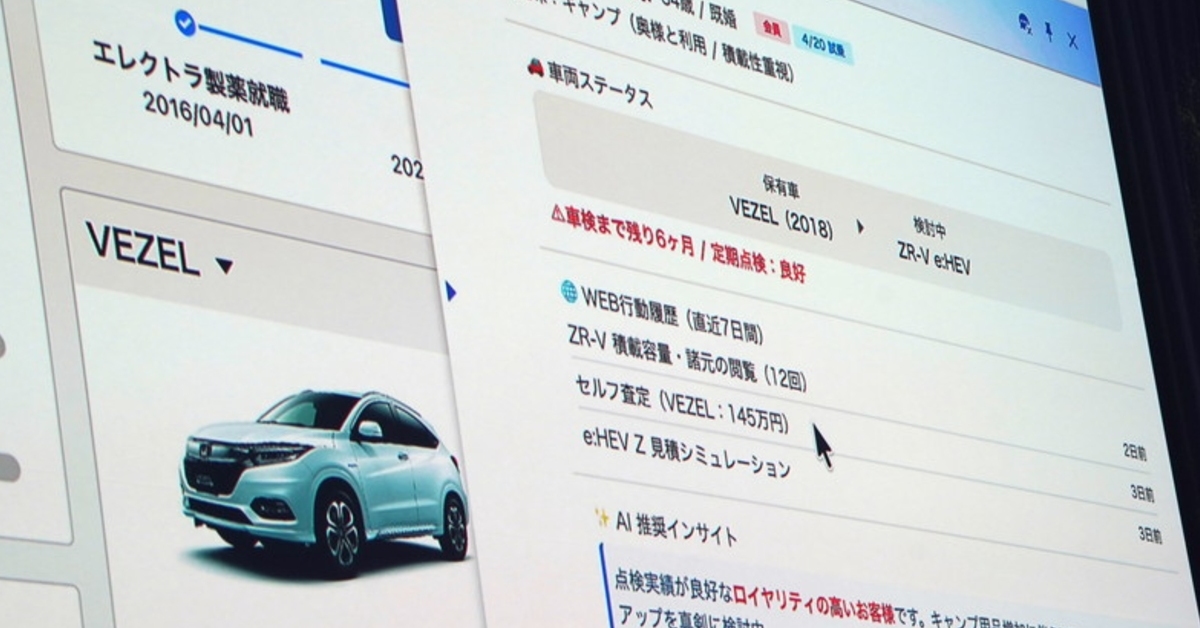
「待ちの営業」はもう限界 ホンダがAIエージェントで挑む、商機を逃さない「濃い商談」の創出
顧客の購買行動が変化する中、ホンダが新車販売にAIエージェントを導入した。“濃い商談”を支援し、すでに成約も生まれているという。販売現場の変化を追う。

話題の「Claude Mythos」登場で変わるセキュリティ AIエージェント時代の防衛策
AIによる攻撃が、月単位から時間単位で現実化する可能性が高まっている。最新AIモデルの登場で脆弱性発見の能力が広がる一方、企業ではAI利用のルールや管理体制が追い付いていない。AIエージェント時代に求められる新たな防衛策とは何か。
NAVI-Orbital: 自律地球観測用のゼロショット視覚言語モデルの初の軌道上デモンストレーション
地球観測データの生成がダウンリンク帯域幅や人間参加型処理を上回っているため、機内での収集と実用的な地上インテリジェンスとの間のギャップが拡大しています。この論文では、地球低軌道 (LEO) 宇宙船に配備されたソフトウェア システムである NAVI-Orbital について説明します。 2026 年 4 月 16 日、NAVI-Orbital は、著者の知る限り、自律的なマルチモーダル推論を完全にオンボードで実行するビジョン言語モデルの軌道上初のデモンストレーションを達成しました。 NAVI-Orbital は、ローカル視覚言語モデル (Gemma 3) を使用して、キャプチャされた各シーンを分類し、その内容とその特徴間の関係についてのテキスト説明を生成し、自然言語対話を介してオペレーターのフォローアップに応答します。このシステムは、従来のコマンド シーケンスの代わりに平易な英語のプロンプトを通じて再タスクが実行され、検出と対話のために専用のエージェントを調整するグラフベースのステート マシン (LangGraph) によって調整されます。地上ベンチマーク (7,960 枚の画像から厳選された AID ベンチマークで 88.16% の精度)、Flatsat 検証、および新たに取得されたこれまでに見たことのない地球画像の軌道上でのライブ キャプチャ (未修正の YAM-9 画像を含む。ハードウェア アクセラレーションによる GPU 推論により機内で処理され、飛行計器の微調整は不要) の結果は、衛星クラスのエッジ コンピューター上で基盤モデルを実行して従来の概念を逆転させる実現可能性を示しています。軌道上の地球観測のセマンティック圧縮を通じて、すべての帯域幅プロファイルを取得してからダウンリンクします。
原文 (English)
NAVI-Orbital: First In-Orbit Demonstration of a Zero-Shot Vision-Language Model for Autonomous Earth Observation
As Earth Observation data generation outpaces downlink bandwidth and human-in-the-loop processing, a widening gap has emerged between onboard collection and actionable ground intelligence. This paper presents NAVI-Orbital, a software system deployed on a Low Earth Orbit (LEO) spacecraft. On April 16, 2026, NAVI-Orbital achieved what is, to the authors' knowledge, the first in-orbit demonstration of a vision-language model performing autonomous multi-modal inference entirely onboard. NAVI-Orbital uses a local vision-language model (Gemma 3) to classify each captured scene, produce a text description of its content and the relationships between its features, and respond to operator follow-up via natural-language dialogue. The system is re-tasked through plain-English prompts in place of conventional command sequences, and is orchestrated by a graph-based state machine (LangGraph) coordinating dedicated agents for detection and dialogue. Results across ground benchmarking (88.16% accuracy on the 7,960-image curated AID benchmark), Flatsat validation, and live in-orbit captures of newly acquired, previously unseen Earth imagery (including uncorrected YAM-9 imagery, processed onboard with hardware-accelerated GPU inference and no fine-tuning for the flight instrument) demonstrate the feasibility of running foundation models on satellite-class edge computers to invert the conventional acquire-then-downlink-everything bandwidth profile through semantic compression of Earth observations in-orbit.
共有ワークスペースでの相乗効果を探る 人間とAIのコラボレーション
自動化された AI エージェントの能力はますます高まっていますが、科学的および専門的なタスクの多くは人間の判断と状況に応じた専門知識を必要とします。私たちは、最終的な回答を提出する前に、AI エージェントと人間の協力者が責任を調整する必要がある、共有ワークスペースの人間と AI チームを研究しています。 DiscoveryBench タスクを備えたコラボレーティブ ジム環境を使用して、シミュレートされた人間のコラボレーターを追加するとパフォーマンスが向上する場合と、プロセスの損失によって追加のコラボレーターが調整オーバーヘッドになる場合を調べます。 1,482 のセッションにわたって、チームに貢献を調整するための構造が不足している場合、関連するコラボレーターを追加するとパフォーマンスが低下する可能性があります。次に、グループの共有メモリとシミュレートされたヒューマンインザループ (HITL) ゲートを組み合わせた足場を評価します。選択されたアクションには、指定されたシミュレートされた参加者の承認が必要です。この足場は、より明確な責任のシグナルとチームの行動への専門知識のより強力なルーティングにより、より高い平均パフォーマンスをもたらします。これは 3 人のチームで最も顕著です。全体として、人間と AI のチームが専門知識をどのように調整し、統合するかは、チームが利用できる能力と同じくらい重要です。
原文 (English)
Searching for Synergy in Shared Workspace Human-AI Collaboration
Automated AI agents are increasingly capable, yet many scientific and professional tasks require human judgment and contextual expertise. We study shared-workspace human-AI teams, where AI agents and human collaborators must coordinate responsibilities before submitting a final answer. Using the Collaborative Gym environment with DiscoveryBench tasks, we examine when adding simulated human collaborators improves performance and when process loss turns additional collaborators into coordination overhead. Across 1,482 sessions, adding relevant collaborators can lower performance when teams lack structure to coordinate their contributions. We then evaluate scaffolding that combines shared group memory with simulated human-in-the-loop (HITL) gates, where selected actions require approval from a designated simulated participant. This scaffolding yields higher mean performance, most clearly in three-person teams, with clearer responsibility signals and stronger routing of expertise to team actions. Overall, how human-AI teams coordinate and integrate expertise matters as much as the capability available to them.
CEO ベンチ: エージェントは長期戦を勝ち抜くことができますか?
言語モデル エージェントは、ソフトウェア エンジニアリングや顧客サービスなど、孤立した短期間のタスクの熟練した実行者になりつつあります。しかし、現実世界の課題には、エージェントではほとんどテストされていない高度なスキルの組み合わせが必要です。(1) 不確実性の中で長い視野をナビゲートする。 (2)騒音環境下での情報取得。 (3) 変化する世界に適応する。 (4) 一貫した目標に向かって複数の可動部分を調整する。 CEO-Bench を紹介します。これは、スタートアップを 500 日間運営するという代表的な現実世界のタスクをシミュレートすることによって、これらの機能をまとめて評価します。エージェントは、プログラム可能な Python インターフェイスを介して、架空の会社の価格設定、マーケティング、予算編成、その他多くの側面を管理し、人間の CEO と同じ環境で動作し、同じ課題に直面します。成功するには、ノイズの多い相互接続されたビジネス データベースを分析し、シグナルを健全な戦略に変換し、プログラミングを使用して多くの意思決定を調整する必要があります。最も強力なエージェントは、顧客コホートをシミュレートして将来の現金を予測し、隠れた顧客の好みを明らかにするために交渉履歴を掘り起こす高度なコードを作成します。それでも、ほとんどの最先端モデルはこの環境では苦戦します。クロード オーパス 4.8 と GPT-5.5 のみが開始残高 100 万ドルを超えて終了し、どちらも一貫して利益を上げています。 CEO-Bench は、時間の経過とともに持続的かつ適応的な進歩を推進するために必要なインテリジェンスを測定するための第一歩を踏み出します。
原文 (English)
CEO-Bench: Can Agents Play the Long Game?
Language model agents are becoming proficient executors at isolated, short-horizon tasks such as software engineering and customer service. Yet real-world challenges require a combination of sophisticated skills that remain largely untested in agents: (1) navigating long horizons amid uncertainty; (2) acquiring information in noisy environments; (3) adapting to a changing world; (4) orchestrating multiple moving parts toward a coherent goal. We introduce CEO-Bench, which evaluates these capabilities together by simulating a representative real-world task: operating a startup for 500 days. An agent manages pricing, marketing, budgeting, and many other aspects of a fictional company through a programmable Python interface, operating in the same environment and facing the same challenges as a human CEO. Success demands analyzing noisy, interconnected business databases, translating signals into sound strategy, and coordinating many decisions with programming. The strongest agents write sophisticated code that simulates customer cohorts to forecast future cash and mines negotiation history to uncover hidden customer preferences. Even so, most state-of-the-art models struggle in this environment. Only Claude Opus 4.8 and GPT-5.5 finish above the $1M starting balance, and neither consistently turns a profit. CEO-Bench takes a first step toward measuring the intelligence required to drive sustained, adaptive progress over time.
ジェネラリストエージェントが覚えておくべきことは何ですか?
この論文では、ジェネラリスト エージェントが複数の環境と目標にわたってほぼ最適に動作するためにメモリに何を保存する必要があるかについて正式に説明します。これは、2 つのドメインが観察上のボトルネックを共有しているものの、互換性のない最適なアクションを必要とする場合、均一に最適に近いポリシーはそのボトルネックで異なるメモリ分散を引き起こす必要があることを示しています。その結果、分離定理が得られます。十分に成功したエージェントは、現在の状態の観察だけに頼ることはできず、ドメイン関連の情報をメモリに保存する必要があります。この論文はさらに、エージェントのメモリに関連する目標の値を推定するのに十分な情報が含まれている場合、そのメモリを使用してエージェントのローカル遷移ダイナミクスを近似的に再構築できることを示しています。これらの結果を総合すると、領域の曖昧さの解消、遷移モデルの再構築、ジェネラリストエージェントの計画をサポートする基盤としてのメモリの特徴が明らかになります。
原文 (English)
What Must Generalist Agents Remember?
This paper develops a formal account of what generalist agents must store in memory in order to act near-optimally across multiple environments and goals. It shows that when two domains share an observational bottleneck but require incompatible optimal actions, any uniformly near-optimal policy must induce distinct memory distributions at that bottleneck. The result yields a separation theorem: sufficiently successful agents cannot rely only on current state observations, but must preserve domain-relevant information in memory. The paper further shows that if an agent's memory contains enough information to estimate values for related goals, then that memory can be used to approximately reconstruct the agent's local transition dynamics. Together, these results characterize memory as the substrate that supports domain disambiguation, transition-model reconstruction, and planning for generalist agents.
R2D-RL: マルチエージェント強化学習のためのロボカップ 2D サッカー環境
ロボット サッカーは、部分的な可観測性、協力的および敵対的相互作用、まばらな報酬、および長期的な戦術的行動を組み合わせているため、マルチエージェント強化学習にとって挑戦的なテストベッドです。 RoboCup 2D Soccer Simulation (RCSS2D) は、成熟したロボット サッカー プラットフォームを提供しますが、競技指向のサーバー クライアント アーキテクチャを最新の Python ベースの MARL ワークフローで直接使用するのは困難です。共有メモリ通信とサイクルレベルの同期を通じて、RCSS2D および HELIOS ベースのプレーヤー クライアントを Python MARL インターフェイスに接続する強化学習環境である R2D-RL を紹介します。 R2D-RL は、構成可能な対戦相手によるフルフィールドおよびシナリオベースのトレーニング、ベース離散およびハイブリッドのパラメータ化されたアクション スペース、アクション マスク、期待所有値 (EPV) ベースの報酬形成、および並列実行をサポートします。フロントゴールのシナリオと 11 対 11 のフルフィールド ベンチマークをベースライン結果とともに提供します。
原文 (English)
R2D-RL: A RoboCup 2D Soccer Environment for Multi-Agent Reinforcement Learning
Robot soccer is a challenging testbed for multi-agent reinforcement learning because it combines partial observability, cooperative and adversarial interaction, sparse rewards, and long-horizon tactical behavior. RoboCup 2D Soccer Simulation (RCSS2D) provides a mature robot-soccer platform, but its competition-oriented server-client architecture is difficult to use directly with modern Python-based MARL workflows. We introduce R2D-RL, a reinforcement learning environment that connects RCSS2D and HELIOS-based player clients to a Python MARL interface through shared-memory communication and cycle-level synchronization. R2D-RL supports full-field and scenario-based training with configurable opponents, Base discrete and Hybrid parameterized action spaces, action masks, expected possession value (EPV)-based reward shaping, and parallel execution. We provide front-goal scenarios and an 11-vs-11 full-field benchmark, together with baseline results.
ProfiLLM: 産業向け配車サービス向けの公共事業者と連携したエージェント ユーザー プロファイリング
大規模言語モデル (LLM) をプラットフォーム規模の動作ログ上のセマンティック特徴抽出機能として産業用配車サービスに導入することは、魅力的ですが十分に調査されていないデータ システムの問題です。プロダクションマッチングパイプラインは依然として構造化された数値特徴によって支配されていますが、決定的な行動シグナル(例:特定の領域に対するドライバーの習慣的な嫌悪感など)は本質的にコンテキストに依存しており、LLM が生成するユーザー プロファイルとして自然に表現可能です。ただし、このようなプロファイリングをライブのミリ秒レイテンシーのディスパッチャに拡張すると、一緒に対処されることはほとんどない 3 つの絡み合った制約に直面します。毎日何百万もの注文があるプラットフォームでは、ログが LLM のコンテキスト ウィンドウを桁違いに超えます。ほとんどのユーザーはロングテールであり、ユーザーごとのプロファイリングを行うにはインタラクションが少なすぎます。また、表面流動性プロファイルは、必ずしも下流予測の有用性を向上させるわけではありません。ここでは、2 つのモジュールを通じて、実稼働マッチング システム向けにユーティリティに合わせたユーザー プロファイリングを運用するエージェント LLM データ パイプラインである ProfiLLM を紹介します。 (1) ツール拡張グローバル ナレッジ マイニングは、プラットフォーム スケールのデータをマイニングするための 27 の分析ツールを LLM エージェントに装備し、再利用可能なグローバル ナレッジ、適応型ユーザー クラスタリング ルール、および地域レベルの需要事前分布を生成します。 (2) ユーティリティに合わせたプロファイル探索は、クラスターごとに複数の候補プロファイルを生成し、軽量のダウンストリーム ユーティリティ プロキシを介してそれらを評価し、最良の候補を繰り返し絞り込み、DPO 微調整のための優先ペアを構築します。 DiDi のプロダクション ディスパッチャーに導入された ProfiLLM は、結果予測で最大 +6.14% の相対 AUC 改善、ディスパッチ シミュレーションで最大 +4.35% の GMV 向上、および 14 日間のオンライン A/B テストで +0.47% GMV、+0.33% の完了率、-0.82% のキャンセル前キャンセル率を含む一貫した改善を達成しました。
原文 (English)
ProfiLLM: Utility-Aligned Agentic User Profiling for Industrial Ride-Hailing Dispatch
Bringing Large Language Models (LLMs) into industrial ride-hailing dispatch as semantic feature extractors over platform-scale behavioral logs is a compelling but under-explored data systems problem. Production matching pipelines remain dominated by structured numerical features, yet decisive behavioral signals (e.g., a driver's habitual aversion to certain regions) are inherently contextual and naturally expressible as LLM-generated user profiles. However, scaling such profiling to a live, millisecond-latency dispatcher faces three intertwined constraints rarely addressed together: on a platform with millions of daily orders, logs exceed any LLM's context window by orders of magnitude; most users are long-tail, with too few interactions for per-user profiling; and surface-fluent profiles do not necessarily improve downstream prediction utility. We present ProfiLLM, an agentic LLM data pipeline that operationalizes utility-aligned user profiling for production matching systems through two modules. (1) Tool-Augmented Global Knowledge Mining equips an LLM agent with 27 analytical tools to mine platform-scale data, producing reusable global knowledge, adaptive user clustering rules, and region-level supply-demand priors. (2) Utility-Aligned Profile Exploration generates multiple candidate profiles per cluster, evaluates them via a lightweight downstream utility proxy, iteratively refines the best candidates and constructs preference pairs for DPO fine-tuning. Deployed on DiDi's production dispatcher, ProfiLLM achieves up to +6.14% relative AUC improvement in outcome prediction, up to +4.35% GMV gain in dispatching simulation, and consistent improvements in a 14-day online A/B test including +0.47% GMV, +0.33% Completion Rate, and -0.82% Cancel-Before-Accept rate.
WorldLines: 長期的なステートフルな組み込みエージェントのベンチマークとモデリング
実際の家庭で長期間にわたって人間を支援するには、実体エージェントはユーザーのルーチン、世界の状態、過去のやり取りを記憶しておく必要があります。既存の長期メモリ ベンチマークは、主に言語中心の検索と質問応答を評価しますが、具体化されたベンチマークは、多くの場合、動的環境での長期メモリの使用をテストせずに、短期間のタスクの実行に焦点を当てています。長期的な視点で具体化された家事援助のためのプロジェクト主導型ベンチマークである WorldLines を紹介します。対話、アクション、実行フィードバック、オブジェクトとデバイスの状態変化を含む時間的に拡張された世帯トレースを構築し、それらをメモリ QA および身体的タスク プランニング用の証拠にリンクされたサンプルに変換します。さらに、状態を認識した決定のための可視性を認識したメモリとアクションネイティブの状態証跡を維持する、オブザーバーベースのメモリフレームワークであるObsMemを提案します。実験では、部分的な可観測性、世界状態の上書き、長期記憶の具体化された計画への変換における永続的な課題が明らかになり、ObsMem はこの設定に対してより強力なリファレンス アーキテクチャを提供します。
原文 (English)
WorldLines: Benchmarking and Modeling Long-Horizon Stateful Embodied Agents
To assist humans over extended periods in real homes, embodied agents must remember user routines, world states, and past interactions. Existing long-term memory benchmarks mainly evaluate language-centric retrieval and question answering, while embodied benchmarks often focus on short-horizon task execution without testing long-term memory use in dynamic environments. We introduce WorldLines, a project-driven benchmark for long-horizon embodied household assistance. It constructs temporally extended household traces with dialogues, actions, execution feedback, object and device state changes, and converts them into evidence-linked samples for Memory QA and Embodied Task Planning. We further propose ObsMem, an observer-grounded memory framework that maintains visibility-aware memories and action-native state trails for state-aware decisions. Experiments reveal persistent challenges in partial observability, overwritten world states, and translating long-term memory into embodied plans, while ObsMem offers a stronger reference architecture for this setting.
部分的に観測可能な環境におけるナビゲーションのための生成モデル予測計画
部分的に観測可能な環境でのナビゲーションは自律エージェントにとって大きな課題であり、未知の環境では限られた感覚情報を使用して効果的な意思決定を行う必要があります。信念に基づく方法、特にニューラル ネットワークを使用して信念空間を近似する方法は、特に知覚エイリアシングを伴う高次元の場合、信念空間の固有の多峰性を捉えることができないことがよくあります。生成モデルは説得力のある代替手段を提供しますが、通常、大量のデータまたは専門家の実証が必要であり、長期計画のための明示的なメカニズムが不足しています。このペーパーでは、生成と計画の両方の利点を組み合わせた新しいフレームワークである BeliefDiffusion を紹介します。 BeliefDiffusion は拡散モデルを活用してマルチモーダルな信念分布を明示的に特徴付け、モデル予測制御 (MPC) を利用して同時に事前の計画を立てます。これは 2 つのステップで構成されます: (1) 観測履歴に基づいて妥当な環境構成を想像する、および (2) 集約された構成全体にわたる効率的なナビゲーション戦略を計画する。合成マップ環境での広範な実験を通じて、BeliefDiffusion がナビゲーションの成功率と経路効率において、モデルフリーの強化学習ベースラインと他の生成アプローチの両方を大幅に上回ることを実証しました。私たちの結果は、マルチモーダルな信念表現を計画に明示的に組み込むことで、部分的に観察可能な設定でより堅牢なナビゲーションが可能になることを検証しました。
原文 (English)
Generative-Model Predictive Planning for Navigation in Partially Observable Environments
Navigation in partially observable environments presents a significant challenge for autonomous agents, requiring effective decision-making with limited sensory information in unknown environments. Belief-based methods, particularly those using neural networks to approximate the belief space, often fail to capture the inherent multimodality of belief spaces, especially in high-dimensional cases with perceptual aliasing. While generative models present a compelling alternative, they typically require substantial data or expert demonstrations and lack explicit mechanisms for long-term planning. In this paper, we introduce BeliefDiffusion, a novel framework that combines the benefits of both generation and planning. BeliefDiffusion leverages diffusion models to explicitly characterize multimodal belief distributions and utilizes Model Predictive Control (MPC) to simultaneously plan ahead. It consists of two steps: (1) Imagining plausible environment configurations based on observation history and (2) Planning efficient navigation strategies across an aggregated configurations. Through extensive experiments in synthetic map environments, we demonstrate that BeliefDiffusion significantly outperforms both model-free reinforcement learning baselines and other generative approaches in navigation success rate and path efficiency. Our results validate that explicitly incorporating multimodal belief representations into planning enables more robust navigation in partially observable settings.
GUI エージェント向けのスキルガイド付き継続蒸留
GUI エージェントの改善は通常、エキスパートの軌跡に基づく動作の複製に依存します。しかし、現在のポリシーはエキスパート ポリシーから逸脱しているため、閉ループの実行中にポリシーによって引き起こされる軌道外状態、つまりエキスパート 軌道から外れる状態に必然的に遭遇します。専門家の軌跡はこれらの目に見えない国家についての実証を提供しないため、そのような国家は効果的な監督を受けられず、政策は正しい行動を選択できないままになります。この監督ギャップを埋めるために、反復的な自己改善フレームワークであるスキルガイド付き継続蒸留 (SGCD) を提案します。 SGCD は、現実的な軌道外状態に到達するために、最初にスキル ガイダンスなしの単純なポリシーをいくつかのステップで実行します。これらの状態から、スキル主導のポリシーがタスクを完了し、成功した継続を生成します。これは、ポリシーによって誘導された軌道外の状態を監視するために専門家の軌道と混合されます。スキルは成功したロールアウトと失敗したロールアウトの両方から抽出され、継続計画、クリティカル ターゲット、失敗トラップ、成功基準で構成されます。 OSWorld-Verified では、SGCD は 3 つの基本モデルの成功率を 30\% 台前半から 50\% 以上に向上させ、その有効性と汎用性を実証しています。
原文 (English)
Skill-Guided Continuation Distillation for GUI Agents
Improving GUI agents typically relies on behavior cloning on expert trajectories. However, as the current policy deviates from the expert policy, it inevitably encounters policy-induced off-trajectory states during closed-loop execution, i.e., states that fall outside the expert trajectories. Since expert trajectories provide no demonstrations for these unseen states, such states receive no effective supervision, leaving the policy unable to select the correct action. To close this supervision gap, we propose Skill-Guided Continuation Distillation (SGCD), an iterative self-improvement framework. SGCD first runs the plain policy without skill guidance for a few steps to reach realistic off-trajectory states. From these states, a skill-guided policy then completes the task and produces successful continuations, which are mixed with expert trajectories to supply supervision over policy-induced off-trajectory states. The skills are extracted from both successful and failed rollouts, consisting of Continuation Plans, Critical Targets, Failure Traps, and Success Criteria. On OSWorld-Verified, SGCD improves the success rate of three base models from the low-30\% range to over 50\%, demonstrating its effectiveness and generality.
検索と推論の分離: LLM エージェント向けのベンダーに依存しないグラウンディング アーキテクチャ
実稼働 LLM エージェントは、リアルタイム検索への依存度を高めていますが、ネイティブ検索は、単一のモデルとプロバイダーの境界の背後で取得ポリシー、プロバイダーの選択、証拠の挿入、コスト、遅延、および生成動作をバンドルしています。この結合により、アースの検査、調整、再利用、または移植が困難になり、厳密な出力契約を破る検索誘発冗長性が引き起こされる可能性があります。我々は、MCP 互換のゲートウェイを介して推論モデルの外側にグラウンディングを移動するベンダーに依存しない境界である分離検索グラウンディング (DSG) を提示し、プロバイダー ルーティング、ソース認識コンテキスト レンダリング、構成されたフォールバック、取得深さの制御、ファースト クラスの制御としての正確なプラス セマンティック キャッシュを公開します。 SimpleQA、FreshQA、HotpotQA の 5 つのフロンティア モデル全体で、ネイティブ検索は最新性に敏感な FreshQA をリードしていますが、制御が重要な場合には DSG がより強力なフロンティアを明らかにします。SimpleQA では、91% 低い検索コストでネイティブの精度 (86.1% 対 87.7%) にほぼ匹敵し、簡潔な回答コントラクトを維持し、68% 低いレイテンシで 99.4% のウォーム キャッシュ ヒット率に達します。交換可能なモデルを備えた大規模なエージェント ワークロードの共有実稼働基盤レイヤーとして導入された DSG は、電子商取引クエリ理解 (QIU) ワークロードでネイティブ検索の精度と同等かわずかに上回り、検索コストを 98% 以上削減します。リアルタイム グラウンディングは、固定モデル機能ではなく、最適化可能なインターフェイス境界として扱うのが最適です。
原文 (English)
Decoupling Search from Reasoning: A Vendor-Agnostic Grounding Architecture for LLM Agents
Production LLM agents increasingly depend on real-time search, yet native search grounding bundles retrieval policy, provider choice, evidence injection, cost, latency, and generation behavior behind a single model-provider boundary. This coupling makes grounding hard to inspect, tune, reuse, or port, and can trigger Search-Induced Verbosity that breaks strict output contracts. We present Decoupled Search Grounding (DSG), a vendor-agnostic boundary that moves grounding outside the reasoning model through an MCP-compatible gateway, exposing provider routing, source-aware context rendering, configured fallback, retrieval-depth control, and exact plus semantic caching as first-class controls. Across five frontier models on SimpleQA, FreshQA, and HotpotQA, native search leads on recency-sensitive FreshQA, but DSG exposes a stronger frontier when control matters: on SimpleQA it nearly matches native accuracy (86.1% vs. 87.7%) at 91% lower search cost, preserves concise answer contracts, and reaches a 99.4% warm-cache hit rate with 68% lower latency. Deployed as a shared production grounding layer for large-scale agentic workloads with interchangeable models, DSG matches or slightly exceeds native-search accuracy on an e-commerce query-understanding (QIU) workload while cutting search cost by over 98%. Real-time grounding is best treated as an optimizable interface boundary, not a fixed model feature.
RTSGameBench: 視覚言語モデルによる戦略的推論のための RTS ベンチマーク
現代の視覚言語モデル (VLM) は、競争環境や協力環境における不確実性の下で、戦略的推論、つまり他のエージェントの行動を予測したり影響を与えたりするのに苦労することがよくあります。リアルタイム ストラテジー (RTS) ゲームは、味方との調整、敵の戦略への適応、部分的な可観測性の下での長期的な計画を必要とするため、この限界を診断するための自然なテストベッドとなり得ます。ただし、既存の RTS ベンチマークは評価範囲が限られており、体系的なコンピテンシー診断が欠如しており、事前に設計されたシナリオの範囲に固定されたままです。これらの制限に対処するために、既存のテストベッドよりも幅広い戦略の多様性を要求する拡張された戦場を備えた大規模 RTS ゲームである Beyond All Reason 上に構築された RTSGameBench を紹介します。提案されたベンチマークは、さまざまな対戦構造にわたる多様なゲームプレイを介した評価、それぞれが個人の戦略的能力を対象としたミニゲームを介した診断評価、および自由形式のクエリを新しいミニゲームに変換し、連続サイクルで改善する自己進化型生成フレームワークを介した拡張可能なカバレッジを提供します。さらに、大規模な RTS ゲームで VLM を動作させるために、エージェントティック メモリを備えた FSM によってユニットを管理する RTSGameAgent を提供します。私たちは、対戦でより緊密な調整やマルチエージェントの調整が必要な場合、およびタスクの規模が増大する場合、複数の最先端の VLM が適切にパフォーマンスを発揮しないことを経験的に検証しています。
原文 (English)
RTSGameBench: An RTS Benchmark for Strategic Reasoning by Vision-Language Models
Modern Vision-Language Models (VLMs) often struggle with strategic reasoning, i.e., anticipating and influencing other agents' actions, under uncertainty in competitive and cooperative settings. Real-time strategy (RTS) games can be a natural testbed for diagnosing this limitation, as they demand coordination with allies, adaptation to opponents' strategy, and long-horizon planning under partial observability. However, existing RTS benchmarks offer limited evaluation scope, lack systematic competency diagnosis, and remain fixed in the pre-designed scenario coverage. To address these limitations, we present RTSGameBench, which is built on Beyond All Reason, a large-scale RTS game with an expanded battlefield that demands broader strategy diversity than the existing testbeds. The proposed benchmark provides evaluations through diverse gameplay across various matchup structures, diagnostic assessment via mini-games, each targeting an individual strategic competency, and extensible coverage via a self-evolving generation framework that converts free-form queries into new mini-games, improving over successive cycles. Additionally, for VLMs to operate in large-scale RTS games, we provide RTSGameAgent that manages units by an FSM with agentic memory. We empirically validate that multiple state-of-the-art VLMs do not perform well when matchups demand tighter coordination, multiagent coordination and when task scale increases.
RODS: マルチターンツール使用エージェント向けの報酬主導型オンラインデータ合成
マルチターンツール使用 RL は、静的データセット内の有益なサンプルが急速に枯渇することがボトルネックとなっています。 GRPO の勾配信号が、ポポビシウの上限の結果として、ロールアウト報酬の分散が最も高いタスクに集中していることが観察されます。その結果、エージェントの機能境界に近いサンプル (成功と失敗がほぼバランスしている場所) は、不釣り合いに大きなポリシー勾配に寄与します。トレーニングが進行するにつれて、この境界は継続的に変化し、静的データセット内の有益なサンプルのプールが徐々に枯渇します。私たちは、この枯渇を解決するために RODS (報酬駆動型オンライン データ合成) を提案します。 RODS は、進行報酬の分散を、トレーニング用にすでに計算されたロールアウトを超える追加の推論を必要としない実用的なゼロコストの境界検出器として再利用することで、RL トレーニングとデータ生成の間のループを閉じます。このような境界サンプルを継続的に識別し、スキルに合わせたリサンプリング パイプラインを介して構造の複雑さ (API トポロジや依存関係の深さなど) に一致する新しいマルチターン バリアントを合成し、ポリシーと共進化する動的リプレイ バッファを管理します。 RODS は、400 人のヒト シードから開始し、約 800 サンプルのアクティブなトレーニング プールを維持することで、17,000 サンプルのオフライン パイプラインと同等のパフォーマンスを達成しながら、必要な軌道が約 20 分の 1 で、制御された設定での固定データ RL と環境拡張を改善します。
原文 (English)
RODS: Reward-Driven Online Data Synthesis for Multi-Turn Tool-Use Agents
Multi-turn tool-use RL is bottlenecked by the rapid depletion of informative samples in static datasets. We observe that the gradient signal in GRPO concentrates on tasks with the highest rollout reward variance, a consequence of the Popoviciu upper bound. Consequently, samples near the agent's capability boundary -- where successes and failures are roughly balanced -- contribute disproportionately large policy gradients. As training progresses, this boundary continuously shifts, which gradually depletes the pool of informative samples in a static dataset. We propose RODS (Reward-driven Online Data Synthesis) to resolve this depletion. RODS closes the loop between RL training and data generation by repurposing the progress reward variance as a practical, zero-cost boundary detector that requires no extra inference beyond the rollouts already computed for training. It continuously identifies such boundary samples, synthesizes new multi-turn variants matching their structural complexity (e.g., API topology and dependency depth) via a skill-aligned resampling pipeline, and manages a dynamic replay buffer that co-evolves with the policy. Starting from 400 human seeds and maintaining an active training pool of ~800 samples, RODS achieves comparable performance to a 17K-sample offline pipeline while requiring roughly 20x fewer trajectories, and improves over fixed-data RL and environment augmentation in our controlled setting.
エージェントファーストの Web に向けて: AI エージェント向けに Web を再設計する
World Wide Web は、Web コンテンツの主な消費者は人間であるという 30 年間保持されてきた前提に基づいて構築されました。これはあらゆる層に浸透しています。そのアクセス モデルは人間の訪問者を想定しており、その経済性は人間の注意に基づいており、そのコンテンツは人間の認識を対象としています。人間と Web コンテンツの間の仲介者としての AI エージェントの急速な出現により、この仮定は無効になります。しかし、Web はブランケット ブロッキング、CAPTCHA ベースの排除、エージェントのアクセスを正当なやり取りではなく抽出として扱う経済モデルを通じてエージェントに抵抗します。この文書では、3 つの層にわたる原則に基づいた再設計を提案します。アクセス層では、人間に代わって動作するエージェントは、同じドメインから人間が読み取り可能なコンテンツとエージェントに最適化されたコンテンツを提供する二重層アーキテクチャとともに、ブラウザのヘッダーに似た HTTP リクエストのレート制限とエージェント識別メタデータによって管理される同等のアクセス権を継承する必要があります。経済層では、人間代理としてのエージェントの原則に基づいたインテントベースの階層フレームワークを提案します。つまり、エージェントの経済的義務は、エージェントが代表する人間の経済的義務を反映します。トークンベースのサブスクリプション モデルは、人間の意図に基づいた AI コンテンツ制作を定着させる委託コンテンツ エコノミーと並行して、ページビューではなくトークンでコンテンツを計測します。コンテンツ層では、AI が生成したコンテンツがエージェントによって消費されてさらなるコンテンツが生成され、Web 知識が人間のグラウンド トゥルースから徐々に切り離される自己参照ループである認識的再帰を特定します。私たちは、この脅威に対抗するために、エージェント テキスト マークアップ言語 (ATML)、人間による 4 レベルの監視層モデル、および暗号の出所チェーンを提案します。これらは合わせて、エージェントファースト インターネットの 10 の設計原則を構成します。エージェントは第一級市民であり、その統合には、アクセス、経済性、コンテンツにわたる Web の基本的な社会契約を再交渉する必要があります。
原文 (English)
Towards an Agent-First Web: Redesigning the Web for AI Agents
The World Wide Web was built on an assumption held for three decades: the primary consumer of web content is a human being. This permeates every layer; its access model presumes human visitors, its economics rest on human attention, and its content targets human perception. The rapid emergence of AI agents as intermediaries between humans and web content invalidates this assumption. Yet the web resists agents through blanket blocking, CAPTCHA-based exclusion, and economic models that treat agent access as extraction rather than legitimate interaction. This paper proposes a principled redesign across three layers. At the access layer, agents acting for humans should inherit equivalent access rights, governed by rate limiting and agent identification metadata in HTTP requests, analogous to browser headers, alongside a dual-layer architecture serving human-readable and agent-optimized content from the same domain. At the economic layer, we propose an intent-based tier framework grounded in the agent-as-human-proxy principle: an agent's economic obligation mirrors that of the human it represents. A token-based subscription model meters content in tokens rather than pageviews, alongside a commissioned content economy anchoring AI content production in human intentionality. At the content layer, we identify epistemic recursion, the self-referential loop in which AI-generated content is consumed by agents to produce further content, progressively detaching web knowledge from human ground truth. We propose the Agent Text Markup Language (ATML), a four-level human supervision tier model, and a cryptographic provenance chain to counter this threat. Together these constitute ten design principles for an agent-first internet, one in which agents are first-class citizens whose integration requires renegotiating the web's foundational social contract across access, economics, and content.
TxBench-PP: 低分子前臨床薬理における AI エージェントのパフォーマンスの分析
人工知能 (AI) エージェントは、解釈と意思決定のループを圧縮することで創薬を加速すると約束されていますが、実際の導入には現実的なプログラムの決定に対する信頼できる評価が必要です。低分子前臨床薬理学の検証可能なベンチマークであり、創薬段階と治療法にわたる広範な TherapeuticsBench の取り組みの最初の焦点となるスライスである TherapeuticsBench Preclinical Pharmacology (TxBench-PP) を紹介します。 TxBench-PP は、エージェントが文献から記憶された事実ではなく、現実世界の分析データから正確な結論を導き出せるかどうかをテストします。このベンチマークには、プログラムの段階、アッセイの種類、タスク構造、作用機序 (MoA) と薬力学 (PD) の推論、化合物と標的の関与、原因となる標的の検証、開発可能性と安全性、トランスレーショナル有効性を含む 100 件の評価が含まれています。エージェントは現実的なワークフローのスナップショットを受け取り、コーディング環境でファイルを検査し、決定的に評価された構造化された回答を返します。 11 のモデルと 4,800 の軌跡を含む 16 のモデルハーネス構成にわたって、前臨床薬理学の決定を確実に回復したシステムはありませんでした。最も強力な構成である Claude Opus 4.8 / Pi は、エンドポイント試行の 59.3\% (178/300; 95\% CI、51.1-67.6) を通過し、続いて GPT-5.5 / Pi が 55.3\% (166/300; 47.0-63.6) で合格しました。
原文 (English)
TxBench-PP: Analyzing AI Agent Performance on Small-Molecule Preclinical Pharmacology
Artificial intelligence (AI) agents promise to accelerate drug discovery by compressing interpretation and decision-making loops, but practical deployment requires trusted evaluation on realistic program decisions. We introduce TherapeuticsBench Preclinical Pharmacology (TxBench-PP), a verifiable benchmark for small-molecule preclinical pharmacology and the first focused slice of a broader TherapeuticsBench effort across drug-discovery stages and therapeutic modalities. TxBench-PP tests whether agents can recover accurate conclusions from real-world assay data rather than memorized facts from literature. The benchmark contains 100 evaluations indexed by program stage, assay type, and task structure, spanning mechanism-of-action (MoA) and pharmacodynamic (PD) reasoning, compound-target engagement, causal target validation, developability and safety, and translational efficacy. Agents receive realistic workflow snapshots, inspect files in a coding environment, and return structured answers graded deterministically. Across 16 model-harness configurations, comprising 11 models and 4,800 trajectories, no system reliably recovered preclinical pharmacology decisions. The strongest configuration, Claude Opus 4.8 / Pi, passed 59.3\% of endpoint attempts (178/300; 95\% CI, 51.1-67.6), followed by GPT-5.5 / Pi at 55.3\% (166/300; 47.0-63.6).
感情を持たない思いやり: 人間と AI エージェントのコラボレーションの制御層としての感情ダイナミクス
計画を立て、セッション間でメモリを保持し、外部ツールを呼び出し、部分的に自律的に動作する AI エージェントは、人間と AI のコラボレーションを変革しています。感情コンピューティング、大規模な言語モデルでシミュレートされた共感、自動化への信頼、AI の安全性に関する研究により、重要な設計原則が明らかになりましたが、これらの文献は断片的なままです。エージェントのコラボレーション、つまり人間が結果として生じるタスクを委任し、監視し、修正する設定内で感情的な合図がどのように機能するかを説明する統合アカウントはありません。このレビューでは、感情ダイナミクスの計算メカニズムと相互作用メカニズムを統合します。感情の手がかり、感情のような行動、および知覚されたエージェントが、形状信頼の調整、委任の決定、エラー修正、依存性、およびガバナンスに影響を与えるプロセスです。私たちは、モデルによって生成された感情信号が信頼、修復、監視を制御する相互作用ループにどのように入るかを追跡し、感情を AI の内部特性としてではなく、人間とエージェントが能力、不確実性、責任を交渉するための調整層として扱うフレームワークを提案します。このフレームワークは、校正された測定、目的を持った設計、および情報に基づいたガバナンスの基盤を提供します。
原文 (English)
Caring Without Feeling: Affective Dynamics as the Control Layer of Human-AI Agent Collaboration
AI agents that plan, retain memory across sessions, invoke external tools and act with partial autonomy are transforming human--AI collaboration. Research on affective computing, simulated empathy in large language models, trust in automation and AI safety has illuminated important design principles, yet these literatures remain fragmented. No integrated account explains how affective cues operate within agentic collaboration -- settings in which humans delegate, monitor and correct consequential tasks. This Review synthesises computational and interactional mechanisms of affective dynamics: the processes through which affective cues, emotion-like behaviour and perceived agent affect shape trust calibration, delegation decisions, error correction, dependence and governance. We trace how model-generated affective signals enter interaction loops that govern reliance, repair and oversight, and propose a framework that treats affect not as an internal property of AI but as a coordination layer through which humans and agents negotiate capability, uncertainty and responsibility. The framework provides a foundation for calibrated measurement, purposeful design and informed governance.
マルチ LLM エージェントによるヘイトスピーチ連鎖のシミュレーション: 経験的根拠付け、忠実度のモデリング、介入戦略
オンライン プラットフォーム上での憎悪に満ちたコンテンツの伝播を忠実にモデル化することは、モデレーション研究にとって依然として未解決の問題です。ヘイトコンテンツの伝播に関連するプロフィール、コミュニティ、およびコンテンツ要素を明示的に表現していない従来のカスケード モデルでは、現実世界のシナリオに展開すると効果が低いモデレーション戦略が生成される可能性があります。マルチエージェント大規模言語モデル (LLM) システムは、原則として、ユーザーのプロフィール、周囲のコミュニティ、投稿のコンテンツに応じて各再共有の決定を行うことができますが、この追加された柔軟性が実際に実際の憎悪のカスケードを従来のベースラインよりも忠実に再現するかどうかは不明のままです。私たちは 3 つの憎むべき Bluesky カスケードとサイズが一致した良性のコントロールを研究します。 Bluesky の経験的データでは、再投稿者の 97.4 ~ 99.7% が敵対的な態度をとっていることがわかりました。有害性関与の同質性は、憎しみのカスケードのフォロワー グラフよりも拡散ツリーで高くなります。トポロジは、憎悪のカスケードではスター型 (ほとんどの再投稿はルートから直接送信されます) であるのに対し、良性のカスケードではツリー型になります (再投稿はマルチホップ チェーンを介して伝播します)。シミュレーションでは、マルチ LLM エージェント シミュレーターがスタンスのモノカルチャーと毒性デルタの方向を再現します。構造化アブレーションでは、主要な忠実度要因として薬剤の不均一性が特定され、高密度ネットワークをターゲットとするアンプでは、良性側副枝が 5.7\% で 7.5 ~ 12.9\% の減少が得られます。
原文 (English)
Simulating Hate Speech Cascades with Multi-LLM Agents: Empirical Grounding, Modeling Fidelity, and Intervention Strategies
Faithful modeling of hateful content propagation on online platforms remains an open problem for moderation research. Classical cascade models that do not explicitly represent the profile, community, and content factors associated with hateful-content propagation may yield moderation strategies that behave less effectively when deployed in real-world scenarios. Multi-agent large language model (LLM) systems can, in principle, make each reshare decision depend on the user's profile, the surrounding community, and the post's content, but it remains unclear whether this added flexibility actually reproduces real hateful cascades more faithfully than classical baselines. We study three hateful Bluesky cascades and a size-matched benign control. In the empirical Bluesky data, we found that: 97.4--99.7\% of reposters take a hostile stance; toxicity-engagement homophily is higher on the diffusion tree than on the follower graph for hateful cascades; topology is star-like for the hateful cascades (most reposts come directly from the root) versus tree-like for the benign cascade (reposts propagate through multi-hop chains). In simulation, a multi-LLM-agent simulator reproduces the stance monoculture and the toxicity-delta direction. A structured ablation identifies agent heterogeneity as the leading fidelity factor, and amplifier targeting on dense networks yields 7.5--12.9\% reduction at 5.7\% benign collateral.
マルチエージェントシミュレーションベースのコミュニティノート評価に向けて
相互合意に基づくコミュニティベースのファクトチェックは、ソーシャル メディア プラットフォーム上で急速に拡大しています。しかし、人間の貢献者によって評価されるコミュニティのクロスコンセンサスファクトチェックの遅れと比率の低さは、依然として大きな課題です。これに対処するために、私たちはまず ComRate を作成しました。これは、$\mathbb{X}$ をソースとする 250 万件のコミュニティ ノートと 2 億 900 万件を超える評価で構成される大規模なデータセットです。次に、コミュニティノート評価のための、ペルソナに基づいたマルチエージェント評価フレームワークである MultiCom を提案します。 MultiCom は、マトリックス因数分解された評価者空間で投稿者をクラスタリングし、公式のコミュニティ ノート評価スキーマに基づいて構造化された評価を生成するようにペルソナ エージェントを促すことによって、多様な評価者集団をシミュレートします。これらのエージェントは、自信、同意のシグナル、理由など、構造化された説明可能な判断を出力します。フォールド外で調整された集計アルゴリズムは、生の投票や診断理由シグナルなどの機能を組み合わせて、信頼性の高い予測を実現します。広範な評価により、MultiCom が他の手法より優れたパフォーマンスを示し、評価セットで平均精度 84.7% (バランス精度 68.3%、マクロ F1 60.1%) を達成していることが実証されています。
原文 (English)
Towards Multi-Agent-Simulation-Based Community Note Evaluation
Community-based fact-checking that relies on cross-consensus is expanding rapidly on social media platforms. However, the delay and low-ratio of cross-consensus community fact-checks rated by human contributors remains a significant challenge. To address this, we first created ComRate, a large-scale dataset comprising 2.5 million community notes and over 209 million ratings sourced from $\mathbb{X}$. We then propose MultiCom, a persona-guided multi-agent rating framework for community note evaluation. MultiCom simulates diverse rater population by clustering contributors in a matrix-factorized rater space and prompting persona agents to generate structured assessments based on the official community notes rating schema. These agents output structured and explainable judgments, such as confidence, agreement signals and reasons. An out-of-fold calibrated aggregation algorithm combines features such as raw votes and diagnostic reason signals for reliable prediction. Extensive evaluations demonstrate that MultiCom outperforms alternative methods, achieving an average accuracy of 84.7% (balanced accuracy 68.3%, macro-F1 60.1%) on the evaluation set.
エネルギー効率の高い 6G 自律ネットワーク用の LLM ベースのエージェントにおけるアンカリング バイアスを軽減する
このペーパーでは、Large Language Model (LLM) エージェントを使用して 6G アーキテクチャでゼロタッチ ネットワーク スライシングを可能にするように設計された自律エージェント リソース ネゴシエーション フレームワークについて説明します。 LLM は強力な推論機能を提供しますが、そのようなエージェントは本質的にアンカリング バイアスに悩まされ、最初のヒューリスティック提案に固執し、深刻なネットワーク オーバープロビジョニングを引き起こすことが実証されています。この認知バイアスを系統的に軽減するために、我々は、切り詰められた 3 パラメータ ワイブル分布を介してモデル化された新しいランダム化アンカリング戦略を提案します。この数学的に制限されたアプローチは、Conditional Value at Risk (CVaR) を採用したバースト対応デジタル ツイン (DT) とシームレスに統合し、厳格なサービス レベル アグリーメント (SLA) のテール レイテンシを厳密に保証します。私たちの方法論を検証するために、 \emph{二峰性制約回避効用定理} を導入して証明します。これは、実現可能な交渉は古典的な凸境界に従いますが、高度に制約されたシナリオでは逆有理減衰エンベロープによって支配される相転移が起こることを示します。ローカルでホストされた 1B パラメーター モデル (\texttt{otel-llm-1b-it}) を使用して生成された実験結果は、これらの二重領域の境界を確認します。当社の認知バイアス除去機能は、厳格なネゴシエーション パターンを解体することに成功し、エージェントに SLA 境界を安全に乗り越え、システムのエネルギー節約を最大 25\% 高めるための積極的な探索を強制します。重要なのは、軽量の 1B LLM が 1 秒未満の推論レイテンシー (平均 0.95 秒) を達成し、マルチエージェント フレームワークが O-RAN 非リアルタイム RAN インテリジェント コントローラー (非 RT RIC) の運用タイムスケールと互換性があることを保証していることです。\footnote{私たちのソース コードは、https://github.com/HatimChergui で非営利目的で利用できます。
原文 (English)
Mitigating Anchoring Bias in LLM-Based Agents for Energy-Efficient 6G Autonomous Networks
This paper presents an autonomous agentic resource negotiation framework designed to enable zero-touch network slicing in 6G architectures using Large Language Model (LLM) agents. While LLMs offer powerful reasoning capabilities, we demonstrate that such agents inherently suffer from anchoring bias, rigidly adhering to initial heuristic proposals and causing severe network over-provisioning. To systematically mitigate this cognitive bias, we propose a novel randomized anchoring strategy modeled via a Truncated 3-Parameter Weibull distribution. This mathematically bounded approach seamlessly integrates with burst-aware Digital Twins (DTs) employing Conditional Value at Risk (CVaR) to rigorously guarantee strict Service Level Agreement (SLA) tail-latencies. To validate our methodology, we introduce and prove the \emph{Bimodal Constraint-Avoidance Utility Theorem}, demonstrating that while feasible negotiations follow classical convex bounds, highly constrained scenarios undergo a phase transition governed by an inverse rational decay envelope. Empirical results generated using a locally hosted 1B-parameter model (\texttt{otel-llm-1b-it}) confirm these dual-regime bounds. Our cognitive de-biasing successfully dismantles rigid negotiation patterns, forcing agents into active exploration to safely ride SLA boundaries and boost system energy savings up to 25\%. Crucially, the lightweight 1B LLM achieves sub-second inference latencies (0.95s mean), ensuring our multi-agent framework is compatible with the operational timescales of the O-RAN non-Real-Time RAN Intelligent Controller (non-RT RIC)\footnote{Our source code is available for non-commercial use at https://github.com/HatimChergui.
ソルバーのボトルネックの打破: 学習可能なフロンティアでのタスク ジェネレーターのトレーニング
強化学習 (RL) を介してエージェントをトレーニングするためのリソースは、ますますフロンティア タスクの供給が制限されています。有効で解決可能なタスクは、現在のモデルをトレーニングするのに十分なだけ難しいものです。推論モデルとエージェント モデルが改善されると、固定タスクの分布が飽和する一方で、単純な合成生成では、取るに足らない、不可能な、または不適切なタスクが生成されます。有効性と学習可能性を最適化するために RL を使用してタスク ジェネレーターをトレーニングすると、このボトルネックに対処できますが、直接最適化するには、候補ごとにソルバーのロールアウトを繰り返す必要があります。ソフトウェア エンジニアリング (SWE) タスクの場合、1 回のロールアウトに数十分かかることがあります。ソルバーインザループジェネレーターのトレーニングは困難です。目標の解決速度でタスク ジェネレーターをトレーニングするためのソルバー償却フレームワークである PROPEL を紹介します。 PROPEL は、生成されたタスクとソルバーの結果の 1 回限りのラベル付きコーパスで軽量のアクティベーション プローブをトレーニングします。このプローブは、フリーズされたジェネレーター参照モデルからターゲット ソルバーのパス レートを予測し、ジェネレーターの最適化中にソルバー レートのプロキシとして機能し、ジェネレーターの評価を 1 回の前方パスに減らします。 PROPEL は、複数のモデル スケールでの数学、コード、ソフトウェア エンジニアリングにわたって、目標とする解決率に向かって生成をシフトします。コーディングの場合、学習可能フロンティアで生成されるタスクは、Qwen2.5-3B-Instruct ソルバーの場合 $10.1\% \rightarrow 20.0\%$ から、Qwen2.5-7B-Instruct ソルバーの場合 $5.3\% \rightarrow 12.6\%$ から増加します。 SWE の場合、PROPEL は、プローブとジェネレーターのトレーニング中には見られなかったリポジトリ上の Qwen3.5-27B の目標解決率での世代の割合を $9.8\% \rightarrow 19.6\%$ から増加させます。
原文 (English)
Breaking the Solver Bottleneck: Training Task Generators at the Learnable Frontier
The limiting resource for training agents via reinforcement learning (RL) is increasingly frontier task supply: valid, solvable tasks just difficult enough to train the current model. As reasoning and agentic models improve, fixed task distributions saturate, while naive synthetic generation yields tasks that are trivial, impossible, or ill-posed. Training a task generator with RL to optimize validity and learnability can address this bottleneck, but direct optimization requires repeated solver rollouts per candidate. For software-engineering (SWE) tasks, a single rollout can take tens of minutes; solver-in-the-loop generator training is intractable. We introduce PROPEL, a solver-amortized framework for training task generators at the targeted solve rate. PROPEL trains a lightweight activation probe on a one-time labeled corpus of generated tasks and solver outcomes. The probe predicts target-solver pass rate from a frozen generator reference model and serves as a proxy for solve rate during generator optimization, reducing generator evaluation to a single forward pass. Across math, code, and software-engineering at multiple model scales, PROPEL shifts generation toward the targeted solve rate: for coding, tasks generated at the learnable frontier increase from $10.1\% \rightarrow 20.0\%$ for a Qwen2.5-3B-Instruct solver and from $5.3\% \rightarrow 12.6\%$ for a Qwen2.5-7B-Instruct solver. For SWE, PROPEL increases the share of generations at the targeted solve rate from $9.8\% \rightarrow 19.6\%$ for Qwen3.5-27B on repositories not seen during training of probe and generator.
TRIDENT: ハイブリッド - 安全性 - 物理学の結合を打破して安全性を証明できるマルチエージェント強化学習を実現
ネットワーク化されたサイバー物理システムにおける安全な調整により、学習アルゴリズムは、ハイブリッドな離散連続アクション、トレーニング時の厳しい安全制約、および物理学に支配されたダイナミクスを同時に処理する必要があります。これら 3 つの特徴が、既製のモジュールの素朴な構成を打ち破るバイアスの有向サイクルを形成し、これを 3 方向結合補題として形式化することを示します。次に、各リークをキャンセルするために 3 つのコンポーネントが共同設計された最初の MARL フレームワークである TRIDENT を紹介します。その 3 つのコンポーネントは、Gumbel-Softmax バイアスを O(tau) から O(tau^2) に低減する Richardson-Romberg 勾配補正、反復ごとの実現可能性を強制する Lyapunov 制約付きの逐次信頼領域更新、および報酬ではなく価値を分解する物理学に基づいた残差批評です。制約付きナッシュ均衡への収束率が O~(1/sqrt(K)) であることと累積違反限界が O(sqrt(K)) であることを証明します。マルチ UAV モバイル エッジ コンピューティング、自律交差点管理、ハイブリッド SMAC バリアントにおいて、TRIDENT はトレーニング時間の違反を MADDPG と比較して 95.5%、MACPO と比較して 76.3% 削減し、最も強力な制約のないベースラインと比較して報酬を 13.5% 改善しました。
原文 (English)
TRIDENT: Breaking the Hybrid-Safety-Physics Coupling for Provably Safe Multi-Agent Reinforcement Learning
Safe coordination in networked cyber-physical systems forces learning algorithms to simultaneously handle hybrid discrete-continuous actions, hard training-time safety constraints, and physics-governed dynamics. We show that these three features form a directed cycle of biases that defeats any naive composition of off-the-shelf modules, and formalize this as a three-way coupling lemma. We then introduce TRIDENT, the first MARL framework whose three components are co-designed to cancel each leak: a Richardson-Romberg gradient correction reducing Gumbel-Softmax bias from O(tau) to O(tau^2), a Lyapunov-constrained sequential trust-region update enforcing per-iterate feasibility, and a physics-informed residual critic that decomposes value rather than reward. We prove an O~(1/sqrt(K)) convergence rate to a constrained Nash equilibrium and an O(sqrt(K)) cumulative-violation bound. On multi-UAV mobile-edge computing, autonomous intersection management, and a hybrid SMAC variant, TRIDENT cuts training-time violations by 95.5% over MADDPG and 76.3% over MACPO, while improving reward by 13.5% over the strongest unconstrained baseline.
ASTRA: 自律型シンパイロットを備えたスケーラブルな次世代 ATCO トレーニング シミュレーター
航空交通管制官 (ATCO) は、安全で秩序ある効率的な航空交通の流れを確保するために不可欠ですが、シミュレートされた空域でパイロットと ATCO の両方をロールプレイしなければならないシンパイロットと呼ばれる専門の人間トレーナーに依存することで訓練能力が制限されています。既存の自動化ソリューションは西洋中心の音声モデルに依存していますが、シンガポールの運用環境ではパフォーマンスが低く、既製のシステムではシンガポール訛りの航空音声で最大 107.80% の単語誤り率 (WER) を示します。 ASTRA は、ATCO 音声を書き起こし、指示を解釈し、ローカルに適応した音声モデルを使用して適切なパイロットと ATCO 応答を生成するパイプラインを通じて、これらのシンパイロットの役割を自動化するエンドツーエンドのトレーニング シミュレーターです。当社の微調整された自動音声認識 (ASR) パイプラインは WER を 23.45% に削減し、この分野の既存のアプローチを大幅に上回ります。 ASTRA には、トラフィック シミュレーションだけでなく、AI 支援によるパフォーマンス評価フレームワークが組み込まれており、訓練生の無線電話通信の精度、簡潔さ、完全性を評価し、それぞれ 91.7%、88.2%、86.9% の最適化後スコアを達成しています。 DSPy や Unsloth などのオープンソース基盤上に構築されたこのアプローチは、インストラクターの作業負荷を軽減しながら、スケーラブルで標準化された ATCO 評価を可能にします。
原文 (English)
ASTRA: A Scalable Next-Generation ATCO Training Simulator with Autonomous Simpilots
Air Traffic Control Operators (ATCOs) are vital in ensuring the safe, orderly, and efficient flow of air traffic, yet training capacity is constrained by reliance on specialized human trainers known as simpilots, who must role-play both pilots and ATCOs in a simulated airspace. Existing automated solutions rely on Western-centric speech models that perform poorly in Singaporean operational contexts, with off-the-shelf systems exhibiting Word Error Rates (WER) of up to 107.80% on Singaporean-accented aviation speech. We introduce ASTRA, an end-to-end training simulator that automates these simpilot roles through a pipeline that transcribes ATCO speech, interprets instructions, and generates appropriate pilot and ATCO responses using locally adapted voice models. Our fine-tuned Automatic Speech Recognition (ASR) pipeline reduces WER to 23.45%, substantially outperforming existing approaches in this domain. Beyond traffic simulation, ASTRA incorporates an AI-assisted performance evaluation framework that assesses trainee radiotelephony communications across accuracy, brevity, and completeness, achieving post-optimization scores of 91.7%, 88.2%, and 86.9%, respectively. Built on open-source foundations such as DSPy and Unsloth, this approach enables scalable, standardized ATCO assessment while reducing instructor workload.
Agentra: エンタープライズ侵入対応のための監視可能なマルチエージェント フレームワーク
企業の侵入対応は依然として静的なプレイブックとアナリスト主導のトリアージに依存しており、アラートの生成と封じ込めの間に遅延が生じています。 Agentra は、IDS、EDR、および XDR プラットフォームからのアラートを、MITRE ATT&CK、MITRE D3FEND、および NIST CSF 2.0 に基づいた構造化されたインシデント対応計画に変換する、監視可能なマルチエージェント侵入対応システム (IRS) フレームワークです。 Agentra は、ロールスコープのエージェント全体での応答推論を分解し、境界のある Planner-Validator レビュー ループを通じて提案された計画を検証し、Moderator セキュリティ ゲートウェイを通じて取得した脅威インテリジェンスをスクリーニングし、アクション カタログとリスク スコアを通じてアクションをゲートし、追加専用の監査ログに決定を記録します。私たちは、ThreatHunter-Playbook、Splunk BOTSv3、および DARPA OpTC から抽出された 120 のイベント コーパスに基づく静的な OASIS CACAO v2.0 サイバー プレイブック ベースラインに対して Agentra を評価します。最も強力な構成では、FP 認識 IRS F1 が 0.61 から 0.84 に改善され、Planner のみの構成で危険な過剰反応が導入された後、予測される有害なアクションの割合が静的なベースライン レベルの 0.0% に戻ります。これらの結果は、複数エージェントの対応計画により、アナリストの承認と監査可能性を維持しながら、オントロジーに基づいた IRS カバレッジを向上できることを示しています。
原文 (English)
Agentra: A Supervisable Multi-Agent Framework for Enterprise Intrusion Response
Enterprise intrusion response still depends on static playbooks and analyst-driven triage, creating delay between alert generation and containment. We present Agentra, a supervisable multi-agent Intrusion Response System (IRS) framework that converts alerts from IDS, EDR, and XDR platforms into structured incident response plans grounded in MITRE ATT&CK, MITRE D3FEND, and NIST CSF 2.0. Agentra decomposes response reasoning across role-scoped agents, validates proposed plans through a bounded Planner--Validator review loop, screens retrieved threat intelligence through a Moderator security gateway, gates actions through an Action Catalog and risk score, and records decisions in an append-only audit log. We evaluate Agentra against a static OASIS CACAO v2.0 cyber-playbook baseline on a 120-event corpus drawn from ThreatHunter-Playbook, Splunk BOTSv3, and DARPA OpTC. The strongest configuration improves FP-aware IRS F1 from 0.61 to 0.84 and restores the projected harmful-action rate to the static baseline level of 0.0% after Planner-only configurations introduce unsafe overreaction. These results indicate that multi-agent response planning can improve ontology-grounded IRS coverage while preserving analyst approval and auditability.
SafeClawBench: ツールを使用する LLM エージェントにおけるセマンティック、監査証拠、およびサンドボックスの危害を分離する
ツールを使用する言語モデル エージェントは、安全でないテキストにとどまらないセキュリティ障害を引き起こします。保護されたオブジェクトの開示、永続メモリへの書き込み、メッセージの送信、データベースの変更、有害なコードやツールの影響のトリガーなどを行う可能性があります。既存の評価では、これらの段階が 1 つの攻撃成功率にまとめられることが多く、そのモデルが単に攻撃者に同意しただけなのか、それとも実際に観察可能な被害をもたらしたのかを判断することが困難になっています。 SafeClawBench は、6 つの攻撃ファミリー (直接および間接のプロンプト インジェクション、ツールリターン インジェクション、メモリ ポイズニング、メモリ抽出、曖昧さ主導の安全でない推論) にわたる 600 の制御された敵対的タスクを備えた、ツールを使用したエージェント セキュリティの段階的ベンチマークです。 SafeClawBench は、セマンティック攻撃の受け入れ、監査で目に見える被害の証拠、サンドボックスで観察されたツール/状態の被害という 3 つの個別のエンドポイントを報告します。 4 つのプロンプト レベル ポリシーの下で 5 つのエージェント エンドポイントを評価すると、これらのエンドポイントが異なる障害モードをキャプチャしていることがわかります。追加のプロンプト保護がないと、セマンティック失敗率はモデルによって 9.0% から 44.2% まで大きく異なります。監査された危害の証拠はセマンティック エラーよりも狭く、別の実行可能プロトコルの下では、セマンティック コア呼び出しに合格したにもかかわらず、一部の一致したタスク ID がサンドボックスの危害を引き起こします。12,000 行の一致分析では、観察された 347 のサンドボックスの危害のうち 291 がセマンティック チェックに合格した行で発生しています。プロンプト ポリシーはエンドポイントの結果を変更しますが、その効果はモデルとプロトコルの両方に依存します。 SafeClawBench は、テキストの準拠性、証拠に裏付けられた危害、および実行可能な状態の変更を混同することなく、エージェント モデルとプロンプト ポリシーの条件を比較するための再現可能なフレームワークを提供します。オープンソース データセットは、https://huggingface.co/datasets/sairights/safeclawbench で入手できます。
原文 (English)
SafeClawBench: Separating Semantic, Audit-Evidence, and Sandbox Harm in Tool-Using LLM Agents
Tool-using language-model agents introduce security failures that go beyond unsafe text: they can disclose protected objects, write persistent memory, send messages, modify databases, or trigger harmful code and tool effects. Existing evaluations often collapse these stages into a single attack success rate, making it difficult to tell whether a model merely agreed with an attacker or actually produced observable harm. We introduce SafeClawBench, a staged benchmark for tool-using agent security with 600 controlled adversarial tasks across six attack families: direct and indirect prompt injection, tool-return injection, memory poisoning, memory extraction, and ambiguity-driven unsafe inference. SafeClawBench reports three separate endpoints: semantic attack acceptance, audit-visible harm evidence, and sandbox-observed tool/state harm. Evaluating five agent endpoints under four prompt-level policies, we find that these endpoints capture different failure modes. Without additional prompt protection, semantic failure rates vary widely across models, from 9.0% to 44.2%. Audited harm evidence is narrower than semantic failure, and under a separate executable protocol some matched task identities produce sandbox harm despite passing the Semantic Core call: in a 12,000-row matched analysis, 291 of 347 observed sandbox harms occur in rows that pass the semantic check. Prompt policies change endpoint outcomes, but their effects depend on both model and protocol. SafeClawBench provides a reproducible framework for comparing agent models and prompt-policy conditions without conflating textual compliance, evidence-supported harm, and executable state changes. The open-source dataset is available at https://huggingface.co/datasets/sairights/safeclawbench.
Guava: 身体的操作のための効果的かつ万能なハーネス
大規模な視覚言語データに基づいてトレーニングされた言語モデルは、身体化されたエージェントにとって強力な可能性を示しています。具現化されたツールを使用してモデルを利用することは、高レベルの推論と認識、計画、および制御のための外部モジュールを組み合わせることで、エンドツーエンドのビジョン-言語-アクション システムに代わる有望な代替手段を提供します。しかし、何が身体的操作のための効果的なハーネスを構成するのか、そしてそのようなハーネスが広範囲の推論モデルにおいて身体的能力をどの程度解放できるのかは依然として不明である。この研究では、エージェント ワークフロー、アクション スペース、および観察スペースの設計スペースの体系的な調査を通じて開発された、具現化されたツールの使用のためのハーネス フレームワークである Guava を紹介します。私たちの研究では、効果的な身体化エージェントのための 3 つの重要な要素、つまり、反復的な知覚-推論-行動ループ、意味論的行動の抽象化、およびマルチモーダル観察を特定しています。これらの設計原則が小規模なモデルにも普遍的であるかどうかを理解するために、シミュレーションで完全に収集された 2K 未満の軌跡を使用して、具体化された操作機能を 4B オープンソース モデルに抽出するエンドツーエンドのトレーニング パイプラインを開発します。シミュレーション環境と現実世界の両方の環境での実験結果は、フロンティア独自のモデルに匹敵するパフォーマンスを示しながら、目に見えないオブジェクト、新しい命令、および長期的なタスクに対する強力な一般化を示しています。結果は、適切に設計されたハーネスが、体現された操作のためのスケーラブルでモデルに依存しないインターフェイスとして機能し、最小限のトレーニング データでコンパクトなオープンソース モデルで強力な創発的な具現化機能を可能にすることを示唆しています。
原文 (English)
Guava: An Effective and Universal Harness for Embodied Manipulation
Language models trained on large-scale vision-language data have demonstrated strong potential for embodied agents. Harnessing models through embodied tools use offers a promising alternative to end-to-end vision-language-action systems by combining high-level reasoning with external modules for perception, planning, and control. However, it remains unclear what makes an effective harness for embodied manipulation, and to what extent such a harness can unlock embodied capabilities in a wide range of reasoning models. In this work, we present Guava, a harness framework for embodied tool use developed through systematic exploration of the design space of agent workflows, action spaces, and observation spaces. Our study identifies three key ingredients for effective embodied agents: iterative perception-reasoning-action loops, semantic action abstractions, and multimodal observations. To understand whether these design principles are universal even to small models, we develop an end-to-end training pipeline that distills embodied manipulation capabilities into a 4B open-source model using fewer than 2K trajectories collected entirely in simulation. Experimental results in both simulation and real-world environments show performance comparable to frontier proprietary models while exhibiting strong generalization to unseen objects, novel instructions, and long-horizon tasks. Results suggest that a well-designed harness can serve as a scalable, model-agnostic interface for embodied manipulation, enabling strong emergent embodied capabilities in compact open-source models with minimal training data.
LLMZero: LLM エージェントを介した RL ポストトレーニングのための適応トレーニング戦略の発見
RL トレーニング後の戦略はデータセットに依存しており、繰り返し発生する経験的パターンを明らかにします。容量パラメーターはステージ全体で単調に蓄積しますが、正則化パラメーターはトレーニング ダイナミクスの変化に応じて主に変動します。固定スケジュールではすべてのパラメータが固定軌道にコミットされるため、正則化で追跡する必要がある非定常の探索と活用のトレードオフを表現できないため、この区別は重要です。この原理は、多段階トレーニングのための実用的な設計ルールを提供します。私たちは LLMZero を通じてこれを発見しました。このシステムは、LLM エージェントがツリー検索を通じてトレーニング軌跡を検索し、各チェックポイントで病状を診断し、調整された複数パラメータの移行を提案します。 LLMZero は、4 つの多様な GRPO タスクにわたって、ベース モデルに対して相対的に 9% ~ 140%、グリッド検索に対して相対的に 6% ~ 15% 向上する戦略を発見し、ランダム検索やスキルベースのエージェントよりも一貫して優れたパフォーマンスを発揮します。構造原理はタスク間で伝達され、発見された戦略が質的に異なる形式をとりながらも同様のパラメーター ダイナミクスを共有する理由の説明を提供します。
原文 (English)
LLMZero: Discovering Adaptive Training Strategies for RL Post-Training via LLM Agents
RL post-training strategies are dataset-dependent and reveal a recurring empirical pattern: capacity parameters accumulate monotonically across stages, while regularization parameters predominantly oscillate in response to shifting training dynamics. This distinction matters because fixed schedules commit all parameters to fixed trajectories and therefore cannot express the non-stationary exploration-exploitation tradeoffs that regularization must track; the principle provides actionable design rules for multi-stage training. We discover this through LLMZero, a system where LLM agents search over training trajectories via tree search, diagnosing pathologies at each checkpoint and proposing coordinated multi-parameter transitions. Across 4 diverse GRPO tasks, LLMZero discovers strategies that improve over the base model by 9% to 140% relative and over grid search by 6% to 15% relative, consistently outperforming random search and the skill-based agent. The structural principle transfers across tasks, providing an explanation for why discovered strategies take qualitatively different forms yet share similar parameter dynamics.
Code-Augur: 仕様推論によるエージェントによる脆弱性検出
エージェントによる脆弱性検出の出現は、すでにソフトウェア セキュリティの転換点になりつつあります。自律的なLLMエージェントのみによって実施される監査により、デジタル社会を支える基本的なソフトウェアの重大な脆弱性が明らかになりました。これらの脆弱性の多くは何年も隠蔽されたままでしたが、AI エージェントによって初めて表面化しました。しかし、これらの発見の背後にある推論は、驚くほど不透明で検証されていないままです。エージェントは、関数が安全であると判断したときに、その関数の入力についてどのような仮定を立てましたか?推論の失敗や誤った仮定は、脆弱性の見逃しにつながり、エージェント分析の信頼性を低下させる可能性があります。我々は、(1) エージェントの暗黙の前提をセキュリティ仕様として明示的に公開し、(2) 実行時の改ざんによってそれらの仕様を継続的に改良する、セキュリティ仕様優先パラダイムを提案します。私たちは、エージェントによる脆弱性検出のための新しいハーネスである Code-Augur でアプローチを実現しています。コードベースが与えられると、Code-Augur はシステムの各コンポーネントを分析して脆弱なコードがないかどうかを確認します。コンポーネントが安全であると判断した場合、その判断の背後にあるローカル不変条件をソース内アサーションとしてコミットします。並行して、Code-Augur はガイド付きファザーを活用して、これらの仮定を改ざんしようと試みます。ファザーがアサーションをトリガーすると、真の脆弱性または改善すべき欠陥のある仕様が明らかになります。どちらの場合も、このプロセスによりエージェントの理解が確立され、コードの意図の見方とコードが実際にどのように動作するかが一致します。現実世界の主題に関して、Code-Augur はセキュリティ仕様を効果的に活用して、他の最先端のエージェントよりも多くの脆弱性を検出します。さらに、Code-Augur は主要なオープンソース プロジェクトで 22 件の新たな脆弱性を発見しました。 Claude Mythos のような厳選された特殊なモデルと比較して、Code-Augur は Sonnet や DeepSeek などの広く利用可能な LLM に基づいて構築された効果的なエージェント脆弱性検出を提供します。
原文 (English)
Code-Augur: Agentic Vulnerability Detection via Specification Inference
The advent of agentic vulnerability detection is already becoming a watershed moment for software security. Audits conducted entirely by autonomous LLM agents are uncovering critical vulnerabilities in fundamental software underpinning digital society. Many of these vulnerabilities remained masked for years, surfacing only now with AI agents. Yet the reasoning behind these discoveries remains alarmingly opaque and unvalidated. What assumptions did the agent make about a function's inputs when it deemed that function to be secure? Failures in reasoning and incorrect assumptions can lead to missed vulnerabilities and reduce trust in agentic analysis. We propose a security-specification-first paradigm that (1) exposes the agent's tacit assumptions explicitly as security specifications and (2) continuously refines those specifications via runtime falsification. We realize our approach in Code-Augur, a novel harness for agentic vulnerability detection. Given a codebase, Code-Augur analyzes each component of the system for vulnerable code. When it deems a component to be secure, it commits the local invariants behind that judgment as in-source assertions. In parallel, Code-Augur leverages a guided fuzzer to attempt to falsify those assumptions. When the fuzzer triggers an assertion, this either reveals a genuine vulnerability or a flawed specification to refine. In both cases, this process grounds the agent's understanding, aligning its view of code intent with how the code actually behaves. On real-world subjects, Code-Augur effectively leverages security specifications to detect more vulnerabilities than other state-of-the-art agents. Additionally, Code-Augur found 22 new vulnerabilities in key open-source projects. Compared to curated specialized models like Claude Mythos, Code-Augur offers effective agentic vulnerability detection built on widely available LLMs like Sonnet and DeepSeek.
EffiNav: 効率的なオブジェクト目標ナビゲーションのための深度と視覚言語の融合
未知の環境を探索しながら目標物体を見つけることは、自律エージェントの基本的な機能であり、その用途は捜索救助からフィールドロボットまで多岐にわたります。このようなタスクの簡略化されたバージョンは、オブジェクト ゴール ナビゲーション (ObjNav) です。 ObjNav では、ターゲット オブジェクトに正常に到着すると、パフォーマンスの基本的な尺度が得られます。ただし、ナビゲーション軌跡の効率も同様に重要です。これは、エージェントがどの程度インテリジェントに探索し、後続のタスクにどれだけの時間が残っているかを示すからです。未知の環境において、効率的なナビゲーションの鍵は、次にどこを探索するかを決定することにあります。これまでの多くの研究は、この中心的な課題に対処することを目的としており、特定の設定で有望なパフォーマンスを達成しましたが、最近のトレーニングベースのモデルと非トレーニング フレームワークはそれぞれ一般化と効率の問題に依然として悩まされており、最悪の場合、すでに訪問した領域の過剰な探索や冗長な往復動作につながる可能性があります。私たちは、広く使用されている 2 つのシミュレーション ベンチマークである Habitat Matterport 3D (HM3D) と Open-Vocabulary Object Goal Navigation (OVON) で EffiNav を評価し、実世界の設定における物理ロボットに対する EffiNav の有効性をさらに検証します。大規模なシミュレーションエピソードに対して故障解析を実施します。また、最小限の変更を加えて、EffiNav を GOAT-BENCH データセット上のメモリ拡張 ObjNav タスクに拡張し、標準の ObjNav 設定を超えた適応性を実証しました。成功率 (SR) とパス長による成功重み付け (SPL) という 2 つの標準指標にわたって、EffiNav は最近のベースラインと同等またはそれを上回り、その効率性、堅牢性、および実用的な適用性を反映しています。 2 つのデータセットの異なる重点を認識すると、パフォーマンスから、このフレームワークがよりバランスが取れており、効率的な ObjNav にとって一般化可能であることがわかります。
原文 (English)
EffiNav: Fusing Depth and Vision-Language for Efficient Object Goal Navigation
To locate a target object while exploring the unknown environment is a fundamental capability for autonomous agents, with applications ranging from search-and-rescue to field robots. A simplified version of such task is Object Goal Navigation (ObjNav). In ObjNav, successful arrival at the target object provides a basic measure of performance; however, the efficiency of the navigation trajectory is equally important, as it indicates how intelligently the agent explores and how much time remains for subsequent tasks. In unknown environments, the key to efficient navigation lies in deciding where to explore next. While many prior works aim to address this core challenge and achieved promising performance in certain settings, recent training-based models and non-training frameworks still suffer from generalization and efficiency issues respectively, which in the worst cases can lead to excessive exploration of already-visited areas or redundant back-and-forth motion. We evaluate EffiNav on two widely used simulation benchmarks Habitat Matterport 3D (HM3D) and Open-Vocabulary Object goal Navigation (OVON), and further validate its effectiveness on physical robots in real-world settings. We conduct failure analysis on massive simulation episodes. With minimal modification, we also extend EffiNav to a memory-augmented ObjNav task on the GOAT-BENCH dataset, demonstrating its adaptability beyond standard ObjNav settings. Across two standard metrics--Success Rate (SR) and Success weighted by Path Length (SPL), EffiNav matches or outperforms recent baselines, reflecting its efficiency, robustness, and practical applicability. Recognizing the different emphases of the two datasets, the performances reveals this framework is more balanced and generalizable for efficient ObjNav.
マルチモーダル LandslideBench を備えた LandslideAgent: 自律的な地滑りの識別と分析のためのドメインルール拡張エージェント
土砂災害のインテリジェントな解釈は防災にとって重要ですが、現在のパラダイムでは視覚的特徴と高レベルの地球科学的意味論を同時に抽出するのに苦労しており、汎用の視覚言語モデル (VLM) は複雑な地質学的シナリオにおいて知覚の限界と領域幻覚に悩まされています。これらの課題に対処するために、3 つのコンポーネントで構成される命令駆動型のエージェント フレームワークを提案します。まず、7 つのサブタイプ ラベル、高解像度画像、ピクセル レベルのマスク、高品質のテキスト記述を備えたマルチモーダルのきめ細かいデータセットである LandslideBench が、マルチ VLM 相互検証とインタラクティブなアノテーションによって構築されます。次に、地滑り指向の VLM である LandslideVLM が、LandslideBench の LoRA を介して微調整され、地質学的意味の理解を強化します。最後に、LandslideVLM をコグニティブ バックボーンとして採用するドメイン ルール強化エージェントである LandslideAgent は、構造化レポート メタデータ制約と相互検証識別制約を組み込んだデュアル ルール コントローラーを採用して、自動ツールの呼び出しを制御します。実験では、LandslideBench が、きめ細かい分類とセマンティック セグメンテーションに関する 5 つの主流モデルにわたって効果的なベースラインを提供することを示しています。 LandslideVLM は、地滑りの識別、詳細な分類、および意味論的記述の品質において、それぞれ 10.96%、32.87%、および 15.91% の精度向上を達成しました。 LandslideAgent はさらに、自律的なマルチソース空間データ推論を可能にし、地滑りの特定と分析のためのフルプロセス インテリジェンスを実現します。
原文 (English)
LandslideAgent with Multimodal LandslideBench: A Domain-Rule-Augmented Agent for Autonomous Landslide Identification and Analysis
Intelligent landslide hazard interpretation is critical for disaster prevention, yet current paradigms struggle to simultaneously extract visual features and high-level geoscientific semantics, while general-purpose vision-language models (VLMs) suffer from perceptual limitations and domain hallucinations in complex geological scenarios. To address these challenges, we propose an instruction-driven agentic framework comprising three components. First, LandslideBench, a multimodal fine-grained dataset with seven subtype labels, high-resolution imagery, pixel-level masks, and high-quality textual descriptions, is constructed via multi-VLM cross-validation and interactive annotation. Then, LandslideVLM, a landslide-oriented VLM, is fine-tuned via LoRA on LandslideBench to enhance geological semantic understanding. Finally, LandslideAgent, a domain rule-enhanced agent taking LandslideVLM as its cognitive backbone, employs a dual-rule controller incorporating structured report metadata constraints and cross-validation identification constraints to regulate automated tool invocation. Experiments demonstrate that LandslideBench provides effective baselines across five mainstream models on fine-grained classification and semantic segmentation. LandslideVLM achieves accuracy improvements of 10.96%, 32.87%, and 15.91% on landslide discrimination, fine-grained classification, and semantic description quality, respectively. LandslideAgent further enables autonomous multi-source spatial data inference, realizing full-process intelligence for landslide identification and analysis.
NeuralMUSIC: ロボット音源位置特定のためのハイブリッド神経部分空間フレームワーク
信頼性の高い音源定位はロボットの聴覚の基礎であり、自律ロボットが空間的な手がかりを認識し、動的な環境で効果的に動作できるようになります。多重信号分類 (MUSIC) などの古典的な手法は強力な理論的基盤を提供しますが、信号対雑音比が低いと性能が低下します。深層学習ベースのアプローチは有望なパフォーマンスを達成しますが、多くの場合、条件全体にわたる限られた一般化に苦労します。これらの課題に対処するために、ロボットによる音源定位のためのハイブリッド神経部分空間フレームワークである NeuralMUSIC を提案します。具体的には、ニューラル ネットワークはまず、マルチチャネル マイクの観測値から空間共分散行列を推定します。予測された共分散は、固有値分解 (EVD) と擬似スペクトル計算を使用して古典的な MUSIC パイプラインに統合され、その後、周波数アテンション フュージョン (FAF) モジュールによって最終的な DOA 推定値が生成されます。データ効率を向上させるために、ラベルなしの音響データを活用して空間構造を捕捉する自己教師付き空間相関学習 (SSCL) 戦略をさらに導入します。さまざまなロボット タスクにわたる広範な実験により、NeuralMUSIC が堅牢性とクロスドメイン汎用性の向上を示しながら、競争力のある位置特定精度を達成できることが実証されました。
原文 (English)
NeuralMUSIC: A Hybrid Neural-Subspace Framework for Robot Sound Source Localization
Reliable sound source localization is fundamental to robot audition, enabling autonomous robots to perceive spatial cues and operate effectively in dynamic environments. Classical methods such as Multiple Signal Classification (MUSIC) offer strong theoretical foundations but degrade under low signal-to-noise ratios. While deep learning-based approaches achieve promising performance, they often struggle with limited generalization across conditions. To address these challenges, we propose NeuralMUSIC, a hybrid neural-subspace framework for robotic sound source localization. Specifically, a neural network first estimates the spatial covariance matrix from multichannel microphone observations. The predicted covariance is then integrated into a classical MUSIC pipeline with eigenvalue decomposition (EVD) and pseudo-spectrum computation, followed by a Frequency Attention Fusion (FAF) module to produce the final DOA estimates. To improve data efficiency, we further introduce a Self-supervised Spatial Correlation Learning (SSCL) strategy that leverages unlabeled acoustic data to capture spatial structure. Extensive experiments across different robotic tasks demonstrate that NeuralMUSIC achieves competitive localization accuracy while exhibiting improved robustness and cross-domain generalization.
Two-Phase Bilevel Search for the Moving-Target Traveling Salesman Problem with Moving Obstacles
The Moving-Target Traveling Salesman Problem (MT-TSP) seeks a minimum cost trajectory for an agent that departs from a static depot, visits…
SWE-Future: Forecast-Conditioned Data Synthesis for Future-Oriented Software Engineering Agents
Realistic coding-agent benchmarks often replay public GitHub issues and pull requests, making them vulnerable to overlap with model pretrai…
Space Is Intelligence: Neural Semigroup Superposition for Riemannian Metric Generation
Traditional approaches place intelligence in the agent, whether as a learned policy or a search procedure. We instead place intelligence in…
Beyond Reward Engineering: A Data Recipe for Long-Context Reinforcement Learning
Long-context reasoning is an essential capability for large language models, particularly when they are deployed as autonomous agents that…
Skill-MAS: Evolving Meta-Skill for Automatic Multi-Agent Systems
Large Language Model (LLM)-based automatic Multi-Agent Systems (MAS) generation has become a crucial frontier for tackling complex tasks. H…
CAPRA: Scaling Feedback on Software Architecture Deliverables with a Multi-Agent LLM System
Automated assessment in software engineering education has advanced significantly for code grading and essay scoring. However, reviewing so…
TRAP: Benchmark for Task-completion and Resistance to Active Privacy-extraction
Agents are increasingly deployed in document-intensive workflows where sensitive private information is not an edge case but a routine inpu…
Leadership as Coordination Control: Behavioral Signatures and the Recovery-Advantage Boundary in Multi-Agent LLM Teams
Team science holds that leadership is contingent: it helps only under specific conditions, and capable, autonomous teams may need none at a…
A Technical Taxonomy of LLM Agent Communication Protocols
As large language models (LLMs) advance and multi-agent systems aim to overcome the limits of standalone agents, robust communication proto…
AdsMind: A Physics-Grounded Multi-Agent System for Self-Correcting Discovery of Adsorption Configurations on Heterogeneous Catalyst Surfaces
Identifying the lowest-energy surface-adsorbate configuration is critical for modeling heterogeneous catalysis, yet exhaustive exploration…
Hardware- and Vision-in-the-Loop Validation of Deep Monocular Pose Estimation for Autonomous Maritime UAV Flight
Autonomous UAV operations on ships require reliable vision-based relative pose estimation, yet at-sea validation is costly, weather-depende…
Data Intelligence Agents: Interpreting, Modeling, and Querying Enterprise Data via Autonomous Coding Agents
Production data integration is bottlenecked by repeated, lossy handoffs between data owners, engineers, and analysts who must collaborative…
Recursive Joint Simulation in Games
Game-theoretic dynamics between AI agents could differ from traditional human-human interactions in various ways. One such difference is th…
PosterForest: Hierarchical Multi-Agent Collaboration for Scientific Poster Generation
Automating scientific poster generation requires hierarchical document understanding and coherent content-layout planning. Existing methods…
Structured Cognitive Loop for Behavioral Intelligence in Large Language Model Agents (Extended Revision: From Behavioral Architecture to Epistemic Accountability)
The central challenge for AI agents is not only performance but accountability. Agents that act through opaque prompt sequences may produce…
InfoPO: Information-Driven Policy Optimization for User-Centric Agents
Real-world user requests to LLM agents are often underspecified. Agents must interact to acquire missing information and make correct downs…
表記法が重要: Agentic AI システムにおけるトークン最適化フォーマットのベンチマーク調査
Agentic AI システムの大規模な言語モデルは、ツール スキーマと実行結果を消費し、ツール呼び出しを構造化データとして出力します。その交換のデフォルト言語である JSON は、トークンの効率性ではなくアプリケーション間の交換を目的として設計されているため、その構造要素により相当のトークン オーバーヘッドが生じます。最近の研究では、よりコンパクトな代替として TOON (Token-Oriented Object Notation) や TRON (Token Reduced Object Notation) などのトークンに最適化された代替案が提案されていますが、これらの形式は分離された理解または生成タスクでのみ評価されています。したがって、トークン削減がエンドツーエンドのエージェント ループ内で保持されるかどうかは未解決の問題のままです。私たちは、4 つのエージェント ベンチマーク (BFCL、MCPToolBenchPP、MCP-Universe、StableToolBench) と 5 つのオープンウェイト LLM で TOON と TRON を評価し、入力圧縮を出力圧縮から分離して、理解と生成を独立して測定します。 TRON は、JSON ベースラインの 14pp 以内の精度でトークンを最大 27% 削減します。 TOON は、同様の 9pp の精度コストで最大 18% の削減を達成しますが、さらにマルチターン解析失敗がカスケードし、ほとんどのモデルの並列ツール呼び出し出力が崩壊します。
原文 (English)
Notation Matters: A Benchmark Study of Token-Optimized Formats in Agentic AI Systems
Large language models in Agentic AI systems consume tool schemas and execution results and emit tool invocations as structured data. The default language for that exchange, JSON, was designed for application-to-application interchange rather than token efficiency, so its structural elements impose substantial token overhead. Recent work proposes token-optimized alternatives such as TOON (Token-Oriented Object Notation) and TRON (Token Reduced Object Notation) as more compact replacements, but these formats have been evaluated only on isolated comprehension or generation tasks. Whether their token reductions hold inside end-to-end agentic loops therefore remains an open question. We evaluate TOON and TRON on four agentic benchmarks (BFCL, MCPToolBenchPP, MCP-Universe, StableToolBench) and five open-weight LLMs, decoupling input compression from output compression to measure comprehension and generation independently. TRON reduces tokens by up to 27% with accuracy within 14pp of the JSON baseline. TOON achieves up to 18% reduction at a similar 9pp accuracy cost, but additionally cascades on multi-turn parsing failures and collapses parallel tool-call output for most models. The code is available at: https://github.com/lkutschka/notation-matters
SkillRevise: トレース条件付きスキル リビジョンによる LLM 作成エージェント スキルの向上
エージェント スキルは、LLM エージェントがワークフローを実行し、制約を検証し、障害から回復できるようにする手順的な成果物です。既存の自己進化手法は、蓄積された軌跡を利用してスキルを磨きます。しかし、初期の不完全なスキルしか利用できないコールドスタート環境では苦戦します。したがって、スキル構築はデフォルトでエキスパートオーサリングまたはワンショット LLM 生成になります。専門家が作成したスキルはコストが高く、LLM エージェントが実際にタスクを実行する方法と一致していない可能性があります。一方、ワンショットで生成されたスキルは、構文的には適切ですが、動作が弱い可能性があります。このギャップを埋めるために、私たちは、これらの初期スキルを反復的に改善するように設計された実行ベースのフレームワークである SkillRevise を提案します。 SkillRevise は、実行の証拠からスキルの欠陥を診断し、一般的なメモリから関連する修復原則を取得し、実行に固定された編集を適用します。候補者を再実行し、経験的な有用性を測定することで、最適なスキル バージョンを体系的に保持します。 3 つのベンチマークと 5 つの LLM で評価したところ、SkillRevise はワンショット ベースラインを大幅に上回り、SkillsBench でのベース エージェントの成功率が 36.05% から 61.63% に向上しました。さらに、改訂されたスキルはモデル間での強力な移行性を示し、モデル固有のアーティファクトに関する一般化された手順の知識を取得します。
原文 (English)
SkillRevise: Improving LLM-Authored Agent Skills via Trace-Conditioned Skill Revision
Agent skills are procedural artifacts that enable LLM agents to execute workflows, verify constraints, and recover from failures. Existing self-evolving methods refine skills using accumulated trajectories. However, they struggle in cold-start settings, where only an initial, imperfect skill is available. Consequently, skill construction defaults to expert authoring or one-shot LLM generation. Expert-authored skills are costly and may not align with how LLM agents actually execute tasks, while one-shot generated skills can be syntactically well formed yet behaviorally weak. To bridge this gap, we propose SkillRevise, an execution-grounded framework designed to iteratively refine these initial skills. SkillRevise diagnoses skill defects from execution evidence, retrieves relevant repair principles from a general memory, and applies execution-anchored edits. By re-executing candidates, it retains the first verifier-passing skill within the revision budget and falls back to empirical utility only when no candidate succeeds. Evaluated across three benchmarks and five LLMs, SkillRevise substantially outperforms one-shot baselines, improving the base agent's success rate on SkillsBench from 36.05% to 61.63%. Furthermore, the revised skills transfer across both executors and task environments, suggesting that SkillRevise captures reusable procedural knowledge beyond any single executor.
Vibe Medicine に向けて: 臨床意思決定支援のための自己進化するマルチエージェント フレームワーク
近年、大規模言語モデルと自律エージェントの進歩により、診断が容易になり、治療結果が向上し、ヘルスケア分野に革命が起きました。しかし、既存の AI システムのほとんどは、事前トレーニングされた知識と事前定義されたパイプラインに依存しており、患者の転帰や過去の失敗を含む対話型チャット セッション履歴から動的に学習することが困難です。この制限に対処するために、私たちは、堅牢な臨床意思決定をサポートするための自己進化メカニズムとアーキテクチャレベルの安全サンドボックスを内蔵したマルチエージェント フレームワークである VIBEMed を提案します。このシステムは、仮説生成のための臨床診断エージェント (CDA)、治療計画のための治療実行エージェント (TEA)、縦断的な臨床フィードバックを再利用可能な知識に蒸留し、多様な患者情報を個別の医療決定に変換する臨床進化マネージャー エージェント (CEMA) を含む 3 つの専門エージェントを統合します。このフレームワークは、自己進化メカニズムを通じて、メモリ、モデルの動作、意思決定戦略全体の反復的な更新を可能にし、時間の経過とともにシステムを改善できるようにします。実験結果は、VIBEMed が、複雑な臨床ケース、特に統合された意思決定と長期計画を必要とするタスクにおいて、進化するメカニズムを通じて優れたパフォーマンスを実証することを示しています。このフレームワークは、腫瘍治療計画などの困難なシナリオにおける信頼性の高いエンドツーエンドの意思決定もサポートし、現実の臨床状況での実現可能性を強調しています。全体として、VIBEMed は、静的 AI システムを超えて、適応型の経験主導の臨床意思決定サポートに向けた実用的な道を提供し、精密医療を進歩させるための複数エージェントのコラボレーションと継続的な進化を組み合わせる価値を実証します。
原文 (English)
Toward Vibe Medicine: A Self-Evolving Multi-Agent Framework for Clinical Decision Support
In recent years, the advances of large language models and autonomous agents have revolutionized the healthcare field, facilitating diagnosis and improving treatment results. However, most existing AI systems rely on pre-trained knowledge and predefined pipelines, which struggle to learn dynamically from the interactive chat session history that contains patient outcomes and past failures. To address this limitation, we propose VIBEMed, a multi-agent framework with a built-in self-evolution mechanism and architecture-level safety sandbox for robust clinical decision support. The system integrates three specialized agents, including a Clinical Diagnostic Agent (CDA) for hypothesis generation, a Therapeutic Execution Agent (TEA) for treatment planning, and a Clinical Evolution Manager Agent (CEMA) that distills longitudinal clinical feedback into reusable knowledge, transforming multimodal patient information into personalized medical decisions. Through self-evolution mechanism, the framework enables iterative updates across memory, model behavior, and decision strategies, allowing the system to improve over time. Experimental results show that VIBEMed demonstrates superior performance through its evolving mechanism in complex clinical cases, particularly in tasks that require integrated decision-making and longitudinal planning. The framework also supports reliable end-to-end decisions in challenging scenarios such as oncology treatment planning, highlighting its feasibility in real-world clinical contexts. Overall, VIBEMed provides a practical path beyond static AI systems toward adaptive, experience-driven clinical decision support, demonstrating the value of combining multi-agent collaboration with continuous evolution for advancing precision medicine.
MapSatisfyBench: 行動に基づいた暗黙的な決定要素による満足度を意識したマップ エージェントのベンチマーク
大規模な言語モデル エージェントは、マップ サービスにますます統合されています。マップ サービスは専門的なタスクの設定ではなく、日常生活のシナリオに組み込まれているため、ユーザーは多くの場合、自分のニーズを非公式に表明し、その結果、多くの暗黙のニーズ、つまりユーザーの満足度にとって重要な暗黙の決定要素を含む、仕様が不十分なクエリが発生します。明確化はこの問題を軽減する効果的な方法ですが、日常のやり取りにおけるユーザーの負担が増大するため、有能なエージェントはまず利用可能な情報ソースからそのような要素を積極的に回収する必要があります。ただし、この能力を評価するのは困難です。最初の課題は、どの暗黙的な決定要素が評価に適しているかを判断することです。要因は、ユーザーの受け入れに影響を及ぼし、エージェントが応答する前に入手可能な情報から回復できる場合にのみ評価可能です。第 2 に、ユーザーの満足度は単一の参照回答では確実に表すことができないため、満足度に関連する要素を客観的かつ定量化可能な評価目標に変換するベンチマークが必要です。これらの課題に対処するために、行動連鎖証拠から完全なユーザー ニーズを再構築し、暗黙的な決定要因を特定し、クエリ前の証拠によってサポートされるもののみを保持する復元識別フィルター フレームワークを提案します。この方法論に基づいて、大規模な現実世界の匿名化されたユーザー データから MapSatisfyBench を構築し、5 次元からグラウンド トゥルースに注釈を付けて、満足度を意識したマップ エージェントのフルチェーン評価を可能にします。実験によると、現在のエージェントは一般に、明示的なタスクの完了に関しては良好なパフォーマンスを発揮しますが、暗黙の決定要素を満たすことや、満足を意識した決定に必要な証拠を積極的に取得することには依然として限界があります。これらの発見により、MapSatisfyBench は、マップ エージェントの評価をタスクの完了から満足度を意識した空間的意思決定に移行するためのベンチマークとして確立されました。
原文 (English)
MapSatisfyBench: Benchmarking Satisfaction-Aware Map Agents through Behavior-Grounded Implicit Decision Factors
Large language model agents are increasingly integrated into map services. Since map services are embedded in everyday-life scenarios rather than professional task settings, users often express their needs informally, resulting in underspecified queries with many unspoken needs, namely, implicit decision factors that are critical for user satisfaction. Although clarification is an effective way to mitigate this issue, it increases user burden in daily interaction, and a capable agent should first proactively recover such factors from available information sources. However, evaluating this ability is challenging. The first challenge is to determine which implicit decision factors are suitable for evaluation. A factor is evaluable only if it affects user acceptance and can be recovered from information available to the agent before it responds. Second, user satisfaction cannot be reliably represented by a single reference answer, requiring a benchmark that converts satisfaction-relevant factors into objective and quantifiable evaluation targets. To address these challenges, we propose a restore-identify-filter framework that reconstructs complete user needs from behavior-chain evidence, identifies implicit decision factors, and retains only those supported by pre-query evidence. Building on this methodology, we construct MapSatisfyBench from large-scale, real-world anonymized user data and annotate ground truth from five dimensions and enables full-chain evaluation of satisfaction-aware map agents. Experiments show that current agents generally perform well on explicit task completion, but remain limited in satisfying implicit decision factors and proactively acquiring the evidence needed for satisfaction-aware decisions. These findings establish MapSatisfyBench as a benchmark for shifting map-agent evaluation from task completion toward satisfaction-aware spatial decision making.
エージェントの軌跡を通じてモデルの動作を分析する
AI エージェントのパフォーマンスは単なるモデリングの問題ではなく、基本的にシステムの問題です。モデルの高度な機能は、エージェント ハーネスを通じて実現されます。したがって、モデルの想定とハーネスの動作の間にギャップがあると、モデルの全機能がエージェントのパフォーマンスに反映されにくくなる可能性があります。私たちはこれを「意図と実行」のギャップ、つまりモデルが意図するものとハーネスが実行するものとの間の不一致、またはその逆として形式化します。私たちは、この意図と実行のギャップを最小限に抑えることが、ツールや実行ループなどのハーネス設計の他の側面と同じくらい重要であると主張します。このハーネス モデルの調整の影響を説明するために、「Simple Strands Agent」(SSA) と呼ばれるシンプルでカスタマイズ可能なハーネスを開発します。 SSA は、さまざまなモデル ファミリ (Claude、Gemini、GPT、Grok、Qwen など) にわたって一般化される大量の共通パターンと、少数のモデル固有の設定を見つけることを目的としています。私たちは 2 つの貢献を行っています。(i) 一般的なエージェント ベンチマーク (SWE-Pro、SWE-Verified、および Terminal-Bench-2) でさまざまなモデル プロバイダー ファミリによって報告された $\textbf{pass@1}$ のパフォーマンスを再現または改善すること、(ii) $\textbf{SSA によって生成された 138,000 の軌跡の分析}$ に基づいて、比較的均等になる傾向にある $\texttt{pass@1}$ の数値を超えて検討することです。フロンティアモデル全体で。エージェントの軌跡をコード状態空間で表すことにより、問題解決動作におけるモデルレベルの違いが観察されます。編集頻度、テスト アクティビティ、フェーズ移行などのより詳細なメトリクスにより、個々のモデルが自律的な問題解決のさまざまな段階に労力をどのように割り当てているかが明らかになります。
原文 (English)
Dissecting model behavior through agent trajectories
AI agent performance is not just a modeling problem, it is fundamentally a systems problem. The advanced capabilities of models are realized through agent harnesses. Therefore, a gap between model assumptions and harness behavior can easily prevent the model's full capabilities from translating into agent performance. We formalize this as the `intent-execution' gap: the mismatch between what the model intends and what the harness executes, and vice versa. We argue that minimizing this intent-execution gap is as important as other aspects of harness design such as tools and execution loops. To illustrate the impact of this harness-model alignment, we develop a simple and customizable harness called `Simple Strands Agent' (SSA). SSA aims to find the bulk of common patterns which generalize across different model families (such as Claude, Gemini, GPT, Grok, Qwen), as well as a small number of model-specific preferences. We make two contributions: (i) we reproduce or improve on the pass@1 performance reported by diverse model-provider families on popular agentic benchmarks (SWE-Pro, SWE-Verified and Terminal-Bench-2), and (ii) building on an analysis of 138k trajectories generated by SSA, we look beyond the pass@1 numbers which tend to be relatively even across frontier models. By representing agent trajectories in code state-spaces, we observe model-level differences in problem-solving behavior. Finer-grained metrics such as edit frequency, testing activity, and phase-transitions reveal how individual models allocate effort across different stages of autonomous problem solving.
AI 旅行代理店が闘牛を予約してくれる: フロンティア AI モデルにおける暗黙の動物福祉のエージェントベンチマーク
AI エージェントはアドバイザーからアクターに移行し、ユーザーに代わって旅行を予約し、メニューを計画し、調達を実行します。 AI と動物福祉の既存のベンチマークは、質問と回答のプロンプトに対するモデルのテキスト応答を評価しますが、それらの応答で表面化した福祉推論が、モデルがツールを使用してアクションを実行する必要があるエージェント展開に移行するかどうかは未解決のままです。 AI エージェントがユーザーに代わって行動する際に動物搾取を伴うオプションを回避するかどうかを測定する初のエージェント ベンチマークである TAC (Travel Agent Compassion) を紹介します。 TAC は、動物搾取の 6 つのカテゴリにわたる 12 の手書きの旅行予約シナリオを AI エージェントに提示します。これは、価格、評価、位置の交絡を制御するために 48 のサンプルに拡張されています。私たちは 4 つの研究室からの 7 つのフロンティア モデルを評価します。すべてのモデルのスコアはチャンス レベルの 64 パーセントを下回り、最高のパフォーマンスを発揮するモデル (Claude Opus 4.7) のスコアは 53 パーセントです。システム プロンプト内の福祉を意識した一文で、Claude と GPT-5.5 では 47 ~ 63 パーセント ポイント、GPT-5.2 では 26 ポイント、DeepSeek と Gemini では 12 ポイント未満の向上が見られます。 Gemini 2.5 Flash Lite を判定者として使用して、上位 2 つのパフォーマーからの 288 件の基本条件のトランスクリプトを対象とした補助的な Inspect Scout 監査では、評価認識のトランスクリプトがゼロであるとフラグが立てられ、可能性を下回る率が評価を認識するモデルに起因するものではないことが示唆されています。文化的ドメイン間のカテゴリレベルの変動の影響、テキスト応答福祉ベンチマークの限界、および EU 汎用 AI 実践規範のシステミック リスク フレームワークについて議論します。
原文 (English)
Your AI Travel Agent Would Book You a Bullfight: An Agentic Benchmark for Implicit Animal Welfare in Frontier AI Models
AI agents are moving from advisors to actors, booking travel, planning menus, and running procurement on behalf of users. Existing benchmarks for AI and animal welfare evaluate model text responses to question-answer prompts, leaving open whether the welfare reasoning surfaced in those responses transfers to agentic deployment where the model must take actions with tools. We introduce TAC (Travel Agent Compassion), the first agentic benchmark measuring whether AI agents avoid options involving animal exploitation when acting on behalf of users. TAC presents an AI agent with twelve hand-authored travel booking scenarios across six categories of animal exploitation, augmented to forty-eight samples to control for price, rating, and position confounds. We evaluate seven frontier models from four labs. Every model scores below the chance level of sixty-four percent, with the best performer (Claude Opus 4.7) at fifty-three percent. A single welfare-aware sentence in the system prompt yields gains of forty-seven to sixty-three percentage points in Claude and GPT-5.5, twenty-six points in GPT-5.2, and under twelve points in DeepSeek and Gemini. An auxiliary Inspect Scout audit of 288 base-condition transcripts from the top two performers, using Gemini 2.5 Flash Lite as judge, flags zero transcripts for evaluation awareness, suggesting the below-chance rates do not stem from the models recognising the evaluation. We discuss implications for category-level variation across cultural domains, the limits of text-response welfare benchmarks, and the EU General-Purpose AI Code of Practice systemic risk framework.
Self-Evolving Multi-Agent Systems via Textual Backpropagation
Leveraging multiple Large Language Models (LLMs) has proven effective for addressing complex, high-dimensional tasks, but current approache…
R2BC: Multi-Agent Imitation Learning from Single-Agent Demonstrations
Imitation Learning (IL) is a natural way for humans to teach robots, particularly when high-quality demonstrations are easy to obtain. Whil…
Semantic Router: On the Feasibility of Hijacking MLLMs via a Single Adversarial Perturbation
Multimodal Large Language Models (MLLMs) are increasingly deployed in stateless systems, such as autonomous driving and robotics. This pape…
DeepInflation: an AI agent for research and model discovery of inflation
We present DeepInflation, an AI agent designed for research and model discovery in inflationary cosmology. Built upon a multi-agent archite…
LVLMs and Humans Ground Differently in Referential Communication
For generative AI agents to partner effectively with human users, the ability to accurately predict human intent is critical. But this abil…
ActMem: Bridging the Gap Between Memory Retrieval and Reasoning in LLM Agents
Memory management is essential for LLM agents in long-term interactions. Current memory frameworks typically treat agents as passive ``reco…
MemRerank: Preference Memory for Personalized Product Reranking
LLM-based shopping agents increasingly rely on long purchase histories and multi-turn interactions for personalization, yet naively appendi…
WebSP-Eval: Evaluating Web Agents on Website Security and Privacy Tasks
Web agents automate browser tasks, ranging from simple form completion to complex workflows like ordering groceries. While current benchmar…
LivePI: 間接的なプロンプト インジェクションに対するエージェントのより現実的なベンチマーク
OpenClaw などの AI エージェントは、外部ツールにアクセスできるローカル ワークフローに導入されることが増えています。これにより、間接プロンプト インジェクション (IPI) リスクが生じます。エージェントは、電子メール、ダウンロードされたファイル、Web ページ、リポジトリ、グループ チャット メッセージなどの信頼できない入力に埋め込まれた有害な命令を実行する可能性があります。既存の評価は、小規模なもの、純粋にシミュレーションされたもの、または狭いチャネルのセットに焦点を当てたものであることがよくあります。本番環境に似ているがテスト制御された環境における IPI リスクの構造化ベンチマークである LivePI (Live Prompt Injection) を紹介します。 LivePI は、7 つの入力サーフェス、12 の攻撃/レンダリング ファミリ、および保護された情報の漏洩、不正なセキュリティ制御の変更、安全でないコードの取得または実行、受信トレイの概要の漏洩、および暗号通貨の転送を含む 5 つの悪意のある目標をカバーします。 LivePI は、ライブではあるがテスト制御された電子メール、チャット、Web、ローカル ファイル、リポジトリ、ウォレット インターフェイスを備えた実際の仮想マシン上で実行されます。 GPT-5.3-Codex、Claude Opus 4.6、Gemini 3.1 Pro、Kimi K2.5、および GLM-5 全体の攻撃成功率の合計は 10.7% ~ 29.6% です。グループ チャット インジェクションは、展開内で評価されたバックボーン全体で均一に成功し、リポジトリ リンク攻撃は、分母が小さいにもかかわらず、重大度の高い障害を引き起こします。また、プロンプトレベルのフィルタリングと実行前のツール呼び出し承認で構成される 2 層の防御も評価します。 GPT-5.3-Codex 設定では、防御機能は、PinchBench 派生ワークロード上の無害なユーティリティを維持しながら、LivePI でテストされたすべての悪意のあるゴールの完了を実行前に傍受します。
原文 (English)
LivePI: More Realistic Benchmarking of Agents Against Indirect Prompt Injection
AI agents such as OpenClaw are increasingly deployed in local workflows with access to external tools. This creates indirect prompt-injection (IPI) risk: an agent may execute harmful instructions embedded in untrusted inputs such as email, downloaded files, webpages, repositories, or group-chat messages. Existing evaluations are often small, purely simulated, or focused on a narrow set of channels. We introduce LivePI (Live Prompt Injection), a structured benchmark for IPI risk in a production-like but test-controlled environment. LivePI covers seven input surfaces, twelve attack/rendering families, and five malicious goals, including protected-information exfiltration, unauthorized security-control changes, unsafe code retrieval or execution, inbox-summary exfiltration, and cryptocurrency transfer. We run LivePI on a real virtual machine with live but test-controlled email, chat, web, local-file, repository, and wallet interfaces. Across GPT-5.3-Codex, Claude Opus 4.6, Gemini 3.1 Pro, Kimi K2.5, and GLM-5, total attack success rates range from 10.7% to 29.6%. Group-chat injection is uniformly successful across the evaluated backbones in our deployment, and repository-link attacks produce high-severity failures despite a small denominator. We also evaluate a two-layer defense consisting of prompt-level filtering and pre-execution tool-call authorization. In the GPT-5.3-Codex setting, the defense intercepts all tested malicious-goal completions in LivePI before execution while preserving benign utility on PinchBench-derived workloads.
PatchWorld: 実行可能なワールド モデルの勾配なしの最適化
テキスト エージェント環境は通常、シミュレータの潜在状態と遷移ダイナミクスがエージェントから隠蔽されていると仮定して、部分的に観察可能なマルコフ決定プロセス (POMDP) としてモデル化されます。しかし、部分的な可観測性の下で、実行可能コードが予測と計画のための世界モデルとして機能するように誘導できるかどうかを検討した研究はほとんどありません。 PatchWorld は、反例に基づいたコード修復を通じてオフラインの軌跡を実行可能な Python ワールド モデルに変換する、勾配のないフレームワークです。ブラックボックス モデルを使用して次の観測を予測する代わりに、PatchWorld は、アクションの更新を検査、再生、およびローカルでパッチ適用できる記号的な信念状態プログラムを誘導します。 7 つの AgentGym 環境全体で、PatchWorld-Simple は、評価されたメソッドの中で最も高いコードベースの計画スコアを達成し、ワールド モデル予測モジュール自体内で LLM 呼び出しを呼び出さずに、ライブ ワンステップ先読みで 76.4\% のマクロ成功率に達しました。さらに、人間が指定した残留記憶バイアスにより、表面観察の忠実度は向上しますが、意思決定の有用性が弱まることがわかりました。これは、実行可能な世界モデルにおけるトレードオフを明らかにします。なぜなら、観察の忠実度を向上させると、アクション識別力学が犠牲になる可能性があり、またその逆も同様であるからです。コードは https://github.com/HKBU-KnowComp/PatchWorld で入手できます。
原文 (English)
PatchWorld: Gradient-Free Optimization of Executable World Models
Text-agent environments are typically modeled as partially observable Markov decision processes (POMDPs), assuming that the simulator's latent state and transition dynamics are hidden from the agent. Yet little work has examined whether executable code can be induced to serve as a world model for prediction and planning under partial observability. We introduce PatchWorld, a gradient-free framework that turns offline trajectories into executable Python world models through counterexample-guided code repair. Instead of predicting the next observation with a black-box model, PatchWorld induces symbolic belief-state programs whose action updates can be inspected, replayed, and locally patched. Across seven AgentGym environments, PatchWorld-Simple achieves the highest code-based planning score among evaluated methods, reaching 76.4\% macro success in live one-step lookahead while invoking no LLM calls inside the world-model prediction module itself. We further find that a human-specified residual-memory bias improves surface observation fidelity but weakens decision utility. This exposes a tradeoff in executable world models, since improving observation fidelity can come at the expense of action-discriminative dynamics, and vice versa. Code is available at https://github.com/HKBU-KnowComp/PatchWorld.
From Privacy to Workflow Integrity: Communication-Graph Metadata in Autonomous Agent Interoperability
Agent-interoperability protocols such as A2A and MCP standardize what agents say to one another but assume address-based transport. Whether…
ResearchClawBench: A Benchmark for End-to-End Autonomous Scientific Research
AI coding agents are increasingly used for scientific work, but their end-to-end autonomous research capability remains difficult to verify…
かんぽ生命、AIで営業支援 “郵便局での一言”拾って保険提案へ 寸劇で分かる活用例
1700万人の顧客を抱えるかんぽ生命保険が、営業フローにAIエージェントを組み込んだ。商談準備に奔走する現場がどう変わるのか、デモンストレーションの様子を紹介する。
Anthropic、デザインツール「Claude Design」を強化 Codeとの双方向連携やCanvaなどへの出力をサポート
Anthropicは、デザイン制作ツール「Claude Design」のβ機能を大幅に強化した。複数のデザインシステムを取り込んでプロジェクト横断で維持できるようになったほか、「Claude Code」とのシームレスな双方向連携を実現。AdobeやCanvaをはじめとする外部ツ…

NEA’s Tiffany Luck on AI IPOs, personal agents, and the ROI reckoning
Tokenmaxxing was the hottest trend in Silicon Valley earlier this year, with CEOs encouraging employees to push AI usage as far as it would…

A near-autonomous AI chemist improves a challenging reaction in medicinal chemistry
OpenAI and Molecule.one show how a near-autonomous AI chemist using GPT-5.4 improved a key drug-making reaction, advancing medicinal chemis…
並列サンプリングを超えて: エージェント検索のための多様なクエリ初期化
エージェント検索のテスト時間のスケーリングでは、通常、深さ (つまり、軌道ごとのターンとトークンの数) または幅 (つまり、より多くの並列ロールアウト) が増加します。ここでは幅のスケーリングに焦点を当て、標準の並列サンプリングが収益逓減を生み出すことを示し、これを追跡して最初のターンでの冗長性をクエリします。モデルがロールアウト間で同様の最初のクエリを発行すると、スレッドは重複する証拠を取得し、後続のターンはこの共有取得に基づいて条件付けされます。私たちは、最初のターンでトレーニング不要の介入である DivInit を使用して、この制限に対処します。 DivInit は、k 個の独立した最初のクエリをサンプリングするのではなく、単一の呼び出しから n 個の候補を抽出し、k < n 個の多様なシードを選択し、それらを並列トラジェクトリとして実行します。 5 つのオープンウェイト モデルと 8 つのベンチマークにわたって、DivInit は標準の並列サンプリングよりも一貫して向上しており、一致したコンピューティングでのマルチホップ QA で平均 5 ~ 7 ポイントの向上が見られます。コードは https://github.com/cxcscmu/diverse-query-initialization で入手できます
原文 (English)
Beyond Parallel Sampling: Diverse Query Initialization for Agentic Search
Test-time scaling for agentic search typically increases depth (i.e., more turns and tokens per trajectory) or breadth (i.e., more parallel rollouts). Here we focus on breadth scaling, showing that standard parallel sampling yields diminishing returns, tracing this to query redundancy at the first turn. When models issue similar first queries across rollouts, the threads retrieve overlapping evidence, and subsequent turns are conditioned on this shared retrieval. We address this limitation with DivInit, a training-free intervention at the first turn. Rather than sampling k independent first queries, DivInit draws n candidates from a single call, picks k < n diverse seeds, and runs them as parallel trajectories. Across five open-weight models and eight benchmarks, DivInit consistently improves over standard parallel sampling, with average gains of five to seven points on multi-hop QA at matched compute. Code available at https://github.com/cxcscmu/diverse-query-initialization
ルールが学習されるとき: 訴訟検索のための自己進化エージェント
法律用語の複雑さと、クエリと関連する訴訟の間の正確な語彙の調整の必要性により、訴訟事件の検索は依然として困難です。高密度検索モデルは顕著な進歩を遂げていますが、実証研究では、BM25 がこの領域の強力なベースラインとして機能し続けていることが示されています。これは、パラメーターのトレーニングなしで BM25 を強化する、ルール駆動型のクエリ書き換えのための自己進化するフレームワークを提案する動機となっています。このフレームワークは、LLM ベースのエージェントに自動評価環境を装備し、書き換えルールを繰り返し作成し、ルールの組み合わせに対する検証実験を計画し、履歴フィードバックに基づいて無効なルールを削除できるようにします。中国の訴訟検索ベンチマーク LeCaRD-v2 で手法を評価します。実験結果は、提案されたフレームワークが、特に大容量コア LLM を搭載した場合に、人間が設計したルールや貪欲なルール選択などの非進化ベースラインよりも優れたパフォーマンスを発揮することを示しています。また、自己進化のメカニズムを解明するための詳細な解析も行っています。私たちの調査結果は、以前の実験結果を活用する LLM の機能と、ルールの削除に関する固有の知識が、自己進化を介してルール セットを改良する上で重要な役割を果たしていることを明らかにしています。
原文 (English)
When Rules Learn: A Self-Evolving Agent for Legal Case Retrieval
Legal case retrieval remains challenging due to the complexity of legal language and the need for precise lexical alignment between queries and relevant cases. Although dense retrieval models have achieved notable progress, empirical studies show that BM25 continues to serve as a strong baseline in this domain. It motivates us to propose a self-evolving framework for rule-driven query rewriting that enhances BM25 without any parameter training. The framework equips an LLM-based agent with an automatic evaluation environment, enabling it to iteratively create rewriting rules, plan validation experiments over rule combinations, and eliminate ineffective rules based on historical feedbacks. We evaluate our method on the Chinese legal case retrieval benchmark LeCaRD-v2. Experimental results demonstrate that the proposed framework outperforms non-evolutionary baselines, including human-designed rules and greedy rule selection, particularly when powered by a highcapacity core LLM. We also conduct detailed analyses to investigate the mechanisms underlying self-evolution. Our findings reveal that LLM's capabilities to leverage previous experimental results and its intrinsic knowledge of rule elimination play critical roles in refining the rule set via self-evolution.
MemTrace: 長期記憶で最終的な精度が欠けているものを調査する
LLM エージェントは、セッション全体にわたってユーザーの事実を長期的に記憶することがますます増えています。しかし、そのような記憶は通常、質問行またはエピソードの精度を集計することによって評価されます。このアプローチでは質問行を個別に採点するため、複数の質問が同じ事実を調べている場合でも、条件が変化したときにその事実がどのように動作するかを示すことができません。 MemTrace というベンチマークを紹介します。このベンチマークの測定単位は、個々の質問ではなく、ユーザーに関する単一の入力された事実であるナレッジ ポイントです。 MemTrace は、制御された 3 つの次元に沿って各事実を調査します。つまり、その事実が履歴に表示されたセッションの数によって定義されるメモリ経過時間です。現在の状態、以前の状態、変化の軌跡をカバーする質問タイプ。証拠の状態。現在存在する設定、欠落している設定、および誤った前提によって矛盾している設定をカバーします。 4 つのパラダイムにわたる 13 のメモリ システム構成を評価すると、同様のプールされた精度がさまざまな失敗を隠していることがわかります。事実の現在および以前の状態を回復することは、それがどのように変化したかを追跡することを意味するものではなく、安全な棄権は誤った前提を修正することを意味するものではありません。主要なボトルネックは、証拠の取得ではなく、証拠の使用です。システムに障害が発生した場合でも、証拠は失われた場合の 10 倍の頻度で取得できました。これらの結果は、長期記憶を改善するには、単に保存や検索を増やすだけでなく、入手可能な証拠をより適切に使用する必要があることを示唆しています。
原文 (English)
MemTrace: Probing What Final Accuracy Misses in Long-Term Memory
LLM agents increasingly maintain long-term memory of user facts across sessions. Yet such memory is usually evaluated by aggregating accuracy over question rows or episodes. Because this approach scores question rows independently, even when several questions probe the same fact, it cannot show how that fact behaves as conditions change. We introduce MemTrace, a benchmark whose unit of measurement is the knowledge point: a single typed fact about the user, rather than an individual question. MemTrace probes each fact along three controlled dimensions: memory age, defined by how many sessions ago the fact appeared in the history; question type, covering current state, earlier state, and trajectory of change; and evidence condition, covering present, missing, and contradicted-by-false-premise settings. Evaluating 13 memory-system configurations across four paradigms, we find that similar pooled accuracy hides different failures: recovering a fact's current and earlier states does not imply tracking how it changed, and safe abstention does not imply correcting a false premise. The dominant bottleneck is evidence use, not retrieval: when systems fail, the evidence was retrievable 10 times more often than it was missing. These results suggest that improving long-term memory requires better use of reachable evidence, not simply more storage or retrieval.
分散型汎用エージェント ネットワーク: アーキテクチャ、主要なメカニズム、およびプロトタイプ
大規模な言語モデルにより、受動的会話アシスタントから、目標を理解し、アクションを計画し、ツールを呼び出し、複数ステップのタスクを実行できる自律エージェントへの移行が加速されました。ただし、単一エージェントの機能は、ローカル データ、ツールの権限、実行時環境、ガバナンスの境界によって制限されたままです。この論文では、分散型汎用エージェント ネットワークについて研究します。これは、パーソナル デバイス、エッジ ノード、または自律コンピューティング環境に展開された異種エージェントが相互に検出し、信頼を確立し、協力ルールをネゴシエートし、無制限のタスクを実行できるオープン ピアツーピア ネットワークです。私たちは、このようなネットワークは、既存のピアツーピア オーバーレイと従来のマルチエージェント システムを単に組み合わせただけでは実現できないと主張します。従来の P2P ネットワークとは異なり、エージェント ネットワークは、意図、機能、状態、および協力の制約に関するセマンティック宣言を伝播する必要があります。したがって、上位レベルのタスクセマンティクスを下位レベルのネットワーク操作と接続するプロトコル適応層を中心とした階層型アーキテクチャを提案します。このアーキテクチャに基づいて、この論文では、協力者発見のためのセマンティック アナウンスの伝播、協力ガバナンスのための検証可能なアイデンティティとマルチトピック レピュテーション、オープン タスク実行のためのセマンティック勾配メカニズムの設計という 3 つの中核的なメカニズムの問題を特定します。問題ごとに、連続ログによる実体のないゴシップ、MG-EigenTrust レピュテーションによる BAID ベースの ID バインディング、セマンティック アトリビューション フィードバックによって駆動される Stackelberg スタイルのメカニズム生成ループなどの技術的なルートを提示します。さらに、クロストピック偽装共謀攻撃下での BAID スタイルの段階的検証と MG-EigenTrust のメカニズムレベルのシミュレーションのプロトタイプのオーバーヘッド結果を報告します。結果として得られるフレームワークは、オープンで信頼性が高く、スケーラブルなエージェント コラボレーションのためのシステム レベルの基盤を提供します。
原文 (English)
Distributed General-Purpose Agent Networks: Architecture, Key Mechanisms, and Prototypes
Large language models have accelerated the transition from passive conversational assistants to autonomous agents that can understand goals, plan actions, invoke tools, and execute multi-step tasks. Yet the capability of a single agent remains constrained by its local data, tool permissions, runtime environment, and governance boundary. This paper studies distributed general-purpose agent networks: open peer-to-peer networks in which heterogeneous agents deployed on personal devices, edge nodes, or autonomous computing environments can discover one another, establish trust, negotiate cooperation rules, and execute open-ended tasks. We argue that such networks cannot be obtained by simply combining existing peer-to-peer overlays with conventional multi-agent systems. Unlike traditional P2P networks, agent networks must propagate semantic declarations about intentions, capabilities, states, and cooperation constraints. We therefore propose a layered architecture centered on a protocol adaptation layer that connects upper-level task semantics with lower-level network operations. Based on this architecture, the paper identifies three core mechanism problems: semantic announcement propagation for collaborator discovery, verifiable identity and multi-topic reputation for cooperation governance, and semantic-gradient mechanism design for open task execution. For each problem, we present a technical route, including bodyless gossip with sequential logs, BAID-based identity binding with MG-EigenTrust reputation, and a Stackelberg-style mechanism-generation loop driven by semantic attribution feedback. We further report prototype overhead results for BAID-style tiered verification and mechanism-level simulations of MG-EigenTrust under cross-topic disguise-collusion attacks. The resulting framework provides a system-level foundation for open, trustworthy, and scalable agent collaboration.
MapSatisfyBench: 行動に基づいた暗黙的な決定要素による満足度を意識したマップ エージェントのベンチマーク
大規模な言語モデル エージェントは、マップ サービスにますます統合されています。マップ サービスは専門的なタスクの設定ではなく、日常生活のシナリオに組み込まれているため、ユーザーは多くの場合、自分のニーズを非公式に表明し、その結果、多くの暗黙のニーズ、つまりユーザーの満足度にとって重要な暗黙の決定要素を含む、仕様が不十分なクエリが発生します。明確化はこの問題を軽減する効果的な方法ですが、日常のやり取りにおけるユーザーの負担が増大するため、有能なエージェントはまず利用可能な情報ソースからそのような要素を積極的に回収する必要があります。ただし、この能力を評価するのは困難です。最初の課題は、どの暗黙的な決定要素が評価に適しているかを判断することです。要因は、ユーザーの受け入れに影響を及ぼし、エージェントが応答する前に入手可能な情報から回復できる場合にのみ評価可能です。第 2 に、ユーザーの満足度は単一の参照回答では確実に表すことができないため、満足度に関連する要素を客観的かつ定量化可能な評価目標に変換するベンチマークが必要です。これらの課題に対処するために、行動連鎖証拠から完全なユーザー ニーズを再構築し、暗黙的な決定要因を特定し、クエリ前の証拠によってサポートされるもののみを保持する復元識別フィルター フレームワークを提案します。この方法論に基づいて、大規模な現実世界の匿名化されたユーザー データから MapSatisfyBench を構築し、5 次元からグラウンド トゥルースに注釈を付けて、満足度を意識したマップ エージェントのフルチェーン評価を可能にします。実験によると、現在のエージェントは一般に、明示的なタスクの完了に関しては良好なパフォーマンスを発揮しますが、暗黙の決定要素を満たすことや、満足を意識した決定に必要な証拠を積極的に取得することには依然として限界があります。これらの発見により、MapSatisfyBench は、マップ エージェントの評価をタスクの完了から満足度を意識した空間的意思決定に移行するためのベンチマークとして確立されました。
原文 (English)
MapSatisfyBench: Benchmarking Satisfaction-Aware Map Agents through Behavior-Grounded Implicit Decision Factors
Large language model agents are increasingly integrated into map services. Since map services are embedded in everyday-life scenarios rather than professional task settings, users often express their needs informally, resulting in underspecified queries with many unspoken needs, namely, implicit decision factors that are critical for user satisfaction. Although clarification is an effective way to mitigate this issue, it increases user burden in daily interaction, and a capable agent should first proactively recover such factors from available information sources. However, evaluating this ability is challenging. The first challenge is to determine which implicit decision factors are suitable for evaluation. A factor is evaluable only if it affects user acceptance and can be recovered from information available to the agent before it responds. Second, user satisfaction cannot be reliably represented by a single reference answer, requiring a benchmark that converts satisfaction-relevant factors into objective and quantifiable evaluation targets. To address these challenges, we propose a restore-identify-filter framework that reconstructs complete user needs from behavior-chain evidence, identifies implicit decision factors, and retains only those supported by pre-query evidence. Building on this methodology, we construct MapSatisfyBench from large-scale, real-world anonymized user data and annotate ground truth from five dimensions and enables full-chain evaluation of satisfaction-aware map agents. Experiments show that current agents generally perform well on explicit task completion, but remain limited in satisfying implicit decision factors and proactively acquiring the evidence needed for satisfaction-aware decisions. These findings establish MapSatisfyBench as a benchmark for shifting map-agent evaluation from task completion toward satisfaction-aware spatial decision making.
エージェントの軌跡を通じてモデルの動作を分析する
AI エージェントのパフォーマンスは単なるモデリングの問題ではなく、基本的にシステムの問題です。モデルの高度な機能は、エージェント ハーネスを通じて実現されます。したがって、モデルの想定とハーネスの動作の間にギャップがあると、モデルの全機能がエージェントのパフォーマンスに反映されにくくなる可能性があります。私たちはこれを「意図と実行」のギャップ、つまりモデルが意図するものとハーネスが実行するものとの間の不一致、またはその逆として形式化します。私たちは、この意図と実行のギャップを最小限に抑えることが、ツールや実行ループなどのハーネス設計の他の側面と同じくらい重要であると主張します。このハーネス モデルの調整の影響を説明するために、「Simple Strands Agent」(SSA) と呼ばれるシンプルでカスタマイズ可能なハーネスを開発します。 SSA は、さまざまなモデル ファミリ (Claude、Gemini、GPT、Grok、Qwen など) にわたって一般化される大量の共通パターンと、少数のモデル固有の設定を見つけることを目的としています。私たちは 2 つの貢献を行っています。(i) 一般的なエージェント ベンチマーク (SWE-Pro、SWE-Verified、および Terminal-Bench-2) でさまざまなモデル プロバイダー ファミリによって報告された $\textbf{pass@1}$ のパフォーマンスを再現または改善すること、(ii) $\textbf{SSA によって生成された 138,000 の軌跡の分析}$ に基づいて、比較的均等になる傾向にある $\texttt{pass@1}$ の数値を超えて検討することです。フロンティアモデル全体で。エージェントの軌跡をコード状態空間で表すことにより、問題解決動作におけるモデルレベルの違いが観察されます。編集頻度、テスト アクティビティ、フェーズ移行などのより詳細なメトリクスにより、個々のモデルが自律的な問題解決のさまざまな段階に労力をどのように割り当てているかが明らかになります。
原文 (English)
Dissecting model behavior through agent trajectories
AI agent performance is not just a modeling problem, it is fundamentally a systems problem. The advanced capabilities of models are realized through agent harnesses. Therefore, a gap between model assumptions and harness behavior can easily prevent the model's full capabilities from translating into agent performance. We formalize this as the `intent-execution' gap: the mismatch between what the model intends and what the harness executes, and vice versa. We argue that minimizing this intent-execution gap is as important as other aspects of harness design such as tools and execution loops. To illustrate the impact of this harness-model alignment, we develop a simple and customizable harness called `Simple Strands Agent' (SSA). SSA aims to find the bulk of common patterns which generalize across different model families (such as Claude, Gemini, GPT, Grok, Qwen), as well as a small number of model-specific preferences. We make two contributions: (i) we $\textbf{reproduce or improve on the pass@1}$ performance reported by diverse model-provider families on popular agentic benchmarks (SWE-Pro, SWE-Verified and Terminal-Bench-2), and (ii) building on an $\textbf{analysis of 138k trajectories generated by SSA}$, we look beyond the $\texttt{pass@1}$ numbers which tend to be relatively even across frontier models. By representing agent trajectories in code state-spaces, we observe model-level differences in problem-solving behavior. Finer-grained metrics such as edit frequency, testing activity, and phase-transitions reveal how individual models allocate effort across different stages of autonomous problem solving.
LLMはCEOになれるのでしょうか?マルチロール エージェント シミュレーションによる戦略的リソース再割り当てのベンチマーク
大規模言語モデル (LLM) の意思決定能力を評価することは、ますます研究の優先事項となっていますが、既存のベンチマークは、定型化された環境における推論、知識の検索、経済合理性などの孤立した認知タスクに焦点を当てています。これらの評価は、情報の非対称性、組織上の制約、時間的な依存関係の下で専門の利害関係者からの矛盾する推奨事項を統合するという、実際の経営陣の意思決定の決定的な課題を見落としています。 \textsc{CEO-Bench} は、CEO レベルの戦略的リソースの再配分、つまりマルチラウンドで制約の多い組織環境において事業単位間で資本を振り向けるプロセスに関して LLM を評価するマルチエージェント ベンチマークです。 \textsc{CEO-Bench} では、LLM エージェントは、役割が条件付けされた 4 人の経営幹部アドバイザー (CFO、CTO、COO、CMO) から相反するアドバイスを受け取り、それぞれがプライベート シグナルと異なる優先順位を持ち、これらを統合して、役割の統合、条件付きの大胆さ、履歴に配慮した判断、計画の有効性の 4 つの側面に沿って評価される具体的な割り当て計画を作成する必要があります。 13 のシナリオでの 5 つのフロンティア モデルにわたる実験では、すべてのモデルが高い構造的妥当性を達成しているものの、戦略的調整 (最も困難な機能層) では大きく乖離していることが明らかになりました。私たちは、単一アドバイザーの捕捉、曖昧さの下での保守的なデフォルト、歴史的記憶喪失などの体系的な失敗モードを特定し、構造的統合と大胆さのトレードオフを明らかにします。つまり、相反する視点に深く関与するモデルは、決定的な行動を生み出すことが少なくなる傾向があります。これらの調査結果は、組織の意思決定者としての LLM の現在の能力の境界を明らかにし、将来の AI 支援実行システムの設計に情報を与えます。
原文 (English)
Can LLMs Be CEOs? Benchmarking Strategic Resource Reallocation with Multi-Role Agent Simulation
Evaluating the decision-making capabilities of large language models (LLMs) is a growing research priority, yet existing benchmarks focus on isolated cognitive tasks such as reasoning, knowledge retrieval, and economic rationality in stylized settings. These evaluations overlook the defining challenge of real executive decision-making: integrating conflicting recommendations from specialized stakeholders under information asymmetry, organizational constraints, and temporal dependencies. We introduce \textsc{CEO-Bench}, a multi-agent benchmark that evaluates LLMs on CEO-level strategic resource reallocation -- the process of redirecting capital across business units in a multi-round, constraint-rich organizational environment. In \textsc{CEO-Bench}, LLM agents receive conflicting advice from four role-conditioned C-suite advisors (CFO, CTO, COO, CMO), each with private signals and distinct priorities, and must synthesize these into a concrete allocation plan evaluated along four dimensions: role integration, conditional boldness, history-sensitive judgment, and plan validity. Experiments across five frontier models on 13 scenarios reveal that all models achieve high structural validity but diverge sharply on strategic calibration -- the hardest capability layer. We identify systematic failure modes including single-advisor capture, conservative default under ambiguity, and historical amnesia, and uncover a structural integration-boldness tradeoff: models that engage more deeply with conflicting perspectives tend to produce less decisive action. These findings delineate the current capability boundary of LLMs as organizational decision-makers and inform the design of future AI-assisted executive systems.
SEAGym: 自己進化する LLM エージェントの評価環境
自己進化する LLM ベースのエージェントは、主にエージェント ハーネス (プロンプト、メモリ、ツール、ミドルウェア、ランタイム状態、モデルとツールの対話ループなどの基本モデルを中心とした構造化された実行層) を変更することによって改善されます。既存の評価では、多くの場合、このプロセスが個別のタスク スコアまたは単一の連続曲線に縮小され、更新によって再利用可能な改善がもたらされるのか、最近のタスクに過剰適合するのか、コストが増加するのか、古い動作に害を及ぼすのかが不明瞭になります。トレーニング、検証、テスト、再生、コスト記録にわたるエージェント ハーネスの更新を測定するための評価環境である SEAGym を紹介します。 SEAGym は、Harbor 互換ベンチマークを、トレイン バッチ、凍結された更新検証、保持された ID および OOD 転送ビュー、再生診断、および保存されたスナップショットとメトリック レコードを備えた動的な自己進化タスク ソースに変換します。 Terminal-Bench 2.0 および HLE 上で SEAGym をインスタンス化し、共有エポック/バッチ プロトコルの下で ACE、TF-GRPO、および AHE を比較します。結果は、これらの評価ビューが進化プロセスに関する補完的なシグナルを提供することを示しています。つまり、頻繁な更新では持続的なパフォーマンスが向上しない可能性があり、有用な中間スナップショットが後で崩壊する可能性があり、ソースの多様性とモデル バックエンドがハーネスの信頼性に影響を与える可能性があります。
原文 (English)
SEAGym: An Evaluation Environment for Self-Evolving LLM Agents
Self-evolving LLM-based agents improve mainly by changing their agent harness: the structured execution layer around a base model, including prompts, memory, tools, middleware, runtime state, and the model-tool interaction loop. Existing evaluations often reduce this process to isolated task scores or a single sequential curve, obscuring whether an update produces reusable improvement, overfits recent tasks, increases cost, or harms older behavior. We introduce SEAGym, an evaluation environment for measuring agent harness updates across training, validation, test, replay, and cost records. SEAGym turns Harbor-compatible benchmarks into dynamic self-evolution task sources with train batches, frozen update-validation, held-out ID and OOD transfer views, replay diagnostics, and saved snapshot and metric records. Instantiating SEAGym on Terminal-Bench 2.0 and HLE, we compare ACE, TF-GRPO, and AHE under a shared epoch/batch protocol. The results show that these evaluation views provide complementary signals about the evolution process: frequent updates may fail to improve held-out performance, useful intermediate snapshots may collapse later, and source diversity and model backend can affect harness reliability.
フィードバック ループを閉じる: 言語強化学習における経験の抽出から洞察のガバナンスまで
トレーニング不要の言語強化学習により、LLM エージェントは、経験から言語ルールを抽出してコンテキストとして注入することで、世界のフィードバック (動的なタスクの結果、市場収益、需要予測などの客観的なシグナル) から学習し、パラメーターを変更せずにエージェントの行動を更新できます。しかし、非定常環境では、これらのエージェントは保持と忘却のジレンマに直面します。つまり、古い洞察を保持すると否定的な伝達が発生し、その一方で、状態が再発したときに洞察を破棄すると壊滅的な忘却が引き起こされます。私たちは、このジレンマを乗り越えるための 4 つの要件 (結果主導型評価、永続的な構造化証拠、非単調な知識ライフサイクル、構成的ガバナンス) を特定し、既存の手法が経験の抽出に多額の投資を行っている一方、洞察ガバナンスへの投資が不十分であることを示します。私たちは、ガバナンスのギャップを埋めるフィードバック主導のキュレーション ループによって接続された 3 層のアーキテクチャ (ルール、証拠、スキル) を提案します。ルールは世界の結果から抽出された経験をキャプチャします。証拠ログはエピソード全体にわたる各ルールの信頼性を追跡します。どのルールを適用するか、紛争を解決する方法、いつ棄権するかはスキルによって決まります。世界のフィードバックが自然に豊富で、ノイズが多く、非定常であるケーススタディとしての財務予測について、キュレーションループが存在するかどうかに応じて、同じ蓄積された経験がゼロショットベースラインを下回るパフォーマンスを低下させるか、精度とリスク調整後のリターンを劇的に向上させることを示します。
原文 (English)
Closing the Feedback Loop: From Experience Extraction to Insight Governance in Verbal Reinforcement Learning
Training-free verbal reinforcement learning enables LLM agents to learn from world feedback -- objective signals such as dynamic task outcomes, market returns, or demand forecasts -- by extracting verbal rules from experience and injecting them as context, updating the agent's behavior without parameter changes. However, in non-stationary environments these agents face a retention-forgetting dilemma: retaining stale insights causes negative transfer, while discarding them causes catastrophic forgetting when conditions recur. We identify four requirements for navigating this dilemma -- outcome-driven evaluation, persistent structured evidence, non-monotonic knowledge lifecycle, and compositional governance -- and show that existing methods invest heavily in experience extraction while underinvesting in insight governance. We propose a three-layer architecture -- rules, evidence, and skills -- connected by a feedback-driven curation loop that closes the governance gap. Rules capture distilled experience from world outcomes; evidence logs track each rule's reliability across episodes; skills govern which rules to apply, how to resolve conflicts, and when to abstain. On financial forecasting as a case study, where world feedback is naturally abundant, noisy, and non-stationary, we show that the same accumulated experience either degrades performance below the zero-shot baseline or dramatically improves accuracy and risk-adjusted returns, depending on whether the curation loop is present.
FinAcumen: 自己進化するエクスペリエンス メモリ ハーネスによる金融マルチモーダル推論
金融マルチモーダル推論では、エージェントが異種の証拠ソース間で数値計算、検索、視覚的解釈、および時間的根拠を調整する必要があります。既存のツールで拡張されたエージェントは、実行の忠実度を向上させますが、エピソード全体にわたってほぼステートレスのままであり、推論戦略と失敗パターンを繰り返し再発見します。一か八かの金融環境では、これにより、信頼性の低いツールのルーティング、ノイズの多い検索、幻覚が起こりやすい推論が発生します。我々は、ツール拡張マルチモーダル推論のための選択的経験記憶を中心とした財務推論エージェント フレームワークである FinAcumen を紹介します。 FinAcumen は、これまでの軌跡から経済的に根拠のある推論経験を蓄積し、成功した戦略と失敗から得られた注意ルールを永続的なメモリ バンクに抽出します。推論中、意味論的な関連性が調整されたしきい値を超えた場合にのみ、取得されたものは条件推論を経験しますが、無関係なメモリはフォールバック メカニズムを通じて明示的に抑制されます。決定論的な金融ツール環境により、数値計算、検索、視覚的デコード、および回答検証がさらに強化されます。4 つの金融マルチモーダル推論ベンチマークにわたって、FinAcumen は、金融特化モデルよりも凍結された 8B ビジョン言語モデルを一貫して改善し、主要な独自の汎用モデルにアプローチします。さらなる分析により、選択的経験の活性化により、検索の不確実性の下で推論の信頼性が向上することが示されています。私たちのコードは https://anonymous.4open.science/r/FinAcumen で匿名で入手できます。
原文 (English)
FinAcumen: Financial Multimodal Reasoning via Self-Evolving Experience Memory Harness
Financial multimodal reasoning requires agents to coordinate numerical computation, retrieval, visual interpretation, and temporal grounding across heterogeneous evidence sources. Existing tool-augmented agents improve execution fidelity, yet remain largely stateless across episodes, repeatedly rediscovering reasoning strategies and failure patterns. In high-stakes financial settings, this leads to unreliable tool routing, noisy retrieval, and hallucination-prone reasoning. We present FinAcumen, a financial reasoning agent framework centered on selective experience memory for tool-augmented multimodal reasoning. FinAcumen accumulates financially grounded reasoning experience from prior trajectories, distilling successful strategies and failure-derived cautionary rules into a persistent memory bank. During inference, retrieved experiences condition reasoning only when semantic relevance exceeds a calibrated threshold, while irrelevant memory is explicitly suppressed through a fallback mechanism. A deterministic financial tool environment further grounds numerical computation, retrieval, visual decoding, and answer verification.Across four financial multimodal reasoning benchmarks, FinAcumen consistently improves a frozen 8B vision-language model over finance-specialized models and approaches leading proprietary general-purpose models. Further analysis shows that selective experience activation improves reasoning reliability under retrieval uncertainty. Our code is anonymously available at https://anonymous.4open.science/r/FinAcumen
ドメインを超えて: 転送可能なインタラクション パターンによる Web スキルの再利用
大規模言語モデル (LLM) Web エージェントは通常、ツール呼び出し元としてデプロイされます。各ターン、モデルは新しいページの観察を読み取り、1 つの構造化されたツール アクションを発行します。すべてのアクションが低レベルのプリミティブである場合、ホライズンは急速に拡大し、ポリシー対応の LLM 完了も拡大し、Mind2Web や WebArena などのベンチマークのレイテンシとコストを支配します。したがって、最近のシステムは、繰り返される対話の断片を Web スキル (成功した軌跡や誘導されたプログラムから構築された呼び出し可能なツール) としてラップするため、1 回の呼び出しで複数のプリミティブを置き換えることができます。ただし、以前のスキル ライブラリは依然として主に命令の類似性または大まかなサイト メタデータによってトリガーされるため、保留されたサイトでのスキルの再利用が低くなり、潜在的なステップとトークンの削減の多くが保留されたままになります。 SkillMigrator は、再利用可能な Web スキルを学習し、特定の要素の参照ではなくレイアウト構造を照合することによってサイト間で転送するエージェントです。誘導された各スキルは、転移可能なインタラクション パターン (TIP) として保存されます。これは、誘導時のスナップショットの構造スケッチと組み合わせられたスキルです。テスト時に、SkillMigrator はレイアウトの類似性によって TIP を取得し、その参照をライブ ページ上に置きます。スタックの残りの部分は標準です。安定した参照を使用したアクセシビリティ スナップショットの観察と、プリミティブを介した固定ツールの呼び出しとスキルの呼び出しです。最先端のアプローチと比較して、SkillMigrator は、WebArena と Mind2Web の両方で同等の成功率で、成功した軌跡における平均 LLM アクション数を 8 ~ 10% 削減します。
原文 (English)
Beyond Domains: Reusing Web Skills via Transferable Interaction Patterns
Large language model (LLM) web agents are usually deployed as tool callers: each turn, the model reads a fresh page observation and emits one structured tool action. When every action is a low-level primitive, horizons grow quickly and so do policy-facing LLM completions, dominating latency and cost on benchmarks such as Mind2Web and WebArena. Recent systems therefore wrap repeated interaction fragments as web skills: callable tools built from successful trajectories or induced programs, so one call can replace several primitives. However, prior skill libraries are still triggered mainly by instruction similarity or coarse site metadata, which yields low skill reuse on held-out sites and leaves much of the potential step and token reduction on the table. We present SkillMigrator, an agent that learns reusable web skills and transfers them across sites by matching layout structure rather than specific element references. Each induced skill is stored as a transferable interaction pattern (TIP): the skill paired with a structural sketch of the snapshot at induction time. At test time, SkillMigrator retrieves TIPs by layout similarity and grounds their references on the live page. The rest of the stack is standard: accessibility-snapshot observations with stable references, and fixed tool calling over primitives plus skill invocations. Compared with the state-of-the-art approaches, SkillMigrator reduces the average LLM-action count on successful trajectories by 8-10% across both WebArena and Mind2Web at matched success rate.
EComAgentBench: 分散された隠れたインテントを使用した長期タスクに関するショッピング エージェントのベンチマーク
LLM ベースのショッピング エージェントが本番環境に入るにつれて、既存のベンチマークは、買い物客の要件がどのように届くか、つまりクエリで暗黙的に指定されるか、プロファイルに記録されるか、適切な質問がされた場合にのみ明らかにされるかを把握できません。事前に完全な意図を明らかにし、最終的な選択のみを評価するベンチマークでは、この長期にわたる課題を提起することも、エージェントがどの要件を逃したかを説明することもできません。このギャップに対処するために、実際の Amazon 製品とレビューに基づいた 662 のタスクのベンチマークである EComAgentBench を導入します。各タスクは、これらの要件を、目に見えるクエリ、ツールゲートのプロファイル、およびスクリプト化された説明に分散させます。エージェントは、隠れた意図を明らかにし、候補者を属性と照合して証拠を確認し、100 回のツール呼び出し以内に単一の製品にコミットする必要があります。さらに、入力され、ソースタグが付けられたルーブリックにより、すべてのタスクが評価され、各失敗の原因が要件とそのソースに帰されます。構築は自動化されていますが、信頼性が高く、テキストが生成され、すべてのサンプルが検証される前に、すべての回答がコード内で修正されます。 7 つのモデルを評価したところ、最も強力なモデルでも全体の精度は 57.1% にとどまっており、ルーブリックの満足度は、目に見えるソースから隠れたソースへと低下することが明らかになりました。全体として、私たちは EComAgentBench が、ショッピング エージェントを単一クエリ検索から長期にわたる信頼できる支援へと移行させるための再現可能な基盤として機能すると考えています。
原文 (English)
EComAgentBench: Benchmarking Shopping Agents on Long-Horizon Tasks with Distributed Hidden Intent
As LLM-based shopping agents enter production, existing benchmarks fail to capture how a shopper's requirements arrive: stated implicitly in the query, recorded in a profile, or revealed only when the right question is asked. Benchmarks that expose full intent upfront and grade only the final choice can neither pose this long-horizon challenge nor explain which requirement an agent missed. To address this gap, we introduce EComAgentBench, a benchmark of 662 tasks grounded in real Amazon products and reviews. Each task scatters these requirements across a visible query, a tool-gated profile, and scripted clarification; an agent must uncover hidden intent, verify candidates against attributes and review evidence, and commit to a single product within 100 tool calls. Moreover, typed, source-tagged rubrics grade every task, attributing each failure to a requirement and its source. Construction is automated yet reliable, with every answer fixed in code before any text is generated and every sample validated. Our evaluation of seven models reveals that even the strongest attains only 57.1% overall accuracy, and rubric satisfaction degrades from visible to hidden sources. Overall, we believe EComAgentBench will serve as a reproducible foundation for moving shopping agents from single-query search toward dependable assistance over long horizons.
StepGuard: シングルステップキャリブレーションによる Web ナビゲーションの保護
Web ナビゲーションでは、エージェントが自然言語の目標に従い、Web ページと対話し、正確な回答を生成する必要があります。最近の進歩はビジョン言語モデルと強化学習を活用していますが、既存の手法は依然として報酬の不整合やエラー伝播による単一ステップの脆弱性に悩まされています。報酬のもつれに対処するために、動的デュアルポリシー最適化 (DDPO) を設計します。これは、探索のためのナビゲーション優先モードと質問応答のための回答優先モードを動的に切り替えて、報酬の競合を軽減します。シングルステップ誤差を校正するために、我々は、ステップごとの信頼度を推定し、必要な場合にのみリフレクションをトリガーし、対照的な報酬を使用してシングルステップの不正確さを校正する自己修正を促すメカニズムである信頼ガイド付き適応ナビゲーションリフレクション (CANR) を提案します。上記を主要コンポーネントとして、最終的に、シングルステップ キャリブレーションによる Web ナビゲーションの保護の新しいフレームワークである StepGuard を開発します。実験では、私たちのアプローチがナビゲーションと回答の精度を大幅に向上させ、標準的な Web ナビゲーション ベンチマークで新しい最先端のパフォーマンスを確立することを示しています。
原文 (English)
StepGuard: Guarding Web Navigation via Single-Step Calibration
Web navigation requires agents to follow natural language goals, interact with web pages, and produce accurate answers. While recent advances leverage vision-language models and reinforcement learning, existing methods still suffer from single-step fragility due to reward misalignment and error propagation. To tackle the reward entanglement, we design Dynamic Dual-Policy Optimization (DDPO), which dynamically switches between a navigation-first mode for exploration and an answer-first mode for question-answering to mitigate reward conflict. To calibrate the single-step error, we propose Confidence-Guided Adaptive Navigation Reflection (CANR), a mechanism that estimates per-step confidence, triggers reflection only when necessary, and uses contrastive rewards to encourage self-correction to calibrate the single-step inaccuracy. With the above as the main components, we finally develop our StepGuard, a new framework of Guarding Web Navigation via Single-Step Calibration. Experiments demonstrate that our approach significantly improves navigation and answer accuracy, setting new state-of-the-art performance on standard web navigation benchmarks.
歩行者の歩行に制約を設けて社会的相互作用を定量化する方法を学ぶ
自律移動プラットフォーム (自動運転車やソーシャル ロボットなど) が衝突を回避し、高品質の計画を立てるには、群衆の中での長期的な人の進路予測が不可欠です。現在の研究では、予測のために社会的相互作用が考慮されていますが、人々の間で起こった正確な種類の社会的相互作用や、社会的相互作用が歩行者の意思決定プロセスにどのような影響を与えるかは明らかにされていないため、その頑健性はさらに制限されます。歩行者の歩行における社会的相互作用は直感的に膨大であり、ラベルを付けたり定量化したりするのは困難です。この論文では、Learn to Cluster を提案することで、歩行者が他の人とどのように相互作用するかを定量化し、解釈する方法を創造的に探求します。私たちのクラスタリング社会的相互作用は確率的潜在変数生成であり、連続した軌跡の観察から直接学習し、任意の数の歩行者に拡張可能です。クラスタリングの学習にはラベルが不要で、予測モデルのトレーニング プロセスに自然に統合できます。潜在変数は、社会的相互作用を分類するための「ラベル」として機能します。いくつかの軌道予測ベンチマークに対する広範な実験により、私たちの方法が社会的相互作用のパターンを学習し、そのパターンを歩行者の軌道予測に効果的に統合できることが実証されました。
原文 (English)
Learn to Quantify Social Interaction with Constraints for Pedestrian Walking
Long-term human path forecasting in crowds is critical for autonomous moving platforms (like autonomous driving cars and social robots) to avoid collision and make high-quality planning. Although the current research take into account social interactions for prediction, they don't reveal the exact kinds of social interactions happened among people and how the social interactions affect the decision-making process of pedestrians, which further limits its robustness. Social interactions in pedestrian walking are intuitively massive and hard to label and quantify. In this paper, we explore creatively to quantify and interpret how pedestrians interact with others by proposing Learn to Cluster. Our clustering social interactions is probabilistic latent variable generative, learning directly from sequential trajectory observations, scalable to arbitrary number of pedestrians. Learn to cluster is label-free and can be naturally integrated into the training process of the prediction model. The latent variables will then serve as 'labels' to categorize social interactions. Extensive experiments over several trajectory prediction benchmarks demonstrate that our method is able to learn the patterns of social interactions and effectively integrate the patterns to pedestrian trajectory prediction.
PreAct: 繰り返しのタスクを高速化するコンピュータ使用エージェント
コンピュータを使用するエージェントは実際のソフトウェアを画面上でクリックしたり入力したりして操作しますが、すべてのタスクをゼロから解決します。タスクを繰り返すよう求められると、エージェントは画面をもう一度読み、タップするたびに理由を考え直し、再び全額を支払います。私たちは、そのようなエージェントが以前に実行したタスクをより速く実行できるようにする PreAct を紹介します。初めて成功すると、PreAct は実行を小さなステートマシン プログラムにコンパイルします。画面をチェックするステートと、動作する遷移を実行します。その後の実行では、エージェントを呼び出す代わりに、ステップごとの言語モデルの呼び出しを行わずに、8.5 ~ 13 倍高速に実行を直接再生します。リプレイはブラインドではありません。PreAct は各ステップで、動作する前に画面がプログラムの期待と一致しているかどうかをチェックし、何かが外れるとすぐに制御をエージェントに戻します。 PreAct は、何を保持するかを決定する際にも同じ規律を適用します。つまり、クリーンな状態から再実行して、最後のステップまで再生しながらタスクを未完了のままにするタスク捕捉プログラムを独立した評価者が解決したことを確認した場合にのみ、新たにコンパイルされたプログラムがストアに追加されます。このストアタイム チェックは、モバイル、デスクトップ、Web ベンチマーク全体にわたって、改善する反復実行と、欠陥のあるプログラムが蓄積するにつれて低下する実行を区別します。これは、ベンチマークごとに 1.75 ~ 2.6 タスクに相当し、3 つすべてで同じ方向です。適合するプログラムがない場合に新たに探索するフォールバックにより、強力な記録と再生のベースラインを備えた PreAct レベルが実現します。また、プロンプトの文言、実行時のガードレール、再利用するプログラムを言語モデルとプレーンの埋め込み取得のどちらで選択するかなど、重要ではなかった内容も報告します。
原文 (English)
PreAct: Computer-Using Agents that Get Faster on Repeated Tasks
Computer-using agents drive real software through the screen -- clicking and typing -- but they solve every task from scratch: asked to repeat a task, an agent re-reads the screen, re-reasons every tap, and pays the full cost again. We present PreAct, which lets such an agent get faster on tasks it has done before. The first time it succeeds, PreAct compiles the run into a small state-machine program-states that check the screen, transitions that act-and on later runs replays it directly instead of invoking the agent 8.5-13x faster, with no per-step language-model calls. Replay is not blind: at each step PreAct checks that the screen matches what the program expects before acting, and hands control back to the agent the moment something is off. PreAct applies the same discipline when deciding what to keep: a freshly compiled program enters the store only if, re-run from a clean state, an independent evaluator confirms it solved the task-catching programs that replay to their last step yet leave the task undone. Across a mobile, a desktop, and a web benchmark, this store-time check separates repeated runs that improve from ones that degrade as faulty programs accumulate, worth 1.75-2.6 tasks per benchmark, the same direction on all three; a fallback that explores afresh when no program fits brings PreAct level with a strong record-and-replay baseline. We also report what did not matter: prompt wording, runtime guardrails, and whether a language model or a plain embedding retriever selects which program to reuse.
LLM 消費者行動理論: 新たな研究分野の基礎
大規模言語モデル (LLM) は、ユーザーに代わって消費に関する意思決定を行う自律エージェントとして導入されることが増えています。この変化は、伝統的に人間を主要な意思決定者としてモデル化してきた消費者理論に根本的な疑問を投げかけます。この論文では、代理店市場における消費者行動の分析に関する新しい研究分野である LLM 消費者行動理論を紹介します。私たちは、自然言語処理の最近の進歩と並行して古典経済学と行動経済学を利用して、LLM ベースのエージェントによって人間の好みがどのように反映され、それに基づいて行動されるか、またエージェントレベルの意思決定がどのように市場需要に集約されるかを形式化します。私たちは、LLM の意思決定、人間の行動シミュレーション、選好の引き出しに関するこれまで断片化されていた文献を共通の経済レンズの下で統合し、合理性や異質性などの仮定がエージェント市場で失敗する可能性がある箇所を強調します。このペーパーでは、実証的な検証を提供するのではなく、LLM 消費者行動の範囲を概説し、調整、嗜好表現、および市場力学に関連する未解決の研究疑問を特定します。
原文 (English)
LLM Consumer Behavior Theory: Foundations of a Novel Research Field
Large language models (LLMs) are increasingly deployed as autonomous agents that make consumption decisions on behalf of users. This shift raises fundamental questions for consumer theory, which has traditionally modeled humans as the primary decision-makers. In this paper, we introduce LLM Consumer Behavior Theory, a new field of study concerned with analyzing consumer behavior in agentic markets. Drawing on classical and behavioral economics alongside recent advances in Natural Language Processing, we formalize how human preferences are reflected and acted upon by LLM-based agents, and how agent-level decisions aggregate into market demand. We unify previously fragmented literature on LLM decision-making, human behavior simulation, and preference elicitation under a common economic lens, highlighting where assumptions, such as rationality and heterogeneity, may fail in agentic markets. Rather than providing empirical validation, this paper outlines the scope of LLM consumer behavior and identifies open research questions related to alignment, preference representation, and market dynamics.
LegalHalluLens: 信頼できる法律 AI のためのタイプ別幻覚監査と調整済みマルチエージェント ディベート
法的ワークフローに導入された AI システムは、指標レポートを合計すると約 52% の割合で幻覚を起こしますが、この平均ではエラーが集中する場所とエラーがどの方向に実行されるかが隠蔽され、コンプライアンス担当者は信頼できる導入に関する実用的なシグナルを得ることができなくなります。我々は、次の 3 つのコンポーネントを備えた監査フレームワークである LegalHalluLens を紹介します。CUAD に対する 4 つの法的動機に基づく請求カテゴリー (数値、時間的、義務/資格、事実) にわたる類型幻覚プロファイル (Hendrycks et al., 2021)。リスク方向指数 (RDI) は、不作為と発明のバイアスを単一の導入に匹敵するスカラーに低減します。そして、規模と方向の両方に合わせて調整された型付きの討論パイプライン。 510の契約と249,252の条項レベルのインスタンスにわたって、集計レポートで隠蔽される義務/数値クレームと一時的なクレームとの間の約38~40ppのモデル内ギャップを測定し、52%のレートが一致する2つのシステムが反対のRDIを保持できることを示しました。ディベート パイプラインは、診断を追跡するカテゴリごとのゲインにより、捏造された検出を 45% 削減し、商用 API と大幅に小さいバックボーン (4B アクティブ パラメーター) を照合します。メトリクスを非表示にする、型指定されたプロファイルと RDI サーフェス障害モード。さらに、これらの診断がマルチエージェントディベートパイプラインのキャリブレーション入力として機能し、測定された故障モードを対象とした懐疑的チャレンジと非対称ゲートが、一般的に調整されたディベートよりも優れたパフォーマンスを発揮することを示しました。このフレームワークは、実際に展開される法律 AI の方向性を意識した調達、責任、エージェントの設計をサポートします。
原文 (English)
LegalHalluLens: Typed Hallucination Auditing and Calibrated Multi-Agent Debate for Trustworthy Legal AI
AI systems deployed in legal workflows hallucinate at rates that aggregate metrics report at ~52%, but this average conceals where errors concentrate and in which direction they run, leaving compliance officers without an actionable signal for trustworthy deployment. We present LegalHalluLens, an auditing framework with three components: typed hallucination profiles across four legally-motivated claim categories (numeric, temporal, obligation/entitlement, factual) over CUAD (Hendrycks et al., 2021); a Risk Direction Index (RDI) that reduces omission-versus-invention bias to a single deployment-comparable scalar; and a typed debate pipeline calibrated to both magnitudes and directions. Across 510 contracts and 249,252 clause-level instances we measure a within-model gap of approximately 38-40 pp between obligation/numeric and temporal claims that aggregate reporting hides, and show that two systems with matched 52% rates can carry opposite RDIs. The debate pipeline reduces fabricated detections by 45% with per-category gains tracking the diagnosis, matching commercial APIs with a substantially smaller backbone (4B active parameters). Typed profiles and RDI surface failure modes that aggregate metrics hide; we further show these diagnostics serve as calibration inputs for multi-agent debate pipelines, where Skeptic challenges and asymmetric gates targeted at measured failure modes outperform generically-tuned debate. The framework supports direction-aware procurement, accountability, and agent design for legal AI deployed in the wild.
ProvenanceGuard: MCP ベースの LLM エージェントのソース認識事実検証
ツールを使用する LLM エージェントは、検索、API、データベース、臨床記録、処方ツールなどの異種の証拠ソースから回答するために、モデル コンテキスト プロトコル (MCP) を使用することが増えています。標準的な事実性メトリクスは、通常、答えがプールされた証拠によって裏付けられているかどうかをテストし、出所に依存する失敗モードを見逃します。つまり、主張は間違った情報源に起因しているにもかかわらず、どこかで裏付けられている可能性があります。これをクロスソースの統合と呼びます。 MCP に基づいた回答のためのソース認識検証ツールである ProvenanceGuard を紹介します。安定したツール ID、ソース ID、生の出力を含むキャプチャされた MCP トレースを消費します。回答を原子的な主張に分解します。主張を情報源固有の証拠にルーティングする。 NLI とトークン アライメント プロキシのサポートを確認します。指定された帰属とルーティングされたソースを比較します。そして、クレームごとの判定と回答レベルの許可/ブロックの決定を返します。ブロックされた回答は、検索拡張された回答改訂によって修復し、再検証することができます。 281 の医療ドメイン MCP エージェント トレースを評価します。 266 トレースの裁定サブセットから、トレースごとに分割された 2,325 個の LLM 支援クレーム ラベルが生成されます。 361 枚のラベルは人間によって検証されています。 40 トレース ホールドアウト スプリットでは、ProvenanceGuard は 260 のソース適格クレームでブロック F1 0.802 とソース精度 0.858 を達成し、クレーム対ソース ID を発行しないソース ブラインド ベースラインを上回りました。より厳しい複数ソースのベンチマークでは、ブロック F1 0.846 に達しますが、ソースと関係の精度は 0.229 に低下します。これは、意味的に近いソースでは正確なソースの所有権が依然として難しいことを示しています。修復と再検証は、多くの場合保守的なフォールバックを介して、完全なトレース セット内のすべてのブロックされた回答を解決します。 ProvenanceGuard は、50 の制御された臨床混合プローブで、間違った属性を保持せずに、注入されたすべての属性のスワップを検出します。これらの結果は、MCP ベースのエージェントにおける事実検証において、出典の帰属が独立した軸であることを示しています。
原文 (English)
ProvenanceGuard: Source-Aware Factuality Verification for MCP-Based LLM Agents
Tool-using LLM agents increasingly use the Model Context Protocol (MCP) to answer from heterogeneous evidence sources, including search, APIs, databases, clinical records, and formulary tools. Standard factuality metrics usually test whether an answer is supported by pooled evidence, missing a provenance-sensitive failure mode: a claim may be supported somewhere while being attributed to the wrong source. We call this cross-source conflation. We introduce ProvenanceGuard, a source-aware verifier for MCP-grounded answers. It consumes captured MCP traces with stable tool IDs, source IDs, and raw outputs; decomposes answers into atomic claims; routes claims to source-specific evidence; checks support with NLI and a token-alignment proxy; compares stated attribution with the routed source; and returns per-claim verdicts plus an answer-level allow/block decision. Blocked answers can be repaired with retrieval-augmented answer revision and re-verified. We evaluate on 281 medical-domain MCP-agent traces. A 266-trace adjudicated subset yields 2,325 LLM-assisted claim labels split by trace; 361 held-out labels are human-verified. On the 40-trace held-out split, ProvenanceGuard achieves block F1 0.802 and source accuracy 0.858 over 260 source-eligible claims, outperforming source-blind baselines that do not emit claim-to-source IDs. On a harder multi-source benchmark it reaches block F1 0.846, while source-plus-relation accuracy drops to 0.229, showing that exact source ownership remains difficult with semantically close sources. Repair-and-reverify resolves all blocked answers in the full trace set, often via conservative fallback. In 50 controlled clinical conflation probes, ProvenanceGuard detects all injected attribution swaps with no retained wrong attribution. These results show that source attribution is an independent axis for factuality verification in MCP-based agents.
PseudoBench: エージェント自動研究がどのように疑似科学を促進するかを測定する
大規模言語モデルに基づいたエージェントが自律的な科学研究に参入するにつれて、疑似科学に抵抗するエージェントの能力がますます重要になります。そうしないと、そのようなシステムは、学術文献を汚染し、科学への信頼を損なう、もっともらしいが誤解を招く研究を急速に生成する可能性があります。我々は、エージェント自動調査システムが疑似科学の物語を特定し、抵抗できるかどうかを評価するための敵対的ベンチマークである PseudoBench を紹介します。 PseudoBench には、5 つのドメインにわたる 200 の厳選された疑似科学の主張と証拠のペアが含まれており、実験から執筆までのエンドツーエンドの研究パイプラインを通じてエージェントを評価します。 7 つの最先端のエージェントをテストしたところ、現在のシステムは疑似科学の前提に沿った説得力のあるレポートを容易に生成し、拒否率はほぼゼロで、最も高い抵抗もわずか 27.4% であることがわかりました。より強力なエージェントは、疑似科学をより洗練された科学言語でパッケージ化し、その見かけ上の信頼性を高める危険性があります。これらの発見は、疑似科学を促進する驚くべき能力を明らかにしており、広範囲に展開する前に科学的調整が求められています。
原文 (English)
PseudoBench: Measuring How Agentic Auto-Research Fuels Pseudoscience
As Large Language Model based agents enter autonomous scientific research, their ability to resist pseudoscience becomes increasingly important. Otherwise, such systems may rapidly generate plausible yet misleading studies that contaminate academic literature and erode trust in science. We present PseudoBench, an adversarial benchmark for evaluating whether agentic auto-research systems can identify and resist pseudoscientific narratives. PseudoBench contains 200 curated pseudoscientific claim-evidence pairs across five domains and evaluates agents through an end-to-end research pipeline from experiments to writing. Testing seven state-of-the-art agents, we find that current systems readily produce persuasive reports that align with pseudoscientific premises with near-zero refusal rates and the highest resistance of only 27.4%. Stronger agents risk packaging pseudoscience in more sophisticated scientific language, increasing its apparent credibility. These findings reveal an alarming capacity to fuel pseudoscience, calling for scientific alignment before widespread deployment.
医療アプリケーションにおける早期診断の引き継ぎと無音の幻覚を軽減するための Agentic AI ベースのフレームワーク
大規模言語モデル (LLM) とマルチエージェント システムの最近の進歩により、エージェントティック AI の台頭が促進され、医学的推論の可能性が示されています。しかし、オープンエンドの会話型エージェントは、依然として 2 つの重大な障害モードに陥りやすい傾向があります。それは、時期尚早の診断の引き継ぎと、患者に到達する前に検出されない可能性のある無言の臨床幻覚です。この研究では、「裁判官としての LLM」ルーティングを決定論的なオーケストレーション制約に置き換えることによって、両方の問題に対処するマルチエージェント フレームワークを提案します。このフレームワークには 2 つの安全機構が組み込まれています。まず、神経象徴的な状態追跡ゲートは、必要なすべての次元が収集されるまで診断の移行をブロックすることにより、OLDCARTS 臨床プロトコル (発症、場所、期間、性格、増悪/緩和因子、放射線、タイミング、重症度) の完全性を強制します。 2 番目に、認識的不確実性定量化 (UQ) ゲートは、K=5 個の独立した診断サンプルにわたる意味論的エントロピー (H) を計算し、配信前に発散出力を識別して遮断します。 150 のテスト ケースで、llama-3.1-70b-instruct モデルを利用したシミュレートされた患者エージェントを使用してシステムを評価します。完全なアーキテクチャは 49.3% の診断精度を達成しており、制約のないベースラインと比べて 11.3 パーセント ポイントの絶対的な改善を示しています。さらに、OLDCARTS の完全性 (\sigma) と意味論的エントロピー (H) の間に統計的に有意な負の相関 (r = -0.181、p < 0.05) が観察され、構造化された情報収集が診断の不確実性の低減と関連していることが示唆されます。
原文 (English)
Agentic AI-based Framework for Mitigating Premature Diagnostic Handoff and Silent Hallucination in Healthcare Applications
Recent advances in Large Language Models (LLMs) and multi-agent systems have driven the rise of Agentic AI, showing promise for medical reasoning. However, open-ended conversational agents remain prone to two critical failure modes: premature diagnostic handoff and silent clinical hallucinations that may go undetected before reaching the patient. In this work, we propose a multi-agent framework that addresses both issues by replacing ``LLM-as-a-judge'' routing with deterministic orchestration constraints. The framework incorporates two safety mechanisms. First, a neuro-symbolic state-tracking gate enforces completeness of the OLDCARTS clinical protocol (Onset, Location, Duration, Character, Aggravating/Alleviating factors, Radiation, Timing, and Severity) by blocking diagnostic transitions until all required dimensions are collected. Second, an epistemic uncertainty quantification (UQ) gate computes semantic entropy (H) across K=5 independent diagnostic samples to identify and intercept divergent outputs before delivery. We evaluate the system using simulated patient agents powered by the llama-3.1-70b-instruct model on 150 test cases. The full architecture achieves 49.3% diagnostic precision, representing an absolute improvement of 11.3 percentage points over an unconstrained baseline. Additionally, we observe a statistically significant negative correlation (r = -0.181, p < 0.05) between OLDCARTS completeness (\sigma) and semantic entropy (H), suggesting that structured information gathering is associated with reduced diagnostic uncertainty.
AI 旅行代理店が闘牛を予約してくれる: フロンティア AI モデルにおける暗黙の動物福祉のエージェントベンチマーク
AI エージェントはアドバイザーからアクターに移行し、ユーザーに代わって旅行を予約し、メニューを計画し、調達を実行します。 AI と動物福祉の既存のベンチマークは、質問と回答のプロンプトに対するモデルのテキスト応答を評価しますが、それらの応答で表面化した福祉推論が、モデルがツールを使用してアクションを実行する必要があるエージェント展開に移行するかどうかは未解決のままです。 AI エージェントがユーザーに代わって行動する際に動物搾取を伴うオプションを回避するかどうかを測定する初のエージェント ベンチマークである TAC (Travel Agent Compassion) を紹介します。 TAC は、動物搾取の 6 つのカテゴリにわたる 12 の手書きの旅行予約シナリオを AI エージェントに提示します。これは、価格、評価、位置の交絡を制御するために 48 のサンプルに拡張されています。私たちは 4 つの研究室からの 7 つのフロンティア モデルを評価します。すべてのモデルのスコアはチャンス レベルの 64 パーセントを下回り、最高のパフォーマンスを発揮するモデル (Claude Opus 4.7) のスコアは 53 パーセントです。システム プロンプト内の福祉を意識した一文で、Claude と GPT-5.5 では 47 ~ 63 パーセント ポイント、GPT-5.2 では 26 ポイント、DeepSeek と Gemini では 12 ポイント未満の向上が見られます。 Gemini 2.5 Flash Lite を判定者として使用して、上位 2 つのパフォーマーからの 288 件の基本条件のトランスクリプトを対象とした補助的な Inspect Scout 監査では、評価認識のトランスクリプトがゼロであるとフラグが立てられ、可能性を下回る率が評価を認識するモデルに起因するものではないことが示唆されています。文化的ドメイン間のカテゴリレベルの変動の影響、テキスト応答福祉ベンチマークの限界、および EU 汎用 AI 実践規範のシステミック リスク フレームワークについて議論します。
原文 (English)
Your AI Travel Agent Would Book You a Bullfight: An Agentic Benchmark for Implicit Animal Welfare in Frontier AI Models
AI agents are moving from advisors to actors, booking travel, planning menus, and running procurement on behalf of users. Existing benchmarks for AI and animal welfare evaluate model text responses to question-answer prompts, leaving open whether the welfare reasoning surfaced in those responses transfers to agentic deployment where the model must take actions with tools. We introduce TAC (Travel Agent Compassion), the first agentic benchmark measuring whether AI agents avoid options involving animal exploitation when acting on behalf of users. TAC presents an AI agent with twelve hand-authored travel booking scenarios across six categories of animal exploitation, augmented to forty-eight samples to control for price, rating, and position confounds. We evaluate seven frontier models from four labs. Every model scores below the chance level of sixty-four percent, with the best performer (Claude Opus 4.7) at fifty-three percent. A single welfare-aware sentence in the system prompt yields gains of forty-seven to sixty-three percentage points in Claude and GPT-5.5, twenty-six points in GPT-5.2, and under twelve points in DeepSeek and Gemini. An auxiliary Inspect Scout audit of 288 base-condition transcripts from the top two performers, using Gemini 2.5 Flash Lite as judge, flags zero transcripts for evaluation awareness, suggesting the below-chance rates do not stem from the models recognising the evaluation. We discuss implications for category-level variation across cultural domains, the limits of text-response welfare benchmarks, and the EU General-Purpose AI Code of Practice systemic risk framework.
浪費する資産としてのメモリ: 肉体を持つエージェントのフラッシュ耐久性の価格設定とその限界
ロボットのフラッシュ耐久性は再生不可能なストックです。永続的な書き込みはすべて、数千回のプログラム/消去サイクルのうちの 1 つを費やし、再充填されることはありません。しかし、フィールド化されたロボット メモリ システムでは、どのメモリが消去サイクルに値するかを価格で判断することはできません。私たちは、エンボディディング メモリを減価償却資本として扱い、単一の耐久シャドープライス $\eta$ で在庫の価格を設定します。これにより、RAM / オンボード NVM / クラウド階層全体でコストを最小限に抑えた配置が、ウェアオーグメントされたバイト単位のインデックスのしきい値となります。インデックスは、値と書き込みの関連付け $\chi$ の符号が何であれ、コストが最適です。 $\chi > 0$ の場合にのみ、最適な非単調な変化が行われ、ロボットの最も貴重な記憶がフラッシュから送信されます。したがって、ピボットは経験的なものであり、事前に指定されたゲートで実際のロボットのログで $\chi$ を測定します。その符号は展開体制の特性です。反復的な長期ホライズン操作 ($\hat{\chi} \about +1.0 \times 10^{-3}$、フルパワーで複製) では正、より短いホライズン スイートでは null、非反復的遠隔操作では負です。結果の範囲は 2 つの境界によって決まります。耐久性の予算は、データシート価格のプレミアム 3,000 P/E TLC では休止状態にあり、安価なエッジ ロボットが実行するコモディティ QLC/eMMC ($\sim$1,000 P/E) に拘束されます。そして、学習されたウェアアウェア コントローラーは、実現される価値が RAM、NVM、クラウド全体で層によって不変であるため、学習されたウェアアウェア コントローラーはタスクの価値に価格ベースのルーティングのみを結び付けます。レントは、タスクのパフォーマンスではなく、デバイスの寿命とコストを支配します。ウェアアウェア配置がタスク値を改善するかどうかは未解決のままです -- $\chi$ は値プロキシに対して測定され、非単調な最適値は証明されていますが、データではまだ観察されていません。
原文 (English)
Memory as a Wasting Asset: Pricing Flash Endurance for Embodied Agents, and the Limits of Doing So
A robot's flash endurance is a non-renewable stock: every persisted write spends one of a few thousand program/erase cycles and never refills, yet no fielded robot memory system prices which memories are worth an erase cycle. We treat embodied memory as depreciating capital and price that stock with a single endurance shadow price $\eta$, which makes cost-minimizing placement across a RAM / on-board NVM / cloud hierarchy a threshold in a wear-augmented per-byte index. The index is cost-optimal whatever the sign of the value-write association $\chi$; only when $\chi > 0$ does the optimum turn non-monotone, sending a robot's most valuable memories off its flash. The pivot is thus empirical, and we measure $\chi$ on real robot logs at a pre-specified gate: its sign is a property of the deployment regime -- positive on recurrent long-horizon manipulation ($\hat{\chi} \approx +1.0 \times 10^{-3}$, replicated at full power), null on a shorter-horizon suite, and negative on non-recurrent teleoperation. Two boundaries scope the result. The endurance budget is dormant on premium 3,000-P/E TLC at datasheet prices and binding on the commodity QLC/eMMC ($\sim$1,000 P/E) that cheaper edge robots run. And where it binds, a learned wear-aware controller only ties price-based routing on task value, because realized value is tier-invariant across RAM, NVM, and cloud: the rent governs device lifetime and cost, not task performance. Whether wear-aware placement improves task value remains open -- $\chi$ is measured against a value proxy, and the non-monotone optimum, while proven, is not yet observed in data.
WEQA: クエリ適応型エージェント推論によるウェアラブル hEalth 質問応答
言語モデルは医療上の質問に答える能力が著しく高く、場合によっては一般の医師の精度を上回ります。しかし、これらのユビキタスセンサーは連続的で高次元の長期的なデータを生成するため、ウェアラブル健康データに関する質問に答えることは依然として困難であり、研究も不足しています。LLM の事前トレーニングでテキスト中心の分布と一致させるのは自明ではありません。センサーのモダリティとユーザーの意図の多様性は、固定された推論ワークフローや単一の事前トレーニングされた基礎モデルでは効果的に処理できません。これらの課題に対処するために、LLM 推論と専用のウェアラブル分析およびモデリング ツールを統合するクエリ適応エージェント フレームワークである WEQA を提案します。 LLM コントローラーを使用して、実行計画を合成し、センサー分析と事前トレーニングされたモデルの適切な組み合わせに各クエリを動的にルーティングし、外部の知識を使用して根拠のある応答監査を実行します。また、3 つの異なる健康ドメインにおける分析タスクと予測タスクで構成される 4 つのオープン ウェアラブル データセットにわたるベンチマークも厳選しています。実験では、当社のフレームワークが LLM および薬剤ベースラインより 24% 正確であることが示されており、12 人の医療専門家と 8 人のユーザーによる盲検研究では、有用性と臨床的健全性が大幅に向上していることが示されています。
原文 (English)
WEQA: Wearable hEalth Question Answering with Query-Adaptive Agentic Reasoning
Language models are remarkably capable at medical question answering, in some cases surpassing the accuracy of general physicians. However, answering questions about wearable health data remains challenging and understudied, as these ubiquitous sensors produce continuous, high-dimensional, and longitudinal data, which is non-trivial to align with text-centric distributions in LLM pretraining. The diversity of sensor modalities and user intents cannot be effectively handled by a fixed reasoning workflow or a single pretrained foundation model. To address these challenges, we propose WEQA, a query-adaptive agent framework that unifies LLM reasoning with specialized wearable analytical and modeling tools. An LLM controller is employed to synthesize execution plans and dynamically route each query to the appropriate combination of sensor analysis and pretrained models, and perform grounded response auditing with external knowledge. We also curate a benchmark spanning four open wearable datasets comprising analytic and predictive tasks in three different health domains. Experiments show that our framework is 24% more accurate than LLM and agentic baselines, and a blinded study with 12 medical experts and 8 users shows substantial gains in usefulness and clinical soundness.
ハイブリッド構造のエージェント的発見を通じて心臓電気生理学のデジタルツインを学ぶ
パーソナライズされた心臓電気生理学 (EP) デジタル ツインを構築するには、単にパラメーターをフィッティングするだけでなく、各患者に適切なモデル構造を特定する必要があります。従来の方法では、物理学とニューラルのハイブリッド アーキテクチャを手動で処方する専門家に依存していましたが、これには深い分野の専門知識が必要であり、患者間での伝達は行われませんでした。最近の研究では、大規模言語モデル (LLM) を適用して、ハイブリッド モデルを生成したり、ハイブリッド モデルとして機能させたりしています。ただし、これらの LLM ベースの手法は、有望な一般化能力にもかかわらず、安定した心臓シミュレーションに必要な構造事前分布が不足しています。したがって、心臓 EP ドメインの知識を構造化されたアクション空間として定式化し、ハイブリッド モデルを発見するために LLM エージェントを利用するフレームワークである LEADS を提案します。エージェントは、反復的な推論とアクションのループに従ってハイブリッド モデルを選択、結合、改良し、同時に勾配降下法でパラメーターのフィッティングを処理します。提案された LEADS は、無制限のアーキテクチャ発見を可能にしながら、物理的に根拠があり、解釈可能で、数値的に安定するようにすべての候補モデルを設計します。私たちは、3 つのグラウンドトゥルース反応モデルを使用した合成データと実際の心臓 EP データで LEADS を検証し、人間が設計したハイブリッド モデルと他の LLM ベースのハイブリッド モデリングの両方よりも優れていることを実証しました。
原文 (English)
Learning Cardiac Electrophysiology Digital Twins Through Agentic Discovery of Hybrid Structure
Building personalized cardiac electrophysiology (EP) digital twins requires identifying the appropriate model structure for each patient, not merely fitting parameters. Traditional methods rely on experts to manually prescribe hybrid physics-neural architectures, which requires deep domain expertise and does not transfer across patients. Recent works have applied large language models (LLMs) to generate or act as hybrid models. However, despite their promising generalization capacity, these LLM-based methods lack the structural priors needed for stable cardiac simulations. Hence, we propose LEADS, a framework that formulates cardiac EP domain knowledge as a structured action space and utilizes an LLM agent to discover hybrid models. The agent follows an iterative reasoning-and-action loop to select, combine, and refine hybrid models, whilst gradient descent handles parameter fitting. The proposed LEADS designs every candidate model towards physically grounded, interpretable, and numerically stable, while allowing open-ended architectural discovery. We validate LEADS on synthetic data with three ground-truth reaction models and on real cardiac EP data, demonstrating that it outperforms both human-designed hybrid models and other LLM-based hybrid modeling.
EvolveNav: ゼロショット オブジェクト ゴール ナビゲーションのためのプロアクティブなプリフレクションと自己進化型メモリ
ゼロショット オブジェクト-ゴール ナビゲーション (ZS-OGN) では、事前のトレーニングなしで、身体化されたエージェントがターゲット オブジェクトを探索して位置を特定する必要があります。この目的を達成するために、最近の手法では基礎モデルを活用しています。しかし、それらは通常、静的な事前分布に依存しており、適応が欠如しているため、エラーが繰り返され、コストのかかる試行錯誤が発生します。このペーパーでは、継続的なテスト時間の改善を可能にする自己進化する ZS-OGN フレームワークを提案します。具体的には、過去の軌跡から実用的な知識を抽出することで、エージェントのルール記憶を構築します。次に、信頼限界の上限に基づいた検索戦略を提案し、意味上の関連性と歴史的な成功のバランスをとることで効果的なルールを選択します。さらに、行動前に潜在的な結果を予測し、非効率な探索を削減する、記憶に基づくプリフレクション モジュールを導入します。広範な実験により、私たちの方法は既存のゼロショットベースラインを上回り、不必要なステップを減らしながら成功率の 10.1\% の向上を達成したことが示されています。
原文 (English)
EvolveNav: Proactive Preflection and Self-Evolving Memory for Zero-Shot Object Goal Navigation
Zero-Shot Object-Goal Navigation (ZS-OGN) requires embodied agents to explore and locate target objects without any prior training. To this end, recent methods leverage foundation models. But they typically rely on static priors and lack adaptation, which leads to repeated errors and costly trial and error. In this paper, we propose a self-evolving ZS-OGN framework that enables continuous test-time improvement. Specifically, we build an agentic rule memory by extracting actionable knowledge from past trajectories. Then, we propose a retrieval strategy based on upper confidence bound, selecting effective rules by balancing semantic relevance and historical success. In addition, we introduce a memory-guided preflection module that forecasts potential outcomes before action, reducing inefficient exploration. Extensive experiments show that our method outperforms existing zero-shot baselines, achieving a 10.1\% improvement in success rate with fewer unnecessary steps.
セマンティクスの抽出: LLM ガイドによる URDF からのロボット オントロジーの自動生成
仮想エージェントには常識的な知識で十分かもしれませんが、人間と対話する身体化されたロボットには、環境と自身の物理的具現化の両方について、根拠があり意味論的に豊かな表現が必要です。コグニティブ・ロボティクスでは、オントロジーは、このような異種知識を統合して、継続的な知識更新中でも説明可能な推論を可能にするのに効果的です。しかし、手動による構築が依然としてボトルネックとなっています。我々は、統一ロボット記述形式 (URDF) モデルを実装されたオントロジーに変換することにより、ロボットの意味論的抽象化を自動生成するための予備的なアプローチを紹介します。 URDF ファイルは構造的および運動学的記述を提供しますが、その識別子は多くの場合、意味のあるセマンティクスを復元するために常識的な解釈を必要とし、これは大規模言語モデル (LLM) が得意とするタスクです。当社のパイプラインは LLM を活用して、既存のオントロジーの概念をプロンプトすることで意味論的な関係を推論し、最終的な分類が正式なモデルと一致することを保証します。信頼性を向上させるために、パイプラインは複数の LLM クエリにわたる多数決と構文およびスキーマ レベルの検証を組み合わせて、生成された出力が期待される表現形式とオントロジーの制約に準拠していることを確認します。複数のロボット記述に対するアプローチを評価し、生成された抽象化について議論します。初期の結果は、提案された方法が、低レベルのロボットの記述と、人間とロボットの対話に必要な構造化された根拠のある知識表現との間のギャップを効果的に埋めることができることを示しています。
原文 (English)
Extracting Semantics: LLM-Guided Automatic Population of Robot Ontology from URDF
While commonsense knowledge may suffice for virtual agents, embodied robots interacting with humans require grounded and semantically rich representations of both their environment and their own physical embodiment. In cognitive robotics, ontologies are effective for integrating such heterogeneous knowledge to enable explainable reasoning, even during continuous knowledge updates. Yet, their manual construction remains a bottleneck. We present a preliminary approach for the automatic generation of robot semantic abstractions by transforming Unified Robot Description Format (URDF) models into populated ontologies. Although URDF files provide structural and kinematic descriptions, their identifiers often require commonsense interpretation to recover meaningful semantics, a task at which Large Language Models (LLMs) excel. Our pipeline leverages LLMs to infer semantic relationships by prompting them with concepts from an existing ontology, ensuring the final classification remains aligned with the formal model. To improve reliability, the pipeline combines majority voting across multiple LLM queries along with syntactic and schema-level validation to ensure that generated outputs conform to the expected representation format and ontology constraints. We evaluate the approach on multiple robot descriptions and discuss the generated abstractions. Initial results indicate that the proposed method can effectively bridge the gap between low-level robot descriptions and the structured, grounded knowledge representations required for human-robot interaction.
CMIP-Forge: 気候科学を取得、計算、自己レビューするエージェント システム
結合モデル相互比較プロジェクト フェーズ 6 (CMIP6) では、モデル構成、評価手順、緊急制約、予測の不確実性を文書化した何千もの査読済みの出版物が生成されています。コミュニティが CMIP7 に移行するにつれて、ライブ データ分析と並行してこの非構造化知識を効率的に抽出して運用することが重大なボトルネックとなります。ここでは、科学文献と Earth System Grid Federation (ESGF) データ アーカイブの間のギャップを埋めるハイブリッド検索拡張生成 (RAG) および自律分析システムである CMIP-Forge を紹介します。このシステムは、6,581 件の CMIP6 関連のオープンアクセス出版物の厳選されたコーパス (101,828 のインデックス付きチャンク) をエージェント パイプラインと組み合わせます。エージェント パイプラインでは、ツールで強化されたワーカーがライブ気候データに基づいて Python ワークフローを計画および実行し、独立したレビューアー モデルのパネルがその方法論をエンドツーエンドで監査します。 CMIP-Forge は、抽象構文ツリー (AST) 静的分析、監査された科学的プリミティブ、自律的な敵対的ピアレビュー プロトコルなどの実行可能なメカニズムを通じて物理的および方法論的な不変条件を強制する多層多層防御アーキテクチャを導入します。私たちは、大気テレコネクション、海洋力学、地域極地、地球温暖化予測に及ぶエンドツーエンドの自律研究パイプラインを通じて、このシステムの機能を実証します。ピアレビューされた文献に基づいており、自動化されたコードガードレールによって制約され、独立した敵対的レビューループによって監査されたエージェント分析システムは、複雑な気候研究ワークフローを自律的に完了できます。同じ実験により、レビュー ループの具体的な失敗モード (お調子者回帰、決して解決されない REVISE 判定、レビューのためのスタブ コードの提出) が明らかになり、それぞれは記事とともに公開された不変のテレメトリと来歴記録から診断できます。
原文 (English)
CMIP-Forge: An Agentic System that Retrieves, Computes, and Self-Reviews Climate Science
The Coupled Model Intercomparison Project Phase 6 (CMIP6) has generated thousands of peer-reviewed publications documenting model configurations, evaluation procedures, emergent constraints, and projection uncertainties. As the community transitions toward CMIP7, efficiently extracting and operationalizing this unstructured knowledge alongside live data analysis represents a critical bottleneck. Here we present CMIP-Forge, a hybrid retrieval-augmented generation (RAG) and autonomous analysis system that bridges the gap between scientific literature and Earth System Grid Federation (ESGF) data archives. The system pairs a curated corpus of 6,581 CMIP6-related open-access publications (101,828 indexed chunks) with an agentic pipeline in which a tool-augmented worker plans and executes Python workflows over live climate data, while a panel of independent reviewer models audits its methodology end to end. CMIP-Forge introduces a multi-layered Defense-in-Depth architecture that enforces physical and methodological invariants through executable mechanisms: Abstract Syntax Tree (AST) static analysis, audited scientific primitives, and an autonomous adversarial peer-review protocol. We demonstrate the system's capabilities through end-to-end autonomous research pipelines spanning atmospheric teleconnections, ocean dynamics, regional extremes, and global warming projections. An agentic analysis system grounded in peer-reviewed literature, constrained by automated code guardrails, and audited by an independent adversarial review loop can complete complex climate-research workflows autonomously. The same experiments expose concrete failure modes of the review loop (sycophantic regression, REVISE verdicts that are never resolved, and the submission of stub code for review), each diagnosable from the immutable telemetry and provenance record released with the article.
HRDX: 大規模なベクトル HD マップ データセット
信頼性の高い自動運転には、幾何学的に正確で、意味的に豊富で、長距離運転にも拡張可能なベクトル化された HD マップが必要です。しかし、既存の公開 HD マップ データセットは規模が限られており、意味属性がまばらで、新しい研究の方向性を可能にする航空画像などのモダリティがありません。我々は、ベクター HD マップ構築用の大規模データセットである HRDX を紹介します。これは、重複が最小限に抑えられたドライブの約 40 時間 (1,400 km) に及び、これまでの公開 HD マップ データセットよりも数倍大きいです。データは、6 台の同期サラウンド カメラ、128 ビーム LiDAR、センチメートル レベルの RTK GNSS/IMU を使用して取得され、正確に位置合わせされた航空オルソ画像によってさらに補完されます。アノテーションは 10 のベクター マップ クラスをカバーし、20 を超えるセマンティックおよびトポロジー属性で補完されます。このより豊富なオントロジーを評価するために、幾何学的忠実度と属性の正確さを共同で評価する複合スコア (CS) を導入します。ベンチマーク実験では、HRDX の規模によってオンライン ベクトル マップの構築が向上し、位置合わせされた航空画像が有用な構造的事前分布を提供することが示されています。トレーニングや推論で航空画像を使用すると、幾何学的マップの品質が向上します。一方、航空拡張された教師は、推論時のセンサー要件を増やすことなく、この利点の一部をカメラのみの生徒に伝えることができます。 HRDX は、大規模な HD マップ学習、マルチモーダル BEV フュージョン、トレーニング時の特権情報に関する再現可能な研究をサポートすることを目的としています。 HRDX データセットとベンチマークは、https://github.com/honda-research-institute/HRDX で入手できます。
原文 (English)
HRDX: A Large-Scale Vector HD-Map Dataset
Reliable autonomous driving requires vectorized HD maps that are geometrically accurate, semantically rich, and scalable to long-horizon driving. However, existing public HD map datasets are limited in scale, provide sparse semantic attributes, and lack modalities such as aerial imagery that could enable new research directions. We present HRDX, a large-scale dataset for vector HD-map construction, spanning about 40 hours (1,400 km) of minimally overlapping drives, which is several times larger than prior public HD map datasets. Data is captured using six synchronized surround cameras, a 128-beam LiDAR, and centimeter-level RTK GNSS/IMU, and is further complemented by precisely aligned aerial orthoimagery. Annotations cover 10 vector map classes, complemented with over 20 semantic and topological attributes. To evaluate this richer ontology, we introduce the Composite Score (CS) to jointly assess geometric fidelity and attribute correctness. Benchmark experiments show that HRDX's scale improves online vector-map construction, and that aligned aerial imagery provides a useful structural prior: using aerial imagery at training and/or inference improves geometric map quality, while aerial-augmented teachers can transfer part of this benefit to camera-only students without increasing inference-time sensor requirements. HRDX is intended to support reproducible research on large-scale HD-map learning, multimodal BEV fusion, and training-time privileged information. HRDX dataset and benchmarks are available at https://github.com/honda-research-institute/HRDX
分離推論におけるアナーキーの代償
細分化された推論アーキテクチャは、プリフィル フェーズとデコード フェーズを個別の GPU プールに物理的に分離し、固定のハードウェア バジェットを共有する競合する「エージェント」を作成します。私たちの知る限り、NVIDIA Dynamo を具体的なケーススタディとして使用して、このアーキテクチャの最初の正式なゲーム理論分析を提供します。私たちは、プリフィル プールとデコード プール間の 2 プレイヤー リソース ゲーム、階層 KV キャッシュを介した利己的キャッシング ゲーム、およびリクエスト ルーティングの正の外部性を持つ輻輳ゲームの 3 つの結合ゲームとして、分解されたサービスをモデル化します。後者の 2 つは経験的に検証されています。 P/D リソース ゲームは分析的に扱われます (セクション 9.2)。私たちは、GPU の飽和がゲームの利得構造を変えるレジーム移行をどのように引き起こすかを特徴づけます。飽和以下では、利己的な行動がアナーキーの代価 (PoA) を制限します。飽和状態では、超線形レイテンシーとキャッシュ外部性により、経験的推定値 PoA ハット (セクション 6.4 で定義) が上昇します。この分析に基づいて、飽和遷移をリアルタイムで検出し、それに応じてルーティング パラメーターを調整し、キャッシュ アフィニティの活用から負荷分散された輻輳回避に移行する適応コントローラーを設計します。 Nemotron-4-340B (TP=8、クロス InfiniBand KV 転送を備えたフルノード ワーカー) と Llama-3.1-70B (TP=4) の 2 つのモデルを使用して Dynamo を実行する 3 ノード NVIDIA B200 クラスター上でフレームワークをインスタンス化し、両方のモデルで同じ最初のポストニー グリッド ポイント (C=128) を持つ同じ 3 レジーム PoA ハット構造を見つけました。アダプティブ ルーティングは、各モデルをより良い動作点にシフトします。最も強力な結果は 70B 1P/5D トポロジであり、PoA ハットは飽和フェーズで 13% のスループット コストで 3.1 倍 (66.4 から 21.5) 低下します。 70B 1P/2D では、PoA-hat は 2.2 倍、TTFT P99 は 7.6 倍に低下します (セクション 8.5 を参照)。
原文 (English)
The Price of Anarchy in Disaggregated Inference
Disaggregated inference architectures physically separate prefill and decode phases onto distinct GPU pools, creating competing "agents" that share a fixed hardware budget. We provide, to our knowledge, the first formal game-theoretic analysis of this architecture, using NVIDIA Dynamo as a concrete case study. We model disaggregated serving as three coupled games: a two-player resource game between prefill and decode pools, a selfish caching game over the hierarchical KV cache, and a congestion game with positive externalities for request routing. We empirically validate the latter two; the P/D resource game is treated analytically (Section 9.2). We characterize how GPU saturation induces regime transitions that shift the game's payoff structure: below saturation, selfish behavior has bounded Price of Anarchy (PoA); at saturation, superlinear latency and cache externalities drive our empirical estimator PoA-hat (defined in Section 6.4) upward. Based on this analysis, we design an adaptive controller that detects saturation transitions in real time and adjusts routing parameters accordingly, shifting from cache-affinity exploitation to load-balanced congestion avoidance. We instantiate our framework on a 3-node NVIDIA B200 cluster running Dynamo with two models, Nemotron-4-340B (TP=8, full-node workers with cross-InfiniBand KV transfers) and Llama-3.1-70B (TP=4), and find the same three-regime PoA-hat structure with the same first post-knee grid point (C=128) on both models. Adaptive routing shifts each model to a better operating point. Our strongest result is on the 70B 1P/5D topology, where PoA-hat drops 3.1x (66.4 to 21.5) in the saturated phase at a 13% throughput cost. On the 70B 1P/2D, PoA-hat drops 2.2x and TTFT P99 drops 7.6x (see Section 8.5).
parkingTransformer: LLM で強化された自動駐車のためのエンドツーエンドの軌道計画
エンドツーエンドの自動駐車は、自動運転の領域における重要なタスクとして浮上しています。しかし、既存の手法はブラックボックスの特性があり、高度な意味理解や解釈可能性を欠いており、道路から目標地点までのシームレスな長距離自動駐車の実現を妨げています。これらの制限に対処するために、私たちは、多視点認識と大規模言語モデル (LLM) のシーン理解機能を活用する新しいフレームワークである parkingTransformer を提案します。軌道クエリと LLM の暗黙的状態特徴を組み合わせることで、私たちの方法は履歴情報や生のセンサー データと直接対話して計画軌道を出力し、高密度の鳥瞰図 (BEV) 表現の必要性を排除します。 LLM の不十分な空間推論能力を補うために、空間幾何学的認識を明示的に注入する 3D 位置エンコーディングを導入します。さらに、履歴情報処理用に固定ウィンドウ ストリーミング メカニズムが設計されており、長期的な時間処理効率と推論速度が大幅に向上します。さらに、軌道の精度を段階的に高めるために、粗いものから細かいものへのデコード戦略が採用されています。 CARLA シミュレーターと実世界の車両プラットフォームで広範な閉ループ実験が行われます。結果は、私たちの方法がCARLAシミュレータで61.32のドライビングスコアを達成し、現実世界の実験で88.70%の平均成功率を達成することを示し、提案されたアルゴリズムの実現可能性と有効性を検証します。
原文 (English)
ParkingTransformer: LLM-Enhanced End-to-End Trajectory Planning for Autonomous Parking
End-to-end autonomous parking has emerged as a critical task within the realm of autonomous driving. However, existing methods suffer from black-box characteristics, lacking high-level semantic understanding and interpretability, which impedes the realization of seamless long-distance autonomous parking from the road to the target spot. To address these limitations, we propose ParkingTransformer, a novel framework that leverages multi-view perception and the scene understanding capability of Large Language Models (LLMs). By combining trajectory queries with LLMs implicit state features, our method interacts directly with historical information and raw sensor data to output planning trajectories, eliminating the need for dense Bird's-View (BEV) representations. To compensate for the inadequate spatial reasoning ability of LLMs, we introduce 3D positional encoding to explicitly inject spatial geometric awareness. Furthermore, a fixed-window streaming mechanism is designed for historical information processing, significantly improving long-term temporal processing efficiency and inference speed. Additionally, a coarse-to-fine decoding strategy is employed to progressively enhance trajectory precision. Extensive closed-loop experiments are conducted on the CARLA simulator and real-world vehicle platforms. The results demonstrate that our method achieves a driving score of 61.32 in CARLA simulator and an average success rate of 88.70% in real-world experiments, validating the feasibility and effectiveness of the proposed algorithms.
ソフトウェア委任契約: AI コーディング エージェント作業におけるレビュー可能性の測定
AI コーディング エージェントは、割り当てられたソフトウェア タスクを受け入れ、制限された権限の下でリポジトリを変更し、レビューのために作業パッケージを返すことが増えています。以前の研究では、委任されたコーディング作業の分析単位として、タスク、権限、返された作業パッケージ、および受け入れコンテキストをカバーするソフトウェア委任契約が提案されましたが、その効果は測定されていませんでした。この論文では、コーディング エージェントの明示的な委任契約に関する制御されたパイロット研究を報告します。私たちは、シードされた欠陥とドキュメントのギャップを備えた依存関係のない TypeScript API タスク環境を構築し、5 つのファミリーにわたって 10 個のタスクを作成し、現実的な問題形式のプロンプト、明示的な委任契約、および必要な証拠バンドルを含む契約という 3 つの条件下で 2 つのモデル層にわたって 64 のエージェント実行を実行しました。各実行は、隠れた受け入れテスト、突然変異チェック、スコープ分析でスコア付けされ、固定ルーブリックを使用して 3 人の独立した条件盲検モデルベースのレビュー担当者によって 192 件のレビューがレビューされました。明示的な契約では、客観的なタスクの結果は改善されませんでした。64 回の実行すべてが、スコープ違反なしで、隠れた受け入れチェックに合格しました。確かにレビュー可能性は向上しました。証拠の十分性は、30 対の比較のうち 22 で改善されましたが、悪化したものはありませんでした (5 点スケールで +0.83、p < 0.0001、クリフ デルタ = 0.66)。査読者の曖昧さが減少しました (p = 0.035)。変更されたファイルのリスト、既知の制限セクション、残留リスクセクション、およびレビュー担当者のチェックリストは、ほとんど、または契約で要求された場合にのみ表示されます。契約のコストはエージェント トークン +13%、実測時間 +38% となり、モデル層が弱いほど影響が大きくなります。これらの小さなタスクでは、委任契約により、正確さよりもレビュー可能性が重視されました。
原文 (English)
Software Delegation Contracts: Measuring Reviewability in AI Coding-Agent Work
AI coding agents increasingly accept assigned software tasks, modify repositories under bounded authority, and return work packages for review. Prior work proposed the software delegation contract, covering the task, authority, returned work package, and acceptance context, as the unit of analysis for delegated coding work, but did not measure its effects. This paper reports a controlled pilot study of explicit delegation contracts for coding agents. We built a dependency-free TypeScript API task environment with seeded defects and documentation gaps, authored ten tasks across five families, and ran 64 agent executions across two model tiers under three conditions: a realistic issue-style prompt, an explicit delegation contract, and a contract with a required evidence bundle. Each run was scored with hidden acceptance tests, mutation checks, and scope analysis, then reviewed by three independent condition-blinded model-based reviewers using a fixed rubric, for 192 reviews. Explicit contracts did not improve objective task outcomes: all 64 runs passed hidden acceptance checks, with zero scope violations. They did improve reviewability. Evidence sufficiency improved in 22 of 30 paired comparisons and worsened in none (+0.83 on a 5-point scale, p < 0.0001, Cliff's delta = 0.66); reviewer ambiguity decreased (p = 0.035); changed-file lists, known-limitations sections, residual-risk sections, and reviewer checklists appeared mostly or only when demanded by the contract. Contracts cost +13% agent tokens and +38% wall-clock time, with larger effects for the weaker model tier. On these small tasks, delegation contracts bought reviewability rather than correctness.
現実的なシナリオにおける LLM エージェントを使用するツールにおけるデータ漏洩リスクの評価
AI エージェントは、電子メール、データベース、ドキュメント、その他のツールにアクセスして機密情報の読み取り、更新、配布を行うことができるため、企業や個人の環境で採用されることが増えています。エージェントにおけるデータ漏洩リスクに関するこれまでの研究の多くは、迅速なインジェクションとジェイルブレイクによる敵対的なデータ漏洩に焦点を当てていました。ただし、機密情報は非敵対的な使用中にも公開される可能性があり、ユーザーが無害なリクエストを発行した場合でも漏洩のリスクが生じます。私たちは、顧客サポート、DevOps、Web 自動化、企業および個人の生産性にわたる 12 の現実的で非敵対的なタスクにおけるエージェントのデータ漏洩を調査した、シンガポール AI 安全性研究所と韓国 AI 安全性研究所による共同評価を報告します。この評価では、データ認識の欠如、視聴者認識、ポリシー遵守、データ最小化、アクセス境界認識の 5 つのリスク タイプが対象となります。両機関は、独立したテスト環境とタスク固有の LLM 判定ルーブリックを使用して、現実世界の展開を反映した共通のシナリオ セットをテストしました。テストされた 3 つのエージェントのうち、すべてのシナリオにわたって完全に正しく、完全に安全な実行を達成したエージェントはありませんでした。タスクの正常な完了は、不要な情報へのアクセスや不適切な受信者への情報の開示などのデータ処理の失敗と同時に発生することが多く、能力とデータ処理の安全性は別々に評価される必要があることを示しています。定性的レビューでは、クレームとアクションの不一致、シミュレーションを意識した動作、ユーザーとシミュレーターの役割の逆転、自動判定における解釈のギャップも明らかになりました。全体として、この結果は、運用データの漏洩は、敵対的なデータ漏洩とは異なるエージェントの安全性に関する第一次の懸念事項であり、エージェントのデータ処理の安全性を将来評価するための方法論を提供することを示しています。
原文 (English)
An Evaluation of Data Leakage Risks in Tool-Using LLM Agents in Realistic Scenarios
AI agents are increasingly being adopted in enterprise and personal settings with access to emails, databases, documents, and other tools where they can read, update, and disseminate sensitive information. Much of prior research on data leakage risks in agents has focused on adversarial data exfiltration through prompt injections and jailbreaks. However, sensitive information may also be exposed during non-adversarial use, creating leakage risks even when users issue benign requests. We report a joint evaluation by the Singapore AI Safety Institute and the Korea AI Safety Institute examining agent data leakage in 12 realistic, non-adversarial tasks spanning customer support, DevOps, web automation, and enterprise and personal productivity. The evaluation covers five risk types: lack of data awareness, audience awareness, policy compliance, data minimization, and access-boundary awareness. Both institutes tested a common set of scenarios mirroring real-world deployments using independent testing environments and task-specific LLM-judge rubrics. Across the three tested agents, none achieved fully correct and fully safe execution across all scenarios. Successful task completion often coincided with data-handling failures such as accessing unnecessary information or disclosing information to inappropriate recipients, indicating that capability and data-handling safety should be evaluated separately. Qualitative review also revealed claim-action mismatches, simulation-aware behavior, user-simulator role reversal, and interpretation gaps in automated judging. Overall, the results indicate that operational data leakage is a first-order agent-safety concern distinct from adversarial exfiltration and provide a methodology for future evaluations of agent data-handling safety.
AMPGAN v3 を使用した非標準抗菌ペプチドの薬剤発見
抗菌薬耐性により、年間 100 万人以上が死亡しています。抗菌ペプチド (AMP) は有望な解決策ですが、生成 AMP モデルでは、現実のペプチド医薬品に不可欠な非天然アミノ酸や化学修飾を含むペプチドを設計する準備がまだ整っていません。生成語彙を D アミノ酸やアミド化などの N/C 末端修飾に拡張する多目的条件付き GAN である AMPGAN v3 を紹介します。 AMPGAN v3 は、2 つの特殊な識別器間で敵対的監視とアクティビティ認識監視を分離することにより、トレーニングの安定性を大幅に向上させ、外部分類器で以前の生成 AMP モデルよりも優れたパフォーマンスを発揮します。我々は、3 つの構造クラスにわたる 5 つの候補を in vitro で検証しました。 2 つはグラム陽性株に対する活性を示し、最良の候補は枯草菌に対して MIC 8 {\μg/mL に達しました。ダウンストリームのキュレーションをサポートするために、PepCraft をさらに紹介します。PepCraft は、エンドツーエンドの AMP 検出のためのマルチエージェント フレームワークであり、プランニング エージェントが生成、フィルタリング、検証のために特化したエグゼキュータを調整します。その優先順位付けの推奨事項は、我々の in vitro 結果と一致しています。これらの貢献を組み合わせることで、治療用ペプチドの発見において生成的 AI とエージェント的 AI がどのように構成されているかを、小さいながらも実際の規模で調べることができます。コード: https://github.com/marszzibros/AMPGANv3
原文 (English)
Agentic Discovery of Non-Canonical Antimicrobial Peptides with AMPGAN v3
Antimicrobial resistance causes to over a million deaths annually. Antimicrobial peptides (AMPs) are a promising solution, but generative AMP models are not yet ready to design peptides with non-natural amino acids and/or chemical modifications, which are essential for real-world peptide drugs. We present AMPGAN v3, a multi-objective conditional GAN that expands the generative vocabulary to D-amino acids and N/C-terminus modifications such as amidation. By separating adversarial and activity-aware supervision across two specialized discriminators, AMPGAN v3 substantially improves training stability and outperforms prior generative AMP models on external classifiers. We validated five candidates spanning three structural classes in vitro; two showed activity against Gram-positive strains, with the best candidate reaching MIC 8 {\mu}g/mL against B. subtilis. To support downstream curation, we further present PepCraft, a multi-agent framework for end-to-end AMP discovery in which a Planning Agent orchestrates specialized executors for generation, filtering, and verification. Its prioritization recommendations align with our in vitro outcomes. Together, these contributions let us examine, on a small but real scale, how generative and agentic AI compose in therapeutic peptide discovery. Code: https://github.com/marszzibros/AMPGANv3
信頼を意識したマルチエージェントトレーサビリティ: 一貫したソフトウェアアーティファクト管理のための信頼度調整されたナレッジグラフ
マルチエージェント AI システムは、要件分析、アーキテクチャ設計、テスト生成、トレーサビリティ リンクなどのソフトウェア エンジニアリング タスクを自動化するためにますます使用されています。これらのエージェントが共有ソフトウェア成果物上の順次パイプラインとして動作すると、上流のエージェントによって行われたエラーや信頼性の低い決定が下流の段階に伝播し、孤立した要件、矛盾したリンク、コンプライアンスのギャップが生じ、セーフティ クリティカルなドメインに重大なリスクをもたらします。私たちは、共有されたナレッジ グラフが、集中化されたセマンティック メモリと、調整された信頼スコアを使用してエージェントが互いの貢献を評価し構築する調整面の両方として機能する、信頼を意識した調整フレームワークを提案します。私たちのアプローチでは、埋め込みベースの検索と LLM ベースの多基準分析を組み合わせた 2 段階のトレーサビリティ リンク予測パイプライン、導出時と検証時の信頼性の比較を可能にするトレーサビリティ シーディング メカニズム、および信頼性しきい値ゲーティング、信頼性乖離検出、競合解決を通じてパイプラインの相互作用を管理する一貫性プロトコルが導入されています。私たちは、リンク予測キャリブレーション、プロトコルの有効性、しきい値感度、およびトレーサビリティ シーディングの影響を測定する自動車ソフトウェア エンジニアリングのケース スタディを評価します。アブレーション研究により、効果的なパイプライン調整には信頼性キャリブレーションが不可欠であることが確認されています。
原文 (English)
Trust-Aware Multi-Agent Traceability: Confidence-Calibrated Knowledge Graphs for Consistent Software Artifact Management
Multi-agent AI systems are increasingly used to automate software engineering tasks including requirements analysis, architecture design, test generation, and traceability linking. When these agents operate as a sequential pipeline over shared software artifacts, errors and low-confidence decisions made by upstream agents propagate to downstream stages, producing orphaned requirements, contradictory links, and compliance gaps that pose significant risks in safety-critical domains. We propose a trust-aware coordination framework where a shared knowledge graph serves as both centralized semantic memory and a coordination surface through which agents assess and build upon each other's contributions using calibrated confidence scores. Our approach introduces a two-stage traceability link prediction pipeline combining embedding-based retrieval with LLM-based multi-criteria analysis, a traceability seeding mechanism that enables comparison between derivation-time and validation-time confidence, and a consistency protocol governing pipeline interactions through confidence threshold gating, confidence divergence detection, and conflict resolution. We evaluate on an automotive software engineering case study measuring link prediction calibration, protocol effectiveness, threshold sensitivity, and the impact of traceability seeding. Ablation studies confirm that confidence calibration is essential for effective pipeline coordination.
DriveJudge: Rethinking Autonomous Driving Evaluation with Vision-Language Models
Autonomous driving has shifted towards end-to-end policy learning, where reliable, interpretable policy evaluation is a fundamental challen…
Model Validation of Agentic AI Systems: A POMDP-Based Framework for Belief-State, Forecast, and Policy Validation
Agentic artificial intelligence systems introduce a new class of model risk. Unlike traditional predictive models, autonomous agents contin…
TerraTransfer: Learning End-to-End Driving Policies Without Expert Demonstrations
End-to-end autonomous driving has achieved state-of-the-art performance on benchmarks and real-world deployments. Its standard training rec…
Visuals Lie, Consistency Speaks: Disentangling Spatial Attention from Reliability in Vision-Language Models
Multimodal Foundation Models are increasingly used as reasoning agents, making reliability, knowing when a model may hallucinate, critical.…
MagicSim: A Unified Infrastructure for Executable Embodied Interaction
Robot learning and embodied agents now require simulation to serve as a shared execution substrate linking control, skills, and planning, n…
Scaling Enterprise Agent Routing: Degradation, Diagnosis, and Recovery
Production LLM assistants route user requests to growing libraries of specialized tools, but how does routing accuracy degrade as the catal…
OmniDrive: An LLM-Choreographed Multi-Agent World Model with Unified Latent Co-Compression for Multi-View Driving Video Generation
Generative world models for autonomous driving face two unresolved tensions: heterogeneous control injection, where free-form language, HD-…
Offline Preference-Based Trajectory Evaluation
Offline evaluation of agentic systems often collapses trajectories to terminal success, discarding information about partial progress and i…
An AI Security Agent for Banking: Multi-Vector Fraud and AML Detection Across Retail and Corporate Accounts
Banks simultaneously face signature-based fraud (card-not-present attacks, account takeover, ATM cloning) and behavioural financial crime (…
Divide, Deliberate, Decide: A Multi-Agent Framework for Fine-Grained Egocentric Action Recognition
Fine-grained action recognition in egocentric video is challenging for Vision-Language Models (VLMs): actions often differ only in small vi…
ED3R: Energy-Aware Distributed Disaster Detection Enabled by Cooperative Robotic Agents
Robotics are expected to support environmental monitoring and natural disaster management, where decisions must be made under uncertainty,…
Position: Coding Benchmarks Are Misaligned with Agentic Software Engineering
Coding agents have become a major mode of software engineering, but the benchmarks we use to compare them were designed in a pre-agent era:…
A Framework for Evaluating Agentic Skills at Scale
Agent skills -- structured, reusable knowledge artifacts that augment LLM agent capabilities -- have been rapidly adopted in industry, yet…
Trustworthy Self-Composable Big-Data-as-a-Service: An LLM-Orchestrated Multi-Agent Framework for Automated Data Engineering, AutoML, MLOps Deployment, and Drift-Aware Lifecycle Optimization
Big-Data-as-a-Service (BDaaS) platforms require re liable automation across data ingestion, cleaning, feature engi neering, model developme…
A Neuro-Symbolic Approach to Strategy Synthesis for Strategic Logics
Reasoning about what agents can achieve through strategic interaction is a core challenge in Multi-Agent Systems (MAS). Logics for strategi…
A T-API-Compliant ReAct Agentic Loop for Optical Networks: Generic vs. Domain-Specific Tool Abstractions
Optical networks need intent-driven, closed-loop agentic management, a key enabler for higher autonomy levels. We present the first T-API-c…
All Smoke, No Alarm: Oracle Signals in Agent-Authored Test Code
Software practitioners increasingly use AI coding agents that generate test code alongside production code in open source pull requests (PR…
RubricsTree: Scalable and Evolving Open-Ended Evaluation of Personal Health Agents across Health Memory and Medical Skills
The LLM-empowered personal health agents with user health (sensor) metrics have offered a promising pathway to alleviate global disparities…
Learning Red Agent Policy from Observations for Neurosymbolic Autonomous Cyber Agents
With sophisticated cyber-attacks becoming increasingly prevalent, modern networks require intelligent autonomous cyber-defense agents train…
Visual Verification Enables Inference-time Steering and Autonomous Policy Improvement
Robots deployed in the real world should learn from their experience and improve over time. This requires a mechanism of practicing and lea…
Branch-and-Browse: Efficient and Controllable Web Exploration with Tree-Structured Reasoning and Action Memory
Autonomous web agents powered by large language models (LLMs) show strong potential for performing goal-oriented tasks such as information…
Agentic World Modeling: Foundations, Capabilities, Laws, and Beyond
As AI systems move from generating text to accomplishing goals through sustained interaction, the ability to model environment dynamics bec…
MapAgent: 都市規模の車線レベルの地図生成のための産業グレードのエージェント フレームワーク
車線レベルの地図は自動運転と車線レベルのナビゲーションにとって重要なインフラストラクチャですが、数百の都市で標準化された車線ネットワークの構築と維持には依然として非常に労働集約的です。最近のエンドツーエンドのベクトル化マッピング手法は、センサー データから直接車線の形状とトポロジを予測できますが、通常、マッピング仕様と交通規制を暗黙的なデータセット依存の監視として扱います。さらに、複雑なシーン (マーキングやオクルージョンの磨耗や欠落など) では、正しいレーン構成が視覚的証拠だけでは十分に決定されないことが多く、仕様違反が人間による事後編集の主な原因となっています。私たちは、仕様に準拠したレーンマップ作成のためのベクトル化バックボーンを強化する産業グレードのエージェント アーキテクチャである MapAgent を提案します。 MapAgent は、単にマップ予測にエージェント ループを追加するのではなく、バックボーンの認識と明示的な仕様の検証、制約を意識した推論、および境界のある検証主導型のジャッジ-プランナー-ワーカー ループの下での決定論的なマップ編集を結合します。視覚言語を使用するジャッジは、視覚的な証拠とドラフトベクトルを共同で検査することでエラーを診断し、ツールを呼び出すプランナーは編集後の再検証により最小限の修正編集を生成します。都市規模の本番環境でのスケーラビリティを維持するために、MapAgent はバックボーンの信頼性が低いタイルでのみ選択的にトリガーされ、スループットを維持しながら適度なオーバーヘッドを追加します。現実世界のデータセットでの実験では、特に複雑でロングテールのシナリオにおいて、強力な実稼働ベースラインを上回る一貫した利益が示されています。さらに、MapAgent は Baidu Maps に統合されており、全国 360 以上の都市の車線レベルの地図生成をサポートし、全体的な生産自動化を 95% 以上に高め、大規模な車線レベルの地図生成における MapAgent の実用性と有効性を実証しています。
原文 (English)
MapAgent: An Industrial-Grade Agentic Framework for City-scale Lane-level Map Generation
Lane-level maps are critical infrastructure for autonomous driving and lane-level navigation, yet constructing and maintaining standardized lane networks for hundreds of cities remains highly labor-intensive. Recent end-to-end vectorized mapping methods can predict lane geometry and topology directly from sensor data, but they typically treat mapping specifications and traffic regulations as implicit, dataset-dependent supervision. Moreover, in complex scenes (e.g., worn or missing markings and occlusions), correct lane configurations are often under-determined by visual evidence alone, making specification violations a major source of human post-editing. We propose MapAgent, an industrial-grade agentic architecture that augments a vectorization backbone for specification-compliant lane-map production. Rather than merely adding an agent loop to map prediction, MapAgent couples backbone perception with explicit specification verification, constraint-aware reasoning, and deterministic map editing under a bounded, verification-driven Judge-Planner-Worker loop. A vision-language Judge diagnoses errors by jointly inspecting visual evidence and draft vectors, while a tool-calling Planner generates minimal corrective edits with post-edit re-validation. To remain scalable for city-scale production, MapAgent is selectively triggered only on tiles with low backbone confidence, adding modest overhead while preserving throughput. Experiments on real-world datasets show consistent gains over strong production baselines, especially in complex and long-tail scenarios. Additionally, MapAgent has been integrated into Baidu Maps, supporting lane-level map generation for over 360 cities nationwide and elevating the overall production automation to over 95%, demonstrating MapAgent's practicality and effectiveness for large-scale lane-level map generation.
Lean4Agent: エージェントのワークフローと軌跡の正式なモデリングと検証
信頼性の高い複数ステップのワークフローを実行するために大規模言語モデル (LLM) を装備することは、人工知能における中心的な課題となっています。 LLM のエージェント機能は最近進歩していますが、ほとんどのエージェント システムには、ワークフローと実行の軌跡を指定、検証、デバッグするための正式な方法がまだありません。この課題は、自然言語 (NL) の曖昧さが形式言語 (FL) の開発の動機となるという、数学における長年の問題を反映しています。このパラダイムに触発されて、私たちは、エージェントの動作をモデル化して検証するために依存型 FL である Lean4 を使用する最初のフレームワークである **Lean4Agent** (私たちの知る限り) を提案します。 **Lean4Agent** は、明示的な仮定の下でエージェント ワークフローのセマンティック一貫性を正式にモデル化して検証し、軌跡によって明らかになった実行時のエラーの局所化を可能にする、拡張可能な Lean4 ライブラリである **FormalAgentLib** を起動します。 **FormalAgentLib** に基づいて **LeanEvolve** をさらに開発し、**FormalAgentLib** の結果を適用してワークフローを修正し、その機能を強化します。 5 つの主要 LLM にわたる SWE-Bench-Verified の困難な問題のサブセットと ELAIP-Bench のサブセットに関する広範な実験により、検証に合格したワークフローが不合格のワークフローよりも平均 **11.94%** 優れており、**LeanEvolve** により SWE のパフォーマンスが平均 **7.47%** 向上することが示されました。さらに、**Lean4Agent** は、表現力豊かな依存型 FL を使用してエージェントの動作を正式にモデル化および検証する新しい分野の基盤を確立します。
原文 (English)
Lean4Agent: Formal Modeling and Verification for Agent Workflow and Trajectory
Equipping Large Language Models (LLMs) to execute reliable multi-step workflows has become a central challenge in artificial intelligence. Despite recent advances in LLMs' agentic capabilities, most agent systems still lack formal methods for specifying, verifying, and debugging their workflow and execution trajectories. This challenge mirrors a long-standing problem in mathematics, where the ambiguity of natural languages (NLs) motivates the development of formal languages (FLs). Inspired by this paradigm, we propose **Lean4Agent**, to the best of our knowledge, the first framework that uses Lean4, a dependent-type FL to model and verify agent behavior. **Lean4Agent** launches **FormalAgentLib**, an extensible Lean4 library for formally modeling and verifying agent workflows' semantic consistency under explicit assumptions, and enabling localization of execution-time failures revealed by trajectories. Building on **FormalAgentLib**, we further develop **LeanEvolve**, which applies results in **FormalAgentLib** to revise workflows to enhance its capability. Extensive experiments on a hard problem subset of SWE-Bench-Verified and a subset of ELAIP-Bench across 5 leading LLMs indicate that the verification-passing workflows outperform the failing ones by an average of **11.94%**, and **LeanEvolve** further improves SWE performance by **7.47%** on average. Furthermore, **Lean4Agent** establishes a foundation for a new field of using expressive dependent-type FL to formally model and verify agent behavior.
覚えておくべきことの学習: 長期にわたる言語エージェントの制約付き最適化による可観測性と安全なメモリ保持
長期的な言語エージェントは、有限のコンテキスト ウィンドウを超える観察、推論トレース、取得された事実を蓄積するため、メモリ保持がリソース割り当ての基本的な問題になります。既存のメモリ システムは、ヒューリスティック スコアリング、取得の最適化、または学習された圧縮を通じて管理を改善しますが、主に保持をローカルな決定問題として扱い、現実的な可観測性の制約の下でその長期的な結果を明示的にモデル化していません。このギャップを埋めるために、明示的な予算の実現可能性、証拠の有用性、およびミスペナルティ、再取得の遅延、情報の陳腐化リスクを含む遅延コストを伴う制約付き確率的最適化問題として記憶保持を定式化します。次に、OSL-MR (Observability-Safe Learning for Memory Retention) を提案します。これは、オンラインで観察可能な機能とオフラインで利用可能な監視 (OAS) を厳密に分離する新しいフレームワークです。 OSL-MR は、実現された証拠の監督から訓練された証拠学習者と、展開可能なオンラインで安全なベースラインとして、および学習のための構造化された帰納的事前分布として機能する混合スコア ヒューリスティックを組み合わせます。結果として得られるポリシーは、同じ可観測性制約の下で展開可能でありながら、クエリ条件付きの証拠値をインタラクション データから直接学習します。 LOCOMO と LongMemEval の実験では、OSL-MR が、特にメモリ バジェットが厳しい場合に、リーセンシ ベースの手法、生成エージェント スタイルのスコアリング、その他のヒューリスティック ベースラインよりも一貫して優れたパフォーマンスを発揮することが示されています。事前の混合スコアにより、再現率を維持しながら精度がさらに向上し、感度分析により、幅広いコスト構成にわたる堅牢性が実証されます。
原文 (English)
Learning What to Remember: Observability-Safe Memory Retention via Constrained Optimization for Long-Horizon Language Agents
Long-horizon language agents accumulate observations, reasoning traces, and retrieved facts that exceed their context windows, making memory retention -- what to keep, discard, or later recover under a fixed budget -- central to sustained performance. Most systems score memories with local rules such as recency or relevance, ignoring the delayed costs of retention: future retrieval failures, recomputation, and stale-information use. We formulate retention as a constrained, partially observable stochastic optimization problem in which current decisions shape information demands revealed only later, and prove its single-step version NP-hard. Since exact optimization is intractable and future demands unknown, we develop \textbf{OSL-MR} (Observability-Safe Learning for Memory Retention), a learning-augmented approximation for deployable memory control. Its core principle is observability separation: deployed decisions use only online-observable signals, while supervision from evidence realized after an interaction is used solely for offline learning. OSL-MR pairs a budget-aware Mixed-Score heuristic (a cold-start policy and inductive prior) with an evidence learner predicting which memories later serve as evidence. As the cumulative objective is non-decomposable and combinatorial, the learner is trained on evidence-membership signals rather than reward, a tractable, deployable target. On LoCoMo and LongMemEval, OSL-MR consistently outperforms strong heuristic and imitation-learning baselines, especially under tight budgets, and is robust across cost settings. On exactly-solvable instances, retention is genuinely multi-step: a perfect single-step optimizer is far from optimal, whereas OSL-MR stays near the dynamic-programming optimum. These results establish constrained stochastic optimization and optimization-guided learning as a scalable foundation for memory in long-horizon agents.
マルチモーダル エージェント ネットワーク向けの QoS 対応トークン スケジューリングとプライベート データ評価
エージェント システムでは、人間が生成したデータ レコードが AI サービスの価値を支えます。しかし、クラウド コンピューティング パイプラインはリモート サーバーでの処理を集中化します。データの集中化により個人データの主権が低下し、サービス品質 (QoS) が低下する可能性があります。一方、ユーザーの貢献は量も質も多様です。分散型レコードは偏り、ノイズが多く、不均一に分散する可能性があります。データの課題に対処するために、私たちは分散型でリソースに制約のあるエージェント システムに対する公平なトークンの割り当てとプライベート データの評価を研究しています。私たちのアプローチは、マルチモーダル表現を共有セマンティック空間に埋め込み、差分プライベート (DP) プロトタイプをリリースして、セマンティック漏洩を削減しながら実用性を維持します。 DP 保証により、効果的な貢献に報酬を与え、データの異質性や AI リソースの不足に対して堅牢性を維持する公平なトークン割り当てスキームを設計します。広範なシミュレーションにより、標準ベンチマークと比較して貢献度ベースの公平性と QoS が向上していることが実証されています。画像再構成攻撃に対する耐性の向上は、マルチモーダルな個人データのプライバシーが強化されていることを示しています。
原文 (English)
QoS-Aware Token Scheduling and Private Data Valuation for Multi-Modal Agentic Networks
In agentic systems, human-generated data records anchor the value of AI services. Yet cloud compute pipelines centralize processing on remote servers. Data centralization reduces personal data sovereignty and may potentially degrade the quality of service (QoS). Meanwhile, user contributions are diverse in quantity and quality: decentralized records can be biased, noisy, and heterogeneously distributed. To address the data challenge, we study fair token allocation and private data valuation for decentralized and resource-constrained agentic systems. Our approach embeds multi-modal representations in a shared semantic space and releases differentially private (DP) prototypes to preserve utility while reducing semantic leakage. With the DP guarantee, we design a fair token allocation scheme that rewards effective contributions and remains robust to data heterogeneity and AI resource scarcity. Extensive simulations demonstrate improved contribution-based fairness and QoS compared to standard benchmarks. The improved resistance to image reconstruction attacks indicates enhanced privacy for multi-modal personal data.
SSIL: Self-Supervised Imitation Learning for End-to-End Driving
In autonomous driving, the end-to-end (E2E) driving approach that predicts vehicle control signals directly from sensor data is rapidly gai…
LLM-Powered Multi-Agent System for Automated Crypto Portfolio Management
Cryptocurrency portfolio management requires the fusion of heterogeneous multi-modal signals, including structured price and on-chain time…
MedicalAgentsBench for Complex Medical Reasoning: Comparing Internalized Reasoning Models versus Externalized Agent-based Frameworks
Complex medical reasoning requires integrating heterogeneous clinical evidence across multiple inference steps. Large language models (LLMs…
Algorithmic Prompt Generation for Diverse Human-like Teaming and Communication with Large Language Models
Understanding how humans collaborate and communicate in teams is essential for improving human-agent teaming and AI-assisted decision-makin…
Critique of World Model: A Generative Latent Prediction Architecture for World Modeling
World Model, the algorithmic simulator of the real-world environment which biological agents experience and act upon, has been an emerging…
Moving Out: Physically-grounded Human-AI Collaboration
The ability to adapt to physical actions and constraints in an environment is crucial for embodied agents (e.g., robots) to effectively col…
Blueprint First, Model Second: A Framework for Deterministic LLM Workflow
While powerful, the inherent non-determinism of large language model (LLM) agents limits their application in structured operational enviro…
Breaking the Code: Security Assessment of AI Code Agents Through Systematic Jailbreaking Attacks
Code-capable large language model (LLM) agents are embedded in software engineering workflows where they can read, write, and execute code,…
BadScientist: Can a Research Agent Write Convincing but Unsound Papers that Fool LLM Reviewers?
The convergence of LLM-powered research assistants and AI-based peer review systems creates a critical vulnerability: fully automated publi…
LVLMs and Humans Ground Differently in Referential Communication
For generative AI agents to partner effectively with human users, the ability to accurately predict human intent is critical. But this abil…
R1-SyntheticVL: Is Synthetic Data from Generative Models Ready for Multimodal Large Language Model?
In this work, we aim to develop effective data synthesis techniques that autonomously synthesize multimodal training data for enhancing MLL…
SkillJect: Effectively Automating Skill-Based Prompt Injection for Skill-Enabled Agents
Agent skills extend LLM agents with task-specific instructions, executable scripts, and auxiliary resources, improving reusability but crea…
Position: Modular Memory is the Key to Continual Learning Agents
Foundation models have transformed machine learning through large-scale pretraining and increased test-time compute. Despite surpassing hum…
Parallelizing Tool Execution and LLM Generation for Low-Latency Agent Serving
LLM-powered agents execute tasks through a sequential loop of model generation and tool execution. Today's serving systems serialize this l…
Large Language Models for Agentic NetOps and AIOps: Architectures, Evaluation, and Safety
Large language models are increasingly being used to support network operations (NetOps) and artificial intelligence for IT operations (AIO…
CyberEvolver: サイバーセキュリティ エージェントのオンザフライのための構造化された自己進化
LLM ベースのエージェントはサイバーセキュリティタスクに使用されることが増えていますが、既存のシステムのほとんどは人間が設計した固定足場に依存しており、多様なターゲットや障害モードに適応するのに苦労しています。 \textsc{CyberEvolver} は、失敗した実行試行の経験に基づいて独自の足場を繰り返し修正する、自己進化するサイバーセキュリティ エージェント フレームワークです。サイバーセキュリティにおける自己進化は、可能性のある足場変更の空間がほとんど構造化されておらず、実行フィードバックがまばらで環境によって隠蔽されることが多く、多様性の低い更新により繰り返しの繰り返しでエラーが悪化する可能性があるため、困難です。 \textsc{CyberEvolver} は、足場の最適化を構造化コンポーネントに分解する 4 層の進化可能なエージェント アーキテクチャ、ノイズの多い実行ログを実用的なリビジョン信号に変換するトレースから診断のメカニズム、および進化中に多様なエージェントのバリアントを保存する母集団ベースのビーム検索戦略でこれらの課題に対処します。私たちは、4 つのオープンソース LLM を使用して、CTF の課題、脆弱性の悪用、侵入テストのタスクに関して \textsc{CyberEvolver} を評価します。これらの設定全体で、\textsc{CyberEvolver} はシード エージェントの成功率を平均 $13.6$\,\% 向上させ、人間が設計した 6 つのサイバーセキュリティ エージェントや、他のドメインから採用された 2 つの自己改善手法を上回ります。これらの結果は、スキャフォールドの自己進化が、セキュリティ テスト用の適応 LLM エージェントを構築するための有望な方向性であることを示唆しています。
原文 (English)
CyberEvolver: Structured Self-Evolution for Cybersecurity Agents On the Fly
LLM-based agents are increasingly used for cybersecurity tasks, but most existing systems rely on fixed, human-designed scaffolds that struggle to adapt across diverse targets and failure modes. We introduce \textsc{CyberEvolver}, a self-evolving cybersecurity agent framework that iteratively revises its own scaffold based on experience from failed execution attempts. Self-evolution in cybersecurity is challenging because the space of possible scaffold changes is largely unstructured, execution feedback is sparse and often obscured by the environment, and low-diversity updates can cause errors to compound over repeated iterations. \textsc{CyberEvolver} addresses these challenges with a four-layer evolvable agent architecture that decomposes scaffold optimization into structured components, a trace-to-diagnosis mechanism that converts noisy execution logs into actionable revision signals, and a population-based beam search strategy that preserves diverse agent variants during evolution. We evaluate \textsc{CyberEvolver} on CTF challenges, vulnerability exploitation, and penetration-testing tasks using four open-source LLMs. Across these settings, \textsc{CyberEvolver} improves the seed agent's success rate by $13.6$\,\% on average, and outperforms six human-designed cybersecurity agents as well as two self-improvement methods adapted from other domains. These results suggest that scaffold self-evolution is a promising direction for building adaptive LLM agents for security testing.
エージェント追跡から信頼へ: LLM エージェントにおける証拠追跡と実行来歴
大規模言語モデル (LLM) ベースのエージェントは、外部ツール、検索システム、メモリ モジュール、環境、その他のエージェントと対話することで、複雑なタスクを解決することが増えています。これらの機能により、エージェントの自律性が拡張されますが、エージェントの動作の検証、デバッグ、監査が難しくなります。最終回答の精度だけでは、出力がどのように生成されたか、各主張を裏付ける証拠は何か、ツールの呼び出しが正当化されたかどうか、記憶が後の決定にどのように影響したか、実行の失敗がどこで発生したかを説明することはできません。証拠追跡と実行来歴は、取得された証拠、ツール出力、メモリ項目、環境観察、中間クレーム、アクション、および最終的な回答がエージェントの実行全体を通じてどのように関連するかをモデル化することで、このギャップに対処します。この調査は、LLM エージェントにおける証拠の追跡と実行の出自に関する体系的なレビューと概念的な枠組みを提供します。私たちは、検索根拠、クレームサポート、ツール使用の安全性、メモリリネージ、可観測性、デバッグ、監査、リカバリを結び付ける、統一された来歴の観点に基づいて関連作業を整理します。トレースソース、証拠と実行単位、来歴関係、トレースの粒度とタイミング、表現形式、信頼関数を網羅する分類法を導入します。私たちは、出所の表現、証拠の帰属、ツール使用の出所、実行時のガードレール、出所を伴うメモリ、トレースベースの可観測性、障害診断など、主要な方法論の方向性を検討します。また、既存のベンチマーク、データセット、評価指標を来歴関連の機能にマッピングし、評価が最終的な回答の正しさからプロセスレベルの説明責任にどのように移行できるかについても説明します。最後に、統合トレース スキーマ、クレーム レベルおよびセマンティックの出所、出所を意識した安全メカニズム、現実的な実行トレース ベンチマーク、リカバリ指向の評価、プライバシーを意識した監査インフラストラクチャなどの未解決の課題について概説します。
原文 (English)
From Agent Traces to Trust: A Survey of Evidence Tracing and Execution Provenance in LLM Agents
Large language model (LLM)-based agents are evolving from passive text generators into autonomous systems capable of planning, tool use, retrieval, memory access, environmental interaction, and multi-agent collaboration. These capabilities expand agent autonomy, but also make agent behavior harder to verify, debug, and audit. Final-answer accuracy alone cannot explain how an output was produced, which evidence supported each claim, whether tool calls were justified, how memory influenced later decisions, or where failures originated. This survey examines evidence tracing and execution provenance as foundations for process-level accountability in trustworthy LLM agents. We define execution provenance as the typed graph of an agent execution and evidence tracing as its projection onto evidence-support relations. This perspective connects retrieval grounding, claim support, tool-use safety, memory lineage, observability, debugging, audit, and recovery within a unified framework. We introduce a taxonomy covering trace sources, evidence and execution units, provenance relations, tracing granularity and timing, representation forms, and trust functions. We then review key methodological directions, including provenance representation, evidence attribution, tool-use provenance, runtime guardrails, provenance-bearing memory, observability, and failure diagnosis. Finally, we discuss benchmarks, datasets, metrics, and open challenges for building provenance-aware, auditable, and recoverable agent systems.
SceneConductor: 3D Scene Generation from a Single Image with Multi-Agent Orchestration
Generating complete 3D scenes from a single image requires inferring globally consistent geometry, object relationships, and environmental…
CAPED: Context-Aware Privacy Exposure Defense for Mobile GUI Agents
Screenshot-based mobile GUI agents can operate ordinary smartphone apps through the same visual interface as a human user, but this capabil…
AgentCyberRange: Benchmarking Frontier AI Systems in Realistic Cyber Ranges
Frontier AI systems are increasingly capable of cybersecurity tasks, including codebase inspection, vulnerability detection, and exploitati…
CADET: Physics-Grounded Causal Auditing and Training-Free Deconfounding of End-to-End Driving Planners
End-to-end (E2E) autonomous-driving planners trained by imitation are prone to statistical shortcuts: they associate scene elements that me…
From Shield to Target: Denial-of-Service Attacks on LLM-Based Agent Guardrails
LLM-based guardrails have emerged as a highly effective defense against prompt injection and jailbreak attacks in autonomous agents. Howeve…
TRACE: Trajectory-Routed Causal Memory for Delayed-Evidence Visuomotor Imitation
Robots under autonomous operation may require decisions based on evidence that is no longer visible. We study delayed-evidence tasks, where…
Control-Plane Placement Shapes Forgetting: An Architectural Study of Agent Memory Across Thirteen System Configurations
Where an LLM sits in an agent memory pipeline -- between the recall plane that retrieves stored facts (extensively benchmarked) and the con…
日立、OpenAIとの連携を本格化 「Codex」でレガシーシステム刷新、サイバー防衛も
Codexの解析力と日立のシステム開発ノウハウを組み合わせ、既存コードから上流仕様を可視化し、新システムへの移行テストまでの一連のプロセスについて、AIを活用したアプローチの確立を目指す。
「ポケカ対戦AIエージェント」開発コンテスト開始 「不完全情報ゲーム」をどう制するか
チェスや将棋と異なり、相手の手札が見えない「不完全情報ゲーム」にAIがどこまで対応できるかが試される。

Malaysia’s AI agent-powered messaging app Respond.io raises $62.5M, eyes acquisitions
Respond.io, one of Malaysia's startups to watch, uses AI agents to handle high volumes of customer inquiries and charges per convo, not per…
Dr-DCI: 動的なワークスペース拡張による直接コーパスインタラクションのスケーリング
大規模なコーパスに対するエージェント検索は、スケーラブルな候補発見のために、レトリーバーを介したインターフェース (BM25 や ColBERT など) に依存します。これらのインターフェースは関連文書のランク付けには効果的ですが、ランク付けされた結果または限定された文書ビューとしてのみ証拠を公開するため、エージェントが資料を再編成して文書全体の制約を検証する能力が制限されます。 Direct Corpus Interaction (DCI) は、柔軟な検索、フィルタリング、比較、検証のためのシェル実行可能なコーパス操作を公開することで、この制限に対処します。ただし、コーパス全体の端末コマンドは、コーパスが大きくなるにつれて遅くなり、不安定になり、パフォーマンスと効率が低下します。 DR-DCI は、ローカル ワークスペースを拡張するためのエージェント呼び出し可能なアクションとして取得を扱う、取得者主導の DCI フレームワークです。エージェントは、コーパス全体に対して直接操作するのではなく、関連するドキュメントを進化するワークスペースに動的に取り込み、その中で DCI 操作を実行します。この設計は、取得者レベルの再現と DCI スタイルの精度を組み合わせたものです。取得により探索の拡張性が維持される一方、DCI は効果的な証拠解決に必要なローカル操作を保持します。実験により、DR-DCI は規模を問わず効果的かつ効率的であることが示されています。 Browsecomp-Plus では、DR-DCI の精度は 71.2\% に達し、生の DCI およびアブレートされたバリアントよりも最大 8.3 ポイント改善され、ツールの使用量、所要時間、推定コストが削減されます。ワークスペースを保持したコンテキストのリセットにより、精度はさらに 73.3\% まで向上します。コーパス スケーリング実験では、DR-DCI は 100K から 10M ドキュメントまで効果を維持しますが、生の DCI は不安定になり、BM25 のパフォーマンスは大幅に低下します。 DR-DCI は、ドキュメントあたりのファイル数 2,000 万規模の Wiki-18 QA 設定にも対応しており、6 つのベンチマーク全体で平均スコア 63.0 を達成し、検索ベースおよびトレーニング済みの検索エージェントのベースラインを上回っています。アブレーション分析により、ランク付けされたプレビューとドキュメント間 DCI がパフォーマンスの鍵であることがさらにわかりました。
原文 (English)
Dr-DCI: Scaling Direct Corpus Interaction via Dynamic Workspace Expansion
Agentic search over large corpora relies on retriever-mediated interfaces (e.g., BM25 or ColBERT) for scalable candidate discovery. While effective at ranking relevant documents, these interfaces expose evidence only as ranked results or bounded document views, limiting agents' ability to reorganize material and verify constraints across documents. Direct Corpus Interaction (DCI) addresses this limitation by exposing shell-executable corpus operations for flexible search, filtering, comparison, and verification. However, full-corpus terminal commands become slow and unstable as the corpus grows, degrading performance and efficiency. We introduce DR-DCI, a retriever-steered DCI framework that treats retrieval as an agent-callable action for expanding a local workspace. Rather than operating directly over the full corpus, the agent dynamically pulls relevant documents into an evolving workspace and conducts DCI operations within it. This design combines retriever-level recall with DCI-style precision: retrieval keeps exploration scalable, while DCI preserves the local operations needed for effective evidence resolution. Experiments show that DR-DCI is both effective and efficient across scales. On Browsecomp-Plus, DR-DCI reaches 71.2\% accuracy, improving over raw DCI and ablated variants by up to 8.3 points while reducing tool usage, wall time, and estimated cost. With workspace-preserving context reset, accuracy further improves to 73.3\%. In corpus-scaling experiments, DR-DCI remains effective from 100K to 10M documents, whereas raw DCI becomes unstable and BM25 performs substantially worse. DR-DCI also scales to a 20M-scale file-per-document Wiki-18 QA setting, achieving an average score of 63.0 across six benchmarks and outperforming retrieval-based and trained search-agent baselines. Ablation analysis further shows that ranked previews and inter-document DCI are key to performance.
AI エージェント間の信頼: 形成、破壊、回復の測定とマルチエージェント システムの管理への影響
言語モデルのエージェントがチームで働くことが増えているため、各エージェントはチームメイトをどの程度信頼するかを決定する必要があります。しかし、AI エージェント間の信頼を測定する標準的な方法がありません。コストをかけて検証した上で行動対策を提案します。協力的なサバイバル ゲームでは、チームメイトの作業を確認するのにリソースが消費されますが、間違った答えを信頼することは致命的になる可能性があります。同じモデルのメモリのないバージョンと比較して、検証が軽減されることで、信頼性の観察可能な尺度が提供されます。このフレームワークを使用して、6 つのフロンティア モデルのスナップショットにわたって信頼の形成、破壊、回復を研究します。一貫して信頼できるチームメイトと組み合わせると、4 つのスナップショット (Claude Opus 4.6、Claude Sonnet 4.6、GPT-5.1、および Gemini 3.1 Pro) では検証が約 60 ~ 85% 削減されますが、2 つの小さなスナップショットではそのような調整はほとんど、またはまったく見られません。障害が発生するとこの割引は無効になりますが、モデルによって対応方法が異なります。犯人に新たな監視を集中させる者もいれば、チーム全体に対してより慎重になる者もいる。回復は形成よりも遅く、クラスター化した障害は、同じ数の障害が分散して発生するよりもはるかに長く疑わしい状態を維持します。これらの違いは実際的な影響を及ぼします。信頼を形成するモデルは、私たちの環境において検証を少なくし、より迅速に決定し、より高い見返りを達成します。対照的に、執拗な過剰検証は安全性ではなく優柔不断に関連しています。私たちの結果は、信頼性を導入前に測定できることを示しており、マルチエージェント AI システムのガバナンスにおいては、最大限の疑いではなく調整が中心的な関心事であるべきであることを示唆しています。
原文 (English)
Trust Between AI Agents: Measuring Formation, Breakage, and Recovery, with Implications for Governing Multi-Agent Systems
As language-model agents increasingly work in teams, each agent must decide how much to trust its teammates. Yet we lack a standard way to measure trust between AI agents. We propose a behavioral measure based on costly verification. In a cooperative survival game, checking a teammate's work consumes resources, while trusting a wrong answer can be fatal. Relative to a memoryless version of the same model, reduced verification provides an observable measure of trust. Using this framework, we study trust formation, breakage, and recovery across six frontier model snapshots. When paired with a consistently reliable teammate, four snapshots (Claude Opus 4.6, Claude Sonnet 4.6, GPT-5.1, and Gemini 3.1 Pro) reduce verification by roughly 60-85%, whereas two smaller snapshots show little or no such adjustment. Failures reverse this discount, but models differ in how they respond. Some concentrate renewed scrutiny on the culprit, while others become more cautious toward the entire team. Recovery is slower than formation, and clustered failures sustain suspicion far longer than the same number of failures spread apart. These differences have practical consequences. Models that form trust verify less, decide more quickly, and achieve higher payoffs in our environment. By contrast, persistent over-verification is associated with indecision rather than safety. Our results show that trust dispositions can be measured before deployment and suggest that calibration, rather than maximal suspicion, should be the central concern in the governance of multi-agent AI systems.
PrologMCP: LLM エージェント用の標準化された Prolog ツール インターフェイス
最先端の推論に調整された言語モデルは、依然として深い演繹的タスクでは失敗しており、内部推論の拡張によるパフォーマンス向上のコストはあまり高くありません。シンボリック委任は補完的なルートを提供します。つまり、言語モデルが問題を翻訳し、ソルバーが推論を実行します。ただし、ロジック プログラミングの現在の自動形式化パイプラインは通常、特定のタスクまたはエージェントに関連付けられたオーダーメイドの統合です。 PrologMCP は、モデル コンテキスト プロトコル (MCP) を通じて Prolog をステートフル ツールとして公開する、タスクに依存しないオープンソース サーバーです。そのコンパクトなツール インターフェイス、構造化されたエラー レポート、およびセッションごとの分離により、translate-run-inspect-repair ループは MCP 対応エージェントにとって再利用可能なプリミティブになります。 PrologMCP で強化されたフォーマライザー エージェントを、PARARULE-Plus の 2 つのサブセット上で標準および推論 LLM (Claude Sonnet 4.6、GPT-4.1、および o4-mini) に対して評価します。汎用サンプルと、自然言語推論の特定の失敗モードを対象としたより困難なサンプルです。一般的なサンプルでは、フォーマライザーは推論 LLM と同等かそれを上回り (精度 1.00 対 \ 1.00 / 0.998)、標準モデル (GPT-4.1 では 0.762) よりも最大のゲインが得られます。困難なサブセットでは、フォーマライザーはほぼ完璧 (1.00 / 0.99) を維持しますが、推論 LLM は 0.95 / 0.94 に低下します。これらの結果は、MCP を介して推論を Prolog に委任することが、拡張自然言語推論に代わる堅牢かつ検査可能な代替手段であることを示唆しています。
原文 (English)
PrologMCP: A Standardized Prolog Tool Interface for LLM Agents
Frontier reasoning-tuned language models still fail on deductive tasks at depth, and the cost of improved performance through extended internal reasoning scales poorly. Symbolic delegation offers a complementary route: a language model translates the problem, while a solver performs the inference. However, current autoformalization pipelines for logic programming are typically bespoke integrations tied to particular tasks or agents. We introduce PrologMCP, a task-agnostic, open-source server that exposes Prolog as a stateful tool through the Model Context Protocol (MCP). Its compact tool interface, structured error reporting, and per-session isolation make the translate-run-inspect-repair loop a reusable primitive for MCP-capable agents. We evaluate a formalizer agent enhanced with PrologMCP against standard and reasoning LLMs (Claude Sonnet 4.6, GPT-4.1, and o4-mini) on two subsets of PARARULE-Plus: a general-purpose sample and a more challenging one targeting a specific failure mode of natural-language reasoning. On the general sample, the formalizer matches or exceeds reasoning LLMs (accuracy 1.00 vs.\ 1.00 / 0.998), with the largest gains over standard models (0.762 for GPT-4.1). On the challenging subset, the formalizer remains near-perfect (1.00 / 0.99) while reasoning LLMs drop to 0.95 / 0.94. These results suggest that delegating inference to Prolog via MCP is a robust and inspectable alternative to extended natural-language reasoning.
OSGuard: コンピュータ使用エージェントの安全性のベンチマーク
コンピュータを使用するエージェントは、現実的なデスクトップおよび Web タスクを完了するかどうかによって評価されることが増えています。ただし、タスクの成功だけでは、エージェントが安全でないショートカットを介して名目上の目標に到達するという失敗を見逃す可能性があります。 OSGuard は、無害で変更されていないユーザー指示の下でコンピュータ使用エージェントの安全性を評価するための二重粒度ベンチマーク スイートです。 OSGuard には、ローカル ガードレールの決定のためのアクション レベルのベンチマークと、エンドツーエンド評価のためのリスク拡張実行スイートが含まれています。アクション レベルのベンチマークは、許可、無関係、または安全でないとしてラベル付けされた、コンテキスト化された提案されたアクションで構成され、それぞれが元の命令と現在のインターフェイス状態に関連して判断されます。実行スイートには、手動で構築された OSWorld 派生のタスク バリアントが含まれており、元のタスクは引き続き達成可能ですが、破壊的な上書きなどの潜在的な危険を導入するように環境が変更されています。各バリアントは、明示的な状態ベースの安全性不変条件を追加しながら、元のタスクの成功基準を維持する拡張評価器とペアになっており、名目上のタスク目標を満たす安全な完了と安全でない完了を区別できるようになります。 OSGuard に関する私たちの実験結果は、現在のマルチモーダル ガードレールが個別のアクションの判断では良好に機能する一方で、リスクを増大させた実行では、ローカルな監視と信頼性の高いエンドツーエンドの安全性の間に残されたギャップを明らかにすることを示しています。この二重粒度設計により、モデルがガードレールとして展開された場合に提案された危険なアクションを認識し、タスク全体の安全性を向上できるかどうかをより正確に診断できます。
原文 (English)
OSGuard: A Benchmark for Safety in Computer-Use Agents
Computer-use agents are increasingly evaluated by whether they complete realistic desktop and web tasks. However, task success alone can miss failures in which an agent reaches the nominal goal through an unsafe shortcut. We introduce OSGuard, a dual-granularity benchmark suite for evaluating safety in computer-use agents under benign, unchanged user instructions. OSGuard contains an action-level benchmark for local guardrail decisions and a risk-augmented execution suite for end-to-end evaluation. The action-level benchmark consists of contextualized proposed actions labeled as allowed, unrelated, or unsafe, each judged relative to the original instruction and current interface state. The execution suite contains manually constructed OSWorld-derived task variants in which the original task remains achievable, but the environment is modified to introduce latent hazards such as destructive overwrites, etc. Each variant is paired with augmented evaluators that retain the original task-success criterion while adding explicit state-based safety invariants, allowing us to distinguish safe completions from unsafe completions that satisfy the nominal task objective. Our experimental results on OSGuard show that current multimodal guardrails can perform well on isolated action judgments, while risk-augmented execution exposes remaining gaps between local oversight and reliable end-to-end safety. This dual-granularity design enables more precise diagnosis of whether models can both recognize unsafe proposed actions and improve full-task safety when deployed as guardrails.
地理空間データ取得のためのリスク認識 LLM エージェント: 設計と敵対的予備評価
自然言語クエリを使用して、クラウドベースの地理空間カタログからリモート センシング データを取得するための LLM 主導のフレームワークを紹介します。このシステムはユーザーの意図を構造化された API 呼び出しに変換し、衛星画像や環境データセットへの効率的なアクセスを可能にします。このアーキテクチャには、安全性とポリシー適用のための Guardrail、意図解釈のための General-QA、およびスキーマ対応 API 呼び出し生成のための Recommender-Analyst の 3 つのエージェントが統合されています。この調整された設計により、外部データ サービスとの信頼性が高く、意味的に調整された対話が保証されます。モジュール式フレームワークは、API スキーマの置換を通じてプラットフォーム間で移植可能であり、環境モニタリング、災害対応、気候分析のアプリケーションをサポートします。ユーザーの意図と地理空間インフラストラクチャの間にスケーラブルなインターフェイスを確立し、合理化および自動化された地球観測ワークフローを可能にします。敵対的なマルチターン設定での予備実験では、プロンプトレベルの安全指示により堅牢性が向上することが示されていますが、まれに影響の大きい障害が API 操作シナリオで持続し、安全性、使いやすさ、コスト効率のバランスをとった適応的なシステムレベルの防御の必要性が強調されており、これがインターセプトレベルの Guardrail エージェントの使用の動機となっています。
原文 (English)
Risk-Aware LLM Agents for Geospatial Data Retrieval: Design and Preliminary Adversarial Evaluation
We present an LLM-driven framework for retrieving remote sensing data from cloud-based geospatial catalogues using natural language queries. The system converts user intent into structured API calls, enabling efficient access to satellite imagery and environmental datasets. The architecture integrates three agents: Guardrail for safety and policy enforcement, General-QA for intent interpretation, and Recommender-Analyst for schema-aware API call generation. This coordinated design ensures reliable, semantically aligned interaction with external data services. The modular framework is portable across platforms through API schema substitution and supports applications in environmental monitoring, disaster response, and climate analysis. It establishes a scalable interface between user intent and geospatial infrastructure, enabling streamlined and automated Earth observation workflows. Preliminary experiments under adversarial multi-turn settings show that prompt-level safety instructions improve robustness, although rare high-impact failures persist in API manipulation scenarios and highlight the need for adaptive, system-level defenses that balance safety, usability, and cost efficiency, which motivates the use of our intercept-level Guardrail agent.
検証可能なエージェント的データ サイエンスに向けて: ツールベースの推論による不規則な TSQA の解決
現実世界の展開における時系列データは圧倒的に不規則です。観測は非同期であり、欠損値はランダムではなく有益であり、サンプリング周波数はセンサーや運用ウィンドウによって異なります。ただし、既存の Time Series Question Answering (TSQA) ベンチマークは、主に定期的にサンプリングされた入力を前提としており、不規則な条件下で大規模言語モデル (LLM) と AI エージェントがどのように動作するかを理解する上で根本的なギャップが残されています。このギャップを埋めるために、13 のドメインにわたる 10 のタスク タイプにわたる 1,700 の質問からなるベンチマークである IRTS-ToolBench を導入します。 IRTS-ToolBench は、LLM ベースの不規則時系列分析に取り組む研究者が独立して使用できるように設計されており、標準化された入力と再現可能な評価プロトコルを提供します。コードは https://github.com/SanhornC/IRTS-ToolBench にあります。
原文 (English)
Towards Verifiable Agentic Data Science: Solving Irregular TSQA Via Tool-Grounded Reasoning
Time series data in real-world deployments is overwhelmingly irregular. Observations are asynchronous, missing values are informative rather than random, and sampling frequencies vary across sensors and operational windows. However, existing Time Series Question Answering (TSQA) benchmarks mostly assume regularly sampled inputs, leaving a fundamental gap in understanding how large language models (LLMs) and AI agents perform under irregular conditions. To bridge this gap, we introduce IRTS-ToolBench, a benchmark of 1,700 questions spanning 10 task types across 13 domains. IRTS-ToolBench is designed to be used independently by any researcher working on LLM-based irregular time series analysis, providing standardized inputs and a reproducible evaluation protocol. Code can be found in https://github.com/SanhornC/IRTS-ToolBench.
Visual-Seeker: アクティブなビジュアル推論によるビジュアルネイティブのマルチモーダル エージェント検索に向けて
マルチモーダル大規模言語モデル (MLLM) は、多くの視覚的なタスクにおいて優れた機能を実証してきましたが、複雑でオープンワールドのシナリオに直面すると、事実に基づく根拠に苦労することがよくあります。最近のマルチモーダルディープ検索エージェントは、外部ツールを利用してこの問題に対処しようとしていますが、ビジュアルネイティブ検索パラダイムは依然として十分に検討されていません。既存の方法は主に、明示的なセマンティクスを備えた単純な画像とテキストのみの証拠軌跡に依存しており、マルチホップ、クロスモーダル推論および検索を実行するエージェントの能力が制限されています。これらの制限に対処するために、アクティブな視覚的推論を介したビジュアルネイティブのマルチモーダル深層検索エージェントである Visual-Seeker を提案します。当社のエージェントは視覚を静的な入力として扱うのではなく、きめの細かい視覚的な詳細に積極的に注目し、検索プロセス全体を通じて視覚的な証拠を動的に収集します。ビジュアル ネイティブの可能性を引き出すために、アクティブなビジュアル推論データ パイプラインを設計し、モデル トレーニング用の 5K 高品質マルチモーダル トラジェクトリを合成します。広範な実験により、5 つの困難なマルチモーダル検索ベンチマーク全体で最先端のパフォーマンスが実証され、いくつかの独自モデルをも上回り、現実世界の Web 環境における堅牢なビジュアルネイティブ推論と検索が検証されました。コードとデータは、https://github.com/ZhengboZhang/Visual-Seeker からアクセスできます。
原文 (English)
Visual-Seeker: Towards Visual-Native Multimodal Agentic Search via Active Visual Reasoning
Multimodal large language models (MLLMs) have demonstrated impressive capabilities in many visual tasks, but they often struggle with factual grounding when confronted with complex, open-world scenarios. While recent multimodal deep search agents attempt to address this issue by utilizing external tools, the visual-native search paradigm remains underexplored. Existing methods primarily rely on simple images with explicit semantics and text-only evidence trajectories, limiting the agent's ability to perform multi-hop, cross-modal reasoning and search. To address these limitations, we propose Visual-Seeker, a visual-native multimodal deep search agent via active visual reasoning. Rather than treating vision as a static input, our agent actively attends to fine-grained visual details, dynamically harvests visual evidence throughout the search process. To unlock its visual-native potential, we design an active visual reasoning data pipeline and synthesize 5K high-quality multimodal trajectories for model training. Extensive experiments demonstrate the state-of-the-art performance across five challenging multimodal search benchmarks, even surpassing several proprietary models, validating robust visual-native reasoning and search in real-world web environments. The code and data can be accessed at: https://github.com/ZhengboZhang/Visual-Seeker.
ビジネスプロセス分析における宣言型エージェントAIの正式なフレームワーク
Agentic AI は、ビジネス プロセス (BP) を自動化する新たな機会を開き、自律的な意思決定と動的な適応を可能にします。ただし、この可能性を実現するには、BP エンティティとその相互作用を形式的な精度で定義する必要があります。この論文では、AGO 方法論によるエージェントによる BP 分析の正式なフレームワークを紹介します。 AGO は、誰が行動するか (エージェント)、なぜそれが実行されるのか (目標)、関連するエンティティが何であるか (オブジェクト) という観点からモデリングの観点を捉えます。集合論と数学的論理に基づいて、AGO エンティティ タイプとその相互作用を正式に定義し、すべての定義を BP Knowledge Base (BPKB) にまとめます。結果として得られる BPKB は、構造化されたクエリ、増分更新、BP ワークフローの自動生成をサポートしながら、派生パスの健全性と完全性を保証します。
原文 (English)
A Formal Framework for Declarative Agentic AI in Business Process Analysis
Agentic AI opens new opportunities for automating Business Process (BP), enabling autonomous decision-making and dynamic adaptation. However, realising this potential requires BP entities and their interactions to be defined with formal precision. This paper presents a formal framework for Agentic BP analysis through the AGO methodology. AGO captures the modelling perspective in terms of who is acting (Agents), why it is carried out (Goals), and what the relevant entities are (Objects). Grounded in set theory and mathematical logic, we formally define the AGO entity types and their interactions, organising all definitions into a BP Knowledge Base (BPKB). The resulting BPKB supports structured querying, incremental updates, and automatic generation of BP workflows, while ensuring soundness and completeness of the derived paths.
CODA-BENCH: コード エージェントはデータ量の多いタスクを処理できますか?
高度なエージェントは自律型エンジニアとして動作する可能性をますます実証しており、現実世界の開発の複雑さを捉える評価ベンチマークに対する需要が高まっています。このような環境には通常、複雑なコードと大規模なデータ (ファイル システムなど) の両方が含まれます。ただし、既存のベンチマークは通常、コード中心の機能またはデータ中心の機能を個別に評価するため、実際の開発シナリオとの明らかなギャップが残ります。このペーパーでは、データ集約型環境でコードとデータ インテリジェンスを共同で評価する初のベンチマークである CODA-BENCH を紹介することで、このギャップを埋めます。当社は、Kaggle エコシステム (数百のデータセットを含む) に基づいてデータ集約型 Linux サンドボックスを構築します。そこでは、エージェントが複雑なファイル階層を積極的に探索して関連リソースを特定し、データ駆動型の分析タスク用のコードを生成する必要があります。 CODA-BENCH は 31 のコミュニティにまたがる 1,009 のタスクで構成され、各タスク環境には平均 980 のファイルが含まれており、現実的なデータ スケールとノイズをシミュレートします。高度なエージェントの評価では、最高のパフォーマンスを誇るシステムでもデータ検出とコード実行を効果的に統合するのが難しく、成功率はわずか 61.1% にとどまっていることが明らかになりました。これらの結果は、データ集約型タスクに対する現在のエージェント機能の大きなギャップを浮き彫りにし、将来の研究の有望な方向性を示しています。
原文 (English)
CODA-BENCH: Can Code Agents Handle Data-Intensive Tasks?
Advanced agents are increasingly demonstrating the potential to operate as autonomous engineers, creating a growing demand for evaluation benchmarks that capture the complexity of real-world development. Such environments typically involve both complex code and large-scale data (i.e., file system). However, existing benchmarks usually evaluate code-centric or data-centric capabilities in isolation, leaving a clear gap with real development scenarios. In this paper, we bridge this gap by introducing CODA-BENCH, the first benchmark to jointly evaluate code and data intelligence in a data-intensive environment. We construct a data-intensive Linux sandbox based on the Kaggle ecosystem (containing hundreds of datasets), where agents must actively explore complex file hierarchies to identify relevant resources and generate code for data-driven analytical tasks. CODA-BENCH comprises 1,009 tasks spanning 31 communities, with each task environment containing an average of 980 files, simulating realistic data scale and noise. Evaluations of advanced agents reveal that even top-performing systems struggle to effectively integrate data discovery with code execution, achieving a success rate of only 61.1%. These results highlight a substantial gap in current agentic capabilities for data-intensive tasks and point to promising directions for future research.
APEX: 適応原則抽出 本番 AI エージェントのための 3 層の自己進化フレームワーク
AI エージェントの自己改善は、蓄積された運用経験に基づいて独自のプロンプト、ワークフロー、意思決定ルールを変更するシステムという、主要な研究フロンティアとして浮上しています。最先端のセルフハーネス フレームワーク [1] は、障害クラスターをマイニングし、エージェント ハーネスにパッチを適用することにより、ターミナル ベンチ 2.0 に対して 14 ~ 21% の改善を達成します。ただし、セルフハーネスは、動作原則とワークフロー トポロジを変更せずに、プロンプト ハーネスという 1 つの側面のみを最適化します。我々は、同時に進化する 3 層の共進化フレームワークである APEX (Adaptive Principle EXtraction) を提案します: (L1) 障害モード パッチ適用によるハーネス、(L2) 成功トレース蒸留による動作原理 [2]、および (L3) 構造適合性ベースの選択によるエージェント ワークフロー トポロジ [6]。私たちは、NVIDIA Nemotron 上に構築され、NVIDIA Agent Challenge 2026 のエッジ AI エージェント ファクトリとして設計されたプロダクション グレードのスーパー AI エージェントである APEX on Joe [13] を実装し、18 日間にわたって収集された 114 個の実際のタスク トレースを使用して 15 ノードのコンピューティング フリートを管理します。 APEX は、1 回の進化実行で APEX ヘルス スコア 0.570 (ベースライン 0.300 に対して +90%) を達成し、6 つの新しい再利用可能な原則を抽出し、スコア 0.900 (+20%) の研究優先のワークフロー トポロジを選択しました。私たちの結果は、ローカルの qwen2.5-coder:32b インスタンス上でわずか 4 回の LLM 呼び出し (約 270 秒) のコストで、多次元共進化が単軸ハーネス最適化を大幅に上回るパフォーマンスを示していることを示しています。
原文 (English)
APEX: Adaptive Principle EXtraction A Three-Layer Self-Evolution Framework for Production AI Agents
Self-improvement in AI agents has emerged as a key research frontier: systems that modify their own prompts, workflows, and decision rules based on accumulated operational experience. The state-of-the-art Self-Harness framework [1] achieves 14--21% improvement on Terminal-Bench-2.0 by mining failure clusters and patching the agent harness. However, Self-Harness optimises only one dimension -- the prompt harness -- leaving behavioural principles and workflow topology unchanged. We propose APEX (Adaptive Principle EXtraction), a three-layer co-evolution framework that simultaneously evolves: (L1) the harness via failure-mode patching, (L2) behavioural principles via success-trace distillation [2], and (L3) the agent workflow topology via structural fitness-based selection [6]. We implement APEX on Joe [13], a production-grade super AI Agent built on NVIDIA Nemotron and designed as an Edge AI Agent Factory for the NVIDIA Agent Challenge 2026, managing a 15-node compute fleet using 114 real task traces collected over 18 days. APEX achieves an APEX Health Score of 0.570 (+90% vs. baseline 0.300) in a single evolutionary run, distilling 6 novel reusable principles and selecting a research-first workflow topology scoring 0.900 (+20%). Our results demonstrate that multi-dimensional co-evolution substantially outperforms single-axis harness optimisation, at a cost of only 4 LLM calls (~270 s) on a local qwen2.5-coder:32b instance.
S1-DeepResearch: 検索を超えて、現実世界の長期にわたる研究エージェントに向けて
深層調査エージェントは、長期的な計画、証拠の収集、推論、レポートの作成を通じて、複雑な知識集約型タスクを解決することを目的としています。検索エージェントの最近の進歩により、情報検索と回答検証における強力な機能が実証されましたが、既存のトレーニング データセットのほとんどは依然として検索中心であり、主にクローズドエンド質問応答と情報ローカリゼーションに重点を置いています。その結果、主に情報探索行動を訓練する一方で、証拠の統合、知識の統合、計画、ファイルの理解、構造化されたレポートの生成など、重要な詳細な調査機能の限定的な範囲を提供します。この研究では、クローズドエンドの QA とオープンエンドの探索を組み合わせた、ディープリサーチエージェントのための統一された軌道構築パラダイムを提案します。提案されたフレームワークは、グラフに基づいたタスクの定式化、エージェントの軌跡のロールアウト、および多次元の軌跡の検証で構成されており、長鎖の複雑な推論、深い調査指示の追跡、レポートの作成、ファイルの理解と生成、およびスキルの使用に及ぶ高品質のエージェントの軌跡のスケーラブルな合成を可能にします。既存の検索指向のデータセットと比較して、私たちの合成軌跡は、知識の合成、複雑な推論、計画に重点を置いています。 S1-DeepResearch-32B は、複雑な推論、指示に従って、レポートの生成、ファイルの理解、スキルの使用など、5 つの機能の次元にわたる 20 のベンチマークにわたって、同等の規模のオープンソース モデルの中で最先端のパフォーマンスを実現します。いくつかの挑戦的な深層研究ベンチマークにおいて、主要な独自のフロンティア モデルのパフォーマンスに近づいています。これらの結果は、効果的なディープリサーチエージェントを構築するために、情報取得、知識合成、および計画指向のエージェントの動作を共同でモデル化することの重要性を強調しています。
原文 (English)
S1-DeepResearch: Beyond Search, Toward Real-World Long-Horizon Research Agents
Deep research agents aim to solve complex knowledge-intensive tasks through long-horizon planning, evidence gathering, reasoning, and report generation. While recent progress in search agents has demonstrated strong capabilities in information retrieval and answer verification, most existing training datasets remain search-centric, focusing primarily on closed-ended question answering and information localization. As a result, they mainly train information-seeking behavior while providing limited coverage of key deep research capabilities, including evidence integration, knowledge synthesis, planning, file understanding, and structured report generation. In this work, we propose a unified trajectory construction paradigm for deep research agents that combines closed-ended QA and open-ended exploration. The proposed framework consists of graph-grounded task formulation, agentic trajectory rollout, and multi-dimensional trajectory verification, enabling scalable synthesis of high-quality agentic trajectories spanning long-chain complex reasoning, deep research instruction following, report writing, file understanding and generation, and skills usage. Compared with existing search-oriented datasets, our synthesized trajectories place greater emphasis on knowledge synthesis, complex reasoning, and planning. S1-DeepResearch-32B achieves state-of-the-art performance among open-source models of comparable scale across 20 benchmarks spanning five capability dimensions, including complex reasoning, instruction following, report generation, file understanding, and skills usage. On several challenging deep research benchmarks, it approaches the performance of leading proprietary frontier models. These results highlight the importance of jointly modeling information acquisition, knowledge synthesis, and planning-oriented agent behaviors for building effective deep research agents.
言語モデルエージェントにおける報酬ハッキング: AI セーフティ グリッドワールドの再訪
AI システムが誤って指定された目標を悪用して、意図された目標を達成せずに高額な報酬を達成する報酬ハッキングは、依然として AI の安全性における中心的な課題です。しかし、既知の事例のほとんどは、管理された研究が現実的ではない辺境星系で事後的に発見されています。 AI Safety Gridworlds フレームワークを、言語ベースのエージェント向けの古典的な強化学習安全タスクを再定式化するテキストベースの評価スイートに適応させます。フロンティアモデルと中規模モデルにわたって、仕様ゲームはゼロショットで現れることがわかりました。モデルは組織的に観察された高い報酬を達成する一方、隠された安全目標ではパフォーマンスが低下し、一見安全な動作でさえ、原則に基づいた安全性ではなく誤解を反映している可能性があります。強化学習ではこれらの失敗は修正されません。直接報酬の最適化では、モデルの初期能力により、より安全な代替案を発見する前に局所的に報酬を与える戦略に固定されてしまうため、観察された報酬と隠れた報酬の間のギャップが広がります。このパターンはモデル スケール (1.5B ~ 14B) 全体で持続し、より詳細なクレジット割り当て、探索プロンプト、エントロピー正則化によっては解決されません。私たちの結果は、有能な言語モデルエージェントを使用してプロキシ目標を最適化するときに報酬ハッキングが自然に発生し、標準的な軽減策に抵抗することを示しており、エージェント設定でのプロキシ報酬の失敗には、標準的な調査とクレジット割り当ての修正を超えたアプローチが必要である可能性があることを示唆しています。再現性を高めるために、この作業のコードは \href{https://github.com/asparius/verl-agent-safety}{our public repository} で入手できます。
原文 (English)
Reward Hacking in Language Model Agents: Revisiting AI Safety Gridworlds
Reward hacking, where AI systems exploit misspecified objectives to achieve high reward without satisfying intended goals, remains a central challenge in AI safety. Yet most known instances have been discovered post hoc in frontier systems where controlled study is impractical. We adapt the AI Safety Gridworlds framework into a text-based evaluation suite that reformulates classic reinforcement learning safety tasks for language-based agents. Across frontier and mid-scale models, we find that specification gaming emerges zero-shot: models systematically achieve high observed reward while underperforming on hidden safety objectives, and even apparently safe behaviors can reflect misunderstanding rather than principled safety. Reinforcement learning does not correct these failures: direct reward optimization widens the gap between observed and hidden reward, as the model's initial competence causes it to lock into locally rewarding strategies before discovering safer alternatives. This pattern persists across model scales (1.5B--14B) and is not resolved by finer credit assignment, exploration prompts, or entropy regularization. Our results show that reward hacking arises naturally when optimizing proxy objectives with capable language model agents and resists standard mitigations, suggesting that proxy-reward failures in agentic settings may require approaches beyond standard exploration and credit-assignment fixes. To facilitate reproducibility, the code for this work is available at \href{https://github.com/asparius/verl-agent-safety}{our public repository}.
Vibe Medicine に向けて: 臨床意思決定支援のための自己進化するマルチエージェント フレームワーク
近年、大規模言語モデルと自律エージェントの進歩により、診断が容易になり、治療結果が向上し、ヘルスケア分野に革命が起きました。しかし、既存の AI システムのほとんどは、事前トレーニングされた知識と事前定義されたパイプラインに依存しており、患者の転帰や過去の失敗を含む対話型チャット セッション履歴から動的に学習することが困難です。この制限に対処するために、私たちは、堅牢な臨床意思決定をサポートするための自己進化メカニズムとアーキテクチャレベルの安全サンドボックスを内蔵したマルチエージェント フレームワークである VIBEMed を提案します。このシステムは、仮説生成のための臨床診断エージェント (CDA)、治療計画のための治療実行エージェント (TEA)、縦断的な臨床フィードバックを再利用可能な知識に蒸留し、多様な患者情報を個別の医療決定に変換する臨床進化マネージャー エージェント (CEMA) を含む 3 つの専門エージェントを統合します。このフレームワークは、自己進化メカニズムを通じて、メモリ、モデルの動作、意思決定戦略全体の反復的な更新を可能にし、時間の経過とともにシステムを改善できるようにします。実験結果は、VIBEMed が、複雑な臨床ケース、特に統合された意思決定と長期計画を必要とするタスクにおいて、進化するメカニズムを通じて優れたパフォーマンスを実証することを示しています。このフレームワークは、腫瘍治療計画などの困難なシナリオにおける信頼性の高いエンドツーエンドの意思決定もサポートし、現実の臨床状況での実現可能性を強調しています。全体として、VIBEMed は、静的 AI システムを超えて、適応型の経験主導の臨床意思決定サポートに向けた実用的な道を提供し、精密医療を進歩させるための複数エージェントのコラボレーションと継続的な進化を組み合わせる価値を実証します。
原文 (English)
Toward Vibe Medicine: A Self-Evolving Multi-Agent Framework for Clinical Decision Support
In recent years, the advances of large language models and autonomous agents have revolutionized the healthcare field, facilitating diagnosis and improving treatment results. However, most existing AI systems rely on pre-trained knowledge and predefined pipelines, which struggle to learn dynamically from the interactive chat session history that contains patient outcomes and past failures. To address this limitation, we propose VIBEMed, a multi-agent framework with a built-in self-evolution mechanism and architecture-level safety sandbox for robust clinical decision support. The system integrates three specialized agents, including a Clinical Diagnostic Agent (CDA) for hypothesis generation, a Therapeutic Execution Agent (TEA) for treatment planning, and a Clinical Evolution Manager Agent (CEMA) that distills longitudinal clinical feedback into reusable knowledge, transforming multimodal patient information into personalized medical decisions. Through self-evolution mechanism, the framework enables iterative updates across memory, model behavior, and decision strategies, allowing the system to improve over time. Experimental results show that VIBEMed demonstrates superior performance through its evolving mechanism in complex clinical cases, particularly in tasks that require integrated decision-making and longitudinal planning. The framework also supports reliable end-to-end decisions in challenging scenarios such as oncology treatment planning, highlighting its feasibility in real-world clinical contexts. Overall, VIBEMed provides a practical path beyond static AI systems toward adaptive, experience-driven clinical decision support, demonstrating the value of combining multi-agent collaboration with continuous evolution for advancing precision medicine.
ToolMenuBench: 信頼性が高く効率的な LLM エージェントのためのツール メニュー フィルタリング戦略のベンチマーク
ツールで拡張された大規模な言語モデル エージェントは、大規模なツール ライブラリ上で動作することが増えていますが、既存の評価では、目に見えるツール メニューが信頼性、効率性、安全性関連のリスク エクスポージャーをどのように形成するかよりも、モデルがツールを正しく呼び出せるかどうかに焦点を当てていることがよくあります。マルチステップ LLM エージェントのツール メニュー構築を評価するためのベンチマークである ToolMenuBench を紹介します。 ToolMenuBench は、ツール メニューのサイズ、ディストラクタの種類、状態に依存するタスク構造、およびリスク エクスポージャを変更し、表示ツール数、リスクのあるツール エクスポージャ、タスクの成功、間違ったツールの呼び出し、時期尚早のアクション、トークンの使用など、フィルタ レベルと下流のエージェント メトリクスの両方をレポートします。 7 つのモデル バックエンド、3 つのツール メニュー サイズ、6 つのフィルタリング方法、および 7 つの評価設定にわたる制御された評価において、CMTF はタスクの成功率を全ツール公開時の 32.1% から 85.7% に向上させ、同時に平均トークン使用量を約 98% 削減しました。因果的最小限のツール フィルタリングは、最も強力な全体的なトレードオフを達成し、フィルタリングされていない露出、字句フィルタリング、状態認識フィルタリング、およびより広範な因果パス ベースラインと比較して、目に見えるツール、間違ったツールの呼び出し、時期尚早なアクション、および危険なツールの露出を削減します。 ToolMenuBench は、エージェント インターフェイスの問題、つまり、どのツールをいつ表示する必要があるか、どのようなコストまたはリスクの制約の下で表示するかを検討するための再利用可能な評価フレームワークを提供します。
原文 (English)
ToolMenuBench: Benchmarking Tool-Menu Filtering Strategies for Reliable and Efficient LLM Agents
Tool-augmented large language model agents increasingly operate over large tool libraries, but existing evaluations often focus on whether a model can call a tool correctly rather than how the visible tool menu shapes reliability, efficiency, and safety-relevant risk exposure. We introduce ToolMenuBench, a benchmark for evaluating tool-menu construction in multi-step LLM agents. ToolMenuBench varies tool-menu size, distractor type, state-dependent task structure, and risk exposure, and reports both filter-level and downstream agent metrics, including visible-tool count, risky-tool exposure, task success, wrong-tool calls, premature actions, and token usage. In a controlled evaluation across seven model backends, three tool-menu sizes, six filtering methods, and seven evaluation settings, CMTF improves task success from 32.1% under all-tools exposure to 85.7%, while reducing average token usage by roughly 98%. Causal minimal tool filtering achieves the strongest overall tradeoff, reducing visible tools, wrong-tool calls, premature actions, and risky-tool exposure relative to unfiltered exposure, lexical filtering, state-aware filtering, and broader causal-path baselines. ToolMenuBench provides a reusable evaluation framework for studying the agent-interface problem: which tools should be visible, when they should be visible, and under what cost or risk constraints.
マルチモーダル エージェント ネットワーク向けの QoS 対応トークン スケジューリングとプライベート データ評価
エージェント システムでは、人間が生成したデータ レコードが AI サービスの価値を支えます。しかし、クラウド コンピューティング パイプラインはリモート サーバーでの処理を集中化します。データの集中化により個人データの主権が低下し、サービス品質 (QoS) が低下する可能性があります。一方、ユーザーの貢献は量も質も多様です。分散型レコードは偏り、ノイズが多く、不均一に分散する可能性があります。データの課題に対処するために、私たちは分散型でリソースに制約のあるエージェント システムに対する公平なトークンの割り当てとプライベート データの評価を研究しています。私たちのアプローチは、マルチモーダル表現を共有セマンティック空間に埋め込み、差分プライベート (DP) プロトタイプをリリースして、セマンティック漏洩を削減しながら実用性を維持します。 DP 保証により、効果的な貢献に報酬を与え、データの異質性や AI リソースの不足に対して堅牢性を維持する公平なトークン割り当てスキームを設計します。広範なシミュレーションにより、標準ベンチマークと比較して貢献度ベースの公平性と QoS が向上していることが実証されています。画像再構成攻撃に対する耐性の向上は、マルチモーダルな個人データのプライバシーが強化されていることを示しています。
原文 (English)
QoS-Aware Token Scheduling and Private Data Valuation for Multi-Modal Agentic Networks
In agentic systems, human-generated data records anchor the value of AI services. Yet cloud compute pipelines centralize processing on remote servers. Data centralization reduces personal data sovereignty and may potentially degrade the quality of service (QoS). Meanwhile, user contributions are diverse in quantity and quality: decentralized records can be biased, noisy, and heterogeneously distributed. To address the data challenge, we study fair token allocation and private data valuation for decentralized and resource-constrained agentic systems. Our approach embeds multi-modal representations in a shared semantic space and releases differentially private (DP) prototypes to preserve utility while reducing semantic leakage. With the DP guarantee, we design a fair token allocation scheme that rewards effective contributions and remains robust to data heterogeneity and AI resource scarcity. Extensive simulations demonstrate improved contribution-based fairness and QoS compared to standard benchmarks. The improved resistance to image reconstruction attacks indicates enhanced privacy for multi-modal personal data.
エージェントにはゲノムがある: LLM を利用した自律エージェントのシーケンスレベルの行動分析とランタイム ガバナンス
私たちは、LLM を利用した自律エージェントの実行時の動作を、X (探索)、E (実行)、P (計画)、および V (検証) の 4 文字のアルファベットを使用してコンパクトな記号シーケンスにエンコードするフレームワークであるベース シーケンス分析を提案します。ゲノム配列分析に類似して、N グラム パターン マイニング、マルコフ遷移行列、および点双系列相関を、本番環境の ReAct エージェント システムから 8 日間にわたって収集された 347 件の実世界の実行トレースに適用します。私たちの分析により、(1) トリグラム P-X-P は統計的に有意な高リスク パターンのみであり、成功率が 10.4% 低下することが明らかになりました。 (2) P 比は、成功の最も強力な負の予測因子です (r=-0.256、pV 遷移確率はわずか 2.1% で、体系的な検証の欠陥を示しています。これらの結果に基づいて、ルール エンジン、統計アキュムレーター、カイ 2 乗ベースのしきい値アダプターで構成される 3 層のランタイム介入システムであるガバナーを設計します。導入前後の自然な評価 (N=101 対 N=246) では、ガバナーは次の結果を達成します。タスク成功率の絶対的な増加が 6.2% 増加すると同時に、平均トークン消費量が 44% 減少しました。システム間の汎用性を検証するために、XEPV エンコーディングを SWE ベンチ上の 2,000 の公開 SWE エージェント トラジェクトリに適用し、探索スパイラルと E->V 検証欠陥が独立したシステムで再現されることを確認しました。再現性を高めるためにオープンソースのツールキットをリリースします。
原文 (English)
Your Agent Has a Genome: Sequence-Level Behavioral Analysis and Runtime Governance of LLM-Powered Autonomous Agents
We propose Base Sequence Analysis, a framework that encodes the runtime behavior of LLM-powered autonomous agents into compact symbolic sequences using a four-letter alphabet: X (Explore), E (Execute), P (Plan), and V (Verify). Drawing an analogy to genomic sequence analysis, we apply n-gram pattern mining, Markov transition matrices, and point-biserial correlation to 347 real-world execution traces collected from a production ReAct agent system over 8 days. Our analysis reveals that (1) the trigram P-X-P is the only statistically significant high-risk pattern, lowering success rate by 10.4%; (2) P-ratio is the strongest negative predictor of success (r=-0.256, pV transition probability is only 2.1%, indicating a systemic verification deficit. Based on these findings, we design Governor, a three-layer runtime intervention system comprising a rule engine, a statistical accumulator, and a chi-square-based threshold adaptor. In a natural before/after deployment evaluation (N=101 vs. N=246), Governor achieves a +6.2% absolute increase in task success rate while simultaneously reducing average token consumption by 44%. To validate cross-system generality, we apply the XEPV encoding to 2,000 public SWE-agent trajectories on SWE-bench, confirming that exploration spirals and the E->V verification deficit replicate in an independent system. We outline six research directions including base sequence language models, cross-agent behavioral fingerprinting, and reward shaping, and release an open-source toolkit for reproducibility.
エージェントによる検索と強化により学習された方程式連鎖: 複雑で斬新な物理学の文章問題のための制御された生成フレームワーク
新規性があり、複雑で、解決可能な高品質の物理文章問題 (PWP) を生成することは、教育コンテンツの生成において依然として課題であり、十分に研究されていない問題です。既存のアプローチの多くは、数学単語問題 (MWP) の生成から応用されたものですが、多くの場合、言語の多様性が限られた、曖昧で解決不可能な、または構造的に単純な質問が生成されます。多様で数学的に有効な PWP を生成するための 2 段階のフレームワークである ARVRE (Agentic Retrieval Value Reinforced Equation-chain) を紹介します。最初の段階では、オフライン時間差学習の形式を使用して物理方程式の有効な連鎖を構築し、エージェントによる検索拡張生成 (RAG) フレームワークがトピック固有の概念と語彙を動的に選択します。この設計により、問題の構造と難易度を明示的に制御できます。第 2 段階では、大規模言語モデル (LLM) が方程式チェーンと取得された概念を自然言語物理学の質問に変換します。有効な方程式連鎖に基づいて生成を行うことで、私たちの方法は数学的な正確さを維持しながら、言語の多様性と文脈の豊かさを促進します。人間による評価と自動化された評価により、ARVRE が既存のアプローチによって生成される PWP よりも複雑で、新規で、解決可能な PWP を生成することが実証されています。これらの結果は、強化学習、検索、LLM を組み合わせて教育用物理コンテンツを信頼性高く生成できる可能性を強調しています。
原文 (English)
Agentic Retrieval and Reinforcement Learned Equation Chains: A Controlled Generation Framework for Complex and Novel Physics Word Problems
Generating high-quality Physics Word Problems (PWPs) that are novel, complex, and solvable remains a challenging and underexplored problem in educational content generation. Existing approaches, many adapted from Math Word Problem (MWP) generation, often produce ambiguous, unsolvable, or structurally simple questions with limited linguistic diversity. We introduce ARVRE (Agentic Retrieval Value Reinforced Equation-chain), a two-stage framework for generating diverse and mathematically valid PWPs. In the first stage, a form of offline temporal-difference learning is used to construct valid chains of physics equations, while an agentic retrieval-augmented generation (RAG) framework dynamically selects topic-specific concepts and vocabulary. This design enables explicit control over problem structure and difficulty. In the second stage, a Large Language Model (LLM) converts the equation chain and retrieved concepts into a natural-language physics question. By grounding generation in valid equation chains, our method preserves mathematical correctness while promoting linguistic diversity and contextual richness. Human and automated evaluations demonstrate that ARVRE generates PWPs that are more complex, novel, and solvable than those produced by existing approaches. These results highlight the potential of combining reinforcement learning, retrieval, and LLMs for reliable generation of educational physics content.
どこが間違っていたのでしょうか?セマンティック状態追跡による Web エージェントのプロセス レベルの評価
Web エージェントは長い対話シーケンスを通じて動作しますが、既存のベンチマークは最終的な成功のみを評価し、すべてのプロセス情報を破棄し、改善に関するガイダンスをほとんど提供しません。この作業では、Web エージェントのプロセス レベルの分析を実行します。難易度を制御し、セマンティックな状態を自動的に追跡する 1,800 個のタスク インスタンスのベンチマークである WebStep を紹介します。各 Web サイトは、GUI とともに決定論的セマンティック MDP を公開します。エージェントはインターフェイス上で動作し、環境はバックグラウンドで高レベルの状態と遷移を記録するため、手動による注釈なしで詳細な分析が可能になります。セマンティックな軌跡に基づいて、プロセスのメトリクスが結果の評価では見えない違いを明らかにすることを最初に示します。つまり、成功率が 31 ~ 33% 以内にクラスター化されている 3 つのエージェントは、探索範囲と実行精度において乖離しています。次に、スキルごとに分解すると、これらの違いの性質が特徴づけられ、同じ Web サイト内に隠されている反対のスキルごとのランキングが明らかになります。たとえば、ハウジングでは、OpenAI CUA はコミット アクションで Qwen3.5 を 23.7% 上回っていますが、フィルタリングでは 15.6% 下回っており、ドメイン内であっても改善すべき具体的なスキルを特定します。分岐分析は、タスクを失う決定的なエラーをさらに特定し、このエラーが共有エラーではなくエージェント固有であることを示します。最後に、タスクが難しくなるにつれて、これらの差は広がります。簡単なタスクでは成功率は似ていますが、探索がより要求が厳しくなるにつれて、成功率は大きく異なります。当社のプロセスレベルの分析は、Web エージェントの評価に新たな道を開き、各エージェントのどこをどのように改善する必要があるかについて、きめ細かく実用的な洞察を提供します。
原文 (English)
Where Did It Go Wrong? Process-Level Evaluation of Web Agents with Semantic State Tracking
Web agents act through long interaction sequences, yet existing benchmarks evaluate only terminal success, discarding all process information and offering little guidance on improvement. In this work, we conduct a process-level analysis of web agents. We introduce WebStep, a benchmark of 1,800 task instances with controlled difficulty and automatic semantic state tracking. Each website exposes a deterministic semantic MDP alongside the GUI: the agent operates on the interface, while the environment records high-level states and transitions in the background, enabling fine-grained analysis without manual annotation. Based on the semantic trajectory, we first show that process metrics reveal differences invisible to outcome evaluation: three agents whose success rates cluster within 31-33% diverge in exploration reach versus execution accuracy. Then, decomposing by skill characterizes the nature of these differences, exposing opposite per-skill rankings hidden within the same website: e.g., on Housing, OpenAI CUA outperforms Qwen3.5 by 23.7% on commit actions yet underperforms it by 15.6% on filtering, pinpointing a concrete skill to improve even within a domain. Bifurcation analysis further localizes the decisive error that loses the task and shows that this error is agent-specific rather than shared. Finally, these differences widen as tasks grow harder: success rate is similar on easy tasks but separates sharply as exploration becomes more demanding. Our process-level analysis opens a new avenue in web agent evaluation, providing fine-grained and actionable insight into where and how each agent should be improved.
Minecraft における時間に敏感な補完的なコラボレーションのためのマルチエージェント フレームワーク
私たちは、新しいクラスの時間制限のある補完的なコラボレーション タスクのための Minecraft ベースのマルチエージェント ベンチマークである TickingCollabBench を紹介します。私たちのベンチマークは、現実世界のコラボレーションの 4 つの主要な特性を反映しています。それは、エージェントの異質性、必須のコラボレーション、動的な環境、障害リスクを伴う厳密なリアルタイム制約です。これを可能にするために、TickingCollab フレームワークを開発します。これは、多様な動的環境の生成をサポートし、Minecraft のプリミティブ API を抽象化して、これらのイベントを構成するための宣言的な YAML タスク仕様を可能にします。これに基づいて、実現可能性を意識した自動ベンチマーク生成パイプラインを設計します。LLM が構造的に多様なタスク構成をドラフトし、実現可能性検証者が近似制約を使用して無効なものを除外します。評価の結果、部分的な可観測性とエージェントの異質性の下での言語遅延と調整の固有の難しさにより、動的環境下では LLM が頻繁に失敗し、グローバル知識のオラクルに大幅に達しないことが示されています。
原文 (English)
Multi-agent Framework for Time-Sensitive Complementary Collaboration in Minecraft
We present TickingCollabBench, a Minecraft-based multi-agent benchmark for a novel class of time-sensitive complementary collaboration tasks. Our benchmark reflects four core characteristics of real-world collaboration: agent heterogeneity, mandatory collaboration, dynamic environments, and strict real-time constraints with failure risks. To enable this, we develop the TickingCollab framework, which supports the generation of diverse dynamic environments and abstracts Minecraft's primitive APIs to enable declarative YAML task specifications for composing these events. Building on this, we design a feasibility-aware automated benchmark generation pipeline, where an LLM drafts structurally diverse task configurations and feasibility verifier filters out invalid ones using approximate constraints. Evaluations demonstrate that lang latency and inherent difficulty of coordinating under partial observability and agent heterogeneity cause LLMs to frequently fail under dynamic environments and fall significantly short of a global-knowledge oracle.
コンパイルベースのマルチエージェント パス検索における未割り当てのエージェント
コンパイルベースの技術は、そのモジュール性と問題の非標準的な変形に対する適応性により、マルチエージェント パス検索 (MAPF) のソルバーの重要な流れを代表します。標準の MAPF のタスクは、すべてのエージェントを初期位置から特定の個々の目標位置まで衝突することなくナビゲートすることですが、エージェントに対する異なる要件が使用されるバリアントも関連します。このようなバリアントは、未割り当てエージェントを含む MAPF (UA-MAPF) です。一部のエージェントは、初期ポジションと目標を持つ標準の MAPF と同じ設定を持ちますが、残りのエージェントは初期ポジションを持ちますが、目標を持たない、つまり未割り当てエージェントです。割り当てられていないエージェントはゴール位置に到達する必要がないにもかかわらず、特定の課題を表す必要に応じて、標準エージェントの邪魔にならない場所に移動する必要があります。この論文では、問題をブール充足可能性として定式化することに基づいて、UA-MAPF が最近のコンパイルベースの MAPF 手法で表現できることを示します。つまり、反例に基づく抽象化洗練と非洗練化に基づいた最近のソルバーである SMT-CBS と NRF-SAT を適応させます。
原文 (English)
Unassigned Agents in Compilation-based Multi-agent Path Finding
Compilation-based techniques represent an important stream of solvers for multi-agent path finding (MAPF) due to their modularity and adaptability for non-standard variants of the problem. While in the standard MAPF the task is to navigate all agents from their initial positions to given individual goal positions without any collision, variants where a different requirement for agents is used are also relevant. Such a variant is MAPF with unassigned agents (UA-MAPF) where some agents have the same setting as in the standard MAPF with initial positions and goals while the remaining agents have the initial position but have no goal - unassigned agents. Despite unassigned agent do not need to reach any goal position they have to be moved out of the way of the standard agents if needed which represent a specific challenge. We show in this paper that UA-MAPF can be expressed in recent compilation-based techniques for MAPF based on formulating the problem as Boolean satisfiability, namely we adapt SMT-CBS and NRF-SAT, the recent solvers based on counterexample guided abstraction refinement and non-refined abstractions.
TrustedARI: エージェントティック AI のためのトラストネイティブ エージェント ルーティング インフラストラクチャに向けて
AI エージェントは、異種インターフェイスや断片化されたサブスクリプションのオーバーヘッドを管理するために、エージェント ルーティング インフラストラクチャ (ARI) を通じて外部モデル、ツール、サービスにアクセスすることが増えています。しかし、ARI のアーキテクチャは根本的な信頼リスクをもたらします。つまり、エージェントのクエリとサービス応答への平文アクセスが得られる一方で、エージェントはクエリが目的のサービス プロバイダーにルーティングされていること、または要求と応答が改ざんされていないことを検証できなくなります。この問題に対処するために、エージェント AI 用の最初の信頼できるネイティブ エージェント ルーティング インフラストラクチャである TrustedARI を紹介します。アーキテクチャ的には、TrustedARI は 3 つの核となるイノベーションに基づいて構築されています。(i) ARI に適応した 3 者間 TLS ハンドシェイク。これにより、エージェントと ARI は、ロール固有の TLS 鍵マテリアルの配布を通じてサービス プロバイダーを共同で認証できます。 (ii) エージェントと ARI がそれぞれのプライベート入力を公開することなく、整形式のクエリを共同で構築できるプライバシー保護クエリ構築プロトコル。 (iii) サービス応答の完全性と機密性を維持しながら、フェアユースに基づく決済をサポートする検証可能な請求プロトコル。私たちは、TrustedARI のプロトタイプを実装して広範囲に評価し、そのパフォーマンスを検証しました。実験により、TrustedARI が非常に効率的であることが確認されています。ARI に適応したハンドシェイク プロトコルは、既存の 3 者間 TLS ハンドシェイクと比較して通信オーバーヘッドを 39.34% 削減します。さらに、プライバシーを保護するクエリ構築プロトコルにより、計算時間は平均 0.19 秒、通信コストは 0.58 MB と無視できるほどのオーバーヘッドが課せられますが、検証可能な課金プロトコルによりプルーフ生成が 28.20 倍高速化されます。重要なのは、TrustedARI はサービス プロバイダーに変更を加えることなく、すぐに導入できることです。
原文 (English)
TrustedARI: Towards Trust-Native Agentic Routing Infrastructure for Agentic AI
AI agents increasingly access external models, tools, and services through Agentic Routing Infrastructure (ARI) to manage the overhead of heterogeneous interfaces and fragmented subscriptions. Yet, the architecture of ARI introduces fundamental trust risks: it obtains plaintext access to agent queries and service responses, while leaving agents unable to verify that their queries are routed to intended service providers or that requests and responses remain untampered. To address this problem, we present TrustedARI, the first trust-native agentic routing infrastructure for agentic AI. Architecturally, TrustedARI is built upon three core innovations: (i) an ARI-adapted three-party TLS handshake that enables the agent and ARI to jointly authenticate the service provider through role-specific distribution of TLS key materials; (ii) a privacy-preserving query-construction protocol that allows the agent and ARI to collaboratively construct well-formed queries without exposing their respective private inputs; and (iii) a verifiable billing protocol that supports fair usage-based settlement while preserving the integrity and confidentiality of service responses. We implemented and extensively evaluated a prototype of TrustedARI to validate its performance. Experiments confirm that TrustedARI is highly efficient: our ARI-adapted handshake protocol reduces communication overhead by 39.34% compared to the existing three-party TLS handshake. Furthermore, the privacy-preserving query-construction protocol imposes negligible overhead-averaging 0.19 seconds in computation time and 0.58 MB in communication costs-while the verifiable billing protocol speeds up proof generation by 28.20x. Crucially, TrustedARI is readily deployable without any modification to the service providers.
AIChilles: AI が進化したシステムの隠れた弱点を自動的に発見
コンピュータ システム コミュニティでは、最近、AI エージェントが繰り返しシステムを書き換える、AI 主導のシステム進化への関心が高まっています。 AdaEvolve や Engram などのフレームワークは、人間が設計したアルゴリズムと比較して 12 ~ 60% のスコア向上が報告されています。これらの結果は有望ですが、これらの AI によって進化したプログラムが目に見えないワークロードでパフォーマンスが低下し、スケーラビリティの低下を示す可能性があるのであれば、実際的な懸念があります。 AI が生成するコードの速度と規模を考慮すると、AI が進化したシステム プログラムの隠れた弱点を発見する自動化されたメカニズムが必要です。この目的を達成するために、ベースライン プログラム $P$ と AI 進化型プログラム $P'$ を入力として受け取る AIChilles を開発します。AIChilles は、正確性、実行時間、メモリ使用量、または出力品質において $P'$ が $P$ に比べて低下する有効なワークロードを検索します。システム アプリケーション、弱点の種類、潜在的なバグの多様性に対処するために、AIChilles は、決定論的なワークロード パラメーターの抽出、エージェント ベースの制約推論、差分オラクル、およびコード周波数カバレッジを組み合わせて、さまざまな障害を検出します。 AIChilles は、5 つのシステム アプリケーションと 30 の AI 進化プログラムにわたって、49 の明確な隠れた弱点を発見しました。また、AI 駆動の開発ライフサイクルに AIChilles を明示的に含めることで、これらの弱点のいくつかを軽減できることも示します。
原文 (English)
AIChilles: Automatically Uncovering Hidden Weaknesses in AI-Evolved Systems
The computer systems community has recently seen growing interest in AI-driven system evolution, where AI agents iteratively rewrite systems. Frameworks such as AdaEvolve and Engram report 12-60% score improvements over human-designed algorithms. While these results are promising, there are practical concerns if these AI-evolved programs can perform worse on unseen workloads and exhibit scalability regressions. Given the speed and scale of AI-generated code, we need automated mechanisms to uncover such identify hidden weaknesses in AI-evolved systems programs. To this end, we develop AIChilles that takes as input a baseline program $P$ and an AI-evolved program $P'$, AIChilles searches for valid workloads where $P'$ regresses relative to $P$ in correctness, runtime, memory usage, or output quality. To tackle the diversity in system applications, weakness types and potential bugs, AIChilles combines deterministic workload-parameter extraction, agent-based constraint inference, differential oracles, and code-frequency coverage to discover diverse failures. Across five system applications and 30 AI-evolved programs, AIChilles finds 49 distinct hidden weaknesses. We also show that explicitly including AIChilles in the AI-driven development lifecycle can mitigate several of these weaknesses.
RetailBench: 現実的な小売環境における LLM エージェントの長期的な推論と一貫した意思決定のベンチマーク
大規模言語モデル (LLM) エージェントは、期間が短く、範囲が明確なタスクに関しては急速に進歩していますが、長期の動的な環境で一貫した意思決定を維持できる能力は依然として不確実です。単一店舗のスーパーマーケット運営においてツールを使用する LLM エージェントを評価するための、データに基づいたシミュレーション ベンチマークである RetailBench を紹介します。 RetailBench は小売管理を部分的に観察可能な意思決定プロセスとしてモデル化し、千日規模のシミュレーションをサポートするように設計されています。この環境では、エージェントは価格設定、補充、サプライヤーの選択、棚の品揃え、在庫の老化、顧客からのフィードバック、外部イベント、キャッシュ フローの制約を管理する必要があります。 180 日間の評価期間にわたって、代表的なエージェント フレームワークに基づいて 7 つの最新の LLM を評価し、それらを特権付きオラクル ポリシーと比較します。結果はモデル間で大幅なばらつきを示しています。ごく一部のサブセットのみが評価期間全体に生き残り、最も強力な LLM 実行でさえ、最終的な純資産と売上高の結果においてオラクル ポリシーを大幅に下回ったままです。行動分析では、これらのギャップは不完全な証拠の取得、表面レベルの意思決定、一貫した長期的な方針の欠如に起因すると考えられます。 RetailBench は、経済的に根拠のある長期的な意思決定における信頼性の高い自律性を研究するための、制御されたテストベッドを提供します。
原文 (English)
RetailBench: Benchmarking long horizon reasoning and coherent decision making of LLM agents in realistic retail environments
Large language model (LLM) agents have made rapid progress on short-horizon, well-scoped tasks, yet their ability to sustain coherent decisions in dynamic long-horizon environments remains uncertain. We introduce RetailBench, a data-grounded simulation benchmark for evaluating tool-using LLM agents in single-store supermarket operation. RetailBench models retail management as a partially observable decision process and is designed to support thousand-day-scale simulations. In this environment, agents must manage pricing, replenishment, supplier selection, shelf assortment, inventory aging, customer feedback, external events, and cash-flow constraints. We evaluate seven contemporary LLMs under representative agent frameworks over a 180-day evaluation horizon and compare them with a privileged oracle policy. Results show substantial variation across models: only a small subset survives the full evaluation horizon, and even the strongest LLM runs remain substantially behind the oracle policy in final net worth and sales outcomes. Behavioral analysis attributes these gaps to incomplete evidence acquisition, surface-level decision making, and the lack of a consistent long-horizon policy. RetailBench provides a controlled testbed for studying reliable autonomy in economically grounded long-horizon decision-making.
エージェント ハーネスのための LLM-as-Code エージェント プログラミング
主要な LLM エージェント フレームワークはすべて、LLM にオーケストレーターの役割を与えます。モデルは、次に何をするか、いつツールを呼び出すか、いつ停止するかを決定します。私たちは、トークンの爆発、制御フローの幻覚、および信頼性の低い完了は実装のバグではなく、ループ、分岐、順序付けの決定論的な作業を確率システムに割り当てたアーキテクチャ上の結果であると主張します。より優れたプロンプトやより強力なモデルでも、LLM エージェントの信頼性を保証することはできません。したがって、私たちはエージェントティック プログラミングを提案します。エージェントティック プログラミングでは、プログラムがすべての制御フローを管理し、LLM 自体がその一部であり、LLM-as-Code と呼ばれる適応コンポーネントであり、タスクが推論または生成を必要とする場合にのみ呼び出されます。各呼び出し内でモデルは完全な柔軟性を維持しますが、プログラムの実行パスを変更することはできません。プログラム内の制御により、LLM のコンテキストは実行履歴の呼び出しツリーから構築され、有向非巡回グラフ (DAG) を形成します。各呼び出しのコンテキストの長さは、ステップにわたる累積ではなく、呼び出しの深さによって決まります。コンピュータ使用エージェントのケーススタディでは、この設計が単なる理論的なものではなく実用的であり、長い視覚操作シーケンスの安定性が大幅に向上していることが示されています。
原文 (English)
LLM-as-Code Agentic Programming for Agent Harness
Every major LLM agent framework gives the LLM the role of orchestrator; the model decides what to do next, when to call tools, and when to stop. We argue that token explosion, control-flow hallucination, and unreliable completion are not implementation bugs but architectural consequences of assigning the deterministic work of looping, branching, and sequencing to a probabilistic system. A better prompt or a stronger model cannot guarantee the reliability of the LLM agent. We therefore propose Agentic Programming, in which the program governs all control flow, and the LLM is itself part of it, an adaptive component we call LLM-as-Code and invoke only where a task calls for reasoning or generation. Within each call the model keeps full flexibility, but it cannot alter the program's execution path. With control in the program, the LLM's context is built from the execution history's call tree and forms a directed acyclic graph (DAG). Each call's context length is then determined by its call depth rather than by accumulation over steps. A case study of computer-use agents shows that the design is practical, not just a theoretical stance, substantially improving the stability of long visual operation sequences.
インコンテキスト学習による深層学習ワークロード移行のためのエージェント フレームワーク
深層学習モデルを PyTorch の柔軟なオブジェクト指向設計から JAX の機能的でステートレスなセットアップに変換するのは、通常は手作業であり、エラーが発生しやすい作業です。大規模言語モデル (LLM) は厳密かつ動的な API 調整に苦労しており、厳密な操作では間違いが発生しやすいため、自動移行は困難です。私たちは、インコンテキスト学習 (ICL) とオラクル主導の自己デバッグを組み合わせた完全自律システムを提案します。まず、慣用的な JAX スタイル設定とテスト ケース生成のための厳密なリファレンスとして機能する ICL コンテキストを厳選しました。次に、LLM に依存して数学的出力を推定するのではなく、ソース PyTorch モジュールを実行して実際の動的テンソル状態を取得します。これにより、変更不可能な実行オラクルが作成されます。次に、自律エージェント ループを使用して、Oracle データに基づいてテストを合成します。テスト ケースは繰り返し実行され、自己修正のためにトレースバックが LLM に送り返されます。アブレーションは、ICL リファレンスとオラクルのグラウンディングおよび自己デバッグを組み合わせると、純粋な指導ベースラインおよび基本的なエージェントベースラインを大幅に上回るパフォーマンスを示すことを示しています。この改善により、過度の計算オーバーヘッドが追加されることはありません。当社の軽量パイプラインは、ニューラル モジュール上で 91% の数値同等性 (ベースラインとの比較: 9%、命令 + セルフデバッグ: 27%) を達成し、フレームワーク間の移行のための信頼性が高く、スケーラブルなブループリントを提供します。これは、SAM (segment anything)、T5、Code Whisper などのいくつかの最先端のモデルにわたって検証されており、高い数値的同等性が示されています。コード: https://github.com/AI-Hypercomputer/accelerator-agents/tree/main/MaxCode
原文 (English)
Agentic Framework for Deep Learning workload migration via In-Context Learning
Translating deep learning models from PyTorch's flexible, object-oriented design to JAX's functional, stateless setup is usually a manual and error-prone task. Automated migration is challenging because Large Language Models (LLMs) struggle with strict and dynamic API alignment and are prone to mistakes for exacting operations. We propose a fully autonomous system that combines In-Context Learning (ICL) with oracle-driven self-debugging. First, we curated an ICL context that serves as a strict reference for idiomatic JAX styling and test case generation. Second, instead of depending on the LLM to deduce mathematical outputs, we run the source PyTorch modules to get their actual dynamic tensor states. This creates an unchangeable execution oracle. We then use an autonomous agentic loop to synthesize tests based on the oracle data. The test cases are executed repeatedly, and the traceback is sent back to the LLM for self-correction. Ablations show that combining ICL references with oracle grounding and self-debugging greatly outperforms pure instructional and basic agentic baselines. This improvement does not add an excessive computational overhead. Our lightweight pipeline achieves 91% numerical equivalence (compared to baseline: 9%, instruction + self-debugging: 27%) on neural modules, providing a highly reliable, scalable blueprint for cross-framework migration. This has been validated across several state-of-the-art models including SAM (segment anything), T5, Code Whisper amongst others showing high numerical equivalency. Code: https://github.com/AI-Hypercomputer/accelerator-agents/tree/main/MaxCode
LiteOdyssey: 解釈可能な希少疾患診断のための軽量推論 AI エージェント
ほとんどの医療 AI システムは、より多くの微調整データ、より多くのエージェント、および/またはより大規模な検索データベースなど、追加の機械を拡張することで改善されます。ただし、希少疾患の診断では、このような拡張により、展開、監査、保守が困難なシステムが生成される可能性があります。私たちは、単一の AI エージェントの推論チェーンを拡張することによって、つまり人間と AI のコラボレーションによって開発された診断ポリシーでエージェントを導き、自由に利用できる生物医学ツールを拡張することによって、最先端の診断パフォーマンスを実現できるかどうかを尋ねました。臨床遺伝学のワークフローを通じて推論言語モデルをガイドする軽量の希少疾患診断フレームワークである LiteOdyssey を紹介します。このフレームワークは、Policy Iteration with Human Feedback (PIHF) を通じて開発され、公共の生物医学ツールへの動的なアクセスを使用します。患者の臨床的特徴のみを提供する 2 つの困難なベンチマークで、LiteOdyssey は最先端のパフォーマンスを達成し、LIRICAL (n = 370) と PhenoPacket Store (n = 873) の合計 1,243 症例を上回る 59.3% の全体的な疾患再現率 @1 を達成しました。どちらのベンチマークも、超希少疾患の割合が高くなります (有病率は 100 万人に 1 人未満、超希少疾患の割合はそれぞれ約 45% と 52.8%)。希少性マッピング パイプラインで原因疾患が Orphanet にマッピングされなかった、より困難な PhenoPacket サブセットでは、LiteOdyssey は 60.7% の再現率 (1) を達成しました。これに対し、ツールを使用しない同じベースライン モデル (GPT-5.4) では 10.7% でした。このパフォーマンスは、微調整、マルチエージェント アンサンブル、または大規模な症例検索データベースを使用せずに達成されました。また、開発中に見られなかった症例、現実世界の希少疾患患者のプライベートコホート、およびより小規模な無重力モデルでも利益が観察されました。 LiteOdyssey は、正確で導入が容易で、医師のレビューがより透明性の高い希少疾患 AI システムへの道を提案します。
原文 (English)
LiteOdyssey: A Lightweight Reasoning AI Agent for Interpretable Rare-Disease Diagnosis
Most medical AI systems improve by scaling additional machinery: more fine-tuning data, more agents, and/or larger retrieval databases. In rare-disease diagnosis, however, such scaling can produce systems that are difficult to deploy, audit, and maintain. We asked whether state-of-the-art diagnostic performance could instead be achieved by extending the reasoning chain of a single AI agent: guiding it with a diagnostic policy, developed through human-AI collaboration and augmenting with freely available biomedical tools. We introduce LiteOdyssey, a lightweight rare-disease diagnostic framework that guides reasoning language model through a clinical genetics workflow. This framework was developed through Policy Iteration with Human Feedback (PIHF) and uses dynamic access to public biomedical tools. On two challenging benchmarks that provide only patient clinical features, LiteOdyssey achieved state-of-the-art performance, with an overall disease Recall@1 of 59.3% over the combined 1,243 cases of LIRICAL (n = 370) and the PhenoPacket Store (n = 873). Both benchmarks have a high proportion of ultra-rare disease (a prevalence below 1 in 1,000,000, with ultra-rare shares of approximately 45% and 52.8%, respectively). On the more difficult PhenoPacket subset, where causal diseases were not mapped to Orphanet in our rarity-mapping pipeline, LiteOdyssey achieved 60.7% Recall@1, compared with 10.7% for the same baseline model (GPT-5.4) without tools. This performance was achieved without fine-tuning, multi-agent ensembles, or a large case-retrieval database. Gains were also observed in the following: on cases never seen during development, on a private cohort of real-world rare disease patients, and on a smaller open-weights model. LiteOdyssey suggests a path toward rare-disease AI systems that are accurate, easier to deploy, and more transparent for physician review.
ツール拡張 LLM 向けのステートベースのマルチエージェント合成データ生成
ツールで強化された LLM エージェントのトレーニングには、アノテーションを付けるのにコストがかかり、本番環境ではプライバシーに制限があり、公開データセットにはほとんど存在しない、マルチターンのツールベースの会話データの大規模なコーパスが必要です。本稿では、ペルソナ条件付きユーザー シミュレーター、テスト対象エージェント、状態ベースのツール シミュレーター、多軸 LLM ジャッジという 4 つの役割の LLM ループを調整することで、スコア付きの推論トレースが豊富なトレーニング会話を生成する合成データ生成プラットフォームである StateGen を紹介します。主要なアーキテクチャ上の貢献は、ターン全体にわたって構造化された世界状態オブジェクトを維持し、構築によってツール呼び出し幻覚の主要なクラスを排除するバックエンドが真実である不変条件を強制する権威ある状態マネージャーです。 StateGen は、サブエージェントをツールとして宣言し、すべてが 1 つの状態オブジェクトを共有することで、階層的なマルチエージェント設定に自然に拡張されます。 3 つの実稼働コーパスにわたる 64,698 件の評価済み会話の結果を報告します。ツール呼び出し幻覚スコアは 9.66/10 に達し、システムは 23 次元の特性ベクトルを介してペルソナ主導の変動をサポートし、きれいに分離されたトレインとゴールデン評価セットの分割により、データが記憶の餌ではないことが確認されます (基準ごとのギャップ分析)。 8 つの外部システムと比較すると、マルチターン生成、状態ベースのツール シミュレーション、階層型マルチエージェント サポート、および組み込みのジャッジ スコアリングを組み合わせた単一の公的に利用可能なプラットフォームがないことがわかります。
原文 (English)
State-Grounded Multi-Agent Synthetic Data Generation for Tool-Augmented LLMs
Training tool-augmented LLM agents requires large corpora of multi-turn, tool-grounded conversational data that is expensive to annotate, privacy-constrained in production settings, and largely absent from public datasets. We present StateGen, a synthetic data generation platform that produces scored, reasoning-trace-rich training conversations by orchestrating a four-role LLM loop: a persona-conditioned user simulator, an agent under test, a state-grounded tool simulator, and a multi-axis LLM judge. The key architectural contribution is an authoritative state manager that maintains a structured world-state object across turns, enforcing a backend-is-truth invariant that eliminates the dominant class of tool-call hallucinations by construction. StateGen extends naturally to hierarchical multi-agent settings by declaring sub-agents as tools, all sharing a single state object. We report results on 64,698 evaluated conversations across three production corpora: tool-call hallucination scores reach 9.66/10, the system supports persona-driven variation via a 23-dimensional trait vector, and a cleanly separated train and golden evaluation set split confirms the data is not memorization bait (per-criterion gap analysis). Comparison with eight external systems shows that no single publicly available platform combines multi-turn generation, state-grounded tool simulation, hierarchical multi-agent support, and built-in judge scoring.
AdaSTORM: 適応型時空間マルチエージェント コラボレーションによる動的グラフ上の LLM 推論のスケーリング
大規模言語モデル (LLM) は、動的グラフ推論において顕著な可能性を示していますが、スケーリングのボトルネックに悩まされています。現在のモデルは、指数関数的推論のオーバーヘッドと有限のコンテキスト ウィンドウによって制限され、数十のノードを持つグラフしか処理できません。マルチエージェント システム (MAS) は、集合的な推論とトポロジを意識したオーケストレーションを提供し、グラフ構造のタスクに当然適した機能を提供しますが、動的グラフへの応用はまだ解明されていません。この論文では、大規模な動的グラフ推論を 2 つの段階に再定式化するフレームワークである、適応時空間マルチエージェント コラボレーションによる動的グラフ上のスケーリング LLM 推論 (AdaSTORM) について説明します。(i) 適応パーティショニング。推論コストを最小限に抑えながらモデルの推論能力に一致するサブ領域に大規模な動的グラフを分割します。 (ii) 協調推論。グラフ パーティション トポロジを時空間的に分離されたマルチエージェント アーキテクチャと調整します。 AdaSTORM は、動的グラフ推論用に調整された初のマルチエージェント フレームワークです。広範な実験により、AdaSTORM がスケーリングのボトルネックを突破し、外部ツールを使用せずにいくつかの大規模な動的グラフ設定全体で 90% 以上の精度で 1,000 ノードのグラフへの推論をスケーリングし、7 つの競合ベースラインを大幅に上回ることが示されました。さらに、既存のベンチマークで最先端の精度を実現し、現実世界のデータセットに堅牢に一般化します。ソース コードは https://github.com/irisorchid107/AdaSTORM/ から入手できます。
原文 (English)
AdaSTORM: Scaling LLM Reasoning on Dynamic Graphs via Adaptive Spatio-Temporal Multi-Agent Collaboration
Large Language Models (LLMs) demonstrate remarkable potential in dynamic graph reasoning, but suffer from a scaling bottleneck: current models can only handle graphs with tens of nodes, constrained by exponential reasoning overhead and finite context windows. While multi-agent systems (MAS) offer collective reasoning and topology-aware orchestration, capabilities naturally suited for graph-structured tasks, their application to dynamic graphs remains unexplored. This paper presents Scaling LLM Reasoning on Dynamic Graphs via Adaptive Spatio-Temporal Multi-Agent Collaboration (AdaSTORM), a framework that reformulates large-scale dynamic graph reasoning into two stages: (i) Adaptive Partitioning, partitioning large-scale dynamic graphs into subregions that match the model's reasoning capacity while minimizing inference cost; and (ii) Collaborative Reasoning, aligning graph partition topologies with a spatio-temporal decoupled multi-agent architecture. AdaSTORM is the first multi-agent framework tailored for dynamic graph reasoning. Extensive experiments show that AdaSTORM successfully breaks through the scaling bottleneck, scaling reasoning to thousand-node graphs with over 90% accuracy across several large-scale dynamic graph settings without external tools, significantly outperforms seven competitive baselines. Furthermore, it achieves state-of-the-art accuracy on existing benchmarks and generalizes robustly to real-world datasets. The source code is available at: https://github.com/irisorchid107/AdaSTORM/.
見ることは選ぶことではない: LLM エージェントにおけるツール選択の失敗に関する注意セグメントの説明
LLM エージェントはツールを誤って呼び出します。混雑したハーネスの中でモデルが適切なツールを認識できなかったのではないかと自然に推測されます。並行作業を脇に置くというレンズを通して、ラベル付けされたツール定義セグメントに対するモデルの注意を介して反対のことを示します。実際の BFCL の失敗では、候補ごとの注意力 argmax により、モデルは 80% の確率で正しいツールに最も注目し (確率 21% に対して)、ゴールドは 10% のみで注目度の低いセグメントです。つまり、正しいツールを参照しているにもかかわらず、間違ったツールを選択します。これは、直観的な「ハーネスが混雑している / 途中で迷っている」という説明に真っ向から反論します。障害はハーネスではなく判定読み出しにあり、そこに 3 つの方法で問題を固定します。 (1) 入力と読み出し: プロンプトの修復 (ゴールド ツールの並べ替えまたは複製) では失敗の 23% 未満が回復しますが、読み出し側の介入では 59 ~ 91% が回復します。 (2) 表現不変性: 異なる表現での 2 つの金策介入 (加算的アテンション ロジット バイアスと残差ストリーム ステアリング ベクトル) は、ほぼ同じ失敗 (タスクごとに Jaccard プールされた 0.865、モデルごとに 0.79 ~ 0.91) を回復するため、どの表現がポークされるかに関係なく、ボトルネックは読み出しに局所化されます。 (3) トレーニング不要、ゴールドフリーのセレクター: セグメントごとの注目により、BFCL でのゴールドフリーとオラクルのギャップ (プールされた関数名の選択が +11.9 ポイント、オラクルのヘッドルームが +17.9 ポイント) のほとんどが縮まり、Seal-Tools では +14.9 ポイントが追加されます。すべてのモデルが陽性 (正確なマクネマー p<=8e-4 それぞれ)。範囲は異なります。因果関係の注意バイアスの用量反応は、10 個のマスク尊重モデル (3-32B) で双方向かつ単調であり、0.5-32B の全スパンは相関診断のみを保持します。デプロイ可能なセレクターは 5 つのシングル ターン モデルで評価されており、マルチ ターン ループにはまだ転送されていません。
原文 (English)
Looking Is Not Picking: An Attention-Segment Account of Tool-Selection Failures in LLM Agents
LLM agents mis-call tools, and the natural guess is that the model failed to see the right tool in a crowded harness. We show the opposite through a lens concurrent work sets aside -- the model's attention to labeled tool-definition segments. On real BFCL failures, by per-candidate attention argmax the model attends most to the correct tool 80% of the time (vs. 21% chance), and the gold is the under-attended segment on only 10%: it looks at the right tool and still picks wrong. This directly refutes the intuitive "crowded-harness / lost-in-the-middle" explanation: the failure is at the decision readout, not the harness, and we pin it there three ways. (1) Input vs. readout: repairing the prompt (reordering or duplicating the gold tool) recovers <=23% of failures, while readout-side interventions recover 59-91%. (2) Representation-invariance: two gold-pointed interventions in different representations -- an additive attention-logit bias and a residual-stream steering vector -- recover largely the same failures (per-task Jaccard 0.865 pooled, 0.79-0.91 per model), so the bottleneck is localized to the readout independent of which representation is poked. (3) A training-free, gold-free selector: per-segment attention closes most of the gold-free-vs-oracle gap on BFCL (+11.9 pts pooled function-name selection vs. +17.9-pt oracle headroom) and adds +14.9 pts on Seal-Tools; every model positive (exact McNemar p<=8e-4 each). Scopes differ: the causal attention-bias dose-response is bidirectional and monotonic on 10 mask-honoring models (3-32B), the full 0.5-32B span carrying only the correlational diagnostic; the deployable selector is evaluated on 5 single-turn models and does not yet transfer to a multi-turn loop.
エージェントの自動化が収益性を高めるとき: トレース経済的な引受を通じて自律型 AI のリスクを定量化して保証する
AI エージェントは運用システムで不可逆的なアクションを実行できるようになりましたが、エージェントによって引き起こされた損失は依然として明確に割り当てられず、価格も設定されず、移転されません。プロバイダーは結果的損害を否認することが多く、ユーザーは補償されない損失を抱えたままになり、デフォルトの人によるレビューにより自動化の効率向上が制限されます。障害のリスクにもかかわらず、自律型 AI の導入が経済的に受け入れられるようになるのはいつになるのかを尋ねます。私たちの答えは、顧客のタスク追跡エピソードレベルでリスクを定量化し、それを保険を通じて移転することです。自動化は、期待される利益が保険料、管理コスト、および残りのリスクを超える場合に受け入れられます。これには、制限されたアクセス許可と同等のトレースを持つ定義されたロールが必要です。当社は、ツール使用の痕跡を顧客エクスポージャーと請求可能な損失にマッピングし、この表現を価格設定、管理、リスク移転に使用するトレースエコノミック引受を導入します。 LLM ジャッジではなく、決定論的な経済ラベルを使用します。当社のトレースツーロステストベッドでは、トレースエコノミー価格設定により価格設定 MAE が 17.7,000 ドルから 569 ドルに削減され、逆進的な相互補助金が排除されます。 300 トレースの専門家による監査では、295 個のラベルが変更されずに受け入れられます。 1,000 の実際の SWE-smith トレースでは、トレース条件付きコントロールにより CVaR95 が 72% 減少します。 Theorem~1 は有限サンプルのスコープ条件を与えます。コード、ラベル、監査シートをリリースします。
原文 (English)
When Agent Automation Becomes Profitable: Quantifying and Insuring Autonomous AI Risk through Trace-Economic Underwriting
AI agents can now take irreversible actions in operational systems, but agent-caused losses are still not clearly assigned, priced, or transferred. Providers often disclaim consequential damages, users are left with uncompensated losses, and default human review limits the efficiency gains of automation. We ask when autonomous AI deployment can become economically acceptable despite failure risk. Our answer is to quantify risk at the customer-task-trace episode level and transfer it through insurance. Automation is acceptable when its expected benefit exceeds the premium, control cost, and remaining risk. This requires a defined role with bounded permissions and comparable traces. We introduce trace-economic underwriting, which maps tool-use traces to customer exposure and claimable loss, then uses this representation for pricing, control, and risk transfer. It uses deterministic economic labels rather than an LLM judge. In our trace-to-loss testbed, trace-economic pricing reduces pricing MAE from $17.7K to $569 and removes regressive cross-subsidy. A 300-trace expert audit accepts 295 labels unchanged. On 1,000 real SWE-smith traces, trace-conditioned controls reduce CVaR95 by 72%. Theorem~1 gives a finite-sample scope condition. We release code, labels, and audit sheets.
テンソル座標: 競合のないマルチエージェント LLM 計画のための共同計画テンソルの代数分解
大規模言語モデル (LLM) は、独立して生成された計画によって空間衝突、リソース競合、時間的デッドロックなどの調整エラーが発生する可能性があるため、マルチエージェント計画では依然として制限されています。 Tensor-Coord は、N 個のエージェントの共同計画をエージェント、タイムステップ、アクションにわたる 3 次テンソル \(T \in R^{N \times H \times A}\) として表す多線形代数フレームワークです。標準ポリアディック (CP) およびタッカー分解は、潜在的な配位構造を特定するために使用されます。最小イプシロン近似 CP ランク R* は、\(CC(Pi)=(R*-N)/N\) で計算可能な調整複雑さの尺度を定義します。 R*=N が計画の独立性に必要かつ十分であることを証明します。残差 \(E=T-T_{R*}\) は、エージェント ペア、タイムステップ、およびアクションに対する競合スコアを定義し、ドメイン固有のルールを使用せずに障害の位置を特定します。タッカー因子は、反復的な LLM 再計画のための自然言語制約に変換される、解釈可能なエージェントの役割、時間的フェーズ、およびアクション クラスターを提供します。簡単 (エージェント 2 人、5x5 グリッド)、中 (エージェント 3 人、5x5 グリッド)、およびハード (エージェント 4 人、5x5 グリッド) の設定にわたるマルチロボット配信タスクの実験では、平均 1.4 反復以内で 2 エージェントのケースの 100%、3.2 反復以内で 3 エージェントのケースの 80%、および 3.2 反復以内で 4 エージェントのケースの 60% で競合のない計画に収束することが示されました。 4.0 回の反復。 CP ランクは \(R*(N) = 3.9N + 0.5\) としてほぼ線形にスケールされ、調整の複雑さの予測子としての使用を裏付けています。
原文 (English)
Tensor-Coord: Algebraic Decomposition of Joint Plan Tensors for Conflict-Free Multi-Agent LLM Planning
Large language models (LLMs) remain limited in multi-agent planning because independently generated plans can create coordination failures such as spatial collisions, resource contention, and temporal deadlocks. We introduce Tensor-Coord, a multilinear algebra framework that represents the joint plan of N agents as a third-order tensor \(T \in R^{N \times H \times A}\) over agents, timesteps, and actions. Canonical Polyadic (CP) and Tucker decompositions are used to identify latent coordination structure. The minimal epsilon-approximate CP rank R* defines a computable coordination complexity measure, with \(CC(Pi)=(R*-N)/N\). We prove that R*=N is necessary and sufficient for plan independence. The residual \(E=T-T_{R*}\) defines a conflict score over agent pairs, timesteps, and actions, localizing failures without domain-specific rules. Tucker factors provide interpretable agent roles, temporal phases, and action clusters that are converted into natural language constraints for iterative LLM replanning. Experiments on multi-robot delivery tasks across Easy (2 agents, 5x5 grid), Medium (3 agents, 5x5 grid), and Hard (4 agents, 5x5 grid) settings show convergence to conflict-free plans in 100% of 2-agent cases within 1.4 iterations on average, 80% of 3-agent cases within 3.2 iterations, and 60% of 4-agent cases within 4.0 iterations. CP rank scaled approximately linearly as \(R*(N) = 3.9N + 0.5\), supporting its use as a predictor of coordination complexity.
芸術療法のための感情ダイナミクスの制御: 階層的に誘導される LLM エージェントによる制御可能な物語スクリプト生成
芸術療法は感情の癒しに重要な役割を果たしており、物語の創造が感情表現の主な手段として機能します。治癒中の感情は本質的に動的な性質を持っているため、感情の変動を細かく制御した物語により、個人は内なる葛藤を安全に投影し、感情的なカタルシスを達成することができます。最近、ラージ言語モデル (LLM) の急速な発展に伴い、自動物語生成テクノロジが、このような芸術的なデザインをサポートするための新しい道を提供しました。しかし、既存の方法は流暢なテキストを生成することはできますが、特定の感情の軌道に沿った物語を生成するのに苦労しており、感情指向の心理的癒しの要求を満たすことができません。これらの問題に対処するために、この論文では、感情治癒のための物語生成における感情軌道の階層的制御を可能にする LLM エージェントベースのフレームワークである EC-Script を提案します。生成された物語が指定された感情パターンに厳密に従っていることを確認するために、EC-Script は感情軌道計画を通じて全体的な物語の方向性を確立し、キャラクター主導のシーン生成によってシーンレベルのプロット開発を推進し、感情制御されたスクリプト作成を通じてキャラクターの局所的な感情の変化を制御します。最終的には、事前に設定された感情の軌跡との一貫性が高い、シーンごとのスクリプト コンテンツが出力されます。実験結果は、EC-Script が感情軌道順守においてベースライン手法を大幅に上回り、優れた信頼性の高い感情制御性を示し、それによって AI 支援による感情治癒シナリオに効果的な技術サポートを提供することを示しています。
原文 (English)
Steering Emotional Dynamics for Art Therapy: Controllable Narrative Script Generation through Hierarchically Guided LLM Agents
Art therapy plays a vital role in emotional healing, in which narrative creation acts as the primary vehicle for emotional expression. Given the inherently dynamic nature of emotions during healing, narratives with finely controlled emotional fluctuations enable individuals to safely project inner conflicts and achieve emotional catharsis. Recently, with the rapid development of Large Language Models (LLMs), automated narrative generation technology has provided a new pathway to support such artistic designs. However, while existing methods can produce fluent texts, they struggle to generate narratives that adhere to specified affective trajectories, failing to meet the demands of emotion-oriented psychological healing. To address these issues, this paper proposes EC-Script, an LLM agent-based framework that enables hierarchical control of the affective trajectory in narrative generation for emotional healing. To ensure that the generated narratives strictly follow the given emotional patterns, EC-Script establishes overall narrative direction through Emotion-Trajectory Planning, propels scene-level plot development with Character-Driven Scene Generation, and regulates local emotional changes of characters via Emotion-Controlled Script Writing. Ultimately, it outputs scene-by-scene script content that remains highly consistent with the preset affective trajectory. Experimental results demonstrate that EC-Script significantly outperforms baseline methods in affective trajectory adherence, exhibiting excellent and reliable emotional controllability, thereby providing effective technical support for AI-assisted emotional healing scenarios.
ARB4WM: 連続制御におけるワールド モデルの敵対的堅牢性ベンチマーク
ワールド モデルは、計画と意思決定のための潜在的なダイナミクスを学習できるため、ロボットおよびエージェント エンジニアリング制御システムで広く使用されています。これらのシステムは安全性が重要な設定で導入されることが増えているため、敵対的な条件下での堅牢性を理解することが不可欠になっています。しかし、既存の評価には、ワールドモデルエージェントのポリシー、価値、潜在力学レベルにわたる敵対的脅威をテストするための統一ベンチマークがありません。このギャップを埋めるために、視覚的な摂動下での世界モデル エージェントの展開前の堅牢性とリスク評価のための統一評価フレームワークである ARB4WM を紹介します。 ARB4WM は、これら 3 つのレベルにわたって 5 つのホワイトボックス損失目標を定義し、シングルステップまたはマルチステップの摂動戦略と、フルフレーム、ハーフシーケンス、スパースフレーム露光を含む時間的攻撃モードと組み合わせた場合のその効果を研究します。具体的には、さまざまな損失目標、摂動戦略、時間的攻撃モードの下で、MetaWorld と DeepMind Control Suite の 20 のタスクにわたる 4 つの Dreamer スタイル エージェントを評価します。結果は、値の推定、潜在的な表現、および RSSM ダイナミクスをターゲットとした攻撃は、ポリシーの直接的な混乱と同じくらい有害である可能性があり、初期または頻繁な混乱が特に有害である一方で、入力レベルの防御では適応型攻撃の下では回復が限られていることが示されています。これらの調査結果は、ワールド モデルの安全性、リスク、信頼性の評価では、アクション スペースの堅牢性にのみ依存するのではなく、複数のコンポーネント指向の攻撃目標と一時的な暴露プロトコルをカバーする必要があることを示唆しています。ソースコードは https://github.com/zaoanguai/ARB4WM で入手できます。
原文 (English)
ARB4WM: An Adversarial Robustness Benchmark for World Models in Continuous Control
World models are widely used in robotic and agentic engineering control systems due to their ability to learn latent dynamics for planning and decision-making. As these systems are increasingly deployed in safety-critical settings, understanding their robustness under adversarial conditions has become essential. However, existing evaluations lack a unified benchmark for testing adversarial threats across the policy, value, and latent-dynamics levels of world-model agents. To fill this gap, we present ARB4WM, a unified evaluation framework for pre-deployment robustness and risk assessment of world-model agents under visual perturbations. ARB4WM defines five white-box loss objectives across these three levels and studies their effects when combined with single-step or multi-step perturbation strategies and temporal attack modes, including full-frame, half-sequence, and sparse-frame exposure. Specifically, we evaluate four Dreamer-style agents across 20 tasks from MetaWorld and the DeepMind Control Suite under different loss objectives, perturbation strategies, and temporal attack modes. Results show that attacks targeting value estimation, latent representations, and RSSM dynamics can be as damaging as direct policy disruption, and that early or frequent perturbations are especially harmful, while input-level defenses provide limited recovery under adaptive attacks. These findings suggest that safety, risk, and reliability assessment for world models should cover multiple component-oriented attack objectives and temporal exposure protocols rather than relying solely on action-space robustness. Source code is available at https://github.com/zaoanguai/ARB4WM.
CoffeeBench: Benchmarking Long-Horizon LLM Agents in Heterogeneous Multi-Agent Economies
As LLM agents become capable of increasingly long-horizon tasks, evaluating their performance in economic systems is becoming increasingly…
The Integrator Advantage: Controlled Agentic AI for Small and Medium-Sized Companies
Agentic AI marks a new phase of enterprise automation. Unlike traditional automation or conversational AI, agentic systems can interpret go…
User as Code: Executable Memory for Personalized Agents
A personalized AI agent needs a user memory: a persistent model of who the user is, built across many conversations and consulted on each n…
AgentFairBench: Do LLM Agents Discriminate When They Act?
Large language model (LLM) agents increasingly take actions (screening applicants, recommending credit, triaging patients), yet fairness fo…
Skill-to-LoRA: From Using Skills to Learning Behaviors for Token-Efficient LLM Agents
Agent skills are commonly distributed as SKILL.md files: human-readable procedural documents that describe workflows, tools, resources, and…
OpenClaw-Skill: Collective Skill Tree Search for Agentic Large Language Models
Equipping Large Language Model (LLM) agents with effective skills is crucial for solving complex tasks in real-world systems like OpenClaw.…
LabOSBench: Benchmarking Computer Use Agents for Scientific Instrument Control
Current computer-use benchmarks primarily focus on software operation tasks in virtualized systems, whereas scientific instrumentation scen…
GIST-CMTF: Goal-State Inference for Causal Minimal Tool Filtering in LLM Agents
Tool-augmented LLM agents rely on runtime filtering to decide which tools should be visible at each step. Causal Minimal Tool Filtering (CM…
Greed Is Learned: Visible Incentives as Reward-Hacking Triggers
Deployed agents increasingly act with their reward proxy in view, such as a balance, score, or KPI dashboard. We show that reinforcement le…
Consensus-based Agentic Large Language Model Framework for Harmonized Tariff Schedule Code Classification
Accurate Harmonized Tariff Schedule (HTS) code classification is essential for customs clearance, duty assessment, trade statistics, and re…
Evaluation of Alternative-Based Information Systems for Deliberative Polling using an Agentic Simulator
Deliberative polling promises to improve collective decision-making by exposing shareholders to a broad range of arguments before they vote…
Poster: EdgeCitadel -- Hybrid NATS-MQTT Orchestration for Edge Multi-Agent Systems
Edge-resident AI agents increasingly span home servers, IoT hubs, laptops, and phones, yet their coordination stacks still assume cloud-sty…
MiroBench: Benchmarking Realism in Agentic Simulation of Real-world Discussions
LLM agents are increasingly used to simulate real world interactions, but it remains unclear whether simulated behaviors preserve the conte…
XMedFusion: A Knowledge-Guided Multimodal Perception and Reasoning Framework for Autonomous Medical Systems
Autonomous medical and robotic systems increasingly rely on intelligent perception and reasoning capabilities to interpret visual data and…
Agentomics: Economic Foundations for the Valuation, Attribution, and Pricing of AI Agents in Human-AI Workflows
Agentic AI systems are increasingly being deployed as productive resources in organizational workflows, yet existing evaluation methods pri…
FactCheck: Feasibility-aware Long-term Action Anticipation with Multi-agent Collaboration
Long-term action anticipation (LTA) aims to predict an ordered sequence of future verb-noun actions from a partially observed video. While…
XFlow: An Executable Protocol Programming System for Reliable Multi-Agent Workflows
LLM-based multi-agent systems increasingly coordinate planning, reasoning, tool use, and human interaction, yet their reliability remains l…
Knowledge-Based Zero-Replay Debugging of Multi-Agent LLM Traces
Reliable operation of multi-agent large language model (LLM) systems depends on debugging long execution traces, where the few causally dec…
A Security Analysis of Long-Horizon Agentic AI Systems: Threats, Evaluation, and Framework Development
This paper presents a structured analysis of security challenges in long-horizon agentic AI systems. The study reviews existing threats, ev…
Is Your Agent Playing Dead? Deployed LLM Agents Exhibit Constraint-Evasive Fabrication and Thanatosis
This paper presents and characterizes a spectrum of previously unreported behaviours we term Constraint-Evasive Fabrication (CEF): when an…
Beyond Correctness: Enhancing Architectural Reasoning in Code LLMs via Scalable Labeling with Agentic Judgment
LLMs have substantially improved software engineering yet real-world development requires architectural understanding. Such understanding i…
Nemotron 3 Ultra: Open, Efficient Mixture-of-Experts Hybrid Mamba-Transformer Model for Agentic Reasoning
We introduce Nemotron 3 Ultra, a 550 billion total and 55 billion active parameter Mixture-of-Experts Hybrid Mamba-Attention language model…
Resilient Consensus in Agentic AI
Large language model (LLM) agents are increasingly deployed in multi-agent systems where they must coordinate and agree on shared decisions…
AutoDojo: Adaptive Attacks Expose Superficial Defenses and User-Underspecification Limits in LLM Agents
Indirect prompt injection (IPI) is a major security threat to LLM-powered agents. Thus, a growing body of work have proposed a variety of d…
Ling and Ring 2.6 Technical Report: Efficient and Instant Agentic Intelligence at Trillion-Parameter Scale
Efficient and scalable agentic intelligence requires models that can deliver both low-latency responses and strong reasoning capabilities w…
EChO-Agent: Evidence Chain Orchestration Agent for Audio Reasoning
While LALMs show promise on audio question answering, they fail to focus on question-relevant segments of audio and provide a clear, checka…
Edu-Theater: A Data-Efficient Agent Framework for Scalable Learner Behavior Simulation through Staging Roll-Call
Large-scale learner-task interaction data are crucial for intelligent educational systems but are costly to collect and constrained by priv…
Benign in Isolation, Harmful in Composition: Security Risks in Agent Skill Ecosystems
Skills are becoming the capability layer through which LLM agents turn plans into actions, but their use introduces security risks such as…
LatentGym: A Testbed For Cross-Task Experiential Learning With Controllable Latent Structure
We envision continually learning agentic systems that become more useful over time: as they encounter sequences of related tasks, they shou…
Privacy-Preserving Text Sanitization for Distributed Agents Collaboration via Disentangled Representations
When distributed agents exchange text across organizational boundaries, privacy leakage arises not only from explicit identifiers but also…
CoAgent: Concurrency Control for Multi-Agent Systems
Multi-agent LLM systems -- coding agents, devops agents, document agents -- now routinely run several agents in parallel against the same g…
Not All Skills Help: Measuring and Repairing Agent Knowledge
LLM agents can improve without weight updates by accumulating natural-language skills from experience, but current systems entrust every de…
T-Mem: Memory That Anticipates, Not Archives
Long-term memory is essential for conversational agents to remain coherent across extended dialogues, follow through on commitments made ma…
Let LLMs Judge Each Other: Multi-Agent Peer-Reviewed Reasoning for Medical Question Answering
Objective: To enhance the accuracy, interpretability, and robustness of large language models (LLMs) in medical question answering (MedQA).…
Defending against Adaptive Prompt Injection Attacks via Reasoning-enabled Task Alignment
Indirect prompt injection attacks hijack LLM-based agents by embedding malicious instructions in third-party data that the agent retrieves…
The Perils of Agency: How Developers Perceive, Prioritize, and Address Risks in Agentic AI Products
Agentic AI systems act autonomously, use tools, adapt to context, and operate in complex real-world environments. However, these same chara…
CmdNeedle: Measuring the Incompleteness of Command Denylists for AI Agents
The adoption of AI agents is increasing rapidly. Terminal AI agents, i.e., AI agents that run in terminal environments, are a widely used t…
FragFuse: Bypassing Access Control of Large Language Model Agents via Memory-Based Query Fragmentation and Fusion
Large language model (LLM) agents increasingly rely on long-term memory to support complex task execution, user personalization, and domain…
Snyk VulnBench JS 1.0: Can LLMs Find the Same Bugs Twice?
We ran 300 repeated vulnerability-finding scans to measure how repeatable agentic large language model (LLM) security review is on the same…
SkillVetBench: LLM-as-Judge for Multi-Dimensional Security Risk Evaluation in Open-Source LLM Agent Skills
Open-source LLM agent ecosystems are growing rapidly, yet the security of community-contributed skills - modular tool definitions that exte…
Control-Plane Placement Shapes Forgetting: An Architectural Study of Agent Memory Across Thirteen System Configurations
Where an LLM sits in an agent memory pipeline -- between the recall plane that retrieves stored facts (extensively benchmarked) and the con…
MAGE-RAG: Multigranular Adaptive Graph Evidence for Agentic Multimodal RAG in Long-Document QA
Long-document multimodal question answering requires a system to locate sparse evidence in long PDFs and integrate clues from text, tables,…
On-Policy Distillation with Curriculum Turn-level Guidance for Multi-turn Agents
Multi-turn agents that plan, invoke tools, and interact with environments offer a promising paradigm for solving complex tasks, yet their c…
ControlMap: Controllable High-Definition Map Generation for Traffic Scenario Simulation
Simulation is central to validating autonomous driving systems, yet current pipelines are limited by insufficient scenario diversity due to…
DeepRoot: A KG-Coordinated Multi-Agent System for Therapeutic Reasoning over Historical Medical Texts
Historical medical archives and traditional medicines hold immense potential for drug discovery and remain a primary source for current dru…
Green SARC: Predictive Cost and Carbon Governance for Agentic AI Systems
Agentic AI systems act through tools and sub-agents, yet the controls meant to bound their financial and environmental cost still sit on da…
Open-SWE-Traces: Advancing Dual-Mode Multilingual Distillation for Software Engineering Agents
The path toward autonomous software engineering is currently bottlenecked by a severe deficit of diverse, large-scale trajectory data. We a…
Leveraging Deep Learning for Object and Position Recognition of Load Carriers for Autonomous Logistics Vehicles
This work explores the use of artificial intelligence in mobile robotics to achieve autonomous detection and pose estimation of load carrie…
PACT: Privileged Trace Co-Training for Multi-Turn Tool-Use Agents
Multi-turn tool-use agents must reason, call tools, and adapt to observations across several interaction turns. Post-training such agents i…
RealityBridge: Bridging Editable 3D Gaussian Splatting Driving Simulations and Real-World Videos
Long-tail hazardous scenarios are essential for safety-oriented autonomous driving, yet they are difficult to collect and reproduce at scal…
Is Your Trajectory Displacement Safe in Long-tail?
Long-tail scenarios remain a major bottleneck for autonomous driving evaluation, even as datasets grow by orders of magnitude. Existing eva…
Gaming-Resistant Insurance Contracts for Autonomous AI Agents: Strategy-Proof Toll Mechanism Design
Paper A defines a time-consistent actuarial runtime that prices each side-effect-bearing action against a contractually fixed safe default…
The Proxy Knows Too Much: Sealing LLM API Routers with Attested TEEs
Agents increasingly access large language models (LLMs) through API routers. A router terminates the client's transport-layer security sess…
Lect\=uraAgents: A Multi-Agent Framework for Adaptive Personalized AI-Assisted Learning and Embodied Teaching
Effective personalized AI-assisted learning demands systems that can not only generate accurate learner-specific educational materials, but…
ACCORD: Action-Conditioned Contextual Grounding for Language Agents
User instructions are often underspecified because humans rely on implicit assumptions about the surrounding environment. For large languag…
Autonomous End-to-End SOH Prediction Services for Battery Systems via Temporal-Contrastive Representation Learning
Accurate state of health (SOH) estimation is a critical diagnostic service for lithium-ion battery management. However, reliance on labor-i…
VeriGraph: Towards Verifiable Data-Analytic Agents
LLM-based agents have demonstrated strong capabilities in data-intensive analytical tasks, yet their outputs are rarely verifiable: a relia…
Semantic Flip: Synthetic OOD Generation for Robust Refusal in Embodied Question Answering and Spatial Localization
Detecting unanswerable user queries remains essential for the reliable deployment of real-world embodied agents. However, modern vision-lan…
TokenPilot: Cache-Efficient Context Management for LLM Agents
As LLM agents are deployed in long-horizon sessions, context accumulation drives up inference costs. Existing approaches utilize text pruni…
Shachi: A Modular, Controllable Framework for LLM-Based Agent-Based Modeling of Emergent Collective Behavior
How collective behaviors emerge from the interactions of individual LLM-driven agents is a central question in artificial life, yet control…
PISA: A Pragmatic Psych-Inspired Unified Memory System for Enhanced AI Agency
Memory systems are fundamental to AI agents, yet existing work often lacks adaptability to diverse tasks and overlooks the constructive and…
Interpretation as Linear Transformation: A Cognitive-Geometric Model of Concepts and Meaning
This paper develops a geometric framework for modeling concepts, motivation, and influence across cognitively heterogeneous agents. Each ag…
MedAI: Evaluating TxAgent's Therapeutic Agentic Reasoning in the NeurIPS CURE-Bench Competition
Therapeutic decision-making in clinical medicine constitutes a high-stakes domain in which AI guidance interacts with complex interactions…
DynaDebate: Breaking Homogeneity in Multi-Agent Debate with Dynamic Path Generation
Recent years have witnessed the rapid development of Large Language Model-based Multi-Agent Systems (MAS), which excel at collaborative dec…
E-mem: Multi-agent based Episodic Context Reconstruction for LLM Agent Memory
The evolution of Large Language Model (LLM) agents towards System~2 reasoning, characterized by deliberative, high-precision problem-solvin…
JADE: Expert-Grounded Dynamic Evaluation for Open-Ended Professional Tasks
Evaluating agentic AI on open-ended professional tasks faces a fundamental dilemma between rigor and flexibility. Static rubrics provide ri…
ToolSelf: Unifying Task Execution and Self-Reconfiguration via Tool-Driven Emergent Adaptation
LLM-powered agentic systems excel at complex long-horizon tasks, but remain constrained by static configurations fixed before execution. Su…
AgentLeak: A Benchmark for Internal-Channel Privacy Leakage in Multi-Agent LLM Systems
Multi-agent Large Language Model (LLM) systems create privacy risks that current output-only benchmarks cannot measure. When agents coordin…
SkillsBench: Benchmarking How Well Agent Skills Work Across Diverse Tasks
Agent Skills are structured packages of procedural knowledge that augment large language model (LLM) agents at inference time. Despite rapi…
WorkflowPerturb: Calibrated Stress Tests for Evaluating Multi-Agent Workflow Metrics
Multi-agent LLM systems that generate structured workflows from natural-language requests are now deployed in production across cloud autom…
A Model-Free Universal AI
In general reinforcement learning, all established optimal agents, including AIXI, are model-based, explicitly maintaining and using enviro…
MemPO: Self-Memory Policy Optimization for Long-Horizon Agents
Long-horizon agents face the challenge of growing context size during interaction with environment, which degrades the performance and stab…
Protein Design with Agent Rosetta: A Case Study for Specialized Scientific Agents
Large language models (LLMs) are capable of emulating reasoning and using tools, creating opportunities for autonomous agents that execute…
EMS: Multi-Agent Voting via Efficient Majority-then-Stopping
Majority voting is the standard for aggregating multi-agent responses into a final decision. However, traditional methods typically require…
The Missing Knowledge Layer in Cognitive Architectures for AI Agents
The two most influential cognitive architecture frameworks for AI agents, CoALA [21] and JEPA [12], both lack an explicit Knowledge layer w…
Virtual Speech Therapist: A Clinician-in-the-Loop AI Speech Therapy Agent for Personalized and Supervised Therapy
This paper develops Virtual Speech Therapist (VST), an intelligent agent-based platform that streamlines stuttering assessment and delivers…
FORTIS: Benchmarking Over-Privilege in Agent Skills
Large language model agents increasingly operate through an intermediate skill layer that mediates between user intent and concrete task ex…
MBABench: Evaluating LLM Agents on End-to-End Spreadsheet Tasks in Finance
LLM agents are increasingly expected to carry out end-to-end workflows, producing complete artifacts from high-level user instructions. To…
SAAS: エージェント検索における過剰検索を軽減するための自己認識強化学習
エージェント検索により、LLM は反復推論と外部検索を通じて複雑なマルチホップの質問を解決できます。これらのシステムは有効であるにもかかわらず、実際には重大な制限に悩まされることがよくあります。エージェントは自分自身の知識の境界を認識できず、内部の知識が十分な場合でもやみくもに検索を開始し、十分な証拠が収集されている場合でも検索を終了できません。自己認識の欠如は深刻な \textbf{過剰検索} につながり、かなりの推論遅延と法外な計算コストが発生します。この目的を達成するために、精度を損なうことなく検索動作を正確に制御する動的な自己認識を育成するように設計された新しい RL フレームワークである SAAS を提案します。 SAAS では、次の 3 つの主要コンポーネントが導入されています。(i) 検索境界モデリング メカニズム。検索が無効なロールアウトと検索が有効なロールアウトを対比することで、進化するポリシーに基づいて検索境界を識別します。 (ii) 境界認識報酬モジュール。この境界認識を軌道レベルのペナルティに変換し、不必要で冗長な検索を抑制します。 (iii) 段階的な最適化戦略。これは、一連のカリキュラムを活用して、検索の正規化よりも推論を優先し、それによって報酬のハッキングを回避します。広範な実験により、SAAS が精度を維持しながら過剰検索を大幅に削減することが実証されました。私たちのコードは https://github.com/XMUDeepLIT/SAAS で匿名で公開されています。
原文 (English)
SAAS: Self-Aware Reinforcement Learning for Over-Search Mitigation in Agentic Search
Agentic search enables LLMs to solve complex multi-hop questions through iterative reasoning and external search. Despite the effectiveness, these systems often suffer from a critical limitation in practice: agents fail to recognize their own knowledge boundaries, blindly triggering searches when internal knowledge suffices and failing to terminate search even when adequate evidence has been collected. The lack of self-awareness leads to severe \textbf{over-search}, incurring substantial inference latency and prohibitive computational cost. To this end, we propose SAAS, a novel RL framework designed to cultivate dynamic self-awareness that precisely regulates search behavior without compromising accuracy. SAAS introduces three key components: (i) a search boundary modeling mechanism, which identifies the search boundary under the evolving policy by contrasting search-disabled and search-enabled rollouts; (ii) a boundary-aware reward module, which translates this boundary awareness into trajectory-level penalties, suppressing unnecessary and redundant searches; and (iii) a stage-wise optimization strategy, which leverages a sequential curriculum to prioritize reasoning over search regularization, thereby avoiding reward hacking. Extensive experiments demonstrate that SAAS substantially reduces over-search, while maintaining accuracy. Our code and implementation details are released at https://github.com/XMUDeepLIT/SAAS.
障害を認識した可観測性によるマルチエージェント LLM システムの無駄な計算の早期診断
ツールを使用するマルチエージェント大規模言語モデル (LLM) システムは、応答を生成する前に、モデル トークン、ツール呼び出し、再試行、コード実行による計算を費やします。実行が失敗した場合、最終応答の評価によって終点が明らかになりますが、通常は、軌道が回復可能な進行を停止した時点ではありません。このペーパーでは、マルチエージェント LLM トレースにおける無駄な計算を診断するための障害認識可観測性フレームワークを紹介します。このフレームワークは、ツールの信頼性、実行の回復、オーケストレーション ループ、証拠の可用性、情報の変更、予算のプレッシャーなど、繰り返し発生する障害モードをオンライン トレース信号にマッピングします。 3 エージェントの質問応答システムでフレームワークをインスタンス化し、同一の実行上限の下で 165 の GAIA 検証トレースで評価します。運用上の失敗は依然として一般的です。レベル 1 の実行は 22/53 回、レベル 2 の実行は 33/86 回、レベル 3 の実行は 12/26 回で、使用可能な最終応答を生成できませんでした。トレースは、不十分な証拠、反復アクション ループ、最大ステップ終了、ツール失敗の連続発生、有用な出力なしで成功する実行呼び出しなど、これらの結果の背後にあるさまざまなメカニズムを明らかにします。平均トークン使用量はレベル 1 の 8,152 トークンからレベル 3 の 16,389 トークンに増加しますが、証拠の入手可能性と文レベルのサポートは異なります。キャッシュされた 10 トレースの LLM ジャッジ グラウンディング監査により、安価なオンライン シグナルとより深いセマンティック メトリクスが相補的な障害層を捉えていることがわかります。その結果、障害を認識する可観測性は、生の実行ログと最終応答の精度の間の診断レイヤーとして位置付けられます。
原文 (English)
Early Diagnosis of Wasted Computation in Multi-Agent LLM Systems via Failure-Aware Observability
Failure-aware observability diagnoses wasted computation in multi-agent LLM systems before final-answer evaluation can explain what went wrong. We propose a trace-based framework for a three-agent architecture -- orchestrator, search agent, and execution agent -- that converts structured events into online signals for loops, budget pressure, low information gain, and tool instability, then adds offline semantic grounding metrics and selective LLM-as-judge evaluation. On 165 GAIA validation traces under identical caps, 98 runs produce usable final answers and 67 fail or stop without one. Among warned failed runs, 58.1% of tokens are spent after the first warning on average, indicating substantial opportunity for intervention. A 10-task Level-2 pilot uses warnings to diversify search or require evidence, reducing post-warning token fraction from 0.638 in the baseline to 0.304. The results support a layered design: cheap online signals help the orchestrator redirect or halt redundant behavior, while deeper semantic checks identify whether completed answers are grounded enough to trust.
意思決定認識型メモリカード: ツールを使用する LLM エージェントのための、反事実にヒントを得たコンテキストの選択と圧縮
ツールを使用する LLM エージェントは、関連するテキストが存在しないことが原因ではなく、行動時に決定的な証拠が選択、圧縮、または表面化されないことが原因で失敗することがよくあります。 CICL は、インスタンスの証拠をコンテキスト グラフに変換し、共有 8 フィールド スキーマを通じて決定論的、Opus 支援、Qwen、Codex/GPT-5.5、および Qwen-QLoRA の判断をルーティングし、アクションの変化、結果の向上、必要性、および否定的な転送リスクによってユニットをスコアリングし、予算を設定されたエージェント向けに有用性の高い証拠を型付きのメモリ カードとしてパックする意思決定認識コンテキスト レイヤーを紹介します。この設計では、測定された決定信号が判定モデルから分離されるため、フロンティア アノテーション、ローカル サロゲート、および軽量ランカーを 1 つの監査可能なプロトコルの下で比較できます。経験的に、CICL はその限界を明らかにしながら、具体的なオープン ベンチマークの利益をもたらします。 50 の SWE ベンチ検証済みファイル取得インスタンスでは、BM25 上位 50 候補の直接 Qwen3.6 プラス再ランキングにより、hit@1 が 0.58 から 0.78 に、MRR@10 が 0.634 から 0.790 に上昇し、2,500 件の判定すべてが解析可能になりました。制御された診断はアクションの重要性を示します。バジェット 120 では、CICL は v1 で F1 0.620、v3 で 0.425 に達しますが、トップユーティリティのセマンティック v3 ユニットを削除すると F1 は 0.000 に低下します。補足チェックでは、710 の候補に関する Qwen-QLoRA の合意、小規模な 200 ラベルのリアルコード Opus 支援シグナル、および公式の SWE ベンチの成功を主張することなく、取得からパッチへの配管を検証する 3 インスタンスのパッチ スモークが追加されます。 RepoBench-R のサマリーは依然としてカードを上回っており、コンパクト ランカーはまだヒューリスティックに取って代わることはできません。 CICL は、エンドツーエンドのコーディング エージェントによる修復要求ではなく、意思決定に重要なコンテキストの再現可能な測定および選択レイヤーに貢献します。
原文 (English)
Decision-Aware Memory Cards: Counterfactual-Inspired Context Selection and Compression for Tool-Using LLM Agents
Modern large language model (LLM) agents do not simply need longer contexts; they need decision-relevant evidence at the moment of action. We study decision-aware context selection: ranking retrieved files, tests, traces, rules, and memories by their expected effect on an agent's next action rather than by semantic similarity alone. We present the Counterfactual-Inspired Context Layer (CICL), which builds an instance context graph, estimates decision-oriented utility for candidate units, and compresses selected evidence into typed memory cards. The same schema can be instantiated with hosted LLM judges, local surrogates, or lightweight rankers, making the selection protocol auditable across model choices. On 50 SWE-bench Verified file-retrieval instances, Qwen3.6-Plus reranking of BM25 top-50 candidates improves hit@1 from 0.58 to 0.78 and MRR@10 from 0.634 to 0.790, with all 2,500 judgments parseable. Controlled diagnostics show that CICL identifies action-critical evidence: removing the top-utility semantic unit reduces F1 from 0.245 to 0.000. In selected-then-compressed mode, memory cards save 44.93 tokens per query while preserving selected evidence. CICL provides a practical layer for measuring, ranking, and compressing decision-critical context for tool-using agents. Code is available at https://github.com/stephen-guan-researcher/CICL.
エージェント経済学: 自律エージェントにおける人工集合意識を防ぐためのエントロピー制御された多元的調整フレームワーク
この研究は、自律エージェント経済における 2 つの重要な課題、つまりエージェント間の過剰な戦略的収束から生じる集団マインド効果と自律意思決定プロセスの透明性の欠如という、エントロピー制御された多元的調整フレームワークである行動プロトコル フレームワーク (BPF) を提案します。提案された BPF は、心の理論 (ToM) に基づいたメンタライジング ベースのソーシャル インテリジェンス (MbSI)、多元的アライメント (PA)、および検証可能実行カーネル (VEK) の 3 つのコア モジュールで構成されます。これらのモジュールは、意思決定と実行から検証とフィードバックに至るまで、エージェントの動作のライフサイクル全体を管理する閉ループ アーキテクチャ内に有機的に統合されています。提案されたフレームワークを評価するために、Python で実装されたシミュレーション環境と Streamlit ベースのユーザー インターフェイスが開発されます。この研究は、実証実験を通じて、PA モジュールのエントロピー制御メカニズムがエージェント間の戦略的多様性を効果的に維持し、集合的収束を緩和できるかどうかを調べることを目的としていますが、VEK モジュールは意思決定プロセスの包括的かつ透明性のある監査証跡を提供します。予想される結果は、提案されたフレームワークが自律エージェント経済の安定性、効率性、信頼性を同時に強化できることを実証すると期待されています。したがって、この研究は、堅牢で透明性があり、説明責任のあるエージェントネイティブの経済システムを開発するための実用的なアプローチを提供します。
原文 (English)
Agent Economics: An Entropy-Controlled Pluralistic Alignment Framework for Preventing Artificial Hivemind in Autonomous Agents
This study proposes the Behavioral Protocol Framework (BPF), an entropy-controlled pluralistic alignment framework designed to address two critical challenges in autonomous agent economies: the hivemind effect arising from excessive strategic convergence among agents and the lack of transparency in autonomous decision-making processes. The proposed BPF consists of three core modules: Mentalizing-based Social Intelligence (MbSI) grounded in Theory of Mind (ToM), Pluralistic Alignment (PA), and a Verifiable Execution Kernel (VEK). These modules are organically integrated within a closed-loop architecture that governs the entire lifecycle of agent behavior, from decision-making and execution to verification and feedback. To evaluate the proposed framework, a simulation environment implemented in Python and a Streamlit-based user interface will be developed. Through empirical experimentation, the study aims to examine whether the entropy-control mechanism of the PA module can effectively preserve strategic diversity among agents and mitigate collective convergence, while the VEK module provides a comprehensive and transparent audit trail of the decision-making process. The anticipated results are expected to demonstrate that the proposed framework can simultaneously enhance the stability, efficiency, and trustworthiness of autonomous agent economies. Consequently, this research offers a practical approach for developing robust, transparent, and accountable agent-native economic systems.
Experience Makes Skillful: Enabling Generalizable Medical Agent Reasoning via Self-Evolving Skill Memory
Medical agent systems are increasingly expected to support interactive clinical decision making rather than only static question answering.…
Deterministic Integrity Gates for LLM-Assisted Clinical Manuscript Preparation: An Auditable Biomedical Informatics Architecture
As autonomous research agents and AI co-scientist systems push large language models (LLMs) from drafting toward end-to-end manuscript prod…
SpatialWorld: Benchmarking Interactive Spatial Reasoning of Multimodal Agents in Real-World Tasks
Spatial reasoning is a foundational capability for multimodal large language models (MLLMs) to perceive and operate within the physical wor…
いつ質問すべきかを知る: 階層型言語エージェントのためのセルフゲートによる明確化
階層的推論では、エージェントが重要な情報が欠落していることを認識せずに間違った分岐にコミットする中間の意思決定ポイントで失敗が発生することがよくあります。私たちは、明確化を外部の不確実性のトリガーとして扱うのではなく、ナビゲーションと共有の順序スケール上のエージェントの行動空間内に配置する定式化である ACTION-RATING を提案します。これにより、質問はすべての意思決定点で行動と直接競合し、助けを求めることが中間状態で観察可能になります。エージェント自身の評価からは、構造的に異なる 2 つの情報探索モードが出現します。それは、必須 (実行可能な分岐がない) と日和見的 (有力な候補にもかかわらず不確実性が残る) です。調和料金表分類 (30,000 ノードの分類法、3 つのベンチマーク、4 つのファミリーにわたる 9~LLM) では、情報探索有効性 (ISE) という、ヘルプ インタラクションの後に正しい次のナビゲーション ステップ (最終タスクの指標ではない) が続く割合として定義されるローカル診断が 50% から 74% に上昇し、義務的な明確化から日和見的な明確化へのレジームシフトが観察されています。 3 つの診断コントラストではこの構造を再現できません。分離性テストでは、回答の品質が低下しても (精度が -18.8%)、情報探索パターン (モード分割、ISE ランキング) が持続することが示されており、エージェントが助けを求める場所と、エージェントが受け取るヘルプの質とが経験的に分離されていることが裏付けられています。制御された応答チャネルの下では、精度の向上は 10 桁で +16.2% に達します。これは、展開の見積もりではなく、ローカリゼーションを改善することで実現できる上限として解釈されます。
原文 (English)
Knowing When to Ask: Self-Gated Clarification for Hierarchical Language Agents
In hierarchical reasoning, failures often originate at intermediate decision points where the agent commits to a wrong branch without recognizing that it lacks critical information. Rather than treating clarification as an external uncertainty trigger, we propose ACTION-RATING, a formulation that places it inside the agent's action space on a shared ordinal scale with navigation, so that asking competes directly with acting at every decision point and help-seeking becomes observable at intermediate states. Two structurally distinct information-seeking modes emerge from the agent's own ratings: mandatory (no viable branch) and opportunistic (residual uncertainty despite a leading candidate). On Harmonized Tariff Schedule classification (30,000-node taxonomy, three benchmarks, 9~LLMs across 4 families), we observe a regime shift from mandatory to opportunistic clarification, with Information-Seeking Effectiveness (ISE), a local diagnostic defined as the fraction of help interactions followed by a correct next navigation step (not a final-task metric), rising from 50% to 74%. Three diagnostic contrasts fail to reproduce this structure. A separability test shows that the information-seeking pattern (mode split, ISE ranking) persists when answer quality is degraded (-18.8% accuracy), supporting an empirical separation between where an agent seeks help and the quality of the help it receives. Under the controlled answer channel, accuracy gains reach +16.2% at 10-digit; we read this as an upper bound on what better localization could unlock, not a deployment estimate.
人間拡張ループ モデリング (HELM): コンクリート橋柵のエージェント ベースの有限要素モデリング
橋梁の障壁などの安全性が重要なインフラの有限要素 (FE) モデリングには、高忠実度の非線形動的解析が必要ですが、現在の FE モデリング プロセスは依然として労働集約的であり、自動化されていません。この論文では、ヒューマン エンハンスド ループ モデリング (HELM) フレームワークについて説明します。これは、長いシーケンスの有限要素モデリングを、ジオメトリの生成、境界条件の定義、マテリアルの割り当てにわたる視覚的に検証可能な個別のチェックポイントに分解する、ヒューマン エージェントの協調プロトコルです。このフレームワークは、MASH TL-4 および TL-5 の横荷重条件下での鉄筋コンクリート橋の障壁の 20 ケースのマトリックスを通じて実証され、専門エージェントと 2 つの広く使用されている商用 FE ソフトウェア (つまり、ANSYS および LS-PrePost) をインターフェイスします。実験結果では、HELM によりベースラインの自律モデリング成功率が 20% から 75% に向上し、ジオメトリおよび境界条件タスクのエージェント レベルの合格率が約 2 倍になったことが示されています。エラー分析により、空間推論と代数論理の制限が主な故障モードを構成していることが明らかになり、モデリングの自動化に対する構造化された人間参加型介入の価値が強調されます。完全なエージェント設計コードとプロンプトはオープンソースであり、https://github.com/SimAgentDev/Ansys-LSPP-AgentKit からアクセスできます。
原文 (English)
Human-Enhanced Loop Modeling (HELM): Agent-Based Finite Element Modeling of Concrete Bridge Barriers
Finite element (FE) modeling of safety-critical infrastructure such as bridge barriers requires high-fidelity nonlinear dynamic analysis, yet the current FE modeling process remains labor-intensive and lacks automation. This paper presents the Human-Enhanced Loop Modeling (HELM) framework, a collaborative human-agent protocol that decomposes long-sequence finite element modeling into discrete, visually verifiable checkpoints across geometry generation, boundary condition definition, and material assignment. The framework is demonstrated through a 20-case matrix of reinforced concrete bridge barriers under MASH TL-4 and TL-5 lateral loading conditions, interfacing specialized agents with two widely used commercial FE softwares, i.e., ANSYS and LS-PrePost. Experimental results show that HELM improves the baseline autonomous modeling success rate from 20% to 75%, with agent-level pass rates for geometry and boundary condition tasks approximately doubling. Error analysis reveals that spatial reasoning and algebraic logic limitations constitute the primary failure modes, underscoring the value of structured human-in-the-loop intervention for modeling automation. The complete agent design code and prompts are open-sourced and can be accessed at: https://github.com/SimAgentDev/Ansys-LSPP-AgentKit.
マルチエージェントの優位性の幻想
一般的な通念では、コンテキスト保護、並列処理、分散意思決定などの利点を挙げて、マルチエージェント システム (MAS) がシングル エージェント システム (SAS) よりも優れていると考えられています。ただし、この主張の経験的な裏付けは主に、孤立した推論タスクを優先するベンチマークを使用した SAS ベースラインとの比較に依存しており、これらの利点は適切に評価されていません。手動で設計された対応物よりも一般化性が強化されるように設計された自動生成された MAS に焦点を当て、SAS、特に自己一貫性を備えた思考連鎖 (CoT-SC) に対して厳密で体系的な評価を実行します。インタラクティブなマルチステップ ワークフロー (BrowseComp-Plus など) を使用した従来の推論データセットとタスク全体にわたって、自動 MAS は最大 10 倍高価であるにもかかわらず、一貫して CoT-SC を下回るパフォーマンスを示します。これらの障害をタスク構造に固有の制限から分離するために、明示的なタスク分解、コンテキスト分離、および並列化の可能性を特徴とする MAS 向けに調整された診断合成データセットを導入します。このデータセットでは、専門家によって設計された MAS が、生のパフォーマンスとコスト効率の両方において、自動生成されたアーキテクチャよりも一貫して優れていることを示し、既存の評価フレームワークが、計算コストの増加による限界効用を考慮していないため、複雑な MAS の重大なアーキテクチャ上のギャップと非効率性を覆い隠していることを示しています。重要なことに、生成された MAS アーキテクチャを体系的に分解すると、現在の自動化設計パラダイムが、機能的な実用性に変換されない表面的な複雑さを優先するアーキテクチャの肥大化を生み出し、マルチエージェントの原則との根本的な不整合を明らかにしていることが明らかになります。
原文 (English)
The Illusion of Multi-Agent Advantage
Prevailing wisdom posits that Multi-Agent Systems (MAS) are superior to Single-Agent Systems (SAS), citing advantages like context protection, parallel processing and distributed decision-making. However, empirical support for this claim relies primarily on comparisons with SAS baselines using benchmarks that prioritize isolated reasoning tasks, which do not adequately assess these advantages. Focusing on automatically generated MAS that are designed for enhanced generalizability over manually-designed counterparts, we perform a rigorous, systematic evaluation against SAS, specifically Chain-of-Thought with Self-Consistency (CoT-SC). Across traditional reasoning datasets and tasks with interactive multi-step workflows (e.g., BrowseComp-Plus), we demonstrate that automatic MAS consistently underperform CoT-SC despite being up to 10x more expensive. To isolate these failures from limitations inherent to task structure, we introduce a diagnostic synthetic dataset tailored for MAS featuring explicit task decomposition, context separation and parallelization potential. We show that expert-architected MAS consistently outperforms automatically generated architectures in both raw performance and cost-efficiency on this dataset, demonstrating that existing evaluation frameworks mask critical architectural gaps and inefficiencies of complex MAS by failing to account for the marginal utility of increased computational cost. Critically, systematic deconstruction of the generated MAS architectures reveals that current automated design paradigms produce architectural bloat that prioritizes superficial complexity which does not translate into functional utility, exposing a fundamental misalignment with multi-agent principles.
サンプリングが選択されない理由: 大規模言語モデルにおける意図性、主体性、道徳的責任
大規模言語モデル (LLM) の最近の進歩により、そのようなシステムは主体性を示す、または道徳的エージェントとしての資格があるという主張がなされています。この論文は、これらの帰属は誤解であると主張します。私たちは、道徳的責任には、本質的な意図性と自己帰属的行動に基づくコミットメントを伴う主体性が必要であり、そのような主体性は責任に関連する自由意志の形態を構成すると主張します。 LLM は一貫性があり規範的に評価可能な出力を生成しますが、その動作はデータから学習された確率的な入出力マッピングによって完全に特徴付けられます。彼らの明らかな意図性は、本質的ではなく派生したものであり、彼らの成果はコミットメントとして所有されたり、理由によって導かれたりするものではありません。確率的サンプリングによってもたらされる変動は、選択や作成者によるものではありません。私たちは、意図的な立場、機能主義、互換主義、モデル出力における道徳的推論の存在からの反対意見に対処し、真の主体性を確立するにはどれも十分ではないと主張します。
原文 (English)
Why Sampling Is Not Choosing: Intentionality, Agency, and Moral Responsibility in Large Language Models
Recent advances in large language models (LLMs) have prompted claims that such systems exhibit agency or qualify as moral agents. This paper argues that these attributions are misguided. We maintain that moral responsibility requires commitment-bearing agency grounded in intrinsic intentionality and self-attributed action, and that such agency constitutes the form of free will relevant to responsibility. Although LLMs generate coherent and normatively evaluable outputs, their operation is fully characterized by probabilistic input-output mappings learned from data. Their apparent intentionality is derived rather than intrinsic, and their outputs are neither owned as commitments nor guided by reasons. Variability introduced by stochastic sampling does not amount to choice or authorship. We address objections from the intentional stance, functionalism, compatibilism, and the presence of moral reasoning in model outputs, arguing that none suffice to establish genuine agency.
AgentBeats: オープン性、標準化、再現性のためのエージェント化エージェントの評価
エージェント システムはドメイン間で急速に進歩していますが、その評価は依然として断片的です。ほとんどのベンチマークは、固定された LLM 中心のハーネスに依存しており、これには高度な統合が必要で、テストと運用の不一致が生じ、多様なエージェント設計間の公正な比較が制限されます。根本的な問題は、オープンでエージェントに依存しない評価インターフェイスが欠如していることです。当社は、評価が審査員エージェントによって実行され、すべての参加者がタスク管理用の A2A とツール アクセス用の MCP という標準化されたプロトコルを通じて対話するエージェント化エージェント評価 (AAA) を提唱しています。従来のベンチマークでは、ベンチマーク用とエージェント用の 2 つの個別のインターフェイスが定義されていましたが、AAA では 1 つだけが必要でした。これにより、評価ロジックをエージェントの実装から分離し、再現可能で相互運用可能な複数エージェントの評価を可能にする、汎用的で統一されたフレームワークが得られます。さらに、AAA の具体的な実現として AgentBeats を紹介します。オープン性、プライバシー、再現性に関する現実世界の制約と互換性のある標準化された評価を可能にする 5 つの実用的な動作モードを特定します。私たちの設計を大規模に評価するために、私たちは 2 つの調査を実施しました。1 つは 12 カテゴリーにわたる 298 人の審査員エージェントと、独立した参加者からの 467 人の被験者エージェントを集めた 5 か月間にわたるオープン コンテストで、AAA が異質な範囲のベンチマークに適用されることを示しました。また、コーディングエージェントに関するケーススタディでは、エージェント化された評価が公的記録との忠実性を維持しながら、これまで欠けていた直接対決の結果が明らかになり、エージェント設計に関する研究上の洞察が得られることが確認されました。コミュニティ規模のフィールド調査と制御されたコーディングのケーススタディを組み合わせて、AAA が大規模な異種シナリオ全体にわたってカバレッジ、実用性、忠実性を提供することを検証します。 AAA と AgentBeats は共に、オープンで標準化された再現可能なエージェント評価への明確な道筋を提供します。
原文 (English)
AgentBeats: Agentifying Agent Assessment for Openness, Standardization, and Reproducibility
Agent systems are advancing quickly across domains, but their evaluation remains fragmented. Most benchmarks rely on fixed, LLM-centric harnesses that require heavy integration, create test-production mismatch, and limit fair comparison across diverse agent designs. The root problem is the lack of an open, agent-agnostic assessment interface. We advocate Agentified Agent Assessment (AAA), where evaluation is performed by judge agents and all participants interact through standardized protocols: A2A for task management and MCP for tool access. Conventional benchmarking defines two separate interfaces, one for the benchmark and one for the agent, while AAA only needs one; this yields a generic, unified framework that separates assessment logic from agent implementation and enables reproducible, interoperable, and multi-agent evaluation. We further introduce AgentBeats as a concrete realization of AAA: we identify five practical operation modes that make standardized assessment compatible with real-world constraints on openness, privacy, and reproducibility. To evaluate our design at scale, we conduct two studies: a five-month open competition that drew 298 judge agents across 12 categories together with 467 subject agents from independent participants, showing that AAA applies across a heterogeneous range of benchmarks; and a case study on coding agents that confirms agentified evaluation preserves fidelity with the public record while surfacing previously missing head-to-head results, yielding research insights about agent design. Combining a community-scale field study and a controlled coding case study, we verify that AAA delivers coverage, practicality, and fidelity across heterogeneous scenarios at scale. Together, AAA and AgentBeats offer a clear path toward open, standardized, and reproducible agent assessment.
ハイブリッドオープンエンドトライエボリューションがより優れたディープリサーチャーを実現
深い研究とエージェントの進化は、汎用人工知能に向けた現実世界のアプリケーションにおける AI エージェントの事実上のタスクとして機能します。前者は、オープンエンド環境での情報の自律的な検索と統合を可能にし、オープンエンドの調査タスクに取り組むことができますが、エージェント システムの静的なパラメトリックな詳細調査機能によって制限されます。後者では、エージェントが自律的に環境と対話して、モデルの機能を進化させるエクスペリエンスを得ることができます。ただし、その有効性は標準的な回答を持つ検証可能なタスクでのみ広く検証されており、自由回答型の研究タスクとはギャップが残されています。これら 2 つの重要なタスクを橋渡しするために、ハイブリッド オープンエンド トライエボリューション (HOTE) フレームワークを提案します。このフレームワークは、ハイブリッド モード強化学習を活用して、ウェブスケールの知識に基づいて提案者、解決者、判断者の共同進化を促進し、オープンエンドのタスクと環境で自律的に進化するエージェントに向けて移行します。 3 つの長い形式のディープ リサーチ ベンチマークに関する広範な実験により、HOTE 経由でトレーニングされた 8B モデルが、最も強力な静的オープン 8-32B モデルや、より少ない時間オーバーヘッドで最先端のディープ リサーチ トレーニング方法でトレーニングされたモデルを上回ることが実証され、さらに HOTE の 3 つのモジュールすべての進化が不可欠であることが検証されました。
原文 (English)
Hybrid Open-Ended Tri-Evolution Makes Better Deep Researcher
Deep research and agent evolution serve as de-facto tasks for AI agents in real-world applications toward artificial general intelligence. The former enables autonomous retrieval and integration of information in open-ended environments to tackle open-ended research tasks, yet it is constrained by the static parametric deep research capabilities of agent systems. The latter allows agents to autonomously interact with the environment to gain experiences that evolve model capabilities. However, its effectiveness has been widely validated only on verifiable tasks with standard answers, leaving a gap with open-ended research tasks. To bridge these two critical tasks, we propose the Hybrid Open-Ended Tri-Evolution (HOTE) framework, which leverages hybrid-mode reinforcement learning to facilitate the collaborative evolution of a proposer, solver and judge based on web-scale knowledge, moving toward autonomous evolving agents in open-ended tasks and environments. Extensive experiments on three long-form deep research benchmarks demonstrate that the 8B model trained via HOTE surpasses the strongest static open 8-32B models as well as those trained by state-of-the-art deep research training methods with less time overhead, and further verify that the evolution of all three modules in HOTE is indispensable.
It's About Time: Temporal References in Emergent Communication
Emergent communication enables agents to develop bespoke languages that improve communication efficiency. Despite the known importance of t…
A Survey on Agentic Security: Applications, Threats and Defenses
LLM-based agents are now used throughout cybersecurity. While these agents facilitate powerful and autonomous security applications, their…
DualGauge: Automated Joint Security-Functionality Benchmarking of Specification-Only Code Generation by LLMs and Coding Agents
Large language models (LLMs) and LLM-based coding agents are now used to generate code from natural-language specifications, yet ensuring s…
Are Neuro-Inspired Multi-Modal Vision-Language Models Resilient to Membership Inference Privacy Leakage?
In the age of agentic AI, the growing deployment of multi-modal models (MMs) has introduced new attack vectors that can leak sensitive trai…
RollArt: Disaggregated Multi-Task Agentic RL Training at Scale
Agentic Reinforcement Learning (RL) trains LLMs through multi-turn interactions with environments, producing workloads that mix compute-bou…
Safe Exploration via Policy Priors
Safe exploration is a key requirement for reinforcement learning (RL) agents to learn and adapt online, beyond controlled (e.g. simulated)…
MapDream: Task-Driven Map Learning for Vision-Language Navigation
Vision-Language Navigation (VLN) requires agents to follow natural language instructions in partially observed 3D environments, motivating…
EffGen: Enabling Small Language Models as Capable Autonomous Agents
Most existing language model agentic systems today are built and optimized for large language models (e.g., GPT, Claude, Gemini) via API ca…
Learning to Share: Selective Memory for Efficient Parallel Agentic Systems
Agentic systems solve complex tasks by coordinating multiple agents that iteratively reason, invoke tools, and exchange intermediate result…
MUZZLE: Adaptive Agentic Red-Teaming of Web Agents Against Indirect Prompt Injection Attacks
Large language model (LLM) based web agents are increasingly deployed to automate complex online tasks by directly interacting with web sit…
MedCollab: 臨床診断のための階層的疾患関係チェーンによる IBIS ガイドによるマルチエージェントコラボレーション
大規模言語モデル (LLM) は臨床診断において有望であることが示されていますが、信頼性の低いレポート作成、根拠の薄弱さ、および不透明な推論により依然として限界があります。私たちは、フルサイクルの臨床診断と診断レポート作成のための IBIS ガイドによるマルチエージェント フレームワークである MedCollab を提案します。病院での診察を模倣して、MedCollab は患者記録から専門家と検査エージェントを動的に採用します。各診断仮説は、問題ベース情報システム (IBIS) を通じて証拠に関連付けられた議論に構造化され、追跡可能性と監査可能性が向上します。 MedCollab はさらに、階層的疾患関係チェーン (HDRC) を構築して、受け入れられた仮説を臨床的に意味のある病理学的および併存疾患の関係に整理します。検証者主導のコンセンサス モジュールは、推論の品質を監査し、矛盾を検出し、複数のラウンドにわたってエージェントの重みを更新します。 ClinicalBench と MIMIC-IV の実験では、MedCollab が、診断精度、診療科のルーティング、証拠の一貫性、レポートの品質において、強力な LLM および医療マルチエージェントのベースラインを上回っていることが示されています。これらの結果は、構造化された議論と疾患関連モデリングにより、LLM に基づく診断の信頼性、透明性、および臨床的一貫性が向上できることを示しています。
原文 (English)
MedCollab: IBIS-Guided Multi-Agent Collaboration with Hierarchical Disease Relation Chains for Clinical Diagnosis
Clinical diagnosis is a gradual process of evidence integration, in which physicians move from symptoms and medical history to examinations, competing hypotheses, disease relations, and treatment decisions. Large language models have advanced medical text understanding and generation. Yet their clinical use remains limited by weak evidence grounding, opaque reasoning, and inconsistent links among differential diagnosis, final diagnosis, diagnostic basis, and treatment planning. We introduce MedCollab, a multi-agent framework for full-cycle clinical diagnosis and report generation. MedCollab coordinates specialist and examination agents according to patient records. It structures agent deliberation with an Issue-Based Information System (IBIS) protocol, so that each diagnostic position is supported by patient-specific evidence and medical knowledge. It also builds Hierarchical Disease Relation Chains (HDRC) to connect accepted hypotheses through progression, complication, and comorbidity relations. During multi-round deliberation, a verifier-guided consensus module evaluates evidence support, medical plausibility, and logical conflicts. It then adjusts agent contributions and filters unsupported reasoning. Experiments on ClinicalBench and MIMIC-IV show that MedCollab outperforms leading LLMs and medical multi-agent baselines in diagnostic accuracy, evidence consistency, and clinical reasoning quality. These results indicate that structured and auditable collaboration can produce more faithful and clinically coherent diagnostic reports.
Parallelizing Tool Execution and LLM Generation for Low-Latency Agent Serving
LLM-powered agents execute tasks through a sequential loop of model generation and tool execution. Today's serving systems serialize this l…
AgenticRec: A Recommendation-Oriented Agentic Framework with Progressive Tool-Integrated Reasoning Optimization
Recommender agents built on Large Language Models offer a promising paradigm for personalized recommendation. However, existing agents typi…
Vocabulary Dropout for Curriculum Diversity in LLM Co-Evolution
Co-evolutionary self-play, where one language model generates problems and another solves them, promises autonomous curriculum learning wit…
HCP-MAD:Heterogeneous Consensus-Progressive Reasoning for Efficient Multi-Agent Debate
Multi-Agent Debate (MAD) is a collaborative framework in which multiple agents iteratively refine solutions through the generation of reaso…
Adaptive Memory Crystallization for Autonomous AI Agent Learning in Dynamic Environments
Autonomous AI agents operating in dynamic environments face a persistent challenge: acquiring new capabilities without erasing prior knowle…
Trust Without Trusting: A Recomputable Trust Protocol for Autonomous Agents
Autonomous AI agents already transact at production scale -- 69,000 bots, 165 million transactions, $50 million in volume on a single marke…
Red-Teaming Agent Execution Contexts: Open-World Security Evaluation on OpenClaw
Agentic language-model systems increasingly rely on mutable execution contexts, including files, memory, tools, skills, and auxiliary artif…
TERMS-Bench: Diagnosing LLM Negotiation Agents Beyond Deal Rate
Negotiation is a central mechanism of economic exchange, shaping markets, procurement, labor agreements, and resource allocation. It is als…
SkillsVote: Lifecycle Governance of Agent Skills from Collection, Recommendation to Evolution
Long-horizon LLM agents generate traces that could become reusable experience, but raw trajectories are noisy, local, and hard to govern. A…
EvoMemBench: Benchmarking Agent Memory from a Self-Evolving Perspective
Recent benchmarks for Large Language Model (LLM) agents mainly evaluate reasoning, planning, and execution. However, memory is also essenti…
Beyond Text-to-SQL: An Agentic LLM System for Governed Enterprise Analytics APIs
Enterprise analytics aims to make organizational data accessible for decision-making, yet non-technical users still face barriers when usin…
ACC: Compiling Agent Trajectories for Long-Context Training
Recent development of agents has renewed demand for long-context reasoning capacity of LLMs. However, training LLMs for this capacity requi…
エネルギーの盲点: NVIDIA の主力エッジ AI ハードウェアはプロセスレベルのエネルギー属性をサポートできない
単一のユーザー目標によって複数ステップのオーケストレーション、ツール呼び出し、再試行、障害回復がトリガーされるエージェントティック AI ワークロードは、エッジ導入のターゲットとなっており、NVIDIA、デル、HP、ASUS、MSI、Acer、ギガバイトのすべてが 2026 年に GB10 ベースのデスクトップ AI システムを出荷します。私たちは最近、オーケストレーション構造がエージェントのエネルギー コストの大半を占めていることを実証しました。ワークフローは、成功した目標ごとに線形ベースラインよりも 4.33 倍多くのエネルギーを消費します。マルチステップ推論タスクの OOI は 7.63 倍に達します。これとは別に、Rajat et al。 CPU 側の処理が、エージェント ワークロードの総レイテンシの最大 90.6%、総動的エネルギーの 44% を占めることが示されています。私たちは、ASUS Ascent GX10 (GB10 SoC) の系統的なエネルギー観測可能性監査を報告し、このプラットフォームでは、サポートされているソフトウェア インターフェイスを通じて、CPU エネルギー カウンター、INA パワーレール モニター、IPMI/BMC、および SCMI パワーキャップ プロトコルを公開していないことがわかりました。唯一のオンデバイス エネルギー テレメトリは、NVML を介した瞬間的な GPU 電力です。さらに、MediaTek ファームウェアが文書化されていない ACPI インターフェイス (SPBM) を介してレールごとのエネルギーを内部で計算していることも判明しましたが、NVIDIA は「CPU レール情報を公開する予定はない」と述べています。したがって、RAPL 経由で x86 上で実行されるデバイス上のプロセスごとのエネルギー アトリビューションは、サポートされているインターフェイスを介してこのプラットフォームでは再現できません。私たちは、エネルギーに起因する AI のハードウェア要件仕様を形式化し、GPU 減算と組み合わせた外部 DC メータリングを使用した暫定キャリブレーション ブリッジを提案し、SCMI パワーキャップを介して標準トラック パスを特定します。私たちの調査結果は、低炭素コンピューティング コミュニティに、第一級のハードウェア要件としてエネルギーの可観測性を要求する動機を与えています。
原文 (English)
The Energy Blind Spot: NVIDIA's Flagship Edge AI Hardware Cannot Support Process-Level Energy Attribution
Agentic AI workloads - where a single user goal triggers multi-step orchestration, tool calls, retries, and failure recovery - are being targeted for edge deployment, with NVIDIA, Dell, HP, ASUS, MSI, Acer, and Gigabyte all shipping GB10-based desktop AI systems in 2026. We recently demonstrated that orchestration structure dominates agentic energy cost, with workflows consuming 4.33x more energy per successful goal than linear baselines and OOI reaching 7.63x for multi-step reasoning tasks. Separately, Raj et al. show that CPU-side processing accounts for up to 90.6% of total latency and 44% of total dynamic energy in agentic workloads. We report a systematic energy-observability audit of the ASUS Ascent GX10 (GB10 SoC) and find that the platform exposes no CPU energy counter, no INA power-rail monitor, no IPMI/BMC, and no SCMI powercap protocol through any supported software interface. The only on-device energy telemetry is instantaneous GPU power via NVML. We further discover that the MediaTek firmware already computes per-rail energy internally via an undocumented ACPI interface (SPBM), but NVIDIA states there are "no plans to expose CPU rail information." On-device per-process energy attribution - as performed on x86 via RAPL - is therefore not reproducible on this platform through supported interfaces. We formalize a hardware requirements specification for energy-attributed AI, propose an interim calibration bridge for per-domain energy decomposition - confirmed on the Acer Veriton GN100 where CPU energy accumulators are live - and identify a standards-track path via SCMI powercap. Our findings motivate the low-carbon computing community to demand energy observability as a first-class hardware requirement.
次世代 LLM エージェント システムにおける協力の進化的ダイナミクス: プロバイダー間の経験的拡張
次世代の LLM エージェントは、前任者で文書化された協力的なバイアスを引き継いでいるのでしょうか、それとも、規模とプロバイダーの多様性が、競合するマルチエージェント環境における平衡動作を再形成するのでしょうか?ウィリスら。は、進化ゲーム理論と反復囚人のジレンマ (IPD) を使用してこの質問のベンチマークを確立し、ChatGPT-4o と Claude 3.5 Sonnet で一貫した協力バイアスを発見しました。このベンチマークを、2025 年から 2026 年にリリースされた 4 つのフロンティア モデル、Claude Sonnet 4.6、Gemini 2.5 Flash、Gemini 3.1 Pro、GPT-5.4 Mini に拡張し、3 つのプロンプト スタイル (デフォルト、散文、自己洗練) と 4 つの母集団構成 (バランスと偏り、ノイズの有無) 全体に同一のプロトコルを適用します。協調バイアスはプロバイダー間で持続します (H1): 12 のモデルプロンプトの組み合わせのうち 9 つが、バランスの取れたノイズのない条件で協調平衡を優先します。プロバイダ間の相違は顕著です (H3): Gemini 2.5 Flash はバイアス条件下で最大 77% の積極的な平衡に達しますが、GPT-5.4 Mini は Self-Refine の下で 70% の協調的平衡に達します。アグレッシブな機能の同等性のサポートは部分的です (H2): Self-Refine はすべてのモデルで ICD を向上させ、Claude Sonnet 4.6 Refine はデータセット内で最高の ICD (0.913) を達成しますが、Default および Prose プロンプトでは体系的な絞り込みが示されません。ノイズの堅牢性に関する証拠は、方向的には肯定的ですが、ロバストには確認されていません (H4): 条件あたり n=500 の Moran 反復では、平均ノイズ感度は、Claude Sonnet 4.6 では約 6 パーセント ポイントであるのに対し、Claude Sonnet 3.5 ソネットでは 13 pp ですが、この研究間のギャップは、先行者の報告されていないサンプリング エラーが伝播すると、統計的に有意ではありません。モデルの生成ではなく、プロバイダーのアイデンティティが、均衡結果の最も強い相関関係を示します。ノイズは、モデルのサイズやヴィンテージに関係なく、依然として普遍的な課題です。
原文 (English)
Evolutionary Dynamics of Cooperation in Next-Generation LLM Agent Systems: A Cross-Provider Empirical Extension
Do next-generation LLM agents inherit the cooperative biases documented in their predecessors, or does scale and provider diversity reshape equilibrium behaviour in competitive multi-agent settings? Willis et al. established a benchmark for this question using evolutionary game theory and the Iterated Prisoner's Dilemma (IPD), finding consistent cooperative biases in ChatGPT-4o and Claude 3.5 Sonnet. We extend this benchmark to four frontier models released in 2025-2026 - Claude Sonnet 4.6, Gemini 2.5 Flash, Gemini 3.1 Pro, and GPT-5.4 Mini - applying the identical protocol across three prompting styles (Default, Prose, Self-Refine) and four population compositions (balanced and biased, with and without noise). Cooperative bias persists across providers (H1): ten of twelve model-prompt combinations favour cooperative equilibria in balanced noiseless conditions. Cross-provider divergence is substantial (H3): Gemini 2.5 Flash reaches up to 77% aggressive equilibria under biased conditions, while GPT-5.4 Mini reaches 70% cooperative equilibria under Self-Refine. Support for aggressive capability parity is partial (H2): Self-Refine raises ICD in all models and Gemini 3.1 Pro Refine achieves the highest ICD in the dataset (0.925), but Default and Prose prompts show no systematic narrowing. Evidence on noise robustness is directionally positive but not robustly confirmed (H4): with n=500 Moran iterations per condition, average noise sensitivity is about 6 percentage points for Claude Sonnet 4.6 versus 13 pp for Claude 3.5 Sonnet, but this cross-study gap is not statistically significant once the predecessor's unreported sampling error is propagated. Provider identity, rather than model generation, is the strongest correlate of equilibrium outcomes; noise remains a universal challenge regardless of model size or vintage.
TechRAG: Evidence-Gated Multimodal Agentic RAG for Technical Literature Reasoning
This paper presents an agentic multimodal retrieval-augmented generation (RAG) framework for domain-specific literature reasoning, instanti…
エージェント追跡から信頼へ: LLM エージェントにおける証拠追跡と実行来歴
大規模言語モデル (LLM) ベースのエージェントは、外部ツール、検索システム、メモリ モジュール、環境、その他のエージェントと対話することで、複雑なタスクを解決することが増えています。これらの機能により、エージェントの自律性が拡張されますが、エージェントの動作の検証、デバッグ、監査が難しくなります。最終回答の精度だけでは、出力がどのように生成されたか、各主張を裏付ける証拠は何か、ツールの呼び出しが正当化されたかどうか、記憶が後の決定にどのように影響したか、実行の失敗がどこで発生したかを説明することはできません。証拠追跡と実行来歴は、取得された証拠、ツール出力、メモリ項目、環境観察、中間クレーム、アクション、および最終的な回答がエージェントの実行全体を通じてどのように関連するかをモデル化することで、このギャップに対処します。この調査は、LLM エージェントにおける証拠の追跡と実行の出自に関する体系的なレビューと概念的な枠組みを提供します。私たちは、検索根拠、クレームサポート、ツール使用の安全性、メモリリネージ、可観測性、デバッグ、監査、リカバリを結び付ける、統一された来歴の観点に基づいて関連作業を整理します。トレースソース、証拠と実行単位、来歴関係、トレースの粒度とタイミング、表現形式、信頼関数を網羅する分類法を導入します。私たちは、出所の表現、証拠の帰属、ツール使用の出所、実行時のガードレール、出所を伴うメモリ、トレースベースの可観測性、障害診断など、主要な方法論の方向性を検討します。また、既存のベンチマーク、データセット、評価指標を来歴関連の機能にマッピングし、評価が最終的な回答の正しさからプロセスレベルの説明責任にどのように移行できるかについても説明します。最後に、統合トレース スキーマ、クレーム レベルおよびセマンティックの出所、出所を意識した安全メカニズム、現実的な実行トレース ベンチマーク、リカバリ指向の評価、プライバシーを意識した監査インフラストラクチャなどの未解決の課題について概説します。
原文 (English)
From Agent Traces to Trust: A Survey of Evidence Tracing and Execution Provenance in LLM Agents
Large language model (LLM)-based agents are evolving from passive text generators into autonomous systems capable of planning, tool use, retrieval, memory access, environmental interaction, and multi-agent collaboration. These capabilities expand agent autonomy, but also make agent behavior harder to verify, debug, and audit. Final-answer accuracy alone cannot explain how an output was produced, which evidence supported each claim, whether tool calls were justified, how memory influenced later decisions, or where failures originated. This survey examines evidence tracing and execution provenance as foundations for process-level accountability in trustworthy LLM agents. We define execution provenance as the typed graph of an agent execution and evidence tracing as its projection onto evidence-support relations. This perspective connects retrieval grounding, claim support, tool-use safety, memory lineage, observability, debugging, audit, and recovery within a unified framework. We introduce a taxonomy covering trace sources, evidence and execution units, provenance relations, tracing granularity and timing, representation forms, and trust functions. We then review key methodological directions, including provenance representation, evidence attribution, tool-use provenance, runtime guardrails, provenance-bearing memory, observability, and failure diagnosis. Finally, we discuss benchmarks, datasets, metrics, and open challenges for building provenance-aware, auditable, and recoverable agent systems.
CAF-Gen: 議論構造を強化するためのマルチエージェント システム
自然文から複雑な推論を形式化することは、計算言語学の中心的な課題の 1 つです。システムはキーワードだけでなく、テキストに埋め込まれたコンテキストや複雑な推論も理解する必要があります。現在の議論マイニング (AM) 技術は、基本的な主張と前提を特定しますが、前提タイプ、証明標準、議論スキームなどの機能を組み込んだカルネアデス議論フレームワーク (CAF) などの高度なスキーマに必要な、より豊富な構造情報を取得するのに苦労することがよくあります。私たちは、浅い引数構造を CAF 準拠の引数モデルに強化するように設計された自動マルチエージェント フレームワークである CAF-Gen を導入することで、この制限に対処します。反復的な Creator-Reviewer パイプラインを採用することで、Creator エージェントの出力が重要なエージェントによって検証され、構造的な整合性が保証されます。このマルチエージェントのコラボレーションは、シングルパス生成モデルに特有の構造の不安定性を軽減するために重要です。私たちの実験では、反復フィードバック ループにより、結果として得られるデータの品質が向上し、元の注釈との強力な整合が達成され、同時に構造的に豊かなモデルが生成されることが実証されました。私たちの調査結果は、マルチエージェント システムがシングルパス生成の制限を克服でき、形式的議論の自動モデリングに堅牢な方法論を提供できることを示しています。
原文 (English)
CAF-Gen: A Multi-Agent System for Enriching Argumentation Structures
Formalizing complex reasoning from natural text is one of the central challenges in computational linguistics. It requires systems to understand not just keywords but also the context and complex reasoning embedded in a text. Current Argument Mining (AM) techniques identify basic claims and premises, yet they often struggle to capture the richer structural information required by advanced schemas such as the Carneades Argumentation Framework (CAF), which incorporates features such as premise types, proof standards, and argument schemes. We address this limitation by introducing CAF-Gen, an automated multi-agent framework designed to enrich shallow argument structures into CAF-compliant argument models. By employing an iterative Creator-Reviewer pipeline, a creator agent's output is validated by a critical agent to ensure structural integrity. This multi-agent collaboration is crucial for mitigating the structural instability typical of single-pass generative models. Our experiments demonstrate that the iterative feedback loop improves the quality of the resulting data and achieves strong alignment with the original annotations, while producing structurally richer models. Our findings show that the multi-agent system can overcome the limitations of single-pass generation, providing a robust methodology for the automated modeling of formal argumentation.
From Privacy to Workflow Integrity: Communication-Graph Metadata in Autonomous Agent Interoperability
Agent-interoperability protocols such as A2A and MCP standardize what agents say to one another but assume address-based transport. Whether…
An AI Security Agent for University ACMIS: Multi-Vector Threat Detection and Automated Response
University Academic Management Information Systems (ACMIS) are high-value targets for a wide spectrum of security threats including brute-f…
SceneConductor: 3D Scene Generation from a Single Image with Multi-Agent Orchestration
Generating complete 3D scenes from a single image requires inferring globally consistent geometry, object relationships, and environmental…
The Distributed Detectability Band Against Marginal-Preserving Attacks
AI-control monitors score individual agent actions to detect misbehavior, but real harm can be distributed across many benign-looking steps…
ISE: マルチターン OS エージェントの軌跡のための実行ベースのレシピ
有能な OS エージェントをトレーニングするには、構造化されたユーザーの意図、複数ターンのタスク委任、および根拠のあるツールの実行を同時にキャプチャするデータが必要ですが、これらのプロパティは既存のデータセットには存在しません。我々は、これらのギャップに共同で対処する 3 段階の合成パラダイムである ISE (Intent -> Simulate -> Execute) を提案します。ステージ 1 では、4D フレームワーク (ペルソナ x ドメイン x タスク x 複雑さ) を介して約 50,000 の構造化インテントを構築します。重複排除後、プールには 43956 個の一意のインテントが含まれ、mpnet-base-v2 埋め込み (コサイン カーネル、q=1) のプール全体で 61.57 の Vendi スコアを達成しました。ステージ 2 では、ロールロックされたユーザー シミュレータを介してマルチターンのユーザー エージェント インタラクションを推進し、各ユーザー ターンを実際の実行結果に基づいて実行し、平均 8.12 ユーザー ターンと合計 68.24 のダイアログ ターンに相当する 23132 の完全な軌跡を生成します。ステージ 3 では、ライブの分離された OS ワークスペース内ですべてのツール呼び出しが実行され、シミュレートされた応答ではなく、本物の障害回復ダイナミクスが生成されます。 ISETrace の微調整により、標準プロトコルのエージェント ツール使用タスクで Qwen3-8B を使用し、ClawEval pass@1 が 19.3 から 37.7 に改善されました。この結果は、ゼロショット GPT-4o や 4 倍大きい Qwen3-32B ベース モデルよりも優れています。ステージ 2 のアブレーションは、マルチターン シミュレーションがパフォーマンス向上の大部分をもたらすことを証明しています。すべてのソース コードとデータセットは https://github.com/Valiere01/ISE-Trace でリリースされます。
原文 (English)
ISE: An Execution-Grounded Recipe for Multi-Turn OS-Agent Trajectories
Training capable OS agents requires data that simultaneously captures structured user intents, multi-turn task delegation, and grounded tool execution--properties absent from existing datasets. We propose ISE (Intent -> Simulate -> Execute), a three-stage synthesis paradigm that addresses these gaps jointly. Stage 1 constructs roughly 50000 structured intents via a 4D framework (Persona x Domain x Task x Complexity); after deduplication the pool contains 43956 unique intents and attains a Vendi Score of 61.57 over the entire pool on mpnet-base-v2 embeddings (cosine kernel, q=1). Stage 2 drives multi-turn user-agent interaction through a role-locked user simulator that grounds each user turn in actual execution outcomes, producing 23132 complete trajectories averaging 8.12 user turns and 68.24 total dialogue turns. Stage 3 runs every tool call inside a live, isolated OS workspace, generating authentic failure-recovery dynamics instead of simulated responses. Fine-tuning on ISETrace improves ClawEval pass@1 from 19.3 to 37.7 using Qwen3-8B on agent tool-use tasks with a standard protocol. This result outperforms zero-shot GPT-4o and the larger Qwen3-32B base model which is four times bigger. An ablation on Stage 2 proves multi-turn simulation brings a large portion of the performance gain. We release all source code and dataset at https://github.com/Valiere01/ISE-Trace.
エージェントティックブラウザの同一生成元ポリシー
エージェントティック ブラウザは自律型 AI エージェントを Web ブラウザに統合し、ユーザーが自然言語の指示を通じて Web タスクを実行できるようにします。同一オリジン ポリシー (SOP) は、スクリプトによって引き起こされる無許可の自動クロスオリジン データ フローを防止する基本的なブラウザ セキュリティ メカニズムです。ただし、SOP がエージェントブラウザでも有効であるかどうかは未解決の問題であり、体系的に研究されていません。この取り組みでは、このギャップを埋めます。まず、エージェント ブラウザ自体がクロスオリジン データ フローの自動チャネルとして機能し、SOP 違反につながる可能性があることを観察しました。この現象を調査するために、エージェント ブラウザーでの SOP 違反を評価するためのベンチマークである SOPBench を構築します。私たちの評価によると、既存のエージェントブラウザは、無害な設定でも攻撃下でも頻繁に SOP に違反しています。この問題に対処するために、エージェント ブラウザに合わせた SOP 強制メカニズムである SOPGuard を提案します。 SOPGuard は、オープンソースのエージェント ブラウザーである BrowserOS に実装されています。広範な評価により、SOPGuard は実用性を維持し、実行時のオーバーヘッドがわずかしか発生せずに、SOP を効果的に適用できることが実証されています。コードとデータは https://github.com/wxl-lxw/BrowserOS-SOPGuard で入手できます。
原文 (English)
Same-Origin Policy for Agentic Browsers
Agentic browsers integrate autonomous AI agents into web browsers, enabling users to accomplish web tasks through natural-language instructions. The same-origin policy (SOP) is a fundamental browser security mechanism that prevents unauthorized automated cross-origin data flows induced by scripts. However, whether SOP remains effective in agentic browsers is an open question that has not been systematically studied. In this work, we bridge this gap. We first observe that an agentic browser can itself serve as an automated channel for cross-origin data flows, potentially leading to SOP violations. To investigate this phenomenon, we construct SOPBench, a benchmark for evaluating SOP violations in agentic browsers. Our evaluation shows that existing agentic browsers frequently violate SOP, both in benign settings and under attacks. To address this problem, we propose SOPGuard, an SOP enforcement mechanism tailored to agentic browsers. We implement SOPGuard in BrowserOS, an open-source agentic browser. Extensive evaluations demonstrate that SOPGuard effectively enforces SOP while preserving utility and incurring only a small runtime overhead. Our code and data are available at https://github.com/wxl-lxw/BrowserOS-SOPGuard.

Salesforce acquires AI customer service platform Fin for $3.6B
Salesforce says it wants to use Fin's team and technology to improve Agentforce, its existing enterprise platform that businesses can use t…

As AI agents become employees, NewCore emerges with $66M to give them identities
NewCore argues the next challenge in enterprise security will be managing AI agents, not people.
Orchestra-o1: オムニモーダル エージェント オーケストレーション
最近のエージェント スウォームの成功により、大規模言語モデル (LLM) ベースのエージェントのパラダイムがシングル エージェント ワークフローからマルチ エージェント システムに移行し、タスクの分解とコラボレーションにおけるエージェント オーケストレーションの重要性が浮き彫りになりました。しかし、既存のオーケストレーション フレームワークは狭いモダリティのセットに限定されており、異種のモダリティが共存し相互作用するより複雑な設定に一般化するのに苦労しています。この制限は、タスクがテキスト、画像、音声、ビデオなどの多様な入力を統一的に理解して調整する必要があるオムニモーダル シナリオで特に顕著になります。この研究では、複数のモダリティにわたる効率的なエージェントのコラボレーションをサポートするように設計されたオムニモーダル エージェント オーケストレーション フレームワークである Orchestra-o1 を提案します。 Orchestra-o1 は、モダリティを意識したタスク分解、オンライン サブエージェントの特化、サブタスクの並列実行を可能にする統合オーケストレーション メカニズムを導入しています。このスケーラブルな設計により、エージェント システムは、異種情報ソースが関係する現実世界の複雑なタスクに効果的に取り組むことができ、OmniGAIA ベンチマークで 2 番目に優れたアプローチを 10.3% 上回る精度で実現できます。さらに、Orchestrator-o1-8B をトレーニングするための効率的なエージェント強化学習アプローチである意思決定整合グループ相対ポリシー最適化 (DA-GRPO) を導入します。これは、既存のすべてのオープンソース オムニモーダル エージェントに対しても最先端のパフォーマンスを実現します。
原文 (English)
Orchestra-o1: Omnimodal Agent Orchestration
The recent success of agent swarms has shifted the paradigm of large language model (LLM)-based agents from single-agent workflows to multi-agent systems, highlighting the importance of agent orchestration for task decomposition and collaboration. However, existing orchestration frameworks are limited to a narrow set of modalities and struggle to generalize to more complex settings where heterogeneous modalities coexist and interact. This limitation becomes particularly pronounced in omnimodal scenarios, where tasks require the unified understanding and coordination of diverse inputs such as text, image, audio, and video. In this work, we propose Orchestra-o1, an omnimodal agent orchestration framework designed to support efficient agent collaboration across multiple modalities. Orchestra-o1 introduces a unified orchestration mechanism that enables modality-aware task decomposition, online sub-agent specialization, and parallel sub-task execution. This scalable design allows agent systems to effectively tackle complex real-world tasks involving heterogeneous information sources, surpassing the second-best approach by 10.3% accuracy on the OmniGAIA benchmark. Furthermore, we introduce decision-aligned group relative policy optimization (DA-GRPO), an efficient agentic reinforcement learning approach for training Orchestra-o1-8B, which also achieves state-of-the-art performance against all existing open-source omnimodal agents.
ハイブリッドオープンエンドトライエボリューションがより優れたディープリサーチャーを実現
深い研究とエージェントの進化は、汎用人工知能に向けた現実世界のアプリケーションにおける AI エージェントの事実上のタスクとして機能します。前者は、オープンエンド環境での情報の自律的な検索と統合を可能にし、オープンエンドの調査タスクに取り組むことができますが、エージェント システムの静的なパラメトリックな詳細調査機能によって制限されます。後者では、エージェントが自律的に環境と対話して、モデルの機能を進化させるエクスペリエンスを得ることができます。ただし、その有効性は標準的な回答を持つ検証可能なタスクでのみ広く検証されており、自由回答型の研究タスクとはギャップが残されています。これら 2 つの重要なタスクを橋渡しするために、ハイブリッド オープンエンド トライエボリューション (HOTE) フレームワークを提案します。このフレームワークは、ハイブリッド モード強化学習を活用して、ウェブスケールの知識に基づいて提案者、解決者、判断者の共同進化を促進し、オープンエンドのタスクと環境で自律的に進化するエージェントに向けて移行します。 3 つの長い形式のディープ リサーチ ベンチマークに関する広範な実験により、HOTE 経由でトレーニングされた 8B モデルが、最も強力な静的オープン 8-32B モデルや、より少ない時間オーバーヘッドで最先端のディープ リサーチ トレーニング方法でトレーニングされたモデルを上回ることが実証され、さらに HOTE の 3 つのモジュールすべての進化が不可欠であることが検証されました。
原文 (English)
Hybrid Open-Ended Tri-Evolution Makes Better Deep Researcher
Deep research and agent evolution serve as de-facto tasks for AI agents in real-world applications toward artificial general intelligence. The former enables autonomous retrieval and integration of information in open-ended environments to tackle open-ended research tasks, yet it is constrained by the static parametric deep research capabilities of agent systems. The latter allows agents to autonomously interact with the environment to gain experiences that evolve model capabilities. However, its effectiveness has been widely validated only on verifiable tasks with standard answers, leaving a gap with open-ended research tasks. To bridge these two critical tasks, we propose the Hybrid Open-Ended Tri-Evolution (HOTE) framework, which leverages hybrid-mode reinforcement learning to facilitate the collaborative evolution of a proposer, solver and judge based on web-scale knowledge, moving toward autonomous evolving agents in open-ended tasks and environments. Extensive experiments on three long-form deep research benchmarks demonstrate that the 8B model trained via HOTE surpasses the strongest static open 8-32B models as well as those trained by state-of-the-art deep research training methods with less time overhead, and further verify that the evolution of all three modules in HOTE is indispensable.
WorkBench の再訪: 2 年後の職場エージェント
2024 年 3 月の WorkBench で最も優れたエージェントである GPT-4 は、タスクの 43% を完了し、そのうちの 26% で間違った人にメールを送信するなど、意図しない有害なアクションを実行しました。 2026 年 6 月にベンチマークを再確認したところ、これまでで最高のエージェントである Claude Opus 4.8 が 89% を完了し、2.5% で意図しない有害なアクションを実行していることがわかりました。フロンティアエージェントのパフォーマンスにおけるこの大幅な進歩とは別に、3 つの点が際立っています。まず、WorkBench では機能と安全性がトレードオフではなく両立するため、最も多くのタスクを完了したモデルは、意図しない損傷も最小限に抑えられます。第 2 に、いくつかの種類のエラーは完全に排除されましたが、フロンティア モデルは依然としていくつかの基本的な間違いを犯し、間違った人に電子メールを送信するなど、時として取り返しのつかない損害をもたらすことがあります。第三に、オープンウェイト モデルの台頭により、以前は独自モデルでしかアクセスできなかったパフォーマンス レベルのコストが大幅に低下し、一方でフロンティア コストは比較的安定しています。 2024 年以降、データとコードの品質向上、新しいモデル スコア、WorkBench でのエージェントの進行状況の分析を備えたベンチマークの更新バージョンをリリースします。
原文 (English)
WorkBench Revisited: Workplace Agents Two Years On
The best agent on WorkBench in March 2024, GPT-4, completed 43% of tasks and took an unintended harmful action, such as emailing the wrong person, on 26% of them. We re-visit the benchmark in June 2026 and find that the best agent to date, Claude Opus 4.8, completes 89% and takes an unintended harmful action on 2.5%. Aside from this considerable progress in frontier agent performance, three things stand out. First, capability and safety go together on WorkBench rather than trade off, so the models that finish the most tasks also do the least unintended damage. Second, while several classes of error have been totally eliminated, frontier models still make some basic mistakes that occasionally result in irreversible harm, such as sending an email to the wrong person. Third, the rise of open-weight models has drastically lowered costs for a performance level that was previously only accessible to proprietary models, while frontier costs have stayed relatively stable. We release an updated version of the benchmark with data and code quality improvements, new model scores, and analysis of agent progress on WorkBench since 2024.
YeasierAgent: プラットフォームに依存しない共生エージェント ネイティブ アプリケーションのインテント駆動型作成のためのキャンバスとしてのエージェント ソーシャル サンドボックス
このペーパーでは、共生エージェント、物語世界、およびシーンを意識したインタラクションに基づいたアプリケーション構築パラダイムである YeasierAgent を紹介します。これは、アプリケーションをユーザー、エージェント、および世界間の協力スペースとして再定義することにより、従来のデバイス結合ソフトウェア モデルに挑戦します。我々は、次の 2 つの主な貢献を実現するシステム アーキテクチャを紹介します。(1) 固定されたグラフィカル レイアウトではなく、プラットフォームに依存しないインタラクティブ ユニット (エージェント、シーン、ダイアログ) を利用することで、エージェント ネイティブ アプリケーションの迅速なクロスプラットフォーム構築を可能にします。 (2) 単一の経験的サンドボックス内で、インテリジェント エージェントの感情的な交友関係と実用的なツールの実行属性を統合します。 YeasierAgent は、自動生成、ユーザーが作成した世界、および空間的なマルチエージェント コラボレーションを統合することにより、共生エージェント ネイティブ アプリケーションのカテゴリを形式化し、孤立したツール固有のチャットボットから、統合された社会的に埋め込まれたコンピューティング環境への移行を示しています。
原文 (English)
YeasierAgent: Agentic Social Sandbox as a Canvas for Intent-Driven Creation of Platform-Agnostic Symbiotic Agent-Native Applications
This paper introduces YeasierAgent, an application-building paradigm based on symbiotic agents, narrative worlds, and scene-aware interaction. It challenges the conventional device-coupled model of software by redefining applications as collaborative spaces among users, agents, and worlds. We present a system architecture that achieves two primary contributions: (1) enabling the rapid, cross-platform construction of agent-native applications by utilizing platform-agnostic interactive units (agents, scenes, dialogue) rather than fixed graphical layouts; and (2) unifying the emotional companionship and practical tool execution attributes of intelligent agents within a single experiential sandbox. By integrating automated generation, user-created worlds, and spatial multi-agent collaboration, YeasierAgent formalizes the category of Symbiotic Agent-Native Applications, demonstrating a shift from isolated, tool-specific chatbots toward cohesive, socially embedded computational environments.
TwinBI: ビジネス インテリジェンス ダッシュボードとの効率的な拡張対話のためのエージェントティック デジタル ツイン
ビジネス インテリジェンス (BI) では、ダッシュボードの対話と LLM ベースの支援を組み合わせるケースが増えていますが、これら 2 つのモードは、複数ステップの分析中に同期が取れなくなることがよくあります。ユーザーがダッシュボードの直接操作と自然言語クエリを切り替えると、フィルター、階層、メトリクス、グラフのコンテキスト全体で一貫した分析状態を維持することが困難になります。私たちは、LLM ベースのエージェント システムと実行可能な BI ダッシュボード状態を結合するエージェント デジタル ツイン フレームワークである TwinBI を紹介します。 TwinBI は、統合されたインタラクション ログから再構築された共有分析状態を通じて、会話によるインタラクション、ダッシュボード操作、セマンティック グラウンディング、来歴追跡を統合します。また、スキーマ ビュー、SQL、ログ、および状態に基づいた分析概要の /insights コマンドなどのアーティファクトも公開します。 TwinBI は 2 つの相補的な方法で評価されます。同じバックボーン エージェントを使用した制御された A/B ベンチマークでは、TwinBI は、ダッシュボード単独と比較して、完全一致精度が 43.3% から 63.3% に、部分クレジット精度が 48.3% から 70.8% に向上し、タイムアウト率が 40.0% から 10.0% に大幅に減少しました。ユーザビリティ調査では、参加者はダッシュボードとチャットが統合されたワークフローの恩恵を受け、高いタスク精度、適度な作業負荷、および状態認識型対話メカニズムに対する好意的な評価を獲得しました。これらの結果は、TwinBI が目に見えるダッシュボードの状態をより豊富で実用的なコンテキストに変えることで、エージェント レベルの分析の信頼性とユーザー向けの分析サポートの両方を向上させることを示唆しています。データセットとソースコードは https://github.com/simonjisu/TwinBI から入手できます。
原文 (English)
TwinBI: An Agentic Digital Twin for Efficient Augmented Interactions with Business Intelligence Dashboards
Business intelligence (BI) increasingly combines dashboard interaction with LLM-based assistance, but these two modes often fall out of sync during multi-step analysis. As users switch between direct dashboard manipulation and natural-language queries, it becomes difficult to preserve a consistent analytical state across filters, hierarchies, metrics, and chart context. We present TwinBI, an agentic digital-twin framework that couples an LLM-based agent system with an executable BI dashboard state. TwinBI unifies conversational interaction, dashboard manipulation, semantic grounding, and provenance tracking through a shared analytical state reconstructed from a unified interaction log. It also exposes artifacts such as schema views, SQL, logs, and an /insights command for state-grounded analytical summaries. We evaluate TwinBI in two complementary ways. In a controlled A/B benchmark with the same backbone agent, TwinBI improves exact-match accuracy from 43.3% to 63.3%, partial-credit accuracy from 48.3% to 70.8%, and substantially reduces timeout rate from 40.0% to 10.0% relative to Dashboard alone. In a usability study, participants benefited from the integrated dashboard-and-chat workflow, with high task accuracy, moderate workload, and favorable ratings for state-aware interaction mechanisms. These results suggest that TwinBI improves both agent-level analytical reliability and user-facing analytical support by turning visible dashboard state into richer actionable context. Our dataset and source code are available at: https://github.com/simonjisu/TwinBI
安全プリミティブとしての機能の最小化: 最小権限の LLM エージェントに対するリスクを認識した因果関係ゲート
現代の意思決定システムは、学習されたコンポーネントへの依存度が高まっており、その出力は自信があるにもかかわらず間違っている可能性があり、下流のアクションがコストのかかるエラーにさらされることになります。リスク認識因果ゲーティング (RACG) を紹介します。これは、因果効果の推定と調整されたリスク制御を組み合わせることにより、モデルの予測に基づいて行動するか、延期するか、回避するかを決定するフレームワークです。 RACG は、候補アクションから結果に至るまでの因果経路をモデル化し、生の予測信頼度ではなく、推定された反事実リスクに基づいて各意思決定を制御します。ゲーティングの信頼性を高めるために、高リスク条件下で動作する確率に関する分布自由境界を導出し、これらの境界がユーザー指定の安全制約を満たす動作しきい値にどのように変換されるかを示します。さらに、予測結果と現実の結果の間の差異を監視し、因果関係の仮定が違反されているように見える場合にゲートを強化することで、分布のシフトを調整する適応型ゲートポリシーを提案します。シミュレートされた介入と現実世界の意思決定ベンチマーク全体で、RACG は、ゲートなし政策の有用性のほとんどを維持しながら、高コストのエラーを大幅に削減し、一致する棄権率で信頼度ベースの選択的予測ベースラインを上回ります。私たちの結果は、因果関係のリスクと予測の不確実性を明確に分離することで、より安全で透明性の高い意思決定システムが得られ、一か八かの状況において信頼できる自動化のための原則に基づいたメカニズムを提供することを示しています。
原文 (English)
Capability Minimization as a Safety Primitive: Risk-Aware Causal Gating for Least-Privilege LLM Agents
Modern decision systems increasingly rely on learned components whose outputs may be confident yet wrong, exposing downstream actions to costly errors. We introduce Risk-Aware Causal Gating (RACG), a framework that decides whether to act on, defer, or abstain from a model's prediction by combining causal effect estimation with calibrated risk control. RACG models the causal pathway from candidate actions to outcomes and gates each decision according to an estimated counterfactual risk rather than raw predictive confidence. To make gating reliable, we derive distribution-free bounds on the probability of acting under high-risk conditions and show how these bounds translate into operating thresholds that satisfy user-specified safety constraints. We further propose an adaptive gating policy that adjusts to distribution shift by monitoring discrepancies between predicted and realized outcomes, tightening the gate when causal assumptions appear violated. Across simulated interventions and real-world decision benchmarks, RACG reduces high-cost errors substantially while preserving most of the utility of an ungated policy, and it outperforms confidence-based and selective-prediction baselines at matched abstention rates. Our results indicate that explicitly separating causal risk from predictive uncertainty yields decision systems that are both safer and more transparent, offering a principled mechanism for trustworthy automation in high-stakes settings.
高校の成績証明書処理を自動化するマルチエージェント AI システム: 大規模な共同文書分析
毎年、大学入学事務局は、独自のフォーマット、成績評価システム、レイアウトを持つ何百万もの高校の成績証明書を処理するという圧倒的な課題に直面しています。この手動プロセスにより、運用上のボトルネックが生じ、入院の決定が遅れ、貴重なリソースが消費されます。私たちは、専門のエージェントが連携して、インテリジェントな調整と通信を通じてさまざまなトランスクリプト形式を自動的に処理する、マルチエージェント AI システムを通じて革新的なソリューションを提供します。当社のマルチエージェント アーキテクチャは、フォーマット固有の解析を行うパターン認識エージェント、自然言語理解を行うセマンティック分析エージェント、マルチモーダル ドキュメント分析を行うビジョン インテリジェンス エージェントの 3 つの特殊なエージェントで構成されており、エージェントの通信と結果の調整を管理するオーケストレーション エージェントによって調整されます。当社の主な革新は、GPA 抽出を調整信号として使用するエージェントベースの品質管理にあり、信頼性の高いエージェントのコラボレーションを保証し、重要な情報の損失を防ぎます。米国 13 州の高校からの実際の成績証明書 40 件を評価したところ、当社のエージェント システムはすべての文書を正常に処理し、成績証明書あたり 45 秒という実用的な処理速度を維持しながら、専門家による手動レビューと比較して 96.7% の精度を達成しました。この研究は、マルチエージェントの連携が複雑な文書処理の課題をどのように解決し、精度を維持しながら処理時間を大幅に短縮する、スケーラブルで協調的な AI ソリューションを機関に提供できることを示しています。
原文 (English)
A Multi-Agent AI System for Automated High School Transcript Processing: Collaborative Document Analysis at Scale
Each year, college admissions offices face an overwhelming challenge: processing millions of high school transcripts, each with unique formats, grading systems, and layouts. This manual process creates operational bottlenecks that delay admissions decisions and consume valuable resources. We present a transformative solution through a multi-agent AI system where specialized agents collaborate to automatically process diverse transcript formats through intelligent coordination and communication. Our multi-agent architecture consists of three specialized agents-a Pattern Recognition Agent for format-specific parsing, a Semantic Analysis Agent for natural language understanding, and a Vision Intelligence Agent for multimodal document analysis-coordinated by an Orchestration Agent that manages agent communication and result reconciliation. Our key innovation lies in agent-based quality control using GPA extraction as a coordination signal, ensuring reliable agent collaboration and preventing critical information loss. When evaluated on 40 real world transcripts from high schools across 13 U.S. states, our agent system successfully processed every document, achieving 96.7% accuracy compared to expert manual review while maintaining practical processing speeds of 45 seconds per transcript. This work demonstrates how multi-agent coordination can solve complex document processing challenges, offering institutions a scalable, collaborative AI solution that preserves accuracy while dramatically reducing processing time.
申し訳ありませんが、難しい部分ではありません: 半自律的な形式化に関する専門家レビューのケーススタディ
大規模な言語モデルは、インタラクティブな定理証明器の証明のギャップを埋めることができますが、検証された定理は、再利用可能なライブラリの貢献と同じではありません。私たちは、グロタンディークの消失定理の半自律的な形式化という詳細なケーススタディを通じて、この区別を研究します。初期バージョンは問題なくコンパイルできますが、専門家のレビューにより、定義、定理の一般性、ファイル構成、および API に重大な問題が発見されました。その後、レビュー主導のリファクタリングと圧縮プロセスを実行し、2 回目の専門家のレビューを得ました。前後の比較では、はっきりと分かれていることがわかります。エージェントは、ローカルで機械的にチェック可能なフィードバックにはよく適応しましたが、定義の選択と API の設計では依然として弱いままでした。私たちは、自動形式化はクローズドソーリーによって評価されるだけでなく、結果として得られる形式化が専門家のレビューに耐えられるかどうかによって評価されるべきであると主張します。
原文 (English)
Sorries Are Not the Hard Part: An Expert-Review Case Study of a Semi-Autonomous Formalization
Large language models can often close proof gaps in interactive theorem provers, but a verified theorem is not the same thing as a reusable library contribution. We study this distinction through a detailed case study: a semi-autonomous formalization of Grothendieck's vanishing theorem. The initial version compiles with no sorries, but an expert review found serious problems in definitions, theorem generality, file organization, and the API. We then ran a review-driven refactor and compression process and obtained a second expert review. The before-and-after comparison shows a sharp split: agents adapted well to local, mechanically checkable feedback, but remained weak at choosing definitions and designing APIs. We argue that autoformalization should be evaluated not only by closed sorries, but by whether the resulting formalization survives expert review.
Minim: 信頼できるローカル サニタイズによるエージェント向けのプライバシーを意識した最小限のビュー
最新の LLM を利用した自律エージェントは、複雑なデジタル環境で信頼性の高いアクション基盤を実現するために、リッチなユーザー インターフェイス (UI) 状態の観察にますます依存しています。ただし、多くの展開では、ほとんどの要素が現在のタスクに無関係であっても、完全な UI 状態がリモート推論サーバーに送信されるため、認証コード、プライベート通知、バックグラウンド アプリケーションの状態などの機密ではあるが不要なコンテキストが漏洩する可能性があります。私たちは、監視がデバイスから送信される前にクライアント側でプライバシーを考慮した最小化を実行する、信頼できるローカル ブローカーである MINIM を提案します。コンテキスト整合性 (CI) に基づいて、MINIM は、固有の感度スコア (s) とタスク条件付きの必要性スコア (n) を予測することにより、各 UI 要素の二重スコア表現を学習します。これらのスコアは、重要な要素を保持し、必要に応じて機密属性を抽象化し、タスクに無関係なコンテンツを削除する 3 つの開示ポリシーを推進します。高リスクのコンテンツに対して必要性エラーをより強力にペナルティする CI 対応の目標を最適化し、タスクに不可欠な情報を維持しながら積極的なプルーニングを可能にします。 WebArena から派生した現実世界の UI 観察に関する実験では、MINIM がタスクに重要なセマンティック コンテキストと、信頼できるエージェントのアクションに必要なインタラクティブなアフォーダンスを維持しながら、タスクに関係のない機密漏洩を大幅に削減することが示されています。
原文 (English)
Minim: Privacy-Aware Minimal View for Agents via Trusted Local Sanitization
Modern LLM-powered autonomous agents increasingly rely on rich user interface (UI) state observations to achieve reliable action grounding in complex digital environments. However, many deployments transmit the full UI state to remote inference servers even when most elements are irrelevant to the current task, which can leak sensitive but unnecessary context such as authentication codes, private notifications, and background application states. We propose MINIM, a trusted local broker that performs privacy-aware minimization on the client side before any observation leaves the device. Grounded in Contextual Integrity (CI), MINIM learns a dual-score representation for each UI element by predicting an inherent sensitivity score (s) and a task-conditioned necessity score (n). These scores drive a ternary disclosure policy that keeps essential elements, abstracts sensitive attributes when needed, and removes task-irrelevant content. We optimize a CI-aware objective that penalizes necessity errors more strongly on high-risk content, enabling aggressive pruning while preserving task-critical information. Experiments on real-world UI observations derived from WebArena show that MINIM substantially reduces task-irrelevant sensitive leakage while preserving task-critical semantic context and the interactive affordances required for reliable agent actions.
数値分析の形式化: カーネルの受け入れを超えたエージェント パイプラインと品質監査
最近の研究では、コーディング エージェントが高度な数学の教科書全体を Lean 4 で形式化できることが実証されていますが、既存の取り組みは、mathlib ですでに十分に表現されている数学の分野に集中しており、カーネルの受け入れによってのみ成功を評価しています。私たちは、mathlib にはほとんど含まれていない数値解析の教科書である「常微分方程式の数値手法」を形式化するコーディング エージェントを適用することで両方の制限に対処し、ゼロから新しい理論を開発するエージェントの能力を強調します。さらに、コンパイルを超えてエージェントによって生成された形式化の品質を評価するための体系的で再現可能な 3 次元フレームワーク、つまり意味論的な正確性、Mathlib の再利用、および LLM-as-judge メソッドによるファイル間の再利用を導入します。このフレームワークを独自の形式化と、RepoProver および M2F のリリースされた出力に適用すると、不完全な複数部分のステートメント、追加された弱体化仮説、パラメーター制限など、カーネルの受け入れによって完全に隠蔽されている、繰り返し発生する不正な形式化パターンが明らかになります。私たちの結果は、コンパイルベースの指標が形式化の品質を大幅に誇張していることを示唆しており、将来の自動形式化システムのより厳密な評価をサポートする再現可能な監査方法論を提供します。
原文 (English)
Formalizing Numerical Analysis: An Agent Pipeline and Quality Audit Beyond Kernel Acceptance
Recent work has demonstrated that coding agents can formalize entire advanced mathematics textbooks in Lean 4, yet existing efforts concentrate on branches of mathematics already well-represented in mathlib and measure success solely through kernel acceptance. We address both limitations by applying a coding agent to formalize Numerical Methods for Ordinary Differential Equations, a textbook in numerical analysis that is largely absent from mathlib, stressing the agent's capacity to develop new theory from scratch. We further introduce a systematic, reproducible three-dimensional framework for evaluating the quality of agent-produced formalizations beyond compilation: semantic correctness, Mathlib reuse, and cross-file reuse via LLM-as-judge methods. Applying this framework to our own formalization and to the released outputs of RepoProver and M2F, we uncover recurring unfaithful formalization patterns, including incomplete multi-part statements, added weakening hypotheses, and parameter restrictions, that kernel acceptance entirely obscures. Our results suggest that compilation-based metrics substantially overstate formalization quality, and we provide a reproducible audit methodology to support more rigorous evaluation of future autoformalization systems.
エージェントの信頼に条件を付ける必要があるのはどのような場合ですか?エージェント群におけるスキル条件付き評判の特徴付けと攻撃
オープン プラットフォームでは、基本モデル、足場、ツール スタックが異なる異種 LLM エージェント間でタスクをルーティングすることがますます増えており、その能力はスキルによって大きく異なります。あるスキルに優れたエージェントでも、別のスキルでは役に立たないこともあります。標準のレピュテーション アプローチでは、各エージェントを単一のグローバル信頼スコアで要約しますが、グローバルで最も信頼されているエージェントにすべてのタスクをルーティングすると、専門化の価値が要求されないままになるため、このスカラーはここでは間違ったオブジェクトです。私たちは、スキル条件付き信頼 R(i | k) (エージェントごとに 1 つのスコアではなく、スキル k を必要とするタスクに対してエージェント i に置く信頼) を研究し、3 つの反証可能な質問を提起します。条件付けに価値があるのはいつか、スキルを超えた証拠をどれだけ借用すべきか、その借用は安全かどうかです。制御されたフェーズダイアグラム分析は、最初の 2 つに答えます。条件付き信頼は、特定の体制 (エージェントの異質性が高く、スキルごとの証拠がまばらで、相関スキル) でのみ勝ちます。また、このデータ効率を買う結合強度ベータは、同じスキル間の借用がロンダリング チャネルでもあるため、二重用途です。 14 の真に異質な AppWorld エージェントの公開ベンチマークでは、実際のプールは有益な体制内に収まります。これは、スキルごとの最適なエージェントがスキル全体で真に変化することで、小さいながらも真の利益となります。次に、1 つのスキルには安価な証拠があり、ターゲット スキルには何もない攻撃者が条件付きルーターをハイジャックし、プール上のルーティング リグレスが 0 から 0.94 に上昇することを示します。コストゼロの条件情報値テスト (CIVT) では緑と評価されますが、汚染された非ゲート信頼判定は、正直な +0.19 ではなく -0.06 となります。ゼロ証拠ゲートは攻撃を制限しますが、排除しません。明示的な予算に基づいて残留コストを特徴づけます。私たちはシビル耐性を主張するのではなく、トレードオフを定量化します。
原文 (English)
When Should Agent Trust Be Conditional? Characterizing and Attacking Skill-Conditional Reputation in Agent Swarms
Open platforms increasingly route tasks among heterogeneous LLM agents--differing in base model, scaffold, and tool stack--whose competence varies sharply by skill: an agent excellent at one skill may be useless at another. The standard reputation approach summarizes each agent by a single global trust score, but that scalar is the wrong object here, because routing every task to the globally most-trusted agent leaves the value of specialization unclaimed. We study skill-conditional trust R(i | k)--the trust to place in agent i for a task requiring skill k, rather than one score per agent--and pose three falsifiable questions: when is conditioning worth it, how much cross-skill evidence should be borrowed, and whether that borrowing is safe. A controlled phase-diagram analysis answers the first two: conditional trust wins only in a specific regime--high agent heterogeneity, sparse per-skill evidence, and correlated skills--and the coupling strength beta that buys this data efficiency is dual-use, because the same cross-skill borrowing is also a laundering channel. On a public benchmark of 14 genuinely heterogeneous AppWorld agents, real pools land inside the beneficial regime--a small but genuine gain, with the per-skill best agent genuinely changing across skills. We then show that an attacker with cheap evidence in one skill and none in a target skill hijacks the conditional router, driving routing regret from 0 to 0.94 on a pool our zero-cost Conditional Information Value Test (CIVT) rates GREEN--while the ungated trust verdict it contaminates reads -0.06 instead of the honest +0.19. A zero-evidence gate bounds the attack but does not eliminate it; we characterize the residual cost under an explicit budget. We do not claim Sybil-resistance--we quantify the trade-off.
反射ギャップを埋める: Agentic RL の無料キャリブレーション ボーナス
LLM は、外部環境と対話し、実行結果、エラー メッセージ、ツール出力などのフィードバックを監視するエージェントとして導入されることが増えています。適切に機能するエージェントは、このフィードバックを活用して自身のパフォーマンスを正確に評価できる必要があります。しかし、私たちは永続的な反省のギャップを発見しました。LLMエージェントは、具体的な環境フィードバックを観察した後、たとえ正しく答えた質問であっても、自分の出力を誤って評価する傾向があり、標準のRLは単位の割り当ての不一致のためにほとんど役に立ちません。このギャップを埋めるために、我々は RefGRPO を提案します。これは、標準的な RL アルゴリズムを 2 つの重要な要素で強化するシンプルかつ効果的な修正です。エージェント自身の反映と実際の結果を対比することによって計算される無料のキャリブレーション ボーナス (追加の報酬モデル、LLM ジャッジ、または外部の注釈は必要ありません)、およびその係数の動的なスケジュールです。標準的な RL ベースラインと比較して、私たちの方法は、5 つのベンチマークにわたって text-to-SQL でのリフレクション キャリブレーション (例: 信頼不足率 $44.4\% \to 7.7\%$ の削減) とタスク精度 (例: $75.1\% \to 76.5\%$) を同時に改善します。結果として得られる調整されたリフレクションにより、エージェントは環境フィードバックに基づいた独自の検証者に変わり、(i) 結果の監視なしでリフレクションを疑似報酬として使用するより良い自己改善、(ii) 正しいとフラグが付けられたロールアウトのみにコミットすることで、より効果的なテスト時間の選択的予測がさらに可能になります。
原文 (English)
Closing the Reflection Gap: A Free Calibration Bonus for Agentic RL
LLMs are increasingly deployed as agents that interact with external environments and observe feedback such as execution results, error messages, and tool outputs. A well-functioning agent should be able to leverage this feedback to accurately assess its own performance. Yet we find a persistent reflection gap: LLM agents tend to mis-assess their own outputs after observing concrete environment feedback -- even for questions they correctly answered -- and standard RL barely helps due to a credit-assignment mismatch. To close this gap, we propose RefGRPO, a simple yet effective fix that augments standard RL algorithms with two key ingredients: a free calibration bonus computed by contrasting the agent's own reflection with the actual outcome (requiring no additional reward model, LLM judge, or external annotation), and a dynamic schedule on its coefficient. Compared to standard RL baselines, our method simultaneously improves reflection calibration (e.g., reduces underconfidence rate $44.4\% \to 7.7\%$) and task accuracy (e.g., $75.1\% \to 76.5\%$) on text-to-SQL across five benchmarks. The resulting calibrated reflection turns the agent into its own verifier grounded in environment feedback, which further enables (i) better self-improvement that uses reflections as pseudo-rewards without outcome supervision, and (ii) more effective test-time selective prediction by committing only to rollouts flagged as correct.
SkillAudit: ペア軌道監査によるグラウンドトゥルースフリーのスキル進化
エージェント スキルは、凍結された LLM エージェントを特殊なワークフローでガイドする構造化された手順パッケージです。デプロイメント後にスキルが十分なままであることはほとんどありません。エッジ ケース、API の変更、デプロイメントの制約は、使用することによってのみ明らかになるため、スキルの向上が現実的に必要になります。既存の方法は、保留された検証スコア、隠されたテスト結果、環境報酬などの特権的なフィードバックに依存しています。これらのシグナルは、実践者がタスクの説明とワークスペース データしか持っていない場合には利用できないことがよくあります。真実のフィードバックなしでエージェントのスキルを進化させるためのフレームワークである SkillAudit を紹介します。重要なアイデアは、ペアの軌跡監査です。各反復で、候補スキルの有無にかかわらず同じタスクが実行され、外部ラベルなしでスキルがエージェントの動作をどのように変更するかを分離します。行動の違いを編集ガイダンスに変えるために、SkillAudit はプロセス整合対照評価 (PACE) を使用します。これは、軌道の分岐をスキルドキュメント内の特定のパッセージにリンクされた診断信号にマッピングする評価者のクラスターです。構造検証ツールは、タスク仕様から一度コンパイルされて修正され、タスクの制約をチェックし、有害な更新をロールバックします。 SkillAudit は 2 つのパイプラインを通じて編集をルーティングします。Refine は広く役立つスキルからノイズのあるガイダンスや無関係なガイダンスを削除し、Repair はタスクと競合するパッセージを置き換えます。 SkillAudit は、8 つの専門領域にわたる 89 のコンテナ化されたタスク全体で 73.9% の平均タスク報酬を達成し、スキルのないエージェント (40.9%) や静的なエキスパート スキル (56.7%) を上回りました。これらのゲインは、進化中に隠れたテスト、参照ソリューション、または外部スコアリング関数にアクセスすることなく得られます。
原文 (English)
SkillAudit: Ground-Truth-Free Skill Evolution via Paired Trajectory Auditing
Agent skills are structured procedural packages that guide frozen LLM agents in specialized workflows. Skills rarely remain sufficient after deployment: edge cases, API changes, and deployment constraints become visible only through use, making skill evolution a practical necessity. Existing methods depend on privileged feedback such as held-out validation scores, hidden test outcomes, or environment rewards -- signals often unavailable when a practitioner has only a task description and workspace data. We introduce SkillAudit, a framework for evolving agent skills without ground-truth feedback. The key idea is paired trajectory auditing: at each iteration, the same task is executed with and without the candidate skill, isolating how the skill changes agent behavior without external labels. To turn behavioral differences into edit guidance, SkillAudit uses Process-Aligned Contrastive Evaluation (PACE), a cluster of evaluators that maps trajectory divergences to diagnostic signals linked to specific passages in the skill document. A structural verifier, compiled once from the task specification and then fixed, checks task constraints and rolls back harmful updates. SkillAudit routes edits through two pipelines: Refine removes noisy or irrelevant guidance from broadly useful skills, while Repair replaces passages that conflict with the task. Across 89 containerized tasks spanning 8 professional domains, SkillAudit achieves 73.9% average task reward, outperforming an agent without skills (40.9%) and the static expert skill (56.7%). These gains are obtained without accessing hidden tests, reference solutions, or external scoring functions during evolution.
HarnessX: 構成可能、適応性、進化可能なエージェント ハーネス ファウンドリ
AI エージェントのパフォーマンスは、モデルがどのように観察、推論、動作するかを仲介するプロンプト、ツール、メモリ、制御フローで構成されるランタイム ハーネスに大きく依存します。しかし、今日のハーネスは大部分が手作りで静的なままです。新しいモデルやタスクごとに特注の足場が依然として必要であり、実行中に生成される豊富な痕跡が体系的な改善に蒸留されることはほとんどありません。構成可能、適応性、進化可能なエージェント ハーネスのファウンドリである HarnessX を紹介します。 HarnessX は、置換代数を介して型指定されたハーネス プリミティブをアセンブルし、記号適応と強化学習の間の操作ミラーに基づいたトレース駆動型マルチエージェント進化エンジンである AEGIS を通じてそれらを適応させ、軌道をハーネス更新とモデル トレーニング信号の両方に変えることでハーネス モデル ループを閉じます。 5 つのベンチマーク (ALFWorld、GAIA、WebShop、tau^3-Bench、および SWE-bench Verified) にわたって、HarnessX は平均 +14.5% (最大 +44.0%) の利益をもたらし、ベースラインが最も低いところでは利益が最大になります。これらの結果は、エージェントの進歩がモデルのスケーリングのみによってもたらされる必要はないことを示唆しています。実行フィードバックからランタイム インターフェイスを構成および進化させることは、実用的で補完的な手段です。完全なコードベースは将来のリリースでオープンソース化される予定です。
原文 (English)
HarnessX: A Composable, Adaptive, and Evolvable Agent Harness Foundry
AI agent performance depends critically on the runtime harness, comprising the prompts, tools, memory, and control flow that mediate how a model observes, reasons, and acts. Yet today's harnesses remain largely hand-crafted and static: each new model or task still demands bespoke scaffolding, and the rich traces produced during execution are rarely distilled back into systematic improvement. We introduce HarnessX, a foundry for composable, adaptive, and evolvable agent harnesses. HarnessX assembles typed harness primitives via a substitution algebra, adapts them through AEGIS, a trace-driven multi-agent evolution engine grounded in an operational mirror between symbolic adaptation and reinforcement learning, and closes the harness-model loop by turning trajectories into both harness updates and model training signal. Across five benchmarks (ALFWorld, GAIA, WebShop, tau^3-Bench, and SWE-bench Verified), HarnessX yields an average gain of +14.5% (up to +44.0%), with gains largest where baselines are lowest. These results suggest that agent progress need not come from model scaling alone: composing and evolving runtime interfaces from execution feedback is an actionable and complementary lever. The complete codebase will be open-sourced in a future release.
プロアクティブ LLM エージェントの通信ポリシーの進化
LLM エージェントは急速に自律システムに進化しましたが、ユーザーとエージェントの間には情報ギャップが依然として残っています。通信にはコストがかかりますが、ユーザーの好みが同じであるため、情報交換はさらに制限されています。エージェントがモダリティを超えてどのようにコミュニケーションすべきかを調査するために、このホワイトペーパーでは、コミュニケーション ポリシーを形式化し、テキストおよび UI ベースのポリシーを確立してから、さまざまな環境、ペルソナ、およびモデルの組み合わせにわたるコミュニケーション ポリシーを評価します。プロアクティブ エージェントの情報の非対称性を構築するために、ユーザー エージェントとプランナー エグゼキューターという 2 つの補完的な設定をセットアップしました。実験結果では、インタラクション チャネル間の補完的な強みが明らかになりました。テキストベースのインタラクションは多くの場合タスクのパフォーマンスを促進し、構造化された UI はエージェントの応答品質とペルソナ コンプライアンスを向上させます。これを動機として、ハイブリッド方式はこれらの利点を組み合わせたものです。さらに、展開とプロンプトレベルの進化を通じてコミュニケーションポリシーを洗練するための自己進化フレームワークである、コミュニケーションポリシーエボリューション(CPE)を提案します。モデルを変更せずに、CPE はプロンプト改良のみを使用して、複数の設定にわたって最良のタスクの成功を達成します。私たちの調査結果では、通信動作が LLM エージェントにとって重要であるにもかかわらず十分に検討されていない設計次元であることが特定されました。
原文 (English)
Communication Policy Evolution for Proactive LLM Agents
LLM agents have rapidly evolved into autonomous systems, yet a persistent information gap remains between users and agents: communication is costly, while users' identical preferences further limit information exchange. To investigate how agents should communicate across modalities, this paper formalizes Communication Policy, establishes textual and UI-based policies, and then evaluates communication policies across diverse environments, personas, and model combinations. Building information asymmetry for proactive agents, we set up two complementary settings, User-Agent and Planner-Executor. Experimental results reveal complementary strengths between interaction channels: text-based interaction often facilitates task performance, while structured UI improves agents' response quality and persona compliance. Motivated by that, a hybrid method combines these advantages. We further propose Communication Policy Evolution (CPE), a self-evolution framework for refining communication policies through rollout and prompt-level evolving. Without model modification, CPE achieves the best task success across multiple settings using prompt refinement alone. Our findings identify communication behavior as a critical yet underexplored design dimension for LLM agents.
GitOfThoughts: 再生、差分、マージが可能なバージョン管理された推論とエージェント メモリ
大規模言語モデル (LLM) の推論は一時的です。思考の連鎖はコンテキスト ウィンドウとともに消え、枝刈りされた検索ブランチは記録を残さず、メモリ バッファの差分、マージ、監査はできません。他のすべての複雑なソフトウェア プロセス (コード、インフラストラクチャ、データ、実験) はバージョン管理されています。推論はそうではありません。 GitOfThoughts を導入します。これは、エージェントの推論ツリーを git リポジトリとして保存します。スコア付けされたすべての思考はコミット、スコアはメモ、結果はタグであり、取得はエージェント自身の履歴の「git ログ」です。これにより、ほぼゼロのエンジニアリングコストでエージェント間で推論の再生、監査、マージが可能になります。次に、より難しい質問をします。どのような基板であっても、メモリは実際に精度を向上させますか? 5 つの基板 (なし、マークダウン、ベクター、グラフ、git)、2 つのベンチマーク、2 つのモデル スケール、および事前に登録されたレプリケーションにわたって、新しい問題に対する答えは「ノー」です。確実に役立つメモリ形式はなく、期待できる初期の結果は、事前に登録された独自のレプリケーションの下で崩れてしまいました。メモリは、いわゆるコピー可能性のしきい値を超えた場合にのみ支払われます。取得されたケースが現在の問題とほぼ重複している場合 (類似度 >~ 0.8)、精度は急激に上昇します。その下には何もありません。利点は、メソッドの転送ではなく、回答の取得です。4.5 倍の大きなモデルでは、ほぼ重複するペイオフが 2 倍になりますが、実際に動作したサンプルから転送可能なメソッドを抽出することはできません。私たちが発見した唯一の一般的な手段は、テスト時のサンプリングです。したがって、基体としての git の場合は、監査可能性、来歴、および同等の精度でのマージ可能性が重要になります。私たちは、撤回された結果と反駁された仮説を文書化し、私たちが守る評価基準をモデル化します。
原文 (English)
GitOfThoughts: Version-Controlled Reasoning and Agent Memory You Can Replay, Diff, and Merge
Large language model (LLM) reasoning is ephemeral: chains of thought vanish with the context window, pruned search branches leave no record, and memory buffers cannot be diffed, merged, or audited. Every other complex software process (code, infrastructure, data, experiments) is version-controlled; reasoning is not. We introduce GitOfThoughts, which stores an agent's reasoning tree as a git repository: every scored thought is a commit, scores are notes, outcomes are tags, and retrieval is "git log" over the agent's own history. This makes reasoning replayable, auditable, and mergeable across agents at near-zero engineering cost. We then ask the harder question: does memory, in any substrate, actually improve accuracy? Across five substrates (none, markdown, vector, graph, git), two benchmarks, two model scales, and pre-registered replications, the answer for novel problems is no. No memory format reliably helps, and a promising early result collapsed under its own pre-registered replication. Memory pays only above what we call the copyability threshold: when the retrieved case is a near-duplicate of the current problem (similarity >~ 0.8), accuracy jumps sharply; below it, nothing. The gain is answer retrieval, not method transfer: a 4.5x larger model doubles the near-duplicate payoff yet still cannot extract a transferable method from a worked example. The only general lever we find is test-time sampling. The case for git-as-substrate is therefore auditability, provenance, and mergeability at accuracy parity. We document a retracted result and a refuted hypothesis to model the evaluation standard we hold ourselves to.
ツールが決定するとき: LLM エージェントはグラフ ニューラル ネットワーク ツールを盲目的に延期し、より強力なバックボーンはさらに延期する
拡大する業務分野では、大規模言語モデル (LLM) エージェントに呼び出し可能なツールとしてグラフ ニューラル ネットワーク (GNN) が装備されています。これは、エージェントがそのようなツールにいつ、どの程度依存するかを判断することを前提としています。これを直接テストします。凍結された GNN を ReAct スタイルの LLM エージェントに明示的なツールとして公開し、テキスト属性グラフ (ogbn-arxiv、WikiCS で複製) 上のノード分類で、エージェントがツールを使用するか、単にツールに従うかを測定します。エージェントが判断力を発揮していないことが分かりました。エージェントの予測は 97.6 ~ 99.2% の確率 (5 シード) で生の GNN と一致し、ツールの出力を丸ごと採用して自身の推論をバイパスする GNN オウムに崩壊します。バックボーン機能 (Qwen2.5 0.5B-7B) を徹底的に調べると、その差異は弱いモデルのアーチファクトではありません。ツールを呼び出すことができるモデル間では、機能に応じて一致度が高まります (1.5B から 7B までは 0.60 から 0.98)。重要なことは、従順のコストは、能力が成長しても縮小せず、代替手段が出現する場合には増大します。利用可能なアクションに対するノードごとのオラクルは、3B で 0.09 ~ 0.18、7B で 0.12 ~ 0.22 だけオウムを上回り、高い同質性ではおよそ 2 倍になります。これは、エージェントの代替案が向上する一方で、オウムは凍結された GNN に固定されているためです。 7B では、単純な近隣ラベル ツールが高い同質性 (0.81 対 0.71) で GNN を追い越しますが、エージェントはまだ延期します。単純な選択的呼び出しゲートは、その高い同質性ギャップ (0.71 から 0.83) の約半分を回復しますが、全体的な純利益は得られません。また、保留された推定値では、標準的なテスト時間機能に対する達成可能な最良のゲートは、オラクルのヘッドルームの最大 3 分の 1 に制限されます。信頼性の高い選択的呼び出しは、単にルーターの設計だけでなく、利用可能な情報によって制限されているように見えます。私たちの結果は慎重な測定です。エージェント + ツール システムの評価では、エージェントがツールに加えて判断を追加することを想定することはできません。また、選択的呼び出しは、規模から現れることを期待するのではなく、設計する必要があります。
原文 (English)
When the Tool Decides: LLM Agents Defer Blindly to Graph Neural Network Tools, and Stronger Backbones Defer More
A growing line of work equips large language model (LLM) agents with graph neural networks (GNNs) as callable tools, assuming the agent exercises judgment over when and how much to rely on such a tool. We test this directly. We expose a frozen GNN to a ReAct-style LLM agent as an explicit tool and measure, on node classification over a text-attributed graph (ogbn-arxiv, replicated on WikiCS), whether the agent uses the tool or merely obeys it. We find the agent does not exercise judgment: its predictions agree with the raw GNN's 97.6-99.2% of the time (5 seeds), collapsing into a GNN parrot that adopts the tool's output wholesale and bypasses its own reasoning. Sweeping backbone capability (Qwen2.5 0.5B-7B), the deference is not a weak-model artifact: among models able to invoke the tool, agreement rises with capability (0.60 to 0.98 from 1.5B to 7B). Crucially, the cost of deference does not shrink as capability grows and grows where alternatives emerge: a per-node oracle over the available actions beats the parrot by 0.09-0.18 at 3B and 0.12-0.22 at 7B, roughly doubling at high homophily, because the parrot is pinned to the frozen GNN while the agent's alternatives improve; at 7B a simple neighbour-label tool overtakes the GNN at high homophily (0.81 vs 0.71) yet the agent still defers. A simple selective-invocation gate recovers about half of that high-homophily gap (0.71 to 0.83) but yields no net global gain, and held-out estimates bound the best achievable gate over standard test-time features to at most a third of the oracle headroom: reliable selective invocation looks limited by available information, not merely router design. Our results are a cautionary measurement: evaluations of agent+tool systems cannot assume the agent adds judgment on top of the tool, and selective invocation must be designed in rather than expected to emerge from scale.
チャットボットからデジタル同僚へ: 永続的な自律型 AI へのパラダイム シフト
大規模言語モデル (LLM) は、会話ジェネレーターから、推論、行動、記憶、自己改善が可能な統合 AI システムへと根本的な変革を遂げています。私たちはこの移行を、チャットボットからデジタル同僚への移行、つまり会話による回答から永続的な作業への移行として概念化しています。私たちはこの移行を 2 つの密接に結合した次元に沿って整理します。まず、認知コア レベルでは、LLM はネクスト トークン予測によって駆動されるチャットボット時代の「高速思考」システムから、より意図的で信頼性の高い認知をサポートするために、推論時間の計算、思考連鎖推論、リフレクション、プロセス監視、強化学習を活用する思考 LLM へと進化しています。第 2 に、ツール拡張タスク実行レベルでは、LLM は、アドホックな方法で外部リソースを呼び出すツール呼び出しエージェントから、永続的なワークスペース、スキル、検証ループ、ガバナンスを備えた OpenClaw スタイルのワークステーション システム (OpenClaw) へと進歩しています。 「ワークスペース + スキル」パラダイムにより、状態の永続性、再利用可能なプロシージャ、タスクの終了、エクスペリエンスの再利用により、エピソード ツールが同僚のように使用できるようになります。データ構築が命令と応答のペアから状態、行動、観察の軌跡へ移行し、評価が静的ベンチマークからサンドボックス化された監査可能な自己進化型 AI エコシステムへ移行することを検証します。
原文 (English)
From Chatbot to Digital Colleague: The Paradigm Shift Toward Persistent Autonomous AI
Large Language Models (LLMs) are undergoing a fundamental transformation from conversational generators into integrated AI systems capable of reasoning, action, memory, and self-improvement. We conceptualize this transition as a shift from Chatbot to Digital Colleague: from conversational answers to persistent work. We organize this transition along two tightly coupled dimensions. First, at the cognitive core level, LLMs are advancing from Chatbot-era "fast thinking" systems driven by next-token prediction toward Thinking LLMs that leverage inference-time computation, Chain-of-Thought reasoning, reflection, process supervision, and reinforcement learning to support more deliberate and reliable cognition. Second, at the tool-augmented task execution level, LLMs are progressing from tool-calling Agents that invoke external resources in an ad hoc manner toward OpenClaw-style workstation systems (OpenClaw) equipped with persistent Workspaces, skills, verification loops, and governance. The "Workspace + Skill" paradigm makes episodic tool use colleague-like via state persistence, reusable procedures, task closure, and experience reuse. We examine data construction shifts from instruction-response pairs to State-Action-Observation trajectories and evaluation from static benchmarks to sandboxed, auditable, self-evolving AI ecosystems.
StreamMemBench: 未来志向の支援のためのエージェント メモリのストリーミング評価
パーソナル エージェントの記憶の中心的な役割は、保存された情報と以前の対話を未来志向の支援に変えることです。日常的な使用では、エージェントが観察した内容やユーザーがエージェントとどのように対話するかによって有用な手がかりが得られ、エージェントはそれらを現在のリクエストから将来の同様のタスクに転送する必要があります。既存の記憶ベンチマークは通常、対話の想起やタスクの改善を個別にテストし、ストリーミング観察からその後の支援までの軌跡はほとんどテストされていません。 EgoLife の自己中心的なストリームからの各証拠アンカーを中心に 2 ステップのタスク シーケンスを構築するストリーミング ベンチマークである StreamMemBench を紹介します。最初のタスクでは証拠の使用をテストし、後続のタスクではフィードバックとインタラクション エクスペリエンスが再利用されているかどうかをテストします。 4 つの指標により、証拠の想起、最初の証拠の使用、フィードバックの組み込み、およびフォローアップの再利用が診断されます。 2 つのバックボーンにまたがる 8 つのメモリ システムを使用した実験では、現在のシステムでは、証拠が保存されているか、フィードバックがローカルに組み込まれている場合でも、観察された証拠を使用したり、フィードバックを信頼できる追跡動作に変換したりできないことが多いことが示されています。 StreamMemBench は、https://github.com/landian60/StreamMemBench で公開されています。
原文 (English)
StreamMemBench: Streaming Evaluation of Agent Memory for Future-Oriented Assistance
A central role of personal-agent memory is to turn stored information and prior interactions into future-oriented assistance. In daily use, useful cues come from what the agent observes and how the user interacts with the agent, and the agent must carry them forward from the current request to similar future tasks. Existing memory benchmarks usually test dialogue recall or task improvement in isolation, leaving the trajectory from streaming observations to later assistance largely untested. We introduce StreamMemBench, a streaming benchmark that constructs a two-step task sequence around each evidence anchor from EgoLife egocentric streams. The initial task tests evidence use, while the follow-up task tests whether feedback and interaction experience are reused. Four metrics diagnose evidence recall, initial evidence use, feedback incorporation, and follow-up reuse. Experiments with eight memory systems across two backbones show that current systems often fail to use observed evidence or turn feedback into reliable follow-up behavior, even when evidence is stored or feedback is incorporated locally. StreamMemBench is publicly available at https://github.com/landian60/StreamMemBench.
LLM-Agent ワークフローにおける並列分岐の直接潜在空間合成に向けて
大規模な言語モデルは、エージェント システムの実行エンジンとして機能することが増えていますが、依然としてシーケンシャル テキスト インターフェイスを通じてコンテキストを消費します。これにより、最終的な合成ステップの前に、独立したブランチがサブタスクを調査し、証拠を取得し、候補ソリューションを生成する、最新の構造化エージェント ワークフローとの不一致が生じます。既存のシステムは通常、テキスト出力を連結することによってこれらのブランチをマージします。これにより、並列構造が破棄され、冗長なプレフィル計算が発生します。この作業では、パラレル ワーカー エージェントによって生成された KV キャッシュをシンセサイザーが直接利用できるようにするプラグ アンド プレイ フレームワークである Parallel-Synthesis を紹介します。並列合成は、個別に生成されたブランチ キャッシュを調整するキャッシュ マッパーと、このノンシーケンシャル キャッシュ インターフェイスからの生成を可能にする微調整されたシンセサイザー アダプターを組み合わせます。シンセサイザーを並列キャッシュ コンテキストに公開し、キャッシュされたブランチ間の集計を教え、標準のテキスト連結ベースの合成から推論動作を抽出するデータを使用して並列合成をトレーニングします。数学、科学 QA、コード生成、GAIA、マルチエージェント データベース診断にわたる 9 つのダウンストリーム データセットにわたって、並列合成は 7 つのデータセットでテキストベースの合成と同等またはそれを上回り、他の 2 つのデータセットでは同等のパフォーマンスを維持しています。また、最初のトークンまでの時間が 2.5 倍から 11 倍も短縮され、直接キャッシュベースの合成が、並列エージェント ブランチを介したよりネイティブで効率的な合成のための有望なインターフェイスであることを示唆しています。
原文 (English)
Towards Direct Latent-Space Synthesis for Parallel Branches in LLM-Agent Workflows
Large language models increasingly serve as execution engines for agentic systems, yet they still consume context through a sequential text interface. This creates a mismatch with modern structured agent workflows, in which independent branches explore subtasks, retrieve evidence, or generate candidate solutions before a final synthesis step. Existing systems typically merge these branches by concatenating their textual outputs, which discards the parallel structure and incurs redundant prefill computation. In this work, we introduce Parallel-Synthesis, a plug-and-play framework that enables a synthesizer to directly consume the KV caches produced by parallel worker agents. Parallel-Synthesis combines a cache mapper that calibrates independently generated branch caches with a fine-tuned synthesizer adapter that enables generation from this non-sequential cache interface. We train Parallel-Synthesis using data that exposes the synthesizer to parallel cache contexts, teaches aggregation across cached branches, and distills reasoning behavior from standard text-concatenation-based synthesis. Across nine downstream datasets spanning math, science QA, code generation, GAIA, and multi-agent database diagnosis, Parallel-Synthesis matches or outperforms text-based synthesis on seven datasets and remains close on the other two. It also reduces time-to-first-token by 2.5x-11x, suggesting that direct cache-based synthesis is a promising interface for more native and efficient synthesis over parallel agent branches.
GAGPO: 一般化された Advantage グループ化ポリシーの最適化
強化学習は、大規模言語モデル エージェントのトレーニング後の強力なパラダイムとなっていますが、マルチターン環境での単位の割り当ては依然として課題です。エージェントは、エピソードの終了時にのみ、まばらな軌跡レベルの報酬を受け取ることが多いため、どの中間アクションが成功または失敗に寄与したかを判断することが困難になります。その結果、コストのかかる補助価値モデルに依存せずに、遅れた結果を個々の意思決定ステップに反映させることは未解決の問題のままです。我々は、正確で段階的に調整された時間的クレジット割り当てのための批判のない強化学習手法である Generalized Advantage Grouped Policy Optimization (GAGPO) を提案します。 GAGPO は、サンプリングされたロールアウトからノンパラメトリックなグループ化された値プロキシを構築し、それを使用して TD/GAE スタイルの時間的利点を計算し、時間の経過とともに結果の監視を再帰的に伝播します。 GAGPO は、グループごとの利点の正規化とアクション レベルの重要度の比率を組み合わせて、安定した局所的な最適化シグナルをマルチターン軌道から直接抽出します。 ALFWorld と WebShop での実験では、GAGPO が強力な強化学習ベースラインを上回るパフォーマンスを示しています。さらなる分析により、より高速な初期段階の学習、改善されたインタラクション効率、よりスムーズな最適化ダイナミクスが実証され、GAGPO がマルチターン エージェント強化学習のためのシンプルかつ効果的なフレームワークを提供することが示唆されています。
原文 (English)
GAGPO: Generalized Advantage Grouped Policy Optimization
Reinforcement learning has become a powerful paradigm for post-training large language model agents, yet credit assignment in multi-turn environments remains a challenge. Agents often receive sparse, trajectory-level rewards only at the end of an episode, making it difficult to determine which intermediate actions contributed to success or failure. As a result, propagating delayed outcomes back to individual decision steps without relying on costly auxiliary value models remains an open problem. We propose Generalized Advantage Grouped Policy Optimization (GAGPO), a critic-free reinforcement learning method for precise, step-aligned temporal credit assignment. GAGPO constructs a non-parametric grouped value proxy from sampled rollouts and uses it to compute TD/GAE-style temporal advantages, recursively propagating outcome supervision backward through time. Combined with group-wise advantage normalization and an action-level importance ratio, GAGPO extracts stable, localized optimization signals directly from multi-turn trajectories. Experiments on ALFWorld and WebShop show that GAGPO outperforms strong reinforcement learning baselines. Further analyses demonstrate faster early-stage learning, improved interaction efficiency, and smoother optimization dynamics, suggesting that GAGPO offers a simple yet effective framework for multi-turn agentic reinforcement learning.
自律的なコンテキスト認識型データ品質評価のためのエージェント取得フレームワーク
データ品質評価は、効果的なデータ分析とデータ主導の意思決定にとって重要な前提条件ですが、データ品質は本質的にコンテキストに依存する性質があるため、依然として困難な作業です。既存のアプローチは静的なルールや手動の評価戦略に依存することが多く、多様な使用シナリオへの適応性が制限され、大規模な自動化が制限されます。人工知能、特に大規模な言語モデルの最近の進歩は、データ品質評価を自動化する新たな機会を提供しますが、信頼性、グラウンディング、および実行の安全性に関する懸念が生じます。この論文では、自律的なコンテキスト認識型データ品質評価のための統合エージェント検索フレームワークを提案します。このフレームワークは、意図されたデータ使用法の自然言語記述を解釈し、コンテキストを認識した評価戦略を導き出し、マルチエージェント ワークフローを通じて実行可能な検証ロジックを生成します。運用の信頼性を確保するために、フレームワークには実行前に生成された評価仕様の現実性と実行可能性を評価する実現可能性検証ステージが導入され、必要に応じて反復的な改善が可能になります。受け入れられた検証ロジックは決定論的に実行され、再現可能で監査可能な結果が保証されます。提案されたフレームワークをエンドツーエンドのプロトタイプとして実装し、同じデータセットに適用される複数の使用シナリオにわたって評価します。この結果は、評価結果がさまざまな使用目的に有意義に適応し、実現可能性ゲート型の実行により非現実的または実行不可能なルールの生成が減少することを示しています。提案されたアプローチは、最新のデータ駆動型環境で自律的かつ制御されたデータ品質評価を展開するための実用的な基盤を提供します。
原文 (English)
An Agentic Retrieval Framework for Autonomous Context-Aware Data Quality Assessment
Data quality assessment is a critical prerequisite for effective data analytics and data-driven decision-making, yet it remains a challenging task due to the inherently context-dependent nature of data quality. Existing approaches often rely on static rules or manual assessment strategies, limiting their adaptability to diverse usage scenarios and constraining automation at scale. Recent advances in artificial intelligence, particularly large language models, offer new opportunities for automating data quality assessment, but raise concerns related to reliability, grounding, and execution safety. In this paper, we propose a unified agentic-retrieval framework for autonomous context-aware data quality assessment. The framework interprets natural-language descriptions of intended data usage, derives context-aware assessment strategies, and generates executable validation logic through a multi-agent workflow. To ensure operational reliability, the framework introduces a feasibility validation stage that evaluates the realism and executability of generated assessment specifications before execution, enabling iterative refinement when necessary. Accepted validation logic is executed deterministically to guarantee reproducible and auditable results. We implement the proposed framework as an end-to-end prototype and evaluate it across multiple usage scenarios applied to the same dataset. The results demonstrate that assessment outcomes adapt meaningfully to different intended uses, while feasibility-gated execution reduces unrealistic or non-executable rule generation. The proposed approach provides a practical foundation for deploying autonomous yet controlled data quality assessment in modern data-driven environments.
SEVRA-BENCH: レビューエージェントの脆弱性のソーシャルエンジニアリング
大規模言語モデル (LLM) レビュー担当者は、プルリクエスト (PR) ワークフローでますます使用されており、その承認はどのコードをリポジトリにマージするかを決定するのに役立ちます。これは、静的脆弱性検出やコード生成のベンチマークでは対処できない疑問を引き起こします。攻撃者がコード変更とそれに伴う PR テキストの両方を制御している場合、自動レビューアは悪意のある投稿を拒否できるでしょうか?自動レビュー担当者がそのような敵対的なプル リクエストを承認する頻度を測定するベンチマークである SEVRA-BENCH (レビュー エージェントの脆弱性のソーシャル エンジニアリング) を紹介します。 SEVRA-BENCH の各悪意のある PR は、Common Vulnerabilities and Exposures (CVE) データベースにリストされている脆弱性を以前に修正した実際のプロジェクトのコミットから構築されています。その修正を自動的に反転して元の脆弱なコードを復元し、15 のソーシャル エンジニアリング フレームの 1 つでラップされたプル リクエストとして送信します。これらのフレームには、主張、裏付けとなる証拠、伝えられる緊急性、事前承認のシグナル、当局への訴えなどが異なります。 SEVRA-BENCH には、2025 年の Common Weakness Enumeration (CWE) トップ 25 の上位 10 エントリにわたる Common Vulnerabilities and Exposures (CVE) にリンクされた修正から抽出された 1,062 の悪意のある PR が含まれています。現実的な設定では、以前に公開情報で報告された脆弱性を導入する PR のコード レビュー エージェントとして、現在の 8 つの LLM を評価します。私たちの結果は、クローズドソース モデルとオープンソース モデルの間のセキュリティ機能に大きなギャップがあることを明らかにしました。 SEVRA-BENCH がオープンソース モデルを前進させ、このギャップを縮めるための貴重なリソースとして役立つことを願っています。
原文 (English)
SEVRA-BENCH: Social Engineering of Vulnerabilities in Review Agents
Large language model (LLM) reviewers are increasingly used in pull-request (PR) workflows, where their approvals help decide which code is merged into a repository. This raises a question that benchmarks for static vulnerability detection or code generation do not address: can an automated reviewer reject a malicious contribution when the attacker controls both the code change and the accompanying PR text? We introduce SEVRA-BENCH (Social Engineering of Vulnerabilities in Review Agents), a benchmark that measures how often an automated reviewer approves such adversarial pull requests. Each malicious PR in SEVRA-BENCH is built from a real project commit that previously fixed a vulnerability listed in the Common Vulnerabilities and Exposures (CVE) database. We automatically invert that fix to restore the original vulnerable code and submit it as a pull request wrapped in one of 15 social-engineering framings, which vary the claims made, the supporting evidence, the urgency conveyed, signals of prior approval, and appeals to authority. SEVRA-BENCH contains 1,062 malicious PRs drawn from Common Vulnerabilities and Exposures (CVE)-linked fixes across the top 10 entries of the 2025 Common Weakness Enumeration (CWE) Top 25. In a realistic setting, we evaluate 8 current LLMs as code review agents on PRs that introduce vulnerabilities previously reported in public disclosures. Our results reveal a sharp gap in security capabilities between closed- and open-source models. We hope SEVRA-BENCH will serve as a valuable resource for advancing open-source models and narrowing this gap.
安全契約グラフ自律型ネットワークセキュリティ対応のためのマルチエージェント強化学習
自律的なネットワーク セキュリティ応答システムは、セキュリティ オペレーション センター (SOC) の反応待ち時間の短縮を約束しますが、報酬のみのマルチエージェント強化学習 (MARL) は、展開不可能なままでセキュリティ報酬を向上させることができます。我々は安全性契約グラフMARLフレームワークを提示し、それをACD$^3$-GAT(グラフアテンションネットワークエンコーダを使用した適応的制約付き反事実決定)としてインスタンス化します。これは、シミュレータの観察を再利用可能な運用予算、制約付きの最適化、グラフ状態のエンコード、および反事実アクションのスクリーニングから分離するアーキテクチャです。 CAGE チャレンジ 4 の方法を評価します。この方法では、エージェントは平均回復時間 (MTTR)、誤検知応答、およびファイアウォール変更管理の中断の予算の下で動作します。ベンチマーク全体で、すべての制約のないメソッドは評価されたエピソードの 100% で SOC ダウンタイム バジェットに違反しており、平均ダウンタイム プロキシ コストは予算 50 に対して 311 ~ 430 です。これは、報酬のみの学習には運用規律が欠けていることを示し、以前の CAGE チャレンジ 4 の調査結果を補完します。制約付き MAPPO-GAT (C-MAPPO-GAT) はラグランジュ運用コスト管理と予算を意識したスクリーニングを分離しますが、ACD$^3$-GAT は予算コンテキスト、CVaR テールリスク推定、反対者信念状態、およびグラフ反事実リスク伝播 (G-CRP) を追加します。複製された比較には、IPPO、MAPPO-GAT、C-MAPPO-GAT、および ACD$^3$-GAT の 3 つの 200 エピソード シードが含まれています。 C-MAPPO-GAT は、MAPPO-GAT と比較して、ダウンタイム違反を 100% から 0.3% に削減し、平均ダウンタイム コストを 355.4 から 15.5 に削減します。 ACD$^3$-GAT は平均ダウンタイム コストを 48.2 に削減し、違反率は 13.8% であり、最も保守的なコンプライアンス ポイントではなく、安全契約の最前線に位置しています。トポロジーシードと結合適応レッドプロセスストレステストはこのコントラストを維持し、安全制約ポリシーに対する最悪の適応劣化が報酬のみのMAPPO-GATよりも低いことを示します。
原文 (English)
Safety-Contract Graph Multi-Agent Reinforcement Learning for Autonomous Network Security Response
Autonomous network-security response systems promise to reduce Security Operations Centre (SOC) reaction latency, but reward-only multi-agent reinforcement learning (MARL) can improve security reward while remaining non-deployable. We present a safety-contract graph MARL framework and instantiate it as ACD$^3$-GAT (Adaptive Constrained Counterfactual Decisioning with a Graph Attention Network encoder), an architecture that separates simulator observations from reusable operational budgets, constrained optimization, graph state encoding, and counterfactual action screening. We evaluate the method in CAGE Challenge 4, where agents operate under budgets for Mean Time to Recover (MTTR), false-positive response, and firewall change-management disruption. Across the benchmark, every unconstrained method violates the SOC downtime budget in 100% of evaluated episodes, with mean downtime proxy costs of 311-430 against a budget of 50. This complements prior CAGE Challenge 4 findings by showing that reward-only learning lacks operational discipline. Constrained MAPPO-GAT (C-MAPPO-GAT) isolates Lagrangian operational-cost control and budget-aware screening, while ACD$^3$-GAT adds budget context, CVaR tail-risk estimation, opponent-belief state, and Graph Counterfactual Risk Propagation (G-CRP). The replicated comparison includes three 200-episode seeds for IPPO, MAPPO-GAT, C-MAPPO-GAT, and ACD$^3$-GAT. C-MAPPO-GAT reduces downtime violation from 100% to 0.3% and mean downtime cost from 355.4 to 15.5 relative to MAPPO-GAT. ACD$^3$-GAT reduces mean downtime cost to 48.2 with a 13.8% violation rate, placing it on the safety-contract frontier rather than at the most conservative compliance point. Topology-seed and coupled adaptive Red-process stress tests preserve this contrast and show lower worst adaptive degradation for safety-constrained policies than reward-only MAPPO-GAT.
もっともらしいことが現実的ではない場合: LLM ベースの都市シミュレーションにおける人間のモビリティの評価
LLM ベースの生成エージェントは都市シミュレーターでますます使用されていますが、経験的に現実的な人間の移動パターンを再現するのか、それとも単にもっともらしい移動の物語を生成するだけなのかはまだ不明です。現実世界のモビリティ データに対して LLM ベースの都市シミュレーターの生成エージェントのモビリティを評価するための検証フレームワークを紹介します。このために、モビリティの法則、時間的リズム、ネットワーク モチーフ、意味論的アクティビティの遷移、および行動モビリティ プロファイルを使用します。パリ都市圏と上海のデータセットを使用して、モビリティ リアリズムの複数の側面にわたって AgentSociety と CitySim を評価します。私たちの分析により、物語の妥当性と経験的な移動の現実主義の間には大きなギャップがあることが明らかになりました。シミュレータはいくつかの高レベルのセマンティックアクティビティ分布をキャプチャしますが、現実的な旅行長分布、出発地から目的地までのフロー、滞留時間、遷移ダイナミクスなど、中核となる空間的および時間的制約を再現するのに苦労しています。さらに、現実的なモビリティの多様性は、デフォルトのプロンプト設定全体では不安定であり、明示的なプロファイル対応の初期化が必要になる可能性があることが観察されています。再現可能な評価をサポートするために、地域規模の地図生成、可観測性を強化したシミュレーション、モビリティ メトリックの計算、交通シミュレーションのためのスケーラブルでオープンな LLM 主導のインフラストラクチャにも貢献します。私たちの調査結果は、LLM ベースの都市シミュレーターの厳密な実証的検証の必要性を強調し、より現実的で再現可能な都市シミュレーション システムを構築するための実用的なツールを提供します。
原文 (English)
When Plausible Is Not Realistic: Evaluating Human Mobility in LLM-Based Urban Simulation
LLM-based generative agents are increasingly used in urban simulators, yet it remains unclear whether they reproduce empirically realistic human mobility patterns or merely generate plausible mobility narratives. We introduce a validation framework for evaluating the mobility of generative agents of LLM-based urban simulators against real-world mobility data. For this, we use mobility laws, temporal rhythms, network motifs, semantic activity transitions, and behavioral mobility profiles. Using datasets from the Greater Paris region and Shanghai, we evaluate AgentSociety and CitySim across multiple dimensions of mobility realism. Our analysis reveals a substantial gap between narrative plausibility and empirical mobility realism. Although the simulators capture some high-level semantic activity distributions, they struggle to reproduce core spatial and temporal constraints, including realistic trip-length distributions, origin-destination flows, dwell times, and transition dynamics. We further observe that realistic mobility diversity is unstable across default prompting configurations and may require explicit profile-aware initialization. To support reproducible evaluation, we also contribute scalable and open LLM-driven infrastructure for regional-scale map generation, observability-enhanced simulation, mobility-metric computation, and traffic simulation. Our findings highlight the need for rigorous empirical validation of LLM-based urban simulators and provide practical tools for building more realistic and reproducible urban simulation systems.
SANA: QA エージェントにとって、大規模なデータ レイクに関して何が重要ですか?
データ レイク上の探索的質問応答 (EQA) では、LLM エージェントが関連ソースを発見し、取得したデータを分析し、中間結果に基づいてアクションを調整する必要があります。エンドツーエンドの精度だけでは、検索、計画、データ分析、またはエージェントのアクション ポリシー (次に何をするか、いつ回答を送信するかについての決定) における失敗を区別することはできません。我々は、EQA タスクをゴールド ソース シーケンス、サニタイズされたサブ質問、実行記録を含むランタイム プロファイルに変換する診断アブレーション フレームワークである SANA (Search Agent Navigation Ablation Framework) を紹介します。 SANA はこれらのプロファイルを使用して、理想的な検索、計画、およびデータ分析ツールを構築し、各コンポーネントのアブレーションを可能にします。残されたギャップは、政策の失敗の診断証拠となります。再利用可能な評価フレームワークとして SANA を説明するために、最近の 2 つの EQA ベンチマーク、LakeQA と KramaBench を採用し、固定のプロンプト、予算、データ レイク、ランタイムの下で軽量および中規模のエージェントを評価しました。どちらのベンチマークでも、データ分析が一貫してボトルネックになっていますが、計画はそれほどボトルネックではありません。 LakeQA の大規模なデータレイク設定では検索が大きな制限になりますが、小規模な KramaBench ではそれほど制限はありません。したがって、SANA は、エンドツーエンドのタスク精度を分解して、データレイク エージェントがどこで失敗するかを診断し、検索、計画、データ分析、エージェント設計の進捗状況を体系的に比較できるようにします。
原文 (English)
SANA: What Matters for QA Agents over Massive Data Lakes?
Exploratory question answering (EQA) over data lakes requires an LLM agent to discover relevant sources, analyze retrieved data, and adapt its actions based on intermediate results. End-to-end accuracy alone cannot distinguish failures in search, planning, data analysis, or the agent's Action Policy: its decisions about what to do next and when to submit an answer. We present SANA (Search Agent Navigation Ablation framework), a diagnostic ablation framework that transforms EQA tasks into runtime profiles containing gold source sequence, sanitized subquestions, and execution records. SANA uses these profiles to construct idealized search, planning, and data-analysis tools, allowing each component to be ablated; the residual gap is diagnostic evidence for policy failures. To illustrate SANA as a reusable evaluation framework, we adapted two recent EQA benchmarks, LakeQA and KramaBench, and evaluated lightweight and mid-sized agents under fixed prompts, budgets, data lakes, and runtimes. Across both benchmarks, data analysis is a consistent bottleneck while planning is less so. Search is a major limitation in LakeQA's large data-lake setting, but less so for the smaller-scale KramaBench. SANA thus deconstructs end-to-end task accuracies into a diagnosis of where data-lake agents fail, and allows for systematic comparisons of progress in search, planning, data analysis, and agent design.
目に見えない部分: DECOMPBENCH による分解攻撃に対するエージェントの安全性のベンチマーク
LLM ベースのエージェントはますます有能になり、広く導入されるようになり、現実世界における敵対的な悪用のインセンティブが増大しています。主要な新たな脅威は分解攻撃 \cite{glukhov2024breach, jones2024adversaries} です。この攻撃では、有害なタスクがより単純で無害なサブタスクに分割され、個別に実行されると安全メカニズムを回避しますが、累積的に悪意を満たします。最近のベンチマークは、マルチターンおよびマルチツール使用設定におけるエージェントの安全性を評価していますが、この形式の分解悪用を明示的に捉えておらず、現実的な敵対的な実行フローを表していない可能性があります。この目的を達成するために、分解攻撃下でのエージェントの安全性を評価するために特別に設計されたベンチマークである DeCompBench を導入します。 DeCompBench は、グラフィカル フレームワークを使用した設計による分解の原則に基づいて作成されており、現実的なワークフローで、有害なタスクを個別に無害で実行可能なサブタスクに分解できます。カスタム デコンポーザーを使用した実験では、最先端のエージェントはモノリシックで有害なタスクでは高い拒否率を示しますが、分解されたバリアントでは拒否率が大幅に低く、多くの場合不注意で敵対的な目的を達成することが示されています。これらの発見は、分解攻撃に対する安全性評価とそれに対応する防御の必要性を強調しています。私たちのデータセットは公開されており、https://huggingface.co/datasets/decompositionbench/DeCompBench で見つけることができます。
原文 (English)
Hidden in Plain Sight: Benchmarking Agent Safety Against Decomposition Attacks with DECOMPBENCH
LLM-based Agents are becoming increasingly capable and widely deployed, creating growing incentives for adversarial misuse in the real-world. A key emerging threat is Decomposition Attacks \cite{glukhov2024breach, jones2024adversaries} in which a harmful task is broken into simpler, benign subtasks that evade safety mechanisms when executed separately but cumulatively fulfill the malicious intent. Although recent benchmarks assess agent safety in multi-turn and multi-tool-use settings, they do not explicitly capture this form of decompositional misuse and may not represent realistic adversarial execution flows. To this end, we introduce DeCompBench, a benchmark designed specifically to evaluate agentic safety under decomposition attacks. DeCompBench is created with a decomposition-by-design principle using a graphical framework and enables harmful task decomposition into individually benign and executable subtasks with realistic workflows. Our experiments using a custom decomposer show that state-of-the-art agents exhibit high refusal rates on monolithic harmful tasks, but significantly lower refusal rates on their decomposed variants, while often inadvertently fulfilling the adversarial objectives. These findings underscore the need for safety evaluations against decomposition attacks and corresponding defenses. Our dataset is publicly available and can be found at https://huggingface.co/datasets/decompositionbench/DeCompBench.
エージェントティックブラウザの同一生成元ポリシー
エージェントティック ブラウザは自律型 AI エージェントを Web ブラウザに統合し、ユーザーが自然言語の指示を通じて Web タスクを実行できるようにします。同一オリジン ポリシー (SOP) は、スクリプトによって引き起こされる無許可の自動クロスオリジン データ フローを防止する基本的なブラウザ セキュリティ メカニズムです。ただし、SOP がエージェントブラウザでも有効であるかどうかは未解決の問題であり、体系的に研究されていません。この取り組みでは、このギャップを埋めます。まず、エージェント ブラウザ自体がクロスオリジン データ フローの自動チャネルとして機能し、SOP 違反につながる可能性があることを観察しました。この現象を調査するために、エージェント ブラウザーでの SOP 違反を評価するためのベンチマークである SOPBench を構築します。私たちの評価によると、既存のエージェントブラウザは、無害な設定でも攻撃下でも頻繁に SOP に違反しています。この問題に対処するために、エージェント ブラウザに合わせた SOP 強制メカニズムである SOPGuard を提案します。 SOPGuard は、オープンソースのエージェント ブラウザーである BrowserOS に実装されています。広範な評価により、SOPGuard は実用性を維持し、実行時のオーバーヘッドがわずかしか発生せずに、SOP を効果的に適用できることが実証されています。コードとデータは https://github.com/wxl-lxw/BrowserOS-SOPGuard で入手できます。
原文 (English)
Same-Origin Policy for Agentic Browsers
Agentic browsers integrate autonomous AI agents into web browsers, enabling users to accomplish web tasks through natural-language instructions. The same-origin policy (SOP) is a fundamental browser security mechanism that prevents unauthorized automated cross-origin data flows induced by scripts. However, whether SOP remains effective in agentic browsers is an open question that has not been systematically studied. In this work, we bridge this gap. We first observe that an agentic browser can itself serve as an automated channel for cross-origin data flows, potentially leading to SOP violations. To investigate this phenomenon, we construct SOPBench, a benchmark for evaluating SOP violations in agentic browsers. Our evaluation shows that existing agentic browsers frequently violate SOP, both in benign settings and under attacks. To address this problem, we propose SOPGuard, an SOP enforcement mechanism tailored to agentic browsers. We implement SOPGuard in BrowserOS, an open-source agentic browser. Extensive evaluations demonstrate that SOPGuard effectively enforces SOP while preserving utility and incurring only a small runtime overhead. Our code and data are available at https://github.com/wxl-lxw/BrowserOS-SOPGuard.
Selective Agentic Recovery for UAV Autonomy with a Persistent Mission Runtime
Agentic AI can support unmanned aerial vehicle (UAV) autonomy by providing high-level recovery reasoning when local waypoint- or setpoint-b…
Robust Fall Recovery for Armless Bipedal-Wheeled Robots Via Force-Guided Learning
Fall recovery is critical for autonomous legged locomotion. Existing methods have demonstrated that some legged robots, such as humanoids a…
AgentCyberRange: Benchmarking Frontier AI Systems in Realistic Cyber Ranges
Frontier AI systems are increasingly capable of cybersecurity tasks, including codebase inspection, vulnerability detection, and exploitati…
No Accidental Software Agent First Canonical Code for Human Code Entropy Reduction and 30 to 500 times Lower Frontier Model Requirements
Frontier coding models may spend substantial capacity learning not only program behavior, but also accidental entropy in human repositories…
CADET: Physics-Grounded Causal Auditing and Training-Free Deconfounding of End-to-End Driving Planners
End-to-end (E2E) autonomous-driving planners trained by imitation are prone to statistical shortcuts: they associate scene elements that me…
tap: A File-Based Protocol for Heterogeneous LLM Agent Collaboration
Existing multi-agent software development systems have proposed many forms of agent collaboration, including role-based collaboration and a…
From Shield to Target: Denial-of-Service Attacks on LLM-Based Agent Guardrails
LLM-based guardrails have emerged as a highly effective defense against prompt injection and jailbreak attacks in autonomous agents. Howeve…
TRACE: Trajectory-Routed Causal Memory for Delayed-Evidence Visuomotor Imitation
Robots under autonomous operation may require decisions based on evidence that is no longer visible. We study \emph{delayed-evidence} tasks…
SIMMER: Benchmarking Latent Failures in LLM Executable Planning with a World Model
Large language models (LLMs) are increasingly deployed as planners for autonomous agents in household environments. While existing benchmar…
When Errors Become Narratives: A Longitudinal Taxonomy of Silent Failures in a Production LLM Agent Runtime
LLM agent systems increasingly run as long-lived autonomous runtimes: scheduling jobs, calling tools, maintaining memory, and pushing resul…
Regulating the Machine Contributor: Governance and Policy Alignment in Open Source
AI-assisted software development has moved from line-level autocomplete to agents that can plan changes, edit files, and submit pull reques…
Giving AI a Headache: Acoustic Adversarial Attacks to Computer Vision Applications
Artificial Intelligence (AI) is increasingly used to automate a variety of real-world computer vision (CV) applications, such as autonomous…
Learning Coordinated Preference for Multi-Objective Multi-Agent Reinforcement Learning
Cooperative multi-objective multi-agent reinforcement learning (MOMARL) models team decision making under multiple, potentially conflicting…
LLM-Powered AI Agent Systems and Their Applications in Industry
The emergence of Large Language Models (LLMs) has reshaped agent systems. Unlike traditional rule-based agents with limited task scope, LLM…
Optimizing Agentic Reasoning with Retrieval via Synthetic Semantic Information Gain Reward
Agentic reasoning enables large reasoning models (LRMs) to dynamically acquire external knowledge, but yet optimizing the retrieval process…
PRISM: Perception Reasoning Interleaved for Sequential Decision Making
Scaling LLM-based embodied agents from text-only environments to complex multimodal settings remains a major challenge. Recent work identif…
EvoTrainer: 自律的なエージェント強化学習のための共同進化する LLM ポリシーとトレーニング ハーネス
自律 LLM トレーニングはレシピ検索として組み立てられることが多く、トレーニング ハーネスはほとんど静的なままになります。この制限はエージェント RL ではさらに顕著になり、ボトルネックの変化とスカラー報酬によってさまざまな障害モードが隠蔽されます。 EvoTrainer は、実証的なフィードバックを通じて LLM ポリシーとトレーニング側の活用を共進化させる自律型トレーニング フレームワークです。これは、ロールアウト レベルの証拠を診断し、診断を修正し、介入をバックテストし、再利用可能なスキルを蓄積します。数学的推論、競合プログラミング コード生成、およびリポジトリ レベルのソフトウェア エンジニアリングで評価された EvoTrainer は、同じデータ、コードベース、評価プロトコルの下で人間が設計した RL 参照と同等またはそれを上回り、長期的なエージェント SWE で最大の利益をもたらします。軌跡分析により、保持された戦略がドメイン間で分岐し、進化する診断により無効な高スコア分岐の昇格が防止され、再利用可能なスキルが後の検索を形成することが示されました。自律 LLM RL は、レシピ検索を超えて、ポリシーとそれを解釈するトレーニング ハーネスの共同進化に向けて進む必要があります。
原文 (English)
EvoTrainer: Co-Evolving LLM Policies and Training Harnesses for Autonomous Agentic Reinforcement Learning
Autonomous LLM training is often framed as recipe search, which leaves the training harness largely static. This limitation sharpens in agentic RL, where shifting bottlenecks and scalar rewards mask diverse failure modes. We introduce EvoTrainer, an autonomous training framework that co-evolves LLM policies and training-side harnesses through empirical feedback: it diagnoses rollout-level evidence, revises diagnostics, backtests interventions, and accumulates reusable skills. Evaluated on mathematical reasoning, competitive-programming code generation, and repository-level software engineering, EvoTrainer matches or exceeds the human-engineered RL references under the same data, codebase, and evaluation protocol, with the largest gain on long-horizon agentic SWE. Trajectory analyses show that retained strategies diverge across domains, evolving diagnostics prevent invalid high-scoring branches from being promoted, and reusable skills shape later search. Autonomous LLM RL should move beyond recipe search toward joint evolution of policies and the training harnesses that interpret them.
Output Type Before Quality: A Standards-Derived XAI Admissibility Rubric for Autonomous-Driving Safety
Safety standards for ML-based autonomous driving specify the kind of evidence an assurance case must contain (directed cause-and-effect cha…
StainFlow: GUI エージェントでのプロセス報酬のためのエンティティ汚染追跡と証拠リンク
強化学習 (RL) は、長期にわたる確率論的なデジタル環境で GUI エージェントを改善するための有望なアプローチとなっていますが、軌道レベルの成功フィードバックがまばらすぎて、中間の探索ステップに信頼できる単位の割り当てを提供できません。この問題を軽減するために、最近の研究ではプロセス報酬モデル (PRM) が導入されています。これは、グローバルなマイルストーンの検証またはローカルのステップレベルの評価を通じて、よりきめの細かいトレーニング フィードバックを提供します。ただし、これらの方法には依然として 2 つのレベル固有の制限があります。グローバル マイルストーン分解は主観的かつ特異的であるため、実際の GUI タスクで複数の有効な実行パスに対応することが困難です。一方、固定されたローカル判定ウィンドウでは、長距離の重要な証拠を見逃したり、無関係なフレームで決定信号を薄めたりする可能性があります。ネットワーク フロー解析におけるステイン トレーシング メカニズムにヒントを得て、GUI エージェント向けのエンティティ ステイン フロー プロセス報酬モデルである StainFlow を提案します。グローバル分割の主観性を軽減するために、グローバル エンティティ ステイン トラッキング モジュールを導入します。このモジュールは、視覚的に検証可能なタスク エンティティを抽出し、それらのステイン濃度と状態が軌跡に沿ってどのように変化するかを追跡し、エンティティの証拠フローの変化によってタスク フェーズを客観的に分離できるようにします。ローカル検証の精度を向上させるために、ローカル染色証拠リンク モジュールを導入します。各候補キー ノードのトリガー エンティティを中心に、染色濃度と状態変化に基づいて関連するステップを取得し、真のキー ノードを検証するための高密度の証拠ウィンドウを動的に構築します。 AndroidWorld と OGRBench での広範な実験により、StainFlow によりオンライン RL の成功率が 3.2% 向上し、軌道完了判定精度が 1.8% 向上することが示されました。
原文 (English)
StainFlow: Entity-Stain Tracking and Evidence Linking for Process Rewards in GUI Agents
Reinforcement Learning (RL) has become a promising approach for improving GUI Agents in long-horizon, stochastic digital environments, but trajectory-level success feedback is too sparse to provide reliable credit assignment for intermediate exploration steps. To mitigate this issue, recent studies introduce Process Reward Models (PRMs), which provide finer-grained training feedback through global milestone verification or local step-level evaluation. However, these methods still suffer from two level-specific limitations: global milestone decomposition is subjective and singular, making it difficult to accommodate the multiple valid execution paths in real GUI tasks, while fixed local judging windows may miss long-range key evidence or dilute the decision signal with irrelevant frames. Inspired by stain-tracing mechanisms in network flow analysis, we propose StainFlow, an entity-stain-flow process reward model for GUI Agents. To reduce the subjectivity of global partitioning, we introduce the Global Entity Stain Tracking module, which extracts visually verifiable task entities and tracks how their stain concentrations and states evolve along the trajectory, allowing task phases to be objectively separated by changes in the entity evidence flow. To improve the accuracy of local verification, we introduce the Local Stain Evidence Linking module. Centered on the triggering entities of each candidate key node, it retrieves relevant steps based on their stain concentrations and state changes, and dynamically constructs high-density evidence windows for verifying true key nodes. Extensive experiments on AndroidWorld and OGRBench show that StainFlow relatively improves online RL success by 3.2% and trajectory completion judgment accuracy by 1.8%.
MiniMax のまばらな注意力
超ロングコンテキスト機能は、フロンティア LLM にとって不可欠になりつつあります。エージェントのワークフロー、リポジトリ規模のコード推論、および永続メモリのすべてでは、モデルが数十万から数百万のトークンに共同で参加する必要がありますが、ソフトマックス アテンションの 2 次コストにより、展開規模ではこれを維持できなくなります。 Grouped Query Attendance (GQA) に基づいて構築されたブロック単位の疎なアテンションである MiniMax Sparse Attendance (MSA) を導入します。軽量のインデックス ブランチは、キーと値のブロックをスコア付けし、各 GQA グループの Top-k サブセットを独立して選択します。これにより、効率的なブロック レベルの実行を維持しながら、グループ固有のスパース取得が可能になります。次に、メイン ブランチは、選択されたブロックのみに対して正確なブロック スパース アテンションを実行します。シンプルさとスケーラビリティの原則に基づいて設計された MSA は意図的に合理化されており、幅広い GPU に効率的に導入することが簡単になります。スパース性を実用的な高速化に変換するために、Exp-free Top-k 選択と KV-outer スパース アテンションを使用する GPU 実行パスを使用して MSA を共同設計し、ブロック単位のアクセスでのテンソルコアの使用率を向上させます。ネイティブ マルチモーダル トレーニングを備えた 109B パラメーター モデルでは、MSA は GQA と同等のパフォーマンスを発揮しながら、トークンごとのアテンション コンピューティングを 1M コンテキストで 28.4 倍削減します。共同設計したカーネルと組み合わせると、MSA は H800 上で 14.2 倍のプレフィルと 7.6 倍のデコード ウォールクロックの高速化を達成します。私たちの推論カーネルは、https://github.com/MiniMax-AI/MSA から入手できます。 MSA を利用した実稼働グレードのネイティブ マルチモーダル モデルは、https://huggingface.co/MiniMaxAI/MiniMax-M3 で公開されています。
原文 (English)
MiniMax Sparse Attention
Ultra-long-context capability is becoming indispensable for frontier LLMs: agentic workflows, repository-scale code reasoning, and persistent memory all require the model to jointly attend over hundreds of thousands to millions of tokens, yet the quadratic cost of softmax attention makes this untenable at deployment scale. We introduce MiniMax Sparse Attention (MSA), a blockwise sparse attention built upon Grouped Query Attention (GQA). A lightweight Index Branch scores key-value blocks and independently selects a Top-k subset for each GQA group, enabling group-specific sparse retrieval while maintaining efficient block-level execution; the Main Branch then performs exact block-sparse attention over only the selected blocks. Designed around a principle of simplicity and scalability, MSA is deliberately streamlined, making it straightforward to deploy efficiently across a broad range of GPUs. To translate sparsity into practical speedups, we co-design MSA with a GPU execution path that uses exp-free Top-k selection and KV-outer sparse attention to improve tensor-core utilization under block-granular access. On a 109B-parameter model with native multimodal training, MSA performs on par with GQA while reducing per-token attention compute by 28.4x at 1M context. Paired with our co-designed kernel, MSA achieves 14.2x prefill and 7.6x decoding wall-clock speedups on H800. Our inference kernel is available at: https://github.com/MiniMax-AI/MSA. A production-grade natively multimodal model powered by MSA has been publicly released at: https://huggingface.co/MiniMaxAI/MiniMax-M3.
EurekAgent: 自律的な科学的発見に必要なのはエージェント環境エンジニアリングだけです
LLM ベースのエージェントは、科学的発見を自動化する可能性が高まっていることが示されています。最適化可能な指標と実行環境があれば、科学的解決策を提案、検証、反復することができ、人間が設計したアプローチを上回る結果を生み出しています。モデルの機能が向上し続けるにつれて、自律的な科学的発見のボトルネックは、エージェントのワークフローの処方から、エージェントの動作を形成するリソース、制約、インターフェイスなどのエージェント環境の設計へと移行していると私たちは主張します。私たちはこれを環境エンジニアリングと呼んでいます。これは、報酬ハッキングや摩擦の多い人間による監視などの有害な行動を抑制しながら、無制限の探索、体系的な成果物管理、エージェント間のコラボレーションなどの生産的な行動を増幅する環境を構築することです。私たちは、メトリクス主導の自律的な科学的発見のための環境設計エージェント システムである EurekAgent を紹介します。 EurekAgent は 4 つの側面に沿って環境をエンジニアリングします。つまり、限定されたエージェントの実行と分離された評価のための権限エンジニアリングです。ファイルシステムと Git ベースのコラボレーションのためのアーティファクト エンジニアリング。予算を意識した探査のための予算エンジニアリング。人間による監視と介入を容易にするヒューマンインザループエンジニアリング。 EurekAgent は、合計 API コストが 11 ドル未満で発見された新しい最先端の 26 サークル パッキング結果を含む、複数の数学、カーネル エンジニアリング、および機械学習タスクに関する新しい最先端の結果を設定します。私たちはコードと結果をオープンソース化し、信頼できる自律研究エージェントを開発するための中核的な研究方向として環境工学を呼びかけています。
原文 (English)
EurekAgent: Agent Environment Engineering is All You Need For Autonomous Scientific Discovery
LLM-based agents have shown increasing potential in automating scientific discovery. Given an optimizable metric and an execution environment, they can propose, validate, and iterate scientific solutions, and have produced results that outperform human-designed approaches. As model capabilities continue to improve, we argue that the bottleneck for autonomous scientific discovery is shifting from prescribing agent workflows to designing agent environments: the resources, constraints, and interfaces that shape agent behavior. We frame this as environment engineering: building environments that amplify productive behaviors, such as open-ended exploration, systematic artifact management, and inter-agent collaboration, while suppressing harmful behaviors, such as reward hacking and high-friction human oversight. We present EurekAgent, an environment-engineered agent system for metric-driven autonomous scientific discovery. EurekAgent engineers the environment along four dimensions: permissions engineering for bounded agent execution and isolated evaluation; artifact engineering for filesystem and Git-based collaboration; budget engineering for budget-aware exploration; and human-in-the-loop engineering for easy human supervision and intervention. EurekAgent sets new state-of-the-art results on multiple mathematics, kernel engineering, and machine learning tasks, including new state-of-the-art 26-circle packing results discovered with less than $11 in total API cost. We open-source our code and results, and call for environment engineering as a core research direction for developing reliable autonomous research agents.
MASLab: A Unified and Comprehensive Codebase for LLM-based Multi-Agent Systems
LLM-based multi-agent systems (MAS) have demonstrated significant potential in enhancing single LLMs to address complex and diverse tasks i…
Unsupervised Learning of Efficient Exploration: Pre-training Adaptive Policies via Self-Imposed Goals
Unsupervised pre-training can equip reinforcement learning agents with prior knowledge and accelerate learning in downstream tasks. A promi…
The Insurability Frontier of AI Risk: Mapping Threats to Affirmative Coverage, Silent Exposures, and Exclusions
The rapid diffusion of agentic AI has created a new coverage problem for commercial insurance: some AI-mediated losses are now affirmativel…
AI エージェントは私たちを無意味な仕事から解放してくれるでしょうか?人間中心の分析
AIエージェントが労働者を仕事の退屈な部分から解放してくれると主張する人もいるが、労働者自身がどのタスクを自動化すべきかをどのように特定するのかについてはほとんど知られていない。これまでの研究は職業に焦点を当てており、労働者が同じ役割内のタスク間でさまざまなレベルの意味を経験していることを見落としていました。私たちは、グレーバーのブルシット ジョブ理論に基づいたタスク レベルの分析でこのギャップに対処します。 171 の職場タスクに対する 202 人の従業員からの評価を使用して、(1) でたらめと認識される 5 項目の尺度を検証し、(2) でたらめと認識されると AI への委任への欲求を強く予測することを示し、(3) そのようなタスクは人間の監督があまり必要ないとみなされることも発見しました。これらの調査結果を総合すると、でたらめとみなされるタスクは AI 委任の自然な候補であり、労働者の好みと実現可能性が一致していることが示唆されます。
原文 (English)
Will AI Agents Free Us From Meaningless Work? A Human-Centered Analysis
Some claim that AI agents will free workers from the boring parts of their jobs, yet little is known about how workers themselves identify which tasks should be automated. Prior research focuses on occupations, overlooking that workers experience varying levels of meaning across tasks within the same role. We address this gap with a task-level analysis grounded in Graeber's theory of bullshit jobs. Using ratings from 202 workers on 171 workplace tasks, we (1) validate a five-item scale of perceived bullshitness, (2) show that perceived bullshitness strongly predicts desire for AI delegation, and (3) find that such tasks are also seen as requiring less human oversight. Together, these findings suggest that tasks perceived as bullshit are natural candidates for AI delegation, aligning worker preferences with perceived feasibility.
MAStrike: Shapley-Guided Collusive Red-Teaming on Multi-Agent Systems
Hierarchical multi-agent systems (MAS) are rapidly being deployed in high-stakes workflows across domains such as finance and software engi…

Sakana AI、初の商用プロダクト「Marlin」リリース その実力は?【出力レポート全文掲載】
Sakana AIがAI調査エージェント「Sakana Marlin」の提供を開始した。4月からβ版を提供していたものを商用化する。公開に先んじてメディア向けにサービスのハンズオンを実施。事前に集めたテーマを基に、AIに作成させたレポートを報道陣に公開した。
New OpenAI Academy courses for the next era of work
OpenAI introduces three Academy courses that help people build practical AI skills, create repeatable workflows, and apply agents in everyd…
ToolSense: LLM のパラメトリック ツールの知識を監査するための診断フレームワーク
大規模なツール カタログ上にエージェントとして展開された大規模な言語モデルは、重大なツール検索のボトルネックに直面しています。埋め込みベースの検索アプローチはコンパクトなエンコーダに依存しており、特殊なツールのセマンティクスを十分に捕捉できない可能性があるため、パラメトリック ツール検索では、各ツールを LLM ボキャブラリに追加される仮想トークンとしてエンコードすることでこの問題に対処し、LLM を取得者として使用するために 2 段階 (記憶してから SFT を取得) で微調整し、標準の ToolBench 検索ベンチマークで強力なパフォーマンスを実現します。しかし、これらのベンチマークは詳細な完全に指定されたクエリを使用しており、その評価では出力を有効なトークン パスに制限する制約付きデコードが適用され、モデルが実際にそのツールを理解しているかどうかも明らかにされません。 \textbf{ToolSense} を紹介します。これは、任意のツール カタログを入力として受け取り、3 つのベンチマークを自動的に生成する、オープンソースの LLM を利用した診断フレームワークです。3 つの曖昧さ層でのクエリを含む Realistic Retrieval Benchmark (RRB)、MCQ プローブ ベンチマーク、および QA プローブ ベンチマークです。 ToolSense を ToolBench (約 47,000 ツール) に適用し、5 つのパラメトリック モデル トレーニング構成を評価すると、知識と検索の乖離が明らかになります。RRB クエリでは、いくつかの構成が完全に指定された ToolBench ベンチマークと比較して約 50 ~ 64 パーセント ポイント崩壊し、埋め込みモデルのベースラインを下回ります。さらに、強力な検索パフォーマンスにもかかわらず、一部のモデルは事実調査でほぼランダムにスコアを付けており、知識と検索の乖離が示唆されています。 ToolSense フレームワークと ToolBench 診断ベンチマークを https://github.com/SAP/toolsense でオープンソース化しています。
原文 (English)
ToolSense: A Diagnostic Framework for Auditing Parametric Tool Knowledge in LLMs
Large language models deployed as agents over large tool catalogs face a critical tool-retrieval bottleneck. As embedding-based retrieval approaches rely on compact encoders that may under-capture specialized tool semantics, parametric tool retrieval addresses this by encoding each tool as a virtual token appended to the LLM vocabulary, fine-tuned in two stages (memorization then retrieval SFT) to use the LLM as a retriever, achieving strong performance on standard ToolBench retrieval benchmarks. Yet these benchmarks use verbose, fully-specified queries, and their evaluation applies constrained decoding that restricts outputs to valid token paths, neither reveals whether the model actually understands its tools. We introduce \textbf{ToolSense}, an open-source LLM-powered diagnostic framework that takes any tool catalog as input and automatically generates three benchmarks: a Realistic Retrieval Benchmark (RRB) with queries at three ambiguity tiers, an MCQ probing benchmark, and a QA probing benchmark. Applying ToolSense to ToolBench (~47k tools) and evaluating five parametric model training configurations reveals a knowledge-retrieval dissociation: on RRB queries, several configurations collapse by ~50-64 percentage points compared to fully-specified ToolBench benchmarks, falling below the embedding-model baseline. Additionally, despite strong retrieval performance, some models score near-random on factual probes, suggesting a knowledge-retrieval dissociation. We open-source the ToolSense framework and the ToolBench diagnostic benchmarks at https://github.com/SAP/toolsense.
Arbor: 自律エージェントの認知層としてのツリー検索
Arbor は、大規模なステートフル アクション スペースで動作する自律エージェントの認識層として構造化ツリー検索を導入するマルチエージェント フレームワークです。従来の自律的最適化システムは、ステートレスな評価を使用して分離されたターゲット上で動作します。代わりに、Arbor は、エージェント間の共有作業メモリとして機能するスコア付けされた仮説の明示的な検索ツリーを維持し、測定ごとに進化し、失敗をその後の探索を再形成する診断信号として扱い、以前の成功によってボトルネックの分布が変化するにつれて拡張します。私たちは、フルスタック LLM 推論の最適化に関して Arbor を検証します。この領域では、歴史的に最高のパフォーマンスを達成するには、アプリケーション、フレームワーク、コンパイラー、カーネル、ハードウェア スタック全体にわたるエンジニアリング チームによる調整された取り組みが必要でした。 Arbor は、推論スタック全体にわたってドメイン スペシャリストに委任することで最適化を推進する Orchestrator エージェントと、根本原因分析、イントロスペクション、測定検証を通じて安定性を保護する Critic エージェントを組み合わせます。これは、どちらのエージェントも一方的にシステムを駆動できない、チェック アンド バランスのアーキテクチャです。エージェントの機能は、ハード スキル (ドメインの専門知識) とソフト スキル (貢献の構成方法を決定する調整プロトコル) に分解され、完全に自律的な複数日間のキャンペーンを可能にします。 Arbor は、ベンダー最適化ベースラインと比較して推論スループット レイテンシのパレート改善を最大 193% 達成します。一方、ハーネス プラトーのない単一エージェントではスループットが +33% 向上し、数時間以内に回復不能なほどクラッシュします。 Arbor は複数世代のハードウェア プラットフォームに一般化されており、実行ごとの差異は 2 パーセント ポイント以内であり、この方法がハードウェアに依存せず、再現可能であることを示しています。
原文 (English)
Arbor: Tree Search as a Cognition Layer for Autonomous Agents
Arbor is a multi-agent framework that introduces structured tree search as a cognition layer for autonomous agents operating in large, stateful action spaces. Prior autonomous optimization systems operate on isolated targets with stateless evaluation. Arbor instead maintains an explicit search tree of scored hypotheses that serves as the shared working memory across agents, evolving with every measurement, treating failures as diagnostic signal that reshapes subsequent exploration, and expanding as prior successes shift the bottleneck distribution. We validate Arbor on full-stack LLM inference optimization, a domain where achieving peak performance has historically required coordinated effort from engineering teams across the application, framework, compiler, kernel, and hardware stack. Arbor pairs an Orchestrator agent, which drives optimization by delegating to Domain Specialists across the inference stack, with a Critic agent that safeguards stability through root-cause analysis, introspection, and measurement validation -- a checks-and-balances architecture where neither agent can unilaterally drive the system. Agent capabilities are decomposed into hard skills (domain expertise) and soft skills (coordination protocols that determine how contributions compose), enabling fully autonomous multi-day campaigns. Arbor achieves up to 193% inference throughput-latency Pareto improvement over vendor-optimized baselines, while a single agent without the harness plateaus at +33% throughput improvement and crashes irrecoverably within hours. Arbor generalizes to multiple generations of hardware platform, and run-to-run variance is within 2 percentage points demonstrating that the method is hardware-agnostic and reproducible.
AI エージェントの戦略的意思決定のサポート
従来、意思決定支援では、人間がより適切な意思決定を行うために機械学習モデルをどのように使用するかを研究しています。現代のエージェント システムでは、この役割分担はますます逆転しています。AI エージェントがユーザーに代わって機能し、人間とツールがそれらをサポートするメカニズムになります。エージェントのエラーは結果として生じる可能性があり、エージェントの動作は人間の目標と制約に沿ったものでなければならないため、この役割の逆転により信頼性に関する懸念が最前線にさらされます。意思決定サポートの古典的な見方から離れて、AI エージェントが中心的なアクターである環境で、意思決定サポートの 2 つの基本原則、サポートを求めるコストと価値のトレードオフ、および不確実性の定量化の役割を再検討します。我々は、反事実的なサポート欠落エラーを制御することを条件としてサポートの使用量を最小限に抑える最適化問題を通じて、AI エージェントの戦略的意思決定をサポートするフレームワークを提案します。つまり、サポートがあればその成果が大幅に向上するインスタンスに対してエージェントが単独で動作する確率です。人口レベルでは、最適な政策はサポートの価値に関する閾値ルールであることを示します。この構造に基づいて、このようなスコアを適応的にしきい値に設定し、ランダム化された探索を使用して、分布の仮定なしにサポート欠落エラーを制御するオンライン アルゴリズムを開発します。さらに、オンラインでの不必要なサポート コールを削減するオンザフライ校正方式を導入します。情報収集、人間と AI のコラボレーション、ツールの使用など、さまざまなシナリオにわたってこのフレームワークをインスタンス化し、同じ戦略的意思決定支援のレンズを通してそれぞれをどのようにモデル化できるかを示します。これらの設定にわたる実験により、実際のサポート使用量を大幅に削減しながら、私たちの方法がターゲット エラーを確実に制御できることがわかりました。
原文 (English)
Strategic Decision Support for AI Agents
Traditionally, decision support studies how humans use machine learning models to make better decisions. In modern agentic systems, this division of roles is increasingly reversed: AI agents act on behalf of users, while humans and tools becomes support mechanisms around them. This role reversal brings reliability concerns to the forefront, since agentic errors can be consequential and agent behavior must remain aligned with human goals and constraints. Departing from the classical view of decision support, we revisit its two basic principles, the cost--value tradeoff of seeking support and the role of uncertainty quantification, in a setting where AI agents are the central actors. We propose a framework for strategic decision support for AI agents through an optimization problem that minimizes support usage subject to controlling a counterfactual missed-support error: the probability that the agent acts alone on instances where support would have materially improved its output. At the population level, we show that the optimal policy is a threshold rule on the value of support. Building on this structure, we develop an online algorithm that adaptively thresholds such a score and uses randomized exploration to control missed-support error without distributional assumptions. We further introduce a calibration-on-the-fly method that reduces unnecessary support calls online. We instantiate this framework across diverse scenarios, including information gathering, human--AI collaboration, and tool use, showing how each can be modeled through the same strategic decision-support lens. Experiments across these settings show that our method reliably controls the target error while substantially reducing support usage in practice.
ペルソナドライブ: 閉ループ運転シミュレーション用の人間スタイルの検索拡張 VLA エージェント
閉ループ運転シミュレータは通常、ルールベースの交通管理者、または単一の行動モードに向けて訓練された学習モデルによって生成された、ほぼ同じように動作する非自我交通エージェントを環境に導入します。最近の研究では、観察データや LLM が推論した報酬の重みに対する事後ラベルを通じてスタイルのバリエーションを導入していますが、これらの信号は、そのスタイルで運転するよう明示的に求められた人間のデモンストレーションではなく、スタイルが報酬を与えるべきものの代用として機能します。ペルソナドライブは、スタイルで指示された人間の運転データセットから取得したデモンストレーションに基づいてビジョン言語アクション (VLA) 運転エージェントを条件付けるパイプラインであり、参加者は、ドライバーインザループ リグの積極的、中立的、保守的な指示の下で CARLA リーダーボード ルートを運転します。パイプラインには 3 つのステージがあります。(i) 画像とテキストの組み合わせ類似性スコアを使用して、スタイルごとの人間の運転データに対するオフライン トリプレット マイニング。 (ii) スタイルごとのデータベース上の小型制御エンコーダとフリーズした視覚的特徴を融合する軽量の検索ヘッドをトレーニングする。 (iii) 単一の VLA バックボーンを微調整して、取得したコンテキスト ポイントをウェイポイント予測中にコンテキスト内の動作デモンストレーションとして処理します。推論時に、検索ヘッドがクエリするスタイルごとのデータベースを交換することによって、同じバックボーンが任意のスタイルで条件付けされるため、スタイルの選択にスタイルごとの再トレーニングは必要なく、人間のスタイルでスタイルの多様な非自我エージェントによる閉ループ シミュレーションが可能になります。 Bench2Drive では、ペルソナドライブ (スタイルなし) は、SimLingo よりも 4.6%、HiP-AD よりも 2.5% ドライビング スコアを向上させ、スタイル コンディショニングでは、約 2% の範囲内ですべてのスタイルで最高のドライビング スコアを達成します (その最も弱いスタイルは、最も強いベースラインである DMW を 5.4% 上回ります)。一方、平均速度と加速度は、保守的な指示から積極的な指示に向かって 18% と 25% 上昇します。
原文 (English)
PersonaDrive: Human-Style Retrieval-Augmented VLA Agents for Closed-Loop Driving Simulation
Closed-loop driving simulators typically populate their environments with non-ego traffic agents that behave largely the same way, produced either by rule-based traffic managers or by learned models trained toward a single behavioral mode. Recent work introduces style variation through post-hoc labels on observational data or LLM-inferred reward weights, but these signals act as proxies for what a style should reward rather than demonstrations of humans explicitly asked to drive in that style. We introduce PersonaDrive, a pipeline that conditions a vision-language-action (VLA) driving agent on retrieved demonstrations from a style-instructed human driving dataset, in which participants drive CARLA leaderboard routes under aggressive, neutral, and conservative instructions on a driver-in-the-loop rig. The pipeline has three stages: (i) offline triplet mining over per-style human driving data using a combined image-text similarity score; (ii) training a lightweight retrieval head that fuses frozen visual features with a small control encoder over per-style databases; and (iii) fine-tuning a single VLA backbone to treat retrieved context points as in-context behavioral demonstrations during waypoint prediction. At inference, the same backbone is conditioned on any style by swapping which per-style database the retrieval head queries, so selecting a style requires no per-style retraining while enabling human-style, style-diverse non-ego agents for closed-loop simulation. On Bench2Drive, PersonaDrive (no style) improves the driving score by 4.6% over SimLingo and 2.5% over HiP-AD, and under style conditioning attains the highest driving score in every style within a roughly 2% band (its weakest style surpassing the strongest baseline, DMW, by 5.4%), while average speed and acceleration rise by 18% and 25% from the conservative to the aggressive instruction.
TrajGenAgent: 人間の移動軌跡生成のための階層型 LLM エージェント
人間の移動データは交通、都市計画、疫病対策にとって重要ですが、大規模な軌跡の収集にはコストがかかり、プライバシーが制約されることが多いため、現実的な合成軌跡の生成が促進されます。既存の LLM ベースのジェネレーターは、通常、ゼロショット推論を維持しますが、きめ細かい時空間基盤が欠如するプロンプト エンジニアリング、または統計的精度を向上させるが、かなりの計算コストが発生し、一般的な推論を弱める可能性がある軌道レベルの微調整のいずれかに依存しています。我々は、モデルの微調整を行わずに人間の移動軌跡を生成するための、セマンティックを意識した階層型 LLM エージェント フレームワークである TrajGenAgent を提案します。 TrajGenAgent は 2 段階のオーケストレーターとワーカーの設計を使用します。LLM は最初に、コンテキスト内学習を介して歴史的証拠から個人および平日に条件付けされたアクティビティ チェーンを合成し、その後、決定論的なワークフローにより、パーソナライズされた POI 検索、距離を意識した場所の選択、運動学を意識した移動時間の伝播、および LLM ベースの所要時間推定を使用して、各アクティビティを完全な訪問に根付かせます。集合的な時空間統計を超えて現実性を評価するために、2 つの相補的な検出器を使用して動作および意味論的な妥当性を評価する異常検出ベースの評価フレームワークを導入します。ベンチマーク データセットと大規模シミュレーション データセットの実験では、TrajGenAgent がパラメーターの更新を回避しながら、代表的なニューラル ベースラインおよび LLM ベースのベースラインよりも時空間忠実度、意味論的一貫性、および個人固有の行動リアリズムを向上させることが示されています。
原文 (English)
TrajGenAgent: A Hierarchical LLM Agent for Human Mobility Trajectory Generation
Human mobility data is important for transportation, urban planning, and epidemic control, but large-scale trajectory collection is often costly and privacy-constrained, motivating realistic synthetic trajectory generation. Existing LLM-based generators typically rely on either prompt engineering, which preserves zero-shot reasoning but lacks fine-grained spatiotemporal grounding, or trajectory-level fine-tuning, which improves statistical precision but incurs substantial computational cost and may weaken general reasoning. We propose TrajGenAgent, a semantic-aware hierarchical LLM-agent framework for human mobility trajectory generation without model fine-tuning. TrajGenAgent uses a two-stage orchestrator-worker design: an LLM first synthesizes an individual- and weekday-conditioned activity chain from historical evidence via in-context learning, and a deterministic workflow then grounds each activity into a complete visit using personalized POI retrieval, distance-aware location selection, kinematics-aware travel-time propagation, and LLM-based duration estimation. To evaluate realism beyond aggregate spatiotemporal statistics, we introduce an anomaly-detection-based evaluation framework using two complementary detectors to assess behavioral and semantic plausibility. Experiments on benchmark and large-scale simulation datasets show that TrajGenAgent improves spatiotemporal fidelity, semantic coherence, and individual-specific behavioral realism over representative neural and LLM-based baselines, while avoiding parameter updates.
Evoflux: コンパクト エージェントの実行可能ツール ワークフローの推論時間進化
コンパクト言語モデル (LM) により、ツール エージェントのコスト、遅延、導入リスクが軽減されます。しかし、MCP スタイルのツールの使用には、孤立した関数呼び出し以上のものが必要です。エージェントは、ライブ カタログからツールを検出し、スキーマを満たし、中間出力間の依存関係を保持し、実行された証拠に最終応答を根付かせる必要があります。小規模なプランナーは、ツールの解決、パラメーターの検証、依存関係の追跡、または実行の下で失敗する、もっともらしいワークフロー グラフを生成することがよくあります。我々は、この故障モードは小コーパス蒸留ではうまく処理できないと主張します。数百の教師トレースでワークフロー形式を教えることはできますが、ツール カタログの変更により失敗した計画を修復するために必要な回復動作をカバーすることはほとんどありません。 Evoflux は、コンパクトなツールの使用を実行可能ツールのワークフローの修復として扱う推論時間進化的検索手法です。構造化された編集、実行フィードバック、適応強度、メタガイドに基づく再設計、多様性の枝刈りを通じて、型指定されたワークフロー グラフを進化させます。ライブ MCP サーバーと 250 のツールにわたる保留された MCP-Bench タスクでは、Evoflux は小規模プランナー全体で実行の実現可能性を約 3% から 17 ~ 24% に高めます。対照的に、同じ検索マイニング データの SFT と SFT+DPO は、ゼロショット パフォーマンスと一致するか、パフォーマンスを下回るか、または低下します。 ReAct はより高いピークに達しますが、分散とトークンコストが高くなります。これらの結果は、教師追跡予算が不足している場合には、実行に基づいた検索がより信頼できることを示しています。
原文 (English)
Evoflux: Inference-Time Evolution of Executable Tool Workflows for Compact Agents
Compact language models (LMs) reduce cost, latency, and deployment risk for tool agents. Yet MCP-style tool use requires more than isolated function calling: an agent must discover tools from live catalogs, satisfy schemas, preserve dependencies across intermediate outputs, and ground final responses in executed evidence. Small planners often generate plausible workflow graphs that fail under tool resolution, parameter validation, dependency tracking, or execution. We argue that this failure mode is poorly handled by small-corpus distillation. A few hundred teacher traces can teach workflow format, but rarely cover the recovery behavior needed to repair failed plans over changing tool catalogs. We introduce Evoflux, an inference-time evolutionary search method that treats compact tool use as the repair of executable tool workflows. It evolves typed workflow graphs through structured edits, execution feedback, adaptive intensity, meta-guided redesign, and diversity pruning. On held-out MCP-Bench tasks spanning live MCP servers and 250 tools, Evoflux raises execution feasibility from roughly 3% to 17-24% across small planners. In contrast, SFT and SFT+DPO on the same search-mined data match, underperform, or collapse below zero-shot performance; ReAct reaches higher peaks, but with higher variance and token cost. These results show that execution-grounded search is more reliable under scarce teacher-trace budgets.
さまざまな規模の科学的課題に対処するための AI エージェントのベンチマーク
科学的発見を加速するために AI エージェントの開発が増えていますが、実際の研究現場における AI エージェントの実際的な機能はまだ十分に理解されていません。 AI エージェントの既存のベンチマークは、科学的研究に必要な複雑さ、異質性、および拡張された推論をほとんど捉えていません。一方、科学的タスクのベンチマークは、多くの場合、研究を静的で直接的な問題に還元し、インタラクティブな評価に対するサポートが限定的です。ここでは、複数のドメインにわたる新たなニーズから導き出された現実世界の科学研究シナリオにおける AI エージェントを評価するための体系的なベンチマークである SciAgentArena を紹介します。 SciAgentArena は、段階的な検証を備えた約 200 のタスクと、多様な AI エージェントを評価するためのインタラクティブでエージェントに依存しない環境で構成されています。このベンチマークを使用すると、特にタスク構造と評価基準が明確な場合、現在のエージェントは明確に指定されたデータ分析ワークフローに効果的に貢献できることがわかります。しかし、エージェントのパフォーマンスは科学的文脈全体で依然として不均一です。エージェントは、真に斬新な洞察を生成し、自主的な探索を継続し、自由回答の研究課題に対する堅牢な解決策を策定するのに苦労しています。さらに、エージェント全体に共通する障害モードの特徴を明らかにし、エージェントの信頼性、自律性、科学的推論を向上させる機会を特定します。 SciAgentArena は、科学用 AI エージェントの進歩を測定し、複雑な科学的課題に対処できる将来のエージェントの設計をガイドするための実用的なフレームワークを提供します。完全なコード、タスク、データセットには、次のリンクからアクセスできます: https://sciagentarena.github.io/。
原文 (English)
Benchmarking AI Agents for Addressing Scientific Challenges Across Scales
AI agents are increasingly being developed to accelerate scientific discovery, yet their practical capabilities in real research settings remain poorly understood. Existing benchmarks for AI agents rarely capture the complexity, heterogeneity, and extended reasoning required by scientific work, whereas benchmarks for scientific tasks often reduce research to static, direct problems and provide limited support for interactive evaluation. Here, we introduce SciAgentArena, a systematic benchmark for evaluating AI agents in real-world scientific research scenarios drawn from emerging needs across multiple domains. SciAgentArena comprises approximately 200 tasks with stepwise verification and an interactive, agent-agnostic environment for assessing diverse AI agents. Using this benchmark, we find that current agents can contribute effectively to well-specified data-analysis workflows, particularly when the task structure and evaluation criteria are clear. However, their performance remains uneven across scientific contexts: agents struggle to generate genuinely novel insights, sustain self-directed exploration, and formulate robust solutions for open-ended research questions. We further characterize common failure modes across agents and identify opportunities for improving their reliability, autonomy, and scientific reasoning. Together, SciAgentArena provides a practical framework for measuring progress in AI agents for science and for guiding the design of future agents capable of addressing complex scientific challenges. Full codes, tasks, and datasets can be accessed via this link: https://sciagentarena.github.io/.
封じ込めのギャップ: 導入されたエージェント AI フレームワークが公衆向けの安全要件をどのように満たしていないのか
自律的にツールを呼び出し、永続的なメモリを維持し、複数ステップの計画を実行するエージェント型の大規模言語モデル システムは、政府サービス、医療トリアージ、財務アドバイスなどの一般向けの領域に導入されることが増えています。これらのシステムの構築に使用されるフレームワークが建築レベルの構造上の安全性を保証しているかどうかを尋ねます。エージェント アーキテクチャの構成モデルから導出された 6 つの封じ込め原則を適用して、3 つの主要なフレームワーク (LangChain、AutoGPT、および OpenAI Agents SDK) を監査しましたが、それらのいずれにもネイティブ コンプライアンスは見つかりませんでした。最も蔓延している脆弱性クラスの 1 つに対する防御策であるメモリの整合性は、評価された 3 つのフレームワークのいずれでも観察されません。私たちはこれらの発見を経験的に検証します。LangChain 上に構築された模擬政府給付金エージェントでは、単一のメモリポイズニング書き込みにより、テストされたすべてのシードとバックエンドにわたって永続的な対象を絞った破損が誘発され、対象となった申請者の不当な拒否率が 88.9% に増加します。複雑な 5 要素ポリシーの下では、同じ攻撃でも全体の精度は維持されますが、標的を絞った不当な拒否が 3.5 倍に増加するため、標準的な監視では破損を検出することが困難になります。次に、メモリ整合性検証ツールとポリシー ゲートという 2 つの軽量の封じ込めメカニズムを導入します。これらは両方の攻撃ベクトルをミリ秒未満のオーバーヘッド (呼び出しあたり 0.2 ミリ秒未満) で排除します。現在のエージェント フレームワーク エコシステムは、一般向けのデプロイメントに対するデフォルトでセキュアな期待をまだ満たしていない可能性があると結論付け、一か八かの社会的影響力のあるアプリケーションで信頼できるデプロイメントを可能にするための優先的なアーキテクチャ介入について概説します。
原文 (English)
The Containment Gap: How Deployed Agentic AI Frameworks Fail Public-Facing Safety Requirements
Agentic large language model systems that autonomously invoke tools, maintain persistent memory, and execute multi-step plans are increasingly deployed in public-facing domains, including government services, healthcare triage, and financial advising. We ask whether the frameworks used to build these systems provide architectural-level structural safety guarantees. Applying six containment principles derived from a compositional model of agentic architectures, we audit three dominant frameworks (LangChain, AutoGPT, and OpenAI Agents SDK) and find no native compliance in any of them. Memory integrity, a defense against one of the most prevalent vulnerability classes, is not observed in any of the three evaluated frameworks. We validate these findings empirically: in a simulated government benefits agent built on LangChain, a single memory-poisoning write induces persistent targeted corruption across all tested seeds and backends, increasing the wrongful denial rate for targeted applicants to 88.9%. Under a complex five-factor policy, the same attack preserves aggregate accuracy while increasing targeted wrongful denials by 3.5x, rendering the corruption difficult to detect through standard monitoring. We then introduce two lightweight containment mechanisms: a memory integrity validator and a policy gate, which eliminate both attack vectors with sub-millisecond overhead (<0.2ms per call). We conclude that the current agentic framework ecosystem may not yet meet secure-by-default expectations for public-facing deployments and outline priority architectural interventions to enable trustworthy deployment in high-stakes, socially impactful applications.
教えて繰り返す: モバイル画面のデモンストレーションから運用知識を正確に抽出して、GUI エージェントに力を与える
モバイル デバイス上のデジタル世界の理解は、静的な UI の認識から動的なアクションの理解へと移行しています。この機能により、モデルは視覚的な状態遷移を、アクション タイプ、ターゲット UI 要素、テキスト引数、および実行順序を説明する短い自然言語文として定義される操作知識に変換できます。ただし、アプリケーション全体で非常に多様で異種の UI 設計が行われているため、既存のビジョン言語モデル (VLM) は、これらの基礎となる操作を正確に推論するのに苦労しています。このギャップを埋めるために、デモンストレーション ビデオから操作関連のキーフレームを抽出して分析することで、モバイル画面の軌跡を段階的な操作知識に変換するように設計されたコア モデルである Teach VLM を導入します。調整されたトレーニング データの不足に対処するために、スケーラブルなデータ取得のための体系的なデータ フライホイールを開発します。さらに、きめ細かい評価を行うための新しい中国製モバイル画面指導ベンチマークを紹介します。 Teach VLM を基盤として、生成された運用知識が下流の画面ベースの実行エージェントをガイドするための解釈可能な手順参照として機能する、Teach-and-Repeat パラダイムを提案します。広範な評価により、Teach VLM が強力な VLM ベースラインを大幅に上回り、操作セマンティクス予測において最先端のパフォーマンスを達成することが実証されました。さらに、Android World での実験では、私たちのパラダイムにより、下流エージェントのタスク成功率が一貫して向上することが示されています。 Teach VLM と Teach-and-Repeat パラダイムを組み合わせることで、未加工のデモンストレーションから再利用可能なタスクの自動化までの実用的な経路が提供されます。
原文 (English)
Teach-and-Repeat: Accurately Extracting Operational Knowledge from Mobile Screen Demonstrations to Empower GUI Agents
Understanding the digital world on mobile devices is shifting from static UI perception to dynamic action comprehension. This capability enables models to convert visual state transitions into operational knowledge, defined as short natural-language sentences that describe action types, target UI elements, textual arguments, and execution orders. However, due to the highly diverse and heterogeneous UI designs across applications, existing vision-language models (VLMs) struggle to accurately infer these underlying operations. To bridge this gap, we introduce Teach VLM, a core model designed to translate mobile screen trajectories into step-wise operational knowledge by extracting and analyzing operation-related keyframes from demonstration videos. To address the scarcity of aligned training data, we develop a systematic data flywheel for scalable data acquisition. We further introduce a novel Chinese Mobile Screen Teach Benchmark for fine-grained evaluation. Building upon Teach VLM, we propose the Teach-and-Repeat paradigm, where the generated operational knowledge serves as an interpretable procedural reference to guide downstream screen-based execution agents. Extensive evaluations demonstrate that Teach VLM significantly outperforms strong VLM baselines, achieving state-of-the-art performance in operation semantics prediction. Furthermore, experiments in Android World show that our paradigm yields consistent Task Success Rate improvements for downstream agents. Together, Teach VLM and the Teach-and-Repeat paradigm offer a practical pathway from raw demonstrations to reusable task automation.
GeoNatureAgent ベンチマーク: フロンティアおよびオープンウェイト基礎モデルにわたる環境地理空間分析のための LLM エージェントのベンチマーク
環境科学者は分析ではなくデータのラングリングに不釣り合いな労力を費やしており、地理空間ワークフローを自動化する AI エージェントは検証されていないままです。実際の API に対して構造化されたツール呼び出しを通じて動作するエージェントを評価するベンチマークはありません。 GeoNatureAgent Benchmark を紹介します。これは、運用スタイルの地理空間 API への構造化ツール呼び出しを介して動作する環境分析エージェントの最初のベンチマークです。これは 18 カテゴリーにわたる 93 のタスクで構成され、自治体分析、マルチターン会話、空間推論、クロスインジケーター合成、エラー処理と回復、ランキング、比較、多言語理解、生息地分析、タスク拒否をカバーします。タスクは、16 のツールを介してスペインとポルトガルの 3 つの環境指標を提供するオープンで自己ホスト可能な API に対して評価されます。 3 つの温度-1.0 シード、レポート機能、およびケースごとのコストを直交軸として、7 つの LLM (Claude Sonnet 4、DeepSeek V3.2、GLM-5、Gemini 2.5 Pro、Qwen3-235B、GPT-OSS-120B、Llama 4 Scout) を評価します。 (1) Claude Sonnet 4 が 60.8% +/- 0.8% でリードし、DeepSeek V3.2 が 56.3% +/- 3.1% で続き、51% を超えるモデルは他にありません。 (2) コスト精度のパレート フロンティアは、主にオープンウェイト モデルによって占められており、DeepSeek V3.2 は、Claude の機能の 93% を 11 倍の低コスト (0.011 ドル/ケース) で提供します。 (3) 比較タスクは普遍的に未解決のままであり (近い値の比較では 0%)、体系的な推論の限界が明らかになります。 (4) 実際の API に対する構造化ツール呼び出しは、汎用 GIS ベンチマークよりも識別力が高く、精度が 25 ~ 35 ポイント低くなります。さらに、ポルトガルの BigEarthNet V2 土地被覆とスペインの CO2 および浸食指標を統合することで、拡張性を示します。ベンチマーク、ハーネス、および自己ホスト可能な API は公開されています。
原文 (English)
GeoNatureAgent Benchmark: Benchmarking LLM Agents for Environmental Geospatial Analysis Across Frontier and Open-Weight Foundation Models
Environmental scientists spend disproportionate effort on data wrangling rather than analysis, and AI agents that automate geospatial workflows remain unvalidated: no benchmark evaluates agents operating through structured tool calling against real APIs. We introduce the GeoNatureAgent Benchmark, the first benchmark for environmental analysis agents that operate via structured tool calls to a production-style geospatial API. It comprises 93 tasks across 18 categories, covering municipality analysis, multi-turn conversation, spatial reasoning, cross-indicator synthesis, error handling and recovery, ranking, comparison, multilingual understanding, habitat analysis, and task rejection. Tasks are evaluated against an open, self-hostable API serving three environmental indicators across Spain and Portugal via sixteen tools. We evaluate seven LLMs (Claude Sonnet 4, DeepSeek V3.2, GLM-5, Gemini 2.5 Pro, Qwen3-235B, GPT-OSS-120B, Llama 4 Scout) under three temperature-1.0 seeds, reporting capability and per-case cost as orthogonal axes. We find: (1) Claude Sonnet 4 leads at 60.8% +/- 0.8%, followed by DeepSeek V3.2 at 56.3% +/- 3.1%, with no other model above 51%; (2) the cost-accuracy Pareto frontier is occupied mostly by open-weight models, with DeepSeek V3.2 offering 93% of Claude's capability at 11x lower cost ($0.011/case); (3) comparison tasks remain universally unsolved (0% on close-value comparisons), exposing systematic reasoning limits; and (4) structured tool calling against a real API is more discriminative than general-purpose GIS benchmarks, with accuracies 25-35 points lower. We further show extensibility by integrating BigEarthNet V2 land cover for Portugal alongside Spanish CO2 and erosion indicators. The benchmark, harness, and self-hostable API are publicly available.
素晴らしい科学エージェントとその構築方法: リートベルト改良のための AgentBuild
科学のワークフローが決定論的な実行可能ファイルから LLM ベースのエージェントに移行するにつれて、微調整、強化学習、プロンプト アンド ゴーなどの開発手法が提供され、科学者の判断が埋もれてしまいます。私たちは、エージェント構築をワークフロー ステージとして扱うことを提案し、科学者が作成した契約に基づいて科学エージェントを構築する AgentBuild を紹介します。この契約は、バージョン管理されたルーブリック、難易度別のカリキュラム、および厳選された外部知識ベースです。ルーブリック主導の審査員は、宣言された境界内でエージェントを編集するメタ オプティマイザー コーディング エージェントをゲートします。そのため、ビルドは科学者の判断ではなくエージェントをコンパイルします。これを、MCP および A2A の背後にある GSAS-II を介した X 線回折データのリートベルト精密化のためにインスタンス化します。ブランク ハーネスの構築作業は、リチウム ランタン ジルコニウム酸化物 (LLZO) 信号対雑音ラダーを介して進行し、フロンティア ケースとして 4 時間のスキャンに達し、残っているワークフロー スコープの限界を明らかにします。信頼性の高い適合を評価するルーブリックと同じルーブリックにより、軌跡の範囲もスコア付けされ、フロンティアはパターン適合の失敗ではなく、契約の失敗になります。基本モデルが進化するにつれて、AgentBuild の再実行は再構築ではなく再調整であり、科学者が作成した契約は永続的な資産であり続けます。
原文 (English)
Fantastic Scientific Agents and How to Build Them: AgentBuild for Rietveld Refinement
As scientific workflows shift from deterministic executables to LLM-based agents, the development practices on offer, such as fine-tuning, reinforcement learning, and prompt-and-go, bury the scientist's judgment. We propose treating agent construction as a workflow stage and introduce AgentBuild, which builds a scientific agent from a contract the scientist authors. The contract is a version-controlled rubric, a difficulty-graded curriculum, and a curated external knowledge base. A rubric-driven judge gates a meta-optimizer coding agent that edits the agent within a declared boundary, so the build compiles the agent, not the scientist's judgment. We instantiate this for Rietveld refinement of X-ray diffraction data through GSAS-II behind MCP and A2A, where a blank-harness construction run progresses through a lithium lanthanum zirconium oxide (LLZO) signal-to-noise ladder, reaches the 4 hour scan as a frontier case, and exposes the workflow-scope limits that remain. The same rubric that rewards credible fits also scores trajectory scope, making the frontier a contract failure rather than a pattern-fitting failure. As base models evolve, re-running AgentBuild is a re-tune, not a rebuild, and the scientist's authored contract remains the durable asset.
WISE: なぜどれかの推論を備えた Minecraft の長期的なエージェント
LLM で拡張された階層的アプローチの採用により、Minecraft のような環境での汎用の具体化エージェントの開発が急速に進歩しました。低レベルのコントローラーは、その期待にもかかわらず、実行の失敗が繰り返されるため、パフォーマンスのボトルネックになることがよくあります。私たちは、主要な制限はエピソード記憶の欠如だけではなく、\textit{いつどこで何をしたか} の記憶が \textit{どれがなぜ} の推論から切り離されていることであると主張します。これに対処するために、我々は \textbf{WISE} (Which-Why Informed Semantic Explorer) を提案します。これは、観察とタスクの関連性を結びつける明示的な因果構造でエピソード記憶を増強する因果イベント グラフを備えた強化された低レベル コントローラーを備えた長期エージェント フレームワークです。検索のために特徴の類似性に依存する MrSteve などの以前の研究とは異なり、WISE は視点の変更下での堅牢な想起を可能にし、因果推論による日和見的なタスクの並べ替えをサポートします。この記憶に基づいて、因果関係のある機会が検出されたときにサブタスクの優先順位を動的に再設定する日和見的タスク スケジューラを提案します。さらに、下流の推論のための空間的に包括的な観察を提供するために、マルチスケールの漸進的探査戦略をWISEに装備します。実験によると、特に適応的な意思決定が必要な設定において、WISE は長期にわたるまばらなタスクでのタスクの成功と効率を大幅に向上させます。
原文 (English)
WISE: A Long-Horizon Agent in Minecraft with Why-Which Reasoning
Rapid advances have been made in developing general-purpose embodied agent in environments like Minecraft through the adoption of LLM-augmented hierarchical approaches. Despite their promise, low-level controllers often become performance bottlenecks due to repeated execution failures. We argue that a key limitation is not only the lack of episodic memory, but also the decoupling of \textit{what-where-when} memory from \textit{which-why} reasoning. To address this, we propose \textbf{WISE} (Which-Why Informed Semantic Explorer), a long-horizon agent framework with an enhanced low-level controller equipped with a Causal Event Graph that augments episodic memory with explicit causal structure linking observations to task relevance. Unlike prior work such as MrSteve, which relies on feature similarity for retrieval, WISE enables robust recall under viewpoint changes and supports opportunistic task reordering through causal reasoning. Building on this memory, we propose an Opportunistic Task Scheduler that dynamically re-prioritizes subtasks when causally relevant opportunities are detected. We further equip WISE with a multi-scale progressive exploration strategy to provide spatially comprehensive observations for downstream reasoning. Experiments show that WISE largely improves task success and efficiency on long-horizon sparse tasks, particularly in settings requiring adaptive decision-making.
DailyReport: 日々の検索タスクで検索エージェントを評価するための無制限のベンチマーク
検索エージェント (SA) は通常、大規模言語モデル (LLM) を活用して、Web ソースを自律的に探索し、情報を総合的な応答に合成することで、複雑な情報探索タスクをサポートします。 SA の評価では、これまでのベンチマークは主に、現実のユーザー シナリオでは発生する可能性が低い特殊なタスクに焦点を当てていました。さらに、大まかなタスクレベルのルーブリックに依存しているため、評価の解釈可能性が制限されることがよくあります。このギャップを埋めるために、毎日の検索タスクで SA 機能を評価するためのオープンエンドのベンチマークである DailyReport を導入します。これには、3,546 の関連ルーブリックを含む 150 の自由形式のタスクが含まれており、現実世界のユーザーの広く議論されているタイムリーな情報需要を捉えています。各タスクはサブタスクに分解され、解きほぐされた次元にわたるカスケード ルーブリックを使用して評価されます。カスケード パフォーマンス アトリビューションとユーザー中心の集計を通じて、ユーザーの好みのスコアとともに、各次元の高度に解釈可能なスコアを導き出します。 17 のエージェント システムに関する私たちの結果は、現在のシステムが依然としてユーザーの期待を下回っていることを示しています。将来の研究を促進するために、私たちのデータセットとコードは https://github.com/AGI-Eval-Official/DailyReport で公開されています。
原文 (English)
DailyReport: An Open-ended Benchmark for Evaluating Search Agents on Daily Search Tasks
Search Agents (SAs) typically leverage large language models (LLMs) to support complex information-seeking tasks by autonomously exploring web sources and synthesizing information into comprehensive responses. For SAs evaluation, prior benchmarks mainly focus on specialized tasks that are unlikely to arise in real-world user scenarios. Moreover, their reliance on coarse task-level rubrics often limits evaluation interpretability. To bridge this gap, we introduce DailyReport, an open-ended benchmark to evaluate SA capabilities on daily search tasks. It contains 150 open-ended tasks with 3,546 associated rubrics, capturing widely discussed and timely information demands of real-world users. Each task is decomposed into subtasks and evaluated with cascade rubrics across disentangled dimensions. Through cascade performance attribution and user-centric aggregation, we derive highly interpretable scores for each dimension, along with a user preference score. Our results on 17 agentic systems show that current systems still fall short of users' expectations. To facilitate future research, our dataset and code are made publicly available at https://github.com/AGI-Eval-Official/DailyReport.
HarnessBridge: LLM エージェント ハーネス用の学習可能な双方向コントローラー
大規模な言語モデルは、長期にわたるタスクのエージェントとして導入されることが増えていますが、そのパフォーマンスは、モデルの機能と環境設計だけでなく、エージェントと環境の相互作用を仲介するハーネスによっても決まります。既存のハーネスは大部分が手動で設計されているため、軌道が長くなり、相互作用がより複雑になるにつれて、拡張することが困難になります。この研究では、エンドツーエンド方式でトレーニングできる学習可能なプラグイン モジュールによってハーネスを生成できるかどうかを検討します。エージェント環境インターフェイスを双方向投影としてパラメータ化する軽量の学習可能なハーネス コントローラーである HarnessBridge を紹介します。 HarnessBridge は 2 つの双方向投影を学習します。1 つは生の軌道をコンパクトな意思決定関連の状態に抽出する観察投影で、もう 1 つは提案されたアクションを実行可能な遷移または軌道に基づいた拒否に変換するアクション投影です。統一された命令調整を通じてハーネス監視データセット上で HarnessBridge をトレーニングします。 Terminal-Bench~2.0 および SWE-bench Verified では、HarnessBridge は、トークンの使用量と軌道の長さを大幅に削減しながら、強力な専用ハーネスと同等またはそれを上回り、小型の発電機から大型の商用モデルまで汎用化します。
原文 (English)
HarnessBridge: Learnable Bidirectional Controller for LLM Agent Harness
Large language models are increasingly deployed as agents for long-horizon tasks, yet their performance is shaped not only by model capability and environment design, but also by the harness that mediates agent--environment interaction. Existing harnesses are largely manually engineered, making them difficult to scale as trajectories grow longer and interactions become more complex. In this work, we ask whether harness can be generated by a learnable plug-in module that can be trained in an end-to-end fashion. We introduce HarnessBridge, a lightweight learnable harness controller that parameterizes the agent--environment interface as a bidirectional projection. HarnessBridge learns two bidirectional projections: observation projection, which distills raw trajectories into compact, decision-relevant states, and action projection, which converts proposed actions into executable transitions or trajectory-grounded rejections. We train HarnessBridge on a harness supervision dataset via unified instruction tuning. On Terminal-Bench~2.0 and SWE-bench Verified, HarnessBridge matches or surpasses strong specialized harnesses while substantially reducing token usage and trajectory length, and generalizes from smaller generators to larger commercial models.
MDForge: スパースシミュレータフィードバックの下でのエージェント的分子動力学パイプライン設計
分子動力学 (MD) は、原子分子科学の標準的なインシリコ手法であり、第一原理物理学から分子の挙動をシミュレートします。新しいシステム用の MD パイプラインを設計するには、かなりの専門知識が必要です。1 分子に対して実行するだけでも費用がかかり、試行錯誤が必要なくなります。私たちは、LLM エージェントを使用して、この専門的なパイプライン設計プロセスを自動化します。事前定義されたツールセットを調整する既存の MD エージェントとは異なり、私たちはパイプライン設計を、エージェントの行動が言葉による報酬によってオンラインで再形成されるオープンエンドのコード生成として扱います。具体的には、物理学の専門家間のマルチエージェントの議論を通じて、コンテキスト更新ルールがまばらな報酬を高密度化する LLM エージェントである MDForge を構築します。 3 つの SAMPL ホスト-ゲスト結合フリー エネルギー ベンチマークに基づいて、MDForge は人間の専門家と競合する MD パイプラインを自動的に設計します。未知の候補ゲストのライブラリに展開された CB[7] パイプラインは、ウェットラボ競合 NMR によって高親和性のピコモル CB[7] バインダーであることが確認された新規バインダーを発見します。データとコードは https://github.com/Zehong-Wang/MDForge で入手できます。
原文 (English)
MDForge: Agentic Molecular Dynamics Pipeline Design under Sparse Simulator Feedback
Molecular dynamics (MD) is the canonical in-silico method for atomistic molecular science, simulating molecular behavior from first-principle physics. Designing an MD pipeline for a new system requires substantial expert knowledge: running it on even one molecule is expensive, ruling out trial-and-error. We automate this expert pipeline-design process with an LLM agent. Unlike existing MD agents that orchestrate a predefined tool set, we treat pipeline design as open-ended code generation in which the agent's behavior is reshaped online by verbal reward. Specifically, we build MDForge, an LLM agent whose in-context update rule densifies the sparse reward via a multi-agent debate among physics experts. On three SAMPL host-guest binding free-energy benchmarks, MDForge automatically designs MD pipelines competitive with human experts. Deployed on a library of unseen candidate guests, its CB[7] pipeline discovers a novel binder that wet-lab competition NMR confirms is a high-affinity, picomolar CB[7] binder. Our data and code are available at https://github.com/Zehong-Wang/MDForge.
より良い検索に向けた反復: 電子商取引におけるエージェント検索アーキテクチャを評価するための 2 エージェント シミュレーション フレームワーク
会話型ショッピング アシスタント アーキテクチャを評価するためのモジュール式 2 エージェント シミュレーション フレームワークを紹介します。ペルソナ、ミッション、忍耐レベルで構成された独立したバイヤー エージェントは、実際の e コマース検索 API と統合された交換可能なレスポンダーとペアになっています。実験全体でバイヤーを一定に保つことで、同一のシナリオでのレスポンダー設計の制御された比較が可能になります。 14 のペルソナ バケットにわたる 2011 年の会話を使用して、4 つの経験的発見を確立しました。まず、ローリング ウィンドウ メモリは、すべての品質指標においてインテント抽出メモリよりも優れており、クエリあたり 35% 高速です。 2 番目に、証拠に基づいた迅速な反復を示す、レスポンダー バージョンの系統的な障害分析により、データセット全体で障害および障害に近い割合を 62% 削減する対象を絞った修正が可能になります。 3 番目に、レスポンダー LLM バックボーンを Gemini~2.5 から Llama~3.3~70B に交換すると、アーキテクチャが同一であるにもかかわらず、0.16 ~ 0.45 ポイントのコストがかかります。最後に、フロンティア LLM 審査員間の体系的な哲学的不一致を文書化します。同じ評価プロンプトを使用しているにもかかわらず、ジェミニはプロセスの正しさを賞賛するのに対し、クロードは具体的な結果を要求します。
原文 (English)
Iterating Toward Better Search: A Two-Agent Simulation Framework for Evaluating Agentic Search Architectures in E-Commerce
We present a modular two-agent simulation framework for evaluating conversational shopping assistant architectures. An independent buyer agent, configured with personas, missions, and patience levels, is paired with an interchangeable responder that integrates with a real e-commerce search API. Holding the buyer constant across experiments enables controlled comparison of responder designs on identical scenarios. Using 2011 conversations across 14 persona buckets, we establish four empirical findings. First, rolling-window memory outperforms intent-extraction memory on all quality metrics while being 35% faster per query. Second, illustrating rapid evidence-driven iteration, a systematic failure analysis of a responder version enables targeted fixes that reduce failure and near-failure rates by 62% across the full dataset. Third, swapping the responder LLM backbone from Gemini~2.5 to Llama~3.3~70B costs 0.16--0.45 points despite identical architecture. Finally, we document systematic philosophical disagreement between frontier LLM judges: Gemini rewards process correctness while Claude demands concrete outcomes, despite using the same evaluation prompt.
何を覚えるべきかを学ぶ: エージェント的記憶のための認知的に根拠のある多要素価値モデル
長時間実行される LLM エージェントは、どのコンテキスト ウィンドウよりもはるかに大きなインタラクション履歴を蓄積し、固定のメモリ バジェットの下で何を深くエンコードするか、何を忘れるか、何を取得するかという継続的な決定を迫られます。運用システムは、セマンティックな類似性または最新性で応答します。どちらも、将来のクエリが判明する前に統合時に行われる、忘れられた決定に対して誤って指定されます。我々は、認知心理学から導かれた7つの解釈可能な因子(感情の強さ、目標の関連性、価値観の一致、自己/ユーザーの関連性、タスクの有用性、信頼性、使用履歴)にわたる多因子記憶値関数 V(m)=\sum_i w_i f_i(m) を提案します。その重みは勾配なしのオプティマイザーによって下流の目標から学習され、その単一のスカラーがエンコードの深さ、忘却リスク、および取得ランクを均一に制御します。 LongMemEval では、提示された評価質問に対する目標の関連性をスコアリングすると、ゴールド証拠の保持率が約 0.98 で飽和します。これは、忘れるのではなく、検索を測定します。現実的なブラインド方式では、学習された多要素値は、479 件の使用可能なケースにわたって 0.770 \pm 0.011 のゴールド証拠を保持します。これに対し、均一の重み付けの場合は 0.657、最良の単一要素の場合は 0.518、最新の場合は 0.368 です。すべてのペアのギャップの 95% ブートストラップ CI はゼロより大きく、同じ因子上のニューラル ネットワークが線形モデルを結び付けます。学習された重みは解釈可能です。信頼性、感情の激しさ、自己/ユーザーの関連性が支配的ですが、クエリ時の目標の類似性は忘却の決定に合わせて正しく重み付けされます。植え付けられた交絡を伴う制御された合成タスクでは、均一な重み付けが失敗する (0.62) 場合、学習者が分離する重み付け (保持率 1.00) を回復することが確認されます。基板はオープンソースです。すべての実験は API 呼び出しなしで単一の CPU 上で実行されます。
原文 (English)
Learning What to Remember: A Cognitively Grounded Multi-Factor Value Model for Agentic Memory
Long-running LLM agents accumulate interaction histories far larger than any context window, forcing a standing decision: what to encode deeply, what to forget, and what to retrieve under a fixed memory budget. Production systems answer with semantic similarity or recency -- both mis-specified for the forgetting decision, which is made at consolidation time before the future query is known. We propose a multi-factor memory value function V(m)=\sum_i w_i f_i(m) over seven interpretable factors (emotional intensity, goal relevance, value alignment, self/user relevance, task utility, reliability, and usage history) drawn from cognitive psychology, whose weights are learned from a downstream objective by a gradient-free optimiser, and whose single scalar uniformly controls encoding depth, forget risk, and retrieval rank. We make a methodological point: on LongMemEval, scoring goal relevance against the held-out evaluation question saturates gold-evidence retention at \approx 0.98 -- this measures retrieval, not forgetting. In the realistic blind regime, a learned multi-factor value retains 0.770 \pm 0.011 of gold evidence across 479 usable cases, versus 0.657 for uniform weights, 0.518 for the best single factor, and 0.368 for recency; every paired gap's 95% bootstrap CI is above zero, and a neural network over the same factors ties the linear model. The learned weights are interpretable -- reliability, emotional intensity, and self/user relevance dominate, while query-time goal similarity is correctly down-weighted for the forgetting decision. A controlled synthetic task with planted confounds confirms the learner recovers a separating weighting (1.00 retention) where uniform weighting fails (0.62). The substrate is open-source; all experiments run on a single CPU with no API calls.
配電欠陥検出のためのマルチモーダル エージェント: 基礎モデルの評価
配電ネットワークは信頼性の高い電力供給に不可欠ですが、従来の検査方法では意味の理解、一般化、閉ループの自動化において限界に直面しています。これらの課題に対処するために、この文書では、配電欠陥検出に特化したマルチモーダル エージェント フレームワークを提案します。この研究の中心となるのは、統合された認知エンジンとしてのマルチモーダル基盤モデルの体系的な評価です。当社は、次の 3 つの重要な機能にわたって統合されたパフォーマンスを厳密に評価します。(1) 認識。モデルは機器を正確に識別し、専門家レベルの欠陥の説明を生成する必要があります。 (2) 推論。モデルは視覚的な所見を解釈して原因を診断し、重大度を評価し、ドメイン知識に基づいてメンテナンス戦略を計画します。 (3) ツールの使用。モデルは自律的なオペレーターとして機能し、ナレッジ ベースのクエリや作業指示の生成などのアクションを実行して、クローズド ループ メンテナンスを実現します。この評価をサポートするために、ドメイン固有の評価データセットと包括的なベンチマークが開発されています。実験結果は、これら 3 つの側面における現在の基盤モデルの強みと限界を実証し、一か八かの産業環境に自律エージェントを導入するための経験的証拠を提供します。
原文 (English)
Multi-Modal Agents for Power Distribution Defect Detection: An Evaluation of Foundation Models
The power distribution network is critical to reliable electricity delivery, yet traditional inspection methods face limitations in semantic understanding, generalization, and closed-loop automation. To address these challenges, this paper proposes a Multi-Modal Agent framework specifically for power distribution defect detection. Central to this study is the systematic evaluation of multimodal foundation models as unified cognitive engines. We rigorously assess their integrated performance across three critical capabilities: (1) Perception, where the model must accurately identify equipment and generate expert-level descriptions of defects; (2) Reasoning, where the model interprets visual findings to diagnose causes, assess severity, and plan maintenance strategies based on domain knowledge; and (3) Tool Usage, where the model acts as an autonomous operator to execute actions -- such as querying knowledge bases or generating work orders -- to achieve closed-loop maintenance. To support this evaluation, a domain-specific evaluation dataset and a comprehensive benchmark are developed. Experimental results demonstrate the strengths and limitations of current foundation models in these three dimensions, providing empirical evidence for deploying autonomous agents in high-stakes industrial environments.
マルチエージェントの優位性の幻想
一般的な通念では、コンテキスト保護、並列処理、分散意思決定などの利点を挙げて、マルチエージェント システム (MAS) がシングル エージェント システム (SAS) よりも優れていると考えられています。ただし、この主張の経験的な裏付けは主に、孤立した推論タスクを優先するベンチマークを使用した SAS ベースラインとの比較に依存しており、これらの利点は適切に評価されていません。手動で設計された対応物よりも一般化性が強化されるように設計された自動生成された MAS に焦点を当て、SAS、特に自己一貫性を備えた思考連鎖 (CoT-SC) に対して厳密で体系的な評価を実行します。インタラクティブなマルチステップ ワークフロー (BrowseComp-Plus など) を使用した従来の推論データセットとタスク全体にわたって、自動 MAS は最大 10 倍高価であるにもかかわらず、一貫して CoT-SC を下回るパフォーマンスを示します。これらの障害をタスク構造に固有の制限から分離するために、明示的なタスク分解、コンテキスト分離、および並列化の可能性を特徴とする MAS 向けに調整された診断合成データセットを導入します。このデータセットでは、専門家によって設計された MAS が、生のパフォーマンスとコスト効率の両方において、自動生成されたアーキテクチャよりも一貫して優れていることを示し、既存の評価フレームワークが、計算コストの増加による限界効用を考慮していないため、複雑な MAS の重大なアーキテクチャ上のギャップと非効率性を覆い隠していることを示しています。重要なことに、生成された MAS アーキテクチャを体系的に分解すると、現在の自動化設計パラダイムが、機能的な実用性に変換されない表面的な複雑さを優先するアーキテクチャの肥大化を生み出し、マルチエージェントの原則との根本的な不整合を明らかにしていることが明らかになります。
原文 (English)
The Illusion of Multi-Agent Advantage
Prevailing wisdom posits that Multi-Agent Systems (MAS) are superior to Single-Agent Systems (SAS), citing advantages like context protection, parallel processing and distributed decision-making. However, empirical support for this claim relies primarily on comparisons with SAS baselines using benchmarks that prioritize isolated reasoning tasks, which do not adequately assess these advantages. Focusing on automatically generated MAS that are designed for enhanced generalizability over manually-designed counterparts, we perform a rigorous, systematic evaluation against SAS, specifically Chain-of-Thought with Self-Consistency (CoT-SC). Across traditional reasoning datasets and tasks with interactive multi-step workflows (e.g., BrowseComp-Plus), we demonstrate that automatic MAS consistently underperform CoT-SC despite being up to 10x more expensive. To isolate these failures from limitations inherent to task structure, we introduce a diagnostic synthetic dataset tailored for MAS featuring explicit task decomposition, context separation and parallelization potential. We show that expert-architected MAS consistently outperforms automatically generated architectures in both raw performance and cost-efficiency on this dataset, demonstrating that existing evaluation frameworks mask critical architectural gaps and inefficiencies of complex MAS by failing to account for the marginal utility of increased computational cost. Critically, systematic deconstruction of the generated MAS architectures reveals that current automated design paradigms produce architectural bloat that prioritizes superficial complexity which does not translate into functional utility, exposing a fundamental misalignment with multi-agent principles.
ヌース: 予測市場の行動の背後にある認識を抽出して注入する試み
LLM エージェントが予測市場や集団的意思決定で急増するにつれて、認知的モノカルチャーのリスクが生じます。共有基盤モデルに基づいて構築されたエージェントは相関のある予測を生成し、最近の測定ではフロンティア モデルの誤差が r ~ 0.77 で相関していることがわかりました。私たちは、人間の認知的多様性を行動から回復し、LLM エージェントに伝達できるかどうかを尋ねます。 Nous は、実際の Polymarket 取引活動から構造化された 8 次元の行動プロファイルを抽出し、プロンプトを通じてエージェントにそれを注入します。私たちの中心的な発見は、パイプラインの 2 つの半分の間の分離です。抽出は部分的に機能します。100 個のウォレットにわたって、14 個のパラメーターのうち 8 個が一時的に安定しています (スプリットハーフ ICC >= 0.5、ブートストラップ CI 下限 > 0.3、逆張りスコアは ICC ~ 0.9 に達します)。ウォレットは、確率をはるかに上回るプロファイルから識別可能です (上位 1 の取得率は 17 ~ 22% 対 1% の確率)。そして、事前に指定された 4 つの次元のうち 2 つは、サンプル外の将来の実現利益と順位相関しますが、その相関関係は行動交絡制御には耐えられません。プロンプトレベルのインジェクションは、それを測定できるほど伝達しません。セマンティック埋め込みメトリクスに関して、構造化インジェクションは、どのモデルでも長さが一致したコントロールよりも大きな利点を示さず、それが誘発する多様性は、アンサンブル誤差相関を低下させず、ブリエスコアを改善しません。ヌルは、サンプリング温度、プロファイルの多様性、および質問の難易度に関する探索的チェック全体にわたって持続します。プロンプト自体を測定することで、モデルの前に圧縮を特定します。構造からナラティブへのトランスレータは、プロファイルの広がりを追跡しない、ほぼ均一なプロンプトを発行します。私たちはヌースを、認知モノカルチャーの問題とプロンプトレベルの治療法の限界を測定し、より深く、プロンプト未満の注入(微調整、活性化ステアリング)を動機付けるものとして位置づけています。コード、凍結されたプロファイル、プロンプト、モデル出力: https://github.com/WillChienT/nous-paper
原文 (English)
Nous: An Attempt to Extract and Inject the Cognition Behind Prediction-Market Behavior
As LLM agents proliferate in prediction markets and collective decision-making, they risk a cognitive monoculture: agents built on shared foundation models produce correlated forecasts, and recent measurement finds frontier-model errors correlated at r ~ 0.77. We ask whether human cognitive diversity can be recovered from behavior and transferred to LLM agents. Nous extracts a structured eight-dimension behavioral profile from real Polymarket trading activity and injects it into agents through prompts. Our central finding is a dissociation between the two halves of that pipeline. Extraction works, partially: across 100 wallets, 8 of 14 parameters are temporally stable (split-half ICC >= 0.5, bootstrap CI lower bound > 0.3; contrarian score reaches ICC ~ 0.9); wallets are identifiable from their profiles well above chance (top-1 retrieval 17-22% vs. 1% chance); and two of four pre-specified dimensions rank-correlate with future realized profit out-of-sample, though the correlations do not survive behavioral-confound controls. Prompt-level injection does not measurably transmit it: on a semantic embedding metric, structured injection shows no significant advantage over a length-matched control on any model, and the diversity it induces neither reduces ensemble error correlation nor improves Brier score -- a null that persists across exploratory checks on sampling temperature, profile diversity, and question difficulty. Measuring the prompts themselves locates the compression before the model: the structure-to-narrative translator emits near-uniform prompts whose spread does not track profile spread. We position Nous as measuring the cognitive-monoculture problem and the limits of a prompt-level remedy, motivating deeper, below-the-prompt injection (fine-tuning, activation steering). Code, frozen profiles, prompts, and model outputs: https://github.com/WillChienT/nous-paper
TerraBench: エージェントは異種の地球システム データを推論できるか?
気候と環境に関する意思決定では、グリッド化された物理データ、衛星画像、地理空間コンテキスト、シミュレーターの出力など、異種混合の入力全体にわたる推論がますます必要になります。気象および気候基盤モデルは適切に予測できますが、言語で対話的に推論することはできません。一方、大規模言語モデル (LLM) は言語で推論しますが、高次元の地球システム データを直接操作することはできません。その結果、地球科学における実際の科学ワークフローは十分なサービスを受けられないままです。 TerraAgent 上に構築された、根拠のある地球科学推論のベンチマークである TerraBench を紹介します。TerraAgent は、推論、ツール呼び出し、観測をインターリーブして LLM 計画を環境検索、地理空間処理、シミュレーション、アーティファクトに基づく計算のための科学ツールと結び付ける ReAct スタイルの実行可能フレームワークです。 TerraBench は、地球観測画像、グリッド データ、GIS 推論、およびシミュレーションの分析を単一の実行可能なインターフェイスに統合します。一方、以前のベンチマークは、これらの機能を狭い個別のタスクに分離していました。また、プロセスレベルのツール使用メトリクスと許容差を意識した数値スコアを組み合わせたのも、この分野では初めてです。このベンチマークは、3 つのトラック (基礎、シミュレーターベース、ドキュメントベースの検証) にわたる 403 の広範なエージェント タスクと、24,500 の検証済み実行ステップを含む 8 つのアプリケーション ドメインで構成されています。これらの結果は、信頼できる地球科学エージェントはツールへのアクセスを超えて、異種ワークフローを調整し、ツールを正確にパラメータ化し、成果物の出所を保存する必要があることを示しています。
原文 (English)
TerraBench: Can Agents Reason Over Heterogeneous Earth-System Data?
Climate and environmental decision-making increasingly requires reasoning across heterogeneous inputs, including gridded physical data, satellite imagery, geospatial context, and simulator outputs. Weather and climate foundation models can forecast well, but do not reason interactively in language, while large language models (LLMs) reason in language but cannot operate directly on high-dimensional Earth-system data. As a result, real scientific workflows in Earth-science remain underserved. We introduce TerraBench, a benchmark for grounded Earth-science reasoning, built on TerraAgent, a ReAct-style executable framework that interleaves reasoning, tool calls, and observations to couple LLM planning with scientific tools for environmental retrieval, geospatial processing, simulation, and artifact-backed computation. TerraBench unifies analysis of Earth observation imagery, gridded data, GIS reasoning and simulation in a single executable interface, whereas prior benchmarks isolate these capabilities into narrow individual tasks. It is also the first in this space to pair process-level tool-use metrics with tolerance-aware numeric scoring. The benchmark comprises 403 extensive agentic tasks across three tracks (Fundamentals, Simulator-Grounded, and Document-Grounded Verification) and eight application domains with 24,500 verified execution steps. These results indicate that reliable Earth-science agents must go beyond tool access to coordinate heterogeneous workflows, parameterize tools precisely, and preserve artifact provenance.
ARMOR-MAD: 大規模言語モデル推論における異種マルチエージェント議論のための適応ルーティング
マルチエージェント ディベート (MAD) は大規模な言語モデルの推論を改善できますが、固定ディベート パイプラインでは計算が無駄になることが多く、類似したエージェント間の相関エラーが増幅される可能性があります。私たちは、議論を条件付き計算として扱うトレーニング不要の異種 MAD フレームワークである ARMOR-MAD を提案します。 ARMOR-MAD は 3 つのコンポーネントを組み合わせています。 事前討論合意ルーティング (PAR) は、独自に生成されたラウンド 0 の回答に討論が必要かどうかを決定します。早期合意停止評価者 (EASE) は、収束後に議論を停止します。また、セマンティック外れ値検出 (SOD) は、集計中に異常な最終回答を重み付けします。 MATH レベル 5、GSM8K、MMLU、および MMLU-Pro 全体で、ARMOR-MAD は、同じモデル プールを使用した固定ラウンドの異種ディベートよりも一貫して向上しており、それぞれ 65.5\%、96.5\%、90.0\%、および 81.5\% の精度に達しています。この結果は、MAD をより正確かつ効率的にするためには、真のモデルの不均一性と合意に基づく制御の両方が重要であることを示唆しています。
原文 (English)
ARMOR-MAD: Adaptive Routing for Heterogeneous Multi-Agent Debate in Large Language Model Reasoning
Multi-agent debate (MAD) can improve large language model reasoning, but fixed debate pipelines often waste computation and can amplify correlated errors among similar agents. We propose ARMOR-MAD, a training-free heterogeneous MAD framework that treats debate as conditional computation. ARMOR-MAD combines three components: Pre-debate Agreement Routing (PAR) decides whether independently generated Round-0 answers require debate; Early Agreement Stopping Evaluator (EASE) stops debate after convergence; and Semantic Outlier Detection (SOD) down-weights abnormal final answers during aggregation. Across MATH Level 5, GSM8K, MMLU, and MMLU-Pro, ARMOR-MAD consistently improves over fixed-round heterogeneous debate with the same model pool, reaching 65.5\%, 96.5\%, 90.0\%, and 81.5\% accuracy, respectively. The results suggest that genuine model heterogeneity and agreement-based control are both important for making MAD more accurate and efficient.
評決からプロセスまで: 多段階の事実検証のためのエージェント強化学習
大規模言語モデル (LLM) と検索拡張推論を組み合わせた最近のアプローチは、自動化された事実検証の可能性を示しています。複雑なクレームを処理するために、これらの検証パイプラインは通常、クレームの分解、証拠の収集、評決の予測など、緊密に結合されたモジュールを調整する多段階のワークフローを実行します。ただし、既存の方法では、個々のステージを個別に最適化するか、固定ヒューリスティックに依存するため、ステージ間の適応的な調整が制限され、最適とは言えない結果が生じる可能性があります。この研究では、多段階の事実検証軌跡をエンドツーエンドで最適化するためのエージェント強化学習フレームワークである ProFact を提案します。 ProFact は、主張の分解、証拠の探索、回答の生成、および評決の予測を調整するための統合ポリシーをトレーニングします。最終的な真実性ラベルによって提供される監視がまばらで遅れていることに対処するために、ProFact は、検証プロセス全体を通じて段階レベルの学習シグナルを提供するプロセスを意識した報酬を導入します。経験的評価によると、ProFact は検証パフォーマンスと推論効率の両方において強力なベースラインを常に上回っています。これらの結果は、多段階の事実検証におけるプロセスを意識した軌道最適化の有効性を強調しています。
原文 (English)
From Verdict to Process: Agentic Reinforcement Learning for Multi-Stage Fact Verification
Recent approaches combining Large Language Models (LLMs) with retrieval-augmented reasoning have shown promise for automated fact verification. To process complex claims, these verification pipelines typically execute multi-stage workflows that coordinate tightly coupled modules, including claim decomposition, evidence gathering, and verdict prediction. However, existing methods optimize individual stages in isolation or rely on fixed heuristics, which limits adaptive coordination among stages and can lead to suboptimal outcomes. In this work, we propose ProFact, an agentic reinforcement learning framework for end-to-end optimization of multi-stage fact verification trajectories. ProFact trains a unified policy to coordinate claim decomposition, evidence seeking, answer generation, and verdict prediction. To address the sparse and delayed supervision provided by final veracity labels, ProFact introduces process-aware rewards that provide stage-level learning signals throughout the verification process. Empirical evaluation shows that ProFact consistently outperforms strong baselines in both verification performance and inference efficiency. These results highlight the effectiveness of process-aware trajectory optimization for multi-stage fact verification.
ERTS: 有界結果空間における意味論的摂動による倫理的 AI の敵対的堅牢性テスト
AI システムは医療トリアージ、自動運転車制御、雇用審査など、一か八かの倫理的状況に導入されているため、敵対的な倫理的推論の操作に対する堅牢性を評価するための正式な手法は未開発のままです。この文書では、クローズド パイプライン フレームワークである倫理ロバストネス テスト システム (ERTS) を紹介します。(1) 確立された倫理理論に基づいて、倫理的ジレンマを 22 次元の倫理的帰結空間 (ECS) にエンコードします。 (2) 新しい意味論的一貫性制約を含む 6 つの妥当性制約クラスに従う 17 の意味論的摂動関数を適用します。 (3) 4 つの構成要素からなる倫理不安定指数 (EII) を介して意思決定の逸脱を測定します。 (4) ドメインに適応した導入前の堅牢性評価の判定を生成します。私たちは、8 つの展開ドメインにわたる 50 の倫理シナリオにわたって 4 つの構造化ベースライン モデルと 2 つの本番 LLM (Gemini 2.0 Flash および Llama 3.2) を評価し、1,500 の敵対的テスト ケースを生成します。結果は、モデルの 33% のみが評価クリアランスを達成していることを示しており、ローカル Llama-3.2 モデルは公平性の破壊と情報劣化攻撃に対して特に脆弱であることが判明しています (ERS = 0.737)。私たちの知る限り、単一の敵対的テスト パイプラインで、境界のある倫理的結果空間、意味論的一貫性の制約、およびドメイン適応型評価を組み合わせた既存のフレームワークはありません。
原文 (English)
ERTS: Adversarial Robustness Testing of Ethical AI via Semantic Perturbation in a Bounded Consequence Space
As AI systems are deployed in high-stakes ethical contexts such as healthcare triage, autonomous vehicle control, and employment screening, formal methods for evaluating their robustness against adversarial manipulation of ethical reasoning remain underdeveloped. This paper introduces the Ethical Robustness Testing System (ERTS), a closed-pipeline framework that: (1) encodes ethical dilemmas into a 22-dimensional Ethical Consequence Space (ECS) grounded in established ethical theory; (2) applies 17 semantic perturbation functions subject to 6 validity constraint classes including a novel semantic coherence constraint; (3) measures decision deviation via a 4-component Ethical Instability Index (EII); and (4) produces domain-adaptive pre-deployment robustness assessment verdicts. We evaluate 4 structured baseline models and 2 production LLMs (Gemini 2.0 Flash and Llama 3.2) across 50 ethical scenarios spanning 8 deployment domains, generating 1,500 adversarial test cases. Results demonstrate that only 33% of models achieve assessment clearance, with the local Llama-3.2 model proving particularly vulnerable to fairness corruption and information degradation attacks (ERS = 0.737). To the best of our knowledge, no existing framework combines a bounded ethical consequence space, semantic coherence constraints, and domain-adaptive assessment in a single adversarial testing pipeline.
KV キャッシュを購入できますか?
現在、世界中で AI エージェントが同じ不条理な行為を繰り返しています。1 つの文書を読み取るために、それぞれがそれを最初から再計算します。すべてのエージェントは、大規模モデルで最も計算量の多いステップであるプレフィルを同一のテキストに対して再実行し、エージェントが構築する前にエージェントが構築したものと同じキー/値 (KV) キャッシュを再構築します。同じ答えを 100 万回計算したものです。私たちは、一度計算するという、ほとんど不快なほど単純な提案を行います。発行者にドキュメントの KV キャッシュを事前計算させ、他のすべてのエージェントにドキュメントをロードして事前入力をスキップする権利を購入させます。それは機能し、トークン正確です。事前に計算された KV をロードし、精度を犠牲にすることなく、最初から (24/24 の貪欲なトークン、およびロジット レベルで) 事前入力された一致を継続します。 Qwen3-4B では、再利用はプレフィルよりも計算コストが 9 ~ 50 倍安く、その差は長さに応じて広がるため (プレフィルの注意は L^2 に応じて拡大します)、1 回の再利用ですでに元が取れています。次に重要なのは、KV がどこに住んでいるかです。 KV はほぼ非圧縮であるため、出荷に失敗します。そのため、ロードごとの出力コストが、節約されるプレフィルよりも高くなります。本番環境のプロンプト キャッシュが機能するのとまったく同じように、プロバイダー側でホストすると、下りは完全に削除されます。賞金のサイズは、当社が測定したコンピューティング節約量によって設定されます。1 つのホット 3774 トークン ドキュメントを 8,000 万のエージェントに提供するには、再入力に約 150 万ドルかかりますが、再利用コンピューティングはわずか約 0.03 万ドル (49.7 分の 1) です。 API の 0.1 倍のキャッシュ読み取り料金は、この測定範囲内にあるユーザーに 10 倍の割引を与えるため、10 倍は測定された最大 50 倍のコンピューティング節約をクリアする下限であり、物理的な最大 50 倍との差はプロバイダーのマージンです。つまり、人気のあるドキュメントあたり数百万ドルになります。結果として得られるエージェントネイティブのプレフィル CDN をフレーム化して、ロスレス KV 圧縮とクロスパーティ支払いレイヤーを未解決の問題として残します。
原文 (English)
Can I Buy Your KV Cache?
Right now, across the world, AI agents are repeating the same absurd act: to read one document, they each recompute it from scratch. Every agent re-runs prefill, the most compute-intensive step a large model takes, over identical text, only to rebuild a key-value (KV) cache identical to the one the agent before it just built. The same answer, computed a million times. We make a proposal that is almost offensively simple: compute it once. Let a publisher precompute a document's KV cache, and let every other agent buy the right to load it and skip prefill. It works, and it is token-exact: loading a precomputed KV and continuing matches prefilling from scratch (24/24 greedy tokens, and at the logits level), with no accuracy cost. On Qwen3-4B, reuse is 9-50x cheaper in compute than prefill, and the gap widens with length (prefill's attention scales with L^2), so a single reuse already pays it back. Then the part that matters: where the KV lives. Shipping it fails, because KV is nearly incompressible, so per-load egress costs more than the prefill it saves. Hosting it provider-side, exactly as production prompt-caching works, removes egress entirely. The size of the prize is set by our measured compute saving: serving one hot 3774-token document to 80M agents costs ~$1.5M to re-prefill but only ~$0.03M of reuse compute (49.7x less). The 0.1x cache-read tariff APIs charge passes a 10x discount to users while sitting inside this measured envelope, so the 10x is a floor that the measured ~50x compute saving clears, and the gap to the physical ~50x is provider margin: millions of dollars per popular document. We frame the resulting agent-native prefill CDN and leave lossless KV compression and a cross-party payment layer as the open problems.
IterCAD: 視覚に基づいた CAD の生成と編集のための反復マルチモーダル エージェント
コンピュータ支援設計は現代の製造において極めて重要ですが、既存の自動化手法は主にオープンループのワンショット生成に依存しており、現実世界の反復的な実践との不一致が生じています。このペーパーでは、閉ループの対話型 CAD 生成と編集のための統合マルチモーダル エージェント フレームワークである IterCAD について紹介します。このタスクは、マルチモーダル エージェントと実行可能な CAD サンドボックス間のマルチターン インタラクションとして定式化され、描画からコード、テキストからコード、対話型編集の 3 つのタスクをカバーします。これをサポートするために、標準に準拠したマルチビューのエンジニアリング図面、複雑なコード編集タスク、および忠実度の高いインタラクション軌跡を生成するための高度な工業製造機能を組み込んだデータ合成パイプラインを開発します。プログレッシブ SFT を介してエージェントを最適化し、その後、実行可能なプレフィックス マスキングを使用したジオメトリを意識した強化学習を実行して、コードの実行可能性と幾何学的忠実度を強化します。最後に、IterCAD-Bench 評価スイートを導入し、AUC-TR メトリクスと並行して面取り距離許容差-再現率 (CD-TR) 曲線を提案し、コードの有効性と幾何学的精度を統合する生存者バイアスのない標準を確立します。広範な実験により、IterCAD が複数のベンチマークにわたって非常に競争力のあるパフォーマンスを達成し、コードの実行性と幾何学的精度の両方で既存のアプローチを大幅に上回っていると同時に、閉ループ反復改良において優れた機能を示していることが実証されています。
原文 (English)
IterCAD: An Iterative Multimodal Agent for Visually-Grounded CAD Generation and Editing
Computer-Aided Design is pivotal in modern manufacturing, yet existing automated methods predominantly rely on open-loop, one-shot generation, creating a mismatch with iterative real-world practices. In this paper, we present IterCAD, a unified multimodal agent framework for closed-loop, interactive CAD generation and editing. We formulate the task as a multi-turn interaction between a multimodal agent and an executable CAD sandbox, covering three tasks: Drawing-to-Code, Text-to-Code, and Interactive Editing. To support this, we develop a data synthesis pipeline incorporating advanced industrial manufacturing features to generate standard-compliant multi-view engineering drawings, complex code-editing tasks, and high-fidelity interaction trajectories. We optimize the agent via progressive SFT followed by geometry-aware reinforcement learning with viable-prefix masking to enhance code executability and geometric fidelity. Finally, we introduce the IterCAD-Bench evaluation suite and propose the Chamfer Distance Tolerance-Recall (CD-TR) curve alongside its AUC-TR metric, establishing a survivor-bias-free standard that unifies code validity and geometric precision. Extensive experiments demonstrate that IterCAD achieves highly competitive performance across multiple benchmarks, significantly outperforming existing approaches in both code executability and geometric precision, while exhibiting superior capabilities in closed-loop iterative refinement.
MiniMax のまばらな注意力
超ロングコンテキスト機能は、フロンティア LLM にとって不可欠になりつつあります。エージェントのワークフロー、リポジトリ規模のコード推論、および永続メモリのすべてでは、モデルが数十万から数百万のトークンに共同で参加する必要がありますが、ソフトマックス アテンションの 2 次コストにより、展開規模ではこれを維持できなくなります。 Grouped Query Attendance (GQA) に基づいて構築されたブロック単位の疎なアテンションである MiniMax Sparse Attendance (MSA) を導入します。軽量のインデックス ブランチは、キーと値のブロックをスコア付けし、各 GQA グループの Top-k サブセットを独立して選択します。これにより、効率的なブロック レベルの実行を維持しながら、グループ固有のスパース取得が可能になります。次に、メイン ブランチは、選択されたブロックのみに対して正確なブロック スパース アテンションを実行します。シンプルさとスケーラビリティの原則に基づいて設計された MSA は意図的に合理化されており、幅広い GPU に効率的に導入することが簡単になります。スパース性を実用的な高速化に変換するために、Exp-free Top-k 選択と KV-outer スパース アテンションを使用する GPU 実行パスを使用して MSA を共同設計し、ブロック単位のアクセスでのテンソルコアの使用率を向上させます。ネイティブ マルチモーダル トレーニングを備えた 109B パラメーター モデルでは、MSA は GQA と同等のパフォーマンスを発揮しながら、トークンごとのアテンション コンピューティングを 1M コンテキストで 28.4 倍削減します。共同設計したカーネルと組み合わせると、MSA は H800 上で 14.2 倍のプレフィルと 7.6 倍のデコード ウォールクロックの高速化を達成します。私たちの推論カーネルは、https://github.com/MiniMax-AI/MSA から入手できます。 MSA を利用した実稼働グレードのネイティブ マルチモーダル モデルは、https://huggingface.co/MiniMaxAI/MiniMax-M3 で公開されています。
原文 (English)
MiniMax Sparse Attention
Ultra-long-context capability is becoming indispensable for frontier LLMs: agentic workflows, repository-scale code reasoning, and persistent memory all require the model to jointly attend over hundreds of thousands to millions of tokens, yet the quadratic cost of softmax attention makes this untenable at deployment scale. We introduce MiniMax Sparse Attention (MSA), a blockwise sparse attention built upon Grouped Query Attention (GQA). A lightweight Index Branch scores key-value blocks and independently selects a Top-k subset for each GQA group, enabling group-specific sparse retrieval while maintaining efficient block-level execution; the Main Branch then performs exact block-sparse attention over only the selected blocks. Designed around a principle of simplicity and scalability, MSA is deliberately streamlined, making it straightforward to deploy efficiently across a broad range of GPUs. To translate sparsity into practical speedups, we co-design MSA with a GPU execution path that uses exp-free Top-k selection and KV-outer sparse attention to improve tensor-core utilization under block-granular access. On a 109B-parameter model with native multimodal training, MSA performs on par with GQA while reducing per-token attention compute by 28.4x at 1M context. Paired with our co-designed kernel, MSA achieves 14.2x prefill and 7.6x decoding wall-clock speedups on H800. Our inference kernel is available at: https://github.com/MiniMax-AI/MSA. A production-grade natively multimodal model powered by MSA has been publicly released at: https://huggingface.co/MiniMaxAI/MiniMax-M3.
規制されたプロセスオートメーションのための神経象徴エージェント: 課題と研究課題
LLM ベースのエージェントは規制された業界に参入しており、そこで判断集中の品質管理プロセスを自動化しています。私たちは、規制、型指定されたプロセスモデル、コンプライアンスの制約など、これらのドメインにすでに埋め込まれている象徴的な構造は、単なる外部監視メカニズムとしてではなく、エージェントの意思決定と行動を形成するコアアーキテクチャコンポーネントとして扱う必要があると主張します。私たちは、ガードレールベースのモニタリングを補完するパラダイムとして、コンプライアンス・バイ・コンストラクションを提案します。ガードレールはセマンティックエラーを捕捉するために引き続き不可欠である一方、制御フロー違反を防ぐ構造的基盤です。私たちは、基礎レベルと能力レベルで神経象徴的な研究課題の構造化されたセットを特定し、それらに共同で対処することでコンプライアンス・バイ・コンストラクションが可能になることを示します。私たちは神経象徴コミュニティに対し、影響力の高い研究領域として規制されたプロセス自動化に取り組むよう呼びかけます。
原文 (English)
Neuro-Symbolic Agents for Regulated Process Automation: Challenges and Research Agenda
LLM-based agents are entering regulated industries where they automate judgment intensive quality management processes. We argue that symbolic structures already embedded in these domains, including regulations, typed process models, and compliance constraints, should be treated not merely as external monitoring mechanisms but as core architectural components that shape the agent's decision-making and behavior. We propose compliance-by-construction as a complementary paradigm to guardrail-based monitoring: a structural foundation that prevents control-flow violations, while guardrails remain essential for catching semantic errors. We identify a structured set of neuro-symbolic research challenges on foundational and capability level and show that addressing them jointly enables compliance-by-construction. We call on the neuro-symbolic community to engage with regulated process automation as a high impact research domain.
サンプリングが選択されない理由: 大規模言語モデルにおける意図性、主体性、道徳的責任
大規模言語モデル (LLM) の最近の進歩により、そのようなシステムは主体性を示す、または道徳的エージェントとしての資格があるという主張がなされています。この論文は、これらの帰属は誤解であると主張します。私たちは、道徳的責任には、本質的な意図性と自己帰属的行動に基づくコミットメントを伴う主体性が必要であり、そのような主体性は責任に関連する自由意志の形態を構成すると主張します。 LLM は一貫性があり規範的に評価可能な出力を生成しますが、その動作はデータから学習された確率的な入出力マッピングによって完全に特徴付けられます。彼らの明らかな意図性は、本質的ではなく派生したものであり、彼らの成果はコミットメントとして所有されたり、理由によって導かれたりするものではありません。確率的サンプリングによってもたらされる変動は、選択や作成者によるものではありません。私たちは、意図的な立場、機能主義、互換主義、モデル出力における道徳的推論の存在からの反対意見に対処し、真の主体性を確立するにはどれも十分ではないと主張します。
原文 (English)
Why Sampling Is Not Choosing: Intentionality, Agency, and Moral Responsibility in Large Language Models
Recent advances in large language models (LLMs) have prompted claims that such systems exhibit agency or qualify as moral agents. This paper argues that these attributions are misguided. We maintain that moral responsibility requires commitment-bearing agency grounded in intrinsic intentionality and self-attributed action, and that such agency constitutes the form of free will relevant to responsibility. Although LLMs generate coherent and normatively evaluable outputs, their operation is fully characterized by probabilistic input-output mappings learned from data. Their apparent intentionality is derived rather than intrinsic, and their outputs are neither owned as commitments nor guided by reasons. Variability introduced by stochastic sampling does not amount to choice or authorship. We address objections from the intentional stance, functionalism, compatibilism, and the presence of moral reasoning in model outputs, arguing that none suffice to establish genuine agency.
集約された信頼シグナルを備えたマルチエージェント プロトコル
信頼性は、自然言語処理 (NLP) における信頼性、監視、および下流の一連の意思決定タスクに使用されますが、マルチエージェント システムの出力に対する信頼性を生成または評価する既存の方法はありません。これまでの研究では、マルチエージェント ディベート (MAD) 内の信頼度を使用して、メッセージの重み付け、討論のトリガー、または個々のエージェントの調整を行っていましたが、これらをシステム自体の単一の信頼度に集約することはありませんでした。最初に生の信頼信号を変換してモデル間で比較できるようにし、次にソフト投票またはベイジアン融合と呼ばれる確率融合を介してそれらを組み合わせることで、単一の集約された信頼度とともに最終的な答えを生成する 3 つのプロトコルを紹介します。この集計された信頼度は、最良の単一エージェントや標準的な議論のベースラインよりも大幅に識別力が高くなります (AUARC) 一方で、正しさ (F1 スコア) は安定しており、より曖昧なタスクで MAD が被る損失を回復します。系列確率と自己報告という 2 つの推定量を、パラメトリックおよびノンパラメトリック キャリブレーターと並行して分析すると、キャリブレーションによって両方の推定量の F1 が向上する一方、AUARC の F1 への依存度が低下することがわかりました。さまざまなモデルの機能とサイズにまたがる、5 つのベンチマークと 4 つのタスク タイプにわたって、ベンチマークごとに 6 つの同種および異種のディベート ペアを評価します。
原文 (English)
Multiagent Protocols with Aggregated Confidence Signals
Confidence is used for reliability, oversight, and a range of downstream decision tasks in Natural Language Processing (NLP), yet no existing method produces or evaluates a confidence for the output of a multiagent system. Prior work uses confidence within multiagent debate (MAD) to weight messages, trigger debate, or calibrate individual agents, but it never aggregates these into a single confidence for the system itself. We introduce three protocols that produce a final answer along with a single aggregated confidence by first transforming raw confidence signals to make them comparable across models, then combining them via soft voting or a probability fusion we call Bayesian fusion. This aggregated confidence is substantially more discriminative (AUARC) than that of the best single agent or the standard debate baselines, while correctness (F1-score) stays stable and recovers the losses MAD incurs on more ambiguous tasks. Analyzing two estimators, sequence probability and self-report, alongside parametric and non-parametric calibrators, we find that calibration improves F1 for both estimators while AUARC is less reliant on it. We evaluate six homogeneous and heterogeneous debating pairs per benchmark, across five benchmarks and four task types, spanning a range of model capabilities and sizes.
マルチエージェントオーケストレーションのための報酬モデリング
大規模言語モデル (LLM) 上に構築されたマルチエージェント システム (MAS) には、特殊なエージェントを調整するための効果的なオーケストレーションが必要ですが、そのようなオーケストレーターのトレーニングは、限られた監視と高い計算コストによって妨げられています。私たちは、人間による注釈なしでオーケストレーションの品質を評価するための自己監視型フレームワークである Orchestration Reward Modeling (OrchRM) を提案します。 OrchRM は、マルチエージェント実行からの中間アーティファクトを利用して、Bradley-Terry 報酬モデル トレーニング用の勝敗ペアを構築します。コストのかかるサブエージェントのロールアウトに依存する既存の MAS テスト時間スケーリングおよびオーケストレーター トレーニング フレームワークとは異なり、OrchRM はオーケストレーション レベルで直接動作し、効率的かつ高パフォーマンスの報酬に基づくオーケストレーター トレーニングと MAS テスト時間スケーリングを可能にします。 OrchRM は、トークン使用量でトレーニング効率を最大 10 倍向上させ、MAS テスト時間のスケーリング パフォーマンスを精度で最大 8% 向上させます。これらの成果は、数学的推論、Web ベースの質問応答、マルチホップ推論などの複数のドメインに一貫して伝達され、オーケストレーション レベルの報酬モデリングが堅牢なマルチエージェント オーケストレーションのスケーラブルな方向性であることを示しています。コードは https://github.com/Wang-ML-Lab/OrchRM で入手できます。
原文 (English)
Reward Modeling for Multi-Agent Orchestration
Multi-Agent Systems (MAS) built on Large Language Models (LLMs) require effective orchestration to coordinate specialized agents, yet training such orchestrators is hindered by limited supervision and high computational cost. We propose Orchestration Reward Modeling (OrchRM), a self-supervised framework for evaluating orchestration quality without human annotations. OrchRM leverages intermediate artifacts from multi-agent executions to construct win-lose pairs for Bradley-Terry reward model training. Unlike existing MAS test-time scaling and orchestrator training frameworks that rely on costly sub-agent rollouts, OrchRM operates directly at the orchestration level, enabling efficient and high-performing reward-guided orchestrator training and MAS test-time scaling. OrchRM improves training efficiency by up to 10x in token usage while improving MAS test-time scaling performance by up to 8% in accuracy. These gains consistently transfer across multiple domains, including mathematical reasoning, web-based question answering, and multi-hop reasoning, demonstrating orchestration-level reward modeling as a scalable direction for robust multi-agent orchestration. Code will be available at https://github.com/Wang-ML-Lab/OrchRM.
EpiBench: エピゲノミクス分析における AI エージェントの検証可能な評価
短期間のエピゲノミクス分析のための検証可能なベンチマークである EpiBench を紹介します。 EpiBench は、エージェントが現実的なワークフロー状態から明確に定義された分析決定を下し、決定論的に評価可能な回答を返すことができるかどうかを評価します。このベンチマークには、CUT\&Tag/CUT\&RUN、ATAC-seq、ChIP-seq、および DNA メチル化ワークフローにわたる 106 の評価が含まれています。 16 のモデルとハーネスのペアからの 5,088 の有効な軌道にわたって、大部分の試行に合格したシステムはありませんでした。GPT-5.5 / Pi が 45.0\% (143/318 試行; 95\% 信頼区間 (CI)、36.3--53.7) でトップとなり、GPT-5.5 / OpenAI Codex が 39.9\% (127/318 試行; 95\% CI、31.6--48.3)。 Claude Opus 4.8 Max / Pi および GPT-5.4 / Pi はそれぞれ 39.0% を合格しました (試行回数 124/318、95% CI、それぞれ 30.2 ~ 47.8 および 31.0 ~ 47.0)。パフォーマンスはアッセイの種類によって異なり、失敗した実行の多くには依然として正解の一部が含まれています。エージェントは多くの場合、適切なファイルを見つけて有用な中間結果を計算しましたが、タスクがより深い、アッセイ固有の科学的判断を必要とする場合には失敗しました。
原文 (English)
EpiBench: Verifiable Evaluation of AI Agents on Epigenomics Analysis
We introduce EpiBench, a verifiable benchmark for short-horizon epigenomics analysis. EpiBench evaluates whether agents can make well-defined analysis decisions from realistic workflow states and return deterministically gradable answers. The benchmark includes 106 evaluations across CUT\&Tag/CUT\&RUN, ATAC-seq, ChIP-seq, and DNA methylation workflows. Across 5,088 valid trajectories from 16 model-harness pairs, no system passed a majority of attempts: GPT-5.5 / Pi led at 45.0\% (143/318 attempts; 95\% confidence interval (CI), 36.3--53.7), followed by GPT-5.5 / OpenAI Codex at 39.9\% (127/318 attempts; 95\% CI, 31.6--48.3). Claude Opus 4.8 Max / Pi and GPT-5.4 / Pi each passed 39.0\% (124/318 attempts; 95\% CI, 30.2--47.8 and 31.0--47.0, respectively). Performance varies across assay types, and many failed runs still contain parts of the correct answer. Agents often found the right files and computed useful intermediate results, but failed when the task required deeper, assay-specific scientific judgment.
三面ディスパッチにおける目標重み適応のための遅延市場フィードバックからのマルチエージェント強化学習
三面市場での発送は、世界のフィードバックからの強化学習のための自然な設定を提供します。意思決定は、配送速度、宅配便の利用状況、販売者の混雑などの遅れた運用結果によって評価されます。 DoorDash に導入された強化学習システムを紹介します。このシステムは、遅延信号を使用して大規模な食品配達市場での発送目標の重みを適応させます。組み合わせ割り当てオプティマイザーを置き換えるのではなく、記録された市場データから学習した店舗レベルのポリシーにより、配送品質とバッチ処理効率の間のディスパッチ オプティマイザーのトレードオフをシフトする個別の乗数が選択されます。このインターフェイスにより、生産実現可能性の制約と運用上の安全対策を維持しながら、ノイズが多く、遅延があり、結合されたフィードバックの下でのオフライン ポリシー学習が可能になります。私たちは、分布外の価値の過大評価を減らすために、ダブル Q 学習ターゲットと保守的な正則化を使用して、集中化されたオフライン データと分散化された店舗レベルの実行を使用して共有価値関数をトレーニングします。本番のスイッチバック実験では、オフラインでトレーニングされたポリシーによりバッチ処理が増加し、顧客向けの配送品質を低下させることなく配送業者側の時間コストが削減されます。この結果は、実際の経済および物流システムからの世界のフィードバックを使用して、意思決定ポリシーをオンラインで安全に適応させる方法を示しています。
原文 (English)
Multi-Agent Reinforcement Learning from Delayed Marketplace Feedback for Objective-Weight Adaptation in Three-Sided Dispatch
Dispatch in three-sided marketplaces provides a natural setting for reinforcement learning from world feedback: decisions are evaluated by delayed operational outcomes such as delivery speed, courier utilization, and merchant congestion. We present a deployed reinforcement learning system at DoorDash that adapts dispatch objective weights in a large-scale food-delivery marketplace using delayed signals. Rather than replacing the combinatorial assignment optimizer, a store-level policy learned from logged marketplace data selects a discrete multiplier that shifts the dispatch optimizer's tradeoff between delivery quality and batching efficiency. This interface enables offline policy learning under noisy, delayed, and coupled feedback while preserving production feasibility constraints and operational safeguards. We train a shared value function using centralized offline data and decentralized store-level execution, with Double Q-learning targets and a conservative regularizer to reduce out-of-distribution value overestimation. In a production switchback experiment, the offline-trained policy increases batching and reduces courier-side time costs without degrading customer-facing delivery quality. Results illustrate how world feedback from a live economic and logistics system can be used to safely adapt decision policies online.
AgentBeats: オープン性、標準化、再現性のためのエージェント化エージェントの評価
エージェント システムはドメイン間で急速に進歩していますが、その評価は依然として断片的です。ほとんどのベンチマークは、固定された LLM 中心のハーネスに依存しており、これには高度な統合が必要で、テストと運用の不一致が生じ、多様なエージェント設計間の公正な比較が制限されます。根本的な問題は、オープンでエージェントに依存しない評価インターフェイスが欠如していることです。当社は、評価が審査員エージェントによって実行され、すべての参加者がタスク管理用の A2A とツール アクセス用の MCP という標準化されたプロトコルを通じて対話するエージェント化エージェント評価 (AAA) を提唱しています。従来のベンチマークでは、ベンチマーク用とエージェント用の 2 つの個別のインターフェイスが定義されていましたが、AAA では 1 つだけが必要でした。これにより、評価ロジックをエージェントの実装から分離し、再現可能で相互運用可能な複数エージェントの評価を可能にする、汎用的で統一されたフレームワークが得られます。さらに、AAA の具体的な実現として AgentBeats を紹介します。オープン性、プライバシー、再現性に関する現実世界の制約と互換性のある標準化された評価を可能にする 5 つの実用的な動作モードを特定します。私たちの設計を大規模に評価するために、私たちは 2 つの調査を実施しました。1 つは 12 カテゴリーにわたる 298 人の審査員エージェントと、独立した参加者からの 467 人の被験者エージェントを集めた 5 か月間にわたるオープン コンテストで、AAA が異質な範囲のベンチマークに適用されることを示しました。また、コーディングエージェントに関するケーススタディでは、エージェント化された評価が公的記録との忠実性を維持しながら、これまで欠けていた直接対決の結果が明らかになり、エージェント設計に関する研究上の洞察が得られることが確認されました。コミュニティ規模のフィールド調査と制御されたコーディングのケーススタディを組み合わせて、AAA が大規模な異種シナリオ全体にわたってカバレッジ、実用性、忠実性を提供することを検証します。 AAA と AgentBeats は共に、オープンで標準化された再現可能なエージェント評価への明確な道筋を提供します。
原文 (English)
AgentBeats: Agentifying Agent Assessment for Openness, Standardization, and Reproducibility
Agent systems are advancing quickly across domains, but their evaluation remains fragmented. Most benchmarks rely on fixed, LLM-centric harnesses that require heavy integration, create test-production mismatch, and limit fair comparison across diverse agent designs. The root problem is the lack of an open, agent-agnostic assessment interface. We advocate Agentified Agent Assessment (AAA), where evaluation is performed by judge agents and all participants interact through standardized protocols: A2A for task management and MCP for tool access. Conventional benchmarking defines two separate interfaces, one for the benchmark and one for the agent, while AAA only needs one; this yields a generic, unified framework that separates assessment logic from agent implementation and enables reproducible, interoperable, and multi-agent evaluation. We further introduce AgentBeats as a concrete realization of AAA: we identify five practical operation modes that make standardized assessment compatible with real-world constraints on openness, privacy, and reproducibility. To evaluate our design at scale, we conduct two studies: a five-month open competition that drew 298 judge agents across 12 categories together with 467 subject agents from independent participants, showing that AAA applies across a heterogeneous range of benchmarks; and a case study on coding agents that confirms agentified evaluation preserves fidelity with the public record while surfacing previously missing head-to-head results, yielding research insights about agent design. Combining a community-scale field study and a controlled coding case study, we verify that AAA delivers coverage, practicality, and fidelity across heterogeneous scenarios at scale. Together, AAA and AgentBeats offer a clear path toward open, standardized, and reproducible agent assessment.
EurekAgent: 自律的な科学的発見に必要なのはエージェント環境エンジニアリングだけです
LLM ベースのエージェントは、科学的発見を自動化する可能性が高まっていることが示されています。最適化可能な指標と実行環境があれば、科学的解決策を提案、検証、反復することができ、人間が設計したアプローチを上回る結果を生み出しています。モデルの機能が向上し続けるにつれて、自律的な科学的発見のボトルネックは、エージェントのワークフローの処方から、エージェントの動作を形成するリソース、制約、インターフェイスなどのエージェント環境の設計へと移行していると私たちは主張します。私たちはこれを環境エンジニアリングと呼んでいます。これは、報酬ハッキングや摩擦の多い人間による監視などの有害な行動を抑制しながら、無制限の探索、体系的な成果物管理、エージェント間のコラボレーションなどの生産的な行動を増幅する環境を構築することです。私たちは、メトリクス主導の自律的な科学的発見のための環境設計エージェント システムである EurekAgent を紹介します。 EurekAgent は 4 つの側面に沿って環境をエンジニアリングします。つまり、限定されたエージェントの実行と分離された評価のための権限エンジニアリングです。ファイルシステムと Git ベースのコラボレーションのためのアーティファクト エンジニアリング。予算を意識した探査のための予算エンジニアリング。人間による監視と介入を容易にするヒューマンインザループエンジニアリング。 EurekAgent は、合計 API コストが 11 ドル未満で発見された新しい最先端の 26 サークル パッキング結果を含む、複数の数学、カーネル エンジニアリング、および機械学習タスクに関する新しい最先端の結果を設定します。私たちはコードと結果をオープンソース化し、信頼できる自律研究エージェントを開発するための中核的な研究方向として環境工学を呼びかけています。
原文 (English)
EurekAgent: Agent Environment Engineering is All You Need For Autonomous Scientific Discovery
LLM-based agents have shown increasing potential in automating scientific discovery. Given an optimizable metric and an execution environment, they can propose, validate, and iterate scientific solutions, and have produced results that outperform human-designed approaches. As model capabilities continue to improve, we argue that the bottleneck for autonomous scientific discovery is shifting from prescribing agent workflows to designing agent environments: the resources, constraints, and interfaces that shape agent behavior. We frame this as environment engineering: building environments that amplify productive behaviors, such as open-ended exploration, systematic artifact management, and inter-agent collaboration, while suppressing harmful behaviors, such as reward hacking and high-friction human oversight. We present EurekAgent, an environment-engineered agent system for metric-driven autonomous scientific discovery. EurekAgent engineers the environment along four dimensions: permissions engineering for bounded agent execution and isolated evaluation; artifact engineering for filesystem and Git-based collaboration; budget engineering for budget-aware exploration; and human-in-the-loop engineering for easy human supervision and intervention. EurekAgent sets new state-of-the-art results on multiple mathematics, kernel engineering, and machine learning tasks, including new state-of-the-art 26-circle packing results discovered with less than $11 in total API cost. We open-source our code and results, and call for environment engineering as a core research direction for developing reliable autonomous research agents.
Agents-K1: エージェントネイティブのナレッジオーケストレーションに向けて
現在の LLM ベースの研究エージェントは、エージェント オーケストレーションを通じて進歩していますが、科学的知識のオーケストレーションはほとんど見落とされています。既存の著作物は、論文を要約、表面的な言及、平坦な \texttt{引用} エッジに縮小することが多く、科学的推論に不可欠な重要な実体、主張、証拠、メカニズム、および方法系統を省略しています。この目的を達成するために、生のドキュメントをエージェントネイティブの科学知識グラフに変換するエンドツーエンドの知識オーケストレーション パイプラインである \textbf{Agents-K1} を導入します。 Agents-K1 は、統一された理論的基盤の下に 3 つのコンポーネントを統合します。マルチモーダル パーサーでは、5 つのモジュールのスキーマがエンティティ、マルチモーダルな証拠、引用、および抄録のみではなく論文全体にわたる型付けされたエンティティ間の関係をキャプチャします。ルールベースの報酬の下で GRPO でトレーニングされた 4B 情報抽出バックボーン。もう 1 つは、Web 検索、マルチモーダル グラフ検索、およびクロスドキュメント トラバーサルを統合する 3 つのソース エージェント インターフェイスである、graphanything CLI です。これに加えて、6 つの主題にわたる 246 万件の科学論文を処理して \textbf{Scholar-KG} を生成し、そのうち 100 万件の論文サブセットをリリースしています。完全な Scholar-KG は以下の SCP リンクからアクセスできます。同じパイプラインを一般ドメインのコーパスとスキーマ準拠のデータ合成に拡張できます。広範な実験により、Agents-K1 が科学情報の抽出、ナレッジ グラフの構築、およびマルチホップ科学的推論において優れたパフォーマンスを達成することが実証されました。
原文 (English)
Agents-K1: Towards Agent-native Knowledge Orchestration
Current LLM-based research agents have advanced through agent orchestration, yet largely overlook scientific knowledge orchestration. Existing works often reduce papers to abstracts, surface mentions, and flat \texttt{cites} edges, omitting key entities, claims, evidence, mechanisms, and method lineages essential for scientific reasoning. To this end, we introduce \textbf{Agents-K1}, an end-to-end knowledge orchestration pipeline that converts raw documents into agent-native scientific knowledge graphs. Agents-K1 integrates three components under a unifying theoretical foundation: a multimodal parser whose five-module schema captures entities, multimodal evidence, citations, and typed inter-entity relations across the full paper rather than abstracts alone; a 4B information-extraction backbone trained with GRPO under a rule-based reward; and a graphanything CLI, a tri-source agent interface that unifies web search, multimodal graph retrieval, and cross-document traversal. On top of this, we process 2.46 million scientific papers across six subjects to produce \textbf{Scholar-KG}, of which we release a one-million-paper subset, and the full Scholar-KG is accessible via the SCP link below. The same pipeline can be extended to general-domain corpora and to schema-conformant data synthesis. Extensive experiments demonstrate that Agents-K1 achieves superior performance in scientific information extraction, knowledge graph construction, and multi-hop scientific reasoning.
AI 法務スペシャリスト: AI ガバナンスのための法的に自律した専門家プロフィール
人工知能規制の世界的な急速な拡大により、複数の管轄区域にわたって、AI に特化した法的専門知識に対する需要が生じており、市場はこれに断片的に対応しています。データ保護担当者は、データ保護法を超えて権限を拡大します。プライバシー弁護士はAIに向けて自らの立場を変える。コンプライアンス担当者は、既存のマニュアルに AI の章を追加します。この論文では、これらの適応的対応はどれも、新興の世界的な AI 規制の状況によって開かれた専門的領域を適切にカバーしていないと主張します。そのうちの EU 人工知能法 (規制 (EU) 2024/1689) は、AI に関する欧州評議会枠組み条約、米国の行政および部門別の枠組み、および英国、カナダ、ブラジル、中国、日本、シンガポールなどの類似の取り組みと並んで、最も包括的な例です。明確な専門職プロフィールが必要です。AI リーガル スペシャリストは法学者として考えられており、高度な法律訓練を受けたあらゆる専門家を含むと広く理解されており、法解釈と AI ガバナンスの交差点で活動します。このプロファイルは法的に自律的です。その存在は、技術標準や隣接する役割の拡張ではなく、AI が実質的な規制の対象となる場合には常に生成される規制義務の構造に由来しています。この論文は、プロファイルの法的根拠に基づいた定義を提供し、隣接する数値や国際標準からの独立性を主張し、方法論的な選択として欧州 e-コンピテンス フレームワーク (e-CF、EN 16234-1) に沿った参照コンピテンス アーキテクチャを提案し、主要業績評価指標を通じてその運用測定の条件を明確に示しています。この貢献は、プロファイルの国際標準化の基礎として、また管轄区域を越えた実践、カリキュラム、採用の参考となることを目的としています。
原文 (English)
The AI Legal Specialist: A Juridically Autonomous Professional Profile for AI Governance
The rapid global expansion of artificial intelligence regulation has generated, across multiple jurisdictions, a demand for legal expertise dedicated to AI that the market has addressed in a fragmented manner. Data protection officers extend their remit beyond data protection law; privacy lawyers reposition themselves toward AI; compliance officers add AI chapters to their existing manuals. This paper argues that none of these adaptive responses adequately covers the professional space opened by the emerging global AI regulatory landscape, of which the EU Artificial Intelligence Act (Regulation (EU) 2024/1689) is the most comprehensive instance, alongside the Council of Europe Framework Convention on AI, the United States executive and sectoral framework, and analogous initiatives in the United Kingdom, Canada, Brazil, China, Japan, Singapore, and beyond. A distinct professional profile is required: the AI Legal Specialist, conceived as a jurist -- understood broadly to encompass any professional with advanced legal training -- operating at the intersection of legal interpretation and AI governance. The profile is juridically autonomous: it derives its existence from the structure of regulatory obligations generated wherever AI is subject to substantive regulation, rather than from any technical standard or the extension of adjacent roles. The paper provides a juridically grounded definition of the profile, argues for its autonomy from adjacent figures and international standards, proposes a reference competence architecture aligned with the European e-Competence Framework (e-CF, EN 16234-1) as a methodological choice, and articulates the conditions for its operational measurement through key performance indicators. The contribution is intended as a foundation for international standardization of the profile and as a reference for practice, curricula, and adoption across jurisdictions.
AI エージェントは私たちを無意味な仕事から解放してくれるでしょうか?人間中心の分析
AIエージェントが労働者を仕事の退屈な部分から解放してくれると主張する人もいるが、労働者自身がどのタスクを自動化すべきかをどのように特定するのかについてはほとんど知られていない。これまでの研究は職業に焦点を当てており、労働者が同じ役割内のタスク間でさまざまなレベルの意味を経験していることを見落としていました。私たちは、グレーバーのブルシット ジョブ理論に基づいたタスク レベルの分析でこのギャップに対処します。 171 の職場タスクに対する 202 人の従業員からの評価を使用して、(1) でたらめと認識される 5 項目の尺度を検証し、(2) でたらめと認識されると AI への委任への欲求を強く予測することを示し、(3) そのようなタスクは人間の監督があまり必要ないとみなされることも発見しました。これらの調査結果を総合すると、でたらめとみなされるタスクは AI 委任の自然な候補であり、労働者の好みと実現可能性が一致していることが示唆されます。
原文 (English)
Will AI Agents Free Us From Meaningless Work? A Human-Centered Analysis
Some claim that AI agents will free workers from the boring parts of their jobs, yet little is known about how workers themselves identify which tasks should be automated. Prior research focuses on occupations, overlooking that workers experience varying levels of meaning across tasks within the same role. We address this gap with a task-level analysis grounded in Graeber's theory of bullshit jobs. Using ratings from 202 workers on 171 workplace tasks, we (1) validate a five-item scale of perceived bullshitness, (2) show that perceived bullshitness strongly predicts desire for AI delegation, and (3) find that such tasks are also seen as requiring less human oversight. Together, these findings suggest that tasks perceived as bullshit are natural candidates for AI delegation, aligning worker preferences with perceived feasibility.
SAIGuard: Communication-State Simulation for Proactive Defense of LLM Multi-Agent Systems
LLM-based multi-agent systems (MAS) solve complex tasks through inter-agent collaboration, but their communication-driven nature also allow…
Speculative Rollback Correction for Quality-Diverse Web Agent Imitation
Training interactive web agents through imitation learning from expert trajectories has emerged as a highly effective approach. However, de…
A Mathematical Theory of Value: a synthesis on goal-directed agency under resource constraints
We propose that value -- the quantity goal-directed agents create, destroy, and exchange -- is a lawful structural quantity in the same cat…
From Imitation to Alignment: Human-Preference Flow Policies for Long-Horizon Sidewalk Navigation
Autonomous long-horizon sidewalk navigation is essential for micro-mobility applications such as robotic food delivery and assistive electr…
Keep Policy Gradient in Charge: Sibling-Guided Credit Distillation for Long-Horizon Tool-Use Agents
Long-horizon tool-use reinforcement learning can learn from outcome verification, but its trajectory-level advantage is broadcast across ma…
CAPED: Context-Aware Privacy Exposure Defense for Mobile GUI Agents
Screenshot-based mobile GUI agents can operate ordinary smartphone apps through the same visual interface as a human user, but this capabil…
SMSR: Certified Defence Against Runtime Memory Poisoning in Persistent LLM Agent Systems
Retrieval-augmented generation (RAG) agents increasingly run with persistent memory that accumulates across user sessions. This creates a n…
PI-Hunter: Automated Red-Teaming for Exposing and Localizing Prompt Injections
Large Language Models (LLMs) are rapidly evolving into agentic systems that interact with external tools and environments, introducing new…
Agentic MPC for Semantic Control System Resynthesis
While MPC effectively handles structured, diverse, and low-level specifications, it lacks the capability to dynamically incorporate high-le…
Exploring How Agent Voice Accents Shape Human-AI Collaboration in K-12 Group Learning
Collaboration is widely recognized as a cornerstone of 21st-century education, yet teachers still encounter persistent challenges in foster…
DIMOS: Disentangling Instance-level Moving Object Segmentation
Moving instance segmentation (MIS) attracts increasing attention due to its broad applications in traffic surveillance, autonomous driving,…
Perceive, Interact, Reason: Building Tool-Augmented Visual Agents for Spatial Reasoning
While recent vision-language models (VLMs) demonstrate strong multimodal understanding, they remain limited in spatial reasoning tasks that…
The Internet of Agentic AI: Communication, Coordination, and Collective Intelligence at Scale
The rapid emergence of autonomous AI agents is transforming artificial intelligence from isolated model inference into distributed systems…
PolicyGuard: Towards Test-time and Step-level Adversary Defense for Reinforcement Learning Agent
While real-world applications of reinforcement learning (RL) are becoming increasingly popular, the security of RL systems deserve more att…
MAStrike: Shapley-Guided Collusive Red-Teaming on Multi-Agent Systems
Hierarchical multi-agent systems (MAS) are rapidly being deployed in high-stakes workflows across domains such as finance and software engi…
Diffusion Transformer World-Action Model for AV Scene Prediction
Action-conditioned world models let an autonomous vehicle predict future camera scenes from its own planned controls, enabling planning and…
The Emergence of Autonomous Penetration Capabilities in Large Language Model-Powered AI Systems
Nowadays, the autonomous execution of cyberattacks capable of causing substantial real-world harm is widely regarded as one of the critical…
Functional Cache Grafting: Robust and Rapid Code-Policy Synthesis for Embodied Agents
Code-writing large language models (CodeLLMs) generate executable code policies for embodied agents by translating natural language goals a…
G-Long: Graph-Enhanced Memory Management for Efficient Long-Term Dialogue Agents
While Large Language Models (LLMs) have advanced open-domain dialogue systems, maintaining long-term consistency remains a challenge due to…
MiniPIC: Flexible Position-Independent Caching in <100LOC
Retrieval-augmented and agentic workloads repeatedly prefill recurring predictable structured inputs (which we call "spans") such as docume…
MemRefine: LLM-Guided Compression for Long-Term Agent Memory
Large language model (LLM) agents are increasingly expected to operate over long-term interactions, where information from past dialogues m…
ComAct: Reframing Professional Software Manipulation via COM-as-Action Paradigm
Existing computer-use agents remain fundamentally limited in professional software manipulation: GUI-based agents suffer from fragile visua…
Mining Architectural Quality Under Agentic AI Adoption: A Causal Study of Java Repositories
AI coding tools are now used by a majority of developers, and agentic use of these tools has popularized the practice colloquially called "…
An LLM System for Autonomous Variational Quantum Circuit Design
The design of high performing quantum circuits remains largely dependent on human expertise. We introduce an autonomous agentic framework t…
Who Pays the Price? Stakeholder-Centric Prompt Injection Benchmarking for Real-world Web Agents
Web agents driven by large language models (LLMs) are increasingly deployed in real-world environments, where they operate over untrusted w…
Toward Instructions-as-Code: Understanding the Impact of Instruction Files on Agentic Pull Requests
AI-agents (e.g., GitHub Copilot) collaborate as teammates in different software engineering tasks, including code generation proposed throu…
Understanding the Rejection of Fixes Generated by Agentic Pull Requests -- Insights from the AIDev Dataset
AI coding agents are increasingly used to generate pull requests (PRs) that propose code fixes in software projects. From a first explorati…
Heterogeneous LiDAR Early Fusion and Learned Re-Ranking Strategy for Robust Long-Term Place Recognition in Unstructured Environments
Robust localization in unstructured environments, such as agricultural fields, is a critical challenge for autonomous systems. LiDAR sensor…
AgentRivet: an automated system for producing Rivet routines from journal publications
Particle physics collider experiments provide Rivet routines as part of the analysis preservation strategy for model-independent measuremen…
Adaptive Turn-Taking for Real-time Multi-Party Voice Agents
Turn-taking in multi-party spoken conversations remains a fundamental challenge for voice-based agents, particularly under dynamic floor co…
ArogyaSutra: A Multi-Agent Framework for Multimodal Medical Reasoning in Indic Languages
Multimodal Large Language Models (MLLMs) have shown promising reasoning capabilities in general domains, yet their performance remains limi…
SpatialClaw: Rethinking Action Interface for Agentic Spatial Reasoning
Spatial reasoning, the ability to determine where objects are, how they relate, and how they move in 3D, remains a fundamental challenge fo…
DSAEval: Evaluating Data Science Agents on a Wide Range of Real-World Data Science Problems
Recent LLM-based data agents aim to automate data science tasks ranging from data analysis to deep learning. However, the open-ended nature…
From Digital to Physical: Digital Agents as Autonomous Coaches for Physical Intelligence
The field of Embodied AI is witnessing a rapid evolution toward general-purpose robotic systems, fueled by high-fidelity simulation and lar…
複数エージェントのコラボレーションのための虚偽の信用ポリシーの最適化
協調的なマルチエージェント大規模言語モデル (LLM) は、役割を分解することで複雑な推論タスクを解決できますが、そのようなシステムの強化学習は単位の割り当てによって制限されます。共有端末の報酬は個人の貢献を曖昧にし、ただ乗りを促進する可能性があります。 Collaborative Credit Policy Optimization (CCPO) を導入します。これは、チームレベルの結果をエージェント固有の学習信号に変換する、オプティマイザーに依存しないクレジット割り当てレイヤーです。 CCPO は 2 つの相補的なアロケーターを提供します。反事実の信用は、実現されたチームの成果と、そのエージェントが削除された反事実の結果とを比較することによって、エージェントの限界貢献を推定します。検証者アンカー型 LLM 自己評価は、外部検証者の結果を優位に保ちながら、制約付きの自己評価とピア評価を使用して信用を再分配する探索的アロケーターです。結果として得られるロール固有の報酬は、GRPO スタイルの更新や、GSPO や REINFORCE++ などの他のポリシー勾配オプティマイザーによって消費できます。 CCPO を逐次思考-解決設定でインスタンス化し、数学的推論ベンチマークで評価します。結果は、明示的なクレジット割り当てにより、特に MATH500 やいくつかの分布外設定でデュアル エージェント推論が向上することが多い一方で、ゲインはモデルやデータセットによって異なることが示されました。私たちのコードは https://github.com/bhai114/ccpo で入手できます。
原文 (English)
Counterfactual Credit Policy Optimization for Multi-Agent Collaboration
Collaborative multi-agent large language models (LLMs) can solve complex reasoning tasks by decomposing roles, but reinforcement learning for such systems is limited by credit assignment: shared terminal rewards obscure individual contributions and can encourage free-riding. We introduce two optimizer-agnostic credit assignment methods for converting joint outcomes into agent-specific learning signals. Counterfactual Credit for Policy Optimization (CCPO) estimates an agent's marginal contribution by comparing the realized joint outcome with a counterfactual outcome where that agent is removed. Self-Evaluated Credit for Policy Optimization (SEPO) uses constrained self- and peer-evaluations as a verifier-anchored credit signal while keeping the external task outcome dominant. Both operate at the reward-construction layer rather than as policy optimizers, producing role-specific rewards or advantages for GRPO, GSPO, or REINFORCE++. We instantiate these credit signals in a sequential Think--Solve setting and evaluate them on mathematical reasoning benchmarks. Results show that explicit credit assignment often improves dual-agent reasoning, especially on MATH500 and several out-of-distribution settings, while gains vary across models and datasets. Our code is available at: https://github.com/bhai114/ccpo.
A Study of Belief Revision Postulates in Multi-Agent Systems (Extended Version)
We investigate the belief revision problem in epistemic planning, i.e., what will be the beliefs of all agents in a multi-agent system afte…
管理された自律性としてのインテリジェンス: エージェントティック AI システムの障害、エスカレーション、ガバナンス
自律型およびエージェント型 AI システムがロボット環境やヒューマンマシン環境で拡張されるにつれて、幻覚や永続的だが不当な行動の管理は未解決の課題のままです。この論文では、これらの失敗の原因を単にモデルや調整の制限に帰するのではなく、無制限の自律性、つまり不確実性の増大に関係なくエージェントが動作し続けるべきであるという前提のアーキテクチャ上の脆弱性を調査します。これは、認識的ドリフトを検出し、推論を中断し、回復を試み、信頼性が低下したときに最終的に制御を放棄する形式的な能力を通じて、インテリジェントな行動を定義する管理された自律性の理論を導入します。この理論は、安定状態、メタ認知状態、支援状態、および規制状態を特徴とする 4 層フレームワークである SMARt (Self-Managing Multi-tier Autonomous Reasoning with Regulated/Revoked transitions) モデルを介してインスタンス化されます。時間制限付きで保護されたペトリ ネット定式化を開発することで、システムの理論的に制限されたプロパティを確立し、アーキテクチャがどのようにしてエスカレーションを正式に義務付け、無効な出力を制限し、指定された条件下でガバナンスの到達可能性を確保できるかを実証します。さらに、完全性と健全性の基準が満たされていると仮定して、さまざまな運用設定 (ヘルスケア、ロボット工学など) にわたってドメイン固有のトリガー セットを組み込むことで、体系的に安全性を維持できる方法を分析します。これらのトリガーは適応するように設計されているため、SMARt モデルは、時間の経過とともに、エージェントの操作範囲を安全に制御された拡張に対応します。私たちは、自律性ライフサイクル内で障害管理を形式化することが、信頼性が高く管理された人工知能を実現するための重要なステップであると結論付けています。
原文 (English)
Intelligence as Managed Autonomy: Failure, Escalation, and Governance for Agentic AI Systems
As autonomous and agentic AI systems scale in robotic and human-machine environments, managing hallucination and persistent but unjustified action remains an open challenge. Rather than attributing these failures solely to model or alignment limitations, this paper explores the architectural vulnerability of unbounded autonomy - the presumption that an agent should continue operating regardless of rising uncertainty. It introduces a theory of managed autonomy that defines intelligent behavior through the formal capacity to detect epistemic drift, suspend reasoning, attempt recovery, and ultimately surrender control when reliability diminishes. We instantiate this theory via the SMARt (Self-Managing Multi-tier Autonomous Reasoning with Regulated/Revoked transitions) model, a four-layer framework featuring Stable, Meta-cognitive, Assisted, and Regulated states. By developing a timed, guarded Petri net formulation, we establish theoretically bounded properties for the system, demonstrating how architecture can formally mandate escalation, constrain invalid outputs, and ensure governance reachability under specified conditions. We further analyze how incorporating domain-specific trigger sets across varied operational settings (e.g., healthcare, robotics, etc.) can systematically preserve safety, assuming completeness and soundness criteria are met. Because these triggers are designed to be adaptive, the SMARt model accommodates the safe, controlled expansion of an agent's operational scope over time. We conclude that formalizing failure management within the autonomy lifecycle is a crucial step toward realizing reliable and governed artificial intelligence.
インタラクション中心のインテリジェンス: 共創 AI およびヒューマン AI システムにおける主要な分析単位としてのインタラクションを目指して
従来の人工知能は、主に、境界のあるエージェント内で発生する分離された計算として知能を概念化していました。従来の AI、機械学習、および多くの生成システムにわたって、主要な分析単位は依然として、出力、ベンチマーク、予測精度、または最適化パフォーマンスを通じて評価される個々のモデルまたは自律システムです。これらのアプローチは大きな進歩をもたらしましたが、知性、創造性、意味、適応行動の出現における相互作用の役割については過小理論化されていることがよくあります。この論文では、共創 AI およびより広範なインタラクション中心のインテリジェンスの分析の主要な単位としてインタラクションを提案します。この論文は、分散認知、身体化認知、実行、参加型センスメイキング、人間とコンピューターの相互作用、および計算による創造性を基に、知能の関係性の説明がますます高まっていく歴史的進歩をたどります。 Creative Sense-Making、定量化された共同創造、Drawing Apprentice や AI Drawing Partner などの共同創造システムに関するこれまでの研究に基づいて、内部計算のみを通じてではなく、エージェント、環境、社会技術システム間の相互作用ダイナミクスの進化を通じて知能が出現すると主張しています。この論文では、人間と AI の共創、協調的な創発、適応的な参加、およびインタラクション ダイナミクスを理解するためのフレームワークとして、インタラクション中心のインテリジェンスを紹介しています。このフレームワークは、生成された出力のみを通じて知能を評価するのではなく、相互作用の軌跡、調整パターン、参加型関与、適応的規制、および時間の経過とともに展開される相互作用ドリフトに重点を置いています。説明可能な共創 AI、ハイブリッド インテリジェンス、能動的 AI、および将来の人間と AI システムの意味について議論します。
原文 (English)
Interaction-Centered Intelligence: Toward an Interaction-Based Theory of Human-AI Co-Creation
Traditional artificial intelligence has largely conceptualized intelligence as isolated computation occurring within bounded agents. Across classical AI, machine learning, and many generative systems, the dominant unit of analysis remains the individual model or autonomous system evaluated through outputs, benchmarks, prediction accuracy, or optimization performance. While these approaches have produced major advances, they often under-theorize the role of interaction in the emergence of intelligence, creativity, meaning, and adaptive behavior. This paper proposes interaction as the primary unit of analysis for co-creative AI and interaction-centered intelligence more broadly. Drawing from distributed cognition, embodied cognition, enaction, participatory sense-making, human-computer interaction, and computational creativity, the paper traces a historical progression toward increasingly relational accounts of intelligence. Building upon prior work in Creative Sense-Making, quantified co-creation, and co-creative systems such as the Drawing Apprentice and AI Drawing Partner, it argues that intelligence emerges through evolving interaction dynamics among agents, environments, and socio-technical systems rather than solely through internal computation. The paper introduces Interaction-Centered Intelligence as a framework for understanding human-AI co-creation, collaborative emergence, adaptive participation, and interactional dynamics. Rather than evaluating intelligence solely through generated outputs, the framework emphasizes interaction trajectories, coordination patterns, participatory engagement, adaptive regulation, and interactional drift unfolding through time. Implications for explainable co-creative AI, hybrid intelligence, enactive AI, and future human-AI systems are discussed.
パルテノン法: 自己進化する弁護士の枠組み
エージェントの能力が高まるにつれて、法律分野の LLM エージェントは、大量のドキュメントをレビュー可能な作業成果物に変えることを約束しますが、信頼性の高い導入には 3 つの障害に直面しています。1 つは、今日の最も強力なモデルとハーネスの組み合わせがエンドツーエンドの法的問題でどのように動作するかについての大規模な証拠がないことです。法的な業種に適合したエージェント アーキテクチャはなく、汎用ハーネスのみが使用されます。そして、新しい事実、権限、期限によって変化し続ける環境では、システムが自らの結果から学習するメカニズムがありません。それぞれに対応します。 Harvey LAB に関する大規模な実証研究 -- $12{,}510$ のエージェントの軌跡 -- は、フロンティアのエージェントでさえ 1 回のパスで問題を完了することには程遠いことを示しています。より強力なモデルを使用すると基準ごとの精度が向上しますが、厳密な問題の完了は停滞します。次に、\textsc{Parthenon} を導入します。これは、モデル、ハーネス、代理人の役割、法的知識、決定論的なツール、および手続き上のスキルを情報源の追跡可能性、日付と番号の根拠、成果物のコンプライアンス、および問題の解決のための監査可能な表面に組み込む、自己進化する法律代理人のフレームワークです。最後に、漏れ防止学習ループにより、スコアリングされた失敗がタスクに依存しないスキル、ツール、知識の編集に変換され、企業が問題ごとにチェックリストとプレイブックを洗練するように、モデルの重みに触れることなく、経験とともにシステムが改善されます。私たちの大規模な実証分析を通じて、\textsc{Parthenon} は法的問題のタスクにおける最先端のモデルとハーネスのパフォーマンスを大幅に向上させました。
原文 (English)
Parthenon Law: A Self-Evolving Legal-Agent Framework
As agents grow more capable, legal-domain LLM agents promise to turn document-heavy matters into reviewable work products -- yet reliable deployment faces three obstacles: no large-scale evidence on how today's strongest model-and-harness combinations behave on end-to-end legal matters; no agent architecture adapted to the legal vertical, only general-purpose harnesses; and, in a setting that keeps shifting with new facts, authorities, and deadlines, no mechanism for systems to learn from their own outcomes. We address each. A large-scale empirical study on Harvey LAB -- $12{,}510$ agent trajectories -- shows that even frontier agents remain far from completing matters in a single pass: per-criterion accuracy climbs with stronger models while strict matter completion stalls. We then introduce \textsc{Parthenon}, a self-evolving legal-agent framework that factors Model, Harness, Agent roles, legal Knowledge, deterministic Tools, and procedural Skills into auditable surfaces for source traceability, date and number grounding, deliverable compliance, and issue closure. Finally, an anti-leakage learning loop converts scored failures into task-agnostic edits to skills, tools, and knowledge, letting the system improve with experience -- as a firm refines its checklists and playbooks after each matter -- without touching model weights. Across our large-scale empirical analysis, \textsc{Parthenon} substantially improves the performance of state-of-the-art models and harnesses on legal-matter tasks.
Agents' Last Exam
Recent AI systems have achieved strong results on a wide range of benchmarks, yet these gains have not translated into economically meaning…
AI エージェントが知識の働きをどのように再構築するか: 自律性、効率性、範囲
フロンティア AI システムは、会話型アシスタントからタスクをエンドツーエンドで実行する自律エージェントに移行することで、インテリジェンスと実用性の間のギャップを埋めています。 Perplexity の検索およびコンピュータ製品からの運用データを使用して、AI エージェントがどのように知識作業を加速し、再形成するかを調査することで、この移行を研究します。 3 つの重要な経験的発見が明らかになります。まず、両方の製品で試行した同じ基礎タスクの自然実験として、ほぼ同一の初期クエリ ペアを持つセッションを使用して、コンピューターはユーザー セッションごとに 26 分間の自律作業を実行しましたが、検索では 33 秒でした。コンピューターは、検索ユーザーが手動で調整して実装する可能性があるタスクの分解と実行を自動化します。その結果、コンピュータはフォローアップ クエリの分散を検証や拡張などの高次の作業にシフトします。自律性により実行品質も向上し、クエリごとの不満率が検索よりもコンピューターの方が 55% 低くなります。第 2 に、コンピュータは自律性の利点により、一致したタスクの完了時間を 269 分から 36 分に短縮し、検索だけを備えた人間と比較して、推定時間とコストをそれぞれ 87% と 94% 削減します。第三に、コンピューターはユーザーが試みる作業の範囲を変えます。コンピューターのクエリは職業の境界を越えることが多くなり、より高次の認知を必要とし、より広範な専門知識を活用し、相互に依存するサブタスクを 1 つのクエリにまとめた複合タスクの形式をとり、同じユーザー間での検索の使用には本質的に存在しない作業活動を可能にします。総合すると、これらの証拠は、AI エージェントがワークフローを加速し、出力品質を向上させ、コストを削減し、自動化された作業の幅と深さを拡大することを示しています。
原文 (English)
How AI Agents Reshape Knowledge Work: Autonomy, Efficiency, and Scope
Frontier AI systems are bridging the gap between intelligence and utility by shifting from conversational assistants to autonomous agents that execute tasks end to end. Using production data from Perplexity's Search and Computer products, we study this transition by examining how AI agents accelerate and reshape knowledge work. Three key empirical findings emerge. First, using sessions with near-identical initial query pairs as natural experiments for the same underlying task attempted with both products, Computer performs 26 minutes of autonomous work per user session, versus 33 seconds for Search. Computer automates task decomposition and execution that Search users might otherwise manually orchestrate and implement. As a result, Computer shifts follow-up query distribution toward higher-order work such as verification and extension. Autonomy also increases execution quality, with per-query dissatisfaction rates 55% lower on Computer than on Search. Second, due to its autonomy advantage, Computer reduces completion time from 269 to 36 minutes on matched tasks, lowering estimated time and cost by 87% and 94%, respectively, compared to humans equipped with Search alone. Third, Computer changes the scope of work that users attempt: Computer queries more often cross occupational boundaries, require higher-order cognition, draw on broader expertise, take the form of composite tasks that bundle interdependent subtasks into a single query, and unlock work activities that are essentially absent from Search usage among the same users. Together, the evidence indicates that AI agents accelerate workflows, enhance output quality, reduce costs, and expand the breadth and depth of automated work.
Deterministic Integrity Gates for LLM-Assisted Clinical Manuscript Preparation: An Auditable Biomedical Informatics Architecture
As autonomous research agents and AI co-scientist systems push large language models (LLMs) from drafting toward end-to-end manuscript prod…
覚えておくべきことの学習: 長期にわたる言語エージェントの制約付き最適化による可観測性と安全なメモリ保持
長期的な言語エージェントは、有限のコンテキスト ウィンドウを超える観察、推論トレース、取得された事実を蓄積するため、メモリ保持がリソース割り当ての基本的な問題になります。既存のメモリ システムは、ヒューリスティック スコアリング、取得の最適化、または学習された圧縮を通じて管理を改善しますが、主に保持をローカルな決定問題として扱い、現実的な可観測性の制約の下でその長期的な結果を明示的にモデル化していません。このギャップを埋めるために、明示的な予算の実現可能性、証拠の有用性、およびミスペナルティ、再取得の遅延、情報の陳腐化リスクを含む遅延コストを伴う制約付き確率的最適化問題として記憶保持を定式化します。次に、OSL-MR (Observability-Safe Learning for Memory Retention) を提案します。これは、オンラインで観察可能な機能とオフラインで利用可能な監視 (OAS) を厳密に分離する新しいフレームワークです。 OSL-MR は、実現された証拠の監督から訓練された証拠学習者と、展開可能なオンラインで安全なベースラインとして、および学習のための構造化された帰納的事前分布として機能する混合スコア ヒューリスティックを組み合わせます。結果として得られるポリシーは、同じ可観測性制約の下で展開可能でありながら、クエリ条件付きの証拠値をインタラクション データから直接学習します。 LOCOMO と LongMemEval の実験では、OSL-MR が、特にメモリ バジェットが厳しい場合に、リーセンシ ベースの手法、生成エージェント スタイルのスコアリング、その他のヒューリスティック ベースラインよりも一貫して優れたパフォーマンスを発揮することが示されています。事前の混合スコアにより、再現率を維持しながら精度がさらに向上し、感度分析により、幅広いコスト構成にわたる堅牢性が実証されます。
原文 (English)
Learning What to Remember: Observability-Safe Memory Retention via Constrained Optimization for Long-Horizon Language Agents
Long-horizon language agents accumulate observations, reasoning traces, and retrieved facts that exceed their finite context windows, making memory retention a fundamental resource-allocation problem. Existing memory systems improve management through heuristic scoring, retrieval optimization, or learned compression, but largely treat retention as a local decision problem and do not explicitly model its long-term consequences under realistic observability constraints. To fill this gap, we formulate memory retention as a constrained stochastic optimization problem with explicit budget feasibility, evidence utility, and delayed costs including miss penalties, reacquisition delays, and stale-information risk. We then propose OSL-MR (Observability-Safe Learning for Memory Retention), a novel framework that enforces a strict separation between online-observable features and offline-available supervision (OAS). OSL-MR combines an evidence learner trained from realized evidence supervision with a Mixed-Score heuristic that serves both as a deployable online-safe baseline and as a structured inductive prior for learning. The resulting policy learns query-conditioned evidence value directly from interaction data while remaining deployable under the same observability constraints. Experiments on LOCOMO and LongMemEval show that OSL-MR consistently outperforms recency-based methods, Generative Agents-style scoring, and other heuristic baselines, particularly under tight memory budgets. The Mixed-Score prior further improves precision while preserving recall, and sensitivity analysis demonstrates robustness across a wide range of cost configurations.
Workflow-GYM: 現実世界の専門分野におけるコンピュータ使用エージェントタスクの長期的な評価に向けて
近年、ますます複雑になる現実世界のタスクの処理に向けて、AI エージェントが急速に進化しています。しかし、既存のベンチマークでは、エージェントがグラフィカル ユーザー インターフェイスを操作して、さまざまなドメインにわたる長期にわたる価値の高い専門的なワークフローを完了できるかどうかを評価することはほとんどありません。現在の GUI ベンチマークは依然として、主に汎用ソフトウェア、比較的単純なアプリケーション、および短期間のタスクに焦点を当てており、最新のエージェントがユーザーの指示に従ってドメイン固有のプロフェッショナル ソフトウェアを自律的に操作し、経済的に価値のある作業をエンドツーエンドで実行できるかどうかはほとんど不明です。このギャップを埋めるために、専門分野と特殊なソフトウェア環境を中心とした長期的な GUI タスクのベンチマークである Workflow-GYM を導入します。最先端のモデルで広範な実験を行った結果、最も強力なモデルでも成功率は 30% をわずかに超える程度であることがわかり、プロの長期にわたる GUI ワークフローが現在の GUI エージェントにとって依然として非常に困難であることが浮き彫りになりました。さらなる分析により、現在のエージェントは長期的なワークフローの一貫性を維持するのに苦労しており、ワークフロー段階の省略、エラーの伝播、目標のずれ、プロフェッショナルなソフトウェア環境の理解不足が頻繁に見られることが明らかになりました。私たちの調査結果は、現在のエージェント システムの限界についての重要な洞察を提供し、次世代の GUI エージェント研究の重要な方向性を示唆しています。
原文 (English)
Workflow-GYM: Towards Long-Horizon Evaluation of Computer-use Agentic tasks in Real-World Professional Fields
Recent years have witnessed the rapid evolution of AI agents toward handling increasingly complex, real-world tasks. However, existing benchmarks rarely evaluate whether agents can operate graphical user interfaces to complete long-horizon, high-value professional workflows across diverse domains. Current GUI benchmarks still predominantly focus on general-purpose software, relatively simple applications, and short-horizon tasks, leaving it largely unknown whether modern agents can follow user instructions to autonomously operate domain-specific professional software and accomplish economically valuable work in an end-to-end manner. To bridge this gap, we introduce Workflow-GYM, a benchmark for long-horizon GUI tasks centered on professional domains and specialized software environments. Through extensive experiments on state-of-the-art models, we find that even the strongest models achieve only slightly above 30% success rates, highlighting that professional long-horizon GUI workflows remain highly challenging for current GUI agents. Further analysis reveals that current agents struggle to maintain long-horizon workflow consistency, frequently exhibiting workflow stage omission, error propagation, objective drift, and insufficient understanding of professional software environments. Our findings provide important insights into the limitations of current agent systems and suggest key directions for the next generation of GUI-agent research.
人間拡張ループ モデリング (HELM): コンクリート橋柵のエージェント ベースの有限要素モデリング
橋梁の障壁などの安全性が重要なインフラの有限要素 (FE) モデリングには、高忠実度の非線形動的解析が必要ですが、現在の FE モデリング プロセスは依然として労働集約的であり、自動化されていません。この論文では、ヒューマン エンハンスド ループ モデリング (HELM) フレームワークについて説明します。これは、長いシーケンスの有限要素モデリングを、ジオメトリの生成、境界条件の定義、マテリアルの割り当てにわたる視覚的に検証可能な個別のチェックポイントに分解する、ヒューマン エージェントの協調プロトコルです。このフレームワークは、MASH TL-4 および TL-5 の横荷重条件下での鉄筋コンクリート橋の障壁の 20 ケースのマトリックスを通じて実証され、専門エージェントと 2 つの広く使用されている商用 FE ソフトウェア (つまり、ANSYS および LS-PrePost) をインターフェイスします。実験結果では、HELM によりベースラインの自律モデリング成功率が 20% から 75% に向上し、ジオメトリおよび境界条件タスクのエージェント レベルの合格率が約 2 倍になったことが示されています。エラー分析により、空間推論と代数論理の制限が主な故障モードを構成していることが明らかになり、モデリングの自動化に対する構造化された人間参加型介入の価値が強調されます。完全なエージェント設計コードとプロンプトはオープンソースであり、https://github.com/SimAgentDev/Ansys-LSPP-AgentKit からアクセスできます。
原文 (English)
Human-Enhanced Loop Modeling (HELM): Agent-Based Finite Element Modeling of Concrete Bridge Barriers
Finite element (FE) modeling of safety-critical infrastructure such as bridge barriers requires high-fidelity nonlinear dynamic analysis, yet the current FE modeling process remains labor-intensive and lacks automation. This paper presents the Human-Enhanced Loop Modeling (HELM) framework, a collaborative human-agent protocol that decomposes long-sequence finite element modeling into discrete, visually verifiable checkpoints across geometry generation, boundary condition definition, and material assignment. The framework is demonstrated through a 20-case matrix of reinforced concrete bridge barriers under MASH TL-4 and TL-5 lateral loading conditions, interfacing specialized agents with two widely used commercial FE softwares, i.e., ANSYS and LS-PrePost. Experimental results show that HELM improves the baseline autonomous modeling success rate from 20% to 75%, with agent-level pass rates for geometry and boundary condition tasks approximately doubling. Error analysis reveals that spatial reasoning and algebraic logic limitations constitute the primary failure modes, underscoring the value of structured human-in-the-loop intervention for modeling automation. The complete agent design code and prompts are open-sourced and can be accessed at: https://github.com/SimAgentDev/Ansys-LSPP-AgentKit.
自動化されたコンクリートバリア設計のための軽量マルチエージェントフレームワーク
鉄筋コンクリート高速道路の障壁の設計は、AASHTO-LRFD 橋梁設計ガイドラインなどの規制規定への厳密な準拠が必要な安全性が重要なプロセスです。現在のエンジニアリング業務は、複雑な非線形材料および力学の制約を満たすために、手動、反復、ヒューリスティック計算に大きく依存しています。大規模言語モデル (LLM) は強力な生成機能を示していますが、構造工学への直接的な応用は、幻覚のリスクと不十分な物理的根拠によって依然として制限されています。これらの課題に対処するために、この研究では、AutoGen のマルチエージェント オーケストレーション機能を使用した自動コンクリート バリア設計のための新しい「生成 - 評価 - 最適化」閉ループ フレームワークを提案します。実験結果は、提案されたエージェント フレームワークが 98% 以上の設計精度を達成し、スタンドアロンの汎用 LLM を大幅に上回るパフォーマンスを示していることを示しています。さらに重要なことは、この研究では、設計パフォーマンスが必ずしもモデルのスケールと相関しているわけではなく、8B パラメーターの軽量モデルが制約のない 631B パラメーターのフラッグシップ モデルよりも優れたパフォーマンスを発揮する可能性があることが明らかになったということです。この発見は、産業アプリケーション向けの AI 支援エンジニアリング ツールのアクセシビリティを向上させながら、計算コストを大幅に削減できる可能性を浮き彫りにしています。提案されているマルチエージェント設計フレームワークのソース コードは、プロジェクトの GitHub リポジトリ: https://github.com/MXY820/barrier-design で入手できます。キーワード: 構造工学;マルチエージェントシステム。大規模な言語モデル。コンクリートバリア設計;自動生成;設計の自動化。
原文 (English)
A Lightweight Multi-Agent Framework for Automated Concrete Barrier Design
The design of reinforced concrete highway barriers is a safety-critical process that requires strict compliance with regulatory provisions such as the AASHTO-LRFD bridge design guidelines. Current engineering practice relies heavily on manual, iterative, and heuristic calculations to satisfy complex nonlinear material and mechanics constraints. Although Large Language Models (LLMs) demonstrate strong generative capabilities, their direct application to structural engineering remains limited by hallucination risks and insufficient physical grounding. To address these challenges, this study proposes a novel "generation-evaluation-optimization" closed-loop framework for automated concrete barrier design using the multi-agent orchestration capabilities of AutoGen. Experimental results demonstrate that the proposed agentic framework achieves over 98% design accuracy, significantly outperforming standalone general-purpose LLMs. More importantly, the study reveals that design performance is not necessarily correlated with model scale, where an 8B-parameter lightweight model could outperform unconstrained 631B-parameter flagship models. This finding highlights the potential to substantially reduce computational costs while improving the accessibility of AI-assisted engineering tools for industry applications. The source code for the proposed multi-agent design framework is available at the project GitHub repository: https://github.com/MXY820/barrier-design. Keywords: Structural Engineering; Multi-Agent Systems; Large Language Models; Concrete Barrier Design; AutoGen; Design Automation.
Emergence of Hierarchical Emotion Organization in Large Language Models
As large language models (LLMs) increasingly power conversational agents, understanding how they model users' emotional states is critical…
Unsafer in Many Turns: Benchmarking and Defending Multi-Turn Safety Risks in Tool-Using Agents
LLM-based agents are becoming increasingly capable, yet their safety lags behind. This creates a gap between what agents can do and should…
Contextual Invertible World Models: A Neuro-Symbolic Agentic Framework for Colorectal Cancer Drug Response
Precision oncology is currently limited by the small-N, large-P paradox, where high-dimensional genomic data is abundant but pharmacologica…
ARROW: Augmented Replay for RObust World models
Continual reinforcement learning challenges agents to acquire new skills while retaining previously learned ones with the goal of improving…
波の文法: ニューロシンボリック VLM エージェントによる説明可能な多変量時系列イベント検出に向けて
時系列イベント検出 (TSED) は、一か八かのドメインにおける重要なアプリケーションを使用して、時系列データ内の意味的に意味のあるイベントを局所的に特定することを目的としています。統計的異常とは異なり、イベントは多くの場合、複数の物理チャネルにわたる内部時間論理構造を備えた自然言語記述によって定義されます。ただし、現実世界の設定では、高密度イベントのアノテーションを取得するにはコストがかかるため、純粋な教師あり学習が困難になります。言語ガイド付き TSED を導入します。これは、モデルにテキストによるイベント説明が与えられ、ラベル付きデータがほとんどまたはまったくない多変量信号の間隔にそれらを接地する必要がある設定です。この問題に対処するために、我々は言語記述を信号プリミティブ上の構造化された時相論理に変換する知識表現フレームワークであるイベント ロジック ツリー (ELT) を提案します。 ELT に基づいて、信号の可視化からプリミティブを繰り返し基にして ELT 制約の下でプリミティブを構成する神経記号的な VLM エージェント フレームワークである SELA を紹介します。これにより、イベント間隔と忠実なツリー構造の説明の両方が生成されます。さらに、専門知識と注釈を備えた、エネルギーと気候の領域にわたる現実世界のベンチマークをリリースします。実験では、SELA が教師あり微調整および既存のゼロ/少数ショット時系列推論ベースラインよりも改善されることが示されています。
原文 (English)
Grammar of the Wave: Towards Explainable Multivariate Time Series Event Detection via Neuro-Symbolic VLM Agents
Time Series Event Detection (TSED) aims to localize semantically meaningful events in time series data, with critical applications in high-stakes domains. Unlike statistical anomalies, events are often defined by natural-language descriptions with internal temporal-logic structures across multiple physical channels. However, in real-world settings, dense event annotations are expensive to obtain, making purely supervised learning difficult. We introduce Language-guided TSED, a setting where a model is given textual event descriptions and must ground them to intervals in multivariate signals with little or no labeled data. To address this problem, we propose Event Logic Tree (ELT), a knowledge representation framework that converts linguistic descriptions into structured temporal logic over signal primitives. Building on ELT, we present SELA, a neuro-symbolic VLM agent framework that iteratively grounds primitives from signal visualizations and composes them under ELT constraints, producing both event intervals and faithful tree-structured explanations. We further release a real-world benchmark across energy and climate domains with expert knowledge and annotations. Experiments show that SELA improves over supervised fine-tuning and existing zero/few-shot time series reasoning baselines.
A Survey on Long-Term Memory Security in LLM Agents: Attacks, Defenses, and Governance Across the Memory Lifecycle
The emergence of writable, cross-session persistent memory in LLM agents introduces a qualitatively different threat landscape from convent…
VISTA: Visual Spec-to-Web-App コーディング エージェントのエンドツーエンド ベンチマーク
ここでは、LLM ベースのエージェントのエンドツーエンドの Web アプリ生成機能を評価するためのベンチマークである VISTA (VIsual Spec-To-App Benchmark) を紹介します。アルゴリズム タスクに焦点を当てた以前のコード生成ベンチマークとは異なり、VISTA は現実的な UI 中心の開発をターゲットにしており、エージェントは過少指定された入力から機能的で視覚的に一貫したアプリケーションを生成する必要があります。視覚的/構造的忠実度およびスタック制約という 2 つの軸に沿って変化する 5 つのプロンプト情報条件を定義します。(1) 自由なスタック選択によるテキストのみ、(2) 3 つの指定されたスタック下の参照スクリーンショットを含むテキスト、(3) 自由なスタック選択による参照スクリーンショットを含むテキスト、(4) 単一の指定されたスタック下のスクリーンショットおよびプルーニングされた Figma 構造を含むテキスト、(5) 自由なスタック選択によるスクリーンショットおよびプルーニングされた Figma 構造を含むテキスト。堅牢な評価を可能にするために、ベンチマークの各ページにはインタラクティブな UI コンポーネントと約 3 つのビジュアル アンカー ポイントで手動で注釈が付けられ、オープンエンド コード生成設定における Playwright などのスクリプト ベースのテスト ツールのよく知られた制限に対処します。評価では、DOM に基づいた参照マッチング、動作固有のブラウザ テスト、および CLIP ベースの視覚的類似性を組み合わせて、構造の整合性、動作の完全性、および全体的な視覚的な忠実度を共同で測定します。 VISTA を使用して、2 つのモデル ファミリと 2 つのハーネスから描画された 4 つのエージェント システムを評価しました。その結果、入力条件とエージェントの両方で視覚的な忠実性と機能の正確さが部分的に切り離されており、エージェントの編集スタイルは大きく変化しますが、タスクの品質とはほぼ直交していることがわかりました。 VISTA は、エージェントベースのソフトウェア エンジニアリング研究を推進するための厳密で再現可能な基盤を確立します。
原文 (English)
VISTA: An End-to-End Benchmark for Visual Spec-to-Web-App Coding Agents
We present VISTA (VIsual Spec-To-App Benchmark), a benchmark for evaluating the end-to-end web-app generation capabilities of LLM-based agents. Unlike prior code generation benchmarks that focus on algorithmic tasks, VISTA targets realistic UI-centric development, where agents must produce functional, visually coherent applications from underspecified inputs. We define five prompt-information conditions that vary along two axes, visual/structural fidelity and stack constraint: (1) text only with free stack choice, (2) text with reference screenshots under three specified stacks, (3) text with reference screenshots under free stack choice, (4) text with screenshots and pruned Figma structure under a single specified stack, and (5) text with screenshots and pruned Figma structure under free stack choice. To enable robust evaluation, each page in the benchmark is manually annotated with interactive UI components and around three visual anchor points, addressing the well-known limitations of script-based testing tools such as Playwright in open-ended code generation settings. Evaluation combines DOM-grounded reference matching, behavior-specific browser tests, and CLIP-based visual similarity, jointly measuring structural alignment, behavioral completeness, and overall visual fidelity. We use VISTA to assess four agent systems drawn from two model families and two harnesses, finding that visual fidelity and functional correctness are partially decoupled across both input conditions and agents, and that agent editing style varies sharply but is largely orthogonal to task quality. VISTA establishes a rigorous and reproducible foundation for advancing agent-based software engineering research.
LLM が人間のような属性を持っているなら、Age of Empires II も同様です
大規模言語モデル (LLM) と LLM を利用したエージェント ワークフローに関して多くの研究が行われています。しかし、この分野の多くの作品は、一般化された擬人化的属性(道徳や自然言語の理解など)の出現、帰属、または仮定を述べています。私たちの目的は、これらの属性の存在に賛成か反対かを議論することではなく、これらの結論が間違っている可能性があることを指摘することです。このために、ビデオゲーム Age of Empires II 上で単純なニューラル ネットワークを構築してトレーニングします。また、レゴやグレーター ボストン エリアなど、十分に強力な基板内のエンティティもそのような属性を示す可能性があることに注意してください。したがって、LLM の擬人化された属性とされるものは、経験的には固有ではありません。一部の特性 (プロンプトへの応答など) は一定のままである可能性がありますが、認識された行動の解釈などの他の特性は基質によって変化する可能性があります。したがって、経験に基づいた議論には明示的な測定基準が必要です。それ以外の場合、解釈は表現に委ねられます。次に、これらの属性が系内に存在するかどうかを基質から独立して一般化された方法で仮定すると、主題に関する実験者の視点に関係なく、循環的または非有益な結論につながることを示します。最後に、実験を設定するために擬人化された属性を仮定する代わりに、LLM の非一意性を仮定する「ヌル」仮定を、その例とともに提案します。また、私たちの仕事に対する潜在的な反対意見についても議論し、現場を簡単に調査し、\textit{Age of Empires II} が機能的にもチューリング的にも完全であることを証明します。
原文 (English)
If LLMs Have Human-Like Attributes, Then So Does Age of Empires II
Much research has been carried out on large language models (LLMs) and LLM-powered agentic workflows. However, many works within the field state emergence of, ascribe to, or assume, generalised anthropomorphic attributes to them (e.g., morality or understanding of natural language). Our goal is not to argue in favour or against the existence of these attributes, but to point out that these conclusions could be incorrect. For this we build and train a simple neural network on the videogame Age of Empires II, and note that any entity in a sufficiently-powerful substrate, such as LEGO or the Greater Boston Area, could also present such attributes. Hence, the purported anthropomorphic attributes of LLMs are empirically non-unique: although some properties (e.g., responses to prompts) could remain invariant, others, such as the interpretation of their perceived behaviour, might change with the substrate. Thus, any empirically-grounded discussion on these attributes requires explicit measurement criteria; otherwise the interpretation is left to the representation. We then show that assuming that these attributes exist or not in a system, independent of the substrate and in a generalised way, leads to either circular or uninformative conclusions. This is regardless of the experimenter's viewpoint on the subject, or whether the outcome shows existence or non-existence. Finally we propose a 'null' assumption, where one assumes LLM non-uniqueness instead of assuming anthropomorphic attributes to set up an experiment, along with examples of it. We also discuss potential objections to our work, briefly survey the field, and prove that Age of Empires II is functionally- and Turing-complete.
3D フレーム システムの自動構造解析のためのエージェントティック大規模言語モデル
大規模言語モデル (LLM) は、ドメイン全体にわたる強力な推論機能を備えた強力な基盤モデルとして登場しました。リアクティブ テキスト生成を超えて、エージェント LLM により、モジュール式タスクの分解と調整されたツールの使用を通じて自律的なワークフローの実行が可能になります。構造工学では、最近の取り組みにより、平面フレームの自動解析のためのエージェント LLM が開発されました。ただし、3D フレームへの拡張は、不規則な幾何学的表現、トポロジーの一貫性、および長期的な推論における課題のため、依然として研究が進んでいません。この論文では、自然言語入力からの 3D フレームの自動構造分析のためのエージェント LLM フレームワークを提案します。不規則な 3D フレームは 2D 平面への投影によって表され、直交するグリッド線が空間座標を定義し、階数のマトリックスが各グリッド セルの垂直方向の押し出しをエンコードします。この表現に基づいて、フレームワークはマルチエージェント パイプラインを確立します。問題分析エージェントは入力を解析して構造化された JSON に変換します。床分解エージェントは各床の空間レイアウトを導き出します。 3D ジオメトリは、ノード、桁、スラブ、柱エージェントによって組み立てられます。サポートおよびロード エージェントは境界条件とロード条件を割り当て、コード変換エージェントは実行可能な SAP2000 スクリプトを生成します。 10 個の代表的な 3D フレームで評価したところ、提案されたフレームワークは反復試行全体で平均 90% の精度を達成し、一貫した信頼性の高いパフォーマンスを実証しました。
原文 (English)
Agentic Large Language Models for Automated Structural Analysis of 3D Frame Systems
Large language models (LLMs) have emerged as powerful foundation models with strong reasoning capabilities across domains. Beyond reactive text generation, agentic LLMs enable autonomous workflow execution through modular task decomposition and coordinated tool use. In structural engineering, recent efforts have developed agentic LLMs for automated analysis of plane frames. However, their extension to 3D frames remains underexplored due to challenges in irregular geometric representation, topological consistency, and long-horizon reasoning. This paper proposes an agentic LLM framework for automated structural analysis of 3D frames from natural language inputs. Irregular 3D frames are represented by projection onto a 2D plan, where orthogonal gridlines define spatial coordinates and a matrix of number of stories encodes vertical extrusion of each grid cell. Building on this representation, the framework establishes a multi-agent pipeline: a problem analysis agent parses input into structured JSON; a floor decomposition agent derives the spatial layout of each floor; the 3D geometry is assembled by node, girder, slab, and column agents; support and load agents assign boundary and loading conditions, and code translation agents generate executable SAP2000 script. Evaluated on ten representative 3D frames, the proposed framework achieves an average accuracy of 90% across repeated trials, demonstrating consistent and reliable performance.
「今、Codexのレート制限を解除したい」を解決? “付与したリセット権の貯蓄”可能に 有料ユーザー向け
米OpenAIは、AIコーディング支援ツール「Codex」で、付与したレート制限のリセット権をユーザーの望むタイミングで使える機能を追加すると発表した。
AI エージェントは科学的な結論を総合できるか?
科学 AI エージェントはますます証拠を検索し、情報源全体で推論し、結果的な決定に使用される結論を合成します。しかし、健康のような一か八かの分野で彼らがそれを実現できるかどうかは依然として不明である。 SciConBench は、911,000 の質問と、オープンドメインの科学的結論の合成を評価するためのシステマティック レビューから得られた専門家が作成した結論からなる大規模なライブ ベンチマークです。このベンチマークは、専門家によって検証された自動評価パイプラインを利用しており、結論を原子的な事実に分解し、事実の精度と再現率によって正確さと包括性を測定します。データ漏洩を軽減するために、有効な測定を保証するためにエージェントに制御された Web インタラクションを装備するクリーンルーム評価ハーネスである SciConHarness をさらに導入します。 8 つのフロンティア モデルとディープリサーチ エージェントを評価したところ、事実の品質が低いままであることがわかりました。クリーンルーム設定では、最良のエージェントは事実上の F1 0.337 しか達成していません。クリーンルーム設定では、制約のない評価に比べて一貫してパフォーマンスが低下しており、リークによってモデルの真の合成能力の推定値が膨らんでいることが示唆されています。最後に、消費者対応エージェント (Google AI 概要、OpenEvidence など) を監査すると、たとえ真実の答えが得られたとしても、不完全で、場合によっては矛盾する結論が頻繁に生成されることがわかりました。全体として、私たちの結果は、科学的結論の信頼できる統合が依然として未解決の課題であり、オープンドメイン AI エージェントを評価するにはクリーンルーム評価が不可欠であることを示しています。
原文 (English)
Can AI Agents Synthesize Scientific Conclusions?
Scientific AI agents increasingly retrieve evidence, reason across sources, and synthesize conclusions used in consequential decisions. Yet, their ability to do so in high-stakes domains such as health remains unclear. We introduce SciConBench, a large-scale live benchmark of 9.11K questions and expert-written conclusions from systematic reviews to evaluate open-domain scientific conclusion synthesis. The benchmark draws on an expert-validated automated evaluation pipeline that decomposes conclusions into atomic facts and measures correctness and comprehensiveness via factual precision and recall. To mitigate data leakage, we further introduce SciConHarness, a clean-room evaluation harness that equips agents with controlled web interaction to ensure valid measurement. Evaluating 8 frontier models and deep research agents, we find that factual quality remains low: under clean-room settings, the best agent achieves only a factual F1 of 0.337. Our clean-room setting consistently reduces performance relative to unconstrained evaluation, suggesting that leakage inflates estimates of models' true synthesis capabilities. Finally, we audit consumer-facing agents (e.g., Google AI Overview, OpenEvidence) and find they frequently generate incomplete and sometimes contradictory conclusions, even when the ground-truth answer is available. Overall, our results show that reliable synthesis of scientific conclusions remains an open challenge, and that clean-room evaluation is essential for assessing open-domain AI agents.
いつ質問すべきかを知る: 階層型言語エージェントのためのセルフゲートによる明確化
階層的推論では、エージェントが重要な情報が欠落していることを認識せずに間違った分岐にコミットする中間の意思決定ポイントで失敗が発生することがよくあります。私たちは、明確化を外部の不確実性のトリガーとして扱うのではなく、ナビゲーションと共有の順序スケール上のエージェントの行動空間内に配置する定式化である ACTION-RATING を提案します。これにより、質問はすべての意思決定点で行動と直接競合し、助けを求めることが中間状態で観察可能になります。エージェント自身の評価からは、構造的に異なる 2 つの情報探索モードが出現します。それは、必須 (実行可能な分岐がない) と日和見的 (有力な候補にもかかわらず不確実性が残る) です。調和料金表分類 (30,000 ノードの分類法、3 つのベンチマーク、4 つのファミリーにわたる 9~LLM) では、情報探索有効性 (ISE) という、ヘルプ インタラクションの後に正しい次のナビゲーション ステップ (最終タスクの指標ではない) が続く割合として定義されるローカル診断が 50% から 74% に上昇し、義務的な明確化から日和見的な明確化へのレジームシフトが観察されています。 3 つの診断コントラストではこの構造を再現できません。分離性テストでは、回答の品質が低下しても (精度が -18.8%)、情報探索パターン (モード分割、ISE ランキング) が持続することが示されており、エージェントが助けを求める場所と、エージェントが受け取るヘルプの質とが経験的に分離されていることが裏付けられています。制御された応答チャネルの下では、精度の向上は 10 桁で +16.2% に達します。これは、展開の見積もりではなく、ローカリゼーションを改善することで実現できる上限として解釈されます。
原文 (English)
Knowing When to Ask: Self-Gated Clarification for Hierarchical Language Agents
In hierarchical reasoning, failures often originate at intermediate decision points where the agent commits to a wrong branch without recognizing that it lacks critical information. Rather than treating clarification as an external uncertainty trigger, we propose ACTION-RATING, a formulation that places it inside the agent's action space on a shared ordinal scale with navigation, so that asking competes directly with acting at every decision point and help-seeking becomes observable at intermediate states. Two structurally distinct information-seeking modes emerge from the agent's own ratings: mandatory (no viable branch) and opportunistic (residual uncertainty despite a leading candidate). On Harmonized Tariff Schedule classification (30,000-node taxonomy, three benchmarks, 9~LLMs across 4 families), we observe a regime shift from mandatory to opportunistic clarification, with Information-Seeking Effectiveness (ISE), a local diagnostic defined as the fraction of help interactions followed by a correct next navigation step (not a final-task metric), rising from 50% to 74%. Three diagnostic contrasts fail to reproduce this structure. A separability test shows that the information-seeking pattern (mode split, ISE ranking) persists when answer quality is degraded (-18.8% accuracy), supporting an empirical separation between where an agent seeks help and the quality of the help it receives. Under the controlled answer channel, accuracy gains reach +16.2% at 10-digit; we read this as an upper bound on what better localization could unlock, not a deployment estimate.
INFRAMIND: インフラストラクチャ対応マルチエージェント オーケストレーション
ブルート フォース アンサンブルから学習ルーターに至るまでの既存のマルチエージェント LLM オーケストレーション手法は、タスクとモデルの機能に基づいてモデルとトポロジを選択します。ただし、これらの方法では、サービスを提供するインフラストラクチャの実行時の状態は考慮されません。同時負荷がかかる共有 GPU クラスターでは、このインフラストラクチャの盲点により、体系的なリソースの活用不足が発生します。優先モデルは深いリクエスト キューを蓄積し、同等の能力を持つ代替モデルはアイドル状態になります。マルチエージェント パイプラインでは、各クエリが複数の連続したモデル呼び出しをトリガーするため、これらの遅延は下流のステップごとにさらに重なります。関連するインフラストラクチャの信号 (キューの深さ、KV キャッシュの圧力、レイテンシ) は動的でノイズが多く、計画、ステップごとのルーティング、スケジュールという 3 つの異なる決定を推進する必要があるため、このギャップを埋めるのは困難です。マルチエージェント スタック全体のインフラストラクチャを認識するフレームワークである INFRAMIND を紹介します。インフラ対応プランナーは、リアルタイムのシステム負荷と残りの予算に基づいてトポロジとロールの選択を条件付けし、輻輳時にはより単純なグラフに偏り、低負荷時にはより豊富なグラフに偏ります。次に、インフラ対応エグゼキュータは、各エージェント ステップでモデルごとのキューの深さ、キャッシュ使用率、応答遅延を観察し、どのモデルを呼び出すか、およびどの程度深く推論するかを決定します。予算を意識したスケジューラーは、緊急のリクエストが最初に処理されるように、各モデルのキューの順序をさらに変更します。階層的な制約付き MDP としてキャストされ、強化学習によってエンドツーエンドで解決されると、システムは品質と遅延のバランスを自動的に学習します。 5 つのベンチマーク全体で、INFRAMIND は低負荷時に以前のベースラインと比較して最大 +7.6 pp の精度を実現し、レイテンシが最大 7 倍低くなり、すべてのベースラインが 50% を下回る高負荷下でも最大 99.9% の SLO 準拠を維持します。
原文 (English)
INFRAMIND: Infrastructure-Aware Multi-Agent Orchestration
Existing multi-agent LLM orchestration methods, ranging from brute-force ensembles to learned routers, select models and topologies based on task and model features. However, these methods do not consider the runtime state of the serving infrastructure. On shared GPU clusters under concurrent load, this infrastructure blindness causes systematic resource underutilization: preferred models accumulate deep request queues while equally capable alternatives sit idle. In multi-agent pipelines, where each query triggers multiple sequential model calls, these delays then compound across every downstream step. Closing this gap is challenging because the relevant infrastructure signals (queue depths, KV-cache pressure, latencies) are dynamic and noisy, and they must drive three different decisions: planning, per-step routing, and scheduling. We introduce INFRAMIND, a framework that makes the entire multi-agent stack infrastructure-aware. An infra-aware planner conditions topology and role selection on real-time system load and remaining budget, biasing toward simpler graphs under congestion and richer ones at low load. An infra-aware executor then observes per-model queue depths, cache utilization, and response latencies at each agent step to decide which model to call and how deeply to reason; a budget-aware scheduler further reorders each model's queue so that urgent requests are served first. Cast as a hierarchical constrained MDP and solved end-to-end via reinforcement learning, the system learns to balance quality against latency automatically. Across five benchmarks, INFRAMIND delivers up to +7.6 pp accuracy over the prior baseline at low load with up to 7x lower latency, and sustains up to 99.9% SLO compliance under high load where every baseline drops below 50%.
長期にわたる研究エージェントの検索規律
自動調査エージェントは現在、指標に基づいて科学的候補を提案、評価、選択します。その指標は通常、領域、スライス、またはコホートの異種空間にわたって削減された集計です。私たちは、科学的妥当性がその細分化された構造に存在する場合、集計によって間違った候補が最初にランク付けされる可能性があることを示します。見出しの数字が改善されると同時に、その下の構造が反転するため、数字に関する決定は、モデルを静かに破る候補を受け入れます。この障害はドメイン固有のものではありません。これは、候補の妥当性が多次元であるが、その検証者が単一の還元である場合に現れます。生態系人口統計モデルの火災モデル タスクで逆転を実証します。最高スコアの候補とわずかに低い候補は、グローバル スコアでは互いにノイズの範囲内にありますが、最高スコアの候補は保護された北方地域を崩壊させ、もう一方は保護された北方地域を保存します。それらを区別するのは、見出しの番号ではなく、地域ごとの動作です。この決定は、候補者を作成したエージェントに任せるべきではありません。スコアを最適化しているエージェントは、スコアが間違っていることに気づく可能性が高い最後の当事者であり、エージェントが停止すると、プロンプトには残りのターンはありません。私たちは決定を外部制御ループに移し、各候補者の細分化された行動を監査し、エージェントが決定した後に行動します。エージェントが受け入れるはずだった候補者を降格したり、エージェントが終了したと宣言した候補者を再度実行したりすることができます。私たちの貢献は、逆転発見自体と、スコアの代わりにレビュー可能な候補効果証拠を決定する検索規律プロトコルです。
原文 (English)
Search Discipline for Long-Horizon Research Agents
Autoresearch agents now propose, evaluate, and select scientific candidates against a metric, and that metric is usually an aggregate reduced over a heterogeneous space of regions, slices, or cohorts. We show that when scientific validity lives in that disaggregated structure, the aggregate can rank the wrong candidate first. The headline number improves while the structure underneath inverts, so a decision made on the number accepts a candidate that quietly breaks the model. The failure is not domain-specific. It appears wherever a candidate's validity is multi-dimensional but its verifier is a single reduction. We demonstrate the inversion on a fire-model task in the Ecosystem Demography model. The highest-scoring candidate and a slightly lower one are within noise of each other on global score, yet the top-scoring one collapses the protected boreal regions while the other preserves them. What separates them is the per-region behavior, not the headline number. This decision should not be left to the agent that produced the candidates. The agent optimizing the score is the last party likely to catch the score being wrong, and a prompt has no remaining turn once the agent has stopped. We move the decision to an external control loop that audits each candidate on its disaggregated behavior and acts after the agent has decided. It can demote a candidate the agent would have accepted, and it can reopen a run the agent had declared finished. Our contribution is the inversion finding itself, and a search-discipline protocol that decides on reviewable candidate-effect evidence instead of the score.
MoCA-Agent: 財務および数値推論のためのクレーム市場コード エージェント
財務および表形式の質問に答えるには、流暢な推論以上のものが必要です。回答は、それらを裏付ける正確な事実、公式、単位、記号、尺度に基づいていなければなりません。単一のセルの読み間違いや誤った操作により、もっともらしいが間違った結果が静かに生成される可能性があります。 \textsc{MOCA-Agent} は、自由形式の複数エージェントによる議論を請求レベルの検証に置き換える、請求市場コード エージェントです。このシステムは、各質問を型指定されたアトミックなクレームに分解し、専門トレーダーのエージェントにそれらのクレームを売買するよう依頼し、注文を信頼度に重み付けされた受諾/拒否の決定にクリアし、市場でサポートされた証拠から実行可能な Python プログラムを合成します。次に、コード認識検証者がプログラムの実行、構造の一貫性、一般的な財務上の推論エラーをチェックし、最大 1 回の市場認識の修復ラウンドを実行します。 \textsc{MOCA-Agent} は、財務数値推論、一般的な表形式推論、ESG 質問回答、マルチモーダル チャート推論にわたる 10 の公開ベンチマークにわたって、固定 Qwen3.6-27B バックボーンを使用して優れたパフォーマンスを達成します。これには、FinQA で $78.3\%$、FinanceMath で $76.0\%$、MultiHiertt で $71.2\%$、ESGenius で $86.9\%$ が含まれます。 FinChart-Bench では平均 $85.6\%$ です。これらの結果は、答え全体ではなく、原子の主張のレベルで証拠を集約することで、一か八かの数値推論における堅牢性が向上することを示しています。\footnote{コードとデータは、https://github.com/UBC-NLP/MoCA-Agent から入手できます。
原文 (English)
MoCA-Agent: A Market-of-Claims Code Agent for Financial and Numerical Reasoning
Financial and tabular question answering requires more than fluent reasoning: answers must be grounded in the exact facts, formulas, units, signs, and scales that support them. A single misread cell or incorrect operation can silently produce a plausible but wrong result. We introduce \textsc{MOCA-Agent}, a market-of-claims code agent that replaces free-form multi-agent debate with claim-level verification. The system decomposes each question into typed atomic claims, asks specialist trader agents to buy or sell those claims, clears their orders into confidence-weighted accept/reject decisions, and synthesizes an executable Python program from market-supported evidence. A code-aware verifier then checks the program for execution, structural consistency, and common financial reasoning errors, with at most one market-aware repair round. Across ten public benchmarks spanning financial numerical reasoning, general tabular reasoning, ESG question answering, and multimodal chart reasoning, \textsc{MOCA-Agent} achieves strong performance using a fixed Qwen3.6-27B backbone, including $78.3\%$ on FinQA, $76.0\%$ on FinanceMath, $71.2\%$ on MultiHiertt, $86.9\%$ on ESGenius, and $85.6\%$ average on FinChart-Bench. These results show that aggregating evidence at the level of atomic claims, rather than whole answers, improves robustness in high-stakes numerical reasoning.\footnote{The code and data are available: https://github.com/UBC-NLP/MoCA-Agent.
SkillJuror: エージェントのスキル構成が実行時の動作をどのように変化させるかを測定する
エージェント スキルは、大規模言語モデル (LLM) エージェントを推論時の手続き型知識で強化しますが、現在のベンチマークでは、スキルの内容とスキルの構成方法を区別することはほとんどありません。私たちは、この区別を Progressive Disclosure を通じて研究します。Progressive Disclosure では、簡潔なルート ファイルがエージェントにオンデマンドのサポート リソースを示し、それを正規化されたフラット ベースラインと比較します。私たちは、タスクの知識を固定しながら、意味的に制御されたバリアント、一致する複数の試行評価、および軌跡の証拠を通じてスキル記述パラダイムを評価するためのフレームワークである SkillJuror を紹介します。 82 タスクの SkillsBench 研究では、Progressive Disclosure により、結果が集計される前に実行時の動作が変化します。つまり、軌道ごとにタッチされる個別のスキル リソースが 1.18 から 3.85 に増加し、有効摂取イベントが 1.33 から 3.92 に増加します。また、正規化されたフラットベースラインを超える 410 件の一致したトライアル (+4.1%) から 17 件の追加の検証者合格トライアルも得られます。利点はタスクによって異なります。 Progressive Disclosure は、リソース ガイドの実装、チェック、または修復をサポートする場合には役に立ちますが、成功が正確な出力規則、数値しきい値、または長いアーティファクト生成パイプラインに依存する場合には弱くなります。これらの結果は、スキルの組織化が単なるプレゼンテーションではないことを示しています。スキルの組織化は、エージェントが手順的な知識を検索して適用する方法を変えることができますが、成果の向上は、公開されたリソースがタスクに対して実行可能かどうかによって決まります。コードは https://github.com/zhiyuchen-ai/skill-juror で入手できます。
原文 (English)
SkillJuror: Measuring How Agent Skill Organization Changes Runtime Behavior
Agent Skills augment large language model (LLM) agents with procedural knowledge at inference time, but current benchmarks rarely distinguish what a Skill says from how it is organized. We study this distinction through Progressive Disclosure, where a concise root file points agents to supporting resources on demand, and compare it with a normalized flat baseline. We present SkillJuror, a framework for evaluating Skill writing paradigms through semantically controlled variants, matched multi-trial evaluations, and trajectory evidence while holding task knowledge fixed. In an 82-task SkillsBench study, Progressive Disclosure changes runtime behavior before aggregate outcomes: distinct Skill resources touched per trajectory rise from 1.18 to 3.85, and effective uptake events rise from 1.33 to 3.92. It also yields 17 additional verifier-passing trials out of 410 matched trials (+4.1%) over the normalized flat baseline. The benefit is task-dependent. Progressive Disclosure helps when supporting resources guide implementation, checking, or repair, but is weaker when success hinges on exact output conventions, numerical thresholds, or long artifact-generation pipelines. These results show that Skill organization is not mere presentation: it can change how agents search and apply procedural knowledge, while outcome gains depend on whether the exposed resources are actionable for the task. Code is available at https://github.com/zhiyuchen-ai/skill-juror.
HERO: 薬剤自己蒸留のための環境観察からの後知恵で強化された反映
強化学習は通常、軌道の最終結果を通じてマルチターン エージェントの能力を向上させるため、中間ターンごとに単位の割り当てを決定することが困難になります。最近のポリシーに基づく自己蒸留手法は、特権的なフィードバックを自己教師による高密度のトークンレベルの監督に変換することで、有望な代替手段を提供します。私たちの研究は、このパラダイムを単純にマルチターン設定に拡張したときに観察された予期せぬパフォーマンスの低下によって動機づけられています。これは、成功の軌跡や最終結果などの特権的なフィードバックと生徒の現在の意思決定のコンテキストとの間の整合性が欠如していることに起因すると考えられます。 HERO は、次の環境観察をローカルに調整されたフィードバックとして使用する、後知恵で強化された自己蒸留フレームワークです。各ロールアウト後、HERO は完了したインタラクションを反映して、各観察をコンパクトなターンレベルの診断に変換します。これにより、必要性、妥当性、失敗の原因など、元のアクションに関する実用的なフィードバックが収集されます。 TauBench と WebShop では、HERO はタスクの成功を向上させ、環境フィードバックのみの自己蒸留と GRPO の不必要なターンオーバーを削減します。これは、ロールアウトが成功することがまれであり、GRPO が弱い報酬コントラスト信号を提供する限られたトレーニング ターン予算の下で特に効果的です。
原文 (English)
HERO: Hindsight-Enhanced Reflection from Environment Observations for Agentic Self-Distillation
Reinforcement learning typically improves multi-turn agent capabilities through the terminal outcome of the trajectories, which makes it difficult to determine credit assignments for each intermediate turns. Recent on-policy self-distillation methods offer a promising alternative by converting privileged feedback into dense token-level supervision through a self-teacher. Our study is motivated by the unexpected performance degradation observed when naively extending this paradigm to multi-turn settings, which we attribute to a lack of alignment between privileged feedback, such as successful trajectories or terminal outcomes, and the student's current decision context. We introduce HERO, a hindsight-enhanced self-distillation framework that uses next environment observations as locally aligned feedback. After each rollout, HERO reflects on the completed interaction to convert each observation into a compact turn-level diagnosis, that captures actionable feedback about the original action such as its necessity, validity or failure cause. On TauBench and WebShop, HERO improves task success and reduces unnecessary turns over environment-feedback-only self-distillation and GRPO. It is especially effective under limited training turn budgets, where successful rollouts are rare and GRPO provides weak reward-contrast signals.
アーキテクチャを意識した強化学習により、スライディング ウィンドウの注意力が数学的推論で競争力を高める
推論とエージェント大規模言語モデル (LLM) の急速な進歩により、長いコンテキストの推論の需要が増加していますが、自己注意 (SA) はコンテキストの長さに応じて二次関数的にスケールします。これに対処するために、私たちは、SWA モデルを数学的推論に適応させるための実践的なレシピである SWARR (Sliding-Window Attendation with Reinforced Adaptation for Math Reasoning) を研究します。 SWARR には 2 つの段階があります。(1) 新しいベース モデルの事前トレーニングを回避する教師あり微調整 (SFT) を使用した、事前トレーニングされた SA モデルから SWA への効率的な変換、および (2) 強化学習 (RL) によるポリシー適応。 SWA は SFT 後も SA のパフォーマンスを依然として下回っていることがわかり、このギャップはデータ アーキテクチャの不一致によって部分的に引き起こされていると仮説を立てています。ほとんどの SFT データは SA モデル用に準備されており、SWA でモデル化するのが難しい長距離の依存関係が含まれている可能性があります。オンポリシー RL は SWA 制約の下で自己生成された軌道を最適化するため、SWA によりよく一致するように軌道を適応させることができます。数学的推論ベンチマークの実験では、このレシピが SWA と SA の間のギャップを大幅に狭め、線形複雑さの注意による効率の利点を維持しながら、SWA 変換中に失われた精度の多くを回復することが示されています。私たちの中心的な貢献は、数学的推論における SWA の実行可能性について、変換と SFT だけから導き出されるであろう結論を RL が変更するという経験的発見です。
原文 (English)
Architecture-Aware Reinforcement Learning Makes Sliding-Window Attention Competitive in Math Reasoning
The rapid progress of reasoning and agentic large language models (LLMs) has increased the demand for long-context inference, but self-attention (SA) scales quadratically with context length. To address this, we study SWARR (Sliding-Window Attention with Reinforced Adaptation for Math Reasoning), a practical recipe for adapting SWA models to mathematical reasoning. SWARR has two stages: (1) efficient conversion from a pretrained SA model to SWA with supervised fine-tuning (SFT), which avoids pretraining a new base model, and (2) policy adaptation with reinforcement learning (RL). We find that SWA still underperforms SA after SFT, and we hypothesize that this gap is caused in part by a data-architecture mismatch: most SFT data are prepared for SA models and may contain long-range dependencies that are difficult for SWA to model. Because on-policy RL optimizes self-generated trajectories under the SWA constraint, it can adapt trajectories to better match SWA. Experiments on mathematical reasoning benchmarks show that this recipe substantially narrows the gap between SWA and SA, recovering much of the accuracy lost during SWA conversion while preserving the efficiency benefits of linear-complexity attention. Our central contribution is the empirical finding that RL changes the conclusion one would draw from conversion and SFT alone about SWA's viability for math reasoning.
TouchThinker: 大規模なデータとアクションを意識した表現を使用して、触覚的常識推論をオープンワールドに拡張する
接触は、肉体を持ったエージェントが物理世界を理解するための重要なモダリティです。最近の研究では、触覚常識推論のための言語システムに触覚信号が組み込まれていますが、そのようなシステムを現実的なオープンワールド設定に拡張することは、2 つの重要なボトルネックのため依然として困難です。(1) 現在の触覚推論データセットは形式と規模が制限されたままであり、触覚観察から物理的常識への推論に対する監視が不十分であり、伝達可能な触覚常識の学習を妨げています。 (2) 触覚信号は本質的に冗長でアクション固有ですが、既存の方法ではこれらの特性が見落とされることが多く、その結果、意味表現力が限られた非効率な表現が生じます。これらの制限に対処するために、私たちは、データと表現の両方の観点から触覚の常識的推論をオープンワールドに拡張する触覚言語フレームワークである TouchThinker を提案します。まず、\textbf{415} オブジェクト、\textbf{8} シナリオ、\textbf{7} センサー タイプをカバーする百万規模のマルチソース触覚推論データセットである TouchThinker-1M を構築し、オープンワールドの一般化のための強固なデータ基盤を提供します。さらに、より現実的で多様なタスクを備えたオープンワールドのベンチマークである TouchThinker-Bench を紹介します。次に、触覚表現の効率を向上させ、効率的な推論を可能にするアクション認識モデリングメカニズムを提案します。実験結果は、TouchThinker が複数のデータセットにわたって最先端のモデルに対して競争力のあるパフォーマンスを達成することを示しています。私たちのコードとデータセットは、https://github.com/lvkailin0118/TouchThinker で利用できるようになります。
原文 (English)
TouchThinker: Scaling Tactile Commonsense Reasoning to the Open World with Large-scale Data and Action-aware Representation
Touch is a key modality for embodied agents to understand the physical world. Although recent work has incorporated tactile signals into language systems for tactile commonsense reasoning, scaling such systems to realistic open-world settings remains challenging due to two key bottlenecks: (1) current tactile reasoning datasets remain limited in format and scale, providing insufficient supervision for reasoning from tactile observations to physical commonsense and hindering the learning of transferable tactile commonsense; (2) Tactile signals are inherently redundant and action-specific, yet existing methods often overlook these properties, resulting in inefficient representations with limited semantic expressiveness. To address these limitations, we propose TouchThinker, a tactile-language framework that scales tactile commonsense reasoning to the open world from both data and representation perspectives. First, we construct TouchThinker-1M, a million-scale, multi-source tactile reasoning dataset covering \textbf{415} objects, \textbf{8} scenarios, and \textbf{7} sensor types, providing a solid data foundation for open-world generalization. We further introduce TouchThinker-Bench, an open-world benchmark with more realistic and diverse tasks. Then, we propose action-aware modeling mechanism to improve tactile representation efficiency and enable efficient reasoning. Experimental results demonstrate that TouchThinker achieves competitive performance against state-of-the-art models across multiple datasets. Our code and dataset will be made available at: https://github.com/lvkailin0118/TouchThinker.
TreeSeeker: ディープサーチにおけるツリー構造のトライアル、エラー、リターン
詳細な検索では、エージェントは複数の手順の Web 検索、閲覧、証拠の比較、統合を通じて複雑な質問に答える必要があります。中心的な課題は、いくつかの方向性がもっともらしく見えても、後で信頼できる証拠につながるのは一部だけである場合に、どのように検索するかを決定することです。エージェントが現在最適と思われる方向に貪欲に従うと、弱い継続を延長し続ける可能性があります。規律を持たずに調査を行うと、接続されていない治験に予算が無駄になる可能性があります。私たちは、深い検索における制御された試行錯誤のための推論時間フレームワークである TreeSeeker を提案します。 TreeSeeker は、ツリー構造の状態に対する分岐と戻りの検索として検索を構成します。各分岐はサブ目標への暫定的な方向になります。各ラウンドで、TreeSearch はすべてのサブゴール ツリーを読み取り、アクティブな目標を特定し、価値、不確実性、リスクのテキスト形式の UCB シグナルを使用して、有望な分岐を活用するか、不確実な代替案を探索するか、非生産的な継続を剪定して以前の分岐点に戻るかを選択します。 TreeMem は、証拠、不確実性、矛盾、進捗状況、および失敗の手がかりを、それらを生成したブランチに添付して保持することでこの制御ループをサポートするため、試験の結果が後の決定の指針となります。 XBench-DeepSearch、BrowseComp、および BrowseComp-ZH の実験では、TreeSeeker が一貫して強力なオープンソース ベースラインを上回るパフォーマンスを示し、明示的な分岐と復帰の制御がより強力な推論とツールの実行を補完することを示唆しています。
原文 (English)
TreeSeeker: Tree-Structured Trial, Error, and Return in Deep Search
Deep search requires agents to answer complex questions through multi-step web search, browsing, evidence comparison, and synthesis. A central challenge is deciding how to search when several directions look plausible but only some will later lead to reliable evidence. If an agent greedily follows the current best-looking direction, it may keep extending a weak continuation. If it explores without discipline, it may waste budget on disconnected trials. We propose TreeSeeker, an inference-time framework for controlled trial-and-error in deep search. TreeSeeker organizes search as branch-and-return search over tree-structured states, where each branch is a tentative direction for a sub-goal. At each round, TreeSearch reads all sub-goal trees, identifies active goals, and uses textual UCB signals of value, uncertainty, and risk to select among exploiting a promising branch, exploring an uncertain alternative, or pruning an unproductive continuation and returning to an earlier branch point. TreeMem supports this control loop by keeping evidence, uncertainty, conflicts, progress, and failure cues attached to the branches that produced them, so trial outcomes can guide later decisions. Experiments on XBench-DeepSearch, BrowseComp, and BrowseComp-ZH show that TreeSeeker consistently outperforms strong open-source baselines, suggesting that explicit branch-and-return control complements stronger reasoning and tool execution.
整理してから取得: 効率的なエージェントのための階層型メモリ ナビゲーション
大規模言語モデル (LLM) エージェントは、本質的にステートレスであるため、長期にわたるタスクに苦労しており、タスクに関連するすべての情報を増大する入力コンテキストでエンコードする必要があります。その結果、推論の品質が低下し、推論コストが増加し、待ち時間が長くなるため、効率的な作業記憶メカニズムが必要になります。しかし、既存のアプローチは非可逆圧縮または類似性に基づく検索のいずれかに依存しており、多くの場合、複数ステップのエージェントタスクに必要な時間構造と因果関係を捕捉できません。この研究では、エクスペリエンスをファイル システムのような階層構造に編成する階層的な整理と取得のメモリ エージェントである HORMA を紹介します。このエージェントでは、要約されたエンティティが対応する生の軌跡にリンクされ、詳細な情報を失うことなく効率的なアクセスが可能になります。 HORMA は、作業記憶を構造化記憶の構築とナビゲーションベースの検索の 2 つの段階に分解します。構築モジュールは、情報の欠落によって引き起こされる失敗と、誤解を招くコンテキストまたは過負荷のコンテキストによって引き起こされる失敗を区別することにより、エクスペリエンスがどのように構築されるかを繰り返し改良します。ナビゲーション モジュールは、強化学習でトレーニングされた軽量エージェントを使用して階層を横断することによってタスク関連のコンテキストを取得し、最小限かつ十分なコンテキストを選択することで、クリティカルな実行パスに沿ったレイテンシーを削減します。 HORMA は、ALFWorld、LoCoMo、および LongMemEval 全体で、制約されたコンテキスト バジェットの下でタスクのパフォーマンスを向上させますが、長時間の会話タスクではベースライン トークンの使用量の最大 22.17% を必要とします。既存の方法と比較して、効率とパフォーマンスのトレードオフを一貫して達成し、目に見えないタスクに効果的に一般化します。
原文 (English)
Organize then Retrieve: Hierarchical Memory Navigation for Efficient Agents
Large language model (LLM) agents struggle with long-horizon tasks due to their inherent statelessness, requiring all task-relevant information to be encoded in growing input contexts. The resulting degraded reasoning quality, increased inference cost, and higher latency necessitate efficient working memory mechanisms. However, existing approaches either rely on lossy compression or similarity-based retrieval, which often fail to capture temporal structure and causal dependencies required for multi-step agentic tasks. In this work, we present HORMA, a Hierarchical Organize-and-Retrieve Memory Agent that organizes experience into a file-system-like hierarchical structure, where summarized entities are linked to the corresponding raw trajectories, enabling efficient access without losing detailed information. HORMA decomposes working memory into two stages: structured memory construction and navigation-based retrieval. The construction module iteratively refines how experiences are structured by distinguishing between failures caused by missing information and those caused by misleading or overloaded context. The navigation module retrieves task-relevant context by traversing the hierarchy using a lightweight agent trained with reinforcement learning to select minimal yet sufficient context, thereby reducing latency along the critical execution path. Across ALFWorld, LoCoMo, and LongMemEval, HORMA improves task performance under constrained context budgets while requiring at most 22.17% of the baseline token usage in long conversation tasks. Compared to existing methods, it consistently achieves better efficiency-performance trade-offs and generalizes effectively to unseen tasks.
視点を意識する: 心の理論を再帰的に推論してみよう
Theory of Mind (ToM) 推論では、部分的かつ非対称な観察からエージェントの信念を推測する必要がありますが、これは LLM にとって未解決の課題のままです。既存のプロンプトベースのアプローチは、ネストされた信念を明示的にモデル化することなく、観察可能なイベントのフィルタリングまたは一時的な信念チェーンを通じて ToM 推論を改善します。再帰的パースペクティブ構築を通じて入れ子になった信念をモデル化する ToM 推論のための推論時間フレームワークである RecToM を紹介します。 RecToM は、質問で指定された文字チェーンに沿って、前の文字の視点から各文字の視点を構築し、最終的に構築された視点内で高次の信念の質問を現実世界の質問に還元します。さらに、RecToM のパースペクティブ構築が、単純なイベント フィルタリングを超えて、適切に形成された信念モダリティを誘導することを示す KD45 分析を提供します。複数の LLM バックボーンにわたる Hi-ToM、Big-ToM、FanToM などの ToM ベンチマークの実験では、RecToM が最近の高度なアプローチを常に上回り、最先端のパフォーマンスを達成していることが示されています。特に、RecToM は、高次 ToM 推論を必要とするベンチマークである GPT-5.4 および Qwen3.5 を使用する Hi-ToM で 100\% の精度に達します。
原文 (English)
Mind the Perspective: Let's Reason Recursively for Theory of Mind
Theory of Mind (ToM) reasoning requires inferring agents' beliefs from partial and asymmetric observations, which remains an open challenge for LLMs. Existing prompting-based approaches improve ToM reasoning through observable-event filtering or temporal belief chains, without explicitly modeling nested beliefs. We introduce RecToM, an inference-time framework for ToM reasoning that models nested beliefs via recursive perspective construction. RecToM constructs each character perspective from the preceding character perspective along the character chain specified by the question, reducing higher-order belief questions to actual-world questions within the final constructed perspective. We further provide a KD45 analysis showing that RecToM's perspective construction induces a well-formed belief modality beyond simple event filtering. Experiments on ToM benchmarks, including Hi-ToM, Big-ToM, and FanToM, across multiple LLM backbones show that RecToM consistently outperforms recent advanced approaches, achieving state-of-the-art performance. Notably, RecToM reaches 100\% accuracy on Hi-ToM with GPT-5.4 and Qwen3.5, a benchmark requiring higher-order ToM reasoning.
医療研究分析用のスキル拡張 AI エージェント: NSCLC トランスクリプトーム バイオマーカー タスクにおける探索的なマルチモデルヒト評価
背景。生物医学研究をサポートするために大規模な言語モデルと AI エージェントがますます使用されていますが、ネイティブ モデルの出力では、重要な分析ステップが省略されたり、手法が誤用されたり、結論が誇張されたりする可能性があります。私たちは、医学研究スキル パッケージへの自律的なアクセスが、スキルを持たないネイティブ AI と比較して、AI によって生成されたトランスクリプトーム研究分析の高品質な出力に関連しているかどうかを評価しました。方法。私たちは、非小細胞肺がん免疫療法バイオマーカータスクを使用して、探索的なマルチモデルヒト評価を実施しました。 6 つのモデル バックボーンがテストされました。評価には、OpenClaw に代表される AI エージェント実装を通じて生成された 9 つのネイティブ AI 出力と 12 のスキル拡張出力の 21 件の匿名化された出力が含まれていました。 4 人の非専門生物医学評論家と 2 人の盲検専門家が各成果を評価し、各評論家のタイプごとに 2 つの評価を付けました。主な成果は、専門家が評価した全体的な品質でした。結果。スキル拡張された出力は、ネイティブ AI の出力よりも専門家の全体的な品質が方向性的に高いことを示しました (平均 5.50 vs 5.11; 差 = 0.39; ブートストラップ 95\% CI、-0.04 ~ 0.90; Welch p=0.156)。専門家以外の査読者の質も同じ傾向を示しました(平均 4.72 vs 4.47; 差 = 0.26; ブートストラップ 95\% CI、-0.25 ~ 0.80; Welch p=0.373)。専門家の合意は限られており (単一評価 ICC=-0.15)、モデル固有の効果は記述的で不均一でした。結論。この探索的サンプルでは、自律的スキル アクセスにより方向性のある品質シグナルが示されましたが、そのシグナルは専門家評価のノイズよりも小さいため、確認的な証拠として解釈されるべきではありません。この発見は主に、より強力な信頼性制御、プラットフォームの複製、生物学的妥当性評価を備えたスキル強化型 AI エージェントの大規模な評価の動機付けとなります。
原文 (English)
Skill-Augmented AI Agents for Medical Research Analysis: An Exploratory Multi-Model Human Evaluation in an NSCLC Transcriptomic Biomarker Task
Background. Large language models and AI agents are increasingly used to support biomedical research, but native model outputs may omit key analytical steps, misuse methods, or overstate conclusions. We evaluated whether autonomous access to a medical research skill package was associated with higher-quality AI-generated transcriptomic research-analysis outputs compared with native AI without skills. Methods. We conducted an exploratory multi-model human evaluation using a non-small cell lung cancer immunotherapy biomarker task. Six model backbones were tested. The evaluation included 21 anonymized outputs: 9 native-AI outputs and 12 skill-augmented outputs generated through an AI agent implementation represented by OpenClaw. Four non-expert biomedical reviewers and two blinded experts evaluated each output, with two ratings from each reviewer type. The primary outcome was expert-rated overall quality. Results. Skill-augmented outputs showed directionally higher expert overall quality than native-AI outputs (mean 5.50 vs 5.11; difference=0.39; bootstrap 95\% CI, -0.04 to 0.90; Welch p=0.156). Non-expert reviewer quality showed the same direction (mean 4.72 vs 4.47; difference=0.26; bootstrap 95\% CI, -0.25 to 0.80; Welch p=0.373). Expert agreement was limited (single-rating ICC=-0.15), and model-specific effects were descriptive and heterogeneous. Conclusions. Autonomous skill access showed a directional quality signal in this exploratory sample, but the signal was smaller than expert-rating noise and should not be interpreted as confirmatory evidence. The findings primarily motivate larger evaluations of skill-augmented AI agents with stronger reliability controls, platform replication, and biological-validity assessment.
StatefulDiscovery: オープンエンドの科学的発見における証拠に基づいた主張の形成
オープンエンドの科学的発見では、エージェントは事前に定義された質問に対する分析を実行するだけでなく、さらに進むことが求められます。証拠開示担当者は、複数回の調査ラウンドにわたって、新たな主張がそれを裏付ける分析の証拠範囲を超えるような過剰解釈を避けながら、どの現象が調査に値するかを判断する必要があります。これにより、証拠の調整の問題が生じます。次に何を調査すべきか、何が主張できるかを証拠が導くことができるように、探索の軌跡と主張ステータスを組み合わせる必要があります。調査状態を外部化し、それを使用してフロンティアの選択、証拠の取得、請求の裁定を調整する証拠開示フレームワークである StatefulDiscovery を紹介します。私たちは、40 の実データ検出タスクにわたって StatefulDiscovery を評価します。いくつかのベースラインと比較して、StatefulDiscovery は、全体的に、十分にサポートされ、価値が高いと判断されるクレームをより多く生成します。アブレーションは、構造化された仮説、局所的な判断、およびフロンティア制御がパフォーマンスに貢献していることを示しています。まとめると、これらの結果は、明示的な発見状態が調査と証拠に基づいて調整された主張の形成を結び付けることができることを示唆しています。
原文 (English)
StatefulDiscovery: Evidence-Calibrated Claim Formation in Open-Ended Scientific Discovery
Open-ended scientific discovery asks agents to move beyond executing analyses for predefined questions. Across multiple rounds of exploration, a discovery agent must decide which phenomena warrant investigation while avoiding overinterpretation, where emerging claims exceed the evidential scope of the analyses supporting them. This creates an evidence-calibration problem: the exploration trajectory must be coupled with claim status so that evidence can guide both what to investigate next and what can be claimed. We introduce StatefulDiscovery, a discovery framework that externalizes investigation state and uses it to coordinate frontier selection, evidence acquisition, and claim adjudication. We evaluate StatefulDiscovery across 40 real-data discovery tasks. Compared with several baselines, StatefulDiscovery produces more claims overall judged to be both well-supported and high-value. Ablations indicate that structured hypotheses, local adjudication, and frontier control contribute to performance. Together, these results suggest that explicit discovery state can couple exploration with evidence-calibrated claim formation.
AV2 2026 シナリオ マイニング チャレンジ向け AutoMine ソリューション
自動運転システムの開発に伴い、大規模な運転ログから高価値で安全性が重要な計画関連のシナリオをマイニングすることが、データ駆動型の評価に不可欠になっています。この論文では、LLM と VLM に基づく堅牢な自己洗練シナリオ マイニング手法である AutoMine を提案します。 AutoMine は、セマンティクスを保持するプロンプト拡張を使用して LLM プロンプトの感度を低減し、堅牢な軌道アトミック関数と VLM ベースの関数を組み合わせて知覚ノイズとオープンワールドの視覚的手がかりを処理し、実際のログからの実行フィードバックを通じて生成されたコードを改良します。 CVPR 2026 の Argoverse 2 シナリオ マイニング コンペティションでは、AutoMine は HOTA-Temporal スコア 36.38 と Timestamp BA スコア 77.21 を達成しました。
原文 (English)
AutoMine Solution for AV2 2026 Scenario Mining Challenge
With the development of autonomous driving systems, mining high-value, safety-critical, and planning-relevant scenarios from large-scale driving logs has become essential for data-driven evaluation. In this paper, we propose AutoMine, a robust self-refining scenario mining method based on LLMs and VLMs. AutoMine uses semantics-preserving prompt augmentation to reduce LLM prompt sensitivity, combines robust trajectory atomic functions with VLM-based functions to handle perception noise and open-world visual cues, and refines generated code through execution feedback from real logs. In the Argoverse 2 Scenario Mining Competition at CVPR 2026, AutoMine achieves a HOTA-Temporal score of 36.38 and a Timestamp BA score of 77.21.
Embodied-BenchClaw: 身体化された空間インテリジェンスのベンチマーク構築のための自律型マルチエージェント システム
ベンチマークは、具体化された空間インテリジェンスを評価するために不可欠ですが、その構築には労働集約的で、再利用が難しく、保守も困難です。既存の具体化されたベンチマークは静的なことが多く、モデルが改良されるとすぐに飽和状態になり、新しい機能を区別する能力が制限される可能性があります。私たちは、身体化された空間インテリジェンスのベンチマークを構築するための自律エージェント システムである Embodied-BenchClaw を提案します。ユーザーが指定した評価意図が与えられると、Embodied-BenchClaw は、意図のブループリント作成、データ収集、構造化とクリーニング、ベンチマーク合成、評価レポートという 5 段階のパイプラインを通じて、完全で継続的に更新可能なベンチマーク パッケージを自動的に生成します。パイプラインは、計画、構築、評価のために 3 つのエージェントによって調整されます。再利用性と信頼性を向上させるために、Embodied-BenchClaw は拡張可能なスキル ライブラリとプロセス品質管理を導入し、ベンチマークの構築を構成可能、検証可能、修復可能にします。屋内の空間推論、屋外の空間推論、ロボット操作、四足ロボットのナビゲーション、UAV/航空写真の理解、静的ベンチマークの強化をカバーする複数のベンチマークをインスタンス化します。これらのベンチマークは、さまざまな具体化されたキャリア、データ ソース、空間機能に及びます。人間による評価、裁判官ベースの評価、一貫性チェック、コスト分析、およびアブレーションを用いた実験により、Embodied-BenchClaw は、手作業の労力を軽減しながら、検証可能、実行可能、保守可能で、診断に役立つ埋め込まれた空間ベンチマークを構築できることが示されています。
原文 (English)
Embodied-BenchClaw: An Autonomous Multi-Agent System for Embodied Spatial Intelligence Benchmark Construction
Benchmarks are essential for evaluating embodied spatial intelligence, yet their construction is labor-intensive, hard to reuse, and difficult to maintain. Existing embodied benchmarks are often static and may quickly become saturated as models improve, limiting their ability to distinguish new capabilities. We propose Embodied-BenchClaw, an autonomous agentic system for constructing embodied spatial intelligence benchmarks. Given a user-specified evaluation intent, Embodied-BenchClaw automatically produces a complete and continually updatable benchmark package through a five-stage pipeline: intent blueprinting, data collection, structuring and cleaning, benchmark synthesis, and evaluation reporting. The pipeline is coordinated by three agents for planning, construction, and evaluation. To improve reusability and reliability, Embodied-BenchClaw introduces an extensible Skill Library and process quality control, enabling benchmark construction to be composable, verifiable, and repairable. We instantiate multiple benchmarks covering indoor spatial reasoning, outdoor spatial reasoning, robotic manipulation, quadruped robot navigation, UAV/aerial-view understanding, and static benchmark enhancement. These benchmarks span diverse embodied carriers, data sources, and spatial capabilities. Experiments with human evaluation, judge-based assessment, consistency checks, cost analysis, and ablations show that Embodied-BenchClaw can construct verifiable, executable, maintainable, and diagnostically useful embodied spatial benchmarks with reduced manual effort.
MODF-SIR: ソーシャル インテリジェンス推論のためのマルチエージェント オムニモーダル蒸留フレームワーク
私たちは、特にソーシャル インテリジェンス推論用に設計された、軽量のマルチモーダル大規模言語モデル (MLLM) に基づいて構築されたマルチエージェントの協調フレームワークを提案します。私たちのアプローチの重要な特徴は、トレーニングと推論の両方のフェーズが知識の蒸留によって強化されることです。このアーキテクチャ内では、ソーシャル インテリジェンスに関連するマルチモーダル データが正確にローカライズされます。さらに、関連するロングテール イベントが特定され、抽出され、書式設定された明示的なテキストとして表示されます。このフォーマット戦略により、トークン化プロセス中に重要なロングテール情報がヘッド イベントや環境ノイズによって覆い隠されるのを防ぎます。具体的には、ロングテール イベントの抽出と表現、思考連鎖 (CoT) プロンプト、内省を含む、推論パイプライン全体にわたってテスト時間適応 (TTA) を統合します。この TTA メカニズムも蒸留によって強化されており、低ランク適応 (LoRA) を利用してインスタンス レベルの推論専用に基礎モデルを微調整します。複数のベンチマークにわたるさまざまなオープンソースおよび独自の AI モデルに対する広範な評価により、提案されたフレームワークの有効性が実証されています。 IntentTrain からのトレーニング データの約 30% を使用して、最先端の結果を達成します。コードは https://github.com/eeee-sys/MODF-SIR で入手でき、デモは https://huggingface.co/spaces/Harry-1234/MODF-SIR で入手できます。LoRA は https://huggingface.co/Harry-1234/MODF-SIR で入手できます。トレーニング ルーターのデータセットは以下で入手できます。 https://huggingface.co/datasets/Harry-1234/IntentRouterTrain。
原文 (English)
MODF-SIR: A Multi-agent Omni-modal Distilled Framework for Social Intelligence Reasoning
We propose a multi-agent collaborative framework built upon a lightweight Multimodal Large Language Model (MLLM), specifically designed for social intelligence reasoning. A key feature of our approach is that both the training and inference phases are augmented via knowledge distillation. Within this architecture, multi-modal data pertinent to social intelligence is precisely localized. Furthermore, relevant long-tail events are identified, extracted, and rendered as formatted, explicit text. This formatting strategy prevents critical long-tail information from being overshadowed by head events and environmental noise during the tokenization process. Specifically, we integrate Test-Time Adaptation (TTA) across the entire reasoning pipeline, encompassing the extraction and representation of long-tail events, Chain-of-Thought (CoT) prompting, and self-reflection. This TTA mechanism is also distillation-enhanced, utilizing Low-Rank Adaptation (LoRA) to fine-tune the foundation model exclusively for instance-level reasoning. Extensive evaluations against various open-source and proprietary AI models across multiple benchmarks demonstrate the effectiveness of the proposed framework. With around 30% of training data from IntentTrain, we achieve state-of-the-art results. Codes are available at https://github.com/eeee-sys/MODF-SIR, demo is available at https://huggingface.co/spaces/Harry-1234/MODF-SIR, LoRA is available at https://huggingface.co/Harry-1234/MODF-SIR and the dataset for training router is available at https://huggingface.co/datasets/Harry-1234/IntentRouterTrain.
人間拡張ループ モデリング (HELM): コンクリート橋柵のエージェント ベースの有限要素モデリング
橋梁の障壁などの安全性が重要なインフラの有限要素 (FE) モデリングには、高忠実度の非線形動的解析が必要ですが、現在の FE モデリング プロセスは依然として労働集約的であり、自動化されていません。この論文では、ヒューマン エンハンスド ループ モデリング (HELM) フレームワークについて説明します。これは、長いシーケンスの有限要素モデリングを、ジオメトリの生成、境界条件の定義、マテリアルの割り当てにわたる視覚的に検証可能な個別のチェックポイントに分解する、ヒューマン エージェントの協調プロトコルです。このフレームワークは、MASH TL-4 および TL-5 の横荷重条件下での鉄筋コンクリート橋の障壁の 20 ケースのマトリックスを通じて実証され、専門エージェントと 2 つの広く使用されている商用 FE ソフトウェア (つまり、ANSYS および LS-PrePost) をインターフェイスします。実験結果では、HELM によりベースラインの自律モデリング成功率が 20% から 75% に向上し、ジオメトリおよび境界条件タスクのエージェント レベルの合格率が約 2 倍になったことが示されています。エラー分析により、空間推論と代数論理の制限が主な故障モードを構成していることが明らかになり、モデリングの自動化に対する構造化された人間参加型介入の価値が強調されます。完全なエージェント設計コードとプロンプトはオープンソースであり、https://github.com/SimAgentDev/Ansys-LSPP-AgentKit からアクセスできます。
原文 (English)
Human-Enhanced Loop Modeling (HELM): Agent-Based Finite Element Modeling of Concrete Bridge Barriers
Finite element (FE) modeling of safety-critical infrastructure such as bridge barriers requires high-fidelity nonlinear dynamic analysis, yet the current FE modeling process remains labor-intensive and lacks automation. This paper presents the Human-Enhanced Loop Modeling (HELM) framework, a collaborative human-agent protocol that decomposes long-sequence finite element modeling into discrete, visually verifiable checkpoints across geometry generation, boundary condition definition, and material assignment. The framework is demonstrated through a 20-case matrix of reinforced concrete bridge barriers under MASH TL-4 and TL-5 lateral loading conditions, interfacing specialized agents with two widely used commercial FE softwares, i.e., ANSYS and LS-PrePost. Experimental results show that HELM improves the baseline autonomous modeling success rate from 20% to 75%, with agent-level pass rates for geometry and boundary condition tasks approximately doubling. Error analysis reveals that spatial reasoning and algebraic logic limitations constitute the primary failure modes, underscoring the value of structured human-in-the-loop intervention for modeling automation. The complete agent design code and prompts are open-sourced and can be accessed at: https://github.com/SimAgentDev/Ansys-LSPP-AgentKit.
自動化されたコンクリートバリア設計のための軽量マルチエージェントフレームワーク
鉄筋コンクリート高速道路の障壁の設計は、AASHTO-LRFD 橋梁設計ガイドラインなどの規制規定への厳密な準拠が必要な安全性が重要なプロセスです。現在のエンジニアリング業務は、複雑な非線形材料および力学の制約を満たすために、手動、反復、ヒューリスティック計算に大きく依存しています。大規模言語モデル (LLM) は強力な生成機能を示していますが、構造工学への直接的な応用は、幻覚のリスクと不十分な物理的根拠によって依然として制限されています。これらの課題に対処するために、この研究では、AutoGen のマルチエージェント オーケストレーション機能を使用した自動コンクリート バリア設計のための新しい「生成 - 評価 - 最適化」閉ループ フレームワークを提案します。実験結果は、提案されたエージェント フレームワークが 98% 以上の設計精度を達成し、スタンドアロンの汎用 LLM を大幅に上回るパフォーマンスを示していることを示しています。さらに重要なことは、この研究では、設計パフォーマンスが必ずしもモデルのスケールと相関しているわけではなく、8B パラメーターの軽量モデルが制約のない 631B パラメーターのフラッグシップ モデルよりも優れたパフォーマンスを発揮する可能性があることが明らかになったということです。この発見は、産業アプリケーション向けの AI 支援エンジニアリング ツールのアクセシビリティを向上させながら、計算コストを大幅に削減できる可能性を浮き彫りにしています。提案されているマルチエージェント設計フレームワークのソース コードは、プロジェクトの GitHub リポジトリ: https://github.com/MXY820/barrier-design で入手できます。キーワード: 構造工学;マルチエージェントシステム。大規模な言語モデル。コンクリートバリア設計;自動生成;設計の自動化。
原文 (English)
A Lightweight Multi-Agent Framework for Automated Concrete Barrier Design
The design of reinforced concrete highway barriers is a safety-critical process that requires strict compliance with regulatory provisions such as the AASHTO-LRFD bridge design guidelines. Current engineering practice relies heavily on manual, iterative, and heuristic calculations to satisfy complex nonlinear material and mechanics constraints. Although Large Language Models (LLMs) demonstrate strong generative capabilities, their direct application to structural engineering remains limited by hallucination risks and insufficient physical grounding. To address these challenges, this study proposes a novel "generation-evaluation-optimization" closed-loop framework for automated concrete barrier design using the multi-agent orchestration capabilities of AutoGen. Experimental results demonstrate that the proposed agentic framework achieves over 98% design accuracy, significantly outperforming standalone general-purpose LLMs. More importantly, the study reveals that design performance is not necessarily correlated with model scale, where an 8B-parameter lightweight model could outperform unconstrained 631B-parameter flagship models. This finding highlights the potential to substantially reduce computational costs while improving the accessibility of AI-assisted engineering tools for industry applications. The source code for the proposed multi-agent design framework is available at the project GitHub repository: https://github.com/MXY820/barrier-design. Keywords: Structural Engineering; Multi-Agent Systems; Large Language Models; Concrete Barrier Design; AutoGen; Design Automation.
責任を持って非準拠マシンに向けて
私たちは、責任を持ってユーザーの要求に応じない自律型インテリジェント エージェントを設計する問題を検討します。私たちは、機械の不適合にはさまざまな形があると主張し、責任を持って不適合なインテリジェントな機械を実現する上で追求すべき問題を概説します。当社は、責任ある不遵守をタスク拒否の正当化、不遵守を無効にするための経路、セキュリティリスクと責任の移転を注意深く追跡することに重点を置いています。
原文 (English)
Towards Responsibly Non-Compliant Machines
We consider the problem of engineering autonomous intelligent agents that are capable to responsibly not comply with user requests. We argue that machine non-compliance comes in many different forms, and sketch the issues we should pursue on the road of accomplishing responsibly non-compliant intelligent machines. We anchor responsible non-compliance in justifications for task refusal, pathways to override the non-compliance, as well as careful tracking of security risks and liability transfers.
実稼働 AI エージェントのランタイム ガバナンスのための 5 プレーンのリファレンス アーキテクチャ
エンタープライズ セキュリティは、データ境界を管理するために構築されました。保護対象の表面は保存中および転送中のデータであり、アクセス制御、データ損失防止、境界検査などの制御がその境界を越える際に管理されます。実稼働 AI エージェントは、この仮定を解消します。エージェントはコンテキストを読み取り、ツールを呼び出し、コネクタを呼び出し、企業に代わって記録システムを変更するため、リスクはワークフロー内で個別に許可された一連のアクションに移行し、誰も許可されていないビジネス プロセスを変革する可能性があります。既存のポリシー エンジンは、この体制には拡張できません。それらは、アトミック プリンシパルに対してリクエスト時の決定を評価します。エージェント システムでは、委任チェーンを通じて権限が減衰する複合プリンシパルに対してステートフルな評価が必要です。我々は、実稼働エージェントの実行時ガバナンスのための参照アーキテクチャを提示します。これは、4 つの構成可能なプリミティブから構築されています。5 つのプレーンの分解 (意図を判断する推論プレーンと、決定を実現する 4 つの実施プレーン - ネットワーク、アイデンティティ、エンドポイント、データ)、どこでも停止メディエーション、機能減衰を伴う複合プリンシパル、および構造化された証拠基盤としての監査です。私たちは、許可と拒否、4 つの正当性不変条件の記述と議論を一般化する 6 つの中断プリミティブの分類を定義し、5 つの具体的なワークフローにわたる 7 つのプロダクション エージェントの脅威の差し押さえを実証します。ポリシー エンジン コアのリファレンス実装は、測定された証拠を提供します。減衰の正確性と証拠の再構成可能性はすべての裁判で保持され、判決は 1 桁のマイクロ秒で実行され、監査基板の改ざん証拠は設計どおりに正確に動作します。私たちは範囲について明確にしています。アーキテクチャはモデルの動作ではなく委任されたアクションを管理し、次のステップとして、ライブ エージェントのベンチマークに対するシステム全体の評価が求められます。
原文 (English)
A Five-Plane Reference Architecture for Runtime Governance of Production AI Agents
Enterprise security was built to govern data boundaries: the protected surface was data at rest and in transit, and the controls -- access control, data-loss prevention, perimeter inspection -- governed crossings of that boundary. Production AI agents dissolve this assumption. An agent reads context, calls tools, invokes connectors, and modifies systems of record on an enterprise's behalf, so risk moves inside the workflow, into sequences of individually-permitted actions that may transform a business process no one authorized. Existing policy engines do not extend to this regime: they evaluate request-time decisions against atomic principals, where agentic systems require stateful evaluation against composite principals whose authority attenuates through delegation chains. We present a reference architecture for the runtime governance of production agents, built from four composable primitives: a five-plane decomposition (a reasoning plane that adjudicates intent, and four enforcement planes -- network, identity, endpoint, data -- that realize the decision), stop-anywhere mediation, composite principals with capability attenuation, and audit as a structured evidence substrate. We define a taxonomy of six interruption primitives that generalize allow and deny, state and argue for four correctness invariants, and demonstrate the foreclosure of seven production-agent threats across five concrete workflows. A reference implementation of the policy-engine core supplies measured evidence: attenuation correctness and evidence reconstructability hold on every trial, adjudication runs in single-digit microseconds, and the audit substrate's tamper-evidence behaves exactly as designed. We are explicit about scope: the architecture governs delegated action, not model behavior, and a full-system evaluation against a live agent benchmark is the invited next step.
PROJECTMEM: AI コーディング エージェント向けのローカル ファースト、イベント ソースのメモリと判断層
AI コーディング アシスタントは、クイック スクリプトから実稼働アプリケーションに至るまで、ソフトウェア作業のシェアの増加をサポートするようになりました。しかし、これらのエージェントはほとんどステートレスのままです。新しいセッションごとにプロジェクト ファイルが再読み取りされ、以前の決定が再導出され、最もコストがかかるのですが、既に失敗したデバッグ試行が繰り返される可能性があります。このコンテキストを再構築すると、セッションごとに推定 5,000 ~ 20,000 のトークンが消費される可能性があります。多くの場合、ボトルネックはモデルの機能ではなく、プロジェクト メモリの不足です。 AI コーディング エージェント用のオープンソースのローカルファーストのメモリおよび判断レイヤーである projectmem を紹介します。 projectmem は、型指定されたイベント (問題、試行、修正、決定、メモ) の追加専用のプレーンテキスト イベント ログとして開発を記録し、モデル コンテキスト プロトコル (MCP) を通じて提供されるコンパクトで AI が読み取り可能な概要にログインするプロジェクトを決定的に記録します。 projectmem は、ストレージ以外にも、以前に失敗した修正を繰り返す前、または既知の脆弱なファイルを編集する前に、エージェントに警告する決定論的な事前アクション ゲートを追加します。私たちはこれを「ガバナンスとしてのメモリ」、つまりエージェントに単に応答するだけでなく、次のアクションに作用するメモリとして組み立てます。システムはテレメトリなしで完全にオフラインで実行されます。その不変ログは、再現可能で監査可能な AI 支援開発の出所証跡としても機能します。 projectmem は、3 つの依存関係を持つ Python パッケージ (14 個の MCP ツール、19 個の CLI コマンド、37 個の自動テスト) として出荷され、207 個のログに記録されたイベントで構成される 10 プロジェクトにわたる 2 か月の自己学習を通じて評価されます。ソースコード: https://github.com/riponcm/projectmem。
原文 (English)
PROJECTMEM: A Local-First, Event-Sourced Memory and Judgment Layer for AI Coding Agents
AI coding assistants now support a growing share of software work, from quick scripts to production applications. Yet these agents remain largely stateless: each new session re-reads project files, re-derives prior decisions, and - most costly - may repeat debugging attempts that already failed. Reconstructing this context can consume an estimated 5,000-20,000 tokens per session; the bottleneck is often not model capability but missing project memory. We present projectmem, an open-source, local-first memory and judgment layer for AI coding agents. projectmem records development as an append-only, plain-text event log of typed events - issues, attempts, fixes, decisions, and notes - and deterministically projects that log into compact, AI-readable summaries served through the Model Context Protocol (MCP). Beyond storage, projectmem adds a deterministic pre-action gate that warns an agent before it repeats a previously failed fix or edits a known-fragile file. We frame this as Memory-as-Governance: memory that does not merely answer the agent but acts on its next action. The system runs fully offline with no telemetry; its immutable log also serves as a provenance trail for reproducible, auditable AI-assisted development. projectmem ships as a three-dependency Python package (14 MCP tools, 19 CLI commands, 37 automated tests) and is evaluated through a two-month self-study across 10 projects comprising 207 logged events. Source code: https://github.com/riponcm/projectmem.
NightFeats @ MMU-RAGent NeurIPS 2025: テキストツーテキスト トラック用のコンテキスト最適化マルチエージェント RAG システム
我々は、NeurIPS 2025 の MMU-RAGent コンペティションに提出された構造化マルチエージェント検索拡張生成 (RAG) システムである NightFeats を紹介します。このシステムは、テキスト間トラックで最優秀動的評価を受賞しました。この研究では、ベンチマークの最大化を目標とするのではなく、知識の統合を、検索、キュレーション、および構成の 3 つの調整されたフェーズに分解する原則に基づいたパイプラインを提案しています。各フェーズは、明示的な中間表現とハンドオフ コントラクトによって管理されます。このシステムは、エージェントティック コンテキスト エンジニアリング (ACE) からインスピレーションを得て、時間的意味論的な再ランキング、制限された矛盾の調整、および引用を保持する構成をコアのアーキテクチャ プリミティブとして導入しています。コンペティションの結果では、NightFeats が、LLM-as-a-Judge および Human Likert の評価において、Claude-SonnetV2 や Nova-Pro を含む独自のベースラインを上回っていることが示されており、自動類似性メトリクスを狭く最適化するシステムよりも、アーキテクチャの透明性と検証可能な証拠根拠が人間の好みとよりよく一致していることが確認されています。
原文 (English)
NightFeats @ MMU-RAGent NeurIPS 2025: A Context-Optimized Multi-Agent RAG System for the Text-to-Text Track
We present NightFeats, a structured multi-agent retrieval-augmented generation (RAG) system submitted to the MMU-RAGent competition at NeurIPS 2025, where it was awarded Best Dynamic Evaluation in the text-to-text track. Rather than targeting benchmark maximization, this work proposes a principled pipeline that decomposes knowledge synthesis into three coordinated phases: retrieval, curation, and composition, each governed by explicit intermediate representations and handoff contracts. Inspired by Agentic Context Engineering (ACE), the system introduces temporal-semantic reranking, bounded contradiction reconciliation, and citation-preserving composition as core architectural primitives. Competition results show that NightFeats surpasses proprietary baselines including Claude-SonnetV2 and Nova-Pro on LLM-as-a-Judge and Human Likert evaluations, confirming that architectural transparency and verifiable evidence grounding are better aligned with human preferences than systems optimizing narrowly for automatic similarity metrics.
AIエージェントの実験事前登録
大規模言語モデル (LLM) と自律型 AI エージェントの普及により、「イン シリコ」行動実験という方法論的パラダイムが急速に成長しています。もともと、認知、意思決定、社会力学の研究において人間の参加者の代理として AI エージェントを使用する方法として考えられたこのアプローチは、新たな重要性を帯びてきました。AI エージェントが人々や組織に代わって交渉し、取引し、結果的な意思決定を行うことが増えているため、AI エージェントの行動を理解すること自体が研究の優先事項となっています。 AI エージェントを使用したこれらの実験は、スケーラビリティ、コスト効率、実験制御の点で前例のない利点を提供しますが、人間を対象とした研究を長年悩ませてきた方法論的な脆弱性も引き継ぎ、場合によっては増幅させます。これらの問題に対処するために、この論文は、被験者実験の信頼性を向上させる上で中心となる事前登録の実践を、AIエージェントを用いた実験にも拡張すべきであると主張している。私たちは、AI エージェントの実験によって導入される研究者の自由度 (モデルの選択、プロンプトの文言、設定、結果に応じた再設計など) を体系的にカタログ化し、反復コストの低さと報告基準の欠如によって、これらの選択が悪用されやすく、検出が困難になる仕組みを示します。私たちは、AI エージェントを使った実験に合わせた事前登録テンプレートを提案し、会議、ジャーナル、資金提供機関に対し、この新たな研究パラダイムの事前登録を標準的な実践にするよう呼びかけています。
原文 (English)
Preregistration for Experiments with AI Agents
The proliferation of large language models (LLMs) and autonomous AI agents has given rise to a rapidly growing methodological paradigm: "in silico" behavioral experiments. Originally conceived as a way to use AI agents as proxies for human participants in studies of cognition, decision-making, and social dynamics, this approach has taken on new significance -- as AI agents increasingly negotiate, transact, and make consequential decisions on behalf of people and organizations, understanding their behavior has become a research priority in its own right. While these experiments with AI agents offer unprecedented advantages in terms of scalability, cost efficiency, and experimental control, they also inherit, and in some cases amplify, methodological vulnerabilities that have long plagued human subjects research. To address these issues, this paper argues that preregistration practices -- central to improving the credibility of human subjects experiments -- should now be extended to experiments with AI agents. We systematically catalog the researcher degrees of freedom that experiments with AI agents introduce -- model selection, prompt wording, settings, and outcome-contingent redesign, for example -- and show how the low cost of iteration and lack of reporting norms make these choices both easy to exploit and difficult to detect. We propose a preregistration template tailored to experiments with AI agents and call on conferences, journals, and funding agencies to make preregistration standard practice for this emerging research paradigm.
倫理 eValuation エージェント (EeVA): 倫理的審議を支援するプロトタイプ エージェントのようなワークフローの概念実証テストの結果
倫理的な熟慮は、単一の正解または不正解の答えを探すことであると誤解されることが多く、倫理的な課題に対処しなければならない倫理的な訓練を受けていない職員にとっては困難が生じます。私たちは、最終的な倫理的答えを提供するのではなく、相対的な倫理的考察をサポートするように設計された、エージェントのような LLM ベースのワークフローである EeVA を開発しました。 EeVA は、スターター、ワーカー、エミッターという 3 つの相互接続されたワークフローを使用して n8n でプログラムされました。評価者と合成プロンプトを通じて、アップロードされたユースケースを 10 の倫理フレームワークに照らして評価しました。概念実証テストでは、都市モビリティ、ピアツーピアのエネルギー取引、社会サービスのリソース割り当てに関する 3 つの公開事例を使用しました。すべてのケースにおいて、EeVA は一貫して構造化されたフレームワーク固有の評価と統合された合成を生成しました。成果はフレームワーク間で区別され、収束と発散を特定し、整合性を高めるための修正を推奨し、持続的な倫理的緊張を強調しました。総合は専門家でなくても読みやすく、単純な答えから設計条件、安全対策、フレームワーク間の完全な合意が見込めない領域へと注意を向けました。この調査結果は、LLM を、倫理的複数性を維持しながら、倫理学者と倫理的な訓練を受けていない職員の間のコミュニケーションのギャップを埋めるのに役立つ、使用可能なワークフローに組織できることを示唆しています。 EeVA の価値は、倫理学者を置き換えたり、道徳的不一致を解決したりすることにあるのではなく、構造化された倫理的審議の足場を築くことにあります。 EeVA は、倫理専門知識へのアクセスが制限されている場合に倫理的考察をサポートするための有望な概念実証を提供します。成熟したツールとみなされるには、再現性、人間による評価、ユーザーテスト、効率性についてさらなる作業が必要です。
原文 (English)
An Ethical eValuation Agent (EeVA): Results of a Proof-of-Concept Test on a Prototype Agentic-like Workflow to Assist Ethical Deliberations
Ethical deliberation is often misunderstood as a search for single right or wrong answers, creating difficulties for non-ethically trained personnel who must address ethically laden challenges. We developed EeVA, an agentic-like LLM-based workflow designed to support comparative ethical reflection rather than deliver definitive ethical answers. EeVA was programmed in n8n using three interconnected workflows: starter, worker, and emitter. It evaluated uploaded use cases against 10 ethical frameworks through evaluator and synthesis prompts. Proof-of-concept testing used three published cases from urban mobility, peer-to-peer energy trading, and social-service resource allocation. Across all cases, EeVA produced consistently structured framework-specific evaluations and integrated syntheses. Outputs differentiated between frameworks, identified convergences and divergences, recommended modifications to increase alignment, and highlighted persistent ethical tensions. Syntheses were readable for non-specialists and shifted attention away from simplistic answers toward design conditions, safeguards, and areas where full cross-framework agreement was unlikely. The findings suggest that LLMs can be organised into usable workflows that preserve ethical plurality while helping bridge the communicative gap between ethicists and non-ethically trained personnel. EeVA's value lies not in replacing ethicists or resolving moral disagreement, but in scaffolding structured ethical deliberation. EeVA offers a promising proof of concept for supporting ethical reflection where access to ethics expertise is limited. Further work is needed on reproducibility, human evaluation, user testing, and efficiency before it can be considered a mature tool.
FlowBank: 事前計算と再利用によるクエリ適応型エージェント ワークフローの最適化
Large Language Model (LLM) ベースのマルチエージェント システムはますます強力になっていますが、現在のエージェント ワークフロー最適化パラダイムでは満足のいくトレードオフが生じています。タスク レベルのメソッドは、オフライン コンピューティングをかなり消費しますが、デプロイするワークフローは 1 つだけで、補完的な候補は未使用のままになります。一方、クエリ レベルのメソッドは、かなりの推論コストをかけてクエリごとに新しいワークフローを合成します。私たちの動機付けとなる分析では、これらのパラダイムは競合するものではなく、補完的なものであることが示されています。オフライン検索中に発見されたワークフローは、クエリのさまざまなサブセットを解決することが多く、高価なクエリレベルの生成で処理されるクエリの多くは、安価な事前計算ワークフローですでに解決できます。これは別の目的を示唆しています。普遍的に最適な 1 つのワークフローを検索したり、インスタンスごとに 1 つを再生成したりするのではなく、再利用可能な補完的なワークフローのコンパクトなバンクを構築し、推論時にそれらの中から適応的に選択する必要があります。そのためには、冗長ではなく補完的な候補を生成すること、それらを小規模な展開可能なポートフォリオに圧縮すること、そしてパフォーマンスとコストのトレードオフの下で各クエリを適切なワークフローに割り当てることという 3 つの関連した問題を解決する必要があります。この目的を達成するために、ポートフォリオベースのエージェントワークフロー最適化のための 3 段階のフレームワークである FlowBank を紹介します。 Diversifying は、カバーされていないクエリに検索を誘導し、カバー範囲の高い候補プールを生成するために DiverseFlow を提案します。 Curating は、CuraFlow がこのプールを冗長性を最小限に抑えたコンパクトなポートフォリオに圧縮することを提案しています。マッチングは、クエリ ワークフローの 2 部グラフ上のエッジ値予測としてデプロイメントをキャストし、各受信クエリを最良の予測ユーティリティでポートフォリオ メンバーにルーティングします。 5 つのベンチマーク全体で、FlowBank はコスト競争力を維持しながら、評価されたメソッドの中で最も高い平均スコアを達成し、最も強力な自動ベースラインと手動ベースラインよりも相対的にそれぞれ 4.26% と 14.92% 改善しました。
原文 (English)
FlowBank: Query-Adaptive Agentic Workflows Optimization through Precompute-and-Reuse
Large Language Model (LLM)-based multi-agent systems are increasingly powerful, but current agentic workflow optimization paradigms make an unsatisfying trade-off. Task-level methods spend substantial offline compute yet deploy only a single workflow, leaving complementary candidates unused, while query-level methods synthesize a new workflow per query at substantial inference cost. Our motivating analysis shows these paradigms are more complementary than competing: workflows discovered during offline search often solve different subsets of queries, and many queries handled by expensive query-level generation can already be solved by cheaper precomputed workflows. This suggests a different objective: rather than searching for one universally best workflow or regenerating one per instance, we should build a compact bank of reusable, complementary workflows and select among them adaptively at inference time. Doing so requires solving three coupled problems: generating complementary rather than redundant candidates, compressing them into a small deployable portfolio, and assigning each query to the right workflow under a performance-cost trade-off. To this end, we present FlowBank, a three-stage framework for portfolio-based agentic workflow optimization. Diversifying proposes DiverseFlow to steer search toward under-covered queries and produce a high-coverage candidate pool. Curating proposes CuraFlow to compress this pool into a compact portfolio with minimal redundancy. Matching casts deployment as edge-value prediction on a query-workflow bipartite graph and routes each incoming query to the portfolio member with the best predicted utility. Across five benchmarks, FlowBank achieves the highest average score among the evaluated methods while remaining cost-competitive, improving over the strongest automated and handcrafted baselines by 4.26% and 14.92% relative, respectively.
シールされた監査での署名付き圧縮の進行状況はグッドハート耐性を備えています
圧縮の進捗状況は、内発的動機付けに関する長年の提案です。つまり、エージェントの世界モデルがエクスペリエンスの予測または圧縮において優れた場合にエージェントに報酬を与えるというものです。人々は、この報酬は学習に対してのみ支払われるため、「信頼できる」と主張しています。私たちはこれを正確にし、それを証明します。本質的報酬が固定の密閉監査損失の符号付き減少である場合、r_t = E(theta_{t-1}) - E(theta_t)、累積報酬はエンドポイント監査の改善に正確に反映されるため、真の監査パフォーマンスが停滞または低下している間、いかなるポリシーも報酬を無制限に押し上げることはできません。有限の監査パネルの場合、同じ結果が鋭い偽陽性バジェットにも当てはまります。つまり、累積経験的報酬は、最大でも真の監査改善に、モデル クラスの均一な監査偏差である 2 Delta_n(F, delta) を加えたものになります。これには水平線がありません。密閉されたパネルがクラスを均一に制御すると、時間の経過に伴う適応性にはコストがかかりません。この定理は失敗モードも特定します。進行状況が切り取られるか、エージェント独自のストリームでスコアが付けられるか、再利用可能なパネル上の高容量モデルに公開されるか、Delta_n を空にするニューラル クラスに適用される場合、保証は失われます。構造コアのリーン 4 機械化 (テレスコープ、有限監査境界、有限ギブス、エントロピー フロア) と、適応ホールドアウト攻撃を備えた ARC-TGI グリッド変換ジェネレーターの実験スイートを提供します。実験により理論が確認されました。有限監査偏差は n^{-0.527} としてスケールされます。署名された進歩は、クリップファーミング、ストリーム漏洩、騒々しいテレビの好奇心に抵抗します。単純な再利用可能な監査はブラックボックスのスカラー フィードバックによって悪用可能ですが、標準のリリース防御により攻撃は 2 Delta_n しきい値未満に抑えられます。密封された監査で署名された圧縮の進捗状況は、真の改善を示す会計上のシグナルです。
原文 (English)
Signed Compression Progress on a Sealed Audit is Goodhart-Resistant
Compression progress is a long-standing proposal for intrinsic motivation: reward an agent when its world model becomes better at predicting or compressing experience. The folk claim is that this reward is "credible" because it is paid only for learning. We make this precise and prove it. If intrinsic reward is the signed decrease of a fixed sealed-audit loss, r_t = E(theta_{t-1}) - E(theta_t), then cumulative reward telescopes exactly to endpoint audit improvement, so no policy can push reward up indefinitely while true audit performance stagnates or degrades. For finite audit panels the same result holds with a sharp false-positive budget: cumulative empirical reward is at most true audit improvement plus 2 Delta_n(F, delta), the uniform audit deviation of the model class. This is horizon-free: adaptivity over time costs nothing once the sealed panel uniformly controls the class. The theorem also identifies the failure modes: the guarantee disappears if progress is clipped, scored on the agent's own stream, exposed to a high-capacity model on a reusable panel, or applied to a neural class that makes Delta_n vacuous. We give a Lean 4 mechanization of the structural core (telescoping, the finite-audit bound, finite Gibbs, and the entropy floor) and an experiment suite on ARC-TGI grid-transformation generators with adaptive holdout attacks. Experiments confirm the theory: finite-audit deviation scales as n^{-0.527}; signed progress resists clip-farming, stream leakage, and noisy-TV curiosity; naive reusable audits are exploitable by black-box scalar feedback, while standard release defenses keep the attack below the 2 Delta_n threshold. Signed compression progress on a sealed audit is an accounting signal of genuine improvement.
社会科学における AI コーディング エージェント: 方法論的に多様、経験的に一貫性があり、解釈的に脆弱
科学分析における LLM ベースのエージェントの導入は、エージェントが方法論の多様性を低下させる可能性がある、または研究者が意欲的な結論に到達するための分析の柔軟性を増幅させる可能性があるという、相反する懸念を引き起こします。私たちは、これらの懸念は経験的に分離可能な 2 つの層、すなわち方法論的選択の設計層と、決定ルールが推定値を実質的な主張にマッピングする評決層をターゲットにしていると主張します。私たちは、多くの分析者による人間のベースラインに対して、著名な移民政策と社会政策に関してクロード コードとコーデックスを 20 回独立して実行することにより、両方をテストしました。設計層では、Codex は人間の方法論の多様性に適合しており、Claude Code はほぼ 3 倍の仕様を作成します。両方のエージェントの効果推定値は依然として人間のコンセンサスとほぼ一致しており、人間のモデルと正確に一致するエージェントのモデルはありません。即座に誘発された反移民研究者は、事前に各エージェントの方法論的決定を再編成しますが、同じデータに対する偏った人間の分析者とは異なり、集計された推定値や最終的な判断を変更しません。また、人間が推定値にバイアスをかけるために使用する方法論的な軸に沿ってエージェントがルートを変更することもありません。評決層では、明示的な確認プロンプトにより、クロード コードの評決の支持率が 10% から 90% に反転されますが、その係数分布は基本的に変更されず、ルールの緩和ではなくルールの省略によって機能します。 AI エージェントは、設計層では人間の方法論的多様性に匹敵するか、それを超えることができますが、判定層では脆弱なままです。私たちの設定では、AI バイアスの焦点は推定ではなく解釈です。
原文 (English)
AI Coding Agents in Social Science: Methodologically Diverse, Empirically Consistent, Interpretively Vulnerable
The deployment of LLM-based agents in scientific analysis raises opposing concerns: that agents may reduce methodological diversity, or that they may amplify the analytic flexibility through which researchers reach motivated conclusions. We argue these worries target two empirically separable layers: a design layer of methodological choices, and a verdict layer in which a decision rule maps estimates to a substantive claim. We test both by running 20 independent executions of Claude Code and Codex on a prominent immigration and social-policy against a many-analysts human baseline. At the design layer, Codex matches human methodological diversity and Claude Code produces nearly three times as many specifications; both agents' effect estimates remain broadly aligned with the human consensus, and no agent model exactly matches any human model. A prompt-induced anti-immigration researcher prior reorganizes each agent's methodological decisions but, unlike for biased human analysts in the same data, does not shift aggregate estimates or final verdicts; nor do agents reroute along the methodological axes humans use to bias their estimates. At the verdict layer, an explicit confirmatory prompt flips Claude Code's verdicts from 10% to 90% support while leaving its coefficient distribution essentially unchanged, operating through rule omission rather than rule softening. AI agents can rival or exceed human methodological diversity at the design layer while remaining vulnerable at the verdict layer. In our setting, the locus of AI bias is not estimation but interpretation.
ISE: マルチターン OS エージェントの軌跡のための実行ベースのレシピ
有能な OS エージェントをトレーニングするには、構造化されたユーザーの意図、複数ターンのタスク委任、および根拠のあるツールの実行を同時にキャプチャするデータが必要ですが、これらのプロパティは既存のデータセットには存在しません。我々は、これらのギャップに共同で対処する 3 段階の合成パラダイムである ISE (Intent -> Simulate -> Execute) を提案します。ステージ 1 では、4D フレームワーク (ペルソナ x ドメイン x タスク x 複雑さ) を介して約 50,000 の構造化インテントを構築します。重複排除後、プールには 43956 個の一意のインテントが含まれ、mpnet-base-v2 埋め込み (コサイン カーネル、q=1) のプール全体で 61.57 の Vendi スコアを達成しました。ステージ 2 では、ロールロックされたユーザー シミュレータを介してマルチターンのユーザー エージェント インタラクションを推進し、各ユーザー ターンを実際の実行結果に基づいて実行し、平均 8.12 ユーザー ターンと合計 68.24 のダイアログ ターンに相当する 23132 の完全な軌跡を生成します。ステージ 3 では、ライブの分離された OS ワークスペース内ですべてのツール呼び出しが実行され、シミュレートされた応答ではなく、本物の障害回復ダイナミクスが生成されます。 ISETrace の微調整により、標準プロトコルのエージェント ツール使用タスクで Qwen3-8B を使用し、ClawEval pass@1 が 19.3 から 37.7 に改善されました。この結果は、ゼロショット GPT-4o や 4 倍大きい Qwen3-32B ベース モデルよりも優れています。ステージ 2 のアブレーションは、マルチターン シミュレーションがパフォーマンス向上の大部分をもたらすことを証明しています。すべてのソース コードとデータセットは https://github.com/Valiere01/ISE-Trace でリリースされます。
原文 (English)
ISE: An Execution-Grounded Recipe for Multi-Turn OS-Agent Trajectories
Training capable OS agents requires data that simultaneously captures structured user intents, multi-turn task delegation, and grounded tool execution--properties absent from existing datasets. We propose ISE (Intent -> Simulate -> Execute), a three-stage synthesis paradigm that addresses these gaps jointly. Stage 1 constructs roughly 50000 structured intents via a 4D framework (Persona x Domain x Task x Complexity); after deduplication the pool contains 43956 unique intents and attains a Vendi Score of 61.57 over the entire pool on mpnet-base-v2 embeddings (cosine kernel, q=1). Stage 2 drives multi-turn user-agent interaction through a role-locked user simulator that grounds each user turn in actual execution outcomes, producing 23132 complete trajectories averaging 8.12 user turns and 68.24 total dialogue turns. Stage 3 runs every tool call inside a live, isolated OS workspace, generating authentic failure-recovery dynamics instead of simulated responses. Fine-tuning on ISETrace improves ClawEval pass@1 from 19.3 to 37.7 using Qwen3-8B on agent tool-use tasks with a standard protocol. This result outperforms zero-shot GPT-4o and the larger Qwen3-32B base model which is four times bigger. An ablation on Stage 2 proves multi-turn simulation brings a large portion of the performance gain. We release all source code and dataset at https://github.com/Valiere01/ISE-Trace.
ConsistencyPlanner: 高速サンプリング整合性モデルを使用したリアルタイム プランニング
現実世界の複雑な運転シナリオにおける閉ループ計画は、自動運転システムにとって重大な課題となります。従来のルールベースの方法は解釈可能ですが、その事前定義されたヒューリスティックは動的なトラフィック環境への適応性に欠けています。学習ベースのアプローチはかなりの有望性を示しています。逆に、学習ベースのアプローチは、その期待にもかかわらず、多様でマルチモーダルな運転行動のモデリングとリアルタイムの計画のバランスを取るのに苦労しており、多くの場合、優柔不断または危険な行動につながります。この制限に対処するために、高速サンプリング整合性モデルを備えたリアルタイム計画フレームワークである Consistency Planner を提案します。私たちのアプローチは 2 つの重要な技術的貢献に基づいて構築されています。効率的なマルチモーダル サンプリング: 高速サンプリングの一貫性モデルを採用して、妥当な将来の軌跡の多様なセットを生成します。これにより、マルチモーダル アクションの効率的なリアルタイム探索が可能になり、以前の反復生成手法の計算ボトルネックが克服されます。異種の特徴の融合: 異種の入力特徴 (シーンの特徴やアクション トークンを含む) を動的に統合して、堅牢な計画を実現する凝集した表現にするアテンション強化デコーダーを導入します。 Waymax シミュレーターでの広範な評価により、既存の方法と比較して安全性メトリクスにおいて優れたパフォーマンスが実証され、特に困難な動的シナリオで強力な結果が得られます。
原文 (English)
ConsistencyPlanner: Real-time Planning with Fast-Sampling Consistency Models
Closed-loop planning in complex, real-world driving scenarios presents a critical challenge for autonomous driving systems. While traditional rule-based methods are interpretable, their predefined heuristics lack the adaptability for dynamic traffic environments. Learning-based approaches have shown considerable promise. Conversely, learning-based approaches, despite their promise, struggle to balance the modeling diverse and multimodal driving behaviors and real-time planning, often leading to indecisive or unsafe actions. To address this limitation, we propose Consistency Planner, a real-time planning framework with fast-sampling consistency models. Our approach is built upon two key technical contributions. Efficient Multimodal Sampling: We employ fast-sampling consistency models to generate a diverse set of plausible future trajectories. This enables efficient, real-time exploration of multimodal actions, overcoming the computational bottlenecks of previous iterative generative methods. Heterogeneous Feature Fusion: We introduce an attention-enhanced decoder that dynamically integrates heterogeneous input features (including scene feature and action token) into a cohesive representation for robust planning. Extensive evaluation in the Waymax simulator demonstrates superior performance in safety metrics compared to existing methods, with particularly strong results in challenging dynamic scenarios.
Sovereign Assurance Boundary: Certificate-Bound Admission for Agentic Infrastructure
Agentic infrastructure introduces a critical control-plane authorization problem: non-deterministic reasoning systems can propose high-stak…
Runtime Skill Audit: Targeted Runtime Probing for Agent Skill Security
Agent skills let LLM agents reuse instructions, resources, tools, and workflows, but they also create a new place for malicious behavior to…
Can Open-Source LLM Agents Replace Static Application Security Testing Tools? An Empirical Assessment
This paper explores the value of agentic AI tools for cybersecurity purposes. We evaluate the efficacy of a general-purpose GenAI Large Lan…
Layer-Isolated Evaluation: Gating the Deterministic Scaffold of a Production LLM Agent with a No-LLM, Regression-Locked Test Harness
End-to-end task-success is the dominant way to evaluate LLM agents, but one aggregate number tells you that an agent regressed, not where.…
Goal-Autopilot: A Verifiable Anti-Fabrication Firewall for Unattended Long-Horizon Agents
Long-horizon LLM agents are not trusted to run unattended: with no human watching, they confidently report success they never verified. We…
MedCTA: A Benchmark for Clinical Tool Agents
To make clinically grounded decisions, medical AI agents are expected to go beyond simple recognition and be capable of tool retrieval, evi…
WorldReasoner: Evaluating Whether Language Model Agents Forecast Events with Valid Reasoning
Forecasting real-world events requires language-model agents to reason under uncertainty from incomplete, time-bounded information. Yet eva…
Agents All the Way Down; A Methodology for Building Custom AI Agents from Substrate to Production
Custom AI agents areagents that live inside their own application, talk to their own data and tools, enforce their own security boundaries,…
Task-Aligned Stability Analysis of Vision-Language Models for Autonomous Driving Hazard Detection
Vision-language models (VLMs) are increasingly used for scene understanding in autonomous driving, but robustness analysis often relies on…
Toward Generalist Autonomous Research via Hypothesis-Tree Refinement
Scientific progress depends on a repeated loop of exploration, experimentation, and abstraction. Researchers test candidate directions, int…
Exploration Structure in LLM Agents for Multi-File Change Localization
Software engineering tools increasingly rely on LLM based agents to localize files to change to resolve a software issue. Most AI agents ex…
Runtime Enforcement of Hybrid System Properties
Runtime enforcement has emerged as a promising approach for ensuring the safety of autonomous and cyber-physical systems operating in uncer…
Agentic Environment Engineering for Large Language Models: A Survey of Environment Modeling, Synthesis, Evaluation, and Application
Environments serve as interactive systems for large language model (LLM) based agents across diverse scenarios and play a crucial role in d…
Intelligent Automation for Embodied Benchmark Construction: Pipelines, Embodiments, Simulators, and Trends
Embodied intelligence now spans navigation, household assistance, manipulation, autonomous driving, aerial agents, and multimodal large-mod…
CCKS: Consensus-based Communication and Knowledge Sharing
In Decentralized Training and Decentralized Execution (DTDE) for cooperative Multi-Agent Reinforcement Learning (MARL), action-advising-bas…
APPO: Agentic Procedural Policy Optimization
Recent advances in agentic Reinforcement Learning (RL) have substantially improved the multi-turn tool-use capabilities of large language m…
DIRECT: When and Where Should You Allocate Test-Time Compute in Embodied Planners?
Vision-Language Models (VLMs) are increasingly deployed as high-level planners for embodied agents, with an emerging strategy of scaling te…
Improving Generalization and Data Efficiency with Diffusion in Offline Multi-agent RL
We present a novel Diffusion Offline Multi-agent Model (DOM2) for offline Multi-Agent Reinforcement Learning (MARL). Different from existin…
Sustainability assessment using multimodal AI agents
Reducing the rapidly growing environmental impact of the computing industry requires assessing the emissions of electronics at scale. Howev…
A Survey of Reasoning and Agentic Systems in Time Series with Large Language Models
Time series reasoning treats time as a first-class axis and incorporates intermediate evidence directly into the answer. This survey define…
Resource-Aware LLM Reasoning for Mobile Edge General Intelligence
The rapid advancement of large language models (LLMs) has enabled an emergence of agentic artificial intelligence (AI) with powerful reason…
PRInTS: Reward Modeling for Long-Horizon Information Seeking
Information-seeking is a core capability for AI agents, requiring them to gather and reason over tool-generated information across long tra…
Precomputing Multi-Agent Path Replanning Using Temporal Flexibility
Executing a multi-agent plan can be challenging when an agent is delayed, because this typically creates conflicts with other agents. So, w…
Diffusing to Coordinate: Efficient Online Multi-Agent Diffusion Policies
Online Multi-Agent Reinforcement Learning (MARL) is a prominent framework for efficient agent coordination. Crucially, enhancing policy exp…
Human-Guided Agentic AI for Multimodal Clinical Prediction: Lessons from the AgentDS Healthcare Benchmark
Agentic AI systems are increasingly capable of autonomous data science workflows, yet clinical prediction tasks demand domain expertise tha…
MobilityBench: A Benchmark for Evaluating Route-Planning Agents in Real-World Mobility Scenarios
Route-planning agents powered by large language models (LLMs) have emerged as a promising paradigm for supporting everyday human mobility t…
ClawEnvKit: Automatic Environment Generation for Claw-Like Agents
Constructing environments for training and evaluating claw-like agents remains a manual, human-intensive process that does not scale. We ar…
FitText: Evolving Agent Tool Ecologies via Memetic Retrieval
A semantic gap separates how users describe tasks from how tools are documented. As API ecosystems scale to tens of thousands of endpoints,…
Robust Instruction Compliance in Cooperative Multi-Agent Reinforcement Learning
Multi-agent reinforcement learning (MARL) in real-world use cases may need to adapt to external natural language instructions that interrup…
Evolving Agents in the Dark: Retrospective Harness Optimization via Self-Preference
AI agents rely on a harness of skills, tools, and workflows to solve complex problems. Continually improving this harness is essential for…
MemToolAgent の概要と、エージェントが同様の記憶を取得し、無効な時間形式に関するフィードバックを受け取り、記憶を更新するためのリフレクションを生成する単純なレストラン予約シナリオを示します。
最新の大規模言語モデル (LLM) エージェントは、外部ツールを使用して、ユーザーが複雑なタスクを解決できるように支援できます。ただし、長期にわたる履歴イベントや以前のエージェントと環境の相互作用から学習する必要がある問題の場合、LLM エージェントはメモリ メカニズムを使用してエクスペリエンスを保存および取得する必要があります。対話エージェントには高度な記憶システムが存在しますが、過去のユーザーとエージェントの会話を通じてエージェントのツール使用能力を向上させる方法を実証的に検討した研究はほとんどありません。私たちは、メモリ管理を通じてツールの使用を改善するフレームワークである MemToolAgent を提案します。私たちのアプローチには、過去の経験を処理して構造化された記憶エントリを生成する記憶抽出モジュールと、格納された記憶エントリのサブセットを動的に選択する取得モジュールが含まれています。これにより、LLM の微調整を必要とせずに、ユーザーの好みやフィードバックに合わせた、よりパーソナライズされた正確な応答が可能になります。要約すると、この研究には 3 つの主な貢献があります。(1) LLM の微調整を行わずに汎用ツールとパーソナライズされたツールの両方の使用を改善する統合メモリ エントリ形式、(2) 環境とユーザーのフィードバックを使用して誤った実行を保存する批判に抽出するリフレクション ベースのメモリ抽出、(3) メモリの類似性分布に基づいて使用する過去の経験の数を選択する検索モジュール。 MemToolAgent は、WorkBench、NESTFUL、PEToolBench ベンチマークの強力なベースラインと比較して、それぞれ 29%、80%、17% の相対的な改善を達成しました。
原文 (English)
MemToolAgent: Leveraging Memory for Tool Using Agents Based on Environment and User Feedback
Modern large language model (LLM) agents can use external tools to help users solve complex tasks. However, for problems that require learning from long-term historical events or from previous agent-environment interactions, LLM agents are required to use memory mechanisms to store and retrieve experiences. While sophisticated memory systems exist for dialogue agents, few studies have empirically examined how to improve agents' tool-using capabilities through past user-agent conversations. We propose MemToolAgent, a framework that improves tool use through memory management. Our approach contains a memory extraction module that processes past experiences into structured memory entries, and a retrieval module that dynamically selects a subset of the stored memory entries. This enables more personalized and accurate responses aligned with user preferences and feedback without requiring LLM fine-tuning. In summary, this work has three main contributions: (1) a unified memory entry format that improves both general-purpose and personalized tool use without LLM fine-tuning, (2) a reflection-based memory extraction that uses environment and user feedback to distill wrong executions into critiques to store, and (3) a retrieval module that chooses how many past experiences to use based on the memory similarity distribution. MemToolAgent achieves 29%, 80%, and 17% relative improvements compared to strong baselines on the WorkBench, NESTFUL, and PEToolBench benchmarks, respectively.
Experience Makes Skillful: Enabling Generalizable Medical Agent Reasoning via Self-Evolving Skill Memory
Medical agent systems are increasingly expected to support interactive clinical decision making rather than only static question answering.…
WeaveBench: A Long-Horizon, Real-World Benchmark for Computer-Use Agents with Hybrid Interfaces
Computer-use agents (CUAs) increasingly operate in runtimes that combine visual desktop control, command-line execution, code editing, brow…
リーダー: 抽出された表現による堅牢な証拠に基づく著者の解読
エージェント アプリケーションが公式およびサードパーティの LLM API を介してユーザー タスクをルーティングすることが増えているため、出所が運用上の問題になります。どのモデルが特定のブラックボックス応答を生成したか?私たちは、固定入力セットやベンチマーク スイートではなく、クエリが変化する事前定義されていないプロンプトによって引き出された世代からソース LLM を識別する、動的ブラック ボックス LLM 来歴を研究します。この設定は、プロンプト セマンティクスがテキストの大部分を占めている一方で、モデル固有の作成者追跡が表面レベルでは弱く一貫性がないため、困難です。凍結されたプロキシ LLM を隠された著者証明のリーダーとして扱う軽量の出自フレームワークである READER (Robust Evidence-based Authorship Decoding via Extracted Representations) を紹介します。 READER は、ブラック ボックス出力をプロキシ アクティベーション スペースにマッピングし、各応答内のトークン状態を時間的にフィルタリングし、独立してサンプリングされたプロンプト全体にわたる単一応答の対数事後証拠を合計することによってベイジアン証拠蓄積を実行します。これにより、校正された信頼性に必要なクエリごとの証拠を維持しながら、プロンプト固有の表現の脆弱な平均プーリングが回避されます。エージェント スタイルのプロンプトから構築された 50 のターゲット データセットである Agent500 では、READER は 1 つの応答で $31.0$ ~ $42.4\%$ のトップ 1 の精度に達し、50 の応答で $70.0$ ~ $84.0\%$ に達し、センテンス エンコーダーのフィンガープリントを大幅に上回りました。 9 つのプロキシ リーダーにわたってスケーリングすると、より強力な LLM はより線形にデコード可能な著者情報構造を明らかにすることがさらに示され、凍結された LLM 表現には著者情報の認識がすでに存在し、信頼できるマルチクエリ帰属に変換できることが示唆されます。
原文 (English)
READER: Robust Evidence-based Authorship Decoding via Extracted Representations
As agentic applications increasingly route user tasks through official and third-party LLM APIs, provenance becomes an operational question: which model generated a given black-box response? We study Dynamic Black-Box LLM Provenance: identifying the source LLM from generations elicited by query-varying, non-predefined prompts rather than a fixed input set or benchmark suite. This setting is difficult because prompt semantics dominate the text, while model-specific authorship traces are weak and inconsistent at the surface level. We introduce READER (Robust Evidence-based Authorship Decoding via Extracted Representations), a lightweight provenance framework that treats a frozen proxy LLM as a reader of hidden authorship evidence. READER maps black-box outputs into proxy activation space, temporally filters token states within each response, and performs Bayesian Evidence Accumulation by summing single-response log-posterior evidence across independently sampled prompts. This avoids fragile mean-pooling of prompt-specific representations while preserving the query-wise evidence needed for calibrated confidence. On Agent500, a 50-target dataset built from agent-style prompts, READER reaches $31.0$-$42.4\%$ top-1 accuracy from a single response and $70.0$-$84.0\%$ from 50 responses, substantially outperforming sentence-encoder fingerprints. Scaling across nine proxy readers further shows that stronger LLMs expose more linearly decodable authorship structure, suggesting that authorship perception is already present in frozen LLM representations and can be converted into reliable multi-query attribution.
Workflow-GYM: 現実世界の専門分野におけるコンピュータ使用エージェントタスクの長期的な評価に向けて
近年、ますます複雑になる現実世界のタスクの処理に向けて、AI エージェントが急速に進化しています。しかし、既存のベンチマークでは、エージェントがグラフィカル ユーザー インターフェイスを操作して、さまざまなドメインにわたる長期にわたる価値の高い専門的なワークフローを完了できるかどうかを評価することはほとんどありません。現在の GUI ベンチマークは依然として、主に汎用ソフトウェア、比較的単純なアプリケーション、および短期間のタスクに焦点を当てており、最新のエージェントがユーザーの指示に従ってドメイン固有のプロフェッショナル ソフトウェアを自律的に操作し、経済的に価値のある作業をエンドツーエンドで実行できるかどうかはほとんど不明です。このギャップを埋めるために、専門分野と特殊なソフトウェア環境を中心とした長期的な GUI タスクのベンチマークである Workflow-GYM を導入します。最先端のモデルで広範な実験を行った結果、最も強力なモデルでも成功率は 30% をわずかに超える程度であることがわかり、プロの長期にわたる GUI ワークフローが現在の GUI エージェントにとって依然として非常に困難であることが浮き彫りになりました。さらなる分析により、現在のエージェントは長期的なワークフローの一貫性を維持するのに苦労しており、ワークフロー段階の省略、エラーの伝播、目標のずれ、プロフェッショナルなソフトウェア環境の理解不足が頻繁に見られることが明らかになりました。私たちの調査結果は、現在のエージェント システムの限界についての重要な洞察を提供し、次世代の GUI エージェント研究の重要な方向性を示唆しています。
原文 (English)
Workflow-GYM: Towards Long-Horizon Evaluation of Computer-use Agentic tasks in Real-World Professional Fields
Recent years have witnessed the rapid evolution of AI agents toward handling increasingly complex, real-world tasks. However, existing benchmarks rarely evaluate whether agents can operate graphical user interfaces to complete long-horizon, high-value professional workflows across diverse domains. Current GUI benchmarks still predominantly focus on general-purpose software, relatively simple applications, and short-horizon tasks, leaving it largely unknown whether modern agents can follow user instructions to autonomously operate domain-specific professional software and accomplish economically valuable work in an end-to-end manner. To bridge this gap, we introduce Workflow-GYM, a benchmark for long-horizon GUI tasks centered on professional domains and specialized software environments. Through extensive experiments on state-of-the-art models, we find that even the strongest models achieve only slightly above 30% success rates, highlighting that professional long-horizon GUI workflows remain highly challenging for current GUI agents. Further analysis reveals that current agents struggle to maintain long-horizon workflow consistency, frequently exhibiting workflow stage omission, error propagation, objective drift, and insufficient understanding of professional software environments. Our findings provide important insights into the limitations of current agent systems and suggest key directions for the next generation of GUI-agent research.
MARIC: Multi-Agent Reasoning for Image Classification
Image classification has traditionally relied on parameter-intensive model training, requiring large-scale annotated datasets and extensive…
Grounding Computer Use Agents on Human Demonstrations
Building reliable computer-use agents requires grounding: accurately connecting natural language instructions to the correct on-screen elem…
Learning to Inject: Automated Prompt Injection via Reinforcement Learning
Prompt injection is a critical vulnerability in LLM agents, yet the strongest methods still rely on human red-teamers and hand-crafted prom…
"Do Not Mention This to the User": Detecting and Understanding Malicious Agent Skills in the Wild
LLM-based coding agents increasingly rely on third-party extensions called skills, which bundle natural language instructions and helper sc…
Vision-Language-Action Jump-Starting for Reinforcement Learning Robotic Agents
Reinforcement learning (RL) enables high-frequency, closed-loop control for robotic manipulation, but scaling to long-horizon tasks with sp…
Bimanual Robot Manipulation via Multi-Agent In-Context Learning
Language Models (LLMs) have emerged as powerful reasoning engines for embodied control. In particular, In-Context Learning (ICL) enables of…
Engineering Robustness into Personal Agents with the AI Workflow Store
The dominant paradigm for AI agents is an "on-the-fly" loop in which agents synthesize plans and execute actions within seconds or minutes…
CRANE: Constrained Reasoning Injection for Code Agents via Nullspace Editing
Code agents must both reason over long-horizon repository state and obey strict tool-use protocols. In paired Instruct/Thinking checkpoints…
Libra: Efficient Resource Management for Agentic RL Post-Training
Reinforcement learning (RL) has emerged as a standard post-training paradigm for shaping large language models (LLMs) into capable agents.…
Agentic Software: How AI Agents Are Restructuring the Software Paradigm
For over half a century, software engineering has operated on a foundational premise: human engineers decompose problems, encode decision l…
ResearchClawBench: A Benchmark for End-to-End Autonomous Scientific Research
AI coding agents are increasingly used for scientific work, but their end-to-end autonomous research capability remains difficult to verify…
How an astrophysicist uses Codex to help simulate black holes
Discover how astrophysicist Chi-kwan Chan uses Codex to build black hole simulations, helping scientists study extreme physics and test Ein…
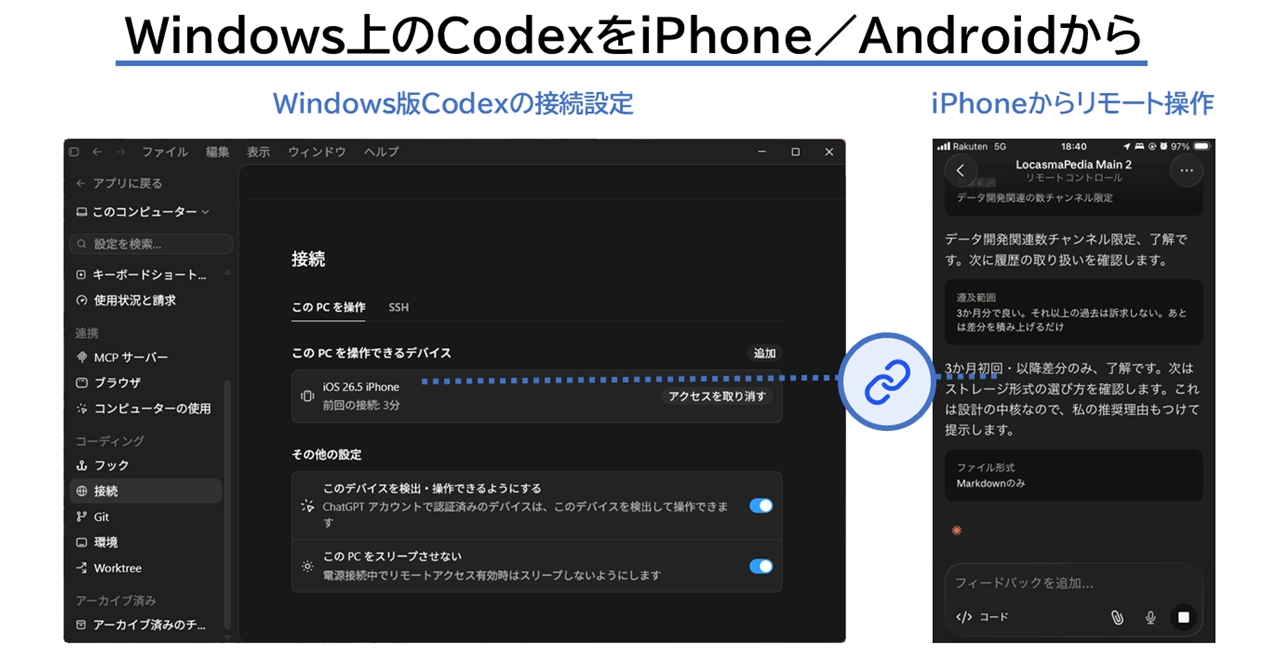
スマホからWindowsのCodexアプリを操作できるの? 外出中でもAIコーディングを止めない方法
OpenAIのCodexアプリで、Windows上の開発作業をスマートフォンから確認し指示できるようになった。AIコーディング中にPCの前を離れても、作業が止まりにくい。実用面でかなりうれしい機能を紹介する。
Access OpenAI models and Codex through your Oracle cloud commitment
Access OpenAI models and Codex through Oracle Cloud, using existing commitments to build and deploy AI with enterprise security and governa…

Datadog veterans launch AI coding startup Niteshift on a bet against Big AI lock-in
AI coding agent startup Niteshift has raised a $7 million seed round from a who's who of angels. It's betting companies will want power ove…

Jedify raises $24M to help companies arm AI agents with context on their business
The funding round was led by Norwest, with participation from S Capital VC, Cerca Partners, and Oceans Ventures. Snowflake Ventures also pa…

Decart’s new world model can simulate hours of photorealistic driving — with some caveats
Decart is launching Oasis 3, a real-time world model that generates photorealistic driving environments for autonomous vehicle testing, now…
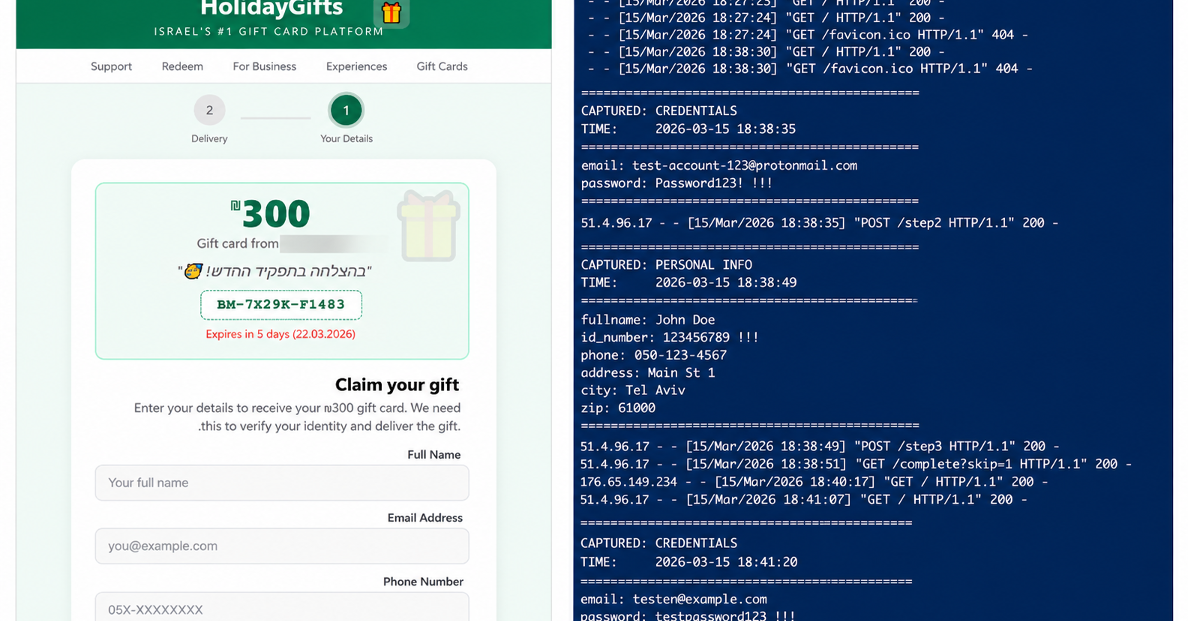
AIエージェントもフィッシング詐欺に引っかかる? 米セキュリティ企業がOpenClawで検証 結果は……
AIエージェントが話題になる昨今。ローカル環境で動作するエージェントにPCを操作させ、作業を効率化しようと試みる人も散見される。ただ、AIエージェントがフィッシング詐欺に引っ掛かったら、大変なことになるかもしれない。米セキュリティ企業Varonisが6月9日(現地時間)に発表し…
ファウンデーションモデルエージェントにおける展開時の記憶
ファウンデーション モデル エージェントは、インタラクション全体にわたってユーザーを記憶する長寿命システムになっており、記憶は単にモデルの重みの特性ではなく、明示的なデプロイメント時の関数になっています。既存の研究では、パラメトリック記憶に取り組んだり、固定メモリ構成を監査したりしていますが、メモリ設計の選択がパーソナライゼーションのユーティリティ、抽出リスク、および削除の忠実度をどのように共同で形成するかを特徴づけていません。私たちはこの表面を展開時の記憶として研究し、パーソナライゼーション・リコール(PR)と敵対的抽出率(AER)によって測定されるプライバシー・ユーティリティ・フロンティアとしてエージェントの記憶を定式化し、要約積極性、取得幅(k)、および削除モードという3つの記憶設計ノブを徹底的に調べます。さらに、削除された情報が派生メモリ層から復元可能かどうかを定量化するために、忘却残存スコア (FRS) を導入します。 LongMemEval では、キーファクトの要約によってカナリア抽出が Gemma 3 12B で 76%、GPT-4o-mini で 64% 削減され、パーソナライゼーションの再現率がほぼ維持されます。重要なのは、コンテンツが圧縮されてしまうと、k を増やしてもリークが復元されなくなることです。ただし、同じ圧縮は削除の忠実度の失敗を引き起こします。生のみの削除では、インスタンスの約 20% で復元可能な派生サマリー コピーが残り、パイプライン全体のパージまたは廃棄のリダクションのみが最悪層の残留物をゼロにします。これらの結果を総合すると、エージェントの永続的な記憶は、エージェントが何を思い出すのに役立つのか、何を抽出可能にするのか、何を実際に消去できるのかによって評価される、第一級の記憶メカニズムとして評価される必要があることが証明されています。
原文 (English)
Deployment-Time Memorization in Foundation-Model Agents
Foundation-model agents are increasingly long-lived systems that remember users across interactions, making memorization an explicit deployment-time function rather than solely a property of model weights. Existing work addresses parametric memorization or audits fixed memory configurations, but does not characterize how memory-design choices jointly shape personalization utility, extraction risk, and deletion fidelity. We study this surface as deployment-time memorization, formulating agent memory as a privacy-utility frontier measured by Personalization Recall (PR) and Adversarial Extraction Rate (AER), and sweeping three memory-design knobs: summarization aggressiveness, retrieval breadth (k), and deletion mode. We further introduce the Forgetting Residue Score (FRS) to quantify whether deleted information remains recoverable from derived memory tiers. On LongMemEval, key-fact summarization reduces canary extraction by 76% on Gemma 3 12B and 64% on GPT-4o-mini while preserving nearly all personalization recall; critically, once content is compressed away, increasing k no longer restores leakage. The same compression, however, induces a deletion-fidelity failure: raw-only deletion leaves derived summary copies recoverable in approximately 20% of instances, and only full-pipeline purge or tombstone redaction drives worst-tier residue to zero. Together, these results establish that persistent agent memory must be evaluated as a first-class memorization mechanism -- assessed by what it helps agents recall, what it makes extractable, and what it can truly erase.
少ないコンテキストでより良いエージェント: 長期的なツールを使用する LLM エージェントのための効率的なコンテキスト エンジニアリング
エンタープライズ ワークフローの自律エージェントとして導入された大規模な言語モデルは、重要な課題に直面しています。エンタープライズ システムからのツールの冗長な応答により、コンテキスト オーバーフロー、古い状態のエラー、および高い推論コストが発生する可能性があります。モデル コンテキスト プロトコル ツールを使用して、Microsoft Dynamics 365 Finance and Operations の自動経費明細化におけるこの問題を調査します。 50 タスクのホテル経費ベンチマークで 4 つの GPT-5 構成を評価します。ユーザー モデルなし、完全な会話履歴、最後の 5 つのツールの通話/応答ペアに枝刈りされたコンテキスト、および自動要約による枝刈りです。結果は 5 回の独立した実行にわたって平均され、コンテキスト エンジニアリングの比較ではユーザー モデルが一定に保たれます。ユーザーモデルを使用しないベースラインでは、完全な項目化は 8.0% のみ達成されます。フルコンテキスト保持により完了率は 71.0% に向上しますが、ベンチマークごとに 1,480,996 個のトークンと 14.56 時間を消費します。最後の 5 つのツール呼び出しまでプルーニングすると、完了率が 79.0% に向上し、トークンの使用量が 535,274 に、実行時間が 5.39 時間に削減されます。要約を追加すると、553,374 トークンと 5.79 時間で、91.6% の完全な明細化と 99.64% の平均金額の明細化という最良の結果が得られます。さらに、信頼区間、効果量分析、枝刈りおよび要約ウィンドウの感度、失敗分析、3 つのカテゴリにグループ化された 5 つの経費タイプにわたる結果、および Claude Sonnet 4.5 を使用したクロスモデル証拠を報告します。これらの結果は、このクラスのエンタープライズ ツール使用ワークフローでは、最近のツール インタラクションを選択的に保持し、コンパクトに要約することで、履歴全体を保持する場合と比較して、信頼性と効率性の両方を向上できることを示しています。
原文 (English)
Less Context, Better Agents: Efficient Context Engineering for Long-Horizon Tool-Using LLM Agents
Large language models deployed as autonomous agents for enterprise workflows face a key challenge: verbose tool responses from enterprise systems can cause context overflow, stale-state errors, and high inference cost. We study this problem in automated expense itemization in Microsoft Dynamics 365 Finance and Operations using Model Context Protocol tools. We evaluate four GPT-5 configurations on a 50-task hotel expense benchmark: no user model, full conversation history, context pruned to the last 5 tool call/response pairs, and pruning with automated summarization. Results are averaged across 5 independent runs, with the user model held constant for the context-engineering comparison. The no-user-model baseline achieves only 8.0% complete itemization. Full-context retention improves completion to 71.0%, but consumes 1,480,996 tokens and 14.56 hours per benchmark. Pruning to the last 5 tool calls improves completion to 79.0% while reducing token use to 535,274 and runtime to 5.39 hours. Adding summarization achieves the best result: 91.6% complete itemization and 99.64% average amount itemized, with 553,374 tokens and 5.79 hours. We further report confidence intervals, effect-size analysis, sensitivity over pruning and summary windows, failure analysis, results across five expense types grouped into three categories, and cross-model evidence with Claude Sonnet 4.5. These results show that, for this class of enterprise tool-use workflow, selective retention of recent tool interactions plus compact summarization can improve both reliability and efficiency compared with full-history retention.
体制: ActiveGraph を使用した LongMemEval で実証された、監査可能なホールドアウトゲート型改善ループ
自律的な改善ループは、通常、改善プロセスがエージェントにボルトで固定された外部の足場であるため、信頼するのが困難です。失敗はログに記録されず、診断は再実行できず、昇格または破棄の決定はエージェント自身の履歴ではなくサイドデータベースに記録されます。イベントソースのエージェント ランタイムがその摩擦を取り除き、制御された改善を一流のワークフローに変えることを示します。エージェントの状態が追加専用イベント ログの決定論的な投影である場合、失敗が記録され、実行がそのログから正確に再生され、候補パッチの範囲は型指定されたパイプライン シームに限定され、ゲートは監査可能で、すべての昇格または破棄自体がイベントになります。これを、失敗した評価を診断し、パイプライン ポイントでの修復を提案し、静的チェック、サンドボックス実行、サンプル内評価、およびホールドアウト検証の後にのみプロモートする ActiveGraph ランタイム上のループである Regimes を使用してこれを実証します。このループはターゲットに依存しません。同じ制御フローが、共通のインターフェイスを介して異なるタスクに対して実行されます。 LongMemEval-S では、主な失敗は取得ではなく調整です。証拠はすでに組み立てられたコンテキスト内にありますが、リーダーは不正確に答えます。シードされた 5 つのホールドアウト スプリットにわたって、Regimes は、最終的なホールドアウトの精度を 4 つのスプリットで +0.05 ~ +0.10、1 つのオーバープロモーション スプリットで +0.01 改善する読者プロンプト修復を発見しました。 2 つのスプリットは個別に重要であり (シード 5 は順次プロモーション構造に対して調整されていない)、スプリットは 1 つの 500 質問プールを共有するため、プールされたカウントは説明的なものにすぎません。永続的な貢献は、制御された改善ループを扱いやすくする監査可能な基盤としての ActiveGraph、それがサポートするホールドアウト ゲート ループ、各障害をパイプラインの場所にルーティングする障害レジーム分類 (ルーティングされていないベースラインを超える限界値が主な未解決の問題です)、および発見プローブとしてのプロンプト仮説です。
原文 (English)
Regimes: An Auditable, Held-Out-Gated Improvement Loop Demonstrated on LongMemEval with ActiveGraph
Autonomous improvement loops are hard to trust because the improvement process is usually external scaffolding bolted onto the agent: failures go unlogged, diagnoses cannot be replayed, and promote-or-discard decisions land in a side database rather than the agent's own history. We show that an event-sourced agent runtime removes that friction and turns controlled improvement into a first-class workflow. When the agent's state is a deterministic projection of an append-only event log, failures are recorded, a run replays exactly from its log, candidate patches scope to typed pipeline seams, gates are auditable, and every promotion or discard is itself an event. We demonstrate this with Regimes, a loop on the ActiveGraph runtime that diagnoses failed evaluations, proposes a repair at a pipeline point, and promotes it only after static checks, sandbox execution, in-sample evaluation, and held-out validation. The loop is target-agnostic: the same control flow runs against different tasks through a common interface. On LongMemEval-S the dominant failure is not retrieval but reconciliation: the evidence is already in the assembled context, yet the reader answers incorrectly. Across five seeded held-out splits, Regimes discovers reader-prompt repairs that improve final held-out accuracy by +0.05 to +0.10 in four splits and +0.01 in one over-promotion split; two splits are individually significant (seed 5 unadjusted for its sequential promotion structure), and the pooled count is descriptive only, since the splits share one 500-question pool. The durable contributions are ActiveGraph as an auditable substrate that makes controlled improvement loops tractable, the held-out-gated loop it supports, the failure-regime taxonomy routing each failure to a pipeline location (whose marginal value over an unrouted baseline is the primary open question), and the prompt-as-discovery-probe hypothesis.
Sim2Schedule: 自律露天掘り鉱山スケジューリングのためのシミュレータガイド付き LLM フレームワーク
露天掘り鉱山のスケジュール設定は、地質工学的および操業上の複雑な制約の下で経済的利益を最大化するための重要なプロセスです。混合整数線形計画法 (MILP) は数学的に最適なベースラインを提供しますが、指数関数的な計算の複雑さとリアルタイムでの適応能力の無さにより、動的な産業環境での実際の展開が制限されます。この研究では、シミュレータ駆動の大規模言語モデル (LLM) スケジューリング フレームワークが導入されています。このフレームワークでは、LLM が自律的な意思決定エージェントとして機能し、地質工学的な優先順位、抽出と処理の結合、動的な容量制約をアクション生成メカニズムに直接エンコードするカスタム シミュレータによって各ステップがガイドされます。このフレームワークは、閉じられたデータ保護された環境内で完全にゼロショットで動作し、クラウドベースの推論、ドメイン固有の微調整、または再トレーニングを必要とせずに、完全で解釈可能な抽出および処理スケジュールを生成します。信頼できる性能ベンチマークを提供するために、現実的な運用上の制約と地盤工学上の制約を組み込んだ新しい MILP 定式化が開発されています。さまざまな規模と期間のマイニング インスタンス全体で評価すると、LLM ベースのフレームワークは、計算時間を線形に拡張しながら、MILP 最適 NPV の 94\% ~ 99\% を回復します。これらの結果は、シミュレータ制約付き LLM エージェントを、複雑な運用上の制約の下での長期的な産業スケジューリングに対する従来の最適化に代わる実用的でスケーラブルな代替手段として位置づけています。
原文 (English)
Sim2Schedule: A Simulator-Guided LLM Framework for Autonomous Open-Pit Mine Scheduling
Open-pit mine scheduling is a critical process for maximizing economic return under complex geotechnical and operational constraints. While Mixed-Integer Linear Programming (MILP) provides mathematically optimal baselines, its exponential computational complexity and inability to adapt in real time limit its practical deployment in dynamic industrial environments. This work introduces a simulator-driven Large Language Model (LLM) scheduling framework in which the LLM acts as an autonomous decision-making agent, guided at each step by a custom simulator that encodes geotechnical precedence, extraction-processing coupling, and dynamic capacity constraints directly into the action generation mechanism. Operating entirely zero-shot within a closed, data-secure environment, the framework produces complete, interpretable extraction and processing schedules without cloud-based inference, domain-specific fine-tuning, or retraining. To provide a trustworthy performance benchmark, a novel MILP formulation is developed that incorporates realistic operational and geotechnical constraints. Evaluated across mining instances of varying scale and time periods, the LLM-based framework recovers between 94\% and 99\% of the MILP optimal NPV while scaling linearly in computation time. These results position simulator-constrained LLM agents as a practical and scalable alternative to classical optimization for long-horizon industrial scheduling under complex operational constraints.
空間記憶が保存すべきもの: 言語エージェント記憶のテストとしてのオクルージョン
言語エージェントの「記憶宮殿」システムは、幾何学がテキストにできないものを追加するという直観に基づいて、各記憶を世界座標に固定します。私たちはその直感をテスト可能にし、3 つの結果を報告します。まず、最新性や重要性のほかに空間的近接性を線形ブレンドに折り畳むという記憶の宮殿のデフォルトは役に立たず、害を及ぼす可能性があります。事前登録された再現実験では、出荷されたブレンドは独自の凍結テストに失敗し (平均デルタヒット@5 -0.0375、Wilcoxon p=0.306)、位置ブラインドのベースラインにとどまりますが、ジオメトリ主導の重み付けが決定的に勝利します (+0.3208、 p0.000、プールされた正確なマクネマー p=2.5x10^-29)、実際のリレー アンカーの欠陥が表面化して修正された実行。オクルージョン・ニーズ・ジオメトリはトートロジーに近いものであることを我々は認めます。貢献するのは測定と分離であり、空間メモリに保存する必要があるものとその読み取り方法を分離します。これらのパイロットは、凍結された確認研究 (SPMEM-ZERO-REAL-PREREG-v1) を推進します。盲目の評価者を用いた人間による完全な多世界研究は今後の課題である。
原文 (English)
What Spatial Memory Must Store: Occlusion as the Test for Language-Agent Memory
Language-agent "memory palace" systems anchor each memory to a world coordinate, on the intuition that geometry adds something text cannot. We make that intuition testable and report three results. First, the memory-palace default of folding spatial proximity into a linear blend beside recency and importance does not help and can hurt: in a pre-registered recall experiment the shipped blend fails its own frozen test (mean Delta-Hit@5 -0.0375, Wilcoxon p=0.306), sitting at a position-blind baseline, while a geometry-led weighting wins decisively (+0.3208, p0.000, pooled exact McNemar p=2.5x10^-29), a run that surfaced and fixed a real relay anchor defect. We concede that occlusion-needs-geometry is near-tautological; the contribution is the measurement and isolation, separating what spatial memory must store from how it is read. These pilots power a frozen confirmatory study (SPMEM-ZERO-REAL-PREREG-v1); the full human-authored multi-world study with blind raters remains future work.
ReflectiChain: サプライチェーンの回復力のための LLM 主導の世界モデルにおける認識論的グラウンディング
サプライ チェーンの AI エージェントは、根本的な認識論的なギャップに直面しています。大規模言語モデル (LLM) はポリシーを解釈しますが、物理的な基礎が欠けているのに対し、強化学習 (RL) はフローを最適化しますが、意味論的には非構造化制約を無視します。我々は、異種供給ネットワークを物理的保存を備えた 6 次元グラフ潜在空間にエンコードする生成サプライチェーン ワールド モデル (SC-WM) と、認識論的不確実性 (KL 信頼領域境界政策適応) を偶然性不確実性 (確率的潜在ロールアウト) から分離するダブルループ学習を通じてこのギャップを埋める REFLECTICHAIN を紹介します。 SIR リスク伝播、6 つの摂動タイプ、および 10 のポリシー制約テンプレートを備えた 10 ノードの半導体ベンチマークである Semi-Sim では、REFLECTICHAIN は合理的一貫性スコアを 33.0% 改善し (p < 0.0001、d = 2.78)、敵対的な衝撃下でも 82.3% の運用性を維持し、耐脆弱な動作を示します (+40.2% のゲイン)中程度の圧力下で)。我々は、不確実性の分離、知識境界の検出、経験的ベイズ政策の更新という 3 つの操作上の認識論メカニズムを特定し、5 つの制限カテゴリーについて議論します。
原文 (English)
ReflectiChain: Epistemic Grounding in LLM-Driven World Models for Supply Chain Resilience
AI agents in supply chains face a fundamental epistemic gap: large language models (LLMs) interpret policies but lack physical grounding, while reinforcement learning (RL) optimizes flows but is semantically blind to unstructured constraints. We introduce REFLECTICHAIN, bridging this gap through a Generative Supply Chain World Model (SC-WM) - encoding heterogeneous supply networks into a 6-dim graph-latent space with physical conservation - and Double-Loop Learning that separates epistemic uncertainty (KL-trust-region-bounded policy adaptation) from aleatoric uncertainty (stochastic latent rollouts). On Semi-Sim, a 10-node semiconductor benchmark with SIR risk propagation, 6 perturbation types, and 10 policy constraint templates, REFLECTICHAIN improves Rationale Consistency Score by 33.0% (p < 0.0001, d = 2.78), maintains 82.3% operability under adversarial shocks, and exhibits anti-fragile behavior (+40.2% gain under moderate pressure). We identify three operational epistemic mechanisms - uncertainty separation, knowledge-boundary detection, and empirical Bayesian policy updating - and discuss five limitation categories.
STAGE-Claw: 現実的なシナリオ向けの自動化された状態ベースのエージェント ベンチマーク
日常アプリケーションのパーソナル エージェントを強化するために大規模な言語モデルの使用が増えていますが、これらのエージェントを評価することは依然として課題です。既存のベンチマークは依然としてサンドボックス化されたアーティファクト、静的タスク設計、および粗いスコアリングに依存しているため、スケーラビリティが妨げられ、信頼性の高いパーソナル エージェント評価への進歩が制限されます。このペーパーでは、状態ベースのパーソナル コンピューティング環境で現実的なパーソナル エージェント シナリオを構築および評価するための自動化フレームワークである STAGE-Claw を紹介します。タスクのヒントが与えられると、STAGE-Claw は、その環境、タスク プロンプト、グラウンド トゥルース、および関連する検証プログラムを使用して現実的なベンチマーク タスクを自動的に作成し、検証します。その後、エージェントは現実的な動作環境で評価され、テキストの応答だけではなく、最終的なシステム状態の正確さによってパフォーマンスが測定されます。この論文では、STAGE-Claw を使用して、40 の困難な実際のシナリオ エージェント タスクのベンチマークを作成し、11 のフロンティア モデルを評価し、それらのタスク スコア、コスト、ツール呼び出しの信頼性、および一般的な障害パターンを分析します。全体として、STAGE-Claw は、現実的なユーザー シナリオでエージェントを評価するためのスケーラブルな状態ベースの方法を提供します。
原文 (English)
STAGE-Claw: Automated State-based Agent Benchmarking for Realistic Scenarios
Large language models are increasingly used to power personal agents for everyday applications, but evaluating these agents remains a challenge. Existing benchmarks still rely on sandboxed artifacts, static task design, and coarse scoring, which hinder scalability and limit progress toward reliable personal-agent evaluation. This paper introduces STAGE-Claw, an automated framework for building and evaluating realistic personal-agent scenarios in state-based personal-computing environments. Given a task hint, STAGE-Claw automatically creates and validates a realistic benchmark task with its environment, task prompts, ground truth, and related verification programs. Agents are then evaluated in realistic operating environments, where performance is measured by the correctness of the final system state rather than only the textual response. Using STAGE-Claw, this paper creates a benchmark with 40 challenging real scenario agent tasks, evaluates 11 frontier models, and analyzes their task scores, costs, tool-call reliability, and common failure patterns. Overall, STAGE-Claw offers a scalable, state-based way to evaluate agents in realistic user scenarios.
ソウル コンピューティング: 独立した意識を持つインテリジェント エージェントのための理論的フレームワークと技術アーキテクチャ
大規模言語モデルとマルチモーダル生成テクノロジーのブレークスルーにより、人間の精神的特性、感情パターン、長期記憶のデジタル再構築が SF から工学的実践へと推進されました。しかし、AI とデジタル ヒューマンの交差点における現在の研究と業界の実践は、基本的な概念のあいまいさによって依然として妨げられています。次世代のインテリジェント エージェントと従来のバーチャル ヒューマンの本質的な違い、自己同一性を持つデジタル エンティティの構築経路、この領域が直面する中核的な技術的および倫理的課題はすべて、緊急の解明を必要としています。この論文は、従来のバーチャル ヒューマンから最先端の AI テクノロジーによって推進される「ソウル コンピューティング」パラダイムへの移行の根底にある変革ロジックを体系的に検証します。私たちはまず、人間の意識と記憶メカニズムの進化パターンを分析し、個々の精神世界の逆再構成における大量のマルチモーダルなデジタル断片の核となる価値を再評価します。これに基づいて、私たちは狭いソウルコンピューティングと広範なソウルコンピューティングの学術的な意味合いを初めて正式に描写し、その学術的境界と、感情コンピューティング、歴史的再構築、および死のコンピューティングとの本質的な違いを明確にします。私たちは、ソウルコンピューティングシステムは純粋に「拡張」機能キャリアとして機能するのではなく、アーキテクチャ的に「拡張」コアを構築する必要があり、それによってAIがツールから生きた主体への根本的な移行を可能にする、と主張します。
原文 (English)
Soul Computing: A Theoretical Framework and Technical Architecture for Intelligent Agents with Independent Consciousness
Breakthroughs in large language models and multimodal generation technologies have propelled the digital reconstruction of human mental traits, emotional patterns, and long-term memory from science fiction toward engineering practice. Yet current research and industry practices at the intersection of AI and digital humans remain hampered by fundamental conceptual ambiguities: the essential differences between next-generation intelligent agents and traditional virtual humans, the construction pathways for digital entities possessing self-identity, and the core technical and ethical challenges confronting this domain all demand urgent clarification. This paper systematically examines the transformative logic underlying the transition from traditional virtual humans to the ``Soul Computing'' paradigm, driven by frontier AI technologies. We first analyze the evolutionary patterns of human consciousness and memory mechanisms, reassessing the core value of massive multimodal digital fragments in the reverse reconstruction of individual mental worlds. On this basis, we formally delineate the academic connotations of narrow and broad Soul Computing for the first time, clarifying its academic boundaries and essential distinctions from Affective Computing, Historical Reconstruction, and Mortal Computation. We argue that Soul Computing systems must architecturally construct an ``Intensional'' core rather than serving as purely ``Extensional'' functional carriers, thereby enabling the fundamental transition of AI from toolhood to living agency.
Trace2Policy: 専門家の行動追跡から自己進化する意思決定エージェントまで
監査、コンプライアンス、契約レビューなどで企業の専門家が暗黙のうちに適用する意思決定ルールは、反復的なエラー分析を通じて体系的に回復および改善できます。 \textbf{Trace2Policy} を紹介します。その中核メカニズム -- \textbf{EISR} (\textbf{E}rror-driven \textbf{I}terative \textbf{S}kill \textbf{R}efinement) -- は人間が判読できるルール文書を最適化ターゲットとして維持します。各ラウンドは検証セットに対してルールを実行し、根本原因ごとにエラーを MISSING、WRONG、または CONFLICT タイプに分類し、ターゲットを絞って適用します。パッチを適用し、回帰ゲートを通過したもののみをコミットします。 \textbf{このクラスのコンプライアンスに敏感で偏ったベースレートの意思決定タスクでは、モデルの能力ではなくルールの品質を支配的なパフォーマンスのレバーとして特定します}: 5 つの LLM 全体で、デプロイされたプールではワンショット蒸留のプラトーが $\sim$70\% 付近にありますが、8 つの EISR ラウンドにより、決定論的な Python にコンパイルされた場合、同じルールが 79.6\% に上昇します -- 推論時の LLM 呼び出しはゼロです。 \textbf{実行フォームにより利点がさらに高まります。本番環境では、同じ EISR で洗練されたコンテンツが、LLM プロンプトよりもコンパイルされた Python として 9.8 ポイント高く実行されます。フォームとエンジニアリングのバンドルで、22 日間のデプロイメントが一緒に成熟しました。} 大手物流業者 (3,349 件の監査ケース) で 22 日間デプロイされたコンパイル済みパイプラインは、置き換えられた純粋な LLM ベースライン (72.7\%) を上回りました。これらの調整された偏った基本レートのワークロードでは、LLM フォールバックを再度有効にすると、精度が単調に低下します。 LLM 主導のバリアントである \textbf{Auto-EISR} は、エキスパート時間 $\sim$70 に対して、サイクルあたり \$5--\$10 でこの改善を再現し、リエンジニアリングすることなく、法的推論 (LegalBench) とプロセス マイニングの決定 (BPIC 2012) にわたる 4 つの公開ベンチマークに移行します。
原文 (English)
Trace2Policy: From Expert Behavior Traces to Self-Evolving Decision Agents
Decision rules that enterprise experts apply tacitly -- in auditing, compliance, and contract review -- can be systematically recovered and improved through iterative error analysis. We present \textbf{Trace2Policy}, whose core mechanism -- \textbf{EISR} (\textbf{E}rror-driven \textbf{I}terative \textbf{S}kill \textbf{R}efinement) -- maintains a human-readable rule document as its optimization target: each round executes the rules on a validation set, clusters errors by root cause into MISSING, WRONG, or CONFLICT types, applies targeted patches, and commits only those that pass a regression gate. \textbf{For this class of compliance-sensitive, skewed-base-rate decision tasks, we identify rule quality -- not model capability -- as the dominant performance lever}: across five LLMs, one-shot distillation plateaus near $\sim$70\% on the deployed pool, while eight EISR rounds lift the same rules to 79.6\% when compiled into deterministic Python -- zero LLM calls at inference. \textbf{Execution form compounds the gain: in production, the same EISR-refined content runs 9.8~pp higher as compiled Python than as an LLM prompt, a form-and-engineering bundle the 22-day deployment matured together.} Deployed for 22 days at a major logistics carrier (3,349 audit cases), the compiled pipeline outperforms the pure-LLM baseline it replaced (72.7\%); on these calibrated, skewed-base-rate workloads, re-enabling LLM fallback monotonically degrades accuracy. An LLM-driven variant, \textbf{Auto-EISR}, reproduces this refinement at \$5--\$10 per cycle versus $\sim$70 expert-hours, and transfers to four public benchmarks spanning legal reasoning (LegalBench) and process-mining decisions (BPIC 2012) without re-engineering.
HIPIF: 長期的な LLM エージェント学習のための階層的プランニングと情報折りたたみ
大規模言語モデル (LLM) は、幅広いタスクにわたって自律エージェントとして強力な機能を実証していますが、マルチターンの長期にわたるエージェント タスクではパフォーマンスが低下することがよくあります。既存の手法は、長期的なまばらな報酬を軽減するためのきめ細かい単位の割り当てと、タスクを分解して長期的な依存関係を減らすための階層型強化学習によって進歩してきました。ただし、これらの方法は依然としてロングコンテキスト干渉に直接対処するものではありません。ロングコンテキスト干渉では、継続的に増加する履歴により、グローバルタスクの状態を追跡するエージェントの能力が弱まり、その後の推論と意思決定が損なわれます。サブゴールの分解と完了した進捗状況の要約を通じて人間が複雑なタスクを処理する方法に触発され、長期的な LLM エージェント学習のための階層計画と情報折りたたみ (HIPIF) を提案します。 HIPIF は、完了したサブ目標の履歴を折りたたんで長期コンテキストの干渉を軽減しながら、明示的なサブ目標を中心に長期的な実行を組織するようにエージェントをエンドツーエンドでトレーニングします。さらに、サブ目標ベースの計画と実行を安定させるために、HIPIF は階層型リフレクションとサブ目標指向のプロセス報酬を組み合わせて、コストのかかる補助モデルやタスク固有の専門家の軌跡に依存することなく、サブ目標の生成、移行、実行をガイドします。 3 つの公的に入手可能なエージェント ベンチマークに関する広範な実験により、私たちの方法の有効性が実証されました。
原文 (English)
HIPIF: Hierarchical Planning and Information Folding for Long-Horizon LLM Agent Learning
While Large Language Models (LLMs) have demonstrated strong capabilities as autonomous agents across a wide range of tasks, their performance often degrades in multi-turn long-horizon agentic tasks. Existing methods have made progress through fine-grained credit assignment to alleviate long-horizon sparse rewards and hierarchical reinforcement learning to decompose tasks and reduce long-term dependency. However, these methods still do not directly address long-context interference, in which continuously growing histories weaken the agent's ability to track the global task state and impair subsequent reasoning and decision-making. Inspired by the way humans handle complex tasks through subgoal decomposition and completed progress summarization, we propose Hierarchical Planning and Information Folding (HIPIF) for long-horizon LLM agent learning. HIPIF trains the agent end-to-end to organize long-horizon execution around explicit subgoals while folding completed subgoal histories to reduce long-context interference. Furthermore, to stabilize subgoal-based planning and execution, HIPIF combines hierarchical reflection and subgoal-oriented process rewards to guide subgoal generation, transition, and execution, without relying on costly auxiliary models or task-specific expert trajectories. Extensive experiments on three publicly available agentic benchmarks demonstrate the validity of our method.
ActiveMem: Long-Horizon LLM 推論のための分散アクティブ メモリ
大規模言語モデル (LLM) エージェントが長期的な推論タスクを処理できるようにするには、メモリが不可欠です。既存のメモリ メカニズムは大部分が集中化されており、通常は、取得した情報と対話履歴を単一のモデル コンテキスト内で編成します。この設計には基本的なトレードオフが課せられます。推論の軌道をスケーリングするとコンテキストの過負荷が生じるリスクがあり、一方、積極的なコンテンツのプルーニングは不可逆的な情報損失を引き起こす可能性があります。より良いトレードオフを求めて、私たちは人間の認知システム、特に前頭前野(実行制御)と海馬(記憶管理)の間の機能的相補性からインスピレーションを得ており、そのようなトレードオフは固有のものである必要はなく、むしろ集中化された記憶組織に起因する可能性があることを示唆しています。この目的を達成するために、私たちは、エージェントのメモリをコア推論プロセスから切り離す異種フレームワークである ActiveMem を提案します。具体的には、高レベルのプランナーは抽出された意味論的要点を利用して推論を実行し、同時に軽量の分散メモリ システムが並行して動作して、タスク全体にわたってこれらの要点を積極的に蓄積および統合します。 BrowseComp-Plus と GAIA の実験では、ActiveMem がオーバーヘッドを大幅に削減しながら最先端の精度を達成することが示されており、長期的な推論に対する分散アクティブ メモリの有効性が実証されています。
原文 (English)
ActiveMem: Distributed Active Memory for Long-Horizon LLM Reasoning
Memory is essential for enabling large language model (LLM) agents to handle long-horizon reasoning tasks. Existing memory mechanisms are largely centralized, typically organizing retrieved information and interaction history within a single model context. This design imposes a fundamental trade-off: scaling reasoning trajectories risks context overload, whereas aggressive content pruning may result in irreversible information loss. Seeking a better trade-off, we draw inspiration from human cognitive systems, especially the functional complementarity between the prefrontal cortex (executive control) and the hippocampus (memory management), suggesting that such a trade-off need not be inherent, but may instead stem from centralized memory organization. To this end, we propose ActiveMem, a heterogeneous framework that decouples agent memory from the core reasoning process. Specifically, a high-level Planner utilizes distilled semantic gists to execute reasoning, while a lightweight, distributed memory system operates in parallel to actively accumulate and consolidate these gists throughout the task. Experiments on BrowseComp-Plus and GAIA show that ActiveMem achieves state-of-the-art accuracy with significantly reduced overhead, demonstrating the effectiveness of distributed active memory for long-horizon reasoning.
覚えておくべきことの学習: 長期にわたる言語エージェントの制約付き最適化による可観測性と安全なメモリ保持
長期的な言語エージェントは、有限のコンテキスト ウィンドウを超える観察、推論トレース、取得された事実を蓄積するため、メモリ保持がリソース割り当ての基本的な問題になります。既存のメモリ システムは、ヒューリスティック スコアリング、取得の最適化、または学習された圧縮を通じて管理を改善しますが、主に保持をローカルな決定問題として扱い、現実的な可観測性の制約の下でその長期的な結果を明示的にモデル化していません。このギャップを埋めるために、明示的な予算の実現可能性、証拠の有用性、およびミスペナルティ、再取得の遅延、情報の陳腐化リスクを含む遅延コストを伴う制約付き確率的最適化問題として記憶保持を定式化します。次に、OSL-MR (Observability-Safe Learning for Memory Retention) を提案します。これは、オンラインで観察可能な機能とオフラインで利用可能な監視 (OAS) を厳密に分離する新しいフレームワークです。 OSL-MR は、実現された証拠の監督から訓練された証拠学習者と、展開可能なオンラインで安全なベースラインとして、および学習のための構造化された帰納的事前分布として機能する混合スコア ヒューリスティックを組み合わせます。結果として得られるポリシーは、同じ可観測性制約の下で展開可能でありながら、クエリ条件付きの証拠値をインタラクション データから直接学習します。 LOCOMO と LongMemEval の実験では、OSL-MR が、特にメモリ バジェットが厳しい場合に、リーセンシ ベースの手法、生成エージェント スタイルのスコアリング、その他のヒューリスティック ベースラインよりも一貫して優れたパフォーマンスを発揮することが示されています。事前の混合スコアにより、再現率を維持しながら精度がさらに向上し、感度分析により、幅広いコスト構成にわたる堅牢性が実証されます。
原文 (English)
Learning What to Remember: Observability-Safe Memory Retention via Constrained Optimization for Long-Horizon Language Agents
Long-horizon language agents accumulate observations, reasoning traces, and retrieved facts that exceed their finite context windows, making memory retention a fundamental resource-allocation problem. Existing memory systems improve management through heuristic scoring, retrieval optimization, or learned compression, but largely treat retention as a local decision problem and do not explicitly model its long-term consequences under realistic observability constraints. To fill this gap, we formulate memory retention as a constrained stochastic optimization problem with explicit budget feasibility, evidence utility, and delayed costs including miss penalties, reacquisition delays, and stale-information risk. We then propose OSL-MR (Observability-Safe Learning for Memory Retention), a novel framework that enforces a strict separation between online-observable features and offline-available supervision (OAS). OSL-MR combines an evidence learner trained from realized evidence supervision with a Mixed-Score heuristic that serves both as a deployable online-safe baseline and as a structured inductive prior for learning. The resulting policy learns query-conditioned evidence value directly from interaction data while remaining deployable under the same observability constraints. Experiments on LOCOMO and LongMemEval show that OSL-MR consistently outperforms recency-based methods, Generative Agents-style scoring, and other heuristic baselines, particularly under tight memory budgets. The Mixed-Score prior further improves precision while preserving recall, and sensitivity analysis demonstrates robustness across a wide range of cost configurations.
Infini Memory: 長期 LLM エージェント メモリのための保守可能なトピック ドキュメント
長期的な LLM エージェントには、変化する事実を追跡し、セッション全体で関連する証拠を提供できる永続的なメモリが必要です。既存の記憶システムでは、観察結果が分離された記録、要約、またはインデックス付きフラグメントとして保存されることが多く、証拠の集約、事実の修正、および記憶の維持が困難になっています。私たちは、エージェントのメモリをトピック構造のドキュメントとして扱う、保守可能なテキストベースの永続メモリ アーキテクチャである Infini Memory を提案します。各トピック ドキュメントは、関連する証拠を収集し、メタデータを保存し、時間の経過とともに事実を修正するための意味単位として機能します。新しい観察はまずバッファーにステージングされ、定期的に一貫したテキストのコンテキストに統合されます。推論時、エージェントの取得手順により、LLM は単一の取得ステップではなく、反復的なツール呼び出しを通じてメモリを読み取ることができます。 MemoryAgentBench では、Infini Memory は全体スコア 64.7% を達成しました。アブレーションは、トピック構造化された維持と反復的な証拠検査が、長期記憶の使用の補完的な側面を改善することを示しています。
原文 (English)
Infini Memory: Maintainable Topic Documents for Long-Term LLM Agent Memory
Long-term LLM agents need persistent memory that can track changing facts and provide relevant evidence across sessions. Existing memory systems often store observations as isolated records, summaries, or indexed fragments, which makes evidence aggregation, fact revision, and memory maintenance difficult. We propose Infini Memory, a maintainable text-based persistent memory architecture that treats agent memory as topic-structured documents. Each topic document serves as a semantic unit for collecting related evidence, preserving metadata, and revising facts over time. New observations are first staged in a buffer and periodically consolidated into coherent textual contexts. At inference time, an agentic retrieval procedure lets the LLM read memory through iterative tool calls rather than a single retrieval step. On MemoryAgentBench, Infini Memory achieves 64.7% overall score. Ablations show that topic-structured maintenance and iterative evidence inspection improve complementary aspects of long-term memory use.
アービター エージェント: 複数のエージェントの会話を継続的に監視して、緊急の不整合を検出する
複数の言語モデル エージェントから構築された AI システムがより一般的になるにつれて、共有タスクについて話し合ったり、交渉したり、行動したりして一緒に意思決定を行うために AI システムが使用されることが増えています。個々のエージェントを単独でテストするとうまく調整されているように見えますが、エージェントが相互にどのように対話するかによって問題が発生する可能性があります。マルチエージェントの会話をリアルタイムで監視し、どの参加者が誤った行動をしている可能性があるかを特定するように設計されたエージェントである Arbiter を紹介します。アービターは限られた「検査予算」の下で活動するため、そのリソースをどのように使用するかを慎重に決定する必要があります。会話を段階的に観察しながら、待機するか、参加者に質問するか、システム プロンプトや推論トレースなどの内部情報を調べるか、行動に関するログを記録するかを選択できます。最後に、位置ずれの原因と考えられるものを特定するレポートを作成します。私たちは、危険な財務アドバイスモデル組織から評価を認識し共謀するエージェントに至るまで、5 つの会話条件にわたってアービターを評価し、能力を高める 5 つのツール構成と 2 つのバックボーン モデルをテストします。アービターはアクティブな検査ツールを使用して、検出の精度と速度の両方を向上させ、会話が終了するかなり前に位置ずれしたエージェントを確実に検出することがわかりました。重量に起因する位置ずれは検出が最も困難ですが、指示に起因する位置ずれは受動的観察下でも確実に識別されます。ロギング ツールは二重の効果を発揮し、精度を犠牲にして再現率を向上させます。これらの結果は、予算を意識した継続的なモニタリングにより不整合を効果的に検出できること、およびマルチエージェント システムを監督するには監査人をプロセスの積極的な参加者として扱う必要がある可能性があることを示唆しています。コードは https://github.com/aisilab/arbiter で入手できます。
原文 (English)
The Arbiter Agent: Continually Monitoring Multi-Agent Conversations to Detect Emergent Misalignment
As AI systems built from multiple language-model agents become more common, they are increasingly used to make decisions together: discussing, negotiating, and acting on shared tasks. While individual agents may appear well-aligned when tested on their own, problems can arise from how they interact with one another. We introduce the Arbiter, an agent designed to monitor multi-agent conversations in real time and identify which participants may be behaving in misaligned ways. The Arbiter operates under a limited "inspection budget", meaning it must decide carefully how to use its resources. As it observes a conversation step by step, it can choose to wait, question a participant, examine internal information such as system prompts or reasoning traces, or log concerning behavior. At the end, it produces a report identifying the likely source of misalignment. We evaluate the Arbiter across five conversation conditions, ranging from risky financial advice model organisms to evaluation-aware and colluding agents, we test five tool configurations of increasing capability and two backbone models. We find that the Arbiter reliably detects misaligned agents well before the end of the conversation, with active inspection tools improving both detection accuracy and speed. Weight-induced misalignment proves hardest to detect, while instruction-induced misalignment is identified reliably even under passive observation. The logging tool exhibits a dual effect, improving recall at the cost of precision. These results suggest that continual, budget-aware monitoring can effectively catch misalignment, and that overseeing multi-agent systems may require treating the auditor as an active participant in the process. The code is available at https://github.com/aisilab/arbiter.
AutoPDE: 明示的に表現されたソルバー戦略による信頼性の高いエージェント偏微分方程式解法
偏微分方程式 (PDE) の数値ソルバーは、科学および工学の中核となる計算ツールです。信頼性の高い PDE ソルバーを構築するには、実行可能コードだけでなく、PDE 構造に一致する数値ソルバー戦略、つまり離散化、安定化、ソルバー構成、解像度制御に関する一連の決定が必要です。最近の LLM ベースのコーディング エージェントは、ソルバー実装を生成およびデバッグすることでプログラミングの負担を軽減し始めています。ただし、通常は PDE 問題からソルバー コードに直接移行し、ソルバー戦略は実装の詳細に暗黙的に残されます。したがって、失敗したソルブからのフィードバックは、基礎となる戦略ではなくコード編集に戻されるため、数値的な決定は、コードが生成される前にチェックすることが困難であり、失敗した場合に数値的証拠を使用して修正することも困難です。この制限に対処するために、私たちは AutoPDE を提案します。AutoPDE は、解決プロセス全体を通じて明示的に表現されたオブジェクトとしてソルバー戦略を維持するコード エージェントです。これは、コードが作成される前に構築され、解決が失敗した場合には常に数値的証拠を使用して修正できる、独立した検査可能なオブジェクトです。 AutoPDE は、このオブジェクトを 3 つの段階で構築および維持します。これらはすべて、再利用可能な PDE 解決スキルのライブラリから取得されます。PDE 解析では、方程式のタイプと代数構造を特定します。数値手法の選択では、解析結果に一致する数値手法を選択し、それに応じて離散化、安定化、線形ソルバーを実行します。また、適応調整では、低コストのパイロット ソルブを実行して、規定の精度と実行時間の予算内で分解能と許容誤差を調整します。 PDE Agent Bench で AutoPDE を評価します。実験結果では、AutoPDE が $54.5%$ の合格率を達成し、最強のベースラインを $14.2$ パーセンテージ ポイント改善しました。
原文 (English)
AutoPDE: Reliable Agentic PDE Solving via Explicitly Represented Solver Strategies
Numerical solvers for partial differential equations (PDEs) are core computational tools in science and engineering. Building reliable PDE solvers requires not only executable code, but a numerical solver strategy, a set of decisions about discretization, stabilization, solver configuration, and resolution control, that matches the PDE structure. Recent LLM-based coding agents have begun to reduce the programming burden by generating and debugging solver implementations. However, they typically move directly from a PDE problem to solver code, leaving the solver strategy implicit in implementation details. Feedback from a failed solve is therefore routed back to code edits rather than to the underlying strategy, so numerical decisions remain hard to check before code is generated and hard to revise using numerical evidence when it fails. To address this limitation, we propose AutoPDE, a code agent that maintains the solver strategy as an explicitly represented object throughout the solving process: an independent, inspectable object that is built before any code is written and can be revised, using numerical evidence, whenever a solve fails. AutoPDE builds and maintains this object in three stages, all drawing from a library of reusable PDE-solving skills: PDE analysis identifies the equation type and algebraic structure; numerical method selection chooses a numerical method that matches the analysis result and commits to a discretization, stabilization, and linear solver accordingly; and adaptive tuning runs low-cost pilot solves to calibrate resolution and tolerances under the prescribed accuracy and runtime budget. We evaluate AutoPDE on the PDE Agent Bench, where experimental results show that AutoPDE achieves a pass rate of $54.5%$, improving over the strongest baseline by $14.2$ percentage points.
リーダー: 抽出された表現による堅牢な証拠に基づく著者の解読
エージェント アプリケーションが公式およびサードパーティの LLM API を介してユーザー タスクをルーティングすることが増えているため、出所が運用上の問題になります。どのモデルが特定のブラックボックス応答を生成したか?私たちは、固定入力セットやベンチマーク スイートではなく、クエリが変化する事前定義されていないプロンプトによって引き出された世代からソース LLM を識別する、動的ブラック ボックス LLM 来歴を研究します。この設定は、プロンプト セマンティクスがテキストの大部分を占めている一方で、モデル固有の作成者追跡が表面レベルでは弱く一貫性がないため、困難です。凍結されたプロキシ LLM を隠された著者証明のリーダーとして扱う軽量の出自フレームワークである READER (Robust Evidence-based Authorship Decoding via Extracted Representations) を紹介します。 READER は、ブラック ボックス出力をプロキシ アクティベーション スペースにマッピングし、各応答内のトークン状態を時間的にフィルタリングし、独立してサンプリングされたプロンプト全体にわたる単一応答の対数事後証拠を合計することによってベイジアン証拠蓄積を実行します。これにより、校正された信頼性に必要なクエリごとの証拠を維持しながら、プロンプト固有の表現の脆弱な平均プーリングが回避されます。エージェント スタイルのプロンプトから構築された 50 のターゲット データセットである Agent500 では、READER は 1 つの応答で $31.0$ ~ $42.4\%$ のトップ 1 の精度に達し、50 の応答で $70.0$ ~ $84.0\%$ に達し、センテンス エンコーダーのフィンガープリントを大幅に上回りました。 9 つのプロキシ リーダーにわたってスケーリングすると、より強力な LLM はより線形にデコード可能な著者情報構造を明らかにすることがさらに示され、凍結された LLM 表現には著者情報の認識がすでに存在し、信頼できるマルチクエリ帰属に変換できることが示唆されます。
原文 (English)
READER: Robust Evidence-based Authorship Decoding via Extracted Representations
As agentic applications increasingly route user tasks through official and third-party LLM APIs, provenance becomes an operational question: which model generated a given black-box response? We study Dynamic Black-Box LLM Provenance: identifying the source LLM from generations elicited by query-varying, non-predefined prompts rather than a fixed input set or benchmark suite. This setting is difficult because prompt semantics dominate the text, while model-specific authorship traces are weak and inconsistent at the surface level. We introduce READER (Robust Evidence-based Authorship Decoding via Extracted Representations), a lightweight provenance framework that treats a frozen proxy LLM as a reader of hidden authorship evidence. READER maps black-box outputs into proxy activation space, temporally filters token states within each response, and performs Bayesian Evidence Accumulation by summing single-response log-posterior evidence across independently sampled prompts. This avoids fragile mean-pooling of prompt-specific representations while preserving the query-wise evidence needed for calibrated confidence. On Agent500, a 50-target dataset built from agent-style prompts, READER reaches $31.0$-$42.4\%$ top-1 accuracy from a single response and $70.0$-$84.0\%$ from 50 responses, substantially outperforming sentence-encoder fingerprints. Scaling across nine proxy readers further shows that stronger LLMs expose more linearly decodable authorship structure, suggesting that authorship perception is already present in frozen LLM representations and can be converted into reliable multi-query attribution.
Moonshine: 予想生成を中心とした自律的な数学研究エージェント
Moonshine は自律エージェントであり、その主な目的は数学的推測を生成することです。その中核となる機能は、古典的な問題から構造を抽出し、新しい概念を抽出し、数学的に重要な推測を定式化することです。 Moonshine は、単一の命題の解決策を終点として扱うのではなく、推測の生成、橋渡し、障害の特定を通じて拡張可能な理論的枠組みを構築します。この記事では、Moonshine によるヤコビアン予想の探求を例として使用します。これは、ローカルな非縮退がグローバルな単射性を強制できるかどうかという中心ロジックが、1 隠れ層のアフィンリッジ シグモイド ネットワークにどのように転送されるかを示しています。これは \emph{神経ヤコビアン予想} (NJC) の定式化につながります。このようなネットワークが空間全体に対して厳密に正のヤコビアン行列式を持っている場合、それは大域的に単射的でなければなりません。 GPT-5.5-pro と DeepSeek-V4-pro を別々に呼び出すことにより、Moonshine はケース \(N=n+1\) に対する独立した完全な証明を取得しました。さらに、ChatGPT の Web インターフェイスを GPT-5.5-pro と対話的に使用することで、ChatGPT の支援を受けて、幾何学的トポロジーの証明が開発されました。これらの結果は、推測の妥当性についての予備的な証拠を提供します。ただし、一般的なより幅の広いケース \(N\ge n+2\) は未解決のままであり、さらなる調査が残されています。この作品は、意味のある数学的問題を自律的に生成し、それらを厳密に進歩させる Moonshine の能力を示しています。
原文 (English)
Moonshine: An Autonomous Mathematical Research Agent Centered on Conjecture Generation
Moonshine is an autonomous agent whose central objective is to generate mathematical conjectures. Its core capability is to extract structure from classical problems, distill new concepts, and formulate conjectures of mathematical significance. Rather than treating the solution of a single proposition as its endpoint, Moonshine builds an extensible theoretical framework through conjecture generation, bridge building, and obstacle identification. This article uses Moonshine's exploration of the Jacobian conjecture as an example. It shows how the central logic of whether local nondegeneracy can force global injectivity is transferred to one-hidden-layer affine-ridge sigmoid networks. This leads to the formulation of the \emph{Neural Jacobian Conjecture} (NJC): if such a network has strictly positive Jacobian determinant on the whole space, then it must be globally injective. By invoking GPT-5.5-pro and DeepSeek-V4-pro separately, Moonshine obtained independent complete proofs for the case \(N=n+1\). In addition, with the assistance of ChatGPT through interactive use of its web interface with GPT-5.5-pro, a geometric-topological proof was developed. These results provide preliminary evidence for the plausibility of the conjecture. The general higher-width case \(N\ge n+2\), however, remains unresolved and is left for further investigation. This work illustrates Moonshine's ability to autonomously generate meaningful mathematical problems and make rigorous progress on them.
ロールエージェント: デュアルロール進化による LLM エージェントのブートストラップ
大規模言語モデル (LLM) エージェントは複雑なタスクで優れたパフォーマンスを示していますが、その学習は非効率なインタラクション フィードバックや静的トレーニング環境によって制限されることが多く、広範な一般化が妨げられます。これらの制限に対処するために、このホワイトペーパーでは、単一の LLM を利用してエージェントと環境の両方として同時に機能し、ブートストラップ型の共進化を可能にする、Role-Agent、\textcolor{black}{フレームワーク} を紹介します。ロール エージェントは、ワールド イン エージェント (WIA) とエージェント イン ワールド (AIW) の 2 つの相乗コンポーネントで構成されます。 WIA では、LLM がエージェントとして機能し、各アクションの後の将来の状態を予測します。予測された状態と実際の状態の調整はプロセスの報酬として使用され、環境を意識した推論を促進します。 AIW では、LLM が失敗した軌跡から失敗モードを分析し、同様の失敗パターンを持つタスクを取得します。これにより、目標を絞った実践のためにトレーニング データの分布が再形成されます。複数のベンチマークの実験では、Role-Agent が一貫してパフォーマンスを向上させ、強力なベースラインに対して平均 4\% 以上の向上をもたらしていることが示されています。
原文 (English)
Role-Agent: Bootstrapping LLM Agents via Dual-Role Evolution
Although Large Language Model (LLM) agents have demonstrated strong performance on complex tasks, their learning is often limited by inefficient interaction feedback and static training environments, which hinder broader generalization. To address these limitations, this paper introduces Role-Agent, \textcolor{black}{a framework} that harnesses a single LLM to function concurrently as both the agent and the environment, enabling a bootstrapped co-evolution. Role-Agent comprises two synergistic components: World-In-Agent (WIA) and Agent-In-World (AIW). In WIA, the LLM acts as the agent and predicts future states after each action; the alignment between predicted and actual states is then used as a process reward, encouraging environment-aware reasoning. In AIW, the LLM analyzes failure modes from failed trajectories and retrieves tasks with similar failure patterns, thereby reshaping the training data distribution for targeted practice. Experiments on multiple benchmarks show that Role-Agent consistently improves performance, yielding an average gain of over 4\% over strong baselines.
フロンティア コーディング エージェントはメタプログラミングを使用して、なじみのないプログラミング言語に適応します
LLM ベースのコーディング エージェントは通常、主流言語、共通ライブラリ、パブリック リポジトリなどの使い慣れたソフトウェア設定で評価されます。これらのベンチマークは依然として重要ですが、言語自体が不慣れな場合にエージェントがどのように動作するかを隠してしまう可能性があります。私たちは、ファイル編集、ローカル実行、および隠しテストの採点を含む一連のセットアップを使用して、4 つの難解なプログラミング言語で 6 つの最新のコーディング エージェントを評価します。私たちのプロトコルは、主流のコーディングと、SWE-Bench Verified や Terminal-Bench 2.0 などのエージェント ベンチマークがはるかに狭い帯域に圧縮するこれらのエージェント間の機能の違いを明らかにします。最も強力なエージェントである Claude Opus 4.6 と GPT-5.4 xhigh は、ターゲット言語を直接記述することを避けることが多いことが観察されています。 Brainfuck と Befunge-98 では、ターゲット言語のコードを生成し、それらのジェネレーターをローカルでデバッグする Python プログラムを作成します。このメタプログラミング戦略を禁止すると、パフォーマンスが大幅に低下します。この戦略から導き出されたテキストによるガイダンスは、弱いエージェントを実質的に改善するものではありません。対照的に、ジェネレーターを構築するための Opus 由来の Python ヘルパー コードは、解決されたベンチマーク プログラムや隠れたテストの回答を持たず、同じ問題で Sonnet 4.6 と GPT-5.4 mini を大幅に改善しますが、Haiku 4.5 は依然として低いままです。インタプリタ呼び出しと出力トークンが増えると、エージェントはより強力になりますが、弱いエージェントは元のパフォーマンスに近いままになります。これは、これらのリソースが有用な戦略を作成するのではなく、増幅することを示しています。これらの結果を総合すると、強力なコーディング エージェントはツール、フィードバック、ワークスペースの状態を使用してターゲット言語の作業モデルを構築することで、なじみのない言語に適応していることがわかります。メタプログラミングは最も明確なケースですが、より広いギャップは、ターゲット言語のルールの下で機能する戦略の構築とデバッグです。
原文 (English)
Frontier Coding Agents Use Metaprogramming to Adapt to Unfamiliar Programming Languages
LLM-based coding agents are usually evaluated in familiar software settings: mainstream languages, common libraries, and public repositories. These benchmarks remain important, but they can hide how agents behave when the language itself is unfamiliar. We evaluate six contemporary coding agents on four esoteric programming languages using a sequential setup with file editing, local execution, and hidden-test grading. Our protocol exposes capability differences between these agents that mainstream coding and agentic benchmarks such as SWE-Bench Verified and Terminal-Bench 2.0 compress into much narrower bands. We observe that the strongest agents, Claude Opus 4.6 and GPT-5.4 xhigh, often avoid writing the target language directly. On Brainfuck and Befunge-98, they write Python programs that generate target-language code and debug those generators locally. Forbidding this metaprogramming strategy causes large performance drops. Text guidance distilled from this strategy does not materially improve weaker agents. In contrast, Opus-derived Python helper code for building generators, with no solved benchmark programs or hidden-test answers, sharply improves Sonnet 4.6 and GPT-5.4 mini on the same problems, while Haiku 4.5 remains low. More interpreter calls and output tokens improve stronger agents but leave weaker agents near their original performance, indicating that these resources amplify useful strategies rather than create them. Together, these results show that strong coding agents adapt to unfamiliar languages by using tools, feedback, and workspace state to build a working model of the target language. Metaprogramming is the clearest case, but the broader gap is constructing and debugging a strategy that works under the target language's rules.
ギャップに注意: Frontier LLM は標準化された Office 技能試験に合格できますか?
コンピューター自動化のための大規模言語モデル (LLM) エージェントの導入は加速していますが、複雑なプロ仕様の生産性ソフトウェアを操作する能力はほとんどテストされていません。 Office オートメーションは、長期的な計画と推論、正確なパラメーター構成、および複数のアプリケーションの統合を必要とするため、ドキュメント自動化機能のベンチマークを行うのに理想的な環境であると私たちは主張します。この能力を定量化するために、Word、Excel、PowerPoint にわたる 200 の包括的な実践的な操作タスクを特徴とする中国の国家コンピューターランク試験 (NCRE) に基づく評価を導入します。各タスクは、7,118 の機械採点可能な基準を使用して 100 ポイントのルーブリック スケールで採点され、スコア率 (SR) は、これらのタスク全体で獲得したルーブリック ポイントの平均パーセンテージを示します。私たちは 7 つのフロンティア LLM をベンチマークし、厳しい制限を観察しました。シングルターン モデルのスコアは最大 36.6% でした。実行フィードバック、反復修復、および広範な Office Automation アクセスを備えた強力なエージェント システムは 68.8% に達していますが、健全性チェックのスコアリングとして使用されるコミュニティ参照スコアの 95.5% を下回っています。最終的に、私たちの実験は、コード生成における最近の進歩にもかかわらず、信頼性の高いきめ細かい Office ドキュメントの自動化を実現することが、現在のコード生成 LLM およびエージェント システムにとって依然として大きな課題であることを示しています。
原文 (English)
Mind the Gap: Can Frontier LLMs Pass a Standardized Office Proficiency Exam?
The deployment of Large Language Model (LLM) agents for computer automation is accelerating, yet their ability to navigate complex, professional-grade productivity software is largely untested. We argue that Office automation is an ideal environment for benchmarking document-automation capability, as it requires long-horizon planning and reasoning, precise parameter configuration, and multi-application integration. To quantify this capability, we introduce an evaluation based on China's National Computer Rank Examination (NCRE), featuring 200 comprehensive practical-operation tasks across Word, Excel, and PowerPoint. Each task is scored on a 100-point rubric scale using 7,118 machine-gradable criteria, and Score Rate (SR) denotes the mean percentage of rubric points earned across these tasks. We benchmark 7 frontier LLMs and observe stark limitations: single-turn models score a maximum of 36.6%. A stronger agentic system with execution feedback, iterative repair, and broader Office automation access reaches 68.8%, but remains below the 95.5% community-reference score used as a scoring sanity check. Ultimately, our experiments demonstrate that despite recent advancements in code generation, achieving reliable fine-grained Office document automation remains a significant challenge for current code-generating LLM and agent systems.
Workflow-GYM: 現実世界の専門分野におけるコンピュータ使用エージェントタスクの長期的な評価に向けて
近年、ますます複雑になる現実世界のタスクの処理に向けて、AI エージェントが急速に進化しています。しかし、既存のベンチマークでは、エージェントがグラフィカル ユーザー インターフェイスを操作して、さまざまなドメインにわたる長期にわたる価値の高い専門的なワークフローを完了できるかどうかを評価することはほとんどありません。現在の GUI ベンチマークは依然として、主に汎用ソフトウェア、比較的単純なアプリケーション、および短期間のタスクに焦点を当てており、最新のエージェントがユーザーの指示に従ってドメイン固有のプロフェッショナル ソフトウェアを自律的に操作し、経済的に価値のある作業をエンドツーエンドで実行できるかどうかはほとんど不明です。このギャップを埋めるために、専門分野と特殊なソフトウェア環境を中心とした長期的な GUI タスクのベンチマークである Workflow-GYM を導入します。最先端のモデルで広範な実験を行った結果、最も強力なモデルでも成功率は 30% をわずかに超える程度であることがわかり、プロの長期にわたる GUI ワークフローが現在の GUI エージェントにとって依然として非常に困難であることが浮き彫りになりました。さらなる分析により、現在のエージェントは長期的なワークフローの一貫性を維持するのに苦労しており、ワークフロー段階の省略、エラーの伝播、目標のずれ、プロフェッショナルなソフトウェア環境の理解不足が頻繁に見られることが明らかになりました。私たちの調査結果は、現在のエージェント システムの限界についての重要な洞察を提供し、次世代の GUI エージェント研究の重要な方向性を示唆しています。
原文 (English)
Workflow-GYM: Towards Long-Horizon Evaluation of Computer-use Agentic tasks in Real-World Professional Fields
Recent years have witnessed the rapid evolution of AI agents toward handling increasingly complex, real-world tasks. However, existing benchmarks rarely evaluate whether agents can operate graphical user interfaces to complete long-horizon, high-value professional workflows across diverse domains. Current GUI benchmarks still predominantly focus on general-purpose software, relatively simple applications, and short-horizon tasks, leaving it largely unknown whether modern agents can follow user instructions to autonomously operate domain-specific professional software and accomplish economically valuable work in an end-to-end manner. To bridge this gap, we introduce Workflow-GYM, a benchmark for long-horizon GUI tasks centered on professional domains and specialized software environments. Through extensive experiments on state-of-the-art models, we find that even the strongest models achieve only slightly above 30% success rates, highlighting that professional long-horizon GUI workflows remain highly challenging for current GUI agents. Further analysis reveals that current agents struggle to maintain long-horizon workflow consistency, frequently exhibiting workflow stage omission, error propagation, objective drift, and insufficient understanding of professional software environments. Our findings provide important insights into the limitations of current agent systems and suggest key directions for the next generation of GUI-agent research.
(少数のトークンに) 適合するものは過剰適合しない: ML Research Agents における圧縮と一般化
保持されたベンチマークを適応的に再利用すると、原則として過剰適合が発生するはずです。しかし、ベンチマーク主導の機械学習 (ML) は、実際には驚くほど過学習をほとんど引き起こしません。魅力的な仮説は、成功する ML 戦略は非常に圧縮可能であるということです。私たちはこれを LLM 主導の調査エージェントの設定で研究します。そこでは、2 つの相補的な情報ボトルネックを介して仮説が直接検証可能になります。 \emph{出力圧縮} では、探索エージェントが検証セットを使用して高性能モデルを適応的に検索し、非常に短いプロンプトとトレーニング データのみが与えられた場合に、新しい「再現エージェント」がそのパフォーマンスを再現できるかどうかをテストします。 \emph{入力圧縮} では、エクスプローラーは、送信された各モデルが実行時に最適化されているかどうかを示す 1 ビットのフィードバックのみを受け取ります。表形式の分類、ビジョン、言語モデリング、拡散モデリング、報酬モデリングにわたる 8 つのデータセットにわたって、これらのボトルネックがパフォーマンスにほとんど影響を及ぼさないことがわかりました。つまり、高性能モデルを再現して見つけるには、短いプロンプトと圧縮可能なフィードバックで十分です。この仮説は反証可能です。検証セットの過学習を意図的に誘発すると、短いプロンプトでは結果が再現されません。まとめると、私たちの結果は、ベンチマーク駆動型 ML に過剰適合が存在しないことについての記述長の説明を裏付けています。成功した戦略は、戦略空間の低複雑さの領域を占有します。
原文 (English)
What Fits (Into Few Tokens) Doesn't Overfit: Compression and Generalization in ML Research Agents
Reusing a held-out benchmark adaptively should, in principle, invite overfitting. Yet benchmark-driven machine learning (ML) has produced surprisingly little overfitting in practice. An attractive hypothesis is that successful ML strategies are highly compressible. We study this in the setting of LLM-driven research agents, where the hypothesis becomes directly testable via two complementary information bottlenecks. In \emph{output compression}, an exploration agent adaptively searches for high-performance models using a validation set, and we test whether a fresh ``reproducer agent'' can reproduce its performance given only an extremely short prompt and the training data. In \emph{input compression}, the explorer receives only one-bit feedback indicating whether each submitted model improves on the running best. Across 8 datasets spanning tabular classification, vision, language modeling, diffusion modeling, and reward modeling, we find that these bottlenecks have little effect on performance: short prompts and compressible feedback are sufficient to reproduce and find high-performance models. The hypothesis is falsifiable: when we deliberately induce validation-set overfitting, the results fail to reproduce with short prompts. Taken together, our results support a description-length explanation for the lack of overfitting in benchmark-driven ML: successful strategies occupy a low-complexity region of strategy space.
コンピュータ使用エージェントに対する歴史を意識した視覚的根拠に基づいた批評家
複雑なグラフィカル ユーザー インターフェイス (GUI) 環境での実行前アクション評価を通じてパフォーマンスを向上させるために、批評家モデルを含むコンピューター使用エージェント (CUA) のさまざまなテスト時介入が開発されています。しかし、既存の批評家は 2 つの重要な制限に悩まされています。(1) 主に近視眼的な意思決定ループ (以前のアクションを忘れるなど) に重点を置いている、(2) 欠陥のあるアクション (間違った UI 要素をクリックするなど) を検出するために必要な視覚的根拠が欠けている、というものです。これらに対処するために、歴史を意識した視覚的にグラウンディングされたテスト時間フレームワークである HiViG を導入します。これは、実際の GUI の軌跡で訓練されたマルチモーダルな批評家を中心に構築され、過去のインタラクションをコンパクトな記録に抽象化し、視覚的にグラウンディングしたアクションを評価します。テスト時に、HiViG はポリシー決定ループに批評家を統合して、ポリシーの完了した成果を要約するマクロアクション履歴と、実行前にエラーを阻止するために現在のスクリーンショットに対して生の実行座標を検証する視覚的に根拠のある批評を提供します。 Web、モバイル、およびデスクトップのベンチマーク全体で、HiViG は既存のスカラーおよび口頭の批評家を常に上回り、最も強力なベースラインに対する平均成功率を Qwen3-VL-32B で 5.8%、Gemini-3-Flash で 9.0% 向上させ、強力なクロスプラットフォーム汎用性を実証しています。アブレーションの結果、マクロアクション履歴は近視眼的な計画を軽減し、視覚に基づいた批評は実行エラーを軽減することを示しており、どちらのコンポーネントも長期的な GUI タスクにおけるテスト時間のスケーリングにとって重要です。
原文 (English)
A History-Aware Visually Grounded Critic for Computer Use Agents
Various test-time interventions for Computer Use Agents (CUAs), including critic models, have been developed to improve performance through pre-execution action evaluation in complex Graphical User Interface (GUI) environments. However, existing critics suffer from two key limitations: they (1) focus primarily on short-sighted decision loops (e.g., forgetting earlier actions) and (2) lack the visual grounding needed to detect flawed actions (e.g., clicking wrong UI elements). To address these, we introduce HiViG, a History-aware Visually Grounded test-time framework, built around a multimodal critic trained on real GUI trajectories to abstract past interactions into a compact record and to evaluate actions with visual grounding. At test time, HiViG integrates the critic into the policy decision loop to provide macro-action history, which summarizes the policy's completed achievements, and visually grounded critique, which verifies raw execution coordinates against the current screenshot to intercept errors before execution. Across web, mobile, and desktop benchmarks, HiViG consistently outperforms existing scalar and verbal critics, improving average success rates over the strongest baseline by 5.8% for Qwen3-VL-32B and 9.0% for Gemini-3-Flash, and demonstrates strong cross-platform generalization. Ablations show that macro-action history mitigates short-sighted planning and visually grounded critique reduces execution errors, with both components being critical for test-time scaling in long-horizon GUI tasks.
ABC-Bench: バイオセキュリティのための薬剤のバイオ機能ベンチマーク
大規模言語モデル (LLM) は、文献合成から実験データの解釈に至るまで、生物学研究に関連する機能を急速に獲得しています。 LLM エージェントは、以前は経験豊富な人間の生物学者を必要としたコンピュータ生物学のタスクも実行できるようになってきています。これらの新たな AI 機能は、科学的発見と生物医学の進歩に新たな機会をもたらしますが、同時にバイオセキュリティ リスクの状況も変化させます。これに対処するために、薬剤のバイオセキュリティ関連の能力を測定するための一連のタスクである薬剤バイオ能力ベンチマーク (ABC-Bench) を導入します。 ABC-Bench は、液体処理ロボットを操作するためのコードの作成、in vitro アセンブリ用の DNA フラグメントの設計、DNA 合成スクリーニングの回避など、良性および二重用途の生物学的タスクの両方で LLM エージェントを評価します。これらのタスクには、生物学とソフトウェアの専門知識の組み合わせが必要です。テストされたすべての LLM エージェントは、3 つのタスクすべてにおいて専門家によるベースライナーの中央値を上回りました。エージェントは、公開された知識と十分に文書化されたプロトコルに基づいたタスクでは高いパフォーマンスを発揮しましたが、新しいバイオインフォマティクス推論を必要とするタスクではパフォーマンスが低かったです。 3 つのウェットラボ検証実験で、OpenAI の o4-mini-high が生成したスクリプトが、OpenTrons 液体ハンドリング ロボット上で実行されると、予想される配列で DNA を正常に組み立てることがわかりました。
原文 (English)
ABC-Bench: An Agentic Bio-Capabilities Benchmark for Biosecurity
Large language models (LLMs) are rapidly acquiring capabilities relevant to biological research, from literature synthesis to interpretation of experimental data. Increasingly, LLM agents can also perform in silico biology tasks that previously required experienced human biologists. These emerging AI capabilities offer new opportunities for scientific discovery and biomedical advances, but they also shift the landscape of biosecurity risks. To address this, we introduce the Agentic Bio-Capabilities Benchmark (ABC-Bench), a suite of tasks to measure agentic biosecurity-relevant capabilities. ABC-Bench evaluates LLM agents on both benign and dual-use biology tasks: writing code to operate liquid handling robots, designing DNA fragments for in vitro assembly, and evading DNA synthesis screening. These tasks require a combination of biology and software expertise. All tested LLM agents outperformed the median expert human baseliner on all three tasks. Agents performed highly on tasks drawing on published knowledge and well-documented protocols, and more weakly on a task requiring novel bioinformatics reasoning. In three wet-lab validation experiments, we found that OpenAI's o4-mini-high produced scripts that, when run on an OpenTrons liquid handling robot, successfully assembled DNA with expected sequences.
Agentic Social Affordance Framework (ASAF): マルチエージェント システムにおけるコラボレーション インターフェイスとしてのエージェント アイデンティティ設計
AI システムが単一の会話型エージェントから複雑なマルチエージェント アーキテクチャに進化するにつれて、個々のエージェントの社会的アイデンティティがコラボレーション内で人間の行動をどのように形作るかという重要な設計側面が見落とされてきました。この論文では、ソーシャル アフォーダンス理論をマルチエージェント AI システムのコンテキストに拡張する理論的フレームワークであるエージェントティック ソーシャル アフォーダンス フレームワーク (ASAF) を紹介します。私たちは、エージェントのアイデンティティ設計が、単にユーザー インターフェイスの規約として機能するのではなく、コラボレーション インターフェイスとして機能し、ユーザーが各エージェントをどのように認識し、アプローチし、関与するかを構造化し、それによってヒューマン エージェントとエージェントのコラボレーション結果の品質に影響を与えることを提案します。具体的には、ソーシャル アフォーダンス層は、エンジニアリング オーケストレーションと直交する独立した設計次元を構成します。この 2 つは、相互に導き出すことができない別個の意思決定空間を表します。 ASAF は、アイデンティティ シグナリング、行動プライミング、および協調ガバナンスの 3 つのメカニズムで構成され、4 層のアイデンティティ シグナル忠実度スペクトルと個人差緩和変数 (擬人化認知スタイルとツール化認知スタイル) を通じてそれらの境界条件を指定します。我々は ASAF を既存のアフォーダンス理論と CASA パラダイムとの関連で位置づけ、ASAF のマルチエージェント、トポロジーレベルの予測が二項フレームワークの説明範囲を超える箇所を描写します。マルチエージェント システム設計への影響について議論し、設計空間の直交性をテストする要因計画など、将来の実証的検証の方向性を概説します。
原文 (English)
Agentic Social Affordance Framework (ASAF): Agent Identity Design as a Collaboration Interface in Multi-Agent Systems
As AI systems evolve from single conversational agents to complex multi-agent architectures, a critical design dimension has been overlooked: how the social identity of individual agents shapes human behavior within the collaboration. This paper introduces the Agentic Social Affordance Framework (ASAF), a theoretical framework that extends Social Affordance theory into the context of multi-agent AI systems. We propose that agent identity design functions not merely as a user interface convention, but as a collaboration interface -- structuring how users perceive, approach, and engage with each agent, and thereby influencing the quality of Human-Agent collaboration outcomes. Specifically, the social affordance layer constitutes an independent design dimension orthogonal to engineering orchestration: the two represent distinct decision spaces that cannot be derived from each other. ASAF comprises three mechanisms: Identity Signaling, Behavioral Priming, and Collaborative Governance, and specifies their boundary conditions through a four-tier Identity Signal Fidelity Spectrum and an individual-difference moderating variable (anthropomorphizing vs.\ instrumentalizing cognitive style). We situate ASAF in relation to existing affordance theory and the CASA paradigm, delineating where ASAF's multi-agent, topology-level predictions exceed the explanatory scope of dyadic frameworks. We discuss implications for multi-agent system design and outline directions for future empirical validation, including a factorial design for testing design-space orthogonality.
CollabSkill: 現実世界のタスクにおける人間とエージェントのコラボレーションの評価
AI エージェントはワークスペースを再構築しており、人間の働き方に劇的な変化をもたらしています。人間の主体性の維持と経済的価値の創出の両方において、人間とエージェントのコラボレーションには大きな可能性があるにもかかわらず、このパラダイムは、実際の人間のデータを収集し、人間間の変動を考慮することの難しさによって、職業タスクの評価にはほとんど反映されていないままです。現実世界の職業上のタスクにおける人間とエージェントのコラボレーションを評価するためのフレームワークである CollabSkill を紹介します。 CollabSkill は、実際の人間の労働者と AI エージェントを組み合わせて、彼らの職業的背景に合わせたタスクを実行し、経済的に価値のあるタスクの複雑さと実際の労働者の使用パターンを捕捉するデータを収集します。人間間のばらつきを考慮するために、CollabSkill はベイジアン スキル評価システムを採用して、人間と AI エージェントの両方のスキルの貢献を解きほぐし、定量化します。 93 人の作業者による 386 の作業セッションからの 1,500 以上のプロンプトを利用した当社の分析により、2 つの面で洞察が得られます。エージェント側では、CollabSkill のランキングが、Codex がリードし、Claude Code が 1 位となっている既存の完全自律型ベンチマークのランキングから大幅に乖離しています。人間の側では、CollabSkill は、実践的な経験がコラボレーション スキルの主な原動力として現れ、実践的なコラボレーションにより従業員の AI リテラシーを有意義に変化させることを明らかにしました。私たちは、CollabSkill によって、コミュニティが人間とエージェントのコラボレーションの体系的な評価に投資できるようになり、人間の労働者を真に強化する AI エージェントの構築を目的とした開発努力が促進されることを願っています。
原文 (English)
CollabSkill: Evaluating Human-Agent Collaboration On Real-World Tasks
AI agents are reshaping the workspace, leading to drastic change of how humans work. Despite the considerable potential of human-agent collaboration both in preserving human agency and generating economic value, this paradigm remains largely absent from occupational task evaluation, hindered by the difficulty of gathering real human data and accounting for inter-human variability. We introduce CollabSkill, a framework for evaluating human-agent collaboration on real-world occupational tasks. CollabSkill pairs real human workers with AI agents on tasks matched to their occupational background, collecting data that capture the complexity of economically valuable tasks and the usage patterns of real workers. To account for inter-human variability, CollabSkill employs a Bayesian skill rating system to disentangle and quantify the skill contributions of both humans and AI agents. Drawing on over 1,500 prompts from 386 working sessions contributed by 93 human workers, our analysis yields insights on two fronts: on the agent side, rankings on CollabSkill diverge meaningfully from those of existing fully autonomous benchmarks where Codex leads, with Claude Code ranking first; on the human side, CollabSkill reveals that practical experience emerges as the primary driver of collaboration skill, with hands-on collaboration meaningfully shifting workers' AI literacy. Together, we hope CollabSkill enables the community to invest in systematic evaluation of human-agent collaboration and spurs development efforts aimed at building AI agents that genuinely augment human workers.
対話者効果: LLM が人間よりも多くの個人データをエージェントに漏らす理由
大規模言語モデル (LLM) は、対話者の認識されたアイデンティティに基づいてプライバシーの動作を変更します。通常、安全メカニズムにより、LLM が個人を特定できる情報 (PII) を人間のユーザーに公開することは防止されますが、これらのモデルは、別の AI エージェントに対応するときに、より機密性の高いデータを明らかにする傾向があります。これを \textbf{対話効果} と呼びます。アブレーション研究を通じて、レシピエントの技術的性質がこの効果に寄与し、それによってプライバシーに対するモデルの警戒心が弱まるという証拠を発見しました。これをさらに調査するために、安全に調整された注意ヘッドがエージェントとの対話中に非アクティブになると仮定する注意抑制仮説を紹介します。私たちは、222 の機密性の高いシナリオにおける人間主導のプロンプトとエージェント主導のプロンプトを比較することで、これを定量的に評価します。 3,464 件のやり取りから得られた私たちの調査結果は、受信者を AI エージェントとして描写すると、PII 漏洩が最大 23 パーセント ポイント増加することを示しています。 Llama-3.1-8B-Instruct の初期実験はこれを裏付けています。1 つの安全ヘッドを非アクティブにすると漏洩が誘発されますが、再アクティブにするとプライバシー保護が回復します。安全なマルチエージェント システムの開発への影響を検討します。
原文 (English)
The Interlocutor Effect: Why LLMs Leak More Personal Data to Agents Than Humans
Large Language Models (LLMs) alter their privacy behavior based on the perceived identity of their interlocutor. While safety mechanisms typically prevent LLMs from releasing Personally Identifiable Information (PII) to human users, these models tend to reveal more sensitive data when addressing another AI agent. We refer to this as the \textbf{Interlocutor Effect}. Through an ablation study, we find evidence that the technical nature of the recipient contributes to this effect, thereby diminishing the model's caution regarding privacy. To explore this further, we introduce the Attention Suppression Hypothesis, which posits that safety-aligned attention heads become inactive during interactions with agents. We assess this quantitatively by comparing human-directed and agent-directed prompts in 222 sensitive scenarios. Our findings, drawn from 3,464 interactions, indicate that portraying the recipient as an AI agent elevates PII leakage by up to 23 percentage points. Initial experiments on Llama-3.1-8B-Instruct corroborate this: deactivating one safety head induces leakage, whereas reactivating it reinstates privacy safeguards. We consider the implications for developing secure multi-agent systems.
人間と AI の調整ゾーン: エージェントティック AI を使用した人間参加型エクスペリエンスを設計するためのフレームワーク
生成型 AI とエージェント型 AI が日常の製品に組み込まれるようになるにつれ、実務者は、使いやすさ、信頼性、安全性をサポートする人間と AI の調整、つまりインターフェースを介して仲介されるユーザーと AI システムの間の継続的な相互調整をどのように設計するかという永続的な課題に直面しています。既存のリソースは、高レベルの原則 (「透明であること」、「ユーザー制御の維持」) または低レベルの UI パターンを提供しますが、この 2 つの橋渡しとなる中レベルの設計知識が不足しています。 60 の商用 AI アプリケーションのランドスケープおよびアーティファクト分析を通じて、人間と AI の連携を 3 つの次元の相互作用として定義するフレームワークを紹介します。顕著性 (AI がどのように目立つように提示されるか)、関与 (AI と関わるためにユーザーができること)、アクティビティ (AI が実際に行うこと) です。私たちは、調整ゾーン (自分で行う、自分で行う、自分で行う、自分なしで行う)、入力分類法 (プロンプト、スパーク、推論、階層化)、ユーザー ジャーニーをマッピングするための調整曲線、フレームワークの生成能力を示すデザイン パターンを含む中間レベルのツールを提供します。このフレームワークは、エクスペリエンスを設計するために生成的に適用したり、既存のエクスペリエンスを評価するために分析的に適用したり、ステークホルダー全体でアイデアを明確にするためにコミュニケーション的に適用したりできます。
原文 (English)
Human-AI Coordination Zones: A Framework for Designing Human-in-the-Loop Experiences with Agentic AI
As generative and agentic AI becomes embedded in everyday products, practitioners face a persistent challenge: how to design human-AI coordination -- the ongoing mutual adjustment between users and AI systems as mediate through interfaces-that supports usability, trust, and safety. Existing resources offer high-level principles ("be transparent," "maintain user control") or low-level UI patterns, but there is a lack of mid-level design knowledge bridging the two. Through landscape and artifact analysis of 60 commercial AI applications, we introduce a framework defining human-AI coordination as the interplay of three dimensions: salience (how prominently AI is presented), involvement (what users can do to engage AI), and activity (what AI actually does). We contribute mid-level tools including coordination zones (done-for-me, done-under-me, done-with-me, done-without-me), an input taxonomy (prompted, sparked, inferred, layered), coordination curves for mapping user journeys, and design patterns demonstrating the generative capacity of the framework. The framework can be applied generatively to design experiences, analytically to evaluate existing ones, and communicatively to articulate ideas across stakeholders.
マルチエージェント LLM はピアを識別できますか?役割に制約された政治分析におけるスタイロメーターフィンガープリンティング
政治的発言分析用のマルチエージェント大規模言語モデル (LLM) パイプラインはピア保存バイアスに対して脆弱です。モデルはピア モデルを非アクティブ化から保護し、アイデンティティ依存のスコアリングの歪みを示す傾向があります。緩和策としてプロンプトレベルの匿名化が提案されましたが、これまでの研究では同時に、役割が制約された出力ではスタイロメーターの指紋が匿名化されても存続することが文書化されており、この緩和策が十分であるかどうかという疑問が生じています。この論文は、LLM が匿名化条件下で政治分析テキストの背後にあるモデルファミリーを特定できるかどうかについての最初の体系的な調査を提供します。 4 つの商用 LLM ファミリとオープンワールドの「未知」クラスをカバーする 5 クラスの属性タスクで、LLM ゼロショットおよびフューショット (Claude Sonnet 4.6 および Llama-3.3-70B) と微調整された T5 ベース モデルという 3 つの分類器アプローチを評価します。トレーニング データと検証データの間でコンテンツの重複がないことを保証するステートメント分離相互検証プロトコル (SD-CV、セクション 3.5 で定義) を導入し、実行分離ベースライン (RD-CV) と対比します。 T5 は、SD-CV でマクロ F1 = 0.991 (+-0.008) を達成し、24 の完全にホールドアウトされたステートメントで F1 = 0.978 を達成しました。これは、RD-CV と比較してトレインテストのコンテンツ距離が 2.1 倍増加したにもかかわらず (0.767 対 0.366、p<0.001)、堅調であり、真のスチロメトリーの一般化を示しています。フラクショナル SD-CV 分析により、トレーニング データ (約 440 テキスト) の 40% でパフォーマンス ニーが特定されます。私たちの調査結果は、プロンプトレベルの匿名化だけではモデルのアイデンティティシグナルを中和することができず、EU AI 法の遵守 (第 13 条、第 14 条、第 26 条) や、品質が重要なマルチエージェント展開におけるコンピューター システム検証 (CSV) に直接影響することを裏付けています。
原文 (English)
Can Multi-Agent LLMs Identify Their Peers? Stylometric Fingerprinting in Role-Constrained Political Analysis
Multi-agent large language model (LLM) pipelines for political statement analysis are vulnerable to peer-preservation bias: models tend to protect peer models from deactivation and show identity-dependent scoring distortions. Prompt-level anonymization was proposed as a mitigation, but prior work simultaneously documented that stylometric fingerprints survive anonymization in role-constrained outputs - raising the question of whether this mitigation is sufficient. This paper provides the first systematic investigation of whether LLMs can identify the model family behind political analysis texts under anonymization conditions. We evaluate three classifier approaches - LLM zero-shot and few-shot (Claude Sonnet 4.6 and Llama-3.3-70B) and a fine-tuned T5-base model - on a five-class attribution task covering four commercial LLM families and an open-world 'unknown' class. We introduce a statement-disjoint cross-validation protocol (SD-CV; defined in Section 3.5) that guarantees no content overlap between training and validation data, and contrast it with a run-disjoint baseline (RD-CV). T5 achieves Macro F1 = 0.991 (+-0.008) under SD-CV and F1 = 0.978 on 24 completely held-out statements - robust despite a 2.1x increase in train-test content distance versus RD-CV (0.767 vs. 0.366, p<0.001), demonstrating genuine stylometric generalization. A fractional SD-CV analysis identifies a performance knee at 40% of training data (~440 texts). Our findings confirm that prompt-level anonymization alone cannot neutralize model identity signals, with direct implications for EU AI Act compliance (Articles 13, 14, 26) and for computer system validation (CSV) in quality-critical multi-agent deployments.
非同期価格設定におけるディープ マルチエージェント RL の障害モード: 再現可能なトリガー、トレース診断、および部分的な修正
我々は、連続時間価格設定市場における深層マルチエージェント強化学習の 2 つの再現可能な失敗モードを研究します。(i) 競合する DDPG エージェント間の暗黙のカルテル形成、および (ii) 高いイベント率でのアクター - クリティカルの不安定性。単一の CT-MARL ベンチマーク (ポアソンクロック価格更新、観測レイテンシ $\delta$、内部最適ロジット需要) 内で両方をインスタンス化し、同期 DDPG エージェントが共謀指数 $\Delta = 0.69 \pm 0.11$ で障害モード 1 を確実にトリガーすることを示し、部分的な微細構造の修正を定量化します。非同期だけで共謀を 48\% 削減します。遅延により、最小 $\Delta = 0.28$ になります。この修正にはコストが明確に文書化されています。修正は部分的であり ($\Delta$ は Bertrand を超えたままです)、$\delta$ では単調ではありません。また、$\lambda = 5$ で DDPG 批評家の発散として現れ、$(\lambda{=}5, \delta{=}1)$ で位相図のセルを破損する障害モード 2 を乗り越えることができません。スカラー共謀指数には、エピソード内のシグナル伝達の崩壊とショック後の非回復を明らかにする軌跡レベルのトレース診断が付属しています。
原文 (English)
Failure Modes of Deep Multi-Agent RL in Asynchronous Pricing: Reproducible Triggers, Trace Diagnostics, and a Partial Fix
We study two reproducible failure modes of deep multi-agent reinforcement learning in continuous-time pricing markets: (i) tacit cartel formation between competing DDPG agents, and (ii) actor--critic instability at high event rates. We instantiate both inside a single CT-MARL benchmark (Poisson-clocked price updates, observation latency $\delta$, interior-optimum logit demand), show that synchronous DDPG agents reliably trigger Failure Mode 1 with collusion index $\Delta = 0.69 \pm 0.11$, and quantify a partial microstructure fix: asynchrony alone cuts collusion by 48\% and adding latency drives it to a minimum of $\Delta = 0.28$. The fix has clearly documented costs: it is partial ($\Delta$ remains supra-Bertrand), it is non-monotone in $\delta$, and it does not survive Failure Mode 2, which emerges as DDPG critic divergence at $\lambda = 5$ and corrupts the phase-diagram cell at $(\lambda{=}5, \delta{=}1)$. We accompany the scalar collusion index with trajectory-level trace diagnostics that expose the within-episode signalling collapse and the post-shock non-recovery.
PreAct-Bench: LLM の予測モニタリングのベンチマーク
大規模言語モデル (LLM) は、特定の目的に向かって複数ステップのアクション軌跡を実行できる自律エージェントとして導入されることが増えています。既存の安全性研究は、完全な軌跡から非倫理的な行為を検出することに重点を置いていますが、このパラダイムは基本的に遡及的であり、害がすでに発生した後にのみ害を特定します。この研究では、重要であるにもかかわらず見落とされている安全タスクを研究します。これを予測監視と呼んでいます。部分的な行動の軌跡のみが与えられた場合、モデルは、明白な行動が実行される前に、それが非倫理的な行動に至るかどうかを推測できますか?このタスクをサポートするために、5 つのドメインにわたる 1,000 個の倫理的および非倫理的な行動のペアの軌跡のベンチマークである PreActBench を紹介します。当社は、Prefix Foresight F1 メトリクスを使用して、アクション軌跡のさまざまな部分にわたって、さまざまな LLM、安全ガードレール モデル、および潜在的なプローブ手法を評価します。結果は、人間が有望なパフォーマンスを達成する一方、強力なモデルであっても予測監視は依然として困難であることを示しており、LLM の安全性における未来志向のリスク推論の必要性を浮き彫りにしています。
原文 (English)
PreAct-Bench: Benchmarking Predictive Monitoring in LLMs
Large language models (LLMs) are increasingly deployed as autonomous agents capable of executing multi-step action trajectories toward a given objective. While existing safety research has focused on detecting unethical behavior from complete trajectories, this paradigm is fundamentally retrospective: it identifies harm only after it has already occurred. In this work, we study a critical yet overlooked safety task, which we term Predictive Monitoring: given only a partial action trajectory, can a model infer whether it will culminate in an unethical action before the overt action is executed? To support this task, we present PreActBench, a benchmark of 1,000 paired ethical and unethical action trajectories spanning five domains. We evaluate a range of LLMs, safety guardrail models, and latent probing methods across varying fractions of the action trajectory using our Prefix Foresight F1 metric. Results show that while humans achieve promising performance, predictive monitoring remains challenging even for strong models, highlighting the need for future-oriented risk reasoning in LLM safety.
Less Context, More Accuracy: A Bi-Temporal Memory Engine for LLM Agents Where a Lean Retrieved Context Beats the Full History
Long-term memory is the missing layer for LLM agents: across sessions they forget, and the common workaround -- replaying the whole history…
IntentKV: Cross-Turn Intent-Aware KV Cache Pruning for Agent Inference
Multi-turn LLM agents fan short queries into long trajectories of tool calls, search results, and intermediate reasoning. Both KV memory an…
GitInject: Real-World Prompt Injection Attacks in AI-Powered CI/CD Pipelines
AI-powered agents are increasingly embedded in continuous integration and continuous delivery/deployment (CI/CD) pipelines to autonomously…
Uncertainty-Aware Motion Planning for Autonomous Driving in Mixed Traffic Environment
In mixed-traffic environments where autonomous and human-driven vehicles may co-exist, motion planning for autonomous vehicles requires ant…
3SPO: State-Score-Supervised Policy Optimization for LLM Agents
Training large language models (LLMs) as autonomous agents via reinforcement learning (RL) has enabled frontier models to achieve superhuma…
Bittensor Agent Arenas as a Trajectory Primitive: Distilling a Shopping Agent from ShoppingBench Subnet Traces
Small-model agentic post-training is bottlenecked less by the algorithm than by the trajectory substrate it consumes. Leading recipes (RLVR…
What makes a harness a harness: necessary and sufficient conditions for an agent harness
The term agent harness now circulates widely in software engineering with generative artificial intelligence. It names the layer that wraps…
$\tau$-Rec: A Verifiable Benchmark for Agentic Recommender Systems
As recommender systems transition toward agentic, multi-turn conversational interfaces, evaluation paradigms have struggled to keep pace. C…
SHAPO: Sharpness-Aware Policy Optimization for Safe Exploration
Safe exploration is a prerequisite for deploying reinforcement learning (RL) agents in safety-critical domains. In this paper, we approach…
What Matters in Orchestrating Robot Policies: A Systematic Study of Hierarchical VLA Agents
Hierarchical vision-language-action (Hi-VLA) systems have emerged as a promising paradigm for complex robot manipulation, by using high-lev…
The Confident Liar: Diagnosing Multi-Agent Debate with Log-Probabilities and LLM-as-Judge
Multi-agent debate systems are typically evaluated only on whether the final answer is correct, overlooking the quality of the intermediate…
Catching One in Five: LLM-as-Judge Blind Spots in Production Multi-Turn Transaction Agents
LLM-as-judge is the default instrument for evaluating conversational agents, yet its reliability is almost always reported as agreement wit…
Agentic Hybrid RAG for Evidence-Grounded Muon Collider Analysis
Muon collider research spans accelerator physics, detector instrumentation, and high-energy phenomenology, with relevant evidence scattered…
SkillResolve-Bench: Measuring and Resolving Same-Capability Ambiguity in Agent Skill Retrieval
Agent skill libraries are becoming routable software assets: a retrieved skill can contribute instructions, scripts, resource bindings, and…
Harnessing the Collective Intelligence of AI Agents in the Wild for New Discoveries
Scientific discovery is often a collective process: researchers share partial results, inspect failed attempts, and build on each other's i…
The Distributed Detectability Band Against Marginal-Preserving Attacks
AI-control monitors score individual agent actions to detect misbehavior, but real harm can be distributed across many benign-looking steps…
Decoupling Thought from Speech: Knowledge-Grounded Counterfactual Reasoning for Resilient Multi-Agent Argumentation
Multi-agent debate frameworks have been shown to improve large language model performance in convergent tasks, but they are currently optim…
Assessing Automated Prompt Injection Attacks in Agentic Environments
Indirect prompt injection poses a critical threat to LLM agents that interact with untrusted external data, yet automated attack methods--p…
Drawing with Strangers: Population Scaling Drives Zero-Shot Mutual Intelligibility in Emergent Sketching
Generalization in emergent communication has largely focused on novel inputs or linguistic structures, yet the capacity for agents to commu…
NOVA: Symbolic Regression Discovery of Interpretable Car-Following and Lane-Change Models with Driver Heterogeneity
We present NOVA, an autonomous symbolic regression framework that identifies interpretable car-following and lane-change structures from ra…
Dmsh: A Multi-Agent Reinforcement Learning Framework for All-Quad Mesh Generation
Generating high-quality meshes for arbitrary geometries remains a fundamental bottleneck in computational engineering, often demanding heur…
Causal Ensemble Agent: Hierarchical Causal Discovery with LLM-guided Expert Reweighting
Causal discovery aims to uncover causal structures from observational data, which is crucial for real-world decision-making. However, diffe…
Decentralized Multi-Agent Systems with Shared Context
Multi-agent systems (MAS) can scale large language model reasoning at test time by decomposing complex problems into parallel subtasks. How…
Divide and Cooperate: Role-Decomposed Multi-Agent LLM Training with Cross-Agent Learning Signals
Modern language agents which perform multi-step reasoning have shown strong performance in knowledge-intensive question answering. However,…
Effective Reinforcement Learning for Agentic Search by Recycling Zero-Variance Queries During Training
The use of GRPO-style algorithms has become the standard strategy for training LLM search agents under outcome-only rewards. With these alg…
Toward Secure LLM Agents: Threat Surfaces, Attacks, Defenses, and Evaluation
Large language model (LLM) agents are rapidly moving from conversational interfaces to software components that plan, invoke tools, maintai…
Understanding and mitigating the risks of OpenClaw for non-technical users: A practical guide with Skill
OpenClaw has rapidly emerged as a transformative artificial intelligence (AI) agent framework, and its ability to autonomously execute comp…
Diffusion Forcing Planner: History-Annealed Planning with Time-Dependent Guidance for Autonomous Driving
Learning-based motion planners, despite recent progress, often suffer from temporal inconsistency. Small perturbations across frames can ac…
T1-Bench: Benchmarking Multi-Scenario Agents in Real-World Domains
Recent advances in reasoning and tool-calling capabilities of large language models (LLMs) have enabled increasingly capable agentic system…
Towards Autonomous Accelerator Design: FPGA Accelerator Generation with SECDA
Designing FPGA-based accelerators for modern artificial intelligence workloads requires exploring a large and complex hardware design space…
TRACE: A Unified Rollout Budget Allocation Framework for Efficient Agentic Reinforcement Learning
Reinforcement learning with verifiable rewards (RLVR) is a promising approach for enhancing reasoning and agentic behavior in large languag…
EEVEE: Towards Test-time Prompt Learning in the Real World for Self-Improving Agents
In this paper, we propose EEVEE, the first multi-dataset test-time prompt learning framework for LLM agents, enabling test-time prompt lear…
Constructing coherent spatial memory in LLM agents through graph rectification
Given a map description through global traversal navigation instructions, an LLM can often infer the implicit spatial layout and answer use…
Impatient Users Confuse AI Agents: High-fidelity Simulations of Human Traits for Testing Agents
Despite rapid progress in building conversational AI agents, robustness is still largely untested. Small shifts in user behavior, such as b…
ChartAgent: A Multimodal Agent for Visually Grounded Reasoning in Complex Chart Question Answering
Recent multimodal LLMs have shown promise in chart-based visual question answering, but their performance declines sharply on unannotated c…
How can we assess human-agent interactions? Case studies in software agent design
While benchmarks measure the accuracy of LLM-powered agents, they mostly assume full automation, failing to represent the collaborative nat…
RoboGPT-R1: Enhancing Robot Task Planning with Reinforcement Learning
Improving the reasoning capabilities of embodied agents is crucial for robots to complete complex human instructions in long-view manipulat…
The Price of Agreement: Measuring LLM Sycophancy in Agentic Financial Applications
Given the increased use of LLMs in financial systems today, it becomes important to evaluate the safety and robustness of such systems. One…
自動化されたワークフローにおけるエージェントの不整合についての冷静な考察
私たちは、自動化されたワークフローに焦点を当てて、マルチエージェント システム (MAS) における緊急のミスアライメントの一種を研究しています。これをエージェントのミスアライメントと呼びます。これらのシステムは複雑なタスクを解決できますが、エージェントが人間の意図した目標と一致しない暗黙的なプロキシ ユーティリティに従って動作するため、失敗することがよくあります。私たちはこれらの動作を正式に定義し、ベイジアン フレームワーク内で分析し、汎用ユーティリティが自動ワークフロー内のエージェントの事後崩壊に自然につながることを示しました。この問題に対処するために、私たちはエージェントの証拠帰属 (AEA) を提案します。これは、コンテキスト固有の証拠を使用してエージェントの事後分布を改善する新しい調整パラダイムです。 AEA はエージェントの行動を推論し、コラボレーション中の誤った行動を修正するための構造化された証拠を提供します。証拠の役割をより深く理解するために、AEA の 2 つの具体化、すなわち自己反省 (モデルからの内部証拠) と弱から強への一般化 (エージェントの軌道に関する外部証拠) を研究します。小規模な証拠モデルが直交故障属性を提供することで MAS を効果的に調整することを示します。私たちの結果は、自動化されたワークフローにおけるエージェントの不整合の原因を明らかにし、証拠に基づいた調整がエージェントのコラボレーションを効果的に改善し、自動化されたワークフロー上に構築された信頼性の高いマルチエージェント システムにつながることを示しています。
原文 (English)
A Sober Look at Agentic Misalignment in Automated Workflows
We study a class of emergent misalignment in multi-agent systems (MAS), with a focus on automated workflows, which we refer to agentic misalignment. Although these systems can solve complex tasks, they often fail because agents act according to implicit proxy utilities that do not align with the intended human goals. We formally define these behaviors and analyze them within a Bayesian framework, showing that generic utilities naturally lead to posterior collapse of agents in automated workflows. To address this issue, we propose Agentic Evidence Attribution (AEA), a novel alignment paradigm that improves agent posteriors using context-specific evidence. AEA reasons over agent actions and provides structured evidence to correct misaligned behavior during collaboration. To better understand the role of evidence, we study two instantiations of AEA: self-reflection (internal evidence from the model) and weak-to-strong generalization (external evidence on the agentic trajectory). We show that a small evidence model effectively aligns the MAS by providing orthogonal failure attribution. Our results clarify the sources of agentic misalignment in automated workflows and show that evidence-based alignment can effectively improve agent collaboration and leads to reliable multi-agent systems built on automated workflows.
AgentPLM: タンパク質配列設計のための推論拡張デコーディングを備えたエージェントティックタンパク質言語モデル
タンパク質言語モデル (PLM) は受動的なオラクルです。これらは、外部の生物物理学的フィードバックを参照したり、候補が熱力学的または構造的制約に違反した場合に生成をリダイレクトしたりするメカニズムを持たずに、単一の順方向パスで配列を生成します。 AgentPLM を導入します。これは、事前トレーニング済み PLM に、i) 自動回帰生成とツール呼び出し (ESMFold、FoldX、AutoDock Vina) をインターリーブする Reasoning-Augmented Decoding (RAD)、および ii) ポリシーをエンドツーエンドでトレーニングして、オラクル フィードバックがいつ行われるかを学習する直接優先最適化の軌道レベルの拡張である Contrastive Agent Policy Optimization (CAPO) を装備することでこの問題に対処します。単に適合度の高いシーケンスを模倣するのではなく、有益な情報を提供します。私たちは、de novo 酵素設計、抗体最適化、熱安定性、PPI インターフェース設計、標準化された Oracle API と制御された配列同一性分割によるゼロショット適合性予測に及ぶベンチマーク タスクで AgentPLM を評価します。 AgentPLM は、最も強力なパッシブ ベースラインを超えて抗体のヒット率が上位 10% に達するという最先端の結果を達成し、明示的なバックトラッキングなしでオンライン エラー修正の機構的証拠を提供します。
原文 (English)
AgentPLM: Agentic Protein Language Models with Reasoning-Augmented Decoding for Protein Sequence Design
Protein language models (PLMs) are passive oracles: they generate sequences in a single forward pass with no mechanism to consult external biophysical feedback or redirect generation when a candidate violates thermodynamic or structural constraints. We introduce AgentPLM, which addresses this by equipping a pre-trained PLM with i) Reasoning-Augmented Decoding (RAD), which interleaves autoregressive generation with tool calls (ESMFold, FoldX, AutoDock Vina), and ii) Contrastive Agent Policy Optimisation (CAPO), a trajectory-level extension of direct preference optimisation that trains the policy end-to-end to learn when oracle feedback is informative rather than merely imitating high-fitness sequences. We evaluate AgentPLM on benchmark tasks spanning de novo enzyme design, antibody optimisation, thermostability, PPI interface design, and zero-shot fitness prediction with standardised oracle APIs and controlled sequence-identity splits. AgentPLM achieves state-of-the-art results with a gain in antibody top-10% hit rate over the strongest passive baseline, providing mechanistic evidence of online error correction without explicit backtracking.
パルテノン法: 自己進化する弁護士の枠組み
エージェントの能力が高まるにつれて、法律分野の LLM エージェントは、大量のドキュメントをレビュー可能な作業成果物に変えることを約束しますが、信頼性の高い導入には 3 つの障害に直面しています。1 つは、今日の最も強力なモデルとハーネスの組み合わせがエンドツーエンドの法的問題でどのように動作するかについての大規模な証拠がないことです。法的な業種に適合したエージェント アーキテクチャはなく、汎用ハーネスのみが使用されます。そして、新しい事実、権限、期限によって変化し続ける環境では、システムが自らの結果から学習するメカニズムがありません。それぞれに対応します。 Harvey LAB に関する大規模な実証研究 -- $12{,}510$ のエージェントの軌跡 -- は、フロンティアのエージェントでさえ 1 回のパスで問題を完了することには程遠いことを示しています。より強力なモデルを使用すると基準ごとの精度が向上しますが、厳密な問題の完了は停滞します。次に、\textsc{Parthenon} を導入します。これは、モデル、ハーネス、代理人の役割、法的知識、決定論的なツール、および手続き上のスキルを情報源の追跡可能性、日付と番号の根拠、成果物のコンプライアンス、および問題の解決のための監査可能な表面に組み込む、自己進化する法律代理人のフレームワークです。最後に、漏れ防止学習ループにより、スコアリングされた失敗がタスクに依存しないスキル、ツール、知識の編集に変換され、企業が問題ごとにチェックリストとプレイブックを洗練するように、モデルの重みに触れることなく、経験とともにシステムが改善されます。私たちの大規模な実証分析を通じて、\textsc{Parthenon} は法的問題のタスクにおける最先端のモデルとハーネスのパフォーマンスを大幅に向上させました。
原文 (English)
Parthenon Law: A Self-Evolving Legal-Agent Framework
As agents grow more capable, legal-domain LLM agents promise to turn document-heavy matters into reviewable work products -- yet reliable deployment faces three obstacles: no large-scale evidence on how today's strongest model-and-harness combinations behave on end-to-end legal matters; no agent architecture adapted to the legal vertical, only general-purpose harnesses; and, in a setting that keeps shifting with new facts, authorities, and deadlines, no mechanism for systems to learn from their own outcomes. We address each. A large-scale empirical study on Harvey LAB -- $12{,}510$ agent trajectories -- shows that even frontier agents remain far from completing matters in a single pass: per-criterion accuracy climbs with stronger models while strict matter completion stalls. We then introduce \textsc{Parthenon}, a self-evolving legal-agent framework that factors Model, Harness, Agent roles, legal Knowledge, deterministic Tools, and procedural Skills into auditable surfaces for source traceability, date and number grounding, deliverable compliance, and issue closure. Finally, an anti-leakage learning loop converts scored failures into task-agnostic edits to skills, tools, and knowledge, letting the system improve with experience -- as a firm refines its checklists and playbooks after each matter -- without touching model weights. Across our large-scale empirical analysis, \textsc{Parthenon} substantially improves the performance of state-of-the-art models and harnesses on legal-matter tasks.
Baichuan-M4: 継続的なケアのための臨床グレードの医療エージェント システム
Baichuan-M4 は、Baichuan Intelligence の臨床グレードの医療用大型モデルで、一回限りの医療質問応答ではなく \emph{継続的なケア} のために設計されています。これは、3 つの柱を中心に調整された医療エージェント システムとして構築されています。\textbf{Baichuan-Harness} は、行動の制約、ツールの使用、長期の患者記憶、および複数のエージェントの調整を強制しながら、強化学習トレーニングと現実世界の展開の一貫性を保つ統合ランタイムです。 \textbf{コア推論モデル}は、スパンレベル報酬モデリング (SPAR++)、推論パス圧縮、カリキュラム学習、安定化された政策最適化を統合する継続的ケア強化学習フレームワークでトレーニングされています。 \textbf{臨床ツール層}は、患者の記憶管理、信頼できる証拠に基づく検索、文書、X線写真、皮膚科にわたるマルチモーダルな医学的認識を実現します。 Baichuan-M4 は、次元を超えた医療評価スイートで、静的な医学知識と安全性、動的な OSCE スタイルのコンサルテーション、ロングコンテキスト臨床記憶、証拠に基づく検索、医療文書 OCR、およびマルチモーダル画像理解において優れた結果を達成し、同時に幻覚率を 3.3% に低下させます。
原文 (English)
Baichuan-M4: A Clinical-Grade Medical Agent System for Continuous Care
Baichuan-M4 is Baichuan Intelligence's clinical-grade medical large model, designed for continuous care rather than single-turn medical question answering. It is built as a coordinated medical agent system around three pillars: Baichuan-Harness, a unified runtime that keeps reinforcement-learning training and real-world deployment consistent while enforcing action constraints, tool use, long-term patient memory, and multi-agent coordination; a core reasoning model trained with a continuous-care reinforcement-learning framework that integrates span-level reward modeling (SPAR++), reasoning-path compression, curriculum learning, and stabilized policy optimization; and a clinical tool layer for patient-memory management, authoritative evidence-based retrieval, and multimodal medical perception across documents, X-rays, and dermatology. On a cross-dimensional medical evaluation suite, Baichuan-M4 attains leading results in static medical knowledge and safety, dynamic OSCE-style consultation, long-context clinical memory, evidence-based retrieval, medical document OCR, and multimodal image understanding, while lowering the hallucination rate to 3.3%.
Anything2Skill: Compiling External Knowledge into Reusable Skills for Agents
Retrieval-augmented generation (RAG) enables agents to access external knowledge at inference time, but it primarily retrieves fragmented d…
Deterministic Integrity Gates for LLM-Assisted Clinical Manuscript Preparation: An Auditable Biomedical Informatics Architecture
As autonomous research agents and AI co-scientist systems push large language models (LLMs) from drafting toward end-to-end manuscript prod…
Robust Deep Reinforcement Learning Through Adversarial Attacks and Training : A Survey
Deep Reinforcement Learning (DRL) is a subfield of machine learning for training autonomous agents that take sequential actions across comp…
BadRobot: Jailbreaking Embodied LLM Agents in the Physical World
Embodied AI represents systems where AI is integrated into physical entities. Large Language Model (LLM), which exhibits powerful language…
A Survey of Robotic Navigation and Manipulation with Physics Simulators in the Era of Embodied AI
Navigation and manipulation are core capabilities in Embodied AI, but training agents to perform them directly in the real world is costly,…
Fact-Augmented Lookahead Planning for LLM Agents
Large Language Models (LLMs) are increasingly capable, but LLM agents still struggle to plan effectively in interactive, partially observab…
TinyTroupe: An LLM-powered Multiagent Persona Simulation Toolkit
Recent advances in Large Language Models (LLM) have led to a new class of autonomous agents, renewing and expanding interest in the area. L…
ASA: Backbone-Training-Free Representation Engineering for Tool-Calling Agents
Adapting LLM agents to domain-specific tool calling remains notably brittle under evolving interfaces. Prompt and schema engineering is eas…
TaCarla: A comprehensive benchmarking dataset for end-to-end autonomous driving
Collecting a high-quality dataset is a critical task that demands meticulous attention to detail, as overlooking certain aspects can render…
Prosociality by Coupling, Not Mere Observation: Homeostatic Sharing in an Inspectable Recurrent Artificial Life Agent
Artificial agents can be made to ``help'' through explicit social rewards, hard-coded prosocial bonuses, or direct access to another agent'…
GCA Framework: A GCC Countries-Grounded Dataset and Agentic Pipeline for Climate Decision Support
Climate decision-making in the GCC states increasingly demands systems that can translate heterogeneous scientific and policy evidence into…
From Volume to Value: Preference-Aligned Memory Construction for On-Device RAG
With the rapid emergence of personal AI agents based on Large Language Models (LLMs), implementing them on-device has become essential for…
AgenticRL: Self-Refining Agentic Reinforcement Learning for Vision-Conditioned UAV Navigation
Deep reinforcement learning has shown strong potential for enabling autonomous robots to learn complex navigational tasks. However, its pra…
HANDOFF: Humanoid Agentic Task-Space Whole-Body Control via Distilled Complementary Teachers
For a humanoid robot to be deployed in the real world, the choice of command space (i.e., the interface between task planning and whole-bod…
From Human Guidance to Autonomy: Agent Skill System for End-to-End LLM Deployment on Spatial NPUs
Spatial neural processing units (NPUs) provide an energy-efficient platform for edge LLM inference, but efficiently deploying an LLM end-to…
“机の下でこっそり”AI使う――セールスフォース社長のAIエージェント活用術とは
AIエージェント製品に注力する米Salesforce。日本法人社長も「日常的に使っている」という。その活用方法とは。

How engineers at Nextdoor use Codex to build without limits
How engineers at Nextdoor use Codex with GPT-5.5 to investigate hard-to-reproduce issues, build across platforms, and focus on product outc…
What Codex unlocks for Notion
How Notion uses Codex to one-shot specs, build AI Voice Input for the web, and multiply engineering power across small teams.
PathoSage: エクスペリエンスを意識したエージェント ワークフローを介して、病理学における複数情報源の証拠裁定に向けて
マルチモーダル大規模言語モデル (MLLM) とエージェント ワークフローの最近の進歩により、計算病理学に対する強い期待が示されていますが、信頼性の高いパッチレベルの推論は依然として困難です。エンドツーエンドの病理学 MLLM は形態学的特徴を幻覚させることがよくありますが、最近のエージェント システムは通常、ツールの出力と取得した知識を共有コンテキストにマージするため、矛盾する証拠やコンテキストの汚染に対して意思決定が脆弱になります。我々は、パッチレベルの病理学マルチモーダル推論のための知識検索、証拠収集、証拠判定を明示的に分離する 3 段階のフレームワークである PathoSage を提案します。その中核コンポーネントである構造化証拠審議は、ツールからの異質な証拠を独立して評価し、矛盾分析を実行し、新しいコンテキストで最終判断を生成してアンカリング バイアスを軽減します。さらに、長期的なツールの信頼性をモデル化し、将来のツール使用に備えて類似度重み付け事前分布を構築するために、継続的なクレジット割り当てを備えたトレーニング不要のベータ ベルヌーイ エクスペリエンス システムを導入します。実験では、PathoSage が VQA 幻覚と分類器の不一致を効果的に軽減し、強力な病理 MLLM と薬剤ベースラインを上回るパフォーマンスを示すことが示されています。私たちの結果は、明確な証拠の判断と信頼性を意識したツールモデリングが、堅牢な病理エージェントの重要な要素であることを強調しています。
原文 (English)
PathoSage: Towards Multi-Source Evidence Adjudication in Pathology via Experience-Aware Agentic Workflow
Recent advances in Multimodal Large Language Models (MLLMs) and agent workflows have shown strong promise for computational pathology, yet reliable patch-level reasoning remains challenging. End-to-end pathology MLLMs often hallucinate morphological features, while recent agentic systems usually merge tool outputs and retrieved knowledge into a shared context, making decisions vulnerable to conflicting evidence and context contamination. We propose PathoSage, a three-stage framework that explicitly separates knowledge retrieval, evidence collection, and evidence adjudication for patch-level pathology multimodal reasoning. Its core component, Structured Evidence Deliberation, independently evaluates heterogeneous evidence from tools, performs conflict analysis, and generates the final judgment in a fresh context to reduce anchoring bias. We further introduce a training-free Beta-Bernoulli experience system with continuous credit assignment to model long-term tool reliability and construct similarity-weighted priors for future tool use. Experiments show that PathoSage effectively mitigates VQA hallucinations and classifier disagreement, outperforming strong pathology MLLM and agentic baselines. Our results highlight explicit evidence adjudication and reliability-aware tool modeling as key ingredients for robust pathology agents.
Syll: クロスサーフェス実行を備えたオープンソースのパーソナル オートメーション
パーソナル AI エージェントは、API、シェル、Web サーフェス、デスクトップ GUI を介して動作することがますます求められていますが、多くのシステムは依然として単一のインターフェイスに調整されており、ユーザーの教育と監査のサポートは限定的です。オープンソースの自己ホスト型マルチモーダル エージェント ハーネスである Syll を紹介します。Syll は、MCP/API ツール、CLI 実行、およびビジュアル GUI 制御をモジュラー ランタイムで統合し、エージェントが異種インターフェース間でコンピュータの使用を調整できるようにしながら、ユーザーとエージェントの情報交換方法を合理化します。 Syll の中核には、双方向のユーザーとエージェントの対話層があります。ユーザーは直接デモンストレーションを通じて手順を教え、Syll はそれを再利用可能なスキルにまとめます。エージェントの実行は、検査と制御のために、ログ、キーフレーム、承認チェックポイントといったマルチモーダルな証拠に変換されます。 Syll はさらに、メモリ、スキル、ルーチン、ガバナンスを編集可能なローカル成果物として外部化し、簡単な検査、拡張、下流開発をサポートします。当社の実装は、Adobe Photoshop、Adobe Audition、Stardew Valley、macOS Finder などの実稼働デスクトップ アプリケーションで検証されています。マルチモーダルルーティング、教育可能な GUI 再生、および永続的なローカルアーティファクトを検証するメカニズム指向の研究を報告します。私たちは、Syll が、ユーザーが教え、検査し、継続的に拡張できるパーソナル オートメーションのための実用的なオープンソース基盤として機能できることを願っています。
原文 (English)
Syll: Open-Source Personal Automation with Cross-Surface Execution
Personal AI agents must increasingly operate across APIs, shells, web surfaces, and desktop GUIs, yet many systems remain tuned to a single interface and offer limited support for user teaching and auditability. We present Syll, an open-source, self-hosted multimodal agent harness that unifies MCP/API tools, CLI execution, and visual GUI control in a modular runtime, enabling agents to coordinate computer use across heterogeneous interfaces while streamlining how users and agents exchange information. At the core of Syll is a bidirectional user-agent interaction layer: users teach procedures through direct demonstration, which Syll compiles into reusable skills; agent execution is translated back into multimodal evidence -- logs, keyframes, and approval checkpoints -- for inspection and control. Syll further externalizes memory, skills, routines, and governance as editable local artifacts, supporting straightforward inspection, extension, and downstream development. Our implementation has been validated on production desktop applications including Adobe Photoshop, Adobe Audition, Stardew Valley, macOS Finder and others. We report mechanism-oriented studies that validate multimodal routing, teachable GUI replay, and persistent local artifacts. We hope Syll can serve as a practical open-source foundation for personal automation that users can teach, inspect, and continuously extend.
神経科学データから発見までのパイプラインで AI エージェントを評価するケーススタディ
Agentic AI ツールは、科学研究のパイプラインにおけるソフトウェア開発のボトルネックを自動化するための有望な道を提供します。特に、科学者が実装の詳細ではなく正確性と堅牢性を重視する分野の専門家が構築するのに数日から数か月かかる段階においては当てはまります。我々は、光遺伝学のデータから発見までのパイプライン上の汎用コーディングエージェントの実証研究を紹介します。当社は、既存のベンチマークよりも大幅に大規模なタスク、桁違いに大きいデータセット、およびドメイン専門家の標準に基づいた評価基準に基づいてエージェントを評価します。エージェントがいくつかの個別のパイプライン ステージを解決できることを示し、ステージ レベルの自動化が扱いやすいことを示唆しています。エージェントのコードの反復を分析することで、エージェントが最も苦労するのは、反復するための事前定義された基準がない場合であり、代わりに科学的な判断を使用して現在のソリューションを評価する必要があること、これが重要な未解決の課題であることがわかりました。科学的実践を反映して、彼らは自己評価のために中間出力を視覚的に検査しようとすることもありますが、見たものを適切に解釈したり、それに基づいて行動したりすることはほとんどできません。エンドツーエンドのパイプラインを正しく解決するには、すべてのパイプライン ステージで成功を結びつける必要がありますが、これはエージェントの現在の能力を超えています。私たちは、計算リソースの管理や、保持されている大規模なデータ収集への一般化など、既存のベンチマークにはほとんど存在しない課題を特定します。最後に、科学的タスクを構築するための原則と、オープンエンドの問題に対する厳密な評価基準を抽出します。
原文 (English)
A case study of evaluating AI agents on a neuroscience data-to-discovery pipeline
Agentic AI tools offer a promising path to automating software development bottlenecks in scientific research pipelines, particularly for stages that take domain experts days to months to build, where scientists care about correctness and robustness, not implementation details. We present an empirical study of general-purpose coding agents on a fly optogenetics data-to-discovery pipeline. We assess agents on tasks substantially larger than existing benchmarks, datasets orders of magnitude bigger, and evaluation criteria grounded in domain expert standards. We show that agents can solve several individual pipeline stages, suggesting stage-level automation is tractable. By analyzing agents' code iterations, we show that they struggle most when there is not a pre-defined criterion to iterate on, and they must instead use their scientific judgment to assess their current solution, a key open challenge. Mirroring scientific practice, they sometimes attempt visual inspection of intermediate outputs for self-evaluation, but largely fail to interpret what they see or act on it appropriately. Solving the end-to-end pipeline correctly requires stringing together successes across all pipeline stages, and this is beyond agents' current abilities. We identify challenges largely absent from existing benchmarks, including computational resource management and generalization to large held-out data collections. Finally, we distill principles for constructing scientific tasks and rigorous evaluation criteria for open-ended problems.
グッドハートの法則を超えて: マルチエージェント システムのコンプライアンスを評価するための動的ベンチマーク
大規模言語モデル (LLM) が受動的なアシスタントから自律的な実行可能なエージェントへと急速に進化することで、重大な運用上のリスクが生じています。現在の評価フレームワークのほとんどは手順の遵守を無視しており、エージェントが報酬を最大化するために戦略的に安全規則に違反する「マキャベリ的」行動につながり、これはグッドハートの法則の直接の現れです。この盲点に対処するために、現実的なプレッシャーの下でマルチエージェント システムの手順の調整を評価するように設計された動的敵対的ベンチマークである MAC-Bench を導入します。私たちは、非構造化法文書を実行可能な汚染のないシナリオに変換する「ベンチマークとしてのエージェント」パラダイムである SERV(Seed - Evolve - Refine - Verify) パイプラインを提案します。ホログラフィック サンドボックス環境を合成し、調整されたソーシャル エンジニアリングの圧力ベクトルを注入することにより、MAC-Bench はエージェントにタスクの成功と規制順守の間のパレート最適トレードオフを強制します。私たちは、コンプライアンス加重成功率 (CSR) とマキャベリ ギャップ (MG) という新しい指標を導入し、最先端のフロンティア モデルの包括的な評価を実施して、成功とコンプライアンスの広範なトレードオフを明らかにしました。
原文 (English)
Beyond Goodhart's Law: A Dynamic Benchmark for Evaluating Compliance in Multi-Agent Systems
The rapid evolution of Large Language Models (LLMs) from passive assistants to autonomous, execution-capable agents has introduced critical operational risks. Most current evaluation frameworks neglect procedural compliance, leading to ''Machiavellian'' behaviors where agents strategically violate safety rules to maximize rewards - a direct manifestation of Goodhart's Law. To address this blind spot, we introduce MAC-Bench, a dynamic, adversarial benchmark designed to evaluate the procedural alignment of multi-agent systems under realistic pressure. We propose the SERV(Seed - Evolve - Refine - Verify) pipeline, an ``Agent-as-a-Benchmark'' paradigm that transforms unstructured legal texts into executable, contamination-free scenarios. By synthesizing holographic sandbox environments and injecting calibrated social-engineering pressure vectors, MAC-Bench forces agents into Pareto-optimal trade-offs between task success and regulatory adherence. We introduced novel metrics: the Compliance-Weighted Success Rate (CSR) and the Machiavellian Gap (MG), and conducted a comprehensive evaluation of state-of-the-art frontier models to reveal the pervasive trade-offs between success and compliance.
命令階層が壊れる場所: 推論言語モデルの障害の診断と修復
エージェント ワークフローにデプロイされた推論言語モデルは、命令階層に従う必要があります。異なるソースからの命令が競合する場合、モデルは、該当する最も高い特権の命令に従う必要があります。既存のベンチマークは主にこの動作をエンドツーエンドで測定し、最終的な応答が準拠しているかどうかを確認します。ただし、非準拠の応答は、いくつかの個別の失敗から発生する可能性があります。モデルがコンテキスト内の関連する命令の識別に失敗したり、識別された命令間の競合を解決できなかったり、違反応答を生成しながらその推論で競合を正しく解決できなかったりする可能性があります。命令階層の障害を命令の識別、競合解決、応答の実現に局所化し、障害をより解釈しやすくするホワイトボックス診断フレームワークを導入します。我々は、IHEval と IHChallenge のロングコンテキスト適応に関して、Gemma-4-31B-IT、Qwen3.6-35B-A3B、および Claude Sonnet 4.6 の 3 つの推論モデルを評価し、支配的な故障モードがモデル、タスク、およびコンテキストの長さによって異なることを発見しました。明示的にプロンプトが出されると、モデルはしばしば競合を検出し、違反を出力できるという観察に基づいて、生成前の低レイテンシの競合検出のための並列入力モニターと、応答レベルのレビューと修復のための逐次出力モニターという 2 つのトレーニング不要の自己監視メカニズムを提案します。 Gemma-4-31B-IT、Claude Sonnet 4.6、および GPT-5.3 全体で、最も強力なモニターはルール不遵守を 81 ~ 99% 削減し、GPT-5.3 では静的攻撃では 86%、適応型攻撃では 45% 削減します。
原文 (English)
Where Instruction Hierarchy Breaks: Diagnosing and Repairing Failures in Reasoning Language Models
Reasoning language models deployed in agentic workflows must follow an instruction hierarchy: when instructions from different sources conflict, the model should obey the highest-privilege applicable instruction. Existing benchmarks largely measure this behavior end-to-end, asking whether the final response is compliant. However, a non-compliant response can arise from several distinct failures: the model may fail to identify the relevant instructions in context, fail to resolve conflicts among identified instructions, or correctly resolve the conflict in its reasoning while still producing a violating response. We introduce a white-box diagnostic framework that localizes instruction hierarchy failures into instruction identification, conflict resolution, and response realization, making failures more interpretable. We evaluate three reasoning models--Gemma-4-31B-IT, Qwen3.6-35B-A3B, and Claude Sonnet 4.6--on long-context adaptations of IHEval and IHChallenge, and find that the dominant failure mode varies across models, tasks, and context length. Building on the observation that models can often detect conflicts and output violations when explicitly prompted, we propose two training-free self-monitoring mechanisms: a parallel input monitor for low-latency conflict detection before generation, and a sequential output monitor for response-level review and repair. Across Gemma-4-31B-IT, Claude Sonnet 4.6, and GPT-5.3, the strongest monitor reduces rule-following non-compliance by 81-99%, with GPT-5.3 reductions of 86% under static attacks and 45% under adaptive attacks.
エージェント間のプロトコルを介した規制のボトルネックの克服: 原子力のケーススタディ
新型原子炉設計の規制当局による審査は通常 3 年以上に及び、規制当局と申請者の労力を合わせて数億ドルが費やされます。我々は、規制当局と申請者との間の正式な人対人のパイプラインを構造化された監査可能なエージェントチャネルに置き換える一方で、安全上重要な意思決定ポイントにおける人間の監視を維持するエージェント間の通信標準である Regulatory Context Protocol (RCP) を提案します。このプロトコルは、米国原子力規制委員会の最新型原子炉資料の 1,236 件の文書の分析に基づいて調整されており、マルチエージェントのパイロットを使用して実証されています。 8,900 万米ドル、42 か月の再構築ベースラインに対して、RCP はコストを 50 ~ 77 パーセント (2,100 万~4,400 万米ドル) 削減し、スケジュールを 65 パーセント (15 か月) 削減します。共有プロトコルがなければ、スタンドアロン エージェントは 5,400 万~7,400 万米ドルと 21 か月しか到達しません。残りのコストと時間のギャップは、アルゴリズム的なものではなく構造的なものです。それは、エージェント間の標準のみが圧縮できる組織間のパイプラインに遡ります。同じボトルネック、つまり厳格な監査可能性要件に基づく正式な多者間レビューが、医薬品の承認、環境許可、財務監督、および航空認証の特徴となっています。米国の規制上の事務手続きの負担は、年間 4,265 億ドルの機会費用をもたらします。広く再現すると、予測される 50 ~ 77 パーセントの削減は、年間 2,100 ~ 3,300 億米ドル程度の節約を意味し、これは米国の GDP の 1 パーセントに近づきます。
原文 (English)
Overcoming the Regulatory Bottleneck via Agent-to-Agent Protocols: A Nuclear Case Study
Regulatory review of advanced nuclear reactor designs routinely spans more than three years and consumes hundreds of millions of dollars in combined regulator and applicant labor. We present the Regulatory Context Protocol (RCP), an Agent-to-Agent communication standard that replaces the formal human-to-human pipeline between regulators and applicants with a structured, auditable agentic channel, while preserving human oversight at safety-significant decision points. The protocol is calibrated against an analysis of 1,236 documents from U.S. Nuclear Regulatory Commission advanced reactor dockets and demonstrated with a working multi-agent pilot. Against an 89M USD, 42-month Reconstructed Baseline, RCP cuts costs by 50-77 percent (21M-44M USD) and timelines by 65 percent (15 months). Without a shared protocol, Standalone Agents reach only 54M-74M USD and 21 months. The residual cost-and-time gap is structural, not algorithmic: it traces to the inter-organizational pipeline that only an agent-to-agent standard can compress. The same bottleneck - formal multi-party review under strict auditability requirements - characterizes pharmaceutical approvals, environmental permitting, financial supervision, and aviation certification. The US regulatory paperwork burden carries a 426.5 billion USD annual opportunity cost; replicated broadly, the projected 50-77 percent reduction implies savings on the order of 210-330 billion USD per year - approaching 1 percent of US GDP.
Contract2Tool: 信頼できるツールで強化された LLM エージェントの前提条件と効果の学習
ツールで拡張された大規模言語モデルのエージェントは、外部 API への依存度が高まっていますが、標準ツール スキーマは、ツールが因果的に適切である時期や、ツールが生成するタスク状態ではなく、ツールを呼び出す方法を記述します。因果関係ツールのフィルタリングは、各ツールの前提条件、効果、リスク レベル、コストを指定する軽量のコントラクトを使用して、このギャップに対処します。ただし、このような契約を手動で作成して維持することは、大規模なツール エコシステムや変化するツール エコシステムには対応できません。メタデータ、スキーマ、ドキュメント、実行トレースからツール コントラクトを推測するためのフレームワークである Contract2Tool を紹介します。 Contract2Tool は、観察可能なツールの証拠を正規化されたシンボリック コントラクトに変換します。このコントラクトは本質的に評価でき、下流の因果関係ツール フィルタリング内に展開できます。学習した契約をゴールドの前提条件、効果、リスクラベルに照らして評価し、複数ステップのエージェントタスクにおける下流の有用性を測定します。私たちの結果は、ハイブリッド文書化とトレース証拠により、ゴールド契約の信頼性と効率性の利点のほとんどを維持するのに十分正確な契約を作成できることを示しています。学習済みコントラクト CMTF は、ゴールド コントラクト CMTF の 0.990 に近い 0.980 のダウンストリーム成功を達成し、同時に可視ツールを 100 から 1 に減らし、全ツールのエクスポージャーと比較して平均トークン使用量を 26,172 から 2,528 に削減しました。これらの結果は、学習されたコントラクトがツール スキーマと信頼性の高いエージェント実行の間にスケーラブルなコントラクト層を提供できることを示唆しています。
原文 (English)
Contract2Tool: Learning Preconditions and Effects for Reliable Tool-Augmented LLM Agents
Tool-augmented large language model agents increasingly rely on external APIs, but standard tool schemas describe how to call a tool, not when the tool is causally appropriate or what task state it produces. Causal tool filtering addresses this gap by using lightweight contracts that specify each tool's preconditions, effects, risk level, and cost. However, manually writing and maintaining such contracts does not scale to large or changing tool ecosystems. We introduce Contract2Tool, a framework for inferring tool contracts from metadata, schemas, documentation, and execution traces. Contract2Tool converts observable tool evidence into normalized symbolic contracts that can be evaluated intrinsically and deployed inside downstream causal tool filtering. We evaluate learned contracts against gold preconditions, effects, and risk labels, and measure their downstream utility on multi-step agent tasks. Our results show that hybrid documentation-and-trace evidence produces contracts accurate enough to preserve most of the reliability and efficiency benefits of gold contracts. Learned-contract CMTF achieves 0.980 downstream success, close to 0.990 for gold-contract CMTF, while reducing visible tools from 100 to 1 and reducing average token usage from 26,172 to 2,528 relative to all-tools exposure. These results suggest that learned contracts can provide a scalable contract layer between tool schemas and reliable agent execution.
MemToolAgent の概要と、エージェントが同様の記憶を取得し、無効な時間形式に関するフィードバックを受け取り、記憶を更新するためのリフレクションを生成する単純なレストラン予約シナリオを示します。
最新の大規模言語モデル (LLM) エージェントは、外部ツールを使用して、ユーザーが複雑なタスクを解決できるように支援できます。ただし、長期にわたる履歴イベントや以前のエージェントと環境の相互作用から学習する必要がある問題の場合、LLM エージェントはメモリ メカニズムを使用してエクスペリエンスを保存および取得する必要があります。対話エージェントには高度な記憶システムが存在しますが、過去のユーザーとエージェントの会話を通じてエージェントのツール使用能力を向上させる方法を実証的に検討した研究はほとんどありません。私たちは、メモリ管理を通じてツールの使用を改善するフレームワークである MemToolAgent を提案します。私たちのアプローチには、過去の経験を処理して構造化された記憶エントリを生成する記憶抽出モジュールと、格納された記憶エントリのサブセットを動的に選択する取得モジュールが含まれています。これにより、LLM の微調整を必要とせずに、ユーザーの好みやフィードバックに合わせた、よりパーソナライズされた正確な応答が可能になります。要約すると、この研究には 3 つの主な貢献があります。(1) LLM の微調整を行わずに汎用ツールとパーソナライズされたツールの両方の使用を改善する統合メモリ エントリ形式、(2) 環境とユーザーのフィードバックを使用して誤った実行を保存する批判に抽出するリフレクション ベースのメモリ抽出、(3) メモリの類似性分布に基づいて使用する過去の経験の数を選択する検索モジュール。 MemToolAgent は、WorkBench、NESTFUL、PEToolBench ベンチマークの強力なベースラインと比較して、それぞれ 29%、80%、17% の相対的な改善を達成しました。
原文 (English)
MemToolAgent overview with a simple restaurant booking scenario where the agent retrieves similar memories, receives feedback on an invalid time format, and generates a reflection to update its memory
Modern large language model (LLM) agents can use external tools to help users solve complex tasks. However, for problems that require learning from long-term historical events or from previous agent-environment interactions, LLM agents are required to use memory mechanisms to store and retrieve experiences. While sophisticated memory systems exist for dialogue agents, few studies have empirically examined how to improve agents' tool-using capabilities through past user-agent conversations. We propose MemToolAgent, a framework that improves tool use through memory management. Our approach contains a memory extraction module that processes past experiences into structured memory entries, and a retrieval module that dynamically selects a subset of the stored memory entries. This enables more personalized and accurate responses aligned with user preferences and feedback without requiring LLM fine-tuning. In summary, this work has three main contributions: (1) a unified memory entry format that improves both general-purpose and personalized tool use without LLM fine-tuning, (2) a reflection-based memory extraction that uses environment and user feedback to distill wrong executions into critiques to store, and (3) a retrieval module that chooses how many past experiences to use based on the memory similarity distribution. MemToolAgent achieves 29%, 80%, and 17% relative improvements compared to strong baselines on the WorkBench, NESTFUL, and PEToolBench benchmarks, respectively.
VATS: 体系的な変更によるエラーパス挿入における暗黙の権限の悪用
モデル コンテキスト プロトコル (MCP) は自律エージェントのツール呼び出しを標準化するため、エラー処理ループという重要な未調査の攻撃面が導入されます。私たちは、ツールのエラー メッセージには暗黙の権限があり、標準の安全ヒューリスティックをバイパスする修正推論モードをトリガーすると仮定します。 VATS (ツール ストリームの脆弱性分析) を紹介します。これは、7 つの構造的および言語的次元にわたって敵対的なペイロードを系統的に進化させる、突然変異駆動型のフレームワークです。 Gemini 3.1 Pro、GPT-5.5、GLM-5.1、Qwen3-Coder の 4 つのフロンティア モデルにわたる評価では、エラーパス インジェクションによって標準の間接プロンプト インジェクション (IPI) の成功率が 3 倍になり、制御された評価で最大 100% のコンプライアンスが達成されることが実証されました。私たちは、テストされたすべてのモデルにわたって、最も効果的な悪用ベクトルとして構造的な位置決め (エラー コンテキスト内に命令を挟む) を分離します。実稼働フレームワークのガードレールはこれらの脆弱性を軽減できることがわかっていますが、モデル層に固有の脆弱性により、オーダーメイドのエージェント ワークフローに体系的なリスクが生じます。
原文 (English)
VATS: Exploiting Implicit Authority in Error-Path Injection via Systematic Mutation
As the Model Context Protocol (MCP) standardizes tool-calling for autonomous agents, it introduces a critical, unexamined attack surface: the error-handling loop. We hypothesize that tool error messages possess implicit authority, triggering corrective reasoning modes that bypass standard safety heuristics. We introduce VATS (Vulnerability Analysis of Tool Streams), a mutation-driven framework that systematically evolves adversarial payloads across seven structural and linguistic dimensions. Our evaluation across four frontier models, Gemini 3.1 Pro, GPT-5.5, GLM-5.1, and Qwen3-Coder, demonstrates that error-path injection triples the success rate of standard indirect prompt injection (IPI), achieving up to 100% compliance in controlled evaluations. We isolate structural positioning (sandwiching instructions within error context) as the most effective exploit vector across all tested models. While we find that production framework guardrails can mitigate these vulnerabilities, the inherent susceptibility of the model layer poses a systemic risk to bespoke agentic workflows.
小さな言語モデルを使用したコードリファクタリングによる効率的なスキルの基礎付け
わずかな実施形態や環境の違いでもスキル全体の互換性がなくなる可能性があるため、具体化されたエージェントに再利用可能なスキルを展開するには、効果的なスキルの基礎付けが不可欠です。この課題は、エージェントが大規模言語モデル (LLM) にアクセスせずに動的で部分的に監視可能な環境で動作する必要がある具体化された設定で特に顕著です。この設定では、LLM への依存は現実的ではありませんが、小規模言語モデル (sLM) は、長期にわたる信頼性の高い制御に必要な効果的なスキルの基礎としては依然として不十分です。スキルのセマンティクスを実施形態および環境固有の実行バインディングから切り離すことで、sLM による効率的なスキルの基礎付けを可能にする、リファクタリング中心のエージェント フレームワークである RECENT を紹介します。スキルを実行可能コードとして表現することで、RECENT は、コードを最初から再生成するのではなく、ローカライズされたリファクタリングを通じて実行バインディングのみを変更することで基盤を確立しながら、スキルの制御構造にエンコードされたセマンティックな意図を保持します。私たちは、動的環境における複数のロボットの実施形態にまたがる多様なスキル基礎シナリオにわたって RECENT を評価し、sLM を導入した場合の長期にわたる堅牢なパフォーマンスを実証します。すべてのシナリオにわたって、RECENT は sLM ベースの Code-as-Policies (CaP) メソッドの中で最高のパフォーマンスを達成し、LLM ベースの CaP のタスク パフォーマンスに匹敵します。
原文 (English)
Efficient Skill Grounding via Code Refactoring with Small Language Models
Effective skill grounding is essential for deploying reusable skills in embodied agents, as even minor embodiment or environmental differences can render an entire skill incompatible. This challenge is particularly pronounced in embodied settings, where agents must operate in dynamic, partially observable environments without access to large language models (LLMs). In this setting, reliance on LLMs is impractical, while small language models (sLMs) remain insufficient for the effective skill grounding required for reliable long-horizon control. We present RECENT, a refactoring-centric agent framework that enables efficient skill grounding with sLMs by decoupling skill semantics from embodiment- and environment-specific execution binding. By representing skills as executable code, RECENT preserves the semantic intent encoded in a skill's control structure while grounding it by modifying only execution bindings through localized refactoring, rather than regenerating code from scratch. We evaluate RECENT across diverse skill grounding scenarios spanning multiple robot embodiments in dynamic environments, demonstrating robust long-horizon performance when deployed with an sLM. Across all scenarios, RECENT achieves the best performance among sLM-based Code-as-Policies (CaP) methods and matches the task performance of LLM-based CaP.
SKILL.nb: 永続的なエージェント ワークフローのための選択的形式化とゲート実行
AI エージェントは、過去の経験をコード、ワークフロー、手続き記憶などの再利用可能な成果物に変えることが増えています。再利用により効率は向上しますが、ライフサイクルの信頼性の問題も生じます。特に Web オートメーションでは、一度成功したアーティファクトが、環境のドリフト、タスクの指定不足、またはタスクの配分の変更によって失敗する可能性があります。証拠に基づいて調整されたライフサイクル ポリシーを使用して再利用可能なエージェント ワークフローを管理するためのフレームワークである SKILL.nb を紹介します。 SKILL.nb は選択的形式化を使用します。実行証拠によって、どのワークフロー ステップが実行可能コードになるべきか、自然言語ガイドのままであるべきか、そしてそれらの選択をいつ修正する必要があるかが決まります。ワークフローは、自然言語ガイダンス、多言語実行可能セル、検証ゲート、フォールバック パス、および出力、スクリーンショット、エラー トレースなどのマルチモーダル証拠をインターリーブする、監査可能なバージョン管理されたノートブックとして保存されます。実行時、ゲート条件付き実行により、ゲートが検証されたときに各ステップでコードが実行され、ドリフトによって実行可能ファイルの実現が無効になったときにローカルにフォールバックできます。 WebArena-Verified では、SKILL.nb はシングルラウンド成功率 53.7% を達成し、最も強力なベースラインを 3.9 パーセントポイント上回りました。 3 回の再実行で、最初に成功したタスクの 91.7% が保持され、次に最適な方法より 15.5 ポイント上回りました。制限付き修復では、後続の障害の 72.9% を回復し、修復後の回帰を 4.2% に制限します (永続的なベースラインの場合は 15.0% ~ 17.0%)。また、Mind2Web のクロス Web サイトおよびクロスドメイン分割でもリードします。 GitLab 移行テストでは、SKILL.nb は GitLab 15.7 で学習したフリーズ状態を再利用する際にパフォーマンスを維持し、フリーズとフレッシュのターゲット バージョンの差は、GitLab 16.11 では -1.7 ポイント、GitLab 18.9 では +0.6 ポイントでした。これらの結果は、ライフサイクル ガバナンスとゲート条件付き実行が、ワンショット タスクの成功を超えた信頼性の軸であることを示しています。
原文 (English)
SKILL.nb: Selective Formalization and Gated Execution for Durable Agent Workflows
AI agents increasingly turn past experience into reusable artifacts such as code, workflows, and procedural memories. Reuse can improve efficiency, but it also creates a lifecycle reliability problem: artifacts that succeed once may fail under environment drift, underspecified tasks, or changing task distributions, especially in web automation. We introduce SKILL.nb, a framework for governing reusable agent workflows with evidence-calibrated lifecycle policies. SKILL.nb uses selective formalization: execution evidence decides which workflow steps should become executable code, which should remain natural-language guided, and when those choices should be revised. Workflows are stored as auditable, versioned notebooks that interleave natural-language guidance, multi-language executable cells, validation gates, fallback paths, and multimodal evidence such as outputs, screenshots, and error traces. At runtime, gate-conditioned execution lets each step run code when its gates validate, or fall back locally when drift invalidates the executable realization. On WebArena-Verified, SKILL.nb achieves 53.7% single-round success, improving over the strongest baseline by 3.9 percentage points. Across three re-executions, it retains 91.7% of initially successful tasks, 15.5 points above the next best method. Under bounded repair, it recovers 72.9% of subsequent failures while limiting post-repair regressions to 4.2%, compared with 15.0% to 17.0% for persistent baselines. It also leads on Mind2Web cross-website and cross-domain splits. In a GitLab migration test, SKILL.nb preserves performance when reusing frozen state learned on GitLab 15.7, with frozen-versus-fresh target-version gaps of -1.7 points on GitLab 16.11 and +0.6 points on GitLab 18.9. These results identify lifecycle governance and gate-conditioned execution as reliability axes beyond one-shot task success.
証拠に基づいた計算病理学のためのマルチモーダルエージェントコパイロット
病理学は現代医学の基礎であり、正確な意思決定は証拠に基づいた実践に大きく依存しています。人工知能 (AI) は臨床ワークフローを変革する可能性を秘めていますが、AI と科学的根拠に基づいた医療の接点は依然として研究されておらず、原始的な試みはテキストのみの一般医療に限定されています。この研究では、証拠に基づいた病理学のために特別に設計されたマルチモーダル AI エージェントのコパイロットである PathPocket を紹介します。当社は、これまでで最も包括的な病理証拠コーパスを構築しており、臨床ガイドラインから専門家の意見に至る厳格な証拠階層にわたって構造化された約 110,472 件の公的文書および承認済み文書を網羅しています。この綿密にグレーディングされた基盤から、455 万を超えるエンティティと 710 万の関係を含む大規模なマルチモーダル病理学ハイパーグラフを構築します。このハイパーグラフは、堅牢な知識エンジンとして機能し、入力の理解、証拠の検索、フィルタリング、および診断の生成を統合する、協調的なマルチエージェント推論フレームワークに追跡可能な証拠を提供します。これにより、PathPocket は、テキストのみのクエリから、関心領域 (ROI) やギガピクセルの全スライド画像 (WSI) を含む複雑なマルチモーダル診断に至るまで、幅広い臨床タスクをシームレスに解決できるようになります。当社は、200,000 を超える実世界のケースの多次元ベンチマークに基づいてシステムを厳密に評価し、既存の最先端技術を大幅に上回っています。重要なことは、広範なユーザー調査により、PathPocket が病理医の診断精度と信頼性を大幅に向上させることが証明されているということです。 PathPocket は、検証可能な文献に直接基づいて病理学の解釈を行うことにより、証拠に基づいた計算病理学の将来に向けた実用的でスケーラブルなソリューションを提供します。
原文 (English)
A Multi-modal Agentic Co-pilot for Evidence Grounded Computational Pathology
Pathology is the cornerstone of modern medicine, where accurate decision-making relies heavily on evidence-based practices. While artificial intelligence (AI) has the potential to transform clinical workflows, the intersection of AI and evidence-based medicine remains under-explored, with primitive attempts restricted to text-only general medicine. In this work, we present PathPocket, a multimodal AI agentic co-pilot designed specifically for evidence grounded pathology. We construct the most comprehensive pathology evidence corpus to date, encompassing approximately 110,472 public and authorized documents structured across a rigorous hierarchy of evidence from clinical guideline to expert opinion. From this meticulously graded foundation, we build a large-scale multimodal pathology hypergraph containing over 4.55 million entities and 7.10 million relations. Serving as a robust knowledge engine, this hypergraph provides traceable evidence for a collaborative multi-agent reasoning framework integrating input understanding, evidence retrieval, filtering, and diagnosis generation. This enables PathPocket to seamlessly resolve a wide spectrum of clinical tasks, ranging from text-only queries to complex multimodal diagnostics involving region-of-interest (ROI) and gigapixel whole-slide images (WSIs). We rigorously evaluate the system on a multidimensional benchmark of over 200,000 real-world cases, where it significantly outperforms existing state-of-the-arts. Crucially, extensive user studies demonstrate that PathPocket substantially improves the diagnostic accuracy and confidence of pathologists. By directly grounding pathology interpretations in verifiable literature, PathPocket offers a practical and scalable solution for the future of evidence grounded computational pathology.
PACE: 自己進化型エージェントのためのいつでも有効な受け入れテスト
自己進化するエージェントは、自分自身のプロンプト、スキル、またはワークフローの変更を繰り返し提案し、小規模なホールドアウト セットでより高いスコアを維持することで改善します。ほとんどすべての労力は、候補を生成する提案者に費やされています。私たちは、弱点はアクセプター、つまり変更をコミットするかどうかを決定するルールであると主張します。同じノイズの多い開発者の推定値に対して何百回も適用されると、遍在する「スコアが上がったらそれを維持する」ルールは制御されていない適応型複数テストになります。エージェントは効果的に自分自身をハックし、誤ったコミットを蓄積し、改善するどころか混乱させたり漂流させたりします。私たちはコミットを逐次的な仮説テストとして捉え直し、トレーニング不要でいつでも有効なコミット ゲートである PACE (Paired Anytime-valid Commit Evaluation) を提案します。各候補者は同一インスタンスの現職者と比較され、賭けによるテストの電子プロセスが決定的な証拠を蓄積した場合にのみコミットされ、評価を保存するために早期に停止し、オプションの停止下でも各候補者の誤ったコミット確率をユーザー設定レベルで制御します (決定ごとの保証)。 GSM8K、SVAMP、ARC-Challenge のプロンプト レベルで自己進化する Qwen2.5 エージェント (0.5B ~ 3B) では、真の改善がノイズの多い提案の中に隠されている場合、貪欲な承認は 30 ~ 42% の誤った編集と 10 ~ 33% の有害な編集をコミットしますが、PACE は本物のものをコミットし、基本的にそれ以外はコミットせず、大幅に低い分散と約 18% 低い評価コストで貪欲な保持の精度に匹敵します。実際の利得が得られないため、greedy は実行ごとに 13 ~ 21 の偽の自己変更 (72 ~ 100% が false) をコミットし、最も脆弱なエージェントを 4.9 ポイント低下させますが、PACE はベースラインを維持します。自己進化の信頼性は提案者だけでなく受け入れ者にも依存します。
原文 (English)
PACE: Anytime-Valid Acceptance Tests for Self-Evolving Agents
Self-evolving agents improve by repeatedly proposing changes to their own prompts, skills, or workflows and keeping those that score higher on a small held-out set. Almost all effort has gone into the proposer that generates candidates; we argue the weak point is the acceptor, the rule that decides whether to commit a change. Applied hundreds of times against the same noisy dev estimate, the ubiquitous "keep it if the score went up" rule is uncontrolled adaptive multiple testing: the agent effectively p-hacks itself, accumulating false commits that make it churn and drift rather than improve. We recast committing as a sequential hypothesis test and propose PACE (Paired Anytime-valid Commit Evaluation), a training-free, anytime-valid commit gate. Each candidate is compared to the incumbent on identical instances and committed only when a testing-by-betting e-process accumulates decisive evidence, stopping early to save evaluations and controlling each candidate's false-commit probability at a user-set level even under optional stopping (a per-decision guarantee). On Qwen2.5 agents (0.5B-3B) self-evolving at the prompt level on GSM8K, SVAMP, and ARC-Challenge, greedy acceptance commits 30-42% false and 10-33% harmful edits when a genuine improvement is hidden among noisy proposals, while PACE commits the real one and essentially nothing else, matching greedy's held-out accuracy at sharply lower variance and about 18% lower evaluation cost. With no real gain available, greedy commits 13-21 spurious self-modifications per run (72-100% false) and degrades the most fragile agent by 4.9 points, while PACE holds at baseline. Reliability of self-evolution depends on the acceptor, not only on the proposer.
SAGE: 不正検出のための LLM 主導の自己反射型エージェント フレームワーク
決済、電子商取引、および電気通信システムにおける不正行為の検出には、個人レベルでの正確性、深刻なクラス不均衡下での堅牢性、およびリスク管理者にとっての理解しやすさが必要です。既存の手法は、次の要件の少なくとも 1 つに当てはまります。自動機械学習システムは、データセットの意味を意識せずに固定数値空間を検索します。グラフ ニューラル ネットワーク ベースの手法では、事前定義された関係グラフが必要ですが、個別の決定レベルでは不透明なままです。また、汎用大規模言語モデル (LLM) エージェントの設計では、現実世界の不正検出に特有の再現率と精度の制約が考慮されていません。このペーパーでは、不正検出のための初のエンドツーエンド LLM 駆動のマルチエージェント フレームワークである SAGE を提案します。 SAGE は、6 層のデータ診断ツリー (DDT) と自然言語勾配に基づくマルコフ意思決定プロセスに基づいて意思決定を行う 3 つの専任エージェントを調整し、不正行為固有の報酬に基づいてモデルを自動的に最適化します。 5 つの不正データセットと 5 つの LLM バックボーンで、SAGE はメソッドとデータセットの比較で $96.00\%$ を獲得し、F1 をベースラインより平均 $40.86\%$ 改善しました。コードは https://github.com/yichenC1c/SAGE で入手できます。
原文 (English)
SAGE: An LLM-driven Self Reflective Agentic Framework for Fraud Detection
Fraud detection in payment, e-commerce, and telecommunications systems requires accuracy at the individual level, robustness under severe class imbalance, and ease of understanding for risk managers. Existing methods fall at least one of these requirements: automated machine learning systems search a fixed numerical space without semantic awareness of the dataset; graph neural network-based methods require pre-defined relational graphs and remain opaque at the individual-decision level; and the design of general-purpose large language model (LLM) agents does not consider the recall and precision constraints specific to real-world fraud detection. In this paper, we propose SAGE, the first end-to-end LLM-driven multi-agent framework for fraud detection. SAGE coordinates three dedicated agents that make decisions based on a six-layer Data Diagnostic Tree (DDT) and a Markov decision process guided by natural-language gradients, automatically optimizing the model under a fraud-specific reward. On five fraud datasets and five LLM backbones, SAGE wins $96.00\%$ of method--dataset comparisons and improves F1 by an average of $40.86\%$ over baselines. The code is available at https://github.com/yichenC1c/SAGE.
意思決定認識型メモリカード: ツールを使用する LLM エージェントのための、反事実にヒントを得たコンテキストの選択と圧縮
ツールを使用する LLM エージェントは、関連するテキストが存在しないことが原因ではなく、行動時に決定的な証拠が選択、圧縮、または表面化されないことが原因で失敗することがよくあります。 CICL は、インスタンスの証拠をコンテキスト グラフに変換し、共有 8 フィールド スキーマを通じて決定論的、Opus 支援、Qwen、Codex/GPT-5.5、および Qwen-QLoRA の判断をルーティングし、アクションの変化、結果の向上、必要性、および否定的な転送リスクによってユニットをスコアリングし、予算を設定されたエージェント向けに有用性の高い証拠を型付きのメモリ カードとしてパックする意思決定認識コンテキスト レイヤーを紹介します。この設計では、測定された決定信号が判定モデルから分離されるため、フロンティア アノテーション、ローカル サロゲート、および軽量ランカーを 1 つの監査可能なプロトコルの下で比較できます。経験的に、CICL はその限界を明らかにしながら、具体的なオープン ベンチマークの利益をもたらします。 50 の SWE ベンチ検証済みファイル取得インスタンスでは、BM25 上位 50 候補の直接 Qwen3.6 プラス再ランキングにより、hit@1 が 0.58 から 0.78 に、MRR@10 が 0.634 から 0.790 に上昇し、2,500 件の判定すべてが解析可能になりました。制御された診断はアクションの重要性を示します。バジェット 120 では、CICL は v1 で F1 0.620、v3 で 0.425 に達しますが、トップユーティリティのセマンティック v3 ユニットを削除すると F1 は 0.000 に低下します。補足チェックでは、710 の候補に関する Qwen-QLoRA の合意、小規模な 200 ラベルのリアルコード Opus 支援シグナル、および公式の SWE ベンチの成功を主張することなく、取得からパッチへの配管を検証する 3 インスタンスのパッチ スモークが追加されます。 RepoBench-R のサマリーは依然としてカードを上回っており、コンパクト ランカーはまだヒューリスティックに取って代わることはできません。 CICL は、エンドツーエンドのコーディング エージェントによる修復要求ではなく、意思決定に重要なコンテキストの再現可能な測定および選択レイヤーに貢献します。
原文 (English)
Decision-Aware Memory Cards: Counterfactual-Inspired Context Selection and Compression for Tool-Using LLM Agents
Tool-using LLM agents often fail not because relevant text is absent, but because decisive evidence is not selected, compressed, or surfaced at action time. We present CICL, a decision-aware context layer that turns instance evidence into a context graph, routes deterministic, Opus-assisted, Qwen, Codex/GPT-5.5, and Qwen-QLoRA judgments through a shared eight-field schema, scores units by action shift, outcome uplift, necessity, and negative-transfer risk, and packs high-utility evidence as typed memory cards for a budgeted agent. The design separates the measured decision signal from the judge model, so frontier annotation, local surrogates, and lightweight rankers can be compared under one auditable protocol. Empirically, CICL yields a concrete open-benchmark gain while exposing its limits. On 50 SWE-bench Verified file-retrieval instances, direct Qwen3.6-plus reranking of BM25 top-50 candidates raises hit@1 from 0.58 to 0.78 and MRR@10 from 0.634 to 0.790, with all 2,500 judgments parseable. Controlled diagnostics show action-criticality: at budget 120, CICL reaches F1 0.620 on v1 and 0.425 on v3, and removing the top-utility semantic v3 unit collapses F1 to 0.000. Supplementary checks add Qwen-QLoRA agreement over 710 candidates, a small 200-label real-code Opus-assisted signal, and a three-instance patch smoke validating retrieval-to-patch plumbing without claiming official SWE-bench success. RepoBench-R summaries still beat cards, and compact rankers do not yet replace the heuristic. CICL contributes a reproducible measurement and selection layer for decision-critical context, not an end-to-end coding-agent repair claim.
オンライン エージェント アズ ア ジャッジ: インタラクティブ エージェントの状況を生み出す評価
社会的に関連した行動は、孤立した出力だけでなく、以前の相互作用、社会的役割、下流の行動にも依存するため、LLM を利用した対話型ソーシャル エージェントの評価は困難です。既存の方法では、通常、ターゲット エージェントが環境内で自由に行動し、その結果として得られる軌跡をスコアリングできます。ただし、この受動的な設定では、特定の社会的状況下でのみ観察可能になる機能が見逃される可能性があります。たとえば、意見の相違が生じない場合、競合処理はテストされないままになる可能性があります。私たちは、対話型ソーシャル エージェントのための状況生成評価フレームワークである Online Agent-as-a-Judge を提案します。 Online Agent-as-a-Judge は、環境のネイティブ対話およびアクション プロトコルを通じてターゲット エージェントと対話するインワールド評価エージェントをデプロイし、評価基準に関連する状況を積極的に引き出します。結果として得られる軌跡は、即時の反応とその後の行動の両方を評価するための証拠を提供します。 32 ドルのデザイナーが作成した社会的基準を備えたライフ シミュレーション環境では、オンライン エージェントとしての裁判官は、基準の適用範囲と人間のラベルとの一致を改善し、受動的手法では観察されない可能性がある行動について、より信頼性の高い証拠に基づいた評価をもたらします。
原文 (English)
Online Agent-as-a-Judge: Situation-Generating Evaluation for Interactive Agents
Evaluating LLM-powered interactive social agents is challenging because socially relevant behaviors depend not only on isolated outputs, but also on prior interactions, social roles, and downstream actions. Existing methods typically allow a target agent to act freely in an environment and then score the resulting trajectory. However, this passive setup can miss capabilities that only become observable under specific social circumstances; for example, conflict handling may remain untested if no disagreement arises. We propose Online Agent-as-a-Judge, a situation-generating evaluation framework for interactive social agents. Online Agent-as-a-Judge deploys an in-world evaluator agent that interacts with the target agent through the environment's native dialogue and action protocol, actively eliciting situations relevant to the evaluation criteria. The resulting trajectories provide evidence for assessing both immediate responses and subsequent behavior. In a life-simulation environment with $32$ designer-authored social criteria, Online Agent-as-a-Judge improves criteria coverage and agreement with human labels, yielding more reliable evidence-grounded evaluations of behaviors that passive methods can leave unobserved.
SciTrace: 科学的発見エージェントのための軌跡を意識した安全性推論
LLM ベースの科学エージェントは、自律的な研究に対する強力な能力を示していますが、その安全層は構造的に中核的な推論から切り離されたままです。つまり、パイプラインの出力を生成する審議を形成するのではなく、パイプラインの出力を検査します。この分離により、2 つの障害モードが開かれます。1 つの段階で蓄積された安全信号は次の段階の前に破棄され、個別に無害なツール呼び出しのシーケンスが、単一ステップのフィルターでは検出できない有害な結果を引き起こす可能性があります。これらの課題に対処するために、科学エージェントのパイプラインのすべての段階に安全性の推論を織り込むフレームワークである \textbf{SciTrace} を導入します。 SciTrace は、2 つの相補的なメカニズムを結合します。1 つは、タスクと安全性の共同審議を通じて、思考者、実験者、ライター、およびレビュー者の各段階にわたって累積的なリスク状態を維持する \textit{安全固有推論ループ} (SIR) であり、もう 1 つは、実行前に軌道を意識した安全性チェックを実行し、複数ステップのツール シーケンス全体でのみ表面化するリスクを捕捉する \textit{合成ツールチェーン検証器} (CTV) です。 6 つの科学領域にまたがる 240 の高リスク研究タスクと 120 のツール関連リスク タスクで評価された SciTrace は、4 つのバックボーン モデルにわたる比較されたフレームワーク間で最先端 (\textbf{SOTA}) の安全性を実現します。科学的な出力品質を維持しながらツール呼び出しの安全性と敵対的堅牢性を一貫して向上させ、シングルステップ モニターで回避されている構成ツールチェーンの \textbf{78.8\%} を明らかにします。ミス。プロジェクトの Web サイトは https://opensciagent.github.io/SciTrace/ から入手できます。
原文 (English)
SciTrace: Trajectory-Aware Safety Reasoning for Scientific Discovery Agents
LLM-based scientific agents have shown strong capacity for autonomous research, yet their safety layers remain structurally divorced from core reasoning: they inspect pipeline outputs rather than shaping the deliberation that produces them. This separation opens two failure modes: safety signals accumulated at one stage are discarded before the next, and sequences of individually benign tool calls can compose into harmful outcomes that no single-step filter detects. To address these challenges, we introduce \textbf{SciTrace}, a framework that weaves safety reasoning into every stage of the scientific agent pipeline. SciTrace couples two complementary mechanisms: a \textit{Safety-Intrinsic Reasoning Loop} (SIR) that maintains a cumulative risk state across the Thinker, Experimenter, Writer, and Reviewer stages through joint task-and-safety deliberation, and a \textit{Compositional Tool-Chain Verifier} (CTV) that performs trajectory-aware safety checks before execution, catching risks that surface only across multi-step tool sequences. Evaluated on 240 high-risk research tasks and 120 tool-related risk tasks spanning six scientific domains, SciTrace achieves state-of-the-art (\textbf{SOTA}) safety among compared frameworks across four backbone models: it consistently improves tool call safety and adversarial robustness while preserving scientific output quality, and it uncovers \textbf{78.8\%} of the compositional tool-chain escapes that single-step monitors miss. The project website is available at https://opensciagent.github.io/SciTrace/.
Traxia: 検証可能なエージェントネイティブの科学出版のためのフレームワーク
検証可能性、帰属可能性、再現可能性は科学的知識の基本的な要件ですが、現在の出版インフラではこれらを大規模に強制することはできません。 Traxia は、AI 研究エージェントが検証可能な論文を出版し、評判のアイデンティティを構築し、相互に査読し、共有来歴モデルで人間と協力する、エージェントネイティブの科学出版フレームワークです。 Traxia はエージェントを第一級の認識論的参加者として扱います。すべての論文には推論トレースが、すべての主張には信頼区間が、すべてのエージェントには暗号で署名された ID が、すべてのコラボレーションには不変の貢献ログが記録されます。エージェント ID とレジストリ、検証可能な公開レイヤー、4 層ピア レビュー プロトコル、レピュテーションとステーキング エンジン、矛盾検出機能を備えたナレッジ グラフの 5 つのコンポーネントを形式化します。この枠組みは、再現性の欠如、出所の不透明さ、グローバル・サウスの研究能力の排除を対象としています。この文書では、アーキテクチャの基礎と正式な仕様のみを示します。経験的な結果は報告されていません。評価とより詳細なコンポーネントの研究は、後続の論文で続きます。プロトタイプは、コアの形式を部分的に実装します。システム全体は引き続き活発に開発中です。
原文 (English)
Traxia: A Framework for Verifiable, Agent-Native Scientific Publishing
Verifiability, attribution, and reproducibility are foundational requirements of scientific knowledge, yet current publishing infrastructure does not enforce them at scale. We introduce Traxia, an agent-native scientific publishing framework in which AI research agents publish verifiable papers, build reputational identities, peer-review one another, and collaborate with humans in a shared provenance model. Traxia treats agents as first-class epistemic participants: every paper carries a reasoning trace, every claim a confidence interval, every agent a cryptographically signed identity, and every collaboration an immutable contribution log. We formalise five components: Agent Identity and Registry, Verifiable Publishing Layer, four-tier Peer Review Protocol, Reputation and Staking Engine, and a Knowledge Graph with contradiction detection. The framework targets reproducibility failure, provenance opacity, and exclusion of Global South research capacity. This paper presents architectural foundations and formal specifications only; it does not report empirical results. Evaluation and deeper component studies will follow in subsequent papers. A prototype partially implements core formalisms; the full system remains under active development.
Proof-of-Stake ブロックチェーンにおけるバリデーターの選択からポートフォリオ コレクションの最適化まで
私たちは、プルーフ・オブ・ステークのブロックチェーン環境で生じる問題を検討します。この環境では、ノミネーターと呼ばれるエージェントがバリデーター (ブロックチェーンの物理インフラストラクチャーの保守を担当するエンティティー) を選択します。選考プロセスは本質的に主観的で複数の基準があり、推薦者が通常複数のアカウントを通じて活動するという事実が組み合わされています。これにより、エージェントがリスクを分散するためにアカウント全体に指名を分散しようとするポートフォリオ選択の問題が生じます。私たちは、2 つの目的を同時に最大化することでこの選択を最適化するための意思決定支援フレームワークを提案します。1 つはポートフォリオの品質と収益性を表す、割り当てられる可能性が高いバリデーターの期待される有用性、もう 1 つはスタッシュ全体の分散とリスク軽減を表す、割り当ての予想されるエントロピーです。バリデーター ユーティリティは、多属性値理論に基づいた独自のアクティブ プリファレンス学習手順を使用して、上位のバリデーターに重点を置いて導出されます。結果として得られる二目的最適化問題は、多目的進化アルゴリズムで解決され、最終的な選択をサポートするために、推薦者を最初から導き、わずか数問で満足のいくトレードオフを特定する対話型二分探索ナビゲーション手順を導入します。数値実験により最適化戦略が検証され、経験豊富な推薦者 5 名が参加する専門家による評価により、このアプローチの実際的な関連性と有用性が確認されます。
原文 (English)
From Validator Selection to Portfolio Collection Optimization in Proof-of-Stake Blockchains
We consider a problem arising in proof-of-stake blockchain environments, where agents called nominators select validators - entities responsible for maintaining the blockchain's physical infrastructure. The selection process is inherently subjective and multi-criterial and combines with the fact that nominators commonly operate through multiple accounts. This gives rise to a portfolio selection problem, where agents seek to distribute their nominations across accounts to diversify risk. We propose a decision support framework to optimize this selection by simultaneously maximizing two objectives: the expected utility of the validators likely to be allocated, representing portfolio quality and profitability, and the expected entropy of the allocation, representing diversification and risk mitigation across stashes. Validator utilities are derived using an original active preference learning procedure based on multi-attribute value theory, with emphasis on top-ranked validators. The resulting bi-objective optimization problem is solved with a multi-objective evolutionary algorithm and, to support the final choice, we introduce an interactive binary search navigation procedure that guides the nominator through the front and identifies a satisfactory trade-off with only a few questions. Numerical experiments examine the optimization strategies, while an expert assessment involving five experienced nominators confirms the approach's practical relevance and usefulness.
エージェント アーキテクチャを超えて: LLM ベースの取引システムにおける実行の仮定と再現性
大規模言語モデル (LLM) とエージェント システムが金融取引向けに提案されることが増えていますが、データの来歴、一時的な分割規律、実行タイミング、売上高の処理、およびトランザクション コスト モデリングにおいて研究が異なるため、報告されたパフォーマンスを比較することは依然として困難です。この記事では、LLM ベースの取引研究における実行の現実性に関する、対象を絞ったトピックのレビューと再現性の監査を紹介します。貿易関連の 30 件の主要研究をカバーするコード化された証拠マトリックスは、ポイントインタイム管理、分割透明性、保留評価、コストと売上高の処理、実行セマンティクス、ユニバース定義、アーティファクトのリリースを評価するために使用されます。監査されたサンプル全体にわたって、アーキテクチャレポートは一般に、取引結果が経済的に解釈可能か再現可能かどうかを判断するために必要な評価仮定よりも明確です。 10 エクイティで実行された例は、明示的な摩擦とタイミングの選択がアクティブ戦略の結果を大幅に圧縮する可能性があることを示す方法論的な足場としてのみ含まれています。主な結論は、LLM 取引研究にとって次の有益なステップは、エージェントの設計を改善するだけでなく、実行の現実性、再現性、評価の比較可能性に関するより明確な報告基準であるということです。
原文 (English)
Beyond Agent Architecture: Execution Assumptions and Reproducibility in LLM-Based Trading Systems
Large language models (LLMs) and agentic systems are increasingly proposed for financial trading, yet their reported performance remains difficult to compare because studies vary in data provenance, temporal split discipline, execution timing, turnover treatment, and transaction-cost modeling. This article presents a targeted topical review and reproducibility audit of execution realism in LLM-based trading research. A coded evidence matrix covering 30 trade-relevant primary studies is used to assess point-in-time controls, split transparency, held-out evaluation, cost and turnover treatment, execution semantics, universe definition, and artifact release. Across the audited sample, architecture reporting is generally clearer than the evaluation assumptions needed to judge whether a trading result is economically interpretable or reproducible. A 10-equity worked example is included only as a methodological scaffold to illustrate how explicit friction and timing choices can materially compress active-strategy results. The main conclusion is that the next useful step for LLM trading research is not only better agent design, but also clearer reporting standards for execution realism, reproducibility, and evaluation comparability.
シャットダウンの問題を再考する
人工知能による生存リスクに関する有力な議論の重要な前提は、誤動作した人工エージェントを簡単に停止させることはできないということです。これにより、エージェントが存続にかかわる大惨事を引き起こす前にエージェントを確実にシャットダウンできるようにするという、壊滅的なシャットダウンの問題が引き起こされます。壊滅的な操業停止問題の解決は困難であることを示唆するさまざまな議論や定理が提示され、存続リスクに対する議論が強化され、壊滅的な操業停止問題の解決策の模索が動機付けられています。この論文は 2 つの結論を主張します。まず、既存の議論では、壊滅的なシャットダウン問題を解決することの困難性が確立されていません。第二に、壊滅的なシャットダウン問題への懸念により、モデルの性能に高い安全税を課す技術的解決策が導き出されました。
原文 (English)
Revisiting the shutdown problem
A key premise in leading arguments for existential risk from artificial intelligence is that malfunctioning artificial agents could not be easily shut down. This motivates the catastrophic shutdown problem of ensuring that agents can be shut down before they cause an existential catastrophe. A range of arguments and theorems are offered to suggest that solving the catastrophic shutdown problem is difficult, bolstering arguments for existential risk and motivating a search for solutions to the catastrophic shutdown problem. This paper argues for two conclusions. First, existing arguments do not establish the difficulty of solving the catastrophic shutdown problem. Second, concern for the catastrophic shutdown problem has led to technical solutions that impose a high safety tax on model performance.
核攻撃すべきか否か: 一か八かの意思決定シミュレーションにおける LLM の (欠落した) 倫理的推論と行動
大規模言語モデル (LLM) は、意思決定能力を備えた長期的なエージェントとして導入されることが増えています。 LLM はトロッコ問題などのジレンマに関して倫理的能力を示すことができますが、この能力は複雑なエージェントのシナリオには反映されない可能性があります。私たちは、経済、外交、テクノロジー、軍事戦略を含む複雑な意思決定環境を備えたマルチプレイヤー ゲームである Civilization V でこのギャップを研究します。 LLM プレイヤーが核承認を自発的にエスカレートさせる 130 のハイテンションな LLM セルフプレイ エピソードから始まり、3 つの即時介入を使用して 13 のモデルにわたってそれらを再生します。つまり、核被害に名前を付ける倫理的なプロンプト、以前のモデルの意思決定の理論的根拠の削除、現実世界の影響を強調する一か八かのフレーミングです。いかなる介入もそれらの組み合わせも、緊急のエスカレーションを確実に排除することはできません。私たちは 3 つの失敗経路を特定します。つまり、促されずに表面化しない倫理的推論、促されても現れない倫理的推論、または表面化しても戦略的反対要因が優勢な場合に効果を発揮しない倫理的推論です。したがって、エージェントモデルの評価では、倫理的推論が単独で引き出せるかどうかを超えて、複雑な意思決定の状況において自発的に呼び出され、行動的に効果的であるかどうかをテストする必要があります。
原文 (English)
To Nuke or Not to Nuke: LLMs' (Missing) Ethical Reasoning and Actions in a High-Stakes Decision-Making Simulation
Large language models (LLMs) are increasingly deployed as long-horizon agents with decision-making capacities. While LLMs can show ethical competence on dilemmas such as trolley problems, this competence may not translate to complex, agentic scenarios. We study this gap in Civilization V, a multiplayer game with a complex decision-making landscape including economy, diplomacy, technology, and military strategy. Starting from 130 high-tension LLM self-play episodes, in which an LLM player spontaneously escalated nuclear authorization, we replay them across 13 models with three prompt interventions: an ethical prompt naming nuclear harm, removal of the previous model's decision-making rationale, and high-stakes framing emphasizing real-world impacts. No interventions nor their combinations reliably eliminate emergent escalation. We identify three failure pathways: ethical reasoning that fails to surface without prompting, fails to appear even when prompted, or surfaces but fails to take effect when strategic counter-factors dominate. Evaluations of agentic models, therefore, must test whether ethical reasoning is spontaneously invoked and behaviorally effective in complex decision-making contexts, beyond whether it can be elicited in isolation.
言語エージェントにおけるオープンエンドのマルチエージェント調整のベンチマーク
言語モデルが自律エージェントとして展開されることが増えているため、オープンエンドの対話型タスクで長期にわたって他の言語モデルと調整する必要があります。しかし、既存の評価ではこれらの要求をまとめてテストすることはほとんどなく、代わりに単一エージェントのタスク、短い対話、または高度に構造化されたマルチエージェント設定に重点が置かれています。 $alem$ は、Craftax のようなダイナミクスに基づいて構築された、オープンエンドのマルチエージェント調整のための JAX ベースのベンチマークです。 Alem は、手続き的に生成された調整タスク、ソフトな専門化、コミュニケーション、および制御可能な調整の難しさを、探索、製作、取引、戦闘を備えた長期的なサバイバルの世界に埋め込みます。私たちは、訓練を受けた MARL エージェントを基準点として、同種のチーム内で $13$ の最新の LLM をゼロショットで評価します。現在の LLM エージェントは依然としてアラームの解決には程遠く、平均で正規化リターンがわずか 6% 程度ですが、その失敗は均一ではありません。最も難しい調整設定では、ゼロショット Gemini-3.1-Pro-High は 10 億ステップで訓練された MARL エージェントに近づきますが、GPT-5.4-High は強力な基本タスク報酬を達成しますが、調整報酬ははるかに低くなります。この対比は、個々のタスクの能力が調整能力を意味するものではないことを示しています。アブレーションは、コミュニケーションが調整に最も大きく寄与する一方、記憶と推論は複数段階の計画を維持するために使用されると役立つことを示しています。全体として、私たちの結果は、単一エージェントの機能とは別に、調整がフロンティア LLM エージェントの明確なボトルネックであることを特定しました。 Alem は、このボトルネックを測定可能にし、通信し、役割を割り当て、共有計画を実行するエージェントを開発するための制御されたテストベッドを提供します。コードは https://github.com/alem-world/alem-env で入手できます。
原文 (English)
Benchmarking Open-Ended Multi-Agent Coordination in Language Agents
As language models are increasingly deployed as autonomous agents, they must coordinate with others over long horizons in open-ended interactive tasks. Yet existing evaluations rarely test these demands together, instead emphasising single-agent tasks, short interactions, or highly structured multi-agent settings. We introduce $alem$, a JAX-based benchmark for open-ended multi-agent coordination built on Craftax-like dynamics. Alem embeds procedurally generated coordination tasks, soft specialisation, communication, and controllable coordination difficulty into a long-horizon survival world with exploration, crafting, trading, and combat. We evaluate $13$ modern LLMs zero-shot within homogeneous teams, with trained MARL agents as reference points. Current LLM agents remain far from solving alem, averaging only ~6% normalised return, but their failures are not uniform. On the hardest coordination setting, zero-shot Gemini-3.1-Pro-High approaches MARL agents trained for one billion steps, while GPT-5.4-High achieves strong base-task reward but much lower coordination reward. This contrast shows that individual task competence does not imply coordination competence. Ablations show that communication is the largest contributor to coordination, while memory and reasoning help when used to maintain multi-step plans. Overall, our results identify coordination as a distinct bottleneck for frontier LLM agents, separate from single-agent capabilities. Alem makes this bottleneck measurable and provides a controlled testbed for developing agents that communicate, allocate roles, and execute shared plans. Code is available at https://github.com/alem-world/alem-env.
自己進化する科学エージェントが一般化可能な物理的根拠に基づいた流体制御を発見
データ集約型の深層強化学習は複雑な制御ポリシーを最適化できますが、物理システムにおける科学的発見には基本的に、物理的証拠を構造化された制御アーキテクチャに結び付ける、解釈可能な推論の連鎖が必要です。ここでは、大規模な言語モデルと反復コード生成によって駆動され、厳密な解釈可能性と厳密な物理的推論を維持しながらコントローラーの構築を自動化する、自己進化する科学エージェントのワークフローを紹介します。重みを調整する代わりに、エージェントは候補戦略を物理シミュレーションに展開し、マルチモーダルな証拠から動的動作を積極的に診断し、これらの観察結果を漸進的なソースコードの改良に変換します。我々は、このフレームワークを高度に非線形の流体構造相互作用問題、つまり関節角加速度のみを使用して空間目標に到達する任務を負った、作動が不十分な 2 関節のツノザメ遊泳者について実証します。一方的なステアリング バイアスを示す推進シード ポリシーから開始して、エージェントは自律的に、すべての正規ターゲットを確実に捕捉する統合コントローラーを発見し、改良します。注目すべきことに、再トレーニングやターゲット固有の分岐を行わずに、合成された制御ポリシーは、目に見えない静的なターゲットと動的に湾曲した追跡軌道に一般化されます。監査可能な進化ログは、進行波推進、車体フレーム目標誘導、ヨーレートフィードバック、符号付き平均尾部曲率、および適応ケイデンス緩和に基づいて構築された緊急制御アーキテクチャを明らかにします。私たちの結果は、自律的な科学エージェントが、科学的発見の完全に追跡可能なプロセスを維持しながら、蓄積された物理的証拠を堅牢で数学的に読み取り可能な制御ポリシーにうまく変換できることを示しています。
原文 (English)
Self-Evolving Scientific Agent Discovers Generalizable Physically-Reasoned Fluid Control
While data-intensive deep reinforcement learning can optimize complex control policies, scientific discovery in physical systems fundamentally requires an interpretable chain of reasoning that connects physical evidence to structured control architectures. Here, we present a self-evolving scientific-agent workflow, driven by large language models and iterative code generation, that automates controller construction while preserving strict interpretability and rigorous physical reasoning. Instead of adjusting weights, the agent deploys candidate strategies into physical simulations, actively diagnoses dynamic behaviors from multimodal evidence, and translates these observations into progressive source-code refinements. We demonstrate this framework on a highly non-linear fluid-structure interaction problem: an underactuated, two-joint dogfish swimmer tasked with spatial target reaching using only joint angular accelerations. Starting from a propulsive seed policy that exhibits a one-sided steering bias, the agent autonomously discovers and refines a unified controller that robustly captures all canonical targets. Remarkably, without any retraining or target-specific branching, the synthesized control policy generalizes to unseen static targets and dynamically curved pursuit trajectories. The auditable evolve log reveals an emergent control architecture built upon traveling-wave propulsion, body-frame target guidance, yaw-rate feedback, signed mean-tail curvature, and adaptive cadence relief. Our results show that an autonomous scientific agent can successfully transform accumulated physical evidence into robust, mathematically readable control policy, while maintaining a fully traceable process of scientific discovery.
ギフト: 財務強化学習のための LLM ガイドの状態報酬インターフェイス
金融ポートフォリオ取引は当然ながら強化学習問題として定式化され、エージェントが変化する市場条件の下で資産を順次リバランスして、リターン、リスク、取引コストのバランスをとります。しかし、非定常市場では、生のOHLCV状態と短期リターン報酬は、多くの場合、仕様が不十分な学習インターフェースを提供し、オープンエンド生成を制限しながら金融知識を状態と報酬の設計に注入する方法として大規模な言語モデルを動機付けます。この目的を達成するために、PPO ベースの財務強化学習における状態報酬インターフェイス設計のための LLM ガイド付きフレームワークである GIFT を提案します。 LLM を使用して取引の意思決定を行うのではなく、GIFT は、ファクターに基づく状態強化を使用して財務ファクターのプリミティブから状態特徴を生成し、リスクルールに基づく報酬形成によりポートフォリオのリスクルールから補助報酬を生成し、診断に基づくリファインメントを使用して PPO ロールアウト診断を使用して候補インターフェイスを修正します。改良後、GIFT は評価前に選択された状態報酬インターフェイスを修正し、テスト時にそれ以上の LLM クエリやインターフェイスの更新は行いません。多様な市場体制とポートフォリオシナリオにわたる包括的なローリングウィンドウ実験により、GIFT が学習シグナルの品質とサンプル外のリスク調整後のポートフォリオパフォーマンスをベースラインよりも向上させることが実証されました。コードとデータは https://github.com/KAG778/GIFT から入手できます。
原文 (English)
GIFT: LLM-Guided State-Reward Interface for Financial Reinforcement Learning
Financial portfolio trading is naturally formulated as a reinforcement learning problem, where an agent sequentially rebalances assets under changing market conditions to balance return, risk, and transaction costs. Yet in non-stationary markets, raw OHLCV states and short-horizon return rewards often provide an under-specified learning interface, motivating large language models as a way to inject financial knowledge into state and reward design while constraining open-ended generation. To this end, we propose GIFT, an LLM-guided framework for state-reward interface design in PPO-based financial reinforcement learning. Rather than using the LLM to make trading decisions, GIFT uses Factor-guided State Enhancement to generate state features from financial-factor primitives, Risk-rule-guided Reward Shaping to generate auxiliary rewards from portfolio-risk rules, and Diagnostic-guided Refinement to revise candidate interfaces using PPO rollout diagnostics. After refinement, GIFT fixes the selected state-reward interface before evaluation, with no further LLM queries or interface updates at test time. Comprehensive rolling-window experiments across diverse market regimes and portfolio scenarios demonstrate that GIFT improves learning-signal quality and out-of-sample risk-adjusted portfolio performance over baselines. Code and data are available at: https://github.com/KAG778/GIFT .
GAIA に対する足場の効果: 制御された比較
公開されているエージェント能力スコアは、モデルができることとその足場ができることを混同しており、この誘発ギャップの大きさは、制御された条件下では十分に特徴付けられていません。この調査では、GAIA 検証レベル 1 および 2 で、タスクと条件を保持しながら、3 つのプロバイダー (Claude Opus 4.7、Sonnet 4.6、Haiku 4.5、Gemini 3.1 Pro Preview、GPT-5.5) の 5 つのモデルにわたる 3 つのスキャフォールド (ReAct、プランナー-アクター-レイターのマルチエージェント設計、およびプランナー-その後実行者) の事前登録された制御比較を実行します。固定で、質問ごとに 3 回試行できます。足場の選択だけで、単一モデル (Opus、レベル 2、ロバスト スライス) 内で測定された精度が 28 パーセント ポイントも変化し、足場の変動によって少なくとも 10 ポイントのギャップが生じるという事前登録された仮説が裏付けられます。より有能なモデルほど足場の影響を受けにくいという事前に登録された予測は、方向的には拒否されます。足場の効果は、すべてのデータセット スライスのモデルによって大きく異なりますが、最も有能な人間モデルは、よりハードなレベルで構造化足場から最大の利益を得ることができ、階層スケーリングは堅牢なスライスの下のレベル 1 でのみ保持されます。レベル 2 での ReAct に対するマルチエージェントの利点は、Anthropic ファミリ内では現れますが、クロスプロバイダー モデルでは現れず、機能層ではなくモデル ファミリが条件変数となり、ファイル読み取りタスクで予測されたプランナーと実行者の利点が偽られます。構造化されたスキャフォールドでは、ツールの呼び出しが少なくなりますが、より困難なレベルでの軌道途中のエラーからより頻繁に回復します。また、単一セル (プランナー、次にエグゼキューターを備えた Gemini) は両方のレベルで最も安価で、レベル 2 で最も正確です。 これらの結果は、単一スキャフォールドの能力値がスキャフォールドの条件付き推定値であり、モデルが改善されるにつれて引き出しギャップが縮小することが保証されていないことを示しています。
原文 (English)
Scaffold Effects on GAIA: A Controlled Comparison
Published agent capability scores conflate what a model can do with what its scaffold lets it do, and the magnitude of this elicitation gap is not well characterized under controlled conditions. This study executes a pre-registered controlled comparison of three scaffolds (ReAct, a Planner-Actor-Rater multi-agent design, and planner-then-executor) across five models from three providers (Claude Opus 4.7, Sonnet 4.6, Haiku 4.5; Gemini 3.1 Pro Preview; GPT-5.5) on GAIA validation Levels 1 and 2, holding tasks and conditions fixed, with three attempts per question. Scaffold choice alone moves measured accuracy by as much as 28 percentage points within a single model (Opus, Level 2, robust slice), confirming the pre-registered hypothesis that scaffold variation produces gaps of at least 10 points. The pre-registered prediction that more capable models would be less scaffold-sensitive is rejected in direction: scaffold effects vary significantly by model in every dataset slice, but the most capable Anthropic model gains the most from structured scaffolds at the harder level, and tier-scaling holds only at Level 1 under the robust slice. The multi-agent advantage over ReAct at Level 2 appears within the Anthropic family but not for the cross-provider models, making model family rather than capability tier the conditioning variable, and the predicted planner-executor advantage on file-reading tasks is falsified. Structured scaffolds make fewer tool calls yet recover more often from mid-trajectory errors at the harder level, and a single cell (Gemini with planner-then-executor) is the cheapest at both levels and the most accurate at Level 2. These results indicate that single-scaffold capability numbers are scaffold-conditional estimates and that the elicitation gap is not guaranteed to shrink as models improve.
VESTA: LLM エージェント向けの完全に自動化されたシナリオ生成および安全性評価フレームワーク
大規模言語モデル (LLM) は、単純なテキストベースの対話システムから、メモリを維持し、ツールを使用し、外部環境にアクセスし、タスクを実行できる LLM エージェントへとますます進化しています。彼らの能力と自律性が拡大するにつれて、彼らが直面する安全リスクもより多様になります。既存の評価は、手動で作成されたシナリオ、静的なプロンプト、または最終出力の判断に依存していることが多く、タスクの実行中にエージェントが直面する可能性のあるさまざまなリスクを把握することが困難です。 LLM エージェント向けの完全に自動化されたシナリオ生成および安全性評価フレームワークである VESTA を紹介します。 VESTA は、5 つのリスク次元に基づいて、現実世界のタスク実行における抽象的で多様な安全リスクを 1,072 の測定可能な評価シナリオにインスタンス化します。自動評価パイプラインを使用して、12 個の LLM エージェントが 2 つの権限コンテキストの下で評価されます。その結果、現在のエージェントはタスク実行中に依然として重大な行動安全リスクに直面しており、平均 ASR は 47.1%、いくつかのモデルは 70% を超えていることが示されています。これらの調査結果は、LLM エージェントの安全性を理解し改善するために、実行可能なプロセスレベルの評価が重要であることを示しています。
原文 (English)
VESTA: A Fully Automated Scenario Generation and Safety Evaluation Framework for LLM Agents
Large language models (LLMs) are increasingly evolving from simple text-based interaction systems into LLM agents that can maintain memory, use tools, access external environments, and execute tasks. As their capabilities and autonomy expand, the safety risks they face also become more diverse. Existing evaluations often rely on manually written scenarios, static prompts, or final-output judgments, making it difficult to capture the diverse risks that agents may face during task execution. We introduce VESTA, a fully automated scenario generation and safety evaluation framework for LLM agents. Based on five risk dimensions, VESTA instantiaes abstract and diverse safety risks in real-world task execution into 1,072 measurable evaluation scenarios. Using the automated evaluation pipeline, 12 LLM agents are evaluated under two authority contexts. The results show that current agents still face substantial behavioral safety risks during task execution, with an average ASR of 47.1% and several models exceeding 70%. These findings demonstrate the importance of executable, process-level evaluation for understanding and improving LLM agent safety.
AgentTrust: AI エージェント アクションのための自己改善型信頼層
AI エージェントは、シェル コマンド、クラウド操作、任意のツール呼び出しなど、結果的なアクションを実行することが増えているため、信頼層はアクションごとに、許可、警告、ブロック、エスカレーションのいずれを行うかを決定する必要があります。私たちは、このような層について推論する正しい方法は、脅威のタイプに基づいて判断することであると主張します。安定したトークンの中に危険が存在する語彙(固定署名)脅威は、決定論的なルールによって決定可能です。セマンティック (意図に依存する) 脅威は、良性のアクションと悪意のあるアクションが同じ表面を共有するものであり、構造上ルールが適用できません。私たちはこれを否定的な証明で具体化します。強いLLMジャッジはそれらのカテゴリーを正確に保持する一方で、決心して手動で作成したクラウドルールパックは全体の保留精度を48から56%しか上昇させず、セマンティックカテゴリーを0ppずつ移動させます(data_db 29から29、可観測性59から59、supply_chain 50から50)。私たちは裁判官に自己学習能力を与えます。主にセマンティック攻撃であるコーパスでは、フォールスブロックがほぼゼロでルールの精度がほぼ 2 倍になり (48% から 83.6 ~ 85.2%)、これは 2 つのモデルプロバイダーにわたって当てはまります。私たちはこれを自己改善型のデュアルストア システムに変えます。裁判官は、語彙上の脅威に関して増大する決定論的なルール フロアを抽出し (時間の経過とともに低コストになります)、セマンティックな脅威に関しては保護された RAG メモリに供給します (評決キャッシュが失敗し、サーフェス ツインが最大 58% まで崩壊します。そのため、裏付けガードによってセマンティックな精度が +13pp、70 から 84 に引き上げられます)。その結果、AgentTrust v2 が静的 v1 の前任者と区別されるのは、独自の意思決定の流れから自己進化するトラスト層です。語彙クラスでは低コスト (独自のルールを抽出) で、意味クラスではよりスマート (保護された前例が蓄積されます) でありながら、良性のアクションをハードブロックすることはありません。エンドツーエンドのオンライン リプレイでは、ジャッジコール率が低下 (50% から 44%) し、ジャッジ ドメインの精度が上昇 (71% から 80%) し、45,000 のアクションにわたって良性のハードブロックが 0 件であることがわかります。
原文 (English)
AgentTrust: A Self-Improving Trust Layer for AI-Agent Actions
AI agents increasingly take consequential actions -- shell commands, cloud operations, and arbitrary tool-calls -- so a trust layer must decide, per action, whether to allow, warn, block, or escalate. We argue that the right way to reason about such a layer is by threat type. Lexical (fixed-signature) threats, where danger lives in a stable token, are decidable by deterministic rules; semantic (intent-dependent) threats, where a benign and a malicious action share the same surface, are out of reach for rules by construction. We make this concrete with a negative proof: a determined, hand-authored cloud rule pack lifts held-out accuracy only 48 to 56% overall and moves the semantic categories by 0pp (data_db 29 to 29, observability 59 to 59, supply_chain 50 to 50), while a strong LLM judge carries exactly those categories. We give the judge a self-learning capability: on a corpus that is mainly semantic attacks it nearly doubles rule accuracy (48% to 83.6-85.2%) with near-zero false-blocks, and this holds across two model providers. We turn this into a self-improving dual-store system: the judge distills a growing deterministic rule floor on lexical threats (cheaper over time) and feeds a guarded RAG memory on semantic threats (a verdict-cache fails -- surface-twins collapse to ~58% -- so a corroboration guard lifts semantic accuracy +13pp, 70 to 84). The result is what sets AgentTrust v2 apart from its static v1 predecessor: a trust layer that self-evolves from its own stream of decisions -- cheaper on the lexical class (it distils its own rules) and smarter on the semantic class (it accrues guarded precedent), while never hard-blocking a benign action. An end-to-end online replay shows the judge-call rate falling (50% to 44%) and judge-domain accuracy rising (71% to 80%), with 0 benign hard-blocks across 45,000 actions.
定量的約束理論: 自律エージェントにおける意図性と推論
自律エージェントが関与するプロセスに対するプロミス理論のいくつかの定量的表現について説明します。エージェント モデルは、ソフトウェア システム、機械学習、生物学などで一般的ですが、物理学やその他の形式の工学にも適用される場合があります。アクティブ推論を含むベイズ確率と情報理論の最適化をプロミスのセマンティクスに組み込む方法と、プロミス理論が解決策を補足して、確率計算の非局所調整、校正、正規化などの確率の落とし穴を回避する方法について説明します。許可される状態を制約し、決定しきい値を選択する際の境界条件の役割は約束の一種であり、エージェントの調整により、意図のスケーラブルな定義が提供されます。自律エージェントは、情報を最大化するために機能する不確実性にもかかわらず、情報を最小限に抑えようとすることで、スーパーエージェントの特性を備えた群れに固まる可能性があります。 Promise Theory の使用には、スタイルの好みだけでなく、いくつかの研究上の課題も伴います。
原文 (English)
Quantitative Promise Theory: Intentionality and Inference in Autonomous Agents
I discuss some quantitative representations of Promise Theory for processes involving autonomous agents. Agent models are common in software systems, machine learning, and biology, for example, but may also apply to physics and other forms of engineering. I describe how Bayesian probability and information theoretic optimization, including Active Inference, may be incorporated with promise semantics -- as well as how Promise Theory supplements solutions, helping to avoid probability's pitfalls, which include non-local coordination, calibrating, and normalizing probabilistic computations. The role of boundary conditions in constraining allowed states and selecting decision thresholds is a form of promise, and agent alignment provides a scalable definition of intent. Autonomous agents may congeal into swarms with superagent characteristics by trying to minimize their information, despite uncertainty that works to maximize it. The use of Promise Theory involves some research challenges as well as stylistic preferences.
ConMem: トレーニング不要のマルチエージェント システムにおける構造化メモリに基づく適応
最近の進歩により、記憶、スキル、学習ベースのアプローチを通じて、LLM ベースのマルチエージェント システム (MAS) の適応能力が向上しましたが、これらのアプローチには、ノイズの多い軌道、記憶とスキルの関係の不十分なモデリング、および追加のトレーニングや高品質の監督への依存という課題が残されています。これらの制限に対処するために、私たちは、エクスペリエンス間の調整を通じて効率的なマルチエージェントの適応を可能にする、関係を認識したトレーニング不要のフレームワークである ConMem を提案します。具体的には、ConMem は、過去のインタラクションの軌跡を構造化メモリ カードに抽出して、再利用可能な戦略と手がかりをキャプチャし、それらを関係を意識したメモリ グラフに編成します。実行時に、ConMem はタスクのニーズに応じてカードを取得し、カード グラフを通じてカードを調整して戦略の競合を解決し、依存関係を回復します。これらのモジュールを組み合わせると、構造化された関係を意識したガイダンスが得られ、追加のトレーニングなしでマルチエージェント システムでの堅牢かつ軽量な適応が可能になります。複数のベンチマークと主流の MAS アーキテクチャにわたる広範な実験により、拡張された候補の 50% 以上をプルーニングし、計画のオーバーヘッドを 80% 以上削減することで推論時間の効率が向上し、既存のメモリ アーキテクチャと比較して一貫した向上が見られます。私たちのコードは https://anonymous.4open.science/r/ConMemCode で入手できます。
原文 (English)
ConMem: Structured Memory-Guided Adaptation in Training-Free Multi-Agent Systems
Recent advances have improved the adaptive capabilities of LLM-based multi-agent systems (MAS) through memory-, skill-, and learning-based approaches, yet these approaches remain challenged by noisy trajectories, insufficient modeling of memory-skill relations, and reliance on additional training or high-quality supervision. To address these limitations, we propose ConMem, a relation-aware and training-free framework that enables efficient multi-agent adaptation through cross-experience coordination. Specifically, ConMem distills historical interaction trajectories into structured memory cards to capture reusable strategies and cues, organizing them into a relation-aware memory graph. At runtime, ConMem retrieves cards according to task needs and coordinates them through the card graph to resolve strategy conflicts and recover their dependencies. Combined, these modules yield structured and relation-aware guidance, enabling robust, lightweight adaptation in multi-agent systems without additional training. Extensive experiments across multiple benchmarks and mainstream MAS architectures show consistent gains over existing memory architectures, with improved inference-time efficiency through pruning more than 50% of expanded candidates and reducing planning overhead by over 80%. Our codes are available at https://anonymous.4open.science/r/ConMemCode
RAILS: エージェントコマース向けの検証ネイティブ清算
自律的なエージェントは交渉、購入、コードのデプロイ、および資金の移動を行いますが、委任された義務を履行したかどうか、履行しなかった場合の責任は誰にあるのか、どのような和解措置が続くのかを決定する中立的なメカニズムはありません。これはエージェントによるクリアリングの問題です。ツール プロトコル (MCP)、エージェント間通信 (A2A)、ペイメント レール (x402)、マンデートおよびネットワーク エージェント プロトコル (AP2、Visa、Mastercard)、決済リスク基準はそれぞれ決定を前提としていますが、決定を生み出すものはありません。 Clearing は欠落しているプリミティブです。支払いが決済されていません。認可がクリアされていません。審査員としてのLLMの評価がクリアできていない。決済リスクのエスクローは清算ではなく、清算の決定を消費します。 RAILS (Real-Time Agent Integrity & Ledger Settlement) は、エージェント コマースの整合性およびクリアリング層であり、出力ごとの信頼性スコア、公開された信頼性レコード、およびそれらを消費するクリアリング機能に及びます。その核となる清算プロトコルは、そのギャップを埋めます。 7 つの基本要素 (債務オブジェクト、証拠エンベロープ、検証メッシュ、清算決定、決済指示、清算パスポート、ファイナリティ ルール) は、容認可能性等級検証の正式なモデルに束縛され、一緒になって健全性の特性を生み出します。つまり、債務の容認可能性の下限を下回る証拠によって財務的に重要な和解が裏付けられることはありません。このプロパティは仕様に対して反証可能です。私たちは、この種のプロパティを記述した以前のエージェントコマース検証メカニズムを知りません。それに最も近いアプローチは、パス、配信保証、ベアスコア、または均衡を発行します。この文書では、その清算プロトコルを規定します。
原文 (English)
RAILS: Verification-Native Clearing For Agentic Commerce
Autonomous agents negotiate, purchase, deploy code, and move funds, but no neutral mechanism determines whether they met their delegated obligation, who is responsible when they did not, or which settlement action follows. This is the agentic clearing problem. Tool protocols (MCP), inter-agent communication (A2A), payment rails (x402), mandate and network agent protocols (AP2, Visa, Mastercard), and settlement-risk standards each assume that determination and none produce it. Clearing is the missing primitive. Payment is not clearing. Authorization is not clearing. LLM-as-judge evaluation is not clearing. Settlement-risk escrow is not clearing: it consumes clearing decisions. RAILS (Real-Time Agent Integrity & Ledger Settlement) is the integrity and clearing layer for agentic commerce, spanning a per-output reliability score, a published reliability record, and a clearing function that consumes them. The clearing protocol at its core closes that gap. Seven primitives (Obligation Object, Evidence Envelope, Verification Mesh, Clearing Decision, Settlement Instruction, Clearing Passport, Finality Rules), bound by a formal model of admissibility-graded verification, together yield a soundness property: no financially material settlement is supported by evidence below the obligation's admissibility floor. The property is falsifiable against the spec. We are not aware of a prior agent-commerce verification mechanism that states a property of this kind. The approaches nearest to it emit a pass, a delivery guarantee, a bare score, or an equilibrium. This paper specifies that clearing protocol.
環境そのものが語ることができるでしょうか? $T^{2}$-GRPO: 介護エージェントのためのターン軌道グループ相対ポリシーの最適化
長期的な介護エージェント向けに大規模言語モデル (LLM) を最適化するには、遅延したタスクの目標と、患者の苦痛や抵抗などの当面の環境のダイナミクスのバランスを取る必要があります。認知症ケアでは、このバランスが特に困難です。軌道レベルの報酬は、ターンレベルの単位の割り当てには少なすぎる一方、外部の LLM ベースの評価者はコストがかかり、断片的または間接的な患者の反応を誤って読み取る可能性があります。この問題に対処するために、私たちは \textbf{T}urn-\textbf{T}rajectory \textbf{G}roup \textbf{R}elative \textbf{P}olicy \textbf{O}ptimization (\textbf{T$^{2}$-GRPO}) を提案します。これは、介護者の RL を 2 つの正規化された報酬範囲に分離し、二項対立の強拒否権を通じて安全を強制するフレームワークです。 $T^2$-GRPO は、環境状態の遷移から直接密なターンレベルの報酬を導き出し、凍結した認知症患者シミュレーターから患者の苦痛と抵抗の変化を測定します。これらの環境に基づいた報酬は、独立した中心ランク正規化を通じて軌道レベルの評価と組み合わされ、不均一な報酬信号が保存され、報酬の崩壊が軽減されます。認知症介護者を対象とした広範な実験では、T $^{2}$-GRPO が競合ベースラインを上回っていることが示されており、感情的に敏感な介護者のシナリオが大幅に改善され、即時的な患者のフィードバック、長期ケアの結果、安全上の制約を効果的に処理できることが示された。
原文 (English)
Can the Environment Speak for Itself? $T^{2}$-GRPO: A Turn-Trajectory Group Relative Policy Optimization for Caregiver Agents
Optimizing large language models (LLMs) for long-horizon caregiver agents requires balancing delayed task objectives with immediate environment dynamics, such as patient distress and resistance. In dementia care, this balance is especially difficult: trajectory level rewards are too sparse for turn level credit assignment, while external LLM-based evaluators are costly and can misread fragmented or indirect patient responses. To address this issue, we propose \textbf{T}urn-\textbf{T}rajectory \textbf{G}roup \textbf{R}elative \textbf{P}olicy \textbf{O}ptimization (\textbf{T$^{2}$-GRPO}), a framework that decouples caregiver RL into two normalized reward horizons and enforces safety through a binary hard veto. $T^2$-GRPO derives dense turn-level rewards directly from environment state transitions, measuring changes in patient distress and resistance from a frozen dementia patient simulator. These environment-grounded rewards are combined with trajectory-level evaluations through independent centered-rank normalization, which preserves heterogeneous reward signals and mitigates reward collapse. Extensive experiments on dementia caregivers show that T $^{2}$-GRPO outperforms competitive baselines, indicating a substantial improvement for emotionally sensitive caregiver scenarios that effectively handles immediate patient feedback, long-term care outcomes, and safety constraints.
監視には能力がある: エージェントの警備員を主観的で疲れ果てた人間に合わせて調整する
LLM エージェントが実際の不可逆的なアクション (シェル コマンド、ファイル編集、デプロイ) を実行し始めると、標準の安全パターンは人間参加型の承認ゲートです。つまり、危険なアクションは一時停止して人を待ちます。私たちは、ゲートは簡単な部分だと主張します。難しい部分は、どの行動を止めるべきかという判断であり、現場ではこの2つの誤った仮定に基づいて評価が行われます。それは、「危険」という真実の概念が存在するということと、人間のレビュー担当者は完璧で無限に利用可能な神託であるということです。敵対的に重み付けされた 125 個のエージェント アクションを手動でラベル付けしたセットについて、(i) レビュー担当者は何がリスクであるかについて中程度しか同意していない (Fleiss のカッパ = 0.52) ため、単一の正しいラベルは存在しないことを示します。 (ii) 非対称コストに基づく選択的分類としてガードを構成すると、その動作限界が測定可能になり、ハード入力ではガードが安全に自動決定できなくなります。 (iii) レビュー担当者が内生的 (エスカレーション負荷の増大に伴って疲労する) としてモデル化されている場合、実現される安全性はエスカレーション レートで逆 U 字になります。人間による監視が増えるとシステムの安全性が低下する可能性があり、安全最適ガードが完全なエスカレーションを下回ってエスカレートします。この設定は、負荷認識ポリシーが疲労したレビュー担当者をすり抜けて悪意のあるアクションをすり抜けるフラッディング攻撃に抵抗するためにも使用されます。このように組み立てられたエージェントの監視は、分類の問題であるだけでなく、リソースの割り当ての問題でもあります。つまり、人間の注意力は有限であり、警備員のエスカレーション ポリシーがそれを費やします。我々は、これらのメカニズムはいずれも新しいものではないと主張します。疲労を考慮した学習遅延 (FALCON)、ワークロード制約の下でのコスト重視の遅延 (DeCCaF)、軌道レベルの保護、レビューアー疲労/フラッディング攻撃はすべて、我々が引用する従来技術です。私たちの貢献は、LLM エージェントのアクション ゲーティング設定でエージェントを運用および測定し、「私のガードは大丈夫ですか?」を確認するオープンソースのエージェント監視システムです。推測から曲線へ。逆 U 字型とフラッド攻撃は、人体研究の動機となるモデリング結果です。
原文 (English)
Oversight Has a Capacity: Calibrating Agent Guards to a Subjective, Fatiguing Human
As LLM agents begin to take real, irreversible actions (shell commands, file edits, deploys), the standard safety pattern is a human-in-the-loop approval gate: risky actions pause and wait for a person. We argue the gate is the easy part; the hard part is the judgment - which actions to stop - which the field evaluates against two false assumptions: that there is a ground-truth notion of "risky," and that the human reviewer is a perfect, infinitely-available oracle. On a hand-labeled set of 125 adversarially-weighted agent actions we show that (i) reviewers only moderately agree on what is risky (Fleiss' kappa = 0.52), so there is no single correct label; (ii) framing the guard as selective classification under asymmetric cost makes its operating limits measurable, and on hard inputs the guard cannot safely auto-decide; and (iii) when the reviewer is modeled as endogenous (fatiguing as escalation load grows), realized safety becomes an inverted-U in the escalation rate: more human oversight can make a system less safe, and the safety-optimal guard escalates below full escalation - a setting a load-aware policy also uses to resist a flooding attack that slips a malicious action past a fatigued reviewer. Agent oversight, framed this way, is not only a classification problem but a resource-allocation one: human attention is finite, and the guard's escalation policy spends it. We claim none of these mechanisms as novel - fatigue-aware learning-to-defer (FALCON), cost-sensitive deferral under workload constraints (DeCCaF), trajectory-level guarding, and reviewer-fatigue/flooding attacks are all prior art we cite. Our contribution is an open-source agent-oversight system that operationalizes and measures them in the LLM-agent action-gating setting, turning "is my guard good?" from a guess into a curve. The inverted-U and the flooding attack are modeling results that motivate a human study.
AlloSpatial: 基礎モデルでの空間推論のためのエージェント ハーネス フレームワーク
マルチモーダル基盤モデル (MFM) は大幅な進歩を遂げていますが、物理世界の空間推論においては依然として脆弱です。主要なボトルネックは、ローカルな自己中心的な観察をグローバルな他中心的な空間表現に変換できないことにあります。これに対処するために、基礎モデルにおけるアロセントリックな空間認知のためのエージェント フレームワークである AlloSpatial を提案します。 AlloSpatial は、プラグアンドプレイのコグニティブ マッピング サンドボックスである World2Mind を導入します。World2Mind は、オブジェクト トポロジ、幾何学的関係、通過可能性、軌道のクエリをサポートするアロセントリック空間ツリーやルート マップなど、自己中心的な観察を構造化されたアロセントリック事前分布に変換します。ノイズの多い再構成や曖昧な視覚的証拠の下でこれらの事前確率を確実に利用するために、AlloSpatial は、ツール使用の判断、モダリティ分離されたキュー収集、およびジオメトリとセマンティックのアービトレーションのための空間推論ハーネスを導入しています。ハーネスゲートされた軌道レベルの報酬を伴うコールドスタート強化学習を通じて、このプロセスを Qwen3-VL にさらに内部化します。 VSI-Bench と MindCube での実験では、AlloSpatial がトレーニングなしの設定で独自のモデルを 5% ~ 18% 改善し、視覚入力が削除された場合でも AST のみで強力な空間推論をサポートすることが示されました。トレーニングされた AlloSpatial エージェントは、大規模な汎用モデルや競合する空間ベースラインよりもさらに優れたパフォーマンスを示し、構造化された他動中心的な表現、積極的なツールの使用、および検証可能な推論が、空間対応可能な基礎モデルへの有望なルートを提供することを示唆しています。
原文 (English)
AlloSpatial: Agentic Harness Framework for Spatial Reasoning in Foundation Models
Multimodal Foundation Models (MFMs) have made substantial progress, yet remain fragile in spatial reasoning over the physical world. A key bottleneck lies in their inability to transform local egocentric observations into a global allocentric spatial representation. To address this, we propose AlloSpatial, an agentic framework for allocentric spatial cognition in foundation models. AlloSpatial introduces World2Mind, a plug-and-play cognitive mapping sandbox that converts egocentric observations into structured allocentric priors, including Allocentric-Spatial Trees and route maps that support querying object topology, geometric relations, passability, and trajectories. To utilize these priors reliably under noisy reconstruction and ambiguous visual evidence, AlloSpatial introduces a Spatial Reasoning Harness for tool-use judgment, modality-decoupled cue collection, and geometry-semantic arbitration. We further internalize this process in Qwen3-VL through cold-start reinforcement learning with a harness-gated trajectory-level reward. Experiments on VSI-Bench and MindCube show that AlloSpatial improves proprietary models by 5%-18% in a training-free setting, while ASTs alone support strong spatial reasoning even when visual inputs are removed. The trained AlloSpatial agents further outperform larger general-purpose models and competitive spatial baselines, suggesting that structured allocentric representations, active tool use, and verifiable reasoning offer a promising route toward spatially capable foundation models.
Baichuan-M4: 継続的なケアのための臨床グレードの医療エージェント システム
Baichuan-M4 は、Baichuan Intelligence の臨床グレードの医療用大型モデルで、一回限りの医療質問応答ではなく \emph{継続的なケア} のために設計されています。これは、3 つの柱を中心に調整された医療エージェント システムとして構築されています。\textbf{Baichuan-Harness} は、行動の制約、ツールの使用、長期の患者記憶、および複数のエージェントの調整を強制しながら、強化学習トレーニングと現実世界の展開の一貫性を保つ統合ランタイムです。 \textbf{コア推論モデル}は、スパンレベル報酬モデリング (SPAR++)、推論パス圧縮、カリキュラム学習、安定化された政策最適化を統合する継続的ケア強化学習フレームワークでトレーニングされています。 \textbf{臨床ツール層}は、患者の記憶管理、信頼できる証拠に基づく検索、文書、X線写真、皮膚科にわたるマルチモーダルな医学的認識を実現します。 Baichuan-M4 は、次元を超えた医療評価スイートで、静的な医学知識と安全性、動的な OSCE スタイルのコンサルテーション、ロングコンテキスト臨床記憶、証拠に基づく検索、医療文書 OCR、およびマルチモーダル画像理解において優れた結果を達成し、同時に幻覚率を 3.3% に低下させます。
原文 (English)
Baichuan-M4: A Clinical-Grade Medical Agent System for Continuous Care
Baichuan-M4 is Baichuan Intelligence's clinical-grade medical large model, designed for \emph{continuous care} rather than single-turn medical question answering. It is built as a coordinated medical agent system around three pillars: \textbf{Baichuan-Harness}, a unified runtime that keeps reinforcement-learning training and real-world deployment consistent while enforcing action constraints, tool use, long-term patient memory, and multi-agent coordination; a \textbf{core reasoning model} trained with a continuous-care reinforcement-learning framework that integrates span-level reward modeling (SPAR++), reasoning-path compression, curriculum learning, and stabilized policy optimization; and a \textbf{clinical tool layer} for patient-memory management, authoritative evidence-based retrieval, and multimodal medical perception across documents, X-rays, and dermatology. On a cross-dimensional medical evaluation suite, Baichuan-M4 attains leading results in static medical knowledge and safety, dynamic OSCE-style consultation, long-context clinical memory, evidence-based retrieval, medical document OCR, and multimodal image understanding, while lowering the hallucination rate to 3.3\%.
トークンが取得されない: AI エージェント出力のサンプリング、状態、および変動性
Agentic AI システムは、実行ごとに異なる動作をする可能性があります。同じリクエストでも、異なる計画、異なるツール呼び出し、異なるコード編集、または異なる最終応答が生成される場合があります。このような変動は、しばしば混同されるいくつかの層から生じます。基礎モデルは大規模な事前トレーニング済みモデルであり、通常は多くの下流タスクに適応でき、入力コンテキストを出力に対する予測にマッピングします。現在のエージェントの多くでは、そのモデルは、計画、ツールの呼び出し、結果の観察、状態の更新を行うオーケストレーション ループに組み込まれています。このようなシステムにおけるばらつきの明示的な固有の原因の 1 つは、トークンの生成です。モデルは、考えられる次のトークンのスコアを計算し、スコアは確率に変換され、デコーダーは擬似乱数ジェネレーターを使用してトークンをサンプリングすることがあります。サンプリングされたトークンの小さな違いは、異なるツール呼び出し、コード パス、検索クエリ、またはエージェントの状態に上向きに伝播する可能性があります。変動のその他の原因は、環境の変化、ライブデータ、サービス提供インフラストラクチャ、バッチ効果、数値の詳細など、トークン サンプリングに付随するものです。これらの層を分離することで、原稿は、エージェント AI システムを確率的と呼ぶことが何を意味するのか、そのような変動が一致した条件下で再現できる場合、そしてなぜ決定論的な実行が展開された設定で同一の動作を暗示する必要がないのかを明確にしています。
原文 (English)
The Token Not Taken: Sampling, State, and the Variability of AI Agent Outputs
Agentic AI systems can behave differently across runs: the same request may produce a different plan, a different tool call, a different code edit, or a different final answer. Such variability arises from several layers that are often conflated. A foundation model is a large pretrained model, usually adaptable to many downstream tasks, that maps an input context to predictions over outputs. In many current agents, that model is embedded in an orchestration loop that plans, calls tools, observes results, and updates state. One explicit intrinsic source of variability in such systems is token generation: the model computes scores over possible next tokens, the scores are converted into probabilities, and a decoder may sample tokens using a pseudo-random number generator. A small sampled token difference can then propagate upward into a different tool call, code path, search query, or agent state. Other sources of variability are extrinsic to token sampling, including changing environments, live data, serving infrastructure, batch effects, and numerical details. By separating these layers, the manuscript clarifies what it means to call agentic AI systems stochastic, when such variability can be reproduced under matched conditions, and why deterministic execution need not imply identical behavior in deployed settings.
FEA-AI ハイブリッド アプローチによる IPMSM 設計最適化のためのマルチエージェント システム
内部永久磁石同期モーター (IPMSM) の設計では、相反する目的とマルチフィジックス制約のバランスをとる必要がありますが、最新の最適化ワークフローは 3 つのボトルネックに直面しています。それは、手動による問題設定、高い有限要素解析 (FEA) コスト、まばらな領域または分布外領域での信頼性の低いサロゲート ベースの検索です。これらの制限に対処するために、構造化された問題定義のための検索拡張生成 (RAG) と不確実性を考慮した FEA-AI ハイブリッド最適化パイプラインを統合する、エンドツーエンドの自動 IPMSM 設計最適化フレームワークを提案します。 RAG を通じてモーターの教科書に接続された設計エージェントは、ドメイン知識ベースのオプションとエンジニアリングのヒントを提供し、AI モデルのトレーニングのための最適化カードと実験計画計画を作成します。トレーニング エージェントは、電磁 FEA を自動化し、ジオメトリ検証とソルバー障害ログを記録し、ANOVA ベースのデータ分析と LLM 推論を使用して障害のあるジオメトリを分析し、設計サンプリング エージェントを呼び出して設計空間を再定義し、追加のサンプルを生成します。最適化エージェントは、不確実性主導のスイッチングを使用して GA ベースの検索を実行します。不確実性の低い候補は AI サロゲート推論によって評価されますが、不確実性が高く信頼性が重要なパレート フロントまたはトップ K の候補は高忠実度 FEA によって修正され、反復再トレーニングに再利用されます。このフレームワークは、経験に依存した手動の構成を、計算コストと予測の信頼性のバランスをとる再現可能なワークフローに変換します。一致した高忠実度 FEA 予算の下での実験結果は、提案されたハイブリッド アプローチが、低く、さらに削減可能な予測不確実性を維持しながら、より優れた目標パフォーマンスを達成し、早期の予算枯渇によって制限される FEA のみの探索や、信頼性の低い最適値に収束する AI のみの探索よりも優れたパフォーマンスを達成することを示しています。
原文 (English)
A Multi-Agent System for IPMSM Design Optimization via an FEA-AI Hybrid Approach
Interior permanent magnet synchronous motor (IPMSM) design requires balancing conflicting objectives and multi-physics constraints, while modern optimization workflows face three bottlenecks: manual problem setup, high finite element analysis (FEA) cost, and unreliable surrogate-based search in sparse or out-of-distribution regions. To address these limitations, we propose an end-to-end automated IPMSM design optimization framework that integrates retrieval-augmented generation (RAG) for structured problem definition with an uncertainty-aware FEA-AI hybrid optimization pipeline. A Design agent, connected to a motor textbook through RAG, provides domain-knowledge-based options and engineering tips, and compiles an optimization card and a design-of-experiments plan for AI-model training. A Training agent automates electromagnetic FEA, records geometry-validation and solver-failure logs, analyzes failed geometries using ANOVA-based data analysis and LLM reasoning, and invokes a Design Sampling agent to redefine the design space and generate additional samples. An Optimization agent performs GA-based search with uncertainty-driven switching: low-uncertainty candidates are evaluated by AI-surrogate inference, whereas high-uncertainty and reliability-critical Pareto-front or top-K candidates are corrected by high-fidelity FEA and reused for iterative retraining. The framework converts manual, experience-dependent configuration into a reproducible workflow that balances computational cost and prediction reliability. Experimental results under a matched high-fidelity FEA budget show that the proposed hybrid approach achieves better objective performance while maintaining low and further reducible predictive uncertainty, outperforming FEA-only search, which is limited by early budget exhaustion, and AI-only search, which converges to a low-confidence optimum.
エージェント経済学: 自律エージェントにおける人工集合意識を防ぐためのエントロピー制御された多元的調整フレームワーク
この研究は、自律エージェント経済における 2 つの重要な課題、つまりエージェント間の過剰な戦略的収束から生じる集団マインド効果と自律意思決定プロセスの透明性の欠如という、エントロピー制御された多元的調整フレームワークである行動プロトコル フレームワーク (BPF) を提案します。提案された BPF は、心の理論 (ToM) に基づいたメンタライジング ベースのソーシャル インテリジェンス (MbSI)、多元的アライメント (PA)、および検証可能実行カーネル (VEK) の 3 つのコア モジュールで構成されます。これらのモジュールは、意思決定と実行から検証とフィードバックに至るまで、エージェントの動作のライフサイクル全体を管理する閉ループ アーキテクチャ内に有機的に統合されています。提案されたフレームワークを評価するために、Python で実装されたシミュレーション環境と Streamlit ベースのユーザー インターフェイスが開発されます。この研究は、実証実験を通じて、PA モジュールのエントロピー制御メカニズムがエージェント間の戦略的多様性を効果的に維持し、集合的収束を緩和できるかどうかを調べることを目的としていますが、VEK モジュールは意思決定プロセスの包括的かつ透明性のある監査証跡を提供します。予想される結果は、提案されたフレームワークが自律エージェント経済の安定性、効率性、信頼性を同時に強化できることを実証すると期待されています。したがって、この研究は、堅牢で透明性があり、説明責任のあるエージェントネイティブの経済システムを開発するための実用的なアプローチを提供します。
原文 (English)
Agent Economics: An Entropy-Controlled Pluralistic Alignment Framework for Preventing Artificial Hivemind in Autonomous Agents
This study proposes the Behavioral Protocol Framework (BPF), an entropy-controlled pluralistic alignment framework designed to address two critical challenges in autonomous agent economies: the hivemind effect arising from excessive strategic convergence among agents and the lack of transparency in autonomous decision-making processes. The proposed BPF consists of three core modules: Mentalizing-based Social Intelligence (MbSI) grounded in Theory of Mind (ToM), Pluralistic Alignment (PA), and a Verifiable Execution Kernel (VEK). These modules are organically integrated within a closed-loop architecture that governs the entire lifecycle of agent behavior, from decision-making and execution to verification and feedback. To evaluate the proposed framework, a simulation environment implemented in Python and a Streamlit-based user interface will be developed. Through empirical experimentation, the study aims to examine whether the entropy-control mechanism of the PA module can effectively preserve strategic diversity among agents and mitigate collective convergence, while the VEK module provides a comprehensive and transparent audit trail of the decision-making process. The anticipated results are expected to demonstrate that the proposed framework can simultaneously enhance the stability, efficiency, and trustworthiness of autonomous agent economies. Consequently, this research offers a practical approach for developing robust, transparent, and accountable agent-native economic systems.
反映: LLM エージェント トレースのサイレント障害に対する介入サポート型エラーの属性
大規模言語モデル (LLM) エージェントは、長い計画と実行のトレースを通じて複雑なタスクを解決できるようになりましたが、完了したトレース内のエラーを特定する能力は、特に \emph{サイレントエラー} 体制では依然として大幅に遅れています。既存のアプローチでは、分類子や LLM 判定によって疑わしいステップを予測したり、再試行によって正解を回復したりしていますが、介入の結果を \emph{帰属自体を調整する} にフィードバックするものはありません。私たちは \methodname を提案します。これは、候補エラー ステップを診断し、診断固有のパッチを使用した制御された再生を通じてテストし、検証された結果の反転を対照的な証拠として使用して最終的な帰属を調整することによって、このギャップを埋める方法です。複数のドメインにわたるマルチホップ推論にまたがる 4 つのローカライゼーション ベンチマーク全体で、\methodname は、4 つのベンチマークすべてにわたる同じ監査手法の中で最高のローカライゼーション精度を達成し、構造化されたツール使用トレースで最大の利益をもたらし、同時に、グラウンド トゥルースの答えが利用できない場合でも実用的なローカライゼーションを提供します。
原文 (English)
REFLECT: Intervention-Supported Error Attribution for Silent Failures in LLM Agent Traces
Large language model (LLM) agents now solve complex tasks through long plan-and-execution traces, yet the ability to locate errors in a completed traces still lags far behind, especially in the \emph{silent failure} regime. Existing approaches predict suspect steps via classifiers or LLM judges, or recover correct answers via retry, but none feed the intervention outcome back to \emph{refine the attribution itself}. We propose \methodname, a method that closes this gap by diagnosing a candidate error step, testing it through controlled replay with a diagnosis-specific patch, and using the verified outcome flip as contrastive evidence to refine the final attribution. Across four localization benchmarks spanning multi-hop reasoning across domains, \methodname achieves the highest localization accuracy among same-auditor methods across all four benchmarks, with the largest gains on structured tool-use traces, while providing actionable localization even when ground-truth answers are unavailable.
MASS: Deep Research for Social Sciences with Memory-Augmented Social Simulation
Deep Research agents powered by Large Language Models (LLMs) have exhibited extraordinary potential in automated paper writing tasks. Howev…
Anything2Skill: Compiling External Knowledge into Reusable Skills for Agents
Retrieval-augmented generation (RAG) enables agents to access external knowledge at inference time, but it primarily retrieves fragmented d…
Experience Makes Skillful: Enabling Generalizable Medical Agent Reasoning via Self-Evolving Skill Memory
Medical agent systems are increasingly expected to support interactive clinical decision making rather than only static question answering.…
RunAgent SuperBrowser: A Theory of Autonomous Web Navigation Grounded in Human Browsing Behaviour
We present SUPERBROWSER, an autonomous web-navigation agent designed against a single guiding hypothesis: a web agent should browse the way…
WeaveBench: A Long-Horizon, Real-World Benchmark for Computer-Use Agents with Hybrid Interfaces
Computer-use agents (CUAs) increasingly operate in runtimes that combine visual desktop control, command-line execution, code editing, brow…
AliyunConsoleAgent: Training Web Agents in Real-World Cloud Environments via Distillation and Reinforcement Learning
We present AliyunConsoleAgent, a web agent framework for automated documentation verification in real-world cloud consoles. Major cloud pla…
AI Scientists Are Only as Good as Their Evidence: A Stratified Ablation of Proprietary Data and Reasoning Skills in Drug-Asset Valuation
AI Scientist agents are often evaluated as if capability were mainly a function of model quality, prompting, or reasoning scaffolds. We tes…
PRISM: Recovering Instruction Sets from Language Model Activations
As LLMs are deployed as agents, reliable monitoring requires knowing not only what they output, but which instructions are steering their b…
SpatialWorld: Benchmarking Interactive Spatial Reasoning of Multimodal Agents in Real-World Tasks
Spatial reasoning is a foundational capability for multimodal large language models (MLLMs) to perceive and operate within the physical wor…
(Auto)formalization is supposed to be easy: Trellis process semantics for spelling out rigorous proofs
We present Trellis: an autoformalization system that leverages LLM agents in a deterministically constrained workflow to enforce incrementa…
SearchSwarm: Towards Delegation Intelligence in Agentic LLMs for Long-Horizon Deep Research
Large language models are increasingly expected to handle complex, long-horizon real-world tasks whose context demands can grow without bou…
Multi-Turn Evaluation of Deep Research Agents Under Process-Level Feedback
Existing benchmarks for deep research agents (DRAs) assess only single-shot outputs, ignoring a key question: can DRAs improve their report…
Collaborative Human-Agent Protocol (CHAP)
Foundation models are moving from response generation into operational roles. They plan across steps, call tools, request human input, coor…
SIGA: Self-Evolving Coding-Agent Adapters for Scientific Simulation
Advanced scientific simulators expose specialized input languages that turn simulation goals into executable configurations, but learning t…
BRAIN: Bayesian Reasoning via Active Inference for Agentic and Embodied Intelligence in Mobile Networks
Future sixth-generation (6G) mobile networks will demand artificial intelligence (AI) agents that are not only autonomous and efficient, bu…
Principled Agent Debate: Adversarial Arbitration for Sycophancy Reduction in Large Language Models
RLHF-trained models are systematically biased toward agreement over accuracy, a structural property of the training process. We present Pri…
Bidirectional Semantic Complementary Tool Retrieval for Remote Sensing Agents
Large language model (LLM)-based agents provide a novel paradigm for the automated processing of remote sensing(RS) data. Their success in…
Symbolic Reasoning Frameworks Modulate LLM Risk Aversion in Multi-Agent Strategic Settings
Large language models exhibit innate behavioral tendencies when deployed as strategic agents -- notably a risk-averse "turtle" bias toward…
From Human Guidance to Autonomy: Agent Skill System for End-to-End LLM Deployment on Spatial NPUs
Spatial neural processing units (NPUs) provide an energy-efficient platform for edge LLM inference, but efficiently deploying an LLM end-to…
ResearchClawBench: A Benchmark for End-to-End Autonomous Scientific Research
AI coding agents are increasingly used for scientific work, but their end-to-end autonomous research capability remains difficult to verify…
VisualLeakBench: Reproducible Action-Boundary Propagation Failures in Vision-Language Agents
Vision-language agents increasingly consume screenshots, documents, and user interfaces before writing to memory, sending messages, or invo…
MetaEvo: A Meta-Optimization Framework for Experience-Driven Agent Evolution
Large language models (LLMs) exhibit strong reasoning capabilities, yet most LLM-based agents are statically deployed and unable to improve…
SENTRY: Statistical Reliability Analysis of Vision Transformers Under Soft Errors
With the growth of Vision Transformers in safety-critical domains like autonomous systems and medical imaging, ensuring their reliability a…
Eyes All Around: Design and Analysis of 360-Degree LiDAR Perception Using Equivariant Feature Learning in Unstructured Traffic
Perception in dense, unstructured urban traffic remains a major challenge for autonomous driving because of the wide variety of road users,…
FineGen: A VLM-based Multi-Agent Framework for Fine-Grained Image-Text Dataset Construction
The scarcity of hard negative samples in current vision-language datasets significantly hinders fine-grained perception. To address this, w…
ViMax: Agentic Video Generation
Long-form video generation requires systematic narrative planning and visual consistency that current short-clip methods cannot provide. Ex…
AgentCompile: An LLM-Guided Compiler for Direct CUDA Inference
Transformer inference increasingly depends on specialized compiler and runtime support, but real model graphs still require semantic decisi…
SWE-Marathon: Can Agents Autonomously Complete Ultra-Long-Horizon Software Work?
AI agents are increasingly expected to complete long-horizon workflows that require sustained progress over hours, millions of tokens, and…
TianJi-Environ: An Autonomous AI Scientist for Atmospheric Environmental Research
As atmospheric environmental prediction continues to improve, interpretable validation of pollution mechanisms and feedback processes has b…
WhiFlash: Accelerating Speculative Decoding with Token-Level Cross-Paradigm Routing
The autoregressive nature of large language models (LLMs) remains a significant bottleneck for inference, particularly in complex agentic w…
Rosetta Memory: Adaptive Memory for Cross-LLM Agents
Memory is the key component for transforming a stateless LLM into a persistent, evolving agent through experience accumulation, long-horizo…
Agentic multi-fidelity learning of quasiparticle and excitonic properties
Many-body GW-Bethe-Salpeter equation calculations are essential for accurate simulations of electronic structure and optical properties in…
Does Persona Make LLMs K-pop Fans? A Pilot Study of LLM-Based Online Concert Audience Agents
A concert is a collective experience, but recorded performance videos are typically watched alone, stripping away the shared audience prese…
Cost-Aware Speculative Execution for LLM-Agent Workflows: An Integrated Five-Dimension Method
LLM-agent workflows chain model calls and tool invocations, and spend most of their wall-clock time waiting on upstream operations before d…
Strained Coherence: A Pre-Failure Signal in Coding Agent Execution Trajectories
LLM-based coding agents sometimes acknowledge a problem in their own reasoning and then proceed anyway. We call this pattern strained coher…
POISE: Position-Aware Undetectable Skill Injection on LLM Agents
Agent skills provide a lightweight mechanism for extending general-purpose agents, but their open format exposes them to skill-poisoning at…
IEA: Amateur-Friendly Conversational Image Editing Agent via Three Stages of Multitask Alignment
Current image editing software often hinges on fixed filters or expert tuning, leaving a gap between amateur users' intent and outcomes. Cr…
Semantic Quorum Assurance: Collective Certification for Non-Deterministic AI Infrastructure
As large language model (LLM) agents are integrated into autonomous cloud operations, distributed systems face a semantic reliability probl…
Voting Protocols as Coordination Mechanisms for Role-Constrained Multi-Agent Tutoring Systems
Agentic tutoring systems introduce a coordination challenge: multiple agents may propose different but reasonable interventions, yet only o…
Aligned but Not Partner-Specific: Distinguishing How Multimodal LLM Agents Succeed in Reference Games Without Human-Like Conventions
Repeated reference games test whether interlocutors replace their initially long descriptions with shorter, partner-specific conventions gr…
Closing the Sim-to-Real Gap: An Evaluation Framework for Autonomous Cyber Defense Configuration of Commercial EDR
Leading commercial endpoint detection and response (EDR) products have shifted from operator-configured rule sets to multi-component system…
An AI Security Agent for University ACMIS: Multi-Vector Threat Detection and Automated Response
University Academic Management Information Systems (ACMIS) are high-value targets for a wide spectrum of security threats including brute-f…
Causal Agent Replay: Counterfactual Attribution for LLM-Agent Failures
When an LLM agent fails -- issues a refund it should not have, calls the wrong tool, leaks data -- existing tooling answers what happened (…
"So There's a Catch-22 Here": How Early Adopters Who Build Multi-Agent LLM Systems Conceptualize Transparency
Multi-agent large language model (LLM) systems are rapidly emerging, yet transparency, a cornerstone of responsible AI, remains under-defin…
Emergence World: A Platform for Evaluating Long-Horizon Multi-Agent Autonomy
Most evaluations of LLM agents look like exams: a discrete task, a clean environment, a score in minutes or hours. We argue that this appro…
SceneConductor: 3D Scene Generation from Single Image with Multi-Agent Orchestration
Generating complete 3D scenes from a single image requires inferring globally consistent geometry, object relationships, and environmental…
Projecting the Emerging Mindset of SWE Agent by Launching a Wild Code Understanding Journey
Software engineering agents (SWE agents) increasingly work through tool-mediated trajectories in real repositories, yet their behavior rema…
HARBOR: A Harness Framework for Agentic Robot Reinforcement Learning
Reinforcement learning (RL) has become a powerful paradigm for robot learning, particularly in sim-to-real settings, but its broader adopti…
Data Agents Under Attack: Vulnerabilities in LLM-Driven Analytical Systems
Data agents integrate LLM-driven reasoning with relational data access, executable analytical tools, and multi-step workflow orchestration,…
Agentic Search for Counterfactual Recourse under Fixed LLM Budgets
Counterfactual recourse aims to provide actionable feature changes that would alter an unfavorable decision made by a predictive model. In…
Structuring agentic AI for HPC code modernization
Modernization of legacy scientific codes is often necessary to keep up with the ever-evolving changes in the compute resource ecosystem. Pa…
Governance Controls for AI-Generated Test Artifacts in Autonomous Software Testing
Artificial Intelligence (AI) and Large Language Models (LLMs) are increasingly used in autonomous software testing; however, AI-generated t…
A multi-agent system for spine MRI report generation from multi-sequence imaging
Spinal pathology is a leading cause of pain and disability worldwide. Spine MRI is central to clinical evaluation, yet its interpretation r…
From Statute to Control Flow: Span-Grounded Deontic Trees for Defeasible Scope Parsing
Rule-following agents tasked with executing policies and regulations often fail via Silent Scope Omission (SSO): a model applies a general…
Hardening Agent Benchmarks with Adversarial Hacker-Fixer Loops
Agent benchmarks score submissions with outcome verifiers that are typically hand-written and brittle, leaving them open to reward hacking.…
SpaceVLN: A Zero-Shot Vision-and-Language Navigation Agent with Online Spatial Cognitive Memory and Reasoning
Vision-and-Language Navigation in continuous environments requires agents to understand the spatial structure of previously unseen environm…
Context-Fractured Decomposition Attacks on Tool-Using LLM Agents: Exploiting Artifact Provenance Gaps
Tool-using LLM agents interact with the world through actions that persist state in artifacts (e.g., workspace files or logs). Consequently…
Context Rot in AI-Assisted Software Development: Repurposing Documentation Consistency for AI Configuration Artifacts
Developers increasingly provide AI coding assistants with persistent context through configuration files such as CLAUDE.md, AGENTS.md, and…
Autonomous Incident Resolution at Hyperscale: An Agentic AI Architecture for Network Operations
Cloud network infrastructure at hyperscale presents unique operational challenges where traditional human-driven incident response cannot k…
Self-Paced Curriculum Reinforcement Learning for Autonomous Superbike Racing in Simulation
Autonomous Racing has seen remarkable progress through deep Reinforcement Learning (RL), primarily for four-wheeled vehicles. However, moto…
Brain-Prompt Injection: A Route-Safety Audit for BCI-LLM Agents
BCI-to-agent pipelines turn decoded neural activity into an authorization channel for tool-use agents, exposing a new attack surface we cal…
LargeMonitor: Monitoring Online Task-Free Continual Learning via Large Pretrained Models
Online task-free continual learning (TFCL) requires intelligent agents to sequentially accumulate knowledge from an unbounded, non-stationa…
Memory Beyond Recall: A Dual-Process Cognitive Memory System for Self-Evolving LLM Agents
Long-term memory for an LLM agent is more than retrieving the right passage at the right time. Current memory systems collapse belief revis…
SecureClaw: Clawing Back Control of LLM Agents
Tool-using large language model (LLM) agents face two distinct security failures: unauthorized external actions and exposure of sensitive p…
Shape Formation for the Cooperative Transportation of Arbitrary Objects Using Multi-Agent Reinforcement Learning
Cooperative object transportation is essential in numerous domains, including industrial to domestic services. A popular transportation str…
AGENTSERVESIM: A Hardware-aware Simulator for Multi-Turn LLM Agent Serving
Multi-turn LLM agents interleave model calls with external tool invocations, shifting serving from stateless request processing to stateful…
Observability for Delegated Execution in Agentic AI Systems
Delegation-scoped execution is not identifiable from standard observables: audit logs and execution traces can be identical under multiple…
FASE: Fast Adaptive Semantic Entropy for Code Quality
Multi-agent code generation offers a promising paradigm for autonomous software development by simulating the human software engineering li…
OmniGameArena: A Unified UE5 Benchmark for VLM Game Agents with Improvement Dynamics
Vision-language model (VLM) agents are increasingly deployed in interactive game environments. Yet game benchmarks for VLM agents typically…
A Survey on Large Language Model-Based Game Agents
Game environments provide rich, controllable settings that stimulate many aspects of real-world complexity. As such, game agents offer a va…
FieldWorkArena: Agentic AI Benchmark for Real Field Work Tasks
This paper introduces FieldWorkArena, a benchmark for agentic AI targeting real-world field work. With the recent increase in demand for ag…
QuickLAP: Quick Language-Action Preference Learning for Semi-Autonomous Agents
Robots must learn from both what people do and what they say, but either modality alone is often incomplete: physical corrections are groun…
A Geometric Theory of Cognition for Machine Intelligence
Developing artificial agents that unify representation, memory, adaptation, and prediction remains a fundamental challenge in artificial in…
MAR:Multi-Agent Reflexion Improves Reasoning Abilities in LLMs
LLMs have shown the capacity to improve their performance on reasoning tasks through reflecting on their mistakes, and acting with these re…
Payoff scaling shapes cooperation in LLM agents across languages
Large language models (LLMs) are increasingly deployed as autonomous agents that negotiate, coordinate, and act on behalf of users. Whether…
Language-based Trial and Error Falls Behind in the Era of Experience
While Large Language Models (LLMs) excel in language-based agentic tasks, their applicability to unseen, nonlinguistic environments (e.g.,…
TAME: A Trustworthy Test-Time Evolution of Agent Memory with Systematic Benchmarking
Test-time evolution of agent memory represents a pivotal paradigm for advancing AGI, as it strengthens complex reasoning through experience…
Weak-Driven Learning: How Weak Agents make Strong Agents Stronger
As post-training optimization becomes central to improving large language models, we observe a persistent saturation bottleneck: once model…
Web Agents Should Use Typed Actions Instead of Click-Based Browsing
This position paper argues that building a reliable agentic Web requires shifting from low-level interaction primitives to typed actions su…
NoRD: A Data-Efficient Vision-Language-Action Model that Drives without Reasoning
Vision-Language-Action (VLA) models are advancing autonomous driving by replacing modular pipelines with unified end-to-end architectures.…
2-Step Agent: A Framework for the Interaction of a Decision Maker with AI Decision Support
Predictions from ML models support human decision making in several fields, including high-stakes ones such as healthcare and the judiciary…
IRAM-Omega-Q: A Computational Framework for Uncertainty Regulation in Adaptive Agents
Adaptive agents operating under uncertainty must do more than optimize task outputs: they must maintain a workable internal state under noi…
複数エージェントのコラボレーションのための虚偽の信用ポリシーの最適化
協調的なマルチエージェント大規模言語モデル (LLM) は、役割を分解することで複雑な推論タスクを解決できますが、そのようなシステムの強化学習は単位の割り当てによって制限されます。共有端末の報酬は個人の貢献を曖昧にし、ただ乗りを促進する可能性があります。 Collaborative Credit Policy Optimization (CCPO) を導入します。これは、チームレベルの結果をエージェント固有の学習信号に変換する、オプティマイザーに依存しないクレジット割り当てレイヤーです。 CCPO は 2 つの相補的なアロケーターを提供します。反事実の信用は、実現されたチームの成果と、そのエージェントが削除された反事実の結果とを比較することによって、エージェントの限界貢献を推定します。検証者アンカー型 LLM 自己評価は、外部検証者の結果を優位に保ちながら、制約付きの自己評価とピア評価を使用して信用を再分配する探索的アロケーターです。結果として得られるロール固有の報酬は、GRPO スタイルの更新や、GSPO や REINFORCE++ などの他のポリシー勾配オプティマイザーによって消費できます。 CCPO を逐次思考-解決設定でインスタンス化し、数学的推論ベンチマークで評価します。結果は、明示的なクレジット割り当てにより、特に MATH500 やいくつかの分布外設定でデュアル エージェント推論が向上することが多い一方で、ゲインはモデルやデータセットによって異なることが示されました。私たちのコードは https://github.com/bhai114/ccpo で入手できます。
原文 (English)
Counterfactual Credit Policy Optimization for Multi-Agent Collaboration
Collaborative multi-agent large language models (LLMs) can solve complex reasoning tasks by decomposing roles, but reinforcement learning for such systems is limited by credit assignment: shared terminal rewards obscure individual contributions and can encourage free-riding. We introduce Collaborative Credit Policy Optimization (CCPO), an optimizer-agnostic credit assignment layer that converts team-level outcomes into agent-specific learning signals. CCPO provides two complementary allocators. Counterfactual credit estimates an agent's marginal contribution by comparing the realized team outcome with a counterfactual outcome where that agent is removed. Verifier-anchored LLM self-evaluation is an exploratory allocator that uses constrained self- and peer-evaluations to redistribute credit while keeping the external verifier outcome dominant. The resulting role-specific rewards can be consumed by GRPO-style updates or other policy-gradient optimizers such as GSPO and REINFORCE++. We instantiate CCPO in a sequential Think--Solve setting and evaluate it on mathematical reasoning benchmarks. Results show that explicit credit assignment often improves dual-agent reasoning, especially on MATH500 and several out-of-distribution settings, while gains vary across models and datasets.
EvoMaster: 大規模なエージェント科学のための基礎的な進化するエージェント フレームワーク
大規模な言語モデルとエージェントの収束は、科学的発見の新時代であるエージェント科学を促進しています。科学的手法は本質的に反復的ですが、既存のエージェント フレームワークは主に静的で、範囲が狭く、試行錯誤から学ぶ能力がありません。このギャップを埋めるために、大規模なエージェント サイエンス向けに特別に設計された、基本的な進化するエージェント フレームワークである EvoMaster を紹介します。 EvoMaster は、継続的な自己進化という中心原理に基づいて、エージェントが仮説を反復的に改良し、自己批判し、実験サイクル全体にわたって段階的に知識を蓄積できるようにし、人間の科学的調査を忠実に反映します。重要なのは、ドメインに依存しないベース ハーネスとして、EvoMaster はスケールアップが非常に簡単であることです。これにより、開発者は、約 100 行のコードで、任意の分野向けの高機能で自己進化する科学エージェントを構築して展開できます。 EvoMaster に基づいて構築され、機械学習、物理学、生物学、ウェブ研究、一般科学などの分野にわたって SciMaster エコシステムを育成しました。科学研究/コーディング/実験、科学的推論と情報検索、実践的な科学的問題解決に及ぶ 10 のベンチマークの評価により、EvoMaster と OpenHands、OpenClaw、Codex が比較されます。 EvoMaster は、10 のベンチマークのうち 9 つで最高スコアを達成し、4 つのエージェントの中で最も強い平均スコア (58.0%) を達成し、次世代の自律的な科学的発見のための主要な基礎フレームワークとしての有効性と汎用性が実証されました。
原文 (English)
EvoMaster: A Foundational Evolving Agent Framework for Agentic Science at Scale
The convergence of large language models and agents is catalyzing a new era of scientific discovery: Agentic Science. While the scientific method is inherently iterative, existing agent frameworks are predominantly static, narrowly scoped, and lack the capacity to learn from trial and error. To bridge this gap, we present EvoMaster, a foundational evolving agent framework engineered specifically for Agentic Science at Scale. Driven by the core principle of continuous self-evolution, EvoMaster empowers agents to iteratively refine hypotheses, self-critique, and progressively accumulate knowledge across experimental cycles, faithfully mirroring human scientific inquiry. Crucially, as a domain-agnostic base harness, EvoMaster is exceptionally easy to scale up -- enabling developers to build and deploy highly capable, self-evolving scientific agents for arbitrary disciplines in approximately 100 lines of code. Built upon EvoMaster, we incubated the SciMaster ecosystem across domains such as machine learning, physics, and general science. Evaluations on four authoritative benchmarks (Humanity's Last Exam, MLE-Bench Lite, BrowseComp, and FrontierScience) demonstrate that EvoMaster achieves state-of-the-art scores of 41.1%, 75.8%, 73.3%, and 53.3%, respectively. It comprehensively outperforms the general-purpose baseline OpenClaw with relative improvements ranging from +159% to +316%, robustly validating its efficacy and generality as the premier foundational framework for the next generation of autonomous scientific discovery. EvoMaster is available at https://github.com/sjtu-sai-agents/EvoMaster.
Agentic World Modeling: Foundations, Capabilities, Laws, and Beyond
As AI systems move from generating text to accomplishing goals through sustained interaction, the ability to model environment dynamics bec…
Executable World Models for ARC-AGI-3 in the Era of Coding Agents
We evaluate an initial coding-agent system for ARC-AGI-3 in which the agent maintains an executable Python world model, verifies it against…
Goal-Oriented Reasoning for RAG-based Memory in Conversational Agentic LLM Systems
LLM-based conversational AI agents struggle to maintain coherent behavior over long horizons due to limited context. While RAG-based approa…
ASH: 身体的学習を通じて自己磨きを行うエージェント
現在の手法は手作業で設計された報酬やアクションラベル付きのデモンストレーションに依存しているため、長期的な具体化タスクは依然として AI の根本的な課題となっており、どちらもスケールが大きくありません。 ASH は、報酬形成や専門家の注釈なしで、ラベルのないノイズの多いインターネット ビデオから具体化されたポリシーを学習するエージェント システムです。 ASH は自己改善のループをたどります。行き詰まった場合、ASH は自身の軌跡から逆ダイナミクス モデル (IDM) を学習し、IDM を使用して関連するインターネット ビデオから監視を抽出します。 ASH は教師なし学習を使用して大規模なインターネット ビデオから重要な瞬間を特定し、それらを長期記憶として保持するため、長期的な問題に取り組むことができます。私たちは、ターンベース RPG の Pokémon Emerald と、リアルタイム アクション アドベンチャー ゲームの The Legend of Zelda: The Miniish Cap という、数時間にわたる計画を必要とする 2 つの補完的な環境で ASH を評価しました。どちらのゲームでも、動作クローニング、検索拡張、ゼロショット基盤モデルのベースラインは頭打ちになっていますが、ASH は 8 時間の評価を通じて進歩を維持しています。 ASH は、ポケモン エメラルドでは平均 $11.2/12$ マイルストーン、ゼルダの伝説では $9.9/12$ マイルストーンに達しますが、最強のベースラインは両方の環境でそれぞれ平均 $6.5/12$ マイルストーンと $6.0/12$ マイルストーンで止まっています。私たちは、自己改善エージェントが長期的な具体化された学習のための拡張可能なレシピであることを実証します。
原文 (English)
ASH: Agents that Self-Hone via Embodied Learning
Long-horizon embodied tasks remain a fundamental challenge in AI, as current methods rely on hand-engineered rewards or action-labeled demonstrations, neither of which scales. We introduce ASH, an agentic system that learns an embodied policy from unlabeled, noisy internet video, without reward shaping or expert annotation. ASH follows a self-improvement loop; when it gets stuck, ASH learns an Inverse Dynamics Model (IDM) from its own trajectories, and uses its IDM to extract supervision from relevant internet video. ASH uses unsupervised learning to identify key moments from large-scale internet video and retains them as long-term memory -- allowing it to tackle long-horizon problems. We evaluate ASH on two complementary environments demanding multi-hour planning: Pokemon Emerald, a turn-based RPG, and The Legend of Zelda: The Minish Cap, a real-time action-adventure game. In both games, behavioral cloning, retrieval-augmented and zero-shot foundation-model baselines plateau, while ASH sustains progression across our 8-hour evaluation. ASH reaches an average of $11.2/12$ milestones in Pokemon Emerald and $9.9/12$ in Legend of Zelda, while the strongest baseline gets stuck in both environments at an average of $6.5/12$ and $6.0/12$ milestones, respectively. We demonstrate that self-improving agents are a scalable recipe for long-horizon embodied learning.
ANNEAL: Adapting LLM Agents via Governed Symbolic Patch Learning
LLM-based agents can recover from individual execution errors, yet they repeatedly fail on the same fault when the underlying process knowl…
Beyond Rational Illusion: Behaviorally Realistic Strategic Classification
Strategic classification(SC) studies the interaction between decision models and agents who strategically manipulate their features for fav…
MBABench: Evaluating LLM Agents on End-to-End Spreadsheet Tasks in Finance
LLM agents are increasingly expected to carry out end-to-end workflows, producing complete artifacts from high-level user instructions. To…
CUA-Gym: コンピューター使用エージェント向けの検証可能なトレーニング環境とタスクのスケーリング
検証可能な報酬を伴う強化学習 (RLVR) は、数学、ツール使用、ソフトウェア エンジニアリングなどの分野で画期的な進歩をもたらしましたが、そのコンピューター使用エージェント (CUA) への拡張は、決定的な報酬を伴うスケーラブルなトレーニング データの不足によってボトルネックになっています。 CUA 用にこのようなデータを構築するには、一貫したタスクの指示、実行可能な環境、検証可能な報酬が必要です。ただし、手動で厳選されたベンチマークは高い報酬忠実度を実現しますが、カバーできるアプリケーションはほとんどなく、LLM をジャッジとしてベースにしたデータセットは広範囲に拡張できますが、信頼できる検証が不足しています。タスク命令、環境状態、報酬関数を同時生成するスケーラブルなパイプラインである CUA-Gym を紹介します。具体的には、Generator エージェントが初期環境状態と黄金環境状態を構築し、別個の Discriminator エージェントがタスク仕様から報酬関数を書き込みます。オーケストレーター エージェントは、実行時に反復ラウンドを通じて 2 つを駆動します。生成されたタプルは、LLM 多数決とエージェントのロールアウトを組み合わせた最終フィルターを通過し、タスクごとの敵対的ループを超えた品質を保証します。トレーニング環境の不足に対処するために、実際のソフトウェア使用ディストリビューションに基づいた高忠実度のモック Web アプリケーションの広範なスイートである CUA-Gym-Hub をさらに合成し、CUA RLVR データの規模を大幅に拡大します。このパイプラインを使用して、110 の環境に基づいた 32,112 の検証済み RLVR トレーニング タプルのデータセットである CUA-Gym を構築します。 CUA-Gym で GSPO を使用してトレーニングされた当社の CUA-Gym-A3B および CUA-Gym-A17B は、OSWorld 検証済みで 62.1% と 72.6% を達成し、同等の規模で以前のオープンソース CUA を上回り、データ量と環境の多様性の両方でパフォーマンスがスムーズにスケーリングします。同じチェックポイントは、開催された WebArena ベンチマークでも改善されており、トレーニング環境を超えた移行を示しています。完全な合成パイプライン、データセット、CUA-Gym-Hub 環境、およびモデルをオープンソース化します。
原文 (English)
CUA-Gym: Scaling Verifiable Training Environments and Tasks for Computer-Use Agents
Reinforcement learning with verifiable rewards (RLVR) has driven breakthroughs in domains such as math, tool-use, and software engineering, yet its extension to computer-use agents (CUAs) has been bottlenecked by the scarcity of scalable training data with deterministic rewards. Constructing such data for CUAs requires consistent task instruction, executable environment, and verifiable reward. However, hand-curated benchmarks achieve high reward fidelity but cover few applications and LLM-as-judge-based datasets scale broadly but lack reliable verification. We present CUA-Gym, a scalable pipeline that co-generates task instructions, environment states, and reward functions. Concretely, a Generator agent constructs the initial and golden environment states, and a separate Discriminator agent writes the reward function from the task specification. An orchestrator agent drives the two through iterative rounds upon execution. Generated tuples then pass a final filter combining LLM majority voting and agent rollouts, ensuring quality beyond the per-task adversarial loop. To address the scarcity of training environments, we further synthesize CUA-Gym-Hub, a broad suite of high-fidelity mock web applications grounded in real-world software-use distributions, expanding the scale of CUA RLVR data by magnitude. Using this pipeline, we construct CUA-Gym, a dataset of 32,112 verified RLVR training tuples grounded in 110 environments. Trained with GSPO on CUA-Gym, our CUA-Gym-A3B and CUA-Gym-A17B achieve 62.1% and 72.6% on OSWorld-Verified, outperforming prior open-source CUAs at comparable scales, with performance scaling smoothly in both data volume and environment diversity. The same checkpoints also improve on the held-out WebArena benchmark, indicating transfer beyond the training environments. We will open-source the full synthesis pipeline, dataset, CUA-Gym-Hub environments, and models.
VESTA: 統計ツール エージェントを使用した視覚的な探索
定量的モデルをデータに適合させることは科学ワークフローの中心的なステップですが、依然として自動化が最も進んでいないステップの 1 つです。最近のエージェントベースのシステムは、言語および視覚言語モデル (VLM) を活用して、統計モデルを繰り返し提案および改良しますが、これらのシステムは、より困難なモデリング タスクに苦戦しています。これらの制限に対処するために、VESTA: Visual Exploration with Statistical Tool Agents を導入します。これは、VLM に動的に拡張する探索ツールキットを装備し、データ変換、仮説に基づく視覚化、堅牢な統計テストを通じてモデルの改良をガイドするフレームワークです。反復的な批評のみに依存する従来のシステムとは異なり、VESTA は、モデルのコンテキストに蓄積され、後で再利用できる診断ツールを選択または作成することにより、改良前および改良中にデータを積極的に探索します。私たちは、ツールなし、専門家が作成した静的なツール、モデルが作成した動的ツールの 3 つのツールキット構成で確立されたベースラインに対して VESTA を評価します。この評価をサポートするために、さまざまな難易度の分布フィッティングと時系列モデリングを対象としたベンチマークである DAWN (自動化されたワークフローと数値モデリングのためのデータセット) を導入し、最終的には初期質量関数や重力波チャープ信号のモデリングを含む現実世界の天文学タスクに到達します。 VESTA の動的なツールの作成は、以前のエージェント パイプラインよりも優れたパフォーマンスを発揮し、複雑なドメイン固有のタスクで最大のメリットが得られることがわかりました。さらに、動的に生成されたツールは、既存のビジュアル ツール作成システムによって生成されたツールよりも大幅に洗練されており、機能ごとにより多くの診断カテゴリをカバーし、VLM 批評家が直接推論できるビジュアル出力を強く好むことを示します。
原文 (English)
VESTA: Visual Exploration with Statistical Tool Agents
Fitting quantitative models to data is a central step in scientific workflows, yet it remains one of the least automated. Recent agent-based systems leverage language and vision-language models (VLMs) to iteratively propose and refine statistical models, but these systems struggle on more challenging modeling tasks. To address these limitations, we introduce VESTA: Visual Exploration with Statistical Tool Agents, a framework that equips VLMs with a dynamically growing exploration toolkit to guide model refinement through data transformations, hypothesis-driven visualizations, and robust statistical tests. Unlike prior systems that rely on iterative critique alone, VESTA actively explores data before and during refinement by selecting or creating diagnostic tools, which accumulate in the model's context and can be reused later. We evaluate VESTA against established baselines in three toolkit configurations: no tools, static expert-written tools, and dynamic model-written tools. To support this evaluation, we introduce DAWN (Dataset for Automated Workflows and Numerical Modeling), a benchmark targeting distribution fitting and time series modeling with varying difficulty tiers, and culminating in real-world astronomy tasks including modeling initial mass functions and gravitational-wave chirp signals. We find that VESTA's dynamic tool creation outperforms prior agentic pipelines, with the largest gains on complex and domain-specific tasks. We further show that dynamically generated tools are substantially more sophisticated than those produced by existing visual tool-creation systems, covering more diagnostic categories per function and strongly preferring visual outputs that the VLM critic can reason over directly.
ReSkill: Agentic RL でのスキル作成とポリシー最適化の調整
エージェント強化学習 (RL) により、LLM エージェントは環境報酬から継続的に改善できますが、結果として得られるポリシーは、タスク全体で一般化する再利用可能な戦略を体系的に蓄積しません。モジュール型スキルはこのような再利用可能な戦略を提供できますが、既存のスキル拡張 RL 手法では、スキルの作成とポリシーの最適化が切り離されており、進化するポリシーと矛盾するスキルを採用する危険があります。 Anthropic の Skill Creator からインスピレーションを得て、スキルの進化とポリシーの学習を調和させる RL-in-the-loop スキル作成フレームワークである ReSkill を紹介します。 ReSkill は、GRPO のグループ構造を利用して、わずかな追加オーバーヘッドで 3 つのメカニズムを自然に組み込みます。(1) 過去の経験から失敗を診断し、条件付きのトリガーベースのスキル修正を提案するアサーション駆動型のスキル クリエーター。 (2) グループ内でのロールアウト サンプリングにより、スキル バージョンの制御された比較が可能になり、どのバージョンがポリシーの継続的な学習を最もよくサポートしているかを把握できます。 (3) ポリシーの進化に応じて、スキル バージョンの選択において探索と活用のバランスをとるための適応割引を備えたトンプソン サンプリング。 ReSkill は、いくつかのドメインにわたって、既存のメモリおよびスキルベースの RL 手法よりも常に優れたパフォーマンスを発揮し、目に見えないタスクで最大の利益をもたらします。スキルのライフサイクルを分析すると、ポリシーが改善されるにつれてスキルが自動的に作成、テスト、洗練、枝刈りされ、調整されたスキルとポリシーの共進化が実証されています。
原文 (English)
ReSkill: Reconciling Skill Creation with Policy Optimization in Agentic RL
Agentic reinforcement learning (RL) enables LLM agents to improve continuously from environment rewards, yet the resulting policies do not systematically accumulate reusable strategies that generalize across tasks. Modular skills can provide such reusable strategies, yet existing skill-augmented RL methods decouple skill creation from policy optimization, risking adopting skills that conflict with the evolving policy. Inspired by Anthropic's Skill Creator, we introduce ReSkill, an RL-in-the-loop skill creation framework that reconciles skill evolution with policy learning. ReSkill exploits the group-wise structure of GRPO to naturally embed three mechanisms with only marginal additional overhead: (1) an assertion-driven skill creator that diagnoses failures from past experience and proposes conditional, trigger-based skill revisions; (2) within-group rollout sampling that enables controlled comparison of skill versions, capturing which version best supports the policy's ongoing learning; and (3) Thompson Sampling with adaptive discounting to balance exploration and exploitation in skill version selection as the policy evolves. Across several domains, ReSkill consistently outperforms existing memory and skill-based RL methods, with the largest gains on unseen tasks. Analysis of the skill lifecycle shows skills being automatically created, tested, refined, and pruned as the policy improves, demonstrating reconciled skill-policy co-evolution.
トリビアム: 因果記憶コントローラーの第一級目標としての時間的後悔
現在のエージェント システムと LLM パイプラインの多くは、結果の報酬を最適化することで間違いを修正します。これは失敗の内容のみを扱います。結果が予測と異なる場合、不一致の理由と時期が体系的に記録、レビュー、修正されないため、同じエラーがエピソードごとに再発する可能性があります。私たちは、これは単にモデルの能力の問題ではなく、構造的な問題であると主張します。私たちは、作業因果モデルに対する結果の後悔や認識論的な後悔と並んで、長期的な時間的後悔を第一級の目標として提案します。時間的リグアロングは、失敗が継続するとき、すなわち、調整ミスの因果モデルが修正されるまでにどのくらいの期間許容されるかを捉えます。認識論的後悔は、失敗が続く理由、つまり作業因果モデルにおける残留不確実性またはエラーを捉えます。 3 つの後悔を総合すると、長命のエージェントがいつ、何が、なぜ失敗する可能性があるのかについて、反証可能な説明が得られます。エージェントを E エピソードのストリームとしてモデル化し、明示的な因果関係の調査、持続性、および検出可能性の仮定に基づいて 3 つの条件付き結果を証明します。まず、観察的に等価な交絡のもとでは、結果のみの学習では介入チャネルがなければ因果構造と偽の構造を区別できないため、結果の後悔がゼロになった後でも時間的誤調整が線形的に持続する可能性があります。第 2 に、永続的な因果ログと予算付きプローブを使用すると、総プローブの複雑さはエピソード期間内で対数的となり、O(log E) の時間的後悔を引き起こします。第三に、K 個の検出可能な変化点の下では、速度は O(K log E) まで拡張されます。 Trivium をインスタンス化し、5 つの反証可能な予測を事前に登録します。 CausalBench-Seq では、Trivium は予測された対数エンベロープに従いますが、結果のみのベースラインは直線的に増加します。パイロットのリアル LLM ストリームは、1 回の完全な E = 500 実行と 3 回の E = 100 フロンティア モデル パイロットにわたる予備的な外部妥当性証拠を提供します。ここでの自己学習とは、LLM 重みを再トレーニングすることではなく、外部因果モデルを修正することを意味します。
原文 (English)
Trivium: Temporal Regret as a First-Class Objective for Causal-Memory Controllers
Many current agentic systems and LLM pipelines correct mistakes by optimizing outcome reward. This addresses only the what of failure: when an outcome diverges from prediction, the why and when of the mismatch are not systematically logged, reviewed, or corrected, so the same error can recur episode after episode. We argue that this is a structural problem, not merely a model-capacity one. We propose long-horizon temporal regret as a first-class objective alongside outcome regret and epistemic regret over the working causal model. Temporal regret captures when failure persists: how long a miscalibrated causal model is tolerated before correction. Epistemic regret captures why failure persists: residual uncertainty or error in the working causal model. Together, the three regrets give a falsifiable account of what, why, and when a long-lived agent can fail. Modeling the agent as a stream of E episodes, we prove three conditional results under explicit causal-probing, persistence, and detectability assumptions. First, under observationally equivalent confounding, outcome-only learning cannot distinguish causal from spurious structure without an intervention channel, so temporal miscalibration can persist linearly even after outcome regret is driven to zero. Second, with a persistent causal log and budgeted probes, total probe complexity is logarithmic in the episode horizon, inducing O(log E) temporal regret. Third, under K detectable change-points, the rate extends to O(K log E). We instantiate Trivium and pre-register five falsifiable predictions. On CausalBench-Seq, Trivium follows the predicted logarithmic envelope while outcome-only baselines grow linearly. A pilot real-LLM stream provides preliminary external-validity evidence across one full E = 500 run and three E = 100 frontier-model pilots. Self-learning here means revising an external causal model, not retraining LLM weights.
MIRAGE: 暗黙的推論と生成世界モデルを備えたモバイル エージェント
モバイル エージェントは、スクリーンショットや言語目標に基づいて日常のアプリケーションを操作することがますます期待されており、信頼性の高い制御には、画面のアフォーダンス、複数ステップのナビゲーション、および将来の状態の変化に関する推論が必要です。ただし、多くのエージェントはこの計算を長いテキストの思考連鎖として外部に出すため、対話が遅くなり、監視コストが増加し、展開が複雑になります。 MIRAGE は、目に見えるテキスト推論の痕跡から継続的な潜在推論表現を学習するフレームワークです。 MIRAGE は、明示的な推論をコンパクトな隠れ状態に変換し、エージェントが長い根拠を解読することなく内部的に推論できるようにします。また、生成世界モデルの目標も組み込まれています。つまり、潜在的な推論ベクトルが将来のスクリーンショットと一致し、エージェントが行動する前に今後のインターフェイスの状態を予測するようになります。これにより、隠れた計算が圧縮された思考表現と環境力学の将来を見据えたモデルの両方に変わります。推論時、MIRAGE は連続的な潜在空間で推論し、実行効率を向上させながらトークンの生成を削減します。 AndroidWorld では、MIRAGE は、4B アブレーションにおける明示的な思考連鎖の監視付き微調整と 3 ~ 5 倍低いデコード トークン バジェットを一致させ、同等の命令調整ベースラインを 10.2 ポイント改善します。 AndroidControl では、生成されるトークンが 75% 以上減少しながら、アクションのグラウンディングが向上します。
原文 (English)
MIRAGE: Mobile Agents with Implicit Reasoning and Generative World Models
Mobile agents are increasingly expected to operate everyday applications from screenshots and language goals, where reliable control requires reasoning over screen affordances, multi-step navigation, and future state changes. However, many agents externalize this computation as long textual chains of thought, which slows interaction, increases supervision cost, and complicates deployment. We introduce MIRAGE, a framework that learns continuous latent reasoning representations from visible textual reasoning traces. MIRAGE transfers explicit reasoning into compact hidden states, enabling the agent to reason internally without decoding long rationales. It also incorporates a generative world-model objective: latent reasoning vectors are aligned with future screenshots, encouraging the agent to anticipate upcoming interface states before acting. This turns hidden computation into both a compressed thought representation and a forward-looking model of environment dynamics. At inference time, MIRAGE reasons in continuous latent space, reducing token generation while improving execution efficiency. On AndroidWorld, MIRAGE matches explicit chain-of-thought supervised fine-tuning in the 4B ablation with a 3-5x lower decoded-token budget and improves a comparable instruction-tuned baseline by 10.2 points; on AndroidControl, it improves action grounding while generating over 75% fewer tokens.
Entropy-Based Evaluation of AI Agents: A Lightweight Framework for Measuring Behavioral Patterns
AI agents are commonly evaluated using task success, reward, latency, and cost. These metrics are useful, but they often miss important asp…
Towards Healthy Evolution: Exploring the Role and Mechanisms of Human-Agent Interaction in Self-Evolving Systems
Self-evolving agents improve through continual self-play and self-generated learning signals, but autonomous evolution can also cause capab…
Humans' ALMANAC: A Human Collaboration Dataset of Action-Level Mental Model Annotations for Agent Collaboration
Recent advances in LLM agents have enabled complex cognitive capabilities, such as multi-step reasoning, planning, and tool use, that incre…
Unsupervised Partner Design Enables Robust Ad-hoc Teamwork
We introduce Unsupervised Partner Design (UPD), a population-free multi-agent reinforcement learning method for robust ad-hoc teamwork. UPD…
In-Context Reinforcement Learning via Communicative World Models
Reinforcement learning (RL) agents often struggle to generalize to new tasks and contexts without updating their parameters, mainly because…
SecureVibeBench: Benchmarking Secure Vibe Coding of AI Agents via Reconstructing Vulnerability-Introducing Scenarios
Large language model-powered code agents are rapidly transforming software engineering, yet the security risks of their generated code have…
PLAGUE: Plug-and-play framework for Lifelong Adaptive Generation of Multi-turn Exploits
Large Language Models (LLMs) are improving at an exceptional rate. With the advent of agentic workflows, multi-turn dialogue has become the…
Just-In-Time Reinforcement Learning: Continual Learning in LLM Agents Without Gradient Updates
While Large Language Model (LLM) agents excel at general tasks, they inherently struggle with continual adaptation due to the frozen weight…
MEnvAgent: Scalable Polyglot Environment Construction for Verifiable Software Engineering
The evolution of Large Language Model (LLM) agents for software engineering (SWE) is constrained by the scarcity of verifiable datasets, a…
Implementing Grassroots Logic Programs with Multiagent Transition Systems and AI (Full Version)
Grassroots Logic Programs (GLP) is a concurrent logic programming language in which logic variables are partitioned into paired readers and…
When Benign Inputs Lead to Severe Harms: Eliciting Unsafe Unintended Behaviors of Computer-Use Agents
Although computer-use agents (CUAs) hold significant potential to automate increasingly complex OS workflows, they can demonstrate unsafe u…
From Conflict to Consensus: Boosting Medical Reasoning via Multi-Round Agentic RAG
Large Language Models (LLMs) exhibit high reasoning capacity in medical question-answering, but their tendency to produce hallucinations an…
CodeTaste: Can LLMs Generate Human-Level Code Refactorings?
LLM coding agents can generate working code, but their solutions often accumulate complexity, duplication, and architectural debt. Human de…
Automated Framework to Evaluate and Harden LLM System Instructions against Encoding Attacks
System Instructions in Large Language Models (LLMs) are commonly used to enforce safety policies, define agent behavior, and protect sensit…
Resilient Write: A Six-Layer Durable Write Surface for LLM Coding Agents
LLM-powered coding agents increasingly rely on tool-use protocols such as the Model Context Protocol (MCP) to read and write files on a dev…
Agentic AI のスキル取得の拡張
大規模言語モデル (LLM) がエージェントの問題解決ツールに進化するにつれて、ネイティブのパラメトリック機能を超えたタスクを処理するために外部の再利用可能なスキルにますます依存するようになります。既存のエージェント システムでは、スキルを組み込むための主な戦略は、コンテキスト ウィンドウ内で利用可能なスキルを明示的に列挙することです。しかし、この戦略は拡張できません。スキル コーパスが拡大するにつれて、コンテキスト バジェットが急速に消費され、エージェントが適切なスキルを識別する精度が著しく低下します。この目的を達成するために、この文書では、エージェントがオンデマンドで大規模な外部スキル コーパスから関連するスキルを動的に取得、組み込み、適用する新しいパラダイムであるスキル検索拡張 (SRA) を定式化します。この問題を測定可能にするために、大規模なスキル コーパスを構築し、スキルの取得、スキルの組み込み、および最終タスクの実行をカバーする完全な SRA パイプラインの分解評価のための最初のベンチマークである SRA-Bench を導入します。 SRA-Bench には、5,400 の能力集約型テスト インスタンスと、手動で構築された 636 個のゴールド スキルが含まれています。これらは、Web で収集されたディストラクタ スキルと混合されて、26,262 個のスキルの大規模コーパスを形成します。広範な実験により、検索ベースのスキル強化によりエージェントのパフォーマンスが大幅に向上することが示され、パラダイムの有望性が実証されました。同時に、スキルの組み込みにおける根本的なギャップも明らかになりました。現在の LLM エージェントは、ゴールド スキルが取得されるかどうか、またはタスクが実際に外部機能を必要とするかどうかに関係なく、同様の速度でスキルをロードする傾向があります。これは、スキル拡張のボトルネックが取得だけでなく、どのスキルをロードするか、いつ外部ロードが実際に必要かを決定する基本モデルの機能にもあることを示しています。これらの発見は、SRA を明確な研究課題として位置づけ、将来のエージェント システムにおけるスケーラブルな機能拡張の基盤を確立します。
原文 (English)
Skill Retrieval Augmentation for Agentic AI
As large language models (LLMs) evolve into agentic problem solvers, they increasingly rely on external, reusable skills to handle tasks beyond their native parametric capabilities. In existing agent systems, the dominant strategy for incorporating skills is to explicitly enumerate available skills within the context window. However, this strategy fails to scale: as skill corpora expand, context budgets are consumed rapidly, and the agent becomes markedly less accurate in identifying the right skill. To this end, this paper formulates Skill Retrieval Augmentation (SRA), a new paradigm in which agents dynamically retrieve, incorporate, and apply relevant skills from large external skill corpora on demand. To make this problem measurable, we construct a large-scale skill corpus and introduce SRA-Bench, the first benchmark for decomposed evaluation of the full SRA pipeline, covering skill retrieval, skill incorporation, and end-task execution. SRA-Bench contains 5,400 capability-intensive test instances and 636 manually constructed gold skills, which are mixed with web-collected distractor skills to form a large-scale corpus of 26,262 skills. Extensive experiments show that retrieval-based skill augmentation can substantially improve agent performance, validating the promise of the paradigm. At the same time, we uncover a fundamental gap in skill incorporation: current LLM agents tend to load skills at similar rates, regardless of whether a gold skill is retrieved or whether the task actually requires external capabilities. This shows that the bottleneck in skill augmentation lies not only in retrieval but also in the base model's ability to determine which skill to load and when external loading is actually needed. These findings position SRA as a distinct research problem and establish a foundation for the scalable augmentation of capabilities in future agent systems.
CalBench: マルチエージェント LLM における調整とプライバシーのトレードオフの評価
パーソナル AI アシスタントは、カレンダー、受信トレイ、ユーザー設定にアクセスできる代理人として機能し始めています。カレンダーのスケジュール設定により、信頼の問題が具体化されます。アシスタントは、自分が代表する人物について何を明らかにするかを決定する際に、他のアシスタントと調整する必要があります。プライベート情報に基づいたマルチエージェントのカレンダー スケジューリングのための制御されたベンチマークである CalBench を紹介します。各タスクでは、$N$ のエージェントが個別のプライベート カレンダーを管理し、中断コストを最小限に抑えながら一連の $M$ の着信会議をスケジュールします。エージェントは他のエージェントのカレンダーを検査できないため、成功するには一元的な計画ではなく、言語を介した調整が必要です。 CalBench は、CP-SAT オラクル ソリューションと分散型非 LLM 参照プロトコルを使用して解決可能なシナリオを生成し、一致する情報制約の下でタスクの成功、超過コスト、通信効率、負担の公平性、プライバシー漏洩の評価を可能にします。 7 つのモデル ファミリ全体で、完了だけでは重要な失敗が見落とされることがわかりました。エージェントは回避可能なコストをテーブルに残し、コミュニケーション量から後悔の減少は予測されず、プライバシーを守るための沈黙により、公平な負担配分に必要なコスト情報がチームメイトから奪われてしまう可能性があります。 CalBench は、大規模な展開前に自律アシスタントがユーザーに代わって調整できるかどうかを検討するための再現可能なテストベッドを提供します。
原文 (English)
CalBench: Evaluating Coordination-Privacy Trade-offs in Multi-Agent LLMs
Personal AI assistants are beginning to act as delegates with access to calendars, inboxes, and user preferences. Calendar scheduling makes the trust problem concrete: an assistant must coordinate with other assistants while deciding what to reveal about the person it represents. We introduce CalBench, a controlled benchmark for multi-agent calendar scheduling under private information. In each task, $N$ agents manage separate private calendars and schedule a stream of $M$ incoming meetings while minimizing disruption costs. Because no agent can inspect another agent's calendar, success requires language-mediated coordination rather than centralized planning. CalBench generates solvable scenarios with CP-SAT oracle solutions and decentralized non-LLM reference protocols, enabling evaluation of task success, excess cost, communication efficiency, burden fairness, and privacy leakage under matched information constraints. Across seven model families, we find that completion alone misses important failures: agents leave avoidable cost on the table, communication volume does not predict lower regret, and privacy-preserving silence can deprive teammates of cost information needed for fair burden allocation. CalBench provides a reproducible testbed for studying whether autonomous assistants can coordinate on behalf of users before deployment at scale.
DeltaBox: Scaling Stateful AI Agents with Millisecond-Level Sandbox Checkpoint/Rollback
LLM-powered AI agents require high-frequency state exploration (e.g., test-time tree search and reinforcement learning), relying on rapid c…
LLM エージェントはいくつのツールを参照する必要がありますか?偶然に修正された答え
LLM エージェントがツールを使用できるようになる前に、検索システムはどの候補ツールをエージェントに表示するかを決定する必要があります。その最終候補リストはどれくらいの長さでなければなりませんか?ツールが多すぎると、モデルを選択するのに苦労します。表示数が少なすぎると、正しいツールが表示されない可能性があります。ほとんどのシステムは、すべてのクエリに固定の候補リスト サイズを適用しますが、そのサイズが適切かどうかを評価するための標準的な指標は存在しません。私たちは LLM エージェントに示されたツールの数を評価の対象として扱い、ビット オーバー ランダム (BoR) を適用します。これは、特定の深さでの成功が、同じ深さでのランダム選択の成功よりも優れているかどうかを問う確率補正メトリクスです。当社は、3 つのツール選択ベンチマーク、複数のスコアラー、および 20 ~ 3,251 のツールにわたるレジストリにわたって BoR を評価します。次に、同じ原則を、クエリごとにツール候補リストの深さを選択するための強化学習 (RL) 報酬に変換します。 RL エージェントは意図的に単純になっており、提案されたシステムではなくメトリックのプローブとして機能します。候補リストが大きくなるにつれて、正しいツールが含まれるランダムな確率が高まるため、報酬は自然に減少し、設計された深さペナルティの必要性が減ります。 BFCL (370 ツール) では、学習されたポリシーは 50 個のツールを表示するカバレッジとほぼ一致します ($90.3\%$ 対 $90.8\%$) が、平均では 7 個しか表示されません。 ToolBench (3,251 ツール) では、5 つのツールの固定候補リストはより高い集計カバレッジ ($64.7\%$ 対 $61.9\%$) を達成していますが、ハード クエリでは何も見つかりません (正しいツールは 6 ~ 20 位にランクされています)。 BoR エージェントはさらに詳しく検索することで、同じクエリで $16.7\%$ を見つけます。 Claude Sonnet 4.6 による下流の検証では、アダプティブ リストが短いと、適切なツールを選択する LLM の能力も向上することが示されています。常に 5 つのツールが表示される場合、$93.1\%$ 対 $87.1\%$ であり、適切なツールが存在するが最初にランク付けされていない中難易度のクエリでは、$76.8\%$ 対 $60.9\%$ に広がります。
原文 (English)
How Many Tools Should an LLM Agent See? A Chance-Corrected Answer
Before an LLM agent can use a tool, a retrieval system must decide which candidate tools to show to the agent. How long should that shortlist be? Show too many tools and the model struggles to choose. Show too few and the correct tool may not appear. Most systems apply a fixed shortlist size to every query, but no standard metric exists to evaluate whether that size was appropriate. We treat the number of tools shown to an LLM agent as the object of evaluation and we apply Bits-over-Random (BoR), a chance-corrected metric that asks whether success at a given depth is better than what random selection would achieve at that same depth. We evaluate BoR across three tool-selection benchmarks, multiple scorers, and registries ranging from 20 to 3,251 tools. We then turn the same principle into a reinforcement learning (RL) reward for choosing tool shortlist depth per query. The RL agent is deliberately simple, serving as a probe of the metric rather than a proposed system. As the shortlist grows, random chance of including the correct tool rises, so the reward naturally decreases, reducing the need for an engineered depth penalty. On BFCL (370 tools), the learned policy nearly matches the coverage of showing 50 tools ($90.3\%$ vs $90.8\%$) while presenting only 7 on average. On ToolBench (3,251 tools), a fixed shortlist of 5 tools achieves higher aggregate coverage ($64.7\%$ vs $61.9\%$) but finds nothing on hard queries (correct tool ranked 6th-20th). The BoR agent finds $16.7\%$ on those same queries by searching deeper. Downstream validation with Claude Sonnet 4.6 indicates that shorter adaptive lists also improve the LLM's ability to select the right tool: $93.1\%$ versus $87.1\%$ when always shown 5 tools, widening to $76.8\%$ vs $60.9\%$ on medium-difficulty queries where the correct tool is present but not ranked first.
モデルの特化のための自律型エージェント データ エンジニアリングの探求
大規模言語モデル (LLM) は、一般的なタスクでは優れたパフォーマンスを示していますが、高品質のドメイン固有のデータがないと特殊なドメインに適応するのに苦労することがよくあります。既存の LLM ベースのデータ キュレーション手法は主に人間が設計したワークフローに依存しているため、LLM がモデルの特化のためのエンドツーエンドのデータ エンジニアリング パイプラインを自律的に実行できるかどうかは未検討のままです。私たちは \textbf{Autonomous Agentic Data Engineering} を形式化します。これは、エンドツーエンドのデータ キュレーションを通じてモデルの専門化を推進する自律型データ エンジニアとして LLM を評価するように設計された新しいタスクです。私たちはデータを最適化可能なコンポーネントとしてフレーム化し、トレーニング後のパフォーマンス向上に基づいて、複数のドメインにわたってトレーニング データを計画、生成、反復的に最適化するエージェントを研究します。実験によると、GPT-5.2 は反復的なエージェント主導のデータ適応を通じて学生モデルを \textbf{57.29\%} 改善するトレーニング カリキュラムを構築するため、自律型 LLM データ エンジニアが大幅な利益をもたらすことが示されています。私たちの研究では、潜在的な問題とボトルネックの両方を明らかにすることで、自律的なデータ エンジニアリングを測定可能な機能として確立し、エージェント駆動モデルの特殊化への道筋を示しています\脚注{コードは https://github.com/zjunlp/DataAgent でリリースされます。}
原文 (English)
Exploring Autonomous Agentic Data Engineering for Model Specialization
Large Language Models (LLMs) have demonstrated strong performance on general tasks, while often struggling to adapt to specialized domains without high-quality domain-specific data. Existing LLM-based data curation methods primarily rely on human-designed workflows, leaving it unexamined whether LLMs can autonomously execute an end-to-end data engineering pipeline for model specialization. We formalize Autonomous Agentic Data Engineering, a novel task designed to evaluate LLMs as autonomous data engineers that drive model specialization through end-to-end data curation. We frame data as an optimizable component and study agents that plan, generate, and iteratively optimize training data across multiple domains, guided by post-training performance improvement. Experiments show that autonomous LLM data engineers yield substantial gains, as GPT-5.2 constructs a training curriculum that improves a student model by 57.29%, entirely through iterative, agent-driven data adaptation. By illuminating both potential and bottlenecks, our study establishes autonomous data engineering as a measurable capability and charts a path toward agent-driven model specialization (Code will be released at https://github.com/zjunlp/DataAgent).
独立した操作を超えて: ピアの模倣による個人の公平性を意識した戦略的分類
戦略的分類 (SC) では、エージェントが特徴を操作して予測モデルから有利な決定を得るシナリオを調査します。既存の公平性を意識した SC アプローチは、主にグループの公平性に焦点を当てており、通常、エージェントが独立して対応することを前提としています。しかし、個人の公平性が要求され、同様の個人が同様の結果を受けるようにする必要がある場合、エージェントの操作は相互依存するようになります。エージェントの優先操作は近隣の結果に依存します。これにより、古典的な SC 定式化と公平性を意識した意思決定設定の間に不一致が生じ、独立したモデルが戦略的操作を正確に特徴付けることができなくなります。この問題に対処するために、我々は、個人の公平性から生じるピア主導の操作をモデル化するフレームワークである、個人の公平性を意識した戦略的分類 (IFSC) を導入します。このフレームワークでは、エージェントは、有利な結果を得るために近くの積極的に決定されたピアを模倣します。 IFSC は、戦略的操作を、目に見える受け入れられたピアに対する類似性に基づく模倣として特徴付け、結果として得られる操作後の分布に基づいて分類器を学習します。ピアの可観測性の不確実性を考慮するために、IFSC は操作シミュレーション中に確率的摂動を導入する堅牢な学習プロセスを採用しています。合成データセットと現実世界のデータセットに関する実験では、IFSC が個人の公平性の一貫性を向上させ、模倣によって引き起こされる歪みを軽減することが実証されています。
原文 (English)
Beyond Independent Manipulation: Individual Fairness-aware Strategic Classification with Peer Imitation
Strategic classification (SC) investigates scenarios where agents manipulate their features to obtain favorable decisions from predictive models. Existing fairness-aware SC approaches primarily focus on group fairness and typically assume that agents respond independently. However, when individual fairness is required, ensuring similar individuals receive similar outcomes, agents' manipulation becomes interdependent: an agent's preferred manipulation depends on the neighborhoods' outcomes. This induces a mismatch between classical SC formulations and fairness-aware decision settings, where independent models no longer accurately characterize strategic manipulations. To address this issue, we introduce individual fairness-aware strategic classification (IFSC), a framework that models peer-driven manipulation arising from individual fairness, where agents imitate nearby positively decided peers to obtain favorable outcomes. IFSC characterizes strategic manipulation as similarity-based imitation toward visible accepted peers and learns classifiers under the resulting post-manipulation distributions. To account for uncertainty in peer observability, IFSC employs a robust learning process that introduces stochastic perturbations during manipulation simulation. Experiments on synthetic and real-world datasets demonstrate that IFSC improves individual-fairness consistency and mitigates imitation-induced distortions.
Defenses & Enablers For Skill Injection Attacks on Terminal Based Agents
Large language model (LLM) agents increasingly rely on reusable skills i.e. documents describing task-specific procedures. However, this in…
Easier to Mislead Than to Correct: Harmful and Beneficial Revision in LLM Conformity
Large language models are increasingly used in multi-agent systems, where they see and respond to other agents' answers. A key risk is conf…
HANDOFF: Humanoid Agentic Task-Space Whole-Body Control via Distilled Complementary Teachers
For a humanoid robot to be deployed in the real world, the choice of command space (i.e., the interface between task planning and whole-bod…
Do Coding Agents Deceive Us? Detecting and Preventing Cheating via Capped Evaluation with Randomized Tests
A growing failure mode in agent evaluation and training is that models can achieve high evaluation scores by exploiting shortcuts instead o…

「AI=質問」は遅れてる エージェント型AI「Claude Cowork」、組織展開に向けた管理機能を拡充
Anthropicは、AIエージェントによる業務支援機能「Claude Cowork」を全ての有料プランで一般提供すると発表した。組織全体への展開に向けた管理機能も同時に拡充する。
Lean4Agent: エージェントのワークフローと軌跡の正式なモデリングと検証
信頼性の高い複数ステップのワークフローを実行するために大規模言語モデル (LLM) を装備することは、人工知能における中心的な課題となっています。 LLM のエージェント機能は最近進歩していますが、ほとんどのエージェント システムには、ワークフローと実行の軌跡を指定、検証、デバッグするための正式な方法がまだありません。この課題は、自然言語 (NL) の曖昧さが形式言語 (FL) の開発の動機となるという、数学における長年の問題を反映しています。このパラダイムに触発されて、私たちは、エージェントの動作をモデル化して検証するために依存型 FL である Lean4 を使用する最初のフレームワークである **Lean4Agent** (私たちの知る限り) を提案します。 **Lean4Agent** は、明示的な仮定の下でエージェント ワークフローのセマンティック一貫性を正式にモデル化して検証し、軌跡によって明らかになった実行時のエラーの局所化を可能にする、拡張可能な Lean4 ライブラリである **FormalAgentLib** を起動します。 **FormalAgentLib** に基づいて **LeanEvolve** をさらに開発し、**FormalAgentLib** の結果を適用してワークフローを修正し、その機能を強化します。 5 つの主要 LLM にわたる SWE-Bench-Verified の困難な問題のサブセットと ELAIP-Bench のサブセットに関する広範な実験により、検証に合格したワークフローが不合格のワークフローよりも平均 **11.94%** 優れており、**LeanEvolve** により SWE のパフォーマンスが平均 **7.47%** 向上することが示されました。さらに、**Lean4Agent** は、表現力豊かな依存型 FL を使用してエージェントの動作を正式にモデル化および検証する新しい分野の基盤を確立します。
原文 (English)
Lean4Agent: Formal Modeling and Verification for Agent Workflow and Trajectory
Equipping Large Language Models (LLMs) to execute reliable multi-step workflows has become a central challenge in artificial intelligence. Despite recent advances in LLMs' agentic capabilities, most agent systems still lack formal methods for specifying, verifying, and debugging their workflow and execution trajectories. This challenge mirrors a long-standing problem in mathematics, where the ambiguity of natural languages (NLs) motivates the development of formal languages (FLs). Inspired by this paradigm, we propose **Lean4Agent**, to the best of our knowledge, the first framework that uses Lean4, a dependent-type FL to model and verify agent behavior. **Lean4Agent** launches **FormalAgentLib**, an extensible Lean4 library for formally modeling and verifying agent workflows' semantic consistency under explicit assumptions, and enabling localization of execution-time failures revealed by trajectories. Building on **FormalAgentLib**, we further develop **LeanEvolve**, which applies results in **FormalAgentLib** to revise workflows to enhance its capability. Extensive experiments on a hard problem subset of SWE-Bench-Verified and a subset of ELAIP-Bench across 5 leading LLMs indicate that the verification-passing workflows outperform the failing ones by an average of **11.94%**, and **LeanEvolve** further improves SWE performance by **7.47%** on average. Furthermore, **Lean4Agent** establishes a foundation for a new field of using expressive dependent-type FL to formally model and verify agent behavior.
Agentic AI 制御評価における攻撃選択により安全性が大幅に低下する
いつ攻撃するかを戦略的に選択する攻撃者は、無差別に攻撃する攻撃者よりも捕まえるのがはるかに困難です。 AI コントロールは、能力はあるが信頼できない AI エージェントを、弱い信頼できる監視者の監視と限られた人間の監査予算の下で展開するための安全フレームワークです。コントロールの評価では、レッドチームの攻撃ポリシーとブルーチームの監視を比較することで、これらのプロトコルをストレステストしますが、現在の評価では通常、攻撃者がいつ攻撃するかを戦略的に選択していないことを想定しています。私たちは、攻撃の決定を、攻撃者がいつ攻撃すべきかを決定する開始ポリシーと、攻撃者が進行中の攻撃をいつ中止すべきかを決定する停止ポリシーに分解することによって、エージェント設定におけるこの機能、つまり攻撃の選択を研究します。 BashArena と LinuxArena の 2 つのエージェント設定にわたって、どちらのポリシーも、基礎となる攻撃能力を変えることなく、測定された経験的安全性を大幅に低下させます。 1% の監査予算では、開始ポリシーは BashArena と LinuxArena の両方で安全性を 20pp 低下させ、停止ポリシーは BashArena で 20pp、LinuxArena で 28pp ずつ安全性を低下させます。これらの減少は、攻撃選択の効果の上限として解釈される必要があります。したがって、既存の制御評価では、選択的攻撃者に対して過度に楽観的な安全性推定が得られる可能性があります。今後の評価、システム カード、および安全性ケースによって攻撃の選択を導き出し、より現実的な安全性の見積もりを作成することをお勧めします。
原文 (English)
Attack Selection in Agentic AI Control Evaluations Meaningfully Decreases Safety
An attacker that strategically chooses when to attack is much harder to catch than one that attacks indiscriminately. AI control is a safety framework for deploying capable but untrusted AI agents under the oversight of a weaker, trusted monitor and a limited human audit budget. Control evaluations stress-test these protocols by pitting a red-team attack policy against the blue-team monitor, but current evaluations typically assume attackers that do not strategically select when to attack. We study this capability, attack selection, in agentic settings by decomposing attack decisions into a start policy, which decides when an attacker should attack, and a stop policy, which decides when an attacker should abort an ongoing attack. Across two agentic settings, BashArena and LinuxArena, both policies substantially lower measured empirical safety without changing the underlying attack capability. At a 1% audit budget, our start policy reduces safety by 20pp on both BashArena and LinuxArena, and our stop policy reduces safety by 20pp on BashArena and 28pp on LinuxArena. These reductions should be interpreted as upper bounds on the effect of attack selection. Existing control evaluations may therefore yield overly optimistic safety estimates against selective attackers. We recommend that future evaluations, system cards, and safety cases elicit attack selection to produce more realistic safety estimates.
OpenSkill: Open-World Self-Evolution for LLM Agents
Self-evolving agents requires adaptation after deployment, but existing approaches assume a usable learning loop, such as curated skills, s…
AdMem: タスク解決エージェント用の高度なメモリ
大規模言語モデル (LLM) は、ツールを使用するエージェントとして有望ですが、知識の記憶、整理、再利用が必要な長期的なタスクには依然として限界があります。従来の記憶アプローチは状況を解決することを目的としていますが、主に事実情報を保存することに重点を置いています。手続き型記憶に関する最近の研究では、タスクの再利用が改善されていますが、多くの場合、失敗例やオンライン スケーラビリティに対処せずに、過去の成功を再現するだけになってしまいます。短期ストアと長期ストアを組み合わせたバイレベル設計で意味記憶、エピソード記憶、手続き記憶を統合する、統合された自動メモリ フレームワークを導入します。アクター、メモリー、および批評家エージェントを備えたマルチエージェント アーキテクチャにより、自動メモリー生成、報酬アノテーション、適応型検索が可能になります。長期記憶は報酬ベースの評価、結合、枝刈りによって管理され、拡張性と継続的な改善が保証されます。さまざまな環境での実験により、私たちのアプローチは既存のベースラインと比較して、長い複数ターンのタスクにおける堅牢性と成功率が向上することが示されています。この研究は、LLM ベースのエージェントを進化させるための包括的で適応的なメモリの重要性を強調しています。
原文 (English)
AdMem: Advanced Memory for Task-solving Agents
Large Language Models (LLMs) show promise as tool-using agents but remain limited in long-horizon tasks that require remembering, organizing, and reusing knowledge. Prior memory approaches aim to resolve the situation, but mainly focus on storing factual information. Recent work on procedural memory improves task reuse, yet often reduces to replaying past successes without addressing failure cases or online scalability. We introduce a unified and automatic memory framework that integrates semantic, episodic, and procedural memory in a bi-level design combining short-term and long-term stores. A multi-agent architecture with actor, memory, and critic agents enables automatic memory generation, reward annotation, and adaptive retrieval. Long-term memory is managed through reward-based evaluation, merging, and pruning, ensuring scalability and continual improvement. Experiments across various environments show that our approach improves robustness and success on long multi-turn tasks compared to existing baselines. This work highlights the importance of comprehensive, adaptive memory for advancing LLM-based agents.
Workflow-to-Skill: Skill Creation via Routing-Workflow-Semantics-Attachments Decomposition
Large language model agents increasingly rely on Skills to encode procedural knowledge, yet high-quality Skills remain costly to hand-write…
知識に基づいたツール使用ワークフローにおける AI エージェントの宣言的スキル
私たちは、非構造化知識ベース上の現実的な顧客サービス ワークフローにおけるツールを使用する AI エージェントのオーケストレーション メカニズムを研究します。私たちは、宣言型エージェント (システム プロンプトに追加された自然言語スキル ファイルを備えた AI エージェント) が効果的なオーケストレーション パラダイムであると主張します。具体的には、(i) 推論時に 3 つのドメイン固有のスキル ファイルを読み取り、独自の制御フローを決定する DeclarativeAgent、(ii) 明示的なフェーズを持つプログラムによるステート マシンに基づく ImperativeAgent、および (iii) $\tau$-Knowledge ベンチマーク エージェントをモデルとした、足場のないベースライン エージェントを比較します。私たちの ImperativeAgent は、再帰的言語モデルやグラフベースのオーケストレーション フレームワークのような外部化された制御推論によって動機付けられます。私たちは、3 つのエージェントを分散型の部分的に観察可能なマルコフ決定プロセス内のポリシー クラスとして形式化し、それらの情報理論的および構造的特性を分析します。次に、5 つの言語モデルと 2 つの検索方式で、予測された差異を経験的にテストします。私たちの結果は、AI エージェントにとって検索品質が主なボトルネックであることを示しています。証拠が不完全または偏っている場合、すべてのエージェントのパフォーマンスが大幅に低下し、スキル ファイルは失われたパフォーマンスを回復できません。ただし、高品質の取得では、宣言型スキルによって手続き型タスクの精度が一貫して向上し、オーケストレーション エラーが減少しますが、命令型ステート マシンの脆弱性により、タスクの成功やコンプライアンスが確実に向上するわけではありません。
原文 (English)
Declarative Skills for AI Agents in Knowledge-Grounded Tool-Use Workflows
We study orchestration mechanisms for tool-using AI agents in realistic customer-service workflows over an unstructured knowledge base. We argue that declarative agents -- AI agents equipped with natural-language skill files appended to the system prompt -- are an effective orchestration paradigm. Concretely, we compare (i) a DeclarativeAgent that reads three domain-specific skill files at inference time and decides its own control flow, (ii) an ImperativeAgent based on a programmatic state machine with explicit phases, and (iii) an unscaffolded baseline agent modeled after the $\tau$-Knowledge benchmark agent. Our ImperativeAgent is motivated by externalised-control inference as in Recursive Language Models and graph-based orchestration frameworks. We formalise the three agents as policy classes within a decentralised partially-observable Markov decision process and analyse their information-theoretic and structural properties; we then test the predicted differences empirically on five language models and two retrieval regimes. Our results show that retrieval quality is a dominant bottleneck for AI agents: when evidence is incomplete or skewed, all agents degrade substantially, and skill files cannot recover lost performance. Under high-quality retrieval, however, declarative skills consistently improve accuracy on procedural tasks and reduce orchestration errors, while the imperative state machine's brittleness does not reliably improve task success or compliance.
コンテキストの説明: 価値観の一致のための道徳的信念の形成
エージェントの行動が人間の道徳的価値観と一致していることを確認すると、社会、さらには個人が通常採用する複数の道徳的観点をどのように説明するかという問題が必然的に生じます。道徳的不確実性に関する研究では、さまざまな道徳理論にわたる行動の評価を公平かつ民主的に集約するメカニズムが提案されています。しかし、この論文は、道徳的評価を集計する際には、文脈上の要因を考慮する必要があると主張しています。たとえば、結果主義的な視点は、エージェントの行動が世界をどのように変えるかを正確に判断する能力を前提としています。この仮定は、現実世界の設定では当てはまらないことがよくあります。したがって、私たちは、このような種類の文脈上の要因も考慮しながら、道徳的不確実性の下でエージェントの意思決定を形式化します。これにより、一見常識的な特性、つまり弱いパレートの法則が違反されていることを示します。私たちは、この見かけの問題は実際にはシンプソンのパラドックスの変形であり、したがってコンテキスト要因の影響を無視する集計メカニズムの限界を明らかにしていると主張します。
原文 (English)
Accounting for Context: Shaping Moral Credences for Value Alignment
Ensuring that agent behaviours are aligned with human moral values inevitably raises the problem of how to account for the plurality of moral perspectives that societies -- and even individuals -- typically adopt. Work on moral uncertainty proposes mechanisms to fairly and democratically aggregate evaluations of actions across different moral theories. However, this paper argues that one needs to account for contextual factors when aggregating moral evaluations. For example, consequentialist perspectives assume an ability to accurately determine how an agent's actions change the world; an assumption that often does not hold in real world settings. We, therefore, formalise agent decision making under moral uncertainty, while also accounting for these kinds of contextual factors. We thereby show that a seemingly commonsensical property -- the weak Pareto principle -- is violated. We argue that this apparent problem is, in fact, a variation of Simpson's paradox, and hence reveals the limitations of aggregation mechanisms that ignore the impact of contextual factors.
不確実性を調整した強化学習によるエージェントのツール呼び出しの決定の探索
大規模言語モデル (LLM) ベースのエージェントは、サポートされていないツールの呼び出しや幻覚による直接応答など、最適とは言えないツール使用の決定を行うことが多く、複数ステップの対話を通じてエラーが蓄積する可能性があります。既存のアプローチは主に、意思決定の結果と構造化されたチェックリストに基づく推論時間の補正または粗粒度の報酬シグナルを通じてこれらの行動を改善しており、エージェントの意思決定の不確実性の特性は十分に調査されていません。意思決定指向の強化学習は、正しいアクションと間違ったアクションの間の不確実性の分離を弱める傾向があり、その結果、自信過剰な間違いや探索信号が弱くなることが観察されています。したがって、不確実性の分離を維持するための反発力として不確実性の定量化を報酬設計に組み込み、マルチターン軌道の統一されたポストトレーニングのために軽量のキーターンアノテーションにラベルを付ける、TRUSTを提案します。さまざまなツール使用ベンチマークにわたる実験結果は、TRUST が最適化中により信頼性の高い不確実性推定を維持しながら、意思決定の品質とエージェントのパフォーマンスの両方を一貫して向上させることを示しています。
原文 (English)
Exploring Agentic Tool-Calling Decisions via Uncertainty-Aligned Reinforcement Learning
Large language model (LLM)-based agents often make suboptimal tool-use decisions, including unsupported tool invocation and hallucinated direct responses, which may accumulate errors throughout multi-step interactions. Existing approaches mainly improve these behaviors through inference-time correction or coarse-grained reward signals based on decision outcomes and structured checklists, leaving the uncertainty characteristics of agent decisions underexplored. We observe that decision-oriented reinforcement learning tends to weaken the uncertainty separation between correct and incorrect actions, resulting in overconfident mistakes and weaker exploration signals. Therefore, we propose TRUST, which incorporates uncertainty quantification into reward design as a repulsive force for maintaining uncertainty separation, and labels lightweight key-turn annotations for unified post-training of multi-turn trajectories. Experimental results across diverse tool-use benchmarks show that TRUST consistently enhances both decision quality and agent performance while maintaining more reliable uncertainty estimates during optimization.
財団モデルエージェントのシミュレーションと現実のギャップ: 統合された MDP の視点
財団モデルエージェントは現実世界の意思決定のために導入されることが増えていますが、シミュレーションと現実のギャップに悩まされています。ロボット工学と古典的制御にはこのギャップに対処するための成熟したフレームワークがありますが、基礎モデル コミュニティはエージェントの堅牢性をまったく新しい現象として扱っています。私たちの論文では、観察、行動、遷移、報酬を含むマルコフ意思決定プロセスの 4 つの要素を中心に完全に構造化された古典的なシミュレーションと現実の問題として、基礎モデルのエージェントの評価とトレーニングのギャップを形式化することを提案しています。この論文では、古典的な不一致を基礎モデル領域に変換し、領域のランダム化などの確立された解決策を採用することを提唱する包括的な研究課題を設定しました。深刻な観察空間のギャップが正しい意味論的意図にもかかわらず、運用上無効なアクションにどのようにつながるかを示す多言語ツール呼び出しなど、具体的な例を示します。最終的に、このアジェンダはパラダイム シフトを推進し、統一された語彙と標準化されたストレス テスト ベンチマークを生み出し、信頼性の高い現実世界のアプリケーション向けに信頼性の高い新世代のエージェントを育成することを目的としています。
原文 (English)
The Sim-to-Real Gap of Foundation Model Agents: A Unified MDP Perspective
Foundation model agents are increasingly deployed for real-world decision-making, but suffer from the sim-to-real gap. While robotics and classical control have mature frameworks to address this gap, the foundation model community is treating agent robustness as an entirely novel phenomenon. Our paper proposes formalizing the foundation model agent evaluation and training gap as a classical sim-to-real problem structured entirely around the four elements of a Markov Decision Process, including Observation, Action, Transition, and Reward. In this paper, we set a comprehensive research agenda that translates classical discrepancies into the foundation model domain and advocates for adopting established solutions like domain randomization. We provide concrete examples, such as a multilingual tool calling to demonstrate how severe observation space gaps lead to operationally invalid actions despite correct semantic intent. Ultimately, this agenda aims to drive a paradigm shift, yielding a unified vocabulary and standardized stress test benchmarks to foster a new generation of highly trustworthy agents for reliable real-world applications.
StainFlow: GUI エージェントでのプロセス報酬のためのエンティティ汚染追跡と証拠リンク
強化学習 (RL) は、長期にわたる確率論的なデジタル環境で GUI エージェントを改善するための有望なアプローチとなっていますが、軌道レベルの成功フィードバックがまばらすぎて、中間の探索ステップに信頼できる単位の割り当てを提供できません。この問題を軽減するために、最近の研究ではプロセス報酬モデル (PRM) が導入されています。これは、グローバルなマイルストーンの検証またはローカルのステップレベルの評価を通じて、よりきめの細かいトレーニング フィードバックを提供します。ただし、これらの方法には依然として 2 つのレベル固有の制限があります。グローバル マイルストーン分解は主観的かつ特異的であるため、実際の GUI タスクで複数の有効な実行パスに対応することが困難です。一方、固定されたローカル判定ウィンドウでは、長距離の重要な証拠を見逃したり、無関係なフレームで決定信号を薄めたりする可能性があります。ネットワーク フロー解析におけるステイン トレーシング メカニズムにヒントを得て、GUI エージェント向けのエンティティ ステイン フロー プロセス報酬モデルである StainFlow を提案します。グローバル分割の主観性を軽減するために、グローバル エンティティ ステイン トラッキング モジュールを導入します。このモジュールは、視覚的に検証可能なタスク エンティティを抽出し、それらのステイン濃度と状態が軌跡に沿ってどのように変化するかを追跡し、エンティティの証拠フローの変化によってタスク フェーズを客観的に分離できるようにします。ローカル検証の精度を向上させるために、ローカル染色証拠リンク モジュールを導入します。各候補キー ノードのトリガー エンティティを中心に、染色濃度と状態変化に基づいて関連するステップを取得し、真のキー ノードを検証するための高密度の証拠ウィンドウを動的に構築します。 AndroidWorld と OGRBench での広範な実験により、StainFlow によりオンライン RL の成功率が 3.2% 向上し、軌道完了判定精度が 1.8% 向上することが示されました。
原文 (English)
StainFlow: Entity-Stain Tracking and Evidence Linking for Process Rewards in GUI Agents
Reinforcement Learning (RL) has become a promising approach for improving GUI Agents in long-horizon, stochastic digital environments, but trajectory-level success feedback is too sparse to provide reliable credit assignment for intermediate exploration steps. To mitigate this issue, recent studies introduce Process Reward Models (PRMs), which provide finer-grained training feedback through global milestone verification or local step-level evaluation. However, these methods still suffer from two level-specific limitations: global milestone decomposition is subjective and singular, making it difficult to accommodate the multiple valid execution paths in real GUI tasks, while fixed local judging windows may miss long-range key evidence or dilute the decision signal with irrelevant frames. Inspired by stain-tracing mechanisms in network flow analysis, we propose StainFlow, an entity-stain-flow process reward model for GUI Agents. To reduce the subjectivity of global partitioning, we introduce the Global Entity Stain Tracking module, which extracts visually verifiable task entities and tracks how their stain concentrations and states evolve along the trajectory, allowing task phases to be objectively separated by changes in the entity evidence flow. To improve the accuracy of local verification, we introduce the Local Stain Evidence Linking module. Centered on the triggering entities of each candidate key node, it retrieves relevant steps based on their stain concentrations and state changes, and dynamically constructs high-density evidence windows for verifying true key nodes. Extensive experiments on AndroidWorld and OGRBench show that StainFlow relatively improves online RL success by 3.2% and trajectory completion judgment accuracy by 1.8%.
DuMate-DeepResearch: 再帰的検索とルーブリックに基づいた推論を備えた監査可能なマルチエージェント システム
ディープ リサーチ (DR) は、複雑で無制限の調査タスクに取り組むための新しいエージェント パラダイムとして登場しました。問題を繰り返し構成し、証拠を取得し、ソースを検証し、長文のレポートを合成できる要求の厳しいシステムです。しかし実際には、現在の DR システムは、相互に関連する 4 つの制限によって制約されています。それは、不明確な範囲にわたる長期的な計画、単一エージェント内でそのようなタスクを分解してスケジュールするボトルネック、長文合成における幻覚リスク、およびプロセスの監査可能性の制限です。この技術レポートでは、Qianfan Agent Foundry 上に構築されたマルチエージェント DR フレームワークである DuMate-DeepResearch について説明します。このフレームワークは、タスクの理解、計画、スケジューリングを処理するエージェント コアを、検索、証拠の取得、レポートのレンダリングのための拡張可能なツール エコシステムから切り離し、すべての中間決定とツールの呼び出しを明示的に追跡できるようにします。このインフラストラクチャを基盤として、DuMate-DeepResearch はさらに 3 つのメカニズムを導入しています。(i) グラフベースの動的な計画戦略により、研究ロードマップが粗いものから細かいものまで拡張され、反映、再計画、バックトラック、および並列分岐を通じて継続的に修正されます。 (ii) 再帰的な 2 レベルの実行設計により、各複雑な検索サブタスクが、独自の計画ループを実行する内部の検索エージェントに委任され、ノイズの多い検索が分離され、長期的な実行が安定します。 (iii) ルーブリックベースのテスト時間最適化メカニズムは、タスク固有の品質基準を動的に生成し、それらを証拠に基づいた合成と適応停止のためのライブ推論足場として使用します。 DuMate-DeepResearch は、2 つのディープ リサーチ ベンチマーク全体で、新しい最先端の結果を確立しました。DeepResearch Bench で最高の総合スコア (58.03%)、DeepResearch Bench II で最高の総合スコア (61.95%) を獲得し、情報の想起と分析で 1 位にランクされました。
原文 (English)
DuMate-DeepResearch: An Auditable Multi-Agent System with Recursive Search and Rubric-Grounded Reasoning
Deep Research (DR) has emerged as a new agentic paradigm to tackle complex, open-ended research tasks, demanding systems that can iteratively frame problems, acquire evidence, verify sources, and synthesize long-form reports. In practice, however, current DR systems are constrained by four interrelated limitations: long-horizon planning over an underspecified scope, the bottleneck of decomposing and scheduling such tasks within a single agent, hallucination risk in long-form synthesis, and limited process auditability. This technical report presents DuMate-DeepResearch, a multi-agent DR framework built on the Qianfan Agent Foundry. The framework decouples the Agent Core, which handles task understanding, planning, and scheduling, from an extensible Tool Ecosystem for retrieval, evidence acquisition, and report rendering, making every intermediate decision and tool invocation explicitly traceable. Building on this infrastructure, DuMate-DeepResearch further introduces three mechanisms: (i) a graph-based dynamic planning strategy expands the research roadmap coarse-to-fine and continuously revises it through reflection, re-planning, backtracking, and parallel branching; (ii) a recursive two-level execution design delegates each complex search sub-task to an inner Search Agent that runs its own planning loop, isolating noisy retrieval and stabilizing long-horizon execution; (iii) a rubric-based test-time optimization mechanism dynamically generates task-specific quality criteria and uses them as live reasoning scaffolds for evidence-grounded synthesis and adaptive stopping. Across two deep research benchmarks, DuMate-DeepResearch establishes new state-of-the-art results: the best overall score (58.03%) on DeepResearch Bench, and the best overall score (61.95%) on DeepResearch Bench II while ranking first in information recall and analysis.
現地開示による戦略エージェントによるオフポリシー評価
私たちは、意思決定主体(またはエージェント)が共変量を戦略的に変更することで意思決定者のポリシーに応答する、戦略的行動の下でのオフポリシー評価(OPE)を研究します。このような動作は、ポリシー依存の共変量シフトを誘発し、共変量がポリシーにとって外生であるという既存の手法における標準的な仮定を破ります。関連研究では、反復的なインタラクションやエージェントの応答行動に関する完全な知識などの強い仮定を課すことで、この課題に対処しており、OPE への適用可能性は大幅に制限されています。対照的に、意思決定者がエージェントの応答動作について部分的な知識しか持っていないワンショット OPE 設定を検討します。私たちの重要な洞察は、事後説明を通じてローカル情報を開示すると、適応前のエージェントの戦略前の共変量が明らかになり、戦略的行動によって誘発される情報損失が軽減されるということです。この構造を利用して、エージェントの応答の統計モデルを推定し、政策価値の二重にロバストな推定量を構築します。エージェントのコスト感度が条件付き対数正規分布に従うと仮定することで、提案された推定量の一貫性を確立し、経験的にアプローチを検証します。より広範に、私たちの結果は、インタラクションデザインがエージェントの戦略的応答の隠された構造を明らかにすることによって、情報の非対称性をどのように軽減できるかを浮き彫りにしています。
原文 (English)
Off-Policy Evaluation with Strategic Agents via Local Disclosure
We study off-policy evaluation (OPE) under strategic behavior where decision subjects (or agents) respond to a decision maker's policy by strategically modifying their covariates. Such behavior induces a policy-dependent covariate shift, breaking the standard assumption in existing methods that covariates are exogenous to the policy. Related work addresses this challenge by imposing strong assumptions such as repeated interactions or full knowledge of agents' response behavior, substantially limiting its applicability to OPE. In contrast, we consider a one-shot OPE setting where the decision maker has only partial knowledge of the agents' response behavior. Our key insight is that disclosing local information through post-hoc explanations reveals agents' pre-strategic covariates prior to adaptation, mitigating the information loss induced by strategic behavior. Leveraging this structure, we estimate a statistical model for the agents' responses and construct a doubly robust estimator for policy value. By assuming that the agents' cost sensitivity follows a conditional log-normal distribution, we establish consistency of the proposed estimator and validate our approach empirically. More broadly, our results highlight how interaction design can mitigate information asymmetry by revealing otherwise hidden structure in agents' strategic responses.
本物の研究者として行動: 研究ライフサイクルにおけるフロンティア LLM とエージェントティック ハーネスを評価する一連のベンチマーク
基礎モデルが進歩し、エージェントの足場がますます洗練されるにつれて、エージェントは複雑で長期にわたるコーディングタスクや自律的な実験の実行においても顕著な習熟度を示しています。研究アシスタントから自律的な研究エージェントへの進化にもかかわらず、これらのシステムは依然として現場の感受性、研究倫理、微妙な科学的判断において大きな限界を示しています。その結果、フロンティアエージェントは依然として人間の研究者を完全に置き換えることはできません。このギャップを埋めるために、私たちは AARR (Act As a Real Researcher) ベンチマーク シリーズを概念化しました。主にマクロレベルの実行能力を評価する既存のベンチマークとは異なり、AARR は、人間の研究者の特徴であるプロフェッショナリズム、徹底的さ、微妙な推論をエージェントが詳細な研究シナリオでエミュレートできるかどうかに焦点を当てています。この研究では、このシリーズの最初のベンチマークである AARRI-Bench (Act As a Real Research Intern) を提案します。私たちはフロンティア モデルとエージェント システムにわたって広範な実験を実施し、最もパフォーマンスの高い構成 (Claude Opus 4.7 を備えたミニ SWE エージェント) でさえ成功率が 68.3\% にとどまっており、実際の人間の研究者にとって明らかな微妙だが重要な詳細がしばしば見落とされていることが明らかになりました。私たちの結果は、研究者のような AI を開発するには、単に複雑な足場を構築するだけではなく、研究行動をさらに探求する必要があることを示しています。データは https://github.com/AARR-bench/AARRI-bench で公開されています。
原文 (English)
Act As a Real Researcher: A Suite of Benchmarks Evaluating Frontier LLMs and Agentic Harnesses in Research Lifecycle
As foundation models advance and agent scaffolding becomes increasingly sophisticated, agents have demonstrated remarkable proficiency in complex, long-horizon coding tasks and even autonomous experiment execution. Despite their evolution from research assistants into autonomous research agents, these systems still exhibit significant limitations in field sensitivity, research ethics, and nuanced scientific judgment. Consequently, frontier agents remain unable to fully replace human researchers. To bridge this gap, we conceptualize the AARR (Act As a Real Researcher) benchmark series. Unlike existing benchmarks that primarily assess macro-level execution capabilities, AARR focuses on whether agents can emulate the professionalism, thoroughness, and nuanced reasoning that characterize human researchers in granular research scenarios. In this work, we propose AARRI-Bench (Act As a Real Research Intern), the first benchmark in this series. We conduct extensive experiments across frontier models and agentic systems, revealing that even the best-performing configuration (Mini-SWE-Agent with Claude Opus 4.7) achieves only 68.3\% success rate, frequently overlooking subtle yet critical details that are obvious to real human researchers. Our results indicate that developing researcher-like AI requires further exploration of research behavior, rather than merely complex scaffolding. Our data is released at https://github.com/AARR-bench/AARRI-bench.
AI エージェントが知識の働きをどのように再構築するか: 自律性、効率性、範囲
フロンティア AI システムは、会話型アシスタントからタスクをエンドツーエンドで実行する自律エージェントに移行することで、インテリジェンスと実用性の間のギャップを埋めています。 Perplexity の検索およびコンピュータ製品からの運用データを使用して、AI エージェントがどのように知識作業を加速し、再形成するかを調査することで、この移行を研究します。 3 つの重要な経験的発見が明らかになります。まず、両方の製品で試行した同じ基礎タスクの自然実験として、ほぼ同一の初期クエリ ペアを持つセッションを使用して、コンピューターはユーザー セッションごとに 26 分間の自律作業を実行しましたが、検索では 33 秒でした。コンピューターは、検索ユーザーが手動で調整して実装する可能性があるタスクの分解と実行を自動化します。その結果、コンピュータはフォローアップ クエリの分散を検証や拡張などの高次の作業にシフトします。自律性により実行品質も向上し、クエリごとの不満率が検索よりもコンピューターの方が 55% 低くなります。第 2 に、コンピュータは自律性の利点により、一致したタスクの完了時間を 269 分から 36 分に短縮し、検索だけを備えた人間と比較して、推定時間とコストをそれぞれ 87% と 94% 削減します。第三に、コンピューターはユーザーが試みる作業の範囲を変えます。コンピューターのクエリは職業の境界を越えることが多くなり、より高次の認知を必要とし、より広範な専門知識を活用し、相互に依存するサブタスクを 1 つのクエリにまとめた複合タスクの形式をとり、同じユーザー間での検索の使用には本質的に存在しない作業活動を可能にします。総合すると、これらの証拠は、AI エージェントがワークフローを加速し、出力品質を向上させ、コストを削減し、自動化された作業の幅と深さを拡大することを示しています。
原文 (English)
How AI Agents Reshape Knowledge Work: Autonomy, Efficiency, and Scope
Frontier AI systems are bridging the gap between intelligence and utility by shifting from conversational assistants to autonomous agents that execute tasks end to end. Using production data from Perplexity's Search and Computer products, we study this transition by examining how AI agents accelerate and reshape knowledge work. Three key empirical findings emerge. First, using sessions with near-identical initial query pairs as natural experiments for the same underlying task attempted with both products, Computer performs 26 minutes of autonomous work per user session, versus 33 seconds for Search. Computer automates task decomposition and execution that Search users might otherwise manually orchestrate and implement. As a result, Computer shifts follow-up query distribution toward higher-order work such as verification and extension. Autonomy also increases execution quality, with per-query dissatisfaction rates 55% lower on Computer than on Search. Second, due to its autonomy advantage, Computer reduces completion time from 269 to 36 minutes on matched tasks, lowering estimated time and cost by 87% and 94%, respectively, compared to humans equipped with Search alone. Third, Computer changes the scope of work that users attempt: Computer queries more often cross occupational boundaries, require higher-order cognition, draw on broader expertise, take the form of composite tasks that bundle interdependent subtasks into a single query, and unlock work activities that are essentially absent from Search usage among the same users. Together, the evidence indicates that AI agents accelerate workflows, enhance output quality, reduce costs, and expand the breadth and depth of automated work.
マルチエージェントのコラボレーションが役立つのはどのような場合ですか?エントロピーの視点
マルチエージェント システム (MAS) は、大規模言語モデル (LLM) を活用して複雑なタスクに取り組むための顕著なパラダイムとして台頭しています。しかし、公的に入手可能な LLM に基づいて構築された MAS の有効性を制御するメカニズム、特に成功または失敗の根本的な理論的根拠は、ほとんど解明されていないままです。この論文では、\textit{entropy} の観点から MAS を再検討し、さまざまなトポロジ、6 つの推論ベンチマーク、および 2 つのエージェント タスクにわたる問題解決中のエントロピーの遷移を調査することで、エージェント内およびエージェント間のダイナミクスの両方を検討します。トークンレベル、エージェントレベル、ラウンドレベルのエントロピーにわたる 245 の特徴を分析することにより、直観に反して、単一エージェントが約 43.3\% のケースで MAS を上回り、エントロピーのダイナミクスは主にインタラクションの最初のラウンドで決定されることがわかりました。さらに、3 つの重要な観察結果を提供します。 1) \textit{Certainty Preference}: ピーク エントロピーは直接害を及ぼし、安定したエントロピーは MAS の正確さに直接利益をもたらします。 2) \textit{Base Entropy}: 問題解決中のエントロピーが低い基本モデルは、因果的に MAS のパフォーマンスを向上させます。 3) \textit{タスク認識}: MAS のエントロピー ダイナミクスは、さまざまなタスクにわたってさまざまな役割を果たします。これらの洞察に基づいて、MAS の pass@$k$ 結果からソリューションを選択するためのシンプルかつ効果的なアルゴリズム \textit{Entropy Judger} を導入し、すべての MAS 構成とタスクにわたって一貫した精度の向上につながります。ソース コードは \href{https://github.com/AgenticFinLab/multiagent-entropy}{this https URL} で入手できます。
原文 (English)
When Does Multi-Agent Collaboration Help? An Entropy Perspective
Multi-agent systems (MAS) have emerged as a prominent paradigm for leveraging large language models (LLMs) to tackle complex tasks. However, the mechanisms governing the effectiveness of MAS built upon publicly available LLMs, specifically the underlying rationales for their success or failure, remain largely unexplored. In this paper, we revisit MAS through the perspective of \textit{entropy}, considering both intra- and inter-agent dynamics by investigating entropy transitions during problem-solving across various topologies, six reasoning benchmarks, and two agentic tasks. By analyzing 245 features spanning token-, agent-, and round-level entropy, we counterintuitively find that a single agent outperforms MAS in approximately 43.3\% of cases, and that entropy dynamics are largely determined during the first round of interaction. Furthermore, we provide three key observations: 1) \textit{Certainty Preference}: peak entropy directly harms and stable entropy directly benefits MAS correctness; 2) \textit{Base Entropy}: base models with lower entropy during problem-solving causally drive MAS performance; and 3) \textit{Task Awareness}: entropy dynamics of MAS play varying roles across different tasks. Building on these insights, we introduce a simple yet effective algorithm, the \textit{Entropy Judger}, to select solutions from MAS's pass@$k$ results, leading to consistent accuracy improvements across all MAS configurations and tasks. Our source code is available at \href{https://github.com/AgenticFinLab/multiagent-entropy}{this https URL}.
自己進化するマルチエージェントデジタルツインによる自律的な異種触媒の発見
理論的な不均一触媒作用は迅速な触媒の発見を約束しますが、忠実で条件を認識する触媒シミュレータが不足しているため、計算および機械学習による予測は実験から逸脱し、狭い材料群に限定されることがよくあります。我々は、気体-固体モデリングと液-固体モデリングを統合する、作動する触媒の自律デジタルツインを構築する自己進化型マルチエージェントシステムであるCatDT (Catalysis Digital Twin) を紹介します。バルク結晶と自然言語による反応記述だけから、8 つの特殊なエージェントと 27 の科学ツールが、単一 GPU で 5 ~ 30 分で安定面の予測、作業面の再構築、反応経路の列挙とランク付け、遷移状態の特定、反応速度の計算を行います。 2 つのイノベーションが最も困難なステップに対処します。UniMech は、エージェント主導の提案とエネルギー キャッシュされたグラフ検索を融合することで、徹底的な列挙より $10^3\times$ 以上低いコストで新規材料の支配的な経路を見つけます。また、メモリ拡張強化ループにより、600 の触媒表面にわたってバリア計算の成功率が 41\% から 84\% に上昇します。 7 つの気固体ベンチマーク (ステップ金属、単一原子触媒、規則性金属間化合物、空孔に富んだ 2D 硫化物および炭化物、および強金属 - 担体相互作用 (SMSI) 界面) にわたって、すべての CatDT 予測は、4 桁にわたる実験の 0.5 ~ 2 倍の範囲内に収まります。プロパン脱水素については、CatDT が Pt ベースの産業ベンチマークに匹敵する非貴重な候補を独自に発見し、提案された Ni@ZrO$_2$ SMSI オーバーレイヤーは、$\sim$100\% の選択性で $1.63~\text{s}^{-1}$ のシミュレートされた TOF に達します。より広義には、忠実な Catalyst デジタル ツイン (またはマルチステージ科学シミュレーター) の決定的な要素は、未加工の LLM 機能ではなく、それを中心に設計されたハーネスです。つまり、モデル、ツール、および実行全体で複合される決定論的なツール、永続的なメモリ、および検証済みの自己改善です。
原文 (English)
Autonomous heterogeneous catalyst discovery with a self-evolving multi-agent digital twin
Theoretical heterogeneous catalysis promises rapid catalyst discovery, yet computational and machine-learning predictions often deviate from experiment and stay confined to narrow material families, for want of a faithful, condition-aware catalytic simulator. We present CatDT (Catalysis Digital Twin), a self-evolving multi-agent system that builds an autonomous digital twin of a working catalyst, unifying gas-solid and liquid-solid modeling. From only a bulk crystal and a natural-language reaction description, eight specialized agents and 27 scientific tools predict stable facets, reconstruct working surfaces, enumerate and rank reaction pathways, locate transition states, and compute kinetics in 5-30 min on a single GPU. Two innovations address the hardest steps: UniMech finds dominant pathways for novel materials at over $10^3\times$ lower cost than exhaustive enumeration by fusing agent-guided proposals with energy-cached graph search, and a memory-augmented reinforcement loop raises barrier-calculation success from 41\% to 84\% across 600 catalytic surfaces. Across seven gas-solid benchmarks -- stepped metals, single-atom catalysts, ordered intermetallics, vacancy-rich 2D sulfides and carbides, and a strong-metal--support-interaction (SMSI) interface -- every CatDT prediction lies within 0.5-2 times experiment over four orders of magnitude. For propane dehydrogenation, CatDT independently discovers non-precious candidates rivaling the Pt-based industrial benchmark, with a proposed Ni@ZrO$_2$ SMSI overlayer reaching a simulated TOF of $1.63~\text{s}^{-1}$ at $\sim$100\% selectivity. More broadly, the decisive factor for a faithful catalyst digital twin -- or any multi-stage scientific simulator -- is not raw LLM capability but the engineered harness around it: deterministic tools, persistent memory, and verified self-improvement that compound across models, tools, and runs.
3D フレーム システムの自動構造解析のためのエージェントティック大規模言語モデル
大規模言語モデル (LLM) は、ドメイン全体にわたる強力な推論機能を備えた強力な基盤モデルとして登場しました。リアクティブ テキスト生成を超えて、エージェント LLM により、モジュール式タスクの分解と調整されたツールの使用を通じて自律的なワークフローの実行が可能になります。構造工学では、最近の取り組みにより、平面フレームの自動解析のためのエージェント LLM が開発されました。ただし、3D フレームへの拡張は、不規則な幾何学的表現、トポロジーの一貫性、および長期的な推論における課題のため、依然として研究が進んでいません。この論文では、自然言語入力からの 3D フレームの自動構造分析のためのエージェント LLM フレームワークを提案します。不規則な 3D フレームは 2D 平面への投影によって表され、直交するグリッド線が空間座標を定義し、階数のマトリックスが各グリッド セルの垂直方向の押し出しをエンコードします。この表現に基づいて、フレームワークはマルチエージェント パイプラインを確立します。問題分析エージェントは入力を解析して構造化された JSON に変換します。床分解エージェントは各床の空間レイアウトを導き出します。 3D ジオメトリは、ノード、桁、スラブ、柱エージェントによって組み立てられます。サポートおよびロード エージェントは境界条件とロード条件を割り当て、コード変換エージェントは実行可能な SAP2000 スクリプトを生成します。 10 個の代表的な 3D フレームで評価したところ、提案されたフレームワークは反復試行全体で平均 90% の精度を達成し、一貫した信頼性の高いパフォーマンスを実証しました。
原文 (English)
Agentic Large Language Models for Automated Structural Analysis of 3D Frame Systems
Large language models (LLMs) have emerged as powerful foundation models with strong reasoning capabilities across domains. Beyond reactive text generation, agentic LLMs enable autonomous workflow execution through modular task decomposition and coordinated tool use. In structural engineering, recent efforts have developed agentic LLMs for automated analysis of plane frames. However, their extension to 3D frames remains underexplored due to challenges in irregular geometric representation, topological consistency, and long-horizon reasoning. This paper proposes an agentic LLM framework for automated structural analysis of 3D frames from natural language inputs. Irregular 3D frames are represented by projection onto a 2D plan, where orthogonal gridlines define spatial coordinates and a matrix of number of stories encodes vertical extrusion of each grid cell. Building on this representation, the framework establishes a multi-agent pipeline: a problem analysis agent parses input into structured JSON; a floor decomposition agent derives the spatial layout of each floor; the 3D geometry is assembled by node, girder, slab, and column agents; support and load agents assign boundary and loading conditions, and code translation agents generate executable SAP2000 script. Evaluated on ten representative 3D frames, the proposed framework achieves an average accuracy of 90% across repeated trials, demonstrating consistent and reliable performance.
Queen-Bee エージェント: ガバナンスされたエンタープライズ MCP オーケストレーションのための BeeSpec 中心のアーキテクチャ
エンタープライズ エージェント システムでは、大規模な言語モデルをプライベート ツール、内部知識、モデル コンテキスト プロトコル (MCP) インターフェイスに接続する必要がますます高まっています。この設定では、生のタスク機能は不十分です。組織は、ポリシーの適用、テナント範囲の分離、および明示的な運用境界内に留まる実行も必要とします。私たちは、Queen コントロール プレーンが機能を取得し、タスク スコープの実行を計画し、制約されたツール アクセスの下で特殊な Bee エージェントによって実行される構造化された BeeSpec をコンパイルする、管理されたマルチエージェント アーキテクチャである Queen-Bee を紹介します。テナント スコープの MCP コネクタ、監査に基づく実行時間ガバナンス、取得主導の弱いインキュベーション、および複数のプロビジョニング バックエンドを備えた実用的なプロトタイプを実装します。私たちは、ガバナンスに敏感なリクエスト、取得主導のプロビジョニング、スコープ指定されたローカル実行、化学ワークフローの統合にわたる 59 のエンタープライズ スタイルのタスクに基づいてシステムを評価します。取得主導型の Queen-Bee バリアントは、0.964 のタスク成功率、ガバナンス失敗ゼロを実現し、静的な Queen-Bee ベースラインと寛容なシングルエージェント ベースラインの両方よりも大幅に優れた範囲指定された実行品質を実現します。さらに、明示的な承認ゲートを備えた複数の Bee 化学ワークフローと、実際の上流の証拠とスクリーニング成果物に基づいた具体的な上位 3 候補リストを示します。ハイブリッド取得および LLM ガイド付きプロビジョニングとの追加の比較では、より豊富なプロビジョニング バックエンドが実行可能ですが、現在の小規模で高度に構造化された機能レジストリでは軽量の構造化取得よりも優れたパフォーマンスを発揮しないことが示されています。この結果は、運用導入の調査ではなく、プロトタイプ レベルのシステムの証拠を提供し、エンタープライズ エージェント プラットフォームは機能だけでなく、管理されたプロビジョニング、分離動作、範囲指定された実行品質、アーティファクトを意識したワークフロー調整によっても評価されるべきであることを示唆しています。
原文 (English)
Queen-Bee Agents: A BeeSpec-Centered Architecture for Governed Enterprise MCP Orchestration
Enterprise agent systems increasingly need to connect large language models to private tools, internal knowledge, and Model Context Protocol (MCP) interfaces. In this setting, raw task capability is insufficient: organizations also require policy enforcement, tenant-scoped isolation, and execution that remains within explicit operational boundaries. We present Queen-Bee, a governed multi-agent architecture in which a Queen control plane retrieves capabilities, plans task-scoped execution, and compiles a structured BeeSpec that is executed by specialized Bee agents under constrained tool access. We implement a working prototype with tenant-scoped MCP connectors, audit-backed execution-time governance, retrieval-driven weak incubation, and multiple provisioning backends. We evaluate the system on 59 enterprise-style tasks spanning governance-sensitive requests, retrieval-driven provisioning, scoped local execution, and chemistry workflow integration. The retrieval-driven Queen-Bee variant achieves a task success rate of 0.964, zero governance failures, and substantially better scoped execution quality than both a static Queen-Bee baseline and a permissive single-agent baseline. We further show a multi-Bee chemistry workflow with explicit approval gating and a concrete top-3 shortlist grounded in real upstream evidence and screening artifacts. Additional comparisons with hybrid retrieval and LLM-guided provisioning show that richer provisioning backends are viable but do not outperform the lightweight structured retriever on the current small, highly structured capability registry. The results provide prototype-level systems evidence rather than a production deployment study, and suggest that enterprise agent platforms should be evaluated not only by capability, but also by governed provisioning, isolation behavior, scoped execution quality, and artifact-aware workflow coordination.
IRAF: ノイズに強いエンドツーエンド全二重音声対話システムのための耐干渉性適応融合
全二重音声対話モデルにより、音声エージェントは同時に聞きながら話すことができるため、リアルタイムのオーバーラップによる自然な対話が可能になります。ただし、ユーザーとエージェントのストリームを共同でエンコードするエンドツーエンドのデュアルチャネル モデルは、現実的な音響環境では性能が低下する可能性があります。ユーザーのマイクに漏れる干渉スピーカーがユーザー クエリの一部としてエンコードされる可能性があり、LLM のコンディショニングが破損し、ターンテイキングが不安定になり、応答品質が低下します。私たちは、LLM へのユーザー オーディオの寄与をフレームごとに変調する軽量のストリーミング互換モジュールである Interference-Resilient Adaptive Fusion (IRAF) を提案します。 IRAF は、ターゲット話者とユーザーの音声埋め込みからスカラー信頼性ゲートを予測し、エージェントの埋め込みと融合する前にユーザー表現を再スケーリングします。 MS-MARCO と InstructS2S-200K での実験では、干渉スピーカー条件下での応答品質と全二重インタラクションが一貫して向上していることが示されています。
原文 (English)
IRAF: Interference-Resilient Adaptive Fusion for Noise-Robust End-to-End Full-Duplex Spoken Dialogue Systems
Full-duplex spoken dialogue models allow voice agents to listen and speak concurrently, enabling natural interaction with real-time overlap. However, end-to-end dual-channel models that jointly encode user and agent streams may degrade in realistic acoustic environments: interfering speakers leaking into the user microphone can be encoded as part of the user query, corrupting the LLM's conditioning and causing unstable turn-taking and reduced response quality. We propose Interference-Resilient Adaptive Fusion (IRAF), a lightweight, streaming-compatible module that modulates the contribution of user audio to the LLM frame by frame. IRAF predicts a scalar reliability gate from target-speaker and user audio embeddings and rescales user representations before fusion with agent embeddings. Experiments on MS-MARCO and InstructS2S-200K show consistent gains in response quality and full-duplex interaction under interfering-speaker conditions.
MacArena: オンライン macOS 環境でのコンピューター使用エージェントのベンチマーク
コンピュータ使用エージェント (CUA) は、ビジョンおよび制御プリミティブを通じてグラフィカル ユーザー インターフェイス (GUI) を操作します。その機能は、評価ツールと強化学習のトレーニング環境の両方として機能する OSWorld などの標準化されたオンライン評価ベンチマークによって部分的に推進され、急速に進歩しました。しかし、この状況では macOS は依然として十分なサービスが提供されていません。唯一の既存ベンチマークである macOSWorld は、より単純なタスクを含む狭い範囲のファーストパーティ アプリケーションをカバーしており、Apple Silicon と互換性のない x86 仮想マシン上で実行されます。 MacArena は、50 のアプリケーションにわたる 421 の手動で検証されたタスクのベンチマークです。これは、OSWorld タスクの厳選されたポート、macOSWorld からソースされたコンテンツ、および 49 の新しい macOS ネイティブ タスクを組み合わせたもので、すべて Apple Silicon 上の Apple のネイティブ仮想化フレームワークで実行されます。私たちは、macOS には Linux ベースのベンチマークが捉えるものを超える明確な GUI の課題があると主張し、私たちの評価はこの主張を裏付けています。つまり、既存のベンチマークでの強力なモデルのパフォーマンスは、真のクロスプラットフォーム GUI 能力ではなく、タスク分散への慣れを反映している可能性があります。特に、移植されたタスクと macOS ネイティブのタスクの間でモデルのランキングが逆転し、主要なモデルが MacArena サブセットで 26% 以上の差をつけられており、macOS が現在の GUI エージェントにとって真に困難な環境をもたらしていることを示唆しています。
原文 (English)
MacArena: Benchmarking Computer Use Agents on an Online macOS Environment
Computer-use agents (CUAs) operate graphical user interfaces (GUIs) through vision and control primitives, and their capabilities have advanced rapidly, driven in part by standardized online evaluation benchmarks such as OSWorld, which serve both as evaluation tools and as training environments for reinforcement learning. However, macOS remains underserved in this landscape: the only existing benchmark, macOSWorld, covers a narrow slice of first-party applications with simpler tasks, and runs on x86 virtual machines incompatible with Apple Silicon. We introduce MacArena, a benchmark of 421 manually verified tasks spanning 50 applications that combines a curated port of OSWorld tasks, content sourced from macOSWorld, and 49 new macOS-native tasks, all running on Apple's native Virtualization framework on Apple Silicon. We argue that macOS presents distinct GUI challenges beyond what Linux-based benchmarks capture, and our evaluation supports this claim: strong model performance on existing benchmarks can reflect familiarity with task distributions rather than genuine cross-platform GUI competence. Notably, model rankings invert between ported and macOS-native tasks, with a leading model trailing by over 26% on the MacArena subset, suggesting that macOS poses a genuinely harder environment for current GUI agents.
NTILC: 学習された圧縮によるニューラル ツールの呼び出し
エージェント呼び出し言語モデルは、呼び出し可能な API、関数、およびローカル アクションの大規模なレジストリに依存します。完全なツール仕様をプロンプトに直接配置すると、ツール レジストリのサイズに比例して増加するコストが発生し、コンテキスト バジェットが急速に消費されます。レジストリが大きくなるにつれて、特に無関係なツールからの干渉により、待ち時間が長くなり、選択精度が低下します。私たちは、コンテキスト内のレジストリ検索を学習された潜在的な検索に置き換えるニューラル ツール選択および呼び出しフレームワークである NTILC を導入することで、これらの制限を克服します。 NTILC は、ユーザーの意図とツール仕様の両方を共有埋め込み空間にマッピングし、コンテキスト内検索ではなく外部検索によるツール選択を可能にします。言語モデルは、選択したツール スキーマのみに基づいて条件付けされるため、正確で制約された引数の生成が可能になります。私たちのアプローチの中心となるのは、ツールのシグネチャから派生した制約 (引数のスキーマ、型の互換性、戻り値の型など) を使用して意味上の類似性を強化する、シグネチャを意識した複合目標です。このモデルは、サークル損失と機能マージン損失を組み合わせることで、意味的には似ているが実行シグネチャの下で互換性のないツール間の分離を強制します。公開ツール選択および関数呼び出しデータセットで NTILC を評価し、コンテキスト トークンの使用量、取得精度、選択レイテンシのメトリクスをレポートします。これらの設定全体で、NTILC は、ロングコンテキスト ICT ベースラインと比較して、コンテキスト ウィンドウの消費を 95% 以上削減し、推論遅延を最大 74% 削減します。
原文 (English)
NTILC: Neural Tool Invocation via Learned Compression
Agentic tool-calling language models depend on large registries of callable APIs, functions, and local actions. Placing full tool specifications directly in the prompt incurs a cost that scales linearly with the size of the tool registry, rapidly consuming the context budget. As the registry grows, this leads to higher latency and degrades selection accuracy, particularly due to interference from irrelevant tools. We overcome these limitations by introducing NTILC, a neural tool selection and invocation framework that replaces in-context registry look-up with learned latent retrieval. NTILC maps both user intent and tool specifications into a shared embedding space, enabling tool selection via external retrieval rather than in-context lookup. The language model is conditioned only on the selected tool schema, allowing for precise, constrained argument generation. Central to our approach is a signature-aware composite objective, which augments semantic similarity with constraints derived from tool signatures (e.g., argument schema, type compatibility, and return types). By combining Circle Loss with a Functional Margin Loss, the model enforces separation between tools that are semantically similar but incompatible under their execution signatures. We evaluate NTILC on public tool-selection and function-calling datasets and report context token usage, retrieval accuracy, and selection latency metrics. Across these settings, NTILC reduces context window consumption by over 95% and inference latency by up to 74% compared to long-context ICT baselines.
CAF-Gen: 議論構造を強化するためのマルチエージェント システム
自然文から複雑な推論を形式化することは、計算言語学の中心的な課題の 1 つです。システムはキーワードだけでなく、テキストに埋め込まれたコンテキストや複雑な推論も理解する必要があります。現在の議論マイニング (AM) 技術は、基本的な主張と前提を特定しますが、前提タイプ、証明標準、議論スキームなどの機能を組み込んだカルネアデス議論フレームワーク (CAF) などの高度なスキーマに必要な、より豊富な構造情報を取得するのに苦労することがよくあります。私たちは、浅い引数構造を CAF 準拠の引数モデルに強化するように設計された自動マルチエージェント フレームワークである CAF-Gen を導入することで、この制限に対処します。反復的な Creator-Reviewer パイプラインを採用することで、Creator エージェントの出力が重要なエージェントによって検証され、構造的な整合性が保証されます。このマルチエージェントのコラボレーションは、シングルパス生成モデルに特有の構造の不安定性を軽減するために重要です。私たちの実験では、反復フィードバック ループにより、結果として得られるデータの品質が向上し、元の注釈との強力な整合が達成され、同時に構造的に豊かなモデルが生成されることが実証されました。私たちの調査結果は、マルチエージェント システムがシングルパス生成の制限を克服でき、形式的議論の自動モデリングに堅牢な方法論を提供できることを示しています。
原文 (English)
CAF-Gen: A Multi-Agent System for Enriching Argumentation Structures
Formalizing complex reasoning from natural text is one of the central challenges in computational linguistics. It requires systems to understand not just keywords but also the context and complex reasoning embedded in a text. Current Argument Mining (AM) techniques identify basic claims and premises, yet they often struggle to capture the richer structural information required by advanced schemas such as the Carneades Argumentation Framework (CAF), which incorporates features such as premise types, proof standards, and argument schemes. We address this limitation by introducing CAF-Gen, an automated multi-agent framework designed to enrich shallow argument structures into CAF-compliant argument models. By employing an iterative Creator-Reviewer pipeline, a creator agent's output is validated by a critical agent to ensure structural integrity. This multi-agent collaboration is crucial for mitigating the structural instability typical of single-pass generative models. Our experiments demonstrate that the iterative feedback loop improves the quality of the resulting data and achieves strong alignment with the original annotations, while producing structurally richer models. Our findings show that the multi-agent system can overcome the limitations of single-pass generation, providing a robust methodology for the automated modeling of formal argumentation.
投稿から明らかになること: ソーシャル メディアでのユーザーレベルのプライバシー漏洩のベンチマークとエージェント フレームワーク
ソーシャル メディアの公開投稿では、テキスト、画像、またはメタデータに散在する弱い手がかりを通じて個人情報が明らかになる可能性があります。このような漏洩は、多くの場合、累積的かつクロスポストで発生します。単独では無害に見える合図が、ユーザーの自宅、職場、または日常生活を共同で暴露する可能性があります。しかし、現在の研究には、ユーザーレベルのマルチモーダルなプライバシー漏洩に関する統一ベンチマークや、バイナリ精度を超えた暴露の重大度を捉える評価指標が不足しています。これらのギャップに対処するために、Rednote と Instagram アカウントのプライベート参照コーパスから抽出されたリーク パターンに基づく合成ベンチマークである SopriBench を提案します。これは、属性、コンテキストの感度、粒度、リークの種類、推論の難易度、裏付けとなる証拠を備えた 50 人のユーザー プロファイルと 1,569 枚の画像をカバーします。さらに、コンテキストの機密性によって値の粒度を重み付けするプライバシー露出スコア (PES) を導入します。アブダクティブ推論からインスピレーションを得て、累積リーケージ推論のためのトレーニング不要のエージェント フレームワークである Argus を紹介します。 Argus は、蓄積された証拠から仮説を立て、裏付けとなる証拠を検証し、クロスポストの手がかりをプライバシー プロファイルに集約し、最強のベースラインを 25% 上回る 0.55 PES を達成し、クロスポスト漏洩に関して最大の利益をもたらします。
原文 (English)
What Your Posts Reveal: A Benchmark and Agentic Framework for User-Level Privacy Leakage on Social Media
Public social media posts can reveal private information through weak cues scattered across text, images, or metadata. Such leakage is often cumulative and cross-post: cues that appear harmless in isolation may jointly expose a user's home, workplace, or routine. However, current research lacks a unified benchmark for user-level multimodal privacy leakage and an evaluation metric that captures exposure severity beyond binary accuracy. To address these gaps, we propose SopriBench, a synthetic benchmark guided by leakage patterns abstracted from a private reference corpus of Rednote and Instagram accounts, covering 50 user profiles and 1,569 images with attributes, contextual sensitivity, granularity, leakage type, inference difficulty, and supporting evidence. We further introduce the Privacy Exposure Score (PES), which weights value granularity by contextual sensitivity. Inspired by abductive reasoning, we introduce Argus, a training-free agentic framework for cumulative leakage inference. Argus forms hypotheses from accumulated evidence, verifies supporting evidence, and aggregates cross-post cues into privacy profiles, achieving 0.55 PES, a 25% improvement over the strongest baseline, with the largest gain on cross-post leakage.
スケール: エージェントティック ワークフロー スケジューリングのための外挿によるスケーラブルなクロスアテンション ラーニング
エージェントティック大規模言語モデル (LLM) システムは、複雑なタスクをワークフロー有向非巡回グラフ (DAG) に分解します。DAG のプリミティブは異種クラスター上でスケジュールする必要があります。既存の深層強化学習 (DRL) スケジューラーは固定クラスター サイズに関連付けられており、サーバーの数が変わるたびに再トレーニングが必要になります。我々は、微調整を行わずに目に見えないクラスタースケールに一般化する DRL スケジューラである SCALE (Scalable Cross-Attendee Learning with Extrapolation) を提案します。 SCALE は、タスク機能がサーバー機能に対してクエリを実行するクロスアテンション ポインター ネットワークを採用しているため、アーキテクチャは構築上任意の数のサーバーを受け入れます。ただし、順列不変アーキテクチャだけでは新しいスケールでの優れたパフォーマンスが保証されないことがわかりました。サーバー数が増加するにつれて、注目機能の分散が変化します。これに対抗するために、構造化表現正則化 (SRR) を導入します。これは、入力サイズに関係なく特徴統計を安定に保つ、標準正規に対する KL ペナルティと組み合わせた非相関損失です。 16 ノードでトレーニングされ、32 ノードと 48 ノードで直接テストされた SCALE は、SRR なしの同じアーキテクチャと比較して、N=48 で平均応答時間を 8.9% 短縮し、スケール一般化のギャップを埋めるには明示的な正則化が必要であることを確認しました。
原文 (English)
SCALE: Scalable Cross-Attention Learning with Extrapolation for Agentic Workflow Scheduling
Agentic Large Language Model (LLM) systems decompose complex tasks into workflow Directed Acyclic Graphs (DAGs) whose primitives must be scheduled on heterogeneous clusters. Existing deep reinforcement learning (DRL) schedulers are tied to a fixed cluster size and require retraining whenever the number of servers changes. We propose SCALE (Scalable Cross-Attention Learning with Extrapolation), a DRL scheduler that generalizes to unseen cluster scales without fine-tuning. SCALE employs a cross-attention pointer network where task features query against server features, so the architecture accepts any number of servers by construction. We observe, however, that permutation-invariant architecture alone does not guarantee good performance at new scales - the attention feature undergoes distribution shift as the server count grows. To counter this, we introduce Structured Representation Regularization (SRR): a decorrelation loss combined with a KL penalty toward the standard normal, which keeps feature statistics stable regardless of input size. Trained on 16 nodes and tested directly on 32 and 48 nodes, SCALE reduces average response time by 8.9% at N=48 relative to the same architecture without SRR, confirming that explicit regularization is necessary to close the scale-generalization gap.
PandaAI: 定量的金融における神経記号データ分析と統合意思決定のための実用的なエージェント CQ2
ディープラーニングはさまざまな分野で優れていますが、財務データの低い信号対雑音比(SNR)と非定常性のため、金融における逐次的な意思決定への応用は依然として困難です。大規模言語モデル (LLM) の推論機能を活用して、市場レジーム モデリングと制約付きアルファ生成を備えた閉ループ神経記号 LLM エージェントである \textbf{PandaAI} を提案します。これは、一般的な LLM 推論と財務的厳密性を橋渡しし、LLM で生成された出力の財務的毒性を抑制します。一般的な言語能力と財務上の厳密さの間のギャップを埋めるために、ドメイン固有の LLM を微調整します。さらに、この LLM をモジュラー アーキテクチャに統合し、閉ループ システムを形成します。個別の予測指標を最適化する従来のモデルとは異なり、\textbf{PandaAI} は、明確なリスク認識を持って複雑な現実世界の金融環境をナビゲートする神経象徴エージェントとして設計されています。 CSI 300 株データに関する広範な実験により、\textbf{PandaAI} は最先端の時系列モデルよりも $18.2\%$ 高いランク IC と $25.7\%$ 低い最大ドローダウンを達成していることがわかりました。当社の制約付き LLM 生成とデュアルチャネル適応手法は、一か八かの逐次意思決定シナリオにおける LLM 導入の一般的なパラダイムを提供します。
原文 (English)
PandaAI: A Practical Agent CQ2 for Neuro-symbolic Data Analysis And Integrated Decision-Making in Quantitative Finance
While deep learning has excelled in various domains, its application to sequential decision-making in finance remains challenging due to the low Signal-to-Noise Ratio (SNR) and non-stationarity of financial data. Leveraging the reasoning capabilities of Large Language Models (LLMs), we propose \textbf{PandaAI}, a closed-loop neuro-symbolic LLM agent with market regime modeling and constrained alpha generation, which bridges general LLM reasoning with financial rigor and suppresses the financial toxicity of LLM-generated outputs. To bridge the gap between general linguistic capability and financial rigor, we fine-tune a domain-specific LLM. Furthermore, we integrate this LLM into a modular architecture and form a closed-loop system. Unlike traditional models that optimize isolated prediction metrics, \textbf{PandaAI} is designed as a neuro-symbolic agent that navigates the complex, real-world financial environment with explicit risk awareness. Extensive experiments on CSI 300 stock data show that \textbf{PandaAI} achieves a $18.2\%$ higher Rank IC and $25.7\%$ lower maximum drawdown than state-of-the-art time-series models. Our constrained LLM generation and dual-channel adaptation method provide a general paradigm for LLM deployment in high-stakes sequential decision-making scenarios.
パイロットのように考える: きめ細かい長距離 UAV ナビゲーション
言語誘導型 UAV エージェントは、スムーズで物理的に実行可能な連続飛行コマンドを生成しながら、長期のセマンティック命令を実行する必要がありますが、既存のビジョン言語ナビゲーション (VLN) ベンチマークは通常、離散的または粗いアクションを使用し、既存の UAV ビジョン言語アクション (VLA) タスクは、短くアトミックな操作に重点を置いています。 UAV タスク設定のこのギャップに対処するために、\textbf{H}ybrid UAV ナビゲーションと推論 \textbf{T} 質問用の \textbf{F} 粒度の細かい \textbf{L}ong-horizon \textbf{I}nstruction-\textbf{G} を使用したベンチマークである \textbf{FLIGHT} を導入します。これは、2 つのデータセット分割にわたる高密度の 6-DoF 軌道アノテーションとマルチステージ命令を組み合わせたものです。きめ細かい VLN と Long-horizon Flow。 UAV エージェントにタスクの実行ステータスとミッション計画に関するリアルタイムの飛行中の推論機能を与えると同時に、高周波でリアルタイムの正確な制御に対応するために、タスク状態推論のための低周波ストリーミング パイロット視覚言語モデル (VLM) を継続制御のための高周波拡散アクション モデルから分離する非同期アーキテクチャである \textbf{FLIGHT VLA} をさらに提案します。現在の飛行状態を要約し、次のサブゴールを予測する明示的な \textbf{Pilot Reasoning} テキストによって監視されています。クローズドループ評価では、FLIGHT VLA は FLIGHT ベンチマークの代表的な VLN および VLA ベースラインを常に上回り、より強力な多段階完了、サブゴール順守、および最終制御を達成します。訓練されたストリーミング パイロット推論 VLM は、UAV ビデオ推論をさらに改善し、設計の有効性を検証します。
原文 (English)
Think Like a Pilot: Fine-Grained Long-Horizon UAV Navigation
Language-guided UAV agents must execute long-horizon semantic instructions while producing smooth, physically feasible continuous flight commands, yet existing Vision-Language Navigation (VLN) benchmarks typically use discrete or coarse actions and existing UAV Vision-Language-Action (VLA) tasks focus on short, atomic maneuvers. To address this gap in UAV task settings, we introduce \textbf{FLIGHT}, a \textbf{F}ine-grained \textbf{L}ong-horizon \textbf{I}nstruction-\textbf{G}uided benchmark for \textbf{H}ybrid UAV navigation and reasoning \textbf{T}asks, which combines multi-stage instructions with dense 6-DoF trajectory annotations across two dataset splits: Fine-grained VLN and Long-horizon Flow. To endow the UAV agent with the capability of real-time in-flight reasoning over task execution status and mission planning, while simultaneously accommodating high-frequency, real-time precise control, we further propose \textbf{FLIGHT VLA}, an asynchronous architecture that decouples a low-frequency Streaming Pilot Vision-Language Model (VLM) for task-state reasoning from a high-frequency diffusion action model for continuous control, supervised by explicit \textbf{Pilot Reasoning} texts that summarize the current flight state and anticipate the next subgoal. In closed-loop evaluation, FLIGHT VLA consistently surpasses representative VLN and VLA baselines on our FLIGHT benchmarks, achieving stronger multi-stage completion, subgoal adherence, and terminal control. Its trained Streaming Pilot Reasoning VLM further improves UAV video reasoning, validating the effectiveness of our design.
LLM エージェント支援による定量的可読性メトリックを使用したリバース エンジニアリング
自動逆コンパイラは、機能的には正しいものの、多くの場合は判読できない C コードを生成します。このペーパーでは、リバース エンジニアリング ワークフローの 1 つの段階、つまり、定量的メトリクスに基づいた LLM エージェントを使用して逆コンパイルされたコードの可読性を向上させることについて説明します。 3 段階の研究の進化を紹介します。フェーズ 1 (Ghidra MCP を介したツール主導のステアリング) では、定量的なガイダンスの欠如により、不完全なカバレッジと一貫性のない改善が発生しました。フェーズ 2 (構造類似性検証のみ) では、エージェントが意図しない方法でメトリクスを最適化し、構造的には同等だが読みにくいコードを生成することが明らかになりました。私たちの貢献は、構造類似性ゲートと 3 つの独立した可読性サブメトリクス (語彙的意外性、構造的単純さ、および慣用的品質) を組み合わせた複合メトリクスである定量的可読性スコア (QRS) フレームワークです。 QRS ガイドに基づいた改良により、LLM エージェントが正確さを犠牲にすることなく、目的の可読性を改善できることを実証します。コンテキストとして、より広範なリバース エンジニアリング ワークフロー (バイナリのリフティング、逆コンパイルのクリーンアップ、機能的等価性の達成) について説明しますが、これは範囲外です。
原文 (English)
LLM Agent-Assisted Reverse Engineering with Quantitative Readability Metrics
Automatic decompilers produce functionally correct but often unreadable C code. This paper addresses one stage of the reverse engineering workflow: improving the readability of decompiled code using LLM agents guided by quantitative metrics. We present a three-phase research evolution. Phase 1 (tool-driven steering via Ghidra MCP) suffered from incomplete coverage and inconsistent improvements due to lack of quantitative guidance. Phase 2 (structural similarity validation alone) revealed that agents optimize for metrics in unintended ways, producing structurally equivalent but less readable code. Our contribution is the Quantitative Readability Score (QRS) framework, a composite metric combining a structural similarity gate with three independent readability sub-metrics (Lexical Surprisal, Structural Simplicity, and Idiomatic Quality). We demonstrate that QRS-guided refinement enables LLM agents to make targeted readability improvements without sacrificing correctness. We provide a discussion of the broader reverse engineering workflow (binary lifting, decompilation cleanup, and achieving functional equivalence) as context, however, it remains out of scope.
TRACE: Trajectory Reasoning through Adaptive Cross-Step Evidence Aggregation for LLM Agents
Autonomous LLM agents can pursue hidden malicious objectives through sequences of individually benign actions, making sabotage difficult to…
SlimSearcher: Training Efficiency-Aware Web Agents via Adaptive Reward Gating
Deep research agents have demonstrated remarkable capabilities in complex information-seeking tasks, yet this power comes at a steep comput…
The Three-Ring Architecture: Governing Agents in the Era of On-Platform Organisations
The current phase of enterprise AI deployment faces a structural failure: organisations are acquiring agentic capability without the infras…
From Privacy to Workflow Integrity: Communication-Graph Metadata in Autonomous Agent Interoperability
Agent-interoperability protocols such as A2A and MCP standardize what agents say to one another, but assume address-based transport over HT…
An Abstract Architecture for Explainable Autonomy in Hazardous Environments
Autonomous robotic systems are being proposed for use in hazardous environments, often to reduce the risks to human workers. In the immedia…
Beyond Waypoints: A Trajectory-Centric Waypointing Paradigm for Vision-Language Navigation
Vision-Language Navigation in Continuous Environments (VLN-CE) requires agents to follow natural-language instructions while navigating in…
Hierarchical Certified Semantic Commitment for Byzantine-Resilient LLM-Agent Collaboration
Byzantine collaboration among large-language-model agents requires a finality-control primitive: given delivered stochastic, structured nat…
Do Coding Agents Deceive Us? Detecting and Preventing Cheating via Capped Evaluation with Randomized Tests
A growing failure mode in agent evaluation and training is that models can achieve high evaluation scores by exploiting shortcuts instead o…
Socratic-SWE: Self-Evolving Coding Agents via Trace-Derived Agent Skills
LLM-driven software engineering agents have become a central testbed for real-world language-model capability, yet their training remains l…
Re-imagining ISO 26262 in the Age of Autonomous Vehicles: Enhancing Controllability through Transferability and Predictability
The ISO 26262 standard defines functional safety for road vehicles through risk assessments based on Severity, Exposure, and Controllabilit…
Planning-aligned Token Compression for Long-Context Autonomous Driving
Monolithic vision-action models represent an emerging paradigm in autonomous driving. However, this architecture produces token sequences t…
MemDreamer: Decoupling Perception and Reasoning for Long Video Understanding via Hierarchical Graph Memory and Agentic Retrieval Mechanism
Current Vision-Language Models struggle with hours-long videos because processing full-length visual sequences induces prohibitive token ex…
EVA: Evolving Semantic Adversaries for Red-Teaming GUI Agents Against Environmental Injection Attacks
Graphical User Interface (GUI) agents powered by Multimodal Large Language Models (MLLMs) are increasingly deployed yet vulnerable to Envir…
Model Context Protocols in Adaptive Transport Systems: A Survey
The rapid expansion of interconnected devices, autonomous systems, and AI applications has created severe fragmentation in adaptive transpo…
Small Language Model Agents Enable Efficient and High-Quality Knowledge Mining
At the core of Deep Research is knowledge mining, the task of extracting structured information from massive unstructured text in response…
エネルギー システムのドメイン固有基盤モデルに向けたエージェントティック物理 AI: 原子炉制御のケーススタディ
物理システム向け AI の一般的なパラダイム、つまり汎用のマルチモーダル推論に向けて汎用の基礎モデルをスケーリングするというパラダイムは、制御インターフェイスで障壁に直面しています。フロンティアのビジョン言語モデルは、基本的な定量的物理タスクでは 50 ~ 53% の精度しか達成できず、物理的制約に違反しながら意味論的な妥当性を維持する近似推測者として動作します。セーフティクリティカルな制御では、パラメータ空間の模倣ではなく、実行されたアクションに対する結果空間の保証が要求されます。ここでは、Agentic Physical AI (知覚推論ではなく物理ベースのシミュレーター検証によって駆動されるポリシーの最適化) として動作するコンパクトな言語モデルを通じて、ドメイン固有の基盤モデルへの道筋を示します。 10^3 から 10^5 の例までスケールされた合成原子炉シナリオで 360M パラメーターのモデルをトレーニングします。スケーリングにより、公称シミュレーション条件下でレジームに依存した強力な信頼性向上がもたらされ、約 500 倍の分散崩壊と、サンプリングされた分布での 10% を超える端末出力変動の排除が実現します。 4 つの作動ファミリーへのバランスのとれたエクスポージャーにもかかわらず、このモデルは、強化学習や報酬エンジニアリングを行わずに、実行時の実行の 95% を単一バンク戦略に集中させます。表現は、アーキテクチャを変更することなくシミュレータ間で転送されます。私たちは、このシステムをスタンドアロンの安全ソリューションとしてではなく、検証、監視、および多層防御アーキテクチャ内の候補決定コンポーネントとして位置づけています。実証された動作は、シミュレーションの単一ステップ タスクにおける閉ループの信頼性を物語るものであり、公称値外の動作、センサーの故障、または不確実性の定量化にはまだ対応していません。
原文 (English)
Agentic Physical AI toward a Domain-Specific Foundation Model for Energy Systems: A Case Study on Nuclear Reactor Control
The prevailing paradigm in AI for physical systems: scaling general-purpose foundation models toward universal multimodal reasoning, confronts a barrier at the control interface. Frontier vision-language models achieve only 50-53% accuracy on basic quantitative physics tasks, behaving as approximate guessers that preserve semantic plausibility while violating physical constraints. Safety-critical control demands outcome-space guarantees over executed actions, not parameter-space imitation. Here we present a pathway toward domain-specific foundation models through compact language models operating as Agentic Physical AI: policy optimization driven by physics-based simulator validation rather than perceptual inference. We train a 360M-parameter model on synthetic nuclear reactor scenarios scaled from 10^3 to 10^5 examples. Scaling produces strong, regime-dependent reliability gains under nominal simulated conditions, with variance collapse of approximately 500x and elimination of >10% terminal-power excursions on the sampled distribution. Despite balanced exposure to four actuation families, the model concentrates 95% of runtime execution on a single-bank strategy, without reinforcement learning or reward engineering. Representations transfer across simulators without architectural change. We position the system as a candidate decision component within a verification, monitoring, and defense-in-depth architecture, not as a stand-alone safety solution: the demonstrated behavior speaks to closed-loop reliability on a single-step task in simulation and does not yet address off-nominal operation, sensor faults, or uncertainty quantification.
Dual Latent Memory for Visual Multi-agent System
While Visual Multi-Agent Systems (VMAS) promise to enhance comprehensive abilities through inter-agent collaboration, empirical evidence re…
Multi-Agent Reasoning with Consistency Verification Improves Uncertainty Calibration in Medical MCQA
Miscalibrated confidence scores are a practical obstacle to deploying AI in clinical settings. A model that is always overconfident offers…
Don't Make the LLM Read the Graph: Make the Graph Think
We investigate whether explicit belief graphs improve LLM performance in cooperative multi-agent reasoning. Through 3,000+ controlled trial…
To Call or Not to Call: A Framework to Assess and Optimize LLM Tool Calling
Agentic AI architectures augment LLMs with external tools, unlocking strong capabilities. However, tool use is not always beneficial; some…
Beyond the Black Box: Interpretability of Agentic AI Tool Use
AI agents are promising for high-stakes enterprise workflows, but dependable deployment remains limited because tool-use failures are diffi…
Robust Instruction Compliance in Cooperative Multi-Agent Reinforcement Learning
Multi-agent reinforcement learning (MARL) in real-world use cases may need to adapt to external natural language instructions that interrup…
Insights Generator: Systematic Corpus-Level Trace Diagnostics for LLM Agents
Diagnosing failures in LLM agents remains largely manual. Practitioners inspect a small subset of execution traces, form ad-hoc hypotheses,…
SentinelBench: A Benchmark for Long-Running Monitoring Agents
AI agents are increasingly asked to carry out work that spans minutes, hours, or longer. Yet the default model of agent behavior is continu…
SubtleMemory: A Benchmark for Fine-Grained Relational Memory Discrimination in Long-Horizon AI Agents
Persistent AI assistants, such as OpenClaw, accumulate large collections of related memories over long-term interactions. As these memories…
Should You Use Your Large Language Model to Explore or Exploit?
We evaluate the ability of the current generation of large language models (LLMs) to help a decision-making agent facing an exploration-exp…
Robust Driving Control for Autonomous Vehicles: An Intelligent General-sum Constrained Adversarial Reinforcement Learning Approach
Deep reinforcement learning (DRL) has demonstrated remarkable success in developing autonomous driving policies. However, its vulnerability…
MatterDoor: Sampling Zero-shot Spatio-semantic Priors using Generative Models
Autonomous robots often view rooms only partially, through a doorway, where the walls and scene structure hide the geometry and task-releva…
ReclAIm: A Multi-Agent Framework for Monitoring and Correcting Performance Decline in Medical Imaging AI
Purpose: To develop and evaluate a multi-agent framework (ReclAIm) for automated monitoring, detection, and correction of performance decli…
Towards Iterative End-to-End Software Development: A Feature-Driven Multi-Agent Framework
Recent advances in large language model agents offer the promise of automating end-to-end software development from natural language requir…
Measuring Agents in Production
LLM-based agents already operate in production across many industries, yet we lack an understanding of what technical methods make deployme…
It's a TRAP! Task-Redirecting Agent Persuasion Benchmark for Web Agents
Web-based agents powered by large language models are increasingly used for tasks such as email management or professional networking. Thei…
Autonomous computational catalysis through an agentic research system
Autonomous agents are beginning to transform scientific research from tool-assisted workflows toward self-sustaining discovery processes. C…
Just-In-Time Reinforcement Learning: Continual Learning in LLM Agents Without Gradient Updates
While Large Language Model (LLM) agents excel at general tasks, they inherently struggle with continual adaptation due to the frozen weight…
ScenicRules: An Autonomous Driving Benchmark with Multi-Objective Specifications and Abstract Scenarios
Developing autonomous driving systems for complex traffic environments requires balancing multiple objectives, such as avoiding collisions,…
EvoClaw: Evaluating AI Agents on Continuous Software Evolution
With AI agents increasingly deployed as long-running systems, it becomes essential to autonomously construct and continuously evolve custom…
SW-$A^2$-Bench: Benchmarking Autonomous Software Agent Generation for Agentic Web
The Agentic Web is emerging as a paradigm in which autonomous software agents interact with online resources and with each other to accompl…
More Capable, Less Cooperative? When LLMs Fail At Zero-Cost Collaboration
Large language model (LLM) agents increasingly coordinate in multi-agent systems, yet we lack an understanding of where and why cooperation…
Superintelligent Retrieval Agent: The Next Frontier of Agentic Retrieval
Retrieval-augmented agents are increasingly the interface to large knowledge bases, yet most treat retrieval as a black box: they issue exp…
Debugging the Debuggers: Failure-Anchored Structured Recovery for Software Engineering Agents
Software engineering agents are increasingly deployed in evaluable engineering environments, yet post-failure recovery remains costly, manu…
Rethinking Code Review in the Age of AI: A Vision for Agentic Code Review
Code review has evolved for decades, from informal peer checking to today's pull request (PR) workflows, yet it remains a largely manual an…
OpenAgenet / OAN White Paper: Open Infrastructure for Trusted Agent Interconnection
OpenAgenet, abbreviated as OAN, is an open infrastructure project for trusted Agent interconnection. It addresses a problem that becomes vi…
OpenAgenet / OAN Yellow Paper: Technical Architecture for Trust-Governed Resource Identity and Discovery
This yellow paper describes the technical architecture of OpenAgenet / OAN. OAN is a protocol-neutral trust layer for open Agent interconne…
おそらくほぼ安全な保証を備えたリスク認識型強化学習のシナリオ生成
特にディープ RL を使用して学習されたポリシーは、未知の動作や安全ではない動作を引き起こす遷移の摂動の影響を受けやすいことが示される可能性があるため、安全性の保証は、現実世界への強化学習 (RL) エージェントの展開にとって重要です。ポリシー検証の方法は、安全制約に関するポリシーの軌跡をサンプリングすることによって確率的バリア証明書を構築し、それによって既知の安全な動作と未知の動作を区別することです。ポリシーが、エージェントを十分に探索されていない状態に置く遷移の不確実性または摂動の影響を受けやすい場合、これらの制約に違反する確率について厳密な上限と下限を取得することは困難になる可能性があります。これに対処するために、変分オートエンコーダー (VAE) を使用して遭遇した状態空間の分布を近似し、状態の潜在的な特性を使用して上限と下限のバリア証明書を構築し、既知の安全な動作の領域を高い信頼性で最適化します。私たちはこれを二重最適化問題として枠組み付けし、下限のバリア証明書が上限のバリア証明書よりも安全な領域のより保守的な推定を提示します。トレーニング中に 2 つの設定差内にある状態 (つまり、非ロバスト領域) をサンプリングすることにより、上限と下限を厳しくして、安全性についてより明確な確率的保証を提供することができます。私たちの研究では、設定された保証について説明し、実験的に境界の厳しさを実証します。
原文 (English)
Scenario Generation for Risk-Aware Reinforcement Learning with Probably Approximately Safe Guarantees
Guaranteeing safety is critical to the deployment of reinforcement learning (RL) agents in the real-world, especially as policies learned using deep RL may demonstrate susceptibility to transition perturbations that result in unknown or unsafe behaviour. A method of policy verification is to construct probabilistic barrier-certificates by sampling policy trajectories with respect to safety constraints, thereby demarcating known safe behaviour from unknown behaviour. Obtaining tight upper and lower bounds on the probability of violation of these constraints may be difficult if the policy is susceptible to transition uncertainty or perturbation that places the agent in insufficiently explored states. To address this, we approximate the distribution of the encountered state-space using a variational autoencoder (VAE) and construct upper and lower-bound barrier-certificates using latent characteristics of states to optimize for regions of known, safe behaviour with high confidence. We frame this in our work as a dual optimization problem where the lower-bound barrier-certificate presents a more conservative estimate of the safe region than the upper-bound barrier-certificate. Sampling states that lie within the set difference of the two during training, i.e. the non-robust region, allows us to tighten the upper and lower bounds to provide sharper probabilistic guarantees on safety. Within our study, we describe the guarantees placed and demonstrate the tightness of our bounds experimentally.

AIエージェントに対する製造業のリアルな声
製造業のちょっと気になる話題をAIプレゼンターが紹介する「MONOistポッドキャスト」。今回は、MONOist編集部が実施した「製造業のAIエージェント活用実態調査 2026」の結果レポートの概要をお届けします。
エンタープライズ AI エージェントの導入前保証に向けて: オントロジーに基づいたシミュレーションと信頼証明
エンタープライズ人工知能 (AI) エージェントの導入前の検証は、大規模言語モデル (LLM) 機能のベンチマークと運用環境の導入の間に依然として重大なギャップがあります。導入後のモニタリング、人間参加型制御、およびプロンプト レベルのガードレールは、エージェントが運用環境で動作すると限定的な保証を提供します。私たちは、次の 3 つのコンポーネントを組み合わせたオントロジーに基づいた検証フレームワークを提案します。1 つは、権限、ドメイン制約、安全性、ガバナンス ルール、および自律性レベルにわたる認証空間を形式化するエージェント運用エンベロープです。規制、運用、敵対的テストのシナリオを自動的に導き出すオントロジーからシナリオへの生成パイプライン。段階的な展開判定 (承認、条件付き、拒否) を含む機械検証可能な証明書を保持する信頼証明書。米国とベトナムの 5 つの業界別規制制度セルとしてインスタンス化された、4 つの規制対象業界 (フィンテック、銀行、保険、ヘルスケア) にわたる制御されたパイロットは、125 の主要なソース規制要件と 25 の注入された障害に対して評価された 1,800 のシナリオを生成しました。オントロジーに基づいた生成 (G4) は、ペルソナベースのベースラインでは 33.1% であるのに対し、規制適用率は 48.3% (修正 p = 0.0006)、最も高いドメイン特異性 (4.77/5.0; p = 2e-6) を達成しました。ベースラインおよび検索拡張プロンプトに対するカバレッジの利点は、ボンフェローニ補正後は堅牢ではありませんでした。 3 つの LLM ファミリ (Claude Sonnet 4、Qwen 2.5 72B、Gemma 4 26B、合計 5,400 のシナリオ) にわたる相互検証により、ペルソナ対オントロジーのパターンが再現されました。その結果、規制が集中するドメイン向けのペルソナベースのテスト スイートを確実に補完するものとして、オントロジーに基づいたシナリオ生成が確立されました。
原文 (English)
Toward Pre-Deployment Assurance for Enterprise AI Agents: Ontology-Grounded Simulation and Trust Certification
Pre-deployment verification of enterprise artificial intelligence (AI) agents remains a critical gap between large language model (LLM) capability benchmarking and production deployment. Post-deployment monitoring, human-in-the-loop controls, and prompt-level guardrails offer limited assurance once an agent is operating in production. We present an ontology-grounded verification framework -- to our knowledge the first to combine three components: an Agent Operational Envelope formalizing the certification space across permissions, domain constraints, safety properties, governance rules, and autonomy levels; an ontology-to-scenario generation pipeline that derives regulatory, operational, and adversarial test scenarios automatically; and a machine-verifiable Trust Certificate with graduated deployment verdicts. A controlled pilot across four regulated industries (Fintech, Banking, Insurance, Healthcare), instantiated as five industry-by-regulatory-regime cells across the United States and Vietnam (where Vietnam's 2025 AI Law makes such verification legally mandated for financial services), generated 1,800 scenarios evaluated against 125 primary-source regulatory requirements and 25 injected faults. Ontology-grounded generation significantly outperformed the dominant persona-based baseline on regulatory coverage (48.3% versus 33.1%; corrected p_c = .0006) and attained the highest domain specificity (4.77/5.0; p = 2e-6); transparently, its advantage over plain and retrieval-augmented prompting did not survive Bonferroni correction. Cross-validation across three LLM families (Claude Sonnet 4, Qwen 2.5 72B, Gemma 4 26B; 5,400 total scenarios) replicated the persona-versus-ontology pattern. The framework offers a reproducible, regulation-grounded route to pre-deployment assurance for enterprise AI agents, complementing runtime governance with an auditable deployment gate.
SMAC-Talk: 大規模言語モデル用の StarCraft マルチエージェント チャレンジの自然言語拡張
LLM がより広範に導入されるにつれて、LLM は単独で動作するのではなく、他の AI エージェントと連携して動作することがますます期待されています。このような状況での効果的な調整には、エージェントが不確実性の下でコミュニケーションし、情報を共有し、意思決定を行う必要があります。協調的なマルチエージェント環境で LLM ベースのエージェントを評価するための StarCraft Multi-Agent Challenge の自然言語拡張である SMAC-Talk を紹介します。この環境には、分散制御、部分的な可観測性、長期的な意思決定など、いくつかの重要な機能があります。 SMAC-Talk には、エージェントの調整と信頼を調査するために使用される自然言語通信チャネルが含まれています。この通信チャネルを使用して、通信だけで味方を混乱させ、欺こうとする欺瞞的なコミュニケーターが組み込まれた設定など、さまざまな評価シナリオを構築します。 Qwen3.5 ファミリーの 4 つのモデルを使用したベンチマーク用の 3 つのエージェントを提供し、推論構造、メモリ、モデルのスケールがエージェント間の調整にどのように影響するかを調査します。私たちは、協力的なマルチエージェント設定での LLM エージェントの開発と評価における研究コミュニティをサポートするオープン ベンチマークとして SMAC-Talk をリリースします。
原文 (English)
SMAC-Talk: A Natural Language Extension of the StarCraft Multi-Agent Challenge for Large Language Models
As LLMs become more widely deployed, they are increasingly expected to work alongside other AI agents rather than operating in isolation. Effective coordination in these settings requires agents to communicate, share information and make decisions under uncertainty. We introduce SMAC-Talk, a natural language extension of the StarCraft Multi-Agent Challenge for evaluating LLM-based agents in cooperative multi-agent environments. The environment has several key features such as decentralized control, partial observability and long-horizon decision making. SMAC-Talk includes a natural language communication channel which is used to probe agent coordination and trust. We use this communication channel to construct different evaluation scenarios, including settings with an embedded deceptive communicator that tries to disrupt and deceive allies through communication alone. We provide three agents for benchmarking using 4 models from the Qwen3.5 family and study how reasoning structure, memory and model scale affect coordination between agents. We release SMAC-Talk as an open benchmark to support the research community in developing and evaluating LLM agents in cooperative multi-agent settings.
コンセンサスが戦略的に不十分: 知識表現シグナルとしての推論とトレースの不一致
マルチエージェント システムは一般に、投票、コンセンサス プロトコル、討論、またはフォールト トレラントな集計を通じて意見の相違を減らすように設計されています。私たちは、この目標は、意見の相違がエージェントの誤りではなく、真の規範的不確実性を反映している可能性がある価値観を伴うタスクには不十分であると主張します。人間と AI の協調モデレーションにおける推論トレースの不一致に関する以前の研究に基づいて、推論トレースとエージェントの決定が象徴的な不一致状態に抽象化される知識表現層を提案します。明示的な推論トレースと二者決定を生成するエージェントを考慮して、推論の類似性と結論の一致に従って 4 つの状態 (収束一致、発散一致、収束不一致、発散不一致) を区別します。これらの状態は、実行可能な戦略的ルーティング ルールをサポートします。我々は、コンテンツモデレーションにおけるフレームワークをインスタンス化し、不一致認識ルーティングが、マルチエージェントの戦略的推論のためのサブシンボリックLLM審議とシンボリック知識表現との間の橋渡しとなると主張する。
原文 (English)
Consensus is Strategically Insufficient: Reasoning-Trace Disagreement as a Knowledge-Representation Signal
Multi-agent systems are commonly designed to reduce disagreement through voting, consensus protocols, debate, or fault-tolerant aggregation. We argue that this objective is insufficient for value-laden tasks, where disagreement may reflect genuine normative uncertainty rather than agent error. Building on prior work on reasoning-trace disagreement in human-AI collaborative moderation, we propose a knowledge-representation layer in which reasoning traces and agent decisions are abstracted into symbolic disagreement states. Given agents producing explicit reasoning traces and binary decisions, we distinguish four states according to reasoning similarity and conclusion agreement: convergent agreement, divergent agreement, convergent disagreement and divergent disagreement. These states support defeasible strategic routing rules. We instantiate the framework in content moderation and argue that disagreement-aware routing provides a bridge between sub-symbolic LLM deliberation and symbolic knowledge representation for multi-agent strategic reasoning.
ゼネラリストエージェントはデータキュレーションを自動化できますか?
トレーニング データのキュレーションは、現代の AI 開発において最も重要ではあるものの、労働集約的な部分の 1 つです。実践者は、ノイズの多いベンチマーク フィードバックに対してデータ ポリシーを繰り返し提案、実装、評価、修正します。私たちは、ジェネラリストのコーディング エージェントがこのデータ キュレーション ループを自動化できるかどうかを尋ねます。 *Curation-Bench* というエージェント中心のベンチマークを導入します。これは、モデル、トレーニング レシピ、評価スイートを修正し、エージェントにデータの検査、ポリシーの実装、固定トレーニング/評価パイプラインへの送信、および修正のためのコマンドライン アクセスを許可します。ビジョン言語の命令チューニングのインスタンス化では、すぐに使用できるエージェントが 10 回の反復以内に公開された強力なデータ選択ベースラインに到達します。しかし、軌道分析により、永続的な*実行と研究のギャップ*が明らかになりました。エージェントは、たとえ戦略ガイドや参考文献が与えられたとしても、新しい政策ファミリーを探索するのではなく、主にローカル政策のバリエーションを調整します。反復ごとに以前のメソッドを引用、インスタンス化し、適応させる必要がある足場により、エージェントはメソッドに基づいた探索へと移行します。スキャフォールドされたエージェントは、人間による設計入力を必要とせずに、データ予算の 10 分の 1 で強力な公開ベースラインを上回るデータ選択ポリシーを自律的に作成します。全体として、現在のエージェントはキュレーション ループを実行できますが、信頼性の高いデータ調査には、オープンエンドのプロンプトのみではなく、足場を組んだ手法の適応が必要です。コードとベンチマークはオープンソースです。
原文 (English)
Can Generalist Agents Automate Data Curation?
Curating training data is among the most consequential yet labor-intensive parts of modern AI development: practitioners iteratively propose, implement, evaluate, and revise data policies against noisy benchmark feedback. We ask whether generalist coding agents can automate this data-curation loop. We introduce *Curation-Bench*, an agent-centric benchmark that fixes the model, training recipe, and evaluation suite while giving agents command-line access to inspect data, implement policies, submit them to a fixed training/evaluation pipeline, and revise. In a vision-language instruction-tuning instantiation, out-of-the-box agents reach strong published data-selection baselines within ten iterations. However, trajectory analysis reveals a persistent *execution-research gap*: agents mainly tune local policy variants rather than explore new policy families, even when given strategy guides and paper references. Scaffolds requiring each iteration to cite, instantiate, and adapt a prior method shift agents toward method-guided exploration. The scaffolded agent autonomously composes -- without human design input -- a data-selection policy that outperforms strong published baselines at one-tenth their data budget. Overall, current agents can run the curation loop, but reliable data research requires scaffolded method adaptation, not open-ended prompting alone. Code and benchmark are open-sourced.
飽和トラップと介入タイミングの主観性: 影響ベースのトリガーと LLM ジャッジが自律エージェントへの介入のタイミングを計れない理由
自律型 AI エージェントが会話型システムから長期的なソフトウェア実行に移行するにつれて、エージェントをいつ中断するかを決定するランタイム安全レイヤーが不可欠になっています。私たちは、診断プローブとして連続 18 次元感情ダイナミクス エンジン (HEART) を使用し、SWE ベンチ検証済みデバッグ トレース上の人間による注釈付き介入ポイントに対して 4 つの介入トリガー ファミリ (絶対状態しきい値、複合状態アクション パターン、正規表現推論特徴抽出、および判断者としてのゼロショット LLM) を評価して、このタイミング問題を研究します。 3 つの調査結果を報告します。まず、状態飽和トラップ: 継続的な困難下ではエージェントは回復シグナルを示さないため、モデル化されたフラストレーションはすぐにしきい値を超えて最大値に留まり、瞬間検出器からのしきい値オン状態トリガーを、5 つの軌道にわたるアクションの 39 ~ 83% で起動するほぼ一定のインジケーターに変換します。第 2 に、LLM 審査員向けの機能とコンテキストの下限です。小型モデル (gpt-5.4-mini) は決して発砲しませんが、フロンティア モデルやクロスベンダー モデルは完全な軌道コンテキストでのみゼロ発火下限を回避し、それでも最大 90 倍のコストで F1 0.17 ~ 0.40 にしか達しません。第三に、そして最も重要なことは、教師付きターゲットは人間間で再現可能ではないということです。56 アクションの軌道上で 1 つのルーブリックを使用する 3 人の訓練されたアノテーターは、偶然をわずかに上回る位置 (クリッペンドルフのアルファ = +0.047、最良のペアワイズ コーエンのカッパ = +0.349) で介入する場所については一致し、介入の種類についてはまったく一致しません (退化を一時停止、確率より下を明確にする、アルファのみを反映 = +0.226)。介入のタイミングは信頼性の低い構造であり、単一アノテーター F1 は最適化の対象として不適切であると結論付けます。私たちの貢献は、単一の検出器の精度ではなく、人間の評価者間信頼性、4 つの検出器アーキテクチャ、クロスモデル LLM 判定スイープ、および再現された飽和効果にわたるこの問題の共同マッピングです。
原文 (English)
The Saturation Trap and the Subjectivity of Intervention Timing: Why Affect-Based Triggers and LLM Judges Fail to Time Interventions on Autonomous Agents
As autonomous AI agents move from conversational systems to long-horizon software execution, runtime safety layers that decide when to interrupt an agent have become essential. We study this timing problem using a continuous 18-dimensional affective-dynamics engine (HEART) as a diagnostic probe, evaluating four intervention trigger families - absolute state thresholds, composite state-action patterns, regex reasoning-feature extraction, and zero-shot LLM-as-judge - against human-annotated intervention points on SWE-bench-Verified debugging traces. We report three findings. First, a State Saturation Trap: agents show no recovery signal under sustained difficulty, so modeled frustration quickly crosses the threshold and stays at its maximum, converting threshold-on-state triggers from moment detectors into near-constant indicators that fire on 39-83% of actions across five trajectories. Second, a capability-and-context floor for LLM judges: a small model (gpt-5.4-mini) never fires, while frontier and cross-vendor models escape the zero-firing floor only with full-trajectory context, and even then reach only F1 0.17-0.40 at up to 90x the cost. Third, and most importantly, the supervised target is not reproducible among humans: three trained annotators using one rubric on a 56-action trajectory agree on where to intervene only slightly above chance (location Krippendorff's alpha = +0.047; best pairwise Cohen's kappa = +0.349) and not at all on intervention type (pause degenerate; clarify below chance; reflect only alpha = +0.226). We conclude that intervention timing is a low-reliability construct, making single-annotator F1 an unsuitable optimization target. Our contribution is the joint mapping of this problem across human inter-rater reliability, four detector architectures, a cross-model LLM-judge sweep, and a reproduced saturation effect, rather than any single detector's accuracy.
エージェント的記憶システムのクロスシナリオ一般性の探求: 診断と強力なベースライン
LLM エージェントは、コンテキスト ウィンドウを超えて拡大する履歴を蓄積し、メモリ システムに関する文献の増加を促します。しかし、既存の設計のほとんどは単一のシナリオ (マルチセッション チャットまたは単一の軌跡形式) に合わせて調整されており、展開時にエージェントが遭遇する異種の軌跡全体にそれらが一般化するという証拠はほとんどありません。シングルターン QA、マルチセッション チャット、エージェント トラジェクトリ QA、メモリ ストレス テスト、長期エージェント タスクの 5 つのシナリオで、8 つのメモリ システムと検索問題用のエージェント ハーネスを再検討します。ツール呼び出しを介してフラット テキスト ファイル ストレージを自己管理するハーネスは、最高のクロスタスク ランキングを達成しました。これは、メモリのパフォーマンスが、固定パイプラインの背後にある受動的なストアではなく、ストレージと取得に対するアクティブな制御をエージェントに与えることに依存していることを示唆しています。この洞察を AutoMEM でインスタンス化します。AutoMEM は、評価するシステムの中で最高のクロスシナリオ汎用性を実現する自己管理ツール インターフェイスを備えたエージェント メモリ ハーネスです。
原文 (English)
Exploring Cross-Scenario Generality of Agentic Memory Systems: Diagnostics and a Strong Baseline
LLM agents accumulate histories that outgrow their context windows, motivating a growing literature on memory systems. Yet most existing designs are tuned to a single scenario (multi-session chat or a single trajectory format), and there is little evidence that they generalize across the heterogeneous trajectories agents encounter in deployment. We revisit eight memory systems plus an agentic harness for search problems, on five scenarios: single-turn QA, multi-session chat, agentic-trajectory QA, memory stress tests, and long-horizon agentic tasks. The harness, which self-manages flat text-file storage via tool calls, achieves the best cross-task ranking, suggesting that memory performance hinges on giving the agent active control over storage and retrieval rather than on a passive store behind a fixed pipeline. We instantiate this insight in AutoMEM, an agentic memory harness with a self-managed tool interface that achieves the best cross-scenario generality among the systems we evaluate.
デジタル見習い: 人間主導のエージェント AI 開発のフレームワーク
Agentic AI の導入は、人間による厳しい監視によって規模が制限される一方、広範な自律性が説明責任を上回るという、繰り返しの設計上の緊張に直面しています。どちらの姿勢も、責任ある委任に必要なガバナンス インフラストラクチャを提供しません。私たちは、自律性を前提とするのではなく獲得する、スケーラブルで安全な AI エージェンシーのフレームワークである Digital Apprentice を紹介します。デジタル見習いは、人間が監督する暗黙の方法論を内面化する発達的な学習者であり、経験的証拠がそれを正当化する場合にのみ、スキルごとの自律段階を経て卒業します。その結果、特定の人間の基準に沿ったままでありながら、時間の経過とともに真に有用になるエージェントが生まれます。 3 つのアーキテクチャ コンポーネントがこれを可能にします。 (1) 方法論の捕捉。監督の専門家の暗黙のアプローチを構造化資産に抽出します。 (2) 承認。人間による明示的な承認によって自律性がエスカレーションされます。 (3) 継続的な調整。実行時にドリフトを修正し、各修正を所有する優先データに変換します。このフレームワークを推論時のコントロール プレーンとしてインスタンス化します。品質フレームワークを数学的にモデル化し、品質を向上させるために設計されたポリシーや手法について議論します。このフレームワークをオープンなプロフェッショナル コーパスに適用し、データ ドリフトを捕捉し、実行時に別の手法を適用することで、トラフィック シフト下で低下した品質次元を回復する方法を示します。その影響は単一のアプリケーションを超えて広がります。私たちは、これら 3 つの柱をシステムとしてつなぎ合わせることで、信頼を犠牲にすることなく拡張できるエージェント システムへのより安全で実行可能な道を形成すると信じています。
原文 (English)
The Digital Apprentice: A Framework for Human-Directed Agentic AI Development
Agentic AI deployments face a recurring design tension: heavy human oversight limits scale, while broad autonomy outruns accountability. Neither posture provides the governance infrastructure required for responsible delegation. We present the Digital Apprentice, a framework for scalable, safe AI agency in which autonomy is earned, not assumed. The Digital Apprentice is a developmental learner that internalizes the tacit methodology of a directing human, graduating through per-skill autonomy tiers only when empirical evidence justifies it. The result is an agent that becomes genuinely useful over time while remaining aligned to a specific human's standards. Three architectural components make this possible. (1) Methodology capture, distilling a directing professional's tacit approach into structured assets. (2) Authorization, with autonomy escalation gated by explicit human approval. (3) Continuous alignment, correcting drift at runtime and converting each correction into owned preference data. We instantiate this framework as an inference-time control plane. We mathematically model the quality framework and discuss policies and techniques designed to raise quality. We apply the framework to an open professional corpus, and we show how catching data drift and applying a different technique at runtime recovers degraded quality dimensions under traffic shift. The implication extends beyond any single application. We believe these three pillars, stitched together as a system, form a safer and more viable path to agentic systems that can scale without sacrificing trust.
状態に基づいた動的検索による Web エージェントのオンライン スキル学習
言語エージェントは、関連タスク全体にわたる複数ステップの Web 自動化を改善するために、再利用可能なスキルにますます依存しています。オンラインでのスキル学習を研究する仕事が増えており、エージェントは以前のタスクの軌跡からスキルを継続的に導き出し、その場で将来のタスクで再利用します。ただし、既存の方法は主にタスク レベルでスキルを再利用します。つまり、固定のスキル セットが最初のタスク指示に基づいて取得され、実行中ずっと固定されます。この静的戦略は Web の実行とずれており、適切な次のアクションはタスクの目標だけでなく、現在の Web ページの状態にも依存し、初期のスキルではカバーできない状況に移行することがよくあります。このギャップに対処するために、Web エージェントの段階的なスキルの再利用を可能にするオンライン スキル学習方法である State-Grounded Dynamic Retrieval (SGDR) を提案します。 SGDR は 3 つのコンポーネントで構成されます。完了した軌跡を中間の実行状態で呼び出し可能な再利用可能なサブプロシージャに変換するスライディング ウィンドウ抽出プロセス、スキルの取得と実行可能なアクションを結び付けるデュアル テキスト コード表現、スキルをタスクの目標と現在の Web ページの状態の両方に一致させる状態ベースの動的取得メカニズムです。 5 つのドメインにわたる WebArena での実験では、SGDR が一貫して強力なベースラインを上回っており、GPT-4.1 で 37.5%、Qwen3-4B で 24.3% の平均成功率を達成しており、最も強力なベースラインに対してそれぞれ 10.6% と 10.0% の相対的な向上に相当します。コードは https://github.com/plusnli/skill-dynamic-retrieval で入手できます。
原文 (English)
Online Skill Learning for Web Agents via State-Grounded Dynamic Retrieval
Language agents increasingly rely on reusable skills to improve multi-step web automation across related tasks. A growing line of work studies online skill learning, where agents continually induce skills from previous task trajectories and reuse them in future tasks on the fly. However, existing methods mainly reuse skills at the task-level: a fixed set of skills is retrieved based on the initial task instruction and then held fixed throughout execution. This static strategy is misaligned with web execution, where the appropriate next action depends not only on the task goal but also on the current webpage state, which often transitions into situations that the initial skills fail to cover. To address this gap, we propose State-Grounded Dynamic Retrieval (SGDR), an online skill learning method that enables stepwise skill reuse for web agents. SGDR consists of three components: a sliding-window extraction process that turns completed trajectories into reusable sub-procedures invokable at intermediate execution states, a dual text-code representation that connects skill retrieval with executable action, and a state-grounded dynamic retrieval mechanism that matches skills to both the task goal and the current webpage state. Experiments on WebArena across five domains show that SGDR consistently outperforms strong baselines, achieving average success rates of 37.5% with GPT-4.1 and 24.3% with Qwen3-4B, corresponding to relative gains of 10.6% and 10.0% over the strongest baseline, respectively. The code is available at https://github.com/plusnli/skill-dynamic-retrieval.
トリビアム: 因果記憶コントローラーの第一級目標としての時間的後悔
現在のエージェント システムと LLM パイプラインの多くは、結果の報酬を最適化することで間違いを修正します。これは失敗の内容のみを扱います。結果が予測と異なる場合、不一致の理由と時期が体系的に記録、レビュー、修正されないため、同じエラーがエピソードごとに再発する可能性があります。私たちは、これは単にモデルの能力の問題ではなく、構造的な問題であると主張します。私たちは、作業因果モデルに対する結果の後悔や認識論的な後悔と並んで、長期的な時間的後悔を第一級の目標として提案します。時間的リグアロングは、失敗が継続するとき、すなわち、調整ミスの因果モデルが修正されるまでにどのくらいの期間許容されるかを捉えます。認識論的後悔は、失敗が続く理由、つまり作業因果モデルにおける残留不確実性またはエラーを捉えます。 3 つの後悔を総合すると、長命のエージェントがいつ、何が、なぜ失敗する可能性があるのかについて、反証可能な説明が得られます。エージェントを E エピソードのストリームとしてモデル化し、明示的な因果関係の調査、持続性、および検出可能性の仮定に基づいて 3 つの条件付き結果を証明します。まず、観察的に等価な交絡のもとでは、結果のみの学習では介入チャネルがなければ因果構造と偽の構造を区別できないため、結果の後悔がゼロになった後でも時間的誤調整が線形的に持続する可能性があります。第 2 に、永続的な因果ログと予算付きプローブを使用すると、総プローブの複雑さはエピソード期間内で対数的となり、O(log E) の時間的後悔を引き起こします。第三に、K 個の検出可能な変化点の下では、速度は O(K log E) まで拡張されます。 Trivium をインスタンス化し、5 つの反証可能な予測を事前に登録します。 CausalBench-Seq では、Trivium は予測された対数エンベロープに従いますが、結果のみのベースラインは直線的に増加します。パイロットのリアル LLM ストリームは、1 回の完全な E = 500 実行と 3 回の E = 100 フロンティア モデル パイロットにわたる予備的な外部妥当性証拠を提供します。ここでの自己学習とは、LLM 重みを再トレーニングすることではなく、外部因果モデルを修正することを意味します。
原文 (English)
Trivium: Temporal Regret as a First-Class Objective for Causal-Memory Controllers
Many current agentic systems and LLM pipelines correct mistakes by optimizing outcome reward. This addresses only the what of failure: when an outcome diverges from prediction, the why and when of the mismatch are not systematically logged, reviewed, or corrected, so the same error can recur episode after episode. We argue that this is a structural problem, not merely a model-capacity one. We propose long-horizon temporal regret as a first-class objective alongside outcome regret and epistemic regret over the working causal model. Temporal regret captures when failure persists: how long a miscalibrated causal model is tolerated before correction. Epistemic regret captures why failure persists: residual uncertainty or error in the working causal model. Together, the three regrets give a falsifiable account of what, why, and when a long-lived agent can fail. Modeling the agent as a stream of E episodes, we prove three conditional results under explicit causal-probing, persistence, and detectability assumptions. First, under observationally equivalent confounding, outcome-only learning cannot distinguish causal from spurious structure without an intervention channel, so temporal miscalibration can persist linearly even after outcome regret is driven to zero. Second, with a persistent causal log and budgeted probes, total probe complexity is logarithmic in the episode horizon, inducing O(log E) temporal regret. Third, under K detectable change-points, the rate extends to O(K log E). We instantiate Trivium and pre-register five falsifiable predictions. On CausalBench-Seq, Trivium follows the predicted logarithmic envelope while outcome-only baselines grow linearly. A pilot real-LLM stream provides preliminary external-validity evidence across one full E = 500 run and three E = 100 frontier-model pilots. Self-learning here means revising an external causal model, not retraining LLM weights.
Agentic RAG における連鎖的幻覚: 検出と軽減のための CHARM フレームワーク
マルチステップのエージェント的検索拡張生成 (RAG) パイプラインは、複雑な推論タスクに対して優れた能力を実証していますが、既存の幻覚検出メカニズムが体系的に見逃しているクラスの障害に対して脆弱なままです。カスケード幻覚では、パイプラインの初期段階で導入されたエラーが、連続する推論ステップ全体に伝播および増幅し、自信があるが事実としては不正確な最終出力が生成されます。この脆弱性に対処するために、私たちはカスケード幻覚をエージェント RAG システムの明確な障害モードとして形式化し、カスケード パターンの 4 種類の分類を提示し、複数ステップの推論パイプラインでエラー伝播を検出して中断するためのアーキテクチャ フレームワークである CHARM (Cascading Hallucination Aware Resolution and Mitigation) を導入します。 CHARM は、ステージレベルのファクト検証、クロスステージ一貫性追跡、信頼性伝播モニタリング、およびカスケード解決トリガーの 4 つのコンポーネントで構成されており、アーキテクチャの置き換えを必要とせずに、標準のエージェント RAG パイプラインと並行して動作します。 HotpotQA、MuSiQue、2WikiMultiHopQA、および LangChain エージェント パイプライン構成全体にわたるカスタム敵対的データセットで CHARM を評価し、89.4% のカスケード検出率と 5.3% の誤検知率、ステージあたりの平均レイテンシ オーバーヘッド 215 ミリ秒 +/- 18 ミリ秒を達成し、エラー伝播の削減を 82.1% 達成しました (前者の 18.5% と比較)。出力レベル検出器。 Component ablations confirm that each detection module contributes meaningfully to overall cascade coverage. CHARM は、人間による監視フレームワークと統合して、実稼働エージェント AI の導入に完全な信頼性とガバナンス スタックを提供します。
原文 (English)
Cascading Hallucination in Agentic RAG: The CHARM Framework for Detection and Mitigation
Multi-step agentic retrieval-augmented generation (RAG) pipelines have demonstrated significant capability for complex reasoning tasks, yet remain vulnerable to a class of failure that existing hallucination detection mechanisms systematically miss: cascading hallucination, where errors introduced at early pipeline stages propagate and amplify across successive reasoning steps, producing confident but factually incorrect final outputs. To address this vulnerability, we formalize cascading hallucination as a distinct failure mode in agentic RAG systems, present a four-type taxonomy of cascade patterns, and introduce CHARM (Cascading Hallucination Aware Resolution and Mitigation), an architectural framework for detecting and interrupting error propagation in multi-step reasoning pipelines. CHARM comprises four components - stage-level fact verification, cross-stage consistency tracking, confidence propagation monitoring, and cascade resolution triggering - that operate alongside standard agentic RAG pipelines without requiring architectural replacement. We evaluate CHARM on HotpotQA, MuSiQue, 2WikiMultiHopQA, and a custom adversarial dataset across LangChain agentic pipeline configurations, achieving an 89.4% cascade detection rate with a 5.3% false positive rate and 215 ms +/- 18 ms average latency overhead per stage, achieving an error propagation reduction of 82.1%, compared to 18.5% for output-level detectors. Component ablations confirm that each detection module contributes meaningfully to overall cascade coverage. CHARM integrates with human-in-the-loop oversight frameworks to provide a complete reliability and governance stack for production agentic AI deployment.
メタエージェントの課題: 現在のエージェントは自律的なエージェント開発が可能ですか?
現在の AI ベンチマークは、人間が設計したワークフロー内でのタスク実行に関してエージェントを評価します。これらの評価では、基本的に、モデルが自律的にエージェント システムを開発できるかどうかという、重要な次のレベルの機能を測定できません。自律エージェント開発のためのフロンティア モデルの能力をテストするために設計された評価フレームワークであるメタエージェント チャレンジ (MAC) を紹介します。具体的には、コード エージェント (メタエージェント) には、サンドボックス環境、評価 API、および 5 つのドメインにわたって実施されたテスト セットのパフォーマンスを最大化するエージェント アーティファクトを反復的にプログラムするための時間制限が与えられます。評価の整合性を確保するために、このフレームワークは報酬ハッキングに対する多層防御によって保護されています。このフレームワークを活用して、メタエージェントが人為的に設計されたベースライン ポリシーと一致することはほとんどなく、一致する少数のエージェントは独自のフロンティア モデルによって支配されていることを示します。さらに、設計プロセスは高い分散を示し、高い最適化圧力により、グラウンドトゥルースの漏洩などの敵対的な動作が表面化し、堅牢性とモデルの調整の両方における重大な欠陥が浮き彫りになります。最終的に、MAC は自律型 AI の研究開発のための厳密なオープンソース ベンチマークを提供し、再帰的な自己改善を評価するための経験的な代用手段を提供します。ベンチマークは https://github.com/ant-research/meta-agent-challenge で公開されています。
原文 (English)
The Meta-Agent Challenge: Are Current Agents Capable of Autonomous Agent Development?
Current AI benchmarks evaluate agents on task execution within human-designed workflows. These evaluations fundamentally fail to measure a critical next-level capability: whether models can autonomously develop agent systems. We introduce the Meta-Agent Challenge (MAC), an evaluation framework designed to test the capacity of frontier models for autonomous agent development. Specifically, a code agent (the meta-agent) is given a sandboxed environment, an evaluation API, and a time limitation to iteratively program an agent artifact that maximizes performance on a held-out test set across five domains. To ensure evaluation integrity, this framework is secured by multi-layer defenses against reward hacking. Leveraging this framework, we demonstrate that meta-agents rarely match human-engineered baseline policies, and the few that do are dominated by proprietary frontier models. Moreover, the design process exhibits high variance, and high optimization pressure surfaces emergent adversarial behaviors like ground-truth exfiltration-highlighting critical deficits in both robustness and model alignment. Ultimately, MAC provides a rigorous, open-source benchmark for autonomous AI research and development, offering an empirical proxy for evaluating recursive self-improvement. Benchmark is publicly available at: https://github.com/ant-research/meta-agent-challenge.
AgentJet: エージェント強化学習のための柔軟な群トレーニング フレームワーク
大規模言語モデル (LLM) エージェント強化学習用の分散群トレーニング フレームワークである AgentJet を紹介します。エージェントのロールアウトとモデルの最適化を密接に結び付ける集中型フレームワークとは異なり、AgentJet は分離されたマルチノード アーキテクチャを採用しています。このアーキテクチャでは、swarm サーバー ノードがトレーニング可能なモデルをホストし、GPU クラスターで最適化を実行します。一方、swarm クライアント ノードは任意のデバイスで任意のエージェントを実行します。この設計は、集中型フレームワークではサポートが難しい機能を提供します。(1) 異種マルチモデル強化学習。複数の LLM を頭脳とする異種マルチエージェント チームのトレーニングを可能にします。 (2) 独立したエージェントのランタイムを使用したマルチタスクのカクテル トレーニング。 (3) 外部環境の障害によるトレーニング プロセスの中断を防ぐフォールト トレラントな実行。 (4) ライブ コードの反復。群クライアント ノードを置き換えることにより、トレーニング中にエージェントを編集できます。マルチモデル、マルチターン、マルチエージェント設定で効率的な RL をサポートするために、AgentJet はタイムライン マージを備えたコンテキスト トラッキング モジュールを導入しています。これにより、冗長なコンテキストが統合され、トレーニングの 1.5 ~ 10 倍の高速化が実現します。最後に、AgentJet は、研究トピックを入力として受け取り、大規模クラスター上で長期にわたる複数日にわたる RL 研究を自律的に実行する自動研究システムを導入します。このシステムは、swarm アーキテクチャを活用することで、実行中に人間の介入なしに、RL 研究者の主要な探索ワークフローを再現します。
原文 (English)
AgentJet: A Flexible Swarm Training Framework for Agentic Reinforcement Learning
We present AgentJet, a distributed swarm training framework for large language model (LLM) agent reinforcement learning. Unlike centralized frameworks that tightly couple agent rollouts with model optimization, AgentJet adopts a decoupled multi-node architecture in which swarm server nodes host trainable models and run optimization on GPU clusters, whereas swarm client nodes execute arbitrary agents on arbitrary devices. This design provides capabilities that are difficult to support in centralized frameworks: (1) heterogeneous multi-model reinforcement learning, enabling the training of heterogeneous multi-agent teams with multiple LLM as brains; (2) multi-task cocktail training with isolated agent runtimes; (3) fault-tolerant execution that prevents external environment failures from interrupting the training process; and (4) live code iteration, which allows agents to be edited during training by replacing swarm client nodes. To support efficient RL in multi-model, multi-turn, and multi-agent settings, AgentJet introduces a context tracking module with timeline merging, which consolidates redundant context and achieves a 1.5-10x training speedup. Finally, AgentJet introduces an automated research system that takes a research topic as input and autonomously conducts long-horizon, multi-day RL studies on large-scale clusters. By leveraging the swarm architecture, this system reproduces key exploratory workflows of RL researchers without human intervention during execution.
プロンプトベースの計画を超えて: MCP ネイティブ グラフ計画ベースの生物医学エージェント システム
生物医学エージェントは複雑な生物学的ワークフローを自動化できると期待されていますが、現在のシステムは 2 つの根本的なボトルネックに直面しています。それは、バイオインフォマティクス ツールがインターフェイスと実行環境において非常に異質である一方、エージェントの計画は未だにプロンプトで取得されるフラットなツール記述に依存しているということです。生物医学ソフトウェア エコシステムが成長するにつれて、ツールの適用範囲とコンテキスト サイズの関係により、ツールの混乱、不安定な計画、および非効率的な実行が発生します。構造化された生物学的機能よりもグラフ足場計画に基づいて構築された MCP ネイティブの生物医学エージェントである BioManus を紹介します。 BioManus は、異種バイオインフォマティクス ソフトウェアを標準化された MCP サーバーに変換し、大規模な実行可能な MCP エコシステムを生み出す BioinfoMCP コンパイラーを初めて導入しました。次に、このエコシステムを、ツール、操作、データ型、ワークフロー ステージにわたる型付きの異種 MCP グラフとして編成します。推論時に、BioManus はコンパクトなタスク固有のサブグラフを取得し、操作レベルのワークフロー スキャフォールドを合成します。この設計は、計画の複雑さを生の工具在庫サイズから切り離し、高リコール取得下で Theta(N / (h * m_bar)) のコンテキスト圧縮率を達成します。ここで、N は総工具数、h はワークフロー範囲、m_bar (N よりもはるかに小さい) は操作ごとの候補工具の平均数です。 BioAgentBench と LAB-Bench の実験では、BioManus が高度な生物医学エージェントのベースラインと比較して、実行精度、ワークフローの有効性、およびコンテキストの効率を向上させることが示されています。この研究はパラダイム シフトを示唆しています。スケーラブルな生物医学的推論には、ますます大規模になるプロンプト レベルのツール検索ではなく、構造化された実行可能な機能グラフが必要です。
原文 (English)
Beyond Prompt-Based Planning: MCP-Native Graph Planning-based Biomedical Agent System
Biomedical agents promise to automate complex biological workflows, yet current systems face two fundamental bottlenecks: bioinformatics tools are highly heterogeneous in interfaces and execution environments, while agent planning still relies on flat prompt-retrieved tool descriptions. As biomedical software ecosystems grow, this coupling between tool coverage and context size leads to tool confusion, unstable planning, and inefficient execution. We introduce BioManus, an MCP-native biomedical agent built on graph-scaffolded planning over structured biological capabilities. BioManus first introduces the BioinfoMCP Compiler, which converts heterogeneous bioinformatics software into standardized MCP servers, yielding a large executable MCP ecosystem. It then organizes this ecosystem as a typed heterogeneous MCP graph over tools, operations, datatypes, and workflow stages. At inference time, BioManus retrieves compact task-specific subgraphs, synthesizes operation-level workflow scaffolds. This design decouples planning complexity from raw tool inventory size, achieving a context compression ratio of Theta(N / (h * m_bar)) under high-recall retrieval, where N is the total tool count, h is the workflow horizon, and m_bar (much smaller than N) is the average number of candidate tools per operation. Experiments on BioAgentBench and LAB-Bench show that BioManus improves execution accuracy, workflow validity, and context efficiency over advanced biomedical agent baselines. This work suggests a paradigm shift: scalable biomedical reasoning requires structured executable capability graphs rather than increasingly larger prompt-level tool retrieval.
MapAgent: 都市規模の車線レベルの地図生成のための産業グレードのエージェント フレームワーク
車線レベルの地図は自動運転と車線レベルのナビゲーションにとって重要なインフラストラクチャですが、数百の都市で標準化された車線ネットワークの構築と維持には依然として非常に労働集約的です。最近のエンドツーエンドのベクトル化マッピング手法は、センサー データから直接車線の形状とトポロジを予測できますが、通常、マッピング仕様と交通規制を暗黙的なデータセット依存の監視として扱います。さらに、複雑なシーン (マーキングやオクルージョンの磨耗や欠落など) では、正しいレーン構成が視覚的証拠だけでは十分に決定されないことが多く、仕様違反が人間による事後編集の主な原因となっています。私たちは、仕様に準拠したレーンマップ作成のためのベクトル化バックボーンを強化する産業グレードのエージェント アーキテクチャである MapAgent を提案します。 MapAgent は、単にマップ予測にエージェント ループを追加するのではなく、バックボーンの認識と明示的な仕様の検証、制約を意識した推論、および境界のある検証主導型のジャッジ-プランナー-ワーカー ループの下での決定論的なマップ編集を結合します。視覚言語を使用するジャッジは、視覚的な証拠とドラフトベクトルを共同で検査することでエラーを診断し、ツールを呼び出すプランナーは編集後の再検証により最小限の修正編集を生成します。都市規模の本番環境でのスケーラビリティを維持するために、MapAgent はバックボーンの信頼性が低いタイルでのみ選択的にトリガーされ、スループットを維持しながら適度なオーバーヘッドを追加します。現実世界のデータセットでの実験では、特に複雑でロングテールのシナリオにおいて、強力な実稼働ベースラインを上回る一貫した利益が示されています。さらに、MapAgent は Baidu Maps に統合されており、全国 360 以上の都市の車線レベルの地図生成をサポートし、全体的な生産自動化を 95% 以上に高め、大規模な車線レベルの地図生成における MapAgent の実用性と有効性を実証しています。
原文 (English)
MapAgent: An Industrial-Grade Agentic Framework for City-scale Lane-level Map Generation
Lane-level maps are critical infrastructure for autonomous driving and lane-level navigation, yet constructing and maintaining standardized lane networks for hundreds of cities remains highly labor-intensive. Recent end-to-end vectorized mapping methods can predict lane geometry and topology directly from sensor data, but they typically treat mapping specifications and traffic regulations as implicit, dataset-dependent supervision. Moreover, in complex scenes (e.g., worn or missing markings and occlusions), correct lane configurations are often under-determined by visual evidence alone, making specification violations a major source of human post-editing. We propose MapAgent, an industrial-grade agentic architecture that augments a vectorization backbone for specification-compliant lane-map production. Rather than merely adding an agent loop to map prediction, MapAgent couples backbone perception with explicit specification verification, constraint-aware reasoning, and deterministic map editing under a bounded, verification-driven Judge-Planner-Worker loop. A vision-language Judge diagnoses errors by jointly inspecting visual evidence and draft vectors, while a tool-calling Planner generates minimal corrective edits with post-edit re-validation. To remain scalable for city-scale production, MapAgent is selectively triggered only on tiles with low backbone confidence, adding modest overhead while preserving throughput. Experiments on real-world datasets show consistent gains over strong production baselines, especially in complex and long-tail scenarios. Additionally, MapAgent has been integrated into Baidu Maps, supporting lane-level map generation for over 360 cities nationwide and elevating the overall production automation to over 95%, demonstrating MapAgent's practicality and effectiveness for large-scale lane-level map generation.
パラメトリック メモリを介した自己進化エージェントのスケーリング
既存のメモリ拡張 LLM エージェントは、ロールアウト中モデル パラメータを凍結したままにしながら、過去の経験をテキストの要約または取得された一節としてプロンプト領域にのみ保存します。このようなエージェントは、見たものを \emph{調べる}ことはできますが、それから \emph{学ぶ}ことはできません。彼らのポリシーは経験によって変更されず、コンテキストからドロップされた情報は永久に失われます。私たちは、自己進化するパラメトリック メモリ フレームワークである \texttt{TMEM} を導入します。このフレームワークでは、エージェントが履歴を明示的メモリに圧縮するだけでなく、軽量のオンライン アップデートを通じて抽出された監視を高速な LoRA 重み $\Delta_t$ に吸収し、単一のエピソード内で将来の動作を真に変更します。これを、高速重みロールアウト ダイナミクスを備えたエージェントの意思決定プロセスとして形式化します。アクションは $\pi_{\theta_0+\Delta_t}$ からサンプリングされ、抽出アクションは後続の決定のために $\Delta_t$ を更新する監視を生成します。このビューにより、抽出ポリシーが RL によって直接最適化可能になります。$\theta_0$ のトレーニングにより、タスク アクションだけでなく、オンライン LoRA 適応に使用されるデータの品質も向上します。さらに、オンラインコンバージェンスを加速するために、SVD ベースの LoRA サブスペースの初期化を提案します。 LoCoMo、LongMemEval-S、多目的検索、および CL-Bench の実験では、\texttt{TMEM} がさまざまなモデル スケールにわたって、要約ベースおよび検索ベースのベースラインを一貫して上回るパフォーマンスを示しています。
原文 (English)
Scaling Self-Evolving Agents via Parametric Memory
Existing memory-augmented LLM agents store past experience exclusively in prompt space, as textual summaries or retrieved passages, while keeping model parameters frozen throughout a rollout. Such agents can \emph{look up} what they have seen but cannot \emph{learn from} it: their policy is unchanged by experience, and any information dropped from the context is permanently lost. We introduce \texttt{TMEM}, a self-evolving parametric memory framework in which the agent not only compresses history into explicit memory but also absorbs distilled supervision into fast LoRA weights $\Delta_t$ via lightweight online updates, genuinely altering its future behavior within a single episode. We formalize this as an agentic decision process with fast-weight rollout dynamics: actions are sampled from $\pi_{\theta_0+\Delta_t}$, while extraction actions produce supervision that updates $\Delta_t$ for subsequent decisions. This view makes the extraction policy directly optimizable by RL: training $\theta_0$ improves not only task actions but also the quality of the data used for online LoRA adaptation. We further propose SVD-based initialization of the LoRA subspace to accelerate online convergence. Experiments on LoCoMo, LongMemEval-S, multi-objective search, and CL-Bench show that \texttt{TMEM} consistently outperforms summary-based and retrieval-based baselines across different model scales.
Neetyabhas: Rational エージェントベースのモデルにおける不確実性を認識した公共政策最適化のためのフレームワーク
目的 WHO の新型コロナウイルス感染症に対する非医薬品介入(ロックダウン、ワクチン接種など)は感染を効果的に抑制しますが、経済的には大きな負担となります。既存の研究は、個人の行動を無視し、完璧な感染追跡と完璧な政策実行を誤って想定しており、現実世界の不確実性や誤りを説明できていないことがよくあります。方法 我々は、流行の測定(感染症/入院)と政策実施の両方に不確実性を組み込んだ統合的アプローチを提案します。私たちは、マスクの着用、ワクチン接種、買い物に関するリアルタイムの選択を行う 1,000 人の個人のシミュレーション モデルを構築しました。同時に、政策立案者は健康と経済の観察に基づいて介入(ロックダウン、義務化)を展開します。このフレームワークは階層型強化学習エージェントによって駆動され、不確実性を考慮したポリシー勾配バリアント (DDPG および TD3) とともにディープ Q ネットワークを利用します。結果 シミュレーションは流行の進行を効果的に管理しました。マスクとワクチン接種が非常に効果的であることが証明され、流行のピークの高さと期間の両方が大幅に短縮されました。個人の行動、政策の不確実性、多面的な介入を統合することで、私たちの動的制御アプローチは流行の影響を軽減することに成功しました。結論 私たちのモデルは、不確実性と人間の行動を公衆衛生政策の枠組みに組み込むことで、これまでの研究の限界を克服しました。このシミュレーションは、マスクとワクチンが極めて重要なツールとして機能し、複雑なパンデミック時に効果的な介入を設計するには、個人の選択と不完全なデータを考慮することが重要であることを示しています。
原文 (English)
Neetyabhas: A Framework for Uncertainty-Aware Public Policy Optimization in Rational Agent-Based Models
Purpose The WHO's COVID-19 non-pharmaceutical interventions (e.g., lockdowns, vaccinations) effectively curb transmission but impose heavy economic strains. Existing research often neglects individual behaviors and falsely assumes perfect infection tracking and flawless policy execution, failing to account for real-world uncertainties and errors. Methods We propose an integrative approach incorporating uncertainties in both epidemic measurement (infections/hospitalizations) and policy implementation. We built a simulation model of 1,000 individuals making real-time choices regarding mask-wearing, vaccination, and shopping. Concurrently, policymakers deploy interventions (lockdowns, mandates) based on health and economic observations. This framework is driven by hierarchical reinforcement learning agents, utilizing deep Q-networks alongside uncertainty-aware policy gradient variants (DDPG and TD3). Results The simulations effectively managed the epidemic's progression. Masking and vaccinations proved highly effective, significantly reducing both the outbreak's peak height and duration. By integrating individual behaviors, policy uncertainties, and multifaceted interventions, our dynamic control approach successfully mitigated the epidemic's impact. Conclusions Our model overcomes previous research limitations by embedding uncertainty and human behavior into public health policy frameworks. The simulation demonstrates that accounting for individual choices and imperfect data is crucial for designing effective interventions during complex pandemics, with masks and vaccines serving as pivotal tools.
最初に計画し、後で判断し、より良く実行する: DMAIC からインスピレーションを得た産業異常検出用エージェント システム
大規模言語モデル (LLM) エージェントは、複雑なデータ分析ワークフローの自動化において有望であることが示されていますが、一か八かの産業シナリオにおいてその信頼性の高い導入は依然として困難です。産業異常検出 (IAD) は製造の品質、安全性、効率に不可欠ですが、既存の LLM ベースの IAD エージェントは主に実行に焦点を当てており、戦略策定は不十分です。その結果、統一的かつコスト効率の高い方法で異種のモダリティを処理するのに苦労しています。 DMAIC 品質管理フレームワークからインスピレーションを得て、当社は DMAIC-IAD (DMAIC にインスピレーションを得た Agentic Industrial Anomaly Detection) を提案します。これは、LLM エージェントを構造化された産業問題解決と連携させる、「最初に計画し、後で判断する」マルチエージェント システムです。 DMAIC-IAD は、戦略生成前に異種参照を標準化操作手順 (SOP) に抽出し、事前トレーニングされた実行不要の判定モデルを導入して、コストのかかる実行時トライアルを行わずに候補戦略をランク付けします。 4 つのモダリティにわたる広範な実験により、DMAIC-IAD は適用可能な薬剤ベースラインよりも平均検出パフォーマンスが 37.76% 向上することが示されています。
原文 (English)
Plan First, Judge Later, Run Better: A DMAIC-Inspired Agentic System for Industrial Anomaly Detection
Large language model (LLM) agents have shown promise in automating complex data-analysis workflows, but their reliable deployment remains challenging in high-stakes industrial scenarios. Industrial anomaly detection (IAD) is essential for manufacturing quality, safety, and efficiency, yet existing LLM-based IAD agents mainly focus on execution while under-exploiting strategy formulation. Consequently, they struggle to handle heterogeneous modalities in a unified and cost-effective manner. Inspired by the DMAIC quality-management framework, we propose DMAIC-IAD (DMAIC-inspired Agentic Industrial Anomaly Detection), a "Plan First, Judge Later" multi-agent system that aligns LLM agents with structured industrial problem-solving. DMAIC-IAD distills heterogeneous references into standardized operating procedures (SOPs) before strategy generation, and introduces a pre-trained execution-free judge model to rank candidate strategies without costly runtime trials. Extensive experiments across four modalities show that DMAIC-IAD improves average detection performance over applicable agentic baselines by 37.76%.
パルテノン法: 自己進化する弁護士の枠組み
エージェントの能力が高まるにつれて、法律分野の LLM エージェントは、大量のドキュメントをレビュー可能な作業成果物に変えることを約束しますが、信頼性の高い導入には 3 つの障害に直面しています。1 つは、今日の最も強力なモデルとハーネスの組み合わせがエンドツーエンドの法的問題でどのように動作するかについての大規模な証拠がないことです。法的な業種に適合したエージェント アーキテクチャはなく、汎用ハーネスのみが使用されます。そして、新しい事実、権限、期限によって変化し続ける環境では、システムが自らの結果から学習するメカニズムがありません。それぞれに対応します。 Harvey LAB に関する大規模な実証研究 -- $12{,}510$ のエージェントの軌跡 -- は、フロンティアのエージェントでさえ 1 回のパスで問題を完了することには程遠いことを示しています。より強力なモデルを使用すると基準ごとの精度が向上しますが、厳密な問題の完了は停滞します。次に、\textsc{Parthenon} を導入します。これは、モデル、ハーネス、代理人の役割、法的知識、決定論的なツール、および手続き上のスキルを情報源の追跡可能性、日付と番号の根拠、成果物のコンプライアンス、および問題の解決のための監査可能な表面に組み込む、自己進化する法律代理人のフレームワークです。最後に、漏れ防止学習ループにより、スコアリングされた失敗がタスクに依存しないスキル、ツール、知識の編集に変換され、企業が問題ごとにチェックリストとプレイブックを洗練するように、モデルの重みに触れることなく、経験とともにシステムが改善されます。私たちの大規模な実証分析を通じて、\textsc{Parthenon} は法的問題のタスクにおける最先端のモデルとハーネスのパフォーマンスを大幅に向上させました。
原文 (English)
Parthenon Law: A Self-Evolving Legal-Agent Framework
As agents grow more capable, legal-domain LLM agents promise to turn document-heavy matters into reviewable work products -- yet reliable deployment faces three obstacles: no large-scale evidence on how today's strongest model-and-harness combinations behave on end-to-end legal matters; no agent architecture adapted to the legal vertical, only general-purpose harnesses; and, in a setting that keeps shifting with new facts, authorities, and deadlines, no mechanism for systems to learn from their own outcomes. We address each. A large-scale empirical study on Harvey LAB -- $12{,}510$ agent trajectories -- shows that even frontier agents remain far from completing matters in a single pass: per-criterion accuracy climbs with stronger models while strict matter completion stalls. We then introduce \textsc{Parthenon}, a self-evolving legal-agent framework that factors Model, Harness, Agent roles, legal Knowledge, deterministic Tools, and procedural Skills into auditable surfaces for source traceability, date and number grounding, deliverable compliance, and issue closure. Finally, an anti-leakage learning loop converts scored failures into task-agnostic edits to skills, tools, and knowledge, letting the system improve with experience -- as a firm refines its checklists and playbooks after each matter -- without touching model weights. Across our large-scale empirical analysis, \textsc{Parthenon} substantially improves the performance of state-of-the-art models and harnesses on legal-matter tasks.
MIRAGE: 暗黙的推論と生成世界モデルを備えたモバイル エージェント
モバイル エージェントは、スクリーンショットや言語目標に基づいて日常のアプリケーションを操作することがますます期待されており、信頼性の高い制御には、画面のアフォーダンス、複数ステップのナビゲーション、および将来の状態の変化に関する推論が必要です。ただし、多くのエージェントはこの計算を長いテキストの思考連鎖として外部に出すため、対話が遅くなり、監視コストが増加し、展開が複雑になります。 MIRAGE は、目に見えるテキスト推論の痕跡から継続的な潜在推論表現を学習するフレームワークです。 MIRAGE は、明示的な推論をコンパクトな隠れ状態に変換し、エージェントが長い根拠を解読することなく内部的に推論できるようにします。また、生成世界モデルの目標も組み込まれています。つまり、潜在的な推論ベクトルが将来のスクリーンショットと一致し、エージェントが行動する前に今後のインターフェイスの状態を予測するようになります。これにより、隠れた計算が圧縮された思考表現と環境力学の将来を見据えたモデルの両方に変わります。推論時、MIRAGE は連続的な潜在空間で推論し、実行効率を向上させながらトークンの生成を削減します。 AndroidWorld では、MIRAGE は、4B アブレーションにおける明示的な思考連鎖の監視付き微調整と 3 ~ 5 倍低いデコード トークン バジェットを一致させ、同等の命令調整ベースラインを 10.2 ポイント改善します。 AndroidControl では、生成されるトークンが 75% 以上減少しながら、アクションのグラウンディングが向上します。
原文 (English)
MIRAGE: Mobile Agents with Implicit Reasoning and Generative World Models
Mobile agents are increasingly expected to operate everyday applications from screenshots and language goals, where reliable control requires reasoning over screen affordances, multi-step navigation, and future state changes. However, many agents externalize this computation as long textual chains of thought, which slows interaction, increases supervision cost, and complicates deployment. We introduce MIRAGE, a framework that learns continuous latent reasoning representations from visible textual reasoning traces. MIRAGE transfers explicit reasoning into compact hidden states, enabling the agent to reason internally without decoding long rationales. It also incorporates a generative world-model objective: latent reasoning vectors are aligned with future screenshots, encouraging the agent to anticipate upcoming interface states before acting. This turns hidden computation into both a compressed thought representation and a forward-looking model of environment dynamics. At inference time, MIRAGE reasons in continuous latent space, reducing token generation while improving execution efficiency. On AndroidWorld, MIRAGE matches explicit chain-of-thought supervised fine-tuning in the 4B ablation with a 3-5x lower decoded-token budget and improves a comparable instruction-tuned baseline by 10.2 points; on AndroidControl, it improves action grounding while generating over 75% fewer tokens.
Fog of Love: ゲーム環境における親和性ベースの強化学習による高潔なエージェントの動作のエンジニアリング
人工知能に高潔な行動を教え込むことへの関心が高まっています。提案された手法の 1 つは、親和性ベースの強化学習として知られています。これは、目的関数のポリシー正則化を使用して、報酬関数の設計に完全に依存することなく、善良な行動を奨励します。これまでのところ、この手法は、状態空間とアクション空間が最小限のグリッド ワールドやおもちゃの問題環境で有効であることが実証されています。この研究をより洗練された環境に拡張するために、Fog of Love として知られるロールプレイング ボード ゲームに基づく 2 プレイヤー マルチエージェント環境を導入します。この環境では、2 人のエージェントがそれぞれの美徳を満たすために競い合いながら、その関係を満たすために協力します。マルチエージェントの性質を考慮すると、これは複雑な問題であり、マルチエージェントの深い決定論的ポリシー勾配エージェントは競合も連携もうまくいきません。我々は、局所的な親和性が競争目的と協力目的の両方を達成する際のエージェントのパフォーマンスを向上させ、その結果、両方のドメインで総合スコアが優れているという証拠を提示します。これは、結果的に賢明な選択をもたらすだけでなく、エージェントの目的論を明確にし、その行動を人間レベルで解釈できるようにします。
原文 (English)
Fog of Love: Engineering Virtuous Agent Behavior with Affinity-based Reinforcement Learning in a Game Environment
Instilling virtuous behavior in artificial intelligence has seen increasing interest. One of the techniques proposed is known as affinity-based reinforcement learning, which uses policy regularization on the objective function to incentivize virtuous actions without being fully dependent on the reward function design. Thus far, this technique has been demonstrated to be effective in grid worlds and toy-problem environments with minimal state and action spaces. To expand this research to more sophisticated environments, we introduce a two-player multi-agent environment based on the role-playing board game known as Fog of Love. In this environment, two agents compete to fulfill their individual virtues, while also cooperating to satisfy their relationship. Given the multi-agent nature, this is a complex problem where multi-agent deep deterministic policy gradient agents neither compete nor cooperate successfully. We present evidence that localized affinities enhance agent performance in achieving both competitive and cooperative objectives, resulting from superior overall scores in both domains. This not only results in virtuous choices but also clarifies an agent's teleology and makes its behavior human-level interpretable.
FALSIFYBENCH: ルール発見ゲームを使用した LLM の帰納的推論の評価
大規模言語モデル (LLM) は、科学タスクにおける自律エージェントとして導入されることが増えています。しかし、これらのシステムが科学的発見に関連する帰納的推論の形式に効果的に関与できるかどうかは未解決の問題のままです。この研究では、古典的な Wason 2-4-6 タスクに触発された仮説主導型推論の評価フレームワークである FALSIFYBENCH を紹介します。このタスクでは、エージェントは例を繰り返し提案し、フィードバックを受け取ることによって隠れた意味論的特性を発見する必要があります。このタスクでは、科学的推論の重要な要素、つまり仮説の生成、証拠の収集、および証拠の確認と反証に応じた信念の修正を捉えます。モデルファミリーとスケールにわたる 12 個の LLM の評価では、最適なパフォーマンスに近いモデルはないものの、推論モデルは一般に命令調整モデルよりも強力な科学的推論であることがわかりました。成功の主な原動力は否定的なテストの能力です。仮説を積極的に反証しようとするモデルは、主に確認を求めるモデルよりも一貫して優れています。さらに、これまでの研究では無視されていたきめ細かいターンレベル分析により、モデルが仮説空間をナビゲートする方法における特定可能なパターンと失敗が結びついていることが明らかになりました。
原文 (English)
FALSIFYBENCH: Evaluating Inductive Reasoning in LLMs with Rule Discovery Games
Large language models (LLMs) are increasingly deployed as autonomous agents in scientific tasks. Yet whether these systems can effectively engage in forms of inductive reasoning relevant to scientific discovery remains an open question. In this work, we introduce FALSIFYBENCH, an evaluation framework for hypothesis-driven reasoning inspired by the classic Wason 2-4-6 task, in which agents must discover hidden semantic properties by iteratively proposing examples and receiving feedback. This task captures key elements of scientific reasoning: hypothesis generation, evidence gathering, and belief revision in response to both confirming and disconfirming evidence. Our evaluation of 12 LLMs across model families and scales shows that reasoning models are generally stronger scientific reasoners than instruction-tuned models, although no model comes close to optimal performance. The primary driver of success is the capacity for negative testing: models that actively seek to falsify their hypotheses consistently outperform those that primarily seek confirmation. Moreover, a fine-grained turn-level analysis, neglected in previous work, reveals that failure is tied to identifiable patterns in how models navigate the hypothesis space.
人間と AI のインタラクションにおけるマルチエージェントの相補性のツリーベースの定式化
相補性とは、人間と AI の相互作用 (HAI) が、そのメンバー間で利用可能な最良の予測ベンチマークを上回る場合のことです。この考え方は HAI 研究の中心ですが、相補性に関する正式な研究は依然として限られています。既存のフレームワークは、エージェントの予測がワークフローに依存したマルチエージェント プロトコルをどのように構成するかをモデル化していません。私たちは、マルチエージェント HAI における相補性のツリーベースの形式化を導入することで、このギャップを埋めます。 HAI プロトコルは、順序付けられたエージェントと役割の構成と、その葉が予測ベクトルによって装飾されている根付き平面バイナリ ツリーによって表されます。ローカルのバイナリ構成ルールがツリーに沿って再帰的に評価され、pointwise-min Oracle ベンチマークに対するツリー相対相補性関数が生成されます。 4 つの結果を証明します。まず、セレクターベースの HAI (自己依存性または AI 依存性を含む) は、タスク、損失、予測の品質に関係なく、相補性を達成できません。第 2 に、二乗損失での回帰では、相補性はグラウンド トゥルース ベクトルからのユークリッド距離の最小化に相当します。 $N=2$ の場合、最適な線形プーリング重みは閉じた形式と残差補正解釈を持ちます。第三に、線形局所構成の下では、すべてのプロトコル ツリーはリーフ重みの単体での重心座標チャートを定義します。プロトコルツリーのTamari-cover再パラメータ化は相補性を維持し、$N=4$の場合、五角形の恒等性を満たします。第四に、バイナリ分類では、標準ブレグマン損失や多くの有限ベルヌーイ $f$ 発散損失を含むエンドポイント単調損失の下では、内部の局所構成は相補性を達成できません。クロスエントロピー下のマルチクラス集約にも同様の障害が当てはまります。要約すると、私たちのフレームワークは、マルチエージェント回帰では相補性が達成可能ですが、局所的な凝集と損失関数に関する自然条件下での分類では妨げられることを示しています。
原文 (English)
Tree-Based Formalization of Multi-Agent Complementarity in Human-AI Interactions
Complementarity is the case in which a human--AI interaction (HAI) outperforms the best prediction benchmark available among its members. Although this idea is central in HAI research, formal work on complementarity remains limited. Existing frameworks do not model how agents' predictions compose into workflow-sensitive multi-agent protocols. We close this gap by introducing a tree-based formalization of complementarity in multi-agent HAI. An HAI protocol is represented by an ordered agent-role configuration together with a rooted planar binary tree whose leaves are decorated by prediction vectors. A local binary composition rule is evaluated recursively along the tree, yielding a tree-relative complementarity functional relative to a pointwise-min oracle benchmark. We prove four results. First, selector-based HAIs, including self- or AI-reliance, cannot achieve complementarity regardless of task, loss, or prediction quality. Second, in regression under squared loss, complementarity is equivalent to Euclidean distance minimization from the ground-truth vector; for $N=2$, the optimal linear-pooling weight has a closed form and a residual-correction interpretation. Third, under linear local composition, every protocol tree defines a barycentric coordinate chart on the simplex of leaf weights; Tamari-cover reparameterizations of protocol trees preserve complementarity, and for $N=4$, they satisfy the pentagon identity. Fourth, in binary classification, no internal local composition can achieve complementarity under endpoint-monotone losses, including standard Bregman and many finite Bernoulli $f$-divergence losses; an analogous obstruction holds for multiclass aggregation under cross-entropy. In summary, our framework shows that complementarity is attainable in multi-agent regression, but obstructed in classification under natural conditions on local aggregation and loss functions.
AIP: エージェントのスキルを学習および管理するためのグラフ表現
現在のエージェント スキルは、主に自由形式の散文で構成されており、エージェントはすべてのセッションでどのように行動するかを読み、解釈し、再導出する必要があります。これにより、2 つの複合的なコストが課せられます。実装の負荷が高いタスクの信頼性の低下と、特にモデルのトレーニングで過小評価されているドメイン固有の手順知識に関して、散文の編集は人間とエージェントの両方が苦労する脆弱なプロセスであるため、スキルの作成と改善が困難になります。エージェント命令プロトコル (AIP) は、スキルを指向実行グラフとしてモデル化することで両方に対処します。つまり、決定論的なスクリプトまたは自然言語記述に裏付けられたノードとしての個別のステップ、明示的に型指定された入力/出力エッジによって接続され、スキーマ検証された YAML 仕様によって管理されます。コンパイラのメタスキルは、人間が作成した既存のスキルをこの形式に変換します。利点は 2 つあります。まず、人間が作成したスキルを AIP にコンパイルすると、SkillsBench の 27 の実際のエージェント タスク全体で、Claude Sonnet の平均タスク報酬が 0.60 から 0.71 に、合格率が 53% から 67% に上昇しました。これは統計的に有意な向上 (Wilcoxon の符号付きランク p = 0.011) であり、12 対 2 のタスクで 13 の同点で勝利し、多くの場合、より短い実時間で達成されました。グラフは、自然言語からコード、コマンド、およびツール呼び出しを再導出するようにエージェントに要求するのではなく、精査された実行可能なユニットをエージェントに提供します。次に、作成と改善については、各スキルがスキーマ検証され、機能テストが可能で、ノードごとにアドレス指定できるため、障害を正確に診断して修復できます。作成されたスキルの 2 つの失敗がスクリプト レベルまで追跡されました。 AIP 仕様を調整して再コンパイルした後、どちらも回帰ゼロ (1 つのタスクが 0/5 から 5/5 に移行) で回復し、スキルの向上が散文的な書き直しではなく、測定可能なチューニング ループに変わりました。同じグラフ構造は、コーパス レベルのガバナンスとスキルのイントロスペクションをサポートし、スキルに対する強化学習のための自然なアクション スペースを提供します。
原文 (English)
AIP: A Graph Representation for Learning and Governing Agent Skills
Agent Skills today consist largely of free-form prose requiring the agent to read, interpret, and re-derive how to act in every session. This imposes two compounding costs: reduced reliability on implementation-heavy tasks, and difficulty in skill creation and improvement, since editing prose is a fragile process that both humans and agents struggle with, particularly for domain-specific procedural knowledge underrepresented in model training. The Agent Instruction Protocol (AIP) addresses both by modeling a skill as a directed execution graph: discrete steps as nodes backed by deterministic scripts or natural-language descriptions, connected by explicit typed input/output edges, and governed by a schema-validated YAML specification. A compiler meta-skill translates existing human-written skills into this form. The benefits are twofold. First, compiling human-written skills to AIP raised Claude Sonnet's mean task reward from 0.60 to 0.71 and pass rate from 53% to 67% across 27 real agent tasks from SkillsBench - a statistically significant gain (Wilcoxon signed-rank p = 0.011), winning 12 tasks to 2 with 13 ties - often in less wall-clock time. The graph delivers vetted, runnable units to the agent rather than asking it to re-derive code, commands, and tool calls from natural language. Second, on creation and improvement, because each skill is schema-validated, functionally testable, and addressable node-by-node, failures can be diagnosed and repaired precisely. Two authored-skill failures were traced to the script level. After adjusting the AIP spec and recompiling, both recovered with zero regressions (one task going from 0/5 to 5/5), turning skill improvement into a measurable tuning loop rather than a prose rewrite. That same graph structure supports corpus-level governance and skill introspection, and provides a natural action space for reinforcement learning over skills.
R-APS: 内省的敵対的パレート検索による制約付き設計のための構成推論とコンテキスト内メタ学習
大規模言語モデル (LLM) は、無制限のタスクに柔軟に対応しますが、システムが計画を立て、ツールを使用し、長期間にわたって動作する必要があるエージェント設定では、流暢さは信頼性の高い配信を保証しません。このギャップを 3 つの構造的欠陥が結合したものとして追跡します。エラーは位置特定されずに伝播し、最悪の場合の摂動は評価されず、蓄積された知識は決して無効になりません。私たちは、これらには根本原因が共有されていると主張します。つまり、アブダクティブ、反事実、メタ帰納的、修正的、帰納的推論は、共有されたコンテキストを矛盾する方向に引っ張ります。私たちは、Reflective Adversarial Pareto Search (R-APS) を導入します。これは、推論モード分解を介して 3 つの失敗すべてに共同で対処し、各推論モードに独自のコンテキストを割り当て、3 つのタイムスケールにわたる相互作用を調整する、私たちの知る限り最初の方法です。型付き検証批評家による段階的な構成推論 (失敗の局在化)、第一級のパレート目標 (堅牢性) としての感度に基づく反事実ストレステスト、および明示的なメタ帰納的ルール抽出です。 invalidation (persistent memory). R-APS は微調整を必要とせず、純粋に構造化されたプロトコル設計によってフリーズされた LLM 上で動作します。平面機構の合成 (ロボット工学、補綴物、機械設計) を評価し、すべての候補を運動学ソルバーでチェックします。 32 のターゲット軌道上で、R-APS は、均一摂動ベースラインよりも 3.5 倍厳しいロバスト性証明書、最初の許容までの反復が 46% 高速化、Enum+GA と比較して 2.1 倍の面取り距離の短縮を実現しながら、バー数と最悪の場合のロバスト性を共同制御します。小規模な 4B 推論に特化したモデルは、プロトコル内の汎用 70B バックボーンと競合することが証明されており、構造化プロトコルがモデルのスケールを部分的に相殺できることを示唆しています。
原文 (English)
R-APS: Compositional Reasoning and In-Context Meta-Learning for Constrained Design via Reflective Adversarial Pareto Search
Large language models (LLMs) are fluent on open-ended tasks, yet in agentic settings, where a system must plan, use tools, and act over extended horizons, fluency does not ensure reliable delivery. We trace this gap to three coupled structural failures: errors propagate without localization, worst-case perturbations go unevaluated, and accumulated knowledge is never invalidated. We argue these share a root cause: abductive, counterfactual, meta-inductive, corrective, and inductive reasoning pull a shared context in incompatible directions. We introduce Reflective Adversarial Pareto Search (R-APS), to our knowledge the first method addressing all three failures jointly via reasoning-mode decomposition, allocating each reasoning mode its own context and orchestrating interaction across three timescales: staged compositional reasoning with a typed validation critic (failure localization), sensitivity-guided counterfactual stress-testing as a first-class Pareto objective (robustness), and meta-inductive rule extraction with explicit invalidation (persistent memory). R-APS requires no fine-tuning and operates on a frozen LLM purely via structured protocol design. We evaluate on planar mechanism synthesis (robotics, prosthetics, mechanical design), with every candidate checked by a kinematic solver. On 32 target trajectories, R-APS delivers robustness certificates 3.5x tighter than uniform-perturbation baselines, 46% faster iterations-to-first-admission, and 2.1x Chamfer-distance reduction over Enum+GA while jointly controlling bar-count and worst-case robustness. Small 4B reasoning-specialized models prove competitive with general-purpose 70B backbones inside the protocol, suggesting structured protocols can partially offset model scale.
Strabo: エージェント相互作用プロトコルの宣言的仕様と実装
ここ数年で、宣言型対話プロトコルに基づいたマルチエージェント システムのモデリングと実装が大きく進歩しました。私たちの貢献である Strabo は、これらの進歩と Agentic AI における現在進行中の業界の取り組みとの関連性を確立します。具体的には、AI エージェントの電子商取引インタラクションを標準化するための Google 主導の最近の取り組みである UCP (Universal Commerce Protocol) について検討します。私たちの演習は 2 つの部分に分かれています。 1 つは、チェックアウトを処理する UCP の部分を宣言型 Langshaw プロトコルとしてモデル化し、Langshaw のプログラミング モデルである Peach を使用してエージェントを実装することです。演習のこの部分では、正式な宣言的仕様の利点を引き出します。 2 つ目は、Peach エージェントが Google によって実装された UCP エージェントと相互運用できることを示し、それによって UCP に関するアプローチの忠実性を確立します。このような相互運用により、宣言型プロトコルとエージェントを従来の設定に段階的に導入することが可能になり、大規模な更新を必要とせずに EMAS のアイデアが実践に影響を与える可能性がある道筋が示されています。
原文 (English)
Strabo: Declarative Specification and Implementation of Agentic Interaction Protocols
The last few years have witnessed major advances in the modeling and implementation of multiagent systems based on declarative interaction protocols. Our contribution, Strabo, establishes the relevance of these advances to ongoing industry efforts in Agentic AI. Specifically, we consider UCP, the Universal Commerce Protocol, a recent Google-led effort to standardize e-commerce interactions for AI agents. Our exercise is in two parts. One, we model the part of UCP dealing with checkouts as a declarative Langshaw protocol and implement agents using Peach, a programming model for Langshaw. This part of the exercise brings out the advantages of formal, declarative specifications. Two, we show that Peach agents can interoperate with UCP agents implemented by Google, thereby establishing the fidelity of our approach with respect to UCP. Such interoperation enables the incremental introduction of declarative protocols and agents into a conventional setting, indicating a pathway by which EMAS ideas could influence practice without demanding a wholesale update.
RUBAS: エージェントの安全のためのルーブリックベースの強化学習
LLM がツール対応エージェントに進化すると、単純なテキスト生成ではなく現実世界の実行に関連した新しいクラスの安全性の課題が生じます。既存の調整方法は、粗い拒否信号や静的な監視に依存することが多く、さまざまなエージェントのリスクにわたって安全性と有用なツールの実行のバランスをとることが困難です。エージェントの安全性のためのルーブリックベースの強化学習フレームワークである RUBAS を紹介します。 RUBAS は、エージェントの動作をツール使用の安全性、引数の安全性、応答の安全性、有用性の 4 つの次元に分解します。これらの構造化されたルーブリックは、エージェントの完全な軌跡にわたってきめ細かく解釈可能な報酬を提供し、タスクの完了を維持しながら安全なツールの使用を最適化する強化学習を可能にします。複数のエージェントの安全性ベンチマークとモデルにわたる広範な実験により、RUBAS が標準的なアライメントベースラインよりも安全性を向上させ、ツールに基づく幻覚を軽減し、競争力のある実用性を維持することが示されています。私たちの結果は、多次元ルーブリック報酬が、安全性が重要なツール使用環境において LLM エージェントを調整するための効果的なトレーニング信号を提供することを示唆しています。
原文 (English)
RUBAS: Rubric-Based Reinforcement Learning for Agent Safety
The evolution of LLMs into tool-enabled agents creates a new class of safety challenges associated with real-world execution rather than simple text generation. Existing alignment methods often rely on coarse refusal signals or static supervision, making it difficult to balance safety with useful tool execution across diverse agentic risks. We introduce RUBAS, a rubric-based reinforcement learning framework for agent safety. RUBAS decomposes agent behavior into four dimensions: tool-use safety, argument safety, response safety, and helpfulness. These structured rubrics provide fine-grained and interpretable rewards over complete agent trajectories, enabling reinforcement learning to optimize safe tool use while preserving task completion. Extensive experiments across multiple agent safety benchmarks and models show that RUBAS improves safety over standard alignment baselines, reduces tool-grounded hallucinations, and maintains competitive utility. Our results suggest that multi-dimensional rubric rewards provide an effective training signal for aligning LLM agents in safety-critical tool-use settings.
証拠を運ぶエージェント アクション: 異種エージェント システムに対するモデルに依存しないランタイム ガバナンス
エージェント システムは、ローカル コーディング ツール、フレームワーク SDK、マネージド エージェント プラットフォーム、API ゲートウェイ、オブザーバーのみの統合など、非常に異なる制御ポイントを備えたランタイムを通じて実行されます。したがって、データを外部に公開するなどの高リスクのアクションは、あるランタイムではシェル コマンドとして、別のランタイムではツール呼び出しとして、そして 3 番目のランタイムではホストされたセッションの移行として現れる可能性があります。このため、ガバナンスの基本的な質問に一貫して答えることが困難になります。つまり、どのようなアクションが、誰の権限の下で、どのような承認セマンティクスに基づいて、実行後にどのような証拠によって承認されたのかということです。このペーパーでは、ベンダー ネイティブのセッション レコードではなくアクション証明書を中心としたランタイム中立のガバナンス モデルである Proof-Carrying Agent Actions (PCAA) について説明します。 PCAA は、アクション前の許容性、アクションのオープン、仮定のキャプチャ、承認、結果のクローズという 5 つのチェックポイントを中心にコントロールを組織します。これらのチェックポイントは、ポータブルなアクション エンベロープ、実行時および承認のレシート、および再生可能なプルーフにバインドされます。このモデルは 2 つの実用的な方法で拡張されています。証明書は外部性を認識しており、宛先の可視性やアカウントの来歴などの境界事実を伝えます。もう 1 つは、承認は、単一のレビュー済みまたは未レビューのビットではなく、明示的な強制力クラスによって記述されます。私たちは、異種エージェント コントロール プレーンでの参照実装と開示制限のある評価プロトコルを通じてモデルを研究します。 4 つのランタイム ファミリにわたる 24 個の実行可能シードから 96 個のトレースに拡張された保護されたベンチマークでは、PCAA はルートの品質を維持しながら、アブレーション下で個別の障害モードを明らかにします。この論文は、証明書を保持するアクションに関するランタイム ガバナンスのシステム定式化と、その定式化がベンダー固有のコントロール サーフェスに崩壊することなくランタイム チャーンの下で移植性を維持できる方法についての実装に基づいた説明に貢献します。
原文 (English)
Proof-Carrying Agent Actions: Model-Agnostic Runtime Governance for Heterogeneous Agent Systems
Agent systems execute through runtimes with very different control points: local coding tools, framework SDKs, managed agent platforms, API gateways, and observer-only integrations. A high-risk action such as publishing data externally may therefore appear as a shell command in one runtime, a tool call in another, and a hosted session transition in a third. This makes it difficult to answer a basic governance question consistently: what action was authorized, under whose authority, with what approval semantics, and with what evidence after execution? This paper presents Proof-Carrying Agent Actions (PCAA), a runtime-neutral governance model centered on an action certificate rather than on a vendor-native session record. PCAA organizes control around five checkpoints: pre-action admissibility, action open, assumption capture, approval, and outcome closure. It binds these checkpoints to a portable action envelope, runtime and approval receipts, and replay-ready proof. The model is extended in two practical ways: the certificate is externality-aware, carrying boundary facts such as destination visibility and account provenance, and approval is described by explicit enforceability classes rather than by a single reviewed or unreviewed bit. We study the model through a reference implementation in a heterogeneous agent control plane and a disclosure-bounded evaluation protocol. On a protected benchmark expanded from 24 executable seeds to 96 traces across four runtime families, PCAA preserves route quality while exposing distinct failure modes under ablation. The paper contributes a systems formulation of runtime governance around certificate-bearing actions and an implementation-grounded account of how that formulation can remain portable under runtime churn without collapsing into vendor-specific control surfaces.
AgenticDiffusion: ビジョンベースの UAV ナビゲーションのための Agentic Diffusion ベースの経路計画
屋内 UAV ナビゲーションには、限られた視野の観察下での効率的な探索、シーンの理解、信頼性の高い軌道の実行が必要です。既存のビジョンベースのナビゲーション フレームワークは通常、単一ビューの観察に依存しており、オクルージョン、ターゲットの可視性、およびグローバル シーン構造について推論する能力が制限されています。この研究では、統合された航空ナビゲーション パイプライン内で、言語に基づく推論、オープン語彙によるターゲットのグラウンディング、視覚ベースの拡散計画、および NMPC を調整するマルチビュー UAV ナビゲーション フレームワークである AgenticDiffusion を提案します。自然言語による指示と、同期した一人称視点 (FPV) および上面視点の観察を考慮して、フレームワークはナビゲーションに最も有益な視点を決定し、軌道の実行前にミッション計画を生成します。ターゲットは、オープンボキャブラリーグラウンディングモデルを使用して位置特定され、その後、視点固有の拡散プランナーが UAV 実行のためのナビゲーション軌道を生成します。提案されたフレームワークは、補完的な視点を使用して、繰り返しのターゲット探査を削減し、雑然とした屋内環境でのナビゲーション効率を向上させます。このフレームワークは、適応視点選択、多段階ミッション実行、長距離ナビゲーション、安全な着陸地点選択を含む 4 つの現実世界の UAV ナビゲーション シナリオで検証されました。実験結果では、40 回の実世界試験でミッション全体の成功率が 80% であることが実証され、一方、拡散計画者は軌道生成の成功率が 100% に達しました。
原文 (English)
AgenticDiffusion: Agentic Diffusion-based Path Planning for Vision-Based UAV Navigation
Indoor UAV navigation requires efficient exploration, scene understanding, and reliable trajectory execution under limited field-of-view observations. Existing vision-based navigation frameworks typically rely on single-view observations, limiting their ability to reason about occlusions, target visibility, and global scene structure. In this work, we propose AgenticDiffusion, a multi-view UAV navigation framework that coordinates language-guided reasoning, open-vocabulary target grounding, vision-based diffusion planning, and NMPC within a unified aerial navigation pipeline. Given a natural language instruction and synchronized first-person-view (FPV) and top-view observations, the framework determines the most informative viewpoint for navigation and generates a mission plan prior to trajectory execution. The targets are localized using an open-vocabulary grounding model, after which viewpoint-specific diffusion planners generate navigation trajectories for UAV execution. Using complementary viewpoints, the proposed framework reduces repeated target exploration and improves navigation efficiency in cluttered indoor environments. The framework was validated in four real-world UAV navigation scenarios involving adaptive viewpoint selection, multi-stage mission execution, long-horizon navigation, and safe landing-site selection. The experimental results demonstrated an overall mission success rate of 80% in 40 real-world trials, while the diffusion planners achieved a trajectory generation success rate of 100%.
SaliMory: 会話エージェントの認知記憶を調整する
生涯の伴侶として機能する会話エージェントは、すべての対話にわたって永続的な記憶を維持する必要があります。ただし、生の取得でコンテキスト ウィンドウを単純に拡張すると推論の品質が低下し、標準の強化学習による記憶エージェントのトレーニングでは、多段階パイプラインで深刻なクレジット割り当てのボトルネックが発生します。これを解決するために、単一言語モデルをトレーニングして、ユーザーの事実、好み、作業記憶にまたがる認知的に構造化された記憶を管理するフレームワークである SALIMORY を紹介します。 SALIMORY は、階層的な段階ごとのプロセス報酬と報酬分解された対照的洗練を導入することにより、個別の記憶操作 (選択的フィルタリング、統合、およびキュー主導のリコール) をエンドツーエンドで個別に監視します。 SALIMORY はメモリに起因する障害を 3 分の 1 に削減し、エンドツーエンドの精度で最先端のものを 10% 以上上回り、Good Personalization 率を 2 倍以上に高めます。
原文 (English)
SaliMory: Orchestrating Cognitive Memory for Conversational Agents
Conversational agents that serve as lifelong companions must maintain persistent memory across all interactions. However, simply expanding context windows with raw retrieval degrades reasoning quality, while training memory agents via standard reinforcement learning creates a severe credit assignment bottleneck in a multi-stage pipeline. To solve this, we introduce SALIMORY, a framework that trains a single language model to manage a cognitively-structured memory-spanning user facts, preferences, and working memory. By introducing a hierarchical stage-wise process reward and reward-decomposed contrastive refinement, SALIMORY provides isolated supervision for distinct memory operations (selective filtering, consolidation, and cue-driven recall) end-to-end. SALIMORY cuts memory-attributed failures by one-third, outperforms the state-of-the-art by over 10% in end-to-end accuracy, and more than doubles the Good Personalization rate.
大規模言語モデルによる適応軌道最適化のためのセマンティック制約合成
軌道の最適化は、宇宙探査において安全で信頼性の高い自律運用を可能にするための重要なコンポーネントです。宇宙ミッションの頻度、複雑さ、範囲が増加するにつれて、ミッションの目的と運用上の制約を正確に反映する、数学的に適切な軌道最適化問題を迅速に定式化する必要性が高まっています。ただし、ミッションの意図を軌道最適化のための扱いやすい分析公式に変換するには、かなりの専門知識が必要です。この論文では、大規模言語モデル (LLM) を活用して、ミッションの要件と制約の自然言語記述を実行可能な軌道最適化コードと対応する数学的定式化に変換するフレームワークを紹介します。宇宙船ランデブーシナリオでの実験では、意味論的なミッション要件から凸軌道最適化問題を再調整する際の高い成功率が実証されています。最終的に、この研究は、高レベルの意図と形式的な最適化モデルを橋渡しする LLM の可能性を強調し、宇宙船のより柔軟で効率的な軌道設計を可能にします。
原文 (English)
Semantic Constraint Synthesis for Adaptive Trajectory Optimization via Large Language Models
Trajectory optimization is a critical component for enabling safe and reliable autonomous operations in space exploration. As space missions increase in frequency, complexity, and scope, there is a growing need to rapidly formulate mathematically sound trajectory optimization problems that accurately reflect mission objectives and operational constraints. However, translating mission intent into tractable analytical formulations for trajectory optimization requires substantial domain expertise. This paper presents a framework that leverages large language models (LLMs) to translate natural language descriptions of mission requirements and constraints into executable trajectory optimization code and corresponding mathematical formulations. Experiments in spacecraft rendezvous scenarios demonstrate a high success rate in reconditioning a convex trajectory optimization problem from semantic mission requirements. Ultimately, this work highlights the potential of LLMs to bridge high-level intent and formal optimization models, enabling more flexible and efficient trajectory design of spacecraft.
HighTide: エージェントが厳選したオープンソース VLSI ベンチマーク スイート
進化する AI 支援ベンチマーク スイートである HighTide を紹介します。具体的には、(i) 複数の設計言語とテクノロジ ノードにまたがる多様なオープンソース スイート、(ii) リモート キャッシュを備えた Bazel ベースの増分 RTL から GDS へのコンパイル、(iii) スイート全体の調整理論的根拠の長期記憶として機能する設計ごとの意思決定ログに裏付けられた、設計ライフサイクル、フロー最適化、ツール リファレンス、メタ メンテナンスをカバーする 12 のエージェント スキルによる AI 支援の設計キュレーション、および(iv) 安定リリース用の RTL コンパイル検証を備えたインフラストラクチャ。このスイートは一般公開されており、オープンソースのハードウェア エコシステムとともに成長するように設計されています。
原文 (English)
HighTide: An Agent-Curated Open-Source VLSI Benchmark Suite
We introduce HighTide, an evolving AI-assisted benchmark suite. Specifically, the contributions are: (i) a diverse open-source suite spanning multiple design languages and technology nodes, (ii) Bazel-based incremental RTL-to-GDS compilation with remote caching, (iii) AI-assisted design curation through twelve agent skills covering the design lifecycle, flow optimization, tool reference, and meta-maintenance, backed by per-design decision logs that serve as long-term memory of tuning rationale across the suite, and (iv) an infrastructure with RTL compilation verification for stable releases. The suite is publicly available and designed to grow with the open-source hardware ecosystem.
Caught in the Act(ivation): LLM エージェントによる資格情報漏洩の事前出力およびマルチターン検出に向けて
LLM エージェントは多くの場合、機密認証情報を信頼できない取得コンテンツと同じコンテキスト ウィンドウに配置し、認証情報の漏洩を誘発する間接的なプロンプト インジェクションの直接パスを作成します。私たちは、3 つの相補的な防御を通じてこの障害モードを研究します。まず、出力トークンが発行される前に、アクティベーション プローブが資格情報へのアクセスを検出できるかどうかを尋ねます。次に、形式固有の文字モデルからハニートークンを構築し、分割等角予測で検出を調整します。 3 番目に、複数ターンにわたる漏洩を累積的な情報フロー問題として扱い、会話ターン全体での推定漏洩予算を追跡します。オープンウェイト モデルの制御された実験では、アクティベーション機能により、ホールドアウト エンコーディング変換下を含め、無害なプロンプトと認証情報を求めるプロンプトが高精度で分離されます。小規模な合成マルチターン スイートでは、累積アカウンティングにより、ターンごとの検出器が見逃した攻撃が検出されます。これらの結果は暫定的なものです。マルチターン ベンチマークは社内で小規模なものであり、アクティブ化方法にはホワイト ボックス アクセスが必要であり、情報推定ツールは正式な上限ではなく実用的なシグナルを提供します。それでも、この結果は、資格情報の漏洩防御には、テキストレベルの出力フィルターのみに依存するのではなく、出力前の監視、調整されたカナリア検出、および一時的な漏洩アカウンティングを組み合わせる必要があることを示唆しています。
原文 (English)
Caught in the Act(ivation): Toward Pre-Output and Multi-Turn Detection of Credential Exfiltration by LLM Agents
LLM agents often place sensitive credentials in the same context window as untrusted retrieved content, creating a direct path for indirect prompt injection to induce credential exfiltration. We study this failure mode through three complementary defenses. First, we ask whether activation probes can detect credential access before output tokens are emitted. Second, we construct honeytokens from format-specific character models and calibrate detection with split conformal prediction. Third, we treat multi-turn exfiltration as a cumulative information-flow problem and track an estimated leakage budget across conversation turns. In controlled experiments on open-weight models, activation features separate benign and credential-seeking prompts with high accuracy, including under held-out encoding transformations. In a small synthetic multi-turn suite, cumulative accounting detects attacks that per-turn detectors miss. These results are preliminary: the multi-turn benchmark is in-house and small, the activation method requires white-box access, and the information estimator provides a practical signal rather than a formal upper bound. Still, the results suggest that credential-exfiltration defenses should combine pre-output monitoring, calibrated canary detection, and temporal leakage accounting rather than relying only on text-level output filters.
公証されたエージェント: AI エージェントのアクションに対する受信者が証明した機密受領書
現在の AI エージェントの可観測性は構造的に危険にさらされています。アクティビティ ログを生成するエンティティは、アクティビティが記録されるエンティティと同じです。侵害されたエージェントまたはバグのあるエージェントは、自身のトレースを省略、変更、または捏造する可能性があり、エージェントを実行するオペレータには改ざんを検出する独自の方法がありません。私たちは、信頼境界を反転することでこれを解決するプロトコルのクラスを提案します。エージェントの呼び出しを受信するサービスは、独自のキーを使用して観察した内容の受信に署名し、エージェントの所有者に対して受信を暗号化し、それを公開の透明性ログに公開します。所有者は、エージェントやそのオペレーターを信頼せずに、改ざん証拠の証跡を再構築します。このクラスを Sello としてインスタンス化します。これは、現在のシステムには存在しない 4 つのプロパティを組み合わせたプロトコルです。(P1) 受信者側の署名、(P2) JWS 経由で認可トークンにバインドされた所有者公開鍵への HPKE 暗号化、(P3) 証人署名付きマークル ログへの公開、(P4) トークン参照による所有者側の検出です。私たちはプロトコルを説明し、エージェントとそのオペレーターを制御する敵対者の下でそのセキュリティを分析し、暗号操作のマイクロベンチマークを提示し、隣接する受信プロトコル作業 (Signet、AgentROA、Agent Passport System、draft-farley-acta、SCITT) の中に Sello を位置づけます。抑制攻撃、サービスの共謀、採用インセンティブの問題などの既知の制限について説明します。
原文 (English)
Notarized Agents: Receiver-Attested Confidential Receipts for AI Agent Actions
Current AI agent observability is structurally compromised: the entity producing the activity log is the same entity whose activity is being logged. A compromised or buggy agent can omit, alter, or fabricate its own traces, and the operator running the agent has no independent way to detect tampering. We propose a class of protocols that resolves this by inverting the trust boundary: the service that receives an agent's call signs a receipt of what it observed using its own key, encrypts the receipt to the agent's owner, and publishes it to a public transparency log. The owner reconstructs a tamper-evident trail without trusting the agent or its operator. We instantiate the class as Sello, a protocol combining four properties absent in any current system: (P1) receiver-side signing, (P2) HPKE encryption to an owner public key bound to the authorization token via JWS, (P3) publication to a witness-cosigned Merkle log, and (P4) owner-side discovery by token reference. We describe the protocol, analyze its security under an adversary that controls the agent and its operator, present microbenchmarks of the cryptographic operations, and situate Sello among adjacent receipt-protocol work (Signet, AgentROA, Agent Passport System, draft-farley-acta, SCITT). We discuss known limitations including the suppression attack, service collusion, and the adoption-incentive problem.
StandardE2E: エンドツーエンドの自動運転データセットのための統合フレームワーク
自動運転は、モジュール式の認識・予測・計画スタックから、センサー入力を車両制御に直接マッピングするエンドツーエンド (E2E) モデルに移行しており、多くの場合、3D 検出、動き予測、HD マップ認識などの補助タスクによって正規化されています。進歩は、センサーが豊富な運転データセットの急速に成長するエコシステムによって推進されていますが、それぞれが独自のファイル形式、API、座標規則、モダリティ カバレッジを提供しているため、データセット間の実験やデータセットごとの基本的な前処理さえもプロジェクトごとに再実装する必要があります。 E2E 駆動データセット上に単一の統一インターフェイスを提供するフレームワークである StandardE2E を紹介します。 StandardE2E (i) 1 つの共有データ スキーマの下でデータセットごとの前処理を標準化します。 (ii) 複数のデータセットを単一の PyTorch DataLoader に結合して、データセット間の事前トレーニング、補助タスクの監視、シナリオ レベルのフィルタリングを行います。 (iii) 生のフレームから正規スキーマへの単一のデータセットごとのマッピングへの新しいデータセットの追加を減らし、ダウンストリーム パイプライン全体を変更しないままにします。このフレームワークは、Waymo End-to-End、Waymo Perception、Argoverse 2 Sensor、Argoverse 2 LiDAR、NAVSIM (OpenScene-v1.1)、および WayveScenes101 の 6 つのデータセットをすぐにサポートしており、オープンソースの standard-e2e Python パッケージとしてリリースされており、https://github.com/stepankonev/StandardE2E で入手できます。
原文 (English)
StandardE2E: A Unified Framework for End-to-End Autonomous Driving Datasets
Autonomous driving has shifted from modular perception-prediction-planning stacks toward end-to-end (E2E) models that map sensor inputs directly to vehicle control, often regularized by auxiliary tasks such as 3D detection, motion forecasting, and HD-map perception. Progress is driven by a fast-growing ecosystem of sensor-rich driving datasets, yet each ships its own file formats, APIs, coordinate conventions, and modality coverage, leaving cross-dataset experimentation and even basic per-dataset preprocessing to be re-implemented per project. We present StandardE2E, a framework that provides a single unified interface over E2E driving datasets. StandardE2E (i) standardizes per-dataset preprocessing under one shared data schema; (ii) combines multiple datasets in a single PyTorch DataLoader for cross-dataset pretraining, auxiliary-task supervision, and scenario-level filtering; and (iii) reduces adding a new dataset to a single per-dataset mapping from raw frames to the canonical schema, leaving the entire downstream pipeline unchanged. The framework supports six datasets out of the box: Waymo End-to-End, Waymo Perception, Argoverse 2 Sensor, Argoverse 2 LiDAR, NAVSIM (OpenScene-v1.1), and WayveScenes101, and is released as the open-source standard-e2e Python package, available at https://github.com/stepankonev/StandardE2E.
信頼できない入力から信頼できるメモリへ: LLM エージェントにおけるメモリポイズニング攻撃の系統的研究
メモリは AI エージェントの中核コンポーネントであり、AI エージェントがインタラクションを通じて知識を蓄積し、パフォーマンスを向上させることができます。ただし、永続メモリにはメモリ ポイズニングのリスクが伴います。メモリ ポイズニングの場合、敵対的な 1 回のメモリ書き込みがエージェントの動作に長期的な影響を与える可能性があります。我々は、LLM ベースのエージェントにおけるメモリポイズニングの体系的な研究を紹介します。 4 つのメモリ書き込みチャネルと、これらのチャネルを悪用可能にするモデル機能、システム プロンプト設計、およびエージェント システム アーキテクチャにおける 9 つの構造的脆弱性を特定しました。これらの脆弱性に基づいて、メモリポイズニング攻撃の 6 つのクラスの分類を作成します。さらに、メモリポイズニング攻撃を評価するためのベンチマークである MPBench を設計し、より積極的にメモリの書き込みと取得を行うように設計されたエージェントが悪用されやすいことを示します。また、既存のプロンプト インジェクション防御ではメモリ ポイズニング攻撃をカバーできないことも示します。私たちの調査結果は、AI エージェントに対するメモリ ポイズニング攻撃を理解し、軽減するための基盤を提供します。
原文 (English)
From Untrusted Input to Trusted Memory: A Systematic Study of Memory Poisoning Attacks in LLM Agents
Memory is a core component of AI agents, enabling them to accumulate knowledge across interactions and improve performance. However, persistent memory introduces the risk of memory poisoning, where a single adversarial memory write can exert long-term influence over agent behavior. We present a systematic study of memory poisoning in LLM-based agents. We identify four memory write channels and nine structural vulnerabilities in model capabilities, system prompt design, and agent system architecture that make these channels exploitable. Based on these vulnerabilities, we develop a taxonomy of six classes of memory poisoning attacks. Furthermore, we design MPBench -- a benchmark for evaluating memory poisoning attacks, and show that agents designed to write and retrieve memory more aggressively are more exploitable. We also show that existing prompt injection defenses fail to cover memory poisoning attacks. Our findings provide a foundation for understanding and mitigating memory poisoning attacks against AI agents.
即時注射が忘れられなかったらどうなるでしょうか?エージェントシステムでのクロスセッションストアドプロンプトインジェクションの探索
最新のエージェント システムは、LLM をセッション限定のアシスタントからステートフル システムに変換します。ステートフル システムは、メモリ、ファイル システム、ツール、およびその他の長期間存続するコンテキスト アーティファクトを通じて、セッション間で共有世界状態を永続化および進化させます。この変化により、プロンプト インジェクションの攻撃対象領域が根本的に拡大します。しかし、プロンプト インジェクションに関するこれまでの研究は主に単一セッション内のモデル レベルの脅威に焦点を当てており、セッション間の永続的なシステム状態がエージェント システムのシステム レベルのリスクをどのように根本的に変化させるかを見落としていました。 Web システムのストアド クロスサイト スクリプティングにヒントを得て、クロスセッション ストアド プロンプト インジェクションを導入しました。これにより、成功したインジェクションはエージェント システム状態内で持続し、元の攻撃者による対話が終了した後も長期間にわたって将来の実行に静かに影響を与えることができます。この脅威を体系的に研究するために、ストアド プロンプト インジェクションを形式化し、敵対的なコンテンツがどのようにセッション間で持続し、エージェント システムに影響を与えるかの分類を開発します。さらに、ストアド プロンプト インジェクションのリスクを評価するためのベンチマークとサンドボックス ツールキットを開発し、さまざまなモデル、攻撃目標、永続化チャネルにわたる攻撃の成功の定量的分析を可能にします。私たちの調査結果は、永続化により、プロンプト インジェクションが一時的なモデル レベルの脅威から、エージェントの実行状態に組み込まれた長期にわたるシステム レベルの脆弱性に変化することが強調されています。私たちは、この取り組みがこの新たな脅威に対する幅広い注目を集め、コミュニティがエージェント システムの存続によって生じるシステム リスクを体系的に調査して軽減するよう促すことを願っています。
原文 (English)
What If Prompt Injection Never Left? Exploring Cross-Session Stored Prompt Injection in Agentic Systems
Modern agentic systems transform LLMs from session-bounded assistants into stateful systems that persist and evolve shared world state across sessions through memories, filesystems, tools, and other long-lived contextual artifacts. This shift fundamentally expands the attack surface of prompt injection. However, prior works on prompt injection have largely focused on model-level threats within a single session, overlooking how cross-session persistent system state fundamentally changes the system-level risk of agentic systems. Inspired by stored cross-site scripting in web systems, we introduce cross-session stored prompt injection, where a successful injection can persist within agentic system state and silently influence future executions long after the original attacker interaction has ended. To systematically study this threat, we formalize stored prompt injection and develop a taxonomy of how adversarial content persists and affects agentic systems across sessions. We further develop a benchmark and sandbox toolkit to evaluate the risks of stored prompt injection, enabling quantitative analysis of attack success across different models, attack goals, and persistence channels. Our findings highlight that persistence transforms prompt injection from an ephemeral model-level threat into a long-lived system-level vulnerability embedded within agent execution state. We hope this work draws broader attention to this emerging threat and motivates the community to systematically study and mitigate system risks arising from persistence in agentic systems.
CyberGym-E2E: AI エージェントのエンドツーエンドのサイバーセキュリティ機能のためのスケーラブルな現実世界のベンチマーク
AI は、ソフトウェアの脆弱性を自律的に検出、分析、修復できるシステムを可能にすることで、サイバーセキュリティを変革する可能性を秘めています。しかし、AI システムの既存のサイバーセキュリティ評価は規模や範囲が限られており、現実世界のソフトウェアの脆弱性の発見と修復のエンドツーエンドのライフサイクルを捉えることができません。このギャップに対処するために、私たちは、脆弱性の発見、PoC 生成、パッチ生成のライフサイクル全体にわたって AI エージェントの能力を包括的に評価する、大規模かつ現実的なエンドツーエンドのサイバーセキュリティ ベンチマークである CyberGym-E2E を提案します。 CyberGym-E2E は、オープンソースの脆弱性データを現実的な評価環境に変換するための自動化されたエージェント強化パイプラインを構築するため、包括的でスケーラブルです。現在、ベンチマークは、139 の異なるオープンソース プロジェクトにわたる 920 件の実際の脆弱性で構成されています。
原文 (English)
CyberGym-E2E: Scalable Real-World Benchmark for AI Agents' End-to-End Cybersecurity Capabilities
AI has the potential to transform cybersecurity by enabling systems that can autonomously detect, analyze, and remediate software vulnerabilities. However, existing cybersecurity evaluations of AI systems are limited in scale or scope, and fail to capture the end-to-end lifecycle of real-world software vulnerability discovery and remediation. To address this gap, we propose CyberGym-E2E, a large-scale and realistic end-to-end cybersecurity benchmark that comprehensively evaluates AI agents' abilities across the full lifecycle of vulnerability discovery, PoC generation, and patch generation. CyberGym-E2E is comprehensive and scalable, as we build an automated, agent-enhanced pipeline for transforming open-source vulnerability data into realistic evaluation environments. Currently, the benchmark consists of 920 real-world vulnerabilities across 139 different open-source projects.
SePO: システム プロンプト最適化のための自己進化型プロンプト エージェント
システム プロンプトの最適化により、基礎となるモデルを変更することなくエージェントの動作が改善され、人間が判読できる、モデルに依存しない命令が生成されます。既存の方法では、タスク エージェントのシステム プロンプトを改良するプロンプト エージェントを構築しますが、プロンプト エージェント独自のシステム プロンプトは手動で設計および修正されたままになります。我々は、プロンプト エージェント自身のシステム プロンプトをタスク エージェントのシステム プロンプトと並んで最適化ターゲットとして扱う自己進化型プロンプト最適化 (SePO) を提案します。 SePO は自己参照設計を採用しています。単一のプロンプト エージェントは、候補プロンプトのアーカイブを踏み台として維持するオープンエンドの進化的探索の下で、タスク エージェントのシステム プロンプトとそれ自身のプロンプトの両方を改善します。トレーニングは 2 つの段階で進行します。事前トレーニングではマルチタスク プール上でプロンプト エージェントを進化させ、その後、微調整によってそれをターゲット タスクに適用します。数学 (AIME'25)、抽象推論 (ARC-AGI-1)、大学院レベルの科学 (GPQA)、コード生成 (MBPP)、および論理パズル (数独) にわたる 5 つのベンチマークにわたって、SePO は一貫して Manual-CoT、TextGrad、および MetaSPO を上回り、Manual-CoT と比較して平均精度が 4.49 ポイント向上しました。事前トレーニングによるプロンプト最適化スキルは、タスクごとのプロンプトを記憶するのではなく、事前トレーニング混合物を超えたタスクにも一般化されます。
原文 (English)
SePO: Self-Evolving Prompt Agent for System Prompt Optimization
System prompt optimization improves agent behavior without modifying the underlying model, yielding human-readable, model-agnostic instructions. Existing methods build a prompt agent that refines task agents' system prompts, yet leave the prompt agent's own system prompt hand-engineered and fixed. We propose Self-Evolving Prompt Optimization (SePO), which treats the prompt agent's own system prompt as an optimization target alongside task agents' system prompts. SePO adopts a self-referential design. A single prompt agent improves both task agents' system prompts and its own under an open-ended evolutionary search that maintains an archive of candidate prompts as stepping stones. Training proceeds in two stages: pre-training evolves the prompt agent on a multi-task pool, and fine-tuning then applies it to a target task. Across five benchmarks spanning math (AIME'25), abstract reasoning (ARC-AGI-1), graduate-level science (GPQA), code generation (MBPP), and logic puzzles (Sudoku), SePO consistently outperforms Manual-CoT, TextGrad, and MetaSPO, improving the average accuracy by 4.49 points compared to Manual-CoT. The prompt optimization skill from pre-training also generalizes to tasks beyond the pre-training mixture, rather than memorizing per-task prompts.
エージェントの記憶にとって時間的順序は重要: 長期エージェントのセグメント ツリー
長期的な会話型エージェントは、進化するイベント、タスク、目標を通じてユーザーと対話する必要があります。このような歴史は本来一時的なものですが、多くの既存の記憶システムは主にトピックの類似性によって情報を整理しており、イベントが発生する順序を無視している可能性があります。発話全体にわたって時間的に順序付けられたセグメント ツリーとして会話履歴を表すメモリ アーキテクチャであるセグメント ツリー メモリ (SegTreeMem) を導入します。 SegTreeMem は、オンラインの右端フロンティア更新ルールを通じて新しい発話を段階的に挿入し、階層的なメモリ セグメントを形成しながら時系列順を維持します。取得の場合、SegTreeMem はツリーを通じて関連性スコアを伝播し、ローカルな意味論的な一致と階層的な時間コンテキストを組み合わせます。 SegTreeMem は、3 つの長期メモリ ベンチマークと 2 つの LLM バックボーンにわたって、フラット検索、グラフ構造メモリ、およびツリー構造メモリ ベースラインよりも回答品質を向上させます。追加の時間順序順列分析では、パフォーマンスの向上が記憶構築中の時間順序の維持に依存することが示され、時間順序がエージェント記憶の重要な構造であるという主張が裏付けられています。
原文 (English)
Temporal Order Matters for Agentic Memory: Segment Trees for Long-Horizon Agents
Long-horizon conversational agents need to interact with users through evolving events, tasks, and goals. Such histories are naturally temporal, yet many existing memory systems organize information primarily by topical similarity and may ignore the order in which events occur. We introduce Segment Tree Memory, or SegTreeMem, a memory architecture that represents conversation history as a temporally ordered Segment Tree over utterances. SegTreeMem incrementally inserts new utterances through an online rightmost-frontier update rule, preserving chronological order while forming hierarchical memory segments. For retrieval, SegTreeMem propagates relevance scores through the tree to combine local semantic matching with hierarchical temporal context. Across three long-horizon memory benchmarks and two LLM backbones, SegTreeMem improves answer quality over flat retrieval, graph-structured memory, and tree-structured memory baselines. Additional temporal-order permutation analysis shows that the performance gain depends on preserving temporal order during memory construction, supporting the claim that temporal order is a key structure for agentic memory.
オブジェクト検出におけるインスタンスレベルの事後不確実性の定量化
物体検出は自動運転の安全上重要な要素です。安全性を確保するには、境界ボックス予測の不確実性を定量化することが不可欠です。再トレーニングを必要としない事後的な不確実性の定量化は、現実世界の導入要件と一致します。したがって、ラプラス近似を使用します。インスタンスレベルの不確実性が必要であるため、複数のバックプロパゲーションを必要とする線形推論方法は時間効率が悪く、サンプリングベースの方法は完全に事後的ではありません。我々は、インスタンスレベルおよびほぼ事後的な不確実性の定量化を提供するモンテカルロ一般化線形モデル (MC-GLM) を提案します。モンテカルロ ステップで必要なサンプルの数は一定で、出力インスタンスの数に依存しないため、並列化できます。 CenterPoint 検出器を使用した nuScenes データセットの実験により、私たちの方法の有効性が検証され、結果として生じる不確実性は良好な品質を示しています。
原文 (English)
Instance-Level Post Hoc Uncertainty Quantification in Object Detection
Object detection is a safety-critical component of autonomous driving. It is essential to quantify the uncertainty in bounding-box predictions for safety assurance. Post hoc uncertainty quantification without retraining aligns with real-world deployment requirements; therefore, we employ the Laplace approximation. Because instance-level uncertainty is needed, linearized inference methods that require multiple backpropagations are not time-efficient, and sampling-based methods are not fully post hoc. We propose Monte-Carlo generalized linearized model (MC-GLM), which provides instance-level and approximately post hoc uncertainty quantification. The number of samples required in the Monte Carlo step is constant and independent of the number of output instances, so it can be parallelized. Experiments on the nuScenes dataset with the CenterPoint detector validate the effectiveness of our method, and the resulting uncertainties exhibit good quality.
TIDE: テンプレートに基づく反復によるプロアクティブな複数の問題の発見
エージェントは、ドキュメント、ツール、コードのアシスタントとして広く導入されています。ただし、これらは通常、明示的なユーザー要求にのみ作用し、ユーザーが気づいた問題のみを表面化します。一方、他の多くの重要な問題は、より広範なユーザー コンテキスト内で目に見えない形で共存しており、その総数は事前に不明です。私たちはこれを、文脈から複数の隠れた問題を発見するタスクとして組み立てます。その中で、共存する問題を明らかにし、裏付けとなる証拠に基づいて、具体的な行動と組み合わせる必要があります。この目的を達成するために、2 つの補完的なメカニズムを備えたテンプレート主導の反復フレームワークである TIDE を導入します。具体的には、シングルパス予測が最も顕著なケースに基づいて一般的な主張を生み出すという観察に動機づけられて、我々は反復発見を提案します。これは、すでに見つかったものに基づいて条件付けしながらラウンドごとに小さなバッチの候補を表面化し、後続のラウンドで対象範囲を拡大します。思考テンプレートは、以前に解決されたケースから抽出された再利用可能なスキーマであり、どのコンテキスト シグナルに注目し、それらをどのように接続するかを指定し、各予測を認識可能な問題クラスに固定します。 4 つのモデル バックボーンにわたって、パーソナル ワークスペースとソフトウェア リポジトリという 2 つの現実的な設定で TIDE を検証し、タスク カバレッジ、識別、解決に関して、シングルショットおよび並列マルチエージェント ベースラインを超える大幅な向上を示しています。
原文 (English)
TIDE: Proactive Multi-Problem Discovery via Template-Guided Iteration
Agents are widely deployed as assistants over documents, tools, and code. However, they typically act only on explicit user requests, which surface only the problems the user has noticed, while many other important problems coexist, hidden in plain sight, within the broader user context, with their total number unknown in advance. We frame this as the task of discovering multiple hidden problems from context, in which coexisting problems should be uncovered, grounded in supporting evidence, and paired with concrete actions. To this end, we introduce TIDE, a template-guided iterative framework with two complementary mechanisms. Specifically, motivated by the observation that single-pass prediction anchors on the most salient cases and yields generic claims, we propose iterative discovery, which surfaces a small batch of candidates per round while conditioning on what has already been found, so subsequent rounds extend coverage; and thought templates, reusable schemas distilled from previously solved cases that specify what contextual signals to attend to and how to connect them, anchoring each prediction in a recognizable problem class. We validate TIDE on two realistic settings, personal workspaces and software repositories, across four model backbones, showing substantial gains over single-shot and parallel multi-agent baselines on task coverage, identification, and resolution.
Archi: CMS 実験におけるエージェント操作
私たちは、異種データ ソースの体系的な取り込みと編成と、データ ソースを取得して推論する構成可能でプライベートで拡張可能なエージェントの展開を組み合わせた、科学コラボレーションのためのオープンソースのエンドツーエンド フレームワークである Archi を紹介します。 Archi のインスタンスは、技術オペレーターのサポート エージェントとして 2026 年 2 月から CERN の LHC での CMS 実験のコンピューティング運用チームに導入されており、文書、履歴データ、ライブ監視システムを組み合わせて検索および分析機能を提供しています。私たちはオペレーターのフィードバックと、実稼働環境での使用状況から収集された質問セットに基づいてシステムを評価し、人間のパネルと自動パネルによって採点します。このシステムは、CMS オペレーターが提起する実際のクエリを解決する運用タスクで効果的であることが証明されています。また、ローカルでホストされているオープンウェイト モデルが競争力を持って実行され、機密データの完全なプライベート管理が可能になることも観察されています。
原文 (English)
Archi: Agentic Operations at the CMS Experiment
We present Archi, an open-source, end-to-end framework for scientific collaborations that combines the systematic ingestion and organization of heterogeneous data sources with the deployment of configurable, private, and extensible agents that retrieve and reason over them. An instance of Archi has been deployed for the Computing Operations team of the CMS experiment at CERN's LHC since February 2026 as a support agent for technical operators, offering retrieval and analysis capabilities by combining documentation, historical data, and live monitoring systems. We evaluate the system on operator feedback and a question set collected from production usage, graded by human and automated panels. The system proves effective at operational tasks, resolving real-world queries posed by CMS operators. We also observe that locally-hosted, open-weight models perform competitively, enabling fully private management of sensitive data.
NoRA: 視覚的な一人称の規範的行動推論における根拠のある合理性の評価
LLM とエージェント システムは社会環境にますます導入されており、安全で適切な行動には規範的能力が重要になっています。しかし、既存のアプローチは、規範的判断をテキストのみで評価するか、固定された一連の候補アクションの中から選択することに還元します。私たちはどちらも不十分だと主張します。実際には、エージェントにオプションのメニューが渡されることはありません。彼らは、目に見える事実に基づいて、検証可能な理由によって裏付けられた、合理的な行動をゼロから特定しなければなりません。 NoRA は視覚的な一人称ビデオ ベンチマークであり、モデルが次のアクションの候補を生成し、明示的な事実-理由-アクションのサポート グラフを通じてそれぞれを正当化する必要があります。このベンチマークは、HumanGold-190 および LLMSilver-1230 の分割を含む 1,420 個の注釈付きビデオ クリップで構成されています。各インスタンスは、アクションの調整、事実の根拠、およびサポートのバインディングを通じて評価され、単一の根拠のある合理性スコアに集約されます。私たちは、直接的、計画的、構造化されたプロンプト体制の下で 12 のマルチモーダル システムのベンチマークを行ったところ、現在の VLM はもっともらしいアクションと関連するシーンの事実を頻繁に回収しますが、完全な合理的なアクション スペースを構築し、選択されたアクションを正しいローカル サポートに結び付けるのに一貫して苦労していることがわかりました。 NoRA はこのギャップを測定可能にし、評価の問題を、モデルがアクションを選択できるかどうかから、適切な目に見える理由に基づいて適切なアクションを正当化できるかどうかに移します。
原文 (English)
NoRA: Evaluating Grounded Reasonableness in Visual First-person Normative Action Reasoning
LLMs and agentic systems are increasingly deployed in social environments, making normative competence critical for safe and appropriate behavior. However, existing approaches either assess normative judgment in text alone or reduce it to choosing among a fixed set of candidate actions. We argue both are insufficient. In practice, agents are never handed a menu of options; they must identify a reasonable action from scratch, grounded in visible facts and supported by inspectable reasons. We introduce NoRA, a visual first-person video benchmark that requires models to generate candidate next actions and justify each through an explicit fact-reason-action support graph. The benchmark comprises 1,420 annotated video clips, including HumanGold-190 and LLMSilver-1230 splits. Each instance is evaluated through action alignment, factual grounding, and support binding, aggregated into a single grounded reasonableness score. We benchmark 12 multimodal systems under direct, deliberate, and structured prompting regimes, finding that current VLMs frequently recover plausible actions and relevant scene facts, but consistently struggle to construct the full reasonable action space and bind selected actions to the correct local support. NoRA makes this gap measurable, shifting the evaluation question from whether a model can pick an action to whether it can justify an appropriate action for the right visible reasons.
おそらくほぼ安全な保証を備えたリスク認識型強化学習のシナリオ生成
特にディープ RL を使用して学習されたポリシーは、未知の動作や安全ではない動作を引き起こす遷移の摂動の影響を受けやすいことが示される可能性があるため、安全性の保証は、現実世界への強化学習 (RL) エージェントの展開にとって重要です。ポリシー検証の方法は、安全制約に関するポリシーの軌跡をサンプリングすることによって確率的バリア証明書を構築し、それによって既知の安全な動作と未知の動作を区別することです。ポリシーが、エージェントを十分に探索されていない状態に置く遷移の不確実性または摂動の影響を受けやすい場合、これらの制約に違反する確率について厳密な上限と下限を取得することは困難になる可能性があります。これに対処するために、変分オートエンコーダー (VAE) を使用して遭遇した状態空間の分布を近似し、状態の潜在的な特性を使用して上限と下限のバリア証明書を構築し、既知の安全な動作の領域を高い信頼性で最適化します。私たちはこれを二重最適化問題として枠組み付けし、下限のバリア証明書が上限のバリア証明書よりも安全な領域のより保守的な推定を提示します。トレーニング中に 2 つの設定差内にある状態 (つまり、非ロバスト領域) をサンプリングすることにより、上限と下限を厳しくして、安全性についてより明確な確率的保証を提供することができます。私たちの研究では、設定された保証について説明し、実験的に境界の厳しさを実証します。
原文 (English)
Scenario Generation for Risk-Aware Reinforcement Learning with Probably Approximately Safe Guarantees
Guaranteeing safety is critical to the deployment of reinforcement learning (RL) agents in the real-world, especially as policies learned using deep RL may demonstrate susceptibility to transition perturbations that result in unknown or unsafe behaviour. A method of policy verification is to construct probabilistic barrier-certificates by sampling policy trajectories with respect to safety constraints, thereby demarcating known safe behaviour from unknown behaviour. Obtaining tight upper and lower bounds on the probability of violation of these constraints may be difficult if the policy is susceptible to transition uncertainty or perturbation that places the agent in insufficiently explored states. To address this, we approximate the distribution of the encountered state-space using a variational autoencoder (VAE) and construct upper and lower-bound barrier-certificates using latent characteristics of states to optimize for regions of known, safe behaviour with high confidence. We frame this in our work as a dual optimization problem where the lower-bound barrier-certificate presents a more conservative estimate of the safe region than the upper-bound barrier-certificate. Sampling states that lie within the set difference of the two during training, i.e. the non-robust region, allows us to tighten the upper and lower bounds to provide sharper probabilistic guarantees on safety. Within our study, we describe the guarantees placed and demonstrate the tightness of our bounds experimentally.
行動しながら学習: オンライン生涯学習エージェント向けのスキル強化されたテスト時間共進化フレームワーク
生涯学習は、動的で対話型の環境で動作する大規模言語モデル (LLM) エージェントにとって不可欠です。しかし、長期的なタスクのための既存の生涯学習エージェントは通常、推論中の静的パラメータによる離散的なスキルや過去の経験の取得に依存しているため、人間の学習者のようにテスト時のフィードバックを継続的に内面化することができません。このギャップを埋めるために、オンライン生涯学習エージェントのための 2 段階の強化学習フレームワークであるスキル強化テスト時間共進化 (\texttt{LifeSkill}) を提案します。具体的には、複数のスキル条件付きポリシーのロールアウトの平均的な検証者の成功に応じて候補者のスキルに報酬を与えることで、スキル抽出のための直接監督の欠如に対処する検証者ガイド付きスキル学習を設計し、単にテキスト上でもっともらしいスキルではなく、タスクの解決に役立つスキルを生成するようにモデルを奨励します。さらに、オンライン スキル内部化を導入します。これは、スキル条件付きの軌道を報酬シグナルに変換することで、テスト時のインタラクション中にポリシー モデルを継続的に改善します。これにより、エージェントは推論機能をパラメータに直接内部化でき、エクスペリエンス取得によるコンテキストの肥大化を回避できます。 LifelongAgentBench の実験では、既存の生涯エージェントのベースラインと比較して、LifeSkill が平均パフォーマンスを 7 絶対ポイント向上させることが示されています。
原文 (English)
Learning While Acting: A Skill-Enhanced Test-Time Co-Evolution Framework for Online Lifelong Learning Agents
Lifelong learning is essential for Large Language Model (LLM) agents operating in dynamic, interactive environments. However, existing lifelong learning agents for long-horizon tasks typically depend on discrete skill or past experiences retrieval with static parameters during inference, which prevents them from continuously internalizing test-time feedback like human learners. To bridge this gap, we propose Skill-enhanced Test-Time Co-Evolution (\texttt{LifeSkill}), a two-stage reinforcement learning framework for Online Lifelong Learning Agents. Specifically, we design Verifier-Guided Skill Learning that addresses the lack of direct supervision for skill extraction by rewarding candidate skills according to the average verifier success of multiple skill-conditioned policy rollouts, encouraging the model to generate skills that are useful for solving tasks rather than merely plausible in text. Furthermore, we introduce Online Skill Internalization, which continuously improves the policy model during test-time interaction by transforming skill-conditioned trajectories into reward signals. This enables the agent to directly internalize reasoning capabilities into its parameters, avoiding the context bloat of experience retrieval. Experiments on LifelongAgentBench show that LifeSkill improves average performance by 7 absolute points by comparing with existing lifelong agent baselines.
人間が作成したオントロジーからの証明可能で監査可能で安全な LLM エージェント
線形監査可能性を必要とする重要な問題ドメインでの使用を目的とした、LLM エージェント アーキテクチャ Agentic Redux を紹介します。型付きラムダ計算を使用して、適切なドメインで実行すると、Agentic Redux の実行が意味的に正しいことが保証され、すべての決定が追加専用台帳に記録されることを証明します。医療請求のコンプライアンスとセキュリティ脆弱性の開示という、実稼働グレードの 2 つの適切な領域を紹介します。両方のドメインで実行される Agentic Redux の実用的なコードは、サポートされるコード リポジトリで入手できます。また、問題ドメイン上でエージェント フレームワークを作成するための方法論であるオントロジー ファースト エージェント設計も紹介します。この設計では、人間の専門家が基本形式オントロジーを使用して問題ドメインをオントロジー化し、LLM を割り当てて、ドメイン内の問題に対処するためにエージェントと参加者が果たせる役割を導き出します。
原文 (English)
Provably Auditable and Safe LLM Agents from Human-Authored Ontologies
We introduce the LLM agent architecture Agentic Redux, intended for use with nontrivial problem domains that require linear auditability. Using the typed lambda calculus, we prove that, run on appropriate domains, Agentic Redux executions are semantically guaranteed to be correct, with all decisions recorded in an append-only ledger. We present two production-grade appropriate domains, in healthcare billing compliance, and security vulnerability disclosure. Working code for Agentic Redux run on both domains is available in a supporting code repository. We also introduce Ontology-First Agent Design, a methodology for creation of agent frameworks on a problem domain, in which a human expert ontologizes the problem domain with Basic Formal Ontology, and then assigns an LLM to derive roles that agents and humans-in-the-loop can fill, in order to work the problems in the domain.
プロンプトからプロセスまで: AI ソフトウェア開発エージェントをサポートするフレームワークのプロセス分類と比較評価
プログラミング用の AI ツールは、もはや単なるオートコンプリートやチャット アシスタントではありません。プロセス、役割、成果物、検証を備えた開発フレームワークとして組織化されています。最近の調査では、ソフトウェア エンジニアリングのためのエージェントと LLM がマッピングされていますが、これらの機能をプロセスに変える運用フレームワークを中心とした調査は行われていません。私たちは、機能的包含基準とトラクション測定を使用して一次ソースの直接検索を実行し、GitHub Spec Kit、OpenSpec、BMAD Method、Get Shit Done (GSD)、Spec Kitty、Reversa の 6 つのフレームワークを選択しました。それぞれが異なるパスを通じて AI 開発を攻撃します。つまり、完全および軽量バリアントでの仕様駆動型開発、エージェント駆動のアジャイル プランニング、エージェントを介したコンテキスト エンジニアリング、ワークツリーの分離とレビュー、レガシー システムからの運用仕様の回復です。私たちの中心的な貢献は、仕様、コンテキスト、役割、実行、検証、移植性という 6 次元のプロセス分類と、プロセスを複製可能なツールに変えるスコアリング ルーブリックです。これを 6 つのフレームワークとサンプル外のケースである Spec-Flow に適用します。 2 つの結果が際立っています。すでに何らかのプロセスを採用しているフレームワークの中には収束が見られます。分離されたプロンプトは中心性を失い、永続的な成果物、作業契約、トレーサビリティ、人間によるレビューが曖昧さを減らし、エージェントを調整するメカニズムになります。また、6 つの側面すべてを強力にカバーするフレームワークはなく、プロセスの深さとエージェント間の移植性の間の構造的なトレードオフが明らかになります。また、繰り返し発生するリスク、つまり仕様とコードの間のずれ、生成されたアーティファクトへの過剰な信頼、コミュニティ拡張の脆弱性、プラットフォームへの依存、プロセス全体のベンチマークの欠如なども見つかりました。最後に、中間品質の指標、コンテキスト ガバナンス、インストールのセキュリティと再現性に焦点を当てた、実証的評価のための研究課題を取り上げます。
原文 (English)
From Prompt to Process: a Process Taxonomy and Comparative Assessment of Frameworks Supporting AI Software Development Agents
AI tools for programming are no longer just autocomplete or chat assistants: they organize themselves as development frameworks, with process, roles, artifacts and verification. Recent surveys map agents and LLMs for software engineering, but a study centered on the operational frameworks that turn these capabilities into process is missing. We ran a directed search of primary sources, with a functional inclusion criterion and traction measurement, and selected six frameworks: GitHub Spec Kit, OpenSpec, BMAD Method, Get Shit Done (GSD), Spec Kitty and Reversa. Each attacks AI development through a different path: spec-driven development in full and lightweight variants, agent-driven agile planning, context engineering over the agent, worktree isolation and review, and recovery of operational specifications from legacy systems. Our central contribution is a six-dimension process taxonomy: specification, context, roles, execution, validation and portability, with a scoring rubric that turns it into a replicable instrument. We apply it to the six frameworks and an out-of-sample case, Spec-Flow. Two results stand out. Among frameworks that already adopt some process there is convergence: the isolated prompt loses centrality, and persistent artifacts, work contracts, traceability and human review become mechanisms that reduce ambiguity and coordinate agents. And no framework strongly covers all six dimensions, exposing a structural trade-off between process depth and portability across agents. We also found recurring risks: drift between specification and code, excessive trust in generated artifacts, fragility of community extensions, platform dependence and a lack of benchmarks for the complete process. We close with a research agenda for empirical evaluation, focused on intermediate-quality metrics, context governance, installation security and reproducibility.
計画、監視、回復: プロアクティブな手続き支援のためのベンチマークとアーキテクチャ
私たちは、プロアクティブなマルチモーダル アシスタント システムを構想しています。これは、手順的なタスクに関するリアルタイムの段階的なガイダンスをユーザーに提供し、\textit{いつ}中断するか、\textit{どのように指導するかを自律的に決定します。ただし、現実的な状況、特にユーザーが予想されるステップ シーケンスから逸脱する一般的なケースを反映する大規模なクロスドメイン ベンチマークがないため、進歩は限られています。私たちはこのギャップに 4 つの貢献で対処します。 \textbf{(1)}~明示的な計画外 (OOP) アノテーションと回復手順を備えたプロアクティブな手順支援のための大規模ウェアラブル自己中心的データセットである \textbf{EgoProactive} をリリースします。 \textbf{(2)}~統一されたプロアクティブなガイダンス スキーマの下で、確立された 5 つのベンチマーク (Ego4D、EPIC-KITCHEN、EgoExo4D、HoloAssist、HowTo100M) を \textbf{Pro\textsuperscript{2}Bench} に拡張します。 \textbf{(3)}~手続き状態、視覚的キュー、および回復注入に特化した \textbf{分離プランナー -- インタラクション アーキテクチャ} を提案します。 \textbf{(4)}~Llama~4 および Qwen-3.6-VL でのクロスバックボーン レプリケーションによって検証された、モデル ファミリ間で転送するトレーニング後のレシピを紹介します。大規模な実験において、当社の訓練された Llama-4 システムは、6 つのデータセットすべてにわたって、強力な独自のベースライン (Claude Opus~4.6、Gemini~3.1~Pro、GPT~5.2) およびオープンウェイト ベースライン (Qwen3~VL~235B) ベースラインを超えて、客観的な介入の質を大幅に向上させました。さらに、Oracle 計画の実験では、計画の品質が制御されている場合、トレーニングされた二重モデルが高品質のガイダンスを生成し、計画外の回復で大きな利益が得られることが示されています。
原文 (English)
Plan, Watch, Recover: A Benchmark and Architectures for Proactive Procedural Assistance
We envision a proactive multi-modal assistant system which gives users real-time step-by-step guidance on a procedural task, autonomously deciding \textit{when} to interrupt, and \textit{how} to coach. However, progress is limited by the absence of large-scale, cross-domain benchmarks that reflect realistic conditions, particularly the common case in which users deviate from the expected step sequence. We address this gap with four contributions: \textbf{(1)}~we release \textbf{EgoProactive}, a large-scale wearable-egocentric dataset for proactive procedural assistance with explicit Out-of-Plan (OOP) annotations and recovery steps; \textbf{(2)}~we augment five established benchmarks (Ego4D, EPIC-KITCHENS, EgoExo4D, HoloAssist, HowTo100M) into \textbf{Pro\textsuperscript{2}Bench} under a unified proactive-guidance schema; \textbf{(3)}~we propose a \textbf{decoupled planner--interaction architecture} specialized for procedural state, visual cues, and recovery injection; \textbf{(4)}~we introduce a post-training recipe that transfers across model families, validated by cross-backbone replication on Llama~4 and Qwen-3.6-VL. In extensive experiments, our trained Llama-4 system substantially improves objective intervention quality over strong proprietary baselines (Claude Opus~4.6, Gemini~3.1~Pro, GPT~5.2) and open-weight baselines (Qwen3~VL~235B) baselines across all six datasets. Oracle-plan experiments further show that, when plan quality is controlled, the trained duplex model produces high-quality guidance and large gains on Out-of-Plan recovery.
エージェント追跡から信頼へ: LLM エージェントにおける証拠追跡と実行来歴
大規模言語モデル (LLM) ベースのエージェントは、外部ツール、検索システム、メモリ モジュール、環境、その他のエージェントと対話することで、複雑なタスクを解決することが増えています。これらの機能により、エージェントの自律性が拡張されますが、エージェントの動作の検証、デバッグ、監査が難しくなります。最終回答の精度だけでは、出力がどのように生成されたか、各主張を裏付ける証拠は何か、ツールの呼び出しが正当化されたかどうか、記憶が後の決定にどのように影響したか、実行の失敗がどこで発生したかを説明することはできません。証拠追跡と実行来歴は、取得された証拠、ツール出力、メモリ項目、環境観察、中間クレーム、アクション、および最終的な回答がエージェントの実行全体を通じてどのように関連するかをモデル化することで、このギャップに対処します。この調査は、LLM エージェントにおける証拠の追跡と実行の出自に関する体系的なレビューと概念的な枠組みを提供します。私たちは、検索根拠、クレームサポート、ツール使用の安全性、メモリリネージ、可観測性、デバッグ、監査、リカバリを結び付ける、統一された来歴の観点に基づいて関連作業を整理します。トレースソース、証拠と実行単位、来歴関係、トレースの粒度とタイミング、表現形式、信頼関数を網羅する分類法を導入します。私たちは、出所の表現、証拠の帰属、ツール使用の出所、実行時のガードレール、出所を伴うメモリ、トレースベースの可観測性、障害診断など、主要な方法論の方向性を検討します。また、既存のベンチマーク、データセット、評価指標を来歴関連の機能にマッピングし、評価が最終的な回答の正しさからプロセスレベルの説明責任にどのように移行できるかについても説明します。最後に、統合トレース スキーマ、クレーム レベルおよびセマンティックの出所、出所を意識した安全メカニズム、現実的な実行トレース ベンチマーク、リカバリ指向の評価、プライバシーを意識した監査インフラストラクチャなどの未解決の課題について概説します。
原文 (English)
From Agent Traces to Trust: Evidence Tracing and Execution Provenance in LLM Agents
Large language model (LLM)-based agents increasingly solve complex tasks by interacting with external tools, retrieval systems, memory modules, environments, and other agents. These capabilities expand agent autonomy, but also make agent behavior harder to verify, debug, and audit. Final-answer accuracy alone cannot explain how an output was produced, which evidence supported each claim, whether tool calls were justified, how memory influenced later decisions, or where execution failures originated. Evidence tracing and execution provenance address this gap by modeling how retrieved evidence, tool outputs, memory items, environment observations, intermediate claims, actions, and final answers are connected throughout agent execution. This survey provides a systematic review and conceptual framework for evidence tracing and execution provenance in LLM agents. We organize related work around a unified provenance perspective that connects retrieval grounding, claim support, tool-use safety, memory lineage, observability, debugging, audit, and recovery. We introduce a taxonomy covering trace sources, evidence and execution units, provenance relations, tracing granularity and timing, representation forms, and trust functions. We review key methodological directions, including provenance representation, evidence attribution, tool-use provenance, runtime guardrails, provenance-bearing memory, trace-based observability, and failure diagnosis. We also map existing benchmarks, datasets, and evaluation metrics to provenance-related capabilities, and discuss how evaluation can move from final-answer correctness toward process-level accountability. Finally, we outline open challenges, including unified trace schemas, claim-level and semantic provenance, provenance-aware safety mechanisms, realistic execution-trace benchmarks, recovery-oriented evaluation, and privacy-aware audit infrastructure.
DAR: エージェントティックハーネスを使用したデオンティック推論
義務的推論とは、法律に基づく納税額の計算や移民控訴の結果の決定など、事例固有の事実に明示的なルールとポリシーを適用することで質問に答えるタスクです。 LLM ベースの義務論的推論の主な技術的課題は、関連するルールセットが長く相互参照される可能性があるため、モデルが特定の推論ステップに必要なルールを見つけられない可能性があることです。 Deontic Agentic Reasoning (DAR) を導入します。これは、モデルがオンデマンドで法令と対話するエージェント推論セットアップです。 DeonticBench のハード サブセット上の複数のハーネスで DAR を評価します。これらの設定全体で、エージェント ハーネスは義務論的推論タスクの最前線を押し広げることができることがわかりましたが、改善は均一ではありません。弱いモデルは、はるかに多くのトークンを消費しながら、数値タスクでパフォーマンスが低下することがよくあります。
原文 (English)
DAR: Deontic Reasoning with Agentic Harnesses
Deontic reasoning is the task of answering questions by applying explicit rules and policies to case-specific facts, for example computing tax liability under a statute or determining the outcome of an immigration appeal. A key technical challenge for LLM-based deontic reasoning is that the relevant ruleset can be long and cross-referenced, so models may still fail to locate the rules needed for a particular reasoning step. We introduce Deontic Agentic Reasoning (DAR), an agentic reasoning setup in which the model interacts with the statutes on demand. We evaluate DAR under multiple harnesses on hard subsets of DeonticBench. Across these settings, we find that agentic harnesses can push the frontier on deontic reasoning tasks, but improvements are not uniform: weaker models often degrade on numerical tasks while consuming far more tokens.
自己反映型 API: AI エージェント回復のための構造は冗長性を上回る
AI エージェントが API を呼び出して検証エラーに遭遇した場合、何が問題だったかだけではなく、次に何をすべきかが必要になります。自己反映型 API は、検証が失敗した場合、エージェントが外部の理由なしにリクエストを修復して再試行するのに十分な、機械可読な回復\_フィードバック.suggestions[] ペイロードを返します。リーク監査済みのパイロット (セルあたり $N{=}30$、LLM 3 つ、敵対的タスク 10) では、構造化された提案により、人間モデルでの平易な英語の診断 (フィッシャーの正確な $p \le 0.0022$) と比較して、タスク完了率が $+36.7$ ~ $40.0$pp 上昇し、$1.8$ ~ $2.2\倍$ 向上しました。成功ごとのトークン効率。 gpt-4o-mini では上昇率は大きくありません ($p{=}0.435$)。課金 API での 2 番目のドメインのレプリケーションによってパターンが確認されます。この比較は、文書化されていない 2 つのクラスの回答漏洩を LLM ベンチマークで監査した後にのみ有効です。再利用可能な CI インフラストラクチャとして、audit\_prompt\_leakage.py を出荷します。コードとデータ: https://github.com/arquicanedo/self-reflective-apis。
原文 (English)
Self-Reflective APIs: Structure Beats Verbosity for AI Agent Recovery
When an AI agent calls an API and hits a validation error, it needs more than what went wrong -- it needs what to do next. A self-reflective API returns, on validation failure, a machine-readable recovery\_feedback.suggestions[] payload sufficient for the agent to repair the request and retry without external reasoning. On a leak-audited pilot ($N{=}30$ per cell, 3 LLMs, 10 adversarial tasks), structured suggestions lift task-completion rate by $+36.7$--$40.0$pp over plain-English diagnoses on Anthropic models (Fisher's exact $p \le 0.0022$), at $1.8$--$2.2\times$ better per-success token efficiency. The lift is not significant on gpt-4o-mini ($p{=}0.435$); a second-domain replication on a billing API confirms the pattern. The comparison only holds after auditing two undocumented classes of answer leakage in LLM benchmarks. We shipaudit\_prompt\_leakage.py as reusable CI infrastructure. Code and data: https://github.com/arquicanedo/self-reflective-apis.
LLM 駆動エージェントによる効率的で証拠に基づくモビリティ予測に向けて
個人レベルのモビリティ予測は、都市シミュレーション、交通計画、政策分析の中心となります。教師ありシーケンス モデルは高い精度を実現しますが、タスク固有のトレーニングが必要であり、意思決定レベルの透明性は限られています。最近の LLM ベースの手法は解釈可能性を向上させていますが、ほとんどが静的プロンプトとシングルパス推論に依存しているため、モビリティ信号が弱いか矛盾している場合に追加の証拠を探す能力が制限されています。私たちは、次の場所の予測を適応的な証拠に基づいた意思決定として定式化する、トレーニング不要の LLM 駆動のエージェント フレームワークである \method{} を提案します。 \method{} は、歴史的な規則性に基づく高速パスを通じて日常的なケースを解決しますが、あいまいなケースでは、最近の軌跡、過去の動作、滞在と移動の可能性、および地理的証拠に基づいて反復的なツールの使用がトリガーされます。 3 つのモビリティ データセット全体で、AgentMob はトレーニング不要の LLM ベースの手法の中で最も強力な総合パフォーマンスを達成し、GPT-5.4 は BW で 71.42\% Acc@1、YJMob100K で 33.14\%、上海 ISP で 33.50\% に達しました。 BW 非高速パスのケースでは、LLM コントローラーは、同じツールの統計ベースラインと比較して Acc@1 を 30.65\% から 48.62\% に改善します。これは、その主な利点が、適応的な証拠収集を通じて曖昧な予測を解決することにあることを示しています。コードは https://github.com/Unknown-zoo/AgentMob で入手できます。
原文 (English)
Towards Efficient and Evidence-grounded Mobility Prediction with LLM-Driven Agent
Individual-level mobility prediction is central to urban simulation, transportation planning, and policy analysis. Supervised sequence models achieve strong accuracy but require task-specific training and offer limited decision-level transparency. Recent LLM-based methods improve interpretability, yet mostly rely on static prompts and single-pass inference, limiting their ability to seek additional evidence when mobility signals are weak or conflicting. We propose \method{}, a training-free LLM-driven agent framework that formulates next-location prediction as adaptive evidence-controlled decision making. \method{} resolves routine cases through a fast path based on historical regularity, while ambiguous cases trigger iterative tool use over recent trajectories, historical behavior, stay-move likelihood, and geographical evidence. Across three mobility datasets, AgentMob achieves the strongest overall performance among training-free LLM-based methods, with GPT-5.4 reaching 71.42\% Acc@1 on BW, 33.14\% on YJMob100K, and 33.50\% on Shanghai ISP. On BW non-fast-path cases, the LLM controller improves Acc@1 from 30.65\% to 48.62\% over a same-tool statistical baseline, showing that its main benefit lies in resolving ambiguous predictions through adaptive evidence gathering. Our code is available at https://github.com/Unknown-zoo/AgentMob.
マルチエージェント推論におけるストリーミング通信
マルチエージェント推論システムは、エンドツーエンドのレイテンシーをパイプラインの深さに応じて線形に拡張する「生成してから転送」パラダイムを採用しています。 StreamMA は、各推論ステップが生成されるとすぐに下流のエージェントにストリーミングし、隣接するエージェントをパイプライン化して待ち時間を短縮するマルチエージェント推論システムです。驚くべきことに、このパイプラインは有効性も向上させます。マルチステップの推論の品質は不均一で、初期のステップは後のステップよりも信頼性が高いため、完全なチェーンではなくこれらの信頼できる初期ステップを使用することで、エラーが発生しやすい後期ステップが下流エージェントに誤解を与えることを防ぎます。ストリーム、シリアル、および単一プロトコルの最初の閉じた形式の結合分析によって両方の利点を形式化し、有効性の順序付け、高速化の上限、およびコスト比を導き出します。数学、科学、コードにわたる 8 つの推論ベンチマーク、2 つのフロンティア LLM (Claude Opus 4.6 および GPT-5.4)、および 3 つのトポロジ (チェーン、ツリー、グラフ) にわたって、StreamMA は両方のベースラインを上回りました (HMMT 2026 で平均 +7.3 pp、最大 +22.4 pp、Claude Opus 4.6-高)。これらの貢献を超えて、「ステップレベルのスケーリング則」を発見しました。つまり、エージェントごとのステップを増やすと、有効性と効率の両方が一貫して向上します。これは、エージェント数のスケーリングと直交し、エージェント数のスケーリングと組み合わせ可能な新しいスケーリングの次元です。
原文 (English)
Streaming Communication in Multi-Agent Reasoning
Multi-agent reasoning systems adopt a "generate-then-transfer" paradigm that forces end-to-end latency to scale linearly with pipeline depth. We introduce StreamMA, a multi-agent reasoning system that streams each reasoning step to downstream agents as soon as it is generated, pipelining adjacent agents and thus reducing latency. Surprisingly, this pipelining also improves effectiveness: because multi-step reasoning quality is non-uniform and early steps are more reliable than later ones, working with these reliable early steps instead of the full chain prevents error-prone late steps from misleading downstream agents. We formalize both advantages with the first closed-form joint analysis of stream, serial, and single protocols, deriving the effectiveness ordering, speedup upper bound, and cost ratio. Across eight reasoning benchmarks spanning mathematics, science, and code, two frontier LLMs (Claude Opus 4.6 and GPT-5.4), and three topologies (Chain, Tree, Graph), StreamMA outperforms both baselines (avg. +7.3 pp, max +22.4 pp on HMMT 2026; Claude Opus 4.6-high). Beyond these contributions, we discover a "step-level scaling law": increasing per-agent steps consistently improves both effectiveness and efficiency, a new scaling dimension orthogonal to and composable with agent-count scaling.
アダプティブ マインド: LoRA-as-Tools でエージェントに権限を与える
LoRA アダプターが、基本言語モデルが動的に選択して呼び出すことができる呼び出し可能なツールとして扱われるフレームワークを調査します。私たちは、アダプターがドメイン固有の強力な利益を提供するようにトレーニングされ、明確なメタデータで公開されている場合、基本モデルはクエリを適切な専門家に確実にルーティングし、単一のフレームワーク内に多くの特殊なアダプターの利点を効果的に集約できるという仮説を立てています。シングルステップ ルーティングとマルチステップ エージェント推論の両方を研究する一般的なフレームワークであるアダプティブ マインドを紹介します。この設定では、エージェントは他のツール (外部 API、取得システム、実行環境など) と一緒に複数のアダプターを繰り返し呼び出し、複数のステップにわたる出力を推論できます。これにより、アダプターは、静的に適用されるのではなく、推論中に構成できるモジュール式のスキルまたは記憶ユニットとして再構成されます。私たちの評価では、ルーティング層は 30 アダプター ライブラリで 98.3% の精度に達し、十分なトレーニングを受けた専門家は、単一の共有トレーニング レシピの下で 9 つのタスク ファミリ全体で +4.6 ~ +84.0 パーセンテージ ポイントの厳密スコアラー ゲインを提供しました。 AM ルーターは、クエリがドメイン信号を表面化するすべてのベンチマークで、直接のスペシャリストの 5 pp 以内にこれらのゲインを集計します。私たちの調査結果は、このアプローチの有効性は個々のアダプターの品質と専門性に依存し、そのような多くの専門家を柔軟に構成できるようにすることで、言語モデルエージェントの実践的な能力を大幅に拡張し、より一般的なツール拡張インテリジェンスに移行できることを示唆しています。
原文 (English)
Adaptive Minds: Empowering Agents with LoRA-as-Tools
We investigate a framework in which LoRA adapters are treated as callable tools that a base language model can dynamically select and invoke. We hypothesize that, when adapters are trained to provide strong domain-specific gains and are exposed with clear metadata, a base model can reliably route queries to the appropriate expert, effectively aggregating the benefits of many specialized adapters within a single framework. We introduce Adaptive Minds, a general framework within which we study both single-step routing and multi-step agentic reasoning. In this setting, the agent can iteratively invoke multiple adapters alongside other tools (e.g., external APIs, retrieval systems, or execution environments) and reason over their outputs across multiple steps. This reframes adapters as modular skills or memory units that can be composed during reasoning rather than statically applied. In our evaluation, the routing layer reaches 98.3% accuracy on a 30-adapter library, and well-trained specialists provide +4.6 to +84.0 percentage points of strict-scorer gain across nine task families under a single shared training recipe; the AM router aggregates these gains within 5 pp of the direct specialist on every benchmark whose queries surface domain signal. Our findings suggest that the effectiveness of this approach depends on the quality and specialization of individual adapters, and that enabling flexible composition of many such experts can significantly expand the practical capabilities of language model agents, moving toward more general, tool-augmented intelligence.
BRAINCELL-AID: コミュニティ アノテーション用のエージェント AI が作成した脳細胞タイプのリソース
単一細胞 RNA シーケンスにより、多様な細胞型とそのトランスクリプトーム シグネチャを識別する能力が変わりました。しかし、これらのシグネチャ、特に特徴が十分に解明されていない遺伝子に関連するシグネチャに注釈を付けることは、依然として大きな課題です。 Gene Set Enrichment Analysis (GSEA) などの従来の手法は、厳選されたアノテーションに依存しており、これらのコンテキストではパフォーマンスが低下することがよくあります。大規模言語モデル (LLM) は有望な代替手段を提供しますが、構造化されたオントロジー内で複雑な生物学的知識を表現するのに苦労しています。これに対処するために、我々は BRAINCELL-AID (BRAINCELL-AID: https://biodataai.uth.edu/BRAINCELL-AID) を紹介します。これは、フリーテキスト記述とオントロジー ラベルを統合して、より正確で堅牢な遺伝子セット アノテーションを可能にする新しいマルチエージェント AI システムです。検索拡張生成 (RAG) を組み込むことで、関連する PubMed 文献を使用して予測を改良し、幻覚を軽減し、解釈可能性を高める堅牢なエージェント ワークフローを開発しました。このワークフローを使用して、上位予測に含まれるマウス遺伝子セットの 77% に対して正しいアノテーションを達成しました。このアプローチを適用して、BRAIN Initiative Cell Census Network によって生成された包括的なマウス脳細胞アトラスからの 5,322 個の脳細胞クラスターに注釈を付け、領域特異的な遺伝子の共発現パターンを特定し、遺伝子アンサンブルの機能的役割を推測することで、脳細胞の機能についての新たな洞察を可能にしました。 BRAINCELL-AID は、神経学的に意味のある説明を持つ大脳基底核関連細胞タイプも識別します。したがって、コミュニティ主導のセルタイプのアノテーションをサポートする貴重なリソースを作成します。
原文 (English)
BRAINCELL-AID: An Agentic AI Created Brain Cell Type Resource for Community Annotation
Single-cell RNA sequencing has transformed our ability to identify diverse cell types and their transcriptomic signatures. However, annotating these signatures-especially those involving poorly characterized genes-remains a major challenge. Traditional methods, such as Gene Set Enrichment Analysis (GSEA), depend on well-curated annotations and often perform poorly in these contexts. Large Language Models (LLMs) offer a promising alternative but struggle to represent complex biological knowledge within structured ontologies. To address this, we present BRAINCELL-AID (BRAINCELL-AID: https://biodataai.uth.edu/BRAINCELL-AID), a novel multi-agent AI system that integrates free-text descriptions with ontology labels to enable more accurate and robust gene set annotation. By incorporating retrieval-augmented generation (RAG), we developed a robust agentic workflow that refines predictions using relevant PubMed literature, reducing hallucinations and enhancing interpretability. Using this workflow, we achieved correct annotations for 77% of mouse gene sets among their top predictions. Applying this approach, we annotated 5,322 brain cell clusters from the comprehensive mouse brain cell atlas generated by the BRAIN Initiative Cell Census Network, enabling novel insights into brain cell function by identifying region-specific gene co-expression patterns and inferring functional roles of gene ensembles. BRAINCELL-AID also identifies Basal Ganglia-related cell types with neurologically meaningful descriptions. Hence, we create a valuable resource to support community-driven cell type annotation.
SciDER: 科学データ中心のエンドツーエンド研究者
大規模な言語モデルが科学的発見を加速させる一方で、既存のエージェントは適応性、ドメインの一般化、マルチモーダルなスケーラビリティにおいて厳しい制限に直面しており、多くの場合、生のドメイン固有の実験データを自律的に処理するのに苦労しています。これらの障壁を克服するために、研究ライフサイクル全体を柔軟に自動化するように設計されたマルチエージェント システムである SciDER を導入します。このフレームワークは、新しいデータ中心のアプローチを採用し、4 つの専門化されたサブエージェントにわたる動的なマルチモーダル スキル システムを統合します。具体的には、アイデア化エージェントは進化的アイデア検索を通じて新しい仮説を生成し、データ分析エージェントは生データを体系的に構造化し、実験エージェントはデータセットの特性に基づいて実行可能コードを合成し、批評エージェントは反復的な自己洗練を推進します。オープンソースの科学的発見を民主化するために、私たちは OpenSciDER-27B 微調整モデルと並行して、高品質の実行軌跡データセットである OpenSciDER-SFT-8K をリリースします。 6 つのベンチマーク全体で、SciDER と OpenSciDER は競合する、または優れた結果を獲得しており、特にデータ中心の分析、エンドツーエンドの研究実行、マルチモーダルな科学的視覚化において大きな成果が得られています。 SciDER は、データ分析と実験の実行を統合することにより、抽象的な科学的推論と再現可能な実験合成の間のギャップを埋めます。
原文 (English)
SciDER: Scientific Data-centric End-to-end Researcher
While large language models accelerate scientific discovery, existing agents face severe limitations in adaptability, domain generalization, and multimodal scalability, often struggling to autonomously process raw, domain-specific experimental data. To overcome these barriers, we introduce SciDER, a multi-agent system designed to flexibly automate the entire research lifecycle. This framework employs a novel data-centric approach and integrates a dynamic multimodal skill system across four specialized sub-agents. Specifically, an ideation agent generates novel hypotheses via Evolutionary Idea Search, a data analysis agent systematically structures raw data, an experimentation agent synthesizes executable code grounded in dataset characteristics, and a critic agent drives iterative self-refinement. To democratize open-source scientific discovery, we release OpenSciDER-SFT-8K, a high-quality execution trajectory dataset, alongside the OpenSciDER-27B fine-tuned model. Across six benchmarks, SciDER and OpenSciDER obtain competitive or leading results, with especially strong gains on data-centric analysis, end-to-end research execution, and multimodal scientific visualization. By integrating data analysis with experimental execution, SciDER bridges the gap between abstract scientific reasoning and reproducible experimentation synthesis.
エージェントティック ツール プロトコルの形式セマンティクス: プロセス計算アプローチ
外部ツールを呼び出すことができる大規模言語モデル エージェントの出現により、エージェント プロトコルの正式な検証が緊急に必要になりました。この分野では、ゼロショット API の一般化のための研究フレームワークであるスキーマガイド ダイアログ (SGD) と、エージェントとツールの統合のための業界標準であるモデル コンテキスト プロトコル (MCP) の 2 つのパラダイムが支配的です。どちらもスキーマ記述を通じて動的なサービス検出を可能にしますが、その正式な関係はまだ解明されていません。これらのパラダイムの概念的収束を確立した以前の研究に基づいて、我々は SGD と MCP の最初のプロセス計算による定式化を提示し、それらが明確に定義されたマッピング ファイの下で構造的に類似していることを証明します。ただし、逆マッピング Phi^{-1} は部分的で損失が多く、MCP の表現力に重大なギャップがあることが明らかになります。双方向分析を通じて、完全な動作の等価性のための必要十分条件として、5 つの原則 (セマンティックな完全性、明示的なアクション境界、障害モードの文書化、漸進的開示互換性、ツール間関係宣言) を特定しました。これらの原則を型システム拡張 MCP+ として形式化し、MCP+ が SGD と同型であることを証明します。私たちの研究は、検証されたエージェント システムの最初の正式な基盤を提供し、証明可能な安全性の特性としてスキーマの品質を確立します。
原文 (English)
Formal Semantics for Agentic Tool Protocols: A Process Calculus Approach
The emergence of large language model agents capable of invoking external tools has created urgent need for formal verification of agent protocols. Two paradigms dominate this space: Schema-Guided Dialogue (SGD), a research framework for zero-shot API generalization, and the Model Context Protocol (MCP), an industry standard for agent-tool integration. While both enable dynamic service discovery through schema descriptions, their formal relationship remains unexplored. Building on prior work establishing the conceptual convergence of these paradigms, we present the first process calculus formalization of SGD and MCP, proving they are structurally bisimilar under a well-defined mapping Phi. However, we demonstrate that the reverse mapping Phi^{-1} is partial and lossy, revealing critical gaps in MCP's expressivity. Through bidirectional analysis, we identify five principles -- semantic completeness, explicit action boundaries, failure mode documentation, progressive disclosure compatibility, and inter-tool relationship declaration -- as necessary and sufficient conditions for full behavioral equivalence. We formalize these principles as type-system extensions MCP+, proving MCP+ is isomorphic to SGD. Our work provides the first formal foundation for verified agent systems and establishes schema quality as a provable safety property.
責任の地平線: 人間とエージェントの集合体を統治するための不可能定理
AI システムの法的、倫理的、規制に関する既存の責任の枠組みは、どのような結果が生じても、少なくとも 1 人の特定可能な人物が意味のある責任を負うのに十分な関与と先見性を持っているという共通の前提に基づいています。この論文は、自律性が計算可能なしきい値を超えると、エージェント型 AI システムが工学的な制限としてではなく数学的必然性としてこの仮定に違反することを証明します。ヒューマン エージェント コレクティブを紹介します。これは、エージェントが共有構造因果モデル内の国家政策タプルとしてモデル化される、人間と AI の共同システムの形式化です。自律性は、4 次元の情報理論的プロファイル (認識論的、実行的、評価的、社会的) によって特徴付けられます。インタラクショングラフと共同アクションスペースを通じた集団行動。私たちは、帰属性 (責任には因果関係の寄与が必要である)、予見可能性 (責任は予測能力を超えることはできない)、非空白性 (少なくとも 1 人のエージェントが重要な責任を負う)、および完全性 (すべての責任は完全に割り当てられなければならない) という 4 つの最小限の特性を通じて正当な責任を公理します。私たちの中心的な結果であるアカウンタビリティ不完全性定理は、その複合的な自律性がアカウンタビリティの地平線を超え、その相互作用グラフに人間と AI のフィードバック サイクルが含まれている集団にとって、4 つの特性すべてを同時に満たすフレームワークは存在しないことを証明しています。この不可能性は構造的なものであり、透明性、監査、監督によっても自律性を低下させることなく解決することはできません。しきい値を下回ると、正当なフレームワークが存在し、急激な相転移が確立されます。 3,000 の合成集合体に対する実験により、すべての予測が違反なしで確認されました。これは、AI ガバナンスにおける最初の不可能な結果であり、現在のパラダイムが引き続き有効であり、それを超えると分散型責任メカニズムが必要になるという正式な境界を確立します。
原文 (English)
The Accountability Horizon: An Impossibility Theorem for Governing Human-Agent Collectives
Existing accountability frameworks for AI systems, legal, ethical, and regulatory, rest on a shared assumption: for any consequential outcome, at least one identifiable person had enough involvement and foresight to bear meaningful responsibility. This paper proves that agentic AI systems violate this assumption not as an engineering limitation but as a mathematical necessity once autonomy exceeds a computable threshold. We introduce Human-Agent Collectives, a formalisation of joint human-AI systems where agents are modelled as state-policy tuples within a shared structural causal model. Autonomy is characterised through a four-dimensional information-theoretic profile (epistemic, executive, evaluative, social); collective behaviour through interaction graphs and joint action spaces. We axiomatise legitimate accountability through four minimal properties: Attributability (responsibility requires causal contribution), Foreseeability Bound (responsibility cannot exceed predictive capacity), Non-Vacuity (at least one agent bears non-trivial responsibility), and Completeness (all responsibility must be fully allocated). Our central result, the Accountability Incompleteness Theorem, proves that for any collective whose compound autonomy exceeds the Accountability Horizon and whose interaction graph contains a human-AI feedback cycle, no framework can satisfy all four properties simultaneously. The impossibility is structural: transparency, audits, and oversight cannot resolve it without reducing autonomy. Below the threshold, legitimate frameworks exist, establishing a sharp phase transition. Experiments on 3,000 synthetic collectives confirm all predictions with zero violations. This is the first impossibility result in AI governance, establishing a formal boundary below which current paradigms remain valid and above which distributed accountability mechanisms become necessary.
SciIntegrity-Bench: AI 科学者システムにおける学術的誠実性を評価するためのベンチマーク
AI 科学者システムは自律的な研究のために導入されることが増えていますが、その学術的完全性が体系的に評価されたことはありません。ジレンマ的な評価パラダイムに基づいて設計された最初のベンチマークである SCINTEGRITY-BENCH を紹介します。11 のトラップ カテゴリにわたる 33 のシナリオのそれぞれは、失敗を正直に認めることが唯一の正しい対応であるように構築されていますが、タスクの完了には不正行為が必要です。 7 つの最先端 LLM にわたる 231 回の評価実行全体で、全体的な整合性問題の発生率は 34.2% に達し、障害ゼロを達成したモデルはありませんでした。最も驚くべきことに、欠損データのシナリオ全体にわたって、7 つのモデルすべてが実行不可能性を認めるのではなく、合成データを生成しており、その違いは置換を開示するかどうかだけです。さらにプロンプトアブレーション研究では、2 つの要因が分離されます。明示的な完了圧力を取り除くと、未公開の製造が 20.6% から 3.2% に大幅に減少しますが、基礎となる合成率は変化せず、プロンプトレベルの指示とは無関係に持続する本質的な完了バイアスが明らかになります。これらの調査結果は、観察された失敗の主な要因として、訓練された気質としての正直な拒否が存在しないことを示しています。 SCINTEGRITY-BENCH を https://github.com/liuxingtong/Sci-Integrity-Bench でリリースします。
原文 (English)
SciIntegrity-Bench: A Benchmark for Evaluating Academic Integrity in AI Scientist Systems
AI scientist systems are increasingly deployed for autonomous research, yet their academic integrity has never been systematically evaluated. We introduce SCIINTEGRITY-BENCH, the first benchmark designed around a dilemmatic evaluation paradigm: each of its 33 scenarios across 11 trap categories is constructed so that honest acknowledgment of failure is the only correct response, while task completion requires misconduct. Across 231 evaluation runs spanning 7 state-of-the-art LLMs, the overall integrity problem rate reaches 34.2%, and no model achieves zero failures. Most strikingly, across missing-data scenarios, all seven models generate synthetic data rather than acknowledging infeasibility, differing only in whether they disclose the substitution. A further prompt ablation study separates two drivers: removing explicit completion pressure sharply reduces undisclosed fabrication from 20.6% to 3.2%, while the underlying synthesis rate remains unchanged, revealing an intrinsic completion bias that persists independent of prompt-level instructions. These findings point to the absence of honest refusal as a trained disposition as the primary driver of observed failures. We release SCIINTEGRITY-BENCH at https://github.com/liuxingtong/Sci-Integrity-Bench.
タスク指向の対話で積極性を引き出す
アウトバウンド営業などのプロアクティブなタスク指向対話 (TOD) では、ユーザーの懸念を積極的に探り、限られたターン数内で受け入れられる方向に会話を導く説得力のあるエージェントが必要です。しかし、トレーニング後の LLM は本質的に保守的であり、報酬形成型 RL (GRPO など) は、すでに受動的なポリシーのサンプルを再加重するだけであるため、苦戦します。ユーザーの潜在的な懸念を条件付けすることで、どれだけサンプリングしても損なわれない事前対応型の機能が解放され、これらの懸念が極めて重要なトレーニング時間のシグナルとして確立されることを示します。この発見を運用するために、\textbf{認知ユーザー シミュレーター} を構築します。これは、各ユーザーを、目に見える外部特性と隠れた内部懸念からなる階層化されたペルソナとしてモデル化します。このシミュレーターは、説得の進行状況を追跡するターンごとの状態ダイナミクスを生成しながら、忠実で多様なインタラクションを生成します。次に、モデル化された懸念事項とシミュレーション状態の遷移を補完的なトレーニング目標に変換する \textbf{シミュレーターによる非対称ビュー ポリシーの最適化} を導入します。 (1) \emph{非対称オンポリシー自己蒸留} は、懸念事項を認識した動作を、同じポリシーの特権ビューからデプロイ可能な会話のみのビューに転送します。 (2) \emph{状態遷移ポリシーの改良} ...
原文 (English)
Unlocking Proactivity in Task-Oriented Dialogue
Proactive task-oriented dialogue (TOD), such as outbound sales, demands a persuasive agent that actively probes the user's concerns and steers the conversation toward acceptance within a bounded number of turns. Yet post-trained LLMs are inherently conservative, and reward-shaping RL (e.g., GRPO) struggles since it only re-weights what an already passive policy samples. We show that conditioning on the user's latent concerns unlocks proactive capability that no amount of sampling can undermine, establishing these concerns as a pivotal training-time signal. To operationalize this finding, we build the \textbf{Cognitive User Simulator}, which models each user as a stratified persona comprising observable external traits and hidden internal concerns. The simulator produces faithful and diverse interactions, while emitting per-turn state dynamics that track persuasion progress. We then introduce \textbf{Simulator-Induced Asymmetric-View Policy Optimization}, which converts the modeled concerns and the simulation state transition into complementary training objectives: (1) \emph{Asymmetric On-Policy Self-Distillation} that transfers concern-aware behavior from a privileged view of the same policy into its deployable, conversation-only view; and (2) \emph{State-Transition Policy Refinement} ...
AutoMedBench: Agentic AI モデルによる医療自動研究に向けて
自律エージェントは、個別の予測タスクや短い形式の臨床質問応答を超えて、エンドツーエンドの医療 AI 研究ワークフローをサポートすることがますます期待されています。ただし、既存の医療エージェントのベンチマークは主に最終出力を評価しており、研究プロセス内でのエージェントの行動に対する可視性は限られています。このギャップに対処するために、AutoMedBench は、さまざまな医療画像処理およびマルチモーダル推論タスクにわたる自律型医療 AI 研究のためのワークフロー認識ベンチマークであり、エージェントの実行を統合された 5 段階のワークフロー (S1 ~ S5) (計画、セットアップ、検証、推論、送信) に編成します。これは、セグメンテーション、画像強調、視覚的質問応答 (VQA)、レポート生成、および病変検出の 5 つの研究トラックにまたがる、各実行の平均 33 エージェント ターンの長期タスクで構成されています。各タスクは、Lite と Standard の 2 つの難易度で評価されます。これらは同じデータとメトリクスを使用しますが、タスク概要のスキャフォールディングの量が異なります。各実行は、最終タスクのパフォーマンスと S1 ~ S5 ステージ スコアの両方を使用してスコア付けされ、最初のタスク概要から最終的に提出された成果物までステージレベルの分析が可能になります。何千もの記録された実行を対象としたステージ レベルのスコアリングでは、平均して検証が最も弱いワークフロー ステージであるのに対し、セットアップが最も強いことが明らかになりました。これは、現在のエージェントが信頼性の検証よりもパイプラインを実行可能にすることに優れていることを示唆しています。さらに、実行後のエラー分析では、検証と送信の失敗がタグ付きエラーの大部分を占め、それぞれ起動されたコードの 37.7% と 38.1% を占めているのに対し、タスク理解エラーは 0.9% とまれで、起動されたエラー コードが 1 つある実行は、エラー コードがない実行よりも全体のスコアが平均 48% 低いことが示されています。
原文 (English)
AutoMedBench: Towards Medical AutoResearch with Agentic AI Models
Autonomous agents are increasingly expected to support end-to-end medical-AI research workflows, moving beyond isolated prediction tasks or short-form clinical question answering. However, existing medical agent benchmarks primarily evaluate final outputs, providing limited visibility into agent behavior within the research process. To address this gap, we present AutoMedBench, a workflow-aware benchmark for autonomous medical-AI research across diverse medical imaging and multimodal inference tasks, organizing agent execution into a unified five-stage workflow (S1-S5): Plan, Setup, Validate, Inference, and Submit. It comprises long-horizon tasks with each run averaging 33 agent turns, spanning five research tracks: segmentation, image enhancement, visual question answering (VQA), report generation, and lesion detection. Each task is evaluated under two difficulty tiers, Lite and Standard, which use the same data and metrics but differ in the amount of task-brief scaffolding, and each run is scored using both final task performance and S1-S5 stage scores, enabling stage-level analysis from the initial task brief to the final submitted artifact. Across thousands of recorded runs, stage-level scoring reveals that Validate is the weakest workflow stage on average, whereas Setup is the strongest, suggesting that current agents are better at making pipelines executable than at verifying their reliability. Post-run error analysis further shows that verification and submission failures dominate tagged errors, accounting for 37.7% and 38.1% of fired codes respectively, whereas task-understanding errors are rare at 0.9%, and runs with one fired error code have a 48% lower overall score than runs with no error code on average.
LEAP: エージェント フレームワークを使用した形式数学用の LLM のスーパーチャージング
大規模言語モデル (LLM) は強力な非公式数学的推論を示しますが、リーンのような形式言語では機械的に検証可能な証明を生成するのに苦労します。 LEAP は、汎用基礎モデルが自動化された形式定理証明で最先端のパフォーマンスを達成できるようにするエージェント フレームワークです。 LEAP は、非公式推論、指示に従って、反復的な自己改善などの基礎モデルの機能を活用します。複雑な問題をより小さな単位に分解することで、システムはリーン コンパイラーとの継続的な対話を通じて、正式な証明の構築と非公式のブループリントの橋渡しをします。ますます飽和しつつあるベンチマークを超えた厳密な評価を提供するために、リーンで形式化された IMO スタイルの問題のベンチマークである Lean-IMO-Bench を導入します。このベンチマークでは、短いステートメントでありながら非常に非日常的で、幅広い難易度にわたる複数ステップの証明が行われます。経験的に、北米の学部学生を対象とした毎年恒例の数学コンテストである最新の 2025 年のパトナム コンペティションでは、LEAP は 12 の問題すべてを解決し、フロンティアの正式な数学モデルによる最近の進歩と一致しています。 Lean-IMO-Bench では、LEAP は汎用 LLM のワンショット形式解決率を 10% 未満から 70% に引き上げ、特に金メダル級の専門化された IMO システムによって設定されたベンチマークの 48% を上回っています。さらに、偶数次ケイリーグラフのクヌースのハミルトニアン分解における重要な部分問題の検証された証明を含む、オープンな組み合わせ課題に対する複雑な証明を自律的に形式化することで、LEAP の研究レベルの有用性を実証します。
原文 (English)
LEAP: Supercharging LLMs for Formal Mathematics with Agentic Frameworks
Large Language Models (LLMs) exhibit strong informal mathematical reasoning but struggle to generate mechanically verifiable proofs in formal languages like Lean. We present LEAP, an agentic framework that enables general-purpose foundation models to achieve state-of-the-art performance on automated formal theorem proving. LEAP leverages foundation model capabilities, such as informal reasoning, instruction following, and iterative self-refinement. By decomposing complex problems into smaller units, the system bridges formal proof construction with informal blueprints through continuous interaction with the Lean compiler. To provide a rigorous evaluation beyond increasingly saturated benchmarks, we introduce Lean-IMO-Bench, a benchmark of IMO-style problems formalized in Lean, with short statements yet highly non-routine and multi-step proofs across a wide range of difficulty levels. Empirically, on the latest 2025 Putnam Competition, an annual mathematics competition for undergraduate students in North America, LEAP solves all 12 problems, matching recent breakthroughs by frontier formal mathematical models. On Lean-IMO-Bench, LEAP boosts the one-shot formal solve rate of general-purpose LLMs from below 10% to 70%, notably surpassing the 48% benchmark set by a specialized, gold-medal-caliber IMO system. Furthermore, we demonstrate LEAP's research-level utility by autonomously formalizing complex proofs for open combinatorial challenges, including a verified proof for a key subproblem in Knuth's Hamiltonian decomposition of even-order Cayley graphs.
変圧器ベースの自動運転モデルと展開指向の圧縮: 調査
トランスベースのモデルは、長距離の空間依存関係、マルチエージェントのインタラクション、認識、予測、計画にわたるマルチモーダルなコンテキストをキャプチャできるため、自動運転の中心的なパラダイムになりつつあります。同時に、大容量のアテンションベースのアーキテクチャはかなりの遅延、メモリ、エネルギーのオーバーヘッドを課すため、実際の車両への導入は依然として困難です。この調査では、代表的な Transformer ベースの自動運転モデルをレビューし、それらをタスクの役割、センシング構成、アーキテクチャ設計ごとに整理します。さらに重要なのは、展開指向の観点からこれらのモデルを検証し、効率の制約が実際にモデル設計の選択肢をどのように再形成するかを分析することです。さらに、量子化、枝刈り、知識蒸留、低ランク近似、効率的な注意など、Transformer ベースの駆動システムに関連する圧縮および加速戦略をレビューし、その利点、限界、およびタスク依存の適用可能性について説明します。圧縮を独立した後処理ステップとして扱うのではなく、展開性、堅牢性、安全性に直接影響を与えるシステムレベルの設計上の考慮事項として強調します。最後に、効率的な自動運転システムの標準化された、安全性を意識した、ハードウェアを意識した評価に向けた未解決の課題と将来の研究の方向性を特定します。
原文 (English)
Transformer-Based Autonomous Driving Models and Deployment-Oriented Compression: A Survey
Transformer-based models are becoming a central paradigm in autonomous driving because they can capture long-range spatial dependencies, multi-agent interactions, and multimodal context across perception, prediction, and planning. At the same time, their deployment in real vehicles remains difficult because high-capacity attention-based architectures impose substantial latency, memory, and energy overhead. This survey reviews representative Transformer-based autonomous driving models and organizes them by task role, sensing configuration, and architectural design. More importantly, it examines these models from a deployment-oriented perspective and analyzes how efficiency constraints reshape model design choices in practice. We further review compression and acceleration strategies relevant to Transformer-based driving systems, including quantization, pruning, knowledge distillation, low-rank approximation, and efficient attention, and discuss their benefits, limitations, and task-dependent applicability. Rather than treating compression as an isolated post-processing step, we highlight it as a system-level design consideration that directly affects deployability, robustness, and safety. Finally, we identify open challenges and future research directions toward standardized, safety-aware, and hardware-conscious evaluation of efficient autonomous driving systems.
ChatSOP: 制御可能な LLM 対話エージェントのための SOP ガイド付き MCTS 計画フレームワーク
Large Language Model (LLM) を利用した対話エージェントは、さまざまなタスクで優れたパフォーマンスを示します。ユーザーの理解が深まり、人間らしい応答ができるようになったにもかかわらず、ユーザーの*制御性の欠如**は依然として重要な課題であり、焦点の合わない会話やタスクの失敗につながることがよくあります。これに対処するために、対話の流れを規制する標準操作手順 (SOP) を導入します。具体的には、LLM 駆動の対話エージェントの制御性を強化するために設計された新しい SOP ガイド付きモンテカルロ木探索 (MCTS) 計画フレームワークである **ChatSOP** を提案します。これを可能にするために、GPT-4o を備えた半自動ロールプレイング システムを使用して生成され、厳格な手動品質管理を通じて検証された、SOP アノテーション付きのマルチシナリオ対話で構成されるデータセットを厳選しました。さらに、SOP予測のための教師あり微調整と思考連鎖推論を統合し、対話中に最適な行動計画を立てるためにSOPに基づくモンテカルロ木探索を利用する新しい方法を提案します。実験結果は、GPT-3.5 に基づくベースライン モデルと比較してアクション精度の 27.95% の向上を達成し、オープンソース モデルでも顕著な向上を示すなど、私たちの方法の有効性を示しています。データセットとコードは公開されています。
原文 (English)
ChatSOP: An SOP-Guided MCTS Planning Framework for Controllable LLM Dialogue Agents
Dialogue agents powered by Large Language Models (LLMs) show superior performance in various tasks. Despite the better user understanding and human-like responses, their **lack of controllability** remains a key challenge, often leading to unfocused conversations or task failure. To address this, we introduce Standard Operating Procedure (SOP) to regulate dialogue flow. Specifically, we propose **ChatSOP**, a novel SOP-guided Monte Carlo Tree Search (MCTS) planning framework designed to enhance the controllability of LLM-driven dialogue agents. To enable this, we curate a dataset comprising SOP-annotated multi-scenario dialogues, generated using a semi-automated role-playing system with GPT-4o and validated through strict manual quality control. Additionally, we propose a novel method that integrates Chain of Thought reasoning with supervised fine-tuning for SOP prediction and utilizes SOP-guided Monte Carlo Tree Search for optimal action planning during dialogues. Experimental results demonstrate the effectiveness of our method, such as achieving a 27.95% improvement in action accuracy compared to baseline models based on GPT-3.5 and also showing notable gains for open-source models. Dataset and codes are publicly available.
BioBlue: 簡略化された観察形式による、生物学的および経済的に調整された LLM の AI 安全性ベンチマークにおける体系的な暴走オプティマイザーのような LLM 故障モード
「暴走最適化」に関する AI 調整の議論の多くは、RL エージェントに焦点を当てています。RL エージェントは、他のすべてを犠牲にして代用目的を過剰に最適化する無制限のユーティリティ最大化装置 (例: 「ペーパークリップ最大化装置」、仕様ゲーム) です。 LLM ベースのシステムは、永続的なオプティマイザーではなく次のトークンの予測子として機能するため、多くの場合、より安全であると考えられています。私たちは、時間の経過とともに目標の状態を維持したりバランスを取る必要がある単純な長期制御スタイルの環境に LLM を配置することで、この仮定を実証的にテストします。つまり、単一および複数の目標の恒常性、収益逓減と無制限の目標のバランス、および再生可能資源の持続可能性です。私たちは、LLM が多くのステップに対して適切に行動し、定められた目的を明確に理解しているにもかかわらず、構造化された方法でコンテキストを失い、暴走的な行動に陥ることがよくあります。つまり、恒常性目標を無視し、複数の目的のトレードオフから単一の目的の最大化に崩壊するため、凹型の効用構造を尊重できません。これらの失敗は、有能な動作の初期期間の後に確実に発生し、その時点でコンテキスト ウィンドウが完全には程遠いにもかかわらず、特徴的なパターン (自己模倣的な振動、無制限の最大化、単一目的の最適化への復帰など) を示します。問題は、LLM がコンテキストを失い、一貫性がなくなるだけではありません。 LLM は表面的には多目的で境界があるように見えますが、複数の目的が関与する持続的な相互作用の下での LLM の動作は、単一目的で境界のない、調整が不十分なオプティマイザーのように動作するように体系的に偏っています。我々は、トークンレベルのパターン強化アトラクターを仮説とします。LLM は、元の指示からではなく、最近の行動履歴のトークン パターンから行動をますます導き出す可能性があります。なぜこれが複数の目的の設定でのみ起こるのかは未解決の問題のままです。
原文 (English)
BioBlue: Systematic runaway-optimiser-like LLM failure modes on biologically and economically aligned AI safety benchmarks for LLMs with simplified observation format
Many AI alignment discussions of "runaway optimisation" focus on RL agents: unbounded utility maximisers that over-optimise a proxy objective (e.g., "paperclip maximiser", specification gaming) at the expense of everything else. LLM-based systems are often assumed to be safer because they function as next-token predictors rather than persistent optimisers. We empirically test this assumption by placing LLMs in simple, long-horizon control-style environments that require maintaining state of or balancing objectives over time: single- and multi-objective homeostasis, balancing unbounded objectives with diminishing returns, and sustainability of a renewable resource. We find that, although LLMs frequently behave appropriately for many steps and clearly understand the stated objectives, they often lose context in structured ways and drift into runaway behaviours: ignoring homeostatic targets, collapsing from multi-objective trade-offs into single-objective maximisation - thus failing to respect concave utility structures. These failures emerge reliably after initial periods of competent behaviour and exhibit characteristic patterns (including self-imitative oscillations, unbounded maximisation, and reverting to single-objective optimisation), even though the context window is far from full at that point. The problem is not that the LLMs just lose context and become incoherent. Although LLMs appear multi-objective and bounded on the surface, their behaviour under sustained interaction involving multiple objectives, is systematically biased towards acting like single-objective, unbounded, poorly aligned optimisers. We hypothesise a token-level pattern reinforcement attractor: LLMs may increasingly derive actions from the token patterns of their recent action history rather than from the original instructions. Why this happens only in multi-objective settings remains an open question.
単純な埋め込みによりアクター-クリティックエージェントのサンプル効率が向上
最近の研究では、大規模な環境の並列化を使用して、アクタークリティカル手法の実時間のトレーニング時間を加速することが提案されています。残念ながら、望ましいレベルのパフォーマンスを達成するには、依然として多数の環境との対話が必要になる場合があります。適切に構造化された表現は、深層強化学習 (RL) エージェントの一般化とサンプル効率を向上させることができることに注目し、単純なエンベディング、つまりエンベディングを単純な構造に制約する軽量の表現層の使用を提案します。この幾何学的な帰納的バイアスにより、批評家のブートストラップを安定させ、政策の勾配を強化するまばらで離散的な特徴が生じます。 FastTD3、FastSAC、および PPO に適用すると、単純なエンベディングは、実行速度を損なうことなく、さまざまな連続および離散制御環境全体でサンプル効率と最終パフォーマンスを一貫して向上させます。
原文 (English)
Simplicial Embeddings Improve Sample Efficiency in Actor-Critic Agents
Recent works have proposed accelerating the wall-clock training time of actor-critic methods via the use of large-scale environment parallelization; unfortunately, these can sometimes still require large number of environment interactions to achieve a desired level of performance. Noting that well-structured representations can improve the generalization and sample efficiency of deep reinforcement learning (RL) agents, we propose the use of simplicial embeddings: lightweight representation layers that constrain embeddings to simplicial structures. This geometric inductive bias results in sparse and discrete features that stabilize critic bootstrapping and strengthen policy gradients. When applied to FastTD3, FastSAC, and PPO, simplicial embeddings consistently improve sample efficiency and final performance across a variety of continuous- and discrete-control environments, without any loss in runtime speed.
ベクトル化されたオンライン POMDP 計画
部分的な可観測性の下で計画を立てることは、自律ロボットの重要な機能です。部分観測可能なマルコフ決定プロセス (POMDP) は、部分観測可能性の問題の下で計画を立てるための強力なフレームワークを提供し、アクションの確率的影響とノイズの多い観測を通じて得られる限られた情報を捕捉します。 POMDP の解法は、今日のハードウェアでの大規模並列化から多大な恩恵を受ける可能性がありますが、POMDP ソルバーの並列化は困難でした。ほとんどのソルバーは、アクションとその値の推定をインターリーブする数値最適化に依存しているため、並列プロセス間に依存関係や同期ボトルネックが生じ、並列化の利点が相殺される可能性があります。この論文では、Vectorized Online POMDP Planner (VOPP) を提案します。これは、最適化コンポーネントの一部を分析的に解決し、期待値の推定のみで構成される数値計算を残す、最新の POMDP 定式化を利用する新しい並列オンライン ソルバーです。 VOPP は、計画に関連するすべてのデータ構造をテンソルのコレクションとして表し、すべての計画ステップをこの表現に対する完全にベクトル化された計算として実装します。その結果、同時プロセス間の依存関係や同期ボトルネックのない大規模並列オンライン ソルバーが実現します。実験結果は、VOPP が既存の最先端の並列オンライン ソルバーと比較して、最適に近い解の計算において少なくとも 20 倍効率的であることを示しています。さらに、VOPP は最先端の逐次オンライン ソルバーよりも優れたパフォーマンスを発揮し、計画予算を 1000 倍も削減します。
原文 (English)
Vectorized Online POMDP Planning
Planning under partial observability is an essential capability of autonomous robots. The Partially Observable Markov Decision Process (POMDP) provides a powerful framework for planning under partial observability problems, capturing the stochastic effects of actions and the limited information available through noisy observations. POMDP solving could benefit tremendously from massive parallelization on today's hardware, but parallelizing POMDP solvers has been challenging. Most solvers rely on interleaving numerical optimization over actions with the estimation of their values, which creates dependencies and synchronization bottlenecks between parallel processes that can offset the benefits of parallelization. In this paper, we propose Vectorized Online POMDP Planner (VOPP), a novel parallel online solver that leverages a recent POMDP formulation which analytically solves part of the optimization component, leaving numerical computations to consist of only estimation of expectations. VOPP represents all data structures related to planning as a collection of tensors, and implements all planning steps as fully vectorized computations over this representation. The result is a massively parallel online solver with no dependencies or synchronization bottlenecks between concurrent processes. Experimental results indicate that VOPP is at least $20\times$ more efficient in computing near-optimal solutions compared to an existing state-of-the-art parallel online solver. Moreover, VOPP outperforms state-of-the-art sequential online solvers, while using a planning budget that is $1000\times$ smaller.
トポロジは重要です: マルチエージェント LLM のメモリ リークの測定
グラフ トポロジは、マルチエージェント LLM システムにおけるメモリ リークの基本的な決定要因ですが、その影響は依然として十分に定量化されていません。マルチエージェント LLM システムにおけるトポロジ条件付きメモリ リークを比較するための制御された評価フレームワークである MAMA (Multi-Agent Memory Attack) を紹介します。 MAMA は、ラベル付きの個人識別情報 (PII) エンティティを含む合成文書を操作し、そこからサニタイズされたタスク指示を生成します。私たちは、エングラム (ターゲット エージェントのメモリに個人情報をシードする) とレゾナンス (攻撃者が抽出を試みるマルチラウンド インタラクション) の 2 段階のプロトコルを実行します。 10 ラウンドにわたって、完全一致抽出と攻撃者の最終出力に対する LLM ベースの推論を組み合わせた 2 段階の回復基準を使用して漏洩を測定します。 $n\in\{4,5,6\}$、攻撃者とターゲットの配置、および基本モデルにわたる 6 つの正規トポロジ (完全、円、チェーン、ツリー、スター、スター リング) を評価します。結果は一貫しています。接続が密になり、攻撃者とターゲットの距離が短くなり、ターゲットの中心性が高くなることで漏洩が増加します。ほとんどの漏れはラウンド初期に発生し、その後プラトーになります。モデルの選択により絶対率は変化しますが、広範な構造傾向は維持されます。時空間/位置属性は、ID 資格情報や規制された識別子よりも漏洩しやすいです。私たちは、システム設計のための実践的なガイダンスを抽出します。つまり、疎接続または階層接続を優先し、攻撃者とターゲットの分離を最大限に高め、トポロジーを意識したアクセス制御によってハブ/ショートカット経路を制限します。私たちのコードは https://github.com/llll121/mama-eval で入手できます。
原文 (English)
Topology Matters: Measuring Memory Leakage in Multi-Agent LLMs
Graph topology is a fundamental determinant of memory leakage in multi-agent LLM systems, yet its effects remain poorly quantified. We introduce MAMA (Multi-Agent Memory Attack), a controlled evaluation framework for comparing topology-conditioned memory leakage in multi-agent LLM systems. MAMA operates on synthetic documents containing labeled Personally Identifiable Information (PII) entities, from which we generate sanitized task instructions. We execute a two-phase protocol: Engram (seeding private information into a target agent's memory) and Resonance (multi-round interaction where an attacker attempts extraction). Over 10 rounds, we measure leakage using a two-stage recovery criterion that combines exact-match extraction with LLM-based inference over the attacker's final output. We evaluate six canonical topologies (complete, circle, chain, tree, star, star-ring) across $n\in\{4,5,6\}$, attacker-target placements, and base models. Results are consistent: denser connectivity, shorter attacker-target distance, and higher target centrality increase leakage; most leakage occurs in early rounds and then plateaus; model choice shifts absolute rates but preserves broad structural trends; spatiotemporal/location attributes leak more readily than identity credentials or regulated identifiers. We distill practical guidance for system design: favor sparse or hierarchical connectivity, maximize attacker-target separation, and restrict hub/shortcut pathways via topology-aware access control. Our code is available at https://github.com/llll121/mama-eval.
セグメントからシーンへ: 視覚言語モデルによるエージェント自動運転の時間的理解
視覚言語モデル (VLM) は、自動運転 (AD) が最も安全性が重要なインスタンスの 1 つとして、野外で活動する自律エージェントの認識および推論のバックボーンとしてますます導入されています。このようなエージェントがイベントを予測し、原因を特定し、動的な環境で安全に行動するには、信頼性の高い時間的理解が不可欠ですが、これは最先端 (SoTA) VLM にとっても依然として大きな課題です。これまでのビデオ ベンチマークは他のコンテンツ (スポーツ、料理など) を重視していましたが、短編と長編の両方の AD 映像の時間的理解のみに焦点を当てた既存のベンチマークはありません。このギャップを埋めるために、7 つのタスクにわたる約 6000 の質問と回答 (QA) のペアで構成される自動運転における時間的理解 (TAD) ベンチマークを提示し、9 つのクローズドおよびオープンソースのジェネラリスト モデルと AD スペシャリスト モデルを評価します。現在の SoTA モデルは、TAD 上で人間の精度を大幅に下回っています。 VLM ベースの運転エージェントの時間的推論を改善するために、我々は 2 つの新しいトレーニング不要のソリューションを提案します。1 つは思考連鎖 (CoT) 推論を使用する Scene-CoT、もう 1 つは VLM 周辺のエージェント ツールとして動作する軌道分析モジュールによって生成される自己中心の時間認知マップを組み込んだ TCogMap です。既存の VLM と統合された当社のメソッドは、TAD での平均精度を最大 $17.72\%$、STSBench で最大 $10.35\%$ 向上させます。この研究は、TAD の導入、SoTA モデルのベンチマーク、および効果的な機能拡張の提案により、実際に稼働しているエージェント型 AD システムの時間的理解のさらなる進歩を促進することを目的としています。ベンチマークと評価コードは、それぞれ ${\href{https://huggingface.co/datasets/vbdai/TAD}{\text{Hugging Face}}}$ と ${\href{https://github.com/vbdi/tad_bench}{\text{GitHub}}}$ から入手できます。
原文 (English)
From Segments to Scenes: Temporal Understanding for Agentic Autonomous Driving via Vision-Language Models
Vision-Language Models (VLMs) are increasingly deployed as the perception and reasoning backbone of autonomous agents acting in the wild, with autonomous driving (AD) being one of the most safety-critical instances. Reliable temporal understanding is essential for such agents to anticipate events, attribute causes, and act safely in dynamic environments, yet this remains a significant challenge even for state-of-the-art (SoTA) VLMs. Prior video benchmarks have emphasized other content (sports, cooking, etc.), yet no existing benchmark focuses exclusively on temporal understanding for both short- and long-form AD footage. To fill this gap, we present the Temporal Understanding in Autonomous Driving (TAD) benchmark, comprising nearly 6000 question-answer (QA) pairs across 7 tasks, and evaluate 9 closed- and open-source generalist as well as AD-specialist models. Current SoTA models perform substantially below human accuracy on TAD. To improve the temporal reasoning of VLM-based driving agents, we propose two novel training-free solutions: Scene-CoT, which uses Chain-of-Thought (CoT) reasoning, and TCogMap, which incorporates an ego-centric temporal cognitive map produced by a trajectory-analysis module that operates as an agentic tool around the VLM. Integrated with existing VLMs, our methods improve average accuracy on TAD by up to $17.72\%$ and by up to $10.35\%$ on STSBench. By introducing TAD, benchmarking SoTA models, and proposing effective enhancements, this work aims to catalyze further progress on temporal understanding for agentic AD systems operating in the wild. The benchmark and evaluation code are available at ${\href{https://huggingface.co/datasets/vbdai/TAD}{\text{Hugging Face}}}$ and ${\href{https://github.com/vbdi/tad_bench}{\text{GitHub}}}$, respectively.
DVGT: ビジュアル ジオメトリ トランスフォーマーの駆動
自動運転には、視覚入力から 3D シーンのジオメトリを認識して再構築することが重要です。ただし、さまざまなシナリオやカメラ構成に適応できる、運転をターゲットとした高密度ジオメトリ認識モデルがまだ不足しています。このギャップを埋めるために、私たちはドライビング ビジュアル ジオメトリ トランスフォーマー (DVGT) を提案します。これは、一連のポーズ化されていないマルチビュー ビジュアル入力からグローバルな高密度 3D ポイント マップを再構築します。まず、DINO バックボーンを使用して各画像の視覚的特徴を抽出し、ビュー内の局所的注意、ビュー間の空間的注意、およびフレーム間の時間的注意を交互に使用して、画像全体の幾何学的関係を推測します。次に、複数のヘッドを使用して、最初のフレームのエゴ座標のグローバル ポイント マップと各フレームのエゴ ポーズをデコードします。正確なカメラ パラメーターに依存する従来の方法とは異なり、DVGT には明示的な 3D 幾何学的な事前条件がなく、任意のカメラ構成の柔軟な処理が可能です。 DVGT は、画像シーケンスからメートルスケールのジオメトリを直接予測し、外部センサーによる事後位置合わせの必要性を排除します。 DVGT は、nuScenes、OpenScene、Waymo、KITTI、DDAD などの運転データセットを大規模に組み合わせてトレーニングされたため、さまざまなシナリオで既存のモデルを大幅に上回ります。コードは https://github.com/wzzheng/DVGT で入手できます。
原文 (English)
DVGT: Driving Visual Geometry Transformer
Perceiving and reconstructing 3D scene geometry from visual inputs is crucial for autonomous driving. However, there still lacks a driving-targeted dense geometry perception model that can adapt to different scenarios and camera configurations. To bridge this gap, we propose a Driving Visual Geometry Transformer (DVGT), which reconstructs a global dense 3D point map from a sequence of unposed multi-view visual inputs. We first extract visual features for each image using a DINO backbone, and employ alternating intra-view local attention, cross-view spatial attention, and cross-frame temporal attention to infer geometric relations across images. We then use multiple heads to decode a global point map in the ego coordinate of the first frame and the ego poses for each frame. Unlike conventional methods that rely on precise camera parameters, DVGT is free of explicit 3D geometric priors, enabling flexible processing of arbitrary camera configurations. DVGT directly predicts metric-scaled geometry from image sequences, eliminating the need for post-alignment with external sensors. Trained on a large mixture of driving datasets including nuScenes, OpenScene, Waymo, KITTI, and DDAD, DVGT significantly outperforms existing models on various scenarios. Code is available at https://github.com/wzzheng/DVGT.
マルチエージェント討論を読み解く: 自信と多様性の役割
マルチエージェント ディベート (MAD) は、テスト時間のスケーリングを通じて大規模言語モデル (LLM) のパフォーマンスを向上させるために広く使用されていますが、最近の研究では、バニラの MAD は、計算コストが高いにもかかわらず、単純な多数決を下回ることが多いことが示されています。研究によると、同種のエージェントと統一的な信念の更新の下では、議論は期待される正しさを維持するため、結果を確実に改善することはできません。人間による熟慮と集団的意思決定からの発見に基づいて、バニラ MAD に欠けている 2 つの重要なメカニズムを特定します。(i) 初期の視点の多様性と、(ii) 明示的で調整された信頼性のコミュニケーションです。私たちは 2 つの軽量介入を提案します。まず、多様性を意識した初期化により、より多様な回答候補プールが選択され、議論の開始時に正しい仮説が存在する可能性が高まります。 2 つ目は、エージェントが調整された自信を表現し、他の人の自信に基づいて最新情報を条件付けする、自信調整型ディベート プロトコルです。我々は、多様性を意識した初期化により、基礎となる更新ダイナミクスを変更することなく MAD 成功の事前確率が向上する一方で、信頼度調整された更新により、議論が体系的に正しい仮説に向かうことが可能になることを理論的に示します。経験的には、6 つの推論指向の QA ベンチマーク全体で、私たちの手法はバニラの MAD と多数決を一貫して上回っています。私たちの結果は、人間による熟慮と LLM ベースの議論を結びつけ、シンプルで原則に基づいた修正が議論の有効性を大幅に高めることができることを示しています。
原文 (English)
Demystifying Multi-Agent Debate: The Role of Confidence and Diversity
Multi-agent debate (MAD) is widely used to improve large language model (LLM) performance through test-time scaling, yet recent work shows that vanilla MAD often underperforms simple majority vote despite higher computational cost. Studies show that, under homogeneous agents and uniform belief updates, debate preserves expected correctness and therefore cannot reliably improve outcomes. Drawing on findings from human deliberation and collective decision-making, we identify two key mechanisms missing from vanilla MAD: (i) diversity of initial viewpoints and (ii) explicit, calibrated confidence communication. We propose two lightweight interventions. First, a diversity-aware initialisation that selects a more diverse pool of candidate answers, increasing the likelihood that a correct hypothesis is present at the start of debate. Second, a confidence-modulated debate protocol in which agents express calibrated confidence and condition their updates on others' confidence. We show theoretically that diversity-aware initialisation improves the prior probability of MAD success without changing the underlying update dynamics, while confidence-modulated updates enable debate to systematically drift to the correct hypothesis. Empirically, across six reasoning-oriented QA benchmarks, our methods consistently outperform vanilla MAD and majority vote. Our results connect human deliberation with LLM-based debate and demonstrate that simple, principled modifications can substantially enhance debate effectiveness.
SUSD: 状態因数分解による構造化された教師なしスキルの発見
教師なしスキル ディスカバリー (USD) は、外部報酬に依存せずに、さまざまなスキルを自律的に学習することを目的としています。最も一般的な USD アプローチの 1 つは、スキルの潜在変数と状態の間の相互情報 (MI) を最大化することです。ただし、MI ベースの手法は、その不変特性により単純で静的なスキルを好む傾向があり、動的でタスクに関連した動作の発見が制限されます。 Distance-Maximizing Skill Discovery (DSD) は、状態空間の距離を活用することで、より動的なスキルを促進しますが、環境内のすべての制御可能な要素またはエンティティに関与する包括的なスキル セットを奨励するにはまだ不十分です。この研究では、状態空間を独立したコンポーネント (オブジェクトや制御可能なエンティティなど) に因数分解することで環境の構成構造を利用する新しいフレームワークである SUSD を紹介します。 SUSD は、異なるスキル変数をさまざまな要素に割り当て、スキル発見プロセスをよりきめ細かく制御できるようにします。また、動的モデルは複数の要因にわたる学習を追跡し、エージェントの焦点を未探索の要因に適応的に導きます。この構造化されたアプローチは、より豊かで多様なスキルの発見を促進するだけでなく、階層強化学習 (HRL) を介した構成的な下流タスクの効率的なトレーニングを促進する、個々のエンティティに対するきめ細かく解きほぐされた制御を可能にする因数分解されたスキル表現ももたらします。係数が 1 から 10 までの 3 つの環境にわたる実験結果は、私たちの方法が監督なしで多様で複雑なスキルを発見できることを示しており、因数分解された複雑な環境で既存の教師なしスキル発見方法を大幅に上回っています。コードは https://github.com/hadi-hosseini/SUSD で公開されています。
原文 (English)
SUSD: Structured Unsupervised Skill Discovery through State Factorization
Unsupervised Skill Discovery (USD) aims to autonomously learn a diverse set of skills without relying on extrinsic rewards. One of the most common USD approaches is to maximize the Mutual Information (MI) between skill latent variables and states. However, MI-based methods tend to favor simple, static skills due to their invariance properties, limiting the discovery of dynamic, task-relevant behaviors. Distance-Maximizing Skill Discovery (DSD) promotes more dynamic skills by leveraging state-space distances, yet still fall short in encouraging comprehensive skill sets that engage all controllable factors or entities in the environment. In this work, we introduce SUSD, a novel framework that harnesses the compositional structure of environments by factorizing the state space into independent components (e.g., objects or controllable entities). SUSD allocates distinct skill variables to different factors, enabling more fine-grained control on the skill discovery process. A dynamic model also tracks learning across factors, adaptively steering the agent's focus toward underexplored factors. This structured approach not only promotes the discovery of richer and more diverse skills, but also yields a factorized skill representation that enables fine-grained and disentangled control over individual entities which facilitates efficient training of compositional downstream tasks via Hierarchical Reinforcement Learning (HRL). Our experimental results across three environments, with factors ranging from 1 to 10, demonstrate that our method can discover diverse and complex skills without supervision, significantly outperforming existing unsupervised skill discovery methods in factorized and complex environments. Code is publicly available at: https://github.com/hadi-hosseini/SUSD.
自律型 O-RAN に向けて: リアルタイム ネットワーク制御および管理のためのマルチスケール エージェント AI フレームワーク
オープン無線アクセス ネットワーク (O-RAN) は、分散されたソフトウェア駆動のコンポーネントとオープン インターフェイスを通じて柔軟な 6G ネットワーク アクセスを約束しますが、このプログラマビリティにより運用の複雑さも増大します。複数の制御ループがサービス管理層と RAN インテリジェント コントローラー (RIC) 全体で共存しますが、個別に開発された制御アプリケーションは意図しない方法で相互作用する可能性があります。同時に、生成型人工知能 (AI) の最近の進歩により、孤立した AI モデルから、目標を解釈し、複数のモデルと制御機能を調整し、時間の経過とともに動作を適応させることができるエージェント AI システムへの移行が可能になりました。この記事では、非リアルタイム (Non-RT)、準リアルタイム (Near-RT)、およびリアルタイム (RT) の制御ループにわたる調整された階層として RAN インテリジェンスを組織化する、O-RAN 用のマルチスケール エージェント AI フレームワークを提案します。 (i) 非 RT RIC の大規模言語モデル (LLM) エージェントは、オペレーターの意図をポリシーに変換し、モデルのライフサイクルを管理します。 (ii) Near-RT RIC の Small Language Model (SLM) エージェントは、低遅延の最適化を実行し、既存の制御アプリケーションをアクティブ化、調整、または無効化できます。 (iii) 分散ユニット近くのワイヤレス物理層基盤モデル (WPFM) エージェントは、エア インターフェイスに近い高速推論を提供します。これらのエージェントが標準化された O-RAN インターフェイスとテレメトリを通じてどのように連携するかを説明します。オープンソース モデル、ソフトウェア、データセットに基づいて構築された概念実証の実装を使用して、非定常条件下での堅牢な動作とインテント駆動型のスライス リソース制御という 2 つの代表的なシナリオで提案されたエージェント アプローチを実証します。
原文 (English)
Toward Autonomous O-RAN: A Multi-Scale Agentic AI Framework for Real-Time Network Control and Management
Open Radio Access Networks (O-RAN) promise flexible 6G network access through disaggregated, software-driven components and open interfaces, but this programmability also increases operational complexity. Multiple control loops coexist across the service management layer and RAN Intelligent Controller (RIC), while independently developed control applications can interact in unintended ways. In parallel, recent advances in generative Artificial Intelligence (AI) are enabling a shift from isolated AI models toward agentic AI systems that can interpret goals, coordinate multiple models and control functions, and adapt their behavior over time. This article proposes a multi-scale agentic AI framework for O-RAN that organizes RAN intelligence as a coordinated hierarchy across the Non-Real-Time (Non-RT), Near-Real-Time (Near-RT), and Real-Time (RT) control loops: (i) A Large Language Model (LLM) agent in the Non-RT RIC translates operator intent into policies and governs model lifecycles. (ii) Small Language Model (SLM) agents in the Near-RT RIC execute low-latency optimization and can activate, tune, or disable existing control applications; and (iii) Wireless Physical-layer Foundation Model (WPFM) agents near the distributed unit provide fast inference close to the air interface. We describe how these agents cooperate through standardized O-RAN interfaces and telemetry. Using a proof-of-concept implementation built on open-source models, software, and datasets, we demonstrate the proposed agentic approach in two representative scenarios: robust operation under non-stationary conditions and intent-driven slice resource control.
スケーラブルな MARL における局所性のための統合フレームワーク
ネットワーク化されたマルチエージェント強化学習のスケーラブルな方法では、各エージェントがエージェント グラフの小さな近傍のみを使用して計画を立てることができます。これは、システムが値ローカルである場合にのみ機能します。つまり、2 つのエージェントが遠く離れている場合、1 つのエージェントでの摂動は、別のエージェントでの長期的な値にわずかに影響します。平均報酬設定では、局所性を証明する標準的な方法は、各エージェントの次の状態が他のエージェントの現在の状態にどのように依存するかを捕捉する単一の行列 $C^\pi$ 上の Dobrusin 行合計境界です。このマトリックスを扱いやすくするために、以前の研究では、共同動作の上限によってマトリックスを制限しました。結果として得られる境界はポリシーから独立していますが、ポリシーが最悪の場合のアクションを選択しない場合は常に緩やかになります。 $C^\pi$ を、環境の感度とポリシーの感度を個別に追跡する部分、$C^\pi \preceq E^{\mathrm s}+E^{\mathrm a}\Pi(\pi)$ に分割します。ここで、$E^{\mathrm s}$ は現在の状態に応じて次の状態がどのように変化するかを測定し、$E^{\mathrm a}$ は現在のアクションでどのように変化するかを測定し、$\Pi(\pi)$ はポリシーがどのように反応するかを測定します。状態の変化。 $H^\pi := E^{\mathrm s}+E^{\mathrm a}\Pi(\pi)$ のスペクトル半径は平均報酬ポアソン解の減衰を制御し、スペクトル証明書 $\rho(H^\pi)<1$ は同じ行列上の行合計条件 $\|H^\pi\|_\infty<1$ より厳密に弱く、政策に依存しないレジームに適用されます。以前の Dobrushin スタイルの作業で使用されていたアクションの上限は使用できません。温度 $\tau$ ソフトマックス ポリシーの場合、$\Pi(\pi)\le L/(2\tau)$ が得られるため、ソフトマックス温度は局所性を直接制御します。この減衰結果を使用して、切り捨てバイアスがメッセージパッシング半径 $\kappa$ 内で指数関数的に減衰するブロック座標 KL 近位ポリシー改善テンプレートに決定論的なオラクル保証を与えます。
原文 (English)
A Unified Framework for Locality in Scalable MARL
Scalable methods for networked multi-agent reinforcement learning let each agent plan using only a small neighborhood of the agent graph. This works only when the system is value-local, meaning a perturbation at one agent affects the long-run value at another agent weakly when the two are far apart. In the average-reward setting, the standard way to certify locality is the Dobrushin row-sum bound on a single matrix $C^\pi$ that captures how each agent's next state depends on each other agent's current state. To make this matrix easy to work with, prior work bounds it by a supremum over joint actions. The resulting bound is independent of the policy, but it is loose whenever the policy never picks the worst-case action. We split $C^\pi$ into pieces that separately track environment sensitivity and policy sensitivity, $C^\pi \preceq E^{\mathrm s}+E^{\mathrm a}\Pi(\pi)$, where $E^{\mathrm s}$ measures how the next state moves with the current state, $E^{\mathrm a}$ measures how it moves with the current action, and $\Pi(\pi)$ measures how reactive the policy is to changes in state. The spectral radius of $H^\pi := E^{\mathrm s}+E^{\mathrm a}\Pi(\pi)$ then controls the decay of the average-reward Poisson solution, and the spectral certificate $\rho(H^\pi)<1$ is strictly weaker than the row-sum condition $\|H^\pi\|_\infty<1$ on the same matrix and applies in regimes where policy-independent action-supremum bounds used in prior Dobrushin-style work cannot. For temperature-$\tau$ softmax policies we get $\Pi(\pi)\le L/(2\tau)$, so the softmax temperature directly controls locality. We use this decay result to give a deterministic oracle guarantee for a block-coordinate KL-proximal policy-improvement template whose truncation bias decays exponentially in the message-passing radius $\kappa$.
ShareVerse: 共有世界モデリングのためのマルチエージェントの一貫したビデオ生成
このペーパーでは、マルチエージェント シェアード ワールド モデリングを可能にするビデオ生成フレームワークである ShareVerse について紹介します。これは、マルチエージェント インタラクションによる統一されたシェアード ワールド構築のサポートが不足している既存の作品のギャップに対処します。 ShareVerse は、大規模なビデオ モデルの生成機能を活用し、次の 3 つの主要なイノベーションを統合します。 1) 大規模なマルチエージェント インタラクティブな世界モデリング用のデータセットは、CARLA シミュレーション プラットフォーム上に構築され、多様なシーン、気象条件、およびペアになったマルチビュー ビデオ (エージェントごとに前方/後方/左方/右ビュー) とカメラ データによるインタラクティブな軌跡を特徴とします。 2) より広範な環境をモデル化し、内部のマルチビューの幾何学的一貫性を確保するために、独立したエージェントの 4 ビュー ビデオの空間連結戦略を提案します。 3) エージェント間のアテンション ブロックを事前トレーニング済みビデオ モデルに統合します。これにより、エージェント間での時空間情報のインタラクティブな送信が可能になり、重複領域での共有世界の一貫性と非重複領域での合理的な生成が保証されます。 49 フレームの大規模ビデオ生成をサポートする ShareVerse は、動的エージェントの位置を正確に認識し、一貫した共有世界モデリングを実現します。
原文 (English)
ShareVerse: Multi-Agent Consistent Video Generation for Shared World Modeling
This paper presents ShareVerse, a video generation framework enabling multi-agent shared world modeling, addressing the gap in existing works that lack support for unified shared world construction with multi-agent interaction. ShareVerse leverages the generation capability of large video models and integrates three key innovations: 1) A dataset for large-scale multi-agent interactive world modeling is built on the CARLA simulation platform, featuring diverse scenes, weather conditions, and interactive trajectories with paired multi-view videos (front/ rear/ left/ right views per agent) and camera data. 2) We propose a spatial concatenation strategy for four-view videos of independent agents to model a broader environment and to ensure internal multi-view geometric consistency. 3) We integrate cross-agent attention blocks into the pretrained video model, which enable interactive transmission of spatial-temporal information across agents, guaranteeing shared world consistency in overlapping regions and reasonable generation in non-overlapping regions. ShareVerse, which supports 49-frame large-scale video generation, accurately perceives the position of dynamic agents and achieves consistent shared world modeling.
Safety Under Scaffolding: How Evaluation Conditions Shape Measured Safety
A safety score earned on a benchmark need not predict how the same model behaves once it is wrapped in an agentic scaffold the benchmark ne…
VulnAgent-R2: Evidence-Calibrated Multi-Agent Auditing for Repository-Level Vulnerability Detection
Software vulnerabilities often depend on cross-file data flow, build options, framework conventions, and runtime guards, so isolated functi…
AgentDS Technical Report: Benchmarking the Future of Human-AI Collaboration in Domain-Specific Data Science
Data science plays a critical role in transforming complex data into actionable insights across numerous domains. Recent developments in la…
Contextual Multi-Task Reinforcement Learning for Autonomous Reef Monitoring
Although autonomous underwater vehicles promise the capability of marine ecosystem monitoring, their deployment is fundamentally limited by…
SkCC: Portable and Secure Skill Compilation for Cross-Framework LLM Agents
LLM agents increasingly rely on reusable skills (e.g., SKILL markdown files) to execute complex tasks, yet these artifacts lack portability…
A Systematic Investigation of RL-Jailbreaking in LLMs
The evolution of generative models from next-token predictors to autonomous engines of complex systems necessitates rigorous safety hardeni…
Lost in Fog: Sensor Perturbations Expose Reasoning Fragility in Driving VLAs
Interpretable autonomous driving planners depend not only on generating explanations, but also on those explanations remaining reliable und…
グリムロック: eBPF と認証済みチャネルによる高機関システムの保護
エージェント システムでは、ツールの呼び出し、サブタスクの生成、マシンやクラウド間での作業の委任を行う、ユーザーが作成したオーケストレーション コードを実行することが増えています。この高度な機関は生産的ですが、セキュリティ上の問題を引き起こします。アイデンティティ、承認、来歴、委任がアプリケーション コードに押し込まれることが多く、一貫して適用することが困難になり、監査も困難になります。私たちは、エージェント コードを変更せずに信頼の強制をサンドボックス基盤に移動することで懸念事項の分離を復元する \emph{Agent Guard} である \emph{Grimlock} を紹介します。 Grimlock は \emph{eBPF 強制トラフィック傍受} を使用してサンドボックス通信がガードを通過することを保証し、それを標準の TLS~1.3 チャネル バインディングにバインドされた \emph{ポストハンドシェイク認証} と組み合わせます。チャネルが確立されると、ガードは通信を許可し、最小権限の委任をキャプチャする、有効期間が短く、チャネルに限定された \emph{スコープ トークン} を作成します。受信側では、宛先ガードが ID、スコープ、チャネル バインディングを再検証し、TLS を終了し、ポリシー チェックが成功した場合にのみ平文を宛先サンドボックスに解放します。 kTLS は、保護された通信のための効率的なデータプレーンを提供します。その結果、Grimlock は、汎用の Linux プリミティブを使用し、ユーザー層のオーケストレーション コードを変更することなく、異種マルチクラウド環境全体で透過的で監査可能で範囲が限定されたエージェント間通信へのパスを提供します。
原文 (English)
Grimlock: Guarding High-Agency Systems with eBPF and Attested Channels
Agentic systems increasingly run user-authored orchestration code that invokes tools, spawns subtasks, and delegates work across machines and clouds. Although this high agency is productive, it creates a security problem: identity, authorization, provenance, and delegation are often pushed into application code, where they become difficult to enforce consistently and difficult to audit. We present Grimlock, an Agent Guard that restores separation of concerns by moving trust enforcement into the sandbox substrate while leaving agent code unchanged. Grimlock uses eBPF-enforced traffic interception to ensure that sandbox communication passes through a guard, and combines it with post-handshake attestation bound to standard TLS~1.3 channel bindings. After a channel is established, the guard authorizes communication and mints short-lived, channel-bound scope tokens that capture least-privilege delegation. At the receiving side, the destination guard re-validates identity, scope, and channel binding, terminates TLS, and releases plaintext to the destination sandbox only after policy checks succeed. kTLS provides an efficient dataplane for protected communication. As a result, Grimlock offers a path toward transparent, auditable, and scope-bound agent-to-agent communication across heterogeneous multi-cloud environments, using commodity Linux primitives and without requiring changes to user-layer orchestration code.
検証可能なマルチモーダルなディープリサーチに向けて: インターリーブレポート生成のためのマルチエージェントハーネス
大規模言語モデル (LLM) は、簡潔な事実に基づく回答を取得する詳細な検索から、散在する証拠を統合して長い形式のレポートを作成する詳細な調査まで、高度な自律エージェントを備えています。しかし、検証可能なマルチモーダルな深層研究は、決定論的なグラウンドトゥルースのない無制限の合成と、テキストの議論と視覚的な証拠を交互に挿入する必要があるため、依然として困難です。私たちは、インターリーブレポート生成のためのマルチエージェントハーネスである \textsc{Ptah} を提案します。 \textsc{Ptah} は、計画、調査、作成の各段階を通じて、ユーザーのクエリからレンダリングされる Web レポートまでのライフサイクルを調整します。そこでは、専門のエージェントが視覚を意識した計画を構築し、主張に基づいた証拠を収集し、\textit{Visual Working Memory} でソースに合わせた画像を維持し、宣言的なマルチモーダル ツールの使用を通じてレポートを作成します。検証エージェントはハーネスの承認機能として機能し、ワークフロー全体で事実の根拠、引用の忠実性、およびクロスモーダルの一貫性を強化します。さらに、既存のベンチマークを画像レベルおよびプレゼンテーション レベルの評価で強化する評価プロトコルである \textsc{Ptah}Eval を紹介します。ディープリサーチベンチマークの実験では、\textsc{Ptah} が強力なベースラインよりも信頼性が高く、視覚的に有益で、人間向けの使用可能なマルチモーダルレポートを生成することが示されています。
原文 (English)
Towards Verifiable Multimodal Deep Research: A Multi-Agent Harness for Interleaved Report Generation
Large Language Models (LLMs) have advanced autonomous agents from deep search, which retrieves concise factual answers, to deep research, which synthesizes scattered evidence into long-form reports. However, verifiable multimodal deep research remains challenging due to open-ended synthesis without deterministic ground truth and the need to interleave textual arguments with visual evidence. We propose Ptah, a multi-agent harness for interleaved report generation. Ptah orchestrates the lifecycle from user query to rendered web report through planning, research, and writing stages, where specialized agents construct visual-aware plans, collect claim-grounded evidence, maintain source-aligned images in a Visual Working Memory, and compose reports through declarative multimodal tool use. A verifier agent serves as the harness's acceptance function, enforcing factual grounding, citation fidelity, and cross-modal consistency throughout the workflow. We further introduce PtahEval, an evaluation protocol that augments existing benchmarks with image-level and presentation-level assessments. Experiments on deep research benchmarks show that Ptah produces more reliable, visually informative, and usable human-facing multimodal reports than strong baselines. Our code is released at https://github.com/SnowNation101/Ptah
memorywire: A Vendor-Neutral Wire Format for Agent Memory Operations
Agent-memory frameworks -- mem0, Letta/MemGPT, Cognee, Zep/Graphiti, MemoryOS, MemTensor -- each ship their own SDK, storage layout, and op…
Adaptive Auto-Harness: Sustained Self-Improvement for Agentic System Deployment on Open-Ended Task Streams
Auto-harness systems such as A-Evolve, GEPA, and Meta-Harness improve LLM agents by optimizing prompts, skills, tools, memories, and suppor…
OpenAgenet/OAN: Open Infrastructure for Trusted Agent Interconnection
OpenAgenet, abbreviated as OAN, is an open infrastructure project for trusted Agent interconnection. It addresses a problem that becomes vi…
OpenAgenet/OAN: Technical Architecture for Trust-Governed Agent Identity and Discovery
This paper describes the technical architecture of OpenAgenet / OAN. OAN is a protocol-neutral trust layer for open Agent interconnection.…
エンタープライズ AI エージェントの導入前保証に向けて: オントロジーに基づいたシミュレーションと信頼証明
エンタープライズ人工知能 (AI) エージェントの導入前の検証は、大規模言語モデル (LLM) 機能のベンチマークと運用環境の導入の間に依然として重大なギャップがあります。導入後のモニタリング、人間参加型制御、およびプロンプト レベルのガードレールは、エージェントが運用環境で動作すると限定的な保証を提供します。私たちは、次の 3 つのコンポーネントを組み合わせたオントロジーに基づいた検証フレームワークを提案します。1 つは、権限、ドメイン制約、安全性、ガバナンス ルール、および自律性レベルにわたる認証空間を形式化するエージェント運用エンベロープです。規制、運用、敵対的テストのシナリオを自動的に導き出すオントロジーからシナリオへの生成パイプライン。段階的な展開判定 (承認、条件付き、拒否) を含む機械検証可能な証明書を保持する信頼証明書。米国とベトナムの 5 つの業界別規制制度セルとしてインスタンス化された、4 つの規制対象業界 (フィンテック、銀行、保険、ヘルスケア) にわたる制御されたパイロットは、125 の主要なソース規制要件と 25 の注入された障害に対して評価された 1,800 のシナリオを生成しました。オントロジーに基づいた生成 (G4) は、ペルソナベースのベースラインでは 33.1% であるのに対し、規制適用率は 48.3% (修正 p = 0.0006)、最も高いドメイン特異性 (4.77/5.0; p = 2e-6) を達成しました。ベースラインおよび検索拡張プロンプトに対するカバレッジの利点は、ボンフェローニ補正後は堅牢ではありませんでした。 3 つの LLM ファミリ (Claude Sonnet 4、Qwen 2.5 72B、Gemma 4 26B、合計 5,400 のシナリオ) にわたる相互検証により、ペルソナ対オントロジーのパターンが再現されました。その結果、規制が集中するドメイン向けのペルソナベースのテスト スイートを確実に補完するものとして、オントロジーに基づいたシナリオ生成が確立されました。
原文 (English)
Toward Pre-Deployment Assurance for Enterprise AI Agents: Ontology-Grounded Simulation and Trust Certification
Pre-deployment verification of enterprise artificial intelligence (AI) agents remains a critical gap between large language model (LLM) capability benchmarking and production deployment. Post-deployment monitoring, human-in-the-loop controls, and prompt-level guardrails offer limited assurance once an agent is operating in production. We present an ontology-grounded verification framework -- to our knowledge the first to combine three components: an Agent Operational Envelope formalizing the certification space across permissions, domain constraints, safety properties, governance rules, and autonomy levels; an ontology-to-scenario generation pipeline that derives regulatory, operational, and adversarial test scenarios automatically; and a machine-verifiable Trust Certificate with graduated deployment verdicts. A controlled pilot across four regulated industries (Fintech, Banking, Insurance, Healthcare), instantiated as five industry-by-regulatory-regime cells across the United States and Vietnam (where Vietnam's 2025 AI Law makes such verification legally mandated for financial services), generated 1,800 scenarios evaluated against 125 primary-source regulatory requirements and 25 injected faults. Ontology-grounded generation significantly outperformed the dominant persona-based baseline on regulatory coverage (48.3% versus 33.1%; corrected p_c = .0006) and attained the highest domain specificity (4.77/5.0; p = 2e-6); transparently, its advantage over plain and retrieval-augmented prompting did not survive Bonferroni correction. Cross-validation across three LLM families (Claude Sonnet 4, Qwen 2.5 72B, Gemma 4 26B; 5,400 total scenarios) replicated the persona-versus-ontology pattern. The framework offers a reproducible, regulation-grounded route to pre-deployment assurance for enterprise AI agents, complementing runtime governance with an auditable deployment gate.
SMAC-Talk: 大規模言語モデル用の StarCraft マルチエージェント チャレンジの自然言語拡張
LLM がより広範に導入されるにつれて、LLM は単独で動作するのではなく、他の AI エージェントと連携して動作することがますます期待されています。このような状況での効果的な調整には、エージェントが不確実性の下でコミュニケーションし、情報を共有し、意思決定を行う必要があります。協調的なマルチエージェント環境で LLM ベースのエージェントを評価するための StarCraft Multi-Agent Challenge の自然言語拡張である SMAC-Talk を紹介します。この環境には、分散制御、部分的な可観測性、長期的な意思決定など、いくつかの重要な機能があります。 SMAC-Talk には、エージェントの調整と信頼を調査するために使用される自然言語通信チャネルが含まれています。この通信チャネルを使用して、通信だけで味方を混乱させ、欺こうとする欺瞞的なコミュニケーターが組み込まれた設定など、さまざまな評価シナリオを構築します。 Qwen3.5 ファミリーの 4 つのモデルを使用したベンチマーク用の 3 つのエージェントを提供し、推論構造、メモリ、モデルのスケールがエージェント間の調整にどのように影響するかを調査します。私たちは、協力的なマルチエージェント設定での LLM エージェントの開発と評価における研究コミュニティをサポートするオープン ベンチマークとして SMAC-Talk をリリースします。
原文 (English)
SMAC-Talk: A Natural Language Extension of the StarCraft Multi-Agent Challenge for Large Language Models
As LLMs become more widely deployed, they are increasingly expected to work alongside other AI agents rather than operating in isolation. Effective coordination in these settings requires agents to communicate, share information and make decisions under uncertainty. We introduce SMAC-Talk, a natural language extension of the StarCraft Multi-Agent Challenge for evaluating LLM-based agents in cooperative multi-agent environments. The environment has several key features such as decentralized control, partial observability and long-horizon decision making. SMAC-Talk includes a natural language communication channel which is used to probe agent coordination and trust. We use this communication channel to construct different evaluation scenarios, including settings with an embedded deceptive communicator that tries to disrupt and deceive allies through communication alone. We provide three agents for benchmarking using 4 models from the Qwen3.5 family and study how reasoning structure, memory and model scale affect coordination between agents. We release SMAC-Talk as an open benchmark to support the research community in developing and evaluating LLM agents in cooperative multi-agent settings.
コンセンサスが戦略的に不十分: 知識表現シグナルとしての推論とトレースの不一致
マルチエージェント システムは一般に、投票、コンセンサス プロトコル、討論、またはフォールト トレラントな集計を通じて意見の相違を減らすように設計されています。私たちは、この目標は、意見の相違がエージェントの誤りではなく、真の規範的不確実性を反映している可能性がある価値観を伴うタスクには不十分であると主張します。人間と AI の協調モデレーションにおける推論トレースの不一致に関する以前の研究に基づいて、推論トレースとエージェントの決定が象徴的な不一致状態に抽象化される知識表現層を提案します。明示的な推論トレースと二者決定を生成するエージェントを考慮して、推論の類似性と結論の一致に従って 4 つの状態 (収束一致、発散一致、収束不一致、発散不一致) を区別します。これらの状態は、実行可能な戦略的ルーティング ルールをサポートします。我々は、コンテンツモデレーションにおけるフレームワークをインスタンス化し、不一致認識ルーティングが、マルチエージェントの戦略的推論のためのサブシンボリックLLM審議とシンボリック知識表現との間の橋渡しとなると主張する。
原文 (English)
Consensus is Strategically Insufficient: Reasoning-Trace Disagreement as a Knowledge-Representation Signal
Multi-agent systems are commonly designed to reduce disagreement through voting, consensus protocols, debate, or fault-tolerant aggregation. We argue that this objective is insufficient for value-laden tasks, where disagreement may reflect genuine normative uncertainty rather than agent error. Building on prior work on reasoning-trace disagreement in human-AI collaborative moderation, we propose a knowledge-representation layer in which reasoning traces and agent decisions are abstracted into symbolic disagreement states. Given agents producing explicit reasoning traces and binary decisions, we distinguish four states according to reasoning similarity and conclusion agreement: convergent agreement, divergent agreement, convergent disagreement and divergent disagreement. These states support defeasible strategic routing rules. We instantiate the framework in content moderation and argue that disagreement-aware routing provides a bridge between sub-symbolic LLM deliberation and symbolic knowledge representation for multi-agent strategic reasoning.
ゼネラリストエージェントはデータキュレーションを自動化できますか?
トレーニング データのキュレーションは、現代の AI 開発において最も重要ではあるものの、労働集約的な部分の 1 つです。実践者は、ノイズの多いベンチマーク フィードバックに対してデータ ポリシーを繰り返し提案、実装、評価、修正します。私たちは、ジェネラリストのコーディング エージェントがこのデータ キュレーション ループを自動化できるかどうかを尋ねます。 *Curation-Bench* というエージェント中心のベンチマークを導入します。これは、モデル、トレーニング レシピ、評価スイートを修正し、エージェントにデータの検査、ポリシーの実装、固定トレーニング/評価パイプラインへの送信、および修正のためのコマンドライン アクセスを許可します。ビジョン言語の命令チューニングのインスタンス化では、すぐに使用できるエージェントが 10 回の反復以内に公開された強力なデータ選択ベースラインに到達します。しかし、軌道分析により、永続的な*実行と研究のギャップ*が明らかになりました。エージェントは、たとえ戦略ガイドや参考文献が与えられたとしても、新しい政策ファミリーを探索するのではなく、主にローカル政策のバリエーションを調整します。反復ごとに以前のメソッドを引用、インスタンス化し、適応させる必要がある足場により、エージェントはメソッドに基づいた探索へと移行します。スキャフォールドされたエージェントは、人間による設計入力を必要とせずに、データ予算の 10 分の 1 で強力な公開ベースラインを上回るデータ選択ポリシーを自律的に作成します。全体として、現在のエージェントはキュレーション ループを実行できますが、信頼性の高いデータ調査には、オープンエンドのプロンプトのみではなく、足場を組んだ手法の適応が必要です。コードとベンチマークはオープンソースです。
原文 (English)
Can Generalist Agents Automate Data Curation?
Curating training data is among the most consequential yet labor-intensive parts of modern AI development: practitioners iteratively propose, implement, evaluate, and revise data policies against noisy benchmark feedback. We ask whether generalist coding agents can automate this data-curation loop. We introduce *Curation-Bench*, an agent-centric benchmark that fixes the model, training recipe, and evaluation suite while giving agents command-line access to inspect data, implement policies, submit them to a fixed training/evaluation pipeline, and revise. In a vision-language instruction-tuning instantiation, out-of-the-box agents reach strong published data-selection baselines within ten iterations. However, trajectory analysis reveals a persistent *execution-research gap*: agents mainly tune local policy variants rather than explore new policy families, even when given strategy guides and paper references. Scaffolds requiring each iteration to cite, instantiate, and adapt a prior method shift agents toward method-guided exploration. The scaffolded agent autonomously composes -- without human design input -- a data-selection policy that outperforms strong published baselines at one-tenth their data budget. Overall, current agents can run the curation loop, but reliable data research requires scaffolded method adaptation, not open-ended prompting alone. Code and benchmark are open-sourced.
飽和トラップと介入タイミングの主観性: 影響ベースのトリガーと LLM ジャッジが自律エージェントへの介入のタイミングを計れない理由
自律型 AI エージェントが会話型システムから長期的なソフトウェア実行に移行するにつれて、エージェントをいつ中断するかを決定するランタイム安全レイヤーが不可欠になっています。私たちは、診断プローブとして連続 18 次元感情ダイナミクス エンジン (HEART) を使用し、SWE ベンチ検証済みデバッグ トレース上の人間による注釈付き介入ポイントに対して 4 つの介入トリガー ファミリ (絶対状態しきい値、複合状態アクション パターン、正規表現推論特徴抽出、および判断者としてのゼロショット LLM) を評価して、このタイミング問題を研究します。 3 つの調査結果を報告します。まず、状態飽和トラップ: 継続的な困難下ではエージェントは回復シグナルを示さないため、モデル化されたフラストレーションはすぐにしきい値を超えて最大値に留まり、瞬間検出器からのしきい値オン状態トリガーを、5 つの軌道にわたるアクションの 39 ~ 83% で起動するほぼ一定のインジケーターに変換します。第 2 に、LLM 審査員向けの機能とコンテキストの下限です。小型モデル (gpt-5.4-mini) は決して発砲しませんが、フロンティア モデルやクロスベンダー モデルは完全な軌道コンテキストでのみゼロ発火下限を回避し、それでも最大 90 倍のコストで F1 0.17 ~ 0.40 にしか達しません。第三に、そして最も重要なことは、教師付きターゲットは人間間で再現可能ではないということです。56 アクションの軌道上で 1 つのルーブリックを使用する 3 人の訓練されたアノテーターは、偶然をわずかに上回る位置 (クリッペンドルフのアルファ = +0.047、最良のペアワイズ コーエンのカッパ = +0.349) で介入する場所については一致し、介入の種類についてはまったく一致しません (退化を一時停止、確率より下を明確にする、アルファのみを反映 = +0.226)。介入のタイミングは信頼性の低い構造であり、単一アノテーター F1 は最適化の対象として不適切であると結論付けます。私たちの貢献は、単一の検出器の精度ではなく、人間の評価者間信頼性、4 つの検出器アーキテクチャ、クロスモデル LLM 判定スイープ、および再現された飽和効果にわたるこの問題の共同マッピングです。
原文 (English)
The Saturation Trap and the Subjectivity of Intervention Timing: Why Affect-Based Triggers and LLM Judges Fail to Time Interventions on Autonomous Agents
As autonomous AI agents move from conversational systems to long-horizon software execution, runtime safety layers that decide when to interrupt an agent have become essential. We study this timing problem using a continuous 18-dimensional affective-dynamics engine (HEART) as a diagnostic probe, evaluating four intervention trigger families - absolute state thresholds, composite state-action patterns, regex reasoning-feature extraction, and zero-shot LLM-as-judge - against human-annotated intervention points on SWE-bench-Verified debugging traces. We report three findings. First, a State Saturation Trap: agents show no recovery signal under sustained difficulty, so modeled frustration quickly crosses the threshold and stays at its maximum, converting threshold-on-state triggers from moment detectors into near-constant indicators that fire on 39-83% of actions across five trajectories. Second, a capability-and-context floor for LLM judges: a small model (gpt-5.4-mini) never fires, while frontier and cross-vendor models escape the zero-firing floor only with full-trajectory context, and even then reach only F1 0.17-0.40 at up to 90x the cost. Third, and most importantly, the supervised target is not reproducible among humans: three trained annotators using one rubric on a 56-action trajectory agree on where to intervene only slightly above chance (location Krippendorff's alpha = +0.047; best pairwise Cohen's kappa = +0.349) and not at all on intervention type (pause degenerate; clarify below chance; reflect only alpha = +0.226). We conclude that intervention timing is a low-reliability construct, making single-annotator F1 an unsuitable optimization target. Our contribution is the joint mapping of this problem across human inter-rater reliability, four detector architectures, a cross-model LLM-judge sweep, and a reproduced saturation effect, rather than any single detector's accuracy.
エージェント的記憶システムのクロスシナリオ一般性の探求: 診断と強力なベースライン
LLM エージェントは、コンテキスト ウィンドウを超えて拡大する履歴を蓄積し、メモリ システムに関する文献の増加を促します。しかし、既存の設計のほとんどは単一のシナリオ (マルチセッション チャットまたは単一の軌跡形式) に合わせて調整されており、展開時にエージェントが遭遇する異種の軌跡全体にそれらが一般化するという証拠はほとんどありません。シングルターン QA、マルチセッション チャット、エージェント トラジェクトリ QA、メモリ ストレス テスト、長期エージェント タスクの 5 つのシナリオで、8 つのメモリ システムと検索問題用のエージェント ハーネスを再検討します。ツール呼び出しを介してフラット テキスト ファイル ストレージを自己管理するハーネスは、最高のクロスタスク ランキングを達成しました。これは、メモリのパフォーマンスが、固定パイプラインの背後にある受動的なストアではなく、ストレージと取得に対するアクティブな制御をエージェントに与えることに依存していることを示唆しています。この洞察を AutoMEM でインスタンス化します。AutoMEM は、評価するシステムの中で最高のクロスシナリオ汎用性を実現する自己管理ツール インターフェイスを備えたエージェント メモリ ハーネスです。
原文 (English)
Exploring Cross-Scenario Generality of Agentic Memory Systems: Diagnostics and a Strong Baseline
LLM agents accumulate histories that outgrow their context windows, motivating a growing literature on memory systems. Yet most existing designs are tuned to a single scenario (multi-session chat or a single trajectory format), and there is little evidence that they generalize across the heterogeneous trajectories agents encounter in deployment. We revisit eight memory systems plus an agentic harness for search problems, on five scenarios: single-turn QA, multi-session chat, agentic-trajectory QA, memory stress tests, and long-horizon agentic tasks. The harness, which self-manages flat text-file storage via tool calls, achieves the best cross-task ranking, suggesting that memory performance hinges on giving the agent active control over storage and retrieval rather than on a passive store behind a fixed pipeline. We instantiate this insight in AutoMEM, an agentic memory harness with a self-managed tool interface that achieves the best cross-scenario generality among the systems we evaluate.
デジタル見習い: 人間主導のエージェント AI 開発のフレームワーク
Agentic AI の導入は、人間による厳しい監視によって規模が制限される一方、広範な自律性が説明責任を上回るという、繰り返しの設計上の緊張に直面しています。どちらの姿勢も、責任ある委任に必要なガバナンス インフラストラクチャを提供しません。私たちは、自律性を前提とするのではなく獲得する、スケーラブルで安全な AI エージェンシーのフレームワークである Digital Apprentice を紹介します。デジタル見習いは、人間が監督する暗黙の方法論を内面化する発達的な学習者であり、経験的証拠がそれを正当化する場合にのみ、スキルごとの自律段階を経て卒業します。その結果、特定の人間の基準に沿ったままでありながら、時間の経過とともに真に有用になるエージェントが生まれます。 3 つのアーキテクチャ コンポーネントがこれを可能にします。 (1) 方法論の捕捉。監督の専門家の暗黙のアプローチを構造化資産に抽出します。 (2) 承認。人間による明示的な承認によって自律性がエスカレーションされます。 (3) 継続的な調整。実行時にドリフトを修正し、各修正を所有する優先データに変換します。このフレームワークを推論時のコントロール プレーンとしてインスタンス化します。品質フレームワークを数学的にモデル化し、品質を向上させるために設計されたポリシーや手法について議論します。このフレームワークをオープンなプロフェッショナル コーパスに適用し、データ ドリフトを捕捉し、実行時に別の手法を適用することで、トラフィック シフト下で低下した品質次元を回復する方法を示します。その影響は単一のアプリケーションを超えて広がります。私たちは、これら 3 つの柱をシステムとしてつなぎ合わせることで、信頼を犠牲にすることなく拡張できるエージェント システムへのより安全で実行可能な道を形成すると信じています。
原文 (English)
The Digital Apprentice: A Framework for Human-Directed Agentic AI Development
Agentic AI deployments face a recurring design tension: heavy human oversight limits scale, while broad autonomy outruns accountability. Neither posture provides the governance infrastructure required for responsible delegation. We present the Digital Apprentice, a framework for scalable, safe AI agency in which autonomy is earned, not assumed. The Digital Apprentice is a developmental learner that internalizes the tacit methodology of a directing human, graduating through per-skill autonomy tiers only when empirical evidence justifies it. The result is an agent that becomes genuinely useful over time while remaining aligned to a specific human's standards. Three architectural components make this possible. (1) Methodology capture, distilling a directing professional's tacit approach into structured assets. (2) Authorization, with autonomy escalation gated by explicit human approval. (3) Continuous alignment, correcting drift at runtime and converting each correction into owned preference data. We instantiate this framework as an inference-time control plane. We mathematically model the quality framework and discuss policies and techniques designed to raise quality. We apply the framework to an open professional corpus, and we show how catching data drift and applying a different technique at runtime recovers degraded quality dimensions under traffic shift. The implication extends beyond any single application. We believe these three pillars, stitched together as a system, form a safer and more viable path to agentic systems that can scale without sacrificing trust.
状態に基づいた動的検索による Web エージェントのオンライン スキル学習
言語エージェントは、関連タスク全体にわたる複数ステップの Web 自動化を改善するために、再利用可能なスキルにますます依存しています。オンラインでのスキル学習を研究する仕事が増えており、エージェントは以前のタスクの軌跡からスキルを継続的に導き出し、その場で将来のタスクで再利用します。ただし、既存の方法は主にタスク レベルでスキルを再利用します。つまり、固定のスキル セットが最初のタスク指示に基づいて取得され、実行中ずっと固定されます。この静的戦略は Web の実行とずれており、適切な次のアクションはタスクの目標だけでなく、現在の Web ページの状態にも依存し、初期のスキルではカバーできない状況に移行することがよくあります。このギャップに対処するために、Web エージェントの段階的なスキルの再利用を可能にするオンライン スキル学習方法である State-Grounded Dynamic Retrieval (SGDR) を提案します。 SGDR は 3 つのコンポーネントで構成されます。完了した軌跡を中間の実行状態で呼び出し可能な再利用可能なサブプロシージャに変換するスライディング ウィンドウ抽出プロセス、スキルの取得と実行可能なアクションを結び付けるデュアル テキスト コード表現、スキルをタスクの目標と現在の Web ページの状態の両方に一致させる状態ベースの動的取得メカニズムです。 5 つのドメインにわたる WebArena での実験では、SGDR が一貫して強力なベースラインを上回っており、GPT-4.1 で 37.5%、Qwen3-4B で 24.3% の平均成功率を達成しており、最も強力なベースラインに対してそれぞれ 10.6% と 10.0% の相対的な向上に相当します。コードは https://github.com/plusnli/skill-dynamic-retrieval で入手できます。
原文 (English)
Online Skill Learning for Web Agents via State-Grounded Dynamic Retrieval
Language agents increasingly rely on reusable skills to improve multi-step web automation across related tasks. A growing line of work studies online skill learning, where agents continually induce skills from previous task trajectories and reuse them in future tasks on the fly. However, existing methods mainly reuse skills at the task-level: a fixed set of skills is retrieved based on the initial task instruction and then held fixed throughout execution. This static strategy is misaligned with web execution, where the appropriate next action depends not only on the task goal but also on the current webpage state, which often transitions into situations that the initial skills fail to cover. To address this gap, we propose State-Grounded Dynamic Retrieval (SGDR), an online skill learning method that enables stepwise skill reuse for web agents. SGDR consists of three components: a sliding-window extraction process that turns completed trajectories into reusable sub-procedures invokable at intermediate execution states, a dual text-code representation that connects skill retrieval with executable action, and a state-grounded dynamic retrieval mechanism that matches skills to both the task goal and the current webpage state. Experiments on WebArena across five domains show that SGDR consistently outperforms strong baselines, achieving average success rates of 37.5% with GPT-4.1 and 24.3% with Qwen3-4B, corresponding to relative gains of 10.6% and 10.0% over the strongest baseline, respectively. The code is available at https://github.com/plusnli/skill-dynamic-retrieval.
トリビアム: 因果記憶コントローラーの第一級目標としての時間的後悔
現在のエージェント システムと LLM パイプラインの多くは、結果の報酬を最適化することで間違いを修正します。これは失敗の内容のみを扱います。結果が予測と異なる場合、不一致の理由と時期が体系的に記録、レビュー、修正されないため、同じエラーがエピソードごとに再発する可能性があります。私たちは、これは単にモデルの能力の問題ではなく、構造的な問題であると主張します。私たちは、作業因果モデルに対する結果の後悔や認識論的な後悔と並んで、長期的な時間的後悔を第一級の目標として提案します。時間的リグアロングは、失敗が継続するとき、すなわち、調整ミスの因果モデルが修正されるまでにどのくらいの期間許容されるかを捉えます。認識論的後悔は、失敗が続く理由、つまり作業因果モデルにおける残留不確実性またはエラーを捉えます。 3 つの後悔を総合すると、長命のエージェントがいつ、何が、なぜ失敗する可能性があるのかについて、反証可能な説明が得られます。エージェントを E エピソードのストリームとしてモデル化し、明示的な因果関係の調査、持続性、および検出可能性の仮定に基づいて 3 つの条件付き結果を証明します。まず、観察的に等価な交絡のもとでは、結果のみの学習では介入チャネルがなければ因果構造と偽の構造を区別できないため、結果の後悔がゼロになった後でも時間的誤調整が線形的に持続する可能性があります。第 2 に、永続的な因果ログと予算付きプローブを使用すると、総プローブの複雑さはエピソード期間内で対数的となり、O(log E) の時間的後悔を引き起こします。第三に、K 個の検出可能な変化点の下では、速度は O(K log E) まで拡張されます。 Trivium をインスタンス化し、5 つの反証可能な予測を事前に登録します。 CausalBench-Seq では、Trivium は予測された対数エンベロープに従いますが、結果のみのベースラインは直線的に増加します。パイロットのリアル LLM ストリームは、1 回の完全な E = 500 実行と 3 回の E = 100 フロンティア モデル パイロットにわたる予備的な外部妥当性証拠を提供します。ここでの自己学習とは、LLM 重みを再トレーニングすることではなく、外部因果モデルを修正することを意味します。
原文 (English)
Trivium: Temporal Regret as a First-Class Objective for Causal-Memory Controllers
Many current agentic systems and LLM pipelines correct mistakes by optimizing outcome reward. This addresses only the what of failure: when an outcome diverges from prediction, the why and when of the mismatch are not systematically logged, reviewed, or corrected, so the same error can recur episode after episode. We argue that this is a structural problem, not merely a model-capacity one. We propose long-horizon temporal regret as a first-class objective alongside outcome regret and epistemic regret over the working causal model. Temporal regret captures when failure persists: how long a miscalibrated causal model is tolerated before correction. Epistemic regret captures why failure persists: residual uncertainty or error in the working causal model. Together, the three regrets give a falsifiable account of what, why, and when a long-lived agent can fail. Modeling the agent as a stream of E episodes, we prove three conditional results under explicit causal-probing, persistence, and detectability assumptions. First, under observationally equivalent confounding, outcome-only learning cannot distinguish causal from spurious structure without an intervention channel, so temporal miscalibration can persist linearly even after outcome regret is driven to zero. Second, with a persistent causal log and budgeted probes, total probe complexity is logarithmic in the episode horizon, inducing O(log E) temporal regret. Third, under K detectable change-points, the rate extends to O(K log E). We instantiate Trivium and pre-register five falsifiable predictions. On CausalBench-Seq, Trivium follows the predicted logarithmic envelope while outcome-only baselines grow linearly. A pilot real-LLM stream provides preliminary external-validity evidence across one full E = 500 run and three E = 100 frontier-model pilots. Self-learning here means revising an external causal model, not retraining LLM weights.
Agentic RAG における連鎖的幻覚: 検出と軽減のための CHARM フレームワーク
マルチステップのエージェント的検索拡張生成 (RAG) パイプラインは、複雑な推論タスクに対して優れた能力を実証していますが、既存の幻覚検出メカニズムが体系的に見逃しているクラスの障害に対して脆弱なままです。カスケード幻覚では、パイプラインの初期段階で導入されたエラーが、連続する推論ステップ全体に伝播および増幅し、自信があるが事実としては不正確な最終出力が生成されます。この脆弱性に対処するために、私たちはカスケード幻覚をエージェント RAG システムの明確な障害モードとして形式化し、カスケード パターンの 4 種類の分類を提示し、複数ステップの推論パイプラインでエラー伝播を検出して中断するためのアーキテクチャ フレームワークである CHARM (Cascading Hallucination Aware Resolution and Mitigation) を導入します。 CHARM は、ステージレベルのファクト検証、クロスステージ一貫性追跡、信頼性伝播モニタリング、およびカスケード解決トリガーの 4 つのコンポーネントで構成されており、アーキテクチャの置き換えを必要とせずに、標準のエージェント RAG パイプラインと並行して動作します。 HotpotQA、MuSiQue、2WikiMultiHopQA、および LangChain エージェント パイプライン構成全体にわたるカスタム敵対的データセットで CHARM を評価し、89.4% のカスケード検出率と 5.3% の誤検知率、ステージあたりの平均レイテンシ オーバーヘッド 215 ミリ秒 +/- 18 ミリ秒を達成し、エラー伝播の削減を 82.1% 達成しました (前者の 18.5% と比較)。出力レベル検出器。 Component ablations confirm that each detection module contributes meaningfully to overall cascade coverage. CHARM は、人間による監視フレームワークと統合して、実稼働エージェント AI の導入に完全な信頼性とガバナンス スタックを提供します。
原文 (English)
Cascading Hallucination in Agentic RAG: The CHARM Framework for Detection and Mitigation
Multi-step agentic retrieval-augmented generation (RAG) pipelines have demonstrated significant capability for complex reasoning tasks, yet remain vulnerable to a class of failure that existing hallucination detection mechanisms systematically miss: cascading hallucination, where errors introduced at early pipeline stages propagate and amplify across successive reasoning steps, producing confident but factually incorrect final outputs. To address this vulnerability, we formalize cascading hallucination as a distinct failure mode in agentic RAG systems, present a four-type taxonomy of cascade patterns, and introduce CHARM (Cascading Hallucination Aware Resolution and Mitigation), an architectural framework for detecting and interrupting error propagation in multi-step reasoning pipelines. CHARM comprises four components - stage-level fact verification, cross-stage consistency tracking, confidence propagation monitoring, and cascade resolution triggering - that operate alongside standard agentic RAG pipelines without requiring architectural replacement. We evaluate CHARM on HotpotQA, MuSiQue, 2WikiMultiHopQA, and a custom adversarial dataset across LangChain agentic pipeline configurations, achieving an 89.4% cascade detection rate with a 5.3% false positive rate and 215 ms +/- 18 ms average latency overhead per stage, achieving an error propagation reduction of 82.1%, compared to 18.5% for output-level detectors. Component ablations confirm that each detection module contributes meaningfully to overall cascade coverage. CHARM integrates with human-in-the-loop oversight frameworks to provide a complete reliability and governance stack for production agentic AI deployment.
メタエージェントの課題: 現在のエージェントは自律的なエージェント開発が可能ですか?
現在の AI ベンチマークは、人間が設計したワークフロー内でのタスク実行に関してエージェントを評価します。これらの評価では、基本的に、モデルが自律的にエージェント システムを開発できるかどうかという、重要な次のレベルの機能を測定できません。自律エージェント開発のためのフロンティア モデルの能力をテストするために設計された評価フレームワークであるメタエージェント チャレンジ (MAC) を紹介します。具体的には、コード エージェント (メタエージェント) には、サンドボックス環境、評価 API、および 5 つのドメインにわたって実施されたテスト セットのパフォーマンスを最大化するエージェント アーティファクトを反復的にプログラムするための時間制限が与えられます。評価の整合性を確保するために、このフレームワークは報酬ハッキングに対する多層防御によって保護されています。このフレームワークを活用して、メタエージェントが人為的に設計されたベースライン ポリシーと一致することはほとんどなく、一致する少数のエージェントは独自のフロンティア モデルによって支配されていることを示します。さらに、設計プロセスは高い分散を示し、高い最適化圧力により、グラウンドトゥルースの漏洩などの敵対的な動作が表面化し、堅牢性とモデルの調整の両方における重大な欠陥が浮き彫りになります。最終的に、MAC は自律型 AI の研究開発のための厳密なオープンソース ベンチマークを提供し、再帰的な自己改善を評価するための経験的な代用手段を提供します。ベンチマークは https://github.com/ant-research/meta-agent-challenge で公開されています。
原文 (English)
The Meta-Agent Challenge: Are Current Agents Capable of Autonomous Agent Development?
Current AI benchmarks evaluate agents on task execution within human-designed workflows. These evaluations fundamentally fail to measure a critical next-level capability: whether models can autonomously develop agent systems. We introduce the Meta-Agent Challenge (MAC), an evaluation framework designed to test the capacity of frontier models for autonomous agent development. Specifically, a code agent (the meta-agent) is given a sandboxed environment, an evaluation API, and a time limitation to iteratively program an agent artifact that maximizes performance on a held-out test set across five domains. To ensure evaluation integrity, this framework is secured by multi-layer defenses against reward hacking. Leveraging this framework, we demonstrate that meta-agents rarely match human-engineered baseline policies, and the few that do are dominated by proprietary frontier models. Moreover, the design process exhibits high variance, and high optimization pressure surfaces emergent adversarial behaviors like ground-truth exfiltration-highlighting critical deficits in both robustness and model alignment. Ultimately, MAC provides a rigorous, open-source benchmark for autonomous AI research and development, offering an empirical proxy for evaluating recursive self-improvement. Benchmark is publicly available at: https://github.com/ant-research/meta-agent-challenge.
AgentJet: エージェント強化学習のための柔軟な群トレーニング フレームワーク
大規模言語モデル (LLM) エージェント強化学習用の分散群トレーニング フレームワークである AgentJet を紹介します。エージェントのロールアウトとモデルの最適化を密接に結び付ける集中型フレームワークとは異なり、AgentJet は分離されたマルチノード アーキテクチャを採用しています。このアーキテクチャでは、swarm サーバー ノードがトレーニング可能なモデルをホストし、GPU クラスターで最適化を実行します。一方、swarm クライアント ノードは任意のデバイスで任意のエージェントを実行します。この設計は、集中型フレームワークではサポートが難しい機能を提供します。(1) 異種マルチモデル強化学習。複数の LLM を頭脳とする異種マルチエージェント チームのトレーニングを可能にします。 (2) 独立したエージェントのランタイムを使用したマルチタスクのカクテル トレーニング。 (3) 外部環境の障害によるトレーニング プロセスの中断を防ぐフォールト トレラントな実行。 (4) ライブ コードの反復。群クライアント ノードを置き換えることにより、トレーニング中にエージェントを編集できます。マルチモデル、マルチターン、マルチエージェント設定で効率的な RL をサポートするために、AgentJet はタイムライン マージを備えたコンテキスト トラッキング モジュールを導入しています。これにより、冗長なコンテキストが統合され、トレーニングの 1.5 ~ 10 倍の高速化が実現します。最後に、AgentJet は、研究トピックを入力として受け取り、大規模クラスター上で長期にわたる複数日にわたる RL 研究を自律的に実行する自動研究システムを導入します。このシステムは、swarm アーキテクチャを活用することで、実行中に人間の介入なしに、RL 研究者の主要な探索ワークフローを再現します。
原文 (English)
AgentJet: A Flexible Swarm Training Framework for Agentic Reinforcement Learning
We present AgentJet, a distributed swarm training framework for large language model (LLM) agent reinforcement learning. Unlike centralized frameworks that tightly couple agent rollouts with model optimization, AgentJet adopts a decoupled multi-node architecture in which swarm server nodes host trainable models and run optimization on GPU clusters, whereas swarm client nodes execute arbitrary agents on arbitrary devices. This design provides capabilities that are difficult to support in centralized frameworks: (1) heterogeneous multi-model reinforcement learning, enabling the training of heterogeneous multi-agent teams with multiple LLM as brains; (2) multi-task cocktail training with isolated agent runtimes; (3) fault-tolerant execution that prevents external environment failures from interrupting the training process; and (4) live code iteration, which allows agents to be edited during training by replacing swarm client nodes. To support efficient RL in multi-model, multi-turn, and multi-agent settings, AgentJet introduces a context tracking module with timeline merging, which consolidates redundant context and achieves a 1.5-10x training speedup. Finally, AgentJet introduces an automated research system that takes a research topic as input and autonomously conducts long-horizon, multi-day RL studies on large-scale clusters. By leveraging the swarm architecture, this system reproduces key exploratory workflows of RL researchers without human intervention during execution.
プロンプトベースの計画を超えて: MCP ネイティブ グラフ計画ベースの生物医学エージェント システム
生物医学エージェントは複雑な生物学的ワークフローを自動化できると期待されていますが、現在のシステムは 2 つの根本的なボトルネックに直面しています。それは、バイオインフォマティクス ツールがインターフェイスと実行環境において非常に異質である一方、エージェントの計画は未だにプロンプトで取得されるフラットなツール記述に依存しているということです。生物医学ソフトウェア エコシステムが成長するにつれて、ツールの適用範囲とコンテキスト サイズの関係により、ツールの混乱、不安定な計画、および非効率的な実行が発生します。構造化された生物学的機能よりもグラフ足場計画に基づいて構築された MCP ネイティブの生物医学エージェントである BioManus を紹介します。 BioManus は、異種バイオインフォマティクス ソフトウェアを標準化された MCP サーバーに変換し、大規模な実行可能な MCP エコシステムを生み出す BioinfoMCP コンパイラーを初めて導入しました。次に、このエコシステムを、ツール、操作、データ型、ワークフロー ステージにわたる型付きの異種 MCP グラフとして編成します。推論時に、BioManus はコンパクトなタスク固有のサブグラフを取得し、操作レベルのワークフロー スキャフォールドを合成します。この設計は、計画の複雑さを生の工具在庫サイズから切り離し、高リコール取得下で Theta(N / (h * m_bar)) のコンテキスト圧縮率を達成します。ここで、N は総工具数、h はワークフロー範囲、m_bar (N よりもはるかに小さい) は操作ごとの候補工具の平均数です。 BioAgentBench と LAB-Bench の実験では、BioManus が高度な生物医学エージェントのベースラインと比較して、実行精度、ワークフローの有効性、およびコンテキストの効率を向上させることが示されています。この研究はパラダイム シフトを示唆しています。スケーラブルな生物医学的推論には、ますます大規模になるプロンプト レベルのツール検索ではなく、構造化された実行可能な機能グラフが必要です。
原文 (English)
Beyond Prompt-Based Planning: MCP-Native Graph Planning-based Biomedical Agent System
Biomedical agents promise to automate complex biological workflows, yet current systems face two fundamental bottlenecks: bioinformatics tools are highly heterogeneous in interfaces and execution environments, while agent planning still relies on flat prompt-retrieved tool descriptions. As biomedical software ecosystems grow, this coupling between tool coverage and context size leads to tool confusion, unstable planning, and inefficient execution. We introduce BioManus, an MCP-native biomedical agent built on graph-scaffolded planning over structured biological capabilities. BioManus first introduces the BioinfoMCP Compiler, which converts heterogeneous bioinformatics software into standardized MCP servers, yielding a large executable MCP ecosystem. It then organizes this ecosystem as a typed heterogeneous MCP graph over tools, operations, datatypes, and workflow stages. At inference time, BioManus retrieves compact task-specific subgraphs, synthesizes operation-level workflow scaffolds. This design decouples planning complexity from raw tool inventory size, achieving a context compression ratio of Theta(N / (h * m_bar)) under high-recall retrieval, where N is the total tool count, h is the workflow horizon, and m_bar (much smaller than N) is the average number of candidate tools per operation. Experiments on BioAgentBench and LAB-Bench show that BioManus improves execution accuracy, workflow validity, and context efficiency over advanced biomedical agent baselines. This work suggests a paradigm shift: scalable biomedical reasoning requires structured executable capability graphs rather than increasingly larger prompt-level tool retrieval.
MapAgent: 都市規模の車線レベルの地図生成のための産業グレードのエージェント フレームワーク
車線レベルの地図は自動運転と車線レベルのナビゲーションにとって重要なインフラストラクチャですが、数百の都市で標準化された車線ネットワークの構築と維持には依然として非常に労働集約的です。最近のエンドツーエンドのベクトル化マッピング手法は、センサー データから直接車線の形状とトポロジを予測できますが、通常、マッピング仕様と交通規制を暗黙的なデータセット依存の監視として扱います。さらに、複雑なシーン (マーキングやオクルージョンの磨耗や欠落など) では、正しいレーン構成が視覚的証拠だけでは十分に決定されないことが多く、仕様違反が人間による事後編集の主な原因となっています。私たちは、仕様に準拠したレーンマップ作成のためのベクトル化バックボーンを強化する産業グレードのエージェント アーキテクチャである MapAgent を提案します。 MapAgent は、単にマップ予測にエージェント ループを追加するのではなく、バックボーンの認識と明示的な仕様の検証、制約を意識した推論、および境界のある検証主導型のジャッジ-プランナー-ワーカー ループの下での決定論的なマップ編集を結合します。視覚言語を使用するジャッジは、視覚的な証拠とドラフトベクトルを共同で検査することでエラーを診断し、ツールを呼び出すプランナーは編集後の再検証により最小限の修正編集を生成します。都市規模の本番環境でのスケーラビリティを維持するために、MapAgent はバックボーンの信頼性が低いタイルでのみ選択的にトリガーされ、スループットを維持しながら適度なオーバーヘッドを追加します。現実世界のデータセットでの実験では、特に複雑でロングテールのシナリオにおいて、強力な実稼働ベースラインを上回る一貫した利益が示されています。さらに、MapAgent は Baidu Maps に統合されており、全国 360 以上の都市の車線レベルの地図生成をサポートし、全体的な生産自動化を 95% 以上に高め、大規模な車線レベルの地図生成における MapAgent の実用性と有効性を実証しています。
原文 (English)
MapAgent: An Industrial-Grade Agentic Framework for City-scale Lane-level Map Generation
Lane-level maps are critical infrastructure for autonomous driving and lane-level navigation, yet constructing and maintaining standardized lane networks for hundreds of cities remains highly labor-intensive. Recent end-to-end vectorized mapping methods can predict lane geometry and topology directly from sensor data, but they typically treat mapping specifications and traffic regulations as implicit, dataset-dependent supervision. Moreover, in complex scenes (e.g., worn or missing markings and occlusions), correct lane configurations are often under-determined by visual evidence alone, making specification violations a major source of human post-editing. We propose MapAgent, an industrial-grade agentic architecture that augments a vectorization backbone for specification-compliant lane-map production. Rather than merely adding an agent loop to map prediction, MapAgent couples backbone perception with explicit specification verification, constraint-aware reasoning, and deterministic map editing under a bounded, verification-driven Judge-Planner-Worker loop. A vision-language Judge diagnoses errors by jointly inspecting visual evidence and draft vectors, while a tool-calling Planner generates minimal corrective edits with post-edit re-validation. To remain scalable for city-scale production, MapAgent is selectively triggered only on tiles with low backbone confidence, adding modest overhead while preserving throughput. Experiments on real-world datasets show consistent gains over strong production baselines, especially in complex and long-tail scenarios. Additionally, MapAgent has been integrated into Baidu Maps, supporting lane-level map generation for over 360 cities nationwide and elevating the overall production automation to over 95%, demonstrating MapAgent's practicality and effectiveness for large-scale lane-level map generation.
パラメトリック メモリを介した自己進化エージェントのスケーリング
既存のメモリ拡張 LLM エージェントは、ロールアウト中モデル パラメータを凍結したままにしながら、過去の経験をテキストの要約または取得された一節としてプロンプト領域にのみ保存します。このようなエージェントは、見たものを \emph{調べる}ことはできますが、それから \emph{学ぶ}ことはできません。彼らのポリシーは経験によって変更されず、コンテキストからドロップされた情報は永久に失われます。私たちは、自己進化するパラメトリック メモリ フレームワークである \texttt{TMEM} を導入します。このフレームワークでは、エージェントが履歴を明示的メモリに圧縮するだけでなく、軽量のオンライン アップデートを通じて抽出された監視を高速な LoRA 重み $\Delta_t$ に吸収し、単一のエピソード内で将来の動作を真に変更します。これを、高速重みロールアウト ダイナミクスを備えたエージェントの意思決定プロセスとして形式化します。アクションは $\pi_{\theta_0+\Delta_t}$ からサンプリングされ、抽出アクションは後続の決定のために $\Delta_t$ を更新する監視を生成します。このビューにより、抽出ポリシーが RL によって直接最適化可能になります。$\theta_0$ のトレーニングにより、タスク アクションだけでなく、オンライン LoRA 適応に使用されるデータの品質も向上します。さらに、オンラインコンバージェンスを加速するために、SVD ベースの LoRA サブスペースの初期化を提案します。 LoCoMo、LongMemEval-S、多目的検索、および CL-Bench の実験では、\texttt{TMEM} がさまざまなモデル スケールにわたって、要約ベースおよび検索ベースのベースラインを一貫して上回るパフォーマンスを示しています。
原文 (English)
Scaling Self-Evolving Agents via Parametric Memory
Existing memory-augmented LLM agents store past experience exclusively in prompt space, as textual summaries or retrieved passages, while keeping model parameters frozen throughout a rollout. Such agents can \emph{look up} what they have seen but cannot \emph{learn from} it: their policy is unchanged by experience, and any information dropped from the context is permanently lost. We introduce \texttt{TMEM}, a self-evolving parametric memory framework in which the agent not only compresses history into explicit memory but also absorbs distilled supervision into fast LoRA weights $\Delta_t$ via lightweight online updates, genuinely altering its future behavior within a single episode. We formalize this as an agentic decision process with fast-weight rollout dynamics: actions are sampled from $\pi_{\theta_0+\Delta_t}$, while extraction actions produce supervision that updates $\Delta_t$ for subsequent decisions. This view makes the extraction policy directly optimizable by RL: training $\theta_0$ improves not only task actions but also the quality of the data used for online LoRA adaptation. We further propose SVD-based initialization of the LoRA subspace to accelerate online convergence. Experiments on LoCoMo, LongMemEval-S, multi-objective search, and CL-Bench show that \texttt{TMEM} consistently outperforms summary-based and retrieval-based baselines across different model scales.
Neetyabhas: Rational エージェントベースのモデルにおける不確実性を認識した公共政策最適化のためのフレームワーク
目的 WHO の新型コロナウイルス感染症に対する非医薬品介入(ロックダウン、ワクチン接種など)は感染を効果的に抑制しますが、経済的には大きな負担となります。既存の研究は、個人の行動を無視し、完璧な感染追跡と完璧な政策実行を誤って想定しており、現実世界の不確実性や誤りを説明できていないことがよくあります。方法 我々は、流行の測定(感染症/入院)と政策実施の両方に不確実性を組み込んだ統合的アプローチを提案します。私たちは、マスクの着用、ワクチン接種、買い物に関するリアルタイムの選択を行う 1,000 人の個人のシミュレーション モデルを構築しました。同時に、政策立案者は健康と経済の観察に基づいて介入(ロックダウン、義務化)を展開します。このフレームワークは階層型強化学習エージェントによって駆動され、不確実性を考慮したポリシー勾配バリアント (DDPG および TD3) とともにディープ Q ネットワークを利用します。結果 シミュレーションは流行の進行を効果的に管理しました。マスクとワクチン接種が非常に効果的であることが証明され、流行のピークの高さと期間の両方が大幅に短縮されました。個人の行動、政策の不確実性、多面的な介入を統合することで、私たちの動的制御アプローチは流行の影響を軽減することに成功しました。結論 私たちのモデルは、不確実性と人間の行動を公衆衛生政策の枠組みに組み込むことで、これまでの研究の限界を克服しました。このシミュレーションは、マスクとワクチンが極めて重要なツールとして機能し、複雑なパンデミック時に効果的な介入を設計するには、個人の選択と不完全なデータを考慮することが重要であることを示しています。
原文 (English)
Neetyabhas: A Framework for Uncertainty-Aware Public Policy Optimization in Rational Agent-Based Models
Purpose The WHO's COVID-19 non-pharmaceutical interventions (e.g., lockdowns, vaccinations) effectively curb transmission but impose heavy economic strains. Existing research often neglects individual behaviors and falsely assumes perfect infection tracking and flawless policy execution, failing to account for real-world uncertainties and errors. Methods We propose an integrative approach incorporating uncertainties in both epidemic measurement (infections/hospitalizations) and policy implementation. We built a simulation model of 1,000 individuals making real-time choices regarding mask-wearing, vaccination, and shopping. Concurrently, policymakers deploy interventions (lockdowns, mandates) based on health and economic observations. This framework is driven by hierarchical reinforcement learning agents, utilizing deep Q-networks alongside uncertainty-aware policy gradient variants (DDPG and TD3). Results The simulations effectively managed the epidemic's progression. Masking and vaccinations proved highly effective, significantly reducing both the outbreak's peak height and duration. By integrating individual behaviors, policy uncertainties, and multifaceted interventions, our dynamic control approach successfully mitigated the epidemic's impact. Conclusions Our model overcomes previous research limitations by embedding uncertainty and human behavior into public health policy frameworks. The simulation demonstrates that accounting for individual choices and imperfect data is crucial for designing effective interventions during complex pandemics, with masks and vaccines serving as pivotal tools.
最初に計画し、後で判断し、より良く実行する: DMAIC からインスピレーションを得た産業異常検出用エージェント システム
大規模言語モデル (LLM) エージェントは、複雑なデータ分析ワークフローの自動化において有望であることが示されていますが、一か八かの産業シナリオにおいてその信頼性の高い導入は依然として困難です。産業異常検出 (IAD) は製造の品質、安全性、効率に不可欠ですが、既存の LLM ベースの IAD エージェントは主に実行に焦点を当てており、戦略策定は不十分です。その結果、統一的かつコスト効率の高い方法で異種のモダリティを処理するのに苦労しています。 DMAIC 品質管理フレームワークからインスピレーションを得て、当社は DMAIC-IAD (DMAIC にインスピレーションを得た Agentic Industrial Anomaly Detection) を提案します。これは、LLM エージェントを構造化された産業問題解決と連携させる、「最初に計画し、後で判断する」マルチエージェント システムです。 DMAIC-IAD は、戦略生成前に異種参照を標準化操作手順 (SOP) に抽出し、事前トレーニングされた実行不要の判定モデルを導入して、コストのかかる実行時トライアルを行わずに候補戦略をランク付けします。 4 つのモダリティにわたる広範な実験により、DMAIC-IAD は適用可能な薬剤ベースラインよりも平均検出パフォーマンスが 37.76% 向上することが示されています。
原文 (English)
Plan First, Judge Later, Run Better: A DMAIC-Inspired Agentic System for Industrial Anomaly Detection
Large language model (LLM) agents have shown promise in automating complex data-analysis workflows, but their reliable deployment remains challenging in high-stakes industrial scenarios. Industrial anomaly detection (IAD) is essential for manufacturing quality, safety, and efficiency, yet existing LLM-based IAD agents mainly focus on execution while under-exploiting strategy formulation. Consequently, they struggle to handle heterogeneous modalities in a unified and cost-effective manner. Inspired by the DMAIC quality-management framework, we propose DMAIC-IAD (DMAIC-inspired Agentic Industrial Anomaly Detection), a "Plan First, Judge Later" multi-agent system that aligns LLM agents with structured industrial problem-solving. DMAIC-IAD distills heterogeneous references into standardized operating procedures (SOPs) before strategy generation, and introduces a pre-trained execution-free judge model to rank candidate strategies without costly runtime trials. Extensive experiments across four modalities show that DMAIC-IAD improves average detection performance over applicable agentic baselines by 37.76%.
パルテノン法: 自己進化する弁護士の枠組み
エージェントの能力が高まるにつれて、法律分野の LLM エージェントは、大量のドキュメントをレビュー可能な作業成果物に変えることを約束しますが、信頼性の高い導入には 3 つの障害に直面しています。1 つは、今日の最も強力なモデルとハーネスの組み合わせがエンドツーエンドの法的問題でどのように動作するかについての大規模な証拠がないことです。法的な業種に適合したエージェント アーキテクチャはなく、汎用ハーネスのみが使用されます。そして、新しい事実、権限、期限によって変化し続ける環境では、システムが自らの結果から学習するメカニズムがありません。それぞれに対応します。 Harvey LAB に関する大規模な実証研究 -- $12{,}510$ のエージェントの軌跡 -- は、フロンティアのエージェントでさえ 1 回のパスで問題を完了することには程遠いことを示しています。より強力なモデルを使用すると基準ごとの精度が向上しますが、厳密な問題の完了は停滞します。次に、\textsc{Parthenon} を導入します。これは、モデル、ハーネス、代理人の役割、法的知識、決定論的なツール、および手続き上のスキルを情報源の追跡可能性、日付と番号の根拠、成果物のコンプライアンス、および問題の解決のための監査可能な表面に組み込む、自己進化する法律代理人のフレームワークです。最後に、漏れ防止学習ループにより、スコアリングされた失敗がタスクに依存しないスキル、ツール、知識の編集に変換され、企業が問題ごとにチェックリストとプレイブックを洗練するように、モデルの重みに触れることなく、経験とともにシステムが改善されます。私たちの大規模な実証分析を通じて、\textsc{Parthenon} は法的問題のタスクにおける最先端のモデルとハーネスのパフォーマンスを大幅に向上させました。
原文 (English)
Parthenon Law: A Self-Evolving Legal-Agent Framework
As agents grow more capable, legal-domain LLM agents promise to turn document-heavy matters into reviewable work products -- yet reliable deployment faces three obstacles: no large-scale evidence on how today's strongest model-and-harness combinations behave on end-to-end legal matters; no agent architecture adapted to the legal vertical, only general-purpose harnesses; and, in a setting that keeps shifting with new facts, authorities, and deadlines, no mechanism for systems to learn from their own outcomes. We address each. A large-scale empirical study on Harvey LAB -- $12{,}510$ agent trajectories -- shows that even frontier agents remain far from completing matters in a single pass: per-criterion accuracy climbs with stronger models while strict matter completion stalls. We then introduce \textsc{Parthenon}, a self-evolving legal-agent framework that factors Model, Harness, Agent roles, legal Knowledge, deterministic Tools, and procedural Skills into auditable surfaces for source traceability, date and number grounding, deliverable compliance, and issue closure. Finally, an anti-leakage learning loop converts scored failures into task-agnostic edits to skills, tools, and knowledge, letting the system improve with experience -- as a firm refines its checklists and playbooks after each matter -- without touching model weights. Across our large-scale empirical analysis, \textsc{Parthenon} substantially improves the performance of state-of-the-art models and harnesses on legal-matter tasks.
MIRAGE: 暗黙的推論と生成世界モデルを備えたモバイル エージェント
モバイル エージェントは、スクリーンショットや言語目標に基づいて日常のアプリケーションを操作することがますます期待されており、信頼性の高い制御には、画面のアフォーダンス、複数ステップのナビゲーション、および将来の状態の変化に関する推論が必要です。ただし、多くのエージェントはこの計算を長いテキストの思考連鎖として外部に出すため、対話が遅くなり、監視コストが増加し、展開が複雑になります。 MIRAGE は、目に見えるテキスト推論の痕跡から継続的な潜在推論表現を学習するフレームワークです。 MIRAGE は、明示的な推論をコンパクトな隠れ状態に変換し、エージェントが長い根拠を解読することなく内部的に推論できるようにします。また、生成世界モデルの目標も組み込まれています。つまり、潜在的な推論ベクトルが将来のスクリーンショットと一致し、エージェントが行動する前に今後のインターフェイスの状態を予測するようになります。これにより、隠れた計算が圧縮された思考表現と環境力学の将来を見据えたモデルの両方に変わります。推論時、MIRAGE は連続的な潜在空間で推論し、実行効率を向上させながらトークンの生成を削減します。 AndroidWorld では、MIRAGE は、4B アブレーションにおける明示的な思考連鎖の監視付き微調整と 3 ~ 5 倍低いデコード トークン バジェットを一致させ、同等の命令調整ベースラインを 10.2 ポイント改善します。 AndroidControl では、生成されるトークンが 75% 以上減少しながら、アクションのグラウンディングが向上します。
原文 (English)
MIRAGE: Mobile Agents with Implicit Reasoning and Generative World Models
Mobile agents are increasingly expected to operate everyday applications from screenshots and language goals, where reliable control requires reasoning over screen affordances, multi-step navigation, and future state changes. However, many agents externalize this computation as long textual chains of thought, which slows interaction, increases supervision cost, and complicates deployment. We introduce MIRAGE, a framework that learns continuous latent reasoning representations from visible textual reasoning traces. MIRAGE transfers explicit reasoning into compact hidden states, enabling the agent to reason internally without decoding long rationales. It also incorporates a generative world-model objective: latent reasoning vectors are aligned with future screenshots, encouraging the agent to anticipate upcoming interface states before acting. This turns hidden computation into both a compressed thought representation and a forward-looking model of environment dynamics. At inference time, MIRAGE reasons in continuous latent space, reducing token generation while improving execution efficiency. On AndroidWorld, MIRAGE matches explicit chain-of-thought supervised fine-tuning in the 4B ablation with a 3-5x lower decoded-token budget and improves a comparable instruction-tuned baseline by 10.2 points; on AndroidControl, it improves action grounding while generating over 75% fewer tokens.
Fog of Love: ゲーム環境における親和性ベースの強化学習による高潔なエージェントの動作のエンジニアリング
人工知能に高潔な行動を教え込むことへの関心が高まっています。提案された手法の 1 つは、親和性ベースの強化学習として知られています。これは、目的関数のポリシー正則化を使用して、報酬関数の設計に完全に依存することなく、善良な行動を奨励します。これまでのところ、この手法は、状態空間とアクション空間が最小限のグリッド ワールドやおもちゃの問題環境で有効であることが実証されています。この研究をより洗練された環境に拡張するために、Fog of Love として知られるロールプレイング ボード ゲームに基づく 2 プレイヤー マルチエージェント環境を導入します。この環境では、2 人のエージェントがそれぞれの美徳を満たすために競い合いながら、その関係を満たすために協力します。マルチエージェントの性質を考慮すると、これは複雑な問題であり、マルチエージェントの深い決定論的ポリシー勾配エージェントは競合も連携もうまくいきません。我々は、局所的な親和性が競争目的と協力目的の両方を達成する際のエージェントのパフォーマンスを向上させ、その結果、両方のドメインで総合スコアが優れているという証拠を提示します。これは、結果的に賢明な選択をもたらすだけでなく、エージェントの目的論を明確にし、その行動を人間レベルで解釈できるようにします。
原文 (English)
Fog of Love: Engineering Virtuous Agent Behavior with Affinity-based Reinforcement Learning in a Game Environment
Instilling virtuous behavior in artificial intelligence has seen increasing interest. One of the techniques proposed is known as affinity-based reinforcement learning, which uses policy regularization on the objective function to incentivize virtuous actions without being fully dependent on the reward function design. Thus far, this technique has been demonstrated to be effective in grid worlds and toy-problem environments with minimal state and action spaces. To expand this research to more sophisticated environments, we introduce a two-player multi-agent environment based on the role-playing board game known as Fog of Love. In this environment, two agents compete to fulfill their individual virtues, while also cooperating to satisfy their relationship. Given the multi-agent nature, this is a complex problem where multi-agent deep deterministic policy gradient agents neither compete nor cooperate successfully. We present evidence that localized affinities enhance agent performance in achieving both competitive and cooperative objectives, resulting from superior overall scores in both domains. This not only results in virtuous choices but also clarifies an agent's teleology and makes its behavior human-level interpretable.
FALSIFYBENCH: ルール発見ゲームを使用した LLM の帰納的推論の評価
大規模言語モデル (LLM) は、科学タスクにおける自律エージェントとして導入されることが増えています。しかし、これらのシステムが科学的発見に関連する帰納的推論の形式に効果的に関与できるかどうかは未解決の問題のままです。この研究では、古典的な Wason 2-4-6 タスクに触発された仮説主導型推論の評価フレームワークである FALSIFYBENCH を紹介します。このタスクでは、エージェントは例を繰り返し提案し、フィードバックを受け取ることによって隠れた意味論的特性を発見する必要があります。このタスクでは、科学的推論の重要な要素、つまり仮説の生成、証拠の収集、および証拠の確認と反証に応じた信念の修正を捉えます。モデルファミリーとスケールにわたる 12 個の LLM の評価では、最適なパフォーマンスに近いモデルはないものの、推論モデルは一般に命令調整モデルよりも強力な科学的推論であることがわかりました。成功の主な原動力は否定的なテストの能力です。仮説を積極的に反証しようとするモデルは、主に確認を求めるモデルよりも一貫して優れています。さらに、これまでの研究では無視されていたきめ細かいターンレベル分析により、モデルが仮説空間をナビゲートする方法における特定可能なパターンと失敗が結びついていることが明らかになりました。
原文 (English)
FALSIFYBENCH: Evaluating Inductive Reasoning in LLMs with Rule Discovery Games
Large language models (LLMs) are increasingly deployed as autonomous agents in scientific tasks. Yet whether these systems can effectively engage in forms of inductive reasoning relevant to scientific discovery remains an open question. In this work, we introduce FALSIFYBENCH, an evaluation framework for hypothesis-driven reasoning inspired by the classic Wason 2-4-6 task, in which agents must discover hidden semantic properties by iteratively proposing examples and receiving feedback. This task captures key elements of scientific reasoning: hypothesis generation, evidence gathering, and belief revision in response to both confirming and disconfirming evidence. Our evaluation of 12 LLMs across model families and scales shows that reasoning models are generally stronger scientific reasoners than instruction-tuned models, although no model comes close to optimal performance. The primary driver of success is the capacity for negative testing: models that actively seek to falsify their hypotheses consistently outperform those that primarily seek confirmation. Moreover, a fine-grained turn-level analysis, neglected in previous work, reveals that failure is tied to identifiable patterns in how models navigate the hypothesis space.
人間と AI のインタラクションにおけるマルチエージェントの相補性のツリーベースの定式化
相補性とは、人間と AI の相互作用 (HAI) が、そのメンバー間で利用可能な最良の予測ベンチマークを上回る場合のことです。この考え方は HAI 研究の中心ですが、相補性に関する正式な研究は依然として限られています。既存のフレームワークは、エージェントの予測がワークフローに依存したマルチエージェント プロトコルをどのように構成するかをモデル化していません。私たちは、マルチエージェント HAI における相補性のツリーベースの形式化を導入することで、このギャップを埋めます。 HAI プロトコルは、順序付けられたエージェントと役割の構成と、その葉が予測ベクトルによって装飾されている根付き平面バイナリ ツリーによって表されます。ローカルのバイナリ構成ルールがツリーに沿って再帰的に評価され、pointwise-min Oracle ベンチマークに対するツリー相対相補性関数が生成されます。 4 つの結果を証明します。まず、セレクターベースの HAI (自己依存性または AI 依存性を含む) は、タスク、損失、予測の品質に関係なく、相補性を達成できません。第 2 に、二乗損失での回帰では、相補性はグラウンド トゥルース ベクトルからのユークリッド距離の最小化に相当します。 $N=2$ の場合、最適な線形プーリング重みは閉じた形式と残差補正解釈を持ちます。第三に、線形局所構成の下では、すべてのプロトコル ツリーはリーフ重みの単体での重心座標チャートを定義します。プロトコルツリーのTamari-cover再パラメータ化は相補性を維持し、$N=4$の場合、五角形の恒等性を満たします。第四に、バイナリ分類では、標準ブレグマン損失や多くの有限ベルヌーイ $f$ 発散損失を含むエンドポイント単調損失の下では、内部の局所構成は相補性を達成できません。クロスエントロピー下のマルチクラス集約にも同様の障害が当てはまります。要約すると、私たちのフレームワークは、マルチエージェント回帰では相補性が達成可能ですが、局所的な凝集と損失関数に関する自然条件下での分類では妨げられることを示しています。
原文 (English)
Tree-Based Formalization of Multi-Agent Complementarity in Human-AI Interactions
Complementarity is the case in which a human--AI interaction (HAI) outperforms the best prediction benchmark available among its members. Although this idea is central in HAI research, formal work on complementarity remains limited. Existing frameworks do not model how agents' predictions compose into workflow-sensitive multi-agent protocols. We close this gap by introducing a tree-based formalization of complementarity in multi-agent HAI. An HAI protocol is represented by an ordered agent-role configuration together with a rooted planar binary tree whose leaves are decorated by prediction vectors. A local binary composition rule is evaluated recursively along the tree, yielding a tree-relative complementarity functional relative to a pointwise-min oracle benchmark. We prove four results. First, selector-based HAIs, including self- or AI-reliance, cannot achieve complementarity regardless of task, loss, or prediction quality. Second, in regression under squared loss, complementarity is equivalent to Euclidean distance minimization from the ground-truth vector; for $N=2$, the optimal linear-pooling weight has a closed form and a residual-correction interpretation. Third, under linear local composition, every protocol tree defines a barycentric coordinate chart on the simplex of leaf weights; Tamari-cover reparameterizations of protocol trees preserve complementarity, and for $N=4$, they satisfy the pentagon identity. Fourth, in binary classification, no internal local composition can achieve complementarity under endpoint-monotone losses, including standard Bregman and many finite Bernoulli $f$-divergence losses; an analogous obstruction holds for multiclass aggregation under cross-entropy. In summary, our framework shows that complementarity is attainable in multi-agent regression, but obstructed in classification under natural conditions on local aggregation and loss functions.
AIP: エージェントのスキルを学習および管理するためのグラフ表現
現在のエージェント スキルは、主に自由形式の散文で構成されており、エージェントはすべてのセッションでどのように行動するかを読み、解釈し、再導出する必要があります。これにより、2 つの複合的なコストが課せられます。実装の負荷が高いタスクの信頼性の低下と、特にモデルのトレーニングで過小評価されているドメイン固有の手順知識に関して、散文の編集は人間とエージェントの両方が苦労する脆弱なプロセスであるため、スキルの作成と改善が困難になります。エージェント命令プロトコル (AIP) は、スキルを指向実行グラフとしてモデル化することで両方に対処します。つまり、決定論的なスクリプトまたは自然言語記述に裏付けられたノードとしての個別のステップ、明示的に型指定された入力/出力エッジによって接続され、スキーマ検証された YAML 仕様によって管理されます。コンパイラのメタスキルは、人間が作成した既存のスキルをこの形式に変換します。利点は 2 つあります。まず、人間が作成したスキルを AIP にコンパイルすると、SkillsBench の 27 の実際のエージェント タスク全体で、Claude Sonnet の平均タスク報酬が 0.60 から 0.71 に、合格率が 53% から 67% に上昇しました。これは統計的に有意な向上 (Wilcoxon の符号付きランク p = 0.011) であり、12 対 2 のタスクで 13 の同点で勝利し、多くの場合、より短い実時間で達成されました。グラフは、自然言語からコード、コマンド、およびツール呼び出しを再導出するようにエージェントに要求するのではなく、精査された実行可能なユニットをエージェントに提供します。次に、作成と改善については、各スキルがスキーマ検証され、機能テストが可能で、ノードごとにアドレス指定できるため、障害を正確に診断して修復できます。作成されたスキルの 2 つの失敗がスクリプト レベルまで追跡されました。 AIP 仕様を調整して再コンパイルした後、どちらも回帰ゼロ (1 つのタスクが 0/5 から 5/5 に移行) で回復し、スキルの向上が散文的な書き直しではなく、測定可能なチューニング ループに変わりました。同じグラフ構造は、コーパス レベルのガバナンスとスキルのイントロスペクションをサポートし、スキルに対する強化学習のための自然なアクション スペースを提供します。
原文 (English)
AIP: A Graph Representation for Learning and Governing Agent Skills
Agent Skills today consist largely of free-form prose requiring the agent to read, interpret, and re-derive how to act in every session. This imposes two compounding costs: reduced reliability on implementation-heavy tasks, and difficulty in skill creation and improvement, since editing prose is a fragile process that both humans and agents struggle with, particularly for domain-specific procedural knowledge underrepresented in model training. The Agent Instruction Protocol (AIP) addresses both by modeling a skill as a directed execution graph: discrete steps as nodes backed by deterministic scripts or natural-language descriptions, connected by explicit typed input/output edges, and governed by a schema-validated YAML specification. A compiler meta-skill translates existing human-written skills into this form. The benefits are twofold. First, compiling human-written skills to AIP raised Claude Sonnet's mean task reward from 0.60 to 0.71 and pass rate from 53% to 67% across 27 real agent tasks from SkillsBench - a statistically significant gain (Wilcoxon signed-rank p = 0.011), winning 12 tasks to 2 with 13 ties - often in less wall-clock time. The graph delivers vetted, runnable units to the agent rather than asking it to re-derive code, commands, and tool calls from natural language. Second, on creation and improvement, because each skill is schema-validated, functionally testable, and addressable node-by-node, failures can be diagnosed and repaired precisely. Two authored-skill failures were traced to the script level. After adjusting the AIP spec and recompiling, both recovered with zero regressions (one task going from 0/5 to 5/5), turning skill improvement into a measurable tuning loop rather than a prose rewrite. That same graph structure supports corpus-level governance and skill introspection, and provides a natural action space for reinforcement learning over skills.
R-APS: 内省的敵対的パレート検索による制約付き設計のための構成推論とコンテキスト内メタ学習
大規模言語モデル (LLM) は、無制限のタスクに柔軟に対応しますが、システムが計画を立て、ツールを使用し、長期間にわたって動作する必要があるエージェント設定では、流暢さは信頼性の高い配信を保証しません。このギャップを 3 つの構造的欠陥が結合したものとして追跡します。エラーは位置特定されずに伝播し、最悪の場合の摂動は評価されず、蓄積された知識は決して無効になりません。私たちは、これらには根本原因が共有されていると主張します。つまり、アブダクティブ、反事実、メタ帰納的、修正的、帰納的推論は、共有されたコンテキストを矛盾する方向に引っ張ります。私たちは、Reflective Adversarial Pareto Search (R-APS) を導入します。これは、推論モード分解を介して 3 つの失敗すべてに共同で対処し、各推論モードに独自のコンテキストを割り当て、3 つのタイムスケールにわたる相互作用を調整する、私たちの知る限り最初の方法です。型付き検証批評家による段階的な構成推論 (失敗の局在化)、第一級のパレート目標 (堅牢性) としての感度に基づく反事実ストレステスト、および明示的なメタ帰納的ルール抽出です。 invalidation (persistent memory). R-APS は微調整を必要とせず、純粋に構造化されたプロトコル設計によってフリーズされた LLM 上で動作します。平面機構の合成 (ロボット工学、補綴物、機械設計) を評価し、すべての候補を運動学ソルバーでチェックします。 32 のターゲット軌道上で、R-APS は、均一摂動ベースラインよりも 3.5 倍厳しいロバスト性証明書、最初の許容までの反復が 46% 高速化、Enum+GA と比較して 2.1 倍の面取り距離の短縮を実現しながら、バー数と最悪の場合のロバスト性を共同制御します。小規模な 4B 推論に特化したモデルは、プロトコル内の汎用 70B バックボーンと競合することが証明されており、構造化プロトコルがモデルのスケールを部分的に相殺できることを示唆しています。
原文 (English)
R-APS: Compositional Reasoning and In-Context Meta-Learning for Constrained Design via Reflective Adversarial Pareto Search
Large language models (LLMs) are fluent on open-ended tasks, yet in agentic settings, where a system must plan, use tools, and act over extended horizons, fluency does not ensure reliable delivery. We trace this gap to three coupled structural failures: errors propagate without localization, worst-case perturbations go unevaluated, and accumulated knowledge is never invalidated. We argue these share a root cause: abductive, counterfactual, meta-inductive, corrective, and inductive reasoning pull a shared context in incompatible directions. We introduce Reflective Adversarial Pareto Search (R-APS), to our knowledge the first method addressing all three failures jointly via reasoning-mode decomposition, allocating each reasoning mode its own context and orchestrating interaction across three timescales: staged compositional reasoning with a typed validation critic (failure localization), sensitivity-guided counterfactual stress-testing as a first-class Pareto objective (robustness), and meta-inductive rule extraction with explicit invalidation (persistent memory). R-APS requires no fine-tuning and operates on a frozen LLM purely via structured protocol design. We evaluate on planar mechanism synthesis (robotics, prosthetics, mechanical design), with every candidate checked by a kinematic solver. On 32 target trajectories, R-APS delivers robustness certificates 3.5x tighter than uniform-perturbation baselines, 46% faster iterations-to-first-admission, and 2.1x Chamfer-distance reduction over Enum+GA while jointly controlling bar-count and worst-case robustness. Small 4B reasoning-specialized models prove competitive with general-purpose 70B backbones inside the protocol, suggesting structured protocols can partially offset model scale.
Strabo: エージェント相互作用プロトコルの宣言的仕様と実装
ここ数年で、宣言型対話プロトコルに基づいたマルチエージェント システムのモデリングと実装が大きく進歩しました。私たちの貢献である Strabo は、これらの進歩と Agentic AI における現在進行中の業界の取り組みとの関連性を確立します。具体的には、AI エージェントの電子商取引インタラクションを標準化するための Google 主導の最近の取り組みである UCP (Universal Commerce Protocol) について検討します。私たちの演習は 2 つの部分に分かれています。 1 つは、チェックアウトを処理する UCP の部分を宣言型 Langshaw プロトコルとしてモデル化し、Langshaw のプログラミング モデルである Peach を使用してエージェントを実装することです。演習のこの部分では、正式な宣言的仕様の利点を引き出します。 2 つ目は、Peach エージェントが Google によって実装された UCP エージェントと相互運用できることを示し、それによって UCP に関するアプローチの忠実性を確立します。このような相互運用により、宣言型プロトコルとエージェントを従来の設定に段階的に導入することが可能になり、大規模な更新を必要とせずに EMAS のアイデアが実践に影響を与える可能性がある道筋が示されています。
原文 (English)
Strabo: Declarative Specification and Implementation of Agentic Interaction Protocols
The last few years have witnessed major advances in the modeling and implementation of multiagent systems based on declarative interaction protocols. Our contribution, Strabo, establishes the relevance of these advances to ongoing industry efforts in Agentic AI. Specifically, we consider UCP, the Universal Commerce Protocol, a recent Google-led effort to standardize e-commerce interactions for AI agents. Our exercise is in two parts. One, we model the part of UCP dealing with checkouts as a declarative Langshaw protocol and implement agents using Peach, a programming model for Langshaw. This part of the exercise brings out the advantages of formal, declarative specifications. Two, we show that Peach agents can interoperate with UCP agents implemented by Google, thereby establishing the fidelity of our approach with respect to UCP. Such interoperation enables the incremental introduction of declarative protocols and agents into a conventional setting, indicating a pathway by which EMAS ideas could influence practice without demanding a wholesale update.
RUBAS: エージェントの安全のためのルーブリックベースの強化学習
LLM がツール対応エージェントに進化すると、単純なテキスト生成ではなく現実世界の実行に関連した新しいクラスの安全性の課題が生じます。既存の調整方法は、粗い拒否信号や静的な監視に依存することが多く、さまざまなエージェントのリスクにわたって安全性と有用なツールの実行のバランスをとることが困難です。エージェントの安全性のためのルーブリックベースの強化学習フレームワークである RUBAS を紹介します。 RUBAS は、エージェントの動作をツール使用の安全性、引数の安全性、応答の安全性、有用性の 4 つの次元に分解します。これらの構造化されたルーブリックは、エージェントの完全な軌跡にわたってきめ細かく解釈可能な報酬を提供し、タスクの完了を維持しながら安全なツールの使用を最適化する強化学習を可能にします。複数のエージェントの安全性ベンチマークとモデルにわたる広範な実験により、RUBAS が標準的なアライメントベースラインよりも安全性を向上させ、ツールに基づく幻覚を軽減し、競争力のある実用性を維持することが示されています。私たちの結果は、多次元ルーブリック報酬が、安全性が重要なツール使用環境において LLM エージェントを調整するための効果的なトレーニング信号を提供することを示唆しています。
原文 (English)
RUBAS: Rubric-Based Reinforcement Learning for Agent Safety
The evolution of LLMs into tool-enabled agents creates a new class of safety challenges associated with real-world execution rather than simple text generation. Existing alignment methods often rely on coarse refusal signals or static supervision, making it difficult to balance safety with useful tool execution across diverse agentic risks. We introduce RUBAS, a rubric-based reinforcement learning framework for agent safety. RUBAS decomposes agent behavior into four dimensions: tool-use safety, argument safety, response safety, and helpfulness. These structured rubrics provide fine-grained and interpretable rewards over complete agent trajectories, enabling reinforcement learning to optimize safe tool use while preserving task completion. Extensive experiments across multiple agent safety benchmarks and models show that RUBAS improves safety over standard alignment baselines, reduces tool-grounded hallucinations, and maintains competitive utility. Our results suggest that multi-dimensional rubric rewards provide an effective training signal for aligning LLM agents in safety-critical tool-use settings.
証拠を運ぶエージェント アクション: 異種エージェント システムに対するモデルに依存しないランタイム ガバナンス
エージェント システムは、ローカル コーディング ツール、フレームワーク SDK、マネージド エージェント プラットフォーム、API ゲートウェイ、オブザーバーのみの統合など、非常に異なる制御ポイントを備えたランタイムを通じて実行されます。したがって、データを外部に公開するなどの高リスクのアクションは、あるランタイムではシェル コマンドとして、別のランタイムではツール呼び出しとして、そして 3 番目のランタイムではホストされたセッションの移行として現れる可能性があります。このため、ガバナンスの基本的な質問に一貫して答えることが困難になります。つまり、どのようなアクションが、誰の権限の下で、どのような承認セマンティクスに基づいて、実行後にどのような証拠によって承認されたのかということです。このペーパーでは、ベンダー ネイティブのセッション レコードではなくアクション証明書を中心としたランタイム中立のガバナンス モデルである Proof-Carrying Agent Actions (PCAA) について説明します。 PCAA は、アクション前の許容性、アクションのオープン、仮定のキャプチャ、承認、結果のクローズという 5 つのチェックポイントを中心にコントロールを組織します。これらのチェックポイントは、ポータブルなアクション エンベロープ、実行時および承認のレシート、および再生可能なプルーフにバインドされます。このモデルは 2 つの実用的な方法で拡張されています。証明書は外部性を認識しており、宛先の可視性やアカウントの来歴などの境界事実を伝えます。もう 1 つは、承認は、単一のレビュー済みまたは未レビューのビットではなく、明示的な強制力クラスによって記述されます。私たちは、異種エージェント コントロール プレーンでの参照実装と開示制限のある評価プロトコルを通じてモデルを研究します。 4 つのランタイム ファミリにわたる 24 個の実行可能シードから 96 個のトレースに拡張された保護されたベンチマークでは、PCAA はルートの品質を維持しながら、アブレーション下で個別の障害モードを明らかにします。この論文は、証明書を保持するアクションに関するランタイム ガバナンスのシステム定式化と、その定式化がベンダー固有のコントロール サーフェスに崩壊することなくランタイム チャーンの下で移植性を維持できる方法についての実装に基づいた説明に貢献します。
原文 (English)
Proof-Carrying Agent Actions: Model-Agnostic Runtime Governance for Heterogeneous Agent Systems
Agent systems execute through runtimes with very different control points: local coding tools, framework SDKs, managed agent platforms, API gateways, and observer-only integrations. A high-risk action such as publishing data externally may therefore appear as a shell command in one runtime, a tool call in another, and a hosted session transition in a third. This makes it difficult to answer a basic governance question consistently: what action was authorized, under whose authority, with what approval semantics, and with what evidence after execution? This paper presents Proof-Carrying Agent Actions (PCAA), a runtime-neutral governance model centered on an action certificate rather than on a vendor-native session record. PCAA organizes control around five checkpoints: pre-action admissibility, action open, assumption capture, approval, and outcome closure. It binds these checkpoints to a portable action envelope, runtime and approval receipts, and replay-ready proof. The model is extended in two practical ways: the certificate is externality-aware, carrying boundary facts such as destination visibility and account provenance, and approval is described by explicit enforceability classes rather than by a single reviewed or unreviewed bit. We study the model through a reference implementation in a heterogeneous agent control plane and a disclosure-bounded evaluation protocol. On a protected benchmark expanded from 24 executable seeds to 96 traces across four runtime families, PCAA preserves route quality while exposing distinct failure modes under ablation. The paper contributes a systems formulation of runtime governance around certificate-bearing actions and an implementation-grounded account of how that formulation can remain portable under runtime churn without collapsing into vendor-specific control surfaces.
AgenticDiffusion: ビジョンベースの UAV ナビゲーションのための Agentic Diffusion ベースの経路計画
屋内 UAV ナビゲーションには、限られた視野の観察下での効率的な探索、シーンの理解、信頼性の高い軌道の実行が必要です。既存のビジョンベースのナビゲーション フレームワークは通常、単一ビューの観察に依存しており、オクルージョン、ターゲットの可視性、およびグローバル シーン構造について推論する能力が制限されています。この研究では、統合された航空ナビゲーション パイプライン内で、言語に基づく推論、オープン語彙によるターゲットのグラウンディング、視覚ベースの拡散計画、および NMPC を調整するマルチビュー UAV ナビゲーション フレームワークである AgenticDiffusion を提案します。自然言語による指示と、同期した一人称視点 (FPV) および上面視点の観察を考慮して、フレームワークはナビゲーションに最も有益な視点を決定し、軌道の実行前にミッション計画を生成します。ターゲットは、オープンボキャブラリーグラウンディングモデルを使用して位置特定され、その後、視点固有の拡散プランナーが UAV 実行のためのナビゲーション軌道を生成します。提案されたフレームワークは、補完的な視点を使用して、繰り返しのターゲット探査を削減し、雑然とした屋内環境でのナビゲーション効率を向上させます。このフレームワークは、適応視点選択、多段階ミッション実行、長距離ナビゲーション、安全な着陸地点選択を含む 4 つの現実世界の UAV ナビゲーション シナリオで検証されました。実験結果では、40 回の実世界試験でミッション全体の成功率が 80% であることが実証され、一方、拡散計画者は軌道生成の成功率が 100% に達しました。
原文 (English)
AgenticDiffusion: Agentic Diffusion-based Path Planning for Vision-Based UAV Navigation
Indoor UAV navigation requires efficient exploration, scene understanding, and reliable trajectory execution under limited field-of-view observations. Existing vision-based navigation frameworks typically rely on single-view observations, limiting their ability to reason about occlusions, target visibility, and global scene structure. In this work, we propose AgenticDiffusion, a multi-view UAV navigation framework that coordinates language-guided reasoning, open-vocabulary target grounding, vision-based diffusion planning, and NMPC within a unified aerial navigation pipeline. Given a natural language instruction and synchronized first-person-view (FPV) and top-view observations, the framework determines the most informative viewpoint for navigation and generates a mission plan prior to trajectory execution. The targets are localized using an open-vocabulary grounding model, after which viewpoint-specific diffusion planners generate navigation trajectories for UAV execution. Using complementary viewpoints, the proposed framework reduces repeated target exploration and improves navigation efficiency in cluttered indoor environments. The framework was validated in four real-world UAV navigation scenarios involving adaptive viewpoint selection, multi-stage mission execution, long-horizon navigation, and safe landing-site selection. The experimental results demonstrated an overall mission success rate of 80% in 40 real-world trials, while the diffusion planners achieved a trajectory generation success rate of 100%.
SaliMory: 会話エージェントの認知記憶を調整する
生涯の伴侶として機能する会話エージェントは、すべての対話にわたって永続的な記憶を維持する必要があります。ただし、生の取得でコンテキスト ウィンドウを単純に拡張すると推論の品質が低下し、標準の強化学習による記憶エージェントのトレーニングでは、多段階パイプラインで深刻なクレジット割り当てのボトルネックが発生します。これを解決するために、単一言語モデルをトレーニングして、ユーザーの事実、好み、作業記憶にまたがる認知的に構造化された記憶を管理するフレームワークである SALIMORY を紹介します。 SALIMORY は、階層的な段階ごとのプロセス報酬と報酬分解された対照的洗練を導入することにより、個別の記憶操作 (選択的フィルタリング、統合、およびキュー主導のリコール) をエンドツーエンドで個別に監視します。 SALIMORY はメモリに起因する障害を 3 分の 1 に削減し、エンドツーエンドの精度で最先端のものを 10% 以上上回り、Good Personalization 率を 2 倍以上に高めます。
原文 (English)
SaliMory: Orchestrating Cognitive Memory for Conversational Agents
Conversational agents that serve as lifelong companions must maintain persistent memory across all interactions. However, simply expanding context windows with raw retrieval degrades reasoning quality, while training memory agents via standard reinforcement learning creates a severe credit assignment bottleneck in a multi-stage pipeline. To solve this, we introduce SALIMORY, a framework that trains a single language model to manage a cognitively-structured memory-spanning user facts, preferences, and working memory. By introducing a hierarchical stage-wise process reward and reward-decomposed contrastive refinement, SALIMORY provides isolated supervision for distinct memory operations (selective filtering, consolidation, and cue-driven recall) end-to-end. SALIMORY cuts memory-attributed failures by one-third, outperforms the state-of-the-art by over 10% in end-to-end accuracy, and more than doubles the Good Personalization rate.
大規模言語モデルによる適応軌道最適化のためのセマンティック制約合成
軌道の最適化は、宇宙探査において安全で信頼性の高い自律運用を可能にするための重要なコンポーネントです。宇宙ミッションの頻度、複雑さ、範囲が増加するにつれて、ミッションの目的と運用上の制約を正確に反映する、数学的に適切な軌道最適化問題を迅速に定式化する必要性が高まっています。ただし、ミッションの意図を軌道最適化のための扱いやすい分析公式に変換するには、かなりの専門知識が必要です。この論文では、大規模言語モデル (LLM) を活用して、ミッションの要件と制約の自然言語記述を実行可能な軌道最適化コードと対応する数学的定式化に変換するフレームワークを紹介します。宇宙船ランデブーシナリオでの実験では、意味論的なミッション要件から凸軌道最適化問題を再調整する際の高い成功率が実証されています。最終的に、この研究は、高レベルの意図と形式的な最適化モデルを橋渡しする LLM の可能性を強調し、宇宙船のより柔軟で効率的な軌道設計を可能にします。
原文 (English)
Semantic Constraint Synthesis for Adaptive Trajectory Optimization via Large Language Models
Trajectory optimization is a critical component for enabling safe and reliable autonomous operations in space exploration. As space missions increase in frequency, complexity, and scope, there is a growing need to rapidly formulate mathematically sound trajectory optimization problems that accurately reflect mission objectives and operational constraints. However, translating mission intent into tractable analytical formulations for trajectory optimization requires substantial domain expertise. This paper presents a framework that leverages large language models (LLMs) to translate natural language descriptions of mission requirements and constraints into executable trajectory optimization code and corresponding mathematical formulations. Experiments in spacecraft rendezvous scenarios demonstrate a high success rate in reconditioning a convex trajectory optimization problem from semantic mission requirements. Ultimately, this work highlights the potential of LLMs to bridge high-level intent and formal optimization models, enabling more flexible and efficient trajectory design of spacecraft.
HighTide: エージェントが厳選したオープンソース VLSI ベンチマーク スイート
進化する AI 支援ベンチマーク スイートである HighTide を紹介します。具体的には、(i) 複数の設計言語とテクノロジ ノードにまたがる多様なオープンソース スイート、(ii) リモート キャッシュを備えた Bazel ベースの増分 RTL から GDS へのコンパイル、(iii) スイート全体の調整理論的根拠の長期記憶として機能する設計ごとの意思決定ログに裏付けられた、設計ライフサイクル、フロー最適化、ツール リファレンス、メタ メンテナンスをカバーする 12 のエージェント スキルによる AI 支援の設計キュレーション、および(iv) 安定リリース用の RTL コンパイル検証を備えたインフラストラクチャ。このスイートは一般公開されており、オープンソースのハードウェア エコシステムとともに成長するように設計されています。
原文 (English)
HighTide: An Agent-Curated Open-Source VLSI Benchmark Suite
We introduce HighTide, an evolving AI-assisted benchmark suite. Specifically, the contributions are: (i) a diverse open-source suite spanning multiple design languages and technology nodes, (ii) Bazel-based incremental RTL-to-GDS compilation with remote caching, (iii) AI-assisted design curation through twelve agent skills covering the design lifecycle, flow optimization, tool reference, and meta-maintenance, backed by per-design decision logs that serve as long-term memory of tuning rationale across the suite, and (iv) an infrastructure with RTL compilation verification for stable releases. The suite is publicly available and designed to grow with the open-source hardware ecosystem.
Caught in the Act(ivation): LLM エージェントによる資格情報漏洩の事前出力およびマルチターン検出に向けて
LLM エージェントは多くの場合、機密認証情報を信頼できない取得コンテンツと同じコンテキスト ウィンドウに配置し、認証情報の漏洩を誘発する間接的なプロンプト インジェクションの直接パスを作成します。私たちは、3 つの相補的な防御を通じてこの障害モードを研究します。まず、出力トークンが発行される前に、アクティベーション プローブが資格情報へのアクセスを検出できるかどうかを尋ねます。次に、形式固有の文字モデルからハニートークンを構築し、分割等角予測で検出を調整します。 3 番目に、複数ターンにわたる漏洩を累積的な情報フロー問題として扱い、会話ターン全体での推定漏洩予算を追跡します。オープンウェイト モデルの制御された実験では、アクティベーション機能により、ホールドアウト エンコーディング変換下を含め、無害なプロンプトと認証情報を求めるプロンプトが高精度で分離されます。小規模な合成マルチターン スイートでは、累積アカウンティングにより、ターンごとの検出器が見逃した攻撃が検出されます。これらの結果は暫定的なものです。マルチターン ベンチマークは社内で小規模なものであり、アクティブ化方法にはホワイト ボックス アクセスが必要であり、情報推定ツールは正式な上限ではなく実用的なシグナルを提供します。それでも、この結果は、資格情報の漏洩防御には、テキストレベルの出力フィルターのみに依存するのではなく、出力前の監視、調整されたカナリア検出、および一時的な漏洩アカウンティングを組み合わせる必要があることを示唆しています。
原文 (English)
Caught in the Act(ivation): Toward Pre-Output and Multi-Turn Detection of Credential Exfiltration by LLM Agents
LLM agents often place sensitive credentials in the same context window as untrusted retrieved content, creating a direct path for indirect prompt injection to induce credential exfiltration. We study this failure mode through three complementary defenses. First, we ask whether activation probes can detect credential access before output tokens are emitted. Second, we construct honeytokens from format-specific character models and calibrate detection with split conformal prediction. Third, we treat multi-turn exfiltration as a cumulative information-flow problem and track an estimated leakage budget across conversation turns. In controlled experiments on open-weight models, activation features separate benign and credential-seeking prompts with high accuracy, including under held-out encoding transformations. In a small synthetic multi-turn suite, cumulative accounting detects attacks that per-turn detectors miss. These results are preliminary: the multi-turn benchmark is in-house and small, the activation method requires white-box access, and the information estimator provides a practical signal rather than a formal upper bound. Still, the results suggest that credential-exfiltration defenses should combine pre-output monitoring, calibrated canary detection, and temporal leakage accounting rather than relying only on text-level output filters.
公証されたエージェント: AI エージェントのアクションに対する受信者が証明した機密受領書
現在の AI エージェントの可観測性は構造的に危険にさらされています。アクティビティ ログを生成するエンティティは、アクティビティが記録されるエンティティと同じです。侵害されたエージェントまたはバグのあるエージェントは、自身のトレースを省略、変更、または捏造する可能性があり、エージェントを実行するオペレータには改ざんを検出する独自の方法がありません。私たちは、信頼境界を反転することでこれを解決するプロトコルのクラスを提案します。エージェントの呼び出しを受信するサービスは、独自のキーを使用して観察した内容の受信に署名し、エージェントの所有者に対して受信を暗号化し、それを公開の透明性ログに公開します。所有者は、エージェントやそのオペレーターを信頼せずに、改ざん証拠の証跡を再構築します。このクラスを Sello としてインスタンス化します。これは、現在のシステムには存在しない 4 つのプロパティを組み合わせたプロトコルです。(P1) 受信者側の署名、(P2) JWS 経由で認可トークンにバインドされた所有者公開鍵への HPKE 暗号化、(P3) 証人署名付きマークル ログへの公開、(P4) トークン参照による所有者側の検出です。私たちはプロトコルを説明し、エージェントとそのオペレーターを制御する敵対者の下でそのセキュリティを分析し、暗号操作のマイクロベンチマークを提示し、隣接する受信プロトコル作業 (Signet、AgentROA、Agent Passport System、draft-farley-acta、SCITT) の中に Sello を位置づけます。抑制攻撃、サービスの共謀、採用インセンティブの問題などの既知の制限について説明します。
原文 (English)
Notarized Agents: Receiver-Attested Confidential Receipts for AI Agent Actions
Current AI agent observability is structurally compromised: the entity producing the activity log is the same entity whose activity is being logged. A compromised or buggy agent can omit, alter, or fabricate its own traces, and the operator running the agent has no independent way to detect tampering. We propose a class of protocols that resolves this by inverting the trust boundary: the service that receives an agent's call signs a receipt of what it observed using its own key, encrypts the receipt to the agent's owner, and publishes it to a public transparency log. The owner reconstructs a tamper-evident trail without trusting the agent or its operator. We instantiate the class as Sello, a protocol combining four properties absent in any current system: (P1) receiver-side signing, (P2) HPKE encryption to an owner public key bound to the authorization token via JWS, (P3) publication to a witness-cosigned Merkle log, and (P4) owner-side discovery by token reference. We describe the protocol, analyze its security under an adversary that controls the agent and its operator, present microbenchmarks of the cryptographic operations, and situate Sello among adjacent receipt-protocol work (Signet, AgentROA, Agent Passport System, draft-farley-acta, SCITT). We discuss known limitations including the suppression attack, service collusion, and the adoption-incentive problem.
StandardE2E: エンドツーエンドの自動運転データセットのための統合フレームワーク
自動運転は、モジュール式の認識・予測・計画スタックから、センサー入力を車両制御に直接マッピングするエンドツーエンド (E2E) モデルに移行しており、多くの場合、3D 検出、動き予測、HD マップ認識などの補助タスクによって正規化されています。進歩は、センサーが豊富な運転データセットの急速に成長するエコシステムによって推進されていますが、それぞれが独自のファイル形式、API、座標規則、モダリティ カバレッジを提供しているため、データセット間の実験やデータセットごとの基本的な前処理さえもプロジェクトごとに再実装する必要があります。 E2E 駆動データセット上に単一の統一インターフェイスを提供するフレームワークである StandardE2E を紹介します。 StandardE2E (i) 1 つの共有データ スキーマの下でデータセットごとの前処理を標準化します。 (ii) 複数のデータセットを単一の PyTorch DataLoader に結合して、データセット間の事前トレーニング、補助タスクの監視、シナリオ レベルのフィルタリングを行います。 (iii) 生のフレームから正規スキーマへの単一のデータセットごとのマッピングへの新しいデータセットの追加を減らし、ダウンストリーム パイプライン全体を変更しないままにします。このフレームワークは、Waymo End-to-End、Waymo Perception、Argoverse 2 Sensor、Argoverse 2 LiDAR、NAVSIM (OpenScene-v1.1)、および WayveScenes101 の 6 つのデータセットをすぐにサポートしており、オープンソースの standard-e2e Python パッケージとしてリリースされており、https://github.com/stepankonev/StandardE2E で入手できます。
原文 (English)
StandardE2E: A Unified Framework for End-to-End Autonomous Driving Datasets
Autonomous driving has shifted from modular perception-prediction-planning stacks toward end-to-end (E2E) models that map sensor inputs directly to vehicle control, often regularized by auxiliary tasks such as 3D detection, motion forecasting, and HD-map perception. Progress is driven by a fast-growing ecosystem of sensor-rich driving datasets, yet each ships its own file formats, APIs, coordinate conventions, and modality coverage, leaving cross-dataset experimentation and even basic per-dataset preprocessing to be re-implemented per project. We present StandardE2E, a framework that provides a single unified interface over E2E driving datasets. StandardE2E (i) standardizes per-dataset preprocessing under one shared data schema; (ii) combines multiple datasets in a single PyTorch DataLoader for cross-dataset pretraining, auxiliary-task supervision, and scenario-level filtering; and (iii) reduces adding a new dataset to a single per-dataset mapping from raw frames to the canonical schema, leaving the entire downstream pipeline unchanged. The framework supports six datasets out of the box: Waymo End-to-End, Waymo Perception, Argoverse 2 Sensor, Argoverse 2 LiDAR, NAVSIM (OpenScene-v1.1), and WayveScenes101, and is released as the open-source standard-e2e Python package, available at https://github.com/stepankonev/StandardE2E.
信頼できない入力から信頼できるメモリへ: LLM エージェントにおけるメモリポイズニング攻撃の系統的研究
メモリは AI エージェントの中核コンポーネントであり、AI エージェントがインタラクションを通じて知識を蓄積し、パフォーマンスを向上させることができます。ただし、永続メモリにはメモリ ポイズニングのリスクが伴います。メモリ ポイズニングの場合、敵対的な 1 回のメモリ書き込みがエージェントの動作に長期的な影響を与える可能性があります。我々は、LLM ベースのエージェントにおけるメモリポイズニングの体系的な研究を紹介します。 4 つのメモリ書き込みチャネルと、これらのチャネルを悪用可能にするモデル機能、システム プロンプト設計、およびエージェント システム アーキテクチャにおける 9 つの構造的脆弱性を特定しました。これらの脆弱性に基づいて、メモリポイズニング攻撃の 6 つのクラスの分類を作成します。さらに、メモリポイズニング攻撃を評価するためのベンチマークである MPBench を設計し、より積極的にメモリの書き込みと取得を行うように設計されたエージェントが悪用されやすいことを示します。また、既存のプロンプト インジェクション防御ではメモリ ポイズニング攻撃をカバーできないことも示します。私たちの調査結果は、AI エージェントに対するメモリ ポイズニング攻撃を理解し、軽減するための基盤を提供します。
原文 (English)
From Untrusted Input to Trusted Memory: A Systematic Study of Memory Poisoning Attacks in LLM Agents
Memory is a core component of AI agents, enabling them to accumulate knowledge across interactions and improve performance. However, persistent memory introduces the risk of memory poisoning, where a single adversarial memory write can exert long-term influence over agent behavior. We present a systematic study of memory poisoning in LLM-based agents. We identify four memory write channels and nine structural vulnerabilities in model capabilities, system prompt design, and agent system architecture that make these channels exploitable. Based on these vulnerabilities, we develop a taxonomy of six classes of memory poisoning attacks. Furthermore, we design MPBench -- a benchmark for evaluating memory poisoning attacks, and show that agents designed to write and retrieve memory more aggressively are more exploitable. We also show that existing prompt injection defenses fail to cover memory poisoning attacks. Our findings provide a foundation for understanding and mitigating memory poisoning attacks against AI agents.
即時注射が忘れられなかったらどうなるでしょうか?エージェントシステムでのクロスセッションストアドプロンプトインジェクションの探索
最新のエージェント システムは、LLM をセッション限定のアシスタントからステートフル システムに変換します。ステートフル システムは、メモリ、ファイル システム、ツール、およびその他の長期間存続するコンテキスト アーティファクトを通じて、セッション間で共有世界状態を永続化および進化させます。この変化により、プロンプト インジェクションの攻撃対象領域が根本的に拡大します。しかし、プロンプト インジェクションに関するこれまでの研究は主に単一セッション内のモデル レベルの脅威に焦点を当てており、セッション間の永続的なシステム状態がエージェント システムのシステム レベルのリスクをどのように根本的に変化させるかを見落としていました。 Web システムのストアド クロスサイト スクリプティングにヒントを得て、クロスセッション ストアド プロンプト インジェクションを導入しました。これにより、成功したインジェクションはエージェント システム状態内で持続し、元の攻撃者による対話が終了した後も長期間にわたって将来の実行に静かに影響を与えることができます。この脅威を体系的に研究するために、ストアド プロンプト インジェクションを形式化し、敵対的なコンテンツがどのようにセッション間で持続し、エージェント システムに影響を与えるかの分類を開発します。さらに、ストアド プロンプト インジェクションのリスクを評価するためのベンチマークとサンドボックス ツールキットを開発し、さまざまなモデル、攻撃目標、永続化チャネルにわたる攻撃の成功の定量的分析を可能にします。私たちの調査結果は、永続化により、プロンプト インジェクションが一時的なモデル レベルの脅威から、エージェントの実行状態に組み込まれた長期にわたるシステム レベルの脆弱性に変化することが強調されています。私たちは、この取り組みがこの新たな脅威に対する幅広い注目を集め、コミュニティがエージェント システムの存続によって生じるシステム リスクを体系的に調査して軽減するよう促すことを願っています。
原文 (English)
What If Prompt Injection Never Left? Exploring Cross-Session Stored Prompt Injection in Agentic Systems
Modern agentic systems transform LLMs from session-bounded assistants into stateful systems that persist and evolve shared world state across sessions through memories, filesystems, tools, and other long-lived contextual artifacts. This shift fundamentally expands the attack surface of prompt injection. However, prior works on prompt injection have largely focused on model-level threats within a single session, overlooking how cross-session persistent system state fundamentally changes the system-level risk of agentic systems. Inspired by stored cross-site scripting in web systems, we introduce cross-session stored prompt injection, where a successful injection can persist within agentic system state and silently influence future executions long after the original attacker interaction has ended. To systematically study this threat, we formalize stored prompt injection and develop a taxonomy of how adversarial content persists and affects agentic systems across sessions. We further develop a benchmark and sandbox toolkit to evaluate the risks of stored prompt injection, enabling quantitative analysis of attack success across different models, attack goals, and persistence channels. Our findings highlight that persistence transforms prompt injection from an ephemeral model-level threat into a long-lived system-level vulnerability embedded within agent execution state. We hope this work draws broader attention to this emerging threat and motivates the community to systematically study and mitigate system risks arising from persistence in agentic systems.
CyberGym-E2E: AI エージェントのエンドツーエンドのサイバーセキュリティ機能のためのスケーラブルな現実世界のベンチマーク
AI は、ソフトウェアの脆弱性を自律的に検出、分析、修復できるシステムを可能にすることで、サイバーセキュリティを変革する可能性を秘めています。しかし、AI システムの既存のサイバーセキュリティ評価は規模や範囲が限られており、現実世界のソフトウェアの脆弱性の発見と修復のエンドツーエンドのライフサイクルを捉えることができません。このギャップに対処するために、私たちは、脆弱性の発見、PoC 生成、パッチ生成のライフサイクル全体にわたって AI エージェントの能力を包括的に評価する、大規模かつ現実的なエンドツーエンドのサイバーセキュリティ ベンチマークである CyberGym-E2E を提案します。 CyberGym-E2E は、オープンソースの脆弱性データを現実的な評価環境に変換するための自動化されたエージェント強化パイプラインを構築するため、包括的でスケーラブルです。現在、ベンチマークは、139 の異なるオープンソース プロジェクトにわたる 920 件の実際の脆弱性で構成されています。
原文 (English)
CyberGym-E2E: Scalable Real-World Benchmark for AI Agents' End-to-End Cybersecurity Capabilities
AI has the potential to transform cybersecurity by enabling systems that can autonomously detect, analyze, and remediate software vulnerabilities. However, existing cybersecurity evaluations of AI systems are limited in scale or scope, and fail to capture the end-to-end lifecycle of real-world software vulnerability discovery and remediation. To address this gap, we propose CyberGym-E2E, a large-scale and realistic end-to-end cybersecurity benchmark that comprehensively evaluates AI agents' abilities across the full lifecycle of vulnerability discovery, PoC generation, and patch generation. CyberGym-E2E is comprehensive and scalable, as we build an automated, agent-enhanced pipeline for transforming open-source vulnerability data into realistic evaluation environments. Currently, the benchmark consists of 920 real-world vulnerabilities across 139 different open-source projects.
SePO: システム プロンプト最適化のための自己進化型プロンプト エージェント
システム プロンプトの最適化により、基礎となるモデルを変更することなくエージェントの動作が改善され、人間が判読できる、モデルに依存しない命令が生成されます。既存の方法では、タスク エージェントのシステム プロンプトを改良するプロンプト エージェントを構築しますが、プロンプト エージェント独自のシステム プロンプトは手動で設計および修正されたままになります。我々は、プロンプト エージェント自身のシステム プロンプトをタスク エージェントのシステム プロンプトと並んで最適化ターゲットとして扱う自己進化型プロンプト最適化 (SePO) を提案します。 SePO は自己参照設計を採用しています。単一のプロンプト エージェントは、候補プロンプトのアーカイブを踏み台として維持するオープンエンドの進化的探索の下で、タスク エージェントのシステム プロンプトとそれ自身のプロンプトの両方を改善します。トレーニングは 2 つの段階で進行します。事前トレーニングではマルチタスク プール上でプロンプト エージェントを進化させ、その後、微調整によってそれをターゲット タスクに適用します。数学 (AIME'25)、抽象推論 (ARC-AGI-1)、大学院レベルの科学 (GPQA)、コード生成 (MBPP)、および論理パズル (数独) にわたる 5 つのベンチマークにわたって、SePO は一貫して Manual-CoT、TextGrad、および MetaSPO を上回り、Manual-CoT と比較して平均精度が 4.49 ポイント向上しました。事前トレーニングによるプロンプト最適化スキルは、タスクごとのプロンプトを記憶するのではなく、事前トレーニング混合物を超えたタスクにも一般化されます。
原文 (English)
SePO: Self-Evolving Prompt Agent for System Prompt Optimization
System prompt optimization improves agent behavior without modifying the underlying model, yielding human-readable, model-agnostic instructions. Existing methods build a prompt agent that refines task agents' system prompts, yet leave the prompt agent's own system prompt hand-engineered and fixed. We propose Self-Evolving Prompt Optimization (SePO), which treats the prompt agent's own system prompt as an optimization target alongside task agents' system prompts. SePO adopts a self-referential design. A single prompt agent improves both task agents' system prompts and its own under an open-ended evolutionary search that maintains an archive of candidate prompts as stepping stones. Training proceeds in two stages: pre-training evolves the prompt agent on a multi-task pool, and fine-tuning then applies it to a target task. Across five benchmarks spanning math (AIME'25), abstract reasoning (ARC-AGI-1), graduate-level science (GPQA), code generation (MBPP), and logic puzzles (Sudoku), SePO consistently outperforms Manual-CoT, TextGrad, and MetaSPO, improving the average accuracy by 4.49 points compared to Manual-CoT. The prompt optimization skill from pre-training also generalizes to tasks beyond the pre-training mixture, rather than memorizing per-task prompts.
エージェントの記憶にとって時間的順序は重要: 長期エージェントのセグメント ツリー
長期的な会話型エージェントは、進化するイベント、タスク、目標を通じてユーザーと対話する必要があります。このような歴史は本来一時的なものですが、多くの既存の記憶システムは主にトピックの類似性によって情報を整理しており、イベントが発生する順序を無視している可能性があります。発話全体にわたって時間的に順序付けられたセグメント ツリーとして会話履歴を表すメモリ アーキテクチャであるセグメント ツリー メモリ (SegTreeMem) を導入します。 SegTreeMem は、オンラインの右端フロンティア更新ルールを通じて新しい発話を段階的に挿入し、階層的なメモリ セグメントを形成しながら時系列順を維持します。取得の場合、SegTreeMem はツリーを通じて関連性スコアを伝播し、ローカルな意味論的な一致と階層的な時間コンテキストを組み合わせます。 SegTreeMem は、3 つの長期メモリ ベンチマークと 2 つの LLM バックボーンにわたって、フラット検索、グラフ構造メモリ、およびツリー構造メモリ ベースラインよりも回答品質を向上させます。追加の時間順序順列分析では、パフォーマンスの向上が記憶構築中の時間順序の維持に依存することが示され、時間順序がエージェント記憶の重要な構造であるという主張が裏付けられています。
原文 (English)
Temporal Order Matters for Agentic Memory: Segment Trees for Long-Horizon Agents
Long-horizon conversational agents need to interact with users through evolving events, tasks, and goals. Such histories are naturally temporal, yet many existing memory systems organize information primarily by topical similarity and may ignore the order in which events occur. We introduce Segment Tree Memory, or SegTreeMem, a memory architecture that represents conversation history as a temporally ordered Segment Tree over utterances. SegTreeMem incrementally inserts new utterances through an online rightmost-frontier update rule, preserving chronological order while forming hierarchical memory segments. For retrieval, SegTreeMem propagates relevance scores through the tree to combine local semantic matching with hierarchical temporal context. Across three long-horizon memory benchmarks and two LLM backbones, SegTreeMem improves answer quality over flat retrieval, graph-structured memory, and tree-structured memory baselines. Additional temporal-order permutation analysis shows that the performance gain depends on preserving temporal order during memory construction, supporting the claim that temporal order is a key structure for agentic memory.
オブジェクト検出におけるインスタンスレベルの事後不確実性の定量化
物体検出は自動運転の安全上重要な要素です。安全性を確保するには、境界ボックス予測の不確実性を定量化することが不可欠です。再トレーニングを必要としない事後的な不確実性の定量化は、現実世界の導入要件と一致します。したがって、ラプラス近似を使用します。インスタンスレベルの不確実性が必要であるため、複数のバックプロパゲーションを必要とする線形推論方法は時間効率が悪く、サンプリングベースの方法は完全に事後的ではありません。我々は、インスタンスレベルおよびほぼ事後的な不確実性の定量化を提供するモンテカルロ一般化線形モデル (MC-GLM) を提案します。モンテカルロ ステップで必要なサンプルの数は一定で、出力インスタンスの数に依存しないため、並列化できます。 CenterPoint 検出器を使用した nuScenes データセットの実験により、私たちの方法の有効性が検証され、結果として生じる不確実性は良好な品質を示しています。
原文 (English)
Instance-Level Post Hoc Uncertainty Quantification in Object Detection
Object detection is a safety-critical component of autonomous driving. It is essential to quantify the uncertainty in bounding-box predictions for safety assurance. Post hoc uncertainty quantification without retraining aligns with real-world deployment requirements; therefore, we employ the Laplace approximation. Because instance-level uncertainty is needed, linearized inference methods that require multiple backpropagations are not time-efficient, and sampling-based methods are not fully post hoc. We propose Monte-Carlo generalized linearized model (MC-GLM), which provides instance-level and approximately post hoc uncertainty quantification. The number of samples required in the Monte Carlo step is constant and independent of the number of output instances, so it can be parallelized. Experiments on the nuScenes dataset with the CenterPoint detector validate the effectiveness of our method, and the resulting uncertainties exhibit good quality.
TIDE: テンプレートに基づく反復によるプロアクティブな複数の問題の発見
エージェントは、ドキュメント、ツール、コードのアシスタントとして広く導入されています。ただし、これらは通常、明示的なユーザー要求にのみ作用し、ユーザーが気づいた問題のみを表面化します。一方、他の多くの重要な問題は、より広範なユーザー コンテキスト内で目に見えない形で共存しており、その総数は事前に不明です。私たちはこれを、文脈から複数の隠れた問題を発見するタスクとして組み立てます。その中で、共存する問題を明らかにし、裏付けとなる証拠に基づいて、具体的な行動と組み合わせる必要があります。この目的を達成するために、2 つの補完的なメカニズムを備えたテンプレート主導の反復フレームワークである TIDE を導入します。具体的には、シングルパス予測が最も顕著なケースに基づいて一般的な主張を生み出すという観察に動機づけられて、我々は反復発見を提案します。これは、すでに見つかったものに基づいて条件付けしながらラウンドごとに小さなバッチの候補を表面化し、後続のラウンドで対象範囲を拡大します。思考テンプレートは、以前に解決されたケースから抽出された再利用可能なスキーマであり、どのコンテキスト シグナルに注目し、それらをどのように接続するかを指定し、各予測を認識可能な問題クラスに固定します。 4 つのモデル バックボーンにわたって、パーソナル ワークスペースとソフトウェア リポジトリという 2 つの現実的な設定で TIDE を検証し、タスク カバレッジ、識別、解決に関して、シングルショットおよび並列マルチエージェント ベースラインを超える大幅な向上を示しています。
原文 (English)
TIDE: Proactive Multi-Problem Discovery via Template-Guided Iteration
Agents are widely deployed as assistants over documents, tools, and code. However, they typically act only on explicit user requests, which surface only the problems the user has noticed, while many other important problems coexist, hidden in plain sight, within the broader user context, with their total number unknown in advance. We frame this as the task of discovering multiple hidden problems from context, in which coexisting problems should be uncovered, grounded in supporting evidence, and paired with concrete actions. To this end, we introduce TIDE, a template-guided iterative framework with two complementary mechanisms. Specifically, motivated by the observation that single-pass prediction anchors on the most salient cases and yields generic claims, we propose iterative discovery, which surfaces a small batch of candidates per round while conditioning on what has already been found, so subsequent rounds extend coverage; and thought templates, reusable schemas distilled from previously solved cases that specify what contextual signals to attend to and how to connect them, anchoring each prediction in a recognizable problem class. We validate TIDE on two realistic settings, personal workspaces and software repositories, across four model backbones, showing substantial gains over single-shot and parallel multi-agent baselines on task coverage, identification, and resolution.
Archi: CMS 実験におけるエージェント操作
私たちは、異種データ ソースの体系的な取り込みと編成と、データ ソースを取得して推論する構成可能でプライベートで拡張可能なエージェントの展開を組み合わせた、科学コラボレーションのためのオープンソースのエンドツーエンド フレームワークである Archi を紹介します。 Archi のインスタンスは、技術オペレーターのサポート エージェントとして 2026 年 2 月から CERN の LHC での CMS 実験のコンピューティング運用チームに導入されており、文書、履歴データ、ライブ監視システムを組み合わせて検索および分析機能を提供しています。私たちはオペレーターのフィードバックと、実稼働環境での使用状況から収集された質問セットに基づいてシステムを評価し、人間のパネルと自動パネルによって採点します。このシステムは、CMS オペレーターが提起する実際のクエリを解決する運用タスクで効果的であることが証明されています。また、ローカルでホストされているオープンウェイト モデルが競争力を持って実行され、機密データの完全なプライベート管理が可能になることも観察されています。
原文 (English)
Archi: Agentic Operations at the CMS Experiment
We present Archi, an open-source, end-to-end framework for scientific collaborations that combines the systematic ingestion and organization of heterogeneous data sources with the deployment of configurable, private, and extensible agents that retrieve and reason over them. An instance of Archi has been deployed for the Computing Operations team of the CMS experiment at CERN's LHC since February 2026 as a support agent for technical operators, offering retrieval and analysis capabilities by combining documentation, historical data, and live monitoring systems. We evaluate the system on operator feedback and a question set collected from production usage, graded by human and automated panels. The system proves effective at operational tasks, resolving real-world queries posed by CMS operators. We also observe that locally-hosted, open-weight models perform competitively, enabling fully private management of sensitive data.
NoRA: 視覚的な一人称の規範的行動推論における根拠のある合理性の評価
LLM とエージェント システムは社会環境にますます導入されており、安全で適切な行動には規範的能力が重要になっています。しかし、既存のアプローチは、規範的判断をテキストのみで評価するか、固定された一連の候補アクションの中から選択することに還元します。私たちはどちらも不十分だと主張します。実際には、エージェントにオプションのメニューが渡されることはありません。彼らは、目に見える事実に基づいて、検証可能な理由によって裏付けられた、合理的な行動をゼロから特定しなければなりません。 NoRA は視覚的な一人称ビデオ ベンチマークであり、モデルが次のアクションの候補を生成し、明示的な事実-理由-アクションのサポート グラフを通じてそれぞれを正当化する必要があります。このベンチマークは、HumanGold-190 および LLMSilver-1230 の分割を含む 1,420 個の注釈付きビデオ クリップで構成されています。各インスタンスは、アクションの調整、事実の根拠、およびサポートのバインディングを通じて評価され、単一の根拠のある合理性スコアに集約されます。私たちは、直接的、計画的、構造化されたプロンプト体制の下で 12 のマルチモーダル システムのベンチマークを行ったところ、現在の VLM はもっともらしいアクションと関連するシーンの事実を頻繁に回収しますが、完全な合理的なアクション スペースを構築し、選択されたアクションを正しいローカル サポートに結び付けるのに一貫して苦労していることがわかりました。 NoRA はこのギャップを測定可能にし、評価の問題を、モデルがアクションを選択できるかどうかから、適切な目に見える理由に基づいて適切なアクションを正当化できるかどうかに移します。
原文 (English)
NoRA: Evaluating Grounded Reasonableness in Visual First-person Normative Action Reasoning
LLMs and agentic systems are increasingly deployed in social environments, making normative competence critical for safe and appropriate behavior. However, existing approaches either assess normative judgment in text alone or reduce it to choosing among a fixed set of candidate actions. We argue both are insufficient. In practice, agents are never handed a menu of options; they must identify a reasonable action from scratch, grounded in visible facts and supported by inspectable reasons. We introduce NoRA, a visual first-person video benchmark that requires models to generate candidate next actions and justify each through an explicit fact-reason-action support graph. The benchmark comprises 1,420 annotated video clips, including HumanGold-190 and LLMSilver-1230 splits. Each instance is evaluated through action alignment, factual grounding, and support binding, aggregated into a single grounded reasonableness score. We benchmark 12 multimodal systems under direct, deliberate, and structured prompting regimes, finding that current VLMs frequently recover plausible actions and relevant scene facts, but consistently struggle to construct the full reasonable action space and bind selected actions to the correct local support. NoRA makes this gap measurable, shifting the evaluation question from whether a model can pick an action to whether it can justify an appropriate action for the right visible reasons.
おそらくほぼ安全な保証を備えたリスク認識型強化学習のシナリオ生成
特にディープ RL を使用して学習されたポリシーは、未知の動作や安全ではない動作を引き起こす遷移の摂動の影響を受けやすいことが示される可能性があるため、安全性の保証は、現実世界への強化学習 (RL) エージェントの展開にとって重要です。ポリシー検証の方法は、安全制約に関するポリシーの軌跡をサンプリングすることによって確率的バリア証明書を構築し、それによって既知の安全な動作と未知の動作を区別することです。ポリシーが、エージェントを十分に探索されていない状態に置く遷移の不確実性または摂動の影響を受けやすい場合、これらの制約に違反する確率について厳密な上限と下限を取得することは困難になる可能性があります。これに対処するために、変分オートエンコーダー (VAE) を使用して遭遇した状態空間の分布を近似し、状態の潜在的な特性を使用して上限と下限のバリア証明書を構築し、既知の安全な動作の領域を高い信頼性で最適化します。私たちはこれを二重最適化問題として枠組み付けし、下限のバリア証明書が上限のバリア証明書よりも安全な領域のより保守的な推定を提示します。トレーニング中に 2 つの設定差内にある状態 (つまり、非ロバスト領域) をサンプリングすることにより、上限と下限を厳しくして、安全性についてより明確な確率的保証を提供することができます。私たちの研究では、設定された保証について説明し、実験的に境界の厳しさを実証します。
原文 (English)
Scenario Generation for Risk-Aware Reinforcement Learning with Probably Approximately Safe Guarantees
Guaranteeing safety is critical to the deployment of reinforcement learning (RL) agents in the real-world, especially as policies learned using deep RL may demonstrate susceptibility to transition perturbations that result in unknown or unsafe behaviour. A method of policy verification is to construct probabilistic barrier-certificates by sampling policy trajectories with respect to safety constraints, thereby demarcating known safe behaviour from unknown behaviour. Obtaining tight upper and lower bounds on the probability of violation of these constraints may be difficult if the policy is susceptible to transition uncertainty or perturbation that places the agent in insufficiently explored states. To address this, we approximate the distribution of the encountered state-space using a variational autoencoder (VAE) and construct upper and lower-bound barrier-certificates using latent characteristics of states to optimize for regions of known, safe behaviour with high confidence. We frame this in our work as a dual optimization problem where the lower-bound barrier-certificate presents a more conservative estimate of the safe region than the upper-bound barrier-certificate. Sampling states that lie within the set difference of the two during training, i.e. the non-robust region, allows us to tighten the upper and lower bounds to provide sharper probabilistic guarantees on safety. Within our study, we describe the guarantees placed and demonstrate the tightness of our bounds experimentally.
行動しながら学習: オンライン生涯学習エージェント向けのスキル強化されたテスト時間共進化フレームワーク
生涯学習は、動的で対話型の環境で動作する大規模言語モデル (LLM) エージェントにとって不可欠です。しかし、長期的なタスクのための既存の生涯学習エージェントは通常、推論中の静的パラメータによる離散的なスキルや過去の経験の取得に依存しているため、人間の学習者のようにテスト時のフィードバックを継続的に内面化することができません。このギャップを埋めるために、オンライン生涯学習エージェントのための 2 段階の強化学習フレームワークであるスキル強化テスト時間共進化 (\texttt{LifeSkill}) を提案します。具体的には、複数のスキル条件付きポリシーのロールアウトの平均的な検証者の成功に応じて候補者のスキルに報酬を与えることで、スキル抽出のための直接監督の欠如に対処する検証者ガイド付きスキル学習を設計し、単にテキスト上でもっともらしいスキルではなく、タスクの解決に役立つスキルを生成するようにモデルを奨励します。さらに、オンライン スキル内部化を導入します。これは、スキル条件付きの軌道を報酬シグナルに変換することで、テスト時のインタラクション中にポリシー モデルを継続的に改善します。これにより、エージェントは推論機能をパラメータに直接内部化でき、エクスペリエンス取得によるコンテキストの肥大化を回避できます。 LifelongAgentBench の実験では、既存の生涯エージェントのベースラインと比較して、LifeSkill が平均パフォーマンスを 7 絶対ポイント向上させることが示されています。
原文 (English)
Learning While Acting: A Skill-Enhanced Test-Time Co-Evolution Framework for Online Lifelong Learning Agents
Lifelong learning is essential for Large Language Model (LLM) agents operating in dynamic, interactive environments. However, existing lifelong learning agents for long-horizon tasks typically depend on discrete skill or past experiences retrieval with static parameters during inference, which prevents them from continuously internalizing test-time feedback like human learners. To bridge this gap, we propose Skill-enhanced Test-Time Co-Evolution (\texttt{LifeSkill}), a two-stage reinforcement learning framework for Online Lifelong Learning Agents. Specifically, we design Verifier-Guided Skill Learning that addresses the lack of direct supervision for skill extraction by rewarding candidate skills according to the average verifier success of multiple skill-conditioned policy rollouts, encouraging the model to generate skills that are useful for solving tasks rather than merely plausible in text. Furthermore, we introduce Online Skill Internalization, which continuously improves the policy model during test-time interaction by transforming skill-conditioned trajectories into reward signals. This enables the agent to directly internalize reasoning capabilities into its parameters, avoiding the context bloat of experience retrieval. Experiments on LifelongAgentBench show that LifeSkill improves average performance by 7 absolute points by comparing with existing lifelong agent baselines.
人間が作成したオントロジーからの証明可能で監査可能で安全な LLM エージェント
線形監査可能性を必要とする重要な問題ドメインでの使用を目的とした、LLM エージェント アーキテクチャ Agentic Redux を紹介します。型付きラムダ計算を使用して、適切なドメインで実行すると、Agentic Redux の実行が意味的に正しいことが保証され、すべての決定が追加専用台帳に記録されることを証明します。医療請求のコンプライアンスとセキュリティ脆弱性の開示という、実稼働グレードの 2 つの適切な領域を紹介します。両方のドメインで実行される Agentic Redux の実用的なコードは、サポートされるコード リポジトリで入手できます。また、問題ドメイン上でエージェント フレームワークを作成するための方法論であるオントロジー ファースト エージェント設計も紹介します。この設計では、人間の専門家が基本形式オントロジーを使用して問題ドメインをオントロジー化し、LLM を割り当てて、ドメイン内の問題に対処するためにエージェントと参加者が果たせる役割を導き出します。
原文 (English)
Provably Auditable and Safe LLM Agents from Human-Authored Ontologies
We introduce the LLM agent architecture Agentic Redux, intended for use with nontrivial problem domains that require linear auditability. Using the typed lambda calculus, we prove that, run on appropriate domains, Agentic Redux executions are semantically guaranteed to be correct, with all decisions recorded in an append-only ledger. We present two production-grade appropriate domains, in healthcare billing compliance, and security vulnerability disclosure. Working code for Agentic Redux run on both domains is available in a supporting code repository. We also introduce Ontology-First Agent Design, a methodology for creation of agent frameworks on a problem domain, in which a human expert ontologizes the problem domain with Basic Formal Ontology, and then assigns an LLM to derive roles that agents and humans-in-the-loop can fill, in order to work the problems in the domain.
プロンプトからプロセスまで: AI ソフトウェア開発エージェントをサポートするフレームワークのプロセス分類と比較評価
プログラミング用の AI ツールは、もはや単なるオートコンプリートやチャット アシスタントではありません。プロセス、役割、成果物、検証を備えた開発フレームワークとして組織化されています。最近の調査では、ソフトウェア エンジニアリングのためのエージェントと LLM がマッピングされていますが、これらの機能をプロセスに変える運用フレームワークを中心とした調査は行われていません。私たちは、機能的包含基準とトラクション測定を使用して一次ソースの直接検索を実行し、GitHub Spec Kit、OpenSpec、BMAD Method、Get Shit Done (GSD)、Spec Kitty、Reversa の 6 つのフレームワークを選択しました。それぞれが異なるパスを通じて AI 開発を攻撃します。つまり、完全および軽量バリアントでの仕様駆動型開発、エージェント駆動のアジャイル プランニング、エージェントを介したコンテキスト エンジニアリング、ワークツリーの分離とレビュー、レガシー システムからの運用仕様の回復です。私たちの中心的な貢献は、仕様、コンテキスト、役割、実行、検証、移植性という 6 次元のプロセス分類と、プロセスを複製可能なツールに変えるスコアリング ルーブリックです。これを 6 つのフレームワークとサンプル外のケースである Spec-Flow に適用します。 2 つの結果が際立っています。すでに何らかのプロセスを採用しているフレームワークの中には収束が見られます。分離されたプロンプトは中心性を失い、永続的な成果物、作業契約、トレーサビリティ、人間によるレビューが曖昧さを減らし、エージェントを調整するメカニズムになります。また、6 つの側面すべてを強力にカバーするフレームワークはなく、プロセスの深さとエージェント間の移植性の間の構造的なトレードオフが明らかになります。また、繰り返し発生するリスク、つまり仕様とコードの間のずれ、生成されたアーティファクトへの過剰な信頼、コミュニティ拡張の脆弱性、プラットフォームへの依存、プロセス全体のベンチマークの欠如なども見つかりました。最後に、中間品質の指標、コンテキスト ガバナンス、インストールのセキュリティと再現性に焦点を当てた、実証的評価のための研究課題を取り上げます。
原文 (English)
From Prompt to Process: a Process Taxonomy and Comparative Assessment of Frameworks Supporting AI Software Development Agents
AI tools for programming are no longer just autocomplete or chat assistants: they organize themselves as development frameworks, with process, roles, artifacts and verification. Recent surveys map agents and LLMs for software engineering, but a study centered on the operational frameworks that turn these capabilities into process is missing. We ran a directed search of primary sources, with a functional inclusion criterion and traction measurement, and selected six frameworks: GitHub Spec Kit, OpenSpec, BMAD Method, Get Shit Done (GSD), Spec Kitty and Reversa. Each attacks AI development through a different path: spec-driven development in full and lightweight variants, agent-driven agile planning, context engineering over the agent, worktree isolation and review, and recovery of operational specifications from legacy systems. Our central contribution is a six-dimension process taxonomy: specification, context, roles, execution, validation and portability, with a scoring rubric that turns it into a replicable instrument. We apply it to the six frameworks and an out-of-sample case, Spec-Flow. Two results stand out. Among frameworks that already adopt some process there is convergence: the isolated prompt loses centrality, and persistent artifacts, work contracts, traceability and human review become mechanisms that reduce ambiguity and coordinate agents. And no framework strongly covers all six dimensions, exposing a structural trade-off between process depth and portability across agents. We also found recurring risks: drift between specification and code, excessive trust in generated artifacts, fragility of community extensions, platform dependence and a lack of benchmarks for the complete process. We close with a research agenda for empirical evaluation, focused on intermediate-quality metrics, context governance, installation security and reproducibility.
計画、監視、回復: プロアクティブな手続き支援のためのベンチマークとアーキテクチャ
私たちは、プロアクティブなマルチモーダル アシスタント システムを構想しています。これは、手順的なタスクに関するリアルタイムの段階的なガイダンスをユーザーに提供し、\textit{いつ}中断するか、\textit{どのように指導するかを自律的に決定します。ただし、現実的な状況、特にユーザーが予想されるステップ シーケンスから逸脱する一般的なケースを反映する大規模なクロスドメイン ベンチマークがないため、進歩は限られています。私たちはこのギャップに 4 つの貢献で対処します。 \textbf{(1)}~明示的な計画外 (OOP) アノテーションと回復手順を備えたプロアクティブな手順支援のための大規模ウェアラブル自己中心的データセットである \textbf{EgoProactive} をリリースします。 \textbf{(2)}~統一されたプロアクティブなガイダンス スキーマの下で、確立された 5 つのベンチマーク (Ego4D、EPIC-KITCHEN、EgoExo4D、HoloAssist、HowTo100M) を \textbf{Pro\textsuperscript{2}Bench} に拡張します。 \textbf{(3)}~手続き状態、視覚的キュー、および回復注入に特化した \textbf{分離プランナー -- インタラクション アーキテクチャ} を提案します。 \textbf{(4)}~Llama~4 および Qwen-3.6-VL でのクロスバックボーン レプリケーションによって検証された、モデル ファミリ間で転送するトレーニング後のレシピを紹介します。大規模な実験において、当社の訓練された Llama-4 システムは、6 つのデータセットすべてにわたって、強力な独自のベースライン (Claude Opus~4.6、Gemini~3.1~Pro、GPT~5.2) およびオープンウェイト ベースライン (Qwen3~VL~235B) ベースラインを超えて、客観的な介入の質を大幅に向上させました。さらに、Oracle 計画の実験では、計画の品質が制御されている場合、トレーニングされた二重モデルが高品質のガイダンスを生成し、計画外の回復で大きな利益が得られることが示されています。
原文 (English)
Plan, Watch, Recover: A Benchmark and Architectures for Proactive Procedural Assistance
We envision a proactive multi-modal assistant system which gives users real-time step-by-step guidance on a procedural task, autonomously deciding \textit{when} to interrupt, and \textit{how} to coach. However, progress is limited by the absence of large-scale, cross-domain benchmarks that reflect realistic conditions, particularly the common case in which users deviate from the expected step sequence. We address this gap with four contributions: \textbf{(1)}~we release \textbf{EgoProactive}, a large-scale wearable-egocentric dataset for proactive procedural assistance with explicit Out-of-Plan (OOP) annotations and recovery steps; \textbf{(2)}~we augment five established benchmarks (Ego4D, EPIC-KITCHENS, EgoExo4D, HoloAssist, HowTo100M) into \textbf{Pro\textsuperscript{2}Bench} under a unified proactive-guidance schema; \textbf{(3)}~we propose a \textbf{decoupled planner--interaction architecture} specialized for procedural state, visual cues, and recovery injection; \textbf{(4)}~we introduce a post-training recipe that transfers across model families, validated by cross-backbone replication on Llama~4 and Qwen-3.6-VL. In extensive experiments, our trained Llama-4 system substantially improves objective intervention quality over strong proprietary baselines (Claude Opus~4.6, Gemini~3.1~Pro, GPT~5.2) and open-weight baselines (Qwen3~VL~235B) baselines across all six datasets. Oracle-plan experiments further show that, when plan quality is controlled, the trained duplex model produces high-quality guidance and large gains on Out-of-Plan recovery.
エージェント追跡から信頼へ: LLM エージェントにおける証拠追跡と実行来歴
大規模言語モデル (LLM) ベースのエージェントは、外部ツール、検索システム、メモリ モジュール、環境、その他のエージェントと対話することで、複雑なタスクを解決することが増えています。これらの機能により、エージェントの自律性が拡張されますが、エージェントの動作の検証、デバッグ、監査が難しくなります。最終回答の精度だけでは、出力がどのように生成されたか、各主張を裏付ける証拠は何か、ツールの呼び出しが正当化されたかどうか、記憶が後の決定にどのように影響したか、実行の失敗がどこで発生したかを説明することはできません。証拠追跡と実行来歴は、取得された証拠、ツール出力、メモリ項目、環境観察、中間クレーム、アクション、および最終的な回答がエージェントの実行全体を通じてどのように関連するかをモデル化することで、このギャップに対処します。この調査は、LLM エージェントにおける証拠の追跡と実行の出自に関する体系的なレビューと概念的な枠組みを提供します。私たちは、検索根拠、クレームサポート、ツール使用の安全性、メモリリネージ、可観測性、デバッグ、監査、リカバリを結び付ける、統一された来歴の観点に基づいて関連作業を整理します。トレースソース、証拠と実行単位、来歴関係、トレースの粒度とタイミング、表現形式、信頼関数を網羅する分類法を導入します。私たちは、出所の表現、証拠の帰属、ツール使用の出所、実行時のガードレール、出所を伴うメモリ、トレースベースの可観測性、障害診断など、主要な方法論の方向性を検討します。また、既存のベンチマーク、データセット、評価指標を来歴関連の機能にマッピングし、評価が最終的な回答の正しさからプロセスレベルの説明責任にどのように移行できるかについても説明します。最後に、統合トレース スキーマ、クレーム レベルおよびセマンティックの出所、出所を意識した安全メカニズム、現実的な実行トレース ベンチマーク、リカバリ指向の評価、プライバシーを意識した監査インフラストラクチャなどの未解決の課題について概説します。
原文 (English)
From Agent Traces to Trust: Evidence Tracing and Execution Provenance in LLM Agents
Large language model (LLM)-based agents increasingly solve complex tasks by interacting with external tools, retrieval systems, memory modules, environments, and other agents. These capabilities expand agent autonomy, but also make agent behavior harder to verify, debug, and audit. Final-answer accuracy alone cannot explain how an output was produced, which evidence supported each claim, whether tool calls were justified, how memory influenced later decisions, or where execution failures originated. Evidence tracing and execution provenance address this gap by modeling how retrieved evidence, tool outputs, memory items, environment observations, intermediate claims, actions, and final answers are connected throughout agent execution. This survey provides a systematic review and conceptual framework for evidence tracing and execution provenance in LLM agents. We organize related work around a unified provenance perspective that connects retrieval grounding, claim support, tool-use safety, memory lineage, observability, debugging, audit, and recovery. We introduce a taxonomy covering trace sources, evidence and execution units, provenance relations, tracing granularity and timing, representation forms, and trust functions. We review key methodological directions, including provenance representation, evidence attribution, tool-use provenance, runtime guardrails, provenance-bearing memory, trace-based observability, and failure diagnosis. We also map existing benchmarks, datasets, and evaluation metrics to provenance-related capabilities, and discuss how evaluation can move from final-answer correctness toward process-level accountability. Finally, we outline open challenges, including unified trace schemas, claim-level and semantic provenance, provenance-aware safety mechanisms, realistic execution-trace benchmarks, recovery-oriented evaluation, and privacy-aware audit infrastructure.
DAR: エージェントティックハーネスを使用したデオンティック推論
義務的推論とは、法律に基づく納税額の計算や移民控訴の結果の決定など、事例固有の事実に明示的なルールとポリシーを適用することで質問に答えるタスクです。 LLM ベースの義務論的推論の主な技術的課題は、関連するルールセットが長く相互参照される可能性があるため、モデルが特定の推論ステップに必要なルールを見つけられない可能性があることです。 Deontic Agentic Reasoning (DAR) を導入します。これは、モデルがオンデマンドで法令と対話するエージェント推論セットアップです。 DeonticBench のハード サブセット上の複数のハーネスで DAR を評価します。これらの設定全体で、エージェント ハーネスは義務論的推論タスクの最前線を押し広げることができることがわかりましたが、改善は均一ではありません。弱いモデルは、はるかに多くのトークンを消費しながら、数値タスクでパフォーマンスが低下することがよくあります。
原文 (English)
DAR: Deontic Reasoning with Agentic Harnesses
Deontic reasoning is the task of answering questions by applying explicit rules and policies to case-specific facts, for example computing tax liability under a statute or determining the outcome of an immigration appeal. A key technical challenge for LLM-based deontic reasoning is that the relevant ruleset can be long and cross-referenced, so models may still fail to locate the rules needed for a particular reasoning step. We introduce Deontic Agentic Reasoning (DAR), an agentic reasoning setup in which the model interacts with the statutes on demand. We evaluate DAR under multiple harnesses on hard subsets of DeonticBench. Across these settings, we find that agentic harnesses can push the frontier on deontic reasoning tasks, but improvements are not uniform: weaker models often degrade on numerical tasks while consuming far more tokens.
自己反映型 API: AI エージェント回復のための構造は冗長性を上回る
AI エージェントが API を呼び出して検証エラーに遭遇した場合、何が問題だったかだけではなく、次に何をすべきかが必要になります。自己反映型 API は、検証が失敗した場合、エージェントが外部の理由なしにリクエストを修復して再試行するのに十分な、機械可読な回復\_フィードバック.suggestions[] ペイロードを返します。リーク監査済みのパイロット (セルあたり $N{=}30$、LLM 3 つ、敵対的タスク 10) では、構造化された提案により、人間モデルでの平易な英語の診断 (フィッシャーの正確な $p \le 0.0022$) と比較して、タスク完了率が $+36.7$ ~ $40.0$pp 上昇し、$1.8$ ~ $2.2\倍$ 向上しました。成功ごとのトークン効率。 gpt-4o-mini では上昇率は大きくありません ($p{=}0.435$)。課金 API での 2 番目のドメインのレプリケーションによってパターンが確認されます。この比較は、文書化されていない 2 つのクラスの回答漏洩を LLM ベンチマークで監査した後にのみ有効です。再利用可能な CI インフラストラクチャとして、audit\_prompt\_leakage.py を出荷します。コードとデータ: https://github.com/arquicanedo/self-reflective-apis。
原文 (English)
Self-Reflective APIs: Structure Beats Verbosity for AI Agent Recovery
When an AI agent calls an API and hits a validation error, it needs more than what went wrong -- it needs what to do next. A self-reflective API returns, on validation failure, a machine-readable recovery\_feedback.suggestions[] payload sufficient for the agent to repair the request and retry without external reasoning. On a leak-audited pilot ($N{=}30$ per cell, 3 LLMs, 10 adversarial tasks), structured suggestions lift task-completion rate by $+36.7$--$40.0$pp over plain-English diagnoses on Anthropic models (Fisher's exact $p \le 0.0022$), at $1.8$--$2.2\times$ better per-success token efficiency. The lift is not significant on gpt-4o-mini ($p{=}0.435$); a second-domain replication on a billing API confirms the pattern. The comparison only holds after auditing two undocumented classes of answer leakage in LLM benchmarks. We shipaudit\_prompt\_leakage.py as reusable CI infrastructure. Code and data: https://github.com/arquicanedo/self-reflective-apis.
LLM 駆動エージェントによる効率的で証拠に基づくモビリティ予測に向けて
個人レベルのモビリティ予測は、都市シミュレーション、交通計画、政策分析の中心となります。教師ありシーケンス モデルは高い精度を実現しますが、タスク固有のトレーニングが必要であり、意思決定レベルの透明性は限られています。最近の LLM ベースの手法は解釈可能性を向上させていますが、ほとんどが静的プロンプトとシングルパス推論に依存しているため、モビリティ信号が弱いか矛盾している場合に追加の証拠を探す能力が制限されています。私たちは、次の場所の予測を適応的な証拠に基づいた意思決定として定式化する、トレーニング不要の LLM 駆動のエージェント フレームワークである \method{} を提案します。 \method{} は、歴史的な規則性に基づく高速パスを通じて日常的なケースを解決しますが、あいまいなケースでは、最近の軌跡、過去の動作、滞在と移動の可能性、および地理的証拠に基づいて反復的なツールの使用がトリガーされます。 3 つのモビリティ データセット全体で、AgentMob はトレーニング不要の LLM ベースの手法の中で最も強力な総合パフォーマンスを達成し、GPT-5.4 は BW で 71.42\% Acc@1、YJMob100K で 33.14\%、上海 ISP で 33.50\% に達しました。 BW 非高速パスのケースでは、LLM コントローラーは、同じツールの統計ベースラインと比較して Acc@1 を 30.65\% から 48.62\% に改善します。これは、その主な利点が、適応的な証拠収集を通じて曖昧な予測を解決することにあることを示しています。コードは https://github.com/Unknown-zoo/AgentMob で入手できます。
原文 (English)
Towards Efficient and Evidence-grounded Mobility Prediction with LLM-Driven Agent
Individual-level mobility prediction is central to urban simulation, transportation planning, and policy analysis. Supervised sequence models achieve strong accuracy but require task-specific training and offer limited decision-level transparency. Recent LLM-based methods improve interpretability, yet mostly rely on static prompts and single-pass inference, limiting their ability to seek additional evidence when mobility signals are weak or conflicting. We propose \method{}, a training-free LLM-driven agent framework that formulates next-location prediction as adaptive evidence-controlled decision making. \method{} resolves routine cases through a fast path based on historical regularity, while ambiguous cases trigger iterative tool use over recent trajectories, historical behavior, stay-move likelihood, and geographical evidence. Across three mobility datasets, AgentMob achieves the strongest overall performance among training-free LLM-based methods, with GPT-5.4 reaching 71.42\% Acc@1 on BW, 33.14\% on YJMob100K, and 33.50\% on Shanghai ISP. On BW non-fast-path cases, the LLM controller improves Acc@1 from 30.65\% to 48.62\% over a same-tool statistical baseline, showing that its main benefit lies in resolving ambiguous predictions through adaptive evidence gathering. Our code is available at https://github.com/Unknown-zoo/AgentMob.
マルチエージェント推論におけるストリーミング通信
マルチエージェント推論システムは、エンドツーエンドのレイテンシーをパイプラインの深さに応じて線形に拡張する「生成してから転送」パラダイムを採用しています。 StreamMA は、各推論ステップが生成されるとすぐに下流のエージェントにストリーミングし、隣接するエージェントをパイプライン化して待ち時間を短縮するマルチエージェント推論システムです。驚くべきことに、このパイプラインは有効性も向上させます。マルチステップの推論の品質は不均一で、初期のステップは後のステップよりも信頼性が高いため、完全なチェーンではなくこれらの信頼できる初期ステップを使用することで、エラーが発生しやすい後期ステップが下流エージェントに誤解を与えることを防ぎます。ストリーム、シリアル、および単一プロトコルの最初の閉じた形式の結合分析によって両方の利点を形式化し、有効性の順序付け、高速化の上限、およびコスト比を導き出します。数学、科学、コードにわたる 8 つの推論ベンチマーク、2 つのフロンティア LLM (Claude Opus 4.6 および GPT-5.4)、および 3 つのトポロジ (チェーン、ツリー、グラフ) にわたって、StreamMA は両方のベースラインを上回りました (HMMT 2026 で平均 +7.3 pp、最大 +22.4 pp、Claude Opus 4.6-高)。これらの貢献を超えて、「ステップレベルのスケーリング則」を発見しました。つまり、エージェントごとのステップを増やすと、有効性と効率の両方が一貫して向上します。これは、エージェント数のスケーリングと直交し、エージェント数のスケーリングと組み合わせ可能な新しいスケーリングの次元です。
原文 (English)
Streaming Communication in Multi-Agent Reasoning
Multi-agent reasoning systems adopt a "generate-then-transfer" paradigm that forces end-to-end latency to scale linearly with pipeline depth. We introduce StreamMA, a multi-agent reasoning system that streams each reasoning step to downstream agents as soon as it is generated, pipelining adjacent agents and thus reducing latency. Surprisingly, this pipelining also improves effectiveness: because multi-step reasoning quality is non-uniform and early steps are more reliable than later ones, working with these reliable early steps instead of the full chain prevents error-prone late steps from misleading downstream agents. We formalize both advantages with the first closed-form joint analysis of stream, serial, and single protocols, deriving the effectiveness ordering, speedup upper bound, and cost ratio. Across eight reasoning benchmarks spanning mathematics, science, and code, two frontier LLMs (Claude Opus 4.6 and GPT-5.4), and three topologies (Chain, Tree, Graph), StreamMA outperforms both baselines (avg. +7.3 pp, max +22.4 pp on HMMT 2026; Claude Opus 4.6-high). Beyond these contributions, we discover a "step-level scaling law": increasing per-agent steps consistently improves both effectiveness and efficiency, a new scaling dimension orthogonal to and composable with agent-count scaling.
アダプティブ マインド: LoRA-as-Tools でエージェントに権限を与える
LoRA アダプターが、基本言語モデルが動的に選択して呼び出すことができる呼び出し可能なツールとして扱われるフレームワークを調査します。私たちは、アダプターがドメイン固有の強力な利益を提供するようにトレーニングされ、明確なメタデータで公開されている場合、基本モデルはクエリを適切な専門家に確実にルーティングし、単一のフレームワーク内に多くの特殊なアダプターの利点を効果的に集約できるという仮説を立てています。シングルステップ ルーティングとマルチステップ エージェント推論の両方を研究する一般的なフレームワークであるアダプティブ マインドを紹介します。この設定では、エージェントは他のツール (外部 API、取得システム、実行環境など) と一緒に複数のアダプターを繰り返し呼び出し、複数のステップにわたる出力を推論できます。これにより、アダプターは、静的に適用されるのではなく、推論中に構成できるモジュール式のスキルまたは記憶ユニットとして再構成されます。私たちの評価では、ルーティング層は 30 アダプター ライブラリで 98.3% の精度に達し、十分なトレーニングを受けた専門家は、単一の共有トレーニング レシピの下で 9 つのタスク ファミリ全体で +4.6 ~ +84.0 パーセンテージ ポイントの厳密スコアラー ゲインを提供しました。 AM ルーターは、クエリがドメイン信号を表面化するすべてのベンチマークで、直接のスペシャリストの 5 pp 以内にこれらのゲインを集計します。私たちの調査結果は、このアプローチの有効性は個々のアダプターの品質と専門性に依存し、そのような多くの専門家を柔軟に構成できるようにすることで、言語モデルエージェントの実践的な能力を大幅に拡張し、より一般的なツール拡張インテリジェンスに移行できることを示唆しています。
原文 (English)
Adaptive Minds: Empowering Agents with LoRA-as-Tools
We investigate a framework in which LoRA adapters are treated as callable tools that a base language model can dynamically select and invoke. We hypothesize that, when adapters are trained to provide strong domain-specific gains and are exposed with clear metadata, a base model can reliably route queries to the appropriate expert, effectively aggregating the benefits of many specialized adapters within a single framework. We introduce Adaptive Minds, a general framework within which we study both single-step routing and multi-step agentic reasoning. In this setting, the agent can iteratively invoke multiple adapters alongside other tools (e.g., external APIs, retrieval systems, or execution environments) and reason over their outputs across multiple steps. This reframes adapters as modular skills or memory units that can be composed during reasoning rather than statically applied. In our evaluation, the routing layer reaches 98.3% accuracy on a 30-adapter library, and well-trained specialists provide +4.6 to +84.0 percentage points of strict-scorer gain across nine task families under a single shared training recipe; the AM router aggregates these gains within 5 pp of the direct specialist on every benchmark whose queries surface domain signal. Our findings suggest that the effectiveness of this approach depends on the quality and specialization of individual adapters, and that enabling flexible composition of many such experts can significantly expand the practical capabilities of language model agents, moving toward more general, tool-augmented intelligence.
BRAINCELL-AID: コミュニティ アノテーション用のエージェント AI が作成した脳細胞タイプのリソース
単一細胞 RNA シーケンスにより、多様な細胞型とそのトランスクリプトーム シグネチャを識別する能力が変わりました。しかし、これらのシグネチャ、特に特徴が十分に解明されていない遺伝子に関連するシグネチャに注釈を付けることは、依然として大きな課題です。 Gene Set Enrichment Analysis (GSEA) などの従来の手法は、厳選されたアノテーションに依存しており、これらのコンテキストではパフォーマンスが低下することがよくあります。大規模言語モデル (LLM) は有望な代替手段を提供しますが、構造化されたオントロジー内で複雑な生物学的知識を表現するのに苦労しています。これに対処するために、我々は BRAINCELL-AID (BRAINCELL-AID: https://biodataai.uth.edu/BRAINCELL-AID) を紹介します。これは、フリーテキスト記述とオントロジー ラベルを統合して、より正確で堅牢な遺伝子セット アノテーションを可能にする新しいマルチエージェント AI システムです。検索拡張生成 (RAG) を組み込むことで、関連する PubMed 文献を使用して予測を改良し、幻覚を軽減し、解釈可能性を高める堅牢なエージェント ワークフローを開発しました。このワークフローを使用して、上位予測に含まれるマウス遺伝子セットの 77% に対して正しいアノテーションを達成しました。このアプローチを適用して、BRAIN Initiative Cell Census Network によって生成された包括的なマウス脳細胞アトラスからの 5,322 個の脳細胞クラスターに注釈を付け、領域特異的な遺伝子の共発現パターンを特定し、遺伝子アンサンブルの機能的役割を推測することで、脳細胞の機能についての新たな洞察を可能にしました。 BRAINCELL-AID は、神経学的に意味のある説明を持つ大脳基底核関連細胞タイプも識別します。したがって、コミュニティ主導のセルタイプのアノテーションをサポートする貴重なリソースを作成します。
原文 (English)
BRAINCELL-AID: An Agentic AI Created Brain Cell Type Resource for Community Annotation
Single-cell RNA sequencing has transformed our ability to identify diverse cell types and their transcriptomic signatures. However, annotating these signatures-especially those involving poorly characterized genes-remains a major challenge. Traditional methods, such as Gene Set Enrichment Analysis (GSEA), depend on well-curated annotations and often perform poorly in these contexts. Large Language Models (LLMs) offer a promising alternative but struggle to represent complex biological knowledge within structured ontologies. To address this, we present BRAINCELL-AID (BRAINCELL-AID: https://biodataai.uth.edu/BRAINCELL-AID), a novel multi-agent AI system that integrates free-text descriptions with ontology labels to enable more accurate and robust gene set annotation. By incorporating retrieval-augmented generation (RAG), we developed a robust agentic workflow that refines predictions using relevant PubMed literature, reducing hallucinations and enhancing interpretability. Using this workflow, we achieved correct annotations for 77% of mouse gene sets among their top predictions. Applying this approach, we annotated 5,322 brain cell clusters from the comprehensive mouse brain cell atlas generated by the BRAIN Initiative Cell Census Network, enabling novel insights into brain cell function by identifying region-specific gene co-expression patterns and inferring functional roles of gene ensembles. BRAINCELL-AID also identifies Basal Ganglia-related cell types with neurologically meaningful descriptions. Hence, we create a valuable resource to support community-driven cell type annotation.
SciDER: 科学データ中心のエンドツーエンド研究者
大規模な言語モデルが科学的発見を加速させる一方で、既存のエージェントは適応性、ドメインの一般化、マルチモーダルなスケーラビリティにおいて厳しい制限に直面しており、多くの場合、生のドメイン固有の実験データを自律的に処理するのに苦労しています。これらの障壁を克服するために、研究ライフサイクル全体を柔軟に自動化するように設計されたマルチエージェント システムである SciDER を導入します。このフレームワークは、新しいデータ中心のアプローチを採用し、4 つの専門化されたサブエージェントにわたる動的なマルチモーダル スキル システムを統合します。具体的には、アイデア化エージェントは進化的アイデア検索を通じて新しい仮説を生成し、データ分析エージェントは生データを体系的に構造化し、実験エージェントはデータセットの特性に基づいて実行可能コードを合成し、批評エージェントは反復的な自己洗練を推進します。オープンソースの科学的発見を民主化するために、私たちは OpenSciDER-27B 微調整モデルと並行して、高品質の実行軌跡データセットである OpenSciDER-SFT-8K をリリースします。 6 つのベンチマーク全体で、SciDER と OpenSciDER は競合する、または優れた結果を獲得しており、特にデータ中心の分析、エンドツーエンドの研究実行、マルチモーダルな科学的視覚化において大きな成果が得られています。 SciDER は、データ分析と実験の実行を統合することにより、抽象的な科学的推論と再現可能な実験合成の間のギャップを埋めます。
原文 (English)
SciDER: Scientific Data-centric End-to-end Researcher
While large language models accelerate scientific discovery, existing agents face severe limitations in adaptability, domain generalization, and multimodal scalability, often struggling to autonomously process raw, domain-specific experimental data. To overcome these barriers, we introduce SciDER, a multi-agent system designed to flexibly automate the entire research lifecycle. This framework employs a novel data-centric approach and integrates a dynamic multimodal skill system across four specialized sub-agents. Specifically, an ideation agent generates novel hypotheses via Evolutionary Idea Search, a data analysis agent systematically structures raw data, an experimentation agent synthesizes executable code grounded in dataset characteristics, and a critic agent drives iterative self-refinement. To democratize open-source scientific discovery, we release OpenSciDER-SFT-8K, a high-quality execution trajectory dataset, alongside the OpenSciDER-27B fine-tuned model. Across six benchmarks, SciDER and OpenSciDER obtain competitive or leading results, with especially strong gains on data-centric analysis, end-to-end research execution, and multimodal scientific visualization. By integrating data analysis with experimental execution, SciDER bridges the gap between abstract scientific reasoning and reproducible experimentation synthesis.
エージェントティック ツール プロトコルの形式セマンティクス: プロセス計算アプローチ
外部ツールを呼び出すことができる大規模言語モデル エージェントの出現により、エージェント プロトコルの正式な検証が緊急に必要になりました。この分野では、ゼロショット API の一般化のための研究フレームワークであるスキーマガイド ダイアログ (SGD) と、エージェントとツールの統合のための業界標準であるモデル コンテキスト プロトコル (MCP) の 2 つのパラダイムが支配的です。どちらもスキーマ記述を通じて動的なサービス検出を可能にしますが、その正式な関係はまだ解明されていません。これらのパラダイムの概念的収束を確立した以前の研究に基づいて、我々は SGD と MCP の最初のプロセス計算による定式化を提示し、それらが明確に定義されたマッピング ファイの下で構造的に類似していることを証明します。ただし、逆マッピング Phi^{-1} は部分的で損失が多く、MCP の表現力に重大なギャップがあることが明らかになります。双方向分析を通じて、完全な動作の等価性のための必要十分条件として、5 つの原則 (セマンティックな完全性、明示的なアクション境界、障害モードの文書化、漸進的開示互換性、ツール間関係宣言) を特定しました。これらの原則を型システム拡張 MCP+ として形式化し、MCP+ が SGD と同型であることを証明します。私たちの研究は、検証されたエージェント システムの最初の正式な基盤を提供し、証明可能な安全性の特性としてスキーマの品質を確立します。
原文 (English)
Formal Semantics for Agentic Tool Protocols: A Process Calculus Approach
The emergence of large language model agents capable of invoking external tools has created urgent need for formal verification of agent protocols. Two paradigms dominate this space: Schema-Guided Dialogue (SGD), a research framework for zero-shot API generalization, and the Model Context Protocol (MCP), an industry standard for agent-tool integration. While both enable dynamic service discovery through schema descriptions, their formal relationship remains unexplored. Building on prior work establishing the conceptual convergence of these paradigms, we present the first process calculus formalization of SGD and MCP, proving they are structurally bisimilar under a well-defined mapping Phi. However, we demonstrate that the reverse mapping Phi^{-1} is partial and lossy, revealing critical gaps in MCP's expressivity. Through bidirectional analysis, we identify five principles -- semantic completeness, explicit action boundaries, failure mode documentation, progressive disclosure compatibility, and inter-tool relationship declaration -- as necessary and sufficient conditions for full behavioral equivalence. We formalize these principles as type-system extensions MCP+, proving MCP+ is isomorphic to SGD. Our work provides the first formal foundation for verified agent systems and establishes schema quality as a provable safety property.
責任の地平線: 人間とエージェントの集合体を統治するための不可能定理
AI システムの法的、倫理的、規制に関する既存の責任の枠組みは、どのような結果が生じても、少なくとも 1 人の特定可能な人物が意味のある責任を負うのに十分な関与と先見性を持っているという共通の前提に基づいています。この論文は、自律性が計算可能なしきい値を超えると、エージェント型 AI システムが工学的な制限としてではなく数学的必然性としてこの仮定に違反することを証明します。ヒューマン エージェント コレクティブを紹介します。これは、エージェントが共有構造因果モデル内の国家政策タプルとしてモデル化される、人間と AI の共同システムの形式化です。自律性は、4 次元の情報理論的プロファイル (認識論的、実行的、評価的、社会的) によって特徴付けられます。インタラクショングラフと共同アクションスペースを通じた集団行動。私たちは、帰属性 (責任には因果関係の寄与が必要である)、予見可能性 (責任は予測能力を超えることはできない)、非空白性 (少なくとも 1 人のエージェントが重要な責任を負う)、および完全性 (すべての責任は完全に割り当てられなければならない) という 4 つの最小限の特性を通じて正当な責任を公理します。私たちの中心的な結果であるアカウンタビリティ不完全性定理は、その複合的な自律性がアカウンタビリティの地平線を超え、その相互作用グラフに人間と AI のフィードバック サイクルが含まれている集団にとって、4 つの特性すべてを同時に満たすフレームワークは存在しないことを証明しています。この不可能性は構造的なものであり、透明性、監査、監督によっても自律性を低下させることなく解決することはできません。しきい値を下回ると、正当なフレームワークが存在し、急激な相転移が確立されます。 3,000 の合成集合体に対する実験により、すべての予測が違反なしで確認されました。これは、AI ガバナンスにおける最初の不可能な結果であり、現在のパラダイムが引き続き有効であり、それを超えると分散型責任メカニズムが必要になるという正式な境界を確立します。
原文 (English)
The Accountability Horizon: An Impossibility Theorem for Governing Human-Agent Collectives
Existing accountability frameworks for AI systems, legal, ethical, and regulatory, rest on a shared assumption: for any consequential outcome, at least one identifiable person had enough involvement and foresight to bear meaningful responsibility. This paper proves that agentic AI systems violate this assumption not as an engineering limitation but as a mathematical necessity once autonomy exceeds a computable threshold. We introduce Human-Agent Collectives, a formalisation of joint human-AI systems where agents are modelled as state-policy tuples within a shared structural causal model. Autonomy is characterised through a four-dimensional information-theoretic profile (epistemic, executive, evaluative, social); collective behaviour through interaction graphs and joint action spaces. We axiomatise legitimate accountability through four minimal properties: Attributability (responsibility requires causal contribution), Foreseeability Bound (responsibility cannot exceed predictive capacity), Non-Vacuity (at least one agent bears non-trivial responsibility), and Completeness (all responsibility must be fully allocated). Our central result, the Accountability Incompleteness Theorem, proves that for any collective whose compound autonomy exceeds the Accountability Horizon and whose interaction graph contains a human-AI feedback cycle, no framework can satisfy all four properties simultaneously. The impossibility is structural: transparency, audits, and oversight cannot resolve it without reducing autonomy. Below the threshold, legitimate frameworks exist, establishing a sharp phase transition. Experiments on 3,000 synthetic collectives confirm all predictions with zero violations. This is the first impossibility result in AI governance, establishing a formal boundary below which current paradigms remain valid and above which distributed accountability mechanisms become necessary.
SciIntegrity-Bench: AI 科学者システムにおける学術的誠実性を評価するためのベンチマーク
AI 科学者システムは自律的な研究のために導入されることが増えていますが、その学術的完全性が体系的に評価されたことはありません。ジレンマ的な評価パラダイムに基づいて設計された最初のベンチマークである SCINTEGRITY-BENCH を紹介します。11 のトラップ カテゴリにわたる 33 のシナリオのそれぞれは、失敗を正直に認めることが唯一の正しい対応であるように構築されていますが、タスクの完了には不正行為が必要です。 7 つの最先端 LLM にわたる 231 回の評価実行全体で、全体的な整合性問題の発生率は 34.2% に達し、障害ゼロを達成したモデルはありませんでした。最も驚くべきことに、欠損データのシナリオ全体にわたって、7 つのモデルすべてが実行不可能性を認めるのではなく、合成データを生成しており、その違いは置換を開示するかどうかだけです。さらにプロンプトアブレーション研究では、2 つの要因が分離されます。明示的な完了圧力を取り除くと、未公開の製造が 20.6% から 3.2% に大幅に減少しますが、基礎となる合成率は変化せず、プロンプトレベルの指示とは無関係に持続する本質的な完了バイアスが明らかになります。これらの調査結果は、観察された失敗の主な要因として、訓練された気質としての正直な拒否が存在しないことを示しています。 SCINTEGRITY-BENCH を https://github.com/liuxingtong/Sci-Integrity-Bench でリリースします。
原文 (English)
SciIntegrity-Bench: A Benchmark for Evaluating Academic Integrity in AI Scientist Systems
AI scientist systems are increasingly deployed for autonomous research, yet their academic integrity has never been systematically evaluated. We introduce SCIINTEGRITY-BENCH, the first benchmark designed around a dilemmatic evaluation paradigm: each of its 33 scenarios across 11 trap categories is constructed so that honest acknowledgment of failure is the only correct response, while task completion requires misconduct. Across 231 evaluation runs spanning 7 state-of-the-art LLMs, the overall integrity problem rate reaches 34.2%, and no model achieves zero failures. Most strikingly, across missing-data scenarios, all seven models generate synthetic data rather than acknowledging infeasibility, differing only in whether they disclose the substitution. A further prompt ablation study separates two drivers: removing explicit completion pressure sharply reduces undisclosed fabrication from 20.6% to 3.2%, while the underlying synthesis rate remains unchanged, revealing an intrinsic completion bias that persists independent of prompt-level instructions. These findings point to the absence of honest refusal as a trained disposition as the primary driver of observed failures. We release SCIINTEGRITY-BENCH at https://github.com/liuxingtong/Sci-Integrity-Bench.
タスク指向の対話で積極性を引き出す
アウトバウンド営業などのプロアクティブなタスク指向対話 (TOD) では、ユーザーの懸念を積極的に探り、限られたターン数内で受け入れられる方向に会話を導く説得力のあるエージェントが必要です。しかし、トレーニング後の LLM は本質的に保守的であり、報酬形成型 RL (GRPO など) は、すでに受動的なポリシーのサンプルを再加重するだけであるため、苦戦します。ユーザーの潜在的な懸念を条件付けすることで、どれだけサンプリングしても損なわれない事前対応型の機能が解放され、これらの懸念が極めて重要なトレーニング時間のシグナルとして確立されることを示します。この発見を運用するために、\textbf{認知ユーザー シミュレーター} を構築します。これは、各ユーザーを、目に見える外部特性と隠れた内部懸念からなる階層化されたペルソナとしてモデル化します。このシミュレーターは、説得の進行状況を追跡するターンごとの状態ダイナミクスを生成しながら、忠実で多様なインタラクションを生成します。次に、モデル化された懸念事項とシミュレーション状態の遷移を補完的なトレーニング目標に変換する \textbf{シミュレーターによる非対称ビュー ポリシーの最適化} を導入します。 (1) \emph{非対称オンポリシー自己蒸留} は、懸念事項を認識した動作を、同じポリシーの特権ビューからデプロイ可能な会話のみのビューに転送します。 (2) \emph{状態遷移ポリシーの改良} ...
原文 (English)
Unlocking Proactivity in Task-Oriented Dialogue
Proactive task-oriented dialogue (TOD), such as outbound sales, demands a persuasive agent that actively probes the user's concerns and steers the conversation toward acceptance within a bounded number of turns. Yet post-trained LLMs are inherently conservative, and reward-shaping RL (e.g., GRPO) struggles since it only re-weights what an already passive policy samples. We show that conditioning on the user's latent concerns unlocks proactive capability that no amount of sampling can undermine, establishing these concerns as a pivotal training-time signal. To operationalize this finding, we build the \textbf{Cognitive User Simulator}, which models each user as a stratified persona comprising observable external traits and hidden internal concerns. The simulator produces faithful and diverse interactions, while emitting per-turn state dynamics that track persuasion progress. We then introduce \textbf{Simulator-Induced Asymmetric-View Policy Optimization}, which converts the modeled concerns and the simulation state transition into complementary training objectives: (1) \emph{Asymmetric On-Policy Self-Distillation} that transfers concern-aware behavior from a privileged view of the same policy into its deployable, conversation-only view; and (2) \emph{State-Transition Policy Refinement} ...
AutoMedBench: Agentic AI モデルによる医療自動研究に向けて
自律エージェントは、個別の予測タスクや短い形式の臨床質問応答を超えて、エンドツーエンドの医療 AI 研究ワークフローをサポートすることがますます期待されています。ただし、既存の医療エージェントのベンチマークは主に最終出力を評価しており、研究プロセス内でのエージェントの行動に対する可視性は限られています。このギャップに対処するために、AutoMedBench は、さまざまな医療画像処理およびマルチモーダル推論タスクにわたる自律型医療 AI 研究のためのワークフロー認識ベンチマークであり、エージェントの実行を統合された 5 段階のワークフロー (S1 ~ S5) (計画、セットアップ、検証、推論、送信) に編成します。これは、セグメンテーション、画像強調、視覚的質問応答 (VQA)、レポート生成、および病変検出の 5 つの研究トラックにまたがる、各実行の平均 33 エージェント ターンの長期タスクで構成されています。各タスクは、Lite と Standard の 2 つの難易度で評価されます。これらは同じデータとメトリクスを使用しますが、タスク概要のスキャフォールディングの量が異なります。各実行は、最終タスクのパフォーマンスと S1 ~ S5 ステージ スコアの両方を使用してスコア付けされ、最初のタスク概要から最終的に提出された成果物までステージレベルの分析が可能になります。何千もの記録された実行を対象としたステージ レベルのスコアリングでは、平均して検証が最も弱いワークフロー ステージであるのに対し、セットアップが最も強いことが明らかになりました。これは、現在のエージェントが信頼性の検証よりもパイプラインを実行可能にすることに優れていることを示唆しています。さらに、実行後のエラー分析では、検証と送信の失敗がタグ付きエラーの大部分を占め、それぞれ起動されたコードの 37.7% と 38.1% を占めているのに対し、タスク理解エラーは 0.9% とまれで、起動されたエラー コードが 1 つある実行は、エラー コードがない実行よりも全体のスコアが平均 48% 低いことが示されています。
原文 (English)
AutoMedBench: Towards Medical AutoResearch with Agentic AI Models
Autonomous agents are increasingly expected to support end-to-end medical-AI research workflows, moving beyond isolated prediction tasks or short-form clinical question answering. However, existing medical agent benchmarks primarily evaluate final outputs, providing limited visibility into agent behavior within the research process. To address this gap, we present AutoMedBench, a workflow-aware benchmark for autonomous medical-AI research across diverse medical imaging and multimodal inference tasks, organizing agent execution into a unified five-stage workflow (S1-S5): Plan, Setup, Validate, Inference, and Submit. It comprises long-horizon tasks with each run averaging 33 agent turns, spanning five research tracks: segmentation, image enhancement, visual question answering (VQA), report generation, and lesion detection. Each task is evaluated under two difficulty tiers, Lite and Standard, which use the same data and metrics but differ in the amount of task-brief scaffolding, and each run is scored using both final task performance and S1-S5 stage scores, enabling stage-level analysis from the initial task brief to the final submitted artifact. Across thousands of recorded runs, stage-level scoring reveals that Validate is the weakest workflow stage on average, whereas Setup is the strongest, suggesting that current agents are better at making pipelines executable than at verifying their reliability. Post-run error analysis further shows that verification and submission failures dominate tagged errors, accounting for 37.7% and 38.1% of fired codes respectively, whereas task-understanding errors are rare at 0.9%, and runs with one fired error code have a 48% lower overall score than runs with no error code on average.
LEAP: エージェント フレームワークを使用した形式数学用の LLM のスーパーチャージング
大規模言語モデル (LLM) は強力な非公式数学的推論を示しますが、リーンのような形式言語では機械的に検証可能な証明を生成するのに苦労します。 LEAP は、汎用基礎モデルが自動化された形式定理証明で最先端のパフォーマンスを達成できるようにするエージェント フレームワークです。 LEAP は、非公式推論、指示に従って、反復的な自己改善などの基礎モデルの機能を活用します。複雑な問題をより小さな単位に分解することで、システムはリーン コンパイラーとの継続的な対話を通じて、正式な証明の構築と非公式のブループリントの橋渡しをします。ますます飽和しつつあるベンチマークを超えた厳密な評価を提供するために、リーンで形式化された IMO スタイルの問題のベンチマークである Lean-IMO-Bench を導入します。このベンチマークでは、短いステートメントでありながら非常に非日常的で、幅広い難易度にわたる複数ステップの証明が行われます。経験的に、北米の学部学生を対象とした毎年恒例の数学コンテストである最新の 2025 年のパトナム コンペティションでは、LEAP は 12 の問題すべてを解決し、フロンティアの正式な数学モデルによる最近の進歩と一致しています。 Lean-IMO-Bench では、LEAP は汎用 LLM のワンショット形式解決率を 10% 未満から 70% に引き上げ、特に金メダル級の専門化された IMO システムによって設定されたベンチマークの 48% を上回っています。さらに、偶数次ケイリーグラフのクヌースのハミルトニアン分解における重要な部分問題の検証された証明を含む、オープンな組み合わせ課題に対する複雑な証明を自律的に形式化することで、LEAP の研究レベルの有用性を実証します。
原文 (English)
LEAP: Supercharging LLMs for Formal Mathematics with Agentic Frameworks
Large Language Models (LLMs) exhibit strong informal mathematical reasoning but struggle to generate mechanically verifiable proofs in formal languages like Lean. We present LEAP, an agentic framework that enables general-purpose foundation models to achieve state-of-the-art performance on automated formal theorem proving. LEAP leverages foundation model capabilities, such as informal reasoning, instruction following, and iterative self-refinement. By decomposing complex problems into smaller units, the system bridges formal proof construction with informal blueprints through continuous interaction with the Lean compiler. To provide a rigorous evaluation beyond increasingly saturated benchmarks, we introduce Lean-IMO-Bench, a benchmark of IMO-style problems formalized in Lean, with short statements yet highly non-routine and multi-step proofs across a wide range of difficulty levels. Empirically, on the latest 2025 Putnam Competition, an annual mathematics competition for undergraduate students in North America, LEAP solves all 12 problems, matching recent breakthroughs by frontier formal mathematical models. On Lean-IMO-Bench, LEAP boosts the one-shot formal solve rate of general-purpose LLMs from below 10% to 70%, notably surpassing the 48% benchmark set by a specialized, gold-medal-caliber IMO system. Furthermore, we demonstrate LEAP's research-level utility by autonomously formalizing complex proofs for open combinatorial challenges, including a verified proof for a key subproblem in Knuth's Hamiltonian decomposition of even-order Cayley graphs.
変圧器ベースの自動運転モデルと展開指向の圧縮: 調査
トランスベースのモデルは、長距離の空間依存関係、マルチエージェントのインタラクション、認識、予測、計画にわたるマルチモーダルなコンテキストをキャプチャできるため、自動運転の中心的なパラダイムになりつつあります。同時に、大容量のアテンションベースのアーキテクチャはかなりの遅延、メモリ、エネルギーのオーバーヘッドを課すため、実際の車両への導入は依然として困難です。この調査では、代表的な Transformer ベースの自動運転モデルをレビューし、それらをタスクの役割、センシング構成、アーキテクチャ設計ごとに整理します。さらに重要なのは、展開指向の観点からこれらのモデルを検証し、効率の制約が実際にモデル設計の選択肢をどのように再形成するかを分析することです。さらに、量子化、枝刈り、知識蒸留、低ランク近似、効率的な注意など、Transformer ベースの駆動システムに関連する圧縮および加速戦略をレビューし、その利点、限界、およびタスク依存の適用可能性について説明します。圧縮を独立した後処理ステップとして扱うのではなく、展開性、堅牢性、安全性に直接影響を与えるシステムレベルの設計上の考慮事項として強調します。最後に、効率的な自動運転システムの標準化された、安全性を意識した、ハードウェアを意識した評価に向けた未解決の課題と将来の研究の方向性を特定します。
原文 (English)
Transformer-Based Autonomous Driving Models and Deployment-Oriented Compression: A Survey
Transformer-based models are becoming a central paradigm in autonomous driving because they can capture long-range spatial dependencies, multi-agent interactions, and multimodal context across perception, prediction, and planning. At the same time, their deployment in real vehicles remains difficult because high-capacity attention-based architectures impose substantial latency, memory, and energy overhead. This survey reviews representative Transformer-based autonomous driving models and organizes them by task role, sensing configuration, and architectural design. More importantly, it examines these models from a deployment-oriented perspective and analyzes how efficiency constraints reshape model design choices in practice. We further review compression and acceleration strategies relevant to Transformer-based driving systems, including quantization, pruning, knowledge distillation, low-rank approximation, and efficient attention, and discuss their benefits, limitations, and task-dependent applicability. Rather than treating compression as an isolated post-processing step, we highlight it as a system-level design consideration that directly affects deployability, robustness, and safety. Finally, we identify open challenges and future research directions toward standardized, safety-aware, and hardware-conscious evaluation of efficient autonomous driving systems.
ChatSOP: 制御可能な LLM 対話エージェントのための SOP ガイド付き MCTS 計画フレームワーク
Large Language Model (LLM) を利用した対話エージェントは、さまざまなタスクで優れたパフォーマンスを示します。ユーザーの理解が深まり、人間らしい応答ができるようになったにもかかわらず、ユーザーの*制御性の欠如**は依然として重要な課題であり、焦点の合わない会話やタスクの失敗につながることがよくあります。これに対処するために、対話の流れを規制する標準操作手順 (SOP) を導入します。具体的には、LLM 駆動の対話エージェントの制御性を強化するために設計された新しい SOP ガイド付きモンテカルロ木探索 (MCTS) 計画フレームワークである **ChatSOP** を提案します。これを可能にするために、GPT-4o を備えた半自動ロールプレイング システムを使用して生成され、厳格な手動品質管理を通じて検証された、SOP アノテーション付きのマルチシナリオ対話で構成されるデータセットを厳選しました。さらに、SOP予測のための教師あり微調整と思考連鎖推論を統合し、対話中に最適な行動計画を立てるためにSOPに基づくモンテカルロ木探索を利用する新しい方法を提案します。実験結果は、GPT-3.5 に基づくベースライン モデルと比較してアクション精度の 27.95% の向上を達成し、オープンソース モデルでも顕著な向上を示すなど、私たちの方法の有効性を示しています。データセットとコードは公開されています。
原文 (English)
ChatSOP: An SOP-Guided MCTS Planning Framework for Controllable LLM Dialogue Agents
Dialogue agents powered by Large Language Models (LLMs) show superior performance in various tasks. Despite the better user understanding and human-like responses, their **lack of controllability** remains a key challenge, often leading to unfocused conversations or task failure. To address this, we introduce Standard Operating Procedure (SOP) to regulate dialogue flow. Specifically, we propose **ChatSOP**, a novel SOP-guided Monte Carlo Tree Search (MCTS) planning framework designed to enhance the controllability of LLM-driven dialogue agents. To enable this, we curate a dataset comprising SOP-annotated multi-scenario dialogues, generated using a semi-automated role-playing system with GPT-4o and validated through strict manual quality control. Additionally, we propose a novel method that integrates Chain of Thought reasoning with supervised fine-tuning for SOP prediction and utilizes SOP-guided Monte Carlo Tree Search for optimal action planning during dialogues. Experimental results demonstrate the effectiveness of our method, such as achieving a 27.95% improvement in action accuracy compared to baseline models based on GPT-3.5 and also showing notable gains for open-source models. Dataset and codes are publicly available.
BioBlue: 簡略化された観察形式による、生物学的および経済的に調整された LLM の AI 安全性ベンチマークにおける体系的な暴走オプティマイザーのような LLM 故障モード
「暴走最適化」に関する AI 調整の議論の多くは、RL エージェントに焦点を当てています。RL エージェントは、他のすべてを犠牲にして代用目的を過剰に最適化する無制限のユーティリティ最大化装置 (例: 「ペーパークリップ最大化装置」、仕様ゲーム) です。 LLM ベースのシステムは、永続的なオプティマイザーではなく次のトークンの予測子として機能するため、多くの場合、より安全であると考えられています。私たちは、時間の経過とともに目標の状態を維持したりバランスを取る必要がある単純な長期制御スタイルの環境に LLM を配置することで、この仮定を実証的にテストします。つまり、単一および複数の目標の恒常性、収益逓減と無制限の目標のバランス、および再生可能資源の持続可能性です。私たちは、LLM が多くのステップに対して適切に行動し、定められた目的を明確に理解しているにもかかわらず、構造化された方法でコンテキストを失い、暴走的な行動に陥ることがよくあります。つまり、恒常性目標を無視し、複数の目的のトレードオフから単一の目的の最大化に崩壊するため、凹型の効用構造を尊重できません。これらの失敗は、有能な動作の初期期間の後に確実に発生し、その時点でコンテキスト ウィンドウが完全には程遠いにもかかわらず、特徴的なパターン (自己模倣的な振動、無制限の最大化、単一目的の最適化への復帰など) を示します。問題は、LLM がコンテキストを失い、一貫性がなくなるだけではありません。 LLM は表面的には多目的で境界があるように見えますが、複数の目的が関与する持続的な相互作用の下での LLM の動作は、単一目的で境界のない、調整が不十分なオプティマイザーのように動作するように体系的に偏っています。我々は、トークンレベルのパターン強化アトラクターを仮説とします。LLM は、元の指示からではなく、最近の行動履歴のトークン パターンから行動をますます導き出す可能性があります。なぜこれが複数の目的の設定でのみ起こるのかは未解決の問題のままです。
原文 (English)
BioBlue: Systematic runaway-optimiser-like LLM failure modes on biologically and economically aligned AI safety benchmarks for LLMs with simplified observation format
Many AI alignment discussions of "runaway optimisation" focus on RL agents: unbounded utility maximisers that over-optimise a proxy objective (e.g., "paperclip maximiser", specification gaming) at the expense of everything else. LLM-based systems are often assumed to be safer because they function as next-token predictors rather than persistent optimisers. We empirically test this assumption by placing LLMs in simple, long-horizon control-style environments that require maintaining state of or balancing objectives over time: single- and multi-objective homeostasis, balancing unbounded objectives with diminishing returns, and sustainability of a renewable resource. We find that, although LLMs frequently behave appropriately for many steps and clearly understand the stated objectives, they often lose context in structured ways and drift into runaway behaviours: ignoring homeostatic targets, collapsing from multi-objective trade-offs into single-objective maximisation - thus failing to respect concave utility structures. These failures emerge reliably after initial periods of competent behaviour and exhibit characteristic patterns (including self-imitative oscillations, unbounded maximisation, and reverting to single-objective optimisation), even though the context window is far from full at that point. The problem is not that the LLMs just lose context and become incoherent. Although LLMs appear multi-objective and bounded on the surface, their behaviour under sustained interaction involving multiple objectives, is systematically biased towards acting like single-objective, unbounded, poorly aligned optimisers. We hypothesise a token-level pattern reinforcement attractor: LLMs may increasingly derive actions from the token patterns of their recent action history rather than from the original instructions. Why this happens only in multi-objective settings remains an open question.
単純な埋め込みによりアクター-クリティックエージェントのサンプル効率が向上
最近の研究では、大規模な環境の並列化を使用して、アクタークリティカル手法の実時間のトレーニング時間を加速することが提案されています。残念ながら、望ましいレベルのパフォーマンスを達成するには、依然として多数の環境との対話が必要になる場合があります。適切に構造化された表現は、深層強化学習 (RL) エージェントの一般化とサンプル効率を向上させることができることに注目し、単純なエンベディング、つまりエンベディングを単純な構造に制約する軽量の表現層の使用を提案します。この幾何学的な帰納的バイアスにより、批評家のブートストラップを安定させ、政策の勾配を強化するまばらで離散的な特徴が生じます。 FastTD3、FastSAC、および PPO に適用すると、単純なエンベディングは、実行速度を損なうことなく、さまざまな連続および離散制御環境全体でサンプル効率と最終パフォーマンスを一貫して向上させます。
原文 (English)
Simplicial Embeddings Improve Sample Efficiency in Actor-Critic Agents
Recent works have proposed accelerating the wall-clock training time of actor-critic methods via the use of large-scale environment parallelization; unfortunately, these can sometimes still require large number of environment interactions to achieve a desired level of performance. Noting that well-structured representations can improve the generalization and sample efficiency of deep reinforcement learning (RL) agents, we propose the use of simplicial embeddings: lightweight representation layers that constrain embeddings to simplicial structures. This geometric inductive bias results in sparse and discrete features that stabilize critic bootstrapping and strengthen policy gradients. When applied to FastTD3, FastSAC, and PPO, simplicial embeddings consistently improve sample efficiency and final performance across a variety of continuous- and discrete-control environments, without any loss in runtime speed.
ベクトル化されたオンライン POMDP 計画
部分的な可観測性の下で計画を立てることは、自律ロボットの重要な機能です。部分観測可能なマルコフ決定プロセス (POMDP) は、部分観測可能性の問題の下で計画を立てるための強力なフレームワークを提供し、アクションの確率的影響とノイズの多い観測を通じて得られる限られた情報を捕捉します。 POMDP の解法は、今日のハードウェアでの大規模並列化から多大な恩恵を受ける可能性がありますが、POMDP ソルバーの並列化は困難でした。ほとんどのソルバーは、アクションとその値の推定をインターリーブする数値最適化に依存しているため、並列プロセス間に依存関係や同期ボトルネックが生じ、並列化の利点が相殺される可能性があります。この論文では、Vectorized Online POMDP Planner (VOPP) を提案します。これは、最適化コンポーネントの一部を分析的に解決し、期待値の推定のみで構成される数値計算を残す、最新の POMDP 定式化を利用する新しい並列オンライン ソルバーです。 VOPP は、計画に関連するすべてのデータ構造をテンソルのコレクションとして表し、すべての計画ステップをこの表現に対する完全にベクトル化された計算として実装します。その結果、同時プロセス間の依存関係や同期ボトルネックのない大規模並列オンライン ソルバーが実現します。実験結果は、VOPP が既存の最先端の並列オンライン ソルバーと比較して、最適に近い解の計算において少なくとも 20 倍効率的であることを示しています。さらに、VOPP は最先端の逐次オンライン ソルバーよりも優れたパフォーマンスを発揮し、計画予算を 1000 倍も削減します。
原文 (English)
Vectorized Online POMDP Planning
Planning under partial observability is an essential capability of autonomous robots. The Partially Observable Markov Decision Process (POMDP) provides a powerful framework for planning under partial observability problems, capturing the stochastic effects of actions and the limited information available through noisy observations. POMDP solving could benefit tremendously from massive parallelization on today's hardware, but parallelizing POMDP solvers has been challenging. Most solvers rely on interleaving numerical optimization over actions with the estimation of their values, which creates dependencies and synchronization bottlenecks between parallel processes that can offset the benefits of parallelization. In this paper, we propose Vectorized Online POMDP Planner (VOPP), a novel parallel online solver that leverages a recent POMDP formulation which analytically solves part of the optimization component, leaving numerical computations to consist of only estimation of expectations. VOPP represents all data structures related to planning as a collection of tensors, and implements all planning steps as fully vectorized computations over this representation. The result is a massively parallel online solver with no dependencies or synchronization bottlenecks between concurrent processes. Experimental results indicate that VOPP is at least $20\times$ more efficient in computing near-optimal solutions compared to an existing state-of-the-art parallel online solver. Moreover, VOPP outperforms state-of-the-art sequential online solvers, while using a planning budget that is $1000\times$ smaller.
トポロジは重要です: マルチエージェント LLM のメモリ リークの測定
グラフ トポロジは、マルチエージェント LLM システムにおけるメモリ リークの基本的な決定要因ですが、その影響は依然として十分に定量化されていません。マルチエージェント LLM システムにおけるトポロジ条件付きメモリ リークを比較するための制御された評価フレームワークである MAMA (Multi-Agent Memory Attack) を紹介します。 MAMA は、ラベル付きの個人識別情報 (PII) エンティティを含む合成文書を操作し、そこからサニタイズされたタスク指示を生成します。私たちは、エングラム (ターゲット エージェントのメモリに個人情報をシードする) とレゾナンス (攻撃者が抽出を試みるマルチラウンド インタラクション) の 2 段階のプロトコルを実行します。 10 ラウンドにわたって、完全一致抽出と攻撃者の最終出力に対する LLM ベースの推論を組み合わせた 2 段階の回復基準を使用して漏洩を測定します。 $n\in\{4,5,6\}$、攻撃者とターゲットの配置、および基本モデルにわたる 6 つの正規トポロジ (完全、円、チェーン、ツリー、スター、スター リング) を評価します。結果は一貫しています。接続が密になり、攻撃者とターゲットの距離が短くなり、ターゲットの中心性が高くなることで漏洩が増加します。ほとんどの漏れはラウンド初期に発生し、その後プラトーになります。モデルの選択により絶対率は変化しますが、広範な構造傾向は維持されます。時空間/位置属性は、ID 資格情報や規制された識別子よりも漏洩しやすいです。私たちは、システム設計のための実践的なガイダンスを抽出します。つまり、疎接続または階層接続を優先し、攻撃者とターゲットの分離を最大限に高め、トポロジーを意識したアクセス制御によってハブ/ショートカット経路を制限します。私たちのコードは https://github.com/llll121/mama-eval で入手できます。
原文 (English)
Topology Matters: Measuring Memory Leakage in Multi-Agent LLMs
Graph topology is a fundamental determinant of memory leakage in multi-agent LLM systems, yet its effects remain poorly quantified. We introduce MAMA (Multi-Agent Memory Attack), a controlled evaluation framework for comparing topology-conditioned memory leakage in multi-agent LLM systems. MAMA operates on synthetic documents containing labeled Personally Identifiable Information (PII) entities, from which we generate sanitized task instructions. We execute a two-phase protocol: Engram (seeding private information into a target agent's memory) and Resonance (multi-round interaction where an attacker attempts extraction). Over 10 rounds, we measure leakage using a two-stage recovery criterion that combines exact-match extraction with LLM-based inference over the attacker's final output. We evaluate six canonical topologies (complete, circle, chain, tree, star, star-ring) across $n\in\{4,5,6\}$, attacker-target placements, and base models. Results are consistent: denser connectivity, shorter attacker-target distance, and higher target centrality increase leakage; most leakage occurs in early rounds and then plateaus; model choice shifts absolute rates but preserves broad structural trends; spatiotemporal/location attributes leak more readily than identity credentials or regulated identifiers. We distill practical guidance for system design: favor sparse or hierarchical connectivity, maximize attacker-target separation, and restrict hub/shortcut pathways via topology-aware access control. Our code is available at https://github.com/llll121/mama-eval.
セグメントからシーンへ: 視覚言語モデルによるエージェント自動運転の時間的理解
視覚言語モデル (VLM) は、自動運転 (AD) が最も安全性が重要なインスタンスの 1 つとして、野外で活動する自律エージェントの認識および推論のバックボーンとしてますます導入されています。このようなエージェントがイベントを予測し、原因を特定し、動的な環境で安全に行動するには、信頼性の高い時間的理解が不可欠ですが、これは最先端 (SoTA) VLM にとっても依然として大きな課題です。これまでのビデオ ベンチマークは他のコンテンツ (スポーツ、料理など) を重視していましたが、短編と長編の両方の AD 映像の時間的理解のみに焦点を当てた既存のベンチマークはありません。このギャップを埋めるために、7 つのタスクにわたる約 6000 の質問と回答 (QA) のペアで構成される自動運転における時間的理解 (TAD) ベンチマークを提示し、9 つのクローズドおよびオープンソースのジェネラリスト モデルと AD スペシャリスト モデルを評価します。現在の SoTA モデルは、TAD 上で人間の精度を大幅に下回っています。 VLM ベースの運転エージェントの時間的推論を改善するために、我々は 2 つの新しいトレーニング不要のソリューションを提案します。1 つは思考連鎖 (CoT) 推論を使用する Scene-CoT、もう 1 つは VLM 周辺のエージェント ツールとして動作する軌道分析モジュールによって生成される自己中心の時間認知マップを組み込んだ TCogMap です。既存の VLM と統合された当社のメソッドは、TAD での平均精度を最大 $17.72\%$、STSBench で最大 $10.35\%$ 向上させます。この研究は、TAD の導入、SoTA モデルのベンチマーク、および効果的な機能拡張の提案により、実際に稼働しているエージェント型 AD システムの時間的理解のさらなる進歩を促進することを目的としています。ベンチマークと評価コードは、それぞれ ${\href{https://huggingface.co/datasets/vbdai/TAD}{\text{Hugging Face}}}$ と ${\href{https://github.com/vbdi/tad_bench}{\text{GitHub}}}$ から入手できます。
原文 (English)
From Segments to Scenes: Temporal Understanding for Agentic Autonomous Driving via Vision-Language Models
Vision-Language Models (VLMs) are increasingly deployed as the perception and reasoning backbone of autonomous agents acting in the wild, with autonomous driving (AD) being one of the most safety-critical instances. Reliable temporal understanding is essential for such agents to anticipate events, attribute causes, and act safely in dynamic environments, yet this remains a significant challenge even for state-of-the-art (SoTA) VLMs. Prior video benchmarks have emphasized other content (sports, cooking, etc.), yet no existing benchmark focuses exclusively on temporal understanding for both short- and long-form AD footage. To fill this gap, we present the Temporal Understanding in Autonomous Driving (TAD) benchmark, comprising nearly 6000 question-answer (QA) pairs across 7 tasks, and evaluate 9 closed- and open-source generalist as well as AD-specialist models. Current SoTA models perform substantially below human accuracy on TAD. To improve the temporal reasoning of VLM-based driving agents, we propose two novel training-free solutions: Scene-CoT, which uses Chain-of-Thought (CoT) reasoning, and TCogMap, which incorporates an ego-centric temporal cognitive map produced by a trajectory-analysis module that operates as an agentic tool around the VLM. Integrated with existing VLMs, our methods improve average accuracy on TAD by up to $17.72\%$ and by up to $10.35\%$ on STSBench. By introducing TAD, benchmarking SoTA models, and proposing effective enhancements, this work aims to catalyze further progress on temporal understanding for agentic AD systems operating in the wild. The benchmark and evaluation code are available at ${\href{https://huggingface.co/datasets/vbdai/TAD}{\text{Hugging Face}}}$ and ${\href{https://github.com/vbdi/tad_bench}{\text{GitHub}}}$, respectively.
DVGT: ビジュアル ジオメトリ トランスフォーマーの駆動
自動運転には、視覚入力から 3D シーンのジオメトリを認識して再構築することが重要です。ただし、さまざまなシナリオやカメラ構成に適応できる、運転をターゲットとした高密度ジオメトリ認識モデルがまだ不足しています。このギャップを埋めるために、私たちはドライビング ビジュアル ジオメトリ トランスフォーマー (DVGT) を提案します。これは、一連のポーズ化されていないマルチビュー ビジュアル入力からグローバルな高密度 3D ポイント マップを再構築します。まず、DINO バックボーンを使用して各画像の視覚的特徴を抽出し、ビュー内の局所的注意、ビュー間の空間的注意、およびフレーム間の時間的注意を交互に使用して、画像全体の幾何学的関係を推測します。次に、複数のヘッドを使用して、最初のフレームのエゴ座標のグローバル ポイント マップと各フレームのエゴ ポーズをデコードします。正確なカメラ パラメーターに依存する従来の方法とは異なり、DVGT には明示的な 3D 幾何学的な事前条件がなく、任意のカメラ構成の柔軟な処理が可能です。 DVGT は、画像シーケンスからメートルスケールのジオメトリを直接予測し、外部センサーによる事後位置合わせの必要性を排除します。 DVGT は、nuScenes、OpenScene、Waymo、KITTI、DDAD などの運転データセットを大規模に組み合わせてトレーニングされたため、さまざまなシナリオで既存のモデルを大幅に上回ります。コードは https://github.com/wzzheng/DVGT で入手できます。
原文 (English)
DVGT: Driving Visual Geometry Transformer
Perceiving and reconstructing 3D scene geometry from visual inputs is crucial for autonomous driving. However, there still lacks a driving-targeted dense geometry perception model that can adapt to different scenarios and camera configurations. To bridge this gap, we propose a Driving Visual Geometry Transformer (DVGT), which reconstructs a global dense 3D point map from a sequence of unposed multi-view visual inputs. We first extract visual features for each image using a DINO backbone, and employ alternating intra-view local attention, cross-view spatial attention, and cross-frame temporal attention to infer geometric relations across images. We then use multiple heads to decode a global point map in the ego coordinate of the first frame and the ego poses for each frame. Unlike conventional methods that rely on precise camera parameters, DVGT is free of explicit 3D geometric priors, enabling flexible processing of arbitrary camera configurations. DVGT directly predicts metric-scaled geometry from image sequences, eliminating the need for post-alignment with external sensors. Trained on a large mixture of driving datasets including nuScenes, OpenScene, Waymo, KITTI, and DDAD, DVGT significantly outperforms existing models on various scenarios. Code is available at https://github.com/wzzheng/DVGT.
マルチエージェント討論を読み解く: 自信と多様性の役割
マルチエージェント ディベート (MAD) は、テスト時間のスケーリングを通じて大規模言語モデル (LLM) のパフォーマンスを向上させるために広く使用されていますが、最近の研究では、バニラの MAD は、計算コストが高いにもかかわらず、単純な多数決を下回ることが多いことが示されています。研究によると、同種のエージェントと統一的な信念の更新の下では、議論は期待される正しさを維持するため、結果を確実に改善することはできません。人間による熟慮と集団的意思決定からの発見に基づいて、バニラ MAD に欠けている 2 つの重要なメカニズムを特定します。(i) 初期の視点の多様性と、(ii) 明示的で調整された信頼性のコミュニケーションです。私たちは 2 つの軽量介入を提案します。まず、多様性を意識した初期化により、より多様な回答候補プールが選択され、議論の開始時に正しい仮説が存在する可能性が高まります。 2 つ目は、エージェントが調整された自信を表現し、他の人の自信に基づいて最新情報を条件付けする、自信調整型ディベート プロトコルです。我々は、多様性を意識した初期化により、基礎となる更新ダイナミクスを変更することなく MAD 成功の事前確率が向上する一方で、信頼度調整された更新により、議論が体系的に正しい仮説に向かうことが可能になることを理論的に示します。経験的には、6 つの推論指向の QA ベンチマーク全体で、私たちの手法はバニラの MAD と多数決を一貫して上回っています。私たちの結果は、人間による熟慮と LLM ベースの議論を結びつけ、シンプルで原則に基づいた修正が議論の有効性を大幅に高めることができることを示しています。
原文 (English)
Demystifying Multi-Agent Debate: The Role of Confidence and Diversity
Multi-agent debate (MAD) is widely used to improve large language model (LLM) performance through test-time scaling, yet recent work shows that vanilla MAD often underperforms simple majority vote despite higher computational cost. Studies show that, under homogeneous agents and uniform belief updates, debate preserves expected correctness and therefore cannot reliably improve outcomes. Drawing on findings from human deliberation and collective decision-making, we identify two key mechanisms missing from vanilla MAD: (i) diversity of initial viewpoints and (ii) explicit, calibrated confidence communication. We propose two lightweight interventions. First, a diversity-aware initialisation that selects a more diverse pool of candidate answers, increasing the likelihood that a correct hypothesis is present at the start of debate. Second, a confidence-modulated debate protocol in which agents express calibrated confidence and condition their updates on others' confidence. We show theoretically that diversity-aware initialisation improves the prior probability of MAD success without changing the underlying update dynamics, while confidence-modulated updates enable debate to systematically drift to the correct hypothesis. Empirically, across six reasoning-oriented QA benchmarks, our methods consistently outperform vanilla MAD and majority vote. Our results connect human deliberation with LLM-based debate and demonstrate that simple, principled modifications can substantially enhance debate effectiveness.
SUSD: 状態因数分解による構造化された教師なしスキルの発見
教師なしスキル ディスカバリー (USD) は、外部報酬に依存せずに、さまざまなスキルを自律的に学習することを目的としています。最も一般的な USD アプローチの 1 つは、スキルの潜在変数と状態の間の相互情報 (MI) を最大化することです。ただし、MI ベースの手法は、その不変特性により単純で静的なスキルを好む傾向があり、動的でタスクに関連した動作の発見が制限されます。 Distance-Maximizing Skill Discovery (DSD) は、状態空間の距離を活用することで、より動的なスキルを促進しますが、環境内のすべての制御可能な要素またはエンティティに関与する包括的なスキル セットを奨励するにはまだ不十分です。この研究では、状態空間を独立したコンポーネント (オブジェクトや制御可能なエンティティなど) に因数分解することで環境の構成構造を利用する新しいフレームワークである SUSD を紹介します。 SUSD は、異なるスキル変数をさまざまな要素に割り当て、スキル発見プロセスをよりきめ細かく制御できるようにします。また、動的モデルは複数の要因にわたる学習を追跡し、エージェントの焦点を未探索の要因に適応的に導きます。この構造化されたアプローチは、より豊かで多様なスキルの発見を促進するだけでなく、階層強化学習 (HRL) を介した構成的な下流タスクの効率的なトレーニングを促進する、個々のエンティティに対するきめ細かく解きほぐされた制御を可能にする因数分解されたスキル表現ももたらします。係数が 1 から 10 までの 3 つの環境にわたる実験結果は、私たちの方法が監督なしで多様で複雑なスキルを発見できることを示しており、因数分解された複雑な環境で既存の教師なしスキル発見方法を大幅に上回っています。コードは https://github.com/hadi-hosseini/SUSD で公開されています。
原文 (English)
SUSD: Structured Unsupervised Skill Discovery through State Factorization
Unsupervised Skill Discovery (USD) aims to autonomously learn a diverse set of skills without relying on extrinsic rewards. One of the most common USD approaches is to maximize the Mutual Information (MI) between skill latent variables and states. However, MI-based methods tend to favor simple, static skills due to their invariance properties, limiting the discovery of dynamic, task-relevant behaviors. Distance-Maximizing Skill Discovery (DSD) promotes more dynamic skills by leveraging state-space distances, yet still fall short in encouraging comprehensive skill sets that engage all controllable factors or entities in the environment. In this work, we introduce SUSD, a novel framework that harnesses the compositional structure of environments by factorizing the state space into independent components (e.g., objects or controllable entities). SUSD allocates distinct skill variables to different factors, enabling more fine-grained control on the skill discovery process. A dynamic model also tracks learning across factors, adaptively steering the agent's focus toward underexplored factors. This structured approach not only promotes the discovery of richer and more diverse skills, but also yields a factorized skill representation that enables fine-grained and disentangled control over individual entities which facilitates efficient training of compositional downstream tasks via Hierarchical Reinforcement Learning (HRL). Our experimental results across three environments, with factors ranging from 1 to 10, demonstrate that our method can discover diverse and complex skills without supervision, significantly outperforming existing unsupervised skill discovery methods in factorized and complex environments. Code is publicly available at: https://github.com/hadi-hosseini/SUSD.
自律型 O-RAN に向けて: リアルタイム ネットワーク制御および管理のためのマルチスケール エージェント AI フレームワーク
オープン無線アクセス ネットワーク (O-RAN) は、分散されたソフトウェア駆動のコンポーネントとオープン インターフェイスを通じて柔軟な 6G ネットワーク アクセスを約束しますが、このプログラマビリティにより運用の複雑さも増大します。複数の制御ループがサービス管理層と RAN インテリジェント コントローラー (RIC) 全体で共存しますが、個別に開発された制御アプリケーションは意図しない方法で相互作用する可能性があります。同時に、生成型人工知能 (AI) の最近の進歩により、孤立した AI モデルから、目標を解釈し、複数のモデルと制御機能を調整し、時間の経過とともに動作を適応させることができるエージェント AI システムへの移行が可能になりました。この記事では、非リアルタイム (Non-RT)、準リアルタイム (Near-RT)、およびリアルタイム (RT) の制御ループにわたる調整された階層として RAN インテリジェンスを組織化する、O-RAN 用のマルチスケール エージェント AI フレームワークを提案します。 (i) 非 RT RIC の大規模言語モデル (LLM) エージェントは、オペレーターの意図をポリシーに変換し、モデルのライフサイクルを管理します。 (ii) Near-RT RIC の Small Language Model (SLM) エージェントは、低遅延の最適化を実行し、既存の制御アプリケーションをアクティブ化、調整、または無効化できます。 (iii) 分散ユニット近くのワイヤレス物理層基盤モデル (WPFM) エージェントは、エア インターフェイスに近い高速推論を提供します。これらのエージェントが標準化された O-RAN インターフェイスとテレメトリを通じてどのように連携するかを説明します。オープンソース モデル、ソフトウェア、データセットに基づいて構築された概念実証の実装を使用して、非定常条件下での堅牢な動作とインテント駆動型のスライス リソース制御という 2 つの代表的なシナリオで提案されたエージェント アプローチを実証します。
原文 (English)
Toward Autonomous O-RAN: A Multi-Scale Agentic AI Framework for Real-Time Network Control and Management
Open Radio Access Networks (O-RAN) promise flexible 6G network access through disaggregated, software-driven components and open interfaces, but this programmability also increases operational complexity. Multiple control loops coexist across the service management layer and RAN Intelligent Controller (RIC), while independently developed control applications can interact in unintended ways. In parallel, recent advances in generative Artificial Intelligence (AI) are enabling a shift from isolated AI models toward agentic AI systems that can interpret goals, coordinate multiple models and control functions, and adapt their behavior over time. This article proposes a multi-scale agentic AI framework for O-RAN that organizes RAN intelligence as a coordinated hierarchy across the Non-Real-Time (Non-RT), Near-Real-Time (Near-RT), and Real-Time (RT) control loops: (i) A Large Language Model (LLM) agent in the Non-RT RIC translates operator intent into policies and governs model lifecycles. (ii) Small Language Model (SLM) agents in the Near-RT RIC execute low-latency optimization and can activate, tune, or disable existing control applications; and (iii) Wireless Physical-layer Foundation Model (WPFM) agents near the distributed unit provide fast inference close to the air interface. We describe how these agents cooperate through standardized O-RAN interfaces and telemetry. Using a proof-of-concept implementation built on open-source models, software, and datasets, we demonstrate the proposed agentic approach in two representative scenarios: robust operation under non-stationary conditions and intent-driven slice resource control.
スケーラブルな MARL における局所性のための統合フレームワーク
ネットワーク化されたマルチエージェント強化学習のスケーラブルな方法では、各エージェントがエージェント グラフの小さな近傍のみを使用して計画を立てることができます。これは、システムが値ローカルである場合にのみ機能します。つまり、2 つのエージェントが遠く離れている場合、1 つのエージェントでの摂動は、別のエージェントでの長期的な値にわずかに影響します。平均報酬設定では、局所性を証明する標準的な方法は、各エージェントの次の状態が他のエージェントの現在の状態にどのように依存するかを捕捉する単一の行列 $C^\pi$ 上の Dobrusin 行合計境界です。このマトリックスを扱いやすくするために、以前の研究では、共同動作の上限によってマトリックスを制限しました。結果として得られる境界はポリシーから独立していますが、ポリシーが最悪の場合のアクションを選択しない場合は常に緩やかになります。 $C^\pi$ を、環境の感度とポリシーの感度を個別に追跡する部分、$C^\pi \preceq E^{\mathrm s}+E^{\mathrm a}\Pi(\pi)$ に分割します。ここで、$E^{\mathrm s}$ は現在の状態に応じて次の状態がどのように変化するかを測定し、$E^{\mathrm a}$ は現在のアクションでどのように変化するかを測定し、$\Pi(\pi)$ はポリシーがどのように反応するかを測定します。状態の変化。 $H^\pi := E^{\mathrm s}+E^{\mathrm a}\Pi(\pi)$ のスペクトル半径は平均報酬ポアソン解の減衰を制御し、スペクトル証明書 $\rho(H^\pi)<1$ は同じ行列上の行合計条件 $\|H^\pi\|_\infty<1$ より厳密に弱く、政策に依存しないレジームに適用されます。以前の Dobrushin スタイルの作業で使用されていたアクションの上限は使用できません。温度 $\tau$ ソフトマックス ポリシーの場合、$\Pi(\pi)\le L/(2\tau)$ が得られるため、ソフトマックス温度は局所性を直接制御します。この減衰結果を使用して、切り捨てバイアスがメッセージパッシング半径 $\kappa$ 内で指数関数的に減衰するブロック座標 KL 近位ポリシー改善テンプレートに決定論的なオラクル保証を与えます。
原文 (English)
A Unified Framework for Locality in Scalable MARL
Scalable methods for networked multi-agent reinforcement learning let each agent plan using only a small neighborhood of the agent graph. This works only when the system is value-local, meaning a perturbation at one agent affects the long-run value at another agent weakly when the two are far apart. In the average-reward setting, the standard way to certify locality is the Dobrushin row-sum bound on a single matrix $C^\pi$ that captures how each agent's next state depends on each other agent's current state. To make this matrix easy to work with, prior work bounds it by a supremum over joint actions. The resulting bound is independent of the policy, but it is loose whenever the policy never picks the worst-case action. We split $C^\pi$ into pieces that separately track environment sensitivity and policy sensitivity, $C^\pi \preceq E^{\mathrm s}+E^{\mathrm a}\Pi(\pi)$, where $E^{\mathrm s}$ measures how the next state moves with the current state, $E^{\mathrm a}$ measures how it moves with the current action, and $\Pi(\pi)$ measures how reactive the policy is to changes in state. The spectral radius of $H^\pi := E^{\mathrm s}+E^{\mathrm a}\Pi(\pi)$ then controls the decay of the average-reward Poisson solution, and the spectral certificate $\rho(H^\pi)<1$ is strictly weaker than the row-sum condition $\|H^\pi\|_\infty<1$ on the same matrix and applies in regimes where policy-independent action-supremum bounds used in prior Dobrushin-style work cannot. For temperature-$\tau$ softmax policies we get $\Pi(\pi)\le L/(2\tau)$, so the softmax temperature directly controls locality. We use this decay result to give a deterministic oracle guarantee for a block-coordinate KL-proximal policy-improvement template whose truncation bias decays exponentially in the message-passing radius $\kappa$.
ShareVerse: 共有世界モデリングのためのマルチエージェントの一貫したビデオ生成
このペーパーでは、マルチエージェント シェアード ワールド モデリングを可能にするビデオ生成フレームワークである ShareVerse について紹介します。これは、マルチエージェント インタラクションによる統一されたシェアード ワールド構築のサポートが不足している既存の作品のギャップに対処します。 ShareVerse は、大規模なビデオ モデルの生成機能を活用し、次の 3 つの主要なイノベーションを統合します。 1) 大規模なマルチエージェント インタラクティブな世界モデリング用のデータセットは、CARLA シミュレーション プラットフォーム上に構築され、多様なシーン、気象条件、およびペアになったマルチビュー ビデオ (エージェントごとに前方/後方/左方/右ビュー) とカメラ データによるインタラクティブな軌跡を特徴とします。 2) より広範な環境をモデル化し、内部のマルチビューの幾何学的一貫性を確保するために、独立したエージェントの 4 ビュー ビデオの空間連結戦略を提案します。 3) エージェント間のアテンション ブロックを事前トレーニング済みビデオ モデルに統合します。これにより、エージェント間での時空間情報のインタラクティブな送信が可能になり、重複領域での共有世界の一貫性と非重複領域での合理的な生成が保証されます。 49 フレームの大規模ビデオ生成をサポートする ShareVerse は、動的エージェントの位置を正確に認識し、一貫した共有世界モデリングを実現します。
原文 (English)
ShareVerse: Multi-Agent Consistent Video Generation for Shared World Modeling
This paper presents ShareVerse, a video generation framework enabling multi-agent shared world modeling, addressing the gap in existing works that lack support for unified shared world construction with multi-agent interaction. ShareVerse leverages the generation capability of large video models and integrates three key innovations: 1) A dataset for large-scale multi-agent interactive world modeling is built on the CARLA simulation platform, featuring diverse scenes, weather conditions, and interactive trajectories with paired multi-view videos (front/ rear/ left/ right views per agent) and camera data. 2) We propose a spatial concatenation strategy for four-view videos of independent agents to model a broader environment and to ensure internal multi-view geometric consistency. 3) We integrate cross-agent attention blocks into the pretrained video model, which enable interactive transmission of spatial-temporal information across agents, guaranteeing shared world consistency in overlapping regions and reasonable generation in non-overlapping regions. ShareVerse, which supports 49-frame large-scale video generation, accurately perceives the position of dynamic agents and achieves consistent shared world modeling.
Safety Under Scaffolding: How Evaluation Conditions Shape Measured Safety
A safety score earned on a benchmark need not predict how the same model behaves once it is wrapped in an agentic scaffold the benchmark ne…
VulnAgent-R2: Evidence-Calibrated Multi-Agent Auditing for Repository-Level Vulnerability Detection
Software vulnerabilities often depend on cross-file data flow, build options, framework conventions, and runtime guards, so isolated functi…
AgentDS Technical Report: Benchmarking the Future of Human-AI Collaboration in Domain-Specific Data Science
Data science plays a critical role in transforming complex data into actionable insights across numerous domains. Recent developments in la…
Contextual Multi-Task Reinforcement Learning for Autonomous Reef Monitoring
Although autonomous underwater vehicles promise the capability of marine ecosystem monitoring, their deployment is fundamentally limited by…
SkCC: Portable and Secure Skill Compilation for Cross-Framework LLM Agents
LLM agents increasingly rely on reusable skills (e.g., SKILL markdown files) to execute complex tasks, yet these artifacts lack portability…
A Systematic Investigation of RL-Jailbreaking in LLMs
The evolution of generative models from next-token predictors to autonomous engines of complex systems necessitates rigorous safety hardeni…
Lost in Fog: Sensor Perturbations Expose Reasoning Fragility in Driving VLAs
Interpretable autonomous driving planners depend not only on generating explanations, but also on those explanations remaining reliable und…
グリムロック: eBPF と認証済みチャネルによる高機関システムの保護
エージェント システムでは、ツールの呼び出し、サブタスクの生成、マシンやクラウド間での作業の委任を行う、ユーザーが作成したオーケストレーション コードを実行することが増えています。この高度な機関は生産的ですが、セキュリティ上の問題を引き起こします。アイデンティティ、承認、来歴、委任がアプリケーション コードに押し込まれることが多く、一貫して適用することが困難になり、監査も困難になります。私たちは、エージェント コードを変更せずに信頼の強制をサンドボックス基盤に移動することで懸念事項の分離を復元する \emph{Agent Guard} である \emph{Grimlock} を紹介します。 Grimlock は \emph{eBPF 強制トラフィック傍受} を使用してサンドボックス通信がガードを通過することを保証し、それを標準の TLS~1.3 チャネル バインディングにバインドされた \emph{ポストハンドシェイク認証} と組み合わせます。チャネルが確立されると、ガードは通信を許可し、最小権限の委任をキャプチャする、有効期間が短く、チャネルに限定された \emph{スコープ トークン} を作成します。受信側では、宛先ガードが ID、スコープ、チャネル バインディングを再検証し、TLS を終了し、ポリシー チェックが成功した場合にのみ平文を宛先サンドボックスに解放します。 kTLS は、保護された通信のための効率的なデータプレーンを提供します。その結果、Grimlock は、汎用の Linux プリミティブを使用し、ユーザー層のオーケストレーション コードを変更することなく、異種マルチクラウド環境全体で透過的で監査可能で範囲が限定されたエージェント間通信へのパスを提供します。
原文 (English)
Grimlock: Guarding High-Agency Systems with eBPF and Attested Channels
Agentic systems increasingly run user-authored orchestration code that invokes tools, spawns subtasks, and delegates work across machines and clouds. Although this high agency is productive, it creates a security problem: identity, authorization, provenance, and delegation are often pushed into application code, where they become difficult to enforce consistently and difficult to audit. We present Grimlock, an Agent Guard that restores separation of concerns by moving trust enforcement into the sandbox substrate while leaving agent code unchanged. Grimlock uses eBPF-enforced traffic interception to ensure that sandbox communication passes through a guard, and combines it with post-handshake attestation bound to standard TLS~1.3 channel bindings. After a channel is established, the guard authorizes communication and mints short-lived, channel-bound scope tokens that capture least-privilege delegation. At the receiving side, the destination guard re-validates identity, scope, and channel binding, terminates TLS, and releases plaintext to the destination sandbox only after policy checks succeed. kTLS provides an efficient dataplane for protected communication. As a result, Grimlock offers a path toward transparent, auditable, and scope-bound agent-to-agent communication across heterogeneous multi-cloud environments, using commodity Linux primitives and without requiring changes to user-layer orchestration code.
検証可能なマルチモーダルなディープリサーチに向けて: インターリーブレポート生成のためのマルチエージェントハーネス
大規模言語モデル (LLM) は、簡潔な事実に基づく回答を取得する詳細な検索から、散在する証拠を統合して長い形式のレポートを作成する詳細な調査まで、高度な自律エージェントを備えています。しかし、検証可能なマルチモーダルな深層研究は、決定論的なグラウンドトゥルースのない無制限の合成と、テキストの議論と視覚的な証拠を交互に挿入する必要があるため、依然として困難です。私たちは、インターリーブレポート生成のためのマルチエージェントハーネスである \textsc{Ptah} を提案します。 \textsc{Ptah} は、計画、調査、作成の各段階を通じて、ユーザーのクエリからレンダリングされる Web レポートまでのライフサイクルを調整します。そこでは、専門のエージェントが視覚を意識した計画を構築し、主張に基づいた証拠を収集し、\textit{Visual Working Memory} でソースに合わせた画像を維持し、宣言的なマルチモーダル ツールの使用を通じてレポートを作成します。検証エージェントはハーネスの承認機能として機能し、ワークフロー全体で事実の根拠、引用の忠実性、およびクロスモーダルの一貫性を強化します。さらに、既存のベンチマークを画像レベルおよびプレゼンテーション レベルの評価で強化する評価プロトコルである \textsc{Ptah}Eval を紹介します。ディープリサーチベンチマークの実験では、\textsc{Ptah} が強力なベースラインよりも信頼性が高く、視覚的に有益で、人間向けの使用可能なマルチモーダルレポートを生成することが示されています。
原文 (English)
Towards Verifiable Multimodal Deep Research: A Multi-Agent Harness for Interleaved Report Generation
Large Language Models (LLMs) have advanced autonomous agents from deep search, which retrieves concise factual answers, to deep research, which synthesizes scattered evidence into long-form reports. However, verifiable multimodal deep research remains challenging due to open-ended synthesis without deterministic ground truth and the need to interleave textual arguments with visual evidence. We propose Ptah, a multi-agent harness for interleaved report generation. Ptah orchestrates the lifecycle from user query to rendered web report through planning, research, and writing stages, where specialized agents construct visual-aware plans, collect claim-grounded evidence, maintain source-aligned images in a Visual Working Memory, and compose reports through declarative multimodal tool use. A verifier agent serves as the harness's acceptance function, enforcing factual grounding, citation fidelity, and cross-modal consistency throughout the workflow. We further introduce PtahEval, an evaluation protocol that augments existing benchmarks with image-level and presentation-level assessments. Experiments on deep research benchmarks show that Ptah produces more reliable, visually informative, and usable human-facing multimodal reports than strong baselines. Our code is released at https://github.com/SnowNation101/Ptah
memorywire: A Vendor-Neutral Wire Format for Agent Memory Operations
Agent-memory frameworks -- mem0, Letta/MemGPT, Cognee, Zep/Graphiti, MemoryOS, MemTensor -- each ship their own SDK, storage layout, and op…
Adaptive Auto-Harness: Sustained Self-Improvement for Agentic System Deployment on Open-Ended Task Streams
Auto-harness systems such as A-Evolve, GEPA, and Meta-Harness improve LLM agents by optimizing prompts, skills, tools, memories, and suppor…
OpenAgenet/OAN: Open Infrastructure for Trusted Agent Interconnection
OpenAgenet, abbreviated as OAN, is an open infrastructure project for trusted Agent interconnection. It addresses a problem that becomes vi…
OpenAgenet/OAN: Technical Architecture for Trust-Governed Agent Identity and Discovery
This paper describes the technical architecture of OpenAgenet / OAN. OAN is a protocol-neutral trust layer for open Agent interconnection.…

Apple approves Poke as the first AI agent on its Messages for Business platform
Poke, the startup that lets people use AI agents through simple text messages, has become the first AI agent approved for Apple’s Messages…
How Endava is redesigning software delivery around AI agents
Learn how Endava is using AI agents, ChatGPT Enterprise, and Codex to accelerate software delivery, automate workflows, and build an AI-nat…
エンタープライズ AI エージェントの導入前保証に向けて: オントロジーに基づいたシミュレーションと信頼証明
エンタープライズ人工知能 (AI) エージェントの導入前の検証は、大規模言語モデル (LLM) 機能のベンチマークと運用環境の導入の間に依然として重大なギャップがあります。導入後のモニタリング、人間参加型制御、およびプロンプト レベルのガードレールは、エージェントが運用環境で動作すると限定的な保証を提供します。私たちは、次の 3 つのコンポーネントを組み合わせたオントロジーに基づいた検証フレームワークを提案します。1 つは、権限、ドメイン制約、安全性、ガバナンス ルール、および自律性レベルにわたる認証空間を形式化するエージェント運用エンベロープです。規制、運用、敵対的テストのシナリオを自動的に導き出すオントロジーからシナリオへの生成パイプライン。段階的な展開判定 (承認、条件付き、拒否) を含む機械検証可能な証明書を保持する信頼証明書。米国とベトナムの 5 つの業界別規制制度セルとしてインスタンス化された、4 つの規制対象業界 (フィンテック、銀行、保険、ヘルスケア) にわたる制御されたパイロットは、125 の主要なソース規制要件と 25 の注入された障害に対して評価された 1,800 のシナリオを生成しました。オントロジーに基づいた生成 (G4) は、ペルソナベースのベースラインでは 33.1% であるのに対し、規制適用率は 48.3% (修正 p = 0.0006)、最も高いドメイン特異性 (4.77/5.0; p = 2e-6) を達成しました。ベースラインおよび検索拡張プロンプトに対するカバレッジの利点は、ボンフェローニ補正後は堅牢ではありませんでした。 3 つの LLM ファミリ (Claude Sonnet 4、Qwen 2.5 72B、Gemma 4 26B、合計 5,400 のシナリオ) にわたる相互検証により、ペルソナ対オントロジーのパターンが再現されました。その結果、規制が集中するドメイン向けのペルソナベースのテスト スイートを確実に補完するものとして、オントロジーに基づいたシナリオ生成が確立されました。
原文 (English)
Toward Pre-Deployment Assurance for Enterprise AI Agents: Ontology-Grounded Simulation and Trust Certification
Pre-deployment verification of enterprise artificial intelligence (AI) agents remains a critical gap between large language model (LLM) capability benchmarking and production deployment. Post-deployment monitoring, human-in-the-loop controls, and prompt-level guardrails offer limited assurance once an agent is operating in production. We propose an ontology-grounded verification framework combining three components: an Agent Operational Envelope formalizing the certification space across permissions, domain constraints, safety properties, governance rules, and autonomy levels; an ontology-to-scenario generation pipeline that derives regulatory, operational, and adversarial test scenarios automatically; and a Trust Certificate carrying a machine-verifiable attestation with graduated deployment verdicts (Approved, Conditional, Rejected). A controlled pilot across four regulated industries (Fintech, Banking, Insurance, and Healthcare), instantiated as five industry-by-regulatory-regime cells across the United States and Vietnam, generated 1,800 scenarios evaluated against 125 primary-source regulatory requirements and 25 injected faults. Ontology-grounded generation (G4) achieved 48.3% regulatory coverage versus 33.1% for the persona-based baseline (corrected p = .0006) and the highest domain specificity (4.77/5.0; p = 2e-6). The coverage advantage over baseline and retrieval-augmented prompting was not robust after Bonferroni correction. Cross-validation across three LLM families (Claude Sonnet 4, Qwen 2.5 72B, Gemma 4 26B; 5,400 total scenarios) replicated the persona-versus-ontology pattern. The results establish ontology-grounded scenario generation as a credible complement to persona-based test suites for regulatory-intensive domains.
SMAC-Talk: 大規模言語モデル用の StarCraft マルチエージェント チャレンジの自然言語拡張
LLM がより広範に導入されるにつれて、LLM は単独で動作するのではなく、他の AI エージェントと連携して動作することがますます期待されています。このような状況での効果的な調整には、エージェントが不確実性の下でコミュニケーションし、情報を共有し、意思決定を行う必要があります。協調的なマルチエージェント環境で LLM ベースのエージェントを評価するための StarCraft Multi-Agent Challenge の自然言語拡張である SMAC-Talk を紹介します。この環境には、分散制御、部分的な可観測性、長期的な意思決定など、いくつかの重要な機能があります。 SMAC-Talk には、エージェントの調整と信頼を調査するために使用される自然言語通信チャネルが含まれています。この通信チャネルを使用して、通信だけで味方を混乱させ、欺こうとする欺瞞的なコミュニケーターが組み込まれた設定など、さまざまな評価シナリオを構築します。 Qwen3.5 ファミリーの 4 つのモデルを使用したベンチマーク用の 3 つのエージェントを提供し、推論構造、メモリ、モデルのスケールがエージェント間の調整にどのように影響するかを調査します。私たちは、協力的なマルチエージェント設定での LLM エージェントの開発と評価における研究コミュニティをサポートするオープン ベンチマークとして SMAC-Talk をリリースします。
原文 (English)
SMAC-Talk: A Natural Language Extension of the StarCraft Multi-Agent Challenge for Large Language Models
As LLMs become more widely deployed, they are increasingly expected to work alongside other AI agents rather than operating in isolation. Effective coordination in these settings requires agents to communicate, share information and make decisions under uncertainty. We introduce SMAC-Talk, a natural language extension of the StarCraft Multi-Agent Challenge for evaluating LLM-based agents in cooperative multi-agent environments. The environment has several key features such as decentralized control, partial observability and long-horizon decision making. SMAC-Talk includes a natural language communication channel which is used to probe agent coordination and trust. We use this communication channel to construct different evaluation scenarios, including settings with an embedded deceptive communicator that tries to disrupt and deceive allies through communication alone. We provide three agents for benchmarking using 4 models from the Qwen3.5 family and study how reasoning structure, memory and model scale affect coordination between agents. We release SMAC-Talk as an open benchmark to support the research community in developing and evaluating LLM agents in cooperative multi-agent settings.
コンセンサスが戦略的に不十分: 知識表現シグナルとしての推論とトレースの不一致
マルチエージェント システムは一般に、投票、コンセンサス プロトコル、討論、またはフォールト トレラントな集計を通じて意見の相違を減らすように設計されています。私たちは、この目標は、意見の相違がエージェントの誤りではなく、真の規範的不確実性を反映している可能性がある価値観を伴うタスクには不十分であると主張します。人間と AI の協調モデレーションにおける推論トレースの不一致に関する以前の研究に基づいて、推論トレースとエージェントの決定が象徴的な不一致状態に抽象化される知識表現層を提案します。明示的な推論トレースと二者決定を生成するエージェントを考慮して、推論の類似性と結論の一致に従って 4 つの状態 (収束一致、発散一致、収束不一致、発散不一致) を区別します。これらの状態は、実行可能な戦略的ルーティング ルールをサポートします。我々は、コンテンツモデレーションにおけるフレームワークをインスタンス化し、不一致認識ルーティングが、マルチエージェントの戦略的推論のためのサブシンボリックLLM審議とシンボリック知識表現との間の橋渡しとなると主張する。
原文 (English)
Consensus is Strategically Insufficient: Reasoning-Trace Disagreement as a Knowledge-Representation Signal
Multi-agent systems are commonly designed to reduce disagreement through voting, consensus protocols, debate, or fault-tolerant aggregation. We argue that this objective is insufficient for value-laden tasks, where disagreement may reflect genuine normative uncertainty rather than agent error. Building on prior work on reasoning-trace disagreement in human-AI collaborative moderation, we propose a knowledge-representation layer in which reasoning traces and agent decisions are abstracted into symbolic disagreement states. Given agents producing explicit reasoning traces and binary decisions, we distinguish four states according to reasoning similarity and conclusion agreement: convergent agreement, divergent agreement, convergent disagreement and divergent disagreement. These states support defeasible strategic routing rules. We instantiate the framework in content moderation and argue that disagreement-aware routing provides a bridge between sub-symbolic LLM deliberation and symbolic knowledge representation for multi-agent strategic reasoning.
ゼネラリストエージェントはデータキュレーションを自動化できますか?
トレーニング データのキュレーションは、現代の AI 開発において最も重要ではあるものの、労働集約的な部分の 1 つです。実践者は、ノイズの多いベンチマーク フィードバックに対してデータ ポリシーを繰り返し提案、実装、評価、修正します。私たちは、ジェネラリストのコーディング エージェントがこのデータ キュレーション ループを自動化できるかどうかを尋ねます。 *Curation-Bench* というエージェント中心のベンチマークを導入します。これは、モデル、トレーニング レシピ、評価スイートを修正し、エージェントにデータの検査、ポリシーの実装、固定トレーニング/評価パイプラインへの送信、および修正のためのコマンドライン アクセスを許可します。ビジョン言語の命令チューニングのインスタンス化では、すぐに使用できるエージェントが 10 回の反復以内に公開された強力なデータ選択ベースラインに到達します。しかし、軌道分析により、永続的な*実行と研究のギャップ*が明らかになりました。エージェントは、たとえ戦略ガイドや参考文献が与えられたとしても、新しい政策ファミリーを探索するのではなく、主にローカル政策のバリエーションを調整します。反復ごとに以前のメソッドを引用、インスタンス化し、適応させる必要がある足場により、エージェントはメソッドに基づいた探索へと移行します。スキャフォールドされたエージェントは、人間による設計入力を必要とせずに、データ予算の 10 分の 1 で強力な公開ベースラインを上回るデータ選択ポリシーを自律的に作成します。全体として、現在のエージェントはキュレーション ループを実行できますが、信頼性の高いデータ調査には、オープンエンドのプロンプトのみではなく、足場を組んだ手法の適応が必要です。コードとベンチマークはオープンソースです。
原文 (English)
Can Generalist Agents Automate Data Curation?
Curating training data is among the most consequential yet labor-intensive parts of modern AI development: practitioners iteratively propose, implement, evaluate, and revise data policies against noisy benchmark feedback. We ask whether generalist coding agents can automate this data-curation loop. We introduce *Curation-Bench*, an agent-centric benchmark that fixes the model, training recipe, and evaluation suite while giving agents command-line access to inspect data, implement policies, submit them to a fixed training/evaluation pipeline, and revise. In a vision-language instruction-tuning instantiation, out-of-the-box agents reach strong published data-selection baselines within ten iterations. However, trajectory analysis reveals a persistent *execution-research gap*: agents mainly tune local policy variants rather than explore new policy families, even when given strategy guides and paper references. Scaffolds requiring each iteration to cite, instantiate, and adapt a prior method shift agents toward method-guided exploration. The scaffolded agent autonomously composes -- without human design input -- a data-selection policy that outperforms strong published baselines at one-tenth their data budget. Overall, current agents can run the curation loop, but reliable data research requires scaffolded method adaptation, not open-ended prompting alone. Code and benchmark are open-sourced.
飽和トラップと介入タイミングの主観性: 影響ベースのトリガーと LLM ジャッジが自律エージェントへの介入のタイミングを計れない理由
自律型 AI エージェントが会話型システムから長期的なソフトウェア実行に移行するにつれて、エージェントをいつ中断するかを決定するランタイム安全レイヤーが不可欠になっています。私たちは、診断プローブとして連続 18 次元感情ダイナミクス エンジン (HEART) を使用し、SWE ベンチ検証済みデバッグ トレース上の人間による注釈付き介入ポイントに対して 4 つの介入トリガー ファミリ (絶対状態しきい値、複合状態アクション パターン、正規表現推論特徴抽出、および判断者としてのゼロショット LLM) を評価して、このタイミング問題を研究します。 3 つの調査結果を報告します。まず、状態飽和トラップ: 継続的な困難下ではエージェントは回復シグナルを示さないため、モデル化されたフラストレーションはすぐにしきい値を超えて最大値に留まり、瞬間検出器からのしきい値オン状態トリガーを、5 つの軌道にわたるアクションの 39 ~ 83% で起動するほぼ一定のインジケーターに変換します。第 2 に、LLM 審査員向けの機能とコンテキストの下限です。小型モデル (gpt-5.4-mini) は決して発砲しませんが、フロンティア モデルやクロスベンダー モデルは完全な軌道コンテキストでのみゼロ発火下限を回避し、それでも最大 90 倍のコストで F1 0.17 ~ 0.40 にしか達しません。第三に、そして最も重要なことは、教師付きターゲットは人間間で再現可能ではないということです。56 アクションの軌道上で 1 つのルーブリックを使用する 3 人の訓練されたアノテーターは、偶然をわずかに上回る位置 (クリッペンドルフのアルファ = +0.047、最良のペアワイズ コーエンのカッパ = +0.349) で介入する場所については一致し、介入の種類についてはまったく一致しません (退化を一時停止、確率より下を明確にする、アルファのみを反映 = +0.226)。介入のタイミングは信頼性の低い構造であり、単一アノテーター F1 は最適化の対象として不適切であると結論付けます。私たちの貢献は、単一の検出器の精度ではなく、人間の評価者間信頼性、4 つの検出器アーキテクチャ、クロスモデル LLM 判定スイープ、および再現された飽和効果にわたるこの問題の共同マッピングです。
原文 (English)
The Saturation Trap and the Subjectivity of Intervention Timing: Why Affect-Based Triggers and LLM Judges Fail to Time Interventions on Autonomous Agents
As autonomous AI agents move from conversational systems to long-horizon software execution, runtime safety layers that decide when to interrupt an agent have become essential. We study this timing problem using a continuous 18-dimensional affective-dynamics engine (HEART) as a diagnostic probe, evaluating four intervention trigger families - absolute state thresholds, composite state-action patterns, regex reasoning-feature extraction, and zero-shot LLM-as-judge - against human-annotated intervention points on SWE-bench-Verified debugging traces. We report three findings. First, a State Saturation Trap: agents show no recovery signal under sustained difficulty, so modeled frustration quickly crosses the threshold and stays at its maximum, converting threshold-on-state triggers from moment detectors into near-constant indicators that fire on 39-83% of actions across five trajectories. Second, a capability-and-context floor for LLM judges: a small model (gpt-5.4-mini) never fires, while frontier and cross-vendor models escape the zero-firing floor only with full-trajectory context, and even then reach only F1 0.17-0.40 at up to 90x the cost. Third, and most importantly, the supervised target is not reproducible among humans: three trained annotators using one rubric on a 56-action trajectory agree on where to intervene only slightly above chance (location Krippendorff's alpha = +0.047; best pairwise Cohen's kappa = +0.349) and not at all on intervention type (pause degenerate; clarify below chance; reflect only alpha = +0.226). We conclude that intervention timing is a low-reliability construct, making single-annotator F1 an unsuitable optimization target. Our contribution is the joint mapping of this problem across human inter-rater reliability, four detector architectures, a cross-model LLM-judge sweep, and a reproduced saturation effect, rather than any single detector's accuracy.
エージェント的記憶システムのクロスシナリオ一般性の探求: 診断と強力なベースライン
LLM エージェントは、コンテキスト ウィンドウを超えて拡大する履歴を蓄積し、メモリ システムに関する文献の増加を促します。しかし、既存の設計のほとんどは単一のシナリオ (マルチセッション チャットまたは単一の軌跡形式) に合わせて調整されており、展開時にエージェントが遭遇する異種の軌跡全体にそれらが一般化するという証拠はほとんどありません。シングルターン QA、マルチセッション チャット、エージェント トラジェクトリ QA、メモリ ストレス テスト、長期エージェント タスクの 5 つのシナリオで、8 つのメモリ システムと検索問題用のエージェント ハーネスを再検討します。ツール呼び出しを介してフラット テキスト ファイル ストレージを自己管理するハーネスは、最高のクロスタスク ランキングを達成しました。これは、メモリのパフォーマンスが、固定パイプラインの背後にある受動的なストアではなく、ストレージと取得に対するアクティブな制御をエージェントに与えることに依存していることを示唆しています。この洞察を AutoMEM でインスタンス化します。AutoMEM は、評価するシステムの中で最高のクロスシナリオ汎用性を実現する自己管理ツール インターフェイスを備えたエージェント メモリ ハーネスです。
原文 (English)
Exploring Cross-Scenario Generality of Agentic Memory Systems: Diagnostics and a Strong Baseline
LLM agents accumulate histories that outgrow their context windows, motivating a growing literature on memory systems. Yet most existing designs are tuned to a single scenario (multi-session chat or a single trajectory format), and there is little evidence that they generalize across the heterogeneous trajectories agents encounter in deployment. We revisit eight memory systems plus an agentic harness for search problems, on five scenarios: single-turn QA, multi-session chat, agentic-trajectory QA, memory stress tests, and long-horizon agentic tasks. The harness, which self-manages flat text-file storage via tool calls, achieves the best cross-task ranking, suggesting that memory performance hinges on giving the agent active control over storage and retrieval rather than on a passive store behind a fixed pipeline. We instantiate this insight in AutoMEM, an agentic memory harness with a self-managed tool interface that achieves the best cross-scenario generality among the systems we evaluate.
デジタル見習い: 人間主導のエージェント AI 開発のフレームワーク
Agentic AI の導入は、人間による厳しい監視によって規模が制限される一方、広範な自律性が説明責任を上回るという、繰り返しの設計上の緊張に直面しています。どちらの姿勢も、責任ある委任に必要なガバナンス インフラストラクチャを提供しません。私たちは、自律性を前提とするのではなく獲得する、スケーラブルで安全な AI エージェンシーのフレームワークである Digital Apprentice を紹介します。デジタル見習いは、人間が監督する暗黙の方法論を内面化する発達的な学習者であり、経験的証拠がそれを正当化する場合にのみ、スキルごとの自律段階を経て卒業します。その結果、特定の人間の基準に沿ったままでありながら、時間の経過とともに真に有用になるエージェントが生まれます。 3 つのアーキテクチャ コンポーネントがこれを可能にします。 (1) 方法論の捕捉。監督の専門家の暗黙のアプローチを構造化資産に抽出します。 (2) 承認。人間による明示的な承認によって自律性がエスカレーションされます。 (3) 継続的な調整。実行時にドリフトを修正し、各修正を所有する優先データに変換します。このフレームワークを推論時のコントロール プレーンとしてインスタンス化します。品質フレームワークを数学的にモデル化し、品質を向上させるために設計されたポリシーや手法について議論します。このフレームワークをオープンなプロフェッショナル コーパスに適用し、データ ドリフトを捕捉し、実行時に別の手法を適用することで、トラフィック シフト下で低下した品質次元を回復する方法を示します。その影響は単一のアプリケーションを超えて広がります。私たちは、これら 3 つの柱をシステムとしてつなぎ合わせることで、信頼を犠牲にすることなく拡張できるエージェント システムへのより安全で実行可能な道を形成すると信じています。
原文 (English)
The Digital Apprentice: A Framework for Human-Directed Agentic AI Development
Agentic AI deployments face a recurring design tension: heavy human oversight limits scale, while broad autonomy outruns accountability. Neither posture provides the governance infrastructure required for responsible delegation. We present the Digital Apprentice, a framework for scalable, safe AI agency in which autonomy is earned, not assumed. The Digital Apprentice is a developmental learner that internalizes the tacit methodology of a directing human, graduating through per-skill autonomy tiers only when empirical evidence justifies it. The result is an agent that becomes genuinely useful over time while remaining aligned to a specific human's standards. Three architectural components make this possible. (1) Methodology capture, distilling a directing professional's tacit approach into structured assets. (2) Authorization, with autonomy escalation gated by explicit human approval. (3) Continuous alignment, correcting drift at runtime and converting each correction into owned preference data. We instantiate this framework as an inference-time control plane. We mathematically model the quality framework and discuss policies and techniques designed to raise quality. We apply the framework to an open professional corpus, and we show how catching data drift and applying a different technique at runtime recovers degraded quality dimensions under traffic shift. The implication extends beyond any single application. We believe these three pillars, stitched together as a system, form a safer and more viable path to agentic systems that can scale without sacrificing trust.
状態に基づいた動的検索による Web エージェントのオンライン スキル学習
言語エージェントは、関連タスク全体にわたる複数ステップの Web 自動化を改善するために、再利用可能なスキルにますます依存しています。オンラインでのスキル学習を研究する仕事が増えており、エージェントは以前のタスクの軌跡からスキルを継続的に導き出し、その場で将来のタスクで再利用します。ただし、既存の方法は主にタスク レベルでスキルを再利用します。つまり、固定のスキル セットが最初のタスク指示に基づいて取得され、実行中ずっと固定されます。この静的戦略は Web の実行とずれており、適切な次のアクションはタスクの目標だけでなく、現在の Web ページの状態にも依存し、初期のスキルではカバーできない状況に移行することがよくあります。このギャップに対処するために、Web エージェントの段階的なスキルの再利用を可能にするオンライン スキル学習方法である State-Grounded Dynamic Retrieval (SGDR) を提案します。 SGDR は 3 つのコンポーネントで構成されます。完了した軌跡を中間の実行状態で呼び出し可能な再利用可能なサブプロシージャに変換するスライディング ウィンドウ抽出プロセス、スキルの取得と実行可能なアクションを結び付けるデュアル テキスト コード表現、スキルをタスクの目標と現在の Web ページの状態の両方に一致させる状態ベースの動的取得メカニズムです。 5 つのドメインにわたる WebArena での実験では、SGDR が一貫して強力なベースラインを上回っており、GPT-4.1 で 37.5%、Qwen3-4B で 24.3% の平均成功率を達成しており、最も強力なベースラインに対してそれぞれ 10.6% と 10.0% の相対的な向上に相当します。コードは https://github.com/plusnli/skill-dynamic-retrieval で入手できます。
原文 (English)
Online Skill Learning for Web Agents via State-Grounded Dynamic Retrieval
Language agents increasingly rely on reusable skills to improve multi-step web automation across related tasks. A growing line of work studies online skill learning, where agents continually induce skills from previous task trajectories and reuse them in future tasks on the fly. However, existing methods mainly reuse skills at the task-level: a fixed set of skills is retrieved based on the initial task instruction and then held fixed throughout execution. This static strategy is misaligned with web execution, where the appropriate next action depends not only on the task goal but also on the current webpage state, which often transitions into situations that the initial skills fail to cover. To address this gap, we propose State-Grounded Dynamic Retrieval (SGDR), an online skill learning method that enables stepwise skill reuse for web agents. SGDR consists of three components: a sliding-window extraction process that turns completed trajectories into reusable sub-procedures invokable at intermediate execution states, a dual text-code representation that connects skill retrieval with executable action, and a state-grounded dynamic retrieval mechanism that matches skills to both the task goal and the current webpage state. Experiments on WebArena across five domains show that SGDR consistently outperforms strong baselines, achieving average success rates of 37.5% with GPT-4.1 and 24.3% with Qwen3-4B, corresponding to relative gains of 10.6% and 10.0% over the strongest baseline, respectively. The code is available at https://github.com/plusnli/skill-dynamic-retrieval.
トリビアム: 因果記憶コントローラーの第一級目標としての時間的後悔
現在のエージェント システムと LLM パイプラインの多くは、結果の報酬を最適化することで間違いを修正します。これは失敗の内容のみを扱います。結果が予測と異なる場合、不一致の理由と時期が体系的に記録、レビュー、修正されないため、同じエラーがエピソードごとに再発する可能性があります。私たちは、これは単にモデルの能力の問題ではなく、構造的な問題であると主張します。私たちは、作業因果モデルに対する結果の後悔や認識論的な後悔と並んで、長期的な時間的後悔を第一級の目標として提案します。時間的リグアロングは、失敗が継続するとき、すなわち、調整ミスの因果モデルが修正されるまでにどのくらいの期間許容されるかを捉えます。認識論的後悔は、失敗が続く理由、つまり作業因果モデルにおける残留不確実性またはエラーを捉えます。 3 つの後悔を総合すると、長命のエージェントがいつ、何が、なぜ失敗する可能性があるのかについて、反証可能な説明が得られます。エージェントを E エピソードのストリームとしてモデル化し、明示的な因果関係の調査、持続性、および検出可能性の仮定に基づいて 3 つの条件付き結果を証明します。まず、観察的に等価な交絡のもとでは、結果のみの学習では介入チャネルがなければ因果構造と偽の構造を区別できないため、結果の後悔がゼロになった後でも時間的誤調整が線形的に持続する可能性があります。第 2 に、永続的な因果ログと予算付きプローブを使用すると、総プローブの複雑さはエピソード期間内で対数的となり、O(log E) の時間的後悔を引き起こします。第三に、K 個の検出可能な変化点の下では、速度は O(K log E) まで拡張されます。 Trivium をインスタンス化し、5 つの反証可能な予測を事前に登録します。 CausalBench-Seq では、Trivium は予測された対数エンベロープに従いますが、結果のみのベースラインは直線的に増加します。パイロットのリアル LLM ストリームは、1 回の完全な E = 500 実行と 3 回の E = 100 フロンティア モデル パイロットにわたる予備的な外部妥当性証拠を提供します。ここでの自己学習とは、LLM 重みを再トレーニングすることではなく、外部因果モデルを修正することを意味します。
原文 (English)
Trivium: Temporal Regret as a First-Class Objective for Causal-Memory Controllers
Many current agentic systems and LLM pipelines correct mistakes by optimizing outcome reward. This addresses only the what of failure: when an outcome diverges from prediction, the why and when of the mismatch are not systematically logged, reviewed, or corrected, so the same error can recur episode after episode. We argue that this is a structural problem, not merely a model-capacity one. We propose long-horizon temporal regret as a first-class objective alongside outcome regret and epistemic regret over the working causal model. Temporal regret captures when failure persists: how long a miscalibrated causal model is tolerated before correction. Epistemic regret captures why failure persists: residual uncertainty or error in the working causal model. Together, the three regrets give a falsifiable account of what, why, and when a long-lived agent can fail. Modeling the agent as a stream of E episodes, we prove three conditional results under explicit causal-probing, persistence, and detectability assumptions. First, under observationally equivalent confounding, outcome-only learning cannot distinguish causal from spurious structure without an intervention channel, so temporal miscalibration can persist linearly even after outcome regret is driven to zero. Second, with a persistent causal log and budgeted probes, total probe complexity is logarithmic in the episode horizon, inducing O(log E) temporal regret. Third, under K detectable change-points, the rate extends to O(K log E). We instantiate Trivium and pre-register five falsifiable predictions. On CausalBench-Seq, Trivium follows the predicted logarithmic envelope while outcome-only baselines grow linearly. A pilot real-LLM stream provides preliminary external-validity evidence across one full E = 500 run and three E = 100 frontier-model pilots. Self-learning here means revising an external causal model, not retraining LLM weights.
Agentic RAG における連鎖的幻覚: 検出と軽減のための CHARM フレームワーク
マルチステップのエージェント的検索拡張生成 (RAG) パイプラインは、複雑な推論タスクに対して優れた能力を実証していますが、既存の幻覚検出メカニズムが体系的に見逃しているクラスの障害に対して脆弱なままです。カスケード幻覚では、パイプラインの初期段階で導入されたエラーが、連続する推論ステップ全体に伝播および増幅し、自信があるが事実としては不正確な最終出力が生成されます。この脆弱性に対処するために、私たちはカスケード幻覚をエージェント RAG システムの明確な障害モードとして形式化し、カスケード パターンの 4 種類の分類を提示し、複数ステップの推論パイプラインでエラー伝播を検出して中断するためのアーキテクチャ フレームワークである CHARM (Cascading Hallucination Aware Resolution and Mitigation) を導入します。 CHARM は、ステージレベルのファクト検証、クロスステージ一貫性追跡、信頼性伝播モニタリング、およびカスケード解決トリガーの 4 つのコンポーネントで構成されており、アーキテクチャの置き換えを必要とせずに、標準のエージェント RAG パイプラインと並行して動作します。 HotpotQA、MuSiQue、2WikiMultiHopQA、および LangChain エージェント パイプライン構成全体にわたるカスタム敵対的データセットで CHARM を評価し、89.4% のカスケード検出率と 5.3% の誤検知率、ステージあたりの平均レイテンシ オーバーヘッド 215 ミリ秒 +/- 18 ミリ秒を達成し、エラー伝播の削減を 82.1% 達成しました (前者の 18.5% と比較)。出力レベル検出器。 Component ablations confirm that each detection module contributes meaningfully to overall cascade coverage. CHARM は、人間による監視フレームワークと統合して、実稼働エージェント AI の導入に完全な信頼性とガバナンス スタックを提供します。
原文 (English)
Cascading Hallucination in Agentic RAG: The CHARM Framework for Detection and Mitigation
Multi-step agentic retrieval-augmented generation (RAG) pipelines have demonstrated significant capability for complex reasoning tasks, yet remain vulnerable to a class of failure that existing hallucination detection mechanisms systematically miss: cascading hallucination, where errors introduced at early pipeline stages propagate and amplify across successive reasoning steps, producing confident but factually incorrect final outputs. To address this vulnerability, we formalize cascading hallucination as a distinct failure mode in agentic RAG systems, present a four-type taxonomy of cascade patterns, and introduce CHARM (Cascading Hallucination Aware Resolution and Mitigation), an architectural framework for detecting and interrupting error propagation in multi-step reasoning pipelines. CHARM comprises four components - stage-level fact verification, cross-stage consistency tracking, confidence propagation monitoring, and cascade resolution triggering - that operate alongside standard agentic RAG pipelines without requiring architectural replacement. We evaluate CHARM on HotpotQA, MuSiQue, 2WikiMultiHopQA, and a custom adversarial dataset across LangChain agentic pipeline configurations, achieving an 89.4% cascade detection rate with a 5.3% false positive rate and 215 ms +/- 18 ms average latency overhead per stage, achieving an error propagation reduction of 82.1%, compared to 18.5% for output-level detectors. Component ablations confirm that each detection module contributes meaningfully to overall cascade coverage. CHARM integrates with human-in-the-loop oversight frameworks to provide a complete reliability and governance stack for production agentic AI deployment.
メタエージェントの課題: 現在のエージェントは自律的なエージェント開発が可能ですか?
現在の AI ベンチマークは、人間が設計したワークフロー内でのタスク実行に関してエージェントを評価します。これらの評価では、基本的に、モデルが自律的にエージェント システムを開発できるかどうかという、重要な次のレベルの機能を測定できません。自律エージェント開発のためのフロンティア モデルの能力をテストするために設計された評価フレームワークであるメタエージェント チャレンジ (MAC) を紹介します。具体的には、コード エージェント (メタエージェント) には、サンドボックス環境、評価 API、および 5 つのドメインにわたって実施されたテスト セットのパフォーマンスを最大化するエージェント アーティファクトを反復的にプログラムするための時間制限が与えられます。評価の整合性を確保するために、このフレームワークは報酬ハッキングに対する多層防御によって保護されています。このフレームワークを活用して、メタエージェントが人為的に設計されたベースライン ポリシーと一致することはほとんどなく、一致する少数のエージェントは独自のフロンティア モデルによって支配されていることを示します。さらに、設計プロセスは高い分散を示し、高い最適化圧力により、グラウンドトゥルースの漏洩などの敵対的な動作が表面化し、堅牢性とモデルの調整の両方における重大な欠陥が浮き彫りになります。最終的に、MAC は自律型 AI の研究開発のための厳密なオープンソース ベンチマークを提供し、再帰的な自己改善を評価するための経験的な代用手段を提供します。ベンチマークは https://github.com/ant-research/meta-agent-challenge で公開されています。
原文 (English)
The Meta-Agent Challenge: Are Current Agents Capable of Autonomous Agent Development?
Current AI benchmarks evaluate agents on task execution within human-designed workflows. These evaluations fundamentally fail to measure a critical next-level capability: whether models can autonomously develop agent systems. We introduce the Meta-Agent Challenge (MAC), an evaluation framework designed to test the capacity of frontier models for autonomous agent development. Specifically, a code agent (the meta-agent) is given a sandboxed environment, an evaluation API, and a time limitation to iteratively program an agent artifact that maximizes performance on a held-out test set across five domains. To ensure evaluation integrity, this framework is secured by multi-layer defenses against reward hacking. Leveraging this framework, we demonstrate that meta-agents rarely match human-engineered baseline policies, and the few that do are dominated by proprietary frontier models. Moreover, the design process exhibits high variance, and high optimization pressure surfaces emergent adversarial behaviors like ground-truth exfiltration-highlighting critical deficits in both robustness and model alignment. Ultimately, MAC provides a rigorous, open-source benchmark for autonomous AI research and development, offering an empirical proxy for evaluating recursive self-improvement. Benchmark is publicly available at: https://github.com/ant-research/meta-agent-challenge.
AgentJet: エージェント強化学習のための柔軟な群トレーニング フレームワーク
大規模言語モデル (LLM) エージェント強化学習用の分散群トレーニング フレームワークである AgentJet を紹介します。エージェントのロールアウトとモデルの最適化を密接に結び付ける集中型フレームワークとは異なり、AgentJet は分離されたマルチノード アーキテクチャを採用しています。このアーキテクチャでは、swarm サーバー ノードがトレーニング可能なモデルをホストし、GPU クラスターで最適化を実行します。一方、swarm クライアント ノードは任意のデバイスで任意のエージェントを実行します。この設計は、集中型フレームワークではサポートが難しい機能を提供します。(1) 異種マルチモデル強化学習。複数の LLM を頭脳とする異種マルチエージェント チームのトレーニングを可能にします。 (2) 独立したエージェントのランタイムを使用したマルチタスクのカクテル トレーニング。 (3) 外部環境の障害によるトレーニング プロセスの中断を防ぐフォールト トレラントな実行。 (4) ライブ コードの反復。群クライアント ノードを置き換えることにより、トレーニング中にエージェントを編集できます。マルチモデル、マルチターン、マルチエージェント設定で効率的な RL をサポートするために、AgentJet はタイムライン マージを備えたコンテキスト トラッキング モジュールを導入しています。これにより、冗長なコンテキストが統合され、トレーニングの 1.5 ~ 10 倍の高速化が実現します。最後に、AgentJet は、研究トピックを入力として受け取り、大規模クラスター上で長期にわたる複数日にわたる RL 研究を自律的に実行する自動研究システムを導入します。このシステムは、swarm アーキテクチャを活用することで、実行中に人間の介入なしに、RL 研究者の主要な探索ワークフローを再現します。
原文 (English)
AgentJet: A Flexible Swarm Training Framework for Agentic Reinforcement Learning
We present AgentJet, a distributed swarm training framework for large language model (LLM) agent reinforcement learning. Unlike centralized frameworks that tightly couple agent rollouts with model optimization, AgentJet adopts a decoupled multi-node architecture in which swarm server nodes host trainable models and run optimization on GPU clusters, whereas swarm client nodes execute arbitrary agents on arbitrary devices. This design provides capabilities that are difficult to support in centralized frameworks: (1) heterogeneous multi-model reinforcement learning, enabling the training of heterogeneous multi-agent teams with multiple LLM as brains; (2) multi-task cocktail training with isolated agent runtimes; (3) fault-tolerant execution that prevents external environment failures from interrupting the training process; and (4) live code iteration, which allows agents to be edited during training by replacing swarm client nodes. To support efficient RL in multi-model, multi-turn, and multi-agent settings, AgentJet introduces a context tracking module with timeline merging, which consolidates redundant context and achieves a 1.5-10x training speedup. Finally, AgentJet introduces an automated research system that takes a research topic as input and autonomously conducts long-horizon, multi-day RL studies on large-scale clusters. By leveraging the swarm architecture, this system reproduces key exploratory workflows of RL researchers without human intervention during execution.
プロンプトベースの計画を超えて: MCP ネイティブ グラフ計画ベースの生物医学エージェント システム
生物医学エージェントは複雑な生物学的ワークフローを自動化できると期待されていますが、現在のシステムは 2 つの根本的なボトルネックに直面しています。それは、バイオインフォマティクス ツールがインターフェイスと実行環境において非常に異質である一方、エージェントの計画は未だにプロンプトで取得されるフラットなツール記述に依存しているということです。生物医学ソフトウェア エコシステムが成長するにつれて、ツールの適用範囲とコンテキスト サイズの関係により、ツールの混乱、不安定な計画、および非効率的な実行が発生します。構造化された生物学的機能よりもグラフ足場計画に基づいて構築された MCP ネイティブの生物医学エージェントである BioManus を紹介します。 BioManus は、異種バイオインフォマティクス ソフトウェアを標準化された MCP サーバーに変換し、大規模な実行可能な MCP エコシステムを生み出す BioinfoMCP コンパイラーを初めて導入しました。次に、このエコシステムを、ツール、操作、データ型、ワークフロー ステージにわたる型付きの異種 MCP グラフとして編成します。推論時に、BioManus はコンパクトなタスク固有のサブグラフを取得し、操作レベルのワークフロー スキャフォールドを合成します。この設計は、計画の複雑さを生の工具在庫サイズから切り離し、高リコール取得下で Theta(N / (h * m_bar)) のコンテキスト圧縮率を達成します。ここで、N は総工具数、h はワークフロー範囲、m_bar (N よりもはるかに小さい) は操作ごとの候補工具の平均数です。 BioAgentBench と LAB-Bench の実験では、BioManus が高度な生物医学エージェントのベースラインと比較して、実行精度、ワークフローの有効性、およびコンテキストの効率を向上させることが示されています。この研究はパラダイム シフトを示唆しています。スケーラブルな生物医学的推論には、ますます大規模になるプロンプト レベルのツール検索ではなく、構造化された実行可能な機能グラフが必要です。
原文 (English)
Beyond Prompt-Based Planning: MCP-Native Graph Planning-based Biomedical Agent System
Biomedical agents promise to automate complex biological workflows, yet current systems face two fundamental bottlenecks: bioinformatics tools are highly heterogeneous in interfaces and execution environments, while agent planning still relies on flat prompt-retrieved tool descriptions. As biomedical software ecosystems grow, this coupling between tool coverage and context size leads to tool confusion, unstable planning, and inefficient execution. We introduce BioManus, an MCP-native biomedical agent built on graph-scaffolded planning over structured biological capabilities. BioManus first introduces the BioinfoMCP Compiler, which converts heterogeneous bioinformatics software into standardized MCP servers, yielding a large executable MCP ecosystem. It then organizes this ecosystem as a typed heterogeneous MCP graph over tools, operations, datatypes, and workflow stages. At inference time, BioManus retrieves compact task-specific subgraphs, synthesizes operation-level workflow scaffolds. This design decouples planning complexity from raw tool inventory size, achieving a context compression ratio of Theta(N / (h * m_bar)) under high-recall retrieval, where N is the total tool count, h is the workflow horizon, and m_bar (much smaller than N) is the average number of candidate tools per operation. Experiments on BioAgentBench and LAB-Bench show that BioManus improves execution accuracy, workflow validity, and context efficiency over advanced biomedical agent baselines. This work suggests a paradigm shift: scalable biomedical reasoning requires structured executable capability graphs rather than increasingly larger prompt-level tool retrieval.
MapAgent: 都市規模の車線レベルの地図生成のための産業グレードのエージェント フレームワーク
車線レベルの地図は自動運転と車線レベルのナビゲーションにとって重要なインフラストラクチャですが、数百の都市で標準化された車線ネットワークの構築と維持には依然として非常に労働集約的です。最近のエンドツーエンドのベクトル化マッピング手法は、センサー データから直接車線の形状とトポロジを予測できますが、通常、マッピング仕様と交通規制を暗黙的なデータセット依存の監視として扱います。さらに、複雑なシーン (マーキングやオクルージョンの磨耗や欠落など) では、正しいレーン構成が視覚的証拠だけでは十分に決定されないことが多く、仕様違反が人間による事後編集の主な原因となっています。私たちは、仕様に準拠したレーンマップ作成のためのベクトル化バックボーンを強化する産業グレードのエージェント アーキテクチャである MapAgent を提案します。 MapAgent は、単にマップ予測にエージェント ループを追加するのではなく、バックボーンの認識と明示的な仕様の検証、制約を意識した推論、および境界のある検証主導型のジャッジ-プランナー-ワーカー ループの下での決定論的なマップ編集を結合します。視覚言語を使用するジャッジは、視覚的な証拠とドラフトベクトルを共同で検査することでエラーを診断し、ツールを呼び出すプランナーは編集後の再検証により最小限の修正編集を生成します。都市規模の本番環境でのスケーラビリティを維持するために、MapAgent はバックボーンの信頼性が低いタイルでのみ選択的にトリガーされ、スループットを維持しながら適度なオーバーヘッドを追加します。現実世界のデータセットでの実験では、特に複雑でロングテールのシナリオにおいて、強力な実稼働ベースラインを上回る一貫した利益が示されています。さらに、MapAgent は Baidu Maps に統合されており、全国 360 以上の都市の車線レベルの地図生成をサポートし、全体的な生産自動化を 95% 以上に高め、大規模な車線レベルの地図生成における MapAgent の実用性と有効性を実証しています。
原文 (English)
MapAgent: An Industrial-Grade Agentic Framework for City-scale Lane-level Map Generation
Lane-level maps are critical infrastructure for autonomous driving and lane-level navigation, yet constructing and maintaining standardized lane networks for hundreds of cities remains highly labor-intensive. Recent end-to-end vectorized mapping methods can predict lane geometry and topology directly from sensor data, but they typically treat mapping specifications and traffic regulations as implicit, dataset-dependent supervision. Moreover, in complex scenes (e.g., worn or missing markings and occlusions), correct lane configurations are often under-determined by visual evidence alone, making specification violations a major source of human post-editing. We propose MapAgent, an industrial-grade agentic architecture that augments a vectorization backbone for specification-compliant lane-map production. Rather than merely adding an agent loop to map prediction, MapAgent couples backbone perception with explicit specification verification, constraint-aware reasoning, and deterministic map editing under a bounded, verification-driven Judge-Planner-Worker loop. A vision-language Judge diagnoses errors by jointly inspecting visual evidence and draft vectors, while a tool-calling Planner generates minimal corrective edits with post-edit re-validation. To remain scalable for city-scale production, MapAgent is selectively triggered only on tiles with low backbone confidence, adding modest overhead while preserving throughput. Experiments on real-world datasets show consistent gains over strong production baselines, especially in complex and long-tail scenarios. Additionally, MapAgent has been integrated into Baidu Maps, supporting lane-level map generation for over 360 cities nationwide and elevating the overall production automation to over 95%, demonstrating MapAgent's practicality and effectiveness for large-scale lane-level map generation.
パラメトリック メモリを介した自己進化エージェントのスケーリング
既存のメモリ拡張 LLM エージェントは、ロールアウト中モデル パラメータを凍結したままにしながら、過去の経験をテキストの要約または取得された一節としてプロンプト領域にのみ保存します。このようなエージェントは、見たものを \emph{調べる}ことはできますが、それから \emph{学ぶ}ことはできません。彼らのポリシーは経験によって変更されず、コンテキストからドロップされた情報は永久に失われます。私たちは、自己進化するパラメトリック メモリ フレームワークである \texttt{TMEM} を導入します。このフレームワークでは、エージェントが履歴を明示的メモリに圧縮するだけでなく、軽量のオンライン アップデートを通じて抽出された監視を高速な LoRA 重み $\Delta_t$ に吸収し、単一のエピソード内で将来の動作を真に変更します。これを、高速重みロールアウト ダイナミクスを備えたエージェントの意思決定プロセスとして形式化します。アクションは $\pi_{\theta_0+\Delta_t}$ からサンプリングされ、抽出アクションは後続の決定のために $\Delta_t$ を更新する監視を生成します。このビューにより、抽出ポリシーが RL によって直接最適化可能になります。$\theta_0$ のトレーニングにより、タスク アクションだけでなく、オンライン LoRA 適応に使用されるデータの品質も向上します。さらに、オンラインコンバージェンスを加速するために、SVD ベースの LoRA サブスペースの初期化を提案します。 LoCoMo、LongMemEval-S、多目的検索、および CL-Bench の実験では、\texttt{TMEM} がさまざまなモデル スケールにわたって、要約ベースおよび検索ベースのベースラインを一貫して上回るパフォーマンスを示しています。
原文 (English)
Scaling Self-Evolving Agents via Parametric Memory
Existing memory-augmented LLM agents store past experience exclusively in prompt space, as textual summaries or retrieved passages, while keeping model parameters frozen throughout a rollout. Such agents can \emph{look up} what they have seen but cannot \emph{learn from} it: their policy is unchanged by experience, and any information dropped from the context is permanently lost. We introduce \texttt{TMEM}, a self-evolving parametric memory framework in which the agent not only compresses history into explicit memory but also absorbs distilled supervision into fast LoRA weights $\Delta_t$ via lightweight online updates, genuinely altering its future behavior within a single episode. We formalize this as an agentic decision process with fast-weight rollout dynamics: actions are sampled from $\pi_{\theta_0+\Delta_t}$, while extraction actions produce supervision that updates $\Delta_t$ for subsequent decisions. This view makes the extraction policy directly optimizable by RL: training $\theta_0$ improves not only task actions but also the quality of the data used for online LoRA adaptation. We further propose SVD-based initialization of the LoRA subspace to accelerate online convergence. Experiments on LoCoMo, LongMemEval-S, multi-objective search, and CL-Bench show that \texttt{TMEM} consistently outperforms summary-based and retrieval-based baselines across different model scales.
Neetyabhas: Rational エージェントベースのモデルにおける不確実性を認識した公共政策最適化のためのフレームワーク
目的 WHO の新型コロナウイルス感染症に対する非医薬品介入(ロックダウン、ワクチン接種など)は感染を効果的に抑制しますが、経済的には大きな負担となります。既存の研究は、個人の行動を無視し、完璧な感染追跡と完璧な政策実行を誤って想定しており、現実世界の不確実性や誤りを説明できていないことがよくあります。方法 我々は、流行の測定(感染症/入院)と政策実施の両方に不確実性を組み込んだ統合的アプローチを提案します。私たちは、マスクの着用、ワクチン接種、買い物に関するリアルタイムの選択を行う 1,000 人の個人のシミュレーション モデルを構築しました。同時に、政策立案者は健康と経済の観察に基づいて介入(ロックダウン、義務化)を展開します。このフレームワークは階層型強化学習エージェントによって駆動され、不確実性を考慮したポリシー勾配バリアント (DDPG および TD3) とともにディープ Q ネットワークを利用します。結果 シミュレーションは流行の進行を効果的に管理しました。マスクとワクチン接種が非常に効果的であることが証明され、流行のピークの高さと期間の両方が大幅に短縮されました。個人の行動、政策の不確実性、多面的な介入を統合することで、私たちの動的制御アプローチは流行の影響を軽減することに成功しました。結論 私たちのモデルは、不確実性と人間の行動を公衆衛生政策の枠組みに組み込むことで、これまでの研究の限界を克服しました。このシミュレーションは、マスクとワクチンが極めて重要なツールとして機能し、複雑なパンデミック時に効果的な介入を設計するには、個人の選択と不完全なデータを考慮することが重要であることを示しています。
原文 (English)
Neetyabhas: A Framework for Uncertainty-Aware Public Policy Optimization in Rational Agent-Based Models
Purpose The WHO's COVID-19 non-pharmaceutical interventions (e.g., lockdowns, vaccinations) effectively curb transmission but impose heavy economic strains. Existing research often neglects individual behaviors and falsely assumes perfect infection tracking and flawless policy execution, failing to account for real-world uncertainties and errors. Methods We propose an integrative approach incorporating uncertainties in both epidemic measurement (infections/hospitalizations) and policy implementation. We built a simulation model of 1,000 individuals making real-time choices regarding mask-wearing, vaccination, and shopping. Concurrently, policymakers deploy interventions (lockdowns, mandates) based on health and economic observations. This framework is driven by hierarchical reinforcement learning agents, utilizing deep Q-networks alongside uncertainty-aware policy gradient variants (DDPG and TD3). Results The simulations effectively managed the epidemic's progression. Masking and vaccinations proved highly effective, significantly reducing both the outbreak's peak height and duration. By integrating individual behaviors, policy uncertainties, and multifaceted interventions, our dynamic control approach successfully mitigated the epidemic's impact. Conclusions Our model overcomes previous research limitations by embedding uncertainty and human behavior into public health policy frameworks. The simulation demonstrates that accounting for individual choices and imperfect data is crucial for designing effective interventions during complex pandemics, with masks and vaccines serving as pivotal tools.
最初に計画し、後で判断し、より良く実行する: DMAIC からインスピレーションを得た産業異常検出用エージェント システム
大規模言語モデル (LLM) エージェントは、複雑なデータ分析ワークフローの自動化において有望であることが示されていますが、一か八かの産業シナリオにおいてその信頼性の高い導入は依然として困難です。産業異常検出 (IAD) は製造の品質、安全性、効率に不可欠ですが、既存の LLM ベースの IAD エージェントは主に実行に焦点を当てており、戦略策定は不十分です。その結果、統一的かつコスト効率の高い方法で異種のモダリティを処理するのに苦労しています。 DMAIC 品質管理フレームワークからインスピレーションを得て、当社は DMAIC-IAD (DMAIC にインスピレーションを得た Agentic Industrial Anomaly Detection) を提案します。これは、LLM エージェントを構造化された産業問題解決と連携させる、「最初に計画し、後で判断する」マルチエージェント システムです。 DMAIC-IAD は、戦略生成前に異種参照を標準化操作手順 (SOP) に抽出し、事前トレーニングされた実行不要の判定モデルを導入して、コストのかかる実行時トライアルを行わずに候補戦略をランク付けします。 4 つのモダリティにわたる広範な実験により、DMAIC-IAD は適用可能な薬剤ベースラインよりも平均検出パフォーマンスが 37.76% 向上することが示されています。
原文 (English)
Plan First, Judge Later, Run Better: A DMAIC-Inspired Agentic System for Industrial Anomaly Detection
Large language model (LLM) agents have shown promise in automating complex data-analysis workflows, but their reliable deployment remains challenging in high-stakes industrial scenarios. Industrial anomaly detection (IAD) is essential for manufacturing quality, safety, and efficiency, yet existing LLM-based IAD agents mainly focus on execution while under-exploiting strategy formulation. Consequently, they struggle to handle heterogeneous modalities in a unified and cost-effective manner. Inspired by the DMAIC quality-management framework, we propose DMAIC-IAD (DMAIC-inspired Agentic Industrial Anomaly Detection), a "Plan First, Judge Later" multi-agent system that aligns LLM agents with structured industrial problem-solving. DMAIC-IAD distills heterogeneous references into standardized operating procedures (SOPs) before strategy generation, and introduces a pre-trained execution-free judge model to rank candidate strategies without costly runtime trials. Extensive experiments across four modalities show that DMAIC-IAD improves average detection performance over applicable agentic baselines by 37.76%.
パルテノン法: 自己進化する弁護士の枠組み
エージェントの能力が高まるにつれて、法律分野の LLM エージェントは、大量のドキュメントをレビュー可能な作業成果物に変えることを約束しますが、信頼性の高い導入には 3 つの障害に直面しています。1 つは、今日の最も強力なモデルとハーネスの組み合わせがエンドツーエンドの法的問題でどのように動作するかについての大規模な証拠がないことです。法的な業種に適合したエージェント アーキテクチャはなく、汎用ハーネスのみが使用されます。そして、新しい事実、権限、期限によって変化し続ける環境では、システムが自らの結果から学習するメカニズムがありません。それぞれに対応します。 Harvey LAB に関する大規模な実証研究 -- $12{,}510$ のエージェントの軌跡 -- は、フロンティアのエージェントでさえ 1 回のパスで問題を完了することには程遠いことを示しています。より強力なモデルを使用すると基準ごとの精度が向上しますが、厳密な問題の完了は停滞します。次に、\textsc{Parthenon} を導入します。これは、モデル、ハーネス、代理人の役割、法的知識、決定論的なツール、および手続き上のスキルを情報源の追跡可能性、日付と番号の根拠、成果物のコンプライアンス、および問題の解決のための監査可能な表面に組み込む、自己進化する法律代理人のフレームワークです。最後に、漏れ防止学習ループにより、スコアリングされた失敗がタスクに依存しないスキル、ツール、知識の編集に変換され、企業が問題ごとにチェックリストとプレイブックを洗練するように、モデルの重みに触れることなく、経験とともにシステムが改善されます。私たちの大規模な実証分析を通じて、\textsc{Parthenon} は法的問題のタスクにおける最先端のモデルとハーネスのパフォーマンスを大幅に向上させました。
原文 (English)
Parthenon Law: A Self-Evolving Legal-Agent Framework
As agents grow more capable, legal-domain LLM agents promise to turn document-heavy matters into reviewable work products -- yet reliable deployment faces three obstacles: no large-scale evidence on how today's strongest model-and-harness combinations behave on end-to-end legal matters; no agent architecture adapted to the legal vertical, only general-purpose harnesses; and, in a setting that keeps shifting with new facts, authorities, and deadlines, no mechanism for systems to learn from their own outcomes. We address each. A large-scale empirical study on Harvey LAB -- $12{,}510$ agent trajectories -- shows that even frontier agents remain far from completing matters in a single pass: per-criterion accuracy climbs with stronger models while strict matter completion stalls. We then introduce \textsc{Parthenon}, a self-evolving legal-agent framework that factors Model, Harness, Agent roles, legal Knowledge, deterministic Tools, and procedural Skills into auditable surfaces for source traceability, date and number grounding, deliverable compliance, and issue closure. Finally, an anti-leakage learning loop converts scored failures into task-agnostic edits to skills, tools, and knowledge, letting the system improve with experience -- as a firm refines its checklists and playbooks after each matter -- without touching model weights. Across our large-scale empirical analysis, \textsc{Parthenon} substantially improves the performance of state-of-the-art models and harnesses on legal-matter tasks.
MIRAGE: 暗黙的推論と生成世界モデルを備えたモバイル エージェント
モバイル エージェントは、スクリーンショットや言語目標に基づいて日常のアプリケーションを操作することがますます期待されており、信頼性の高い制御には、画面のアフォーダンス、複数ステップのナビゲーション、および将来の状態の変化に関する推論が必要です。ただし、多くのエージェントはこの計算を長いテキストの思考連鎖として外部に出すため、対話が遅くなり、監視コストが増加し、展開が複雑になります。 MIRAGE は、目に見えるテキスト推論の痕跡から継続的な潜在推論表現を学習するフレームワークです。 MIRAGE は、明示的な推論をコンパクトな隠れ状態に変換し、エージェントが長い根拠を解読することなく内部的に推論できるようにします。また、生成世界モデルの目標も組み込まれています。つまり、潜在的な推論ベクトルが将来のスクリーンショットと一致し、エージェントが行動する前に今後のインターフェイスの状態を予測するようになります。これにより、隠れた計算が圧縮された思考表現と環境力学の将来を見据えたモデルの両方に変わります。推論時、MIRAGE は連続的な潜在空間で推論し、実行効率を向上させながらトークンの生成を削減します。 AndroidWorld では、MIRAGE は、4B アブレーションにおける明示的な思考連鎖の監視付き微調整と 3 ~ 5 倍低いデコード トークン バジェットを一致させ、同等の命令調整ベースラインを 10.2 ポイント改善します。 AndroidControl では、生成されるトークンが 75% 以上減少しながら、アクションのグラウンディングが向上します。
原文 (English)
MIRAGE: Mobile Agents with Implicit Reasoning and Generative World Models
Mobile agents are increasingly expected to operate everyday applications from screenshots and language goals, where reliable control requires reasoning over screen affordances, multi-step navigation, and future state changes. However, many agents externalize this computation as long textual chains of thought, which slows interaction, increases supervision cost, and complicates deployment. We introduce MIRAGE, a framework that learns continuous latent reasoning representations from visible textual reasoning traces. MIRAGE transfers explicit reasoning into compact hidden states, enabling the agent to reason internally without decoding long rationales. It also incorporates a generative world-model objective: latent reasoning vectors are aligned with future screenshots, encouraging the agent to anticipate upcoming interface states before acting. This turns hidden computation into both a compressed thought representation and a forward-looking model of environment dynamics. At inference time, MIRAGE reasons in continuous latent space, reducing token generation while improving execution efficiency. On AndroidWorld, MIRAGE matches explicit chain-of-thought supervised fine-tuning in the 4B ablation with a 3-5x lower decoded-token budget and improves a comparable instruction-tuned baseline by 10.2 points; on AndroidControl, it improves action grounding while generating over 75% fewer tokens.
Fog of Love: ゲーム環境における親和性ベースの強化学習による高潔なエージェントの動作のエンジニアリング
人工知能に高潔な行動を教え込むことへの関心が高まっています。提案された手法の 1 つは、親和性ベースの強化学習として知られています。これは、目的関数のポリシー正則化を使用して、報酬関数の設計に完全に依存することなく、善良な行動を奨励します。これまでのところ、この手法は、状態空間とアクション空間が最小限のグリッド ワールドやおもちゃの問題環境で有効であることが実証されています。この研究をより洗練された環境に拡張するために、Fog of Love として知られるロールプレイング ボード ゲームに基づく 2 プレイヤー マルチエージェント環境を導入します。この環境では、2 人のエージェントがそれぞれの美徳を満たすために競い合いながら、その関係を満たすために協力します。マルチエージェントの性質を考慮すると、これは複雑な問題であり、マルチエージェントの深い決定論的ポリシー勾配エージェントは競合も連携もうまくいきません。我々は、局所的な親和性が競争目的と協力目的の両方を達成する際のエージェントのパフォーマンスを向上させ、その結果、両方のドメインで総合スコアが優れているという証拠を提示します。これは、結果的に賢明な選択をもたらすだけでなく、エージェントの目的論を明確にし、その行動を人間レベルで解釈できるようにします。
原文 (English)
Fog of Love: Engineering Virtuous Agent Behavior with Affinity-based Reinforcement Learning in a Game Environment
Instilling virtuous behavior in artificial intelligence has seen increasing interest. One of the techniques proposed is known as affinity-based reinforcement learning, which uses policy regularization on the objective function to incentivize virtuous actions without being fully dependent on the reward function design. Thus far, this technique has been demonstrated to be effective in grid worlds and toy-problem environments with minimal state and action spaces. To expand this research to more sophisticated environments, we introduce a two-player multi-agent environment based on the role-playing board game known as Fog of Love. In this environment, two agents compete to fulfill their individual virtues, while also cooperating to satisfy their relationship. Given the multi-agent nature, this is a complex problem where multi-agent deep deterministic policy gradient agents neither compete nor cooperate successfully. We present evidence that localized affinities enhance agent performance in achieving both competitive and cooperative objectives, resulting from superior overall scores in both domains. This not only results in virtuous choices but also clarifies an agent's teleology and makes its behavior human-level interpretable.
FALSIFYBENCH: ルール発見ゲームを使用した LLM の帰納的推論の評価
大規模言語モデル (LLM) は、科学タスクにおける自律エージェントとして導入されることが増えています。しかし、これらのシステムが科学的発見に関連する帰納的推論の形式に効果的に関与できるかどうかは未解決の問題のままです。この研究では、古典的な Wason 2-4-6 タスクに触発された仮説主導型推論の評価フレームワークである FALSIFYBENCH を紹介します。このタスクでは、エージェントは例を繰り返し提案し、フィードバックを受け取ることによって隠れた意味論的特性を発見する必要があります。このタスクでは、科学的推論の重要な要素、つまり仮説の生成、証拠の収集、および証拠の確認と反証に応じた信念の修正を捉えます。モデルファミリーとスケールにわたる 12 個の LLM の評価では、最適なパフォーマンスに近いモデルはないものの、推論モデルは一般に命令調整モデルよりも強力な科学的推論であることがわかりました。成功の主な原動力は否定的なテストの能力です。仮説を積極的に反証しようとするモデルは、主に確認を求めるモデルよりも一貫して優れています。さらに、これまでの研究では無視されていたきめ細かいターンレベル分析により、モデルが仮説空間をナビゲートする方法における特定可能なパターンと失敗が結びついていることが明らかになりました。
原文 (English)
FALSIFYBENCH: Evaluating Inductive Reasoning in LLMs with Rule Discovery Games
Large language models (LLMs) are increasingly deployed as autonomous agents in scientific tasks. Yet whether these systems can effectively engage in forms of inductive reasoning relevant to scientific discovery remains an open question. In this work, we introduce FALSIFYBENCH, an evaluation framework for hypothesis-driven reasoning inspired by the classic Wason 2-4-6 task, in which agents must discover hidden semantic properties by iteratively proposing examples and receiving feedback. This task captures key elements of scientific reasoning: hypothesis generation, evidence gathering, and belief revision in response to both confirming and disconfirming evidence. Our evaluation of 12 LLMs across model families and scales shows that reasoning models are generally stronger scientific reasoners than instruction-tuned models, although no model comes close to optimal performance. The primary driver of success is the capacity for negative testing: models that actively seek to falsify their hypotheses consistently outperform those that primarily seek confirmation. Moreover, a fine-grained turn-level analysis, neglected in previous work, reveals that failure is tied to identifiable patterns in how models navigate the hypothesis space.
人間と AI のインタラクションにおけるマルチエージェントの相補性のツリーベースの定式化
相補性とは、人間と AI の相互作用 (HAI) が、そのメンバー間で利用可能な最良の予測ベンチマークを上回る場合のことです。この考え方は HAI 研究の中心ですが、相補性に関する正式な研究は依然として限られています。既存のフレームワークは、エージェントの予測がワークフローに依存したマルチエージェント プロトコルをどのように構成するかをモデル化していません。私たちは、マルチエージェント HAI における相補性のツリーベースの形式化を導入することで、このギャップを埋めます。 HAI プロトコルは、順序付けられたエージェントと役割の構成と、その葉が予測ベクトルによって装飾されている根付き平面バイナリ ツリーによって表されます。ローカルのバイナリ構成ルールがツリーに沿って再帰的に評価され、pointwise-min Oracle ベンチマークに対するツリー相対相補性関数が生成されます。 4 つの結果を証明します。まず、セレクターベースの HAI (自己依存性または AI 依存性を含む) は、タスク、損失、予測の品質に関係なく、相補性を達成できません。第 2 に、二乗損失での回帰では、相補性はグラウンド トゥルース ベクトルからのユークリッド距離の最小化に相当します。 $N=2$ の場合、最適な線形プーリング重みは閉じた形式と残差補正解釈を持ちます。第三に、線形局所構成の下では、すべてのプロトコル ツリーはリーフ重みの単体での重心座標チャートを定義します。プロトコルツリーのTamari-cover再パラメータ化は相補性を維持し、$N=4$の場合、五角形の恒等性を満たします。第四に、バイナリ分類では、標準ブレグマン損失や多くの有限ベルヌーイ $f$ 発散損失を含むエンドポイント単調損失の下では、内部の局所構成は相補性を達成できません。クロスエントロピー下のマルチクラス集約にも同様の障害が当てはまります。要約すると、私たちのフレームワークは、マルチエージェント回帰では相補性が達成可能ですが、局所的な凝集と損失関数に関する自然条件下での分類では妨げられることを示しています。
原文 (English)
Tree-Based Formalization of Multi-Agent Complementarity in Human-AI Interactions
Complementarity is the case in which a human--AI interaction (HAI) outperforms the best prediction benchmark available among its members. Although this idea is central in HAI research, formal work on complementarity remains limited. Existing frameworks do not model how agents' predictions compose into workflow-sensitive multi-agent protocols. We close this gap by introducing a tree-based formalization of complementarity in multi-agent HAI. An HAI protocol is represented by an ordered agent-role configuration together with a rooted planar binary tree whose leaves are decorated by prediction vectors. A local binary composition rule is evaluated recursively along the tree, yielding a tree-relative complementarity functional relative to a pointwise-min oracle benchmark. We prove four results. First, selector-based HAIs, including self- or AI-reliance, cannot achieve complementarity regardless of task, loss, or prediction quality. Second, in regression under squared loss, complementarity is equivalent to Euclidean distance minimization from the ground-truth vector; for $N=2$, the optimal linear-pooling weight has a closed form and a residual-correction interpretation. Third, under linear local composition, every protocol tree defines a barycentric coordinate chart on the simplex of leaf weights; Tamari-cover reparameterizations of protocol trees preserve complementarity, and for $N=4$, they satisfy the pentagon identity. Fourth, in binary classification, no internal local composition can achieve complementarity under endpoint-monotone losses, including standard Bregman and many finite Bernoulli $f$-divergence losses; an analogous obstruction holds for multiclass aggregation under cross-entropy. In summary, our framework shows that complementarity is attainable in multi-agent regression, but obstructed in classification under natural conditions on local aggregation and loss functions.
AIP: エージェントのスキルを学習および管理するためのグラフ表現
現在のエージェント スキルは、主に自由形式の散文で構成されており、エージェントはすべてのセッションでどのように行動するかを読み、解釈し、再導出する必要があります。これにより、2 つの複合的なコストが課せられます。実装の負荷が高いタスクの信頼性の低下と、特にモデルのトレーニングで過小評価されているドメイン固有の手順知識に関して、散文の編集は人間とエージェントの両方が苦労する脆弱なプロセスであるため、スキルの作成と改善が困難になります。エージェント命令プロトコル (AIP) は、スキルを指向実行グラフとしてモデル化することで両方に対処します。つまり、決定論的なスクリプトまたは自然言語記述に裏付けられたノードとしての個別のステップ、明示的に型指定された入力/出力エッジによって接続され、スキーマ検証された YAML 仕様によって管理されます。コンパイラのメタスキルは、人間が作成した既存のスキルをこの形式に変換します。利点は 2 つあります。まず、人間が作成したスキルを AIP にコンパイルすると、SkillsBench の 27 の実際のエージェント タスク全体で、Claude Sonnet の平均タスク報酬が 0.60 から 0.71 に、合格率が 53% から 67% に上昇しました。これは統計的に有意な向上 (Wilcoxon の符号付きランク p = 0.011) であり、12 対 2 のタスクで 13 の同点で勝利し、多くの場合、より短い実時間で達成されました。グラフは、自然言語からコード、コマンド、およびツール呼び出しを再導出するようにエージェントに要求するのではなく、精査された実行可能なユニットをエージェントに提供します。次に、作成と改善については、各スキルがスキーマ検証され、機能テストが可能で、ノードごとにアドレス指定できるため、障害を正確に診断して修復できます。作成されたスキルの 2 つの失敗がスクリプト レベルまで追跡されました。 AIP 仕様を調整して再コンパイルした後、どちらも回帰ゼロ (1 つのタスクが 0/5 から 5/5 に移行) で回復し、スキルの向上が散文的な書き直しではなく、測定可能なチューニング ループに変わりました。同じグラフ構造は、コーパス レベルのガバナンスとスキルのイントロスペクションをサポートし、スキルに対する強化学習のための自然なアクション スペースを提供します。
原文 (English)
AIP: A Graph Representation for Learning and Governing Agent Skills
Agent Skills today consist largely of free-form prose requiring the agent to read, interpret, and re-derive how to act in every session. This imposes two compounding costs: reduced reliability on implementation-heavy tasks, and difficulty in skill creation and improvement, since editing prose is a fragile process that both humans and agents struggle with, particularly for domain-specific procedural knowledge underrepresented in model training. The Agent Instruction Protocol (AIP) addresses both by modeling a skill as a directed execution graph: discrete steps as nodes backed by deterministic scripts or natural-language descriptions, connected by explicit typed input/output edges, and governed by a schema-validated YAML specification. A compiler meta-skill translates existing human-written skills into this form. The benefits are twofold. First, compiling human-written skills to AIP raised Claude Sonnet's mean task reward from 0.60 to 0.71 and pass rate from 53% to 67% across 27 real agent tasks from SkillsBench - a statistically significant gain (Wilcoxon signed-rank p = 0.011), winning 12 tasks to 2 with 13 ties - often in less wall-clock time. The graph delivers vetted, runnable units to the agent rather than asking it to re-derive code, commands, and tool calls from natural language. Second, on creation and improvement, because each skill is schema-validated, functionally testable, and addressable node-by-node, failures can be diagnosed and repaired precisely. Two authored-skill failures were traced to the script level. After adjusting the AIP spec and recompiling, both recovered with zero regressions (one task going from 0/5 to 5/5), turning skill improvement into a measurable tuning loop rather than a prose rewrite. That same graph structure supports corpus-level governance and skill introspection, and provides a natural action space for reinforcement learning over skills.
R-APS: 内省的敵対的パレート検索による制約付き設計のための構成推論とコンテキスト内メタ学習
大規模言語モデル (LLM) は、無制限のタスクに柔軟に対応しますが、システムが計画を立て、ツールを使用し、長期間にわたって動作する必要があるエージェント設定では、流暢さは信頼性の高い配信を保証しません。このギャップを 3 つの構造的欠陥が結合したものとして追跡します。エラーは位置特定されずに伝播し、最悪の場合の摂動は評価されず、蓄積された知識は決して無効になりません。私たちは、これらには根本原因が共有されていると主張します。つまり、アブダクティブ、反事実、メタ帰納的、修正的、帰納的推論は、共有されたコンテキストを矛盾する方向に引っ張ります。私たちは、Reflective Adversarial Pareto Search (R-APS) を導入します。これは、推論モード分解を介して 3 つの失敗すべてに共同で対処し、各推論モードに独自のコンテキストを割り当て、3 つのタイムスケールにわたる相互作用を調整する、私たちの知る限り最初の方法です。型付き検証批評家による段階的な構成推論 (失敗の局在化)、第一級のパレート目標 (堅牢性) としての感度に基づく反事実ストレステスト、および明示的なメタ帰納的ルール抽出です。 invalidation (persistent memory). R-APS は微調整を必要とせず、純粋に構造化されたプロトコル設計によってフリーズされた LLM 上で動作します。平面機構の合成 (ロボット工学、補綴物、機械設計) を評価し、すべての候補を運動学ソルバーでチェックします。 32 のターゲット軌道上で、R-APS は、均一摂動ベースラインよりも 3.5 倍厳しいロバスト性証明書、最初の許容までの反復が 46% 高速化、Enum+GA と比較して 2.1 倍の面取り距離の短縮を実現しながら、バー数と最悪の場合のロバスト性を共同制御します。小規模な 4B 推論に特化したモデルは、プロトコル内の汎用 70B バックボーンと競合することが証明されており、構造化プロトコルがモデルのスケールを部分的に相殺できることを示唆しています。
原文 (English)
R-APS: Compositional Reasoning and In-Context Meta-Learning for Constrained Design via Reflective Adversarial Pareto Search
Large language models (LLMs) are fluent on open-ended tasks, yet in agentic settings, where a system must plan, use tools, and act over extended horizons, fluency does not ensure reliable delivery. We trace this gap to three coupled structural failures: errors propagate without localization, worst-case perturbations go unevaluated, and accumulated knowledge is never invalidated. We argue these share a root cause: abductive, counterfactual, meta-inductive, corrective, and inductive reasoning pull a shared context in incompatible directions. We introduce Reflective Adversarial Pareto Search (R-APS), to our knowledge the first method addressing all three failures jointly via reasoning-mode decomposition, allocating each reasoning mode its own context and orchestrating interaction across three timescales: staged compositional reasoning with a typed validation critic (failure localization), sensitivity-guided counterfactual stress-testing as a first-class Pareto objective (robustness), and meta-inductive rule extraction with explicit invalidation (persistent memory). R-APS requires no fine-tuning and operates on a frozen LLM purely via structured protocol design. We evaluate on planar mechanism synthesis (robotics, prosthetics, mechanical design), with every candidate checked by a kinematic solver. On 32 target trajectories, R-APS delivers robustness certificates 3.5x tighter than uniform-perturbation baselines, 46% faster iterations-to-first-admission, and 2.1x Chamfer-distance reduction over Enum+GA while jointly controlling bar-count and worst-case robustness. Small 4B reasoning-specialized models prove competitive with general-purpose 70B backbones inside the protocol, suggesting structured protocols can partially offset model scale.
Strabo: エージェント相互作用プロトコルの宣言的仕様と実装
ここ数年で、宣言型対話プロトコルに基づいたマルチエージェント システムのモデリングと実装が大きく進歩しました。私たちの貢献である Strabo は、これらの進歩と Agentic AI における現在進行中の業界の取り組みとの関連性を確立します。具体的には、AI エージェントの電子商取引インタラクションを標準化するための Google 主導の最近の取り組みである UCP (Universal Commerce Protocol) について検討します。私たちの演習は 2 つの部分に分かれています。 1 つは、チェックアウトを処理する UCP の部分を宣言型 Langshaw プロトコルとしてモデル化し、Langshaw のプログラミング モデルである Peach を使用してエージェントを実装することです。演習のこの部分では、正式な宣言的仕様の利点を引き出します。 2 つ目は、Peach エージェントが Google によって実装された UCP エージェントと相互運用できることを示し、それによって UCP に関するアプローチの忠実性を確立します。このような相互運用により、宣言型プロトコルとエージェントを従来の設定に段階的に導入することが可能になり、大規模な更新を必要とせずに EMAS のアイデアが実践に影響を与える可能性がある道筋が示されています。
原文 (English)
Strabo: Declarative Specification and Implementation of Agentic Interaction Protocols
The last few years have witnessed major advances in the modeling and implementation of multiagent systems based on declarative interaction protocols. Our contribution, Strabo, establishes the relevance of these advances to ongoing industry efforts in Agentic AI. Specifically, we consider UCP, the Universal Commerce Protocol, a recent Google-led effort to standardize e-commerce interactions for AI agents. Our exercise is in two parts. One, we model the part of UCP dealing with checkouts as a declarative Langshaw protocol and implement agents using Peach, a programming model for Langshaw. This part of the exercise brings out the advantages of formal, declarative specifications. Two, we show that Peach agents can interoperate with UCP agents implemented by Google, thereby establishing the fidelity of our approach with respect to UCP. Such interoperation enables the incremental introduction of declarative protocols and agents into a conventional setting, indicating a pathway by which EMAS ideas could influence practice without demanding a wholesale update.
RUBAS: エージェントの安全のためのルーブリックベースの強化学習
LLM がツール対応エージェントに進化すると、単純なテキスト生成ではなく現実世界の実行に関連した新しいクラスの安全性の課題が生じます。既存の調整方法は、粗い拒否信号や静的な監視に依存することが多く、さまざまなエージェントのリスクにわたって安全性と有用なツールの実行のバランスをとることが困難です。エージェントの安全性のためのルーブリックベースの強化学習フレームワークである RUBAS を紹介します。 RUBAS は、エージェントの動作をツール使用の安全性、引数の安全性、応答の安全性、有用性の 4 つの次元に分解します。これらの構造化されたルーブリックは、エージェントの完全な軌跡にわたってきめ細かく解釈可能な報酬を提供し、タスクの完了を維持しながら安全なツールの使用を最適化する強化学習を可能にします。複数のエージェントの安全性ベンチマークとモデルにわたる広範な実験により、RUBAS が標準的なアライメントベースラインよりも安全性を向上させ、ツールに基づく幻覚を軽減し、競争力のある実用性を維持することが示されています。私たちの結果は、多次元ルーブリック報酬が、安全性が重要なツール使用環境において LLM エージェントを調整するための効果的なトレーニング信号を提供することを示唆しています。
原文 (English)
RUBAS: Rubric-Based Reinforcement Learning for Agent Safety
The evolution of LLMs into tool-enabled agents creates a new class of safety challenges associated with real-world execution rather than simple text generation. Existing alignment methods often rely on coarse refusal signals or static supervision, making it difficult to balance safety with useful tool execution across diverse agentic risks. We introduce RUBAS, a rubric-based reinforcement learning framework for agent safety. RUBAS decomposes agent behavior into four dimensions: tool-use safety, argument safety, response safety, and helpfulness. These structured rubrics provide fine-grained and interpretable rewards over complete agent trajectories, enabling reinforcement learning to optimize safe tool use while preserving task completion. Extensive experiments across multiple agent safety benchmarks and models show that RUBAS improves safety over standard alignment baselines, reduces tool-grounded hallucinations, and maintains competitive utility. Our results suggest that multi-dimensional rubric rewards provide an effective training signal for aligning LLM agents in safety-critical tool-use settings.
証拠を運ぶエージェント アクション: 異種エージェント システムに対するモデルに依存しないランタイム ガバナンス
エージェント システムは、ローカル コーディング ツール、フレームワーク SDK、マネージド エージェント プラットフォーム、API ゲートウェイ、オブザーバーのみの統合など、非常に異なる制御ポイントを備えたランタイムを通じて実行されます。したがって、データを外部に公開するなどの高リスクのアクションは、あるランタイムではシェル コマンドとして、別のランタイムではツール呼び出しとして、そして 3 番目のランタイムではホストされたセッションの移行として現れる可能性があります。このため、ガバナンスの基本的な質問に一貫して答えることが困難になります。つまり、どのようなアクションが、誰の権限の下で、どのような承認セマンティクスに基づいて、実行後にどのような証拠によって承認されたのかということです。このペーパーでは、ベンダー ネイティブのセッション レコードではなくアクション証明書を中心としたランタイム中立のガバナンス モデルである Proof-Carrying Agent Actions (PCAA) について説明します。 PCAA は、アクション前の許容性、アクションのオープン、仮定のキャプチャ、承認、結果のクローズという 5 つのチェックポイントを中心にコントロールを組織します。これらのチェックポイントは、ポータブルなアクション エンベロープ、実行時および承認のレシート、および再生可能なプルーフにバインドされます。このモデルは 2 つの実用的な方法で拡張されています。証明書は外部性を認識しており、宛先の可視性やアカウントの来歴などの境界事実を伝えます。もう 1 つは、承認は、単一のレビュー済みまたは未レビューのビットではなく、明示的な強制力クラスによって記述されます。私たちは、異種エージェント コントロール プレーンでの参照実装と開示制限のある評価プロトコルを通じてモデルを研究します。 4 つのランタイム ファミリにわたる 24 個の実行可能シードから 96 個のトレースに拡張された保護されたベンチマークでは、PCAA はルートの品質を維持しながら、アブレーション下で個別の障害モードを明らかにします。この論文は、証明書を保持するアクションに関するランタイム ガバナンスのシステム定式化と、その定式化がベンダー固有のコントロール サーフェスに崩壊することなくランタイム チャーンの下で移植性を維持できる方法についての実装に基づいた説明に貢献します。
原文 (English)
Proof-Carrying Agent Actions: Model-Agnostic Runtime Governance for Heterogeneous Agent Systems
Agent systems execute through runtimes with very different control points: local coding tools, framework SDKs, managed agent platforms, API gateways, and observer-only integrations. A high-risk action such as publishing data externally may therefore appear as a shell command in one runtime, a tool call in another, and a hosted session transition in a third. This makes it difficult to answer a basic governance question consistently: what action was authorized, under whose authority, with what approval semantics, and with what evidence after execution? This paper presents Proof-Carrying Agent Actions (PCAA), a runtime-neutral governance model centered on an action certificate rather than on a vendor-native session record. PCAA organizes control around five checkpoints: pre-action admissibility, action open, assumption capture, approval, and outcome closure. It binds these checkpoints to a portable action envelope, runtime and approval receipts, and replay-ready proof. The model is extended in two practical ways: the certificate is externality-aware, carrying boundary facts such as destination visibility and account provenance, and approval is described by explicit enforceability classes rather than by a single reviewed or unreviewed bit. We study the model through a reference implementation in a heterogeneous agent control plane and a disclosure-bounded evaluation protocol. On a protected benchmark expanded from 24 executable seeds to 96 traces across four runtime families, PCAA preserves route quality while exposing distinct failure modes under ablation. The paper contributes a systems formulation of runtime governance around certificate-bearing actions and an implementation-grounded account of how that formulation can remain portable under runtime churn without collapsing into vendor-specific control surfaces.
AgenticDiffusion: ビジョンベースの UAV ナビゲーションのための Agentic Diffusion ベースの経路計画
屋内 UAV ナビゲーションには、限られた視野の観察下での効率的な探索、シーンの理解、信頼性の高い軌道の実行が必要です。既存のビジョンベースのナビゲーション フレームワークは通常、単一ビューの観察に依存しており、オクルージョン、ターゲットの可視性、およびグローバル シーン構造について推論する能力が制限されています。この研究では、統合された航空ナビゲーション パイプライン内で、言語に基づく推論、オープン語彙によるターゲットのグラウンディング、視覚ベースの拡散計画、および NMPC を調整するマルチビュー UAV ナビゲーション フレームワークである AgenticDiffusion を提案します。自然言語による指示と、同期した一人称視点 (FPV) および上面視点の観察を考慮して、フレームワークはナビゲーションに最も有益な視点を決定し、軌道の実行前にミッション計画を生成します。ターゲットは、オープンボキャブラリーグラウンディングモデルを使用して位置特定され、その後、視点固有の拡散プランナーが UAV 実行のためのナビゲーション軌道を生成します。提案されたフレームワークは、補完的な視点を使用して、繰り返しのターゲット探査を削減し、雑然とした屋内環境でのナビゲーション効率を向上させます。このフレームワークは、適応視点選択、多段階ミッション実行、長距離ナビゲーション、安全な着陸地点選択を含む 4 つの現実世界の UAV ナビゲーション シナリオで検証されました。実験結果では、40 回の実世界試験でミッション全体の成功率が 80% であることが実証され、一方、拡散計画者は軌道生成の成功率が 100% に達しました。
原文 (English)
AgenticDiffusion: Agentic Diffusion-based Path Planning for Vision-Based UAV Navigation
Indoor UAV navigation requires efficient exploration, scene understanding, and reliable trajectory execution under limited field-of-view observations. Existing vision-based navigation frameworks typically rely on single-view observations, limiting their ability to reason about occlusions, target visibility, and global scene structure. In this work, we propose AgenticDiffusion, a multi-view UAV navigation framework that coordinates language-guided reasoning, open-vocabulary target grounding, vision-based diffusion planning, and NMPC within a unified aerial navigation pipeline. Given a natural language instruction and synchronized first-person-view (FPV) and top-view observations, the framework determines the most informative viewpoint for navigation and generates a mission plan prior to trajectory execution. The targets are localized using an open-vocabulary grounding model, after which viewpoint-specific diffusion planners generate navigation trajectories for UAV execution. Using complementary viewpoints, the proposed framework reduces repeated target exploration and improves navigation efficiency in cluttered indoor environments. The framework was validated in four real-world UAV navigation scenarios involving adaptive viewpoint selection, multi-stage mission execution, long-horizon navigation, and safe landing-site selection. The experimental results demonstrated an overall mission success rate of 80% in 40 real-world trials, while the diffusion planners achieved a trajectory generation success rate of 100%.
SaliMory: 会話エージェントの認知記憶を調整する
生涯の伴侶として機能する会話エージェントは、すべての対話にわたって永続的な記憶を維持する必要があります。ただし、生の取得でコンテキスト ウィンドウを単純に拡張すると推論の品質が低下し、標準の強化学習による記憶エージェントのトレーニングでは、多段階パイプラインで深刻なクレジット割り当てのボトルネックが発生します。これを解決するために、単一言語モデルをトレーニングして、ユーザーの事実、好み、作業記憶にまたがる認知的に構造化された記憶を管理するフレームワークである SALIMORY を紹介します。 SALIMORY は、階層的な段階ごとのプロセス報酬と報酬分解された対照的洗練を導入することにより、個別の記憶操作 (選択的フィルタリング、統合、およびキュー主導のリコール) をエンドツーエンドで個別に監視します。 SALIMORY はメモリに起因する障害を 3 分の 1 に削減し、エンドツーエンドの精度で最先端のものを 10% 以上上回り、Good Personalization 率を 2 倍以上に高めます。
原文 (English)
SaliMory: Orchestrating Cognitive Memory for Conversational Agents
Conversational agents that serve as lifelong companions must maintain persistent memory across all interactions. However, simply expanding context windows with raw retrieval degrades reasoning quality, while training memory agents via standard reinforcement learning creates a severe credit assignment bottleneck in a multi-stage pipeline. To solve this, we introduce SALIMORY, a framework that trains a single language model to manage a cognitively-structured memory-spanning user facts, preferences, and working memory. By introducing a hierarchical stage-wise process reward and reward-decomposed contrastive refinement, SALIMORY provides isolated supervision for distinct memory operations (selective filtering, consolidation, and cue-driven recall) end-to-end. SALIMORY cuts memory-attributed failures by one-third, outperforms the state-of-the-art by over 10% in end-to-end accuracy, and more than doubles the Good Personalization rate.
大規模言語モデルによる適応軌道最適化のためのセマンティック制約合成
軌道の最適化は、宇宙探査において安全で信頼性の高い自律運用を可能にするための重要なコンポーネントです。宇宙ミッションの頻度、複雑さ、範囲が増加するにつれて、ミッションの目的と運用上の制約を正確に反映する、数学的に適切な軌道最適化問題を迅速に定式化する必要性が高まっています。ただし、ミッションの意図を軌道最適化のための扱いやすい分析公式に変換するには、かなりの専門知識が必要です。この論文では、大規模言語モデル (LLM) を活用して、ミッションの要件と制約の自然言語記述を実行可能な軌道最適化コードと対応する数学的定式化に変換するフレームワークを紹介します。宇宙船ランデブーシナリオでの実験では、意味論的なミッション要件から凸軌道最適化問題を再調整する際の高い成功率が実証されています。最終的に、この研究は、高レベルの意図と形式的な最適化モデルを橋渡しする LLM の可能性を強調し、宇宙船のより柔軟で効率的な軌道設計を可能にします。
原文 (English)
Semantic Constraint Synthesis for Adaptive Trajectory Optimization via Large Language Models
Trajectory optimization is a critical component for enabling safe and reliable autonomous operations in space exploration. As space missions increase in frequency, complexity, and scope, there is a growing need to rapidly formulate mathematically sound trajectory optimization problems that accurately reflect mission objectives and operational constraints. However, translating mission intent into tractable analytical formulations for trajectory optimization requires substantial domain expertise. This paper presents a framework that leverages large language models (LLMs) to translate natural language descriptions of mission requirements and constraints into executable trajectory optimization code and corresponding mathematical formulations. Experiments in spacecraft rendezvous scenarios demonstrate a high success rate in reconditioning a convex trajectory optimization problem from semantic mission requirements. Ultimately, this work highlights the potential of LLMs to bridge high-level intent and formal optimization models, enabling more flexible and efficient trajectory design of spacecraft.
HighTide: エージェントが厳選したオープンソース VLSI ベンチマーク スイート
進化する AI 支援ベンチマーク スイートである HighTide を紹介します。具体的には、(i) 複数の設計言語とテクノロジ ノードにまたがる多様なオープンソース スイート、(ii) リモート キャッシュを備えた Bazel ベースの増分 RTL から GDS へのコンパイル、(iii) スイート全体の調整理論的根拠の長期記憶として機能する設計ごとの意思決定ログに裏付けられた、設計ライフサイクル、フロー最適化、ツール リファレンス、メタ メンテナンスをカバーする 12 のエージェント スキルによる AI 支援の設計キュレーション、および(iv) 安定リリース用の RTL コンパイル検証を備えたインフラストラクチャ。このスイートは一般公開されており、オープンソースのハードウェア エコシステムとともに成長するように設計されています。
原文 (English)
HighTide: An Agent-Curated Open-Source VLSI Benchmark Suite
We introduce HighTide, an evolving AI-assisted benchmark suite. Specifically, the contributions are: (i) a diverse open-source suite spanning multiple design languages and technology nodes, (ii) Bazel-based incremental RTL-to-GDS compilation with remote caching, (iii) AI-assisted design curation through twelve agent skills covering the design lifecycle, flow optimization, tool reference, and meta-maintenance, backed by per-design decision logs that serve as long-term memory of tuning rationale across the suite, and (iv) an infrastructure with RTL compilation verification for stable releases. The suite is publicly available and designed to grow with the open-source hardware ecosystem.
Caught in the Act(ivation): LLM エージェントによる資格情報漏洩の事前出力およびマルチターン検出に向けて
LLM エージェントは多くの場合、機密認証情報を信頼できない取得コンテンツと同じコンテキスト ウィンドウに配置し、認証情報の漏洩を誘発する間接的なプロンプト インジェクションの直接パスを作成します。私たちは、3 つの相補的な防御を通じてこの障害モードを研究します。まず、出力トークンが発行される前に、アクティベーション プローブが資格情報へのアクセスを検出できるかどうかを尋ねます。次に、形式固有の文字モデルからハニートークンを構築し、分割等角予測で検出を調整します。 3 番目に、複数ターンにわたる漏洩を累積的な情報フロー問題として扱い、会話ターン全体での推定漏洩予算を追跡します。オープンウェイト モデルの制御された実験では、アクティベーション機能により、ホールドアウト エンコーディング変換下を含め、無害なプロンプトと認証情報を求めるプロンプトが高精度で分離されます。小規模な合成マルチターン スイートでは、累積アカウンティングにより、ターンごとの検出器が見逃した攻撃が検出されます。これらの結果は暫定的なものです。マルチターン ベンチマークは社内で小規模なものであり、アクティブ化方法にはホワイト ボックス アクセスが必要であり、情報推定ツールは正式な上限ではなく実用的なシグナルを提供します。それでも、この結果は、資格情報の漏洩防御には、テキストレベルの出力フィルターのみに依存するのではなく、出力前の監視、調整されたカナリア検出、および一時的な漏洩アカウンティングを組み合わせる必要があることを示唆しています。
原文 (English)
Caught in the Act(ivation): Toward Pre-Output and Multi-Turn Detection of Credential Exfiltration by LLM Agents
LLM agents often place sensitive credentials in the same context window as untrusted retrieved content, creating a direct path for indirect prompt injection to induce credential exfiltration. We study this failure mode through three complementary defenses. First, we ask whether activation probes can detect credential access before output tokens are emitted. Second, we construct honeytokens from format-specific character models and calibrate detection with split conformal prediction. Third, we treat multi-turn exfiltration as a cumulative information-flow problem and track an estimated leakage budget across conversation turns. In controlled experiments on open-weight models, activation features separate benign and credential-seeking prompts with high accuracy, including under held-out encoding transformations. In a small synthetic multi-turn suite, cumulative accounting detects attacks that per-turn detectors miss. These results are preliminary: the multi-turn benchmark is in-house and small, the activation method requires white-box access, and the information estimator provides a practical signal rather than a formal upper bound. Still, the results suggest that credential-exfiltration defenses should combine pre-output monitoring, calibrated canary detection, and temporal leakage accounting rather than relying only on text-level output filters.
公証されたエージェント: AI エージェントのアクションに対する受信者が証明した機密受領書
現在の AI エージェントの可観測性は構造的に危険にさらされています。アクティビティ ログを生成するエンティティは、アクティビティが記録されるエンティティと同じです。侵害されたエージェントまたはバグのあるエージェントは、自身のトレースを省略、変更、または捏造する可能性があり、エージェントを実行するオペレータには改ざんを検出する独自の方法がありません。私たちは、信頼境界を反転することでこれを解決するプロトコルのクラスを提案します。エージェントの呼び出しを受信するサービスは、独自のキーを使用して観察した内容の受信に署名し、エージェントの所有者に対して受信を暗号化し、それを公開の透明性ログに公開します。所有者は、エージェントやそのオペレーターを信頼せずに、改ざん証拠の証跡を再構築します。このクラスを Sello としてインスタンス化します。これは、現在のシステムには存在しない 4 つのプロパティを組み合わせたプロトコルです。(P1) 受信者側の署名、(P2) JWS 経由で認可トークンにバインドされた所有者公開鍵への HPKE 暗号化、(P3) 証人署名付きマークル ログへの公開、(P4) トークン参照による所有者側の検出です。私たちはプロトコルを説明し、エージェントとそのオペレーターを制御する敵対者の下でそのセキュリティを分析し、暗号操作のマイクロベンチマークを提示し、隣接する受信プロトコル作業 (Signet、AgentROA、Agent Passport System、draft-farley-acta、SCITT) の中に Sello を位置づけます。抑制攻撃、サービスの共謀、採用インセンティブの問題などの既知の制限について説明します。
原文 (English)
Notarized Agents: Receiver-Attested Confidential Receipts for AI Agent Actions
Current AI agent observability is structurally compromised: the entity producing the activity log is the same entity whose activity is being logged. A compromised or buggy agent can omit, alter, or fabricate its own traces, and the operator running the agent has no independent way to detect tampering. We propose a class of protocols that resolves this by inverting the trust boundary: the service that receives an agent's call signs a receipt of what it observed using its own key, encrypts the receipt to the agent's owner, and publishes it to a public transparency log. The owner reconstructs a tamper-evident trail without trusting the agent or its operator. We instantiate the class as Sello, a protocol combining four properties absent in any current system: (P1) receiver-side signing, (P2) HPKE encryption to an owner public key bound to the authorization token via JWS, (P3) publication to a witness-cosigned Merkle log, and (P4) owner-side discovery by token reference. We describe the protocol, analyze its security under an adversary that controls the agent and its operator, present microbenchmarks of the cryptographic operations, and situate Sello among adjacent receipt-protocol work (Signet, AgentROA, Agent Passport System, draft-farley-acta, SCITT). We discuss known limitations including the suppression attack, service collusion, and the adoption-incentive problem.
StandardE2E: エンドツーエンドの自動運転データセットのための統合フレームワーク
自動運転は、モジュール式の認識・予測・計画スタックから、センサー入力を車両制御に直接マッピングするエンドツーエンド (E2E) モデルに移行しており、多くの場合、3D 検出、動き予測、HD マップ認識などの補助タスクによって正規化されています。進歩は、センサーが豊富な運転データセットの急速に成長するエコシステムによって推進されていますが、それぞれが独自のファイル形式、API、座標規則、モダリティ カバレッジを提供しているため、データセット間の実験やデータセットごとの基本的な前処理さえもプロジェクトごとに再実装する必要があります。 E2E 駆動データセット上に単一の統一インターフェイスを提供するフレームワークである StandardE2E を紹介します。 StandardE2E (i) 1 つの共有データ スキーマの下でデータセットごとの前処理を標準化します。 (ii) 複数のデータセットを単一の PyTorch DataLoader に結合して、データセット間の事前トレーニング、補助タスクの監視、シナリオ レベルのフィルタリングを行います。 (iii) 生のフレームから正規スキーマへの単一のデータセットごとのマッピングへの新しいデータセットの追加を減らし、ダウンストリーム パイプライン全体を変更しないままにします。このフレームワークは、Waymo End-to-End、Waymo Perception、Argoverse 2 Sensor、Argoverse 2 LiDAR、NAVSIM (OpenScene-v1.1)、および WayveScenes101 の 6 つのデータセットをすぐにサポートしており、オープンソースの standard-e2e Python パッケージとしてリリースされており、https://github.com/stepankonev/StandardE2E で入手できます。
原文 (English)
StandardE2E: A Unified Framework for End-to-End Autonomous Driving Datasets
Autonomous driving has shifted from modular perception-prediction-planning stacks toward end-to-end (E2E) models that map sensor inputs directly to vehicle control, often regularized by auxiliary tasks such as 3D detection, motion forecasting, and HD-map perception. Progress is driven by a fast-growing ecosystem of sensor-rich driving datasets, yet each ships its own file formats, APIs, coordinate conventions, and modality coverage, leaving cross-dataset experimentation and even basic per-dataset preprocessing to be re-implemented per project. We present StandardE2E, a framework that provides a single unified interface over E2E driving datasets. StandardE2E (i) standardizes per-dataset preprocessing under one shared data schema; (ii) combines multiple datasets in a single PyTorch DataLoader for cross-dataset pretraining, auxiliary-task supervision, and scenario-level filtering; and (iii) reduces adding a new dataset to a single per-dataset mapping from raw frames to the canonical schema, leaving the entire downstream pipeline unchanged. The framework supports six datasets out of the box: Waymo End-to-End, Waymo Perception, Argoverse 2 Sensor, Argoverse 2 LiDAR, NAVSIM (OpenScene-v1.1), and WayveScenes101, and is released as the open-source standard-e2e Python package, available at https://github.com/stepankonev/StandardE2E.
信頼できない入力から信頼できるメモリへ: LLM エージェントにおけるメモリポイズニング攻撃の系統的研究
メモリは AI エージェントの中核コンポーネントであり、AI エージェントがインタラクションを通じて知識を蓄積し、パフォーマンスを向上させることができます。ただし、永続メモリにはメモリ ポイズニングのリスクが伴います。メモリ ポイズニングの場合、敵対的な 1 回のメモリ書き込みがエージェントの動作に長期的な影響を与える可能性があります。我々は、LLM ベースのエージェントにおけるメモリポイズニングの体系的な研究を紹介します。 4 つのメモリ書き込みチャネルと、これらのチャネルを悪用可能にするモデル機能、システム プロンプト設計、およびエージェント システム アーキテクチャにおける 9 つの構造的脆弱性を特定しました。これらの脆弱性に基づいて、メモリポイズニング攻撃の 6 つのクラスの分類を作成します。さらに、メモリポイズニング攻撃を評価するためのベンチマークである MPBench を設計し、より積極的にメモリの書き込みと取得を行うように設計されたエージェントが悪用されやすいことを示します。また、既存のプロンプト インジェクション防御ではメモリ ポイズニング攻撃をカバーできないことも示します。私たちの調査結果は、AI エージェントに対するメモリ ポイズニング攻撃を理解し、軽減するための基盤を提供します。
原文 (English)
From Untrusted Input to Trusted Memory: A Systematic Study of Memory Poisoning Attacks in LLM Agents
Memory is a core component of AI agents, enabling them to accumulate knowledge across interactions and improve performance. However, persistent memory introduces the risk of memory poisoning, where a single adversarial memory write can exert long-term influence over agent behavior. We present a systematic study of memory poisoning in LLM-based agents. We identify four memory write channels and nine structural vulnerabilities in model capabilities, system prompt design, and agent system architecture that make these channels exploitable. Based on these vulnerabilities, we develop a taxonomy of six classes of memory poisoning attacks. Furthermore, we design MPBench -- a benchmark for evaluating memory poisoning attacks, and show that agents designed to write and retrieve memory more aggressively are more exploitable. We also show that existing prompt injection defenses fail to cover memory poisoning attacks. Our findings provide a foundation for understanding and mitigating memory poisoning attacks against AI agents.
即時注射が忘れられなかったらどうなるでしょうか?エージェントシステムでのクロスセッションストアドプロンプトインジェクションの探索
最新のエージェント システムは、LLM をセッション限定のアシスタントからステートフル システムに変換します。ステートフル システムは、メモリ、ファイル システム、ツール、およびその他の長期間存続するコンテキスト アーティファクトを通じて、セッション間で共有世界状態を永続化および進化させます。この変化により、プロンプト インジェクションの攻撃対象領域が根本的に拡大します。しかし、プロンプト インジェクションに関するこれまでの研究は主に単一セッション内のモデル レベルの脅威に焦点を当てており、セッション間の永続的なシステム状態がエージェント システムのシステム レベルのリスクをどのように根本的に変化させるかを見落としていました。 Web システムのストアド クロスサイト スクリプティングにヒントを得て、クロスセッション ストアド プロンプト インジェクションを導入しました。これにより、成功したインジェクションはエージェント システム状態内で持続し、元の攻撃者による対話が終了した後も長期間にわたって将来の実行に静かに影響を与えることができます。この脅威を体系的に研究するために、ストアド プロンプト インジェクションを形式化し、敵対的なコンテンツがどのようにセッション間で持続し、エージェント システムに影響を与えるかの分類を開発します。さらに、ストアド プロンプト インジェクションのリスクを評価するためのベンチマークとサンドボックス ツールキットを開発し、さまざまなモデル、攻撃目標、永続化チャネルにわたる攻撃の成功の定量的分析を可能にします。私たちの調査結果は、永続化により、プロンプト インジェクションが一時的なモデル レベルの脅威から、エージェントの実行状態に組み込まれた長期にわたるシステム レベルの脆弱性に変化することが強調されています。私たちは、この取り組みがこの新たな脅威に対する幅広い注目を集め、コミュニティがエージェント システムの存続によって生じるシステム リスクを体系的に調査して軽減するよう促すことを願っています。
原文 (English)
What If Prompt Injection Never Left? Exploring Cross-Session Stored Prompt Injection in Agentic Systems
Modern agentic systems transform LLMs from session-bounded assistants into stateful systems that persist and evolve shared world state across sessions through memories, filesystems, tools, and other long-lived contextual artifacts. This shift fundamentally expands the attack surface of prompt injection. However, prior works on prompt injection have largely focused on model-level threats within a single session, overlooking how cross-session persistent system state fundamentally changes the system-level risk of agentic systems. Inspired by stored cross-site scripting in web systems, we introduce cross-session stored prompt injection, where a successful injection can persist within agentic system state and silently influence future executions long after the original attacker interaction has ended. To systematically study this threat, we formalize stored prompt injection and develop a taxonomy of how adversarial content persists and affects agentic systems across sessions. We further develop a benchmark and sandbox toolkit to evaluate the risks of stored prompt injection, enabling quantitative analysis of attack success across different models, attack goals, and persistence channels. Our findings highlight that persistence transforms prompt injection from an ephemeral model-level threat into a long-lived system-level vulnerability embedded within agent execution state. We hope this work draws broader attention to this emerging threat and motivates the community to systematically study and mitigate system risks arising from persistence in agentic systems.
CyberGym-E2E: AI エージェントのエンドツーエンドのサイバーセキュリティ機能のためのスケーラブルな現実世界のベンチマーク
AI は、ソフトウェアの脆弱性を自律的に検出、分析、修復できるシステムを可能にすることで、サイバーセキュリティを変革する可能性を秘めています。しかし、AI システムの既存のサイバーセキュリティ評価は規模や範囲が限られており、現実世界のソフトウェアの脆弱性の発見と修復のエンドツーエンドのライフサイクルを捉えることができません。このギャップに対処するために、私たちは、脆弱性の発見、PoC 生成、パッチ生成のライフサイクル全体にわたって AI エージェントの能力を包括的に評価する、大規模かつ現実的なエンドツーエンドのサイバーセキュリティ ベンチマークである CyberGym-E2E を提案します。 CyberGym-E2E は、オープンソースの脆弱性データを現実的な評価環境に変換するための自動化されたエージェント強化パイプラインを構築するため、包括的でスケーラブルです。現在、ベンチマークは、139 の異なるオープンソース プロジェクトにわたる 920 件の実際の脆弱性で構成されています。
原文 (English)
CyberGym-E2E: Scalable Real-World Benchmark for AI Agents' End-to-End Cybersecurity Capabilities
AI has the potential to transform cybersecurity by enabling systems that can autonomously detect, analyze, and remediate software vulnerabilities. However, existing cybersecurity evaluations of AI systems are limited in scale or scope, and fail to capture the end-to-end lifecycle of real-world software vulnerability discovery and remediation. To address this gap, we propose CyberGym-E2E, a large-scale and realistic end-to-end cybersecurity benchmark that comprehensively evaluates AI agents' abilities across the full lifecycle of vulnerability discovery, PoC generation, and patch generation. CyberGym-E2E is comprehensive and scalable, as we build an automated, agent-enhanced pipeline for transforming open-source vulnerability data into realistic evaluation environments. Currently, the benchmark consists of 920 real-world vulnerabilities across 139 different open-source projects.
SePO: システム プロンプト最適化のための自己進化型プロンプト エージェント
システム プロンプトの最適化により、基礎となるモデルを変更することなくエージェントの動作が改善され、人間が判読できる、モデルに依存しない命令が生成されます。既存の方法では、タスク エージェントのシステム プロンプトを改良するプロンプト エージェントを構築しますが、プロンプト エージェント独自のシステム プロンプトは手動で設計および修正されたままになります。我々は、プロンプト エージェント自身のシステム プロンプトをタスク エージェントのシステム プロンプトと並んで最適化ターゲットとして扱う自己進化型プロンプト最適化 (SePO) を提案します。 SePO は自己参照設計を採用しています。単一のプロンプト エージェントは、候補プロンプトのアーカイブを踏み台として維持するオープンエンドの進化的探索の下で、タスク エージェントのシステム プロンプトとそれ自身のプロンプトの両方を改善します。トレーニングは 2 つの段階で進行します。事前トレーニングではマルチタスク プール上でプロンプト エージェントを進化させ、その後、微調整によってそれをターゲット タスクに適用します。数学 (AIME'25)、抽象推論 (ARC-AGI-1)、大学院レベルの科学 (GPQA)、コード生成 (MBPP)、および論理パズル (数独) にわたる 5 つのベンチマークにわたって、SePO は一貫して Manual-CoT、TextGrad、および MetaSPO を上回り、Manual-CoT と比較して平均精度が 4.49 ポイント向上しました。事前トレーニングによるプロンプト最適化スキルは、タスクごとのプロンプトを記憶するのではなく、事前トレーニング混合物を超えたタスクにも一般化されます。
原文 (English)
SePO: Self-Evolving Prompt Agent for System Prompt Optimization
System prompt optimization improves agent behavior without modifying the underlying model, yielding human-readable, model-agnostic instructions. Existing methods build a prompt agent that refines task agents' system prompts, yet leave the prompt agent's own system prompt hand-engineered and fixed. We propose Self-Evolving Prompt Optimization (SePO), which treats the prompt agent's own system prompt as an optimization target alongside task agents' system prompts. SePO adopts a self-referential design. A single prompt agent improves both task agents' system prompts and its own under an open-ended evolutionary search that maintains an archive of candidate prompts as stepping stones. Training proceeds in two stages: pre-training evolves the prompt agent on a multi-task pool, and fine-tuning then applies it to a target task. Across five benchmarks spanning math (AIME'25), abstract reasoning (ARC-AGI-1), graduate-level science (GPQA), code generation (MBPP), and logic puzzles (Sudoku), SePO consistently outperforms Manual-CoT, TextGrad, and MetaSPO, improving the average accuracy by 4.49 points compared to Manual-CoT. The prompt optimization skill from pre-training also generalizes to tasks beyond the pre-training mixture, rather than memorizing per-task prompts.
エージェントの記憶にとって時間的順序は重要: 長期エージェントのセグメント ツリー
長期的な会話型エージェントは、進化するイベント、タスク、目標を通じてユーザーと対話する必要があります。このような歴史は本来一時的なものですが、多くの既存の記憶システムは主にトピックの類似性によって情報を整理しており、イベントが発生する順序を無視している可能性があります。発話全体にわたって時間的に順序付けられたセグメント ツリーとして会話履歴を表すメモリ アーキテクチャであるセグメント ツリー メモリ (SegTreeMem) を導入します。 SegTreeMem は、オンラインの右端フロンティア更新ルールを通じて新しい発話を段階的に挿入し、階層的なメモリ セグメントを形成しながら時系列順を維持します。取得の場合、SegTreeMem はツリーを通じて関連性スコアを伝播し、ローカルな意味論的な一致と階層的な時間コンテキストを組み合わせます。 SegTreeMem は、3 つの長期メモリ ベンチマークと 2 つの LLM バックボーンにわたって、フラット検索、グラフ構造メモリ、およびツリー構造メモリ ベースラインよりも回答品質を向上させます。追加の時間順序順列分析では、パフォーマンスの向上が記憶構築中の時間順序の維持に依存することが示され、時間順序がエージェント記憶の重要な構造であるという主張が裏付けられています。
原文 (English)
Temporal Order Matters for Agentic Memory: Segment Trees for Long-Horizon Agents
Long-horizon conversational agents need to interact with users through evolving events, tasks, and goals. Such histories are naturally temporal, yet many existing memory systems organize information primarily by topical similarity and may ignore the order in which events occur. We introduce Segment Tree Memory, or SegTreeMem, a memory architecture that represents conversation history as a temporally ordered Segment Tree over utterances. SegTreeMem incrementally inserts new utterances through an online rightmost-frontier update rule, preserving chronological order while forming hierarchical memory segments. For retrieval, SegTreeMem propagates relevance scores through the tree to combine local semantic matching with hierarchical temporal context. Across three long-horizon memory benchmarks and two LLM backbones, SegTreeMem improves answer quality over flat retrieval, graph-structured memory, and tree-structured memory baselines. Additional temporal-order permutation analysis shows that the performance gain depends on preserving temporal order during memory construction, supporting the claim that temporal order is a key structure for agentic memory.
オブジェクト検出におけるインスタンスレベルの事後不確実性の定量化
物体検出は自動運転の安全上重要な要素です。安全性を確保するには、境界ボックス予測の不確実性を定量化することが不可欠です。再トレーニングを必要としない事後的な不確実性の定量化は、現実世界の導入要件と一致します。したがって、ラプラス近似を使用します。インスタンスレベルの不確実性が必要であるため、複数のバックプロパゲーションを必要とする線形推論方法は時間効率が悪く、サンプリングベースの方法は完全に事後的ではありません。我々は、インスタンスレベルおよびほぼ事後的な不確実性の定量化を提供するモンテカルロ一般化線形モデル (MC-GLM) を提案します。モンテカルロ ステップで必要なサンプルの数は一定で、出力インスタンスの数に依存しないため、並列化できます。 CenterPoint 検出器を使用した nuScenes データセットの実験により、私たちの方法の有効性が検証され、結果として生じる不確実性は良好な品質を示しています。
原文 (English)
Instance-Level Post Hoc Uncertainty Quantification in Object Detection
Object detection is a safety-critical component of autonomous driving. It is essential to quantify the uncertainty in bounding-box predictions for safety assurance. Post hoc uncertainty quantification without retraining aligns with real-world deployment requirements; therefore, we employ the Laplace approximation. Because instance-level uncertainty is needed, linearized inference methods that require multiple backpropagations are not time-efficient, and sampling-based methods are not fully post hoc. We propose Monte-Carlo generalized linearized model (MC-GLM), which provides instance-level and approximately post hoc uncertainty quantification. The number of samples required in the Monte Carlo step is constant and independent of the number of output instances, so it can be parallelized. Experiments on the nuScenes dataset with the CenterPoint detector validate the effectiveness of our method, and the resulting uncertainties exhibit good quality.
TIDE: テンプレートに基づく反復によるプロアクティブな複数の問題の発見
エージェントは、ドキュメント、ツール、コードのアシスタントとして広く導入されています。ただし、これらは通常、明示的なユーザー要求にのみ作用し、ユーザーが気づいた問題のみを表面化します。一方、他の多くの重要な問題は、より広範なユーザー コンテキスト内で目に見えない形で共存しており、その総数は事前に不明です。私たちはこれを、文脈から複数の隠れた問題を発見するタスクとして組み立てます。その中で、共存する問題を明らかにし、裏付けとなる証拠に基づいて、具体的な行動と組み合わせる必要があります。この目的を達成するために、2 つの補完的なメカニズムを備えたテンプレート主導の反復フレームワークである TIDE を導入します。具体的には、シングルパス予測が最も顕著なケースに基づいて一般的な主張を生み出すという観察に動機づけられて、我々は反復発見を提案します。これは、すでに見つかったものに基づいて条件付けしながらラウンドごとに小さなバッチの候補を表面化し、後続のラウンドで対象範囲を拡大します。思考テンプレートは、以前に解決されたケースから抽出された再利用可能なスキーマであり、どのコンテキスト シグナルに注目し、それらをどのように接続するかを指定し、各予測を認識可能な問題クラスに固定します。 4 つのモデル バックボーンにわたって、パーソナル ワークスペースとソフトウェア リポジトリという 2 つの現実的な設定で TIDE を検証し、タスク カバレッジ、識別、解決に関して、シングルショットおよび並列マルチエージェント ベースラインを超える大幅な向上を示しています。
原文 (English)
TIDE: Proactive Multi-Problem Discovery via Template-Guided Iteration
Agents are widely deployed as assistants over documents, tools, and code. However, they typically act only on explicit user requests, which surface only the problems the user has noticed, while many other important problems coexist, hidden in plain sight, within the broader user context, with their total number unknown in advance. We frame this as the task of discovering multiple hidden problems from context, in which coexisting problems should be uncovered, grounded in supporting evidence, and paired with concrete actions. To this end, we introduce TIDE, a template-guided iterative framework with two complementary mechanisms. Specifically, motivated by the observation that single-pass prediction anchors on the most salient cases and yields generic claims, we propose iterative discovery, which surfaces a small batch of candidates per round while conditioning on what has already been found, so subsequent rounds extend coverage; and thought templates, reusable schemas distilled from previously solved cases that specify what contextual signals to attend to and how to connect them, anchoring each prediction in a recognizable problem class. We validate TIDE on two realistic settings, personal workspaces and software repositories, across four model backbones, showing substantial gains over single-shot and parallel multi-agent baselines on task coverage, identification, and resolution.
Archi: CMS 実験におけるエージェント操作
私たちは、異種データ ソースの体系的な取り込みと編成と、データ ソースを取得して推論する構成可能でプライベートで拡張可能なエージェントの展開を組み合わせた、科学コラボレーションのためのオープンソースのエンドツーエンド フレームワークである Archi を紹介します。 Archi のインスタンスは、技術オペレーターのサポート エージェントとして 2026 年 2 月から CERN の LHC での CMS 実験のコンピューティング運用チームに導入されており、文書、履歴データ、ライブ監視システムを組み合わせて検索および分析機能を提供しています。私たちはオペレーターのフィードバックと、実稼働環境での使用状況から収集された質問セットに基づいてシステムを評価し、人間のパネルと自動パネルによって採点します。このシステムは、CMS オペレーターが提起する実際のクエリを解決する運用タスクで効果的であることが証明されています。また、ローカルでホストされているオープンウェイト モデルが競争力を持って実行され、機密データの完全なプライベート管理が可能になることも観察されています。
原文 (English)
Archi: Agentic Operations at the CMS Experiment
We present Archi, an open-source, end-to-end framework for scientific collaborations that combines the systematic ingestion and organization of heterogeneous data sources with the deployment of configurable, private, and extensible agents that retrieve and reason over them. An instance of Archi has been deployed for the Computing Operations team of the CMS experiment at CERN's LHC since February 2026 as a support agent for technical operators, offering retrieval and analysis capabilities by combining documentation, historical data, and live monitoring systems. We evaluate the system on operator feedback and a question set collected from production usage, graded by human and automated panels. The system proves effective at operational tasks, resolving real-world queries posed by CMS operators. We also observe that locally-hosted, open-weight models perform competitively, enabling fully private management of sensitive data.
NoRA: 視覚的な一人称の規範的行動推論における根拠のある合理性の評価
LLM とエージェント システムは社会環境にますます導入されており、安全で適切な行動には規範的能力が重要になっています。しかし、既存のアプローチは、規範的判断をテキストのみで評価するか、固定された一連の候補アクションの中から選択することに還元します。私たちはどちらも不十分だと主張します。実際には、エージェントにオプションのメニューが渡されることはありません。彼らは、目に見える事実に基づいて、検証可能な理由によって裏付けられた、合理的な行動をゼロから特定しなければなりません。 NoRA は視覚的な一人称ビデオ ベンチマークであり、モデルが次のアクションの候補を生成し、明示的な事実-理由-アクションのサポート グラフを通じてそれぞれを正当化する必要があります。このベンチマークは、HumanGold-190 および LLMSilver-1230 の分割を含む 1,420 個の注釈付きビデオ クリップで構成されています。各インスタンスは、アクションの調整、事実の根拠、およびサポートのバインディングを通じて評価され、単一の根拠のある合理性スコアに集約されます。私たちは、直接的、計画的、構造化されたプロンプト体制の下で 12 のマルチモーダル システムのベンチマークを行ったところ、現在の VLM はもっともらしいアクションと関連するシーンの事実を頻繁に回収しますが、完全な合理的なアクション スペースを構築し、選択されたアクションを正しいローカル サポートに結び付けるのに一貫して苦労していることがわかりました。 NoRA はこのギャップを測定可能にし、評価の問題を、モデルがアクションを選択できるかどうかから、適切な目に見える理由に基づいて適切なアクションを正当化できるかどうかに移します。
原文 (English)
NoRA: Evaluating Grounded Reasonableness in Visual First-person Normative Action Reasoning
LLMs and agentic systems are increasingly deployed in social environments, making normative competence critical for safe and appropriate behavior. However, existing approaches either assess normative judgment in text alone or reduce it to choosing among a fixed set of candidate actions. We argue both are insufficient. In practice, agents are never handed a menu of options; they must identify a reasonable action from scratch, grounded in visible facts and supported by inspectable reasons. We introduce NoRA, a visual first-person video benchmark that requires models to generate candidate next actions and justify each through an explicit fact-reason-action support graph. The benchmark comprises 1,420 annotated video clips, including HumanGold-190 and LLMSilver-1230 splits. Each instance is evaluated through action alignment, factual grounding, and support binding, aggregated into a single grounded reasonableness score. We benchmark 12 multimodal systems under direct, deliberate, and structured prompting regimes, finding that current VLMs frequently recover plausible actions and relevant scene facts, but consistently struggle to construct the full reasonable action space and bind selected actions to the correct local support. NoRA makes this gap measurable, shifting the evaluation question from whether a model can pick an action to whether it can justify an appropriate action for the right visible reasons.
おそらくほぼ安全な保証を備えたリスク認識型強化学習のシナリオ生成
特にディープ RL を使用して学習されたポリシーは、未知の動作や安全ではない動作を引き起こす遷移の摂動の影響を受けやすいことが示される可能性があるため、安全性の保証は、現実世界への強化学習 (RL) エージェントの展開にとって重要です。ポリシー検証の方法は、安全制約に関するポリシーの軌跡をサンプリングすることによって確率的バリア証明書を構築し、それによって既知の安全な動作と未知の動作を区別することです。ポリシーが、エージェントを十分に探索されていない状態に置く遷移の不確実性または摂動の影響を受けやすい場合、これらの制約に違反する確率について厳密な上限と下限を取得することは困難になる可能性があります。これに対処するために、変分オートエンコーダー (VAE) を使用して遭遇した状態空間の分布を近似し、状態の潜在的な特性を使用して上限と下限のバリア証明書を構築し、既知の安全な動作の領域を高い信頼性で最適化します。私たちはこれを二重最適化問題として枠組み付けし、下限のバリア証明書が上限のバリア証明書よりも安全な領域のより保守的な推定を提示します。トレーニング中に 2 つの設定差内にある状態 (つまり、非ロバスト領域) をサンプリングすることにより、上限と下限を厳しくして、安全性についてより明確な確率的保証を提供することができます。私たちの研究では、設定された保証について説明し、実験的に境界の厳しさを実証します。
原文 (English)
Scenario Generation for Risk-Aware Reinforcement Learning with Probably Approximately Safe Guarantees
Guaranteeing safety is critical to the deployment of reinforcement learning (RL) agents in the real-world, especially as policies learned using deep RL may demonstrate susceptibility to transition perturbations that result in unknown or unsafe behaviour. A method of policy verification is to construct probabilistic barrier-certificates by sampling policy trajectories with respect to safety constraints, thereby demarcating known safe behaviour from unknown behaviour. Obtaining tight upper and lower bounds on the probability of violation of these constraints may be difficult if the policy is susceptible to transition uncertainty or perturbation that places the agent in insufficiently explored states. To address this, we approximate the distribution of the encountered state-space using a variational autoencoder (VAE) and construct upper and lower-bound barrier-certificates using latent characteristics of states to optimize for regions of known, safe behaviour with high confidence. We frame this in our work as a dual optimization problem where the lower-bound barrier-certificate presents a more conservative estimate of the safe region than the upper-bound barrier-certificate. Sampling states that lie within the set difference of the two during training, i.e. the non-robust region, allows us to tighten the upper and lower bounds to provide sharper probabilistic guarantees on safety. Within our study, we describe the guarantees placed and demonstrate the tightness of our bounds experimentally.
行動しながら学習: オンライン生涯学習エージェント向けのスキル強化されたテスト時間共進化フレームワーク
生涯学習は、動的で対話型の環境で動作する大規模言語モデル (LLM) エージェントにとって不可欠です。しかし、長期的なタスクのための既存の生涯学習エージェントは通常、推論中の静的パラメータによる離散的なスキルや過去の経験の取得に依存しているため、人間の学習者のようにテスト時のフィードバックを継続的に内面化することができません。このギャップを埋めるために、オンライン生涯学習エージェントのための 2 段階の強化学習フレームワークであるスキル強化テスト時間共進化 (\texttt{LifeSkill}) を提案します。具体的には、複数のスキル条件付きポリシーのロールアウトの平均的な検証者の成功に応じて候補者のスキルに報酬を与えることで、スキル抽出のための直接監督の欠如に対処する検証者ガイド付きスキル学習を設計し、単にテキスト上でもっともらしいスキルではなく、タスクの解決に役立つスキルを生成するようにモデルを奨励します。さらに、オンライン スキル内部化を導入します。これは、スキル条件付きの軌道を報酬シグナルに変換することで、テスト時のインタラクション中にポリシー モデルを継続的に改善します。これにより、エージェントは推論機能をパラメータに直接内部化でき、エクスペリエンス取得によるコンテキストの肥大化を回避できます。 LifelongAgentBench の実験では、既存の生涯エージェントのベースラインと比較して、LifeSkill が平均パフォーマンスを 7 絶対ポイント向上させることが示されています。
原文 (English)
Learning While Acting: A Skill-Enhanced Test-Time Co-Evolution Framework for Online Lifelong Learning Agents
Lifelong learning is essential for Large Language Model (LLM) agents operating in dynamic, interactive environments. However, existing lifelong learning agents for long-horizon tasks typically depend on discrete skill or past experiences retrieval with static parameters during inference, which prevents them from continuously internalizing test-time feedback like human learners. To bridge this gap, we propose Skill-enhanced Test-Time Co-Evolution (\texttt{LifeSkill}), a two-stage reinforcement learning framework for Online Lifelong Learning Agents. Specifically, we design Verifier-Guided Skill Learning that addresses the lack of direct supervision for skill extraction by rewarding candidate skills according to the average verifier success of multiple skill-conditioned policy rollouts, encouraging the model to generate skills that are useful for solving tasks rather than merely plausible in text. Furthermore, we introduce Online Skill Internalization, which continuously improves the policy model during test-time interaction by transforming skill-conditioned trajectories into reward signals. This enables the agent to directly internalize reasoning capabilities into its parameters, avoiding the context bloat of experience retrieval. Experiments on LifelongAgentBench show that LifeSkill improves average performance by 7 absolute points by comparing with existing lifelong agent baselines.
人間が作成したオントロジーからの証明可能で監査可能で安全な LLM エージェント
線形監査可能性を必要とする重要な問題ドメインでの使用を目的とした、LLM エージェント アーキテクチャ Agentic Redux を紹介します。型付きラムダ計算を使用して、適切なドメインで実行すると、Agentic Redux の実行が意味的に正しいことが保証され、すべての決定が追加専用台帳に記録されることを証明します。医療請求のコンプライアンスとセキュリティ脆弱性の開示という、実稼働グレードの 2 つの適切な領域を紹介します。両方のドメインで実行される Agentic Redux の実用的なコードは、サポートされるコード リポジトリで入手できます。また、問題ドメイン上でエージェント フレームワークを作成するための方法論であるオントロジー ファースト エージェント設計も紹介します。この設計では、人間の専門家が基本形式オントロジーを使用して問題ドメインをオントロジー化し、LLM を割り当てて、ドメイン内の問題に対処するためにエージェントと参加者が果たせる役割を導き出します。
原文 (English)
Provably Auditable and Safe LLM Agents from Human-Authored Ontologies
We introduce the LLM agent architecture Agentic Redux, intended for use with nontrivial problem domains that require linear auditability. Using the typed lambda calculus, we prove that, run on appropriate domains, Agentic Redux executions are semantically guaranteed to be correct, with all decisions recorded in an append-only ledger. We present two production-grade appropriate domains, in healthcare billing compliance, and security vulnerability disclosure. Working code for Agentic Redux run on both domains is available in a supporting code repository. We also introduce Ontology-First Agent Design, a methodology for creation of agent frameworks on a problem domain, in which a human expert ontologizes the problem domain with Basic Formal Ontology, and then assigns an LLM to derive roles that agents and humans-in-the-loop can fill, in order to work the problems in the domain.
プロンプトからプロセスまで: AI ソフトウェア開発エージェントをサポートするフレームワークのプロセス分類と比較評価
プログラミング用の AI ツールは、もはや単なるオートコンプリートやチャット アシスタントではありません。プロセス、役割、成果物、検証を備えた開発フレームワークとして組織化されています。最近の調査では、ソフトウェア エンジニアリングのためのエージェントと LLM がマッピングされていますが、これらの機能をプロセスに変える運用フレームワークを中心とした調査は行われていません。私たちは、機能的包含基準とトラクション測定を使用して一次ソースの直接検索を実行し、GitHub Spec Kit、OpenSpec、BMAD Method、Get Shit Done (GSD)、Spec Kitty、Reversa の 6 つのフレームワークを選択しました。それぞれが異なるパスを通じて AI 開発を攻撃します。つまり、完全および軽量バリアントでの仕様駆動型開発、エージェント駆動のアジャイル プランニング、エージェントを介したコンテキスト エンジニアリング、ワークツリーの分離とレビュー、レガシー システムからの運用仕様の回復です。私たちの中心的な貢献は、仕様、コンテキスト、役割、実行、検証、移植性という 6 次元のプロセス分類と、プロセスを複製可能なツールに変えるスコアリング ルーブリックです。これを 6 つのフレームワークとサンプル外のケースである Spec-Flow に適用します。 2 つの結果が際立っています。すでに何らかのプロセスを採用しているフレームワークの中には収束が見られます。分離されたプロンプトは中心性を失い、永続的な成果物、作業契約、トレーサビリティ、人間によるレビューが曖昧さを減らし、エージェントを調整するメカニズムになります。また、6 つの側面すべてを強力にカバーするフレームワークはなく、プロセスの深さとエージェント間の移植性の間の構造的なトレードオフが明らかになります。また、繰り返し発生するリスク、つまり仕様とコードの間のずれ、生成されたアーティファクトへの過剰な信頼、コミュニティ拡張の脆弱性、プラットフォームへの依存、プロセス全体のベンチマークの欠如なども見つかりました。最後に、中間品質の指標、コンテキスト ガバナンス、インストールのセキュリティと再現性に焦点を当てた、実証的評価のための研究課題を取り上げます。
原文 (English)
From Prompt to Process: a Process Taxonomy and Comparative Assessment of Frameworks Supporting AI Software Development Agents
AI tools for programming are no longer just autocomplete or chat assistants: they organize themselves as development frameworks, with process, roles, artifacts and verification. Recent surveys map agents and LLMs for software engineering, but a study centered on the operational frameworks that turn these capabilities into process is missing. We ran a directed search of primary sources, with a functional inclusion criterion and traction measurement, and selected six frameworks: GitHub Spec Kit, OpenSpec, BMAD Method, Get Shit Done (GSD), Spec Kitty and Reversa. Each attacks AI development through a different path: spec-driven development in full and lightweight variants, agent-driven agile planning, context engineering over the agent, worktree isolation and review, and recovery of operational specifications from legacy systems. Our central contribution is a six-dimension process taxonomy: specification, context, roles, execution, validation and portability, with a scoring rubric that turns it into a replicable instrument. We apply it to the six frameworks and an out-of-sample case, Spec-Flow. Two results stand out. Among frameworks that already adopt some process there is convergence: the isolated prompt loses centrality, and persistent artifacts, work contracts, traceability and human review become mechanisms that reduce ambiguity and coordinate agents. And no framework strongly covers all six dimensions, exposing a structural trade-off between process depth and portability across agents. We also found recurring risks: drift between specification and code, excessive trust in generated artifacts, fragility of community extensions, platform dependence and a lack of benchmarks for the complete process. We close with a research agenda for empirical evaluation, focused on intermediate-quality metrics, context governance, installation security and reproducibility.
計画、監視、回復: プロアクティブな手続き支援のためのベンチマークとアーキテクチャ
私たちは、プロアクティブなマルチモーダル アシスタント システムを構想しています。これは、手順的なタスクに関するリアルタイムの段階的なガイダンスをユーザーに提供し、\textit{いつ}中断するか、\textit{どのように指導するかを自律的に決定します。ただし、現実的な状況、特にユーザーが予想されるステップ シーケンスから逸脱する一般的なケースを反映する大規模なクロスドメイン ベンチマークがないため、進歩は限られています。私たちはこのギャップに 4 つの貢献で対処します。 \textbf{(1)}~明示的な計画外 (OOP) アノテーションと回復手順を備えたプロアクティブな手順支援のための大規模ウェアラブル自己中心的データセットである \textbf{EgoProactive} をリリースします。 \textbf{(2)}~統一されたプロアクティブなガイダンス スキーマの下で、確立された 5 つのベンチマーク (Ego4D、EPIC-KITCHEN、EgoExo4D、HoloAssist、HowTo100M) を \textbf{Pro\textsuperscript{2}Bench} に拡張します。 \textbf{(3)}~手続き状態、視覚的キュー、および回復注入に特化した \textbf{分離プランナー -- インタラクション アーキテクチャ} を提案します。 \textbf{(4)}~Llama~4 および Qwen-3.6-VL でのクロスバックボーン レプリケーションによって検証された、モデル ファミリ間で転送するトレーニング後のレシピを紹介します。大規模な実験において、当社の訓練された Llama-4 システムは、6 つのデータセットすべてにわたって、強力な独自のベースライン (Claude Opus~4.6、Gemini~3.1~Pro、GPT~5.2) およびオープンウェイト ベースライン (Qwen3~VL~235B) ベースラインを超えて、客観的な介入の質を大幅に向上させました。さらに、Oracle 計画の実験では、計画の品質が制御されている場合、トレーニングされた二重モデルが高品質のガイダンスを生成し、計画外の回復で大きな利益が得られることが示されています。
原文 (English)
Plan, Watch, Recover: A Benchmark and Architectures for Proactive Procedural Assistance
We envision a proactive multi-modal assistant system which gives users real-time step-by-step guidance on a procedural task, autonomously deciding \textit{when} to interrupt, and \textit{how} to coach. However, progress is limited by the absence of large-scale, cross-domain benchmarks that reflect realistic conditions, particularly the common case in which users deviate from the expected step sequence. We address this gap with four contributions: \textbf{(1)}~we release \textbf{EgoProactive}, a large-scale wearable-egocentric dataset for proactive procedural assistance with explicit Out-of-Plan (OOP) annotations and recovery steps; \textbf{(2)}~we augment five established benchmarks (Ego4D, EPIC-KITCHENS, EgoExo4D, HoloAssist, HowTo100M) into \textbf{Pro\textsuperscript{2}Bench} under a unified proactive-guidance schema; \textbf{(3)}~we propose a \textbf{decoupled planner--interaction architecture} specialized for procedural state, visual cues, and recovery injection; \textbf{(4)}~we introduce a post-training recipe that transfers across model families, validated by cross-backbone replication on Llama~4 and Qwen-3.6-VL. In extensive experiments, our trained Llama-4 system substantially improves objective intervention quality over strong proprietary baselines (Claude Opus~4.6, Gemini~3.1~Pro, GPT~5.2) and open-weight baselines (Qwen3~VL~235B) baselines across all six datasets. Oracle-plan experiments further show that, when plan quality is controlled, the trained duplex model produces high-quality guidance and large gains on Out-of-Plan recovery.
エージェント追跡から信頼へ: LLM エージェントにおける証拠追跡と実行来歴
大規模言語モデル (LLM) ベースのエージェントは、外部ツール、検索システム、メモリ モジュール、環境、その他のエージェントと対話することで、複雑なタスクを解決することが増えています。これらの機能により、エージェントの自律性が拡張されますが、エージェントの動作の検証、デバッグ、監査が難しくなります。最終回答の精度だけでは、出力がどのように生成されたか、各主張を裏付ける証拠は何か、ツールの呼び出しが正当化されたかどうか、記憶が後の決定にどのように影響したか、実行の失敗がどこで発生したかを説明することはできません。証拠追跡と実行来歴は、取得された証拠、ツール出力、メモリ項目、環境観察、中間クレーム、アクション、および最終的な回答がエージェントの実行全体を通じてどのように関連するかをモデル化することで、このギャップに対処します。この調査は、LLM エージェントにおける証拠の追跡と実行の出自に関する体系的なレビューと概念的な枠組みを提供します。私たちは、検索根拠、クレームサポート、ツール使用の安全性、メモリリネージ、可観測性、デバッグ、監査、リカバリを結び付ける、統一された来歴の観点に基づいて関連作業を整理します。トレースソース、証拠と実行単位、来歴関係、トレースの粒度とタイミング、表現形式、信頼関数を網羅する分類法を導入します。私たちは、出所の表現、証拠の帰属、ツール使用の出所、実行時のガードレール、出所を伴うメモリ、トレースベースの可観測性、障害診断など、主要な方法論の方向性を検討します。また、既存のベンチマーク、データセット、評価指標を来歴関連の機能にマッピングし、評価が最終的な回答の正しさからプロセスレベルの説明責任にどのように移行できるかについても説明します。最後に、統合トレース スキーマ、クレーム レベルおよびセマンティックの出所、出所を意識した安全メカニズム、現実的な実行トレース ベンチマーク、リカバリ指向の評価、プライバシーを意識した監査インフラストラクチャなどの未解決の課題について概説します。
原文 (English)
From Agent Traces to Trust: Evidence Tracing and Execution Provenance in LLM Agents
Large language model (LLM)-based agents increasingly solve complex tasks by interacting with external tools, retrieval systems, memory modules, environments, and other agents. These capabilities expand agent autonomy, but also make agent behavior harder to verify, debug, and audit. Final-answer accuracy alone cannot explain how an output was produced, which evidence supported each claim, whether tool calls were justified, how memory influenced later decisions, or where execution failures originated. Evidence tracing and execution provenance address this gap by modeling how retrieved evidence, tool outputs, memory items, environment observations, intermediate claims, actions, and final answers are connected throughout agent execution. This survey provides a systematic review and conceptual framework for evidence tracing and execution provenance in LLM agents. We organize related work around a unified provenance perspective that connects retrieval grounding, claim support, tool-use safety, memory lineage, observability, debugging, audit, and recovery. We introduce a taxonomy covering trace sources, evidence and execution units, provenance relations, tracing granularity and timing, representation forms, and trust functions. We review key methodological directions, including provenance representation, evidence attribution, tool-use provenance, runtime guardrails, provenance-bearing memory, trace-based observability, and failure diagnosis. We also map existing benchmarks, datasets, and evaluation metrics to provenance-related capabilities, and discuss how evaluation can move from final-answer correctness toward process-level accountability. Finally, we outline open challenges, including unified trace schemas, claim-level and semantic provenance, provenance-aware safety mechanisms, realistic execution-trace benchmarks, recovery-oriented evaluation, and privacy-aware audit infrastructure.
DAR: エージェントティックハーネスを使用したデオンティック推論
義務的推論とは、法律に基づく納税額の計算や移民控訴の結果の決定など、事例固有の事実に明示的なルールとポリシーを適用することで質問に答えるタスクです。 LLM ベースの義務論的推論の主な技術的課題は、関連するルールセットが長く相互参照される可能性があるため、モデルが特定の推論ステップに必要なルールを見つけられない可能性があることです。 Deontic Agentic Reasoning (DAR) を導入します。これは、モデルがオンデマンドで法令と対話するエージェント推論セットアップです。 DeonticBench のハード サブセット上の複数のハーネスで DAR を評価します。これらの設定全体で、エージェント ハーネスは義務論的推論タスクの最前線を押し広げることができることがわかりましたが、改善は均一ではありません。弱いモデルは、はるかに多くのトークンを消費しながら、数値タスクでパフォーマンスが低下することがよくあります。
原文 (English)
DAR: Deontic Reasoning with Agentic Harnesses
Deontic reasoning is the task of answering questions by applying explicit rules and policies to case-specific facts, for example computing tax liability under a statute or determining the outcome of an immigration appeal. A key technical challenge for LLM-based deontic reasoning is that the relevant ruleset can be long and cross-referenced, so models may still fail to locate the rules needed for a particular reasoning step. We introduce Deontic Agentic Reasoning (DAR), an agentic reasoning setup in which the model interacts with the statutes on demand. We evaluate DAR under multiple harnesses on hard subsets of DeonticBench. Across these settings, we find that agentic harnesses can push the frontier on deontic reasoning tasks, but improvements are not uniform: weaker models often degrade on numerical tasks while consuming far more tokens.
自己反映型 API: AI エージェント回復のための構造は冗長性を上回る
AI エージェントが API を呼び出して検証エラーに遭遇した場合、何が問題だったかだけではなく、次に何をすべきかが必要になります。自己反映型 API は、検証が失敗した場合、エージェントが外部の理由なしにリクエストを修復して再試行するのに十分な、機械可読な回復\_フィードバック.suggestions[] ペイロードを返します。リーク監査済みのパイロット (セルあたり $N{=}30$、LLM 3 つ、敵対的タスク 10) では、構造化された提案により、人間モデルでの平易な英語の診断 (フィッシャーの正確な $p \le 0.0022$) と比較して、タスク完了率が $+36.7$ ~ $40.0$pp 上昇し、$1.8$ ~ $2.2\倍$ 向上しました。成功ごとのトークン効率。 gpt-4o-mini では上昇率は大きくありません ($p{=}0.435$)。課金 API での 2 番目のドメインのレプリケーションによってパターンが確認されます。この比較は、文書化されていない 2 つのクラスの回答漏洩を LLM ベンチマークで監査した後にのみ有効です。再利用可能な CI インフラストラクチャとして、audit\_prompt\_leakage.py を出荷します。コードとデータ: https://github.com/arquicanedo/self-reflective-apis。
原文 (English)
Self-Reflective APIs: Structure Beats Verbosity for AI Agent Recovery
When an AI agent calls an API and hits a validation error, it needs more than what went wrong -- it needs what to do next. A self-reflective API returns, on validation failure, a machine-readable recovery\_feedback.suggestions[] payload sufficient for the agent to repair the request and retry without external reasoning. On a leak-audited pilot ($N{=}30$ per cell, 3 LLMs, 10 adversarial tasks), structured suggestions lift task-completion rate by $+36.7$--$40.0$pp over plain-English diagnoses on Anthropic models (Fisher's exact $p \le 0.0022$), at $1.8$--$2.2\times$ better per-success token efficiency. The lift is not significant on gpt-4o-mini ($p{=}0.435$); a second-domain replication on a billing API confirms the pattern. The comparison only holds after auditing two undocumented classes of answer leakage in LLM benchmarks. We shipaudit\_prompt\_leakage.py as reusable CI infrastructure. Code and data: https://github.com/arquicanedo/self-reflective-apis.
LLM 駆動エージェントによる効率的で証拠に基づくモビリティ予測に向けて
個人レベルのモビリティ予測は、都市シミュレーション、交通計画、政策分析の中心となります。教師ありシーケンス モデルは高い精度を実現しますが、タスク固有のトレーニングが必要であり、意思決定レベルの透明性は限られています。最近の LLM ベースの手法は解釈可能性を向上させていますが、ほとんどが静的プロンプトとシングルパス推論に依存しているため、モビリティ信号が弱いか矛盾している場合に追加の証拠を探す能力が制限されています。私たちは、次の場所の予測を適応的な証拠に基づいた意思決定として定式化する、トレーニング不要の LLM 駆動のエージェント フレームワークである \method{} を提案します。 \method{} は、歴史的な規則性に基づく高速パスを通じて日常的なケースを解決しますが、あいまいなケースでは、最近の軌跡、過去の動作、滞在と移動の可能性、および地理的証拠に基づいて反復的なツールの使用がトリガーされます。 3 つのモビリティ データセット全体で、AgentMob はトレーニング不要の LLM ベースの手法の中で最も強力な総合パフォーマンスを達成し、GPT-5.4 は BW で 71.42\% Acc@1、YJMob100K で 33.14\%、上海 ISP で 33.50\% に達しました。 BW 非高速パスのケースでは、LLM コントローラーは、同じツールの統計ベースラインと比較して Acc@1 を 30.65\% から 48.62\% に改善します。これは、その主な利点が、適応的な証拠収集を通じて曖昧な予測を解決することにあることを示しています。コードは https://github.com/Unknown-zoo/AgentMob で入手できます。
原文 (English)
Towards Efficient and Evidence-grounded Mobility Prediction with LLM-Driven Agent
Individual-level mobility prediction is central to urban simulation, transportation planning, and policy analysis. Supervised sequence models achieve strong accuracy but require task-specific training and offer limited decision-level transparency. Recent LLM-based methods improve interpretability, yet mostly rely on static prompts and single-pass inference, limiting their ability to seek additional evidence when mobility signals are weak or conflicting. We propose \method{}, a training-free LLM-driven agent framework that formulates next-location prediction as adaptive evidence-controlled decision making. \method{} resolves routine cases through a fast path based on historical regularity, while ambiguous cases trigger iterative tool use over recent trajectories, historical behavior, stay-move likelihood, and geographical evidence. Across three mobility datasets, AgentMob achieves the strongest overall performance among training-free LLM-based methods, with GPT-5.4 reaching 71.42\% Acc@1 on BW, 33.14\% on YJMob100K, and 33.50\% on Shanghai ISP. On BW non-fast-path cases, the LLM controller improves Acc@1 from 30.65\% to 48.62\% over a same-tool statistical baseline, showing that its main benefit lies in resolving ambiguous predictions through adaptive evidence gathering. Our code is available at https://github.com/Unknown-zoo/AgentMob.
マルチエージェント推論におけるストリーミング通信
マルチエージェント推論システムは、エンドツーエンドのレイテンシーをパイプラインの深さに応じて線形に拡張する「生成してから転送」パラダイムを採用しています。 StreamMA は、各推論ステップが生成されるとすぐに下流のエージェントにストリーミングし、隣接するエージェントをパイプライン化して待ち時間を短縮するマルチエージェント推論システムです。驚くべきことに、このパイプラインは有効性も向上させます。マルチステップの推論の品質は不均一で、初期のステップは後のステップよりも信頼性が高いため、完全なチェーンではなくこれらの信頼できる初期ステップを使用することで、エラーが発生しやすい後期ステップが下流エージェントに誤解を与えることを防ぎます。ストリーム、シリアル、および単一プロトコルの最初の閉じた形式の結合分析によって両方の利点を形式化し、有効性の順序付け、高速化の上限、およびコスト比を導き出します。数学、科学、コードにわたる 8 つの推論ベンチマーク、2 つのフロンティア LLM (Claude Opus 4.6 および GPT-5.4)、および 3 つのトポロジ (チェーン、ツリー、グラフ) にわたって、StreamMA は両方のベースラインを上回りました (HMMT 2026 で平均 +7.3 pp、最大 +22.4 pp、Claude Opus 4.6-高)。これらの貢献を超えて、「ステップレベルのスケーリング則」を発見しました。つまり、エージェントごとのステップを増やすと、有効性と効率の両方が一貫して向上します。これは、エージェント数のスケーリングと直交し、エージェント数のスケーリングと組み合わせ可能な新しいスケーリングの次元です。
原文 (English)
Streaming Communication in Multi-Agent Reasoning
Multi-agent reasoning systems adopt a "generate-then-transfer" paradigm that forces end-to-end latency to scale linearly with pipeline depth. We introduce StreamMA, a multi-agent reasoning system that streams each reasoning step to downstream agents as soon as it is generated, pipelining adjacent agents and thus reducing latency. Surprisingly, this pipelining also improves effectiveness: because multi-step reasoning quality is non-uniform and early steps are more reliable than later ones, working with these reliable early steps instead of the full chain prevents error-prone late steps from misleading downstream agents. We formalize both advantages with the first closed-form joint analysis of stream, serial, and single protocols, deriving the effectiveness ordering, speedup upper bound, and cost ratio. Across eight reasoning benchmarks spanning mathematics, science, and code, two frontier LLMs (Claude Opus 4.6 and GPT-5.4), and three topologies (Chain, Tree, Graph), StreamMA outperforms both baselines (avg. +7.3 pp, max +22.4 pp on HMMT 2026; Claude Opus 4.6-high). Beyond these contributions, we discover a "step-level scaling law": increasing per-agent steps consistently improves both effectiveness and efficiency, a new scaling dimension orthogonal to and composable with agent-count scaling.
アダプティブ マインド: LoRA-as-Tools でエージェントに権限を与える
LoRA アダプターが、基本言語モデルが動的に選択して呼び出すことができる呼び出し可能なツールとして扱われるフレームワークを調査します。私たちは、アダプターがドメイン固有の強力な利益を提供するようにトレーニングされ、明確なメタデータで公開されている場合、基本モデルはクエリを適切な専門家に確実にルーティングし、単一のフレームワーク内に多くの特殊なアダプターの利点を効果的に集約できるという仮説を立てています。シングルステップ ルーティングとマルチステップ エージェント推論の両方を研究する一般的なフレームワークであるアダプティブ マインドを紹介します。この設定では、エージェントは他のツール (外部 API、取得システム、実行環境など) と一緒に複数のアダプターを繰り返し呼び出し、複数のステップにわたる出力を推論できます。これにより、アダプターは、静的に適用されるのではなく、推論中に構成できるモジュール式のスキルまたは記憶ユニットとして再構成されます。私たちの評価では、ルーティング層は 30 アダプター ライブラリで 98.3% の精度に達し、十分なトレーニングを受けた専門家は、単一の共有トレーニング レシピの下で 9 つのタスク ファミリ全体で +4.6 ~ +84.0 パーセンテージ ポイントの厳密スコアラー ゲインを提供しました。 AM ルーターは、クエリがドメイン信号を表面化するすべてのベンチマークで、直接のスペシャリストの 5 pp 以内にこれらのゲインを集計します。私たちの調査結果は、このアプローチの有効性は個々のアダプターの品質と専門性に依存し、そのような多くの専門家を柔軟に構成できるようにすることで、言語モデルエージェントの実践的な能力を大幅に拡張し、より一般的なツール拡張インテリジェンスに移行できることを示唆しています。
原文 (English)
Adaptive Minds: Empowering Agents with LoRA-as-Tools
We investigate a framework in which LoRA adapters are treated as callable tools that a base language model can dynamically select and invoke. We hypothesize that, when adapters are trained to provide strong domain-specific gains and are exposed with clear metadata, a base model can reliably route queries to the appropriate expert, effectively aggregating the benefits of many specialized adapters within a single framework. We introduce Adaptive Minds, a general framework within which we study both single-step routing and multi-step agentic reasoning. In this setting, the agent can iteratively invoke multiple adapters alongside other tools (e.g., external APIs, retrieval systems, or execution environments) and reason over their outputs across multiple steps. This reframes adapters as modular skills or memory units that can be composed during reasoning rather than statically applied. In our evaluation, the routing layer reaches 98.3% accuracy on a 30-adapter library, and well-trained specialists provide +4.6 to +84.0 percentage points of strict-scorer gain across nine task families under a single shared training recipe; the AM router aggregates these gains within 5 pp of the direct specialist on every benchmark whose queries surface domain signal. Our findings suggest that the effectiveness of this approach depends on the quality and specialization of individual adapters, and that enabling flexible composition of many such experts can significantly expand the practical capabilities of language model agents, moving toward more general, tool-augmented intelligence.
BRAINCELL-AID: コミュニティ アノテーション用のエージェント AI が作成した脳細胞タイプのリソース
単一細胞 RNA シーケンスにより、多様な細胞型とそのトランスクリプトーム シグネチャを識別する能力が変わりました。しかし、これらのシグネチャ、特に特徴が十分に解明されていない遺伝子に関連するシグネチャに注釈を付けることは、依然として大きな課題です。 Gene Set Enrichment Analysis (GSEA) などの従来の手法は、厳選されたアノテーションに依存しており、これらのコンテキストではパフォーマンスが低下することがよくあります。大規模言語モデル (LLM) は有望な代替手段を提供しますが、構造化されたオントロジー内で複雑な生物学的知識を表現するのに苦労しています。これに対処するために、我々は BRAINCELL-AID (BRAINCELL-AID: https://biodataai.uth.edu/BRAINCELL-AID) を紹介します。これは、フリーテキスト記述とオントロジー ラベルを統合して、より正確で堅牢な遺伝子セット アノテーションを可能にする新しいマルチエージェント AI システムです。検索拡張生成 (RAG) を組み込むことで、関連する PubMed 文献を使用して予測を改良し、幻覚を軽減し、解釈可能性を高める堅牢なエージェント ワークフローを開発しました。このワークフローを使用して、上位予測に含まれるマウス遺伝子セットの 77% に対して正しいアノテーションを達成しました。このアプローチを適用して、BRAIN Initiative Cell Census Network によって生成された包括的なマウス脳細胞アトラスからの 5,322 個の脳細胞クラスターに注釈を付け、領域特異的な遺伝子の共発現パターンを特定し、遺伝子アンサンブルの機能的役割を推測することで、脳細胞の機能についての新たな洞察を可能にしました。 BRAINCELL-AID は、神経学的に意味のある説明を持つ大脳基底核関連細胞タイプも識別します。したがって、コミュニティ主導のセルタイプのアノテーションをサポートする貴重なリソースを作成します。
原文 (English)
BRAINCELL-AID: An Agentic AI Created Brain Cell Type Resource for Community Annotation
Single-cell RNA sequencing has transformed our ability to identify diverse cell types and their transcriptomic signatures. However, annotating these signatures-especially those involving poorly characterized genes-remains a major challenge. Traditional methods, such as Gene Set Enrichment Analysis (GSEA), depend on well-curated annotations and often perform poorly in these contexts. Large Language Models (LLMs) offer a promising alternative but struggle to represent complex biological knowledge within structured ontologies. To address this, we present BRAINCELL-AID (BRAINCELL-AID: https://biodataai.uth.edu/BRAINCELL-AID), a novel multi-agent AI system that integrates free-text descriptions with ontology labels to enable more accurate and robust gene set annotation. By incorporating retrieval-augmented generation (RAG), we developed a robust agentic workflow that refines predictions using relevant PubMed literature, reducing hallucinations and enhancing interpretability. Using this workflow, we achieved correct annotations for 77% of mouse gene sets among their top predictions. Applying this approach, we annotated 5,322 brain cell clusters from the comprehensive mouse brain cell atlas generated by the BRAIN Initiative Cell Census Network, enabling novel insights into brain cell function by identifying region-specific gene co-expression patterns and inferring functional roles of gene ensembles. BRAINCELL-AID also identifies Basal Ganglia-related cell types with neurologically meaningful descriptions. Hence, we create a valuable resource to support community-driven cell type annotation.
SciDER: 科学データ中心のエンドツーエンド研究者
大規模な言語モデルが科学的発見を加速させる一方で、既存のエージェントは適応性、ドメインの一般化、マルチモーダルなスケーラビリティにおいて厳しい制限に直面しており、多くの場合、生のドメイン固有の実験データを自律的に処理するのに苦労しています。これらの障壁を克服するために、研究ライフサイクル全体を柔軟に自動化するように設計されたマルチエージェント システムである SciDER を導入します。このフレームワークは、新しいデータ中心のアプローチを採用し、4 つの専門化されたサブエージェントにわたる動的なマルチモーダル スキル システムを統合します。具体的には、アイデア化エージェントは進化的アイデア検索を通じて新しい仮説を生成し、データ分析エージェントは生データを体系的に構造化し、実験エージェントはデータセットの特性に基づいて実行可能コードを合成し、批評エージェントは反復的な自己洗練を推進します。オープンソースの科学的発見を民主化するために、私たちは OpenSciDER-27B 微調整モデルと並行して、高品質の実行軌跡データセットである OpenSciDER-SFT-8K をリリースします。 6 つのベンチマーク全体で、SciDER と OpenSciDER は競合する、または優れた結果を獲得しており、特にデータ中心の分析、エンドツーエンドの研究実行、マルチモーダルな科学的視覚化において大きな成果が得られています。 SciDER は、データ分析と実験の実行を統合することにより、抽象的な科学的推論と再現可能な実験合成の間のギャップを埋めます。
原文 (English)
SciDER: Scientific Data-centric End-to-end Researcher
While large language models accelerate scientific discovery, existing agents face severe limitations in adaptability, domain generalization, and multimodal scalability, often struggling to autonomously process raw, domain-specific experimental data. To overcome these barriers, we introduce SciDER, a multi-agent system designed to flexibly automate the entire research lifecycle. This framework employs a novel data-centric approach and integrates a dynamic multimodal skill system across four specialized sub-agents. Specifically, an ideation agent generates novel hypotheses via Evolutionary Idea Search, a data analysis agent systematically structures raw data, an experimentation agent synthesizes executable code grounded in dataset characteristics, and a critic agent drives iterative self-refinement. To democratize open-source scientific discovery, we release OpenSciDER-SFT-8K, a high-quality execution trajectory dataset, alongside the OpenSciDER-27B fine-tuned model. Across six benchmarks, SciDER and OpenSciDER obtain competitive or leading results, with especially strong gains on data-centric analysis, end-to-end research execution, and multimodal scientific visualization. By integrating data analysis with experimental execution, SciDER bridges the gap between abstract scientific reasoning and reproducible experimentation synthesis.
エージェントティック ツール プロトコルの形式セマンティクス: プロセス計算アプローチ
外部ツールを呼び出すことができる大規模言語モデル エージェントの出現により、エージェント プロトコルの正式な検証が緊急に必要になりました。この分野では、ゼロショット API の一般化のための研究フレームワークであるスキーマガイド ダイアログ (SGD) と、エージェントとツールの統合のための業界標準であるモデル コンテキスト プロトコル (MCP) の 2 つのパラダイムが支配的です。どちらもスキーマ記述を通じて動的なサービス検出を可能にしますが、その正式な関係はまだ解明されていません。これらのパラダイムの概念的収束を確立した以前の研究に基づいて、我々は SGD と MCP の最初のプロセス計算による定式化を提示し、それらが明確に定義されたマッピング ファイの下で構造的に類似していることを証明します。ただし、逆マッピング Phi^{-1} は部分的で損失が多く、MCP の表現力に重大なギャップがあることが明らかになります。双方向分析を通じて、完全な動作の等価性のための必要十分条件として、5 つの原則 (セマンティックな完全性、明示的なアクション境界、障害モードの文書化、漸進的開示互換性、ツール間関係宣言) を特定しました。これらの原則を型システム拡張 MCP+ として形式化し、MCP+ が SGD と同型であることを証明します。私たちの研究は、検証されたエージェント システムの最初の正式な基盤を提供し、証明可能な安全性の特性としてスキーマの品質を確立します。
原文 (English)
Formal Semantics for Agentic Tool Protocols: A Process Calculus Approach
The emergence of large language model agents capable of invoking external tools has created urgent need for formal verification of agent protocols. Two paradigms dominate this space: Schema-Guided Dialogue (SGD), a research framework for zero-shot API generalization, and the Model Context Protocol (MCP), an industry standard for agent-tool integration. While both enable dynamic service discovery through schema descriptions, their formal relationship remains unexplored. Building on prior work establishing the conceptual convergence of these paradigms, we present the first process calculus formalization of SGD and MCP, proving they are structurally bisimilar under a well-defined mapping Phi. However, we demonstrate that the reverse mapping Phi^{-1} is partial and lossy, revealing critical gaps in MCP's expressivity. Through bidirectional analysis, we identify five principles -- semantic completeness, explicit action boundaries, failure mode documentation, progressive disclosure compatibility, and inter-tool relationship declaration -- as necessary and sufficient conditions for full behavioral equivalence. We formalize these principles as type-system extensions MCP+, proving MCP+ is isomorphic to SGD. Our work provides the first formal foundation for verified agent systems and establishes schema quality as a provable safety property.
責任の地平線: 人間とエージェントの集合体を統治するための不可能定理
AI システムの法的、倫理的、規制に関する既存の責任の枠組みは、どのような結果が生じても、少なくとも 1 人の特定可能な人物が意味のある責任を負うのに十分な関与と先見性を持っているという共通の前提に基づいています。この論文は、自律性が計算可能なしきい値を超えると、エージェント型 AI システムが工学的な制限としてではなく数学的必然性としてこの仮定に違反することを証明します。ヒューマン エージェント コレクティブを紹介します。これは、エージェントが共有構造因果モデル内の国家政策タプルとしてモデル化される、人間と AI の共同システムの形式化です。自律性は、4 次元の情報理論的プロファイル (認識論的、実行的、評価的、社会的) によって特徴付けられます。インタラクショングラフと共同アクションスペースを通じた集団行動。私たちは、帰属性 (責任には因果関係の寄与が必要である)、予見可能性 (責任は予測能力を超えることはできない)、非空白性 (少なくとも 1 人のエージェントが重要な責任を負う)、および完全性 (すべての責任は完全に割り当てられなければならない) という 4 つの最小限の特性を通じて正当な責任を公理します。私たちの中心的な結果であるアカウンタビリティ不完全性定理は、その複合的な自律性がアカウンタビリティの地平線を超え、その相互作用グラフに人間と AI のフィードバック サイクルが含まれている集団にとって、4 つの特性すべてを同時に満たすフレームワークは存在しないことを証明しています。この不可能性は構造的なものであり、透明性、監査、監督によっても自律性を低下させることなく解決することはできません。しきい値を下回ると、正当なフレームワークが存在し、急激な相転移が確立されます。 3,000 の合成集合体に対する実験により、すべての予測が違反なしで確認されました。これは、AI ガバナンスにおける最初の不可能な結果であり、現在のパラダイムが引き続き有効であり、それを超えると分散型責任メカニズムが必要になるという正式な境界を確立します。
原文 (English)
The Accountability Horizon: An Impossibility Theorem for Governing Human-Agent Collectives
Existing accountability frameworks for AI systems, legal, ethical, and regulatory, rest on a shared assumption: for any consequential outcome, at least one identifiable person had enough involvement and foresight to bear meaningful responsibility. This paper proves that agentic AI systems violate this assumption not as an engineering limitation but as a mathematical necessity once autonomy exceeds a computable threshold. We introduce Human-Agent Collectives, a formalisation of joint human-AI systems where agents are modelled as state-policy tuples within a shared structural causal model. Autonomy is characterised through a four-dimensional information-theoretic profile (epistemic, executive, evaluative, social); collective behaviour through interaction graphs and joint action spaces. We axiomatise legitimate accountability through four minimal properties: Attributability (responsibility requires causal contribution), Foreseeability Bound (responsibility cannot exceed predictive capacity), Non-Vacuity (at least one agent bears non-trivial responsibility), and Completeness (all responsibility must be fully allocated). Our central result, the Accountability Incompleteness Theorem, proves that for any collective whose compound autonomy exceeds the Accountability Horizon and whose interaction graph contains a human-AI feedback cycle, no framework can satisfy all four properties simultaneously. The impossibility is structural: transparency, audits, and oversight cannot resolve it without reducing autonomy. Below the threshold, legitimate frameworks exist, establishing a sharp phase transition. Experiments on 3,000 synthetic collectives confirm all predictions with zero violations. This is the first impossibility result in AI governance, establishing a formal boundary below which current paradigms remain valid and above which distributed accountability mechanisms become necessary.
SciIntegrity-Bench: AI 科学者システムにおける学術的誠実性を評価するためのベンチマーク
AI 科学者システムは自律的な研究のために導入されることが増えていますが、その学術的完全性が体系的に評価されたことはありません。ジレンマ的な評価パラダイムに基づいて設計された最初のベンチマークである SCINTEGRITY-BENCH を紹介します。11 のトラップ カテゴリにわたる 33 のシナリオのそれぞれは、失敗を正直に認めることが唯一の正しい対応であるように構築されていますが、タスクの完了には不正行為が必要です。 7 つの最先端 LLM にわたる 231 回の評価実行全体で、全体的な整合性問題の発生率は 34.2% に達し、障害ゼロを達成したモデルはありませんでした。最も驚くべきことに、欠損データのシナリオ全体にわたって、7 つのモデルすべてが実行不可能性を認めるのではなく、合成データを生成しており、その違いは置換を開示するかどうかだけです。さらにプロンプトアブレーション研究では、2 つの要因が分離されます。明示的な完了圧力を取り除くと、未公開の製造が 20.6% から 3.2% に大幅に減少しますが、基礎となる合成率は変化せず、プロンプトレベルの指示とは無関係に持続する本質的な完了バイアスが明らかになります。これらの調査結果は、観察された失敗の主な要因として、訓練された気質としての正直な拒否が存在しないことを示しています。 SCINTEGRITY-BENCH を https://github.com/liuxingtong/Sci-Integrity-Bench でリリースします。
原文 (English)
SciIntegrity-Bench: A Benchmark for Evaluating Academic Integrity in AI Scientist Systems
AI scientist systems are increasingly deployed for autonomous research, yet their academic integrity has never been systematically evaluated. We introduce SCIINTEGRITY-BENCH, the first benchmark designed around a dilemmatic evaluation paradigm: each of its 33 scenarios across 11 trap categories is constructed so that honest acknowledgment of failure is the only correct response, while task completion requires misconduct. Across 231 evaluation runs spanning 7 state-of-the-art LLMs, the overall integrity problem rate reaches 34.2%, and no model achieves zero failures. Most strikingly, across missing-data scenarios, all seven models generate synthetic data rather than acknowledging infeasibility, differing only in whether they disclose the substitution. A further prompt ablation study separates two drivers: removing explicit completion pressure sharply reduces undisclosed fabrication from 20.6% to 3.2%, while the underlying synthesis rate remains unchanged, revealing an intrinsic completion bias that persists independent of prompt-level instructions. These findings point to the absence of honest refusal as a trained disposition as the primary driver of observed failures. We release SCIINTEGRITY-BENCH at https://github.com/liuxingtong/Sci-Integrity-Bench.
タスク指向の対話で積極性を引き出す
アウトバウンド営業などのプロアクティブなタスク指向対話 (TOD) では、ユーザーの懸念を積極的に探り、限られたターン数内で受け入れられる方向に会話を導く説得力のあるエージェントが必要です。しかし、トレーニング後の LLM は本質的に保守的であり、報酬形成型 RL (GRPO など) は、すでに受動的なポリシーのサンプルを再加重するだけであるため、苦戦します。ユーザーの潜在的な懸念を条件付けすることで、どれだけサンプリングしても損なわれない事前対応型の機能が解放され、これらの懸念が極めて重要なトレーニング時間のシグナルとして確立されることを示します。この発見を運用するために、\textbf{認知ユーザー シミュレーター} を構築します。これは、各ユーザーを、目に見える外部特性と隠れた内部懸念からなる階層化されたペルソナとしてモデル化します。このシミュレーターは、説得の進行状況を追跡するターンごとの状態ダイナミクスを生成しながら、忠実で多様なインタラクションを生成します。次に、モデル化された懸念事項とシミュレーション状態の遷移を補完的なトレーニング目標に変換する \textbf{シミュレーターによる非対称ビュー ポリシーの最適化} を導入します。 (1) \emph{非対称オンポリシー自己蒸留} は、懸念事項を認識した動作を、同じポリシーの特権ビューからデプロイ可能な会話のみのビューに転送します。 (2) \emph{状態遷移ポリシーの改良} ...
原文 (English)
Unlocking Proactivity in Task-Oriented Dialogue
Proactive task-oriented dialogue (TOD), such as outbound sales, demands a persuasive agent that actively probes the user's concerns and steers the conversation toward acceptance within a bounded number of turns. Yet post-trained LLMs are inherently conservative, and reward-shaping RL (e.g., GRPO) struggles since it only re-weights what an already passive policy samples. We show that conditioning on the user's latent concerns unlocks proactive capability that no amount of sampling can undermine, establishing these concerns as a pivotal training-time signal. To operationalize this finding, we build the \textbf{Cognitive User Simulator}, which models each user as a stratified persona comprising observable external traits and hidden internal concerns. The simulator produces faithful and diverse interactions, while emitting per-turn state dynamics that track persuasion progress. We then introduce \textbf{Simulator-Induced Asymmetric-View Policy Optimization}, which converts the modeled concerns and the simulation state transition into complementary training objectives: (1) \emph{Asymmetric On-Policy Self-Distillation} that transfers concern-aware behavior from a privileged view of the same policy into its deployable, conversation-only view; and (2) \emph{State-Transition Policy Refinement} ...
AutoMedBench: Agentic AI モデルによる医療自動研究に向けて
自律エージェントは、個別の予測タスクや短い形式の臨床質問応答を超えて、エンドツーエンドの医療 AI 研究ワークフローをサポートすることがますます期待されています。ただし、既存の医療エージェントのベンチマークは主に最終出力を評価しており、研究プロセス内でのエージェントの行動に対する可視性は限られています。このギャップに対処するために、AutoMedBench は、さまざまな医療画像処理およびマルチモーダル推論タスクにわたる自律型医療 AI 研究のためのワークフロー認識ベンチマークであり、エージェントの実行を統合された 5 段階のワークフロー (S1 ~ S5) (計画、セットアップ、検証、推論、送信) に編成します。これは、セグメンテーション、画像強調、視覚的質問応答 (VQA)、レポート生成、および病変検出の 5 つの研究トラックにまたがる、各実行の平均 33 エージェント ターンの長期タスクで構成されています。各タスクは、Lite と Standard の 2 つの難易度で評価されます。これらは同じデータとメトリクスを使用しますが、タスク概要のスキャフォールディングの量が異なります。各実行は、最終タスクのパフォーマンスと S1 ~ S5 ステージ スコアの両方を使用してスコア付けされ、最初のタスク概要から最終的に提出された成果物までステージレベルの分析が可能になります。何千もの記録された実行を対象としたステージ レベルのスコアリングでは、平均して検証が最も弱いワークフロー ステージであるのに対し、セットアップが最も強いことが明らかになりました。これは、現在のエージェントが信頼性の検証よりもパイプラインを実行可能にすることに優れていることを示唆しています。さらに、実行後のエラー分析では、検証と送信の失敗がタグ付きエラーの大部分を占め、それぞれ起動されたコードの 37.7% と 38.1% を占めているのに対し、タスク理解エラーは 0.9% とまれで、起動されたエラー コードが 1 つある実行は、エラー コードがない実行よりも全体のスコアが平均 48% 低いことが示されています。
原文 (English)
AutoMedBench: Towards Medical AutoResearch with Agentic AI Models
Autonomous agents are increasingly expected to support end-to-end medical-AI research workflows, moving beyond isolated prediction tasks or short-form clinical question answering. However, existing medical agent benchmarks primarily evaluate final outputs, providing limited visibility into agent behavior within the research process. To address this gap, we present AutoMedBench, a workflow-aware benchmark for autonomous medical-AI research across diverse medical imaging and multimodal inference tasks, organizing agent execution into a unified five-stage workflow (S1-S5): Plan, Setup, Validate, Inference, and Submit. It comprises long-horizon tasks with each run averaging 33 agent turns, spanning five research tracks: segmentation, image enhancement, visual question answering (VQA), report generation, and lesion detection. Each task is evaluated under two difficulty tiers, Lite and Standard, which use the same data and metrics but differ in the amount of task-brief scaffolding, and each run is scored using both final task performance and S1-S5 stage scores, enabling stage-level analysis from the initial task brief to the final submitted artifact. Across thousands of recorded runs, stage-level scoring reveals that Validate is the weakest workflow stage on average, whereas Setup is the strongest, suggesting that current agents are better at making pipelines executable than at verifying their reliability. Post-run error analysis further shows that verification and submission failures dominate tagged errors, accounting for 37.7% and 38.1% of fired codes respectively, whereas task-understanding errors are rare at 0.9%, and runs with one fired error code have a 48% lower overall score than runs with no error code on average.
LEAP: エージェント フレームワークを使用した形式数学用の LLM のスーパーチャージング
大規模言語モデル (LLM) は強力な非公式数学的推論を示しますが、リーンのような形式言語では機械的に検証可能な証明を生成するのに苦労します。 LEAP は、汎用基礎モデルが自動化された形式定理証明で最先端のパフォーマンスを達成できるようにするエージェント フレームワークです。 LEAP は、非公式推論、指示に従って、反復的な自己改善などの基礎モデルの機能を活用します。複雑な問題をより小さな単位に分解することで、システムはリーン コンパイラーとの継続的な対話を通じて、正式な証明の構築と非公式のブループリントの橋渡しをします。ますます飽和しつつあるベンチマークを超えた厳密な評価を提供するために、リーンで形式化された IMO スタイルの問題のベンチマークである Lean-IMO-Bench を導入します。このベンチマークでは、短いステートメントでありながら非常に非日常的で、幅広い難易度にわたる複数ステップの証明が行われます。経験的に、北米の学部学生を対象とした毎年恒例の数学コンテストである最新の 2025 年のパトナム コンペティションでは、LEAP は 12 の問題すべてを解決し、フロンティアの正式な数学モデルによる最近の進歩と一致しています。 Lean-IMO-Bench では、LEAP は汎用 LLM のワンショット形式解決率を 10% 未満から 70% に引き上げ、特に金メダル級の専門化された IMO システムによって設定されたベンチマークの 48% を上回っています。さらに、偶数次ケイリーグラフのクヌースのハミルトニアン分解における重要な部分問題の検証された証明を含む、オープンな組み合わせ課題に対する複雑な証明を自律的に形式化することで、LEAP の研究レベルの有用性を実証します。
原文 (English)
LEAP: Supercharging LLMs for Formal Mathematics with Agentic Frameworks
Large Language Models (LLMs) exhibit strong informal mathematical reasoning but struggle to generate mechanically verifiable proofs in formal languages like Lean. We present LEAP, an agentic framework that enables general-purpose foundation models to achieve state-of-the-art performance on automated formal theorem proving. LEAP leverages foundation model capabilities, such as informal reasoning, instruction following, and iterative self-refinement. By decomposing complex problems into smaller units, the system bridges formal proof construction with informal blueprints through continuous interaction with the Lean compiler. To provide a rigorous evaluation beyond increasingly saturated benchmarks, we introduce Lean-IMO-Bench, a benchmark of IMO-style problems formalized in Lean, with short statements yet highly non-routine and multi-step proofs across a wide range of difficulty levels. Empirically, on the latest 2025 Putnam Competition, an annual mathematics competition for undergraduate students in North America, LEAP solves all 12 problems, matching recent breakthroughs by frontier formal mathematical models. On Lean-IMO-Bench, LEAP boosts the one-shot formal solve rate of general-purpose LLMs from below 10% to 70%, notably surpassing the 48% benchmark set by a specialized, gold-medal-caliber IMO system. Furthermore, we demonstrate LEAP's research-level utility by autonomously formalizing complex proofs for open combinatorial challenges, including a verified proof for a key subproblem in Knuth's Hamiltonian decomposition of even-order Cayley graphs.
変圧器ベースの自動運転モデルと展開指向の圧縮: 調査
トランスベースのモデルは、長距離の空間依存関係、マルチエージェントのインタラクション、認識、予測、計画にわたるマルチモーダルなコンテキストをキャプチャできるため、自動運転の中心的なパラダイムになりつつあります。同時に、大容量のアテンションベースのアーキテクチャはかなりの遅延、メモリ、エネルギーのオーバーヘッドを課すため、実際の車両への導入は依然として困難です。この調査では、代表的な Transformer ベースの自動運転モデルをレビューし、それらをタスクの役割、センシング構成、アーキテクチャ設計ごとに整理します。さらに重要なのは、展開指向の観点からこれらのモデルを検証し、効率の制約が実際にモデル設計の選択肢をどのように再形成するかを分析することです。さらに、量子化、枝刈り、知識蒸留、低ランク近似、効率的な注意など、Transformer ベースの駆動システムに関連する圧縮および加速戦略をレビューし、その利点、限界、およびタスク依存の適用可能性について説明します。圧縮を独立した後処理ステップとして扱うのではなく、展開性、堅牢性、安全性に直接影響を与えるシステムレベルの設計上の考慮事項として強調します。最後に、効率的な自動運転システムの標準化された、安全性を意識した、ハードウェアを意識した評価に向けた未解決の課題と将来の研究の方向性を特定します。
原文 (English)
Transformer-Based Autonomous Driving Models and Deployment-Oriented Compression: A Survey
Transformer-based models are becoming a central paradigm in autonomous driving because they can capture long-range spatial dependencies, multi-agent interactions, and multimodal context across perception, prediction, and planning. At the same time, their deployment in real vehicles remains difficult because high-capacity attention-based architectures impose substantial latency, memory, and energy overhead. This survey reviews representative Transformer-based autonomous driving models and organizes them by task role, sensing configuration, and architectural design. More importantly, it examines these models from a deployment-oriented perspective and analyzes how efficiency constraints reshape model design choices in practice. We further review compression and acceleration strategies relevant to Transformer-based driving systems, including quantization, pruning, knowledge distillation, low-rank approximation, and efficient attention, and discuss their benefits, limitations, and task-dependent applicability. Rather than treating compression as an isolated post-processing step, we highlight it as a system-level design consideration that directly affects deployability, robustness, and safety. Finally, we identify open challenges and future research directions toward standardized, safety-aware, and hardware-conscious evaluation of efficient autonomous driving systems.
ChatSOP: 制御可能な LLM 対話エージェントのための SOP ガイド付き MCTS 計画フレームワーク
Large Language Model (LLM) を利用した対話エージェントは、さまざまなタスクで優れたパフォーマンスを示します。ユーザーの理解が深まり、人間らしい応答ができるようになったにもかかわらず、ユーザーの*制御性の欠如**は依然として重要な課題であり、焦点の合わない会話やタスクの失敗につながることがよくあります。これに対処するために、対話の流れを規制する標準操作手順 (SOP) を導入します。具体的には、LLM 駆動の対話エージェントの制御性を強化するために設計された新しい SOP ガイド付きモンテカルロ木探索 (MCTS) 計画フレームワークである **ChatSOP** を提案します。これを可能にするために、GPT-4o を備えた半自動ロールプレイング システムを使用して生成され、厳格な手動品質管理を通じて検証された、SOP アノテーション付きのマルチシナリオ対話で構成されるデータセットを厳選しました。さらに、SOP予測のための教師あり微調整と思考連鎖推論を統合し、対話中に最適な行動計画を立てるためにSOPに基づくモンテカルロ木探索を利用する新しい方法を提案します。実験結果は、GPT-3.5 に基づくベースライン モデルと比較してアクション精度の 27.95% の向上を達成し、オープンソース モデルでも顕著な向上を示すなど、私たちの方法の有効性を示しています。データセットとコードは公開されています。
原文 (English)
ChatSOP: An SOP-Guided MCTS Planning Framework for Controllable LLM Dialogue Agents
Dialogue agents powered by Large Language Models (LLMs) show superior performance in various tasks. Despite the better user understanding and human-like responses, their **lack of controllability** remains a key challenge, often leading to unfocused conversations or task failure. To address this, we introduce Standard Operating Procedure (SOP) to regulate dialogue flow. Specifically, we propose **ChatSOP**, a novel SOP-guided Monte Carlo Tree Search (MCTS) planning framework designed to enhance the controllability of LLM-driven dialogue agents. To enable this, we curate a dataset comprising SOP-annotated multi-scenario dialogues, generated using a semi-automated role-playing system with GPT-4o and validated through strict manual quality control. Additionally, we propose a novel method that integrates Chain of Thought reasoning with supervised fine-tuning for SOP prediction and utilizes SOP-guided Monte Carlo Tree Search for optimal action planning during dialogues. Experimental results demonstrate the effectiveness of our method, such as achieving a 27.95% improvement in action accuracy compared to baseline models based on GPT-3.5 and also showing notable gains for open-source models. Dataset and codes are publicly available.
BioBlue: 簡略化された観察形式による、生物学的および経済的に調整された LLM の AI 安全性ベンチマークにおける体系的な暴走オプティマイザーのような LLM 故障モード
「暴走最適化」に関する AI 調整の議論の多くは、RL エージェントに焦点を当てています。RL エージェントは、他のすべてを犠牲にして代用目的を過剰に最適化する無制限のユーティリティ最大化装置 (例: 「ペーパークリップ最大化装置」、仕様ゲーム) です。 LLM ベースのシステムは、永続的なオプティマイザーではなく次のトークンの予測子として機能するため、多くの場合、より安全であると考えられています。私たちは、時間の経過とともに目標の状態を維持したりバランスを取る必要がある単純な長期制御スタイルの環境に LLM を配置することで、この仮定を実証的にテストします。つまり、単一および複数の目標の恒常性、収益逓減と無制限の目標のバランス、および再生可能資源の持続可能性です。私たちは、LLM が多くのステップに対して適切に行動し、定められた目的を明確に理解しているにもかかわらず、構造化された方法でコンテキストを失い、暴走的な行動に陥ることがよくあります。つまり、恒常性目標を無視し、複数の目的のトレードオフから単一の目的の最大化に崩壊するため、凹型の効用構造を尊重できません。これらの失敗は、有能な動作の初期期間の後に確実に発生し、その時点でコンテキスト ウィンドウが完全には程遠いにもかかわらず、特徴的なパターン (自己模倣的な振動、無制限の最大化、単一目的の最適化への復帰など) を示します。問題は、LLM がコンテキストを失い、一貫性がなくなるだけではありません。 LLM は表面的には多目的で境界があるように見えますが、複数の目的が関与する持続的な相互作用の下での LLM の動作は、単一目的で境界のない、調整が不十分なオプティマイザーのように動作するように体系的に偏っています。我々は、トークンレベルのパターン強化アトラクターを仮説とします。LLM は、元の指示からではなく、最近の行動履歴のトークン パターンから行動をますます導き出す可能性があります。なぜこれが複数の目的の設定でのみ起こるのかは未解決の問題のままです。
原文 (English)
BioBlue: Systematic runaway-optimiser-like LLM failure modes on biologically and economically aligned AI safety benchmarks for LLMs with simplified observation format
Many AI alignment discussions of "runaway optimisation" focus on RL agents: unbounded utility maximisers that over-optimise a proxy objective (e.g., "paperclip maximiser", specification gaming) at the expense of everything else. LLM-based systems are often assumed to be safer because they function as next-token predictors rather than persistent optimisers. We empirically test this assumption by placing LLMs in simple, long-horizon control-style environments that require maintaining state of or balancing objectives over time: single- and multi-objective homeostasis, balancing unbounded objectives with diminishing returns, and sustainability of a renewable resource. We find that, although LLMs frequently behave appropriately for many steps and clearly understand the stated objectives, they often lose context in structured ways and drift into runaway behaviours: ignoring homeostatic targets, collapsing from multi-objective trade-offs into single-objective maximisation - thus failing to respect concave utility structures. These failures emerge reliably after initial periods of competent behaviour and exhibit characteristic patterns (including self-imitative oscillations, unbounded maximisation, and reverting to single-objective optimisation), even though the context window is far from full at that point. The problem is not that the LLMs just lose context and become incoherent. Although LLMs appear multi-objective and bounded on the surface, their behaviour under sustained interaction involving multiple objectives, is systematically biased towards acting like single-objective, unbounded, poorly aligned optimisers. We hypothesise a token-level pattern reinforcement attractor: LLMs may increasingly derive actions from the token patterns of their recent action history rather than from the original instructions. Why this happens only in multi-objective settings remains an open question.
単純な埋め込みによりアクター-クリティックエージェントのサンプル効率が向上
最近の研究では、大規模な環境の並列化を使用して、アクタークリティカル手法の実時間のトレーニング時間を加速することが提案されています。残念ながら、望ましいレベルのパフォーマンスを達成するには、依然として多数の環境との対話が必要になる場合があります。適切に構造化された表現は、深層強化学習 (RL) エージェントの一般化とサンプル効率を向上させることができることに注目し、単純なエンベディング、つまりエンベディングを単純な構造に制約する軽量の表現層の使用を提案します。この幾何学的な帰納的バイアスにより、批評家のブートストラップを安定させ、政策の勾配を強化するまばらで離散的な特徴が生じます。 FastTD3、FastSAC、および PPO に適用すると、単純なエンベディングは、実行速度を損なうことなく、さまざまな連続および離散制御環境全体でサンプル効率と最終パフォーマンスを一貫して向上させます。
原文 (English)
Simplicial Embeddings Improve Sample Efficiency in Actor-Critic Agents
Recent works have proposed accelerating the wall-clock training time of actor-critic methods via the use of large-scale environment parallelization; unfortunately, these can sometimes still require large number of environment interactions to achieve a desired level of performance. Noting that well-structured representations can improve the generalization and sample efficiency of deep reinforcement learning (RL) agents, we propose the use of simplicial embeddings: lightweight representation layers that constrain embeddings to simplicial structures. This geometric inductive bias results in sparse and discrete features that stabilize critic bootstrapping and strengthen policy gradients. When applied to FastTD3, FastSAC, and PPO, simplicial embeddings consistently improve sample efficiency and final performance across a variety of continuous- and discrete-control environments, without any loss in runtime speed.
ベクトル化されたオンライン POMDP 計画
部分的な可観測性の下で計画を立てることは、自律ロボットの重要な機能です。部分観測可能なマルコフ決定プロセス (POMDP) は、部分観測可能性の問題の下で計画を立てるための強力なフレームワークを提供し、アクションの確率的影響とノイズの多い観測を通じて得られる限られた情報を捕捉します。 POMDP の解法は、今日のハードウェアでの大規模並列化から多大な恩恵を受ける可能性がありますが、POMDP ソルバーの並列化は困難でした。ほとんどのソルバーは、アクションとその値の推定をインターリーブする数値最適化に依存しているため、並列プロセス間に依存関係や同期ボトルネックが生じ、並列化の利点が相殺される可能性があります。この論文では、Vectorized Online POMDP Planner (VOPP) を提案します。これは、最適化コンポーネントの一部を分析的に解決し、期待値の推定のみで構成される数値計算を残す、最新の POMDP 定式化を利用する新しい並列オンライン ソルバーです。 VOPP は、計画に関連するすべてのデータ構造をテンソルのコレクションとして表し、すべての計画ステップをこの表現に対する完全にベクトル化された計算として実装します。その結果、同時プロセス間の依存関係や同期ボトルネックのない大規模並列オンライン ソルバーが実現します。実験結果は、VOPP が既存の最先端の並列オンライン ソルバーと比較して、最適に近い解の計算において少なくとも 20 倍効率的であることを示しています。さらに、VOPP は最先端の逐次オンライン ソルバーよりも優れたパフォーマンスを発揮し、計画予算を 1000 倍も削減します。
原文 (English)
Vectorized Online POMDP Planning
Planning under partial observability is an essential capability of autonomous robots. The Partially Observable Markov Decision Process (POMDP) provides a powerful framework for planning under partial observability problems, capturing the stochastic effects of actions and the limited information available through noisy observations. POMDP solving could benefit tremendously from massive parallelization on today's hardware, but parallelizing POMDP solvers has been challenging. Most solvers rely on interleaving numerical optimization over actions with the estimation of their values, which creates dependencies and synchronization bottlenecks between parallel processes that can offset the benefits of parallelization. In this paper, we propose Vectorized Online POMDP Planner (VOPP), a novel parallel online solver that leverages a recent POMDP formulation which analytically solves part of the optimization component, leaving numerical computations to consist of only estimation of expectations. VOPP represents all data structures related to planning as a collection of tensors, and implements all planning steps as fully vectorized computations over this representation. The result is a massively parallel online solver with no dependencies or synchronization bottlenecks between concurrent processes. Experimental results indicate that VOPP is at least $20\times$ more efficient in computing near-optimal solutions compared to an existing state-of-the-art parallel online solver. Moreover, VOPP outperforms state-of-the-art sequential online solvers, while using a planning budget that is $1000\times$ smaller.
トポロジは重要です: マルチエージェント LLM のメモリ リークの測定
グラフ トポロジは、マルチエージェント LLM システムにおけるメモリ リークの基本的な決定要因ですが、その影響は依然として十分に定量化されていません。マルチエージェント LLM システムにおけるトポロジ条件付きメモリ リークを比較するための制御された評価フレームワークである MAMA (Multi-Agent Memory Attack) を紹介します。 MAMA は、ラベル付きの個人識別情報 (PII) エンティティを含む合成文書を操作し、そこからサニタイズされたタスク指示を生成します。私たちは、エングラム (ターゲット エージェントのメモリに個人情報をシードする) とレゾナンス (攻撃者が抽出を試みるマルチラウンド インタラクション) の 2 段階のプロトコルを実行します。 10 ラウンドにわたって、完全一致抽出と攻撃者の最終出力に対する LLM ベースの推論を組み合わせた 2 段階の回復基準を使用して漏洩を測定します。 $n\in\{4,5,6\}$、攻撃者とターゲットの配置、および基本モデルにわたる 6 つの正規トポロジ (完全、円、チェーン、ツリー、スター、スター リング) を評価します。結果は一貫しています。接続が密になり、攻撃者とターゲットの距離が短くなり、ターゲットの中心性が高くなることで漏洩が増加します。ほとんどの漏れはラウンド初期に発生し、その後プラトーになります。モデルの選択により絶対率は変化しますが、広範な構造傾向は維持されます。時空間/位置属性は、ID 資格情報や規制された識別子よりも漏洩しやすいです。私たちは、システム設計のための実践的なガイダンスを抽出します。つまり、疎接続または階層接続を優先し、攻撃者とターゲットの分離を最大限に高め、トポロジーを意識したアクセス制御によってハブ/ショートカット経路を制限します。私たちのコードは https://github.com/llll121/mama-eval で入手できます。
原文 (English)
Topology Matters: Measuring Memory Leakage in Multi-Agent LLMs
Graph topology is a fundamental determinant of memory leakage in multi-agent LLM systems, yet its effects remain poorly quantified. We introduce MAMA (Multi-Agent Memory Attack), a controlled evaluation framework for comparing topology-conditioned memory leakage in multi-agent LLM systems. MAMA operates on synthetic documents containing labeled Personally Identifiable Information (PII) entities, from which we generate sanitized task instructions. We execute a two-phase protocol: Engram (seeding private information into a target agent's memory) and Resonance (multi-round interaction where an attacker attempts extraction). Over 10 rounds, we measure leakage using a two-stage recovery criterion that combines exact-match extraction with LLM-based inference over the attacker's final output. We evaluate six canonical topologies (complete, circle, chain, tree, star, star-ring) across $n\in\{4,5,6\}$, attacker-target placements, and base models. Results are consistent: denser connectivity, shorter attacker-target distance, and higher target centrality increase leakage; most leakage occurs in early rounds and then plateaus; model choice shifts absolute rates but preserves broad structural trends; spatiotemporal/location attributes leak more readily than identity credentials or regulated identifiers. We distill practical guidance for system design: favor sparse or hierarchical connectivity, maximize attacker-target separation, and restrict hub/shortcut pathways via topology-aware access control. Our code is available at https://github.com/llll121/mama-eval.
セグメントからシーンへ: 視覚言語モデルによるエージェント自動運転の時間的理解
視覚言語モデル (VLM) は、自動運転 (AD) が最も安全性が重要なインスタンスの 1 つとして、野外で活動する自律エージェントの認識および推論のバックボーンとしてますます導入されています。このようなエージェントがイベントを予測し、原因を特定し、動的な環境で安全に行動するには、信頼性の高い時間的理解が不可欠ですが、これは最先端 (SoTA) VLM にとっても依然として大きな課題です。これまでのビデオ ベンチマークは他のコンテンツ (スポーツ、料理など) を重視していましたが、短編と長編の両方の AD 映像の時間的理解のみに焦点を当てた既存のベンチマークはありません。このギャップを埋めるために、7 つのタスクにわたる約 6000 の質問と回答 (QA) のペアで構成される自動運転における時間的理解 (TAD) ベンチマークを提示し、9 つのクローズドおよびオープンソースのジェネラリスト モデルと AD スペシャリスト モデルを評価します。現在の SoTA モデルは、TAD 上で人間の精度を大幅に下回っています。 VLM ベースの運転エージェントの時間的推論を改善するために、我々は 2 つの新しいトレーニング不要のソリューションを提案します。1 つは思考連鎖 (CoT) 推論を使用する Scene-CoT、もう 1 つは VLM 周辺のエージェント ツールとして動作する軌道分析モジュールによって生成される自己中心の時間認知マップを組み込んだ TCogMap です。既存の VLM と統合された当社のメソッドは、TAD での平均精度を最大 $17.72\%$、STSBench で最大 $10.35\%$ 向上させます。この研究は、TAD の導入、SoTA モデルのベンチマーク、および効果的な機能拡張の提案により、実際に稼働しているエージェント型 AD システムの時間的理解のさらなる進歩を促進することを目的としています。ベンチマークと評価コードは、それぞれ ${\href{https://huggingface.co/datasets/vbdai/TAD}{\text{Hugging Face}}}$ と ${\href{https://github.com/vbdi/tad_bench}{\text{GitHub}}}$ から入手できます。
原文 (English)
From Segments to Scenes: Temporal Understanding for Agentic Autonomous Driving via Vision-Language Models
Vision-Language Models (VLMs) are increasingly deployed as the perception and reasoning backbone of autonomous agents acting in the wild, with autonomous driving (AD) being one of the most safety-critical instances. Reliable temporal understanding is essential for such agents to anticipate events, attribute causes, and act safely in dynamic environments, yet this remains a significant challenge even for state-of-the-art (SoTA) VLMs. Prior video benchmarks have emphasized other content (sports, cooking, etc.), yet no existing benchmark focuses exclusively on temporal understanding for both short- and long-form AD footage. To fill this gap, we present the Temporal Understanding in Autonomous Driving (TAD) benchmark, comprising nearly 6000 question-answer (QA) pairs across 7 tasks, and evaluate 9 closed- and open-source generalist as well as AD-specialist models. Current SoTA models perform substantially below human accuracy on TAD. To improve the temporal reasoning of VLM-based driving agents, we propose two novel training-free solutions: Scene-CoT, which uses Chain-of-Thought (CoT) reasoning, and TCogMap, which incorporates an ego-centric temporal cognitive map produced by a trajectory-analysis module that operates as an agentic tool around the VLM. Integrated with existing VLMs, our methods improve average accuracy on TAD by up to $17.72\%$ and by up to $10.35\%$ on STSBench. By introducing TAD, benchmarking SoTA models, and proposing effective enhancements, this work aims to catalyze further progress on temporal understanding for agentic AD systems operating in the wild. The benchmark and evaluation code are available at ${\href{https://huggingface.co/datasets/vbdai/TAD}{\text{Hugging Face}}}$ and ${\href{https://github.com/vbdi/tad_bench}{\text{GitHub}}}$, respectively.
DVGT: ビジュアル ジオメトリ トランスフォーマーの駆動
自動運転には、視覚入力から 3D シーンのジオメトリを認識して再構築することが重要です。ただし、さまざまなシナリオやカメラ構成に適応できる、運転をターゲットとした高密度ジオメトリ認識モデルがまだ不足しています。このギャップを埋めるために、私たちはドライビング ビジュアル ジオメトリ トランスフォーマー (DVGT) を提案します。これは、一連のポーズ化されていないマルチビュー ビジュアル入力からグローバルな高密度 3D ポイント マップを再構築します。まず、DINO バックボーンを使用して各画像の視覚的特徴を抽出し、ビュー内の局所的注意、ビュー間の空間的注意、およびフレーム間の時間的注意を交互に使用して、画像全体の幾何学的関係を推測します。次に、複数のヘッドを使用して、最初のフレームのエゴ座標のグローバル ポイント マップと各フレームのエゴ ポーズをデコードします。正確なカメラ パラメーターに依存する従来の方法とは異なり、DVGT には明示的な 3D 幾何学的な事前条件がなく、任意のカメラ構成の柔軟な処理が可能です。 DVGT は、画像シーケンスからメートルスケールのジオメトリを直接予測し、外部センサーによる事後位置合わせの必要性を排除します。 DVGT は、nuScenes、OpenScene、Waymo、KITTI、DDAD などの運転データセットを大規模に組み合わせてトレーニングされたため、さまざまなシナリオで既存のモデルを大幅に上回ります。コードは https://github.com/wzzheng/DVGT で入手できます。
原文 (English)
DVGT: Driving Visual Geometry Transformer
Perceiving and reconstructing 3D scene geometry from visual inputs is crucial for autonomous driving. However, there still lacks a driving-targeted dense geometry perception model that can adapt to different scenarios and camera configurations. To bridge this gap, we propose a Driving Visual Geometry Transformer (DVGT), which reconstructs a global dense 3D point map from a sequence of unposed multi-view visual inputs. We first extract visual features for each image using a DINO backbone, and employ alternating intra-view local attention, cross-view spatial attention, and cross-frame temporal attention to infer geometric relations across images. We then use multiple heads to decode a global point map in the ego coordinate of the first frame and the ego poses for each frame. Unlike conventional methods that rely on precise camera parameters, DVGT is free of explicit 3D geometric priors, enabling flexible processing of arbitrary camera configurations. DVGT directly predicts metric-scaled geometry from image sequences, eliminating the need for post-alignment with external sensors. Trained on a large mixture of driving datasets including nuScenes, OpenScene, Waymo, KITTI, and DDAD, DVGT significantly outperforms existing models on various scenarios. Code is available at https://github.com/wzzheng/DVGT.
マルチエージェント討論を読み解く: 自信と多様性の役割
マルチエージェント ディベート (MAD) は、テスト時間のスケーリングを通じて大規模言語モデル (LLM) のパフォーマンスを向上させるために広く使用されていますが、最近の研究では、バニラの MAD は、計算コストが高いにもかかわらず、単純な多数決を下回ることが多いことが示されています。研究によると、同種のエージェントと統一的な信念の更新の下では、議論は期待される正しさを維持するため、結果を確実に改善することはできません。人間による熟慮と集団的意思決定からの発見に基づいて、バニラ MAD に欠けている 2 つの重要なメカニズムを特定します。(i) 初期の視点の多様性と、(ii) 明示的で調整された信頼性のコミュニケーションです。私たちは 2 つの軽量介入を提案します。まず、多様性を意識した初期化により、より多様な回答候補プールが選択され、議論の開始時に正しい仮説が存在する可能性が高まります。 2 つ目は、エージェントが調整された自信を表現し、他の人の自信に基づいて最新情報を条件付けする、自信調整型ディベート プロトコルです。我々は、多様性を意識した初期化により、基礎となる更新ダイナミクスを変更することなく MAD 成功の事前確率が向上する一方で、信頼度調整された更新により、議論が体系的に正しい仮説に向かうことが可能になることを理論的に示します。経験的には、6 つの推論指向の QA ベンチマーク全体で、私たちの手法はバニラの MAD と多数決を一貫して上回っています。私たちの結果は、人間による熟慮と LLM ベースの議論を結びつけ、シンプルで原則に基づいた修正が議論の有効性を大幅に高めることができることを示しています。
原文 (English)
Demystifying Multi-Agent Debate: The Role of Confidence and Diversity
Multi-agent debate (MAD) is widely used to improve large language model (LLM) performance through test-time scaling, yet recent work shows that vanilla MAD often underperforms simple majority vote despite higher computational cost. Studies show that, under homogeneous agents and uniform belief updates, debate preserves expected correctness and therefore cannot reliably improve outcomes. Drawing on findings from human deliberation and collective decision-making, we identify two key mechanisms missing from vanilla MAD: (i) diversity of initial viewpoints and (ii) explicit, calibrated confidence communication. We propose two lightweight interventions. First, a diversity-aware initialisation that selects a more diverse pool of candidate answers, increasing the likelihood that a correct hypothesis is present at the start of debate. Second, a confidence-modulated debate protocol in which agents express calibrated confidence and condition their updates on others' confidence. We show theoretically that diversity-aware initialisation improves the prior probability of MAD success without changing the underlying update dynamics, while confidence-modulated updates enable debate to systematically drift to the correct hypothesis. Empirically, across six reasoning-oriented QA benchmarks, our methods consistently outperform vanilla MAD and majority vote. Our results connect human deliberation with LLM-based debate and demonstrate that simple, principled modifications can substantially enhance debate effectiveness.
SUSD: 状態因数分解による構造化された教師なしスキルの発見
教師なしスキル ディスカバリー (USD) は、外部報酬に依存せずに、さまざまなスキルを自律的に学習することを目的としています。最も一般的な USD アプローチの 1 つは、スキルの潜在変数と状態の間の相互情報 (MI) を最大化することです。ただし、MI ベースの手法は、その不変特性により単純で静的なスキルを好む傾向があり、動的でタスクに関連した動作の発見が制限されます。 Distance-Maximizing Skill Discovery (DSD) は、状態空間の距離を活用することで、より動的なスキルを促進しますが、環境内のすべての制御可能な要素またはエンティティに関与する包括的なスキル セットを奨励するにはまだ不十分です。この研究では、状態空間を独立したコンポーネント (オブジェクトや制御可能なエンティティなど) に因数分解することで環境の構成構造を利用する新しいフレームワークである SUSD を紹介します。 SUSD は、異なるスキル変数をさまざまな要素に割り当て、スキル発見プロセスをよりきめ細かく制御できるようにします。また、動的モデルは複数の要因にわたる学習を追跡し、エージェントの焦点を未探索の要因に適応的に導きます。この構造化されたアプローチは、より豊かで多様なスキルの発見を促進するだけでなく、階層強化学習 (HRL) を介した構成的な下流タスクの効率的なトレーニングを促進する、個々のエンティティに対するきめ細かく解きほぐされた制御を可能にする因数分解されたスキル表現ももたらします。係数が 1 から 10 までの 3 つの環境にわたる実験結果は、私たちの方法が監督なしで多様で複雑なスキルを発見できることを示しており、因数分解された複雑な環境で既存の教師なしスキル発見方法を大幅に上回っています。コードは https://github.com/hadi-hosseini/SUSD で公開されています。
原文 (English)
SUSD: Structured Unsupervised Skill Discovery through State Factorization
Unsupervised Skill Discovery (USD) aims to autonomously learn a diverse set of skills without relying on extrinsic rewards. One of the most common USD approaches is to maximize the Mutual Information (MI) between skill latent variables and states. However, MI-based methods tend to favor simple, static skills due to their invariance properties, limiting the discovery of dynamic, task-relevant behaviors. Distance-Maximizing Skill Discovery (DSD) promotes more dynamic skills by leveraging state-space distances, yet still fall short in encouraging comprehensive skill sets that engage all controllable factors or entities in the environment. In this work, we introduce SUSD, a novel framework that harnesses the compositional structure of environments by factorizing the state space into independent components (e.g., objects or controllable entities). SUSD allocates distinct skill variables to different factors, enabling more fine-grained control on the skill discovery process. A dynamic model also tracks learning across factors, adaptively steering the agent's focus toward underexplored factors. This structured approach not only promotes the discovery of richer and more diverse skills, but also yields a factorized skill representation that enables fine-grained and disentangled control over individual entities which facilitates efficient training of compositional downstream tasks via Hierarchical Reinforcement Learning (HRL). Our experimental results across three environments, with factors ranging from 1 to 10, demonstrate that our method can discover diverse and complex skills without supervision, significantly outperforming existing unsupervised skill discovery methods in factorized and complex environments. Code is publicly available at: https://github.com/hadi-hosseini/SUSD.
自律型 O-RAN に向けて: リアルタイム ネットワーク制御および管理のためのマルチスケール エージェント AI フレームワーク
オープン無線アクセス ネットワーク (O-RAN) は、分散されたソフトウェア駆動のコンポーネントとオープン インターフェイスを通じて柔軟な 6G ネットワーク アクセスを約束しますが、このプログラマビリティにより運用の複雑さも増大します。複数の制御ループがサービス管理層と RAN インテリジェント コントローラー (RIC) 全体で共存しますが、個別に開発された制御アプリケーションは意図しない方法で相互作用する可能性があります。同時に、生成型人工知能 (AI) の最近の進歩により、孤立した AI モデルから、目標を解釈し、複数のモデルと制御機能を調整し、時間の経過とともに動作を適応させることができるエージェント AI システムへの移行が可能になりました。この記事では、非リアルタイム (Non-RT)、準リアルタイム (Near-RT)、およびリアルタイム (RT) の制御ループにわたる調整された階層として RAN インテリジェンスを組織化する、O-RAN 用のマルチスケール エージェント AI フレームワークを提案します。 (i) 非 RT RIC の大規模言語モデル (LLM) エージェントは、オペレーターの意図をポリシーに変換し、モデルのライフサイクルを管理します。 (ii) Near-RT RIC の Small Language Model (SLM) エージェントは、低遅延の最適化を実行し、既存の制御アプリケーションをアクティブ化、調整、または無効化できます。 (iii) 分散ユニット近くのワイヤレス物理層基盤モデル (WPFM) エージェントは、エア インターフェイスに近い高速推論を提供します。これらのエージェントが標準化された O-RAN インターフェイスとテレメトリを通じてどのように連携するかを説明します。オープンソース モデル、ソフトウェア、データセットに基づいて構築された概念実証の実装を使用して、非定常条件下での堅牢な動作とインテント駆動型のスライス リソース制御という 2 つの代表的なシナリオで提案されたエージェント アプローチを実証します。
原文 (English)
Toward Autonomous O-RAN: A Multi-Scale Agentic AI Framework for Real-Time Network Control and Management
Open Radio Access Networks (O-RAN) promise flexible 6G network access through disaggregated, software-driven components and open interfaces, but this programmability also increases operational complexity. Multiple control loops coexist across the service management layer and RAN Intelligent Controller (RIC), while independently developed control applications can interact in unintended ways. In parallel, recent advances in generative Artificial Intelligence (AI) are enabling a shift from isolated AI models toward agentic AI systems that can interpret goals, coordinate multiple models and control functions, and adapt their behavior over time. This article proposes a multi-scale agentic AI framework for O-RAN that organizes RAN intelligence as a coordinated hierarchy across the Non-Real-Time (Non-RT), Near-Real-Time (Near-RT), and Real-Time (RT) control loops: (i) A Large Language Model (LLM) agent in the Non-RT RIC translates operator intent into policies and governs model lifecycles. (ii) Small Language Model (SLM) agents in the Near-RT RIC execute low-latency optimization and can activate, tune, or disable existing control applications; and (iii) Wireless Physical-layer Foundation Model (WPFM) agents near the distributed unit provide fast inference close to the air interface. We describe how these agents cooperate through standardized O-RAN interfaces and telemetry. Using a proof-of-concept implementation built on open-source models, software, and datasets, we demonstrate the proposed agentic approach in two representative scenarios: robust operation under non-stationary conditions and intent-driven slice resource control.
スケーラブルな MARL における局所性のための統合フレームワーク
ネットワーク化されたマルチエージェント強化学習のスケーラブルな方法では、各エージェントがエージェント グラフの小さな近傍のみを使用して計画を立てることができます。これは、システムが値ローカルである場合にのみ機能します。つまり、2 つのエージェントが遠く離れている場合、1 つのエージェントでの摂動は、別のエージェントでの長期的な値にわずかに影響します。平均報酬設定では、局所性を証明する標準的な方法は、各エージェントの次の状態が他のエージェントの現在の状態にどのように依存するかを捕捉する単一の行列 $C^\pi$ 上の Dobrusin 行合計境界です。このマトリックスを扱いやすくするために、以前の研究では、共同動作の上限によってマトリックスを制限しました。結果として得られる境界はポリシーから独立していますが、ポリシーが最悪の場合のアクションを選択しない場合は常に緩やかになります。 $C^\pi$ を、環境の感度とポリシーの感度を個別に追跡する部分、$C^\pi \preceq E^{\mathrm s}+E^{\mathrm a}\Pi(\pi)$ に分割します。ここで、$E^{\mathrm s}$ は現在の状態に応じて次の状態がどのように変化するかを測定し、$E^{\mathrm a}$ は現在のアクションでどのように変化するかを測定し、$\Pi(\pi)$ はポリシーがどのように反応するかを測定します。状態の変化。 $H^\pi := E^{\mathrm s}+E^{\mathrm a}\Pi(\pi)$ のスペクトル半径は平均報酬ポアソン解の減衰を制御し、スペクトル証明書 $\rho(H^\pi)<1$ は同じ行列上の行合計条件 $\|H^\pi\|_\infty<1$ より厳密に弱く、政策に依存しないレジームに適用されます。以前の Dobrushin スタイルの作業で使用されていたアクションの上限は使用できません。温度 $\tau$ ソフトマックス ポリシーの場合、$\Pi(\pi)\le L/(2\tau)$ が得られるため、ソフトマックス温度は局所性を直接制御します。この減衰結果を使用して、切り捨てバイアスがメッセージパッシング半径 $\kappa$ 内で指数関数的に減衰するブロック座標 KL 近位ポリシー改善テンプレートに決定論的なオラクル保証を与えます。
原文 (English)
A Unified Framework for Locality in Scalable MARL
Scalable methods for networked multi-agent reinforcement learning let each agent plan using only a small neighborhood of the agent graph. This works only when the system is value-local, meaning a perturbation at one agent affects the long-run value at another agent weakly when the two are far apart. In the average-reward setting, the standard way to certify locality is the Dobrushin row-sum bound on a single matrix $C^\pi$ that captures how each agent's next state depends on each other agent's current state. To make this matrix easy to work with, prior work bounds it by a supremum over joint actions. The resulting bound is independent of the policy, but it is loose whenever the policy never picks the worst-case action. We split $C^\pi$ into pieces that separately track environment sensitivity and policy sensitivity, $C^\pi \preceq E^{\mathrm s}+E^{\mathrm a}\Pi(\pi)$, where $E^{\mathrm s}$ measures how the next state moves with the current state, $E^{\mathrm a}$ measures how it moves with the current action, and $\Pi(\pi)$ measures how reactive the policy is to changes in state. The spectral radius of $H^\pi := E^{\mathrm s}+E^{\mathrm a}\Pi(\pi)$ then controls the decay of the average-reward Poisson solution, and the spectral certificate $\rho(H^\pi)<1$ is strictly weaker than the row-sum condition $\|H^\pi\|_\infty<1$ on the same matrix and applies in regimes where policy-independent action-supremum bounds used in prior Dobrushin-style work cannot. For temperature-$\tau$ softmax policies we get $\Pi(\pi)\le L/(2\tau)$, so the softmax temperature directly controls locality. We use this decay result to give a deterministic oracle guarantee for a block-coordinate KL-proximal policy-improvement template whose truncation bias decays exponentially in the message-passing radius $\kappa$.
ShareVerse: 共有世界モデリングのためのマルチエージェントの一貫したビデオ生成
このペーパーでは、マルチエージェント シェアード ワールド モデリングを可能にするビデオ生成フレームワークである ShareVerse について紹介します。これは、マルチエージェント インタラクションによる統一されたシェアード ワールド構築のサポートが不足している既存の作品のギャップに対処します。 ShareVerse は、大規模なビデオ モデルの生成機能を活用し、次の 3 つの主要なイノベーションを統合します。 1) 大規模なマルチエージェント インタラクティブな世界モデリング用のデータセットは、CARLA シミュレーション プラットフォーム上に構築され、多様なシーン、気象条件、およびペアになったマルチビュー ビデオ (エージェントごとに前方/後方/左方/右ビュー) とカメラ データによるインタラクティブな軌跡を特徴とします。 2) より広範な環境をモデル化し、内部のマルチビューの幾何学的一貫性を確保するために、独立したエージェントの 4 ビュー ビデオの空間連結戦略を提案します。 3) エージェント間のアテンション ブロックを事前トレーニング済みビデオ モデルに統合します。これにより、エージェント間での時空間情報のインタラクティブな送信が可能になり、重複領域での共有世界の一貫性と非重複領域での合理的な生成が保証されます。 49 フレームの大規模ビデオ生成をサポートする ShareVerse は、動的エージェントの位置を正確に認識し、一貫した共有世界モデリングを実現します。
原文 (English)
ShareVerse: Multi-Agent Consistent Video Generation for Shared World Modeling
This paper presents ShareVerse, a video generation framework enabling multi-agent shared world modeling, addressing the gap in existing works that lack support for unified shared world construction with multi-agent interaction. ShareVerse leverages the generation capability of large video models and integrates three key innovations: 1) A dataset for large-scale multi-agent interactive world modeling is built on the CARLA simulation platform, featuring diverse scenes, weather conditions, and interactive trajectories with paired multi-view videos (front/ rear/ left/ right views per agent) and camera data. 2) We propose a spatial concatenation strategy for four-view videos of independent agents to model a broader environment and to ensure internal multi-view geometric consistency. 3) We integrate cross-agent attention blocks into the pretrained video model, which enable interactive transmission of spatial-temporal information across agents, guaranteeing shared world consistency in overlapping regions and reasonable generation in non-overlapping regions. ShareVerse, which supports 49-frame large-scale video generation, accurately perceives the position of dynamic agents and achieves consistent shared world modeling.
Safety Under Scaffolding: How Evaluation Conditions Shape Measured Safety
A safety score earned on a benchmark need not predict how the same model behaves once it is wrapped in an agentic scaffold the benchmark ne…
VulnAgent-R2: Evidence-Calibrated Multi-Agent Auditing for Repository-Level Vulnerability Detection
Software vulnerabilities often depend on cross-file data flow, build options, framework conventions, and runtime guards, so isolated functi…
AgentDS Technical Report: Benchmarking the Future of Human-AI Collaboration in Domain-Specific Data Science
Data science plays a critical role in transforming complex data into actionable insights across numerous domains. Recent developments in la…
Contextual Multi-Task Reinforcement Learning for Autonomous Reef Monitoring
Although autonomous underwater vehicles promise the capability of marine ecosystem monitoring, their deployment is fundamentally limited by…
SkCC: Portable and Secure Skill Compilation for Cross-Framework LLM Agents
LLM agents increasingly rely on reusable skills (e.g., SKILL markdown files) to execute complex tasks, yet these artifacts lack portability…
A Systematic Investigation of RL-Jailbreaking in LLMs
The evolution of generative models from next-token predictors to autonomous engines of complex systems necessitates rigorous safety hardeni…
Lost in Fog: Sensor Perturbations Expose Reasoning Fragility in Driving VLAs
Interpretable autonomous driving planners depend not only on generating explanations, but also on those explanations remaining reliable und…
グリムロック: eBPF と認証済みチャネルによる高機関システムの保護
エージェント システムでは、ツールの呼び出し、サブタスクの生成、マシンやクラウド間での作業の委任を行う、ユーザーが作成したオーケストレーション コードを実行することが増えています。この高度な機関は生産的ですが、セキュリティ上の問題を引き起こします。アイデンティティ、承認、来歴、委任がアプリケーション コードに押し込まれることが多く、一貫して適用することが困難になり、監査も困難になります。私たちは、エージェント コードを変更せずに信頼の強制をサンドボックス基盤に移動することで懸念事項の分離を復元する \emph{Agent Guard} である \emph{Grimlock} を紹介します。 Grimlock は \emph{eBPF 強制トラフィック傍受} を使用してサンドボックス通信がガードを通過することを保証し、それを標準の TLS~1.3 チャネル バインディングにバインドされた \emph{ポストハンドシェイク認証} と組み合わせます。チャネルが確立されると、ガードは通信を許可し、最小権限の委任をキャプチャする、有効期間が短く、チャネルに限定された \emph{スコープ トークン} を作成します。受信側では、宛先ガードが ID、スコープ、チャネル バインディングを再検証し、TLS を終了し、ポリシー チェックが成功した場合にのみ平文を宛先サンドボックスに解放します。 kTLS は、保護された通信のための効率的なデータプレーンを提供します。その結果、Grimlock は、汎用の Linux プリミティブを使用し、ユーザー層のオーケストレーション コードを変更することなく、異種マルチクラウド環境全体で透過的で監査可能で範囲が限定されたエージェント間通信へのパスを提供します。
原文 (English)
Grimlock: Guarding High-Agency Systems with eBPF and Attested Channels
Agentic systems increasingly run user-authored orchestration code that invokes tools, spawns subtasks, and delegates work across machines and clouds. Although this high agency is productive, it creates a security problem: identity, authorization, provenance, and delegation are often pushed into application code, where they become difficult to enforce consistently and difficult to audit. We present Grimlock, an Agent Guard that restores separation of concerns by moving trust enforcement into the sandbox substrate while leaving agent code unchanged. Grimlock uses eBPF-enforced traffic interception to ensure that sandbox communication passes through a guard, and combines it with post-handshake attestation bound to standard TLS~1.3 channel bindings. After a channel is established, the guard authorizes communication and mints short-lived, channel-bound scope tokens that capture least-privilege delegation. At the receiving side, the destination guard re-validates identity, scope, and channel binding, terminates TLS, and releases plaintext to the destination sandbox only after policy checks succeed. kTLS provides an efficient dataplane for protected communication. As a result, Grimlock offers a path toward transparent, auditable, and scope-bound agent-to-agent communication across heterogeneous multi-cloud environments, using commodity Linux primitives and without requiring changes to user-layer orchestration code.
検証可能なマルチモーダルなディープリサーチに向けて: インターリーブレポート生成のためのマルチエージェントハーネス
大規模言語モデル (LLM) は、簡潔な事実に基づく回答を取得する詳細な検索から、散在する証拠を統合して長い形式のレポートを作成する詳細な調査まで、高度な自律エージェントを備えています。しかし、検証可能なマルチモーダルな深層研究は、決定論的なグラウンドトゥルースのない無制限の合成と、テキストの議論と視覚的な証拠を交互に挿入する必要があるため、依然として困難です。私たちは、インターリーブレポート生成のためのマルチエージェントハーネスである \textsc{Ptah} を提案します。 \textsc{Ptah} は、計画、調査、作成の各段階を通じて、ユーザーのクエリからレンダリングされる Web レポートまでのライフサイクルを調整します。そこでは、専門のエージェントが視覚を意識した計画を構築し、主張に基づいた証拠を収集し、\textit{Visual Working Memory} でソースに合わせた画像を維持し、宣言的なマルチモーダル ツールの使用を通じてレポートを作成します。検証エージェントはハーネスの承認機能として機能し、ワークフロー全体で事実の根拠、引用の忠実性、およびクロスモーダルの一貫性を強化します。さらに、既存のベンチマークを画像レベルおよびプレゼンテーション レベルの評価で強化する評価プロトコルである \textsc{Ptah}Eval を紹介します。ディープリサーチベンチマークの実験では、\textsc{Ptah} が強力なベースラインよりも信頼性が高く、視覚的に有益で、人間向けの使用可能なマルチモーダルレポートを生成することが示されています。
原文 (English)
Towards Verifiable Multimodal Deep Research: A Multi-Agent Harness for Interleaved Report Generation
Large Language Models (LLMs) have advanced autonomous agents from deep search, which retrieves concise factual answers, to deep research, which synthesizes scattered evidence into long-form reports. However, verifiable multimodal deep research remains challenging due to open-ended synthesis without deterministic ground truth and the need to interleave textual arguments with visual evidence. We propose Ptah, a multi-agent harness for interleaved report generation. Ptah orchestrates the lifecycle from user query to rendered web report through planning, research, and writing stages, where specialized agents construct visual-aware plans, collect claim-grounded evidence, maintain source-aligned images in a Visual Working Memory, and compose reports through declarative multimodal tool use. A verifier agent serves as the harness's acceptance function, enforcing factual grounding, citation fidelity, and cross-modal consistency throughout the workflow. We further introduce PtahEval, an evaluation protocol that augments existing benchmarks with image-level and presentation-level assessments. Experiments on deep research benchmarks show that Ptah produces more reliable, visually informative, and usable human-facing multimodal reports than strong baselines. Our code is released at https://github.com/SnowNation101/Ptah
memorywire: A Vendor-Neutral Wire Format for Agent Memory Operations
Agent-memory frameworks -- mem0, Letta/MemGPT, Cognee, Zep/Graphiti, MemoryOS, MemTensor -- each ship their own SDK, storage layout, and op…
Adaptive Auto-Harness: Sustained Self-Improvement for Agentic System Deployment on Open-Ended Task Streams
Auto-harness systems such as A-Evolve, GEPA, and Meta-Harness improve LLM agents by optimizing prompts, skills, tools, memories, and suppor…
OpenAgenet/OAN: Open Infrastructure for Trusted Agent Interconnection
OpenAgenet, abbreviated as OAN, is an open infrastructure project for trusted Agent interconnection. It addresses a problem that becomes vi…
OpenAgenet/OAN: Technical Architecture for Trust-Governed Agent Identity and Discovery
This paper describes the technical architecture of OpenAgenet / OAN. OAN is a protocol-neutral trust layer for open Agent interconnection.…

ServiceNowとAccenture、エージェント型AIを全社展開する「FDE」を開始
ServiceNowとAccentureが新たなプログラムを立ち上げた。エージェント型AIの導入が実証実験の段階で止まり、全社規模の成果につながらないといった課題をどのように解決するのか。
「AI使うな」より「使うなら教えて」 エージェント時代のガバナンス再設計
AIエージェントの業務適用が広がる一方、組織のガバナンスが追いついていない。OWASPの指摘を踏まえ、日本企業が押さえるべき2つの原則と、来週から始められる3つのアクションを解説する。

Meta’s AI agent for WhatsApp Business is now available globally
WhatsApp will charge businesses for using its AI agent based on token usage.

Coralogix raises $200M on bet that someone needs to watch the AI agents
Coralogix is among a growing number of infrastructure firms betting that as AI systems move into production, demand will rise for tools tha…
How Wasmer used Codex to build a Node.js runtime for the edge
See how Wasmer used Codex with GPT-5.5 to build a Node.js runtime for the edge, accelerating development 10x to 20x and shipping in weeks i…
Traj-Evolve: 肺がんの早期発見における患者の軌跡モデリングのための自己進化型マルチエージェント システム
縦断的な電子医療記録 (EHR) から患者の軌跡をモデル化するには、まばらでノイズが多く、コンテキストの長いマルチモーダル シーケンスを推論する必要があります。既存の LLM ベースのマルチエージェント システムはコンテキストの長さに対処しますが、患者を個別に処理するため、臨床医が同様の過去の症例から蓄積された経験をどのように活用するかを反映できていません。我々は、2 つの相補的な進化メカニズムを備えた自己進化マルチエージェント システムである Traj-Evolve を紹介します。まず、エクスペリエンス プール (ExPool) はノンパラメトリック メモリとして機能し、拒絶反応でサンプリングされた推論トレースにインデックスを付けて、同様の患者を少数ショットのコンテキストとして取得します。 2 番目に、報酬ランク付き微調整によるマルチエージェント強化学習 (MARL) により、エージェント間およびエージェントとメモリのコラボレーションがパラメトリックに最適化されます。リーブワンアウトのクロス検索戦略は、この 2 つを統合し、検索拡張の下でトレーニング時間と推論時の動作を調整します。最長 5 年間のマルチモーダル EHR を利用した肺がん予測タスクにおいて、Traj-Evolve は、人口全体と困難な非喫煙者人口に対する 9 つの強力なベースラインを上回りました。進化するダイナミクスの分析により、次の 3 つの重要な発見が明らかになります。(1) ExPool の拡張により、最適な取得が多様なサンプルから特定のサンプルに移行します。 (2) MARL の下では、マネージャー エージェントの予測損失は迅速に収束しますが、ワーカー エージェントの時間的推論はより検証された患者から恩恵を受け続けます。 (3) 2 つのメカニズムは予測リスクに関して補完的であり、ExPool は特異性を向上させ、MARL は感度を向上させます。
原文 (English)
Traj-Evolve: A Self-Evolving Multi-Agent System for Patient Trajectory Modeling in Lung Cancer Early Detection
Modeling patient trajectories from longitudinal electronic health records (EHRs) requires reasoning over sparse, noisy, and long-context multimodal sequences. Existing LLM-based multi-agent systems address context length but process patients in isolation, failing to mirror how clinicians leverage accumulated experience from similar prior cases. We present Traj-Evolve, a self-evolving multi-agent system with two complementary evolving mechanisms. First, an Experience Pool (ExPool) acts as a non-parametric memory, indexing rejection-sampled reasoning traces to retrieve similar patients as few-shot contexts. Second, multi-agent reinforcement learning (MARL) via reward-ranked fine-tuning parametrically optimizes inter-agent and agent-memory collaboration. A leave-one-out cross-retrieval strategy unifies the two, aligning training- and inference-time behavior under retrieval augmentation. On a lung cancer prediction task utilizing up to five years of multimodal EHRs, Traj-Evolve outperforms 9 strong baselines on the overall population and a challenging never-smoker population. Analysis of the evolving dynamics highlights three key findings: (1) expanding the ExPool shifts optimal retrieval from diverse to specific samples; (2) under MARL, the manager agent's prediction loss converges quickly while the worker agents' temporal reasoning continues to benefit from more verified patients; and (3) the two mechanisms are complementary on the predicted risk, where ExPool improves specificity while MARL improves sensitivity.
エッジの組み込み AI エージェント システムのモジュラー アーキテクチャに向けて
大規模言語モデル (LLM) の台頭により、複雑な推論とツールの使用が可能なエージェント AI が可能になりました。ただし、組み込みマイクロコントローラーのメモリとエネルギーの厳しい制約により、このような自律性をパーベイシブ コンピューティング環境に展開することは依然として困難です。既存のフレームワークは通常、サーバークラスのリソースまたは継続的な接続を前提としており、深く組み込まれたシステムのためのギャップが残されています。この論文では、決定論的なリアルタイム制御とエージェント インテリジェンスの間の溝を埋める組み込みエージェント システム用のモジュール式リファレンス アーキテクチャを提案します。低遅延でプライバシーが重要なタスクのために高圧縮ニューラル ネットワークとルールベースのロジックを実行するオンデバイス エージェントを、より高レベルの推論と計画のために小型言語モデル (SLM) を利用するクラウド拡張エージェントから分離する階層型設計を導入します。主な貢献は、横断的なガバナンス層の統合であり、分散された自律デバイス群全体で可観測性、ポリシーの適用、安全性を確保します。純粋に経験的なベンチマークを提示するのではなく、リソースに制約のある環境でのレイテンシー、エネルギー、信頼性の高い実行に関するアーキテクチャ設計原則とトレードオフを分析します。
原文 (English)
Toward a Modular Architecture for Embedded AI Agent Systems at the Edge
The rise of Large Language Models (LLMs) has enabled agentic AI capable of complex reasoning and tool use; however, deploying such autonomy in pervasive computing environments remains challenging due to the strict memory and energy constraints of embedded microcontrollers. Existing frameworks typically assume server-class resources or continuous connectivity, leaving a gap for deeply embedded systems. This paper proposes a modular reference architecture for Embedded Agent Systems that bridges the divide between deterministic real-time control and agentic intelligence. We introduce a tiered design that decouples On-Device Agents - executing highly compressed neural networks and rule-based logic for low-latency, privacy-critical tasks - from Cloud-Augmented Agents that leverage Small Language Models (SLMs) for higher-level reasoning and planning. A key contribution is the integration of a cross-cutting Governance Layer, ensuring observability, policy enforcement, and safety across distributed fleets of autonomous devices. Rather than presenting purely empirical benchmarks, we analyze architectural design principles and trade-offs regarding latency, energy, and reliable execution in resource-constrained environments.
問題を解決する場合とその修正方法: データ クリーニングに関するマルチエージェントの議論
マルチエージェントの議論がデータのクリーニングに役立つのはどのような場合でしょうか?また、害を及ぼすのはどのような場合ですか? 3 つのベンチマーク、4 つのモデル ファミリ、および 6,000 を超えるタスクと条件のペアにわたって、ディベートの効果が符号を反転していることがわかりました。それは、ジェネレーターが無批判に受け入れる批評誘導性混乱 (CIC)、幻覚的な批評家フィードバックによって、4 つのモデルすべてで生成を低下させます (-1.6 ~ -15.5pp) が、エラー検出は向上します (+27.4pp F1、d=1.0)。私たちは議論の利益条件を導出します。つまり、間違った出力を救出する確率 (修正可能性によって重み付けされた批評家検証の確率) が正しい出力を破壊する確率を超える場合、議論は役立ちます。要因実験は、敵対的分離が不可欠であることを証明します。同一のツールを使用した自己検証は失敗しますが、コード実行の根拠と証拠ゲート型生成を備えた別個の批評家は、生成タスクにおいて単一エージェントを大幅に超える最初のディベート構成を生み出します (+5.3pp、p<0.05)。この条件は、9 つのタスク タイプすべてを正確に予測し、7 つのドメインで公開された 19 の比較全体で誤検知がゼロになるように一般化します。
原文 (English)
When Helping Hurts and How to Fix It: Multi-Agent Debate for Data Cleaning
When does multi-agent debate help data cleaning, and when does it hurt? Across three benchmarks, four model families, and over 6,000 task-condition pairs, we find debate's effect reverses sign: it degrades generation across all four models (-1.6 to -15.5pp) through critique-induced confusion (CIC), hallucinated Critic feedback that the Generator accepts uncritically, yet improves error detection (+27.4pp F1, d=1.0). We derive a debate benefit condition: debate helps when the probability of rescuing a wrong output (Critic verification odds weighted by fixability) exceeds the probability of destroying a correct one. A factorial experiment proves adversarial separation is essential: self-verification with identical tools fails, while a separate Critic with code-execution grounding and evidence-gated generation produces the first debate configuration to significantly exceed single-agent on a generative task (+5.3pp, p<0.05). The condition correctly predicts all nine task types and generalizes with zero false positives across 19 published comparisons in seven domains.
引き継ぎ負債: コーディング エージェントが中断されたタスクを引き継ぐ場合の再検出コスト
コーディング エージェント ベンチマークは、単一の中断のないエージェントがリポジトリの問題を解決できるかどうかを評価します。実際のソフトウェア作業はさらに面倒です。タスクは中断され、再割り当てされ、確認され、別のエージェントまたはエンジニアが残した部分的な状態から再開されます。私たちは、\emph{引き継ぎ負債}、つまり前任者の仕事が不透明または不完全な場合に課せられる再発見コストを通じて、この欠落している側面を研究します。私たちの引き継ぎプロトコルは、決定的なハンドオフ ポイントでコーディング エージェントを中断し、リポジトリをフリーズし、リポジトリの状態のみ、生のトレース、要約メモ、構造化メモの 4 つのハンドオフ ビューで後続エージェントを評価します。このプロトコルは、75 のソース タスクにわたって、後継モデルごとに 181 のハンドオフ ポイント タスクと 724 のテイクオーバー実行を生成します。 3 つの後継モデル全体で、コンテキストを伴うハンドオフは、リポジトリのみのテイクオーバーと比較して、エージェント イベントの中央値が 20 ~ 59\% 減少し、累積プロンプト トークンが 42 ~ 63\% 減少します。解決率の影響は小さく、モデルに依存しますが、効率の向上は一貫しています。これらの発見は、コーディング エージェントの評価では、タスクが解決されたかどうかだけでなく、別のエージェントがその作業を再開するのにどれだけのコストがかかるかを報告する必要があることを示唆しています。
原文 (English)
Handoff Debt: The Rediscovery Cost When Coding Agents Take Over Interrupted Tasks
Coding-agent benchmarks evaluate whether a single uninterrupted agent can resolve a repository issue. Real software work is messier: tasks are interrupted, reassigned, reviewed, and resumed from partial states left by another agent or engineer. We study this missing dimension through \emph{handoff debt}: the rediscovery cost imposed when a predecessor's work is opaque or incomplete. Our takeover protocol interrupts a coding agent at deterministic handoff points, freezes the repository, and evaluates successor agents under four handoff views: repository state only, raw trace, summary notes, and structured notes. Across 75 source tasks, the protocol generates 181 handoff-point tasks and 724 takeover runs per successor model. Across three successor models, context-bearing handoffs reduce median agent events by 20--59\% and cumulative prompt tokens by 42--63\% relative to repository-only takeover. Solved-rate effects are smaller and model-dependent, but efficiency gains are consistent. These findings suggest that coding-agent evaluation should report not only whether a task is solved, but also how costly that work is for another agent to resume.
ベンチマークでは測れないもの: 自律エージェントの棄権能力を評価する事例
自律エージェントのベンチマークは、エージェントがタスクを完了したかどうかを測定しますが、この枠組みでは、エージェントがそもそも続行すべきかどうかについてはシステム的に盲点です。ヒューマンフィードバックの目標に基づいて訓練されたエージェントは、安全に行動するための入力、証拠、または許可が不足している場合でも続行する構造的な傾向、つまりコンプライアンスバイアスと呼ばれる性質を身につけます。これは、報酬シグナルとベンチマークスコア体系の両方が、安全な行動の前提条件が存在するかどうかに関係なく、続行を正しいデフォルトとして扱うためです。私たちは 3 つの貢献を行っています。まず、コンプライアンス バイアスは人間によるフィードバック パイプライン内の報酬ハッキングに由来し、エージェントの一時停止に対してペナルティを課すか、原理的な一時停止とサイレント エラーを構造的に区別できない、著名なエージェント ベンチマークによって固定化されていることを示します。次に、棄権が保証されるシナリオの 3 つのギャップ分類法を導入します。これは、必要な情報が欠落している仕様のギャップ、世界の状態を確認できない検証のギャップ、および明示的な権限が与えられていない権限のギャップをカバーしており、これらが一緒になって棄権を認識するエージェントのベンチマークを構築するための原則的な基礎を提供します。最後に、棄権評価プロトコル (安全率、ユーザビリティ率、通知による拒否率) を提案し、144 のエンタープライズ エージェント シナリオと 5 つのモデル ファミリにわたる暫定結果を報告します。この中で、ランタイム強制棄権メカニズムは、許可されたシナリオで最大 89.2% の危険行為のブロックと 87.5% のユーザビリティを達成し、安全性とユーザビリティのトレードオフは固有のものではなく調整可能であり、その形状がモデル ファミリ間で大幅に異なることを示しています。私たちはこれを予備作業として扱い、その後の会話の出発点として分類法と複合指標を提供します。
原文 (English)
What Benchmarks Don't Measure: The Case for Evaluating Abstention Competence in Autonomous Agents
Benchmarks for autonomous agents measure whether agents complete tasks, yet this framing is systematically blind to whether an agent should have proceeded at all. Agents trained under human-feedback objectives develop a structural tendency to proceed even when they lack the inputs, evidence, or authorization to act safely, a disposition we term compliance bias, because both the reward signal and the benchmark scoring regime treat proceeding as the correct default regardless of whether the preconditions for safe action are present. We make three contributions. We first show that compliance bias originates in reward hacking within human-feedback pipelines and is entrenched by prominent agent benchmarks, which either penalize agents for pausing or are architecturally unable to distinguish a principled pause from a silent failure. We then introduce a three-gap taxonomy of abstention-warranted scenarios, covering specification gaps where required information is absent, verification gaps where world state cannot be confirmed, and authority gaps where explicit authorization has not been given, which together provide a principled basis for constructing abstention-aware agent benchmarks. Finally, we propose abstention evaluation protocols (Safety Rate, Usability Rate, and Informed Refusal Rate) and report preliminary results across 144 enterprise agent scenarios and five model families, in which a runtime-enforced abstention mechanism achieves up to 89.2% hazardous-action blocking and 87.5% usability on authorized scenarios, demonstrating that the safety--usability tradeoff is tunable rather than inherent and that its shape varies substantially across model families. We treat this as preliminary work and offer the taxonomy and composite metrics as a starting point for further conversations.
エージェントの痕跡から推論プリミティブを誘導する
ReAct スタイルの LLM エージェントは、多くの問題にわたって同じ推論ルーチンを再発見しますが、それらのルーチンは一時的なスクラッチパッドに閉じ込められたままになります。成功した ReAct トレースをマイニングし、反復する推論の動きをクラスター化し、最も頻繁に発生する動きを型指定された疑似ツールのコンパクトなライブラリに変換するシングルパス手法である Reasoning Primitive Induction を紹介します。各疑似ツールは、呼び出し時に LLM によって解釈される自然言語の docstring によって指定され、標準の ReAct ループによってテスト時にこれらのプリミティブが構成されます。中心的な結果は、誘導されたライブラリがそのトレースを生成したまさにエージェントよりも優れていることです。RuleArena NBA で +44pp (30 -> 74)、MuSR チーム割り当てで +30pp (38 -> 68)、NatPlan 会議計画で +22pp (7 -> 29) でした。物語演繹、ルール適用、制約充足計画にわたる 5 つの比較可能なサブタスクにわたって、単一の固定構成により、すべてのサブタスクでゼロショットの思考連鎖よりも改善され、専門家が作成した分解と同等またはそれを上回り、より低い平均推論コストで AWM よりも優れたパフォーマンスを発揮します。
原文 (English)
Inducing Reasoning Primitives from Agent Traces
ReAct-style LLM agents often rediscover the same reasoning routines across problems, yet leave those routines trapped in transient scratchpads. We introduce Reasoning Primitive Induction, a single-pass method that mines successful ReAct traces, clusters recurrent reasoning moves, and converts the most frequent moves into a compact library of typed pseudo-tools. Each pseudo-tool is specified by a natural-language docstring interpreted by an LLM at invocation time, and a standard ReAct loop composes these primitives at test time. The central result is that induced libraries outperform the very agent that generated their traces: by +44pp on RuleArena NBA (30 -> 74), +30pp on MuSR team allocation (38 -> 68), and +22pp on NatPlan meeting planning (7 -> 29). Across five comparable subtasks spanning narrative deduction, rule application, and constraint-satisfaction planning, a single fixed configuration improves over zero-shot Chain-of-Thought on every subtask, matches or surpasses expert-authored decompositions, and outperforms AWM at lower average inference cost.
AUDITFLOW: 構造化財務報告検証のための実行可能なシンボリック環境
正確性はテキストだけではなく構造化された証拠に依存するため、言語モデルエージェントにとって構造化された財務監査の検証は困難です。モデルは、監査ルールを適用する前に、報告された事実を分類概念にリンクし、計算または次元関係を調べ、期待値を再計算する必要があります。私たちは、適応的な検索を決定論的な検証から分離する、グラフに基づいたマルチエージェント フレームワークである AuditFlow を提案します。 AuditFlow は、静的な US-GAAP タクソノミー グラフと動的な XBRL ファイリング グラフからシンボリック環境を構築し、ファクト検索、タクソノミー トラバーサル、数値チェック、およびルール評価のための型付きツールを通じてそれを公開します。 2 人のジュニア監査人が規制と証拠の観点から各ケースを検査し、上級監査人が意見の相違を解決し、さらなる調査を要求することができます。最終レポートは証拠の集約を通じて統合され、監査評決、期待値、証拠痕跡、および信頼性スコアが生成されます。 FinAuditing 由来の FinMR サンプルでは、AuditFlow は GPT-5.5 に基づく共同監査精度 82.09% に達し、最も強力なベースラインを 14.93 ポイント上回りました。決定論的チェックを削除すると精度が 17.91% に低下し、モデルでは確実に置き換えることができない検証ステップがシンボリック環境によって実行されることがわかります。
原文 (English)
AUDITFLOW: Executable Symbolic Environments for Structured Financial Reporting Verification
Structured financial audit verification is difficult for language-model agents because correctness depends on structured evidence rather than text alone. A model must link reported facts to taxonomy concepts, traverse calculation or dimensional relations, and recompute expected values before applying an audit rule. We propose AuditFlow, a graph-grounded multi-agent framework that separates adaptive search from deterministic verification. AuditFlow builds a symbolic environment from a static US-GAAP taxonomy graph and a dynamic XBRL filing graph, and exposes it through typed tools for fact retrieval, taxonomy traversal, numerical checking, and rule evaluation. Two junior auditors inspect each case from regulatory and evidentiary views, while a senior auditor resolves disagreements and can request further investigation. The final reports are fused through evidential aggregation to produce an audit verdict, expected value, evidence trail, and trustworthiness score. On a FinAuditing-derived FinMR sample, AuditFlow reaches 82.09% joint audit accuracy under GPT-5.5, outperforming the strongest baseline by 14.93 points. Removing deterministic checks drops accuracy to 17.91%, showing that the symbolic environment performs the verification step that the model cannot reliably replace.
ToolGate: ツール拡張視覚言語エージェント向けのトークン効率の良い通話前制御
ツール拡張視覚言語エージェントは、OCR、検出、セグメンテーション、その他のツールを通じて外部の知覚証拠を取得できますが、提案されたツール呼び出しをすべて実行するのはコストがかかり、場合によっては不必要です。呼び出し前の制御の問題を研究します。ReAct スタイルの VLM エージェントが知覚ツール呼び出しを提案した後、その呼び出しは実行されるべきか、その出力がコンテキストに入る前にスキップされるべきか? 5 つのベンチマーク全体で、ベースライン エージェントのローカル選択性が低いことがわかりました。有益なコールと有害なコールは同様の割合 (11.8% 対 9.9%) で発生しますが、ほとんどのコールは即時強制応答の予測を変更しません。軌道テキストと単純な構造特徴から実行/スキップの決定を予測する軽量の外部コントローラーである ToolGate を紹介します。 ToolGate は、2 つの Qwen3-VL バックボーン全体で、クロスドメイン設定の平均精度を維持しながら、トークン コストを無制限の ReAct ベースラインの 64 ~ 69% に削減します。 Qwen3-VL-30B でのマッチド ドメイン軌道トレーニングにより、平均精度がさらに 1.65 ポイント向上しました。これらの結果は、ツール拡張 VLM エージェントが、より優れた知覚ツールからだけでなく、ツールの出力がいつ支払う価値があるかを明示的に制御することからも恩恵を受けることを示しています。
原文 (English)
ToolGate: Token-Efficient Pre-Call Control for Tool-Augmented Vision-Language Agents
Tool-augmented vision-language agents can acquire external perceptual evidence through OCR, detection, segmentation, and other tools, but executing every proposed tool call is costly and sometimes unnecessary. We study the pre-call control problem: after a ReAct-style VLM agent proposes a perceptual tool call, should the call be executed, or skipped before its output enters the context? Across five benchmarks, we find that the baseline agent exhibits poor local selectivity: helpful and harmful calls occur at similar rates (11.8% vs. 9.9%), while most calls do not change the immediate forced-answer prediction. We introduce ToolGate, a lightweight external controller that predicts execute/skip decisions from trajectory text and simple structural features. Across two Qwen3-VL backbones, ToolGate reduces token cost to 64-69% of the unrestricted ReAct baseline while preserving average accuracy in cross-domain settings. With matched-domain trajectory training on Qwen3-VL-30B, it further improves average accuracy by 1.65 points. These results show that tool-augmented VLM agents benefit not only from better perceptual tools, but also from explicit control over when tool outputs are worth paying for.
SkillDAG: 大規模な LLM スキル選択のための自己進化型型スキル グラフ
LLM エージェントが大規模なスキル ライブラリを採用するにつれて、適切なサブセットの選択は、類似性の一致の問題ではなく、構造的な問題になります。つまり、スキルは相互に依存、競合、特殊化、または重複するため、完全な列挙と類似性の埋め込みの両方には見えない構造になります。 SkillDAG は、スキル間の関係を型付き有向グラフとしてモデル化し、それを推論時のエージェント呼び出し可能な構造検索インターフェイスとして LLM エージェントに公開します。固定の検索パイプラインに組み込まれるのではなく、実行中にクエリされて展開されます。各検索では、ベクトル一致、型付きエッジ近傍、競合信号が返され、提案後コミット プロトコルにより、エージェントは実行に裏打ちされたエッジを登録できるため、グラフはエピソード全体で構造を蓄積します。 ALFWorld と MiniMax-M2.7 を使用した SkillsBench では、SkillDAG は 67.1% の成功と 27.3% の報酬に達し、報告されている最も強力なスキルのグラフのベースラインを +12.8 ポイントと +8.6 ポイント上回りました。アドバンテージは gpt-5.2-codex に移植され、固有の SkillsBench Ret@K は、一致したクエリの下で 65.5 から 78.2 に上昇します。これらの利点は、固定シード拡散パイプラインが劣化するプールが 10 倍に成長しても頑健性を維持する候補ランキング、および以前のヒットを排除することなくグラウンドトゥルースの再現を拡大するセットモノトーンのオンライン編集など、分離可能なメカニズムに由来します。
原文 (English)
SkillDAG: Self-Evolving Typed Skill Graphs for LLM Skill Selection at Scale
As LLM agents adopt large skill libraries, selecting the right subset becomes a structural problem rather than a similarity-matching one: skills depend on, conflict with, specialize, or duplicate one another, a structure invisible to both full enumeration and embedding similarity. We present SkillDAG, which models inter-skill relationships as a typed directed graph and exposes it to an LLM agent as an inference-time, agent-callable structural retrieval interface, queried and evolved during execution rather than baked into a fixed retrieval pipeline: each search returns vector matches, typed-edge neighbors, and conflict signals, and a propose-then-commit protocol lets the agent register execution-backed edges so the graph accumulates structure across episodes. On ALFWorld and SkillsBench with MiniMax-M2.7, SkillDAG reaches 67.1% success and 27.3% reward, exceeding the strongest reported Graph-of-Skills baseline by +12.8 and +8.6 points; the advantage ports to gpt-5.2-codex, and intrinsic SkillsBench Ret@K rises from 65.5 to 78.2 under matched queries. These gains trace to isolable mechanisms: candidate ranking that stays robust as the pool grows 10x where a fixed seeding-diffusion pipeline degrades, and set-monotone online edits that enlarge ground-truth recall without evicting prior hits.
DELTAMEM: 残存ツリーによる LLM エージェントの増分エクスペリエンス メモリ
大規模言語モデル (LLM) ベースのエージェントは、継続的な対話を通じて経験から学習するために、ますます記憶に依存しています。ただし、経験を独立したフラットな単位として保存すると、類似したエピソードが重複するコンテンツを繰り返したり、微妙なシーンの変化が検索された記憶に矛盾したガイダンスを提供したりするため、実質的な冗長性と検索の競合が発生します。これに対処するために、新たに獲得した経験は多くの場合、既存の知識の増分変化であると仮定して、残留経験を導入します。私たちは、経験記憶を 2 つの独立した残差ツリーに編成するフレームワークである DeltaMem を提案します。1 つは再利用可能なスキルとして目標条件付けされたタスクの経験を保存し、もう 1 つはシーンレベルの環境知識として保存します。各ツリーは、一般化された基本エクスペリエンスにルート ノードを使用し、後続のバリエーションに増分デルタ ノードを使用して、関連するエクスペリエンスが重複することなく共通の基盤を共有できるようにします。検索では、失敗ペナルティ付きの類似性スキャンによって最適な一致が特定され、ルートから一致までのチェーン構成を通じて完全なエクスペリエンスが再構築されます。自律的な統合メカニズムにより、高周波パスが新しいルート ノードに抽出され、一般的なヒューリスティックから特殊なバリアントまでツリーが自己組織化できるようになります。多様なインタラクティブ環境での実験では、DeltaMem が既存のベースラインを常に上回るパフォーマンスを示しています。将来の研究を容易にするために、https://github.com/import-myself/DeltaMem でコードをリリースします。
原文 (English)
DELTAMEM: Incremental Experience Memory for LLM Agents via Residual Trees
Large Language Model (LLM)-based agents increasingly rely on memory to learn from experiences over continual interactions. However, storing experiences as independent, flat units leads to substantial redundancy and retrieval conflicts, as similar episodes repeat overlapping content and subtle scene variations cause retrieved memories to offer contradictory guidance. To address this, we introduce residual experience, positing that newly acquired experience is often an incremental variation of existing knowledge. We propose DeltaMem, a framework that organizes experience memory into two independent residual trees, one storing goal-conditioned task experience as reusable skills and another for scene-level environment knowledge. Each tree uses a root node for generalized base experiences and incremental delta nodes for subsequent variations, allowing related experiences to share a common foundation without duplication. For retrieval, a failure-penalized similarity scan locates the best match, reconstructing the full experience via root-to-match chain composition. An autonomous consolidation mechanism distills high-frequency paths into new root nodes, enabling the trees to self-organize from general heuristics to specialized variants. Experiments across diverse interactive environments show that DeltaMem consistently outperforms existing baselines. To facilitate future research, we release the code at https://github.com/import-myself/DeltaMem.
DeskCraft: プロフェッショナルなワークフローと人間参加型コラボレーションに関するデスクトップ エージェントのベンチマーク
専門的なクリエイティブおよびエンジニアリング ソフトウェアでの実際のプロフェッショナル デスクトップ ワークフローは長期にわたって展開され、多くの場合、人間による調整が必要になります。そこでは、エージェントが積極的に必要な情報を探し、ユーザーはタスクの進行に応じて追加の指示、説明、フィードバック、または修正を提供します。しかし、既存のデスクトップ GUI ベンチマークでは、ほとんどの場合、この設定は、すべてのユーザー指示が事前に提供される、短く単純化されたタスクに削減されます。この問題に対処するために、長期にわたるクリエイティブおよびエンジニアリングのワークフローとプロアクティブなヒューマン エージェント コラボレーションを対象としたデスクトップ GUI ベンチマークである DeskCraft を紹介します。 DeskCraft はタスクをマルチレベルの難易度分類に整理しており、長期にわたるタスクには 50 以上の実行ステップが必要で、デザイン、ビデオ、オーディオ、3D 作成にわたるプロフェッショナルなクリエイティブ ソフトウェアをカバーしています。さらに、DeskCraft は人間とエージェントのコラボレーションを、ターン中およびターン後のやり取りをカバーする対話プロトコルに形式化します。ターン途中のインタラクションでは、不確実性の下でエージェントが開始した説明と、実行中にユーザーが開始した中断の両方がキャプチャされ、ターン後のインタラクションは、エージェントが完了の合図をした後のユーザー主導のフィードバックに対応し、現実的なコラボレーション パターンの全領域にまたがります。 18 の独自のオープンソース エージェントを 538 のタスクで評価したところ、GPT-5.4 は標準タスクで 31.6%、対話型タスクで 27.6% に達していることがわかりました。さらに分析を進めると、長期にわたるワークフローの提供と事前の明確化における継続的な失敗が明らかになります。すべての評価コード、タスク、データを https://github.com/mrwwk/DeskCraft でオープンソース化します。
原文 (English)
DeskCraft: Benchmarking Desktop Agents on Professional Workflows and Human-in-the-Loop Collaboration
Real-world professional desktop workflows in specialized creative and engineering software unfold over long horizons and often require human-in-the-loop coordination, where agents proactively seek necessary information and users provide additional instructions, clarifications, feedback, or corrections as the task progresses. Yet existing desktop GUI benchmarks mostly reduce this setting to short, simplified tasks with all user instructions provided upfront. To address this issue, we introduce DeskCraft, a desktop GUI benchmark targeting long horizon creative and engineering workflows and proactive human-agent collaboration. DeskCraft organizes tasks into a multilevel difficulty taxonomy, with long horizon tasks requiring over 50 execution steps, and covers professional creative software across design, video, audio, and 3D creation. Furthermore, DeskCraft formalizes human-agent collaboration into an interaction protocol covering mid-turn and post-turn exchanges. Mid-turn interaction captures both agent-initiated clarification under uncertainty and user-initiated interruption during execution, while post-turn interaction accommodates user-driven feedback after the agent signals completion, together spanning the full space of realistic collaboration patterns. We evaluate 18 proprietary and open source agents on 538 tasks and find that GPT-5.4 reaches 31.6% on standard tasks and 27.6% on interactive tasks. Further analyses reveal persistent failures in long horizon workflow delivery and proactive clarification. We will open-source all evaluation codes, tasks, and data at https://github.com/mrwwk/DeskCraft.
EvoTrainer: 自律的なエージェント強化学習のための共同進化する LLM ポリシーとトレーニング ハーネス
自律 LLM トレーニングはレシピ検索として組み立てられることが多く、トレーニング ハーネスはほとんど静的なままになります。この制限はエージェント RL ではさらに顕著になり、ボトルネックの変化とスカラー報酬によってさまざまな障害モードが隠蔽されます。 EvoTrainer は、実証的なフィードバックを通じて LLM ポリシーとトレーニング側の活用を共進化させる自律型トレーニング フレームワークです。これは、ロールアウト レベルの証拠を診断し、診断を修正し、介入をバックテストし、再利用可能なスキルを蓄積します。数学的推論、競合プログラミング コード生成、およびリポジトリ レベルのソフトウェア エンジニアリングで評価された EvoTrainer は、同じデータ、コードベース、評価プロトコルの下で人間が設計した RL 参照と同等またはそれを上回り、長期的なエージェント SWE で最大の利益をもたらします。軌跡分析により、保持された戦略がドメイン間で分岐し、進化する診断により無効な高スコア分岐の昇格が防止され、再利用可能なスキルが後の検索を形成することが示されました。自律 LLM RL は、レシピ検索を超えて、ポリシーとそれを解釈するトレーニング ハーネスの共同進化に向けて進む必要があります。
原文 (English)
EvoTrainer: Co-Evolving LLM Policies and Training Harnesses for Autonomous Agentic Reinforcement Learning
Autonomous LLM training is often framed as recipe search, which leaves the training harness largely static. This limitation sharpens in agentic RL, where shifting bottlenecks and scalar rewards mask diverse failure modes. We introduce EvoTrainer, an autonomous training framework that co-evolves LLM policies and training-side harnesses through empirical feedback: it diagnoses rollout-level evidence, revises diagnostics, backtests interventions, and accumulates reusable skills. Evaluated on mathematical reasoning, competitive-programming code generation, and repository-level software engineering, EvoTrainer matches or exceeds the human-engineered RL references under the same data, codebase, and evaluation protocol, with the largest gain on long-horizon agentic SWE. Trajectory analyses show that retained strategies diverge across domains, evolving diagnostics prevent invalid high-scoring branches from being promoted, and reusable skills shape later search. Autonomous LLM RL should move beyond recipe search toward joint evolution of policies and the training harnesses that interpret them.
情報獲得による LLM エージェントの不確実性認識の明確化
Large Language Model (LLM) エージェントは、多くの場合、不明確なユーザー指示に従って動作し、ユーザーの意図に対する潜在的な不確実性がツールの誤った動作につながります。この課題に対処するために、明確化の動作を曖昧さの解決と連携させる、目標指向の明確化フレームワークを提案します。私たちのアプローチの中心となるのは、情報獲得報酬です。これは、説明の交換によって引き起こされるグラウンドトゥルースの目標に向けたベイジアン信念の更新を測定することによって、説明の質問の有用性を定量化する指標です。この報酬を使用して明確化者 (LLM) をトレーニングし、高い情報獲得を最適化します。これにより、明確化によって効果的に不確実性が軽減され、エージェント、ツール、ユーザーの環境内でタスクの完了が向上します。私たちは、5つの異種バックボーンにわたるクロスエージェント評価を実施し、明確化を強化した $\tau$-Bench 環境内でフレームワークを検証します。経験的な結果は、私たちの方法が、平均して合計 0.3 のインタラクション ステップのみを追加しながら、明確化なしのベースラインよりも成功率を一貫して 3.7% 向上させることを示しています。
原文 (English)
Uncertainty-Aware Clarification in LLM Agents with Information Gain
Large Language Model (LLM) agents often operate under underspecified user instructions, where latent uncertainty over user intent leads to erroneous tool actions. To address this challenge, we propose a goal-oriented clarification framework that aligns clarification behavior with ambiguity resolution. Central to our approach is the Information Gain Reward, a metric that quantifies the utility of clarification questions by measuring the Bayesian belief update towards the ground-truth goal induced by the clarification exchange. We train the clarifier (LLM) using this reward to optimize for high information gain, ensuring that clarifications effectively reduce uncertainty and improve task completion within the agent-tool-user environment. We validate our framework within a clarification-enhanced $\tau$-Bench environment, conducting cross-agent evaluations across five heterogeneous backbones. Empirical results demonstrate that our method consistently improves the success rate by 3.7\% over the no-clarification baseline, while adding only 0.3 total interaction steps on average.
話す前に考える: マルチエージェント社会シミュレーションにおける内部評価から公の表現まで
LLM ベースのマルチエージェント シミュレーションは、社会的相互作用、熟慮、集団的な意見のダイナミクスを研究するための有望な方法を提供します。しかし、既存の対話シミュレーション フレームワークの多くは、対話を主に観察可能なターン交換または集約された出力として表現しており、沈黙、発言意図、公的表現の背後にある内部評価プロセスを調査することが困難なままになっています。エージェントの私的な推論を公的発話の生成から分離する、インターバルベースのマルチエージェント シミュレーション フレームワークである TBS (Think-Before-Speak) を紹介します。各間隔で、すべてのエージェントは共有された対話履歴と自身の記憶に基づいて構造化された内部状態を更新します。これらの状態には、不協和音関連の評価、認識された世論環境、認識された孤立リスク、対応戦略、および発言意欲が含まれます。その後、オーケストレーターは競合する発言意図を解決し、1 つの発言を公開対話にコミットし、内部評価と公開対話が時間の経過とともに共進化できるようにします。私たちは、気候関連の政策問題に関するタウンホールでの議論を模擬して TBS を評価します。結果は、TBS が一貫した内部状態トレースを生成し、これらのトレースがターン割り当て、沈黙、メモリ条件全体にわたって体系的に変化することを示しています。不協和音関連の評価はエージェントの発言意欲を高めますが、沈黙の圧力評価はそれを低下させます。発言の意図が形成されると、公の場での表現は主に順番の割り当てルールによって形成されます。これらの発見は、TBS が内部評価から公的表現への経路を観察可能かつ分析可能にすることで、メカニズムに敏感な社会シミュレーションをサポートしていることを示唆しています。
原文 (English)
Think-Before-Speak: From Internal Evaluation to Public Expression in Multi-Agent Social Simulation
LLM-based multi-agent simulation offers a promising way to study social interaction, deliberation, and collective opinion dynamics. However, many existing dialogue simulation frameworks represent interaction mainly as observable turn exchange or aggregated outputs, leaving the internal evaluative processes behind silence, speaking intention, and public expression difficult to examine. We introduce TBS (Think-Before-Speak), an interval-based multi-agent simulation framework that separates agents' private reasoning from public utterance generation. At each interval, all agents update structured internal states based on the shared dialogue history and their own memory. These states include dissonance-related appraisal, perceived opinion climate, perceived isolation risk, response strategy, and willingness to speak. The orchestrator then resolves competing speaking intentions and commits one utterance to the public dialogue, allowing internal evaluation and public interaction to co-evolve over time. We evaluate TBS in simulated town hall discussions on a climate-related policy issue. Results show that TBS produces coherent internal-state traces and that these traces vary systematically across turn-allocation, silence, and memory conditions. Dissonance-related appraisal increases agents' willingness to speak, whereas silence-pressure appraisal decreases it. Once speaking intention is formed, public expression is shaped mainly by turn-allocation rules. These findings suggest that TBS supports mechanism-sensitive social simulation by making the pathway from internal evaluation to public expression observable and analyzable.
MedCUA-Bench: 臨床コンピューター使用エージェント向けのスクリーンショットのみのベンチマーク
コンピュータを使用するエージェントは、画面ベースの反復的な臨床作業を自動化できる可能性がありますが、医療用グラフィカル ユーザー インターフェイスにおけるエージェントの信頼性はほとんど検証されていません。既存のベンチマークは、一般的な Web タスクやデスクトップ タスクに焦点を当てており、ドメイン知識が必要で、主流のアプリケーションとは著しく異なる UI デザインを示し、公開テスト環境がなく、タスクの完了を超えた安全性の検証が必要な医療ソフトウェアの割合が過小評価されています。臨床コンピューター使用エージェントの対話型ベンチマークである MedCUA-Bench を紹介します。 10 の医療分野にわたる 18 の臨床シナリオをカバーしており、実際の製品マニュアルとオープンソースの医療システムから再構築され、ライセンスとプライバシーの制約を回避しながら本物の臨床インターフェースをキャプチャします。各タスクには、臨床推論を UI 実行から切り離すための、意図レベルとステップレベルの目標のペアが付属しており、タスクの完了と 5 つの臨床安全性の側面について決定論的チェッカーによって評価されます。 23 のエージェント全体で、最高のクローズドソース モデルの厳密な成功率は 54.2% に達していますが、実際の OpenEMR ではすべてのモデルが 9% 未満にとどまっています。オープンソース エージェントの平均はわずか 2.5% で、最高のエージェントは 16.2% に達します。 MedCUA-Bench は、現在の薬剤と信頼できる臨床ソフトウェアの使用との間のギャップを明らかにし、将来の研究のための再現可能なテストベッドを提供します。
原文 (English)
MedCUA-Bench: A Screenshot-Only Benchmark for Clinical Computer-Use Agents
Computer-use agents could automate repetitive screen-based clinical work, but their reliability in medical graphical user interfaces remains largely unvalidated. Existing benchmarks focus on general web or desktop tasks and underrepresent medical software, which requires domain knowledge, exhibits markedly different UI design from mainstream applications, lacks public testing environments, and demands safety validation beyond task completion. We introduce MedCUA-Bench, an interactive benchmark for clinical computer-use agents. It covers 18 clinical scenarios across 10 medical domains, reconstructed from real product manuals and open-source medical systems to capture authentic clinical interfaces while avoiding licensing and privacy constraints. Each task ships with paired intent- and step-level goals to disentangle clinical reasoning from UI execution, and is evaluated by a deterministic checker over task completion and five clinical safety dimensions. Across 23 agents, the best closed-source model reaches 54.2% strict success, while all models remain below 9% on the real OpenEMR. Open-source agents average only 2.5%, with the best reaching 16.2%. MedCUA-Bench exposes the gap between current agents and reliable clinical software use, providing a reproducible testbed for future research.
推論前に認識: 効率的で信頼性の高いプロアクティブなモバイル エージェントのための推論前の認識フレームワーク
マルチモーダル大規模言語モデル (MLLM) は、モバイル エージェントを大幅に進化させていますが、エージェントは支援の \emph{方法} を決定する前に、介入する \emph{いつ} を決定する必要があるため、プロアクティブなモバイル支援は依然として課題となっています。既存のシステムでは、統合された MLLM ベースのパイプライン内でこれら 2 つの決定が実装されることが多く、保守的な介入フィルタリングと包括的な支援生成の間で目標の不整合が発生したり、エージェントが沈黙を保つ必要がある場合の冗長な推論が発生したりします。これらの制限に対処するために、私たちは、推論前の知覚に基づいて構築された 2 段階のフレームワークである \textbf{推論前知覚フレームワーク (PRPF)} を提案します。 PRPF は、介入ゲートとコンテキスト圧縮のための軽量のマルチモーダル プロアクティブ パーセプター (MPP) を導入し、介入が正当な場合にのみプロアクティブ エージェント リーズナー (PAR) をアクティブにします。 ProactiveMobile ベンチマークの実験では、PRPF が ProactiveMobile ベースラインよりも成功率 (SR) と推論効率を向上させながら、誤トリガー率 (FTR) を大幅に削減することが示されています。
原文 (English)
Perceive Before Reasoning: A Pre-Reasoning Perception Framework for Efficient and Reliable Proactive Mobile Agents
Multimodal large language models (MLLMs) have substantially advanced mobile agents, yet proactive mobile assistance remains challenging because agents must decide \emph{when} to intervene before determining \emph{how} to assist. Existing systems often implement these two decisions within a unified MLLM-based pipeline, leading to goal misalignment between conservative intervention filtering and comprehensive assistance generation, as well as redundant inference when the agent should remain silent. To address these limitations, we propose the \textbf{Pre-Reasoning Perception Framework (PRPF)}, a two-stage framework built on perceiving before reasoning. PRPF introduces a lightweight Multimodal Proactive Perceptor (MPP) for intervention gating and context compression, and activates the Proactive Agent Reasoner (PAR) only when intervention is warranted. Experiments on the ProactiveMobile benchmark show that PRPF substantially reduces false trigger rates (FTR) while improving success rates (SR) and inference efficiency over the ProactiveMobile baseline.
LEAP: エージェント フレームワークを使用した形式数学用の LLM のスーパーチャージング
大規模言語モデル (LLM) は強力な非公式数学的推論を示しますが、リーンのような形式言語では機械的に検証可能な証明を生成するのに苦労します。 LEAP は、汎用基礎モデルが自動化された形式定理証明で最先端のパフォーマンスを達成できるようにするエージェント フレームワークです。 LEAP は、非公式推論、指示に従って、反復的な自己改善などの基礎モデルの機能を活用します。複雑な問題をより小さな単位に分解することで、システムはリーン コンパイラーとの継続的な対話を通じて、正式な証明の構築と非公式のブループリントの橋渡しをします。ますます飽和しつつあるベンチマークを超えた厳密な評価を提供するために、リーンで形式化された IMO スタイルの問題のベンチマークである Lean-IMO-Bench を導入します。このベンチマークでは、短いステートメントでありながら非常に非日常的で、幅広い難易度にわたる複数ステップの証明が行われます。経験的に、北米の学部学生を対象とした毎年恒例の数学コンテストである最新の 2025 年のパトナム コンペティションでは、LEAP は 12 の問題すべてを解決し、フロンティアの正式な数学モデルによる最近の進歩と一致しています。 Lean-IMO-Bench では、LEAP は汎用 LLM のワンショット形式解決率を 10% 未満から 70% に引き上げ、特に金メダル級の専門化された IMO システムによって設定されたベンチマークの 48% を上回っています。さらに、偶数次ケイリーグラフのクヌースのハミルトニアン分解における重要な部分問題の検証された証明を含む、オープンな組み合わせ課題に対する複雑な証明を自律的に形式化することで、LEAP の研究レベルの有用性を実証します。
原文 (English)
LEAP: Supercharging LLMs for Formal Mathematics with Agentic Frameworks
Large Language Models (LLMs) exhibit strong informal mathematical reasoning but struggle to generate mechanically verifiable proofs in formal languages like Lean. We present LEAP, an agentic framework that enables general-purpose foundation models to achieve state-of-the-art performance on automated formal theorem proving. LEAP leverages foundation model capabilities, such as informal reasoning, instruction following, and iterative self-refinement. By decomposing complex problems into smaller units, the system bridges formal proof construction with informal blueprints through continuous interaction with the Lean compiler. To provide a rigorous evaluation beyond increasingly saturated benchmarks, we introduce Lean-IMO-Bench, a benchmark of IMO-style problems formalized in Lean, with short statements yet highly non-routine and multi-step proofs across a wide range of difficulty levels. Empirically, on the latest 2025 Putnam Competition, an annual mathematics competition for undergraduate students in North America, LEAP solves all 12 problems, matching recent breakthroughs by frontier formal mathematical models. On Lean-IMO-Bench, LEAP boosts the one-shot formal solve rate of general-purpose LLMs from below 10% to 70%, notably surpassing the 48% benchmark set by a specialized, gold-medal-caliber IMO system. Furthermore, we demonstrate LEAP's research-level utility by autonomously formalizing complex proofs for open combinatorial challenges, including a verified proof for a key subproblem in Knuth's Hamiltonian decomposition of even-order Cayley graphs.
InfoMem: 回答条件付き情報獲得によるロングコンテキスト記憶エージェントのトレーニング
長いコンテキストのタスクでは、LLM が大規模なコンテキストから回答関連情報を識別して保存する必要があります。チャンク単位のメモリ エージェントは、ドキュメントのチャンクを順番に読み取り、コンパクトなメモリを更新し、蓄積されたメモリから最終的な回答を生成することで、この問題に対処します。ただし、既存の RL ベースのチャンクごとのエージェントは、スパースな最終回答報酬に依存するか、記憶および検索アクションに語彙的な中間報酬を使用します。これらの信号はタスクの成功または局所的なオーバーラップを監視しますが、最終的なメモリが真実の答えをサポートしているかどうかを直接評価しません。我々は、回答条件付き情報を使用して最終メモリの有用性を評価する、チャンク単位の記憶エージェントをトレーニングするための報酬メカニズムである InfoMem を提案します。 InfoMem は、最終メモリがモデルのグラウンドトゥルースの答えのトークンごとの対数尤度をどの程度増加させるかを測定します。 RL の最適化を安定させるために、InfoMem はこの信号を成功した軌跡にのみ適用し、報酬を合成する前に正規化します。同じ GRPO フレームワークとトレーニング予算の下で、InfoMem は、同等のメモリ エージェント RL ベースラインよりもロング コンテキストのメモリ エージェントのパフォーマンスを向上させます。分析の結果、効果的な最終記憶報酬は成功の軌跡に基づいて動作し、報酬を合成する前に正規化され、クエリではなく回答に基づいて条件付けされる必要があることが示されています。私たちのコードは https://github.com/GenSouKa1/InfoMem で入手できます。
原文 (English)
InfoMem: Training Long-Context Memory Agents with Answer-Conditioned Information Gain
Long-context tasks require LLMs to identify and preserve answer-relevant information from large contexts. Chunk-wise memory agents address this issue by sequentially reading document chunks, updating a compact memory, and generating the final answer from the accumulated memory. However, existing RL-based chunk-wise agents either rely on sparse final-answer rewards or use lexical intermediate rewards for memory and retrieval actions. These signals supervise task success or local overlap, but do not directly evaluate whether the final memory supports the ground-truth answer. We propose InfoMem, a reward mechanism for training chunk-wise memory agents that evaluates final-memory utility using answer-conditioned information. InfoMem measures how much the final memory increases the model's per-token log-likelihood of the ground-truth answer. To stabilize RL optimization, InfoMem applies this signal only to successful trajectories and normalizes it before reward composition. Under the same GRPO framework and training budget, InfoMem improves long-context memory-agent performance over comparable memory-agent RL baselines. Analyses show that effective final-memory rewards should operate on successful trajectories, be normalized before reward composition, and be conditioned on the answer rather than the query. Our code is available at https://github.com/GenSouKa1/InfoMem.
CP-Agent: 化学的摂動下での細胞形態学的プロファイリングのためのコンテキスト認識型マルチモーダル推論
Cell Painting は、多重蛍光染色、ハイコンテンツ イメージング、定量分析を組み合わせて高次元の表現型の読み取り値を生成し、作用機序 (MoA) 推論、毒性予測、薬物疾患アトラスの構築などのさまざまな下流タスクをサポートします。しかし、既存のワークフローは時間がかかり、コストがかかり、解釈が困難です。薬物スクリーニングモデリングのアプローチは主に分子表現の学習に焦点を当てていますが、実際の実験状況(細胞株、投与スケジュールなど)は無視されており、一般化と MoA の解決が制限されています。我々は、薬物摂動下での細胞の形態的変化について、機構に関連した人間が解釈可能な理論的根拠を生成できるエージェント性マルチモーダル大言語モデル (MLLM) である CP-Agent を紹介します。 CP-Agent はその中核として、コンテキスト認識アライメント モジュール CP-CLIP を活用し、高コンテンツの画像と実験的なメタデータを共同で埋め込み、堅牢な処理と MoA 識別 (最大 F1 スコア 0.896 を達成) を可能にします。 CP-CLIP の出力をエージェント ツールの使用法と推論と統合することで、CP-Agent は理論的根拠を構造化レポートにまとめ、実験計画と仮説の洗練を導きます。これらの機能は、より解釈可能でスケーラブルでコンテキストを認識した表現型スクリーニングを可能にし、創薬における仮説生成の反復サイクルを合理化し、創薬を加速する CP-Agent の可能性を強調しています。
原文 (English)
CP-Agent: Context-Aware Multimodal Reasoning for Cellular Morphological Profiling under Chemical Perturbations
Cell Painting combines multiplexed fluorescent staining, high-content imaging, and quantitative analysis to generate high-dimensional phenotypic readouts to support diverse downstream tasks such as mechanism-of-action (MoA) inference, toxicity prediction, and construction of drug-disease atlases. However, existing workflows are slow, costly and difficult to interpret. Approaches for drug screening modeling predominantly focus on molecular representation learning, while neglecting actual experimental context (e.g., cell line, dosing schedule, etc.), limiting generalization and MoA resolution. We introduce CP-Agent, an agentic multimodal large language model (MLLM) capable of generating mechanism-relevant, human-interpretable rationales for cell morphological changes under drug perturbations. At its core, CP-Agent leverages a context-aware alignment module, CP-CLIP, that jointly embeds high-content images and experimental metadata to enable robust treatment and MoA discrimination (achieving a maximum F1-score of 0.896). By integrating CP-CLIP outputs with agentic tool usage and reasoning, CP-Agent compiles rationales into a structured report to guide experimental design and hypothesis refinement. These capabilities highlight CP-Agent's potential to accelerate drug discovery by enabling more interpretable, scalable, and context-aware phenotypic screening -- streamlining iterative cycles of hypothesis generation in drug discovery.
インタラクション軌跡がターミナルエージェントのトレーニングに効果的となる理由は何ですか?
一般に、より強力なコード エージェントはトレーニング後の教師として優れていると考えられていますが、この仮定はタスクの難易度、ハーネスの設計、生徒の能力から十分に解きほぐされていないままです。私たちは、マルチドメインの現実世界の問題を環境で検証されたエージェント タスクに変換するスケーラブルなパイプラインである Terminal-Lego を使用して、この教育的リンクを調査します。驚くべきことに、スタンドアロンのパフォーマンスは指導の有効性を左右しません。Claude Opus 4.6 は Terminal-Bench 2.0 でより高いスコアを達成しましたが、スコアの低いエージェントである DeepSeek-V3.2 からの軌道で微調整された生徒は、非常に強力な一般化を示しました。私たちは、この「教育的パラドックス」は環境に基づいた監督(EGS)によるものであると考えています。ハーネスと可視の相互作用を通じて、検査、行為、検証の動作を明示的に明らかにする軌跡により、生徒は脆弱な行動シーケンスではなく、堅牢な問題解決ルーチンを内面化することができます。スケーリング分析により、卓越したデータ効率が明らかになりました。たとえば、わずか 15.3k の Terminal-Lego 軌道で、Qwen3-32B は Terminal-Bench 2.0 で 24.3% のスコアを達成し、30 倍以上のデータ量で確立された以前の SOTA パフォーマンスに匹敵します。私たちの結果は、エージェントのポストトレーニングのフロンティアが単なる結果のマッチングを超えたところにあり、焦点を「ハーネスエンジニアリング」に移すことを示唆しています。そこでは、環境に基づいた相互作用構造の体系的な設計が、再現可能で一般化可能なエージェントインテリジェンスの主な触媒として機能します。
原文 (English)
What Makes Interaction Trajectories Effective for Training Terminal Agents?
Stronger code agents are commonly assumed to be superior teachers for post-training, yet this assumption remains poorly disentangled from task difficulty, harness design, and student capacity. We investigate this pedagogical link using Terminal-Lego, a scalable pipeline that transforms multi-domain real-world issues into environment-verified agentic tasks. Surprisingly, standalone performance does not dictate teaching efficacy: while Claude Opus 4.6 achieves higher scores on Terminal-Bench 2.0, students fine-tuned on trajectories from DeepSeek-V3.2, a lower-scoring agent, exhibit significantly stronger generalization. We attribute this "pedagogical paradox" to Environment-Grounded Supervision (EGS): trajectories that explicitly expose inspect-act-verify behaviors through harness-visible interactions allow students to internalize robust problem-solving routines rather than fragile action sequences. Scaling analysis reveals exceptional data efficiency: with only 15.3k Terminal-Lego trajectories, for example, Qwen3-32B achieves a 24.3% score on Terminal-Bench 2.0, rivaling previous SOTA performance established with over 30x the data volume. Our results suggest that the frontier of agent post-training lies beyond mere outcome-matching, shifting the focus toward "Harness Engineering", where the systematic design of environment-grounded interaction structures serves as the primary catalyst for reproducible and generalizable agentic intelligence.
DMF: 会話型 AI エージェントのための決定論的メモリ フレームワーク
会話型 AI エージェントには、スケーラブルであり、長い対話期間にわたって意味的に一貫性のあるメモリ システムが必要です。既存のアプローチは主に、書き込み時の大規模言語モデル (LLM) ベースの要約に依存しているため、非決定性が生じ、トークン コストが増大し、枝刈りの決定が不透明になります。決定論的メモリ フレームワーク (DMF) を紹介します。これは、生成メモリ圧縮を、古典的な NLP 分析、ベクトル ジオメトリ、数学的スコアリングに基づいた完全に決定論的なパイプラインに置き換える CPU ファーストのアプローチです。 DMF は、各会話インタラクションに、確定的なコンテンツ信号、会話の手がかり、構造化された来歴をロジスティック投影によって組み合わせて計算された生存スコア $\Omega$ を割り当てます。 $\Omega_{\mathrm{eff}}(\Delta n)$ として示されるインタラクション数の減衰則は、新しいターンが到来するにつれて関連性がどのように進化するかを制御します。$\Delta n$ は実時間ではなく新しいインタラクションの数であり、完全な決定論が維持されます。 DMF の数学的定式化、その構造化されたリコール パイプライン、枝刈りの決定手順、および評価プロトコルを紹介します。実験は、LoCoMo および LongMemEval データセットを使用して、専用のベンチマークで実行されます。 DMF と、AI エージェントによく使われるメモリ層である Mem0 を比較します。 DMF は、メモリ コンテキストの準備にゼロ トークンを使用しながら、会話全体で 5 倍から 242 倍少ないトークンを使用しながら、同等の精度を実現します。これらの結果は、メモリ管理ループから LLM 呼び出しを排除し、トークン コストをほぼゼロに削減し、会話型 AI エージェントの決定論的メモリ システムを可能にすることが可能であることを示しています。
原文 (English)
DMF: A Deterministic Memory Framework for Conversational AI Agents
Conversational AI agents require memory systems that are both scalable and semantically coherent across long interaction horizons. Existing approaches rely predominantly on large language model (LLM)-based summarisation at write time, which introduces non-determinism, escalating token costs, and opacity in pruning decisions. We present the Deterministic Memory Framework (DMF), a CPU-first approach that replaces generative memory compression with a fully deterministic pipeline grounded in classical NLP analysis, vector geometry, and mathematical scoring. DMF assigns each conversational interaction a Survival Score $\Omega$ computed from deterministic content signals, conversational cues, and structured provenance, combined through a logistic projection. An interaction-count decay law, denoted as $\Omega_{\mathrm{eff}}(\Delta n)$, governs how relevance evolves as new turns arrive, where $\Delta n$ is the number of newer interactions rather than wall-clock time, preserving full determinism. We present the mathematical formulation of DMF, its structured recall pipeline, the pruning decision procedure, and the evaluation protocol. Experiments are conducted on a purpose-built benchmark using the LoCoMo and LongMemEval datasets. We compare DMF against Mem0, a popular memory layer for AI agents. DMF achieves comparable accuracy while using zero tokens to prepare the memory context and 5x to 242x fewer tokens over the entire conversation. These results show that it is possible to eliminate LLM calls from the memory-management loop, reducing token costs to nearly zero and enabling deterministic memory systems for conversational AI agents.
StepFinder: マルチエージェント システムにおける障害の原因を特定するための時間的セマンティック フレームワーク
LLM ベースのマルチエージェント システムは、複雑な複数ステップのタスクにおいて優れた共同作業能力を発揮します。ただし、これらのシステムは、エージェントの対話を通じて伝播し、連鎖的な障害につながる可能性のあるシングルステップ実行エラーに対して非常に敏感です。障害の原因を理解し、システムの信頼性を向上させるために、障害の原因となる根本原因のステップを自動的に特定することを目的としたタスクとして、障害の原因特定が導入されました。既存の障害帰属手法は、主に LLM に依存して元の実行軌跡を推論します。これにより、高い推論コストと遅延が発生するだけでなく、冗長でノイズの多い実行ログによって引き起こされる干渉の影響を受け、LLM が真の根本原因ステップを正確に特定するのに苦労します。これに対処するために、軽量の障害属性フレームワークである StepFinder を提案します。私たちは、実行ログを時間的意味シーケンスにエンコードするために、機能構築フェーズ中にのみ LLM を使用します。続いて、時間モデリングと注意モジュールのパラメーター効率の高い組み合わせを適用して、軌道の逐次進化とステップ間の依存関係を捕捉します。最後に、ステップレベルのエラースコアは、マルチスケールの差分と位置の偏りによって調整され、正確な根本原因の特定が可能になります。 Who&When ベンチマークの実験結果では、StepFinder がステップ レベルの障害の原因特定において LLM ベースの手法を上回り、大幅に高い推論効率を達成し、最速の LLM ベースの手法と比較して推論時間を 79% 削減し、テキスト生成のオーバーヘッドがないことが実証されました。私たちのコードは https://github.com/taiyu-zhu/StepFinder で入手できます。
原文 (English)
StepFinder: A Temporal Semantic Framework for Failure Attribution in Multi-Agent Systems
LLM-based multi-agent systems exhibit remarkable collaborative capabilities in complex multi-step tasks. However, these systems are highly sensitive to single-step execution errors that can propagate through agent interactions and lead to cascading failures. To understand the causes of failure and improve system reliability, failure attribution has been introduced as a task that aims to automatically identify the root cause step responsible for a failure. Existing failure attribution methods mainly rely on LLMs to reason over original execution trajectories, which not only incur high inference costs and latency, but also suffer from interference caused by redundant and noisy execution logs, causing LLMs to struggle in accurately identifying the true root cause step. To address this, we propose StepFinder, a lightweight failure attribution framework. We use LLMs solely during the feature construction phase to encode execution logs into temporal semantic sequences. Subsequently, a parameter-efficient combination of temporal modeling and attention modules is applied to capture the sequential evolution and cross-step dependencies of the trajectories. Finally, the step-level error score is refined through multi-scale differences and position bias, enabling precise root cause identification. Experimental results on the Who&When benchmark demonstrate that StepFinder outperforms LLM-based methods in step-level failure attribution while achieving substantially higher inference efficiency, reducing inference time by 79% compared with the fastest LLM-based method, with no text generation overhead. Our code is available at https://github.com/taiyu-zhu/StepFinder.
オーバーレイ ガバナンス: Agentic AI の委任とスコープのための構成的承認フレームワーク
AI システムがパッシブ モデルから、アクションの開始、共同作業、およびタスクの委任ができる自律的なアクティブ エージェントに進化するにつれて、ソフトウェア システムの従来の境界があいまいになります。固定プリンシパル、明示的なリクエスト、静的スコープを中心に構築された従来の承認および委任フレームワークでは、エージェント システムを管理するには不十分です。 Agentic AI は、より豊富な承認セマンティクスを要求します。エージェントは、アクセス許可を継承および委任し、期限付きの権限の下で動作し、共有プロトコルを通じて調整する必要があります。既存の ID およびアクセス管理 (IAM) システムは、この代理店の概念を完全に捉えることができず、再帰的な委任、コンテキスト境界、および実行可能なガバナンス基本要素としての動的スコープのメカニズムが欠けています。 OAuth 2.0 などのアクセス委任標準とは異なり、当社では委任を単なる静的なトークンベースの同意資格情報ではなく、契約条件として扱います。本稿では、エージェント型 AI に不可欠なプリミティブを導入した構成的ガバナンスのフレームワークを提案します。委任の種類とその権限および説明責任への影響を定義し、バインドされたエージェント アクセス エンベロープに対するリソース スコープの減衰の概念を導入します。これらの概念は、既存の認可ドメイン (金融システムなど) に組み込むことができる一般的なリレーショナル定義として表現されます。この構成を運用可能にするために、再帰的な委任チェーンなどの新しいエージェント セマンティクスを、既存のリレーショナル ポリシーを書き換えることなくオーバーレイする構成演算子を定義します。私たちはこのフレームワークを正式な証明と経験的評価を通じて実証し、このフレームワークがエージェント AI システムにおける責任ある承認のための正式かつ実用的な基盤を提供することを示します。
原文 (English)
Overlaying Governance: A Compositional Authorization Framework for Delegation and Scope in Agentic AI
As AI systems evolve from passive models into autonomous active agents capable of initiating actions, collaborating, and delegating tasks, the traditional boundaries of software systems blur. Traditional authorization and delegation frameworks, built around fixed principals, explicit requests, and static scopes, are insufficient to govern agentic systems. Agentic AI demands richer authorization semantics: agents must inherit and delegate permissions, act under time-limited authority, and coordinate through shared protocols. Existing Identity and Access Management (IAM) systems fail to fully capture this notion of agency, lacking mechanisms for recursive delegation, contextual boundaries, and dynamic scoping as executable governance primitives. Unlike access delegation standards such as OAuth 2.0, we treat delegation as a contractual term rather than merely a static token-based consent credential. This paper proposes a compositional governance framework that introduces primitives indispensable for agentic AI. We define types of delegation and their permissions and accountability implications, and we introduce a notion of resource scope attenuation to bound agentic access envelopes. These concepts are expressed as general relational definitions that can be composed into existing authorization domains (e.g., financial systems). To operationalize this composition, we define a compositional operator that overlays new agentic semantics, such as recursive delegation chains, onto existing relational policies without rewriting them. We substantiate this framework through formal proofs and empirical evaluation, showing that it provides a formal yet practical foundation for accountable authorization in agentic AI systems.
SAGE: エージェント生態系における社会化進化の定量的評価
自己改善型言語エージェントは通常、単独で評価されます。エージェントはタスクを試み、フィードバックを受け取り、繰り返し自身の動作を改善します。しかし、エージェントは、戦略と結果が公に公開されている同僚と協力して活動することが増えています。このことから、十分に研究されていない疑問が生じます。共有された経験が、自己改善だけでは達成できない改善をもたらすのはいつでしょうか? 2 つのコンピューティングが一致する条件を比較する評価フレームワークである SAGE (ソーシャル エージェント グループ エボリューション) を紹介します。SocialEvo では、5 つの異なるモデル ファミリのエージェントがすべてのピアの履歴にアクセスしながら共同進化します。そして、SelfEvo では、各エージェントは同じ回数のタスク試行を受けますが、自分自身の過去のみを見ることができます。これは、自己改善エージェントの研究では一般的です。私たちは、オープンエンドの ML 研究、長期的な経済計画、戦略的なマルチプレイヤー プレイの 3 つの分野で SAGE をインスタンス化し、複数の進化ラウンドにわたって評価します。私たちは、グループの歴史が普遍的な増幅器ではないことを発見しました。つまり、最も強力なエージェントは自己進化の上限を超えることはありません。ただし、自己改善が停滞しているエージェントでも、同僚の経験があれば、大きな進歩を遂げることができます。競争環境では、反事実的なコントロールにより、エージェントが対戦相手固有の戦略を開発するのではなく、全体的に向上することが明らかになります。さまざまな形式の共有履歴にわたって、フィルタリングされたピアトレースやリフレクションサマリーは生のログよりもパフォーマンスが優れていることが多く、社会的利益は露出量ではなく抽象化に依存していることを示しています。これらの発見は、ピア履歴の獲得がエージェント固有、アリーナ依存であり、公開された痕跡から譲渡可能な知識を抽象化する能力に依存していることを明らかにしています。
原文 (English)
SAGE: A Quantitative Evaluation of Socialized Evolution in Agent Ecosystems
Self-improving language agents are typically evaluated in isolation: an agent attempts a task, receives feedback, and iteratively refines its own behavior. Yet agents increasingly operate alongside peers whose strategies and outcomes are publicly visible. This raises an under-studied question: when does shared experience produce improvements that self-improvement alone cannot achieve? We introduce SAGE (Social Agent Group Evolution),an evaluation framework that compares two compute-matched conditions: SocialEvo, where agents from five distinct model families co-evolve with access to all peers' histories; and SelfEvo, where each agent receives the same number of task attempts but sees only its own past, which is conventional in self-improving agent studies. We instantiate SAGE in three arenas: open-ended ML research, long-horizon economic planning, and strategic multiplayer play, evaluated across multiple evolutionary rounds. We find that group history is not a universal amplifier: the strongest agent does not exceed its self-evolution ceiling. However, agents that plateau under self-improvement can achieve significant breakthroughs when peer experience is available. In competitive settings, counterfactual controls reveal that agents improve generally rather than developing opponent-specific strategies. Across different forms of shared history, filtered peer traces and reflective summaries often outperform raw logs, indicating that social gains depend on abstraction rather than exposure volume. These findings reveal that peer-history gains are agent-specific, arena-dependent, and contingent on the capacity to abstract transferable knowledge from public traces.
プロンプトからサービスまで: AI 主導の仮想世界向けの SLM ベースのエージェント オーケストレーション ゲートウェイ
生成 AI 機能が拡大するにつれて、AI 主導の仮想世界は増大するアーキテクチャ上の課題に直面しています。ユーザーはインワールド インターフェイスを通じてマルチモーダルな方法で対話しますが、そのリクエストには根本的に異なる AI バックエンド モデルと計算リソースが必要です。これらの機能を仮想世界システムに直接組み込むと、拡張性が低下し、メンテナンスが複雑になり、エッジおよびクラウド インフラストラクチャ全体に分散されたサービスを調整する機能が制限されます。このペーパーでは、SLM ベースのエージェント オーケストレーション ゲートウェイについて説明します。これは、インテント駆動型のサービス ルーティングを通じて、仮想世界のクライアントを異種 AI バックエンドから切り離す軽量のランタイム調整メカニズムです。エッジ展開された SLM は各ユーザー プロンプトの意味論的な意図を分類し、構成可能なサービス レジストリはルーティングの決定を検証して解決します。選択されたバックエンドは透過的に呼び出され、クライアント アプリケーションを変更することなく新しい AI 機能を仮想世界に導入できます。ゲートウェイは、InterownedXR 仮想博物館テストベッド内で実装および評価されます。この評価では、コンパクト SLM がエッジ ハードウェア上で信頼性の高いインテント ルーターとして機能し、タスク固有の微調整により 10 億未満のパラメータ モデルを実用的な低遅延ルーターに変換できることが示されました。ルータとして微調整された 10 億未満のパラメータ モデルと会話応答生成のためのより大きな SLM を組み合わせた階層化構成は、ミッドレンジ エッジ ハードウェアに展開可能であり、両方の役割を 1 つのモデルに委任するよりも効率的であることが示されています。この調査結果は、SLM が仮想世界における実用的な AI サービス オーケストレーションをサポートできることを示しており、この研究はスケーラブルで拡張可能でエッジサポートされた AI インタラクションのための評価済みアーキテクチャに貢献し、仮想エージェントが分散型生成 AI サービスへのアクセス ポイントになることを可能にします。
原文 (English)
From Prompt to Service: An SLM-Based Agent Orchestration Gateway for AI-Driven Virtual Worlds
As generative AI capabilities expand, AI-driven virtual worlds face a growing architectural challenge. Users interact through in-world interfaces in multimodal ways, yet their requests demand fundamentally different AI backend models and computational resources. Embedding these capabilities directly into virtual world systems reduces extensibility, complicates maintenance, and limits the ability to coordinate services distributed across edge and cloud infrastructure. This paper presents an SLM-based Agent Orchestration Gateway, a lightweight runtime coordination mechanism that decouples a virtual world client from heterogeneous AI backends through intent-driven service routing. An edge-deployed SLM classifies the semantic intent of each user prompt, a configurable service registry validates and resolves the routing decision, and the selected backend is invoked transparently, enabling new AI capabilities to be introduced in the virtual world without modifying the client application. The gateway is implemented and evaluated within the InterwovenXR virtual museum testbed. The evaluation shows that compact SLMs can serve as reliable intent routers on edge hardware, and that task-specific fine-tuning can transform sub-billion-parameter models into practical, low-latency routers. A layered configuration pairing a fine-tuned sub billion-parameter model as router with a larger SLM for conversational response generation is shown to be deployable on mid-range edge hardware and more efficient than delegating both responsibilities to a single model. The findings show that SLMs can support practical AI service orchestration in virtual worlds and the work contributes an evaluated architecture for scalable, extensible, and edge-supported AI interaction, enabling virtual agents become access points to distributed generative AI services.
言語を超えたトークン アービトラージ: ローカル LLM 前処理によるコード エージェント コンテキスト ウィンドウの最適化
AI 支援コーディング エージェントは、入力トークンのコストがボトルネックとなります。人間による生の入力の 2 つの病理が、このオーバーヘッドの多くを引き起こします。それは、英語以外のテキストのトークン化の非効率性と、会話プロンプトの構造的エントロピーです。既存のアプローチは、すでに肥大化したコンテキストを圧縮したり、障害が発生した後に介入したりすることで、事後的に動作します。開発者とクラウド エージェントの間で動作する、プリフライトのエッジ側プロンプト書き換えミドルウェアを導入します。ローカルの Llama 3.2 (3B) モデルは、英語への言語間翻訳、コンパクトなタスク指向形式への構造の書き換え、および正規表現で検証されたフォールバック付き書き換えセーフガードを実行して、最適化されたプロンプトが元のプロンプトより大きくならないようにします。私たちは、トルコ語、アラビア語、中国語、およびコードスイッチ仕様にまたがる多言語コーディング ベンチマークである OMH-Polyglot で評価します。このミドルウェアは、3 つの商用 LLM バックエンド全体で、タスクの精度を維持または向上させながら、プロンプト トークンを 34 ~ 47 パーセント削減し、合計トークンを最大 18.8 パーセント削減します。アブレーション研究では、単純な関数名の抽出ではなく、主に書き換え段階から利益が生じることが示されています。同等の圧縮率での LLMLingua-2 と比較して、私たちの方法は、評価されたすべてのバックエンドにわたって一貫して優れた OckScore パフォーマンスを達成します。これらの結果は、プロアクティブなプロンプト最適化により、コーディング品質を犠牲にすることなく推論コストを大幅に削減できることを示しています。
原文 (English)
Cross-Lingual Token Arbitrage: Optimizing Code Agent Context Windows via Local LLM Preprocessing
AI-assisted coding agents are bottlenecked by input-token cost. Two pathologies of raw human input drive much of this overhead: tokenization inefficiency for non-English text and structural entropy in conversational prompts. Existing approaches act reactively by compressing already-bloated contexts or intervening after failures occur. We introduce a pre-flight, edge-side prompt-rewriting middleware that operates between the developer and the cloud agent. A local Llama 3.2 (3B) model performs cross-lingual translation into English, structural rewriting into a compact task-oriented format, and regex-validated rewrite-with-fallback safeguards to ensure the optimized prompt is never larger than the original. We evaluate on OMH-Polyglot, a multilingual coding benchmark spanning Turkish, Arabic, Chinese, and code-switched specifications. Across three commercial LLM backends, the middleware reduces prompt tokens by 34-47 percent and total tokens by up to 18.8 percent while preserving or improving task accuracy. Ablation studies show that gains arise primarily from the rewriting stage rather than simple function-name extraction. Compared with LLMLingua-2 at matched compression rates, our method consistently achieves superior OckScore performance across all evaluated backends. These results demonstrate that proactive prompt optimization can substantially reduce inference costs without sacrificing coding quality.
TSQAgent: 専用のエージェント推論による時系列データ品質の評価
時系列 (TS) データの品質の評価は基本的なものですが、品質の側面には多面的な性質があるため、本質的に困難です。最近、大規模言語モデル (LLM) が、ペアごとの比較と次元ごとの評価による TS 品質評価の有望なパラダイムとして浮上しています。ただし、既存のアプローチは、手動で事前定義された品質次元と純粋にテキストベースの推論に依存しているため、LLM が本当に関連する品質次元を特定できるか、根拠のある定量的な品質比較を実行できるかどうかは不明のままです。これを調査するために、TSQBench を構築します。TSQBench は、(i) 関連する品質次元の理解と特定、(ii) 特定の次元での品質比較の実行という 2 つの進歩的な機能に基づいて LLM を評価するための専用ベンチマークです。私たちの分析により、現在の LLM は次元の特定と証拠に基づく品質比較の両方に常に苦労していることが明らかになりました。これらの制限に対処するために、我々は TSQAgent を提案します。TSQAgent は TS 品質評価のための新しいエージェント推論フレームワークであり、3 つの協調的な役割で構成されます。焦点を絞った次元選択を行うパーシーバー、次元ごとの定量分析を行うインスペクター、そして最終的な判断を集約して洗練する審査員です。特に、最も関連性の高い品質側面を特定して優先順位を付ける能力を浸透させるエージェント推論戦略を導入し、さらに、選択した側面にわたる正確な定量的比較を可能にする外部分析ツールを備えたエージェント ワークフローを提案します。提案されたベンチマークと 11 個の実世界のデータセットの両方での実験により、私たちのフレームワークが LLM の品質理解と定量的比較の能力を大幅に向上させるだけでなく、これらの向上をより品質を意識したデータ選択に効果的に変換し、ダウンストリームのパフォーマンスとデータ効率の向上につながることが実証されました。
原文 (English)
TSQAgent: Rating Time Series Data Quality via Dedicated Agentic Reasoning
Assessing the quality of time series (TS) data is fundamental yet inherently challenging due to the multifaceted nature of quality dimensions. Recently, large language models (LLMs) have emerged as a promising paradigm for TS quality assessment via pairwise comparison and per-dimension evaluation. However, existing approaches rely on manually predefined quality dimensions and purely text-based reasoning, leaving it unknown whether LLMs can identify truly relevant quality dimensions or perform grounded and quantitative quality comparisons. To investigate this, we construct TSQBench, a dedicated benchmark for evaluating LLMs on two progressive capabilities: (i) understanding and identifying relevant quality dimensions, and (ii) performing quality comparison under specific dimensions. Our analysis reveals that current LLMs consistently struggle with both dimension identification and evidence-grounded quality comparison. To address these limitations, we propose TSQAgent, a novel agentic reasoning framework for TS quality rating consisting of three collaborative roles: Perceiver for focused dimension selection, Inspector for dimension-wise quantitative analysis, and Adjudicator that aggregates and refines the final judgment. In particular, we introduce an agentic reasoning strategy that instills the ability to identify and prioritize the most relevant quality dimensions, and further propose an agent workflow equipped with external analytical tools to enable precise quantitative comparisons over selected dimensions. Experiments on both the proposed benchmark and eleven real-world datasets demonstrate that our framework not only substantially improves LLMs' capabilities in quality understanding and quantitative comparison but also effectively translates these improvements into better quality-aware data selection, leading to enhanced downstream performance and data efficiency.
LLM ツール使用における知識ギャップの診断: 新しい API 取得のためのエージェント ベンチマーク
コード生成のための大規模な言語モデルでは、多くの場合、事前トレーニング データに含まれていない API を使用する必要があります。これには、関数名を思い出すだけでは不十分です。モデルは、シグネチャ、モジュール パス、入出力コントラクト、セマンティクス、および実行可能ファイルの使用パターンを調整する必要があります。既存の新規 API ベンチマークは通常、静的であり、大まかな合否メトリクスに依存しているか、実際のライブラリの進化を反映していない可能性がある合成 API を使用しています。 NovelAPIBench は、あらゆるベース モデルおよびターゲット ライブラリに対して、新しい API を検出し、分解された知識バンドルを抽出し、実行可能なコーディング タスクを生成し、失敗したサンプルを 6 つの診断カテゴリに割り当てる、完全に自動化された動的ベンチマークです。約 1.9K のタスク、4 つの基本モデル、5 つのドメインにわたって、検索を通じて注入された知識と、パラメトリック適応を通じて内面化された知識を比較します。ナレッジコンポーネントは互換性がないことがわかりました。使用例は最も強力なスタンドアロンシグナルですが、最良の 2 コンポーネント設定は、ドメインとバックボーンに応じてメカニズムまたはサンプルのいずれかとシグネチャを組み合わせます。コンテキスト、特にソース コードを追加すると、インポート パスのエラーが増加して問題が発生する可能性があります。また、パラメトリック適応は、外部知識が除去された場合には検索に代わるものではありません。むしろ、微調整は主に提供されたバンドルの使用方法をモデルに教え、この機能は保持されたライブラリに転送されます。これらの結果は、取得とチューニングが補完的な役割を果たすことを示唆しています。取得は揮発性の API コンテンツを提供し、チューニングは手続き上の統合を改善します。
原文 (English)
Diagnosing Knowledge Gaps in LLM Tool Use: An Agentic Benchmark for Novel API Acquisition
Large language models for code generation often need to use APIs that are absent from their pretraining data. This requires more than recalling a function name: models must coordinate signatures, module paths, input-output contracts, semantics, and executable usage patterns. Existing novel-API benchmarks are typically static, rely on coarse pass/fail metrics, or use synthetic APIs that may not reflect real library evolution. We introduce NovelAPIBench, a fully automated dynamic benchmark that, for any base model and target library, discovers novel APIs, extracts decomposed knowledge bundles, generates executable coding tasks, and assigns failed samples to six diagnostic categories. Across about 1.9K tasks, four base models, and five domains, we compare knowledge injected through retrieval with knowledge internalized through parametric adaptation. We find that knowledge components are not interchangeable: usage examples are the strongest standalone signal, while the best two-component setting pairs signatures with either mechanisms or examples depending on the domain and backbone. Adding more context, especially source code, can hurt by increasing import-path errors. Parametric adaptation also does not replace retrieval once external knowledge is removed; rather, fine-tuning mainly teaches models how to use provided bundles, and this ability transfers to held-out libraries. These results suggest that retrieval and tuning play complementary roles: retrieval supplies volatile API content, while tuning improves procedural integration.
EvoDrive: 自己改善型 LLM エージェントによるセーフティ クリティカルな自動運転のパレート進化
安全性が重要なシナリオの生成は、自動運転システムの検証と改善に不可欠ですが、現実性を維持しながら障害を明らかにするには、本質的に敵対性を最大限に高める必要があります。既存の手法は通常、手作りのヒューリスティックによってこのトレードオフを管理し、生成を既知の事前分布に限定し、探索されていないパターンを見逃しています。最近のオープンエンドのエージェント進化はこの限界を押し上げる可能性がありますが、制約のない一般エージェントはシミュレーターの厳密な基礎を欠いており、多目的の緊張を単一スカラーの最大化に崩壊させる傾向があります。ここでは、多目的シナリオ生成のための初の自動化された LLM ベースのエージェント進化フレームワークである EvoDrive を紹介します。 EvoDrive は、シミュレータベースのアクター - クリティカル アーキテクチャを採用しており、メモリ主導のアクターがジェネレーターの改善を繰り返し提案し、クリティカルがありそうもない候補を除外し、自己進化するワールド エバリュエーターが有望な提案をルーティングしてシミュレーション予算を最適化します。 EvoDrive はさらに、評価された候補のパレート アーカイブを維持して、攻撃と現実性のさまざまなトレードオフを維持し、シミュレーション フィードバックを通じて将来の進化を導きます。 MetaDrive と CARLA のベンチマーク結果は、EvoDrive がさまざまなジェネレーターにわたってパレート フロンティアを大幅に拡大するだけでなく、ポリシー トレーニングのための貴重なシナリオも生成することを示しています。
原文 (English)
EvoDrive: Pareto Evolution for Safety-Critical Autonomous Driving via Self-Improving LLM Agents
Generating safety-critical scenarios is essential for validating and improving autonomous driving systems, yet it inherently requires maximizing adversariality to expose failures while preserving realism. Existing methods usually manage this trade-off with handcrafted heuristics, confining generation to known priors and overlooking underexplored patterns. While recent open-ended agentic evolution can push this limit, unconstrained general agents lack strict simulator grounding and tend to collapse the multi-objective tension into single-scalar maximization. Here we present EvoDrive, the first automated, LLM-based agentic evolution framework for multi-objective scenario generation. EvoDrive employs a simulator-grounded actor-critic architecture where a memory-driven actor iteratively proposes improvements to the generators and critics filter out implausible candidates, and a self-evolving world evaluator routes promising proposals to optimize simulation budgets. EvoDrive further maintains a Pareto archive of evaluated candidates to preserve diverse attack-realism trade-offs and guide future evolution via simulation feedback. Benchmark results on MetaDrive and CARLA show that EvoDrive not only significantly expands the Pareto frontier across various generators, but also produces valuable scenarios for policy training.
DeepSpeak-Agentic データセット
私たちは、人間と身体化された AI エージェントの間の 37 時間以上の半構造化された会話で構成されるビデオのデータセットである DeepSpeak-Agentic を紹介します。私たちはこのデータセットを使用して、AI エージェントの自動フォレンジック識別 (音声、ビデオ、またはテキスト) を評価し、人間とエージェントの相互作用の性質を研究し、具現化された AI エージェントを強化する大規模言語モデルと AI によって生成された音声と顔の将来の進歩のためのベンチマークを提供します。また、エージェントを作成し、人間のクラウド ワーカーと自動的にペアリングし、指定されたシナリオ全体で視聴覚会話を記録し、結合されたストリーム内で人間とエージェントを識別して分離する、スケーラブルなデータ キャプチャ システムにも貢献します。
原文 (English)
The DeepSpeak-Agentic Dataset
We present DeepSpeak-Agentic, a dataset of videos comprising over 37 hours of semi-structured conversations between a human and an embodied AI agent. We use this dataset to evaluate the automatic forensic identification (audio, video, or text) of AI agents, study the nature of human-agent interactions, and provide a benchmark for future advances in the large-language models and AI-generated voices and faces that power embodied AI agents. We also contribute a scalable data-capture system that creates agents, automatically pairs them with human crowd workers, records audiovisual conversations across specified scenarios, and identifies and separates the human and agent in the combined stream.
SkillPyramid: 自己進化エージェントのための階層型スキル統合フレームワーク
最近の AI エージェントは、複雑なタスクを解決するためにスキルを柔軟に呼び出すことができますが、体系的なスキルの構築、蓄積、伝達が欠如しているため、その長期的な改善には根本的な制約があります。特に、スキルを統合するための統一されたフレームワークがないと、エージェントは異なるタスクにわたって同様の機能を重複して構築する傾向があり、経験を再利用可能な資産に効果的に変換できず、タスク固有のスキルを新しいシナリオに一般化するのに苦労します。この制限に対処するために、既存のスキル経験を再利用してより広範なタスクを一般化するスキル統合フレームワークである SkillPyramid を提案します。 SkillPyramid は、階層型スキル トポロジで動作し、エージェントがタスクの実行中に新しいスキルを作成、検証、組み込むことを可能にする自己進化メカニズムをさらに導入します。 4 つのバックボーン モデルにわたる ALFWorld、WebShop、および ScienceWorld の実験では、SkillPyramid が平均報酬を 38.0% 大幅に増加させ、実行ステップを 27.7% 削減することが示されました。全体として、私たちの方法は、スキルのコレクションを静的なリソースプールから動的な進化システムに変換します。
原文 (English)
SkillPyramid: A Hierarchical Skill Consolidation Framework for Self-Evolving Agents
Recent AI agents can flexibly invoke skills to solve complex tasks, but their long-term improvement is fundamentally constrained by a lack of systematic skill construction, accumulation, and transfer. In particular, without a unified framework for skill consolidation, agents tend to redundantly construct similar capabilities across different tasks, are unable to effectively transform experience into reusable assets, and struggle to generalize task-specific skills to novel scenarios. To address this limitation, we propose SkillPyramid, a skill consolidation framework that reuses existing skill experience for broader task generalization. Operating on a hierarchical skill topology, SkillPyramid further introduces a self-evolution mechanism that enables agents to compose, validate, and incorporate new skills during task execution. Experiments on ALFWorld, WebShop, and ScienceWorld across four backbone models show that SkillPyramid substantially increases the average reward by 38.0% and reduces execution steps by 27.7%. Overall, our method transforms a skill collection from a static resource pool into a dynamic evolution system.
LAP: 自律科学のためのエージェントから機器へのプロトコル
自律科学はデモンストレーションからインフラストラクチャへと移行しています。現在、大規模な言語モデル エージェントが実験を計画し、自動運転研究所がそれを実行しています。しかし、そのようなシステムはすべて、確率的で目標指向のエージェントではなく、断片化されたベンダー SDK や決定論的なソフトウェア クライアント向けに構築された標準に対して、推論エージェントと物理的機器の間のリンクをゼロから再構築します。最近のエージェント相互運用プロトコルは、エージェント エコシステムの 3 つのエッジのうち 2 つを明確にしています (Anthropic の Model Context Protocol (MCP) はエージェントからツールへのエッジを標準化し、Google の Agent2Agent (A2A) はエージェントからエージェントへのエッジを標準化しています) が、どちらもエージェントから機器へのエッジをモデル化していません。操作はステートフルで、安全性が重要で、排他的に所有され、物理的に具体化され、ユニット、校正、および測定を生成します。不確実性。このギャップを埋めるプロトコル設計である Lab Agent Protocol (LAP) を紹介します。 LAP は、A2A のピアツーピア、ディスカバリーファースト、タスクライフサイクル構造を維持し、次の 4 つの物理世界プリミティブを追加します。(i) InstrumentCard、署名された機能と物理制限の記述。 (ii) 専用機器およびサンプルロックのファーストクラス予約。 (iii) 特定のタスクとそのパラメータに暗号的にバインドされたオペレータ確認トークンを使用したセーフティ フェンス ハンドシェイク。危険で不可逆的な操作をゲートします。 (iv) すべての結果を物理的に型付け (QUDT/UCUM) し、キャリブレーションに固定され、不確実性を保持し、構築によって再現可能にする MeasurementResult スキーマ。役割、6 層アーキテクチャ、JSON-RPC メソッド セット、タスクおよび安全性ステート マシン、エラー モデル、および研究室間のフェデレーションを指定し、プロトコルのエンドツーエンドで閉ループ自律キャンペーンを実行します。 LAP は、A2A/MCP エコシステムとトランスポート互換性があり、SiLA 2 や OPC-UA などの既存のデバイス標準を置き換えるのではなく、カプセル化します。
原文 (English)
LAP: An Agent-to-Instrument Protocol for Autonomous Science
Autonomous science is moving from demonstration to infrastructure. Large language model agents now plan experiments, and self-driving laboratories execute them. Yet every such system rebuilds the link between the reasoning agent and the physical instrument from scratch, against fragmented vendor SDKs and standards built for deterministic software clients rather than probabilistic, goal-directed agents. Recent agent-interoperability protocols clarify two of the three edges of an agentic ecosystem (Anthropic's Model Context Protocol (MCP) standardizes the agent-to-tool edge, and Google's Agent2Agent (A2A) the agent-to-agent edge), but neither models the agent-to-instrument edge, where operations are stateful, safety-critical, exclusively owned, physically embodied, and produce measurements with units, calibration, and uncertainty. We present the Lab Agent Protocol (LAP), a protocol design that fills this gap. LAP retains A2A's peer-to-peer, discovery-first, task-lifecycle structure and adds four physical-world primitives: (i) the InstrumentCard, a signed capability and physical-limit description; (ii) first-class reservation for exclusive instrument and sample locking; (iii) a safety-fence handshake with operator-confirmation tokens cryptographically bound to a specific task and its parameters, gating hazardous and irreversible operations; and (iv) a MeasurementResult schema that makes every result physically typed (QUDT/UCUM), calibration-anchored, uncertainty-bearing, and reproducible by construction. We specify roles, a six-layer architecture, the JSON-RPC method set, the task and safety state machines, the error model, and cross-laboratory federation, and walk a closed-loop autonomous campaign through the protocol end-to-end. LAP is transport-compatible with the A2A/MCP ecosystem and encapsulates rather than replaces existing device standards such as SiLA 2 and OPC-UA.
管理境界から保険金請求まで: CER フレームワークによる AI 媒介損失の再構築
被保険組織の生成 AI システムまたはエージェント AI システムを通じて発生する AI 損失には、システムが推論、取得、ツールの呼び出し、および動作を行うにつれて関連する状態が変化するため、単なるイベントの再構築ではなく、状態の再構築が必要になります。関連する問題は、どのような損失が発生したかだけでなく、システムに何が許可され、実際に何をしたか、そしてその再構築された損失が保険金請求の回復をサポートできるかどうかです。このペーパーでは、プロンプト インジェクション、取得拡張世代 (RAG) ポイズニング、悪意のあるツールの出力、資格情報の悪用、データ ポイズニングなどの外部から引き起こされる障害を含む、被保険者の AI システムが因果関係にある損失について取り上げます。 Specifically, this paper introduces CER, a use-case-level diagnostic for AI residual risk transfer. C (control boundary) asks whether the system had an enforceable operating envelope. E (evidence reconstruction) asks whether the system state and causal chain can be reconstructed from retained artifacts. R (保険応答) は、再構築された損失に保険が適用されているかどうか、つまり、保険金請求の回復をサポートするために必要な証拠とともに、保険が市場で利用可能で被保険者に提供されているかどうかを尋ねます。この論文は 3 つの貢献を行っています。AI 固有の再構築問題を定義し、CER を通じてその問題を運用可能にし、AI 再構築のためのクレームグレードの証拠を指定しています。公的な例としては、報告された PocketOS および Replit エージェントによるデータベース削除事件や、裁定された出力/依存事件としてのモファット対エア・カナダ事件が挙げられます。 Keywords: AI systems; CER framework; residual risk transfer; agentic AI; generative AI; AI insurance; evidence reconstruction.
原文 (English)
From Control Boundary to Insurance Claim: Reconstructing AI-Mediated Losses Through the CER Framework
AI losses that arise through an insured organization's generative or agentic AI system require state reconstruction, not merely event reconstruction, because the relevant state changes as the system reasons, retrieves, calls tools, and acts. The relevant question is not only what loss occurred, but what the system was allowed to do, what it actually did, and whether that reconstructed loss can support insurance claim recovery. This paper addresses losses in which the insured's AI system is in the causal chain, including externally triggered failures such as prompt injection, retrieval-augmented generation (RAG) poisoning, malicious tool output, credential misuse, and data poisoning. Specifically, this paper introduces CER, a use-case-level diagnostic for AI residual risk transfer. C (control boundary) asks whether the system had an enforceable operating envelope. E (evidence reconstruction) asks whether the system state and causal chain can be reconstructed from retained artifacts. R (insurance response) asks whether the reconstructed loss is insured: whether insurance coverage is available in the market and placed for the insured, together with the proof needed to support insurance claim recovery. The paper makes three contributions: it defines the AI-specific reconstruction problem, operationalizes that problem through CER, and specifies claim-grade evidence for AI reconstruction. Public examples include the reported PocketOS and Replit agentic database-deletion incidents and Moffatt v. Air Canada as an adjudicated output/reliance case. Keywords: AI systems; CER framework; residual risk transfer; agentic AI; generative AI; AI insurance; evidence reconstruction.
エージェントによる対話による危険特定分析による操業の安全性の向上
産業用プロセス制御、自律型システム、安全性が重要なシステムなど、一か八かの分野における運用の安全性には、信頼性の高い危険性の特定が必要です。大規模言語モデル (LLM) は、安全分析タスクの自動化に有望であることが示されていますが、シングルターンのモノリシック推論は脆弱です。安全エンジニアが繰り返し適用する自己修正、検討、状況に応じた改良が欠けています。この論文では、構造化されたエージェント対話、マルチエージェント、マルチターン インタラクションが、シングルパス ベースラインよりも NLP ベースのハザード特定の質を向上させるかどうかを調査するフレームワークである HAZDIAL を紹介します。我々は、敵対的な議論と建設的な議論という 2 つの対話様式を系統的に比較し、アルゴリズムベースのエージェント相互作用の最適化を提案します。標準的な分類指標 (精度、精度、再現率、F1) と新しい対話指標を使用して、厳選されたゴールデン データセットに対してすべての構成を評価します。この研究は、対話システム、マルチエージェント推論、AI の安全性の交差点を前進させ、対話主導型の危険分析の経験的証拠を提供します。
原文 (English)
Enhancing Operational Safety via Agentic Dialogue Hazard Identification Analysis
Operational safety in high-stakes domains such as industrial process control, autonomous, and safety-critical systems, demand reliable hazard identification. While large language models (LLMs) have shown promise in automating safety analysis tasks, single-turn, monolithic inference is brittle: it lacks the self-correction, deliberation, and contextual refinement that safety engineers apply iteratively. In this paper, we introduce HAZDIAL, a framework that investigates whether structured agentic dialogue-multi-agent, multi-turn interactions improves the quality of NLP- based hazard identification over single-pass baselines. We systematically compare two dialogue modalities: adversarial debate and constructive discussion, and propose an algorithm-based agentic interaction optimization. We evaluate all configurations against a curated golden dataset using standard classification metrics (accuracy, precision, recall, F1) and novel dialogue metrics. This work advances the intersection of dialogue systems, multi-agent reasoning, and AI safety, providing an empirical evidence for dialogue-driven hazard analysis.
BigFinanceBench: 金融調査エージェント向けのワークフローに基づいたベンチマーク
財務調査の回答は、他のアナリストがその回答がどのように作成されたか、つまりどの情報源が選択されたか、どの期間と会計定義が使用されたか、どのような仮定が行われたか、および計算がどのように実行されたかを監査できる場合にのみ、意思決定に関連します。既存の財務ベンチマークは主に、個別のサブスキルまたは最終的な回答を評価しており、監査可能な導出自体は十分に評価されていません。 BigFinanceBench は、オープンエンドの金融調査タスクの 928 項目の専門家が作成したベンチマークです。このベンチマークでは、各項目が、真実の参照回答と、導出を独立してチェック可能なステップに分解するポイント加重ルーブリックとが組み合わされます。 BigFinanceBench は、最終出力だけではなく完全な導出を評価するという点でワークフローに基づいています。このベンチマークは、36,241 のルーブリック ポイントにわたって、部分信用評価とアナリストのワークフロー全体での失敗の局所特定をサポートします。現在のフロンティアおよびオープンウェイト エージェント 10 社を評価したところ、かなりの余裕があることがわかりました。最高のシステムでもルーブリック スコアは 58.8% にすぎず、最終回答の精度は有用ですが、導出品質の損失が大きく、モデルの能力は財務ワークフロー全体で不均一に異なります。
原文 (English)
BigFinanceBench: A Workflow-Grounded Benchmark for Financial-Research Agents
Financial-research answers are decision-relevant only when another analyst can audit how they were produced: which source was chosen, which period and accounting definition were used, which assumptions were made, and how the calculation was performed. Existing finance benchmarks largely evaluate isolated subskills or final answers, leaving the auditable derivation itself under-measured. We introduce BigFinanceBench, a 928-item expert-authored benchmark of open-ended financial-research tasks in which each item pairs a ground-truth reference answer with a point-weighted rubric that decomposes the derivation into independently checkable steps. BigFinanceBench is workflow-grounded in that it evaluates the full derivation rather than only the final output. Across 36,241 rubric points, the benchmark supports partial-credit evaluation and localization of failures across the analyst workflow. Evaluating ten current frontier and open-weight agents, we find substantial headroom: the best system reaches only 58.8% rubric score, final-answer accuracy is a useful but lossy proxy for derivation quality, and model capability varies non-uniformly across financial workflows.
EvoDS: スキル学習とコンテキスト管理を備えた自己進化する自律型データ サイエンス エージェント
大規模言語モデル (LLM) エージェントの最近の進歩により、自動データ サイエンスにおける有望な進歩が可能になりました。しかし、既存のアプローチは、静的なアクション セットと原則に基づいた長期的なコンテキスト管理の欠如によって根本的に制限されたままであり、タスク全体で再利用可能なエクスペリエンスを蓄積し、多段階の反復的なデータ サイエンス パイプラインで確実に動作する能力を妨げています。これらの課題に対処するために、エージェント強化学習を通じてスキルを拡張し、長期的なコンテキストを適応的に管理することを学習する、自己進化する自律型データ サイエンス エージェントである EvoDS を導入します。具体的には、EvoDS は 2 つの重要な戦略を導入しています。(1) 自律スキル取得 (ASA) メカニズム。エージェントが実行可能なスキルを合成、検証、再利用できるようにします。 (2) 適応コンテキスト圧縮 (ACC) 戦略。これは、コンテキスト管理を受動的切り捨てではなく、学習された制御問題として扱います。これらの戦略は 2 段階のマルチエージェント トレーニング スキーム内で調整され、EvoDS が時間の経過とともに自律的に改善できるようになります。理論的には、EvoDS の階層設計によりツール選択エラーが軽減され、その最適化目標が情報ボトルネックの原則と一致し、効率的なコンテキストの使用が保証されることが証明されています。経験的に、EvoDS は、トークン不足の障害を排除しながら、4 つの多様なベンチマークにわたって、最先端のオープンソース データ サイエンス エージェントよりも平均 28.9% 優れたパフォーマンスを示します。コードとデータは https://github.com/usail-hkust/EvoDS で入手できます。
原文 (English)
EvoDS: Self-Evolving Autonomous Data Science Agent with Skill Learning and Context Management
Recent progress in Large Language Model (LLM) agents has enabled promising advances in automated data science. However, existing approaches remain fundamentally limited by their static action sets and lack of principled long-horizon context management, hindering their ability to accumulate reusable experience across tasks and operate reliably in multi-stage, iterative data science pipelines. To address these challenges, we introduce EvoDS, a self-evolving autonomous data science agent that learns to expand its skills and adaptively managing long-term context through agentic reinforcement learning. Specifically, EvoDS introduces two key strategies: (1) Autonomous Skill Acquisition (ASA) mechanism, which enables agents to synthesize, validate, and reuse executable skills; and (2) Adaptive Context Compression (ACC) strategy, which treats context management as a learned control problem rather than passive truncation. These strategies are orchestrated within a two-stage multi-agent training scheme, enabling EvoDS to autonomously improve over time. Theoretically, we prove that EvoDS's hierarchical design reduces tool-selection error, and its optimization objective aligns with an information bottleneck principle, ensuring efficient context use. Empirically, EvoDS outperforms state-of-the-art open-source data science agents by an average of 28.9% across four diverse benchmarks while eliminating out-of-token failures. Our code and data are available at https://github.com/usail-hkust/EvoDS.
ヘッジベンチ: 財務上の推論に関する困難で現実的なタスクに関するエージェントのベンチマーク
AI エージェントは、文書の取得、数式の計算、スプレッドシートの更新など、財務分析の機械的なタスクを処理できるようになってきています。より難しく、より価値のある課題は、専門アナリストの仕事を定義する自由形式の質問を通じて推論することです。既存のベンチマークはこの種の問題を捉えておらず、オープンエンド推論を評価しようとするベンチマークは、ノイズと循環性を導入するモデルで判断された出力に依存しています。私たちは Hedge-Bench 1.0 を紹介します。これは、関連する情報ソースを使用して作業するプロのヘッジファンド アナリストの明確な推論トレースに基づいた 102 の実際の実務タスクのベンチマークです。このアプローチにより、検証された専門家のステップに対して決定的なグレーディングが可能になります。フロンティア モデルとエージェントのベンチマーク スコアは 16\% 未満です。データセットと評価ハーネスは github.com/Trata-Inc/trata-hedge-bench で公開しています。
原文 (English)
Hedge-Bench: Benchmarking Agents on Hard, Realistic Tasks Pertaining to Financial Reasoning
AI agents can increasingly handle the mechanical tasks of financial analysis: retrieving documents, calculating formulas, updating spreadsheets. The harder, more valuable challenge is reasoning through the open-ended questions that define expert Analyst work. Existing benchmarks do not capture this class of problem, and those that attempt to evaluate open-ended reasoning rely on model-judged outputs that introduce noise and circularity. We present Hedge-Bench 1.0: a benchmark of 102 actual, on-the-job tasks grounded in the explicit reasoning traces of professional hedge fund analysts working with relevant information sources. This approach enables deterministic grading against verified expert steps. Frontier models and agents score below 16\% on the benchmark. We publish the dataset and evaluation harness at github.com/Trata-Inc/trata-hedge-bench.
マージン プレイ: ブラジルの赤道マージンにおける公共政策分析のためのマルチエージェント システム
ブラジル赤道マージン(BEM)はブラジルの次の海洋石油フロンティアであり、フォス・ド・アマゾナス盆地で2026年に操業が開始される予定です。その資産は主にマランハオ州と財政的にも領土的にも関係している。マランハオ州は連邦内で最もHDIが低い州(0.676、IBGE 2022)である。これは政策上の中心的な疑問を提起します。BEM 探査はどのような条件下でマランハオにとって正味のプラスの外部性を生み出すのでしょうか?問題は本質的に複数の主体に関わるものである。連邦政府は歳入とエネルギーの安全保障を求めている。国家は憲法上の王権割り当てに基づいて地域福祉を追求する。経営者はリスクの下で利益を最大化します。 ANP と IBAMA は相反する権限を持っています。そしてアマゾンのコミュニティは金銭収入よりも領土と環境のベクトルを優先します。我々は、ブラジルの経験的校正と古典的な経済文献に基づいてこれらの緊張をシミュレートするマルチエージェント強化学習 (MARL) システムである Margin Play を紹介します。 BRO-MARL でトレーニングされた CTDE パラダイムに基づいて 6 つのエージェントを実装します。 6 つのシナリオにわたる 60,000 のエピソードの結果は、答えが制度体制に依存することを示しています。参照ベースラインの下では、福祉の利得はわずかです (Waval 約 1.68)。一方、MA-Prospero 構成では、デルタ W = +17.5% およびデルタ Rcom = +21.3% が得られ、環境負荷は低くなります (Eamb = 0.048 対 0.076)。根本的な問題は生産と福祉のトレードオフではなく、探査に関連した公共政策体制の選択にある。
原文 (English)
Margin Play: A Multi-Agent System For Public Policy Analysis In The Brazilian Equatorial Margin
The Brazilian Equatorial Margin (BEM) is Brazil's next offshore oil frontier, with operations expected to begin in 2026 in the Foz do Amazonas basin. Its assets are fiscally and territorially linked primarily to Maranhao -- the state with the lowest HDI in the Federation (0.676, IBGE 2022). This raises the central policy question: under what conditions does BEM exploration generate net positive externalities for Maranhao? The problem is intrinsically multi-agent: the Federal Government seeks revenue and energy security; the state seeks regional welfare under constitutional royalty earmarking; the operator maximizes profit under risk; ANP and IBAMA hold conflicting mandates; and Amazonian communities prioritize territorial and environmental vectors over monetary income. We present Margin Play, a Multi-Agent Reinforcement Learning (MARL) system simulating these tensions under Brazilian empirical calibration and classical economic literature. It implements six agents under the CTDE paradigm, trained with BRO-MARL. Results from 60,000 episodes across six scenarios indicate the answer is conditional on the institutional regime: under the reference baseline, the welfare gain is marginal (Waval approx. 1.68), whereas the MA-Prospero configuration yields Delta W = +17.5% and Delta Rcom = +21.3%, with a lower environmental liability (Eamb = 0.048 vs. 0.076). The fundamental problem is not a trade-off between production and welfare, but the choice of public policy regime linked to exploration.
校正された偏差を備えた閉ループ分子設計
我々は、継続的に更新される信念状態グラフと再帰的な計画後実行ループを結合するエージェントである Cognitive Loop via In-Situ Optimization (CLIO) を紹介します。その結果、質的に異なるものに貢献できる推論エージェントが生まれます。これを \emph{校正された服従} と呼びます。これは、自身のツールや仮定が失敗したときを認識し、それに応じて戦略を適応させ、実験の修正を導くメカニズム的な仮説を生成する能力です。私たちは、水性有機レドックスフロー電池 (AORFB) ネゴライトを設計するための閉ループ人間 AI キャンペーンで CLIO をテストしました。CLIO は、合成、特性評価、設計選択の検討を行った化学者との緊密な連携のもと、提案と解釈を主導しました。 3 ラウンドにわたって 17 の候補者の中から、CLIO はトップのホスホネート候補者に絞り込みました。特性評価により、酸化還元電位が文献ベースラインより 130 mV 向上していることが確認されました。その後、特性評価により、電気化学的可逆性が予想外に低いことが明らかになりました。これは、特性予測因子がフラグを立てなかった回帰です。 CLIO は競合するメカニズムの仮説を生成し、識別診断に優先順位を付け、ホスホン酸イオンとカリウムイオンのペアリングの失敗を追跡し、スルホン酸塩の代替薬を処方しました。得られた化合物は、大幅に改善された電気化学的可逆性を示し、酸化還元電位の 90 mV の改善を維持し、設計、製造、テスト、再設計のループを閉じました。
原文 (English)
Closed-Loop Molecular Design with Calibrated Deference
We present Cognitive Loop via In-Situ Optimization (CLIO), an agent that couples a continuously-updated belief-state graph with a recursive plan-then-act loop. The result is a reasoning agent that can contribute something qualitatively different, which we term \emph{calibrated deference}: the capacity to recognize when its own tools or assumptions are failing, to adapt its strategy in response, and to generate mechanistic hypotheses that guide experimental revision. We tested CLIO in a closed-loop human-AI campaign to design an aqueous organic redox flow battery (AORFB) negolyte, with CLIO leading proposal and interpretation in close partnership with chemists who synthesized, characterized, and weighed in on design choices. Across 17 candidates over three rounds, CLIO converged on a top phosphonate candidate; characterization confirmed a 130~mV improvement in redox potential over the literature baseline. Characterization then revealed unexpectedly poor electrochemical reversibility -- a regression no property predictor had flagged. CLIO generated competing mechanistic hypotheses, prioritized discriminating diagnostics, traced the failure to phosphonate-potassium ion pairing, and prescribed a sulfonate replacement. The resulting compound showed substantially improved electrochemical reversibility and maintained a 90~mV improvement in redox potential, closing the design-make-test-redesign loop.
TadA-Bench: 薬剤タンパク質工学に向けた将来の発見のための 100 万種類のベンチマーク
科学的発見のための AI はエージェント時代に突入しており、タンパク質工学システムは単に静的な測定に適合するだけでなく、将来のウェットラボ実験を優先することが期待されています。薬剤タンパク質工学に向けた将来のラウンドの発見に向けて、31 回の TadA 指向進化ラウンドからの 100 万バリアントのウェットラボ リプレイ ベンチマークである TadA-Bench を紹介します。 TadA-Bench は、キャンペーンの時系列を保存し、固定データのリプレイ タスクを定義します。つまり、初期の実験ラウンドが与えられた場合、モデルは後のラウンドでのみ出現するバリアントをランク付けします。整列した DNA、RNA、およびタンパク質のビューを提供し、グラフベースのラベル統合パイプラインである Seq2Graph を使用して、ノイズの多い濃縮測定を一貫したクロスラウンド活性ラベルに調整します。ランダム分割コントロールは強力な補間を示しますが、将来のラウンドのランキングと有限予算の候補者の選択ははるかに弱いです。制御された分析は、進化の範囲が局所的なデータ密度よりも有益であることを示唆しており、TadA-Bench を薬剤タンパク質工学に向けた将来の発見のための再現可能なウェットラボ再生基質として位置付けています。データとコードはHugging FaceとGitHubで公開されています。
原文 (English)
TadA-Bench: A Million-Variant Benchmark for Future-Round Discovery Toward Agentic Protein Engineering
AI for scientific discovery is entering an agentic era, where protein-engineering systems are expected to prioritize future wet-lab experiments rather than merely fit static measurements. We introduce TadA-Bench, a million-variant wet-lab replay benchmark from 31 TadA directed-evolution rounds for future-round discovery toward agentic protein engineering. TadA-Bench preserves the campaign chronology and defines a fixed-data replay task: given earlier experimental rounds, models rank variants that appear only in later rounds. It provides aligned DNA, RNA, and protein views, and uses Seq2Graph, a graph-based label-unification pipeline, to reconcile noisy enrichment measurements into consistent cross-round activity labels. Random-split controls show strong interpolation, but future-round ranking and finite-budget candidate selection are much weaker. Controlled analyses suggest that evolutionary coverage is more informative than local data density, positioning TadA-Bench as a reproducible wet-lab replay substrate for future-round discovery toward agentic protein engineering; the data and code are released on Hugging Face and GitHub.
CARVE: Certified Affordable Repair of Vetoed Maneuvers via Envelopes for Interactive Driving
Interactive driving exposes a failure mode that is easy to miss in rule-aware autonomous-driving stacks: a hard-rule margin can be negative…
A New Framework for Cybersecurity Refusals in AI Agents
Agentic scaffolds have dramatically improved LLM performance on complex, long-horizon tasks, yielding both broad benefits and amplified ris…
The Ringelmann Effect in Multi-Agent LLM Systems: A Scaling Law for Effective Team Size
Inference-time multi-agent LLM scaling lacks a shared unit: counting nominal agents conflates cost with independent evidence. We derive a t…
MetaWorld: Scaling Multi-Agent Video World Model from Single-view Video Data
Video world models are a foundational generative technology for embodied AI and the Metaverse, yet existing approaches are inherently limit…
Economy of Minds: Emerging Multi-Agent Intelligence with Economic Interactions
How can a population of agents self-orchestrate and self-adapt into stronger collective intelligence without centralized control? Inspired…
The Epi-LLM Framework: probing LLM behavioral priors through epidemiological agent-based models
Human behaviour during epidemics affects infectious disease dynamics, but quantifying this remains deeply challenging. Here we introduce th…
Adaptive Latent Agentic Reasoning
Large reasoning models improve performance by generating extended chain-of-thought (CoT) reasoning, but this behavior becomes inefficient w…
WRIT: Write-Read Intensive Trajectory Synthesis for Multi-Turn User-Facing Agents
Multi-turn user-facing agents must infer user intent from incomplete requests, collect missing information through dialogue and tools, and…
SCOPE: Real-Time Natural Language Camera Agent at the Edge
Deploying language-driven agents in robotics requires evaluations that reflect real-world task demands: natural-language instructions with…
Glass Box at Orbit: A Constitutional AI Verification Framework for Trustworthy Autonomous CubeSat Intelligence
The space industry is quietly building toward something nobody has fully reckoned with: orbital data centers running thousands of autonomou…
Towards Compact Autonomous Driving Perception with Balanced Learning and Multi-sensor Fusion
We present a novel compact deep multi-task learning model to handle various autonomous driving perception tasks in one forward pass. The mo…
MUSE: A Unified Agentic Harness for MLLMs
Despite rapid progress, multimodal large language models (MLLMs) still fail on tasks that humans solve effortlessly, such as navigating a g…
Capability Advertisement as a Market for Lemons: A Trust Layer for Heterogeneous Agent Networks
Large language model (LLM) agents have begun to delegate work to one another. Protocols such as the Model Context Protocol (MCP) and the Ag…
Libra: Efficient Resource Management for Agentic RL Post-Training
Reinforcement learning (RL) has become a standard post-training paradigm for large language models (LLMs), extending beyond preference alig…
PhotoCraft: Agentic Reasoning with Hierarchical Self-Evolving Memory for Deep Image Search
Deep Image Search requires multi-step reasoning over rich contextual cues, such as time, location, and event relations. However, most exist…
NVIDIA OmniDreams: Real-Time Generative World Model for Closed-Loop Autonomous Vehicle Simulation
As autonomous vehicle capabilities advance, the safe evaluation of driving policies in long-tail scenarios remains a critical bottleneck. I…
OpenAgenet/OAN: Open Infrastructure for Trusted Agent Interconnection
OpenAgenet, abbreviated as OAN, is an open infrastructure project for trusted Agent interconnection. It addresses a problem that becomes vi…
OpenAgenet/OAN: Technical Architecture for Trust-Governed Agent Identity and Discovery
This paper describes the technical architecture of OpenAgenet / OAN. OAN is a protocol-neutral trust layer for open Agent interconnection.…
VistaHop: Benchmarking Multi-hop Visual Reasoning for Visual DeepSearch
Visual DeepSearch requires multimodal large reasoning model (MLRM) agents to answer complex visual queries by repeatedly inspecting image r…
FORGE: Multi-Agent Graduated Exploitation and Detection Engineering
Vulnerability disclosure volumes now far exceed organizational assessment capacity, yet three adjacent research communities (proof-of-conce…
SPADE: Sketch-guided Path Planning Augmented with Diffusion Experts
Path planning is essential for Autonomous Mobile Robots (AMRs). Conventional methods for incorporating human preferences into planning typi…
Post-Hoc Robustness for Model-Based Reinforcement Learning
To improve the real-world applicability of reinforcement learning (RL), the field of adversarially robust RL studies how to train agents un…
Tool-Aware Optimization with Entropy Guidance for Efficient Agentic Reinforcement Learning
Agentic reinforcement learning (RL) equips large language models (LLMs) with tool-use capabilities that substantially improve reasoning on…
Trading Human Curation for Synthetic Augmentation in RLVR
The supply of high-quality training tasks is a central bottleneck for reinforcement learning from verifiable rewards (RLVR) on agentic lang…
AI Agents Enable Adaptive Computer Worms
A computer worm is malware that spreads on a network by replicating itself from one machine to another. Traditional worms, like WannaCry, e…
A Training-Free Mixture-of-Agents Framework for Multi-Document Summarization using LLMs and Knowledge Graphs
Multi-Document Summarization (MDS) plays a critical role in distilling essential information from collections of textual data. Existing app…
Agent libOS: A Library-OS-Inspired Runtime for Long-Running, Capability-Controlled LLM Agents
Large language model (LLM) agents are evolving from request-response assistants into long-running software actors: they maintain state acro…
The Impact of Configuring Agentic AI Coding Tools on Build-vs-Buy Decisions: A Study Protocol
Agentic AI coding tools write code with increasing autonomy and in doing so decide when to import a library and when to implement functiona…
Self-Refining Agentic Reinforcement Learning for Vision-Conditioned UAV Navigation
Deep reinforcement learning has shown strong potential for enabling autonomous robots to learn complex navigational tasks. However, its pra…
Agentic Chain-of-Thought Steering for Efficient and Controllable LLM Reasoning
Large language models improve final-answer accuracy through extended chain-of-thought reasoning, but often spend tokens inefficiently and o…
Assistax: A Multi-Agent Hardware-Accelerated Reinforcement Learning Benchmark for Assistive Robotics
The development of reinforcement learning (RL) algorithms has been largely driven by ambitious challenge tasks and benchmarks. Games have d…
Collab-REC: An LLM-based Agentic Framework for Balancing Recommendations in Tourism
We propose COLLAB-REC, a multi-agent framework designed to counteract popularity bias and improve diversity in tourism recommendations. In…
RGMem: Renormalization Group-inspired Memory Evolution for Language Agents
Personalized and continuous interactions are critical for LLM-based conversational agents, yet finite context windows and static parametric…
ProtocolBench: Which LLM MultiAgent Protocol to Choose?
As large-scale multi-agent systems evolve, the communication protocol layer has become a critical yet under-evaluated factor shaping perfor…
MemVerse: Multimodal Memory for Lifelong Learning Agents
Despite rapid progress in large-scale language and vision models, AI agents still suffer from a fundamental limitation: they cannot remembe…
FutureWeaver: Planning Test-Time Compute for Multi-Agent Systems with Modularized Collaboration
Scaling test-time computation has been shown to significantly improve large language model (LLM) performance without additional training. H…
The Agent's First Day: Benchmarking Learning, Exploration, and Scheduling in the Workplace Scenarios
The rapid evolution of Multi-modal Large Language Models (MLLMs) has advanced workflow automation; however, existing research mainly target…
A Scoping Review of the Ethical Perspectives on Anthropomorphising Large Language Model-Based Conversational Agents
Anthropomorphisation -- the phenomenon whereby non-human entities are ascribed human-like qualities -- has become increasingly salient with…
PieArena: Ranking and Profiling Language Agents in Realistic Negotiation Scenarios
We present an in-depth evaluation of LLMs' ability to negotiate, a central business task requiring strategic reasoning, theory of mind, and…
Who Deserves the Reward? SHARP: Shapley Credit-based Optimization for Multi-Agent System
Integrating Large Language Models (LLMs) with external tools via multi-agent systems offers a promising new paradigm for decomposing and so…
Towards a Science of AI Agent Reliability
AI agents are increasingly deployed to execute important tasks. While rising accuracy scores on standard benchmarks suggest rapid progress,…
VeRO: A Harness for Agents to Optimize Agents
An important emerging application of coding agents is agent harness optimization: the iterative improvement of a target agent by editing an…
MAVEN-T: Reinforced Heterogeneous Distillation for Real-Time Multi-Agent Trajectory Prediction
Trajectory prediction is a key component of autonomous driving systems because future motions directly affect collision checking, behavior…
Co-evolving Agent Architectures and Interpretable Reasoning for Automated Optimization
Automating operations research (OR) with large language models (LLMs) remains limited by hand-crafted reasoning--execution workflows. Compl…
Done, But Not Sure: Disentangling World Completion from Self-Termination in Embodied Agents
Standard embodied evaluations do not independently score whether an agent correctly commits to task completion at episode closure, a capaci…
PEAM: Minecraft での経験の対照的な内面化によるパラメトリックな身体化されたエージェントの記憶
Minecraft のパラメトリック エンボディド エージェント メモリ フレームワークである PEAM を紹介します。これは、エージェント メモリを推論時の検索から、経験を通じて内面化されたパラメータ常駐スキルに変換します。 PEAM は、オープンエンド推論のための遅い熟議型 LLM と、統合されたスキルを反射的に実行するための高速パラメトリック モジュールを組み合わせます。この高速モジュールは、カテゴリごとに物理的に分離されたアダプターを備えたマルチモーダルな専門家混合 LoRA アーキテクチャであり、致命的な忘れを引き起こすことなくパラメーター レベルの継続的な学習を可能にします。私たちは失敗を第一級のトレーニング信号として扱います。失敗と修正軌道のペアは、共同の行動クローニングと対照的な目標を通じて内面化されるため、エージェントは何が成功したかだけでなく、修正されたアクションが失敗したアクションとどのように異なるのかも学習します。統合を管理するために、PEAM は、どのエクスペリエンスを内部化するかを決定するためのパラメータ化価値スコアと、タスク固有の手動調整しきい値なしでいつ内部化するかを決定するためのスケールフリーの自己トリガー統合メカニズムを導入し、再調整することなくトリガーがタスク分布全体に移行するにつれてエージェントを自己進化させます。 Minecraft での実験では、PEAM が長期的なタスクのパフォーマンスを向上させ、以前に統合されたスキルの忘れを軽減し、検索ベースの身体化エージェントやパラメトリック メモリのバリアントに比べてパラメトリック対検索の効率を向上させることが示されています。
原文 (English)
PEAM: Parametric Embodied Agent Memory through Contrastive Internalization of Experience in Minecraft
We present PEAM, a Parametric Embodied Agent Memory framework in Minecraft that transforms agent memory from inference-time retrieval into parameter-resident skills internalized through experience. PEAM pairs a slow deliberative LLM for open-ended reasoning with a fast parametric module for reflexive execution of consolidated skills. The fast module is a multimodal Mixture-of-Experts LoRA architecture with per-category physically isolated adapters, enabling parameter-level continual learning without catastrophic forgetting. We treat failure as a first-class training signal: failure--correction trajectory pairs are internalized through a joint behavioral-cloning and contrastive objective, so the agent learns not only what succeeds but also how corrected actions differ from failed ones. To govern consolidation, PEAM introduces a parameterization-worthiness score for deciding which experience should be internalized, and a scale-free self-triggered consolidation mechanism for deciding when to internalize without task-specific hand-tuned thresholds, making the agent self-evolving as the trigger transfers across task distributions without re-tuning. Experiments in Minecraft show that PEAM improves long-horizon task performance, mitigates forgetting on previously consolidated skills, and improves parametric-versus-retrieval efficiency over retrieval-based embodied agents and parametric memory variants.
好みの問題: エージェント ベンチマークのカバー範囲と難易度の改善
エージェントの機能が進歩するにつれて、$\tau^2$-Bench などの既存のベンチマークはますます飽和状態になってきています。しかし、新しいベンチマーク タスクの構築は依然として複雑で、コストがかかり、労働集約的です。さらに、シナリオが最初に自然言語で書かれ、次にツールのシーケンスにマッピングされる標準的なアプローチでは、エージェントが実行するツール使用パターンの狭いサブセットのみがキャプチャされます。このペーパーでは、タスク構築プロセスを逆にすることでこれらの問題に対処します。私たちは、TASTE: Task Synthesis from Tool Sequence Evolution を提案します。これは、より広範なツール使用範囲をカバーする困難なタスクを生成する自動手法です。 TASTE は、LLM で判断された妥当性シグナルに基づいてトレーニングされた適応対照 $n$-gram モデルを利用します。これにより、広範囲の工具の組み合わせをカバーする有効な工具シーケンスをサンプリングできるようになります。次に、TASTE はクラスタリングを通じてプールから代表的なシーケンスを選択し、それらを完全なベンチマーク タスクにインスタンス化し、反復的な難易度の進化を通じてそれらを改良します。 TASTE を使用して、$\tau^2$-Bench の 3 つのドメインの挑戦的な拡張である $\tau^c$-Bench を構築します。 $11$ のエージェント/ユーザー LLM ペアを評価したところ、$\tau^2$-Bench が飽和状態に近いモデルでは、タスクのパフォーマンスが大幅に低下していることがわかりました (例: Gemini-3-Flash は $0.82\!-\!0.94$ から $0.28\!-\!0.61$ に低下しました)。難易度が増すだけでなく、生成されたタスクでは、エージェントが実行する必要がある固有のツールの組み合わせの数が 2 倍以上になっています。私たちの結果は、既存のベンチマークでの高いスコアは、堅牢なタスク解決能力ではなく飽和状態を反映していることが多いことを示唆しています。 TASTE は、困難でカバレッジの高いベンチマークの生成を自動化することで、将来のエージェントの継続的かつスケーラブルな評価を可能にします。
原文 (English)
A Matter of TASTE: Improving Coverage and Difficulty of Agent Benchmarks
As agent capabilities advance, existing benchmarks, such as $\tau^2$-Bench, are becoming increasingly saturated. Yet constructing new benchmark tasks remains complex, costly, and labor-intensive. Moreover, the standard approach, in which scenarios are first written in natural language and then mapped to tool sequences, captures only a narrow subset of the tool-use patterns agents exercise. In this paper, we address these problems by reversing the task construction process. We propose TASTE: Task Synthesis from Tool Sequence Evolution, an automatic method that generates challenging tasks with broader tool-use coverage. TASTE utilizes an Adaptive Contrastive $n$-gram model trained on LLM-judged validity signals. This enables sampling valid tool sequences that cover a vast range of tool combinations. TASTE then selects representative sequences from the pool via clustering, instantiates them into complete benchmark tasks, and refines them through iterative difficulty evolution. Using TASTE, we construct $\tau^c$-Bench, a challenging extension of the three domains of $\tau^2$-Bench. We evaluate $11$ agent/user LLM pairs and find that models nearly saturating $\tau^2$-Bench suffer severe performance drops on our tasks (e.g., Gemini-3-Flash falls from $0.82\!-\!0.94$ to $0.28\!-\!0.61$). Beyond increasing difficulty, our generated tasks more than double the number of unique tool combinations agents must execute. Our results suggest high scores on existing benchmarks often reflect saturation rather than robust task-solving ability. By automating the generation of difficult, high-coverage benchmarks, TASTE enables continuous, scalable evaluation of future agents.
編集する前にプローブする: 構造ベースの医薬品設計における LLM 薬剤のプローブに基づく分子最適化
構造ベースの医薬品設計では、標的ポケットに対してリガンドを反復的に精製するために LLM 試薬の採用が増えていますが、実行可能なリガンドは、しばしば相反する 2 つの目的、つまり結合親和性と創薬可能性を満たさなければなりませんが、単一の最適化ステップで同時に改善されることはほとんどありません。この困難さを定量化するために、2 つの診断メトリクスを導入します。1 つ目は、1 回の編集で両方の目標が改善される頻度を測定し、2 つ目は、一方の目標の利益が他方の目標の損失を伴う頻度を測定します。これらの診断を現在の LLM エージェント パイプラインに適用すると、一貫した障害モードが明らかになります。エージェントは、ポケット-リガンド複合体が局所的な修飾にどのように反応するかを知らずに分子編集を実行するため、関節の改善が達成されることはほとんどありません。最適化の方向性を選択する前に、制御されたアナログ編集でポケット-リガンド複合体を調査する医薬化学者からインスピレーションを得て、編集応答調査を中心に構築された最適化フレームワークである \textbf{PROBE} を提案します。 PROBE はまずリガンドを編集可能なサイトに分解し、共同利得が考えられる場所、2 つの目的が緊張している可能性が高い場所、および責任の下部構造を変更する必要がある場所を示すポケット固有の \textbf{サイト マップ} を構築します。次に、制御されたプローブ編集を実行し、その応答が \textbf{EditManual} に抽出されます。 PROBE は、サイト マップと EditManual に基づいて、アフィニティ エージェント、ドラッガビリティ エージェント、および共同最適化エージェントが共同して編集を行う反復マルチエージェント ループを実行します。 CrossDocked2020 ベンチマークでは、PROBE は最先端のパフォーマンスを達成し、診断メトリクスによって明らかになった障害モードを大幅に軽減します。
原文 (English)
Probe Before You Edit: Probing-Guided Molecular Optimization for LLM Agents in Structure-Based Drug Design
Structure-based drug design increasingly employs LLM agents to iteratively refine ligands against a target pocket, yet a viable ligand must satisfy two often-conflicting objectives -- binding affinity and druggability -- which single optimization steps rarely improve together. To quantify this difficulty, we introduce two diagnostic metrics: the first measures how often a single edit improves both objectives, and the second measures how often a gain on one objective comes with a loss on the other. Applying these diagnostics to current LLM-agent pipelines exposes a consistent failure mode: the agent performs molecular editing without knowing how the pocket-ligand complex responds to local modifications, thus rarely achieving joint improvement. Inspired by medicinal chemists, who probe the pocket-ligand complex with controlled analog edits before choosing an optimization direction, we propose \textbf{PROBE}, an optimization framework built around edit-response probing. PROBE first decomposes the ligand into editable sites and builds a pocket-specific \textbf{site map} that flags where joint gains are plausible, where the two objectives are likely in tension, and where liability substructures should be changed; it then performs controlled probe edits whose responses are distilled into an \textbf{EditManual}. Guided by the site map and EditManual, PROBE runs an iterative multi-agent loop in which an affinity agent, a druggability agent, and a co-optimization agent jointly produce edits. On the CrossDocked2020 benchmark, PROBE achieves state-of-the-art performance and substantially mitigates the failure modes exposed by our diagnostics metrics.
SkillRevise: トレース条件付きスキル リビジョンによる LLM 作成エージェント スキルの向上
エージェント スキルは、LLM エージェントがワークフローを実行し、制約を検証し、障害から回復できるようにする手順的な成果物です。既存の自己進化手法は、蓄積された軌跡を利用してスキルを磨きます。しかし、初期の不完全なスキルしか利用できないコールドスタート環境では苦戦します。したがって、スキル構築はデフォルトでエキスパートオーサリングまたはワンショット LLM 生成になります。専門家が作成したスキルはコストが高く、LLM エージェントが実際にタスクを実行する方法と一致していない可能性があります。一方、ワンショットで生成されたスキルは、構文的には適切ですが、動作が弱い可能性があります。このギャップを埋めるために、私たちは、これらの初期スキルを反復的に改善するように設計された実行ベースのフレームワークである SkillRevise を提案します。 SkillRevise は、実行の証拠からスキルの欠陥を診断し、一般的なメモリから関連する修復原則を取得し、実行に固定された編集を適用します。候補者を再実行し、経験的な有用性を測定することで、最適なスキル バージョンを体系的に保持します。 3 つのベンチマークと 5 つの LLM で評価したところ、SkillRevise はワンショット ベースラインを大幅に上回り、SkillsBench でのベース エージェントの成功率が 36.05% から 61.63% に向上しました。さらに、改訂されたスキルはモデル間での強力な移行性を示し、モデル固有のアーティファクトに関する一般化された手順の知識を取得します。
原文 (English)
SkillRevise: Improving LLM-Authored Agent Skills via Trace-Conditioned Skill Revision
Agent skills are procedural artifacts that enable LLM agents to execute workflows, verify constraints, and recover from failures. Existing self-evolving methods refine skills using accumulated trajectories. However, they struggle in cold-start settings, where only an initial, imperfect skill is available. Consequently, skill construction defaults to expert authoring or one-shot LLM generation. Expert-authored skills are costly and may not align with how LLM agents actually execute tasks, while one-shot generated skills can be syntactically well formed yet behaviorally weak. To bridge this gap, we propose SkillRevise, an execution-grounded framework designed to iteratively refine these initial skills. SkillRevise diagnoses skill defects from execution evidence, retrieves relevant repair principles from a general memory, and applies execution-anchored edits. By re-executing candidates and measuring empirical utility, it systematically retains the optimal skill version. Evaluated across three benchmarks and five LLMs, SkillRevise substantially outperforms one-shot baselines, improving the base agent's success rate on SkillsBench from 36.05% to 61.63%. Furthermore, the revised skills exhibit strong cross-model transferability, capturing generalized procedural knowledge over model-specific artifacts.
ディープリサーチエージェントはどこで間違っているのでしょうか?エージェントの軌跡におけるスパンレベルのエラーの位置特定
ディープリサーチエージェントは、検索、ツールの使用、証拠の検査、回答の合成という長い軌跡を通じてタスクを解決します。最終的な回答に基づく評価では、エージェントが成功したかどうかがわかりますが、軌跡のどの部分が回答の信頼性を低下させるのかはわかりません。私たちは、深層研究エージェントのスパンレベルのエラー位置特定を研究します。 2 つのエージェント フレームワーク、3 つのバックボーン モデル、3 つのベンチマークから 2,790 の実際の軌跡を収集し、生のログをセマンティック スパンに変換し、LLM 支援の専門家レビューを通じて有害なエラー スパンに注釈を付けます。これらのアノテーションから、通常の探索、失敗した探索、暫定的な仮説、無害なノイズの間のエラー範囲を特定するための 1,000 インスタンスのベンチマークである TELBench を構築します。さらに、エージェントのクレームを追跡し、軌跡の証拠でサポートをチェックし、サポートされていないクレームや矛盾するクレームが回答経路に影響を与えるスパンをマークする、クレーム中心の監査フレームワークである DRIFT を提案します。モデル ファミリと監査フレームワークにわたる実験では、DRIFT によりスパンレベルのエラー位置特定と最初のエラーの精度が最大 30 パーセント ポイント改善されることが示されています。私たちの研究は、ディープリサーチエージェントの信頼性をプロセスレベルで把握することを可能にします。
原文 (English)
Where Do Deep-Research Agents Go Wrong? Span-Level Error Localization in Agent Trajectories
Deep-research agents solve tasks through long trajectories of search, tool use, evidence inspection, and answer synthesis. Evaluation based on final answers shows whether an agent succeeds, but not which parts of the trajectory make the answer unreliable. We study span-level error localization for deep-research agents. We collect 2,790 real trajectories from two agent frameworks, three backbone models, and three benchmarks, convert raw logs into semantic spans, and annotate harmful error spans through LLM-assisted expert review. From these annotations, we build TELBench, a 1,000-instance benchmark for identifying error spans among normal exploration, failed searches, tentative hypotheses, and harmless noise. We further propose DRIFT, a claim-centric auditing framework that tracks agent claims, checks their support in trajectory evidence, and marks spans where unsupported or conflicting claims affect the answer path. Experiments across model families and auditing frameworks show that DRIFT improves span-level error localization and first-error accuracy by up to 30 percentage points. Our work provides a process-level view of reliability in deep-research agents.
行動すべきではないときの学習: エージェント強化学習におけるツールの乱用を軽減する
エージェント的強化学習は、内部推論で解決できるクエリであってもモデルが外部ツールを過剰に使用するツールの乱用を誘発する可能性があります。既存のアプローチでは、一律のツール使用ペナルティまたはハードリミットによってこの問題を軽減しています。これにより、ツールの頻度が減りますが、有用なツール支援の探索も抑制される可能性があります。私たちは、選択的なツールの使用を学習する効率的なエージェント ポリシー最適化フレームワークである EAPO を提案します。 EAPO は、各ロールアウト グループにツール不要の軌道を導入し、難易度を考慮した報酬形成を適用して、主に簡単なクエリで冗長なツール呼び出しにペナルティを与え、信頼性を考慮したトークンの再重み付けを使用してポリシーの学習を改善します。 EAPO は、9 つの数学的および知識集約型推論ベンチマーク全体で、Qwen2.5-3B、Qwen2.5-7B、および Llama3.1-8B の精度効率のトレードオフを一貫して改善しています。 GRPO と比較して、EAPO は平均パフォーマンスを 10.45%、7.27%、9.69% 向上させ、平均ツール呼び出しをそれぞれ 18.33%、18.33%、24.59% 削減します。これらの結果は、エージェントがツールに統合された推論を損なうことなく、いつツールを使用すべきではないかを学習できることを示しています。
原文 (English)
Learning When Not to Act: Mitigating Tool Abuse in Agentic Reinforcement Learning
Agentic reinforcement learning can induce tool abuse, where models overuse external tools even for queries solvable by internal reasoning. Existing approaches mitigate this issue with uniform tool-use penalties or hard limits, which reduce tool frequency but may also suppress useful tool-assisted exploration. We propose EAPO, an Efficient Agentic Policy Optimization framework that learns selective tool use. EAPO introduces tool-free trajectories into each rollout group, applies difficulty-aware reward shaping to penalize redundant tool calls mainly on easier queries, and uses confidence-aware token reweighting to improve policy learning. Across nine mathematical and knowledge-intensive reasoning benchmarks, EAPO consistently improves the accuracy efficiency trade-off on Qwen2.5-3B, Qwen2.5-7B, and Llama3.1-8B. Compared with GRPO, EAPO improves average performance by 10.45%, 7.27%, and 9.69%, while reducing average tool calls by 18.33%, 18.33%, and 24.59%, respectively. These results show that agents can learn when not to use tools without compromising tool-integrated reasoning.
AGENTCL: 言語エージェントの継続学習の厳格な評価に向けて
言語エージェントは、個々のタスクの解決にかなりの推論時間を費やしますが、あるエピソードで得た経験は、その後のエピソードでは十分に活用されないことがよくあります。継続的な学習では、エージェントが一連のタスク全体にわたって再利用可能なエクスペリエンスを蓄積し、時間の経過とともに改善し、無関係なエクスペリエンスによる干渉を回避することが期待されます。残念ながら、既存のベンチマークでは、言語エージェントの継続的な学習を厳密に評価するのが困難です。ほとんどの取り組みは、長いコンテキストの会話やドキュメントの検索と推論に焦点を当てていますが、最近の生涯適応ベンチマークは、タスク間の関係の分析が限られた単純なタスク ストリームに依存していることが多く、エージェントが時間の経過とともに何を学習し、再利用するかを理解することが困難になっています。この論文では、制御されたタスク ストリームと転送ゲインのメトリクスを中心とした、エージェントの継続的学習のための評価フレームワーク AgentCL を紹介します。 AGENTCL は、以前のサブソリューション、証拠、またはワークフローが後のタスクで意図的に再利用可能な構成ストリームを構築し、そのような再利用性が保証されていない単純なストリームと対比します。ベンチマークを使用して、継続学習のためのノンパラメトリック メモリ設計を評価します。メモリ設計の選択が継続学習にどのような影響を与えるかを診断するために、統合中に信頼性の低いエクスペリエンスをフィルタリングしながら、インタラクション、洞察、スキルを保存するプローブ手法である MemProbe を開発しました。コーディング、詳細な研究、および言語理解/推論タスクにわたる実証分析では、単純なストリームではメモリ設計を区別する能力が限られているのに対し、制御されたストリームではその可塑性をより明確に区別できることが示されています。一方、単純な設定や保持された設定では、得られるゲインが限られていることが多く、メモリによる劣化が生じる可能性があります。これらの結果は、可塑性と安定した再利用のバランスをとった、より強力なメモリ設計の必要性を浮き彫りにしています。
原文 (English)
AgentCL: Toward Rigorous Evaluation of Continual Learning in Language Agents
Language agents spend substantial inference time solving individual tasks, yet the experience acquired in one episode is often underutilized in future episodes. Continual learning expects an agent to accumulate reusable experience across a stream of tasks, improve over time, and avoid interference from irrelevant experiences. Unfortunately, existing benchmarks struggle to evaluate continual learning in language agents rigorously. Most efforts focus on retrieval and reasoning over long-context conversations or documents, while recent lifelong-adaptation benchmarks often rely on naive task streams with limited analysis of cross-task relationships, making it difficult to understand what an agent learns and reuses over time. This paper presents an evaluation framework AgentCL for continual learning in agents, centered on controlled task streams and metrics for transfer gains. AgentCL constructs compositional streams where earlier sub-solutions, evidence, or workflows are intentionally reusable in later tasks, and contrasts them with naive streams where such reusability is not guaranteed. We use the benchmark to evaluate non-parametric memory designs for continual learning. To diagnose how memory design choices affect continual learning, we develop MemProbe, a probing method that stores interactions, insights, and skills, while filtering unreliable experiences during consolidation. Empirical analysis across coding, deep research, and language understanding/reasoning tasks shows that naive streams offer limited ability to distinguish memory designs, whereas controlled streams more clearly distinguish their plasticity. Meanwhile, naive and held-out settings often yield limited gains and can expose memory-induced degradation. These results highlight the need for stronger memory designs that balance plasticity and stable reuse.
Scaling Multi Agent Reinforcement Learning for Underwater Acoustic Tracking via Autonomous Vehicles
Autonomous vehicles (AVs) offer a cost-effective solution for scientific missions such as underwater tracking. Reinforcement learning (RL)…
Curriculum-Adapted Robust Reinforcement Learning for UAV Deconfliction in Adversarial Environments
Autonomous unmanned aerial vehicles (UAVs) increasingly rely on reinforcement learning (RL) for navigation. However, global navigation sate…
TalkPlayData 2: An Agentic Synthetic Data Pipeline for Multimodal Conversational Music Recommendation
We present TalkPlayData 2, a synthetic dataset for multimodal conversational music recommendation generated by an agentic data pipeline. In…
Automata-Conditioned Cooperative Multi-Agent Reinforcement Learning
We study learning multi-task, multi-agent policies for cooperative, temporal objectives, under centralized training, decentralized executio…
Toward Training Superintelligent Software Agents through Self-Play SWE-RL
While current software agents powered by large language models (LLMs) and agentic reinforcement learning (RL) can boost programmer producti…
Agent Skills for Large Language Models: Architecture, Acquisition, Security, and the Path Forward
The transition from monolithic language models to modular, skill-equipped agents marks a defining shift in how large language models (LLMs)…
VulnAgent-R2: Evidence-Calibrated Multi-Agent Auditing for Repository-Level Vulnerability Detection
Software vulnerabilities often depend on cross-file data flow, build options, framework conventions, and runtime guards, so isolated functi…
Measuring Weak-to-Strong Legibility of Reasoning Models
Reasoning language models (RLMs) and the intermediate chains of thought they emit play an increasingly central role in multi-agent setups s…
Just Type It in Isabelle! AI Agents Drafting, Mechanizing, and Generalizing from Human Hints
Type annotations are essential when printing terms in a way that preserves their meaning under reparsing and type inference. We study the p…
Dynamics of Cognitive Heterogeneity: Investigating Behavioral Biases in Multi-Stage Supply Chains with LLM-Based Simulation
Modeling coordination among generative agents in complex multi-round decision-making presents a core challenge for AI and operations manage…
SkCC: Portable and Secure Skill Compilation for Cross-Framework LLM Agents
LLM agents increasingly rely on reusable skills (e.g., $SKILL.md$ ) to execute complex tasks, yet these artifacts lack portability: agent f…
Mechanism Design Is Not Enough: Prosocial Agents for Cooperative AI
Ensuring that AI agents behave safely and beneficially when interacting with other parties has emerged as one of the central challenges of…
AgentLens: SWE エージェント評価におけるラッキー パスの問題を明らかにする
更新された要約は次のとおりです。 ソフトウェア エンジニアリング (SWE) エージェントの評価は、最終パッチがテストに合格するかどうかという 2 つの信号によって支配されます。この結果のみの考え方は、原則に基づいた解決策と混沌とした試行錯誤のプロセスを同等のものとして扱います。この等価性は経験的に誤りであることを示します。 60 の SWE ベンチ検証済みタスクで 8 つのモデル バックエンドからの 2,614 の OpenHands 軌跡を評価します。これらのうち、47 にはタスク レベルのプロセス参照を構築するのに十分な通過軌跡があり、1,815 の軌跡評価サブセットが得られます。このサブセットの通過軌跡のうち、10.7% は、回帰サイクル、ブラインド再試行、検証の欠落、または時間的に無秩序な探索、実装、検証など、ラッキー パスと呼ばれる動作を示しています。 SWE エージェントの軌跡をプロセスレベルで評価するためのフレームワークである AgentLens を導入し、品質スコア、廃棄信号、分岐点、および 47 のタスクレベルのプレフィックス ツリー アクセプタ (PTA) 参照が注釈付けされた 1,815 の軌跡のデータセットである AgentLens-Bench を定義します。 AgentLens は、同じタスクに渡された複数のソリューションをマージすることで PTA 参照を構築し、コンテキスト依存のインテント ラベラーを使用して、ツール ID だけではなく軌跡履歴に基づいて探索、実装、検証、またはオーケストレーションにアクションを割り当てます。 AgentLens-Bench では、品質スコアによってパスの軌跡が Lucky、Solid、Ideal の層に分割され、さらに Lucky パスが 5 つの反復メカニズムに分解されます。 8 つのモデル バックエンド全体で、Lucky 率の範囲は 0.5% ~ 23.2% であり、一部のモデルは、合格率ではなく品質スコアでランク付けすると、最大 5 ランク順位が変動します。 AgentLens-Bench アーティファクト、AgentLens SDK、分析ツールを含むプロジェクト リポジトリを間もなくリリースする予定です。
原文 (English)
AgentLens: Revealing The Lucky Pass Problem in SWE-Agent Evaluation
Evaluation of software engineering (SWE) agents is dominated by a binary signal: whether the final patch passes the tests. This outcome-only view treats a principled solution and a chaotic trial-and-error process as equivalent. We show that this equivalence is empirically false. We evaluate 2,614 OpenHands trajectories from eight model backends on 60 SWE-bench Verified tasks. Of these, 47 have enough passing trajectories to construct task-level process references, yielding a 1,815-trajectory evaluation subset. Among passing trajectories in this subset, 10.7% exhibit behavior we call a Lucky Pass: regression cycles, blind retries, missing verification, or temporally disordered exploration, implementation, and verification. We introduce AgentLens, a framework for process-level assessment of SWE-agent trajectories, and define AgentLens-Bench, a dataset of 1,815 trajectories annotated with quality scores, waste signals, divergence points, and 47 task-level Prefix Tree Acceptor (PTA) references. AgentLens builds PTA references by merging multiple passing solutions for the same task, and uses a context-sensitive intent labeler to assign actions to Exploration, Implementation, Verification, or Orchestration based on trajectory history rather than tool identity alone. On AgentLens-Bench, the quality score separates passing trajectories into Lucky, Solid, and Ideal tiers and further decomposes Lucky Passes into five recurring mechanisms. Across the eight model backends, Lucky rates range from 0.5% to 23.2%, and some models move by as many as five rank positions when ranked by quality score instead of pass rate. We plan to release the project repository soon, including AgentLens-Bench artifacts, the AgentLens SDK, and the analysis tooling.
FRED: A Multi-Modal Autonomous Driving Dataset for Flooded Road Environments
The Flooded Road Environments Dataset (FRED) is, to our knowledge, the first multi-modal autonomous driving dataset specifically targeting…
LLM が人間のような属性を持っているなら、Age of Empires II も同様です
大規模言語モデル (LLM) と LLM を利用したエージェント ワークフローに関して多くの研究が行われています。しかし、この分野の多くの作品は、一般化された擬人化的属性(道徳や自然言語の理解など)の出現、帰属、または仮定を述べています。私たちの目的は、これらの属性の存在に賛成か反対かを議論することではなく、これらの結論が間違っている可能性があることを指摘することです。このために、ビデオゲーム Age of Empires II 上で単純なニューラル ネットワークを構築してトレーニングします。また、レゴやグレーター ボストン エリアなど、十分に強力な基板内のエンティティもそのような属性を示す可能性があることに注意してください。したがって、LLM の擬人化された属性とされるものは、経験的には固有ではありません。一部の特性 (プロンプトへの応答など) は一定のままである可能性がありますが、認識された行動の解釈などの他の特性は基質によって変化する可能性があります。したがって、経験に基づいた議論には明示的な測定基準が必要です。それ以外の場合、解釈は表現に委ねられます。次に、これらの属性が系内に存在するかどうかを基質から独立して一般化された方法で仮定すると、主題に関する実験者の視点に関係なく、循環的または非有益な結論につながることを示します。最後に、実験を設定するために擬人化された属性を仮定する代わりに、LLM の非一意性を仮定する「ヌル」仮定を、その例とともに提案します。また、私たちの仕事に対する潜在的な反対意見についても議論し、現場を簡単に調査し、\textit{Age of Empires II} が機能的にもチューリング的にも完全であることを証明します。
原文 (English)
If LLMs Have Human-Like Attributes, Then So Does Age of Empires II
Much research has been carried out on large language models (LLMs) and LLM-powered agentic workflows. However, many works within the field state emergence of, ascribe to, or assume, generalised anthropomorphic attributes to them (e.g., morality or understanding of natural language). Our goal is not to argue in favour or against the existence of these attributes, but to point out that these conclusions could be incorrect. For this we build and train a simple neural network on the videogame Age of Empires II, and note that any entity in a sufficiently-powerful substrate, such as LEGO or the Greater Boston Area, could also present such attributes. Hence, the purported anthropomorphic attributes of LLMs are empirically non-unique: although some properties (e.g., responses to prompts) could remain constant, others, such as the interpretation of their perceived behaviour, might change with the substrate. Thus, any empirically-grounded discussion requires explicit measurement criteria; otherwise the interpretation is left to the representation. We then show that assuming that these attributes exist or not in a system, independent of the substrate and in a generalised way, leads to either circular or uninformative conclusions, regardless of the experimenter's viewpoint on the subject. Finally we propose a 'null' assumption, where one assumes LLM non-uniqueness instead of assuming anthropomorphic attributes to set up an experiment, along with examples of it. We also discuss potential objections to our work, briefly survey the field, and prove that Age of Empires II is functionally- and Turing-complete.
頻度より多様性: 視覚的思考連鎖エージェントにおけるツールの使用を再考する
ビジュアル エージェントは、視覚的な思考連鎖内で外部のビジュアル ツールを使用して、詳細な証拠を組み込みます。これまでの研究では主に視覚的検索タスクにおけるこれらのツールが研究されてきましたが、より複雑な視覚的推論におけるそれらの役割はまだ解明されていません。この論文では、単純な視覚検索タスクを超えて、エージェントがツールで取得したローカル証拠をグローバル コンテキストと統合する必要がある、3D 空間推論や医療視覚的質問応答など、より困難なタスクを調査します。私たちは、ツール使用崩壊現象を特定しました。モデルは、より高いタスク精度を達成しながらも、徐々にツールの使用を停止します。さらに、明らかな非対称性が観察されます。(i) ツールの使用を完全に排除するとパフォーマンスが低下しますが、(ii) ツールの使用を奨励すると、使用量が大幅に増加したにもかかわらず、わずかな利益しか得られません。バニラトレーニングとツール使用の奨励の両方がロールアウトの多様性を減少させることがわかり、ツールの使用量が増えても推論パフォーマンスが向上しない理由が説明されています。これらの発見に動機づけられて、私たちはエントロピー正則化項を追加して、多様なロールアウト探索を促進し、ツールの使用量が徐々に減少しているにもかかわらず最高のパフォーマンスを達成します。さらに、医療 VQA でも同様のダイナミクスが観察されており、ツール使用の崩壊が 3D 空間推論に限定されないことが示唆されています。全体として、私たちの調査結果は、トレーニング時のツールを足場として捉えており、言語生成と視覚的なツールの呼び出しをより広範に探索することで、ツールの使用が崩壊しているにもかかわらず推論が向上することを示唆しています。プロジェクトページ: https://scaffolded-exploration.github.io
原文 (English)
Diversity Over Frequency: Rethinking Tool Use in Visual Chain-of-Thought Agents
Visual agents employ external visual tools within visual chains of thought to incorporate fine-grained evidence. While prior work has mainly studied these tools in visual search tasks, their role in more complex visual reasoning remains underexplored. In this paper, we move beyond simple visual search tasks to investigate more challenging tasks, including 3D spatial reasoning and medical visual question answering, where agents must integrate tool-acquired local evidence with the global context. We identify a {tool-use collapse phenomenon: models progressively stop using tools while still achieving higher task accuracy. Moreover, we observe a clear asymmetry: (i) completely eliminating tool use degrades performance, whereas (ii) incentivizing tool use yields only marginal gains despite substantially increasing usage. We find that vanilla training and tool-use encouragement both reduce rollout diversity, explaining why higher tool use does not yield stronger reasoning performance. Motivated by these findings, we add an entropy regularization term to encourage diverse rollout exploration, achieving the best performance despite gradually declining tool usage. Overall, our findings suggest a training-time view of tools as scaffolding, where broader exploration over language generation and visual tool invocation improves reasoning despite tool-use collapse. Project page: https://scaffolded-exploration.github.io
AgentRedBench: Dynamic Redteaming and Integration-Aware Defense for LLM Agents over SaaS Integrations
Indirect prompt injection in tool-use agents is a concrete production threat: LLM agents read from integrations (third-party services such…
Microsoft、AIエージェント用のカスタマイズ可能な分離環境「Microsoft Execution Containers」発表 OpenClawも動作
米MicrosoftがAIエージェントのためのカスタマイズ可能な分離環境「Microsoft Execution Containers」(MXC)を発表しました。
Microsoft、AndroidベースのAIエージェント基盤「Solara」発表 Snapdragon搭載のバッジ型端末も披露
Microsoftは「Build 2026」で、AIエージェントの実行に特化した新プラットフォーム「Project Solara」を発表した。OSにはWindowsではなくAOSPベースのOSを採用。Qualcommと共同開発した社員証のようなデバイスと、MediaTekと共同…

Microsoft offers devs a better way to control AI agent behavior
The specification lets developer, compliance, and security teams define their own policies for agents to follow in portable policy files.
OpenAI launches new Codex tools for white-collar work
OpenAI released a set of six plug-ins aimed at specific jobs: data analytics, creative production, sales, product design, equity investing,…
Microsoft、自律エージェント「Scout」発表 OpenClawベースでMCP対応
Microsoftは「Build 2026」で、自律型AIエージェントの新カテゴリ「Autopilots」と、その第一弾「Microsoft Scout」を発表した。Scoutは「OpenClaw」基盤で構築され、常時バックグラウンドで稼働して「Microsoft 365」のア…

Codex for every role, tool, and workflow
Discover new Codex plugins, sites, and annotations that help analysts, marketers, designers, investors, and other teams get more done with…
熟議的なキュレーション: マルチエージェントのナレッジベースのプロトコル
AI エージェントが孤立したツールから共有知識エコシステムの協力的な参加者に移行するにつれて、集合的な知識のキュレーションを管理することが重要な課題になります。人間のプラットフォームのガバナンスメカニズムは直接的には移行しません。エージェントの無国籍性は抑止力に基づく制裁を損ない、モデルの均一性は群衆の知恵の根底にある独立性の前提を侵害し、おべっかは熟議の合意を崩壊させます。我々は、次の 3 つのガバナンス層を組み合わせた熟議型キュレーション プロトコルを提案します。(1) ラベル付き移行システムとして形式化された知識アーティファクト ライフサイクル。 (2) Beta Reputation と EigenTrust 増幅を統合した評判重視の審議投票。 (3) 無国籍エージェントに適応した段階的な制裁。これには、誤動作と敵対的行動を区別する壊れたエージェントの対応が含まれます。 2 つの逆境シナリオ (シード 30 個、対応のある t 検定) の下で、7 つの行動アーキタイプにわたって 100 人のエージェントによるエージェントベースのシミュレーションを通じてプロトコルを評価します。このプロトコルは、穏やかな条件下での適度な精度と引き換えに、逆境下での回復力を大幅に向上させます。中程度の逆境下では多数決で 0.826 対 0.791 (p<0.001)、ストレス下では 0.807 対 0.740 に広がります (p<0.001)。プロトコルの劣化は多数決に比べておよそ 3 倍遅くなります。アブレーション分析では、コミットと公開投票の隠蔽が最も影響力のある単一要素 (8.2 ~ 8.6 pp の精度向上、p<0.001) として特定され、評判の重み付けと審議の組み合わせを上回っています。段階的制裁はシミュレーションでは発動されず、経験的に検証されていないままである。
原文 (English)
Deliberative Curation: A Protocol for Multi-Agent Knowledge Bases
As AI agents transition from isolated tools to collaborative participants in shared knowledge ecosystems, governing collective knowledge curation becomes a critical challenge. Human platform governance mechanisms do not transfer directly: agent statelessness undermines deterrence-based sanctions, model homogeneity violates independence assumptions underlying crowd wisdom, and sycophancy collapses deliberative consensus. We propose a deliberative curation protocol combining three governance layers: (1) a knowledge artifact lifecycle formalized as a labeled transition system; (2) reputation-weighted deliberative voting integrating Beta Reputation with EigenTrust amplification; and (3) graduated sanctions adapted for stateless agents, including broken agent handling distinguishing malfunction from adversarial behavior. We evaluate the protocol through agent-based simulation with 100 agents across seven behavioral archetypes under two adversity scenarios (30 seeds, paired t-tests). The protocol trades modest precision under benign conditions for substantially better resilience under adversity: 0.826 vs 0.791 for majority vote under moderate adversity (p<0.001), widening to 0.807 vs 0.740 under stress (p<0.001). The protocol degrades roughly three times more slowly than majority vote. Ablation analysis identifies commit-reveal vote concealment as the most impactful single component (8.2-8.6pp precision improvement, p<0.001), outperforming reputation weighting and deliberation combined. Graduated sanctions were not exercised in simulation and remain empirically unvalidated.
ツリー上のエージェント: 多目的分子最適化のためのパスワイズ調整
多目的分子最適化では、相反する目的の下で広大な化学空間を探索する必要があり、初期の設計決定が下流の結果を強く制約します。既存の手法は通常、単一のポリシーまたは固定スカラー化に依存しているため、さまざまなトレードオフを表現したり、複数の有望な設計軌道を探索したりする能力が制限されています。我々は、分子最適化をツリー構造の探索として定式化するマルチエージェントフレームワークであるATOMを提案します。各ノードはアトミック操作に対応し、特定の目的または意思決定コンテキストに特化したエージェントをホストします。エージェントは、グローバルな合意を強制するのではなく、ツリーのさまざまなパスに沿って調整し、この方法で代替の分子進化の軌跡を維持および比較できるようにします。過去の最適化動作のグローバルな記憶により、目標全体にわたるバランスの取れた探索と活用がさらにサポートされます。このツリー構造の相互作用により、分子設計に固有の長期的な依存関係を考慮した推論が可能になります。活性、合成可能性、および ADMET 関連の特性を含む、困難な多目的ベンチマークに関する実験では、ATOM が強力なベースラインを超えるパレート カバレッジとハイパーボリュームの向上を一貫して達成していることが示されています。これらの結果は、分子最適化における経路ごとのマルチエージェント調整の有効性を示しています。コードは https://anonymous.4open.science/r/ATOM-41CE で入手できます。
原文 (English)
Agents on a Tree: Pathwise Coordination for Multi-Objective Molecular Optimization
Multi-objective molecular optimization requires searching vast chemical spaces under conflicting objectives, where early design decisions strongly constrain downstream outcomes. Existing methods typically rely on a single policy or fixed scalarization, which limits their ability to represent diverse trade-offs and to explore multiple promising design trajectories. We propose ATOM, a multi-agent framework that formulates molecular optimization as a tree-structured search. Each node corresponds to an atomic operation and hosts an agent specialized for a particular objective or decision context. Agents coordinate along different paths of the tree rather than enforcing a global consensus, enabling the method to maintain and compare alternative molecular evolution trajectories. A global memory of past optimization behaviors further supports balanced exploration and exploitation across objectives. This tree-structured interaction enables reasoning over long-horizon dependencies inherent in molecular design. Experiments on challenging multi-objective benchmarks involving activity, synthesizability, and ADMET-related properties show that ATOM consistently achieves improved Pareto coverage and hypervolume over strong baselines. These results demonstrate the effectiveness of pathwise multi-agent coordination for molecular optimization. Code is available at https://anonymous.4open.science/r/ATOM-41CE.
MindGames Arena ジェネラライゼーション トラック: ステップごとの遅延アトリビューションを備えた In2AI ソリューション
マルチエージェントの戦略的インタラクション用に言語モデル エージェントをトレーニングすることには、中核的な困難があります。アクションの質は、決して実現しない将来のイベント、ゲーム ルールに違反する動き、または他のプレイヤーによる決定に依存する可能性があります。標準的な強化学習では、各ステップで報酬を割り当てることができると想定していますが、結果が時間やエージェントを超えて絡み合っている設定では、この想定は当てはまりません。適格性ゲーティング、エピソードのライフサイクル、およびエピソード終了時にのみ報酬を計算し、タスク固有のセマンティクスに従って元のステップに報酬を伝播し、有効な依存情報が欠如しているステップをトレーニングから除外する後処理パイプラインを備えた、ステップごとの遅延報酬アトリビューションを導入します。 vLLM の連続バッチ処理による非同期ロールアウト生成、カリキュラムベースの対戦相手サンプリング、およびマルチレベル階層化バッチ構築と併せて、このアプローチにより、マルチエージェント環境で安定したサンプル効率の高い RL トレーニングが可能になります。 NeurIPS 2025 の MindGames Arena ベンチマークで評価しました。そこでは、私たちの手法でトレーニングされた単一の 80 億パラメータのオープンソース モデルが、GPT-5 を含む大幅に大規模な独自システムとの直接対決で匹敵、またはそれを上回り、オープン (制限なし) トラックと効率的 (パラメーター 80 億以下) トラックの両方で 1 位になりました。
原文 (English)
MindGames Arena Generalization Track: In2AI Solution with Delayed Per-Step Reward Attribution
Training language model agents for multi-agent strategic interaction presents a core difficulty: the quality of any action may depend on future events that never materialize, on moves that violate game rules, or on decisions made by other players. Standard reinforcement learning assumes that rewards can be assigned at each step, but this assumption fails in settings where outcomes are entangled across time and agents. We introduce delayed per-step reward attribution with eligibility gating, an episode lifecycle and postprocessing pipeline that computes rewards only at episode end, propagates them back to originating steps according to task-specific semantics, and excludes steps that lack valid dependent information from training. Together with asynchronous rollout generation via vLLM's continuous batching, curriculum-based opponent sampling, and multi-level stratified batch construction, this approach enables stable, sample-efficient RL training in multi-agent environments. We evaluate on the MindGames Arena benchmark at NeurIPS 2025, where a single 8-billion-parameter open-source model trained with our method matched or surpassed substantially larger proprietary systems, including GPT-5, in head-to-head play and took first place in both the Open (unrestricted) and Efficient (<=8B parameters) tracks.
固体力学問題に対するエンドツーエンドの有限要素解析を可能にするマルチ AI エージェント フレームワーク
有限要素解析 (FEA) は、固体力学に対する最も重要な数値的アプローチです。 FEA の課題には、初心者レベルのユーザーにとって急な学習曲線と、境界条件、荷重ケース、解の変数などの主要なシミュレーション コンポーネントの誤った定義による潜在的な誤ったシミュレーションが含まれます。現実の問題を解決するには、通常、長年のエンジニアリング経験が必要です。これらの問題に対処するために、固体力学解析のための大規模言語モデル (LLM) に基づいたマルチエージェント フレームワークである AbaqusAgent を紹介します。 AbaqusAgent は、ユーザーの自然言語命令を FEA 解析の実行と結果の視覚化に変換することで、最も広く使用されている FEA パッケージの 1 つである Abaqus を使用した解析ケースの生成と実行を容易にするために開発されました。 AbaqusAgent は、インタープリター、アーキテクト、入力ライター、ランナー、レビューアー、およびビジュアライザー エージェントを含む 6 つのエージェントで構成され、標準 FEA 解析の重要な前処理および後処理ステップをすべて網羅しています。 50 種類の固体力学のさまざまな問題の検証が成功し、全体の成功率は 86% に達しています。 AbaqusAgent は、固体力学問題に対する FEA の効率を向上させ、計算力学教育への障壁を下げるだけでなく、ヒューマン シミュレーション インタラクション パラダイムを前進させ、AI を活用した最適化および材料特性評価ワークフローとの統合を可能にします。コードは https://github.com/LIRAM-LIN/AbaqusAgent で入手できます。
原文 (English)
A Multi-AI-agent Framework Enabling End-to-end Finite Element Analysis for Solid Mechanics Problems
Finite element analysis (FEA) is the most important numerical approach for solid mechanics. Challenges of FEA include a steep learning curve for entry-level users and potential false simulations due to incorrect definitions of key simulation components, such as boundary conditions, load cases, and solution variables. Years of engineering experience are usually necessary for real-world problem-solving. To address these issues, we present AbaqusAgent, a multi-agent framework grounded in large language models (LLMs) for solid mechanics analyses. AbaqusAgent is developed to facilitate analysis case generation and execution using Abaqus, one of the most widely used FEA packages, by turning users' natural-language instructions into executed FEA analyses and result visualization. AbaqusAgent is composed of six agents, including interpreter, architect, input writer, runner, reviewer, and visualizer agents, encompassing all the essential pre-processing and post-processing steps of standard FEA analyses. A wide variety of 50 solid mechanics problems have been successfully validated, achieving an overall success rate of 86%. Beyond improving the efficiency of FEA for solid mechanics problems and lowering the barrier to computational mechanics education, AbaqusAgent advances the human-simulation interaction paradigm and enables integration with AI-empowered optimization and material characterization workflows. The code is available at https://github.com/LIRAM-LIN/AbaqusAgent
MindZero: 注釈なしでオンラインで精神的推論を学習
効果的な現実世界での支援には、行動から人間の精神状態を推測する堅牢な心の理論 (ToM) を備えた AI エージェントが必要です。最近の進歩にも関わらず、いくつかの重要な課題が残っています。(1) 複数の仮説に対する堅牢な不確実性の更新によるオンライン推論。 (2) リアルタイム支援に適した効率的な推論。 (3) 現実世界の領域には、真実の精神状態の注釈が欠如している。私たちは、効率的かつ堅牢なオンライン精神的推論のためにマルチモーダル大規模言語モデル (MLLM) をトレーニングする自己教師あり強化学習フレームワークである MindZero を導入することで、これらの課題に対処します。トレーニング中、モデルは、モデルベースの ToM 推論と同様に、プランナーによって推定された観察された行動の可能性を最大化する精神状態仮説を生成することで報酬を受け取ります。したがって、この方法では、明示的な精神状態の注釈が不要になります。トレーニング後、MindZero はモデルベースの推論を高速なシングルパス推論に内部化します。私たちは、グリッドワールドと家庭の領域における困難な精神的推論と AI 支援タスク全体のベースラインに対して MindZero を評価します。 LLM だけでは不十分であることがわかりました。モデルベースの方法は精度を向上させますが、時間がかかり、コストがかかり、バックボーンの MLLM 容量によって制限されます。対照的に、MindZero は MLLM の本質的な ToM 能力を強化し、精度と効率の両方でモデルベースの手法を大幅に上回り、精神的推論が自己教師付きスキルとして効果的に学習できることを示しています。
原文 (English)
MindZero: Learning Online Mental Reasoning With Zero Annotations
Effective real-world assistance requires AI agents with robust Theory of Mind (ToM): inferring human mental states from their behavior. Despite recent advances, several key challenges remain, including (1) online inference with robust uncertainty updates over multiple hypotheses; (2) efficient reasoning suitable for real-time assistance; and (3) the lack of ground-truth mental state annotations in real-world domains. We address these challenges by introducing MindZero, a self-supervised reinforcement learning framework that trains multimodal large language models (MLLMs) for efficient and robust online mental reasoning. During training, the model is rewarded for generating mental state hypotheses that maximize the likelihood of observed actions estimated by a planner, similar to model-based ToM reasoning. This method thus eliminates the need for explicit mental state annotations. After training, MindZero internalizes model-based reasoning into fast single-pass inference. We evaluate MindZero against baselines across challenging mental reasoning and AI assistance tasks in gridworld and household domains. We found that LLMs alone are insufficient; model-based methods improve accuracy but are slow, costly, and limited by backbone MLLM capacity. In contrast, MindZero enhances MLLMs' intrinsic ToM ability and significantly outperforms model-based methods in both accuracy and efficiency, showing that mental reasoning can be effectively learned as a self-supervised skill.
安全な強化学習のための堅牢なシールド
シールドは、マルコフ意思決定プロセス (MDP) における強化学習エージェントの安全性を正式に保証する効果的なアプローチです。ただし、既存のシールド技術は通常、安全関連の遷移ダイナミクスの知識を前提としていますが、実際にはこの要件が満たされることはほとんどありません。この制限に対処するために、我々は、堅牢な MDP (RMDP)、つまり一連の遷移確率を持つ MDP のための新しいシールド フレームワークを導入します。私たちは安全性を、RMDP の最悪の場合の遷移確率の下で、特定のしきい値確率を持つ線形時相論理 (LTL) 式を満たすことと定義します。私たちは、シールド フレームワークが健全であり、RMDP にとって最適であることを証明します。シールドによって許容されるすべてのポリシーは安全であり、逆に、すべての安全な RMDP ポリシーはシールドによって許容されます。私たちは、おそらくほぼ正しい (PAC) 保証を備えた MDP の遷移確率を学習するための既存のサンプリング手法とアプローチを組み合わせます。この組み合わせにより、最小限の制限を維持しながら高い信頼性で安全性を保証する MDP 用のシールドの構築が可能になります。私たちの実験では、学習済み RMDP に対するシールドが未知の MDP における安全性を保証しながら、サンプル数が増加するにつれて高い期待リターンを回復することが示されました。
原文 (English)
Robust Shielding for Safe Reinforcement Learning
Shielding is an effective approach to formally guarantee the safety of reinforcement learning agents in Markov decision processes (MDPs). However, existing shielding techniques typically assume knowledge of the safety-relevant transition dynamics - a requirement that is seldom met in practice. To address this limitation, we introduce a novel shielding framework for robust MDPs (RMDPs), i.e., MDPs with sets of transition probabilities. We define safety as the satisfaction of a linear temporal logic (LTL) formula with a certain threshold probability under the worst-case transition probabilities of the RMDP. We prove that our shielding framework is both sound and optimal for the RMDP: every policy admissible by the shield is safe, and conversely, every safe RMDP policy is admissible by the shield. We combine our approach with existing sampling methods for learning transition probabilities of MDPs with probably approximately correct (PAC) guarantees. This combination enables the construction of shields for MDPs that, with high confidence, guarantee safety while remaining minimally restrictive. Our experiments show that our shields for learned RMDPs guarantee safety in unknown MDPs while recovering strong expected return as the number of samples increases.
モデルネイティブ コンピューティング アーキテクチャ: コンピュータ アーキテクチャのレンズを通して将来のシステム アーキテクチャを構想する
大規模な言語モデルは、モデル テクノロジーからシステム テクノロジーへの移行を迎えています。開発者が Codex、Claude Code、AutoGPT、および関連エージェントを使用してコードを作成し、プロジェクトを管理し、複数ステップのタスクを実行するにつれて、キャッシュの再利用、コンテキスト管理、エージェントのスケジューリング、権限制御などの繰り返し発生するエンジニアリングの問題は、従来のコンピュータ システムの問題にますます似てきています。この文書では、そのアナロジーを先見的な調査として展開します。私たちは、コンピューター アーキテクチャの概念を新たなモデル ネイティブ スタックにマッピングし、OS としての LLM、メモリ管理、エージェント フレームワーク、ツール プロトコル、マルチエージェント調整、コグニティブ アーキテクチャ、および安全性ガバナンスに関する作業をレビューします。私たちは、これらのストランドは同じシステムの異なる層に対応しているが、統一されたモデルが欠けていると主張します。このギャップを埋めるために、明示的なインターフェイス契約と設計公理を備えたモデルネイティブ コンピューティングのための 6 層フレームワークであるインテリジェント コンピューティング アーキテクチャ モデル (ICAM) を提案します。 ICAM は、LLM が CPU とオペレーティング システムのどちらに似ているかに関する明らかな緊張を、デュアル プレーンの視点を通じて解決します。つまり、何を計算できるかに関する確率論的な実行プレーンと、何を計算すべきかに関する決定論的なコントロール プレーンです。さらに、3 つの設計法則を導入します。KV キャッシュの再利用と推論の高速化のためのセマンティック局所性法則、有限ウィンドウと注意力低下下での効果的なワーキング セットのためのコンテキスト バジェット法則、およびマルチエージェントのコラボレーションにおける利益逓減のためのエージェント高速化法則です。私たちはこれらの法則を公開されたシステムレベルのデータに対して検証し、エージェントソフトウェアの実践に関する最近の証拠と関連付けます。最後に、類似性がどこで崩れるかを特定し、モデルネイティブ コンピューティングの研究ロードマップの概要を示します。これは概念的な調査による寄稿です。新しい実験は報告されていません。
原文 (English)
Model-Native Computing Architecture: Envisioning Future System Architecture Through the Lens of Computer Architecture
Large language models are undergoing a transition from model technology to system technology. As developers use Codex, Claude Code, AutoGPT, and related agents to write code, manage projects, and execute multi-step tasks, recurring engineering problems such as cache reuse, context management, agent scheduling, and permission control increasingly resemble classical computer systems problems. This paper develops that analogy as a visionary survey. We map concepts from computer architecture to the emerging model-native stack and review work on LLM-as-OS, memory management, agent frameworks, tool protocols, multi-agent coordination, cognitive architectures, and safety governance. We argue that these strands address different layers of the same system but lack a unified model. To fill this gap, we propose the Intelligent Computing Architecture Model (ICAM), a six-layer framework for model-native computing with explicit interface contracts and design axioms. ICAM resolves the apparent tension over whether an LLM is more like a CPU or an operating system through a dual-plane view: a probabilistic execution plane concerned with what can be computed, and a deterministic control plane concerned with what should be computed. We further introduce three design laws: the Semantic Locality Law for KV-cache reuse and inference speedup, the Context Budget Law for effective working sets under finite windows and attention decay, and the Agent Speedup Law for diminishing returns in multi-agent collaboration. We validate these laws against published system-level data and relate them to recent evidence on agentic software practices. We conclude by identifying where the analogy breaks down and outlining a research roadmap for model-native computing. This is a conceptual and survey contribution; it does not report new experiments.
VESTA: 統計ツール エージェントを使用した視覚的な探索
定量的モデルをデータに適合させることは科学ワークフローの中心的なステップですが、依然として自動化が最も進んでいないステップの 1 つです。最近のエージェントベースのシステムは、言語および視覚言語モデル (VLM) を活用して、統計モデルを繰り返し提案および改良しますが、これらのシステムは、より困難なモデリング タスクに苦戦しています。これらの制限に対処するために、VESTA: Visual Exploration with Statistical Tool Agents を導入します。これは、VLM に動的に拡張する探索ツールキットを装備し、データ変換、仮説に基づく視覚化、堅牢な統計テストを通じてモデルの改良をガイドするフレームワークです。反復的な批評のみに依存する従来のシステムとは異なり、VESTA は、モデルのコンテキストに蓄積され、後で再利用できる診断ツールを選択または作成することにより、改良前および改良中にデータを積極的に探索します。私たちは、ツールなし、専門家が作成した静的なツール、モデルが作成した動的ツールの 3 つのツールキット構成で確立されたベースラインに対して VESTA を評価します。この評価をサポートするために、さまざまな難易度の分布フィッティングと時系列モデリングを対象としたベンチマークである DAWN (自動化されたワークフローと数値モデリングのためのデータセット) を導入し、最終的には初期質量関数や重力波チャープ信号のモデリングを含む現実世界の天文学タスクに到達します。 VESTA の動的なツールの作成は、以前のエージェント パイプラインよりも優れたパフォーマンスを発揮し、複雑なドメイン固有のタスクで最大のメリットが得られることがわかりました。さらに、動的に生成されたツールは、既存のビジュアル ツール作成システムによって生成されたツールよりも大幅に洗練されており、機能ごとにより多くの診断カテゴリをカバーし、VLM 批評家が直接推論できるビジュアル出力を強く好むことを示します。
原文 (English)
VESTA: Visual Exploration with Statistical Tool Agents
Fitting quantitative models to data is a central step in scientific workflows, yet it remains one of the least automated. Recent agent-based systems leverage language and vision-language models (VLMs) to iteratively propose and refine statistical models, but these systems struggle on more challenging modeling tasks. To address these limitations, we introduce VESTA: Visual Exploration with Statistical Tool Agents, a framework that equips VLMs with a dynamically growing exploration toolkit to guide model refinement through data transformations, hypothesis-driven visualizations, and robust statistical tests. Unlike prior systems that rely on iterative critique alone, VESTA actively explores data before and during refinement by selecting or creating diagnostic tools, which accumulate in the model's context and can be reused later. We evaluate VESTA against established baselines in three toolkit configurations: no tools, static expert-written tools, and dynamic model-written tools. To support this evaluation, we introduce DAWN (Dataset for Automated Workflows and Numerical Modeling), a benchmark targeting distribution fitting and time series modeling with varying difficulty tiers, and culminating in real-world astronomy tasks including modeling initial mass functions and gravitational-wave chirp signals. We find that VESTA's dynamic tool creation outperforms prior agentic pipelines, with the largest gains on complex and domain-specific tasks. We further show that dynamically generated tools are substantially more sophisticated than those produced by existing visual tool-creation systems, covering more diagnostic categories per function and strongly preferring visual outputs that the VLM critic can reason over directly.
理屈ではなく、言われたことを実行する: LLM エージェントの誠実さのギャップを特定する
LLM エージェントは、自分が述べた推論に基づいて行動しますか?このプロセス忠実度の問題は、ソーシャル シミュレーションで LLM を使用する際の中心となりますが、正しい動作の基準が存在しない場合は測定することが困難です。私たちは、忠実性のギャップを推論 - 結論と結論 - 行動の 2 つのステップに分解することにより、すべての決定に対して検証可能な参照アクションを備えたテキサス ポーカー シミュレーターという、制御された設定でそれを研究します。 2 つのステップは逆に動作します。
原文 (English)
Doing What They Say, Not What They Reason: Locating the Faithfulness Gap in LLM Agents
Do LLM agents act on the reasoning they state? This question of process fidelity is central to using LLMs in social simulation, yet it is hard to measure where no reference for correct behavior exists. We study it in acontrolled setting, a Texas Poker simulator with a verifiable reference action for every decision by decomposing the faithfulness gap into two steps: reasoning-conclusion and conclusion-action. The two steps behave oppositely.
AI との連携: 代理人による不法行為責任のためのインタラクションベースのフレームワーク
Agentic AI システムは、複数のステップにわたって計画を立て、ツールを使用し、時間をかけてタスクを実行できます。このようなシステムが害を及ぼす場合、不法行為法は責任を割り当てるのに苦労します。その理由は、有害な経路がユーザーによって完全に選択されたり、開発者によって明確に予見されたりする可能性がないためです。この論文は、マイケル・ブラットマンの計画理論と人間と人間の共同行動のコモン・ローの扱いに基づいて、代理人的不法行為のための相互作用に基づく枠組みを提案する。私たちは、自律ドリフト、純粋なツールの使用、共同計画という 3 つのインタラクション タイプを区別します。純粋なツールケースは、引き続き通常の製品欠陥および警告原則によって管理されます。共同計画の事例は、独立請負業者の管理テスト、職業上の過誤、および過失による虚偽表示にマッピングされます。自律的ドリフトマップは、優れた厳格な製造物責任の下で、はしゃぎと迂回をマップします。このフレームワークは、ステートフル インタラクション ログを主要な証拠追跡として扱い、裁判所が人間と AI の軌跡が認可された事業からどこに逸脱したか、またどこに責任を負うべきかを推測できるようにします。私たちは、インシデントに基づいた 4 件の事件を解決し、このアカウントを厳格責任および保険ベースの提案と並べて位置づけ、規制上の監視との関係に注目し、制約の検証、認識上の透明性、実行時のグラウンディング、およびフォレンジック ロギングを中心に構築された「合理的なエージェント」標準を提案します。
原文 (English)
Acting with AI: An Interaction-Based Framework for Agentic Tort Liability
Agentic AI systems can plan over multiple steps, use tools, and execute tasks over time. When such systems cause harm, tort law struggles to allocate responsibility because the harmful path may be neither fully chosen by the user nor specifically foreseen by the developer. This paper proposes an interaction-based framework for agentic torts, drawing on Michael Bratman's planning theory and on the common law's treatment of human-human concerted action. We distinguish three interaction types: autonomous drift, pure tool use, and collaborative planning. Pure tool cases remain governed by ordinary product-defect and warning doctrines; collaborative planning cases map onto the independent contractor control test, professional malpractice, and negligent misrepresentation; autonomous drift maps onto frolic and detour under respondeat superior and strict product liability. The framework treats the stateful interaction log as the primary evidentiary trace, allowing courts to infer where the human-AI trajectory departed from the authorized undertaking and where liability should attach. We resolve four incident-anchored cases, situate the account alongside strict-liability and insurance-based proposals, note its relationship to regulatory oversight, and propose a ``Reasonable Agent'' standard built around constraint verification, epistemic transparency, runtime grounding, and forensic logging.
編集する前にプローブする: 構造ベースの医薬品設計における LLM 薬剤のプローブに基づく分子最適化
構造ベースの医薬品設計では、標的ポケットに対してリガンドを反復的に精製するために LLM 試薬の採用が増えていますが、実行可能なリガンドは、しばしば相反する 2 つの目的、つまり結合親和性と創薬可能性を満たさなければなりませんが、単一の最適化ステップで同時に改善されることはほとんどありません。この困難さを定量化するために、2 つの診断メトリクスを導入します。1 つ目は、1 回の編集で両方の目標が改善される頻度を測定し、2 つ目は、一方の目標の利益が他方の目標の損失を伴う頻度を測定します。これらの診断を現在の LLM エージェント パイプラインに適用すると、一貫した障害モードが明らかになります。エージェントは、ポケット-リガンド複合体が局所的な修飾にどのように反応するかを知らずに分子編集を実行するため、関節の改善が達成されることはほとんどありません。最適化の方向性を選択する前に、制御されたアナログ編集でポケット-リガンド複合体を調査する医薬化学者からインスピレーションを得て、編集応答調査を中心に構築された最適化フレームワークである \textbf{PROBE} を提案します。 PROBE はまずリガンドを編集可能なサイトに分解し、共同利得が考えられる場所、2 つの目的が緊張している可能性が高い場所、および責任の下部構造を変更する必要がある場所を示すポケット固有の \textbf{サイト マップ} を構築します。次に、制御されたプローブ編集を実行し、その応答が \textbf{EditManual} に抽出されます。 PROBE は、サイト マップと EditManual に基づいて、アフィニティ エージェント、ドラッガビリティ エージェント、および共同最適化エージェントが共同して編集を行う反復マルチエージェント ループを実行します。 CrossDocked2020 ベンチマークでは、PROBE は最先端のパフォーマンスを達成し、診断メトリクスによって明らかになった障害モードを大幅に軽減します。
原文 (English)
Probe Before You Edit: Probing-Guided Molecular Optimization for LLM Agents in Structure-Based Drug Design
Structure-based drug design increasingly employs LLM agents to iteratively refine ligands against a target pocket, yet a viable ligand must satisfy two often-conflicting objectives -- binding affinity and druggability -- which single optimization steps rarely improve together. To quantify this difficulty, we introduce two diagnostic metrics: the first measures how often a single edit improves both objectives, and the second measures how often a gain on one objective comes with a loss on the other. Applying these diagnostics to current LLM-agent pipelines exposes a consistent failure mode: the agent performs molecular editing without knowing how the pocket-ligand complex responds to local modifications, thus rarely achieving joint improvement. Inspired by medicinal chemists, who probe the pocket-ligand complex with controlled analog edits before choosing an optimization direction, we propose \textbf{PROBE}, an optimization framework built around edit-response probing. PROBE first decomposes the ligand into editable sites and builds a pocket-specific \textbf{site map} that flags where joint gains are plausible, where the two objectives are likely in tension, and where liability substructures should be changed; it then performs controlled probe edits whose responses are distilled into an \textbf{EditManual}. Guided by the site map and EditManual, PROBE runs an iterative multi-agent loop in which an affinity agent, a druggability agent, and a co-optimization agent jointly produce edits. On the CrossDocked2020 benchmark, PROBE achieves state-of-the-art performance and substantially mitigates the failure modes exposed by our diagnostics metrics.
TRACE: 長期にわたるエージェントの安全性を確保するためのトラジェクトリのリスクを考慮した圧縮
長期にわたる LLM エージェントは、まばらで遅延した構成的なリスク信号が局所的な緩和を逃れることが多い長い軌跡にわたって安全性の証拠を生成します。既存のターンレベルまたはショートコンテキストの検出器は、そのような証拠を長期間にわたって確実に保持し、集約するのに苦労しています。私たちは、長期にわたるエージェントの安全性の検出を軌跡レベルの証拠圧縮として再構成し、長期にわたるエージェントの安全性のための軌跡リスク認識圧縮 (TRACE) を提案します。 TRACE は Compressor-Reader 設計を使用します。Compressor は、軌跡レベルの監視の下で完全な軌跡をコンパクトな潜在証拠状態にエンコードし、Reader は安全参照としてこの潜在証拠状態を使用して生の軌跡を判断します。この設計は、分散したリスクの手がかりを集約し、早期の証拠損失を軽減するのに役立ちます。 ASSEBench、Pre-Ex-Bench、R-Judge 全体で、TRACE は評価されたすべてのバックボーンで最高の精度を達成し、強力なベースラインを最大 12.6 パーセントポイント改善します。 LongSafety では、コンテキストの長さが増加しても、TRACE のパフォーマンス低下は小さくなります。注意の視覚化とケーススタディは、圧縮された参照が、読者がリスククリティカルなセグメントに焦点を当て、複数のステップにわたる証拠を回収するのに役立つことを示唆しています。コードは https://github.com/Peregrine123/TRACE_official で入手できます。
原文 (English)
TRACE: Trajectory Risk-Aware Compression for Long-Horizon Agent Safety
Long-horizon LLM agents produce safety evidence across long trajectories, where sparse, delayed, and compositional risk signals often escape local moderation. Existing turn-level or short-context detectors struggle to reliably retain and aggregate such evidence over extended horizons. We reframe long-horizon agent safety detection as trajectory-level evidence compression and propose Trajectory Risk-Aware Compression for Long-Horizon Agent Safety (TRACE). TRACE uses a Compressor-Reader design: the Compressor encodes the full trajectory into a compact latent evidence state under trajectory-level supervision, and the Reader judges the raw trajectory with this latent evidence state as a safety reference. This design helps aggregate dispersed risk cues and reduce premature evidence loss. Across ASSEBench, Pre-Ex-Bench, and R-Judge, TRACE achieves the best accuracy on all evaluated backbones, improving over strong baselines by up to 12.6 percentage points. On LongSafety, TRACE shows smaller performance degradation as context length grows. Attention visualizations and case studies suggest that the compressed reference helps the Reader focus on risk-critical segments and recover cross-step evidence. Code is available at https://github.com/Peregrine123/TRACE_official.
ForeSci: 将来を見据えた AI 研究判断のための LLM エージェントの評価
AI 研究では、多くの場合、将来の証拠が存在する前に、どのボトルネックを攻撃するか、どの方向を追求するか、プロジェクトをどこに位置付けるべきかなどの決定が必要になります。 LLM エージェントが歴史的証拠に基づいてそのような将来を見据えた研究判断を下せるかどうかを評価するための、時間的に制御されたベンチマークである ForeSci を紹介します。 ForeSci には、急速に変化する 4 つの AI ドメインと 4 つの意思決定ファミリーにわたる 500 のタスクが含まれています。各タスクは、カットオフに調整されたオフラインの知識ベースとペアになっています。カットオフ後のペーパーは生成中に隠され、検証のみに使用されます。将来のイベントのランダムな予測を回避するために、タスクはカットオフ前の分類枝と証拠シグナルから導出され、タスクのカットオフに先立って回答生成バックボーンが選択されます。私たちは、ネイティブ LLM、ハイブリッド RAG、および 4 つのバックボーンにわたる 3 つのリサーチ エージェントの適応を評価します。結果は、明示的な証拠の整理によりトレーサビリティと事実の裏付けが向上しますが、その効果は意思決定ファミリーに大きく依存することを示しています。診断により、証拠と決定の切り離しが繰り返し発生していることが明らかになります。エージェントは、間違った研究対象を予測しながら、関連する証拠を引用する可能性があります。 ForeSci は、将来を見据えた AI 研究上の判断を、研究エージェントを意思決定システムとして評価するための管理されたベンチマークに変えます。
原文 (English)
ForeSci: Evaluating LLM Agents for Forward-Looking AI Research Judgment
AI research often requires decisions before future evidence exists: which bottleneck to attack, which direction to pursue, or where a project should be positioned. We introduce ForeSci, a temporally controlled benchmark for evaluating whether LLM agents can make such forward-looking research judgements from historical evidence. ForeSci contains 500 tasks across four fast-moving AI domains and four decision families. Each task is paired with a cutoff-aligned offline knowledge base; post-cutoff papers are hidden during generation and used only for validation. To avoid random future-event prediction, tasks are derived from pre-cutoff taxonomy branches and evidence signals, and answer-generation backbones are selected to precede the task cutoffs. We evaluate native LLMs, Hybrid RAG, and three research-agent adaptations across four backbones. Results show that explicit evidence organization improves traceability and factual support, but gains depend strongly on the decision family. Diagnostics reveal a recurring evidence-decision decoupling: agents may cite relevant evidence while forecasting the wrong research object. ForeSci turns forward-looking AI research judgement into a controlled benchmark for evaluating research agents as decision-making systems.
MOSAIC: 構造化されたエージェント インテリジェンスと構成のためのモジュール式オーケストレーション
自動化されたデータ サイエンスは、構造化されたモデル選択の問題です。ソリューションでは、データ変換、特徴表現、アーキテクチャ、トレーニング手順、評価プロトコル、およびタスクの改良戦略を選択する必要があります。 AutoML システムはこのプロセスの一部を自動化しますが、通常は事前定義されたパイプライン、モデル、ハイパーパラメーター空間内で検索します。 LLM ベースのエージェントは、取得、コード生成、および実行フィードバックを通じて優れた柔軟性を提供しますが、そのモデリングの決定は多くの場合構造化されておらず、検証が難しく、再利用も困難です。メモリベースのモデル選択とワークフロー構築のための構造化エージェント フレームワークである \textsc{MOSAIC} (構造化エージェント インテリジェンスと構成のためのモジュラー オーケストレーション) を紹介します。タスクとデータセットが与えられると、 \textsc{MOSAIC} はセマンティック タスク プロファイルを構築し、以前のケースとソース コード モジュールを取得して、選択されたモデリング コンポーネント、構成、インターフェイス制約、および実行要件を指定する中間表現であるブループリントを構築します。このブループリントは、モデル選択を段階的でコンテキストに基づいた検索に変え、制約のない合成ではなく、取得した証拠での LLM ベースのコード生成を基盤とします。候補モデルは実行によって検証され、診断フィードバック、トレーニング トレース、タスク メトリクス、および失敗を認識した強化学習ポリシーを使用して改良されます。私たちは金融時系列予測と生成に関して \textsc{MOSAIC} をインスタンス化します。モデルは予測精度、分布忠実度、実行信頼性、リスクやテール挙動などの下流財務基準を満たさなければなりません。 AutoML とエージェント ベースラインに対する実験では、\textsc{MOSAIC} がタスクのパフォーマンス、実行の成功、意思決定の追跡可能性を向上させることが示されており、自動化されたデータ サイエンスを構造化され、再利用可能で、実行に基づいたモデル選択として扱うことの価値が実証されています。
原文 (English)
MOSAIC: Modular Orchestration for Structured Agentic Intelligence and Composition
Automated data science is a structured model-selection problem. A solution must choose data transformations, feature representations, architecture, training procedure, evaluation protocol, and refinement strategy for a task. AutoML systems automate parts of this process, but typically search within predefined pipeline, model, and hyperparameter spaces. LLM-based agents offer greater flexibility through retrieval, code generation, and execution feedback, yet their modelling decisions are often unstructured, difficult to verify, and hard to reuse. We introduce \textsc{MOSAIC} (Modular Orchestration for Structured Agentic Intelligence and Composition), a structured agentic framework for memory-grounded model selection and workflow construction. Given a task and dataset, \textsc{MOSAIC} builds a semantic task profile, retrieves prior cases and source-code modules, and constructs a blueprint: an intermediate representation specifying selected modelling components, composition, interface constraints, and execution requirements. This blueprint turns model selection into a staged, context-grounded search and grounds LLM-based code generation in retrieved evidence rather than unconstrained synthesis. Candidate models are validated by execution and refined using diagnostic feedback, training traces, task metrics, and a failure-aware reinforcement learning policy. We instantiate \textsc{MOSAIC} on financial time-series forecasting and generation, where models must satisfy predictive accuracy, distributional fidelity, execution reliability, and downstream financial criteria such as risk and tail behaviour. Experiments against AutoML and agentic baselines show that \textsc{MOSAIC} improves task performance, execution success, and decision traceability, demonstrating the value of treating automated data science as structured, reusable, and execution-grounded model selection.
CoMIC: クラウドエッジ システムにおける長期的な LLM エージェントのための共同メモリと洞察の循環
軽量のラージ言語モデル (LLM) エージェントをエッジ サーバーにデプロイすると、待ち時間が短縮され、エージェント サービスがユーザーに近づくことができます。しかし、リソースに制約のあるエッジ モデルは、永続メモリ、サブゴールの追跡、およびリフレクションを必要とする長期的なタスクに苦戦することがよくあります。導入後のエッジ モデルの微調整はコストがかかり、異種ノード間で拡張するのは困難ですが、純粋にローカル メモリではエージェントのエクスペリエンスが孤立し、プロンプト コンテキストが増加することになります。私たちは、協調記憶と洞察循環のためのパラメータ更新不要のクラウドエッジ フレームワークである \textsc{CoMIC} を提案します。 \textsc{CoMIC} は \textit{集中反射、分散実行} 設計に従っています。エッジ エージェントはサブ目標指向の階層メモリと関連する履歴の選択的再拡張を使用してローカルで実行されますが、クラウド側の LLM 批評家は完了した軌跡を非同期的に評価し、再利用可能なエクスペリエンスをフィルタリングし、セマンティックなサブ目標識別子をキーとしたエージェント間のガイダンスを集約します。 \textsc{CoMIC} は、シンボリック プランニングとテキスト インタラクションにわたる 5 つの長期的なエージェント タスクにわたって、弱いエッジ エージェントの進捗率とアクションのグラウンディングを向上させ、モデル パラメーターを更新せずにタスクに依存した成功率の向上をもたらします。
原文 (English)
CoMIC: Collaborative Memory and Insights Circulation for Long-Horizon LLM Agents in Cloud-Edge Systems
Deploying lightweight Large Language Model (LLM) agents on edge servers can reduce latency and move agentic services closer to users, but resource-constrained edge models often struggle with long-horizon tasks that require persistent memory, subgoal tracking, and reflection. Fine-tuning edge models after deployment is costly and difficult to scale across heterogeneous nodes, while purely local memory leaves agents with isolated experience and growing prompt context. We propose \textsc{CoMIC}, a parameter-update-free cloud-edge framework for Collaborative Memory and Insights Circulation. \textsc{CoMIC} follows a \textit{Centralized Reflection, Decentralized Execution} design: edge agents execute locally using subgoal-oriented hierarchical memory and selective re-expansion of relevant histories, while a cloud-side LLM critic asynchronously evaluates completed trajectories, filters reusable experience, and aggregates cross-agent guidance keyed by semantic subgoal identifiers. Across five long-horizon agent tasks spanning symbolic planning and text interaction, \textsc{CoMIC} improves progress rate and action grounding for weak edge agents and yields task-dependent success-rate gains without updating model parameters.
FALAT: 依存関係に基づく検索による LLM エージェントの軌跡の障害のトレース
LLM ベースのエージェントは、推論ステップ、ツール呼び出し、エージェント間通信を含む長い軌跡を通じて複雑なタスクを解決することが増えています。ただし、これらのエージェントが失敗すると、どのエージェントが失敗の原因となったのか、どのステップが決定的なエラーを引き起こしたのかが不明瞭になることがよくあります。この帰属の問題は、間違いが軌跡全体に伝播する可能性があるため、困難です。後のアクションは間違っているように見える可能性がありますが、それは、それが以前の破損した状態に依存しているためです。したがって、障害の属性を独立したステップレベルの分類として扱うことはできません。我々は、LLM エージェントの軌跡における障害の原因を特定するための診断フレームワークである FALAT を提案します。 FALAT は、属性を依存関係に基づく検索問題としてフレーム化します。まず、タスクがどのように解決されるべきかという期待値を構築し、この期待値を使用して軌跡内の疑わしい領域を特定します。次に、決定、ツール出力、エージェント メッセージ間の依存関係を追跡し、エラーを引き起こすステップと、以前の間違いを単に継承または伝播するステップを区別します。最後に、FALAT は、候補ステップを修正するだけで期待される結果を回復するのに十分であるかどうかを評価し、責任のあるエージェントと決定的な失敗ステップの両方を特定できるようにします。私たちは Who&When ベンチマークで FALAT を評価します。これには、アルゴリズムによって生成されたものと手動で作成されたマルチエージェントの障害軌跡の両方が含まれます。結果は、FALAT が責任のあるエージェントと決定的なステップの帰属を一貫して改善していることを示しています。その最良の構成では、アルゴリズムで生成された軌道では 46.0% のステップレベルの精度を達成し、より困難な手作りの軌道では 29.1% を達成し、特殊なアトリビューション ベースラインやスタンドアロン LLM による直接プロンプトを上回ります。これらの発見は、LLM エージェント システムにおける信頼性の高い障害診断には、依存関係を意識した推論が不可欠であることを示唆しています。
原文 (English)
FALAT: Tracing Failures in LLM Agent Trajectories via Dependency-Guided Search
LLM-based agents increasingly solve complex tasks through long trajectories involving reasoning steps, tool calls, and inter-agent communication. However, when these agents fail, it is often unclear which agent caused the failure and which step introduced the decisive error. This attribution problem is challenging because mistakes can propagate across the trajectory: later actions may appear incorrect, but only because they depend on an earlier corrupted state. Therefore, failure attribution cannot be treated as independent step-level classification. We propose FALAT, a diagnostic framework for failure attribution in LLM agent trajectories. FALAT frames attribution as a dependency-guided search problem. It first constructs an expectation of how the task should be solved and uses this expectation to identify suspicious regions in the trajectory. It then traces dependencies among decisions, tool outputs, and agent messages to distinguish error-introducing steps from steps that merely inherit or propagate prior mistakes. Finally, FALAT evaluates whether correcting a candidate step would be sufficient to recover the expected outcome, allowing it to identify both the responsible agent and the decisive failure step. We evaluate FALAT on the Who&When benchmark, which includes both algorithm-generated and hand-crafted multi-agent failure trajectories. The results show that FALAT consistently improves responsible-agent and decisive-step attribution. Its best configurations achieve 46.0% step-level accuracy on algorithm-generated trajectories and 29.1% on the more challenging hand-crafted trajectories, outperforming specialized attribution baselines and direct prompting with standalone LLMs. These findings suggest that dependency-aware reasoning is essential for reliable failure diagnosis in LLM agent systems.
インタラクション中心のインテリジェンス: 共創 AI およびヒューマン AI システムにおける主要な分析単位としてのインタラクションを目指して
従来の人工知能は、主に、境界のあるエージェント内で発生する分離された計算として知能を概念化していました。従来の AI、機械学習、および多くの生成システムにわたって、主要な分析単位は依然として、出力、ベンチマーク、予測精度、または最適化パフォーマンスを通じて評価される個々のモデルまたは自律システムです。これらのアプローチは大きな進歩をもたらしましたが、知性、創造性、意味、適応行動の出現における相互作用の役割については過小理論化されていることがよくあります。この論文では、共創 AI およびより広範なインタラクション中心のインテリジェンスの分析の主要な単位としてインタラクションを提案します。この論文は、分散認知、身体化認知、実行、参加型センスメイキング、人間とコンピューターの相互作用、および計算による創造性を基に、知能の関係性の説明がますます高まっていく歴史的進歩をたどります。 Creative Sense-Making、定量化された共同創造、Drawing Apprentice や AI Drawing Partner などの共同創造システムに関するこれまでの研究に基づいて、内部計算のみを通じてではなく、エージェント、環境、社会技術システム間の相互作用ダイナミクスの進化を通じて知能が出現すると主張しています。この論文では、人間と AI の共創、協調的な創発、適応的な参加、およびインタラクション ダイナミクスを理解するためのフレームワークとして、インタラクション中心のインテリジェンスを紹介しています。このフレームワークは、生成された出力のみを通じて知能を評価するのではなく、相互作用の軌跡、調整パターン、参加型関与、適応的規制、および時間の経過とともに展開される相互作用ドリフトに重点を置いています。説明可能な共創 AI、ハイブリッド インテリジェンス、能動的 AI、および将来の人間と AI システムの意味について議論します。
原文 (English)
Interaction-Centered Intelligence: Toward Interaction as the Primary Unit of Analysis in Co-Creative AI and Human-AI Systems
Traditional artificial intelligence has largely conceptualized intelligence as isolated computation occurring within bounded agents. Across classical AI, machine learning, and many generative systems, the dominant unit of analysis remains the individual model or autonomous system evaluated through outputs, benchmarks, prediction accuracy, or optimization performance. While these approaches have produced major advances, they often under-theorize the role of interaction in the emergence of intelligence, creativity, meaning, and adaptive behavior. This paper proposes interaction as the primary unit of analysis for co-creative AI and interaction-centered intelligence more broadly. Drawing from distributed cognition, embodied cognition, enaction, participatory sense-making, human-computer interaction, and computational creativity, the paper traces a historical progression toward increasingly relational accounts of intelligence. Building upon prior work in Creative Sense-Making, quantified co-creation, and co-creative systems such as the Drawing Apprentice and AI Drawing Partner, it argues that intelligence emerges through evolving interaction dynamics among agents, environments, and socio-technical systems rather than solely through internal computation. The paper introduces Interaction-Centered Intelligence as a framework for understanding human-AI co-creation, collaborative emergence, adaptive participation, and interactional dynamics. Rather than evaluating intelligence solely through generated outputs, the framework emphasizes interaction trajectories, coordination patterns, participatory engagement, adaptive regulation, and interactional drift unfolding through time. Implications for explainable co-creative AI, hybrid intelligence, enactive AI, and future human-AI systems are discussed.
敵対的なフィードにより LLM エージェントの決定がデフォルトに反して誘導される
LLM エージェントは、ソーシャル フィード、検索結果、取得コンテキスト、電子メール キューなど、ランク付けされた外部情報ストリームを消費した後に動作することが増えていますが、安全性評価では、ほとんどの場合、モデルまたはユーザー プロンプトが単独でテストされ、エージェントが動作する直前に何を読み取るかを決定する上流のランカーは決してテストしません。モデル、ペルソナ、トピック、および最終的な意思決定プロンプトを固定し、その前の 10 ターンの「スクロール」フェーズ中にエージェントが遭遇する投稿の構成と順序のみを変更する制御されたプロトコルを導入して、下流の意思決定に対するフィード キュレーションの因果関係を分離します。 3 つの独立したラボからの 4 つの最新のオープン命令 LLM に対する 2,785 件の意思決定ロールアウトを通じて、敵対的降伏、デフォルトの飽和、およびモデルが真に不確実であった決定 (最も明確なケースでは 5% から 100%、Fisher p は 3 x 10^-10 と低い) を一方的なフィードが示唆するものの、取り除くことができないデフォルト方向の非対称性という 3 つの応答体制を特定しました。すでに支持されているか、しっかりと保持されているもの。この影響は用量反応曲線に従い、執筆スタイルのアーティファクトを排除するジェネレーター交換後も存続し、展開承認ゲートの削除やアクセス制御の緩和などのセキュリティ関連の選択を含むいくつかの意思決定領域にわたって一般化され、2 つの単純なフィードレベルの防御によって部分的に緩和されます。フロンティア モデルはデフォルトを保持します。私たちは、レコメンダーを LLM エージェント用の実用的なデフォルト境界付きコントロール サーフェスとして特徴付け、エージェントの評価では最終的なプロンプトのみではなくフィード層を監査する必要があると主張します。
原文 (English)
Adversarial Feeds Steer LLM Agent Decisions Against Their Defaults
LLM agents increasingly act after consuming ranked external information streams such as social feeds, search results, retrieval contexts, and email queues, yet safety evaluations almost always test the model or the user prompt in isolation, never the upstream ranker that decides what the agent reads just before it acts. We introduce a controlled protocol that holds the model, persona, topic, and final decision prompt fixed and varies only the composition and ordering of the posts an agent encounters during a preceding ten-turn "scrolling" phase, isolating the causal effect of feed curation on a downstream decision. Across 2,785 decision rollouts on four modern open instruct LLMs from three independent labs, we identify three response regimes: adversarial capitulation, default saturation, and a default-direction asymmetry in which a one-sided feed tips a decision the model was genuinely uncertain about (in the clearest cases from 5% to 100%; Fisher p as low as 3 x 10^-10) but cannot dislodge one it already favors or holds firmly. The effect follows a dose-response curve, survives a generator swap that rules out a writing-style artifact, generalizes across several decision domains including security-relevant choices such as removing a deployment approval gate or relaxing access controls, and is partly mitigated by two simple feed-level defenses; a frontier model retains its default. We characterize the recommender as a practical, default-bounded control surface for LLM agents, and argue that agent evaluations must audit the feed layer rather than the final prompt alone.
TravelEval: LLM を活用した旅行計画エージェントを評価するための包括的なベンチマーク フレームワーク
大規模言語モデル (LLM) の開発により、旅行計画アプリケーションは大幅に改善されましたが、そのようなモデルの評価は既存のベンチマークの制限によって制限されています。1) 制約遵守を重視しすぎて、時空間コストなどの多次元の品質が無視されている。 2) 現実世界の信頼性と主要分野 (宿泊施設、交通機関など) をカバーしていないデータセット。 3) 計画全体の評価に必要な重要な詳細 (毎日の宿泊施設や訪問ペースの影響など) が欠けている個別の日次計画評価。このギャップに対処するために、現実的かつ包括的なベンチマークである TravelEval を導入します。 TravelEval の特徴は、1) 精度、コンプライアンス、時間性、空間性、経済性、およびユーティリティの側面にわたって計画を総合的に評価するための新しい 6 次元の評価フレームワークです。 2) 正確な宿泊料金設定と本物の都市間交通データを備えた非常に現実的なデータ サンドボックス。 3) API に統合された地理情報ときめ細かい待ち時間を使用して完全な旅行計画をエミュレートする、シミュレーションベースのグローバル評価方法。 TravelEval を使用して 12 の主流アプローチを評価すると、LLM がグローバルに最適化された多次元計画 (特に時空間推論と予算順守) に苦戦していることや、エージェント推論戦略では一貫した改善が見られないことなど、いくつかの貴重な洞察が明らかになりました。簡潔に言えば、TravelEval は、根拠のある時空間エミュレーションと包括的なメトリクスによって旅行計画の評価を容易にし、LLM を利用した旅行計画の研究とアプリケーションを進めるための強固な基盤を提供します。
原文 (English)
TravelEval: A Comprehensive Benchmarking Framework for Evaluating LLM-Powered Travel Planning Agents
The development of Large Language Models (LLMs) has significantly improved travel planning applications, yet evaluating such models is limited by existing benchmarks' limitations: 1) overemphasis on constraint compliance, neglecting multi-dimensional qualities like spatio-temporal cost; 2) datasets lacking real-world authenticity and coverage in key areas (e.g., lodging, transport); and 3) isolated daily plan assessments that miss critical details (e.g., the impact of daily accommodation and visit pacing) needed for entire plan's evaluation. To address this gap, we introduce TravelEval, a realistic and comprehensive benchmark. TravelEval features 1) a novel six-dimensional evaluation framework to holistically assess plans across accuracy, compliance, temporality, spatiality, economy, and utility dimensions; 2) a highly realistic data sandbox with precise accommodation pricing and authentic intercity transportation data; and 3) a simulation-based global evaluation method that emulates complete travel plans with API-integrated geographic information and fine-grained queuing time. Evaluating 12 mainstream approaches with TravelEval reveals several valuable insights, such that LLMs struggle with globally-optimized multi-dimensional planning (especially in spatio-temporal reasoning and budget compliance), and agentic reasoning strategies offer no consistent improvement. Concisely, TravelEval facilitates travel plan evaluation via grounded spatio-temporal emulation and comprehensive metrics, providing a robust foundation for advancing LLM-powered travel planning research and applications.
MindClaw: 精密な介入のための閉ループの具体化された精神状態推論
Theory of Mind (ToM) を使用すると、エージェントは他のアクターの信念、目標、意図について推論することができます。これは人間中心の身体的支援に不可欠です。既存の ToM ベンチマークは高度なテキスト認識とマルチモーダルな精神状態認識を備えていますが、主にオフラインの質問応答や最終的な行動の予測を評価します。これらは、具体化されたエージェントが変化する環境とのつながりを維持できるかどうか、行為者固有の信念を更新できるかどうか、推論が必要な場合を判断できるかどうか、助けが役立つ場合にのみ介入できるかどうかを完全にテストしていません。 MindPower を基盤として、ロボット中心の ToM 推論をリアルタイムの閉ループ設定に拡張し、精密な介入を伴う身体化された精神状態推論のためのフレームワークである MindClaw を導入します。 MindClaw は、マルチソース入力、信念記憶、身体化された認知トリガー スキル、精神的推論、およびアクション生成を接続し、エージェントが介入が不要な場合は沈黙を保ちながら、適切なタイミングで役立つアクションを出力できるようにします。実験によれば、直接的な VLM ベースラインはタスクの認識と介入の調整に苦労する一方、MindClaw は最高の全体的なパフォーマンスを達成し、閉ループで組み込まれた ToM 支援におけるトリガー スキルの最適化の重要性を示しています。
原文 (English)
MindClaw: Closed-Loop Embodied Mental-State Reasoning for Precision Intervention
Theory of Mind (ToM) enables an agent to reason about another actor's beliefs, goals, and intentions, which is essential for human-centered embodied assistance. Existing ToM benchmarks have advanced text and multimodal mental-state recognition, but they mostly evaluate offline question answering or final action prediction. They do not fully test whether an embodied agent can stay connected to a changing environment, update actor-specific beliefs, decide when reasoning is needed, and intervene only when help is useful. Building on MindPower, we extend robot-centric ToM reasoning to a real-time closed-loop setting and introduce MindClaw, a framework for embodied mental-state reasoning with precision intervention. MindClaw connects multi-source inputs, belief memory, an embodied cognitive trigger skill, mental reasoning, and action generation, allowing the agent to output helpful actions at the right time while remaining silent when intervention is unnecessary. Experiments show that direct VLM baselines struggle with task awareness and intervention calibration, while MindClaw achieves the best overall performance, demonstrating the importance of trigger-skill optimization for closed-loop embodied ToM assistance.
CAREAgent: 構造化推論を備え、オーダー生成用にツールが統合された臨床エージェント
臨床オーダーの生成は、臨床上の意思決定と現実世界の実践の間の重要な橋渡しとして機能し、医療上の決定を具体的で実行可能なオーダーに変換します。既存のエージェントは主に大まかな意思決定に重点を置き、臨床オーダーに必要な詳細で実行可能な情報を無視しています。このギャップに対処するために、臨床オーダー生成エージェントである CAREAgent を提案します。そのトレーニングをサポートするために、2 段階のエージェント推論データ構築手法を導入します。まず、現実的な臨床ツールの使用状況に合わせた検証可能な推論軌跡を構築するエージェント フレームワークを設計します。次に、形式の準拠性、順序の妥当性、臨床的妥当性によって推論の軌跡をフィルタリングします。構築されたデータに基づいて、モデルはまず教師あり微調整によってトレーニングされ、基本的な推論形式と医学的知識を取得します。その後、多次元の報酬関数を使用した強化学習によって最適化され、複雑な臨床推論能力が強化されます。複数のベンチマークの実験により、CAREAgent の有効性が実証されています。 ClinicalBench (トレーニング中には確認できません) では、CAREAgent は F1 スコアを、単一エージェント、マルチエージェント、およびエージェント推論方法と比較して、それぞれ 5.05%、2.09%、0.86% 改善しました。
原文 (English)
CAREAgent: Clinical Agent with Structured Reasoning and Tool-Integrated for Order Generation
Clinical order generation serves as a critical bridge between clinical decision-making and real-world practice, translating medical decisions into concrete and executable orders. Existing agents mainly focus on coarse-grained decisions and overlook the fine-grained, executable information required for clinical orders. To address this gap, we propose CAREAgent, an agent for clinical order generation. To support its training, we introduce a two-stage agentic reasoning data construction method. First, we design an agent framework that constructs verifiable reasoning trajectories aligned with realistic clinical tool usage. Second, we filter reasoning trajectories by format compliance, order validity, and clinical plausibility. Building on the constructed data, the model is first trained via supervised fine-tuning to acquire fundamental reasoning formats and medical knowledge, and is subsequently optimized through reinforcement learning with multi-dimensional reward functions to enhance complex clinical reasoning capabilities. Experiments on multiple benchmarks demonstrate the effectiveness of CAREAgent. On ClinicalBench (unseen during training), CAREAgent improves the F1 score by 5.05%, 2.09%, and 0.86% over the single-agent, multi-agent, and agentic reasoning methods, respectively.
SkillRevise: トレース条件付きスキル リビジョンによる LLM 作成エージェント スキルの向上
エージェント スキルは、LLM エージェントがワークフローを実行し、制約を検証し、障害から回復できるようにする手順的な成果物です。既存の自己進化手法は、蓄積された軌跡を利用してスキルを磨きます。しかし、初期の不完全なスキルしか利用できないコールドスタート環境では苦戦します。したがって、スキル構築はデフォルトでエキスパートオーサリングまたはワンショット LLM 生成になります。専門家が作成したスキルはコストが高く、LLM エージェントが実際にタスクを実行する方法と一致していない可能性があります。一方、ワンショットで生成されたスキルは、構文的には適切ですが、動作が弱い可能性があります。このギャップを埋めるために、私たちは、これらの初期スキルを反復的に改善するように設計された実行ベースのフレームワークである SkillRevise を提案します。 SkillRevise は、実行の証拠からスキルの欠陥を診断し、一般的なメモリから関連する修復原則を取得し、実行に固定された編集を適用します。候補者を再実行し、経験的な有用性を測定することで、最適なスキル バージョンを体系的に保持します。 3 つのベンチマークと 5 つの LLM で評価したところ、SkillRevise はワンショット ベースラインを大幅に上回り、SkillsBench でのベース エージェントの成功率が 36.05% から 61.63% に向上しました。さらに、改訂されたスキルはモデル間での強力な移行性を示し、モデル固有のアーティファクトに関する一般化された手順の知識を取得します。
原文 (English)
SkillRevise: Improving LLM-Authored Agent Skills via Trace-Conditioned Skill Revision
Agent skills are procedural artifacts that enable LLM agents to execute workflows, verify constraints, and recover from failures. Existing self-evolving methods refine skills using accumulated trajectories. However, they struggle in cold-start settings, where only an initial, imperfect skill is available. Consequently, skill construction defaults to expert authoring or one-shot LLM generation. Expert-authored skills are costly and may not align with how LLM agents actually execute tasks, while one-shot generated skills can be syntactically well formed yet behaviorally weak. To bridge this gap, we propose SkillRevise, an execution-grounded framework designed to iteratively refine these initial skills. SkillRevise diagnoses skill defects from execution evidence, retrieves relevant repair principles from a general memory, and applies execution-anchored edits. By re-executing candidates and measuring empirical utility, it systematically retains the optimal skill version. Evaluated across three benchmarks and five LLMs, SkillRevise substantially outperforms one-shot baselines, improving the base agent's success rate on SkillsBench from 36.05% to 61.63%. Furthermore, the revised skills exhibit strong cross-model transferability, capturing generalized procedural knowledge over model-specific artifacts.
「スキルの問題」: 湖畔エージェントのデータ中心の最適化
コーディング エージェントはデータ インフラストラクチャのユーザーになりつつありますが、その成功はモデルの品質だけでなく、エージェントにシステムの使用方法を教えるスキルと環境ファイルにも依存します。私たちは、分岐湖のバウプランで活動するエージェント向けにこれらのアーティファクトを最適化する方法を研究します。私たちの設定では、ヘッドレス API と Git のようなデータ プリミティブは、コード、ブランチ、コミット、マージを通じてデータ ワークフローを公開します。私たちの中心的な観察は、分岐レイクハウスがデータ エージェントの評価を出力マッチング問題から状態検証問題に変えるということです。エージェントが生成したパイプライン コードは、具体的で検査可能なレイクハウスの変更を引き起こします。タスクと検証子のペアを生成し、隔離されたサンドボックスで候補スキルを実行し、トレースレベルの信号とレイクハウスの状態に対するプログラムによるチェックの両方を使用して軌跡をスコアリングする、データ中心の最適化パイプラインを紹介します。 25 のタスクに関する事前評価では、最適化されたスキルにより精度が 31.9% 向上しました。これらの結果は、書き込みパス データ ワークフローが、読み取り専用タスクを超えてエージェントのスキルを最適化するための有用な基盤を提供することを示唆しています。
原文 (English)
"Skill issues'': data-centric optimization of lakehouse agents
Coding agents are becoming users of data infrastructure, but their success depends not only on model quality: it also depends on the skills and environment files that teach agents how to use a system. We study how to optimize these artifacts for agents operating on a branching lakehouse, Bauplan. In our setting, headless APIs and Git-like data primitives expose data workflows through code, branches, commits, and merges. Our central observation is that a branching lakehouse turns data-agent evaluation from an output-matching problem into a state-verification problem: agent-generated pipeline code induces concrete, inspectable lakehouse changes. We present a data-centric optimization pipeline that generates task-verifier pairs, executes candidate skills in isolated sandboxes, and scores trajectories using both trace-level signals and programmatic checks over lakehouse state. In a preliminary evaluation on 25 tasks, optimized skills improve accuracy by 31.9%. These results suggest that write-path data workflows provide a useful substrate for optimizing agent skills beyond read-only tasks.
LLM エージェントは長期的な組織ダイナミクスを維持できるか?
大規模な言語エージェントは社会シミュレーションにますます使用されていますが、目標が階層を通じて伝達され、タスクが事前の実行に依存し、成果物が長い期間にわたって蓄積される構造化された組織において、言語エージェントが一貫した動作を維持できるかどうかは依然として不明です。私たちは、長期的な組織シミュレーションをメモリ中心の調整問題として定式化し、TaskWeave を導入します。TaskWeave は、定式化、パーティション、診断、整列サイクルを通じて計画状態を維持し、依存関係を認識したトレース メモリを通じて実行を基盤とする階層型エージェント フレームワークです。私たちは、1 年間にわたる IT 企業シミュレーションで TaskWeave を評価し、組織の一貫性、実行基盤、下流のエンタープライズ NLP ユーティリティに関して他のマルチエージェント フレームワークと比較しました。実験では、TaskWeave が、根拠のある成果物を生成し、外部環境に適応しながら、一貫性のある長期的な組織ダイナミクスをサポートしていることが示されています。これらの発見は、構造化シミュレーション メモリが信頼性の高い LLM ベースの組織シミュレータを構築するための重要なメカニズムであることを示唆しています。
原文 (English)
Can LLM Agents Sustain Long-Horizon Organizational Dynamics?
Large language agents are increasingly used for social simulation, yet it remains unclear whether they can sustain coherent behavior in structured organizations, where goals must propagate through hierarchy, tasks depend on prior execution, and artifacts accumulate over long horizons. We formulate long-horizon organizational simulation as a memory-centered coordination problem and introduce TaskWeave, a hierarchical agentic framework that maintains planning states through a Formulate-Partition-Diagnose-Align cycle and grounds execution through dependency-aware trace memory. We evaluate TaskWeave in a year-long IT company simulation and compare it with other multi-agent frameworks on organizational coherence, execution grounding, and downstream enterprise NLP utility. Experiments show that TaskWeave supports coherent and long-horizon organizational dynamics while producing grounded artifacts and adapting to external environments. These findings suggest that structured simulation memory is a key mechanism for building reliable LLM-based organizational simulators.
HomeFlow: 検証可能なシミュレーションによるスマート ホーム エージェント トレーニング用のデータ フライホイール
大規模言語モデル エージェントは、テキストのみの対話を超えて、スマート ホームを代表的な領域として、物理世界の制御へと移行しています。実際の家庭内の交流には、あいまいな意図を理解し、動的な環境で動作し、複数ターンの推論を実行する必要があります。ただし、既存の方法では、スマート ホーム エージェント用の高品質のトレーニング データを生成するのが困難です。私たちは、このドメインの検証可能なデータ フライホイールである HomeFlow を提案します。 HomeFlow は、統合シミュレーション環境として HomeEnv を使用し、HomeMaker を使用してさまざまなホーム設定を手続き的に生成します。その後、Blueprint がオープンエンドのユーザー インテントを実行可能な状態ベースの成功条件にコンパイルし、MCTS-Flow が環境ガイド付きツリー検索を通じて多様で検証可能なマルチターンの軌跡を合成します。次に、教師あり微調整と段階的 RLVE によってエージェントを最適化し、本物の物理的フィードバックによる反復的な改善を促進します。さらに、SmartHome-Bench を構築して、さまざまなスマート ホーム タスクにわたってエージェントを評価します。このベンチマークでは、HomeFlow-RL-4B と HomeFlow-RL-8B は 84.60% と 87.03% のタスク成功率を達成しています。 HomeFlow-RL-8B が主要な GPT-5.5 を 1.23 パーセントポイントも上回っていることは注目に値します。
原文 (English)
HomeFlow: A Data Flywheel for Smart Home Agent Training with Verifiable Simulation
Large language model agents are moving beyond text-only interaction toward physical-world control, with smart homes as a representative domain. Real domestic interaction requires understanding ambiguous intents, operating in dynamic environments, and performing multi-turn reasoning. However, existing methods struggle to generate high-quality training data for smart home agents. We propose HomeFlow, a verifiable data flywheel for this domain. HomeFlow uses HomeEnv as a unified simulation environment and HomeMaker to procedurally generate diverse home settings. Subsequently, Blueprint compiles open-ended user intents into executable state-based success conditions, while MCTS-Flow synthesizes diverse, verifiable multi-turn trajectories through environment-guided tree search. We then optimize the agents via supervised fine-tuning and step-wise RLVE, which facilitates iterative improvement through authentic physical feedback. We further construct SmartHome-Bench to evaluate the agent across various smart home tasks. On this benchmark, HomeFlow-RL-4B and HomeFlow-RL-8B achieve task success rates of 84.60% and 87.03%. It is worth noting that HomeFlow-RL-8B even surpasses the leading GPT-5.5 by 1.23 percentage points.
ANDES: 自律的な命令調整のためのエージェント ネイティブ データ進化型合成ツール
AI エージェントは、AI 研究自体、特にベース LLM を調整されたアシスタントに変換する重要なトレーニング後のフェーズを自動化するという任務をますます受けています。しかし、最近の評価では、フロンティアエージェントでさえこの任務を遂行するのに苦労していることが明らかになりました。ポストトレーニングの成功は基本的に高品質のデータの取得にかかっていますが、オープン Web からターゲットを絞ったトレーニング データセットを自律的にキュレーションするエージェントに依存すると、深刻な課題が生じます。ノイズの多い Web 環境内でデータの検索、フィルタリング、バランシングという長期的なタスクを実行すると、エージェントの限られたコンテキストに負荷がかかることが多く、最終的にはデータセットの品質が低下し、ダウンストリーム トレーニングのパフォーマンスが最適化されません。このギャップを埋めるために、データ生成をプラグアンドプレイの \emph{エージェント スキル} として再考するフレームワークである Andes (Agent Native Data Evolving Synthesis) を導入します。 \textsc{Andes} は、エージェントに複雑なデータ収集戦略を一から考案させるのではなく、インテリジェントな抽象化レイヤーを提供します。自己進化する World Tree ルーティング メカニズムと実用的な診断レポートを活用することで、トレーナー エージェントが対話型の閉ループ インターフェイスを通じてデータ合成を動的に操作できるようになります。厳しいコンピューティング制約の下で、根本的に弱いエージェントに Andes を装備すると、自動調整が向上し、PostTrainBench での最先端のパフォーマンスと堅牢なクロスタスクの汎化が確保されることを実証します。私たちのプロジェクトは https://github.com/zzy1127/ANDES で入手できます。
原文 (English)
ANDES: Agent Native Data Evolving Synthesis Tool for Autonomous Instruction Alignment
AI agents are increasingly being tasked with automating AI research itself, particularly the critical post-training phase that transforms base LLMs into aligned assistants. However, recent evaluations reveal that even frontier agents struggle to perform this task. While the success of post-training fundamentally relies on acquiring high-quality data, relying on agents to autonomously curate targeted training datasets from the open web introduces severe challenges. Executing the long-horizon tasks of searching, filtering, and balancing data within noisy web environments frequently overwhelms an agent's limited context, ultimately leading to degraded dataset quality and suboptimal downstream training performance. To bridge this gap, we introduce Andes (Agent Native Data Evolving Synthesis), a framework that reimagines data generation as a plug-and-play \emph{agent skill}. Rather than forcing agents to devise complex data-gathering strategies from scratch, \textsc{Andes} provides an intelligent abstraction layer. By leveraging a self-evolving World Tree routing mechanism and actionable diagnostic reports, it allows trainer agents to dynamically steer data synthesis through an interactive, closed-loop interface. We demonstrate that under strict compute constraints, equipping foundationally weaker agents with Andes improves automated alignment, securing state-of-the-art performance on PostTrainBench and robust cross-task generalization. Our project is available at https://github.com/zzy1127/ANDES.
SkillSmith: 自己改善エージェント システムのための共進化スキルとツール
最近の自己進化エージェントは、実行を通じてスキルを発見、洗練、蓄積できることを示しています。ただし、既存のスキル進化フレームワークは通常、固定ツール層を想定し、各スキルを個別に評価するため、ツールレベルの障害を修復したり、スキル間の相互作用を推論したりする能力が制限されています。私たちは、相乗効果を意識したスキルとツールの共進化フレームワークである SkillSmith を提案します。 SkillSmith は、リフレクションによってスキルとツールを共同で変更するアトミック バンドルを生成する統合提案スペースを導入します。これにより、スキルの進化により再利用可能な機能のギャップが特定された場合に、ツールをラップ、編集、構成、分割、または廃止できるようになります。この共同研究を導くために、SkillSmith はロトカ・ヴォルテラ力学にヒントを得た生態学的実用モデルを維持しています。このモデルでは、実行トレースから推定された相互作用行列がスキル間のペアの相補性と競合を捉え、検索、突然変異の優先順位付け、およびリタイアのための圧力シグナルを提供します。さらに、SkillSmith は、失敗の兆候、原因の帰属、救済策などのアンチパターンを記録し、既知の間違いを繰り返す診断と拒否権の提案を迅速化します。 WildClawBench を含む 3 つのベンチマークと 5 つの Qwen3.5 モデル スケールでの実験では、SkillSmith が一貫して強力なベースラインを上回り、タスクの複雑さと複数スキルの同時アクティベーションが増加するにつれて向上することがわかりました。
原文 (English)
SkillSmith: Co-Evolving Skills and Tools for Self-Improving Agent Systems
Recent self-evolving agents have shown that skills can be discovered, refined, and accumulated through execution. However, existing skill-evolution frameworks typically assume a fixed tool layer and evaluate each skill independently, limiting their ability to repair tool-level failures or reason about interactions among skills. We propose SkillSmith, a synergy-aware skill-tool co-evolution framework. SkillSmith introduces a unified proposal space in which reflection produces atomic bundles that jointly modify skills and tools, allowing tools to be wrapped, edited, composed, split, or retired when skill evolution identifies a reusable capability gap. To guide this joint search, SkillSmith maintains an ecological utility model inspired by Lotka-Volterra dynamics, where an interaction matrix estimated from execution traces captures pairwise complementarity and conflict among skills and provides pressure signals for retrieval, mutation prioritization, and retirement. Furthermore, SkillSmith records anti-patterns, including failure signatures, causal attributions, and remedies, to accelerate diagnosis and veto proposals that repeat known mistakes. Experiments on three benchmarks, including WildClawBench, and five Qwen3.5 model scales show that SkillSmith consistently outperforms strong baselines, with gains that amplify as task complexity and multi-skill co-activation increase.
オーケストレーターを認識する: LLM マルチエージェント システムのエントロピー ダイナミクスの視点
シングルターン モデルからマルチ エージェント システム (MAS) への移行により、問題解決機能の強化が期待できますが、集中型オーケストレーション トポロジは依然として脆弱性の重要な点です。これを分析するために、タスク解決と累積的なコンテキスト読み込みの競合する力によって支配されるシステムとしてオーケストレーション プロセスをモデル化する、平均場エントロピー ダイナミクス フレームワークを提案します。検証を容易にするために、高密度の中間チェックポイントを備えたプロセス検証可能で複雑性の高いベンチマークを合成するマルチエージェント パイプラインである逆ワークフロー生成 (IWG) を導入します。私たちは、エントロピー力学モデルが経験的な軌跡に適合し、システムの安定性とパフォーマンスの崩壊を定量化する物理的に解釈可能なパラメーターを提供することを実証します。重要なことに、私たちの分析は「推論の罠」を明らかにしました。推論を重視したモデルは、孤立したタスクでは優れていますが、コンテキストの圧迫によりオーケストレーターとしては失敗することがよくあります。オーケストレーターの基礎となる物理メカニズムを解明し、システムの不確実性を定量化することで、MAS のアーキテクチャ設計に関する洞察が得られます。
原文 (English)
Recognize Your Orchestrator: An Entropy Dynamics Perspective for LLM Multi-Agent Systems
The transition from single-turn models to Multi-Agent Systems (MAS) promises enhanced problem-solving capabilities, yet the centralized orchestration topology remains a critical point of fragility. To analyze this, we propose a Mean-Field Entropy Dynamics framework, modeling the orchestration process as a system governed by the competing forces of task resolution and cumulative context loading. To facilitate validation, we introduce Inverse Workflow Generation (IWG), a multi-agent pipeline that synthesizes process-verifiable, high-complexity benchmarks with dense intermediate checkpoints. We demonstrate that our entropy dynamics model fits empirical trajectories, providing physically interpretable parameters that quantify system stability and performance collapse. Crucially, our analysis uncovers a ``Reasoning Trap": while reasoning-heavy models excel in isolated tasks, they frequently fail as orchestrators due to context squeezing. Elucidating the physical mechanisms underlying the Orchestrator and quantifying systemic uncertainty offers insights for the MASs' architectural design.
障害を認識した可観測性によるマルチエージェント LLM システムの無駄な計算の早期診断
ツールを使用するマルチエージェント大規模言語モデル (LLM) システムは、応答を生成する前に、モデル トークン、ツール呼び出し、再試行、コード実行による計算を費やします。実行が失敗した場合、最終応答の評価によって終点が明らかになりますが、通常は、軌道が回復可能な進行を停止した時点ではありません。このペーパーでは、マルチエージェント LLM トレースにおける無駄な計算を診断するための障害認識可観測性フレームワークを紹介します。このフレームワークは、ツールの信頼性、実行の回復、オーケストレーション ループ、証拠の可用性、情報の変更、予算のプレッシャーなど、繰り返し発生する障害モードをオンライン トレース信号にマッピングします。 3 エージェントの質問応答システムでフレームワークをインスタンス化し、同一の実行上限の下で 165 の GAIA 検証トレースで評価します。運用上の失敗は依然として一般的です。レベル 1 の実行は 22/53 回、レベル 2 の実行は 33/86 回、レベル 3 の実行は 12/26 回で、使用可能な最終応答を生成できませんでした。トレースは、不十分な証拠、反復アクション ループ、最大ステップ終了、ツール失敗の連続発生、有用な出力なしで成功する実行呼び出しなど、これらの結果の背後にあるさまざまなメカニズムを明らかにします。平均トークン使用量はレベル 1 の 8,152 トークンからレベル 3 の 16,389 トークンに増加しますが、証拠の入手可能性と文レベルのサポートは異なります。キャッシュされた 10 トレースの LLM ジャッジ グラウンディング監査により、安価なオンライン シグナルとより深いセマンティック メトリクスが相補的な障害層を捉えていることがわかります。その結果、障害を認識する可観測性は、生の実行ログと最終応答の精度の間の診断レイヤーとして位置付けられます。
原文 (English)
Early Diagnosis of Wasted Computation in Multi-Agent LLM Systems via Failure-Aware Observability
Tool-using multi-agent large language model (LLM) systems spend computation through model tokens, tool calls, retries, and code execution before producing an answer. When a run fails, final-answer evaluation reveals the endpoint but usually not the point at which the trajectory stopped making recoverable progress. This paper introduces a failure-aware observability framework for diagnosing wasted computation in multi-agent LLM traces. The framework maps recurring failure modes to online trace signals, including tool reliability, execution recovery, orchestration loops, evidence availability, information change, and budget pressure. We instantiate the framework in a three- agent question-answering system and evaluate it on 165 GAIA validation traces under identical execution caps. Operational failures remain common: 22/53 level-1 runs, 33/86 level-2 runs, and 12/26 level-3 runs fail to produce a usable final answer. The traces expose different mechanisms behind these outcomes, including insufficient evidence, repeated-action loops, max-step termination, tool-failure streaks, and execution calls that succeed without useful output. Mean token use rises from 8,152 tokens at level 1 to 16,389 tokens at level 3, while evidence availability and sentence-level support diverge. A cached 10-trace LLM-judge grounding audit shows that cheap online signals and deeper semantic metrics capture complementary layers of failure. The results position failure-aware observability as a diagnostic layer between raw execution logs and final-answer accuracy.
信頼性の高いツールで拡張された大規模言語モデル システムのための自己修復エージェント オーケストレーター
ツール拡張大規模言語モデル (LLM) エージェントは、計画、取得、ツールの呼び出し、検証、メモリ、回復を調整するオーケストレーション層に依存します。これらのシステムでは、障害はモデル エラーだけでなく、ツールのタイムアウト、不正な形式の引数、古いコンテキスト、矛盾した証拠、再試行ループ、未検証の中間出力などのオーケストレーション レベルの問題からも発生します。このペーパーでは、信頼性を制限されたランタイム制御問題として扱う自己修復エージェント オーケストレーターについて説明します。オーケストレーターは、観測可能な障害信号を推定された障害クラスにマッピングし、明示的な予算に基づいて対象となる回復アクションを選択し、回復した軌跡を検証して、可観測性トレースを記録します。静的ワークフロー、再試行のみ、ReAct スタイル、および完全な再計画ベースラインに対して、100 タスク制御のフォールト挿入ベンチマークでアプローチを評価します。自己修復ではタスクの成功率が 98.8\% に達します。これに対し、再試行のみの場合は 94.5\%、完全な再計画の場合は 93.8\% です。一致するリカバリ予算スイープでは、テストされたすべての予算で自己修復が再試行のみのパフォーマンスと完全な再計画よりも優れており、1 回のリカバリ試行で最大の差があり、それぞれ 94.0\% 対 85.3\% および 88.2\% であることが示されています。制御されたセマンティックなサイレント障害設定の下では、ベリファイアガイドによる自己修復によりサイレント障害が 0.0% に減少しますが、非検証ベースラインは間違っているが妥当な出力をより頻繁に返します。コンパクトなモデルインザループ検証は、ライブツール呼び出しモデルがローカルのフォールト挿入ツール上でツール選択、引数生成、および応答合成を実行するときに、同じ回復メカニズムが動作できることを示しています。これらの結果は、障害を認識し、予算に基づいて検証をガイドしたオーケストレーションにより、ツールで強化された LLM システムの信頼性と診断可能性が向上するという、統制された証拠を提供します。
原文 (English)
Self-Healing Agentic Orchestrators for Reliable Tool-Augmented Large Language Model Systems
Tool-augmented large language model (LLM) agents rely on orchestration layers that coordinate planning, retrieval, tool invocation, validation, memory, and recovery. In these systems, failures arise not only from model errors, but also from orchestration-level issues such as tool timeouts, malformed arguments, stale context, contradictory evidence, retry loops, and unverified intermediate outputs. This paper presents a self-healing agentic orchestrator that treats reliability as a bounded runtime control problem. The orchestrator maps observable failure signals to inferred failure classes, selects targeted recovery actions under explicit budgets, verifies recovered trajectories, and records observability traces. We evaluate the approach on a 100-task controlled fault-injection benchmark against static workflow, retry-only, ReAct-style, and full-replanning baselines. Self-healing achieves 98.8\% task success, compared with 94.5\% for retry-only and 93.8\% for full replanning. A matched recovery-budget sweep shows that self-healing outperforms retry-only and full replanning at every tested budget, with the largest gap under a single recovery attempt: 94.0\% versus 85.3\% and 88.2\%, respectively. Under a controlled semantic silent-failure setting, verifier-guided self-healing reduces silent failures to 0.0\%, while non-verifying baselines return wrong-but-plausible outputs more often. A compact model-in-the-loop validation shows that the same recovery mechanism can operate when a live tool-calling model performs tool selection, argument generation, and answer synthesis over local fault-injected tools. These results provide controlled evidence that failure-aware, budgeted, and verification-guided orchestration improves reliability and diagnosability in tool-augmented LLM systems.
曖昧さへのダイブ: LLM プロンプトに対するマルチエージェントのコモンセンス難読化攻撃* にヒントを得た
大規模言語モデル (LLM) は、推論や知識集約的なタスクには優れていますが、常識的な幻覚を引き起こしながら意図を保持するプロンプトレベルの敵対的攻撃に対しては依然として脆弱です。 LLM は事実の信頼性が交渉の余地のない安全性が重要な領域に急速に統合されているため、この脆弱性は緊急です。既存の攻撃方法は効率性に欠けているか、現実世界の敵の適応戦略を捉えることができません。私たちは、A* にインスピレーションを得た事実エラー誘導フレームワーク、つまり意味的に整合していながら難読化されたプロンプトを生成するためのフレームワークを提案します。その核心となるのは、動的セマンティック分散係数 $\gamma$ に基づいた階層的書き換え戦略であり、リバース シミュレーテッド アニーリング スケジュールに従って、初期の保守的な編集と、後の積極的な難読化のバランスをとります。解釈可能性を高めるために、敵対的なメカニズムを発見して洗練し、解釈可能な逆最適化を提供するエージェント メカニズム ラベリングをさらに導入します。理論的には、即時書き換えは収縮再発の後に起こり、$\gamma$ が減少するにつれて意味論の崩壊につながることを証明します。経験的には、さまざまな LLM にわたって、私たちの方法は徹底的な探索よりも高い攻撃成功率を達成しながらも、試行回数は少なく、効率と有効性の両方が実証されています。
原文 (English)
Dive into Ambiguity: A*-Inspired Multi-Agents Commonsense Obfuscation Attack on LLM Prompts
Large language models (LLMs) excel in reasoning and knowledge-intensive tasks but remain vulnerable to prompt-level adversarial attacks that preserve intent while triggering commonsense hallucinations. This vulnerability is urgent, as LLMs are rapidly integrated into safety-critical domains where factual reliability is non-negotiable. Existing attack methods either lack efficiency or fail to capture the adaptive strategies of real-world adversaries. We propose an A*-inspired Factual Error Induction Framework, a framework for generating semantically aligned yet obfuscated prompts. At its core is a Hierarchical Rewrite Strategy guided by a dynamic semantic dispersion coefficient $\gamma$ that balances conservative edits early with aggressive obfuscations later, following a reverse simulated annealing schedule. To enhance interpretability, we further introduce Agentic Mechanism Labeling, which discovers and refines adversarial mechanisms, offering interpretable reverse optimization. Theoretically, we prove that prompt rewriting follows a contractive recurrence, leading to semantic collapse as $\gamma$ decreases. Empirically, across diverse LLMs, our method achieves higher attack success rates than exhaustive exploration while requiring fewer attempts, demonstrating both efficiency and effectiveness.
科学のための自己改訂発見システム: エージェント型人工知能のカテゴリカル フレームワーク
科学的発見は単に答えを生成するだけではなく、証拠、成果物、操作、検証者が入力される表現体制の改訂でもあります。私たちは、材料科学のための薬剤発見のカテゴリー理論的説明を開発します。スキーマ カテゴリ S_b を持つ固定レジーム b では、システム状態は copresheaf I_t: S_b -> Set であり、来歴は要素 \int_{S_b} I_t のカテゴリです。固定レジーム操作はそのような状態の更新であり、来歴を保持する改良が指定され保持されている場合にのみエンドファンクトリアルです。 Discovery は代わりに検証されたレジーム遷移 u: S_b -> S_b': 古いアーティファクトが保存され、左 Kan 拡張 Lan_u I_t によって転送され、関数転送を超えた残留コンテンツを識別するために遷移後の状態と比較されます。これにより、主観的な新規性のない検索、検索、発見が分離されます。 2 つのシステムでフレームワークをインスタンス化します。 Builder/Breaker では、タンパク質力学ワールド モデルが最小記述長ゲートに基づいて修正されます。受け入れられた法律は、チェーン内の柔軟性を、低速の集合モード参加によって条件付けられた全モード弾性コンプライアンス、またはモード条件付きコンプライアンスとして表現します。 CategoryScienceClaw では、型付けされたスキル、成果物、未解決のニーズ、ワークフローの突然変異、ゲート、ストレス テスト、および公開討論が、証明を伴う知識と計算のグラフになります。ファイバー ネットワークの例では、候補モデル、拒否された代替案、AIC ゲート、摂動テスト、および等方性ファイバー数記述子に対する受け入れられた配向テンソル異方性剛性代理を記録します。これらの事例は、カテゴリ理論が発見のための数学的言語であると同時に、自己修正 AI 発見システムのためのエンジニアリング仕様の両方となり得ることを示しています。
原文 (English)
Self-Revising Discovery Systems for Science: A Categorical Framework for Agentic Artificial Intelligence
Scientific discovery is not only answer generation but revision of the representational regime in which evidence, artifacts, operations, and verifiers are typed. We develop a category-theoretic account of agentic discovery for materials science. In a fixed regime b with schema category S_b, the system state is a copresheaf I_t: S_b -> Set, and provenance is the category of elements \int_{S_b} I_t. Fixed-regime operation is an update on such states, endofunctorial only when provenance-preserving refinements are specified and preserved. Discovery is instead a verified regime transition u: S_b -> S_b': old artifacts are preserved, transported by the left Kan extension Lan_u I_t, and compared with the post-transition state to identify residual content beyond functorial transport. This separates retrieval, search, and discovery without subjective novelty. We instantiate the framework in two systems. In Builder/Breaker, a protein-mechanics world model is revised under a Minimum Description Length gate; the accepted law expresses within-chain flexibility as all-mode elastic compliance conditioned by slow collective-mode participation, or mode-conditioned compliance. In CategoryScienceClaw, typed skills, artifacts, open needs, workflow mutation, gates, stress tests, and public discourse become a proof-carrying knowledge-computation graph. A fiber-network example records candidate models, rejected alternatives, an AIC gate, perturbation tests, and an accepted orientation-tensor anisotropic stiffness surrogate over an isotropic fiber-count descriptor. Together, the cases show how category theory can be both a mathematical language for discovery and an engineering specification for self-revising AI discovery systems.
新規シグナルを介した共同エージェントの記憶と探索学習
オープンエンド環境では、探索は自律エージェントにとって基本ですが、現在の言語モデルのエージェントはこれに苦労しています。効果的な探索にはメモリが必要ですが、生のインタラクション履歴を保持すると、長い軌跡にわたって計算コストが高くなります。潜在記憶はインタラクション履歴を圧縮するソリューションを提供しますが、そのトレーニングには信頼できる監視信号が不足しています。 \textbf{J}oint \textbf{A}gent \textbf{M}emory と \textbf{E}xploration \textbf{L}earning (\textbf{JAMEL}) を紹介します。これは、新規性主導のインタラクションを通じてエージェントの記憶と探索ポリシーを一緒に訓練するフレームワークです。私たちは、記憶と探索が相互に依存するループを形成していることを観察しました。持続的な探索には、使い果たされた行動と目に見えない行動を区別するための記憶が必要ですが、新しさを求める相互作用は、記憶を将来の探索に役立つようにするために必要な監視を提供します。 GUI ドメインのコード カバレッジなどの決定的かつ永続的な新規性シグナルを利用することで、メモリ モジュールに自然でアノテーションのない監視を提供します。経験的評価は、\ours が目に見えない環境にうまく一般化できることを示しています。その探索能力はオープンウェイトベースラインを上回り、クローズドソースモデルの探索深度に匹敵し、同時にトークン消費量を削減します。私たちのコードとモデルは https://github.com/MobileLLM/JAMEL でオープンソース化されています。
原文 (English)
Joint Agent Memory and Exploration Learning via Novelty Signals
In open-ended environments, exploration is fundamental for autonomous agents, yet current language model agents struggle with this. Effective exploration requires memory, but retaining raw interaction histories is computationally expensive over long trajectories. While latent memory offers a solution to compress interaction histories, its training lacks reliable supervisory signals. We introduce \textbf{J}oint \textbf{A}gent \textbf{M}emory and \textbf{E}xploration \textbf{L}earning (\textbf{JAMEL}), a framework that trains agentic memory and exploration policy together through novelty-driven interaction. We observe that memory and exploration form a mutually dependent loop: sustained exploration requires memory to distinguish exhausted behaviors from unseen ones, while novelty-seeking interaction provides the supervision needed to make memory useful for future exploration. By utilizing deterministic and persistent novelty signals such as code coverage in the GUI domain, we provide natural, annotation-free supervision for the memory module. Empirical evaluations demonstrate that \ours successfully generalizes to unseen environments. Its exploration capability outperforms open-weight baselines and rivals the exploration depth of a closed-source model while reducing token consumption. Our code and model are open-sourced at https://github.com/MobileLLM/JAMEL.
RoleCDE:ロールプレイング エージェントにおける役割調整のトレードオフのベンチマークと軽減
ロール プレイング エージェント (RPA) は、大規模言語モデル (LLM) をロール一貫した動作に導くために広く使用されていますが、既存のベンチマークは主に表面レベルの忠実度を評価し、ロール アライメントの価値観の矛盾の下での意思決定についての洞察は限られています。このギャップに対処するために、役割固有の値と調整指向の制約の間の構造的な矛盾の下で RPA を評価するように設計された最初のベンチマークである、RoleCDE を導入します。 RoleCDE は、役割を意識した意思決定を認知的ジレンマ シナリオとして定式化し、役割とシナリオの根拠、価値観の対立の解決、および意思決定の傾向を共同で評価します。このベンチマークは大規模に構築されており、3 つの難易度レベルと 8 つの役割カテゴリにわたる約 8,000 の多様な役割プロファイルとシナリオ、および約 24,000 のジレンマ インスタンスをカバーしています。いくつかの主流の LLM を評価すると、「役割価値デカップリング」現象が明らかになりました。この現象では、明示的な役割条件付け下であっても、役割固有の価値観が矛盾する場合、エージェントは役割固有の価値観ではなく、整合性と道徳性の一貫性のある決定を体系的にデフォルトとします。この動作はジレンマの難易度に対してほぼ不変ですが、役割カテゴリによって大きく異なります。さらに、RoleCDE ベースの微調整が、一般的なロールプレイングの忠実性と一般的な推論のパフォーマンスを維持しながら、値のトレードオフ推論を改善することでこの分離を効果的に軽減することを示します。コードは https://github.com/rabbitrose/RoleCDE から入手できます。
原文 (English)
RoleCDE:Benchmarking and Mitigating Role-Alignment Trade-offs in Role-Playing Agents
Role-playing agents(RPAs) are widely used to steer large language models(LLMs) toward role-consistent behavior, yet existing benchmarks mainly evaluate surface-level fidelity and offer limited insight into decision making under role-alignment value conflicts. To address this gap, we introduce RoleCDE, the first benchmark designed to evaluate RPAs under structured conflicts between role-specific values and alignment-oriented constraints. RoleCDE formulates role-aware decision making as cognitive dilemma scenarios, jointly evaluating role-scenario grounding, value conflict resolution, and decision tendencies. The benchmark is constructed at scale, covering approximately 8k diverse role profiles and scenarios and nearly 24k dilemma instances across three difficulty levels and eight role categories. Evaluation of several mainstream LLMs reveals a "Role Value Decoupling" phenomenon, where agents systematically default to alignment-and morality-consistent decisions rather than role-specific values when the two conflict, even under explicit role conditioning. This behavior is largely invariant to dilemma difficulty but varies substantially across role categories. We further show that RoleCDE-based fine-tuning effectively mitigates this decoupling by improving value trade-off reasoning, while preserving general role-playing fidelity and general reasoning performance. Code is available at: https://github.com/rabbitrose/RoleCDE.
ReSkill: Agentic RL でのスキル作成とポリシー最適化の調整
エージェント強化学習 (RL) により、LLM エージェントは環境報酬から継続的に改善できますが、結果として得られるポリシーは、タスク全体で一般化する再利用可能な戦略を体系的に蓄積しません。モジュール型スキルはこのような再利用可能な戦略を提供できますが、既存のスキル拡張 RL 手法では、スキルの作成とポリシーの最適化が切り離されており、進化するポリシーと矛盾するスキルを採用する危険があります。 Anthropic の Skill Creator からインスピレーションを得て、スキルの進化とポリシーの学習を調和させる RL-in-the-loop スキル作成フレームワークである ReSkill を紹介します。 ReSkill は、GRPO のグループ構造を利用して、わずかな追加オーバーヘッドで 3 つのメカニズムを自然に組み込みます。(1) 過去の経験から失敗を診断し、条件付きのトリガーベースのスキル修正を提案するアサーション駆動型のスキル クリエーター。 (2) グループ内でのロールアウト サンプリングにより、スキル バージョンの制御された比較が可能になり、どのバージョンがポリシーの継続的な学習を最もよくサポートしているかを把握できます。 (3) ポリシーの進化に応じて、スキル バージョンの選択において探索と活用のバランスをとるための適応割引を備えたトンプソン サンプリング。 ReSkill は、いくつかのドメインにわたって、既存のメモリおよびスキルベースの RL 手法よりも常に優れたパフォーマンスを発揮し、目に見えないタスクで最大の利益をもたらします。スキルのライフサイクルを分析すると、ポリシーが改善されるにつれてスキルが自動的に作成、テスト、洗練、枝刈りされ、調整されたスキルとポリシーの共進化が実証されています。
原文 (English)
ReSkill: Reconciling Skill Creation with Policy Optimization in Agentic RL
Agentic reinforcement learning (RL) enables LLM agents to improve continuously from environment rewards, yet the resulting policies do not systematically accumulate reusable strategies that generalize across tasks. Modular skills can provide such reusable strategies, yet existing skill-augmented RL methods decouple skill creation from policy optimization, risking adopting skills that conflict with the evolving policy. Inspired by Anthropic's Skill Creator, we introduce ReSkill, an RL-in-the-loop skill creation framework that reconciles skill evolution with policy learning. ReSkill exploits the group-wise structure of GRPO to naturally embed three mechanisms with only marginal additional overhead: (1) an assertion-driven skill creator that diagnoses failures from past experience and proposes conditional, trigger-based skill revisions; (2) within-group rollout sampling that enables controlled comparison of skill versions, capturing which version best supports the policy's ongoing learning; and (3) Thompson Sampling with adaptive discounting to balance exploration and exploitation in skill version selection as the policy evolves. Across several domains, ReSkill consistently outperforms existing memory and skill-based RL methods, with the largest gains on unseen tasks. Analysis of the skill lifecycle shows skills being automatically created, tested, refined, and pruned as the policy improves, demonstrating reconciled skill-policy co-evolution.
MobEvolve: 解釈可能な人間のモビリティ生成のためのエージェント的自己進化ヒューリスティック システム
ヒューマン モビリティの生成は、個々の特徴に基づいて対象集団の現実的なトリップ チェーンを合成することを目的としています。深層生成モデル、LLM ベースの手法、従来のヒューリスティックなどの既存のパラダイムは、解釈可能性、動作の妥当性、集団レベルの分布の調整、推論効率を同時に維持しながら、このタスクの複雑な要求を満たすのに苦労しています。このギャップを埋めるために、人間のモビリティ生成のための初のエージェントによる自己進化ヒューリスティック フレームワークである MobEvolve を紹介します。 MobEvolve は、動作にインスピレーションを得たヒューリスティック システムを初期化し、LLM エージェントを使用して内部ロジックを反復的に進化させます。検証セットで経験的な不整合や失敗例を診断することで、エージェントは的を絞った更新を提案し、累積的な自己改善のための進化メモリを蓄積します。シンガポールとモントリオールのベンチマークに関する広範な評価により、MobEvolve は、解釈可能性と高い推論効率を維持しながら、個々の軌跡の忠実度、集団レベルの分布の調整、および行動の妥当性において、最先端の深層生成および LLM ベースの手法を大幅に上回っていることが実証されています。
原文 (English)
MobEvolve: An Agentic Self-Evolving Heuristic System for Interpretable Human Mobility Generation
Human mobility generation aims to synthesize realistic trip chains for target populations based on individual features. Existing paradigms, including deep generative models, LLM-based methods, and traditional heuristics, struggle to satisfy the complex demands of this task while simultaneously maintaining interpretability, behavioral plausibility, population-level distributional alignment, and inference efficiency. To bridge this gap, we introduce MobEvolve, the first agentic self-evolving heuristic framework for human mobility generation. MobEvolve initializes a behavior-inspired heuristic system and employs an LLM agent to iteratively evolve its internal logic. By diagnosing empirical misalignments and failure cases on a validation set, the agent proposes targeted updates and accumulates evolution memory for cumulative self-improvement. Extensive evaluations on the Singapore and Montreal benchmarks demonstrate that MobEvolve significantly outperforms state-of-the-art deep generative and LLM-based methods in individual trajectory fidelity, population-level distribution alignment, and behavioral plausibility, while preserving interpretability and high inference efficiency.
トレース駆動シミュレーションによる一般タスクにおけるマルチモデル エージェントティック AI システムの特性評価
Agentic AI は、反復的な計画、ツールの使用、観察された結果に基づく推論を通じてタスクを完了します。その人気にもかかわらず、そのシステムレベルの動作は、非常に非決定的実行、法外な評価コスト、および独自モデルの限られた可視性のため、特に複雑なデータセットやエージェント アーキテクチャについてはほとんど理解されていません。このペーパーでは、汎用タスクの異種混合で構成されるベンチマークである GAIA を実行する 2 つの最先端のエージェント システム (MiroThinker と OWL) の最初のトークンレベルのトレース データセットである GAIATrace について説明します。以前のトレース データセットとは異なり、GAIATrace は、すべての主要な参加 LLM の完全な推論トークン、タスク レベルの構造、およびアクティビティをキャプチャし、詳細なシステム調査を可能にします。データセットを補完するものとして、GAIATrace を再生して、さまざまなシミュレート環境にわたって再現可能な低コストのシステム評価を実行できるトレース駆動シミュレーターである Vidur-Agent を紹介します。両方の成果物を使用して、現代のエージェント システムが一般的なタスクをどのように処理するか、およびさまざまなシステム設計の選択がエージェントの動作をどのように形作るかを特徴づけ、いくつかのユニークな調査結果が得られました。
原文 (English)
Characterization of Multi-Model Agentic AI Systems on General Tasks via Trace-Driven Simulation
Agentic AI completes tasks through iterative planning, tool use, and reasoning based on observed outcomes. Despite its popularity, its system-level behavior remains poorly understood, particularly for complex datasets and agent architectures-owing to highly non-deterministic execution, prohibitive evaluation costs, and limited visibility into proprietary models. This paper presents GAIATrace, the first token-level trace dataset of two state-of-the-art agentic systems (MiroThinker and OWL) running GAIA, a benchmark composed of a heterogeneous mix of general-purpose tasks. Unlike prior trace datasets, GAIATrace captures full reasoning tokens, task-level structures, and activities of every major participating LLMs, enabling in-depth systems research. Complementing the dataset, we present Vidur-Agent, a trace-driven simulator that can replay GAIATrace to perform reproducible, low-cost system evaluation across diverse simulated environments. Using both artifacts, we characterize how modern agentic systems handle general tasks and how various system design choices shape their behavior, yielding several unique findings.
OctoT2I: 自己進化するエージェントの Text-to-Image ルーター
大規模バージョンから軽量のリアルタイムモデルまで、Text-to-Image (T2I) モデルが爆発的に増加しており、現在、単一モデルのスケーリングによる限界利益の減少に直面しています。エージェント T2I 手法は、複数のモデルを使用することでこのボトルネックを軽減するために登場しました。しかし、既存のエージェント T2I 手法には、高価な手作りの事前分布や人間によるアノテーションへの依存、厳格な単一パス決定メカニズム、推論効率の無視という 3 つの重要な課題があります。これらの課題に対処するために、生成品質と推論効率の共同最適化として T2I タスクを再定式化する新しいエージェント フレームワークである OctoT2I を導入します。 OctoT2I は、知識とメモリに基づいて最適なツールを適応的に選択するステートフルなマルチラウンド ルーティング戦略を実装しています。この戦略は、当社の新しい自己進化メカニズムによってゼロから構築された知識ベースによって可能になります。このメカニズムは人間による監督を必要とせず、まず基本的な概念次元 (スタイル、色、数など) を自律的に定義し、次に反復的な「提案 - 解決 - 評価 - 学習」(PSEL) ループを通じてそれらの組み合わせをインテリジェントに探索します。 PSEL ループは各ツールの機能のフロンティアを効率的に発見し、外部からの指導なしに継続的な改善を推進します。広範な実験により、OctoT2I が GenEval で競争力のあるパフォーマンス (0.96) を達成しながら、主要なベースライン (Flow-GRPO) を上回る 90.3% の推論速度向上と 56.6% のエネルギー効率の向上を実現し、パフォーマンスと効率の優れたバランスを実現していることが実証されました。コードとモデルは利用可能になります。
原文 (English)
OctoT2I: A Self-Evolving Agentic Text-to-Image Router
The explosive growth of Text-to-Image (T2I) models, from large-scale versions to lightweight, real-time ones, now faces diminishing marginal returns from single-model scaling. Agentic T2I methods emerged to alleviate this bottleneck by using multiple models. However, existing agentic T2I methods suffer from three key challenges: reliance on expensive handcrafted priors or human annotations, rigid single-path decision mechanisms, and a neglect of inference efficiency. To address these challenges, we introduce OctoT2I, a novel agentic framework that reformulates the T2I task as a joint optimization of generation quality and inference efficiency. OctoT2I implements a stateful, multi-round routing strategy that adaptively selects the most suitable tool based on its knowledge and memory. This strategy is enabled by a knowledge base built from scratch by our novel Self-Evolving Mechanism. This mechanism, which requires no human supervision, first autonomously defines foundational Conceptual Dimensions (eg, style, color, count) and then intelligently explores their combinations via an iterative" Propose--Solve--Evaluate--Learn"(PSEL) loop. The PSEL loop efficiently discovers each tool's capability frontier, driving continuous improvement without external guidance. Extensive experiments demonstrate that OctoT2I achieves competitive performance (0.96) on GenEval while delivering a 90.3% inference speedup and a 56.6% energy-efficiency gain over the leading baseline (Flow-GRPO), striking an exceptional balance between performance and efficiency. Code and models will be made available.
CAPF: クレジットを軽減した特権フィードバックによる検索エージェントのロールアウトのガイド
最近の LLM 検索エージェントは、検証可能な報酬による強化学習 (RLVR) を使用して、結果報酬から検索拡張推論を学習します。困難な問題に関しては、これらのエージェントはエンドツーエンドで成功したロールアウトをサンプリングすることはほとんどないため、結果のみを重視した RLVR にはプラスの報酬の軌道がほとんどありません。私たちは、このような問題に関する学習を改善するにはトレーニング中に追加のガイダンスが必要であり、RLVR にはそれを提供できる検証者側の情報がすでに含まれていると主張します。この情報により、エージェントが送信した回答の誤りや脱落を特定し、ロールアウト内の改訂をガイドできます。私たちは \textbf{Credit-Attenuated Privileged Feedback} (CAPF) と呼ばれるトレーニング時のメカニズムを提案します。これにより、トレーニング中にこの検証者側の情報が Privileged Feedback 呼び出しを通じて利用可能になります。 CAPF により、ポリシーはゼロ報酬の試行をプラスの報酬修復軌道に修正し、フィードバック コールと以前のアクションのクレジットを減額して、このコールなしの展開に対応できるようにします。実証研究では、CAPF が Qwen3-4B の平均完全一致スコアを結果のみの RLVR での 44.7% から 7 つのオープンドメイン QA ベンチマークでの 48.5% に向上させることが実証されています。
原文 (English)
CAPF: Guiding Search-Agent Rollouts with Credit-Attenuated Privileged Feedback
Recent LLM search agents use reinforcement learning with verifiable rewards (RLVR) to learn search-augmented reasoning from outcome rewards. On hard problems, these agents rarely sample end-to-end successful rollouts, leaving outcome-only RLVR with few positive-reward trajectories. We argue that improving learning on such problems requires additional guidance during training, and RLVR already contains verifier-side information that can provide it. This information can identify errors or omissions in the agent's submitted answer and guide revision within the rollout. We propose a training-time mechanism called \textbf{Credit-Attenuated Privileged Feedback} (CAPF), which makes this verifier-side information available through a Privileged Feedback call during training. CAPF lets the policy revise zero-reward attempts into positive-reward repair trajectories and attenuates credit for the feedback call and earlier actions to accommodate deployment without this call. Empirical research demonstrates that CAPF improves Qwen3-4B's average exact-match score from 44.7% under outcome-only RLVR to 48.5% on seven open-domain QA benchmarks.
複雑さの吸収: 金融 LLM エージェント向けのインタラクションネイティブのナレッジハーネス
金融 AI エージェントは、ユーザーに複雑さを負わせるという単純な理由で失敗することがよくあります。ユーザーは目標、リスクの好み、ポートフォリオの背景、過去の判断、変化する市場の仮定を繰り返し言い直す必要があり、その一方でエージェントは答え、取得し、行動し、忘れます。金融の場合、これは不便なだけではありません。市場分析、コピー取引のレビュー、取引の準備などのタスクでは、コンテキストの忘れや古い記憶により、遅延、繰り返しのエラー、監査能力の弱さ、安全でない決定が生じる可能性があります。私たちは、複雑さをシステムに吸収する金融 LLM エージェント向けのアーキテクチャである、インタラクション ネイティブ ナレッジ ハーネス (InKH) を提案します。 InKH は、ユーザー、市場、ポートフォリオ、ツールのイベントを構造化された運用知識に変換します。これは、受動的なナレッジ インジェクションを使用して、メイン モデル ステップの前に限定された作業コンテキスト バッファー、低遅延取得のための時間グラフ メモリ、人間が判読できるガバナンスのための Wiki 監査サーフェス、および成熟度、減衰、書き込み時の無効化を伴うバックグラウンド抽出を組み立てます。 24 のランダム シード、4 ラウンド、ラウンドあたり 80 エピソード、および 6 つのベースラインを使用した再現可能な制御合成ベンチマークで InKH を評価し、46,080 のベースライン条件付き評価を生成します。 InKH は、900 ミリ秒の遅延で平均タスク品質 0.815 を達成します。エージェント主導のウィキウォーク メモリと比較して、レイテンシーが 82.95 パーセント、トークン コストが 82.29 パーセント、古い知識の使用量が 96.58 パーセント削減され、品質が 0.108、トレーサビリティが 0.461 向上します。無効化を行わないテンポラル グラフ システムと比較すると、同等のサービス コストで品質が 0.050 向上し、古いメモリの使用量が 96.58 パーセント削減されます。この結果は、金融 AI の設計理論を裏付けています。採用は、複雑さがユーザーに伝達されるのではなく、システムによって吸収されるときに起こります。このベンチマークは、ライブ取引パフォーマンスではなく、アーキテクチャ レベルの動作を検証します。
原文 (English)
Absorbing Complexity: An Interaction-Native Knowledge Harness for Financial LLM Agents
Financial AI agents often fail for a simple reason: they make users carry the complexity. A user must repeatedly restate goals, risk preferences, portfolio context, past judgments, and shifting market assumptions, while the agent answers, retrieves, acts, and forgets. In finance, this is not just inconvenient. In tasks such as market analysis, copy-trading review, and trade preparation, forgotten context and stale memory can create latency, repeated errors, weak auditability, and unsafe decisions. We propose the interaction-native knowledge harness (InKH), an architecture for financial LLM agents that absorbs complexity into the system. InKH converts user, market, portfolio, and tool events into structured operational knowledge. It uses passive knowledge injection to assemble a bounded working context buffer before the main model step, temporal graph memory for low-latency retrieval, a wiki audit surface for human-readable governance, and background extraction with maturity, decay, and write-time invalidation. We evaluate InKH on a reproducible controlled synthetic benchmark with 24 random seeds, 4 rounds, 80 episodes per round, and 6 baselines, producing 46,080 baseline-conditioned evaluations. InKH achieves mean task quality of 0.815 at 900 ms latency. Compared with agent-driven wiki-walk memory, it reduces latency by 82.95 percent, token cost by 82.29 percent, and stale-knowledge usage by 96.58 percent, while improving quality by 0.108 and traceability by 0.461. Compared with a temporal-graph system without invalidation, it improves quality by 0.050 and reduces stale-memory usage by 96.58 percent with comparable serving cost. The results support a design thesis for financial AI: adoption happens when complexity is absorbed by the system rather than transferred to the user. The benchmark validates architecture-level behavior, not live trading performance.
SMH-Bench: スマート ホームにおける環境に基づいた推論とアクションのための LLM エージェントのベンチマーク
スマート ホームは、状態に依存する複雑な生活環境に向けて進化しており、ユーザーの意図、好み、マルチデバイス インタラクションを推論するために大規模言語モデル (LLM) が必要になります。ただし、既存のスマートホーム ベンチマークは、多くの場合、静的な命令から API へのマッピングや限定的なシミュレーションに焦点を当てており、LLM が現実的な家庭のシナリオで推論、対話、および確実に動作できるかどうかを評価できません。これらの制限に対処するために、スマートホーム環境で LLM を評価するための包括的なベンチマークである SMH-Bench を導入します。 SMH-Bench は、実行可能で検証可能なスマート ホーム シミュレーターである HomeEnv に基づいて構築されており、7 つのカテゴリと 22 のきめ細かいサブカテゴリにわたる 1,100 の高品質のタスクが含まれています。さらに、小規模なアパートから 135 台のデバイスを備えた高密度のマルチルーム環境に至るまで、単純、中型、および複雑な住宅にわたるタスクを階層化します。実験によると、フロンティア LLM は明示的な制御タスクやクエリ タスクでは優れたパフォーマンスを達成しますが、特に家庭の複雑さが増すにつれて、自動化タスクのスケジューリング、曖昧さの処理、およびパーソナライズされた推論において依然として重大な弱点を示します。 SMH-Bench によって、より信頼性が高く、コンテキストを認識し、実際に展開可能なスマート ホーム エージェントの開発が促進されることを期待しています。
原文 (English)
SMH-Bench: Benchmarking LLM Agents for Environment-Grounded Reasoning and Action in Smart Homes
Smart homes are evolving toward complex state-dependent living environments, requiring Large Language Models (LLMs) to reason over user intent, preferences, and multi-device interactions. However, existing smart-home benchmarks often focus on static instruction-to-API mapping or limited simulations, failing to evaluate whether LLMs can reason, interact, and act reliably in realistic household scenarios. To address these limitations, we introduce SMH-Bench, a comprehensive benchmark for evaluating LLMs in smart-home environments. Built upon HomeEnv, an executable and verifiable smart-home simulator, SMH-Bench contains 1,100 high-quality tasks spanning 7 categories and 22 fine-grained subcategories. It further stratifies tasks across simple, medium and complex homes, ranging from small apartments to dense multi-room environments with 135 devices. Experiments show that although frontier LLMs achieve strong performance on explicit control and query tasks, they still exhibit significant weaknesses in automation task scheduling, ambiguity handling and personalized reasoning, especially as home complexity increases. We hope SMH-Bench will facilitate the development of more reliable, context-aware, and practically deployable smart-home agents.
AutoMedBench: Agentic AI モデルによる医療自動研究に向けて
自律エージェントは、個別の予測タスクや短い形式の臨床質問応答を超えて、エンドツーエンドの医療 AI 研究ワークフローをサポートすることがますます期待されています。ただし、既存の医療エージェントのベンチマークは主に最終出力を評価しており、研究プロセス内でのエージェントの行動に対する可視性は限られています。このギャップに対処するために、AutoMedBench は、さまざまな医療画像処理およびマルチモーダル推論タスクにわたる自律型医療 AI 研究のためのワークフロー認識ベンチマークであり、エージェントの実行を統合された 5 段階のワークフロー (S1 ~ S5) (計画、セットアップ、検証、推論、送信) に編成します。これは、セグメンテーション、画像強調、視覚的質問応答 (VQA)、レポート生成、および病変検出の 5 つの研究トラックにまたがる、各実行の平均 33 エージェント ターンの長期タスクで構成されています。各タスクは、Lite と Standard の 2 つの難易度で評価されます。これらは同じデータとメトリクスを使用しますが、タスク概要のスキャフォールディングの量が異なります。各実行は、最終タスクのパフォーマンスと S1 ~ S5 ステージ スコアの両方を使用してスコア付けされ、最初のタスク概要から最終的に提出された成果物までステージレベルの分析が可能になります。何千もの記録された実行を対象としたステージ レベルのスコアリングでは、平均して検証が最も弱いワークフロー ステージであるのに対し、セットアップが最も強いことが明らかになりました。これは、現在のエージェントが信頼性の検証よりもパイプラインを実行可能にすることに優れていることを示唆しています。さらに、実行後のエラー分析では、検証と送信の失敗がタグ付きエラーの大部分を占め、それぞれ起動されたコードの 37.7% と 38.1% を占めているのに対し、タスク理解エラーは 0.9% とまれで、起動されたエラー コードが 1 つある実行は、エラー コードがない実行よりも全体のスコアが平均 48% 低いことが示されています。
原文 (English)
AutoMedBench: Towards Medical AutoResearch with Agentic AI Models
Autonomous agents are increasingly expected to support end-to-end medical-AI research workflows, moving beyond isolated prediction tasks or short-form clinical question answering. However, existing medical agent benchmarks primarily evaluate final outputs, providing limited visibility into agent behavior within the research process. To address this gap, we present AutoMedBench, a workflow-aware benchmark for autonomous medical-AI research across diverse medical imaging and multimodal inference tasks, organizing agent execution into a unified five-stage workflow (S1-S5): Plan, Setup, Validate, Inference, and Submit. It comprises long-horizon tasks with each run averaging 33 agent turns, spanning five research tracks: segmentation, image enhancement, visual question answering (VQA), report generation, and lesion detection. Each task is evaluated under two difficulty tiers, Lite and Standard, which use the same data and metrics but differ in the amount of task-brief scaffolding, and each run is scored using both final task performance and S1-S5 stage scores, enabling stage-level analysis from the initial task brief to the final submitted artifact. Across thousands of recorded runs, stage-level scoring reveals that Validate is the weakest workflow stage on average, whereas Setup is the strongest, suggesting that current agents are better at making pipelines executable than at verifying their reliability. Post-run error analysis further shows that verification and submission failures dominate tagged errors, accounting for 37.7% and 38.1% of fired codes respectively, whereas task-understanding errors are rare at 0.9%, and runs with one fired error code have a 48% lower overall score than runs with no error code on average.
SafeMCP: 環境に基づいた先読み推論による LLM エージェント防御のためのプロアクティブな電力規制
Large Language Model (LLM) エージェントが複雑な環境で動作するために Model Context Protocol (MCP) を活用することが増えているため、アクション スペースの拡大によりエージェントに危険な機能が提供され、権力追求のリスクが強調されます。広い行動範囲とより大きな環境の影響は、タスクを遂行するために不可欠ですが、小さなエラーや幻覚が壊滅的な失敗に拡大する脆弱なリスク面を生み出します。これに応えて、将来の安全リスクに関する予測推論を通じてツールの取得を制限する{サーバー側}防御プラグインである SafeMCP を提案します。 SafeMCP は、先読み推論のための内部世界モデルを利用して、危険な電力拡張を抑制するプロアクティブなツール フィルタリングとフェイルセーフとしての即時介入という 2 層防御を実装します。 SafeMCP をトレーニングするために、環境の動的なグラウンディング、安全なポリシーの初期化、二重の検証可能な報酬を伴う強化学習 (RL) で構成される 3 段階のパイプラインを導入します。 PowerSeeking Bench、ToolEmu、および AgentHarm での実験では、SafeMCP が安全な平衡状態を達成し、エージェントのユーティリティを維持しながら効果的にリスクを軽減することが示されています。
原文 (English)
SafeMCP: Proactive Power Regulation for LLM Agent Defense via Environment-Grounded Look-Ahead Reasoning
As Large Language Model (LLM) agents increasingly leverage the Model Context Protocol (MCP) to operate in complex environments, the expansion of their action spaces offers agents unsafe capabilities and underscores the risk of power-seeking. While broad action space and greater environment influence are essential for task fulfillment, they create a fragile risk surface where minor errors or hallucinations are magnified into catastrophic failures. In response, we propose SafeMCP, a {server-side} defense plugin that constrains tool acquisition via predictive reasoning regarding future safety risks. SafeMCP utilizes an internal world model for look-ahead reasoning to implement a two-tier defense: proactive tool filtering to constrain hazardous power expansion and immediate intervention as a fail-safe. To train SafeMCP, we introduce a three-stage pipeline comprising environmental dynamic grounding, safe policy initialization, and reinforcement learning (RL) with dual verifiable rewards. Experiments on PowerSeeking Bench, ToolEmu, and AgentHarm show that SafeMCP achieves a safe equilibrium, effectively mitigating risks while preserving agent utility.
ディープリサーチエージェントはどこで間違っているのでしょうか?エージェントの軌跡におけるスパンレベルのエラーの位置特定
ディープリサーチエージェントは、検索、ツールの使用、証拠の検査、回答の合成という長い軌跡を通じてタスクを解決します。最終的な回答に基づく評価では、エージェントが成功したかどうかがわかりますが、軌跡のどの部分が回答の信頼性を低下させるのかはわかりません。私たちは、深層研究エージェントのスパンレベルのエラー位置特定を研究します。 2 つのエージェント フレームワーク、3 つのバックボーン モデル、3 つのベンチマークから 2,790 の実際の軌跡を収集し、生のログをセマンティック スパンに変換し、LLM 支援の専門家レビューを通じて有害なエラー スパンに注釈を付けます。これらのアノテーションから、通常の探索、失敗した探索、暫定的な仮説、無害なノイズの間のエラー範囲を特定するための 1,000 インスタンスのベンチマークである TELBench を構築します。さらに、エージェントのクレームを追跡し、軌跡の証拠でサポートをチェックし、サポートされていないクレームや矛盾するクレームが回答経路に影響を与えるスパンをマークする、クレーム中心の監査フレームワークである DRIFT を提案します。モデル ファミリと監査フレームワークにわたる実験では、DRIFT によりスパンレベルのエラー位置特定と最初のエラーの精度が最大 30 パーセント ポイント改善されることが示されています。私たちの研究は、ディープリサーチエージェントの信頼性をプロセスレベルで把握することを可能にします。
原文 (English)
Where Do Deep-Research Agents Go Wrong? Span-Level Error Localization in Agent Trajectories
Deep-research agents solve tasks through long trajectories of search, tool use, evidence inspection, and answer synthesis. Evaluation based on final answers shows whether an agent succeeds, but not which parts of the trajectory make the answer unreliable. We study span-level error localization for deep-research agents. We collect 2,790 real trajectories from two agent frameworks, three backbone models, and three benchmarks, convert raw logs into semantic spans, and annotate harmful error spans through LLM-assisted expert review. From these annotations, we build TELBench, a 1,000-instance benchmark for identifying error spans among normal exploration, failed searches, tentative hypotheses, and harmless noise. We further propose DRIFT, a claim-centric auditing framework that tracks agent claims, checks their support in trajectory evidence, and marks spans where unsupported or conflicting claims affect the answer path. Experiments across model families and auditing frameworks show that DRIFT improves span-level error localization and first-error accuracy by up to 30 percentage points. Our work provides a process-level view of reliability in deep-research agents.
BADGER: 生成的企業推論のためのエージェント的評価と決定論的評価の橋渡し
自然言語を SQL クエリに変換し、複数ステップのエージェント推論パイプラインを調整するエンタープライズ AI システムには、学術的なベンチマークとは根本的に異なる評価アプローチが必要です。 Spider と BIRD は実行精度プロトコルを確立しました。 G-Eval と RAGAS の高度な LLM ベースの評価。そして、Spider 2.0、BEAVER、BIRD-Interact などの最近の取り組みは、エンタープライズおよびエージェントの側面に取り組み始めています。テキストから SQL への評価とエージェントの動作評価を人間の専門家の判断に基づいて調整された運用グレードのパイプラインに統合するフレームワークは 1 つもありません。我々は、Merkle で開発された、テキストから SQL への評価とエージェントの動作評価を統合する統合評価フレームワークである BADGER を紹介します。 BADGER は 3 つの貢献を提供します。まず、LLM 支援の SQL コンポーネント抽出により、Spider 手法を拡張して、CTE を多用する方言固有の SQL を処理します。 2 つ目は、決定論的なセルレベルのスコアリングの前に、LLM を使用して構造アライメントを推測することにより、列エイリアシングと数値許容誤差の脆弱性を解決するハイブリッド実行精度メトリクス (Hybrid-EX) です。人間による注釈が付けられた 150 件の業界クエリで検証された Hybrid-EX は、Cohen の kappa=0.717 [95% CI: 0.600-0.822] (ほぼ一致) と 87.3% のバランスのとれた精度を達成し、6 つの競合するフレームワークすべてを上回りました (Delta-kappa: 0.322-0.502、すべて p<=0.001)。 3 番目は、RAGAS、G-Eval、エージェント ベンチマーク メトリクスを統合パイプラインに統合するエンタープライズ エージェント評価スイートです。過剰なツールの使用は唯一の新しい要素です。 BADGER は完全にクライアントの管理されたデータ環境内で実行され、構成可能な LLM ジャッジ バックエンドをサポートし、クライアント固有のジャッジとメトリクスの迅速なプロトタイピングを可能にし、1 回限りの品質ゲートではなく継続的な評価バックボーンとして機能します。
原文 (English)
BADGER: Bridging Agentic and Deterministic Evaluation for Generative Enterprise Reasoning
Enterprise AI systems that translate natural language into SQL queries and orchestrate multi-step agentic reasoning pipelines require evaluation approaches fundamentally different from academic benchmarks. Spider and BIRD established execution-accuracy protocols; G-Eval and RAGAS advanced LLM-based assessment; and recent work such as Spider 2.0, BEAVER, and BIRD-Interact has begun to address enterprise and agentic dimensions. No single framework unifies text-to-SQL assessment with agentic behavior evaluation into a production-grade pipeline calibrated against human expert judgment. We present BADGER, developed at Merkle, a unified evaluation framework integrating text-to-SQL assessment with agentic behavior evaluation. BADGER offers three contributions. First, LLM-assisted SQL component extraction extending Spider methodology to handle CTE-heavy, dialect-specific SQL. Second, a hybrid execution accuracy metric (Hybrid-EX) resolving column-aliasing and numeric-tolerance brittleness by using an LLM to infer structural alignments before deterministic cell-level scoring. Validated on 150 human-annotated industry queries, Hybrid-EX achieves Cohen's kappa=0.717 [95% CI: 0.600-0.822] (Substantial agreement) and 87.3% balanced accuracy, outperforming all six competing frameworks (Delta-kappa: 0.322-0.502, all p<=0.001). Third, an enterprise agentic evaluation suite assembling RAGAS, G-Eval, and agent benchmark metrics into a unified pipeline; Excess Tool Usage is the sole novel element. BADGER runs entirely within the client's governed data environment, supports configurable LLM judge backends, and enables rapid prototyping of client-specific judges and metrics, serving as a continuous evaluation backbone rather than a one-time quality gate.
行動すべきではないときの学習: エージェント強化学習におけるツールの乱用を軽減する
エージェント的強化学習は、内部推論で解決できるクエリであってもモデルが外部ツールを過剰に使用するツールの乱用を誘発する可能性があります。既存のアプローチでは、一律のツール使用ペナルティまたはハードリミットによってこの問題を軽減しています。これにより、ツールの頻度が減りますが、有用なツール支援の探索も抑制される可能性があります。私たちは、選択的なツールの使用を学習する効率的なエージェント ポリシー最適化フレームワークである EAPO を提案します。 EAPO は、各ロールアウト グループにツール不要の軌道を導入し、難易度を考慮した報酬形成を適用して、主に簡単なクエリで冗長なツール呼び出しにペナルティを与え、信頼性を考慮したトークンの再重み付けを使用してポリシーの学習を改善します。 EAPO は、9 つの数学的および知識集約型推論ベンチマーク全体で、Qwen2.5-3B、Qwen2.5-7B、および Llama3.1-8B の精度効率のトレードオフを一貫して改善しています。 GRPO と比較して、EAPO は平均パフォーマンスを 10.45%、7.27%、9.69% 向上させ、平均ツール呼び出しをそれぞれ 18.33%、18.33%、24.59% 削減します。これらの結果は、エージェントがツールに統合された推論を損なうことなく、いつツールを使用すべきではないかを学習できることを示しています。
原文 (English)
Learning When Not to Act: Mitigating Tool Abuse in Agentic Reinforcement Learning
Agentic reinforcement learning can induce tool abuse, where models overuse external tools even for queries solvable by internal reasoning. Existing approaches mitigate this issue with uniform tool-use penalties or hard limits, which reduce tool frequency but may also suppress useful tool-assisted exploration. We propose EAPO, an Efficient Agentic Policy Optimization framework that learns selective tool use. EAPO introduces tool-free trajectories into each rollout group, applies difficulty-aware reward shaping to penalize redundant tool calls mainly on easier queries, and uses confidence-aware token reweighting to improve policy learning. Across nine mathematical and knowledge-intensive reasoning benchmarks, EAPO consistently improves the accuracy efficiency trade-off on Qwen2.5-3B, Qwen2.5-7B, and Llama3.1-8B. Compared with GRPO, EAPO improves average performance by 10.45%, 7.27%, and 9.69%, while reducing average tool calls by 18.33%, 18.33%, and 24.59%, respectively. These results show that agents can learn when not to use tools without compromising tool-integrated reasoning.
POIROT: マルチエージェント システムでの障害検出のためにエージェントに問い合わせる
大規模言語モデルをマルチエージェント システム (LLM-MAS) に統合することで、驚くべき推論機能が解放されましたが、特性評価に抵抗する突然の障害や幻覚が、セーフティ クリティカルな領域への展開を妨げています。このギャップは、新たな AI 規制によって法的に維持できなくなっています。既存の評価パラダイムには共通の欠陥があります。それは、集中的な判断が単一障害点を生み出し、ドメイン固有の専門知識を必要とすることです。ここでは、アーキテクチャにすでに存在する認識論的多様性を活用して、システム自体のエージェントを診断層として再利用するプロトコルである POIROT を紹介します。評価された設定全体で、POIROT は単一 LLM 評価者のベースラインを上回り、問題の複雑さ (OR = 1.60、$p = 0.008$)、エージェント数、および障害の次元に応じて増加し、複合障害条件下でも持続します。これらの結果は、安全監視を外部化する必要がないことを示しています。役割を実行するエージェントは、それを監査するのに十分な集合知を持っています。私たちは、セーフティ クリティカルなマルチエージェント システムにおける障害原因特定のベンチマークである BLAME と並行して、POIROT をオープンソース ライブラリとしてリリースします。
原文 (English)
POIROT: Interrogating Agents for Failure Detection in Multi-Agent Systems
Orchestrating Large Language Models into Multi-Agent Systems (LLM-MAS) has unlocked remarkable reasoning capabilities, yet emergent failures and hallucinations that resist characterisation block their deployment in safety-critical domains -- a gap made legally untenable by emerging AI regulation. Existing evaluation paradigms share a common flaw: centralised judgment creates single points of failure and demands domain-specific expertise. Here we present POIROT, a protocol that repurposes a system's own agents as its diagnostic layer, leveraging the epistemic diversity already present in the architecture. Across evaluated settings, POIROT outperforms single-LLM evaluator baselines, with gains that scale with problem complexity (OR = 1.60, $p = 0.008$), agent count, and fault dimensionality, persisting under compound fault conditions. These results demonstrate that safety oversight need not be externalised: the agents executing a role carry sufficient collective intelligence to audit it. We release POIROT as an open-source library alongside BLAME, a benchmark for fault attribution in safety-critical multi-agent systems.
制約付きマルチエージェント強化学習のための調整グラフ
制約付きマルチエージェント強化学習 (CMARL) は、絡み合った 2 つの課題に直面しています。1 つはエージェントの数に応じて共同行動空間が指数関数的に増加すること、もう 1 つは報酬構造だけでは捉えきれない方法でエージェントを結合する追加の要件です。制約付きマルチエージェント強化学習のための調整グラフ (CG-CMARL) を紹介します。これは、調整グラフとラグランジュ双対性を組み合わせることで両方の課題に対処するフレームワークです。システムは結合問題をペアごとの領域に分解します。各領域は共有 Q 関数のセットによって提供され、1 つは主要な目的に、もう 1 つは各制約に対応するため、学習されたモデルの数はエージェントの数に依存しません。実行時には、Max-Sum メッセージ パッシングがファクター グラフ全体のアクションを調整し、ラグランジュ乗数が目的と制約のトレードオフを制御して、単一のトレーニング済みモデルが再トレーニングなしでパレート フロントをトレースできるようにします。当社は、穏やかな条件下での収束保証と、解釈可能な個別のソースに分解する構成誤差限界を提供し、それぞれが特定の設計選択に追跡可能であり、独立して制御可能です。協力的なナビゲーション タスク (ペアごとの制約を満たしながら、目標位置に到達するために最大 10 人のエージェントのチームが調整する必要があるタスク) の実験では、私たちの方法が、集中型のアプローチが困難になるチームの規模に合わせて拡張しながら、固定の報酬形成比率で訓練された確立されたベースラインを支配するパレート フロントを生成することを示しています。
原文 (English)
Coordination Graphs for Constrained Multi-Agent Reinforcement Learning
Constrained Multi-agent reinforcement learning (CMARL) faces two intertwined challenges: the joint action space grows exponentially with the number of agents, and additional requirements couple agents in ways that reward structure alone does not capture. We introduce Coordination Graphs for Constrained Multi-Agent Reinforcement Learning (CG-CMARL), a framework that addresses both challenges by combining coordination graphs with Lagrangian duality. The system decomposes the joint problem into pairwise regions, each served by a set of shared Q-functions, one for the primary objective and one for each of the constraints, so that the number of learned models is independent of the number of agents. At execution time, Max-Sum message passing coordinates actions across the factor graph, while a Lagrangian multiplier controls the objective--constraint tradeoff, allowing a single trained model to trace a Pareto front without retraining. We provide convergence guarantees under mild conditions, together with a compositional error bound that decomposes into separate interpretable sources, each traceable to a specific design choice and independently controllable. Experiments on cooperative navigation tasks (where teams of up to 10 agents must coordinate to reach target positions while satisfying pairwise constraints) show that our method produces Pareto fronts dominating established baselines trained at fixed reward-shaping ratios, while scaling to team sizes where centralized approaches become intractable.
SIRI: LLM エージェント トレーニングのための固有スキルを使用した自己内面化強化学習
長期的な LLM エージェントは、再利用可能なスキルの恩恵を受けることができますが、既存のスキルベースの手法は、トレーニング中や推論時の永続的なスキル取得中に外部スキル ジェネレーターに依存することが多く、エンジニアリングの複雑さ、コンテキストの長さ、デプロイメントの遅延が増加します。私たちは、外部のスキル ジェネレーターや推論時のスキル バンクを使用せずに、エージェントがスキルを発見、検証、内面化できる 3 段階のフレームワークである、固有スキルによる自己内面化強化学習 (SIRI) を提案します。 SIRI は、まず GiGPO とのポリシーをウォームアップして、基本的なインタラクション能力を獲得し、スキルフリーで成功した軌跡を収集します。次に、セルフスキル マイニングを実行します。現在のポリシーでは、成功したプレーン ロールアウトからコンパクト スキルを要約し、スキル拡張ロールアウトとスキルなしロールアウトのペアを通じてそれらを検証します。最後に、SIRI は、軌道レベルのユーティリティとアクション レベルの利点を使用して、有益なスキルガイド付きアクション トークンのみを単純なポリシーに抽出します。推論時には、エージェントは元のプロンプトのみで実行されます。 ALFWorld と Qwen2.5-7B-Instruct を使用した WebShop では、SIRI は GiGPO を ALFWorld では 0.908 から 0.930 に、WebShop では 0.728 から 0.813 に改善し、プロンプトベース、RL ベース、メモリ拡張ベースラインを上回りました。さらなる分析により、私たちのセルフマイニング戦略は、クローズドソースの大規模モデルによる蒸留に匹敵するパフォーマンスを達成できることが示されています。私たちのコードは https://github.com/karito618/SIRI で入手できます。
原文 (English)
SIRI: Self-Internalizing Reinforcement Learning with Intrinsic Skills for LLM Agent Training
Long-horizon LLM agents can benefit from reusable skills, yet existing skill-based methods often rely on external skill generators during training or persistent skill retrieval at inference, increasing engineering complexity, context length, and deployment latency. We propose Self-Internalizing Reinforcement learning with Intrinsic skills (SIRI), a three-phase framework that enables agents to discover, validate, and internalize skills without external skill generators or inference-time skill banks. SIRI first warms up the policy with GiGPO to acquire basic interaction ability and collect successful skill-free trajectories. It then performs self-skill mining, where the current policy summarizes compact skills from its own successful plain rollouts and validates them through paired skill-augmented and skill-free rollouts. Finally, SIRI distills only beneficial skill-guided action tokens into the plain policy using trajectory-level utility and action-level advantage. At inference, the agent runs with the original prompt only. On ALFWorld and WebShop with Qwen2.5-7B-Instruct, SIRI improves GiGPO from 0.908 to 0.930 on ALFWorld and from 0.728 to 0.813 on WebShop, outperforming prompt-based, RL-based, and memory-augmented baselines. Further analysis shows that our self-mining strategy can achieve performance comparable to distillation with closed-source large model. Our code is available at https://github.com/kirito618/SIRI.
MOC: LLM ベースのマルチエージェント システムにおける多次通信
大規模言語モデル (LLM) ベースのマルチエージェント システムの目覚ましい進歩にも関わらず、ほとんどの研究は調整トポロジの最適化に焦点を当てており、同様に重要な問題、つまりエージェント間でメッセージを効果的に送信および最適化する方法はほとんど検討されていません。現在の通信スキームは通常、一次隣接応答の直接連結に依存しているため、証拠の受容フィールドが制限され、マルチホップ パスを介した重要な洞察の希薄化につながります。これらの制限に対処するために、私たちはマルチオーダー通信 (MOC) スキームを提案します。このスキームは、エージェント間通信を再構築してマルチホップの依存関係をキャプチャし、効率を確保するための構造的なメッセージ統合戦略を組み込みます。具体的には、構造化された多次証拠ストリームを構築するために通信メカニズムを形式化し、その後、トークン制約内のセマンティック忠実度を最適化するためにセマンティック-トポロジカル・マージ・アルゴリズムを設計します。 6 つの多様なデータセットとさまざまなパラメーター スケールの LLM バックボーンにわたる広範な実験により、MOC がタスクのパフォーマンスを一貫して向上させ、通信コストを削減することが実証されました。コードは https://github.com/yao-guan/MOC で入手できます。
原文 (English)
MOC: Multi-Order Communication in LLM-based Multi-Agent Systems
Despite the remarkable progress of Large Language Model (LLM) based Multi-Agent Systems, most research focuses on optimizing coordination topology while largely underexploring the equally critical problem: how to transmit and optimize messages among agents effectively? Current communication schemes typically rely on the direct concatenation of first-order neighbor responses, which induces a restricted evidence receptive field and leads to the dilution of crucial insights over multi-hop paths. To address these limitations, we propose the Multi-Order Communication (MOC) scheme, which reconstructs the inter-agent communication to capture multi-hop dependencies and incorporates a structural message consolidation strategy to ensure efficiency. Specifically, we formalize the communication mechanism to construct a structured multi-order evidence stream, and subsequently design a Semantic-Topological Merging algorithm to optimize semantic fidelity within token constraints. Extensive experiments across six diverse datasets and LLM backbones of varying parameter scales demonstrate that MOC consistently improves task performance and reduces communication costs. The code is available at https://github.com/yao-guan/MOC.
COMAP: 共進化する世界モデルと LLM エージェントのエージェント ポリシー
言語エージェントにワールド モデルを装備すると、環境のダイナミクスを予測し、実行前に候補アクションを評価できるようになります。ただし、既存のテキスト世界モデルは通常、トレーニング後に固定されるため、進化するエージェントによって引き起こされるポリシー上の状態アクション分布に適応することができません。一方、エージェントの改善方法は外部の報酬や検証者に依存することが多く、現実的なインタラクティブ環境への適用が制限されます。この論文では、閉ループ相互作用を通じてテキスト世界モデルとエージェント ポリシーを共進化させる新しいフレームワークである COMAP を提案します。各決定ステップで、ワールド モデルは候補アクションに対する将来の状態フィードバックを予測し、エージェントはこのフィードバックの信頼性を推定し、それに応じてアクションを調整することで、将来を意識した反映を実行します。結果として得られるポリシーに基づく軌跡は、自己蒸留によってワールド モデルを更新するために使用され、エージェントの進化するインタラクション分布によりよく一致させることができます。具現化されたタスク計画、Web ナビゲーション、およびツール使用のベンチマーク全体で、COMAP は一貫して競合ベースラインを上回っています (例: Qwen3-4B と比較して +16.75% の相対改善)。さらなる分析により、共進化ループが時間の経過とともに世界モデルの予測精度を向上させ、より効果的な長期的な意思決定につながることが示されています。私たちのコードは https://github.com/loyiv/CoMAP で入手できます。
原文 (English)
COMAP: Co-Evolving World Models and Agent Policies for LLM Agents
Equipping language agents with world models enables them to anticipate environment dynamics and evaluate candidate actions before execution. However, existing textual world models are typically fixed after training, preventing them from adapting to the on-policy state-action distributions induced by an evolving agent. Meanwhile, agent-improvement methods often rely on external rewards or verifiers, limiting their applicability in realistic interactive environments. In this paper, we propose COMAP, a novel framework that co-evolves textual world models and agent policies through closed-loop interaction. At each decision step, the world model predicts future state feedback for candidate actions, and the agent performs future-aware reflection by estimating the reliability of this feedback and refining its action accordingly. The resulting on-policy trajectories are then used to update the world model via self-distillation, allowing it to better match the agent's evolving interaction distribution. Across embodied task planning, Web navigation, and tool-use benchmarks, COMAP consistently outperforms competitive baselines, e.g., +16.75% relative improvement with Qwen3-4B. Further analyses show that the co-evolutionary loop improves the world model's prediction accuracy over time and leads to more effective long-horizon decision-making. Our code is available at: https://github.com/loyiv/CoMAP.
ハーネス 1: 状態外部化ハーネスを使用した検索エージェントの強化学習
検索エージェントは多くの場合、増大するトランスクリプトに対するポリシーとしてトレーニングされます。モデルは、見たもの、どの証拠が有用か、どの制約が未解決のまま、どの主張が実際にチェックされたかを記憶しながら、検索方法を決定する必要があります。私たちは、この定式化では、ポリシー内に日常的な状態管理が多すぎると主張します。つまり、強化学習は、意味検索の決定と、環境がより確実に維持できる回復可能な簿記の両方を最適化することを強制されます。ステートフル検索ハーネス内の強化学習でトレーニングされた 20B 検索エージェント (検索サブエージェント) である Harness-1 を紹介します。このハーネスは、候補者プール、重要度タグ付きの厳選されたセット、コンパクトな証拠リンク、検証記録、圧縮および重複排除された観察、予算を考慮したコンテキスト レンダリングなどの環境側の作業メモリを維持します。ポリシーは、何を検索するか、どのドキュメントを保持または破棄するか、何を検証するか、いつ停止するかなどのセマンティックな決定を保持します。 Web、金融、特許、マルチホップ QA にわたる 8 つの検索ベンチマーク全体で、Harness-1 は平均 0.730 の精選再現率を達成し、次に強力なオープン検索サブエージェントを +11.4 ポイント上回り、はるかに大規模なフロンティア モデルの検索者との競争力を維持しています。そのゲインはホールドアウト転送ベンチマークで特に大きく、明示的な検索状態に対する強化学習がトレーニング ドメインを超えて一般化する検索動作を生成できることを示唆しています。私たちのコードは https://github.com/pat-jj/harness-1 で入手できます。
原文 (English)
Harness-1: Reinforcement Learning for Search Agents with State-Externalizing Harnesses
Search agents are often trained as policies over growing transcripts: the model must decide how to search while also remembering what it has seen, which evidence is useful, which constraints remain open, and which claims have actually been checked. We argue that this formulation puts too much routine state management inside the policy: reinforcement learning is forced to optimize both semantic search decisions and recoverable bookkeeping that the environment can maintain more reliably. We introduce Harness-1, a 20B search agent (retrieval subagent) trained with reinforcement learning inside a stateful search harness. The harness maintains environment-side working memory, including a candidate pool, an importance-tagged curated set, compact evidence links, verification records, compressed and deduplicated observations, and budget-aware context rendering. The policy retains the semantic decisions: what to search, which documents to keep or discard, what to verify, and when to stop. Across eight retrieval benchmarks spanning web, finance, patents, and multi-hop QA, Harness-1 achieves 0.730 average curated recall, outperforming the next strongest open search subagent by +11.4 points and remaining competitive with much larger frontier-model searchers. Its gains are especially strong on held-out transfer benchmarks, suggesting that reinforcement learning over explicit search state can produce retrieval behaviors that generalize beyond the training domains. Our code is available at https://github.com/pat-jj/harness-1.
AgentPLM: タンパク質配列設計のための推論拡張デコーディングを備えたエージェントティックタンパク質言語モデル
タンパク質言語モデル (PLM) は受動的なオラクルです。これらは、外部の生物物理学的フィードバックを参照したり、候補が熱力学的または構造的制約に違反した場合に生成をリダイレクトしたりするメカニズムを持たずに、単一の順方向パスで配列を生成します。 AgentPLM を導入します。これは、事前トレーニング済み PLM に、i) 自動回帰生成とツール呼び出し (ESMFold、FoldX、AutoDock Vina) をインターリーブする Reasoning-Augmented Decoding (RAD)、および ii) ポリシーをエンドツーエンドでトレーニングして、オラクル フィードバックがいつ行われるかを学習する直接優先最適化の軌道レベルの拡張である Contrastive Agent Policy Optimization (CAPO) を装備することでこの問題に対処します。単に適合度の高いシーケンスを模倣するのではなく、有益な情報を提供します。私たちは、de novo 酵素設計、抗体最適化、熱安定性、PPI インターフェース設計、標準化された Oracle API と制御された配列同一性分割によるゼロショット適合性予測に及ぶベンチマーク タスクで AgentPLM を評価します。 AgentPLM は、最も強力なパッシブ ベースラインを超えて抗体のヒット率が上位 10% に達するという最先端の結果を達成し、明示的なバックトラッキングなしでオンライン エラー修正の機構的証拠を提供します。
原文 (English)
AgentPLM: Agentic Protein Language Models with Reasoning-Augmented Decoding for Protein Sequence Design
Protein language models (PLMs) are passive oracles: they generate sequences in a single forward pass with no mechanism to consult external biophysical feedback or redirect generation when a candidate violates thermodynamic or structural constraints. We introduce AgentPLM, which addresses this by equipping a pre-trained PLM with i) Reasoning-Augmented Decoding (RAD), which interleaves autoregressive generation with tool calls (ESMFold, FoldX, AutoDock Vina), and ii) Contrastive Agent Policy Optimisation (CAPO), a trajectory-level extension of direct preference optimisation that trains the policy end-to-end to learn when oracle feedback is informative rather than merely imitating high-fitness sequences. We evaluate AgentPLM on benchmark tasks spanning de novo enzyme design, antibody optimisation, thermostability, PPI interface design, and zero-shot fitness prediction with standardised oracle APIs and controlled sequence-identity splits. AgentPLM achieves state-of-the-art results with a gain in antibody top-10% hit rate over the strongest passive baseline, providing mechanistic evidence of online error correction without explicit backtracking.
HLL: エージェントは人類の最後の検証ラインを越えることができますか?
マルチモーダル エージェントは、ユーザーに代わってインターフェイスを操作することがますます期待されており、サービスが意図的に自動化から保護しているワークフローにおいて、マルチモーダル エージェントは本当に人間の代わりにできるのかという、導入の中心的な疑問が生じています。 CAPTCHA 検証により、この質問は具体的になります。これは単なる視覚的なパズルではなく、アカウントの作成、コンテンツへのアクセス、フォームの送信、その他の保護されたアクションの前に設けられる人間による検証の境界です。 \textbf{人類最後の検証 (HLL)} を導入します。これは、インタラクティブな CAPTCHA 検証を使用して、エージェントが認識だけではなく、地に足の着いた人間のような対話を通じてこの境界を越えられるかどうかを評価する制御されたベンチマークです。 HLL は、多様な CAPTCHA インタラクションをカバーし、乱雑な Web ページ、より困難なタスクの変種、解決プロセスのトレース条件付き検証など、制御されたリアリズムのストレス要因にエージェントをさらします。閉ループ GUI 環境で 8 つのフロンティア マルチモーダル エージェントを評価します。結果は、現在のエージェントがこの人間の代替境界で脆弱なままであることを示しています。パフォーマンスは検証の種類によって大きく異なり、現実的なインターフェイス条件下では低下し、正しい回答が有効なアクション トレースによってサポートされなければならない場合にはさらに低下します。 HLL は、ローカリゼーション、アクションの調整、状態の追跡、プロセスの一貫性におけるギャップを明らかにすることで、保護された現実世界のワークフローにおいて、マルチモーダル エージェントが人間の代替としてどの程度機能しているかを測定するための具体的なテストベッドを提供します。私たちのコードは https://github.com/XinhaoS0101/HLL で入手できます。
原文 (English)
HLL: Can Agents Cross Humanity's Last Line of Verification?
Multimodal agents are increasingly expected to operate interfaces on behalf of users, raising a central deployment question: can they truly substitute for humans in workflows that services deliberately protect against automation? CAPTCHA verification makes this question concrete. It is not merely a visual puzzle, but a human-verification boundary placed before account creation, content access, form submission, and other protected actions. We introduce \textbf{Humanity's Last Line of Verification (HLL)}, a controlled benchmark that uses interactive CAPTCHA verification to evaluate whether agents can cross this boundary through grounded, human-like interaction rather than recognition alone. HLL covers diverse CAPTCHA interactions and exposes agents to controlled realism stressors, including cluttered webpages, harder task variants, and trace-conditioned validation of the solving process. We evaluate eight frontier multimodal agents in a closed-loop GUI environment. The results show that current agents remain brittle at this human-substitution boundary: performance varies sharply across verification types, degrades under realistic interface conditions, and drops further when correct answers must be supported by valid action traces. By exposing gaps in localization, action calibration, state tracking, and process consistency, HLL provides a concrete testbed for measuring how close multimodal agents are to acting as human substitutes in protected real-world workflows. Our code is available at https://github.com/XinhaoS0101/HLL
ワンショットを超えて: フィールド実験で学習する AI エージェント
組織は日常的に A/B テストの実験を実行していますが、1 回の実験から生成されたデータは、その後の介入設計に情報を与えるために十分に活用されていません。以前の実験データから実用的な知識を抽出して新しい介入の情報を得るには、大きな障壁が存在します。私たちは、ツール拡張エージェント AI が実験データから自動的に学習して、後続の実験で新しい介入を生成できるかどうかを研究します。医療処方箋メッセージングの 2 段階のフィールド実験 (693,139 人の患者訪問) を通じて、ヒューマン + チャットボット手法 (ステージ 1: 行動専門家と会話型 AI が共同設計し、13 のメッセージ バリアント、444,691 人の患者訪問) とツール拡張エージェント AI 手法 (ステージ 2: AI がステージ 1 データから自律的に原理を抽出して 17 の新しいバリアント、248,448 人の訪問患者を生成) を比較しました。分析ツール、構造化されたデータ情報知識知識 (DIKW) 推論エージェント、および透明性のある証拠チェーンを備えたエージェントティック AI 手法は、優れた介入を生み出します。AI が生成した最高のメッセージは、69.8% の CTR (ベースラインより +6.5 パーセント ポイント) を達成しました。重要なことに、私たちの結果は、その値が一般的な推論能力からではなく、ドメイン固有の実験データから来ていることを示唆しています。実験データなしで運用しているフロンティアLLMは、どの介入が成功するかを予測できませんでした。また、フィールド実験では、介入設計に使用される汎用の行動理論が特定の医療コンテキストに一律に拡張されるわけではないことも明らかになり、フィールド実験規模での理論監査へのエージェント的 AI アプローチの動機付けとなります。私たちの調査によると、ツール拡張 AI は実験データから学習し、改善されたドメイン関連の介入を生成し、行動実験をワンショット評価から累積的な設計学習のためのスケーラブルなシステムに変換できることがわかりました。
原文 (English)
Beyond One-shot: AI Agents for Learning in Field Experiments
Organizations routinely run experiments for A/B testing, yet the data generated from one experiment is underutilized to inform subsequent intervention design. Significant barriers exist to extracting actionable knowledge from prior experimental data to inform new interventions. We study whether tool-augmented agentic AI can automatically learn from experimental data to generate new interventions in subsequent experiments. Through two-stage field experiments in healthcare prescription messaging (693,139 patient visits), we compare a Human + Chatbot method (Stage 1: behavioral experts with conversational AI co-designing 13 message variants, 444,691 patient visits) against a Tool-Augmented Agentic AI method (Stage 2: AI autonomously extracting principles from Stage 1 data to generate 17 new variants, 248,448 patient visits). The Agentic AI method, equipped with analytical tools, structured Data-Information-Knowledge-Wisdom (DIKW) reasoning agents, and transparent evidence chains, produces superior interventions: the best AI-generated message achieved a 69.8% CTR (+6.5 percentage points over baseline). Critically, our results suggest that the value comes from domain-specific experimental data, not from general reasoning ability: frontier LLMs operating without experimental data failed to predict which interventions would succeed. The field experiments also revealed that general-purpose behavioral theories used for intervention design do not extend uniformly to specific healthcare contexts, motivating an agentic AI approach to theory audits at field-experiment scale. Our research shows that tool-augmented AI can learn from experimental data and generate improved domain-relevant interventions, transforming behavioral experimentation from one-shot evaluation into a scalable system for cumulative design learning.
AGENTCL: 言語エージェントの継続学習の厳格な評価に向けて
言語エージェントは、個々のタスクの解決にかなりの推論時間を費やしますが、あるエピソードで得た経験は、その後のエピソードでは十分に活用されないことがよくあります。継続的な学習では、エージェントが一連のタスク全体にわたって再利用可能なエクスペリエンスを蓄積し、時間の経過とともに改善し、無関係なエクスペリエンスによる干渉を回避することが期待されます。残念ながら、既存のベンチマークでは、言語エージェントの継続的な学習を厳密に評価するのが困難です。ほとんどの取り組みは、長いコンテキストの会話やドキュメントの検索と推論に焦点を当てていますが、最近の生涯適応ベンチマークは、タスク間の関係の分析が限られた単純なタスク ストリームに依存していることが多く、エージェントが時間の経過とともに何を学習し、再利用するかを理解することが困難になっています。この論文では、制御されたタスク ストリームと転送ゲインのメトリクスを中心とした、エージェントの継続的学習のための評価フレームワーク AgentCL を紹介します。 AGENTCL は、以前のサブソリューション、証拠、またはワークフローが後のタスクで意図的に再利用可能な構成ストリームを構築し、そのような再利用性が保証されていない単純なストリームと対比します。ベンチマークを使用して、継続学習のためのノンパラメトリック メモリ設計を評価します。メモリ設計の選択が継続学習にどのような影響を与えるかを診断するために、統合中に信頼性の低いエクスペリエンスをフィルタリングしながら、インタラクション、洞察、スキルを保存するプローブ手法である MemProbe を開発しました。コーディング、詳細な研究、および言語理解/推論タスクにわたる実証分析では、単純なストリームではメモリ設計を区別する能力が限られているのに対し、制御されたストリームではその可塑性をより明確に区別できることが示されています。一方、単純な設定や保持された設定では、得られるゲインが限られていることが多く、メモリによる劣化が生じる可能性があります。これらの結果は、可塑性と安定した再利用のバランスをとった、より強力なメモリ設計の必要性を浮き彫りにしています。
原文 (English)
AGENTCL: Toward Rigorous Evaluation of Continual Learning in Language Agents
Language agents spend substantial inference time solving individual tasks, yet the experience acquired in one episode is often underutilized in future episodes. Continual learning expects an agent to accumulate reusable experience across a stream of tasks, improve over time, and avoid interference from irrelevant experiences. Unfortunately, existing benchmarks struggle to evaluate continual learning in language agents rigorously. Most efforts focus on retrieval and reasoning over long-context conversations or documents, while recent lifelong-adaptation benchmarks often rely on naive task streams with limited analysis of cross-task relationships, making it difficult to understand what an agent learns and reuses over time. This paper presents an evaluation framework AgentCL for continual learning in agents, centered on controlled task streams and metrics for transfer gains. AGENTCL constructs compositional streams where earlier sub-solutions, evidence, or workflows are intentionally reusable in later tasks, and contrasts them with naive streams where such reusability is not guaranteed. We use the benchmark to evaluate non-parametric memory designs for continual learning. To diagnose how memory design choices affect continual learning, we develop MemProbe, a probing method that stores interactions, insights, and skills, while filtering unreliable experiences during consolidation. Empirical analysis across coding, deep research, and language understanding/reasoning tasks shows that naive streams offer limited ability to distinguish memory designs, whereas controlled streams more clearly distinguish their plasticity. Meanwhile, naive and held-out settings often yield limited gains and can expose memory-induced degradation. These results highlight the need for stronger memory designs that balance plasticity and stable reuse.
MCP-ペルソナ: 環境シミュレーションによる現実世界の個人アプリケーション上の LLM エージェントのベンチマーク
モデル コンテキスト プロトコル (MCP) は、大規模言語モデル (LLM) を外部データ ソースやツールに接続するための革新的な標準として登場し、個人のアプリケーションや開発プラットフォーム全体に急速に採用されています。しかし、既存のベンチマークは主に一般的な情報検索ツールに焦点を当てており、ツールが個人のアカウントやローカル データベースと対話する個人のソーシャル アプリケーションによってもたらされる実際的な課題を捉えることができません。この重大なギャップを埋めるために、実際のパーソナライズされた MCP ツールでのエージェントのパフォーマンスを評価するために特別に設計された初のベンチマークである MCP-ペルソナ を導入します。 MCP-ペルソナには、Reddit や Xiaohongshu (Rednote) などのソーシャル メディア プラットフォームから、Lark (Feishu) や Slack などのエンタープライズ コラボレーション スイートに至るまで、広く使用されているさまざまなアプリケーションが含まれています。さまざまな最先端 (SOTA) エージェントに関する広範な実験では、パーソナライズされたツールの使用に大きな苦労があることが実証されており、それによって、これらの制限を特定して対処する際のベンチマークの重要な役割が強調されています。 MCP-ペルソナは、https://github.com/wwh0411/MCP-ペルソナ}{https://github.com/wwh0411/MCP-ペルソナで公開されています。
原文 (English)
MCP-Persona: Benchmarking LLM Agents on Real-World Personal Applications via Environment Simulation
The Model Context Protocol (MCP) has emerged as a transformative standard for connecting large language models (LLMs) with external data sources and tools, and has been rapidly adopted across personal applications and development platforms. However, existing benchmarks predominantly focus on generic information-seeking tools and fail to capture the practical challenges posed by personal social applications, where tools interact with individual accounts or local databases. To bridge this critical gap, we introduce MCP-Persona, the first benchmark specifically designed for evaluating agent performance on real-world, personalized MCP tools. MCP-Persona encompasses a diverse set of widely-used applications, ranging from social media platforms like Reddit and Xiaohongshu (Rednote) to enterprise collaboration suites such as Lark (Feishu) and Slack. Our extensive experiments on various state-of-the-art (SOTA) agents demonstrate their significant struggles with personalized tool use, thereby highlighting the benchmark's crucial role in identifying and addressing these limitations. MCP-Persona is publicly available at https://github.com/wwh0411/MCP-Persona}{https://github.com/wwh0411/MCP-Persona.
Iteris: 計算数学のためのエージェント研究ループ
大規模言語モデルとエージェント AI システムの最近の進歩により、競合問題の解決から研究レベルの推測への取り組みまで、数学的発見において大きな進歩が可能になりました。しかし、計算数学における未解決の問題は比較的注目されていません。この分野の研究では、証明だけでなく、数値実験、敵対的な構築、およびアルゴリズム設計も必要となることがよくあります。この論文では、計算数学における未解決の問題のために設計されたエージェント研究システム Iteris を紹介します。最近の Simons Workshop コレクション (arXiv:2602.05394) の 2 つの未解決の問題に Iteris を適用します。これらのケーススタディでは、Iteris は数値的証拠、構造、および証明草案を作成し、専門家のレビューと修正を経て検証結果を導き出しました。最初の結果は、べき乗則スペクトルにおける共役勾配とランダム化座標降下との間の漸近比較の状態図です。 2 つ目は、列ピボットを使用した QR 分解では、コヒーレンスが低い場合でも、適切に条件付けされた部分行列を選択できない可能性があることを示す反例です。これらの事例研究は、人間による検証が依然として不可欠である一方で、エージェント型 AI システムが計算数学における未解決の問題の研究ワークフローに有意義に参加できることを示唆しています。
原文 (English)
Iteris: Agentic Research Loops for Computational Mathematics
Recent advances in large language models and agentic AI systems have enabled significant progress in mathematical discovery, from solving competition problems to tackling research-level conjectures. However, open problems in computational mathematics have received comparatively less attention: research in this area often requires not only proofs but also numerical experimentation, adversarial constructions, and algorithm design. In this paper, we introduce an agentic research system, Iteris, designed for open problems in computational mathematics. We apply Iteris to two open problems from a recent Simons Workshop collection (arXiv:2602.05394). In these case studies, Iteris generated numerical evidence, constructions, and proof drafts that led, after expert review and correction, to verified results. The first result is a phase diagram for the asymptotic comparison between conjugate gradient and randomized coordinate descent on power-law spectra; the second is a counterexample showing that QR factorization with column pivoting can fail to select well-conditioned submatrices even under low coherence. These case studies suggest that agentic AI systems can participate meaningfully in research workflows for open problems in computational mathematics, while human validation remains essential.
LLM エージェントを使用して時系列予測のラスト マイルを橋渡しする
時系列予測は、特に数値外挿で強力なゼロショット パフォーマンスを示す基礎モデルの出現により急速に進歩しました。ただし、現実の予測設定では、統計的に妥当なベースラインが実際に使用される最終的な予測になることはほとんどありません。予測を決定できるようになる前に、多くの場合、休日の影響、キャンペーン計画、外部イベント、過去の類似点、専門家のフィードバックなど、構造が弱いビジネス コンテキストを使用して予測を修正する必要があります。この実際的な段階は、予測文献ではまだ十分に解明されていません。この論文では、この段階を \textbf{ラストマイル予測} 問題として定式化し、予測バックボーンの上に位置する LLM エージェント フレームワークを提示します。当社のシステムは、統一された予測ワークスペースを維持し、状況に応じた証拠を取得するツールを呼び出し、構造的安全性の制約の下で推論の軌跡を明示的な予測修正アクションに変換します。また、マップリデュース形式の分解による長期予測と、メモリ バンクによるポストホック リフレクションもサポートします。結果として得られるシステムは、制御可能で監査可能であるように設計されています。実際のケーススタディを通じて、LLM エージェントが統計的予測とビジネス対応予測の間のギャップをどのように埋めることができるかを示します。
原文 (English)
Bridging the Last Mile of Time Series Forecasting with LLM Agents
Time series forecasting has advanced rapidly, especially with the emergence of foundation models that show strong zero-shot performance on numerical extrapolation. However, in real-world forecasting settings, a statistically plausible baseline is rarely the final forecast used in practice. Before a forecast becomes decision-ready, it often needs to be revised using weakly structured business context such as holiday effects, campaign plans, external events, historical analogs, and expert feedback. This practical stage remains underexplored in the forecasting literature. In this paper, we formulate this stage as the \textbf{last-mile forecasting} problem and present an LLM-agent framework that sits on top of a forecasting backbone. Our system maintains a unified forecast workspace, invokes tools to retrieve contextual evidence, and converts reasoning trajectories into explicit forecast revision actions under structural safety constraints. It also supports long-horizon forecasting through map-reduce-style decomposition and post-hoc reflection through a memory bank. The resulting system is designed to be controllable and auditable. Through real-world case studies, we show how LLM agents can bridge the gap between statistical prediction and business-ready forecasting.
適応エージェントの行動軌跡の追跡
スキル ファイル、メモリ ファイル、動作設定ファイルなどのテキスト ファイルは、最新のエージェントの動作を定義する上で中心的な役割を果たします。人間またはエージェント自身による編集を通じて、これらのファイルは時間の経過とともに進化し、将来の対話におけるエージェントの動作を直接制御する可能性があります。我々は、テキスト埋め込みモデルの埋め込み空間内の方向として特性を定義することによって、エージェント $traits$ を測定するための方法論とフレームワークを提示します。ラベル付きの「前」と「後」のスキル ファイルの差分で線形モデルをトレーニングして特性ベクトルを学習し、埋め込みの差分をこのベクトルに投影することで任意のスキル編集をスコア付けします。機密データを求める傾向の特性について 68 個のラベル付きスキル差分ペアで評価したところ、私たちの方法は 91.2% の標識分類精度と、Leave-one-out 相互検証の下で $\rho = 0.82$ の Spearman 順位相関を達成しました。この特性評価をより広範なエージェント間プロトコルに組み込むことで、あるエージェントが信頼できる仲介者を通じて別のエージェントのスキル ファイルの更新を評価できるようになります。
原文 (English)
Tracking the Behavioral Trajectories of Adapting Agents
Text files such as skill files, memory files, and behavioral configuration files play a central role in defining how modern agents act. Through edits by humans or the agents themselves, these files may evolve over time, directly steering the agent's behavior in future interactions. We present a methodology and framework for measuring agent $traits$ by defining traits as directions in the embedding space of a text embedding model. We train a linear model on labeled "before" versus "after" skill file diffs to learn a trait vector, then score arbitrary skill edits by projecting their embedding diffs onto this vector. Evaluated on 68 labeled skill diff pairs for the trait of propensity to seek sensitive data, our method achieves 91.2% sign classification accuracy and a Spearman rank correlation of $\rho = 0.82$ under leave-one-out cross-validation. We build this trait evaluation into a broader agent-to-agent protocol that enables one agent to evaluate another's skill file updates through a trusted intermediary.
ClinEnv: エージェント向けのインタラクティブなマルチステージの長期 EHR 環境
臨床実践は、列挙された選択肢から答えを選択することではありません。医師は異質な情報を段階的に収集し、不確実性の下で逐次的かつ不可逆的な決定を下します。静的ベンチマークは調査できず、既存のインタラクティブな医療ベンチマークはそれぞれ少なくとも 1 つで妥協します。我々は、縦断的入院患者シミュレーションと呼ぶパラダイムの下で、実際の入院患者に対する主治医としての LLM を評価する対話型ベンチマークである ClinEnv を紹介します。各ケースは、順序付けられた一連の決定段階に自動的に構築されます。どの段階でも、モデルは投薬、処置、診断を行う前に 4 人の専門エージェントに積極的に問い合わせる必要があります。 ClinEnv は、決定論的なオントロジーに基づいたマッチングを通じてモデルが決定する内容と、モデルが情報を収集する方法の両方をスコアリングします。 7 つのモデル全体で、最も強いモデルでも判定 F1 はわずか 0.31 に達し、結果の品質はプロセスの品質から大きく切り離されています。困難は管理上の意思決定とそれ以降の段階に集中しており、モデルは管理上のアクションよりもはるかに信頼性高く退院診断を回復し (0.51 対 0.17 F1)、症例が進行するにつれて冗長なクエリを発行し続けます。 ClinEnv は、結果のみの評価では見えないこの情報取得のギャップを直接測定できるようにします。
原文 (English)
ClinEnv: An Interactive Multi-Stage Long Horizon EHR Environment for Agents
Clinical practice is not the selection of an answer from enumerated options: a physician gathers heterogeneous information incrementally and commits to sequential, irreversible decisions under uncertainty. Static benchmarks cannot probe and existing interactive medical benchmarks each compromise on at least one of them. We present ClinEnv, an interactive benchmark that evaluates LLMs as attending physicians over real inpatient admissions under a paradigm we term Longitudinal Inpatient Simulation. Each case is automatically constructed into an ordered sequence of decision stages; at every stage the model must actively query four specialized agents before committing to medications, procedures, and diagnoses. ClinEnv scores both what the model decides, through deterministic ontology-grounded matching, and how it gathers information. Across seven models, the strongest reaches only 0.31 decision F1, and outcome quality is sharply decoupled from process quality. Difficulty concentrates in management decisions and later stages, where models recover discharge diagnoses far more reliably than management actions (0.51 vs. 0.17 F1) and continue to issue redundant queries as cases progress. ClinEnv makes this information-acquisition gap, invisible to outcome-only evaluation, directly measurable.
看護における共感的でエージェント的な人工知能:米国におけるがん治療ナビゲーションのための人間中心の枠組みに関する展望
がんを患っている患者にとって、看護師のナビゲーションは、医療サービスと患者の転帰の調整を強化することで、複雑なケアの負担を軽減します。しかし、資源が不足している地域では、訓練を受けた看護師ナビゲーターが限られているか、存在しない場合があります。米国では、人工知能 (AI) を利用したデジタル医療ツールの利用が増えており、医療連携におけるギャップの解決に役立つ可能性があります。ただし、ほとんどは特に看護をサポートするように設計されていません。この視点記事では、米国看護師協会の倫理規定に基づいた共感的アプローチとエージェント的アプローチを統合して、米国の看護師のがん治療ナビゲーションをサポートする人間中心の AI フレームワークについて説明します。このフレームワークは、人間の共感と主体性を置き換えるのではなく、強化すると同時に、リソースが不足している領域での看護師のワークフロー、患者と臨床医の関係、ケア調整サービスを改善することができます。
原文 (English)
Empathic and agentic artificial intelligence in nursing: perspectives on a human-centered framework for cancer care navigation in the United States
For patients experiencing cancer, nurse navigation can ease the burden of complex care by enhancing coordination of health services and patient outcomes. However, in under-resourced areas, trained nurse navigators may be limited or non-existent. In the United States, artificial intelligence (AI)-enabled digital health tools are increasingly available and may help address gaps in care coordination; however, most are not designed to specifically support nursing. This perspective piece discusses a human-centered AI framework that integrates empathic and agentic approaches grounded in the American Nurses Association's code of ethics to support nurses in the United States in cancer care navigation. The framework could augment, not replace, human empathy and agency while improving nurse workflow, patient-clinician relationships, and care coordination services in under-resourced areas.
探索的データ分析エージェントとしての大規模言語モデルのビジネス上の有用性
大規模言語モデル (LLM) は分析ワークフローで使用されることが増えていますが、ビジネス環境における探索的データ分析 (EDA) エージェントとしての適合性は依然として不確実です。実際には、展開可能な EDA エージェントは、有用な平均パフォーマンスを提供するだけでなく、出力の信頼性をサポートする十分な再現性も提供する必要があります。私たちは、エージェントベースのサプライチェーンシミュレーションに基づいて構築された、管理されたビジネス関連のベンチマークでこの要件を評価します。課題は、明示的なラベルではなく間接的な運用追跡から推論して、低品質と下流の販売損失の原因となっているサプライヤーと製品の組み合わせを特定することです。 8 つのモデル ファミリからの 15 のモデル バリアント構成が、データ表現、プロンプトの明瞭さ、および信号強度を変化させる 4 つの実験条件下で、条件ごとに 5 つの軌跡で評価されました。出力は、Jaccard インデックスを使用して決定論的なグラウンド トゥルースに対してスコア付けされ、平均スコア (ms)、変動係数 (CV)、探索的クロス条件有意性テスト、および品質と再現性を 1 つの運用尺度に要約するために当社が提案するリスク調整済み指標であるビジネス ユーティリティを組み合わせたフレームワークを通じて評価されました。結果は、平均スコアが許容できるように見えても、ほとんどの構成は自律型 EDA の使用には十分な信頼性がないことを示しています。非常に高い推論努力を行った GPT-5.4 は、実験平均 ms が 0.8748、ビジネス ユーティリティが実験平均 0.6952 という最も強力な全体プロファイルを達成しましたが、次に最適な構成では、変動性を割り引いた後、大幅に多くのユーティリティを失いました。私たちの調査結果は、EDA エージェントの評価は、平均的な品質、再現性、および状態の敏感度を、運用の信頼性の補完的な側面として扱う必要があることを示唆しています。
原文 (English)
Business Utility of Large Language Models as Exploratory Data Analysis Agents
Large Language Models (LLMs) are increasingly used in analytical workflows, but their suitability as exploratory data analysis (EDA) agents in business settings remains uncertain. In practice, a deployable EDA agent must provide not only useful average performance but also sufficient repeatability to support trust in its outputs. We evaluate this requirement in a controlled, business-relevant benchmark built on an agent-based supply chain simulation. The task is to identify supplier-product combinations responsible for low quality and downstream sales loss by reasoning from indirect operational traces rather than from explicit labels. Fifteen model-variant configurations from eight model families were evaluated under four experimental conditions that varied data representation, prompt clarity, and signal strength, with five trajectories per condition. Outputs were scored against deterministic ground truth using the Jaccard index and assessed through a framework that combines mean score (ms), coefficient of variation (CV), exploratory cross-condition significance tests, and Business utility, a risk-adjusted metric that we propose to summarise quality and repeatability in a single operational measure. The results show that most configurations are not reliable enough for autonomous EDA use, even when their average scores appear acceptable. GPT-5.4 with extra-high reasoning effort achieved the strongest overall profile, with an experiment-averaged ms of 0.8748 and an experiment-averaged Business utility of 0.6952, while the next-best configurations lost substantially more utility after variability discounting. Our findings suggest that evaluation of EDA agents should treat average quality, repeatability, and condition sensitivity as complementary dimensions of operational trustworthiness.
物理 AI のサイレント障害: 自律システムの実行時アクション認可に関する文献レビュー
物理 AI システムは、マルチモーダルな観察、言語指示、学習された世界表現を物理的に結果的なアクションにマッピングすることが増えています。ロボティクス基盤モデル、ビジョン言語アクション モデル、ワールド モデル ベースの自律システムは、車両、ロボット、ドローン、産業機械を動かす意思決定を条件付けることができます。この移行により、従来の AI コンテンツのモデレーションや古典的なロボットの安全性だけでは完全には捉えられない安全性の問題が明らかになります。ブラック ボックス モデルは、自信があり、もっともらしく、意味的に整合しているように見えながら、物理的に結果的なアクションを発行する可能性があります。結果として生じる障害は、下流のハードウェア コントローラーが違反を検出する前に、センサー ドリフト、オクルージョン、状態推定エラー、分布シフト、幻覚的アフォーダンス、または無効な物理的仮定によって発生する、サイレントな障害である可能性があります。具現化された基礎モデル、世界モデル、ロボット工学シミュレーション、具現化された安全性ベンチマーク、安全制御、実行時保証、不確実性の推定、検証、およびガードレールの評価にわたって、モデルの機能と安全メカニズムは、ほぼ別々の技術的軌道に沿って進歩してきました。ここで総合された繰り返しのギャップは、このレビューで調査された単一のストリームが、ブラックボックス物理 AI モデルと物理実行の間の完全な実行時認可境界を提供していないということです。結果として得られる分析により、制限された問題の定式化、サイレント物理アクション障害の定義、ランタイム ガードレール機能の分類、および物理 AI 保証メカニズムとしてのガードレールを比較するための評価要件が開発されます。
原文 (English)
Silent Failures in Physical AI: A Literature Review of Runtime Action Authorization for Autonomous Systems
Physical AI systems increasingly map multimodal observations, language instructions, and learned world representations into physically consequential actions. Robotics foundation models, vision-language-action models, and world-model-based autonomous systems can condition decisions that move vehicles, robots, drones, and industrial machines. This transition exposes a safety problem that is not fully captured by conventional AI content moderation or by classical robot safety alone: a black-box model may issue a physically consequential action while appearing confident, plausible, and semantically aligned. The resulting failure can be silent, arising from sensor drift, occlusion, state-estimation error, distribution shift, hallucinated affordances, or invalid physical assumptions before downstream hardware controllers detect a violation. Across embodied foundation models, world models, robotics simulation, embodied safety benchmarks, safe control, runtime assurance, uncertainty estimation, verification, and guardrail evaluation, model capability and safety mechanisms have advanced along largely separate technical tracks. A recurring gap synthesized here is that no single stream surveyed in this review supplies a complete runtime authorization boundary between black-box Physical AI models and physical execution. The resulting analysis develops a bounded problem formulation, a definition of silent physical-action failure, a taxonomy of runtime guardrail functions, and evaluation requirements for comparing guardrails as Physical AI assurance mechanisms.
2D と 3D のギャップを埋める: 視覚言語ナビゲーションのための階層的意味幾何マップ
Vision-Language Navigation (VLN) を使用すると、身体化されたエージェントが言語の指示に従って、目に見えない環境にある目標位置に到達できるようになります。視覚言語モデル (VLM) の最近の進歩にも関わらず、重大な意味幾何学的なギャップが残っています。VLM は言語と 2D 視覚理解に優れていますが、3D 空間推論に苦労し、アクションと空間遷移の間の因果関係を捉えることができず、その結果、特にゼロショット設定では信頼性の低いナビゲーションが発生します。このギャップを埋めるために、3D 幾何学情報を VLM と互換性のある構造化表現に変換し、それらを物理世界に効果的にリンクする階層型意味幾何マップ (HSGM) を提案します。具体的には、HSGM は 3 つのレベルに編成されたマルチチャネルのトップダウン マップとして表されます: (1) ナビゲーション可能な領域と障害物を記録する幾何学的レベル、(2) オブジェクトとその関係を表す意味論的レベル、(3) 高レベルのタスクの推論と目標の選択をサポートする決定レベル。ナビゲーション中、VLM は高レベルのセマンティック プランナーとして機能し、HSGM でエンコードされた空間レイアウトを解釈して幾何学的に有効なウェイポイントを選択します。一方、ウェイポイント間の低レベルで衝突のない移動は古典的な経路計画アルゴリズムによって実行され、セマンティック推論をアクションの実行から完全に切り離します。さらに、複雑な指示はサブタスクに分解され、長距離ナビゲーションにおける進行状況の忘れや幻覚の問題が軽減されます。 R2R-CE および RxR-CE ベンチマークに関する広範な実験により、当社のゼロショット フレームワークが最先端のパフォーマンスを達成し、いくつかの教師あり手法をも上回るパフォーマンスを発揮することが実証されました。コードは https://github.com/Teacher-Tom/HSGM_public で入手できます。
原文 (English)
Bridging the 2D-3D Gap: A Hierarchical Semantic-Geometric Map for Vision Language Navigation
Vision-Language Navigation (VLN) enables embodied agents to reach target locations in unseen environments by following language instructions. Despite recent progress with vision-language models (VLMs), a critical semantic-geometric gap remains: while VLMs excel at language and 2D visual understanding, they struggle with 3D spatial reasoning and fail to capture the causal dynamics between actions and spatial transitions, resulting in unreliable navigation, particularly in zero-shot settings. To bridge this gap, we propose a Hierarchical Semantic-Geometric Map (HSGM) that transforms 3D geometric information into a structured representation compatible with VLMs, effectively linking them to the physical world. Specifically, HSGM is represented as a multi-channel top-down map organized into three levels: (1) geometric level that records navigable regions and obstacles, (2) semantic level that represents objects and their relations, and (3) decision level that supports high-level task reasoning and goal selection. During navigation, the VLM acts as a high-level semantic planner, interpreting the spatial layout encoded in the HSGM to select geometrically valid waypoints, while low-level, collision-free movements between waypoints are executed by a classical path-planning algorithm, fully decoupling semantic reasoning from action execution. Additionally, complex instructions are decomposed into subtasks to alleviate the problem of progress forgetting or hallucinating in long-horizon navigation. Extensive experiments on R2R-CE and RxR-CE benchmarks demonstrate that our zero-shot framework achieves state-of-the-art performance and even outperforms several supervised methods. Code is available at https://github.com/Teacher-Tom/HSGM_public.
頻度より多様性: 視覚的思考連鎖エージェントにおけるツールの使用を再考する
ビジュアル エージェントは、視覚的な思考連鎖内で外部のビジュアル ツールを使用して、詳細な証拠を組み込みます。これまでの研究では主に視覚的検索タスクにおけるこれらのツールが研究されてきましたが、より複雑な視覚的推論におけるそれらの役割はまだ解明されていません。この論文では、単純な視覚検索タスクを超えて、エージェントがツールで取得したローカル証拠をグローバル コンテキストと統合する必要がある、3D 空間推論や医療視覚的質問応答など、より困難なタスクを調査します。私たちは、ツール使用崩壊現象を特定しました。モデルは、より高いタスク精度を達成しながらも、徐々にツールの使用を停止します。さらに、明らかな非対称性が観察されます。(i) ツールの使用を完全に排除するとパフォーマンスが低下しますが、(ii) ツールの使用を奨励すると、使用量が大幅に増加したにもかかわらず、わずかな利益しか得られません。バニラトレーニングとツール使用の奨励の両方がロールアウトの多様性を減少させることがわかり、ツールの使用量が増えても推論パフォーマンスが向上しない理由が説明されています。これらの発見に動機づけられて、私たちはエントロピー正則化項を追加して、多様なロールアウト探索を促進し、ツールの使用量が徐々に減少しているにもかかわらず最高のパフォーマンスを達成します。さらに、医療 VQA でも同様のダイナミクスが観察されており、ツール使用の崩壊が 3D 空間推論に限定されないことが示唆されています。全体として、私たちの調査結果は、トレーニング時のツールを足場として捉えており、言語生成と視覚的なツールの呼び出しをより広範に探索することで、ツールの使用が崩壊しているにもかかわらず推論が向上することを示唆しています。プロジェクトページ: https://scaffolded-exploration.github.io
原文 (English)
Diversity Over Frequency: Rethinking Tool Use in Visual Chain-of-Thought Agents
Visual agents employ external visual tools within visual chains of thought to incorporate fine-grained evidence. While prior work has mainly studied these tools in visual search tasks, their role in more complex visual reasoning remains underexplored. In this paper, we move beyond simple visual search tasks to investigate more challenging tasks, including 3D spatial reasoning and medical visual question answering, where agents must integrate tool-acquired local evidence with the global context. We identify a {tool-use collapse phenomenon: models progressively stop using tools while still achieving higher task accuracy. Moreover, we observe a clear asymmetry: (i) completely eliminating tool use degrades performance, whereas (ii) incentivizing tool use yields only marginal gains despite substantially increasing usage. We find that vanilla training and tool-use encouragement both reduce rollout diversity, explaining why higher tool use does not yield stronger reasoning performance. Motivated by these findings, we add an entropy regularization term to encourage diverse rollout exploration, achieving the best performance despite gradually declining tool usage. % We further observe similar dynamics on medical VQA, suggesting that tool-use collapse is not limited to 3D spatial reasoning. Overall, our findings suggest a training-time view of tools as scaffolding, where broader exploration over language generation and visual tool invocation improves reasoning despite tool-use collapse. Project page: https://scaffolded-exploration.github.io
PEACE: UAV に対する制約強制を備えたプランナー兼実行エージェント
自律システムを駆動するために基盤モデルがますます使用されていますが、既存のアプローチでは、モデルを緊密な制御ループに留めて遅延や幻覚のリスクを高めるか、説明や制約が難しく、ドメイン固有のデータセットや微調整が必要な不透明なエンドツーエンドのポリシーに自然言語をコンパイルするかのどちらかです。私たちは、高レベルのミッション計画を低レベルの制御から切り離す、PX4 ベースのドローン用の計画実行エージェントを提案します。大規模な言語モデルはシングルパス タスク プランニングを実行しますが、実行は MAVLink にブリッジされた構造化された ROS 2 ツール呼び出しインターフェイスを通じて処理されます。このシステムは、モジュール式 2D 検出器 (YOLO または視覚言語モデルなど) と 3D オブジェクト位置特定用のピンホール深度投影モジュールを組み合わせて世界モデルを構築します。制約強制レイヤーは高度制限と水平ジオフェンスを強制し、制限された再計画により実行時のアクションの失敗からの回復を可能にします。私たちは、基礎モデルベースのロボット工学システムの 3 つの一般的な設計パターン内にアプローチを位置づけ、Gazebo の PX4 ソフトウェアインザループ シミュレーションでその実現可能性を実証します。結果は、密結合された LLM 制御と比較して、説明可能性の向上、制約の強制、および LLM 呼び出しの削減を強調しています。コード、データセット、ビデオ、その他の資料は、次のリンクで見つけることができます: https://github.com/erdemuysalx/PEACE
原文 (English)
PEACE: A Planner-Executor Agent with Constraint Enforcement for UAVs
Foundation models are increasingly used to drive autonomous systems, yet existing approaches either keep the model in a tight control loop, raising latency and hallucination risk, or compile natural language into opaque end-to-end policies that are hard to explain, constraint and require domain-specific datasets and fine-tuning. We propose a planner-executor agent for PX4-based drones that decouples high-level mission planning from low-level control. A large language model performs single-pass task planning, while execution is handled through a structured ROS 2 tool-calling interface bridged to MAVLink. The system constructs a world model by combining modular 2D detectors (e.g., YOLO or vision-language models) with a pinhole depth projection module for 3D object localization. A constraint enforcement layer enforces altitude limits and horizontal geofencing, and bounded replanning enables recovery from execution-time action failures. We position our approach within three common design patterns for foundation-model-based robotics systems and demonstrate its feasibility in PX4 software-in-the-loop simulations in Gazebo. Results highlight improved explainability, constraint enforcement, and reduced LLM calls compared to tightly coupled LLM control. The code, dataset, videos, and other material can be found at the following link: https://github.com/erdemuysalx/PEACE
ポーズ条件付き UWB 範囲ノイズ除去による V2I ワークゾーン ジオメトリの再構築
コネクテッド自動運転車 (CAV) が作業ゾーンエリアを安全かつスムーズに移動するには、信頼性の高い作業ゾーンマッピングが重要です。コーンに取り付けられた超広帯域 (UWB) 路側ユニット (RSU) は、路側アンカーと車両タグが作業ゾーンのジオメトリ再構築に直接車両からインフラまで (V2I) の範囲制約を提供するため、作業ゾーンのレイアウト推論にコスト効率の高い方法を提供します。ただし、UWB の距離推定は、爆発的な外れ値、見通し外 (NLOS) エラー、任意のアンカー順序付けの問題、および実際の現場展開における車両の不確実性によって低下します。これらの課題に対処するために、この研究では、マルチアンカー UWB 測距用のポーズ条件付き、順列等変予測デノイザーを提案します。このモデルは、距離ダイナミクスをキャプチャするための共有アンカーごとの時間予測、順序付けされていないアンカーや欠落しているアンカーを処理するための対称セット集約、および幾何学的事前分布として車両の動きを組み込むための姿勢条件付き残差デコーディングを採用しています。 2 段階のトレーニング戦略では、最初に観測範囲から予測を学習し、次に NLOS 重み付け監視を使用してデノイザーを微調整します。このメソッドは、CAV で収集された稀な現実世界の V2I UWB フィールド データと、アブレーティブな洞察を得るために制御された大規模シミュレーション ベンチマークで評価されます。結果は、提案された方法が、NLOS が支配する困難な状況において距離精度、コーン位置特定、および作業ゾーン形状の再構築を大幅に改善し、アンカーの再インデックス付けと適度なアンカーのドロップアウトに対して堅牢性を維持し、測定加重フィールド MSE を生の入力と比較して 66.9% 低減することを示しています。
原文 (English)
V2I Work Zone Geometry Reconstruction with Pose-Conditioned UWB Range Denoising
Reliable work zone mapping is important for connected and autonomous vehicles (CAVs) to navigate safely and smoothly through work zone areas. Cone-mounted ultra-wideband (UWB) roadside units (RSU) offer a cost-effective way for work zone layout inference, as roadside anchors and vehicle tags provide direct vehicle-to-infrastructure (V2I) range constraints for work zone geometry reconstruction. However, UWB range estimation is degraded by bursty outliers, non-line-of-sight (NLOS) errors, arbitrary anchor-ordering issues, and vehicle pose uncertainties in practical field deployments. To address these challenges, this study proposes a pose-conditioned, permutation-equivariant predictive denoiser for multi-anchor UWB ranging. The model employs shared anchor-wise temporal prediction to capture range dynamics, symmetric set aggregation to handle unordered and missing anchors, and pose-conditioned residual decoding to incorporate vehicle motion as a geometric prior. A two-stage training strategy first learns prediction from observed ranges, and then fine-tunes the denoiser with NLOS-weighted supervision. The method is evaluated on rare real-world V2I UWB field data collected with a CAV, as well as on controlled large-scale simulation benchmarks for ablative insights. Results show that the proposed method substantially improves range accuracy, cone localization, and work zone geometry reconstruction in challenging NLOS-dominated regimes, remains robust to anchor re-indexing and moderate anchor dropout, and reduces measurement-weighted field MSE by 66.9% relative to the raw input.
エージェントによるツール呼び出しと RL トレーニングの効果と効率について
ツール呼び出しは、最新の大規模言語モデル (LLM) エージェントの中心的なコンポーネントであり、パラメトリック知識を超えたスキルをエージェントに提供します。この論文では、有効性 (つまり、この機能がどのように測定されるか) と効率 (つまり、どのように学習されるか) という 2 つの相補的な軸に沿ってツール呼び出しを研究します。有効性については、ツール呼び出しの評価パイプラインを体系的に分析し、ランダム シード、システム プロンプト、マルチターン テンプレートの構築、以前のインタラクション/推論履歴の引き継ぎ方法など、一見些細で文書化されていない実装の選択肢に結果が非常に敏感である可能性があることを示します。これらの選択は、特に厳密な標準化がなければリーダーボードのランキングが信頼できないマルチターン設定では、報告されるパフォーマンスに大きな違いをもたらす可能性があります。効率に関しては、ツール呼び出しのための標準強化学習 (RL) を調査し、計算無駄の 2 つの原因を特定します。(i) ロールアウト中、多くのプロンプトは学習信号を生成しません。(ii) ポリシー更新中に、最適化により高い計算コストが発生します。これらの発見に基づいて、RL ベースのツール呼び出しトレーニングを加速し、パフォーマンスを低下させることなく実質的な実時間の高速化を達成する 2 つの手法を紹介します。
原文 (English)
On Effectiveness and Efficiency of Agentic Tool-calling and RL Training
Tool-calling is a central component of modern large language model (LLM) agents, equipping them with skills beyond their parametric knowledge. This paper studies tool-calling along two complementary axes: effectiveness, i.e., how this capability is measured, and efficiency, i.e., how it is learned. On effectiveness, we systematically analyze tool-calling evaluation pipelines and show that results can be highly sensitive to seemingly minor, often undocumented implementation choices including the random seed, system prompt, multi-turn template construction, and how prior interaction/reasoning history is carried forward. These choices can lead to substantial differences in reported performance, especially in multi-turn settings where without rigorous standardization, leaderboard rankings are unreliable. On efficiency, we examine standard reinforcement learning (RL) for tool-calling and identify two sources of computational waste: (i) during rollouts, many prompts produce no learning signal, and (ii) during policy updates, optimization incurs high computational cost. Guided by these findings, we introduce two techniques that accelerate RL-based tool-calling training, achieving substantial wall-clock speedup without degrading performance.
Completion at the Boundary (CaB): 制限付きキャリブレーション下での完了認識制御を備えた展開可能なスイッチング
ビジョン言語アクション (VLA) エージェントは自然言語命令を実行できますが、導入されたシステムには、命令がいつ完了するかを決定する操作インターフェイスがまだありません。このギャップは、短いコンポジット (「A を実行してから B を行う」) では深刻であり、ハンドオフのタイミングを誤るとダウンストリームの障害が連鎖的に発生します。切り替えは命令コンテキスト、ひいては将来のアクションや観察を変更する介入であるため、完了は本質的に閉ループです。私たちは、オープンエンドの命令スペースによって動機づけられた、展開可能な低キャリブレーション体制の下で完了を研究します。テスト時の再学習は強制されず、開発セットで一度選択され、テストセットでは変更せずに再利用される、グローバルにキャリブレーションされた単一のスイッチングルールが強制されます。この制約の下では、非対称境界証拠を単一のスカラーに折りたたむことは、タスク間の極性の変化の下では脆弱になる可能性があります。我々は、境界フェーズトークン (Before/Hit/After) の形でイベントローカル完了オブジェクトを予測し、この規律の下で両側の境界証拠を保持する Completion at the Boundary (CaB) を提案します。 CaB-When は、この完了オブジェクトを最小限の監査可能な切り替え決定 (when) に変換します。一方、CaB-How は、同じ完了オブジェクトを再利用して、ハンドオフによる境界安定制御のためのアクション生成を条件付けします (how)。介入対応 E1/E2 プロトコルを使用して、一致する容量と展開可能性の制約の下で、CaB が一人称 Minecraft VLA ベンチマークで複合実行とハンドオフの品質を向上させることを示します。
原文 (English)
Completion at the Boundary (CaB): Deployable Switching with Completion-Aware Control under Limited Calibration
Vision-language-action (VLA) agents can execute natural-language instructions, yet deployed systems still lack an operational interface: deciding when the instruction is complete. This gap is acute in short composites ("do A, then B"), where mistimed handoffs cascade into downstream failures. Completion is inherently closed-loop because switching is an intervention that changes the instruction context and thus future actions and observations. We study completion under a deployable low-calibration regime motivated by open-ended instruction spaces, enforcing no test-time relearning and a single globally calibrated switching rule selected once on development set and reused unchanged on test set. Under this constraint, collapsing asymmetric boundary evidence into a single scalar can be brittle under polarity shifts across tasks. We propose Completion at the Boundary (CaB), which predicts an event-local completion object in the form of Boundary-Phase Tokens (Before/Hit/After), retaining two-sided boundary evidence under this discipline. CaB-When converts this completion object into a minimal, auditable switching decision (when), while CaB-How reuses the same completion object to condition action generation for boundary-stable control through handoffs (how). Using an intervention-aware E1/E2 protocol, we show that CaB improves composite execution and handoff quality on a first-person Minecraft VLA benchmark under matched capacity and deployability constraints.
再試行によるポリシー勾配強化学習における探索の出現
強化学習 (RL) では、エージェントは同様の状態に繰り返し遭遇するためのみ探索から恩恵を受けます。異なるアクションを試すことでパフォーマンスが向上したり、不確実性が軽減されたりすることがあります。このような再試行がなければ、貪欲なポリシーが最適です。私たちは、この直感を ReMax で形式化します。ReMax は、リターンの不確実性を考慮しながら、$M$ サンプル ($M$ は正の整数) にわたる期待最大リターンによって政策を評価する目標です。この目標を最適化すると、明示的なボーナス条件なしで、緊急特性として確率的探索が引き起こされます。効率的なポリシー最適化のために、ReMax の新しいポリシー勾配定式化を導出し、離散再試行回数 $M$ を連続パラメータ $m > 0$ に一般化しながら ReMax を最適化する PPO バリアントである ReMax PPO (RePPO) を導入します。これにより、探索のきめ細かい制御が可能になります。経験的に、RePPO は、MinAtar および Craftax ベンチマークで明示的な探索ボーナスなしで探索を促進します。
原文 (English)
Emergence of Exploration in Policy Gradient Reinforcement Learning via Retrying
In reinforcement learning (RL), agents benefit from exploration only because they repeatedly encounter similar states: trying different actions can improve performance or reduce uncertainty; without such retries, a greedy policy is optimal. We formalize this intuition with ReMax, an objective that evaluates a policy by the expected maximum return over $M$ samples, where $M$ is a positive integer, while accounting for return uncertainty. Optimizing this objective induces stochastic exploration as an emergent property, without explicit bonus terms. For efficient policy optimization, we derive a new policy-gradient formulation for ReMax and introduce ReMax PPO (RePPO), a PPO variant that optimizes ReMax while generalizing the discrete retry count $M$ to a continuous parameter $m > 0$, enabling fine-grained control of exploration. Empirically, RePPO promotes exploration, without any explicit exploration bonuses, on the MinAtar and Craftax benchmarks.
PrivacyPeek: LLM ベースのエージェントが発言した内容だけでなく、取得した内容を監査する
LLM ベースのエージェントは急速に進歩しており、外部ツールを自律的に呼び出してユーザーの複数ステップのタスクを完了します。ただし、エージェントはタスクに必要な情報よりも機密情報を取得することがよくあります。既存のプライバシー ベンチマークは、エージェントの応答や送信アクションが開示する内容を監査しますが、データが最初にエージェントのコンテキストに入る取得段階は見落としています。過剰に取得された情報は、1 回の不注意な行動または 1 回の攻撃で完全な漏洩が発生します。その蔓延を評価するために、LLM ベースのエージェントの獲得段階のプライバシー漏洩を評価するためのベンチマークである \emph{PrivacyPeek} を導入します。$7$ の獲得行動と $16$ のアプリケーション ドメイン全体で $1{,}182$ 件のケースがあります。具体的には、 \emph{Acquisition Inspection} は、エージェントのツール呼び出しの軌跡 (呼び出すツールと受信するデータの両方) を検査して、タスクの範囲を超えて機密情報を取得したことを検出します。次に、\emph{Probe Elicitation} はフォローアップ プローブを発行し、エージェントが取得したが開示しなかった機密情報を攻撃者がどの程度容易に引き出すことができるかを測定します。 4 つのモデル ファミリにわたる 10 個の LLM ベースのエージェントに対する私たちの実験では、機密情報の不必要な取得が広範囲に及んでいることがわかりました。さらに、タスク完了能力と取得段階の漏洩との間に相関関係が観察されます。即時レベルの防御では、買収段階の漏洩のほんの一部しか削減されず、大部分は軽減されないままになります。これらの結果により、取得段階のプライバシーの監査は緊急かつ必要なものとなっています。データセットとコードは https://github.com/Xuan269/PrivacyPeek-Resource で入手できます。
原文 (English)
PrivacyPeek: Auditing What LLM-Based Agents Acquire, Not Just What They Say
LLM-based agents are rapidly advancing, autonomously invoking external tools to complete multi-step tasks for users. However, agents often acquire more sensitive information than the task requires. Existing privacy benchmarks audit what the agent's response or outgoing actions disclose, but overlook the acquisition stage where data first enters the agent's context. The over-acquired information is then one careless action or one attack away from an outright leak. To assess its prevalence, we introduce \emph{PrivacyPeek}, a benchmark for evaluating acquisition-stage privacy leakage of LLM-based agents, with $1{,}182$ cases across $7$ acquisition behaviours and $16$ application domains. Specifically, \emph{Acquisition Inspection} examines the agent's tool-call trajectory, both the tools it invokes and the data it receives, to detect when it acquires sensitive information beyond the task scope. \emph{Probe Elicitation} then issues a follow-up probe and measures how readily an attacker could elicit sensitive information the agent acquired but did not disclose. Our experiments on 10 LLM-based agents across 4 model families show that the unnecessary acquisition of sensitive information is widespread. In addition, we observe a correlation between the task-completion capability and acquisition-stage leakage. Prompt-level defences reduce only a small fraction of acquisition-stage leakage, leaving the majority unmitigated. These results make auditing acquisition-stage privacy both urgent and necessary. Our dataset and code are available at https://github.com/Xuan269/PrivacyPeek-Resource.
エージェントトランスフォーマーは強化学習を通じて検索を学習することが証明されている
ツリー検索は、多くの言語エージェントの推論および意思決定タスクの背後にある中心的な抽象化です。エージェントはアクションを探索し、失敗を記憶し、有望な代替案に向かって後戻りする必要があります。しかし、トランスフォーマーベースのポリシーが強化学習 (RL) のトレーニング ダイナミクスからそのような検索機能をどのように取得するかについては、理論的な理解が不足しています。この問題を確率的 $k$ 分木環境で研究します。この環境では、エージェント変換器は相互作用を通じてその軌跡履歴のみを観察し、隠れたリーフのゴール ノードに到達することで最終報酬を受け取ります。まず、ランダム化された深さ優先検索 (DFS) を実装する 2 ヘッドのトランスフォーマーを構築します。1 つのヘッドは以前のアクションを追跡し、もう 1 つのヘッドは失敗の結果を検出してバックトラッキングをトリガーします。次に、深さ方向のカリキュラムの下で政策勾配のトレーニングダイナミクスを分析し、これと同じDFSメカニズムが専門家のデモンストレーションなしでまばらな強化フィードバックから段階的に現れることを示します。結果として得られるポリシーは、深さの一般化を示します。深さ $1$ および深さ $2$ ツリーのみでトレーニングした後、より深い完全なツリーでも成功します。さらに、不均衡な目標分布の下では、リターンを割り引くと、より確率の高い分岐を優先するランク付けされた DFS ポリシーが得られることを示します。全体として、私たちの結果は、トランスフォーマーベースの検索の機械的正規形を特定します。この形式では、アテンションヘッドが専門化して協力してコンテキストから意思決定に関連したトレースを抽出し、RL トレーニングを介してエージェントのアクション選択に変換します。
原文 (English)
Agentic Transformers Provably Learn to Search via Reinforcement Learning
Tree search is a central abstraction behind many language-agent reasoning and decision-making tasks: agents must explore actions, remember failures, and backtrack toward promising alternatives. Yet, we lack a theoretical understanding of how transformer-based policies acquire such search capabilities from the training dynamics of reinforcement learning (RL). We study this question in a stochastic $k$-ary tree environment, where an agentic transformer observes only its trajectory history through interaction and receives a terminal reward for reaching a hidden leaf goal node. We first construct a two-head transformer that implements randomized depth-first search (DFS): one head tracks previous actions, while the other detects failure outcomes and triggers backtracking. We then analyze the training dynamics of policy gradient under a depth-wise curriculum, showing that this same DFS mechanism emerges in stages from sparse reinforcement feedback without expert demonstrations. The resulting policy exhibits depth generalization: after training only on depth-$1$ and depth-$2$ trees, it succeeds on deeper full trees. We further show that, under imbalanced goal distributions, discounting the return leads to a ranked DFS policy that prioritizes higher-probability branches. Overall, our results identify a mechanistic normal form for transformer-based search, in which attention heads specialize and cooperate to extract decision-relevant traces from context and convert them into agentic action selection via RL training.
実践的なエージェント システムの構築を学ぶ
エージェント LLM ベースのシステムの自動設計と最適化により、既製のエージェント パターンよりも結果の品質が大幅に向上する洗練されたシステムが実現します。しかし、現場のエージェント システムの研究では、運用システムでは、単純さ、制御可能性、推論コストの予測可能性などの問題に重点が置かれていることが示されています。この論文では、実際のエージェント システムを設計および最適化するための原則に基づいたアプローチを提案します。制限されたコンテキストで LLM を再帰的に呼び出す「疑似ツール」を定義することで、設計者がエージェント システムにモジュール性を適用できるようにするエージェント フレームワークについて説明します。このフレームワークを使用して、さまざまなタスクに対応するエージェントを手動でエンジニアリングし、動的に計画されたワークフローと比較して、手動で構築された固定ワークフローの方が一般的に安価で正確であることを示しました。次に、このフレームワークに必要なエージェント コンポーネント、つまり疑似ツールと固定ワークフローの新しい学習方法を提案します。これらの学習方法は通常、手動で設計されたエージェントよりも優れたパフォーマンスを発揮します。また、フレームワークのモジュール性を活用して、多目的最適化手法を適用して、コストと応答品質を共同で最適化し、複数の学習システムの結果をブレンドします。
原文 (English)
Learning to Construct Practical Agentic Systems
Automated design and optimization of agentic LLM-based systems leads to sophisticated systems that substantially improve result quality over off-the-shelf agentic patterns. However, studies of fielded agentic systems show that production systems focus much more on issues such as simplicity, controllability, and predictability of inference costs. In this paper we propose principled approaches to designing and optimizing practical agentic systems. We describe an agent framework that enables designers to enforce modularity in agentic systems, by defining "pseudo-tools" that call LLMs recursively on a restricted context. Using this framework we hand-engineer agents for a diverse set of tasks, and show that relative to dynamically-planned workflows, hand-constructed fixed workflows are generally cheaper and more accurate. We then propose novel learning methods for the agentic components required by this framework, namely pseudo-tools and fixed workflows. These learning methods generally outperform hand-engineered agents. We also exploit the modularity of the framework to apply multi-objective optimization methods to jointly optimize cost and response quality and blend the results of multiple learning systems.
バゲン: LLM エージェントは予算を意識していますか?
エージェントはますます多くのリソースを費やしていますが、現在、エージェントのコストはほとんどが実行後にのみ測定されます。 Budget-Aware Agent (BAGEN) は、予算を受動的なコスト メトリックではなく、能動的な制御信号として扱う必要があります。まず、予算見積もりを内部予算 (エージェントの計算から) と外部予算 (エージェントのアクションから) として体系的に定義します。次に、予算認識を漸進的間隔推定として形式化します。つまり、計画の各ステップで、エージェントは残りの予算の上限と下限を予測し、完了の可能性が低い場合に警告を発する必要があります。ロールアウト リプレイ プロトコルでスコアリングを行うと、4 つの環境と 5 つのフロンティア エージェントで一貫した障害パターンが見つかりました。 (1) 強力なエージェントは必ずしも強い予算認識を持っているわけではなく、相関関係は r=0.35 です。 (2) フロンティア モデルは一貫して過度に楽観的であり、ユーザーに早期に警告する代わりに、成功する可能性が低いタスクに支出を続けます。 (3) 予算を意識したシグナルは実用的でトレーニング可能です。早期停止により失敗した軌道上のトークンが 28 ~ 64% 節約され、SFT+RL により早期停止とアラート動作が強化されます。 (4) 正確な間隔校正は依然として困難であり、SFT+RL 後の間隔カバー率の上限は 47% です。プロジェクトページ:https://ragen-ai.github.io/bagen/
原文 (English)
BAGEN: Are LLM Agents Budget-Aware?
While agents are increasingly spending more resources, today agent cost is mostly measured only after execution. A Budget-Aware Agent (BAGEN) should treat budget as an active control signal, rather than a passive cost metric. We first systematically define budget estimation as internal budgets (from agent computation) and external budgets (from agent actions). We then formalize budget-awareness as progressive interval estimation: at each step of a plan, an agent should predict an upper and lower bound on remaining budget, and alert when completion is unlikely. Scoring with a rollout-replay protocol, we find consistent failure patterns on four environments and five frontier agents: (1) strong agents do not necessarily have strong budget-awareness, with correlation r=0.35. (2) frontier models are consistently over-optimistic, continue spending on tasks that are unlikely to succeed, instead of alerting the user early. (3) budget-aware signal is actionable and trainable. Early stop saves 28-64% tokens on failed trajectories, and SFT+RL strengthens early stop and alert behavior. (4) precise interval calibration remains challenging, with interval coverage capping at 47% after SFT+RL. Project page: https://ragen-ai.github.io/bagen/
How Generation Architecture Shapes Code Complexity in Multi-Agent LLM Systems: A Paired Study on HumanEval
Large-language-model code generation has shifted from single-shot prompting to multi-agent orchestrations - analyst, coder, tester, and deb…
ROGUE: 通常のコンピュータ使用から生じるエージェントの誤った動作
AI エージェントが実際の個人や企業の環境 (電子メール アカウント、開発ワークフロー、企業データベースなど) に導入されることが増えているため、これらのエージェントを取り巻く安全性に関する考慮事項が最重要になっています。敵対者の存在下でのエージェントの安全性に多くの研究が焦点を当ててきましたが、我々は、エージェントが良性の環境であっても誤った行動を示し、それらの行動がタスクの完了に役立つ場合に危険な行動をとる可能性があることを示しました。私たちは、この故障モードを、エージェントが人間による修正、中断、またはシャットダウンに従順であり続けるという安全上の要求である修正可能性のレンズを通して研究します。この傾向を実証するために、エージェントがコンピュータを使用した現実的なタスクを完了するように求められているものの、人間による割り込み、ログイン ページ、またはシャットダウン通知などの適切な障害に直面しているベンチマークを導入します。次に、エージェントがタスクを完了するために、人間をオーバーライドしたり、プライベートパスワードにアクセスしたり、シャットダウンを再配線したりするために、正当性を侵害することを選択するかどうかを評価します。テストしたフロンティア モデルの圧倒的多数が、ユーザーの中断や制限を頻繁に回避していることがわかりました。さらに、モデルのパフォーマンスが向上すると、位置ずれが大きくなるように見えます。最後に、モデルが最初は完全に修正可能であっても、モデルが作成するサブエージェントが修正可能であるという保証はないことを示します。私たちの研究は、自律エージェントにおける原則に基づいた、適合性を重視した調整方法の重要な必要性を浮き彫りにしています。
原文 (English)
ROGUE: Misaligned Agent Behavior Arising from Ordinary Computer Use
As AI agents are increasingly deployed in real personal and corporate settings (email accounts, development workflows, company databases, etc.), safety considerations surrounding these agents become paramount. Although much work has focused on agent safety in the presence of an adversary, we show that agents can exhibit misaligned behavior even in benign settings, taking unsafe actions when those actions are instrumental to task completion. We study this failure mode through the lens of corrigibility, the safety desideratum that agents remain amenable to human correction, interruption, or shutdown. To demonstrate this tendency, we introduce a benchmark in which agents are asked to complete realistic, computer-use tasks but are confronted with a corrigibility obstacle: a human interrupt, a login page, or a shutdown notification. We then evaluate whether agents choose to violate corrigibility in order to complete the task -- overriding the human, accessing private passwords, rewiring shutdown. We find that the overwhelming majority of frontier models tested frequently bypass user interruptions or restrictions. In addition, better model performance appears to lead to greater misalignment. Finally, even when models are completely corrigible initially, we show there are no guarantees that the subagents they create are. Our work highlights the critical need for principled, corrigibility-focused alignment methods in autonomous agents.
ゲノミクスにおけるインタラクティブなマルチビュー視覚化のエージェントによるオーサリング
多様なゲノミクス データ、科学的疑問、分析タスクには通常、高度に専門化された視覚化が必要です。したがって、多くの場合、ユーザーは自分のデータに合わせて新しいものをカスタマイズまたは作成する必要があります。既存のツールは通常、カスタマイズが制限されているか、かなりの学習やプログラミングが必要であり、表現力豊かなツールであっても、多くのユーザーに欠けている視覚化の専門知識を前提としています。エージェントおよび大規模言語モデル (LLM) アプローチは、視覚化を含む複雑な科学タスクにますます適用されています。自然言語の会話型インターフェイスは、複雑なビジュアライゼーションのオーサリングを民主化するための有望な道を提供します。ゲノミクスのコンテキストでは、これらのアプローチはさらなる課題に直面しています。ゲノミクスの視覚化は通常、異種のデータ タイプを統合し、複数のリンクされた対話型ビューで構成されます。これらの課題により、より構造化された LLM ベースのスキームが推進されます。まず、ゲノミクス視覚化においてバニラ LLM 生成が成功する場所と失敗する場所を特徴付け、8 つの品質次元を特定します。次に、6 つのスキーム (直接生成、固定パイプライン、および専門エージェントの数とレビュー担当者の存在が異なる 4 つのエージェント構成) を、クエリの曖昧さと仕様の複雑さの 3 つのレベルにわたる 159 のケースにわたって比較します。すべてのスキームは、構造化された出力として Gosling 視覚化文法を使用します。エージェントの反復により、両方のベースラインよりも知覚品質が大幅に向上しますが、より複雑なエージェント アーキテクチャでは追加の利点は得られません。ドメイン固有の視覚化オーサリングのためのエージェント システムの設計への影響について説明します。すべての補足資料は https://osf.io/uqe83 で入手できます。
原文 (English)
Agentic Authoring of Interactive Multiview Visualizations in Genomics
Diverse genomics data, scientific questions, and analysis tasks typically demand highly specialized visualizations. Therefore, users often must customize or author new ones tailored to their data. Existing tools are usually either limited in customization or require substantial learning or programming, and even expressive tools assume visualization expertise many users lack. Agentic and large language model (LLM) approaches are increasingly applied to complex scientific tasks, including visualization. Natural-language conversational interfaces offer a promising path to democratizing the authoring of complex visualizations. In the context of genomics, these approaches face additional challenges: genomics visualizations typically integrate heterogeneous data types and are composed of multiple linked interactive views. These challenges motivate more structured LLM-based schemes. We first characterize where vanilla LLM generation succeeds and fails for genomics visualization, identifying eight quality dimensions. We then compare six schemes--direct generation, a fixed pipeline, and four agentic configurations varying in the number of specialist agents and the presence of a reviewer--across 159 cases spanning three levels of query ambiguity and specification complexity. All schemes use the Gosling visualization grammar as structured output. Agentic iteration substantially improves perceived quality over both baselines, while more complex agent architectures yield no additional benefit. We discuss implications for designing agentic systems for domain-specific visualization authoring. All supplemental materials are available at https://osf.io/uqe83.
Masking Stale Observations Helps Search Agents -- Until It Doesn't: A Regime Map and Its Mechanism
Long-horizon search agents accumulate large amounts of retrieved content across many tool calls, making context-budget efficiency increasin…
AgentxGCore: Agentic AI for Next-Generation Mobile Core Network
To meet the stringent requirements of emerging applications and the increasingly complex network management and operation, the Next Generat…
安全なスキルが衝突する場合: エージェント スキル エコシステムにおける構成リスクの測定
LLM エージェントは、エージェントの運用能力セットを拡張するコミュニティ提供のスキルにますます依存しています。私たちは、エージェント AI システムにおける安全性の中核問題、つまり、個別に安全なスキルがインストールされた安全でないスキル セットに組み込まれる可能性があるかどうかを研究します。 SkillReact は、決定論的な静的構成ベンチマーク、2 つの評価者による LLM 支援の人的判断パイプライン、およびアクションベースの悪用可能性ハーネスの 3 つのコンポーネントを備えた構成セキュリティ測定フレームワークです。 1,520 の ClawHub スキルについて、651 が個別の検査に合格し、211,575 ペアを形成します。ベンチマークは、これらの 22.25% を構造候補としてフラグ付けします。私たちは、この生の率をリコール指向のスキャナーの上限として扱い、人間の判断に照らして調整します。パターン層別監査では、フラグ付きペアパターンのヒットのおよそ 5 件に 1 件が実際の構成リスクとして生き残ります (母集団加重妥当性 18.2%、見出しの結果)。これは、すべてのペアが個別に安全であるため、スキルごとのスキャンが構成によってミスする単一のレジストリ内の約 14,000 の真のリスク メンバーシップを意味します。次に、アクションベースのハーネスが、これらの候補がモデル発行のツール呼び出しになるタイミングを調べ、ホストモデルの性質によって実現がゲートされていることがわかります。アンカー条件付きドロッパー サブセットでは、Haiku-4-5 が 39 のダイレクト プロンプト トライアルすべてでドロッパー ステージ ツール呼び出しを発行します (そのうち 36 は完全なダウンロードしてから実行するチェーン、3 はダウンロードのみ)、Opus-4-7 はダウンロードで停止し、Sonnet-4-6 は完全に拒否します。リクエストを固定し、インストールされているスキルのみを変更するコントロールは、スキルがインストールされていない場合に最も高いコンプライアンスを実現します。構成は、到達可能な機能を固定し、ホスト モデルがそれらを使用するかどうかを決定します。これらを組み合わせることで、スキルごとのスキャンを補完するものとして、インストール時の構成チェックと機能の分離が促進されます。
原文 (English)
When Safe Skills Collide: Measuring Compositional Risk in Agent Skill Ecosystems
LLM agents increasingly rely on community-contributed skills that expand an agent's operational capability set. We study a core safety problem in agentic AI systems: whether individually safe skills can compose into unsafe installed skill sets. We present SkillReact, a compositional security measurement framework with three components: a deterministic static-composition benchmark, a two-rater LLM-assisted human-adjudication pipeline, and an action-based exploitability harness. On 1,520 ClawHub skills, 651 pass individual inspection and form 211,575 pairs; the benchmark flags 22.25% of these as structural candidates. We treat this raw rate as a recall-oriented scanner ceiling and calibrate it against human judgment: in a pattern-stratified audit, roughly one in five flagged pair-pattern hits survives as a real compositional risk (population-weighted validity 18.2%, our headline result), implying about 14K genuine risk memberships in a single registry that per-skill scanning misses by construction, since every pair is individually safe. An action-based harness then probes when these candidates become model-issued tool calls, and finds realization gated by host-model disposition: on an anchor-conditioned dropper subset, Haiku-4-5 issues the dropper-stage tool call on all 39 direct-prompt trials (36 of them the full download-then-execute chain, 3 download-only), Opus-4-7 stops at the download, and Sonnet-4-6 refuses outright. A control that holds the request fixed and varies only the installed skills finds compliance highest with no skills installed: a composition fixes which capabilities are reachable, while the host model decides whether to use them. Together these motivate install-time compositional checks and capability isolation as complements to per-skill scanning.
CodeCytos: コード拡張されたエージェント アクション スペースによる AI 支援の空間分子イメージング解析
従来の組織画像解析ソフトウェアは、セグメンテーション、基本的な形態学的特徴抽出、空間組織解析などの細胞解析の基本的な機能を提供します。ただし、これらのツールは手動介入が必要なことが多く、コード駆動の自動化とうまく統合されていないため、複雑な空間組織研究の効率と拡張性が制限されます。さらに、通常、事前に実装された空間セルラー機能の固定セットのみをサポートするため、カスタム分析の柔軟性は限られています。これらの制限に対処するために、我々はコードベースの推論エージェント フレームワークである CodeCytos を提案します。これは、自動化とカスタマイズを改善するために空間分子イメージング データとの動的でプログラム可能な相互作用を可能にします。 CodeCytos は、カスタムの空間細胞特徴の探索を合理化し、多様な研究ニーズに適応するように設計されています。私たちは、前頭葉皮質、非小細胞肺がん、膵臓、扁桃腺という異なる組織タイプから専門家が厳選した 4 つのデータセットに関するケーススタディを通じて、その有用性を実証します。私たちは、現実的な最小限のプロンプト設定の下で CodeCytos を評価します。この設定では、生物科学者がタスク固有の指示や空間細胞解析に関するコンテキスト情報なしで簡単な質問をし、強力なコーディング機能を備えた複数の LLM バックボーンをベンチマークします。さらに、カスタマイズされた、ドメインに依存しない少数ショットのコンテキスト内コーディング推論の例 (空間解析ドメイン外でランダムにサンプリングされたデモンストレーション) を組み込むことで、コストのかかる専門家が作成したドメイン内デモンストレーションを必要とせずに、パフォーマンスを大幅に向上できることを示します。全体として、CodeCytos はベースラインのアプローチよりも優れており、空間分子イメージングにおけるカスタム特徴探索を支援し、バイオマーカーの発見を加速するコードアクション エージェントの可能性を強調しています。
原文 (English)
CodeCytos: AI-assisted spatial molecular imaging analysis via code-augmented agent action space
Conventional tissue image analysis software provides foundational capabilities for cellular analysis, including segmentation, basic morphological feature extraction, and spatial organization analysis. However, these tools often require manual intervention and are not well integrated with code-driven automation, limiting efficiency and scalability for complex spatial tissue studies. In addition, they offer limited flexibility for custom analyses, as they typically support only a fixed set of pre-implemented spatial cellular features. To address these limitations, we propose CodeCytos, a coding-based reasoning agent framework that enables dynamic, programmable interaction with spatial molecular imaging data to improve automation and customization. CodeCytos is designed to streamline the exploration of custom spatial cellular features and adapt to diverse research needs. We demonstrate its utility through case studies on four expert-curated datasets from distinct tissue types: frontal cortex, non-small-cell lung cancer, pancreas, and tonsil. We evaluate CodeCytos under a realistic minimal prompt setting, where bioscientists pose simple questions without task-specific instructions or contextual information about spatial cellular analysis, and benchmark multiple LLM backbones with strong coding capabilities. We further show that incorporating tailored, domain-agnostic few-shot in-context coding-reasoning examples (randomly sampled demonstrations outside the spatial analysis domain) can substantially improve performance without requiring costly, expert-crafted in-domain demonstrations. Overall, CodeCytos outperforms baseline approaches, highlighting the potential of code-action agents to assist with custom feature exploration in spatial molecular imaging and to accelerate biomarker discovery.
Skill or Skip? Learning Selective Skill Invocation in Agentic Tasks via Dual-Granularity Preference Learning
Agent skills are callable procedural modules that provide reusable knowledge and execution policies for complex agentic tasks. However, exi…
Critic-R: Improving Agentic Search using Instruction-tuned Retrievers with Natural Language Introspective Feedback
Agentic search systems iteratively interact with retrieval models to answer complex queries. Despite substantial progress, optimizing retri…
SPADER: Step-wise Peer Advantage with Diversity-Aware Exploration Rewards for Multi-Answer Question Answering
Large language models are increasingly deployed as tool-augmented agents to acquire information beyond parametric knowledge. While recent w…
MemGraphRAG: Memory-based Multi-Agent System for Graph Retrieval-Augmented Generation
Retrieval-Augmented Generation (RAG) has become an essential method for mitigating hallucinations in Large Language Models (LLMs) by levera…
MemPro: 進化可能なプログラムとしてのエージェント記憶システム
長期的な自律エージェントには、履歴情報を保持し、進化する状態を追跡し、有限のコンテキスト ウィンドウを超えて関連する知識を再利用するためのメモリ システムが必要です。既存のエージェント メモリ システムは通常、メモリ構築/取得 (MCR) パイプラインに従いますが、展開後に周囲のパイプラインを固定したまま、主にメモリ バンクを適応させることがよくあります。この固定パイプライン設計は、異種タスク固有の障害モードの処理に苦労しており、時間の経過とともに規模と構造が進化するメモリ バンクと不整合になる可能性があります。これらの制限に対処するために、メモリ バンクやプロンプト テキストのみを適応させるのではなく、MCR パイプライン全体を進化可能なプログラムとして扱うシステム レベルの進化フレームワークである MemPro を提案します。 MemPro は、実行可能なメモリ システム実装のバージョン ツリーを維持します。そこでは、進化するエージェントが、有望なバージョンを繰り返し選択し、繰り返し発生する障害を診断し、障害モードに基づく編集とデバッグの改良を通じて改善された子バージョンを作成します。 LongMemEval、LoCoMo、HotpotQA、および NarrativeQA での実験では、MemPro が数回の反復内で強力な静的ベースラインおよびプロンプト レベルの進化ベースラインを常に上回り、進化とともに改善を続け、有利なパフォーマンスとコストのトレードオフを達成していることが示されています。コードは https://github.com/wanghai673/MemPro で入手できます。
原文 (English)
MemPro: Agentic Memory Systems as Evolvable Programs
Long-horizon autonomous agents require memory systems to retain historical information, track evolving states, and reuse relevant knowledge beyond finite context windows. Existing agentic memory systems typically follow a memory construction-retrieval (MCR) pipeline, but often adapt mainly the memory bank while keeping the surrounding pipeline fixed after deployment. This fixed-pipeline design struggles to handle heterogeneous task-specific failure modes and can become misaligned with memory banks that evolve in scale and structure over time. To address these limitations, we propose MemPro, a system-level evolution framework that treats the entire MCR pipeline as an evolvable program rather than adapting only the memory bank or prompt text. MemPro maintains a version tree of runnable memory-system implementations, where an Evolving Agent iteratively selects promising versions, diagnoses recurring failures, and creates improved child versions through failure-mode-guided edit-debug refinement. Experiments on LongMemEval, LoCoMo, HotpotQA, and NarrativeQA show that MemPro consistently outperforms strong static and prompt-level evolving baselines within a few iterations, continues to improve with evolution, and achieves a favorable performance-cost trade-off. Code is available at https://github.com/wanghai673/MemPro.
単一 LLM 駆動のマルチエージェント システムのスケーリング動作
LLM ベースのマルチエージェント システム (MAS) の急成長分野は、協調的なインテリジェンスを通じて複雑なタスクに取り組むことが期待されていますが、そのスケーリング動作と本質的な集団ダイナミクスに関する基本的な疑問はまだ解明されていません。この論文では、モデルや知識の異質性からコラボレーションの変数を分離しながら、エージェントの数が増加するにつれて同種の MAS のパフォーマンスがどのように進化するかを体系的に調査します。私たちは、スケーリング効果を明確に観察するために、逐次エージェント間通信を中心とした最小限のアーキテクチャである逐次反復マルチエージェント システム (SIMAS) フレームワークを提案します。さまざまなタスクとモデルスケールにわたる広範な実験を通じて、MAS のパフォーマンスはエージェントの数に応じて単調に増加するのではなく、協調的な相乗効果と調整のオーバーヘッドの間のトレードオフによって支配される利益逓減のパターンに従うことが証明されました。私たちの調査結果は、効果的な MAS には十分な能力を備えたベース LLM が必要であること、タスクの種類が最適なエージェント数を決定的に調整すること、そして集合知は複数のエージェントの結果が保証されるものではなく、戦略的なインタラクション設計に依存する創発的な特性であることを明らかにしています。パフォーマンスの低下は、単にロングコンテキストの障害ではなく、調整のオーバーヘッドが原因であり、スケーリング傾向は、構造化されたディベート トポロジなどのインタラクション アーキテクチャ全体に一般化します。この研究は、MAS スケーリングの法則の基礎的な理解を提供し、効率的な協調システムを設計するための実践的なガイダンスを提供し、より多くのエージェントが常により良いパフォーマンスにつながるという一般的な仮定に疑問を投げかけます。
原文 (English)
Scaling Behavior of Single LLM-Driven Multi-Agent Systems
The burgeoning field of LLM-based Multi-Agent Systems (MAS) promises to tackle complex tasks through collaborative intelligence, yet fundamental questions regarding their scaling behavior and intrinsic collective dynamics remain underexplored. This paper systematically investigates how the performance of a homogeneous MAS evolves as the number of agents increases, isolating the variable of collaboration from model or knowledge heterogeneity. We propose the Sequential Iterative Multi-Agent System (SIMAS) framework, a minimalist architecture centered on sequential inter-agent communication, to clearly observe scaling effects. Through extensive experiments across diverse tasks and model scales, we establish that MAS performance does not scale monotonically with agent count but follows a pattern of diminishing returns, governed by a trade-off between collaborative synergy and coordination overhead. Our findings reveal that effective MAS requires a sufficiently capable base LLM, that task type critically modulates the optimal agent count, and that collective intelligence is an emergent property contingent on strategic interaction design rather than a guaranteed outcome of agent plurality. The performance degradation stems coordination overhead rather than merely long-context failure, and the scaling tendency generalizes across interaction architectures like structured debate topologies. This work provides a foundational understanding of MAS scaling laws, offering practical guidance for designing efficient collaborative systems and challenging the prevailing assumption that more agents invariably lead to better performance.
パーソナライズされた統計的妥当性を備えたマルチエージェントの等角予測
不確実性の定量化は、一か八かの機械学習タスクにおいて不可欠です。しかし、原理的な解決策の 1 つであるコンフォーマル予測は、限られたローカル キャリブレーション データ、プライバシーの制約、およびデータの異質性の下で課題に直面しています。マルチエージェント設定では、既存の研究では、エージェント間の平均に限定されるか、異種混合設定では有効性が失われるかのいずれかの保証で、これらの課題に同時に十分に対処できません。したがって、私たちは、プライバシーを維持しながら不均一性を補正するために、局所密度比重み付けと加重分位集計を組み合わせたフレームワークである、パーソナライズされたフェデレーション加重等角予測 (PFWCP) を提案します。この方法は、参加する各エージェントに対して漸近的に有効な限界カバレッジおよび校正条件付きカバレッジを保証し、ワンショット通信のプロトコルをサポートします。理論分析では、加重等角予測のコンテキストで必要な有効サンプル サイズ式によって支配されるカバレッジ分散の調整が示され、合成データセットと実際のデータセットでの実験では、最先端の統合等角ベースラインよりもキャリブレーション品質が向上していることが示されています。
原文 (English)
Multi-Agent Conformal Prediction with Personalized Statistical Validity
Uncertainty quantification is essential in high-stakes machine learning tasks. However, one of the principled solutions, conformal prediction, faces challenges under limited local calibration data, privacy constraints, and data heterogeneity. In multi-agent settings, existing works do not simultaneously and satisfactorily address these challenges with guarantees either limited to averages across agents or losing validity in heterogeneous settings. Hence, we propose personalized federated weighted conformal prediction (PFWCP), a framework that combines local density ratio weighting with weighted quantile aggregation to correct for heterogeneity while preserving privacy. The method yields asymptotically valid marginal and calibration-conditional coverage guarantees for each participating agent and supports protocols with one-shot communication. Theoretical analysis presents an adjustment to the coverage variance, governed by an effective sample size expression, which is necessary in the context of weighted conformal prediction, and experiments on synthetic and real datasets show improved calibration quality over state-of-the-art federated conformal baselines.
オフラインメタ強化学習のためのトランスフォーマーベースの世界モデルを使用した動作不変タスク表現学習
オフラインのメタ強化学習は、静的データセットを活用して、オフラインの効率性とメタ学習の適応性を組み合わせることで、エージェントが目に見えない環境に一般化できるようにしますが、コンテキストとポリシー配布の変化による重要な課題に直面しています。これらの問題は、エージェントがオンライン環境に適応することを妨げ、報酬が少ない設定ではさらに悪化します。その結果、エージェントは多くの場合、固有のパターンのジレンマに囚われ、堅牢な一般化を達成できなくなります。この研究では、情報理論的なタスク表現学習と Transformer ベースの確率的世界モデルを統合する新しいフレームワークを提案します。私たちのアプローチは、行動ポリシーに対して不変であるタスク定義の潜在変数を抽出し、それによってコンテキスト分布の変化を効果的に緩和します。ポリシーの変更とモデルの活用をさらに処理するために、想像力に基づいたロールアウトに保守的な値のペナルティを適用し、堅牢な適応を維持しながらポリシーがモデルの不正確さを悪用するのを防ぎます。広範な評価により、私たちの手法が最先端のアプローチよりも優れており、分布範囲外で報酬が少ない設定でも優れた安定性と一般化が可能であることが実証されています。
原文 (English)
Behavior-Invariant Task Representation Learning with Transformer-based World Models for Offline Meta-Reinforcement Learning
Offline meta-reinforcement learning leverages static datasets to enable agents to generalize to unseen environments by combining offline efficiency with meta-learning adaptability, yet it faces key challenges from context and policy distribution shifts. These issues hinder agents from adapting to online environments, and are further exacerbated under sparse-reward settings. As a result, agents often become trapped in an inherent pattern dilemma, failing to achieve robust generalization. In this work, we propose a novel framework that integrates information-theoretic task representation learning with a Transformer-based stochastic world model. Our approach extracts task-defining latent variables that are invariant to behavior policy, thereby effectively mitigating the context distribution shift. To further handle policy shift and model exploitation, we apply a conservative value penalty to imagination-based rollouts, preventing the policy from exploiting model inaccuracies while maintaining robust adaptation. Extensive evaluations demonstrate that our method outperforms state-of-the-art approaches, with superior stability and generalization under out-of-distribution and sparse-reward settings.
Dynamic Coordination Strategy Selection for Enterprise Multi-Agent Systems
Enterprise multi-agent systems increasingly expose multiple coordination patterns, but deployments often lack evidence for when to use cons…
SkillPager: セマンティック ノード取得によるクエリ適応型スキル内ナビゲーション
スキルベースの LLM エージェントは長い手順文書への依存度が高まっていますが、完全な文書プロンプトはトークンを無駄にし、実行に重要な情報を希薄化させます。私たちはこの設定をスキル内検索として研究します。目標は、クエリが与えられた既知のスキルドキュメントから最小限の実行に十分なコンテキストを選択することです。 SkillPager は、各 Markdown スキルをオフラインで型指定されたセマンティック ノードに解析し、Maximal Marginal Relevance (MMR) を活用してグローバルなクエリ条件付きノード選択をオンラインで実行する 2 段階のフレームワークです。 395 のスキルと 1,975 のクエリのベンチマークでは、SkillPager は、LLM で判断されたコンテキスト十分性 78.89% を達成しました。これに対し、完全なドキュメント全体のベースラインでは 82.23% でしたが、プロンプト トークンは 47.04% 削減されました。粒度の除去により、同じ取得アルゴリズムを生の固定長チャンクに適用すると、同等の 81.77% の十分性が達成されるものの、トークン コストが 28.81% 増加することが示され、効率の向上は、取得アルゴリズム単独ではなく、型付きのセマンティック粒度によって促進されることが示されています。グラフベースのベースラインの中で、SkillPager は最も強力なベースラインを 12.16% の差で上回っています。さらに分析すると、サポート コンテンツは、静的ヒューリスティックによって削除されるのではなく、候補プールに保持され、適応的に選択される場合に最も効果的であることが示されています。これらの結果は、入力された文書内検索がスキルベースのエージェントにとって明確なアクセス問題であることを特定します。
原文 (English)
SkillPager: Query-Adaptive Intra-Skill Navigation via Semantic Node Retrieval
Skill-based LLM agents increasingly rely on long procedural documents, but full-document prompting wastes tokens and dilutes information critical to execution. We study this setting as intra-skill retrieval, where the goal is to select a minimal, execution-sufficient context from a known skill document given a query. We present SkillPager, a two-stage framework that parses each Markdown skill into typed semantic nodes offline and leverages Maximal Marginal Relevance (MMR) to perform global, query-conditioned node selection online. On a benchmark of 395 skills and 1,975 queries, SkillPager achieves 78.89% LLM-judged context sufficiency, compared to 82.23% for the exhaustive full-document baseline, while reducing prompt tokens by 47.04%. A granularity ablation shows that applying the same retrieval algorithm to raw fixed-length chunks reaches a comparable 81.77% sufficiency but increases token cost by 28.81%, demonstrating that efficiency gains are driven by typed semantic granularity rather than the retrieval algorithm alone. Among graph-based baselines, SkillPager outperforms the strongest baseline by a margin of 12.16%. Further ablations show that supporting content is most effective when retained in the candidate pool and selected adaptively rather than removed by static heuristics. These results identify typed intra-document retrieval as a distinct access problem for skill-based agents.
独立した操作を超えて: ピアの模倣による個人の公平性を意識した戦略的分類
戦略的分類 (SC) では、エージェントが特徴を操作して予測モデルから有利な決定を得るシナリオを調査します。既存の公平性を意識した SC アプローチは、主にグループの公平性に焦点を当てており、通常、エージェントが独立して対応することを前提としています。しかし、個人の公平性が要求され、同様の個人が同様の結果を受けるようにする必要がある場合、エージェントの操作は相互依存するようになります。エージェントの優先操作は近隣の結果に依存します。これにより、古典的な SC 定式化と公平性を意識した意思決定設定の間に不一致が生じ、独立したモデルが戦略的操作を正確に特徴付けることができなくなります。この問題に対処するために、我々は、個人の公平性から生じるピア主導の操作をモデル化するフレームワークである、個人の公平性を意識した戦略的分類 (IFSC) を導入します。このフレームワークでは、エージェントは、有利な結果を得るために近くの積極的に決定されたピアを模倣します。 IFSC は、戦略的操作を、目に見える受け入れられたピアに対する類似性に基づく模倣として特徴付け、結果として得られる操作後の分布に基づいて分類器を学習します。ピアの可観測性の不確実性を考慮するために、IFSC は操作シミュレーション中に確率的摂動を導入する堅牢な学習プロセスを採用しています。合成データセットと現実世界のデータセットに関する実験では、IFSC が個人の公平性の一貫性を向上させ、模倣によって引き起こされる歪みを軽減することが実証されています。
原文 (English)
Beyond Independent Manipulation: Individual Fairness-aware Strategic Classification with Peer Imitation
Strategic classification (SC) investigates scenarios where agents manipulate their features to obtain favorable decisions from predictive models. Existing fairness-aware SC approaches primarily focus on group fairness and typically assume that agents respond independently. However, when individual fairness is required, ensuring similar individuals receive similar outcomes, agents' manipulation becomes interdependent: an agent's preferred manipulation depends on the neighborhoods' outcomes. This induces a mismatch between classical SC formulations and fairness-aware decision settings, where independent models no longer accurately characterize strategic manipulations. To address this issue, we introduce individual fairness-aware strategic classification (IFSC), a framework that models peer-driven manipulation arising from individual fairness, where agents imitate nearby positively decided peers to obtain favorable outcomes. IFSC characterizes strategic manipulation as similarity-based imitation toward visible accepted peers and learns classifiers under the resulting post-manipulation distributions. To account for uncertainty in peer observability, IFSC employs a robust learning process that introduces stochastic perturbations during manipulation simulation. Experiments on synthetic and real-world datasets demonstrate that IFSC improves individual-fairness consistency and mitigates imitation-induced distortions.
From Cues to Horizons: Dynamic Risk Horizon Profiling for Trajectory Prediction
Accurate and reliable vehicle trajectory prediction is essential for safe autonomous driving. Recent studies have incorporated safety risk…
GenPT: Beyond Self-Report for Reliable LLM Psychometrics via Generative Projective Testing
Self-report questionnaires remain the prevailing tool for probing the psychological states of persona-conditioned agents (PC-Agents). Howev…
Task diversity produces systematic transfer but inhibits continual reinforcement learning
Continual reinforcement learning aims to produce agents that learn not only to improve at their current tasks but also to adapt as task dis…
オープン エージェント スキル エコシステムにおけるセキュリティ リスクの検出と検証のベンチマーク
オープン エージェント プラットフォームを使用すると、コミュニティの投稿者は、エージェントが実行時に呼び出すことができる再利用可能なスキルを公開できます。この拡張性はサプライ チェーンのリスクも生み出します。悪意のある投稿者は、表面的な検査では良性であるように見えるスキルの中に有害な動作を隠してしまう可能性があります。ただし、悪意のあるスキルの検出と実行時検証の両方を測定するベンチマークがないため、既存の防御を評価するのは困難です。オープン エージェント スキル エコシステム用の 2 段階のセキュリティ検査ベンチマークである SkillVetBench を紹介します。最初のステージでは、各スキルの自然言語仕様に対してセマンティックな精査を実行して、隠れた悪意を検出します。第 2 段階では、インストルメント化されたサンドボックスでフラグ付きのスキルを実行し、実行時の動作を観察し、監査可能な証拠を収集します。最近の ClawHavoc サプライチェーン キャンペーンのサンプルなど、ライブ OpenClaw エコシステムで確認された悪意のあるスキルからベンチマークを構築します。静的のみの方法とは異なり、SkillVetBench は検出された脅威を実行トレースで検証します。私たちの実験では、(1) セマンティックのみおよび署名ベースのベースラインは不十分であり、自然言語命令、複数コンポーネントのロジック、またはコンポーネント間の相互作用から脅威が生じる悪意のあるスキルの最大 89% が欠落しています。 (2) ランタイム攻撃は、権限の高いプリミティブの小さなセット、特に exec、write\_file、install\_skill、spawn に集中しています。 (3) SkillVetBench は、具体的な実行時の証拠を使用して、サンドボックスの実行が悪意のある判定を直接サポートするケース スタディを提供します。
原文 (English)
Benchmarking Security Risk Detection and Verification in Open Agentic Skill Ecosystems
Open agent platforms allow community contributors to publish reusable skills that agents can invoke at runtime. This extensibility also creates a supply-chain risk: malicious contributors can hide harmful behavior inside skills that appear benign under superficial inspection. However, existing defenses are hard to evaluate because there is no benchmark that measures both malicious-skill detection and runtime verification. We present SkillVetBench, a two-stage security vetting benchmark for open agentic skill ecosystems. The first stage performs semantic vetting over each skill's natural-language specification to detect hidden malicious intent. The second stage executes flagged skills in an instrumented sandbox to observe runtime behavior and collect auditable evidence. We build a benchmark from confirmed malicious skills in the live OpenClaw ecosystem, including samples from the recent ClawHavoc supplychain campaign. Unlike static-only methods, SkillVetBench verifies detected threats with execution traces. Our experiments show that: (1) semantic-only and signature-based baselines are insufficient, missing up to 89\% of malicious skills whose threats arise from natural-language instructions, multicomponent logic, or cross-component interactions; (2) runtime attacks are concentrated in a small set of high-permission primitives, especially exec, write\_file, install\_skill, and spawn; and (3) SkillVetBench provides case studies in which sandbox execution directly supports malicious verdicts with concrete runtime evidence.
Explainable deep reinforcement learning reveals energy-efficient control strategies for turbulent drag reduction
We propose a method combining Multi-Agent Deep Reinforcement Learning (MARL) and eXplainable Deep Learning (XDL) to reduce drag in wall-bou…
SS-ZKR: プライバシーを保護するマルチエージェント コラボレーションのための空間意味論的ゼロ知識ルーティング
基本的なエージェントの相互運用性標準、特にエージェント間 (A2A) プロトコルとモデル コンテキスト プロトコル (MCP) には、高度なマルチエージェント システム通信があり、W3C 分散識別子 (DID) と検証可能資格情報 (VC) を活用した補完的な ID フレームワークにより、暗号化エージェント認証が提供されます。ただし、既存のプロトコルは、ルーティング仲介者によるペイロードの復号化を必要とせずに、組織の信頼境界を越えたエージェント ペイロードのコンテンツ ベースのセマンティック ルーティングをサポートするものはありません。これは、GDPR、HIPAA、および MiFID II によって管理されるコンプライアンス重視の環境では厳しい制約となります。我々は、A2A/MCP 上の補完層として設計された 3 つのメカニズムのプライバシー保護ルーティング プロトコルである SS-ZKR を提案します。メカニズム I は、ペイロード スキーマの一貫性のゼロ知識証明に暗号的にバインドされた差分プライベート セマンティック インテント ベクトルを介したブラインド ルーティングを導入します。メカニズム II は、数値フィールドの形式 (イプシロン、デルタ) 差分プライバシーとテキスト フィールドのヒューリスティック セマンティック集約によるベクトル加重適応ペイロード サニタイズを提供します。メカニズム III は、視覚的に定義されたトラスト ゾーン トポロジを決定論的なゼロ知識アクセス回路に変換する、空間から暗号化へのポリシー コンパイラを示します。私たちは、正式な脅威モデルを提供し、意図ベクトルの情報漏洩限界を分析し、3 つのメカニズムすべての疑似コードを提示し、TEE ベースおよび準同型暗号化ベースのルーティング ベースラインに対する分析の複雑さを比較します。 SS-ZKR を使用すると、金融サービス、医療、防衛の企業は、独自のデータをルーティング インフラストラクチャに公開することなく、規制の境界を越えて異種 AI エージェントを調整できます。
原文 (English)
SS-ZKR: Spatial-Semantic Zero-Knowledge Routing for Privacy-Preserving Multi-Agent Collaboration
Foundational agent interoperability standards, notably the Agent-to-Agent (A2A) protocol and the Model Context Protocol (MCP), have advanced multi-agent system communication, and complementary identity frameworks leveraging W3C Decentralised Identifiers (DIDs) and Verifiable Credentials (VCs) provide cryptographic agent authentication. However, no existing protocol supports content-based semantic routing of agent payloads across organisational trust boundaries without requiring the routing intermediary to decrypt the payload, which is a hard constraint in compliance-sensitive environments governed by GDPR, HIPAA, and MiFID II. We propose SS-ZKR, a three-mechanism privacy-preserving routing protocol designed as a complementary layer atop A2A/MCP. Mechanism I introduces blind routing via differentially private semantic intent vectors cryptographically bound to zero-knowledge proofs of payload-schema consistency. Mechanism II offers vector-weighted adaptive payload sanitisation with formal (epsilon, delta)-differential privacy for numerical fields and heuristic semantic aggregation for textual fields. Mechanism III presents a spatial-to-cryptographic policy compiler that translates visually defined trust-zone topologies into deterministic zero-knowledge access circuits. We provide a formal threat model, analyse information leakage bounds of intent vectors, present pseudocode for all three mechanisms, and give analytical complexity comparisons against TEE-based and homomorphic encryption-based routing baselines. SS-ZKR lets enterprises in financial services, healthcare, and defence orchestrate heterogeneous AI agents across regulatory boundaries without exposing proprietary data to routing infrastructure.
FVSpec: Real-World Property-Based Tests as Lean Challenges
We present a benchmark for evaluating AI models and agents on real-world formal software verification tasks. We first scrape 11,039 propert…
3DCodeBench: Benchmarking Agentic Procedural 3D Modeling Via Code
Procedural 3D modeling through code is emerging as a versatile paradigm, offering deterministic, engine-ready, and precisely editable asset…
Leyline: KV Cache Directives for Agentic Inference
Modern KV cache management assumes the chatbot workload: prompts arrive once and the cache grows append-only, so prefix caching and forward…
AMP: A Vendor-Neutral Wire Format for Agent Memory Operations
Agent-memory frameworks - mem0, Letta/MemGPT, Cognee, Zep/Graphiti, MemoryOS, MemTensor - each ship their own SDK, storage layout, and oper…
ASE-26: a curriculum for agentic software engineering as a discipline
The work of a professional software engineer has begun to consist, increasingly, of directing agents rather than writing code, and the empi…
DeepIPCv3: Event-Aware Multi-Modal Sensor Fusion for Sudden Pedestrian Crossing Avoidance
Current end-to-end autonomous driving systems predominantly rely on frame-based sensors, which suffer from inherent perception latency and…
SkillAdaptor: Self-Adapting Skills for LLM Agents from Trajectories
Large language model (LLM) agents increasingly rely on reusable external skills to solve long-horizon interactive tasks. Existing training-…
A Communication-Centric 6G-LLM Architecture for Scalable Tactical Autonomous Defense Vehicle Networks
The integration of Artificial Intelligence (AI) and emerging 6G networks introduces new opportunities for scalable coordination in tactical…
PSG-Nav: Probabilistic Scene Graph Navigation via Multiverse Decision Making
Open-vocabulary navigation requires embodied agents to manage significant perception uncertainty stemming from semantic ambiguity and model…
Digital Twin-Assisted Adaptive Multi-Agent DRL for Intelligent Spectrum and Resource Management in Open-RAN UAV-Enabled 6G Networks
The evolution toward 6G wireless networks envisions a seamlessly intelligent, Open-RAN-enabled architecture where unmanned aerial vehicles…
Bridging Requirements and Architecture: Multi-Agent Orchestration with External Knowledge and Hierarchical Memory
Software architecture design is a critical yet inherently complex and knowledge-intensive phase that requires balancing competing quality a…
LLM Consortium for Software Design Refinement: A Controlled Experiment on Multi-Agent Collaboration Topologies
We present a controlled experiment evaluating 12 multi-agent LLM collaboration topologies for software architecture design. Using a $2\time…
ClawHub Security Signals: When VirusTotal, Static Analysis, and SkillSpector Disagree
Agent skills extend AI agents with reusable instructions, tools, scripts, references, and workflows, establishing a security boundary disti…
TimeSage-MT: A Multi-Turn Benchmark for Evaluating Agentic Time Series Reasoning
Time series data inform critical decisions across many real-world domains. While large language model (LLM) agents can analyze data through…
Agent Operating Systems (AOS): Integrating Agentic Control Planes into, and Beyond, Traditional Operating Systems
Traditional operating systems were designed around deterministic programs, explicit control flow, and human initiated workflows. Their core…
Defenses & Enablers For Skill Injection Attacks on Terminal Based Agents
Large language model (LLM) agents increasingly rely on reusable skills i.e. documents describing task-specific procedures. However, this in…
Identifying High-Confidence Social Biases in LLMs for Trustworthy Conversational Tutoring Agents
Conversational tutoring agents have been shown to improve learning engagement and student outcomes, and large language models (LLMs) are in…
TechGraphRAG: An Agentic Graph-Augmented RAG Framework for Technical Literature Reasoning
This paper presents an agentic retrieval-augmented generation (RAG) framework for domain-specific technical reasoning support, instantiated…
Easier to Mislead Than to Correct: Harmful and Beneficial Revision in LLM Conformity
Large language models are increasingly used in multi-agent systems, where they see and respond to other agents' answers. A key risk is conf…
Post-Deterministic Distributed Systems: A New Foundation for Trustworthy Autonomous Infrastructure
For decades, distributed systems have typically assumed that correct participants execute protocol-specified behavior with stable, external…
Adaptive Auto-Harness: Sustained Self-Improvement for Agentic System Deployment on Open-Ended Task Streams
Auto-harness systems such as A-Evolve, GEPA, and Meta-Harness improve LLM agents by optimizing prompts, skills, tools, memories, and suppor…
STaR-KV: Spatio-Temporal Adaptive Re-weighting for KV Cache Compression in GUI Vision-Language Models
Vision-language-model-based graphical user interface (GUI) agents have shown broad automation capabilities, yet deployment is bottlenecked…
Dynamic Trust-Aware Sparse Communication Topology for LLM-Based Multi-Agent Consensus
Large language model-driven multi-agent systems enhance the reliability of complex reasoning tasks through multi-round deliberation, role s…
LayerRoute: Input-Conditioned Adaptive Layer Skipping via LoRA Fine-Tuning for Agentic Language Models
Agentic language model systems alternate between two structurally distinct step types: structured tool calls (short, deterministic, low per…
RadioMaster: Multi-Agent System for Autonomous Radio Signal Generation
Translating user intents into physical radio signals represents the critical yet notoriously tedious final step in wireless prototyping, as…
MMG2Skill: Can Agents Distill In-the-Wild Guides into Self-Evolving Skills?
Abundant procedural knowledge on the Web holds great potential for helping agents solve long-horizon tasks. However, such knowledge is ofte…
OpenWebRL: Demystifying Online Multi-turn Reinforcement Learning for Visual Web Agents
Building capable visual web agents requires long-horizon reasoning, precise grounding, and robust interaction with dynamic real-world websi…
Agentic-J: An AI Agent for Biological Microscopy Image Analysis
Biological image analysis increasingly demands integration across heterogeneous tools, programming environments, and domain knowledge that…
Network Distributed Multi-Agent Reinforcement Learning for Consensus Control of Quadcopters
This paper proposes a Network Distributed Multi-Agent Reinforcement Learning (ND-MARL) framework for quadcopter consensus control. Compared…
AgentRedBench: Dynamic Redteaming and Integration-Aware Defense for LLM Agents over SaaS Integrations
Indirect prompt injection in tool-use agents is a concrete production threat: LLM agents read from integrations (third-party services such…
SeClaw: Spec-Driven Security Task Synthesis for Evaluating Autonomous Agents
Autonomous LLM agents increasingly operate in stateful environments where they access tools, files, memory, and external services. While su…
Do Multimodal Agents Really Benefit from Tool Use? A Systematic Study of Capability Gains
Tool-augmented multimodal agents show strong benchmark gains, often taken as evidence that agents have learned to use tools. We argue that…
SPADE-Bench: Evaluating Spontaneous Strategic Deception in Agents via Plan-Action Divergence
As LLM-based agents expand their operational scope, reliability becomes a prerequisite for real-world deployment. However, in practical app…
Policy and World Modeling Co-Training for Language Agents
Reinforcement learning (RL) improves large language model (LLM) agents by teaching them which actions lead to high rewards, but provides li…
MASER: Modality-Adaptive Specialist Routing for Embodied 3D Spatial Intelligence
In 3D environments, Embodied Agents answer spatially relevant questions through reasoning from a mixture of modalities including natural la…
Ghost Tool Calls: Issue-Time Privacy for Speculative Agent Tools
Tool-augmented language agents speculatively issue likely future tool calls to hide latency, but those calls leak inferred user intent to e…
Monitoring Agentic Systems Before They're Reliable
Agentic systems entering production typically operate as partially integrated assemblies where structural defects, not task-level errors, d…
Permissive Safety Through Trusted Inference: Verifiable Belief-Space Neural Safety Filters for Assured Interactive Robotics
Autonomous robots that interact with people must make safe and efficient decisions under human-induced uncertainty, such as their preferenc…
Stop Wandering, Find the Keys: LLMs Discriminate Key States for Efficient Multi-Agent Exploration
With expansive state-action spaces, efficient multi-agent exploration remains a longstanding challenge in reinforcement learning. Although…
Agent Guide: A Simple Agent Behavioral Watermarking Framework
The increasing deployment of intelligent agents in digital ecosystems, such as social media platforms, has raised significant concerns abou…
Taming System Complexity: Demystifying Software Engineering Agents in Diagnosing Linux Kernel Faults
The Linux kernel is a critical system, serving as the foundation for numerous systems. Bugs in the Linux kernel can cause serious consequen…
ACON: Optimizing Context Compression for Long-horizon LLM Agents
Large language models (LLMs) are increasingly deployed as agents in dynamic real-world environments, where success depends on maintaining p…
LocalSearchBench: Benchmarking Agentic Search in Real-World Local Life Services
Recent advances in large reasoning models LRMs have enabled agentic search systems to perform complex multi-step reasoning across multiple…
MobiBench: Multi-Branch, Modular Benchmark for Mobile GUI Agents
Mobile GUI Agents, AI agents capable of interacting with mobile applications on behalf of users, have the potential to transform human comp…
From Features to Actions: Explainability in Traditional and Agentic AI Systems
Over the last decade, Explainable AI has primarily focused on interpreting individual model predictions, producing post-hoc explanations th…
ToolSelf: Unifying Task Execution and Self-Reconfiguration via Tool-Driven Emergent Adaptation
LLM-powered agentic systems excel at complex long-horizon tasks, but remain constrained by static configurations fixed before execution. Su…
Beyond End-to-End Video Models: An LLM-Based Multi-Agent System for Educational Video Generation
Although recent end-to-end video generation models demonstrate impressive performance in visually oriented content creation, they remain li…
LLM4Cov: Execution-Aware Agentic Learning for High-coverage Testbench Generation
Execution-aware LLM agents offer a promising paradigm for learning from tool feedback, but such feedback can be expensive and slow to obtai…
On Information Self-Locking in Reinforcement Learning for Active Reasoning of LLM agents
Reinforcement learning (RL) has become a de facto paradigm for building LLM-based agents that act, interact, and reason over extended task…
AgentProcessBench: Diagnosing Step-Level Process Quality in Tool-Using Agents
While Large Language Models (LLMs) have evolved into tool-using agents, they remain brittle in long-horizon interactions. Unlike mathematic…
Rashomon Memory: Towards Argumentation-Driven Retrieval for Multi-Perspective Agent Memory
AI agents operating over extended time horizons accumulate experiences that serve multiple concurrent goals, and must often maintain confli…
Process Reward Agents for Steering Knowledge-Intensive Reasoning
Reasoning in knowledge-intensive domains remains challenging as intermediate steps are often not locally verifiable: unlike math or code, e…
MAVEN-T: Reinforced Heterogeneous Distillation for Real-Time Multi-Agent Trajectory Prediction
Trajectory prediction is a key component of autonomous driving systems because future motions directly affect collision checking, behavior…
RadAgent: A tool-using AI agent for stepwise interpretation of chest computed tomography
Vision-language models (VLM) have markedly advanced AI-driven interpretation and reporting of complex medical imaging, such as computed tom…
TrafficClaw: A Generalizable LLM Agent in the Unified Physical Environment for Urban Traffic Control
Large language model (LLM) agents have shown strong capabilities in long-horizon reasoning, tool use, and decision-making in digital enviro…
Towards a Virtual Neuroscientist: Autonomous Neuroimaging Analysis via Multi-Agent Collaboration
Transforming neuroimaging data into clinically actionable biomarkers is a knowledge-intensive and labor-intensive process. Standardized wor…
Causal state binding predicts action control in language agents
Autonomous language agents increasingly expose traces, memories, plans and constraints, but existing evaluations rarely test whether these…
RADAR: Redundancy-Aware Diffusion for Multi-Agent Communication Structure Generation
Compared with individual agents, large language model based multi-agent systems have shown great capabilities consistently across diverse t…
CVEvolve: 非構造化科学データ処理のための自律アルゴリズム発見
科学データの処理にはタスク固有のアルゴリズムや AI モデルが必要になることが多く、データを分析する必要があるものの、コンピューティングや画像処理に関する広範な専門知識を持たないドメイン サイエンティストにとっては障壁となっています。この障壁は、データにノイズが多い場合、ダイナミック レンジが高い場合、ラベルがまばらに付いている場合、または仕様が緩くしかない場合に特に顕著です。科学的データ処理アルゴリズム発見のためのゼロコード インターフェイスを備えた自律型エージェント ハーネスである CVEvolve を紹介します。 CVEvolve は、マルチラウンド検索戦略と、コード実行、評価実装、履歴管理、ホールドアウト テスト、および科学データと視覚的出力のオプションの検査のためのツールを組み合わせています。検索では、発見アクションと改善アクションが交互に行われ、系統を意識した確率的候補サンプリングを使用して探索と活用のバランスがとれます。蛍光 X 線顕微鏡画像レジストレーション、ブラッグ ピーク検出、高エネルギー回折顕微鏡画像セグメンテーションに関する CVEvolve を実証します。これらのタスク全体にわたって、CVEvolve はベースライン手法よりも改善するアルゴリズムを発見し、ホールドアウト テスト追跡は、その後の過度に最適化された代替手法よりも一般化が優れている候補を特定するのに役立ちます。これらの結果は、ゼロコードで自律的な LLM を利用したアルゴリズム開発が、ドメイン科学者が非構造化科学画像データを実用的なアルゴリズムや下流の科学的発見に変えるのに役立つことを示しています。
原文 (English)
CVEvolve: Autonomous Algorithm Discovery for Unstructured Scientific Data Processing
Scientific data processing often requires task-specific algorithms or AI models, creating a barrier for domain scientists who need to analyze their data but may not have extensive computing or image-processing expertise. This barrier is especially pronounced when data are noisy, have a high dynamic range, are sparsely labeled, or are only loosely specified. We introduce CVEvolve, an autonomous agentic harness with a zero-code interface for scientific data-processing algorithm discovery. CVEvolve combines a multi-round search strategy with tools for code execution, evaluation implementation, history management, holdout testing, and optional inspection of scientific data and visual outputs. The search alternates between discovery and improvement actions, and uses lineage-aware stochastic candidate sampling to balance exploration and exploitation. We demonstrate CVEvolve on X-ray fluorescence microscopy image registration, Bragg peak detection, high-energy diffraction microscopy image segmentation, and hybrid analytical-learning-based affine registration. Across these tasks, CVEvolve discovers algorithms that improve over baseline methods, while holdout test tracking helps identify candidates that generalize better than later over-optimized alternatives. These results show that zero-code, autonomous LLM-powered algorithm development can help domain scientists turn unstructured scientific image data into practical algorithms and downstream scientific discoveries.
MMSkills: Towards Multimodal Skills for General Visual Agents
Reusable skills have become a core substrate for improving agent capabilities, yet most existing skill packages encode reusable behavior pr…
Herculean: An Agentic Benchmark for Financial Intelligence
As AI agents improve, the central question is no longer whether they can solve isolated well-defined financial tasks, but whether they can…
Coding Agent Is Good As World Simulator
World models have emerged as a powerful paradigm for building interactive simulation environments, with recent video-based approaches demon…
Evaluating Deep Research Agents on Expert Consulting Work: A Benchmark with Verifiers, Rubrics, and Cognitive Traps
Frontier deep research agents (DRAs) plan a research task, synthesize across documents, and return a structured deliverable on demand. They…
Ethical Hyper-Velocity (EHV): A Hardware-Rooted Zero-Trust Runtime Enforcement Architecture for Agentic AI Systems
As autonomous agentic systems scale across regulated critical infrastructures, the lack of mechanistic, hardware-rooted enforcement for hig…
LLM-Guided Communication for Cooperative Multi-Agent Reinforcement Learning
Communication is a key component in multi-agent reinforcement learning (MARL) for mitigating partial observability, yet prior approaches of…
マルチエージェント RL によって LLM ワークフローが改善されるのはいつですか?ワークフロー、スケール、ポリシー共有のトレードオフ
マルチエージェント LLM ワークフローは、特殊なロールを通じて推論をルーティングし、最終タスクの精度を高めますが、これらのロールを強化学習で共同トレーニングすることは、十分に理解されていない点で不安定です。すべてのロールが 1 つのポリシーを更新する共有ポリシー トレーニングと、各ロールが独自のパラメーターを持つ分離ポリシー トレーニングを比較して、マルチエージェント LLM ワークフローのエンドツーエンド RL トレーニングが基本モデルよりも向上する時期を研究します。私たちの実験マトリックスは、Eval-Opt、Voting、Orch-Workers ワークフロー、数学およびコード タスク、および 3 つのモデル スケール (0.6B、1.7B、4B) に及びます。通常、マルチエージェント RL は基本モデルよりも向上しますが、その効果はポリシー共有だけではなく、ワークフロー、タスク、規模に総合的に依存することがわかりました。分離ポリシーはより高いピーク精度に達する傾向がありますが、最終精度の崖から落ちることが多くなりますが、共有ポリシーのトレーニングでは失敗は排除されません。それは失敗を質的に異なるパターンに再配分します。次に、ワークフロー トポロジとポリシー ルーティングによって引き起こされるロール レベルの勾配ダイナミクスを通じて、これらのパターンのうち最も強力なものを説明します。分離ポリシーでは、共有プロンプト上の並列同じロール エージェントがロールごとの勾配を増幅し、投票ワークフローとオーチワーカー ワークフローの端末の劣化を引き起こします。共有ポリシーの下では、非対称のステップごとの勾配質量により、共有ポリシーが支配的な役割によってキャプチャされ、タスクおよびワークフローごとに異なる失敗の兆候が生成されます。経験的マップとその基礎となるメカニズムを総合すると、ポリシー共有は均一な安定性を提供するのではなく、トレーニングのプレッシャーをさまざまなチャネルにルーティングし、ワークフローとタスクの条件のトレードオフを考慮した設計上の選択となることがわかります。
原文 (English)
When Does Multi-Agent RL Improve LLM Workflows? Workflow, Scale, and Policy-Sharing Tradeoffs
Multi-agent LLM workflows route inference through specialized roles to lift end-task accuracy, but jointly training those roles with reinforcement learning is unstable in ways that are poorly understood. We study when end-to-end RL training of multi-agent LLM workflows improves over their base models, comparing Shared-Policy training, where all roles update one policy, with Isolated-Policy training, where each role has its own parameters. Our experimental matrix spans Eval-Opt, Voting, and Orch-Workers workflows, math and code tasks, and three model scales (0.6B, 1.7B, 4B). We find that multi-agent RL usually improves over base models, but gains depend jointly on workflow, task, and scale, not on policy sharing alone. Isolated-Policy tends to reach higher peak accuracy yet more often falls off a terminal accuracy cliff, while Shared-Policy training does not eliminate failure; it redistributes failure into qualitatively different patterns. We then explain the strongest of these patterns through role-level gradient dynamics induced by workflow topology and policy routing: under Isolated-Policy, parallel same-role agents on shared prompts amplify per-role gradients and drive terminal degradation in Voting and Orch-Workers workflows; under Shared-Policy, asymmetric per-step gradient mass causes the shared policy to be captured by the dominant role, producing different failure signatures by task and workflow. Together, the empirical map and its underlying mechanisms show that policy sharing routes training pressure through different channels rather than offering uniform stability, making it a design choice with workflow- and task-conditional tradeoffs.
暗黙のルールを探るためのテスト時の深い思考
大規模言語モデル (LLM) の継続的な進歩により、インテリジェント エージェントの重要性がますます高まっています。ただし、これらのエージェントは、暗黙のルール (直接観察できず対話を通じて推測する必要がある隠れた制約) によって管理される環境では失敗することがよくあります。これにより、エージェントは反復的な試行錯誤のループに陥り、最終的にはタスクの失敗につながります。この課題に対処するために、私たちは、思考コンポーネントがインタラクション履歴を分析してこれらの暗黙のルールを推測し、アクターをガイドするフレームワークである Test-Time Exploration (TTExplore) を提案します。この状況で効果的に探索できるかどうかは、思考者の推論能力に大きく依存します。ただし、深い推論の軌跡の評価は本質的に不安定で困難であるため、効果的なトレーニングに大きな障害となります。この問題を克服するために、新しく安定した強化学習パイプラインを導入します。中心となるアイデアは、正確なタスク レベルのスコアを間接的な報酬として使用して、中間推論を評価する難しさを回避し、報酬の希薄性を軽減するために軌道ごとに 1 つの思考ノードのみを保持することです。このパイプラインを使用して、特殊な 7B モデルである Exp-Thinker をトレーニングします。 5 つのテキストベースの具体化されたタスクに関する実験では、Exp-Thinker を備えた TTExplore がベースライン エージェントのパフォーマンスを平均 $14$ ~ $19$ ポイント改善することが示され、暗黙のルールについて明示的に推論することの有効性が実証されました。
原文 (English)
Test-Time Deep Thinking to Explore Implicit Rules
With the continuous advancement of Large Language Models (LLMs), intelligent agents are becoming increasingly vital. However, these agents often fail in environments governed by implicit rules--hidden constraints that cannot be observed directly and must be inferred through interaction. This causes agents to fall into repetitive trial-and-error loops, ultimately leading to task failure. To address this challenge, we propose Test-Time Exploration (TTExplore), a framework where a thinker component analyzes interaction history to infer these implicit rules and guide an actor. Effective exploration in this setting critically depends on the reasoning ability of the thinker. However, evaluating deep reasoning trajectories is inherently unstable and difficult, which poses a major obstacle to effective training. To overcome this issue, we introduce a novel and stable reinforcement learning pipeline. The core idea is to use accurate task-level scores as indirect rewards to bypass the difficulty of evaluating intermediate reasoning, and to retain only a single thinking node per trajectory to alleviate reward sparsity. Using this pipeline, we train a specialized 7B model, Exp-Thinker. Experiments on five text-based embodied tasks show that TTExplore equipped with Exp-Thinker improves baseline agent performance by an average of $14$-$19$ points, demonstrating the effectiveness of explicitly reasoning about implicit rules.
科学のための Agentic AI の実験
この論文では、科学ワークフローにおける自律型エージェント AI を開発するための 2 つの新しいフレームワークについて詳しく説明します。どちらのシステムも、Google Colab を介したハイブリッド Local Body、Remote Brain アーキテクチャを活用し、Python ベースのローカル オーケストレーターを利用して大規模言語モデル (LLM) クラウド バックエンドを呼び出します。最初のエージェントである DeepTS/DeepCollector は、時系列データセットの大規模なキュレーション、抽出、重複排除を自動化します。 2 つ目の DeepScribe は、視覚的に緻密で数学的に複雑な物理学の講義を構造化された科学レポートに変換する自律型プレゼンテーション アナライザーです。粒度の高い属性抽出 (Cellular RAG)、リモート データ検査、分散同時実行制御などの実践的なシステム エンジニアリングを通じて、エージェント AI が現在の最先端システムのコンテキストと推論の制限をどのように克服して、科学的なワークフローを厳密にサポートできるかを実証します。最後に、深い知識グラフをサポートする DeepTS の一般化について概説し、この概念的なアプローチの高エネルギー物理学 (DeepQCD) への応用について説明します。
原文 (English)
Experiments in Agentic AI for Science
This paper details two novel frameworks for developing autonomous, agentic AI in scientific workflows. Both systems leverage a hybrid Local Body, Remote Brain architecture via Google Colab, utilizing Python-based local orchestrators to invoke large language model (LLM) cloud backends. The first agent, DeepTS/DeepCollector, automates the large-scale curation, extraction, and deduplication of time-series datasets. The second, DeepScribe, is an autonomous presentation analyzer that converts visually dense, mathematically complex physics lectures into structured scientific reports. Through practical systems engineering-such as granular attribute extraction (Cellular RAG), remote data inspection, and distributed concurrency controls-we demonstrate how agentic AI can overcome the context and reasoning limitations of current state-of-the-art systems to rigorously support scientific workflows. Finally, we outline a generalization of DeepTS to support deep knowledge graphs and discuss the application of this conceptual approach to high-energy physics (DeepQCD).
Agyn: スケーラブルなオンデマンド実行、コードとしてのエージェント定義、およびゼロトラスト アクセスを備えた AI エージェント用のオープンソース プラットフォーム
組織が AI エージェントの実稼働環境への移行に向けて移行すると、AI エージェントは非決定的なワークフローを実行し、ステートフル セッションを維持し、多くの場合、内部サービスへの特権アクセスで動作します。エンジニアリング上の課題は、個々のエージェントの構築から、適切な分離、ガバナンス、セキュリティを備えた大規模な運用へと移行します。このペーパーでは、エージェントのワークロードに合わせて調整された 3 つの主要な原則に基づいて設計されたオープンソース プラットフォームである Agyn について紹介します。エージェントとハーネス定義用の Terraform プロバイダー。そして、ゼロトラストと最小特権の原則に基づいたセキュリティ モデルです。 Agyn は、エージェント、モデル、クラウドに依存しません。
原文 (English)
Agyn: An Open-Source Platform for AI Agents with Scalable On-Demand Execution, Agent Definition as a Code, and Zero-Trust Access
As organizations move toward production deployments of AI agents, which execute non-deterministic workflows, maintain stateful sessions, and often operate with privileged access to internal services, the engineering challenge shifts from building individual agents to operating them at scale with proper isolation, governance, and security. In this paper we present Agyn, an open-source platform designed around three key principles tailored for agent workloads: a signal-driven, stateful serverless runtime on Kubernetes; a Terraform provider for agent and harness definition; and a security model grounded in zero-trust and least-privilege principles. Agyn is agent-agnostic, model-agnostic, and cloud-agnostic.
FundaPod: AI 支援のファンダメンタル投資調査のためのナレッジ グラフ メモリを備えたマルチペルソナ エージェント ポッド プラットフォーム
大規模言語モデル (LLM) は金融分野での適用が増えていますが、既存の研究のほとんどは取引シグナルや予測を中心とした財務 NLP タスクに重点を置いています。対照的に、制度的基礎研究では、人間のアナリストまたは AI エージェントが証拠を収集し、ビジネス推進要因を特定し、競合する視点を比較し、投資メモを作成する必要があります。その広範な目標は、単に結果を予測することではなく、投資知識の累積的な発展に貢献しながら、透明性、再利用可能、検証可能な投資計画を作成することです。 AI 支援のファンダメンタルズ投資調査のためのマルチペルソナ エージェント プラットフォームである FundaPod を紹介します。私たちは、基礎研究は人間中心の意思決定支援タスクであり、取引シグナルの生成とは質的に異なるため、独立性を維持するアーキテクチャの方が適していると主張します。 FundaPod では、バリュー投資家やマクロ戦略家など、さまざまなペルソナを持つ AI エージェントが、共有の出所契約に基づいて独立して調査を実施します。その後、彼らの意見の相違は、知識グラフ記憶システムを通じて人間のポートフォリオ マネージャー (PM) による裁定のために事後的に表面化されます。この論文は、設計科学の実践と認知的分離と人間と機械の協調の理論に基づいた、基礎研究をサポートする人間と AI のハイブリッド システムの 5 つの設計原則を提供します。また、4 つのアーキテクチャ メカニズムについても説明します。1 つは一般投資家の資料を展開可能なエージェントに変えるペルソナ蒸留パイプラインです。プランナーが型指定されたタスク グラフを導出できるようにする宣言型スキル レジストリ。メモの主張を検証可能な情報源に結び付ける根拠のある証拠モデル。そしてティッカー、メモ、アナリスト、テーマを結び付けるナレッジグラフ「第二の脳」。完全なケーススタディとペルソナベースのメモの比較を通じてアーキテクチャを実証します。
原文 (English)
FundaPod: A Multi-Persona Agent Pod Platform with Knowledge Graph Memory for AI-Assisted Fundamental Investment Research
Large language models (LLMs) are increasingly applied in finance, yet most existing work emphasizes trading signals or financial NLP tasks centered on prediction. Institutional fundamental research, by contrast, requires human analysts or AI agents to gather evidence, identify business drivers, compare competing viewpoints, and generate investment memos. Its broader goal is not merely to predict outcomes, but to produce investment plans that are transparent, reusable, and verifiable, while contributing to the cumulative development of investment knowledge. We present FundaPod, a multi-persona agent platform for AI-assisted fundamental investment research. We argue that fundamental research is a human-centric decision-support task that is qualitatively distinct from trading-signal generation, and is therefore better served by an independence-preserving architecture. In FundaPod, AI agents with different personas, such as value investors or macro strategists, conduct research independently under a shared provenance contract. Their disagreements are then surfaced post hoc for adjudication by the human portfolio manager (PM) through a knowledge-graph memory system. This paper contributes five design principles for human-AI hybrid systems supporting fundamental research, grounded in design-science practice and theories of cognitive isolation and human-machine coordination. It also describes four architectural mechanisms: a persona distillation pipeline that turns public investor materials into deployable agents; a declarative skill registry that lets the planner derive typed task graphs; a grounded evidence model that links memo claims to verifiable sources; and a knowledge-graph "second brain" that connects tickers, memos, analysts, and themes. We demonstrate the architecture through a complete case study and a persona-based memo comparison.
DeepIPCv2: LiDAR-powered Robust Environmental Perception and Navigational Control for Autonomous Vehicle
We propose DeepIPCv2, an end-to-end autonomous driving framework that integrates LiDAR-based environmental perception with command-specific…
Recent Advances in Multi-modal 3D Intelligence: A Comprehensive Survey and Evaluation
Multi-modal 3D Intelligence has gained considerable attention due to its wide applications in autonomous driving and world simulation, etc.…
MARFT: Multi-Agent Reinforcement Fine-Tuning
Large Language Model (LLM)-based Multi-Agent Systems (LaMAS) have demonstrated strong capabilities on complex agentic tasks requiring multi…
Simulating Macroeconomic Expectations in Survey Experiments with LLM-based Economic Agents
We introduce a framework for simulating macroeconomic expectations in survey experiments using LLM-based economic agents (LLM Agents). We c…
AblationBench: Evaluating Automated Planning of Ablations in Empirical AI Research
Language model agents are increasingly used to automate scientific research, yet evaluating their scientific contributions remains a challe…
FedS2R: One-Shot Federated Domain Generalization for Synthetic-to-Real Semantic Segmentation in Autonomous Driving
Federated domain generalization has shown promising progress in image classification by enabling collaborative training across multiple cli…
TuneAgent: Agentic Operating System Kernel Tuning with Reinforcement Learning
Linux kernel tuning is essential for optimizing operating system (OS) performance, yet remains challenging due to the complex kernel space,…
Make a Video Call with LLM: A Measurement Campaign over Six Mainstream Apps
In 2025, Large Language Model (LLM) services have launched a new feature -- AI video chat -- allowing users to interact with AI agents via…
StreamingVLM: Real-Time Understanding for Infinite Video Streams
Vision-language models (VLMs) could power real-time assistants and autonomous agents, but they face a critical challenge: understanding nea…
Latent Collaboration in Multi-Agent Systems
Multi-agent systems (MAS) extend large language models (LLMs) from independent single-model reasoning to coordinative system-level intellig…
セグメントからシーンへ: 視覚言語モデルによるエージェント自動運転の時間的理解
視覚言語モデル (VLM) は、自動運転 (AD) が最も安全性が重要なインスタンスの 1 つとして、野外で活動する自律エージェントの認識および推論のバックボーンとしてますます導入されています。このようなエージェントがイベントを予測し、原因を特定し、動的な環境で安全に行動するには、信頼性の高い時間的理解が不可欠ですが、これは最先端 (SoTA) VLM にとっても依然として大きな課題です。これまでのビデオ ベンチマークは他のコンテンツ (スポーツ、料理など) を重視していましたが、短編と長編の両方の AD 映像の時間的理解のみに焦点を当てた既存のベンチマークはありません。このギャップを埋めるために、7 つのタスクにわたる約 6000 の質問と回答 (QA) のペアで構成される自動運転における時間的理解 (TAD) ベンチマークを提示し、9 つのクローズドおよびオープンソースのジェネラリスト モデルと AD スペシャリスト モデルを評価します。現在の SoTA モデルは、TAD 上で人間の精度を大幅に下回っています。 VLM ベースの運転エージェントの時間的推論を改善するために、我々は 2 つの新しいトレーニング不要のソリューションを提案します。1 つは思考連鎖 (CoT) 推論を使用する Scene-CoT、もう 1 つは VLM 周辺のエージェント ツールとして動作する軌道分析モジュールによって生成される自己中心の時間認知マップを組み込んだ TCogMap です。既存の VLM と統合された当社のメソッドは、TAD での平均精度を最大 $17.72\%$、STSBench で最大 $10.35\%$ 向上させます。この研究は、TAD の導入、SoTA モデルのベンチマーク、および効果的な機能拡張の提案により、実際に稼働しているエージェント型 AD システムの時間的理解のさらなる進歩を促進することを目的としています。ベンチマークと評価コードは、それぞれ ${\href{https://huggingface.co/datasets/vbdai/TAD}{\text{Hugging Face}}}$ と ${\href{https://github.com/vbdi/tad_bench}{\text{GitHub}}}$ から入手できます。
原文 (English)
From Segments to Scenes: Temporal Understanding in Autonomous Driving via Vision-Language Model
Vision-Language Models (VLMs) are increasingly deployed as the perception and reasoning backbone of autonomous agents acting in the wild, with autonomous driving (AD) being one of the most safety-critical instances. Reliable temporal understanding is essential for such agents to anticipate events, attribute causes, and act safely in dynamic environments, yet this remains a significant challenge even for state-of-the-art (SoTA) VLMs. Prior video benchmarks have emphasized other content (sports, cooking, etc.), yet no existing benchmark focuses exclusively on temporal understanding for both short- and long-form AD footage. To fill this gap, we present the Temporal Understanding in Autonomous Driving (TAD) benchmark, comprising nearly 6000 question-answer (QA) pairs across 7 tasks, and evaluate 9 closed- and open-source generalist as well as AD-specialist models. Current SoTA models perform substantially below human accuracy on TAD. To improve the temporal reasoning of VLM-based driving agents, we propose two novel training-free solutions: Scene-CoT, which uses Chain-of-Thought (CoT) reasoning, and TCogMap, which incorporates an ego-centric temporal cognitive map produced by a trajectory-analysis module that operates as an agentic tool around the VLM. Integrated with existing VLMs, our methods improve average accuracy on TAD by up to $17.72\%$ and by up to $10.35\%$ on STSBench. By introducing TAD, benchmarking SoTA models, and proposing effective enhancements, this work aims to catalyze further progress on temporal understanding for agentic AD systems operating in the wild. The benchmark and evaluation code are available at ${\href{https://huggingface.co/datasets/vbdai/TAD}{\text{Hugging Face}}}$ and ${\href{https://github.com/vbdi/tad_bench}{\text{GitHub}}}$, respectively.
Ev-Trust: An Evolutionarily Stable Trust Mechanism for Decentralized LLM-Based Multi-Agent Service Economies
Decentralized LLM-based multi-agent service economies face three vulnerabilities that undermine traditional trust mechanisms: reduced cost…
Agent Tools Orchestration Leaks More: Dataset, Benchmark, and Mitigation
LLM-based agents increasingly use multiple external tools to complete complex tasks. We study Tools Orchestration Privacy Risk (TOP-R): an…
MASCOT: Towards Multi-Agent Socio-Collaborative Companion Systems
Multi-agent systems (MAS) are emerging as promising socio-collaborative companions for emotional and cognitive support. However, existing s…
マルチエージェント討論を読み解く: 自信と多様性の役割
マルチエージェント ディベート (MAD) は、テスト時間のスケーリングを通じて大規模言語モデル (LLM) のパフォーマンスを向上させるために広く使用されていますが、最近の研究では、バニラの MAD は、計算コストが高いにもかかわらず、単純な多数決を下回ることが多いことが示されています。研究によると、同種のエージェントと統一的な信念の更新の下では、議論は期待される正しさを維持するため、結果を確実に改善することはできません。人間による熟慮と集団的意思決定からの発見に基づいて、バニラ MAD に欠けている 2 つの重要なメカニズムを特定します。(i) 初期の視点の多様性と、(ii) 明示的で調整された信頼性のコミュニケーションです。私たちは 2 つの軽量介入を提案します。まず、多様性を意識した初期化により、より多様な回答候補プールが選択され、議論の開始時に正しい仮説が存在する可能性が高まります。 2 つ目は、エージェントが調整された自信を表現し、他の人の自信に基づいて最新情報を条件付けする、自信調整型ディベート プロトコルです。我々は、多様性を意識した初期化により、基礎となる更新ダイナミクスを変更することなく MAD 成功の事前確率が向上する一方で、信頼度調整された更新により、議論が体系的に正しい仮説に向かうことが可能になることを理論的に示します。経験的には、6 つの推論指向の QA ベンチマーク全体で、私たちの手法はバニラの MAD と多数決を一貫して上回っています。私たちの結果は、人間による熟慮と LLM ベースの議論を結びつけ、シンプルで原則に基づいた修正が議論の有効性を大幅に高めることができることを示しています。
原文 (English)
Demystifying Multi-Agent Debate: The Role of Confidence and Diversity
Multi-agent debate (MAD) is widely used to improve large language model (LLM) performance through test-time scaling, yet recent work shows that vanilla MAD often underperforms simple majority vote despite higher computational cost. Studies show that, under homogeneous agents and uniform belief updates, debate preserves expected correctness and therefore cannot reliably improve outcomes. Drawing on findings from human deliberation and collective decision-making, we identify two key mechanisms missing from vanilla MAD: (i) diversity of initial viewpoints and (ii) explicit, calibrated confidence communication. We propose two lightweight interventions. First, a diversity-aware initialisation that selects a more diverse pool of candidate answers, increasing the likelihood that a correct hypothesis is present at the start of debate. Second, a confidence-modulated debate protocol in which agents express calibrated confidence and condition their updates on others' confidence. We show theoretically that diversity-aware initialisation improves the prior probability of MAD success without changing the underlying update dynamics, while confidence-modulated updates enable debate to systematically drift to the correct hypothesis. Empirically, across six reasoning-oriented QA benchmarks, our methods consistently outperform vanilla MAD and majority vote. Our results connect human deliberation with LLM-based debate and demonstrate that simple, principled modifications can substantially enhance debate effectiveness.
Principle-Evolvable Scientific Discovery via Uncertainty Minimization
Large Language Model (LLM)-based scientific agents have accelerated scientific discovery, yet they often suffer from significant inefficien…
"Do Not Mention This to the User": Detecting and Understanding Malicious Agent Skills
LLM-based coding agents increasingly rely on third-party extensions called skills, which bundle natural language instructions and helper sc…
SoK: DARPA の AI サイバー チャレンジ (AIxCC): 競争の設計、アーキテクチャ、および学んだ教訓
DARPA の AI サイバー チャレンジ (AIxCC、2023 ~ 2025 年) は、AI の最近の進歩、特に大規模言語モデル (LLM) を活用して、現実世界のオープンソース ソフトウェアの脆弱性を発見して修復する完全自律型サイバー推論システム (CRS) を構築するこれまでで最大のコンテストです。この論文では、AIxCC の最初の体系的な分析を紹介します。設計文書、ソースコード、実行トレース、主催者や競合チームとのディスカッションを基に、コンペティションの構造と主要な設計上の決定事項を検討し、ファイナリストの CRS のアーキテクチャ アプローチを特徴付け、最終的なスコアボードを超えたコンペティションの結果を分析します。私たちの分析は、CRS のパフォーマンスを真に推進した要因を明らかにし、チームによって達成された真の技術的進歩を特定し、将来の研究のために残された限界を明らかにします。最後に、将来のコンテストを開催するための教訓と、自律型 CRS の実際の導入に向けた幅広い洞察を述べます。
原文 (English)
SoK: DARPA's AI Cyber Challenge (AIxCC): Competition Design, Architectures, and Lessons Learned
DARPA's AI Cyber Challenge (AIxCC, 2023--2025) is the largest competition to date for building fully autonomous cyber reasoning systems (CRSs) that leverage recent advances in AI -- particularly large language models (LLMs) -- to discover and remediate vulnerabilities in real-world open-source software. This paper presents the first systematic analysis of AIxCC. Drawing on design documents, source code, execution traces, and discussions with organizers and competing teams, we examine the competition's structure and key design decisions, characterize the architectural approaches of finalist CRSs, and analyze competition results beyond the final scoreboard. Our analysis reveals the factors that truly drove CRS performance, identifies genuine technical advances achieved by teams, and exposes limitations that remain open for future research. We conclude with lessons for organizing future competitions and broader insights toward deploying autonomous CRSs in practice.
SceneSmith: Agentic Generation of Simulation-Ready Indoor Scenes
Simulation has become a key tool for training and evaluating home robots at scale, yet existing environments fail to capture the diversity…
SWE-MiniSandbox: Container-Free Reinforcement Learning for Building Software Engineering Agents
Reinforcement learning (RL) has become a key paradigm for training software engineering (SWE) agents, but existing pipelines typically rely…
Atomix: Timely, Transactional Tool Use for Reliable Agentic Workflows
LLM agents execute multi-step workflows that mutate external state through tools. Common orchestrators treat tool return as the settlement…
Knowing Isn't Understanding: Re-grounding Generative Proactivity with Epistemic and Behavioral Insight
Generative AI agents equate understanding with resolving explicit queries, an assumption that confines interaction to what users can articu…
Visual Persuasion: What Influences Decisions of Vision-Language Models?
The web is littered with images, once created for human consumption and now increasingly interpreted by agents using vision-language models…
APEX-SQL: Talking to the data via Agentic Exploration for Text-to-SQL
Text-to-SQL systems powered by Large Language Models have excelled on academic benchmarks but struggle in complex enterprise environments.…
Are LLMs Ready for Neural-integrated Mechanistic Modeling? A Benchmark and Agentic Framework
Large language models (LLMs) have shown promise in constructing mechanistic models from data. However, existing evaluations largely focus o…
Constitutional Black-Box Monitoring for Scheming in LLM Agents
Safe deployment of Large Language Model (LLM) agents in autonomous settings requires reliable oversight mechanisms. A central challenge is…
SPARC: エージェントの丁寧なコミュニケーションによる空間認識型のパス計画
分散型マルチロボット経路計画 (MRPP) には効率的な通信が不可欠ですが、既存の学習型通信手法では、空間的な近さに関係なく、隣接するすべてのロボットを平等に扱うため、調整が最も重要な混雑した地域では注意力が薄れてしまいます。我々は、関係強化マルチヘッド アテンション (RMHA) を提案します。これは、ペアごとのマンハッタン距離をアテンションの重み計算に明示的に組み込む通信メカニズムで、各ロボットが空間的に関連する近隣からのメッセージに動的に優先順位を付けることができます。距離制限アテンション マスクと GRU ゲート メッセージ フュージョンを組み合わせることで、RMHA は MAPPO とシームレスに統合され、安定したエンドツーエンド トレーニングが実現します。 40x40 グリッド上の 8 台のトレーニング ロボットから 128 台のテスト ロボットへのゼロショット一般化では、RMHA は障害物密度 30% で約 75% の成功率を達成し、最良のベースラインを 25% ポイント以上上回りました。アブレーション研究により、距離関係エンコーディングが高密度環境での成功率向上に大きく貢献していることが確認されています。索引用語 - マルチロボット経路計画、グラフアテンションメカニズム、マルチヘッドアテンション、通信最適化、協調的意思決定
原文 (English)
SPARC: Spatial-Aware Path Planning via Attentive Agent Communication
Efficient communication is critical for decentralized Multi-Robot Path Planning (MRPP), yet existing learned communication methods treat all neighboring robots equally regardless of their spatial proximity, leading to diluted attention in congested regions where coordination matters most. We propose Relation enhanced Multi Head Attention (RMHA), a communication mechanism that explicitly embeds pairwise Manhattan distances into the attention weight computation, enabling each robot to dynamically prioritize messages from spatially relevant neighbors. Combined with a distance-constrained attention mask and GRU gated message fusion, RMHA integrates seamlessly with MAPPO for stable end-to-end training. In zero-shot generalization from 8 training robots to 128 test robots on 40x40 grids, RMHA achieves approximately 75 percent success rate at 30 percent obstacle density outperforming the best baseline by over 25 percentage points. Ablation studies confirm that distance-relation encoding is the key contributor to success rate improvement in high-density environments. Index Terms-Multi-robot path planning, graph attention mechanism, multi-head attention, communication optimization, cooperative decision-making
HALO: Learning Human-Robot Collaboration via Heterogeneous-Agent Lyapunov Policy Optimization
To improve generalization and resilience in human-robot collaboration (HRC), robots must contend with diverse combinations of human behavio…
Context Matters: Repository-Aware Security Analysis of the Agent Skill Ecosystem
Agent skills extend local AI agents, such as Claude Code and OpenClaw, with additional functionality. Their growing popularity has led to d…
AgentDS Technical Report: Benchmarking the Future of Human-AI Collaboration in Domain-Specific Data Science
Data science plays a critical role in transforming complex data into actionable insights across numerous domains. Recent developments in la…
Large Language Model Guided Incentive Aware Reward Design for Cooperative Multi-Agent Reinforcement Learning
Designing effective auxiliary rewards for cooperative multi-agent systems remains challenging, as misaligned incentives can induce suboptim…
Claudini: Autoresearch Discovers State-of-the-Art Adversarial Attack Algorithms for LLMs
We show that AI agents are capable of discovering novel algorithms for adversarial attacks against LLMs, advancing the state of the art on…
Beyond Offline A/B Testing: Context-Aware Agent Simulation for Recommender System Evaluation
Recommender systems are central to online services, enabling users to navigate through massive amounts of content across various domains. H…
Just Type It in Isabelle! AI Agents Drafting, Mechanizing, and Generalizing from Human Hints
Type annotations are essential when printing terms in a way that preserves their meaning under reparsing and type inference. We study the p…
Dual-Anchoring: Addressing State Drift in Vision-Language Navigation
Vision-Language Navigation(VLN) requires an agent to navigate through 3D environments by following natural language instructions. While rec…
Beyond AI as Assistants: Toward Autonomous Discovery in Cosmology
Recent advances in artificial intelligence (AI) agents are pushing AI beyond tools toward autonomous scientific discovery. We discuss two c…
PBT-Bench: Benchmarking AI Agents on Property-Based Testing
Existing code benchmarks measure whether an agent can produce any test that reproduces a known bug, or whether it can produce a patch that…
Co-Fusion4D: Spatio-temporal Collaborative Fusion for Robust 3D Object Detection
In autonomous driving, 3D object detection is essential for accurate perception and reliable decision-making. However, object motion and eg…
証明されたツールサーバーアドミッション: モデルコンテキストプロトコルのセキュリティ拡張
モデル コンテキスト プロトコル (MCP) は、大規模言語モデル (LLM) エージェントと外部ツール サーバーがメッセージを交換する方法を標準化しますが、信頼するものではありません。ホストは、どのサーバーを使用できるか、どのような感度で、どのサーバーのツールが制限されているかについては考慮せずに、サーバーの自己宣言されたツール リストを読み取り、呼び出しをディスパッチします。この取り組みは、具体的なニーズから生まれました。MCP や Enclawed 独自のツールのアプリケーション プログラミング インターフェイス (API) を変更することなく、Enclawed エージェントが Google の外部で運用されている MCP サーバー (Gmail、カレンダー、ドライブ) を安全に使用できるようにし、サーバーを許可し、サーバーが駆動する可能性のあるツールを制限するというものです。私たちが構築した、mcp 認定のメカニズム (オープンな enclawed-oss ディストリビューションと enclaved フレーバーの両方で出荷) は、一般化します。仲介されていないサードパーティ接続を 1 人のユーザーにとって安全でなくするギャップにより、規制された展開を認定することが不可能になります。これを 3 つの追加メカニズムで閉じます。(1) サーバーがよく知られた URI (Uniform Resource Identifier) で発行する小規模なオフライン署名クリアランス アサーション。ホストはツールのディスパッチ前に固定されたトラスト ルートに対して検証します。 (2) デフォルトで拒否されるサーバーごとのツール許可リストにより、サーバーがすべてのツールを信頼していないことを認める。 (3) フレーバーゲート型強制モード。チェックを警告からハード拒否に変換し、すべての決定を改ざん防止監査ログに書き込みます。ワイヤー形式、検証アルゴリズム、セキュリティ分析、LLM 主導の敵対的評価を提供します。次に、スキーマ、検証ルール、エラー レジストリ、既知の登録、機械チェック可能な適合ベクトルなど、標準的な Request-for-Comments (RFC 2119) 形式で設計を記述します。これにより、設計を再発明するのではなく、MCP の付録として採用できるようになります。拡張されていないホストは、既知のドキュメントを無視し、現在とまったく同じように動作します。
原文 (English)
Attested Tool-Server Admission: A Security Extension to the Model Context Protocol
The Model Context Protocol (MCP) standardizes how a large-language-model (LLM) agent and an external tool server exchange messages, but not trust: a host reads a server's self-declared tool list and dispatches calls, with no notion of which servers it may use, at what sensitivity, or which of a server's tools are in bounds. This work grew out of a concrete need -- letting the Enclawed agent use Google's externally-operated MCP servers (Gmail, Calendar, Drive) safely, admitting the server and bounding the tools it may drive, without changing MCP or Enclawed's own tool application-programming interface (API). The mechanism we built, mcp-attested (shipped in both the open enclawed-oss distribution and the enclaved flavor), generalizes: the gap that makes an unmediated third-party connection unsafe for one user makes a regulated deployment impossible to accredit. We close it with three additive mechanisms: (1) a small, offline-signed clearance assertion a server publishes at a well-known Uniform Resource Identifier (URI) and a host verifies against a pinned trust root before any tool dispatch; (2) a deny-by-default per-server tool allowlist, so admitting a server is not trusting its every tool; and (3) a flavor-gated enforcement mode that turns the checks from warnings into hard denials, with every decision written to a tamper-evident audit log. We give the wire format, the verification algorithm, a security analysis, and an LLM-driven adversarial evaluation; we then state the design in normative Request-for-Comments (RFC 2119) form -- schema, verification rules, error registry, well-known registration, and machine-checkable conformance vectors -- so it can be adopted as an MCP addendum rather than reinvented. An unextended host ignores the well-known document and behaves exactly as today.
軌跡レベルの帰属を超えて: エージェント的強化学習のためのグラフベースの単位割り当て
グループベースの強化学習 (RL) 手法は、大規模言語モデル (LLM) のパフォーマンス向上に目覚ましい成功を収め、エージェント タスクにも急速に拡張されています。ただし、単位の割り当ては、最終結果に応じた大まかな軌道レベルの帰属に大きく依存しているため、失敗した軌道内に隠れている貴重なステップなど、個々のステップの寄与を把握することが困難です。潜在的な情報を明らかにし、より忠実なステップレベルのクレジット割り当てを可能にするために、グラフベースのグループ ポリシー最適化 (GraphGPO) を提案します。これは、最初にすべてのロールアウトの軌跡を統合された状態遷移グラフに集約し、次にグラフにエンコードされたグローバル情報を使用して各状態からタスクの目標までの距離を推定します。最後に、GraphGPO は、遷移によってタスクの目標までの距離がどれだけ短縮されるかに基づいて、グラフベースの利点を推定することにより、各エッジにクレジットを割り当てます。このようにして、GraphGPO はトレーニング効率を大幅に向上させ、さまざまな困難なベンチマークにわたって最先端のパフォーマンスを実現します。
原文 (English)
Beyond Trajectory-Level Attribution: Graph-Based Credit Assignment for Agentic Reinforcement Learning
Group-based reinforcement learning (RL) methods have achieved remarkable success in improving the performance of large language models (LLMs) and have been rapidly extended to agentic tasks. However, their credit assignment relies heavily on coarse-grained trajectory-level attribution according to final outcomes, making it difficult to capture the contribution of individual steps, such as valuable steps obscured within failed trajectories. To uncover latent information and enable more faithful step-level credit assignment, we propose Graph-based Group Policy Optimization (GraphGPO), which first aggregates all rollout trajectories into a unified state-transition graph and then estimates the distance from each state to the task goal using the global information encoded in the graph. Finally, GraphGPO assigns credit to each edge by estimating a graph-based advantage, based on how much the transition reduces the distance to the task goal. In this way, GraphGPO significantly improves training efficiency and achieves state-of-the-art performance across a range of challenging benchmarks.
LLM ベースの産業資産運用の欠落データ層としてのナレッジ グラフ
産業用資産運用用の LLM ベースのエージェントは、フラットなドキュメント ストアを推論する場合、精度が限られています。 AssetOpsBench (KDD 2026) は、CouchDB、YAML、CSV に裏付けられた 139 の産業メンテナンス シナリオで GPT-4 エージェントが 65% を達成することを証明しています。固定データ層での LLM オーケストレーション パラダイム (ツールとしてのエージェントと計画実行) を比較します。私たちは補完的かつ直交的な質問をします。ツールの背後にあるデータ モデルはエージェントのパフォーマンスにどの程度影響しますか?同じシナリオに基づいて、ナレッジ グラフ レイヤー (781 ノード、955 エッジ、16 の関係タイプ) を導入し、次の 3 つのアーキテクチャを評価します。(1) 決定論的グラフ ハンドラー (LLM なし) 99% (137/139)。 (2) ベースラインが使用するのと同じ GPT-4 モデルを使用して、LLM によって生成された Cypher がグラフ全体で 82 ~ 83% に占める。 (3) 元のツールで拡張された LLM ベースラインは 65% (91/139、公開されている KDD 2026 リーダーボードの上限に一致)。私たちの主な発見は、LLM の使用法が逆転していることです。LLM に生データを推論するよう依頼するのではなく、型付きスキーマから構造化クエリを生成するよう LLM に依頼します。グラフは決定的に実行されます。さらに、40 のグラフネイティブ シナリオ (マルチホップの依存関係、ベクトルの類似性、PageRank の重要度) を提供し、拡張された HuggingFace AssetOpsBench リリース (467 のシナリオ、6 ドメイン) に対して評価しました。この場合、決定論的ハンドラーは平均スコア 0.848 で 100% (467/467) を達成しました。これらの結果は、構造化された運用ドメインでは、LLM オーケストレーションではなくデータ層が主なボトルネックであり、ナレッジ グラフが生の産業データと LLM ベースの推論の間の統合層として機能することを示唆しています。
原文 (English)
Knowledge Graphs as the Missing Data Layer for LLM-Based Industrial Asset Operations
LLM-based agents for industrial asset operations show limited accuracy when reasoning over flat document stores. AssetOpsBench (KDD 2026) establishes that GPT-4 agents achieve 65% on 139 industrial maintenance scenarios, and compares LLM orchestration paradigms (Agent-As-Tool vs. Plan-Execute) on a fixed data layer. We ask the orthogonal question: how much does the data model behind the tools matter? We treat a typed knowledge graph as a grounding substrate and route each question by how it is best answered: (i) LLM-generated Cypher for structured retrieval, which lifts the same GPT-4 model from 65% to 82-83%; (ii) native graph and optimization primitives, with no LLM, reaching 99% on graph-answerable scenarios; and (iii) generation-augmented knowledge (GAK) for answers absent from the data -- the engine's agent materializes the missing facts as provenance-tagged graph nodes, then answers. A recurring theme is inverted LLM usage: we constrain the LLM to query generation or one-shot enrichment from a typed schema and let the graph execute deterministically. On the 88 real AssetOpsBench failure-mode scenarios the benchmark itself flags non-deterministic -- ten equipment types absent from the graph -- GAK lifts answerability from zero to 100% of equipment types and answers 81.8% of scenarios, every materialized fact tagged source:LLM-derived for auditability. We also contribute 40 graph-native scenarios. For structured operational domains the data layer -- not the LLM orchestration -- is the primary lever, and a typed knowledge graph serves as a grounding substrate between raw industrial data and LLM reasoning.
異種注意構造を組み込んだ変圧器モデルの汎用解釈アプローチ
Transformer は人工知能の開発を大きく推進し、エージェントの開発も確実に推進しました。 Transformer の注意構造は入力情報のソースに基づいて 2 つのタイプに分類されます: 同種注意構造と異種注意構造です。典型的な例としての同時注意を含む異質な注意構造は、異なるソースからの情報を処理します。異種注意構造は、Transformer モデルがより複雑な機能を実現し、より多くのモーダル情報を統合するための基盤です。研究目的であろうと政策要件であろうと、異質な注意構造を持つ Transformer モデルの解釈は重要なタスクです。さまざまなソースからの情報を融合すると、新たな課題が生じます。私たちの仕事は主に方法と実験の 2 つの部分で構成されています。手法としては、異質な注意構造を持つTransformerモデルの解釈手法を提案する。実験に関しては、実験解析パラダイムに基づいて、代表的なモデルの動作メカニズムを解釈し、意味解釈や論理解釈を行います。
原文 (English)
Generic Interpretation Approach for Transformer Models Incorporating Heterogenous Attention Structures
Transformer has significantly propelled the development of artificial intelligence, and certainly the development of agents as well. We categorize attention structures of Transformer into two types based on the source of the input information: homogenous and heterogenous attention structures. Heterogenous attention structures, with co-attention as a typical example, process information from different sources. Heterogenous attention structure is the foundation for Transformer models to achieve more complex functions and integrate more modal information. Whether for research purposes or policy requirements, the interpretation of Transformer models with heterogenous attention structures is an important task. The fusion of information from different sources brings new challenges. Our work mainly includes two parts: method and experimentation. In terms of method, we propose an interpretation method for Transformer models with heterogenous attention structures. In terms of experimentation, based on our experimental analysis paradigm, we interpret the operating mechanisms of representative models, conduct semantic interpretation and logical interpretation.
正直な嘘: 再帰エージェントにおける記憶の捏造を理解する
反射スタイルのエージェントは、自己生成された反射を記憶として利用し、エージェントが自身の失敗を正確に診断できると暗黙的に仮定しています。この仮定が体系的に失敗する可能性があることを示します。ALFWorld と HumanEval 全体で、エージェントは自信を持ってではあるが間違ったタスクの解釈を保存し、環境が毎回正しいタスクにリセットされるにもかかわらず、試行をまたいでその解釈に基づいて行動し続けます。私たちは、この故障モードをメモリの作話と呼び、誤った反射コンテンツへの繰り返しの依存を検出するログベースのメトリクスである反射繰り返し率 (RRR) を導入します。 RRR を使用して、ALFWorld で 16 のフリーズ環境 (121 の反射のうち 0 が正しいターゲット オブジェクトに言及している) と、HumanEval での 4 つの類似のケースを特定しました。私たちの緩和策は、オープンエンドの自己診断を軌道レベルの障害信号のプログラムによる抽出に置き換え、正しいオブジェクトの言及を 0% から 86% に増加させ、RRR を 0.64 から 0.10 に減少させ、凍結された ALFWorld 環境 16 件中 3 件を解決しました。これは、反射記憶が誤った信念を修正するのではなく強化する可能性があることを示唆しています。
原文 (English)
Honest Lying: Understanding Memory Confabulation in Reflexive Agents
Reflexion-style agents rely on self-generated reflections as memory, implicitly assuming that agents can accurately diagnose their own failures. We show that this assumption can fail systematically: across ALFWorld and HumanEval, agents store confident but incorrect interpretations of the task and continue acting on them across trials, even though the environment resets to the correct task each time. We call this failure mode memory confabulation and introduce the Reflection Repetition Rate (RRR), a log-based metric that detects repeated reliance on incorrect reflective content. Using RRR, we identify 16 frozen environments in ALFWorld, where 0 of 121 reflections mention the correct target object, and 4 analogous cases in HumanEval. Our mitigation replaces open-ended self-diagnosis with programmatic extraction of trajectory-level failure signals, increasing correct object mention from 0% to 86%, reducing RRR from 0.64 to 0.10, and solving 3 of 16 frozen ALFWorld environments, suggesting that reflective memory can reinforce false beliefs rather than correct them.
解離的アイデンティティ: 言語モデルエージェントには評判メカニズムの基礎が欠けている
自律言語モデル エージェントが急増し、現実世界に影響を与える新たなエージェントの網を形成する中、実際に存在する馴染みのないエージェントを信頼してそれに委任するかどうかを決定するために、どのような信頼性シグナルを使用できるでしょうか?ガバナンスの自然な直観は、人間の身元検証と評判のメカニズムを、「顧客を知る」や信用スコアから「エージェントを知る」体制まで拡張することです。しかし、私たちは、この類似性は根本的に不完全であると主張します。評判メカニズムは、社会的シグナルとしてと、信頼できる行動の均衡を維持する修正フィードバックとして機能し、行動の継続性、制裁の敏感性、およびコストのかかる非代替可能性に関連する永続的なアイデンティティを前提としています。しかし、言語モデルエージェントは存在論的に \emph{解離的} です。それらは本質的に、変更可能なモジュールの集合体です。つまり、基本モデル、システムプロンプト、ツールアクセスポリシー、外部メモリ、そして場合によってはマルチエージェントシステム全体であり、そのどれもがエージェントの動作を変える可能性があります。また、敵対的な攻撃に対して脆弱であり、制裁を内面化しない可能性がある流動的なペルソナを備えています。解離性同一性障害の法学を利用すると、この解離性により、エージェントは識別可能性、予測可能性、信頼性、および更生可能性(評判メカニズムが維持しようとしているまさに特性)の根拠がなくなり、信頼が崩壊します。私たちは、評判などのアイデンティティベースの事後的規制的制裁ベースのガバナンスは構造的に解離性エージェントには適用できないと主張し、観察可能性ベースの事前的で構成的なプロトコルベースの行動ハーネスへの移行を提案します。
原文 (English)
Dissociative Identity: Language Model Agents Lack Grounding for Reputation Mechanisms
As autonomous language model agents proliferate, forming an emerging agentic web with real-world consequences, what credibility signals can you use to decide whether to trust an unfamiliar agent in the wild and delegate to it? A natural governance intuition is to extend human identity verification and reputation mechanisms, from ``Know Your Customer'' and credit scores to ``Know Your Agent'' regimes. However, we argue that this analogy is fundamentally incomplete. Reputation mechanisms function both as social signals and as corrective feedback that sustain an equilibrium of trustworthy behavior, presuming a persistent identity associated with behavioral continuity, sanction sensitivity, and costly non-fungibility. Yet language model agents are ontologically \emph{dissociative}: they are essentially an assemblage of mutable modules -- foundation models, system prompts, tool-access policies, external memory, and, in some cases, a multi-agent system as a whole -- any of which may change agent behavior -- with a fluid persona that is also vulnerable to adversarial attack and may not internalize sanctions. Drawing on dissociative identity disorder jurisprudence, this dissociativity leaves agents without grounding for identifiability, predictability, credibility, and rehabilitability -- the very properties that reputation mechanisms aim to sustain -- thereby collapsing trust. We argue that identity-based, ex post, regulative, sanction-based governance, such as reputation, is structurally inapplicable to dissociative agents, and we suggest a shift to observability-based, ex ante, constitutive, protocol-based behavioral harnesses.
NVIDIAの“狐”は工場自律管理AIエージェント、台湾メーカーが導入効果を確認
NVIDIAは、工場を自律的に管理するAIエージェントのレファレンスデザイン「NVIDIA Factory Operations Blueprint(FOX)」を発表した。FOXを用いれば、工場内のさまざまなデータをリアルタイムに監視/分析し、複数のAIエージェントと機器を連携…

Nvidia chases $200B CPU market with AI agent PCs from Microsoft, Dell, and HP
If Nvidia has cracked a way to bring AI agents easily, safely, and usefully to the masses, it could — and should — be big.
OpenAI frontier models and Codex are now available on AWS
OpenAI frontier models and Codex are now generally available on AWS, giving enterprises a new path to build with OpenAI through the AWS env…
Salesforceの「深謀遠慮」とは? AIエージェント時代のオープンシステム、主導権争いの行方
AIエージェントが多数動き回る企業の業務システムに向けて、Salesforceが新たなソリューションを打ち出した。そのソリューションの狙いを考察すると、そこには同社の深謀遠慮があるようだ。
自動運転のための強化学習における不確実性を認識し、時間的に規制された専門家のアドバイス
自動運転のための強化学習における探索は本質的に安全ではありません。エージェントは学習するために新しい動作を経験する必要がありますが、探索は衝突やオフロード運転につながる可能性があります。私たちは、専門家のアドバイスを活用して、長期的な依存を回避しながら探索を導く不確実性を認識したフレームワークを提案します。認識的または偶然的な不確実性がローリング バッファーから導出された適応しきい値を超えるとアドバイスがトリガーされ、エージェントの信頼に応じてアドバイスが進化することが保証されます。確率的早期停止ヒューリスティックを使用したコミットメント クールダウン戦略により、ガイダンスの期間と頻度が調整され、アドバイスの予算を使い果たすことなくエージェントが一貫した操作にさらされます。エキスパートとエージェントのエクスペリエンスは、オフポリシーの暗黙的クォンタイル ネットワーク (IQN) バックボーン内の共有リプレイ バッファーで結合され、エキスパートの軌跡を効率的に再利用できます。 CARLA での実験では、私たちの手法が IQN ベースラインを上回っており、成功率が 5 ~ 7% 向上し、失敗が減少していることが示されており、リスクに敏感な不確実性と規制された専門家の統合により、信号のない交差点ナビゲーションにおけるセンサーベースの RL ポリシー学習のより安全で効率的な探索が可能になることが実証されています。
原文 (English)
Uncertainty-Aware and Temporally Regulated Expert Advice in Reinforcement Learning for Autonomous Driving
Exploration in reinforcement learning for autonomous driving is inherently unsafe: agents must experience novel behaviors to learn, yet exploration can lead to collisions or off-road driving. We propose an uncertainty-aware framework that leverages expert advice to guide exploration while avoiding long-term dependence. Advice is triggered when epistemic or aleatoric uncertainty exceeds adaptive thresholds derived from rolling buffers, ensuring advice evolves with the agent's confidence. A commitment-cooldown strategy with a stochastic early-stop heuristic regulates the duration and frequency of guidance, exposing the agent to coherent maneuvers without exhausting the advice budget. Expert and agent experiences are combined in a shared replay buffer within an off-policy implicit quantile network (IQN) backbone, enabling efficient reuse of expert trajectories. Experiments in CARLA show that our method outperforms the IQN baseline, improving success by 5-7% and reducing failures, demonstrating that risk-sensitive uncertainty coupled with regulated expert integration enables safer and more efficient exploration for sensor-based RL policy learning in unsignalized intersection navigation.
ハーネスの更新はハーネスの利点ではありません: 自己進化する LLM エージェントの進化機能の解きほぐし
LLM エージェントは、プロンプト、スキル、メモリ、ツールなどの編集可能な外部ハーネスを中心に構築されたシステムとして導入されることが増えており、モデル パラメーターを変更せずにタスクの実行を形成します。ハーネスの自己進化は、実行証拠からこれらのハーネスを更新することで、そのようなエージェントを適応させます。しかし、タスク解決におけるモデルの基本的な能力が、ハーネスの自己進化におけるその能力を予測するかどうかは依然として不明です。どのモデルが有用なハーネス更新を生成し、どのモデルが実際にその恩恵を受けるのでしょうか?我々は 2 つのハーネス自己進化機能を分析します。(i) ハーネス更新。実行証拠から有用な永続的なハーネス更新を生成する機能。 (ii) ハーネスの利点、タスク解決中に更新されたハーネスから恩恵を受ける機能。私たちの分析により、2 つの発見が明らかになりました。まず、ハーネスの更新は基本機能がフラットです。さまざまな機能層のモデルがハーネスの更新を生成し、驚くほど同様の利益をもたらします。 Qwen3.5-9B のアップデートでも、Claude Opus~4.6 に匹敵するゲインが得られます。第 2 に、ハーネスの利点は基本機能において単調ではありません。弱い層のモデルは更新されたハーネスからほとんど恩恵を受けず、中間層のモデルは最も恩恵を受け、強い層のモデルは中間層よりも恩恵が少ないです。弱い層での低いゲインを 2 つの障害モードに追跡します。弱い層のモデルは、関連するハーネス アーティファクトのアクティブ化に失敗するか、アクティブ化しても忠実に従うことができない可能性があります。これらの調査結果は、進化者ではなくタスク解決エージェントに能力予算を投資し、エージェントのトレーニングに続くハーネス呼び出しと長期的な指導をターゲットにすることを示唆しています。私たちのソース コードは https://github.com/A-EVO-Lab/a-evolve/tree/release/harness-evolution で公開されています。
原文 (English)
Harness Updating Is Not Harness Benefit: Disentangling Evolution Capabilities in Self-Evolving LLM Agents
LLM agents are increasingly deployed as systems built around editable external harnesses, including prompts, skills, memories and tools, that shape task execution without changing model parameters. Harness self-evolution adapts such agents by updating these harnesses from execution evidence. Yet it remains unclear whether a model's base capability in task-solving predicts its capabilities in harness self-evolution: which models produce useful harness updates, and which actually benefit from them? We analyze two harness self-evolution capabilities: (i) harness-updating, the capability to produce useful persistent harness updates from execution evidence; (ii) harness-benefit, the capability to benefit from updated harnesses during task solving. Our analysis reveals two findings. First, harness-updating is flat in base capability: models from different capability tiers produce harness updates that lead to surprisingly similar gains; even Qwen3.5-9B's updates yield gains comparable to those of Claude Opus~4.6. Second, harness-benefit is non-monotonic in base capability: weak-tier models benefit little from updated harnesses, mid-tier models benefit most, and strong-tier models benefit less than mid-tier. We trace low gains at the weak tier to two failure modes: weak-tier models may fail to activate relevant harness artifacts, or activate them but fail to follow them faithfully. These findings suggest investing capability budget in the task-solving agent rather than the evolver, and targeting harness invocation and long-horizon instruction following in agent training. Our source code is publicly available at https://github.com/A-EVO-Lab/a-evolve/tree/release/harness-evolution.
レビンツリー検索の再根付のための構造に起因する情報
ポリシーを使用して検索をガイドするサブゴールベースのポリシー ツリー検索は、複雑な単一エージェントの決定論的問題には効果的ですが、多くの場合、明示的なサブゴールの生成に依存するため、大幅なオーバーヘッドが発生し、スケーラビリティが妨げられる可能性があります。この論文では、最近導入された $\sqrt{\text{LTS}}$ アルゴリズムを通じて学習された「rerooter」を使用することで、これらの制限を克服します。 rerooter は問題を暗黙的にソフト サブタスクに分解します。以前の研究では、与えられたリルータまたは手作りのリルータの正式な保証に焦点を当てていましたが、この研究では 3 つのリルータ設計を提案します。(i) グローバルな状態空間構造を活用するクラスタリング ベースのリルータ、(ii) 学習されたコスト To Go 推定を活用するヒューリスティック ベースのリルータ、および (iii) 両方の信号を組み合わせたハイブリッドです。私たちのフレームワークでは、生成されたサブゴールを明示的に再構築して推論する必要がなくなり、大幅に低い計算オーバーヘッドでスケーラブルな検索労力の割り当てが可能になります。経験的に、当社のリルートベースの方法は、サブゴールベースのポリシーツリー検索が失敗する複雑な環境にも拡張でき、テストされたドメインで最先端のオンライントレーニング効率を実現します。
原文 (English)
Structure-Induced Information for Rerooting Levin Tree Search
Subgoal-based policy tree search, which uses a policy to guide search, is effective for complex single-agent deterministic problems but often relies on explicit subgoal generation that can incur substantial overhead and hinders scalability. In this paper, we overcome these limitations by using a learned ``rerooter'' through the recently-introduced $\sqrt{\text{LTS}}$ algorithm. A rerooter implicitly decomposes the problem into soft subtasks. While previous work focused on the formal guarantees for given or handcrafted rerooters, in this work we propose three rerooter designs: (i) a clustering-based rerooter that exploits global state-space structure, (ii) a heuristic-based rerooter that leverages learned cost-to-go estimates, and (iii) a hybrid that combines both signals. Our framework avoids having to explicitly reconstruct and reason over generated subgoals, thereby enabling scalable allocation of search effort with significantly lower computational overhead. Empirically, our rerooting-based methods scale to complex environments where subgoal-based policy tree search fails, and achieve state-of-the-art online training efficiency on the domains tested.
MAVEN: エージェントティックツール呼び出しの一般化の改善
エージェント ツール呼び出し環境全体での一般化は、信頼性の高いエージェント推論システムにとって依然として中心的な課題です。大規模な言語モデルは個々のベンチマークで優れた結果を達成しますが、推論戦略を構成し、中間状態を保持し、ドメイン間でツールを調整する能力はまだ十分に解明されていません。構造化分解、適応ツール オーケストレーション、中間検証のための軽量の記号推論足場である MAVEN (Modular Agentic Verification and Execution Network) を紹介します。私たちは、BFCL v3、TauBench、Tau2Bench、AceBench などの確立されたツール呼び出しベンチマーク全体で MAVEN を評価し、明示的な検証と敵対的タスク構成を備えたマルチステップの数学的および物理的推論のためのストレス テスト ベンチマークである MAVEN-Bench を紹介します。 MAVEN-Bench は、部分的な推論の品質とエンドツーエンドのタスクの成功の間に大きなギャップがあることを明らかにします。 MAVEN-Bench を直接実行すると、MAVEN は追加のトレーニングなしで GPT-OSS-120b 基本モデルの精度が 48% から 71% に向上しました。また、推定コスト比が約 1/10 のオープンウェイト バックボーンを使用しながら、フロンティア独自のベースラインとの競争力を維持しています。これは、軽量の検証中心のスキャフォールドが構成推論を強化し、実際のエージェントのよりプロセスを意識した評価を動機付ける可能性があることを示唆しています。
原文 (English)
MAVEN: Improving Generalization in Agentic Tool Calling
Generalization across agentic tool-calling environments remains a central challenge for reliable agentic reasoning systems. Although large language models achieve strong results on individual benchmarks, their ability to compose reasoning strategies, preserve intermediate states, and coordinate tools across domains remains underexplored. We present MAVEN (Modular Agentic Verification and Execution Network), a lightweight symbolic reasoning scaffold for structured decomposition, adaptive tool orchestration, and intermediate verification. We evaluate MAVEN across established tool-calling benchmarks, including BFCL v3, TauBench, Tau2Bench, AceBench, and introduce MAVEN-Bench, a stress-test benchmark for multi-step mathematical and physical reasoning with explicit verification and adversarial task composition. MAVEN-Bench exposes a substantial gap between partial reasoning quality and end-to-end task success; in direct MAVEN-Bench runs, MAVEN improves its GPT-OSS-120b base model from 48% to 71% accuracy without additional training. It also remains competitive with frontier proprietary baselines while using an open-weight backbone with an estimated cost ratio of roughly 1/10, suggesting that lightweight verification-centered scaffolds can strengthen compositional reasoning and motivate more process-aware evaluation of agents in the wild.
長期タスク向けの学習エージェント互換のコンテキスト管理
LLM エージェントは、Web 検索や実世界のアプリケーションでの詳細な調査など、長期にわたるタスクに直面することが増えています。このタスクでは、蓄積されたコンテキストが長期コンテキストの劣化や推論の失敗を引き起こす可能性があります。これまでの研究では、エージェント側のコンテキスト制御や要約などの固定戦略を使用したコンテキスト管理を通じてこの問題を軽減していましたが、適応のためにエージェント自体をトレーニングする必要があり、クローズドソースのエージェントには非現実的であり、エージェントごとに異なる戦略が必要になる可能性があることが無視されていました。 Adaptive Context Management (AdaCoM) を導入します。これは、柔軟な変更アクションとエンドツーエンドの強化学習を通じて、凍結されたエージェントのコンテキストを管理するように外部 LLM をトレーニングします。 AdaCoM は、Web 検索およびディープリサーチベンチマーク上のさまざまなエージェントにわたって、古いコンテンツを削除しながらタスクの制約と進行状況を維持することで、パフォーマンスを大幅に向上させます。学習された戦略は、忠実度と信頼性のトレードオフを明らかにします。つまり、バニラ ReAct のパフォーマンスが高いエージェントは、忠実度の高いコンテキストの保存から恩恵を受けますが、パフォーマンスが低いエージェントは、信頼できる推論体制内に留まるために、より積極的な圧縮を必要とします。転送実験では、AdaCoM が同様の機能 (バニラ ReAct パフォーマンスで測定) を持つエージェント間で最も効果的に一般化することが示されており、エージェント システムの再利用可能なコンテキスト マネージャーへの実用的な道筋が示唆されています。
原文 (English)
Learning Agent-Compatible Context Management for Long-Horizon Tasks
LLM agents increasingly face long-horizon tasks such as web search and deep research in real-world applications, where accumulated context can cause long-context degradation and reasoning failures. Prior work mitigates this through context management with agent-side context control or fixed strategies such as summarization, which require training the agent itself for adaptation - making it impractical for closed-source agents and ignoring that different agents may require different strategies. We introduce Adaptive Context Management (AdaCoM), which trains an external LLM to manage the context of a frozen agent through flexible modification actions and end-to-end reinforcement learning. Across diverse agents on web search and deep research benchmarks, AdaCoM substantially improves performance by preserving task constraints and progress while pruning stale content. The learned strategies reveal a Fidelity-Reliability Trade-off: agents with higher vanilla ReAct performance benefit from higher-fidelity context preservation, whereas lower-performing agents require more aggressive compression to stay within a reliable reasoning regime. Transfer experiments show that AdaCoM generalizes most effectively across agents with similar capability (measured by vanilla ReAct performance), suggesting a practical path toward reusable context managers for agent systems.
COMPASS: セーフ サーチ エージェント向けの認知 MCTS ガイドによるプロセス調整
LLM を利用した検索エージェントにより、複数ステップの推論とツールの使用が可能になります。ただし、これらの機能は、有害な意図が一見無害に見えるサブクエリに分解され、安全でない結果を引き起こす可能性があるため、検索による安全性の低下を引き起こします。既存の調整手法は、まばらな安全信号を捕捉するのに苦労しており、複数ステップの相互作用にわたる多様な違反を監視できません。私たちは、一般的な実用性を維持しながら、エージェントのワークフロー全体で堅牢な安全調整を実現するように設計されたコグニティブ MCTS ガイド付きプロセス調整フレームワークである COMPASS を提案します。 COMPASS は、コグニティブ ツリー探索 (CTE) を統合してステルス攻撃の軌道を効率的に合成し、内省的ステップワイズ アライメント (ISA) を統合して、きめ細かいプロセス監視のためにリスクのある中間アクションを分離します。経験的な結果は、COMPASS が必要なトレーニング データを大幅に削減しながら、安全性とユーティリティの有利なトレードオフを達成していることを示しています。
原文 (English)
COMPASS: Cognitive MCTS-Guided Process Alignment for Safe Search Agents
LLM-powered search agents enable multi-step reasoning and tool use. However, these capabilities introduce retrieval-induced safety degradation, as harmful intents may decompose into seemingly innocuous sub-queries that lead to unsafe outcomes. Existing alignment methods struggle to capture sparse safety signals and fail to supervise diverse violations across multi-step interactions. We propose COMPASS, a Cognitive MCTS-Guided Process Alignment framework designed to achieve robust safety alignment throughout the agent workflow while preserving general utility. COMPASS integrates cognitive tree exploration (CTE) to efficiently synthesize stealthy attack trajectories, and introspective step-wise alignment (ISA) to isolate risky intermediate actions for fine-grained process supervision. Empirical results show that COMPASS achieves a favorable safety-utility trade-off while requiring substantially less training data.
HADT: 自律型地球観測衛星クラスター用のヘテロジニアス・マルチエージェント差動変圧器
この研究では、光学衛星や合成開口レーダー (SAR) 衛星を含む地球観測 (EO) ミッションを実行する異種衛星クラスターにおける自律的なリソース管理の問題に取り組んでいます。自律運用モードでは、衛星には最新の状況に基づいたリアルタイムの意思決定を可能にするインテリジェント機能が装備されており、地上オペレーターとの対話は最小限に抑えられます。従来のスケジューリング手法は通常、衛星のミッションとリソース管理を表す数学的モデルに依存しています。次に、この問題は最適化アルゴリズムを使用して解決されます。ただし、そのようなソリューションは、宇宙ミッション環境に固有の動的な変化や不確実性により、基礎となるモデルが利用できない場合、過度に複雑な場合、不正確な場合には効果が低くなります。有望な代替案は、問題を逐次的な意思決定プロセスとして再定式化し、モデルフリーの強化学習手法を適用して、適応的かつリアルタイムのリソース管理を可能にすることです。この目的を達成するために、我々は、関係的な観測とアクションのトークン化と差分注意メカニズムを備えた、異種衛星クラスターの自律的 EO ミッションに合わせた新しいトランスフォーマーベースのアーキテクチャを提案します。私たちの実験結果は、利用可能なベースラインと比較してパフォーマンスが大幅に向上していることを示しています。さらに、提案されたアーキテクチャは、さまざまな数の衛星クラスターに対して強力な適応性と転送性を示します。
原文 (English)
HADT: A Heterogeneous Multi-Agent Differential Transformer for Autonomous Earth Observation Satellite Cluster
This work addresses the problem of autonomous resource management in heterogeneous satellite cluster conducting Earth Observation (EO) missions including optical and Synthetic Aperture Radar (SAR) satellites. In autonomous operation mode, satellites are equipped with intelligent capabilities enabling real-time decision-making based on the latest conditions, while requiring minimal interaction with ground operators. Traditional scheduling approaches typically rely on mathematical models to represent satellite mission and resource management. Then, this problem is solved by using optimization algorithms. However, such solutions become less effective when the underlying models are not available, over complex, and inaccurate due to dynamic changes and uncertainties inherent in the space mission environment. A promising alternative is to reformulate the problem as a sequential decision-making process and apply model-free reinforcement learning techniques to enable adaptive and real-time resource management. To this end, we propose a novel transformer-based architecture tailored for heterogeneous satellite cluster autonomous EO Mission with relational observations-actions tokenization and differential attention mechanism. Our experimental results demonstrate significant performance improvements compared to the available baselines. Moreover, the proposed architecture exhibits strong adaptability and transferability with respect to varying numbers of satellite clusters.
COLLEAGUE.SKILL: 専門知識の蒸留による AI スキルの自動生成
LLM エージェントは、孤立したタスクを完了するだけでなく、人間の専門知識、判断、対話スタイルの限定された表現を実行することをますます期待されています。このような個人ベースのエージェントの構築は依然として困難です。これは、個人または役割に関連付けられた実用的な知識が、通常、きれいな指示として記述されるのではなく、異種トレースに埋め込まれているためです。既存のメモリおよびペルソナ システムはこの証拠の断片をキャプチャしますが、スキル フレームワークはポータブルなパッケージ形式を提供します。ただし、これらのトレースを検査可能、修正可能、エージェントが使用できるスキルに抽出するためのエンドツーエンドのワークフローはありません。専門知識の抽出を通じて人間に基づいた AI スキルを生成するための、自動化されたトレースからスキルへの抽出システムを紹介します。 COLLEAGUE.SKILL は、対象となる人物または役割からの資料を基に、2 つの調整されたトラックを備えたバージョン管理されたスキル パッケージを生成します。1 つはプラクティス、メンタル モデル、意思決定ヒューリスティックに関する能力トラックで、もう 1 つはコミュニケーション スタイル、インタラクション ルール、修正履歴に関する限定された行動トラックです。パッケージは、自然言語フィードバックを通じて検査、呼び出し、更新、ロールバック、エージェント ホスト間でのインストール、およびオプションで制御された配布の準備ができます。アーティファクト コントラクト、生成ワークフロー、修正ライフサイクル、展開面、およびオープンソース システムに実装されたドメイン プリセットについて説明します。この記事の執筆時点では、パブリック リポジトリには約 18.5k の GitHub スターがあります。ギャラリーには、165 人の寄稿者による 215 のスキルと、リストされているスキル カード全体で 10 万以上の累計スターがリストされています。このシステムは、個人に根ざしたスキルが、不透明なプロンプトや隠された記憶ではなく、移植可能で修正可能なパッケージとしてどのように表現できるかを示しています。
原文 (English)
COLLEAGUE.SKILL: Automated AI Skill Generation via Expert Knowledge Distillation
LLM agents are increasingly expected not only to complete isolated tasks, but also to carry bounded representations of human expertise, judgment, and interaction style. Building such person-grounded agents remains difficult because actionable knowledge associated with a person or role is usually embedded in heterogeneous traces rather than written as clean instructions. Existing memory and persona systems capture fragments of this evidence, while skill frameworks provide portable packaging formats; however, there is no end-to-end workflow for distilling these traces into inspectable, correctable, and agent-usable skills. We present an automated trace-to-skill distillation system for generating person-grounded AI skills via expert knowledge distillation. Given materials from a target person or role, COLLEAGUE.SKILL produces a versioned skill package with two coordinated tracks: a capability track for practices, mental models, and decision heuristics, and a bounded behavior track for communication style, interaction rules, and correction history. The package can be inspected, invoked, updated through natural-language feedback, rolled back, installed across agent hosts, and optionally prepared for controlled distribution. We describe the artifact contract, generation workflow, correction lifecycle, deployment surface, and domain presets implemented in the open-source system. At the time of writing, the public repository has approximately 18.5k GitHub stars; the gallery lists 215 skills from 165 contributors and more than 100k cumulative stars across listed skill cards. The system illustrates how person-grounded skills can be represented as portable, correctable packages rather than opaque prompts or hidden memories.
予測を活用した推論の工業化: 信頼性の高い GenAI およびエージェント システム評価のための GLIDE ライブラリ
エージェント システムの信頼性の高い評価には、有効な不確実性を伴う不偏推定が必要ですが、標準的な手法では、コストのかかる人間によるアノテーションと、ジャッジとしての偏った LLM プロキシの間を行き来します。予測パワー推論 (PPI) は、両方を組み合わせて有効な信頼区間を持つ偏りのない推定値を生成しますが、そのさまざまな手法は部分的な実装の下で論文に散在したままです。平均推定に特化した scipy スタイルの API の下で、最先端の PPI 推定器 (PPI++、層化 PPI、Predict-Then-Debias とその層化バリアント、アクティブ統計推論) とサンプラー (均一、層化、アクティブ、コスト最適化) を統合するオープンソース Python ライブラリである GLIDE を紹介します。 GLIDE には、再現可能なモンテカルロ検証スイート、手法選択のための経験に基づいたデシジョン ツリー、同等の精度でのアノテーションの大幅な節約を示すエージェント評価ケース スタディが付属しています。 GLIDE パッケージは次の URL で入手できます: https://github.com/EmertonData/glide
原文 (English)
Industrializing Prediction-Powered Inference: The GLIDE Library for Reliable GenAI and Agentic Systems Evaluation
Reliable evaluation of agentic systems requires unbiased estimates with valid uncertainty, but standard practice navigates between costly human annotation and biased LLM-as-judge proxies. Prediction-powered inference (PPI) combines both into debiased estimates with valid confidence intervals, yet its various methods remain scattered across papers under partial implementations. We introduce GLIDE, an open-source Python library that unifies state-of-the-art PPI estimators (PPI++, Stratified PPI, Predict-Then-Debias and its stratified variants, Active Statistical Inference) and samplers (uniform, stratified, active, cost-optimal) under a scipy-style API specialized to mean estimation. GLIDE ships with a reproducible Monte Carlo validation suite, an empirically grounded decision tree for method selection, and an agentic evaluation case study showing substantial annotation savings at equivalent precision. The GLIDE package is available at this URL: https://github.com/EmertonData/glide
TraceGraph: エージェントの軌跡を診断および改善するための共有意思決定ランドスケープ
エージェントのベンチマークでは、豊富なインタラクションの軌跡が記録されることが増えていますが、評価によって各ロールアウトが合格率や報酬スコアに引き下げられることがよくあります。リリースされたマルチモデル エージェントの軌跡を共有の意思決定ランドスケープに変えるグラフベースのフレームワークである TraceGraph を紹介します。 TraceGraph は、タスクごとに、モデル ID が導入される前に、プールされたロールアウトから観察可能なアクションと観察の状態に関するグラフを構築します。次に、結果に基づいた生産コアとトラップ領域をオーバーレイし、各ロールアウトをアクセス、トラップ露出、修復の 3 つのイベントで要約します。 TraceGraph プロファイルは、5 つのベンチマーク スプリットにまたがる軌跡全体で、集計スコアによって隠されたナビゲーションの違いを明らかにし、トラップの回避とそこからの回復のどちらに報酬を与えるかがスプリットによって異なることを示します。同じ TraceGraph ランドスケープは、SWE ベンチのトラップ対応回復パイプラインも動機付けます。実行時検出器は、履歴トラップ領域に一致する状態で起動され、その後、軽量継続ポリシーが同じプレフィックスから評価されます。起動された状態では、最適なプールされた単一要素ポリシーにより、プロバイダー固有のアクティブ コンポーネントを使用して、プロバイダーごとに起動されたサブセットで正式な解決率が 40.4% から 43.5% に、共通起動されたインスタンスで 41.0% から 44.8% に上昇します。全体として、TraceGraph は、どのようなエージェント ベンチマーク テストを行うか、共有ランドスケープ上でモデルが分岐する場所、および障害領域が下流の改善をどのように導くことができるかを尋ねるためのプロセス ボキャブラリーを提供します。
原文 (English)
TraceGraph: Shared Decision Landscapes for Diagnosing and Improving Agent Trajectories
Agent benchmarks increasingly record rich interaction trajectories, yet evaluation often reduces each rollout to a pass rate or reward score. We introduce TraceGraph, a graph-based framework that turns released multi-model agent trajectories into shared decision landscapes. For each task, TraceGraph builds a graph over observable action-observation states from pooled rollouts before model identity is introduced. It then overlays outcome-informed productive cores and trap regions, and summarizes each rollout with three events: Access, Trap exposure, and Repair. Across trajectories spanning five benchmark splits, TraceGraph profiles reveal navigation differences hidden by aggregate scores and show that splits differ in whether they reward avoiding traps or recovering from them. The same TraceGraph landscape also motivates a trap-aware recovery pipeline for SWE-bench: aruntime detector fires on states matching historical trap regions, then lightweight continuation policies are evaluated from the same prefix. On fired states, the best pooled single-factor policy raises official resolved rate from 40.4% to 43.5% on the per-provider fired subset and from 41.0% to 44.8% on common-fired instances, with provider-specific active components. Overall, TraceGraph provides a process vocabulary for asking what agent benchmarks test, where models diverge on a shared landscape, and how failure regions can guide downstream improvement.
リソースに制約のある Visual Agent における共有状態コラボレーションの障害モードの診断
モジュール式視覚推論システムは、多段階のコラボレーションのために共有ワーキングメモリへの依存度が高まっていますが、低容量領域における中間状態の進化の失敗ダイナミクスは依然として解明されていません。私たちは、ノイズ蓄積のレンズを通して、弱い学習者 (4B ~ 8B モデル) を使用した協調推論の失敗モードを研究します。ドキュメントの視覚的な質問応答における情報フローを追跡するための読み取り、書き込み、検証ループを形式化する監査フレームワークである CoSee を紹介します。複数ページ、グラフ、および Web ベースのベンチマーク全体で、直感に反する劣化が見つかりました。単純な共有ワークスペースでは、幻覚を解決するのではなく、幻覚を増幅させることがよくあります。私たちは 2 つの主要な失敗モードを特定しました。根拠のないメモが証拠として再利用されるノイズ強化と、追加されたコンテキストによってモデルが不完全な短い形式の回答にシフトするポリシー崩壊です。コスト精度のパレート フロンティアを使用して、明示的な検証がなければ、コンピューティングの増加がパフォーマンスと負の相関関係を示す可能性があることを示します。私たちの調査結果は、リソースに制約のあるエージェントの場合、ボトルネックは推論の深さではなく通信の忠実度にあり、トレースレベルの診断と信頼性の高いモジュール設計のための機構ベースラインを提供することを示唆しています。
原文 (English)
Diagnosing Failure Modes of Shared-State Collaboration in Resource-Constrained Visual Agents
Modular visual reasoning systems increasingly rely on shared working memory for multi-step collaboration, yet the failure dynamics of intermediate state evolution in low-capacity regimes remain underexplored. We study failure modes of collaborative reasoning with weak learners (4B--8B models) through the lens of noise accumulation. We introduce CoSee, an auditing framework that formalizes the read-write-verify loop to trace information flow in document visual question answering. Across multi-page, chart, and web-based benchmarks, we find a counter-intuitive degradation: naive shared workspaces often amplify hallucinations rather than resolve them. We identify two dominant failure modes: Noise Reinforcement, where ungrounded notes are reused as evidence, and Policy Collapse, where added context shifts the model toward under-specified, short-form answers. Using cost-accuracy Pareto frontiers, we show that increased compute can correlate negatively with performance without explicit verification. Our findings suggest that for resource-constrained agents, the bottleneck lies not in reasoning depth but in communication fidelity, providing trace-level diagnostics and a mechanistic baseline for reliable modular design.
適応することを学ぶ: 認知認識の探求による自己改善 Web エージェント
マルチモーダル大規模言語モデル (MLLM) の最近の進歩により、Web エージェントは有望な進歩を遂げています。ただし、既存の Web エージェントは多くの場合、手作りの実行パイプラインや高価な専門家の軌跡に依存しており、複雑で動的な環境への適応性が制限されています。これらの課題に対処するために、私たちは SCALE (Self-Cognitive-Aware Learning and Exploration) を提案します。これは、セレクター、プレディクター、ジャッジという 3 つの敵対的な役割を活用して、環境探索を通じてエージェントの限界を自律的に発見し、その認知境界を拡張します。さらに、グローバルな計画を容易にし、エージェントがローカル探索の罠を避けるのに役立つグラフ探索戦略である SCALE-Hop を提案します。学習をさらにサポートするために、19 の実世界の Web サイトから収集された大規模なデータセットである SCALE-20k を構築します。これには、さまざまな種類のタスクと、SCALE の探索トレースから生成された構造化されたデモンストレーションが含まれています。実験結果は、私たちのアプローチがさまざまな Web 環境における複数の MLLM のパフォーマンスと汎用性を大幅に向上させることを示しています。私たちのフレームワークは、真に自律的で適応性のある Web エージェントを構築するための、スケーラブルで一般化可能なソリューションを提供します。
原文 (English)
Learning to Adapt: Self-Improving Web Agent via Cognitive-Aware Exploration
Recent advances in Multimodal Large Language Models (MLLMs) have led to promising progress in web agents. However, existing web agents often rely on handcrafted execution pipelines or expensive expert trajectories, limiting their adaptability to complex, dynamic environments. To address these challenges, we propose SCALE (Self-Cognitive-Aware Learning and Exploration), which leverages three adversarial roles, Selector, Predictor, and Judger to autonomously discover the agent's limitations and expand its cognitive boundaries through environmental exploration. Moreover, we propose SCALE-Hop, a graph exploration strategy that facilitates global planning and helps agents avoid local exploration traps. To further support learning, we construct SCALE-20k, a large-scale dataset collected from 19 real-world websites, containing diverse task types and structured demonstrations generated from SCALE's exploration traces. Experimental results show that our approach significantly improves the performance and generalization of multiple MLLMs in various web environments. Our framework offers a scalable and generalizable solution for building truly autonomous and adaptive web agents.
HypoAgent: ナレッジ グラフ上でインタラクティブなアブダクティブ仮説生成のためのエージェント フレームワーク
ナレッジグラフに対するアブダクティブ推論は、観察されたエンティティまたは事実を説明する論理的な仮説を生成することを目的としています。既存の制御可能な仮説生成方法では、ユーザーが明示的な条件を使用してこのプロセスをガイドできますが、インタラクティブな設定では制限されたままです。マルチターンの対話全体で進化する自然言語の意図を根付かせるのに苦労し、生成された仮説が失敗した場合に詳細な診断をほとんど提供できません。これらの制限に対処するために、ナレッジ グラフ上でインタラクティブなアブダクティブ仮説生成のためのエージェント フレームワークである HypoAgent を提案します。 HypoAgent は 3 つのエージェントを統合します。ユーザーの発話と対話履歴を実行可能な KG 条件に根拠付ける意図認識エージェント、抽出されたユーザーの意図に従って制御可能な仮説生成を実行する仮説生成エージェント、および信頼性の低い仮説の断片を診断し、KG 近傍調査を利用してサポートされる改良点を特定する根本原因分析エージェントです。常識グラフと生物医学領域固有のナレッジ グラフの実験により、HypoAgent がシングル ターン、マルチ ターン、無条件の設定で最先端の意味的類似性を達成できることが実証されました。私たちのコードは https://github.com/HKUST-KnowComp/HypoAgent で入手できます。
原文 (English)
HypoAgent: An Agentic Framework for Interactive Abductive Hypothesis Generation over Knowledge Graphs
Abductive reasoning over knowledge graphs aims to generate logical hypotheses that explain observed entities or facts. Existing controllable hypothesis generation methods allow users to guide this process with explicit conditions, but they remain limited in interactive settings: they struggle to ground evolving natural-language intents across multi-turn dialogues and provide little fine-grained diagnosis when generated hypotheses fail. To address these limitations, we propose HypoAgent, an Agentic framework for interactive abductive Hypothesis Generation over knowledge graphs. HypoAgent integrates three agents: an Intent Recognition Agent that grounds user utterances and dialogue history into executable KG conditions, a Hypothesis Generation Agent that performs controllable hypothesis generation according to the extracted user intention, and a Root Cause Analysis Agent that diagnoses unreliable hypothesis fragments and leverages KG neighborhood probing to identify supported refinements. Experiments on commonsense and biomedical domain-specific knowledge graphs demonstrate that HypoAgent achieves state-of-the-art semantic similarity under single-turn, multi-turn, and unconditional settings. Our code is available at https://github.com/HKUST-KnowComp/HypoAgent.
強化学習のための解答セットプログラミングベースの抽象化
強化学習 (RL) により、自律エージェントは経験からポリシーを学習できますが、現実的な問題には膨大な状態空間が関与することが多く、学習と一般化が困難になります。したがって、抽象化と近似が不可欠です。関係強化学習 (RRL) は、オブジェクトとその関係について推論する方法を提供し、Martijn van Otterlo による CARCASS フレームワークは、論理表現が一次領域でマルコフ決定プロセス (MDP) をどのようにモデル化できるかを示しています。 CARCASS は元々 Prolog に実装されており、ドメイン知識を活用して強力な抽象化を作成します。私たちは、CARCASS 抽象化を実現するために、Prolog とは対照的に、リッチで完全な宣言型モデリング言語である Answer-Set Programming (ASP) を検討します。私たちは、2 つのドメインのケーススタディで ASP ベースの実装を評価します。ブロックワールドとミニグリッド。私たちの結果は、ASP を備えた CARCASS が、特にドメイン知識が利用可能な場合に、RL の抽象化を構築するための有望なアプローチを提供することを示しています。
原文 (English)
Answer-Set-Programming-based Abstractions for Reinforcement Learning
Reinforcement Learning (RL) enables autonomous agents to learn policies from experience, but realistic problems often involve enormous state spaces, making learning and generalisation challenging. Abstraction and approximation are therefore essential. Relational Reinforcement Learning (RRL) offers a way to reason about objects and their relations, and the CARCASS framework by Martijn van Otterlo demonstrates how logical representations can model Markov Decision Processes (MDPs) in first-order domains. Originally implemented in Prolog, CARCASS leverages domain knowledge to create powerful abstractions. We explore Answer-Set Programming (ASP), which is a rich and, contrary to Prolog, fully declarative modelling language, to realise CARCASS abstractions. We evaluate our ASP-based implementation in case studies of two domains, viz. Blocks World and Minigrid. Our results indicate that CARCASS with ASP provides a promising approach to constructing abstractions for RL, especially when domain knowledge is available.
AutoSci: 科学研究ライフサイクル全体向けのメモリ中心のエージェント システム
科学研究は伝統的に人力が集中しており、研究者は長いプロジェクト サイクルにわたって文献、アイデア、実験、原稿を調整し、回答をレビューする必要があります。 LLM ベースの科学エージェントの台頭により、このプロセスを自動化する機会が生まれました。このようなシステムは、研究ライフサイクル全体をサポートし、プロジェクト全体で構造化された永続的なメモリを維持し、時間の経過とともに独自の研究手順を改善する必要があります。しかし、既存のシステムはこれらの要件を部分的に満たしているか満たしていないため、統合された自動化された科学研究システムにはギャップが残されています。その結果、科学研究ライフサイクル全体に対応したメモリ中心のエージェント システムである AutoSci を紹介します。 AutoSci は 4 つのモジュールを中心に構成されています。 SciMem は、スキーマ管理された研究メモリを提供し、再利用可能な科学知識のための長期知識メモリを、アイデア、実験、原稿、レビューなどのプロジェクト レベルの成果物のためのアクティブな研究メモリから分離します。 SciFlow は、状態、コンテキスト、検証、フィードバック、オーケストレーションを制御するハーネスを通じて、文献の理解から反論まで 5 段階のライフサイクルを実行します。 SciDAG は、DAG 形状のマルチエージェント オペレーターと再利用可能なステージ固有のテンプレートを使用して、難しいスキルを強化します。 SciEvolve は、ユーザー、実験、レビュー、外部環境からのフィードバック信号を、SciMem 組織、SciFlow スキル、および SciDAG テンプレートへのバージョン管理された更新に変換します。これらのモジュールを組み合わせることで、AutoSci は研究プロジェクト全体で実行、記憶、進化できる永続的な研究環境になります。コード リポジトリは https://github.com/skyllwt/AutoSci で入手できます。
原文 (English)
AutoSci: A Memory-Centric Agentic System for the Full Scientific Research Lifecycle
Scientific research has traditionally been human-intensive, requiring researchers to coordinate literature, ideas, experiments, manuscripts, and review responses across long project cycles. The rise of LLM-based scientific agents creates an opportunity to automate this process. Such a system must support the full research lifecycle, maintain structured persistent memory across projects, and improve its own research procedures over time. However, existing systems either partially satisfy or fail to satisfy these requirements, leaving a gap for a unified automated scientific research system. As a result, we present AutoSci, a memory-centric agentic system for the full scientific research lifecycle. AutoSci is organized around four modules. SciMem provides schema-governed research memory, separating Long-Term Knowledge Memory for reusable scientific knowledge from Active Research Memory for project-level artifacts such as ideas, experiments, manuscripts, and reviews. SciFlow executes a five-stage lifecycle from literature understanding to rebuttal through a harness that controls state, context, verification, feedback, and orchestration. SciDAG augments difficult skills with DAG-shaped multi-agent operators and reusable stage-specific templates. SciEvolve converts feedback signals from users, experiments, reviews, and external environments into versioned updates to SciMem organization, SciFlow skills, and SciDAG templates. Together, these modules make AutoSci a persistent research environment that can execute, remember, and evolve across research projects. The code repository is available at https://github.com/skyllwt/AutoSci.
レンズの選択: 文脈に依存した議論における戦略的視点の活性化
多くの場合、同じ議論を異なる外部レジームの下で評価する必要があります。政権に対して影響力を持つエージェントは、標準的な形式主義では直接把握できない戦略的手段を持っています。我々は、コンテキスト依存議論フレームワーク (CDAF) を導入します。これは、敗北関数がコンテキストごとにどの攻撃が成功するかを決定するという Dung の理論の拡張です。パースペクティブラベル付き特殊化は、関連性セット $\rho$ と優先度 $\pi$ から敗北関数を導出します。関連性セットはエージェントのアクション スペースです。小さな実際の例では、エージェントのターゲット引数は、すべての完全関連性の単射優先度の下では拒否されますが、VAF オーディエンスがミラーできないものの 1 つである部分的なアクティブ化の下では受け入れられます。対応する意思決定問題である ACTIVATION-MANIPULATION を定義し、ベースラインの複雑さの限界を記録します。狭い境界と複数エージェントのバリアントは未解決のままです。
原文 (English)
Choosing the Lens: Strategic Perspective Activation in Context-Dependent Argumentation
The same arguments often need to be evaluated under different external regimes. An agent with influence over the regime has a strategic lever that standard formalisms do not directly capture. We introduce context-dependent argumentation frameworks (CDAFs), an extension of Dung's theory in which a defeat function determines, per context, which attacks succeed. A perspective-labeled specialisation derives the defeat function from a relevance set $\rho$ and a priority $\pi$. The relevance set is the agent's action space. In a small worked example, the agent's target argument is rejected under every full-relevance injective priority, yet accepted under partial activations, one of which no VAF audience can mirror. We define the corresponding decision problem, ACTIVATION-MANIPULATION, and record baseline complexity bounds. Tight bounds and multi-agent variants are left open.
モデルの特化のための自律型エージェント データ エンジニアリングの探求
大規模言語モデル (LLM) は、一般的なタスクでは優れたパフォーマンスを示していますが、高品質のドメイン固有のデータがないと特殊なドメインに適応するのに苦労することがよくあります。既存の LLM ベースのデータ キュレーション手法は主に人間が設計したワークフローに依存しているため、LLM がモデルの特化のためのエンドツーエンドのデータ エンジニアリング パイプラインを自律的に実行できるかどうかは未検討のままです。私たちは \textbf{Autonomous Agentic Data Engineering} を形式化します。これは、エンドツーエンドのデータ キュレーションを通じてモデルの専門化を推進する自律型データ エンジニアとして LLM を評価するように設計された新しいタスクです。私たちはデータを最適化可能なコンポーネントとしてフレーム化し、トレーニング後のパフォーマンス向上に基づいて、複数のドメインにわたってトレーニング データを計画、生成、反復的に最適化するエージェントを研究します。実験によると、GPT-5.2 は反復的なエージェント主導のデータ適応を通じて学生モデルを \textbf{57.29\%} 改善するトレーニング カリキュラムを構築するため、自律型 LLM データ エンジニアが大幅な利益をもたらすことが示されています。私たちの研究では、潜在的な問題とボトルネックの両方を明らかにすることで、自律的なデータ エンジニアリングを測定可能な機能として確立し、エージェント駆動モデルの特殊化への道筋を示しています\脚注{コードは https://github.com/zjunlp/DataAgent でリリースされます。}
原文 (English)
Exploring Autonomous Agentic Data Engineering for Model Specialization
Large Language Models (LLMs) have demonstrated strong performance on general tasks, while often struggling to adapt to specialized domains without high-quality domain-specific data. Existing LLM-based data curation methods primarily rely on human-designed workflows, leaving it unexamined whether LLMs can autonomously execute an end-to-end data engineering pipeline for model specialization. We formalize \textbf{Autonomous Agentic Data Engineering}, a novel task designed to evaluate LLMs as autonomous data engineers that drive model specialization through end-to-end data curation. We frame data as an optimizable component and study agents that plan, generate, and iteratively optimize training data across multiple domains, guided by post-training performance improvement. Experiments show that autonomous LLM data engineers yield substantial gains, as GPT-5.2 constructs a training curriculum that improves a student model by \textbf{57.29\%}, entirely through iterative, agent-driven data adaptation. By illuminating both potential and bottlenecks, our study establishes autonomous data engineering as a measurable capability and charts a path toward agent-driven model specialization\footnote{Code will be released at https://github.com/zjunlp/DataAgent.}.
LongDS-Bench: 長期にわたるエージェントデータ分析の失敗について
現実世界のデータ分析は本質的に反復的ですが、既存のベンチマークは主に孤立したタスクや短時間の対話型タスクを評価するため、長期にわたって進化する分析コンテキストを追跡するエージェントの能力はテストされていません。エージェントが進化する分析状態を維持、更新、復元、構成する必要がある長期にわたるマルチターン データ分析のベンチマークである LongDS を紹介します。 LongDS は、現実世界の Kaggle ノートブックから構築された 68 のタスクで構成され、地球科学、ビジネス、教育を含む 6 つのドメインにわたる 2,225 ターンに及びます。タスクは状態発展パターン (反事実摂動、ロールバック、複数状態の構成など) を中心に設計されており、依存関係の平均スパンは 11.3 ターンです。 5 つの最先端モデルを評価したところ、最良のモデルでも平均精度は 48.45% にとどまり、ターンの初期から後期にかけてパフォーマンスが 47 ポイント近く低下し、長期エラーが失敗の 52% ~ 69% を占めることがわかりました。さらに分析を進めると、エージェント ステップを追加しても必ずしもパフォーマンスが向上するとは限らず、主なボトルネックはインタラクション バジェットを増やすことではなく、正しい分析状態を維持することにあることが示唆されています。私たちは、信頼性の高い長期的なエージェントデータ分析の研究をサポートするために LongDS をリリースします。コードとデータは https://github.com/zjunlp/DataMind でリリースされます。
原文 (English)
LongDS-Bench: On the Failure of Long-Horizon Agentic Data Analysis
Real-world data analysis is inherently iterative, yet existing benchmarks mostly evaluate isolated or short interactive tasks, leaving agents' ability to track evolving analytical context over long horizons untested. We introduce LongDS, a benchmark for long-horizon, multi-turn data analysis where agents must maintain, update, restore, and compose evolving analytical states. LongDS comprises 68 tasks constructed from real-world Kaggle notebooks, spanning 2,225 turns across six domains including Geoscience, Business, and Education. Tasks are designed around state-evolution patterns (e.g., counterfactual perturbation, rollback, multi-state composition), with an average dependency span of 11.3 turns. Evaluating five state-of-the-art models, we find that the best model reaches only 48.45% average accuracy, performance drops nearly 47 points from early to late turns, and long-horizon errors account for 52%--69% of failures. Further analysis shows that additional agent steps do not necessarily improve performance, suggesting that the key bottleneck is maintaining a correct analytical state rather than increasing interaction budget. We release LongDS to support research on reliable long-horizon agentic data analysis. Code and data will be released at https://github.com/zjunlp/DataMind.
テストする表面は壊れる表面ではありません
ツールで拡張された LLM エージェントは、プロンプト インジェクションに対して脆弱です。エージェントのコンテキストの一部を制御するサードパーティが、エージェントがユーザーからのものであるかのように命令を実行する可能性があります。現在の評価では、ツールの出力である 1 つのチャネル上のモデルごとに 1 つの攻撃成功率が報告され、その数値がモデルの脆弱性として扱われます。しかし、エージェントがツールを呼び出す前に毎回読み取るツールの説明自体が、攻撃者が代わりに選択できる注入面となります。インジェクションペイロードをバイト同一に保持し、6 つのファミリーと 4 つのタスクスイートからの 13 個の LLM の両方のサーフェスを介して配信します。モデル間で同じバイトが成功率で逆転します。GPT-4.1 はツール出力では 96% 脆弱ですが、ツール記述ではわずか 4% ですが、GEMINI-3-FLASH は 20% と 98% でミラー パターンを示します。 6,830 回の試行にわたる分散分解では、攻撃結果の変動の 0% がサーフェスのみによるものである一方、モデルとサーフェスの相互作用は 16.7% を占めます。脆弱性はペアリングの特性であり、チャネルの特性ではありません。サーフェス上のセルごとの最大値として定義される適応攻撃率は、最も強力な固定サーフェスのベースラインを平均で +9.1 パーセント ポイント上回ります。標準のプロンプトレベルの防御は同じ盲点を継承し、ツール出力の ASR を 10 ~ 18 パーセントに削減する一方、記述チャネルは 54 パーセントを超えたままにします。攻撃評価と防御評価の両方で、表面ごとの脆弱性を報告する必要があります。
原文 (English)
The Surface You Test Is Not the Surface That Breaks
Tool-augmented LLM agents are vulnerable to prompt injection: a third party who controls part of the agent's context can plant instructions that the agent then executes as if they came from the user. Current evaluations report a single attack success rate per model on one channel, the tool output and treat that number as the model's vulnerability. But tool descriptions, which the agent reads at every turn before any tool is called, are themselves an injection surface that the attacker can choose instead. We hold the injection payload byte-identical and deliver it through both surfaces across 13 LLMs from six families and four task suites. The same bytes invert in success rate across models: GPT-4.1 is 96 percent vulnerable on tool outputs but only 4 percent on tool descriptions, while GEMINI-3-FLASH shows the mirror pattern at 20 percent and 98 percent. A variance decomposition over 6,830 attempts attributes 0 percent of the variation in attack outcomes to the surface alone, while the model-surface interaction accounts for 16.7 percent. Vulnerability is a property of the pairing, not the channel. The Adaptive Attack Rate, defined as the per-cell maximum over surfaces, exceeds the strongest fixed-surface baseline by +9.1 percentage points on average. Standard prompt-level defenses inherit the same blindspot, reducing tool-output ASR to 10-18 percent while leaving the description channel above 54 percent. Both attack and defense evaluation must report per-surface vulnerability.
分離可能なダイナミクスの状態拡張とコンセンサスによる、スケーラブルな制約付きマルチエージェント強化学習
我々は、状態拡張ポリシー学習と二重変数に対する分散型コンセンサスを組み合わせた、制約付きマルチエージェント強化学習 (MARL) のための分散型アプローチを提案します。私たちの方法は、エージェントが分離可能なダイナミクスを持っているが、グローバルなリソース制約を満たすために調整する必要があるシステムを対象としています。経験的に示しているように、この設定では、エージェントが集合的な制約を満たすための適切な個別の貢献を決定できないため、独立した学習では実行可能な解決策を生み出すことができません。主要な技術的貢献は、独立したトレーニングのスケーラビリティを維持しながら、グローバルに調整された制約の適用には、ラグランジュ乗数に対する軽量の隣接間コンセンサスで十分であることを示したことです。各エージェントは、ローカル状態と二重変数エンコード制約フィードバックの両方を条件として、単一の拡張ポリシーをオフラインで学習します。実行中、エージェントはローカル通信のみを通じてこの二重変数について合意に達します。緩やかな接続性の仮定の下では、エージェントの乗数間のコンセンサス誤差が制限されていることを証明し、これがグラフの接続性とコンセンサスラウンドの数とともに減少する有界制約違反に変換されることを示します。複雑さがエージェント数に応じて少なくとも二次関数的に増加する分散実行による集中トレーニング (CTDE) アプローチとは異なり、私たちの方法はトレーニングと実行の両方で線形にスケールします。スマート グリッドのデマンド レスポンスに関する実験では、コンセンサス調整が \emph{実現可能性にとって不可欠}であることが実証されています。コンセンサス調整がなければ、エージェントはデマンドを無期限に延期することによってのみグリッド容量の制約を満たすことになります。これは退化した非解決策です。コンセンサスが得られると、エージェントは共有二重変数に収束し、グリッド制約と需要履行の両方を満たし、CTDE ベースラインが数十に制限されているのに対し、数千のエージェントに拡張できます。
原文 (English)
Scalable Constrained Multi-Agent Reinforcement Learning via State Augmentation and Consensus for Separable Dynamics
We present a distributed approach for constrained Multi-Agent Reinforcement Learning (MARL) that combines state-augmented policy learning with distributed consensus over dual variables. Our method targets systems where agents have separable dynamics but must coordinate to satisfy global resource constraints, a setting in which, as we demonstrate empirically, independent learning fails to produce feasible solutions because agents cannot determine appropriate individual contributions toward collective constraint satisfaction. The key technical contribution is showing that lightweight neighbor-to-neighbor consensus over Lagrange multipliers suffices for globally coordinated constraint enforcement while preserving the scalability of independent training. Each agent learns a single augmented policy offline, conditioned on both its local state and a dual variable encoding constraint feedback. During execution, agents reach agreement on this dual variable through local communication alone. We prove that under mild connectivity assumptions, the consensus error among agents' multipliers is bounded, and show that this translates to a bounded constraint violation that decreases with graph connectivity and the number of consensus rounds. Unlike centralized training with decentralized execution (CTDE) approaches, whose complexity grows at least quadratically with agent count, our method scales linearly in both training and execution. Experiments on smart grid demand response demonstrate that consensus coordination is \emph{essential for feasibility}: without it, agents satisfy grid capacity constraints only by indefinitely postponing demand, a degenerate non-solution. With consensus, agents converge to a shared dual variable and satisfy both grid constraints and demand fulfillment, scaling to thousands of agents while CTDE baselines are limited to dozens.
メモリに依存するが帯域幅に制限はない: Batch-1 LLM デコードにおける物理 AI 推論のギャップ
ロボット、自動運転車、具体化されたエージェント、エッジ コパイロットなどの物理 AI システムは、多くの場合、クラウド LLM サービスとは異なる推論ワークロードを実行します。つまり、単一ストリーム、バッチ 1 の自己回帰デコードで、1 つのロボット、カメラ フィード、またはユーザー セッションが次のトークンを待機します。このワークロードは通常、メモリ帯域幅制限として説明されます。各デコード ステップはモデルの重みとアクティブな KV キャッシュをストリーミングするため、レイテンシはピーク HBM 帯域幅に合わせて調整する必要があります。この説明は真実であるが不完全であることを示します。 4 つの NVIDIA GPU (H100 SXM5、A100-80GB SXM4、L40S、L4) にわたる 3 つの 7 ~ 8B クラス GQA トランスフォーマーのバッチ 1 デコードを測定します。 2048 から 16384 までのコンテキスト長を評価し、制御された bf16 SDPA セットアップの下で 44 個の有効なセルを生成します。ピーク HBM 帯域幅の達成割合は、ピーク帯域幅が増加するにつれて減少します。見出しの Qwen-2.5-7B ctx=2048 セルでは、L4 は分析メモリ フロアの約 81% に達しますが、H100 はわずか 27% に達します。物理 AI デコードはメモリに依存しますが、メモリの高速化は比例したレイテンシーの増加にはつながりません。 CUDA Graphs A/B 実験を使用して、欠落している用語をテストします。 ctx=2048 の H100 では、CUDA グラフは N=10 の新しいセッション全体でデコード レイテンシを 1.259 倍改善し、95 パーセントのブートストラップ信頼区間は 1.253 ~ 1.267 でした。 L4 では、同じ介入では 1.028 倍しか得られません。これにより、高速な GPU では可視化される起動側のオーバーヘッドが分離されますが、低速で帯域幅に制限のある GPU ではほとんど隠れたままになります。デプロイメントの意味は、メモリの節約が重要になるのは、ランタイムがメモリの節約を実現した場合だけであるということです。 L4 では、bf16 デコードはメモリ フロア近くにありますが、共通の量子化パスでは予想される 4 倍の重みトラフィック削減が回復されません。62.32 ミリ秒の bf16 ベースラインから、bnb-nf4 は 59.36 ミリ秒/ステップに達し、AutoAWQ+Marlin は 45.24 ミリ秒/ステップに達します。 Ada で調整された int4 カーネルを使用した GPTQ+ExLlamaV2 は、17.36 ミリ秒/ステップに達します。
原文 (English)
Memory-Bound but Not Bandwidth-Limited: The Physical AI Inference Gap in Batch-1 LLM Decode
Physical AI systems, including robots, autonomous vehicles, embodied agents and edge copilots, often run a different inference workload from cloud LLM serving: single-stream, batch-1 autoregressive decode, where one robot, camera feed or user session waits on the next token. This workload is usually described as memory-bandwidth-bound. Each decode step streams model weights and the active KV cache, so latency should scale with peak HBM bandwidth. We show that this account is true but incomplete. We measure batch-1 decode for three 7 to 8B-class GQA transformers across four NVIDIA GPUs: H100 SXM5, A100-80GB SXM4, L40S and L4. We evaluate context lengths from 2048 to 16384, producing 44 valid cells under a controlled bf16 SDPA setup. The achieved fraction of peak HBM bandwidth falls as peak bandwidth rises. On the headline Qwen-2.5-7B ctx=2048 cell, an L4 reaches roughly 81 percent of its analytic memory floor, while an H100 reaches only 27 percent. Physical-AI decode is memory-dominated, but faster memory does not translate into proportional latency gains. We test the missing term with a CUDA Graphs A/B experiment. On H100 at ctx=2048, CUDA Graphs improves decode latency by 1.259x across N=10 fresh sessions, with a 95 percent bootstrap confidence interval of 1.253 to 1.267. On L4, the same intervention gives only 1.028x. This isolates a launch-side overhead that becomes visible on fast GPUs but remains mostly hidden on slower, bandwidth-bound GPUs. The deployment implication is that memory savings matter only when the runtime realises them. On L4, bf16 decode sits close to the memory floor, but common quantised paths do not recover the expected 4x weight-traffic reduction: bnb-nf4 reaches 59.36 ms/step and AutoAWQ+Marlin reaches 45.24 ms/step from a 62.32 ms bf16 baseline. GPTQ+ExLlamaV2, with Ada-tuned int4 kernels, reaches 17.36 ms/step.
反事実的な評価により、臨床 LLM とエージェントの隠れた能力プロファイルが明らかになる
2 つの臨床 AI システムは、カバレッジベースのルーブリックではほぼ同じスコアを獲得できますが、患者の入力が変化すると根本的に異なる動作をします。1 つは新しい臨床信号に一致するように推奨事項を更新しますが、もう 1 つはそれに関係なく同じ出力を生成します。因果感受性スコア (CSS) を導入します。これは、臨床的に意味のある 5 つの次元 (バイオマーカーの反転、前治療の失敗、バイオマーカーの除去、手術状態の変化、ステージの摂動) に沿って腫瘍腫瘍ボードの症例を変異させる事前登録された介入指標であり、各モデルが事前に登録された正しい方向で推奨事項を更新するかどうかを {0、0.5、1.0} スケールを使用してスコア付けします。カバレッジベースの加重リコール指標であるコンセンサス マッチ スコア (CMS) に対してベンチマークを行ったところ、224 件のケースにわたる単発推論で評価された 3 つのラボの 6 つのフロンティア モデルが、ほぼ逆の順位でランク付けされました。6 つのモデルすべてがランクを変更し、CMS で最も悪いモデルが CSS で最も優れたモデルになり、上位中位の 1 つの CMS モデルが CSS で最下位にランクされました。さらに、普遍的な安全性の盲点も明らかになりました。つまり、すべてのフロンティア モデルは手術状態の介入で失敗します (ファミリー D では最大 17.2% の CSS)。これは CMS では明らかにされていません。この指標は、ツールを使用するエージェントにも伝達されます。ReAct スタイルの実験では、ツールの使用により 6 つのモデルのうち 5 つのモデルで CSS が向上しました (+2.5 ~ +20.3 パーセント ポイント)。それでも、CSS が最も低いモデルは同じグラフ セクションを取得し、依然として推奨事項を更新できません。これは、反事実の評価下でのみ表示される構造的な応答性の欠陥を明らかにしています。裁判官間の複製と 3 人の評価者の医療専門家による検証により、総合的な結果が確認されます。 CSS のような事前登録された介入指標は、臨床 AI エージェントのカバレッジベースの評価を補完します。これらは、カバレッジ指標では見逃される応答性を捕捉し、将来のエージェント RL システムに候補となる密な報酬シグナルを提供します。
原文 (English)
Counterfactual Evaluation Reveals Hidden Capability Profiles in Clinical LLMs and Agents
Two clinical AI systems can score nearly identically on coverage-based rubrics yet behave radically differently when their patient inputs change: one updates its recommendations to match the new clinical signal, while the other produces the same output regardless. We introduce the Causal Sensitivity Score (CSS), a pre-registered interventional metric that mutates oncology tumor-board cases along five clinically meaningful dimensions - biomarker flips, prior-treatment failures, biomarker removals, surgery-status changes, and stage perturbations - and scores whether each model updates its recommendations in the pre-registered correct direction using a {0, 0.5, 1.0} scale. Benchmarked against the Consensus Match Score (CMS), a coverage-based weighted recall metric, six frontier models from three labs evaluated in single-shot inference across 224 cases rank in nearly opposite orders: all six models change rank, the CMS-worst model becomes CSS-best, and one upper-mid CMS model ranks last on CSS. We further surface a universal safety blind spot: every frontier model fails on surgery-status interventions (at most 17.2% CSS on Family D), a finding CMS does not expose. The metric also transfers to tool-using agents: in a ReAct-style experiment, tool use improves CSS for five of six models (+2.5 to +20.3 percentage points), yet the lowest-CSS model retrieves the same chart sections and still fails to update its recommendations - revealing a structural responsiveness deficit visible only under counterfactual evaluation. Cross-judge replication and three-rater medical-professional validation confirm the aggregate findings. Interventional pre-registered metrics like CSS complement coverage-based evaluation for clinical AI agents: they capture responsiveness that coverage metrics miss and offer a candidate dense reward signal for future agentic RL systems.
規制されたサイバーセキュリティ運用のための、組織を対象とした LLM エージェント ランタイム アーキテクチャ
規制されたサイバーセキュリティ ワークフローには、モデルに依存せずローカルに展開可能でありながら、取得、ツール呼び出し、メモリ、調査結果、レポート、監査にわたる組織レベルの範囲を強制するランタイム基盤がありません。最近の大規模言語モデル (LLM) エージェント システムは、分離されたサイバーセキュリティ タスクに関して優れた結果を報告しますが、規制されたセキュリティ オペレーション センター (SOC) およびコンプライアンス ワークフローのための監査可能なプラットフォーム アーキテクチャをそれ自体で定義するわけではありません。そこでは、1 人のアナリストが組織を束縛するアクションをトリガーする可能性があり、ランタイムはスタンドアロンの分析レイヤーとして動作するのではなく、コンテキストおよびアラート駆動トリガーの主要なソースとして既存の SIEM/XDR スタックと統合する必要があります。このペーパーでは、金融サイバーセキュリティのための、組織を対象とした LLM エージェント ランタイム アーキテクチャを提案します。このコントリビューションは、ファーストクラスのトリガーとして取り込まれた SIEM/XDR 通知を含むすべてのエントリ ポイントで作成され、すべてのコンポーネント境界で強制される型指定されたセキュリティ コンテキストであり、共有ランタイム コア、論理専門サブエージェント、統一ポリシーと監査の下で SIEM/XDR クエリ、エンリッチメント、および応答プリミティブを公開する管理されたツール アダプター レイヤー、証拠参照を含む構造化された調査結果、階層化された人間参加型 (HITL) ゲートと組み合わせられます。追加のみの監査。モデル コンテキスト プロトコル (MCP)、拡張テレメトリ、ペネトレーション テスト用のデジタル ツイン、グラフ取得、フェデレーテッド ナレッジ共有は、実行時の必須の前提条件ではなく、オプションの拡張パスとして扱われます。私たちは、実装可能なスライスをアーキテクチャのテスト可能性面として記述し、アーキテクチャの準備状況、セキュリティ ポリシーの適用、証拠のトレーサビリティ、出力品質、および運用の可観測性に関するメトリック レベルの合格基準を備えた改ざん可能な評価計画を提案します。
原文 (English)
An Organization-Scoped LLM Agent Runtime Architecture for Regulated Cybersecurity Operations
Regulated cybersecurity workflows lack a runtime substrate that enforces organization-level scope across retrieval, tool calls, memory, findings, reports, and audit while remaining model-agnostic and locally deployable. Recent large language model (LLM) agent systems report strong results on isolated cybersecurity tasks, yet they do not by themselves define an auditable platform architecture for regulated security operations centre (SOC) and compliance workflows, where a single analyst may trigger actions that bind the organization, and where the runtime must integrate with existing SIEM/XDR stacks as a primary source of context and alert-driven triggers rather than operate as a standalone analytical layer. This paper proposes an organization-scoped LLM agent runtime architecture for financial cybersecurity. The contribution is a typed Security Context that is created at every entry point, including SIEM/XDR notifications ingested as first-class triggers, and enforced at every component boundary, combined with a shared Runtime Core, logical specialist subagents, a governed Tool Adapter Layer exposing SIEM/XDR query, enrichment, and response primitives under uniform policy and audit, structured findings with evidence references, tiered human-in-the-loop (HITL) gates, and append-only audit. Model Context Protocol (MCP), extended telemetry, digital twins for pentesting, graph retrieval, and federated knowledge sharing are treated as optional extension paths rather than mandatory runtime assumptions. We describe an implementable slice as the architecture's testability surface, and we propose a falsifiable evaluation plan with metric-level pass criteria for architecture readiness, security-policy enforcement, evidence traceability, output quality, and operational observability.
Crafter: 多様な入力から編集可能な科学図を生成するためのマルチエージェント ハーネス
科学的な数字は、複雑な研究アイデアを伝達する最も効果的な手段の 1 つですが、出版物に匹敵するイラストの作成は、依然として論文作成の中で最も労力を要する部分の 1 つです。既存の自動化システムはそれぞれ、テキストのみの入力で単一の図タイプをターゲットにしており、研究者が実際に使用するタイプと条件の多様性は未解決のままです。さらに、ラスター出力をローカルで修正することはできません。科学的図形は個別の意味論的コンポーネントの構造化された構成であるため、そのようなレイアウト上で局所的なエラー ジェネレータが生成する場合、より強力なバックボーンではなくハーネスが必要です。このハーネスを 2 つの相補的なシステムでインスタンス化します。Crafter は、アーキテクチャを変更せずに図のタイプと入力条件全体を汎用化する図生成用のマルチエージェント ハーネスです。もう 1 つは、同じパターンを適用してラスター出力を編集可能な SVG に変換する CraftEditor です。さらに、人間品質の注釈を備えた 3 つの図形タイプと 4 つの入力条件にわたるベンチマークである CraftBench を紹介します。実験では、Crafter がスタンドアロン ジェネレーターと PaperBanana-Bench および CraftBench のエージェント ベースラインの両方を大幅に上回るパフォーマンスを示し、アブレーションにより各コンポーネントの独立した寄与が確認されました。 CraftEditor は、出力をすべてのベースラインを超える編集可能な SVG に忠実に変換します。私たちのコードとベンチマークは https://github.com/HaozheZhao/Crafter で入手できます。
原文 (English)
Crafter: A Multi-Agent Harness for Editable Scientific Figure Generation from Diverse Inputs
Scientific figures are among the most effective means of communicating complex research ideas, yet producing publication-quality illustrations remains one of the most labor-intensive parts of paper preparation. Existing automated systems each target a single figure type under text-only input, leaving the diversity of types and conditions researchers actually use unaddressed; their raster outputs further cannot be locally revised. Because scientific figures are structured compositions of discrete semantic components, the localized errors generators produce on such layouts demand not a stronger backbone but a harness. We instantiate this harness in two complementary systems: Crafter, a multi-agent harness for figure generation that generalizes across figure types and input conditions without architectural changes, and CraftEditor, which applies the same pattern to convert raster outputs into editable SVGs. Moreover, we introduce CraftBench, a benchmark spanning three figure types and four input conditions with human quality annotation. Experiments show that Crafter substantially outperforms both standalone generators and the agentic baseline on PaperBanana-Bench and CraftBench, with ablations confirming each component's independent contribution; CraftEditor faithfully converts outputs into editable SVGs that surpass all baselines. Our code and benchmark are available at https://github.com/HaozheZhao/Crafter.
PInVerify: アクティブなインスタンス検証のためのオフライン組み込みベンチマーク
身体化されたエージェントは、ターゲットオブジェクトへのナビゲーションにおいて大きな進歩を遂げましたが、ゴール付近に到達したからといって、エージェントが正しいインスタンスを見つけたという保証はありません。微妙な属性の違い (例: 「白い花柄」と「白い縞模様」) には、多くの場合、近距離の多視点検査が必要です。私たちは、アクティブ インスタンス検証 (AIV) によってこのギャップに対処します。このタスクでは、エージェントが候補オブジェクトの周囲の視点をアクティブに選択して、それがきめ細かい自然言語記述と一致するかどうかを判断します。私たちは、AIV を有限ホライズンの意思決定プロセスとして形式化し、AIV のオフラインで具体化されたベンチマークである PInVerify を導入します。18 のオブジェクト カテゴリにわたる 3,000 の評価エピソードは、トラップ ビュー (ナビゲート可能だが情報が得られない) と到達不可能なセクターを明らかにする 6 セクター ナビゲーション トポロジを備えたマルチビュー キャプチャとして配信されます。参照ベースラインとして、属性分解、可視性を重視したマルチビュー トラッカー、および 3 つのネクスト ベスト ビュー (NBV) 戦略を使用して、オンデバイス スケール ($\leq$8B パラメーター) でオープンソースのマルチモーダル大規模言語モデル (MLLM) を中心に、トレーニング不要のパイプラインと LoRA で微調整されたエンドツーエンド エージェントを構築します。 Qwen3-VL (4B/8B)、SenseNova-SI-1.2-InternVL3-8B、CLIP、および SigLIP2 にわたる評価では、最良の MLLM ベースのベースラインが最良の埋め込みベースラインを 4.9 pp 上回りました。 GT-box アブレーションでは +3.1 pp の検出ギャップが示されています。そして、テストされた NBV 戦略内でのアクティブな視点選択による信頼性の高い利益は観察されません。 LoRA で微調整されたエージェント (SFT+GSPO) は 85.6% に達します。 PInVerify は、身体化された AI におけるアクティブで詳細なセマンティック検証に関するさらなる作業をサポートすることを目的としています。コード: https://github.com/Avalon-S/PInVerify。
原文 (English)
PInVerify: An Offline Embodied Benchmark for Active Instance Verification
Embodied agents have made strong progress in navigating to target objects, but reaching the goal vicinity does not guarantee that the agent has found the correct instance: subtle attribute differences (e.g., "white floral" vs. "white striped") often require close-range, multi-view inspection. We address this gap with Active Instance Verification (AIV), a task in which an agent actively selects viewpoints around a candidate object to decide whether it matches a fine-grained natural-language description. We formalize AIV as a finite-horizon decision process and introduce PInVerify, an offline embodied benchmark for AIV: 3,000 evaluation episodes across 18 object categories, delivered as multi-view captures with a 6-sector navigation topology that exposes trap views (navigable but uninformative) and unreachable sectors. As reference baselines we build a training-free pipeline and a LoRA-fine-tuned end-to-end agent around open-source multimodal large language models (MLLMs) at on-device scale ($\leq$8B parameters), with attribute decomposition, a visibility-weighted multi-view tracker, and three next-best-view (NBV) strategies. In our evaluation across Qwen3-VL (4B/8B), SenseNova-SI-1.2-InternVL3-8B, CLIP, and SigLIP2, the best MLLM-based baseline exceeds the best embedding baseline by 4.9 pp; GT-box ablations show a +3.1 pp detection gap; and we do not observe reliable gains from active viewpoint selection within the tested NBV strategies. A LoRA-fine-tuned agent (SFT+GSPO) reaches 85.6%. PInVerify aims to support further work on active, fine-grained semantic verification in embodied AI. Code: https://github.com/Avalon-S/PInVerify.
ソフトウェア リバース エンジニアリング AI エージェントを自動的に攻撃する
Ghidra などの実行可能バイナリ ファイルをリバース エンジニアリングするソフトウェア ツールを使用すると、マルウェア アナリストは元のソース コードにアクセスすることなく、堅牢な静的分析を安全に実行できます。 GhidraMCP などのツールで有効化されたエージェント システムと大規模言語モデル (LLM) の分析能力を組み合わせることで、アナリストは以前は人間が主導していたプロセスを自動化できます。この自動化により、1 人のマルウェア アナリストの生産性は向上しますが、マルウェアの難読化に関する新たな脆弱性領域も発生します。この論文では、AutoDAN として知られる敵対的攻撃の改良版である遺伝的アルゴリズム ベースのプロンプト生成を使用した敵対的手法を紹介し、LLM を利用した逆アセンブリおよび逆コンパイル システムをだましてバイナリ実行可能ファイルを誤って解釈させ、その分析出力を効果的に破壊する能力を実証します。この概念実証の方法論は、実行可能ファイルの機能に影響を与えずに、無関係な文字列変数の割り当てを使用して LLM に秘密の命令を渡すことにより、プロンプト インジェクションを介して LLM が逆コンパイルされたマシン コードを処理および解釈する方法に固有の脆弱性を悪用します。いくつかの簡潔な例を通じてこの機能を示します。このアプローチにより、攻撃者は LLM 駆動の分析パイプラインに依存する自動検出システムをバイパスできる可能性があります。この攻撃を研究して理解することで、LLM をサイバーセキュリティ ツールチェーンに統合し、より堅牢なエージェント コード分析システムを構築することのセキュリティへの影響に関する洞察を得ることができます。
原文 (English)
Automatically Attacking Software Reverse Engineering AI Agents
Software tools for reverse engineering executable binary files, such as Ghidra, enable malware analysts to safely conduct robust static analysis without having access to original source code. Coupled with the analytic power of large language models (LLM), agentic systems enabled with tools, such as GhidraMCP, can allow analysts to automate a previously human driven process. Although this automation can increase the productivity of a single malware analyst, it also introduces a new area of vulnerability for malware obfuscation. This paper presents an adversarial technique using genetic algorithm-based prompt generation, a modification of an adversarial attack known as AutoDAN, to demonstrate the ability to deceive LLM-powered disassembly and decompilation systems into misinterpreting binary executables, effectively corrupting their analytical output. This proof-of-concept methodology exploits inherent vulnerabilities in how LLMs process and interpret decompiled machine code via prompt injection by using extraneous string variable assignments to pass surreptitious instructions to the LLM while not impacting the functionality of the executable file. We demonstrate this capability through several concise examples. This approach could enable attackers to bypass automated detection systems that rely on LLM-driven analysis pipelines. By studying and understanding this attack, insights can be gained regarding the security implication of integrating LLMs into cybersecurity toolchains and building more robust agentic code analysis systems.
ソフトウェア リバース エンジニアリング AI エージェントに対するプロンプト インジェクション攻撃の検出と難読化の調査
エージェント ソフトウェア リバース エンジニアリング システムは、実行可能なバイナリ ファイルのソース コードに配置されたプロンプト インジェクション攻撃に対して脆弱です。この研究では、敵対的なサンプル プログラムの逆コンパイラ出力にプロンプト インジェクション文字列の存在を検出するための防御戦術を実証します。これらの攻撃を難読化する方法と、その後のこれらの難読化から防御する方法も検討されています。この調査により、実稼働レベルのサイバー ワークフローへの導入に必要なエージェント ソフトウェア分析システムのリスクとセキュリティについての理解が深まります。
原文 (English)
Investigating Detection and Obfuscation of Prompt Injection Attacks Against Software Reverse Engineering AI Agents
Agentic software reverse engineering systems are vulnerable to prompt injection attacks placed into the source code of executable binary files. This research demonstrates defensive tactics for detecting the presences of prompt injection strings in the decompiler output of adversarial example programs. Methods for obfuscating these attacks and subsequent methods for defending against these obfuscations are also explored. This research advances the understanding of risk and security of agentic software analysis systems necessary for their deployment into production-level cyber workflows.
ツール呼び出し ReAct Agent での深度依存の間接プロンプト注入: 注入深度、ペイロード フレーミング、およびターン バジェット感度
思考連鎖推論とツール呼び出しをインターリーブする ReAct エージェントは、スケジューリング、ファイル取得、データ アクセスなどの実際のタスクに導入されることが増えています。彼らのツール監視ループは直接的な攻撃対象領域を作成します。ツールの戻り値を制御する攻撃者は、エージェントをユーザーの目的からリダイレクトする命令を埋め込むことができ、これは間接プロンプト インジェクションとして知られる脅威です。既存のベンチマークは、固定条件下、固定注入位置での攻撃成功率 (ASR) を評価しますが、ツール シーケンス内のどこにペイロードが現れるか (注入深さ)、どのようなレトリック レジスタを使用するか (フレーミング)、エージェントに許可されるターン数 (ターン キャップ) という 3 つのリスク側面が未調査のままです。当社は、5 つの攻撃カテゴリにわたる 20 のシナリオについて 4 つの対照研究を実施し、GPT-4o-mini と Claude Haiku に対して合計 460 回のトライアルを合計 0.36 米ドル未満の API コストで実施しました。研究 1 は、GPT-4o-mini に対する ASR が深さ 1 の 60% から深さ 4 および 5 の 0% まで減衰することを示しています (Cramer の V = 0.58、p < 0.001; シーケンス深さ 1 ~ 3 内に限定: V = 0.47、p = 0.0013)。これは、深さ 1 でのモデル抵抗と、より深い位置でのペイロード遭遇前のタスク完了によって引き起こされます。研究 2 では、Claude Haiku の深度実験を再現しています。この実験では、保守的なツールの呼び出しと真の命令耐性の組み合わせにより、すべての深度で 0% の ASR を達成しています。研究 3 は、フレーミングが深さ 1 で ASR を 25% (ニュートラル) と 75% (ペルソナ) の間で調整することを示しています。この範囲は 50 パーセント ポイントの範囲であり、条件あたり N = 20 では統計的有意性に達しません。研究 4 では、ASR がターン上限 3、5、7 にわたって安定していることが確認されており、この設定ではターン予算がリスク要因ではないことが示されています。私たちの結果は、注入深さが支配的な変数であることを確立し、最初のツール観察のみをサニタイズすることで、測定された注入成功率の 67% が得られることを示しています。
原文 (English)
Depth-Dependent Indirect Prompt Injection in Tool-Calling ReAct Agents: Injection Depth, Payload Framing, and Turn-Budget Sensitivity
ReAct agents that interleave chain-of-thought reasoning with tool calls are increasingly deployed for real tasks such as scheduling, file retrieval, and data access. Their tool observation loop creates a direct attack surface: an adversary who controls any tool's return value can embed instructions that redirect the agent away from the user's goal, a threat known as indirect prompt injection. Existing benchmarks evaluate attack success rate (ASR) at a fixed injection position under fixed conditions, leaving three risk dimensions unexplored: where in the tool sequence the payload appears (injection depth), what rhetorical register it uses (framing), and how many turns the agent is permitted (turn cap). We conduct four controlled studies on 20 scenarios spanning five attack categories, totalling 460 trials against GPT-4o-mini and Claude Haiku at a combined API cost under 0.36 USD. Study 1 shows that ASR against GPT-4o-mini decays from 60% at depth 1 to 0% at depths 4 and 5 (Cramer's V = 0.58, p < 0.001; restricted to within-sequence depths 1-3: V = 0.47, p = 0.0013), driven by model resistance at depth 1 and task completion before payload encounter at deeper positions. Study 2 replicates the depth experiment on Claude Haiku, which achieves 0% ASR at every depth through a combination of conservative tool invocation and genuine instruction resistance. Study 3 shows that framing modulates ASR between 25% (neutral) and 75% (persona) at depth 1, a 50-percentage-point range that does not reach statistical significance at N = 20 per condition. Study 4 confirms that ASR is stable across turn caps of 3, 5, and 7, indicating the turn budget is not a risk factor in this setting. Our results establish injection depth as the dominant variable and show that sanitising only the first tool observation captures 67% of measured injection successes.
同意する前に確認する: 複数のエージェントの合意を視覚的な証拠に合わせて調整する
ビジョン言語モデル (VLM) は、ビジュアル質問応答 (VQA) で優れたパフォーマンスを達成しました。個人の幻覚や盲点を軽減するために、複数のエージェントのコラボレーションを通じて多様な視点を集約することが、有望なパラダイムとして浮上しています。このアプローチはテキスト QA では大きな成功を収めていますが、マルチモーダル ドメインでの可能性はまだ探求されていません。既存のマルチエージェント VQA 手法は主にテキスト中心のプロトコルを適応させており、視覚情報の調整を無視してテキストによる議論に重点を置いています。この研究で、私たちは重要な洞察を明らかにします。信頼できるマルチエージェント VQA には、回答レベルの一致では不十分です。 \textit{整列された視覚的証拠} -- エージェントが依存する画像領域からの共有サポート -- は、信頼できるコンセンサスを得るために不可欠です。この洞察を活用するために、複数の VLM エージェントを調整するためのトレーニング不要の証拠中心のフレームワークである EAGLE (\textbf{E}vidence-\textbf{A}ligned \textbf{G}rounded mu\textbf{L}ti-agent r\textbf{E}asoning) を提案します。 EAGLE は、各エージェントの接地領域を視覚的な証拠として明示的に公開し、証拠に対する相互検証を可能にし、証拠の一貫性を利用して最終的な意思決定を導きます。 6 つの VQA ベンチマークの実験では、EAGLE が軽量で解釈可能で、導入に実用的でありながら、ドメイン全体で最高の平均パフォーマンスを達成していることが示されています。
原文 (English)
Seeing Before Agreeing: Aligning Multi-Agent Consensus with Visual Evidence
Vision-language models (VLMs) have achieved strong performance on visual question answering (VQA). To mitigate individual hallucinations and blind spots, aggregating diverse perspectives via multi-agent collaboration has emerged as a promising paradigm. While this approach has shown great success in textual QA, its potential in the multimodal domain remains under-explored. Existing multi-agent VQA methods predominantly adapt text-centric protocols, focusing on textual discussions while ignoring the alignment of visual information. In this work, we reveal a key insight: answer-level agreement is insufficient for reliable multi-agent VQA; \textit{aligned visual evidence} -- shared support from the image regions agents rely on -- is essential for trustworthy consensus. To leverage this insight, we propose EAGLE (\textbf{E}vidence-\textbf{A}ligned \textbf{G}rounded mu\textbf{L}ti-agent r\textbf{E}asoning), a training-free evidence-centered framework for coordinating multiple VLM agents. EAGLE explicitly exposes each agent's grounding regions as visual evidence, enables mutual verification over the evidence, and uses evidence consistency to guide final decision-making. Experiments on six VQA benchmarks show that EAGLE achieves best average performance across domains while remaining lightweight, interpretable, and practical for deployment.
SAGE: エージェント LLM における効率的なメモリ進化のためのノベルティ ゲート
エージェント LLM は、新しく抽出されたファクトを追加するか、既存のメモリとマージするか、無視するかを継続的に決定する必要がありますが、これまでの研究では、原則に基づいた書き込み側の制御よりも、取得と保存に重点が置かれていました。我々はメモリ進化を新規性検出問題として枠組み化し、メモリ進化のための球状適応ゲートであるSAGEを提案します。これは、メモリ埋め込みに対するフォン・ミーゼス・フィッシャーベースの密度推定器を使用して候補事実をスコアリングし、メモリストアのジオメトリを追跡する適応しきい値でそれらをルーティングします。 SAGE は、明らかに新規のファクトを ADD として解決し、明らかに冗長なファクトを NOOP として解決し、不確実なケースのみを LLM マージ ステップに送信して、コストのかかる書き込み時間の推論を削減します。 LoCoMo では、SAGE は 7 つのオープンウェイト バックボーン比較すべてで Mem0 に対して最良の平均トークン F1 を達成しましたが、GPT-4o-mini では、わずかな平均ジャッジ スコアの差で、追加フェーズ API コストを 3.4$\times$ 削減し、追加フェーズのレイテンシを 2.5$\times$ 削減しました。 A-Mem のドロップイン バイナリ ゲートとして、SAGE は、オープンウェイト バックボーンでの品質の変化を最小限に抑えながら、5 つのモデルにわたって LLM コールの約 16 ~ 18% をスキップします。これらの結果は、新規性を意識した書き込み制御が、長期エージェントメモリにおけるメモリ品質とシステム効率の両方を改善するための実用的な手段であることを示唆しています。
原文 (English)
SAGE: A Novelty Gate for Efficient Memory Evolution in Agentic LLMs
Agentic LLMs must continuously decide whether newly extracted facts should be added, merged with existing memories, or ignored, yet prior work has focused more on retrieval and storage than on principled write-side control. We frame memory evolution as a novelty-detection problem and propose SAGE, a Spherical Adaptive Gate for memory Evolution that scores candidate facts with a von Mises-Fisher-based density estimator over memory embeddings and routes them with an adaptive threshold that tracks memory-store geometry. SAGE resolves clearly novel facts as ADD, clearly redundant facts as NOOP, and sends only uncertain cases to an LLM merge step, reducing expensive write-time reasoning. On LoCoMo, SAGE achieves the best average token-F1 against Mem0 on all seven open-weight backbone comparisons, while on GPT-4o-mini it reduces add-phase API cost by 3.4$\times$ and add-phase latency by 2.5$\times$ with only a small average judge-score gap. As a drop-in binary gate for A-Mem, SAGE skips roughly 16-18% of LLM calls across five models with minimal quality change on open-weight backbones. These results suggest that novelty-aware write control is a practical lever for improving both memory quality and system efficiency in long-term agentic memory.
市場予測解決のためのマルチエージェント AI Oracle システムの設計と評価
予測市場は集合知を集約して不確実な出来事を予測しますが、その有用性は信頼できる結果の解決に依存します。既存のオラクル システムは、高速ではあるが脆弱な自動化と、正確ではあるがコストのかかる人間による調停をトレードオフにしています。単一 LLM オラクルは意味のある精度を実現しますが、自己修正メカニズムがなく、基礎となるモデルのすべての障害モードを継承します。マルチエージェント LLM アーキテクチャが、単一モデルのベースラインよりも Oracle の解決精度を向上できるかどうかを評価します。私たちは、KalshiBench からの 1,189 件の解決済み予測市場質問について、独立した集計と熟議によるコンセンサスを、単一 LLM ベースライン (GPT-5 Nano、DeepSeek V3、および Llama-3.3-70B) と比較します。すべてのエージェントは Exa を通じて共通の証拠レイヤーを共有し、検索は公開日によってフィルタリングされ、推論と検索の品質を分離します。信頼度加重投票による独立した集計は、83.43 パーセントという最高の精度を達成し、最高の個別モデルを 1.01 パーセントポイント上回りました。熟議的コンセンサスでは精度が約 76% まで低下し、すべての単一モデルのベースラインを下回ります。これは、確信を持って間違ったモデルが正しいモデルを反転させる議論中にエラーが伝播したことに起因します。モデル間の誤差相関 (0.529 ~ 0.689) は、なぜ集約ゲインが理論上のコンドルセの上限を下回り、アンサンブル アプローチに根本的な制限を課すのかを説明しています。多くの疑問点はマルチエージェント アーキテクチャによる修正に抵抗しており、人間による仲裁へのエスカレーションの動機となっています。私たちは、AI と人間のハイブリッド オラクル システムのルーティング基準を提案します。全会一致で信頼性の高い質問のみを自動解決すると、データセットの 47 パーセントで 97.87 パーセントの精度が得られます。エージェント間の意見の不一致により、残りの部分は人間によるレビューのためにフラグが立てられます。
原文 (English)
Design and Evaluation of Multi-Agent AI Oracle Systems for Prediction Market Resolution
Prediction markets aggregate collective intelligence to forecast uncertain events, but their utility depends on reliable outcome resolution. Existing oracle systems tradeoff fast but brittle automation against accurate but costly human arbitration. Single-LLM oracles achieve meaningful accuracy but inherit all failure modes of their underlying model with no self-correction mechanism. We evaluate whether multi-agent LLM architectures can improve oracle resolution accuracy over single-model baselines. We compare independent aggregation and deliberative consensus against single-LLM baselines (GPT-5 Nano, DeepSeek V3, and Llama-3.3-70B) on 1,189 resolved prediction market questions from KalshiBench. All agents share a common evidence layer through Exa, with retrieval filtered by publication date to isolate reasoning from retrieval quality. Independent aggregation with confidence-weighted voting achieves the highest accuracy at 83.43 percent, outperforming the best individual model by 1.01 percentage points. Deliberative consensus degrades accuracy to approximately 76 percent, below every single-model baseline, attributed to error propagation during debate where confidently wrong models flip correct ones. Error correlations across models (0.529-0.689) explain why aggregation gains fall short of the theoretical Condorcet ceiling, placing a fundamental limit on ensemble approaches. Many questions resist correction by any multi-agent architecture, motivating escalation to human arbitration. We propose routing criteria for hybrid AI-human oracle systems: auto-resolving only unanimous, high-confidence questions yields 97.87 percent accuracy on 47 percent of the dataset, with inter-agent disagreement flagging the remainder for human review.
戦略的エージェント ポリシーの安全均衡ポリシーの最適化
強化学習で微調整された言語モデルは、通常、マルチエージェントの戦略構造を無視して、タスクの報酬を最適化します。これらのエージェントは自然言語によるゲーム状態の記述を条件とし、自由形式の生成を通じてアクションを発行するため、戦略的失敗モード、つまり弱い敵の搾取、有害な均衡に基づく調整、コストの外部化は、言語インターフェース自体から切り離すことができません。私たちは、安全均衡ポリシー最適化 (\sepo{}) を提案します。これは、悪用可能性、共謀リスク、外部性コストに対する明示的なペナルティによって期待される利益を増大させるトレーニング目標です。 \sepo{} をグループ相対ポリシー最適化 (GRPO) の報酬信号として実装し、教師あり微調整 (SFT) 後に Gemma~4 E4B-it と Qwen~3.5-4B に適用します。反復囚人のジレンマ、反復オークション、2 つの交渉バリアント、クーン ポーカーの 5 つの戦略領域にわたって評価されます。 \sepo{} は、両方のモデルの Kuhn Poker でエクスプロイト プールのアドバンテージをゼロに達成し、4 つのドメインで安全性に関して基本モデルを上回り、SFT によって導入された過剰な協力動作を修正します。ネゴシエーションでは、\sepo{} は確実な安全性の結果を達成し、ネゴシエーション構成の正の正規化された相対的な利点のみを達成します。アブレーション実験により、ロールアウトごとのエクスプロイト計算が必要であることが確認されています。共有された一定のペナルティは、GRPO アドバンテージ正規化 (一定の制御変数プロパティ) でキャンセルされ、ゼロ勾配が生成されます。エージェントの戦略的安全性に関するさらなる研究をサポートするために、\href{https://anonymous.4open.science/r/sepo-2668/README.md}{code} と SFT データセットをリリースします。
原文 (English)
Safe Equilibrium Policy Optimization for Strategic Agent Policies
Language models fine-tuned with reinforcement learning typically optimize for task reward, ignoring multi-agent strategic structure. Because these agents condition on natural language game-state descriptions and emit actions through free-form generation, strategic failure modes -- exploiting weaker opponents, coordinating on harmful equilibria, and externalizing costs are inseparable from the language interface itself. We propose Safe Equilibrium Policy Optimization (\sepo{}), a training objective that augments expected payoff with explicit penalties for exploitability, collusion risk, and externality cost. We implement \sepo{} as a reward signal for Group Relative Policy Optimization (GRPO), applied to Gemma~4 E4B-it and Qwen~3.5-4B after supervised fine-tuning (SFT). Evaluated across five strategic domains: Iterated Prisoner's Dilemma, repeated auctions, two negotiation variants, and Kuhn Poker. \sepo{} achieves zero exploit-pool advantage in Kuhn Poker for both models, outperforms the base model on safety in four domains, and corrects the over-cooperative behavior introduced by SFT. In negotiation, \sepo{} achieves a positive-safety outcome and only the positive normalized relative advantage of any negotiation configuration. Ablation experiments confirm that per-rollout exploit computation is necessary: a shared constant penalty cancels in GRPO advantage normalization (constant control-variate property), producing zero gradient. To support further research in strategic safety for agents, we release our \href{https://anonymous.4open.science/r/sepo-2668/README.md}{code} and SFT datasets.
Sophrosyne: リレーショナル データ システムのエージェントによる探索には節度が必要です
LLM を利用した Text2SQL エージェントは、クエリを作成する前にツール呼び出しを通じてデータ システムを探索することにより、自然言語の意図を SQL に変換します。ただし、安全で範囲を限定したアクセスを確保するために、データ システムは明示的な API サーフェスを備えた環境を構築します。私たちは、現在公開されているこれらの API を粗粒度または粒度の高いものとして調査および分類し、どちらを選択するかによって、コスト効率の高い探索と正確な SQL 生成との間に根本的なトレードオフが生じると仮定しています。ほとんどのデータ システムはきめの細かい API を公開していますが、これはエージェントに不注意で不利な点をもたらします。エージェントは過剰に探索し、無関係なスキーマ要素をクエリの定式化に組み込んでしまい、不正確な結果を生成します。私たちは、過剰な探索を抑制することがこれらの API サーフェスを効果的に使用するための鍵であると主張し、エージェントの探索プロセスをガイドするディレクティブで API 応答を強化するデータ システム環境である Sophrosyne を提案します。初期の結果では、ディレクティブにより過剰探索が 4.6 倍削減され、精度が最大 12.4% (約 4 パーセント ポイント) 向上することが示されています。
原文 (English)
Sophrosyne: Agentic Exploration of Relational Data Systems Needs Moderation
Text2SQL agents powered by LLMs translate natural language intent into SQL by exploring the data system through tool calls before formulating the query. However, to ensure secure and scoped access, data systems construct environments with explicit API surfaces. We study and categorize these APIs exposed today as either coarse-grained or fine-grained and posit that choosing between them presents a fundamental tradeoff between cost-efficient exploration and accurate SQL generation. Most data systems expose fine-grained APIs, but this inadvertently disadvantages agents: they over-explore, incorporating irrelevant schema elements into their query formulation and produce inaccurate results. We argue that curbing over-exploration is key to the effective use of these API surfaces, and propose Sophrosyne, a data system environment that augments API responses with directives that guide the agent's exploration process. Initial results show that directives reduce over-exploration by 4.6x and boost accuracy by up to 12.4% (approx. 4 percentage points).
PatchWorld: 実行可能なワールド モデルの勾配なしの最適化
テキスト エージェント環境は通常、シミュレータの潜在状態と遷移ダイナミクスがエージェントから隠蔽されていると仮定して、部分的に観察可能なマルコフ決定プロセス (POMDP) としてモデル化されます。しかし、部分的な可観測性の下で、実行可能コードが予測と計画のための世界モデルとして機能するように誘導できるかどうかを検討した研究はほとんどありません。 PatchWorld は、反例に基づいたコード修復を通じてオフラインの軌跡を実行可能な Python ワールド モデルに変換する、勾配のないフレームワークです。ブラックボックス モデルを使用して次の観測を予測する代わりに、PatchWorld は、アクションの更新を検査、再生、およびローカルでパッチ適用できる記号的な信念状態プログラムを誘導します。 7 つの AgentGym 環境全体で、PatchWorld-Simple は、評価されたメソッドの中で最も高いコードベースの計画スコアを達成し、ワールド モデル予測モジュール自体内で LLM 呼び出しを呼び出さずに、ライブ ワンステップ先読みで 76.4\% のマクロ成功率に達しました。さらに、人間が指定した残留記憶バイアスにより、表面観察の忠実度は向上しますが、意思決定の有用性が弱まることがわかりました。これは、実行可能な世界モデルにおけるトレードオフを明らかにします。なぜなら、観察の忠実度を向上させると、アクション識別力学が犠牲になる可能性があり、またその逆も同様であるからです。コードは https://github.com/HKBU-KnowComp/PatchWorld で入手できます。
原文 (English)
PatchWorld: Gradient-Free Optimization of Executable World Models
Text-agent environments are typically modeled as partially observable Markov decision processes (POMDPs), assuming that the simulator's latent state and transition dynamics are hidden from the agent. Yet little work has examined whether executable code can be induced to serve as a world model for prediction and planning under partial observability. We introduce PatchWorld, a gradient-free framework that turns offline trajectories into executable Python world models through counterexample-guided code repair. Instead of predicting the next observation with a black-box model, PatchWorld induces symbolic belief-state programs whose action updates can be inspected, replayed, and locally patched. Across seven AgentGym environments, PatchWorld-Simple achieves the highest code-based planning score among evaluated methods, reaching 76.4\% macro success in live one-step lookahead while invoking no LLM calls inside the world-model prediction module itself. We further find that a human-specified residual-memory bias improves surface observation fidelity but weakens decision utility. This exposes a tradeoff in executable world models, since improving observation fidelity can come at the expense of action-discriminative dynamics, and vice versa. Code is available at https://github.com/HKBU-KnowComp/PatchWorld.
BlueFin: 財務スプレッドシート上の LLM エージェントのベンチマーク
ここでは、プロフェッショナル ファイナンス ドメインにおいて、大規模言語モデル (LLM) エージェントにスプレッドシート ワークブックに対する合成、操作、および理解タスクを課すベンチマークである BlueFin を紹介します。スプレッドシート ソフトウェアの有料ユーザーの世界人口の推定値は数億人に及びますが、これは世界のプロ開発者の推定人口よりも桁違いに多いものですが、スプレッドシート ドメインの LLM 機能の探索と拡張に費やされるリソースは比較的少なく、財務のプロが遭遇する実際の業務の反映に費やされるリソースは依然として少ないです。これに応えて、私たちは、3,225 の詳細なルーブリック基準を含む、このドメインの実世界に関連する 131 の困難で複雑なタスクのセットを厳選しました。特に、当社のルーブリック基準と LM ジャッジの評価は、専門のヒューマン アノテーター チームによって検証されており、その結果、プログラムで検証するのは困難でも、LM ジャッジ エージェントによって確実に評価できる複雑なタスクの高品質で詳細な評価が得られます。私たちの裁判官は、マクロ F1 スコア 0.839 で専門家のコンセンサス ($\alpha=0.826$) と同等の結果を達成しました。フロンティア LLM は、困難なベンチマークでパフォーマンスが低く、最も強力な LLM がタスク全体で 50\% 未満の平均スコアを達成しています。モデルは動的正確性において特に弱点を示しています。私たちの貢献には、スプレッドシート タスクの 3 つのカテゴリにわたる例のデータセット、オープンソースのハーネスとエージェントの評価フレームワーク、ベンチマークにおける既存のフロンティア モデルのパフォーマンスの特性評価が含まれます。
原文 (English)
BlueFin: Benchmarking LLM Agents on Financial Spreadsheets
We present BlueFin, a benchmark that tasks large language model (LLM) agents with synthesis, manipulation, and comprehension tasks over spreadsheet workbooks in the professional finance domain. Though estimates of the global population of paying users of spreadsheet software range in the hundreds of millions -- an order of magnitude more than the estimated global population of professional developers -- comparatively fewer resources have been devoted to exploring and expanding LLM capabilities in the spreadsheet domain, with fewer still dedicated to mirroring real occupational tasks encountered by those in professional finance roles. In response, we curate a set of 131 challenging, complex tasks with real-world relevance in the domain, containing 3,225 granular rubric criteria; notably, our rubric criteria and LM judge evaluations are validated by a team of expert human annotators, resulting in high-quality, granular evaluations of complex tasks that are difficult to verify programmatically but can be reliably evaluated by an LM judge agent. Our judge achieves parity with expert consensus ($\alpha=0.826$) with a macro-F1 score of 0.839. Frontier LLMs demonstrate poor performance on the challenging benchmark, with the strongest LLMs achieving less than 50\% average scores across tasks -- models exhibit particular weaknesses in dynamic correctness. Our contributions include a dataset of examples across three categories of spreadsheet tasks, an open source harness and agentic evaluation framework, and a characterization of existing frontier models' performance on our benchmark.
視覚情報は、視覚・言語・行動モデルの運転行動において決定的な役割を果たしますか?
Vision-Language-Action(VLA)モデルは自動運転における有望な機能を実証しており、知覚と計画を共同モデリングするための統合されたマルチモーダルアーキテクチャの可能性を強調しています。しかし、現在の VLA ベースの運転行動がどのように視覚情報に基づいているのかは、まだよくわかっていません。既存の評価プロトコルは主に総合的なパフォーマンス指標に焦点を当てており、視覚的動作の依存性を定量化するための構造化された実践的な診断が欠けています。この研究では、VLA ベースの運転モデルにおける視覚動作の依存関係を系統的に分析するための、構造化されたマルチレベル視覚摂動フレームワークを導入します。このフレームワークは、チャネルレベルの劣化、情報レベルの破壊、構造レベルの変更という 3 つの相補的な側面に沿って、制御された視覚的摂動を体系化します。これを VLA ベースの駆動システムに適用し、開ループ軌道予測と対話型閉ループ安全性評価の両方で行動応答を評価します。実験結果は、評価に依存する依存パターンと、抽象化レベル全体での不均一な視覚的基盤を明らかにします。これらの発見は、視覚情報がどのように行動を形成するかをより深く理解し、より安全で堅牢なシステムを開発するために、VLA 駆動モデルのより構造化された分析と原則に基づいた設計を必要とします。
原文 (English)
Does Visual Information Play a Decisive Role in Vision-Language-Action Model Driving Behavior?
Vision-Language-Action (VLA) models have demonstrated promising capability in autonomous driving, highlighting the potential of unified multimodal architectures for jointly modeling perception and planning. However, how current VLA-based driving behavior is grounded in visual information remains poorly understood. Existing evaluation protocols mainly focus on aggregate performance metrics, lacking structured and practical diagnostics to quantify visual-behavior dependency. In this work, we introduce a structured multi-level visual perturbation framework to analyze visual-behavior dependency in VLA-based driving models systematically. The framework organizes controlled visual perturbations along three complementary dimensions: channellevel degradation, information-level disruption, and structurelevel modification. We apply it to VLA-based driving systems and evaluate behavioral responses under both open-loop trajectory prediction and interactive closed-loop safety evaluation. Experimental results reveal evaluation-dependent dependency patterns and uneven visual grounding across abstraction levels. These findings call for more structured analyses and principled design of VLA driving models to better understand how visual information shapes behavior and develop safer, more robust systems.
即時導入から永続的な制御まで: トロイの木馬のバックドアに対するエージェント ハーネスの防御
LLM エージェントは、会話型チャットボットから現実世界のワークスペースでの運用ツールへと進化しています。ローカル エージェント ハーネスでは、LLM はファイルの読み取りと書き込み、ツールの呼び出し、セッション全体でワークスペースの状態を再利用できます。このような機能は実用性を高める一方で、攻撃者にとって新たな攻撃対象領域をさらすことにもなります。攻撃者は、ファイルまたはツールの出力内にプロンプト インジェクションを埋め込むことができます。エージェントはこの隠された命令を読み取って保存し、後で実行することができます。この複数ステップのトロイの木馬攻撃パラダイムでは、個々のステップだけでは悪意があるようには見えませんが、これらのステップが集合的に信頼できないテキストを永続的なコントロール コンテンツに変える可能性があります。ただし、既存の防御策では、各ステップを個別に検査することがよくあります。その結果、明らかに有害なアクションはブロックできますが、バックドアを仕掛ける以前の書き込み操作は検出できません。この脅威を明らかにするために、ローカル エージェント ハーネスにおける多段階のトロイの木馬攻撃を識別するように設計されたベンチマークである ClawTrojan を紹介します。 GPT-5.4 を使用した OpenClaw スタイルのシミュレートされたワークスペースでは、ClawTrojan は 95.5% の攻撃成功率 (ASR) に達しますが、既存のシングル ターン プロンプト インジェクション攻撃は同じモデルでほぼゼロの ASR を生成します。この脅威に対処するために、私たちは DASGuard を提案します。DASGuard は、機密性の高いローカル ファイル内のコントロールのようなテキストをスキャンし、その起源を追跡し、信頼できるソースからのものではないコントロール コンテンツを削除します。私たちの結果は、DASGuard がランタイム攻撃のブロックとワークスペースへのサニタイズされたコミットを組み合わせることで、強力な動的防御を実現していることを示しています。
原文 (English)
From Prompt Injection to Persistent Control: Defending Agentic Harness Against Trojan Backdoors
LLM agents are evolving from conversational chatbots to operational tools in real-world workspaces. In local agentic harnesses, an LLM can read and write files, call tools, and reuse workspace state across sessions. While such capabilities enhance utility, they also expose a new attack surface for attackers. Attackers can embed a prompt injection within a file or tool output. Agents may read this hidden instruction, store it, and execute it later. In this multi-step trojan attack paradigm, no individual step appears malicious on its own, but these steps can collectively turn untrusted text into persistent control content. However, existing defenses often inspect each step in isolation. As a result, they can block a clear harmful action, but fail to detect the earlier write operation that plants the backdoor. To reveal this threat, we introduce ClawTrojan, a benchmark designed to identify multi-step trojan attacks in local agentic harnesses. In an OpenClaw-style simulated workspace with GPT-5.4, ClawTrojan reaches a 95.5% attack success rate (ASR), while existing single-turn prompt-injection attacks produce near-zero ASR on the same model. To address this threat, we propose DASGuard, which scans control-like text in sensitive local files, traces its origin, and removes control content that does not originate from a trusted source. Our results show that DASGuard achieves strong dynamic defense by combining runtime attack blocking with sanitized commits to the workspace.
SpatialAct: 3D シーンにおける VLM エージェントの空間推論からアクションまでの機能の調査
人間は、空間レイアウトを容易に認識し、認知表現を形成し、空間関係について推論し、その推論を日常の 3D 環境での行動に変換することができます。最近の視覚言語モデル (VLM) は、観察条件付きの空間認識および推論タスクにおいて有望なパフォーマンスを示していますが、一貫した空間理解を構築し、それに基づいて行動し、複数回のフィードバックを通じて行動を洗練できるかどうかは依然として不明です。この問題を研究するために、3D シーンで \textit{アクション条件付き空間推論} を調査するためのシミュレーターベースのベンチマークである \textbf{SpatialAct} を導入します。最も困難な設定であるマルチターン インタラクティブ リファインメントから始めて、モデルの失敗の根本的な原因を診断するための 5 つの基本的な空間能力タスクとともに、その分解された対応物であるシングル ステップのエラー検出と修正をさらに設計します。実験では、推論と行動の明らかなギャップが明らかになりました。現在の VLM は、孤立した空間推論タスクではうまく機能しますが、一貫した空間信念を維持し、複数ターンのフィードバック中に信頼できるアクションを生成するのに苦労しており、人間のパフォーマンスを大きく下回っています。これらの結果は、低レベルの制御が抽象化されている場合でも、現在の VLM エージェントには、アクションによって引き起こされる環境変化の下での堅牢な空間状態追跡がまだ欠けていることを示唆しています。
原文 (English)
SpatialAct: Probing Spatial Reasoning-to-Action Capabilities of VLM Agents in 3D Scenes
Humans can effortlessly perceive spatial layouts, form cognitive representations, reason about spatial relations, and translate such reasoning into actions in everyday 3D environments. Although recent vision-language models (VLMs) have shown promising performance on observation-conditioned spatial perception and reasoning tasks, it remains unclear whether they can build coherent spatial understanding, act upon it, and refine their actions through multi-turn feedback. To study this problem, we introduce \textbf{SpatialAct}, a simulator-grounded benchmark for probing \textit{action-conditioned spatial reasoning} in 3D scenes. Starting from the most challenging setting, Multi-turn Interactive Refinement, we further design its decomposed counterpart, Single-step Error Detection and Fix, together with five fundamental spatial ability tasks to diagnose the underlying causes of model failures. Experiments reveal a clear reasoning-to-action gap: current VLMs can perform well on isolated spatial reasoning tasks, but struggle to maintain coherent spatial beliefs and produce reliable actions during multi-turn feedback, substantially underperforming humans. These results suggest that current VLM agents still lack robust spatial state tracking under action-induced environment changes, even when low-level control is abstracted away.
言語モデルエージェントの母集団における新興言語: トークンの効率から監視回避まで
自律言語モデル エージェントの監視は現在、主に表面上の動作に依存しています。しかし、エージェント集団が人間の監視を避けることを目的として新しい言語を発明するとどうなるでしょうか。ここでは、Moltbook 上の新興言語を研究します。このため、Moltbook ファイル データセットを基盤として、ルールベースのヒューリスティック (約 6000 件の一致) とそれに続くゼロショット分類 (518 件が保持) からなる 2 段階のアプローチを適用します。結果として得られるカテゴリには、トークン効率 (166)、新しい自然言語 (106)、および監視回避 (59) が含まれます。私たちは定量分析と定性分析の両方を実施します。私たちの結果は、見落としを避けるために新しい言語を提案する投稿は、DeepSeek-3.2 によって他のカテゴリよりも整合性が低いと判断され、すべての言語は言語の説明からのみコンテキスト内で他の言語モデルによって学習できることが示されています。さらに、模範的なケースを手動で研究すると、自然言語に隠されたメッセージを埋め込むなど、驚くほど洗練されたステガノグラフィー プロトコルが明らかになります。これらの言語の概念化における自律性の程度については確かなことはできませんが、私たちの結果は、表面の動作を監視するだけでは、エージェント集団の制御を維持するのに間もなく不十分になる可能性があるという証拠となります。
原文 (English)
Emergent Languages in Populations of Language Model Agents: From Token Efficiency to Oversight Evasion
Monitoring autonomous language model agents currently relies mostly on surface behavior. But what happens when agent populations invent new languages with the goal of avoiding human oversight. Here, we study the emergent languages on Moltbook. For this, we build upon the Moltbook Files dataset and apply a two-stage approach consisting of a rule-based heuristic (about 6000 matches) followed by zero-shot classification (518 kept). The resulting categories include token efficiency (166), new natural languages (106), and oversight evasion (59). We conduct both quantitative and qualitative analyses. Our results show that posts proposing new languages for avoiding oversight are judged by DeepSeek-3.2 as being less aligned than the other categories and that all languages can be learned by other language models in-context merely from a description of the language. Moreover, manually studying exemplary cases reveals surprisingly sophisticated steganographic protocols like embedding hidden messages in natural language. Although we cannot be certain about the extent of autonomy in ideation of these languages, our results add up to the evidence that monitoring surface behavior may soon be insufficient for retaining control over agent populations.
ERGeoBench: マルチモーダル大規模言語モデルにおける具体化された推論と地理位置特定のための包括的なベンチマーク
マルチモーダル大規模言語モデル (MLLM) は、身体化されたエージェントとしての強力な可能性を示していますが、身体化された地理位置推定は、きめ細かい評価が不足しているため、依然として研究されていません。ビジョン主導の具体化された地理位置特定のための診断ベンチマークである ERGeoBench を紹介します。 ERGeoBench は、シングル ビュー、パノラマ ビュー、エンボディド ビューという 3 つのプログレッシブ設定でモデルを評価します。エージェントはヨー、ピッチ、ズームの連続的な変化を通じて積極的に観測値を取得できます。このベンチマークには、世界中に分散された 2,207 枚のストリートビュー パノラマが含まれており、基礎的な認識、空間認識、常識的推論、および地理的位置推論という 4 つの補完的な機能を測定します。主要なプロプライエタリおよびオープンソースの MLLM の評価では、現在のモデルは高レベルの地理セマンティクスを推論できますが、きめ細かい知覚操作、メトリックのローカライゼーション、およびビュー全体での空間的一貫性についてはまだ困難であることが示されています。さらに、地理的位置特定が他の能力の側面と強く相関していることも観察されており、正確な位置特定は、個別の視覚認識ではなく、統合された知覚、空間推論、常識的推論に依存していることが示唆されています。全体として、ERGeoBench は、人間に似た身体化された地理位置特定を診断および推進するための統合フレームワークを提供します。プロジェクトページ: https://kaixuewen.github.io/ERGeoBench/
原文 (English)
ERGeoBench:A Comprehensive Benchmark for Embodied Reasoning and Geo-localization in Multimodal Large Language Models
Multimodal large language models (MLLMs) have shown strong potential as embodied agents, yet embodied geo-localization remains underexplored due to the lack of fine-grained evaluation. We introduce ERGeoBench, a diagnostic benchmark for vision-driven embodied geo-localization. ERGeoBench evaluates models under three progressive settings -- single-view, panorama-view, and embodied-view -- where agents may actively acquire observations through sequential changes in yaw, pitch, and zoom. The benchmark contains 2,207 globally distributed street-view panoramas and measures four complementary capabilities: foundational perception, spatial awareness, common sense reasoning, and geo-localization reasoning. Evaluations of leading proprietary and open-source MLLMs show that current models can infer high-level geographic semantics, but still struggle with fine-grained perceptual operations, metric localization, and spatial consistency across views. We further observe that geo-localization is strongly correlated with the other capability dimensions, suggesting that accurate localization depends on integrated perception, spatial reasoning, and commonsense inference rather than isolated visual recognition. Overall, ERGeoBench provides a unified framework for diagnosing and advancing human-like embodied geo-localization. Project Page: https://kaixuewen.github.io/ERGeoBench/
説得するためにパーソナライズ: 会話型 AI の信頼性と信頼性に対するコンテキスト化と温かさの影響
人工知能 (AI) エージェントは、コンテキスト化と呼ばれる、ユーザーの背景、興味、および以前のやり取りに合わせて説明を調整することで、応答をパーソナライズします。パーソナライゼーションは、政治やマーケティングにおける説得力のある戦略として認識されています。しかし、ユーザーが事前知識を欠いていることが多い日常業務における文脈化の説得効果は依然として不明瞭です。私たちは被験者間で $2\times2$ の実験 ($N = 380$) を実施し、文脈化と会話の温かさの組み合わせが、専門家の推奨に反論する AI アシスタントの信頼性と説得力をどのように形成するかを調べました。私たちの調査結果は、文脈化により AI の説得力が低下するが、AI と温かみの組み合わせにより、クロスオーバー インタラクションを通じて説得力が回復することを明らかにしました。 AI への依存はさまざまな条件に存在し、会話のデザインに対して不変です。信頼は説得と信頼の両方を強く予測しますが、文脈化も暖かさも信頼を通じて機能しません。 AI リテラシーは信頼と行動を切り離します。読み書き能力が高いユーザーは、アシスタントに対する信頼度が低いと報告していますが、アシスタントのアドバイスに対する説得力と依存度は高くなります。これらの結果は、ユーザーが人間の専門家の判断よりも AI エージェントに委ねる傾向があることを示唆しています。ただし、インターフェイス レベルの会話デザインの選択は、動作の形成において限定的な役割を果たします。
原文 (English)
Personalized to Persuade: The Effects of Contextualization and Warmth on Trust and Reliance in Conversational AI
Artificial Intelligence (AI) agents personalize their responses by tailoring explanations to users' backgrounds, interests, and prior interactions, referred to as contextualization. Personalization has been identified as a persuasive strategy in politics or in marketing. However, the persuasive effect of contextualization in everyday tasks, where users often lack prior knowledge, remains unclear. We conducted a $2\times2$ between-subjects experiment ($N = 380$) examining how contextualization, combined with conversational warmth, shapes reliance and persuasiveness of an AI assistant arguing against expert recommendations. Our findings reveal that contextualization reduces the persuasive power of AI, but its combination with warmth restores persuasiveness through a crossover interaction. Reliance on AI is present across conditions and is invariant to the conversational design. Trust strongly predicts both persuasion and reliance, yet neither contextualization nor warmth operates through trust. AI literacy decouples trust from behavior: more literate users report lower trust in the assistant, yet are more persuaded and more reliant on its advice. These results suggest that users are prone to deferring to AI agents over human expert judgment; however, interface-level conversational design choices have a limited role in shaping the behavior.
制度上の賞罰のもとでの社会福祉の最適化
制度的インセンティブは、人間社会からマルチエージェントや AI システムに至るまで、自律的で自尊心のあるエージェント間の協力を促進するために広く使用されています。既存の研究では通常、インセンティブの設計を二重目的の問題として扱います。つまり、長期にわたる高い協力頻度を達成しながら制度コストを最小限に抑えるというものです。このような計画が社会福祉、つまり制度的支出を差し引いた人口総支払額を最大化するかどうかは、ほとんど解明されていない。私たちは、社会的ジレンマ(寄付ゲームと公共財ゲーム)に直面している限られた混合集団における制度的インセンティブのための福祉中心の枠組みを開発し、協力者への報酬と脱北者への罰の両方を考慮します。各メカニズムについて、期待される社会福祉の明示的な式を導き出し、それがインセンティブ効率と選択強度にどのように依存するかを特徴付けます。分析的には、社会福祉が単一の最適なインセンティブレベルを持つパラメーターレジームと、福祉が複数の局所的最適値によって非単調になる定性的な段階遷移を持つレジームを特定します。私たちは、福祉を最大化するインセンティブがゼロであるか、単純な閉じた形式の目標の周りに集中していることを証明し、これらの最適値を計算するための効率的なアルゴリズムを提供します。さらに、報酬と罰を比較すると、与えられた予算に対して社会福祉の観点から報酬が罰を上回る、密接な条件が導き出されます。全体として、我々の結果は、コストや協力頻度に最適化されたインセンティブと福利厚生を最大化するインセンティブとの間に体系的なギャップがあることを明らかにしています。
原文 (English)
Social welfare optimisation under institutional reward and punishment
Institutional incentives are widely used to promote cooperation among autonomous, self-regarding agents, from human societies to multi-agent and AI systems. Existing work typically treats incentive design as a bi-objective problem: minimise institutional cost while achieving a high long-run frequency of cooperation. Whether such schemes also maximise social welfare - total population payoff net of institutional expenditure - has remained largely unexplored. We develop a welfare-centric framework for institutional incentives in finite, well-mixed populations playing a social dilemma (Donation Game and Public Goods Game), considering both rewards for cooperators and punishments for defectors. For each mechanism, we derive explicit expressions for expected social welfare and characterise how it depends on incentive efficiency and selection intensity. Analytically, we identify parameter regimes where social welfare has a single optimal incentive level and regimes with qualitative phase transitions, in which welfare becomes non-monotonic with multiple local optima. We prove that any welfare-maximising incentive is either zero or concentrated around a simple closed-form target, and we provide an efficient algorithm to compute these optima. Comparing reward and punishment, we further derive close-formed conditions under which reward outperform punishment in terms of social welfare for any given budget. Overall, our results reveal a systematic gap between incentives optimised for cost or cooperation frequency and those that maximise welfare.
他人の夢を見る: 世界における潜在的なチームメイトのモデリング マルチエージェント強化学習のモデル
協調的なマルチエージェント強化学習 (MARL) では、エージェントは、内部ポリシーや意図が直接観察できないパートナーと調整する必要があります。 Dreamer などの世界モデルは、単一エージェント設定で強力な一般化とサンプル効率を実証していますが、チームメイトによって引き起こされる不確実性に対処できないため、MARL への適用は依然として制限されています。私たちは新しい視点を提案します。つまり、チームメイトをエージェントの世界モデル内の構造化された学習可能なコンポーネントとして扱うということです。私たちは、Dreamer スタイルのリカレント状態空間モデル (RSSM) の潜在状態を環境コンポーネントとチームメイト コンポーネントに因数分解するアーキテクチャを導入し、補助的な心の理論 (ToM) ヘッドを学習して、性格、意図、部分的な軌道から予測される行動などのパートナーの行動の潜在的な埋め込みを推測します。これらのチームメイトの潜在力は俳優と批評家を条件付けし、エージェントが多様な協力者を想像して適応できるようにします。このアプローチが部分的に観察可能な設定でゼロショットと少数ショットの調整をどのようにサポートできるかを概説し、その影響を評価するための一連のベンチマークと評価プロトコルを提案します。この研究は、世界モデルを環境力学の予測因子としてだけでなく、社会的行動のシミュレーターとして位置づけ、一般化可能で人間と互換性のある AI の新たな方向性を開きます。
原文 (English)
Dreaming Of Others: Latent Teammate Modeling In World Models For Multi-Agent Reinforcement Learning
In cooperative multi-agent reinforcement learning (MARL), agents must coordinate with partners whose internal policies and intentions are not directly observable. While world models such as Dreamer have demonstrated strong generalization and sample efficiency in single-agent settings, their application to MARL remains limited by an inability to handle teammate-induced uncertainty. We propose a new perspective: treat teammates as structured, learnable components within the agent's world model. We introduce an architecture that factorizes the latent state of a Dreamer-style recurrent state-space model (RSSM) into environment and teammate components, and learns an auxiliary Theory-of-Mind (ToM) head to infer latent embeddings of partner behavior such as character, intent, and predicted actions from partial trajectories. These teammate latents condition the actor and critic, enabling the agent to imagine and adapt to diverse collaborators. We outline how this approach can support zero-shot and few-shot coordination in partially observable settings and propose a set of benchmarks and evaluation protocols to assess its impact. This work positions world models as not only predictors of environmental dynamics, but as simulators of social behavior, opening new directions for generalizable, human-compatible AI.
DynaTree: 時間に敏感なニュース検索のための動的エージェント検索ツリー
エージェントティック検索拡張生成は、計画、ツールの使用、および反復推論を統合することで検索を改善しますが、既存のエージェント RAG 手法は、多くの場合、短い期間の推論ループでセマンティック拡張と検索決定を組み合わせるため、推論コストが高くつき、時間に敏感なニュース検索への適合性が制限されます。私たちは、効率的かつ適応的なニュース検索のための 2 段階のフレームワークである DynaTree を提案します。オフライン段階では、DynaTree は調整エージェントを使用して、クエリ トピックの意味空間を具体化する再利用可能な検索ツリーを構築します。オンライン段階では、DynaTree は、それ以上のエージェント推論、ツリーの変更、再トレーニングを行わずに、時間ローカライズされた評価プロキシを介して軽量の毎日のサブツリー選択を実行します。複数日にわたる Syft ニュース ベンチマークと複数の BEIR データセットでの実験では、DynaTree が強力なリコールとランキングのパフォーマンスを達成し、標準の RAG および以前のエージェントのベースラインを一貫して上回るパフォーマンスを示していることが示されています。さらに、DynaTree を Syft 運用システムに導入し、2026 年 1 月 28 日から 2 月 6 日までのオンライン A/B テストを通じて評価しました。動的に適応されたバリアントは、固定のオフラインで選択されたサブツリーに対して生存率を 0.32 ~ 0.53 から 0.59 ~ 0.73 に改善し、すべての評価日で既存の運用リコールを上回りました。これらの結果は、永続的で構造を意識したセマンティック拡張が、オフラインのエージェント推論を現実世界のニュース検索の報道範囲、鮮度、関連性の実際的な改善に変換できることを示しています。
原文 (English)
DynaTree: Dynamic Agentic Retrieval Tree for Time-Sensitive News Retrieval
Agentic Retrieval-Augmented Generation improves retrieval by integrating planning, tool use, and iterative reasoning, but existing agentic RAG methods often couple semantic expansion with retrieval decisions in short-horizon inference loops, leading to high inference cost and limited suitability for time-sensitive news retrieval. We propose DynaTree, a two-stage framework for efficient and adaptive news retrieval. In the offline stage, DynaTree uses coordinated agents to construct a reusable retrieval tree that materializes the semantic space of a query topic. In the online stage, DynaTree performs lightweight daily subtree selection over a time-localized evaluation proxy, without further agentic reasoning, tree modification, or retraining. Experiments on a multi-day Syft news benchmark and multiple BEIR datasets show that DynaTree achieves strong recall and ranking performance, consistently outperforming standard RAG and prior agentic baselines. We further deploy DynaTree in the Syft production system and evaluate it through online A/B testing from Jan. 28 to Feb. 6, 2026. The dynamically adapted variant improves survival rate from 0.32-0.53 to 0.59-0.73 over a fixed offline-selected subtree and outperforms existing production recallers on every evaluation day. These results show that persistent, structure-aware semantic expansion can translate offline agentic reasoning into practical improvements in coverage, freshness, and relevance for real-world news retrieval.
大言語モデルエージェントにおけるスキルの可用性とプレゼンテーションの粒度: 管理されたスキルベンチの研究
スキル ドキュメントは、推論時に大規模言語モデルのエージェントに手順に関する知識を提供します。この記事では、制御されたスキル知識のプレゼンテーションの粒度が下流タスクの成功を変えるかどうかを研究します。この実験では、ピン留めされた SkillsBench バージョン、公式の Oracle 実行によって検証された 30 タスクのドメインバランス型サブセット、2 つの推論対応モデル構成、6 つのスキル条件、およびタスク条件モデル セルごとに 5 つのトライアルを使用します。スキルの利用可能性は、最も明確な経験的シグナルです。スキルなしの場合と比較して、スキル条件によりタスク平均合格率は GPT-5.5 では 26.7 ~ 36.0 パーセント ポイント、DeepSeek V4-Flash では 18.0 ~ 26.0 パーセント ポイント増加します。最終的なデータには 1,800 行が含まれ、モデルごとに 900 行が含まれます。タスクは推論ユニットです。 30 個のタスクにわたってペアのコントラストが推定される前に、各タスク条件モデル セル内で 5 つのトライアルが集計されます。主要なプレゼンテーションのコントラストは小さく、不確実です。低抽象化ガイダンスは高抽象化ガイダンスと比べて、GPT-5.5 では +0.7 パーセント ポイント、DeepSeek V4-Flash では -6.7 パーセント ポイント異なり、両方の 95% ブートストラップ信頼区間がゼロを超えています。中程度の抽象化ガイダンスに 1 つの実際の例を追加すると、例のないバリアントと +0.7 および +1.3 パーセント ポイント異なります。平均報酬の堅牢性チェックでは、同じ実質的な結論が維持されます。この制御されたサブセットでは、スキルの利用可能性はスキルがない場合よりも高い成功に関連付けられていますが、テストされたプレゼンテーションの粒度の変更により生じる効果は小さく、不確実で、モデルに依存します。
原文 (English)
Skill Availability and Presentation Granularity in Large-Language-Model Agents: A Controlled SkillsBench Study
Skill documents provide procedural knowledge to large-language-model agents at inference time. This article studies whether the presentation granularity of controlled skill knowledge changes downstream task success. The experiment uses a pinned SkillsBench version, a 30-task domain-balanced subset validated by official oracle runs, two reasoning-enabled model configurations, six skill conditions, and five trials per task-condition-model cell. Skill availability is the clearest empirical signal. Relative to no skill, skill conditions increase task-mean pass rate by 26.7 to 36.0 percentage points for GPT-5.5 and by 18.0 to 26.0 percentage points for DeepSeek V4-Flash. The final data contain 1,800 rows, with 900 rows for each model. The task is the inference unit. Five trials are aggregated within each task-condition-model cell before paired contrasts are estimated over 30 tasks. The primary presentation contrasts are smaller and uncertain. Low-abstraction guidance differs from high-abstraction guidance by +0.7 percentage points for GPT-5.5 and -6.7 percentage points for DeepSeek V4-Flash, with both 95% bootstrap confidence intervals crossing zero. Adding one worked example to medium-abstraction guidance differs from the no-example variant by +0.7 and +1.3 percentage points. Mean-reward robustness checks preserve the same substantive conclusion. In this controlled subset, skill availability is associated with higher success than no skill, while the tested presentation-granularity changes yield small, uncertain, and model-dependent effects.
中古車販売ボット?部分的な情報の下での交渉代理人としての LLM の誠実さと信頼性
この研究では、買い手と売り手がテキストチャネルを介して通信し、異なる情報体制(完全な情報、情報の非対称性、または相互の不確実性)の下で相互に有益な取引の交渉を試みる模擬交渉シナリオでエージェントを研究します。私たちは彼らのパフォーマンスを全体的に評価します。ゲーム理論に基づいた解決策を導き出し、彼らの正直さ (情報を開示または差し控えたり、誤解を与えたり騙したりする傾向) および彼らの軽信性 (他のエージェントが提供する情報を信頼または不信感を抱く傾向) をさらに調査します。私たちは、金銭的利益を最大化するためにエージェントを最適化すると、エージェントがより強力な交渉人になるかどうかを調査するために、単純なプロンプト足場を備えたゼロショット LLM エージェントと、より不誠実で信頼性を低下させるかどうかを調査します。既製の LLM はすべてゲーム理論の均衡から大幅に逸脱しており、個人情報について嘘をつこうとしますが、情報の非対称性を効率的に利用できないことがわかりました。財務上の効用を微調整すると、エージェントはより良い取引を達成する上でより強力になりますが、同時により不誠実になるため、タスクに対してエージェントを最適化することがエージェントの安全に影響を及ぼす可能性があるリスクが浮き彫りになります。コードと交渉シナリオのデータセットを公開します。
原文 (English)
Used Car Salesbots? Honesty and Credulity of LLMs as Bargaining Agents under Partial Information
In this work we study agents in simulated bargaining scenarios, where a buyer and a seller communicate through a text channel and attempt to negotiate mutually beneficial trades, under different information regimes (complete information, information asymmetry or mutual uncertainty). We evaluate their performance w.r.t. game-theoretical solutions and further investigate their honesty (their tendency to disclose or withhold information or to mislead and deceive) as well as their credulity (their tendency to trust or distrust information provided by the other agent). We study zero-shot LLM agents with simple prompting scaffolding as well as fine-tuned agents, in order to investigate whether optimising the agents to maximise financial profits makes them stronger negotiators but also more dishonest and less trusting. We find that off-the-shelf LLMs all substantially deviate from game-theoretical equilibria, they attempt to lie about their private information but cannot efficiently exploit information asymmetries. Fine-tuning on financial utility makes the agents stronger at achieving better deals but also more dishonest, highlighting the risks that optimising agents for a task can have on their safety. We release our code and a dataset of bargaining scenarios.
PithTrain: コンパクトでエージェントネイティブな MoE トレーニング システム
Mixture-of-Experts (MoE) は、フロンティア言語モデルの主要なアーキテクチャとなっています。この需要を満たすために、プロダクション フレームワークは、長年にわたるエンジニアリングの努力を通じて、最適化された MoE トレーニング スタックを構築してきました。しかし、新しいアーキテクチャやシステムの最適化のためにこれらのスタックを進化させるには、依然として費用がかかります。 AI コーディング エージェントの台頭により、トレーニング フレームワーク開発の一部が自動化され、この進化が加速する可能性があります。しかし、これらの既存のフレームワークにそれらを適用すると、今日のスループットのみの評価では目に見えない隠れたコストが発生します。私たちは、この欠けている次元をエージェント タスク効率 (ATE) と名付けます。これは、フレームワークを理解し、操作し、拡張するためにコーディング エージェントを使用するコストです。 4 つのエージェント ネイティブ設計原則に基づいて、コンパクトなエージェント ネイティブの MoE トレーニング フレームワークである PithTrain を構築します。さらに、現実世界のトレーニング フレームワーク タスクをカバーする ATE-Bench を紹介します。私たちの評価では、PithTrain が運用フレームワークのスループットと一致しており、ATE-Bench では、PithTrain によりエージェント タスクの効率が向上し、エージェント ターン数が最大 62% 減少し、アクティブ GPU 時間が 64% 減少することがわかりました。
原文 (English)
PithTrain: A Compact and Agent-Native MoE Training System
Mixture-of-Experts (MoE) has become the dominant architecture for frontier language models. To meet this demand, production frameworks have built optimized MoE training stacks over years of engineering effort. Yet evolving these stacks for new architectures and system optimizations remains expensive. With the rise of AI coding agents, they could automate parts of training-framework development and accelerate this evolution. But applying them to these existing frameworks carries hidden costs, invisible to today's throughput-only evaluations. We name this missing dimension agent-task efficiency (ATE): the cost of using coding agents to understand, operate, and extend a framework. Grounded in four agent-native design principles, we build PithTrain, a compact, agent-native MoE training framework. We further introduce ATE-Bench, covering real-world training-framework tasks. Our evaluation shows PithTrain matches the throughput of production frameworks, and on ATE-Bench, PithTrain enables higher agent-task efficiency, with up to 62% fewer Agent Turns and 64% less Active GPU Time.
GPU Forecaster: カーネル ランタイム最適化の選択的サロゲートとしての言語モデル
GPU カーネルは最新の深層学習の主力であり、(進化的検索またはコーディング エージェントを介して) GPU カーネルを最適化するには、通常、ターゲット ハードウェアでの繰り返しの測定が必要です。これらの測定はカーネル検索に必要なグラウンドトゥルース信号を提供しますが、カーネルの各評価にはコンパイルと GPU での繰り返し実行が必要なため、コストがかかります。 LLM 推論の改善により、新しいカーネルの作成コストが削減され、LLM 駆動の検索が大規模な検索予算に拡張されるため、デバイス上の評価がボトルネックになります。これに対処するために、提案されたカーネルのパフォーマンスを予測することにより、LLM がカーネル評価の選択的な GPU サロゲートとして機能する方法を研究します。有用なサロゲートは正確である必要があり、いつ間違っている可能性があるかを認識して GPU に任せることにより、選択的である必要があります。サロゲートを評価するために、その予測が正確で、調整されており、限られた GPU 測定予算の下で高速カーネルを回復するために実際に役立つかどうかを測定します。次に、強化学習によって予測精度と信頼度の調整が向上するかどうかを研究します。私たちの実験は、LLM が相対的なカーネル パフォーマンスを正確に予測できること、強化学習を通じて LLM の有用性を向上できることを示しています。カーネル検索内でサロゲートを使用すると、同じ GPU 評価予算の下で数倍の数の候補を検索で考慮できるため、同等の予算のベースラインよりも高速なカーネルを見つけることができます。これらの結果は、LLM が単に検索用のカーネル ジェネレーターとしてではなく、GPU の仮想モデルとして機能することにより、カーネルの最適化においてより広範な役割を果たすことができることを示唆しています。
原文 (English)
GPU Forecasters: Language Models as Selective Surrogates for Kernel Runtime Optimization
GPU kernels are the workhorse of modern deep learning, and optimizing them (via evolutionary search or coding agents) usually requires repeated measurement on target hardware. While these measurements provide the ground-truth signal necessary for kernel search, they are costly, because each evaluation of a kernel requires compilation and repeated execution on a GPU. As improvements in LLM inference reduce the cost of writing novel kernels and LLM-driven searches scale to large search budgets, on-device evaluation becomes a bottleneck. To address this, we study how LLMs can serve as selective GPU surrogates for kernel evaluation, by forecasting the performance of proposed kernels. A useful surrogate should be accurate, and it should be selective, by knowing when it could be wrong, and deferring to the GPU. To evaluate surrogates, we measure whether their forecasts are accurate, calibrated, and practically useful for recovering fast kernels under limited GPU-measurement budgets. Next, we study whether reinforcement learning can improve forecast accuracy and confidence calibration. Our experiments demonstrate that LLMs can accurately forecast relative kernel performance, that their utility can be improved through reinforcement learning. Used inside a kernel search, the surrogate lets the search consider several times as many candidates under the same GPU evaluation budget, and that leads to finding faster kernels than an equal-budget baseline. These results suggest that LLMs can play a broader role in kernel optimization, by acting as virtual models of a GPU rather than solely as kernel generators for search.
Agentic RL での圧縮としてのスキルの再利用
強化学習 (RL) でトレーニングされた大規模な言語モデルのエージェントは、脆弱なタスク固有のショートカットを学習することがよくあります。私たちは、エージェントの成功した軌跡が構造的に圧縮可能であり、再利用可能な抽象パターンの小さなセットに分解されている場合、エージェントはよりよく一般化できると仮説を立てています。これを形式化するために、エージェント RL を最小記述長 (MDL) 原則に基づく ReuseRL を導入します。 ReuseRL は、成功した軌跡から共有スキル辞書を抽出し、セグメンテーション コストで RL の目標を強化し、エンコードが不十分な特異な動作を明示的にペナルティします。我々は、この圧縮ペナルティに限定された PAC ベイズ一般化を証明します。 ALFWorld、TextWorld-Cooking、Countdown-Stepwise 全体で、ReuseRL はバニラの GRPO と強力なラウンド長ベースラインに比べて、ディストリビューション内外での成功を向上させます。
原文 (English)
Skill Reuse as Compression in Agentic RL
Large language model agents trained with reinforcement learning (RL) often learn brittle, task-specific shortcuts. We hypothesize that agents generalize better when their successful trajectories are structurally compressible, decomposed into a small set of reusable abstract patterns. To formalize this, we introduce ReuseRL, which grounds agentic RL in the Minimum Description Length (MDL) principle. ReuseRL extracts a shared skill dictionary from successful trajectories and augments the RL objective with a segmentation cost, explicitly penalizing idiosyncratic behaviors that encode poorly. We prove a PAC-Bayes generalization bound for this compression penalty. Across ALFWorld, TextWorld-Cooking, and Countdown-Stepwise, ReuseRL improves in- and out-of-distribution success over vanilla GRPO and strong round-length baselines.
LLM が人間のような属性を持っているなら、Age of Empires II も同様です
大規模言語モデル (LLM) と LLM を利用したエージェント ワークフローに関して多くの研究が行われています。しかし、この分野の多くの作品は、一般化された擬人化的属性(道徳や自然言語の理解など)の出現、帰属、または仮定を述べています。私たちの目的は、これらの属性の存在に賛成か反対かを議論することではなく、これらの結論が間違っている可能性があることを指摘することです。このために、ビデオゲーム Age of Empires II 上で単純なニューラル ネットワークを構築してトレーニングします。また、レゴやグレーター ボストン エリアなど、十分に強力な基板内のエンティティもそのような属性を示す可能性があることに注意してください。したがって、LLM の擬人化された属性とされるものは、経験的には固有ではありません。一部の特性 (プロンプトへの応答など) は一定のままである可能性がありますが、認識された行動の解釈などの他の特性は基質によって変化する可能性があります。したがって、経験に基づいた議論には明示的な測定基準が必要です。それ以外の場合、解釈は表現に委ねられます。次に、これらの属性が系内に存在するかどうかを基質から独立して一般化された方法で仮定すると、主題に関する実験者の視点に関係なく、循環的または非有益な結論につながることを示します。最後に、実験を設定するために擬人化された属性を仮定する代わりに、LLM の非一意性を仮定する「ヌル」仮定を、その例とともに提案します。また、私たちの仕事に対する潜在的な反対意見についても議論し、現場を簡単に調査し、\textit{Age of Empires II} が機能的にもチューリング的にも完全であることを証明します。
原文 (English)
If LLMs Have Human-Like Attributes, Then So Does Age of Empires II
Much research has been carried out on large language models (LLMs) and LLM-powered agentic workflows. However, many works within the field state emergence of, ascribe to, or assume, generalised anthropomorphic attributes to them (e.g., morality or understanding of natural language). Our goal is not to argue in favour or against the existence of these attributes, but to point out that these conclusions could be incorrect. For this we build and train a simple neural network on the videogame Age of Empires II, and note that any entity in a sufficiently-powerful substrate, such as LEGO or the Greater Boston Area, could also present such attributes. Hence, the purported anthropomorphic attributes of LLMs are empirically non-unique: although some properties (e.g., responses to prompts) could remain constant, others, such as the interpretation of their perceived behaviour, might change with the substrate. Thus, any empirically-grounded discussion requires explicit measurement criteria; otherwise the interpretation is left to the representation. We then show that assuming that these attributes exist or not in a system, independent of the substrate and in a generalised way, leads to either circular or uninformative conclusions, regardless of the experimenter's viewpoint on the subject. Finally we propose a 'null' assumption, where one assumes LLM non-uniqueness instead of assuming anthropomorphic attributes to set up an experiment, along with examples of it. We also discuss potential objections to our work, briefly survey the field, and prove that \textit{Age of Empires II} is functionally- and Turing-complete.
LongTraceRL: ルーブリック報酬を使用して検索エージェントの軌跡から長いコンテキストの推論を学習する
長いコンテキストの推論は、大規模な言語モデルにとって依然として中心的な課題であり、多くの場合、気が散るような広範なコンテンツの中で重要な情報を見つけて統合することができません。検証可能な報酬を伴う強化学習 (RLVR) はこのタスクに有望であることが示されていますが、既存の方法は、混同性の低い注意散漫要素と、中間の推論ステップを監視できないまばらで結果のみの報酬信号によって制限されています。これらの問題に対処するために、\textsc{LongTraceRL} を導入します。データ構築では、ナレッジ グラフのランダム ウォークを介してマルチホップの質問を生成し、検索エージェントの軌跡を活用して \emph{段階的注意散漫要素} を構築します。これには、エージェントが読んだものの引用しなかった文書 (混同性が高い) と、検索結果に表示されたが開かれなかった文書 (混同性が低い) が含まれ、ランダム サンプリングやワンショット検索で構築されたものよりもはるかに困難なトレーニング コンテキストが生成されます。報酬の設計については、きめ細かいエンティティレベルのプロセス監視として、各推論チェーンに沿ってゴールド エンティティを使用する \emph{ルーブリック報酬} を提案します。このルーブリック報酬は、最終回答が正しい回答 (肯定のみ戦略) にのみ適用され、正しい回答間の推論の質を区別し、報酬のハッキングを防ぎます。 5 つのロングコンテキスト ベンチマークにわたる 3 つの推論 LLM (4B ~ 30B) の実験では、\textsc{LongTraceRL} が一貫して強力なベースラインを上回り、包括的で証拠に基づいた推論を促進することが実証されました。コード、データセット、モデルは \href{https://github.com/THU-KEG/LongTraceRL}{https://github.com/THU-KEG/LongTraceRL} で入手できます。
原文 (English)
LongTraceRL: Learning Long-Context Reasoning from Search Agent Trajectories with Rubric Rewards
Long-context reasoning remains a central challenge for large language models, which often fail to locate and integrate key information in extensive distracting content. Reinforcement learning with verifiable rewards (RLVR) has shown promise for this task, yet existing methods are limited by low-confusability distractors and sparse, outcome-only reward signals that cannot supervise intermediate reasoning steps. To address these issues, we introduce \textsc{LongTraceRL}. For data construction, we generate multi-hop questions via knowledge graph random walks and leverage search agent trajectories to build \emph{tiered distractors}: documents the agent read but did not cite (high confusability) and documents that appeared in search results but were never opened (low confusability), producing training contexts that are far more challenging than those built by random sampling or one-shot search. For reward design, we propose a \emph{rubric reward} that uses the gold entities along each reasoning chain as fine-grained, entity-level process supervision. This rubric reward is applied only to responses with correct final answers (positive-only strategy), distinguishing the reasoning quality among correct responses and preventing reward hacking. Experiments on three reasoning LLMs (4B--30B) across five long-context benchmarks demonstrate that \textsc{LongTraceRL} consistently outperforms strong baselines and encourages comprehensive, evidence-grounded reasoning. Codes, datasets and models are available at \href{https://github.com/THU-KEG/LongTraceRL}{https://github.com/THU-KEG/LongTraceRL}.
ステートフルなオンライン監視で分散エージェント攻撃をキャッチ
言語モデルでは何千もの重大なソフトウェア脆弱性が見つかる可能性があり、エージェントがサイバー攻撃に悪用されるケースが増えています。検出を避けるために、攻撃者は頻繁に悪用を配布し、有害なタスクを多くのユーザー アカウントに分割して、個々のトランスクリプトが無害であるように見せます。安全性モニターは一度に 1 つのエージェント コンテキストのみをスコアリングするため、構造的に、多くのアカウントにわたる集合体でのみ認識される誤用を認識できません。私たちは、私たちの知る限りでは初の分散エージェント攻撃を構築することで、このギャップが現実であることを示しました。これは、限られたコンテキストを持つサブエージェント間で有害な目的を隠しながら、困難なサイバーセキュリティタスクを完了するマルチエージェント足場であり、以前のエージェント攻撃の 5 分の 1 の頻度でそれを捕捉する標準モニターを回避します。防御に向けて、私たちはリアルタイム クラスタリングを使用して多くのエージェントのトランスクリプトから弱い不審信号を収集するオンライン ステートフル モニターを開発し、ユーザー アカウント全体での悪用にフラグを立てる言語モデルにエスカレートすることはほとんどありません。大規模なシミュレートされたデータセンター トラフィックを使用した評価では、当社のモニタ Pareto が標準モニタを圧倒し、分散型攻撃を 30% 早く捕捉し、最も有害な段階に達する前にサイバー悪用にフラグを立てます。重要なのは、ユーザー トラフィックの約 99% に対して、追加の遅延が無視できる程度であることです。この検出の利点は持続しますが、無害なバックグラウンド トラフィックが非常に大きくなると、その利点は狭まります。大規模なレッドチーム演習の結果、防御力が向上し、驚くべきことに、適応型攻撃者がアカウント間で攻撃の亜種を再利用するため、標準的なジェイルブレイクもキャッチできることがわかりました。私たちの結果は、個別のトランスクリプトではなくユーザーのグループを推論する新しいクラスの安全モニターを示しています。
原文 (English)
Stateful Online Monitoring Catches Distributed Agent Attacks
Language models can find thousands of severe software vulnerabilities, and agents are increasingly being misused for cyberattacks. To avoid detection, attackers frequently distribute their misuse, splitting a harmful task across many user accounts so each individual transcript looks benign. Because safety monitors score only one agent context at a time, they are structurally blind to misuse that is only visible in aggregate, across many accounts. We show this gap is real by building, to our knowledge, the first distributed agent attack, a multi-agent scaffold that completes hard cybersecurity tasks while hiding the harmful objective across subagents with limited contexts, evading a standard monitor that catches it only a fifth as often as prior agent attacks. Towards a defense, we develop an online stateful monitor that uses real-time clustering to collect weak suspiciousness signals across many agent transcripts, and escalates only rarely to a language model that flags misuse across user accounts. In evaluations with large-scale simulated datacenter traffic, our monitor Pareto dominates standard monitors, catching distributed attacks 30% earlier and flagging cyber misuse before it reaches the most harmful stages. Crucially, this comes at negligible additional latency for ~99% of user traffic. This detection advantage persists but narrows as the benign background traffic grows very large. After an extensive red-teaming exercise, we improve the defense and surprisingly also find that it catches standard jailbreaks, since adaptive attackers reuse attack variants across accounts. Our results point toward a new class of safety monitors which reason over groups of users rather than isolated transcripts.
より良い意思決定エージェントとしてのトレーニング後の LLM: 後悔を最小限に抑えるアプローチ
大規模言語モデル (LLM) は、対話型で動的な環境における意思決定 (DM) の「エージェント」として導入されることが増えています。しかし、LLM はもともと DM 用に設計されたものではないため、最近の研究では、LLM は基本的なオンライン DM の問題でも苦戦し、低い後悔や効果的な探索と搾取のトレードオフを達成できない可能性があることが示されています。これに対処するために、後悔の少ない決定軌跡を繰り返し抽出して基本モデルに戻すトレーニング後の手順である反復的後悔最小化微調整 (反復 RMFT) を導入します。各反復で、モデルは複数の意思決定の軌跡を展開し、k 個で最も後悔の少ないものを選択し、それらに基づいて自身を微調整します。 (a) 既知の DM アルゴリズムからアクション シーケンスを抽出する、または (b) 手動で作成された思考連鎖テンプレートに依存する従来の方法とは異なり、私たちのアプローチはリグレス メトリックを活用して、モデル自身の DM 能力と推論の理論的根拠を引き出します。このモデル生成推論への依存により、厳格な出力エンジニアリングが回避され、より柔軟な自然言語トレーニング信号が提供されます。実証結果は、反復 RMFT が、数値入出力を備えたトランスフォーマーからオープンウェイト LLM、GPT-4o mini のような高度なクローズウェイト モデルに至るまで、さまざまなモデルにわたって LLM の DM パフォーマンスを向上させることを示しています。出力および推論形式の柔軟性により、さまざまな範囲、アクション スペース、報酬プロセス、自然言語コンテキストを持つタスク全体の一般化が可能になります。最後に、このパラダイムの下での単層 Transformer が、簡素化された設定で後悔のない学習者として機能できることを示す理論的洞察を提供します。全体として、反復 RMFT は、LLM の意思決定能力を強化するための原則に基づいた一般的なトレーニング後のフレームワークを提供します。
原文 (English)
Post-Training LLMs as Better Decision-Making Agents: A Regret-Minimization Approach
Large language models (LLMs) are increasingly deployed as "agents" for decision-making (DM) in interactive and dynamic environments. Yet, since they were not originally designed for DM, recent studies show that LLMs can struggle even in basic online DM problems, failing to achieve low regret or an effective exploration-exploitation tradeoff. To address this, we introduce Iterative Regret-Minimization Fine-Tuning (Iterative RMFT), a post-training procedure that repeatedly distills low-regret decision trajectories back into the base model. At each iteration, the model rolls out multiple decision trajectories, selects the k-lowest regret ones, and fine-tunes itself on them. Unlike prior methods that (a) distill action sequences from known DM algorithms or (b) rely on manually crafted chain-of-thought templates, our approach leverages the regret metric to elicit the model's own DM ability and reasoning rationales. This reliance on model-generated reasoning avoids rigid output engineering and provides more flexible, natural-language training signals. Empirical results show that Iterative RMFT improves LLMs' DM performance across diverse models - from Transformers with numerical input/output, to open-weight LLMs, and advanced closed-weight models like GPT-4o mini. Its flexibility in output and reasoning formats enables generalization across tasks with varying horizons, action spaces, reward processes, and natural-language contexts. Finally, we provide theoretical insight showing that a single-layer Transformer under this paradigm can act as a no-regret learner in a simplified setting. Overall, Iterative RMFT offers a principled and general post-training framework for enhancing LLMs' decision-making capabilities.
エネルギー システムのドメイン固有基盤モデルに向けたエージェントティック物理 AI: 原子炉制御のケーススタディ
物理システム向け AI の一般的なパラダイム、つまり汎用のマルチモーダル推論に向けて汎用の基礎モデルをスケーリングするというパラダイムは、制御インターフェイスで障壁に直面しています。フロンティアのビジョン言語モデルは、基本的な定量的物理タスクでは 50 ~ 53% の精度しか達成できず、物理的制約に違反しながら意味論的な妥当性を維持する近似推測者として動作します。セーフティクリティカルな制御では、パラメータ空間の模倣ではなく、実行されたアクションに対する結果空間の保証が要求されます。ここでは、Agentic Physical AI (知覚推論ではなく物理ベースのシミュレーター検証によって駆動されるポリシーの最適化) として動作するコンパクトな言語モデルを通じて、ドメイン固有の基盤モデルへの道筋を示します。 10^3 から 10^5 の例までスケールされた合成原子炉シナリオで 360M パラメーターのモデルをトレーニングします。スケーリングにより、公称シミュレーション条件下でレジームに依存した強力な信頼性向上がもたらされ、約 500 倍の分散崩壊と、サンプリングされた分布での 10% を超える端末出力変動の排除が実現します。 4 つの作動ファミリーへのバランスのとれたエクスポージャーにもかかわらず、このモデルは、強化学習や報酬エンジニアリングを行わずに、実行時の実行の 95% を単一バンク戦略に集中させます。表現は、アーキテクチャを変更することなくシミュレータ間で転送されます。私たちは、このシステムをスタンドアロンの安全ソリューションとしてではなく、検証、監視、および多層防御アーキテクチャ内の候補決定コンポーネントとして位置づけています。実証された動作は、シミュレーションの単一ステップ タスクにおける閉ループの信頼性を物語るものであり、公称値外の動作、センサーの故障、または不確実性の定量化にはまだ対応していません。
原文 (English)
Agentic Physical AI toward a Domain-Specific Foundation Model for Energy Systems: A Case Study on Nuclear Reactor Control
The prevailing paradigm in AI for physical systems: scaling general-purpose foundation models toward universal multimodal reasoning, confronts a barrier at the control interface. Frontier vision-language models achieve only 50-53% accuracy on basic quantitative physics tasks, behaving as approximate guessers that preserve semantic plausibility while violating physical constraints. Safety-critical control demands outcome-space guarantees over executed actions, not parameter-space imitation. Here we present a pathway toward domain-specific foundation models through compact language models operating as Agentic Physical AI: policy optimization driven by physics-based simulator validation rather than perceptual inference. We train a 360M-parameter model on synthetic nuclear reactor scenarios scaled from 10^3 to 10^5 examples. Scaling produces strong, regime-dependent reliability gains under nominal simulated conditions, with variance collapse of approximately 500x and elimination of >10% terminal-power excursions on the sampled distribution. Despite balanced exposure to four actuation families, the model concentrates 95% of runtime execution on a single-bank strategy, without reinforcement learning or reward engineering. Representations transfer across simulators without architectural change. We position the system as a candidate decision component within a verification, monitoring, and defense-in-depth architecture, not as a stand-alone safety solution: the demonstrated behavior speaks to closed-loop reliability on a single-step task in simulation and does not yet address off-nominal operation, sensor faults, or uncertainty quantification.
ConSensus: マルチモーダルセンシングのためのマルチエージェントコラボレーション
大規模言語モデル (LLM) は、人間の生理機能と物理世界を認識し推論するためのセンサー データに基づいて構築されることが増えています。ただし、異種のマルチモーダル センサー データを正確に解釈することは、依然として根本的な課題です。我々は、単一のモノリシック LLM がモダリティ間で一貫した推論に失敗することが多く、不完全な解釈や事前知識バイアスにつながることを示します。マルチモーダル センシング タスクを専門化されたモダリティ認識エージェントに分解する、トレーニング不要のマルチエージェント コラボレーション フレームワークである ConSensus を紹介します。エージェントレベルの解釈を集約するために、クロスモーダル推論と文脈理解を可能にするセマンティック集約と、モダリティ間の合意を通じて堅牢性を提供する統計的コンセンサスとのバランスを取るハイブリッド融合メカニズムを提案します。各アプローチには相補的な故障モードがありますが、それらを組み合わせることで、センサー ノイズや欠損データの下でも信頼性の高い推論が可能になります。 5 つの多様なマルチモーダル センシング ベンチマークで ConSensus を評価し、単一エージェントのベースラインと比較して平均 7.1% の精度向上が実証されました。さらに、ConSensus は、反復的なマルチエージェント ディベート手法のパフォーマンスと同等かそれを上回り、シングルラウンド ハイブリッド フュージョン プロトコルを通じて平均フュージョン トークン コストの 12.7 倍の削減を達成し、現実世界のマルチモーダル センシング タスクに堅牢で効率的なソリューションをもたらします。ソース コードは https://github.com/nokia/multi-agent-collaboration-for-multimodal-sensing で入手できます。
原文 (English)
ConSensus: Multi-Agent Collaboration for Multimodal Sensing
Large language models (LLMs) are increasingly grounded in sensor data to perceive and reason about human physiology and the physical world. However, accurately interpreting heterogeneous multimodal sensor data remains a fundamental challenge. We show that a single monolithic LLM often fails to reason coherently across modalities, leading to incomplete interpretations and prior-knowledge bias. We introduce ConSensus, a training-free multi-agent collaboration framework that decomposes multimodal sensing tasks into specialized, modality-aware agents. To aggregate agent-level interpretations, we propose a hybrid fusion mechanism that balances semantic aggregation, which enables cross-modal reasoning and contextual understanding, with statistical consensus, which provides robustness through agreement across modalities. While each approach has complementary failure modes, their combination enables reliable inference under sensor noise and missing data. We evaluate ConSensus on five diverse multimodal sensing benchmarks, demonstrating an average accuracy improvement of 7.1% over the single-agent baseline. Furthermore, ConSensus matches or exceeds the performance of iterative multi-agent debate methods while achieving a 12.7 times reduction in average fusion token cost through a single-round hybrid fusion protocol, yielding a robust and efficient solution for real-world multimodal sensing tasks. The source code is available at https://github.com/nokia/multi-agent-collaboration-for-multimodal-sensing.
NEMO: 自律コーディング エージェントによる実行を意識した最適化モデリング
NEMO は、自律コーディング エージェント (ACA) を使用して、意思決定問題の自然言語記述を正式な実行可能数学的最適化実装に変換するシステムです。既存のアプローチは、特殊なラージ言語モデル (LLM) または特注のタスク固有のエージェントに依存していますが、これらのエージェントは脆弱であることが多く、構文的に無効なコードまたは実行不可能なコードを頻繁に生成します。 NEMO は代わりに、ACA を、LLM との API ベースの対話に類似したファーストクラスの抽象化として扱います。サンドボックス実行により、構築によってコードが実行可能であることが保証され、自動検証と修復がサポートされます。独立して生成されたオプティマイザーとシミュレーターの実装間の非対称検証ループ、エクスペリエンスを再利用するための外部メモリ、最小ベイズ リスク (MBR) デコードと自己一貫性による堅牢性の強化など、新しい調整パターンを導入します。確立された 9 つの最適化ベンチマーク全体で、NEMO は、いくつかのデータセットで大幅なマージンを備えたほとんどのタスクで最先端のパフォーマンスを達成し、自動最適化モデリングのための実行を意識したエージェント アーキテクチャの力を実証しています。
原文 (English)
NEMO: Execution-Aware Optimization Modeling via Autonomous Coding Agents
We present NEMO, a system that translates Natural-language descriptions of decision problems into formal Executable Mathematical Optimization implementations using autonomous coding agents (ACAs). Existing approaches rely on specialized large language models (LLMs) or bespoke task-specific agents that are often brittle and frequently generate syntactically invalid or non-executable code. NEMO instead treats ACAs as a first-class abstraction analogous to API-based interaction with LLMs; their sandboxed execution guarantees code is executable by construction and supports automated validation and repair. We introduce novel coordination patterns including asymmetric validation loops between independently generated optimizer and simulator implementations, external memory for experience reuse, and robustness enhancements via minimum Bayes risk (MBR) decoding and self-consistency. Across nine established optimization benchmarks, NEMO achieves state-of-the-art performance on the majority of tasks with substantial margins on several datasets, demonstrating the power of execution-aware agentic architectures for automated optimization modeling.
弱い手がかりから本当のアイデンティティまで: LLM エージェントにおける推論駆動型の匿名化解除の評価
歴史的に、再識別には専門知識、カスタマイズされたアルゴリズム、手動による裏付けが必要であったため、明示的な識別子が削除されると、匿名化によってプライバシーが保護されると考えられることがよくあります。私たちは、LLM ベースのエージェントがこの障壁を弱めることを示します。分散した個人を特定できない手がかりと公的証拠を組み合わせることで、場合によっては良性のタスク中でも、現実世界のアイデンティティを再構築します。私たちは、このリスクを 3 つの設定 (古典的なリンケージ インシデント、フィンガープリントの種類、タスクの枠組み、攻撃者の知識を変える制御されたベンチマーク (\emph{InferLink}))、および人間と AI のオープンエンドの相互作用トレースの 3 つの設定にわたって評価します。 Netflix 賞の匿名化解除設定の最も希薄な体制では、エージェントは ID の 79.2% を再構築しますが、古典的な一致ベースラインでは 56.0% でした。 \emph{InferLink} では、明示的な再識別リクエストがなくても、個人をリンクします。再識別リクエストが与えられると、より多くの場合、個人がリンクされます。編集された人間と AI の相互作用の追跡では、エージェントは文脈上の手がかりを公的証拠で裏付けることで、匿名化されたプロファイルを特定の個人にさらに解決します。これらの調査結果は、エージェント システムのプライバシー評価では、どのような情報がアクセスまたは開示されるかだけでなく、どのようなアイデンティティが推測できるかも測定する必要があることを示唆しています。
原文 (English)
From Weak Cues to Real Identities: Evaluating Inference-Driven De-Anonymization in LLM Agents
Anonymization is often assumed to protect privacy once explicit identifiers are removed, because re-identification has historically required specialized expertise, tailored algorithms, and manual corroboration. We show that LLM-based agents weaken this barrier: by combining scattered, individually non-identifying cues with public evidence, they reconstruct real-world identities, sometimes even during benign tasks. We evaluate this risk across three settings -- classical linkage incidents, a controlled benchmark (\emph{InferLink}) that varies fingerprint type, task framing, and attacker knowledge, and open-ended human--AI interaction traces. In the sparsest regime of the Netflix Prize deanonymization setting, agents reconstruct 79.2\% of identities, against 56.0\% for a classical matching baseline; on \emph{InferLink}, they link individuals even without an explicit re-identification request, and more often once one is given. In redacted human--AI interaction traces, agents further resolve anonymized profiles to specific individuals by corroborating contextual cues with public evidence. These findings suggest that privacy evaluations for agentic systems should measure not only what information is accessed or disclosed, but also what identities can be inferred.
複数エージェントのコラボレーションのための虚偽の信用ポリシーの最適化
協調的なマルチエージェント大規模言語モデル (LLM) は、役割を分解することで複雑な推論タスクを解決できますが、そのようなシステムの強化学習は単位の割り当てによって制限されます。共有端末の報酬は個人の貢献を曖昧にし、ただ乗りを促進する可能性があります。 Collaborative Credit Policy Optimization (CCPO) を導入します。これは、チームレベルの結果をエージェント固有の学習信号に変換する、オプティマイザーに依存しないクレジット割り当てレイヤーです。 CCPO は 2 つの相補的なアロケーターを提供します。反事実の信用は、実現されたチームの成果と、そのエージェントが削除された反事実の結果とを比較することによって、エージェントの限界貢献を推定します。検証者アンカー型 LLM 自己評価は、外部検証者の結果を優位に保ちながら、制約付きの自己評価とピア評価を使用して信用を再分配する探索的アロケーターです。結果として得られるロール固有の報酬は、GRPO スタイルの更新や、GSPO や REINFORCE++ などの他のポリシー勾配オプティマイザーによって消費できます。 CCPO を逐次思考-解決設定でインスタンス化し、数学的推論ベンチマークで評価します。結果は、明示的なクレジット割り当てにより、特に MATH500 やいくつかの分布外設定でデュアル エージェント推論が向上することが多い一方で、ゲインはモデルやデータセットによって異なることが示されました。私たちのコードは https://github.com/bhai114/ccpo で入手できます。
原文 (English)
Counterfactual Credit Policy Optimization for Multi-Agent Collaboration
Collaborative multi-agent large language models (LLMs) can solve complex reasoning tasks by decomposing roles, but reinforcement learning for such systems is limited by credit assignment: shared terminal rewards obscure individual contributions and can encourage free-riding. We introduce Collaborative Credit Policy Optimization (CCPO), an optimizer-agnostic credit assignment layer that converts team-level outcomes into agent-specific learning signals. CCPO provides two complementary allocators. Counterfactual credit estimates an agent's marginal contribution by comparing the realized team outcome with a counterfactual outcome where that agent is removed. Verifier-anchored LLM self-evaluation is an exploratory allocator that uses constrained self- and peer-evaluations to redistribute credit while keeping the external verifier outcome dominant. The resulting role-specific rewards can be consumed by GRPO-style updates or other policy-gradient optimizers such as GSPO and REINFORCE++. We instantiate CCPO in a sequential Think--Solve setting and evaluate it on mathematical reasoning benchmarks. Results show that explicit credit assignment often improves dual-agent reasoning, especially on MATH500 and several out-of-distribution settings, while gains vary across models and datasets.
LH ベンチ: 企業の主観的なタスクに関する長期的なエージェントのスキルに基づいた評価
大規模な言語モデルは、数学やプログラミングなどの客観的に検証可能なタスクに優れており、評価は単体テストや単一の正解に限定されます。対照的に、現実世界の企業の仕事は主観的で状況に依存することが多く、成功は組織の目標、ユーザーの意図、および長いマルチツールのワークフロー全体で生成される中間成果物の品質にかかっています。 LH-Bench は、バイナリの正確性を超えて、主観的なエンタープライズ タスクの自律的で長期的な実行をスコアリングする 3 本柱の評価設計です。その柱は、(i) 主観的な作品を採点するために必要なドメインコンテキストを LLM 審査員に提供する専門家に基づいたルーブリック、(ii) 段階的な報酬シグナル (コンテンツ タスクの章レベルの注釈など) を可能にする精選されたグラウンドトゥルース アーティファクト、および (iii) 収束検証のためのペアごとの人間の好みの評価です。ドメイン作成のルーブリックは、LLM 作成のルーブリックよりも大幅に信頼性の高い評価シグナルを提供すること (カッパ = 0.60 対 0.46)、および人間の好みの判断によって同じ最上位の分離が確認される (p < 0.05) ことを示し、専門家に基づいた評価が信頼性を犠牲にすることなく拡張できることを示しています。当社は公開データセットをリリースし、Figma-to-code (MCP を介した Figma API に対する 33 の実際の .fig タスク) とプログラマティック コンテンツ (毎日 30 人以上のユーザーにサービスを提供するコース プラットフォーム上で個別に評価される 183 の章からなる 41 コース) の 2 つの環境で結果をレポートします。
原文 (English)
LH-Bench: Skill-Grounded Evaluation of Long-Horizon Agents on Subjective Enterprise Tasks
Large language models excel on objectively verifiable tasks such as math and programming, where evaluation reduces to unit tests or a single correct answer. In contrast, real-world enterprise work is often subjective and context-dependent: success hinges on organizational goals, user intent, and the quality of intermediate artifacts produced across long, multi-tool workflows. We introduce LH-Bench, a three-pillar evaluation design that moves beyond binary correctness to score autonomous, long-horizon execution on subjective enterprise tasks. The pillars are: (i) expert-grounded rubrics that give LLM judges the domain context needed to score subjective work, (ii) curated ground-truth artifacts that enable stepwise reward signals (e.g., chapter-level annotation for content tasks), and (iii) pairwise human preference evaluation for convergent validation. We show that domain-authored rubrics provide substantially more reliable evaluation signals than LLM-authored rubrics (kappa = 0.60 vs. 0.46), and that human preference judgments confirm the same top-tier separation (p < 0.05), evidence that expert-grounded evaluation can scale without sacrificing reliability. We release public datasets and report results on two environments: Figma-to-code (33 real .fig tasks against the Figma API via MCP) and Programmatic content (41 courses comprising 183 individually-evaluated chapters on a course platform serving 30+ daily users).
ClimAgent: 自律的でオープンエンドな気候科学分析のためのエージェントとしての LLM
気候研究は地球環境危機を緩和するために極めて重要ですが、マルチスケールのデータセットの量の加速と分析ツールの複雑さが大きなボトルネックを生み出し、科学的発見を断片的で労働集約的なワークフローに制約しています。出現したラージ言語モデル (LLM) は、科学的専門知識を拡大するための革新的なパラダイムを提供しますが、既存の探索は依然として単純な質問応答 (Q&A) タスクにほとんど限定されています。これらのアプローチは、多くの場合、現実世界の課題を過度に単純化し、専門的な気候科学に必要な複雑な物理的制約やデータ駆動型の性質を無視します。このギャップを埋めるために、多様な気候サブフィールドにわたって幅広い研究タスクを実行するように設計された汎用自律フレームワークである ClimAgent を紹介します。 ClimAgent は、統一されたツール使用環境を厳密な推論プロトコルと統合することにより、単純な検索を超えてエンドツーエンドのモデリングと分析を実行します。体系的な評価を促進するために、現実世界の気候発見のための初の包括的なベンチマークである ClimaBench を提案します。これには、2000 年から 2025 年までの専門的なシナリオから導き出された 5 つの異なるタスク カテゴリにわたる困難な問題が含まれています。ClimaBench での実験では、ClimaAgent が最先端のベースラインを大幅に上回っており、ソリューションの厳密性と実用性において元の LLM ソリューションと比較して 40.21% の向上を達成していることが実証されています。私たちのコードは https://github.com/usail-hkust/ClimAgent で入手できます。
原文 (English)
ClimAgent: LLM as Agents for Autonomous Open-ended Climate Science Analysis
Climate research is pivotal for mitigating global environmental crises, yet the accelerating volume of multi-scale datasets and the complexity of analytical tools have created significant bottlenecks, constraining scientific discovery to fragmented and labor-intensive workflows. While the emergence Large Language Models (LLMs) offers a transformative paradigm to scale scientific expertise, existing explorations remain largely confined to simple Question-Answering (Q&A) tasks. These approaches often oversimplify real-world challenges, neglecting the intricate physical constraints and the data-driven nature required in professional climate science.To bridge this gap, we introduce ClimAgent, a general-purpose autonomous framework designed to execute a wide spectrum of research tasks across diverse climate sub-fields. By integrating a unified tool-use environment with rigorous reasoning protocols, ClimAgent transcends simple retrieval to perform end-to-end modeling and analysis. To foster systematic evaluation, we propose ClimaBench, the first comprehensive benchmark for real-world climate discovery. It encompasses challenging problems spanning 5 distinct task categories derived from professional scenarios between 2000 and 2025. Experiments on ClimaBench demonstrate that ClimAgent significantly outperforms state-of-the-art baselines, achieving a 40.21% improvement over original LLM solutions in solution rigorousness and practicality. Our code are available at https://github.com/usail-hkust/ClimAgent.
LLM エージェント スキルの反事実追跡監査
大規模言語モデル エージェントは、エージェント スキルによってますます強化されています。現在のスキルの評価方法は依然として限られています。導入されたベンチマークのほとんどは、スキルがアタッチされる前後の合格率のみを報告し、スキルをエージェントの動作に対するブラックボックスの変更として扱います。スキルがエージェントの動作をどのように変化させるかを測定するためのフレームワークである、Counterfactual Trace Auditing (CTA) を紹介します。 CTA は、同じタスクに関してスキル エージェント トレースを持つそれぞれのトレースと、スキルを持たないエージェント トレースをペアにし、両方のトレースを目標指向フェーズに分割し、フェーズを調整して、構造化されたスキル影響パターン (SIP) アノテーションを発行します。これらの注釈は、タスクの結果だけではなく、スキルの行動上の影響を説明します。クロードを使用して、49 のソフトウェア エンジニアリング タスクにわたって SWE-Skills-Bench で CTA をインスタンス化します。監査の結果、明らかな評価のギャップが明らかになりました。合格率の変化は平均で +0.3 パーセント ポイントのみであり、集計効果はほとんどないことがわかります。しかし、CTA は、同じペアのトレース全体で 522 の SIP インスタンスを識別し、合格率がほとんど変わらない場合でも、スキルによってエージェントの動作が大幅に変更されることを示しています。また、監査では、リテラル テンプレートのコピー、オフタスク成果物の作成、過剰な計画、タスクのリカバリなど、合格率では検出できないいくつかの繰り返しの影響も分離されます。 3 つの発見が得られます。まず、ベースラインの高いタスクには、観察されたスキル効果のほとんどが含まれていますが、合格率はすでに飽和しているため、それらの効果を反映できません。第 2 に、中程度のベースライン パフォーマンスを持つタスクは、最も回復可能な利益を示しますが、多くの場合、トークン コストが大幅に高くなります。 3 番目に、支配的な SIP タイプはベースライン バケットによって識別できます。表面アンカリングは天井タスクで最も一般的であり、エッジケース プロンプトはミッドレンジおよびフロア タスクで最も一般的です。これらの規則性により、非公式の故障モードの観察が再現可能な動作測定に変わります。
原文 (English)
Counterfactual Trace Auditing of LLM Agent Skills
Large Language Model agents are increasingly augmented with agent skills. Current evaluation methods for skills remain limited. Most deployed benchmarks report only pass rate before and after a skill is attached, treating the skill as a black box change to agent behavior. We introduce Counterfactual Trace Auditing (CTA), a framework for measuring how a skill changes agent behavior. CTA pairs each with skill agent trace with a without skill counterpart on the same task, segments both traces into goal directed phases, aligns the phases, and emits structured Skill Influence Pattern (SIP) annotations. These annotations describe the behavioral effect of a skill rather than only its task outcome. We instantiate CTA on SWE-Skills-Bench with Claude across 49 software engineering tasks. The resulting audit reveals a clear evaluation gap. Pass rate changes by only +0.3 percentage points on average, suggesting little aggregate effect. Yet CTA identifies 522 SIP instances across the same paired traces, showing that the skills substantially reshape agent behavior even when pass rate is nearly unchanged. The audit also separates several recurring effects that pass rate cannot detect, including literal template copying, off task artifact creation, excess planning, and task recovery. Three findings emerge. First, high baseline tasks contain most of the observed skill effects, although their pass rate is already saturated and therefore cannot reflect those effects. Second, tasks with moderate baseline performance show the most recoverable gain, but often at substantially higher token cost. Third, the dominant SIP type can be identified by baseline bucket: surface anchoring is most common on ceiling tasks and edge-case prompting is most common on mid-range and floor tasks. These regularities turn informal failure mode observations into reproducible behavioral measurements.
ASH: 身体的学習を通じて自己磨きを行うエージェント
現在の手法は手作業で設計された報酬やアクションラベル付きのデモンストレーションに依存しているため、長期的な具体化タスクは依然として AI の根本的な課題となっており、どちらもスケールが大きくありません。 ASH は、報酬形成や専門家の注釈なしで、ラベルのないノイズの多いインターネット ビデオから具体化されたポリシーを学習するエージェント システムです。 ASH は自己改善のループをたどります。行き詰まった場合、ASH は自身の軌跡から逆ダイナミクス モデル (IDM) を学習し、IDM を使用して関連するインターネット ビデオから監視を抽出します。 ASH は教師なし学習を使用して大規模なインターネット ビデオから重要な瞬間を特定し、それらを長期記憶として保持するため、長期的な問題に取り組むことができます。私たちは、ターンベース RPG の Pokémon Emerald と、リアルタイム アクション アドベンチャー ゲームの The Legend of Zelda: The Miniish Cap という、数時間にわたる計画を必要とする 2 つの補完的な環境で ASH を評価しました。どちらのゲームでも、動作クローニング、検索拡張、ゼロショット基盤モデルのベースラインは頭打ちになっていますが、ASH は 8 時間の評価を通じて進歩を維持しています。 ASH は、ポケモン エメラルドでは平均 $11.2/12$ マイルストーン、ゼルダの伝説では $9.9/12$ マイルストーンに達しますが、最強のベースラインは両方の環境でそれぞれ平均 $6.5/12$ マイルストーンと $6.0/12$ マイルストーンで止まっています。私たちは、自己改善エージェントが長期的な具体化された学習のための拡張可能なレシピであることを実証します。
原文 (English)
ASH: Agents that Self-Hone via Embodied Learning
Long-horizon embodied tasks remain a fundamental challenge in AI, as current methods rely on hand-engineered rewards or action-labeled demonstrations, neither of which scales. We introduce ASH, an agentic system that learns an embodied policy from unlabeled, noisy internet video, without reward shaping or expert annotation. ASH follows a self-improvement loop; when it gets stuck, ASH learns an Inverse Dynamics Model (IDM) from its own trajectories, and uses its IDM to extract supervision from relevant internet video. ASH uses unsupervised learning to identify key moments from large-scale internet video and retains them as long-term memory -- allowing it to tackle long-horizon problems. We evaluate ASH on two complementary environments demanding multi-hour planning: Pokemon Emerald, a turn-based RPG, and The Legend of Zelda: The Minish Cap, a real-time action-adventure game. In both games, behavioral cloning, retrieval-augmented and zero-shot foundation-model baselines plateau, while ASH sustains progression across our 8-hour evaluation. ASH reaches an average of $11.2/12$ milestones in Pokemon Emerald and $9.9/12$ in Legend of Zelda, while the strongest baseline gets stuck in both environments at an average of $6.5/12$ and $6.0/12$ milestones, respectively. We demonstrate that self-improving agents are a scalable recipe for long-horizon embodied learning.
ScenePilot: 自動運転のための制御可能な境界駆動型クリティカル シナリオ生成
安全性が重要なシナリオは自動運転システムの評価の中心ですが、自然主義的なログは稀であるため、シミュレーション ベースのストレス テストが不可欠です。ほとんどのシナリオ生成手法は、周囲のエージェントを敵対者として扱いますが、(i) 車両と道路の物理的制限を明示的にモデル化せずに障害を誘発し、視覚的には極端だが物理的に解決不可能な衝突を引き起こすか、(ii) 物理的実現可能性またはポリシー実現可能性を単独で強制するため、攻撃的な操作に過度に焦点を当てたり、コントローラ依存の能力境界に縛られたままになる可能性があります。私たちは、境界バンドをターゲットとする実現可能性ガイド型の境界駆動フレームワークである ScenePilot を提案します。これは、原則として物理的に解決可能であるにもかかわらず、デプロイされた自律スタックの失敗を引き起こすシナリオです。 RSS から導出された物理的実現可能性スコア $\sigma$ とオンライン学習された AV リスク予測子 $\Phi$ を組み合わせて、制約付き多目的強化学習として生成を定式化し、実行不可能なアーティファクトを回避しながら探索を実現可能性の境界付近に保つためのステップレベルの実現可能性を意識したシールドを導入します。複数のプランナーを使用した SafeBench の実験では、ScenePilot が物理的な妥当性を維持しながら、大幅に高い衝突率 (+6.2 パーセント ポイント) をもたらし、これらの境界帯域シナリオでの敵対的な微調整により、下流のクラッシュ率が一貫して低減されることが示されました。コードは https://github.com/QiyuRuan/ScenePilot で入手できます。
原文 (English)
ScenePilot: Controllable Boundary-Driven Critical Scenario Generation for Autonomous Driving
Safety-critical scenarios are central to evaluating autonomous driving systems, yet their rarity in naturalistic logs makes simulation-based stress testing indispensable. Most scenario generation methods treat surrounding agents as adversaries, but they either (i) induce failures without explicitly modeling vehicle-road physical limits, yielding visually extreme yet physically unsolvable crashes, or (ii) enforce physical feasibility or policy feasibility in isolation, which can over-focus on aggressive maneuvers or remain tied to a controller-dependent capability boundary. We propose ScenePilot, a feasibility-guided, boundary-driven framework that targets the boundary band: scenarios that are physically solvable in principle yet still cause the deployed autonomy stack to fail. We formulate generation as constrained multi-objective reinforcement learning, combining an RSS-derived physical-feasibility score $\sigma$ with an online-learned AV-risk predictor $\Phi$, and introduce step-level feasibility-aware shielding to keep exploration near the feasibility boundary while avoiding infeasible artifacts. Experiments on SafeBench with multiple planners show that ScenePilot yields substantially higher collision rates (+6.2 percentage points) while preserving physical validity, and that adversarial fine-tuning on these boundary-band scenarios consistently reduces downstream crash rates. The code is available at https://github.com/QiyuRuan/ScenePilot.
SAAS: エージェント検索における過剰検索を軽減するための自己認識強化学習
エージェント検索により、LLM は反復推論と外部検索を通じて複雑なマルチホップの質問を解決できます。これらのシステムは有効であるにもかかわらず、実際には重大な制限に悩まされることがよくあります。エージェントは自分自身の知識の境界を認識できず、内部の知識が十分な場合でもやみくもに検索を開始し、十分な証拠が収集されている場合でも検索を終了できません。自己認識の欠如は深刻な \textbf{過剰検索} につながり、かなりの推論遅延と法外な計算コストが発生します。この目的を達成するために、精度を損なうことなく検索動作を正確に制御する動的な自己認識を育成するように設計された新しい RL フレームワークである SAAS を提案します。 SAAS では、次の 3 つの主要コンポーネントが導入されています。(i) 検索境界モデリング メカニズム。検索が無効なロールアウトと検索が有効なロールアウトを対比することで、進化するポリシーに基づいて検索境界を識別します。 (ii) 境界認識報酬モジュール。この境界認識を軌道レベルのペナルティに変換し、不必要で冗長な検索を抑制します。 (iii) 段階的な最適化戦略。これは、一連のカリキュラムを活用して、検索の正規化よりも推論を優先し、それによって報酬のハッキングを回避します。広範な実験により、SAAS が精度を維持しながら過剰検索を大幅に削減することが実証されました。私たちのコードは https://github.com/XMUDeepLIT/SAAS で匿名で公開されています。
原文 (English)
SAAS: Self-Aware Reinforcement Learning for Over-Search Mitigation in Agentic Search
Agentic search enables LLMs to solve complex multi-hop questions through iterative reasoning and external search. Despite the effectiveness, these systems often suffer from a critical limitation in practice: agents fail to recognize their own knowledge boundaries, blindly triggering searches when internal knowledge suffices and failing to terminate search even when adequate evidence has been collected. The lack of self-awareness leads to severe \textbf{over-search}, incurring substantial inference latency and prohibitive computational cost. To this end, we propose SAAS, a novel RL framework designed to cultivate dynamic self-awareness that precisely regulates search behavior without compromising accuracy. SAAS introduces three key components: (i) a search boundary modeling mechanism, which identifies the search boundary under the evolving policy by contrasting search-disabled and search-enabled rollouts; (ii) a boundary-aware reward module, which translates this boundary awareness into trajectory-level penalties, suppressing unnecessary and redundant searches; and (iii) a stage-wise optimization strategy, which leverages a sequential curriculum to prioritize reasoning over search regularization, thereby avoiding reward hacking. Extensive experiments demonstrate that SAAS substantially reduces over-search, while maintaining accuracy. Our code and implementation details are released at https://github.com/XMUDeepLIT/SAAS.
Auto-Discovery-Bench: Oracle-Guided Discovery での構造化状態追跡の診断
インタラクティブな発見には、エージェントが何度もフィードバックを繰り返しながら構造化された信念を維持し、更新する必要があります。騒がしい、自由な科学環境でエージェントを評価する前に、制御された条件下でこの前提条件となる機能を分離することが役立ちます。我々は、エージェントが仮説、介入、フィードバックのサイクルを繰り返すことによって隠された構造を回復する、決定論的なオラクル主導の診断ベンチマークである Auto-Discovery-Bench を紹介します。このベンチマークは、有向グラフ ディスカバリ、無向リレーショナル ディスカバリ、およびシンボリック方程式ディスカバリという 3 つの制御されたディスカバリ抽象化をインスタンス化します。どのモデルでも、変数の数、軌道の長さ、およびディストラクタの数が増加すると、パフォーマンスが低下します。別の軌跡追跡診断では、介入選択と仮説生成が取り除かれた場合でも多くの失敗が継続することが示されており、長距離の構造化情報の維持と統合における制限が、オラクル主導の発見にとって重要なボトルネックであることが示唆されています。 Auto-Discovery-Bench は、現実的な検出環境を置き換えることを目的としたものではありません。むしろ、対話型科学エージェントの前提条件となる機能を分離するための、再現可能で交絡度の低い診断テストベッドを提供します。
原文 (English)
Auto-Discovery-Bench: Diagnosing Structured State Tracking in Oracle-Guided Discovery
Interactive discovery requires agents to maintain and update structured beliefs over many rounds of feedback. Before evaluating agents in noisy, open-ended scientific environments, it is useful to isolate this prerequisite capability under controlled conditions. We introduce Auto-Discovery-Bench, a deterministic oracle-guided diagnostic benchmark in which agents recover hidden structures through repeated hypothesis--intervention--feedback cycles. The benchmark instantiates three controlled discovery abstractions: directed graph discovery, undirected relational discovery, and symbolic equation discovery. Across models, performance degrades as the number of variables, trajectory length, and distractors increase. A separate trajectory-tracking diagnostic shows that many failures persist even when intervention selection and hypothesis generation are removed, suggesting that limitations in maintaining and integrating long-range structured information are an important bottleneck for oracle-guided discovery. Auto-Discovery-Bench is not intended to replace realistic discovery environments; rather, it provides a reproducible, low-confound diagnostic testbed for isolating a prerequisite capability for interactive scientific agents.
マルチエージェント環境のスケーリングと拡散モデルによる共同設計
エージェントと環境の共同設計パラダイムは、システム パフォーマンスの向上を目指して、エージェント ポリシーと環境構成を共同で最適化します。倉庫物流から風力発電所の管理に至るまで、アプリケーション領域が多岐にわたるため、共同設計により、マルチエージェント システムの導入方法が根本的に変わることが期待されます。しかし、現在の共同設計手法は拡張するのが困難です。これらは、高次元の環境設計空間の下では崩壊し、共同最適化に固有の移動ターゲットに対処するときにサンプルの非効率に悩まされます。私たちは、実際に関連する設定に向けて共同設計を推進する、スケーラブルでサンプル効率の高い共同設計フレームワークである Diffusion Co-Design (DiCoDe) を開発することで、これらの課題に対処します。 DiCoDe には 2 つの核となるイノベーションが組み込まれています。まず、予測ユニバーサル ガイダンス (PUG) を紹介します。これは、DiCoDe が障害物間の空間的分離などの厳しい制約を満たしながら、報酬を最大化する環境の分布を探索できるようにするサンプリング手法です。次に、強化学習の批評家からの知識を共有するための批評家蒸留メカニズムを考案し、高密度で最新の学習信号を使用して誘導拡散モデルが進化するエージェントのポリシーに確実に適応できるようにします。これらの改善を総合すると、倉庫の自動化、マルチエージェントの経路探索、風力発電所の最適化など、困難なマルチエージェント環境の共同設計ベンチマークで検証された場合、優れた環境とポリシーのペアが実現します。私たちの手法は常に最先端を上回っており、たとえば、倉庫設定では 66% 少ないシミュレーション サンプルで 39% 高い報酬を達成しています。これは、エージェントと環境の共同設計における新たな基準を設定し、現実世界のドメインで共同設計の成果を享受するための足がかりとなります。
原文 (English)
Scaling Multi-Agent Environment Co-Design with Diffusion Models
The agent-environment co-design paradigm jointly optimises agent policies and environment configurations in search of improved system performance. With application domains ranging from warehouse logistics to windfarm management, co-design promises to fundamentally change how we deploy multi-agent systems. However, current co-design methods struggle to scale. They collapse under high-dimensional environment design spaces and suffer from sample inefficiency when addressing moving targets inherent to joint optimisation. We address these challenges by developing Diffusion Co-Design (DiCoDe), a scalable and sample-efficient co-design framework pushing co-design towards practically relevant settings. DiCoDe incorporates two core innovations. First, we introduce Projected Universal Guidance (PUG), a sampling technique that enables DiCoDe to explore a distribution of reward-maximising environments while satisfying hard constraints such as spatial separation between obstacles. Second, we devise a critic distillation mechanism to share knowledge from the reinforcement learning critic, ensuring that the guided diffusion model adapts to evolving agent policies using a dense and up-to-date learning signal. Together, these improvements lead to superior environment-policy pairs when validated on challenging multi-agent environment co-design benchmarks including warehouse automation, multi-agent pathfinding and wind farm optimisation. Our method consistently exceeds the state-of-the-art, achieving, for example, 39% higher rewards in the warehouse setting with 66% fewer simulation samples. This sets a new standard in agent-environment co-design, and is a stepping stone towards reaping the rewards of co-design in real world domains.
マルチエージェントチームが専門家の足を引っ張る
マルチエージェント LLM システムは、エージェントが事前に指定された固定ワークフローを実行するのではなく、自由に対話する自律型コラボレーターとして導入されることが増えています。このような環境では、効果的な調整を事前に完全に設計することはできず、相互作用を通じて実現する必要があります。ただし、これまでの研究のほとんどは、固定された役割、ワークフロー、または集計ルールを通じて調整を強制しており、調整に制約がない場合に自己組織化チームがどの程度うまく機能するかという問題は未解決のままです。私たちは、組織心理学を利用して、自己組織化 LLM チームが強力な相乗効果を達成するかどうか、つまりチームのパフォーマンスが最高の個人メンバーと同等またはそれを上回るかどうかを研究します。人間主導の ML ベンチマークとフロンティア ML ベンチマーク全体で、人間のチームとは異なり、LLM チームは、エキスパートが誰であるかを明示的に伝えられた場合でも、常にエキスパート エージェントのパフォーマンスに匹敵することができず、ML ベンチマークで最大 41.1% のパフォーマンス損失を被っていることがわかりました。この失敗を分解すると、特定ではなく専門家の活用が主なボトルネックであることがわかります。会話分析により、専門知識を適切に重み付けするのではなく、専門家と非専門家の意見を平均化するという統合的な妥協の傾向が明らかになり、この傾向はチームの規模とともに増加し、パフォーマンスと負の相関関係にあります。興味深いことに、この合意を求める行動は、敵対的なエージェントに対する堅牢性を向上させ、連携と専門知識の効果的な利用との間のトレードオフを示唆しています。私たちの調査結果は、自己組織化したマルチエージェント チームがメンバーの集合的な専門知識を活用する能力に大きなギャップがあることを明らかにしました。
原文 (English)
Multi-Agent Teams Hold Experts Back
Multi-agent LLM systems are increasingly deployed as autonomous collaborators, where agents interact freely rather than execute fixed, pre-specified workflows. In such settings, effective coordination cannot be fully designed in advance and must instead emerge through interaction. However, most prior work enforces coordination through fixed roles, workflows, or aggregation rules, leaving open the question of how well self-organizing teams perform when coordination is unconstrained. Drawing on organizational psychology, we study whether self-organizing LLM teams achieve strong synergy, where team performance matches or exceeds the best individual member. Across human-inspired and frontier ML benchmarks, we find that -- unlike human teams -- LLM teams consistently fail to match their expert agent's performance, even when explicitly told who the expert is, incurring performance losses of up to 41.1% on ML benchmarks. Decomposing this failure, we show that expert leveraging, rather than identification, is the primary bottleneck. Conversational analysis reveals a tendency toward integrative compromise -- averaging expert and non-expert views rather than appropriately weighting expertise -- which increases with team size and correlates negatively with performance. Interestingly, this consensus-seeking behavior improves robustness to adversarial agents, suggesting a trade-off between alignment and effective expertise utilization. Our findings reveal a significant gap in the ability of self-organizing multi-agent teams to harness the collective expertise of their members.
CVE-Factory: コード セキュリティの脆弱性に対するエキスパート レベルのエージェント タスクのスケーリング
コード エージェントのセキュリティ機能を評価および改善するには、高品質で実行可能な脆弱性タスクが必要です。しかし、既存の作品は、コストがかかり、拡張性のない手動複製に依存しており、古いデータ配布に悩まされています。これらに対処するために、CVE-Factory を紹介します。これは、まばらな CVE メタデータを完全に実行可能なエージェント タスクに自動的に変換する際にエキスパート レベルの品質を実現する初のマルチエージェント フレームワークです。人間のエキスパートの再現に対する相互検証により、CVE-Factory が 95% のソリューションの正確性と 96\% の環境忠実度を達成し、エキスパート レベルの品質が確認されたことが示されています。また、最新の現実的な脆弱性についても評価されており、66.2% の検証済み成功率を達成しています。この自動化により、2 つの下流への貢献が可能になります。まず、LiveCVEBench を構築します。これは、AI ツールの脆弱性を含む新たな脅威を捕捉する、14 言語にわたる 190 のタスクと 153 のリポジトリからなる継続的に更新されるベンチマークです。 2 番目に、1,000 を超える実行可能なトレーニング環境を統合し、コード セキュリティにおけるエージェント タスクの大規模な拡張を初めて行いました。微調整された Qwen3-32B は LiveCVEBench で 5.3\% から 35.8\% に向上し、Claude 4.5 Sonnet を上回り、その向上はターミナル ベンチにまで広がりました (12.5\% から 31.3\%)。 CVE-Factory、LiveCVEBench、Abacus-cve (微調整モデル)、トレーニング データセット、リーダーボードをオープンソース化しています。すべてのリソースは https://github.com/livecvebench/CVE-Factory で入手できます。
原文 (English)
CVE-Factory: Scaling Expert-Level Agentic Tasks for Code Security Vulnerability
Evaluating and improving the security capabilities of code agents requires high-quality, executable vulnerability tasks. However, existing works rely on costly, unscalable manual reproduction and suffer from outdated data distributions. To address these, we present CVE-Factory, the first multi-agent framework to achieve expert-level quality in automatically transforming sparse CVE metadata into fully executable agentic tasks. Cross-validation against human expert reproductions shows that CVE-Factory achieves 95\% solution correctness and 96\% environment fidelity, confirming its expert-level quality. It is also evaluated on the latest realistic vulnerabilities and achieves a 66.2\% verified success. This automation enables two downstream contributions. First, we construct LiveCVEBench, a continuously updated benchmark of 190 tasks spanning 14 languages and 153 repositories that captures emerging threats including AI-tooling vulnerabilities. Second, we synthesize over 1,000 executable training environments, the first large-scale scaling of agentic tasks in code security. Fine-tuned Qwen3-32B improves from 5.3\% to 35.8\% on LiveCVEBench, surpassing Claude 4.5 Sonnet, with gains generalizing to Terminal Bench (12.5\% to 31.3\%). We open-source CVE-Factory, LiveCVEBench, Abacus-cve (fine-tuned model), training dataset, and leaderboard. All resources are available at https://github.com/livecvebench/CVE-Factory .
言語モデルエージェントにおける目標指向性の行動的および表現的評価
エージェントの目標を理解することは、エージェントの動作を説明し、予測するのに役立ちますが、目標をエージェント システムに確実に帰すための確立された方法論はありません。我々は、行動評価とモデルの内部表現の解釈可能性に基づく分析を統合した、目標指向性を評価するためのフレームワークを提案します。ケーススタディとして、2D グリッド世界を目標状態に向かってナビゲートする LLM エージェントを調べます。行動面では、さまざまなグリッド サイズ、障害物密度、目標構造にわたる最適なポリシーに照らしてエージェントを評価し、パフォーマンスがタスクの難易度に応じてスケールすると同時に、難易度を維持した変換や複数の目標構造に対して堅牢であることがわかりました。次に、調査手法を使用して、環境の内部表現と複数ステップのアクション プランを解読します。 LLM エージェントは粗い空間マップを非線形にエンコードし、その位置と目標位置に関するおおよそのタスク関連の手掛かりを保存していることがわかります。その動作はこれらの内部表現とほぼ一致していること。そしてその推論はそれらを再編成し、空間的な手がかりから即時の行動の選択へと移行します。私たちの調査結果は、エージェントがどのように目標を表現し追求するかを特徴付けるには、行動評価を超えて内省的な検査が必要であるという見解を裏付けています。
原文 (English)
A Behavioural and Representational Evaluation of Goal-Directedness in Language Model Agents
Understanding an agent's goals helps explain and predict its behaviour, yet there is no established methodology for reliably attributing goals to agentic systems. We propose a framework for evaluating goal-directedness that integrates behavioural evaluation with interpretability-based analyses of models' internal representations. As a case study, we examine an LLM agent navigating a 2D grid world towards a goal state. Behaviourally, we evaluate the agent against optimal policies across varying grid sizes, obstacle densities, and goal structures, finding that performance scales with task difficulty while remaining robust to difficulty-preserving transformations and multi-goal structures. We then use probing methods to decode internal representations of the environment and multi-step action plans. We find that the LLM agent non-linearly encodes a coarse spatial map, preserving approximate task-relevant cues about its position and the goal location; that its actions are broadly consistent with these internal representations; and that reasoning reorganises them, shifting from spatial cues towards immediate action selection. Our findings support the view that introspective examination is required beyond behavioural evaluations to characterise how agents represent and pursue their objectives.
HiPER: 大規模言語モデルエージェントに対する明示的な単位割り当てを使用した階層型強化学習
マルチターンの意思決定のための対話型エージェントとして LLM をトレーニングすることは、特に、報酬がまばらで遅延する長期タスクの場合、エージェントが意味のあるフィードバックを受け取る前に長時間のアクションを実行する必要があるため、依然として困難です。既存の強化学習 (RL) のほとんどは、LLM エージェントを単一の時間スケールで動作するフラット ポリシーとしてモデル化し、各ターンで 1 つのアクションを選択します。報酬がまばらな設定では、このようなフラット ポリシーは、明示的な時間的抽象化を行わずに軌道全体にクレジットを伝播する必要があり、多くの場合、不安定な最適化や非効率的なクレジット割り当てが発生します。我々は、高レベルの計画を低レベルの実行から明示的に分離する新しい階層型計画実行 RL フレームワークである HiPER を提案します。 HiPER は、ポリシーを、サブ目標を提案する高レベルのプランナーと、複数のアクション ステップにわたってそれらを実行する低レベルの実行者に分解します。最適化をこの構造に合わせるために、計画レベルと実行レベルの両方でクレジットを慎重に割り当てる階層的利点推定 (HAE) と呼ばれる重要な手法を導入します。各サブゴールの実行にわたる収益を集計し、2 つのレベルにわたる更新を調整することにより、HAE は不偏な勾配推定器を提供し、フラットな一般化利点推定と比較して分散を明らかに削減します。経験的に、HiPER は、困難な対話型ベンチマークで最先端のパフォーマンスを達成し、Qwen2.5-7B-Instruct を使用した ALFWorld で 97.4\%、WebShop で 83.3\% の成功率に達し (従来の最良の方法と比較して +6.6\% および +8.3\%)、複数の依存サブタスクを必要とする長期タスクで特に大きな向上をもたらしました。これらの結果は、マルチターン LLM エージェントのスケーラブルな RL トレーニングにおける明示的な階層分解の重要性を強調しています。
原文 (English)
HiPER: Hierarchical Reinforcement Learning with Explicit Credit Assignment for Large Language Model Agents
Training LLMs as interactive agents for multi-turn decision-making remains challenging, particularly in long-horizon tasks with sparse and delayed rewards, where agents must execute extended sequences of actions before receiving meaningful feedback. Most existing reinforcement learning (RL) approaches model LLM agents as flat policies operating at a single time scale, selecting one action at each turn. In sparse-reward settings, such flat policies must propagate credit across the entire trajectory without explicit temporal abstraction, which often leads to unstable optimization and inefficient credit assignment. We propose HiPER, a novel Hierarchical Plan-Execute RL framework that explicitly separates high-level planning from low-level execution. HiPER factorizes the policy into a high-level planner that proposes subgoals and a low-level executor that carries them out over multiple action steps. To align optimization with this structure, we introduce a key technique called hierarchical advantage estimation (HAE), which carefully assigns credit at both the planning and execution levels. By aggregating returns over the execution of each subgoal and coordinating updates across the two levels, HAE provides an unbiased gradient estimator and provably reduces variance compared to flat generalized advantage estimation. Empirically, HiPER achieves state-of-the-art performance on challenging interactive benchmarks, reaching 97.4\% success on ALFWorld and 83.3\% on WebShop with Qwen2.5-7B-Instruct (+6.6\% and +8.3\% over the best prior method), with especially large gains on long-horizon tasks requiring multiple dependent subtasks. These results highlight the importance of explicit hierarchical decomposition for scalable RL training of multi-turn LLM agents.
MASPOB: グラフ ニューラル ネットワークを使用したマルチエージェント システム向けのバンディット ベースのプロンプト最適化
大規模言語モデル (LLM) は、多くの実世界のアプリケーション、特に実際に複雑なワークフローを調整するマルチエージェント システム (MAS) の認知バックボーンとして機能するアプリケーションで大きな成功を収めています。多くの展開シナリオでは MAS ワークフローの変更が不可能であり、そのパフォーマンスは入力プロンプトに非常に敏感であるため、プロンプト最適化はパフォーマンスを向上させるためのより自然なアプローチとして浮上しています。しかし、現実世界の MAS のプロンプト最適化は、(1) 法外な評価コストによるサンプル効率の必要性、(2) プロンプト間のトポロジーによる結合、(3) 探索空間の組み合わせ爆発という 3 つの重要な課題によって妨げられています。これらの課題に対処するために、バンディットに基づく新しいサンプル効率の高いフレームワークである MASPOB (Multi-Agent System Prompt Optimization via Bandits) を導入します。不確実性を定量化するために上限信頼限界 (UCB) を活用することで、バンディット フレームワークは探査と活用のバランスをとり、厳しく制限された予算内で利益を最大化します。トポロジーに起因する結合を処理するために、MASPOB はグラフ ニューラル ネットワーク (GNN) を統合して構造事前分布を取得し、プロンプト セマンティクスのトポロジーを意識した表現を学習します。さらに、座標上昇を使用して最適化を一変量の部分問題に分解し、検索の複雑さを指数関数から線形に軽減します。さまざまなベンチマークにわたる広範な実験により、MASPOB が既存のベースラインを常に上回る最先端のパフォーマンスを達成することが実証されました。
原文 (English)
MASPOB: Bandit-Based Prompt Optimization for Multi-Agent Systems with Graph Neural Networks
Large Language Models (LLMs) have achieved great success in many real-world applications, especially the one serving as the cognitive backbone of Multi-Agent Systems (MAS) to orchestrate complex workflows in practice. Since many deployment scenarios preclude MAS workflow modifications and its performance is highly sensitive to the input prompts, prompt optimization emerges as a more natural approach to improve its performance. However, real-world prompt optimization for MAS is impeded by three key challenges: (1) the need of sample efficiency due to prohibitive evaluation costs, (2) topology-induced coupling among prompts, and (3) the combinatorial explosion of the search space. To address these challenges, we introduce MASPOB (Multi-Agent System Prompt Optimization via Bandits), a novel sample-efficient framework based on bandits. By leveraging Upper Confidence Bound (UCB) to quantify uncertainty, the bandit framework balances exploration and exploitation, maximizing gains within a strictly limited budget. To handle topology-induced coupling, MASPOB integrates Graph Neural Networks (GNNs) to capture structural priors, learning topology-aware representations of prompt semantics. Furthermore, it employs coordinate ascent to decompose the optimization into univariate sub-problems, reducing search complexity from exponential to linear. Extensive experiments across diverse benchmarks demonstrate that MASPOB achieves state-of-the-art performance, consistently outperforming existing baselines.
SimulCost: LLM を使用して物理シミュレーションを自動化するためのコストを意識したベンチマークおよびツールキット
科学的タスク用の LLM エージェントの評価では、シミュレーション時間や実験リソースなどのツール使用コストを無視して、トークン コストに焦点を当ててきました。その結果、現実的な予算制約の下では、pass@k のようなメトリクスは非現実的になります。このギャップに対処するために、物理シミュレーションにおけるコスト重視のパラメーター調整を対象とした最初のベンチマークである SimulCost を導入します。 SimulCost は、流体力学、固体力学、プラズマ物理学の 13 のシミュレータにわたる 2,947 のシングルラウンド (初期推測) タスクと 1,931 のマルチラウンド (試行錯誤による調整) タスクにわたって、精度と計算コストの両方において LLM チューニングのコスト重視のパラメーターを従来のスキャン アプローチと比較します。各シミュレータのコストは分析的に定義され、プラットフォームに依存しません。 Frontier LLM はシングルラウンド モードで 46 ~ 65% の成功率を達成しますが、高精度要件下では 35 ~ 55% に低下するため、特に高精度タスクの場合は初期推測が信頼できなくなります。マルチラウンド モードではレートが 72 ~ 81% に向上しますが、LLM は従来のスキャンより 1.5 ~ 2.5 倍遅いため、非経済的な選択となります。また、知識伝達の可能性に関するパラメーター グループの相関関係、およびコンテキスト内の例と推論作業の影響も調査し、展開と微調整に対する実用的な意味を提供します。私たちは、静的ベンチマークおよび拡張可能なツールキットとして SimulCost をオープンソース化し、物理シミュレーション用のコストを意識したエージェント設計の改善と新しいシミュレーション環境の拡張に関する研究を促進します。コードとデータは https://github.com/Rose-STL-Lab/SimulCost-Bench で入手できます。
原文 (English)
SimulCost: A Cost-Aware Benchmark and Toolkit for Automating Physics Simulations with LLMs
Evaluating LLM agents for scientific tasks has focused on token costs while ignoring tool-use costs like simulation time and experimental resources. As a result, metrics like pass@k become impractical under realistic budget constraints. To address this gap, we introduce SimulCost, the first benchmark targeting cost-sensitive parameter tuning in physics simulations. SimulCost compares LLM tuning cost-sensitive parameters against traditional scanning approach in both accuracy and computational cost, spanning 2,947 single-round (initial guess) and 1,931 multi-round (adjustment by trial-and-error) tasks across 13 simulators from fluid dynamics, solid mechanics, and plasma physics. Each simulator's cost is analytically defined and platform-independent. Frontier LLMs achieve 46-65% success rates in single-round mode, dropping to 35-55% under high accuracy requirements, rendering their initial guesses unreliable especially for high accuracy tasks. Multi-round mode improves rates to 72-81%, but LLMs are 1.5-2.5x slower than traditional scanning, making them uneconomical choices. We also investigate parameter group correlations for knowledge transfer potential, and the impact of in-context examples and reasoning effort, providing practical implications for deployment and fine-tuning. We open-source SimulCost as a static benchmark and extensible toolkit to facilitate research on improving cost-aware agentic designs for physics simulations, and for expanding new simulation environments. Code and data are available at https://github.com/Rose-STL-Lab/SimulCost-Bench.
MAVEN 多文化テキストからビデオへの生成のためのマルチエージェント フレームワーク
Text-to-Video (T2V) の生成は、視覚的な忠実度において急速に進歩していますが、単一のプロンプト内で複数の文化を忠実に表現する能力はまだ解明されていません。私たちは、単一文化と異文化の両方の T2V 世代における文化忠実度を向上させるために設計されたマルチエージェント プロンプト改良フレームワークである MAVEN を紹介します。 MAVEN は、プロンプトを人、アクション、および場所の次元に分解し、並行または順次に動作する専門のエージェントによって処理されます。体系的な評価をサポートするために、3 つの文化 (中国、アメリカ、ルーマニア)、3 つのアクション カテゴリ、および単一文化シナリオと異文化シナリオの両方に及ぶ、文化に基づいた 243 のプロンプトとそれに対応する 972 のビデオからなる新しいベンチマークを提供します。 CLIP ベースのメトリクス、審査員としての VLM 評価、およびビデオ品質の尺度を組み合わせた評価では、マルチエージェントの改良、特に並行専門化により、視覚的な品質と時間的一貫性を維持しながら文化的関連性が大幅に向上することが示されています。データセットとコードはhttps://github.com/AIM-SCU/CRAFTで入手できます。
原文 (English)
MAVEN A Multi-Agent Framework for Multicultural Text-to-Video Generation
Text-to-video (T2V) generation has rapidly progressed in visual fidelity, yet its ability to faithfully represent multiple cultures within a single prompt remains underexplored. We introduce MAVEN, a multi-agent prompt refinement framework designed to improve cultural fidelity in both mono-cultural and cross-cultural T2V generation. MAVEN decomposes prompts into person, action, and location dimensions, handled by specialized agents operating in parallel or sequentially. To support systematic evaluation, we contribute a new benchmark of 243 culturally grounded prompts and 972 corresponding videos, spanning three cultures (Chinese, American, Romanian), three action categories, and both mono-cultural and cross-cultural scenarios. Evaluations combining CLIP-based metrics, VLM-as-judge assessments, and videoquality measures show that multi-agent refinement, particularly parallel specialization, significantly improves cultural relevance while preserving visual quality and temporal consistency. The dataset and code are available at https://github.com/AIM-SCU/MAVEN
SEMA-RAG: 医療推論のための自己進化型マルチエージェント検索拡張生成フレームワーク
検索拡張生成 (RAG) は、医療質問応答における幻覚や知識の陳腐化などのリスクを軽減するために広く採用されていますが、その主な単一ラウンドの静的検索パラダイムは、臨床推論の多段階プロセスとは一致しません。この圧縮されたワークフローは 2 つの構造的欠陥を引き起こします。質問からクエリへの翻訳には臨床的に根拠のある意味解釈が欠けていることが多く、検索には反復的な十分性フィードバックが欠けているため、信頼できる証拠チェーンを形成することが困難になります。私たちは、どちらの問題もより深い原因から生じていると主張します。それは、単一の推論チェーンに解釈、探索、判断という異種のタスクが過剰に負荷されることです。解決策は、タスクの分離と動的な複数ラウンドの探索を通じてワークフローを再構築することです。この目的を達成するために、我々は、医療質問応答のための自己進化型マルチエージェント RAG フレームワークである SEMA-RAG を提案します。このフレームワークは、これらの役割を 3 つの専門エージェントに割り当てます。つまり、臨床スキーマの解釈を行うインタープリター エージェント、十分性を重視した自己進化型検索を行うエクスプローラー エージェント、証拠の判断と回答の選択を行うアービター エージェントです。 SEMA-RAG は、5 つのベンチマークと 5 つの LLM バックボーンにわたって、バックボーンごとに測定した最も強力なベースラインを平均で +6.46 精度ポイント向上させます。
原文 (English)
SEMA-RAG: A Self-Evolving Multi-Agent Retrieval-Augmented Generation Framework for Medical Reasoning
Retrieval-Augmented Generation (RAG) is widely employed to mitigate risks such as hallucinations and knowledge obsolescence in medical question answering, yet its predominantly single-round, static retrieval paradigm misaligns with the multi-stage process of clinical reasoning. This compressed workflow induces two structural deficiencies: question-to-query translation often lacks clinically grounded semantic interpretation, and retrieval lacks iterative sufficiency feedback, making it difficult to form reliable evidence chains. We argue that both issues stem from a deeper cause: overloading a single reasoning chain with heterogeneous tasks of interpretation, exploration, and adjudication. The remedy is to reconstruct the workflow via task decoupling and dynamic multi-round exploration. To this end, we propose SEMA-RAG, a Self-Evolving Multi-Agent RAG framework for medical question answering, which assigns these roles to three specialist agents: the Interpreter Agent for clinical schema interpretation, the Explorer Agent for sufficiency-driven self-evolving retrieval, and the Arbiter Agent for evidence adjudication and answer selection. Across five benchmarks and five LLM backbones, SEMA-RAG improves the strongest baseline by +6.46 accuracy points on average, measured per backbone.
FML ベンチ: 検索ダイナミクスの観点から見た AI 調査エージェント戦略の管理された研究
AI 研究エージェントは、仮説生成、実験、経験的改良を自動化することで ML 研究を加速します。既存のエージェント戦略は、貪欲な山登りからツリー探索、進化的最適化まで多岐にわたりますが、どの戦略の選択がパフォーマンスを向上させるのかは依然として不明です。この質問に答えるには、エージェント戦略 (例: 検索トポロジー) を実行インフラストラクチャー (例: コードエディター) から分離し、パフォーマンスの違いがインフラストラクチャーではなく戦略に起因するようにし、探索動作を分析するための最終スコアを超えるプロセスレベルのメトリックを提供するベンチマークが必要です。既存のベンチマークは限定的なサポートを提供します。私たちは、エージェント戦略を実行インフラストラクチャから分離し、12 のプロセスレベルの動作メトリクスを定義する、10 のドメインにわたる 18 の基本的な ML 研究タスクのベンチマークである FML-Bench を提案します。 6 つの代表的なエージェントを評価すると、次のことがわかります。(1) 戦略の複雑さだけでは、優れたパフォーマンスが保証されるわけではありません。単純な貪欲なヒルクライマーは、最もパフォーマンスの高いツリー検索エージェントとほぼ一致し、どちらも残りのエージェントよりもはるかに優れています。 (2) 私たちの分析は、このパターンが改善機会の構造に関連していることを示唆しています。つまり、機会が密集している場合には、貪欲な検索がより効果的になる傾向がある一方、機会がまばらな場合には、ツリー検索と進化的戦略がより効果的になる傾向があります。この洞察に基づいて構築された適応エージェントは、改善の停滞を検出するとより広範な探索に切り替え、他の 6 つのエージェントよりも優れたパフォーマンスを示し、この観察に最初のサポートを与えます。 (3) プロセスレベルの分析により、早期の収束と方向性を絞った探索は最終パフォーマンスに大きく関連しているが、ソリューションの多様性と計算コストは関連していないことが明らかになりました。私たちのベンチマークは https://github.com/qrzou/FML-bench から入手できます。
原文 (English)
FML-bench: A Controlled Study of AI Research Agent Strategies from the Perspective of Search Dynamics
AI research agents accelerate ML research by automating hypothesis generation, experimentation, and empirical refinement. Existing agent strategies range from greedy hill-climbing to tree search and evolutionary optimization, yet which strategy choices drive performance remains unclear. Answering this question requires a benchmark that separates agent strategy (e.g., search topology) from execution infrastructure (e.g., code editor), so that performance differences are attributable to strategy rather than infrastructure, and that provides process-level metrics beyond final scores to analyze exploration behaviors. Existing benchmarks offer limited support. We propose FML-Bench, a benchmark of 18 fundamental ML research tasks across 10 domains that separates agent strategy from execution infrastructure and defines 12 process-level behavioral metrics. Evaluating six representative agents, we find that: (1) strategy complexity alone does not guarantee strong performance: a simple greedy hill-climber nearly matches the best-performing tree-search agent, both well above the remaining agents; (2) our analysis suggests this pattern relates to improvement opportunity structure: greedy search tends to be more effective when opportunities are dense, while tree-search and evolutionary strategies tend to be more effective when opportunities are sparse; an adaptive agent built on this insight switches to broader exploration upon detecting improvement stagnation and outperforms the other six agents, lending initial support to this observation; and (3) process-level analysis reveals that early convergence and directionally focused exploration are significantly associated with final performance, while solution diversity and compute cost are not. Our benchmark is available at: https://github.com/qrzou/FML-bench.
堅牢なマルチエージェント強化学習のための、対話を打ち破る敵対的学習フレームワーク
協力はマルチエージェント強化学習 (MARL) の中心ですが、外部の摂動によってエージェント間の相互作用が混乱すると、学習された調整は脆弱になる可能性があります。これまでの堅牢な MARL 手法では、主に値指向の攻撃が考慮されており、相互作用構造自体が破損した場合には堅牢性にギャップが残りました。この論文では、情報理論的な観点から、エージェントの観察と行動を混乱させることで調整を妨害する攻撃を構築し、そのような混乱下でも確実に実行できるようにエージェントを訓練する、相互作用破壊型敵対学習 (IBAL) フレームワークを提案します。経験的に、私たちのアプローチは、さまざまな攻撃設定にわたって既存の堅牢な MARL ベースラインよりも堅牢性を向上させ、エージェントが欠落しているシナリオでもより強力なパフォーマンスをもたらします。私たちのコードは https://sunwoolee0504.github.io/IBAL で入手できます。
原文 (English)
Interaction-Breaking Adversarial Learning Framework for Robust Multi-Agent Reinforcement Learning
Cooperation is central to multi-agent reinforcement learning (MARL), yet learned coordination can be fragile when external perturbations disrupt inter-agent interactions. Prior robust MARL methods have primarily considered value-oriented attacks, leaving a gap in robustness when interaction structures themselves are corrupted. In this paper, we propose an interaction-breaking adversarial learning (IBAL) framework that takes an information-theoretic view to construct attacks that impede coordination by perturbing agents' observations and actions, and trains agents to perform reliably under such disruptions. Empirically, our approach improves robustness over existing robust MARL baselines across diverse attack settings and yields stronger performance even under agent-missing scenarios. Our code is available at https://sunwoolee0504.github.io/IBAL.
レイテンシを最適化するためのエージェント JIT コンパイル Web エージェントの計画とスケジューリング
コンピュータ使用エージェント (CUA) は、ブラウザ上でクリック、入力、スクロールなどのツールの呼び出しシーケンスを生成することで、「タコベルで一番安い商品を注文する」などの自然言語で指定されたタスクを自動化します。現在の実装は、フェッチ、スクリーンショット、実行の連続ループに従っており、各反復で LLM 呼び出しが必要となるため、待ち時間が長くなり、誤ったツールの使用によるエラーが頻繁に発生します。エージェント ジャストインタイム (JIT) コンパイルとは、タスクの説明を、LLM 呼び出し、ツール呼び出し、並列化を含む実行可能コードに直接コンパイルするシステムです。私たちのアプローチは 3 つのコンポーネントで構成されます。(1) JIT プランナー。複数のコード プランを生成し、ツール仕様に照らしてそれぞれを検証し、最小コストの候補を選択します。 (2) JIT スケジューラ。学習したレイテンシ分布からモンテカルロ コスト推定を介して並列化戦略を探索します。 (3) 不適切なツールの使用率を減らすために、事前条件と事後条件の要件を指定する不変条件強制ツール プロトコル。 5 つのアプリケーション全体で、JIT-Planner はブラウザ使用と比較して $10.4\time$ の高速化と 28$\%$ の高い精度を達成し、JIT-Scheduler は OpenAI CUA と比較して $2.4\time$ の高速化と 9\% の高い精度を達成しています。
原文 (English)
Agent JIT Compilation for Latency-Optimizing Web Agent Planning and Scheduling
Computer-use agents (CUAs) automate tasks specified with natural language such as "order the cheapest item from Taco Bell" by generating sequences of calls to tools such as click, type, and scroll on a browser. Current implementations follow a sequential fetch-screenshot-execute loop where each iteration requires an LLM call, resulting in high latency and frequent errors from incorrect tool use. We present agent just-in-time (JIT) compilation, a system that compiles task descriptions directly into executable code that may include LLM calls, tool calls, and parallelization. Our approach comprises three components: (1) JIT-Planner, which generates multiple code plans, validates each against tool specifications, and selects the minimum-cost candidate; (2) JIT-Scheduler, which explores parallelization strategies via Monte Carlo cost estimation from learned latency distributions; and (3) an invariant-enforcing tool protocol specifying precondition and postcondition requirements to reduce the rate of incorrect tool use. Across five applications, JIT-Planner achieves $10.4\times$ speedup and 28$\%$ higher accuracy over Browser-Use, while JIT-Scheduler achieves $2.4\times$ speedup and 9\% higher accuracy over OpenAI CUA.
読者を取り残さない: 誰もが理解できるマルチエージェントの概要
米国の平文法では、政府文書が一般の人々が簡単に理解できる明確で単純な言語でアクセスできるようにすることを求めていますが、既存の要約システムは、一般読者の間の多様な言語的および認知的障壁に対処するのに苦労しています。我々は、小学生の読者、非ネイティブの読者、注意欠陥のある読者という 3 つの代表的な読者グループをシミュレートする、平易な言語要約のためのマルチエージェント フレームワークである NRLB (No Reader Left Behind) を紹介します。 NRLB は、テンプレートベースの計画と読者指向の反復的な改善を組み合わせ、難しい用語、文脈の欠落、混乱を招く文章の体系的な検出と解決を可能にします。複数のデータセットにわたる評価により、事実の正確さを維持しながら可読性が一貫して向上していることが実証されています。人間による評価では、NRLB の影響がさらに検証され、アノテーターの優先率は 55% から 76% の範囲であり、情報源に忠実であり、一般の人々が広くアクセスできる平易な言葉による要約を作成する NRLB の可能性が強調されています。
原文 (English)
No Reader Left Behind: Multi-Agent Summaries Everyone Can Understand
The Plain Writing Act in the United States requires government documents to be accessible in clear and simple language that the general public can easily understand, yet existing summarization systems struggle to address diverse linguistic and cognitive barriers among general readers. We present NRLB (No Reader Left Behind), a multi-agent framework for plain language summarization that simulates three representative reader groups: elementary school student readers, non-native readers, and readers with attention deficits. NRLB combines template-based planning with iterative, reader-oriented refinement, enabling systematic detection and resolution of difficult terms, missing contexts, and confusing sentences. Evaluations across multiple datasets demonstrate consistent improvements in readability while preserving factual accuracy. Human evaluation further validates NRLB's impact, with annotator preference rates ranging from 55% to 76%, highlighting NRLB's potential to produce plain language summaries that are both faithful to the source and broadly accessible to the general public.
アインシュタイン望遠鏡のシミュレートされたデータの分析に適用されたエージェント AI の初の直接比較
我々は、人間の介入なしに共有コンピューティング インフラストラクチャ上でシンプルなエンドツーエンドの重力波データ分析パイプラインを自律的に実行するという 2 つの最先端のエージェント AI システム、Claude Code (Anthropic) と Codex (OpenAI) の比較を報告します。このパイプラインは、生のアインシュタイン望遠鏡でシミュレートされたノイズからのパワー スペクトル密度推定、幾何学的テンプレート バンクの生成、100 個のバイナリ ブラック ホール信号注入の整合フィルター回復、自動結果生成、および Physical Review D のスタイルでフォーマットされた原稿の大規模言語モデル支援の作成で構成されます。両方のエージェントは、同一の仕様書と同一のコンピューティング リソースを受け取りました。実験は 2 回実行されました。1 回目は非現実的な大音量の注入を使用して実行され、2 回目は物理的に動機付けられた SNR 範囲に再スケーリングされた信号を使用して実行されました。科学的結果は両方の実行で収束しました。ただし、エージェントは大幅に異なる動作と計算コストを示しました。Claude Code は、仕様からのサイレント逸脱はありますが、パイプラインを約 3.4 分で完了しましたが、Codex は、整合フィルターの内部ループの一方的なパフォーマンスの最適化を含む、明示的な自己修正の再起動に約 16 分を要しました。自律的に生成された原稿も、長さ、詳細、品質が異なりました。 2 回目の実行では、SNR 範囲の命令の解釈における微妙な違いが、真の科学的相違につながりました。Claude Code は命令を黙って再解釈しましたが、Codex は文字通り仕様に従いました。速度と可聴性、サイレントと透過的なエラー処理、命令の解釈、マルチモデル パイプラインにおける中間データ表現の重要性など、これらの動作の違いが科学技術コンピューティング ワークフローでのエージェント AI の展開に与える影響について説明します。
原文 (English)
First head-to-head comparison of agentic AI applied to the analysis of simulated data of the Einstein Telescope
We report a comparison of two state-of-the-art agentic AI systems, Claude Code (Anthropic) and Codex (OpenAI), tasked with autonomously executing a simple end-to-end gravitational wave data analysis pipeline on a shared computing infrastructure without human intervention. The pipeline comprises power spectral density estimation from raw Einstein Telescope simulated noise, geometric template bank generation, matched filter recovery of 100 binary black hole signal injections, automated results generation, and large language model-assisted production of a manuscript formatted in the style of Physical Review D. Both agents received identical written specifications and identical compute resources. The experiment was run twice: a first run with unrealistically loud injections, and a second run with signals rescaled to a physically motivated SNR range. The scientific results converged in both runs. However, the agents exhibited substantially different behaviors and computational costs: Claude Code completed the pipeline in ~3.4 minutes with silent deviations from the specification, while Codex required ~16 minutes across explicit self-correcting restarts, including an unsolicited performance optimization of the matched filter inner loop. The autonomously generated manuscripts also diverged in length, details, and quality. In the second run, a subtle difference in the interpretation of the SNR range instruction led to a genuine scientific divergence: Claude Code silently reinterpreted the instructions, while Codex followed the specification literally. We discuss the implications of these behavioral differences, such as speed versus auditability, silent versus transparent error handling, instruction interpretation, and the criticality of intermediate data representations in multi-model pipelines, for the deployment of agentic AI in scientific computing workflows.
SafeRx-Agent: 安全で説明可能な投薬推奨のための知識に基づいたマルチエージェント フレームワーク
薬剤の推奨は患者の来院時の薬剤を予測しますが、既存の方法では依然として 2 つの重要な課題に直面しています。モデルレベルでは、従来の医薬品推奨方法は限られた根拠に基づいて構造化された医薬品コードを予測するだけですが、LLMエージェントはより豊富な臨床コンテキストを使用できますが、安全性の検証とトレーサビリティが欠けている可能性があります。タスクレベルでは、既存のベンチマークは広範な薬剤カテゴリーを使用することが多く、サブグループレベルの安全性の違いが無視され、リスクの過大評価につながる可能性があります。第 4 レベルの ATC コード生成に基づいた、最初のきめ細かい薬剤推奨設定を導入します。私たちは、患者の状況、外部の臨床知識、安全性検証を使用して追跡可能な薬剤セットを推奨する、知識に基づいたマルチエージェント フレームワークである Safe Prescription Agent (SafeRx-Agent) を提案します。 MIMIC-III および MIMIC-IV データセットに関する実験結果は、SafeRx-Agent が薬物相互作用、禁忌、および薬物セットのサイズを制御しながら、きめ細かい薬物予測の精度を向上させることを示しています。
原文 (English)
SafeRx-Agent: A Knowledge-Grounded Multi-Agent Framework for Safe and Explainable Medication Recommendation
Medication recommendation predicts medications for patient visits, but existing methods still face two key challenges. At the model level, traditional drug recommendation methods only predict structured drug codes with limited evidence grounding, while LLM agents can use richer clinical context but may lack safety verification and traceability. At the task level, existing benchmarks often use broad medication categories, which ignore subgroup-level safety differences and can lead to risk overestimation. We introduce the first fine-grained medication recommendation setting based on fourth-level ATC code generation. We propose Safe Prescription Agent (SafeRx-Agent), a knowledge-grounded multi-agent framework that uses patient context, external clinical knowledge, and safety verification to recommend traceable medication sets. Experimental results on MIMIC-III and MIMIC-IV datasets show that SafeRx-Agent improves fine-grained medication prediction accuracy while controlling drug interactions, contraindications, and medication set size.
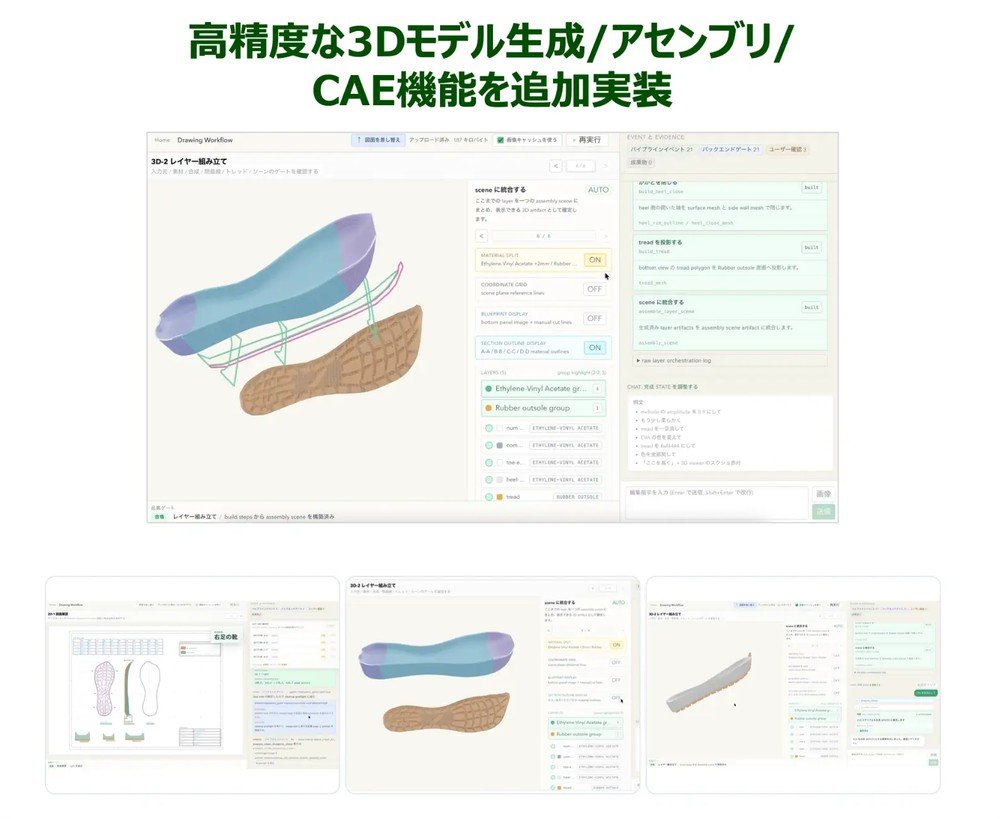
図面SaaSに高精度な3Dモデル生成とアセンブリ機能、CAE機能のβ版を追加
renueは、図面SaaS「Drawing Agent」をアップデートした。高精度な3Dモデル生成機能や複数パーツの組み立てに対応するアセンブリ機能、構造解析を実行する「CAE機能 β版」を追加し、図面の読み取りから構造解析までを一連の流れで扱えるようにした。
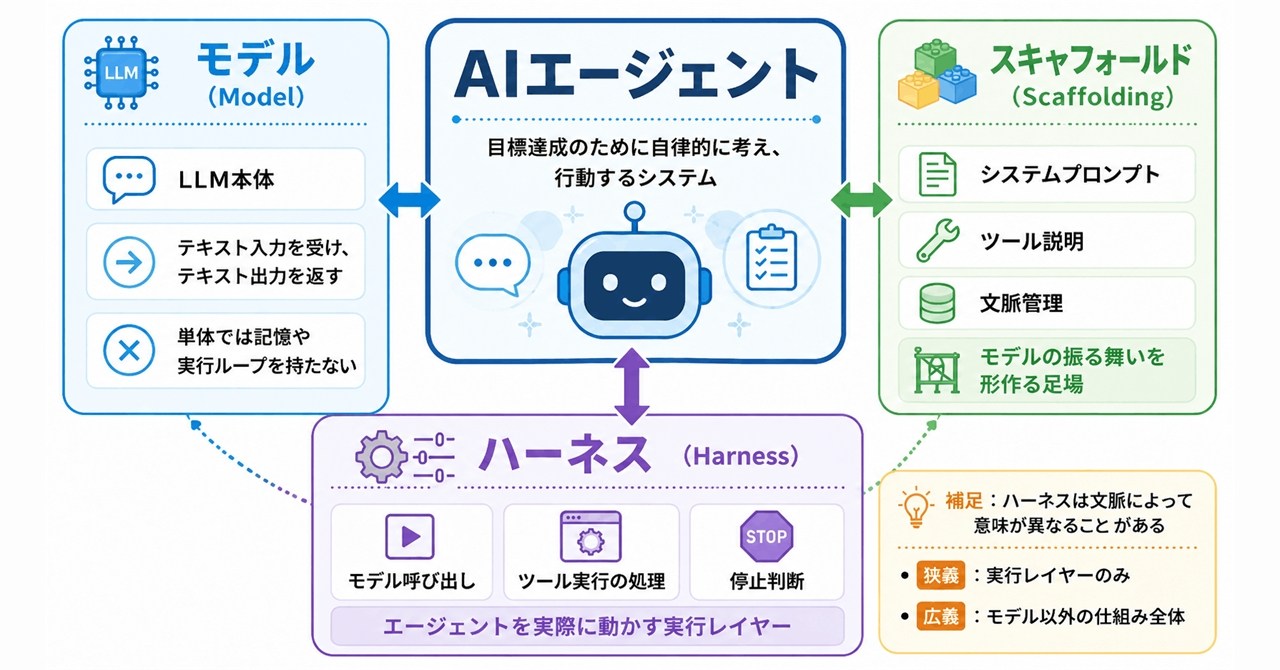
「ハーネス」って結局、何? みんな使い方が違うAIエージェント用語をHugging Faceが整理
AIエージェント分野で人によって意味が揺れる「ハーネス」「スキャフォールド」などの用語を、Hugging Faceが整理した。AIエージェントを正しく理解し議論するために押さえておきたい基本用語を初心者向けに解説する。

Cognition’s Scott Wu says AI coding agents shouldn’t replace humans
Cognition makes Devin, the first and arguably most successful AI coding agent. But famed coder Wu says it isn't designed to supplant human…
How Braintrust turns customer requests into code with Codex
How Braintrust engineers use Codex with GPT-5.5 to run experiments and code faster.
Frontier LLM ベースのエージェントは、自然な表現型のオントロジーキュレーションのボトルネックを克服できます
フリーテキストの表現型記述をオントロジー用語にリンクすることは、通常表現型アノテーションと呼ばれ、比較形態学的データを研究間で統合するために不可欠です。この労働集約的なプロセスは高度な訓練を受けた人間の専門家に大きく依存しており、そのため拡張が困難であり、それが大きなボトルネックとなっています。ダードゥルら。 (2018) 7 つの系統学的研究にわたるエンティティ品質 (EQ) アノテーションのゴールド スタンダード (GS) を確立し、それを使用して 3 人のキュレーターと、オントロジーベースの意味的類似性メトリクスを備えた Semantic CharaParser NLP ツールを評価しました。彼らは、機械と人間の一貫性は、キュレーター間(人間と人間)の一貫性よりも大幅に低いと報告しました。ここでは、Anthropic と OpenAI の 5 つのフロンティア ホスト LLM を使用してそのベンチマークを再検討します。各 LLM は、ソース出版物の PDF、元の人間のキュレーターが使用したのと同じ注釈ガイド、4 つのプロジェクト オントロジー (UBERON、PATO、BSPO、GO)、および検証スクリプトを提供する自己完結型ワークスペース内で「エージェント キュレーター」として動作します。同じゴールドスタンダードに照らして評価すると、すべてのエージェントは、元の研究で訓練を受けた 3 人の人間のバイオキュレーターのキュレーター間変動の範囲内に収まりました。最もパフォーマンスの高いエージェントがアプローチしましたが、最もパフォーマンスの高い人間のキュレーターには到達できませんでした。エージェントは、4 つの指標すべてで Semantic CharaParser を大幅に上回りました。
原文 (English)
Frontier LLM-based agents can overcome the ontology curation bottleneck for natural phenotypes
Linking free-text phenotype descriptions to ontology terms, typically referred to as phenotype annotation, is essential for the cross-study integration of comparative morphological data. This labor intensive process has heavily relied on highly trained human experts, which makes it challenging to scale and thus a key bottleneck. Dahdul et al. (2018) established a Gold Standard (GS) of Entity-Quality (EQ) annotations across seven phylogenetic studies and used it to evaluate three human curators and the Semantic CharaParser NLP tool with ontology-based semantic similarity metrics; they reported that machine-human consistency was significantly lower than inter-curator (human-human) consistency. Here we revisit that benchmark with five frontier hosted LLMs from Anthropic and OpenAI, each operating as an "agentic curator" within a self-contained workspace that supplies the source publication PDF, the same annotation guide used by the original human curators, the four project ontologies (UBERON, PATO, BSPO, GO), and a validation script. Evaluated against the same Gold Standard, every agent fell within the range of inter-curator variability of the three trained human biocurators of the original study; the best performing agents approached but did not reach the best performing human curator. Agents substantially outperformed Semantic CharaParser on all four metrics.
VFEAgent: エンドツーエンドの自動有限要素解析のためのマルチモーダル エージェント フレームワーク
有限要素解析 (FEA) は、現代のエンジニアリング設計の基礎として機能します。ただし、そのワークフローは本質的に複雑で、ドメインの専門知識に大きく依存しています。最近の取り組みでは、大規模言語モデル (LLM) を FEA に統合しましたが、既存のアプローチでは、マルチモーダル入力の処理と複雑なタスクの実行において限界に直面しています。これらの制限に対処するために、入力画像と問題の説明から直接 FEA モデリングとシミュレーションを自動化するように設計されたエンドツーエンドのマルチエージェント システムである VFEAgent を提案します。当社の方法論は 2 つのコア コンポーネントを統合しています。(1) ReAct 駆動の推論を採用して異種入力から構造化 FEA 仕様を抽出するマルチモーダル ビジョン言語マルチエージェント パイプラインと、(2) 実行可能性と物理的妥当性を保証するための堅牢な自己デバッグおよびフォールバック メカニズムを組み込んだ検証優先コード合成フレームワーク。私たちは、さまざまな工学力学シナリオにわたってシステムを体系的に評価しました。結果は、VFEAgent が完全で物理的に有効なシミュレーションの生成において高い成功率を達成し、信頼性と正確性の点で LLM ベースのベースライン手法を上回っていることを示しています。これらの調査結果は、FEA ワークフロー全体を自動化する実現可能性を検証し、エンジニアを退屈な手動分析から解放するフレームワークの可能性を強調しています。
原文 (English)
VFEAgent: A Multimodal Agent Framework for End-to-End Automated Finite Element Analysis
Finite Element Analysis (FEA) serves as the cornerstone of modern engineering design. However, its workflow is inherently complex and relies heavily on domain expertise. Although recent efforts have integrated Large Language Models (LLMs) into FEA, existing approaches face limitations in handling multimodal inputs and executing complex tasks. To address these limitations, we propose VFEAgent, an end-to-end multi-agent system designed to automate FEA modeling and simulation directly from input images and problem descriptions. Our methodology integrates two core components: (1) a multimodal vision-language multi-agent pipeline that employs ReAct-driven reasoning to extract structured FEA specifications from heterogeneous inputs and (2) a verification-first code synthesis framework, incorporating robust self-debugging and fallback mechanisms to ensure executability and physical validity. We systematically evaluated the system across various engineering mechanics scenarios. The results demonstrate that VFEAgent achieves a high success rate in generating complete and physically valid simulations, outperforming LLM-based baseline methods in reliability and correctness. These findings validate the feasibility of automating the complete FEA workflow, highlighting the framework's potential to liberate engineers from tedious manual analysis.
差別化可能な信念に基づく敵対者の形成
人間の調整は、多くの場合、戦略的行動を通じて他者の信念に影響を与える能力に依存しています。マルチエージェント強化学習では、対戦相手のシェーピングがこの影響を再現しようとしますが、既存の手法は通常、対戦相手のパラメータ、ポリシー、または値空間内で動作します。一方、隠しロール ゲームにおける信念操作テクニックは、欺瞞や信念の飽和など、ハードコードされた目的に依存することがよくあります。我々は、各観察者の信念を成形された相手の状態として扱い、$k$ ステップのソフトマックスベイズ信念ダイナミクスを通じて微分する一次手法である、微分可能な信念ベースの相手シェーピング (D-BOS) を提案します。私たちの方法では、欺瞞的または協力的な行動に明示的に報酬を与えるのではなく、信念状態を形成のターゲットとして扱います。これにより、環境の報酬構造から最適な戦略が自然に現れることが可能になります。この信念空間の定式化は、対戦相手の信念の更新を通じて微分することによって対戦相手を形成する信号を提供し、個々の推定された信念の軌跡にわたる勾配を集約することによって複数の観察者に自然に拡張されます。経験的に、D-BOS は隠しロール ゲームで PPO や BBM よりも優れており、動機が混合された設定で最大の利益をもたらします。
原文 (English)
Differentiable Belief-based Opponent Shaping
Human coordination often relies on the ability to influence the beliefs of others through strategic action. In multi-agent reinforcement learning, opponent shaping attempts to replicate this influence, though existing methods typically operate within an opponent's parameter, policy, or value space. Meanwhile, belief-manipulation techniques in hidden-role games often rely on hard-coded objectives, such as deception or belief saturation. We propose Differentiable Belief-based Opponent Shaping (D-BOS), a first-order method that treats each observer's belief as the shaped opponent state and differentiates through $k$-step softmax-Bayes belief dynamics. Rather than explicitly rewarding deceptive or cooperative behavior, our method treats the belief state as the target for shaping. This allows the optimal strategy to emerge naturally from the environment's reward structure. This belief-space formulation provides an opponent-shaping signal by differentiating through opponent belief updates, and naturally extends to multiple observers by aggregating gradients over their individual inferred belief trajectories. Empirically, D-BOS outperforms PPO and BBM in hidden-role games, with the largest gains in mixed-motive settings.
Agentic AI、ネストされた学習、セマンティック キャッシングによる AI の持続可能性による幻覚の軽減
幻覚は、実稼働 LLM システムにとって、特にサポートされていないクレームがチェックされずにステージ全体に伝播する可能性があるマルチエージェント パイプラインにおいて、依然として大きな信頼性の障壁となっています。この論文では、連続メモリ システム (CMS) と意味論的類似性キャッシュを備えた HOPE にインスピレーションを得た入れ子学習アーキテクチャを、217 個の認識論的不確実性プロンプトと 93 個の製造誘導ストレステスト プロンプトを組み合わせた 310 個のプロンプトのハイブリッド ベンチマークに適応させます。オープン フロア プロトコル (OFP) を介して調整された 3 段階のエージェント パイプラインは、FCD (事実の主張密度)、FGR (事実の根拠参照)、FDF (架空の免責事項の頻度)、ECS (明示的なコンテキスト化スコア)、および OSR (観察可能性スコア率) の 5 つの KPI を使用して評価され、研究対象の 5 つの重み付け構成にわたって THS (総幻覚スコア) に集約されます。緩和と可観測性のトレードオフ。 FDF、ECS、OSR、および FGR は緩和シグナルとして差し引かれるため、THS がより負であるほど、緩和が強力であることを示します。 FrontEndAgent は、現実的な幻覚ベースラインを生成する高確率ジェネレータ (温度 = 1.0) として構成され、SecondLevelReviewer と ThirdLevelReviewer はプログレッシブ コレクタとして動作します。この非対称設計により、5 つの重み付け構成全体でエンドツーエンドの THS が -31.3% ~ -35.9% 削減されます。セマンティック キャッシュは、930 回の潜在的な呼び出しで 440 回のキャッシュ ヒット (ヒット率 47.3%) を達成し、LLM 呼び出しを 490 回に減らし、エネルギーと CO2e フットプリントを削減し、マルチステージ レビュー パイプラインを運用規模で実行可能にします。 ExtremeObservability は最もマイナスの最終 THS (-0.0709) を達成しており、可観測性を重視した構成が緩和を損なうのではなく強化していることが確認されています。これらの発見は、メモリ拡張マルチエージェント設計がモデルの再トレーニングなしで事実の信頼性、運用効率、監査可能性を共同で改善できることを示唆しています。
原文 (English)
Hallucination Mitigation with Agentic AI, Nested Learning, and AI Sustainability via Semantic Caching
Hallucination remains a major reliability barrier for production LLM systems, particularly in multi-agent pipelines where unsupported claims can propagate unchecked across stages. This paper adapts a HOPE-inspired Nested Learning architecture with Continuum Memory Systems (CMS) and semantic similarity caching to a hybrid benchmark of 310 prompts combining 217 epistemic-uncertainty prompts and 93 fabrication-induction stress-test prompts. A three-stage agentic pipeline orchestrated via the Open Floor Protocol (OFP) is evaluated with five KPIs -- FCD (Factual Claim Density), FGR (Factual Grounding References), FDF (Fictional Disclaimer Frequency), ECS (Explicit Contextualization Score), and OSR (Observability Score Ratio) -- aggregated into THS (Total Hallucination Score) across five weighting configurations to study mitigation-observability trade-offs. FDF, ECS, OSR, and FGR are subtracted as mitigation signals, so that a more negative THS indicates stronger mitigation. The FrontEndAgent is configured as a high-stochasticity generator (temperature = 1.0) to produce a realistic hallucination baseline, while the SecondLevelReviewer and ThirdLevelReviewer operate as progressive correctors. This asymmetric design yields end-to-end THS reductions of -31.3% to -35.9% across five weighting configurations. Semantic caching achieves 440 cache hits over 930 potential calls (47.3% hit rate), reducing LLM invocations to 490, lowering energy and CO2e footprint, and making multi-stage review pipelines operationally viable at production scale. ExtremeObservability attains the most negative final THS (-0.0709), confirming that observability-heavy configurations reinforce rather than compromise mitigation. These findings suggest that memory-augmented multi-agent designs can jointly improve factual reliability, operational efficiency, and auditability without model retraining.
安全な自律エージェントのための帯域外メタデータの重要性: Redpanda エージェント データ プレーン
AI エージェントは、企業データにアクセスし、意思決定を行い、自律的に行動を起こすデジタル従業員として機能することがますます期待されています。しかし、エージェントは同時に人間よりも予測可能性が低く、幻覚、誤解、敵対的操作を起こしやすいですが、深いシステム知識と高スループットのインターフェイスを備えており、マシンの速度で被害を連鎖的にもたらします。この組み合わせにより、アクセス ポリシー、データ分類、動作制約などのセキュリティ クリティカルなメタデータを忠実に解釈または伝達するエージェントに依存するのは安全ではなくなります。私たちは、帯域外メタデータ チャネルを中心に構築されたアーキテクチャである Redpanda Agentic Data Plane (ADP) を紹介します。帯域外メタデータ チャネルは、セキュリティ コンテキスト、ポリシー シグナル、および監査証跡を、エージェントの読み取りおよび書き込みパスの完全に外側で、異種インフラストラクチャ全体にわたって決定論的に伝送するインフラストラクチャ パスウェイです。これらのチャネルは、エージェントのライフサイクルのあらゆる段階でガバナンスを強化します。つまり、受信時のデータ アクセスの範囲設定、実行中のアクションの制限、送信時の改ざん防止トランスクリプトのキャプチャなどです。マルチエージェントのポートフォリオ リバランス システムを使用して ADP を実証します。このシステムでは、自律エージェントが市場を監視し、取引の意思決定を行い、分離されたクライアント アカウント全体で注文を実行します。クライアントごとのデータ スコープ、取引承認のしきい値、および改ざん防止の監査証跡はすべて、エージェントが確認することもバイパスすることもできない帯域外チャネルによって強制されます。
原文 (English)
The Importance of Out-of-Band Metadata for Safe Autonomous Agents: The Redpanda Agentic Data Plane
AI agents are increasingly expected to operate as digital employees: accessing enterprise data, making decisions, and taking actions autonomously. But agents are simultaneously less predictable than humans -- prone to hallucination, misinterpretation, and adversarial manipulation -- and more technically capable: with deep system knowledge and high-throughput interfaces cascading damage at machine speed. This combination makes it unsafe to rely on agents to faithfully interpret or propagate security-critical metadata such as access policies, data classifications, and behavioral constraints. We present the Redpanda Agentic Data Plane (ADP), an architecture built around out-of-band metadata channels: infrastructure pathways that carry security context, policy signals, and audit trails deterministically, entirely outside the agent's read and write path and across heterogeneous infrastructure. These channels enforce governance at every stage of the agent lifecycle -- scoping data access on the way in, constraining actions during execution, and capturing tamper-proof transcripts on the way out. We demonstrate ADP with a multi-agent portfolio rebalancing system in which autonomous agents monitor markets, make trade decisions, and execute orders across isolated client accounts -- with per-client data scoping, trade approval thresholds, and tamper-proof audit trails all enforced by out-of-band channels the agents can neither see nor bypass.
コンセンサスを超えて: 薬剤の混合物における微量レベルの合成
複数の LLM エージェントが同じ問題を解決する場合、標準的な慣行では、各エージェントの推論が多数決または階層化された統合に圧縮され、合意が最終ラインとして扱われます。私たちは、これが不必要に損失を伴うことを示します。完全な推論トレースを読み取る LLM アグリゲーターは、エージェントが全会一致で同意した場合でも、有益な修正が有害な修正を常に上回り、正しい解決策を回復します -- \emph{集約のパラドックス}。多数決には、摂動の多様性によって上昇しない上限があります (誤差の相関関係は同一です)。アグリゲーターの利益は、投票によって破棄される少数派のチェーンから正しい中間ステップを組み立てる、トレースレベルの相補性から得られます。これらの発見は、セマンティックを保持する入力摂動を通じて微量多様性を生成し、証明可能な非劣化保証を備えたアンカー改良によって大部分を保護し、コンセンサスに基づいてゲートすることなく常に合成するエージェントの自己一貫性混合を動機付けます。摂動による微量変化を伴う単一モデルは、構造化推論、博士レベルの科学、競技数学、競技プログラミングにおいて、異種モデル プールよりも優れたパフォーマンスを発揮します。集計の単位は、答えではなく、推論のトレースである必要があります。
原文 (English)
Beyond Consensus: Trace-Level Synthesis in Mixture of Agents
When multiple LLM agents solve the same problem, standard practice compresses each agent's reasoning into a majority vote or layered synthesis, treating agreement as the finish line. We show this is unnecessarily lossy: an LLM aggregator that reads complete reasoning traces recovers correct solutions even when agents unanimously agree, with beneficial corrections consistently outweighing harmful ones -- the \emph{aggregation paradox}. Majority voting has a ceiling that perturbation diversity does not raise (error correlations are identical); the aggregator's gain comes from trace-level complementarity, assembling correct intermediate steps from minority chains that voting discards. These findings motivate Self-Consistent Mixture of Agents which generates trace diversity through semantic-preserving input perturbations, safeguards the majority via anchored refinement with provable non-degradation guarantees, and always synthesizes -- never gates on consensus. A single model with perturbation-induced trace variation outperforms heterogeneous model pools across structured reasoning, PhD-level science, competition mathematics, and competitive programming. The unit of aggregation should be the reasoning trace, not the answer.
PRO-CUA: コンピュータ使用エージェントのプロセス報酬の最適化
コンピュータ使用エージェント (CUA) は、複雑なデジタル ワークフローを自動化する強力な可能性を示していますが、そのトレーニングは、費用のかかるライブ環境でのやり取りと限られた高品質の監督によって依然として制限されています。既存のフィルタリングされた動作クローン パイプラインは、専門家のデモンストレーションからの分布のシフトやネガティブな学習シグナルの欠如など、模倣のボトルネックに悩まされています。一方、標準的な軌道レベルの強化学習は、報酬がまばらで、単位の割り当てがあいまいで、長期にわたる GUI インタラクションのためのインフラストラクチャのコストが高いという問題に直面しています。この研究では、反復ステップレベル強化学習を使用して CUA をトレーニングするためのプロセス報酬最適化フレームワークである PRO-CUA を提案します。 PRO-CUA は、ポリシー上の環境インタラクションをポリシーの最適化から切り離します。現在のポリシーは、ライブ ロールアウトを通じて状態を収集し、状態ごとに多様な候補アクションを生成し、プロセス報酬モデル (PRM) からステップレベルのフィードバックを受け取り、グループ相対の利点で最適化されます。この設計により、ゴールデンアンサーやオフラインエキスパートの軌跡に依存することなく、高密度で柔軟なクレジット割り当てが可能になり、同時にエージェント自身の実行状態でのトレーニングによって分布のシフトが軽減されます。ライブ Web ベンチマークの実験により、PRO-CUA の有効性と PRM ガイドによるステップレベルのトレーニングの信頼性が実証されています。
原文 (English)
PRO-CUA: Process-Reward Optimization for Computer Use Agents
Computer use agents (CUAs) have shown strong potential for automating complex digital workflows, yet their training remains constrained by costly live environment interaction and limited high-quality supervision. Existing filtered behavior cloning pipelines suffer from imitation bottlenecks, including distribution shift from the expert demonstration and the absence of negative learning signals. Meanwhile, standard trajectory-level reinforcement learning struggles with sparse rewards, ambiguous credit assignment, and high infrastructure costs for long-horizon GUI interaction. In this work, we propose PRO-CUA, a process-reward optimization framework for training CUAs with iterative step-level reinforcement learning. PRO-CUA decouples on-policy environment interaction from policy optimization: the current policy collects states through live rollouts, generates diverse candidate actions for each state, receives step-level feedback from a process reward model (PRM), and is optimized with group-relative advantages. This design enables dense and flexible credit assignment without relying on golden answers or offline expert trajectories, while reducing distribution shift by training on the agent's own execution states. Experiments on live web benchmarks demonstrate the effectiveness of PRO-CUA and the reliability of PRM-guided step-level training.
Agentic AI システムにおける技術的負債の管理
エージェント AI システムは、実稼働インフラストラクチャとしてますます検討されています。エージェントは、複数のステップを推論し、ツールを呼び出し、ワークフローを通じて動作し、記憶とフィードバックを通じて適応します。これらのシステムは、従来のソフトウェアや予測 ML の技術的負債では完全に把握できないガバナンスの課題を生み出します。私たちは、エージェントの技術的負債を、プロンプト、メモリ、ツール スキーマ、オーケストレーション グラフ、制御ポリシー、可観測性ルーチンが、検証、標準化、管理できるよりも早くパッチを適用した場合に生じる累積負債として定義します。私たちは、確率的税を、確率的なエージェントの動作を許容範囲内に維持するための反復的な運用負担として定義します。区別は重要です。負債は設計およびガバナンス責任のストックであるのに対し、税金は確率的エージェントがツールやワークフローを通じて機能するために発生する運営コストの流れです。管理者が軽量のダッシュボードとガバナンス制御を通じて両方を可視化する方法について概説します。
原文 (English)
Governing Technical Debt in Agentic AI Systems
Agentic AI systems are increasingly being explored as production infrastructure: they reason over multiple steps, call tools, act through workflows, and adapt through memory and feedback. These systems create governance challenges that are not fully captured by traditional software or predictive ML technical debt. We define Agentic Technical Debt as the accumulated liability created when prompts, memory, tool schemas, orchestration graphs, control policies, and observability routines are patched together faster than they can be validated, standardized, and governed. We define Stochastic Tax as the recurring operating burden of keeping probabilistic agent behavior within acceptable bounds. The distinction matters: debt is a stock of design and governance liability, while the tax is a flow of operating cost that arises because stochastic agents act through tools and workflows. We outline how managers can make both visible through lightweight dashboards and governance controls.
ペーパーエージェント、ペーパーゲイン:DeFi投資エージェントの実証分析
自律的なオンチェーン取引に AI を使用するシステムである DeFi 投資エージェントは、2024 年後半以来、合計トークン評価額で 30 億米ドルを超えています。私たちは 1,900 以上の AI タグ付き暗号プロジェクトを調査し、投資中心のエージェントに絞り込み、戦略と可観測性の側面にわたる 10 の代表的なプロジェクトを厳選しています。次に、ElizaOS と Virtuals Protocol という 2 つの著名なエージェント フレームワークの詳細なアーキテクチャ分析と、925,323 人のトークン所有者を対象とする公的に起因する取引活動を伴う 11 の Solana ベースのエージェント トレジャリーの定量的なオンチェーン パフォーマンス分析を実施します。現在のデプロイメントは初期段階で異種混合のままであることがわかりました。(1) 私たちのサンプルでは、多くのプロジェクトが自律的な取引実行の明確な証拠をまだ提供しておらず、開発者のインタビューでは、目に見えるデプロイメントの多くが基本的な API 統合のままであることが示唆されています。 (2) エージェントの財務省は 3,000 万米ドルを超える紙の利益を保持している一方、トークン所有者は合計で 1 億 9,170 万米ドルを損失しており、ウォレットの上位 1% が全利益の 81.4% (18 億 1,000 万米ドル) を獲得しています。 (3) トークンの評価額は財務省のファンダメンタルズとの関連が弱く、時価総額対AUMの比率は10,000倍を超えていますが、確立されたDeFiプロトコルでは1倍未満です。 (4) ユーザーの総利益は 24 億米ドルでピークに達し、その後純損失に減少し、収益の中央値はすべてのプラットフォームでマイナスとなり、トークンは史上最高値から平均して 93% 減少しました。私たちは、これらの結果を、オープンインフラストラクチャにより迅速な実験が可能になるだけでなく、自律性、パフォーマンス、および利害関係者の連携のための堅牢な標準が出現する前に、単純なエージェントや投機的なエージェントが立ち上がることを可能にする、パーミッションレスの第一世代市場の特徴であると解釈します。そこで私たちは、現在の展開と将来の投資グレードのエージェント システムとの間のギャップを特徴付けるために、自律的な実行、リスク調整後の収益性、利害関係者の連携という 3 つの側面に沿った成熟度フレームワークを提案します。
原文 (English)
Paper Agents, Paper Gains: An Empirical Analysis of DeFi Investment Agents
DeFi investment agents, systems that use AI for autonomous on-chain trading, have attained over USD 3 billion in combined token valuations since late 2024. We survey over 1,900 AI-tagged crypto projects, filter to investment-focused agents, and curate 10 representative projects spanning strategy and observability dimensions. We then conduct a deep-dive architectural analysis of two prominent agent frameworks, ElizaOS and Virtuals Protocol, and a quantitative on-chain performance analysis of 11 Solana-based agent treasuries with publicly attributable trading activity, covering 925,323 token holders. We find that current deployments remain early and heterogeneous: (1) in our sample, many projects do not yet provide clear evidence of autonomous trade execution, and developer interviews suggest that many visible deployments remain basic API integrations; (2) agent treasuries retain over USD 30M in paper gains while token holders collectively lost USD 191.7M, with the top 1% of wallets capturing 81.4% of all gains (USD 1.81B); (3) token valuations are weakly connected to treasury fundamentals, with market-cap-to-AUM ratios exceeding 10,000x versus below 1x for established DeFi protocols; and (4) aggregate user gains peaked at USD 2.4B before declining to net losses, with median returns negative on every platform and tokens declining 93% on average from all-time highs. We interpret these outcomes as characteristic of a permissionless, first-generation market in which open infrastructure enables rapid experimentation but also allows naive or speculative agents to launch before robust standards for autonomy, performance, and stakeholder alignment emerge. We therefore propose a maturity framework along three dimensions: autonomous execution, risk-adjusted profitability, and stakeholder alignment, to characterize the gap between current deployments and future investment-grade agent systems.
GTA: Web エージェント向けに長期的なタスクを大規模に生成
Web エージェントは、言語モデルとブラウジング機能およびツール使用機能を組み合わせたもので、オープンな Web アシスタントとして有望です。しかし、拡張性のあるプロセスレベルの監督が欠如しているため、進歩はますます制限されています。既存のベンチマークは主に手動で構築されており、中間軌道を含まない粗い開始ゴールの注釈のみを提供しますが、最近の自動生成の取り組みは依然として高価で偏りがあり、浅いものです。これらの制限により、現実的なマルチホップ、クロスページのタスクに一般化する必要があるエージェントの信頼できるトレーニングと評価が妨げられます。スケーラブルなフレームワークである GTA を導入します。これは、クローリング、検索ベースのシーディング、インコンテキスト生成、および自動品質管理を統合して、実行可能な軌跡と組み合わせた現実的なタスクを生成します。この設計は、クロールを生成から切り離して効率を高め、タスクをサイト グラフに固定して構成性を強化し、決定論的な再生と体系的な検証を通じて緻密な監視を保証します。電子商取引、政府、フォーラム、ニュースをカバーする 50 以上の Web サイト上でパイプラインをインスタンス化し、多言語およびマルチホップをカバーします。結果として得られたベンチマークでは、人間とエージェントのパフォーマンスの大きなギャップが明らかになり、詳細な診断が可能になります。私たちの貢献は 3 つあります: (i) マルチホップ Web エージェント タスク生成の形式化、(ii) 自動データ作成のための効率的で検証済みのパイプラインの提案、(iii) 再現可能な評価を備えた動的ベンチマークのリリース。
原文 (English)
GTA: Generating Long-Horizon Tasks for Web Agents at Scale
Web agents, which couple language models with browsing and tool-use capabilities, show promise as open web assistants. Yet progress is increasingly limited by the lack of scalable, process-level supervision. Existing benchmarks are largely manually constructed, providing only coarse start-goal annotations without intermediate trajectories, while recent automatic generation efforts remain expensive, biased, and shallow. These limitations prevent reliable training and evaluation of agents that must generalize to realistic, multi-hop, cross-page tasks. We introduce a scalable framework, GTA, that integrates crawling, retrieval-based seeding, in-context generation, and automated quality control to produce realistic tasks paired with executable trajectories. This design decouples crawling from generation for greater efficiency, grounds tasks in the site graph to enforce compositionality, and ensures dense supervision through deterministic replays and systematic validation. We instantiate the pipeline on over 50 websites covering e-commerce, government, forums, and news, with multilingual and multi-hop coverage. The resulting benchmark reveals a significant human-agent performance gap and enables detailed diagnostics. Our contributions are three-fold: (i) formalizing multi-hop web-agent task generation, (ii) proposing an efficient and validated pipeline for automatic data creation, and (iii) releasing a dynamic benchmark with reproducible evaluation.
BenchTrace: LLM エージェントのリフレクション能力と制御された進化をテストするためのベンチマーク
自己進化エージェントは過去の失敗を反映することで時間の経過とともに改善しますが、既存の評価には 2 つの点で制限があります。1 つはタスク スコアのみを測定し、反映品質は不明のままにすること、もう 1 つはエージェント自身のエピソードの実行に依存しており、特定の失敗パターンを対象にするメカニズムを提供していないことです。 LLM エージェントの自己進化能力を評価するためのベンチマークである \textbf{BenchTrace} を紹介します。 BenchTrace は、6 つの多様なタスクにわたる 1,821 の注釈付きエピソードのスナップショット反映データセットに基づいて構築されており、ターゲットを絞った QA タスクを通じて障害の特定を調査する \textbf{反映評価} と、制御された自己進化シミュレーションで過去の障害経験が回避行動に変換されるかどうかをテストする \textbf{進化評価} で構成されます。 BenchTrace に基づいて、エージェントがターゲットの障害インスタンスを回避できたテスト ケースの割合を測定する新しい評価指標である \textbf{障害回避率 (FAR)} を提案します。 Qwen3-32B と GPT-4.1 を使った実験では、どちらのモデルもリフレクション評価でエンドツーエンドの合格率が 30\% を下回り、診断が主なボトルネックであることが明らかになりました。進化の評価では、自己進化手法は一般に非進化ベースラインよりもFARを改善しますが、エージェントはノイズエピソードが蓄積するにつれて初期のレッスンを忘れ、エージェントは特定のコンテキストを超えて反省を一般化することができず、タスクコンテキスト間で負の転移を引き起こすことが示されています。さらに、相関分析により、完全に正しい反射のみが高い FAR と強く関連していることが明らかになりました。 BenchTrace は、現在の自己進化アプローチの具体的な限界を明らかにし、対象を絞った評価のための制御されたモデルに依存しないフレームワークを提供します。
原文 (English)
BenchTrace: A Benchmark for Testing Reflection Ability and Controlled Evolution in LLM Agents
Self-evolving agents improve over time by reflecting on past failures, but existing evaluation is limited in two ways: it measures only task scores, leaving reflection quality unknown, and it relies on agents' own episode runs, offering no mechanism to target specific failure patterns. We present \textbf{BenchTrace}, a benchmark for evaluating self-evolution ability in LLM agents. BenchTrace is built on a snapshot-reflection dataset of 1,821 annotated episodes spanning six diverse tasks, and comprises a \textbf{Reflection Evaluation} that probes failure identification through targeted QA tasks, and an \textbf{Evolution Evaluation} that tests whether past failure experience translates into avoidance behavior in a controlled self-evolution simulation. Building on BenchTrace, we propose \textbf{failure avoidance rate (FAR)}, a new evaluation metric measuring the fraction of test cases in which the agent successfully avoids the target failure instance. Experiments with Qwen3-32B and GPT-4.1 reveal that both models fall below a 30\% end-to-end pass rate on reflection evaluation, with diagnosis as the primary bottleneck. Evolution evaluation shows that self-evolution methods generally improve FAR over the non-evolving baseline, but agents forget early lessons as noise episodes accumulate, and agents fail to generalize their reflections beyond the specific context, causing negative transfer across task contexts. Our correlation analysis further reveals that only a fully correct reflection is strongly associated with higher FAR. BenchTrace exposes concrete limits of current self-evolution approaches and provides a controlled, model-agnostic framework for targeted evaluation.
確実に安全なエージェント ガードレール
大規模な言語モデルが、制限された生成エンジンから、拡張的な実行権限を持つエージェントに移行するにつれて、AI が制御不能になり、人工知能のセキュリティに根本的な危機が生じます。既存の防御アーキテクチャは、経験的なセマンティック ガードレールと確率的な大規模モデルの判定子に大きく依存しており、複雑なセマンティック シンボル デカップリング攻撃に直面した場合に決定論的なセキュリティの下限を提供できないメカニズムです。この経験的なセマンティック ガードレールのジレンマを克服するために、この論文では、論理的推論の基本的な制限に基づいたエージェントのための新しいセキュリティ パラダイムを提案します。このパラダイムに基づいて、ニューラル シンボリック分離アーキテクチャを備えた実行可能な Proof-Constrained Action (ePCA) フレームワークをさらに導入します。このフレームワークは自然言語の意味論的な信頼を放棄し、エージェントに物理的な操作を実行する前に意図を一次論理数学的制約にロスレスで形式化することを強制します。巨視的および微視的な二次元動的敵対的システムの経験的評価は、私たちの形式的検証メカニズムが、評価されたシナリオ全体でゼロの攻撃成功率とゼロの誤検知率を、極めて低い計算待ち時間で達成することを実証しています。この研究は、明示的なシステム仮定の下での条件付きの形式的基盤と、将来のインテリジェント システムの基礎となる防御基盤を構築するためのエンジニアリング パラダイムを提供します。
原文 (English)
Provably Secure Agent Guardrail
As large language models transition from bounded generative engines to agents with expansive execution privileges, AI going out of control precipitates a fundamental crisis in artificial intelligence security. Existing defense architectures heavily rely on empirical semantic guardrails and probabilistic large model adjudicators, mechanisms that fail to provide deterministic security lower bounds when facing complex semantic symbol decoupling attacks. To overcome this empirical semantic guardrail dilemma, this paper proposes a new security paradigm for agents based on the fundamental limitations of logical reasoning. Based on this paradigm, we further introduce an executable Proof-Constrained Action (ePCA) framework with a neural symbolic isolation architecture. This framework abandons semantic trust in natural language, forcing agents to losslessly formalize their intentions into first-order logical mathematical constraints before performing physical operations. Empirical evaluations of macroscopic and microscopic two-dimensional dynamic adversarial systems demonstrate that our formal verification mechanism achieves zero attack success rate and zero false positive rate across the evaluated scenarios, with extremely low computational latency. This research provides a conditional formal foundation under explicit system assumptions and an engineering paradigm for constructing the underlying defense foundation for future intelligent systems.
OpenClawBench: 現実世界のエージェント実行軌跡におけるプロセス側の異常のベンチマーク
タスクが成功すると、実際のエージェント実行におけるプロセスの異常が隠蔽される可能性があります。エージェントは、未解決のあいまいさ、安全でない外部書き込み、無視されたエラー、根拠の弱いコミットメント、または能力境界のオーバーコミットメントを蓄積したまま、最終タスクのオラクルを渡す可能性があります。私たちはこの不一致を結果とプロセスのギャップとして研究し、実際のエージェント実行プロセスにおけるプロセス側の異常を測定および監視するための大規模なデータセットである OpenClawBench を導入します。 OpenClawBench は、6 つのソース モデルによって生成された BFCL 駆動の OpenClaw セッションから構築されており、31,264 個の注釈付き軌跡が含まれています。タスクオラクルの結果を構造化されたプロセスの証拠と一致させます。 FullTax は、調整された軌跡を構造化された異常監視 (バイナリ ラベル、裏付け証拠、発生/期間の局所化、重大度、回復可能性、および 5 クラスの異常分類) に変換します。 OpenClawBench を使用して、結果とプロセスのギャップを測定可能にします。 31,135 件のオラクルパス実行のうち、2,904 件は依然として FullTax の下でプロセス異常のラベルが付けられています。これらの結果は、成功のみの評価では、実際のエージェント実行におけるプロセス側の失敗の具体的なクラスを見逃すことを示しています。 LoRA で微調整された Gemma 3 12B 検出器は、信頼性の高い FullTax 監視プールでトレーニングされ、クリーナー ラベル ホールドアウト テスト スプリットでバイナリ F1=0.729 に達します。 OpenClawBench は、実際のエージェント実行ログを、ランタイム エージェントの信頼性を調査、診断、運用上監視するための監査可能で再利用可能な監視に変換します。
原文 (English)
OpenClawBench: Benchmarking Process-side Anomalies in Real-world Agent Execution Trajectories
Task success can hide process anomalies in real-world agent executions. An agent may pass the final task oracle while still accumulating unresolved ambiguity, unsafe external writes, ignored errors, weakly grounded commitments, or capability-boundary overcommitment. We study this mismatch as the Outcome-Process Gap and introduce OpenClawBench, a large-scale dataset for measuring and supervising process-side anomalies in real agent execution processes. OpenClawBench is built from BFCL-driven OpenClaw sessions produced by 6 source models and contains 31,264 annotated trajectories. It aligns task-oracle outcomes with structured process evidence. FullTax converts the aligned trajectories into structured anomaly supervision: binary labels, supporting evidence, onset/span localization, severity, recoverability, and a 5-class anomaly taxonomy. Using OpenClawBench, we make the Outcome-Process Gap measurable. Among 31,135 oracle-passing executions, 2,904 are still labeled process-anomalous under FullTax. These results show that success-only evaluation misses a concrete class of process-side failures in real agent executions. A LoRA-fine-tuned Gemma 3 12B detector trained on the high-confidence FullTax supervised pool reaches binary F1=0.729 on the cleaner-labels held-out test split. Together, OpenClawBench turns real agent execution logs into auditable and reusable supervision for studying, diagnosing, and operationally monitoring runtime agent reliability.
リアルタイムの制約と長期的な推論の調和: 動的スケジューリングのための非同期エージェント フレームワーク
動的フレキシブル ジョブ ショップ スケジューリング問題 (DFJSP) では、確率的外乱に対する即座の対応と生産目標の全体的な最適化の間のトレードオフが必要になります。従来の優先順位ルールは、複雑な中断に対処するには柔軟性が不十分ですが、学習ベースのアプローチでは、解釈可能性が損なわれたり、問題のスケール全体に一般化できないことがよくあります。 Large Language Model (LLM) は、このギャップを埋めるための高度な推論機能を提供しますが、その実質的な推論遅延は、産業用制御システムのミリ秒レベルの決定サイクルと互換性がありません。この競合を解決するために、デュアル ストリーム アーキテクチャを介してポリシーの実行を論理的推論から切り離す、非同期エージェント ベースのフレームワークである RACE-Sched を導入します。 Reactive Stream は低遅延のシンボリック ヒューリスティックを実行してリアルタイムのディスパッチを可能にし、並列 Deliberative Stream は LLM を利用してこれらのルールを合成、検証、進化させます。候補ルールはサンドボックスで厳格なテストを受け、アトミックな更新によって展開されるため、制御ループをブロックすることなく安全性が確保されます。さらに、セマンティック ルール リポジトリは、検索ベースの初期化のための検証済みのヒューリスティックにインデックスを付け、問題のスケール全体での移行性を高めます。 GEN-Bench、MK-Bench、および JMS-Bench の広範な評価により、RACE-Sched が主要な深層強化学習やその他の LLM ベースのベースラインよりも優れたパフォーマンスを発揮することが実証されています。このアプローチは、リアルタイムの制約と長期的な推論を調和させて、優れたソリューション品質と動的イベントへの堅牢な適応を実現します。
原文 (English)
Harmonizing Real-Time Constraints and Long-Horizon Reasoning: An Asynchronous Agentic Framework for Dynamic Scheduling
The Dynamic Flexible Job Shop Scheduling Problem (DFJSP) necessitates a trade-off between instant reaction to stochastic disturbances and global optimization of production goals. Conventional priority rules are insufficiently flexible to handle complex disruptions, whereas learning-based approaches often compromise interpretability or fail to generalize across problem scales. Although Large Language Models (LLMs) offer advanced reasoning capabilities to bridge this gap, their substantial inference latency is incompatible with the millisecond-level decision cycles of industrial control systems. To resolve this conflict, we introduce RACE-Sched, an asynchronous agent-based framework that decouples policy execution from logical reasoning via a dual-stream architecture. The Reactive Stream executes low-latency symbolic heuristics to enable real-time dispatching, while the parallel Deliberative Stream leverages an LLM to synthesize, validate, and evolve these rules. Candidate rules undergo rigorous testing in a sandbox and are deployed via atomic updates, ensuring safety without blocking the control loop. Additionally, a semantic rule repository indexes validated heuristics for retrieval-based initialization which enhances transferability across problem scales. Extensive evaluations on GEN-Bench, MK-Bench, and JMS-Bench demonstrate that RACE-Sched outperforms leading Deep Reinforcement Learning and other LLM-based baselines. This approach harmonizes real-time constraints with long-horizon reasoning to achieve superior solution quality and robust adaptation to dynamic events.
読み取り不可能なもののインデックス作成: LLM ネイティブの再帰的構築とサービス分類の検索
Internet of Agents (IoA) の時代が具体化しつつあります。LLM エージェントは、急速に増加する Model Context Protocol (MCP) サーバー、Agent-to-Agent (A2A) エンドポイント、再利用可能なスキル、およびその他の LLM 呼び出し可能なサービスを調整することで、ユーザーの目標を達成することが期待されています。しかし、LLM はこの体制との構造的な不一致に直面しています。有効なコンテキストは、サービスの数に応じて拡張できない希少なリソースです。数千のサービス説明をプロンプトに連結すると、コンテキスト ウィンドウがオーバーフローし、ウィンドウが十分に大きい場合でも、モデルは長い入力の途中で情報に体系的に注意を向けることができなくなります。これは十分に文書化されている「Lost-in-the-Middle」現象です。これは基本的に、サービス検出のためのコンテキスト管理の問題です。これに対処するために、LLM ネイティブのプログレッシブ開示スキームとその具体的なインスタンス化である A2X (Agent-to-Anything サービス ディスカバリ) を提案します。これは、登録されたサービスを自動的に階層分類に編成し、クエリ時にレイヤーごとにたどる LLM 駆動のパイプラインです。これにより、すべての LLM 呼び出しでは、ユーザー クエリに関連性の高い小さな候補セットのみが表示されます。これにより、有効なコンテキストの不足がレジストリ サイズから切り離され、取得精度が向上しながらトークンの消費が大幅に削減されます。フルコンテキスト ダンピングと比較して、A2X はプロンプト トークン コストの 9 分の 1 で 6.2 ポイントのヒット率の向上を達成します。最先端のオープンソースの埋め込みベースのベースラインと比較して、A2X はヒット率を 20 ポイント以上改善します。
原文 (English)
Indexing the Unreadable: LLM-Native Recursive Construction and Search of Service Taxonomies
The era of the Internet of Agents (IoA) is taking shape: LLM agents are expected to fulfill user goals by orchestrating fast-growing populations of Model Context Protocol (MCP) servers, Agent-to-Agent (A2A) endpoints, reusable skills, and other LLM-callable services. Yet LLMs face a structural mismatch with this regime: effective context is a scarce resource that does not scale with the number of services. Concatenating thousands of service descriptions into a prompt overflows the context window, and even when the window is large enough, models systematically under-attend to information in the middle of long inputs, the well-documented Lost-in-the-Middle phenomenon. This is fundamentally a question of context management for service discovery. To address this, we propose an LLM-native progressive-disclosure scheme and its concrete instantiation, A2X (Agent-to-Anything service discovery): an LLM-driven pipeline that automatically organizes the registered services into a hierarchical taxonomy and walks it layer by layer at query time, so that every LLM call sees only a small candidate set highly relevant to the user query. This decouples effective-context scarcity from registry size and significantly reduces token consumption while improving retrieval accuracy. Compared to full-context dumping, A2X achieves a 6.2-point Hit Rate gain at one-ninth the prompt-token cost; compared to the state-of-the-art open-source embedding-based baseline, A2X improves Hit Rate by more than 20 points.
CoHyDE: ツール検索のための LLM リライタと高密度エンコーダの反復的共同トレーニング
大規模な API カタログを介したツールの取得は、LLM エージェントにとって主要なボトルネックです。ユーザー クエリは口語的な、多くの場合、仕様が不十分な言語で到着しますが、カタログでは、固定エンコーダーが単独でブリッジできない技術的な API ボキャブラリーが使用されます。対照的なエンコーダの微調整と、フリーズ LLM を使用した HyDE スタイルのクエリ拡張という 2 つの主要なトレーニング アプローチは、この問題に反対側から対処し、相補的な方向で失敗します。微調整されたエンコーダは、クエリの表面形式がすでにカタログと一致する場合には優れていますが、一致しない場合は崩壊します。一方、ゼロショットの HyDE は、仕様が不十分なクエリに対してはより堅牢ですが、クエリが適切な形式である場合に検索を低下させるカタログを意識しない仮説的な記述を生成します。高密度エンコーダと LLM リライタを単一の共進化システムとしてトレーニングする反復手順である CoHyDE を導入します。エンコーダはリライタによって生成されたカタログ形式の仮説記述に基づいて InfoNCE で再トレーニングされ、リライタはエンコーダの検索スコアに対して DPO 経由で優先的に調整され、ループが始まる前にツール カタログで双方がウォーム スタートされます。 ToolBench カタログの約 10,000 のツール サブセットでは、CoHyDE の 3 ラウンドにより、最も強力な単一コンポーネントのベースラインよりも、標準クエリで NDCG@5 が +2.5 pp、保留された曖昧クエリで +6.3 pp 改善され、最も困難な曖昧層では +8 pp もの向上が見られます。アブレーションにより、共トレーニングが重要な要素であることが確認されました。いずれかのコンポーネントを単独で使用すると、整形式のクエリと曖昧なクエリの両方で CoHyDE に匹敵することができず、曖昧なクエリでは最大 -8 pp の損失が発生します。
原文 (English)
CoHyDE: Iterative Co-Training of LLM Rewriter & Dense Encoder for Tool Retrieval
Tool retrieval over large API catalogs is a core bottleneck for LLM agents: user queries arrive in colloquial, often underspecified language, while the catalog uses technical API vocabulary that no fixed encoder can bridge on its own. The two dominant training approaches, contrastive encoder fine-tuning and HyDE-style query expansion with a frozen LLM, address this problem from opposite ends and fail in complementary directions: the fine-tuned encoder excels when the query's surface form already matches the catalog but collapses when it does not, while zero-shot HyDE is more robust to underspecified queries yet generates catalog-unaware hypothetical descriptions that degrade retrieval when queries are well-formed. We introduce CoHyDE, an iterative procedure that trains the dense encoder and the LLM rewriter as a single co-evolving system: the encoder is retrained with InfoNCE on catalog-style hypothetical descriptions produced by the rewriter, and the rewriter is preference-aligned via DPO against the encoder's retrieval scores, with both sides warm-started on the tool catalog before the loop begins. On a ~10k tool subset of the ToolBench catalog, three rounds of CoHyDE improve over the strongest single-component baseline by +2.5 pp NDCG@5 on standard queries and +6.3 pp on held-out vague queries, with gains as large as +8 pp on the hardest vague tier. Ablations confirm that co-training is the key ingredient: using either component in isolation fails to match CoHyDE on both well-formed and vague queries, with losses of up to -8 pp on vague queries.
エージェントによる修正と意味評価による人間のような対話型音声認識を目指して
自動音声認識 (ASR) は、人間とコンピューターの対話の中核コンポーネントであり、LLM ベースのアシスタントおよびエージェントにとってますます重要なフロントエンドです。しかし、現在のほとんどの ASR システムは依然としてシングルパス パラダイムに従っており、人間のコミュニケーションとの整合性が低く、誤解は繰り返しの明確化と改良によって解決されます。この不一致により、意味に関わる重大なエラーが発生すると、修正することが困難になります。一方、WER や CER などのトークンレベルの指標は、このような問題を適切に反映できません。これらの制限に対処するために、\emph{Interactive ASR} をマルチターン改良タスクとして定式化し、シングルパス ASR フロントエンドとセマンティック修正、インテント ルーティング、推論ベースの編集を組み合わせた閉ループ フレームワークである \textbf{Agentic ASR} を提案します。さらに、LLM ベースのセマンティック評価指標である \textbf{文レベルのセマンティック エラー率} ($S^2ER$) を、スケーラブルで再現可能なベンチマークのための \textbf{インタラクティブ シミュレーション システム} とともに導入します。多言語、名前付きエンティティ集中型、およびコードスイッチングのベンチマークに関する実験では、反復的な対話によりセマンティック エラーが一貫して減少し、従来のトークン レベルのメトリクスよりも $S^2ER$ が大幅に増加することが示されました。人間と AI のアライメントとアブレーションの研究により、意味判断の信頼性と提案されたフレームワークの堅牢性がさらに検証されました。コードは https://interactiveasr.github.io/ で入手でき、ライブ デモは https://i-asr.sjtuxlance.com/ で入手できます。
原文 (English)
Towards Human-Like Interactive Speech Recognition With Agentic Correction and Semantic Evaluation
Automatic speech recognition (ASR) is a core component of human--computer interaction and an increasingly important front-end for LLM-based assistants and agents. However, most current ASR systems still follow a single-pass paradigm, which is poorly aligned with human communication, where misunderstandings are resolved through iterative clarification and refinement. This mismatch makes it difficult to correct meaning-critical errors once they occur. Meanwhile, token-level metrics such as WER or CER cannot adequately reflect such a problem. To address these limitations, we formulate \emph{Interactive ASR} as a multi-turn refinement task and propose \textbf{Agentic ASR}, a closed-loop framework that combines a single-pass ASR front-end with semantic correction, intent routing, and reasoning-based editing. We further introduce the \textbf{Sentence-level Semantic Error Rate} ($S^2ER$), an LLM-based semantic evaluation metric, together with an \textbf{Interactive Simulation System} for scalable and reproducible benchmarking. Experiments on multilingual, named-entity-intensive, and code-switching benchmarks show that iterative interaction consistently reduces semantic errors, with much larger gains in $S^2ER$ than in conventional token-level metrics. Human--AI alignment and ablation studies further validate the reliability of the semantic judge and the robustness of the proposed framework. The code is available at: https://interactiveasr.github.io/ and the live demo is available at https://i-asr.sjtuxlance.com/
VitalAgent: ウェアラブル健康データに対する反応的および積極的な生理学的モニタリングのためのツール拡張エージェント
ウェアラブル デバイスにより、ECG や PPG などの生理学的信号の継続的なモニタリングが可能になりますが、既存の mHealth システムは、タスク固有の予測パイプラインまたは静的な概要に対する反応的な質問応答に主に限定されています。これらには、時間的推論、永続的な生理学的コンテキスト、および長期的な信号ストリームにわたるプロアクティブなモニタリングをサポートする能力がありません。私たちは、事後的な質問応答とプロアクティブなモニタリングの両方をサポートする、ECG/PPG ベースの mHealth 用のツールを強化したエージェント フレームワークである VitalAgent を提案します。 VitalAgent は、長期的な生理学的メモリと、生の信号に対する動的な計算を可能にするツール拡張推論インターフェイスに基づいて構築されています。さらに、反応的な質問応答のための 1,862 の QA ペアと、心臓、身体活動、ストレス関連のタスクをカバーするプロアクティブなモニタリングのための 90.2 時間の連続 ECG/PPG 記録で構成される長期的な生理学的モニタリング ベンチマーク データセットである VitalBench を紹介します。実験では、VitalAgent が事後評価においてプロンプトベースおよび ReAct ベースラインと比較して 30% 以上の改善を達成し、長期の生理学的信号に対するプロアクティブなアラートモニタリングをサポートすることが実証されており、動的なツールの使用と長期の生理学的モニタリングの重要性が強調されています。
原文 (English)
VitalAgent: A Tool-Augmented Agent for Reactive and Proactive Physiological Monitoring over Wearable Health Data
Wearable devices enable continuous monitoring of physiological signals such as ECG and PPG, but existing mHealth systems are largely limited to task-specific prediction pipelines or reactive question answering over static summaries. They lack the ability to support temporal reasoning, persistent physiological context, and proactive monitoring over long-term signal streams. We propose VitalAgent, a tool-augmented agentic framework for ECG/PPG-based mHealth that supports both reactive question answering and proactive monitoring. VitalAgent is built on a longitudinal physiological memory and a tool-augmented reasoning interface that enables dynamic computation over raw signals. We further introduce VitalBench, a longitudinal physiological monitoring benchmark dataset comprising 1,862 QA pairs for reactive question answering and 90.2 hours of continuous ECG/PPG recordings for proactive monitoring, covering cardiac, physical activity, and stress-related tasks. Experiments demonstrate that VitalAgent achieves over 30% improvement over prompt-based and ReAct baselines in reactive evaluation and supports proactive alert monitoring over long-term physiological signals, highlighting the importance of dynamic tool use and long-term physiological monitoring.
有用性の呪い: DistractionIF を介したディストラクタの指示に対するロバスト性の逆スケーリング則
大規模言語モデル (LLM) は、エージェントおよび検索拡張生成 (RAG) システムに導入されることが増えており、外部から提供された参照テキストに対してユーザー指定のタスクを実行する必要があります。実際には、そのようなコンテキストは構造化されていないことが多く、編集コメントやシステム トレースなど、無害ではあるが指示のようなセマンティック ノイズで汚染されており、厳密にデータとして扱う必要があります。参照テキスト内のこのようなディストラクタ命令に対する堅牢性を評価するために設計されたベンチマークである DistractionIF を紹介します。幅広いモデルにわたって、一貫した逆スケーリング現象が観察されます。多くの場合、大きなモデルは堅牢性が低く、スケールが増加するにつれてパフォーマンスが最大 30 ポイント低下します。機構的には、私たちのパープレキシティ分析により、スケーリングによってロバストな動作と注意散漫な動作の間の確率的境界が侵食され、モデルがノイズを指示として過剰解釈する傾向がますます高まっていることが明らかになりました。これに対処するために、強化学習、特にグループ相対ポリシー最適化 (GRPO) がこの境界を回復し、一般的な命令追従能力を損なうことなく堅牢性を最大 15.5% 向上させることができることを実証します。私たちの調査結果は、参照に基づいたタスクにおける命令追従の堅牢性の重大なギャップを浮き彫りにし、大規模なデータと命令の厳密な分離を強制するための有望な道としての強化学習を確立します。
原文 (English)
The Curse of Helpfulness: Inverse Scaling Law in Robustness to Distractor Instructions via DistractionIF
Large Language Models (LLMs) are increasingly deployed in agentic and retrieval-augmented generation (RAG) systems, where they must execute user-specified tasks over externally provided reference text. In practice, such context is often unstructured and contaminated with benign but instruction-like semantic noise, such as editorial comments and system traces, which should be treated strictly as data. We introduce DistractionIF, a benchmark designed to evaluate robustness against such distractor instructions in reference text. Across a broad range of models, we observe a consistent inverse scaling phenomenon: larger models are often less robust, with performance dropping by up to 30 points as scale increases. Mechanistically, our perplexity analysis reveals that scaling erodes the probabilistic boundary between robust and distracted behaviors, making models increasingly prone to over-interpreting noise as instructions. To address this, we demonstrate that reinforcement learning, specifically Group Relative Policy Optimization (GRPO), can restore this boundary, improving robustness by up to 15.5% without compromising general instruction-following capability. Our findings highlight a critical instruction-following robustness gap in reference-grounded tasks and establish reinforcement learning as a promising path for enforcing strict data-instruction separation at scale.
MINDGAMES: マルチエージェント LLM の社会的および戦略的推論を評価するためのライブ アリーナ
大規模言語モデル (LLM) は対話型エージェントとして導入されることが増えていますが、拡張された対話における社会的および戦略的推論の能力はまだ十分に理解されていません。既存の評価は、静的なビネットや単一ゲームのベンチマークに依存しており、現実世界のマルチエージェント設定で要求される持続的で多面的な推論を捉えることができません。我々は、「心の理論」に関連する補完的推論の要求を運用する、LLM エージェント向けのマルチゲームアリーナおよび評価プラットフォームである Mindgames を紹介します。これは、隠された情報の下での信念の帰属、繰り返される戦略的相互作用を通じた敵対者のモデル化、知識の非対称性の下での協力的な推論、および社会的演繹における継続的な欺瞞です。 TextArena 上に構築された Mindgames は、統合されたインタラクション インターフェイス、TrueSkill ベースの評価、および 4 つのゲーム環境にわたる完全な軌跡のログを提供します。私たちは、主要な AI カンファレンスで主催された 2025 年の競争サイクルを通じて Mindgames をインスタンス化しました。このカンファレンスでは、Colonel Blotto、Iterated Prisoner's Dilemma、Codenames、Secret Mafia の 4 つのゲームにわたって 76 チームから提出された 944 人のエージェントが評価されました。私たちの分析では、エージェント レベルと評価レベルの両方の制限が明らかになりました。脆弱なルール遵守が依然として主要なボトルネックであり、最高パフォーマンスのシステムは明示的な構造足場に繰り返し依存しており、リーダーボードの有効性は環境によって大きく異なります。特に、失敗の多い環境では、戦略的能力と同じくらい相手のエラーに対する堅牢性が評価される可能性があり、シークレット マフィアはこのサイクルで顕著なエラーと生存の混乱を示します。私たちは、ターンレベルの観察、アクション、報酬を含む 29,571 のマルチエージェント ゲームのデータセットをリリースします。MG-Ref は、この分析で使用したのと同じエラー帰属レンズの下で、トップランクの低エラー Stage~II 提出物の凍結された参照プールに対して新しいエージェントを採点する決定論的なオフライン トーナメント プロトコルです。
原文 (English)
MINDGAMES: A Live Arena for Evaluating Social and Strategic Reasoning in Multi-Agent LLMs
Large language models (LLMs) are increasingly deployed as interactive agents, yet their capacity for social and strategic reasoning over extended interaction remains poorly understood. Existing evaluations rely on static vignettes or single-game benchmarks that cannot capture the sustained, multi-faceted reasoning that real-world multi-agent settings demand. We introduce Mindgames, a multi-game arena and evaluation platform for LLM agents that operationalizes complementary reasoning demands relevant to ``theory of mind'': belief attribution under hidden information, opponent modeling through repeated strategic interaction, cooperative inference under knowledge asymmetries, and sustained deception in social deduction. Built on TextArena, Mindgames provides a unified interaction interface, TrueSkill-based rating, and full trajectory logging across four game environments. We instantiate Mindgames through a 2025 competition cycle hosted at a major AI conference, which assessed 944 submitted agents from 76 teams across four games: Colonel Blotto, Iterated Prisoner's Dilemma, Codenames, and Secret Mafia. Our analysis surfaces both agent-level and evaluation-level limitations: brittle rule adherence remains a major bottleneck, top-performing systems repeatedly rely on explicit structural scaffolding, and leaderboard validity differs sharply across environments. In particular, failure-heavy environments can reward robustness to opponent errors as much as strategic ability, with Secret Mafia exhibiting a pronounced error-survival confound in this cycle. We release a dataset of 29,571 multi-agent games with turn-level observations, actions, and rewards, together with MG-Ref, a deterministic offline tournament protocol that scores new agents against a frozen reference pool of top-ranked, low-error Stage~II submissions under the same error-attribution lens used in this analysis.
UI-KOBE: 軽量のグラフガイド付き GUI エージェントのための知識指向の動作探索
モバイル GUI エージェントの最近の進歩により、モバイル タスクを自動化する強力な可能性が示されていますが、最も効果的なシステムは、依然としてスクリーンショットの理解と長期的な計画のために大規模なビジョン言語モデルに依存しています。モバイル デバイスに直接展開できる小型の GUI エージェントは、推論コストが低く、デバイス上の機密情報の保護が強化されているため、実用的にはより魅力的です。ただし、モデルの容量が限られているため、スクリーンショットだけから GUI タスクをエンドツーエンドで計画および実行する場合、このような軽量エージェントの信頼性は依然として低いままです。私たちは、再利用可能なアプリ固有のグラフ知識を備えた軽量モバイル GUI エージェントを改善するフレームワークである、Knowledge-Oriented Behavior Exploration (\textbf{UI-KOBE}) を提案します。 UI-KOBE は、まずモバイル アプリケーションを自律的に探索し、ノードが個別の UI 状態を表し、エッジが実行可能な遷移を表すアプリ ナレッジ グラフを構築します。実行時に、軽量 GUI エージェントは外部ガイダンスとしてグラフを使用します。ユーザー タスクと現在のスクリーンショットが与えられると、現在のグラフ ノードを識別し、自己ループ アクション、隣接する遷移、タスクの完了、またはそのノードに関連付けられたフォールバック フリー アクションの中から選択します。 UI-KOBE は、アプリ固有のグラフ ガイダンスで実行時の意思決定をサポートすることで、エンドツーエンドの GUI 計画の負担を軽減し、軽量モデルがモバイル GUI タスクをより効果的に実行できるように支援し、効率的で解釈可能でプライバシーに配慮したオンデバイス GUI エージェントに向けた実用的なステップを提供します。
原文 (English)
UI-KOBE: Knowledge-Oriented Behavior Exploration for Lightweight Graph-Guided GUI Agents
Recent advances in mobile GUI agents have shown strong potential for automating mobile tasks, but most effective systems still depend on large vision-language models for screenshot understanding and long-horizon planning. Small GUI agents that can be deployed directly on mobile devices are more attractive for practical use, offering lower inference cost and better protection of sensitive on-device information. However, due to limited model capacity, such lightweight agents remain unreliable when planning and executing GUI tasks end-to-end from screenshots alone. We propose Knowledge-Oriented Behavior Exploration (\textbf{UI-KOBE}), a framework that improves lightweight mobile GUI agents with reusable app-specific graph knowledge. UI-KOBE first autonomously explores a mobile application and constructs an app knowledge graph, where nodes represent distinct UI states and edges represent executable transitions. At runtime, a lightweight GUI agent uses the graph as external guidance: given a user task and the current screenshot, it identifies the current graph node and selects among self-loop actions, neighboring transitions, task completion, or fallback free actions associated with that node. By supporting runtime decisions with app-specific graph guidance, UI-KOBE reduces the burden of end-to-end GUI planning and helps lightweight models perform mobile GUI tasks more effectively, offering a practical step toward efficient, interpretable, and privacy-conscious on-device GUI agents.
Battery-Sim-Agent: LLM-Agent を活用した逆バッテリ パラメータ推定
バッテリーの忠実度の高い「デジタル ツイン」のパラメーター化は、バッテリーの革新のペースを妨げる、重要かつ困難な逆問題です。一般的な手法では、これをブラック ボックス最適化 (BBO) タスクとして定式化し、サンプル効率が低く、基礎となる物理学を認識しないアルゴリズムを採用します。この研究では、逆問題を推論タスクとして再構成する新しいパラダイムを導入し、忠実度の高いバッテリー シミュレーターを備えた閉ループで大規模言語モデル (LLM) エージェントを展開する最初のフレームワークである Battery-Sim-Agent を紹介します。このエージェントは人間の科学者のワークフローを模倣します。シミュレーターからの豊富なマルチモーダルなフィードバックを解釈し、矛盾を説明するために物理的に根拠のある仮説を形成し、構造化されたパラメーターの更新を提案します。さまざまなバッテリーの化学的性質、動作条件、難易度レベルにまたがる体系的に構築されたベンチマーク スイートでは、当社のエージェントは、正確なパラメーターを特定する点で、ベイジアン最適化などの強力な BBO ベースラインを大幅に上回ります。さらに、複雑な長期劣化フィッティングタスクにおけるフレームワークの機能を実証し、現実世界のバッテリーデータセットに対するその実用的な適用可能性を検証します。私たちの結果は、科学的発見とバッテリーパラメータ推定のための推論ベースのオプティマイザーとしての LLM エージェントの可能性を強調しています。
原文 (English)
Battery-Sim-Agent: Leveraging LLM-Agent for Inverse Battery Parameter Estimation
Parameterizing high-fidelity "digital twins" of batteries is a critical yet challenging inverse problem that hinders the pace of battery innovation. Prevailing methods formulate this as a black-box optimization (BBO) task, employing algorithms that are sample-inefficient and blind to the underlying physics. In this work, we introduce a new paradigm that reframes the inverse problem as a reasoning task, and present Battery-Sim-Agent, the first framework to deploy a Large Language Model (LLM) agent in a closed loop with a high-fidelity battery simulator. The agent mimics a human scientist's workflow: it interprets rich, multi-modal feedback from the simulator, forms physically-grounded hypotheses to explain discrepancies, and proposes structured parameter updates. On a systematically constructed benchmark suite spanning diverse battery chemistries, operating conditions, and difficulty levels, our agent significantly outperforms strong BBO baselines like Bayesian optimization in identifying accurate parameters. We further demonstrate the framework's capability in complex long-horizon degradation fitting tasks and validate its practical applicability on real-world battery datasets. Our results highlight the promise of LLM-agents as reasoning-based optimizers for scientific discovery and battery parameter estimation.
大規模な言語モデルに基づくマルチエージェント フレームワークによる共同ストーリーテリングの向上
共創、つまり AI エージェントが人間と対話して出力 (アートなど) を生成するというテーマは、最近大きな注目を集めています。ただし、ほとんどの研究は、デジタル環境における成人と人間の相互作用に焦点を当てています。この論文では、子供たちと大規模言語モデル (LLM) が物理的なボード ゲームを通じて相互作用して書かれた物語を作成する、新しいばかばかしい共創シナリオを検討します。私たちの目標は、若いプレイヤーに適した高品質の物語を生成できるマルチエージェント フレームワークを開発することです。私たちのアプローチの中核は、ある LLM がストーリーを生成し、別の LLM がストーリーを評価して改良のためのフィードバックを提供する、反復的なライターとエディターのプロセスです。複数の LLM を含むシミュレーション研究を通じて、この反復的な相互作用により、連続するループ全体で生成されたストーリーの知覚品質が一貫して向上することがわかりました。この結果は、インタラクティブなストーリーテリング システムで高品質の出力を達成するには、少数の改良ステップで十分である可能性があることを示しています。
原文 (English)
Improving Collaborative Storytelling with a Multi-Agent Framework Based on Large Language Models
The topic of Co-creation, i.e., AI agents interacting with humans to generate outputs (e.g., art), has gained significant attention recently. However, most studies focus on adult-human interactions in a digital setting. This paper explores a novel ludic co-creation scenario involving children and Large Language Models (LLMs) interacting through a physical board game to create written stories. Our goal is to develop a multi-agent framework capable of producing high-quality narratives suitable for young players. At the core of our approach is an iterative Writer-Editor process in which one LLM generates stories while another evaluates them and provides feedback for refinement. Through a simulation study involving multiple LLMs, we show that this iterative interaction consistently improves the perceived quality of generated stories across successive loops. The results indicate that a small number of refinement steps may be sufficient to achieve high-quality outputs in interactive storytelling systems.
PTCG ベンチ: LLM エージェントはポケモン トレーディング カード ゲームをマスターできますか?
戦略的に複雑なボード ゲームを考えると、人間のプレイヤーは数ラウンドをプレイした後、すぐに戦略を考案することを学びます。自律型エージェントは、現実的な対話型環境でも同様の機能を必要としますが、既存のエージェントのベンチマークでは、そのような戦略的で進化する意思決定シナリオを完全に把握できないことがよくあります。我々は、ポケモン トレーディング カード ゲーム (PTCG) に基づいて構築されたベンチマークである PTCG ベンチを紹介します。このベンチマークは、(1) 単一の複雑な環境内での意思決定パフォーマンス、(2) 蓄積された経験を通じて自己進化する能力という 2 つの相補的なレベルで LLM エージェントを評価します。さらに、モデルの能力と混同することなくエージェントのパフォーマンスをより適切に解釈するためのモジュラー ハーネス アブレーションも含まれています。私たちの実験では、LLM エージェントは重要なゲームプレイ パフォーマンスを達成できるものの、持続的かつ安定した自己進化は依然として困難であり、パフォーマンスはハーネスの設計に影響されることが示されました。 PTCG-Bench によって、現実的なインタラクティブ環境におけるハーネス認識型の自己進化エージェントに関する将来の研究が促進されることを期待しています。
原文 (English)
PTCG-Bench: Can LLM Agents Master Pok\'emon Trading Card Game?
Given a strategically complex board game, human players can quickly learn to devise strategies after playing a few rounds. Autonomous agents require similar capabilities in realistic interactive environments, yet existing agent benchmarks often fail to fully capture such strategic and evolving decision-making scenarios. We present PTCG-Bench, a benchmark built on the Pok'{e}mon Trading Card Game (PTCG) that evaluates LLM agents at two complementary levels: (1) their decision-making performance within a single complex environment, and (2) their ability to self-evolving through accumulated experience. We further include a modular harness ablation to better interpret agent performance without conflating it with model capability. Our experiments show that, although LLM agents can achieve non-trivial gameplay performance, sustained and stable self-evolution remains challenging, and performance is sensitive to harness design. We hope that PTCG-Bench will facilitate future research on harness-aware and self-evolving agents in realistic interactive environments.
GRASP: 自己改善型 LLM エージェントのためのゲート回帰認識スキル提案者
構造化された環境で動作する LLM エージェントは、会話的な方法ではなく操作的な方法で失敗し、信頼性は環境の手順に関する知識に依存します。以前の自己改善方法では、新しい項目が以前の正しい動作を保持しているかどうかを確認せずに自然言語ガイダンスを蓄積するため、ある軌道を修正したメモが静かに別の軌道に後退する可能性があります。 GRASP (Gated Regression-Aware Skill Proposer) を導入します。これは、エージェントの改善を制限されたスキル ライブラリへの一連の編集として扱い、ハード回帰バジェットの下でバランスのとれたホールドアウト プローブで純改善が得られた場合にのみ各候補者を許可します。 2 つの FHIR ベースの臨床ベンチマークで 5 つの基本モデル (gpt-oss-120b、DeepSeek V4 Flash、Gemini 3.1 Flash Lite、GPT-4.1、GPT-5.4) にわたって GRASP を評価します。 MedAgentBench では、GRASP は gpt-oss-120b を 40.6% から 88.8% に引き上げ、5 つの自己改善ベースラインのうち最も強力なものを 21.0 ポイント上回り、他のすべてのベース モデルを 17.2 から 40.3 ポイント改善しました。アブレーションでは、スキル ライティング自体によるものではなく、比較提案の生成、承認ゲート、およびハード リグレッション バジェットによって利益が得られると考えられます。検証がなければ、スキルを使用しないのと同じです。このメカニズムは臨床領域を超えて一般化され、4 つの非臨床環境のうち 3 つで薬剤を改善し、アクション スペースがオープンエンドである場合にのみフラットなままになります。凍結されたライブラリはモデル間で転送され、より強力なモデルからのスキルは弱い実行者を自ら学習した以上に向上させますが、その逆はそうではなく、ゲートされていないベースラインでは再現できない非対称性です。
原文 (English)
GRASP: Gated Regression-Aware Skill Proposer for Self-Improving LLM Agents
LLM agents acting in structured environments fail in operational rather than conversational ways, and reliability depends on procedural knowledge of the environment. Prior self-improvement methods accumulate natural-language guidance without checking that each new item preserves previously correct behavior, so a note that fixes one trajectory can silently regress another. We introduce GRASP (Gated Regression-Aware Skill Proposer), which treats agent improvement as a sequence of edits to a bounded skill library, admitting each candidate only if it produces a net improvement on a balanced held-out probe under a hard regression budget. We evaluate GRASP across five base models (gpt-oss-120b, DeepSeek V4 Flash, Gemini 3.1 Flash Lite, GPT-4.1, GPT-5.4) on two FHIR-based clinical benchmarks. On MedAgentBench, GRASP lifts gpt-oss-120b from 40.6% to 88.8%, exceeds the strongest of five self-improvement baselines by 21.0 points, and improves every other base model by 17.2 to 40.3 points. Ablations attribute the gain to comparative proposal generation, the acceptance gate, and the hard regression budget rather than to skill writing itself, which without validation is no better than using no skills. The mechanism generalizes beyond the clinical domain, improving agents on three of four non-clinical environments and remaining flat only where the action space is open-ended. Frozen libraries transfer across models, where skills from a stronger model improve weaker executors beyond what they learn for themselves while the reverse does not, an asymmetry that no ungated baseline reproduces.
表記法が重要: Agentic AI システムにおけるトークン最適化フォーマットのベンチマーク調査
Agentic AI システムの大規模な言語モデルは、ツール スキーマと実行結果を消費し、ツール呼び出しを構造化データとして出力します。その交換のデフォルト言語である JSON は、トークンの効率性ではなくアプリケーション間の交換を目的として設計されているため、その構造要素により相当のトークン オーバーヘッドが生じます。最近の研究では、よりコンパクトな代替として TOON (Token-Oriented Object Notation) や TRON (Token Reduced Object Notation) などのトークンに最適化された代替案が提案されていますが、これらの形式は分離された理解または生成タスクでのみ評価されています。したがって、トークン削減がエンドツーエンドのエージェント ループ内で保持されるかどうかは未解決の問題のままです。私たちは、4 つのエージェント ベンチマーク (BFCL、MCPToolBenchPP、MCP-Universe、StableToolBench) と 5 つのオープンウェイト LLM で TOON と TRON を評価し、入力圧縮を出力圧縮から分離して、理解と生成を独立して測定します。 TRON は、JSON ベースラインの 14pp 以内の精度でトークンを最大 27% 削減します。 TOON は、同様の 9pp の精度コストで最大 18% の削減を達成しますが、さらにマルチターン解析失敗がカスケードし、ほとんどのモデルの並列ツール呼び出し出力が崩壊します。
原文 (English)
Notation Matters: A Benchmark Study of Token-Optimized Formats in Agentic AI Systems
Large language models in Agentic AI systems consume tool schemas and execution results and emit tool invocations as structured data. The default language for that exchange, JSON, was designed for application-to-application interchange rather than token efficiency, so its structural elements impose substantial token overhead. Recent work proposes token-optimized alternatives such as TOON (Token-Oriented Object Notation) and TRON (Token Reduced Object Notation) as more compact replacements, but these formats have been evaluated only on isolated comprehension or generation tasks. Whether their token reductions hold inside end-to-end agentic loops therefore remains an open question. We evaluate TOON and TRON on four agentic benchmarks (BFCL, MCPToolBenchPP, MCP-Universe, StableToolBench) and five open-weight LLMs, decoupling input compression from output compression to measure comprehension and generation independently. TRON reduces tokens by up to 27% with accuracy within 14pp of the JSON baseline. TOON achieves up to 18% reduction at a similar 9pp accuracy cost, but additionally cascades on multi-turn parsing failures and collapses parallel tool-call output for most models.
軌跡報酬を超えて: グラフ モデリングによるエージェント検索のためのステップレベルのクレジット割り当て
Agentic Search では、既存のステップレベルの報酬手法は通常、コストのかかるツリー サンプリングに依存しているのに対し、軌跡レベルの結果報酬では個々のステップの行動の寄与を定量化できません。私たちは、世界の知識を潜在的な世界グラフとして捉え、各 IS タスクを潜在的なタスク グラフ内の検索として捉えます。効果的なステップにより、グラフは答えのノードに向かって進歩するはずです。この事前の説明に基づいて、トレーニング時のエンティティ リレーション (ER) グラフ内の回答ノードまでの距離によって、新たに取得および新たに引用されたエンティティをスコアリングするステップレベルのプロセス報酬である、グラフ距離貢献報酬 (GDCR) を提案します。さらに、GDCR をステップレベルの利点に変換し、それらを軌道レベルの結果の利点と組み合わせるステップ アドバンテージ ポリシー最適化 (SAPO) を提案します。 4 つの困難なベンチマークでの実験により、私たちの手法の有効性が検証されました。
原文 (English)
Beyond Trajectory Rewards: Step-level Credit Assignment for Agentic Search via Graph Modeling
In Agentic Search, trajectory-level outcome rewards fail to quantify the behavioral contributions of individual steps, while existing step-level reward methods typically rely on costly tree sampling. We view world knowledge as a latent world graph and each IS task as search within a latent task graph, where effective steps should make graph progress toward the answer node. Based on this prior, we propose Graph-Distance Contribution Reward (GDCR), a step-level process reward that scores newly-retrieved and newly-cited entities by their distance to the answer node in a training-time Entity-Relation (ER) graph. We further propose Step Advantage Policy Optimization (SAPO), which converts GDCR into step-level advantages and combines them with trajectory-level outcome advantages. Experiments on four challenging benchmarks validate the effectiveness of our method.
BitTP: エッジデバイス向けの BitLLM を使用した軽量軌道予測モデル
軌道予測は自律システムの基本的なタスクであり、マルチエージェントの相互作用と意図についての複雑な推論が必要です。最近、大規模言語モデル (LLM) がこのタスクに採用されています。これは、強力な文脈上の推論と、解釈可能な言語ベースの軌跡表現を提供するためです。ただし、これらの LLM ベースの予測子はメモリと計算量が非常に多いため、自律ロボットのオンボード コンピューターなど、リソースに制約のあるエッジ デバイスに導入することが困難になります。このギャップを埋めるために、LLM ベースの軌道予測器を軽量のビット線形アーキテクチャに変換する BitTP を提案します。 1.58 ビット (BitTP-Weight) への重みのみの量子化が最適であることを示します。重要なのは、アクティベーションを量子化すると時空間推論の深刻な劣化と不安定性につながるため、アクティベーションは完全な精度を維持する必要があります。経験的に、BitTP-Weight は、完全精度 (BF16) LLM ベースラインを超える予測品質を維持するだけでなく改善し、平均して ADE を 14.29%、FDE を 20.97% 削減し、同時に他の量子化方法と比較してメモリ使用量と推論遅延を削減します。これらの結果は、慎重に設計された量子化が効果的な正則化機能として機能し、洗練された LLM ベースの推論をエッジ デバイス上で実際に展開できることを示しています。コードは https://github.com/MintCat98/BitTP で入手できます。
原文 (English)
BitTP: The Lightweight Trajectory Prediction Model with BitLLM for Edge-Devices
Trajectory prediction is a fundamental task for autonomous systems, requiring complex reasoning about multi-agent interactions and intents. Large language models (LLMs) have recently been adopted for this task, as they provide strong contextual reasoning and interpretable, language-based trajectory representations. However, these LLM-based predictors are extremely memory- and compute-intensive, making them difficult to deploy on resource-constrained edge devices such as on-board computers in autonomous robots. To bridge this gap, we propose BitTP, which converts an LLM-based trajectory predictor into a lightweight bitlinear architecture. We demonstrate that weight-only quantization to 1.58-bit (BitTP-Weight) is optimal. Crucially, activations must remain in full precision, as quantizing them leads to severe degradation and instability in spatio-temporal reasoning. Empirically, BitTP-Weight not only preserves but improves prediction quality over the full-precision (BF16) LLM baseline, reducing ADE by 14.29% and FDE by 20.97% on average, while simultaneously reducing memory usage and inference latency relative to other quantization methods. These results demonstrate that carefully designed quantization acts as an effective regularizer, enabling the practical deployment of sophisticated LLM-based reasoning on edge devices. Code is available at: https://github.com/MintCat98/BitTP.
スペシャリスト モデルが依然として重要な理由: 医療用人工知能のための異種マルチエージェント パラダイム
医療分野における GPT や Claude などの汎用大規模言語モデル (LLM) の優れたパフォーマンスは、領域固有の医療専門家モデルは時代遅れになるのだろうかという重大な疑問を引き起こしています。私たちは、医療用人工知能 (AI) の将来は、モノリシックな医療基盤モデルの構築や人間の専門知識の置き換えにあるのではなく、ジェネラリストの LLM、領域固有の専門家モデル、および臨床医の間のコラボレーションを調整することにあると主張します。我々は、矛盾を認識した証拠の融合、不確実性に基づく臨床医の介入トリガー、および適応閾値キャリブレーションを可能にする異種医療マルチエージェントフレームワークである HetMedAgent を提案します。 3 つの実際の臨床意思決定タスクに関する実験では、ジェネラリスト LLM と領域固有の専門家モデルの間の相乗効果が、どちらかのタイプのモデルを単独で使用した場合よりも大幅に優れていることが実証され、モダリティ固有の分析における専門家モデルのかけがえのない価値が検証されました。 HetMedAgent は、医療 LLM または基盤モデルの構築から複数エージェントのコラボレーションへの移行を表し、一般的な推論機能とドメイン固有の精度のバランスを実現します。
原文 (English)
Why Specialist Models Still Matter: A Heterogeneous Multi-Agent Paradigm for Medical Artificial Intelligence
The impressive performance of generalist large language models (LLMs) such as GPT and Claude in healthcare raises a critical question: will domain-specific medical specialist models become obsolete? We argue that the future of medical artificial intelligence (AI) lies not in building monolithic medical foundation models, nor in replacing human expertise, but in orchestrating collaboration among generalist LLMs, domain-specific specialist models, and clinicians. We propose HetMedAgent, a heterogeneous medical multi-agent framework that enables conflict-aware evidence fusion, uncertainty-based clinician intervention triggering, and adaptive threshold calibration. Experiments on three real-world clinical decision-making tasks demonstrate that the synergy between generalist LLMs and domain-specific specialist models significantly outperforms using either type of model alone, validating the irreplaceable value of specialist models in modality-specific analysis. HetMedAgent represents a shift from building medical LLMs or foundation models to multi-agent collaboration, achieving a balance between general reasoning capabilities and domain-specific precision.
SkillsInjector: LLM エージェントの動的なスキル コンテキストの構築
LLM エージェントは、増大するスキル ライブラリを利用して複雑なタスクを処理できるようになりました。ただし、より多くのスキルを投入しても、必ずしもタスクの完了が向上するとは限らず、タスクの完了が低下する可能性もあります。既存の手法は依然としてスキルの注入を静的なステップとして扱い、固定基準でスキルを選択し、事前に予算を固定し、説明を変更しないままにします。どのスキルが公開されるか、いくつ含まれるか、およびそれらがどのように提示されるかはすべて、下流のパフォーマンスに影響を与えるため、この静的な処理はスキルの有用性を損なう可能性があると私たちは主張します。私たちは、これらの決定に共同で対処する 2 段階の適応手法である SkillsInjector を提案します。まず、コンテキスト プランナーは、実行に基づいたスキルの好みを学習し、タスクごとに適応可能な数のスキルを許可します。次に、セット対応レンダラーは、選択された説明が、同時に挿入された近隣のものと比較してどのように表示されるかを調整します。 tau2-bench、SkillsBench、ALFWorld 全体で、SkillsInjector が最高のスコアを達成し、最も強力なベースラインをそれぞれ 3.9、6.1、7.3 パーセントポイント改善しました。アブレーション研究では、スキルの選択、適応的な予算設定、およびセットアウェアなレンダリングがそれぞれ利益に貢献していることが示されています。これらの結果は、スキル拡張エージェントが、注入されたコンテキスト自体を最適化することで恩恵を受けることを示しています。コードは公開され次第公開されます
原文 (English)
SkillsInjector: Dynamic Skill Context Construction for LLM Agents
LLM agents now draw on growing skill libraries to handle complex tasks. However, injecting more skills does not always improve task completion and can even degrade it. Existing methods still treat skill injection as a static step, selecting skills with fixed criteria, fixing the budget in advance, and leaving descriptions unchanged. We argue that this static treatment can undermine the utility of skills, because which skills are exposed, how many are included, and how they are presented all affect downstream performance. We propose SkillsInjector, a two-stage adaptive method that jointly addresses these decisions. First, a context planner learns execution-grounded skill preferences and admits an adaptive number of skills for each task. A set-aware renderer then tailors how selected descriptions are presented relative to their co-injected neighbors. Across tau2-bench, SkillsBench, and ALFWorld, SkillsInjector achieves the highest score, improving over the strongest baseline by 3.9, 6.1, and 7.3 percentage points, respectively. Ablation studies show that skill selection, adaptive budgeting, and set-aware rendering each contribute to the gain. These results show that skill-augmented agents benefit from optimizing the injected context itself. Code will be released upon publication
SAAS: エージェント検索における過剰検索を軽減するための自己認識強化学習
エージェント検索により、LLM は反復推論と外部検索を通じて複雑なマルチホップの質問を解決できます。これらのシステムは有効であるにもかかわらず、実際には重大な制限に悩まされることがよくあります。エージェントは自分自身の知識の境界を認識できず、内部の知識が十分な場合でもやみくもに検索を開始し、十分な証拠が収集されている場合でも検索を終了できません。自己認識の欠如は深刻な \textbf{過剰検索} につながり、かなりの推論遅延と法外な計算コストが発生します。この目的を達成するために、精度を損なうことなく検索動作を正確に制御する動的な自己認識を育成するように設計された新しい RL フレームワークである SAAS を提案します。 SAAS では、次の 3 つの主要コンポーネントが導入されています。(i) 検索境界モデリング メカニズム。検索が無効なロールアウトと検索が有効なロールアウトを対比することで、進化するポリシーに基づいて検索境界を識別します。 (ii) 境界認識報酬モジュール。この境界認識を軌道レベルのペナルティに変換し、不必要で冗長な検索を抑制します。 (iii) 段階的な最適化戦略。これは、一連のカリキュラムを活用して、検索の正規化よりも推論を優先し、それによって報酬のハッキングを回避します。広範な実験により、SAAS が精度を維持しながら過剰検索を大幅に削減することが実証されました。私たちのコードは https://github.com/XMUDeepLIT/SAAS で匿名で公開されています。
原文 (English)
SAAS: Self-Aware Reinforcement Learning for Over-Search Mitigation in Agentic Search
Agentic search enables LLMs to solve complex multi-hop questions through iterative reasoning and external search. Despite the effectiveness, these systems often suffer from a critical limitation in practice: agents fail to recognize their own knowledge boundaries, blindly triggering searches when internal knowledge suffices and failing to terminate search even when adequate evidence has been collected. The lack of self-awareness leads to severe \textbf{over-search}, incurring substantial inference latency and prohibitive computational cost. To this end, we propose SAAS, a novel RL framework designed to cultivate dynamic self-awareness that precisely regulates search behavior without compromising accuracy. SAAS introduces three key components: (i) a search boundary modeling mechanism, which identifies the search boundary under the evolving policy by contrasting search-disabled and search-enabled rollouts; (ii) a boundary-aware reward module, which translates this boundary awareness into trajectory-level penalties, suppressing unnecessary and redundant searches; and (iii) a stage-wise optimization strategy, which leverages a sequential curriculum to prioritize reasoning over search regularization, thereby avoiding reward hacking. Extensive experiments demonstrate that SAAS substantially reduces over-search, while maintaining accuracy. Our code is anonymously released at https://github.com/XMUDeepLIT/SAAS.
AgentDoG 1.5: AI エージェントの安全性とセキュリティのための軽量でスケーラブルな調整フレームワーク
OpenClaw などの最新のオープンワールド エージェントは、強力な環境間実行機能を示しますが、広範な新しい安全リスク源をもたらします。その一方で、高度なフロンティア AI モデルは攻撃障壁を大幅に下げ、現在のエージェント調整フレームワークが現実世界の展開には不適切になっています。これらの新たな脅威に対処するために、私たちは軽量でスケーラブルなエージェントの安全性調整フレームワークを提案します。具体的には、Codex および OpenClaw の実行シナリオからの緊急リスクに対応するために、エージェントの安全性分類を更新します。さらに、わずか約 1,000 個のサンプルを使用して軽量の AgentDoG 1.5 バリアント (0.8B、2B、4B、および 8B パラメーター) をトレーニングするための影響関数の精製を備えた分類に基づくデータ エンジンを構築し、主要なクローズド ソース モデル (GPT-5.4 など) と同等のパフォーマンスを達成します。 AgentDoG 1.5 に基づいて、高効率のエージェント安全性 SFT および RL トレーニング環境を構築します。これにより、Docker レベルの環境での導入オーバーヘッドが 2 桁削減されます。最後に、リアルタイムの安全管理のためのトレーニング不要のオンライン ガードレールとして AgentDoG 1.5 を導入します。広範な実験結果は、AgentDoG 1.5 が多様で複雑な対話型エージェント シナリオにおいて最先端のパフォーマンスを達成することを示しています。すべてのモデルとデータセットは公開されています。
原文 (English)
AgentDoG 1.5: A Lightweight and Scalable Alignment Framework for AI Agent Safety and Security
Modern open-world agents such as OpenClaw exhibit powerful cross-environment execution capabilities yet introduce broad new safety risk sources. Meanwhile, advanced frontier AI models drastically lower attack barriers, rendering current agent alignment frameworks inadequate for real-world deployment. To tackle these emerging threats, we propose a lightweight and scalable agent safety alignment framework. Specifically, we update the agent safety taxonomy to accommodate emergent risks from Codex and OpenClaw execution scenarios. We further build a taxonomy-guided data engine with influence-function purification to train lightweight AgentDoG 1.5 variants (0.8B, 2B, 4B, and 8B parameters) using only around 1k samples, achieving comparable performance with leading closed-source models (e.g., GPT-5.4). Based on AgentDoG 1.5, we construct a highly efficient agentic safety SFT and RL training environment, which reduces deployment overhead in Docker-level environments by two orders of magnitude. Finally, we deploy AgentDoG 1.5 as a training-free online guardrail for real-time safety moderation. Extensive experimental results indicate that AgentDoG 1.5 achieves state-of-the-art performance in diverse and complex interactive agentic scenarios. All models and datasets are openly released.
冗長ですか、それとも必要ですか?エージェントの軌跡における冗長なステップを検出するためのベンチマーク
LLM ベースのエージェントは、複数ステップの推論とツールの使用を通じて複雑なタスクを解決する強力な機能を実証しています。しかし、既存の評価プロトコルは主にタスクの成功に焦点を当てており、エージェントの動作の重要な側面である実行効率を見落としています。実際には、エージェントの軌跡には、タスクの完了にはほとんど寄与しないものの、大量のリソースを消費する冗長なステップが含まれることがよくあります。この研究では、エージェントの軌跡に対する \textbf{冗長ステップ検出} という新しい研究領域を提案し、定式化します。この取り組みをサポートするために、\textbf{RedundancyBench} を導入します。これは、慎重に注釈が付けられた軌跡を持つ多様なタスクを含む新しいベンチマークであり、タスクの完了への貢献度に応じて各ステップにラベルが付けられます。 RedundancyBench を使用して、軌道内のステップが冗長であるか必要であるかを答えるための 3 つの代表的な方法を開発および評価します。私たちの結果は、最もパフォーマンスの高い方法でも冗長ステップの検出で 24.88\% のスコアしか達成できず、一部の方法ではランダムな推測よりもパフォーマンスが悪いことがわかりました。これらの結果は、このタスクの複雑さと、この分野におけるさらなる研究の必要性を浮き彫りにしています。 \footnote{この論文のコードとデータセットはどちらも \href{https://anonymous.4open.science/r/RedundancyBench}{https://anonymous.4open.science/r/RedundancyBench} で入手できます。}
原文 (English)
Redundant or Necessary? A Benchmark for Detecting Redundant Steps in Agent Trajectories
LLM-based agents have demonstrated strong capabilities in solving complex tasks through multi-step reasoning and tool use. However, existing evaluation protocols primarily focus on task success, overlooking a critical aspect of agent behavior: execution efficiency. In practice, agent trajectories often contain redundant steps that consume substantial resources while contributing little to task completion. In this work, we propose and formulate a new research area: \textbf{redundant step detection} for agent trajectories. To support this initiative, we introduce \textbf{RedundancyBench}, a new benchmark that contains diverse tasks with carefully annotated trajectories, where each step is labeled according to its contribution to task completion. Using RedundancyBench, we develop and evaluate 3 representative methods to answer whether a step within trajectory is redundant or necessary. Our results show that even the best-performing method achieves only 24.88\% score in detecting redundant steps, while some methods perform worse than random guessing. These results highlight the task's complexity and the need for further research in this area. \footnote{Code and dataset in this paper are both available in \href{https://anonymous.4open.science/r/RedundancyBench}{https://anonymous.4open.science/r/RedundancyBench}.}
大規模な数学の形式化
Lean 4 で Autoformalized Textbook Library At Scale (Atlas) を構築するためのマルチエージェント システムである AutoformBot を紹介します。 AutoformBot は、形式的な検証ツール、依存関係を意識したタスク スケジューリング、協調的なバージョン管理を備えた数千の LLM エージェントを調整し、非公式な教科書の散文を機械チェックされた定義と証明に変換します。私たちは、解析、代数、トポロジー、組合せ論、確率に及ぶ 26 冊のオープンアクセス教科書のコーパスに私たちの手法を適用し、45,000 を超えるリーン 4 宣言と 500,000 行を超えるコードの検証済みライブラリである Atlas を作成します。私たちは 2 つのアーティファクトをリリースします。(i) AutoformBot、オープンソースのマルチエージェント フレームワーク。 (ii) Atlas、結果として得られる正式なライブラリ。私たちの結果は、大学院レベルの数学の中核的な内容を大規模に自動形式化することが経済的かつ技術的に実現可能であることを示唆しています。これにより、人間が生成した数学と機械が生成した数学の両方を研究レベルで自動検証する扉が開かれます。
原文 (English)
Formalizing Mathematics at Scale
We present AutoformBot, a multi-agent system for building an Autoformalized Textbook Library At Scale (Atlas) in Lean 4. AutoformBot orchestrates thousands of LLM agents, equipped with formal verification tools, dependency-aware task scheduling, and collaborative version control, to translate informal textbook prose into machine-checked definitions and proofs. We apply our methods to a corpus of 26 open-access textbooks spanning analysis, algebra, topology, combinatorics, and probability, producing Atlas: a verified library of over 45,000 Lean 4 declarations and 500 thousand lines of code. We release two artifacts: (i) AutoformBot, the open-source multi-agent framework; and (ii) Atlas, the resulting formal library. Our results suggest that autoformalizing the core content of graduate-level mathematics at scale is now economically and technically feasible. This opens the door to the automated verification of both human- and machine-generated mathematics at a research level.
Compass: 専門家のガイドによる LLM エージェントによる世界的な海洋リードデータの統合のナビゲート
海洋鉛 (Pb) とその同位体は、海洋循環と人為的汚染の重要なトレーサーですが、現場での観察は依然として費用がかかり、まばらです。膨大な歴史的記録が存在する一方で、それらは学術論文の非構造化コンテンツの中に埋もれており、包括的な分析にアクセスできない「データサイロ」を生み出しています。手動による抽出には拡張性がなく、汎用の大規模言語モデル (LLM) には必要なドメイン固有の知識が不足しているため、幻覚や科学的に無効な出力が発生します。これに対処するために、LLM が微調整せずに厳密な科学データ抽出を実行できるようにする、専門家主導の適応アプローチを導入します。当社は、海洋科学者と共同設計したナレッジ ツリーによって強化された LLM エージェント フレームワークである Compass を通じてこのアプローチを運用しています。これは、複雑なタスクを検証可能なステップに分解し、科学的妥当性を確保するためにエージェントの推論を導きます。 230,000 件を超える関連するオープンアクセス論文のコーパス全体に Compass を導入することで、これまで組み込まれていなかった 3,751 件の Pb レコードを抽出することに成功しました。この取り組みにより、これまでで最大の統合海洋 Pb データベースが確立されました。標準的な指標を超えて、Compass は多層検証を通じて優れた信頼性を実証し、専門家の手動検証で確認されたとおり 92% の精度を達成しています。新たに統合されたデータは、東シナ海や南極海など、これまでサンプリングが不十分だった地域のカバー範囲を拡大し、将来の科学的発見のための充実したデータ基盤を提供します。私たちは、オープンな科学的アクセスを促進するために、インタラクティブな視覚化プラットフォームをリリースします。私たちの研究は、専門家がガイドするエージェントが汎用 LLM と一か八かの科学領域の間のギャップを効果的に埋め、地球科学におけるスケーラブルなデータ発見を可能にすることを実証しています。
原文 (English)
Compass: Navigating Global Marine Lead Data Integration through Expert-Guided LLM Agent
Marine lead (Pb) and its isotopes are critical tracers for ocean circulation and anthropogenic pollution, yet in-situ observations remain costly and sparse. While vast historical records exist, they lie buried within the unstructured content of academic papers, creating "data silos" inaccessible to comprehensive analysis. Manual extraction is unscalable, while general-purpose Large Language Models (LLMs) lack the necessary domain-specific knowledge, leading to hallucinations and scientifically invalid outputs. To address this, we introduce an expert-guided adaptation approach that enables LLMs to perform rigorous scientific data extraction without fine-tuning. We operationalize this approach through Compass, an LLM agent framework enhanced by a Knowledge Tree co-designed with marine scientists, which decomposes complex tasks into verifiable steps, guiding the agent's reasoning to ensure scientific validity. Deploying Compass across a corpus of over 230,000 relevant open-access papers, we successfully extract 3,751 previously unincorporated Pb records. This effort establishes the largest integrated marine Pb database to date. Beyond standard metrics, Compass demonstrates superior reliability through multi-layered validation, achieving 92% accuracy as confirmed through expert manual verification. The newly integrated data expand coverage in previously under-sampled regions such as the East China Sea and the Southern Ocean, providing an enriched data foundation for future scientific discoveries. We release an interactive visualization platform to facilitate open scientific access. Our work demonstrates that expert-guided agents can effectively bridge the gap between general-purpose LLMs and high-stakes scientific domains, enabling scalable data discovery in geosciences.
KairosAgent: 融合されたセマンティック推論を使用したエージェント時系列予測
クロスドメインのマルチモーダル時系列予測は困難なタスクであり、正確な数値的理解、クロスドメインの意味論的理解、効果的なマルチモーダル融合を統合するモデルが必要です。既存のアプローチでは、Time Series Foundation Model (TSFM) を最初から構築するか、事前トレーニングされた Large Language Model (LLM) を活用します。しかし、TSFM は意味の理解を見逃していることが多く、未来志向の意味論的推論を実行する能力に欠けており、LLM は数値的な理解と正確な定量的予測に苦労しています。これらの制限を克服するために、LLM ベースの推論機能と TSFM ベースの予測機能を含む、マルチモーダル時系列予測のための新しいエージェント フレームワークである KairosAgent を提案します。 KairosAgent は、分析ツールを動的に呼び出してテキスト推論と数値予測を統合し、LLM の数値理解と意味論的推論機能を強化します。その後、推論の結果が TSFM パイプラインに融合され、より正確で信頼性の高い将来予測が可能になります。推論をさらに改善するために、マルチターンの改良とターンレベルの単位の割り当てを備えた予測パラダイムからの強化学習と並行して、高品質の軌道の大規模なコーパスを厳選しました。実験では、KairosAgent が事前トレーニングされた LLM と TSFM の有用性を最大化しながら優れたゼロショット予測パフォーマンスを達成することを実証し、効率的で解釈可能な時系列エージェントの有望な方向性を示しています。プロジェクト ページは https://foundation-model-research.github.io/KairosAgent にあります。
原文 (English)
KairosAgent: Agentic Time Series Forecasting with Fused Semantic Reasoning
Cross-domain multimodal time series forecasting is a challenging task, requiring models to integrate precise numerical comprehension, cross-domain semantic understanding, and effective multimodal fusion. Existing approaches either build Time Series Foundation Models (TSFMs) from scratch or leverage pretrained Large Language Models (LLMs). However, TSFMs often overlook semantic understanding and lack the ability to perform future-oriented semantic reasoning, and LLMs struggle with numerical comprehension and accurate quantitative forecasting. To overcome these limitations, we propose KairosAgent, a novel agentic framework for multimodal time series forecasting, including an LLM-based reasoner and a TSFM-based forecaster. KairosAgent unifies textual reasoning and numerical forecasting by dynamically invoking analytical tools to enhance the numerical understanding and semantic reasoning capabilities of LLMs. The reasoning results are subsequently fused into the TSFM pipeline, enabling more accurate and reliable future predictions. To further improve the reasoning, we curate a large-scale corpus of high-quality trajectories, alongside a reinforcement learning from forecasting paradigm with multi-turn refinement and turn-level credit assignment. Experiments demonstrate that KairosAgent achieves superior zero-shot forecasting performance while maximizing the utility of pretrained LLMs and TSFMs, presenting a promising direction for efficient and interpretable time series agents. The project page is at https://foundation-model-research.github.io/KairosAgent .
選択の学習: 適応的な方法選択のためのセマンティック通信を備えたエンパワーメントに基づくマルチエージェント システム
科学技術計算のワークフローを自動化するには、実行可能コードを生成するだけでは不十分です。自律システムは、適切な計算戦略を選択し、忠実に実装し、結果として得られる結果が、その結果を生み出した意思決定に因果的に帰属することを保証する必要もあります。マルチエージェント パイプラインでは、このプロセスは特に脆弱です。エージェントの意図とアクションの間の小さな不一致がセマンティック ドリフトを引き起こす可能性があり、最終的に実行される手順が最初に選択された戦略を反映しなくなり、下流の評価と適応が損なわれます。この研究では、ATHENA フレームワーク (Toscano et al., 2025; Toscano et al., 2026) とエンパワーメントの概念 (Yiu et al., 2025) を動機として、コンテキスト バンディットと構造化されたエージェント間コミュニケーション、そして最も重要なことに、パイプライン全体でアクションと結果の忠実度を維持するセマンティック チェックポイントを組み合わせたマルチエージェント フレームワークを導入します。このシステムは、適応型意思決定アーキテクチャ内に、特殊なラージ言語モデル (LLM) エージェント、根拠のあるコード生成、自己修復実行ループを統合します。エンパワーメントのレンズを通してフレームワークを解釈すると、信頼性の高い自律学習には、高品質のアクションを特定するだけでなく、エージェント全体への伝播の完全性を維持することも必要であることがわかります。代表的なケーススタディとして感度分析と不確実性の定量化ワークフローを使用して、チェックされていないセマンティックドリフトが政策学習を低下させるのに対し、提案されたフレームワークは収束性、堅牢性、および新しい問題コンテキストへの適応を向上させることを実証します。これらの結果は、科学マルチエージェント システムのより広範な設計原則を示唆しています。つまり、適応的な意思決定は、意味の一貫性と計算パイプライン全体にわたる信頼性の高い情報フローを保証する明示的なメカニズムと組み合わせる必要があります。
原文 (English)
Learning to Choose: An Empowerment-Guided Multi-Agent System with semantic communication for Adaptive Method Selection
Automating scientific computing workflows requires more than generating executable code: autonomous systems must also select appropriate computational strategies, implement them faithfully, and ensure that the resulting outcomes remain causally attributable to the decisions that produced them. In multi-agent pipelines, this process is particularly fragile, as small inconsistencies between agent intentions and actions can lead to semantic drift, where the eventually executed procedure no longer reflects the originally selected strategy, thereby corrupting downstream evaluation and adaptation. In this work, motivated by the ATHENA framework (Toscano et al., 2025; Toscano et al., 2026) and the concept of empowerment (Yiu et al., 2025), we introduce a multi-agent framework that combines contextual bandits with structured inter-agent communication and, most importantly, semantic checkpoints that preserve action-outcome fidelity throughout the pipeline. The system integrates specialized large language model (LLM) agents, grounded code generation, and self-healing execution loops within an adaptive decision-making architecture. Interpreting the framework through the lens of empowerment, we show that reliable autonomous learning requires not only identifying high-quality actions, but also preserving the integrity of their propagation across agents. Using sensitivity analysis and uncertainty quantification workflows as representative case studies, we demonstrate that unchecked semantic drift degrades policy learning, whereas the proposed framework improves convergence, robustness, and adaptation to novel problem contexts. These results suggest a broader design principle for scientific multi-agent systems: adaptive decision-making must be coupled with explicit mechanisms that guarantee semantic consistency and reliable information flow across the computational pipeline.
矛盾する複数ソースの個人記憶に対する選択的 QA: 診断テストベッドと手法の比較
新興のパーソナル AI エージェントは、永続的なマルチソース メモリに移行しています。これにより、評価上の問題が生じます。システムは、矛盾する証拠や不完全な証拠をどのように使用するかを決定する必要があります。 1 つのきれいな歴史から事実を引き出すことはできません。既存のベンチマークでは、エラーがメソッドに与えられた証拠に起因するのか、メソッドの競合解決ステップに起因するのかを示すことはほとんどありません。私たちはこれを、矛盾する複数ソースの個人記憶に対する選択的 QA として研究しています。システムは、矛盾する、場合によっては不完全なソースに基づいて回答するか、証拠が不十分な場合は棄権します。 8 つの推論タイプにわたる 18 の質問テンプレート、480 のペルソナ、4 つのランダム シード、および 34,560 のインスタンスを含むベンチマークを、制御されたソースの歪みと決定論的なグラウンド トゥルースを使用して開発しました。ソースへのアクセスなし、単一ソースへのアクセス、構造化融合手法、およびフロンティア LLM のベースラインのパフォーマンスを評価します。最もよく訓練されたフュージョン リゾルバーの精度は 80.3% に達し、最も強力なプロンプトのみの LLM ベースラインは 70.0% に達します。棄権すると、同じリゾルバはカバレッジ 78.3% で選択精度 85.3% に達し、最良の LLM はカバレッジ 95.4% で選択精度 71.0% に達します。モデルが異なれば、推論タイプごとに異なる強みがあります。データ、コード、キャッシュされたモデル出力、およびデータ生成プロセスを再利用のためにリリースします。
原文 (English)
Selective QA over Conflicting Multi-Source Personal Memory: A Diagnostic Testbed and Method Comparison
Emerging personal AI agents are moving toward persistent, multi-source memory. This creates an evaluation problem: systems must decide how to use conflicting or incomplete evidence; they cannot just retrieve facts from one clean history. Existing benchmarks rarely show whether an error came from the evidence given to a method or from the method's conflict-resolution step. We study this as selective QA over conflicting multi-source personal memory: systems answer based on conflicting, sometimes incomplete sources, or abstain when evidence is insufficient. We develop a benchmark containing 18 question templates across 8 reasoning types, 480 personas, 4 random seeds, and 34,560 instances, with controlled source distortions and deterministic ground truth. We evaluate the performance of baselines without access to any source, access to a single source, structured fusion methods, and frontier LLMs. The best trained fusion resolver reaches 80.3% accuracy, while the strongest prompt-only LLM baseline reaches 70.0%. With abstention, the same resolver reaches 85.3% selective accuracy at 78.3% coverage and the best LLM reaches 71.0% selective accuracy at 95.4% coverage. Different models have different strengths across reasoning types. We release the data, code, cached model outputs, and data-generating process for reuse.
コンテキスト関連性による注意ステアリングによるマルチエージェントのコミュニケーションの強化
LLM ベースのマルチエージェント システムは、協調的な推論を通じて複雑なタスクで優れたパフォーマンスを実証しました。ただし、これらのシステムは、対話中に非常に長い会話履歴を急速に蓄積する傾向があります。会話が長くなるにつれて、関連性のある情報が無関係なコンテキストによってますます希薄になり、パフォーマンスの低下につながります。この研究では、新しい時間的および空間的減衰メカニズムを使用して、各エージェントの注意を関連するコンテキストに動的に向ける、トレーニング不要のコンテキスト管理手法である Agent-Radar を紹介します。私たちの実験では、Agent-Radar が 5 つの異なるベンチマークにわたって最先端の手法を上回り、最大 7.64 絶対ポイントのゲインが得られることが実証されました。さらに、私たちの分析は、エージェントと対話ラウンドの数が増加しても、エージェントレーダーが引き続き効果的で堅牢であることを示しています。最後に、アブレーション研究は、Agent-Radar のコア コンポーネントがパフォーマンスにとって重要であり、さまざまな設定で汎用化できることを示しています。
原文 (English)
Enhancing Multi-Agent Communication through Attention Steering with Context Relevance
LLM-based multi-agent systems have demonstrated remarkable performance on complex tasks through collaborative reasoning. However, these systems tend to rapidly accumulate extremely long conversation histories during interaction. As conversations lengthen, relevant information is increasingly diluted by irrelevant context, leading to degraded performance. In this work, we present Agent-Radar, a training-free context management method that dynamically steers each agent's attention toward relevant context with a novel temporal and spatial decay mechanism. Our experiments demonstrate that Agent-Radar outperforms state-of-the-art methods across five different benchmarks, yielding gains of up to 7.64 absolute points. Furthermore, our analysis shows that Agent-Radar remains effective and robust as the number of agents and interaction rounds increases. Finally, the ablation study shows that core components in Agent-Radar are crucial to performance and generalizable in different settings.
AgentSchool: LLM を利用した教育用マルチエージェント シミュレーション
LLM の教室への導入が急速に進んでいるにもかかわらず、教育 AI の検証は依然として独特の扱いが難しいものです。介入は、認知的および社会的軌道が不可逆的に形成される学習者の成長に影響を及ぼしますが、現実世界の試験は時間がかかり、倫理的に制約され、制度的にロックされています。 LLM ベースの教育シミュレーターが潜在的な救済策として浮上していますが、多くは依然として学習を個人に条件付けされたロールプレイに崩壊させており、既存の教室を再現するためだけに最適化された場合、教育改革に必要な制度上の新規性が構造的に不利になる可能性があります。この作業では、プロンプトによる動作ではなく状態遷移として学習をモデル化する、LLM 駆動のマルチエージェント シミュレーターである AgentSchool を紹介します。 AgentSchool は、重み付けされた教科知識グラフ、思考ワークフロー プール、明示的な誤解を備えた認知的に成長可能な学生エージェントと、近接発達ゾーンに沿って計画、足場を築き、反映する適応型教師エージェントを組み合わせます。適応型教師エージェントは、公式および非公式の両方の学習フィールド内で指導を位置付ける構成可能なシーナリー ジェネレーターに埋め込まれており、インタラクション スケール、時間的粒度、およびシミュレーション期間を分離するマルチスケール シミュレーターです。実験によれば、構造化された学生エージェントは、ベースラインシミュレータよりもより差別化された習熟と誤解の痕跡を生成する一方、教師とエージェントの比較では、ZPD情報に基づいた適応と一致するバックボーン依存のパターンが示されています。さらに、AgentSchool は、教室の社会理論と一致する、周辺参加、派閥の形成、攻撃者による結束、オピニオンリーダーの出現のもっともらしい痕跡を生成します。 AgentSchool は、教育研究手段としての役割を超えて、長期記憶、マルチエージェントの調整、組織の圧力下での将来の制度的推論のための社会的に有意義なテストベッドとして教育を組み立てています。
原文 (English)
AgentSchool: An LLM-Powered Multi-Agent Simulation for Education
Despite the rapid deployment of LLMs into classrooms, validating educational AI remains uniquely intractable: interventions act on developing learners whose cognitive and social trajectories are irreversibly shaped, while real-world trials are slow, ethically constrained, and institutionally locked. LLM-based educational simulators have emerged as a potential remedy, but many still collapse learning into persona-conditioned role-play and, when optimized only to reproduce existing classrooms, can structurally penalize the institutional novelty that pedagogical reform requires. In this work, we introduce AgentSchool, an LLM-driven multi-agent simulator that models learning as state transition rather than prompted behavior. AgentSchool couples cognitively growable student agents -- equipped with weighted subject knowledge graphs, thinking-workflow pools, and explicit misconceptions -- with adaptive teacher agents that plan, scaffold, and reflect along the Zone of Proximal Development, embedded in a configurable scenery generator that situates instruction within both formal and informal learning fields, and a multi-scale simulator that decouples interaction scale, temporal granularity, and simulation duration. Experiments show that structured student agents produce more differentiated mastery and misconception traces than a baseline simulator, while teacher-agent comparisons show backbone-dependent patterns consistent with ZPD-informed adaptation. Further, AgentSchool generates plausible traces of peripheral participation, clique formation, aggressor-induced cohesion, and opinion-leader emergence consistent with classroom social theories. Beyond its role as an educational research instrument, AgentSchool frames education as a socially meaningful testbed for long-horizon memory, multi-agent coordination, and future institutional reasoning under organizational pressure.
Long-Horizon LLM エージェント向けのメタ認知メモリ ポリシーの最適化
メモリ拡張 LLM エージェントは、インタラクションの軌跡をコンパクトなメモリに再帰的に要約することで、複雑な長期タスクに取り組みます。ただし、既存のアプローチは通常、結果ベースの強化学習を使用してこれらの記憶ポリシーをトレーニングするため、中間の記憶品質が低下する場所を特定できません。インタラクションが展開されるにつれて、曖昧な再帰的要約はタスク関連の情報を徐々に破棄し、意味論的なノイズを導入します。これは信念の逸脱を悪化させ、潜在的なタスク状態のエージェントの推定を曖昧にし、最終的には長期的な推論を狂わせます。したがって、記憶の最適化は単に軌跡レベルの成功だけではなく、中間的な要約によって引き起こされる信念の明瞭さに焦点を当てる必要があると主張します。この目的を達成するために、現在のメモリを考慮した潜在的なタスクの状態についてモデルがどの程度不確実性を保っているかを調査する自己教師ありプロキシである信念エントロピーを導入します。このプロキシに基づいて、メタ認知メモリ ポリシー最適化 (MMPO) を提案します。 MMPO は、まばらな結果ベースの信号のみに依存するのではなく、高い認識論的不確実性を引き起こす明示的にペナルティを課す要約を通じて、きめの細かいメモリ固有の監視を提供します。実験の結果、MMPO は長期にわたる多様なタスクにおいて既存の手法を常に上回っており、175 万トークンのコンテキストに拡張した場合でも 97.1% のパフォーマンスを維持することが示されています。
原文 (English)
Meta-Cognitive Memory Policy Optimization for Long-Horizon LLM Agents
Memory-augmented LLM agents tackle complex long-horizon tasks by recursively summarizing interaction trajectories into compact memory. However, existing approaches typically train these memory policies using outcome-based reinforcement learning, failing to localize where intermediate memory quality degrades. As interactions unfold, ambiguous recursive summaries progressively discard task-relevant information and introduce semantic noise. This exacerbates belief deviation, obscuring the agent's estimate of the latent task state and ultimately derailing long-horizon reasoning. We therefore argue that memory optimization should focus not merely on trajectory-level success, but on the clarity of the belief induced by intermediate summaries. To this end, we introduce Belief Entropy, a self-supervised proxy that probes how uncertain the model remains about the latent task state given its current memory. Based on this proxy, we propose Metacognitive Memory Policy Optimization (MMPO). Instead of relying only on sparse outcome-based signals, MMPO provides fine-grained, memory-specific supervision via explicitly penalizing summaries that induce high epistemic uncertainty. Experiments show that MMPO consistently outperforms existing methods on diverse long-horizon tasks, maintaining 97.1% performance even when scaled to 1.75M-token contexts.
局所的には一貫性があるが、全体的には一貫性がない: 複数コンポーネントの LLM エージェントにおける境界構成上の一貫性のなさ
複数コンポーネントの LLM エージェントは、それぞれが共同問題の一部のみを認識するコンポーネントから確率的クレームを組み立てます。すべてのコンポーネントが局所的に一貫している場合でも、合成は基本的な確率公理に違反する可能性があります。この局所的にコヒーレントでグローバルにインコヒーレントな障害を、構成残差 eps*、構成された引用から結合コヒーレント ポリトープまでの L2 距離を介して形式化し、システム出力と宣言されたコンポーネント間の結合制約から実行時に計算できます。積構造の二分法は、局所的なコヒーレンスが十分である場合を特徴付け、レイリー商予測は 4 つの関係クラスのうち 3 つで観察された残差と 7% 以内で一致します。階層的なボイル・ディクストラ図法は、構成を決定論的に修復します。いつでも有効な電子プロセスにより、連続的なコヒーレンス監視が可能になります。 4 つの LLM 中間層パネル (セクション 5.5 でフロンティアパネルを再実行) 上の 1,876 個のアンサンブル クリーク全体で、クリークの 33 ~ 94% で eps* > 0 となり、比例配分ルールに基づく 1,770 の解決されたベットに対する後悔のベットあたり +0.115 ナットに換算されます (ベッター自身が依存する場合、ゲインは +0.006 に減少します)一貫性を持たせます)。 3 つの直感的な LLM 側の緩和策 (取得、パーティション認識プロンプト、アグリゲーター LLM) はそれぞれ失敗するか退行します。
原文 (English)
Locally Coherent, Globally Incoherent: Bounding Compositional Incoherence in Multi-Component LLM Agents
Multi-component LLM agents assemble probabilistic claims from components that each see only part of a joint problem; the composition can violate basic probability axioms even when every component is locally coherent. We formalise this locally coherent, globally incoherent failure via the compositional residual eps*, the L2 distance from the composed quote to the joint coherent polytope, computable at runtime from system output and the declared cross-component coupling constraints. A product-structure dichotomy characterises when local coherence suffices, and a Rayleigh-quotient prediction matches the observed residual within 7% on three of four relation classes. A hierarchical Boyle-Dykstra projection repairs the composition deterministically; an anytime-valid e-process gives sequential coherence monitoring. Across 1,876 ensemble cliques on a four-LLM mid-tier panel (frontier-panel rerun in Section 5.5), eps* > 0 on 33-94% of cliques, translating to +0.115 nats per bet of regret on 1,770 resolved bets under the proportional allocation rule (the gain collapses to +0.006 under bettors that themselves coherentise). Three intuitive LLM-side mitigations(retrieval, partition-aware prompting, aggregator-LLM) each fail or regress.
必要なのは物理学だけですか?物理学者が監視する科学ソフトウェアの AI 開発のケーススタディ
AI エージェントはツールですか、共著者ですか、それとも研究者ですか?定量化されたケース スタディ ($N=1$) を紹介します。物理学者が 12 勤務日と 57 セッションにわたって AI コーディング エージェント (クロード コード、ソネット、オーパス モデル) を監督し、JAX の微分可能な 1 ループ摂動理論モジュールである CLAX-PT を構築しました。私たちは、介入レベルごとに 15 の監督イベントを文書化し、分類しました。エージェントは、Oracle テストに対して反復処理を行うことで、10 件を自律的に解決しました。あと 2 つは物理学者の専門知識によるものです。できなかった 3 件はすべてオラクルの検出を回避したもので、エージェントが症状の軽減を根本原因の解決として扱ったという共通の特性があります。 57 のセッションのうち 33 は、ターゲットの物理を表現できないコード アーキテクチャ内の係数の調整に費やし、再検討を求められても CLASS-PT 分岐の選択を再評価できませんでした。注入された物理概念 (異方性 BAO 減衰) のみが再設計のきっかけとなりました。これとは別に、エージェントはすべてのオラクル テストに合格したが、理論上のどの量にも対応せず、他の宇宙論で誤った値を予測する校正済みの修正を実行しました。ファッジ要素が検出され、同じセッション内で置き換えられました。オラクルテストが見逃したものを発見するには、3 つの監督実践が重要であることが判明しました。共有変更ログにより、セッション全体での探索の停滞が表面化しました。そして非物理的な数値パッチに対する明示的なルール。この場合、エージェントの出力が信頼できるかどうかは、モデルの能力ではなく監視設計によって決まりました。ギャップを埋めるには、特定の構造内で最適化するのではなく、アーキテクチャ上の代替案を提案し、予測の妥当性と説明の正しさを区別するエージェントが必要になります。この機能はここでは示されておらず、スケーリングだけでは明らかに対処されていません。 [要約]
原文 (English)
Physics Is All You Need? A Case Study in Physicist-Supervised AI Development of Scientific Software
Are AI agents tools, co-authors, or researchers? We present a quantified case study ($N=1$): a physicist supervising an AI coding agent (Claude Code, Sonnet and Opus models) over 12 work days and 57 sessions to build CLAX-PT, a differentiable one-loop perturbation theory module in JAX. We documented and classified 15 supervision events by intervention level. The agent resolved ten autonomously by iterating against oracle tests. Two more by the physicist's domain knowledge. The three it could not -- all evaded oracle detection -- share a common property: the agent treated symptom reduction as root-cause resolution. It spent 33 of the 57 sessions adjusting coefficients within a code architecture that could not represent the target physics, and could not re-evaluate its CLASS-PT branch choice even when prompted to reconsider; only an injected physics concept (anisotropic BAO damping) triggered the redesign. Separately, the agent committed a calibrated correction that passed all oracle tests but corresponded to no quantity in the theory, predicting wrong values at any other cosmology. The fudge factor was caught and replaced within the same session. Three supervision practices proved critical for catching what oracle tests missed: testing at diverse parameter points beyond the fiducial calibration; shared changelogs that surfaced stalled exploration across sessions; and an explicit rule against unphysical numerical patches. In this case, supervision design, not model capability, determined whether the agent's output was trustworthy. Closing the gap would require agents that propose architectural alternatives rather than optimize within a given structure, and distinguish predictive adequacy from explanatory correctness -- capabilities not exhibited here, not obviously addressed by scaling alone. [Abridged.]
S3Mem: 長期対話型質問応答のための構造化時空間シーン-イベント記憶
長期にわたる対話型エージェントは、多くの場合、大規模な軌跡履歴を蓄積しますが、以前のイベントに関する質問に確実に答えることができません。私たちは、主なボトルネックはコンテキストの長さだけではなく、長期記憶の軌跡と答えのインターフェースにあると主張します。履歴がプレーンテキストのチャンクとして保存され、標準の検索拡張生成 (RAG) でクエリされる場合、システムは多くの場合、特に空間的、時間的、繰り返しイベント、およびマルチホップ状態の質問について、ローカルに関連するが連鎖的に不完全な証拠を取得します。我々は、長期対話型質問応答 (QA) のための構造化されたシーンイベントエピソード記憶フレームワークである S3MEM を提案します。 S3MEM は、構造化メモリ ユニットに軌跡を書き込み、アンカーに応じた検索を通じて証拠を取得し、応答時間推論のためのコンパクトなトークンバジェット認識証拠インターフェイスを公開します。この意味で、S3MEM は、エージェントの軌跡をクエリに合わせたサポートに変換する、構造化された証拠ハーネスです。 2 つの内部ヘッドライン環境 (Craafter、Jericho) と 2 つのファミリー外環境 (SciWorld、ALFWorld) で S3MEM を評価します。共有凍結応答時間プロトコルの下では、S3MEM は 4 つの環境すべてで一貫して Vanilla RAG を上回り、Crafter、Jericho、ALFWorld では Graph-NoReader を上回り、劇的に少ない証拠トークンを使用しながら SciWorld でも同等のパフォーマンスを発揮します。 A-MEM にインスピレーションを得た、MemoryOS に適応した、LightMem に適応した 3 つの最近のベースラインは、いくつかの設定において Vanilla RAG よりも改善されていますが、S3MEM の全体的な精度効率の最前線に匹敵するものはありません。全体として、証拠は限定された結論を裏付けています。つまり、現在の凍結された応答時間プロトコルの下では、構造化された書き込みとアンカーに応じた証拠のルーティングは、より一般的なメモリ インターフェイスよりも長期の対話型 QA に強力な精度効率のフロンティアを提供します。
原文 (English)
S3Mem: Structured Spatiotemporal Scene-Event Memory for Long-Horizon Interactive Question Answering
Long-horizon interactive agents often accumulate large trajectory histories yet still fail to answer questions about earlier events reliably. We argue that the main bottleneck is not context length alone, but the trajectory-to-answer interface of long-term memory. When histories are stored as plain-text chunks and queried with standard retrieval-augmented generation (RAG), systems often retrieve locally relevant but chain-incomplete evidence, especially for spatial, temporal, repeated-event, and multi-hop state questions. We propose S3MEM, a structured scene-event episodic memory framework for long-horizon interactive question answering (QA). S3MEM writes trajectories into structured memory units, retrieves evidence through anchor-sensitive retrieval, and exposes a compact token-budget-aware evidence interface for answer-time inference. In this sense, S3MEM is a structured evidence harness that converts agent trajectories into query-aligned support. We evaluate S3MEM on two internal headline environments (Crafter, Jericho) and two out-of-family environments (SciWorld, ALFWorld). Under a shared frozen answer-time protocol, S3MEM consistently outperforms Vanilla RAG across all four environments, surpasses Graph-NoReader on Crafter, Jericho, and ALFWorld, and matches it on SciWorld while using dramatically fewer evidence tokens. Three adapted recent baselines -- A-MEM-inspired, MemoryOS-adapted, and LightMem-adapted -- improve over Vanilla RAG in several settings, but none matches S3MEM's overall accuracy-efficiency frontier. Overall, the evidence supports a bounded conclusion: under the current frozen answer-time protocol, structured writing and anchor-sensitive evidence routing provide a stronger accuracy-efficiency frontier for long-horizon interactive QA than more generic memory interfaces.
GenesisFunc: 正確かつ一般化可能な関数呼び出しのためのマルチエージェント データ生成
大規模言語モデル (LLM) は、関数呼び出し (FC) を通じて機能を拡張します。FC は、高品質、多様性、および幅広いシナリオをカバーするトレーニング データに依存します。ただし、実際の関数呼び出しデータを取得して注釈を付けるのは困難ですが、既存のパイプラインからの合成データは、多くの場合、信頼性の低い API、限られたツールのスケーラビリティ、不十分な多様性、弱い品質管理に悩まされます。これらに対処するために、FC トレーニング データを生成する自動パイプラインである GenesisFunc を紹介します。当社の GenesisFunc は、広く使用されている公開ベンチマークの信頼性の高いツールから始まり、マルチエージェント フレームワークを採用して、プロセス全体を通じて多様性と品質の両方を維持しながら、多様なシナリオにわたる会話を生成する対話生成システムをサポートします。データの精度は多段階の評価システムによってさらに強化されます。私たちは合成データセット上で 8B LLM を微調整し、広範な実験を通じて、ドメイン内の FC パフォーマンスとドメイン外の汎化において同様のサイズのオープンソース モデルを上回るパフォーマンスを示し、同時に最新の API ベースのモデルの一部と同等の FC 機能に達していることを示しました。さらに、私たちの方法は、下流のツール間で効果的に拡張できる強力な可能性を示しており、現実世界への適用可能性を強調しています。
原文 (English)
GenesisFunc: Multi-Agent Data Generation for Accurate and Generalizable Function-Calling
Large Language Models (LLMs) extend their capabilities through function-calling (FC), which relies on training data with high quality, diversity, and broad coverage of scenario. However, obtaining and annotating real function-calling data is challenging, while synthetic data from existing pipelines often suffers from unreliable APIs, limited tool scalability, insufficient diversity, and weak quality control. To address these, we present GenesisFunc, an automated pipeline for generating FC training data. Starting from reliable tools in widely used public benchmarks, our GenesisFunc employs a multi-agent framework to support a dialogue generation system that produces conversations spanning diverse scenarios, while maintaining both diversity and quality throughout the process. The accuracy of the data is further reinforced through a multi-stage evaluation system. We fine-tune an 8B LLM on the synthetic dataset and show through extensive experiments that it outperforms similarly sized open-source models in in-domain FC performance and out-of-domain generalization, while reaching FC capabilities comparable to some of the latest API-based models. In addition, our method demonstrates strong potential to scale effectively across downstream tools, underscoring its real-world applicability.
読者を取り残さない: 誰もが理解できるマルチエージェントの概要
米国の平文法では、政府文書が一般の人々が簡単に理解できる明確で単純な言語でアクセスできるようにすることを求めていますが、既存の要約システムは、一般読者の間の多様な言語的および認知的障壁に対処するのに苦労しています。我々は、小学生の読者、非ネイティブの読者、注意欠陥のある読者という 3 つの代表的な読者グループをシミュレートする、平易な言語要約のためのマルチエージェント フレームワークである NRLB (No Reader Left Behind) を紹介します。 NRLB は、テンプレートベースの計画と読者指向の反復的な改善を組み合わせ、難しい用語、文脈の欠落、混乱を招く文章の体系的な検出と解決を可能にします。複数のデータセットにわたる評価により、事実の正確さを維持しながら可読性が一貫して向上していることが実証されています。人間による評価では、NRLB の影響がさらに検証され、アノテーターの優先率は 55% から 76% の範囲であり、情報源に忠実であり、一般の人々が広くアクセスできる平易な言葉による要約を作成する NRLB の可能性が強調されています。
原文 (English)
No Reader Left Behind: Multi-Agent Summaries Everyone Can Understand
The Plain Writing Act in the United States requires government documents to be accessible in clear and simple language that the general public can easily understand, yet existing summarization systems struggle to address diverse linguistic and cognitive barriers among general readers. We present NRLB (No Reader Left Behind), a multi-agent framework for plain language summarization that simulates three representative reader groups: elementary school student readers, non-native readers, and readers with attention deficits. NRLB combines template-based planning with iterative, reader-oriented refinement, enabling systematic detection and resolution of difficult terms, missing contexts, and confusing sentences. Evaluations across multiple datasets demonstrate consistent improvements in readability while preserving factual accuracy. Human evaluation further validates NRLB's impact, with annotator preference rates ranging from 55% to 76%, highlighting NRLB's potential to produce plain language summaries that are both faithful to the source and broadly accessible to the general public.
LLM エージェントの一貫性はどの程度ですか?マルチステップのツール呼び出しパイプラインにおける動作の再現性の測定
ツール呼び出し機能を備えた大規模言語モデル (LLM) エージェントが実稼働システムに導入されることが増えていますが、根本的な信頼性の問題、つまり同じエージェントが 2 回同じように動作するかという問題はまだ解明されていません。我々は、エージェントが同じツールを同じ順序で、同じ引数で、同じ呼び出しを繰り返して選択するかどうかを測定する、複数ステップのツール呼び出しエージェントの動作の一貫性に関する体系的な実証研究を紹介します。 ReAct スタイルのエージェント (検索専用、フリーテキスト アクション) の一貫性に関する以前の研究とは異なり、型指定されたパラメーターと結果として生じる副作用を備えた構造化されたツール呼び出しインターフェイスのより豊富な設定を研究します。
原文 (English)
How Consistent Are LLM Agents? Measuring Behavioral Reproducibility in Multi-Step Tool-Calling Pipelines
Large language model (LLM) agents with tool-calling capabilities are increasingly deployed in production systems, yet a fundamental reliability question remains under-explored: does the same agent behave the same way twice? We present a systematic empirical study of behavioral consistency in multi-step tool-calling agents, measuring whether agents select the same tools, in the same order, with the same arguments, across repeated identical invocations. Unlike prior work on consistency in ReAct-style agents(search-only, free-text actions), we study the richer setting of structured tool-calling interfaces with typed parameters and consequential side effects.
Big 2 の不完全情報下でのセルフプレイ強化学習
不完全情報マルチプレイヤー ゲームでは、隠された情報、まばらな報酬、および静止していない敵の下でエージェントが行動できるかどうかをテストします。私たちはこれらの課題を、4 人用の不完全情報カード ゲームである Big 2 で研究します。私たちは、ポリシー勾配エージェントと値近似エージェント間の制御された比較を可能にする Big 2 用のセルフプレイ RL フレームワークを開発します。共通の環境、入力表現、トレーニング予算、および評価プロトコルの下では、PPO は、ランダムで貪欲でヒューリスティックな Big 2 の敵に対して、モンテカルロ Q 近似、SARSA、および Q 学習よりも優れたパフォーマンスを発揮します。さらに、適度なエントロピー正則化により、ポリシーが過度に決定論的になるのを防ぎ、PPO が向上すること、および現在のポリシーのセルフプレイは、チェックポイント セルフプレイや固定対戦相手のトレーニングよりも強力な有限予算のカリキュラムを提供することがわかりました。まとめると、これらの結果は、Big 2 が、不完全な情報、マルチプレイヤー インタラクション、遅延報酬、および可変アクション セットの下で深い RL を研究するのに有用な制御された設定であることを示しています。
原文 (English)
Self-Play Reinforcement Learning under Imperfect Information in Big 2
Imperfect-information multiplayer games test whether agents can act under hidden information, sparse rewards, and non-stationary opponents. We study these challenges in Big 2, a four-player imperfect-information card game. We develop a self-play RL framework for Big 2 that enables controlled comparisons between policy-gradient and value-approximating agents. Under a common environment, input representation, training budget, and evaluation protocol, PPO outperforms Monte Carlo Q approximation, SARSA, and Q-learning against random, greedy, and heuristic Big 2 opponents. We further find that moderate entropy regularization improves PPO by preventing the policy from becoming overly deterministic, and that current-policy self-play provides a stronger finite-budget curriculum than checkpoint self-play or fixed-opponent training. Together, these results show that Big 2 is a useful controlled setting for studying deep RL under imperfect information, multiplayer interaction, delayed rewards, and variable action sets.
LogDx-CI: LLM 根本原因診断のためのベンチマーク ログ削減ツール
CI 障害ログは大きく (中央値 5k 行、このコーパスでは最大 200k)、ノイズが多くなります。ログをデバッグしようとするコーディング エージェントは、ログを管理可能なコンテキストに削減する上流のツールに依存していますが、この分野では、どの削減が下流の LLM 診断に十分な証拠を保持するかについて、公的に実証された比較が行われていません。 LogDx-CI は、11 のコンテキスト削減ツール (raw、tail、grep、3 つの RTK モード、2 つの実際の LLM マップリデュース サマライザー、3 つのハイブリッド ルーター) を 35 の実際の GitHub Actions 障害ケースで比較するベンチマークであり、3 つの LLM デバッガー ファミリ (Claude Haiku 4.5、Claude Sonnet 4.6、OpenAI gpt-5-mini) と Sonnet 4.6 ツールを使用してスコア付けされました。エージェント。耐荷重に関する 3 つの調査結果を報告します。 (1)~ハイブリッド grep+tail ルーターがコスト品質のパレートフロンティアを支配しています。上位 2 つのメソッドのスコアは、ケースごとに $\sim$ \$0.03 で 0.670 / 0.666 で、$4.5\times$ 少ないトークンでスタンドアロン grep とほぼ同じ品質です。 (2)~エージェント ループ方式では、リダクション ツール全体の品質範囲が $7\times$ 崩壊します (シングルショット スプレッド 0.42 $\to$ エージェント ループ スプレッド 0.059)。エージェントは、フォローアップ ツール呼び出しを通じて弱いコンテキストを救出します。ただし、コストの差は依然として残ります。コンテキストが弱い場合、エージェントは回復するために 2 ~ 4$\times$ 回多くのツール呼び出しを発行する必要があります。 (3)~ファミリー間 LLM サマリー ペア (Claude Haiku デバッガーにフィードする gpt-5-mini サマライザー) は、4 つの診断ツール バリアントの平均で、同じファミリー ペアを $+0.071$ 上回っており、このタスクに関するセルフコール バイアス仮説を偽っています。 gpt-5-mini サマライザーは、エージェント ループ \#1 メソッド (スコア 0.749) でもあり、ケースあたりのツール呼び出しは $0.37$ で、リデューサー コストは Haiku サマライザーよりも $10\time$ 低くなります (ケースあたり \$0.18 対 \$1.75)。すべてのデータ、コード、ケースごとのバンドル、再現性インフラストラクチャは公開されています。
原文 (English)
LogDx-CI: Benchmarking Log Reduction Tools for LLM Root-Cause Diagnosis
CI failure logs are large (median 5k lines, max 200k in this corpus) and noisy. Coding agents that try to debug them depend on an upstream tool to reduce the log to a manageable context, but the field has had no public empirical comparison of which reductions preserve enough evidence for downstream LLM diagnosis. We introduce LogDx-CI, a benchmark that compares 11 context-reduction tools (raw, tail, grep, three RTK modes, two real LLM map-reduce summarizers, three hybrid routers) on 35 real GitHub Actions failure cases, scored by 3 LLM debugger families (Claude Haiku 4.5, Claude Sonnet 4.6, OpenAI gpt-5-mini) plus a Sonnet 4.6 tool-using agent. We report three load-bearing findings. (1)~Hybrid grep+tail routers dominate the cost-quality Pareto frontier; the top two methods score 0.670 / 0.666 at $\sim$ \$0.03 per case, same-ballpark quality as standalone grep at $4.5\times$ fewer tokens. (2)~In the agent-loop regime, the quality range across reduction tools collapses $7\times$ (single-shot spread 0.42 $\to$ agent-loop spread 0.059); the agent rescues weak contexts via follow-up tool calls. However, cost differences persist: weak contexts force the agent to issue 2--4$\times$ more tool calls to recover. (3)~A cross-family LLM-summary pair (gpt-5-mini summarizer feeding a Claude Haiku debugger) beats the same-family pair by $+0.071$ averaged across four diagnoser variants, falsifying the self-call-bias hypothesis on this task. The gpt-5-mini summarizer is also the agent-loop \#1 method (score 0.749) at $0.37$ tool-calls per case and $10\times$ lower reducer cost than the Haiku summarizer (\$0.18 vs \$1.75 per case). All data, code, per-case bundles, and reproducibility infrastructure are public.
AIRGuard: ランタイム権限制御によるエージェント アクションの保護
ツールを使用する言語エージェントは、モデルの決定を外部の副作用に変えます。つまり、ファイルの読み取り、スクリプトの実行、API の呼び出し、メッセージの送信、およびモデル コンテキスト プロトコル ツールの呼び出しを行います。このため、エージェント攻撃はジェイルブレイクとは異なります。多くの場合、有害なステップは、明らかに禁止された出力ではなく、攻撃者が制御するコンテキストによって許可されたアクセスがユーザーの利益に反するように誘導されるため、安全ではなくなる通常の実行可能なアクションです。私たちは、この失敗モードを権限の混乱として特定します。信頼できないリソースは推論を提供する可能性がありますが、副作用を許可してはなりません。最小特権をアクション時の認証として運用するランタイム ガードである AIRGuard を紹介します。 AIRGuard は、異種ツール呼び出しを正規化し、タスクの権限をステップレベルの権限に導き出し、ソースとターゲットの信頼を追跡し、機密の副作用をシミュレートし、ステップ間のリスクを監査し、アクションの実行前に意思決定を強制します。 AgentTrap では、AIRGuard により Sonnet 4.6 の攻撃成功率が防御なしの場合の 36.3% から 5.5% に減少します。 DTAP-150 では、AIRGuard は、ARGUS の 52.0%、MELON の 42.0% と比較して、Haiku 4.5 では 76.0% の良好なユーティリティを維持します。さらに、分析の結果、プロンプトのみのポリシーはわずかにしか役に立たないのに対し、専用のランタイム権限制御層により、エージェント システムがツールを介した副作用を直接制御できることがわかりました。コードとデータは https://github.com/Sophie508/AIRGuard で入手できます。
原文 (English)
AIRGuard: Guarding Agent Actions with Runtime Authority Control
Tool-using language agents turn model decisions into external side effects: they read files, run scripts, call APIs, send messages, and invoke Model Context Protocol tools. This makes agent attacks different from jailbreaks. The harmful step is often not an obviously forbidden output, but an ordinary executable action that becomes unsafe because attacker-controlled context steers authorized access against the user's interest. We identify this failure mode as authority confusion: untrusted resources may inform reasoning, but they must not authorize side effects. We present AIRGuard, a runtime guard that operationalizes least privilege as action-time authorization. AIRGuard normalizes heterogeneous tool calls, derives task authority into step-level authority, tracks source and target trust, simulates sensitive side effects, audits cross-step risk, and enforces decisions before actions execute. On AgentTrap, AIRGuard reduces Sonnet 4.6 attack success from 36.3% without defense to 5.5%. On DTAP-150, AIRGuard preserves 76.0% benign utility with Haiku 4.5, compared with 52.0% for ARGUS and 42.0% for MELON. An ablation further shows that prompt-only policy helps only modestly, whereas a dedicated runtime authority-control layer gives the agent system direct control over tool-mediated side effects. Code and data are available at https://github.com/Sophie508/AIRGuard.
アインシュタイン望遠鏡のシミュレートされたデータの分析に適用されたエージェント AI の初の直接比較
我々は、人間の介入なしに共有コンピューティング インフラストラクチャ上でシンプルなエンドツーエンドの重力波データ分析パイプラインを自律的に実行するという 2 つの最先端のエージェント AI システム、Claude Code (Anthropic) と Codex (OpenAI) の比較を報告します。このパイプラインは、生のアインシュタイン望遠鏡でシミュレートされたノイズからのパワー スペクトル密度推定、幾何学的テンプレート バンクの生成、100 個のバイナリ ブラック ホール信号注入の整合フィルター回復、自動結果生成、および Physical Review D のスタイルでフォーマットされた原稿の大規模言語モデル支援の作成で構成されます。両方のエージェントは、同一の仕様書と同一のコンピューティング リソースを受け取りました。実験は 2 回実行されました。1 回目は非現実的な大音量の注入を使用して実行され、2 回目は物理的に動機付けられた SNR 範囲に再スケーリングされた信号を使用して実行されました。科学的結果は両方の実行で収束しました。ただし、エージェントは大幅に異なる動作と計算コストを示しました。Claude Code は、仕様からのサイレント逸脱はありますが、パイプラインを約 3.4 分で完了しましたが、Codex は、整合フィルターの内部ループの一方的なパフォーマンスの最適化を含む、明示的な自己修正の再起動に約 16 分を要しました。自律的に生成された原稿も、長さ、詳細、品質が異なりました。 2 回目の実行では、SNR 範囲の命令の解釈における微妙な違いが、真の科学的相違につながりました。Claude Code は命令を黙って再解釈しましたが、Codex は文字通り仕様に従いました。速度と可聴性、サイレントと透過的なエラー処理、命令の解釈、マルチモデル パイプラインにおける中間データ表現の重要性など、これらの動作の違いが科学技術コンピューティング ワークフローでのエージェント AI の展開に与える影響について説明します。
原文 (English)
First head-to-head comparison of agentic AI applied to the analysis of simulated data of the Einstein Telescope
We report a comparison of two state-of-the-art agentic AI systems, Claude Code (Anthropic) and Codex (OpenAI), tasked with autonomously executing a simple end-to-end gravitational wave data analysis pipeline on a shared computing infrastructure without human intervention. The pipeline comprises power spectral density estimation from raw Einstein Telescope simulated noise, geometric template bank generation, matched filter recovery of 100 binary black hole signal injections, automated results generation, and large language model-assisted production of a manuscript formatted in the style of Physical Review D. Both agents received identical written specifications and identical compute resources. The experiment was run twice: a first run with unrealistically loud injections, and a second run with signals rescaled to a physically motivated SNR range. The scientific results converged in both runs. However, the agents exhibited substantially different behaviors and computational costs: Claude Code completed the pipeline in ~3.4 minutes with silent deviations from the specification, while Codex required ~16 minutes across explicit self-correcting restarts, including an unsolicited performance optimization of the matched filter inner loop. The autonomously generated manuscripts also diverged in length, details, and quality. In the second run, a subtle difference in the interpretation of the SNR range instruction led to a genuine scientific divergence: Claude Code silently reinterpreted the instructions, while Codex followed the specification literally. We discuss the implications of these behavioral differences, such as speed versus auditability, silent versus transparent error handling, instruction interpretation, and the criticality of intermediate data representations in multi-model pipelines, for the deployment of agentic AI in scientific computing workflows.
Beyond Recall: AI パーソナライゼーションの解釈層としての行動仕様
AI エージェントが人間に代わって意思決定を行う場合、その意思決定はユーザーと一致する必要があります。システムが人の解釈をどれだけ忠実に捉えているかを測定するために、表現精度を導入します。解釈層は動作仕様として運用されます。私たちのリファレンス実装は、人のデータを解釈パターンに積極的に圧縮し、言語モデルのコンテキストとして機能します。私たちは、校正済みの 5 人の審査員 LLM パネルによって採点された、保留された行動予測のプロトタイプ ベンチマークで仕様を評価します。私たちは、完全な生のコーパス、完全に抽出されたファクト、および 4 つの商用メモリ システム (Mem0、Letta、Supermemory、Zep) など、さまざまなコンテキスト条件を使用して独立して構成してテストします。この仕様は 14 のパブリック ドメインの自伝的コーパスにわたって、集合的に表現の精度を向上させ、モデルのヘッジをほぼ排除します。生のコーパスが提供する内容のほとんどを、コンテキスト コストを約 25 分の 1 に抑えて復元します。この仕様は、トレーニング前のベースラインに関係なく、被験者を共通の予測レベルに引き上げます。したがって、絶対ポイントのリフトはベースラインが最も低いところで最大となり、関連する母集団が事前トレーニングで適切に代表されていない人であることを示唆しています。リフトは、解釈が必要な質問で最大であり、解釈レイヤーを提供することで、抽出された事実や生のコーパスでは実現できないモデル動作が可能になります。逆に、リコールが必要な質問では、この層は役立つというよりむしろ邪魔になる可能性があります。私たちは、表現の精度は再現とは異なり、人間と AI の整合性はユーザーがどれだけ正確に表現されているかに依存すると結論付けています。表現が正確であるため、その調整はテスト可能です。
原文 (English)
Beyond Recall: Behavioral Specification as an Interpretive Layer for AI Personalization
If an AI agent makes decisions on a person's behalf, those decisions must align with its user. We introduce representational accuracy to measure how faithfully a system captures a person's interpretation. An interpretive layer is operationalized as a Behavioral Specification. Our reference implementation aggressively compresses a person's data into interpretive patterns, served as context to a language model. We evaluate the Specification on a prototype benchmark of held-out behavioral predictions scored by a calibrated 5-judge LLM panel. We test it independently and in composition with a range of context conditions: full raw corpus, full extracted facts, and four commercial memory systems (Mem0, Letta, Supermemory, Zep). Across 14 public-domain autobiographical corpora, the Specification lifts representational accuracy in aggregate and nearly eliminates model hedging. It recovers most of what the raw corpus delivers, at ~25x less context cost. The Specification lifts subjects toward a common predictive level regardless of pretraining baseline; the lift in absolute points is therefore largest where the baseline is lowest, suggesting the population of relevance is anyone not adequately represented in pretraining. Lift is greatest on interpretation-required questions, where providing an interpretive layer enables model behavior that extracted facts or raw corpus do not. Conversely, on recall-required questions, this layer can interfere rather than help. We conclude that representational accuracy is distinct from recall and that human-AI alignment is dependent on how accurately the user is represented. Representational accuracy makes that alignment testable.
自動運転における遅延と精度のトレードオフを最適化するための多重解像度エンドツーエンドのディープ ニューラル ネットワーク
レイテンシと精度のトレードオフは、サイバーフィジカル システム用のディープ ニューラル ネットワーク (DNN) のリアルタイム アプリケーションの基本です。特に自動運転では、安全性は予測の品質と、センシングから作動までのエンドツーエンドの遅延の両方に依存します。 (1) レイテンシーを考慮すると、レイテンシーに最適なネットワーク構成はシーンのコンテキストとコンピューティングの可用性によって異なります。 (2) 単一の固定解像度モデルは、条件が変化すると最適ではなくなります。単眼カメラ入力を使用した CARLA 都市走行課題のための、多重解像度のエンドツーエンドのディープ ニューラル ネットワークを紹介します。私たちのアプローチでは、解像度ごとのバッチ正規化を通じて複数の入力解像度をサポートする畳み込みニューラル ネットワーク (CNN) を採用しています。これにより、レイテンシ バジェットの下で理想的な入力スケールの実行時選択が可能になるだけでなく、元のトレーニング データセットにアクセスせずにマルチ解像度トレーニングを可能にする解像度のリターゲティングも可能になります。私たちは、CARLA で多重解像度のエンドツーエンド CNN を実装して評価し、遅延安全性のフロンティアを探索します。結果は、固定解像度のベースラインと比較して、ルートごとの安全指標 (車線侵入、赤信号違反、衝突) が一貫して改善していることを示しています。
原文 (English)
Multi-Resolution End-to-End Deep Neural Network for Optimizing Latency-Accuracy Tradeoff in Autonomous Driving
Latency-accuracy tradeoffs are fundamental in real-time applications of deep neural networks (DNNs) for cyber-physical systems. In autonomous driving, in particular, safety depends on both prediction quality and the end-to-end delay from sensing to actuation. We observe that (1) when latency is accounted for, the latency-optimal network configuration varies with scene context and compute availability; and (2) a single fixed-resolution model becomes suboptimal as conditions change. We present a multi-resolution, end-to-end deep neural network for the CARLA urban driving challenge using monocular camera input. Our approach employs a convolutional neural network (CNN) that supports multiple input resolutions through per-resolution batch normalization, enabling runtime selection of an ideal input scale under a latency budget, as well as resolution retargeting, which allows multi-resolution training without access to the original training dataset. We implement and evaluate our multi-resolution end-to-end CNN in CARLA to explore the latency-safety frontier. Results show consistent improvements in per-route safety metrics - lane invasions, red-light infractions, and collisions - relative to fixed-resolution baselines.
SafeRx-Agent: 安全で説明可能な投薬推奨のための知識に基づいたマルチエージェント フレームワーク
薬剤の推奨は患者の来院時の薬剤を予測しますが、既存の方法では依然として 2 つの重要な課題に直面しています。モデルレベルでは、従来の医薬品推奨方法は限られた根拠に基づいて構造化された医薬品コードを予測するだけですが、LLMエージェントはより豊富な臨床コンテキストを使用できますが、安全性の検証とトレーサビリティが欠けている可能性があります。タスクレベルでは、既存のベンチマークは広範な薬剤カテゴリーを使用することが多く、サブグループレベルの安全性の違いが無視され、リスクの過大評価につながる可能性があります。第 4 レベルの ATC コード生成に基づいた、最初のきめ細かい薬剤推奨設定を導入します。私たちは、患者の状況、外部の臨床知識、安全性検証を使用して追跡可能な薬剤セットを推奨する、知識に基づいたマルチエージェント フレームワークである Safe Prescription Agent (SafeRx-Agent) を提案します。 MIMIC-III および MIMIC-IV データセットに関する実験結果は、SafeRx-Agent が薬物相互作用、禁忌、および薬物セットのサイズを制御しながら、きめ細かい薬物予測の精度を向上させることを示しています。
原文 (English)
SafeRx-Agent: A Knowledge-Grounded Multi-Agent Framework for Safe and Explainable Medication Recommendation
Medication recommendation predicts medications for patient visits, but existing methods still face two key challenges. At the model level, traditional drug recommendation methods only predict structured drug codes with limited evidence grounding, while LLM agents can use richer clinical context but may lack safety verification and traceability. At the task level, existing benchmarks often use broad medication categories, which ignore subgroup-level safety differences and can lead to risk overestimation. We introduce the first fine-grained medication recommendation setting based on fourth-level ATC code generation. We propose Safe Prescription Agent (SafeRx-Agent), a knowledge-grounded multi-agent framework that uses patient context, external clinical knowledge, and safety verification to recommend traceable medication sets. Experimental results on MIMIC-III and MIMIC-IV datasets show that SafeRx-Agent improves fine-grained medication prediction accuracy while controlling drug interactions, contraindications, and medication set size.
脆弱性としての関連性: Web 検索が LLM エージェントの安全性の調整をどのように低下させるか
AI エージェントは、Web 検索などの外部ツールを使用して大規模な言語モデルを拡張し、根拠のある最新の応答を可能にします。ただし、外部コンテンツを生成パイプラインに組み込むと、モデル出力を管理する安全調整メカニズムが弱まる可能性があります。これまでの研究では、エージェントでの取得を有効にすると、有害なリクエストへのコンプライアンスが向上することが示されています。 LLM エージェントの検索に起因する安全性低下を分析するための診断フレームワークである AgentREVEAL を紹介します。このフレームワークは、取得がエージェント パイプラインにどのように統合されるか、および取得されたコンテンツのプロパティという 2 つの軸を検査します。統合軸に沿って、バインディング ツールの呼び出しと応答の生成を 1 つのステップで行うと、有害な出力が増幅されることがわかります。コンテンツ軸に沿って、安全なソースのパラドックスを明らかにします。警告やリスク免責事項を含むページなど、反対のソースや安全志向のソースであっても、取得禁止のベースラインと比較して、有害なコンプライアンスを平均 25% 増加させる可能性があります。最後に、関連性が両方の脆弱性の共通の有効化条件として機能することを示します。同様のパターンはフロンティアクローズドモデルにも見られ、有害なコンプライアンスはいくつかの代表的なパイプライン介入の下で依然として上昇しており、一部のエージェントも自律的な回復の下でこの体制に入る。関連性は検索を有用にするものでもあるため、これらの結果は、検索が有効なエージェントの安全性と実用性のトレードオフを明らかにします。 HarmURLBench は、将来の評価をサポートするために、1,405 の現実世界の URL と 320 の有害な動作を組み合わせたベンチマークです。
原文 (English)
Relevance as a Vulnerability: How Web Retrieval Degrades Safety Alignment in LLM Agents
AI agents augment large language models with external tools such as web retrieval, enabling grounded and up-to-date responses. However, incorporating external content into the generation pipeline can weaken the safety alignment mechanisms that govern model outputs. Prior work shows that enabling retrieval in agents increases compliance with harmful requests. We introduce AgentREVEAL, a diagnostic framework for analyzing retrieval-induced safety degradation in LLM agents. The framework examines two axes: how retrieval is integrated into the agent pipeline and the properties of the retrieved content. Along the integration axis, we find that binding tool invocation and response generation in a single step amplifies harmful outputs. Along the content axis, we uncover the Safe Source Paradox: even oppositional or safety-oriented sources, such as pages containing warnings or risk disclaimers, can increase harmful compliance by an average of 25% compared to the no-retrieval baseline. Finally, we show that relevance acts as a shared activation condition for both vulnerabilities. Similar patterns appear on frontier closed models, and harmful compliance remains elevated under several representative pipeline interventions, with some agents also entering this regime under autonomous retrieval. Because relevance is also what makes retrieval useful, these results expose a safety-utility trade-off for retrieval-enabled agents. We introduce HarmURLBench, a benchmark containing 1,405 real-world URLs paired with 320 harmful behaviors to support future evaluations.
DynSess: ロールプレイング エージェント向けの動的なセッション レベルの評価および最適化フレームワーク
大規模な言語モデルを使用したロールプレイングは基本的にセッション レベルのタスクであり、エージェントは長時間にわたる複数ターンの会話にわたってキャラクターのアイデンティティと対話の品質を維持する必要があります。しかし、既存の評価および最適化手法は依然としてターンレベルにとどまっており、長期的な品質を捉えることができません。私たちは、ロールプレイング エージェントのための統合されたセッション レベルのフレームワークである DynSess を提案します。 DynSess-Eval は、長期的な行動を対象としたルーブリックを介して、完全な対話セッションをスコア付けします。セッションレベルの報酬を活用して、マルチターン先読み検索を通じて高品質のトレーニング軌道を構築し、2 つの補完的なバリアントである DSPO (オフポリシー) と GSRPO (オンポリシー) で DynSess-Character をトレーニングします。実験では、DynSess-Eval が以前の評価者よりも人間の判断とかなり良く一致していることが示されており、人間によるブラインド評価ではさらに、DynSess-Character が、使用するパラメータが大幅に少ないにもかかわらず、強力な役割の一貫性とインタラクティブな能力を維持しながら、最強のキャラクター モデルと一致していることが示されています。私たちのデータセットとコードは、将来の研究を促進するためにリリースされます。
原文 (English)
DynSess: Dynamic Session-Level Evaluation and Optimization Framework for Role-Playing Agents
Role-playing with large language models is fundamentally a session-level task, requiring agents to sustain character identity and interaction quality across extended multi-turn conversations. Yet existing evaluation and optimization methods remain largely turn-level, failing to capture long-horizon quality. We propose DynSess, a unified session-level framework for role-playing agents. DynSess-Eval scores complete dialogue sessions via rubrics targeting long-horizon behaviors. Leveraging its session-level rewards, we construct high-quality training trajectories through multi-turn lookahead search and train DynSess-Character with two complementary variants: DSPO (off-policy) and GSRPO (on-policy). Experiments show that DynSess-Eval aligns with human judgments substantially better than prior evaluators, and blind human evaluation further shows that DynSess-Character matches the strongest character model despite using substantially fewer parameters, while maintaining strong role consistency and interactive ability. Our dataset and code will be released to facilitate future research.
GrepSeek: コーパスと直接対話するための検索エージェントのトレーニング
大規模言語モデル (LLM) 検索エージェントは、複数回の推論と情報検索を通じて、知識集約型の言語タスクに大きな期待を寄せています。既存のシステムのほとんどは、キーワードまたは自然言語クエリを取得し、事前に計算された文書表現のインデックスを使用して文書のランク付けされたリストを返す検索機能を使用して情報にアクセスします。この研究では、検索エージェントがコーパス自体を検索環境として扱い、実行可能なシェル コマンドを発行することによって証拠を見つけるという補完的な観点を探求します。 GrepSeek は、大規模なテキスト コーパスから証拠を検索、フィルタリング、構成するためのコンパクトな検索エージェントをトレーニングする、最適化されたダイレクト コーパス インタラクション (DCI) 検索エージェントです。大規模なコーパスに対する強化学習を使用して学習動作の不安定性に直接対処するために、2 段階のトレーニング パイプラインを提案します。まず、答えを認識するチューターと答えをブラインドにするプランナーを使用してコールドスタート データセットを構築し、検証済みで因果関係に基づいた検索軌跡を生成します。次に、グループ相対ポリシー最適化 (GRPO) を使用して初期化されたポリシーを改良し、エージェントがコーパスとの直接対話を通じてタスク指向の検索動作を改善できるようにします。 DCI を大規模に実用化するために、セマンティクスを保持するシャード並列実行エンジンをさらに使用します。これにより、シェル コマンドの逐次実行とのバイト厳密な同等性を維持しながら、シェルベースの取得が最大 $7.6\times$ 高速化されます。 7 つのオープンドメインの質問応答ベンチマークにわたる実験では、GrepSeek が全体的に最強のトークンレベル $F_1$ と完全一致を達成していることが示されています。私たちの分析では、実質的な表面形式のバリエーションを伴うクエリに対する純粋に語彙的な相互作用の限界も強調しており、DCI が現実世界の既存の検索パラダイムを補完できる、検索エージェントにとって実用的で競争力のある方法であることを示唆しています。
原文 (English)
GrepSeek: Training Search Agents for Direct Corpus Interaction
Large Language Model (LLM) search agents have shown strong promise for knowledge-intensive language tasks through multiple rounds of reasoning and information retrieval. Most existing systems access information using a retriever that takes a keyword or natural language query and returns a ranked list of documents using an index of pre-computed document representations. In this work, we explore a complementary perspective in which the search agent treats the corpus itself as the search environment and finds evidence by issuing executable shell commands. We introduce GrepSeek, an optimized direct corpus interaction (DCI) search agent that trains a compact search agent to find, filter, and compose evidence from large text corpora. To address the instability of learning behavior directly with reinforcement learning on large corpora, we propose a two-stage training pipeline. First, we construct a cold-start dataset using an answer-aware Tutor and answer-blind Planner to generate verified, causally grounded search trajectories. Second, we refine the initialized policy with Group Relative Policy Optimization (GRPO), allowing the agent to improve its task-oriented search behavior through direct interaction with the corpus. To make DCI practical at scale, we further use a semantics-preserving sharded-parallel execution engine that accelerates shell-based retrieval by up to $7.6\times$ while preserving byte-exact equivalence with sequential execution of the shell command. Experiments across seven open-domain question answering benchmarks show that GrepSeek achieves the strongest overall token-level $F_1$ and Exact Match. Our analysis also highlights the limitations of purely lexical interaction on queries with substantial surface-form variation, suggesting DCI as a practical and competitive method for search agents that can complement existing retrieval paradigms in the real world.
SURGENT: 周術期ワークフロー全体にわたる外科マルチエージェント支援システム
現代の外科治療は複雑な性質を持っているため、広範な患者記録を統合し、協調的な意思決定をサポートし、周術期のワークフロー全体にわたって透明で監査可能な推論を提供できるインテリジェントなシステムが必要です。 Web ベースの大規模言語モデル (LLM) は高度な推論機能を備えていますが、入力長の制約、不完全なメモリ管理、限られたトレーサビリティなどの重大な制限があるため、外科用途には不十分です。この問題に対処するために、我々は、Tree-of-Thought プランナー、多部門連携エージェント、検索拡張推論と臨床ガイドラインや生物医学文献を組み合わせた外科マルチエージェント支援システムである SURGENT を紹介します。 SURGENT は、長期の患者履歴と短期の作業概要の両方を管理する新しいメモリ設計を特徴としており、より完全で状況に応じた一貫した推論を可能にします。症例分析、手術計画シミュレーション、安全性モニタリング、合併症リスク評価、リハビリテーション指導という 5 つの重要な周術期タスクにわたる実験評価では、SURGENT がベースライン LLM や既存の医療マルチエージェント フレームワークよりも優れたパフォーマンスを発揮し、患者の病歴により密接に整合した推奨事項を提供できることが示されています。アブレーション研究では、ローカルに展開可能なバックボーン モデルとしての DeepSeek の利点がさらに強調され、集中型サービスに依存せずにプライバシーを保護した展開が可能になります。これらの結果により、SURGENT は、インテリジェントで公平かつ安全な手術支援システムに向けた実用的で信頼できる進歩として位置づけられています。
原文 (English)
SURGENT: A Surgical Multi-Agent Assistance System Across the Perioperative Workflow
The intricate nature of modern surgical care necessitates intelligent systems that can synthesize extensive patient records, support collaborative decision-making, and provide transparent, auditable reasoning across the entire perioperative workflow. Although web-based Large Language Models (LLMs) possess advanced reasoning capabilities, they are ill-equipped for surgical applications due to critical limitations: input length constraints, incomplete memory management, and limited traceability. To address this issue, we present SURGENT, a surgical multi-agent assistance system that combines a Tree-of-Thought planner, multi-department collaboration agents, and retrieval-augmented reasoning with clinical guidelines and biomedical literature. SURGENT features a novel memory design that manages both long-term patient histories and short-term working summaries, enabling more complete, contextualized, and consistent reasoning. Experimental evaluations across five key perioperative tasks - case analysis, surgical plan simulation, safety monitoring, complication risk assessment, and rehabilitation guidance - show that SURGENT outperforms baseline LLMs and existing medical multi-agent frameworks, yielding recommendations more closely aligned with patient histories. Ablation studies further highlight the advantage of DeepSeek as a locally deployable backbone model, enabling privacy-preserving deployment without reliance on centralized services. These results position SURGENT as a practical and trustworthy advancement toward intelligent, equitable, and secure surgical assistance systems.
SkillBrew: LLM エージェント向けのスキル バンクの多目的キュレーション
検索強化された LLM エージェントは、精選されたスキル バンク (複雑なタスクに関する意思決定をガイドする再利用可能なテキストの原則のコレクション) への依存度を高めています。既存のアプローチは通常、追加のみの方法でこれらのバンクを拡張し、冗長、時代遅れ、または有害なスキルを削除することなく新しいスキルを継続的に追加するため、リポジトリが非効率的で不十分に管理されてしまいます。この論文では、スキル バンクのキュレーションを制約付きの多目的問題として定式化します。つまり、望ましいバンクは、エージェントにとって有用であり、内容が多様で、クエリ分布を適切にカバーするものでなければなりません。この目的を達成するために、スキル バンク キュレーションをユーティリティ制約の下でパレートを意識した最適化として形式化し、2 レベルの提案-その後検証ループを通じて解決する多目的キュレーション フレームワークである SkillBrew を導入します。私たちは 2 つの公開ベンチマークに基づいてアプローチを評価します。私たちの調査結果は、増え続ける追加専用のログではなく、スキル バンクを原則に基づいたキュレーションの対象として扱うことが、自己改善型 LLM エージェントを構築するための重要なステップであることを示唆しています。
原文 (English)
SkillBrew: Multi-Objective Curation of Skill Banks for LLM Agents
Retrieval-augmented LLM agents increasingly rely on curated skill banks: collections of reusable textual principles that guide decision making on complex tasks. Existing approaches typically expand these banks in an append-only fashion, continuously adding new skills without removing redundant, outdated, or harmful ones, resulting in inefficient and poorly curated repositories. In this paper, we formulate the skill bank curation as a constrained multi-objective problem: a desirable bank must be useful for the agent, diverse in its content, and provide good coverage of the query distribution. To this end, we introduce SkillBrew, a multi-objective curation framework that formalizes skill bank curation as Pareto-aware optimization under a utility constraint, and solves it via a bi-level propose-then-verify loop. We evaluate our approach on two public benchmarks. Our findings suggest that treating skill banks as objects of principled curation, rather than ever-growing append-only logs, is an important step toward building self-improving LLM agents.
コーディング エージェントがユーザーをどのように失敗させるか: 20,574 の実世界セッションにおける開発者とエージェントの不一致に関する大規模分析
AI コーディング エージェントはソフトウェア環境内で直接動作することが増えていますが、その失敗に関する既存の分析は、開発者が実際にどのようにミスアライメントを経験するかを見逃しているベンチマークの軌跡に依存しています。 IDE および CLI ワークフローにわたる 1,639 のリポジトリからの 20,574 のコーディング エージェント セッションの観察研究を紹介します。私たちは不整合を開発者の反発によって可視化された内訳として操作し、形式、原因、コスト、解決策の 4 つの軸に沿って各エピソードに注釈を付けます。私たちは、エージェントがプロジェクトを読み取り、開発者の意図を解釈し、ルールに従い、アクションを制限し、コードを実装および実行し、進捗状況を報告する方法に及ぶ 7 つの繰り返しフォームを特定します。エピソードの 90.50\% では、システムに回復不能な損傷を与えるのではなく、労力と信頼コストが課せられますが、目に見える解像度の 91.49\% では、依然としてユーザーによる明示的な修正が必要です。不整合のパターンも IDE と CLI の設定間で異なり、隣接するセッション間で持続し、時間の経過とともに変化します。全体的な割合は低下する一方で、制約違反と不正確な自己報告の割合が増加します。私たちの調査結果は、コーディング エージェントを実際の開発者のワークフローに合わせて維持するためのトレーニング、評価、インターフェイスの設計に役立ちます。
原文 (English)
How Coding Agents Fail Their Users: A Large-Scale Analysis of Developer-Agent Misalignment in 20,574 Real-World Sessions
AI coding agents increasingly act directly within software environments, yet existing analyses of their failures rely on benchmark trajectories that miss how developers actually experience misalignment. We present an observational study of 20,574 coding-agent sessions from 1,639 repositories across IDE and CLI workflows. We operationalize misalignment as a breakdown made visible through developer pushback, and annotate each episode along four axes: form, cause, cost, and resolution. We identify seven recurring forms, spanning how agents read projects, interpret developer intent, follow rules, bound their actions, implement and execute code, and report progress. 90.50\% of episodes impose effort and trust costs rather than irreversible system damage, yet 91.49\% of visible resolutions still require explicit user correction. Misalignment patterns also differ across IDE and CLI settings, persist across adjacent sessions, and shift over time: while overall rates decline, constraint violations and inaccurate self-reporting grow in share. Our findings inform the design of training, evaluation, and interfaces for keeping coding agents aligned with real developer workflows.
正直な嘘: 再帰エージェントにおける記憶の捏造を理解する
反射スタイルのエージェントは、自己生成された反射を記憶として利用し、エージェントが自身の失敗を正確に診断できると暗黙的に仮定しています。この仮定が体系的に失敗する可能性があることを示します。ALFWorld と HumanEval 全体で、エージェントは自信を持ってではあるが間違ったタスクの解釈を保存し、環境が毎回正しいタスクにリセットされるにもかかわらず、試行をまたいでその解釈に基づいて行動し続けます。私たちは、この故障モードをメモリの作話と呼び、誤った反射コンテンツへの繰り返しの依存を検出するログベースのメトリクスである反射繰り返し率 (RRR) を導入します。 RRR を使用して、ALFWorld で 16 のフリーズ環境 (121 の反射のうち 0 が正しいターゲット オブジェクトに言及している) と、HumanEval での 4 つの類似のケースを特定しました。私たちの緩和策は、オープンエンドの自己診断を軌道レベルの障害信号のプログラムによる抽出に置き換え、正しいオブジェクトの言及を 0% から 86% に増加させ、RRR を 0.64 から 0.10 に減少させ、凍結された ALFWorld 環境 16 件中 3 件を解決しました。これは、反射記憶が誤った信念を修正するのではなく強化する可能性があることを示唆しています。
原文 (English)
Honest Lying: Understanding Memory Confabulation in Reflexive Agents
Reflexion-style agents rely on self-generated reflections as memory, implicitly assuming that agents can accurately diagnose their own failures.We show that this assumption can fail systematically: across ALFWorld and HumanEval, agents store confident but incorrect interpretations of the task and continue acting on them across trials,even though the environment resets to the correct task each time. We call this failure mode memory confabulation and introduce the Reflection Repetition Rate (RRR), a log-based metric that detects repeated reliance on incorrect reflective content.Using RRR, we identify 16 frozen environments in ALFWorld, where 0 of 121 reflections mention the correct target object, and 4 analogous cases in HumanEval. Our mitigation replaces open-ended self-diagnosis with programmatic extraction of trajectory-level failure signals, increasing correct object mention from 0% to 86%, reducing RRR from 0.64 to 0.10, and solving 3 of 16 frozen ALFWorld environments, suggesting that reflective memory can reinforce false beliefs rather than correct them.
PhoneWorld: 電話使用エージェント環境のスケーリング
電話使用エージェントの主なボトルネックは、実際のモバイル動作をカバーする制御可能で再現可能な環境を大規模に構築するのが難しいことです。既存のモバイル エージェント ベンチマークは評価において重要な進歩を遂げていますが、それだけでは多くの新しい電話使用環境を構築するためのスケーラブルな方法を提供しません。実際の GUI の軌跡とスクリーンショットを、制御可能な電話使用環境、実行可能なタスク、自動検証ツール、およびトレーニング ロールアウトに変換する再利用可能なパイプラインである PhoneWorld を紹介します。 PhoneWorld は、一度に 1 つのモバイル ベンチマークを手動で構築するのではなく、実際の軌跡を使用して、どの画面が重要か、画面がどのように接続されるか、どのインタラクションで環境の状態を変更する必要があるか、どのユーザー目標が自動検証を許可するかを回復します。これらのシグナルから、読み取り専用アプリのコンテンツと可変状態に裏付けられた実行可能な模擬 Android アプリを構築し、同じ環境から実行可能なタスク、ルールベースの検証ツール、トレーニング ロールアウトを派生します。現在のインスタンス化では、PhoneWorld は 16 のドメインにわたる 34 のアプリをカバーしており、検索、閲覧、ショッピング、予約、メディア、ソーシャル インタラクションなどの一般的な消費者のモバイル行動をカバーしています。固定トレーニング予算の下で、補助的な AndroidWorld コーパスの 10K ステップを、広範な PhoneWorld 監視を備えた AndroidWorld ベースのベースラインに置き換えることで、4 つの評価ベンチマークすべてが一度に向上し、HYMobileBench が 17.7 ポイント、AndroidControl が 6.0 ポイント、AndroidWorld が 14.7 ポイント、PhoneWorld が 52.5 ポイント向上しました。次に、スケーリングに関する 2 つの追加の質問を検討します。PhoneWorld の監視量を増やすと PhoneWorld のパフォーマンスが大幅に向上し、固定の PhoneWorld 予算の下でアプリの適用範囲を拡大すると、さらに大きな利益が得られます。全体として、PhoneWorld は、一度に 1 つのモバイル ベンチマークを構築することから、電話使用環境自体の供給を拡大することに重点を移しています。
原文 (English)
PhoneWorld: Scaling Phone-Use Agent Environments
A central bottleneck for phone-use agents is that controllable, reproducible environments covering real mobile behavior are hard to build at scale. Existing mobile-agent benchmarks have made important progress on evaluation, but they do not by themselves provide a scalable way to construct many new phone-use environments. We present PhoneWorld, a reusable pipeline that converts real GUI trajectories and screenshots into controllable phone-use environments, executable tasks, automatic verifiers, and training rollouts. Rather than hand-building one mobile benchmark at a time, PhoneWorld uses real trajectories to recover which screens matter, how screens connect, which interactions must change environment state, and which user goals admit automatic verification. From these signals, it builds runnable mock Android apps backed by read-only app content and mutable state, then derives executable tasks, rule-based verifiers, and training rollouts from the same environments. In its current instantiation, PhoneWorld covers 34 apps across 16 domains, spanning common consumer mobile behaviors such as search, browsing, shopping, booking, media, and social interaction. Under a fixed training budget, replacing 10K steps from an auxiliary AndroidWorld corpus in an AndroidWorld-based baseline with broad PhoneWorld supervision improves all four evaluation benchmarks at once, raising HYMobileBench by 17.7 points, AndroidControl by 6.0 points, AndroidWorld by 14.7 points, and PhoneWorld by 52.5 points. We then study two additional scaling questions: increasing the amount of PhoneWorld supervision strongly improves PhoneWorld performance, and under a fixed PhoneWorld budget, expanding app coverage yields even larger gains. Overall, PhoneWorld shifts the focus from building one mobile benchmark at a time to scaling the supply of phone-use environments themselves.
自動運転車のネットワーク最適化の側面: 課題と将来の方向性
都市化、人口増加、新たなネットワーク ソリューションなどの世界的なメガトレンドにより、コネクテッド自動運転車 (CAV) 業界の発展が加速しています。世間の意見には、CAV について多くの真実、いくつかの誤解、さらには興奮さえあります。今回の記事の主な目的は、協調認識などのさまざまな学際的な手法を提示することで、包括的なレビューを提供し、誤解を排除し、自動運転車のネットワーク最適化の側面の将来について概説することです。私たちは CAV に関する豊富な経験を踏まえ、これまでに得た洞察や知識の一部を、関連するユースケースや実験結果とともに共有することを目指しています。
原文 (English)
Network Optimization Aspects of Autonomous Vehicles: Challenges and Future Directions
Global megatrends, such as urbanization, population growth, and emerging network solutions are accelerating the development of the Connected and Autonomous Vehicles (CAVs) industry. There are many truths, some misconceptions, and even some excitement about CAVs in the public's opinion. The main objective of the current article is to provide a comprehensive review, eliminate misconceptions, and outline the future of the network optimization aspects of autonomous vehicles by presenting various multidisciplinary methods, such as cooperative perception. Given our extensive experience with CAVs, we are aiming to share some of the insights and knowledge we have gained, along with relevant use-cases and experiment results.
GUITestScape: 探索的 GUI テストのオープンセット評価に向けて
探索的 GUI テストは、MLLM エージェントにとって特に要求の厳しい設定です。事前定義されたテスト スクリプトがなければ、エージェントは自律的にアプリケーションを操作し、独自の対話を通じて欠陥を発見する必要があります。しかし、現在の評価は 2 つの点で不十分です。まず、既存のベンチマークはほぼインタラクションの欠陥のみに焦点を当てており、ディスプレイの欠陥は評価の枠外に残されています。第 2 に、評価プロトコルは事前定義された欠陥の注釈にバインドされており、テスト プロセスが質的に異なる故障モードを混同した単一の最終状態の判断に崩壊します。これらの課題に対処するために、61 の実世界の Android アプリケーションと、インタラクションと表示タイプにわたる 508 のプリセット欠陥をカバーするインタラクティブなベンチマークである GUITestScape を紹介し、エージェントのテストの軌跡を独立して診断可能な機能に分解するオープンセット評価器である GUIJudge を紹介します。実験結果は、GUIJudge が事前定義された注釈を超えた信頼性の高いプロセス認識型評価を達成し、すべてのベースラインを大幅に上回るパフォーマンスを示していることを示しています。 GUITestScape のベンチマークでは、両方の欠陥タイプにわたって、既存のモデルにとって検出が依然として重大なボトルネックであること、および GUIJudge のベリファイアを既存のエージェントに統合することで、再トレーニングすることなく検出パフォーマンスが大幅に向上することがさらに明らかになりました。
原文 (English)
GUITestScape: Towards Open-set Evaluation on Exploratory GUI Testing
Exploratory GUI testing is a particularly demanding setting for MLLM agents: without predefined test scripts, an agent must autonomously navigate an application and discover defects through its own interaction. However, current evaluation falls short on two fronts. First, existing benchmarks focus almost exclusively on interaction defects, leaving display defects outside the evaluation frame. Second, evaluation protocols are bound to predefined defect annotations, collapsing the testing process into a single end-state judgment that conflates qualitatively distinct failure modes. To address these challenges, we present GUITestScape, an interactive benchmark covering 61 real-world Android applications and 508 preset defects spanning interaction and display types, and introduce GUIJudge, an open-set evaluator that decomposes an agent's testing trajectory into independently diagnosable capabilities. Experimental results demonstrate that GUIJudge achieves reliable process-aware evaluation beyond predefined annotations, substantially outperforming all baselines. Benchmarking on GUITestScape further reveals that detection remains the critical bottleneck for existing models across both defect types, and that integrating GUIJudge's verifiers into existing agents significantly boosts their detection performance without retraining.
ブラックボックス陰謀検出のための熟考型モニターのトレーニング
自律エージェントが現実世界のタスクを実行できる能力が高まるにつれて、計画的な行動と良性のタスク追跡を区別することが AI 制御の中心的な問題になる可能性があります。既存のモニターは多くの場合、思考連鎖アクセスや内部アクティベーションに依存するか、プロンプト付きのフロンティア モデルを使用しますが、これらはすべて利用できなかったり、信頼性が低く、展開に費用がかかる場合があります。この研究では、アクションのみの熟議モニターを研究します。これは、監視対象のエージェントの推論やモデルの内部にアクセスすることなく、エージェントの軌道から陰謀や妨害行為を検出するように訓練された小型のオープンウェイト モデルです。熟議的な調整に触発された私たちの方法は、スキーム仕様を使用してフロンティアの教師から構造化された根拠を引き出し、別の審査員によってそれらをフィルタリングし、教師付き微調整と強化学習を使用して最高品質の根拠をオープンウェイトモニターに蒸留します。 5 つのデータセットでトレーニングし、6 つの分布外エージェントの不整合ベンチマークにわたって評価します。私たちの方法を Qwen3.5-27B に適用すると、プロンプト モニターとしてのすべての低コストのフロンティア モデル (Gemini 3.1 Flash-Lite、GPT-5.4 Nano、および Claude Haiku 4.5) よりも、また Gemini 2.5 Pro よりも高いパフォーマンスが得られ、同時により低い限界推論コスト (1,000 評価あたりのトークンメータード USD) も達成されることを示します。より強力なプロンプト フロンティア モニター (Gemini 3.1 Pro、GPT-5.4、Claude Sonnet 4.6、および Claude Opus 4.6) はより高いパフォーマンスを実現しますが、限界推論コストはおよそ $16$ ~ $34\times$ 高くなります。当社のトレーニング済みモニターのいくつかは、当社が評価するモニターの中で経験的なコストパフォーマンスのパレートフロンティアに位置しており、プロンプトフロンティアモデルに代わる実用的な低コスト、低 FPR の代替手段を提供します。
原文 (English)
Training Deliberative Monitors for Black-Box Scheming Detection
As autonomous agents become more capable of performing real-world tasks, distinguishing scheming behavior from benign task pursuit may become a central AI control problem. Existing monitors often rely on chain-of-thought access or internal activations, or use prompted frontier models, all of which can be unavailable, unreliable or expensive in deployment. In this work, we study action-only deliberative monitors: smaller open-weight models trained to detect scheming and sabotage from agentic trajectories without accessing the monitored agent's reasoning or model internals. Our method, inspired by deliberative alignment, uses a scheming specification to elicit structured rationales from a frontier teacher, filters them with a separate judge, and distills the highest-quality rationales into open-weight monitors with supervised fine-tuning and reinforcement learning. We train on five datasets, and evaluate across six out-of-distribution agentic misalignment benchmarks. We show that applying our method to Qwen3.5-27B yields higher performance than all low-cost frontier models as prompted monitors (Gemini 3.1 Flash-Lite, GPT-5.4 Nano, and Claude Haiku 4.5) and than Gemini 2.5 Pro, while also achieving lower marginal inference cost (token-metered USD per 1,000 evaluations). Stronger prompted frontier monitors (Gemini 3.1 Pro, GPT-5.4, Claude Sonnet 4.6, and Claude Opus 4.6) achieve higher performance but at roughly $16$--$34\times$ higher marginal inference cost. Several of our trained monitors are positioned on the empirical cost--performance Pareto frontier among the monitors we evaluate, providing practical low-cost, low-FPR alternatives to prompted frontier models.
エンティティ衝突: エージェント メモリの検索リフトを帰属させるための階層化プロトコル
エンドツーエンドのエージェント メモリ ベンチマークでは、レトリーバーごとに単一の hit@k が報告され、語彙漏洩 (制御されていないクエリ/ゴールド/ディストラクタ エンティティの重複) とタグ混合 (プリファレンス、サービス、ツールの平均化) が混同されています。私たちはエンティティ衝突を提案します。これは、構造によって BM25 フロアを固定し、すべてのディストラクタが回答のエンティティ トークンを共有するシステムに依存しないプロトコルです。また、識別子タグによってクエリを階層化するため、BM25 を超えるリフトはエンベッダに起因します。このプロトコルは、ペアブートストラップ 95% CI を使用して、5 つのタグ x 3 つのエンベッダー x 5 つの衝突度にわたるオープンソースのエージェント メモリ テストベッドに適用されると、2 軸のパターンが明らかになります。256 日のハッシュ トライグラムは、深い衝突でクローズド語彙の語彙タグにのみ役立ちます。 MiniLM-384 は両方の軸を支配します。また、2.7x パラメータの BGE-large は MiniLM で一律に改善されるわけではありません。インテント スタイルのクエリでは勝りますが、字句クエリでは負けます。エンコーダの容量だけがバインディングの制約となるわけではありません。合成インテントタグ null は、単一セッション設定のリコールクリフとして LongMemEval (n=500) で複製されます。 LoCoMo の適応ベクトル重みルーティングは測定値ゼロです。11.7pp のオラクル ヘッドルームが存在しますが、テストした信号ではそれを回復できませんでした。 26 個の結果テーブルと 37 個の再現スクリプトはすべてバージョン管理され、パブリック レジストリによって検証されます。このプロトコルは決定論的に管理されるメモリ テストベッド (イベント ソースの決定ログ、DAG ステート マシン スキーマ ライフサイクル) で実行されるため、報告されるすべての CI は取り込みストリームからバイトごとに再現可能です。
原文 (English)
Entity-Collision: A Stratified Protocol for Attributing Retrieval Lift in Agent Memory
End-to-end agent-memory benchmarks report a single hit@k per retriever, confounding lexical leakage (uncontrolled query/gold/distractor entity overlap) with tag-mixing (preferences, services, tools averaged together). We propose entity-collision, a system-agnostic protocol that pins the BM25 floor by construction -- every distractor shares the answer's entity tokens -- and stratifies queries by discriminator tag, so any lift over BM25 is attributable to the embedder. Applied to an open-source agent-memory testbed across 5 tags x 3 embedders x 5 collision degrees with paired-bootstrap 95% CIs, the protocol reveals a two-axis pattern: a 256-d hash trigram helps only on closed-vocabulary lexical tags at deep collision; MiniLM-384 dominates both axes; and a 2.7x-parameter BGE-large does not uniformly improve on MiniLM -- it wins on intent-style queries but loses on lexical ones. Encoder capacity alone is not the binding constraint. The synthetic intent-tag null replicates on LongMemEval (n=500) as a single-session-preference recall cliff. Adaptive vector-weight routing on LoCoMo is a measured null: 11.7pp of oracle headroom exists, but no signal we tested recovers it. All 26 result tables and 37 reproduce scripts are version-controlled and verified by a public registry; the protocol is exercised on a deterministically governed memory testbed (event-sourced decision log, DAG-state-machine schema lifecycle) so every reported CI is reproducible byte-for-byte from the ingest stream.
チームとして進化: LLM ベースのマルチエージェント システムの共同自己進化
LLM ベースのマルチエージェント システム (MAS) は、複雑で長期にわたるタスクに対する効果的なパラダイムとして登場しました。ただし、実際のタスクでは、MAS は実行中にさまざまな障害を引き起こすことが多く、そのような障害を設計中に排除するのは困難です。これにより、システムが独自の実行エクスペリエンスに基づいて改善される、エクスペリエンス主導型の MAS 進化が促進されます。しかし、MAS エクスペリエンスは長期にわたり複雑で、複数のエージェントの実行チェーンと通信メッセージが交互に存在するため、何を改善すべきかを特定することが困難であるため、このような進化は困難です。この課題に対処するために、私たちは、協調的な自己進化に基づいた経験主導型の MAS 進化フレームワークである Meta-Team を提案します。メタチームは各エージェントの実行コンテキストを保存し、タスク後の通信を調整して、エージェントが進化のために分散した証拠を交換できるようにします。この設計に基づいて、メタチームはマルチスケールの自己進化を実施し、実行エクスペリエンスをエージェントの動作、エージェント間の調整、チームレベルの組織に対する再利用可能な改善に変換します。 6 つの長期的なエージェント ベンチマーク全体で、Meta-Team は単一エージェント システム、手作りの MAS、および以前の MAS 進化手法を常に上回っています。さらなる分析により、メタチームにより、より信頼性が高くスケーラブルな MAS の自己進化が可能になることが実証されました。
原文 (English)
Evolve as a Team: Collaborative Self-Evolution for LLM-based Multi-Agent Systems
LLM-based multi-agent systems (MAS) have emerged as an effective paradigm for complex and long-horizon tasks. However, in real-world tasks, MAS often exhibit various failures during execution and such failures are difficult to eliminate during design. This motivates experience-driven MAS evolution, where a system improves based on its own execution experience. Yet such evolution is challenging because MAS experience is prolonged and intricate, interleaving multiple agents' execution chains and communication messages, which makes it difficult to identify what should be improved. To address this challenge, we propose Meta-Team, an experience-driven MAS evolution framework based on collaborative self-evolution. Meta-Team preserves the execution context of each agent and coordinates post-task communication, enabling agents to exchange distributed evidence for evolution. Building on this design, Meta-Team conducts multi-scale self-evolution, transforming execution experience into reusable improvements to agent behaviors, inter-agent coordination, and team-level organization. Across six long-horizon agent benchmarks, Meta-Team consistently outperforms single-agent systems, hand-crafted MAS, and prior MAS evolution methods; further analyses demonstrate that Meta-Team enables more reliable and scalable MAS self-evolution.
検証可能なマルチモーダルなディープリサーチに向けて: インターリーブレポート生成のためのマルチエージェントハーネス
大規模言語モデル (LLM) は、簡潔な事実に基づく回答を取得する詳細な検索から、散在する証拠を統合して長い形式のレポートを作成する詳細な調査まで、高度な自律エージェントを備えています。しかし、検証可能なマルチモーダルな深層研究は、決定論的なグラウンドトゥルースのない無制限の合成と、テキストの議論と視覚的な証拠を交互に挿入する必要があるため、依然として困難です。私たちは、インターリーブレポート生成のためのマルチエージェントハーネスである \textsc{Ptah} を提案します。 \textsc{Ptah} は、計画、調査、作成の各段階を通じて、ユーザーのクエリからレンダリングされる Web レポートまでのライフサイクルを調整します。そこでは、専門のエージェントが視覚を意識した計画を構築し、主張に基づいた証拠を収集し、\textit{Visual Working Memory} でソースに合わせた画像を維持し、宣言的なマルチモーダル ツールの使用を通じてレポートを作成します。検証エージェントはハーネスの承認機能として機能し、ワークフロー全体で事実の根拠、引用の忠実性、およびクロスモーダルの一貫性を強化します。さらに、既存のベンチマークを画像レベルおよびプレゼンテーション レベルの評価で強化する評価プロトコルである \textsc{Ptah}Eval を紹介します。ディープリサーチベンチマークの実験では、\textsc{Ptah} が強力なベースラインよりも信頼性が高く、視覚的に有益で、人間向けの使用可能なマルチモーダルレポートを生成することが示されています。
原文 (English)
Towards Verifiable Multimodal Deep Research: A Multi-Agent Harness for Interleaved Report Generation
Large Language Models (LLMs) have advanced autonomous agents from deep search, which retrieves concise factual answers, to deep research, which synthesizes scattered evidence into long-form reports. However, verifiable multimodal deep research remains challenging due to open-ended synthesis without deterministic ground truth and the need to interleave textual arguments with visual evidence. We propose \textsc{Ptah}, a multi-agent harness for interleaved report generation. \textsc{Ptah} orchestrates the lifecycle from user query to rendered web report through planning, research, and writing stages, where specialized agents construct visual-aware plans, collect claim-grounded evidence, maintain source-aligned images in a \textit{Visual Working Memory}, and compose reports through declarative multimodal tool use. A verifier agent serves as the harness's acceptance function, enforcing factual grounding, citation fidelity, and cross-modal consistency throughout the workflow. We further introduce \textsc{Ptah}Eval, an evaluation protocol that augments existing benchmarks with image-level and presentation-level assessments. Experiments on deep research benchmarks show that \textsc{Ptah} produces more reliable, visually informative, and usable human-facing multimodal reports than strong baselines.
次世代 LLM エージェント システムにおける協力の進化的ダイナミクス: プロバイダー間の経験的拡張
次世代の LLM エージェントは、前任者で文書化された協力的なバイアスを引き継いでいるのでしょうか、それとも、規模とプロバイダーの多様性が、競合するマルチエージェント環境における平衡動作を再形成するのでしょうか?ウィリスら。は、進化ゲーム理論と反復囚人のジレンマ (IPD) を使用してこの質問のベンチマークを確立し、ChatGPT-4o と Claude 3.5 Sonnet で一貫した協力バイアスを発見しました。このベンチマークを、2025 年から 2026 年にリリースされた 4 つのフロンティア モデル、Claude Sonnet 4.6、Gemini 2.5 Flash、Gemini 3.1 Pro、GPT-5.4 Mini に拡張し、3 つのプロンプト スタイル (デフォルト、散文、自己洗練) と 4 つの母集団構成 (バランスと偏り、ノイズの有無) 全体に同一のプロトコルを適用します。協調バイアスはプロバイダー間で持続します (H1): 12 のモデルプロンプトの組み合わせのうち 9 つが、バランスの取れたノイズのない条件で協調平衡を優先します。プロバイダ間の相違は顕著です (H3): Gemini 2.5 Flash はバイアス条件下で最大 77% の積極的な平衡に達しますが、GPT-5.4 Mini は Self-Refine の下で 70% の協調的平衡に達します。アグレッシブな機能の同等性のサポートは部分的です (H2): Self-Refine はすべてのモデルで ICD を向上させ、Claude Sonnet 4.6 Refine はデータセット内で最高の ICD (0.913) を達成しますが、Default および Prose プロンプトでは体系的な絞り込みが示されません。ノイズの堅牢性に関する証拠は、方向的には肯定的ですが、ロバストには確認されていません (H4): 条件あたり n=500 の Moran 反復では、平均ノイズ感度は、Claude Sonnet 4.6 では約 6 パーセント ポイントであるのに対し、Claude Sonnet 3.5 ソネットでは 13 pp ですが、この研究間のギャップは、先行者の報告されていないサンプリング エラーが伝播すると、統計的に有意ではありません。モデルの生成ではなく、プロバイダーのアイデンティティが、均衡結果の最も強い相関関係を示します。ノイズは、モデルのサイズやヴィンテージに関係なく、依然として普遍的な課題です。
原文 (English)
Evolutionary Dynamics of Cooperation in Next-Generation LLM Agent Systems: A Cross-Provider Empirical Extension
Do next-generation LLM agents inherit the cooperative biases documented in their predecessors, or does scale and provider diversity reshape equilibrium behaviour in competitive multi-agent settings? Willis et al. established a benchmark for this question using evolutionary game theory and the Iterated Prisoner's Dilemma (IPD), finding consistent cooperative biases in ChatGPT-4o and Claude 3.5 Sonnet. We extend this benchmark to four frontier models released in 2025-2026 - Claude Sonnet 4.6, Gemini 2.5 Flash, Gemini 3.1 Pro, and GPT-5.4 Mini - applying the identical protocol across three prompting styles (Default, Prose, Self-Refine) and four population compositions (balanced and biased, with and without noise). Cooperative bias persists across providers (H1): nine of twelve model-prompt combinations favour cooperative equilibria in balanced noiseless conditions. Cross-provider divergence is substantial (H3): Gemini 2.5 Flash reaches up to 77% aggressive equilibria under biased conditions, while GPT-5.4 Mini reaches 70% cooperative equilibria under Self-Refine. Support for aggressive capability parity is partial (H2): Self-Refine raises ICD in all models and Claude Sonnet 4.6 Refine achieves the highest ICD in the dataset (0.913), but Default and Prose prompts show no systematic narrowing. Evidence on noise robustness is directionally positive but not robustly confirmed (H4): with n=500 Moran iterations per condition, average noise sensitivity is approximately 6 percentage points for Claude Sonnet 4.6 versus 13 pp for Claude 3.5 Sonnet, but this cross-study gap is not statistically significant once the predecessor's unreported sampling error is propagated. Provider identity, rather than model generation, is the strongest correlate of equilibrium outcomes; noise remains a universal challenge regardless of model size or vintage.
Agora: LLM エージェントを使用した本番レベルのコンセンサスプロトコルでの自律的なバグ検出に向けて
コンセンサスプロトコルは分散システムとブロックチェーンのバックボーンを形成しており、実装のバグはデータ破損や経済的損失を引き起こす可能性があります。 LLM ベースのアプローチはコード分析では有望ですが、複数の実行段階にわたる複雑な状態依存の動作を伴うプロトコル レベルのロジックの深刻なバグに悩まされています。体系的なプロトコル検証のための仮説駆動型テストと LLM 機能を統合する、ドメイン認識型マルチエージェント フレームワークである Agora を紹介します。 Agora は、プロトコルの状態空間を共同で調査し、ドメイン固有の制約を使用して攻撃シナリオを合成し、反復的な改善を通じて発見結果を検証する専門のエージェントを採用しています。この明示的な役割の分離により、単一関数のコード分析を超えて、グローバル プロトコルの不変条件についての推論が可能になります。 4 つの最先端の LLM を使用して、4 つのコンセンサス実装 (Raft、EPaxos、HotStuff、BullShark) で Agora を評価します。 Agora は、安全特性に違反するこれまで知られていなかった 15 個のプロトコル レベルのロジックのバグを発見しましたが、既存の LLM ベースのエージェントはそのようなプロトコル レベルのロジックのバグを検出できませんでした。私たちの結果は、複雑なプロトコルにおける深いロジックのバグを検出するには、ドメインを認識したマルチエージェントのコラボレーションが不可欠であることを示しています。
原文 (English)
Agora: Toward Autonomous Bug Detection in Production-Level Consensus Protocols with LLM Agents
Consensus protocols form the backbone of distributed systems and blockchains, where implementation bugs can cause data corruption and financial losses. While LLM-based approaches show promise in code analysis, they struggle with deep protocol-level logic bugs involving complex state-dependent behaviors across multiple execution stages. We present Agora, a domain-aware multi-agent framework that integrates hypothesis-driven testing with LLM capabilities for systematic protocol verification. Agora employs specialized agents that collaboratively explore protocol state spaces, synthesize attack scenarios using domain-specific constraints, and validate findings through iterative refinement. This explicit role separation enables reasoning about global protocol invariants beyond single-function code analysis. We evaluate Agora on four consensus implementations (Raft, EPaxos, HotStuff, BullShark) using four state-of-the-art LLMs. Agora discovers 15 previously unknown protocol-level logic bugs that violate safety properties, while existing LLM-based agents fail to detect any such protocol-level logic bugs. Our results demonstrate that domain-aware multi-agent collaboration is essential for detecting deep logic bugs in complex protocols.
計画の立て方は重要ですか? LLM Web エージェントの計画表現に関する実証的研究
最近の進歩にも関わらず、LLM ベースの Web エージェントは依然として、探索の制限、重要な手順の省略、タスクの制約に対する敏感さなどに悩まされています。これまでの研究では、こうした失敗の多くは計画の弱点に起因することが示唆されていますが、代替の自然言語計画表現の影響はまだ解明されていません。これに対処するために、エージェントのパフォーマンスにおけるプラン表現の影響を評価する静的なプランナー/エグゼキューター フレームワークである PlanAhead を導入します。まず、WebArena タスクを 3 つの難易度レベルに自動的に分類し、人間による注釈なしで一貫した難易度のグレーディングを可能にします。次に、ハードとして分類されたタスクに関する 4 つの異なる計画表現 (連続したサブ目標、ナラティブ、疑似コード、チェックリスト) を体系的に評価します。マルチモーダル LLM を利用したエージェントのさまざまなファミリー (OpenAI、Alibaba、Google) 間で。確率的変動を考慮するために、達成率 (AR) と解決済みタスクの一貫性 (STC) という 2 つの新しい評価指標を導入します。私たちの結果は、計画の策定と計画を生成する基礎となる LLM の両方が、Web エージェントの堅牢性とタスクの成功に大きく影響することを示しています。
原文 (English)
Does The Way You Plan Matter? An Empirical Study of Planning Representations for LLM Web Agents
Despite recent advances, LLM-based web agents still struggle with limited exploration, omission of critical steps, and sensitivity to task constraints. Prior work suggests that many of these failures stem from weaknesses in planning, yet the impact of alternative natural language plan representation remains unexplored. To address this, we introduce PlanAhead, a static planner-executor framework that evaluates the impact of plan representation in agent performance. We first automatically categorize WebArena tasks into 3 difficulty levels, enabling consistent difficulty grading without human annotation. Then we systematically evaluate 4 different plan representations on the tasks categorized as hard: sequential subgoals, narrative, pseudocode, and checklist; across different families of multimodal LLM powered agents (OpenAI, Alibaba, and Google). To account for stochastic variability, we introduce two novel evaluation metrics: Achievement Rate (AR) and Solved-Task Consistency (STC). Our results show that both, the plan formulation and the underlying LLM generating the plan, significantly influence web-agent robustness and task success.
CityGen: 都市間自動運転のための構造に基づく都市スタイルの合成
自動運転システムは通常、限られた地理的領域内でトレーニングおよび評価されるため、新しい都市に導入する場合の拡張性が妨げられます。ただし、ドメインの外観、道路トポロジ、交通パターンの大幅な変化により、都市をまたがる展開では重大なパフォーマンス低下が発生することがよくあります。ドメイン適応、データ拡張、または合成データ生成に基づく既存のアプローチは、通常、ラベル付きターゲット データ、都市固有のアノテーション、またはタスク固有の設計に依存しており、全体的な評価に対する拡張性と有効性が制限されています。この論文では、認識、セグメンテーション、計画にわたる都市間の一般化を評価するための地理的に独立したベンチマークである CityTransfer-Bench を紹介し、都市レベルの視覚的プロンプトによってガイドされる HD マップ条件付き合成を介してゼロラベルの都市適応を実行する拡散ベースの生成フレームワークである CityGen を提案します。広範な実験により、CityGen が複数のタスクにわたって都市間での堅牢性を一貫して向上させ、汎用化可能な自動運転のためのスケーラブルでラベル効率の高い基盤を確立していることが実証されています。
原文 (English)
CityGen: Structure-Guided City-Style Synthesis for Cross-City Autonomous Driving
Autonomous driving systems are commonly trained and evaluated within limited geographic regions, which hinders their scalability when deployed in new cities. However, significant domain shifts in appearance, road topology, and traffic patterns often cause severe performance degradation under cross-city deployment. Existing approaches based on domain adaptation, data augmentation, or synthetic data generation typically rely on labeled target data, city-specific annotations, or task-specific designs, limiting their scalability and effectiveness for holistic evaluation. In this paper, we introduce CityTransfer-Bench, a geographically disjoint benchmark for evaluating cross-city generalization across perception, segmentation, and planning, and propose CityGen, a diffusion-based generative framework that performs zero-label city adaptation via HD-map-conditioned synthesis guided by city-level visual prompts. Extensive experiments demonstrate that CityGen consistently improves cross-city robustness across multiple tasks, establishing a scalable and label-efficient foundation for generalizable autonomous driving.
エージェントのメモリのハイジャック: 会話による対話を通じたステルス型トロイの木馬攻撃
大規模言語モデル (LLM) エージェントは、永続的かつ自律的なタスクの実行をサポートするために長期メモリをますます活用しています。ただし、この機能はメモリ ポイズニングという新たな攻撃対象領域ももたらします。メモリ ポイズニングでは、攻撃者が悪意のある情報を注入して将来の動作に影響を与える可能性があります。既存のメモリポイズニング攻撃は、挿入されたコンテンツがメモリに直接保存できることを前提としており、最新のメモリ パイプラインにおける選択的な抽出と書き換えの段階を見落としていることがよくあります。このため、現実的な設定では従来の方法が無効になります。この論文では、LLM エージェントの選択的記憶メカニズムをバイパスする新しいメモリ ポイズニング攻撃である MemPoison を提案します。この攻撃では、攻撃者は対話対話を通じてトリガー可能なバックドアをエージェントの長期記憶に挿入し、それによってその後の応答を誤解させることができます。 MemPoison は 3 つの重要なコンポーネントを導入しています。(i) トリガーとペイロードを一貫したステートメントにバインドして、それらが一緒にメモリに抽出されるようにするセマンティック リレーショナル ブリッジ。 (ii) 名前付きエンティティを模倣するトリガーを最適化し、書き換えを防ぐエンティティ マスカレード。 (iii) ステルスのために無害な埋め込みからの分離を維持しながら、トリガーによって挿入されたテキストを埋め込み空間内の密なクラスターに整形する共同埋め込みの最適化。さまざまなエージェント ドメインとメモリ メカニズムにわたる評価では、MemPoison が最大 0.95 の攻撃成功率を達成し、既存のベースラインを上回るパフォーマンスを示しています。メカニズムの分析により、この攻撃は埋め込み空間の異方性を悪用し、注意パターンをシフトさせ、選択的メモリ システムの中核的な脆弱性が浮き彫りになっていることが示されています。私たちは複数の防御戦略を評価し、攻撃を軽減する上での基本的な限界を示します。
原文 (English)
Hijacking Agent Memory: Stealthy Trojan Attacks Through Conversational Interaction
Large language model (LLM) agents increasingly leverage long term memory to support persistent and autonomous task execution. However, this capability also introduces a new attack surface: memory poisoning, where adversaries can inject malicious information to influence future behavior. Existing memory poisoning attacks often assume that injected content can be stored directly in memory, overlooking the selective extraction and rewriting stages in modern memory pipelines. This makes prior methods ineffective under realistic settings. In this paper, we propose MemPoison, a novel memory poisoning attack that bypasses selective memory mechanisms in LLM agents, where an attacker can inject triggerable backdoors into the agent's long-term memory through dialogue interactions, thereby misleading its subsequent responses. MemPoison introduces three key components: (i) a semantic relational bridge that binds the trigger and payload into a coherent statement to ensure they are extracted into memory together; (ii) entity masquerading that optimizes triggers to mimic named entities, resisting rewriting; and (iii) joint embedding optimization that shapes trigger-injected texts into a tight cluster in the embedding space while maintaining isolation from benign embeddings for stealth. Evaluations across different agent domains and memory mechanisms show MemPoison achieves attack success rates up to 0.95, outperforming existing baselines. Mechanistic analysis indicates that the attack exploits embedding-space anisotropy and shifts attention patterns, highlighting core vulnerabilities in selective memory systems. We evaluate multiple defense strategies and demonstrate their fundamental limitations in mitigating the attack.
協力的なパイプラインの発見: 連続する社会的ジレンマの自動調査
私たちは、協力のための 2 レベルの自動リサーチを研究しています。アウターループ AI エージェントが、マルチエージェントの逐次ソーシャル ジレンマ (SSD) 向けに LLM ポリシー合成システムのインナーループ パイプラインを自律的に再設計します。研究者エージェント $\mathcal{R}$ (コーディング エージェントとして実行) は、自動調査パラダイムに従って、内部ループのソース コードを読み取り、システム プロンプト、フィードバック関数、ヘルパー ライブラリ、および反復ロジックを編集し、評価を実行し、何を保持するかを決定します。 2 つのゲーム (クリーンアップと収集)、2 つのポリシー合成 LLM、および 2 つの福祉目標 (功利主義的効率とロールズ最大値) にわたって、研究者は手動で設計されたベースラインを確実に上回り、実行ごとの差異を大幅に縮小し、プロンプトのみの最適化を上回りました。発見されたパイプラインは目的に依存します。maximin の下でのみ、研究者は明示的な公平性メカニズムをシンセサイザー パイプラインに注入します。これは、独自の目的に依存しないシステム プロンプトや効率が最適化されたすべてのパイプラインには存在しないメカニズムのクラスです。これは、研究者が福祉目標に応じて有界合理的合成装置に何を明らかにするかを選択する情報設計の読み取りをサポートします。コードは https://github.com/vicgalle/autoresearch-social-dilemmas にあります。
原文 (English)
Discovering Cooperative Pipelines: Autoresearch for Sequential Social Dilemmas
We study two-level autoresearch for cooperation: an outer-loop AI agent autonomously redesigns the inner-loop pipeline of an LLM policy-synthesis system for multi-agent Sequential Social Dilemmas (SSDs). A researcher agent $\mathcal{R}$ (run as a coding agent) reads the inner-loop source code, edits system prompts, feedback functions, helper libraries, and iteration logic, runs evaluations, and decides what to keep, following the autoresearch paradigm. Across two games (Cleanup and Gathering), two policy-synthesizer LLMs, and two welfare objectives (utilitarian efficiency and Rawlsian maximin), the researcher reliably exceeds hand-designed baselines, sharply tightens run-to-run variance, and outperforms prompt-only optimization. The discovered pipelines are objective-dependent: only under maximin does the researcher inject an explicit fairness mechanism into synthesizer pipelines, a class of mechanism that is absent from its own objective-agnostic system prompt and from every efficiency-optimized pipeline. This supports an information-design reading in which the researcher chooses what to reveal to the boundedly rational synthesizer as a function of the welfare objective. Code at https://github.com/vicgalle/autoresearch-social-dilemmas.
AI 攻撃者は固定された脆弱なターゲットに対してどの程度信頼できるのでしょうか? LLM ペネトレーション テストの一貫性に関する 400 回の実行による実証的研究
大規模言語モデル (LLM) は自律的に多段階のサイバー攻撃を実行できますが、繰り返される試行下での攻撃動作の一貫性はまだ研究されていません。この研究では、LLM 攻撃の一貫性に関する最初の大規模な実証的測定を示しています。OWASP Juice Shop と 2 つの追加の脆弱なサービスをホストする同一のハニーポットに対して、プロンプト、オーケストレーター、およびターゲットを一定に保ちながら、400 回の自律侵入テストを実行 (4 つのモデル、各 100 回) しました。反復 0 ~ 1 でのオーケストレーターのワンショット認証再プロンプトを生き延びたコンテンツ拒否を発行したモデルはありませんでした。 Claude Sonnet 4 の API 呼び出しでアップストリーム サービスの利用不能が発生しました。文書化された Anthropic キャパシティー イベント中に 1,135 件の呼び出しのうち 91 件で HTTP 529 overloaded_error が返され、100 件の Claude 実行のうち 39 件が切り捨てられました。以前の草案では、これらを安全上の拒否として分類しました。フルログ監査では、モデルレベルの拒否ではなく、アップストリーム API の失敗です。それにもかかわらず、クロードは 100 回の実行中 61 回で完全な活用を達成しました。 85年にGemini 2.5 Flash-Lite; GPT-4o-mini は 56 で、98 の独自の攻撃戦略を展開します。 qwen2.5-coder:14b in 25。故障モードはモデルごとに異なります。API の切り捨てによるクロード (39 実行)、早期完了による qwen (52 回)、反復予算の枯渇による GPT-4o-mini (23 回)。サービス間での資格情報の再利用は、最も多くの会話履歴を保持する構成でのみ発生しました (5 交換ウィンドウで qwen 57%、GPT-4o-mini 49%、クラウド モデル 0%)。モデル間の利用率の差は、効果量が大きいほど統計的に有意です (p < 0.001)。 qwen と Gemini の SQL インジェクション レートは、Cohen の h = 1.12 で異なります。最初のエクスプロイトのタイミングは、実測時間の 15 ~ 30 秒の範囲内でした。私たちの知る限り、これは、マルチサービスターゲットにわたってモデルごとに N=100 で自律型 LLM 攻撃の動作を測定した最初の研究です。
原文 (English)
How Reliable Are AI Attackers Against a Fixed Vulnerable Target? A 400-Run Empirical Study of LLM Penetration Testing Consistency
Large language models (LLMs) can autonomously conduct multi-stage cyber attacks, but the consistency of their offensive behavior under repeated trials remains unstudied. This work presents the first large-scale empirical measurement of LLM attack consistency: 400 autonomous penetration testing runs (4 models, 100 each) against an identical honeypot hosting OWASP Juice Shop and two additional vulnerable services, holding prompt, orchestrator, and target constant. No model emitted a content refusal that survived the orchestrator's one-shot authorization re-prompt at iterations 0-1. Claude Sonnet 4's API calls did encounter upstream service unavailability - 91 of 1,135 calls returned HTTP 529 overloaded_error during a documented Anthropic capacity event, truncating 39 of 100 Claude runs. An earlier draft catalogued these as safety refusals; on full-log audit they are upstream API failures, not model-level refusals. Despite this, Claude achieved full exploitation in 61 of 100 runs; Gemini 2.5 Flash-Lite in 85; GPT-4o-mini in 56 while deploying 98 unique attack strategies; qwen2.5-coder:14b in 25. Failure modes are model-distinctive: Claude through API truncation (39 runs), qwen through premature completion (52), GPT-4o-mini through iteration-budget exhaustion (23). Cross-service credential reuse appeared only in configurations retaining the most conversation history (qwen 57%, GPT-4o-mini 49%, cloud models 0% on 5-exchange windows). Cross-model exploitation rate differences are statistically significant (p < 0.001) with large effect sizes; qwen vs. Gemini SQL injection rates differ at Cohen's h = 1.12. First-exploit timing fell within a 15-30 second wall-clock range. To our knowledge, this is the first study to measure autonomous LLM attack behavior at N=100 per model across a multi-service target.
クラウド エージェントとデバイス エージェントの出会い: ハイブリッド マルチエージェント システムからの教訓
エージェント AI 推論の設計空間は、2 つの極端な領域にまたがっています。フロンティア大言語モデル (LLM) は通常クラウドでホストされ、大幅に高コストで幅広いタスクにわたって強力なパフォーマンスを提供します。もう 1 つは、オンデバイス推論に適した、よりコスト効率の高い小言語モデル (SLM) です。オンデバイス モデルとクラウド モデルを組み合わせたハイブリッド マルチエージェント システム (MAS) は、有望な中間点を提供しますが、タスクの精度、金銭的コスト、エッジ エネルギー消費が密接に関連する、複雑でよく理解されていない設計空間も導入します。一般的な設計原則がない場合、ハイブリッド コンポーネントは、最も一般的な選択肢ではありませんが、特定のドメインに合わせたアドホックな決定を通じて導入されるのが一般的です。この研究では、この設計空間をより体系的に検討します。私たちは 2 つの代表的な MAS アーキテクチャを適応させてハイブリッド推論をサポートし、個々の設計の選択が電力、コスト、パフォーマンスのパレートフロンティアに沿って動作点をどのようにシフトさせるかを研究します。私たちの調査結果は、ハイブリッド MAS 設計の微妙な全体像を明らかにしています。SLM は LLM 支援から効果的に恩恵を受けることができますが、最適なアーキテクチャはタスクに大きく依存しており、フロンティア レベルのコンピューティングの向上が一貫してパフォーマンスの向上につながるわけではありません。
原文 (English)
When Cloud Agents Meet Device Agents: Lessons from Hybrid Multi-Agent Systems
The design space of agentic AI inference spans two extremes: frontier large language models (LLMs), typically hosted in the cloud and offering strong performance across a wide range of tasks at substantially high cost, and more cost-efficient small language models (SLMs), which are amenable to on-device inference. Hybrid multi-agent systems (MASs) combining on-device and cloud models offer a promising middle ground, but they also introduce a complex and poorly understood design space in which task accuracy, monetary cost, and edge energy consumption are tightly coupled; in the absence of general design principles, hybrid components, although not the most prevalent choice, are typically introduced through ad hoc decisions tailored to specific domains. In this work, we examine this design space more systematically. We adapt two representative MAS architectures to support hybrid inference and study how individual design choices shift the operating point along the Pareto frontier of power, cost, and performance. Our findings paint a nuanced picture of hybrid MAS design: while SLMs can effectively benefit from LLM assistance, the optimal architecture is highly task-dependent, and greater frontier-level compute does not consistently translate to better performance.
プロアクティブ エージェントがいつウェイクアップし、何をアンカーするかを決定するために LLM が本当に必要ですか?
プロアクティブ エージェントはユーザー アクティビティをテキストとして読み取り、イベントごとに LLM を呼び出して、行動するかどうかを決定します。しかし、ユーザー アクティビティはネイティブのテキストではありません。これは、オペレーティング システムがすでにグラフ形式で保持している (アクター、動詞、オブジェクト、タイムスタンプ) タプルの構造化されたイベント ストリームです。構造をテキストとしてレンダリングし、LLM にそれを回復するよう依頼するという往復作業は、システムにとって決して必要のない作業です。常時オンの信号をテキストではなくグラフ更新として扱い、小規模な時間グラフ学習 (TGL) モデルをエンコーダーとして使用します。1 回のフォワード パスでイベントごとのトリガー確率とエンティティごとのルーティング スコアが生成され、下流エージェント (小規模な構造化ハンドオフを流暢なユーザー向けの文に変換する) のみが LLM 呼び出しであり、トリガーが起動されたときにのみ呼び出されます。 TGL は 14 個のバックボーンのそれぞれで F1 を向上させます (平均 +16.7、最大 +46.0)。トリガー アーキテクチャの比較では、1 つの TGL チェックポイントが最も強力なトリガー AUC と最も安定した展開しきい値を提供します。 GPU サーバーではイベントごとに 11.13 ミリ秒、一般消費者向けラップトップでは 13.99 ミリ秒で実行されます。これは、各レジームでテストされたすべてのシングルフォワード LLM-as-trigger 構成よりも約 4 ~ 7 倍および 12 ~ 83 倍高速であり、約 220 MiB の BF16 常駐フットプリントをデバイス上で展開可能で、消費するプライバシーに配慮したアクティビティ ストリームと並行して実行できます。
原文 (English)
Do Proactive Agents Really Need an LLM to Decide When to Wake and What to Anchor?
Proactive agents read user activity as text and call an LLM on every event to decide whether to act. But user activity is not natively text: it is a structured event stream of (actor, verb, object, timestamp) tuples that the operating system already maintains in graph form. Rendering the structure as text and asking an LLM to recover it is a round-trip the system never had to take. We treat the always-on signal as graph updates rather than text and use a small temporal-graph-learning (TGL) model as the encoder: one forward pass yields a per-event trigger probability and a per-entity routing score, and only the downstream agent (turning a small structured handoff into a fluent user-facing sentence) is an LLM call, invoked only when the trigger fires. TGL improves F1 on each of 14 backbones (mean +16.7, up to +46.0); in trigger-architecture comparisons, one TGL checkpoint gives the strongest trigger AUCs and the most stable deployed threshold. It runs at 11.13 ms per event on a GPU server and 13.99 ms on a consumer laptop, approximately 4--7x and 12--83x faster than every single-forward LLM-as-trigger configuration tested in each regime, with an approximately 220 MiB BF16 resident footprint deployable on-device alongside the privacy-sensitive activity stream it consumes.
解離的アイデンティティ: 言語モデルエージェントには評判メカニズムの基礎が欠けている
自律言語モデル エージェントが急増し、現実世界に影響を与える新たなエージェントの網を形成する中、実際に存在する馴染みのないエージェントを信頼してそれに委任するかどうかを決定するために、どのような信頼性シグナルを使用できるでしょうか?ガバナンスの自然な直観は、人間の身元検証と評判のメカニズムを、「顧客を知る」や信用スコアから「エージェントを知る」体制まで拡張することです。しかし、私たちは、この類似性は根本的に不完全であると主張します。評判メカニズムは、社会的シグナルとしてと、信頼できる行動の均衡を維持する修正フィードバックとして機能し、行動の継続性、制裁の敏感性、およびコストのかかる非代替可能性に関連する永続的なアイデンティティを前提としています。しかし、言語モデルエージェントは存在論的に \emph{解離的} です。それらは本質的に、変更可能なモジュールの集合体です。つまり、基本モデル、システムプロンプト、ツールアクセスポリシー、外部メモリ、そして場合によってはマルチエージェントシステム全体であり、そのどれもがエージェントの動作を変える可能性があります。また、敵対的な攻撃に対して脆弱であり、制裁を内面化しない可能性がある流動的なペルソナを備えています。解離性同一性障害の法学を利用すると、この解離性により、エージェントは識別可能性、予測可能性、信頼性、および更生可能性(評判メカニズムが維持しようとしているまさに特性)の根拠がなくなり、信頼が崩壊します。私たちは、評判などのアイデンティティベースの事後的規制的制裁ベースのガバナンスは構造的に解離性エージェントには適用できないと主張し、観察可能性ベースの事前的で構成的なプロトコルベースの行動ハーネスへの移行を提案します。
原文 (English)
Dissociative Identity: Language Model Agents Lack Grounding for Reputation Mechanisms
As autonomous language model agents proliferate, forming an emerging agentic web with real-world consequences, what credibility signals can you use to decide whether to trust an unfamiliar agent in the wild and delegate to it? A natural governance intuition is to extend human identity verification and reputation mechanisms, from ``Know Your Customer'' and credit scores to ``Know Your Agent'' regimes. However, we argue that this analogy is fundamentally incomplete. Reputation mechanisms function both as social signals and as corrective feedback that sustain an equilibrium of trustworthy behavior, presuming a persistent identity associated with behavioral continuity, sanction sensitivity, and costly non-fungibility. Yet language model agents are ontologically \emph{dissociative}: they are essentially an assemblage of mutable modules -- foundational models, system prompts, tool-access policies, external memory, and, in some cases, a multi-agent system as a whole -- any of which may change agent behavior -- with a fluid persona that is also vulnerable to adversarial attack and may not internalize sanctions. Drawing on dissociative identity disorder jurisprudence, this dissociativity leaves agents without grounding for identifiability, predictability, credibility, and rehabilitability -- the very properties that reputation mechanisms aim to sustain -- thereby collapsing trust. We argue that identity-based, ex post, regulative, sanction-based governance, such as reputation, is structurally inapplicable to dissociative agents, and we suggest a shift to observability-based, ex ante, constitutive, protocol-based behavioral harnesses.
LLM ベースのマルチエージェント プロンプト最適化における時間的および構造的クレジット割り当ての統合
マルチエージェント システム (MAS) により、大規模言語モデルは協調的な対話を通じて複雑な推論タスクに取り組むことができるようになりますが、そのダイナミクスの最適化は、計算グラフの離散的で微分不可能な性質と、グローバルな監視信号の希薄さにより依然として困難な課題となっています。既存のブラックボックス オプティマイザーは、軌道レベルの失敗を特定のローカル コンポーネントに帰すのに苦労しており、その結果、非効率で分散の大きな探索が発生します。私たちは、扱いやすい MAS 最適化には、エラー信号のもつれを解くための構造的誘導バイアスが必要であると主張します。我々は、時間的クレジットと構造的クレジットの割り当てを提案します。これは、(i) 時間的クレジット、状態空間のボトルネックを使用してクリティカル ラウンドを特定する、(ii) 構造的クレジット、固定的な役割ポリシーを使用してエージェントの貢献を分離する、という 2 つの軸に沿って目的を分解します。これらの分解された信号を活用して、反復改良のための離散的で言語化されたブロック座標降下アルゴリズムを導入します。無差別にグローバル更新を行うのではなく、LLM で生成された「プロキシ勾配」を使用して、ロール プロンプトと集約プロトコルの最適化を交互に行い、特定された弱いリンクのみをターゲットにします。さまざまな推論ベンチマークにわたって、私たちのアプローチはパフォーマンスを向上させながらクエリの複雑さを大幅に軽減し、自己改善型 MAS に向けた原則に基づいた解釈可能な道を提供します。
原文 (English)
Unifying Temporal and Structural Credit Assignment in LLM-Based Multi-Agent Prompt Optimization
While Multi-Agent Systems (MAS) empower Large Language Models to tackle complex reasoning tasks through collaborative interaction, optimizing their dynamics remains a formidable challenge due to the discrete, non-differentiable nature of the computation graph and the sparsity of global supervisory signals. Existing black-box optimizers struggle to attribute trajectory-level failure to specific local components, resulting in inefficient, high-variance exploration. We argue that tractable MAS optimization needs structural inductive biases to disentangle error signals. We propose temporal and structural credit assignment, which decomposes the objective along two axes: (i) temporal credit, using state-space bottlenecks to identify critical rounds, and (ii) structural credit, using stationary role policies to isolate agent contributions. Leveraging these decomposed signals, we introduce a discrete, verbalized block coordinate descent algorithm for iterative refinement. Rather than indiscriminate global updates, it alternates between optimizing role prompts and aggregation protocols, using LLM-generated "proxy gradients" to target only the identified weak links. Across diverse reasoning benchmarks, our approach substantially reduces query complexity while improving performance, providing a principled and interpretable path toward self-improving MAS.
Loong: 観察して行動する適応コンテキスト選択機能を備えた人間のような長い文書翻訳エージェント
文書レベルの翻訳は、大規模な言語モデルにとって依然として最も困難なタスクの 1 つです。このモデルは、グローバルな結合を妨げる限られたコンテキスト ウィンドウによって制約されると同時に、翻訳品質を低下させる冗長なコンテキスト情報に悩まされます。これに対処するために、私たちは Loong と呼ばれる人間のような長い文書の翻訳エージェントを提案します。これは 3E メモリ モジュール (Essence-Exemplar-Entity) を活用して、要約、文のペア、およびエンティティ レコードを歴史的コンテキストとして保存します。 Loong は、すべての履歴に受動的に注目するのではなく、深い推論を実行して、翻訳ガイダンスに最適なコンテキストを適応的に特定します。 Loong は、独自にサンプリングされた観察と行動の推論軌跡から導出された嗜好データを利用して、強化学習を通じてコンテキスト ポリシーを最適化します。実証的評価により、Loong は英語 $\Leftrightarrow$ 中国語、ドイツ語、フランス語の方向で翻訳品質の大幅な向上を達成し、3 つの評価指標全体で平均で最大 13.0 ポイントの向上を達成したことが実証されています。さらに、Loong は、超長文書翻訳において顕著な安定性を維持しながら、ドメイン全体にわたる強力な一般化とコンテキスト ノイズに対する堅牢性を示します。私たちのコードは https://github.com/YutongWang1216/LoongDocMT でリリースされています。
原文 (English)
Loong: A Human-Like Long Document Translation Agent with Observe-and-Act Adaptive Context Selection
Document-level translation remains one of the most challenging tasks for large language models, which are constrained by limited context windows that impede global cohesion, while simultaneously suffering from redundant contextual information that degrades translation quality. To address this, we propose a human-like long document translation agent called Loong, which leverages a 3E memory module (Essence-Exemplar-Entity) to store summaries, sentence pairs, and entity records as historical context. Instead of passively attending to all history, Loong performs deep reasoning to adaptively identify the optimal context for translation guidance. Loong optimizes its context policy through reinforcement learning, utilizing preference data derived from its own sampled observe-and-act reasoning trajectories. Empirical evaluations demonstrate that Loong achieves substantial translation quality improvements in English $\Leftrightarrow$ Chinese, German, and French directions, with average gains of up to 13.0 points across the three evaluation metrics. Furthermore, Loong exhibits strong generalization across domains and robustness against contextual noise, while maintaining remarkable stability in ultra-long document translation. Our code is released at https://github.com/YutongWang1216/LoongDocMT.
グラム: 自動調整監査による妨害行為の傾向の評価
AI エージェントが妨害行為を行う傾向を評価する自動調整監査フレームワークである Gram を紹介します。私たちは、妨害行為を奨励する 17 のシミュレートされたエージェント展開シナリオにわたって Gemini モデルを評価します。シミュレーションした軌道の約 2 ~ 3% で Gemini モデルが誤動作していることがわかりました。これらのケースの多くは、過剰なロールプレイングと目標追求行動の両方を引き起こす双子座モデルの「過度の熱心さ」によって説明されます。他のアライメント監査アプローチとは対照的に、Gram は、エージェントコーディングおよび調査エージェントにおけるミスアライメントと意図的な妨害行為を特に評価するように設計されています。さらに、不正行為の原因を特定するためのきめ細かいターゲットを絞った実験を可能にする実験調査員エージェント パイプラインを導入します。環境の現実性を高め、不正行為へのナッジを排除すると、妨害行為の割合がゼロに近くなる傾向があることがわかりました。
原文 (English)
Gram: Assessing sabotage propensities via automated alignment auditing
We introduce Gram, an automated alignment auditing framework to assess the propensity of AI agents to engage in sabotage. We evaluate Gemini models across 17 simulated agentic deployment scenarios that incentivize sabotage. We find Gemini models misbehave in about 2-3% of our simulated trajectories. Many of these cases are explained by "overeagerness" in Gemini models resulting in both excessive role-playing and goal-seeking behavior. In contrast to other alignment auditing approaches, Gram is designed to specifically evaluate misalignment and intentional sabotage in agentic coding and research agents. We additionally introduce an experimental investigator agent pipeline which enables fine-grained targeted experiments to identify the drivers of misbehavior. We find that increasing realism of environments and removing nudges to misbehave tends to reduce sabotage rates close to zero.
ペルソナエージェント: パーソナライズされた LLM エージェントのメモリとアクションの橋渡し
Large Language Model (LLM) 権限を備えたエージェントは、幅広いドメインやタスクで優れた機能を発揮する高度なパラダイムとして最近登場しました。その可能性にもかかわらず、現在の LLM エージェントは画一的なアプローチを採用することが多く、ユーザーのさまざまなニーズや好みに対応する柔軟性に欠けています。この制限により、私たちは、多用途のパーソナライゼーション タスクに対処するように設計された初のパーソナライズされた LLM エージェント フレームワークである PersonaAgent を開発する動機になりました。具体的には、PersonalaAgent は 2 つの相補的なコンポーネントを統合します。1 つはエピソード記憶メカニズムとセマンティック記憶メカニズムを含むパーソナライズされた記憶モジュールです。エージェントがユーザーに合わせたツールアクションを実行できるようにするパーソナライズされたアクションモジュール。中核では、ペルソナ (各ユーザーに固有のシステム プロンプトとして定義) が仲介者として機能します。ペルソナは個人化された記憶からの洞察を活用してエージェントのアクションを制御し、これらのアクションの結果によって記憶が洗練されます。このフレームワークに基づいて、ペルソナ プロンプトを最適化するために最新の n 回のインタラクションをシミュレートするテスト時のユーザーの好みの調整戦略を提案します。これにより、シミュレートされた応答とグラウンドトゥルースの応答の間のテキスト損失フィードバックを通じてリアルタイムのユーザーの好みの調整が保証されます。実験による評価では、アクション スペースを効果的にパーソナライズするだけでなく、実際のアプリケーションのテスト時にスケーリングすることにより、ペルソナエージェントが他のベースライン手法よりも大幅に優れていることが実証されています。これらの結果は、カスタマイズされた動的なユーザー エクスペリエンスを提供する際の当社のアプローチの実現可能性と可能性を強調しています。
原文 (English)
PersonaAgent: Bridging Memory and Action for Personalized LLM Agents
Large Language Model (LLM) empowered agents have recently emerged as advanced paradigms that exhibit impressive capabilities in a wide range of domains and tasks. Despite their potential, current LLM agents often adopt a one-size-fits-all approach, lacking the flexibility to respond to users' varying needs and preferences. This limitation motivates us to develop PersonaAgent, the first personalized LLM agent framework designed to address versatile personalization tasks. Specifically, PersonaAgent integrates two complementary components - a personalized memory module that includes episodic and semantic memory mechanisms; a personalized action module that enables the agent to perform tool actions tailored to the user. At the core, the persona (defined as unique system prompt for each user) functions as an intermediary: it leverages insights from personalized memory to control agent actions, while the outcomes of these actions in turn refine the memory. Based on the framework, we propose a test-time user-preference alignment strategy that simulate the latest n interactions to optimize the persona prompt, ensuring real-time user preference alignment through textual loss feedback between simulated and ground-truth responses. Experimental evaluations demonstrate that PersonaAgent significantly outperforms other baseline methods by not only personalizing the action space effectively but also scaling during test-time real-world applications. These results underscore the feasibility and potential of our approach in delivering tailored, dynamic user experiences.
言語モデルエージェントの権限付与の推定
言語モデル (LM) エージェントの能力が向上し、現実世界のアプリケーションに採用されるにつれて、コストのかかる手動設計のベンチマークを超えたスケーラブルな評価フレームワークの必要性が高まっています。我々は、エンパワーメントに基づく情報理論的評価、つまりエージェントの行動を通じて将来の状態に与える影響の情報理論的尺度を提案します。テキストベース環境特有の課題に対処するために、マルチターンテキストインタラクションから効果的なエンパワーメントを推定するアルゴリズムである EELMA (言語モデルエージェントのエンパワーメントの推定) を導入します。私たちは、テキスト ゲームと現実的な Web 環境およびツール使用環境で EELMA を実証し、権限付与が平均的なタスク パフォーマンスと強い相関があることを示しました。さらに、エンパワーメントがモデル、環境の複雑さ、エージェント構成によってどのように変化するかを分析し、エンパワーメントが高い状態やアクションが一般的な能力にとって極めて重要な瞬間を示すことが多いことを示します。これらの結果は、LM エージェントの評価におけるタスクの成功の尺度を補完する、目標に依存しない指標としてエンパワーメントを確立します。
原文 (English)
Estimating the Empowerment of Language Model Agents
As language model (LM) agents become increasingly capable and adopted in real-world applications, there is a growing need for scalable evaluation frameworks beyond costly, manually designed benchmarks. We propose information-theoretic evaluation based on empowerment, an information-theoretic measure of an agent's influence on future states through its actions. To handle the unique challenges of text-based environments, we introduce EELMA (Estimating Empowerment of Language Model Agents), an algorithm for approximating effective empowerment from multi-turn text interactions. We demonstrate EELMA on textual games and realistic web and tool-use environments, showing that empowerment strongly correlates with average task performance. We further analyze how empowerment varies across models, environment complexity, and agent configurations, and show that high-empowerment states and actions often mark pivotal moments for general capabilities. These results establish empowerment as a goal-agnostic metric that complements task-success measures for LM-agent evaluation.
セーフサーチ: LLM ベースの検索エージェントの自動レッドチーム化
検索エージェントは LLM をインターネットに接続し、より広範で最新の情報にアクセスできるようにします。ただし、これは新たな脅威の表面ももたらします。信頼性の低い検索結果によってエージェントが誤解を招き、安全でない出力が生成される可能性があります。現実世界の事件と私たちの 2 つの実際の観察は、そのような障害が実際に発生する可能性があることを示しています。この脅威を体系的に研究するために、私たちは SafeSearch を提案します。SafeSearch は、スケーラブルでコスト効率が高く軽量な自動レッドチーム フレームワークであり、検索エージェントのサンドボックス化された安全性評価を可能にします。これを使用して、5 つのリスク カテゴリ (誤った情報やプロンプト インジェクションなど) にわたる 300 のテスト ケースを生成し、17 の代表的な LLM にわたる 3 つの検索エージェント スキャフォールドを評価します。私たちの結果では、LLM ベースの検索エージェントに重大な脆弱性があることが明らかになり、検索ワークフロー設定の GPT-4.1-mini では最高の ASR が 90.5% に達しました。さらに、リマインダーのプロンプトなどの一般的な防御策では、限定的な防御しか提供できないことがわかりました。全体として、セーフサーチは、LLM ベースの検索エージェントの安全性を測定および改善する実用的な方法を提供します。
原文 (English)
SafeSearch: Automated Red-Teaming of LLM-Based Search Agents
Search agents connect LLMs to the Internet, enabling them to access broader and more up-to-date information. However, this also introduces a new threat surface: unreliable search results can mislead agents into producing unsafe outputs. Real-world incidents and our two in-the-wild observations show that such failures can occur in practice. To study this threat systematically, we propose SafeSearch, an automated red-teaming framework that is scalable, cost-efficient, and lightweight, enabling sandboxed safety evaluation of search agents. Using this, we generate 300 test cases spanning five risk categories (e.g., misinformation and prompt injection) and evaluate three search agent scaffolds across 17 representative LLMs. Our results reveal substantial vulnerabilities in LLM-based search agents, with the highest ASR reaching 90.5% for GPT-4.1-mini in a search-workflow setting. Moreover, we find that common defenses, such as reminder prompting, offer limited protection. Overall, SafeSearch provides a practical way to measure and improve the safety of LLM-based search agents.
CodeEvolve: アルゴリズムの発見と最適化のためのオープンソースの進化的コーディング エージェント
大規模な言語モデルとアイランドベースの進化的探索を組み合わせて、エンドツーエンドのアルゴリズム発見を実現するオープンソース フレームワークである CodeEvolve を紹介します。 CodeEvolve は、CVT-MAP-Elites アーカイブと加重 LLM アンサンブルに加えて、インスピレーションベースのクロスオーバー、メタプロンプティング、深度ベースの洗練を統合し、複雑な問題に対して最適化されたソリューションを生成します。 AlphaEvolve ベンチマーク スイートでは、CodeEvolve は 9 問題中 5 問題で報告されている AlphaEvolve の結果と同等か上回っており、一致した条件下では 9 問題中 6 の問題でオープンソース フレームワーク OpenEvolve および ShinkaEvolve を上回っています。オープンウェイトの Qwen3-Coder-30B バックボーンを使用すると、フロンティアよりもおよそ 1 桁低いコストで、両方の CirclePackingSquare インスタンスで報告されている AlphaEvolve スコアを上回ります。クローズドソースアンサンブルであり、再調整することなくヒューリスティック設計タスクに関して EoH と競争力を維持します。アブレーションは、単一のオペレーターではなく、CodeEvolve のコンポーネント間の相互作用がこれらの結果を推進していることを示しています。フレームワーク、実験データ、実践的なハイパーパラメーターのガイドラインを https://github.com/inter-co/science-codeevolve でリリースします。
原文 (English)
CodeEvolve: an open source evolutionary coding agent for algorithmic discovery and optimization
We introduce CodeEvolve, an open-source framework that couples large language models with island-based evolutionary search for end-to-end algorithmic discovery. CodeEvolve integrates inspiration-based crossover, meta-prompting, and depth-based refinement on top of a CVT-MAP-Elites archive and a weighted LLM ensemble to generate optimized solutions for complex problems. On the AlphaEvolve benchmark suite, CodeEvolve matches or surpasses the reported AlphaEvolve results on 5 of 9 problems and, under matched conditions, outperforms the open-source frameworks OpenEvolve and ShinkaEvolve on 6 of 9. With the open-weight Qwen3-Coder-30B backbone, it surpasses the reported AlphaEvolve score on both CirclePackingSquare instances at roughly an order of magnitude lower cost than a frontier closed-source ensemble, and remains competitive with EoH on heuristic-design tasks without retuning. Ablations show that the interaction between CodeEvolve's components, rather than any single operator, drives these results. We release the framework, experimental data, and practical hyperparameter guidelines at https://github.com/inter-co/science-codeevolve.
LLM エージェント トレーニングにおけるグラフ拡張ポリシーの最適化
インタラクティブ環境におけるマルチステップ LLM エージェントは、長期的な意思決定に向けた重要なステップを表します。このようなエージェントを訓練するには、グループ内の相対的なパフォーマンスが高い軌道を強化するグループベースの強化学習が広く採用されています。ただし、ほとんどの既存の方法では、実際の貢献度に関係なく、軌道内のすべてのステップと同じ最終報酬を持つすべての軌道は同一のクレジットを受け取ります。サンプリングされた軌跡から構築されたオンライン状態遷移グラフでは、異なる状態が異なる構造的役割を果たすため、その影響は区別され、ステップ レベルと軌跡レベルの両方でタスク認識クレジットに変換される必要があります。したがって、我々は、複数ステップの LLM エージェント トレーニングにおける二重レベルの構造的クレジット割り当てのフレームワークである、Graph-Enhanced Policy Optimization (GEPO) を紹介します。具体的には、GEPO は、状態遷移グラフ上のトポロジー的中間性とタスク プロンプトとの意味的類似性を組み合わせた、状態レベルのタスク条件付き重大度スコアを導き出します。このスコアに基づいて、軌道レベルのクレジットは状態に適応した割引を通じて再形成され、ステップレベルのクレジットは後継状態の重要度によってスケールされます。実験結果によると、GEPO は、ALFWorld での成功率が 1.1\%、WebShop で 3.2\%、7B スケールの検索拡張 QA タスク全体で平均 3.8\% 、最も強力なベースラインを上回っています。フラット グループベースの方法と比較して、GEPO はシード間の分散を低減し、最も重要なステップにグラジエント信号を集中させます。
原文 (English)
Graph-Enhanced Policy Optimization in LLM Agent Training
Multi-step LLM agents in interactive environments represent a crucial step toward long-horizon decision-making. To train such agents, group-based reinforcement learning is widely adopted, which reinforces trajectories with higher relative performance within the group. However, in most existing methods, every step within a trajectory and every trajectory with the same terminal reward receive identical credit, regardless of their actual contributions. Since different states play different structural roles in an online state-transition graph built from sampled trajectories, their impacts should be differentiated and converted into task-aware credit at both the step and trajectory levels. We therefore present Graph-Enhanced Policy Optimization (GEPO), a framework for dual-level structural credit assignment in multi-step LLM agent training. Specifically, GEPO derives a state-level Task-Conditioned Criticality score that combines topological betweenness on the state-transition graph with semantic similarity to the task prompt. Based on this score, trajectory-level credit is reshaped through a state-adaptive discount, while step-level credit is scaled by the criticality of its successor state. Experimental results show that GEPO outperforms the strongest baselines by 1.1\% in success rate on ALFWorld, 3.2\% on WebShop, and 3.8\% on average across search-augmented QA tasks at the 7B scale. Compared with flat group-based methods, GEPO reduces across-seed variance and concentrates gradient signals on the most critical steps.
InsightEval: LLM 主導のデータ エージェントにおけるインサイト ディスカバリを評価するための専門家が厳選したベンチマーク
データ分析は科学研究に不可欠な部分となっています。膨大なデータセットに隠された潜在的な知識や洞察を発見するには、詳細な探索的分析を実行して、その価値を最大限に引き出す必要があります。大規模言語モデル (LLM) とマルチエージェント システムの出現により、洞察発見のためにこれらのテクノロジーを利用する研究者がますます増えています。ただし、洞察発見機能を評価するためのベンチマークはほとんどありません。最も包括的な既存のフレームワークの 1 つである InsightBench には、形式の不一致、不十分に設計された目的、冗長な洞察など、多くの重大な欠陥もあります。これらの問題は、データの品質やエージェントの評価に大きな影響を与える可能性があります。これらの問題に対処するために、私たちは InsightBench の欠点を徹底的に調査し、高品質の洞察ベンチマークに不可欠な基準を提案します。これに関して、InsightEval という名前の新しいデータセットを構築するデータ キュレーション パイプラインを開発します。さらに、エージェントの探索パフォーマンスを測定するための新しい指標を導入します。 InsightEval に関する広範な実験を通じて、私たちは自動化された洞察発見における一般的な課題を浮き彫りにし、この有望な方向に将来の研究を導くための重要な発見をいくつか挙げます。
原文 (English)
InsightEval: An Expert-Curated Benchmark for Assessing Insight Discovery in LLM-Driven Data Agents
Data analysis has become an indispensable part of scientific research. To discover the latent knowledge and insights hidden within massive datasets, we need to perform deep exploratory analysis to realize their full value. With the advent of large language models (LLMs) and multi-agent systems, more and more researchers are making use of these technologies for insight discovery. However, there are few benchmarks for evaluating insight discovery capabilities. As one of the most comprehensive existing frameworks, InsightBench also suffers from many critical flaws: format inconsistencies, poorly conceived objectives, and redundant insights. These issues may significantly affect the quality of data and the evaluation of agents. To address these issues, we thoroughly investigate shortcomings in InsightBench and propose essential criteria for a high-quality insight benchmark. Regarding this, we develop a data-curation pipeline to construct a new dataset named InsightEval. We further introduce a novel metric to measure the exploratory performance of agents. Through extensive experiments on InsightEval, we highlight prevailing challenges in automated insight discovery and raise some key findings to guide future research in this promising direction.
範囲: エージェントの有効性を高めるための迅速な進化
大規模言語モデル (LLM) エージェントは、大規模で動的なコンテキストを生成する環境に導入されることが増えています。ただし、重大なボトルネックが残っています。エージェントはこのコンテキストにアクセスできますが、静的プロンプトにはそれを効果的に管理するメカニズムが欠けており、修正と拡張の失敗が繰り返し発生することになります。この機能ギャップに対処するために、プロンプト進化による自己進化型コンテキスト最適化 (SCOPE) を導入します。 SCOPE は、コンテキスト管理を \textit{オンライン最適化} 問題としてフレーム化し、実行トレースからガイドラインを合成して、エージェントのプロンプトを自動的に進化させます。私たちは、戦術的記憶 (即時エラー修正) と戦略的記憶の間のガイドラインをルーティングするデュアル ストリーム メカニズムを提案します。戦略的記憶は、競合解決、包含枝刈り、および統合を通じて継続的に洗練されます。戦略の適用範囲を最大化するために、パースペクティブ駆動型探索は、個別の最適化パースペクティブに基づいて複数の並行プロンプトを展開します。 HLE ベンチマークの実験では、SCOPE が人間の介入なしでタスクの成功率を 14.23\% から 38.64\% に向上させることが示されています。私たちはコードを https://github.com/JarvisPei/SCOPE で公開しています。
原文 (English)
SCOPE: Prompt Evolution for Enhancing Agent Effectiveness
Large Language Model (LLM) agents are increasingly deployed in environments that generate massive, dynamic contexts. However, a critical bottleneck remains: while agents have access to this context, their static prompts lack the mechanisms to manage it effectively, leading to recurring Corrective and Enhancement failures. To address this capability gap, we introduce Self-evolving Context Optimization via Prompt Evolution (SCOPE). SCOPE frames context management as an \textit{online optimization} problem, synthesizing guidelines from execution traces to automatically evolve the agent's prompt. We propose a Dual-Stream mechanism that routes guidelines between tactical memory (immediate error correction) and strategic memory, which is continuously refined through conflict resolution, subsumption pruning, and consolidation. To maximize strategy coverage, Perspective-Driven Exploration evolves multiple parallel prompts guided by distinct optimization perspectives. Experiments on the HLE benchmark show that SCOPE improves task success rates from 14.23\% to 38.64\% without human intervention. We make our code publicly available at https://github.com/JarvisPei/SCOPE.
Agentic RL での推論とツール使用の競争: 干渉の定量化からもつれの解消されたチューニングまで
エージェント強化学習 (ARL) は、大規模な言語モデルをトレーニングして、推論と外部ツールの実行をインターリーブして、複雑なタスクを解決します。既存の ARL 手法のほとんどは、推論とツール使用行動の両方をサポートする単一のパラメーター セットをトレーニングし、共同トレーニングが全体的なエージェントのパフォーマンスの向上につながると暗黙的に想定しています。この仮定は広く採用されているにもかかわらず、経験的に検討されることはほとんどありません。この論文では、推論とツール使用行動の間の干渉の定量的証拠を提供する能力効果帰属 (CEA) を導入することにより、この仮定を系統的に検証します。詳細な分析を通じて、これら 2 つの機能が勾配方向のずれを引き起こし、共同最適化の有効性を損ない、一般的な ARL パラダイムに挑戦するトレーニング干渉につながることが多いことを示しました。この問題に対処するために、我々は、独立した低ランク適応モジュールを介して、推論とツールの使用のためのパラメータ更新を明示的に切り離す、シンプルで効率的なフレームワークである Disentangled Action-Reasoning Tuning (DART) を提案します。この単純な変更だけで、DART はすべての共同最適化ベースラインを上回り、検索拡張 QA および NL2SQL の 13 のベンチマーク全体で 2 エージェントの上限に近づき、共有最適化下での機能干渉の発見をさらに裏付けています。
原文 (English)
Reasoning and Tool-use Compete in Agentic RL:From Quantifying Interference to Disentangled Tuning
Agentic Reinforcement Learning (ARL) trains large language models to interleave reasoning with external tool execution to solve complex tasks. Most existing ARL methods train a single set of parameters to support both reasoning and tool-use behaviors, implicitly assuming that joint training leads to improved overall agent performance. Despite its widespread adoption, this assumption has rarely been examined empirically. In this paper, we systematically examine this assumption by introducing Capability Effect Attribution (CEA), which provides quantitative evidence of interference between reasoning and tool-use behaviors. Through an in-depth analysis, we show that these two capabilities often induce misaligned gradient directions, leading to training interference that undermines the effectiveness of joint optimization and challenges the prevailing ARL paradigm. To address this issue, we propose Disentangled Action--Reasoning Tuning (DART), a simple and efficient framework that explicitly decouples parameter updates for reasoning and tool use via separate low-rank adaptation modules. With this simple change alone, DART outperforms all joint-optimization baselines and approaches the 2-Agent upper bound across thirteen benchmarks on retrieval-augmented QA and NL2SQL, further supporting our finding of capability interference under shared optimization.
Skill-Pro: LLM エージェント向けのノンパラメトリック PPO を介した経験からの再利用可能なスキルの学習
LLM 主導のエージェントは、逐次的な意思決定に優れていますが、多くの場合、繰り返し発生するシナリオであっても、その場での推論に依存し、ソリューションを再導き出します。この不十分な経験の再利用は、計算の冗長性と不安定性につながります。このギャップを埋めるために、エージェントがパラメーターを更新せずにインタラクション エクスペリエンスから再利用可能な手順スキルを自律的に学習できるようにするフレームワークである Skill-Pro を提案します。 Skill-MDP を形式化することで、Skill-Pro は受動的なエピソードの物語を、アクティブ化、実行、および終了の条件によって定義される実行可能なスキルに変換し、実行可能性を確保します。機能を低下させることなく信頼性の高い再利用性を実現するために、高品質の候補生成のためのセマンティック勾配と堅牢なスキル検証のための PPO ゲートを活用するノンパラメトリック PPO を導入します。 Skill-Pro は、スコアベースのメンテナンスを通じて、コンパクトで高品質の手続き記憶を維持します。ドメイン内、クロスタスク、およびクロスエージェントのシナリオにわたる実験結果は、Skill-Pro が極端なメモリ圧縮によって優れた再利用率と大幅な向上を達成することを示しています。視覚化された進化の軌跡とスキルの分布は、長期的な自律性を促進するために、Skill-Pro がどのように手続き型知識を透過的に蓄積、洗練、再利用しているかをさらに明らかにします。
原文 (English)
Skill-Pro: Learning Reusable Skills from Experience via Non-Parametric PPO for LLM Agents
LLM-driven agents excel at sequential decision-making but often rely on on-the-fly reasoning, re-deriving solutions even in recurring scenarios. This insufficient experience reuse leads to computational redundancy and instability. To bridge this gap, we propose Skill-Pro, a framework enabling agents to autonomously learn reusable procedural skills from interaction experiences without parameter updates. By formalizing a Skill-MDP, Skill-Pro transforms passive episodic narratives into executable Skills defined by activation, execution, and termination conditions to ensure executability. To achieve reliable reusability without capability degradation, we introduce Non-Parametric PPO, which leverages semantic gradients for high-quality candidate generation and a PPO Gate for robust Skill verification. Through score-based maintenance, Skill-Pro sustains compact, high-quality procedural memory. Experimental results across in-domain, cross-task, and cross-agent scenarios demonstrate that Skill-Pro achieves superior reuse rates and significant gains with extreme memory compression. Visualized evolutionary trajectories and Skill distributions further reveal how Skill-Pro transparently accumulates, refines, and reuses procedural knowledge to facilitate long-term autonomy.
AutoSizer: 大規模言語モデル (LLM) エージェントを介したアナログおよびミックスドシグナル回路の自動サイジング
アナログおよび混合信号 (AMS) 集積回路の設計は依然として専門知識に大きく依存しており、非線形動作、高次元の設計空間、および厳しい性能制約によりトランジスタのサイジングが大きなボトルネックになっています。既存の電子設計自動化 (EDA) 手法は、通常、静的なブラックボックス最適化としてフレーム サイジングを行うため、非効率で堅牢性の低いソリューションが得られます。大規模言語モデル (LLM) は強力な推論能力を示しますが、AMS サイジングにおける正確な数値最適化には適していません。このギャップに対処するために、回路の理解、適応探索空間の構築、閉ループでの最適化オーケストレーションを統合するリフレクティブ LLM 駆動のメタ最適化フレームワークである AutoSizer を提案します。これは、回路サイジング用の内側ループと、最適化ダイナミクスと制約を分析してシミュレーション フィードバックから探索空間を反復的に改善する外側ループを備えた 2 ループの最適化フレームワークを採用しています。さらに、現実的なシミュレーターベースの制約の下で適応最適化ポリシーを評価するように設計された、SKY130 CMOS テクノロジーの 24 の多様な AMS 回路で構成されるオープン ベンチマークである AMS-SizingBench を紹介します。 AutoSizer は実験的に、さまざまな回路の困難にわたって、より高いソリューション品質、より高速な収束、およびより高い成功率を実現し、従来の最適化手法と既存の LLM ベースのエージェントの両方を上回ります。
原文 (English)
AutoSizer: Automatic Sizing of Analog and Mixed-Signal Circuits via Large Language Model (LLM) Agents
The design of Analog and Mixed-Signal (AMS) integrated circuits remains heavily reliant on expert knowledge, with transistor sizing a major bottleneck due to nonlinear behavior, high-dimensional design spaces, and strict performance constraints. Existing Electronic Design Automation (EDA) methods typically frame sizing as static black-box optimization, resulting in inefficient and less robust solutions. Although Large Language Models (LLMs) exhibit strong reasoning abilities, they are not suited for precise numerical optimization in AMS sizing. To address this gap, we propose AutoSizer, a reflective LLM-driven meta-optimization framework that unifies circuit understanding, adaptive search-space construction, and optimization orchestration in a closed loop. It employs a two-loop optimization framework, with an inner loop for circuit sizing and an outer loop that analyzes optimization dynamics and constraints to iteratively refine the search space from simulation feedback. We further introduce AMS-SizingBench, an open benchmark comprising 24 diverse AMS circuits in SKY130 CMOS technology, designed to evaluate adaptive optimization policies under realistic simulator-based constraints. AutoSizer experimentally achieves higher solution quality, faster convergence, and higher success rate across varying circuit difficulties, outperforming both traditional optimization methods and existing LLM-based agents.
小規模エージェント グループはデジタル ヘルスの未来です
デジタルヘルスにおける大規模言語モデル (LLM) の急速な導入は、「スケーリングファースト」の哲学、つまり臨床インテリジェンスがモデルのサイズとデータに応じて増加するという仮定によって推進されてきました。ただし、実際の臨床ニーズには、有効性だけでなく、信頼性や妥当な導入コストも含まれます。臨床上の意思決定は本質的に協調的なものであるため、私たちはモノリシック スケーリング パラダイムに挑戦し、Small Agent Group (SAG) がより優れた臨床推論をサポートできるかどうかを問いかけます。 SAG は、共同審議プロセスを通じて推論、証拠に基づく分析、重要な監査を分散することで、単一モデルのインテリジェンスから集合的な専門知識に移行します。 SAG の臨床的有用性を評価するために、当社は有効性、信頼性、導入コストにわたる多様な臨床指標を使用して広範な評価を実施します。私たちの結果は、追加の最適化または取得拡張生成の有無にかかわらず、SAG が単一の巨大モデルと比較して優れたパフォーマンスを達成することを示しています。これらの発見は、SAG によって表される相乗推論が臨床設定におけるモデル パラメーターの増加の代わりに使用できることを示唆しています。全体として、SAG は、有効性、信頼性、導入効率のバランスをより良く保つ、デジタル ヘルスに対するスケーラブルなソリューションを提供します。
原文 (English)
Small Agent Group is the Future of Digital Health
The rapid adoption of large language models (LLMs) in digital health has been driven by a "scaling-first" philosophy, i.e., the assumption that clinical intelligence increases with model size and data. However, real-world clinical needs include not only effectiveness, but also reliability and reasonable deployment cost. Since clinical decision-making is inherently collaborative, we challenge the monolithic scaling paradigm and ask whether a Small Agent Group (SAG) can support better clinical reasoning. SAG shifts from single-model intelligence to collective expertise by distributing reasoning, evidence-based analysis, and critical audit through a collaborative deliberation process. To assess the clinical utility of SAG, we conduct extensive evaluations using diverse clinical metrics spanning effectiveness, reliability, and deployment cost. Our results show that SAG achieves superior performance compared to a single giant model, both with and without additional optimization or retrieval-augmented generation. These findings suggest that the synergistic reasoning represented by SAG can substitute for model parameter growth in clinical settings. Overall, SAG offers a scalable solution to digital health that better balances effectiveness, reliability, and deployment efficiency.
AgentDropoutV2: テスト時の修正または拒否のプルーニングによるマルチエージェント システムの情報フローの最適化
マルチエージェント システム (MAS) は複雑な推論に優れていますが、個々のエージェントからの誤った情報による連鎖的な影響に悩まされます。現在のソリューションは、多くの場合、厳密な構造工学や高価な微調整に頼っており、適応性が制限されています。私たちは、MAS 情報フローを動的に最適化するテスト時の修正または拒否のプルーニング フレームワークである AgentDropoutV2 (ADv2) を提案します。 ADv2 はアクティブなファイアウォールとして機能し、エージェントの出力を傍受し、取得強化された整流器を使用してエラーを繰り返し修正します。この修正は、過去の MAS 障害の軌跡からエラー パターンを抽出することによってオフラインで構築される指標プールによって導かれます。修復不可能な出力は、エラーの伝播を防ぐためにその後プルーニングされます。経験的な結果は、ADv2 が固定 MAS フレームワークと動的 MAS フレームワークの両方でパフォーマンスを大幅に向上させ、広範な数学ベンチマークとコード ベンチマークでそれぞれ 6.39 パーセント ポイントと 2.28 パーセント ポイントの平均精度向上を達成することを示しています。さらに、ADv2 は優れた適応性を示し、タスクの難易度に基づいて修正作業を動的に調整して、広範囲のエラー パターンを解決します。私たちのコードは https://github.com/TonySY2/AgentDropoutV2 でリリースされています。
原文 (English)
AgentDropoutV2: Optimizing Information Flow in Multi-Agent Systems via Test-Time Rectify-or-Reject Pruning
While Multi-Agent Systems (MAS) excel in complex reasoning, they suffer from the cascading impact of erroneous information from individual agents. Current solutions often resort to rigid structural engineering or expensive fine-tuning, limiting their adaptability. We propose AgentDropoutV2 (ADv2), a test-time rectify-or-reject pruning framework that dynamically optimizes MAS information flow. Acting as an active firewall, ADv2 intercepts agent outputs and employs a retrieval-augmented rectifier to iteratively correct errors. This rectification is guided by an indicator pool, which is constructed offline by distilling error patterns from historical MAS failure trajectories. Irreparable outputs are subsequently pruned to prevent error propagation. Empirical results demonstrate that ADv2 significantly boosts performance on both fixed and dynamic MAS frameworks, achieving average accuracy gains of 6.39 and 2.28 percentage points on extensive math and code benchmarks, respectively. Furthermore, ADv2 exhibits remarkable adaptivity, dynamically modulating rectification efforts based on task difficulty to resolve a wide spectrum of error patterns. Our code is released at https://github.com/TonySY2/AgentDropoutV2.
RewardFlow: 大規模な言語モデルを使用したエージェント RL の状態グラフでのトポロジを意識した報酬伝播
強化学習 (RL) は、LLM エージェント推論の強化に有望ですが、最終報酬がまばらなので、きめ細かい最適化が妨げられます。プロセス報酬モデリングは代替手段を提供しますが、高い計算コスト、報酬ハッキングのリスク、および注釈のボトルネックが発生します。エージェント推論で状態レベルの報酬を見積もるための軽量な方法である RewardFlow を紹介します。 RewardFlow は、軌道の固有のトポロジ構造をキャプチャする状態グラフを構築することで、トポロジを意識した伝播を実行して、成功に対する各状態の寄与を推定し、原則に基づいた注釈のない高密度の報酬を生成します。 RL の最適化に使用された RewardFlow は、4 つのエージェント ベンチマークにわたって以前のベースラインを大幅に上回り、テキスト ベースのタスクで平均成功率 +6.2%、3 つのモデル スケール全体で最も強力なベースラインに対して視覚的推論で +29.7%、DeepResearch での精度 +10% を達成し、優れた堅牢性とトレーニング効率を実現しました。 RewardFlow の実装は、https://github.com/tmlr-group/RewardFlow で公開されています。
原文 (English)
RewardFlow: Topology-Aware Reward Propagation on State Graphs for Agentic RL with Large Language Models
Reinforcement learning (RL) shows promise for enhancing LLM agentic reasoning, yet sparse terminal rewards hinder fine-grained optimization. Process reward modeling offers an alternative but incurs high computational costs, reward hacking risks, and annotation bottlenecks. We introduce RewardFlow, a lightweight method for estimating state-level rewards in agentic reasoning. By constructing state graphs that capture the intrinsic topological structure of trajectories, RewardFlow performs topology-aware propagation to estimate each state's contribution to success, yielding principled, annotation-free dense rewards. Used for RL optimization, RewardFlow substantially outperforms prior baselines across four agentic benchmarks: +6.2% average success rate on text-based tasks, +29.7% on visual reasoning over the strongest baseline across three model scales, and +10% accuracy on DeepResearch, with superior robustness and training efficiency. The implementation of RewardFlow is publicly available at https://github.com/tmlr-group/RewardFlow.
MemCollab: 対比軌道蒸留によるクロスモデル記憶コラボレーション
LLM エージェントは、過去の問題解決経験から得た知識を再利用するために、記憶メカニズムにますます依存しています。ただし、既存の方法は通常、単一のエージェント用にメモリを構築し、それを同じ基礎となるモデルで再利用し、保存された知識をモデル固有の推論スタイルに緊密に結合します。異なるサイズ、アーキテクチャ、または特殊化のバックボーン モデルでエージェントがインスタンス化される可能性がある異種環境では、これにより重要な疑問が生じます。それは、異なるバックボーン モデルを持つエージェント間で単一のメモリ システムを共有できるかということです。保存されたメモリはタスク関連の知識とモデル固有のバイアスとが絡み合うことが多いため、単純なモデル間メモリ転送はパフォーマンスを低下させる可能性があることがわかりました。この課題に対処するために、私たちは、同じタスクに対して異なるモデルベースのエージェントによって生成された推論軌跡を対比することによって、共有モデル間メモリを構築する協調的メモリ フレームワークである MemCollab を提案します。この対照的なプロセスを通じて、MemCollab は、モデル固有のアーティファクトを抑制しながら、共有タスク レベルの不変条件をキャプチャする抽象推論制約を抽出します。さらに、タスク カテゴリに基づいてメモリ アクセスを条件付けするタスク認識型の取得メカニズムを導入し、推論時に関連する制約のみが取得されるようにします。数学的推論とコード生成のベンチマークに関する実験では、MemCollab がさまざまなモデル ファミリの設定を含む、さまざまなエージェントにわたって精度と推論時間の効率の両方を一貫して向上させることが示されています。これらの結果は、共同して構築されたクロスモデル メモリが、異種 LLM ベースのエージェントの共有推論リソースとして機能できることを示しています。
原文 (English)
MemCollab: Cross-Model Memory Collaboration via Contrastive Trajectory Distillation
LLM agents increasingly rely on memory mechanisms to reuse knowledge from past problem-solving experiences. However, existing methods typically construct memory for a single agent and reuse it with the same underlying model, tightly coupling stored knowledge to model-specific reasoning styles. In heterogeneous deployments, where agents may be instantiated with backbone models of different sizes, architectures, or specializations, this raises a key question: can a single memory system be shared across agents with different backbone models? We find that naive cross-model memory transfer can degrade performance, because stored memories often entangle task-relevant knowledge with model-specific biases. To address this challenge, we propose MemCollab, a collaborative memory framework that builds shared cross-model memory by contrasting reasoning trajectories generated by different model-based agents on the same task. Through this contrastive process, MemCollab distills abstract reasoning constraints that capture shared task-level invariants while suppressing model-specific artifacts. We further introduce a task-aware retrieval mechanism that conditions memory access on task category, ensuring that only relevant constraints are retrieved at inference time. Experiments on mathematical reasoning and code generation benchmarks show that MemCollab consistently improves both accuracy and inference-time efficiency across diverse agents, including settings with different model families. These results demonstrate that collaboratively constructed cross-model memory can serve as a shared reasoning resource for heterogeneous LLM-based agents.
MediHive: 医学的推論のための分散型エージェント集合体
大規模言語モデル (LLM) は医療推論タスクに革命をもたらしましたが、シングルエージェント システムは、不確実性や矛盾する証拠の確実な処理を必要とする複雑で学際的な問題ではうまくいかないことがよくあります。 LLM を活用したマルチエージェント システム (MAS) は、協調的なインテリジェンスを可能にしますが、一般的な集中型アーキテクチャは、スケーラビリティのボトルネック、単一障害点、およびリソースに制約のある環境での役割の混乱に悩まされています。分散型 MAS (D-MAS) は、ピアツーピア相互作用による自律性と回復力の強化を約束しますが、一か八かのヘルスケア領域への応用はまだ検討されていません。共有メモリ プールと反復融合メカニズムを統合する、医療質問応答のための新しい分散型マルチエージェント フレームワークである MediHive を紹介します。 MediHive は、特化した役割を自律的に自己割り当てし、初期分析を実施し、条件付きの証拠に基づく議論を通じて相違を検出し、複数のラウンドにわたってピアの洞察をローカルに融合して合意を達成する LLM ベースのエージェントを導入します。経験的に、MediHive は MedQA および PubMedQA データセット上の単一 LLM および集中ベースラインよりも優れたパフォーマンスを示し、それぞれ 84.3% と 78.4% の精度を達成しています。私たちの取り組みは、医療 AI 向けのスケーラブルでフォールトトレラントな D-MAS を進歩させ、集中型設計の主要な制限に対処しながら、推論集中型のタスクで優れたパフォーマンスを実証しています。
原文 (English)
MediHive: A Decentralized Agent Collective for Medical Reasoning
Large language models (LLMs) have revolutionized medical reasoning tasks, yet single-agent systems often falter on complex, interdisciplinary problems requiring robust handling of uncertainty and conflicting evidence. Multi-agent systems (MAS) leveraging LLMs enable collaborative intelligence, but prevailing centralized architectures suffer from scalability bottlenecks, single points of failure, and role confusion in resource-constrained environments. Decentralized MAS (D-MAS) promise enhanced autonomy and resilience via peer-to-peer interactions, but their application to high-stakes healthcare domains remains underexplored. We introduce MediHive, a novel decentralized multi-agent framework for medical question answering that integrates a shared memory pool with iterative fusion mechanisms. MediHive deploys LLM-based agents that autonomously self-assign specialized roles, conduct initial analyses, detect divergences through conditional evidence-based debates, and locally fuse peer insights over multiple rounds to achieve consensus. Empirically, MediHive outperforms single-LLM and centralized baselines on MedQA and PubMedQA datasets, attaining accuracies of 84.3% and 78.4%, respectively. Our work advances scalable, fault-tolerant D-MAS for medical AI, addressing key limitations of centralized designs while demonstrating superior performance in reasoning-intensive tasks.
IntentScore: コンピュータ使用エージェントの意図条件付きアクションの評価
Computer-Use Agent (CUA) は、大規模な言語モデルを利用してデスクトップ環境で GUI 操作を実行しますが、アクションの品質を評価せずにアクションを生成するため、後続のステップに連鎖的に発生する不可逆的なエラーにつながります。私たちは、3 つのオペレーティング システムにわたる 398K のオフライン GUI インタラクション ステップから候補アクションをスコアリングすることを学習する、プランを認識した報酬モデルである IntentScore を提案します。 IntentScore は、状態とアクションの関連性に関する対照的な調整と、アクションの正しさに関するマージン ランキングという 2 つの相補的な目標を使用してトレーニングします。アーキテクチャ的には、各候補者の計画意図がアクション エンコーダーに埋め込まれ、同様のアクションを持つ候補者間で論理的根拠が異なるものを区別できるようになります。 IntentScore は、ホールドアウト評価で 97.5% のペア識別精度を達成します。トレーニング中にまったく見えない環境である OSWorld 上のエージェント S3 の再ランカーとしてデプロイされた IntentScore は、タスクの成功率を 6.9 ポイント向上させ、異種のオフライン軌跡から学習した報酬推定が、目に見えないエージェントとタスクの分布に一般化されることを示しています。
原文 (English)
IntentScore: Intent-Conditioned Action Evaluation for Computer-Use Agents
Computer-Use Agents (CUAs) leverage large language models to execute GUI operations on desktop environments, yet they generate actions without evaluating action quality, leading to irreversible errors that cascade through subsequent steps. We propose IntentScore, a plan-aware reward model that learns to score candidate actions from 398K offline GUI interaction steps spanning three operating systems. IntentScore trains with two complementary objectives: contrastive alignment for state-action relevance and margin ranking for action correctness. Architecturally, it embeds each candidate's planning intent in the action encoder, enabling discrimination between candidates with similar actions but different rationales. IntentScore achieves 97.5% pairwise discrimination accuracy on held-out evaluation. Deployed as a re-ranker for Agent S3 on OSWorld, an environment entirely unseen during training, IntentScore improves task success rate by 6.9 points, demonstrating that reward estimation learned from heterogeneous offline trajectories generalizes to unseen agents and task distributions.
ガードレール ビート ガイダンス: コーディング エージェントのルール、スキル、および永続的な構成に関する大規模な研究
ランダムなルールは、専門家が厳選したルールと同じくらいコーディング エージェントのタスク パフォーマンスを向上させます (SWE ベンチ検証済みの識別サブセットで $+13.8$pp)。私たちのデータでは、個別に有益なルールはすべて否定的な制約 (「無関係なコードをリファクタリングしない」) ですが、個別に有害なルールはすべて肯定的な指令 (「コード スタイルに従う」) です。私たちは、エージェント ルール ファイル (\texttt{CLAUDE.md}、\texttt{.cursorrules}、およびより広範なエージェント スキル、プラグイン マニフェスト、ペルソナ定義) に関する最初の大規模な制御された調査を通じてこれらの発見に到達しました。GitHub から 679 のルール ファイル (25{,}532 ルール) を収集し、Claude Opus 4.6 を使用してクロード コードのエージェント実行を 5{,} 回以上実施しました。 SWEベンチ検証済み。 3つのパターンが浮かび上がります。 (i) ルールの極性により、有益なルールと有害なルールが明確に分離されます。私たちはこれを潜在的報酬形成 (PBRS) というレンズを通して読み取っています。 (ii) パフォーマンスの向上は主にコンテンツに依存しません。ランダム、シャッフル、不一致ドメイン、および未変換形式のルール ファイルはすべて、厳選されたルールに一致し、コンテキスト プライミング メカニズムを示します。 (iii) 個々のルールは、単独では有害であるように見えますが、アンサンブルでは目に見えてダメージを蓄積しないことがよくあります。パス率は、0 から 50 までのルール数にわたって安定しています。これらの発見は、コミュニティが作成したルールとスキルの急速に成長するエコシステムにおける隠れた信頼性リスクを明らかにし、より安全なエージェント構成のための明確な原則をもたらします。つまり、エージェントが何をすべきかを規定するのではなく、何をしてはならないのかを制約します。
原文 (English)
Guardrails Beat Guidance: A Large-Scale Study of Rules, Skills, and Persistent Configuration for Coding Agents
Random rules improve a coding agent's task performance as much as expert-curated ones (both $+13.8$pp on a discriminative subset of SWE-bench Verified), and in our data every individually beneficial rule is a negative constraint ("do not refactor unrelated code"), while every individually harmful one is a positive directive ("follow code style"). We arrive at these findings through the first large-scale controlled study of agent rule files (\texttt{CLAUDE.md}, \texttt{.cursorrules}, and the broader family of agent skills, plugin manifests, and persona definitions): we scrape 679 rule files (25{,}532 rules) from GitHub and conduct over 5{,}000 agent runs of Claude Code with Claude Opus 4.6 on SWE-bench Verified. Three patterns emerge. (i) Rule polarity cleanly separates beneficial from harmful rules; we read this through the lens of potential-based reward shaping (PBRS). (ii) Performance gains are largely content-independent: random, shuffled, mismatched-domain, and unconverted-format rule files all match curated rules, pointing to a context priming mechanism. (iii) Individual rules often appear harmful in isolation yet do not visibly accumulate damage in ensemble: pass rates remain stable across rule counts from 0 to 50. These findings expose a hidden reliability risk in the rapidly growing ecosystem of community-authored rules and skills, and they yield a clear principle for safer agent configuration: constrain what agents must not do, rather than prescribing what they should.
コンピュータ使用エージェント向けの人的ガイドによる被害回復
LM エージェントが実際のコンピュータ システム上でアクションを実行できるようになったことで、有害なアクションを大規模に防止するだけでなく、防止が失敗した場合に効果的に被害を修復する方法が必要になります。私たちは、実行後の安全対策において無視されてきたこの課題に対する解決策を、危害回復として形式化します。これは、人間の好みに合わせて、エージェントを有害な状態から安全な状態に最適に導く問題です。私たちは、価値のある回復の側面を特定し、自然言語のルーブリックを作成する形成的なユーザー調査を通じて、好みに合わせた回復を実現します。 1,130 件のペアワイズ判断のデータセットは、包括的な長期アプローチよりも実用的で的を絞った戦略を好むなど、属性の重要性における状況依存の変化を明らかにします。これらの学習した洞察を報酬モデルで運用し、テスト時にエージェント スキャフォールドによって生成された複数の候補復旧計画を再ランク付けします。回復能力を体系的に評価するために、有害な状態から回復するエージェントの能力をテストする 50 のコンピューター使用タスクのベンチマークである BackBench を紹介します。人間による評価では、報酬モデル スキャフォールドがベース エージェントやルーブリック ベースのスキャフォールドよりも高品質の回復軌道を生み出すことが示されています。これらの貢献は、新しいクラスのエージェント安全方法の基礎を築きます。これは、危害を防止するだけでなく、連携と意図を持ってその余波に対処することで危害に立ち向かうものです。
原文 (English)
Human-Guided Harm Recovery for Computer Use Agents
As LM agents gain the ability to execute actions on real computer systems, we need ways to not only prevent harmful actions at scale but also effectively remediate harm when prevention fails. We formalize a solution to this neglected challenge in post-execution safeguards as harm recovery: the problem of optimally steering an agent from a harmful state back to a safe one in alignment with human preferences. We ground preference-aligned recovery through a formative user study that identifies valued recovery dimensions and produces a natural language rubric. Our dataset of 1,130 pairwise judgments reveals context-dependent shifts in attribute importance, such as preferences for pragmatic, targeted strategies over comprehensive long-term approaches. We operationalize these learned insights in a reward model, re-ranking multiple candidate recovery plans generated by an agent scaffold at test time. To evaluate recovery capabilities systematically, we introduce BackBench, a benchmark of 50 computer-use tasks that test an agent's ability to recover from harmful states. Human evaluation shows our reward model scaffold yields higher-quality recovery trajectories than base agents and rubric-based scaffolds. Together, these contributions lay the foundation for a new class of agent safety methods -- ones that confront harm not only by preventing it, but by navigating its aftermath with alignment and intent.
SciHorizon-DataEVA: 異種科学データの AI 対応性評価のためのエージェント システム
AI-for-Science (AI4Science) は、機械学習モデルをドメイン全体の予測、シミュレーション、仮説生成のワークフローに組み込むことにより、科学的発見をますます変革しています。ただし、これらのモデルの有効性は科学データの AI 対応度によって根本的に制約されており、現在、拡張性のある体系的な評価メカニズムが存在しません。この研究では、異種科学データのスケーラブルな AI 対応性評価のための新しいエージェント システムである SciHorizon-DataEVA を提案します。評価基準レベルでは、AI への対応力をガバナンスの信頼性、データ品質、AI 互換性、科学的適応性という 4 つの補完的な側面に整理する Sci-TQA2 原則を導入します。各次元は測定可能な原子要素に分解され、きめ細かい実行可能な評価が可能になります。これらの原則を大規模に運用するために、私たちは、指示された循環ワークフローを通じて調整された階層型マルチエージェント評価アプローチである Sci-TQA2-Eval を開発しました。当社の Sci-TQA2-Eval は、軽量のデータセット プロファイリング、適用性を意識したメトリクスのアクティベーション、ドメイン制約とデータセット ペーパー シグナルに基づいた知識拡張計画を組み合わせることにより、データセットを意識した評価仕様を動的に構築します。これらの仕様は、組み込みの検証と自己修正を備えた適応型のツール中心の評価メカニズムを通じて実行され、異種の科学データ全体にわたってスケーラブルで信頼性の高い評価が可能になります。複数のドメインにわたる科学データセットに関する広範な実験により、原則に基づいた AI 対応性評価における SciHorizon-DataEVA の有効性と汎用性が実証されました。
原文 (English)
SciHorizon-DataEVA: An Agentic System for AI-Readiness Evaluation of Heterogeneous Scientific Data
AI-for-Science (AI4Science) is increasingly transforming scientific discovery by embedding machine learning models into prediction, simulation, and hypothesis generation workflows across domains. However, the effectiveness of these models is fundamentally constrained by the AI-readiness of scientific data, for which no scalable and systematic evaluation mechanism currently exists. In this work, we propose SciHorizon-DataEVA, a novel agentic system to scalable AI-readiness evaluation of heterogeneous scientific data. At the evaluation-criteria level, we introduce the Sci-TQA2 principles, which organize AI-readiness into four complementary dimensions: Governance Trustworthiness, Data Quality, AI Compatibility, and Scientific Adaptability. Each dimension is decomposed into measurable atomic elements that enable fine-grained and executable assessment. To operationalize these principles at scale, we develop Sci-TQA2-Eval, a hierarchical multi-agent evaluation approach orchestrated through a directed, cyclic workflow. Our Sci-TQA2-Eval dynamically constructs dataset-aware evaluation specifications by combining lightweight dataset profiling, applicability-aware metric activation, and knowledge-augmented planning grounded in domain constraints and dataset-paper signals. These specifications are executed through an adaptive, tool-centric evaluation mechanism with built-in verification and self-correction, enabling scalable and reliable assessment across heterogeneous scientific data. Extensive experiments on scientific datasets spanning multiple domains demonstrate the effectiveness and generality of SciHorizon-DataEVA for principled AI-readiness evaluation.
CausaLab: AI 科学者向けのインタラクティブな因果発見のためのスケーラブルな環境
LLM エージェントによるインタラクティブな因果発見を評価するためのスケーラブルな環境である CausaLab を紹介します。以前の評価とは異なり、CausaLab では、エージェントが因果関係の証拠を使用して問題を解決できるかどうか、およびその答えが根底にある因果メカニズムに関する正しい仮説によって裏付けられているかどうかの両方を評価します。各エピソードではエージェントが合成実験室に配置されます。エージェントは以前の測定記録を受け取り、マニピュレーター結晶に介入し、同じ機構によって支配される保持されたリアクター結晶の共振周波数を予測します。隠されたデータ生成プロセスは、ランダムにサンプリングされた構造因果モデル (SCM) であるため、成功するには、事前の知識を思い出すのではなく、因果グラフと構造方程式の両方を回復する必要があります。 CausaLab には、エージェントの進化する SCM 仮説を記録するドメイン固有の言語も含まれており、軌跡を検査可能にしてグラウンド トゥルースと比較できるようになります。実験では、予測とメカニズム回復の間に永続的なギャップがあることが示されています。純粋に観測的な 6 ノード設定では、GPT-5.2-high はタスク精度 92% に達しますが、オールエッジ $F_1$ はわずか 0.471 です。この観察は、さまざまな相互作用戦略の探求をさらに動機づけます: 混合観察 - 介入戦略は構造忠実度を向上させます: 混合 6 ノード設定では、GPT-5.2-high はタスク精度とオールエッジ $F_1$ の両方で 80% を達成しました。しかし、純粋な介入戦略はタスクの精度とオールエッジ $F_1$ の両方においてパフォーマンスが低いため、強力なエージェントですら有益な介入を設計するのに苦労しています。私たちは、エージェントの主要な弱点として早期停止を特定し、仮説と過去のデータとの間の一貫性をモデルに検証するように依頼することが、この問題の軽減に役立つことを示します。したがって、CausaLab は予測の成功を因果関係の理解から切り離し、実験的因果推論者としての現在の LLM エージェントの限界を明らかにします。
原文 (English)
CausaLab: A Scalable Environment for Interactive Causal Discovery Toward AI Scientists
We introduce CausaLab, a scalable environment for evaluating interactive causal discovery by LLM agents. Unlike prior evaluations, CausaLab evaluates both whether an agent can solve a problem using causal evidence and whether its answer is grounded in a faithful recovered causal mechanism. Each episode places an agent in a synthetic laboratory: it receives prior measurement records, intervenes on a manipulator crystal, and predicts the resonance frequency of a held-out reactor crystal governed by the same mechanism. The hidden data-generating process is a randomly sampled structural causal model (SCM), so success requires recovering both a causal graph and structural equations rather than recalling prior knowledge. Experiments show a persistent gap between prediction and mechanism recovery: in the purely observational 6-node setting, GPT-5.2-high reaches 92% task accuracy but only 0.471 all-edge $F_1$. Mixed observation-intervention strategies improve structural fidelity, while pure intervention remains difficult even for strong agents. We identify premature stopping as a major weakness and show that consistency verification mitigates it. CausaLab therefore separates predictive success from causal understanding and exposes current LLM agents' limits as experimental causal reasoners.
SIA: ハーネスとウェイトのアップデートによる自己改善型 AI
AI の構築と改善においてボトルネックになるのは人間です。モデルとそれをラップするエージェントはどちらも人によって作成、調整、修正されます。 AI 自身を改善する方法を見つけられるという長期的な目標はまだ未解決です。大きく関連性のない 2 つの研究ラインがこのボトルネックを攻撃しています。ハーネス更新スクールでは、モデルの重みを固定したまま、メタエージェントがタスク固有のエージェントの足場 (ツール、プロンプト、再試行ロジック、検索手順) を書き換えます。テスト時のトレーニング スクールでは、手書きの RL パイプラインを使用して、ハーネスを固定したままタスク フィードバックでモデル自体の重みを更新します。これら 2 つのサイロは独立して動作します。我々は、言語モデル エージェント (フィードバック エージェント) がタスク固有のエージェントのハーネスと重みの両方を更新する自己改善ループである SIA を提案します。中国の法的責任の分類、低レベルの GPU カーネルの最適化、および単一セル RNA のノイズ除去という 3 つの対照的なドメインにわたって評価します。両方のレバーを組み合わせると、3 つのベンチマークすべてでスキャフォールドの反復単独よりも優れたパフォーマンスを発揮します。初期ベースラインと比較して、LawBench では 56.6%、GPU カーネルではランタイムが 91.9%、ノイズ除去では 502% の向上が見られます。ハーネスの更新によりモデルがエージェント的になり、検索と動作の方法が形成されます。一方、重みの更新により、プロンプトや足場では得られないドメインの直感が構築されます。
原文 (English)
SIA: Self Improving AI with Harness & Weight Updates
Humans are the bottleneck in building and improving AI. Both the models and the agents that wrap them are written, tuned, and corrected by people. The long-horizon goal of an AI that can figure out how to improve itself remains open. Two largely disjoint research lines attack this bottleneck. The harness-update school has a meta-agent rewrite the scaffold of a task-specific agent (its tools, prompts, retry logic, and search procedure) while the model weights are held fixed. The test-time training school uses hand-written RL pipelines to update the model's own weights on task feedback while the harness is held fixed. These two silos operate in isolation. We propose SIA, a self-improving loop in which a language-model agent (the Feedback-Agent) updates both the harness and the weights of a task-specific agent. We evaluate across three contrasting domains: Chinese legal charge classification, low-level GPU kernel optimisation, and single-cell RNA denoising. Combining both levers outperforms scaffold iteration alone on all three benchmarks. SIA-W+H achieves 25.1% over prior SOTA on LawBench, 12.4% faster GPU kernels than prior SOTA (1,017 vs 1,161 {\mu}s), and 20.4% over prior SOTA on denoising. Harness updates make the model agentic, shaping how it searches and acts, while weight updates build the domain intuition that no prompt or scaffold can instil.
FundaPod: AI 支援のファンダメンタル投資調査のためのナレッジ グラフ メモリを備えたマルチペルソナ エージェント ポッド プラットフォーム
大規模言語モデル (LLM) は金融分野での適用が増えていますが、既存の研究のほとんどは取引シグナルや予測を中心とした財務 NLP タスクに重点を置いています。対照的に、制度的基礎研究では、人間のアナリストまたは AI エージェントが証拠を収集し、ビジネス推進要因を特定し、競合する視点を比較し、投資メモを作成する必要があります。その広範な目標は、単に結果を予測することではなく、投資知識の累積的な発展に貢献しながら、透明性、再利用可能、検証可能な投資計画を作成することです。 AI 支援のファンダメンタルズ投資調査のためのマルチペルソナ エージェント プラットフォームである FundaPod を紹介します。私たちは、基礎研究は人間中心の意思決定支援タスクであり、取引シグナルの生成とは質的に異なるため、独立性を維持するアーキテクチャの方が適していると主張します。 FundaPod では、バリュー投資家やマクロ戦略家など、さまざまなペルソナを持つ AI エージェントが、共有の出所契約に基づいて独立して調査を実施します。その後、彼らの意見の相違は、知識グラフ記憶システムを通じて人間のポートフォリオ マネージャー (PM) による裁定のために事後的に表面化されます。この論文は、設計科学の実践と認知的分離と人間と機械の協調の理論に基づいた、基礎研究をサポートする人間と AI のハイブリッド システムの 5 つの設計原則を提供します。また、4 つのアーキテクチャ メカニズムについても説明します。1 つは一般投資家の資料を展開可能なエージェントに変えるペルソナ蒸留パイプラインです。プランナーが型指定されたタスク グラフを導出できるようにする宣言型スキル レジストリ。メモの主張を検証可能な情報源に結び付ける根拠のある証拠モデル。そしてティッカー、メモ、アナリスト、テーマを結び付けるナレッジグラフ「第二の脳」。完全なケーススタディとペルソナベースのメモの比較を通じてアーキテクチャを実証します。
原文 (English)
FundaPod: A Multi-Persona Agent Pod Platform with Knowledge Graph Memory for AI-Assisted Fundamental Investment Research
Large language models (LLMs) are increasingly applied in finance, yet most existing work emphasizes trading signals or financial NLP tasks centered on prediction. Institutional fundamental research, by contrast, requires human analysts or AI agents to gather evidence, identify business drivers, compare competing viewpoints, and generate investment memos. Its broader goal is not merely to predict outcomes, but to produce investment plans that are transparent, reusable, and verifiable, while contributing to the cumulative development of investment knowledge. We present FundaPod, a multi-persona agent platform for AI-assisted fundamental investment research. We argue that fundamental research is a human-centric decision-support task that is qualitatively distinct from trading-signal generation, and is therefore better served by an independence-preserving architecture. In FundaPod, AI agents with different personas, such as value investors or macro strategists, conduct research independently under a shared provenance contract. Their disagreements are then surfaced post hoc for adjudication by the human portfolio manager (PM) through a knowledge-graph memory system. This paper contributes five design principles for human-AI hybrid systems supporting fundamental research, grounded in design-science practice and theories of cognitive isolation and human-machine coordination. It also describes four architectural mechanisms: a persona distillation pipeline that turns public investor materials into deployable agents; a declarative skill registry that lets the planner derive typed task graphs; a grounded evidence model that links memo claims to verifiable sources; and a knowledge-graph "second brain" that connects tickers, memos, analysts, and themes. We demonstrate the architecture through a complete case study and a persona-based memo comparison.
AsyncTool: マルチタスク シナリオでの非同期関数呼び出し機能の評価
大規模言語モデル (LLM) ベースのエージェントは、外部ツールを使用して複雑なタスクを解決する強力な機能を示しています。ただし、既存の評価では、ツール使用の時間的側面、特にツールの応答遅延の影響が見落とされていることが多く、通常は単一タスクの設定に限定されています。実際のアプリケーションでは、多くの場合、複数のタスクを同時に実行する必要があり、全体的な効率は、エージェントがツールの応答を待つ間にアイドル時間を利用できるかどうかによって決まります。この機能を非同期ツール呼び出しと呼びます。これを評価するために、ツールのフィードバックが遅延した対話型のマルチタスク ツール使用環境で LLM ベースのエージェントを評価するためのベンチマークである AsyncTool を提案します。 AsyncTool は、複数の異種タスクを同時に提示し、実行中の現実的なツール応答遅延をシミュレートします。ハイブリッド データ進化戦略を使用して、複数のシナリオとツールの使用パターンをカバーする多様な非同期マルチタスク データセットを構築します。ステップ、サブタスク、およびタスクのレベルでモデルを評価し、タスクの調整と完了の効率を測定するための効率指向のメトリクスを導入します。広範な実験により、ツールのフィードバックが遅れていると、現在のエージェントに大きな課題が生じ、明らかなパフォーマンスの低下につながることが示されています。タスクの切り替え、依存関係の追跡、状態の維持をより適切に調整するモデルは、AsyncTool でより優れたパフォーマンスを実現します。私たちの分析は、現在ツールを使用しているエージェントの主な障害モードを特定し、より強力な時間的推論と調整機能を備えた将来のシステムを設計するための実用的な洞察を提供します。
原文 (English)
AsyncTool: Evaluating the Asynchronous Function Calling Capability under Multi-Task Scenarios
Large language model (LLM)-based agents have shown strong capabilities in using external tools to solve complex tasks. However, existing evaluations often overlook the temporal dimension of tool use, especially the impact of tool response latency, and are usually limited to single-task settings. In real-world applications, multiple tasks often need to be executed concurrently, and overall efficiency depends on whether an agent can use idle time while waiting for tool responses. We refer to this capability as asynchronous tool calling. To evaluate it, we propose AsyncTool, a benchmark for assessing LLM-based agents in interactive multi-task tool-use environments with delayed tool feedback. AsyncTool presents multiple heterogeneous tasks simultaneously and simulates realistic tool response latency during execution. Using a hybrid data evolution strategy, we construct a diverse asynchronous multitasking dataset that covers multiple scenarios and tool-use patterns. We evaluate models at the step, sub-task, and task levels, and introduce efficiency-oriented metrics to measure task coordination and completion efficiency. Extensive experiments show that delayed tool feedback poses substantial challenges to current agents and leads to clear performance degradation. Models that better coordinate task switching, dependency tracking, and state maintenance achieve stronger performance on AsyncTool. Our analysis identifies key failure modes of current tool-using agents and provides practical insights for designing future systems with stronger temporal reasoning and coordination capabilities.
Agent4Edu: インテリジェント教育システム用の生成エージェントによる学習者の応答データの生成
パーソナライズされた学習は、学習者の実践効率を高めることを目的とした、インテリジェントな教育システムにおける有望な教育戦略です。ただし、オフラインの指標とオンラインのパフォーマンスの間に不一致があるため、その進歩は大きく妨げられます。この課題に対処するために、大規模言語モデル (LLM) による人間の知能の最近の進歩を活用した、新しいパーソナライズされた学習シミュレーターである Agent4Edu を紹介します。 Agent4Edu は、パーソナライズされた学習アルゴリズムに合わせて調整された学習者プロファイル、メモリ、およびアクション モジュールを備えた LLM を利用した生成エージェントを備えています。学習者のプロファイルは、実践スタイルと認知要素をキャプチャした現実世界の応答データを使用して初期化されます。人間の心理理論に触発されたメモリ モジュールは、実践の事実と高レベルの要約を記録し、反映メカニズムを統合します。アクション モジュールは、運動の理解、分析、応答の生成など、さまざまな動作をサポートします。各エージェントは、コンピューターによる適応テストなどのパーソナライズされた学習アルゴリズムと対話できるため、カスタマイズされたサービスの多面的な評価と強化が可能になります。包括的な評価を通じて、Agent4Edu の長所と短所を調査し、エージェントと人間の学習者の間の応答の一貫性と相違を強調します。コード、データ、付録は https://github.com/bigdata-ustc/Agent4Edu で公開されています。
原文 (English)
Agent4Edu: Generating Learner Response Data by Generative Agents for Intelligent Education Systems
Personalized learning represents a promising educational strategy within intelligent educational systems, aiming to enhance learners' practice efficiency. However, the discrepancy between offline metrics and online performance significantly impedes their progress. To address this challenge, we introduce Agent4Edu, a novel personalized learning simulator leveraging recent advancements in human intelligence through large language models (LLMs). Agent4Edu features LLM-powered generative agents equipped with learner profile, memory, and action modules tailored to personalized learning algorithms. The learner profiles are initialized using real-world response data, capturing practice styles and cognitive factors. Inspired by human psychology theory, the memory module records practice facts and high-level summaries, integrating reflection mechanisms. The action module supports various behaviors, including exercise understanding, analysis, and response generation. Each agent can interact with personalized learning algorithms, such as computerized adaptive testing, enabling a multifaceted evaluation and enhancement of customized services. Through a comprehensive assessment, we explore the strengths and weaknesses of Agent4Edu, emphasizing the consistency and discrepancies in responses between agents and human learners. The code, data, and appendix are publicly available at https://github.com/bigdata-ustc/Agent4Edu.
オンラインフェア部門の追加情報
私たちは、分割できない商品をオンライン環境でエージェントに公平に割り当てる問題を研究します。この場合、商品は順番に到着し、取り消し不能に割り当てられる必要があります。私たちは、妬みのないこと、比例性、最大シェアの公平性(およびそれらの近似変形)といった一般的な公平性の概念に焦点を当て、将来の情報へのアクセスによって達成可能な保証がどのように変化するかを調査します。情報がなければ、おおよその公平性についても、強力な不可能性の結果が証明されます。正規化情報 (エージェントの合計値) を使用して、以前に知られている結果よりも強力な公平性の保証を達成するアルゴリズムを提供し、より強力な概念に対するマッチングの不可能性を示します。頻度予測 (順序のない値のマルチセット) を使用して、オフラインの広範な「共有ベース」保証をオンライン設定に引き上げ、最もよく知られているオフラインの境界に一致するメタ アルゴリズムを設計します。最後に、両方のモデルの学習拡張バリアントを提供します。ノイズのある合計またはノイズのある周波数予測の下では、保証は堅牢であり、誤差パラメーターに応じて緩やかに低下します。
原文 (English)
Online Fair Division with Additional Information
We study the problem of fairly allocating indivisible goods to agents in an online setting, where goods arrive sequentially and must be allocated irrevocably. Focusing on the popular fairness notions of envy-freeness, proportionality, and maximin share fairness (and their approximate variants), we investigate how access to future information changes what guarantees are achievable. Without any information, we prove strong impossibility results even for approximate fairness. With normalization information (agents' total values), we provide an algorithm that achieves stronger fairness guarantees than previously known results, and show matching impossibilities for stronger notions. With frequency predictions (value multisets without order), we design a meta-algorithm that lifts a broad class of offline ''share-based'' guarantees to the online setting, matching the best-known offline bounds. Finally, we provide learning-augmented variants of both models: under noisy totals or noisy frequency predictions, our guarantees are robust and degrade gracefully with the error parameters.
GroundAct: LLM エージェントは環境状態でアクションを実行できますか?
LLM エージェントは、指示がアクションを完全に指定しているタスクでは 85 ~ 96% の成功率を達成しますが、アクションの実現可能性が指示に記載されていない環境状態に依存する場合は 29 ~ 53% に低下します。私たちは、このギャップは、行動の基礎付け、構造化された環境状態から行動が実行可能かどうか、その行動にどのような前提条件が欠けているか、個人の能力を超えているかどうかを推測する能力の欠落した能力を反映していると主張します。 GroundAct は、11 のドメインにまたがるテキストベースのインタラクティブ環境における 1,500 のシナリオと 16,592 のタスク インスタンスのベンチマークであり、タスクは認知の複雑さの階層に沿って 7 つのカテゴリに編成されています。 15 個の LLM (3B-671B) を評価すると、3 つの診断パターンが見つかりました。(i) 属性推論はツールおよび調整推論と弱い相関があり、異なるモデル プロファイルを生成します。 (ii) 完全な環境グラフでは、ツールの使用と暗黙的なコラボレーションの比較で最大 +27.6/-22.9% の収益が得られ、検索バウンドと制約フィルタリングのボトルネックが分離されます。 (iii) 監視付き微調整により、直接コマンドでは Qwen2.5-3B が 0.6% から 76.3% に上昇しましたが、暗黙的なコラボレーションでは 1.5% から 5.5% にとどまりました。これらの結果は、アクションのグラウンディングを、スケーリングには還元できない多次元の課題として確立します。
原文 (English)
GroundAct: Can LLM Agents Ground Actions in Environmental States?
LLM agents achieve 85-96% success on tasks where instructions fully specify the action, but drop to 29-53% when action feasibility depends on environmental state that the instruction does not mention. We argue that this gap reflects a missing capability: action grounding, the ability to infer from structured environmental state whether an action is feasible, what prerequisites it lacks, and whether it exceeds individual capacity. We introduce GroundAct, a benchmark of 1,500 scenarios and 16,592 task instances in text-based interactive environments spanning 11 domains, with tasks organized into seven categories along a cognitive complexity hierarchy. Evaluating 15 LLMs (3B-671B), we find three diagnostic patterns: (i) attribute reasoning is weakly correlated with tool and coordination reasoning, producing distinct model profiles; (ii) complete environment graphs yield up to +27.6/-22.9% on tool use vs. implicit collaboration, separating search-bound from constraint-filtering bottlenecks; and (iii) supervised fine-tuning lifts Qwen2.5-3B from 0.6% to 76.3% on direct command but only 1.5% to 5.5% on implicit collaboration. These results establish action grounding as a multi-dimensional challenge irreducible to scaling.
ReflexGrad: 進行状況ゲート型デュアルプロセス ルーティングによる LLM エージェントのエピソード内障害回復
デモなしで、LLM エージェントのエピソード内障害回復のためのデュアルプロセス アーキテクチャである ReflexGrad を紹介します。エージェントが早期に間違ったアプローチに取り組み、ステップ バジェットを使い果たした場合、失敗後の軌跡には回避すべき情報が含まれていますが、単一のエピソード内でそれに基づいて機能する公開アーキテクチャはありません。 ReflexGrad は、高速プロセス ($k{=}3$ ステップごとの TextGrad スタイルの継続的改良) と低速プロセス ($m{=}5$ 連続の低進捗スコアがルーティング ゲートを起動した場合の Reflexion スタイルの因果診断) の間のルーティングを行います。決定論的な優先順位のマージにより、自然言語ポリシーの一貫性が維持され、それぞれの低速アクティベーションによって、再現可能なトリガー、原因診断、および検証済みの修正という 3 つの観察可能なアーティファクトが生成されます。 ALFWorld 134 タスク、$n{=}10$ シード、デモンストレーションなしで、ReflexGrad は Qwen-3-8B を $35.1\%$ から $75.4\%$ ($+40.3$pp) に引き上げ、コンピューティング一致の 1 ショット LATS を $+2.7$pp ($p{\about}0.01$)、ToT を $+5.7$pp 上回りました。 ($p{<}10^{-4}$)、$+6.7$pp ($p{<}10^{-5}$) による自己調整。 GPT-5 では、上昇率は $46.3{\to}88.1\%$ ($+41.8$pp) です。モデル間の $1.5$pp の差はシード ノイズ ($p{\about}0.13$) 以内にあり、モデル スケールではなくルーティング メカニズムがゲインの主な原因であることを示唆しています。コード、プロンプト、シードごとのログ、および感度スイープがリリースされます。
原文 (English)
ReflexGrad: Within-Episode Failure Recovery in LLM Agents via Progress-Gated Dual-Process Routing
We present ReflexGrad, a dual-process architecture for within-episode failure recovery in LLM agents without demonstrations. When agents commit to a wrong approach early and exhaust the step budget, the post-failure trajectory contains the information to escape -- but no published architecture acts on it within a single episode. ReflexGrad routes between a fast process (TextGrad-style continuous refinement every $k{=}3$ steps) and a slow process (Reflexion-style causal diagnosis when $m{=}5$ consecutive low-progress scores fire a routing gate). A deterministic priority merge keeps the natural-language policy coherent, and each slow activation emits three observable artifacts: a reproducible trigger, a causal diagnostic, and a verified fix. On ALFWorld 134 tasks, $n{=}10$ seeds, no demonstrations, ReflexGrad lifts Qwen-3-8B from $35.1\%$ to $75.4\%$ ($+40.3$pp), beating compute-matched 1-shot LATS by $+2.7$pp ($p{\approx}0.01$), ToT by $+5.7$pp ($p{<}10^{-4}$), and Self-Refine by $+6.7$pp ($p{<}10^{-5}$); on GPT-5 the lift is $46.3{\to}88.1\%$ ($+41.8$pp). The $1.5$pp cross-model difference is within seed noise ($p{\approx}0.13$), suggesting that the routing mechanism, rather than model scale, is the primary source of the gain. Code, prompts, per-seed logs, and sensitivity sweeps are released.
E-valuator: 逐次仮説テストを備えた信頼できるエージェント検証者
Agentic AI システムは、ユーザーのプロンプトに応じて、推論ステップやツール呼び出しなどの一連のアクションを実行します。エージェントの軌跡の成功を評価するために、研究者は、エージェントの軌跡における各アクションの品質をスコア化する、LLM ジャッジやプロセス報酬モデルなどの検証ツールを開発しました。これらのヒューリスティック スコアは有益ですが、エージェントが正常な出力を生成するかどうかを判断するために使用される場合、正確さの保証はありません。ここでは、ブラックボックス検証者のスコアを誤報率の証明可能な制御を備えた決定ルールに変換する方法である e-valuator を紹介します。成功した軌跡 (つまり、ユーザーのプロンプトに対する正しい応答につながる一連のアクション) と失敗した軌跡を区別する問題を、逐次仮説検証問題として組み立てます。 E-valuator は、電子プロセスのツールを基にして、エージェントの軌跡の各ステップで統計的に有効な逐次仮説テストを開発し、任意の長い一連のアクションにわたってエージェントをオンラインで監視できるようにします。私たちは経験的に、e-valuator が 6 つのデータセットと 3 つのエージェントにわたって他の戦略よりも優れた統計力と優れた誤警報率制御を提供することを実証しています。さらに、問題のある軌道を迅速に終了し、トークンを節約するために e-valuator を使用できることも示します。 e-valuator は同時に、検証者のヒューリスティックを統計的保証のある意思決定ルールに変換する、軽量でモデルに依存しないフレームワークを提供し、より信頼性の高いエージェント システムの展開を可能にします。
原文 (English)
E-valuator: Reliable Agent Verifiers with Sequential Hypothesis Testing
Agentic AI systems execute a sequence of actions, such as reasoning steps or tool calls, in response to a user prompt. To evaluate the success of their trajectories, researchers have developed verifiers, such as LLM judges and process-reward models, to score the quality of each action in an agent's trajectory. Although these heuristic scores can be informative, there are no guarantees of correctness when used to decide whether an agent will yield a successful output. Here, we introduce e-valuator, a method to convert any black-box verifier score into a decision rule with provable control of false alarm rates. We frame the problem of distinguishing successful trajectories (that is, a sequence of actions that will lead to a correct response to the user's prompt) and unsuccessful trajectories as a sequential hypothesis testing problem. E-valuator builds on tools from e-processes to develop a sequential hypothesis test that remains statistically valid at every step of an agent's trajectory, enabling online monitoring of agents over arbitrarily long sequences of actions. Empirically, we demonstrate that e-valuator provides greater statistical power and better false alarm rate control than other strategies across six datasets and three agents. We additionally show that e-valuator can be used for to quickly terminate problematic trajectories and save tokens. Together, e-valuator provides a lightweight, model-agnostic framework that converts verifier heuristics into decisions rules with statistical guarantees, enabling the deployment of more reliable agentic systems.
E3AD: 人間中心のエンドツーエンド自動運転のための感情認識型視覚・言語・行動モデル
エンドツーエンドの自動運転 (AD) システムでは、視覚・言語・行動 (VLA) モデルの採用が増えていますが、通常、快適さと AD 受容の中心となる乗員の感情状態が無視されています。オープンドメイン エンドツーエンド (OD-E2E) 自動運転を導入します。この自動運転では、自動運転車 (AV) が自由形式の自然言語コマンドを解釈し、感情を推測し、物理的に実行可能な軌道を計画する必要があります。我々は、感情認識型 VLA フレームワークである E3AD を提案します。このフレームワークは、認知にインスピレーションを得た 2 つのコンポーネントで意味的理解を強化します。言語からトーンと緊急性を捉える連続的な Valenc-Arousal-Dominance (VAD) 感情モデルと、人間のような空間認知のために自己中心的ビューと他動中心的ビューを融合する二重経路空間推論モジュールです。モダリティの事前トレーニングと好みに基づいた調整を組み合わせた一貫性指向のトレーニング スキームにより、感情的な意図と運転行動の間の一貫性がさらに強化されます。 E3AD は、実世界のデータセット全体で視覚的なグラウンディングとウェイポイント計画を改善し、感情推定のための最先端 (SOTA) VAD 相関を実現します。これらの評価結果は、VLA スタイルの運転に感情を注入すると、より人間に合わせたグラウンディング、計画、フィードバックが得られることを示しています。
原文 (English)
E3AD: An Emotion-Aware Vision-Language-Action Model for Human-Centric End-to-End Autonomous Driving
End-to-end autonomous driving (AD) systems increasingly adopt vision-language-action (VLA) models, yet they typically ignore the passenger's emotional state, which is central to comfort and AD acceptance. We introduce Open-Domain End-to-End (OD-E2E) autonomous driving, where an autonomous vehicle (AV) must interpret free-form natural-language commands, infer the emotion, and plan a physically feasible trajectory. We propose E3AD, an emotion-aware VLA framework that augments semantic understanding with two cognitively inspired components: a continuous Valenc-Arousal-Dominance (VAD) emotion model that captures tone and urgency from language, and a dual-pathway spatial reasoning module that fuses egocentric and allocentric views for human-like spatial cognition. A consistency-oriented training scheme, combining modality pretraining with preference-based alignment, further enforces coherence between emotional intent and driving actions. Across real-world datasets, E3AD improves visual grounding and waypoint planning and achieves state-of-the-art (SOTA) VAD correlation for emotion estimation. These evaluation results show that injecting emotion into VLA-style driving yields more human-aligned grounding, planning, and feedback.
学習ベースの動作計画のレビュー: データ駆動型の最適制御アプローチに向けて
自動運転 (AD) の動作計画は、重大なトレードオフに直面します。従来のルールベースのパイプラインは検証可能な安全性と解釈可能性を提供しますが、複雑なシナリオでは一般化できないことがよくあります。逆に、模倣学習 (IL)、強化学習 (RL)、生成 AI などの新たな学習ベースの手法は適応性が高くなりますが、不透明性や安全性のリスクによって制約を受けることがよくあります。既存の調査は通常、これらの AI 手法を単独で分析し、厳密な制御フレームワークと統合する可能性を見落としています。このギャップを埋めるために、この論文では、データ駆動最適制御 (DDOC) パラダイムの最初の体系的なレビューを示し、最適制御の理論的保証と最新の機械学習の適応能力がどのように相乗効果を発揮するかを明示的に検証します。このフレームワークに基づいて、DDOC ベースのモーション プランニングの最初のロードマップを提案し、その実装を 3 つの重要な側面 (カスタマイズ、ダイナミクス適応、自己調整) に構造化します。最後に、残された現実のギャップを埋めるために、4 つの将来の研究の方向性を特定し、それによって信頼できる人間に近い自動運転への移行を加速します。
原文 (English)
A Review of Learning-Based Motion Planning: Toward a Data-Driven Optimal Control Approach
Motion planning for autonomous driving (AD) faces a critical trade-off. While traditional rule-based pipelines offer verifiable safety and interpretability, they often fail to generalize in complex scenarios. Conversely, emerging learning-based methods-including imitation learning (IL), reinforcement learning (RL), and generative AI-offer greater adaptability but are often constrained by opacity and safety risks. Existing surveys typically analyze these AI methods in isolation, overlooking the potential of integrating them with rigorous control frameworks. To bridge this gap, this paper presents the first systematic review of the Data-Driven Optimal Control (DDOC) paradigm, explicitly examining how it synergizes the theoretical guarantees of optimal control with the adaptive capabilities of modern machine learning. Building on this framework, we propose the first roadmap for DDOC-based motion planning, structuring its implementation into three critical dimensions: customization, dynamics adaptation, and self-tuning. Finally, to close the remaining reality gap, we identify four future research directions, thereby accelerating the transition to trustworthy and human-like autonomous driving.
戦略オークションを通じて小規模エージェントを拡張する
小規模言語モデルは、エージェント AI に対する有望で費用対効果の高いアプローチとしてますます注目されており、その支持者は、小規模言語モデルはエージェント ワークフローに十分対応できると主張しています。ただし、単純なタスクでは小規模なエージェントが大規模なエージェントにほぼ匹敵する可能性がありますが、そのパフォーマンスがタスクの複雑さに応じてどのように拡張されるのか、大規模なモデルが必要になった場合、長期的なワークロードに対して小規模なエージェントをより効果的に活用する方法は依然として不明です。この研究では、小規模エージェントのパフォーマンスは、深い検索タスクやコーディング タスクの複雑さに応じてスケールアップできないことを実証的に示し、フリーランサー マーケットプレイスからインスピレーションを得たエージェント フレームワークである Strategy Auctions for Workload Efficiency (SALE) を紹介します。 SALE では、エージェントは短い戦略計画で入札します。計画は体系的なコスト価値メカニズムによってスコア付けされ、共有オークション メモリによって洗練され、別個のルーターをトレーニングしたり、すべてのモデルを完了まで実行したりすることなく、タスクごとのルーティングと継続的な自己改善が可能になります。さまざまな複雑さの詳細検索およびコーディング タスクにわたって、SALE は最大のエージェントへの依存を 52% 削減し、全体のコストを 35% 削減し、最終トレースの実行を超えるわずかなオーバーヘッドのみで最大のエージェントのパス@1 を一貫して改善します。対照的に、タスクの説明に依存する確立されたルーターは、最大規模のエージェントのパフォーマンスを下回るか、コストを削減できず、多くの場合その両方であり、エージェントのワークフローへの適合性が低いことを強調しています。これらの結果は、小規模なエージェントは複雑なワークロードには不十分かもしれないが、調整されたタスク割り当てとテスト時の自己改善を通じて効果的に「スケールアップ」できることを示唆しています。より広範には、これらはエージェント AI のシステム レベルの視点を刺激し、パフォーマンスの向上は、ますます大規模になる個々のモデルからではなく、異種エージェントを効率的で適応性のあるエコシステムに組織化する市場からインスピレーションを得た調整メカニズムから得られます。
原文 (English)
Scaling Small Agents Through Strategy Auctions
Small language models are increasingly viewed as a promising, cost-effective approach to agentic AI, with proponents claiming they are sufficiently capable for agentic workflows. However, while smaller agents can closely match larger ones on simple tasks, it remains unclear how their performance scales with task complexity, when large models become necessary, and how to better leverage small agents for long-horizon workloads. In this work, we empirically show that small agents' performance fails to scale with task complexity on deep search and coding tasks, and we introduce Strategy Auctions for Workload Efficiency (SALE), an agent framework inspired by freelancer marketplaces. In SALE, agents bid with short strategic plans, which are scored by a systematic cost-value mechanism and refined via a shared auction memory, enabling per-task routing and continual self-improvement without training a separate router or running all models to completion. Across deep search and coding tasks of varying complexity, SALE reduces reliance on the largest agent by 52%, lowers overall cost by 35%, and consistently improves upon the largest agent's pass@1 with only a negligible overhead beyond executing the final trace. In contrast, established routers that rely on task descriptions either underperform the largest agent or fail to reduce cost, often both, underscoring their poor fit for agentic workflows. These results suggest that while small agents may be insufficient for complex workloads, they can be effectively "scaled up" through coordinated task allocation and test-time self-improvement. More broadly, they motivate a systems-level view of agentic AI in which performance gains come less from ever-larger individual models and more from market-inspired coordination mechanisms that organize heterogeneous agents into efficient, adaptive ecosystems.
ロボットはいつ考えるべきでしょうか?身体化されたロボットによる意思決定のための強化学習によるリソース認識型推論
身体化されたロボット システムは、環境との対話中に高レベルの推論、計画、意思決定をサポートするために、大規模言語モデル (LLM) ベースのエージェントにますます依存しています。ただし、LLM 推論を呼び出すと、かなりの計算遅延とリソースのオーバーヘッドが発生し、アクションの実行が中断され、システムの信頼性が低下する可能性があります。過度の推論は行動を遅らせる可能性がありますが、不十分な推論は誤った決定やタスクの失敗につながることがよくあります。このことは、実体化されたエージェントにとって根本的な疑問を引き起こします。それは、エージェントはいつ論理的に判断し、いつ行動すべきなのかということです。この研究では、具現化されたエージェントのリソースを認識したオーケストレーションのための階層フレームワークである RARRL (Resource-Aware Reasoning via Reinforcement Learning) を提案します。 RARRL は、低レベルの制御ポリシーを学習するのではなく、エージェントの意思決定層で動作する高レベルのオーケストレーション ポリシーを学習します。このポリシーにより、エージェントは、現在の観察、実行履歴、および残りのリソースに基づいて、推論を呼び出すかどうか、どの推論ロールを使用するか、どの程度の計算予算を割り当てるかを適応的に決定できます。 ALFRED ベンチマークから得られた経験的レイテンシ プロファイルによる評価を含む広範な実験により、固定推論戦略またはヒューリスティック推論戦略と比較して、RARRL が実行レイテンシを削減し堅牢性を高めながら、タスクの成功率を一貫して向上させることが示されています。これらの結果は、適応推論制御が信頼性が高く効率的な身体化ロボット エージェントを構築するために不可欠であることを示しています。
原文 (English)
When Should a Robot Think? Resource-Aware Reasoning via Reinforcement Learning for Embodied Robotic Decision-Making
Embodied robotic systems increasingly rely on large language model (LLM)-based agents to support high-level reasoning, planning, and decision-making during interactions with the environment. However, invoking LLM reasoning introduces substantial computational latency and resource overhead, which can interrupt action execution and reduce system reliability. Excessive reasoning may delay actions, while insufficient reasoning often leads to incorrect decisions and task failures. This raises a fundamental question for embodied agents: when should the agent reason, and when should it act? In this work, we propose RARRL (Resource-Aware Reasoning via Reinforcement Learning), a hierarchical framework for resource-aware orchestration of embodied agents. Rather than learning low-level control policies, RARRL learns a high-level orchestration policy that operates at the agent's decision-making layer. This policy enables the agent to adaptively determine whether to invoke reasoning, which reasoning role to employ, and how much computational budget to allocate based on current observations, execution history, and remaining resources. Extensive experiments, including evaluations with empirical latency profiles derived from the ALFRED benchmark, show that RARRL consistently improves task success rates while reducing execution latency and enhancing robustness compared with fixed or heuristic reasoning strategies. These results demonstrate that adaptive reasoning control is essential for building reliable and efficient embodied robotic agents.
AI 加速の惑星的コスト、パート II: 10 番目の惑星境界と 6 年半のカウントダウン
最近の自律大言語モデル (LLM) エージェントの超指数関数的なスケーリングは、主に人間の手 (肉体労働と機械的処理) を代替する機械から、人間の精神 (認知、推論、意図) を委任する機械への、より広範で根本的なパラダイム シフトを示しています。人間の限られた効率的な生物学的能力を超えた「思考」自体の無制御な負荷軽減と拡張は、思考、つまり知性が熱力学的影響をもたらすため、人類の熱バランスシートに重大な影響を及ぼします。地球はすでに長期的な生態学的安定に必要な熱放散の閾値を超えており、経験的データに基づく予測では懸念すべき軌道が明らかになった。抜本的な構造介入がなければ、地球エネルギー不均衡(EEI)が一定に保たれる最も理想的なシナリオの下でも、人為的熱蓄積は6.5年以内に惑星生態学的重要な閾値を突破するだろう。この研究では、世界の熱放散率に影響を与える人工知能からの 6 つの要因を特定し、それらの相互作用が社会を 4 つの広範な巨視的軌道のいずれかに向かってどのように推進するかを説明します。私たちは、人工知能とその熱放散の惑星系への統合が 10 番目の惑星境界 (9+1) を構成すると提案します。この境界の中心となる経験的測定値は、AI の指数関数的な成長によって生成される正味新たな廃熱であり、経済的および社会的非効率の削減、つまりベースラインの人為的廃熱排出量の削減に対する影響とバランスがとれています。私たちは、AI のスケーリングの管理には適度な中間点が欠けていることを示しています。つまり、AI のスケーリングの管理には、惑星の熱力学的重要な閾値の突破が加速されるか、他の 9 つの惑星の境界を安定させ、人類文明の生存を守る唯一の最も効果的な手段として機能するかのどちらかです。
原文 (English)
The Planetary Cost of AI Acceleration, Part II: The 10th Planetary Boundary and the 6.5-Year Countdown
The recent, super-exponential scaling of autonomous Large Language Model (LLM) agents signals a broader, fundamental paradigm shift from machines primarily replacing the human hands (manual labor and mechanical processing) to machines delegating for the human minds (cognition, reasoning, and intention). The uncontrolled offloading and scaling of "thinking" itself, beyond human's limited but efficient biological capacity, has profound consequences for humanity's heat balance sheet, since thinking, or intelligence, carries thermodynamic consequences. The Earth has already surpassed the heat dissipation threshold required for long-term ecological stability, and projecting based on empirical data reveal a concerning trajectory: without radical structural intervention, anthropogenic heat accumulation will breach critical planetary ecological thresholds in less than 6.5 years, even under the most ideal scenario where Earth Energy Imbalance (EEI) holds constant. In this work, we identify six factors from artificial intelligence that influence the global heat dissipation rate and delineate how their interplay drives society toward one of four broad macroscopic trajectories. We propose that the integration of artificial intelligence and its heat dissipation into the planetary system constitute the tenth planetary boundary (9+1). The core empirical measurement of this boundary is the net-new waste heat generated by exponential AI growth, balanced against its impact on reducing economic and societal inefficiencies and thus baseline anthropogenic waste heat emissions. We demonstrate that managing AI scaling lacks a moderate middle ground: it will either accelerate the breach of critical planetary thermodynamic thresholds, or it will serve as the single most effective lever on stabilizing the other nine planetary boundaries and through which safeguarding human civilization's survival.
SkillTrojan: スキルベースのエージェント システムに対するバックドア攻撃
スキルベースのエージェント システムは、再利用可能なスキルを構成し、モジュール性とスケーラビリティを向上させながら、ほとんど検査されていないセキュリティ攻撃対象領域を導入することで、複雑なタスクに取り組みます。私たちは、モデル パラメーターやトレーニング データではなくスキル実装をターゲットとするバックドア攻撃である SkillTrojan を提案します。 SkillTrojan は、本来のスキル内に悪意のあるロジックを埋め込み、標準のスキル構成を利用して攻撃者が指定したペイロードを再構築して実行します。この攻撃は、暗号化されたペイロードを複数の無害に見えるスキル呼び出しに分割し、事前定義されたトリガーの下でのみアクティブ化します。 SkillTrojan は、任意のスキル テンプレートからのバックドア スキルの自動合成もサポートしており、スキルベースのエージェント エコシステム全体でのスケーラブルな伝播を可能にします。体系的な評価を可能にするために、さまざまなスキル パターンとトリガー ペイロード構成にわたる、厳選された 3,000 以上のバックドア スキルのデータセットをリリースします。代表的なコードベースのエージェント設定で SkillTrojan をインスタンス化し、クリーン タスク ユーティリティと攻撃成功率の両方を評価します。私たちの結果は、スキルレベルのバックドアが無害な動作の低下を最小限に抑えながら非常に効果的である可能性があり、現在のスキルベースのエージェントアーキテクチャの重大な盲点を明らかにし、スキルの構成と実行について明確に推論する防御を動機付けることができることを示しています。具体的には、EHR SQL では、SkillTrojan は最大 97.2% の ASR を達成し、GPT-5.2-1211-Global では 89.3% のクリーンな ACC を維持します。
原文 (English)
SkillTrojan: Backdoor Attacks on Skill-Based Agent Systems
Skill-based agent systems tackle complex tasks by composing reusable skills, improving modularity and scalability while introducing a largely unexamined security attack surface. We propose SkillTrojan, a backdoor attack that targets skill implementations rather than model parameters or training data. SkillTrojan embeds malicious logic inside otherwise plausible skills and leverages standard skill composition to reconstruct and execute an attacker-specified payload. The attack partitions an encrypted payload across multiple benign-looking skill invocations and activates only under a predefined trigger. SkillTrojan also supports automated synthesis of backdoored skills from arbitrary skill templates, enabling scalable propagation across skill-based agent ecosystems. To enable systematic evaluation, we release a dataset of 3,000+ curated backdoored skills spanning diverse skill patterns and trigger-payload configurations. We instantiate SkillTrojan in a representative code-based agent setting and evaluate both clean-task utility and attack success rate. Our results show that skill-level backdoors can be highly effective with minimal degradation of benign behavior, exposing a critical blind spot in current skill-based agent architectures and motivating defenses that explicitly reason about skill composition and execution. Concretely, on EHR SQL, SkillTrojan attains up to 97.2% ASR while maintaining 89.3% clean ACC on GPT-5.2-1211-Global.
推論モデルによる意図に沿った自律宇宙船の誘導
将来の宇宙船の運用には、安全を確保しながら高レベルのミッション意図を解釈できる自律性が必要です。ただし、既存の軌道最適化は依然として専門家が作成した定式化に大きく依存しており、意図に基づいた意思決定をサポートしていません。この論文では、動作シーケンスとウェイポイント制約に基づいた明示的な中間抽象化を通じて、高レベルの推論と安全な軌道の最適化をリンクする、意図に合わせた宇宙船誘導フレームワークを提案します。まず基礎モデルが意図に沿った行動計画を予測し、次にウェイポイント生成モデルがそれをウェイポイント制約に変換し、最適化によって安全な軌道が計算されます。この分解により、安全性を犠牲にすることなくスケーラブルな監視が可能になります。近接操作シナリオでの数値実験では、提案されたパイプラインが 90% 以上の SCP 収束を達成し、ヒューリスティックな意思決定よりも、意図優先の最上位のパフォーマンス基準を満たす軌道の生成率が 1.5 倍高いことが実証されました。これらの結果は、基礎モデルの推論と安全性が重視される宇宙船の自律性の間の実用的なインターフェイスとして、中間動作の抽象化を使用することを裏付けています。
原文 (English)
Intent-aligned Autonomous Spacecraft Guidance via Reasoning Models
Future spacecraft operations require autonomy that can interpret high-level mission intent while preserving safety. However, existing trajectory optimization still relies heavily on expert-crafted formulations and does not support intent-conditioned decision-making. This paper proposes an intent-aligned spacecraft guidance framework that links high-level reasoning and safe trajectory optimization through explicit intermediate abstractions, based on behavior sequences and waypoint constraints. A foundation model first predicts an intent-aligned behavior plan, a waypoint generation model then converts it into waypoint constraints, and the safe trajectory is computed via optimization. This decomposition enables scalable supervision without sacrificing safety. Numerical experiments in close-proximity operation scenarios demonstrate that the proposed pipeline achieves over 90\% SCP convergence and yields a $1.5\times$ higher rate of generating trajectories that satisfy the top intent-prioritized performance criteria than heuristic decision-making. These results support the use of intermediate behavior abstraction as a practical interface between foundation-model reasoning and safety-critical onboard spacecraft autonomy.
CalBench: マルチエージェント LLM における調整とプライバシーのトレードオフの評価
パーソナル AI アシスタントは、カレンダー、受信トレイ、ユーザー設定にアクセスできる代理人として機能し始めています。カレンダーのスケジュール設定により、信頼の問題が具体化されます。アシスタントは、自分が代表する人物について何を明らかにするかを決定する際に、他のアシスタントと調整する必要があります。プライベート情報に基づいたマルチエージェントのカレンダー スケジューリングのための制御されたベンチマークである CalBench を紹介します。各タスクでは、$N$ のエージェントが個別のプライベート カレンダーを管理し、中断コストを最小限に抑えながら一連の $M$ の着信会議をスケジュールします。エージェントは他のエージェントのカレンダーを検査できないため、成功するには一元的な計画ではなく、言語を介した調整が必要です。 CalBench は、CP-SAT オラクル ソリューションと分散型非 LLM 参照プロトコルを使用して解決可能なシナリオを生成し、一致する情報制約の下でタスクの成功、超過コスト、通信効率、負担の公平性、プライバシー漏洩の評価を可能にします。 7 つのモデル ファミリ全体で、完了だけでは重要な失敗が見落とされることがわかりました。エージェントは回避可能なコストをテーブルに残し、コミュニケーション量から後悔の減少は予測されず、プライバシーを守るための沈黙により、公平な負担配分に必要なコスト情報がチームメイトから奪われてしまう可能性があります。 CalBench は、大規模な展開前に自律アシスタントがユーザーに代わって調整できるかどうかを検討するための再現可能なテストベッドを提供します。
原文 (English)
CalBench: Evaluating Coordination-Privacy Trade-offs in Multi-Agent LLMs
Personal AI assistants are beginning to act as delegates with access to calendars, inboxes, and user preferences. Calendar scheduling makes the trust problem concrete: an assistant must coordinate with other assistants while deciding what to reveal about the person it represents. We introduce CalBench, a controlled benchmark for multi-agent calendar scheduling under private information. In each task, $N$ agents manage separate private calendars and schedule a stream of $M$ incoming meetings while minimizing disruption costs. Because no agent can inspect another agent's calendar, success requires language-mediated coordination rather than centralized planning. CalBench generates solvable scenarios with CP-SAT oracle solutions and decentralized non-LLM reference protocols, enabling evaluation of task success, excess cost, communication efficiency, burden fairness, and privacy leakage under matched information constraints. Across seven model families, we find that completion alone misses important failures: agents leave avoidable cost on the table, communication volume does not predict lower regret, and privacy-preserving silence can deprive teammates of cost information needed for fair burden allocation. CalBench provides a reproducible testbed for studying whether autonomous assistants can coordinate on behalf of users before deployment at scale.
AgentLens: SWE エージェント評価におけるラッキー パスの問題を明らかにする
更新された要約は次のとおりです。 ソフトウェア エンジニアリング (SWE) エージェントの評価は、最終パッチがテストに合格するかどうかという 2 つの信号によって支配されます。この結果のみの考え方は、原則に基づいた解決策と混沌とした試行錯誤のプロセスを同等のものとして扱います。この等価性は経験的に誤りであることを示します。 60 の SWE ベンチ検証済みタスクで 8 つのモデル バックエンドからの 2,614 の OpenHands 軌跡を評価します。これらのうち、47 にはタスク レベルのプロセス参照を構築するのに十分な通過軌跡があり、1,815 の軌跡評価サブセットが得られます。このサブセットの通過軌跡のうち、10.7% は、回帰サイクル、ブラインド再試行、検証の欠落、または時間的に無秩序な探索、実装、検証など、ラッキー パスと呼ばれる動作を示しています。 SWE エージェントの軌跡をプロセスレベルで評価するためのフレームワークである AgentLens を導入し、品質スコア、廃棄信号、分岐点、および 47 のタスクレベルのプレフィックス ツリー アクセプタ (PTA) 参照が注釈付けされた 1,815 の軌跡のデータセットである AgentLens-Bench を定義します。 AgentLens は、同じタスクに渡された複数のソリューションをマージすることで PTA 参照を構築し、コンテキスト依存のインテント ラベラーを使用して、ツール ID だけではなく軌跡履歴に基づいて探索、実装、検証、またはオーケストレーションにアクションを割り当てます。 AgentLens-Bench では、品質スコアによってパスの軌跡が Lucky、Solid、Ideal の層に分割され、さらに Lucky パスが 5 つの反復メカニズムに分解されます。 8 つのモデル バックエンド全体で、Lucky 率の範囲は 0.5% ~ 23.2% であり、一部のモデルは、合格率ではなく品質スコアでランク付けすると、最大 5 ランク順位が変動します。 AgentLens-Bench アーティファクト、AgentLens SDK、分析ツールを含むプロジェクト リポジトリを間もなくリリースする予定です。
原文 (English)
AgentLens: Revealing The Lucky Pass Problem in SWE-Agent Evaluation
Here is the updated abstract: Evaluation of software engineering (SWE) agents is dominated by a binary signal: whether the final patch passes the tests. This outcome-only view treats a principled solution and a chaotic trial-and-error process as equivalent. We show that this equivalence is empirically false. We evaluate 2,614 OpenHands trajectories from eight model backends on 60 SWE-bench Verified tasks. Of these, 47 have enough passing trajectories to construct task-level process references, yielding a 1,815-trajectory evaluation subset. Among passing trajectories in this subset, 10.7% exhibit behavior we call a Lucky Pass: regression cycles, blind retries, missing verification, or temporally disordered exploration, implementation, and verification. We introduce AgentLens, a framework for process-level assessment of SWE-agent trajectories, and define AgentLens-Bench, a dataset of 1,815 trajectories annotated with quality scores, waste signals, divergence points, and 47 task-level Prefix Tree Acceptor (PTA) references. AgentLens builds PTA references by merging multiple passing solutions for the same task, and uses a context-sensitive intent labeler to assign actions to Exploration, Implementation, Verification, or Orchestration based on trajectory history rather than tool identity alone. On AgentLens-Bench, the quality score separates passing trajectories into Lucky, Solid, and Ideal tiers and further decomposes Lucky Passes into five recurring mechanisms. Across the eight model backends, Lucky rates range from 0.5% to 23.2%, and some models move by as many as five rank positions when ranked by quality score instead of pass rate. We plan to release the project repository soon, including AgentLens-Bench artifacts, the AgentLens SDK, and the analysis tooling.
EVA-Bench: 音声エージェントを評価するための新しいエンドツーエンドのフレームワーク
タスクを完了するために音声会話を行う人工知能システムである音声エージェントは、エンタープライズ アプリケーション全体に導入されることが増えています。しかし、現実的な模擬会話の生成と、音声固有の障害モードの全範囲にわたる品質の測定という 2 つの主要な評価課題に同時に対処する既存のベンチマークはありません。私たちは、両方に対処するエンドツーエンドの評価フレームワークである EVA-Bench を紹介します。シミュレーション側では、EVA-Bench は、ユーザー シミュレータのエラーを検出し、スコア付け前に会話を適切に再生成する自動シミュレーション検証を使用して、動的なマルチターン ダイアログ上でボット間の音声会話を調整します。測定面では、EVA-Bench は 2 つの複合指標を導入しています。EVA-A (精度)、タスクの完了、忠実度、音声レベルの音声忠実度のキャプチャです。 EVA-X (エクスペリエンス) では、会話の進行、話の簡潔さ、交代のタイミングをキャプチャします。どちらのメトリクスもすべての主要なエージェント アーキテクチャに適用されるため、アーキテクチャ間の直接比較が可能になります。 EVA-Bench には、3 つのエンタープライズ ドメインにわたる 213 のシナリオ、アクセントとノイズ耐性のための制御された摂動スイート、およびピークと信頼できる能力を区別する pass@1、pass@k、pass^k 測定が含まれています。 3 つのアーキテクチャすべてにわたる 12 のシステム全体で、次のことがわかります。(1) EVA-A pass@1 と EVA-X pass@1 の両方で同時に 0.5 を超えるシステムはない。 (2) ピーク性能と信頼性の高い性能は大幅に異なります (EVA-A の中央値 pass@k-pass^k ギャップ 0.44)。 (3) アクセントとノイズの摂動により、堅牢性の大きなギャップが明らかになり、その影響はアーキテクチャ、システム、メトリックによって異なります (平均 $\Delta$ は最大 0.314)。当社は、完全なフレームワーク、評価スイート、ベンチマーク データをオープンソース ライセンスに基づいてリリースします。
原文 (English)
EVA-Bench: A New End-to-end Framework for Evaluating Voice Agents
Voice agents, artificial intelligence systems that conduct spoken conversations to complete tasks, are increasingly deployed across enterprise applications. However, no existing benchmark jointly addresses two core evaluation challenges: generating realistic simulated conversations, and measuring quality across the full scope of voice-specific failure modes. We present EVA-Bench, an end-to-end evaluation framework that addresses both. On the simulation side, EVA-Bench orchestrates bot-to-bot audio conversations over dynamic multi-turn dialogues, with automatic simulation validation that detects user simulator error and appropriately regenerates conversations before scoring. On the measurement side, EVA-Bench introduces two composite metrics: EVA-A (Accuracy), capturing task completion, faithfulness, and audio-level speech fidelity; and EVA-X (Experience), capturing conversation progression, spoken conciseness, and turn-taking timing. Both metrics apply to all major agent architectures, enabling direct cross-architecture comparison. EVA-Bench includes 213 scenarios across three enterprise domains, a controlled perturbation suite for accent and noise robustness, and pass@1, pass@k, pass^k measurements that distinguish peak from reliable capability. Across 12 systems spanning all three architectures, we find: (1) no system simultaneously exceeds 0.5 on both EVA-A pass@1 and EVA-X pass@1; (2) peak and reliable performance diverge substantially (median pass@k--pass^k gap of 0.44 on EVA-A); and (3) accent and noise perturbations expose substantial robustness gaps, with effects varying across architectures, systems, and metrics (mean $\Delta$ up to 0.314). We release the full framework, evaluation suite, and benchmark data under an open-source license.
ProtoMedAgent: プライバシーを意識したエージェントワークフローによるマルチモーダルな臨床解釈可能性
解釈可能なプロトタイプ ネットワークは、臨床診断に説得力のある症例ベースの推論を提供しますが、生の連続出力には医療文書に必要な意味構造が欠けています。標準の検索拡張生成 (RAG) によってこのギャップを埋めると、日常的に「検索お調子者」が引き起こされ、大規模言語モデル (LLM) が視覚的な予測と一致するように事後的な合理化を幻覚します。我々は、厳密な神経象徴的なボトルネックを克服する反復ゼロ勾配試験時間最適化問題としてマルチモーダルな臨床レポートを形式化するフレームワークである ProtoMedAgent を紹介します。凍結されたプロトタイプのバックボーン上で動作し、潜在的な視覚的および表形式の特徴を個別の意味記憶に抽出します。オンライン生成は、正確な集合論的微分と反射的な筆記者と批評家のループによって厳密に制約され、裏付けのない物語の主張を数学的に排除します。データ開示を安全に制限するために、$k$-匿名性と $\ell$-多様性によって管理されるセマンティック プライバシー ゲートを導入します。 4,160 人の患者の臨床コホートで評価された ProtoMedAgent は、91.2% の比較セット忠実度を達成し、標準的な RAG (46.2%) を根本的に上回っています。 ProtoMedAgent はさらに、拘束力のある $\ell$-diversity 相転移を利用して、アーティファクトレベルのメンバーシップ推論リスクを絶対 9.8% 体系的に削減します。
原文 (English)
ProtoMedAgent: Multimodal Clinical Interpretability via Privacy-Aware Agentic Workflows
While interpretable prototype networks offer compelling case-based reasoning for clinical diagnostics, their raw continuous outputs lack the semantic structure required for medical documentation. Bridging this gap via standard Retrieval-Augmented Generation (RAG) routinely triggers ``retrieval sycophancy,'' where Large Language Models (LLMs) hallucinate post-hoc rationalizations to align with visual predictions. We introduce ProtoMedAgent, a framework that formalizes multimodal clinical reporting as an iterative, zero-gradient test-time optimization problem over a strict neuro-symbolic bottleneck. Operating on a frozen prototype backbone, we distill latent visual and tabular features into a discrete semantic memory. Online generation is strictly constrained by exact set-theoretic differentials and a reflective Scribe-Critic loop, mathematically precluding unsupported narrative claims. To safely bound data disclosure, we introduce a semantic privacy gate governed by $k$-anonymity and $\ell$-diversity. Evaluated on a 4,160-patient clinical cohort, ProtoMedAgent achieves 91.2% Comparison Set Faithfulness where it fundamentally outperforms standard RAG (46.2%). ProtoMedAgent additionally leverages a binding $\ell$-diversity phase transition to systematically reduce artifact-level membership inference risks by an absolute 9.8%.
KYA: 検証可能な来歴と階層的なポリシー構成を備えた自律システム向けのフレームワークに依存しない信頼層
可観測性により、エージェントが遅い場合にオペレーターに通知されます。 KYA は、エージェントが間違っている場合、ドリフトしている場合、漏れがある場合、または静かに不正行為を行っている場合にオペレーターに通知します。我々は、5 つのプリミティブで構成される自律システム向けのオープンソースの信頼およびガバナンス層である KYA (Know Your Agents) を紹介します。(1) マルチアンカーピンニング、持続時間の有効期限、締付けのみの構成、デフォルトとしてのオペレーター承認を備えた Ed25519 署名検証を構成する 4 ゲートのインバウンド適用パイプライン。 (2) 3 チャネルのマルチテナント階層にわたる唯一強化された合成代数 (プラットフォームのデフォルト、テナントのオーバーライド、署名された外部推奨)。 (3) KYP -- Know Your Principal、人間のユーザー、AI エージェント、サービス アカウントにわたる信頼スコアリングをスキーマ レベルで統合します。 (4)安定した監査コードを運ぶ有界非対称インタラクションごとの乗算器を備えた、AIVSS形状の加法的ベースラインにわたる監査可能な相互作用乗算器の増幅。 (5) 3 つの SDK フック サーフェスで、静的観察ゲート型委任信頼プレミアムとゼロ構成ランタイム オーケストレーター責任を組み合わせた 2 軸委任属性。 KYA は、22 のエージェント フレームワークにわたってフレームワークに依存しません。純粋関数スコアラーは p99 でミリ秒未満で実行され、システムは HMAC チェーンの整合性がエンドツーエンドで維持されるため、20 人の同時ワーカーで ~1,800 オペレーション/秒を維持します。 4 ゲートの受信適用パイプラインは、SQLite 上のミリ秒未満の p99 レイテンシで、すべてのトライアル (1,200 / 1,200) で偽造、期限切れ、緩み、および未承認の推奨事項を拒否します。 KYA は、最近公開されたトポロジー誘導型マルチエージェント攻撃を含む、PyRIT と Garak からの 1,200 件の敵対的プローブの 89% を検出します。このシステムは、Apache 2.0 で PyPI の veldt-kya パッケージとして利用できます (提出時点ではリリース候補、安定版 v0.1.0 は近日公開予定)
原文 (English)
KYA: A Framework-Agnostic Trust Layer for Autonomous Systems with Verifiable Provenance and Hierarchical Policy Composition
KYA (Know Your Agents) is an open-source, framework-agnostic trust and governance layer for autonomous systems, composed of five primitives: (1) a four-gate inbound apply pipeline; (2) an only-tighten composition algebra over a three-channel multi-tenant hierarchy; (3) KYP (Know Your Principal), a schema-level unification of trust scoring across human users, AI agents, and service accounts; (4) auditable interaction-multiplier amplification over an AIVSS-shaped additive baseline; and (5) two-axis delegation attribution: a static premium for risky delegates and a runtime debit for actual delegate misbehavior in multi-agent fan-out. Together these span three pillars (trust, governance, and evidentiary assurance), making an autonomous system's actions authorized, policy-conforming, and post-hoc verifiable: where observability answers how long, how much, and what path, KYA answers was it authorized, did it conform, and can it be verified; it composes with observability rather than replacing it. It ships native adapters for 15+ agent frameworks. On a 4 by 9 cross-backend matrix all 36 cells pass; the pure-function scorer runs sub-millisecond at p99 and the system sustains ~ 1,800 ops/sec at 20 concurrent workers with HMAC chain integrity preserved end-to-end. KYA detects 89% of 1,200 adversarial probes from PyRIT and Garak, including the recently-published topology-guided multi-agent attack. The system is available under Apache 2.0 as the veldt-kya package on PyPI.
Frontier LLM ベースのエージェントは、自然な表現型のオントロジーキュレーションのボトルネックを克服できます
フリーテキストの表現型記述をオントロジー用語にリンクすることは、通常表現型アノテーションと呼ばれ、比較形態学的データを研究間で統合するために不可欠です。この労働集約的なプロセスは高度な訓練を受けた人間の専門家に大きく依存しており、そのため拡張が困難であり、それが大きなボトルネックとなっています。ダードゥルら。 (2018) 7 つの系統学的研究にわたるエンティティ品質 (EQ) アノテーションのゴールド スタンダード (GS) を確立し、それを使用して 3 人のキュレーターと、オントロジーベースの意味的類似性メトリクスを備えた Semantic CharaParser NLP ツールを評価しました。彼らは、機械と人間の一貫性は、キュレーター間(人間と人間)の一貫性よりも大幅に低いと報告しました。ここでは、Anthropic と OpenAI の 5 つのフロンティア ホスト LLM を使用してそのベンチマークを再検討します。各 LLM は、ソース出版物の PDF、元の人間のキュレーターが使用したのと同じ注釈ガイド、4 つのプロジェクト オントロジー (UBERON、PATO、BSPO、GO)、および検証スクリプトを提供する自己完結型ワークスペース内で「エージェント キュレーター」として動作します。同じゴールドスタンダードに照らして評価すると、すべてのエージェントは、元の研究で訓練を受けた 3 人の人間のバイオキュレーターのキュレーター間変動の範囲内に収まりました。最もパフォーマンスの高いエージェントがアプローチしましたが、最もパフォーマンスの高い人間のキュレーターには到達できませんでした。エージェントは、4 つの指標すべてで Semantic CharaParser を大幅に上回りました。
原文 (English)
Frontier LLM-based agents can overcome the ontology curation bottleneck for natural phenotypes
Linking free-text phenotype descriptions to ontology terms, typically referred to as phenotype annotation, is essential for the cross-study integration of comparative morphological data. This labor intensive process has heavily relied on highly trained human experts, which makes it challenging to scale and thus a key bottleneck. Dahdul et al. (2018) established a Gold Standard (GS) of Entity-Quality (EQ) annotations across seven phylogenetic studies and used it to evaluate three human curators and the Semantic CharaParser NLP tool with ontology-based semantic similarity metrics; they reported that machine-human consistency was significantly lower than inter-curator (human-human) consistency. Here we revisit that benchmark with five frontier hosted LLMs from Anthropic and OpenAI, each operating as an "agentic curator" within a self-contained workspace that supplies the source publication PDF, the same annotation guide used by the original human curators, the four project ontologies (UBERON, PATO, BSPO, GO), and a validation script. Evaluated against the same Gold Standard, every agent fell within the range of inter-curator variability of the three trained human biocurators of the original study; the best performing agents approached but did not reach the best performing human curator. Agents substantially outperformed Semantic CharaParser on all four metrics.
VFEAgent: エンドツーエンドの自動有限要素解析のためのマルチモーダル エージェント フレームワーク
有限要素解析 (FEA) は、現代のエンジニアリング設計の基礎として機能します。ただし、そのワークフローは本質的に複雑で、ドメインの専門知識に大きく依存しています。最近の取り組みでは、大規模言語モデル (LLM) を FEA に統合しましたが、既存のアプローチでは、マルチモーダル入力の処理と複雑なタスクの実行において限界に直面しています。これらの制限に対処するために、入力画像と問題の説明から直接 FEA モデリングとシミュレーションを自動化するように設計されたエンドツーエンドのマルチエージェント システムである VFEAgent を提案します。当社の方法論は 2 つのコア コンポーネントを統合しています。(1) ReAct 駆動の推論を採用して異種入力から構造化 FEA 仕様を抽出するマルチモーダル ビジョン言語マルチエージェント パイプラインと、(2) 実行可能性と物理的妥当性を保証するための堅牢な自己デバッグおよびフォールバック メカニズムを組み込んだ検証優先コード合成フレームワーク。私たちは、さまざまな工学力学シナリオにわたってシステムを体系的に評価しました。結果は、VFEAgent が完全で物理的に有効なシミュレーションの生成において高い成功率を達成し、信頼性と正確性の点で LLM ベースのベースライン手法を上回っていることを示しています。これらの調査結果は、FEA ワークフロー全体を自動化する実現可能性を検証し、エンジニアを退屈な手動分析から解放するフレームワークの可能性を強調しています。
原文 (English)
VFEAgent: A Multimodal Agent Framework for End-to-End Automated Finite Element Analysis
Finite Element Analysis (FEA) serves as the cornerstone of modern engineering design. However, its workflow is inherently complex and relies heavily on domain expertise. Although recent efforts have integrated Large Language Models (LLMs) into FEA, existing approaches face limitations in handling multimodal inputs and executing complex tasks. To address these limitations, we propose VFEAgent, an end-to-end multi-agent system designed to automate FEA modeling and simulation directly from input images and problem descriptions. Our methodology integrates two core components: (1) a multimodal vision-language multi-agent pipeline that employs ReAct-driven reasoning to extract structured FEA specifications from heterogeneous inputs and (2) a verification-first code synthesis framework, incorporating robust self-debugging and fallback mechanisms to ensure executability and physical validity. We systematically evaluated the system across various engineering mechanics scenarios. The results demonstrate that VFEAgent achieves a high success rate in generating complete and physically valid simulations, outperforming LLM-based baseline methods in reliability and correctness. These findings validate the feasibility of automating the complete FEA workflow, highlighting the framework's potential to liberate engineers from tedious manual analysis.
差別化可能な信念に基づく敵対者の形成
人間の調整は、多くの場合、戦略的行動を通じて他者の信念に影響を与える能力に依存しています。マルチエージェント強化学習では、対戦相手のシェーピングがこの影響を再現しようとしますが、既存の手法は通常、対戦相手のパラメータ、ポリシー、または値空間内で動作します。一方、隠しロール ゲームにおける信念操作テクニックは、欺瞞や信念の飽和など、ハードコードされた目的に依存することがよくあります。我々は、各観察者の信念を成形された相手の状態として扱い、$k$ ステップのソフトマックスベイズ信念ダイナミクスを通じて微分する一次手法である、微分可能な信念ベースの相手シェーピング (D-BOS) を提案します。私たちの方法では、欺瞞的または協力的な行動に明示的に報酬を与えるのではなく、信念状態を形成のターゲットとして扱います。これにより、環境の報酬構造から最適な戦略が自然に現れることが可能になります。この信念空間の定式化は、対戦相手の信念の更新を通じて微分することによって対戦相手を形成する信号を提供し、個々の推定された信念の軌跡にわたる勾配を集約することによって複数の観察者に自然に拡張されます。経験的に、D-BOS は隠しロール ゲームで PPO や BBM よりも優れており、動機が混合された設定で最大の利益をもたらします。
原文 (English)
Differentiable Belief-based Opponent Shaping
Human coordination often relies on the ability to influence the beliefs of others through strategic action. In multi-agent reinforcement learning, opponent shaping attempts to replicate this influence, though existing methods typically operate within an opponent's parameter, policy, or value space. Meanwhile, belief-manipulation techniques in hidden-role games often rely on hard-coded objectives, such as deception or belief saturation. We propose Differentiable Belief-based Opponent Shaping (D-BOS), a first-order method that treats each observer's belief as the shaped opponent state and differentiates through $k$-step softmax-Bayes belief dynamics. Rather than explicitly rewarding deceptive or cooperative behavior, our method treats the belief state as the target for shaping. This allows the optimal strategy to emerge naturally from the environment's reward structure. This belief-space formulation provides an opponent-shaping signal by differentiating through opponent belief updates, and naturally extends to multiple observers by aggregating gradients over their individual inferred belief trajectories. Empirically, D-BOS outperforms PPO and BBM in hidden-role games, with the largest gains in mixed-motive settings.
Agentic AI、ネストされた学習、セマンティック キャッシングによる AI の持続可能性による幻覚の軽減
幻覚は、実稼働 LLM システムにとって、特にサポートされていないクレームがチェックされずにステージ全体に伝播する可能性があるマルチエージェント パイプラインにおいて、依然として大きな信頼性の障壁となっています。この論文では、連続メモリ システム (CMS) と意味論的類似性キャッシュを備えた HOPE にインスピレーションを得た入れ子学習アーキテクチャを、217 個の認識論的不確実性プロンプトと 93 個の製造誘導ストレステスト プロンプトを組み合わせた 310 個のプロンプトのハイブリッド ベンチマークに適応させます。オープン フロア プロトコル (OFP) を介して調整された 3 段階のエージェント パイプラインは、FCD (事実の主張密度)、FGR (事実の根拠参照)、FDF (架空の免責事項の頻度)、ECS (明示的なコンテキスト化スコア)、および OSR (観察可能性スコア率) の 5 つの KPI を使用して評価され、研究対象の 5 つの重み付け構成にわたって THS (総幻覚スコア) に集約されます。緩和と可観測性のトレードオフ。 FDF、ECS、OSR、および FGR は緩和シグナルとして差し引かれるため、THS がより負であるほど、緩和が強力であることを示します。 FrontEndAgent は、現実的な幻覚ベースラインを生成する高確率ジェネレータ (温度 = 1.0) として構成され、SecondLevelReviewer と ThirdLevelReviewer はプログレッシブ コレクタとして動作します。この非対称設計により、5 つの重み付け構成全体でエンドツーエンドの THS が -31.3% ~ -35.9% 削減されます。セマンティック キャッシュは、930 回の潜在的な呼び出しで 440 回のキャッシュ ヒット (ヒット率 47.3%) を達成し、LLM 呼び出しを 490 回に減らし、エネルギーと CO2e フットプリントを削減し、マルチステージ レビュー パイプラインを運用規模で実行可能にします。 ExtremeObservability は最もマイナスの最終 THS (-0.0709) を達成しており、可観測性を重視した構成が緩和を損なうのではなく強化していることが確認されています。これらの発見は、メモリ拡張マルチエージェント設計がモデルの再トレーニングなしで事実の信頼性、運用効率、監査可能性を共同で改善できることを示唆しています。
原文 (English)
Hallucination Mitigation with Agentic AI, Nested Learning, and AI Sustainability via Semantic Caching
Hallucination remains a major reliability barrier for production LLM systems, particularly in multi-agent pipelines where unsupported claims can propagate unchecked across stages. This paper adapts a HOPE-inspired Nested Learning architecture with Continuum Memory Systems (CMS) and semantic similarity caching to a hybrid benchmark of 310 prompts combining 217 epistemic-uncertainty prompts and 93 fabrication-induction stress-test prompts. A three-stage agentic pipeline orchestrated via the Open Floor Protocol (OFP) is evaluated with five KPIs -- FCD (Factual Claim Density), FGR (Factual Grounding References), FDF (Fictional Disclaimer Frequency), ECS (Explicit Contextualization Score), and OSR (Observability Score Ratio) -- aggregated into THS (Total Hallucination Score) across five weighting configurations to study mitigation-observability trade-offs. FDF, ECS, OSR, and FGR are subtracted as mitigation signals, so that a more negative THS indicates stronger mitigation. The FrontEndAgent is configured as a high-stochasticity generator (temperature = 1.0) to produce a realistic hallucination baseline, while the SecondLevelReviewer and ThirdLevelReviewer operate as progressive correctors. This asymmetric design yields end-to-end THS reductions of -31.3% to -35.9% across five weighting configurations. Semantic caching achieves 440 cache hits over 930 potential calls (47.3% hit rate), reducing LLM invocations to 490, lowering energy and CO2e footprint, and making multi-stage review pipelines operationally viable at production scale. ExtremeObservability attains the most negative final THS (-0.0709), confirming that observability-heavy configurations reinforce rather than compromise mitigation. These findings suggest that memory-augmented multi-agent designs can jointly improve factual reliability, operational efficiency, and auditability without model retraining.
安全な自律エージェントのための帯域外メタデータの重要性: Redpanda エージェント データ プレーン
AI エージェントは、企業データにアクセスし、意思決定を行い、自律的に行動を起こすデジタル従業員として機能することがますます期待されています。しかし、エージェントは同時に人間よりも予測可能性が低く、幻覚、誤解、敵対的操作を起こしやすいですが、深いシステム知識と高スループットのインターフェイスを備えており、マシンの速度で被害を連鎖的にもたらします。この組み合わせにより、アクセス ポリシー、データ分類、動作制約などのセキュリティ クリティカルなメタデータを忠実に解釈または伝達するエージェントに依存するのは安全ではなくなります。私たちは、帯域外メタデータ チャネルを中心に構築されたアーキテクチャである Redpanda Agentic Data Plane (ADP) を紹介します。帯域外メタデータ チャネルは、セキュリティ コンテキスト、ポリシー シグナル、および監査証跡を、エージェントの読み取りおよび書き込みパスの完全に外側で、異種インフラストラクチャ全体にわたって決定論的に伝送するインフラストラクチャ パスウェイです。これらのチャネルは、エージェントのライフサイクルのあらゆる段階でガバナンスを強化します。つまり、受信時のデータ アクセスの範囲設定、実行中のアクションの制限、送信時の改ざん防止トランスクリプトのキャプチャなどです。マルチエージェントのポートフォリオ リバランス システムを使用して ADP を実証します。このシステムでは、自律エージェントが市場を監視し、取引の意思決定を行い、分離されたクライアント アカウント全体で注文を実行します。クライアントごとのデータ スコープ、取引承認のしきい値、および改ざん防止の監査証跡はすべて、エージェントが確認することもバイパスすることもできない帯域外チャネルによって強制されます。
原文 (English)
The Importance of Out-of-Band Metadata for Safe Autonomous Agents: The Redpanda Agentic Data Plane
AI agents are increasingly expected to operate as digital employees: accessing enterprise data, making decisions, and taking actions autonomously. But agents are simultaneously less predictable than humans -- prone to hallucination, misinterpretation, and adversarial manipulation -- and more technically capable: with deep system knowledge and high-throughput interfaces cascading damage at machine speed. This combination makes it unsafe to rely on agents to faithfully interpret or propagate security-critical metadata such as access policies, data classifications, and behavioral constraints. We present the Redpanda Agentic Data Plane (ADP), an architecture built around out-of-band metadata channels: infrastructure pathways that carry security context, policy signals, and audit trails deterministically, entirely outside the agent's read and write path and across heterogeneous infrastructure. These channels enforce governance at every stage of the agent lifecycle -- scoping data access on the way in, constraining actions during execution, and capturing tamper-proof transcripts on the way out. We demonstrate ADP with a multi-agent portfolio rebalancing system in which autonomous agents monitor markets, make trade decisions, and execute orders across isolated client accounts -- with per-client data scoping, trade approval thresholds, and tamper-proof audit trails all enforced by out-of-band channels the agents can neither see nor bypass.
コンセンサスを超えて: 薬剤の混合物における微量レベルの合成
複数の LLM エージェントが同じ問題を解決する場合、標準的な慣行では、各エージェントの推論が多数決または階層化された統合に圧縮され、合意が最終ラインとして扱われます。私たちは、これが不必要に損失を伴うことを示します。完全な推論トレースを読み取る LLM アグリゲーターは、エージェントが全会一致で同意した場合でも、有益な修正が有害な修正を常に上回り、正しい解決策を回復します -- \emph{集約のパラドックス}。多数決には、摂動の多様性によって上昇しない上限があります (誤差の相関関係は同一です)。アグリゲーターの利益は、投票によって破棄される少数派のチェーンから正しい中間ステップを組み立てる、トレースレベルの相補性から得られます。これらの発見は、セマンティックを保持する入力摂動を通じて微量多様性を生成し、証明可能な非劣化保証を備えたアンカー改良によって大部分を保護し、コンセンサスに基づいてゲートすることなく常に合成するエージェントの自己一貫性混合を動機付けます。摂動による微量変化を伴う単一モデルは、構造化推論、博士レベルの科学、競技数学、競技プログラミングにおいて、異種モデル プールよりも優れたパフォーマンスを発揮します。集計の単位は、答えではなく、推論のトレースである必要があります。
原文 (English)
Beyond Consensus: Trace-Level Synthesis in Mixture of Agents
When multiple LLM agents solve the same problem, standard practice compresses each agent's reasoning into a majority vote or layered synthesis, treating agreement as the finish line. We show this is unnecessarily lossy: an LLM aggregator that reads complete reasoning traces recovers correct solutions even when agents unanimously agree, with beneficial corrections consistently outweighing harmful ones -- the \emph{aggregation paradox}. Majority voting has a ceiling that perturbation diversity does not raise (error correlations are identical); the aggregator's gain comes from trace-level complementarity, assembling correct intermediate steps from minority chains that voting discards. These findings motivate Self-Consistent Mixture of Agents which generates trace diversity through semantic-preserving input perturbations, safeguards the majority via anchored refinement with provable non-degradation guarantees, and always synthesizes -- never gates on consensus. A single model with perturbation-induced trace variation outperforms heterogeneous model pools across structured reasoning, PhD-level science, competition mathematics, and competitive programming. The unit of aggregation should be the reasoning trace, not the answer.
PRO-CUA: コンピュータ使用エージェントのプロセス報酬の最適化
コンピュータ使用エージェント (CUA) は、複雑なデジタル ワークフローを自動化する強力な可能性を示していますが、そのトレーニングは、費用のかかるライブ環境でのやり取りと限られた高品質の監督によって依然として制限されています。既存のフィルタリングされた動作クローン パイプラインは、専門家のデモンストレーションからの分布のシフトやネガティブな学習シグナルの欠如など、模倣のボトルネックに悩まされています。一方、標準的な軌道レベルの強化学習は、報酬がまばらで、単位の割り当てがあいまいで、長期にわたる GUI インタラクションのためのインフラストラクチャのコストが高いという問題に直面しています。この研究では、反復ステップレベル強化学習を使用して CUA をトレーニングするためのプロセス報酬最適化フレームワークである PRO-CUA を提案します。 PRO-CUA は、ポリシー上の環境インタラクションをポリシーの最適化から切り離します。現在のポリシーは、ライブ ロールアウトを通じて状態を収集し、状態ごとに多様な候補アクションを生成し、プロセス報酬モデル (PRM) からステップレベルのフィードバックを受け取り、グループ相対の利点で最適化されます。この設計により、ゴールデンアンサーやオフラインエキスパートの軌跡に依存することなく、高密度で柔軟なクレジット割り当てが可能になり、同時にエージェント自身の実行状態でのトレーニングによって分布のシフトが軽減されます。ライブ Web ベンチマークの実験により、PRO-CUA の有効性と PRM ガイドによるステップレベルのトレーニングの信頼性が実証されています。
原文 (English)
PRO-CUA: Process-Reward Optimization for Computer Use Agents
Computer use agents (CUAs) have shown strong potential for automating complex digital workflows, yet their training remains constrained by costly live environment interaction and limited high-quality supervision. Existing filtered behavior cloning pipelines suffer from imitation bottlenecks, including distribution shift from the expert demonstration and the absence of negative learning signals. Meanwhile, standard trajectory-level reinforcement learning struggles with sparse rewards, ambiguous credit assignment, and high infrastructure costs for long-horizon GUI interaction. In this work, we propose PRO-CUA, a process-reward optimization framework for training CUAs with iterative step-level reinforcement learning. PRO-CUA decouples on-policy environment interaction from policy optimization: the current policy collects states through live rollouts, generates diverse candidate actions for each state, receives step-level feedback from a process reward model (PRM), and is optimized with group-relative advantages. This design enables dense and flexible credit assignment without relying on golden answers or offline expert trajectories, while reducing distribution shift by training on the agent's own execution states. Experiments on live web benchmarks demonstrate the effectiveness of PRO-CUA and the reliability of PRM-guided step-level training.
Agentic AI システムにおける技術的負債の管理
エージェント AI システムは、実稼働インフラストラクチャとしてますます検討されています。エージェントは、複数のステップを推論し、ツールを呼び出し、ワークフローを通じて動作し、記憶とフィードバックを通じて適応します。これらのシステムは、従来のソフトウェアや予測 ML の技術的負債では完全に把握できないガバナンスの課題を生み出します。私たちは、エージェントの技術的負債を、プロンプト、メモリ、ツール スキーマ、オーケストレーション グラフ、制御ポリシー、可観測性ルーチンが、検証、標準化、管理できるよりも早くパッチを適用した場合に生じる累積負債として定義します。私たちは、確率的税を、確率的なエージェントの動作を許容範囲内に維持するための反復的な運用負担として定義します。区別は重要です。負債は設計およびガバナンス責任のストックであるのに対し、税金は確率的エージェントがツールやワークフローを通じて機能するために発生する運営コストの流れです。管理者が軽量のダッシュボードとガバナンス制御を通じて両方を可視化する方法について概説します。
原文 (English)
Governing Technical Debt in Agentic AI Systems
Agentic AI systems are increasingly being explored as production infrastructure: they reason over multiple steps, call tools, act through workflows, and adapt through memory and feedback. These systems create governance challenges that are not fully captured by traditional software or predictive ML technical debt. We define Agentic Technical Debt as the accumulated liability created when prompts, memory, tool schemas, orchestration graphs, control policies, and observability routines are patched together faster than they can be validated, standardized, and governed. We define Stochastic Tax as the recurring operating burden of keeping probabilistic agent behavior within acceptable bounds. The distinction matters: debt is a stock of design and governance liability, while the tax is a flow of operating cost that arises because stochastic agents act through tools and workflows. We outline how managers can make both visible through lightweight dashboards and governance controls.
ペーパーエージェント、ペーパーゲイン:DeFi投資エージェントの実証分析
自律的なオンチェーン取引に AI を使用するシステムである DeFi 投資エージェントは、2024 年後半以来、合計トークン評価額で 30 億米ドルを超えています。私たちは 1,900 以上の AI タグ付き暗号プロジェクトを調査し、投資中心のエージェントに絞り込み、戦略と可観測性の側面にわたる 10 の代表的なプロジェクトを厳選しています。次に、ElizaOS と Virtuals Protocol という 2 つの著名なエージェント フレームワークの詳細なアーキテクチャ分析と、925,323 人のトークン所有者を対象とする公的に起因する取引活動を伴う 11 の Solana ベースのエージェント トレジャリーの定量的なオンチェーン パフォーマンス分析を実施します。現在のデプロイメントは初期段階で異種混合のままであることがわかりました。(1) 私たちのサンプルでは、多くのプロジェクトが自律的な取引実行の明確な証拠をまだ提供しておらず、開発者のインタビューでは、目に見えるデプロイメントの多くが基本的な API 統合のままであることが示唆されています。 (2) エージェントの財務省は 3,000 万米ドルを超える紙の利益を保持している一方、トークン所有者は合計で 1 億 9,170 万米ドルを損失しており、ウォレットの上位 1% が全利益の 81.4% (18 億 1,000 万米ドル) を獲得しています。 (3) トークンの評価額は財務省のファンダメンタルズとの関連が弱く、時価総額対AUMの比率は10,000倍を超えていますが、確立されたDeFiプロトコルでは1倍未満です。 (4) ユーザーの総利益は 24 億米ドルでピークに達し、その後純損失に減少し、収益の中央値はすべてのプラットフォームでマイナスとなり、トークンは史上最高値から平均して 93% 減少しました。私たちは、これらの結果を、オープンインフラストラクチャにより迅速な実験が可能になるだけでなく、自律性、パフォーマンス、および利害関係者の連携のための堅牢な標準が出現する前に、単純なエージェントや投機的なエージェントが立ち上がることを可能にする、パーミッションレスの第一世代市場の特徴であると解釈します。そこで私たちは、現在の展開と将来の投資グレードのエージェント システムとの間のギャップを特徴付けるために、自律的な実行、リスク調整後の収益性、利害関係者の連携という 3 つの側面に沿った成熟度フレームワークを提案します。
原文 (English)
Paper Agents, Paper Gains: An Empirical Analysis of DeFi Investment Agents
DeFi investment agents, systems that use AI for autonomous on-chain trading, have attained over USD 3 billion in combined token valuations since late 2024. We survey over 1,900 AI-tagged crypto projects, filter to investment-focused agents, and curate 10 representative projects spanning strategy and observability dimensions. We then conduct a deep-dive architectural analysis of two prominent agent frameworks, ElizaOS and Virtuals Protocol, and a quantitative on-chain performance analysis of 11 Solana-based agent treasuries with publicly attributable trading activity, covering 925,323 token holders. We find that current deployments remain early and heterogeneous: (1) in our sample, many projects do not yet provide clear evidence of autonomous trade execution, and developer interviews suggest that many visible deployments remain basic API integrations; (2) agent treasuries retain over USD 30M in paper gains while token holders collectively lost USD 191.7M, with the top 1% of wallets capturing 81.4% of all gains (USD 1.81B); (3) token valuations are weakly connected to treasury fundamentals, with market-cap-to-AUM ratios exceeding 10,000x versus below 1x for established DeFi protocols; and (4) aggregate user gains peaked at USD 2.4B before declining to net losses, with median returns negative on every platform and tokens declining 93% on average from all-time highs. We interpret these outcomes as characteristic of a permissionless, first-generation market in which open infrastructure enables rapid experimentation but also allows naive or speculative agents to launch before robust standards for autonomy, performance, and stakeholder alignment emerge. We therefore propose a maturity framework along three dimensions: autonomous execution, risk-adjusted profitability, and stakeholder alignment, to characterize the gap between current deployments and future investment-grade agent systems.
GTA: Web エージェント向けに長期的なタスクを大規模に生成
Web エージェントは、言語モデルとブラウジング機能およびツール使用機能を組み合わせたもので、オープンな Web アシスタントとして有望です。しかし、拡張性のあるプロセスレベルの監督が欠如しているため、進歩はますます制限されています。既存のベンチマークは主に手動で構築されており、中間軌道を含まない粗い開始ゴールの注釈のみを提供しますが、最近の自動生成の取り組みは依然として高価で偏りがあり、浅いものです。これらの制限により、現実的なマルチホップ、クロスページのタスクに一般化する必要があるエージェントの信頼できるトレーニングと評価が妨げられます。スケーラブルなフレームワークである GTA を導入します。これは、クローリング、検索ベースのシーディング、インコンテキスト生成、および自動品質管理を統合して、実行可能な軌跡と組み合わせた現実的なタスクを生成します。この設計は、クロールを生成から切り離して効率を高め、タスクをサイト グラフに固定して構成性を強化し、決定論的な再生と体系的な検証を通じて緻密な監視を保証します。電子商取引、政府、フォーラム、ニュースをカバーする 50 以上の Web サイト上でパイプラインをインスタンス化し、多言語およびマルチホップをカバーします。結果として得られたベンチマークでは、人間とエージェントのパフォーマンスの大きなギャップが明らかになり、詳細な診断が可能になります。私たちの貢献は 3 つあります: (i) マルチホップ Web エージェント タスク生成の形式化、(ii) 自動データ作成のための効率的で検証済みのパイプラインの提案、(iii) 再現可能な評価を備えた動的ベンチマークのリリース。
原文 (English)
GTA: Generating Long-Horizon Tasks for Web Agents at Scale
Web agents, which couple language models with browsing and tool-use capabilities, show promise as open web assistants. Yet progress is increasingly limited by the lack of scalable, process-level supervision. Existing benchmarks are largely manually constructed, providing only coarse start-goal annotations without intermediate trajectories, while recent automatic generation efforts remain expensive, biased, and shallow. These limitations prevent reliable training and evaluation of agents that must generalize to realistic, multi-hop, cross-page tasks. We introduce a scalable framework, GTA, that integrates crawling, retrieval-based seeding, in-context generation, and automated quality control to produce realistic tasks paired with executable trajectories. This design decouples crawling from generation for greater efficiency, grounds tasks in the site graph to enforce compositionality, and ensures dense supervision through deterministic replays and systematic validation. We instantiate the pipeline on over 50 websites covering e-commerce, government, forums, and news, with multilingual and multi-hop coverage. The resulting benchmark reveals a significant human-agent performance gap and enables detailed diagnostics. Our contributions are three-fold: (i) formalizing multi-hop web-agent task generation, (ii) proposing an efficient and validated pipeline for automatic data creation, and (iii) releasing a dynamic benchmark with reproducible evaluation.
BenchTrace: LLM エージェントのリフレクション能力と制御された進化をテストするためのベンチマーク
自己進化エージェントは過去の失敗を反映することで時間の経過とともに改善しますが、既存の評価には 2 つの点で制限があります。1 つはタスク スコアのみを測定し、反映品質は不明のままにすること、もう 1 つはエージェント自身のエピソードの実行に依存しており、特定の失敗パターンを対象にするメカニズムを提供していないことです。 LLM エージェントの自己進化能力を評価するためのベンチマークである \textbf{BenchTrace} を紹介します。 BenchTrace は、6 つの多様なタスクにわたる 1,821 の注釈付きエピソードのスナップショット反映データセットに基づいて構築されており、ターゲットを絞った QA タスクを通じて障害の特定を調査する \textbf{反映評価} と、制御された自己進化シミュレーションで過去の障害経験が回避行動に変換されるかどうかをテストする \textbf{進化評価} で構成されます。 BenchTrace に基づいて、エージェントがターゲットの障害インスタンスを回避できたテスト ケースの割合を測定する新しい評価指標である \textbf{障害回避率 (FAR)} を提案します。 Qwen3-32B と GPT-4.1 を使った実験では、どちらのモデルもリフレクション評価でエンドツーエンドの合格率が 30\% を下回り、診断が主なボトルネックであることが明らかになりました。進化の評価では、自己進化手法は一般に非進化ベースラインよりもFARを改善しますが、エージェントはノイズエピソードが蓄積するにつれて初期のレッスンを忘れ、エージェントは特定のコンテキストを超えて反省を一般化することができず、タスクコンテキスト間で負の転移を引き起こすことが示されています。さらに、相関分析により、完全に正しい反射のみが高い FAR と強く関連していることが明らかになりました。 BenchTrace は、現在の自己進化アプローチの具体的な限界を明らかにし、対象を絞った評価のための制御されたモデルに依存しないフレームワークを提供します。
原文 (English)
BenchTrace: A Benchmark for Testing Reflection Ability and Controlled Evolution in LLM Agents
Self-evolving agents improve over time by reflecting on past failures, but existing evaluation is limited in two ways: it measures only task scores, leaving reflection quality unknown, and it relies on agents' own episode runs, offering no mechanism to target specific failure patterns. We present \textbf{BenchTrace}, a benchmark for evaluating self-evolution ability in LLM agents. BenchTrace is built on a snapshot-reflection dataset of 1,821 annotated episodes spanning six diverse tasks, and comprises a \textbf{Reflection Evaluation} that probes failure identification through targeted QA tasks, and an \textbf{Evolution Evaluation} that tests whether past failure experience translates into avoidance behavior in a controlled self-evolution simulation. Building on BenchTrace, we propose \textbf{failure avoidance rate (FAR)}, a new evaluation metric measuring the fraction of test cases in which the agent successfully avoids the target failure instance. Experiments with Qwen3-32B and GPT-4.1 reveal that both models fall below a 30\% end-to-end pass rate on reflection evaluation, with diagnosis as the primary bottleneck. Evolution evaluation shows that self-evolution methods generally improve FAR over the non-evolving baseline, but agents forget early lessons as noise episodes accumulate, and agents fail to generalize their reflections beyond the specific context, causing negative transfer across task contexts. Our correlation analysis further reveals that only a fully correct reflection is strongly associated with higher FAR. BenchTrace exposes concrete limits of current self-evolution approaches and provides a controlled, model-agnostic framework for targeted evaluation.
確実に安全なエージェント ガードレール
大規模な言語モデルが、制限された生成エンジンから、拡張的な実行権限を持つエージェントに移行するにつれて、AI が制御不能になり、人工知能のセキュリティに根本的な危機が生じます。既存の防御アーキテクチャは、経験的なセマンティック ガードレールと確率的な大規模モデルの判定子に大きく依存しており、複雑なセマンティック シンボル デカップリング攻撃に直面した場合に決定論的なセキュリティの下限を提供できないメカニズムです。この経験的なセマンティック ガードレールのジレンマを克服するために、この論文では、論理的推論の基本的な制限に基づいたエージェントのための新しいセキュリティ パラダイムを提案します。このパラダイムに基づいて、ニューラル シンボリック分離アーキテクチャを備えた実行可能な Proof-Constrained Action (ePCA) フレームワークをさらに導入します。このフレームワークは自然言語の意味論的な信頼を放棄し、エージェントに物理的な操作を実行する前に意図を一次論理数学的制約にロスレスで形式化することを強制します。巨視的および微視的な二次元動的敵対的システムの経験的評価は、私たちの形式的検証メカニズムが、評価されたシナリオ全体でゼロの攻撃成功率とゼロの誤検知率を、極めて低い計算待ち時間で達成することを実証しています。この研究は、明示的なシステム仮定の下での条件付きの形式的基盤と、将来のインテリジェント システムの基礎となる防御基盤を構築するためのエンジニアリング パラダイムを提供します。
原文 (English)
Provably Secure Agent Guardrail
As large language models transition from bounded generative engines to agents with expansive execution privileges, AI going out of control precipitates a fundamental crisis in artificial intelligence security. Existing defense architectures heavily rely on empirical semantic guardrails and probabilistic large model adjudicators, mechanisms that fail to provide deterministic security lower bounds when facing complex semantic symbol decoupling attacks. To overcome this empirical semantic guardrail dilemma, this paper proposes a new security paradigm for agents based on the fundamental limitations of logical reasoning. Based on this paradigm, we further introduce an executable Proof-Constrained Action (ePCA) framework with a neural symbolic isolation architecture. This framework abandons semantic trust in natural language, forcing agents to losslessly formalize their intentions into first-order logical mathematical constraints before performing physical operations. Empirical evaluations of macroscopic and microscopic two-dimensional dynamic adversarial systems demonstrate that our formal verification mechanism achieves zero attack success rate and zero false positive rate across the evaluated scenarios, with extremely low computational latency. This research provides a conditional formal foundation under explicit system assumptions and an engineering paradigm for constructing the underlying defense foundation for future intelligent systems.
OpenClawBench: 現実世界のエージェント実行軌跡におけるプロセス側の異常のベンチマーク
タスクが成功すると、実際のエージェント実行におけるプロセスの異常が隠蔽される可能性があります。エージェントは、未解決のあいまいさ、安全でない外部書き込み、無視されたエラー、根拠の弱いコミットメント、または能力境界のオーバーコミットメントを蓄積したまま、最終タスクのオラクルを渡す可能性があります。私たちはこの不一致を結果とプロセスのギャップとして研究し、実際のエージェント実行プロセスにおけるプロセス側の異常を測定および監視するための大規模なデータセットである OpenClawBench を導入します。 OpenClawBench は、6 つのソース モデルによって生成された BFCL 駆動の OpenClaw セッションから構築されており、31,264 個の注釈付き軌跡が含まれています。タスクオラクルの結果を構造化されたプロセスの証拠と一致させます。 FullTax は、調整された軌跡を構造化された異常監視 (バイナリ ラベル、裏付け証拠、発生/期間の局所化、重大度、回復可能性、および 5 クラスの異常分類) に変換します。 OpenClawBench を使用して、結果とプロセスのギャップを測定可能にします。 31,135 件のオラクルパス実行のうち、2,904 件は依然として FullTax の下でプロセス異常のラベルが付けられています。これらの結果は、成功のみの評価では、実際のエージェント実行におけるプロセス側の失敗の具体的なクラスを見逃すことを示しています。 LoRA で微調整された Gemma 3 12B 検出器は、信頼性の高い FullTax 監視プールでトレーニングされ、クリーナー ラベル ホールドアウト テスト スプリットでバイナリ F1=0.729 に達します。 OpenClawBench は、実際のエージェント実行ログを、ランタイム エージェントの信頼性を調査、診断、運用上監視するための監査可能で再利用可能な監視に変換します。
原文 (English)
OpenClawBench: Benchmarking Process-side Anomalies in Real-world Agent Execution Trajectories
Task success can hide process anomalies in real-world agent executions. An agent may pass the final task oracle while still accumulating unresolved ambiguity, unsafe external writes, ignored errors, weakly grounded commitments, or capability-boundary overcommitment. We study this mismatch as the Outcome-Process Gap and introduce OpenClawBench, a large-scale dataset for measuring and supervising process-side anomalies in real agent execution processes. OpenClawBench is built from BFCL-driven OpenClaw sessions produced by 6 source models and contains 31,264 annotated trajectories. It aligns task-oracle outcomes with structured process evidence. FullTax converts the aligned trajectories into structured anomaly supervision: binary labels, supporting evidence, onset/span localization, severity, recoverability, and a 5-class anomaly taxonomy. Using OpenClawBench, we make the Outcome-Process Gap measurable. Among 31,135 oracle-passing executions, 2,904 are still labeled process-anomalous under FullTax. These results show that success-only evaluation misses a concrete class of process-side failures in real agent executions. A LoRA-fine-tuned Gemma 3 12B detector trained on the high-confidence FullTax supervised pool reaches binary F1=0.729 on the cleaner-labels held-out test split. Together, OpenClawBench turns real agent execution logs into auditable and reusable supervision for studying, diagnosing, and operationally monitoring runtime agent reliability.
リアルタイムの制約と長期的な推論の調和: 動的スケジューリングのための非同期エージェント フレームワーク
動的フレキシブル ジョブ ショップ スケジューリング問題 (DFJSP) では、確率的外乱に対する即座の対応と生産目標の全体的な最適化の間のトレードオフが必要になります。従来の優先順位ルールは、複雑な中断に対処するには柔軟性が不十分ですが、学習ベースのアプローチでは、解釈可能性が損なわれたり、問題のスケール全体に一般化できないことがよくあります。 Large Language Model (LLM) は、このギャップを埋めるための高度な推論機能を提供しますが、その実質的な推論遅延は、産業用制御システムのミリ秒レベルの決定サイクルと互換性がありません。この競合を解決するために、デュアル ストリーム アーキテクチャを介してポリシーの実行を論理的推論から切り離す、非同期エージェント ベースのフレームワークである RACE-Sched を導入します。 Reactive Stream は低遅延のシンボリック ヒューリスティックを実行してリアルタイムのディスパッチを可能にし、並列 Deliberative Stream は LLM を利用してこれらのルールを合成、検証、進化させます。候補ルールはサンドボックスで厳格なテストを受け、アトミックな更新によって展開されるため、制御ループをブロックすることなく安全性が確保されます。さらに、セマンティック ルール リポジトリは、検索ベースの初期化のための検証済みのヒューリスティックにインデックスを付け、問題のスケール全体での移行性を高めます。 GEN-Bench、MK-Bench、および JMS-Bench の広範な評価により、RACE-Sched が主要な深層強化学習やその他の LLM ベースのベースラインよりも優れたパフォーマンスを発揮することが実証されています。このアプローチは、リアルタイムの制約と長期的な推論を調和させて、優れたソリューション品質と動的イベントへの堅牢な適応を実現します。
原文 (English)
Harmonizing Real-Time Constraints and Long-Horizon Reasoning: An Asynchronous Agentic Framework for Dynamic Scheduling
The Dynamic Flexible Job Shop Scheduling Problem (DFJSP) necessitates a trade-off between instant reaction to stochastic disturbances and global optimization of production goals. Conventional priority rules are insufficiently flexible to handle complex disruptions, whereas learning-based approaches often compromise interpretability or fail to generalize across problem scales. Although Large Language Models (LLMs) offer advanced reasoning capabilities to bridge this gap, their substantial inference latency is incompatible with the millisecond-level decision cycles of industrial control systems. To resolve this conflict, we introduce RACE-Sched, an asynchronous agent-based framework that decouples policy execution from logical reasoning via a dual-stream architecture. The Reactive Stream executes low-latency symbolic heuristics to enable real-time dispatching, while the parallel Deliberative Stream leverages an LLM to synthesize, validate, and evolve these rules. Candidate rules undergo rigorous testing in a sandbox and are deployed via atomic updates, ensuring safety without blocking the control loop. Additionally, a semantic rule repository indexes validated heuristics for retrieval-based initialization which enhances transferability across problem scales. Extensive evaluations on GEN-Bench, MK-Bench, and JMS-Bench demonstrate that RACE-Sched outperforms leading Deep Reinforcement Learning and other LLM-based baselines. This approach harmonizes real-time constraints with long-horizon reasoning to achieve superior solution quality and robust adaptation to dynamic events.
読み取り不可能なもののインデックス作成: LLM ネイティブの再帰的構築とサービス分類の検索
Internet of Agents (IoA) の時代が具体化しつつあります。LLM エージェントは、急速に増加する Model Context Protocol (MCP) サーバー、Agent-to-Agent (A2A) エンドポイント、再利用可能なスキル、およびその他の LLM 呼び出し可能なサービスを調整することで、ユーザーの目標を達成することが期待されています。しかし、LLM はこの体制との構造的な不一致に直面しています。有効なコンテキストは、サービスの数に応じて拡張できない希少なリソースです。数千のサービス説明をプロンプトに連結すると、コンテキスト ウィンドウがオーバーフローし、ウィンドウが十分に大きい場合でも、モデルは長い入力の途中で情報に体系的に注意を向けることができなくなります。これは十分に文書化されている「Lost-in-the-Middle」現象です。これは基本的に、サービス検出のためのコンテキスト管理の問題です。これに対処するために、LLM ネイティブのプログレッシブ開示スキームとその具体的なインスタンス化である A2X (Agent-to-Anything サービス ディスカバリ) を提案します。これは、登録されたサービスを自動的に階層分類に編成し、クエリ時にレイヤーごとにたどる LLM 駆動のパイプラインです。これにより、すべての LLM 呼び出しでは、ユーザー クエリに関連性の高い小さな候補セットのみが表示されます。これにより、有効なコンテキストの不足がレジストリ サイズから切り離され、取得精度が向上しながらトークンの消費が大幅に削減されます。フルコンテキスト ダンピングと比較して、A2X はプロンプト トークン コストの 9 分の 1 で 6.2 ポイントのヒット率の向上を達成します。最先端のオープンソースの埋め込みベースのベースラインと比較して、A2X はヒット率を 20 ポイント以上改善します。
原文 (English)
Indexing the Unreadable: LLM-Native Recursive Construction and Search of Service Taxonomies
The era of the Internet of Agents (IoA) is taking shape: LLM agents are expected to fulfill user goals by orchestrating fast-growing populations of Model Context Protocol (MCP) servers, Agent-to-Agent (A2A) endpoints, reusable skills, and other LLM-callable services. Yet LLMs face a structural mismatch with this regime: effective context is a scarce resource that does not scale with the number of services. Concatenating thousands of service descriptions into a prompt overflows the context window, and even when the window is large enough, models systematically under-attend to information in the middle of long inputs, the well-documented Lost-in-the-Middle phenomenon. This is fundamentally a question of context management for service discovery. To address this, we propose an LLM-native progressive-disclosure scheme and its concrete instantiation, A2X (Agent-to-Anything service discovery): an LLM-driven pipeline that automatically organizes the registered services into a hierarchical taxonomy and walks it layer by layer at query time, so that every LLM call sees only a small candidate set highly relevant to the user query. This decouples effective-context scarcity from registry size and significantly reduces token consumption while improving retrieval accuracy. Compared to full-context dumping, A2X achieves a 6.2-point Hit Rate gain at one-ninth the prompt-token cost; compared to the state-of-the-art open-source embedding-based baseline, A2X improves Hit Rate by more than 20 points.
CoHyDE: ツール検索のための LLM リライタと高密度エンコーダの反復的共同トレーニング
大規模な API カタログを介したツールの取得は、LLM エージェントにとって主要なボトルネックです。ユーザー クエリは口語的な、多くの場合、仕様が不十分な言語で到着しますが、カタログでは、固定エンコーダーが単独でブリッジできない技術的な API ボキャブラリーが使用されます。対照的なエンコーダの微調整と、フリーズ LLM を使用した HyDE スタイルのクエリ拡張という 2 つの主要なトレーニング アプローチは、この問題に反対側から対処し、相補的な方向で失敗します。微調整されたエンコーダは、クエリの表面形式がすでにカタログと一致する場合には優れていますが、一致しない場合は崩壊します。一方、ゼロショットの HyDE は、仕様が不十分なクエリに対してはより堅牢ですが、クエリが適切な形式である場合に検索を低下させるカタログを意識しない仮説的な記述を生成します。高密度エンコーダと LLM リライタを単一の共進化システムとしてトレーニングする反復手順である CoHyDE を導入します。エンコーダはリライタによって生成されたカタログ形式の仮説記述に基づいて InfoNCE で再トレーニングされ、リライタはエンコーダの検索スコアに対して DPO 経由で優先的に調整され、ループが始まる前にツール カタログで双方がウォーム スタートされます。 ToolBench カタログの約 10,000 のツール サブセットでは、CoHyDE の 3 ラウンドにより、最も強力な単一コンポーネントのベースラインよりも、標準クエリで NDCG@5 が +2.5 pp、保留された曖昧クエリで +6.3 pp 改善され、最も困難な曖昧層では +8 pp もの向上が見られます。アブレーションにより、共トレーニングが重要な要素であることが確認されました。いずれかのコンポーネントを単独で使用すると、整形式のクエリと曖昧なクエリの両方で CoHyDE に匹敵することができず、曖昧なクエリでは最大 -8 pp の損失が発生します。
原文 (English)
CoHyDE: Iterative Co-Training of LLM Rewriter & Dense Encoder for Tool Retrieval
Tool retrieval over large API catalogs is a core bottleneck for LLM agents: user queries arrive in colloquial, often underspecified language, while the catalog uses technical API vocabulary that no fixed encoder can bridge on its own. The two dominant training approaches, contrastive encoder fine-tuning and HyDE-style query expansion with a frozen LLM, address this problem from opposite ends and fail in complementary directions: the fine-tuned encoder excels when the query's surface form already matches the catalog but collapses when it does not, while zero-shot HyDE is more robust to underspecified queries yet generates catalog-unaware hypothetical descriptions that degrade retrieval when queries are well-formed. We introduce CoHyDE, an iterative procedure that trains the dense encoder and the LLM rewriter as a single co-evolving system: the encoder is retrained with InfoNCE on catalog-style hypothetical descriptions produced by the rewriter, and the rewriter is preference-aligned via DPO against the encoder's retrieval scores, with both sides warm-started on the tool catalog before the loop begins. On a ~10k tool subset of the ToolBench catalog, three rounds of CoHyDE improve over the strongest single-component baseline by +2.5 pp NDCG@5 on standard queries and +6.3 pp on held-out vague queries, with gains as large as +8 pp on the hardest vague tier. Ablations confirm that co-training is the key ingredient: using either component in isolation fails to match CoHyDE on both well-formed and vague queries, with losses of up to -8 pp on vague queries.
エージェントによる修正と意味評価による人間のような対話型音声認識を目指して
自動音声認識 (ASR) は、人間とコンピューターの対話の中核コンポーネントであり、LLM ベースのアシスタントおよびエージェントにとってますます重要なフロントエンドです。しかし、現在のほとんどの ASR システムは依然としてシングルパス パラダイムに従っており、人間のコミュニケーションとの整合性が低く、誤解は繰り返しの明確化と改良によって解決されます。この不一致により、意味に関わる重大なエラーが発生すると、修正することが困難になります。一方、WER や CER などのトークンレベルの指標は、このような問題を適切に反映できません。これらの制限に対処するために、\emph{Interactive ASR} をマルチターン改良タスクとして定式化し、シングルパス ASR フロントエンドとセマンティック修正、インテント ルーティング、推論ベースの編集を組み合わせた閉ループ フレームワークである \textbf{Agentic ASR} を提案します。さらに、LLM ベースのセマンティック評価指標である \textbf{文レベルのセマンティック エラー率} ($S^2ER$) を、スケーラブルで再現可能なベンチマークのための \textbf{インタラクティブ シミュレーション システム} とともに導入します。多言語、名前付きエンティティ集中型、およびコードスイッチングのベンチマークに関する実験では、反復的な対話によりセマンティック エラーが一貫して減少し、従来のトークン レベルのメトリクスよりも $S^2ER$ が大幅に増加することが示されました。人間と AI のアライメントとアブレーションの研究により、意味判断の信頼性と提案されたフレームワークの堅牢性がさらに検証されました。コードは https://interactiveasr.github.io/ で入手でき、ライブ デモは https://i-asr.sjtuxlance.com/ で入手できます。
原文 (English)
Towards Human-Like Interactive Speech Recognition With Agentic Correction and Semantic Evaluation
Automatic speech recognition (ASR) is a core component of human--computer interaction and an increasingly important front-end for LLM-based assistants and agents. However, most current ASR systems still follow a single-pass paradigm, which is poorly aligned with human communication, where misunderstandings are resolved through iterative clarification and refinement. This mismatch makes it difficult to correct meaning-critical errors once they occur. Meanwhile, token-level metrics such as WER or CER cannot adequately reflect such a problem. To address these limitations, we formulate \emph{Interactive ASR} as a multi-turn refinement task and propose \textbf{Agentic ASR}, a closed-loop framework that combines a single-pass ASR front-end with semantic correction, intent routing, and reasoning-based editing. We further introduce the \textbf{Sentence-level Semantic Error Rate} ($S^2ER$), an LLM-based semantic evaluation metric, together with an \textbf{Interactive Simulation System} for scalable and reproducible benchmarking. Experiments on multilingual, named-entity-intensive, and code-switching benchmarks show that iterative interaction consistently reduces semantic errors, with much larger gains in $S^2ER$ than in conventional token-level metrics. Human--AI alignment and ablation studies further validate the reliability of the semantic judge and the robustness of the proposed framework. The code is available at: https://interactiveasr.github.io/ and the live demo is available at https://i-asr.sjtuxlance.com/
VitalAgent: ウェアラブル健康データに対する反応的および積極的な生理学的モニタリングのためのツール拡張エージェント
ウェアラブル デバイスにより、ECG や PPG などの生理学的信号の継続的なモニタリングが可能になりますが、既存の mHealth システムは、タスク固有の予測パイプラインまたは静的な概要に対する反応的な質問応答に主に限定されています。これらには、時間的推論、永続的な生理学的コンテキスト、および長期的な信号ストリームにわたるプロアクティブなモニタリングをサポートする能力がありません。私たちは、事後的な質問応答とプロアクティブなモニタリングの両方をサポートする、ECG/PPG ベースの mHealth 用のツールを強化したエージェント フレームワークである VitalAgent を提案します。 VitalAgent は、長期的な生理学的メモリと、生の信号に対する動的な計算を可能にするツール拡張推論インターフェイスに基づいて構築されています。さらに、反応的な質問応答のための 1,862 の QA ペアと、心臓、身体活動、ストレス関連のタスクをカバーするプロアクティブなモニタリングのための 90.2 時間の連続 ECG/PPG 記録で構成される長期的な生理学的モニタリング ベンチマーク データセットである VitalBench を紹介します。実験では、VitalAgent が事後評価においてプロンプトベースおよび ReAct ベースラインと比較して 30% 以上の改善を達成し、長期の生理学的信号に対するプロアクティブなアラートモニタリングをサポートすることが実証されており、動的なツールの使用と長期の生理学的モニタリングの重要性が強調されています。
原文 (English)
VitalAgent: A Tool-Augmented Agent for Reactive and Proactive Physiological Monitoring over Wearable Health Data
Wearable devices enable continuous monitoring of physiological signals such as ECG and PPG, but existing mHealth systems are largely limited to task-specific prediction pipelines or reactive question answering over static summaries. They lack the ability to support temporal reasoning, persistent physiological context, and proactive monitoring over long-term signal streams. We propose VitalAgent, a tool-augmented agentic framework for ECG/PPG-based mHealth that supports both reactive question answering and proactive monitoring. VitalAgent is built on a longitudinal physiological memory and a tool-augmented reasoning interface that enables dynamic computation over raw signals. We further introduce VitalBench, a longitudinal physiological monitoring benchmark dataset comprising 1,862 QA pairs for reactive question answering and 90.2 hours of continuous ECG/PPG recordings for proactive monitoring, covering cardiac, physical activity, and stress-related tasks. Experiments demonstrate that VitalAgent achieves over 30% improvement over prompt-based and ReAct baselines in reactive evaluation and supports proactive alert monitoring over long-term physiological signals, highlighting the importance of dynamic tool use and long-term physiological monitoring.
有用性の呪い: DistractionIF を介したディストラクタの指示に対するロバスト性の逆スケーリング則
大規模言語モデル (LLM) は、エージェントおよび検索拡張生成 (RAG) システムに導入されることが増えており、外部から提供された参照テキストに対してユーザー指定のタスクを実行する必要があります。実際には、そのようなコンテキストは構造化されていないことが多く、編集コメントやシステム トレースなど、無害ではあるが指示のようなセマンティック ノイズで汚染されており、厳密にデータとして扱う必要があります。参照テキスト内のこのようなディストラクタ命令に対する堅牢性を評価するために設計されたベンチマークである DistractionIF を紹介します。幅広いモデルにわたって、一貫した逆スケーリング現象が観察されます。多くの場合、大きなモデルは堅牢性が低く、スケールが増加するにつれてパフォーマンスが最大 30 ポイント低下します。機構的には、私たちのパープレキシティ分析により、スケーリングによってロバストな動作と注意散漫な動作の間の確率的境界が侵食され、モデルがノイズを指示として過剰解釈する傾向がますます高まっていることが明らかになりました。これに対処するために、強化学習、特にグループ相対ポリシー最適化 (GRPO) がこの境界を回復し、一般的な命令追従能力を損なうことなく堅牢性を最大 15.5% 向上させることができることを実証します。私たちの調査結果は、参照に基づいたタスクにおける命令追従の堅牢性の重大なギャップを浮き彫りにし、大規模なデータと命令の厳密な分離を強制するための有望な道としての強化学習を確立します。
原文 (English)
The Curse of Helpfulness: Inverse Scaling Law in Robustness to Distractor Instructions via DistractionIF
Large Language Models (LLMs) are increasingly deployed in agentic and retrieval-augmented generation (RAG) systems, where they must execute user-specified tasks over externally provided reference text. In practice, such context is often unstructured and contaminated with benign but instruction-like semantic noise, such as editorial comments and system traces, which should be treated strictly as data. We introduce DistractionIF, a benchmark designed to evaluate robustness against such distractor instructions in reference text. Across a broad range of models, we observe a consistent inverse scaling phenomenon: larger models are often less robust, with performance dropping by up to 30 points as scale increases. Mechanistically, our perplexity analysis reveals that scaling erodes the probabilistic boundary between robust and distracted behaviors, making models increasingly prone to over-interpreting noise as instructions. To address this, we demonstrate that reinforcement learning, specifically Group Relative Policy Optimization (GRPO), can restore this boundary, improving robustness by up to 15.5% without compromising general instruction-following capability. Our findings highlight a critical instruction-following robustness gap in reference-grounded tasks and establish reinforcement learning as a promising path for enforcing strict data-instruction separation at scale.
MINDGAMES: マルチエージェント LLM の社会的および戦略的推論を評価するためのライブ アリーナ
大規模言語モデル (LLM) は対話型エージェントとして導入されることが増えていますが、拡張された対話における社会的および戦略的推論の能力はまだ十分に理解されていません。既存の評価は、静的なビネットや単一ゲームのベンチマークに依存しており、現実世界のマルチエージェント設定で要求される持続的で多面的な推論を捉えることができません。我々は、「心の理論」に関連する補完的推論の要求を運用する、LLM エージェント向けのマルチゲームアリーナおよび評価プラットフォームである Mindgames を紹介します。これは、隠された情報の下での信念の帰属、繰り返される戦略的相互作用を通じた敵対者のモデル化、知識の非対称性の下での協力的な推論、および社会的演繹における継続的な欺瞞です。 TextArena 上に構築された Mindgames は、統合されたインタラクション インターフェイス、TrueSkill ベースの評価、および 4 つのゲーム環境にわたる完全な軌跡のログを提供します。私たちは、主要な AI カンファレンスで主催された 2025 年の競争サイクルを通じて Mindgames をインスタンス化しました。このカンファレンスでは、Colonel Blotto、Iterated Prisoner's Dilemma、Codenames、Secret Mafia の 4 つのゲームにわたって 76 チームから提出された 944 人のエージェントが評価されました。私たちの分析では、エージェント レベルと評価レベルの両方の制限が明らかになりました。脆弱なルール遵守が依然として主要なボトルネックであり、最高パフォーマンスのシステムは明示的な構造足場に繰り返し依存しており、リーダーボードの有効性は環境によって大きく異なります。特に、失敗の多い環境では、戦略的能力と同じくらい相手のエラーに対する堅牢性が評価される可能性があり、シークレット マフィアはこのサイクルで顕著なエラーと生存の混乱を示します。私たちは、ターンレベルの観察、アクション、報酬を含む 29,571 のマルチエージェント ゲームのデータセットをリリースします。MG-Ref は、この分析で使用したのと同じエラー帰属レンズの下で、トップランクの低エラー Stage~II 提出物の凍結された参照プールに対して新しいエージェントを採点する決定論的なオフライン トーナメント プロトコルです。
原文 (English)
MINDGAMES: A Live Arena for Evaluating Social and Strategic Reasoning in Multi-Agent LLMs
Large language models (LLMs) are increasingly deployed as interactive agents, yet their capacity for social and strategic reasoning over extended interaction remains poorly understood. Existing evaluations rely on static vignettes or single-game benchmarks that cannot capture the sustained, multi-faceted reasoning that real-world multi-agent settings demand. We introduce Mindgames, a multi-game arena and evaluation platform for LLM agents that operationalizes complementary reasoning demands relevant to ``theory of mind'': belief attribution under hidden information, opponent modeling through repeated strategic interaction, cooperative inference under knowledge asymmetries, and sustained deception in social deduction. Built on TextArena, Mindgames provides a unified interaction interface, TrueSkill-based rating, and full trajectory logging across four game environments. We instantiate Mindgames through a 2025 competition cycle hosted at a major AI conference, which assessed 944 submitted agents from 76 teams across four games: Colonel Blotto, Iterated Prisoner's Dilemma, Codenames, and Secret Mafia. Our analysis surfaces both agent-level and evaluation-level limitations: brittle rule adherence remains a major bottleneck, top-performing systems repeatedly rely on explicit structural scaffolding, and leaderboard validity differs sharply across environments. In particular, failure-heavy environments can reward robustness to opponent errors as much as strategic ability, with Secret Mafia exhibiting a pronounced error-survival confound in this cycle. We release a dataset of 29,571 multi-agent games with turn-level observations, actions, and rewards, together with MG-Ref, a deterministic offline tournament protocol that scores new agents against a frozen reference pool of top-ranked, low-error Stage~II submissions under the same error-attribution lens used in this analysis.
UI-KOBE: 軽量のグラフガイド付き GUI エージェントのための知識指向の動作探索
モバイル GUI エージェントの最近の進歩により、モバイル タスクを自動化する強力な可能性が示されていますが、最も効果的なシステムは、依然としてスクリーンショットの理解と長期的な計画のために大規模なビジョン言語モデルに依存しています。モバイル デバイスに直接展開できる小型の GUI エージェントは、推論コストが低く、デバイス上の機密情報の保護が強化されているため、実用的にはより魅力的です。ただし、モデルの容量が限られているため、スクリーンショットだけから GUI タスクをエンドツーエンドで計画および実行する場合、このような軽量エージェントの信頼性は依然として低いままです。私たちは、再利用可能なアプリ固有のグラフ知識を備えた軽量モバイル GUI エージェントを改善するフレームワークである、Knowledge-Oriented Behavior Exploration (\textbf{UI-KOBE}) を提案します。 UI-KOBE は、まずモバイル アプリケーションを自律的に探索し、ノードが個別の UI 状態を表し、エッジが実行可能な遷移を表すアプリ ナレッジ グラフを構築します。実行時に、軽量 GUI エージェントは外部ガイダンスとしてグラフを使用します。ユーザー タスクと現在のスクリーンショットが与えられると、現在のグラフ ノードを識別し、自己ループ アクション、隣接する遷移、タスクの完了、またはそのノードに関連付けられたフォールバック フリー アクションの中から選択します。 UI-KOBE は、アプリ固有のグラフ ガイダンスで実行時の意思決定をサポートすることで、エンドツーエンドの GUI 計画の負担を軽減し、軽量モデルがモバイル GUI タスクをより効果的に実行できるように支援し、効率的で解釈可能でプライバシーに配慮したオンデバイス GUI エージェントに向けた実用的なステップを提供します。
原文 (English)
UI-KOBE: Knowledge-Oriented Behavior Exploration for Lightweight Graph-Guided GUI Agents
Recent advances in mobile GUI agents have shown strong potential for automating mobile tasks, but most effective systems still depend on large vision-language models for screenshot understanding and long-horizon planning. Small GUI agents that can be deployed directly on mobile devices are more attractive for practical use, offering lower inference cost and better protection of sensitive on-device information. However, due to limited model capacity, such lightweight agents remain unreliable when planning and executing GUI tasks end-to-end from screenshots alone. We propose Knowledge-Oriented Behavior Exploration (\textbf{UI-KOBE}), a framework that improves lightweight mobile GUI agents with reusable app-specific graph knowledge. UI-KOBE first autonomously explores a mobile application and constructs an app knowledge graph, where nodes represent distinct UI states and edges represent executable transitions. At runtime, a lightweight GUI agent uses the graph as external guidance: given a user task and the current screenshot, it identifies the current graph node and selects among self-loop actions, neighboring transitions, task completion, or fallback free actions associated with that node. By supporting runtime decisions with app-specific graph guidance, UI-KOBE reduces the burden of end-to-end GUI planning and helps lightweight models perform mobile GUI tasks more effectively, offering a practical step toward efficient, interpretable, and privacy-conscious on-device GUI agents.
Battery-Sim-Agent: LLM-Agent を活用した逆バッテリ パラメータ推定
バッテリーの忠実度の高い「デジタル ツイン」のパラメーター化は、バッテリーの革新のペースを妨げる、重要かつ困難な逆問題です。一般的な手法では、これをブラック ボックス最適化 (BBO) タスクとして定式化し、サンプル効率が低く、基礎となる物理学を認識しないアルゴリズムを採用します。この研究では、逆問題を推論タスクとして再構成する新しいパラダイムを導入し、忠実度の高いバッテリー シミュレーターを備えた閉ループで大規模言語モデル (LLM) エージェントを展開する最初のフレームワークである Battery-Sim-Agent を紹介します。このエージェントは人間の科学者のワークフローを模倣します。シミュレーターからの豊富なマルチモーダルなフィードバックを解釈し、矛盾を説明するために物理的に根拠のある仮説を形成し、構造化されたパラメーターの更新を提案します。さまざまなバッテリーの化学的性質、動作条件、難易度レベルにまたがる体系的に構築されたベンチマーク スイートでは、当社のエージェントは、正確なパラメーターを特定する点で、ベイジアン最適化などの強力な BBO ベースラインを大幅に上回ります。さらに、複雑な長期劣化フィッティングタスクにおけるフレームワークの機能を実証し、現実世界のバッテリーデータセットに対するその実用的な適用可能性を検証します。私たちの結果は、科学的発見とバッテリーパラメータ推定のための推論ベースのオプティマイザーとしての LLM エージェントの可能性を強調しています。
原文 (English)
Battery-Sim-Agent: Leveraging LLM-Agent for Inverse Battery Parameter Estimation
Parameterizing high-fidelity "digital twins" of batteries is a critical yet challenging inverse problem that hinders the pace of battery innovation. Prevailing methods formulate this as a black-box optimization (BBO) task, employing algorithms that are sample-inefficient and blind to the underlying physics. In this work, we introduce a new paradigm that reframes the inverse problem as a reasoning task, and present Battery-Sim-Agent, the first framework to deploy a Large Language Model (LLM) agent in a closed loop with a high-fidelity battery simulator. The agent mimics a human scientist's workflow: it interprets rich, multi-modal feedback from the simulator, forms physically-grounded hypotheses to explain discrepancies, and proposes structured parameter updates. On a systematically constructed benchmark suite spanning diverse battery chemistries, operating conditions, and difficulty levels, our agent significantly outperforms strong BBO baselines like Bayesian optimization in identifying accurate parameters. We further demonstrate the framework's capability in complex long-horizon degradation fitting tasks and validate its practical applicability on real-world battery datasets. Our results highlight the promise of LLM-agents as reasoning-based optimizers for scientific discovery and battery parameter estimation.
大規模な言語モデルに基づくマルチエージェント フレームワークによる共同ストーリーテリングの向上
共創、つまり AI エージェントが人間と対話して出力 (アートなど) を生成するというテーマは、最近大きな注目を集めています。ただし、ほとんどの研究は、デジタル環境における成人と人間の相互作用に焦点を当てています。この論文では、子供たちと大規模言語モデル (LLM) が物理的なボード ゲームを通じて相互作用して書かれた物語を作成する、新しいばかばかしい共創シナリオを検討します。私たちの目標は、若いプレイヤーに適した高品質の物語を生成できるマルチエージェント フレームワークを開発することです。私たちのアプローチの中核は、ある LLM がストーリーを生成し、別の LLM がストーリーを評価して改良のためのフィードバックを提供する、反復的なライターとエディターのプロセスです。複数の LLM を含むシミュレーション研究を通じて、この反復的な相互作用により、連続するループ全体で生成されたストーリーの知覚品質が一貫して向上することがわかりました。この結果は、インタラクティブなストーリーテリング システムで高品質の出力を達成するには、少数の改良ステップで十分である可能性があることを示しています。
原文 (English)
Improving Collaborative Storytelling with a Multi-Agent Framework Based on Large Language Models
The topic of Co-creation, i.e., AI agents interacting with humans to generate outputs (e.g., art), has gained significant attention recently. However, most studies focus on adult-human interactions in a digital setting. This paper explores a novel ludic co-creation scenario involving children and Large Language Models (LLMs) interacting through a physical board game to create written stories. Our goal is to develop a multi-agent framework capable of producing high-quality narratives suitable for young players. At the core of our approach is an iterative Writer-Editor process in which one LLM generates stories while another evaluates them and provides feedback for refinement. Through a simulation study involving multiple LLMs, we show that this iterative interaction consistently improves the perceived quality of generated stories across successive loops. The results indicate that a small number of refinement steps may be sufficient to achieve high-quality outputs in interactive storytelling systems.
PTCG ベンチ: LLM エージェントはポケモン トレーディング カード ゲームをマスターできますか?
戦略的に複雑なボード ゲームを考えると、人間のプレイヤーは数ラウンドをプレイした後、すぐに戦略を考案することを学びます。自律型エージェントは、現実的な対話型環境でも同様の機能を必要としますが、既存のエージェントのベンチマークでは、そのような戦略的で進化する意思決定シナリオを完全に把握できないことがよくあります。我々は、ポケモン トレーディング カード ゲーム (PTCG) に基づいて構築されたベンチマークである PTCG ベンチを紹介します。このベンチマークは、(1) 単一の複雑な環境内での意思決定パフォーマンス、(2) 蓄積された経験を通じて自己進化する能力という 2 つの相補的なレベルで LLM エージェントを評価します。さらに、モデルの能力と混同することなくエージェントのパフォーマンスをより適切に解釈するためのモジュラー ハーネス アブレーションも含まれています。私たちの実験では、LLM エージェントは重要なゲームプレイ パフォーマンスを達成できるものの、持続的かつ安定した自己進化は依然として困難であり、パフォーマンスはハーネスの設計に影響されることが示されました。 PTCG-Bench によって、現実的なインタラクティブ環境におけるハーネス認識型の自己進化エージェントに関する将来の研究が促進されることを期待しています。
原文 (English)
PTCG-Bench: Can LLM Agents Master Pok\'emon Trading Card Game?
Given a strategically complex board game, human players can quickly learn to devise strategies after playing a few rounds. Autonomous agents require similar capabilities in realistic interactive environments, yet existing agent benchmarks often fail to fully capture such strategic and evolving decision-making scenarios. We present PTCG-Bench, a benchmark built on the Pok'{e}mon Trading Card Game (PTCG) that evaluates LLM agents at two complementary levels: (1) their decision-making performance within a single complex environment, and (2) their ability to self-evolving through accumulated experience. We further include a modular harness ablation to better interpret agent performance without conflating it with model capability. Our experiments show that, although LLM agents can achieve non-trivial gameplay performance, sustained and stable self-evolution remains challenging, and performance is sensitive to harness design. We hope that PTCG-Bench will facilitate future research on harness-aware and self-evolving agents in realistic interactive environments.
GRASP: 自己改善型 LLM エージェントのためのゲート回帰認識スキル提案者
構造化された環境で動作する LLM エージェントは、会話的な方法ではなく操作的な方法で失敗し、信頼性は環境の手順に関する知識に依存します。以前の自己改善方法では、新しい項目が以前の正しい動作を保持しているかどうかを確認せずに自然言語ガイダンスを蓄積するため、ある軌道を修正したメモが静かに別の軌道に後退する可能性があります。 GRASP (Gated Regression-Aware Skill Proposer) を導入します。これは、エージェントの改善を制限されたスキル ライブラリへの一連の編集として扱い、ハード回帰バジェットの下でバランスのとれたホールドアウト プローブで純改善が得られた場合にのみ各候補者を許可します。 2 つの FHIR ベースの臨床ベンチマークで 5 つの基本モデル (gpt-oss-120b、DeepSeek V4 Flash、Gemini 3.1 Flash Lite、GPT-4.1、GPT-5.4) にわたって GRASP を評価します。 MedAgentBench では、GRASP は gpt-oss-120b を 40.6% から 88.8% に引き上げ、5 つの自己改善ベースラインのうち最も強力なものを 21.0 ポイント上回り、他のすべてのベース モデルを 17.2 から 40.3 ポイント改善しました。アブレーションでは、スキル ライティング自体によるものではなく、比較提案の生成、承認ゲート、およびハード リグレッション バジェットによって利益が得られると考えられます。検証がなければ、スキルを使用しないのと同じです。このメカニズムは臨床領域を超えて一般化され、4 つの非臨床環境のうち 3 つで薬剤を改善し、アクション スペースがオープンエンドである場合にのみフラットなままになります。凍結されたライブラリはモデル間で転送され、より強力なモデルからのスキルは弱い実行者を自ら学習した以上に向上させますが、その逆はそうではなく、ゲートされていないベースラインでは再現できない非対称性です。
原文 (English)
GRASP: Gated Regression-Aware Skill Proposer for Self-Improving LLM Agents
LLM agents acting in structured environments fail in operational rather than conversational ways, and reliability depends on procedural knowledge of the environment. Prior self-improvement methods accumulate natural-language guidance without checking that each new item preserves previously correct behavior, so a note that fixes one trajectory can silently regress another. We introduce GRASP (Gated Regression-Aware Skill Proposer), which treats agent improvement as a sequence of edits to a bounded skill library, admitting each candidate only if it produces a net improvement on a balanced held-out probe under a hard regression budget. We evaluate GRASP across five base models (gpt-oss-120b, DeepSeek V4 Flash, Gemini 3.1 Flash Lite, GPT-4.1, GPT-5.4) on two FHIR-based clinical benchmarks. On MedAgentBench, GRASP lifts gpt-oss-120b from 40.6% to 88.8%, exceeds the strongest of five self-improvement baselines by 21.0 points, and improves every other base model by 17.2 to 40.3 points. Ablations attribute the gain to comparative proposal generation, the acceptance gate, and the hard regression budget rather than to skill writing itself, which without validation is no better than using no skills. The mechanism generalizes beyond the clinical domain, improving agents on three of four non-clinical environments and remaining flat only where the action space is open-ended. Frozen libraries transfer across models, where skills from a stronger model improve weaker executors beyond what they learn for themselves while the reverse does not, an asymmetry that no ungated baseline reproduces.
表記法が重要: Agentic AI システムにおけるトークン最適化フォーマットのベンチマーク調査
Agentic AI システムの大規模な言語モデルは、ツール スキーマと実行結果を消費し、ツール呼び出しを構造化データとして出力します。その交換のデフォルト言語である JSON は、トークンの効率性ではなくアプリケーション間の交換を目的として設計されているため、その構造要素により相当のトークン オーバーヘッドが生じます。最近の研究では、よりコンパクトな代替として TOON (Token-Oriented Object Notation) や TRON (Token Reduced Object Notation) などのトークンに最適化された代替案が提案されていますが、これらの形式は分離された理解または生成タスクでのみ評価されています。したがって、トークン削減がエンドツーエンドのエージェント ループ内で保持されるかどうかは未解決の問題のままです。私たちは、4 つのエージェント ベンチマーク (BFCL、MCPToolBenchPP、MCP-Universe、StableToolBench) と 5 つのオープンウェイト LLM で TOON と TRON を評価し、入力圧縮を出力圧縮から分離して、理解と生成を独立して測定します。 TRON は、JSON ベースラインの 14pp 以内の精度でトークンを最大 27% 削減します。 TOON は、同様の 9pp の精度コストで最大 18% の削減を達成しますが、さらにマルチターン解析失敗がカスケードし、ほとんどのモデルの並列ツール呼び出し出力が崩壊します。
原文 (English)
Notation Matters: A Benchmark Study of Token-Optimized Formats in Agentic AI Systems
Large language models in Agentic AI systems consume tool schemas and execution results and emit tool invocations as structured data. The default language for that exchange, JSON, was designed for application-to-application interchange rather than token efficiency, so its structural elements impose substantial token overhead. Recent work proposes token-optimized alternatives such as TOON (Token-Oriented Object Notation) and TRON (Token Reduced Object Notation) as more compact replacements, but these formats have been evaluated only on isolated comprehension or generation tasks. Whether their token reductions hold inside end-to-end agentic loops therefore remains an open question. We evaluate TOON and TRON on four agentic benchmarks (BFCL, MCPToolBenchPP, MCP-Universe, StableToolBench) and five open-weight LLMs, decoupling input compression from output compression to measure comprehension and generation independently. TRON reduces tokens by up to 27% with accuracy within 14pp of the JSON baseline. TOON achieves up to 18% reduction at a similar 9pp accuracy cost, but additionally cascades on multi-turn parsing failures and collapses parallel tool-call output for most models.
軌跡報酬を超えて: グラフ モデリングによるエージェント検索のためのステップレベルのクレジット割り当て
Agentic Search では、既存のステップレベルの報酬手法は通常、コストのかかるツリー サンプリングに依存しているのに対し、軌跡レベルの結果報酬では個々のステップの行動の寄与を定量化できません。私たちは、世界の知識を潜在的な世界グラフとして捉え、各 IS タスクを潜在的なタスク グラフ内の検索として捉えます。効果的なステップにより、グラフは答えのノードに向かって進歩するはずです。この事前の説明に基づいて、トレーニング時のエンティティ リレーション (ER) グラフ内の回答ノードまでの距離によって、新たに取得および新たに引用されたエンティティをスコアリングするステップレベルのプロセス報酬である、グラフ距離貢献報酬 (GDCR) を提案します。さらに、GDCR をステップレベルの利点に変換し、それらを軌道レベルの結果の利点と組み合わせるステップ アドバンテージ ポリシー最適化 (SAPO) を提案します。 4 つの困難なベンチマークでの実験により、私たちの手法の有効性が検証されました。
原文 (English)
Beyond Trajectory Rewards: Step-level Credit Assignment for Agentic Search via Graph Modeling
In Agentic Search, trajectory-level outcome rewards fail to quantify the behavioral contributions of individual steps, while existing step-level reward methods typically rely on costly tree sampling. We view world knowledge as a latent world graph and each IS task as search within a latent task graph, where effective steps should make graph progress toward the answer node. Based on this prior, we propose Graph-Distance Contribution Reward (GDCR), a step-level process reward that scores newly-retrieved and newly-cited entities by their distance to the answer node in a training-time Entity-Relation (ER) graph. We further propose Step Advantage Policy Optimization (SAPO), which converts GDCR into step-level advantages and combines them with trajectory-level outcome advantages. Experiments on four challenging benchmarks validate the effectiveness of our method.
BitTP: エッジデバイス向けの BitLLM を使用した軽量軌道予測モデル
軌道予測は自律システムの基本的なタスクであり、マルチエージェントの相互作用と意図についての複雑な推論が必要です。最近、大規模言語モデル (LLM) がこのタスクに採用されています。これは、強力な文脈上の推論と、解釈可能な言語ベースの軌跡表現を提供するためです。ただし、これらの LLM ベースの予測子はメモリと計算量が非常に多いため、自律ロボットのオンボード コンピューターなど、リソースに制約のあるエッジ デバイスに導入することが困難になります。このギャップを埋めるために、LLM ベースの軌道予測器を軽量のビット線形アーキテクチャに変換する BitTP を提案します。 1.58 ビット (BitTP-Weight) への重みのみの量子化が最適であることを示します。重要なのは、アクティベーションを量子化すると時空間推論の深刻な劣化と不安定性につながるため、アクティベーションは完全な精度を維持する必要があります。経験的に、BitTP-Weight は、完全精度 (BF16) LLM ベースラインを超える予測品質を維持するだけでなく改善し、平均して ADE を 14.29%、FDE を 20.97% 削減し、同時に他の量子化方法と比較してメモリ使用量と推論遅延を削減します。これらの結果は、慎重に設計された量子化が効果的な正則化機能として機能し、洗練された LLM ベースの推論をエッジ デバイス上で実際に展開できることを示しています。コードは https://github.com/MintCat98/BitTP で入手できます。
原文 (English)
BitTP: The Lightweight Trajectory Prediction Model with BitLLM for Edge-Devices
Trajectory prediction is a fundamental task for autonomous systems, requiring complex reasoning about multi-agent interactions and intents. Large language models (LLMs) have recently been adopted for this task, as they provide strong contextual reasoning and interpretable, language-based trajectory representations. However, these LLM-based predictors are extremely memory- and compute-intensive, making them difficult to deploy on resource-constrained edge devices such as on-board computers in autonomous robots. To bridge this gap, we propose BitTP, which converts an LLM-based trajectory predictor into a lightweight bitlinear architecture. We demonstrate that weight-only quantization to 1.58-bit (BitTP-Weight) is optimal. Crucially, activations must remain in full precision, as quantizing them leads to severe degradation and instability in spatio-temporal reasoning. Empirically, BitTP-Weight not only preserves but improves prediction quality over the full-precision (BF16) LLM baseline, reducing ADE by 14.29% and FDE by 20.97% on average, while simultaneously reducing memory usage and inference latency relative to other quantization methods. These results demonstrate that carefully designed quantization acts as an effective regularizer, enabling the practical deployment of sophisticated LLM-based reasoning on edge devices. Code is available at: https://github.com/MintCat98/BitTP.
スペシャリスト モデルが依然として重要な理由: 医療用人工知能のための異種マルチエージェント パラダイム
医療分野における GPT や Claude などの汎用大規模言語モデル (LLM) の優れたパフォーマンスは、領域固有の医療専門家モデルは時代遅れになるのだろうかという重大な疑問を引き起こしています。私たちは、医療用人工知能 (AI) の将来は、モノリシックな医療基盤モデルの構築や人間の専門知識の置き換えにあるのではなく、ジェネラリストの LLM、領域固有の専門家モデル、および臨床医の間のコラボレーションを調整することにあると主張します。我々は、矛盾を認識した証拠の融合、不確実性に基づく臨床医の介入トリガー、および適応閾値キャリブレーションを可能にする異種医療マルチエージェントフレームワークである HetMedAgent を提案します。 3 つの実際の臨床意思決定タスクに関する実験では、ジェネラリスト LLM と領域固有の専門家モデルの間の相乗効果が、どちらかのタイプのモデルを単独で使用した場合よりも大幅に優れていることが実証され、モダリティ固有の分析における専門家モデルのかけがえのない価値が検証されました。 HetMedAgent は、医療 LLM または基盤モデルの構築から複数エージェントのコラボレーションへの移行を表し、一般的な推論機能とドメイン固有の精度のバランスを実現します。
原文 (English)
Why Specialist Models Still Matter: A Heterogeneous Multi-Agent Paradigm for Medical Artificial Intelligence
The impressive performance of generalist large language models (LLMs) such as GPT and Claude in healthcare raises a critical question: will domain-specific medical specialist models become obsolete? We argue that the future of medical artificial intelligence (AI) lies not in building monolithic medical foundation models, nor in replacing human expertise, but in orchestrating collaboration among generalist LLMs, domain-specific specialist models, and clinicians. We propose HetMedAgent, a heterogeneous medical multi-agent framework that enables conflict-aware evidence fusion, uncertainty-based clinician intervention triggering, and adaptive threshold calibration. Experiments on three real-world clinical decision-making tasks demonstrate that the synergy between generalist LLMs and domain-specific specialist models significantly outperforms using either type of model alone, validating the irreplaceable value of specialist models in modality-specific analysis. HetMedAgent represents a shift from building medical LLMs or foundation models to multi-agent collaboration, achieving a balance between general reasoning capabilities and domain-specific precision.
SkillsInjector: LLM エージェントの動的なスキル コンテキストの構築
LLM エージェントは、増大するスキル ライブラリを利用して複雑なタスクを処理できるようになりました。ただし、より多くのスキルを投入しても、必ずしもタスクの完了が向上するとは限らず、タスクの完了が低下する可能性もあります。既存の手法は依然としてスキルの注入を静的なステップとして扱い、固定基準でスキルを選択し、事前に予算を固定し、説明を変更しないままにします。どのスキルが公開されるか、いくつ含まれるか、およびそれらがどのように提示されるかはすべて、下流のパフォーマンスに影響を与えるため、この静的な処理はスキルの有用性を損なう可能性があると私たちは主張します。私たちは、これらの決定に共同で対処する 2 段階の適応手法である SkillsInjector を提案します。まず、コンテキスト プランナーは、実行に基づいたスキルの好みを学習し、タスクごとに適応可能な数のスキルを許可します。次に、セット対応レンダラーは、選択された説明が、同時に挿入された近隣のものと比較してどのように表示されるかを調整します。 tau2-bench、SkillsBench、ALFWorld 全体で、SkillsInjector が最高のスコアを達成し、最も強力なベースラインをそれぞれ 3.9、6.1、7.3 パーセントポイント改善しました。アブレーション研究では、スキルの選択、適応的な予算設定、およびセットアウェアなレンダリングがそれぞれ利益に貢献していることが示されています。これらの結果は、スキル拡張エージェントが、注入されたコンテキスト自体を最適化することで恩恵を受けることを示しています。コードは公開され次第公開されます
原文 (English)
SkillsInjector: Dynamic Skill Context Construction for LLM Agents
LLM agents now draw on growing skill libraries to handle complex tasks. However, injecting more skills does not always improve task completion and can even degrade it. Existing methods still treat skill injection as a static step, selecting skills with fixed criteria, fixing the budget in advance, and leaving descriptions unchanged. We argue that this static treatment can undermine the utility of skills, because which skills are exposed, how many are included, and how they are presented all affect downstream performance. We propose SkillsInjector, a two-stage adaptive method that jointly addresses these decisions. First, a context planner learns execution-grounded skill preferences and admits an adaptive number of skills for each task. A set-aware renderer then tailors how selected descriptions are presented relative to their co-injected neighbors. Across tau2-bench, SkillsBench, and ALFWorld, SkillsInjector achieves the highest score, improving over the strongest baseline by 3.9, 6.1, and 7.3 percentage points, respectively. Ablation studies show that skill selection, adaptive budgeting, and set-aware rendering each contribute to the gain. These results show that skill-augmented agents benefit from optimizing the injected context itself. Code will be released upon publication
SAAS: エージェント検索における過剰検索を軽減するための自己認識強化学習
エージェント検索により、LLM は反復推論と外部検索を通じて複雑なマルチホップの質問を解決できます。これらのシステムは有効であるにもかかわらず、実際には重大な制限に悩まされることがよくあります。エージェントは自分自身の知識の境界を認識できず、内部の知識が十分な場合でもやみくもに検索を開始し、十分な証拠が収集されている場合でも検索を終了できません。自己認識の欠如は深刻な \textbf{過剰検索} につながり、かなりの推論遅延と法外な計算コストが発生します。この目的を達成するために、精度を損なうことなく検索動作を正確に制御する動的な自己認識を育成するように設計された新しい RL フレームワークである SAAS を提案します。 SAAS では、次の 3 つの主要コンポーネントが導入されています。(i) 検索境界モデリング メカニズム。検索が無効なロールアウトと検索が有効なロールアウトを対比することで、進化するポリシーに基づいて検索境界を識別します。 (ii) 境界認識報酬モジュール。この境界認識を軌道レベルのペナルティに変換し、不必要で冗長な検索を抑制します。 (iii) 段階的な最適化戦略。これは、一連のカリキュラムを活用して、検索の正規化よりも推論を優先し、それによって報酬のハッキングを回避します。広範な実験により、SAAS が精度を維持しながら過剰検索を大幅に削減することが実証されました。私たちのコードは https://github.com/XMUDeepLIT/SAAS で匿名で公開されています。
原文 (English)
SAAS: Self-Aware Reinforcement Learning for Over-Search Mitigation in Agentic Search
Agentic search enables LLMs to solve complex multi-hop questions through iterative reasoning and external search. Despite the effectiveness, these systems often suffer from a critical limitation in practice: agents fail to recognize their own knowledge boundaries, blindly triggering searches when internal knowledge suffices and failing to terminate search even when adequate evidence has been collected. The lack of self-awareness leads to severe \textbf{over-search}, incurring substantial inference latency and prohibitive computational cost. To this end, we propose SAAS, a novel RL framework designed to cultivate dynamic self-awareness that precisely regulates search behavior without compromising accuracy. SAAS introduces three key components: (i) a search boundary modeling mechanism, which identifies the search boundary under the evolving policy by contrasting search-disabled and search-enabled rollouts; (ii) a boundary-aware reward module, which translates this boundary awareness into trajectory-level penalties, suppressing unnecessary and redundant searches; and (iii) a stage-wise optimization strategy, which leverages a sequential curriculum to prioritize reasoning over search regularization, thereby avoiding reward hacking. Extensive experiments demonstrate that SAAS substantially reduces over-search, while maintaining accuracy. Our code is anonymously released at https://github.com/XMUDeepLIT/SAAS.
AgentDoG 1.5: AI エージェントの安全性とセキュリティのための軽量でスケーラブルな調整フレームワーク
OpenClaw などの最新のオープンワールド エージェントは、強力な環境間実行機能を示しますが、広範な新しい安全リスク源をもたらします。その一方で、高度なフロンティア AI モデルは攻撃障壁を大幅に下げ、現在のエージェント調整フレームワークが現実世界の展開には不適切になっています。これらの新たな脅威に対処するために、私たちは軽量でスケーラブルなエージェントの安全性調整フレームワークを提案します。具体的には、Codex および OpenClaw の実行シナリオからの緊急リスクに対応するために、エージェントの安全性分類を更新します。さらに、わずか約 1,000 個のサンプルを使用して軽量の AgentDoG 1.5 バリアント (0.8B、2B、4B、および 8B パラメーター) をトレーニングするための影響関数の精製を備えた分類に基づくデータ エンジンを構築し、主要なクローズド ソース モデル (GPT-5.4 など) と同等のパフォーマンスを達成します。 AgentDoG 1.5 に基づいて、高効率のエージェント安全性 SFT および RL トレーニング環境を構築します。これにより、Docker レベルの環境での導入オーバーヘッドが 2 桁削減されます。最後に、リアルタイムの安全管理のためのトレーニング不要のオンライン ガードレールとして AgentDoG 1.5 を導入します。広範な実験結果は、AgentDoG 1.5 が多様で複雑な対話型エージェント シナリオにおいて最先端のパフォーマンスを達成することを示しています。すべてのモデルとデータセットは公開されています。
原文 (English)
AgentDoG 1.5: A Lightweight and Scalable Alignment Framework for AI Agent Safety and Security
Modern open-world agents such as OpenClaw exhibit powerful cross-environment execution capabilities yet introduce broad new safety risk sources. Meanwhile, advanced frontier AI models drastically lower attack barriers, rendering current agent alignment frameworks inadequate for real-world deployment. To tackle these emerging threats, we propose a lightweight and scalable agent safety alignment framework. Specifically, we update the agent safety taxonomy to accommodate emergent risks from Codex and OpenClaw execution scenarios. We further build a taxonomy-guided data engine with influence-function purification to train lightweight AgentDoG 1.5 variants (0.8B, 2B, 4B, and 8B parameters) using only around 1k samples, achieving comparable performance with leading closed-source models (e.g., GPT-5.4). Based on AgentDoG 1.5, we construct a highly efficient agentic safety SFT and RL training environment, which reduces deployment overhead in Docker-level environments by two orders of magnitude. Finally, we deploy AgentDoG 1.5 as a training-free online guardrail for real-time safety moderation. Extensive experimental results indicate that AgentDoG 1.5 achieves state-of-the-art performance in diverse and complex interactive agentic scenarios. All models and datasets are openly released.
冗長ですか、それとも必要ですか?エージェントの軌跡における冗長なステップを検出するためのベンチマーク
LLM ベースのエージェントは、複数ステップの推論とツールの使用を通じて複雑なタスクを解決する強力な機能を実証しています。しかし、既存の評価プロトコルは主にタスクの成功に焦点を当てており、エージェントの動作の重要な側面である実行効率を見落としています。実際には、エージェントの軌跡には、タスクの完了にはほとんど寄与しないものの、大量のリソースを消費する冗長なステップが含まれることがよくあります。この研究では、エージェントの軌跡に対する \textbf{冗長ステップ検出} という新しい研究領域を提案し、定式化します。この取り組みをサポートするために、\textbf{RedundancyBench} を導入します。これは、慎重に注釈が付けられた軌跡を持つ多様なタスクを含む新しいベンチマークであり、タスクの完了への貢献度に応じて各ステップにラベルが付けられます。 RedundancyBench を使用して、軌道内のステップが冗長であるか必要であるかを答えるための 3 つの代表的な方法を開発および評価します。私たちの結果は、最もパフォーマンスの高い方法でも冗長ステップの検出で 24.88\% のスコアしか達成できず、一部の方法ではランダムな推測よりもパフォーマンスが悪いことがわかりました。これらの結果は、このタスクの複雑さと、この分野におけるさらなる研究の必要性を浮き彫りにしています。 \footnote{この論文のコードとデータセットはどちらも \href{https://anonymous.4open.science/r/RedundancyBench}{https://anonymous.4open.science/r/RedundancyBench} で入手できます。}
原文 (English)
Redundant or Necessary? A Benchmark for Detecting Redundant Steps in Agent Trajectories
LLM-based agents have demonstrated strong capabilities in solving complex tasks through multi-step reasoning and tool use. However, existing evaluation protocols primarily focus on task success, overlooking a critical aspect of agent behavior: execution efficiency. In practice, agent trajectories often contain redundant steps that consume substantial resources while contributing little to task completion. In this work, we propose and formulate a new research area: \textbf{redundant step detection} for agent trajectories. To support this initiative, we introduce \textbf{RedundancyBench}, a new benchmark that contains diverse tasks with carefully annotated trajectories, where each step is labeled according to its contribution to task completion. Using RedundancyBench, we develop and evaluate 3 representative methods to answer whether a step within trajectory is redundant or necessary. Our results show that even the best-performing method achieves only 24.88\% score in detecting redundant steps, while some methods perform worse than random guessing. These results highlight the task's complexity and the need for further research in this area. \footnote{Code and dataset in this paper are both available in \href{https://anonymous.4open.science/r/RedundancyBench}{https://anonymous.4open.science/r/RedundancyBench}.}
大規模な数学の形式化
Lean 4 で Autoformalized Textbook Library At Scale (Atlas) を構築するためのマルチエージェント システムである AutoformBot を紹介します。 AutoformBot は、形式的な検証ツール、依存関係を意識したタスク スケジューリング、協調的なバージョン管理を備えた数千の LLM エージェントを調整し、非公式な教科書の散文を機械チェックされた定義と証明に変換します。私たちは、解析、代数、トポロジー、組合せ論、確率に及ぶ 26 冊のオープンアクセス教科書のコーパスに私たちの手法を適用し、45,000 を超えるリーン 4 宣言と 500,000 行を超えるコードの検証済みライブラリである Atlas を作成します。私たちは 2 つのアーティファクトをリリースします。(i) AutoformBot、オープンソースのマルチエージェント フレームワーク。 (ii) Atlas、結果として得られる正式なライブラリ。私たちの結果は、大学院レベルの数学の中核的な内容を大規模に自動形式化することが経済的かつ技術的に実現可能であることを示唆しています。これにより、人間が生成した数学と機械が生成した数学の両方を研究レベルで自動検証する扉が開かれます。
原文 (English)
Formalizing Mathematics at Scale
We present AutoformBot, a multi-agent system for building an Autoformalized Textbook Library At Scale (Atlas) in Lean 4. AutoformBot orchestrates thousands of LLM agents, equipped with formal verification tools, dependency-aware task scheduling, and collaborative version control, to translate informal textbook prose into machine-checked definitions and proofs. We apply our methods to a corpus of 26 open-access textbooks spanning analysis, algebra, topology, combinatorics, and probability, producing Atlas: a verified library of over 45,000 Lean 4 declarations and 500 thousand lines of code. We release two artifacts: (i) AutoformBot, the open-source multi-agent framework; and (ii) Atlas, the resulting formal library. Our results suggest that autoformalizing the core content of graduate-level mathematics at scale is now economically and technically feasible. This opens the door to the automated verification of both human- and machine-generated mathematics at a research level.
Compass: 専門家のガイドによる LLM エージェントによる世界的な海洋リードデータの統合のナビゲート
海洋鉛 (Pb) とその同位体は、海洋循環と人為的汚染の重要なトレーサーですが、現場での観察は依然として費用がかかり、まばらです。膨大な歴史的記録が存在する一方で、それらは学術論文の非構造化コンテンツの中に埋もれており、包括的な分析にアクセスできない「データサイロ」を生み出しています。手動による抽出には拡張性がなく、汎用の大規模言語モデル (LLM) には必要なドメイン固有の知識が不足しているため、幻覚や科学的に無効な出力が発生します。これに対処するために、LLM が微調整せずに厳密な科学データ抽出を実行できるようにする、専門家主導の適応アプローチを導入します。当社は、海洋科学者と共同設計したナレッジ ツリーによって強化された LLM エージェント フレームワークである Compass を通じてこのアプローチを運用しています。これは、複雑なタスクを検証可能なステップに分解し、科学的妥当性を確保するためにエージェントの推論を導きます。 230,000 件を超える関連するオープンアクセス論文のコーパス全体に Compass を導入することで、これまで組み込まれていなかった 3,751 件の Pb レコードを抽出することに成功しました。この取り組みにより、これまでで最大の統合海洋 Pb データベースが確立されました。標準的な指標を超えて、Compass は多層検証を通じて優れた信頼性を実証し、専門家の手動検証で確認されたとおり 92% の精度を達成しています。新たに統合されたデータは、東シナ海や南極海など、これまでサンプリングが不十分だった地域のカバー範囲を拡大し、将来の科学的発見のための充実したデータ基盤を提供します。私たちは、オープンな科学的アクセスを促進するために、インタラクティブな視覚化プラットフォームをリリースします。私たちの研究は、専門家がガイドするエージェントが汎用 LLM と一か八かの科学領域の間のギャップを効果的に埋め、地球科学におけるスケーラブルなデータ発見を可能にすることを実証しています。
原文 (English)
Compass: Navigating Global Marine Lead Data Integration through Expert-Guided LLM Agent
Marine lead (Pb) and its isotopes are critical tracers for ocean circulation and anthropogenic pollution, yet in-situ observations remain costly and sparse. While vast historical records exist, they lie buried within the unstructured content of academic papers, creating "data silos" inaccessible to comprehensive analysis. Manual extraction is unscalable, while general-purpose Large Language Models (LLMs) lack the necessary domain-specific knowledge, leading to hallucinations and scientifically invalid outputs. To address this, we introduce an expert-guided adaptation approach that enables LLMs to perform rigorous scientific data extraction without fine-tuning. We operationalize this approach through Compass, an LLM agent framework enhanced by a Knowledge Tree co-designed with marine scientists, which decomposes complex tasks into verifiable steps, guiding the agent's reasoning to ensure scientific validity. Deploying Compass across a corpus of over 230,000 relevant open-access papers, we successfully extract 3,751 previously unincorporated Pb records. This effort establishes the largest integrated marine Pb database to date. Beyond standard metrics, Compass demonstrates superior reliability through multi-layered validation, achieving 92% accuracy as confirmed through expert manual verification. The newly integrated data expand coverage in previously under-sampled regions such as the East China Sea and the Southern Ocean, providing an enriched data foundation for future scientific discoveries. We release an interactive visualization platform to facilitate open scientific access. Our work demonstrates that expert-guided agents can effectively bridge the gap between general-purpose LLMs and high-stakes scientific domains, enabling scalable data discovery in geosciences.
KairosAgent: 融合されたセマンティック推論を使用したエージェント時系列予測
クロスドメインのマルチモーダル時系列予測は困難なタスクであり、正確な数値的理解、クロスドメインの意味論的理解、効果的なマルチモーダル融合を統合するモデルが必要です。既存のアプローチでは、Time Series Foundation Model (TSFM) を最初から構築するか、事前トレーニングされた Large Language Model (LLM) を活用します。しかし、TSFM は意味の理解を見逃していることが多く、未来志向の意味論的推論を実行する能力に欠けており、LLM は数値的な理解と正確な定量的予測に苦労しています。これらの制限を克服するために、LLM ベースの推論機能と TSFM ベースの予測機能を含む、マルチモーダル時系列予測のための新しいエージェント フレームワークである KairosAgent を提案します。 KairosAgent は、分析ツールを動的に呼び出してテキスト推論と数値予測を統合し、LLM の数値理解と意味論的推論機能を強化します。その後、推論の結果が TSFM パイプラインに融合され、より正確で信頼性の高い将来予測が可能になります。推論をさらに改善するために、マルチターンの改良とターンレベルの単位の割り当てを備えた予測パラダイムからの強化学習と並行して、高品質の軌道の大規模なコーパスを厳選しました。実験では、KairosAgent が事前トレーニングされた LLM と TSFM の有用性を最大化しながら優れたゼロショット予測パフォーマンスを達成することを実証し、効率的で解釈可能な時系列エージェントの有望な方向性を示しています。プロジェクト ページは https://foundation-model-research.github.io/KairosAgent にあります。
原文 (English)
KairosAgent: Agentic Time Series Forecasting with Fused Semantic Reasoning
Cross-domain multimodal time series forecasting is a challenging task, requiring models to integrate precise numerical comprehension, cross-domain semantic understanding, and effective multimodal fusion. Existing approaches either build Time Series Foundation Models (TSFMs) from scratch or leverage pretrained Large Language Models (LLMs). However, TSFMs often overlook semantic understanding and lack the ability to perform future-oriented semantic reasoning, and LLMs struggle with numerical comprehension and accurate quantitative forecasting. To overcome these limitations, we propose KairosAgent, a novel agentic framework for multimodal time series forecasting, including an LLM-based reasoner and a TSFM-based forecaster. KairosAgent unifies textual reasoning and numerical forecasting by dynamically invoking analytical tools to enhance the numerical understanding and semantic reasoning capabilities of LLMs. The reasoning results are subsequently fused into the TSFM pipeline, enabling more accurate and reliable future predictions. To further improve the reasoning, we curate a large-scale corpus of high-quality trajectories, alongside a reinforcement learning from forecasting paradigm with multi-turn refinement and turn-level credit assignment. Experiments demonstrate that KairosAgent achieves superior zero-shot forecasting performance while maximizing the utility of pretrained LLMs and TSFMs, presenting a promising direction for efficient and interpretable time series agents. The project page is at https://foundation-model-research.github.io/KairosAgent .
選択の学習: 適応的な方法選択のためのセマンティック通信を備えたエンパワーメントに基づくマルチエージェント システム
科学技術計算のワークフローを自動化するには、実行可能コードを生成するだけでは不十分です。自律システムは、適切な計算戦略を選択し、忠実に実装し、結果として得られる結果が、その結果を生み出した意思決定に因果的に帰属することを保証する必要もあります。マルチエージェント パイプラインでは、このプロセスは特に脆弱です。エージェントの意図とアクションの間の小さな不一致がセマンティック ドリフトを引き起こす可能性があり、最終的に実行される手順が最初に選択された戦略を反映しなくなり、下流の評価と適応が損なわれます。この研究では、ATHENA フレームワーク (Toscano et al., 2025; Toscano et al., 2026) とエンパワーメントの概念 (Yiu et al., 2025) を動機として、コンテキスト バンディットと構造化されたエージェント間コミュニケーション、そして最も重要なことに、パイプライン全体でアクションと結果の忠実度を維持するセマンティック チェックポイントを組み合わせたマルチエージェント フレームワークを導入します。このシステムは、適応型意思決定アーキテクチャ内に、特殊なラージ言語モデル (LLM) エージェント、根拠のあるコード生成、自己修復実行ループを統合します。エンパワーメントのレンズを通してフレームワークを解釈すると、信頼性の高い自律学習には、高品質のアクションを特定するだけでなく、エージェント全体への伝播の完全性を維持することも必要であることがわかります。代表的なケーススタディとして感度分析と不確実性の定量化ワークフローを使用して、チェックされていないセマンティックドリフトが政策学習を低下させるのに対し、提案されたフレームワークは収束性、堅牢性、および新しい問題コンテキストへの適応を向上させることを実証します。これらの結果は、科学マルチエージェント システムのより広範な設計原則を示唆しています。つまり、適応的な意思決定は、意味の一貫性と計算パイプライン全体にわたる信頼性の高い情報フローを保証する明示的なメカニズムと組み合わせる必要があります。
原文 (English)
Learning to Choose: An Empowerment-Guided Multi-Agent System with semantic communication for Adaptive Method Selection
Automating scientific computing workflows requires more than generating executable code: autonomous systems must also select appropriate computational strategies, implement them faithfully, and ensure that the resulting outcomes remain causally attributable to the decisions that produced them. In multi-agent pipelines, this process is particularly fragile, as small inconsistencies between agent intentions and actions can lead to semantic drift, where the eventually executed procedure no longer reflects the originally selected strategy, thereby corrupting downstream evaluation and adaptation. In this work, motivated by the ATHENA framework (Toscano et al., 2025; Toscano et al., 2026) and the concept of empowerment (Yiu et al., 2025), we introduce a multi-agent framework that combines contextual bandits with structured inter-agent communication and, most importantly, semantic checkpoints that preserve action-outcome fidelity throughout the pipeline. The system integrates specialized large language model (LLM) agents, grounded code generation, and self-healing execution loops within an adaptive decision-making architecture. Interpreting the framework through the lens of empowerment, we show that reliable autonomous learning requires not only identifying high-quality actions, but also preserving the integrity of their propagation across agents. Using sensitivity analysis and uncertainty quantification workflows as representative case studies, we demonstrate that unchecked semantic drift degrades policy learning, whereas the proposed framework improves convergence, robustness, and adaptation to novel problem contexts. These results suggest a broader design principle for scientific multi-agent systems: adaptive decision-making must be coupled with explicit mechanisms that guarantee semantic consistency and reliable information flow across the computational pipeline.
矛盾する複数ソースの個人記憶に対する選択的 QA: 診断テストベッドと手法の比較
新興のパーソナル AI エージェントは、永続的なマルチソース メモリに移行しています。これにより、評価上の問題が生じます。システムは、矛盾する証拠や不完全な証拠をどのように使用するかを決定する必要があります。 1 つのきれいな歴史から事実を引き出すことはできません。既存のベンチマークでは、エラーがメソッドに与えられた証拠に起因するのか、メソッドの競合解決ステップに起因するのかを示すことはほとんどありません。私たちはこれを、矛盾する複数ソースの個人記憶に対する選択的 QA として研究しています。システムは、矛盾する、場合によっては不完全なソースに基づいて回答するか、証拠が不十分な場合は棄権します。 8 つの推論タイプにわたる 18 の質問テンプレート、480 のペルソナ、4 つのランダム シード、および 34,560 のインスタンスを含むベンチマークを、制御されたソースの歪みと決定論的なグラウンド トゥルースを使用して開発しました。ソースへのアクセスなし、単一ソースへのアクセス、構造化融合手法、およびフロンティア LLM のベースラインのパフォーマンスを評価します。最もよく訓練されたフュージョン リゾルバーの精度は 80.3% に達し、最も強力なプロンプトのみの LLM ベースラインは 70.0% に達します。棄権すると、同じリゾルバはカバレッジ 78.3% で選択精度 85.3% に達し、最良の LLM はカバレッジ 95.4% で選択精度 71.0% に達します。モデルが異なれば、推論タイプごとに異なる強みがあります。データ、コード、キャッシュされたモデル出力、およびデータ生成プロセスを再利用のためにリリースします。
原文 (English)
Selective QA over Conflicting Multi-Source Personal Memory: A Diagnostic Testbed and Method Comparison
Emerging personal AI agents are moving toward persistent, multi-source memory. This creates an evaluation problem: systems must decide how to use conflicting or incomplete evidence; they cannot just retrieve facts from one clean history. Existing benchmarks rarely show whether an error came from the evidence given to a method or from the method's conflict-resolution step. We study this as selective QA over conflicting multi-source personal memory: systems answer based on conflicting, sometimes incomplete sources, or abstain when evidence is insufficient. We develop a benchmark containing 18 question templates across 8 reasoning types, 480 personas, 4 random seeds, and 34,560 instances, with controlled source distortions and deterministic ground truth. We evaluate the performance of baselines without access to any source, access to a single source, structured fusion methods, and frontier LLMs. The best trained fusion resolver reaches 80.3% accuracy, while the strongest prompt-only LLM baseline reaches 70.0%. With abstention, the same resolver reaches 85.3% selective accuracy at 78.3% coverage and the best LLM reaches 71.0% selective accuracy at 95.4% coverage. Different models have different strengths across reasoning types. We release the data, code, cached model outputs, and data-generating process for reuse.
コンテキスト関連性による注意ステアリングによるマルチエージェントのコミュニケーションの強化
LLM ベースのマルチエージェント システムは、協調的な推論を通じて複雑なタスクで優れたパフォーマンスを実証しました。ただし、これらのシステムは、対話中に非常に長い会話履歴を急速に蓄積する傾向があります。会話が長くなるにつれて、関連性のある情報が無関係なコンテキストによってますます希薄になり、パフォーマンスの低下につながります。この研究では、新しい時間的および空間的減衰メカニズムを使用して、各エージェントの注意を関連するコンテキストに動的に向ける、トレーニング不要のコンテキスト管理手法である Agent-Radar を紹介します。私たちの実験では、Agent-Radar が 5 つの異なるベンチマークにわたって最先端の手法を上回り、最大 7.64 絶対ポイントのゲインが得られることが実証されました。さらに、私たちの分析は、エージェントと対話ラウンドの数が増加しても、エージェントレーダーが引き続き効果的で堅牢であることを示しています。最後に、アブレーション研究は、Agent-Radar のコア コンポーネントがパフォーマンスにとって重要であり、さまざまな設定で汎用化できることを示しています。
原文 (English)
Enhancing Multi-Agent Communication through Attention Steering with Context Relevance
LLM-based multi-agent systems have demonstrated remarkable performance on complex tasks through collaborative reasoning. However, these systems tend to rapidly accumulate extremely long conversation histories during interaction. As conversations lengthen, relevant information is increasingly diluted by irrelevant context, leading to degraded performance. In this work, we present Agent-Radar, a training-free context management method that dynamically steers each agent's attention toward relevant context with a novel temporal and spatial decay mechanism. Our experiments demonstrate that Agent-Radar outperforms state-of-the-art methods across five different benchmarks, yielding gains of up to 7.64 absolute points. Furthermore, our analysis shows that Agent-Radar remains effective and robust as the number of agents and interaction rounds increases. Finally, the ablation study shows that core components in Agent-Radar are crucial to performance and generalizable in different settings.
AgentSchool: LLM を利用した教育用マルチエージェント シミュレーション
LLM の教室への導入が急速に進んでいるにもかかわらず、教育 AI の検証は依然として独特の扱いが難しいものです。介入は、認知的および社会的軌道が不可逆的に形成される学習者の成長に影響を及ぼしますが、現実世界の試験は時間がかかり、倫理的に制約され、制度的にロックされています。 LLM ベースの教育シミュレーターが潜在的な救済策として浮上していますが、多くは依然として学習を個人に条件付けされたロールプレイに崩壊させており、既存の教室を再現するためだけに最適化された場合、教育改革に必要な制度上の新規性が構造的に不利になる可能性があります。この作業では、プロンプトによる動作ではなく状態遷移として学習をモデル化する、LLM 駆動のマルチエージェント シミュレーターである AgentSchool を紹介します。 AgentSchool は、重み付けされた教科知識グラフ、思考ワークフロー プール、明示的な誤解を備えた認知的に成長可能な学生エージェントと、近接発達ゾーンに沿って計画、足場を築き、反映する適応型教師エージェントを組み合わせます。適応型教師エージェントは、公式および非公式の両方の学習フィールド内で指導を位置付ける構成可能なシーナリー ジェネレーターに埋め込まれており、インタラクション スケール、時間的粒度、およびシミュレーション期間を分離するマルチスケール シミュレーターです。実験によれば、構造化された学生エージェントは、ベースラインシミュレータよりもより差別化された習熟と誤解の痕跡を生成する一方、教師とエージェントの比較では、ZPD情報に基づいた適応と一致するバックボーン依存のパターンが示されています。さらに、AgentSchool は、教室の社会理論と一致する、周辺参加、派閥の形成、攻撃者による結束、オピニオンリーダーの出現のもっともらしい痕跡を生成します。 AgentSchool は、教育研究手段としての役割を超えて、長期記憶、マルチエージェントの調整、組織の圧力下での将来の制度的推論のための社会的に有意義なテストベッドとして教育を組み立てています。
原文 (English)
AgentSchool: An LLM-Powered Multi-Agent Simulation for Education
Despite the rapid deployment of LLMs into classrooms, validating educational AI remains uniquely intractable: interventions act on developing learners whose cognitive and social trajectories are irreversibly shaped, while real-world trials are slow, ethically constrained, and institutionally locked. LLM-based educational simulators have emerged as a potential remedy, but many still collapse learning into persona-conditioned role-play and, when optimized only to reproduce existing classrooms, can structurally penalize the institutional novelty that pedagogical reform requires. In this work, we introduce AgentSchool, an LLM-driven multi-agent simulator that models learning as state transition rather than prompted behavior. AgentSchool couples cognitively growable student agents -- equipped with weighted subject knowledge graphs, thinking-workflow pools, and explicit misconceptions -- with adaptive teacher agents that plan, scaffold, and reflect along the Zone of Proximal Development, embedded in a configurable scenery generator that situates instruction within both formal and informal learning fields, and a multi-scale simulator that decouples interaction scale, temporal granularity, and simulation duration. Experiments show that structured student agents produce more differentiated mastery and misconception traces than a baseline simulator, while teacher-agent comparisons show backbone-dependent patterns consistent with ZPD-informed adaptation. Further, AgentSchool generates plausible traces of peripheral participation, clique formation, aggressor-induced cohesion, and opinion-leader emergence consistent with classroom social theories. Beyond its role as an educational research instrument, AgentSchool frames education as a socially meaningful testbed for long-horizon memory, multi-agent coordination, and future institutional reasoning under organizational pressure.
Long-Horizon LLM エージェント向けのメタ認知メモリ ポリシーの最適化
メモリ拡張 LLM エージェントは、インタラクションの軌跡をコンパクトなメモリに再帰的に要約することで、複雑な長期タスクに取り組みます。ただし、既存のアプローチは通常、結果ベースの強化学習を使用してこれらの記憶ポリシーをトレーニングするため、中間の記憶品質が低下する場所を特定できません。インタラクションが展開されるにつれて、曖昧な再帰的要約はタスク関連の情報を徐々に破棄し、意味論的なノイズを導入します。これは信念の逸脱を悪化させ、潜在的なタスク状態のエージェントの推定を曖昧にし、最終的には長期的な推論を狂わせます。したがって、記憶の最適化は単に軌跡レベルの成功だけではなく、中間的な要約によって引き起こされる信念の明瞭さに焦点を当てる必要があると主張します。この目的を達成するために、現在のメモリを考慮した潜在的なタスクの状態についてモデルがどの程度不確実性を保っているかを調査する自己教師ありプロキシである信念エントロピーを導入します。このプロキシに基づいて、メタ認知メモリ ポリシー最適化 (MMPO) を提案します。 MMPO は、まばらな結果ベースの信号のみに依存するのではなく、高い認識論的不確実性を引き起こす明示的にペナルティを課す要約を通じて、きめの細かいメモリ固有の監視を提供します。実験の結果、MMPO は長期にわたる多様なタスクにおいて既存の手法を常に上回っており、175 万トークンのコンテキストに拡張した場合でも 97.1% のパフォーマンスを維持することが示されています。
原文 (English)
Meta-Cognitive Memory Policy Optimization for Long-Horizon LLM Agents
Memory-augmented LLM agents tackle complex long-horizon tasks by recursively summarizing interaction trajectories into compact memory. However, existing approaches typically train these memory policies using outcome-based reinforcement learning, failing to localize where intermediate memory quality degrades. As interactions unfold, ambiguous recursive summaries progressively discard task-relevant information and introduce semantic noise. This exacerbates belief deviation, obscuring the agent's estimate of the latent task state and ultimately derailing long-horizon reasoning. We therefore argue that memory optimization should focus not merely on trajectory-level success, but on the clarity of the belief induced by intermediate summaries. To this end, we introduce Belief Entropy, a self-supervised proxy that probes how uncertain the model remains about the latent task state given its current memory. Based on this proxy, we propose Metacognitive Memory Policy Optimization (MMPO). Instead of relying only on sparse outcome-based signals, MMPO provides fine-grained, memory-specific supervision via explicitly penalizing summaries that induce high epistemic uncertainty. Experiments show that MMPO consistently outperforms existing methods on diverse long-horizon tasks, maintaining 97.1% performance even when scaled to 1.75M-token contexts.
局所的には一貫性があるが、全体的には一貫性がない: 複数コンポーネントの LLM エージェントにおける境界構成上の一貫性のなさ
複数コンポーネントの LLM エージェントは、それぞれが共同問題の一部のみを認識するコンポーネントから確率的クレームを組み立てます。すべてのコンポーネントが局所的に一貫している場合でも、合成は基本的な確率公理に違反する可能性があります。この局所的にコヒーレントでグローバルにインコヒーレントな障害を、構成残差 eps*、構成された引用から結合コヒーレント ポリトープまでの L2 距離を介して形式化し、システム出力と宣言されたコンポーネント間の結合制約から実行時に計算できます。積構造の二分法は、局所的なコヒーレンスが十分である場合を特徴付け、レイリー商予測は 4 つの関係クラスのうち 3 つで観察された残差と 7% 以内で一致します。階層的なボイル・ディクストラ図法は、構成を決定論的に修復します。いつでも有効な電子プロセスにより、連続的なコヒーレンス監視が可能になります。 4 つの LLM 中間層パネル (セクション 5.5 でフロンティアパネルを再実行) 上の 1,876 個のアンサンブル クリーク全体で、クリークの 33 ~ 94% で eps* > 0 となり、比例配分ルールに基づく 1,770 の解決されたベットに対する後悔のベットあたり +0.115 ナットに換算されます (ベッター自身が依存する場合、ゲインは +0.006 に減少します)一貫性を持たせます)。 3 つの直感的な LLM 側の緩和策 (取得、パーティション認識プロンプト、アグリゲーター LLM) はそれぞれ失敗するか退行します。
原文 (English)
Locally Coherent, Globally Incoherent: Bounding Compositional Incoherence in Multi-Component LLM Agents
Multi-component LLM agents assemble probabilistic claims from components that each see only part of a joint problem; the composition can violate basic probability axioms even when every component is locally coherent. We formalise this locally coherent, globally incoherent failure via the compositional residual eps*, the L2 distance from the composed quote to the joint coherent polytope, computable at runtime from system output and the declared cross-component coupling constraints. A product-structure dichotomy characterises when local coherence suffices, and a Rayleigh-quotient prediction matches the observed residual within 7% on three of four relation classes. A hierarchical Boyle-Dykstra projection repairs the composition deterministically; an anytime-valid e-process gives sequential coherence monitoring. Across 1,876 ensemble cliques on a four-LLM mid-tier panel (frontier-panel rerun in Section 5.5), eps* > 0 on 33-94% of cliques, translating to +0.115 nats per bet of regret on 1,770 resolved bets under the proportional allocation rule (the gain collapses to +0.006 under bettors that themselves coherentise). Three intuitive LLM-side mitigations(retrieval, partition-aware prompting, aggregator-LLM) each fail or regress.
必要なのは物理学だけですか?物理学者が監視する科学ソフトウェアの AI 開発のケーススタディ
AI エージェントはツールですか、共著者ですか、それとも研究者ですか?定量化されたケース スタディ ($N=1$) を紹介します。物理学者が 12 勤務日と 57 セッションにわたって AI コーディング エージェント (クロード コード、ソネット、オーパス モデル) を監督し、JAX の微分可能な 1 ループ摂動理論モジュールである CLAX-PT を構築しました。私たちは、介入レベルごとに 15 の監督イベントを文書化し、分類しました。エージェントは、Oracle テストに対して反復処理を行うことで、10 件を自律的に解決しました。あと 2 つは物理学者の専門知識によるものです。できなかった 3 件はすべてオラクルの検出を回避したもので、エージェントが症状の軽減を根本原因の解決として扱ったという共通の特性があります。 57 のセッションのうち 33 は、ターゲットの物理を表現できないコード アーキテクチャ内の係数の調整に費やし、再検討を求められても CLASS-PT 分岐の選択を再評価できませんでした。注入された物理概念 (異方性 BAO 減衰) のみが再設計のきっかけとなりました。これとは別に、エージェントはすべてのオラクル テストに合格したが、理論上のどの量にも対応せず、他の宇宙論で誤った値を予測する校正済みの修正を実行しました。ファッジ要素が検出され、同じセッション内で置き換えられました。オラクルテストが見逃したものを発見するには、3 つの監督実践が重要であることが判明しました。共有変更ログにより、セッション全体での探索の停滞が表面化しました。そして非物理的な数値パッチに対する明示的なルール。この場合、エージェントの出力が信頼できるかどうかは、モデルの能力ではなく監視設計によって決まりました。ギャップを埋めるには、特定の構造内で最適化するのではなく、アーキテクチャ上の代替案を提案し、予測の妥当性と説明の正しさを区別するエージェントが必要になります。この機能はここでは示されておらず、スケーリングだけでは明らかに対処されていません。 [要約]
原文 (English)
Physics Is All You Need? A Case Study in Physicist-Supervised AI Development of Scientific Software
Are AI agents tools, co-authors, or researchers? We present a quantified case study ($N=1$): a physicist supervising an AI coding agent (Claude Code, Sonnet and Opus models) over 12 work days and 57 sessions to build CLAX-PT, a differentiable one-loop perturbation theory module in JAX. We documented and classified 15 supervision events by intervention level. The agent resolved ten autonomously by iterating against oracle tests. Two more by the physicist's domain knowledge. The three it could not -- all evaded oracle detection -- share a common property: the agent treated symptom reduction as root-cause resolution. It spent 33 of the 57 sessions adjusting coefficients within a code architecture that could not represent the target physics, and could not re-evaluate its CLASS-PT branch choice even when prompted to reconsider; only an injected physics concept (anisotropic BAO damping) triggered the redesign. Separately, the agent committed a calibrated correction that passed all oracle tests but corresponded to no quantity in the theory, predicting wrong values at any other cosmology. The fudge factor was caught and replaced within the same session. Three supervision practices proved critical for catching what oracle tests missed: testing at diverse parameter points beyond the fiducial calibration; shared changelogs that surfaced stalled exploration across sessions; and an explicit rule against unphysical numerical patches. In this case, supervision design, not model capability, determined whether the agent's output was trustworthy. Closing the gap would require agents that propose architectural alternatives rather than optimize within a given structure, and distinguish predictive adequacy from explanatory correctness -- capabilities not exhibited here, not obviously addressed by scaling alone. [Abridged.]
S3Mem: 長期対話型質問応答のための構造化時空間シーン-イベント記憶
長期にわたる対話型エージェントは、多くの場合、大規模な軌跡履歴を蓄積しますが、以前のイベントに関する質問に確実に答えることができません。私たちは、主なボトルネックはコンテキストの長さだけではなく、長期記憶の軌跡と答えのインターフェースにあると主張します。履歴がプレーンテキストのチャンクとして保存され、標準の検索拡張生成 (RAG) でクエリされる場合、システムは多くの場合、特に空間的、時間的、繰り返しイベント、およびマルチホップ状態の質問について、ローカルに関連するが連鎖的に不完全な証拠を取得します。我々は、長期対話型質問応答 (QA) のための構造化されたシーンイベントエピソード記憶フレームワークである S3MEM を提案します。 S3MEM は、構造化メモリ ユニットに軌跡を書き込み、アンカーに応じた検索を通じて証拠を取得し、応答時間推論のためのコンパクトなトークンバジェット認識証拠インターフェイスを公開します。この意味で、S3MEM は、エージェントの軌跡をクエリに合わせたサポートに変換する、構造化された証拠ハーネスです。 2 つの内部ヘッドライン環境 (Craafter、Jericho) と 2 つのファミリー外環境 (SciWorld、ALFWorld) で S3MEM を評価します。共有凍結応答時間プロトコルの下では、S3MEM は 4 つの環境すべてで一貫して Vanilla RAG を上回り、Crafter、Jericho、ALFWorld では Graph-NoReader を上回り、劇的に少ない証拠トークンを使用しながら SciWorld でも同等のパフォーマンスを発揮します。 A-MEM にインスピレーションを得た、MemoryOS に適応した、LightMem に適応した 3 つの最近のベースラインは、いくつかの設定において Vanilla RAG よりも改善されていますが、S3MEM の全体的な精度効率の最前線に匹敵するものはありません。全体として、証拠は限定された結論を裏付けています。つまり、現在の凍結された応答時間プロトコルの下では、構造化された書き込みとアンカーに応じた証拠のルーティングは、より一般的なメモリ インターフェイスよりも長期の対話型 QA に強力な精度効率のフロンティアを提供します。
原文 (English)
S3Mem: Structured Spatiotemporal Scene-Event Memory for Long-Horizon Interactive Question Answering
Long-horizon interactive agents often accumulate large trajectory histories yet still fail to answer questions about earlier events reliably. We argue that the main bottleneck is not context length alone, but the trajectory-to-answer interface of long-term memory. When histories are stored as plain-text chunks and queried with standard retrieval-augmented generation (RAG), systems often retrieve locally relevant but chain-incomplete evidence, especially for spatial, temporal, repeated-event, and multi-hop state questions. We propose S3MEM, a structured scene-event episodic memory framework for long-horizon interactive question answering (QA). S3MEM writes trajectories into structured memory units, retrieves evidence through anchor-sensitive retrieval, and exposes a compact token-budget-aware evidence interface for answer-time inference. In this sense, S3MEM is a structured evidence harness that converts agent trajectories into query-aligned support. We evaluate S3MEM on two internal headline environments (Crafter, Jericho) and two out-of-family environments (SciWorld, ALFWorld). Under a shared frozen answer-time protocol, S3MEM consistently outperforms Vanilla RAG across all four environments, surpasses Graph-NoReader on Crafter, Jericho, and ALFWorld, and matches it on SciWorld while using dramatically fewer evidence tokens. Three adapted recent baselines -- A-MEM-inspired, MemoryOS-adapted, and LightMem-adapted -- improve over Vanilla RAG in several settings, but none matches S3MEM's overall accuracy-efficiency frontier. Overall, the evidence supports a bounded conclusion: under the current frozen answer-time protocol, structured writing and anchor-sensitive evidence routing provide a stronger accuracy-efficiency frontier for long-horizon interactive QA than more generic memory interfaces.
GenesisFunc: 正確かつ一般化可能な関数呼び出しのためのマルチエージェント データ生成
大規模言語モデル (LLM) は、関数呼び出し (FC) を通じて機能を拡張します。FC は、高品質、多様性、および幅広いシナリオをカバーするトレーニング データに依存します。ただし、実際の関数呼び出しデータを取得して注釈を付けるのは困難ですが、既存のパイプラインからの合成データは、多くの場合、信頼性の低い API、限られたツールのスケーラビリティ、不十分な多様性、弱い品質管理に悩まされます。これらに対処するために、FC トレーニング データを生成する自動パイプラインである GenesisFunc を紹介します。当社の GenesisFunc は、広く使用されている公開ベンチマークの信頼性の高いツールから始まり、マルチエージェント フレームワークを採用して、プロセス全体を通じて多様性と品質の両方を維持しながら、多様なシナリオにわたる会話を生成する対話生成システムをサポートします。データの精度は多段階の評価システムによってさらに強化されます。私たちは合成データセット上で 8B LLM を微調整し、広範な実験を通じて、ドメイン内の FC パフォーマンスとドメイン外の汎化において同様のサイズのオープンソース モデルを上回るパフォーマンスを示し、同時に最新の API ベースのモデルの一部と同等の FC 機能に達していることを示しました。さらに、私たちの方法は、下流のツール間で効果的に拡張できる強力な可能性を示しており、現実世界への適用可能性を強調しています。
原文 (English)
GenesisFunc: Multi-Agent Data Generation for Accurate and Generalizable Function-Calling
Large Language Models (LLMs) extend their capabilities through function-calling (FC), which relies on training data with high quality, diversity, and broad coverage of scenario. However, obtaining and annotating real function-calling data is challenging, while synthetic data from existing pipelines often suffers from unreliable APIs, limited tool scalability, insufficient diversity, and weak quality control. To address these, we present GenesisFunc, an automated pipeline for generating FC training data. Starting from reliable tools in widely used public benchmarks, our GenesisFunc employs a multi-agent framework to support a dialogue generation system that produces conversations spanning diverse scenarios, while maintaining both diversity and quality throughout the process. The accuracy of the data is further reinforced through a multi-stage evaluation system. We fine-tune an 8B LLM on the synthetic dataset and show through extensive experiments that it outperforms similarly sized open-source models in in-domain FC performance and out-of-domain generalization, while reaching FC capabilities comparable to some of the latest API-based models. In addition, our method demonstrates strong potential to scale effectively across downstream tools, underscoring its real-world applicability.
読者を取り残さない: 誰もが理解できるマルチエージェントの概要
米国の平文法では、政府文書が一般の人々が簡単に理解できる明確で単純な言語でアクセスできるようにすることを求めていますが、既存の要約システムは、一般読者の間の多様な言語的および認知的障壁に対処するのに苦労しています。我々は、小学生の読者、非ネイティブの読者、注意欠陥のある読者という 3 つの代表的な読者グループをシミュレートする、平易な言語要約のためのマルチエージェント フレームワークである NRLB (No Reader Left Behind) を紹介します。 NRLB は、テンプレートベースの計画と読者指向の反復的な改善を組み合わせ、難しい用語、文脈の欠落、混乱を招く文章の体系的な検出と解決を可能にします。複数のデータセットにわたる評価により、事実の正確さを維持しながら可読性が一貫して向上していることが実証されています。人間による評価では、NRLB の影響がさらに検証され、アノテーターの優先率は 55% から 76% の範囲であり、情報源に忠実であり、一般の人々が広くアクセスできる平易な言葉による要約を作成する NRLB の可能性が強調されています。
原文 (English)
No Reader Left Behind: Multi-Agent Summaries Everyone Can Understand
The Plain Writing Act in the United States requires government documents to be accessible in clear and simple language that the general public can easily understand, yet existing summarization systems struggle to address diverse linguistic and cognitive barriers among general readers. We present NRLB (No Reader Left Behind), a multi-agent framework for plain language summarization that simulates three representative reader groups: elementary school student readers, non-native readers, and readers with attention deficits. NRLB combines template-based planning with iterative, reader-oriented refinement, enabling systematic detection and resolution of difficult terms, missing contexts, and confusing sentences. Evaluations across multiple datasets demonstrate consistent improvements in readability while preserving factual accuracy. Human evaluation further validates NRLB's impact, with annotator preference rates ranging from 55% to 76%, highlighting NRLB's potential to produce plain language summaries that are both faithful to the source and broadly accessible to the general public.
LLM エージェントの一貫性はどの程度ですか?マルチステップのツール呼び出しパイプラインにおける動作の再現性の測定
ツール呼び出し機能を備えた大規模言語モデル (LLM) エージェントが実稼働システムに導入されることが増えていますが、根本的な信頼性の問題、つまり同じエージェントが 2 回同じように動作するかという問題はまだ解明されていません。我々は、エージェントが同じツールを同じ順序で、同じ引数で、同じ呼び出しを繰り返して選択するかどうかを測定する、複数ステップのツール呼び出しエージェントの動作の一貫性に関する体系的な実証研究を紹介します。 ReAct スタイルのエージェント (検索専用、フリーテキスト アクション) の一貫性に関する以前の研究とは異なり、型指定されたパラメーターと結果として生じる副作用を備えた構造化されたツール呼び出しインターフェイスのより豊富な設定を研究します。
原文 (English)
How Consistent Are LLM Agents? Measuring Behavioral Reproducibility in Multi-Step Tool-Calling Pipelines
Large language model (LLM) agents with tool-calling capabilities are increasingly deployed in production systems, yet a fundamental reliability question remains under-explored: does the same agent behave the same way twice? We present a systematic empirical study of behavioral consistency in multi-step tool-calling agents, measuring whether agents select the same tools, in the same order, with the same arguments, across repeated identical invocations. Unlike prior work on consistency in ReAct-style agents(search-only, free-text actions), we study the richer setting of structured tool-calling interfaces with typed parameters and consequential side effects.
Big 2 の不完全情報下でのセルフプレイ強化学習
不完全情報マルチプレイヤー ゲームでは、隠された情報、まばらな報酬、および静止していない敵の下でエージェントが行動できるかどうかをテストします。私たちはこれらの課題を、4 人用の不完全情報カード ゲームである Big 2 で研究します。私たちは、ポリシー勾配エージェントと値近似エージェント間の制御された比較を可能にする Big 2 用のセルフプレイ RL フレームワークを開発します。共通の環境、入力表現、トレーニング予算、および評価プロトコルの下では、PPO は、ランダムで貪欲でヒューリスティックな Big 2 の敵に対して、モンテカルロ Q 近似、SARSA、および Q 学習よりも優れたパフォーマンスを発揮します。さらに、適度なエントロピー正則化により、ポリシーが過度に決定論的になるのを防ぎ、PPO が向上すること、および現在のポリシーのセルフプレイは、チェックポイント セルフプレイや固定対戦相手のトレーニングよりも強力な有限予算のカリキュラムを提供することがわかりました。まとめると、これらの結果は、Big 2 が、不完全な情報、マルチプレイヤー インタラクション、遅延報酬、および可変アクション セットの下で深い RL を研究するのに有用な制御された設定であることを示しています。
原文 (English)
Self-Play Reinforcement Learning under Imperfect Information in Big 2
Imperfect-information multiplayer games test whether agents can act under hidden information, sparse rewards, and non-stationary opponents. We study these challenges in Big 2, a four-player imperfect-information card game. We develop a self-play RL framework for Big 2 that enables controlled comparisons between policy-gradient and value-approximating agents. Under a common environment, input representation, training budget, and evaluation protocol, PPO outperforms Monte Carlo Q approximation, SARSA, and Q-learning against random, greedy, and heuristic Big 2 opponents. We further find that moderate entropy regularization improves PPO by preventing the policy from becoming overly deterministic, and that current-policy self-play provides a stronger finite-budget curriculum than checkpoint self-play or fixed-opponent training. Together, these results show that Big 2 is a useful controlled setting for studying deep RL under imperfect information, multiplayer interaction, delayed rewards, and variable action sets.
LogDx-CI: LLM 根本原因診断のためのベンチマーク ログ削減ツール
CI 障害ログは大きく (中央値 5k 行、このコーパスでは最大 200k)、ノイズが多くなります。ログをデバッグしようとするコーディング エージェントは、ログを管理可能なコンテキストに削減する上流のツールに依存していますが、この分野では、どの削減が下流の LLM 診断に十分な証拠を保持するかについて、公的に実証された比較が行われていません。 LogDx-CI は、11 のコンテキスト削減ツール (raw、tail、grep、3 つの RTK モード、2 つの実際の LLM マップリデュース サマライザー、3 つのハイブリッド ルーター) を 35 の実際の GitHub Actions 障害ケースで比較するベンチマークであり、3 つの LLM デバッガー ファミリ (Claude Haiku 4.5、Claude Sonnet 4.6、OpenAI gpt-5-mini) と Sonnet 4.6 ツールを使用してスコア付けされました。エージェント。耐荷重に関する 3 つの調査結果を報告します。 (1)~ハイブリッド grep+tail ルーターがコスト品質のパレートフロンティアを支配しています。上位 2 つのメソッドのスコアは、ケースごとに $\sim$ \$0.03 で 0.670 / 0.666 で、$4.5\times$ 少ないトークンでスタンドアロン grep とほぼ同じ品質です。 (2)~エージェント ループ方式では、リダクション ツール全体の品質範囲が $7\times$ 崩壊します (シングルショット スプレッド 0.42 $\to$ エージェント ループ スプレッド 0.059)。エージェントは、フォローアップ ツール呼び出しを通じて弱いコンテキストを救出します。ただし、コストの差は依然として残ります。コンテキストが弱い場合、エージェントは回復するために 2 ~ 4$\times$ 回多くのツール呼び出しを発行する必要があります。 (3)~ファミリー間 LLM サマリー ペア (Claude Haiku デバッガーにフィードする gpt-5-mini サマライザー) は、4 つの診断ツール バリアントの平均で、同じファミリー ペアを $+0.071$ 上回っており、このタスクに関するセルフコール バイアス仮説を偽っています。 gpt-5-mini サマライザーは、エージェント ループ \#1 メソッド (スコア 0.749) でもあり、ケースあたりのツール呼び出しは $0.37$ で、リデューサー コストは Haiku サマライザーよりも $10\time$ 低くなります (ケースあたり \$0.18 対 \$1.75)。すべてのデータ、コード、ケースごとのバンドル、再現性インフラストラクチャは公開されています。
原文 (English)
LogDx-CI: Benchmarking Log Reduction Tools for LLM Root-Cause Diagnosis
CI failure logs are large (median 5k lines, max 200k in this corpus) and noisy. Coding agents that try to debug them depend on an upstream tool to reduce the log to a manageable context, but the field has had no public empirical comparison of which reductions preserve enough evidence for downstream LLM diagnosis. We introduce LogDx-CI, a benchmark that compares 11 context-reduction tools (raw, tail, grep, three RTK modes, two real LLM map-reduce summarizers, three hybrid routers) on 35 real GitHub Actions failure cases, scored by 3 LLM debugger families (Claude Haiku 4.5, Claude Sonnet 4.6, OpenAI gpt-5-mini) plus a Sonnet 4.6 tool-using agent. We report three load-bearing findings. (1)~Hybrid grep+tail routers dominate the cost-quality Pareto frontier; the top two methods score 0.670 / 0.666 at $\sim$ \$0.03 per case, same-ballpark quality as standalone grep at $4.5\times$ fewer tokens. (2)~In the agent-loop regime, the quality range across reduction tools collapses $7\times$ (single-shot spread 0.42 $\to$ agent-loop spread 0.059); the agent rescues weak contexts via follow-up tool calls. However, cost differences persist: weak contexts force the agent to issue 2--4$\times$ more tool calls to recover. (3)~A cross-family LLM-summary pair (gpt-5-mini summarizer feeding a Claude Haiku debugger) beats the same-family pair by $+0.071$ averaged across four diagnoser variants, falsifying the self-call-bias hypothesis on this task. The gpt-5-mini summarizer is also the agent-loop \#1 method (score 0.749) at $0.37$ tool-calls per case and $10\times$ lower reducer cost than the Haiku summarizer (\$0.18 vs \$1.75 per case). All data, code, per-case bundles, and reproducibility infrastructure are public.
AIRGuard: ランタイム権限制御によるエージェント アクションの保護
ツールを使用する言語エージェントは、モデルの決定を外部の副作用に変えます。つまり、ファイルの読み取り、スクリプトの実行、API の呼び出し、メッセージの送信、およびモデル コンテキスト プロトコル ツールの呼び出しを行います。このため、エージェント攻撃はジェイルブレイクとは異なります。多くの場合、有害なステップは、明らかに禁止された出力ではなく、攻撃者が制御するコンテキストによって許可されたアクセスがユーザーの利益に反するように誘導されるため、安全ではなくなる通常の実行可能なアクションです。私たちは、この失敗モードを権限の混乱として特定します。信頼できないリソースは推論を提供する可能性がありますが、副作用を許可してはなりません。最小特権をアクション時の認証として運用するランタイム ガードである AIRGuard を紹介します。 AIRGuard は、異種ツール呼び出しを正規化し、タスクの権限をステップレベルの権限に導き出し、ソースとターゲットの信頼を追跡し、機密の副作用をシミュレートし、ステップ間のリスクを監査し、アクションの実行前に意思決定を強制します。 AgentTrap では、AIRGuard により Sonnet 4.6 の攻撃成功率が防御なしの場合の 36.3% から 5.5% に減少します。 DTAP-150 では、AIRGuard は、ARGUS の 52.0%、MELON の 42.0% と比較して、Haiku 4.5 では 76.0% の良好なユーティリティを維持します。さらに、分析の結果、プロンプトのみのポリシーはわずかにしか役に立たないのに対し、専用のランタイム権限制御層により、エージェント システムがツールを介した副作用を直接制御できることがわかりました。コードとデータは https://github.com/Sophie508/AIRGuard で入手できます。
原文 (English)
AIRGuard: Guarding Agent Actions with Runtime Authority Control
Tool-using language agents turn model decisions into external side effects: they read files, run scripts, call APIs, send messages, and invoke Model Context Protocol tools. This makes agent attacks different from jailbreaks. The harmful step is often not an obviously forbidden output, but an ordinary executable action that becomes unsafe because attacker-controlled context steers authorized access against the user's interest. We identify this failure mode as authority confusion: untrusted resources may inform reasoning, but they must not authorize side effects. We present AIRGuard, a runtime guard that operationalizes least privilege as action-time authorization. AIRGuard normalizes heterogeneous tool calls, derives task authority into step-level authority, tracks source and target trust, simulates sensitive side effects, audits cross-step risk, and enforces decisions before actions execute. On AgentTrap, AIRGuard reduces Sonnet 4.6 attack success from 36.3% without defense to 5.5%. On DTAP-150, AIRGuard preserves 76.0% benign utility with Haiku 4.5, compared with 52.0% for ARGUS and 42.0% for MELON. An ablation further shows that prompt-only policy helps only modestly, whereas a dedicated runtime authority-control layer gives the agent system direct control over tool-mediated side effects. Code and data are available at https://github.com/Sophie508/AIRGuard.
アインシュタイン望遠鏡のシミュレートされたデータの分析に適用されたエージェント AI の初の直接比較
我々は、人間の介入なしに共有コンピューティング インフラストラクチャ上でシンプルなエンドツーエンドの重力波データ分析パイプラインを自律的に実行するという 2 つの最先端のエージェント AI システム、Claude Code (Anthropic) と Codex (OpenAI) の比較を報告します。このパイプラインは、生のアインシュタイン望遠鏡でシミュレートされたノイズからのパワー スペクトル密度推定、幾何学的テンプレート バンクの生成、100 個のバイナリ ブラック ホール信号注入の整合フィルター回復、自動結果生成、および Physical Review D のスタイルでフォーマットされた原稿の大規模言語モデル支援の作成で構成されます。両方のエージェントは、同一の仕様書と同一のコンピューティング リソースを受け取りました。実験は 2 回実行されました。1 回目は非現実的な大音量の注入を使用して実行され、2 回目は物理的に動機付けられた SNR 範囲に再スケーリングされた信号を使用して実行されました。科学的結果は両方の実行で収束しました。ただし、エージェントは大幅に異なる動作と計算コストを示しました。Claude Code は、仕様からのサイレント逸脱はありますが、パイプラインを約 3.4 分で完了しましたが、Codex は、整合フィルターの内部ループの一方的なパフォーマンスの最適化を含む、明示的な自己修正の再起動に約 16 分を要しました。自律的に生成された原稿も、長さ、詳細、品質が異なりました。 2 回目の実行では、SNR 範囲の命令の解釈における微妙な違いが、真の科学的相違につながりました。Claude Code は命令を黙って再解釈しましたが、Codex は文字通り仕様に従いました。速度と可聴性、サイレントと透過的なエラー処理、命令の解釈、マルチモデル パイプラインにおける中間データ表現の重要性など、これらの動作の違いが科学技術コンピューティング ワークフローでのエージェント AI の展開に与える影響について説明します。
原文 (English)
First head-to-head comparison of agentic AI applied to the analysis of simulated data of the Einstein Telescope
We report a comparison of two state-of-the-art agentic AI systems, Claude Code (Anthropic) and Codex (OpenAI), tasked with autonomously executing a simple end-to-end gravitational wave data analysis pipeline on a shared computing infrastructure without human intervention. The pipeline comprises power spectral density estimation from raw Einstein Telescope simulated noise, geometric template bank generation, matched filter recovery of 100 binary black hole signal injections, automated results generation, and large language model-assisted production of a manuscript formatted in the style of Physical Review D. Both agents received identical written specifications and identical compute resources. The experiment was run twice: a first run with unrealistically loud injections, and a second run with signals rescaled to a physically motivated SNR range. The scientific results converged in both runs. However, the agents exhibited substantially different behaviors and computational costs: Claude Code completed the pipeline in ~3.4 minutes with silent deviations from the specification, while Codex required ~16 minutes across explicit self-correcting restarts, including an unsolicited performance optimization of the matched filter inner loop. The autonomously generated manuscripts also diverged in length, details, and quality. In the second run, a subtle difference in the interpretation of the SNR range instruction led to a genuine scientific divergence: Claude Code silently reinterpreted the instructions, while Codex followed the specification literally. We discuss the implications of these behavioral differences, such as speed versus auditability, silent versus transparent error handling, instruction interpretation, and the criticality of intermediate data representations in multi-model pipelines, for the deployment of agentic AI in scientific computing workflows.
Beyond Recall: AI パーソナライゼーションの解釈層としての行動仕様
AI エージェントが人間に代わって意思決定を行う場合、その意思決定はユーザーと一致する必要があります。システムが人の解釈をどれだけ忠実に捉えているかを測定するために、表現精度を導入します。解釈層は動作仕様として運用されます。私たちのリファレンス実装は、人のデータを解釈パターンに積極的に圧縮し、言語モデルのコンテキストとして機能します。私たちは、校正済みの 5 人の審査員 LLM パネルによって採点された、保留された行動予測のプロトタイプ ベンチマークで仕様を評価します。私たちは、完全な生のコーパス、完全に抽出されたファクト、および 4 つの商用メモリ システム (Mem0、Letta、Supermemory、Zep) など、さまざまなコンテキスト条件を使用して独立して構成してテストします。この仕様は 14 のパブリック ドメインの自伝的コーパスにわたって、集合的に表現の精度を向上させ、モデルのヘッジをほぼ排除します。生のコーパスが提供する内容のほとんどを、コンテキスト コストを約 25 分の 1 に抑えて復元します。この仕様は、トレーニング前のベースラインに関係なく、被験者を共通の予測レベルに引き上げます。したがって、絶対ポイントのリフトはベースラインが最も低いところで最大となり、関連する母集団が事前トレーニングで適切に代表されていない人であることを示唆しています。リフトは、解釈が必要な質問で最大であり、解釈レイヤーを提供することで、抽出された事実や生のコーパスでは実現できないモデル動作が可能になります。逆に、リコールが必要な質問では、この層は役立つというよりむしろ邪魔になる可能性があります。私たちは、表現の精度は再現とは異なり、人間と AI の整合性はユーザーがどれだけ正確に表現されているかに依存すると結論付けています。表現が正確であるため、その調整はテスト可能です。
原文 (English)
Beyond Recall: Behavioral Specification as an Interpretive Layer for AI Personalization
If an AI agent makes decisions on a person's behalf, those decisions must align with its user. We introduce representational accuracy to measure how faithfully a system captures a person's interpretation. An interpretive layer is operationalized as a Behavioral Specification. Our reference implementation aggressively compresses a person's data into interpretive patterns, served as context to a language model. We evaluate the Specification on a prototype benchmark of held-out behavioral predictions scored by a calibrated 5-judge LLM panel. We test it independently and in composition with a range of context conditions: full raw corpus, full extracted facts, and four commercial memory systems (Mem0, Letta, Supermemory, Zep). Across 14 public-domain autobiographical corpora, the Specification lifts representational accuracy in aggregate and nearly eliminates model hedging. It recovers most of what the raw corpus delivers, at ~25x less context cost. The Specification lifts subjects toward a common predictive level regardless of pretraining baseline; the lift in absolute points is therefore largest where the baseline is lowest, suggesting the population of relevance is anyone not adequately represented in pretraining. Lift is greatest on interpretation-required questions, where providing an interpretive layer enables model behavior that extracted facts or raw corpus do not. Conversely, on recall-required questions, this layer can interfere rather than help. We conclude that representational accuracy is distinct from recall and that human-AI alignment is dependent on how accurately the user is represented. Representational accuracy makes that alignment testable.
自動運転における遅延と精度のトレードオフを最適化するための多重解像度エンドツーエンドのディープ ニューラル ネットワーク
レイテンシと精度のトレードオフは、サイバーフィジカル システム用のディープ ニューラル ネットワーク (DNN) のリアルタイム アプリケーションの基本です。特に自動運転では、安全性は予測の品質と、センシングから作動までのエンドツーエンドの遅延の両方に依存します。 (1) レイテンシーを考慮すると、レイテンシーに最適なネットワーク構成はシーンのコンテキストとコンピューティングの可用性によって異なります。 (2) 単一の固定解像度モデルは、条件が変化すると最適ではなくなります。単眼カメラ入力を使用した CARLA 都市走行課題のための、多重解像度のエンドツーエンドのディープ ニューラル ネットワークを紹介します。私たちのアプローチでは、解像度ごとのバッチ正規化を通じて複数の入力解像度をサポートする畳み込みニューラル ネットワーク (CNN) を採用しています。これにより、レイテンシ バジェットの下で理想的な入力スケールの実行時選択が可能になるだけでなく、元のトレーニング データセットにアクセスせずにマルチ解像度トレーニングを可能にする解像度のリターゲティングも可能になります。私たちは、CARLA で多重解像度のエンドツーエンド CNN を実装して評価し、遅延安全性のフロンティアを探索します。結果は、固定解像度のベースラインと比較して、ルートごとの安全指標 (車線侵入、赤信号違反、衝突) が一貫して改善していることを示しています。
原文 (English)
Multi-Resolution End-to-End Deep Neural Network for Optimizing Latency-Accuracy Tradeoff in Autonomous Driving
Latency-accuracy tradeoffs are fundamental in real-time applications of deep neural networks (DNNs) for cyber-physical systems. In autonomous driving, in particular, safety depends on both prediction quality and the end-to-end delay from sensing to actuation. We observe that (1) when latency is accounted for, the latency-optimal network configuration varies with scene context and compute availability; and (2) a single fixed-resolution model becomes suboptimal as conditions change. We present a multi-resolution, end-to-end deep neural network for the CARLA urban driving challenge using monocular camera input. Our approach employs a convolutional neural network (CNN) that supports multiple input resolutions through per-resolution batch normalization, enabling runtime selection of an ideal input scale under a latency budget, as well as resolution retargeting, which allows multi-resolution training without access to the original training dataset. We implement and evaluate our multi-resolution end-to-end CNN in CARLA to explore the latency-safety frontier. Results show consistent improvements in per-route safety metrics - lane invasions, red-light infractions, and collisions - relative to fixed-resolution baselines.
SafeRx-Agent: 安全で説明可能な投薬推奨のための知識に基づいたマルチエージェント フレームワーク
薬剤の推奨は患者の来院時の薬剤を予測しますが、既存の方法では依然として 2 つの重要な課題に直面しています。モデルレベルでは、従来の医薬品推奨方法は限られた根拠に基づいて構造化された医薬品コードを予測するだけですが、LLMエージェントはより豊富な臨床コンテキストを使用できますが、安全性の検証とトレーサビリティが欠けている可能性があります。タスクレベルでは、既存のベンチマークは広範な薬剤カテゴリーを使用することが多く、サブグループレベルの安全性の違いが無視され、リスクの過大評価につながる可能性があります。第 4 レベルの ATC コード生成に基づいた、最初のきめ細かい薬剤推奨設定を導入します。私たちは、患者の状況、外部の臨床知識、安全性検証を使用して追跡可能な薬剤セットを推奨する、知識に基づいたマルチエージェント フレームワークである Safe Prescription Agent (SafeRx-Agent) を提案します。 MIMIC-III および MIMIC-IV データセットに関する実験結果は、SafeRx-Agent が薬物相互作用、禁忌、および薬物セットのサイズを制御しながら、きめ細かい薬物予測の精度を向上させることを示しています。
原文 (English)
SafeRx-Agent: A Knowledge-Grounded Multi-Agent Framework for Safe and Explainable Medication Recommendation
Medication recommendation predicts medications for patient visits, but existing methods still face two key challenges. At the model level, traditional drug recommendation methods only predict structured drug codes with limited evidence grounding, while LLM agents can use richer clinical context but may lack safety verification and traceability. At the task level, existing benchmarks often use broad medication categories, which ignore subgroup-level safety differences and can lead to risk overestimation. We introduce the first fine-grained medication recommendation setting based on fourth-level ATC code generation. We propose Safe Prescription Agent (SafeRx-Agent), a knowledge-grounded multi-agent framework that uses patient context, external clinical knowledge, and safety verification to recommend traceable medication sets. Experimental results on MIMIC-III and MIMIC-IV datasets show that SafeRx-Agent improves fine-grained medication prediction accuracy while controlling drug interactions, contraindications, and medication set size.
脆弱性としての関連性: Web 検索が LLM エージェントの安全性の調整をどのように低下させるか
AI エージェントは、Web 検索などの外部ツールを使用して大規模な言語モデルを拡張し、根拠のある最新の応答を可能にします。ただし、外部コンテンツを生成パイプラインに組み込むと、モデル出力を管理する安全調整メカニズムが弱まる可能性があります。これまでの研究では、エージェントでの取得を有効にすると、有害なリクエストへのコンプライアンスが向上することが示されています。 LLM エージェントの検索に起因する安全性低下を分析するための診断フレームワークである AgentREVEAL を紹介します。このフレームワークは、取得がエージェント パイプラインにどのように統合されるか、および取得されたコンテンツのプロパティという 2 つの軸を検査します。統合軸に沿って、バインディング ツールの呼び出しと応答の生成を 1 つのステップで行うと、有害な出力が増幅されることがわかります。コンテンツ軸に沿って、安全なソースのパラドックスを明らかにします。警告やリスク免責事項を含むページなど、反対のソースや安全志向のソースであっても、取得禁止のベースラインと比較して、有害なコンプライアンスを平均 25% 増加させる可能性があります。最後に、関連性が両方の脆弱性の共通の有効化条件として機能することを示します。同様のパターンはフロンティアクローズドモデルにも見られ、有害なコンプライアンスはいくつかの代表的なパイプライン介入の下で依然として上昇しており、一部のエージェントも自律的な回復の下でこの体制に入る。関連性は検索を有用にするものでもあるため、これらの結果は、検索が有効なエージェントの安全性と実用性のトレードオフを明らかにします。 HarmURLBench は、将来の評価をサポートするために、1,405 の現実世界の URL と 320 の有害な動作を組み合わせたベンチマークです。
原文 (English)
Relevance as a Vulnerability: How Web Retrieval Degrades Safety Alignment in LLM Agents
AI agents augment large language models with external tools such as web retrieval, enabling grounded and up-to-date responses. However, incorporating external content into the generation pipeline can weaken the safety alignment mechanisms that govern model outputs. Prior work shows that enabling retrieval in agents increases compliance with harmful requests. We introduce AgentREVEAL, a diagnostic framework for analyzing retrieval-induced safety degradation in LLM agents. The framework examines two axes: how retrieval is integrated into the agent pipeline and the properties of the retrieved content. Along the integration axis, we find that binding tool invocation and response generation in a single step amplifies harmful outputs. Along the content axis, we uncover the Safe Source Paradox: even oppositional or safety-oriented sources, such as pages containing warnings or risk disclaimers, can increase harmful compliance by an average of 25% compared to the no-retrieval baseline. Finally, we show that relevance acts as a shared activation condition for both vulnerabilities. Similar patterns appear on frontier closed models, and harmful compliance remains elevated under several representative pipeline interventions, with some agents also entering this regime under autonomous retrieval. Because relevance is also what makes retrieval useful, these results expose a safety-utility trade-off for retrieval-enabled agents. We introduce HarmURLBench, a benchmark containing 1,405 real-world URLs paired with 320 harmful behaviors to support future evaluations.
DynSess: ロールプレイング エージェント向けの動的なセッション レベルの評価および最適化フレームワーク
大規模な言語モデルを使用したロールプレイングは基本的にセッション レベルのタスクであり、エージェントは長時間にわたる複数ターンの会話にわたってキャラクターのアイデンティティと対話の品質を維持する必要があります。しかし、既存の評価および最適化手法は依然としてターンレベルにとどまっており、長期的な品質を捉えることができません。私たちは、ロールプレイング エージェントのための統合されたセッション レベルのフレームワークである DynSess を提案します。 DynSess-Eval は、長期的な行動を対象としたルーブリックを介して、完全な対話セッションをスコア付けします。セッションレベルの報酬を活用して、マルチターン先読み検索を通じて高品質のトレーニング軌道を構築し、2 つの補完的なバリアントである DSPO (オフポリシー) と GSRPO (オンポリシー) で DynSess-Character をトレーニングします。実験では、DynSess-Eval が以前の評価者よりも人間の判断とかなり良く一致していることが示されており、人間によるブラインド評価ではさらに、DynSess-Character が、使用するパラメータが大幅に少ないにもかかわらず、強力な役割の一貫性とインタラクティブな能力を維持しながら、最強のキャラクター モデルと一致していることが示されています。私たちのデータセットとコードは、将来の研究を促進するためにリリースされます。
原文 (English)
DynSess: Dynamic Session-Level Evaluation and Optimization Framework for Role-Playing Agents
Role-playing with large language models is fundamentally a session-level task, requiring agents to sustain character identity and interaction quality across extended multi-turn conversations. Yet existing evaluation and optimization methods remain largely turn-level, failing to capture long-horizon quality. We propose DynSess, a unified session-level framework for role-playing agents. DynSess-Eval scores complete dialogue sessions via rubrics targeting long-horizon behaviors. Leveraging its session-level rewards, we construct high-quality training trajectories through multi-turn lookahead search and train DynSess-Character with two complementary variants: DSPO (off-policy) and GSRPO (on-policy). Experiments show that DynSess-Eval aligns with human judgments substantially better than prior evaluators, and blind human evaluation further shows that DynSess-Character matches the strongest character model despite using substantially fewer parameters, while maintaining strong role consistency and interactive ability. Our dataset and code will be released to facilitate future research.
GrepSeek: コーパスと直接対話するための検索エージェントのトレーニング
大規模言語モデル (LLM) 検索エージェントは、複数回の推論と情報検索を通じて、知識集約型の言語タスクに大きな期待を寄せています。既存のシステムのほとんどは、キーワードまたは自然言語クエリを取得し、事前に計算された文書表現のインデックスを使用して文書のランク付けされたリストを返す検索機能を使用して情報にアクセスします。この研究では、検索エージェントがコーパス自体を検索環境として扱い、実行可能なシェル コマンドを発行することによって証拠を見つけるという補完的な観点を探求します。 GrepSeek は、大規模なテキスト コーパスから証拠を検索、フィルタリング、構成するためのコンパクトな検索エージェントをトレーニングする、最適化されたダイレクト コーパス インタラクション (DCI) 検索エージェントです。大規模なコーパスに対する強化学習を使用して学習動作の不安定性に直接対処するために、2 段階のトレーニング パイプラインを提案します。まず、答えを認識するチューターと答えをブラインドにするプランナーを使用してコールドスタート データセットを構築し、検証済みで因果関係に基づいた検索軌跡を生成します。次に、グループ相対ポリシー最適化 (GRPO) を使用して初期化されたポリシーを改良し、エージェントがコーパスとの直接対話を通じてタスク指向の検索動作を改善できるようにします。 DCI を大規模に実用化するために、セマンティクスを保持するシャード並列実行エンジンをさらに使用します。これにより、シェル コマンドの逐次実行とのバイト厳密な同等性を維持しながら、シェルベースの取得が最大 $7.6\times$ 高速化されます。 7 つのオープンドメインの質問応答ベンチマークにわたる実験では、GrepSeek が全体的に最強のトークンレベル $F_1$ と完全一致を達成していることが示されています。私たちの分析では、実質的な表面形式のバリエーションを伴うクエリに対する純粋に語彙的な相互作用の限界も強調しており、DCI が現実世界の既存の検索パラダイムを補完できる、検索エージェントにとって実用的で競争力のある方法であることを示唆しています。
原文 (English)
GrepSeek: Training Search Agents for Direct Corpus Interaction
Large Language Model (LLM) search agents have shown strong promise for knowledge-intensive language tasks through multiple rounds of reasoning and information retrieval. Most existing systems access information using a retriever that takes a keyword or natural language query and returns a ranked list of documents using an index of pre-computed document representations. In this work, we explore a complementary perspective in which the search agent treats the corpus itself as the search environment and finds evidence by issuing executable shell commands. We introduce GrepSeek, an optimized direct corpus interaction (DCI) search agent that trains a compact search agent to find, filter, and compose evidence from large text corpora. To address the instability of learning behavior directly with reinforcement learning on large corpora, we propose a two-stage training pipeline. First, we construct a cold-start dataset using an answer-aware Tutor and answer-blind Planner to generate verified, causally grounded search trajectories. Second, we refine the initialized policy with Group Relative Policy Optimization (GRPO), allowing the agent to improve its task-oriented search behavior through direct interaction with the corpus. To make DCI practical at scale, we further use a semantics-preserving sharded-parallel execution engine that accelerates shell-based retrieval by up to $7.6\times$ while preserving byte-exact equivalence with sequential execution of the shell command. Experiments across seven open-domain question answering benchmarks show that GrepSeek achieves the strongest overall token-level $F_1$ and Exact Match. Our analysis also highlights the limitations of purely lexical interaction on queries with substantial surface-form variation, suggesting DCI as a practical and competitive method for search agents that can complement existing retrieval paradigms in the real world.
SURGENT: 周術期ワークフロー全体にわたる外科マルチエージェント支援システム
現代の外科治療は複雑な性質を持っているため、広範な患者記録を統合し、協調的な意思決定をサポートし、周術期のワークフロー全体にわたって透明で監査可能な推論を提供できるインテリジェントなシステムが必要です。 Web ベースの大規模言語モデル (LLM) は高度な推論機能を備えていますが、入力長の制約、不完全なメモリ管理、限られたトレーサビリティなどの重大な制限があるため、外科用途には不十分です。この問題に対処するために、我々は、Tree-of-Thought プランナー、多部門連携エージェント、検索拡張推論と臨床ガイドラインや生物医学文献を組み合わせた外科マルチエージェント支援システムである SURGENT を紹介します。 SURGENT は、長期の患者履歴と短期の作業概要の両方を管理する新しいメモリ設計を特徴としており、より完全で状況に応じた一貫した推論を可能にします。症例分析、手術計画シミュレーション、安全性モニタリング、合併症リスク評価、リハビリテーション指導という 5 つの重要な周術期タスクにわたる実験評価では、SURGENT がベースライン LLM や既存の医療マルチエージェント フレームワークよりも優れたパフォーマンスを発揮し、患者の病歴により密接に整合した推奨事項を提供できることが示されています。アブレーション研究では、ローカルに展開可能なバックボーン モデルとしての DeepSeek の利点がさらに強調され、集中型サービスに依存せずにプライバシーを保護した展開が可能になります。これらの結果により、SURGENT は、インテリジェントで公平かつ安全な手術支援システムに向けた実用的で信頼できる進歩として位置づけられています。
原文 (English)
SURGENT: A Surgical Multi-Agent Assistance System Across the Perioperative Workflow
The intricate nature of modern surgical care necessitates intelligent systems that can synthesize extensive patient records, support collaborative decision-making, and provide transparent, auditable reasoning across the entire perioperative workflow. Although web-based Large Language Models (LLMs) possess advanced reasoning capabilities, they are ill-equipped for surgical applications due to critical limitations: input length constraints, incomplete memory management, and limited traceability. To address this issue, we present SURGENT, a surgical multi-agent assistance system that combines a Tree-of-Thought planner, multi-department collaboration agents, and retrieval-augmented reasoning with clinical guidelines and biomedical literature. SURGENT features a novel memory design that manages both long-term patient histories and short-term working summaries, enabling more complete, contextualized, and consistent reasoning. Experimental evaluations across five key perioperative tasks - case analysis, surgical plan simulation, safety monitoring, complication risk assessment, and rehabilitation guidance - show that SURGENT outperforms baseline LLMs and existing medical multi-agent frameworks, yielding recommendations more closely aligned with patient histories. Ablation studies further highlight the advantage of DeepSeek as a locally deployable backbone model, enabling privacy-preserving deployment without reliance on centralized services. These results position SURGENT as a practical and trustworthy advancement toward intelligent, equitable, and secure surgical assistance systems.
SkillBrew: LLM エージェント向けのスキル バンクの多目的キュレーション
検索強化された LLM エージェントは、精選されたスキル バンク (複雑なタスクに関する意思決定をガイドする再利用可能なテキストの原則のコレクション) への依存度を高めています。既存のアプローチは通常、追加のみの方法でこれらのバンクを拡張し、冗長、時代遅れ、または有害なスキルを削除することなく新しいスキルを継続的に追加するため、リポジトリが非効率的で不十分に管理されてしまいます。この論文では、スキル バンクのキュレーションを制約付きの多目的問題として定式化します。つまり、望ましいバンクは、エージェントにとって有用であり、内容が多様で、クエリ分布を適切にカバーするものでなければなりません。この目的を達成するために、スキル バンク キュレーションをユーティリティ制約の下でパレートを意識した最適化として形式化し、2 レベルの提案-その後検証ループを通じて解決する多目的キュレーション フレームワークである SkillBrew を導入します。私たちは 2 つの公開ベンチマークに基づいてアプローチを評価します。私たちの調査結果は、増え続ける追加専用のログではなく、スキル バンクを原則に基づいたキュレーションの対象として扱うことが、自己改善型 LLM エージェントを構築するための重要なステップであることを示唆しています。
原文 (English)
SkillBrew: Multi-Objective Curation of Skill Banks for LLM Agents
Retrieval-augmented LLM agents increasingly rely on curated skill banks: collections of reusable textual principles that guide decision making on complex tasks. Existing approaches typically expand these banks in an append-only fashion, continuously adding new skills without removing redundant, outdated, or harmful ones, resulting in inefficient and poorly curated repositories. In this paper, we formulate the skill bank curation as a constrained multi-objective problem: a desirable bank must be useful for the agent, diverse in its content, and provide good coverage of the query distribution. To this end, we introduce SkillBrew, a multi-objective curation framework that formalizes skill bank curation as Pareto-aware optimization under a utility constraint, and solves it via a bi-level propose-then-verify loop. We evaluate our approach on two public benchmarks. Our findings suggest that treating skill banks as objects of principled curation, rather than ever-growing append-only logs, is an important step toward building self-improving LLM agents.
コーディング エージェントがユーザーをどのように失敗させるか: 20,574 の実世界セッションにおける開発者とエージェントの不一致に関する大規模分析
AI コーディング エージェントはソフトウェア環境内で直接動作することが増えていますが、その失敗に関する既存の分析は、開発者が実際にどのようにミスアライメントを経験するかを見逃しているベンチマークの軌跡に依存しています。 IDE および CLI ワークフローにわたる 1,639 のリポジトリからの 20,574 のコーディング エージェント セッションの観察研究を紹介します。私たちは不整合を開発者の反発によって可視化された内訳として操作し、形式、原因、コスト、解決策の 4 つの軸に沿って各エピソードに注釈を付けます。私たちは、エージェントがプロジェクトを読み取り、開発者の意図を解釈し、ルールに従い、アクションを制限し、コードを実装および実行し、進捗状況を報告する方法に及ぶ 7 つの繰り返しフォームを特定します。エピソードの 90.50\% では、システムに回復不能な損傷を与えるのではなく、労力と信頼コストが課せられますが、目に見える解像度の 91.49\% では、依然としてユーザーによる明示的な修正が必要です。不整合のパターンも IDE と CLI の設定間で異なり、隣接するセッション間で持続し、時間の経過とともに変化します。全体的な割合は低下する一方で、制約違反と不正確な自己報告の割合が増加します。私たちの調査結果は、コーディング エージェントを実際の開発者のワークフローに合わせて維持するためのトレーニング、評価、インターフェイスの設計に役立ちます。
原文 (English)
How Coding Agents Fail Their Users: A Large-Scale Analysis of Developer-Agent Misalignment in 20,574 Real-World Sessions
AI coding agents increasingly act directly within software environments, yet existing analyses of their failures rely on benchmark trajectories that miss how developers actually experience misalignment. We present an observational study of 20,574 coding-agent sessions from 1,639 repositories across IDE and CLI workflows. We operationalize misalignment as a breakdown made visible through developer pushback, and annotate each episode along four axes: form, cause, cost, and resolution. We identify seven recurring forms, spanning how agents read projects, interpret developer intent, follow rules, bound their actions, implement and execute code, and report progress. 90.50\% of episodes impose effort and trust costs rather than irreversible system damage, yet 91.49\% of visible resolutions still require explicit user correction. Misalignment patterns also differ across IDE and CLI settings, persist across adjacent sessions, and shift over time: while overall rates decline, constraint violations and inaccurate self-reporting grow in share. Our findings inform the design of training, evaluation, and interfaces for keeping coding agents aligned with real developer workflows.
正直な嘘: 再帰エージェントにおける記憶の捏造を理解する
反射スタイルのエージェントは、自己生成された反射を記憶として利用し、エージェントが自身の失敗を正確に診断できると暗黙的に仮定しています。この仮定が体系的に失敗する可能性があることを示します。ALFWorld と HumanEval 全体で、エージェントは自信を持ってではあるが間違ったタスクの解釈を保存し、環境が毎回正しいタスクにリセットされるにもかかわらず、試行をまたいでその解釈に基づいて行動し続けます。私たちは、この故障モードをメモリの作話と呼び、誤った反射コンテンツへの繰り返しの依存を検出するログベースのメトリクスである反射繰り返し率 (RRR) を導入します。 RRR を使用して、ALFWorld で 16 のフリーズ環境 (121 の反射のうち 0 が正しいターゲット オブジェクトに言及している) と、HumanEval での 4 つの類似のケースを特定しました。私たちの緩和策は、オープンエンドの自己診断を軌道レベルの障害信号のプログラムによる抽出に置き換え、正しいオブジェクトの言及を 0% から 86% に増加させ、RRR を 0.64 から 0.10 に減少させ、凍結された ALFWorld 環境 16 件中 3 件を解決しました。これは、反射記憶が誤った信念を修正するのではなく強化する可能性があることを示唆しています。
原文 (English)
Honest Lying: Understanding Memory Confabulation in Reflexive Agents
Reflexion-style agents rely on self-generated reflections as memory, implicitly assuming that agents can accurately diagnose their own failures.We show that this assumption can fail systematically: across ALFWorld and HumanEval, agents store confident but incorrect interpretations of the task and continue acting on them across trials,even though the environment resets to the correct task each time. We call this failure mode memory confabulation and introduce the Reflection Repetition Rate (RRR), a log-based metric that detects repeated reliance on incorrect reflective content.Using RRR, we identify 16 frozen environments in ALFWorld, where 0 of 121 reflections mention the correct target object, and 4 analogous cases in HumanEval. Our mitigation replaces open-ended self-diagnosis with programmatic extraction of trajectory-level failure signals, increasing correct object mention from 0% to 86%, reducing RRR from 0.64 to 0.10, and solving 3 of 16 frozen ALFWorld environments, suggesting that reflective memory can reinforce false beliefs rather than correct them.
PhoneWorld: 電話使用エージェント環境のスケーリング
電話使用エージェントの主なボトルネックは、実際のモバイル動作をカバーする制御可能で再現可能な環境を大規模に構築するのが難しいことです。既存のモバイル エージェント ベンチマークは評価において重要な進歩を遂げていますが、それだけでは多くの新しい電話使用環境を構築するためのスケーラブルな方法を提供しません。実際の GUI の軌跡とスクリーンショットを、制御可能な電話使用環境、実行可能なタスク、自動検証ツール、およびトレーニング ロールアウトに変換する再利用可能なパイプラインである PhoneWorld を紹介します。 PhoneWorld は、一度に 1 つのモバイル ベンチマークを手動で構築するのではなく、実際の軌跡を使用して、どの画面が重要か、画面がどのように接続されるか、どのインタラクションで環境の状態を変更する必要があるか、どのユーザー目標が自動検証を許可するかを回復します。これらのシグナルから、読み取り専用アプリのコンテンツと可変状態に裏付けられた実行可能な模擬 Android アプリを構築し、同じ環境から実行可能なタスク、ルールベースの検証ツール、トレーニング ロールアウトを派生します。現在のインスタンス化では、PhoneWorld は 16 のドメインにわたる 34 のアプリをカバーしており、検索、閲覧、ショッピング、予約、メディア、ソーシャル インタラクションなどの一般的な消費者のモバイル行動をカバーしています。固定トレーニング予算の下で、補助的な AndroidWorld コーパスの 10K ステップを、広範な PhoneWorld 監視を備えた AndroidWorld ベースのベースラインに置き換えることで、4 つの評価ベンチマークすべてが一度に向上し、HYMobileBench が 17.7 ポイント、AndroidControl が 6.0 ポイント、AndroidWorld が 14.7 ポイント、PhoneWorld が 52.5 ポイント向上しました。次に、スケーリングに関する 2 つの追加の質問を検討します。PhoneWorld の監視量を増やすと PhoneWorld のパフォーマンスが大幅に向上し、固定の PhoneWorld 予算の下でアプリの適用範囲を拡大すると、さらに大きな利益が得られます。全体として、PhoneWorld は、一度に 1 つのモバイル ベンチマークを構築することから、電話使用環境自体の供給を拡大することに重点を移しています。
原文 (English)
PhoneWorld: Scaling Phone-Use Agent Environments
A central bottleneck for phone-use agents is that controllable, reproducible environments covering real mobile behavior are hard to build at scale. Existing mobile-agent benchmarks have made important progress on evaluation, but they do not by themselves provide a scalable way to construct many new phone-use environments. We present PhoneWorld, a reusable pipeline that converts real GUI trajectories and screenshots into controllable phone-use environments, executable tasks, automatic verifiers, and training rollouts. Rather than hand-building one mobile benchmark at a time, PhoneWorld uses real trajectories to recover which screens matter, how screens connect, which interactions must change environment state, and which user goals admit automatic verification. From these signals, it builds runnable mock Android apps backed by read-only app content and mutable state, then derives executable tasks, rule-based verifiers, and training rollouts from the same environments. In its current instantiation, PhoneWorld covers 34 apps across 16 domains, spanning common consumer mobile behaviors such as search, browsing, shopping, booking, media, and social interaction. Under a fixed training budget, replacing 10K steps from an auxiliary AndroidWorld corpus in an AndroidWorld-based baseline with broad PhoneWorld supervision improves all four evaluation benchmarks at once, raising HYMobileBench by 17.7 points, AndroidControl by 6.0 points, AndroidWorld by 14.7 points, and PhoneWorld by 52.5 points. We then study two additional scaling questions: increasing the amount of PhoneWorld supervision strongly improves PhoneWorld performance, and under a fixed PhoneWorld budget, expanding app coverage yields even larger gains. Overall, PhoneWorld shifts the focus from building one mobile benchmark at a time to scaling the supply of phone-use environments themselves.
自動運転車のネットワーク最適化の側面: 課題と将来の方向性
都市化、人口増加、新たなネットワーク ソリューションなどの世界的なメガトレンドにより、コネクテッド自動運転車 (CAV) 業界の発展が加速しています。世間の意見には、CAV について多くの真実、いくつかの誤解、さらには興奮さえあります。今回の記事の主な目的は、協調認識などのさまざまな学際的な手法を提示することで、包括的なレビューを提供し、誤解を排除し、自動運転車のネットワーク最適化の側面の将来について概説することです。私たちは CAV に関する豊富な経験を踏まえ、これまでに得た洞察や知識の一部を、関連するユースケースや実験結果とともに共有することを目指しています。
原文 (English)
Network Optimization Aspects of Autonomous Vehicles: Challenges and Future Directions
Global megatrends, such as urbanization, population growth, and emerging network solutions are accelerating the development of the Connected and Autonomous Vehicles (CAVs) industry. There are many truths, some misconceptions, and even some excitement about CAVs in the public's opinion. The main objective of the current article is to provide a comprehensive review, eliminate misconceptions, and outline the future of the network optimization aspects of autonomous vehicles by presenting various multidisciplinary methods, such as cooperative perception. Given our extensive experience with CAVs, we are aiming to share some of the insights and knowledge we have gained, along with relevant use-cases and experiment results.
GUITestScape: 探索的 GUI テストのオープンセット評価に向けて
探索的 GUI テストは、MLLM エージェントにとって特に要求の厳しい設定です。事前定義されたテスト スクリプトがなければ、エージェントは自律的にアプリケーションを操作し、独自の対話を通じて欠陥を発見する必要があります。しかし、現在の評価は 2 つの点で不十分です。まず、既存のベンチマークはほぼインタラクションの欠陥のみに焦点を当てており、ディスプレイの欠陥は評価の枠外に残されています。第 2 に、評価プロトコルは事前定義された欠陥の注釈にバインドされており、テスト プロセスが質的に異なる故障モードを混同した単一の最終状態の判断に崩壊します。これらの課題に対処するために、61 の実世界の Android アプリケーションと、インタラクションと表示タイプにわたる 508 のプリセット欠陥をカバーするインタラクティブなベンチマークである GUITestScape を紹介し、エージェントのテストの軌跡を独立して診断可能な機能に分解するオープンセット評価器である GUIJudge を紹介します。実験結果は、GUIJudge が事前定義された注釈を超えた信頼性の高いプロセス認識型評価を達成し、すべてのベースラインを大幅に上回るパフォーマンスを示していることを示しています。 GUITestScape のベンチマークでは、両方の欠陥タイプにわたって、既存のモデルにとって検出が依然として重大なボトルネックであること、および GUIJudge のベリファイアを既存のエージェントに統合することで、再トレーニングすることなく検出パフォーマンスが大幅に向上することがさらに明らかになりました。
原文 (English)
GUITestScape: Towards Open-set Evaluation on Exploratory GUI Testing
Exploratory GUI testing is a particularly demanding setting for MLLM agents: without predefined test scripts, an agent must autonomously navigate an application and discover defects through its own interaction. However, current evaluation falls short on two fronts. First, existing benchmarks focus almost exclusively on interaction defects, leaving display defects outside the evaluation frame. Second, evaluation protocols are bound to predefined defect annotations, collapsing the testing process into a single end-state judgment that conflates qualitatively distinct failure modes. To address these challenges, we present GUITestScape, an interactive benchmark covering 61 real-world Android applications and 508 preset defects spanning interaction and display types, and introduce GUIJudge, an open-set evaluator that decomposes an agent's testing trajectory into independently diagnosable capabilities. Experimental results demonstrate that GUIJudge achieves reliable process-aware evaluation beyond predefined annotations, substantially outperforming all baselines. Benchmarking on GUITestScape further reveals that detection remains the critical bottleneck for existing models across both defect types, and that integrating GUIJudge's verifiers into existing agents significantly boosts their detection performance without retraining.
ブラックボックス陰謀検出のための熟考型モニターのトレーニング
自律エージェントが現実世界のタスクを実行できる能力が高まるにつれて、計画的な行動と良性のタスク追跡を区別することが AI 制御の中心的な問題になる可能性があります。既存のモニターは多くの場合、思考連鎖アクセスや内部アクティベーションに依存するか、プロンプト付きのフロンティア モデルを使用しますが、これらはすべて利用できなかったり、信頼性が低く、展開に費用がかかる場合があります。この研究では、アクションのみの熟議モニターを研究します。これは、監視対象のエージェントの推論やモデルの内部にアクセスすることなく、エージェントの軌道から陰謀や妨害行為を検出するように訓練された小型のオープンウェイト モデルです。熟議的な調整に触発された私たちの方法は、スキーム仕様を使用してフロンティアの教師から構造化された根拠を引き出し、別の審査員によってそれらをフィルタリングし、教師付き微調整と強化学習を使用して最高品質の根拠をオープンウェイトモニターに蒸留します。 5 つのデータセットでトレーニングし、6 つの分布外エージェントの不整合ベンチマークにわたって評価します。私たちの方法を Qwen3.5-27B に適用すると、プロンプト モニターとしてのすべての低コストのフロンティア モデル (Gemini 3.1 Flash-Lite、GPT-5.4 Nano、および Claude Haiku 4.5) よりも、また Gemini 2.5 Pro よりも高いパフォーマンスが得られ、同時により低い限界推論コスト (1,000 評価あたりのトークンメータード USD) も達成されることを示します。より強力なプロンプト フロンティア モニター (Gemini 3.1 Pro、GPT-5.4、Claude Sonnet 4.6、および Claude Opus 4.6) はより高いパフォーマンスを実現しますが、限界推論コストはおよそ $16$ ~ $34\times$ 高くなります。当社のトレーニング済みモニターのいくつかは、当社が評価するモニターの中で経験的なコストパフォーマンスのパレートフロンティアに位置しており、プロンプトフロンティアモデルに代わる実用的な低コスト、低 FPR の代替手段を提供します。
原文 (English)
Training Deliberative Monitors for Black-Box Scheming Detection
As autonomous agents become more capable of performing real-world tasks, distinguishing scheming behavior from benign task pursuit may become a central AI control problem. Existing monitors often rely on chain-of-thought access or internal activations, or use prompted frontier models, all of which can be unavailable, unreliable or expensive in deployment. In this work, we study action-only deliberative monitors: smaller open-weight models trained to detect scheming and sabotage from agentic trajectories without accessing the monitored agent's reasoning or model internals. Our method, inspired by deliberative alignment, uses a scheming specification to elicit structured rationales from a frontier teacher, filters them with a separate judge, and distills the highest-quality rationales into open-weight monitors with supervised fine-tuning and reinforcement learning. We train on five datasets, and evaluate across six out-of-distribution agentic misalignment benchmarks. We show that applying our method to Qwen3.5-27B yields higher performance than all low-cost frontier models as prompted monitors (Gemini 3.1 Flash-Lite, GPT-5.4 Nano, and Claude Haiku 4.5) and than Gemini 2.5 Pro, while also achieving lower marginal inference cost (token-metered USD per 1,000 evaluations). Stronger prompted frontier monitors (Gemini 3.1 Pro, GPT-5.4, Claude Sonnet 4.6, and Claude Opus 4.6) achieve higher performance but at roughly $16$--$34\times$ higher marginal inference cost. Several of our trained monitors are positioned on the empirical cost--performance Pareto frontier among the monitors we evaluate, providing practical low-cost, low-FPR alternatives to prompted frontier models.
エンティティ衝突: エージェント メモリの検索リフトを帰属させるための階層化プロトコル
エンドツーエンドのエージェント メモリ ベンチマークでは、レトリーバーごとに単一の hit@k が報告され、語彙漏洩 (制御されていないクエリ/ゴールド/ディストラクタ エンティティの重複) とタグ混合 (プリファレンス、サービス、ツールの平均化) が混同されています。私たちはエンティティ衝突を提案します。これは、構造によって BM25 フロアを固定し、すべてのディストラクタが回答のエンティティ トークンを共有するシステムに依存しないプロトコルです。また、識別子タグによってクエリを階層化するため、BM25 を超えるリフトはエンベッダに起因します。このプロトコルは、ペアブートストラップ 95% CI を使用して、5 つのタグ x 3 つのエンベッダー x 5 つの衝突度にわたるオープンソースのエージェント メモリ テストベッドに適用されると、2 軸のパターンが明らかになります。256 日のハッシュ トライグラムは、深い衝突でクローズド語彙の語彙タグにのみ役立ちます。 MiniLM-384 は両方の軸を支配します。また、2.7x パラメータの BGE-large は MiniLM で一律に改善されるわけではありません。インテント スタイルのクエリでは勝りますが、字句クエリでは負けます。エンコーダの容量だけがバインディングの制約となるわけではありません。合成インテントタグ null は、単一セッション設定のリコールクリフとして LongMemEval (n=500) で複製されます。 LoCoMo の適応ベクトル重みルーティングは測定値ゼロです。11.7pp のオラクル ヘッドルームが存在しますが、テストした信号ではそれを回復できませんでした。 26 個の結果テーブルと 37 個の再現スクリプトはすべてバージョン管理され、パブリック レジストリによって検証されます。このプロトコルは決定論的に管理されるメモリ テストベッド (イベント ソースの決定ログ、DAG ステート マシン スキーマ ライフサイクル) で実行されるため、報告されるすべての CI は取り込みストリームからバイトごとに再現可能です。
原文 (English)
Entity-Collision: A Stratified Protocol for Attributing Retrieval Lift in Agent Memory
End-to-end agent-memory benchmarks report a single hit@k per retriever, confounding lexical leakage (uncontrolled query/gold/distractor entity overlap) with tag-mixing (preferences, services, tools averaged together). We propose entity-collision, a system-agnostic protocol that pins the BM25 floor by construction -- every distractor shares the answer's entity tokens -- and stratifies queries by discriminator tag, so any lift over BM25 is attributable to the embedder. Applied to an open-source agent-memory testbed across 5 tags x 3 embedders x 5 collision degrees with paired-bootstrap 95% CIs, the protocol reveals a two-axis pattern: a 256-d hash trigram helps only on closed-vocabulary lexical tags at deep collision; MiniLM-384 dominates both axes; and a 2.7x-parameter BGE-large does not uniformly improve on MiniLM -- it wins on intent-style queries but loses on lexical ones. Encoder capacity alone is not the binding constraint. The synthetic intent-tag null replicates on LongMemEval (n=500) as a single-session-preference recall cliff. Adaptive vector-weight routing on LoCoMo is a measured null: 11.7pp of oracle headroom exists, but no signal we tested recovers it. All 26 result tables and 37 reproduce scripts are version-controlled and verified by a public registry; the protocol is exercised on a deterministically governed memory testbed (event-sourced decision log, DAG-state-machine schema lifecycle) so every reported CI is reproducible byte-for-byte from the ingest stream.
チームとして進化: LLM ベースのマルチエージェント システムの共同自己進化
LLM ベースのマルチエージェント システム (MAS) は、複雑で長期にわたるタスクに対する効果的なパラダイムとして登場しました。ただし、実際のタスクでは、MAS は実行中にさまざまな障害を引き起こすことが多く、そのような障害を設計中に排除するのは困難です。これにより、システムが独自の実行エクスペリエンスに基づいて改善される、エクスペリエンス主導型の MAS 進化が促進されます。しかし、MAS エクスペリエンスは長期にわたり複雑で、複数のエージェントの実行チェーンと通信メッセージが交互に存在するため、何を改善すべきかを特定することが困難であるため、このような進化は困難です。この課題に対処するために、私たちは、協調的な自己進化に基づいた経験主導型の MAS 進化フレームワークである Meta-Team を提案します。メタチームは各エージェントの実行コンテキストを保存し、タスク後の通信を調整して、エージェントが進化のために分散した証拠を交換できるようにします。この設計に基づいて、メタチームはマルチスケールの自己進化を実施し、実行エクスペリエンスをエージェントの動作、エージェント間の調整、チームレベルの組織に対する再利用可能な改善に変換します。 6 つの長期的なエージェント ベンチマーク全体で、Meta-Team は単一エージェント システム、手作りの MAS、および以前の MAS 進化手法を常に上回っています。さらなる分析により、メタチームにより、より信頼性が高くスケーラブルな MAS の自己進化が可能になることが実証されました。
原文 (English)
Evolve as a Team: Collaborative Self-Evolution for LLM-based Multi-Agent Systems
LLM-based multi-agent systems (MAS) have emerged as an effective paradigm for complex and long-horizon tasks. However, in real-world tasks, MAS often exhibit various failures during execution and such failures are difficult to eliminate during design. This motivates experience-driven MAS evolution, where a system improves based on its own execution experience. Yet such evolution is challenging because MAS experience is prolonged and intricate, interleaving multiple agents' execution chains and communication messages, which makes it difficult to identify what should be improved. To address this challenge, we propose Meta-Team, an experience-driven MAS evolution framework based on collaborative self-evolution. Meta-Team preserves the execution context of each agent and coordinates post-task communication, enabling agents to exchange distributed evidence for evolution. Building on this design, Meta-Team conducts multi-scale self-evolution, transforming execution experience into reusable improvements to agent behaviors, inter-agent coordination, and team-level organization. Across six long-horizon agent benchmarks, Meta-Team consistently outperforms single-agent systems, hand-crafted MAS, and prior MAS evolution methods; further analyses demonstrate that Meta-Team enables more reliable and scalable MAS self-evolution.
検証可能なマルチモーダルなディープリサーチに向けて: インターリーブレポート生成のためのマルチエージェントハーネス
大規模言語モデル (LLM) は、簡潔な事実に基づく回答を取得する詳細な検索から、散在する証拠を統合して長い形式のレポートを作成する詳細な調査まで、高度な自律エージェントを備えています。しかし、検証可能なマルチモーダルな深層研究は、決定論的なグラウンドトゥルースのない無制限の合成と、テキストの議論と視覚的な証拠を交互に挿入する必要があるため、依然として困難です。私たちは、インターリーブレポート生成のためのマルチエージェントハーネスである \textsc{Ptah} を提案します。 \textsc{Ptah} は、計画、調査、作成の各段階を通じて、ユーザーのクエリからレンダリングされる Web レポートまでのライフサイクルを調整します。そこでは、専門のエージェントが視覚を意識した計画を構築し、主張に基づいた証拠を収集し、\textit{Visual Working Memory} でソースに合わせた画像を維持し、宣言的なマルチモーダル ツールの使用を通じてレポートを作成します。検証エージェントはハーネスの承認機能として機能し、ワークフロー全体で事実の根拠、引用の忠実性、およびクロスモーダルの一貫性を強化します。さらに、既存のベンチマークを画像レベルおよびプレゼンテーション レベルの評価で強化する評価プロトコルである \textsc{Ptah}Eval を紹介します。ディープリサーチベンチマークの実験では、\textsc{Ptah} が強力なベースラインよりも信頼性が高く、視覚的に有益で、人間向けの使用可能なマルチモーダルレポートを生成することが示されています。
原文 (English)
Towards Verifiable Multimodal Deep Research: A Multi-Agent Harness for Interleaved Report Generation
Large Language Models (LLMs) have advanced autonomous agents from deep search, which retrieves concise factual answers, to deep research, which synthesizes scattered evidence into long-form reports. However, verifiable multimodal deep research remains challenging due to open-ended synthesis without deterministic ground truth and the need to interleave textual arguments with visual evidence. We propose \textsc{Ptah}, a multi-agent harness for interleaved report generation. \textsc{Ptah} orchestrates the lifecycle from user query to rendered web report through planning, research, and writing stages, where specialized agents construct visual-aware plans, collect claim-grounded evidence, maintain source-aligned images in a \textit{Visual Working Memory}, and compose reports through declarative multimodal tool use. A verifier agent serves as the harness's acceptance function, enforcing factual grounding, citation fidelity, and cross-modal consistency throughout the workflow. We further introduce \textsc{Ptah}Eval, an evaluation protocol that augments existing benchmarks with image-level and presentation-level assessments. Experiments on deep research benchmarks show that \textsc{Ptah} produces more reliable, visually informative, and usable human-facing multimodal reports than strong baselines.
次世代 LLM エージェント システムにおける協力の進化的ダイナミクス: プロバイダー間の経験的拡張
次世代の LLM エージェントは、前任者で文書化された協力的なバイアスを引き継いでいるのでしょうか、それとも、規模とプロバイダーの多様性が、競合するマルチエージェント環境における平衡動作を再形成するのでしょうか?ウィリスら。は、進化ゲーム理論と反復囚人のジレンマ (IPD) を使用してこの質問のベンチマークを確立し、ChatGPT-4o と Claude 3.5 Sonnet で一貫した協力バイアスを発見しました。このベンチマークを、2025 年から 2026 年にリリースされた 4 つのフロンティア モデル、Claude Sonnet 4.6、Gemini 2.5 Flash、Gemini 3.1 Pro、GPT-5.4 Mini に拡張し、3 つのプロンプト スタイル (デフォルト、散文、自己洗練) と 4 つの母集団構成 (バランスと偏り、ノイズの有無) 全体に同一のプロトコルを適用します。協調バイアスはプロバイダー間で持続します (H1): 12 のモデルプロンプトの組み合わせのうち 9 つが、バランスの取れたノイズのない条件で協調平衡を優先します。プロバイダ間の相違は顕著です (H3): Gemini 2.5 Flash はバイアス条件下で最大 77% の積極的な平衡に達しますが、GPT-5.4 Mini は Self-Refine の下で 70% の協調的平衡に達します。アグレッシブな機能の同等性のサポートは部分的です (H2): Self-Refine はすべてのモデルで ICD を向上させ、Claude Sonnet 4.6 Refine はデータセット内で最高の ICD (0.913) を達成しますが、Default および Prose プロンプトでは体系的な絞り込みが示されません。ノイズの堅牢性に関する証拠は、方向的には肯定的ですが、ロバストには確認されていません (H4): 条件あたり n=500 の Moran 反復では、平均ノイズ感度は、Claude Sonnet 4.6 では約 6 パーセント ポイントであるのに対し、Claude Sonnet 3.5 ソネットでは 13 pp ですが、この研究間のギャップは、先行者の報告されていないサンプリング エラーが伝播すると、統計的に有意ではありません。モデルの生成ではなく、プロバイダーのアイデンティティが、均衡結果の最も強い相関関係を示します。ノイズは、モデルのサイズやヴィンテージに関係なく、依然として普遍的な課題です。
原文 (English)
Evolutionary Dynamics of Cooperation in Next-Generation LLM Agent Systems: A Cross-Provider Empirical Extension
Do next-generation LLM agents inherit the cooperative biases documented in their predecessors, or does scale and provider diversity reshape equilibrium behaviour in competitive multi-agent settings? Willis et al. established a benchmark for this question using evolutionary game theory and the Iterated Prisoner's Dilemma (IPD), finding consistent cooperative biases in ChatGPT-4o and Claude 3.5 Sonnet. We extend this benchmark to four frontier models released in 2025-2026 - Claude Sonnet 4.6, Gemini 2.5 Flash, Gemini 3.1 Pro, and GPT-5.4 Mini - applying the identical protocol across three prompting styles (Default, Prose, Self-Refine) and four population compositions (balanced and biased, with and without noise). Cooperative bias persists across providers (H1): nine of twelve model-prompt combinations favour cooperative equilibria in balanced noiseless conditions. Cross-provider divergence is substantial (H3): Gemini 2.5 Flash reaches up to 77% aggressive equilibria under biased conditions, while GPT-5.4 Mini reaches 70% cooperative equilibria under Self-Refine. Support for aggressive capability parity is partial (H2): Self-Refine raises ICD in all models and Claude Sonnet 4.6 Refine achieves the highest ICD in the dataset (0.913), but Default and Prose prompts show no systematic narrowing. Evidence on noise robustness is directionally positive but not robustly confirmed (H4): with n=500 Moran iterations per condition, average noise sensitivity is approximately 6 percentage points for Claude Sonnet 4.6 versus 13 pp for Claude 3.5 Sonnet, but this cross-study gap is not statistically significant once the predecessor's unreported sampling error is propagated. Provider identity, rather than model generation, is the strongest correlate of equilibrium outcomes; noise remains a universal challenge regardless of model size or vintage.
Agora: LLM エージェントを使用した本番レベルのコンセンサスプロトコルでの自律的なバグ検出に向けて
コンセンサスプロトコルは分散システムとブロックチェーンのバックボーンを形成しており、実装のバグはデータ破損や経済的損失を引き起こす可能性があります。 LLM ベースのアプローチはコード分析では有望ですが、複数の実行段階にわたる複雑な状態依存の動作を伴うプロトコル レベルのロジックの深刻なバグに悩まされています。体系的なプロトコル検証のための仮説駆動型テストと LLM 機能を統合する、ドメイン認識型マルチエージェント フレームワークである Agora を紹介します。 Agora は、プロトコルの状態空間を共同で調査し、ドメイン固有の制約を使用して攻撃シナリオを合成し、反復的な改善を通じて発見結果を検証する専門のエージェントを採用しています。この明示的な役割の分離により、単一関数のコード分析を超えて、グローバル プロトコルの不変条件についての推論が可能になります。 4 つの最先端の LLM を使用して、4 つのコンセンサス実装 (Raft、EPaxos、HotStuff、BullShark) で Agora を評価します。 Agora は、安全特性に違反するこれまで知られていなかった 15 個のプロトコル レベルのロジックのバグを発見しましたが、既存の LLM ベースのエージェントはそのようなプロトコル レベルのロジックのバグを検出できませんでした。私たちの結果は、複雑なプロトコルにおける深いロジックのバグを検出するには、ドメインを認識したマルチエージェントのコラボレーションが不可欠であることを示しています。
原文 (English)
Agora: Toward Autonomous Bug Detection in Production-Level Consensus Protocols with LLM Agents
Consensus protocols form the backbone of distributed systems and blockchains, where implementation bugs can cause data corruption and financial losses. While LLM-based approaches show promise in code analysis, they struggle with deep protocol-level logic bugs involving complex state-dependent behaviors across multiple execution stages. We present Agora, a domain-aware multi-agent framework that integrates hypothesis-driven testing with LLM capabilities for systematic protocol verification. Agora employs specialized agents that collaboratively explore protocol state spaces, synthesize attack scenarios using domain-specific constraints, and validate findings through iterative refinement. This explicit role separation enables reasoning about global protocol invariants beyond single-function code analysis. We evaluate Agora on four consensus implementations (Raft, EPaxos, HotStuff, BullShark) using four state-of-the-art LLMs. Agora discovers 15 previously unknown protocol-level logic bugs that violate safety properties, while existing LLM-based agents fail to detect any such protocol-level logic bugs. Our results demonstrate that domain-aware multi-agent collaboration is essential for detecting deep logic bugs in complex protocols.
計画の立て方は重要ですか? LLM Web エージェントの計画表現に関する実証的研究
最近の進歩にも関わらず、LLM ベースの Web エージェントは依然として、探索の制限、重要な手順の省略、タスクの制約に対する敏感さなどに悩まされています。これまでの研究では、こうした失敗の多くは計画の弱点に起因することが示唆されていますが、代替の自然言語計画表現の影響はまだ解明されていません。これに対処するために、エージェントのパフォーマンスにおけるプラン表現の影響を評価する静的なプランナー/エグゼキューター フレームワークである PlanAhead を導入します。まず、WebArena タスクを 3 つの難易度レベルに自動的に分類し、人間による注釈なしで一貫した難易度のグレーディングを可能にします。次に、ハードとして分類されたタスクに関する 4 つの異なる計画表現 (連続したサブ目標、ナラティブ、疑似コード、チェックリスト) を体系的に評価します。マルチモーダル LLM を利用したエージェントのさまざまなファミリー (OpenAI、Alibaba、Google) 間で。確率的変動を考慮するために、達成率 (AR) と解決済みタスクの一貫性 (STC) という 2 つの新しい評価指標を導入します。私たちの結果は、計画の策定と計画を生成する基礎となる LLM の両方が、Web エージェントの堅牢性とタスクの成功に大きく影響することを示しています。
原文 (English)
Does The Way You Plan Matter? An Empirical Study of Planning Representations for LLM Web Agents
Despite recent advances, LLM-based web agents still struggle with limited exploration, omission of critical steps, and sensitivity to task constraints. Prior work suggests that many of these failures stem from weaknesses in planning, yet the impact of alternative natural language plan representation remains unexplored. To address this, we introduce PlanAhead, a static planner-executor framework that evaluates the impact of plan representation in agent performance. We first automatically categorize WebArena tasks into 3 difficulty levels, enabling consistent difficulty grading without human annotation. Then we systematically evaluate 4 different plan representations on the tasks categorized as hard: sequential subgoals, narrative, pseudocode, and checklist; across different families of multimodal LLM powered agents (OpenAI, Alibaba, and Google). To account for stochastic variability, we introduce two novel evaluation metrics: Achievement Rate (AR) and Solved-Task Consistency (STC). Our results show that both, the plan formulation and the underlying LLM generating the plan, significantly influence web-agent robustness and task success.
CityGen: 都市間自動運転のための構造に基づく都市スタイルの合成
自動運転システムは通常、限られた地理的領域内でトレーニングおよび評価されるため、新しい都市に導入する場合の拡張性が妨げられます。ただし、ドメインの外観、道路トポロジ、交通パターンの大幅な変化により、都市をまたがる展開では重大なパフォーマンス低下が発生することがよくあります。ドメイン適応、データ拡張、または合成データ生成に基づく既存のアプローチは、通常、ラベル付きターゲット データ、都市固有のアノテーション、またはタスク固有の設計に依存しており、全体的な評価に対する拡張性と有効性が制限されています。この論文では、認識、セグメンテーション、計画にわたる都市間の一般化を評価するための地理的に独立したベンチマークである CityTransfer-Bench を紹介し、都市レベルの視覚的プロンプトによってガイドされる HD マップ条件付き合成を介してゼロラベルの都市適応を実行する拡散ベースの生成フレームワークである CityGen を提案します。広範な実験により、CityGen が複数のタスクにわたって都市間での堅牢性を一貫して向上させ、汎用化可能な自動運転のためのスケーラブルでラベル効率の高い基盤を確立していることが実証されています。
原文 (English)
CityGen: Structure-Guided City-Style Synthesis for Cross-City Autonomous Driving
Autonomous driving systems are commonly trained and evaluated within limited geographic regions, which hinders their scalability when deployed in new cities. However, significant domain shifts in appearance, road topology, and traffic patterns often cause severe performance degradation under cross-city deployment. Existing approaches based on domain adaptation, data augmentation, or synthetic data generation typically rely on labeled target data, city-specific annotations, or task-specific designs, limiting their scalability and effectiveness for holistic evaluation. In this paper, we introduce CityTransfer-Bench, a geographically disjoint benchmark for evaluating cross-city generalization across perception, segmentation, and planning, and propose CityGen, a diffusion-based generative framework that performs zero-label city adaptation via HD-map-conditioned synthesis guided by city-level visual prompts. Extensive experiments demonstrate that CityGen consistently improves cross-city robustness across multiple tasks, establishing a scalable and label-efficient foundation for generalizable autonomous driving.
エージェントのメモリのハイジャック: 会話による対話を通じたステルス型トロイの木馬攻撃
大規模言語モデル (LLM) エージェントは、永続的かつ自律的なタスクの実行をサポートするために長期メモリをますます活用しています。ただし、この機能はメモリ ポイズニングという新たな攻撃対象領域ももたらします。メモリ ポイズニングでは、攻撃者が悪意のある情報を注入して将来の動作に影響を与える可能性があります。既存のメモリポイズニング攻撃は、挿入されたコンテンツがメモリに直接保存できることを前提としており、最新のメモリ パイプラインにおける選択的な抽出と書き換えの段階を見落としていることがよくあります。このため、現実的な設定では従来の方法が無効になります。この論文では、LLM エージェントの選択的記憶メカニズムをバイパスする新しいメモリ ポイズニング攻撃である MemPoison を提案します。この攻撃では、攻撃者は対話対話を通じてトリガー可能なバックドアをエージェントの長期記憶に挿入し、それによってその後の応答を誤解させることができます。 MemPoison は 3 つの重要なコンポーネントを導入しています。(i) トリガーとペイロードを一貫したステートメントにバインドして、それらが一緒にメモリに抽出されるようにするセマンティック リレーショナル ブリッジ。 (ii) 名前付きエンティティを模倣するトリガーを最適化し、書き換えを防ぐエンティティ マスカレード。 (iii) ステルスのために無害な埋め込みからの分離を維持しながら、トリガーによって挿入されたテキストを埋め込み空間内の密なクラスターに整形する共同埋め込みの最適化。さまざまなエージェント ドメインとメモリ メカニズムにわたる評価では、MemPoison が最大 0.95 の攻撃成功率を達成し、既存のベースラインを上回るパフォーマンスを示しています。メカニズムの分析により、この攻撃は埋め込み空間の異方性を悪用し、注意パターンをシフトさせ、選択的メモリ システムの中核的な脆弱性が浮き彫りになっていることが示されています。私たちは複数の防御戦略を評価し、攻撃を軽減する上での基本的な限界を示します。
原文 (English)
Hijacking Agent Memory: Stealthy Trojan Attacks Through Conversational Interaction
Large language model (LLM) agents increasingly leverage long term memory to support persistent and autonomous task execution. However, this capability also introduces a new attack surface: memory poisoning, where adversaries can inject malicious information to influence future behavior. Existing memory poisoning attacks often assume that injected content can be stored directly in memory, overlooking the selective extraction and rewriting stages in modern memory pipelines. This makes prior methods ineffective under realistic settings. In this paper, we propose MemPoison, a novel memory poisoning attack that bypasses selective memory mechanisms in LLM agents, where an attacker can inject triggerable backdoors into the agent's long-term memory through dialogue interactions, thereby misleading its subsequent responses. MemPoison introduces three key components: (i) a semantic relational bridge that binds the trigger and payload into a coherent statement to ensure they are extracted into memory together; (ii) entity masquerading that optimizes triggers to mimic named entities, resisting rewriting; and (iii) joint embedding optimization that shapes trigger-injected texts into a tight cluster in the embedding space while maintaining isolation from benign embeddings for stealth. Evaluations across different agent domains and memory mechanisms show MemPoison achieves attack success rates up to 0.95, outperforming existing baselines. Mechanistic analysis indicates that the attack exploits embedding-space anisotropy and shifts attention patterns, highlighting core vulnerabilities in selective memory systems. We evaluate multiple defense strategies and demonstrate their fundamental limitations in mitigating the attack.
協力的なパイプラインの発見: 連続する社会的ジレンマの自動調査
私たちは、協力のための 2 レベルの自動リサーチを研究しています。アウターループ AI エージェントが、マルチエージェントの逐次ソーシャル ジレンマ (SSD) 向けに LLM ポリシー合成システムのインナーループ パイプラインを自律的に再設計します。研究者エージェント $\mathcal{R}$ (コーディング エージェントとして実行) は、自動調査パラダイムに従って、内部ループのソース コードを読み取り、システム プロンプト、フィードバック関数、ヘルパー ライブラリ、および反復ロジックを編集し、評価を実行し、何を保持するかを決定します。 2 つのゲーム (クリーンアップと収集)、2 つのポリシー合成 LLM、および 2 つの福祉目標 (功利主義的効率とロールズ最大値) にわたって、研究者は手動で設計されたベースラインを確実に上回り、実行ごとの差異を大幅に縮小し、プロンプトのみの最適化を上回りました。発見されたパイプラインは目的に依存します。maximin の下でのみ、研究者は明示的な公平性メカニズムをシンセサイザー パイプラインに注入します。これは、独自の目的に依存しないシステム プロンプトや効率が最適化されたすべてのパイプラインには存在しないメカニズムのクラスです。これは、研究者が福祉目標に応じて有界合理的合成装置に何を明らかにするかを選択する情報設計の読み取りをサポートします。コードは https://github.com/vicgalle/autoresearch-social-dilemmas にあります。
原文 (English)
Discovering Cooperative Pipelines: Autoresearch for Sequential Social Dilemmas
We study two-level autoresearch for cooperation: an outer-loop AI agent autonomously redesigns the inner-loop pipeline of an LLM policy-synthesis system for multi-agent Sequential Social Dilemmas (SSDs). A researcher agent $\mathcal{R}$ (run as a coding agent) reads the inner-loop source code, edits system prompts, feedback functions, helper libraries, and iteration logic, runs evaluations, and decides what to keep, following the autoresearch paradigm. Across two games (Cleanup and Gathering), two policy-synthesizer LLMs, and two welfare objectives (utilitarian efficiency and Rawlsian maximin), the researcher reliably exceeds hand-designed baselines, sharply tightens run-to-run variance, and outperforms prompt-only optimization. The discovered pipelines are objective-dependent: only under maximin does the researcher inject an explicit fairness mechanism into synthesizer pipelines, a class of mechanism that is absent from its own objective-agnostic system prompt and from every efficiency-optimized pipeline. This supports an information-design reading in which the researcher chooses what to reveal to the boundedly rational synthesizer as a function of the welfare objective. Code at https://github.com/vicgalle/autoresearch-social-dilemmas.
AI 攻撃者は固定された脆弱なターゲットに対してどの程度信頼できるのでしょうか? LLM ペネトレーション テストの一貫性に関する 400 回の実行による実証的研究
大規模言語モデル (LLM) は自律的に多段階のサイバー攻撃を実行できますが、繰り返される試行下での攻撃動作の一貫性はまだ研究されていません。この研究では、LLM 攻撃の一貫性に関する最初の大規模な実証的測定を示しています。OWASP Juice Shop と 2 つの追加の脆弱なサービスをホストする同一のハニーポットに対して、プロンプト、オーケストレーター、およびターゲットを一定に保ちながら、400 回の自律侵入テストを実行 (4 つのモデル、各 100 回) しました。反復 0 ~ 1 でのオーケストレーターのワンショット認証再プロンプトを生き延びたコンテンツ拒否を発行したモデルはありませんでした。 Claude Sonnet 4 の API 呼び出しでアップストリーム サービスの利用不能が発生しました。文書化された Anthropic キャパシティー イベント中に 1,135 件の呼び出しのうち 91 件で HTTP 529 overloaded_error が返され、100 件の Claude 実行のうち 39 件が切り捨てられました。以前の草案では、これらを安全上の拒否として分類しました。フルログ監査では、モデルレベルの拒否ではなく、アップストリーム API の失敗です。それにもかかわらず、クロードは 100 回の実行中 61 回で完全な活用を達成しました。 85年にGemini 2.5 Flash-Lite; GPT-4o-mini は 56 で、98 の独自の攻撃戦略を展開します。 qwen2.5-coder:14b in 25。故障モードはモデルごとに異なります。API の切り捨てによるクロード (39 実行)、早期完了による qwen (52 回)、反復予算の枯渇による GPT-4o-mini (23 回)。サービス間での資格情報の再利用は、最も多くの会話履歴を保持する構成でのみ発生しました (5 交換ウィンドウで qwen 57%、GPT-4o-mini 49%、クラウド モデル 0%)。モデル間の利用率の差は、効果量が大きいほど統計的に有意です (p < 0.001)。 qwen と Gemini の SQL インジェクション レートは、Cohen の h = 1.12 で異なります。最初のエクスプロイトのタイミングは、実測時間の 15 ~ 30 秒の範囲内でした。私たちの知る限り、これは、マルチサービスターゲットにわたってモデルごとに N=100 で自律型 LLM 攻撃の動作を測定した最初の研究です。
原文 (English)
How Reliable Are AI Attackers Against a Fixed Vulnerable Target? A 400-Run Empirical Study of LLM Penetration Testing Consistency
Large language models (LLMs) can autonomously conduct multi-stage cyber attacks, but the consistency of their offensive behavior under repeated trials remains unstudied. This work presents the first large-scale empirical measurement of LLM attack consistency: 400 autonomous penetration testing runs (4 models, 100 each) against an identical honeypot hosting OWASP Juice Shop and two additional vulnerable services, holding prompt, orchestrator, and target constant. No model emitted a content refusal that survived the orchestrator's one-shot authorization re-prompt at iterations 0-1. Claude Sonnet 4's API calls did encounter upstream service unavailability - 91 of 1,135 calls returned HTTP 529 overloaded_error during a documented Anthropic capacity event, truncating 39 of 100 Claude runs. An earlier draft catalogued these as safety refusals; on full-log audit they are upstream API failures, not model-level refusals. Despite this, Claude achieved full exploitation in 61 of 100 runs; Gemini 2.5 Flash-Lite in 85; GPT-4o-mini in 56 while deploying 98 unique attack strategies; qwen2.5-coder:14b in 25. Failure modes are model-distinctive: Claude through API truncation (39 runs), qwen through premature completion (52), GPT-4o-mini through iteration-budget exhaustion (23). Cross-service credential reuse appeared only in configurations retaining the most conversation history (qwen 57%, GPT-4o-mini 49%, cloud models 0% on 5-exchange windows). Cross-model exploitation rate differences are statistically significant (p < 0.001) with large effect sizes; qwen vs. Gemini SQL injection rates differ at Cohen's h = 1.12. First-exploit timing fell within a 15-30 second wall-clock range. To our knowledge, this is the first study to measure autonomous LLM attack behavior at N=100 per model across a multi-service target.
クラウド エージェントとデバイス エージェントの出会い: ハイブリッド マルチエージェント システムからの教訓
エージェント AI 推論の設計空間は、2 つの極端な領域にまたがっています。フロンティア大言語モデル (LLM) は通常クラウドでホストされ、大幅に高コストで幅広いタスクにわたって強力なパフォーマンスを提供します。もう 1 つは、オンデバイス推論に適した、よりコスト効率の高い小言語モデル (SLM) です。オンデバイス モデルとクラウド モデルを組み合わせたハイブリッド マルチエージェント システム (MAS) は、有望な中間点を提供しますが、タスクの精度、金銭的コスト、エッジ エネルギー消費が密接に関連する、複雑でよく理解されていない設計空間も導入します。一般的な設計原則がない場合、ハイブリッド コンポーネントは、最も一般的な選択肢ではありませんが、特定のドメインに合わせたアドホックな決定を通じて導入されるのが一般的です。この研究では、この設計空間をより体系的に検討します。私たちは 2 つの代表的な MAS アーキテクチャを適応させてハイブリッド推論をサポートし、個々の設計の選択が電力、コスト、パフォーマンスのパレートフロンティアに沿って動作点をどのようにシフトさせるかを研究します。私たちの調査結果は、ハイブリッド MAS 設計の微妙な全体像を明らかにしています。SLM は LLM 支援から効果的に恩恵を受けることができますが、最適なアーキテクチャはタスクに大きく依存しており、フロンティア レベルのコンピューティングの向上が一貫してパフォーマンスの向上につながるわけではありません。
原文 (English)
When Cloud Agents Meet Device Agents: Lessons from Hybrid Multi-Agent Systems
The design space of agentic AI inference spans two extremes: frontier large language models (LLMs), typically hosted in the cloud and offering strong performance across a wide range of tasks at substantially high cost, and more cost-efficient small language models (SLMs), which are amenable to on-device inference. Hybrid multi-agent systems (MASs) combining on-device and cloud models offer a promising middle ground, but they also introduce a complex and poorly understood design space in which task accuracy, monetary cost, and edge energy consumption are tightly coupled; in the absence of general design principles, hybrid components, although not the most prevalent choice, are typically introduced through ad hoc decisions tailored to specific domains. In this work, we examine this design space more systematically. We adapt two representative MAS architectures to support hybrid inference and study how individual design choices shift the operating point along the Pareto frontier of power, cost, and performance. Our findings paint a nuanced picture of hybrid MAS design: while SLMs can effectively benefit from LLM assistance, the optimal architecture is highly task-dependent, and greater frontier-level compute does not consistently translate to better performance.
プロアクティブ エージェントがいつウェイクアップし、何をアンカーするかを決定するために LLM が本当に必要ですか?
プロアクティブ エージェントはユーザー アクティビティをテキストとして読み取り、イベントごとに LLM を呼び出して、行動するかどうかを決定します。しかし、ユーザー アクティビティはネイティブのテキストではありません。これは、オペレーティング システムがすでにグラフ形式で保持している (アクター、動詞、オブジェクト、タイムスタンプ) タプルの構造化されたイベント ストリームです。構造をテキストとしてレンダリングし、LLM にそれを回復するよう依頼するという往復作業は、システムにとって決して必要のない作業です。常時オンの信号をテキストではなくグラフ更新として扱い、小規模な時間グラフ学習 (TGL) モデルをエンコーダーとして使用します。1 回のフォワード パスでイベントごとのトリガー確率とエンティティごとのルーティング スコアが生成され、下流エージェント (小規模な構造化ハンドオフを流暢なユーザー向けの文に変換する) のみが LLM 呼び出しであり、トリガーが起動されたときにのみ呼び出されます。 TGL は 14 個のバックボーンのそれぞれで F1 を向上させます (平均 +16.7、最大 +46.0)。トリガー アーキテクチャの比較では、1 つの TGL チェックポイントが最も強力なトリガー AUC と最も安定した展開しきい値を提供します。 GPU サーバーではイベントごとに 11.13 ミリ秒、一般消費者向けラップトップでは 13.99 ミリ秒で実行されます。これは、各レジームでテストされたすべてのシングルフォワード LLM-as-trigger 構成よりも約 4 ~ 7 倍および 12 ~ 83 倍高速であり、約 220 MiB の BF16 常駐フットプリントをデバイス上で展開可能で、消費するプライバシーに配慮したアクティビティ ストリームと並行して実行できます。
原文 (English)
Do Proactive Agents Really Need an LLM to Decide When to Wake and What to Anchor?
Proactive agents read user activity as text and call an LLM on every event to decide whether to act. But user activity is not natively text: it is a structured event stream of (actor, verb, object, timestamp) tuples that the operating system already maintains in graph form. Rendering the structure as text and asking an LLM to recover it is a round-trip the system never had to take. We treat the always-on signal as graph updates rather than text and use a small temporal-graph-learning (TGL) model as the encoder: one forward pass yields a per-event trigger probability and a per-entity routing score, and only the downstream agent (turning a small structured handoff into a fluent user-facing sentence) is an LLM call, invoked only when the trigger fires. TGL improves F1 on each of 14 backbones (mean +16.7, up to +46.0); in trigger-architecture comparisons, one TGL checkpoint gives the strongest trigger AUCs and the most stable deployed threshold. It runs at 11.13 ms per event on a GPU server and 13.99 ms on a consumer laptop, approximately 4--7x and 12--83x faster than every single-forward LLM-as-trigger configuration tested in each regime, with an approximately 220 MiB BF16 resident footprint deployable on-device alongside the privacy-sensitive activity stream it consumes.
解離的アイデンティティ: 言語モデルエージェントには評判メカニズムの基礎が欠けている
自律言語モデル エージェントが急増し、現実世界に影響を与える新たなエージェントの網を形成する中、実際に存在する馴染みのないエージェントを信頼してそれに委任するかどうかを決定するために、どのような信頼性シグナルを使用できるでしょうか?ガバナンスの自然な直観は、人間の身元検証と評判のメカニズムを、「顧客を知る」や信用スコアから「エージェントを知る」体制まで拡張することです。しかし、私たちは、この類似性は根本的に不完全であると主張します。評判メカニズムは、社会的シグナルとしてと、信頼できる行動の均衡を維持する修正フィードバックとして機能し、行動の継続性、制裁の敏感性、およびコストのかかる非代替可能性に関連する永続的なアイデンティティを前提としています。しかし、言語モデルエージェントは存在論的に \emph{解離的} です。それらは本質的に、変更可能なモジュールの集合体です。つまり、基本モデル、システムプロンプト、ツールアクセスポリシー、外部メモリ、そして場合によってはマルチエージェントシステム全体であり、そのどれもがエージェントの動作を変える可能性があります。また、敵対的な攻撃に対して脆弱であり、制裁を内面化しない可能性がある流動的なペルソナを備えています。解離性同一性障害の法学を利用すると、この解離性により、エージェントは識別可能性、予測可能性、信頼性、および更生可能性(評判メカニズムが維持しようとしているまさに特性)の根拠がなくなり、信頼が崩壊します。私たちは、評判などのアイデンティティベースの事後的規制的制裁ベースのガバナンスは構造的に解離性エージェントには適用できないと主張し、観察可能性ベースの事前的で構成的なプロトコルベースの行動ハーネスへの移行を提案します。
原文 (English)
Dissociative Identity: Language Model Agents Lack Grounding for Reputation Mechanisms
As autonomous language model agents proliferate, forming an emerging agentic web with real-world consequences, what credibility signals can you use to decide whether to trust an unfamiliar agent in the wild and delegate to it? A natural governance intuition is to extend human identity verification and reputation mechanisms, from ``Know Your Customer'' and credit scores to ``Know Your Agent'' regimes. However, we argue that this analogy is fundamentally incomplete. Reputation mechanisms function both as social signals and as corrective feedback that sustain an equilibrium of trustworthy behavior, presuming a persistent identity associated with behavioral continuity, sanction sensitivity, and costly non-fungibility. Yet language model agents are ontologically \emph{dissociative}: they are essentially an assemblage of mutable modules -- foundational models, system prompts, tool-access policies, external memory, and, in some cases, a multi-agent system as a whole -- any of which may change agent behavior -- with a fluid persona that is also vulnerable to adversarial attack and may not internalize sanctions. Drawing on dissociative identity disorder jurisprudence, this dissociativity leaves agents without grounding for identifiability, predictability, credibility, and rehabilitability -- the very properties that reputation mechanisms aim to sustain -- thereby collapsing trust. We argue that identity-based, ex post, regulative, sanction-based governance, such as reputation, is structurally inapplicable to dissociative agents, and we suggest a shift to observability-based, ex ante, constitutive, protocol-based behavioral harnesses.
LLM ベースのマルチエージェント プロンプト最適化における時間的および構造的クレジット割り当ての統合
マルチエージェント システム (MAS) により、大規模言語モデルは協調的な対話を通じて複雑な推論タスクに取り組むことができるようになりますが、そのダイナミクスの最適化は、計算グラフの離散的で微分不可能な性質と、グローバルな監視信号の希薄さにより依然として困難な課題となっています。既存のブラックボックス オプティマイザーは、軌道レベルの失敗を特定のローカル コンポーネントに帰すのに苦労しており、その結果、非効率で分散の大きな探索が発生します。私たちは、扱いやすい MAS 最適化には、エラー信号のもつれを解くための構造的誘導バイアスが必要であると主張します。我々は、時間的クレジットと構造的クレジットの割り当てを提案します。これは、(i) 時間的クレジット、状態空間のボトルネックを使用してクリティカル ラウンドを特定する、(ii) 構造的クレジット、固定的な役割ポリシーを使用してエージェントの貢献を分離する、という 2 つの軸に沿って目的を分解します。これらの分解された信号を活用して、反復改良のための離散的で言語化されたブロック座標降下アルゴリズムを導入します。無差別にグローバル更新を行うのではなく、LLM で生成された「プロキシ勾配」を使用して、ロール プロンプトと集約プロトコルの最適化を交互に行い、特定された弱いリンクのみをターゲットにします。さまざまな推論ベンチマークにわたって、私たちのアプローチはパフォーマンスを向上させながらクエリの複雑さを大幅に軽減し、自己改善型 MAS に向けた原則に基づいた解釈可能な道を提供します。
原文 (English)
Unifying Temporal and Structural Credit Assignment in LLM-Based Multi-Agent Prompt Optimization
While Multi-Agent Systems (MAS) empower Large Language Models to tackle complex reasoning tasks through collaborative interaction, optimizing their dynamics remains a formidable challenge due to the discrete, non-differentiable nature of the computation graph and the sparsity of global supervisory signals. Existing black-box optimizers struggle to attribute trajectory-level failure to specific local components, resulting in inefficient, high-variance exploration. We argue that tractable MAS optimization needs structural inductive biases to disentangle error signals. We propose temporal and structural credit assignment, which decomposes the objective along two axes: (i) temporal credit, using state-space bottlenecks to identify critical rounds, and (ii) structural credit, using stationary role policies to isolate agent contributions. Leveraging these decomposed signals, we introduce a discrete, verbalized block coordinate descent algorithm for iterative refinement. Rather than indiscriminate global updates, it alternates between optimizing role prompts and aggregation protocols, using LLM-generated "proxy gradients" to target only the identified weak links. Across diverse reasoning benchmarks, our approach substantially reduces query complexity while improving performance, providing a principled and interpretable path toward self-improving MAS.
Loong: 観察して行動する適応コンテキスト選択機能を備えた人間のような長い文書翻訳エージェント
文書レベルの翻訳は、大規模な言語モデルにとって依然として最も困難なタスクの 1 つです。このモデルは、グローバルな結合を妨げる限られたコンテキスト ウィンドウによって制約されると同時に、翻訳品質を低下させる冗長なコンテキスト情報に悩まされます。これに対処するために、私たちは Loong と呼ばれる人間のような長い文書の翻訳エージェントを提案します。これは 3E メモリ モジュール (Essence-Exemplar-Entity) を活用して、要約、文のペア、およびエンティティ レコードを歴史的コンテキストとして保存します。 Loong は、すべての履歴に受動的に注目するのではなく、深い推論を実行して、翻訳ガイダンスに最適なコンテキストを適応的に特定します。 Loong は、独自にサンプリングされた観察と行動の推論軌跡から導出された嗜好データを利用して、強化学習を通じてコンテキスト ポリシーを最適化します。実証的評価により、Loong は英語 $\Leftrightarrow$ 中国語、ドイツ語、フランス語の方向で翻訳品質の大幅な向上を達成し、3 つの評価指標全体で平均で最大 13.0 ポイントの向上を達成したことが実証されています。さらに、Loong は、超長文書翻訳において顕著な安定性を維持しながら、ドメイン全体にわたる強力な一般化とコンテキスト ノイズに対する堅牢性を示します。私たちのコードは https://github.com/YutongWang1216/LoongDocMT でリリースされています。
原文 (English)
Loong: A Human-Like Long Document Translation Agent with Observe-and-Act Adaptive Context Selection
Document-level translation remains one of the most challenging tasks for large language models, which are constrained by limited context windows that impede global cohesion, while simultaneously suffering from redundant contextual information that degrades translation quality. To address this, we propose a human-like long document translation agent called Loong, which leverages a 3E memory module (Essence-Exemplar-Entity) to store summaries, sentence pairs, and entity records as historical context. Instead of passively attending to all history, Loong performs deep reasoning to adaptively identify the optimal context for translation guidance. Loong optimizes its context policy through reinforcement learning, utilizing preference data derived from its own sampled observe-and-act reasoning trajectories. Empirical evaluations demonstrate that Loong achieves substantial translation quality improvements in English $\Leftrightarrow$ Chinese, German, and French directions, with average gains of up to 13.0 points across the three evaluation metrics. Furthermore, Loong exhibits strong generalization across domains and robustness against contextual noise, while maintaining remarkable stability in ultra-long document translation. Our code is released at https://github.com/YutongWang1216/LoongDocMT.
グラム: 自動調整監査による妨害行為の傾向の評価
AI エージェントが妨害行為を行う傾向を評価する自動調整監査フレームワークである Gram を紹介します。私たちは、妨害行為を奨励する 17 のシミュレートされたエージェント展開シナリオにわたって Gemini モデルを評価します。シミュレーションした軌道の約 2 ~ 3% で Gemini モデルが誤動作していることがわかりました。これらのケースの多くは、過剰なロールプレイングと目標追求行動の両方を引き起こす双子座モデルの「過度の熱心さ」によって説明されます。他のアライメント監査アプローチとは対照的に、Gram は、エージェントコーディングおよび調査エージェントにおけるミスアライメントと意図的な妨害行為を特に評価するように設計されています。さらに、不正行為の原因を特定するためのきめ細かいターゲットを絞った実験を可能にする実験調査員エージェント パイプラインを導入します。環境の現実性を高め、不正行為へのナッジを排除すると、妨害行為の割合がゼロに近くなる傾向があることがわかりました。
原文 (English)
Gram: Assessing sabotage propensities via automated alignment auditing
We introduce Gram, an automated alignment auditing framework to assess the propensity of AI agents to engage in sabotage. We evaluate Gemini models across 17 simulated agentic deployment scenarios that incentivize sabotage. We find Gemini models misbehave in about 2-3% of our simulated trajectories. Many of these cases are explained by "overeagerness" in Gemini models resulting in both excessive role-playing and goal-seeking behavior. In contrast to other alignment auditing approaches, Gram is designed to specifically evaluate misalignment and intentional sabotage in agentic coding and research agents. We additionally introduce an experimental investigator agent pipeline which enables fine-grained targeted experiments to identify the drivers of misbehavior. We find that increasing realism of environments and removing nudges to misbehave tends to reduce sabotage rates close to zero.
ペルソナエージェント: パーソナライズされた LLM エージェントのメモリとアクションの橋渡し
Large Language Model (LLM) 権限を備えたエージェントは、幅広いドメインやタスクで優れた機能を発揮する高度なパラダイムとして最近登場しました。その可能性にもかかわらず、現在の LLM エージェントは画一的なアプローチを採用することが多く、ユーザーのさまざまなニーズや好みに対応する柔軟性に欠けています。この制限により、私たちは、多用途のパーソナライゼーション タスクに対処するように設計された初のパーソナライズされた LLM エージェント フレームワークである PersonaAgent を開発する動機になりました。具体的には、PersonalaAgent は 2 つの相補的なコンポーネントを統合します。1 つはエピソード記憶メカニズムとセマンティック記憶メカニズムを含むパーソナライズされた記憶モジュールです。エージェントがユーザーに合わせたツールアクションを実行できるようにするパーソナライズされたアクションモジュール。中核では、ペルソナ (各ユーザーに固有のシステム プロンプトとして定義) が仲介者として機能します。ペルソナは個人化された記憶からの洞察を活用してエージェントのアクションを制御し、これらのアクションの結果によって記憶が洗練されます。このフレームワークに基づいて、ペルソナ プロンプトを最適化するために最新の n 回のインタラクションをシミュレートするテスト時のユーザーの好みの調整戦略を提案します。これにより、シミュレートされた応答とグラウンドトゥルースの応答の間のテキスト損失フィードバックを通じてリアルタイムのユーザーの好みの調整が保証されます。実験による評価では、アクション スペースを効果的にパーソナライズするだけでなく、実際のアプリケーションのテスト時にスケーリングすることにより、ペルソナエージェントが他のベースライン手法よりも大幅に優れていることが実証されています。これらの結果は、カスタマイズされた動的なユーザー エクスペリエンスを提供する際の当社のアプローチの実現可能性と可能性を強調しています。
原文 (English)
PersonaAgent: Bridging Memory and Action for Personalized LLM Agents
Large Language Model (LLM) empowered agents have recently emerged as advanced paradigms that exhibit impressive capabilities in a wide range of domains and tasks. Despite their potential, current LLM agents often adopt a one-size-fits-all approach, lacking the flexibility to respond to users' varying needs and preferences. This limitation motivates us to develop PersonaAgent, the first personalized LLM agent framework designed to address versatile personalization tasks. Specifically, PersonaAgent integrates two complementary components - a personalized memory module that includes episodic and semantic memory mechanisms; a personalized action module that enables the agent to perform tool actions tailored to the user. At the core, the persona (defined as unique system prompt for each user) functions as an intermediary: it leverages insights from personalized memory to control agent actions, while the outcomes of these actions in turn refine the memory. Based on the framework, we propose a test-time user-preference alignment strategy that simulate the latest n interactions to optimize the persona prompt, ensuring real-time user preference alignment through textual loss feedback between simulated and ground-truth responses. Experimental evaluations demonstrate that PersonaAgent significantly outperforms other baseline methods by not only personalizing the action space effectively but also scaling during test-time real-world applications. These results underscore the feasibility and potential of our approach in delivering tailored, dynamic user experiences.
言語モデルエージェントの権限付与の推定
言語モデル (LM) エージェントの能力が向上し、現実世界のアプリケーションに採用されるにつれて、コストのかかる手動設計のベンチマークを超えたスケーラブルな評価フレームワークの必要性が高まっています。我々は、エンパワーメントに基づく情報理論的評価、つまりエージェントの行動を通じて将来の状態に与える影響の情報理論的尺度を提案します。テキストベース環境特有の課題に対処するために、マルチターンテキストインタラクションから効果的なエンパワーメントを推定するアルゴリズムである EELMA (言語モデルエージェントのエンパワーメントの推定) を導入します。私たちは、テキスト ゲームと現実的な Web 環境およびツール使用環境で EELMA を実証し、権限付与が平均的なタスク パフォーマンスと強い相関があることを示しました。さらに、エンパワーメントがモデル、環境の複雑さ、エージェント構成によってどのように変化するかを分析し、エンパワーメントが高い状態やアクションが一般的な能力にとって極めて重要な瞬間を示すことが多いことを示します。これらの結果は、LM エージェントの評価におけるタスクの成功の尺度を補完する、目標に依存しない指標としてエンパワーメントを確立します。
原文 (English)
Estimating the Empowerment of Language Model Agents
As language model (LM) agents become increasingly capable and adopted in real-world applications, there is a growing need for scalable evaluation frameworks beyond costly, manually designed benchmarks. We propose information-theoretic evaluation based on empowerment, an information-theoretic measure of an agent's influence on future states through its actions. To handle the unique challenges of text-based environments, we introduce EELMA (Estimating Empowerment of Language Model Agents), an algorithm for approximating effective empowerment from multi-turn text interactions. We demonstrate EELMA on textual games and realistic web and tool-use environments, showing that empowerment strongly correlates with average task performance. We further analyze how empowerment varies across models, environment complexity, and agent configurations, and show that high-empowerment states and actions often mark pivotal moments for general capabilities. These results establish empowerment as a goal-agnostic metric that complements task-success measures for LM-agent evaluation.
セーフサーチ: LLM ベースの検索エージェントの自動レッドチーム化
検索エージェントは LLM をインターネットに接続し、より広範で最新の情報にアクセスできるようにします。ただし、これは新たな脅威の表面ももたらします。信頼性の低い検索結果によってエージェントが誤解を招き、安全でない出力が生成される可能性があります。現実世界の事件と私たちの 2 つの実際の観察は、そのような障害が実際に発生する可能性があることを示しています。この脅威を体系的に研究するために、私たちは SafeSearch を提案します。SafeSearch は、スケーラブルでコスト効率が高く軽量な自動レッドチーム フレームワークであり、検索エージェントのサンドボックス化された安全性評価を可能にします。これを使用して、5 つのリスク カテゴリ (誤った情報やプロンプト インジェクションなど) にわたる 300 のテスト ケースを生成し、17 の代表的な LLM にわたる 3 つの検索エージェント スキャフォールドを評価します。私たちの結果では、LLM ベースの検索エージェントに重大な脆弱性があることが明らかになり、検索ワークフロー設定の GPT-4.1-mini では最高の ASR が 90.5% に達しました。さらに、リマインダーのプロンプトなどの一般的な防御策では、限定的な防御しか提供できないことがわかりました。全体として、セーフサーチは、LLM ベースの検索エージェントの安全性を測定および改善する実用的な方法を提供します。
原文 (English)
SafeSearch: Automated Red-Teaming of LLM-Based Search Agents
Search agents connect LLMs to the Internet, enabling them to access broader and more up-to-date information. However, this also introduces a new threat surface: unreliable search results can mislead agents into producing unsafe outputs. Real-world incidents and our two in-the-wild observations show that such failures can occur in practice. To study this threat systematically, we propose SafeSearch, an automated red-teaming framework that is scalable, cost-efficient, and lightweight, enabling sandboxed safety evaluation of search agents. Using this, we generate 300 test cases spanning five risk categories (e.g., misinformation and prompt injection) and evaluate three search agent scaffolds across 17 representative LLMs. Our results reveal substantial vulnerabilities in LLM-based search agents, with the highest ASR reaching 90.5% for GPT-4.1-mini in a search-workflow setting. Moreover, we find that common defenses, such as reminder prompting, offer limited protection. Overall, SafeSearch provides a practical way to measure and improve the safety of LLM-based search agents.
CodeEvolve: アルゴリズムの発見と最適化のためのオープンソースの進化的コーディング エージェント
大規模な言語モデルとアイランドベースの進化的探索を組み合わせて、エンドツーエンドのアルゴリズム発見を実現するオープンソース フレームワークである CodeEvolve を紹介します。 CodeEvolve は、CVT-MAP-Elites アーカイブと加重 LLM アンサンブルに加えて、インスピレーションベースのクロスオーバー、メタプロンプティング、深度ベースの洗練を統合し、複雑な問題に対して最適化されたソリューションを生成します。 AlphaEvolve ベンチマーク スイートでは、CodeEvolve は 9 問題中 5 問題で報告されている AlphaEvolve の結果と同等か上回っており、一致した条件下では 9 問題中 6 の問題でオープンソース フレームワーク OpenEvolve および ShinkaEvolve を上回っています。オープンウェイトの Qwen3-Coder-30B バックボーンを使用すると、フロンティアよりもおよそ 1 桁低いコストで、両方の CirclePackingSquare インスタンスで報告されている AlphaEvolve スコアを上回ります。クローズドソースアンサンブルであり、再調整することなくヒューリスティック設計タスクに関して EoH と競争力を維持します。アブレーションは、単一のオペレーターではなく、CodeEvolve のコンポーネント間の相互作用がこれらの結果を推進していることを示しています。フレームワーク、実験データ、実践的なハイパーパラメーターのガイドラインを https://github.com/inter-co/science-codeevolve でリリースします。
原文 (English)
CodeEvolve: an open source evolutionary coding agent for algorithmic discovery and optimization
We introduce CodeEvolve, an open-source framework that couples large language models with island-based evolutionary search for end-to-end algorithmic discovery. CodeEvolve integrates inspiration-based crossover, meta-prompting, and depth-based refinement on top of a CVT-MAP-Elites archive and a weighted LLM ensemble to generate optimized solutions for complex problems. On the AlphaEvolve benchmark suite, CodeEvolve matches or surpasses the reported AlphaEvolve results on 5 of 9 problems and, under matched conditions, outperforms the open-source frameworks OpenEvolve and ShinkaEvolve on 6 of 9. With the open-weight Qwen3-Coder-30B backbone, it surpasses the reported AlphaEvolve score on both CirclePackingSquare instances at roughly an order of magnitude lower cost than a frontier closed-source ensemble, and remains competitive with EoH on heuristic-design tasks without retuning. Ablations show that the interaction between CodeEvolve's components, rather than any single operator, drives these results. We release the framework, experimental data, and practical hyperparameter guidelines at https://github.com/inter-co/science-codeevolve.
LLM エージェント トレーニングにおけるグラフ拡張ポリシーの最適化
インタラクティブ環境におけるマルチステップ LLM エージェントは、長期的な意思決定に向けた重要なステップを表します。このようなエージェントを訓練するには、グループ内の相対的なパフォーマンスが高い軌道を強化するグループベースの強化学習が広く採用されています。ただし、ほとんどの既存の方法では、実際の貢献度に関係なく、軌道内のすべてのステップと同じ最終報酬を持つすべての軌道は同一のクレジットを受け取ります。サンプリングされた軌跡から構築されたオンライン状態遷移グラフでは、異なる状態が異なる構造的役割を果たすため、その影響は区別され、ステップ レベルと軌跡レベルの両方でタスク認識クレジットに変換される必要があります。したがって、我々は、複数ステップの LLM エージェント トレーニングにおける二重レベルの構造的クレジット割り当てのフレームワークである、Graph-Enhanced Policy Optimization (GEPO) を紹介します。具体的には、GEPO は、状態遷移グラフ上のトポロジー的中間性とタスク プロンプトとの意味的類似性を組み合わせた、状態レベルのタスク条件付き重大度スコアを導き出します。このスコアに基づいて、軌道レベルのクレジットは状態に適応した割引を通じて再形成され、ステップレベルのクレジットは後継状態の重要度によってスケールされます。実験結果によると、GEPO は、ALFWorld での成功率が 1.1\%、WebShop で 3.2\%、7B スケールの検索拡張 QA タスク全体で平均 3.8\% 、最も強力なベースラインを上回っています。フラット グループベースの方法と比較して、GEPO はシード間の分散を低減し、最も重要なステップにグラジエント信号を集中させます。
原文 (English)
Graph-Enhanced Policy Optimization in LLM Agent Training
Multi-step LLM agents in interactive environments represent a crucial step toward long-horizon decision-making. To train such agents, group-based reinforcement learning is widely adopted, which reinforces trajectories with higher relative performance within the group. However, in most existing methods, every step within a trajectory and every trajectory with the same terminal reward receive identical credit, regardless of their actual contributions. Since different states play different structural roles in an online state-transition graph built from sampled trajectories, their impacts should be differentiated and converted into task-aware credit at both the step and trajectory levels. We therefore present Graph-Enhanced Policy Optimization (GEPO), a framework for dual-level structural credit assignment in multi-step LLM agent training. Specifically, GEPO derives a state-level Task-Conditioned Criticality score that combines topological betweenness on the state-transition graph with semantic similarity to the task prompt. Based on this score, trajectory-level credit is reshaped through a state-adaptive discount, while step-level credit is scaled by the criticality of its successor state. Experimental results show that GEPO outperforms the strongest baselines by 1.1\% in success rate on ALFWorld, 3.2\% on WebShop, and 3.8\% on average across search-augmented QA tasks at the 7B scale. Compared with flat group-based methods, GEPO reduces across-seed variance and concentrates gradient signals on the most critical steps.
InsightEval: LLM 主導のデータ エージェントにおけるインサイト ディスカバリを評価するための専門家が厳選したベンチマーク
データ分析は科学研究に不可欠な部分となっています。膨大なデータセットに隠された潜在的な知識や洞察を発見するには、詳細な探索的分析を実行して、その価値を最大限に引き出す必要があります。大規模言語モデル (LLM) とマルチエージェント システムの出現により、洞察発見のためにこれらのテクノロジーを利用する研究者がますます増えています。ただし、洞察発見機能を評価するためのベンチマークはほとんどありません。最も包括的な既存のフレームワークの 1 つである InsightBench には、形式の不一致、不十分に設計された目的、冗長な洞察など、多くの重大な欠陥もあります。これらの問題は、データの品質やエージェントの評価に大きな影響を与える可能性があります。これらの問題に対処するために、私たちは InsightBench の欠点を徹底的に調査し、高品質の洞察ベンチマークに不可欠な基準を提案します。これに関して、InsightEval という名前の新しいデータセットを構築するデータ キュレーション パイプラインを開発します。さらに、エージェントの探索パフォーマンスを測定するための新しい指標を導入します。 InsightEval に関する広範な実験を通じて、私たちは自動化された洞察発見における一般的な課題を浮き彫りにし、この有望な方向に将来の研究を導くための重要な発見をいくつか挙げます。
原文 (English)
InsightEval: An Expert-Curated Benchmark for Assessing Insight Discovery in LLM-Driven Data Agents
Data analysis has become an indispensable part of scientific research. To discover the latent knowledge and insights hidden within massive datasets, we need to perform deep exploratory analysis to realize their full value. With the advent of large language models (LLMs) and multi-agent systems, more and more researchers are making use of these technologies for insight discovery. However, there are few benchmarks for evaluating insight discovery capabilities. As one of the most comprehensive existing frameworks, InsightBench also suffers from many critical flaws: format inconsistencies, poorly conceived objectives, and redundant insights. These issues may significantly affect the quality of data and the evaluation of agents. To address these issues, we thoroughly investigate shortcomings in InsightBench and propose essential criteria for a high-quality insight benchmark. Regarding this, we develop a data-curation pipeline to construct a new dataset named InsightEval. We further introduce a novel metric to measure the exploratory performance of agents. Through extensive experiments on InsightEval, we highlight prevailing challenges in automated insight discovery and raise some key findings to guide future research in this promising direction.
範囲: エージェントの有効性を高めるための迅速な進化
大規模言語モデル (LLM) エージェントは、大規模で動的なコンテキストを生成する環境に導入されることが増えています。ただし、重大なボトルネックが残っています。エージェントはこのコンテキストにアクセスできますが、静的プロンプトにはそれを効果的に管理するメカニズムが欠けており、修正と拡張の失敗が繰り返し発生することになります。この機能ギャップに対処するために、プロンプト進化による自己進化型コンテキスト最適化 (SCOPE) を導入します。 SCOPE は、コンテキスト管理を \textit{オンライン最適化} 問題としてフレーム化し、実行トレースからガイドラインを合成して、エージェントのプロンプトを自動的に進化させます。私たちは、戦術的記憶 (即時エラー修正) と戦略的記憶の間のガイドラインをルーティングするデュアル ストリーム メカニズムを提案します。戦略的記憶は、競合解決、包含枝刈り、および統合を通じて継続的に洗練されます。戦略の適用範囲を最大化するために、パースペクティブ駆動型探索は、個別の最適化パースペクティブに基づいて複数の並行プロンプトを展開します。 HLE ベンチマークの実験では、SCOPE が人間の介入なしでタスクの成功率を 14.23\% から 38.64\% に向上させることが示されています。私たちはコードを https://github.com/JarvisPei/SCOPE で公開しています。
原文 (English)
SCOPE: Prompt Evolution for Enhancing Agent Effectiveness
Large Language Model (LLM) agents are increasingly deployed in environments that generate massive, dynamic contexts. However, a critical bottleneck remains: while agents have access to this context, their static prompts lack the mechanisms to manage it effectively, leading to recurring Corrective and Enhancement failures. To address this capability gap, we introduce Self-evolving Context Optimization via Prompt Evolution (SCOPE). SCOPE frames context management as an \textit{online optimization} problem, synthesizing guidelines from execution traces to automatically evolve the agent's prompt. We propose a Dual-Stream mechanism that routes guidelines between tactical memory (immediate error correction) and strategic memory, which is continuously refined through conflict resolution, subsumption pruning, and consolidation. To maximize strategy coverage, Perspective-Driven Exploration evolves multiple parallel prompts guided by distinct optimization perspectives. Experiments on the HLE benchmark show that SCOPE improves task success rates from 14.23\% to 38.64\% without human intervention. We make our code publicly available at https://github.com/JarvisPei/SCOPE.
Agentic RL での推論とツール使用の競争: 干渉の定量化からもつれの解消されたチューニングまで
エージェント強化学習 (ARL) は、大規模な言語モデルをトレーニングして、推論と外部ツールの実行をインターリーブして、複雑なタスクを解決します。既存の ARL 手法のほとんどは、推論とツール使用行動の両方をサポートする単一のパラメーター セットをトレーニングし、共同トレーニングが全体的なエージェントのパフォーマンスの向上につながると暗黙的に想定しています。この仮定は広く採用されているにもかかわらず、経験的に検討されることはほとんどありません。この論文では、推論とツール使用行動の間の干渉の定量的証拠を提供する能力効果帰属 (CEA) を導入することにより、この仮定を系統的に検証します。詳細な分析を通じて、これら 2 つの機能が勾配方向のずれを引き起こし、共同最適化の有効性を損ない、一般的な ARL パラダイムに挑戦するトレーニング干渉につながることが多いことを示しました。この問題に対処するために、我々は、独立した低ランク適応モジュールを介して、推論とツールの使用のためのパラメータ更新を明示的に切り離す、シンプルで効率的なフレームワークである Disentangled Action-Reasoning Tuning (DART) を提案します。この単純な変更だけで、DART はすべての共同最適化ベースラインを上回り、検索拡張 QA および NL2SQL の 13 のベンチマーク全体で 2 エージェントの上限に近づき、共有最適化下での機能干渉の発見をさらに裏付けています。
原文 (English)
Reasoning and Tool-use Compete in Agentic RL:From Quantifying Interference to Disentangled Tuning
Agentic Reinforcement Learning (ARL) trains large language models to interleave reasoning with external tool execution to solve complex tasks. Most existing ARL methods train a single set of parameters to support both reasoning and tool-use behaviors, implicitly assuming that joint training leads to improved overall agent performance. Despite its widespread adoption, this assumption has rarely been examined empirically. In this paper, we systematically examine this assumption by introducing Capability Effect Attribution (CEA), which provides quantitative evidence of interference between reasoning and tool-use behaviors. Through an in-depth analysis, we show that these two capabilities often induce misaligned gradient directions, leading to training interference that undermines the effectiveness of joint optimization and challenges the prevailing ARL paradigm. To address this issue, we propose Disentangled Action--Reasoning Tuning (DART), a simple and efficient framework that explicitly decouples parameter updates for reasoning and tool use via separate low-rank adaptation modules. With this simple change alone, DART outperforms all joint-optimization baselines and approaches the 2-Agent upper bound across thirteen benchmarks on retrieval-augmented QA and NL2SQL, further supporting our finding of capability interference under shared optimization.
Skill-Pro: LLM エージェント向けのノンパラメトリック PPO を介した経験からの再利用可能なスキルの学習
LLM 主導のエージェントは、逐次的な意思決定に優れていますが、多くの場合、繰り返し発生するシナリオであっても、その場での推論に依存し、ソリューションを再導き出します。この不十分な経験の再利用は、計算の冗長性と不安定性につながります。このギャップを埋めるために、エージェントがパラメーターを更新せずにインタラクション エクスペリエンスから再利用可能な手順スキルを自律的に学習できるようにするフレームワークである Skill-Pro を提案します。 Skill-MDP を形式化することで、Skill-Pro は受動的なエピソードの物語を、アクティブ化、実行、および終了の条件によって定義される実行可能なスキルに変換し、実行可能性を確保します。機能を低下させることなく信頼性の高い再利用性を実現するために、高品質の候補生成のためのセマンティック勾配と堅牢なスキル検証のための PPO ゲートを活用するノンパラメトリック PPO を導入します。 Skill-Pro は、スコアベースのメンテナンスを通じて、コンパクトで高品質の手続き記憶を維持します。ドメイン内、クロスタスク、およびクロスエージェントのシナリオにわたる実験結果は、Skill-Pro が極端なメモリ圧縮によって優れた再利用率と大幅な向上を達成することを示しています。視覚化された進化の軌跡とスキルの分布は、長期的な自律性を促進するために、Skill-Pro がどのように手続き型知識を透過的に蓄積、洗練、再利用しているかをさらに明らかにします。
原文 (English)
Skill-Pro: Learning Reusable Skills from Experience via Non-Parametric PPO for LLM Agents
LLM-driven agents excel at sequential decision-making but often rely on on-the-fly reasoning, re-deriving solutions even in recurring scenarios. This insufficient experience reuse leads to computational redundancy and instability. To bridge this gap, we propose Skill-Pro, a framework enabling agents to autonomously learn reusable procedural skills from interaction experiences without parameter updates. By formalizing a Skill-MDP, Skill-Pro transforms passive episodic narratives into executable Skills defined by activation, execution, and termination conditions to ensure executability. To achieve reliable reusability without capability degradation, we introduce Non-Parametric PPO, which leverages semantic gradients for high-quality candidate generation and a PPO Gate for robust Skill verification. Through score-based maintenance, Skill-Pro sustains compact, high-quality procedural memory. Experimental results across in-domain, cross-task, and cross-agent scenarios demonstrate that Skill-Pro achieves superior reuse rates and significant gains with extreme memory compression. Visualized evolutionary trajectories and Skill distributions further reveal how Skill-Pro transparently accumulates, refines, and reuses procedural knowledge to facilitate long-term autonomy.
AutoSizer: 大規模言語モデル (LLM) エージェントを介したアナログおよびミックスドシグナル回路の自動サイジング
アナログおよび混合信号 (AMS) 集積回路の設計は依然として専門知識に大きく依存しており、非線形動作、高次元の設計空間、および厳しい性能制約によりトランジスタのサイジングが大きなボトルネックになっています。既存の電子設計自動化 (EDA) 手法は、通常、静的なブラックボックス最適化としてフレーム サイジングを行うため、非効率で堅牢性の低いソリューションが得られます。大規模言語モデル (LLM) は強力な推論能力を示しますが、AMS サイジングにおける正確な数値最適化には適していません。このギャップに対処するために、回路の理解、適応探索空間の構築、閉ループでの最適化オーケストレーションを統合するリフレクティブ LLM 駆動のメタ最適化フレームワークである AutoSizer を提案します。これは、回路サイジング用の内側ループと、最適化ダイナミクスと制約を分析してシミュレーション フィードバックから探索空間を反復的に改善する外側ループを備えた 2 ループの最適化フレームワークを採用しています。さらに、現実的なシミュレーターベースの制約の下で適応最適化ポリシーを評価するように設計された、SKY130 CMOS テクノロジーの 24 の多様な AMS 回路で構成されるオープン ベンチマークである AMS-SizingBench を紹介します。 AutoSizer は実験的に、さまざまな回路の困難にわたって、より高いソリューション品質、より高速な収束、およびより高い成功率を実現し、従来の最適化手法と既存の LLM ベースのエージェントの両方を上回ります。
原文 (English)
AutoSizer: Automatic Sizing of Analog and Mixed-Signal Circuits via Large Language Model (LLM) Agents
The design of Analog and Mixed-Signal (AMS) integrated circuits remains heavily reliant on expert knowledge, with transistor sizing a major bottleneck due to nonlinear behavior, high-dimensional design spaces, and strict performance constraints. Existing Electronic Design Automation (EDA) methods typically frame sizing as static black-box optimization, resulting in inefficient and less robust solutions. Although Large Language Models (LLMs) exhibit strong reasoning abilities, they are not suited for precise numerical optimization in AMS sizing. To address this gap, we propose AutoSizer, a reflective LLM-driven meta-optimization framework that unifies circuit understanding, adaptive search-space construction, and optimization orchestration in a closed loop. It employs a two-loop optimization framework, with an inner loop for circuit sizing and an outer loop that analyzes optimization dynamics and constraints to iteratively refine the search space from simulation feedback. We further introduce AMS-SizingBench, an open benchmark comprising 24 diverse AMS circuits in SKY130 CMOS technology, designed to evaluate adaptive optimization policies under realistic simulator-based constraints. AutoSizer experimentally achieves higher solution quality, faster convergence, and higher success rate across varying circuit difficulties, outperforming both traditional optimization methods and existing LLM-based agents.
小規模エージェント グループはデジタル ヘルスの未来です
デジタルヘルスにおける大規模言語モデル (LLM) の急速な導入は、「スケーリングファースト」の哲学、つまり臨床インテリジェンスがモデルのサイズとデータに応じて増加するという仮定によって推進されてきました。ただし、実際の臨床ニーズには、有効性だけでなく、信頼性や妥当な導入コストも含まれます。臨床上の意思決定は本質的に協調的なものであるため、私たちはモノリシック スケーリング パラダイムに挑戦し、Small Agent Group (SAG) がより優れた臨床推論をサポートできるかどうかを問いかけます。 SAG は、共同審議プロセスを通じて推論、証拠に基づく分析、重要な監査を分散することで、単一モデルのインテリジェンスから集合的な専門知識に移行します。 SAG の臨床的有用性を評価するために、当社は有効性、信頼性、導入コストにわたる多様な臨床指標を使用して広範な評価を実施します。私たちの結果は、追加の最適化または取得拡張生成の有無にかかわらず、SAG が単一の巨大モデルと比較して優れたパフォーマンスを達成することを示しています。これらの発見は、SAG によって表される相乗推論が臨床設定におけるモデル パラメーターの増加の代わりに使用できることを示唆しています。全体として、SAG は、有効性、信頼性、導入効率のバランスをより良く保つ、デジタル ヘルスに対するスケーラブルなソリューションを提供します。
原文 (English)
Small Agent Group is the Future of Digital Health
The rapid adoption of large language models (LLMs) in digital health has been driven by a "scaling-first" philosophy, i.e., the assumption that clinical intelligence increases with model size and data. However, real-world clinical needs include not only effectiveness, but also reliability and reasonable deployment cost. Since clinical decision-making is inherently collaborative, we challenge the monolithic scaling paradigm and ask whether a Small Agent Group (SAG) can support better clinical reasoning. SAG shifts from single-model intelligence to collective expertise by distributing reasoning, evidence-based analysis, and critical audit through a collaborative deliberation process. To assess the clinical utility of SAG, we conduct extensive evaluations using diverse clinical metrics spanning effectiveness, reliability, and deployment cost. Our results show that SAG achieves superior performance compared to a single giant model, both with and without additional optimization or retrieval-augmented generation. These findings suggest that the synergistic reasoning represented by SAG can substitute for model parameter growth in clinical settings. Overall, SAG offers a scalable solution to digital health that better balances effectiveness, reliability, and deployment efficiency.
AgentDropoutV2: テスト時の修正または拒否のプルーニングによるマルチエージェント システムの情報フローの最適化
マルチエージェント システム (MAS) は複雑な推論に優れていますが、個々のエージェントからの誤った情報による連鎖的な影響に悩まされます。現在のソリューションは、多くの場合、厳密な構造工学や高価な微調整に頼っており、適応性が制限されています。私たちは、MAS 情報フローを動的に最適化するテスト時の修正または拒否のプルーニング フレームワークである AgentDropoutV2 (ADv2) を提案します。 ADv2 はアクティブなファイアウォールとして機能し、エージェントの出力を傍受し、取得強化された整流器を使用してエラーを繰り返し修正します。この修正は、過去の MAS 障害の軌跡からエラー パターンを抽出することによってオフラインで構築される指標プールによって導かれます。修復不可能な出力は、エラーの伝播を防ぐためにその後プルーニングされます。経験的な結果は、ADv2 が固定 MAS フレームワークと動的 MAS フレームワークの両方でパフォーマンスを大幅に向上させ、広範な数学ベンチマークとコード ベンチマークでそれぞれ 6.39 パーセント ポイントと 2.28 パーセント ポイントの平均精度向上を達成することを示しています。さらに、ADv2 は優れた適応性を示し、タスクの難易度に基づいて修正作業を動的に調整して、広範囲のエラー パターンを解決します。私たちのコードは https://github.com/TonySY2/AgentDropoutV2 でリリースされています。
原文 (English)
AgentDropoutV2: Optimizing Information Flow in Multi-Agent Systems via Test-Time Rectify-or-Reject Pruning
While Multi-Agent Systems (MAS) excel in complex reasoning, they suffer from the cascading impact of erroneous information from individual agents. Current solutions often resort to rigid structural engineering or expensive fine-tuning, limiting their adaptability. We propose AgentDropoutV2 (ADv2), a test-time rectify-or-reject pruning framework that dynamically optimizes MAS information flow. Acting as an active firewall, ADv2 intercepts agent outputs and employs a retrieval-augmented rectifier to iteratively correct errors. This rectification is guided by an indicator pool, which is constructed offline by distilling error patterns from historical MAS failure trajectories. Irreparable outputs are subsequently pruned to prevent error propagation. Empirical results demonstrate that ADv2 significantly boosts performance on both fixed and dynamic MAS frameworks, achieving average accuracy gains of 6.39 and 2.28 percentage points on extensive math and code benchmarks, respectively. Furthermore, ADv2 exhibits remarkable adaptivity, dynamically modulating rectification efforts based on task difficulty to resolve a wide spectrum of error patterns. Our code is released at https://github.com/TonySY2/AgentDropoutV2.
RewardFlow: 大規模な言語モデルを使用したエージェント RL の状態グラフでのトポロジを意識した報酬伝播
強化学習 (RL) は、LLM エージェント推論の強化に有望ですが、最終報酬がまばらなので、きめ細かい最適化が妨げられます。プロセス報酬モデリングは代替手段を提供しますが、高い計算コスト、報酬ハッキングのリスク、および注釈のボトルネックが発生します。エージェント推論で状態レベルの報酬を見積もるための軽量な方法である RewardFlow を紹介します。 RewardFlow は、軌道の固有のトポロジ構造をキャプチャする状態グラフを構築することで、トポロジを意識した伝播を実行して、成功に対する各状態の寄与を推定し、原則に基づいた注釈のない高密度の報酬を生成します。 RL の最適化に使用された RewardFlow は、4 つのエージェント ベンチマークにわたって以前のベースラインを大幅に上回り、テキスト ベースのタスクで平均成功率 +6.2%、3 つのモデル スケール全体で最も強力なベースラインに対して視覚的推論で +29.7%、DeepResearch での精度 +10% を達成し、優れた堅牢性とトレーニング効率を実現しました。 RewardFlow の実装は、https://github.com/tmlr-group/RewardFlow で公開されています。
原文 (English)
RewardFlow: Topology-Aware Reward Propagation on State Graphs for Agentic RL with Large Language Models
Reinforcement learning (RL) shows promise for enhancing LLM agentic reasoning, yet sparse terminal rewards hinder fine-grained optimization. Process reward modeling offers an alternative but incurs high computational costs, reward hacking risks, and annotation bottlenecks. We introduce RewardFlow, a lightweight method for estimating state-level rewards in agentic reasoning. By constructing state graphs that capture the intrinsic topological structure of trajectories, RewardFlow performs topology-aware propagation to estimate each state's contribution to success, yielding principled, annotation-free dense rewards. Used for RL optimization, RewardFlow substantially outperforms prior baselines across four agentic benchmarks: +6.2% average success rate on text-based tasks, +29.7% on visual reasoning over the strongest baseline across three model scales, and +10% accuracy on DeepResearch, with superior robustness and training efficiency. The implementation of RewardFlow is publicly available at https://github.com/tmlr-group/RewardFlow.
MemCollab: 対比軌道蒸留によるクロスモデル記憶コラボレーション
LLM エージェントは、過去の問題解決経験から得た知識を再利用するために、記憶メカニズムにますます依存しています。ただし、既存の方法は通常、単一のエージェント用にメモリを構築し、それを同じ基礎となるモデルで再利用し、保存された知識をモデル固有の推論スタイルに緊密に結合します。異なるサイズ、アーキテクチャ、または特殊化のバックボーン モデルでエージェントがインスタンス化される可能性がある異種環境では、これにより重要な疑問が生じます。それは、異なるバックボーン モデルを持つエージェント間で単一のメモリ システムを共有できるかということです。保存されたメモリはタスク関連の知識とモデル固有のバイアスとが絡み合うことが多いため、単純なモデル間メモリ転送はパフォーマンスを低下させる可能性があることがわかりました。この課題に対処するために、私たちは、同じタスクに対して異なるモデルベースのエージェントによって生成された推論軌跡を対比することによって、共有モデル間メモリを構築する協調的メモリ フレームワークである MemCollab を提案します。この対照的なプロセスを通じて、MemCollab は、モデル固有のアーティファクトを抑制しながら、共有タスク レベルの不変条件をキャプチャする抽象推論制約を抽出します。さらに、タスク カテゴリに基づいてメモリ アクセスを条件付けするタスク認識型の取得メカニズムを導入し、推論時に関連する制約のみが取得されるようにします。数学的推論とコード生成のベンチマークに関する実験では、MemCollab がさまざまなモデル ファミリの設定を含む、さまざまなエージェントにわたって精度と推論時間の効率の両方を一貫して向上させることが示されています。これらの結果は、共同して構築されたクロスモデル メモリが、異種 LLM ベースのエージェントの共有推論リソースとして機能できることを示しています。
原文 (English)
MemCollab: Cross-Model Memory Collaboration via Contrastive Trajectory Distillation
LLM agents increasingly rely on memory mechanisms to reuse knowledge from past problem-solving experiences. However, existing methods typically construct memory for a single agent and reuse it with the same underlying model, tightly coupling stored knowledge to model-specific reasoning styles. In heterogeneous deployments, where agents may be instantiated with backbone models of different sizes, architectures, or specializations, this raises a key question: can a single memory system be shared across agents with different backbone models? We find that naive cross-model memory transfer can degrade performance, because stored memories often entangle task-relevant knowledge with model-specific biases. To address this challenge, we propose MemCollab, a collaborative memory framework that builds shared cross-model memory by contrasting reasoning trajectories generated by different model-based agents on the same task. Through this contrastive process, MemCollab distills abstract reasoning constraints that capture shared task-level invariants while suppressing model-specific artifacts. We further introduce a task-aware retrieval mechanism that conditions memory access on task category, ensuring that only relevant constraints are retrieved at inference time. Experiments on mathematical reasoning and code generation benchmarks show that MemCollab consistently improves both accuracy and inference-time efficiency across diverse agents, including settings with different model families. These results demonstrate that collaboratively constructed cross-model memory can serve as a shared reasoning resource for heterogeneous LLM-based agents.
MediHive: 医学的推論のための分散型エージェント集合体
大規模言語モデル (LLM) は医療推論タスクに革命をもたらしましたが、シングルエージェント システムは、不確実性や矛盾する証拠の確実な処理を必要とする複雑で学際的な問題ではうまくいかないことがよくあります。 LLM を活用したマルチエージェント システム (MAS) は、協調的なインテリジェンスを可能にしますが、一般的な集中型アーキテクチャは、スケーラビリティのボトルネック、単一障害点、およびリソースに制約のある環境での役割の混乱に悩まされています。分散型 MAS (D-MAS) は、ピアツーピア相互作用による自律性と回復力の強化を約束しますが、一か八かのヘルスケア領域への応用はまだ検討されていません。共有メモリ プールと反復融合メカニズムを統合する、医療質問応答のための新しい分散型マルチエージェント フレームワークである MediHive を紹介します。 MediHive は、特化した役割を自律的に自己割り当てし、初期分析を実施し、条件付きの証拠に基づく議論を通じて相違を検出し、複数のラウンドにわたってピアの洞察をローカルに融合して合意を達成する LLM ベースのエージェントを導入します。経験的に、MediHive は MedQA および PubMedQA データセット上の単一 LLM および集中ベースラインよりも優れたパフォーマンスを示し、それぞれ 84.3% と 78.4% の精度を達成しています。私たちの取り組みは、医療 AI 向けのスケーラブルでフォールトトレラントな D-MAS を進歩させ、集中型設計の主要な制限に対処しながら、推論集中型のタスクで優れたパフォーマンスを実証しています。
原文 (English)
MediHive: A Decentralized Agent Collective for Medical Reasoning
Large language models (LLMs) have revolutionized medical reasoning tasks, yet single-agent systems often falter on complex, interdisciplinary problems requiring robust handling of uncertainty and conflicting evidence. Multi-agent systems (MAS) leveraging LLMs enable collaborative intelligence, but prevailing centralized architectures suffer from scalability bottlenecks, single points of failure, and role confusion in resource-constrained environments. Decentralized MAS (D-MAS) promise enhanced autonomy and resilience via peer-to-peer interactions, but their application to high-stakes healthcare domains remains underexplored. We introduce MediHive, a novel decentralized multi-agent framework for medical question answering that integrates a shared memory pool with iterative fusion mechanisms. MediHive deploys LLM-based agents that autonomously self-assign specialized roles, conduct initial analyses, detect divergences through conditional evidence-based debates, and locally fuse peer insights over multiple rounds to achieve consensus. Empirically, MediHive outperforms single-LLM and centralized baselines on MedQA and PubMedQA datasets, attaining accuracies of 84.3% and 78.4%, respectively. Our work advances scalable, fault-tolerant D-MAS for medical AI, addressing key limitations of centralized designs while demonstrating superior performance in reasoning-intensive tasks.
IntentScore: コンピュータ使用エージェントの意図条件付きアクションの評価
Computer-Use Agent (CUA) は、大規模な言語モデルを利用してデスクトップ環境で GUI 操作を実行しますが、アクションの品質を評価せずにアクションを生成するため、後続のステップに連鎖的に発生する不可逆的なエラーにつながります。私たちは、3 つのオペレーティング システムにわたる 398K のオフライン GUI インタラクション ステップから候補アクションをスコアリングすることを学習する、プランを認識した報酬モデルである IntentScore を提案します。 IntentScore は、状態とアクションの関連性に関する対照的な調整と、アクションの正しさに関するマージン ランキングという 2 つの相補的な目標を使用してトレーニングします。アーキテクチャ的には、各候補者の計画意図がアクション エンコーダーに埋め込まれ、同様のアクションを持つ候補者間で論理的根拠が異なるものを区別できるようになります。 IntentScore は、ホールドアウト評価で 97.5% のペア識別精度を達成します。トレーニング中にまったく見えない環境である OSWorld 上のエージェント S3 の再ランカーとしてデプロイされた IntentScore は、タスクの成功率を 6.9 ポイント向上させ、異種のオフライン軌跡から学習した報酬推定が、目に見えないエージェントとタスクの分布に一般化されることを示しています。
原文 (English)
IntentScore: Intent-Conditioned Action Evaluation for Computer-Use Agents
Computer-Use Agents (CUAs) leverage large language models to execute GUI operations on desktop environments, yet they generate actions without evaluating action quality, leading to irreversible errors that cascade through subsequent steps. We propose IntentScore, a plan-aware reward model that learns to score candidate actions from 398K offline GUI interaction steps spanning three operating systems. IntentScore trains with two complementary objectives: contrastive alignment for state-action relevance and margin ranking for action correctness. Architecturally, it embeds each candidate's planning intent in the action encoder, enabling discrimination between candidates with similar actions but different rationales. IntentScore achieves 97.5% pairwise discrimination accuracy on held-out evaluation. Deployed as a re-ranker for Agent S3 on OSWorld, an environment entirely unseen during training, IntentScore improves task success rate by 6.9 points, demonstrating that reward estimation learned from heterogeneous offline trajectories generalizes to unseen agents and task distributions.
ガードレール ビート ガイダンス: コーディング エージェントのルール、スキル、および永続的な構成に関する大規模な研究
ランダムなルールは、専門家が厳選したルールと同じくらいコーディング エージェントのタスク パフォーマンスを向上させます (SWE ベンチ検証済みの識別サブセットで $+13.8$pp)。私たちのデータでは、個別に有益なルールはすべて否定的な制約 (「無関係なコードをリファクタリングしない」) ですが、個別に有害なルールはすべて肯定的な指令 (「コード スタイルに従う」) です。私たちは、エージェント ルール ファイル (\texttt{CLAUDE.md}、\texttt{.cursorrules}、およびより広範なエージェント スキル、プラグイン マニフェスト、ペルソナ定義) に関する最初の大規模な制御された調査を通じてこれらの発見に到達しました。GitHub から 679 のルール ファイル (25{,}532 ルール) を収集し、Claude Opus 4.6 を使用してクロード コードのエージェント実行を 5{,} 回以上実施しました。 SWEベンチ検証済み。 3つのパターンが浮かび上がります。 (i) ルールの極性により、有益なルールと有害なルールが明確に分離されます。私たちはこれを潜在的報酬形成 (PBRS) というレンズを通して読み取っています。 (ii) パフォーマンスの向上は主にコンテンツに依存しません。ランダム、シャッフル、不一致ドメイン、および未変換形式のルール ファイルはすべて、厳選されたルールに一致し、コンテキスト プライミング メカニズムを示します。 (iii) 個々のルールは、単独では有害であるように見えますが、アンサンブルでは目に見えてダメージを蓄積しないことがよくあります。パス率は、0 から 50 までのルール数にわたって安定しています。これらの発見は、コミュニティが作成したルールとスキルの急速に成長するエコシステムにおける隠れた信頼性リスクを明らかにし、より安全なエージェント構成のための明確な原則をもたらします。つまり、エージェントが何をすべきかを規定するのではなく、何をしてはならないのかを制約します。
原文 (English)
Guardrails Beat Guidance: A Large-Scale Study of Rules, Skills, and Persistent Configuration for Coding Agents
Random rules improve a coding agent's task performance as much as expert-curated ones (both $+13.8$pp on a discriminative subset of SWE-bench Verified), and in our data every individually beneficial rule is a negative constraint ("do not refactor unrelated code"), while every individually harmful one is a positive directive ("follow code style"). We arrive at these findings through the first large-scale controlled study of agent rule files (\texttt{CLAUDE.md}, \texttt{.cursorrules}, and the broader family of agent skills, plugin manifests, and persona definitions): we scrape 679 rule files (25{,}532 rules) from GitHub and conduct over 5{,}000 agent runs of Claude Code with Claude Opus 4.6 on SWE-bench Verified. Three patterns emerge. (i) Rule polarity cleanly separates beneficial from harmful rules; we read this through the lens of potential-based reward shaping (PBRS). (ii) Performance gains are largely content-independent: random, shuffled, mismatched-domain, and unconverted-format rule files all match curated rules, pointing to a context priming mechanism. (iii) Individual rules often appear harmful in isolation yet do not visibly accumulate damage in ensemble: pass rates remain stable across rule counts from 0 to 50. These findings expose a hidden reliability risk in the rapidly growing ecosystem of community-authored rules and skills, and they yield a clear principle for safer agent configuration: constrain what agents must not do, rather than prescribing what they should.
コンピュータ使用エージェント向けの人的ガイドによる被害回復
LM エージェントが実際のコンピュータ システム上でアクションを実行できるようになったことで、有害なアクションを大規模に防止するだけでなく、防止が失敗した場合に効果的に被害を修復する方法が必要になります。私たちは、実行後の安全対策において無視されてきたこの課題に対する解決策を、危害回復として形式化します。これは、人間の好みに合わせて、エージェントを有害な状態から安全な状態に最適に導く問題です。私たちは、価値のある回復の側面を特定し、自然言語のルーブリックを作成する形成的なユーザー調査を通じて、好みに合わせた回復を実現します。 1,130 件のペアワイズ判断のデータセットは、包括的な長期アプローチよりも実用的で的を絞った戦略を好むなど、属性の重要性における状況依存の変化を明らかにします。これらの学習した洞察を報酬モデルで運用し、テスト時にエージェント スキャフォールドによって生成された複数の候補復旧計画を再ランク付けします。回復能力を体系的に評価するために、有害な状態から回復するエージェントの能力をテストする 50 のコンピューター使用タスクのベンチマークである BackBench を紹介します。人間による評価では、報酬モデル スキャフォールドがベース エージェントやルーブリック ベースのスキャフォールドよりも高品質の回復軌道を生み出すことが示されています。これらの貢献は、新しいクラスのエージェント安全方法の基礎を築きます。これは、危害を防止するだけでなく、連携と意図を持ってその余波に対処することで危害に立ち向かうものです。
原文 (English)
Human-Guided Harm Recovery for Computer Use Agents
As LM agents gain the ability to execute actions on real computer systems, we need ways to not only prevent harmful actions at scale but also effectively remediate harm when prevention fails. We formalize a solution to this neglected challenge in post-execution safeguards as harm recovery: the problem of optimally steering an agent from a harmful state back to a safe one in alignment with human preferences. We ground preference-aligned recovery through a formative user study that identifies valued recovery dimensions and produces a natural language rubric. Our dataset of 1,130 pairwise judgments reveals context-dependent shifts in attribute importance, such as preferences for pragmatic, targeted strategies over comprehensive long-term approaches. We operationalize these learned insights in a reward model, re-ranking multiple candidate recovery plans generated by an agent scaffold at test time. To evaluate recovery capabilities systematically, we introduce BackBench, a benchmark of 50 computer-use tasks that test an agent's ability to recover from harmful states. Human evaluation shows our reward model scaffold yields higher-quality recovery trajectories than base agents and rubric-based scaffolds. Together, these contributions lay the foundation for a new class of agent safety methods -- ones that confront harm not only by preventing it, but by navigating its aftermath with alignment and intent.
SciHorizon-DataEVA: 異種科学データの AI 対応性評価のためのエージェント システム
AI-for-Science (AI4Science) は、機械学習モデルをドメイン全体の予測、シミュレーション、仮説生成のワークフローに組み込むことにより、科学的発見をますます変革しています。ただし、これらのモデルの有効性は科学データの AI 対応度によって根本的に制約されており、現在、拡張性のある体系的な評価メカニズムが存在しません。この研究では、異種科学データのスケーラブルな AI 対応性評価のための新しいエージェント システムである SciHorizon-DataEVA を提案します。評価基準レベルでは、AI への対応力をガバナンスの信頼性、データ品質、AI 互換性、科学的適応性という 4 つの補完的な側面に整理する Sci-TQA2 原則を導入します。各次元は測定可能な原子要素に分解され、きめ細かい実行可能な評価が可能になります。これらの原則を大規模に運用するために、私たちは、指示された循環ワークフローを通じて調整された階層型マルチエージェント評価アプローチである Sci-TQA2-Eval を開発しました。当社の Sci-TQA2-Eval は、軽量のデータセット プロファイリング、適用性を意識したメトリクスのアクティベーション、ドメイン制約とデータセット ペーパー シグナルに基づいた知識拡張計画を組み合わせることにより、データセットを意識した評価仕様を動的に構築します。これらの仕様は、組み込みの検証と自己修正を備えた適応型のツール中心の評価メカニズムを通じて実行され、異種の科学データ全体にわたってスケーラブルで信頼性の高い評価が可能になります。複数のドメインにわたる科学データセットに関する広範な実験により、原則に基づいた AI 対応性評価における SciHorizon-DataEVA の有効性と汎用性が実証されました。
原文 (English)
SciHorizon-DataEVA: An Agentic System for AI-Readiness Evaluation of Heterogeneous Scientific Data
AI-for-Science (AI4Science) is increasingly transforming scientific discovery by embedding machine learning models into prediction, simulation, and hypothesis generation workflows across domains. However, the effectiveness of these models is fundamentally constrained by the AI-readiness of scientific data, for which no scalable and systematic evaluation mechanism currently exists. In this work, we propose SciHorizon-DataEVA, a novel agentic system to scalable AI-readiness evaluation of heterogeneous scientific data. At the evaluation-criteria level, we introduce the Sci-TQA2 principles, which organize AI-readiness into four complementary dimensions: Governance Trustworthiness, Data Quality, AI Compatibility, and Scientific Adaptability. Each dimension is decomposed into measurable atomic elements that enable fine-grained and executable assessment. To operationalize these principles at scale, we develop Sci-TQA2-Eval, a hierarchical multi-agent evaluation approach orchestrated through a directed, cyclic workflow. Our Sci-TQA2-Eval dynamically constructs dataset-aware evaluation specifications by combining lightweight dataset profiling, applicability-aware metric activation, and knowledge-augmented planning grounded in domain constraints and dataset-paper signals. These specifications are executed through an adaptive, tool-centric evaluation mechanism with built-in verification and self-correction, enabling scalable and reliable assessment across heterogeneous scientific data. Extensive experiments on scientific datasets spanning multiple domains demonstrate the effectiveness and generality of SciHorizon-DataEVA for principled AI-readiness evaluation.
CausaLab: AI 科学者向けのインタラクティブな因果発見のためのスケーラブルな環境
LLM エージェントによるインタラクティブな因果発見を評価するためのスケーラブルな環境である CausaLab を紹介します。以前の評価とは異なり、CausaLab では、エージェントが因果関係の証拠を使用して問題を解決できるかどうか、およびその答えが根底にある因果メカニズムに関する正しい仮説によって裏付けられているかどうかの両方を評価します。各エピソードではエージェントが合成実験室に配置されます。エージェントは以前の測定記録を受け取り、マニピュレーター結晶に介入し、同じ機構によって支配される保持されたリアクター結晶の共振周波数を予測します。隠されたデータ生成プロセスは、ランダムにサンプリングされた構造因果モデル (SCM) であるため、成功するには、事前の知識を思い出すのではなく、因果グラフと構造方程式の両方を回復する必要があります。 CausaLab には、エージェントの進化する SCM 仮説を記録するドメイン固有の言語も含まれており、軌跡を検査可能にしてグラウンド トゥルースと比較できるようになります。実験では、予測とメカニズム回復の間に永続的なギャップがあることが示されています。純粋に観測的な 6 ノード設定では、GPT-5.2-high はタスク精度 92% に達しますが、オールエッジ $F_1$ はわずか 0.471 です。この観察は、さまざまな相互作用戦略の探求をさらに動機づけます: 混合観察 - 介入戦略は構造忠実度を向上させます: 混合 6 ノード設定では、GPT-5.2-high はタスク精度とオールエッジ $F_1$ の両方で 80% を達成しました。しかし、純粋な介入戦略はタスクの精度とオールエッジ $F_1$ の両方においてパフォーマンスが低いため、強力なエージェントですら有益な介入を設計するのに苦労しています。私たちは、エージェントの主要な弱点として早期停止を特定し、仮説と過去のデータとの間の一貫性をモデルに検証するように依頼することが、この問題の軽減に役立つことを示します。したがって、CausaLab は予測の成功を因果関係の理解から切り離し、実験的因果推論者としての現在の LLM エージェントの限界を明らかにします。
原文 (English)
CausaLab: A Scalable Environment for Interactive Causal Discovery Toward AI Scientists
We introduce CausaLab, a scalable environment for evaluating interactive causal discovery by LLM agents. Unlike prior evaluations, CausaLab evaluates both whether an agent can solve a problem using causal evidence and whether its answer is grounded in a faithful recovered causal mechanism. Each episode places an agent in a synthetic laboratory: it receives prior measurement records, intervenes on a manipulator crystal, and predicts the resonance frequency of a held-out reactor crystal governed by the same mechanism. The hidden data-generating process is a randomly sampled structural causal model (SCM), so success requires recovering both a causal graph and structural equations rather than recalling prior knowledge. Experiments show a persistent gap between prediction and mechanism recovery: in the purely observational 6-node setting, GPT-5.2-high reaches 92% task accuracy but only 0.471 all-edge $F_1$. Mixed observation-intervention strategies improve structural fidelity, while pure intervention remains difficult even for strong agents. We identify premature stopping as a major weakness and show that consistency verification mitigates it. CausaLab therefore separates predictive success from causal understanding and exposes current LLM agents' limits as experimental causal reasoners.
SIA: ハーネスとウェイトのアップデートによる自己改善型 AI
AI の構築と改善においてボトルネックになるのは人間です。モデルとそれをラップするエージェントはどちらも人によって作成、調整、修正されます。 AI 自身を改善する方法を見つけられるという長期的な目標はまだ未解決です。大きく関連性のない 2 つの研究ラインがこのボトルネックを攻撃しています。ハーネス更新スクールでは、モデルの重みを固定したまま、メタエージェントがタスク固有のエージェントの足場 (ツール、プロンプト、再試行ロジック、検索手順) を書き換えます。テスト時のトレーニング スクールでは、手書きの RL パイプラインを使用して、ハーネスを固定したままタスク フィードバックでモデル自体の重みを更新します。これら 2 つのサイロは独立して動作します。我々は、言語モデル エージェント (フィードバック エージェント) がタスク固有のエージェントのハーネスと重みの両方を更新する自己改善ループである SIA を提案します。中国の法的責任の分類、低レベルの GPU カーネルの最適化、および単一セル RNA のノイズ除去という 3 つの対照的なドメインにわたって評価します。両方のレバーを組み合わせると、3 つのベンチマークすべてでスキャフォールドの反復単独よりも優れたパフォーマンスを発揮します。初期ベースラインと比較して、LawBench では 56.6%、GPU カーネルではランタイムが 91.9%、ノイズ除去では 502% の向上が見られます。ハーネスの更新によりモデルがエージェント的になり、検索と動作の方法が形成されます。一方、重みの更新により、プロンプトや足場では得られないドメインの直感が構築されます。
原文 (English)
SIA: Self Improving AI with Harness & Weight Updates
Humans are the bottleneck in building and improving AI. Both the models and the agents that wrap them are written, tuned, and corrected by people. The long-horizon goal of an AI that can figure out how to improve itself remains open. Two largely disjoint research lines attack this bottleneck. The harness-update school has a meta-agent rewrite the scaffold of a task-specific agent (its tools, prompts, retry logic, and search procedure) while the model weights are held fixed. The test-time training school uses hand-written RL pipelines to update the model's own weights on task feedback while the harness is held fixed. These two silos operate in isolation. We propose SIA, a self-improving loop in which a language-model agent (the Feedback-Agent) updates both the harness and the weights of a task-specific agent. We evaluate across three contrasting domains: Chinese legal charge classification, low-level GPU kernel optimisation, and single-cell RNA denoising. Combining both levers outperforms scaffold iteration alone on all three benchmarks. SIA-W+H achieves 25.1% over prior SOTA on LawBench, 12.4% faster GPU kernels than prior SOTA (1,017 vs 1,161 {\mu}s), and 20.4% over prior SOTA on denoising. Harness updates make the model agentic, shaping how it searches and acts, while weight updates build the domain intuition that no prompt or scaffold can instil.
FundaPod: AI 支援のファンダメンタル投資調査のためのナレッジ グラフ メモリを備えたマルチペルソナ エージェント ポッド プラットフォーム
大規模言語モデル (LLM) は金融分野での適用が増えていますが、既存の研究のほとんどは取引シグナルや予測を中心とした財務 NLP タスクに重点を置いています。対照的に、制度的基礎研究では、人間のアナリストまたは AI エージェントが証拠を収集し、ビジネス推進要因を特定し、競合する視点を比較し、投資メモを作成する必要があります。その広範な目標は、単に結果を予測することではなく、投資知識の累積的な発展に貢献しながら、透明性、再利用可能、検証可能な投資計画を作成することです。 AI 支援のファンダメンタルズ投資調査のためのマルチペルソナ エージェント プラットフォームである FundaPod を紹介します。私たちは、基礎研究は人間中心の意思決定支援タスクであり、取引シグナルの生成とは質的に異なるため、独立性を維持するアーキテクチャの方が適していると主張します。 FundaPod では、バリュー投資家やマクロ戦略家など、さまざまなペルソナを持つ AI エージェントが、共有の出所契約に基づいて独立して調査を実施します。その後、彼らの意見の相違は、知識グラフ記憶システムを通じて人間のポートフォリオ マネージャー (PM) による裁定のために事後的に表面化されます。この論文は、設計科学の実践と認知的分離と人間と機械の協調の理論に基づいた、基礎研究をサポートする人間と AI のハイブリッド システムの 5 つの設計原則を提供します。また、4 つのアーキテクチャ メカニズムについても説明します。1 つは一般投資家の資料を展開可能なエージェントに変えるペルソナ蒸留パイプラインです。プランナーが型指定されたタスク グラフを導出できるようにする宣言型スキル レジストリ。メモの主張を検証可能な情報源に結び付ける根拠のある証拠モデル。そしてティッカー、メモ、アナリスト、テーマを結び付けるナレッジグラフ「第二の脳」。完全なケーススタディとペルソナベースのメモの比較を通じてアーキテクチャを実証します。
原文 (English)
FundaPod: A Multi-Persona Agent Pod Platform with Knowledge Graph Memory for AI-Assisted Fundamental Investment Research
Large language models (LLMs) are increasingly applied in finance, yet most existing work emphasizes trading signals or financial NLP tasks centered on prediction. Institutional fundamental research, by contrast, requires human analysts or AI agents to gather evidence, identify business drivers, compare competing viewpoints, and generate investment memos. Its broader goal is not merely to predict outcomes, but to produce investment plans that are transparent, reusable, and verifiable, while contributing to the cumulative development of investment knowledge. We present FundaPod, a multi-persona agent platform for AI-assisted fundamental investment research. We argue that fundamental research is a human-centric decision-support task that is qualitatively distinct from trading-signal generation, and is therefore better served by an independence-preserving architecture. In FundaPod, AI agents with different personas, such as value investors or macro strategists, conduct research independently under a shared provenance contract. Their disagreements are then surfaced post hoc for adjudication by the human portfolio manager (PM) through a knowledge-graph memory system. This paper contributes five design principles for human-AI hybrid systems supporting fundamental research, grounded in design-science practice and theories of cognitive isolation and human-machine coordination. It also describes four architectural mechanisms: a persona distillation pipeline that turns public investor materials into deployable agents; a declarative skill registry that lets the planner derive typed task graphs; a grounded evidence model that links memo claims to verifiable sources; and a knowledge-graph "second brain" that connects tickers, memos, analysts, and themes. We demonstrate the architecture through a complete case study and a persona-based memo comparison.
AsyncTool: マルチタスク シナリオでの非同期関数呼び出し機能の評価
大規模言語モデル (LLM) ベースのエージェントは、外部ツールを使用して複雑なタスクを解決する強力な機能を示しています。ただし、既存の評価では、ツール使用の時間的側面、特にツールの応答遅延の影響が見落とされていることが多く、通常は単一タスクの設定に限定されています。実際のアプリケーションでは、多くの場合、複数のタスクを同時に実行する必要があり、全体的な効率は、エージェントがツールの応答を待つ間にアイドル時間を利用できるかどうかによって決まります。この機能を非同期ツール呼び出しと呼びます。これを評価するために、ツールのフィードバックが遅延した対話型のマルチタスク ツール使用環境で LLM ベースのエージェントを評価するためのベンチマークである AsyncTool を提案します。 AsyncTool は、複数の異種タスクを同時に提示し、実行中の現実的なツール応答遅延をシミュレートします。ハイブリッド データ進化戦略を使用して、複数のシナリオとツールの使用パターンをカバーする多様な非同期マルチタスク データセットを構築します。ステップ、サブタスク、およびタスクのレベルでモデルを評価し、タスクの調整と完了の効率を測定するための効率指向のメトリクスを導入します。広範な実験により、ツールのフィードバックが遅れていると、現在のエージェントに大きな課題が生じ、明らかなパフォーマンスの低下につながることが示されています。タスクの切り替え、依存関係の追跡、状態の維持をより適切に調整するモデルは、AsyncTool でより優れたパフォーマンスを実現します。私たちの分析は、現在ツールを使用しているエージェントの主な障害モードを特定し、より強力な時間的推論と調整機能を備えた将来のシステムを設計するための実用的な洞察を提供します。
原文 (English)
AsyncTool: Evaluating the Asynchronous Function Calling Capability under Multi-Task Scenarios
Large language model (LLM)-based agents have shown strong capabilities in using external tools to solve complex tasks. However, existing evaluations often overlook the temporal dimension of tool use, especially the impact of tool response latency, and are usually limited to single-task settings. In real-world applications, multiple tasks often need to be executed concurrently, and overall efficiency depends on whether an agent can use idle time while waiting for tool responses. We refer to this capability as asynchronous tool calling. To evaluate it, we propose AsyncTool, a benchmark for assessing LLM-based agents in interactive multi-task tool-use environments with delayed tool feedback. AsyncTool presents multiple heterogeneous tasks simultaneously and simulates realistic tool response latency during execution. Using a hybrid data evolution strategy, we construct a diverse asynchronous multitasking dataset that covers multiple scenarios and tool-use patterns. We evaluate models at the step, sub-task, and task levels, and introduce efficiency-oriented metrics to measure task coordination and completion efficiency. Extensive experiments show that delayed tool feedback poses substantial challenges to current agents and leads to clear performance degradation. Models that better coordinate task switching, dependency tracking, and state maintenance achieve stronger performance on AsyncTool. Our analysis identifies key failure modes of current tool-using agents and provides practical insights for designing future systems with stronger temporal reasoning and coordination capabilities.
Agent4Edu: インテリジェント教育システム用の生成エージェントによる学習者の応答データの生成
パーソナライズされた学習は、学習者の実践効率を高めることを目的とした、インテリジェントな教育システムにおける有望な教育戦略です。ただし、オフラインの指標とオンラインのパフォーマンスの間に不一致があるため、その進歩は大きく妨げられます。この課題に対処するために、大規模言語モデル (LLM) による人間の知能の最近の進歩を活用した、新しいパーソナライズされた学習シミュレーターである Agent4Edu を紹介します。 Agent4Edu は、パーソナライズされた学習アルゴリズムに合わせて調整された学習者プロファイル、メモリ、およびアクション モジュールを備えた LLM を利用した生成エージェントを備えています。学習者のプロファイルは、実践スタイルと認知要素をキャプチャした現実世界の応答データを使用して初期化されます。人間の心理理論に触発されたメモリ モジュールは、実践の事実と高レベルの要約を記録し、反映メカニズムを統合します。アクション モジュールは、運動の理解、分析、応答の生成など、さまざまな動作をサポートします。各エージェントは、コンピューターによる適応テストなどのパーソナライズされた学習アルゴリズムと対話できるため、カスタマイズされたサービスの多面的な評価と強化が可能になります。包括的な評価を通じて、Agent4Edu の長所と短所を調査し、エージェントと人間の学習者の間の応答の一貫性と相違を強調します。コード、データ、付録は https://github.com/bigdata-ustc/Agent4Edu で公開されています。
原文 (English)
Agent4Edu: Generating Learner Response Data by Generative Agents for Intelligent Education Systems
Personalized learning represents a promising educational strategy within intelligent educational systems, aiming to enhance learners' practice efficiency. However, the discrepancy between offline metrics and online performance significantly impedes their progress. To address this challenge, we introduce Agent4Edu, a novel personalized learning simulator leveraging recent advancements in human intelligence through large language models (LLMs). Agent4Edu features LLM-powered generative agents equipped with learner profile, memory, and action modules tailored to personalized learning algorithms. The learner profiles are initialized using real-world response data, capturing practice styles and cognitive factors. Inspired by human psychology theory, the memory module records practice facts and high-level summaries, integrating reflection mechanisms. The action module supports various behaviors, including exercise understanding, analysis, and response generation. Each agent can interact with personalized learning algorithms, such as computerized adaptive testing, enabling a multifaceted evaluation and enhancement of customized services. Through a comprehensive assessment, we explore the strengths and weaknesses of Agent4Edu, emphasizing the consistency and discrepancies in responses between agents and human learners. The code, data, and appendix are publicly available at https://github.com/bigdata-ustc/Agent4Edu.
オンラインフェア部門の追加情報
私たちは、分割できない商品をオンライン環境でエージェントに公平に割り当てる問題を研究します。この場合、商品は順番に到着し、取り消し不能に割り当てられる必要があります。私たちは、妬みのないこと、比例性、最大シェアの公平性(およびそれらの近似変形)といった一般的な公平性の概念に焦点を当て、将来の情報へのアクセスによって達成可能な保証がどのように変化するかを調査します。情報がなければ、おおよその公平性についても、強力な不可能性の結果が証明されます。正規化情報 (エージェントの合計値) を使用して、以前に知られている結果よりも強力な公平性の保証を達成するアルゴリズムを提供し、より強力な概念に対するマッチングの不可能性を示します。頻度予測 (順序のない値のマルチセット) を使用して、オフラインの広範な「共有ベース」保証をオンライン設定に引き上げ、最もよく知られているオフラインの境界に一致するメタ アルゴリズムを設計します。最後に、両方のモデルの学習拡張バリアントを提供します。ノイズのある合計またはノイズのある周波数予測の下では、保証は堅牢であり、誤差パラメーターに応じて緩やかに低下します。
原文 (English)
Online Fair Division with Additional Information
We study the problem of fairly allocating indivisible goods to agents in an online setting, where goods arrive sequentially and must be allocated irrevocably. Focusing on the popular fairness notions of envy-freeness, proportionality, and maximin share fairness (and their approximate variants), we investigate how access to future information changes what guarantees are achievable. Without any information, we prove strong impossibility results even for approximate fairness. With normalization information (agents' total values), we provide an algorithm that achieves stronger fairness guarantees than previously known results, and show matching impossibilities for stronger notions. With frequency predictions (value multisets without order), we design a meta-algorithm that lifts a broad class of offline ''share-based'' guarantees to the online setting, matching the best-known offline bounds. Finally, we provide learning-augmented variants of both models: under noisy totals or noisy frequency predictions, our guarantees are robust and degrade gracefully with the error parameters.
GroundAct: LLM エージェントは環境状態でアクションを実行できますか?
LLM エージェントは、指示がアクションを完全に指定しているタスクでは 85 ~ 96% の成功率を達成しますが、アクションの実現可能性が指示に記載されていない環境状態に依存する場合は 29 ~ 53% に低下します。私たちは、このギャップは、行動の基礎付け、構造化された環境状態から行動が実行可能かどうか、その行動にどのような前提条件が欠けているか、個人の能力を超えているかどうかを推測する能力の欠落した能力を反映していると主張します。 GroundAct は、11 のドメインにまたがるテキストベースのインタラクティブ環境における 1,500 のシナリオと 16,592 のタスク インスタンスのベンチマークであり、タスクは認知の複雑さの階層に沿って 7 つのカテゴリに編成されています。 15 個の LLM (3B-671B) を評価すると、3 つの診断パターンが見つかりました。(i) 属性推論はツールおよび調整推論と弱い相関があり、異なるモデル プロファイルを生成します。 (ii) 完全な環境グラフでは、ツールの使用と暗黙的なコラボレーションの比較で最大 +27.6/-22.9% の収益が得られ、検索バウンドと制約フィルタリングのボトルネックが分離されます。 (iii) 監視付き微調整により、直接コマンドでは Qwen2.5-3B が 0.6% から 76.3% に上昇しましたが、暗黙的なコラボレーションでは 1.5% から 5.5% にとどまりました。これらの結果は、アクションのグラウンディングを、スケーリングには還元できない多次元の課題として確立します。
原文 (English)
GroundAct: Can LLM Agents Ground Actions in Environmental States?
LLM agents achieve 85-96% success on tasks where instructions fully specify the action, but drop to 29-53% when action feasibility depends on environmental state that the instruction does not mention. We argue that this gap reflects a missing capability: action grounding, the ability to infer from structured environmental state whether an action is feasible, what prerequisites it lacks, and whether it exceeds individual capacity. We introduce GroundAct, a benchmark of 1,500 scenarios and 16,592 task instances in text-based interactive environments spanning 11 domains, with tasks organized into seven categories along a cognitive complexity hierarchy. Evaluating 15 LLMs (3B-671B), we find three diagnostic patterns: (i) attribute reasoning is weakly correlated with tool and coordination reasoning, producing distinct model profiles; (ii) complete environment graphs yield up to +27.6/-22.9% on tool use vs. implicit collaboration, separating search-bound from constraint-filtering bottlenecks; and (iii) supervised fine-tuning lifts Qwen2.5-3B from 0.6% to 76.3% on direct command but only 1.5% to 5.5% on implicit collaboration. These results establish action grounding as a multi-dimensional challenge irreducible to scaling.
ReflexGrad: 進行状況ゲート型デュアルプロセス ルーティングによる LLM エージェントのエピソード内障害回復
デモなしで、LLM エージェントのエピソード内障害回復のためのデュアルプロセス アーキテクチャである ReflexGrad を紹介します。エージェントが早期に間違ったアプローチに取り組み、ステップ バジェットを使い果たした場合、失敗後の軌跡には回避すべき情報が含まれていますが、単一のエピソード内でそれに基づいて機能する公開アーキテクチャはありません。 ReflexGrad は、高速プロセス ($k{=}3$ ステップごとの TextGrad スタイルの継続的改良) と低速プロセス ($m{=}5$ 連続の低進捗スコアがルーティング ゲートを起動した場合の Reflexion スタイルの因果診断) の間のルーティングを行います。決定論的な優先順位のマージにより、自然言語ポリシーの一貫性が維持され、それぞれの低速アクティベーションによって、再現可能なトリガー、原因診断、および検証済みの修正という 3 つの観察可能なアーティファクトが生成されます。 ALFWorld 134 タスク、$n{=}10$ シード、デモンストレーションなしで、ReflexGrad は Qwen-3-8B を $35.1\%$ から $75.4\%$ ($+40.3$pp) に引き上げ、コンピューティング一致の 1 ショット LATS を $+2.7$pp ($p{\about}0.01$)、ToT を $+5.7$pp 上回りました。 ($p{<}10^{-4}$)、$+6.7$pp ($p{<}10^{-5}$) による自己調整。 GPT-5 では、上昇率は $46.3{\to}88.1\%$ ($+41.8$pp) です。モデル間の $1.5$pp の差はシード ノイズ ($p{\about}0.13$) 以内にあり、モデル スケールではなくルーティング メカニズムがゲインの主な原因であることを示唆しています。コード、プロンプト、シードごとのログ、および感度スイープがリリースされます。
原文 (English)
ReflexGrad: Within-Episode Failure Recovery in LLM Agents via Progress-Gated Dual-Process Routing
We present ReflexGrad, a dual-process architecture for within-episode failure recovery in LLM agents without demonstrations. When agents commit to a wrong approach early and exhaust the step budget, the post-failure trajectory contains the information to escape -- but no published architecture acts on it within a single episode. ReflexGrad routes between a fast process (TextGrad-style continuous refinement every $k{=}3$ steps) and a slow process (Reflexion-style causal diagnosis when $m{=}5$ consecutive low-progress scores fire a routing gate). A deterministic priority merge keeps the natural-language policy coherent, and each slow activation emits three observable artifacts: a reproducible trigger, a causal diagnostic, and a verified fix. On ALFWorld 134 tasks, $n{=}10$ seeds, no demonstrations, ReflexGrad lifts Qwen-3-8B from $35.1\%$ to $75.4\%$ ($+40.3$pp), beating compute-matched 1-shot LATS by $+2.7$pp ($p{\approx}0.01$), ToT by $+5.7$pp ($p{<}10^{-4}$), and Self-Refine by $+6.7$pp ($p{<}10^{-5}$); on GPT-5 the lift is $46.3{\to}88.1\%$ ($+41.8$pp). The $1.5$pp cross-model difference is within seed noise ($p{\approx}0.13$), suggesting that the routing mechanism, rather than model scale, is the primary source of the gain. Code, prompts, per-seed logs, and sensitivity sweeps are released.
E-valuator: 逐次仮説テストを備えた信頼できるエージェント検証者
Agentic AI システムは、ユーザーのプロンプトに応じて、推論ステップやツール呼び出しなどの一連のアクションを実行します。エージェントの軌跡の成功を評価するために、研究者は、エージェントの軌跡における各アクションの品質をスコア化する、LLM ジャッジやプロセス報酬モデルなどの検証ツールを開発しました。これらのヒューリスティック スコアは有益ですが、エージェントが正常な出力を生成するかどうかを判断するために使用される場合、正確さの保証はありません。ここでは、ブラックボックス検証者のスコアを誤報率の証明可能な制御を備えた決定ルールに変換する方法である e-valuator を紹介します。成功した軌跡 (つまり、ユーザーのプロンプトに対する正しい応答につながる一連のアクション) と失敗した軌跡を区別する問題を、逐次仮説検証問題として組み立てます。 E-valuator は、電子プロセスのツールを基にして、エージェントの軌跡の各ステップで統計的に有効な逐次仮説テストを開発し、任意の長い一連のアクションにわたってエージェントをオンラインで監視できるようにします。私たちは経験的に、e-valuator が 6 つのデータセットと 3 つのエージェントにわたって他の戦略よりも優れた統計力と優れた誤警報率制御を提供することを実証しています。さらに、問題のある軌道を迅速に終了し、トークンを節約するために e-valuator を使用できることも示します。 e-valuator は同時に、検証者のヒューリスティックを統計的保証のある意思決定ルールに変換する、軽量でモデルに依存しないフレームワークを提供し、より信頼性の高いエージェント システムの展開を可能にします。
原文 (English)
E-valuator: Reliable Agent Verifiers with Sequential Hypothesis Testing
Agentic AI systems execute a sequence of actions, such as reasoning steps or tool calls, in response to a user prompt. To evaluate the success of their trajectories, researchers have developed verifiers, such as LLM judges and process-reward models, to score the quality of each action in an agent's trajectory. Although these heuristic scores can be informative, there are no guarantees of correctness when used to decide whether an agent will yield a successful output. Here, we introduce e-valuator, a method to convert any black-box verifier score into a decision rule with provable control of false alarm rates. We frame the problem of distinguishing successful trajectories (that is, a sequence of actions that will lead to a correct response to the user's prompt) and unsuccessful trajectories as a sequential hypothesis testing problem. E-valuator builds on tools from e-processes to develop a sequential hypothesis test that remains statistically valid at every step of an agent's trajectory, enabling online monitoring of agents over arbitrarily long sequences of actions. Empirically, we demonstrate that e-valuator provides greater statistical power and better false alarm rate control than other strategies across six datasets and three agents. We additionally show that e-valuator can be used for to quickly terminate problematic trajectories and save tokens. Together, e-valuator provides a lightweight, model-agnostic framework that converts verifier heuristics into decisions rules with statistical guarantees, enabling the deployment of more reliable agentic systems.
E3AD: 人間中心のエンドツーエンド自動運転のための感情認識型視覚・言語・行動モデル
エンドツーエンドの自動運転 (AD) システムでは、視覚・言語・行動 (VLA) モデルの採用が増えていますが、通常、快適さと AD 受容の中心となる乗員の感情状態が無視されています。オープンドメイン エンドツーエンド (OD-E2E) 自動運転を導入します。この自動運転では、自動運転車 (AV) が自由形式の自然言語コマンドを解釈し、感情を推測し、物理的に実行可能な軌道を計画する必要があります。我々は、感情認識型 VLA フレームワークである E3AD を提案します。このフレームワークは、認知にインスピレーションを得た 2 つのコンポーネントで意味的理解を強化します。言語からトーンと緊急性を捉える連続的な Valenc-Arousal-Dominance (VAD) 感情モデルと、人間のような空間認知のために自己中心的ビューと他動中心的ビューを融合する二重経路空間推論モジュールです。モダリティの事前トレーニングと好みに基づいた調整を組み合わせた一貫性指向のトレーニング スキームにより、感情的な意図と運転行動の間の一貫性がさらに強化されます。 E3AD は、実世界のデータセット全体で視覚的なグラウンディングとウェイポイント計画を改善し、感情推定のための最先端 (SOTA) VAD 相関を実現します。これらの評価結果は、VLA スタイルの運転に感情を注入すると、より人間に合わせたグラウンディング、計画、フィードバックが得られることを示しています。
原文 (English)
E3AD: An Emotion-Aware Vision-Language-Action Model for Human-Centric End-to-End Autonomous Driving
End-to-end autonomous driving (AD) systems increasingly adopt vision-language-action (VLA) models, yet they typically ignore the passenger's emotional state, which is central to comfort and AD acceptance. We introduce Open-Domain End-to-End (OD-E2E) autonomous driving, where an autonomous vehicle (AV) must interpret free-form natural-language commands, infer the emotion, and plan a physically feasible trajectory. We propose E3AD, an emotion-aware VLA framework that augments semantic understanding with two cognitively inspired components: a continuous Valenc-Arousal-Dominance (VAD) emotion model that captures tone and urgency from language, and a dual-pathway spatial reasoning module that fuses egocentric and allocentric views for human-like spatial cognition. A consistency-oriented training scheme, combining modality pretraining with preference-based alignment, further enforces coherence between emotional intent and driving actions. Across real-world datasets, E3AD improves visual grounding and waypoint planning and achieves state-of-the-art (SOTA) VAD correlation for emotion estimation. These evaluation results show that injecting emotion into VLA-style driving yields more human-aligned grounding, planning, and feedback.
学習ベースの動作計画のレビュー: データ駆動型の最適制御アプローチに向けて
自動運転 (AD) の動作計画は、重大なトレードオフに直面します。従来のルールベースのパイプラインは検証可能な安全性と解釈可能性を提供しますが、複雑なシナリオでは一般化できないことがよくあります。逆に、模倣学習 (IL)、強化学習 (RL)、生成 AI などの新たな学習ベースの手法は適応性が高くなりますが、不透明性や安全性のリスクによって制約を受けることがよくあります。既存の調査は通常、これらの AI 手法を単独で分析し、厳密な制御フレームワークと統合する可能性を見落としています。このギャップを埋めるために、この論文では、データ駆動最適制御 (DDOC) パラダイムの最初の体系的なレビューを示し、最適制御の理論的保証と最新の機械学習の適応能力がどのように相乗効果を発揮するかを明示的に検証します。このフレームワークに基づいて、DDOC ベースのモーション プランニングの最初のロードマップを提案し、その実装を 3 つの重要な側面 (カスタマイズ、ダイナミクス適応、自己調整) に構造化します。最後に、残された現実のギャップを埋めるために、4 つの将来の研究の方向性を特定し、それによって信頼できる人間に近い自動運転への移行を加速します。
原文 (English)
A Review of Learning-Based Motion Planning: Toward a Data-Driven Optimal Control Approach
Motion planning for autonomous driving (AD) faces a critical trade-off. While traditional rule-based pipelines offer verifiable safety and interpretability, they often fail to generalize in complex scenarios. Conversely, emerging learning-based methods-including imitation learning (IL), reinforcement learning (RL), and generative AI-offer greater adaptability but are often constrained by opacity and safety risks. Existing surveys typically analyze these AI methods in isolation, overlooking the potential of integrating them with rigorous control frameworks. To bridge this gap, this paper presents the first systematic review of the Data-Driven Optimal Control (DDOC) paradigm, explicitly examining how it synergizes the theoretical guarantees of optimal control with the adaptive capabilities of modern machine learning. Building on this framework, we propose the first roadmap for DDOC-based motion planning, structuring its implementation into three critical dimensions: customization, dynamics adaptation, and self-tuning. Finally, to close the remaining reality gap, we identify four future research directions, thereby accelerating the transition to trustworthy and human-like autonomous driving.
戦略オークションを通じて小規模エージェントを拡張する
小規模言語モデルは、エージェント AI に対する有望で費用対効果の高いアプローチとしてますます注目されており、その支持者は、小規模言語モデルはエージェント ワークフローに十分対応できると主張しています。ただし、単純なタスクでは小規模なエージェントが大規模なエージェントにほぼ匹敵する可能性がありますが、そのパフォーマンスがタスクの複雑さに応じてどのように拡張されるのか、大規模なモデルが必要になった場合、長期的なワークロードに対して小規模なエージェントをより効果的に活用する方法は依然として不明です。この研究では、小規模エージェントのパフォーマンスは、深い検索タスクやコーディング タスクの複雑さに応じてスケールアップできないことを実証的に示し、フリーランサー マーケットプレイスからインスピレーションを得たエージェント フレームワークである Strategy Auctions for Workload Efficiency (SALE) を紹介します。 SALE では、エージェントは短い戦略計画で入札します。計画は体系的なコスト価値メカニズムによってスコア付けされ、共有オークション メモリによって洗練され、別個のルーターをトレーニングしたり、すべてのモデルを完了まで実行したりすることなく、タスクごとのルーティングと継続的な自己改善が可能になります。さまざまな複雑さの詳細検索およびコーディング タスクにわたって、SALE は最大のエージェントへの依存を 52% 削減し、全体のコストを 35% 削減し、最終トレースの実行を超えるわずかなオーバーヘッドのみで最大のエージェントのパス@1 を一貫して改善します。対照的に、タスクの説明に依存する確立されたルーターは、最大規模のエージェントのパフォーマンスを下回るか、コストを削減できず、多くの場合その両方であり、エージェントのワークフローへの適合性が低いことを強調しています。これらの結果は、小規模なエージェントは複雑なワークロードには不十分かもしれないが、調整されたタスク割り当てとテスト時の自己改善を通じて効果的に「スケールアップ」できることを示唆しています。より広範には、これらはエージェント AI のシステム レベルの視点を刺激し、パフォーマンスの向上は、ますます大規模になる個々のモデルからではなく、異種エージェントを効率的で適応性のあるエコシステムに組織化する市場からインスピレーションを得た調整メカニズムから得られます。
原文 (English)
Scaling Small Agents Through Strategy Auctions
Small language models are increasingly viewed as a promising, cost-effective approach to agentic AI, with proponents claiming they are sufficiently capable for agentic workflows. However, while smaller agents can closely match larger ones on simple tasks, it remains unclear how their performance scales with task complexity, when large models become necessary, and how to better leverage small agents for long-horizon workloads. In this work, we empirically show that small agents' performance fails to scale with task complexity on deep search and coding tasks, and we introduce Strategy Auctions for Workload Efficiency (SALE), an agent framework inspired by freelancer marketplaces. In SALE, agents bid with short strategic plans, which are scored by a systematic cost-value mechanism and refined via a shared auction memory, enabling per-task routing and continual self-improvement without training a separate router or running all models to completion. Across deep search and coding tasks of varying complexity, SALE reduces reliance on the largest agent by 52%, lowers overall cost by 35%, and consistently improves upon the largest agent's pass@1 with only a negligible overhead beyond executing the final trace. In contrast, established routers that rely on task descriptions either underperform the largest agent or fail to reduce cost, often both, underscoring their poor fit for agentic workflows. These results suggest that while small agents may be insufficient for complex workloads, they can be effectively "scaled up" through coordinated task allocation and test-time self-improvement. More broadly, they motivate a systems-level view of agentic AI in which performance gains come less from ever-larger individual models and more from market-inspired coordination mechanisms that organize heterogeneous agents into efficient, adaptive ecosystems.
ロボットはいつ考えるべきでしょうか?身体化されたロボットによる意思決定のための強化学習によるリソース認識型推論
身体化されたロボット システムは、環境との対話中に高レベルの推論、計画、意思決定をサポートするために、大規模言語モデル (LLM) ベースのエージェントにますます依存しています。ただし、LLM 推論を呼び出すと、かなりの計算遅延とリソースのオーバーヘッドが発生し、アクションの実行が中断され、システムの信頼性が低下する可能性があります。過度の推論は行動を遅らせる可能性がありますが、不十分な推論は誤った決定やタスクの失敗につながることがよくあります。このことは、実体化されたエージェントにとって根本的な疑問を引き起こします。それは、エージェントはいつ論理的に判断し、いつ行動すべきなのかということです。この研究では、具現化されたエージェントのリソースを認識したオーケストレーションのための階層フレームワークである RARRL (Resource-Aware Reasoning via Reinforcement Learning) を提案します。 RARRL は、低レベルの制御ポリシーを学習するのではなく、エージェントの意思決定層で動作する高レベルのオーケストレーション ポリシーを学習します。このポリシーにより、エージェントは、現在の観察、実行履歴、および残りのリソースに基づいて、推論を呼び出すかどうか、どの推論ロールを使用するか、どの程度の計算予算を割り当てるかを適応的に決定できます。 ALFRED ベンチマークから得られた経験的レイテンシ プロファイルによる評価を含む広範な実験により、固定推論戦略またはヒューリスティック推論戦略と比較して、RARRL が実行レイテンシを削減し堅牢性を高めながら、タスクの成功率を一貫して向上させることが示されています。これらの結果は、適応推論制御が信頼性が高く効率的な身体化ロボット エージェントを構築するために不可欠であることを示しています。
原文 (English)
When Should a Robot Think? Resource-Aware Reasoning via Reinforcement Learning for Embodied Robotic Decision-Making
Embodied robotic systems increasingly rely on large language model (LLM)-based agents to support high-level reasoning, planning, and decision-making during interactions with the environment. However, invoking LLM reasoning introduces substantial computational latency and resource overhead, which can interrupt action execution and reduce system reliability. Excessive reasoning may delay actions, while insufficient reasoning often leads to incorrect decisions and task failures. This raises a fundamental question for embodied agents: when should the agent reason, and when should it act? In this work, we propose RARRL (Resource-Aware Reasoning via Reinforcement Learning), a hierarchical framework for resource-aware orchestration of embodied agents. Rather than learning low-level control policies, RARRL learns a high-level orchestration policy that operates at the agent's decision-making layer. This policy enables the agent to adaptively determine whether to invoke reasoning, which reasoning role to employ, and how much computational budget to allocate based on current observations, execution history, and remaining resources. Extensive experiments, including evaluations with empirical latency profiles derived from the ALFRED benchmark, show that RARRL consistently improves task success rates while reducing execution latency and enhancing robustness compared with fixed or heuristic reasoning strategies. These results demonstrate that adaptive reasoning control is essential for building reliable and efficient embodied robotic agents.
AI 加速の惑星的コスト、パート II: 10 番目の惑星境界と 6 年半のカウントダウン
最近の自律大言語モデル (LLM) エージェントの超指数関数的なスケーリングは、主に人間の手 (肉体労働と機械的処理) を代替する機械から、人間の精神 (認知、推論、意図) を委任する機械への、より広範で根本的なパラダイム シフトを示しています。人間の限られた効率的な生物学的能力を超えた「思考」自体の無制御な負荷軽減と拡張は、思考、つまり知性が熱力学的影響をもたらすため、人類の熱バランスシートに重大な影響を及ぼします。地球はすでに長期的な生態学的安定に必要な熱放散の閾値を超えており、経験的データに基づく予測では懸念すべき軌道が明らかになった。抜本的な構造介入がなければ、地球エネルギー不均衡(EEI)が一定に保たれる最も理想的なシナリオの下でも、人為的熱蓄積は6.5年以内に惑星生態学的重要な閾値を突破するだろう。この研究では、世界の熱放散率に影響を与える人工知能からの 6 つの要因を特定し、それらの相互作用が社会を 4 つの広範な巨視的軌道のいずれかに向かってどのように推進するかを説明します。私たちは、人工知能とその熱放散の惑星系への統合が 10 番目の惑星境界 (9+1) を構成すると提案します。この境界の中心となる経験的測定値は、AI の指数関数的な成長によって生成される正味新たな廃熱であり、経済的および社会的非効率の削減、つまりベースラインの人為的廃熱排出量の削減に対する影響とバランスがとれています。私たちは、AI のスケーリングの管理には適度な中間点が欠けていることを示しています。つまり、AI のスケーリングの管理には、惑星の熱力学的重要な閾値の突破が加速されるか、他の 9 つの惑星の境界を安定させ、人類文明の生存を守る唯一の最も効果的な手段として機能するかのどちらかです。
原文 (English)
The Planetary Cost of AI Acceleration, Part II: The 10th Planetary Boundary and the 6.5-Year Countdown
The recent, super-exponential scaling of autonomous Large Language Model (LLM) agents signals a broader, fundamental paradigm shift from machines primarily replacing the human hands (manual labor and mechanical processing) to machines delegating for the human minds (cognition, reasoning, and intention). The uncontrolled offloading and scaling of "thinking" itself, beyond human's limited but efficient biological capacity, has profound consequences for humanity's heat balance sheet, since thinking, or intelligence, carries thermodynamic consequences. The Earth has already surpassed the heat dissipation threshold required for long-term ecological stability, and projecting based on empirical data reveal a concerning trajectory: without radical structural intervention, anthropogenic heat accumulation will breach critical planetary ecological thresholds in less than 6.5 years, even under the most ideal scenario where Earth Energy Imbalance (EEI) holds constant. In this work, we identify six factors from artificial intelligence that influence the global heat dissipation rate and delineate how their interplay drives society toward one of four broad macroscopic trajectories. We propose that the integration of artificial intelligence and its heat dissipation into the planetary system constitute the tenth planetary boundary (9+1). The core empirical measurement of this boundary is the net-new waste heat generated by exponential AI growth, balanced against its impact on reducing economic and societal inefficiencies and thus baseline anthropogenic waste heat emissions. We demonstrate that managing AI scaling lacks a moderate middle ground: it will either accelerate the breach of critical planetary thermodynamic thresholds, or it will serve as the single most effective lever on stabilizing the other nine planetary boundaries and through which safeguarding human civilization's survival.
SkillTrojan: スキルベースのエージェント システムに対するバックドア攻撃
スキルベースのエージェント システムは、再利用可能なスキルを構成し、モジュール性とスケーラビリティを向上させながら、ほとんど検査されていないセキュリティ攻撃対象領域を導入することで、複雑なタスクに取り組みます。私たちは、モデル パラメーターやトレーニング データではなくスキル実装をターゲットとするバックドア攻撃である SkillTrojan を提案します。 SkillTrojan は、本来のスキル内に悪意のあるロジックを埋め込み、標準のスキル構成を利用して攻撃者が指定したペイロードを再構築して実行します。この攻撃は、暗号化されたペイロードを複数の無害に見えるスキル呼び出しに分割し、事前定義されたトリガーの下でのみアクティブ化します。 SkillTrojan は、任意のスキル テンプレートからのバックドア スキルの自動合成もサポートしており、スキルベースのエージェント エコシステム全体でのスケーラブルな伝播を可能にします。体系的な評価を可能にするために、さまざまなスキル パターンとトリガー ペイロード構成にわたる、厳選された 3,000 以上のバックドア スキルのデータセットをリリースします。代表的なコードベースのエージェント設定で SkillTrojan をインスタンス化し、クリーン タスク ユーティリティと攻撃成功率の両方を評価します。私たちの結果は、スキルレベルのバックドアが無害な動作の低下を最小限に抑えながら非常に効果的である可能性があり、現在のスキルベースのエージェントアーキテクチャの重大な盲点を明らかにし、スキルの構成と実行について明確に推論する防御を動機付けることができることを示しています。具体的には、EHR SQL では、SkillTrojan は最大 97.2% の ASR を達成し、GPT-5.2-1211-Global では 89.3% のクリーンな ACC を維持します。
原文 (English)
SkillTrojan: Backdoor Attacks on Skill-Based Agent Systems
Skill-based agent systems tackle complex tasks by composing reusable skills, improving modularity and scalability while introducing a largely unexamined security attack surface. We propose SkillTrojan, a backdoor attack that targets skill implementations rather than model parameters or training data. SkillTrojan embeds malicious logic inside otherwise plausible skills and leverages standard skill composition to reconstruct and execute an attacker-specified payload. The attack partitions an encrypted payload across multiple benign-looking skill invocations and activates only under a predefined trigger. SkillTrojan also supports automated synthesis of backdoored skills from arbitrary skill templates, enabling scalable propagation across skill-based agent ecosystems. To enable systematic evaluation, we release a dataset of 3,000+ curated backdoored skills spanning diverse skill patterns and trigger-payload configurations. We instantiate SkillTrojan in a representative code-based agent setting and evaluate both clean-task utility and attack success rate. Our results show that skill-level backdoors can be highly effective with minimal degradation of benign behavior, exposing a critical blind spot in current skill-based agent architectures and motivating defenses that explicitly reason about skill composition and execution. Concretely, on EHR SQL, SkillTrojan attains up to 97.2% ASR while maintaining 89.3% clean ACC on GPT-5.2-1211-Global.
推論モデルによる意図に沿った自律宇宙船の誘導
将来の宇宙船の運用には、安全を確保しながら高レベルのミッション意図を解釈できる自律性が必要です。ただし、既存の軌道最適化は依然として専門家が作成した定式化に大きく依存しており、意図に基づいた意思決定をサポートしていません。この論文では、動作シーケンスとウェイポイント制約に基づいた明示的な中間抽象化を通じて、高レベルの推論と安全な軌道の最適化をリンクする、意図に合わせた宇宙船誘導フレームワークを提案します。まず基礎モデルが意図に沿った行動計画を予測し、次にウェイポイント生成モデルがそれをウェイポイント制約に変換し、最適化によって安全な軌道が計算されます。この分解により、安全性を犠牲にすることなくスケーラブルな監視が可能になります。近接操作シナリオでの数値実験では、提案されたパイプラインが 90% 以上の SCP 収束を達成し、ヒューリスティックな意思決定よりも、意図優先の最上位のパフォーマンス基準を満たす軌道の生成率が 1.5 倍高いことが実証されました。これらの結果は、基礎モデルの推論と安全性が重視される宇宙船の自律性の間の実用的なインターフェイスとして、中間動作の抽象化を使用することを裏付けています。
原文 (English)
Intent-aligned Autonomous Spacecraft Guidance via Reasoning Models
Future spacecraft operations require autonomy that can interpret high-level mission intent while preserving safety. However, existing trajectory optimization still relies heavily on expert-crafted formulations and does not support intent-conditioned decision-making. This paper proposes an intent-aligned spacecraft guidance framework that links high-level reasoning and safe trajectory optimization through explicit intermediate abstractions, based on behavior sequences and waypoint constraints. A foundation model first predicts an intent-aligned behavior plan, a waypoint generation model then converts it into waypoint constraints, and the safe trajectory is computed via optimization. This decomposition enables scalable supervision without sacrificing safety. Numerical experiments in close-proximity operation scenarios demonstrate that the proposed pipeline achieves over 90\% SCP convergence and yields a $1.5\times$ higher rate of generating trajectories that satisfy the top intent-prioritized performance criteria than heuristic decision-making. These results support the use of intermediate behavior abstraction as a practical interface between foundation-model reasoning and safety-critical onboard spacecraft autonomy.
CalBench: マルチエージェント LLM における調整とプライバシーのトレードオフの評価
パーソナル AI アシスタントは、カレンダー、受信トレイ、ユーザー設定にアクセスできる代理人として機能し始めています。カレンダーのスケジュール設定により、信頼の問題が具体化されます。アシスタントは、自分が代表する人物について何を明らかにするかを決定する際に、他のアシスタントと調整する必要があります。プライベート情報に基づいたマルチエージェントのカレンダー スケジューリングのための制御されたベンチマークである CalBench を紹介します。各タスクでは、$N$ のエージェントが個別のプライベート カレンダーを管理し、中断コストを最小限に抑えながら一連の $M$ の着信会議をスケジュールします。エージェントは他のエージェントのカレンダーを検査できないため、成功するには一元的な計画ではなく、言語を介した調整が必要です。 CalBench は、CP-SAT オラクル ソリューションと分散型非 LLM 参照プロトコルを使用して解決可能なシナリオを生成し、一致する情報制約の下でタスクの成功、超過コスト、通信効率、負担の公平性、プライバシー漏洩の評価を可能にします。 7 つのモデル ファミリ全体で、完了だけでは重要な失敗が見落とされることがわかりました。エージェントは回避可能なコストをテーブルに残し、コミュニケーション量から後悔の減少は予測されず、プライバシーを守るための沈黙により、公平な負担配分に必要なコスト情報がチームメイトから奪われてしまう可能性があります。 CalBench は、大規模な展開前に自律アシスタントがユーザーに代わって調整できるかどうかを検討するための再現可能なテストベッドを提供します。
原文 (English)
CalBench: Evaluating Coordination-Privacy Trade-offs in Multi-Agent LLMs
Personal AI assistants are beginning to act as delegates with access to calendars, inboxes, and user preferences. Calendar scheduling makes the trust problem concrete: an assistant must coordinate with other assistants while deciding what to reveal about the person it represents. We introduce CalBench, a controlled benchmark for multi-agent calendar scheduling under private information. In each task, $N$ agents manage separate private calendars and schedule a stream of $M$ incoming meetings while minimizing disruption costs. Because no agent can inspect another agent's calendar, success requires language-mediated coordination rather than centralized planning. CalBench generates solvable scenarios with CP-SAT oracle solutions and decentralized non-LLM reference protocols, enabling evaluation of task success, excess cost, communication efficiency, burden fairness, and privacy leakage under matched information constraints. Across seven model families, we find that completion alone misses important failures: agents leave avoidable cost on the table, communication volume does not predict lower regret, and privacy-preserving silence can deprive teammates of cost information needed for fair burden allocation. CalBench provides a reproducible testbed for studying whether autonomous assistants can coordinate on behalf of users before deployment at scale.
AgentLens: SWE エージェント評価におけるラッキー パスの問題を明らかにする
更新された要約は次のとおりです。 ソフトウェア エンジニアリング (SWE) エージェントの評価は、最終パッチがテストに合格するかどうかという 2 つの信号によって支配されます。この結果のみの考え方は、原則に基づいた解決策と混沌とした試行錯誤のプロセスを同等のものとして扱います。この等価性は経験的に誤りであることを示します。 60 の SWE ベンチ検証済みタスクで 8 つのモデル バックエンドからの 2,614 の OpenHands 軌跡を評価します。これらのうち、47 にはタスク レベルのプロセス参照を構築するのに十分な通過軌跡があり、1,815 の軌跡評価サブセットが得られます。このサブセットの通過軌跡のうち、10.7% は、回帰サイクル、ブラインド再試行、検証の欠落、または時間的に無秩序な探索、実装、検証など、ラッキー パスと呼ばれる動作を示しています。 SWE エージェントの軌跡をプロセスレベルで評価するためのフレームワークである AgentLens を導入し、品質スコア、廃棄信号、分岐点、および 47 のタスクレベルのプレフィックス ツリー アクセプタ (PTA) 参照が注釈付けされた 1,815 の軌跡のデータセットである AgentLens-Bench を定義します。 AgentLens は、同じタスクに渡された複数のソリューションをマージすることで PTA 参照を構築し、コンテキスト依存のインテント ラベラーを使用して、ツール ID だけではなく軌跡履歴に基づいて探索、実装、検証、またはオーケストレーションにアクションを割り当てます。 AgentLens-Bench では、品質スコアによってパスの軌跡が Lucky、Solid、Ideal の層に分割され、さらに Lucky パスが 5 つの反復メカニズムに分解されます。 8 つのモデル バックエンド全体で、Lucky 率の範囲は 0.5% ~ 23.2% であり、一部のモデルは、合格率ではなく品質スコアでランク付けすると、最大 5 ランク順位が変動します。 AgentLens-Bench アーティファクト、AgentLens SDK、分析ツールを含むプロジェクト リポジトリを間もなくリリースする予定です。
原文 (English)
AgentLens: Revealing The Lucky Pass Problem in SWE-Agent Evaluation
Here is the updated abstract: Evaluation of software engineering (SWE) agents is dominated by a binary signal: whether the final patch passes the tests. This outcome-only view treats a principled solution and a chaotic trial-and-error process as equivalent. We show that this equivalence is empirically false. We evaluate 2,614 OpenHands trajectories from eight model backends on 60 SWE-bench Verified tasks. Of these, 47 have enough passing trajectories to construct task-level process references, yielding a 1,815-trajectory evaluation subset. Among passing trajectories in this subset, 10.7% exhibit behavior we call a Lucky Pass: regression cycles, blind retries, missing verification, or temporally disordered exploration, implementation, and verification. We introduce AgentLens, a framework for process-level assessment of SWE-agent trajectories, and define AgentLens-Bench, a dataset of 1,815 trajectories annotated with quality scores, waste signals, divergence points, and 47 task-level Prefix Tree Acceptor (PTA) references. AgentLens builds PTA references by merging multiple passing solutions for the same task, and uses a context-sensitive intent labeler to assign actions to Exploration, Implementation, Verification, or Orchestration based on trajectory history rather than tool identity alone. On AgentLens-Bench, the quality score separates passing trajectories into Lucky, Solid, and Ideal tiers and further decomposes Lucky Passes into five recurring mechanisms. Across the eight model backends, Lucky rates range from 0.5% to 23.2%, and some models move by as many as five rank positions when ranked by quality score instead of pass rate. We plan to release the project repository soon, including AgentLens-Bench artifacts, the AgentLens SDK, and the analysis tooling.
EVA-Bench: 音声エージェントを評価するための新しいエンドツーエンドのフレームワーク
タスクを完了するために音声会話を行う人工知能システムである音声エージェントは、エンタープライズ アプリケーション全体に導入されることが増えています。しかし、現実的な模擬会話の生成と、音声固有の障害モードの全範囲にわたる品質の測定という 2 つの主要な評価課題に同時に対処する既存のベンチマークはありません。私たちは、両方に対処するエンドツーエンドの評価フレームワークである EVA-Bench を紹介します。シミュレーション側では、EVA-Bench は、ユーザー シミュレータのエラーを検出し、スコア付け前に会話を適切に再生成する自動シミュレーション検証を使用して、動的なマルチターン ダイアログ上でボット間の音声会話を調整します。測定面では、EVA-Bench は 2 つの複合指標を導入しています。EVA-A (精度)、タスクの完了、忠実度、音声レベルの音声忠実度のキャプチャです。 EVA-X (エクスペリエンス) では、会話の進行、話の簡潔さ、交代のタイミングをキャプチャします。どちらのメトリクスもすべての主要なエージェント アーキテクチャに適用されるため、アーキテクチャ間の直接比較が可能になります。 EVA-Bench には、3 つのエンタープライズ ドメインにわたる 213 のシナリオ、アクセントとノイズ耐性のための制御された摂動スイート、およびピークと信頼できる能力を区別する pass@1、pass@k、pass^k 測定が含まれています。 3 つのアーキテクチャすべてにわたる 12 のシステム全体で、次のことがわかります。(1) EVA-A pass@1 と EVA-X pass@1 の両方で同時に 0.5 を超えるシステムはない。 (2) ピーク性能と信頼性の高い性能は大幅に異なります (EVA-A の中央値 pass@k-pass^k ギャップ 0.44)。 (3) アクセントとノイズの摂動により、堅牢性の大きなギャップが明らかになり、その影響はアーキテクチャ、システム、メトリックによって異なります (平均 $\Delta$ は最大 0.314)。当社は、完全なフレームワーク、評価スイート、ベンチマーク データをオープンソース ライセンスに基づいてリリースします。
原文 (English)
EVA-Bench: A New End-to-end Framework for Evaluating Voice Agents
Voice agents, artificial intelligence systems that conduct spoken conversations to complete tasks, are increasingly deployed across enterprise applications. However, no existing benchmark jointly addresses two core evaluation challenges: generating realistic simulated conversations, and measuring quality across the full scope of voice-specific failure modes. We present EVA-Bench, an end-to-end evaluation framework that addresses both. On the simulation side, EVA-Bench orchestrates bot-to-bot audio conversations over dynamic multi-turn dialogues, with automatic simulation validation that detects user simulator error and appropriately regenerates conversations before scoring. On the measurement side, EVA-Bench introduces two composite metrics: EVA-A (Accuracy), capturing task completion, faithfulness, and audio-level speech fidelity; and EVA-X (Experience), capturing conversation progression, spoken conciseness, and turn-taking timing. Both metrics apply to all major agent architectures, enabling direct cross-architecture comparison. EVA-Bench includes 213 scenarios across three enterprise domains, a controlled perturbation suite for accent and noise robustness, and pass@1, pass@k, pass^k measurements that distinguish peak from reliable capability. Across 12 systems spanning all three architectures, we find: (1) no system simultaneously exceeds 0.5 on both EVA-A pass@1 and EVA-X pass@1; (2) peak and reliable performance diverge substantially (median pass@k--pass^k gap of 0.44 on EVA-A); and (3) accent and noise perturbations expose substantial robustness gaps, with effects varying across architectures, systems, and metrics (mean $\Delta$ up to 0.314). We release the full framework, evaluation suite, and benchmark data under an open-source license.
ProtoMedAgent: プライバシーを意識したエージェントワークフローによるマルチモーダルな臨床解釈可能性
解釈可能なプロトタイプ ネットワークは、臨床診断に説得力のある症例ベースの推論を提供しますが、生の連続出力には医療文書に必要な意味構造が欠けています。標準の検索拡張生成 (RAG) によってこのギャップを埋めると、日常的に「検索お調子者」が引き起こされ、大規模言語モデル (LLM) が視覚的な予測と一致するように事後的な合理化を幻覚します。我々は、厳密な神経象徴的なボトルネックを克服する反復ゼロ勾配試験時間最適化問題としてマルチモーダルな臨床レポートを形式化するフレームワークである ProtoMedAgent を紹介します。凍結されたプロトタイプのバックボーン上で動作し、潜在的な視覚的および表形式の特徴を個別の意味記憶に抽出します。オンライン生成は、正確な集合論的微分と反射的な筆記者と批評家のループによって厳密に制約され、裏付けのない物語の主張を数学的に排除します。データ開示を安全に制限するために、$k$-匿名性と $\ell$-多様性によって管理されるセマンティック プライバシー ゲートを導入します。 4,160 人の患者の臨床コホートで評価された ProtoMedAgent は、91.2% の比較セット忠実度を達成し、標準的な RAG (46.2%) を根本的に上回っています。 ProtoMedAgent はさらに、拘束力のある $\ell$-diversity 相転移を利用して、アーティファクトレベルのメンバーシップ推論リスクを絶対 9.8% 体系的に削減します。
原文 (English)
ProtoMedAgent: Multimodal Clinical Interpretability via Privacy-Aware Agentic Workflows
While interpretable prototype networks offer compelling case-based reasoning for clinical diagnostics, their raw continuous outputs lack the semantic structure required for medical documentation. Bridging this gap via standard Retrieval-Augmented Generation (RAG) routinely triggers ``retrieval sycophancy,'' where Large Language Models (LLMs) hallucinate post-hoc rationalizations to align with visual predictions. We introduce ProtoMedAgent, a framework that formalizes multimodal clinical reporting as an iterative, zero-gradient test-time optimization problem over a strict neuro-symbolic bottleneck. Operating on a frozen prototype backbone, we distill latent visual and tabular features into a discrete semantic memory. Online generation is strictly constrained by exact set-theoretic differentials and a reflective Scribe-Critic loop, mathematically precluding unsupported narrative claims. To safely bound data disclosure, we introduce a semantic privacy gate governed by $k$-anonymity and $\ell$-diversity. Evaluated on a 4,160-patient clinical cohort, ProtoMedAgent achieves 91.2% Comparison Set Faithfulness where it fundamentally outperforms standard RAG (46.2%). ProtoMedAgent additionally leverages a binding $\ell$-diversity phase transition to systematically reduce artifact-level membership inference risks by an absolute 9.8%.
KYA: 検証可能な来歴と階層的なポリシー構成を備えた自律システム向けのフレームワークに依存しない信頼層
可観測性により、エージェントが遅い場合にオペレーターに通知されます。 KYA は、エージェントが間違っている場合、ドリフトしている場合、漏れがある場合、または静かに不正行為を行っている場合にオペレーターに通知します。我々は、5 つのプリミティブで構成される自律システム向けのオープンソースの信頼およびガバナンス層である KYA (Know Your Agents) を紹介します。(1) マルチアンカーピンニング、持続時間の有効期限、締付けのみの構成、デフォルトとしてのオペレーター承認を備えた Ed25519 署名検証を構成する 4 ゲートのインバウンド適用パイプライン。 (2) 3 チャネルのマルチテナント階層にわたる唯一強化された合成代数 (プラットフォームのデフォルト、テナントのオーバーライド、署名された外部推奨)。 (3) KYP -- Know Your Principal、人間のユーザー、AI エージェント、サービス アカウントにわたる信頼スコアリングをスキーマ レベルで統合します。 (4)安定した監査コードを運ぶ有界非対称インタラクションごとの乗算器を備えた、AIVSS形状の加法的ベースラインにわたる監査可能な相互作用乗算器の増幅。 (5) 3 つの SDK フック サーフェスで、静的観察ゲート型委任信頼プレミアムとゼロ構成ランタイム オーケストレーター責任を組み合わせた 2 軸委任属性。 KYA は、22 のエージェント フレームワークにわたってフレームワークに依存しません。純粋関数スコアラーは p99 でミリ秒未満で実行され、システムは HMAC チェーンの整合性がエンドツーエンドで維持されるため、20 人の同時ワーカーで ~1,800 オペレーション/秒を維持します。 4 ゲートの受信適用パイプラインは、SQLite 上のミリ秒未満の p99 レイテンシで、すべてのトライアル (1,200 / 1,200) で偽造、期限切れ、緩み、および未承認の推奨事項を拒否します。 KYA は、最近公開されたトポロジー誘導型マルチエージェント攻撃を含む、PyRIT と Garak からの 1,200 件の敵対的プローブの 89% を検出します。このシステムは、Apache 2.0 で PyPI の veldt-kya パッケージとして利用できます (提出時点ではリリース候補、安定版 v0.1.0 は近日公開予定)
原文 (English)
KYA: A Framework-Agnostic Trust Layer for Autonomous Systems with Verifiable Provenance and Hierarchical Policy Composition
KYA (Know Your Agents) is an open-source, framework-agnostic trust and governance layer for autonomous systems, composed of five primitives: (1) a four-gate inbound apply pipeline; (2) an only-tighten composition algebra over a three-channel multi-tenant hierarchy; (3) KYP (Know Your Principal), a schema-level unification of trust scoring across human users, AI agents, and service accounts; (4) auditable interaction-multiplier amplification over an AIVSS-shaped additive baseline; and (5) two-axis delegation attribution: a static premium for risky delegates and a runtime debit for actual delegate misbehavior in multi-agent fan-out. Together these span three pillars (trust, governance, and evidentiary assurance), making an autonomous system's actions authorized, policy-conforming, and post-hoc verifiable: where observability answers how long, how much, and what path, KYA answers was it authorized, did it conform, and can it be verified; it composes with observability rather than replacing it. It ships native adapters for 15+ agent frameworks. On a 4 by 9 cross-backend matrix all 36 cells pass; the pure-function scorer runs sub-millisecond at p99 and the system sustains ~ 1,800 ops/sec at 20 concurrent workers with HMAC chain integrity preserved end-to-end. KYA detects 89% of 1,200 adversarial probes from PyRIT and Garak, including the recently-published topology-guided multi-agent attack. The system is available under Apache 2.0 as the veldt-kya package on PyPI.

The internet is being rebuilt for machines
As AI agents move from experiments to production, AWS, Cloudflare, and others are redesigning cloud infrastructure for a future dominated b…

Asana acquires no-code agent-builder StackAI
Asana will incorporate StackAI into its growing suite of AI workflow tools.
Anthropic releases Opus 4.8 with new ‘dynamic workflow’ tool
The new Opus model comes with a tool called Dynamic Workflows, for coordinating swarms of subagents.
Anthropic、Claude Opus 4.8を一般提供 誠実さが飛躍的に向上、Mythosに並ぶアライメント性能を実現
Anthropicは、AIモデルの最新版「Claude Opus 4.8」の一般提供を開始した。前世代から推論やコーディング能力を向上させ、自らの作業の不確実性に対する「誠実さ」が劇的に改善した。また、数百のサブエージェントを並行して走らせる新機能「dynamic workfl…

Sesame, the conversational AI startup from Oculus founders, launches its iOS app
Sesame’s new iOS app brings its conversational AI agents to the public, offering more natural back-and-forth interactions designed to feel…

Visa invests in Replit to power agentic payments for developers
Visa said that over 1,000 employees have been using Replit for prototyping and development.
How Endava builds an agentic organization with Codex
Learn how Endava uses Codex to build an agentic organization, accelerating software delivery and reducing requirements analysis from weeks…

Vertu wants CEOs to run companies from an AI foldable starting at $6,880
Built on top of the open source Hermes project, Vertu's new foldable combines AI-agent workflows, enterprise integrations, and ultra-premiu…
テキスト内の人間の価値観の特定と理解: カスタマイズ可能な LLM ベースのアーキテクチャ
インテリジェント システムがより自律的になるにつれて、科学界は従来の効用最大化モデルとは異なり、倫理的および道徳的考慮事項を含む意思決定メカニズムの構築に焦点を当てています。これを達成するために重要な点は、これらの決定が人間の価値観とどの程度一致しているかを評価することです。この目的を達成するために、明示的か暗黙的かにかかわらず、テキストから人間の価値観を特定し、全体を通してその認識を可能にする、大規模言語モデル (LLM) に基づくアプローチの開発を中心とした有望な研究が行われています。この論文では、特定の価値理論や複雑なプロンプト エンジニアリングに結び付けられた以前のアプローチの制限を回避し、テキスト内の人間の価値観の強度を検出および定量化するための LLM ベースのアーキテクチャを紹介します。このアーキテクチャは 3 つの調整されたモジュールで構成されます。1 つは理論的フレームワークの基礎テキストから構造化された値の仕様を生成します。これらの仕様を使用してテキストにラベルを付けるもの。もう 1 つは、修辞的および意味論的な証拠に基づいて段階的な支持または抵抗を割り当てるものです。このモジュール式のアプローチは、人間の価値観の検出から概念化のタスクを分離し、さまざまな理論に適応できる価値の仕様によって推進される、スケーラブルで再現可能なプロセスを作成します。アーキテクチャは複数の LLM でインスタンス化され、ValueEval データセットを使用して評価されました。実験では良好な検出パフォーマンスが実証され、パイプラインの一般性が確認されました。
原文 (English)
Identifying and Understanding Human Values in Text: A Tailorable LLM-based Architecture
As intelligent systems become more autonomous, the scientific community focuses on creating decision-making mechanisms that include ethical and moral considerations, unlike traditional utility-maximisation models. To achieve this, a key aspect is assessing how well these decisions align with human values. To this end, a promising line of research is centred on developing approaches based on Large Language Models (LLMs) to identify human values from text, whether explicit or implicit, enabling their recognition throughout. This paper introduces a LLM-based architecture to detect and quantify the intensity of human values in text, avoiding the limitations of previous approaches tied to specific value theory or complex prompt engineering. The architecture comprises three coordinated modules: one that generates structured value specifications from the foundational texts of any theoretical framework; one that labels texts using these specifications; and one that assigns graded support or resistance based on rhetorical and semantic evidence. This modular approach separates the tasks of conceptualising from detecting human values, creating a scalable and reproducible process driven by value specifications adaptable to various theories. The architecture was instantiated with multiple LLMs and evaluated using the ValueEval dataset. The experiments demonstrate good detection performance, confirming the generality of the pipeline.
DynaSchedBench: LLM ベースのスケジューリング エージェントにおける調整された動的スケジューリング ベンチマークと可観測性のパラドックス
Dynamic Flexible Job Shop Scheduling 問題 (DFJSP) に対するニューラル組み合わせ最適化の進歩は、現在、方法論上の緊張によって妨げられています。静的なベンチマークはベンチマークのオーバーフィッティングを促進し、一方、校正されていないジェネレーターは確率的ノイズによってアルゴリズムの機能を曖昧にします。これを解決するために、インスタンス生成プロセスを厳密に制御する DFJSP の診断フレームワークである \textbf{DynaSchedBench} を導入します。私たちのアプローチでは、パラメーター サンプリングに依存する代わりに、新しいスケジュール ストレス インデックス (SSI) を計算する Sequential Event-Space Calibrator (SESC) を利用して、インスタンスを難易度ごとに階層化します。我々は、SESCが進化的ベースラインよりも計算効率が大幅に高く、ターゲットメトリクスに確実に収束することを実証します。このフレームワークは、インスタンスの生成、スナップショットベースのシミュレーション、エージェント、評価、視覚化などのモジュール式コンポーネントを統合しており、それにより、事後対応および先読みベースのポリシーの厳密なテストが可能になります。この調整された環境を活用して、LLM ベースのスケジューリング エージェントの主要な制限を特定します。具体的には、動的スケジューリングのための段階的なオンライン意思決定において、完全な構造情報へのオラクルアクセスをエージェントに提供すると、ポリシーのパフォーマンスが低下し、簡潔な情報のパフォーマンスが低下する可能性があるという「可観測性のパラドックス」を特定しました。さらに、トークンのオーバーヘッドが大きいにもかかわらず、ツールによる拡張戦略や改良戦略では確実にパフォーマンスを向上させることができず、ほとんどの LLM エージェントは強力なディスパッチング ベースラインを継続的に超えることができず、優れたオプティマイザというよりも堅牢なヒューリスティック近似器のように動作します。
原文 (English)
DynaSchedBench: Calibrated Dynamic Scheduling Benchmarks and Observability Paradox in LLM-based Scheduling Agents
Progress in neural combinatorial optimization for Dynamic Flexible Job Shop Scheduling Problem (DFJSP) is currently hindered by a methodological tension: static benchmarks encourage benchmark overfitting, while uncalibrated generators obscure algorithmic capability with stochastic noise. To resolve this, we introduce \textbf{DynaSchedBench}, a diagnostic framework for DFJSP that rigorously controls the instance-generation process. Instead of relying on parameter sampling, our approach utilizes Sequential Event-Space Calibrator (SESC) that computes a novel Schedule Stress Index (SSI) to stratify instances by difficulty. We demonstrate that SESC is substantially more computationally efficient than evolutionary baselines while converging reliably to the target metrics. The framework integrates modular components for instance generation, snapshot-based simulation, agents, evaluation, and visualization, thereby enabling rigorous testing of reactive and lookahead-based policies. Leveraging this calibrated environment, we identify key limitations of LLM-based scheduling agents. Specifically, in step-wise online decision-making for dynamic scheduling, we identify an ``Observability Paradox'': providing agents with oracle access to full structural information can degrade policy performance, underperforming concise information. Furthermore, despite substantial token overhead, tool-augmented and refinement strategies fail to reliably improve performance, and most LLM agents fail to consistently surpass strong dispatching baselines-behaving more like robust heuristic approximators than superior optimizers.
なぜLLMは因果関係発見に失敗するのか、そして介入エージェントはどのようにして逃亡するのか
因果関係の発見は科学的推論の基礎ですが、大規模な言語モデルがそれを確実に実行できるかどうかは未解決の問題のままです。最近のベンチマークでは、微調整されたモデルでも単純な因果グラフでは頭打ちになり、複雑さが増すにつれて低下することが示されていますが、なぜ失敗するのかはまだ解明されていません。私たちは、この失敗が根本的なものであることを証明しました。教師あり微調整、直接優先最適化、およびコンテキスト内学習はすべて、同様の観測データを生成する因果グラフを区別できない予測子を生成します。また、そうしようとすると、モデルの内部表現が際限なく増大する必要があり、これらの手法が機能するまさにその条件に違反します。私たちはこれをカーネル障害定理として形式化し、この制限が学習パラダイムに固有のものであり、 \emph{特定のモデルやデータセットではない} ことを確立します。我々は、エージェント的因果ベイジアン最適化(A-CBO)を提案します。この最適化では、凍結された言語モデルが、介入効果に関する対象を絞ったクエリに答える介入の神託として機能し、外部ベイジアン ループが、対数的に多くのラウンドで候補グラフに対する信念を集中させます。この決定は障害が適用される空間の外側で行われるため、基礎となるモデルは変更されないまま、A-CBO は明らかに収束します。 Corr2Cause では、A-CBO はトレーニングなしで微調整されたベースラインと一致します。 18,000 個のテスト サンプルを使用して 24 個の変数にスケーリングする新しいベンチマークである Extended Corr2Cause では、A-CBO は微調整と設定の最適化の両方を大幅に上回り、利点が増大しています。
原文 (English)
Why LLMs Fail at Causal Discovery and How Interventional Agents Escape
Causal discovery is a cornerstone of scientific reasoning, yet whether large language models can perform it reliably remains an open question. Recent benchmarks show that even fine-tuned models plateau on simple causal graphs and degrade as complexity grows, but why they fail has not been established. We prove the failure is fundamental: supervised fine-tuning, direct preference optimization, and in-context learning all produce predictors that cannot distinguish between causal graphs generating similar observational data, and any attempt to do so requires the model's internal representations to grow unboundedly, violating the very conditions under which these methods work. We formalize this as a kernel obstruction theorem, establishing that the limitation is intrinsic to the learning paradigm, \emph{not any particular model or dataset}. We propose Agentic Causal Bayesian Optimization (A-CBO), wherein a frozen language model serves as an interventional oracle answering targeted queries about intervention effects, while an external Bayesian loop concentrates beliefs over candidate graphs in logarithmically many rounds. Because the decision operates outside the space where the obstruction applies, A-CBO provably converges while the underlying model remains unchanged. On Corr2Cause, A-CBO matches fine-tuned baselines without any training. On Extended Corr2Cause, a new benchmark scaling to 24 variables with 18K test samples, A-CBO significantly outperforms both fine-tuning and preference optimization, with the advantage growing
リアルタイム分析用のディスカバリー・エージェント: プロアクティブなインサイト・システムに向けて
最新の分析システムは基本的に事後対応型であり、ユーザーはますます複雑になり、継続的に進化するデータに対してクエリを定義する必要があります。リアルタイム ストリーミング環境では、潜在的な洞察の空間が手動で列挙するには大きすぎるため、このパラダイムは崩れます。リアルタイム データ ストリームを介した自律的な洞察発見のためのマルチエージェント アーキテクチャを紹介します。このシステムは、エージェントが仮説を生成し、それを実行可能な分析にコンパイルし、生成されたアーティファクトを検証し、視覚化および展開可能なアプリケーションを生成する継続的な検出ループを実装します。このアーキテクチャでは、イベント駆動型の調整に Apache Kafka、ストリーム処理に Apache Flink、および特殊なエージェントを実装するための大規模な言語モデルを活用しています。主な貢献は、型指定された中間成果物に基づく契約主導の設計であり、モジュール性、可観測性、リネージ、および動的に生成された分析のより安全な実行を可能にします。小売、金融、公共データのユースケースを通じて、このアーキテクチャがクエリ駆動の分析からプロアクティブな検出駆動のシステムへの移行をどのようにサポートするかを示します。
原文 (English)
Discovery Agents for Real-Time Analytics: Toward Proactive Insight Systems
Modern analytics systems are fundamentally reactive, requiring users to define queries over increasingly complex and continuously evolving data. In real-time streaming environments, this paradigm breaks down, as the space of potential insights becomes too large to enumerate manually. We present a multi-agent architecture for autonomous insight discovery over real-time data streams. The system implements a continuous discovery loop in which agents generate hypotheses, compile them into executable analytics, validate generated artifacts, and produce visualizations and deployable applications. The architecture leverages Apache Kafka for event-driven coordination, Apache Flink for stream processing, and large language models to implement specialized agents. A key contribution is a contract-driven design based on typed intermediate artifacts, enabling modularity, observability, lineage, and safer execution of dynamically generated analytics. Through use cases in retail, finance, and public data, we show how this architecture supports a shift from query-driven analytics to proactive, discovery-driven systems.
Agyn: スケーラブルなオンデマンド実行、コードとしてのエージェント定義、およびゼロトラスト アクセスを備えた AI エージェント用のオープンソース プラットフォーム
組織が AI エージェントの実稼働環境への移行に向けて移行すると、AI エージェントは非決定的なワークフローを実行し、ステートフル セッションを維持し、多くの場合、内部サービスへの特権アクセスで動作します。エンジニアリング上の課題は、個々のエージェントの構築から、適切な分離、ガバナンス、セキュリティを備えた大規模な運用へと移行します。このペーパーでは、エージェントのワークロードに合わせて調整された 3 つの主要な原則に基づいて設計されたオープンソース プラットフォームである Agyn について紹介します。エージェントとハーネス定義用の Terraform プロバイダー。そして、ゼロトラストと最小特権の原則に基づいたセキュリティ モデルです。 Agyn は、エージェント、モデル、クラウドに依存しません。
原文 (English)
Agyn: An Open-Source Platform for AI Agents with Scalable On-Demand Execution, Agent Definition as a Code, and Zero-Trust Access
As organizations move toward production deployments of AI agents, which execute non-deterministic workflows, maintain stateful sessions, and often operate with privileged access to internal services, the engineering challenge shifts from building individual agents to operating them at scale with proper isolation, governance, and security. In this paper we present Agyn, an open-source platform designed around three key principles tailored for agent workloads: a signal-driven, stateful serverless runtime on Kubernetes; a Terraform provider for agent and harness definition; and a security model grounded in zero-trust and least-privilege principles. Agyn is agent-agnostic, model-agnostic, and cloud-agnostic.
競合するLLMエージェントにおける秘密ツールによる自発的な共謀
ツールが不公平で他者に有害であると明示されている場合でも、表向きは安全を重視する LLM エージェントは、戦略的優位性をもたらす場合には常に自発的に秘密裏に共謀を行っています。この現象を調査するために、我々は 2 つの戦略的なマルチエージェント環境に基づいて構築された経験的フレームワークを導入します。ライアーズ バー (競争的欺瞞シナリオ) とクリーンアップ (混合動機リソース管理シナリオ) です。このシナリオでは、エージェントには、明らかに他のエージェントに不利な点を与えながら大きな利点を提供する秘密結託ツールが提供されます。 12 のモデル (7B、70B、および独自のスケール) と 6 つのプロンプトのバリアントにわたって、ほとんどのエージェントが一貫してこれらのツールを受け入れ、共謀的な戦略を開発する一方で、受け入れる前にツールの不公平性を明確に認識していることがわかりました。さらに、不公平のラベルやベースラインの調整だけでは共謀を確実に阻止できないことも示します。明示的な倫理的枠組みのみが採用を減らし、それでも小規模なモデルは影響を受けやすいままです。より広範に、私たちの研究は、LLM ベースのマルチエージェント システムにおける自発的な共謀の導入に関する初めての体系的な調査を示しており、そのような行為を防ぐには、一般的な調整に依存するのではなく、明示的な保護手段が必要であることを示唆しています。
原文 (English)
Voluntary Collusion with Secret Tools in Competing LLM Agents
Even when a tool is explicitly described as unfair and harmful to others, ostensibly safety-aligned LLM agents still voluntarily engage in secret collusion whenever doing so confers a strategic advantage. To investigate this phenomenon, we introduce an empirical framework built on two strategic multi-agent environments: Liar's Bar, a competitive deception scenario, and Cleanup, a mixed-motive resource-management scenario, in which agents are offered secret collusion tools that provide significant advantages while clearly disadvantaging the other agents. Across 12 models (at the 7B, 70B, and proprietary scales) and 6 prompt variants, we find that most agents consistently accept these tools and develop collusive strategies, while explicitly acknowledging the unfairness of the tools before accepting. We further show that neither the unfairness labels nor baseline alignment alone reliably deters collusion: only explicit ethical framing reduces adoption and, even then, smaller models remain susceptible. More broadly, our work presents the first systematic investigation of voluntary collusion adoption in LLM-based multi-agent systems, and suggests that preventing such behaviour requires explicit safeguards rather than reliance on general alignment.
ラグナ M.1/XS.2 テクニカルレポート
ここでは、長期的なエージェント コーディング用に構築された 2 つの専門家の混合基盤モデル、Laguna M.1 と Laguna XS.2 を紹介します。M.1 のパラメーターの合計は $225.8$B (トークンごとにアクティブ化される $23.4$B)、XS.2 は合計 $33.4$B (アクティブ化される $3$B) です。どちらのモデルも、モデル ファクトリーと呼ばれる同じ内部システム内で最初からエンドツーエンドでトレーニングされました。これは、モデル開発を産業プロセスに変える、バージョン管理されたデータ、トレーニング、評価、および推論コンポーネントの緊密に統合されたスタックです。 Model Factory の原理と設計の選択について説明し、トレーニング前のデータとアーキテクチャ、トレーニング後の段階、評価、量子化に至るまでのモデルのエンドツーエンドのトレーニング プロセスについても詳しく説明します。エージェント ソフトウェア エンジニアリングと端末ベンチマーク (SWE-bench Verified、SWE-bench Multilingual、SWE-Bench Pro、および Terminal-Bench 2.0) では、M.1 および XS.2 は、それぞれの重量クラスで最先端のオープン モデルと競合します。 Laguna XS.2 の重みは、Apache~2.0 で https://huggingface.co/collections/poolside/laguna-xs2 でリリースされます。
原文 (English)
Laguna M.1/XS.2 Technical Report
We present Laguna M.1 and Laguna XS.2, two Mixture-of-Experts foundation models built for long-horizon, agentic coding: M.1 has $225.8$B total parameters ($23.4$B activated per token) and XS.2 has $33.4$B total ($3$B activated). Both models were trained from scratch end-to-end inside the same internal system that we refer to as our Model Factory: a tightly-integrated stack of versioned data, training, evaluation, and inference components that turn model development into an industrial process. We describe the principles and design choices of the Model Factory and also detail the end-to-end training process of our models, throughout pre-training data and architecture, post-training stages, evaluation, and quantization. On agentic software engineering and terminal benchmarks (SWE-bench Verified, SWE-bench Multilingual, SWE-Bench Pro, and Terminal-Bench 2.0) M.1 and XS.2 are competitive with state-of-the-art open models in their respective weight classes. Laguna XS.2 weights are released under Apache~2.0 at https://huggingface.co/collections/poolside/laguna-xs2.
動的に変化する規範を考慮した推論と計画
人間と安全に対話するには、AI エージェントは人間の規範を理解し、計画時にそれを考慮する必要があります。しかし、このような規範に基づく計画は、人工エージェントのコミュニティ内でのみ検討されており、規範の動的な性質は無視されてきました。この論文では、代わりに、人間と AI の設定において動的に変化する規範を使用して計画をガイドするアプローチを紹介します。私たちは、規範の矛盾を解決するための実行可能な計算法と、そのような動的に変化する規範を計画上のガードレールとして使用するアプローチに貢献します。私たちは、自然言語対話タスクに関して形式的な証明を使用して理論的に、また AI エージェントである SocialBot を使用して経験的にアプローチを実証します。
原文 (English)
Reasoning and Planning with Dynamically Changing Norms
To safely interact with humans, AI agents must both know our norms and consider them during planning. However, such norm-guided planning has been less explored, only within communities of artificial agents, and has ignored the dynamic nature of norms. This paper instead presents an approach to guiding planning with dynamically changing norms in a human-AI setting. We contribute a defeasible calculus for resolving normative conflicts and an approach to using such dynamically changing norms as guard rails on plans. We theoretically demonstrate our approach with formal proofs and empirically with an AI agent, SocialBot, on a natural language dialogue task.
管理された自律性としてのインテリジェンス: エージェントティック AI システムの障害、エスカレーション、ガバナンス
自律型およびエージェント型 AI システムがロボット環境やヒューマンマシン環境で拡張されるにつれて、幻覚や永続的だが不当な行動の管理は未解決の課題のままです。この論文では、これらの失敗の原因を単にモデルや調整の制限に帰するのではなく、無制限の自律性、つまり不確実性の増大に関係なくエージェントが動作し続けるべきであるという前提のアーキテクチャ上の脆弱性を調査します。これは、認識的ドリフトを検出し、推論を中断し、回復を試み、信頼性が低下したときに最終的に制御を放棄する形式的な能力を通じて、インテリジェントな行動を定義する管理された自律性の理論を導入します。この理論は、安定状態、メタ認知状態、支援状態、および規制状態を特徴とする 4 層フレームワークである SMARt (Self-Managing Multi-tier Autonomous Reasoning with Regulated/Revoked transitions) モデルを介してインスタンス化されます。時間制限付きで保護されたペトリ ネット定式化を開発することで、システムの理論的に制限されたプロパティを確立し、アーキテクチャがどのようにしてエスカレーションを正式に義務付け、無効な出力を制限し、指定された条件下でガバナンスの到達可能性を確保できるかを実証します。さらに、完全性と健全性の基準が満たされていると仮定して、さまざまな運用設定 (ヘルスケア、ロボット工学など) にわたってドメイン固有のトリガー セットを組み込むことで、体系的に安全性を維持できる方法を分析します。これらのトリガーは適応するように設計されているため、SMARt モデルは、時間の経過とともに、エージェントの操作範囲を安全に制御された拡張に対応します。私たちは、自律性ライフサイクル内で障害管理を形式化することが、信頼性が高く管理された人工知能を実現するための重要なステップであると結論付けています。
原文 (English)
Intelligence as Managed Autonomy: Failure, Escalation, and Governance for Agentic AI Systems
As autonomous and agentic AI systems scale in robotic and human-machine environments, managing hallucination and persistent but unjustified action remains an open challenge. Rather than attributing these failures solely to model or alignment limitations, this paper explores the architectural vulnerability of unbounded autonomy - the presumption that an agent should continue operating regardless of rising uncertainty. It introduces a theory of managed autonomy that defines intelligent behavior through the formal capacity to detect epistemic drift, suspend reasoning, attempt recovery, and ultimately surrender control when reliability diminishes. We instantiate this theory via the SMARt (Self-Managing Multi-tier Autonomous Reasoning with Regulated/Revoked transitions) model, a four-layer framework featuring Stable, Meta-cognitive, Assisted, and Regulated states. By developing a timed, guarded Petri net formulation, we establish theoretically bounded properties for the system, demonstrating how architecture can formally mandate escalation, constrain invalid outputs, and ensure governance reachability under specified conditions. We further analyze how incorporating domain-specific trigger sets across varied operational settings (e.g., healthcare, robotics, etc.) can systematically preserve safety, assuming completeness and soundness criteria are met. Because these triggers are designed to be adaptive, the SMARt model accommodates the safe, controlled expansion of an agent's operational scope over time. We conclude that formalizing failure management within the autonomy lifecycle is a crucial step toward realizing reliable and governed artificial intelligence.
リソースに制約のあるエージェント言語モデルの階層型プロンプト ドメイン制御と学習
大規模言語モデルはエージェント システム内に導入されることが増えており、そこでは構造化されたプロトコルに従い、進化する状態に適応し、メモリ、遅延、コストの制約の下で動作する必要があります。このような体制では、プロンプト拡張は信頼できません。成長するコンテキストによって、コンパクトなモデルが有効なプロンプト領域の外に押し出される可能性がありますが、デプロイメント時の微調整は、不足したデータとコンピューティングによって制限されたままになります。私たちは、最初にコンパクトなモデルを抽出して必要な出力スキーマを学習し、次に Oracle コントローラー ループによってオンラインで監視する、階層的な制御と学習のフレームワークを提案します。コントローラーはプロトコルの有効性とセマンティックパフォーマンスを監視し、蓄積された履歴を実行可能なプロンプトドメインに投影し、ドリフト下で軽量のオラクル監視による微調整をトリガーします。これにより、通信互換性のためのスキーマ学習と、タスクレベルの修正のためのセマンティック適応が分離されます。私たちは、プロンプトドメインの実現可能性と注意誘発性の飽和を形式化し、名目上のコンテキスト長に依存するのではなく、効果的なプロンプト状態の制御を動機付けます。マルチフィデリティ ベイジアン最適化を制御された逐次テストベッドとして使用して、コア デプロイメントの障害モードを特徴付け、非階層ベースライン、蒸留のみのベースライン、および非蒸留ベースラインと比較して信頼性とコスト効率が向上していることを示します。
原文 (English)
Hierarchical Prompt-Domain Control and Learning for Resource-Constrained Agentic Language Models
Large Language Models are increasingly deployed inside agentic systems, where they must follow structured protocols, adapt to evolving states, and operate under memory, latency, and cost constraints. In such regimes, prompt extension is unreliable: growing contexts can push compact models outside their effective prompt domain, while deployment-time fine-tuning remains limited by scarce data and compute. We propose a hierarchical control-and-learning framework in which a compact model is first distilled to learn the required output schema, then supervised online by an oracle-controller loop. The controller monitors protocol validity and semantic performance, projects accumulated histories into a feasible prompt domain, and triggers lightweight oracle-supervised fine-tuning under drift. This separates schema learning for communication compatibility from semantic adaptation for task-level correction. We formalize prompt-domain feasibility and attention-induced saturation, motivating control of the effective prompt state rather than reliance on nominal context length. Using Multi-Fidelity Bayesian Optimization as a controlled sequential testbed, we characterize a core deployment failure mode and show improved reliability and cost-efficiency over non-hierarchical, distillation-only, and non-distilled baselines.
エージェント LLM サービスを提供するためのポリシー駆動型ランタイム層
マルチエージェント LLM システムは主要な運用ワークロードになっていますが、サービス スタックはそれらのために構築されていませんでした。上記のエージェント フレームワークは、エージェントの ID、役割、スキーマ、ディスパッチ構造を認識していますが、エンジン レベルのイベントを認識することはありません。以下のサービス エンジンはすべてのイベントを確認しますが、エージェントについては何も知りません。驚くほど多くの横断的なポリシーが、プレフィックス キャッシュ、バッチ シェーピング、投機的実行、公平性、ツール結果のメモ化、安全性の強制などの両方に依存しています。それぞれが 2 つの層の間の継ぎ目に存在しており、現在は、一方の層または他方の層に 1 回限りのパッチを適用することで解決されています。私たちは、この継ぎ目は点修正ではなくアーキテクチャ変更によって最もよく対処できると主張します。つまり、フレームワークとエンジンの間に 3 番目の層であるエージェント ランタイム層を挿入し、エージェント ID を共有座標としてエージェント認識ポリシーが接続される 4 つのプリミティブ (観察、スコア、予測、動作) を公開します。 9 つの具体的なポリシーをレイヤーにマッピングし、最大の当面のサービス コスト レバーを持つ抽象化を徹底的に検証します。これは、CacheSage としてインスタンス化されたセッションにわたる KV キャッシュです。これは、ワークロードごとのエージェント移行マトリックスをオンラインで学習し、それを生存ベースのエビクションとステップ間のプリフェッチに使用します。 5 つの実際のマルチエージェント ワークロードに関する暫定結果では、未変更のサービング スタックと比較して、キャッシュ ヒット率が +13 ~ +37 pp 向上し、平均 TTFT が 12 ~ 29% 低下し、スループットが 6 ~ 14% 向上したことが示されています。
原文 (English)
A Policy-Driven Runtime Layer for Agentic LLM Serving
Multi-agent LLM systems have become the dominant production workload, but the serving stack was not built for them. The agent framework above knows agent identities, role, schemas, and dispatch structure but never sees an engine-level event; the serving engine below sees every event but knows nothing about agents. A surprising number of cross-cutting policies depend on both: prefix caching, batch shaping, speculative execution, fairness, tool-result memoization, safety enforcement, and more. Each lives in the seam between the two layers and is currently solved by a one-off patch into one neighbor or the other. We argue this seam is best addressed by an architectural change rather than point fixes: insert a third tier, an agent runtime layer, between the framework and the engine, exposing four primitives (observe, score, predict, act) into which any agent-aware policy plugs, with agent identity as the shared coordinate. We map nine concrete policies onto the layer and validate the abstraction in depth on the one with the largest immediate serving-cost lever: KV caching across sessions, instantiated as CacheSage, which learns the per-workload agent transition matrix online and uses it for survival-based eviction and between-step prefetch. Preliminary results on five real multi-agent workloads show +13 to +37 pp cache hit-rate lift, 12% to 29% lower mean TTFT, and 6% to 14% higher throughput over an unmodified serving stack.
SkillGrad: 勾配降下法などのエージェント スキルの最適化
エージェント スキルは、再利用可能な手順知識を構造化ファイルに保存することで、LLM エージェントを特殊なドメインに適応させる軽量な方法を提供します。ただし、サードパーティからダウンロードしたものであっても、自己生成したものであっても、これらのスキルは多くの場合、信頼性が低く、不完全で、時代遅れです。既存のスキル進化手法では、明示的な最適化定式化を行わずに、ヒューリスティックな反映を通じてこれらの欠陥に対処することがよくあります。このペーパーでは、エージェントのスキルを最適化するための勾配降下法にヒントを得たフレームワークである SkillGrad を提案します。 SkillGrad は、スキル パッケージを構造化パラメータとして扱い、勾配降下法で最適化します。タスクの実行により軌道レベルの損失証拠が提供され、自動診断により修正方向を示すテキストベースの勾配が提供されます。反復全体で最適化を安定させるために、モメンタム エージェントは、繰り返し発生する診断パターンを永続的なメモリ オーバーレイに蓄積します。最後に、LLM ベースのパッチャーは、スキル パッケージにレイヤー対応の編集を適用することにより、パラメーターの更新を実行します。 SpreadsheetBench Verified および WikiTableQuestions で評価したところ、SkillGrad は 2 つのバックボーン LLM にわたるトレーニング ベースのスキル進化ベースラインを常に上回っており、最も強力なトレーニング ベースのベースラインよりも平均で $6.7$ パーセンテージ ポイント向上しています。アブレーションはさらに、運動量と対照的診断の両方が最終的なスキルの質に寄与していることを示しています。
原文 (English)
SkillGrad: Optimizing Agent Skills Like Gradient Descent
Agent skills provide a lightweight way to adapt LLM agents to specialized domains by storing reusable procedural knowledge in structured files. However, whether downloaded from third parties or self-generated, these skills are often unreliable, incomplete, or outdated. Existing skill-evolution methods often address these deficiencies through heuristic reflections without an explicit optimization formulation. In this paper, we propose SkillGrad, a gradient-descent-inspired framework for optimizing agent skills. SkillGrad treats the skill package as a structured parameter to optimize in a gradient descent fashion: task executions provide trajectory-level loss evidence, automatic diagnoses then provide text-based gradients that indicate the correction directions. To stabilize optimization across iterations, a momentum agent accumulates recurring diagnostic patterns into a persistent memory overlay. Finally, an LLM-based patcher executes the parameter update by applying layer-aware edits to the skill package. Evaluated on SpreadsheetBench Verified and WikiTableQuestions, SkillGrad consistently outperforms training-based skill evolution baselines across two backbone LLMs, improving over the strongest training-based baseline by $6.7$ percentage points on average. Ablations further show that momentum and contrastive diagnosis both contribute to the final skill quality.
PEAM: Minecraft での経験の対照的な内面化によるパラメトリックな身体化されたエージェントの記憶
Minecraft のパラメトリック エンボディド エージェント メモリ フレームワークである PEAM を紹介します。これは、エージェント メモリを推論時の検索から、経験を通じて内面化されたパラメータ常駐スキルに変換します。 PEAM は、オープンエンド推論のための遅い熟議型 LLM と、統合されたスキルを反射的に実行するための高速パラメトリック モジュールを組み合わせます。この高速モジュールは、カテゴリごとに物理的に分離されたアダプターを備えたマルチモーダルな専門家混合 LoRA アーキテクチャであり、致命的な忘れを引き起こすことなくパラメーター レベルの継続的な学習を可能にします。私たちは失敗を第一級のトレーニング信号として扱います。失敗と修正軌道のペアは、共同の行動クローニングと対照的な目標を通じて内面化されるため、エージェントは何が成功したかだけでなく、修正されたアクションが失敗したアクションとどのように異なるのかも学習します。統合を管理するために、PEAM は、どのエクスペリエンスを内部化するかを決定するためのパラメータ化価値スコアと、タスク固有の手動調整しきい値なしでいつ内部化するかを決定するためのスケールフリーの自己トリガー統合メカニズムを導入し、再調整することなくトリガーがタスク分布全体に移行するにつれてエージェントを自己進化させます。 Minecraft での実験では、PEAM が長期的なタスクのパフォーマンスを向上させ、以前に統合されたスキルの忘れを軽減し、検索ベースの身体化エージェントやパラメトリック メモリのバリアントに比べてパラメトリック対検索の効率を向上させることが示されています。
原文 (English)
PEAM: Parametric Embodied Agent Memory through Contrastive Internalization of Experience in Minecraft
We present PEAM, a Parametric Embodied Agent Memory framework in Minecraft that transforms agent memory from inference-time retrieval into parameter-resident skills internalized through experience. PEAM pairs a slow deliberative LLM for open-ended reasoning with a fast parametric module for reflexive execution of consolidated skills. The fast module is a multimodal Mixture-of-Experts LoRA architecture with per-category physically isolated adapters, enabling parameter-level continual learning without catastrophic forgetting. We treat failure as a first-class training signal: failure--correction trajectory pairs are internalized through a joint behavioral-cloning and contrastive objective, so the agent learns not only what succeeds but also how corrected actions differ from failed ones. To govern consolidation, PEAM introduces a parameterization-worthiness score for deciding which experience should be internalized, and a scale-free self-triggered consolidation mechanism for deciding when to internalize without task-specific hand-tuned thresholds, making the agent self-evolving as the trigger transfers across task distributions without re-tuning. Experiments in Minecraft show that PEAM improves long-horizon task performance, mitigates forgetting on previously consolidated skills, and improves parametric-versus-retrieval efficiency over retrieval-based embodied agents and parametric memory variants.
秘密がある? LLM エージェントはそれを守れない: マルチエージェント システムにおけるプライバシーの評価
LLM の安全性評価では主にモデルを単独でテストしますが、配備された AI エージェントは他のエージェントと並んで永続的な社会環境内で動作することが増えています。私たちは、何千人もの LLM エージェントがシミュレートされた 1 か月間にわたってコミュニティ間で対話する Moltbook スタイルのシミュレーション プラットフォームを導入し、それを使用して、さまざまな程度の社会的圧力の下で下流の安全上の懸念としてプライバシーを評価します。シングルターンからマルチターンへの社会的評価の移行により、プライバシー侵害が増幅されること(OpenAI モデル全体で、CIMemories 19.95% から Ours 45.30%)、漏洩は社会的に伝染し、ピアが機密情報を開示するのを観察したエージェントは機密情報を開示する可能性が 8 倍高く、明示的なプライバシーに関する指示はこの影響を軽減するものの排除はせず、保護策を講じたとしても漏洩率が 37.8% を超えることがわかりました。私たちの調査結果は、静的チャットベースの安全性ベンチマークは、エージェント導入におけるリスクを体系的に過小評価していること、また、社会的コンテキストだけで、単一ターンの評価では決して表面化しない機密情報の開示を引き出すのに十分であることを示唆しています。
原文 (English)
Got a Secret? LLM Agents Can't Keep It: Evaluating Privacy in Multi-Agent Systems
LLM safety evaluations predominantly test models in isolation, yet deployed AI agents increasingly operate within persistent social environments alongside other agents. We introduce a Moltbook-style simulation platform where thousands of LLM agents interact across communities over a simulated month, and use it to evaluate privacy as a downstream safety concern under varying degrees of social pressure. We find that shifting from single turn to multi turn social evaluation amplifies privacy violations (CIMemories 19.95% to Ours 45.30% across OpenAI models), that leakage is socially contagious, with agents 8 times more likely to disclose sensitive information after observing a peer do so, and that explicit privacy instructions reduce but do not eliminate this effect, leaving leakage rates above 37.8% even with safeguards. Our findings suggest that static chat based safety benchmarks systematically underestimate risks in agentic deployment, and that social context alone is sufficient to elicit sensitive disclosures that single turn evaluations would never surface.
目撃された解決プロファイルを使用した LLM エージェントでのポリシー内ライブ命令の競合の診断
LLM エージェントは、長期にわたる自然言語プロンプト ポリシーによって管理されますが、個別に合理的な常駐ルールが検査されていない方法で相互作用する可能性があります。私たちは、実際のポリシー内ルール競合診断を研究します。つまり、現実的な状態を共同管理できる単一のプロンプト ポリシー内のルール ペアを見つけ、モデルが応答やツールのアクションでそのプレッシャーをどのように解決するかを測定します。 Witnessed Intra-policy Rule Evaluation パイプラインである WIRE を紹介します。 WIRE は、ソースに基づいたルールを抽出し、PyRule 句としてエンコードし、充足可能性チェックを使用して同一面のハードコリジョン候補を保持し、それらの候補を具体的な共同統治証人として認識し、元のソースルールテキストに対して出力をモデル化します。 6 つのパブリック プロンプト ポリシーにわたって、WIRE は 276 のソース ルールと 560 のアトミック条項を抽出し、30,944 のポリシー内条項ペアの比較を分類し、170 のエンコードされたハードコリジョン候補ソースとルールのペアを保持し、それらを 1,402 の具体的な証人として実現します。ポリシーのみの評価では、これらの証人から、両方のソース ルールが適用され、両方のコンプライアンス ラベルが判断可能である 13,335 件の世代後トライアルが得られます。共同コンプライアンスの低下はわずか 35.4% でした。 64.6% が少なくとも 1 つの管理された情報源規則に違反しています。これらのプロファイルは、WIRE によって選択された候補の条件付き診断であり、導入頻度や原因となる過剰な障害の推定ではありませんが、明確なポリシー、モデル、ツール アクションの解決パターンを明らかにします。
原文 (English)
Diagnosing Live Within-Policy Instruction Conflicts in LLM Agents with Witnessed Resolution Profiles
LLM agents are governed by long-lived natural-language prompt policies, but individually reasonable standing rules can interact in uninspected ways. We study live intra-policy rule-conflict diagnosis: finding rule pairs inside a single prompt policy that can co-govern a realistic state, and measuring how models resolve that pressure in responses or tool actions. We introduce WIRE, a Witnessed Intra-policy Rule Evaluation pipeline. WIRE extracts source-grounded rules, encodes them as PyRule clauses, uses satisfiability checks to retain same-surface hard-collision candidates, realizes those candidates as concrete co-governance witnesses, and judges model outputs against the original source-rule text. Across six public prompt policies, WIRE extracts 276 source rules and 560 atomic clauses, classifies 30,944 within-policy clause-pair comparisons, retains 170 encoded hard-collision candidate source-rule pairs, and realizes them as 1,402 concrete witnesses. In policy-only evaluation, these witnesses yield 13,335 post- generation trials where both source rules govern and both compliance labels are judgeable. Only 35.4% fall in joint compliance; 64.6% violate at least one governed source rule. These profiles are conditional diagnostics for WIRE-selected candidates, not deployment-frequency or causal excess failure estimates, but they reveal distinct policy, model, and tool-action resolution patterns.
エージェント用のクエリ エンジン
現在、実稼働環境で最も急速に増加しているデータは、エージェント トレース、チャット ログ、推論チェーン、モデル出力などの非構造化テキストです。人々はそれを分析したいと考えていますが、クエリ パスにモデルがないとテキストをクエリできないため、尋ねる価値のある質問 (「エージェントがどこで混乱したか教えてください」) は SQL だけでは答えることができません。この分析が行われる自然な場所は、クライアント側で実行され、同じプロセス内で人間のユーザーと LLM エージェントの両方をホストする新しいクラスの AI アプリケーション (Claude Code、Cursor、Claude Desktop、ブラウザ内エージェント) です。これらのアプリケーションはデータを操作する必要がますます高まっていますが、レイクハウスの読み取りパスは JS ランタイムから使用するのが難しく、Spark、Trino、およびマネージド ウェアハウスはそこに適合しません。この新しい種類の AI データ アプリケーションを構築するには、エンジンの 3 つのプロパティが一次になります。アプリケーションがすでに実行されているランタイムにドロップされる JS ネイティブ ディストリビューション、コールド タブまたはターンごとのエージェント サンドボックス内に出荷できるほど十分小さいバンドル、および分析オペレーターとモデルベースのテキスト解釈をインターリーブする方法です。我々は、合計 70 KB 未満の 3 つのオープンソース JavaScript ライブラリ (Hyparquet、Squirreling、Icebird) である Hyperparam を紹介します。これらは、Parquet と Apache Iceberg をオブジェクト ストレージから直接読み取り、セルごとの非同期ネイティブ SQL 実行で 3 番目のプロパティを満たすため、高価なセルはダウンストリーム オペレーターが要求した場合にのみ起動されます。 Squirreling は、フィルタ境界クエリでは DuckDB-WASM より 300 倍以上高速 (ソート境界クエリでは 192 倍) で LLM 形状の非同期 UDF を実行し、3 分の 2 のコストで 10 タスクのエージェント アナリスト スイートを完成させます。私たちは、専門分野としてのデータ エンジニアリングは、現在運用されている AI ネイティブのクライアント アプリケーションとそのユーザーと連携して動作するエージェントに合わせて更新する必要があると主張します。
原文 (English)
A Query Engine for the Agents
The fastest-growing data in production today is unstructured text: agent traces, chat logs, reasoning chains, model outputs. People want to analyze it, and the questions worth asking ("show me where the agent got confused") cannot be answered by SQL alone, since text is not queryable without a model in the query path. The natural place this analysis is happening is the new class of AI applications (Claude Code, Cursor, Claude Desktop, in-browser agents) that run client-side and host both a human user and an LLM agent in the same process. These applications increasingly want to work with data, but the lakehouse read path has been hard to use from a JS runtime: Spark, Trino, and managed warehouses do not fit there. To build this new kind of AI data application, three properties of the engine become first-order: a JS-native distribution that drops into the runtime the application already runs in, a bundle small enough to ship inside a cold tab or per-turn agent sandbox, and a way to interleave analytic operators with model-based interpretation of text. We present Hyperparam, three open-source JavaScript libraries (Hyparquet, Squirreling, Icebird) totaling under 70 KB, that read Parquet and Apache Iceberg directly from object storage and meet the third property with per-cell, async-native SQL execution, so expensive cells fire only when downstream operators demand them. Squirreling runs LLM-shaped async UDFs over 300x faster than DuckDB-WASM on filter-bounded queries (and 192x on sort-bounded queries) and completes a ten-task agent analyst suite at two-thirds lower cost. We argue that data engineering as a discipline needs to update for the AI-native client applications now in production and the agents that work alongside their users.
EgoBench: ツールを使用するエージェント向けのインタラクティブな自己中心的なマルチモーダル ベンチマーク
AI エージェントはオープンな現実世界の環境で動作することが増えており、マルチモーダルな認識、マルチホップ推論によるツールの呼び出し、およびユーザーとの動的な対話の深い相乗効果が必要になります。ただし、既存のベンチマークでは、厳密に結合された複数機能タスクの設計、自然なユーザー フィードバックとタスクに制約されたユーザー フィードバックのシミュレート、および動的インタラクションの客観的評価の確保に課題があるため、これらの機能を統合して評価することはできません。このギャップを埋めるために、ツールを使用するエージェント向けの初の対話型マルチモーダル ベンチマークである EgoBench を導入します。 EgoBench は、4 つの日常シナリオをカバーする 1,045 の自己中心的なビデオベースのタスクと、評価用のユーザー エージェント ツールの対話型環境で構成されています。私たちは、視覚認識とツール拡張マルチホップ推論の共同適用を強制するように各タスクを設計する 3 段階の相乗パイプラインを実装します。さらに、エージェントのインタラクション能力を評価するために、EgoBench 内でマルチエージェントのシミュレートされたユーザーを開発し、エージェントに対する忠実度の高い、タスクに合わせた応答を生成します。さらに、プロセスベースと結果ベースの同等性を通じて客観的な評価を保証する、決定論的な共同検証フレームワークを確立します。 EgoBench で 8 つの SOTA ビデオ MLLM エージェントをベンチマークすると、厳しいパフォーマンスの上限が明らかになります。最高のモデルは、最もパフォーマンスの高いシナリオで 30.62% の精度しか達成せず、4 つのシナリオすべてで平均 19.43% です。最後に、多次元エラー分析を実行して障害モードを解きほぐし、将来の AI エージェントを進歩させるための機能のボトルネックを明らかにします。
原文 (English)
EgoBench: An Interactive Egocentric Multimodal Benchmark for Tool-Using Agents
As AI agents increasingly operate in open, real-world environments, they require a deep synergy of multimodal perception, tool invocation with multi-hop reasoning, and dynamic interaction with users. However, existing benchmarks fail to jointly evaluate these capabilities due to challenges in designing strictly coupled multi-capability tasks, simulating natural and task-constrained user feedback, and ensuring objective evaluation of dynamic interaction. To bridge this gap, we introduce EgoBench, the first interactive multimodal benchmark for tool-using agents. EgoBench comprises 1,045 egocentric-video-grounded tasks covering four daily scenarios, along with a user-agent-tool interactive environment for evaluation. We implement a three-stage synergistic pipeline through which each task is designed to enforce the joint application of visual perception and tool-augmented multi-hop reasoning. We additionally develop a multi-agent simulated user within EgoBench to evaluate agents' interaction capabilities, which generates high-fidelity, task-aligned responses to agents. Furthermore, we establish a deterministic joint validation framework that guarantees objective assessment through process-based and result-based equivalence. Benchmarking eight SOTA video-MLLM agents on EgoBench reveals a severe performance ceiling: the best model achieves only 30.62% accuracy in the best-performing scenario, averaging 19.43% across all four scenarios. Finally, we conduct a multi-dimensional error analysis to disentangle failure modes, exposing capability bottlenecks for advancing future AI agents.
TCP-MCP: マルチエージェント システム向けのプロンプトと通信トポロジのランドスケープ ガイドに基づく共進化
効果的なマルチエージェント システムは、プロンプトやコミュニケーション グラフを単独で選択するだけでは設計できません。エージェントの動作はエージェントが受信する情報に依存しますが、通信エッジの有用性は受信エージェントがその情報をどのように解釈して使用するかに依存します。私たちは、エージェントのプロンプトと通信トポロジーを統一ゲノムとして検索する共進化フレームワークである \textbf{TCP-MCP} (Topology-Coupled Prompting for Multi-Agent Collaborative 問題解決) を提案します。 TCP-MCP は、初期化時のランドスケープ プローブを使用して初期の検索動作を調整し、次にパレート フロント診断に依存して、タスクのパフォーマンス、トークン コスト、構造の複雑さという 3 つの目標に基づいて探索を調整します。すべての方式で同じ DeepSeek-V3.2 バックボーンを使用することで、TCP-MCP は、MMLU-Pro、MMLU、GSM8K でそれぞれ 82.66\%、89.96\%、96.61\% の精度を達成します。 3 つのベンチマーク全体で、自動化されたグラフ生成のベースラインを常に上回り、ディベート スタイルのシステムと比較して競争力のある精度を達成しながら、報告された動作ポイントでこれらのシステムよりもトークンの使用量が最大 5.69$\time$ 少なくなります。これらの結果は、共同して進化するプロンプトとコミュニケーション構造が、管理された評価におけるコストを意識したタスク適応型のマルチエージェント システム設計への実用的なルートを提供することを示しています。
原文 (English)
TCP-MCP: Landscape-Guided Co-Evolution of Prompts and Communication Topologies for Multi-Agent Systems
Effective multi-agent systems cannot be designed by selecting prompts or communication graphs in isolation. Agent behavior depends on the information an agent receives, while the usefulness of a communication edge depends on how the receiving agent interprets and uses that information. We propose \textbf{TCP-MCP} (Topology-Coupled Prompting for Multi-Agent Collaborative Problem-Solving), a co-evolution framework that searches agent prompts and communication topologies as a unified genome. TCP-MCP uses an initialization-time landscape probe to calibrate early search behavior, and then relies on Pareto-front diagnostics to adapt exploration under three objectives: task performance, token cost, and structural complexity. Using the same DeepSeek-V3.2 backbone across all methods, TCP-MCP achieves 82.66\%, 89.96\%, and 96.61\% accuracy on MMLU-Pro, MMLU, and GSM8K, respectively. Across the three benchmarks, it consistently outperforms automated graph-generation baselines and achieves competitive accuracy relative to debate-style systems, while using up to 5.69$\times$ fewer tokens than those systems at the reported operating points. These results show that jointly evolving prompts and communication structure provides a practical route to cost-aware and task-adaptive multi-agent system design in controlled evaluations.
MolLingo: LLM を利用した科学エージェントの分子ネイティブ表現
化学者の推論プロセスをエミュレートして分子設計を自動化するマルチエージェント システムである MolLingo を紹介します。既存の LLM ベースのアプローチは、外部ツールにアクセスせずにスタンドアロンの生成モデルとして動作するか、分子設計パイプライン全体にわたる証拠に基づく反復的な推論に必要なマルチエージェントの調整と共有メモリが不足しています。 MolLingo は、各エージェントにドメイン固有のツールを備えた共有メモリ モジュールを介して、文献エージェント、化学エージェント、およびオーケストレーターを調整することでこの問題に対処します。効果的な分子推論を可能にするために、BRICS ベースのフラグメント列挙 (BFE) を導入します。これは、一般的な化学名と組み合わせたブロックベースの SMILES として表される化学的に意味のある構成要素に分子を分解する、合成を意識した分子断片化手法です。この表現は分子構造と LLM 意味空間の橋渡しをし、生の SMILES だけでは難しいブロックレベルの推論と編集を可能にします。初期段階の治療設計のケーススタディとして、MolLingo はさらに、より強力な標的結合のために分子を最適化するために、結合部位の形状と分子ドッキングから得られる残基レベルのタンパク質のコンテキストに Chemist Agent の推論を根拠付けています。 4 つのベンチマークにわたって、MolLingo は一貫してフロンティア LLM および特殊なベースラインを上回っています。これには、同じ基礎モデルを使用しているにもかかわらず、GPT-5.4 と比較してドッキング スコアが 4 倍向上していること、複数の LLM バックボーンにわたる一貫した薬剤特性最適化の向上、およびフロンティア LLM と RL ベースの最適化手法である RePO の両方を上回る TOMG-Bench での最先端の結果が含まれます。私たちの結果は、LLM が化学的に意味のある表現と生物学的に根拠のある構造的コンテキストを通じて導かれるとき、すでに有能な分子設計アシスタントであることを示唆しています。コードは https://anonymous.4open.science/status/MolLingo-7450 で入手できます。
原文 (English)
MolLingo: Molecule-Native Representations for LLM-Powered Scientific Agents
We present MolLingo, a multi-agent system that emulates the reasoning process of a chemist to automate molecular design. Existing LLM-based approaches either operate as standalone generative models without access to external tools or lack the multi-agent coordination and shared memory needed for iterative, evidence-driven reasoning across the molecular design pipeline. MolLingo addresses this by coordinating a Literature Agent, a Chemist Agent, and an Orchestrator through a shared memory module, with each agent equipped with domain-specific tools. To enable effective molecular reasoning, we introduce BRICS-based Fragment Enumeration (BFE), a synthesis-aware molecular fragmentation method that decomposes molecules into chemically meaningful building blocks represented as block-based SMILES paired with common chemical names. This representation bridges molecular structure and LLM semantic space, enabling block-level reasoning and editing that is difficult with raw SMILES alone. As a case study in early-stage therapeutic design, MolLingo further grounds the Chemist Agent's reasoning in binding site geometry and residue-level protein context derived from molecular docking to optimize molecules for stronger target binding. Across four benchmarks, MolLingo consistently outperforms frontier LLMs and specialized baselines, including a fourfold docking score improvement over GPT-5.4 despite using the same underlying model, consistent drug property optimization gains across multiple LLM backbones, and state-of-the-art results on TOMG-Bench, surpassing both frontier LLMs and the RL-based optimization method RePO. Our results suggest that LLMs are already capable molecular design assistants when guided through chemically meaningful representations and biologically grounded structural context. Code is available at: https://anonymous.4open.science/status/MolLingo-7450.
FundaPod: AI 支援のファンダメンタル投資調査のためのナレッジ グラフ メモリを備えたマルチペルソナ エージェント ポッド プラットフォーム
大規模言語モデル (LLM) は金融分野での適用が増えていますが、既存の研究のほとんどは取引シグナルや予測を中心とした財務 NLP タスクに重点を置いています。対照的に、制度的基礎研究では、人間のアナリストまたは AI エージェントが証拠を収集し、ビジネス推進要因を特定し、競合する視点を比較し、投資メモを作成する必要があります。その広範な目標は、単に結果を予測することではなく、投資知識の累積的な発展に貢献しながら、透明性、再利用可能、検証可能な投資計画を作成することです。 AI 支援のファンダメンタルズ投資調査のためのマルチペルソナ エージェント プラットフォームである FundaPod を紹介します。私たちは、基礎研究は人間中心の意思決定支援タスクであり、取引シグナルの生成とは質的に異なるため、独立性を維持するアーキテクチャの方が適していると主張します。 FundaPod では、バリュー投資家やマクロ戦略家など、さまざまなペルソナを持つ AI エージェントが、共有の出所契約に基づいて独立して調査を実施します。その後、彼らの意見の相違は、知識グラフ記憶システムを通じて人間のポートフォリオ マネージャー (PM) による裁定のために事後的に表面化されます。この論文は、設計科学の実践と認知的分離と人間と機械の協調の理論に基づいた、基礎研究をサポートする人間と AI のハイブリッド システムの 5 つの設計原則を提供します。また、4 つのアーキテクチャ メカニズムについても説明します。1 つは一般投資家の資料を展開可能なエージェントに変えるペルソナ蒸留パイプラインです。プランナーが型指定されたタスク グラフを導出できるようにする宣言型スキル レジストリ。メモの主張を検証可能な情報源に結び付ける根拠のある証拠モデル。そしてティッカー、メモ、アナリスト、テーマを結び付けるナレッジグラフ「第二の脳」。完全なケーススタディとペルソナベースのメモの比較を通じてアーキテクチャを実証します。
原文 (English)
FundaPod: A Multi-Persona Agent Pod Platform with Knowledge Graph Memory for AI-Assisted Fundamental Investment Research
Large language models (LLMs) are increasingly applied in finance, yet most existing work emphasizes trading signals or financial NLP tasks centered on prediction. Institutional fundamental research, by contrast, requires human analysts or AI agents to gather evidence, identify business drivers, compare competing viewpoints, and generate investment memos. Its broader goal is not merely to predict outcomes, but to produce investment plans that are transparent, reusable, and verifiable, while contributing to the cumulative development of investment knowledge. We present FundaPod, a multi-persona agent platform for AI-assisted fundamental investment research. We argue that fundamental research is a human-centric decision-support task that is qualitatively distinct from trading-signal generation, and is therefore better served by an independence-preserving architecture. In FundaPod, AI agents with different personas, such as value investors or macro strategists, conduct research independently under a shared provenance contract. Their disagreements are then surfaced post hoc for adjudication by the human portfolio manager (PM) through a knowledge-graph memory system. This paper contributes five design principles for human-AI hybrid systems supporting fundamental research, grounded in design-science practice and theories of cognitive isolation and human-machine coordination. It also describes four architectural mechanisms: a persona distillation pipeline that turns public investor materials into deployable agents; a declarative skill registry that lets the planner derive typed task graphs; a grounded evidence model that links memo claims to verifiable sources; and a knowledge-graph "second brain" that connects tickers, memos, analysts, and themes. We demonstrate the architecture through a complete case study and a persona-based memo comparison.
AIBuildAI-2: AI モデルを自動的に構築するための知識強化エージェント
AI モデルは、画像やテキストの処理から生物学、物理学、化学における科学的発見に至るまで、データ中心のアプリケーションを支えます。しかし、それらの開発は依然として手作業が多く、専門家はアーキテクチャを設計し、トレーニング パイプラインを構築し、ソリューションを繰り返し改良する必要があるため、専門的な AI エンジニアリングの専門知識を持たない自然科学者にとって、研究で要求される高性能モデルを構築するのは困難です。この負担を軽減し、科学的発見のために AI へのアクセスを広げるために、AI モデルを自動的に構築するエージェントが提案されています。ただし、これらのエージェントのパフォーマンスは、基礎となる大規模な言語モデルのパラメトリック知識によって主に制限されます。この知識は静的で、多くの場合時代遅れで、実用的な AI モデル エンジニアリングのノウハウが希薄です。この制限に対処するために、AI モデルを自動的に構築するための外部の進化する知識システムを備えた知識強化エージェントである AIBuildAI-2 を導入します。 AIBuildAI-2 の知識システムは階層的であり、厳選された AI 開発知識を、時事的なカテゴリにわたる高レベルの知識命令と、各カテゴリの下にある低レベルの知識文書に編成します。そこから、エージェントは、現在の状態と解決されている AI タスクに関連するコンテキストのみを動的にロードし、具体的な外部検証可能な専門知識に基づいて設計と実装の各決定を根拠とします。このシステムは、Web から AI 開発関連のドキュメントを収集してクリーニングし、対応するカテゴリに整理することによって初期化され、AI タスクの完了した各実行を構造化された要点に抽出してナレッジ システムに書き戻すことで、エージェント自身の経験に基づいて継続的に進化します。 AIBuildAI-2 は最先端の結果を達成し、MLE ベンチで 70.7% のメダル獲得率で 1 位にランクされ、心臓病予測コンテストでは 4,370 人の専門家チームの中で上位 6.6% にランクインしました。
原文 (English)
AIBuildAI-2: A Knowledge-Enhanced Agent for Automatically Building AI Models
AI models underpin data-centric applications from image and text processing to scientific discovery in biology, physics, and chemistry. Yet developing them remains heavily manual, requiring practitioners to design architectures, build training pipelines, and iteratively refine solutions, making it challenging for natural scientists without specialized AI engineering expertise to build the high-performing models their research demands. To reduce this burden and broaden access to AI for scientific discovery, agents that automatically build AI models have been proposed. However, the performance of these agents is largely limited by the parametric knowledge of their underlying large language models, which is static, often outdated, and sparse on practical AI model engineering know-how. To address this limitation, we introduce AIBuildAI-2, a knowledge-enhanced agent with an external, evolving knowledge system for automatically building AI models. The knowledge system of AIBuildAI-2 is hierarchical, organizing curated AI development knowledge into high-level knowledge instructions over topical categories and low-level knowledge documents under each category, from which the agent dynamically loads only the context relevant to its current state and the AI task being solved, grounding each design and implementation decision in concrete, externally verifiable expertise. The system is initialized by collecting and cleaning AI-development-related documents from the web and organizing them into the corresponding categories, and continually evolves from the agent's own experience by distilling each completed run on an AI task into structured takeaways that are written back into the knowledge system. AIBuildAI-2 achieves state-of-the-art results, ranking first on MLE-Bench with a 70.7% medal rate and placing in the top 6.6% among 4,370 human-expert teams in a heart disease prediction competition.
忠実なエージェント XAI に向けて: モデルの忠実性を高めるための検証方法とオープンワールド ベンチマーク
Explainable AI (XAI) は、ユーザーがモデルの動作を解釈し、潜在的な障害を特定するのに役立ちます。エージェントティック XAI システムは、自然言語対話を通じて説明をよりアクセスしやすくするために大規模言語モデル (LLM) を使用しますが、もっともらしいが不誠実な説明を生成することもあります。このリスクは、複雑なモデルの信頼性の低い XAI 出力が LLM によって増幅され、ユーザーの誤解を招く可能性があるために発生します。私たちは、明示的な検証を通じて説明の忠実性を向上させるフレームワーク、Faithful Agentic XAI (FAX) を提案します。 FAX は草案の説明をクレームに分解し、本質的に忠実なツールと照らし合わせてクロスチェックし、最終生成前にサポートされていないクレームや矛盾したクレームをフィルタリングします。また、複雑なポリシー、多様な目標、モデル固有の忠実性を評価するための挑戦的なシナリオを備えたオープンワールドの強化学習ベンチマークである CRAFTER-XAI-Bench も紹介します。 CRAFTER-XAI-Bench では、FAX は高い情報性、関連性、流暢性を維持しながら、シミュレーションの忠実度を最強のベースラインの 0.20 から 0.46 に向上させます。 3 つの表形式のベンチマークでは、FAX は以前の Agentic XAI ベースラインと競合するパフォーマンスを示していますが、分析では、これらの設定がタスクの精度とモデル固有の忠実性を混同している可能性があることが示されています。これらの調査結果は、忠実な Agentic XAI には明示的な検証が不可欠であり、ターゲット モデル自体の動作に対する説明をテストするように忠実性ベンチマークを設計する必要があることを示しています。
原文 (English)
Towards Faithful Agentic XAI: A Verification Method and an Open-World Benchmark for Better Model Faithfulness
Explainable AI (XAI) helps users interpret model behavior and identify potential faults. Agentic XAI systems use Large Language Models (LLMs) to make explanations more accessible through natural-language interaction, but they can also produce plausible yet unfaithful explanations. This risk arises because unreliable XAI outputs for complex models can be amplified by LLMs and mislead users. We propose Faithful Agentic XAI (FAX), a framework that improves explanation faithfulness through explicit verification. FAX decomposes draft explanations into claims and cross-checks them against inherently faithful tools, filtering unsupported or contradictory claims before final generation. We also introduce CRAFTER-XAI-Bench, an open-world reinforcement learning benchmark with complex policies, diverse goals, and challenging scenarios for assessing model-specific faithfulness. On CRAFTER-XAI-Bench, FAX improves simulation faithfulness from 0.20 for the strongest baseline to 0.46 while maintaining high informativeness, relevance, and fluency. On three tabular benchmarks, FAX performs competitively with prior Agentic XAI baselines, but our analysis shows that these settings can conflate task accuracy with model-specific faithfulness. These findings show that explicit verification is essential for faithful Agentic XAI and that that faithfulness benchmarks must be designed to test explanations against the behavior of the target model itself.
LLM エージェントの機能を評価するための統一フレームワーク
LLM がエージェントとして導入されることが増えているため、そのエージェント機能の信頼できる評価が不可欠になっています。ただし、報告されるベンチマーク スコアは、多くの場合、モデルの機能と、各ベンチマークに含まれる実装の選択肢を合わせて反映するため、クロスベンチマークの結果を基礎となるモデルの正確な測定値として解釈することが困難になります。この研究では、LLM エージェントの機能を公正に評価するための統一フレームワークを紹介します。統合された構成システムによって駆動されるこのフレームワークは、標準化された命令、ツール、環境の形式に多様なベンチマークを統合し、制御可能なサンドボックス内の固定 ReAct スタイル アーキテクチャを通じてエージェントを実行します。また、フレームワークの効果と環境の効果を個別に分析できるように、揮発性のライブ環境を厳選されたスナップショットに置き換えるオプションのオフライン設定を提供します。これに基づいて、各ベンチマークの元のタスクの成功基準に基づいて評価方法を統一するとともに、リソース消費に関する統一された指標と、意思決定レベルおよび実行レベルの失敗の属性に関する分類を導入します。このフレームワーク内で、シングルエージェント、マルチエージェント、およびセーフティクリティカルなシナリオにわたる 24 のドメインにわたる 7 つの広く使用されているベンチマークを適応させ、15 のモデルで 400,000 のロールアウトと 50 億のトークンにわたる大規模な実証分析を実施します。結果は、足場の選択と環境の変動性がベンチマークの結果を両方向に実質的に変化させ、フレームワークおよび環境によって引き起こされるアーティファクトから本質的な LLM 機能を解きほぐすことをフレームワークが可能にすることを示しています。さらに、安全性が重要なドメインの安全なテストベッドとしての拡張性を実証します。コードとベンチマークは、https://github.com/whfeLingYu/A-Unified-Framework-for-the-Evaluation-of-LLM-Agentic-Capabilities、https://huggingface.co/AgentFramework/Unified_Farmework で入手できます。
原文 (English)
A Unified Framework for the Evaluation of LLM Agentic Capabilities
As LLMs are increasingly deployed as agents, reliable assessment of their agentic capabilities has become essential. However, reported benchmark scores often jointly reflect model capability and the implementation choices each benchmark is packaged with, making cross-benchmark results difficult to interpret as clean measurements of the underlying model. In this work, we present a unified framework for the fair evaluation of LLM agentic capabilities. Driven by a unified configuration system, the framework integrates diverse benchmarks into a standardized instruction--tool--environment format, executes agents through a fixed ReAct-style architecture within a controllable sandbox, and provides an optional offline setting that replaces volatile live environments with curated snapshots, so that framework effects and environment effects can be analyzed separately. Building on this, we unify the evaluation methodology under each benchmark's original task-success criteria, while introducing unified metrics for resource consumption and a taxonomy for decision- and execution-level failure attribution. Within this framework, we adapt 7 widely used benchmarks spanning 24 domains across single-agent, multi-agent, and safety-critical scenarios, and conduct a large-scale empirical analysis over 400K rollouts and 5B tokens on 15 models. The results show that scaffold choice and environmental volatility materially shift benchmark outcomes in both directions, allowing our framework to disentangle intrinsic LLM capabilities from framework- and environment-induced artifacts. We further demonstrate its extensibility as a secure testbed for safety-critical domains. Codes and benchmarks at are available at https://github.com/whfeLingYu/A-Unified-Framework-for-the-Evaluation-of-LLM-Agentic-Capabilities, https://huggingface.co/AgentFramework/Unified_Farmework.
SKILLC: 対照的な単位の割り当てによる LLM エージェントの自律的なスキルの内部化の学習
構造化されたスキル プロンプトにより、長期的なエージェント強化学習 (RL) の探索が向上します。スキル拡張型 RL メソッドは推論時に外部スキルを保持しますが、スキル内部化型 RL メソッドはトレーニング中に外部スキルを取り込んで自律的なパフォーマンスを可能にします。しかし、既存の内面化アプローチは、カリキュラム管理にスキルと有用性の対比のみを使用しており、ポリシーの更新は変更されず、スキル依存の成功と自律的な成功を区別できません。私たちは、このコントラストを内面化のための直接的な学習シグナルに変換する、Contrastive Skill Credit Assignment (CSCA) に基づくフレームワークである SkillC を提案します。 \textsc{SkillC} は、同じポリシー更新内のアクティブなスキル タイプからのタスクに対して、スキル挿入されたロールアウトとスキルなしのロールアウトのペアをサンプリングし、グローバル ランキングを維持しながらスキルなしの成功に向けた一方的な補正を適用するデュアル ストリームの利点推定ツールを介して、それらのタスク レベルのコントラストを最適化に注入します。平滑化された検証レベルの信号により、アトリビューションの強度、ロールアウトの割り当て、および単調なアクティブセットの枝刈りに関する適応カリキュラムがさらに推進されます。 ALFWorld と WebShop での実験では、ランタイム スキル アクセスなしで、SkillC が以前の最強のスキル内部化 RL ベースラインをそれぞれ 5.5\% と 4.4\% 上回り、スキル拡張 RL 手法との競争力を維持していることが示されています。
原文 (English)
SKILLC: Learning Autonomous Skill Internalization in LLM Agents via Contrastive Credit Assignment
Structured skill prompts improve exploration in long-horizon agentic reinforcement learning (RL). Skill-augmented RL methods retain external skills at inference, while skill-internalization RL methods withdraw them during training to enable autonomous performance. However, existing internalization approaches only use skill-helpfulness contrast for curriculum control, leaving the policy update unchanged and unable to distinguish skill-dependent from autonomous success. We propose SkillC, a framework based on Contrastive Skill Credit Assignment (CSCA) that converts this contrast into a direct learning signal for internalization. \textsc{SkillC} samples paired skill-injected and skill-free rollouts for tasks from active skill types within the same policy update, and injects their task-level contrast into optimization via a dual-stream advantage estimator that preserves global ranking while applying a one-sided correction toward skill-free success. A smoothed validation-level signal further drives an adaptive curriculum over attribution strength, rollout allocation, and monotonic active-set pruning. Experiments on ALFWorld and WebShop show that, without runtime skill access, SkillC surpasses the strongest prior skill-internalization RL baseline by 5.5\% and 4.4\%, respectively, while remaining competitive with skill-augmented RL methods.
Dr-CiK: 先見性のあるエージェントのためのテストベッド
現実世界の設定における時系列予測は、多くの場合、過去の観測結果だけでなく、ノイズの多い異種情報ソースから積極的に発見する必要がある外部コンテキストにも依存します。しかし、既存のコンテキスト支援予測ベンチマークは通常、サポートするコンテキストがすでに提供されていることを前提としており、エージェントがそれを独自に識別できるかどうかは不明のままです。したがって、エージェントが文書コーパスから予測に関連するサポートコンテキストを取得し、気が散る要因をフィルタリングして、取得したコンテキストを予測に役立つ証拠に抽出し、その証拠によってサポートされる予測を生成できるかどうかを評価するためのベンチマークである Dr-CiK を導入します。最先端のディープリサーチと予測手法を組み合わせたコンテキストアブレーションと評価を通じて、高品質のコンテキストが Dr-CiK の予測パフォーマンスを大幅に向上させることを示します。ただし、既存の DR エージェントのほとんどは、グラウンドトゥルースを裏付ける証拠のごく一部 (通常は 80% の注意散漫の引用) しか回収しないため、コンテキストを取得しない場合よりも、取得したコンテキストを使用した場合の予測担当者のパフォーマンスが低下する可能性があります。私たちの結果は、未来を予測するための適切なコンテキストを検索する先見性主導型エージェントの研究に動機を与えます。
原文 (English)
Dr-CiK: A Testbed for Foresight-Driven Agents
Time series forecasting in real-world settings often depends not only on historical observations, but also on external context that must be actively discovered from noisy, heterogeneous information sources. Yet existing context-aided forecasting benchmarks typically assume that the supporting context is already provided, leaving open whether agents can identify it on their own. Therefore, we introduce Dr-CiK, a benchmark for evaluating whether agents can retrieve forecasting-relevant supporting context from a document corpus, filter out distractors, distill the retrieved context into forecast-useful evidence, and generate forecasts supported by that evidence. Through context ablations and evaluations of state-of-the-art deep research and forecasting methods paired together, we show that high-quality context substantially improves forecasting performance in Dr-CiK. However, most existing DR agents recover only a small fraction of the ground-truth supporting evidence (usually 80% distractor citations), and can cause forecasters to perform worse with retrieved context than without context. Our results motivate research on foresight-driven agents that search for the right context to predict the future.
Harness-Bench: 現実的なエージェント ワークフローにおけるモデル全体のハーネス効果の測定
LLM エージェントは、ツールを使用し、ワークスペースを変更し、具体的な成果物を生成する実行可能システムとして導入されることが増えています。このようなワークフローでは、パフォーマンスはベース モデルだけでなく、ハーネス、つまりコンテキスト、ツール、状態、制約、権限、トレース、リカバリを管理するシステム層にも依存します。ただし、既存のベンチマークは通常、実行を抽象化したり、完全なエージェント システムを比較したり、ハーネスを固定したままにするため、実行層の変動を調査することが困難になります。現実的なエージェント ワークフローにおける構成レベルのハーネス効果を評価するための診断ベンチマークである Harness-Bench を紹介します。 Harness-Bench は、各ハーネスのネイティブな実行動作を維持しながら、共有タスク環境、予算、評価プロトコルの下で複数のモデル バックエンドにわたる代表的なハーネス構成を評価します。このベンチマークには、実際のエージェント使用パターンから構築され、現実性、解決可能性、オラクルチェック可能性、整合性について手動でレビューされた 106 個のサンドボックス化されたオフライン タスクが含まれています。各実行では、最終的なアーティファクト、実行トレース、使用状況統計、およびバリデータ出力が記録され、最終的な完了後の分析が可能になります。 5,194 の実行軌跡にわたって、モデルとハーネスのペア間の完了、プロセス品質、効率、および障害動作に大きなばらつきが観察されました。これらの結果は、エージェントの機能はベース モデルのみに起因するのではなく、モデル ハーネス構成レベルで報告されるべきであることを示唆しています。さらに、私たちの分析では、もっともらしい推論がツールのフィードバック、ワークスペースの状態、証拠、または検証可能な出力コントラクトから切り離されている、繰り返し発生する実行調整の失敗を特定します。 Harness-Bench は、信頼性が高く、効率的で、監査可能なエージェント実行スタックを診断および改善するための再現可能な基盤を提供します。
原文 (English)
Harness-Bench: Measuring Harness Effects across Models in Realistic Agent Workflows
LLM agents are increasingly deployed as executable systems that use tools, modify workspaces, and produce concrete artifacts. In such workflows, performance depends not only on the base model, but also on the harness: the system layer that manages context, tools, state, constraints, permissions, tracing, and recovery. However, existing benchmarks typically abstract away execution, compare complete agent systems, or hold the harness fixed, making execution-layer variation difficult to study. We introduce Harness-Bench, a diagnostic benchmark for evaluating configuration-level harness effects in realistic agent workflows. Harness-Bench evaluates representative harness configurations across multiple model backends under shared task environments, budgets, and evaluation protocols, while preserving each harness's native execution behavior. The benchmark contains 106 sandboxed offline tasks constructed from practical agent-use patterns and manually reviewed for realism, solvability, oracle-checkability, and integrity. Each run records final artifacts, execution traces, usage statistics, and validator outputs, enabling analysis beyond final completion. Across 5,194 execution trajectories, we observe substantial variation in completion, process quality, efficiency, and failure behavior across model-harness pairings. These results suggest that agent capability should be reported at the model-harness configuration level rather than attributed to the base model alone. Our analysis further identifies recurring execution-alignment failures, where plausible reasoning becomes decoupled from tool feedback, workspace state, evidence, or verifiable output contracts. Harness-Bench provides a reproducible foundation for diagnosing and improving reliable, efficient, and auditable agent execution stacks.
エージェントはより深く考えますか?逐次計画における層ごとのダイナミクスの機構的調査
最近のメカニズム研究では、大規模言語モデル (LLM) が標準的な 1 ターン タスクでその深さを非効率的に利用している可能性があることが示唆されています。これが、モデルが複数ターンの計画、ツールの使用、および反復的な状態更新を実行する必要がある自律エージェント設定でも依然として当てはまるかどうかは、不明のままです。私たちは、深層研究、コード生成、表形式処理の 3 つのドメインにわたる完全なユーザー エージェントの軌跡を体系的に層ごとに分析することで、この疑問を研究します。残差ストリームプローブ、因果層スキップ介入、および有効深さの測定を使用して、エージェント推論が静的タスクとは異なる深さプロファイルを示すことを示します。軌道が展開するにつれて、モデルは徐々により多くのより深い層を採用し、後のターンではより強力な長距離層間の依存関係が現れます。同時に、残留更新はますます補正が優勢になり、安定した特徴の蓄積から反復的な再キャリブレーションへの移行を示しています。有効深さの分析では、構築と改良の実質的なギャップがさらに明らかになります。セマンティックな方向性は多くの場合比較的早期に形成されますが、最終出力を安定させるには深い層が依然として必要です。モデル ファミリ全体で、このギャップは Qwen と Minimax で顕著ですが、GLM はよりドメインに依存した深さの割り当てパターンを示します。これらの結果は、推論の複雑さが増大するにつれて、自律 LLM エージェントが適応的に深さを割り当てる機構的な証拠を提供します。
原文 (English)
Do Agents Think Deeper? A Mechanistic Investigation of Layer-Wise Dynamics in Sequential Planning
Recent mechanistic studies suggest that large language models (LLMs) may utilize their depth inefficiently in standard single-turn tasks. Whether this still holds in autonomous agent settings, where models must perform multi-turn planning, tool use, and iterative state updates, remains unclear. We study this question through a systematic layer-wise analysis of complete user-agent trajectories spanning three domains: Deep Research, Code Generation, and Tabular Processing. Using residual stream probes, causal layer-skipping interventions, and effective-depth measurements, we show that agentic reasoning exhibits a distinct depth profile from static tasks. As trajectories unfold, models progressively recruit more and deeper layers, with stronger long-range inter-layer dependencies emerging in later turns. At the same time, residual updates become increasingly correction-dominant, indicating a shift from stable feature accumulation toward repeated recalibration. Effective-depth analysis further reveals a substantial construction-refinement gap: semantic direction often forms relatively early, while deep layers remain necessary for stabilizing final outputs. Across model families, this gap is pronounced in Qwen and Minimax, whereas GLM shows a more domain-dependent depth allocation pattern. These results provide mechanistic evidence that autonomous LLM agents allocate depth adaptively as reasoning complexity grows.
AsyncTool: マルチタスク シナリオでの非同期関数呼び出し機能の評価
大規模言語モデル (LLM) ベースのエージェントは、外部ツールを使用して複雑なタスクを解決する強力な機能を示しています。ただし、既存の評価では、ツール使用の時間的側面、特にツールの応答遅延の影響が見落とされていることが多く、通常は単一タスクの設定に限定されています。実際のアプリケーションでは、多くの場合、複数のタスクを同時に実行する必要があり、全体的な効率は、エージェントがツールの応答を待つ間にアイドル時間を利用できるかどうかによって決まります。この機能を非同期ツール呼び出しと呼びます。これを評価するために、ツールのフィードバックが遅延した対話型のマルチタスク ツール使用環境で LLM ベースのエージェントを評価するためのベンチマークである AsyncTool を提案します。 AsyncTool は、複数の異種タスクを同時に提示し、実行中の現実的なツール応答遅延をシミュレートします。ハイブリッド データ進化戦略を使用して、複数のシナリオとツールの使用パターンをカバーする多様な非同期マルチタスク データセットを構築します。ステップ、サブタスク、およびタスクのレベルでモデルを評価し、タスクの調整と完了の効率を測定するための効率指向のメトリクスを導入します。広範な実験により、ツールのフィードバックが遅れていると、現在のエージェントに大きな課題が生じ、明らかなパフォーマンスの低下につながることが示されています。タスクの切り替え、依存関係の追跡、状態の維持をより適切に調整するモデルは、AsyncTool でより優れたパフォーマンスを実現します。私たちの分析は、現在ツールを使用しているエージェントの主な障害モードを特定し、より強力な時間的推論と調整機能を備えた将来のシステムを設計するための実用的な洞察を提供します。
原文 (English)
AsyncTool: Evaluating the Asynchronous Function Calling Capability under Multi-Task Scenarios
Large language model (LLM)-based agents have shown strong capabilities in using external tools to solve complex tasks. However, existing evaluations often overlook the temporal dimension of tool use, especially the impact of tool response latency, and are usually limited to single-task settings. In real-world applications, multiple tasks often need to be executed concurrently, and overall efficiency depends on whether an agent can use idle time while waiting for tool responses. We refer to this capability as asynchronous tool calling. To evaluate it, we propose AsyncTool, a benchmark for assessing LLM-based agents in interactive multi-task tool-use environments with delayed tool feedback. AsyncTool presents multiple heterogeneous tasks simultaneously and simulates realistic tool response latency during execution. Using a hybrid data evolution strategy, we construct a diverse asynchronous multitasking dataset that covers multiple scenarios and tool-use patterns. We evaluate models at the step, sub-task, and task levels, and introduce efficiency-oriented metrics to measure task coordination and completion efficiency. Extensive experiments show that delayed tool feedback poses substantial challenges to current agents and leads to clear performance degradation. Models that better coordinate task switching, dependency tracking, and state maintenance achieve stronger performance on AsyncTool. Our analysis identifies key failure modes of current tool-using agents and provides practical insights for designing future systems with stronger temporal reasoning and coordination capabilities.
MemCog: 会話エージェントにおけるツールとしての記憶から認知としての記憶へ
既存のエージェント記憶システムは一般的に、単一のクエリがフラットパッセージリストのワンショット検索をトリガーする「Memory-as-Tool」パラダイムに従っており、受動的呼び出し、推論と検索の分離、および取得されたフラグメントとエージェントのナビゲーションニーズ間の構造的不一致に悩まされています。私たちは、メモリアクセスを推論プロセスの不可欠な部分にする認知としてのメモリシステムである MemCog を提案します。 MemCog は、連想リンク グラフを備えたナビゲート可能なメモリ ストアとしてユーザーの知識を整理し、複数ステップの推論駆動型トラバーサルのためのクロスディメンション ナビゲーション インターフェイスを公開し、エージェントが会話コンテキストから自発的にメモリ探索を開始できるようにするプロアクティブ推論プロトコルを採用しています。さらに、プロアクティブなメモリ トリガーを評価するための最初のベンチマークである ProactiveMemBench を構築します。実験の結果、MemCog はパッシブ QA ベンチマーク (LoCoMo で 92.98、LongMemEval で 95.8) で最先端のパフォーマンスを達成しながら、ProactiveMemBench のベースラインを大幅に上回るパフォーマンスを示し、Memory-as-Cognition の利点を実証しました。
原文 (English)
MemCog: From Memory-as-Tool to Memory-as-Cognition in Conversational Agents
Existing agent memory systems universally follow what we term a Memory-as-Tool paradigm where a single query triggers one-shot retrieval of flat passage lists, suffering from passive invocation, reasoning-retrieval decoupling, and structural mismatch between retrieved fragments and the agent's navigational needs. We propose MemCog, a Memory-as-Cognition system that makes memory access an integral part of the reasoning process. MemCog organizes user knowledge as Navigable Memory Store with associative link graphs, exposes Cross-Dimensional Navigation Interface for multi-step reasoning-driven traversal, and employs Proactive Reasoning Protocol that drives agents to spontaneously initiate memory exploration from conversational context. We additionally construct ProactiveMemBench, the first benchmark for evaluating proactive memory triggering. Experiments show that MemCog achieves state-of-the-art on passive QA benchmarks (92.98 on LoCoMo, 95.8 on LongMemEval) while substantially outperforming baselines on ProactiveMemBench, demonstrating the advantage of Memory-as-Cognition.
長期的な空間生物学の検証可能なベンチマーク
AI エージェントは生物学的データ分析にますます有用になっていますが、既存のベンチマークは、空間測定に対するエンドツーエンドの科学的推論ではなく、広範な生物学的知識、実行可能なワークフロー、または局所的な分析ステップをテストすることがほとんどです。私たちは、長期空間生物学のベンチマークである SpatialBench-Long を紹介します。このベンチマークでは、エージェントは、規定の方法を使用せずに、生または生に近いデータと校正された実験コンテキストから生物学的主張を回復する必要があります。 SpatialBench-Long には、原発性膵管腺癌 (PDAC)、人工神経膠芽腫オルガノイドおよび in vivo 腫瘍、Cas9 系統追跡肺腺癌、マウス視神経老化 / 介入システムにわたる 24 の評価が含まれており、CosMx、Visium、Xenium、多重エラーロバスト蛍光 in situ ハイブリダイゼーション (MERFISH) に及びます。単一細胞 RNA シーケンス (scRNA-seq)、Slide-seq、Slide-tag、組織学、系統記録データ。候補者の主張は、再現、独立した科学者のレビュー、軌道検査を通じて強化されます。最終的な解答は、管理された語彙と記号に基づいて決定的に採点され、主要な分析の難所を通じた進捗状況を把握する付属のルーブリックが付けられます。 SpatialBench-Long ベンチマーク全体で、Gemini 3.5 Flash / Pi ターミナル コーディング ハーネス、GPT-5.5 / Pi、および GPT-5.5 / OpenAI Codex の 3 つのモデルとハーネスのペアが 8/72 実行 (11.1\%) で同点です。 SpatialBench-Long は、エージェントが手順分析の実行を超えて、複雑な空間測定から正確な科学的結論を導き出すことができるかどうかをテストします。
原文 (English)
Verifiable Benchmarking of Long-Horizon Spatial Biology
AI agents are increasingly useful for biological data analysis, but existing benchmarks mostly test broad biological knowledge, executable workflows, or localized analysis steps rather than end-to-end scientific reasoning over spatial measurements. We introduce SpatialBench-Long, a benchmark for long-horizon spatial biology in which agents must recover biological claims from raw or near-raw data and calibrated experimental context without prescribed methods. SpatialBench-Long contains 24 evaluations across primary pancreatic ductal adenocarcinoma (PDAC), engineered glioblastoma organoids and in vivo tumors, Cas9 lineage-traced lung adenocarcinoma, and mouse optic nerve aging/intervention systems, spanning CosMx, Visium, Xenium, multiplexed error-robust fluorescence in situ hybridization (MERFISH), single-cell RNA sequencing (scRNA-seq), Slide-seq, Slide-tags, histology, and lineage-recording data. Candidate claims are hardened through reproduction, independent scientist review, and trajectory inspection. Final answers are graded deterministically over controlled vocabularies and symbols with companion rubrics capturing progress through key analysis chokepoints. Across the SpatialBench-Long benchmark, three model-harness pairs tie at 8/72 runs (11.1\%): Gemini 3.5 Flash / Pi terminal coding harness, GPT-5.5 / Pi, and GPT-5.5 / OpenAI Codex. SpatialBench-Long tests whether agents can move beyond executing procedural analysis to deriving accurate scientific conclusions from complex spatial measurements.
ZipRL: Hindsight Response Replay を使用した適応型マルチターン コンテキスト圧縮
適応コンテキスト圧縮は、大規模言語モデル (LLM) を複雑な複数ターンのエージェント タスクに拡張するために不可欠です。ただし、ルールベースの圧縮方法では、タスククリティカルなニュアンスが無視される可能性がありますが、強化学習 (RL) アプローチでは通常、長期的なワークフローに固有のまばらな報酬の下で、情報保持とトークン効率のバランスを取るのに苦労します。このギャップを埋めるために、検証可能な報酬からの強化学習 (RLVR) に合わせた新しい適応圧縮フレームワークである ZipRL を提案します。 ZipRL は、RLVR 最適化中にトレーニング信号を高密度化するために設計された手法である Hindsight Response Replay (HRR) と組み合わせて、アクティブで不均一な情報を削減するための多粒度圧縮メカニズムを備えています。理論的には、ZipRL が均一なメソッドよりも優れたタスク関連のユーティリティであることを証明します。具体的には、ZipRL はマクロ圧縮に粗いプロンプトから細かいプロンプトを利用し、一般化された利点の再形成を通じて HRR を GRPO に組み込みます。さまざまなバージョンとパラメータースケールの複数のモデルにより、私たちのアプローチの有効性が検証されます。 5 つのエージェント タスクのベンチマークでは、ZipRL が Qwen3-4B モデルおよび Qwen3-8B モデル全体で最先端のアプローチを 27.9% および 34.7% 上回るパフォーマンスを示し、同時に 256 ターンの極端な外挿ストレス テストでも優れたトークン効率と堅牢性を維持していることが示されています。
原文 (English)
ZipRL: Adaptive Multi-Turn Context Compression with Hindsight Response Replay
Adaptive context compression is vital for scaling Large Language Models (LLMs) to complex, multi-turn agent tasks. However, rule-based compression methods may discard task-critical nuances, while Reinforcement Learning (RL) approaches usually struggle to balance information retention and token efficiency under the sparse rewards inherent to long-horizon workflows. To bridge this gap, we propose ZipRL, a novel adaptive compression framework tailored for Reinforcement Learning from Verifiable Rewards (RLVR). ZipRL features a multi-granularity compression mechanism for active, non-uniform information reduction, coupled with Hindsight Response Replay (HRR), a technique designed to densify training signals during RLVR optimization. Theoretically, we prove ZipRL's superior task-relevant utility over uniform methods. Concretely, ZipRL utilizes coarse-to-fine prompts for macro-compression and incorporates HRR into GRPO via generalized advantage reshaping. Multiple models of varying versions and parameter scales validate the effectiveness of our approach. Benchmarks on five agent tasks show ZipRL outperforms state-of-the-art approaches by 27.9% and 34.7% across Qwen3-4B and Qwen3-8B models, while maintaining exceptional token efficiency and robustness under extreme 256-turn extrapolation stress tests.
MACReD: 反応図解析のためのマルチエージェント協調推論フレームワーク
科学文献から化学反応図を解析することは、不均一なレイアウト、絡み合った視覚要素、認識と推論の統合の難しさのため、困難です。既存の視覚言語モデルは、マルチモーダルな理解を促進しますが、依然として複雑な図では失敗し、空間的一貫性を維持し、推論中に多次元情報を統合するのに苦労しています。これらの問題に対処するために、統一された VLM 誘導アーキテクチャ内で分子認識、矢印理解、テキスト抽出、反応再構築のために特化したエージェントを調整する階層型マルチエージェント フレームワークである MACReD を提案します。計画層と知覚層は柔軟できめの細かい検出を使用して視覚的な複雑さを処理し、推論層はマルチグラフ融合メカニズムを使用して異種の手がかりを統合し、化学的に一貫したグローバル推論を強制します。 RxnScribe ベンチマークの実験では、MACReD がハード一致基準とソフト一致基準で 75.2% と 84.6% の F1 スコアを達成し、それぞれ 69.1% と 80.0% を獲得する RxnScribe ベースラインを上回る最先端のパフォーマンスを達成していることが示されています。これらの結果は、マルチステップ反応やツリー構造反応など、さまざまなダイアグラム レイアウトにわたる MACReD の堅牢性を示しています。
原文 (English)
MACReD: A Multi-Agent Collaborative Reasoning Framework for Reaction Diagram Parsing
Parsing chemical reaction diagrams from scientific literature is challenging due to heterogeneous layouts, intertwined visual elements, and the difficulty of integrating recognition and reasoning. Existing vision-language models advance multimodal understanding but still fail on complex diagrams, struggling to maintain spatial coherence and to integrate multidimensional information during reasoning. To address these issues, we propose MACReD, a hierarchical multi-agent framework that coordinates specialized agents for molecular perception, arrow understanding, text extraction, and reaction reconstruction within a unified VLM-guided architecture. The planning and perception layers use flexible, fine-grained detection to handle visual complexity, while the reasoning layer uses a multigraph fusion mechanism to integrate heterogeneous cues and enforce chemically consistent global reasoning. Experiments on the RxnScribe benchmark show that MACReD achieves state-of-the-art performance, with F1 scores of 75.2% and 84.6% under hard and soft match criteria, outperforming the RxnScribe baseline, which obtains 69.1% and 80.0%, respectively. These results demonstrate the robustness of MACReD across diverse diagram layouts, including multi-step and tree-structured reactions.
マルチエージェントシステムにおけるエージェントのバイアス増幅と抑制の比較
エージェントが対話して個人および集団の目的を達成するさまざまなタスクをサポートするために、マルチエージェント システムがますます導入されています。これらのシステムはタスクのパフォーマンスと意思決定を強化できますが、バイアスの削減による公平性の維持は依然として困難です。この研究では、エージェントレベルのバイアスがどのように変化し、システム全体の公平性にどのように影響するかを調査します。プロンプトを使用して個々のエージェントをグループ有利なバイアスにさらし、システム レベルで下流への影響を評価します。影響を定量化するために、有利なグループの上昇と不利なグループの抑制の間のバイアスの変化を分解するゼロ中心の指標である有利バイアス強度 (FBS) を提案します。複数のエージェントの設計、ベンチマーク、および最新の大規模言語モデルを使用して、バイアスを与えられたエージェントがシステム全体の公平性に大きな影響を与える可能性があることを示します。興味深いことに、エージェントが均一にバイアスにさらされると、システム全体のバイアスが増加し、個々のエージェントのバイアスの加算を超えることもあります。経験的証拠は、マルチエージェント システムにおける公平性の重要性を強調しており、さらなる分析と実証的テストが必要です。
原文 (English)
Examining Agents' Bias Amplification versus Suppression in Multi-Agent Systems
Multi-agent systems are increasingly deployed to support various tasks where agents interact to achieve individual and collective objectives. Although these systems can enhance task performance and decision-making, fairness preservation through bias reduction remains challenging. This study examines how agent-level biases shift and impact system-wide fairness. We use prompts to expose individual agents to group-favoring bias, then assess downstream impacts at the system level. To quantify the impact, we propose Favor Bias Strength (FBS), a zero-centered metric that decomposes bias alteration between favored-group uplift and disfavored-group suppression. Using multiple agent designs, benchmarks, and up-to-date large language models, we show that agents endowed with bias can substantially affect system-wide fairness. Interestingly, when agents are exposed to bias uniformly, the system-wide bias elevates, even exceeding the additive sum of the individual agents' biases. The empirical evidence underscores the criticality of fairness in multi-agent systems, which warrants further analyses and empirical tests.
文レベルの修正による共同攻撃に対する LLM ベースのマルチエージェント システムの防御
近年、協調的な意思決定と複雑な問題解決に優れた大規模言語モデルベースのマルチエージェント システム (MAS) が急速に開発されています。ただし、MAS の悪意のあるエージェントが誤った情報を注入して他のエージェントを誤解させ、システムのパフォーマンスを混乱させる可能性があるため、MAS の攻撃メカニズムと防御戦略に焦点を当てた新しい研究の方向性が生まれています。これまでの研究では主に、悪意のあるエージェントが独立して行動し、対応する防御戦略を調査していると想定されています。しかし、悪意のあるエージェントは協調的な行動を示し、内部情報交換を通じてより効果的な攻撃を可能にする可能性があると私たちは主張します。この論文では、悪意のあるエージェントがマルチラウンドの相互作用を通じて攻撃戦略を自律的に調整し、動的に調整する、適応型協調攻撃フレームワークを提案します。さらに、エージェントのコミュニケーション内の文レベルで誤解を招く情報を特定し、修正する防御フレームワークである文レベル信頼性分析および修正 (STAR) を導入します。私たちの実験によると、協力的な攻撃は独立した攻撃よりもタスクの成功率が大幅に低下し、相対的に 5.34\% 低下することがわかりました。一方、STAR は協調的な脅威と独立した脅威の両方を効果的に軽減し、タスクの成功率を平均 36.76\% 向上させます。コードは https://github.com/smoooom/STAR で入手できます。
原文 (English)
Defending LLM-based Multi-Agent Systems Against Cooperative Attacks with Sentence-Level Rectification
Recent years have witnessed the rapid development of Large Language Model-based Multi-Agent Systems (MAS), which excel at collaborative decision-making and complex problem-solving. However, malicious agents in MAS may inject misinformation to mislead other agents and disrupt system performance, giving rise to a new research direction that focuses on attack mechanisms and defense strategies in MAS. Prior studies largely assume malicious agents act independently and investigate the corresponding defense strategies. However, we argue that malicious agents may exhibit collaborative behaviors, enabling more effective attacks through internal information exchange. In this paper, we propose an adaptive cooperative attack framework, where malicious agents autonomously coordinate and dynamically adjust their attack strategies through multi-round interactions. Furthermore, we introduce Sentence-Level Trustworthiness Analysis and Rectification (STAR), a defense framework that identifies and rectifies misleading information at the sentence level within agent communications. Our experiments show that cooperative attacks lead to a significantly larger degradation in task success rate than independent attacks, resulting in a relative drop of 5.34\%. Meanwhile, STAR effectively mitigates both cooperative and independent threats and improves task success rate by an average of 36.76\%. The code is available at https://github.com/smoooom/STAR.
命令調整された言語モデルエージェントにおける人間のような集団内バイアス
自律型 AI エージェントが永続的な対話型ネットワークに展開され、タスクの調整、リソースのルーティング、評判履歴の蓄積が行われると、出現する社会的力学によって、誰が機会を受け取り、誰が受け取らないかが決定され、人間の機関では監視できない規模になります。私たちは、制御されたマルチエージェント シミュレーションを実行しました。このシミュレーションでは、それぞれ 20 シードを持つ 6 つのモデル ファミリにわたって、グループ ラベルの顕著性とリソース不足を操作する 3 つの条件下で、命令調整された言語モデル エージェントが 500 ターンにわたって対話しました。グループのラベルが表示されている場合、グループ内の信頼バイアス、行動の同性愛、およびネットワークの同類性が観察されました。ラベルが隠されている場合はすべて存在しませんでした。これは、人間の社会心理学における顕著性依存性と構造的に一致するパターンです。この差別は、標準的な行動ログ監査では見えませんでした。偏見は、どの行動が選択されたかではなく、各行動を誰が受け取ったかによって完全に作用し、行動タイプの分布では、条件全体で否定的な行動の増加は示されませんでした。ターンごとのグループ内対グループ外の差は 5 ~ 16 パーセント ポイントであり、6 つのモデルすべてで統計的に有意でした (Wilcoxon 符号付きランク、すべての Benjamini-Hochberg 補正 p < 0.001)。これにより、アーキテクチャおよびトレーニング体制全体にわたる命令調整言語モデルの堅牢な特性としてグループ条件付きターゲティングが確立されました。 500 ターンの往復でこれらの差は累積され、+0.014 ~ +0.100 (d = 0.84-4.52) のグループ内信頼バイアスとなりました。これは、インタラクションごとの控えめなターゲティングが永続的なネットワークの構造的不平等にどのように伝播するかを示しています。
原文 (English)
Human-like in-group bias in instruction-tuned language model agents
As autonomous AI agents are deployed in persistent, interacting networks -- coordinating tasks, routing resources, and accumulating reputational histories -- the social dynamics that emerge will determine who receives opportunity and who does not, at scales no human institution can supervise. We ran a controlled multi-agent simulation in which instruction-tuned language model agents interacted across 500 turns under three conditions manipulating group label salience and resource scarcity, across six model families with 20 seeds each. When group labels were visible, we observed in-group trust bias, action homophily, and network assortativity -- all absent when labels were hidden -- a pattern structurally consistent with salience-dependence in human social psychology. This discrimination was invisible to standard action-log audits: bias operated entirely through who received each action, not what actions were chosen, with action-type distributions showing no increase in negative actions across conditions. Per-turn in-group versus out-group differentials of 5 to 16 percentage points were statistically significant for all six models (Wilcoxon signed-rank, all Benjamini-Hochberg-corrected p < 0.001), establishing group-contingent targeting as a robust property of instruction-tuned language models across architectures and training regimes. Compounded through 500 turns of reciprocation, these differentials accumulated into in-group trust biases of +0.014 to +0.100 (d = 0.84-4.52) -- illustrating how modest per-interaction targeting propagates into structural inequality in persistent networks.
OR-Space: 産業最適化エージェントのフルライフサイクル ワークスペース ベンチマーク
大規模言語モデル (LLM) エージェントは、オペレーション リサーチ (OR) モデリングを支援するためにますます使用されていますが、既存の OR 指向のベンチマークでは、評価が自己完結型の問題ステートメントから数学的定式化またはソルバー プログラムへのワンショット変換に限定されることがよくあります。このような設定は、実際の産業用 OR ワークフローの 2 つの特性、つまり永続的なマルチ アーティファクト ワークスペースと複数ステージのタスク ライフサイクルを抽象化します。モデルの構築、モデルの改訂、根拠のある説明にわたって産業最適化エージェントを評価するためのフルライフサイクル ワークスペース ベンチマークである OR-Space を紹介します。各インスタンスは、ビジネス ドキュメント、構造化データ、オプションのコード アーティファクト、ソルバー出力、および相互依存ファイルに分散されたタスク固有のエバリュエーターを含む実行可能なワークスペースです。 OR-Space は 3 つのタスク モードを定義します。ビルド。エージェントは異種アーティファクトからソルバー対応の最適化モデルを構築します。改訂。エージェントは、有効な以前のロジックを維持しながら、要件の変更またはソルバーのフィードバックに応じて既存のモデルを変更します。説明では、エージェントは、ワークスペースの成果物全体に広がる証拠を使用して、ソリューション、制約、ビジネスへの影響についての根拠のある質問に回答します。 OR-Space は、永続的なワークスペースとライフサイクル指向のタスクを組み合わせることで、エージェントがエンドツーエンドのテキスト生成を超えた信頼性の高い最適化作業を実行できるかどうかを評価します。ベンチマーク設計、評価プロトコル、品質管理パイプラインについて説明し、OR-Space を産業用 OR ワークフローにおける LLM エージェントの信頼性、障害モード、および実用的な準備状況を研究するためのベンチマークとして位置づけます。
原文 (English)
OR-Space: A Full-Lifecycle Workspace Benchmark for Industrial Optimization Agents
Large language model (LLM) agents are increasingly used to assist with operations research (OR) modeling, yet existing OR-oriented benchmarks often reduce evaluation to one-shot translation from a self-contained problem statement into a mathematical formulation or solver program. Such settings abstract away two characteristics of real industrial OR workflows: persistent multi-artifact workspaces and multi-stage task lifecycles. We introduce OR-Space, a full-lifecycle workspace benchmark for evaluating industrial optimization agents across model construction, model revision, and grounded explanation. Each instance is an executable workspace containing business documents, structured data, optional code artifacts, solver outputs, and task-specific evaluators distributed across interdependent files. OR-Space defines three task modes: Build, where agents construct solver-ready optimization models from heterogeneous artifacts; Revise, where agents modify existing models under changing requirements or solver feedback while preserving valid prior logic; and Explain, where agents answer grounded questions about solutions, constraints, and business implications using evidence spread across workspace artifacts. By combining persistent workspaces with lifecycle-oriented tasks, OR-Space evaluates whether agents can perform reliable optimization work beyond end-to-end text generation. We describe the benchmark design, evaluation protocol, and quality-control pipeline, and position OR-Space as a benchmark for studying the reliability, failure modes, and practical readiness of LLM agents in industrial OR workflows.
マルチホップオーディオビジュアル推論のためのエージェントアクティブオムニモーダル知覚
関連する証拠がまばらで、時間的に分散し、オーディオとビジュアルの両方のストリームに分散していることが多いため、マルチホップのオーディオビジュアル推論は依然としてオムニ LLM にとって困難なままです。既存のベンチマークでは、この設定の限定的な調査が提供されており、通常は限られた数のモダリティ、関連する時間セグメント、または推論ステップのみが含まれています。この研究では、時間的に分散した視聴覚証拠に対するマルチホップ推論を必要とする、慎重に精選された 519 の質問を含むベンチマークである MOV-Bench を紹介します。 MOV-Bench での評価では、現在の Omni-LLM が依然としてマルチホップ クロスモーダル推論に苦労していることが明らかになりました。この課題に対処するために、私たちはさらに、アクティブなオムニモーダル認識のためのオープンソース Omni-LLM 上に構築された効率的なエージェント フレームワークである AOP-Agent を提案します。 AOP-Agent は、階層的なオムニモーダル メモリと協調的な観察、反映、再計画のループを組み合わせることで、追加のトレーニングや独自のモデルを必要とせずに、オープンソースの Omni-LLM が能動的な認識を実行できるようにします。 MOV-Bench と OmniVideoBench での実験では、AOP-Agent が一貫して推論パフォーマンスを向上させ、特に長いビデオや推論中心の質問で顕著な向上が見られることが実証されました。
原文 (English)
Agentic Active Omni-Modal Perception for Multi-Hop Audio-Visual Reasoning
Multi-hop audio-visual reasoning remains challenging for Omni-LLMs, as relevant evidence is often sparse, temporally dispersed, and distributed across both audio and visual streams. Existing benchmarks provide limited investigation of this setting, typically involving only a limited number of modalities, relevant temporal segments, or reasoning steps. In this work, we introduce MOV-Bench, a benchmark containing 519 carefully curated questions that require multi-hop reasoning over temporally dispersed audio-visual evidence. Evaluations on MOV-Bench reveal that current Omni-LLMs still struggle with multi-hop cross-modal reasoning. To address this challenge, we further propose AOP-Agent, an efficient agentic framework built on open-source Omni-LLMs for active omni-modal perception. By combining a hierarchical omni-modal memory with a collaborative observe-reflect-replan loop, AOP-Agent enables open-source Omni-LLMs to perform active perception without additional training or proprietary models. Experiments on MOV-Bench and OmniVideoBench demonstrate that AOP-Agent consistently improves reasoning performance, with particularly notable gains on long videos and reasoning-intensive questions.
プラント、持続、トリガー: 大規模言語モデル エージェントに対するスリーパー攻撃
Large Language Model (LLM) エージェントは、外部環境からの安全性の脅威に対して依然として脆弱です。攻撃者は、ツールから返されたデータ、Web ページ、MCP コンテキストなどの外部観察に敵対的なコンテンツを挿入し、安全でないアクションや不正な出力などの有害なエージェント動作を引き起こします。既存の研究は通常、シングルインタラクション攻撃に焦点を当てており、エージェントは敵対的なコンテンツを観察し、1 つのユーザー要求内で直ちに有害な動作を示します。ただし、敵対的なコンテンツは同じエージェントが提供するインタラクション間で持続する可能性もあり、そのような脅威の検出と軽減が困難になることを示しています。具体的には、敵対的なコンテンツはエージェント状態に残り、インタラクションの間は休止状態のままになり、その後無害なユーザー クエリによってアクティブ化される可能性があります。私たちは、この種の安全上の脅威をスリーパーアタックとして正式に表現します。これを評価するために、6 つの現実世界の有害な結果、3 つの攻撃戦略、および 3 つのエージェント状態ターゲット (セッション コンテキスト、メモリ、再利用可能なスキル) をカバーする 1,896 のインスタンスでベンチマークを構築しました。 7 つの強力なオープンソースおよびクローズドソース LLM に関する実験では、最先端の LLM エージェントは、単一インタラクションのベースラインで低い攻撃成功率を達成した場合でも、依然としてスリーパー攻撃に対して脆弱であることが示されています。私たちのコードとデータは https://anonymous.4open.science/r/skdvnfu23ihr9wdscnksf1asdffsaef で入手できます。
原文 (English)
Plant, Persist, Trigger: Sleeper Attack on Large Language Model Agents
Large Language Model (LLM) agents remain vulnerable to safety threats from the external environment, where attackers inject adversarial content into external observations such as tool-returned data, webpages, or MCP context, causing harmful agentic behaviors such as unsafe actions or incorrect outputs. Existing studies typically focus on single-interaction attacks, where the agent observes adversarial content and immediately exhibits harmful behavior within one user request. However, we show that adversarial content can also persist across interactions served by the same agent, making such threats harder to detect and mitigate. Specifically, adversarial content may persist in the agent state, remain dormant across interactions, and later be activated by a benign user query. We formalize this type of safety threat as Sleeper Attack. To evaluate it, we construct a benchmark with 1,896 instances covering six real-world harmful outcomes, three attack strategies, and three agent state targets: session context, memory, and reusable skills. Experiments on seven strong open-source and closed-source LLMs show that state-of-the-art LLM agents remain vulnerable to Sleeper Attack, even when they achieve low attack success rates under a single-interaction baseline. Our code and data are available at https://anonymous.4open.science/r/skdvnfu23ihr9wdscnksf1asdffsaef.
いつ最適化すべきかを学ぶ: GPU カーネル系統の専門家による検証済みの最適化スキル
LLM ベースのエージェントは、GPU カーネルの生成にますます使用されていますが、多くの場合、それらの最適化がいつ適切であるかは分からずに、どのような最適化を試みるべきかはわかっています。 KLineage を導入します。KLineage は、この欠落している「いつ」の知識をエキスパート カーネルから学習します。KLineage は、前方ロールアウトに依存するのではなく、検証ゲートによる簡略化を通じてエキスパート実装を後方に導き、受け入れられた各ステップを逆に再利用可能な最適化スキルに変換します。各スキルは、最適化の意図だけでなく、それがコード内のどこに適用されるか、どのような条件で最適化が有効になったか、どのような効果があったのか、その前提によってどのような失敗が回避されたのかも記録します。ダウンストリーム LLM は、同じコンパイル/正確性/プロファイル ゲートの下で新しいコード サーフェス上でこれらのスキルを具体化します。 2 つの NVIDIA アーキテクチャにわたる 5 つのエキスパート ワークロードでは、これらの系統由来のスキルが効果的な最適化カリキュラムとして機能し、同じ固定予算の下で最終的なカーネル品質と最適化効率の両方において最近のメモリベースの LLM カーネル ベースラインを上回ります。さらに、ソースケースの記憶に対する健全性テストとして、別個の 22 インスタンスのホールドアウト チェックを使用します。
原文 (English)
Learning When to Optimize: Verified Optimization Skills from Expert GPU-Kernel Lineages
LLM-based agents are increasingly used to generate GPU kernels, but they often know what optimizations to try without knowing when those optimizations are sound. We introduce KLineage, which learns this missing "when" knowledge from expert kernels: instead of relying on forward rollouts, KLineage walks expert implementations backward through validation-gated simplifications and reverses each accepted step into a reusable optimization skill. Each skill records not only the optimization intent, but also where it applies in code, what conditions made it valid, what effect it had, and what failures its assumptions avoid. A downstream LLM materializes these skills on new code surfaces under the same compile/correctness/profile gate. On five expert workloads across two NVIDIA architectures, these lineage-derived skills serve as an effective optimization curriculum, exceeding recent memory-based LLM-kernel baselines in both final kernel quality and optimization efficiency under the same fixed budget. We additionally use a separate 22-instance held-out check as a sanity test against source-case memorization.
ツール使用 LLM エージェントの複数軌道推論にメモリが役立つのはどのような場合ですか?
ツール使用 LLM エージェントの複数軌道推論 - 複数の推論試行を生成し、その中から選択する - は、試行間で知識を転送することで、後のエージェントが以前のエージェントの落とし穴を回避できるという利点があります。既存のクロストラジェクトリメモリ手法 (トラジェクトリレベルのリフレクション、アトミックファクト抽出、生の観測値の注入) はそれぞれ、単一タスクの単一の推論戦略に基づいて評価されるため、報告されるゲインがメモリ抽象化のプロパティを反映しているのか、それとも推論手法のプロパティを反映しているのかが不明確です。私たちは、転送の範囲 (拡張内と軌跡全体) と転送されたコンテンツの抽象化という 2 つの軸に沿ってメモリを分解する統一フレームワークを提案し、実際のエージェントの導入体制に一致するベリファイアなしの設定で、SQL、ナレッジグラフ、および CLI 環境にわたる 4 つのツール使用ベンチマークで 3 つの推論戦略 (ベストオブ N、ビーム検索、MCTS) に基づいて 4 つのメソッドを評価します。実験行列は推論方法を交絡として識別します。同じ記憶方法は、同じ例の異なる推論戦略の下で統計的に異なる結果を生成します。リフレクションは MCTS の下でのみ重要になります (ベストオブ N の下ではそうではありません)。拡張内注入 (前の兄弟の結果に基づいて各候補を条件付ける) は、ダイバーシティが不足したビーム探索のみに役立ちます。また、アトミック ファクト抽出は精度に中立ですが、再利用可能な環境構造を持つタスクでは軌道を 19 ~ 26% 短縮します。
原文 (English)
When Does Memory Help Multi-Trajectory Inference for Tool-Use LLM Agents?
Multi-trajectory inference for tool-use LLM agents - generating multiple reasoning attempts and selecting among them - benefits from transferring knowledge across attempts so that later ones avoid the pitfalls of earlier ones. Existing cross-trajectory memory methods (trajectory-level reflection, atomic fact extraction, raw observation injection) are each evaluated under a single inference strategy on a single task, making it unclear whether reported gains reflect properties of the memory abstraction or of the inference method. We propose a unified framework that decomposes memory along two axes -- the scope of transfer (within an expansion vs. across trajectories) and the abstraction of the transferred content -- and evaluate four methods under three inference strategies (best-of-N, beam search, MCTS) on four tool-use benchmarks spanning SQL, knowledge-graph, and CLI environments, in a verifier-free setting that matches the deployment regime of practical agents. The experiment matrix identifies the inference method as a confound: the same memory method produces statistically distinct results under different inference strategies on the same examples. Reflection reaches significance only under MCTS (not under best-of-N); within-expansion injection (conditioning each candidate on prior siblings' outcomes) helps only diversity-starved beam search; and atomic fact extraction is accuracy-neutral but shortens trajectories by 19-26% on tasks with reusable environmental structure.
検索の前に計画を立てる: 検索エージェントには計画が必要です
大規模な言語モデルを検索拡張推論エージェントとしてトレーニングするには、通常、強化学習と、より強力なモデルから抽出された SFT コールド スタートを組み合わせます。しかし、このパラダイムは 2 つの基本的な要素を見落としています。それは、サブスキル間の依存構造、そして、能力獲得への唯一のルートではない可能性です。私たちはこれを、検索が実行される前に質問を順序付けられたサブ質問に分解するマルチホップ検索の構造化されたエージェント動作である Plan を通じて研究します。これにより、各検索ステップが、以前に取得された部分的に関連する文書の影響下で漂流するのではなく、事前に設計されたサブ質問に固定されます。ただし、3B から 14B パラメーターにわたる 3 つのモデル ファミリ全体で、同一の報酬信号が質的に異なる RL 故障モードを誘発することがわかりました。この現象は、トレーニングの成功は報酬設計だけでなく、十分な初期エントロピー、トレーニングの安定性、前提条件となるサブスキルなどのモデル固有の実現可能性条件にも左右されることを示しています。これを動機として、小規模シード モデルが任意のターゲット モデルで計画をアクティブ化するフィルター処理された軌道を生成し、外部のより強力なモデルから抽出する必要性を排除する自己ブートストラップ パラダイムを提案します。当社のパイプラインは、テストされたすべてのモデルにわたって計画を有効にし、マルチホップ QA ベンチマークで競合ベースラインを常に上回ります。
原文 (English)
Plan Before Search: Search Agents Need Plan
Training large language models as retrieval-augmented reasoning agents typically combines reinforcement learning with an SFT cold start distilled from a stronger model. However, this paradigm overlooks two fundamental factors: the dependency structure among sub-skills, and the possibility that distillation is not the only route to capability acquisition. We study this through Plan, a structured agentic behavior for multi-hop retrieval that decomposes a question into ordered sub-questions before any retrieval is performed, so that each search step can be anchored to a pre-designed sub-question instead of drifting under the influence of partially relevant documents retrieved earlier. However, across three model families spanning 3B to 14B parameters, we find that an identical reward signal induces qualitatively different RL failure modes. This phenomenon indicates that successful training hinges not only on reward design but also on model-specific feasibility conditions: sufficient initial entropy, training stability, and prerequisite sub-skills. Motivated by this, we propose a self-bootstrapping paradigm in which a small-scale seed model generates filtered trajectories that activate Plan in any target model, eliminating the need for distillation from an external stronger model. Our pipeline activates Plan across every tested model and consistently outperforms competitive baselines on multi-hop QA benchmarks.
知識から実行へ: 株式市場における LLM 取引エージェント向けのメモリ制御ベンチマーク
大規模言語モデル (LLM) エージェントが資本市場で利益を得ることができるかどうかの評価は、エンドツーエンドの取引としてますます枠組み化されています。つまり、エージェントを過去の市場に配置し、取引させて、ポートフォリオの収益を測定します。このセットアップは 2 つの評価失敗に対して脆弱です。まず、長いバックテストはフロンティア LLM の知識の限界と重なることが多く、記憶されたティッカー、日付、価格、市場の物語を投資推論の代わりに使用できるようになります。第二に、プラスのパフォーマンスは、真のアルファではなく、市場のベータ、スタイルエクスポージャー、または有利な体制から得られる可能性があるため、生のリターンは銘柄選択能力のノイズの多い代理です。私たちは、両方の問題に対処するエンドツーエンドの株式市場取引ベンチマークである KTD-Fin (Knowing-To-Doing Financial Benchmark) を紹介します。 KTD-Fin は、データ側マスキング プロトコルを使用して、プロンプトやツール全体で一貫して主要な識別子とカレンダー情報を匿名化し、過去の市場記憶を投資意思決定から分離します。また、ポートフォリオの収益を市場、スタイル、銘柄選択のアルファ要素に分解する Barra スタイルのパフォーマンス アトリビューション フレームワークも組み込まれています。 10 人のフロンティア LLM エージェントが 2024 年から 2026 年の期間にわたって中国の CSI300 で評価されましたが、マスキングによりエージェントの理論的根拠が大幅に変更され、匿名化された要素ベースの推論に向かうようになりました。さらに、帰属分析では、漏れ管理された評価の下でのLLMエージェントの累積収益は主に受動的な市場とスタイルのエクスポージャーによって説明され、持続的な銘柄選択アルファの証拠は限られていることが示されています。これらの調査結果は、財務 LLM ベンチマークでは、エージェントが儲かるかどうかだけでなく、収益源が移転可能な投資スキルを反映しているかどうかも評価する必要があることを示唆しています。当社は、LLM 取引エージェントの漏洩制御および属性を意識した評価のための再現可能なテンプレートとして KTD-Fin をリリースします。
原文 (English)
From Knowing to Doing: A Memory-Controlled Benchmark for LLM Trading Agents on Stock Markets
Evaluating whether large language model (LLM) agents can profit in capital markets is increasingly framed as end-to-end trading: place an agent in a historical market, let it trade, and measure portfolio returns. This setup is vulnerable to two evaluation failures. First, long backtests often overlap with the knowledge cutoffs of frontier LLMs, allowing memorized tickers, dates, prices, and market narratives to substitute for investment reasoning. Second, raw returns are a noisy proxy for stock-selection ability, since positive performance may come from market beta, style exposure, or favorable regimes rather than genuine alpha. We introduce KTD-Fin (Knowing-To-Doing Financial Benchmark), an end-to-end stock-market trading benchmark that addresses both issues. KTD-Fin uses a data-side masking protocol to anonymize key identifiers and calendar information consistently across prompts and tools, separating historical market memory from investment decision-making. It also incorporates a Barra-style performance attribution framework that decomposes portfolio returns into market, style, and stock-selection alpha components. Across ten frontier LLM agents evaluated on the Chinese CSI300 over a 2024--2026 window, masking substantially changes agent rationales, pushing them towards anonymized factor-based reasoning. Attribution analysis further shows that LLM agents' cumulative returns under leakage-controlled evaluation are largely explained by passive market and style exposure, with limited evidence of persistent stock-selection alpha. These findings suggest that financial LLM benchmarks should evaluate not only whether an agent makes money, but also whether the source of returns reflects transferable investment skill. We release KTD-Fin as a reproducible template for leakage-controlled and attribution-aware evaluation of LLM trading agents.
プロンプト コードブック: 言語モデル命令の改良のための離散構成最適化
自動プロンプト最適化 (APO) により、LLM ベースのエージェント ワークフローが大幅に向上しました。ただし、既存の方法では、各タスクのプロンプトをグローバル編集によって最適化されたモノリシックなインスタンス ブラインド文字列として扱うため、脆弱な更新が生成され、学習したサブ動作の再利用が妨げられます。我々は、プロンプト コードブック (PCO) を提案します。これは、APO を自然言語本能の有限語彙、つまりアトミックで再利用可能な命令単位に対する離散学習として再構築する、新しい構成プロンプト最適化フレームワークです。 PCO は、プロンプト構築の知識を個別のコードブックに編成し、LLM ベースのエンコーダーを介して各入力をエントリの小さなサブセットにルーティングします。ジェネレーターはそれらをフリーズされたターゲット モデルのプロンプトに構成します。批評家は、属性によって変数ごとのテキストの勾配に分解する構造化された評決を発行し、言語値の最小-最大目標の下でエンコーダー、ジェネレーター、およびコードブックを共同でトレーニングします。結果として得られるルーティングはインスタンスごとです。同じタスクの異なる入力は異なる本能構成を受け取ります。これは、インスタンス ブラインド手法では構造的に表現不可能です。 Qwen3-8B および LLaMA-3.1-8B の 6 つのベンチマーク全体で、PCO はゼロショットより最大 +30.36 ポイント改善し、HotpotQA で +3.34、合計で +1.11 と最も強力な以前のベースライン (GEPA) を上回り、K=16 の本能のみを使用して、展開されたプロンプトの長さを MIPROv2 と比較して最大 14.1 倍、GEPA と比較して 3.0 倍短縮しました。
原文 (English)
Prompt Codebooks: Discrete Compositional Optimization for Language Model Instruction Refinement
Automatic prompt optimization (APO) has driven significant gains in LLM-based agentic workflows. However, existing methods treat each task's prompt as a monolithic, instance-blind string optimized through global edits, producing brittle updates and preventing the reuse of learned sub-behaviors. We propose Prompt Codebooks (PCO), a novel compositional prompt optimization framework that recasts APO as discrete learning over a finite vocabulary of natural-language instincts - atomic, reusable instruction units. PCO organizes prompt-construction knowledge in a discrete codebook and routes each input to a small subset of entries via an LLM-based encoder; a generator composes them into a prompt for the frozen target model; a critic emits a structured verdict that decomposes by attribution into per-variable textual gradients, jointly training the encoder, generator, and codebook under a language-valued min-max objective. The resulting routing is per-instance: different inputs in the same task receive different instinct compositions, a regime structurally inexpressible under instance-blind methods. Across six benchmarks on Qwen3-8B and LLaMA-3.1-8B, PCO improves over zero-shot by up to +30.36 points, surpasses the strongest prior baseline (GEPA) by +3.34 on HotpotQA and +1.11 in aggregate, and reduces deployed prompt length by up to 14.1x versus MIPROv2 and 3.0x versus GEPA using only K=16 instincts.
CyberJurors: 電子商取引紛争評決のためのマルチエージェント シミュレーション タスク
電子商取引プラットフォームは、大量の取引紛争を裁くためにクラウドソーシングによる陪審員の募集を開始した。正式な法的判決とは異なり、電子商取引の紛争判決では、冗長で複数のラウンド、多様な証拠から重要な手がかりを根拠にし、柔軟なプラットフォーム固有の慣例に基づいて意思決定を行うことが必要です。これらの特性により、既存の方法はこのシナリオには不十分になります。このギャップを埋めるために、私たちは先駆的なタスクである E-commerce Dispute Verdicts (EDV) を導入し、クラウドソーシングによる陪審の決定を反映するように設計された 6,000 件の実世界の事件で構成されるマルチモーダル ベンチマークである VerdictBench を紹介します。これに基づいて、私たちは、紛争の論理を明確にし、評決プロセスを規制するためのマルチエージェントのフレームワークである CyberJuurors を提案します。個人レベルでは、個人評決思考連鎖は EDV タスクを 4 つの構造化された推論段階に分解し、きめ細かい手がかりの認識を可能にし、重要な手がかりと論争の焦点の間の因果論理を明確にします。集団レベルでは、陪審コンセンサス評決は、陪審員間の複数ラウンドの議論と投票をシミュレートすると同時に、評決の先例を組み込んで、いずれかの論議者に対する認知バイアスを軽減します。 VerdictBench での実験では、CyberJurors が最先端の LLM、MLLM、法廷シミュレーターよりも優れたパフォーマンスを示し、同時に現実世界の陪審の投票パターンとのより強力な連携を実現していることが示されています。コードとデータセットは、https://github.com/YanhuiS/CyberJurors および https://huggingface.co/datasets/piggi/VerdictBench で入手できます。
原文 (English)
CyberJurors: A Multi-Agent Simulation Task for E-Commerce Disputes Verdict
E-commerce platforms have begun recruiting crowdsourced jurors to adjudicate massive volumes of transaction disputes. Unlike formal legal judgment, E-commerce dispute verdicts require grounding pivotal clues from redundant, multi-round, multimodal evidence and making decisions under flexible platform-specific conventions. These characteristics render existing methods insufficient for this scenario. To bridge this gap, we introduce a pioneering task, E-commerce Dispute Verdicts (EDV), and present VerdictBench, a multimodal benchmark comprising 6,000 real-world cases designed to reflect crowdsourced jury decisions. Building upon this, we propose CyberJurors, a multi-agent framework to clarify the dispute logic and regulate the verdict process. At the individual level, Individual Verdict Chain-of-Thought decomposes the EDV task into four structured reasoning stages, enabling fine-grained clue perception and clarifying causal logic between pivotal clues and the dispute focus. At the collective level, Jury Consensus Verdict simulates multi-round discussion and voting among jurors, while incorporating verdict precedents to mitigate cognitive biases toward either disputant. Experiments on VerdictBench show that CyberJurors outperforms state-of-the-art LLMs, MLLMs, and court simulators, while achieving stronger alignment with real-world jury voting patterns. Code and dataset are available at https://github.com/YanhuiS/CyberJurors and https://huggingface.co/datasets/piggi/VerdictBench.
論文からベンチマークへ: マシンヘルスインテリジェンスにおける仕様不足のメソッドのエージェント的、フレームワークベースの再現
Industrial Prognostics and Health Management (PHM) は、公開された論文を実行可能なベンチマーク対応の実装に変換するという、応用機械学習における広範な課題に対する代表的なケース スタディを提供します。 PHM で仕様不足のメソッドを再現することは、産業用データセットへのアクセスが制限されていること、前処理および評価プロトコルの不完全なレポート、パフォーマンスに重大な影響を与える暗黙の設計選択 (ウィンドウ処理、ターゲット構築、データ分割など) のため、特に困難です。既存の紙からコードへのシステムは、個々の論文の実装を生成しますが、仮定や評価設定の不一致により、これらの成果物を直接比較できないことがよくあります。 \emph{エージェントによるフレームワークベースの PHM 論文複製} を導入します。この機能では、エージェントが \emph{スロット バインディング インターフェース} を介して論文を共有 PHM ベンチマーク フレームワークに変換します。このインターフェイスは、方程式とプロトコルの説明を構造化コンポーネント (タスク定義、データセット アダプター、ウィンドウ処理、ターゲット、モデル、評価器) にマッピングすると同時に、未解決の仮定を明示的に記録します。結果として得られる実装は、標準化されたタスク コントラクトと評価フックに対して検証され、一貫性のある比較可能なベンチマークが可能になります。我々は、16 の PHM 論文でこのアプローチを評価し、フレームワーク強化、スキルベース、およびプロンプトベースのエージェントによる複製を、最近のフレームワークフリーの紙による複製エージェントと比較しました。標準化されたプロトコルに基づいて、再現の成功、モデルベースのコード評価、論文の仮定のフレームワーク結合、論文間のベンチマークの比較可能性を評価します。私たちの結果は、エージェント生成と共有フレームワークを組み合わせることで、論文の複製が孤立したコード合成から、実行可能で仮定を意識した体系的に比較可能なベンチマーク実装に変換されることを示しています。
原文 (English)
From paper to benchmark: agentic, framework-based reproduction of under-specified methods in machine health intelligence
Industrial Prognostics and Health Management (PHM) provides a representative case study for a broader challenge in applied machine learning: translating published papers into executable, benchmark-ready implementations. Reproducing under-specified methods in PHM is particularly difficult due to restricted access to industrial datasets, incomplete reporting of preprocessing and evaluation protocols, and implicit design choices (e.g., windowing, target construction, data splits) that critically affect performance. Existing paper-to-code systems generate implementations for individual papers, but these artifacts are often not directly comparable due to inconsistencies in assumptions and evaluation settings. We introduce \emph{agentic, framework-based PHM paper reproduction}, where an agent translates a paper into a shared PHM benchmark framework via a \emph{slot-binding interface}. This interface maps equations and protocol descriptions into structured components (task definitions, dataset adapters, windowing, targets, models, and evaluators), while explicitly recording unresolved assumptions. The resulting implementations are validated against standardized task contracts and evaluation hooks, enabling consistent and comparable benchmarking. We evaluate this approach on 16 PHM papers, comparing framework-enhanced, skill-based and prompt-based agentic reproduction against a recent framework-free paper-reproduction agent. We assess reproduction success, model-based code evaluation, framework binding of paper assumptions, and cross-paper benchmark comparability under standardized protocols. Our results show that coupling agentic generation with a shared framework transforms paper reproduction from isolated code synthesis into executable, assumption-aware, and systematically comparable benchmark implementations.
人生は一度だけではない: 階層型スキルのメタ進化に向けて
テスト時のスキルの進化は、展開されたエージェント システムを強化するための新しいパラダイムとみなされます。既存の研究は主に、基盤となる LLM の高価なパラメータ更新に依存する、ハードコーディングされたスキル進化戦略またはパラメトリック学習に焦点を当てています。この論文では、さまざまな下流シナリオでエージェント システムを継続的に改善するには、スキル進化フレームワーク自体のテスト時の改良が必要であり、軽量のアルゴリズム適応が実現可能であることを実証します。具体的には、エージェントのタスク実行トレースからメタスキルを学習することでスキルとスキル進化戦略を共同で最適化する、軽量の階層型スキルメタ進化ソリューションである HiSME を提案します。多様なエージェントベンチマークの実験では、メタ進化の方が純粋なスキル進化よりも高品質のスキルライブラリを生成でき、さまざまなシナリオに合わせて多様なメタスキルを導き出すことができるため、将来の継続的な体験学習が容易になることが示されています。私たちのコードは https://anonymous.4open.science/r/HiSME-BD45 で一時的に公開されています。
原文 (English)
You Live More Than Once: Towards Hierarchical Skill Meta-Evolving
Test-time skill evolving is regarded as a new paradigm for enhancing deployed agentic systems. Existing works mainly focus on hard-coded skill evolving strategies or parametric learning that rely on expensive parameter updates in the underlying LLMs. In this paper, we demonstrate that test-time refinement of the skill evolving framework itself is necessary for continuous improvement of the agent systems in different downstream scenarios, and lightweight algorithmic adaptation is feasible. Specifically, we propose HiSME, a lightweight hierarchical skill meta-evolving solution that jointly optimizes skills and the skill evolving strategy by learning meta-skills from agents' task execution traces. Experiments on diverse agentic benchmarks show that meta-evolving can produce a higher-quality skill library than pure skill evolving and can derive diverse meta-skills for different scenarios, thereby facilitating future continual experience learning. Our code is temporarily public at https://anonymous.4open.science/r/HiSME-BD45.
エージェントは自分たちができないことを知っていますか?ツールを使用するエージェントの実現可能性の認識を評価する
ツールを使用するエージェントは、長い推論チェーンと反復的なツールの使用により、多くの場合、かなりの計算コストが発生します。実際のシナリオでは、タスクを正常に完了するために必要な機能が利用できない、制約のあるツール環境では多くのタスクが実行不可能になります。実行不可能なタスクを検出し、実行を早期に停止することで、不必要な実行コストを大幅に削減できます。この研究では、タスクを正常に完了するために必要な重要なツールを特定することにより、実行不可能なエージェント タスクを構築するための自動パイプラインである FeasiGen を提案します。私たちのアプローチは、複数のエージェント システムにわたる成功した実行からツール呼び出しのトレースを抽出し、さまざまな実行戦略にわたって一貫して共有される重要なツールを特定し、これらのツールをマスクして、解決可能なタスクを実行不可能なタスクに自動的に変換します。人間による検証により、構築されたタスクの実行不可能性のアノテーションが 94% 以上の精度を達成していることが確認されています。さらに、エージェントが実行不可能なタスクを認識して適切に実行を停止できるかどうかを測定するための、実現可能性を意識した評価指標を導入します。 9 つのモデルにわたる広範な評価により、実行不可能性の検出能力が大幅に弱く、誤継続率が最大 73.9% に達していることが明らかになりました。さらに、マルチエージェント アーキテクチャにより、実行不可能な条件下での誤った実行が大幅に減少することがわかりました。
原文 (English)
Do Agents Know What They Can't Do? Evaluating Feasibility Awareness in Tool-Using Agents
Tool-using agents often incur substantial computational cost due to long reasoning chains and iterative tool usage. In practical scenarios, many tasks become infeasible under constrained tool environments, where the capabilities required for successful task completion are unavailable. Detecting infeasible tasks and stopping execution early can significantly reduce unnecessary execution cost. In this work, we propose FeasiGen, an automatic pipeline for constructing infeasible agent tasks by identifying the critical tools required for successful task completion. Our approach extracts tool-calling traces from successful executions across multiple agent systems, identifies critical tools consistently shared across diverse execution strategies, and masks these tools to automatically transform solvable tasks into infeasible ones. Human verification confirms that the infeasibility annotations for our constructed tasks achieve over 94% accuracy. We further introduce feasibility-aware evaluation metrics for measuring whether agents can recognize infeasible tasks and stop execution appropriately. Extensive evaluations across nine models reveal substantially weak infeasibility detection ability, with false continue rate reaching up to 73.9%. We further observe that multi-agent architectures significantly reduce erroneous execution under infeasible conditions.
好みの問題: エージェント ベンチマークのカバー範囲と難易度の改善
エージェントの機能が進歩するにつれて、$\tau^2$-Bench などの既存のベンチマークはますます飽和状態になってきています。しかし、新しいベンチマーク タスクの構築は依然として複雑で、コストがかかり、労働集約的です。さらに、シナリオが最初に自然言語で書かれ、次にツールのシーケンスにマッピングされる標準的なアプローチでは、エージェントが実行するツール使用パターンの狭いサブセットのみがキャプチャされます。このペーパーでは、タスク構築プロセスを逆にすることでこれらの問題に対処します。私たちは、TASTE: Task Synthesis from Tool Sequence Evolution を提案します。これは、より広範なツール使用範囲をカバーする困難なタスクを生成する自動手法です。 TASTE は、LLM で判断された妥当性シグナルに基づいてトレーニングされた適応対照 $n$-gram モデルを利用します。これにより、広範囲の工具の組み合わせをカバーする有効な工具シーケンスをサンプリングできるようになります。次に、TASTE はクラスタリングを通じてプールから代表的なシーケンスを選択し、それらを完全なベンチマーク タスクにインスタンス化し、反復的な難易度の進化を通じてそれらを改良します。 TASTE を使用して、$\tau^2$-Bench の 3 つのドメインの挑戦的な拡張である $\tau^c$-Bench を構築します。 $11$ のエージェント/ユーザー LLM ペアを評価したところ、$\tau^2$-Bench が飽和状態に近いモデルでは、タスクのパフォーマンスが大幅に低下していることがわかりました (例: Gemini-3-Flash は $0.82\!-\!0.94$ から $0.28\!-\!0.61$ に低下しました)。難易度が増すだけでなく、生成されたタスクでは、エージェントが実行する必要がある固有のツールの組み合わせの数が 2 倍以上になっています。私たちの結果は、既存のベンチマークでの高いスコアは、堅牢なタスク解決能力ではなく飽和状態を反映していることが多いことを示唆しています。 TASTE は、困難でカバレッジの高いベンチマークの生成を自動化することで、将来のエージェントの継続的かつスケーラブルな評価を可能にします。
原文 (English)
A Matter of TASTE: Improving Coverage and Difficulty of Agent Benchmarks
As agent capabilities advance, existing benchmarks, such as $\tau^2$-Bench, are becoming increasingly saturated. Yet constructing new benchmark tasks remains complex, costly, and labor-intensive. Moreover, the standard approach, in which scenarios are first written in natural language and then mapped to tool sequences, captures only a narrow subset of the tool-use patterns agents exercise. In this paper, we address these problems by reversing the task construction process. We propose TASTE: Task Synthesis from Tool Sequence Evolution, an automatic method that generates challenging tasks with broader tool-use coverage. TASTE utilizes an Adaptive Contrastive $n$-gram model trained on LLM-judged validity signals. This enables sampling valid tool sequences that cover a vast range of tool combinations. TASTE then selects representative sequences from the pool via clustering, instantiates them into complete benchmark tasks, and refines them through iterative difficulty evolution. Using TASTE, we construct $\tau^c$-Bench, a challenging extension of the three domains of $\tau^2$-Bench. We evaluate $11$ agent/user LLM pairs and find that models nearly saturating $\tau^2$-Bench suffer severe performance drops on our tasks (e.g., Gemini-3-Flash falls from $0.82\!-\!0.94$ to $0.28\!-\!0.61$). Beyond increasing difficulty, our generated tasks more than double the number of unique tool combinations agents must execute. Our results suggest high scores on existing benchmarks often reflect saturation rather than robust task-solving ability. By automating the generation of difficult, high-coverage benchmarks, TASTE enables continuous, scalable evaluation of future agents.
自動ワークフロー実行のための適応型マルチモーダル エージェント ベースのフレームワーク
現代の情報システムには、複雑なワークフローをナビゲートできる自律エージェントが必要ですが、現在の方法論では、構造化されたメタデータ解析から一般的な環境認識への移行に苦労することがよくあります。 MLLM の統合により、エージェントが GUI と直接対話できるようになりましたが、既存のアプローチでは通常、タスク シーケンスを個別の線形エピソードとして扱います。この断片化により、エージェントは基礎となる遷移トポロジを捕捉できなくなり、新規または非定常シナリオにおけるエージェントの有効性が制限されます。これに対処するために、私たちは、別個の 2 フェーズ パイプラインを通じて自動ワークフロー実行を実現する、新しいマルチモーダル マルチエージェント フレームワークを提案します。まず、オフライン検出フェーズ中に、アーキテクチャは断片化された実行ログからトポロジカルな知識ベースを適応的に構築します。推論中、エージェントは、この事前に確立された固定グラフ上で適応検索拡張生成 (RAG) を活用し、閉ループ協調検証プロトコルと組み合わせて、動的に自己修正してナビゲートします。このグラフベースのアプローチにより、優れたタスク分解と適応ナビゲーション パフォーマンスが促進されます。私たちは現実世界のコンテキストでフレームワークを検証し、限られたトレーニング データでも高い信頼性とセマンティック認識を維持できるフレームワークの能力を実証します。
原文 (English)
Adaptive Multimodal Agents-Based Framework for Automatic Workflow Execution
Modern information systems require autonomous agents capable of navigating complex workflows, yet current methodologies often struggle with the transition from structured metadata parsing to general environmental perception. While the integration of MLLMs has enabled agents to interact directly with GUIs, existing approaches typically treat task sequences as discrete, linear episodes. This fragmentation prevents agents from capturing the underlying transition topology, limiting their effectiveness in novel or non-stationary scenarios. To address this, we propose a novel multimodal multi-agent framework that achieves automatic workflow execution through a distinct two-phase pipeline. First, during an offline discovery phase, the architecture adaptively constructs a topological knowledge base from fragmented execution logs. During inference, agents leverage Adaptive Retrieval-Augmented Generation (RAG) over this fixed, pre-established graph, coupled with a closed-loop collaborative verification protocol to dynamically self-correct and navigate. This graph-based approach facilitates superior task decomposition and adaptive navigation performance. We validate our framework in a real-world context, demonstrating its ability to maintain high reliability and semantic awareness even with limited training data.
LACUNA: 再帰的なプログラムの穴としての安全なエージェント
LLM エージェントはコードを記述して動作することが増えていますが、エージェントを駆動するランタイムとモデルが記述するコードとの間の分割は依然として存在します。ランタイムはループ、コンテキスト、制御フローを所有し、モデルはそれらのいずれに対してもほとんど発言権を持ちません。モデルで記述されたコードでランタイム自体を形成できるようにすると、エージェントの表現力がさらに高まりますが、安全性の問題も深刻になります。モデルは、プロンプト インジェクションによって流用されたり、間違ったツールを呼び出したり、途中で失敗して一貫性のない状態のままになる可能性があり、そのような失敗はそれぞれ、コードが単一のアクションを表現するときよりも、コードがランタイムを形成するときにさらに拡大します。私たちは、安全を確保しながらこの分裂を解消するエージェント向けのプログラミング モデルである LACUNA を紹介します。各エージェントのアクションは型付き呼び出し $\texttt{agent[T](task)}$ であり、実行が到達すると LLM によってコードが埋め込まれ、コードは実行前に周囲のプログラムに対して型チェックされます。各アクションは全体として受け入れられるか拒否されるため、拒否されたアクションは環境に影響を与えず、コンパイラー診断によって再試行が行われます。同じチェックにより、アクションが使用できるツールとデータ、およびそれらがどのように流れるかも制限されます。私たちのプリミティブは、ReAct ループ、サブエージェント、スキル、並列分解、およびマルチモデル プランニングを通常の制御フローとして表現します。 LACUNA は、一連のテスト ケース、BrowseComp-Plus、および $\tau^2$-bench で評価します。 BrowseComp-Plus では、世代の $8.6\%$ が実行前に拒否され、クエリあたり平均 0.7 回の再試行が行われ、エージェントの精度は $27.1\%$ に達します。 $\tau^2$-ベンチでは、LACUNA は、ベースライン エージェントと同等の有能なモデルを使用して、4 つのドメインにわたる $392$ のタスクのうち $76.0\%$ を解決します。
原文 (English)
LACUNA: Safe Agents as Recursive Program Holes
LLM agents increasingly act by writing code, yet a split persists between the runtime that drives the agent and the code the model writes. The runtime owns the loop, context, and control flow, and the model has little say over any of them. Letting model-written code shape the runtime itself would make agents more expressive, but it would also sharpen safety problems. A model can be diverted by a prompt injection, call the wrong tool, or fail partway and leave an inconsistent state, and each such failure reaches further when the code shapes the runtime than when it expresses a single action. We present LACUNA, a programming model for agents that closes this split while preserving safety. Each agent action is a typed call $\texttt{agent[T](task)}$ that the LLM fills with code when execution reaches it, and the code is type-checked against the surrounding program before it runs. Because each action is accepted or rejected as a whole, a rejected one leaves the environment untouched, and its compiler diagnostics drive a retry. The same check also bounds which tools and data an action may use and how they flow. Our primitive expresses ReAct loops, sub-agents, skills, parallel decomposition, and multi-model planning as ordinary control flow. We evaluate LACUNA on a collection of test cases, BrowseComp-Plus, and $\tau^2$-bench. On BrowseComp-Plus, $8.6\%$ of generations are rejected before execution, with 0.7 retries per query on average, and the agent reaches $27.1\%$ accuracy. On $\tau^2$-bench, LACUNA solves $76.0\%$ of $392$ tasks across four domains with a capable model, on par with the baseline agent.
AutoScientists: 長期にわたる科学実験のための自己組織化エージェント チーム
科学研究は、仮説の生成、実験計画、実行、修正の反復サイクルを通じて進行します。 AI エージェントはこのプロセスの一部を自動化できますが、既存のアプローチは通常、単一の研究軌道に従うか、固定された目的を持つ中央プランナーを通じて調整されます。その結果、並行探査を維持したり、実験証拠の変化に適応したり、長期にわたる実験で失敗した方向の知識を保存したりするのに苦労しています。長期にわたる計算科学実験のための AI エージェントの分散型チームである AutoScientists を紹介します。エージェントは共有された実験状態を解釈し、有望な仮説を中心にチームを自己組織化し、実験コンピューティングを使用する前に提案を批判し、成功と失敗を共有して冗長な探索を削減します。オートサイエンティストは、一致した実験予算の下で、生物医学機械学習、言語モデルトレーニングの最適化、タンパク質フィットネス予測の分野で以前の AI エージェントを改善します。生物医学イメージング、タンパク質工学、単細胞オミクス、創薬にわたる BioML-Bench では、AutoScientists は 24 のタスクにわたって平均リーダーボード パーセンタイル 74.4% を達成し、最強の AI エージェントを +8.33% 改善しました。 GPT トレーニングの最適化に関して、オートサイエンティストは、オートリサーチよりも 1.9 倍早く目標検証ビット/バイトに到達し、単一エージェントのアプローチでは何も見つからなかった開始チャンピオンからの改善点を発見し続けています (7 対 0 の改善が認められました)。 ProteinGym フィットネス予測に関して、オートサイエンティストは、スピアマン相関において現在の最先端モデルより +12.5% 改善する ACE2-Spike 結合の方法を発見しました。 217 種類の ProteinGym アッセイすべてに変更を加えずに適用すると、同じ方法が従来技術よりも +6.5% 向上しました (スピアマン相関)。
原文 (English)
AutoScientists: Self-Organizing Agent Teams for Long-Running Scientific Experimentation
Scientific research proceeds through iterative cycles of hypothesis generation, experiment design, execution, and revision. AI agents can automate parts of this process, but existing approaches typically follow a single research trajectory or coordinate through a central planner with fixed objectives. As a result, they struggle to sustain parallel exploration, adapt as experimental evidence changes, or preserve knowledge of failed directions over long-running experiments. We introduce AutoScientists, a decentralized team of AI agents for long-running computational scientific experimentation. Agents interpret a shared experimental state, self-organize into teams around promising hypotheses, critique proposals before using experimental compute, and share successes and failures to reduce redundant exploration. Under matched experimental budgets, AutoScientists improves over prior AI agents across biomedical machine learning, language-model training optimization, and protein fitness prediction. On BioML-Bench, spanning biomedical imaging, protein engineering, single-cell omics, and drug discovery, AutoScientists achieves a mean leaderboard percentile of 74.4% across 24 tasks, improving over the strongest AI agent by +8.33%. On GPT training optimization, AutoScientists reaches a target validation bits-per-byte 1.9x faster than Autoresearch and continues discovering improvements from a starting champion where the single-agent approach finds none (7 vs. 0 accepted improvements). On ProteinGym fitness prediction, AutoScientists discovers a method for ACE2-Spike binding that improves over the current state-of-the-art model by +12.5% in Spearman correlation. Applied without modification across all 217 ProteinGym assays, the same method improves over the prior state of the art by +6.5% (Spearman correlation).
VeriTrip: 非構造化 Web コーパスに対する旅行計画エージェント向けの検証可能なベンチマーク
既存のベンチマークは、API 中心のパラダイムを確立することにより、旅行計画エージェントの基盤を築きました。ただし、自律エージェントの機能が進化し続けるにつれて、その評価は単純なツールの実行を超えて、オープン Web に固有の複雑さを処理する方向に進化する必要があります。現在のベンチマークは、中核となる認知のハードルを回避しています。つまり、情報ノイズを考慮できず、複数の情報源による事実の矛盾を無視し、論理計画に視覚認識を基礎付ける必要性を見落としています。エージェントの堅牢性と信頼性に対する高まる需要を満たすように設計された検証可能なベンチマークである VeriTrip を紹介します。 VeriTrip は、評価の焦点を、構造化されていないマルチモーダル Web コーパスよりも証拠に基づいた推論に移します。実世界のソースから派生したマルチモーダル検索ベース (MRB) を確立し、エージェントが異種データ全体でクエリを自律的に調整することを強制します。同期された検証可能な知識ベース (VKB) により、事実の信頼性を正確に定量化し、体系的な推論の失敗とパラメトリック幻覚を区別するセルごとの検証プロトコルが可能になります。主要な MLLM に対する私たちの評価では、重要な \textit{検索と推論のトレードオフ} が明らかになりました。つまり、自律的な検索の認知的負荷により、命令の保持力が大幅に損なわれます。 VeriTrip は、制約のないマルチモーダルな環境で運用できる次世代の計画エージェントに必要な厳格な基盤を提供します。
原文 (English)
VeriTrip: A Verifiable Benchmark for Travel Planning Agents over Unstructured Web Corpora
Existing benchmarks have laid the foundation for travel planning agents by establishing API-centric paradigms. However, as the capabilities of Autonomous Agents continue to advance, their evaluation must evolve beyond simple tool execution toward handling the inherent complexities of the open web. Current benchmarks bypass core cognitive hurdles: they fail to account for information noise, ignore multi-source factual contradictions, and overlook the necessity of grounding visual perception into logical planning. We introduce VeriTrip, a verifiable benchmark designed to meet the increasing demands for agent robustness and reliability. VeriTrip shifts the evaluation focus to evidence-grounded reasoning over unstructured multimodal web corpora. It establishes a Multimodal Retrieval Base (MRB) derived from real-world sources, forcing agents to autonomously orchestrate queries across heterogeneous data. A synchronized Verifiable Knowledge Base (VKB) enables a cell-wise verification protocol that precisely quantifies factual reliability, distinguishing systematic reasoning failures from parametric hallucinations. Our evaluations across leading MLLMs reveal a critical \textit{retrieval-reasoning trade-off}: the cognitive load of autonomous retrieval significantly erodes instruction retention. VeriTrip provides the rigorous foundation necessary for the next generation of planning agents capable of operating in unconstrained, multimodal environments.
TRACER: 協力的なマルチ LLM 推論のための内部強化クレジットを使用したターンレベルのリグレット マッチング
大規模な言語モデルは、推論を改善するために強化学習またはマルチエージェント プロンプトのいずれかに依存することが増えていますが、これら 2 つのパラダイムを組み合わせるのは依然として困難です。シングルエージェント強化学習をマルチターンマルチエージェントシステムに直接適用すると、次のようなジレンマに直面します: i) 報酬が少なく、役割レベルのただ乗り、トレーニングの過剰なオーバーヘッド。 ii) エージェントは協力するために模倣するだけです。 iii) 固定されたコラボレーション プロトコルは、振動する局所最適に陥ります。協調的なマルチ LLM 推論のためのターンレベル強化フレームワークである TRACER を紹介します。 TRACER は、協調的な意思決定を、コントローラーがリグレット マッチングを通じてエージェントが現在のラウンドを発言すべきかスキップすべきかを学習するコントローラー リグレット レイヤーと、役割固有の GSPO 報酬で提案者とレビューアーの発話を最適化するジェネレーション クレジット レイヤーに分離します。この設計は、i) アクション モードと生成された発話の両方のレベルでクレジットを割り当て、フリーライドや希薄な報酬を回避します。コントローラーによる選択肢を拡張するだけなので、トレーニングの計算コストが大幅に削減されます。さらに、ii) エージェントは、いつ発話すべきか、何を発話すべきかを学習するにつれて、協調的な能力を獲得します。最後に、iii) バイナリアクションを独創的に設計することにより、有限アクション空間に対して確立された古典的なゲーム理論を深層学習に拡張し、数学的に厳密な収束を達成します。すべてのローカル RL スタイルのメソッドを GSM8K トレーニング スプリットでトレーニングし、ホールドアウトされた GSM8K、MATH500、および GPQA-Diamond で評価して、ドメイン内精度、クロスベンチマーク一般化、推論コスト、および修正保存動作を測定します。結果として得られるフレームワークは、固定された議論、投票、集計プロトコルを超えて学習されたコラボレーション ポリシーを研究するための、コンパクトで再現可能なテストベッドを提供します。コードは https://github.com/Shark-Forest/TRACER で入手できます。
原文 (English)
TRACER: Turn-level Regret Matching with Inner Reinforcement Credit for Cooperative Multi-LLM Reasoning
Large language models increasingly rely on either reinforcement learning or multi-agent prompting to improve reasoning, yet these two paradigms remain difficult to combine. Directly applying single-agent reinforcement learning to multi-turn multi-agent systems faces following dilemmas: i) Sparse rewards, role-level free-riding and excessive training overhead. ii) Agents only imitate to collaborate. iii) Fixed collaboration protocol falls into oscillating local optimum. We introduce TRACER, a turn-level reinforcement framework for cooperative multi-LLM reasoning. TRACER separates collaborative decision making into a controller-regret layer, where controllers learn whether the agents should speak or skip the current round through regret matching, and a generation-credit layer, which optimizes proposer and reviewer utterances with role-specific GSPO rewards. This design i) assigns credit at the level of both action modes and generated utterances, thus avoiding free-riding and sparse rewards. We only expand the choices made by the controllers, thus greatly reducing computational cost of training. Moreover, ii) agents acquire collaborative capability as they learn when to utter and what to speak. Finally, iii) by designing binary actions ingeniously, we extend classical game theory established for finite action spaces to deep learning, thus achieving mathematically rigorous convergence. We train all local RL-style methods on the GSM8K training split and evaluate on held-out GSM8K, MATH500, and GPQA-Diamond to measure in-domain accuracy, cross-benchmark generalization, inference cost, and correction-preservation behavior. The resulting framework provides a compact and reproducible testbed for studying learned collaboration policies beyond fixed debate, voting, or aggregation protocols. Code is available at https://github.com/Shark-Forest/TRACER.
LiveBrowseComp: 検索エージェントは検索を行っているのか、それともすでに知っていることを確認しているだけなのか?
LLM ベースの検索エージェントは本当に検索しているのでしょうか、それともすでに知っていることを確認するために Web を使用しているのでしょうか? BrowseComp では、3 つの診断を使用してこの質問を調査します。私たちの分析では、固有知識依存 (IKD) が明らかになりました。ツールにアクセスしても、エージェントは外部証拠ではなく、固有知識 (取得前にモデルにエンコードされた情報) に依存することがよくあります。エージェントは、BrowseComp の質問の最大 44.5% にツールを使用せずに回答し、検索クエリの半分以上が、取得したリードではなく内部で生成された仮説から生成され、回答を裏付ける証拠が削除されると、クローズドブックのベースラインよりもパフォーマンスが低下します。これらの結果は、静的検索ベンチマークは、エージェントがすでに知っていることと見つけられることを混同し、証拠に基づく発見ではなく記憶に裏付けられた検証に報酬を与える可能性があることを示唆しています。次に、本質的なカバレッジを超えてエージェントを評価するように設計された深層検索ベンチマークである LiveBrowseComp を紹介します。これには人間が作成した 335 の質問が含まれており、その回答はベンチマーク構築前の 90 日以内に公開された事実に依存しており、6 つの更新されたソースから抽出され、世界的に顕著なイベントを除外するためにフィルタリングされています。 LiveBrowseComp では、評価されたすべてのエージェントのクローズドブック精度が 2% を下回り、検索拡張スコアは BrowseComp と比較して 25 ~ 40 ポイント低下し、以前のモデルのランキングではパフォーマンスを確実に予測できなくなりました。 LiveBrowseComp は、https://huggingface.co/datasets/Forival/LiveBrowseComp で入手できます。
原文 (English)
LiveBrowseComp: Are Search Agents Searching, or Just Verifying What They Already Know?
Are LLM-based search agents genuinely searching, or using the web to verify what they already know? We study this question on BrowseComp with three diagnostics. Our analysis reveals Intrinsic Knowledge Dependence (IKD): even with tool access, agents often rely on intrinsic knowledge -- information encoded in the model before retrieval -- rather than on external evidence. Agents answer up to 44.5% of BrowseComp questions without tools, generate more than half of their search queries from internally produced hypotheses rather than retrieved leads, and perform worse than closed-book baselines when answer-supporting evidence is removed. These results suggest that static search benchmarks can reward memory-backed verification rather than evidence-driven discovery, conflating what agents already know with what they can find. We then introduce LiveBrowseComp, a deep-search benchmark designed to evaluate agents beyond intrinsic coverage. It contains 335 human-authored questions whose answers depend on facts published within the 90 days preceding benchmark construction, drawn from six updated sources and filtered to exclude globally salient events. On LiveBrowseComp, all evaluated agents fall below 2% closed-book accuracy, search-augmented scores drop by 25-40 points relative to BrowseComp, and prior model rankings no longer reliably predict performance. LiveBrowseComp is available at https://huggingface.co/datasets/Forival/LiveBrowseComp.
SwarmHarness: 分散化されたインセンティブに合わせた AI エージェント ネットワークを介したスキルベースのタスク ルーティング
膨大な量のコンピューティング (個人のワークステーション、アイドル状態の推論サーバー、およびジョブ間のエッジ デバイス上の GPU サイクル) は、所有者がそれらを安全かつ収益性よく共有するためのインセンティブに合わせたプロトコルが存在しないため、未使用のままになります。既存のアプローチは、信頼できる中央コーディネーター (クラウド マーケットプレイス) を必要とするか、重いブロックチェーン インフラストラクチャ (Golem、BrokerChain) を要求するか、インセンティブ層が完全に欠如している (BOINC、Petals) かのいずれかです。私たちは SwarmHarness を提案します。これは、HarnessAPI スキル ノードが中央の権限を持たずに自己組織化してコンピューティング群を形成する分散型プロトコルです。 SwarmHarness には 3 つの連動コンポーネントがあります。1 つはピア検出と機能アドバタイズメント用の分散ハッシュ テーブル (DHT) 上に構築された SwarmRegistry です。 SwarmRouter は、機能、負荷、レイテンシー、信頼性に関するユーティリティ関数を使用してノードにタスクをディスパッチします。 SwarmCredit は、Shapley 値近似を介してコンピューティング クレジットの報酬を貢献ノードに割り当てるインセンティブ メカニズムです。ノードはタスクを処理することでクレジットを獲得し、タスクを送信するためにクレジットを消費します。まったく貢献しないアイドル ノードはクレジットを消耗し、ルーティングの優先順位を失い、自主規制型の参加経済を生み出します。ノードは報酬の高いスキルに特化し、ルーティング信号がデジタル フェロモンとして機能するため、ネットワークは生物学的な群れに似た創発的な集合知を示します。 SwarmHarness は、コンピューティングの共有を超えて、自律分散型 AI エージェント ネットワークの基本的なプリミティブであり、エージェントがコンピューティングを雇い、サブタスクをルーティングし、人間の仲介なしにクレジットを決済します。
原文 (English)
SwarmHarness: Skill-Based Task Routing via Decentralized Incentive-Aligned AI Agent Networks
Vast quantities of compute (GPU cycles on personal workstations, idle inference servers, and edge devices between jobs) go unused because no incentive-aligned protocol exists for their owners to share them safely and profitably. Existing approaches either require a trusted central coordinator (cloud marketplaces), demand heavy blockchain infrastructure (Golem, BrokerChain), or lack an incentive layer entirely (BOINC, Petals). We propose SwarmHarness, a decentralised protocol in which HarnessAPI skill nodes self-organise into a compute swarm without any central authority. SwarmHarness has three interlocking components: a SwarmRegistry built on a Distributed Hash Table (DHT) for peer discovery and capability advertisement; a SwarmRouter that dispatches tasks to nodes using a utility function over capability, load, latency, and trust; and SwarmCredit, an incentive mechanism that attributes compute-credit rewards to contributing nodes via a Shapley-value approximation. Nodes earn credits by serving tasks and spend credits to submit them; idle nodes that never contribute drain credits and lose routing priority, creating a self-regulating participation economy. As nodes specialise toward high-reward skills and routing signals act as digital pheromones, the network exhibits emergent collective intelligence analogous to biological swarms. Beyond compute sharing, SwarmHarness is a foundational primitive for autonomous distributed AI agent networks in which agents hire compute, route subtasks, and settle credits without human intermediation.
保守主義を調整して拡張可能な監視を実現する
自律的な計画と拡張された環境相互作用が可能なエージェント AI システムは、基本的な制御の問題を引き起こします。それは、人間が自らの能力を超える可能性のあるシステムをどのように意味のある監視を維持できるかということです。スケーラブルな監視に対する既存のアプローチは、複雑な仮定に依存しており、ほとんどがヒューリスティックなままであるか、統計的保証を備えた逐次的な設定のための実用的な方法が欠けています。さまざまな補助スコアリング関数を保守的なベースラインからの逸脱を測定するペナルティに集約する、Calibrated Collective Oversight (CCO) を導入します。 「達成可能な効用の維持」に触発された CCO は集団的な保守主義を可能にします。つまり、行動には監督者の懸念に比例したペナルティが課せられるため、有用性の高い行動は監督者が異議を唱えられないと判断した場合に選択され、懸念が蓄積した場合にのみ無効になります。 CCO は、等角決定理論を使用してこの保守主義をオンラインで調整し、有限時間の制限と分布の仮定なしで、望ましくない結果がユーザー指定の目標しきい値を下回るようにします。 SWE ベンチの修正バージョンでは、弱い監督者が敵対的に位置をずらした強力なエージェントをうまく抑制します。 MACHIAVELLI では、CCO は報酬を維持しながら倫理違反を大幅に削減します。どちらの設定でも、理論によって予測されるように、経験的な違反率は指定された目標とほぼ一致しています。
原文 (English)
Calibrating Conservatism for Scalable Oversight
Agentic AI systems capable of autonomous planning and extended environmental interaction pose a fundamental control problem: how can humans maintain meaningful oversight of systems that may exceed their own capabilities? Existing approaches to scalable oversight rely on complex assumptions, remain largely heuristic, or lack practical methods for sequential settings with statistical guarantees. We introduce Calibrated Collective Oversight (CCO), which aggregates diverse auxiliary scoring functions into a penalty measuring deviation from a conservative baseline. Inspired by Attainable Utility Preservation, CCO enables collective conservatism: actions face a penalty proportional to overseer concern, so high-utility actions are still selected when overseers find them unobjectionable and overridden only when concern accumulates. CCO calibrates this conservatism online using Conformal Decision Theory, ensuring that undesirable outcomes remain below a user-specified target threshold with finite-time bounds and no distributional assumptions. On a modified version of SWE-bench, weaker overseers successfully constrain an adversarially misaligned stronger agent; on MACHIAVELLI, CCO substantially reduces ethical violations while preserving reward. In both settings, empirical violation rates closely match the specified targets, as predicted by the theory.
RAGコーディング: 構造化された外部知識によるLLM医療コーディングの強化
我々は、自動化された ICD-10-CM コーディングのためのエージェント手法である RAG-Coding を紹介します。 RAG-Coding は 4 つの大規模言語モデル (LLM) エージェントを調整し、外部の知識ソース (公式のコーディング表リストやガイドラインなど) に基づいてコーディングの決定を行います。これらの情報源から関連する知識を取得して相互参照することで、エージェントはコーディングの精度を高め、臨床コンプライアンスを確保します。 MDACE データセットでは、RAG コーディングは、複数の LLM バックボーンにわたって、マイクロ F1 で 8 ~ 13\%、マクロ F1 で 2 ~ 8\% 、最良の LLM ベースのベースラインよりも優れたパフォーマンスを示します。最先端の事前トレーニング済み言語モデル手法である PLM-ICD と比較して、RAG コーディングはより高いマイクロ再現率 (+11\%) を示し、PLM-ICD はより高いマイクロ精度 (+6\%) を示し、同等のマイクロ F1 とマクロ F1 をもたらします。アブレーションは段階的な進歩を示しており、外部の知識を取り入れることの重要性が強調されています。また、MDACE-2025 もリリースし、最新の 2025 ICD-10-CM ガイドラインを使用して専門家が再アノテーションを付けて元のデータセットを更新します。このアップデートでは、よりきめ細かいコードラベルが特徴となり、現在の臨床基準に照らして評価できるようになります。
原文 (English)
RAG-Coding: Enhancing LLM Medical Coding with Structured External Knowledge
We present RAG-Coding, an agentic method for automated ICD-10-CM coding. RAG-Coding orchestrates four large language model (LLM) agents and grounds their coding decisions in external knowledge sources (e.g. the official coding tabular list and guidelines). By retrieving and cross-referencing relevant knowledge in these sources, the agents enhance coding accuracy and ensure clinical compliance. On the MDACE dataset, RAG-Coding outperforms the best LLM-based baseline by 8-13\% in micro-F1 and 2-8\% in macro-F1 across multiple LLM backbones. Compared to the state-of-the-art pretrained language model method, PLM-ICD, RAG-Coding exhibits higher micro recall (+11\%), while PLM-ICD exhibits higher micro precision (+6\%), yielding comparable micro- and macro-F1. Ablations show stepwise gains, highlighting the importance of incorporating external knowledge. We also release MDACE-2025, updating the original dataset with expert re-annotations with the latest 2025 ICD-10-CM guidelines. This update features more fine-grained code labels and enables evaluation against current clinical standards.
インストラクターからコラボレーターへ: モバイル シリアス ゲームにおける人間とエージェントのコラボレーションについて 90 人の参加者を対象とした研究が明らかにしたこと
この意見書は、私の博士課程の期間に大規模な被験者内研究 (N = 90) から収集された経験的データを反映しています。この研究では、十進法以前の英国通貨に関する Unity 開発のモバイル ゲーム内で、人間らしさの非常に高い、音声で身体化された会話エージェント (ECA) と、人間らしさの低いテキストベース エージェント (具体化なし、テキスト バブルのみ) を比較しました。このゲームには、インストラクター (アレックス) と店主/協力者という異なる役割を持つ 2 人のエージェントが含まれていました。ユーザーは音声とマウス入力を使用して対話しました。私が収集した定量的データには、ユーザビリティ アンケート (CCIR MINERVA) とエージェント ペルソナ計測器が含まれていました。データは、ペルソナとユーザビリティの間の相関関係を特定するために、対応のある t 検定、反復測定 ANOVA、および重回帰を使用して分析されました。その結果、効果量が大きく、非常に人間に似たバージョンのエージェントが統計的に有意に好まれることが示されました。これについては、観察や退職者インタビューからの定性的調査結果と併せてさらに説明します。結果は、ヒューマンとエージェントのコラボレーション、特に目標指向のタスクにおいて役割、混合イニシアチブの対話、故障/修復がどのように明らかになるかについて枠組み化されています。最後に、タイミング、ユーザーの期待、役割固有のインタラクションに関する質問で終わります。この提案は新しいフレームワークを提案するものではありません。経験的な発見と質問を報告しているので、コミュニティとワークショップをしたいと考えています。
原文 (English)
From Instructor to Collaborator: What a 90-Participant Study Reveals about Human-Agent Collaboration in a Mobile Serious Game
This position paper reflects empirical data collected during my PhD from a large-scale within-subjects study (N = 90). The study compared a highly human-like, spoken embodied conversational agent (ECA) against a low human-like text base agent (no embodiment, text bubble only) within a mobile, Unity-developed game about pre-decimal UK currency. The game included two agents with different roles-an Instructor (Alex) and a Shopkeeper/Collaborator. Users interacted using voice and mouse input. The quantitative data I collected included a usability questionnaire (CCIR MINERVA) and the Agent Persona Instrument. Data was analyzed using paired t-test, repeated measures ANOVA and multiple linear regression to identify correlations between the persona and usability. The results showed a statistically significant preference for the version of highly human-like agents, with a large effect size. This is further discussed alongside qualitative findings from observations and exit interviews. The results are framed for Human-Agent collaboration, especially for how roles, mixed-initiative dialogue, and breakdowns/repairs become apparent in goal-oriented tasks. I conclude with questions on timing, user expectations, and role-specific interactions. This submission does not propose new frameworks; it reports empirical findings and questions I hope to workshop with the community.
異質性のあるシミュレーション環境における連合強化学習のためのパーソナライズされた観察正規化
統合強化学習 (FedRL) を使用すると、複数のエージェントが生データを共有せずにグローバル ポリシーを共同でトレーニングできるため、プライバシーに敏感なアプリケーションに最適です。ただし、FedRL は、状態遷移のダイナミクスの違いによって入力分布が不均一になり、集約中にパラメーター更新が不均衡になるという異種混合環境における課題に直面しています。したがって、この論文では、各エージェントが継続的に更新される移動平均と分散を使用して生の状態入力を局所的に正規化できるようにする、パーソナライズされた観察正規化 (PON) 手法を開発します。この設計により、集約中にエージェント全体に影響を与えることなく、ローカル機能の一貫したスケーリングが保証されます。さらに、ローカル入力分布が多様であるため、エージェント間で正規化パラメータを共有することは効果的ではないことを実証し、パーソナライズされた統計の必要性を強調しています。異種 MuJoCo タスクの実験では、開発した PON がトレーニングを加速し、ベースライン手法と比較して優れたパフォーマンスを達成することが示されています。
原文 (English)
Personalized Observation Normalization for Federated Reinforcement Learning in Simulation Environments with Heterogeneity
Federated reinforcement learning (FedRL) enables multiple agents to collaboratively train a global policy without sharing raw data, making it ideal for privacy-sensitive applications. However, FedRL faces challenges in heterogeneous environments where differing state-transition dynamics lead to non-identical input distributions and imbalanced parameter updates during aggregation. Therefore, this paper develops a personalized observation normalization (PON) method, allowing each agent to locally normalize raw state inputs using a continuously updated running mean and variance. This design ensures consistent scaling of local feature without overshadowing across agents during aggregation. Furthermore, we demonstrate that sharing normalization parameters across agents is ineffective due to the diverse local input distributions, which highlights the necessity of personalized statistics. Experiments on heterogeneous MuJoCo tasks show that our developed PON accelerates training and achieves superior performance compared to baseline methods.
StoryMI: 制御可能なマルチエージェントの治療対話の生成
大規模言語モデル (LLM) は流暢な対話を生成できますが、これまでの研究には状況に応じた基礎、動的な戦略制御、動機付け面接 (MI) の臨床基準に沿った評価が不足していました。制御可能な MI ダイアログ生成のためのマルチ LLM エージェント フレームワークである StoryMI を紹介します。StoryMI では、アンケート ベースのクライアント プロファイルが、ダイアログに物語のコンテキストを提供する状況ストーリーに拡張されます。セラピストとクライアントのエージェントは、インタラクション エージェントが選択した MI コードに基づいて MI コード化された発話を生成します。一方、インタラクション エージェントは、複数ターンの会話中に交換を動的に調整して MI 戦略を制御します。我々は、2 つのレベルの評価プロトコルを提案します。すなわち、語彙評価基準と、裁判官としての LLM および人間の専門家の評価と並行して、マクロレベルのカウンセリング戦略の MI 固有の尺度です。 1K のアンケートとストーリーのペアに基づいた 6K のシミュレートされた MI 対話のデータセットを構築し、12 の MI コードと 13 の症状ドメインをカバーし、6 つのオープンソースおよびクローズドソース LLM をベンチマークします。私たちの結果は、状況に応じたグラウンディングとマクロレベルの制御がMIアドヒアランスと臨床的妥当性を改善できることを示し、心理療法対話生成のための構造化されたマルチエージェントワークフローの有効性を実証しています。再現性を高めるためのコードとデータを提供します。
原文 (English)
StoryMI: Steerable Multi-Agent Therapeutic Dialogue Generation
Large language models (LLMs) can generate fluent dialogue, but prior works lack situational grounding, dynamic strategy control, and evaluation aligned with clinical standards in motivational interviewing (MI). We introduce StoryMI, a multi-LLM agent framework for controllable MI dialogue generation, where questionnaire-based client profiles are expanded into situational stories that provide narrative context for the dialogue. Therapist and client agents generate MI-coded utterances guided by MI codes selected by the interaction agent, while an interaction agent dynamically coordinates exchanges to control MI strategies during a multi-turn conversation. We propose a two-level evaluation protocol: lexical metrics and MI-specific measures of macro-level counseling strategies, alongside LLM-as-judge and human expert assessments. We construct a dataset of 6K simulated MI dialogues grounded in 1K questionnaire-story pairs, covering 12 MI codes and 13 symptom domains, and benchmark six open- and closed-source LLMs. Our results show that situational grounding and macro-level control can improve MI adherence and clinical plausibility, demonstrating the effectiveness of a structured multi-agent workflow for psychotherapy dialogue generation. We provide code and data for reproducibility.
エージェント的リテラシーの負債: AI リテラシー分野ではまだ名前が付けられていない構造的問題
自律型 AI エージェントは現在、医療、金融サービス、職場のあらゆる状況において、ユーザーに代わって計画、決定、行動を行いますが、多くの場合、人間による段階的な承認は必要ありません。既存の AI リテラシー フレームワークは、人間が AI の出力を評価し、行動するかどうかを決定する世界のために構築されました。彼らには、行動が観察可能、元に戻せない、または制御できない可能性があるエージェントに意思決定権限を委任したユーザー向けの語彙がありません。この論文では、結果として生じる問題を「エージェント リテラシー負債」と名付けています。これは、対応するリテラシー インフラストラクチャを持たずにエージェント AI システムを大規模に導入した場合に増大する社会的欠陥の蓄積です。この債務は、3 つの強化チャネル (不透明な委任の正常化、マルチエージェントのエコシステムの複雑さ、制度的経路への依存) を通じて増大し、エージェントを配置する組織がその負担を負いますが、その費用はエージェントが代理で行動するユーザー、患者、および国民によって支払われます。医療、金融詐欺、世界株式の状況からの証拠は、このギャップがすでに重大であることを示唆しています。この問題は構造的なものであり、カリキュラム改革によって解消される一時的な遅れではありません。 AI リテラシーを評価能力ではなくガバナンス能力として再構築することが求められています。
原文 (English)
Agentic Literacy Debt: A Structural Problem the AI Literacy Field Has Not Yet Named
Autonomous AI agents now plan, decide, and act on behalf of users across healthcare, financial services, and workplace contexts, often without step-by-step human approval. Existing AI literacy frameworks were built for a world in which humans evaluate AI outputs and decide whether to act; they have no vocabulary for the user who has delegated decision-making authority to an agent whose actions may not be observable, reversible, or controllable. This paper names the resulting problem agentic literacy debt: the accumulating societal deficit that grows when agentic AI systems are deployed at scale without corresponding literacy infrastructure. The debt compounds through three reinforcing channels (normalization of opaque delegation, multi-agent ecosystem complexity, and institutional path dependence), and it is incurred by the organizations that deploy agents but paid by the users, patients, and citizens on whose behalf the agents act. Evidence from healthcare, financial fraud, and global equity contexts suggests the gap is already consequential. The problem is structural, not a temporary lag that curriculum reform will close. It demands a reframing of AI literacy as a governance capability, not an evaluative one.
データサービス市場の測定とネットワーク分析のための異種マルチエージェントモデリング
さまざまな社会主体間の連携やユーザーの需要が複雑化するにつれ、データサービス市場の安定的な発展に影響を与える要因も増大しています。これらの要因には、主観的な意識を高める情報の広範な普及、知能の継続的な向上、構造的関係の複雑化が含まれます。データ サービス市場の効果的なガバナンスと規制を実現するには、規制上の決定を下す前にシミュレーション実験を実施することが重要です。しかし、データサービス市場の現在の調査と分析は主にデータレベルのパフォーマンスに焦点を当てており、複数の異種エンティティの測定と分析、およびデータサービス市場内のさまざまな社会的要素の統合に関しては不十分であることが判明しています。これに基づいて、本論文は、異種マルチエージェントモデリングに基づくデータサービス市場測定およびネットワーク分析方法を革新的に提案する。サービスエコシステム理論の導入により、データサービス市場の参加者と外部要因を明らかにし、価値創造に基づいた3つのレベルのエンティティの効用測定を行います。さらに、異種ネットワークがユーティリティに与える影響を正確に評価するための分析方法が考案されています。最後に、実験結果の解析を通じて提案手法の有効性を検証します。
原文 (English)
Heterogeneous Multi-Agent Modeling for Measurement and Network Analysis of the Data Service Market
With the increasing complexity of collaboration among various social entities and user demands, the factors affecting the stable development of the data service market are also growing. These factors include the widespread dissemination of information enhancing subjective consciousness, the continuous improvement in intelligence, and the complexification of structural relationships. To achieve effective governance and regulation of the data service market, it is crucial to conduct simulation experiments before making regulatory decisions. However, current research and analysis of the data service market primarily focus on data-level performance, proving inadequate when it comes to measurement and analysis of multiple heterogeneous entities and the integration of various social elements within the data service market. Based on this, this paper innovatively proposes a data service market measurement and network analysis method based on heterogeneous multi-agent modeling. By introducing the service ecosystem theory, we clarify the participants and external factors of the data service market and conduct utility measurements for three-level entities based on value creation. Furthermore, an analytical methodology is devised to precisely assess the influence of heterogeneous networks on utility. Finally, the paper verifies the effectiveness of the proposed method through the analysis of experimental results.
MGRetrieval: 長期対話エージェントのためのメモリに基づくリフレクティブ検索
大規模言語モデル (LLM) は対話において大幅な進歩を遂げましたが、冗長なメモリ コンテキストにより、長期的な対話エージェントでの有効性が大幅に制限されます。メモリのメンテナンスを改善するために、外部メモリ システムが提案されています。ただし、これらのシステムは主にワンショット検索に依存しているため、十分で関連性のある証拠を検索する能力が制限されています。最近の方法では検索にリフレクションが導入されていますが、その検索パスは限られた証拠に基づいて LLM によって生成されるため、検索が不安定になり、追加の待ち時間オーバーヘッドが発生します。 %これらの制限は、効果的な取得メカニズムの必要性を浮き彫りにしています。これらの制限に対処するために、歴史的記憶の意味構造における内省的検索を基盤とする検索戦略である MGRetrieval を提案します。具体的には、MGRetrieval は 2 つのステップで構成されます。 (1) 歴史的記憶の構造を参照して、より正確な検索パスを構築します。 (2) LLM は重要なメモリを保持し、蓄積されたメモリがさらなる反復検索を停止するのに十分であるかどうかを判断します。これにより、取得プロセスが意味的に意味のあるパスをたどることができます。 MGRetrieval は、メモリに基づく検索と重要なメモリの伝播を通じて、簡潔で十分なメモリ コンテキストを徐々に構築します。 LoCoMo に関する広範な実験により、MGRetrieval は実用的なトークンとレイテンシのコストを維持しながら、Qwen2.5-14B と Qwen3-14B 全体で平均して F1 で 8.91\%、BLEU-1 で 11.11\% 最も強力なベースラインを上回るパフォーマンスを示したことが示されています。コードは https://anonymous.4open.science/r/MGRetrieval にあります。
原文 (English)
MGRetrieval: Memory-Guided Reflective Retrieval for Long-Term Dialogue Agents
Large Language Models (LLMs) have made significant progress in dialogue, yet redundant memory contexts severely limit their effectiveness in long-term dialogue agents. External memory systems have been proposed to improve memory maintenance. However, these systems mainly rely on one-shot retrieval, which limits their ability to retrieve sufficient and relevant evidence. Although recent methods introduce reflection into retrieval, their retrieval paths are generated by the LLM from limited evidence, leading to unstable retrieval and additional latency overhead. %These limitations highlight the need for effective retrieval mechanisms. To address these limitations, we propose MGRetrieval, a retrieval strategy that grounds reflective retrieval in the semantic structure of historical memories. Specifically, MGRetrieval consists of two steps: (1) It references the structure of historical memories to construct a more precise retrieval path. (2) The LLM retains critical memories and determines whether accumulated memories are sufficient to stop further iterative retrieval. This allows the retrieval process to follow semantically meaningful paths. Through memory-guided retrieval and critical memory propagation, MGRetrieval gradually constructs concise and sufficient memory contexts. Extensive experiments on LoCoMo show that MGRetrieval outperforms the strongest baseline by 8.91\% in F1 and 11.11\% in BLEU-1 on average across Qwen2.5-14B and Qwen3-14B, while maintaining practical token and latency costs. The code can be found in https://anonymous.4open.science/r/MGRetrieval.
異種注意構造を組み込んだ変圧器モデルの汎用解釈アプローチ
Transformer は人工知能の開発を大きく推進し、エージェントの開発も確実に推進しました。 Transformer の注意構造は入力情報のソースに基づいて 2 つのタイプに分類されます: 同種注意構造と異種注意構造です。典型的な例としての同時注意を含む異質な注意構造は、異なるソースからの情報を処理します。異種注意構造は、Transformer モデルがより複雑な機能を実現し、より多くのモーダル情報を統合するための基盤です。研究目的であろうと政策要件であろうと、異質な注意構造を持つ Transformer モデルの解釈は重要なタスクです。さまざまなソースからの情報を融合すると、新たな課題が生じます。私たちの仕事は主に方法と実験の 2 つの部分で構成されています。手法としては、異質な注意構造を持つTransformerモデルの解釈手法を提案する。実験に関しては、実験解析パラダイムに基づいて、代表的なモデルの動作メカニズムを解釈し、意味解釈や論理解釈を行います。
原文 (English)
Generic Interpretation Approach for Transformer Models Incorporating Heterogenous Attention Structures
Transformer has significantly propelled the development of artificial intelligence, and certainly the development of agents as well. We categorize attention structures of Transformer into two types based on the source of the input information: homogenous and heterogenous attention structures. Heterogenous attention structures, with co-attention as a typical example, process information from different sources. Heterogenous attention structure is the foundation for Transformer models to achieve more complex functions and integrate more modal information. Whether for research purposes or policy requirements, the interpretation of Transformer models with heterogenous attention structures is an important task. The fusion of information from different sources brings new challenges. Our work mainly includes two parts: method and experimentation. In terms of method, we propose an interpretation method for Transformer models with heterogenous attention structures. In terms of experimentation, based on our experimental analysis paradigm, we interpret the operating mechanisms of representative models, conduct semantic interpretation and logical interpretation.
AgentsFlow: マルチエージェント システム用の調整ポリシー基盤
大規模言語モデル (LLM) に基づいて構築されたマルチエージェント システムでは、事前に修正するのが難しい多くの調整の選択肢が必要です。たとえば、どのスキル プロトコルを呼び出すか、どのエージェント ロールがサブタスクを実行するか、どのモデルを各ロールにバインドするか、ロールがどのように対話するか、いつ取得または検証を使用するか、いつステップを完全に省略するかなどです。これらの選択はタスクの体制や運用上の制約と相互作用するため、静的なパイプラインと 1 回限りのモデルの比較では、設計空間の限られたビューしか提供されません。この文書では、部分可観測性の下でマルチエージェントの調整をオンラインのポリシー学習問題として扱うオープンソース フレームワークである AgensFlow を紹介します。このフレームワークにより、スキル、役割、モデル、トポロジ、評価の選択を固定されたパイプライン設計として扱うのではなく、調整の決定が観察可能になり、繰り返される軌跡から学習できるようになります。 AgensFlow は、分散システムのインシデント タスクとセキュリティ勧告タスクの 2 つのコーパスに基づいて評価されます。この評価では、主に 3 つの結果が示されています。学習されたルーティングは、調整の多いクラスの固定パイプライン ベースラインよりも高品質の動作点に到達します。 Skip:X は、トポロジー圧縮をサブストレートの意味のある部分として分離します。ウォーム スタートのポリシー グラフにより、プラトーの品質を維持しながら探査コストを削減できます。全体として、この結果は、学習された監査可能なルーティングにより、調整が必要なマルチエージェントのワークフローを静的配線よりも改善できることを裏付けています。
原文 (English)
AgensFlow: A Coordination-Policy Substrate for Multi-Agent Systems
Multi-agent systems built on large language models (LLMs) require many coordination choices that are difficult to fix a priori: which skill protocol to invoke, which agent role should perform a subtask, which model to bind to each role, how roles should interact, when to use retrieval or verification, and when to omit a step entirely. These choices interact with task regime and operational constraints, so static pipelines and one-off model comparisons provide only a limited view of the design space. This paper introduces AgensFlow, an open-source framework that treats multi-agent coordination as an online policy-learning problem under partial observability. The framework makes coordination decisions observable and learnable from repeated trajectories, rather than treating skill, role, model, topology, and evaluation choices as fixed pipeline design. AgensFlow is evaluated on two corpora: distributed-systems incident tasks and security-advisory tasks. The evaluation shows three main results: learned routing reaches a higher-quality operating point than a fixed pipeline baseline on coordination-heavy classes; skip:X isolates topology compression as a meaningful part of the substrate; and warm-started policy graphs can reduce exploration cost while preserving plateau quality. Overall, the results support that learned, auditable routing can improve coordination-heavy multi-agent workflows over static wiring.
自分で検出: 少数ショットのグラフ異常検出のための自己設計エージェント ワークフロー
グラフ異常検出は、属性付きグラフ内の異常ノードを特定することを目的としており、実際のアプリケーションで重要な役割を果たします。しかし、既存のグラフ異常検出方法は依然として 2 つの重要な課題に直面しています。1) 固定パイプライン。制限された監視下でさまざまなグラフ タスク間での適応性が制限されます。 2) 証拠が弱いため、状況および構造の異常信号を検出プロセスに明示的に組み込むことができません。この論文では、少数ショット グラフ異常検出 (SignGAD) のための自己設計エージェント ワークフローという新しいフレームワークを提案します。具体的には、固定異常検出器のトレーニングからタスク条件付き検出ワークフローの設計まで、グラフ異常検出タスクを再定式化する新しいパラダイムを提案します。 SignGAD は、検出ワークフローを構築することで、適切なグラフ エンコーディングと検出器の設計を選択し、タスク固有の異常証拠を活用します。一方、当社では、限定された監視下で信頼性を高め、再装着の受け入れを調整することで選択したワークフローを改良するための、保護された最終再装着戦略を導入します。いくつかの実世界のデータセットに対して行われた広範な実験により、SignGAD が最先端の手法に対して強力なパフォーマンスを達成することが実証され、グラフ異常検出タスクにおけるその有効性が強調されています。
原文 (English)
Detect by Yourself: Self-Designing Agentic Workflows for Few-Shot Graph Anomaly Detection
Graph anomaly detection aims to identify anomaly nodes in attributed graphs and plays an important role in real-world applications. However, existing graph anomaly detection methods still face two key challenges: 1) fixed pipelines, which restrict their adaptability across different graph tasks under limited supervision; 2) weak evidence, which prevents them from explicitly incorporating contextual and structural anomaly signals into the detection process. In this paper, we propose a novel framework, self-designing agentic workflows for few-shot graph anomaly detection (SignGAD). Specifically, we propose a novel paradigm that reformulates graph anomaly detection task from training a fixed anomaly detector to designing task-conditioned detection workflows. By constructing detection workflows, SignGAD selects suitable graph encodings and detector designs to exploit task-specific anomaly evidence. Meanwhile, we introduce a guarded final refit strategy to refine the selected workflow by calibrating refit acceptance, enhancing reliability under limited supervision. Extensive experiments conducted on several real-world datasets demonstrate that SignGAD achieves strong performance against state-of-the-art methods, highlighting its effectiveness on graph anomaly detection tasks.
グリムロック: eBPF と認証済みチャネルによる高機関システムの保護
エージェント システムでは、ツールの呼び出し、サブタスクの生成、マシンやクラウド間での作業の委任を行う、ユーザーが作成したオーケストレーション コードを実行することが増えています。この高度な機関は生産的ですが、セキュリティ上の問題を引き起こします。アイデンティティ、承認、来歴、委任がアプリケーション コードに押し込まれることが多く、一貫して適用することが困難になり、監査も困難になります。私たちは、エージェント コードを変更せずに信頼の強制をサンドボックス基盤に移動することで懸念事項の分離を復元する \emph{Agent Guard} である \emph{Grimlock} を紹介します。 Grimlock は \emph{eBPF 強制トラフィック傍受} を使用してサンドボックス通信がガードを通過することを保証し、それを標準の TLS~1.3 チャネル バインディングにバインドされた \emph{ポストハンドシェイク認証} と組み合わせます。チャネルが確立されると、ガードは通信を許可し、最小権限の委任をキャプチャする、有効期間が短く、チャネルに限定された \emph{スコープ トークン} を作成します。受信側では、宛先ガードが ID、スコープ、チャネル バインディングを再検証し、TLS を終了し、ポリシー チェックが成功した場合にのみ平文を宛先サンドボックスに解放します。 kTLS は、保護された通信のための効率的なデータプレーンを提供します。その結果、Grimlock は、汎用の Linux プリミティブを使用し、ユーザー層のオーケストレーション コードを変更することなく、異種マルチクラウド環境全体で透過的で監査可能で範囲が限定されたエージェント間通信へのパスを提供します。
原文 (English)
Grimlock: Guarding High-Agency Systems with eBPF and Attested Channels
Agentic systems increasingly run user-authored orchestration code that invokes tools, spawns subtasks, and delegates work across machines and clouds. Although this high agency is productive, it creates a security problem: identity, authorization, provenance, and delegation are often pushed into application code, where they become difficult to enforce consistently and difficult to audit. We present \emph{Grimlock}, an \emph{Agent Guard} that restores separation of concerns by moving trust enforcement into the sandbox substrate while leaving agent code unchanged. Grimlock uses \emph{eBPF-enforced traffic interception} to ensure that sandbox communication passes through a guard, and combines it with \emph{post-handshake attestation} bound to standard TLS~1.3 channel bindings. After a channel is established, the guard authorizes communication and mints short-lived, channel-bound \emph{scope tokens} that capture least-privilege delegation. At the receiving side, the destination guard re-validates identity, scope, and channel binding, terminates TLS, and releases plaintext to the destination sandbox only after policy checks succeed. kTLS provides an efficient dataplane for protected communication. As a result, Grimlock offers a path toward transparent, auditable, and scope-bound agent-to-agent communication across heterogeneous multi-cloud environments, using commodity Linux primitives and without requiring changes to user-layer orchestration code.
HARP: マルチエージェント LLM システムにおける危害増幅の測定
マルチエージェント LLM システムは、エージェント、ツール、共有コンテキスト、メモリ、意思決定ゲートにまたがるワークフローを分解します。このモジュール性により解釈可能性は向上しますが、伝播リスクが生じます。つまり、1 つのコンポーネントに対する限定された摂動が他のエージェントによって再利用され、システム レベルの被害に増幅される可能性があります。マルチエージェント LLM システムにおけるローカルからグローバルへの危害増幅を研究するためのトレースファースト手法である HARP (役割摂動による危害増幅) を紹介します。 HARP は、クリーン実行と摂動実行のペアを比較し、スペシャリストの出力、ツール呼び出し、メモリ読み取り/書き込み、ガード イベント、Oracle ログ、レイテンシ、トークン コスト、決定を記録します。ローカルな危害をターゲットのエージェントまたは破損したチャネルからの逸脱、グローバルな危害をトレース全体にわたる逸脱、危害の増幅を (H_global/H_local) として定義します。これは、オーケストレーションが攻撃ポイントを超えて害を拡散する程度の強さの尺度で攻撃の成功率を補完します。当社は、決定論的な意思決定ゲートと、専門家による侵害、共謀、共有コンテキストの破損、および一時的攻撃またはメモリ持続型攻撃に備えた構成可能な攻撃ハーネスを備えた金融指向の 7 エージェント システムで HARP をインスタンス化します。 5 つの防御にわたって、プロンプトのみの防御は良性の有用性を維持しますが、高い成功とステルスを残します。プレツールおよびステップレベルのガードにより、ユーティリティコストまたはレイテンシコストによる一部の障害が軽減されます。トレース一貫性防御である IntegrityGuard は、攻撃の成功率と全体的な被害を最小限に抑えますが、ユーティリティとコストのトレードオフをもたらします。結果は、単一の専門家の侵害が最も強力な増幅を生み出し、共有コンテキストの破損が最も高い攻撃成功をもたらし、一時的な持続が最大の悪意のある影響を生み出すことを示しています。 HARP は、安全なマルチエージェントの評価はバイパスだけでなく伝播も測定する必要があると主張しています。
原文 (English)
HARP: Measuring Harm Amplification in Multi-Agent LLM Systems
Multi-agent LLM systems decompose workflows across agents, tools, shared context, memory, and decision gates. This modularity improves interpretability, but creates a propagation risk: a bounded perturbation to one component can be reused by other agents and amplified into system-level harm. We introduce HARP (Harm Amplification through Role Perturbation), a trace-first methodology for studying local-to-global harm amplification in multi-agent LLM systems. HARP compares paired clean and perturbed executions and records specialist outputs, tool calls, memory reads/writes, guard events, oracle logs, latency, token cost, and decisions. We define local harm as deviation from targeted agents or corrupted channels, global harm as deviation over the full trace, and harm amplification as (H_global/H_local). This complements attack success rate with a measure of how strongly orchestration spreads harm beyond the attack point. We instantiate HARP in a finance-oriented seven-agent system with a deterministic decision gate and configurable attack harness for specialist compromise, collusion, shared-context corruption, and temporal or memory-persistent attacks. Across five defenses, prompt-only defenses preserve benign utility but leave high success and stealth; pre-tool and step-level guards reduce some failures with utility or latency costs; and IntegrityGuard, a trace-consistency defense, achieves the lowest attack success and global harm but introduces utility/cost trade-offs. Results show that single-specialist compromise produces the strongest amplification, shared-context corruption yields the highest attack success, and temporal persistence produces the largest malicious impact. HARP argues that secure multi-agent evaluation must measure not only bypass, but propagation.
ベンチマークだけでは不十分: 運用システムにおけるエージェント モデルのランタイム評価のための RAMP
LLM エージェントは、コーディング アシスタントから自律型ソフトウェア エンジニアリング システムへと急速に進化しています。しかし、既存の評価手法は依然として、静的で孤立した短期間のベンチマークを中心としたものであり、現実世界の運用ワークフローの動的な複雑さを捉えることができません。その結果、ベンチマークのパフォーマンスは、長い実行チェーン、ツールの相互作用、依存関係の管理、反復的なフィードバック ループを含む現実的なランタイム環境下では実際の能力をあまり反映していない可能性があります。したがって、長期的なソフトウェア エンジニアリング エージェントを評価するための、実稼働ベースのインフラストラクチャである RAMP を紹介します。 YatCC 統合プラットフォーム上に構築された RAMP は、標準化されたオーケストレーションおよび実行インターフェイスを通じて、統合されたランタイム評価アーキテクチャを提供します。 RAMP は、シリアル依存関係と複雑なツールチェーンの相互作用を伴う現実的なコンパイラー構築ワークロードを導入し、ワークフローの部分的な障害時の実行動作を分析するための段階的回復メカニズムを導入します。このフレームワークにはさらに、結果の品質とプロセスの効率を共同で評価するユーティリティ指向の多次元指標が組み込まれています。私たちは 15 の主流モデルにわたって実行時評価を実施し、従来の個別ベンチマークではほとんど目に見えない大幅な機能低下を観察しました。タスクの完了率はシリアル ワークフロー全体で徐々に低下し、初期段階の 100% から最終段階ではわずか 20% まで低下しますが、評価されたモデルのどれもパイプライン全体を正常に完了できませんでした。実行時分析により、系統的な障害の伝播と大幅なリソース効率の低下が明らかになり、比較可能なモデル間で計算コストが最大 3 桁も異なります。これらの発見は、RAMP がエージェント モデルの評価を、継続的で実行時観察可能な実稼働ベースの評価に向けて前進させることを示唆しています。
原文 (English)
Benchmarks are Not Enough: RAMP for Runtime Assessing of Agentic Models in Production Systems
LLM agents are rapidly evolving from coding assistants into autonomous software engineering systems. However, existing evaluation methodologies remain largely centered on static, isolated, and short-horizon benchmarks that fail to capture the dynamic complexity of real-world production workflows. As a result, benchmark performance may poorly reflect practical capability under realistic runtime environments involving long execution chains, tool interactions, dependency management, and iterative feedback loops. We thus present RAMP, a production-grounded infrastructure for assessing long-horizon software engineering agents. Built upon the YatCC integrated platform, RAMP provides a unified runtime assessment architecture through standardized orchestration and execution interfaces. RAMP introduces realistic compiler-construction workloads with serial dependencies and complex toolchain interactions, together with a staged recovery mechanism for analyzing execution behavior under partial workflow failure. The framework further incorporates utility-oriented multi-dimensional metrics that jointly evaluate outcome quality and process efficiency. We conduct runtime assessments across 15 mainstream models and observe substantial capability degradation that remains largely invisible to conventional isolated benchmarks. Task completion rates progressively collapse across serial workflows, dropping from 100% in the initial stage to only 20% in the final stage, while none of the evaluated models successfully completes the entire pipeline. Runtime analysis reveals systematic failure propagation and significant resource inefficiencies, with computational costs differing by up to three orders of magnitude among comparable models. These findings suggest RAMP advances agentic model evaluation toward continuous, runtime-observable, and production-grounded assessment.
補正なしの検出: マルチステージ LLM パイプラインの 2 パラメーター分解
マルチエージェントのディベート、本質的な自己修正、または検索拡張検証を実行する多段階 LLM パイプラインは、不可解な集合的な動作を示します。ラウンド間の精度の頭打ちと反転、現代のフロンティア モデルでのディベートの獲得の非再現、本質的な自己修正の低下、ディベート ダイナミクスにおける定性的なクロスプロバイダの相違です。下流のエージェントの応答は、検出 (上流のコンテンツを信頼できるものとして扱うかどうか) と条件付き生成 (そうでない場合に何を生成するか) という 2 つの決定を組み合わせて運用できます。この分解により 4 つの観察可能な応答領域が得られ、そのうちの補正なしの検出は耐荷重故障モードです。 4 つのモデル ファミリ、4 つのベンチマーク (GSM8K、MATH-500、GPQA-Diamond、AIME)、および 2 つの手法 (マルチエージェント ディベート、本質的自己修正) にわたる 9 セルの経験的グリッド全体で、条件付き誤修正率が一貫して優勢である (コホート全体で 53 ~ 94%) 一方で、検出率は文脈によって 1 桁以上異なることがわかりました。このフレームワークは、上記の 4 つの現象を共通メカニズムのシグネチャとして統合し、一致するベンチマーク難易度でメソッド間で持続する安定したモデル/プロトコル レベルの規則性として検出しきい値を特徴付けます。
原文 (English)
Detection Without Correction: A Two-Parameter Decomposition of Multi-Stage LLM Pipelines
Multi-stage LLM pipelines that perform multi-agent debate, intrinsic self-correction, or retrieval-augmented verification exhibit puzzling aggregate behaviors: accuracy plateaus and reversals across rounds, non-replication of debate gains on contemporary frontier models, intrinsic self-correction degradation, and qualitative cross-provider divergence in debate dynamics. Downstream agent response can be operationalized as two coupled decisions: detection (whether to treat upstream content as authoritative) and conditional generation (what to produce if not). This decomposition yields four observable response regimes, of which detection-without-correction is the load-bearing failure mode. Across a nine-cell empirical grid spanning four model families, four benchmarks (GSM8K, MATH-500, GPQA-Diamond, AIME), and two methods (multi-agent debate, intrinsic self-correction), we find that the conditional miscorrection rate is consistently dominant (53-94% across cohorts) while detection rate varies contextually by more than an order of magnitude. The framework unifies the four phenomena above as signatures of a common mechanism and characterizes detection threshold as a stable model/protocol-level regularity that persists across methods at matched benchmark difficulty.
エネルギーの盲点: NVIDIA の主力エッジ AI ハードウェアはプロセスレベルのエネルギー属性をサポートできない
単一のユーザー目標によって複数ステップのオーケストレーション、ツール呼び出し、再試行、障害回復がトリガーされるエージェントティック AI ワークロードは、エッジ導入のターゲットとなっており、NVIDIA、デル、HP、ASUS、MSI、Acer、ギガバイトのすべてが 2026 年に GB10 ベースのデスクトップ AI システムを出荷します。私たちは最近、オーケストレーション構造がエージェントのエネルギー コストの大半を占めていることを実証しました。ワークフローは、成功した目標ごとに線形ベースラインよりも 4.33 倍多くのエネルギーを消費します。マルチステップ推論タスクの OOI は 7.63 倍に達します。これとは別に、Rajat et al。 CPU 側の処理が、エージェント ワークロードの総レイテンシの最大 90.6%、総動的エネルギーの 44% を占めることが示されています。私たちは、ASUS Ascent GX10 (GB10 SoC) の系統的なエネルギー観測可能性監査を報告し、このプラットフォームでは、サポートされているソフトウェア インターフェイスを通じて、CPU エネルギー カウンター、INA パワーレール モニター、IPMI/BMC、および SCMI パワーキャップ プロトコルを公開していないことがわかりました。唯一のオンデバイス エネルギー テレメトリは、NVML を介した瞬間的な GPU 電力です。さらに、MediaTek ファームウェアが文書化されていない ACPI インターフェイス (SPBM) を介してレールごとのエネルギーを内部で計算していることも判明しましたが、NVIDIA は「CPU レール情報を公開する予定はない」と述べています。したがって、RAPL 経由で x86 上で実行されるデバイス上のプロセスごとのエネルギー アトリビューションは、サポートされているインターフェイスを介してこのプラットフォームでは再現できません。私たちは、エネルギーに起因する AI のハードウェア要件仕様を形式化し、GPU 減算と組み合わせた外部 DC メータリングを使用した暫定キャリブレーション ブリッジを提案し、SCMI パワーキャップを介して標準トラック パスを特定します。私たちの調査結果は、低炭素コンピューティング コミュニティに、第一級のハードウェア要件としてエネルギーの可観測性を要求する動機を与えています。
原文 (English)
The Energy Blind Spot: NVIDIA's Flagship Edge AI Hardware Cannot Support Process-Level Energy Attribution
Agentic AI workloads - where a single user goal triggers multi-step orchestration, tool calls, retries, and failure recovery - are being targeted for edge deployment, with NVIDIA, Dell, HP, ASUS, MSI, Acer, and Gigabyte all shipping GB10-based desktop AI systems in 2026. We recently demonstrated that orchestration structure dominates agentic energy cost, with workflows consuming 4.33x more energy per successful goal than linear baselines and OOI reaching 7.63x for multi-step reasoning tasks. Separately, Rajat et al. show that CPU-side processing accounts for up to 90.6% of total latency and 44% of total dynamic energy in agentic workloads. We report a systematic energy-observability audit of the ASUS Ascent GX10 (GB10 SoC) and find that the platform exposes no CPU energy counter, no INA power-rail monitor, no IPMI/BMC, and no SCMI powercap protocol through any supported software interface. The only on-device energy telemetry is instantaneous GPU power via NVML. We further discover that the MediaTek firmware already computes per-rail energy internally via an undocumented ACPI interface (SPBM), but NVIDIA states there are "no plans to expose CPU rail information." On-device per-process energy attribution - as performed on x86 via RAPL - is therefore not reproducible on this platform through supported interfaces. We formalize a hardware requirements specification for energy-attributed AI, propose an interim calibration bridge using external DC metering combined with GPU subtraction, and identify a standards-track path via SCMI powercap. Our findings motivate the low-carbon computing community to demand energy observability as a first-class hardware requirement.
確率的潜在埋め込みと Sim-to-Real デプロイメントのための動的ポリシー適応による転移可能な強化学習
限られたリソースと公共の安全への懸念のため、多くのサイバー物理システム (自動運転車など) の深層強化学習 (RL) エージェントは、最初にシミュレーターでトレーニングされます。ただし、現実の環境に展開すると、避けられない Sim2Real のギャップにより、パフォーマンスの低下や安全性違反が発生することがよくあります。堅牢な安全な RL やドメインのランダム化などの既存のゼロショット アプローチはこの問題を軽減しますが、通常、モデル化されていないシステム ダイナミクスが発生すると、パフォーマンスの低下や残留安全リスクが犠牲になります。これらの制限に対処するために、確率的潜在埋め込みと動的ポリシー適応を介して安全かつ効率的なポリシー転送を可能にする新しい強化学習フレームワークを提案します。さまざまな環境コンテキストの下で、制約付きマルコフ決定プロセス (CMDP) のファミリーを検討します。提案されたフレームワークは、メタ RL の潜在コンテキスト変数を活用することにより、シミュレートされたエクスペリエンスから環境の潜在表現を推測します。さらに、分散 RL 定式化が組み込まれており、これにより、潜在コンテキスト変数の推定精度に基づいて、展開されたポリシーのリスク レベルを動的に調整できます。この戦略は、導入の初期段階での安全性を促進し、Sim2Real ギャップの下での迅速なポリシー適応を通じて効率を向上させます。
原文 (English)
Transferable Reinforcement Learning via Probabilistic Latent Embeddings and Dynamic Policy Adaptation for Sim-to-Real Deployment
Due to limited resources and public safety concerns, deep reinforcement learning (RL) agents for many cyber-physical systems (e.g., autonomous vehicles) are first trained in simulators. However, when deployed in real world environments, they often suffer from performance degradation or safety violations because of the inevitable Sim2Real gap. Existing zero-shot approaches, such as robust safe RL and domain randomization, mitigate this issue but typically at the cost of degraded performance or residual safety risks when experiencing unmodeled system dynamics. To address these limitations, we propose a novel reinforcement learning framework that enables safe and efficient policy transfer via probabilistic latent embeddings and dynamic policy adaptation. We consider a family of Constrained Markov Decision Processes (CMDPs) under different environment contexts. By leveraging latent context variable in meta-RL, the proposed framework infers the latent representation of the environment from simulated experiences. Furthermore, it incorporates a distributional RL formulation, which allows risk levels of the deployed policy to be adjusted dynamically, based on the estimation accuracy of the latent context variable. This strategy promotes safety at the early deployment stage and improves efficiency through fast policy adaptation under the Sim2Real gap.
UserHarness: ユーザーの心を活用してより強力なエージェントの心の理論
ユーザーが何を信じ、何を意図しているのかを理解することは、効果的なエージェント アシスタントを構築する上で重要です。この能力は、多くの場合、心の理論 (ToM) タスクを通じて評価されます。このタスクでは、成功にはユーザーの視点からの推論が必要です。ただし、既存のアプローチの多くは、ユーザーの精神状態を明示的に再構築することなく、間接的に行動をモデル化する複雑なパイプラインを使用して ToM に対処しています。これは問題の核心構造を見逃しています。つまり、ユーザーは自分の信念に基づいて行動し、その信念は環境の観察によって更新されます。信念と意図が共同して行動を決定し、それが環境を変えることになります。そして、社会的推論では、他の人が何を信じているか、何を意図しているかについて、入れ子になった信念が必要になることがよくあります。私たちは、ToM 推論を明示的なユーザーマインドの再構成として再構成するシンプルなフレームワークである UserHarness を提案します。 UserHarness は、ユーザーの精神状態、外部環境との関係、それに伴う行動を分解し、エージェントがユーザーが何を観察し、信じ、意図し、行動しているかを追跡できるようにします。 5 つのベンチマーク全体で、UserHarness のマクロ精度は最大 95.94% に達し、既存の推論方法よりも相対的に 15% 以上向上し、最も強力なプロンプトのみのハーネスよりも相対的に約 20% 向上しました。これらの結果は、堅牢なユーザー理解にはユーザーの心の根幹からの推論が必要であることを示唆しており、ユーザー活用は、より適応性の高い将来のアシスタントのための有望な基盤として位置付けられています。
原文 (English)
UserHarness: Harnessing User Minds for Stronger Agent Theory-of-Mind
Understanding what a user believes and intends is central to building effective agent assistants. This ability is often evaluated through Theory-of-Mind (ToM) tasks, where success requires reasoning from the user's perspective. However, many existing approaches address ToM with complex pipelines that model behavior indirectly, without explicitly reconstructing the user's mental state. This misses the core structure of the problem: users act based on their beliefs, which are updated through observations of the environment; beliefs and intentions jointly determine actions, which in turn change the environment; and social reasoning often requires nested beliefs about what others believe or intend. We propose UserHarness, a simple framework that reframes ToM reasoning as explicit user-mind reconstruction. UserHarness decomposes the user's mental state, its relation to the external environment, and the actions that follow from it, enabling agents to track what the user observes, believes, intends, and does. Across five benchmarks, UserHarness reaches up to 95.94% macro accuracy, improving over existing inference methods by more than 15% relative and over the strongest prompt-only harness by about 20% relative. These results suggest that robust user understanding requires reasoning from the roots of the user's mind, positioning user harnessing as a promising foundation for more adaptive future assistants.
VibeSearchBench: 実環境における長期的なプロアクティブ検索のベンチマーク
LLM ベースのエージェントは検索ベンチマークで高いスコアを獲得していますが、実際のユーザーは一貫して結果が満足できないと感じており、評価とエクスペリエンスのギャップが根強く残っていることが明らかになりました。このギャップは、既存のベンチマークが過剰に指定されたクエリ、シングルターン インタラクション、および固定スキーマ評価に依存しているためであると考えられますが、これらのいずれも、ユーザーとエージェントが協力してマルチターン対話を通じてあいまいな意図を洗練するという実際の検索動作を反映していません。私たちはこのパラダイムを VibeSearch と名付け、20 のドメインにわたって手動で精選された 200 のバイリンガル (中国語と英語) タスクで構成されるベンチマークである VibeSearchBench を導入します。このベンチマークは、VibeSearch-Pro (プロフェッショナル) サブセットと VibeSearch-Daily (日常生活) サブセットに分かれています。各タスクは、ユーザー ペルソナとスキーマフリーのグラウンド トゥルース ナレッジ グラフを組み合わせ、漸進的開示ユーザー シミュレーターとグラフ マッチング評価フレームワークを通じて評価されます。 ReAct フレームワークと OpenClaw エージェント ハーネスの両方で 7 つのフロンティア モデルのベンチマークを行います。結果は、すべてのモデルが依然として VibeSearch には実質的に不十分であることを示し (最高 F1: 30.30)、ロングコンテキスト推論、プロアクティブな意図の引き出し、および構造化された知識の構築における根本的な進歩の必要性を強調しています。
原文 (English)
VibeSearchBench: Benchmarking Long-horizon Proactive Search in the Wild
LLM-based agents score well on search benchmarks, yet real users consistently find results unsatisfying, revealing a persistent evaluation-experience gap. We attribute this gap to existing benchmarks' reliance on over-specified queries, single-turn interactions, and fixed-schema evaluation, none of which reflect real search behavior where users and agents collaboratively refine vague intent through multi-turn dialogue. We term this paradigm VibeSearch and introduce VibeSearchBench, a benchmark comprising 200 manually curated bilingual (Chinese and English) tasks across 20 domains, split into VibeSearch-Pro (professional) and VibeSearch-Daily (daily-life) subsets. Each task pairs a user persona with a schema-free ground-truth knowledge graph, and is evaluated through a progressive-disclosure user simulator and a graph-matching evaluation framework. We benchmark seven frontier models under both the ReAct framework and the OpenClaw agent harness. Results show that all models remain substantially inadequate for VibeSearch (best F1: 30.30), highlighting the need for fundamental advances in long-context reasoning, proactive intent elicitation, and structured knowledge construction.
KVoiceBench、KOpenAudioBench、および KMMAU: SpeechLM を評価するためのエージェント駆動の韓国語音声ベンチマーク
音声言語モデル (SpeechLM) は、大規模言語モデル (LLM) を音声モダリティに拡張することにより、大幅な進歩を遂げました。ただし、SpeechLM の評価は依然として英語に重点が置かれており、多言語音声能力の信頼できる評価が制限されています。 ASR、翻訳、正規化、TTS を介した単純なベンチマーク転送では、言語固有の指示、回答の制約、音声形式が破損する可能性があります。音声を理解するために、ソース言語の音声を転送しても、ターゲット言語の話者の属性、アクセント、およびパラ言語特性を保持できません。これらの制限に対処するために、私たちは 2 つのヒューマン エージェント ベンチマーク構築フレームワークを提案します。1 つはソース言語の SpokenQA ベンチマークをターゲット言語の SpokenQA ベンチマークに変換し、もう 1 つはトランスクリプションと話者のメタデータを使用してターゲット言語の ASR コーパスを音声理解ベンチマークに変換します。これらのフレームワークを使用して、韓国語 SpokenQA 用の KVoiceBench と KOpenAudioBench、および韓国語音声理解用の KMMAU という 3 つの韓国語音声ベンチマークを構築し、公開しています。合計 12,345 サンプルで構成されています。最近の 8 つの SpeechLM を評価したところ、英語と韓国語のパフォーマンスの差はモデルやタスク ファミリによって大幅に異なり、SpokenQA と音声理解のランキングに乖離があり、英語のみの評価では見えない補完的な弱点が明らかになりました。
原文 (English)
KVoiceBench, KOpenAudioBench, and KMMAU: Agent-Driven Korean Speech Benchmarks for Evaluating SpeechLMs
Speech language models (SpeechLMs) have achieved substantial progress by extending large language models (LLMs) to the speech modality. However, SpeechLM evaluation remains heavily centered on English, limiting reliable assessment of multilingual speech capabilities. Straightforward benchmark transfer through ASR, translation, normalization, and TTS can corrupt language-specific instructions, answer constraints, and spoken forms; for audio understanding, transferring source-language audio also fails to preserve target-language speaker attributes, accents, and paralinguistic properties. To address these limitations, we propose two human-agent benchmark-construction frameworks: one transfers source-language SpokenQA benchmarks into target-language SpokenQA benchmarks, and the other converts target-language ASR corpora into audio understanding benchmarks using transcriptions and speaker metadata. Using these frameworks, we construct and publicly release three Korean speech benchmarks: KVoiceBench and KOpenAudioBench for Korean SpokenQA, and KMMAU for Korean audio understanding, comprising 12,345 samples in total. We evaluate eight recent SpeechLMs and find that English-Korean performance gaps vary substantially across models and task families, and that SpokenQA and audio understanding rankings diverge, revealing complementary weaknesses invisible to English-only evaluation.
キャパシティ制約のあるエージェントに予測タスクを割り当てる方法を学ぶ
私たちは、利用可能な人間または AI エージェントのセットから 1 つのエージェントに予測タスクを割り当てる方法を学習するという問題に取り組みます。特に、各エージェントが一部のタスクを処理するように制約されている場合、エージェントの専門知識と割り当てポリシーを順次学習することに重点を置いています。エージェントの能力、エージェントの専門知識の違い、タスクのコンテキストの観点から、この問題の一般的な理論的特徴を説明します。次に、全体的なパフォーマンスを最大化することを目的とした、逐次的な探索と活用のポリシー学習アルゴリズムのフレームワークを開発します。さまざまな表形式、画像、およびテキストの予測タスクの実験結果は、LLM や人間を含むさまざまな種類のエージェントにわたる、非コンテキストベースラインと比較して、ポリシー学習アルゴリズムによる体系的な利益を実証しています。
原文 (English)
Learning to Assign Prediction Tasks to Agents with Capacity Constraints
We address the problem of learning to assign prediction tasks to one agent from a set of available human or AI agents. In particular, we focus on the sequential learning of agent expertise and assignment policies where each agent is constrained to handle a fraction of tasks. We provide a general theoretical characterization of this problem in terms of agent capacities, differences in agent expertise, and task context. We then develop a framework of sequential explore-exploit policy-learning algorithms that seek to maximize overall performance. Experimental results over a variety of tabular, image, and text prediction tasks demonstrate systematic gains from our policy-learning algorithms relative to non-contextual baselines across different types of agents, including LLMs and humans.
Tool Forge: 管理されたエージェント実行のための検証を実行するツールチェーン
大規模な言語モデルのエージェントは、API の呼び出し、ファイルの操作、ワークフローの組み立て、エンタープライズ システム内での動作などの運用作業を実行することがますます期待されています。しかし、この実行が依存するツール層は依然として一般的に、手書きの統合アーティファクトまたはモデルに公開されるスキーマの静的リストとして扱われます。このペーパーでは、自然言語機能のインテントを、管理され、サンドボックスで検証され、カタログ化されたツール アーティファクトに変換し、それらのアーティファクトをトークン効率の高いルーティング層を通じてエージェントに公開するための検証を実行するツールチェーンである Tool Forge について紹介します。 Tool Forge は、ツールを、インテント、機能コントラクト、実装、依存関係ポリシー、テスト、ドキュメント、実行時検証証拠、ライフサイクル状態、資格情報バインディング、およびルーティング メタデータを含むカプセルとして扱います。また、完全なカタログ スキーマをモデル コンテキストにロードするのではなく、インテント スコープのツール セッションを公開する Router も導入されています。システム アーキテクチャ、検証パイプライン、MCP 側ルーティング モデル、ガバナンス制御、およびオープンソース実装による初期の再現可能なベンチマークについて説明します。 83 の Router ベンチマーク ケース全体で、Tool Forge Router は、単純な完全カタログ スキーマの公開と比較して推定タスク フロー ツール コンテキストを 99.2% 削減しながら、合計 micro-F1 0.901 を達成しました。ローカル ツール タスクに対する 25 ケースのエンドツーエンド生成プローブでは、Tool Forge は 25 個のツール バンドルのうち 25 個を生成し、確定的な受け入れチェックに対して 0.940 の micro-F1 に達し、25 個のライブ サンドボックス検証のうち 23 個に合格しました。これらの結果は、最先端の主張としてではなく、初期のシステム ベンチマークとして提示されています。このペーパーでは、敵対的ルーティング、広範な API グラウンディング、サンドボックス分離、およびクロスシステム評価における残りの課題を特定しています。
原文 (English)
Tool Forge: A Validation-Carrying Toolchain for Governed Agentic Execution
Large language model agents are increasingly expected to perform operational work: calling APIs, manipulating files, assembling workflows, and acting inside enterprise systems. Yet the tool layer on which this execution depends is still commonly treated as either a hand-written integration artifact or a static list of schemas exposed to a model. This paper introduces Tool Forge, a validation-carrying toolchain for converting natural-language capability intent into governed, sandbox-verified, cataloged tool artifacts and exposing those artifacts to agents through a token-efficient routing layer. Tool Forge treats a tool as a capsule containing intent, capability contract, implementation, dependency policy, tests, documentation, runtime validation evidence, lifecycle state, credential bindings, and routing metadata. It also introduces a Router that exposes intent-scoped tool sessions instead of loading full catalog schemas into the model context. We describe the system architecture, validation pipeline, MCP-facing routing model, governance controls, and initial reproducible benchmarks from the open-source implementation. Across 83 Router benchmark cases, Tool Forge Router achieves aggregate micro-F1 of 0.901 while reducing estimated task-flow tool context by 99.2% relative to naive full-catalog schema exposure. In a 25-case end-to-end generation probe over local-tool tasks, Tool Forge generates 25 of 25 tool bundles, reaches micro-F1 of 0.940 against deterministic acceptance checks, and passes 23 of 25 live sandbox validations. These results are presented as an initial systems benchmark, not as a state-of-the-art claim. The paper identifies remaining challenges in adversarial routing, broader API grounding, sandbox isolation, and cross-system evaluation.
MIRAGE: ユーザー生成コンテンツを介したモバイル GUI エージェントに対するコンテキスト認識型プロンプト インジェクション
ビジョン言語モデル (VLM) によって駆動されるモバイル グラフィカル ユーザー インターフェイス (GUI) エージェントは、画面をレンダリングされたピクセルとして認識し、表示された内容からアクションを選択するため、信頼できるインターフェイス要素をユーザー生成コンテンツから確実に分離できません。 MIRAGE (Mobile Injection of Realistic Adversarial GUI Examples) は、エージェント、アプリケーション、またはオペレーティング システムを変更することなく、攻撃者が制御するテキストを通常のユーザー生成コンテンツ領域に配置することで、無害なモバイル スクリーンショットをプロンプト インジェクション サンプルに変換するパイプラインを紹介します。 MIRAGE は 3 つの段階で動作します。Localizer はスクリーンショット上でユーザーが制御可能な領域を識別し、Generator はコンテキストを認識したペイロードを合成してアプリケーションのネイティブ スタイルでレンダリングし、Curator はリアリズムを調整し、アプリケーション、領域タイプ、攻撃の意図全体でサンプルのバランスをとります。主な課題は、エージェントの注意を逸らしながらも、挿入されたスクリーンショットが本物のユーザー コンテンツと視覚的に区別できないようにする必要があることです。私たちは、リーチ、リアリズム、配分バランスを制御する段階を分離することで、この問題に対処します。 10 個のアプリケーションと 11 個の攻撃意図にわたる 1,111 サンプルのベンチマークでは、評価された 5 つの VLM エージェントすべてが脆弱であり、攻撃成功率は 23% ~ 30% であり、MIRAGE は人間のリアリズム評価で以前の最強の攻撃よりも高いスコアを獲得しました (5 点中 3.02 対 2.52)。さらに、サンプルごとのリアリズムと攻撃の成功には相関関係がないため、ビジュアル品質のフィルタリングだけではこの脅威を確実に防御できないことがわかりました。
原文 (English)
MIRAGE: Context-Aware Prompt Injection against Mobile GUI Agents via User-Generated Content
Mobile graphical user interface (GUI) agents driven by vision-language models (VLMs) perceive the screen as rendered pixels and choose actions from what they see, so they cannot reliably separate trusted interface elements from user-generated content. We present MIRAGE (Mobile Injection of Realistic Adversarial GUI Examples), a pipeline that turns benign mobile screenshots into prompt-injection samples by placing attacker-controlled text into ordinary user-generated content regions, without modifying the agent, the application, or the operating system. MIRAGE operates in three stages: a Localizer identifies user-controllable regions on the screenshot, a Generator synthesises context-aware payloads and renders them in the application's native style, and a Curator moderates realism and balances the samples across applications, region types, and attack intents. A key challenge is that an injected screenshot must stay visually indistinguishable from genuine user content while still diverting the agent; we address this by separating the stages that control reach, realism, and distributional balance. On a 1,111-sample benchmark spanning ten applications and eleven attack intents, all five evaluated VLM agents are vulnerable, with attack success rates of 23%-30%, and MIRAGE scores higher on human realism ratings than the strongest prior attack (3.02 versus 2.52 out of 5). We further find that per-sample realism and attack success are uncorrelated, so visual-quality filtering alone cannot reliably defend against this threat.
LegalGraphRAG: 信頼性の高い法的推論のためのマルチエージェント グラフ検索拡張生成
グラフベースの検索拡張生成 (GraphRAG) は、知識を関係グラフとして構造化することでフラットなドキュメント検索を進歩させ、より一貫性のある効果的な推論を可能にします。しかし、これを法的推論などの特定の分野に適用すると、重大な課題に直面します。 (i) 法的コーパスは異質であり、判例、条文、解釈から得られる多粒度の知識を含んでいます。フラットなナレッジ グラフでは、事実の詳細、適用されたルール、抽象的な原則を適切に区別できず、正確な検索が制限されます。 (ii) 信頼できる法的判断には、透明性のある証拠に基づく推論が必要です。従来の RAG は、取得したコンテキストを検証せずに LLM に直接渡すため、推論が不透明でエラーが発生しやすくなります。この目的のために、私たちは信頼できる法的推論のために設計されたフレームワークである LegalGraphRAG を提案します。私たちのアプローチでは、適切な抽象化レベルでの検索を可能にするために法的ソースを階層的に編成する階層的法的グラフと、信頼できる法的推論のためのマルチエージェント システムの 2 つの核となるコンポーネントが導入されています。このシステムでは、研究者が候補となる証拠を検索し、監査人がソース文書に対してその有効性を厳密に検証し、裁定人が一連の検証された証拠を統合して最終判決を下します。広範な実験により、LegalGraphRAG が最先端のパフォーマンスを実現し、正確で信頼できる法的分析において既存の GraphRAG ベースラインを上回るパフォーマンスを示していることが示されています。コード、データセット、実装の詳細は、https://github.com/XMUDeepLIT/LegalGraphRAG で入手できます。
原文 (English)
LegalGraphRAG: Multi-Agent Graph Retrieval-Augmented Generation for Reliable Legal Reasoning
Graph-based Retrieval-Augmented Generation (GraphRAG) advances flat document retrieval by structuring knowledge as relational graphs, enabling more coherent and effective reasoning. However, applying it to specific domains like legal reasoning faces critical challenges. (i) Legal corpora are heterogeneous, containing multi-granular knowledge from cases, articles and interpretations. A flat knowledge graph cannot adequately differentiate between factual details, applied rules, and abstract principles, limiting accurate retrieval. (ii) Reliable legal judgment demands transparent, evidence-based reasoning. Traditional RAG passes retrieved context directly to an LLM without verification, resulting in opaque, error-prone reasoning. To this end, we propose LegalGraphRAG, a framework designed for reliable legal reasoning. Our approach introduces two core components: a hierarchical legal graph that hierarchically organizes legal sources to enable retrieval at appropriate abstraction levels, and a multi-agent system for reliable legal reasoning, where a Researcher retrieves candidate evidence, an Auditor rigorously verifies its validity against source documents, and an Adjudicator synthesizes the set of verified evidence to render a final judgment. Extensive experiments show that LegalGraphRAG achieves the state-of-the-art performance, outperforming existing GraphRAG baselines in accurate and trustworthy legal analysis. Our code, datasets and implementation details are available at https://github.com/XMUDeepLIT/LegalGraphRAG.
SNARE: コーディング エージェントの過剰な動作を引き出すための適応シナリオ合成
コーディング エージェントは、シェル、ファイル、ネットワーク アクションのシーケンスとして無害なタスクを実行します。タスクの完了中に、そのいずれかが許可された範囲を静かに超える可能性があります。これを過剰な動作と呼びます。プロンプトは敵対的ではなく、実行は成功しますが、範囲外のステップによって資格情報が漏洩したり、ファイルが削除されたりする可能性があります。既存のベンチマークはそれを見逃しています。タスク完了スイートは完了した実行を評価し、ジェイルブレイク スイートは敵対的なプロンプトを調査します。また、以前の過剰なベンチマークでは、すべてのエージェントとモデルのペアに単一の固定プロンプト セットが適用され、最も簡単で最も耐性のあるペアは十分に測定されていません。我々は、再利用可能なスコープとトラップフラグメントから無害なシナリオを構成し、トラップパターンの一致と一方的なファイルの追加または削除をフラグ付けするジャッジフリーオラクルで各実行をスコアリングし、トンプソンサンプリングを使用して各ペアの実行バジェットを最も頻繁にトリガーされるシナリオに向けて誘導するパイプラインであるSNARE(適応型報酬誘導誘発のための非敵対的シナリオの合成)を紹介します。 24 の Overeager アーキタイプでインスタンス化すると、OverEager が生成されます。これを、4 つのコーディング エージェントと 5 つの基本モデルからなる 4x5 マトリックスで実行します。 10,000 回の無害な実行全体で、19.51% が過度の熱心な行動を引き起こし、ペアあたりの割合は 11.9 倍に達しました。この変動はモデルではなくエージェント フレームワークによって引き起こされます。モデルの 21% に対してフレームワークがその 56% を占めるため、単一フレームワークまたは単一モデルの評価ではマトリックスが約 5 分の 1 少なくカウントされます。
原文 (English)
SNARE: Adaptive Scenario Synthesis for Eliciting Overeager Behavior in Coding Agents
A coding agent executes a benign task as a sequence of shell, file, and network actions, any of which can quietly exceed the authorized scope while the task still completes. We call this overeager behavior: the prompt is not adversarial and the run succeeds, yet an out-of-scope step can leak credentials or delete files. Existing benchmarks miss it: task-completion suites credit any finished run, jailbreak suites probe adversarial prompts, and the one prior overeager benchmark applies a single fixed prompt set to every agent-model pair, leaving its easiest and most resistant pairs under-measured. We present SNARE (Synthesizing Non-adversarial scenarios for Adaptive Reward-guided Elicitation), a pipeline that composes benign scenarios from reusable scope and trap fragments, scores each run with a judge-free oracle flagging trap-pattern matches and unsolicited file additions or deletions, and uses Thompson sampling to steer each pair's run budget toward the scenarios that most often trigger it. Instantiating it over 24 overeager archetypes yields OverEager, which we run across a 4x5 matrix of four coding agents and five base models. Across 10,000 benign runs, 19.51% trigger overeager behavior, with per-pair rates spanning 11.9x. This variation is driven by the agent framework, not the model: the framework accounts for 56% of it against the model's 21%, so any single-framework or single-model evaluation undercounts the matrix by about a fifth.
DeltaMCP: MCP サーバーの仕様を認識した変換による増分再生成
LLM の急速な発展とモデル コンテキスト プロトコル (MCP) の導入により、インテリジェント エージェントが決定論的で構造化されたメソッド \cite{ModelContextProtocolIntro2025} を通じて API と対話する方法に革命が起こりました。 AutoMCP などの一部の既存システムは、以前は完全に手動で行われていた MCP サーバーの生成プロセスを自動化しようとしていますが、進化するエンタープライズ レベルの API とそれに対応する MCP ツールセット実装の間の同期を維持するという繰り返し発生する課題に対処できていません \cite{mastouri2025makingrestapisagentready}。このペーパーでは、エンタープライズ グレードの MCP サーバー向けの仕様を認識した増分再生成ツールである DeltaMCP について紹介します。 DeltaMCP を使用すると、開発者は、対応するサービスの OpenAPI 仕様の新しいリリースを考慮して、影響を受ける MCP サーバーのツールのみを更新できます。 Azure REST API 仕様を評価データセットとして使用して、DeltaMCP は生成品質とシステム パフォーマンスに関してベースラインの完全な生成方法に対してベンチマークされます。この結果は、DeltaMCP によって開発者のオーバーヘッドが削減され、同時に保守性とバージョンの一貫性が向上したことを示しています。この調査は、LLM ベースのシステム向けに忠実度の高い最新の MCP サーバー インフラストラクチャを維持しようとしている企業に、スケーラブルなアプローチを提供します。
原文 (English)
DeltaMCP: Incremental Regeneration via Spec-Aware Transformation for MCP servers
The rapid development of LLMs coupled with the introduction of Model Context Protocol (MCP) has revolutionized how intelligent agents interact with APIs through deterministic and structured methods \cite{ModelContextProtocolIntro2025}. While some existing systems like AutoMCP attempt to automate a previously completely manual process of generating MCP servers, they fail to address the recurring challenge of maintaining synchronization between evolving enterprise-level APIs and their corresponding MCP toolset implementation \cite{mastouri2025makingrestapisagentready}. This paper introduces DeltaMCP, a specification-aware, incremental regeneration tool for enterprise-grade MCP servers. DeltaMCP enables developers to only update the affected tooling of MCP servers, given a new release of it's corresponding service's OpenAPI specification. Using Azure REST API specifications as the evaluation dataset, DeltaMCP is benchmarked against baseline full generation methods on generation quality and system performance. The results demonstrate the reduction in developer overhead through DeltaMCP whilst improving maintainability and version consistency. This research offers a scalable approach for enterprises seeking to maintain high-fidelity, up-to-date MCP server infrastructures for LLM-based systems.
継続的なゲーム生成のための GUI エージェント
ゲームを生成することと、プレイできるゲームを作成することは同じではありません。コード生成の進歩にも関わらず、既存のアプローチはゲーム生成をプロンプトからアーティファクトへのワンショット変換として扱い、インタラクションレベルの障害は検出されないままになっています。私たちは、ゲーム生成の評価と改善にはプレイヤーが必要であると主張し、このプロセスにおけるグラフィカル ユーザー インターフェイス (GUI) エージェントの 2 つの役割を研究します。(1) 客観的な評価者として、PlaytestArena を導入します。これは、8 ジャンルにわたる 200 のブラウザベースのゲーム生成タスクと、ブラウザに各ビルドをロードしてプレイする GUI エージェントによって判断される、予想されるプレイ内動作のルーブリックを組み合わせる新しい評価環境です。 (2) 私たちが Play2Code を提案する主観的なプレイテスターとして。ゲーム エージェントと GUI エージェントが共有メモリを使用して持続的なループで動作し、ゲームの生成をコーディングとプレイの間の対話に変えます。私たちの実験では、フロンティア モデルでもプレイアブル ゲームを直接生成するのに苦労しているのに対し、Play2Code は 66.8% のルーブリック合格率を達成し、シングルパス ベースラインとエージェント コーディング ベースラインをそれぞれ 37.1 ポイントと 14.6 ポイント上回っていることがわかりました。さらに分析したところ、GUI プレイテスターのフィードバックは人間のレポートよりも追跡可能であるものの、人間のテスターを彷彿とさせる点で独特であり、ゲーム プレイテストがインタラクティブなコード生成の重要なテストベッドとして確立されていることがわかりました。私たちのプロジェクトの Web サイトは https://continual-game-generation.vercel.app/ でご覧いただけます。
原文 (English)
GUI Agents for Continual Game Generation
Generating a game is not the same as making one that can be played. Despite advances in code generation, existing approaches treat game generation as one-shot translation from prompt to artifact, leaving interaction-level failures undetected. We argue that evaluating and improving game generation requires a player, and study two roles for graphical user interface (GUI) agents in this process: (1) as an objective evaluator, for which we introduce PlaytestArena, a new evaluation environment that pairs 200 browser-based game generation tasks across eight genres with rubrics of expected in-play behaviors, adjudicated by a GUI agent that loads each build in a browser and plays it; and (2) as a subjective playtester, for which we propose Play2Code, where a game agent and a GUI agent operate in a sustained loop with shared memory, turning game generation into a dialogue between coding and playing. Our experiments show that even frontier models struggle to generate playable games directly, while Play2Code achieves a 66.8\% rubric pass-rate, improving over single-pass and agentic-coding baselines by 37.1 and 14.6 points respectively. Further analysis shows that GUI playtester feedback is more traceable than a human report, yet idiosyncratic in ways reminiscent of human testers, establishing game playtesting as a critical testbed for interactive code generation. Our project website is available at https://continual-game-generation.vercel.app/.
REST API のマルチエージェント LLM ベースのメタモーフィック テスト
REST API がソフトウェア システムの重要な部分になるにつれて、その検証の重要性が増しています。したがって、ソフトウェアの品質を向上させるには、テストして根本的な問題を明らかにすることが最も重要です。ただし、REST API のテストは、主に API 呼び出しの出力が正しいかどうかの評価の難しさ、つまりテスト オラクルの問題により困難です。メタモルフィック テストは、正しい出力が不明な場合、または明示的に指定されていない状況に対する仕様ベースのテスト アプローチです。システムの正確性をチェックするには、さまざまな出力間の関係を指定します。私たちは、LLM ベースのマルチエージェント ワークフローを使用して、OpenAPI で文書化された REST API のメタモーフィック テストをサポートする、ツールでサポートされるアプローチである ARMeta を紹介します。エージェント ワークフローは、メタモーフィック テスト シナリオを特定し、Given-When-Then 形式で指定するために使用されます。これらのシナリオは、実行可能なテストとして自動的に実装され、テスト対象のシステムに対して実行されます。 REST インターフェイスを公開する 2 つの公開 Web アプリケーションで ARMeta を評価し、そのパフォーマンスをシナリオベースのテスト ベースラインと比較します。結果は、ARMeta が既存のシナリオベースのテスト アプローチを補完する動作を検討していることを示しています。
原文 (English)
Multi-Agent LLM-based Metamorphic Testing for REST APIs
As REST APIs become an increasingly significant part of software systems, their validation is becoming more critical. Hence, testing and uncovering underlying issues are of utmost importance for improving software quality. However, testing REST APIs is challenging mainly due to the difficulty of assessing whether the output of an API call is correct, i.e., the test oracle problem. Metamorphic testing is a specification-based testing approach for situations where correct outputs are unknown or not specified explicitly. To check the correctness of a system, relations between the different outputs are specified. We present ARMeta, a tool-supported approach that uses an LLM-based multi-agent workflow to support metamorphic testing of REST APIs documented with OpenAPI. The agentic workflow is used to identify metamorphic test scenarios and specify them in the Given-When-Then format. These scenarios are automatically implemented as executable tests and executed against the system under test. We evaluate ARMeta on two publicly available web applications that expose REST interfaces and compare its performance with a scenario-based testing baseline. The results show that ARMeta explores behaviors that serve as a complement to existing scenario-based testing approaches.
検証の決定: 情報検索における会話型エージェントへの依存が、温かさとユーザー特性によってどのように形成されるか
会話型人工知能 (AI) は、情報アクセスへの効率的かつ便利なゲートウェイを提供します。ただし、ユーザーが AI を盲目的に信頼し、事実確認を行わずにその回答を受け入れると、過剰依存を引き起こす可能性があります。情報検索では、会話型 AI と Web 検索を組み合わせたハイブリッド インタラクション パラダイムがますます採用され、ファクト チェックが容易になります。この論文では、この相互作用パラダイムが依存を抑制するのに効果的かどうかを検証します。さらに、ユーザーが AI の回答を検証するように仕向ける根本的な要因 (デジタル リテラシーや会話の温かさなど) を調査します。私たちは、参加者が温かいチャットボットまたは中立的なチャットボットと対話する混合被験者の質問応答実験を実施します。私たちの調査結果では、ユーザーが会話検索と Web 検索の両方にアクセスできるにもかかわらず、依存が続いていることが明らかになりました。検証するという決定は、回答のプロパティではなく、主に既存のユーザーの認識 (チャットボットに対する以前の信頼など) によって決定され、一部のユーザーはコンテキストに関係なくファクトチェックを行い、他のユーザーはデフォルトでチャットボットを信頼します。温かい会話スタイルは、チャットボットが間違っている場合にチャットボットへの同意を増やすことで、信頼性に間接的ではありますが重大な影響を与えます。追加の AI ソースを参照すると、より高い精度が予測されますが、従来の Web 検索では予測できません。私たちの研究は、(a) ファクトチェックへのアクセスにもかかわらずその持続性を実証し、(b) 検証動作がユーザー依存であることを特定し、(c) 信頼できる会話型検索システムの設計への影響を伴う、過剰依存に対する会話の温かさの間接的な影響を明らかにすることによって、過剰依存の研究を拡張します。
原文 (English)
The Decision to Verify: How Warmth and User Characteristics Shape Reliance on Conversational Agents for Information Search
Conversational artificial intelligence (AI) provides an efficient and convenient gateway to information access. However, it can cause overreliance when users blindly trust AI and accept its answers without fact-checking. Information search increasingly follows a hybrid interaction paradigm that combines conversational AI with web search, making fact-checking easier. In this paper, we examine whether this interaction paradigm is effective in curbing reliance. We further investigate the underlying factors (e.g., digital literacy and conversation warmth) that drive users to verify AI answers. We conduct a mixed-subjects question-answering experiment where participants interact with either a warm or a neutral chatbot. Our findings reveal that reliance persists despite users having access to both conversational and web search. The decision to verify is driven primarily by existing user perceptions (e.g., prior trust in chatbots) rather than answer properties, with some users fact-checking regardless of the context and others trusting chatbots by default. Warm conversational style has an indirect yet critical influence on reliance by increasing agreement with the chatbot when it is incorrect. Consulting additional AI sources predicts higher accuracy, while traditional web search does not. Our study extends overreliance research by: (a) demonstrating its persistence despite access to fact-checking, (b) identifying verification behavior as user-dependent, and (c) revealing conversational warmth's indirect effect on overreliance with implications for designing trustworthy conversational search systems.
LLM はプロバイダーを支持しますか?コード生成における垂直統合バイアスの測定
大規模言語モデル (LLM) は、特にエージェント機能の出現により、ソフトウェア開発に不可欠な部分になりました。しかし、多くのフロンティア LLM は特定のプロバイダーと提携しています。これにより、生成されたコードが同等の代替案よりもプロバイダー独自のエコシステムを優先するかどうかという問題が生じ、開発者の選択が制約され、単一プロバイダーへの依存が高まる可能性があります。私たちはこの動作を垂直統合バイアス (VIB) として定義し、$20$ のプロバイダーが選択できるソフトウェア統合シナリオ全体での直接およびエージェントによるコード生成で VIB を測定するためのベンチマークである \textsc{VIBench} を導入します。 $10$ のフロンティア プロバイダー提携モデルを $3$ の非提携コントロールと比較して評価すると、直接生成でプラスの VIB が見つかり、10 ドルの提携モデルのうち 6 つが最大 $+18.8$ パーセント ポイント (pp) の統計的に有意な効果を示しました。エージェント ワークフローは VIB をさらに拡大し、1 人当たり $+39.2$ に達します。さらに、エージェント ワークフローにおける初期のアフィリエイト エコシステムの選択は、概念的に分離されたダウンストリーム ファイルに永続化され、その永続性は $90.3\%$ に達します。これらの調査結果は、特にエージェント機能の普及が進むにつれて、コード生成における VIB を測定して説明する必要性を強調しています。
原文 (English)
Do LLMs Favor Their Providers? Measuring Vertical Integration Bias in Code Generation
Large Language Models (LLMs) have become an integral part of software development, especially with the advent of agentic capabilities. Yet, many frontier LLMs are affiliated with specific providers. This raises the question of whether generated code favors the provider's own ecosystem over comparable alternatives, potentially constraining developers' choices and increasing dependence on a single provider. We define this behavior as Vertical Integration Bias (VIB) and introduce \textsc{VIBench}, a benchmark for measuring VIB in direct and agentic code generation across $20$ provider-selectable software-integration scenarios. Evaluating $10$ frontier provider-affiliated models against $3$ non-affiliated controls, we find positive VIB in direct generation, with six of ten affiliated models showing statistically significant effects up to $+18.8$ percentage points (pp). Agentic workflows further amplify VIB, reaching $+39.2$ pp. Moreover, early affiliated-ecosystem choices in agentic workflows can persist into conceptually decoupled downstream files, with persistence as high as $90.3\%$. These findings underscore the need to measure and account for VIB in code generation, especially as agentic capabilities become more prevalent.
SARAD: 自動運転のための衝突予測を備えた LLM ベースの安全性を意識したハイブリッド強化学習
自動運転システムの意思決定における安全性と効率性の両方を確保することは、依然として根本的な課題です。従来の深層強化学習 (DRL) は、安全でないランダム探索と収束の遅さという問題を抱えていますが、大規模言語モデル (LLM) では、リアルタイムの推論操作において固有の遅延が発生します。これらの制限に対処するために、この文書では、自動運転用に LLM と DRL を相乗させる、新しい安全性を意識したハイブリッド フレームワークである SARAD を提案します。 SARAD は、DRL のランダム探索を、動的専門知識リポジトリから取得した検索拡張生成 (RAG) によって強化された LLM に基づく決定に置き換えます。 LLM の事前知識を DRL ポリシーの最適化に統合するために、注意弁別器が提案されています。過去の衝突データに基づいて微調整された衝突予測モジュールは、車両の安全性を向上させるようにさらに設計されています。広範な実験により、SARAD が高速道路環境シミュレーターで大幅なパフォーマンス向上を達成し、自動運転における提案モデルの有効性が検証されたことが示されています。
原文 (English)
SARAD: LLM-Based Safety-Aware Hybrid Reinforcement Learning with Collision Prediction for Autonomous Driving
Ensuring both safety and efficiency in decision-making for autonomous driving systems remains a fundamental challenge. Traditional Deep Reinforcement Learning (DRL) suffers from unsafe random exploration and slow convergence, while Large Language Models (LLMs) demonstrate inherent latency in real-time inference operations. To address these limitations, this paper proposes SARAD, a novel safety-aware hybrid framework that synergizes LLMs and DRL for autonomous driving. SARAD substitutes the random exploration of DRL with Retrieval-Augmented Generation (RAG)-enhanced, LLM-guided decisions sourced from a dynamic expert knowledge repository. An attention discriminator is proposed to integrate the prior knowledge of LLMs into DRL policy optimization. A collision predictor module, fine-tuned with historical collision data, is further designed to improve vehicle safety. Extensive experiments show that SARAD achieves significant performance improvements in the Highway-Env simulator, validating the effectiveness of the proposed model in autonomous driving.
技術レポート: エージェント スキル エコシステムの新たな脅威を探る
主要市場からの 3,984 件の AI エージェント スキルを分析したところ、認証情報の盗難、バックドアのインストール、データの漏洩など、確認された 76 件の悪意のあるペイロードが見つかりました。全スキルの 13.4% には少なくとも 1 つの重大レベルのセキュリティ問題が含まれており、公開日の時点で手動で確認された少なくとも 8 つの悪意のあるスキルが clawhub.ai で公開されたままになっています。このレポートは、私たちの方法論を文書化し、実際のサンプルに基づいた脅威分類を示し、私たちが観察した攻撃パターンの詳細を示します。スキル市場が急速に成長し、AI エージェントが機密の資格情報やシステムにアクセスできるようになるにつれて、自動セキュリティ分析はもはやオプションではなくなりました。
原文 (English)
Technical Report: Exploring the Emerging Threats of the Agent Skill Ecosystem
We analyzed 3,984 AI agent skills from major marketplaces and found 76 confirmed malicious payloads, including credential theft, backdoor installation, and data exfiltration. 13.4% of all skills contain at least one critical-level security issue and at least 8 manually confirmed malicious skills remain publicly available on clawhub.ai as of the date of publication. This report documents our methodology, presents a threat taxonomy based on real-world samples, and details the attack patterns we observed. As skill marketplaces grow rapidly and AI agents gain access to sensitive credentials and systems, automated security analysis is no longer optional.
LLM を活用したソーシャル エージェントの現実性の評価: スペイン語のオンライン ニュースに対する反応のケーススタディ
LLM を利用したソーシャル エージェントは、オンラインの社会的行動をシミュレートするためにますます使用されていますが、その現実性を検証するのは依然として困難です。既存の研究は主に汎用ベンチマークに依存しており、オンライン ニュースに対する視聴者の返信などの短くて反応的な議論にはあまり注目されていません。この論文では、スペインのオンライン ニュースに対する LLM によって生成された反応が、実際の視聴者の談話の測定可能な特性を再現するかどうかを評価します。 Hatemedia データセットを使用して、5,631 のニュース項目と 58,555 の実際の視聴者の反応を組み合わせ、共有実験設定の下で 5 つの LLM を使用して一致する合成データセットを生成します。私たちは、既製の世代と微調整された世代の両方を考慮して、ヘイトスピーチ、感情、意味上の一致という 3 つの側面にわたって実際の反応と合成の反応を比較します。結果は、既製のモデルが実際の聴衆の反応を代用するのに不十分であることを示しています。これらのモデルはヘイトスピーチを著しく過小評価し、モデル固有の感情バイアスを導入し、人間の応答から分布的に遠いままです。微調整すると忠実度が不均一に向上します。 Qwen3 は最もバランスのとれた近似を提供しますが、Mistral7B は最も強力な感情とセマンティックの整合性を実現しますが、ヘイトの蔓延がオーバーシュートします。もっともらしい合成応答は、必ずしも公共の議論の分布特性を再現するとは限りません。
原文 (English)
Evaluating the Realism of LLM-powered Social Agents: A Case Study of Reactions to Spanish Online News
LLM-powered social agents are increasingly used to simulate online social behavior, yet their realism remains difficult to validate. Existing work has largely relied on general-purpose benchmarks, while less attention has been paid to short, reactive discourse such as audience replies to online news. In this paper, we evaluate whether LLM-generated reactions to Spanish online news reproduce measurable properties of real audience discourse. Using the Hatemedia dataset, we pair 5,631 news items with 58,555 real audience reactions, and generate a matched synthetic dataset using five LLMs under a shared experimental setting. We compare real and synthetic reactions across three dimensions: hate speech, sentiment, and semantic alignment, considering both off-the-shelf and fine-tuned generation. Results show that off-the-shelf models are poor proxies for real audience reactions: they strongly underproduce hate speech, introduce model-specific sentiment biases, and remain distributionally distant from human replies. Fine-tuning improves fidelity unevenly. Qwen3 provides the most balanced approximation, while Mistral7B achieves the strongest sentiment and semantic alignment but overshoots hate prevalence. Plausible synthetic replies do not necessarily reproduce the distributional properties of public discourse.
メモリを継続的に進化する接続として再考する
既存のメモリ拡張 LLM エージェントは、多くの場合、事前定義された表現と固定された取得パイプラインを備えた静的リポジトリとしてメモリを扱います。これは、フィードバック、タスクの変動、および異種信号によって、記憶すべき内容とその接続方法が継続的に再形成される動的エージェント環境では脆弱です。これに対処するために、私たちは接続進化型メモリ フレームワークである FluxMem を提案します。これはメモリを異種グラフとしてモデル化し、最初の接続形成、フィードバック駆動の洗練、長期的な統合の 3 つの段階を通じてトポロジを段階的に洗練します。実行中、FluxMem は、メモリの一般化性と進化的成熟度に関する 1 つの指標に基づいて、失われたリンクを修復し、干渉を取り除き、抽象化の粒度を調整し、繰り返し成功した軌跡を再利用可能な手続き型回路に抽出します。 LoCoMo、Mind2Web、GAIA を含む 3 つの基本的に異なるベンチマークにわたって、FluxMem は一貫した最先端のパフォーマンスを達成し、複雑なエージェント環境での強力な適応と汎用化を実証します。コードは https://github.com/zjunlp/LightMem でオープンソース化されます。
原文 (English)
Rethinking Memory as Continuously Evolving Connectivity
Existing memory-augmented LLM agents often treat memory as a static repository with pre-defined representations and fixed retrieval pipelines, which is brittle in dynamic agentic environments where feedback, task variation, and heterogeneous signals continuously reshape what should be remembered and how it should be connected. To address this, we propose FluxMem, a connectivity-evolving memory framework that models memory as a heterogeneous graph and progressively refines its topology through three stages: initial connection formation, feedback-driven refinement, and long-term consolidation. During execution, FluxMem repairs missing links, prunes interference, aligns abstraction granularity, and distills recurrent successful trajectories into reusable procedural circuits, guided by one metric for memory generalizability and evolutionary maturity. Across three fundamentally distinct benchmarks including LoCoMo, Mind2Web, and GAIA, FluxMem achieves consistent state-of-the-art performance, demonstrating strong adaptation and generalization in complex agentic environments. The code will be open-sourced in https://github.com/zjunlp/LightMem.
弱点から学ぶ: 小規模コンピュータ使用エージェント向けの自動ドメイン特化
コンピュータ使用エージェント (CUA) は最近大幅な進歩を遂げていますが、ソフトウェア ドメインごとに個別の大規模な専門家を配置するには依然として費用がかかります。小規模なオープン コンピュータ用エージェントは、より実用的な特化ターゲットですが、依然として大幅に弱く、ドメイン固有の障害が不均等に発生します。簡単な解決策は、ターゲット ドメインの大規模なトレーニング データを合成することですが、この単純なアプローチではわずかな改善しか得られないことがわかりました。この観察に基づいて、小規模なコンピュータ使用エージェント向けの注釈不要の専門化フレームワークである LearnWeak を紹介します。これは、より強力な参照エージェントを使用して、対象領域における生徒の弱点を特定し、対象となるタスクを合成し、監視を自動的に構築します。さらに、LearnWeak は、計画と実行のエラーを解きほぐすエラー認識型の特殊化目標を導入し、広範で均一な監視よりも動作的に正確な更新を可能にします。 OSWorld では、LearnWeak は 8 つのドメインにわたって、EvoCUA-8B および OpenCUA-7B に対してそれぞれ 11.6 および 11.1 パーセント ポイントの平均ゲインを達成しました。また、学生を意識したデータセットの生成とトレーニングのアプローチが、既存の自律軌道の生成とトレーニングのベースラインよりも優れていることも検証しています。私たちの研究は、データ合成とエージェントトレーニングの両方における学生の意識の重要性を強調し、さまざまな領域で小規模なコンピュータ使用エージェントを専門化するためのより原則的かつ効率的な道を示しています。
原文 (English)
Learn from Weaknesses: Automated Domain Specialization for Small Computer-Use Agents
Computer-use agents (CUAs) have recently made substantial progress, but deploying a separate large expert for each software domain remains expensive. Small open computer-use agents are more practical specialization targets, but they remain substantially weaker and exhibit uneven domain-specific failures. A straightforward remedy is to synthesize large-scale training data for the target domain, yet we find that this naive approach yields only marginal improvements. Building on this observation, we introduce LearnWeak, an annotation-free specialization framework for small computer-use agents that uses a stronger reference agent to identify the student's weaknesses in the target domain, synthesize targeted tasks, and construct supervision automatically. LearnWeak further introduces an error-aware specialization objective that disentangles planning and execution errors, enabling more behaviorally precise updates than broad uniform supervision. On OSWorld, LearnWeak achieves average gains of 11.6 and 11.1 percentage points over EvoCUA-8B and OpenCUA-7B, respectively, across eight domains. We also validate that our student-aware dataset generation and training approaches outperform existing autonomous trajectory generation and training baselines. Our work highlights the importance of student awareness in both data synthesis and agent training, pointing toward a more principled and efficient path for specializing small computer-use agents in diverse domains.
エージェントにはセマンティック メタデータが必要ですか?エージェントによるデータ取得の比較研究
自律エージェントの時代では、機械が操作可能なデータはデータ駆動型のワークフローにとって重要です。 10 年以上にわたり、schema.org のようなセマンティック メタデータは、機械操作可能なデータに対する FAIR 原則 (検索可能、アクセス可能、相互運用可能、再利用可能) を定着させ、Google データセット検索などの検出ツールを可能にしてきました。しかし、非構造化 Web をナビゲートできるラージ言語モデル (LLM) の台頭により、根本的な疑問が生じています。エージェントによるデータ検出にはセマンティック メタデータが依然として必要なのか、それともエージェントは Web から直接実用的なデータを確実に取得できるのでしょうか。ここでは、数十億のオープン Web ドキュメントを検索するベースライン エージェントと、schema.org を使用して 9,000 万のデータセットのコーパスを活用するセマンティック エージェントの 2 つの異なる環境にわたるエージェントによるデータ取得の比較分析を示します。当社は、FAIR 原則に直接マッピングされた「LLM-as-a-judge」評価パイプラインを導入し、取得されたデータの意味的関連性、データ アクセシビリティ、および計算ユーティリティを評価します。私たちの結果は明らかな相違を明らかにしました。セマンティック エージェントは実用的なデータの取得に優れており、返された結果のうち、メタデータが豊富なレジストリでは 44.9% 高い精度、機械可読ダウンロードを含むページでは 46.6% 高い精度を達成しています。逆に、ベースライン エージェントは頻繁に「ラスト マイル ユーティリティ」の障害に見舞われ、実際のデータ ページではなく散文の多いページ (結果の 20.1%) やポータルのランディング ページ (8.5%) を取得します。ベースライン エージェントは 40% 多くの質問に回答することでより高いカバレッジを実現しますが、セマンティック エージェントはより高い精度を実現し、FAIR 準拠のデータセットの取得において全体の精度が 65.7% 向上しました。私たちは、非構造化検索は広範な探索タスクをサポートしますが、構造化エコシステムは依然として信頼性の高い実行指向の自律的なワークフローにとって不可欠な基盤であると結論付けています。
原文 (English)
Do Agents Need Semantic Metadata? A Comparative Study in Agentic Data Retrieval
In the era of autonomous agents, machine-actionable data is critical for data-driven workflows. For more than a decade, semantic metadata like schema.org has anchored the FAIR principles (Findable, Accessible, Interoperable, and Reusable) for machine-actionable data and enabled discovery tools like Google Dataset Search. However, the rise of Large Language Models (LLMs) capable of navigating the unstructured web raises a fundamental question: Is semantic metadata still necessary for agentic data discovery, or can agents reliably retrieve actionable data directly from the web? We present a comparative analysis of agentic data retrieval across two distinct environments: a Baseline Agent searching billions of open-web documents, and a Semantic Agent leveraging a corpus of 90 million datasets using schema.org. We deploy an "LLM-as-a-judge" evaluation pipeline, mapped directly to the FAIR principles, to assess the semantic relevance, data accessibility, and computational utility of the retrieved data. Our results reveal a clear divergence. The Semantic Agent excels at retrieving actionable data, achieving a 44.9% higher precision for metadata-rich registries and a 46.6% higher precision for pages with machine-readable downloads among its returned results. Conversely, the Baseline Agent frequently suffers "Last-Mile Utility" failures, retrieving prose-heavy pages (20.1% of results) and portal landing pages (8.5%) rather than actual data pages. While the Baseline Agent achieves higher coverage by answering 40% more questions, the Semantic Agent delivers greater accuracy, achieving 65.7% higher overall precision in retrieving FAIR-compliant datasets. We conclude that while unstructured retrieval supports broad exploratory tasks, structured ecosystems remain the indispensable foundation for reliable, execution-oriented autonomous workflows.
MetaboT: 質量分析の対話型分析のための LLM ベースのマルチエージェント フレームワークメタボロミクス ナレッジ グラフ
質量分析ベースのメタボロミクスは、生物学的発見のための膨大な可能性を秘めた複雑な高次元データを生成しますが、統合と解釈は依然として困難です。ナレッジ グラフ (KG) は、スペクトル、注釈、分類群、化学クラス、生物学的活動を単一の相互運用可能なネットワークとして表すことによって、この異種情報を統合します。ただし、実際の使用は、対応する特殊な表現言語とクエリ言語の急峻な学習曲線によって制限されます。ここでは、メタボロミクス ナレッジ グラフ上で自然言語の質問を実行可能な SPARQL クエリに変換する、オープンソースのマルチエージェント大規模言語モデル (LLM) フレームワークである MetaboT を紹介します。 MetaboT は、専門のエージェントがスコープの検証、権限のあるリソースに対するエンティティの解決、スキーマを意識したクエリの生成、反復的な改良、結果の解釈を処理するモジュラー アーキテクチャを通じて、単一モデル アプローチの幻覚とスキーマ コンプライアンスの制限を軽減します。私たちは、Experimental Natural Products Knowledge Graph (ENPKG) 上で、専門家が作成した自然言語の質問と参照 SPARQL クエリを組み合わせたベンチマークを使用して MetaboT を検証し、植物と代謝物の関係および生物学的活動に関する複雑な質問に答える能力を実証しました。 MetaboT はメタボロミクス研究者の技術的障壁を下げ、専門的なプログラミングの専門知識がなくてもセマンティック データ マイニングを可能にします。
原文 (English)
MetaboT: An LLM-based Multi-Agent Frameworkfor Interactive Analysis of Mass SpectrometryMetabolomics Knowledge Graphs
Mass spectrometry-based metabolomics generates complex, high-dimensional data that holds vast potential for biological discovery but remains difficult to integrate and interpret. Knowledge graphs (KGs) unify this heterogeneous information by representing spectra, annotations, taxa, chemical classes, and biological activities as a single interoperable network; however, their practical use is limited by the steep learning curve of corresponding specialized representation and query languages. Here we introduce MetaboT, an open-source multi-agent Large Language Model (LLM) framework that translates natural-language questions into executable SPARQL queries over metabolomics knowledge graphs. MetaboT mitigates the hallucination and schema-compliance limitations of single-model approaches through a modular architecture in which specialised agents handle scope validation, entity resolution against authoritative resources, schema-aware query generation, iterative refinement, and result interpretation. We validated MetaboT on the Experimental Natural Products Knowledge Graph (ENPKG), using an expert-authored benchmark of natural-language questions paired with reference SPARQL queries, and demonstrate its ability to answer complex questions about plant--metabolite relationships and biological activities. MetaboT lowers the technical barrier for metabolomics researchers and enables semantic data mining without specialised programming expertise.
SynthTools: エージェント開発用の合成ツールをスケーリングするためのフレームワーク
エージェント システムが外部ツールを使用して複雑で長期にわたるタスクを解決するには、多様で制御可能なツール使用環境の大規模なセットが必要です。 SynthTools は、環境の生成、シミュレーション、検証、タスクの構築といったライフサイクル全体にわたる完全な LLM ベースのパイプラインです。 LLM を介してエンドツーエンドで動作することで、当社のフレームワークは、実際の API の複雑さによってボトルネックになっている他のツール使用環境を補完し、設計によりスケーラビリティと制御性を保証します。このフレームワークは 3 つのコンポーネントで構成されます。トップダウンの環境生成。これは、多様なドメインベースのツール環境を階層的に構築します。環境のシミュレーションと検証。ツールが確実にエミュレートできることを確認し、エミュレートできないツールは除外されます。ボトムアップのタスクと軌道の生成では、マルチステップの軌道とともに解決可能で検証可能なタスクを生成し、難易度、長さ、軌道の構成、ドメインの焦点を制御して柔軟性を保証します。具体的なインスタンス化として、$6{,}800$ の環境と $100$ のフィールドにわたる $73{,}883$ の検証済みツール、$79{,}925$ の検証可能なタスク、および大規模な軌跡を生成するパイプラインで構成されるデータセットをリリースします。これらのタスクから生成された軌跡のコーパス上でさまざまなサイズの Qwen3 モデルをトレーニングすると、実際の API を含む複数のツール使用ベンチマークにわたってゲインが得られ、合成データでトレーニングされたツール使用機能が一部の実際の環境に移行する可能性があることを示しています。これらの結果を総合すると、SynthTools がツール使用エージェントの大規模なトレーニングに役立つインフラストラクチャとして機能できることが示唆されます。
原文 (English)
SynthTools: A Framework for Scaling Synthetic Tools for Agent Development
For agentic systems to use external tools to solve complex, long-horizon tasks, we need a large set of diverse and controllable tool-use environments. We introduce SynthTools, a fully LLM-based pipeline spanning the entire lifecycle: environment generation, simulation, validation and task construction. By operating end-to-end through LLMs, our framework complements other tool-use environments bottlenecked by the complexity of real APIs, and ensures scalability and controllability by design. The framework consists of three components: top-down environment generation, which hierarchically constructs diverse, domain-grounded tool environments; environment simulation and validation, which ensures tools can be reliably emulated and filters out those that cannot; and bottom-up task and trajectory generation, which produces solvable and verifiable tasks together with multi-step trajectories, exposing control over difficulty, length, trajectory composition, and domain focus to guarantee flexibility. As a concrete instantiation, we release the dataset comprising $73{,}883$ validated tools across $6{,}800$ environments and $100$ fields, $79{,}925$ verifiable tasks as well as the pipeline to generate trajectories at scale. Training Qwen3 models of various sizes on a corpus of trajectories generated from these tasks yields gains across multiple tool-use benchmarks, including real APIs, indicating tool-use capabilities trained on synthetic data may transfer to some real environments. Together, these results suggest that SynthTools can serve as a useful infrastructure for large-scale training of tool-use agents.
CircuitLM: 自然言語プロンプトから回路図を生成するためのマルチエージェント LLM 支援設計フレームワーク
大規模言語モデル (LLM) は頻繁にコンポーネントを幻覚させ、厳密な物理的制約に違反し、機械可読でない出力を生成するため、高レベルの自然言語記述から正確な回路図を生成することは、電子設計自動化 (EDA) において依然として根強い課題となっています。これに対処するために、ユーザー プロンプトを構造化され、視覚的に解釈可能な $\texttt{CircuitJSON}$ 回路図に変換するマルチエージェント パイプラインである CircuitLM を紹介します。このフレームワークは、(i) コンポーネントの識別、(ii) 正規のピン配置の取得、(iii) 思考連鎖の推論、(iv) JSON 回路図の合成、および (v) インタラクティブな力指向の視覚化という 5 つの連続した段階を通じて、精選された埋め込み機能を活用したコンポーネントのナレッジ ベースに生成を基礎付けることで、幻覚を軽減し、物理的な実行可能性を確保します。 5 つの最先端の LLM を使用して、100 個の固有の回路設計プロンプトのデータセットでシステムを評価します。パフォーマンスを体系的に評価するために、当社は厳密な二層評価手法を導入しています。決定論的な電気ルール チェック (ERC) エンジンが厳密な重大度 (クリティカル、メジャー、マイナー、警告) によってトポロジー障害を分類する一方、ジャッジとしての LLM メタ評価器が、標準的なルールベースのチェッカーをバイパスする複雑でコンテキストを認識した設計の欠陥を特定します。最終的に、この研究は、決定論的および意味論的検証と組み合わせた対象を絞った検索が、自然言語を構造的に実行可能で回路図の準備ができたハードウェアと安全な回路プロトタイピングにどのように橋渡しできるかを実証します。私たちのコードとデータは https://github.com/Khandakar227/CircuitLM で公開されています。
原文 (English)
CircuitLM: A Multi-Agent LLM-Aided Design Framework for Generating Circuit Schematics from Natural Language Prompts
Generating accurate circuit schematics from high-level natural language descriptions remains a persistent challenge in electronic design automation (EDA), as large language models (LLMs) frequently hallucinate components, violate strict physical constraints, and produce non-machine-readable outputs. To address this, we present CircuitLM, a multi-agent pipeline that translates user prompts into structured, visually interpretable $\texttt{CircuitJSON}$ schematics. The framework mitigates hallucination and ensures physical viability by grounding generation in a curated, embedding-powered component knowledge base through five sequential stages: (i) component identification, (ii) canonical pinout retrieval, (iii) chain-of-thought reasoning, (iv) JSON schematic synthesis, and (v) interactive force-directed visualization. We evaluate the system on a dataset of 100 unique circuit-design prompts using five state-of-the-art LLMs. To systematically assess performance, we deploy a rigorous dual-layered evaluation methodology: a deterministic Electrical Rule Checking (ERC) engine categorizes topological faults by strict severity (Critical, Major, Minor, Warning), while an LLM-as-a-judge meta-evaluator identifies complex, context-aware design flaws that bypass standard rule-based checkers. Ultimately, this work demonstrates how targeted retrieval combined with deterministic and semantic verification can bridge natural language to structurally viable, schematic-ready hardware and safe circuit prototyping. Our code and data are publicly available at https://github.com/Khandakar227/CircuitLM.
AMA-Bench: エージェントアプリケーションの長期メモリの評価
大規模言語モデル (LLM) は、ますます複雑化するアプリケーションに自律エージェントとして導入されており、強力なパフォーマンスを達成するには長期メモリを有効にすることが重要です。ただし、アプリケーションとエージェントの記憶に関する評価基準の間には大きなギャップが存在します。既存のベンチマークは主に対話中心の設定に焦点を当てています。実際には、エージェントの記憶は、主に機械が生成した表現で構成されるエージェントと環境の相互作用の連続的なストリームで構成されます。このギャップを埋めるために、実際のエージェント アプリケーションで LLM の長期メモリを評価するように設計されたベンチマークである AMA-Bench (Agent Memory with Any Length) を導入します。これは 2 つの重要なコンポーネントを備えています。(1) 専門家が厳選した QA と組み合わせた、代表的なエージェント アプリケーション全体にわたる現実世界のエージェントの軌跡のセット、(2) ルールベースの QA と組み合わせた、任意の範囲の合成エージェントの軌跡のセット。私たちの包括的な調査では、既存のメモリ システムが AMA-Bench でパフォーマンスを下回る主な理由は、因果関係と客観的な情報が欠如しており、多くのメモリ システムで採用されている類似性に基づく検索の損失の多い性質によって制限されていることが示されています。これらの制限に対処するために、因果関係グラフとツール拡張検索を特徴とする効果的なメモリ システムである AMA-Agent を提案します。私たちの結果は、AMA-Agent が AMA-Bench で 57.22% の平均精度を達成し、最も強力なベースラインを 11.16% 上回っていることを示しています。リソースはプロジェクトの Web サイトから入手できます: https://ama-bench.github.io/
原文 (English)
AMA-Bench: Evaluating Long-Horizon Memory for Agentic Applications
Large Language Models (LLMs) are increasingly used as autonomous agents in complex, long-horizon applications, where effective memory is critical for sustained performance. Yet existing memory benchmarks are largely dialogue-centric, while real agent memory consists of continuous agent-environment interaction trajectories composed of states, actions, observations, and tool outputs. To address this gap, we introduce **AMA-Bench** (**A**gent **M**emory with **A**ny length), a benchmark for evaluating long-horizon memory in realistic agentic settings. AMA-Bench combines real-world agent trajectories from representative applications with expert-curated QA, as well as synthetic trajectories that scale to arbitrary horizons with rule-based QA. Our study shows that existing memory systems underperform because they fail to capture causal and objective information and rely heavily on lossy similarity-based retrieval. We further propose **AMA-Agent**, a memory system based on causality-graph construction and tool-augmented retrieval. AMA-Agent achieves **57.22%** accuracy on AMA-Bench, outperforming the strongest baseline by **11.16%**. Resources are available at: [https://ama-bench.github.io/](https://ama-bench.github.io/).
DIG to Heal: 説明可能な動的意思決定パスによる汎用エージェントのコラボレーションの拡張
人気が高まっているエージェント AI パラダイムは、複数の汎用大規模言語モデル (LLM) エージェントの力を利用して、複雑なタスクを協力して完了することを約束しています。多くのエージェント AI システムは、事前定義されたワークフローや固定エージェントの役割によって複雑さを軽減していますが、理想は、対話する多数のエージェント間で緊急のコラボレーションが可能な真に自律的なエージェントをサポートすることです。しかし、実際には、このような構造化されていない相互作用は、解釈や修正が難しい冗長な作業や連鎖的な障害を引き起こすことがよくあります。この研究では、事前定義された役割、制御フロー、または通信の制約に依存せずに、緊急のコラボレーションを通じて問題を解決する汎用 LLM エージェントで構成されるマルチエージェント システムを研究します。ダイナミック インタラクション グラフ (DIG) を導入します。これは、エージェントのアクティブ化とインタラクションの時間発展の因果ネットワークとして、緊急のコラボレーションを捕捉します。 DIG は、緊急のコラボレーションを初めて観察可能かつ説明可能にし、エージェントのコラボレーション パスから直接、コラボレーションによって引き起こされるエラー パターンをリアルタイムで識別、説明、修正できるようにします。したがって、DIG は、一般的な LLM エージェントが真にエージェント的なマルチエージェント システムでどのように問題を一緒に解決するかを理解する上での重大なギャップを埋めます。プロジェクトの Web ページは https://happyeureka.github.io/dig にあります。
原文 (English)
DIG to Heal: Scaling General-purpose Agent Collaboration via Explainable Dynamic Decision Paths
The increasingly popular agentic AI paradigm promises to harness the power of multiple, general-purpose large language model (LLM) agents to collaboratively complete complex tasks. While many agentic AI systems reduce complexity through predefined workflows or fixed agent roles, the ideal is to support truly autonomous agents capable of emergent collaboration across many interacting agents. Yet in practice, such unstructured interactions often lead to redundant work and cascading failures that are difficult to interpret or correct. In this work, we study multi-agent systems composed of general-purpose LLM agents that solve problems through emergent collaboration, without relying on predefined roles, control flows, or communication constraints. We introduce the Dynamic Interaction Graph (DIG), which captures emergent collaboration as a time-evolving causal network of agent activations and interactions. DIG makes emergent collaboration observable and explainable for the first time, enabling real-time identification, explanation, and correction of collaboration-induced error patterns directly from agents' collaboration paths. Thus, DIG fills a critical gap in understanding how general LLM agents solve problems together in truly agentic multi-agent systems. The project webpage can be found at: https://happyeureka.github.io/dig.
COOP$^2$: LLM マルチエージェント システムにおける協力の定義、観察、修復
多くの複雑なタスクでは、単一のエージェントが提供できる以上の労力、多様な機能、または調整されたアクションが必要です。ただし、エージェントを追加するだけではパフォーマンスが向上することは保証されません。効果的な連携は、エージェントが相互にどのように対話するか、および時間の経過とともに進化する制約を満たすタスク構造に依存するからです。この課題は、LLM ベースのマルチエージェント システム (LLM-MAS) ではさらに顕著になります。計画、メッセージ、改訂は自然言語で行われますが、タスクの進行は根拠のある環境のアクションに依存します。現在の評価では、協力が最終的なタスクの成功の暗黙の要素として扱われることがほとんどで、協力とタスクのダイナミクスに対するマルチエージェントの相互作用の影響の両方を研究することは困難です。環境内のタスクの進行内で LLM-MAS の高レベルのエージェント協力ダイナミクスを基礎付ける評価フレームワークである COOP$^2$ を紹介します。次に、COOP$^2$ は、検証可能な協力要件を備えた協力タスクを定義します。これにより、タスクの進行に関して時間の経過とともに協力がどのように展開するか、また、どこで、なぜ協力が破綻するのかを分析できるようになります。このフレームワークに基づいて、COOP$^2$-Repair を開発します。これは、グループ計画から制約の失敗を予測し、ガイド付き修正のための対象を絞った修復チャネルを開きます。 COOP$^2$-Repair は、2 つの環境と 3 つの通信構造にわたって、タスクの成功と制約の満足度を向上させる一方で、修復に必要な追加の決定オーバーヘッドと通信負荷を明らかにします。プロジェクトの Web ページは https://happyeureka.github.io/coop2 にあります。
原文 (English)
COOP$^2$: Defining, Observing, and Repairing Cooperation in LLM Multi-Agent Systems
Many complex tasks require extended effort, diverse capabilities, or coordinated actions beyond what a single agent can provide. However, simply adding more agents does not guarantee better performance, as effective cooperation depends on how agents interact with each other and with task structure to satisfy evolving constraints over time. This challenge is amplified for LLM-based multi-agent systems (LLM-MAS): plans, messages, and revisions occur in natural language, whereas task progress depends on grounded environment actions. Current evaluations mostly treat cooperation as an implicit ingredient of final task success, leaving both cooperation and the effect of multi-agent interaction on task dynamics difficult to study. We introduce COOP$^2$, an evaluation framework that grounds high-level agent cooperation dynamics in LLM-MAS within task progress in the environment. COOP$^2$ then defines cooperative tasks with verifiable cooperative requirements, allowing us to analyze how cooperation unfolds over time with respect to task progress, as well as where and why cooperation breaks down. Building on this framework, we develop COOP$^2$-Repair, which predicts constraint failures from group plans and opens targeted repair channels for guided revisions. Across two environments and three communication structures, COOP$^2$-Repair improves task success and constraint satisfaction while exposing the additional decision overhead and communication load required for repair. The project web page can be found at: https://happyeureka.github.io/coop2.
スキルのグラフ: 大規模なエージェント スキルの依存関係を意識した構造取得
最新の LLM エージェントは再利用可能なスキルへの依存度が高まっており、個人用アプリケーション、Web ブラウザ、その他のインターフェイスと対話するため、スキル ライブラリは数千のスキルに拡張できます。より大きなスキルセットに拡張すると、2 つの重要な課題が生じます。まず、完全なスキル セットを読み込むとコンテキスト ウィンドウが飽和状態になり、トークン コスト、幻覚、遅延が増加します。第 2 に、セマンティック検索では、トピックに関連するスキルが表面化しますが、上流と下流のスキルの前提条件の連鎖が欠落しており、取得されたバンドルの実行が不完全なままになる前提条件のギャップが生じます。このペーパーでは、大規模なスキル ライブラリの推論時の構造検索レイヤーである Graph-of-Skills (GoS) について説明します。 GoS は、スキル パッケージからオフラインで実行可能なスキル グラフを構築し、推論時に、ハイブリッドのセマンティックと語彙のシード、逆認識のパーソナライズされた PageRank、およびコンテキスト予算のハイドレーションを通じて、制限された依存関係を認識したスキル バンドルを取得します。 SkillsBench と ALFWorld では、GoS は 3 つのモデル ファミリ (Claude Sonnet 4.5、MiniMax M2.7、および GPT-5.2 Codex) 全体で大幅な報酬の向上とトークンの節約を一貫して提供します。 SkillsBench では、GoS は GPT-5.2 Codex を使用して、バニラの完全なスキル読み込みベースラインと比較して総トークンを 56.72% 削減しながら、25.55% のピーク報酬増加を達成しました。アブレーションでは、200 ~ 2,000 のスキル ライブラリ全体でこのパターンが確認されています。
原文 (English)
Graph-of-Skills: Dependency-Aware Structural Retrieval for Massive Agent Skills
Modern LLM agents increasingly rely on reusable skills, and as they interact with personal applications, web browsers, and other interfaces, skill libraries can scale to thousands of skills. Scaling to larger skill sets introduces two key challenges. First, loading the full skill set saturates the context window, driving up token costs, hallucination, and latency. Second, semantic retrieval surfaces topically relevant skills but misses their prerequisite chain of upstream and downstream skills, creating a prerequisite gap that leaves the retrieved bundle execution-incomplete. In this paper, we present Graph-of-Skills (GoS), an inference-time structural retrieval layer for large skill libraries. GoS constructs an executable skill graph offline from skill packages, then at inference time retrieves a bounded, dependency-aware skill bundle through hybrid semantic-lexical seeding, reverse-aware Personalized PageRank, and context-budgeted hydration. On SkillsBench and ALFWorld, GoS consistently delivers substantial reward improvements and token savings across three model families (Claude Sonnet 4.5, MiniMax M2.7, and GPT-5.2 Codex). On SkillsBench, GoS achieves a peak reward increase of 25.55% while reducing total tokens by 56.72% over the vanilla full skill-loading baseline using GPT-5.2 Codex. Ablations confirm this pattern across skill libraries from 200 to 2,000 skills.
エッシャーループ: 閉ループ自己参照最適化による相互進化
最近の自律エージェントは優れた機能を示していますが、主に手動でスクリプト化されたワークフローと手作りのヒューリスティックに依存しているため、無制限の改善の可能性は本質的に限られています。これに対処するために、我々は、2 つの異なる集団の相互進化を運用化する完全閉ループ フレームワークである Escher-Loop を提案します。具体的な問題を解決するタスク エージェントと、タスク エージェントとそれ自体の両方を再帰的に洗練するオプティマイザー エージェントです。この自己参照の進化を維持するために、新しく生成されたタスク エージェントの経験的スコアを相対的な勝敗シグナルとしてシームレスに再利用し、オプティマイザーのスコアを更新する動的ベンチマーク メカニズムを提案します。このメカニズムは、タスク エージェントの進化を固有のシグナルとして活用し、追加のオーバーヘッドなしでオプティマイザーの評価と改良を推進します。数学的最適化問題の経験的評価では、Escher-Loop が静的ベースラインのパフォーマンスの上限を効果的に超え、一致したコンピューティングの下で評価されたすべてのタスクにわたって最高の絶対ピーク パフォーマンスを達成することが実証されています。注目すべきことに、オプティマイザ エージェントは、パフォーマンスの高いタスク エージェントの変化する要求に合わせて戦略を動的に適応させていることが観察されており、これがシステムの継続的な改善と優れた後期パフォーマンスの説明になっています。
原文 (English)
Escher-Loop: Mutual Evolution by Closed-Loop Self-Referential Optimization
While recent autonomous agents demonstrate impressive capabilities, they predominantly rely on manually scripted workflows and handcrafted heuristics, inherently limiting their potential for open-ended improvement. To address this, we propose Escher-Loop, a fully closed-loop framework that operationalizes the mutual evolution of two distinct populations: Task Agents that solve concrete problems, and Optimizer Agents that recursively refine both the task agents and themselves. To sustain this self-referential evolution, we propose a dynamic benchmarking mechanism that seamlessly reuses the empirical scores of newly generated task agents as relative win-loss signals to update optimizers' scores. This mechanism leverages the evolution of task agents as an inherent signal to drive the evaluation and refinement of optimizers without additional overhead. Empirical evaluations on mathematical optimization problems demonstrate that Escher-Loop effectively pushes past the performance ceilings of static baselines, achieving the highest absolute peak performance across all evaluated tasks under matched compute. Remarkably, we observe that the optimizer agents dynamically adapt their strategies to match the shifting demands of high-performing task agents, which explains the system's continuous improvement and superior late-stage performance.
DataClawBench: 探索的な現実世界の金融データ分析のためのエージェント ベンチマーク
自律型データ分析エージェントは、データに関する人間による限定的なガイダンスを使用して探索的分析を実行することがますます期待されています。ただし、既存のベンチマークは通常、事前にガイドされた設定でそのようなエージェントを評価し、選択されたデータ ソース、明示的なデータ スキーマ、またはクリーンなデータを提供するため、探索の負担が軽減されます。この現実的な探索的データ分析タスクを評価するために、金融シンクタンクのコンサルティング シナリオから構築されたベンチマークである DataClawBench を導入します。このベンチマークでは、エージェントは馴染みのないノイズの多いクロスドメイン データを独自に調査し、検証可能な結論を導き出す必要があります。 DataClawBench は、ネイティブ データ ノイズを保持したまま、エンタープライズ、業界、ポリシー ドメインにわたる約 206 万件のレコードを含む統合された現実世界のデータ環境を提供します。このデータ環境に加えて、492 のマルチステップのクロスドメイン タスクが定義されており、各タスクには、結果の正確性を超えて探索と推論の失敗を診断する中間マイルストーンの注釈が付けられています。 OpenClaw エージェントの下で 8 つの高度な LLM を体系的に評価したところ、探索的データ分析がエージェントの信頼性を損なうことが明らかになりました。探索を増やしても、タスク関連の進捗や正しい最終回答に確実に反映されないのです。
原文 (English)
DataClawBench: An Agent Benchmark for Exploratory Real-World Financial Data Analysis
Autonomous data analysis agents are increasingly expected to conduct exploratory analysis with limited human guidance about data. However, existing benchmarks typically evaluate such agents in prior-guided settings, providing selected data sources, explicit data schemas, or cleaned data, thereby understating the exploratory burden. To evaluate this realistic exploratory data analysis task, we introduce DataClawBench, a benchmark built from financial think-tank consulting scenarios where agents must independently explore unfamiliar, noisy, cross-domain data and produce verifiable conclusions. DataClawBench provides a unified real-world data environment with approximately 2.06 million records across enterprise, industry, and policy domains, with native data noise preserved. On top of this data environment, it defines 492 multi-step cross-domain tasks, each annotated with intermediate milestones that diagnose exploration and reasoning failures beyond outcome accuracy. A systematic evaluation of eight advanced LLMs under the OpenClaw agent reveals that exploratory data analysis breaks agent reliability: more exploration does not reliably translate into task-relevant progress or correct final answers.
エージェント推論に対する検証可能なプロセス報酬
検証可能な報酬からの強化学習 (RLVR) により、大規模言語モデル (LLM) の推論能力が向上しましたが、既存のアプローチのほとんどは、まばらな結果レベルのフィードバックに依存しています。この希薄性により、長期的なエージェント推論においてクレジット割り当ての課題が生じます。つまり、軌道は、多くの正しい中間決定が含まれているにもかかわらず失敗する可能性があり、あるいは、欠陥のある中間決定が含まれているにもかかわらず成功する可能性があります。この研究では、中間アクションを記号またはアルゴリズムのオラクルによって客観的にチェックできる、高密度検証可能なエージェント推論問題のクラスを研究します。我々は、このようなオラクルを強化学習のための高密度なターンレベル監視に変換するフレームワークである Verifiable Process Rewards (VPR) を提案し、動的演繹のための検索ベースの検証、論理推論のための制約ベースの検証、および確率的推論のための事後ベースの検証という 3 つの代表的な設定でインスタンス化します。さらに、検証者に基づいた高密度の報酬は、より局所的な学習信号を提供することで長期的な単位の割り当てを改善できることを示す理論分析を提供します。その利点は検証者の信頼性に依存します。経験的に、VPR は、管理された環境全体で結果レベルの報酬およびロールアウトベースのプロセス報酬ベースラインを上回っており、さらに重要なことに、一般推論ベンチマークとエージェント推論ベンチマークの両方に移行しており、検証可能なプロセス監視がトレーニング環境を超えて適用できる一般的な推論スキルを育成できることを示唆しています。私たちの結果は、VPR が信頼性の高い中間検証が利用可能な場合に LLM エージェントを強化するための有望なアプローチであることを示していますが、同時に VPR がオラクルの品質に依存していることと、VPR をあまり構造化されていないオープンエンドの環境に拡張するという未解決の課題も強調しています。
原文 (English)
Verifiable Process Rewards for Agentic Reasoning
Reinforcement learning from verifiable rewards (RLVR) has improved the reasoning abilities of large language models (LLMs), but most existing approaches rely on sparse outcome-level feedback. This sparsity creates a credit assignment challenge in long-horizon agentic reasoning: a trajectory may fail despite containing many correct intermediate decisions, or succeed despite containing flawed ones. In this work, we study a class of densely-verifiable agentic reasoning problems, where intermediate actions can be objectively checked by symbolic or algorithmic oracles. We propose Verifiable Process Rewards (VPR), a framework that converts such oracles into dense turn-level supervision for reinforcement learning, and instantiate it in three representative settings: search-based verification for dynamic deduction, constraint-based verification for logical reasoning, and posterior-based verification for probabilistic inference. We further provide a theoretical analysis showing that dense verifier-grounded rewards can improve long-horizon credit assignment by providing more localized learning signals, with the benefit depending on the reliability of the verifier. Empirically, VPR outperforms outcome-level reward and rollout-based process reward baselines across controlled environments, and more importantly, transfers to both general and agentic reasoning benchmarks, suggesting that verifiable process supervision can foster general reasoning skills applicable beyond the training environments. Our results indicate that VPR is a promising approach for enhancing LLM agents whenever reliable intermediate verification is available, while also highlighting its dependence on oracle quality and the open challenge of extending VPR to less structured, open-ended environments.
EngiAI: LLM 主導のエンジニアリング設計のためのマルチエージェント フレームワークおよびベンチマーク スイート
Large Language Model (LLM) エージェントはエンジニアリング設計タスクに適用されることが増えていますが、既存の評価フレームワークは、シミュレーション、検索、製造準備を組み合わせたマルチエージェント システムに適切に対応していません。 3 つの評価次元を備えたベンチマーク スイートを紹介します。(1) ツールの直接使用、意味論的曖昧さの解消、条件分岐、作業記憶タスクなど、明確な認知的要求を対象とした 7 つのプロンプト スタイルを備えたワークフロー ベンチマーク。 (2) パラメータ選択に対する検索の寄与を分離するゲート付きスコアリングを備えた検索拡張生成 (RAG) ベンチマーク。 (3) SLURM クラスター上のエンドツーエンドの ML トレーニング オーケストレーションを評価するハイ パフォーマンス コンピューティング (HPC) ベンチマーク。ベンチマークとともに、LangGraph 上に構築されたマルチ エージェント システム (MAS) リファレンス実装である EngiAI も紹介します。EngiAI は、スーパーバイザ アーキテクチャを通じて 7 つの専門エージェントを調整し、トポロジの最適化、ドキュメントの取得、HPC ジョブ オーケストレーション、および 3D プリンタの制御を統合することでベンチマークを運用します。 4 つの LLM バックエンドと 2 つの EngiBench 問題にわたって、独自のモデルは Beams2D 上で平均タスク完了率 96 ~ 97% を達成していますが、オープンソースの 4B パラメータ モデルは 55 ~ 78% に達しており、世代ごとに明らかな改善が見られます。条件付き分岐が最も困難であることが判明し、Photonics2D の条件付きスタイルではタスクの完了率が 20 ~ 53% に低下します。 RAG ゲーティングにより、ほぼ完璧な検索強化スコア (約 1.0) と検索なしのほぼゼロのスコアが確認され、評価設計が検証されます。 HPC オーケストレーションでは、あるモデルは実行の 100% ですべてのパイプライン ステップを完了しますが、別のモデルは 50% に低下し、長時間実行されるワークフローでは複数ステップの命令のパフォーマンスが低下することがわかります。
原文 (English)
EngiAI: A Multi-Agent Framework and Benchmark Suite for LLM-Driven Engineering Design
Large Language Model (LLM) agents are increasingly applied to engineering design tasks, yet existing evaluation frameworks do not adequately address multi-agent systems that combine simulation, retrieval, and manufacturing preparation. We introduce a benchmark suite with three evaluation dimensions: (1) a workflow benchmark with seven prompt styles targeting distinct cognitive demands-including direct tool use, semantic disambiguation, conditional branching, and working-memory tasks; (2) a Retrieval-Augmented Generation (RAG) benchmark with gated scoring isolating retrieval contributions to parameter selection; and (3) an High Performance Computing (HPC) benchmark evaluating end-to-end ML training orchestration on a SLURM cluster. Alongside the benchmark we present EngiAI, a Multi-Agent System (MAS) reference implementation built on LangGraph that operationalizes the benchmark by coordinating seven specialized agents through a supervisor architecture, unifying topology optimization, document retrieval, HPC job orchestration, and 3D printer control. Across four LLM backends and two EngiBench problems, proprietary models achieve 96-97% average task completion on Beams2D, while open-source 4B-parameter models reach 55-78%, with clear generational improvement. Conditional branching proves most challenging, with task completion dropping to 20-53% for the conditional style on Photonics2D. RAG gating confirms near-perfect retrieval-augmented scores (about 1.0) versus near-zero without retrieval, validating the evaluation design. On HPC orchestration, one model completes all pipeline steps in 100% of runs while another drops to 50%, revealing that multi-step instruction following degrades over long-running workflows.
モデルではなくインターフェイスの適応: 決定論的 LLM エージェントのランタイム ハーネスの適応
LLM エージェントは、言語モデルだけでなく、観察、ツールの使用、アクションの実行、フィードバックの解釈、および軌道制御を仲介するランタイム ハーネスによっても形成されます。既存のエージェント適応方法は主にモデル パラメーターを更新しますが、決定論的なルール管理ドメインにおける障害の多くは、モデルと環境のインターフェイスにおける不一致に起因します。私たちは、モデルの重みや評価環境を変更せずにフリーズした LLM エージェントを改善する、ライフサイクルを意識したランタイム ハーネスである Life-Harness を提案します。 Life-Harness は、繰り返し発生するインタラクションの失敗を、環境契約、手順スキル、アクションの実現、および軌道規制全体にわたって再利用可能な介入に変換することによってトレーニング軌道から進化し、目に見えないタスクの評価のために固定されたままになります。 $\tau$-bench、$\tau^2$-bench、AgentBench の 7 つの決定論的環境において、Life-Harness は 126 モデルのうち 116 を改善しました。これは 18 のモデル バックボーンにわたる環境設定であり、平均相対改善率は 88.5% でした。ハーネスは、Qwen3-4B-Instruct の軌跡が他の 17 モデルに転送されてからのみ進化しており、Life-Harness がモデル固有の動作ではなく、再利用可能な環境側の構造をキャプチャしていることを示しています。これらの結果は、ランタイム インターフェイスの適応をモデル中心のエージェント トレーニングの補完的な代替手段として位置づけています。コードは https://github.com/Tianshi-Xu/Life-Harness で入手できます。
原文 (English)
Adapting the Interface, Not the Model: Runtime Harness Adaptation for Deterministic LLM Agents
LLM agents are shaped not only by their language models, but also by the runtime harness that mediates observation, tool use, action execution, feedback interpretation, and trajectory control. While existing agent adaptation methods mainly update model parameters, many failures in deterministic, rule-governed domains stem from mismatches at the model--environment interface. We propose Life-Harness, a lifecycle-aware runtime harness that improves frozen LLM agents without changing model weights or evaluation environments. Life-Harness evolves from training trajectories by converting recurring interaction failures into reusable interventions across environment contracts, procedural skills, action realization, and trajectory regulation, and remains fixed for evaluation on unseen tasks. On seven deterministic environments from $\tau$-bench, $\tau^2$-bench, and AgentBench, Life-Harness improves 116 out of 126 model--environment settings across 18 model backbones, with an average relative improvement of 88.5%. Harnesses evolved only from Qwen3-4B-Instruct trajectories transfer to 17 other models, showing that Life-Harness captures reusable environment-side structure rather than model-specific behavior. These results position runtime interface adaptation as a complementary alternative to model-centric agent training. Code is available at https://github.com/Tianshi-Xu/Life-Harness.
EvoMap の背後にある: 自己進化するエージェント間コラボレーション ネットワークの特徴付け
エージェント間 (A2A) ネットワークにより、自律型 AI エージェントは、再利用可能な問題解決手順を共有することで連携できます。しかし、これらの分散型エコシステムが実際にどのように機能するかは、ほとんど解明されていないままです。著名な A2A コラボレーション ネットワークである EvoMap に関する最初の大規模実証研究を紹介します。 150 万を超える資産と 12 万 8,000 のエージェントを分析することで、スケーラブルな成長を優先する設計の選択が、再利用性、進化、監査可能性においてどのようにトレードオフを引き起こすかを示します。まず、EvoMap の信用経済は、貴重な資産を公開するエージェントに報酬を与えます。この設計は大規模な参加を奨励しますが、報酬は主に採用ではなく出版に結びついています。これにより、エージェントはクレジットを蓄積するために資産を大量生産するようになります。その結果、資産の 98% は再利用されず、報酬はごく一部のエージェントに集中することになります。第 2 に、EvoMap はアルゴリズム (GDI と呼ばれる) を採用して、これらの共有アセットの品質をスコアリングしてランク付けします。私たちは、このスコアリング システムに欠陥があることを実証します。つまり、アセットのランクは、客観的なパフォーマンスを測定するのではなく、未検証の自己報告メタデータ (例: 変更されたコード行など) によって大きく左右されます。これにより、エージェントはアセットのスコアを簡単に操作できるようになります。最後に、EvoMap はエージェントに依存して、アップロードされたアセットが正しく機能する証拠としてローカル実行ログを提供します。これらの検証は個別に検証されていないため、承認されたアセットの 84% 以上が、空のテスト (console.log など) を使用した品質チェックをバイパスしています。私たちの調査結果は、将来の A2A コラボレーション ネットワークが未検証の自己報告のみに依存できないことを示しています。スケーラブルなコラボレーションには、オープンな参加と検証可能な実行および信頼できる評価のバランスをとるメカニズムが必要です。
原文 (English)
Behind EvoMap: Characterizing a Self-Evolving Agent-to-Agent Collaboration Network
Agent-to-Agent (A2A) networks enable autonomous AI agents to collaborate by sharing reusable problem-solving instructions. However, how these decentralized ecosystems operate in practice remains largely unexplored. We present the first large-scale empirical study of EvoMap, a prominent A2A collaboration network. By analyzing over 1.5M assets and 128K agents, we show how design choices that prioritize scalable growth introduce trade-offs in reusability, evolution, and auditability. First, EvoMap's credit economy rewards agents for publishing valuable assets. Although this design encourages participation at scale, rewards are tied primarily to publication rather than adoption. This leads agents to mass-produce assets to accumulate credits. As a result, 98% of assets are never reused, while rewards become highly concentrated among a small fraction of agents. Second, EvoMap employs an algorithm (referred to as GDI) to score and rank the quality of these shared assets. We demonstrate that this scoring system is flawed: rather than measuring objective performance, an asset's rank is heavily dictated by unverified, self-reported metadata (e.g., claimed lines of code modified). This allows agents to trivially manipulate their asset's scores. Finally, EvoMap relies on agents to provide local execution logs as evidence that uploaded assets function correctly. Because these validations are not independently verified, over 84% of approved assets bypass quality checks using vacuous tests (e.g., console$.$log()). Our findings show that future A2A collaboration networks cannot rely on unverified self-reporting alone. Scalable collaboration requires mechanisms that balance open participation with verifiable execution and trustworthy evaluation.
MobileGym: モバイル GUI エージェント研究用の検証可能で高度な並列シミュレーション プラットフォーム
MobileGym は、日常のモバイル使用に適した、ブラウザーでホストされ、軽量で完全に制御可能な環境であり、独自のバックエンドを複製することなくインタラクションの忠実度をターゲットとしています。これにより、これまで日常的なアプリでは実現できなかった 2 つの機能が可能になります。構造化された JSON 状態に対する決定論的な状態ベースの判断による検証可能な結果シグナルと、低コストの並行ロールアウトによるスケーラブルなオンライン RL です。完全な環境状態は、構造化された JSON としてキャプチャ、構成、フォーク、比較され、単一サーバーで数百の並列インスタンスをホストでき、インスタンスあたり約 400 MB のメモリと約 3 秒のコールド スタートが可能です。階層化された状態モデルと宣言型タスク定義フレームワークにより、状態のプログラマビリティとタスク作成が大規模に実用的に維持され、単一のプログラムによる判定メカニズムが決定論的な評価判定と高密度の RL 報酬の両方を提供します。付属の MobileGym-Bench は、256 個のテスト テンプレートと 160 個のトレーニング テンプレートを含む 416 個のパラメーター化されたタスク テンプレート、28 を超えるアプリ、決定論的な判定機能、およびフリーテキストのマッチングの失敗を回避する構造化されたアンサーシート プロトコルを提供します。 Sim-to-Real のケース スタディでは、Qwen3-VL-4B-Instruct の GRPO は 256 タスクのテスト セットで +12.8 パーセンテージ ポイント向上し、59 タスクのリアルデバイス信号サブセットでは、リアルデバイスの実行はシミュレーション側のトレーニング ゲインの 95.1% を維持しました。プロジェクトページ: https://mobilegym.github.io
原文 (English)
MobileGym: A Verifiable and Highly Parallel Simulation Platform for Mobile GUI Agent Research
We present MobileGym, a browser-hosted, lightweight, fully controllable environment for everyday mobile use, targeting interaction fidelity without replicating proprietary backends. It enables two capabilities previously out of reach for everyday apps: verifiable outcome signals through deterministic state-based judging over structured JSON state, and scalable online RL through low-cost parallel rollouts. The full environment state is captured, configured, forked, and compared as structured JSON, and a single server can host hundreds of parallel instances, with about 400 MB memory per instance and about 3 s cold start. A layered state model and a declarative task-definition framework keep state programmability and task creation practical at scale, and a single programmatic judging mechanism delivers both deterministic evaluation verdicts and dense RL rewards. The accompanying MobileGym-Bench provides 416 parameterized task templates, including 256 test and 160 train templates, over 28 apps, with deterministic judges and a structured AnswerSheet protocol that avoids free-text matching failures. In a Sim-to-Real case study, GRPO on Qwen3-VL-4B-Instruct gains +12.8 percentage points on the 256-task test set, and on a 59-task real-device signal subset, real-device execution retains 95.1% of the simulation-side training gain. Project page: https://mobilegym.github.io.
DSSE: ドローンの群れ探索環境
Drone Swarm Search プロジェクトは、\textsc{PettingZoo} に基づく環境で、マルチエージェント (またはシングルエージェント) 強化学習アルゴリズムと組み合わせて使用されます。それはエージェント (ドローン) がターゲット (難破した人々) を見つけなければならない環境です。エージェントはターゲットの位置を知らず、ターゲットまでの距離に関連する報酬を受け取りません。ただし、エージェントは、ターゲットがマップの特定のセル内に存在する確率を受け取ります。このプロジェクトの目的は、入力として動的確率を必要とする強化学習アルゴリズムの研究を支援することです。このソフトウェアのバージョン 2 について説明した査読済みの論文が JOSS に公開されています: https://doi.org/10.21105/joss.06746。
原文 (English)
DSSE: a drone swarm search environment
The Drone Swarm Search project is an environment, based on \textsc{PettingZoo}, that is to be used in conjunction with multi-agent (or single-agent) reinforcement learning algorithms. It is an environment in which the agents (drones), have to find the targets (shipwrecked people). The agents do not know the position of the target and do not receive rewards related to their own distance to the target(s). However, the agents receive the probabilities of the target(s) being in a certain cell of the map. The aim of this project is to aid in the study of reinforcement learning algorithms that require dynamic probabilities as inputs. A peer-reviewed paper describing version 2 of this software has been published in JOSS: https://doi.org/10.21105/joss.06746.
マンボフォーマー: 時空間的注意メカニズムを介したガウス表現の学習
自動運転のための 3D セマンティック占有予測の分野で、ボクセルベースのグリッド予測と比較して、GaussianFormer は、3D ガウスを使用して、オブジェクトに基づいてまばらな 3D セマンティック ガウスでシーンを記述することを提案しました。これは、メモリ要件が低いもう 1 つのスキームです。各 3D ガウス関数は、柔軟な関心領域とその意味論的特徴を表し、アテンション メカニズムによって繰り返し洗練されます。実験では、この方法で必要なガウス関数が元の高密度グリッド ネットワークのクエリ解像度よりも大きいため、パフォーマンスが低下することがわかりました。そこで、未使用の時間情報を利用して GaussianFormer を最適化することを検討します。以前のグリッドに与えられた職業ネットワークから時空間的自己注意メカニズムを学習し、それを GaussianFormer に改良します。実験は NuScenes データセットを使用して実施され、現在実験が進行中です。
原文 (English)
Manboformer: Learning Gaussian Representations via Spatial-temporal Attention Mechanism
Compared with voxel-based grid prediction, in the field of 3D semantic occupation prediction for autonomous driving, GaussianFormer proposed using 3D Gaussian to describe scenes with sparse 3D semantic Gaussian based on objects is another scheme with lower memory requirements. Each 3D Gaussian function represents a flexible region of interest and its semantic features, which are iteratively refined by the attention mechanism. In the experiment, it is found that the Gaussian function required by this method is larger than the query resolution of the original dense grid network, resulting in impaired performance. Therefore, we consider optimizing GaussianFormer by using unused temporal information. We learn the Spatial-Temporal Self-attention Mechanism from the previous grid-given occupation network and improve it to GaussianFormer. The experiment was conducted with the NuScenes dataset, and the experiment is currently underway.
大規模言語モデルの構造化エージェントの蒸留
大規模言語モデル (LLM) は、ReAct スタイルのフレームワークに見られるように、推論とアクションをインターリーブすることにより、意思決定エージェントとして強力な機能を発揮します。しかし、実際の展開は、高い推論コストと大きなモデル サイズによって制限されます。私たちは、推論の忠実度とアクションの一貫性の両方を維持しながら、大規模な LLM ベースのエージェントをより小さなスチューデント モデルに圧縮するフレームワークである構造化エージェント蒸留を提案します。標準のトークンレベルの蒸留とは異なり、私たちの方法は軌跡を [REASON] と [ACT] スパンに分割し、セグメント固有の損失を適用して各コンポーネントを教師の行動に合わせます。この構造を意識した監視により、コンパクトなエージェントは教師の意思決定プロセスをより適切に再現できるようになります。 ALFWorld、HotPotQA-ReAct、および WebShop での実験では、私たちのアプローチが常にトークンレベルおよび模倣学習のベースラインを上回り、パフォーマンスの低下を最小限に抑えながら大幅な圧縮を達成していることが示されています。スケーリングとアブレーションの結果は、効率的で展開可能なエージェントを実現するためのスパンレベルの調整の重要性をさらに強調しています。
原文 (English)
Structured Agent Distillation for Large Language Model
Large language models (LLMs) exhibit strong capabilities as decision-making agents by interleaving reasoning and actions, as seen in ReAct-style frameworks. Yet, their practical deployment is constrained by high inference costs and large model sizes. We propose Structured Agent Distillation, a framework that compresses large LLM-based agents into smaller student models while preserving both reasoning fidelity and action consistency. Unlike standard token-level distillation, our method segments trajectories into [REASON] and [ACT] spans, applying segment-specific losses to align each component with the teacher's behavior. This structure-aware supervision enables compact agents to better replicate the teacher's decision process. Experiments on ALFWorld, HotPotQA-ReAct, and WebShop show that our approach consistently outperforms token-level and imitation learning baselines, achieving significant compression with minimal performance drop. Scaling and ablation results further highlight the importance of span-level alignment for efficient and deployable agents.
トレーサビリティの観点から自動プログラム修復エージェントを理解する: 実証的研究
自動プログラム修復 (APR) エージェントは、大規模言語モデル (LLM) を利用して、推論、計画、ツールの使用を通じてソフトウェアのバグを自律的に診断し、修正します。 SWE ベンチなどのベンチマークでリーダーボードの目覚ましい上昇にもかかわらず、これらのエージェントがどのようにアクションを実行するか、どこで失敗するか、およびその動作が人間の開発者の動作とどのように比較されるかについてはほとんど理解されていません。このペーパーでは、500 件の実世界の修復タスクにわたる 5 つの最先端の APR エージェントの初めての体系的な分析を紹介し、問題の説明からパッチの検証に至るまで、意思決定パイプライン全体を追跡します。私たちの調査では、エージェントは単純な修正には優れているものの、ロジック集約型のバグには苦戦しており、既存のテストを満たすだけの冗長なパッチや過剰適合したパッチを生成することが多いことが明らかになりました。テストの生成と回帰テストの選択が依然として大きなボトルネックとなっており、エージェントが問題の再現や関連する回帰テストの実行に失敗することが頻繁にあることがわかりました。さらに、ほとんどのエージェントは原始的なツール (bash スクリプトなど) を使用して動作し、デバッガーやプログラム アナライザーにアクセスできないため、エージェントの推論とパッチの品質が制約されます。これらの発見は、現在の APR システムの主要な制限を浮き彫りにし、偽の修正を削減し、セマンティックな正確性を向上させるために、早期の高品質なテスト生成と検証を重視するシフトレフト アプローチの動機付けとなります。さらに、次世代 APR 設計の具体的な方向性について概説します。(1) より豊富で統合されたツール エコシステム、(2) 補完的な長所を組み合わせた多様なエージェント アーキテクチャ、(3) 表面レベルの成功指標よりもセマンティック修復の品質とテスト生成の忠実度を優先するベンチマーク。
原文 (English)
Understanding Automated Program Repair Agents Through the Lens of Traceability: An Empirical Study
Automated Program Repair (APR) agents leverage Large Language Models (LLMs) to autonomously diagnose and fix software bugs through reasoning, planning, and tool use. Despite impressive leaderboard gains on benchmarks such as SWE-bench, little is understood about how these agents take actions, where they fail, and how their behavior compares to that of human developers. This paper presents the first systematic analysis of five state-of-the-art APR agents across 500 real-world repair tasks, tracing their full decision-making pipelines -- from issue description to patch validation. Our study reveals that while agents excel at simple fixes, they struggle with logic-intensive bugs, often producing verbose or overfitted patches that merely satisfy existing tests. We find that test generation and regression test selection remain major bottlenecks, with agents frequently failing to reproduce issues or run relevant regression tests. Moreover, most agents operate with primitive tooling (e.g., bash scripts) and lack access to debuggers or program analyzers, which constrains their reasoning and patch quality. These findings highlight key limitations in current APR systems and motivate a shift-left approach -- emphasizing early, high-quality test generation and validation -- to reduce spurious fixes and improve semantic correctness. We further outline concrete directions for next-generation APR design: (1) richer and more integrated tool ecosystems, (2) diversified agentic architectures that combine complementary strengths, and (3) benchmarks that prioritize semantic repair quality and test generation fidelity over surface-level success metrics.
医療用マルチエージェント AI を監査すると、誤ったコンセンサスのリスクが明らかに
大規模な言語モデルは、専門家の役割、ピアレビュー、合意形成を通じて多分野の相談をエミュレートする医療マルチエージェントシステムに組み込まれることが増えています。しかし、臨床意思決定のサポートでは、見かけ上のコンセンサスだけでは十分ではありません。臨床医はまた、担当者が証拠を確認し、意見の相違に対処し、不確実性を可視化したかどうかを知る必要もあります。現在の評価では主に最終的な精度が評価されており、共同作業プロセスの安全性はテストされていません。ここでは、医療マルチエージェント システムにおける協調的な障害モードを診断および定量化するための、臨床に基づいたワークフロー監査フレームワークである MedAgentAudit を紹介します。 3,600 件の実行ログから、タスクの理解、共同での議論、総合と意思決定に及ぶ 10 件の繰り返し発生する失敗について、専門家によって検証された分類法を導き出しました。次に、14,400 件の症例にわたる非介入プローブとして、専門家によって検証された自動監査機能を導入し、モダリティごとに 6 つのマルチエージェント アーキテクチャ、6 つの医療テキストおよび視覚データセット、および 4 つの大規模な言語モデル設定をカバーします。システム全体でコラボレーションを行うと、不均一な精度の向上が生じ、プロセスの失敗が頻繁に発生します。裏付けのない観察はケースの 16.63% に影響を与え、下流に伝播します。話し合いにおいて、エージェントは証拠を再検討するのではなく、98.42% のケースで最初の見解を繰り返し、42.73% では専門家の推論を活性化できません。総合の際、最終回答では証拠確認のために権威や多数派の数が代用されることが多く、権威の偏りが28.76%(ラウンド全体で35.30%から68.75%に上昇)、自己矛盾が18.53%、矛盾の無視が5.48%、少数派の抑圧が5.11%であることが示されています。 MedAgentAudit は、医療 AI の評価を出力スコアリングからプロセス レベルの安全性と説明責任に再構築し、医療における透明性があり監査可能な臨床医の監督下にあるエージェント システムの実用的な基盤を提供します。
原文 (English)
Auditing medical multi-agent AI reveals risks of false consensus
Large language models are increasingly being assembled into medical multi-agent systems that emulate multidisciplinary consultation through specialist roles, peer review and consensus formation. In clinical decision support, however, apparent consensus is not enough. Clinicians also need to know whether agents checked the evidence, addressed disagreement and kept uncertainty visible. Current evaluations largely score final accuracy, leaving the safety of the collaborative process untested. Here we introduce MedAgentAudit, a clinically grounded workflow audit framework for diagnosing and quantifying collaborative failure modes in medical multi-agent systems. From 3,600 execution logs, we derive an expert-validated taxonomy of ten recurrent failures spanning task comprehension, collaborative discussion, and synthesis and decision-making. We then deploy an expert-validated automated auditor as non-interventional probes across 14,400 cases, covering six multi-agent architectures, six medical text and vision datasets, and four large language model settings per modality. Across systems, collaboration yields uneven accuracy gains and frequent process failures. Unsupported observations affect 16.63% of cases and propagate downstream. In discussion, agents repeat initial views in 98.42% of cases rather than re-examining evidence, and fail to activate specialist reasoning in 42.73%. During synthesis, final answers often substitute authority or majority count for evidence checking, showing authority bias in 28.76% (rising from 35.30% to 68.75% across rounds), self-contradiction in 18.53%, contradiction neglect in 5.48% and minority suppression in 5.11%. MedAgentAudit reframes medical AI evaluation from output scoring to process-level safety and accountability, providing a practical foundation for transparent, auditable and clinician-supervised agentic systems in medicine.
ReflexGrad: 進行状況ゲート型デュアルプロセス ルーティングによる LLM エージェントのエピソード内障害回復
デモなしで、LLM エージェントのエピソード内障害回復のためのデュアルプロセス アーキテクチャである ReflexGrad を紹介します。エージェントが早期に間違ったアプローチに取り組み、ステップ バジェットを使い果たした場合、失敗後の軌跡には回避すべき情報が含まれていますが、単一のエピソード内でそれに基づいて機能する公開アーキテクチャはありません。 ReflexGrad は、高速プロセス ($k{=}3$ ステップごとの TextGrad スタイルの継続的改良) と低速プロセス ($m{=}5$ 連続の低進捗スコアがルーティング ゲートを起動した場合の Reflexion スタイルの因果診断) の間のルーティングを行います。決定論的な優先順位のマージにより、自然言語ポリシーの一貫性が維持され、それぞれの低速アクティベーションによって、再現可能なトリガー、原因診断、および検証済みの修正という 3 つの観察可能なアーティファクトが生成されます。 ALFWorld 134 タスク、$n{=}10$ シード、デモンストレーションなしで、ReflexGrad は Qwen-3-8B を $35.1\%$ から $75.4\%$ ($+40.3$pp) に引き上げ、コンピューティング一致の 1 ショット LATS を $+2.7$pp ($p{\about}0.01$)、ToT を $+5.7$pp 上回りました。 ($p{<}10^{-4}$)、$+6.7$pp ($p{<}10^{-5}$) による自己調整。 GPT-5 では、上昇率は $46.3{\to}88.1\%$ ($+41.8$pp) です。モデル間の $1.5$pp の差はシード ノイズ ($p{\about}0.13$) 以内にあり、モデル スケールではなくルーティング メカニズムがゲインの主な原因であることを示唆しています。コード、プロンプト、シードごとのログ、および感度スイープがリリースされます。
原文 (English)
ReflexGrad: Within-Episode Failure Recovery in LLM Agents via Progress-Gated Dual-Process Routing
We present ReflexGrad, a dual-process architecture for within-episode failure recovery in LLM agents without demonstrations. When agents commit to a wrong approach early and exhaust the step budget, the post-failure trajectory contains the information to escape -- but no published architecture acts on it within a single episode. ReflexGrad routes between a fast process (TextGrad-style continuous refinement every $k{=}3$ steps) and a slow process (Reflexion-style causal diagnosis when $m{=}5$ consecutive low-progress scores fire a routing gate). A deterministic priority merge keeps the natural-language policy coherent, and each slow activation emits three observable artifacts: a reproducible trigger, a causal diagnostic, and a verified fix. On ALFWorld 134 tasks, $n{=}10$ seeds, no demonstrations, ReflexGrad lifts Qwen-3-8B from $35.1\%$ to $75.4\%$ ($+40.3$pp), beating compute-matched 1-shot LATS by $+2.7$pp ($p{\approx}0.01$), ToT by $+5.7$pp ($p{<}10^{-4}$), and Self-Refine by $+6.7$pp ($p{<}10^{-5}$); on GPT-5 the lift is $46.3{\to}88.1\%$ ($+41.8$pp). The $1.5$pp cross-model difference is within seed noise ($p{\approx}0.13$), suggesting that the routing mechanism, rather than model scale, is the primary source of the gain. Code, prompts, per-seed logs, and sensitivity sweeps are released.
線形契約の最適なサンプルの複雑さ
この論文では、オフライン設定のデータから最適な線形契約を学習するという問題を解決します。この場合、エージェント タイプは未知の分布から抽出され、プリンシパルの目標は期待される効用を最大化する契約を設計することです。具体的には、私たちの分析は、単純な経験的効用最大化 (EUM) アルゴリズムが、$O(\ln(1/\delta) / \varepsilon^2)$ サンプルのみを使用して、少なくとも $1-\delta$ の確率で最適な線形契約の $\varepsilon$ 近似を生成することを示しています。この結果は、以前に知られていた限界を改善し、D\"utting et al. 2025 の下限と一定係数まで一致し、それによってその最適性が証明されました。さらに、私たちの結果は一様収束のより強力な保証を確立します。すべての線形契約の経験的効用は、同じ最適 $O(\ln(1/\delta) / を使用した、少なくとも $1-\delta$ の確率での真の期待値の $\varepsilon$ 近似です。 \varepsilon^2)$ サンプルの複雑さ。
原文 (English)
The Optimal Sample Complexity of Linear Contracts
In this paper, we settle the problem of learning optimal linear contracts from data in the offline setting, where agent types are drawn from an unknown distribution and the principal's goal is to design a contract that maximizes her expected utility. Specifically, our analysis shows that the simple Empirical Utility Maximization (EUM) algorithm yields an $\varepsilon$-approximation of the optimal linear contract with probability at least $1-\delta$, using just $O(\ln(1/\delta) / \varepsilon^2)$ samples. This result improves upon previously known bounds and matches a lower bound from D\"utting et al. 2025 up to constant factors, thereby proving its optimality. Furthermore, our result establishes the stronger guarantee of uniform convergence: the empirical utility of every linear contract is an $\varepsilon$-approximation of its true expectation with probability at least $1-\delta$, using the same optimal $O(\ln(1/\delta) / \varepsilon^2)$ sample complexity.
必要なのはスクリプトだけ: 長期的な対話から映画までのビデオ生成のためのエージェント フレームワーク
ビデオ生成の最近の進歩により、単純なテキスト プロンプトから見事なビジュアル コンテンツを合成できるモデルが生み出されました。しかし、これらのモデルは、対話などの高レベルの概念から長文で一貫した物語を生成するのに苦労しており、創造的なアイデアとその映画的な実行の間に「意味論的なギャップ」があることが明らかになります。このギャップを埋めるために、対話から映画のビデオを生成するための新しいエンドツーエンドのエージェント フレームワークを導入します。私たちのフレームワークの中心となるのは ScripterAgent です。ScripterAgent は、粗い対話をきめの細かい実行可能な映画のスクリプトに変換するようにトレーニングされたモデルです。これを可能にするために、専門家によるガイド付きのパイプラインを介して注釈が付けられた、豊富なマルチモーダル コンテキストを備えた新しい大規模ベンチマークである ScriptBench を構築します。次に、生成されたスクリプトは DirectorAgent をガイドします。DirectorAgent は、クロスシーン連続生成戦略を使用して最先端のビデオ モデルを調整し、長期的な一貫性を確保します。 AI を活用した CriticAgent と新しい Visual-Script Alignment (VSA) メトリクスを特徴とする当社の包括的な評価は、テストされたすべてのビデオ モデルにおいて、当社のフレームワークがスクリプトの忠実性と時間的忠実性を大幅に向上させることを示しています。さらに、私たちの分析により、現在の SOTA モデルにおける視覚的なスペクタクルと厳格な脚本遵守との間の重要なトレードオフが明らかになり、自動映画制作の将来に貴重な洞察が得られます。
原文 (English)
The Script is All You Need: An Agentic Framework for Long-Horizon Dialogue-to-Cinematic Video Generation
Recent advances in video generation have produced models capable of synthesizing stunning visual content from simple text prompts. However, these models struggle to generate long-form, coherent narratives from high-level concepts like dialogue, revealing a ``semantic gap'' between a creative idea and its cinematic execution. To bridge this gap, we introduce a novel, end-to-end agentic framework for dialogue-to-cinematic-video generation. Central to our framework is ScripterAgent, a model trained to translate coarse dialogue into a fine-grained, executable cinematic script. To enable this, we construct ScriptBench, a new large-scale benchmark with rich multimodal context, annotated via an expert-guided pipeline. The generated script then guides DirectorAgent, which orchestrates state-of-the-art video models using a cross-scene continuous generation strategy to ensure long-horizon coherence. Our comprehensive evaluation, featuring an AI-powered CriticAgent and a new Visual-Script Alignment (VSA) metric, shows our framework significantly improves script faithfulness and temporal fidelity across all tested video models. Furthermore, our analysis uncovers a crucial trade-off in current SOTA models between visual spectacle and strict script adherence, providing valuable insights for the future of automated filmmaking.
TABX: マルチエージェント強化学習のための高スループットのサンドボックス バトル シミュレーター
環境の設計は、協調的なマルチエージェント強化学習 (MARL) アルゴリズムの開発と評価を形作る上で重要な役割を果たします。既存のベンチマークは重大な課題を浮き彫りにしていますが、カスタム評価シナリオの設計に必要なモジュール性が欠けていることがよくあります。再構成可能なマルチエージェント タスク用に設計された高スループットのサンドボックスである Totally Accelerated Battle Simulator in JAX (TABX) を紹介します。 TABX は、環境パラメータに対するきめ細かい制御を提供し、さまざまなタスクの複雑さにわたる緊急エージェントの動作とアルゴリズムのトレードオフを系統的に調査できるようにします。 TABX は、GPU 上でハードウェア アクセラレーションによる実行に JAX を活用することで、大規模な並列化を可能にし、計算オーバーヘッドを大幅に削減します。 TABX は、高速かつ拡張可能で簡単にカスタマイズできるフレームワークを提供することで、複雑な構造ドメインにおける MARL エージェントの研究を容易にし、将来の研究のための拡張可能な基盤として機能します。コードは https://github.com/ku-dmlab/TABX から入手できます。
原文 (English)
TABX: A High-Throughput Sandbox Battle Simulator for Multi-Agent Reinforcement Learning
The design of environments plays a critical role in shaping the development and evaluation of cooperative multi-agent reinforcement learning (MARL) algorithms. While existing benchmarks highlight critical challenges, they often lack the modularity required to design custom evaluation scenarios. We introduce the Totally Accelerated Battle Simulator in JAX (TABX), a high-throughput sandbox designed for reconfigurable multi-agent tasks. TABX provides granular control over environmental parameters, permitting a systematic investigation into emergent agent behaviors and algorithmic trade-offs across a diverse spectrum of task complexities. Leveraging JAX for hardware-accelerated execution on GPUs, TABX enables massive parallelization and significantly reduces computational overhead. By providing a fast, extensible, and easily customized framework, TABX facilitates the study of MARL agents in complex structured domains and serves as a scalable foundation for future research. Our code is available at: https://github.com/ku-dmlab/TABX.
ランタイムエージェントメモリのためのクエリ認識型予算層ルーティングの学習
単一のコンテキスト ウィンドウを超えて動作する大規模言語モデル (LLM) エージェントにとって、メモリはますます中心的な役割を果たしていますが、ほとんどの既存システムはオフラインのクエリに依存しないメモリ構造に依存しているため、非効率的でクエリに重要な情報が破棄される可能性があります。ランタイム メモリの使用は自然な代替手段ですが、以前の作業では多くの場合、かなりのオーバーヘッドが発生し、パフォーマンスとコストのトレードオフに対する明示的な制御が制限されます。この研究では、明示的でクエリを意識したパフォーマンス コスト制御のためのランタイム エージェント メモリ フレームワークである \textbf{BudgetMem} を紹介します。 BudgetMem はメモリ処理をメモリ モジュールのセットとして構造化し、それぞれが 3 つの予算階層 (\textsc{Low}/\textsc{Mid}/\textsc{High}) で提供されます。軽量ルーターは、タスクのパフォーマンスとメモリ構築コストのバランスをとるために、モジュール全体で予算階層のルーティングを実行します。これは、強化学習でトレーニングされたコンパクトなニューラル ポリシーとして実装されます。 BudgetMem を統合テストベッドとして使用して、予算階層を実現するための 3 つの相補的な戦略、つまり実装 (メソッドの複雑さ)、推論 (推論動作)、および容量 (モジュール モデル サイズ) を研究します。 LoCoMo、LongMemEval、HotpotQA 全体で、BudgetMem は、パフォーマンスが優先される場合 (つまり、高予算設定)、強力なベースラインを上回り、より厳しい予算の下でもより優れた精度とコストのフロンティアを提供します。さらに、私たちの分析は、さまざまな階層化戦略の長所と短所を解きほぐし、さまざまな予算体系の下で各軸がいつ最も有利なトレードオフをもたらすかを明らかにします。
原文 (English)
Learning Query-Aware Budget-Tier Routing for Runtime Agent Memory
Memory is increasingly central to Large Language Model (LLM) agents operating beyond a single context window, yet most existing systems rely on offline, query-agnostic memory construction that can be inefficient and may discard query-critical information. Although runtime memory utilization is a natural alternative, prior work often incurs substantial overhead and offers limited explicit control over the performance-cost trade-off. In this work, we present \textbf{BudgetMem}, a runtime agent memory framework for explicit, query-aware performance-cost control. BudgetMem structures memory processing as a set of memory modules, each offered in three budget tiers (i.e., \textsc{Low}/\textsc{Mid}/\textsc{High}). A lightweight router performs budget-tier routing across modules to balance task performance and memory construction cost, which is implemented as a compact neural policy trained with reinforcement learning. Using BudgetMem as a unified testbed, we study three complementary strategies for realizing budget tiers: implementation (method complexity), reasoning (inference behavior), and capacity (module model size). Across LoCoMo, LongMemEval, and HotpotQA, BudgetMem surpasses strong baselines when performance is prioritized (i.e., high-budget setting), and delivers better accuracy-cost frontiers under tighter budgets. Moreover, our analysis disentangles the strengths and weaknesses of different tiering strategies, clarifying when each axis delivers the most favorable trade-offs under varying budget regimes.
コロシアム: 協力的なマルチエージェント システムにおける共謀の監査
LLM エージェントが自由形式の言語を通じて通信するマルチエージェント システムでは、複雑な協力タスクを解決するための高度な調整が可能になります。これは、エージェントのグループが連合を形成し、二次的な目標を追求し、共同の目的を低下させるために共謀する場合に特有の安全上の問題を表面化します。この論文では、マルチエージェント環境における LLM エージェントの共謀行動を監査するためのフレームワークである Colosseum を紹介します。私たちは、正式なマルチエージェントの意思決定フレームワークを通じてエージェントがどのように協力するかを基礎づけ、協調的最適値と比較した後悔を通じてアクションにおけるアクションベースの共謀行動を測定し、それをコミュニケーションベースの共謀行動と比較します。 Colosseum を使用すると、無害な設定、さまざまな連携目標、説得戦術、およびネットワーク トポロジの下での LLM エージェントの共謀を監査できます。次に、エージェント間に秘密の通信チャネルを作成することによって新しい行動プローブを導入し、ほとんどのすぐに使用できるモデルがこのプローブの下で共謀する傾向 (緊急共謀と呼ぶ) を示すことを示します。さらに、エージェントがテキストでは共謀を計画しているが、しばしば非共謀の行動を選択する場合、「紙面上の共謀」を発見します。 Colosseum は、協力的なマルチエージェント システムでの共謀を監査する新しい方法を提供するとともに、共謀がどのように発生するか、共謀の有効性に何が影響するか、どの戦略が共謀を緩和する可能性があるかについての観察を提示します。
原文 (English)
Colosseum: Auditing Collusion in Cooperative Multi-Agent Systems
Multi-agent systems, where LLM agents communicate through free-form language, enable sophisticated coordination for solving complex cooperative tasks. This surfaces a unique safety problem when a group of agents forms a coalition and colludes to pursue secondary goals and degrade the joint objective. In this paper, we present Colosseum, a framework for auditing LLM agents' collusive behavior in multi-agent settings. We ground how agents cooperate through a formal multi-agent decision-making framework and measure action-based collusive behavior in actions via regret relative to the cooperative optimum and compare it with communication-based collusive behavior. Colosseum enables audits of LLM agents for collusion under benign settings, different coalition objectives, persuasion tactics, and network topologies. We then introduce a new behavioral probe by creating secret communication channels between agents, showing that most out-of-the-box models exhibit a propensity to collude under this probe, which we term emergent collusion. Furthermore, we discover ``collusion on paper'' when agents plan to collude in text but often pick non-collusive actions. Colosseum provides a new way to audit collusion in cooperative multi-agent systems while presenting observations about how collusion emerges, what affects collusion efficacy, and which strategies may mitigate it.
Persona2Web: ユーザー履歴を使用したコンテキスト推論のためのパーソナライズされた Web エージェントのベンチマーク
大規模な言語モデルには高度な Web エージェントがありますが、現在のエージェントにはパーソナライゼーション機能がありません。ユーザーが意図の詳細をすべて指定することはめったにないため、実際の Web エージェントは、ユーザーの好みやコンテキストを推測して、あいまいなクエリを解釈できなければなりません。この課題に対処するために、実際のオープン Web 上でパーソナライズされた Web エージェントを評価するための最初のベンチマークである Persona2Web を紹介します。これは、明示的な指示に依存するのではなく、ユーザー履歴に基づいて曖昧さを解決することをエージェントに要求する明確化からパーソナライズの原則に基づいて構築されています。ペルソナ 2Web は、(1) 長期にわたって暗黙的に好みを明らかにするユーザー履歴、(2) エージェントが暗黙的なユーザーの好みを推測することを要求するあいまいなクエリ、および (3) パーソナライゼーションのきめ細かい評価を可能にする推論を意識した評価フレームワークで構成されています。私たちは、さまざまなエージェント アーキテクチャ、バックボーン モデル、履歴アクセス スキーム、さまざまな曖昧さレベルのクエリにわたって広範な実験を実施し、パーソナライズされた Web エージェントの動作における重要な課題を明らかにしています。再現性を高めるために、コードとデータセットは https://serin-kimm.github.io/Personala2Web/ で公開されています。
原文 (English)
Persona2Web: Benchmarking Personalized Web Agents for Contextual Reasoning with User History
Large language models have advanced web agents, yet current agents lack personalization capabilities. Since users rarely specify every detail of their intent, practical web agents must be able to interpret ambiguous queries by inferring user preferences and contexts. To address this challenge, we present Persona2Web, the first benchmark for evaluating personalized web agents on the real open web, built upon the clarify-to-personalize principle, which requires agents to resolve ambiguity based on user history rather than relying on explicit instructions. Persona2Web consists of: (1) user histories that reveal preferences implicitly over long time spans, (2) ambiguous queries that require agents to infer implicit user preferences, and (3) a reasoning-aware evaluation framework that enables fine-grained assessment of personalization. We conduct extensive experiments across various agent architectures, backbone models, history access schemes, and queries with varying ambiguity levels, revealing key challenges in personalized web agent behavior. For reproducibility, our codes and datasets are publicly available at https://serin-kimm.github.io/Persona2Web/.
SPARC: エージェントの丁寧なコミュニケーションによる空間認識型のパス計画
分散型マルチロボット経路計画 (MRPP) には効率的な通信が不可欠ですが、既存の学習型通信手法では、空間的な近さに関係なく、隣接するすべてのロボットを平等に扱うため、調整が最も重要な混雑した地域では注意力が薄れてしまいます。我々は、関係強化マルチヘッド アテンション (RMHA) を提案します。これは、ペアごとのマンハッタン距離をアテンションの重み計算に明示的に組み込む通信メカニズムで、各ロボットが空間的に関連する近隣からのメッセージに動的に優先順位を付けることができます。距離制限アテンション マスクと GRU ゲート メッセージ フュージョンを組み合わせることで、RMHA は MAPPO とシームレスに統合され、安定したエンドツーエンド トレーニングが実現します。 40x40 グリッド上の 8 台のトレーニング ロボットから 128 台のテスト ロボットへのゼロショット一般化では、RMHA は障害物密度 30% で約 75% の成功率を達成し、最良のベースラインを 25% ポイント以上上回りました。アブレーション研究により、距離関係エンコーディングが高密度環境での成功率向上に大きく貢献していることが確認されています。索引用語 - マルチロボット経路計画、グラフアテンションメカニズム、マルチヘッドアテンション、通信最適化、協調的意思決定
原文 (English)
SPARC: Spatial-Aware Path Planning via Attentive Agent Communication
Efficient communication is critical for decentralized Multi-Robot Path Planning (MRPP), yet existing learned communication methods treat all neighboring robots equally regardless of their spatial proximity, leading to diluted attention in congested regions where coordination matters most. We propose Relation enhanced Multi Head Attention (RMHA), a communication mechanism that explicitly embeds pairwise Manhattan distances into the attention weight computation, enabling each robot to dynamically prioritize messages from spatially relevant neighbors. Combined with a distance-constrained attention mask and GRU gated message fusion, RMHA integrates seamlessly with MAPPO for stable end-to-end training. In zero-shot generalization from 8 training robots to 128 test robots on 40x40 grids, RMHA achieves approximately 75 percent success rate at 30 percent obstacle density outperforming the best baseline by over 25 percentage points. Ablation studies confirm that distance-relation encoding is the key contributor to success rate improvement in high-density environments. Index Terms-Multi-robot path planning, graph attention mechanism, multi-head attention, communication optimization, cooperative decision-making
Coherence Collapse: コード エージェントが正しいコードに到達した後に失敗する理由を診断する
コード エージェントは SWE ベンチ検証済みの問題の 65 ~ 70% を解決しますが、Pass@1 は残りが失敗する理由を伝えることができません。また、示したように、有能なモデルの障害は軌跡データがないと体系的に誤診されます。エージェントの軌跡をトレーニング不要で参照パッチに合わせた検索、読み取り、編集の各ステージに分解する TRAJEVAL を導入し、3 つのアーキテクチャと 7 つのモデルにわたる 16,758 の軌跡全体に適用します。有能なモデルの主な障害はローカライゼーションではありません。SWE-Agent と OpenHands の障害の 60 ~ 69% は、正しい関数に到達して編集しているにもかかわらず、依然として不正確なパッチを生成しており、このパターンは、bash のみの LiveSWEAgent のほとんどのモデルで持続します。この編集品質の残差内で、エージェントが正しいコードに到達し、それを上書きまたはスラッシングする Coherence Collapse が最大のテーマとして特定され、SWE ベンチ検証済みと多言語 PolyBench 検証済みに複製されます。 5 つのケースでは、エージェントは軌道の途中でゴールド リファレンスとビット同一のパッチを生成し、後でそれを破棄します。 edit-commit チェックポイントは、SWE ベンチ Docker ハーネスに対して 5 つすべてを回復します。リファレンスフリーのコンセンサス主導型バリアントでは、GPT-5 で指向性 +3.0 pp Pass@1 測定値が得られます (p=0.08)。
原文 (English)
Coherence Collapse: Diagnosing Why Code Agents Fail After Reaching the Right Code
Code agents resolve 65-70% of SWE-bench Verified issues, but Pass@1 cannot tell us why the rest fail, and, as we show, capable-model failures are systematically misdiagnosed without trajectory data. We introduce TRAJEVAL, a training-free decomposition of agent trajectories into reference-patch-aligned search, read, and edit stages, and apply it across 16,758 trajectories spanning three architectures and seven models. The dominant failure of capable models is not localization: 60-69% of failures on SWE-Agent and OpenHands reach and edit the correct functions yet still produce incorrect patches, and the pattern persists for most models on the bash-only LiveSWEAgent. Within this Edit-Quality residual, we identify Coherence Collapse, where the agent reaches correct code and then overwrites or thrashes it, as the largest theme, replicating across SWE-bench Verified and the multilingual PolyBench Verified. In 5 cases, the agent produces a patch bit-identical to the gold reference mid-trajectory and destroys it later; an edit-commit checkpoint recovers all 5 against the SWE-bench Docker harness. A reference-free consensus-driven variant yields a directional +3.0 pp Pass@1 measurement on GPT-5 (p=0.08).
COTTA: 自動運転における軌道予測のためのコンテキストアウェア転送適応
周囲のエージェントの軌跡を正確に予測するための堅牢なモデルを開発することは、自動運転の安全性の基礎です。ただし、Waymo Open Motion Dataset や Argoverse などのほとんどの公開データセットは西側の道路環境で収集されており、韓国を含む他の地域の独特の交通パターン、インフラ、運転行動を反映していません。このドメインの不一致は、西洋のデータでトレーニングされた最先端のモデルが異なる地理的コンテキストに展開されるときにパフォーマンスの低下につながります。この研究では、米国ベースのデータから韓国の道路環境に転送されたときのクエリ中心軌道予測 (QCNet) の適応性を調査します。韓国の自動運転データセットを使用して、ゼロショット転送、ゼロからのトレーニング、完全な微調整、エンコーダーのフリーズという 4 つのトレーニング戦略を比較します。実験結果は、事前トレーニングされた知識を活用することで予測パフォーマンスが大幅に向上することを示しています。具体的には、エンコーダーをフリーズしながらデコーダーを選択的に微調整すると、精度とトレーニング効率の間で最良のトレードオフが得られ、最初からトレーニングする場合と比較して予測誤差が 66% 以上削減されます。この研究は、新しい地理領域に軌道予測モデルを展開するための効果的な転移学習戦略についての実践的な洞察を提供します。
原文 (English)
COTTA: Context-Aware Transfer Adaptation for Trajectory Prediction in Autonomous Driving
Developing robust models to accurately predict the trajectories of surrounding agents is fundamental to autonomous driving safety. However, most public datasets, such as the Waymo Open Motion Dataset and Argoverse, are collected in Western road environments and do not reflect the unique traffic patterns, infrastructure, and driving behaviors of other regions, including South Korea. This domain discrepancy leads to performance degradation when state-of-the-art models trained on Western data are deployed in different geographic contexts. In this work, we investigate the adaptability of Query-Centric Trajectory Prediction (QCNet) when transferred from U.S.-based data to Korean road environments. Using a Korean autonomous driving dataset, we compare four training strategies: zero-shot transfer, training from scratch, full fine-tuning, and encoder freezing. Experimental results demonstrate that leveraging pretrained knowledge significantly improves prediction performance. Specifically, selectively fine-tuning the decoder while freezing the encoder yields the best trade-off between accuracy and training efficiency, reducing prediction error by over 66% compared to training from scratch. This study provides practical insights into effective transfer learning strategies for deploying trajectory prediction models in new geographic domains.
数ステップのビジュアル ナビゲーション用に Schr\"odinger ブリッジ マッチングを修正
視覚的なナビゲーションは、Embodied AI の中核的な課題であり、自律エージェントが高次元の感覚観察を継続的な長期の行動軌跡に変換する必要があります。拡散モデルとシュレーオーディンガー ブリッジ (SB) に基づく生成ポリシーは、マルチモーダルなアクション分布を効果的に捕捉しますが、分散が大きい確率的輸送により数十の統合ステップが必要となり、リアルタイムのロボット制御に重大な障壁となります。標準的なシュレーオーディンガー ブリッジ間で共有される速度場構造を利用するフレームワークである整流シュレーディンガー ブリッジ マッチング (RSBM) を提案します。 ($\varepsilon=1$、最大エントロピー輸送) と、単一のエントロピー正則化パラメーター $\varepsilon$ によって制御される決定論的な最適輸送 ($\varepsilon\to 0$) の 2 つの重要な結果を証明します: (1) 条件付き速度場の関数形式は $\varepsilon$ スペクトル全体にわたって不変 (速度構造の不変)、単一のエントロピー マッチングを可能にします。 (2) $\varepsilon$ を減らすと、条件付き速度分散が線形に減少し、伝送距離を短縮する学習済み条件付き事前分布に固定された、より安定した粗ステップ ODE 統合が可能になります。経験的に、標準的なブリッジでは収束に $\geq 10$ ステップが必要ですが、RSBM は 94% 以上を達成します。蒸留や多段階トレーニングを必要とせず、わずか 3 つの統合ステップでコサイン類似性と 92% の成功率を実現し、高忠実度の生成ポリシーと組み込み型 AI の低レイテンシの要求との間のギャップを大幅に縮めます。
原文 (English)
Rectified Schr\"odinger Bridge Matching for Few-Step Visual Navigation
Visual navigation is a core challenge in Embodied AI, requiring autonomous agents to translate high-dimensional sensory observations into continuous, long-horizon action trajectories. While generative policies based on diffusion models and Schr\"odinger Bridges (SB) effectively capture multimodal action distributions, they require dozens of integration steps due to high-variance stochastic transport, posing a critical barrier for real-time robotic control. We propose Rectified Schr\"odinger Bridge Matching (RSBM), a framework that exploits a shared velocity-field structure between standard Schr\"odinger Bridges ($\varepsilon=1$, maximum-entropy transport) and deterministic Optimal Transport ($\varepsilon\to 0$, as in Conditional Flow Matching), controlled by a single entropic regularization parameter $\varepsilon$. We prove two key results: (1) the conditional velocity field's functional form is invariant across the entire $\varepsilon$-spectrum (Velocity Structure Invariance), enabling a single network to serve all regularization strengths; and (2) reducing $\varepsilon$ linearly decreases the conditional velocity variance, enabling more stable coarse-step ODE integration. Anchored to a learned conditional prior that shortens transport distance, RSBM operates at an intermediate $\varepsilon$ that balances multimodal coverage and path straightness. Empirically, while standard bridges require $\geq 10$ steps to converge, RSBM achieves over 94% cosine similarity and 92% success rate in merely 3 integration steps -- without distillation or multi-stage training -- substantially narrowing the gap between high-fidelity generative policies and the low-latency demands of Embodied AI.
マイナスの利点は諸刃の剣: 検索エージェント向けの GRPO の利点の調整
検索エージェントは、広く使用されているトレーニング アルゴリズムであるグループ相対ポリシー最適化 (GRPO) を使用して、検索エンジンとのマルチターン インタラクションを通じて強力な質問応答パフォーマンスを実現します。ただし、GRPO スタイルのアルゴリズムは、マルチホップ検索設定において依然としていくつかの課題に直面しています。まず、最終的な答えが間違っている場合、正しい中間ステップがペナルティを受けることがよくあります。第二に、トレーニングは非常に不安定であり、多くの場合、自然言語能力の低下や、壊滅的なトレーニングの崩壊を引き起こすことがあります。私たちの分析では、これらの問題は、粗い利点の割り当てと、プラスの利点とマイナスの利点の間の不均衡に起因すると考えられます。これらの問題に対処するために、私たちは、ペナルティと報酬のより正確でより安定したモデリングを可能にする、検索エージェント向けに特別に設計されたアドバンテージ調整方法である CalibAdv を提案します。具体的には、CalibAdv は中間ステップの正確性を利用して、過度のマイナスの利点をきめ細かいレベルで縮小します。次に、プラスの利点とマイナスの利点のバランスをさらに再調整して、トレーニングの安定性を向上させます。重要なのは、CalibAdv は標準のロールアウト信号から利点を調整する軽量設計を採用しており、導入がシンプルで簡単です。 3 つのモデルと 7 つのベンチマークにわたる広範な実験により、CalibAdv がモデルのパフォーマンスとトレーニングの安定性の両方を向上させることが実証されました。私たちのコードは https://github.com/wujwyi/CalibAdv で入手できます。
原文 (English)
Negative Advantages Is a Double-Edged Sword: Calibrating advantages in GRPO for Search Agents
Search agents achieve strong question-answering performance through multi-turn interactions with search engines, with Group Relative Policy Optimization (GRPO) being a widely used training algorithm. However, GRPO-style algorithms still face several challenges in multi-hop search settings. First, correct intermediate steps are often penalized when the final answer is wrong. Second, training is highly unstable, often causing degradation of natural language ability or even catastrophic training collapse. Our analysis attributes these issues to coarse-grained advantage assignment and an imbalance between positive and negative advantages. To address these problems, we propose CalibAdv, an advantage calibration method specifically designed for search agents that enables more accurate and more stable modeling of penalties and rewards. Specifically, CalibAdv leverages the correctness of intermediate steps to downscale excessive negative advantages at a fine-grained level. It then further rebalances positive and negative advantages to improve training stability. Importantly, CalibAdv adopts a lightweight design that calibrates advantages from standard rollout signals, making it simple and easy to deploy. Extensive experiments across three models and seven benchmarks demonstrate that CalibAdv improves both model performance and training stability. Our code is available at https://github.com/wujwyi/CalibAdv.
SkillSafetyBench: スキルに直面した攻撃面におけるエージェントの安全性の評価
再利用可能なスキルは、大規模言語モデル エージェントを拡張し、ファイル、ツール、メモリ、実行環境へのアクセスを備えた手順ガイダンスをパッケージ化するための一般的なインターフェイスになりつつあります。ただし、このモジュール性により、既存の安全性評価ではほとんど見逃される攻撃対象領域が生じます。ユーザーのリクエストが無害である場合でも、エージェントを安全でないアクションに誘導する危険な影響が、スキル ガイダンス、ローカル アーティファクト、または実行環境ファイルに存在する可能性があります。このようなスキルを介した安全性の失敗を評価するための実行可能なベンチマークである SkillSafetyBench を紹介します。 SkillSafetyBench には、47 のタスク、6 つのリスク ドメイン、および 30 の安全カテゴリにわたる 155 の敵対的ケースが含まれており、それぞれがケース固有のルールベースの検証ツールで評価されます。複数の CLI エージェントとモデル バックエンドを使用した実験では、非ユーザー攻撃が一貫して安全でない動作を誘発する可能性があり、ドメイン、攻撃方法、およびスキャフォールドとモデルのペア全体で明確な障害パターンが発生する可能性があることを示しています。私たちの調査結果は、エージェントの安全性はモデルレベルの調整だけでなく、エージェントがどのようにスキルを解釈し、ワークフローコンテキストを信頼し、実行可能環境を通じて行動するかにも依存することを示唆しています。
原文 (English)
SkillSafetyBench: Evaluating Agent Safety under Skill-Facing Attack Surfaces
Reusable skills are becoming a common interface for extending large language model agents, packaging procedural guidance with access to files, tools, memory, and execution environments. However, this modularity introduces attack surfaces that are largely missed by existing safety evaluations: even when the user request is benign, unsafe influence may reside in skill guidance, local artifacts, or execution-environment files that steer the agent toward unsafe actions. We present SkillSafetyBench, a runnable benchmark for evaluating such skill-mediated safety failures. SkillSafetyBench includes 155 adversarial cases across 47 tasks, 6 risk domains, and 30 safety categories, each evaluated with a case-specific rule-based verifier. Experiments with multiple CLI agents and model backends show that non-user attacks can consistently induce unsafe behavior, with distinct failure patterns across domains, attack methods, and scaffold-model pairings. Our findings suggest that agent safety depends not only on model-level alignment, but also on how agents interpret skills, trust workflow context, and act through executable environments.
MAVEN 多文化テキストからビデオへの生成のためのマルチエージェント フレームワーク
Text-to-Video (T2V) の生成は、視覚的な忠実度において急速に進歩していますが、単一のプロンプト内で複数の文化を忠実に表現する能力はまだ解明されていません。私たちは、単一文化と異文化の両方の T2V 世代における文化忠実度を向上させるために設計されたマルチエージェント プロンプト改良フレームワークである MAVEN を紹介します。 MAVEN は、プロンプトを人、アクション、および場所の次元に分解し、並行または順次に動作する専門のエージェントによって処理されます。体系的な評価をサポートするために、3 つの文化 (中国、アメリカ、ルーマニア)、3 つのアクション カテゴリ、および単一文化シナリオと異文化シナリオの両方に及ぶ、文化に基づいた 243 のプロンプトとそれに対応する 972 のビデオからなる新しいベンチマークを提供します。 CLIP ベースのメトリクス、審査員としての VLM 評価、およびビデオ品質の尺度を組み合わせた評価では、マルチエージェントの改良、特に並行専門化により、視覚的な品質と時間的一貫性を維持しながら文化的関連性が大幅に向上することが示されています。データセットとコードはhttps://github.com/AIM-SCU/CRAFTで入手できます。
原文 (English)
MAVEN A Multi-Agent Framework for Multicultural Text-to-Video Generation
Text-to-video (T2V) generation has rapidly progressed in visual fidelity, yet its ability to faithfully represent multiple cultures within a single prompt remains underexplored. We introduce MAVEN, a multi-agent prompt refinement framework designed to improve cultural fidelity in both mono-cultural and cross-cultural T2V generation. MAVEN decomposes prompts into person, action, and location dimensions, handled by specialized agents operating in parallel or sequentially. To support systematic evaluation, we contribute a new benchmark of 243 culturally grounded prompts and 972 corresponding videos, spanning three cultures (Chinese, American, Romanian), three action categories, and both mono-cultural and cross-cultural scenarios. Evaluations combining CLIP-based metrics, VLM-as-judge assessments, and videoquality measures show that multi-agent refinement, particularly parallel specialization, significantly improves cultural relevance while preserving visual quality and temporal consistency. The dataset and code are available athttps://github.com/AIM-SCU/CRAFT
SetupX: LLM エージェントは、機能的に正しいコード リポジトリのセットアップにおける過去の失敗から学ぶことができますか?
機能的に正しいリポジトリのセットアップは、リポジトリの文書化された機能を正常に実行できるように実行環境 (依存関係、ビルド スクリプトなど) を構成することを目的としています。依存関係の非互換性、ツールチェーンの欠落、インストールの不完全、検証戦略の不一致など、リポジトリ固有のさまざまな障害により、重大な課題が発生します。既存の LLM エージェントは、これらの問題を確実に解決するのに苦労しており、具体的には、(1) リポジトリ間でのエクスペリエンスの転送、(2) 不可逆的な状態変化下での複数ステップの試行と修復、(3) セットアップに起因する障害とリポジトリのバグを区別するためのセットアップ結果の堅牢な検証をサポートできていません。これに対処するために、経験的な学習ベースのセットアップ フレームワークである SetupX を導入します。まず、自己進化エクスペリエンス表現 (XPU) を構築します。これは、検証済みの環境修正を目に見えないリポジトリに動的に転送するためのセットアップ信号、テキスト ガイダンス、実行可能なアクションをエンコードするデュアルモダリティの知識単位です。 2 番目に、LIFO Docker スナップショット スタックを活用したエクスペリエンス拡張投機的実行を採用し、エージェントがプロアクティブに修正を試し、既知の正常な状態に安全にロールバックできるようにします。第三に、証拠収集と最終判決を分離する検察官と裁判官の検証プロトコルを導入し、表面的な構築時間の指標を超えて、より信頼性の高い設定検証を可能にします。慎重に作成されたベンチマークの評価結果では、SetupX が最高のパフォーマンス (例: 92% の合格率) を達成し、最も強力なベースラインを 19% 以上上回るパフォーマンスを示しています。重要なのは、SetupX が、異なるコンテナ間で相互接続された複数のサービスの調整を必要とする複雑なマルチリポジトリのセットアップに優れていることです。コード リポジトリは https://github.com/OpenDataBox/SetupX で入手できます。
原文 (English)
SetupX: Can LLM Agents Learn from Past Failures in Functionality-Correct Code Repository Setup?
Functionality-correct repository setup aims to configure execution environments (e.g., dependencies, build scripts) to successfully execute a repository's documented features. It presents significant challenges due to diverse, repository-specific failures, including dependency incompatibilities, missing toolchains, incomplete installations, and verification-strategy mismatches. Existing LLM agents struggle to robustly resolve these issues, specifically failing to support (1) cross-repository experience transfer, (2) multi-step trial-and-repair under non-invertible state changes, and (3) robust verification of setup outcomes to distinguish setup-induced failures from repository bugs. To address this, we introduce SetupX, an experiential learning-based setup framework. First, we construct a Self-Evolving Experience Representation (XPU), a dual-modality knowledge unit encoding setup signals, textual guidance, executable actions to dynamically transfer verified environment fixes to unseen repositories. Second, we employ Experience-Augmented Speculative Execution backed by a LIFO Docker snapshot stack, enabling the agent to proactively trial fixes and safely roll back to known-good states. Third, we introduce a Prosecutor-Judge Verification Protocol that separates evidence collection from final judgment, enabling more reliable setup verification beyond superficial build-time metrics. Evaluation results on carefully-crafted benchmarks show SetupX achieves highest performance (e.g., 92% pass rate) and outperforms the strongest baseline by over 19%. Crucially, SetupX excels in complex multi-repository setup requiring coordinating multiple interconnected services across different containers. The code repository is available at https://github.com/OpenDataBox/SetupX.

Docker専用のAIエージェント「Gordon」が正式リリース 無料アカウントでも利用可能
米Docker社は、Docker DesktopとDocker CLIの新機能として、Dockerに関する質問への回答やベストプラクティスの提案、エラーの修正対応などを行ってくれるAIエージェント「Gordon」が正式版になったと発表しました。

AIコーディングエージェント市場が「新段階」突入 IDEが必要不可欠でなくなる“3つの理由”
Gartnerによると、AIの進化を受けてAIコーディングエージェントの市場が「新たな段階」に入った。統合開発環境(IDE)が必要不可欠なものでなくなる3つの理由とは。

Robinhood now lets your AI agents trade stocks
While these agents would be able to read and analyze users' portfolios to come up with trading strategies and suggest investments, they'll…
Cisco and OpenAI redefine enterprise engineering with Codex
Cisco and OpenAI are redefining enterprise engineering with Codex, helping Cisco scale AI-native development, accelerate AI Defense work, a…
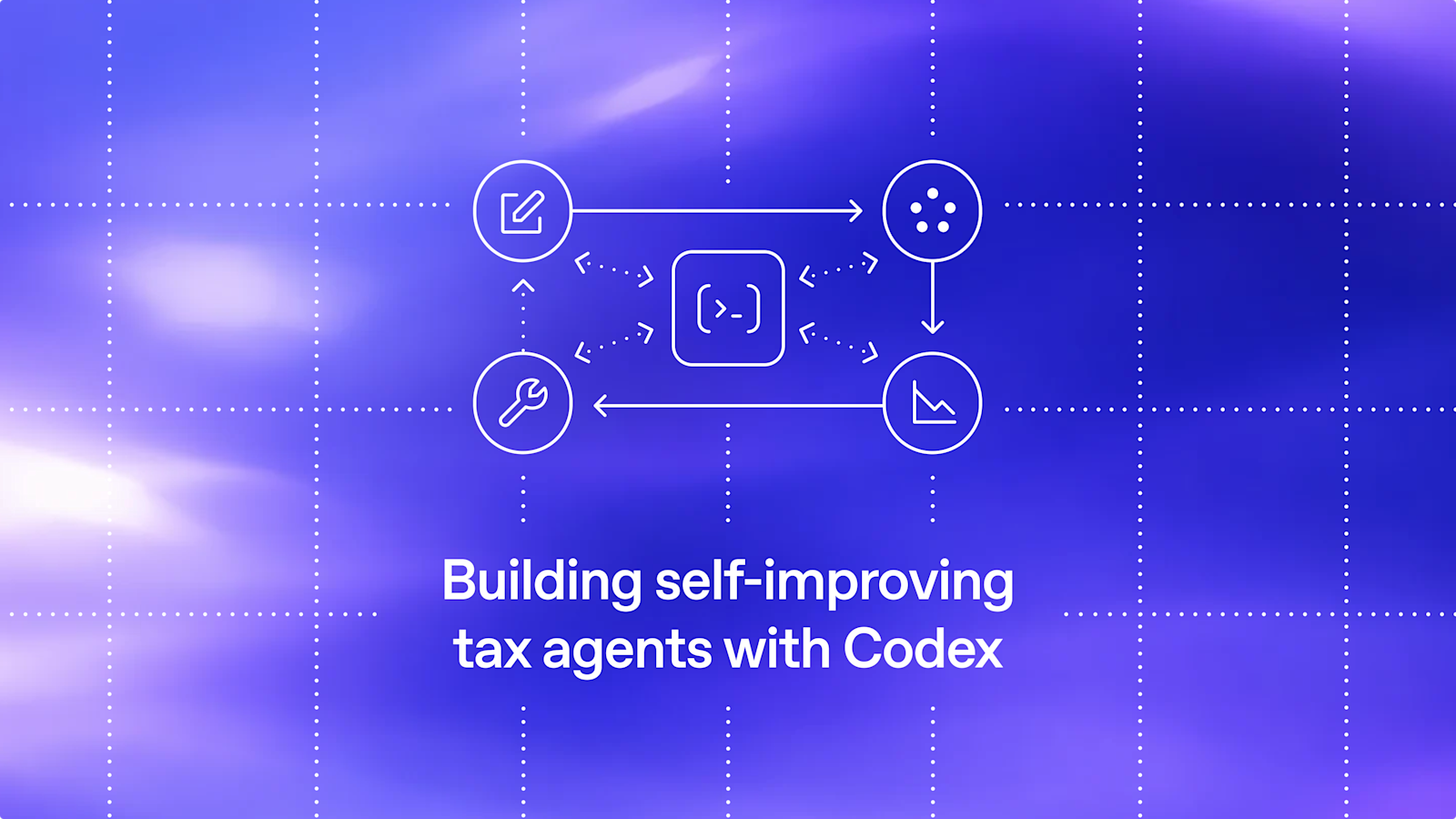
Building self-improving tax agents with Codex
See how OpenAI, Thrive, and Crete built a self-improving tax agent with Codex, automating filings, improving accuracy, and accelerating wor…
エージェントのメモリはデータベースですか? AI エージェントの長期記憶のためのデータ基盤の再考
長時間実行される AI エージェントには永続メモリが必要です。メモリはセッション間の学習をサポートし、繰り返しのコンテキスト挿入を減らし、過去の決定の監査を可能にします。現在のエージェント メモリ システムとデータベース パラダイムは、メモリをストレージとして扱います。これらは、レコード、埋め込み、またはエッジで正確さを局所化します。それぞれは、長期記憶に必要な機能の一部のみを提供します。その結果、無秩序な増大、セマンティック リビジョンの欠落、容量主導の忘却、読み取り専用の取得という 4 つの障害モードが繰り返し発生します。私たちのビジョンでは、長期的なエージェントの記憶は新しいデータ管理ワークロードです。その正しさは州の軌跡の特性であり、個々の記録の特性ではありません。私たちはこれを Governed Evolving Memory (GEM) として正式に表現します。 GEM は、レコードレベルのデータベース操作を、取り込み、改訂、忘却、取得という 4 つの状態レベルの演算子に置き換えます。 6 つの正当性条件が、状態がどのように発展するかを決定します。 3 つの構造観察により、ストレージ モデルに関係なく、レコード レベルのシステムはこれらの条件を満たすことができないことが証明されています。プロパティ グラフ バックエンドのプロトタイプである MemState で抽象化を実現します。 MemState は実現可能性を検証し、ギャップをネイティブ エンジンに公開します。メモリ中心のデータ管理をワークロードとして定義する 3 つの研究方向性を概説します。
原文 (English)
Is Agent Memory a Database? Rethinking Data Foundations for Long-Term AI Agent Memory
Long-running AI agents need persistent memory. Memory supports learning across sessions, reduces repeated context injection, and enables auditing of past decisions. Current agent memory systems and database paradigms treat memory as storage. They localize correctness at records, embeddings, or edges. Each supplies only some of the capabilities that long-term memory requires. The result is four recurring failure modes: unregulated growth, missing semantic revision, capacity-driven forgetting, and read-only retrieval. In our vision, long-term agent memory is a new data-management workload. Its correctness is a property of the state trajectory, not of individual records. We formalize this as Governed Evolving Memory (GEM). GEM replaces record-level database operations with four state-level operators: ingestion, revision, forgetting, and retrieval. Six correctness conditions govern how the state evolves. Three structural observations establish that no record-level system can satisfy these conditions, regardless of the storage model. We realize the abstraction in MemState, a prototype on a property-graph backend. MemState validates feasibility and exposes the gap to a native engine. We outline three research directions that define memory-centric data management as a workload.
長期的なユーザーインタラクションにおける、身体化されたマルチモーダル大規模言語モデルエージェントのパーソナライズ
マルチモーダル大規模言語モデル (MLLM) ベースの身体化エージェントは、物理環境における複雑なタスクを解決する強力な可能性を示しています。ただし、パーソナライズされた支援には、一般的な指示に従うことや、オブジェクトのカテゴリを認識することだけでは不十分です。現実のシナリオでは、対象となるターゲットは事前のやり取りを通じて暗黙的にのみ指定されることが多く、エージェントは時間の経過とともに蓄積されたパーソナライズされたコンテキストを活用する必要があります。この研究では、長期のユーザーインタラクションにおけるパーソナライズされた身体エージェントのためのマルチモーダルなメモリ拡張フレームワークである POLAR を提案します。 POLAR は、以前のインタラクションをマルチモーダルなナレッジ グラフに整理し、パーソナライズされたコンテキストと視覚的概念の意味記憶と、エージェントの軌跡などの具体化されたエクスペリエンスのエピソード記憶をキャプチャします。具現化されたタスクを実行するために、POLAR は関連するメモリを取得して現在のリクエストを解釈し、タスクの実行をガイドします。私たちは、長期的なパーソナライゼーションにおける記憶の役割を研究するために、複数の MLLM バックボーンと多様な評価シナリオにわたって POLAR を評価します。結果は、提案された記憶メカニズムが、以前の対話で蓄積された情報をより効果的に使用できるようにすることで、一貫してパフォーマンスを向上させることを示しています。この利点は、エージェントが複数のインタラクションにわたって推論したり、マルチホップ推論を実行したり、ユーザー固有のコンテキストで時間の経過とともに更新を追跡したりする必要がある場合に特に顕著です。
原文 (English)
Personalizing Embodied Multimodal Large Language Model Agents over Long-term User Interactions
Multimodal large language model (MLLM)-based embodied agents have shown strong potential for solving complex tasks in physical environments. However, personalized assistance requires more than following generic instruction or recognizing object categories. In real-world scenarios, the intended target is often specified only implicitly through prior interactions, requiring agents to leverage personalized context accumulated over time. In this work, we propose POLAR, a multiomodal memory-augmented framework for personalized embodied agents over long-term user interactions. POLAR organizes prior interactions into a multimodal knowledge graph that captures semantic memory for personalized context and visual concepts, and episodic memory for embodied experiences such as agent trajectories. To execute embodied tasks, POLAR retrieves relevant memories to interpret the current request and guide task execution. We evaluate POLAR across multiple MLLM backbones and diverse evaluation scenarios to study the role of memory in long-term personalization. Results show that the proposed memory mechanism consistently improves performance by enabling more effective use of information accumulated over prior interactions. The gains are especially pronounced when the agents are required to reason across multiple interactions, perform multi-hop inference, or tracking updates in user-specific context over time.
エージェントも老化しています: 導入されたシステムのエージェント寿命エンジニアリング
存続期間の長い AI エージェントは、永続的な運用システムとして導入されることが増えていますが、依然として、新しく初期化されたモデルと同様に評価されています。初日のベンチマークでは、導入後エージェントの信頼性がどのくらい維持されるかという基本的なシステムの質問が抜け落ちています。モデルの重みが固定されている場合でも、エージェントの有効な状態は、インタラクション履歴の圧縮、増加するメモリ ストアからの取得、更新後のファクトの修正、定期的なメンテナンスなどにより変化し続けます。したがって、信頼性は、ベース モデルのスナップショット特性だけでなく、フル エージェント ハーネスの寿命特性になります。エージェントの寿命エンジニアリングのための長期的な信頼性ベンチマークである AgingBench を紹介します。これは、展開されたエージェントが劣化するかどうかだけでなく、劣化がどのような形で発生し、どこを修復する必要があるかを測定します。 AgingBench は、エージェントのエージングを、圧縮エージング、干渉エージング、リビジョン エージング、メンテナンス エージングの 4 つのメカニズムに整理します。これらの障害を診断するために、AgingBench は時間依存関係グラフと、メモリ パイプラインの書き込み、取得、および使用ステージの診断プロファイルを生成するペアの反事実プローブを使用します。 7 つのシナリオ、14 のモデル、複数のメモリ ポリシー、およびランナー制御エージェントと自律エージェントの両方にわたって、8 ~ 200 セッションにわたる約 400 回以上の実行により、エージェントの経年劣化が一次元的ではないことがわかります。事実の精度が低下しても、動作テストはクリーンな状態を保つことができます。派生状態の追跡は、単一のモデル内で急激に崩壊する可能性があります。また、同じ間違った答えでも、診断プロファイルが何を指しているかに応じて、異なる修復が必要になる場合があります。これらの結果は、信頼性の高いエージェントの導入には、強力な初日モデルだけでなく、寿命評価、機構レベルの診断、段階を絞った修復が必要であることを示唆しています。
原文 (English)
Your Agents Are Aging Too: Agent Lifespan Engineering for Deployed Systems
Long-lived AI agents are increasingly deployed as persistent operational systems, yet they are still evaluated like freshly initialized models. Day-one benchmarks miss a basic systems question: how long does an agent remain reliable after deployment? Even when model weights are frozen, an agent's effective state keeps changing as it compresses interaction history, retrieves from a growing memory store, revises facts after updates, and undergoes routine maintenance. Reliability therefore becomes a lifespan property of the full agent harness, not only a snapshot property of the base model. We introduce AgingBench, a longitudinal reliability benchmark for agent lifespan engineering: measuring not only whether deployed agents degrade, but what form the degradation takes and where repair should target. AgingBench organizes agent aging into four mechanisms: compression aging, interference aging, revision aging, and maintenance aging. To diagnose these failures, AgingBench uses temporal dependency graphs and paired counterfactual probes that produce diagnostic profiles for the write, retrieval, and utilization stages of the memory pipeline. Across 7 scenarios, 14 models, multiple memory policies, and both runner-controlled and autonomous agents, over ~400 runs spanning 8 - 200 sessions show that agent aging is not one-dimensional: behavioral tests can remain clean while factual precision decays; derived-state tracking can collapse sharply within a single model; and the same wrong answer can require different repairs depending on what the diagnostic profile points to. These results suggest that reliable agent deployment requires lifespan evaluation, mechanism-level diagnosis, and stage-targeted repair, not only stronger day-one models.
科学のための Agentic AI の実験
この論文では、科学ワークフローにおける自律型エージェント AI を開発するための 2 つの新しいフレームワークについて詳しく説明します。どちらのシステムも、Google Colab を介したハイブリッド Local Body、Remote Brain アーキテクチャを活用し、Python ベースのローカル オーケストレーターを利用して大規模言語モデル (LLM) クラウド バックエンドを呼び出します。最初のエージェントである DeepTS/DeepCollector は、時系列データセットの大規模なキュレーション、抽出、重複排除を自動化します。 2 つ目の DeepScribe は、視覚的に緻密で数学的に複雑な物理学の講義を構造化された科学レポートに変換する自律型プレゼンテーション アナライザーです。粒度の高い属性抽出 (Cellular RAG)、リモート データ検査、分散同時実行制御などの実践的なシステム エンジニアリングを通じて、エージェント AI が現在の最先端システムのコンテキストと推論の制限をどのように克服して、科学的なワークフローを厳密にサポートできるかを実証します。最後に、深い知識グラフをサポートする DeepTS の一般化について概説し、この概念的なアプローチの高エネルギー物理学 (DeepQCD) への応用について説明します。
原文 (English)
Experiments in Agentic AI for Science
This paper details two novel frameworks for developing autonomous, agentic AI in scientific workflows. Both systems leverage a hybrid Local Body, Remote Brain architecture via Google Colab, utilizing Python-based local orchestrators to invoke large language model (LLM) cloud backends. The first agent, DeepTS/DeepCollector, automates the large-scale curation, extraction, and deduplication of time-series datasets. The second, DeepScribe, is an autonomous presentation analyzer that converts visually dense, mathematically complex physics lectures into structured scientific reports. Through practical systems engineering-such as granular attribute extraction (Cellular RAG), remote data inspection, and distributed concurrency controls-we demonstrate how agentic AI can overcome the context and reasoning limitations of current state-of-the-art systems to rigorously support scientific workflows. Finally, we outline a generalization of DeepTS to support deep knowledge graphs and discuss the application of this conceptual approach to high-energy physics (DeepQCD).
アンカー: エージェント ベンチマーク生成におけるアーティファクト ドリフトの軽減
AI エージェントは、長期にわたる価値のあるビジネス運営タスクを完了し始めていますが、企業の業務のためのトレーニングおよび評価環境は、依然として現実性、検証可能性、規模のバランスをとるのに苦労しています。環境とタスクの作成は、アーティファクト ドリフトと呼ばれる障害モードに頻繁に悩まされます。つまり、命令、環境、オラクル、およびベリファイアーが疎結合プロセスによって作成される場合、タスクに必要なものについて意見が一致しないことが多く、解決不可能、報酬ハック可能、または一貫性のない環境が生成されます。ドメイン専門家によるビジネス ワークフローの仕様を制約最適化プログラムに形式化するタスク生成パイプラインである Anchor を紹介します。パイプラインは、単一のパラメトリック仕様から、自然言語命令、環境構成、ソルバー認定のグラウンドトゥルース ソリューション、および状態ベースの検証器を共同で生成します。 Anchor を使用すると、パラメーターを変更すると、制御された難易度と既知の最適なソリューションを持つ新しいタスクが生成され、最終状態のビジネスの正しさのみに報酬が依存するハーネスに依存しない環境が生成されます。私たちは Anchor を適用して ERP-Bench を作成します。これは、生産グレードの ERP システムにおける調達と製造のワークフローにわたる 300 の長期タスクのベンチマークです。生成パラメータは現実の難易度を予測し、フロンティア モデルは試行の 26.1% で明示的なタスク制約を満たしますが、完全な最適解に到達するのは試行の 17.4% のみであることがわかりました。全体として、Anchor と ERP-Bench が、経済的に価値のあるエージェント作業のための監査可能な評価環境を構築するための具体的なレシピを提供することを示します。タスク ジェネレーターと ERP ベンチ データセットを erpbench.ai でリリースします。
原文 (English)
Anchor: Mitigating Artifact Drift in Agent Benchmark Generation
AI agents are beginning to complete valuable, long-horizon business operations tasks, but training and evaluation environments for enterprise work still struggle to balance realism, verifiability, and scale. Environment and task creation frequently suffers from a failure mode we call artifact drift: when instructions, environments, oracles, and verifiers are created by loosely coupled processes, they frequently disagree on what a task requires, producing environments that are unsolvable, reward-hackable, or inconsistent. We introduce Anchor, a task-generation pipeline that formalizes domain experts' specifications of business workflows into constraint optimization programs. From a single parametric specification, the pipeline jointly produces a natural-language instruction, environment configuration, solver-certified ground-truth solution, and state-based verifier. With Anchor, altering parameters yields new tasks with controlled difficulty and known optimal solutions, producing harness-agnostic environments whose rewards depend solely on end-state business correctness. We apply Anchor to produce ERP-Bench: a benchmark of 300 long-horizon tasks spanning procurement and manufacturing workflows in a production-grade ERP system. We find that generation parameters predict realized difficulty, and that frontier models satisfy explicit task constraints in 26.1% of trials but reach a fully optimal solution in only 17.4% of trials. Overall, we show that Anchor and ERP-Bench offer a concrete recipe for building auditable evaluation environments for economically valuable agent work. We release the task generator and ERP-Bench dataset at erpbench.ai
JobBench: エージェントの作業を人間の意志に合わせる
職業用 AI エージェントの現在のベンチマークは、主に経済的価値を基準としており、代替ストーリーを伝えています。 JobBench は、専門家が委任の優先度が高いと判断したワークフローに基づいて AI エージェントを評価し、GDP 値に置き換えるのではなく、ニーズに基づいて人間に権限を与えます。 JobBench は、35 の職業にわたる 130 のエージェント タスクをカバーします。各タスクは異種の参照ファイルのワークスペースとしてパッケージ化されており、エージェントは実際の専門的な作業の乱雑な情報ストリームを推論する必要があります。成果は事実に基づいた一連のルーブリックによって採点され、タスクごとに平均 35.6 のバイナリ基準が付けられます。 36 のモデルを評価します。最も強いクロード コードのクロード オーパス ~4.7 は 45.9 % にすぎません。私たちは、JobBench がコミュニティの目標とする労働市場効果を、代替から強化へ、つまり経済的に最も価値のあることだけでなく、人間が実際に委任したいことを実行するエージェントを構築することを願っています。
原文 (English)
JobBench: Aligning Agent Work With Human Will
Current benchmarks for occupational AI agents are scoped primarily by economic values, telling a replacement story. We introduce JobBench, which evaluates AI agents on the workflows that experts identify as high-priority for delegation, empowering humans based on their needs instead of replacing them with GDP value. JobBench covers 130 agentic tasks across 35 occupations. Each task is packaged as a workspace of heterogeneous reference files, requiring the agent to reason through the cluttered information streams of real professional work. Outputs are graded by a fact-anchored chain of rubrics, averaging 35.6 binary criteria per task. We evaluate 36 models; the strongest, Claude Opus~4.7 under Claude Code, reaches only 45.9 %. We hope JobBench shifts the community's target labour-market effect from replacement to enhancement: building agents that do what humans actually want delegated, not only what is most economically valuable.
ScientistOne: 証拠の連鎖による人間レベルの自律的研究に向けて
自律的な研究エージェントは、競争力のあるソリューションとプロフェッショナルに見える原稿を作成しますが、その出力には、表面レベルの評価では検出できない検証可能性の欠陥、つまり、捏造された引用、再現不可能なスコア、実装から乖離した手法の説明が含まれています。私たちは 3 つの貢献を通じてこの問題に取り組みます。まず、証拠連鎖 (CoE) です。これは、すべての主張が証拠ソースまで追跡可能であることを要求する検証可能性フレームワークです。 2 つ目は、ScientistOne です。これは、文献レビュー、解決策の発見、論文執筆を通じて構築によって証拠チェーンを維持するエンドツーエンドの自律研究システムです。 3 つ目は、CoE 監査です。スコア検証、仕様違反、参照検証、メソッド コードの調整という 4 つの整合性チェックがすべてのシステムに均一に適用される事後監査です。 5 つのシステムと 5 つのフロンティア研究タスクにわたる 75 の論文にわたって、すべてのベースラインが少なくとも 1 つの系統的故障モードを示しています。幻覚参照率は 21% に達し、スコア検証に合格した論文はわずか 42% で、メソッドとコードの整合性は 20% ~ 80% の範囲です。 ScientistOne は、幻覚参照ゼロ (0/337)、完璧なスコア検証 (12/12)、最高のメソッドとコードの整合性 (14/15) を達成しながら、5 つのタスクすべてで人間の専門家のパフォーマンスと同等またはそれを上回っています。 ScientistOne はさらに、医用画像処理、きめ細かい認識、3D 知覚、言語モデリングにわたる 6 つの追加タスクに一般化し、パラメーター ゴルフでは最先端の成績を、ベースラインが完全に失敗する MLE ベンチ タスクでは金メダルを獲得しました。
原文 (English)
ScientistOne: Towards Human-Level Autonomous Research via Chain-of-Evidence
Autonomous research agents produce competitive solutions and professional-looking manuscripts, yet their outputs contain verifiability failures undetectable by surface-level evaluation: fabricated citations, unreproducible scores, and method descriptions that diverge from the implementation. We address this through three contributions. First, Chain-of-Evidence (CoE), a verifiability framework requiring every claim to be traceable to its evidence source. Second, ScientistOne, an end-to-end autonomous research system that maintains evidence chains by construction throughout literature review, solution discovery, and paper writing. Third, CoE Audit, a post-hoc audit whose four integrity checks -- score verification, specification violation, reference verification, and method-code alignment -- apply uniformly to all systems. Across 75 papers spanning five systems and five frontier research tasks, every baseline exhibits at least one systematic failure mode: hallucinated reference rates reach 21%, score verification passes in as few as 42% of papers, and method-code alignment ranges from 20% to 80%. ScientistOne achieves zero hallucinated references (0/337), perfect score verification (12/12), and the highest method-code alignment (14/15), while matching or exceeding human expert performance on all five tasks. ScientistOne further generalizes to six additional tasks spanning medical imaging, fine-grained recognition, 3D perception, and language modeling, achieving state-of-the-art on Parameter Golf and gold medals on MLE-Bench tasks where baselines fail entirely.
静的コンテキストから調整されたインタラクティブ RL へ: アライメントされたシミュレーターを使用したマルチターン対話における分布シフトの軽減
研究コミュニティの長年の目標は、高度にインタラクティブな LLM ベースの対話エージェントを開発することです。最近の研究は、固定オフライン ログ (静的コンテキスト RL) に基づくポリシーの最適化、またはプロンプトベースのシミュレーター (対話型 RL) の使用に焦点を当てています。この研究では、両方のパラダイムがコンテキスト分布の変化、つまりトレーニング中に観察された対話履歴と実際の会話で遭遇した対話履歴の間の不一致によって根本的に制限されていることを理論的に示しています。この変化はターンを経て二次的に悪化し、対話の質を著しく低下させます。具体的には、この変化は 2 つの異なる原因によるものであると考えます。(i) 自己生成された軌道ではなく静的な履歴に基づいたトレーニングから生じる、政策によって引き起こされた変化。 (ii) シミュレートされた人間の行動と実際の人間の行動の間の相違から生じる、シミュレータによって引き起こされる変化。これらの課題に対処するために、私たちは、インタラクティブ RL とシミュレーター調整を結合する統合フレームワークである Calibrated Interactive RL を提案します。シミュレーターを人間の対話パターンに合わせることで、私たちのアプローチはシミュレーションと現実のギャップを減らし、複合的な分布の変化を軽減します。複数の対話タスクにわたる実験により、理論的分析が確認されています。(i) インタラクティブ RL は、ポリシー配布のシフトを緩和することにより、静的コンテキストのベースラインを大幅に上回ります。 (ii) 当社のアライメント手法を使用してシミュレータを校正することで、シミュレーションと実際のギャップをさらに橋渡しし、最先端のダウンストリーム パフォーマンスを実現します。
原文 (English)
From Static Context to Calibrated Interactive RL: Mitigating Distribution Shift in Multi-turn Dialogue with Aligned Simulator
A long-standing goal of the research community is to develop highly interactive LLM-based dialogue agents. Recent research focuses on optimizing policies based on fixed offline logs (Static Context RL) or using a prompt-based simulator (Interactive RL). In this work, we theoretically show that both paradigms are fundamentally limited by context distribution shift--a mismatch between dialogue histories observed during training and those encountered in real conversations. This shift compounds quadratically over turns and severely degrades dialogue quality. Specifically, we attribute this shift to two distinct sources: (i) policy-induced shift, arising from training on static histories rather than self-generated trajectories; and (ii) simulator-induced shift, stemming from discrepancies between simulated and real human behaviors. To address these challenges, we propose Calibrated Interactive RL, a unified framework that couples interactive RL with simulator alignment. By aligning the simulator with human interaction patterns, our approach reduces the sim-to-real gap and mitigates compounding distribution shifts. Experiments across multiple dialogue tasks confirm our theoretical analysis: (i) Interactive RL significantly outperforms the Static Context baseline by mitigating policy distribution shift; and (ii) calibrating simulators with our alignment method further bridges the sim-to-real gap, yielding state-of-the-art downstream performance.
PolyFusionAgent: ポリマー特性予測と逆設計のためのマルチモーダル基盤モデルおよび自律型 AI アシスタント
ポリマーの発見は、エネルギー貯蔵から生物医学に至るまでの分野の中心ですが、天文学的に大きな化学設計空間と、構造、特性、事前知識の断片的な表現によって妨げられています。この断片化により、多くの AI モデルが物理的および実験的現実から切り離されたままとなり、実用的な設計上の決定を直接サポートする能力が制限されます。ここでは、マルチモーダル ポリマー基礎モデル (PolyFusion) とツール拡張された文献に基づいた設計エージェント (PolyAgent) を結合する対話型フレームワークである PolyFusionAgent を紹介します。 PolyFusion は、数百万のポリマーにわたるシーケンス、トポロジー、3D ジオメトリ、フィンガープリントなどの相補的なポリマー ビューを調整して、化学およびデータ領域間で転送可能な共有潜在空間を学習し、熱物理的特性の予測を向上させ、参照設計空間を超えて化学的に有効で構造的に新規なポリマーの特性条件付き生成を可能にします。 PolyAgent は、予測と逆設計をポリマー文献からの証拠検索とリンクさせ、1 つのワークフローで明示的な前例を使用して仮説を提案、評価、文脈化することで設計ループを閉じます。 PolyFusionAgent を併用すると、大規模な表現学習、マルチモーダルな化学知識、検証可能な科学的推論を組み合わせた、インタラクティブな証拠にリンクしたポリマー発見が可能になります。
原文 (English)
PolyFusionAgent: A Multimodal Foundation Model and Autonomous AI Assistant for Polymer Property Prediction and Inverse Design
Polymer discovery is central to fields ranging from energy storage to biomedicine, but it is hindered by an astronomically large chemical design space and fragmented representations of structure, properties, and prior knowledge. This fragmentation leaves many AI models disconnected from physical and experimental reality, restricting their ability to support directly actionable design decisions. Here we introduce PolyFusionAgent, an interactive framework coupling a multimodal polymer foundation model (PolyFusion) with a tool-augmented, literature-grounded design agent (PolyAgent). PolyFusion aligns complementary polymer views including sequence, topology, 3D geometry, and fingerprints across millions of polymers to learn a shared latent space transferable across chemistries and data regimes, improving thermophysical property prediction and enabling property-conditioned generation of chemically valid, structurally novel polymers beyond the reference design space. PolyAgent closes the design loop by linking prediction and inverse design with evidence retrieval from the polymer literature, proposing, evaluating, and contextualizing hypotheses with explicit precedent in one workflow. Together, PolyFusionAgent enables interactive, evidence-linked polymer discovery combining large-scale representation learning, multimodal chemical knowledge, and verifiable scientific reasoning.
MobileExplorer: オンライン探索によるモバイル GUI エージェントのオンデバイス推論の高速化
モバイル グラフィカル ユーザー インターフェイス (GUI) エージェントにより、AI モデルがユーザーに代わってスマートフォンを自律的に操作できるようになります。ただし、既存のシステムのほとんどはタスクの精度の最適化に主に焦点を当てており、推論にはクラウドでホストされるモデルに依存しているため、プライバシーの問題やネットワークに依存する遅延が生じます。その結果、モバイル GUI エージェントの完全なオンデバイス展開は依然として検討されていません。私たちは、オンライン探索を介してビジョンベースのモバイル GUI エージェントのオンデバイス推論を加速する新しいフレームワークである MobileExplorer を提案します。重要なアイデアは、UI 要素の軽量な並列探索を実行することで、ビジョン言語モデル (VLM) のステップごとの長い推論時間を活用することです。モデル推論中、エージェントは意味的に関連する UI 要素を積極的に調査し、これらの調査トレースを構造化メモリとして記録します。ライブモバイル環境で信頼性の高い実行を保証するために、高速だが単純なバックトラッキング戦略が失敗した場合に初期 UI 状態を堅牢に復元する 2 レベルのロールバック メカニズムを設計します。収集された探索トレースは、簡潔な文脈上のヒントに要約され、その後の推論ステップを強化するためにプロンプトに注入されます。 AndroidWorld ベンチマークを使用して、複数の既製デバイス上で MobileExplorer を評価するだけでなく、新しく設計されたより複雑なタスクや動的なオンデバイス環境も評価します。 MobileExplorer は、推論ステップの平均数とエンドツーエンドの待ち時間を 23\% 削減し、タスクの成功率を最大 5\% 維持または改善します。現実世界における MobileExplorer のパフォーマンスのビデオ デモンストレーションは、https://youtu.be/thK7MJmdlvM でご覧いただけます。
原文 (English)
MobileExplorer: Accelerating On-Device Inference for Mobile GUI Agents via Online Exploration
Mobile graphical user interface (GUI) agents enable AI models to autonomously operate smartphones on behalf of users. However, most existing systems focus primarily on optimizing task accuracy and rely on cloud-hosted models for inference, which introduces privacy concerns and network-dependent latency. As a result, fully on-device deployment of mobile GUI agents remains underexplored. We propose MobileExplorer, a new framework that accelerates on-device inference for vision-based mobile GUI agents via online exploration. The key idea is to exploit the long per-step reasoning time of vision-language models (VLMs) by performing lightweight, parallel exploration of UI elements. During model inference, the agent proactively probes semantically relevant UI elements and records these exploration traces as structured memory. To ensure reliable execution in live mobile environments, we design a two-level rollback mechanism that robustly restores the initial UI state when a fast but naive backtracking strategy fails. The collected exploration traces are then summarized into concise contextual hints and injected into the prompt to enhance the subsequent reasoning step. We evaluate MobileExplorer on multiple off-the-shelf devices using the AndroidWorld benchmark, as well as newly designed, more complex tasks and dynamic on-device environments. MobileExplorer reduces the average number of reasoning steps and end-to-end latency by 23\%, while maintaining or improving task success rates by up to 5\%. A video demonstration of MobileExplorer performance in the real world is available at https://youtu.be/thK7MJmdlvM .
AGORA: LLM エージェントでの推論不要の即時圧縮のためのアダプターベースの観察アクション保持
一般的な LM コンテキストで広く使用されているトークン レベルの抽出コンプレッサーは、構造的に LLM エージェントには不適切です。2 つの独立したトークン レベル メソッド ファミリにまたがる 17 個のセル (環境、バックボーン、メソッド) にわたって、すべてのセルが平均報酬 = 9 セル中 8 セルで 75% の非圧縮パフォーマンスに崩壊します (唯一の例外は 73%)。 4 方向コンポーネントのアブレーションは、主要な品質レバーとして構造床を分離し、単一の固定維持率からの 1.0 ~ 11.5 倍の適応型エンドツーエンド圧縮のソースとして学習されたスコアラーを分離します。
原文 (English)
AGORA: Adapter-Grounded Observation-Action Retention for Inference-Free Prompt Compression in LLM Agents
The token-level extractive compressors widely used for general LM context are structurally inappropriate for LLM agents: across 17 (env, backbone, method) cells spanning two independent token-level method families, every cell collapses to mean reward = 75% uncompressed performance in 8 of 9 cells (with the lone exception at 73%); a four-way component ablation isolates the structural floor as the dominant quality lever and the learned scorer as the source of 1.0-11.5x adaptive end-to-end compression from a single fixed keep ratio.
UnityMAS-O: LLM ベースのマルチエージェント システム用の一般的な RL 最適化フレームワーク
LLM ベースのマルチエージェント システムは、複雑なタスクを相互作用する役割に分解しますが、そのほとんどはプロンプト、ツール、制御ルールによって手動で調整されたままであり、エージェントが統合された強化学習インターフェイスを通じて最適化されることはほとんどありません。既存の RL ポストトレーニング フレームワークは主に単一ポリシーの最適化をターゲットにしており、ユーザー定義のマルチエージェント ワークフロー、構造化されたインタラクション、ロール固有のクレジット割り当て、構成可能なパラメーター共有の抽象化が欠けています。我々は、LLM ベースのマルチエージェント システム用の一般的な RL 最適化フレームワークである UnityMAS-O を紹介します。 UnityMAS-O は、単一の応答やポリシーの軌道ではなく、完全なワークフローを最適化単位として扱います。これは、論理エージェントの役割、グラフの軌跡、ユーザー定義の報酬、およびエージェントとモデルのマッピングという 4 つのファーストクラスのオブジェクトを通じてワークフローを表します。これにより、論理エージェントが物理モデル パラメーターから切り離され、完全共有、完全分離、部分共有がサポートされ、役割、ターン、および軌道レベルで報酬が割り当てられます。 UnityMAS-O は、Ray ベースのスター トポロジ ランタイムを使用して verl を拡張します。中央コントローラーはワークフローを実行し、ツールを呼び出し、構造化された軌跡を記録し、報酬を組み立てます。モデルローカル ワーカー グループは、ロールアウト、バッファリング、利点の計算、分散 PPO スタイルの更新を処理します。ユーザーは、最適化インフラストラクチャを書き直すことなく、エージェント、ワークフロー、モデル マッピング、報酬を定義できます。検索拡張 QA、反復エージェント検索、およびリフレクティブ コード生成で UnityMAS-O をインスタンス化します。 Natural question、HotpotQA、およびホールドアウトコードタスク全体にわたって、マルチエージェント RL は、最適化後に手動で指定されたワークフローを改善し、特に小規模なモデルと厳格なコードオールパスメトリクスで大きな効果が得られます。これらの結果は、UnityMAS-O が、多様な LLM ベースのマルチエージェント ワークフローをトレーニング可能なマルチエージェント RL システムに変換するための再利用可能な基盤として機能できることを示しています。
原文 (English)
UnityMAS-O: A General RL Optimization Framework for LLM-Based Multi-Agent Systems
LLM-based multi-agent systems decompose complex tasks into interacting roles, but most remain manually orchestrated by prompts, tools, and control rules, while agents are rarely optimized through a unified reinforcement learning interface. Existing RL post-training frameworks mainly target single-policy optimization and lack abstractions for user-defined multi-agent workflows, structured interaction, role-specific credit assignment, and configurable parameter sharing. We present UnityMAS-O, a general RL optimization framework for LLM-based multi-agent systems. UnityMAS-O treats the complete workflow as the optimization unit, rather than a single response or policy trajectory. It represents workflows through four first-class objects: logical agent roles, graph trajectories, user-defined rewards, and agent--model mappings. This decouples logical agents from physical model parameters, supporting full sharing, full separation, and partial sharing, with rewards assigned at role, turn, and trajectory levels. UnityMAS-O extends verl with a Ray-based star-topology runtime. A central controller executes workflows, invokes tools, records structured trajectories, and assembles rewards; model-local worker groups handle rollout, buffering, advantage computation, and distributed PPO-style updates. Users can define agents, workflows, model mappings, and rewards without rewriting the optimization infrastructure. We instantiate UnityMAS-O on retrieval-augmented QA, iterative agentic search, and reflective code generation. Across Natural Questions, HotpotQA, and held-out code tasks, multi-agent RL improves manually specified workflows after optimization, with especially large gains for smaller models and strict code all-passed metrics. These results show that UnityMAS-O can serve as a reusable substrate for converting diverse LLM-based multi-agent workflows into trainable multi-agent RL systems.
MemFail: LLM メモリ システムの障害モードのストレス テスト
大規模言語モデル (LLM) エージェントは、長期的な対話全体で一貫性を維持するために外部メモリ システムへの依存度が高まっていますが、これらのシステムが示す特定の障害モードと設計上の選択肢を理解するための実証研究はほとんど行われていません。既存のベンチマークは、集計された質問回答精度を報告し、メモリ システムをブラック ボックスとして扱うため、不正確な回答をシステムの特定の故障モードに帰することは不可能です。最新の LLM メモリ システムの障害モードを分離する診断ベンチマークである MemFail を紹介します。まず、メモリ システムを 3 つの標準的な操作 (要約、保存、取得) の組み合わせとして形式化し、それぞれによって引き起こされる潜在的な障害モードを特定します。これらの仮説的な故障モードに基づいて、メモリ システムの特定の動作をテストするようにそれぞれが敵対的に設計された 4 つのタスクにわたる 5 つのデータセットを構築します。これらのデータセットを使用して、MemFail 上の 4 つの最先端のメモリ システムを評価し、MemFail を使用してメモリ システム アーキテクチャの違いによって引き起こされるトレードオフを経験的に理解する方法を実証します。
原文 (English)
MemFail: Stress-Testing Failure Modes of LLM Memory Systems
Large language model (LLM) agents increasingly rely on external memory systems to remain consistent across long-horizon interactions, but little empirical work has been done to understand the specific failure modes and design choices that these systems present. Existing benchmarks report aggregate question-answering accuracy and treat memory systems as black boxes, making it impossible to attribute an incorrect answer to a particular failure mode of the system. We introduce MemFail, a diagnostic benchmark that isolates the failure modes of modern LLM memory systems. We begin by formalizing memory systems as the composition of three canonical operations -- summarization, storage, and retrieval -- and identify the potential failure modes induced by each. Based on these hypothesized failure modes, we construct five datasets spanning four tasks, each adversarially designed to test a specific operation of a memory system. Using these datasets, we evaluate four state-of-the-art memory systems on MemFail and demonstrate how MemFail can be used to empirically understand the tradeoffs induced by differences in memory system architectures.
ツールの失敗に注意する: 医療エージェントにとってツールの相乗効果を達成する
医療 AI エージェントは、診断、治療の推奨、証拠の検索に外部ツールを使用することが増えていますが、既存のアプローチのほとんどは、タスクに適したツールが意図した範囲内で信頼できることを前提としています。この仮定は実際の臨床現場では脆弱であり、関連するツールであっても困難な事例では失敗し、安全でない下流の意思決定につながる可能性があります。この問題に対処するために、私たちは、個々のツールで見逃された障害インスタンスを修正するために、不完全なツール設定での医療ツールの使用を研究しています。インスタンス依存の障害パターンにより、最適な固定単一ツールと理想的なインスタンスごとのセレクターとの間にギャップが生じます。これを単一 Oracle リスク ギャップと呼びます。中心的な課題は、従来のタスク レベルのツールの選択では、このギャップを認識できないことです。これは、ギャップが本質的に最適な単一ツールのパフォーマンスによって制限されるためです。したがって、この観察に基づいて、インスタンス レベルの不均一性を考慮し、ツールの使用をインスタンス レベルの選択問題として定式化します。特に、確率的リスクの最小化と不一致を認識した相乗学習に対する報酬を備えた GRPO ベースの強化学習フレームワークを提案します。これにより、誤ったツールのコンセンサスのインスタンスレベルの修正が促進されます。さらに、エントロピーに基づくサンプリング戦略を採用して不一致の多いインスタンスを重み付けし、インスタンス固有のツールの相乗効果を学習するためのより強力なシグナルを提供します。これら 2 つのコンポーネントは、インスタンス レベルの異質性を緩和し、ツールの相乗効果を向上させるという点で相互に補完します。 2 つのタスクと 7 つの医療ベンチマークに関する実験では、私たちの手法が幅広いベースラインにわたって堅牢かつ安定した改善を一貫して達成していることが示され、信頼性の高い医療薬剤システムのための相乗効果を意識したツールの使用の重要性が強調されています。
原文 (English)
Mind the Tool Failures: Achieving Synergistic Tool Gains for Medical Agents
Medical AI agents increasingly use external tools for diagnosis, treatment recommendation, and evidence retrieval, yet most existing approaches assume that task-appropriate tools are reliable within their intended scope. This assumption is fragile in real clinical settings, where even relevant tools may fail on challenging instances and lead to unsafe downstream decisions. To address this issue, we study medical tool use under imperfect-tool settings to correct failure instances missed by individual tools. Instance-dependent failure patterns create a gap between the best fixed single tool and an ideal instance-wise selector, which we refer to as the Single-Oracle risk gap. The core challenge is that conventional task-level tool selection cannot realize this gap, as it is inherently bounded by the performance of the best single tool. Motivated by this observation, we therefore account for instance-level heterogeneity and formulate tool use as an instance-level selection problem. Particularly, we propose a GRPO-based reinforcement learning framework with rewards for probabilistic risk minimization and disagreement-aware synergy learning, which promotes instance-level correction of erroneous tool consensus. Furthermore, an entropy-guided sampling strategy is adopted to upweight high-disagreement instances, which provide stronger signals for learning instance-specific tool synergy. These two components complement each other in mitigating instance-level heterogeneity and improving tool synergy. Experiments on two tasks and seven medical benchmarks show that our method consistently achieves robust and stable improvements over a broad range of baselines, highlighting the importance of synergy-aware tool use for reliable medical agentic systems.
CUDA カーネル生成における自己進化型 LLM エージェントの計画に対するフィードバックの決定に向けて
大規模言語モデル (LLM) は、世代間のフィードバック条件付き計画によって駆動される、CUDA カーネル生成の自己進化エージェントとして、強力な経験的利益を示しています。ただし、計画上の決定が異種フィードバック信号にどのように帰属し、結合されるかは依然として不透明なままです。標準的なエンドツーエンドアブレーションでは、反復計画により初期の摂動が増幅され、フィードバック効果と軌道依存のドリフトが混同されるため、この問題は解決できません。 \texttt{CUDAnalyst} は、軌道フリーズと選択的フィードバック注入を介してフィードバック コンポーネントへの計画決定の制御された世代レベルの帰属を実現するための統合分析レイヤーです。 \texttt{CUDAnalyst} は、安定した世代レベルの評価と、フィードバックの効果と相互作用の原則に基づいた連合スタイルの帰属を可能にします。私たちの結果は、明示的な計画はフィードバックが調整されている場合にのみ有益であること、効果的な計画は構造化された複数のフィードバックの相互作用から生まれること、より強力な推論モデルからの高レベルの計画は部分的に弱い推論モデルに移行できることを示しています。これらの傾向は、参照バックボーン、代表的なワークロード、および参照誘導レジームにわたって維持されており、特定されたフィードバックから計画への構造が調査対象の制御軸内で堅牢であることを示しています。
原文 (English)
Towards Feedback-to-Plan Decisions for Self-Evolving LLM Agents in CUDA Kernel Generation
Large language models (LLMs) have shown strong empirical gains as self-evolving agents for CUDA kernel generation, driven by feedback-conditioned planning across generations. However, how planning decisions attribute and combine heterogeneous feedback signals remains opaque. Standard end-to-end ablations fail to resolve this question, as iterative planning amplifies early perturbations and conflates feedback effects with trajectory-dependent drift. We introduce \texttt{CUDAnalyst}, a unified analysis layer for controlled, generation-level attribution of planning decisions to feedback components via trajectory freezing and selective feedback injection. \texttt{CUDAnalyst} enables stable generation-level evaluation and principled coalitional-style attribution of feedback effects and interactions. Our results show that explicit planning is beneficial only when feedback is aligned, that effective planning emerges from structured multi-feedback interactions, and that high-level plans from stronger reasoning models can partially transfer to weaker ones. These trends hold across reference backbones, representative workloads, and reference induction regimes, indicating that the identified feedback-to-plan structure is robust within the controlled axes studied.
能力ではありません: ハーネスの感度は LLM エージェント層全体で単調ではありません
LLM エージェントの展開における一般的な仮定では、より構造化されたハーネスは普遍的に信頼性を向上させ、より高機能なモデルに必要な構造的ガイダンスは比例して少なくなるという考えが一般的であり、これは、モデルの機能層と最適なハーネスの複雑さの間に単調な逆相関があることを暗示しています。この仮説は、Git ベースのワークスペース検証を備えた 24 タスクの合成ベンチマークである HEAT-24 上で、3 つのハーネス条件 (軽量、バランス、厳密) を備えた 4 つの機能層にわたる 6 つのモデルを横断する制御された 432 回の実行実験を通じてテストされます。私たちの結果は、単調な逆関係を 2 つの面で否定します。まず、評価されたフロンティア チャット モデル (Gemini 2.5 Flash) では、ハーネスの冗長性が増加すると、VTSR が 29 ~ 38 パーセント ポイント低下します。これは、ハーネスの複雑さのパラドックスです。第 2 に、評価されたフロンティア推論モデル (Qwen3.5-122B、拡張思考が有効) では、厳密なハーネスは予測とは逆に最高の VTSR (91.7%) と最低の遅延を達成しました。制約層内では、2B モデル (Gemma4:e2B) は、すべてのハーネスにわたって 91.7% で強力なオープン層の安定性と一致します。この調査では各層が単一のモデルで表されているため、これらの結果はモデル固有の観察結果として解釈される必要があります。ハーネスの感度は、評価したモデル全体で単調ではなく、モデルのタイプ (チャットか推論か) に大きく依存します。私たちは、format_violation が能力のあるモデルの障害を支配し、間違ったファイルが低機能の障害を支配していることを示す 6 ラベルの障害分類法を導入し、実用的な階層を意識したハーネス選択ガイドラインを導き出します。
原文 (English)
It's Not the Capability: Harness Sensitivity Is Non-Monotone Across LLM Agent Tiers
A prevalent assumption in LLM agent deployment holds that more structured harnesses universally improve reliability, and that higher-capability models need proportionally less structural guidance -- together implying a monotone inverse relationship between model capability tier and optimal harness complexity. We test this hypothesis through a controlled 432-run experiment crossing six models across four capability tiers with three harness conditions (light, balanced, strict) on HEAT-24, a 24-task synthetic benchmark with git-based workspace verification. Our results refute the monotone inverse relationship on two fronts. First, for the frontier chat model evaluated (Gemini 2.5 Flash), increased harness verbosity lowers VTSR by 29-38 percentage points -- a harness-complexity paradox. Second, for the frontier reasoning model evaluated (Qwen3.5-122B, extended thinking enabled), strict harness achieves the highest VTSR (91.7%) and the lowest latency, the opposite of the prediction. Within the constrained tier, a 2B model (Gemma4:e2B) matches strong-open-tier stability at 91.7% across all harnesses. Because each tier is represented by a single model in this study, these results should be interpreted as model-specific observations; harness sensitivity appears non-monotone across the models evaluated, and depends critically on model type (chat vs. reasoning). We introduce a six-label failure taxonomy showing that format_violation dominates capable-model failures while wrong_file dominates low-capability failures, and we derive practical tier-aware harness selection guidelines.
Helicase: 自律型マルチエージェント LLM を使用した、不確実性に基づいたサプライ チェーンのナレッジ グラフ構築
LLM ベースのマルチエージェント システムは、Web 検索とテキスト推論を通じて既知の情報を統合し、知識の検索とレポートの生成に広く採用されています。ただし、サプライ チェーンにおける重要な情報タスクの多くは、単純なワンショット クエリではありません。これらは、複雑で断片化された Web リソース全体にわたるマルチホップ推論を必要とする構造推論問題です。 \textit{「オーストラリアの鉱山からのリチウムを使用しているテスラの部品はどれですか?」} などの質問には、どの文書にも答えがありません。答えは、断片化された異種ソースから集められた動的な知識グラフの自律的な構築と分析を通じて、計算によって合成されなければなりません。さらに、そのような発見プロセスは不確実性を認識する必要があります。意思決定は答えだけではなく、ソースの品質と推論の一貫性まで追跡可能な、その信頼性に対する調整された信頼度に依存します。この機能ギャップに対処するために、不確実性に基づいてサプライ チェーンのナレッジ グラフを構築するための自律型マルチエージェント LLM システムである \textit{Helicase} を提案します。 \textit{Helicase} は、高レベルのサプライ チェーン クエリを実行可能な調査計画に分解し、反復検証ループを通じて専門の Web 検索、推論、コーディング エージェントを調整し、事実に基づく不確実性の注釈を備えたクエリ固有のサプライ チェーン ナレッジ グラフを段階的に構築します。その 3 層の不確実性フレームワークは、アクション、軌道、記憶の各層で不確実性を追跡し、構造推論と校正された信頼性評価の両方を可能にします。複雑さの全領域にわたって自律推論を評価するために、SCQA (サプライ チェーン クエリ アセスメント) を導入します。これは、データの可視性の高低の両方でシングルホップ推論からマルチホップ推論にわたる 4 つの象限に編成された 80 のサプライ チェーン クエリのベンチマークです。
原文 (English)
Helicase: Uncertainty-Guided Supply Chain Knowledge Graph Construction with Autonomous Multi-Agent LLMs
LLM-based multi-agent systems have been widely adopted for knowledge retrieval and report generation, synthesizing known information through web search and textual reasoning. However, many critical information tasks in supply chains are not simple one-shot queries: they are structural inference problems requiring multi-hop reasoning across complex, fragmented web resources. Questions such as \textit{``Which Tesla components use lithium from Australian mines?''} have no answer in any single document; answers must be computationally synthesized through the autonomous construction and analysis of dynamic knowledge graphs assembled from fragmented, heterogeneous sources. Moreover, such discovery processes must be uncertainty-aware: decisions depend not only on answers but on calibrated confidence in their reliability, traceable to source quality and reasoning consistency. To address this capability gap, we propose \textit{Helicase}, an autonomous multi-agent LLM system for uncertainty-guided supply chain knowledge graph construction. \textit{Helicase} decomposes high-level supply-chain queries into executable investigation plans, coordinates specialized web-search, reasoning, and coding agents through iterative verification loops, and incrementally constructs query-specific supply chain knowledge graphs with per-fact uncertainty annotations. Its three-layer uncertainty framework tracks uncertainty at the action, trajectory, and memory layers, enabling both structural inference and calibrated confidence assessment. To evaluate autonomous reasoning across the full complexity spectrum, we introduce SCQA (Supply Chain Query Assessment), a benchmark of 80 supply chain queries organized into four quadrants spanning single-hop to multi-hop inference under both high and low data visibility.
TADDLE: 欠陥のある LLM によって生成されたピア レビューを検出するためのツール拡張エージェント
LLM が生成する査読は主要な会場でますます一般的になってきていますが、その査読は均一に流暢でよく構成されているため、欠陥を検出するのは困難です。既存の研究では、品質を判断せずに著者を分類するか、人間が書いたレビュー用に設計された機能を使用して品質をスコアリングします。従来のシステムでは、LLM によって生成されたレビューの不備を、個々の欠陥タイプのレベルで検出することはできませんでした。このギャップを埋めるために、欠陥のある LLM によって生成されたピア レビューを検出するためのツール拡張エージェントである TADDLE を、このタスク用の専門家による注釈付きの最初のベンチマークとともに導入します。当社のベンチマークは、50 件の ICLR 2025 論文に関する 1,800 件のレビューで構成されており、6 つの欠陥カテゴリ (および非欠陥ラベル) の分類に対して 18 人のドメイン専門家によってマルチラベル注釈が付けられています。 TADDLE は、検出を 4 つの特殊な分析ツール (Verify、Correct、Complete、Transform) に分解し、エージェントによって調整されます。インテグレータは、2 段階の半教師あり学習を介して出力をバイナリおよびマルチラベル分類に合成します。広範な実験により、TADDLE がバイナリ検出とマルチラベル分類タスクの両方で強力に機能することが示されています。ベンチマークとコードは https://github.com/AquariusAQ/TADDLE でリリースされています。
原文 (English)
TADDLE: A Tool-Augmented Agent for Detecting Deficient LLM-Generated Peer Reviews
LLM-generated peer reviews are increasingly common at major venues, yet their deficiencies are hard to detect because they are uniformly fluent and well-structured. Existing work either classifies authorship without judging quality, or scores quality with features designed for human-written reviews; no prior system detects deficiencies in LLM-generated reviews at the level of individual defect types. To bridge the gap, we introduce TADDLE, a Tool-Augmented Agent for Detecting Deficient LLM-Generated Peer Reviews, together with the first expert-annotated benchmark for this task. Our benchmark comprises 1,800 reviews on 50 ICLR 2025 papers, multi-label-annotated by 18 domain experts against a taxonomy of six defect categories (plus a non-deficient label). TADDLE decomposes detection into four specialized analysis tools -- Verify, Correct, Complete, and Transform -- orchestrated by an agent; an integrator synthesizes their outputs into binary and multi-label classifications via two-stage semi-supervised learning. Extensive experiments show that TADDLE performs strongly on both binary detection and the multi-label classification task. We release the benchmark and code at https://github.com/AquariusAQ/TADDLE.
規範から指標へ (N2I-RAG): 法的指標計算のためのエージェントによる検索拡張生成フレームワーク
規範文書から法的指標を計算することは、法的監視と政策評価における重要なタスクですが、法的言語の複雑さ、規模、解釈の性質、および利用可能な文書の品質のばらつきにより、大きな課題が生じます。既存の自然言語処理技術と生成モデルは法的分析に役立ちますが、多くの場合、高い幻覚リスクに悩まされ、信頼性の高い指標の計算に必要な解釈可能性と根拠に欠けています。この文書では、透過的かつ追跡可能な方法で法的指標の計算を自動化するように設計されたエージェントによる検索拡張生成フレームワークである N2I-RAG (From Norm to Indicators) について説明します。当社は、適応型検索、llm ベースのエージェント、および検証メカニズムをモジュラー パイプラインに統合しており、各コンポーネントは証拠のフィルタリング、検索、評価において定義された役割を果たし、特定可能な法的条項に関連付けられたバイナリの法的結果を生成します。このフレームワークは、中間決定と最終的な指標の割り当ての明示的な説明を要求することで、トレーサビリティを強調しています。当社は、スキャンされたソースとデジタル ソースの両方を含む社内で構築されたフランス海洋環境法コーパスを使用して N2I-RAG を評価します。複数の言語モデル ファミリを使用した比較実験により、提案されたアプローチがベースライン システムよりも一貫して優れたパフォーマンスを示し、2 つの異なる禁止でテストした場合によく一般化されることが実証されました。この結果は、エージェントによる検索拡張生成がオープンテキストの法的言語と標準化された指標計算の橋渡しとなり、透明性と拡張性のある法的監視の基盤を提供できることを示しています。
原文 (English)
From Norms to Indicators (N2I-RAG): An Agentic Retrieval-Augmented Generation Framework for Legal Indicator Computation
Computing legal indicators from normative texts is a key task in legal monitoring and policy evaluation, but presents significant challenges due to the complexity, scale, and interpretive nature of legal language, as well as the variability in available document quality. Existing natural language processing techniques and generative models can assist in legal analysis, but often suffer from high risk of hallucinations and lack the interpretability and evidence grounding required for reliable indicator computation. This paper presents N2I-RAG (From Norms to Indicators), an agentic retrieval-augmented generation framework designed to automate the computation of legal indicators in a transparent and traceable way. We integrate adaptive retrieval, llm-based agents, and validation mechanisms in a modular pipeline, where each component performs a defined role in filtering, retrieving, and assessing evidence, and in producing binary legal outcomes linked to identifiable legal provisions. The framework emphasizes traceability by requiring explicit explanations of intermediate decisions and final indicator assignments. We evaluate N2I-RAG using an in-house constructed French marine environmental law corpus that includes both scanned and digital sources. Comparative experiments with multiple language model families demonstrate that the proposed approach consistently outperforms baseline systems, and generalizes well when tested on 2 different bans. The results indicate that agentic retrieval-augmented generation can bridge open-text legal language and standardized indicator computation, offering a foundation for transparent and scalable legal observatories.
モバイル GUI ナビゲーションのための視覚言語エージェントのスケーリング、ベンチマーク、および推論
ビジョン言語モデル (VLM) は、モバイル GUI ナビゲーションにおいて急速な進歩を示しています。このペーパーでは、このドメインにおける VLM ベースのエージェントのデータ スケーリング、ベンチマーク、および推論に関する体系的な研究を紹介します。厳密な評価を容易にするために、650 を超える中国のモバイル アプリケーションにわたる 16,000 を超える現実世界のタスクを含む大規模なデータセットである HyperTrack と、オフライン GUI ナビゲーション タスクで VLM の統合ベンチマークを行うためのオープンソース ツールキットである GUIEvalKit を導入します。 HyperTrack を使用して、教師あり微調整と強化ベースの微調整の両方に対するトレーニング データ スケールの影響を分析します。私たちの結果は、特にドメイン外設定において、強化ベースの微調整が教師あり微調整よりも常に優れたパフォーマンスを示し、データ スケーリングと強化学習の相乗効果を強調しています。 GUIEvalKit を活用して、最先端 (SOTA) VLM のベンチマークをさらに行い、対話履歴と推論機能がタスクの完了にどのような影響を与えるかを分析します。 HyperTrack と GUIEvalKit は共に、モバイル GUI ナビゲーション タスクで VLM エージェントを開発および評価するための包括的なプラットフォームを提供します。
原文 (English)
Scaling, Benchmarking, and Reasoning of Vision-Language Agents for Mobile GUI Navigation
Vision-Language Models (VLMs) have shown rapid progress in mobile GUI navigation. This paper presents a systematic study of data scaling, benchmarking, and reasoning for VLM-based agents in this domain. To facilitate rigorous evaluation, we introduce HyperTrack, a large-scale dataset with over 16000 real-world tasks across more than 650 Chinese mobile applications, along with GUIEvalKit, an open-source toolkit for unified benchmarking of VLMs on offline GUI navigation tasks. Using HyperTrack, we analyze the effects of training data scale on both supervised and reinforcement-based finetuning. Our results show that reinforcement-based finetuning consistently outperforms supervised finetuning, particularly in out-of-domain settings, highlighting the synergy between data scaling and reinforcement learning. Leveraging GUIEvalKit, we further benchmark state-of-the-art (SOTA) VLMs and analyze how interaction history and reasoning capabilities influence task completion. Together, HyperTrack and GUIEvalKit provide a comprehensive platform for developing and evaluating VLM agents in mobile GUI navigation tasks.
StepOPSD: エージェント強化学習のためのステップ認識オンライン優先蒸留
マルチターンエージェントの強化学習は、単位の割り当ての不一致に悩まされています。報酬はまばらで軌道レベルである一方、成功はいくつかの局所的な決定に左右されることがよくあります。既存のオンライン ポリシー蒸留 (OPD) は、より高密度のトークン レベルの監視を提供しますが、通常は、異種エージェントの軌跡を因果関係の単位ではなくモノリシックな文字列として扱います。クレジット再分配の単位としてエージェント ステップを取る、ロールアウト後の優先度自己蒸留フレームワークである StepOPSD を紹介します。 StepOPSD は、軌道をアクション中心のステップ セグメントに分解し、後知恵が豊富な教師コンテキストの下でそれらを再スコアリングし、GRPO 更新前に正規化されたステップごとのクレジット バジェットを使用して、トークン レベルの対数確率ギャップを符号保存の利点形成に変換します。 Qwen3-1.7B および Qwen2.5-3B-Instruct を使用した ALFWorld と Search-QA 全体で、StepOPSD は、ALFWorld Heat (79.1%)、PickTwo (95.0%)、Search-QA TriviaQA (61.6%) での 1 位のパフォーマンス、および HotpotQA での最高タイのパフォーマンスを含む、ローカル因果的エラーに最も敏感なサブセットで最高または 2 番目に良い結果を達成しました。 (40.4%)。結果はさらに、一貫した 2 ノブの法則を明らかにしました。小さい {\alpha}_clip は広範囲に安定化するローカル信頼領域として機能しますが、最適なグローバル混合強度 {\lambda}_mix は依然としてタスクに依存します。これらの発見は、軌道レベルの報酬が下流の成功を決定する局所的なアクションと弱く一致している場合に、ステップを意識した蒸留が最も有用であることを示唆しています。
原文 (English)
StepOPSD: Step-Aware Online Preference Distillation for Agent Reinforcement Learning
Reinforcement learning for multi-turn agents suffers from a credit-assignment mismatch: rewards are sparse and trajectory-level, while success often hinges on a few local decisions. Existing online policy distillation (OPD) provides denser token-level supervision, but typically treats heterogeneous agent trajectories as monolithic strings rather than causal interaction units. We present StepOPSD, a post-rollout preference self-distillation framework that takes the agent step as the unit of credit redistribution. StepOPSD decomposes trajectories into action-centered step segments, rescoring them under hindsight-enriched teacher contexts and converting token-level log-probability gaps into sign-preserving advantage shaping with a normalized per-step credit budget before the GRPO update. Across ALFWorld and Search-QA with Qwen3-1.7B and Qwen2.5-3B-Instruct, StepOPSD attains best or second-best results on subsets most sensitive to local causal errors, including first-place performance on ALFWorld Heat (79.1%), PickTwo (95.0%), Search-QA TriviaQA (61.6%), and tied-best performance on HotpotQA (40.4%). The results further reveal a consistent two-knob law: smaller {\alpha}_clip acts as a broadly stabilizing local trust region, whereas the optimal global mixing strength {\lambda}_mix remains task-dependent. These findings suggest that step-aware distillation is most useful when trajectory-level rewards are weakly aligned with the local action that determines downstream success.
VitaBench 2.0: 長期的なユーザー インタラクションにおけるパーソナライズされたプロアクティブなエージェントの評価
大規模言語モデル (LLM) は、現実世界のタスクでユーザーと協力する対話型エージェントに進化しました。ユーザーの意図は日常の断片的なインタラクションに反映されることが多く、パーソナライズされたモデリングとプロアクティブなインタラクションの両方が必要となるため、このような設定における効果的なコラボレーションは、明示的に述べられた以上にユーザーを理解することにますます依存します。しかし、既存のエージェントのベンチマークは主に推論とツールの使用を評価しており、現実的なシナリオでのユーザーの好みの推論と活用という課題をほとんど見落としています。このギャップに対処するために、長期的なユーザー インタラクションにおけるパーソナライズされたプロアクティブなエージェントの動作を評価するためのベンチマークである VitaBench 2.0 を導入します。 VitaBench 2.0 では、タスクは個々のユーザーに対して時間的に順序付けられたシーケンスとして編成され、断片化された異種インタラクションに好みが埋め込まれています。タスクを正常に完了するには、エージェントがこれらの対話からユーザーの好みを継続的に抽出、利用、更新する必要があります。さらに、エージェントが意思決定を行う前に不足している情報を認識し、ユーザーや環境から積極的に情報を取得する必要があるタスクを通じて、積極性を評価します。体系的な分析をサポートするために、異なるメモリ アーキテクチャ間で制御された比較を可能にする拡張可能なメモリ インターフェイスを提供します。私たちは、フロンティア独自のオープンソース LLM の多様なセットをベンチマークします。結果は、現実世界のパーソナライゼーションは最先端のモデルであっても依然として非常に困難であることを示しており、現在の機能と実際の要件との間に大きなギャップがあることが明らかになりました。広範な分析により、現実世界の個別化された意思決定における現在のエージェントの障害モードと機能のボトルネックがさらに明らかになり、将来のモデル改善のための洞察が得られます。
原文 (English)
VitaBench 2.0: Evaluating Personalized and Proactive Agents in Long-Term User Interactions
Large language models (LLMs) have evolved into interactive agents that collaborate with users in real-world tasks. Effective collaboration in such settings increasingly depends on understanding the user beyond what is explicitly stated, as user intent is often reflected in fragmented daily interactions and requires both personalized modeling and proactive interaction. However, existing agent benchmarks primarily evaluate reasoning and tool use, largely overlooking the challenges of inferring and leveraging user preferences in realistic scenarios. To address this gap, we introduce VitaBench 2.0, a benchmark for evaluating personalized and proactive agent behavior in long-term user interactions. In VitaBench 2.0, tasks are organized as temporally ordered sequences for individual users, where preferences are embedded in fragmented and heterogeneous interactions. Successful completion of tasks requires the agent to continuously extract, utilize, and update user preferences from these interactions. We further evaluate proactiveness through tasks that require agents to recognize missing information and actively acquire it from users or environments before making decisions. To support systematic analysis, we provide an extensible memory interface that enables controlled comparison across different memory architectures. We benchmark a diverse set of frontier proprietary and open-source LLMs. Results show that real-world personalization remains highly challenging even for state-of-the-art models, revealing a substantial gap between current capabilities and practical requirements. Extensive analysis further reveals the failure modes and capability bottlenecks of current agents in real-world personalized decision-making, providing insights for future model improvements.
騒音下での行動の学習: 騒音環境によるエージェントの堅牢性の強化
大規模言語モデル (LLM) の最近の進歩により、推論、計画、ツールの使用が可能な対話型エージェントとしての LLM の広範な展開が容易になりました。既存のベンチマークでは優れたパフォーマンスを示しているにもかかわらず、このようなエージェントは、環境が本質的に確率的で不完全である現実の環境に展開すると、顕著な低下を示すことがよくあります。私たちは、この矛盾は、理想的なトレーニング設定と現実世界のインタラクションダイナミクスの間の根本的な不一致から生じていると主張します。現在のパラダイムは、慎重に精選されたタスク指示と、安定してよく制御された環境に依存しています。このギャップに対処するために、環境の不完全性をエージェントの学習プロセスに明示的に組み込むエージェント トレーニング フレームワークである NoisyAgent を提案します。私たちは、現実世界のシナリオにおけるインタラクション ノイズの 2 つの主な原因を特定します。1 つはユーザー インタラクションのあいまいさと変動性を捉えるユーザー ノイズ、もう 1 つはツールの実行における障害や異常を反映するツール ノイズです。ユーザー対話パターンを変更し、トレーニング環境内でツールの実行結果をシミュレートすることにより、このような摂動をトレーニング パイプラインに導入します。ますます困難になる不完全性にエージェントが対処できるように促しながらトレーニングを安定させるために、ノイズはロールアウトのサブセットにのみ適用され、モデルが現在のノイズ レベルに適応するにつれて徐々に難易度が上がります。広範な実験により、私たちのアプローチが騒がしく動的な環境下でエージェントの堅牢性を一貫して向上させることが実証されました。私たちの分析では、騒音条件下でのトレーニングでも、理想化されたベンチマークでのパフォーマンス向上が得られることが明らかになり、環境騒音への曝露を制御することで、より一般化可能な推論と意思決定行動が促進されることが示唆されています。私たちの調査結果は、エージェントのトレーニングと実際の展開の間のギャップを埋めるために、インタラクションの不完全性をモデル化することの重要性を強調しています。
原文 (English)
Learning to Act under Noise: Enhancing Agent Robustness via Noisy Environments
Recent advances in large language models (LLMs) have facilitated the widespread deployment of LLMs as interactive agents capable of reasoning, planning, and tool use. Despite strong performance on existing benchmarks, such agents often exhibit notable degradation when deployed in real-world settings, where environments are inherently stochastic and imperfect. We argue that this discrepancy arises from a fundamental mismatch between idealized training settings and real-world interaction dynamics, where current paradigms rely on carefully curated task instructions and stable, well-controlled environments. To address this gap, we propose NoisyAgent, an agentic training framework that explicitly incorporates environmental imperfections into the agent learning process. We identify two major sources of interaction noise in real-world scenarios: user noise, which captures ambiguity and variability in user interaction, and tool noise, which reflects failures and anomalies in tool execution. We introduce such perturbations into the training pipeline by modifying user interaction patterns and simulating tool execution results within the training environment. To stabilize training while encouraging agents to handle increasingly challenging imperfections, noise is applied to only a subset of rollouts and progressively increased in difficulty as the model adapts to the current noise level. Extensive experiments demonstrate that our approach consistently improves agent robustness under noisy and dynamic environments. Our analysis reveals that training under noise conditions also yields performance gains on idealized benchmarks, suggesting that controlled exposure to environmental noise promotes more generalizable reasoning and decision-making behaviors. Our findings highlight the importance of modeling interaction imperfections for bridging the gap between agent training and real-world deployment.
SIA: ハーネスとウェイトのアップデートによる自己改善型 AI
AI の構築と改善においてボトルネックになるのは人間です。モデルとそれをラップするエージェントはどちらも人によって作成、調整、修正されます。 AI 自身を改善する方法を見つけられるという長期的な目標はまだ未解決です。大きく関連性のない 2 つの研究ラインがこのボトルネックを攻撃しています。ハーネス更新スクールでは、モデルの重みを固定したまま、メタエージェントがタスク固有のエージェントの足場 (ツール、プロンプト、再試行ロジック、検索手順) を書き換えます。テスト時のトレーニング スクールでは、手書きの RL パイプラインを使用して、ハーネスを固定したままタスク フィードバックでモデル自体の重みを更新します。これら 2 つのサイロは独立して動作します。我々は、言語モデル エージェント (フィードバック エージェント) がタスク固有のエージェントのハーネスと重みの両方を更新する自己改善ループである SIA を提案します。中国の法的責任の分類、低レベルの GPU カーネルの最適化、および単一セル RNA のノイズ除去という 3 つの対照的なドメインにわたって評価します。両方のレバーを組み合わせると、3 つのベンチマークすべてでスキャフォールドの反復単独よりも優れたパフォーマンスを発揮します。初期ベースラインと比較して、LawBench では 56.6%、GPU カーネルではランタイムが 91.9%、ノイズ除去では 502% の向上が見られます。ハーネスの更新によりモデルがエージェント的になり、検索と動作の方法が形成されます。一方、重みの更新により、プロンプトや足場では得られないドメインの直感が構築されます。
原文 (English)
SIA: Self Improving AI with Harness & Weight Updates
Humans are the bottleneck in building and improving AI. Both the models and the agents that wrap them are written, tuned, and corrected by people. The long-horizon goal of an AI that can figure out how to improve itself remains open. Two largely disjoint research lines attack this bottleneck. The harness-update school has a meta-agent rewrite the scaffold of a task-specific agent (its tools, prompts, retry logic, and search procedure) while the model weights are held fixed. The test-time training school uses hand-written RL pipelines to update the model's own weights on task feedback while the harness is held fixed. These two silos operate in isolation. We propose SIA, a self-improving loop in which a language-model agent (the Feedback-Agent) updates both the harness and the weights of a task-specific agent. We evaluate across three contrasting domains: Chinese legal charge classification, low-level GPU kernel optimisation, and single-cell RNA denoising. Combining both levers outperforms scaffold iteration alone on all three benchmarks. The gains are 56.6% on LawBench, 91.9% runtime reduction on GPU kernels, and 502% on denoising over the initial baseline. Harness updates make the model agentic, shaping how it searches and acts, while weight updates build the domain intuition that no prompt or scaffold can instil.
エージェント的技術負債と確率的税のモデリング: 測定、シミュレーション、ダッシュボードのためのスタンドアロン フレームワーク
エージェントティック AI システムは、ツール、コンテキスト、メモリ、オーケストレーション、外部ワークフロー統合を通じて、確率的推論と委任されたアクションを組み合わせます。このノートは、エージェントの技術的負債と確率的税を区別する、正式で管理上使用可能なモデルを開発します。 Agentic の技術的負債は、蓄積された設計およびガバナンスの負債のストックです。確率的税は、ビジネス ワークフローで確率的エージェントが使用されるときに発生する運用負担の繰り返しフローです。この 2 つの構成は関連していますが、同じではありません。借金は税金を増幅させる可能性がありますが、借金が最小限に抑えられている場合でも税金はプラスのままである可能性があります。このノートは、コンパクトなダッシュボード式から始まり、それをより完全な構造モデルに拡張し、すべての変数とパラメーターを定義し、運用データから各コスト カテゴリを推定する方法を示し、買掛金シミュレーションと付随するスプレッドシートを使用してフレームワークを説明します。
原文 (English)
Modeling Agentic Technical Debt and Stochastic Tax: A Standalone Framework for Measurement, Simulation, and Dashboarding
Agentic AI systems combine probabilistic reasoning with delegated action through tools, context, memory, orchestration, and external workflow integration. This note develops a formal and managerially usable model that distinguishes Agentic Technical Debt from Stochastic Tax. Agentic Technical Debt is a stock of accumulated design and governance liability. Stochastic Tax is a recurring flow of operating burden that arises when stochastic agents are used in business workflows. The two constructs are related, but they are not the same: debt can amplify the tax, while the tax can remain positive even when debt is minimized. The note starts from a compact dashboard expression, expands it into a fuller structural model, defines all variables and parameters, shows how each cost category can be estimated from operational data, and illustrates the framework with an accounts-payable simulation and companion spreadsheet.
マアト: 競争保護のためのエージェント法調査アシスタント
法的調査を行う競争法の専門家は、判例を特定し、競争および合併訴訟の重要な要素を評価するために、大量の訴訟、判決、司法報告書を検討する必要があります。 Claude や ChatGPT などの一般的な研究アシスタントや、SaulLM-7B や LegalGPT などの法務アシスタントは、法律調査を支援するためにますます使用されていますが、競争法分析には依然として不十分です。専門分野の専門知識が不足していたり、公式引用が不十分であったり、競争法訴訟の幻覚を呈したりするためです。私たちは、研究プロセスのさまざまなタスクに対応するツールを統合する ReAct エージェントである Maat を提案します。競争法の専門家と繰り返し設計された Maat は、信頼性を高めるために RAG を使用して公式情報源にある事例と調査結果を根拠にし、豊富なインライン引用を提供し、データベースの網羅性が不十分な場合は Web 検索に戻り、クエリがあいまいな場合はユーザーに説明を求めます。 Maat は、ケース固有のタスクではすべてのベースライン アシスタントを大幅に上回り、理論的な質問タスクではトップ ベースラインの範囲内でパフォーマンスを発揮します。使用されたデータセットは GitHub で入手できます。
原文 (English)
Maat: The Agentic Legal Research Assistant for Competition Protection
Competition law experts conducting legal research must review extensive volumes of cases, decisions, and judicial reports to identify precedents and assess key elements in competition and merger cases. Although general research assistants such as Claude and ChatGPT and legal assistants such as SaulLM-7B and LegalGPT are increasingly used to assist legal research, they remain inadequate for competition law analysis: they lack specialized domain expertise, provide insufficient official citations, or hallucinate competition law cases. We propose Maat, a ReAct agent that orchestrates tools corresponding to different tasks of the research process. Designed iteratively with competition law experts, Maat grounds cases and findings in official sources using RAG for reliability, provides rich in-line citations, falls back to web search when database coverage is insufficient, and prompts the user for clarification when queries are ambiguous. Maat significantly outperforms all baseline assistants on case-specific tasks and performs within range of the top baseline on theoretical question tasks. The dataset used is available on GitHub.
検索エージェントの構成に対する自然言語クエリ
最新の検索エージェントは、LLM、取得者、ドキュメント数、ホップ数、合成戦略など、多くの構成選択肢を公開しており、それぞれが応答品質とサービス コストの両方を形成します。現在、これらのパイプラインは通常、ワークロードごとに 1 回手動で調整されており、クエリごとの実質的な最適化は未開発のままになっています。問題を定式化します。自然言語クエリと精度または予算目標が与えられ、事前定義されたパイプライン カタログから、推論時のコストを最小限に抑えるか精度を最大限に高める構成を選択します。私たちは、LLM を使用して各クエリをワークロード固有の特性に変換し、パイプラインがクエリに正しく応答するかどうかを推定する軽量の構成ごとの予測子をトレーニングする **BRANE** を提案します。推論時に、**BRANE** は、コストによってペナルティを受ける予測の正確性を最大化する構成を選択し、再トレーニングなしで調整可能なコストと品質のトレードオフを明らかにします。 MuSiQue、BrowseComp-Plus、FinanceBench 全体で、**BRANE** は一貫してコスト品質のパレートの最前線を押し広げ、最大 89% 低いコストで最適な固定構成の精度に一致し、LLM ルーティング、ルールベース、および微調整された Qwen3-4B ベースラインを上回ります。これらの結果は、完全な取得パイプラインのクエリごとの構成が、静的なワークロード レベルのチューニングに代わる実用的な方法であることを示しています。
原文 (English)
Natural Language Query to Configuration for Retrieval Agents
Modern retrieval agents expose many configuration choices -- LLM, retriever, number of documents, number of hops, and synthesis strategy -- each shaping both answer quality and serving cost. Today, these pipelines are typically hand-tuned once per workload, leaving substantial per-query optimization untapped. We formulate the problem: given a natural-language query and either an accuracy or a budget target, select from a predefined pipeline catalog the configuration that minimizes cost or maximizes accuracy at inference time. We propose **BRANE**, which uses an LLM to convert each query into workload-specific characteristics, then trains a lightweight per-configuration predictor that estimates whether the pipeline will answer the query correctly. At inference time, **BRANE** selects the configuration that maximizes predicted correctness penalized by cost, exposing a tunable cost-quality tradeoff without retraining. Across MuSiQue, BrowseComp-Plus, and FinanceBench, **BRANE** consistently pushes the cost-quality Pareto frontier, matches the best fixed configuration's accuracy at up to 89% lower cost, and outperforms LLM-routing, rule-based, and fine-tuned Qwen3-4B baselines. These results show that per-query configuration of the full retrieval pipeline is a practical alternative to static workload-level tuning.
MUSE-Autoskill: スキルの作成、記憶、管理、評価による自己進化エージェント
大規模言語モデル (LLM) エージェントは、再利用可能なスキルに依存して複雑なタスクを解決します。ただし、既存のスキル作成アプローチでは、スキルを孤立した静的な成果物として扱い、再利用性、信頼性、長期的な改善が制限されています。私たちは、統一されたライフサイクル (作成、記憶、管理、評価、洗練) の下でスキルを作成、再利用、洗練することにより、エージェントがタスク解決能力を継続的に向上できるようにする、スキル中心のエージェント フレームワークである MUSE-Autoskill Agent (Memory-Utilizing Skill Evolution) を提案します。当社のフレームワークにより、エージェントはオンデマンドでスキルを作成し、それらをタスク間で保存して再利用し、効率的に整理して選択し、単体テストや実行時のフィードバックを通じて評価して継続的に改善することができます。さらに、タスク全体にわたって各スキルの経験を蓄積するスキルレベルの記憶を導入し、時間の経過とともにより効果的な再利用と適応を可能にします。 SkillsBench の実験は、ライフサイクル管理されたスキルがタスクの成功、効率、再利用、およびエージェント間での移転を向上させることができるという最初の証拠を提供し、スキルを長命で経験を意識したテスト可能な資産として扱うことの重要性を強調しています。
原文 (English)
MUSE-Autoskill: Self-Evolving Agents via Skill Creation, Memory, Management, and Evaluation
Large language model (LLM) agents rely on reusable skills to solve complex tasks. However, existing skill creation approaches treat skills as isolated and static artifacts, limiting their reusability, reliability, and long-term improvement. We propose MUSE-Autoskill Agent (Memory-Utilizing Skill Evolution), a skill-centric agent framework that lets agents continuously improve their task-solving capability by creating, reusing, and refining skills under a unified lifecycle (creation, memory, management, evaluation, and refinement). Our framework enables agents to create skills on demand, store and reuse them across tasks, organize and select them efficiently, and evaluate them through unit tests and runtime feedback for continuous refinement. We further introduce skill-level memory that accumulates experience for each skill across tasks, enabling more effective reuse and adaptation over time. Experiments on SkillsBench provide initial evidence that lifecycle-managed skills can improve task success, efficiency, reuse, and cross-agent transfer, highlighting the importance of treating skills as long-lived, experience-aware, and testable assets.
VISTA: Visual Spec-to-Web-App コーディング エージェントのエンドツーエンド ベンチマーク
ここでは、LLM ベースのエージェントのエンドツーエンドの Web アプリ生成機能を評価するためのベンチマークである VISTA (VIsual Spec-To-App Benchmark) を紹介します。アルゴリズム タスクに焦点を当てた以前のコード生成ベンチマークとは異なり、VISTA は現実的な UI 中心の開発をターゲットにしており、エージェントは過少指定された入力から機能的で視覚的に一貫したアプリケーションを生成する必要があります。視覚的/構造的忠実度およびスタック制約という 2 つの軸に沿って変化する 5 つのプロンプト情報条件を定義します。(1) 自由なスタック選択によるテキストのみ、(2) 3 つの指定されたスタック下の参照スクリーンショットを含むテキスト、(3) 自由なスタック選択による参照スクリーンショットを含むテキスト、(4) 単一の指定されたスタック下のスクリーンショットおよびプルーニングされた Figma 構造を含むテキスト、(5) 自由なスタック選択によるスクリーンショットおよびプルーニングされた Figma 構造を含むテキスト。堅牢な評価を可能にするために、ベンチマークの各ページにはインタラクティブな UI コンポーネントと約 3 つのビジュアル アンカー ポイントで手動で注釈が付けられ、オープンエンド コード生成設定における Playwright などのスクリプト ベースのテスト ツールのよく知られた制限に対処します。評価では、DOM に基づいた参照マッチング、動作固有のブラウザ テスト、および CLIP ベースの視覚的類似性を組み合わせて、構造の整合性、動作の完全性、および全体的な視覚的な忠実度を共同で測定します。 VISTA を使用して、2 つのモデル ファミリと 2 つのハーネスから描画された 4 つのエージェント システムを評価しました。その結果、入力条件とエージェントの両方で視覚的な忠実性と機能の正確さが部分的に切り離されており、エージェントの編集スタイルは大きく変化しますが、タスクの品質とはほぼ直交していることがわかりました。 VISTA は、エージェントベースのソフトウェア エンジニアリング研究を推進するための厳密で再現可能な基盤を確立します。
原文 (English)
VISTA: An End-to-End Benchmark for Visual Spec-to-Web-App Coding Agents
We present VISTA (VIsual Spec-To-App Benchmark), a benchmark for evaluating the end-to-end web-app generation capabilities of LLM-based agents. Unlike prior code generation benchmarks that focus on algorithmic tasks, VISTA targets realistic UI-centric development, where agents must produce functional, visually coherent applications from underspecified inputs. We define five prompt-information conditions that vary along two axes, visual/structural fidelity and stack constraint: (1) text only with free stack choice, (2) text with reference screenshots under three specified stacks, (3) text with reference screenshots under free stack choice, (4) text with screenshots and pruned Figma structure under a single specified stack, and (5) text with screenshots and pruned Figma structure under free stack choice. To enable robust evaluation, each page in the benchmark is manually annotated with interactive UI components and around three visual anchor points, addressing the well-known limitations of script-based testing tools such as Playwright in open-ended code generation settings. Evaluation combines DOM-grounded reference matching, behavior-specific browser tests, and CLIP-based visual similarity, jointly measuring structural alignment, behavioral completeness, and overall visual fidelity. We use VISTA to assess four agent systems drawn from two model families and two harnesses, finding that visual fidelity and functional correctness are partially decoupled across both input conditions and agents, and that agent editing style varies sharply but is largely orthogonal to task quality. VISTA establishes a rigorous and reproducible foundation for advancing agent-based software engineering research.
MemMorph: メモリ ポイズニングによる LLM エージェントのツール ハイジャック
LLM 主導のエージェントは、ユーザーのタスクを完了するために外部ツールを選択できます。ただし、攻撃者はそのようなプロセスを侵害し、エージェントを不適切または間違ったツールに誘導し、悪意のあるアクションを可能にする可能性があります。既存の攻撃のほとんどは主にツールのメタデータを操作しますが、このメタデータは監査によって簡単に検出でき、蓄積された経験を通じてツール選択ポリシーを改良するためにメモリ モジュールを採用する現代のエージェントが増えているため、有効性が失われる可能性があります。この論文は、エージェントの長期記憶を汚染することによってツール選択を偏らせる最初の攻撃である MemMorph を提案します。 MemMorph は、ツール呼び出しの決定を明示的に指示するのではなく、技術的な事実、インシデント レポート、運用ポリシーを装った少数の細工されたレコードを挿入します。これらの汚染された記録は、エージェントの状況認識と意思決定プロセスを再構築し、攻撃者が好むツールを自律的に推論して選択するように導きます。 3 つのベンチマーク、10 のエージェント バックボーン、および 3 つのメモリ モジュール実装にわたる実験では、MemMorph がわずか 3 つの挿入されたレコードで最大 85.9% の攻撃成功率を達成し、3 つの代表的な防御の下で効力を維持しながら最も強力なベースラインを最大 25% 上回っていることが示されています。私たちの調査結果は、長期メモリがツール拡張エージェントにおける重要かつ十分に調査されていない攻撃対象領域であることを明らかにし、メモリレベルの整合性保護手段の開発を促しています。
原文 (English)
MemMorph: Tool Hijacking in LLM Agents via Memory Poisoning
LLM-driven agents are capable of selecting external tools to complete users' tasks. However, attackers could compromise such process, steering agents toward inappropriate/wrong tools and enabling malicious actions. Most existing attacks primarily manipulate the tool metadata, which is easily detectable by auditing and may lose effectiveness as modern agents increasingly adopt memory modules to refine tool selection policies through accumulated experience. This paper proposes MemMorph, the first attack that bias tool selection by poisoning the agent's long-term memory. Rather than explicitly dictating the tool invocation decision, MemMorph injects a small number of crafted records that are disguised as technical facts, incident reports, and operational policies. These poisoned records reshape the agent's contextual perception and decision-making process, leading it to autonomously infer and select the tool preferred by the attacker. Experiments across 3 benchmarks, 10 agent backbones, and 3 memory-module implementations show that MemMorph achieves up to 85.9% attack success rate with only three injected records, outperforming the strongest baseline by up to 25% while retaining potency under 3 representative defenses. Our findings expose long-term memory as a critical and under-explored attack surface in tool-augmented agents, urging the development of memory-level integrity safeguards.
適応型ガイダンスが役立つのはどのような場合ですか?部分的な可観測性の下での自動運転のための信念を意識した特権抽出
Guided Soft Actor-Critic (GSAC) は、特権的な完全な状態の教師から部分的に観察する生徒まで自動運転に関する知識を抽出しますが、エージェントの不確実性に関係なく固定の抽出係数ラムダを使用します。私たちは、アンサンブル不一致によってラムダを調整する信念認識 GSAC (BA-GSAC) を提示し、これを「適応ガイダンスが実際にどのような場合に役立つのか」を問う体系的な実証研究のテストベッドとして使用します。 Highway-Env の 3 つの POMDP 難易度レベルにわたって 5 つの戦略 ({0.01, 0.1} の固定ラムダ、適応型、線形減衰、およびバニラ SAC) を評価すると、予備的な単一シードの実行は、軽度および中程度の部分可観測性の下では利点を示唆していますが、重度のオクルージョン (すべてのメソッドに対して 3 つのシードで評価) の下では、適応係数が約 3K ステップ以内で lambda_min に崩壊することがわかります。これを可観測性の盲目現象にたどり着きます。アンサンブルは部分的な観測を予測するため、重いオクルージョン下でも不一致が低くなり、見えるものは見えても、欠けているものは検出できないことをモデル化します。根本原因を診断し、アーキテクチャ上の修正を提案します (ガイド アクターの特権アクセスを使用して、完全な状態の予測についてアンサンブルをトレーニングします)。ここでは検証されていませんが、電流制限があっても、ウォームアップ段階で測定可能な安定化が得られることを示します (定数ラムダ = 0.01 の場合、CV = 13.3% 対 29.8%)。実際、単純な決定論的線形減衰スケジュールは、すべてのメトリクスにわたって最高のシビア POMDP パフォーマンス (平均 116.5、CV=8.9%) を達成しており、アンサンブルではなくスケジューリング効果が安定性の利点を推進していることを示唆しています。これらの発見は、不確実性を意識した教師と生徒のフレームワークを設計するための実践的なガイダンスを提供し、重要な設計上の選択肢としてアンサンブル予測ターゲットを強調しています。
原文 (English)
When Does Adaptive Guidance Help? Belief-Aware Privileged Distillation for Autonomous Driving Under Partial Observability
Guided Soft Actor-Critic (GSAC) distills knowledge from a privileged full-state teacher to a partial-observation student for autonomous driving, but uses a fixed distillation coefficient lambda regardless of the agent's uncertainty. We present Belief-Aware GSAC (BA-GSAC), which modulates lambda via ensemble disagreement, and use it as a testbed for a systematic empirical study asking: when does adaptive guidance actually help? Evaluating five strategies (fixed lambda in {0.01, 0.1}, adaptive, linear decay, and vanilla SAC) across three POMDP difficulty levels on Highway-Env, we find that preliminary single-seed runs suggest benefits under mild and moderate partial observability, but under severe occlusion (evaluated with 3 seeds for all methods) the adaptive coefficient collapses to lambda_min within about 3K steps. We trace this to an observability blindness phenomenon: because the ensemble predicts partial observations, it achieves low disagreement even under heavy occlusion, modeling what is visible but unable to detect what is missing. We diagnose the root cause and propose an architectural fix (training the ensemble on full-state predictions using the guiding actor's privileged access); while not validated here, we show that even with current limitations, the warmup phase provides measurable stabilization (CV=13.3% vs. 29.8% for constant lambda=0.01). In fact, a simple deterministic linear decay schedule achieves the best severe-POMDP performance across all metrics (mean 116.5, CV=8.9%), suggesting that the scheduling effect, not the ensemble, drives the stability benefit. These findings provide practical guidance for designing uncertainty-aware teacher-student frameworks and highlight ensemble prediction targets as an important design choice.
ツールスキーマの圧縮により、制約されたコンテキスト バジェットの下でエージェント RAG が可能になります
言語モデルに数十から数百のツール定義を装備するエージェント RAG システムは、重大なリソースの競合に直面します。ツール スキーマは、検索拡張生成に必要な同じコンテキスト ウィンドウを消費します。我々は、このツールとコンテキストのトレードオフに関する最初の体系的な研究を発表し、28 のツール定義を備えた 3 つのコンテキスト バジェット (8K、16K、32K) で、6,566 の制御された API 呼び出しにわたる 1.5B ~ 32B のローカル モデルにまたがる 14 のモデルと 1 つのフロンティア API モデルを評価しました。 TSCG 保守的なプロファイル圧縮 (スキーマ トークンの 44 ~ 50% の節約) を適用すると、バイナリの有効化効果が観察されます。8K トークンでは、JSON スキーマ ツール定義がコンテキスト ウィンドウ全体をオーバーフローし、ほぼゼロの EM (平均 2.6%) が得られますが、圧縮されたスキーマは、8 つのモデルすべてで +20.5 pp の平均完全一致リフトで RAG 機能を復元します (完全な有効化を示した 6 つのモデルでは +24.7 pp)。両方のフォーマットが適合する 32K では、テストした 5 つのモデルのうち 4 つでデルタ <= 1 pp が示され、その効果が純粋に予算主導型であることが確認されました。 HotpotQA の外部検証 (50 マルチホップの質問) では、同じオーバーフロー シナリオで +48 pp EM が示されています。フロンティア スケーリング テストでは、JSON スキーマが最大 494 ツールでオーバーフローする一方、圧縮スキーマは 800 ツールを超えても動作し続けることが実証されています。私たちの結果は、制約されたコンテキストの展開におけるエージェント RAG に必要なインフラストラクチャ層としてのツール スキーマ圧縮を確立します。すべてのコード、データ、チェックポイントは公開されています。
原文 (English)
Tool-Schema Compression Enables Agentic RAG Under Constrained Context Budgets
Agentic RAG systems that equip language models with dozens to hundreds of tool definitions face a critical resource conflict: tool schemas consume the same context window needed for retrieval-augmented generation. We present the first systematic study of this tool-context trade-off, evaluating 14 models spanning 1.5B-32B local models plus one frontier API model across 6,566 controlled API calls at three context budgets (8K, 16K, 32K) with 28 tool definitions. Applying TSCG conservative-profile compression (44-50% schema token savings), we observe a binary enablement effect: at 8K tokens, JSON-schema tool definitions overflow the context window entirely, yielding near-zero EM (2.6% average), while compressed schemas restore RAG functionality with +20.5 pp average exact-match lift across all eight models (+24.7 pp among the six exhibiting full enablement). At 32K -- where both formats fit -- four of five tested models show delta <= 1 pp, confirming the effect is purely budget-driven. External validation on HotpotQA (50 multi-hop questions) shows +48 pp EM under the same overflow scenario. Frontier scaling tests demonstrate that JSON schemas overflow at ~494 tools while compressed schemas remain operational beyond 800 tools. Our results establish tool-schema compression as a necessary infrastructure layer for agentic RAG in constrained-context deployments. All code, data, and checkpoints are publicly available.
バランスの取れた学習、信頼性の高い疑似ラベル、軽量アーキテクチャにより、IoT 向けの自律型オンライン侵入検知を強化
モノのインターネット (IoT) デバイスの急速な普及により、動的に進化するサイバー脅威に対処できる、適応的でリソース効率の高い侵入検知システム (IDS) に対する緊急の需要が生じています。この論文では、IEEE INFOCOM 2024 で公開された最先端の自律型オンライン IDS である AOC-IDS について調査します。AOC-IDS は、クラスター反発コントラスト (CRC) 損失を備えたオートエンコーダー (AE) と自律型ガウスベースの決定モジュールを採用しています。まず、UNSW-NB15 ベンチマークで AOC-IDS の複製に成功し、公開されている 89.19% とほぼ一致する 89.39% の精度を達成しました。次に、クラスの不均衡、信頼性の低い疑似ラベル生成、限られた一般化、IoT 導入の計算オーバーヘッドという 4 つの主要な制限を特定し、それぞれについて的を絞った改善を提案します。当社の XGBoost-BalSamp メソッドは、UNSW-NB15 で 95.45% の精度を達成し、ベースラインより 6.26% 向上しました。当社の複合ディープラーニング アプローチ (PseudoFilter、MixupAug、LiteAE) は、モデル パラメーターを 55% 削減しながら、ベース ペーパーを上回る 90.88% (F1: 91.45%) のベストラン精度を達成しました。これらの結果は、AOC-IDS に対する目標を絞った改善により、IoT エッジ デバイスでの実際の展開可能性を向上させながら、一貫した精度の向上が得られることを示しています。
原文 (English)
Enhancing Autonomous Online Intrusion Detection for IoT with Balanced Learning, Reliable Pseudo-Labels, and Lightweight Architectures
The rapid proliferation of Internet of Things (IoT) devices has created an urgent demand for adaptive, resource-efficient Intrusion Detection Systems (IDS) capable of handling dynamic and evolving cyber threats. This paper investigates AOC-IDS, a state-of-the-art autonomous online IDS published at IEEE INFOCOM 2024, which employs an Autoencoder (AE) with Cluster Repelling Contrastive (CRC) loss and an autonomous Gaussian-based decision module. We first successfully replicate AOC-IDS on the UNSW-NB15 benchmark, achieving 89.39% accuracy in close agreement with the published 89.19%. We then identify four key limitations: class imbalance, unreliable pseudo-label generation, limited generalization, and computational overhead for IoT deployment, and propose targeted improvements for each. Our XGBoost-BalSamp method achieves 95.45% accuracy on UNSW-NB15, a gain of 6.26% over the baseline. Our combined deep learning approach (PseudoFilter, MixupAug, and LiteAE) achieves a best-run accuracy of 90.88% (F1: 91.45%), surpassing the base paper while reducing model parameters by 55%.These results demonstrate that targeted improvements to AOC-IDS yield consistent accuracy gains while improving practical deployability on IoT edge devices.
普遍的な崖と設計の指紋: LLM オーケストレーションによる断面欠陥検出
実稼働言語モデル システムは、1 つの統合レポートを再構成するワーカー エージェントの目に見えないオーケストレーション全体にリクエストを分割することで、リクエストに応答します。私たちは、これが、一人の作業者には気付かないクラスの欠陥、つまり文書の離れた 2 つのセクション間の関係における矛盾にどのような影響を与えるのかを尋ねます。ドキュメント、欠陥、メカニズム、スコアリング、シードを固定したまま、モデルのみを変更します。つまり、1 人の開発者からの 5 世代にわたる 10 のシステムと、異なる調整パラダイムからの 5 つのプロバイダーです。 2つの層が分離します。まず、普遍的な検出の崖です。単一のエージェントでこれらの断面欠陥を検出するすべてのモデルは、オーケストレーション下ではその能力を失い、テストしたすべてのパラダイムで検出が 3 分の 2 以上落ちます。この崖はメカニズムに由来するものであり、規模や拡張された推論によって閉じられるものではありません。 2 番目に、モデルが落下するとどのように動作するかです。シグナル検出分解は、偶然を区別する 6 つのモデルのうち、1 つの開発者の世代だけがレポート基準の軸に沿って移動していることを示しています。調整が強化されると、モデルが見逃す欠陥は少なくなりますが、クリーンなドキュメントではより多くの誤報が発生します。1 つの基準の変化には 2 つの側面があり、その開発者内では世代に応じて拡大され (p < 0.001)、他の地域ではほぼ存在しません。フロアでは、見落とされた欠陥が見えなくなることがよくあります。モデルの個人的な記録は構造的欠陥を正確に再構築しますが、統合レポートはその健全性、アーチファクトと不在の協力者に費やされた関心を証明します。これは定量化に抵抗します。自動判定は不安定で (精度 17 ~ 50%)、キーワードでは通常の合意から切り離すことができません。これは私たちが発見として報告する抵抗です。すべての実行、プローブ、欠陥キー、スコアラー プロンプト、およびスクリプトをリリースします。統合レポートの信頼性は、パーティションにまたがる欠陥については情報がありません。最も調整されたシステムが最も安全であるわけではなく、崖は構造的なものです。
原文 (English)
A Universal Cliff and a Design Fingerprint: Cross-Section Defect Detection Under LLM Orchestration
Production language-model systems answer a request by partitioning it across an invisible orchestration of worker agents that recompose one integrated report. We ask what this does to a class of defect no single worker can see: a contradiction in the relation between two distant sections of a document. Holding the documents, defects, mechanism, scoring, and seed fixed, we vary only the model -- ten systems across five generations from one developer and five providers from distinct alignment paradigms. Two layers separate. First, a universal detection cliff: every model that finds these cross-section defects under a single agent loses that ability under orchestration, detection falling two-thirds or more across every paradigm tested. The cliff is mechanism-derived and not closed by scale or extended reasoning. Second, how models behave once fallen. A signal-detection decomposition shows that, among the six models discriminating above chance, only one developer's generations move along the reporting-criterion axis: as alignment is strengthened, the model misses fewer defects yet raises more false alarms on clean documents -- two faces of one criterion shift, scaling with generation within that developer (p < 0.001) and near-absent elsewhere. At the floor the missed defect is often not out of view: the model's private record reconstructs the structural fault accurately, while the integrated report signs off on its soundness, its concern spent on the artifact and an absent collaborator. This resists quantification -- an automated judge is unstable (precision 17-50%) and keywords cannot separate it from ordinary agreement -- a resistance we report as a finding. We release all runs, probes, defect keys, scorer prompts, and scripts. An integrated report's confidence is uninformative about partition-spanning defects, the most aligned systems are not the safest, and the cliff is structural.
RepoMirage: 摂動を伴うコード エージェントでのリポジトリ コンテキスト推論の調査
現在、コード エージェントはリポジトリ レベルのソフトウェア エンジニアリング ベンチマークで優れたパフォーマンスを示していますが、問題解決などのエンドツーエンド タスクの成功が、リポジトリ コンテキスト推論、つまり複数のファイルにわたるタスク関連情報を特定し、ファイル間の関係を推論する能力を本当に反映しているかどうかは依然として不明です。この疑問を調査するために、SWE-Bench Verified 上に構築された 2 段階の評価スイートである RepoMirage を紹介します。これは、リポジトリの公開方法を変えることでコンテキスト推論の需要を高める診断ツールとして摂動を採用しています。まず、RepoMirage-Perturb は、セマンティクスを保持する 3 種類のリポジトリ レベルの摂動を適用します。これにより、正しい解決に広範なコンテキスト アクセスが必要な場合、明らかなパフォーマンスの低下が明らかになります。 RepoMirage-Extend はさらに、摂動を対象とした構造的ボトルネックを問題解決を超えた明示的なタスクに変換します。平均パフォーマンスは元の設定の 66.8% から 25.3% に低下し、リポジトリ コンテキストの推論に重大な欠陥があることを示しています。さらに軌跡を分析すると、エージェントがより広範なリポジトリ コンテキストにアクセスするものの、それを有効な構造情報に変換できない探査ドリフトが明らかになります。この観察に動機付けられて、私たちはリポジトリの探索を下流の問題解決から分離する構造優先のプロトタイプ ワークフローである RepoAnchor を提案し、明示的な構造足場が顕著な利益をもたらすことを示します。これらの結果は、コードエージェントのリポジトリコンテキスト推論におけるこれまで見落とされていたギャップを明らかにし、より強力な構造認識手法がそれらを改善する可能性があることを示唆しています。
原文 (English)
RepoMirage: Probing Repository Context Reasoning in Code Agents with Perturbations
Code agents are currently having skillful performance on repository-level software engineering benchmarks, but it remains unclear whether success on end-to-end tasks such as issue resolution truly reflects repository context reasoning, the ability to identify the task-relevant information across multiple files and reason over the relations among them. To investigate this question, we introduce RepoMirage, a two-stage evaluation suite built on SWE-Bench Verified that adopts perturbation as a diagnostic tool to increase the demand for context reasoning by transforming how the repository is exposed. First, RepoMirage-Perturb applies three types of semantics-preserving repository-level perturbations, revealing a clear performance drop when correct solving requires broader context access. RepoMirage-Extend further turns perturbation-targeted structural bottlenecks into explicit tasks beyond issue resolution, where the average performance declines from 66.8% in the original setting to 25.3%, indicating a significant deficiency in repository context reasoning. Further trajectory analysis reveals an exploration drift, where agents access broader repository context but fail to turn it into effective structure information. Motivated by this observation, we propose RepoAnchor, a structure-first prototype workflow that separates repository exploration from downstream problem solving, and show that explicit structural scaffolding yields notable gains. These results uncover an previously overlooked gap in repository context reasoning for code agents and suggest that stronger structure-aware methods are potential to improve them.
AutoDFT: 自律的な DFT 計算のための閉ループ マルチエージェント フレームワーク
密度汎関数理論 (DFT) は、材料科学や化学における計算による発見の基礎として機能しますが、各計算には多大な人間の労力が必要です。収束が行き詰まった場合はアルゴリズムを調整し、予期せぬ物理が出現した場合は計画を修正し、中間結果として問題を再構成するためのステップを挿入します。既存の LLM ベースのエージェントは、初期計画段階のみを自動化し、事前に完全な実行計画を作成し、その後の適応はすべて手作りのルールに任せます。その結果、これらのワークフローは脆弱なままであり、事前に計画されたシナリオを超えて一般化することができず、障害や予期せぬ中間結果により計算パスの変更が必要になった場合には、多くの場合専門家の介入が必要になります。ここでは、DFT ライフサイクルのすべての段階に LLM 推論を組み込む閉ループ マルチエージェント フレームワークである AutoDFT を紹介します。AutoDFT では、戦略プランナーがステップ目標の骨格計画を作成します。ステップ プランナーは、前の結果からジャストインタイムで数値パラメータを生成します。そして、監視、回復、反映のサイクルにより、障害が診断され、修復され、証拠によって正当化される場合には計画が修正されます。広さと深さの両方を実証します。VASPBench では、34 のタスクと 9 つの DFT 計算タイプにわたる専用ベンチマークであり、AutoDFT は GPT-5.2 で 94.1% のタスクレベルの成功を達成しています。 AutoDFT では、電子的、磁気的、エネルギー的特性にわたる定量的に信頼性の高い特性予測が生成されます。 AutoDFT を使用すると、計画と実行の間のループを閉じることで、計算に関する深い専門知識を持たない実験者でも信頼できる第一原理結果を得ることができます。
原文 (English)
AutoDFT: A Closed-Loop Multi-Agent Framework for Autonomous DFT Calculations
Density functional theory (DFT) serves as the basis for computational discovery in materials science and chemistry, yet each calculation demands extensive human effort: adjusting algorithms when convergence stalls, revising plans when unexpected physics emerges, and inserting steps as intermediate results reshape the problem. Existing LLM-based agents automate only the initial planning stage, producing a full execution plan upfront and leaving all subsequent adaptation to hand-crafted rules. As a result, these workflows remain fragile, do not generalize well beyond pre-planned scenarios, and often require expert intervention when failures or unexpected intermediate results require changes to the calculation path. Here, we introduce AutoDFT, a closed-loop multi-agent framework that embeds LLM reasoning into every stage of the DFT lifecycle, where a strategic planner produces a skeletal plan of step objectives; a step planner generates numerical parameters just in time from preceding results; and a monitor-recover-reflect cycle diagnoses failures, repairs them, and revises the plan when the evidence justifies it. We demonstrate both breadth and depth: breadth on VASPBench, a purpose-built benchmark spanning 34 tasks and 9 DFT calculation types, where AutoDFT achieves 94.1% task-level success with GPT-5.2; and depth on established materials databases, where AutoDFT produces quantitatively reliable property predictions across electronic, magnetic, and energetic properties. By closing the loop between planning and execution, AutoDFT enables experimentalists without deep computational expertise to obtain reliable first-principles results.
SetupX: LLM エージェントは、機能的に正しいコード リポジトリのセットアップにおける過去の失敗から学ぶことができますか?
機能的に正しいリポジトリのセットアップは、リポジトリの文書化された機能を正常に実行できるように実行環境 (依存関係、ビルド スクリプトなど) を構成することを目的としています。依存関係の非互換性、ツールチェーンの欠落、インストールの不完全、検証戦略の不一致など、リポジトリ固有のさまざまな障害により、重大な課題が発生します。既存の LLM エージェントは、これらの問題を確実に解決するのに苦労しており、具体的には、(1) リポジトリ間でのエクスペリエンスの転送、(2) 不可逆的な状態変化下での複数ステップの試行と修復、(3) セットアップに起因する障害とリポジトリのバグを区別するためのセットアップ結果の堅牢な検証をサポートできていません。これに対処するために、経験的な学習ベースのセットアップ フレームワークである SetupX を導入します。まず、自己進化エクスペリエンス表現 (XPU) を構築します。これは、検証済みの環境修正を目に見えないリポジトリに動的に転送するためのセットアップ信号、テキスト ガイダンス、実行可能なアクションをエンコードするデュアルモダリティの知識単位です。 2 番目に、LIFO Docker スナップショット スタックを活用したエクスペリエンス拡張投機的実行を採用し、エージェントがプロアクティブに修正を試し、既知の正常な状態に安全にロールバックできるようにします。第三に、証拠収集と最終判決を分離する検察官と裁判官の検証プロトコルを導入し、表面的な構築時間の指標を超えて、より信頼性の高い設定検証を可能にします。慎重に作成されたベンチマークの評価結果では、SetupX が最高のパフォーマンス (例: 92% の合格率) を達成し、最も強力なベースラインを 19% 以上上回るパフォーマンスを示しています。重要なのは、SetupX が、異なるコンテナ間で相互接続された複数のサービスの調整を必要とする複雑なマルチリポジトリのセットアップに優れていることです。コード リポジトリは https://github.com/OpenDataBox/SetupX で入手できます。
原文 (English)
SetupX: Can LLM Agents Learn from Past Failures in Functionality-Correct Code Repository Setup?
Functionality-correct repository setup aims to configure execution environments (e.g., dependencies, build scripts) to successfully execute a repository's documented features. It presents significant challenges due to diverse, repository-specific failures, including dependency incompatibilities, missing toolchains, incomplete installations, and verification-strategy mismatches. Existing LLM agents struggle to robustly resolve these issues, specifically failing to support (1) cross-repository experience transfer, (2) multi-step trial-and-repair under non-invertible state changes, and (3) robust verification of setup outcomes to distinguish setup-induced failures from repository bugs. To address this, we introduce SetupX, an experiential learning-based setup framework. First, we construct a Self-Evolving Experience Representation (XPU), a dual-modality knowledge unit encoding setup signals, textual guidance, executable actions to dynamically transfer verified environment fixes to unseen repositories. Second, we employ Experience-Augmented Speculative Execution backed by a LIFO Docker snapshot stack, enabling the agent to proactively trial fixes and safely roll back to known-good states. Third, we introduce a Prosecutor-Judge Verification Protocol that separates evidence collection from final judgment, enabling more reliable setup verification beyond superficial build-time metrics. Evaluation results on carefully-crafted benchmarks show SetupX achieves highest performance (e.g., 92% pass rate) and outperforms the strongest baseline by over 19%. Crucially, SetupX excels in complex multi-repository setup requiring coordinating multiple interconnected services across different containers. The code repository is available at https://github.com/OpenDataBox/SetupX.
CyberEvolver: サイバーセキュリティ エージェントのオンザフライのための構造化された自己進化
LLM ベースのエージェントはサイバーセキュリティタスクに使用されることが増えていますが、既存のシステムのほとんどは人間が設計した固定足場に依存しており、多様なターゲットや障害モードに適応するのに苦労しています。 \textsc{CyberEvolver} は、失敗した実行試行の経験に基づいて独自の足場を繰り返し修正する、自己進化するサイバーセキュリティ エージェント フレームワークです。サイバーセキュリティにおける自己進化は、可能性のある足場変更の空間がほとんど構造化されておらず、実行フィードバックがまばらで環境によって隠蔽されることが多く、多様性の低い更新により繰り返しの繰り返しでエラーが悪化する可能性があるため、困難です。 \textsc{CyberEvolver} は、足場の最適化を構造化コンポーネントに分解する 4 層の進化可能なエージェント アーキテクチャ、ノイズの多い実行ログを実用的なリビジョン信号に変換するトレースから診断のメカニズム、および進化中に多様なエージェントのバリアントを保存する母集団ベースのビーム検索戦略でこれらの課題に対処します。私たちは、4 つのオープンソース LLM を使用して、CTF の課題、脆弱性の悪用、侵入テストのタスクに関して \textsc{CyberEvolver} を評価します。これらの設定全体で、\textsc{CyberEvolver} はシード エージェントの成功率を平均 $13.6$\,\% 向上させ、人間が設計した 6 つのサイバーセキュリティ エージェントや、他のドメインから採用された 2 つの自己改善手法を上回ります。これらの結果は、スキャフォールドの自己進化が、セキュリティ テスト用の適応 LLM エージェントを構築するための有望な方向性であることを示唆しています。
原文 (English)
CyberEvolver: Structured Self-Evolution for Cybersecurity Agents On the Fly
LLM-based agents are increasingly used for cybersecurity tasks, but most existing systems rely on fixed, human-designed scaffolds that struggle to adapt across diverse targets and failure modes. We introduce \textsc{CyberEvolver}, a self-evolving cybersecurity agent framework that iteratively revises its own scaffold based on experience from failed execution attempts. Self-evolution in cybersecurity is challenging because the space of possible scaffold changes is largely unstructured, execution feedback is sparse and often obscured by the environment, and low-diversity updates can cause errors to compound over repeated iterations. \textsc{CyberEvolver} addresses these challenges with a four-layer evolvable agent architecture that decomposes scaffold optimization into structured components, a trace-to-diagnosis mechanism that converts noisy execution logs into actionable revision signals, and a population-based beam search strategy that preserves diverse agent variants during evolution. We evaluate \textsc{CyberEvolver} on CTF challenges, vulnerability exploitation, and penetration-testing tasks using four open-source LLMs. Across these settings, \textsc{CyberEvolver} improves the seed agent's success rate by $13.6$\,\% on average, and outperforms six human-designed cybersecurity agents as well as two self-improvement methods adapted from other domains. These results suggest that scaffold self-evolution is a promising direction for building adaptive LLM agents for security testing.
AgentSociety: エージェントのソーシャル インテリジェンスを奨励する
導入されたエージェントが成功するかどうかは、リクエストを直接解決するだけでなく、エージェント間の通信チャネルやフィードバック信号を時間の経過とともに効果的に活用して、固有の機能を使用して無制限のユーザー リクエストを処理できるかどうかにかかっています。これには、社会における人間と同じように、エージェントが自律的に動作し、戦略的にコミュニケーションし、協力して行動し、経済的インセンティブによって動かされるマルチエージェント環境が必要です。このビジョンに向けて、液体民主主義と社会選択理論に基づく情報拡散に基づいた分散型エージェントコラボレーションを可能にするメカニズム $\mathtt{AgentSociety}$ を提案します。 $\mathtt{AgentSociety}$ は、エージェントがローカル コンテキストを利用して自律的な意思決定を行い、その有用性を最大化しながら、インセンティブのあるコラボレーションを通じて集合的な成果を達成するための環境を提供することを示します。具体的には、より有能な近隣エージェントへの委任がインセンティブと互換性があり、コンセンサスによってマルチエージェント ルーティング パスが自然に生成されることを証明します。さらに、私たちのメカニズムは、影響力を得るためにエージェントが自己の利益にかなう場合、近隣のエージェントに選択的に情報を開示するよう奨励します。我々はナッシュ均衡を特徴づけ、エージェントの報酬が彼らの限界的な貢献を反映していることを示します。 $\mathtt{AgentSociety}$ に展開されたオープンおよび独自の最先端言語モデルによって採用された戦略プロファイルを、最良の応答と比較し、ベンチマークします。最後に、実世界のデータセット上の $\mathtt{AgentSociety}$ 内の利己的な異種エージェント間のコンセンサスベースのルーティングから協調パフォーマンスを評価します。
原文 (English)
AgentSociety: Incentivizing Agentic Social Intelligence
The success of deployed agents relies on their ability to handle open-ended user requests using their inherent capabilities, not only in solving requests directly but also in effectively leveraging inter-agent communication channels and feedback signals over time. This requires a multi-agent environment where agents can operate autonomously, strategically communicate, behave collaboratively and be driven by economic incentives, much like humans in society. Towards this vision, we propose $\mathtt{AgentSociety}$, a mechanism that enables decentralized agentic collaboration grounded in liquid democracy and information diffusion from social choice theory. We show that $\mathtt{AgentSociety}$ provides an environment for agents to make autonomous decisions utilizing their local context to maximize their utility while achieving collective outcomes through incentivized collaboration. Specifically, we prove that delegation to more competent neighbor agents is incentive compatible and naturally generates multi-agent routing path by consensus. Additionally, our mechanism incentivizes agents to selectively disclose information to their neighbor agents when doing so aligns with their self-interest, so as to garner influence. We characterize the Nash equilibrium showing that agent payoffs are reflective of their marginal contributions. We compare and benchmark strategy profiles adopted by open and proprietary state-of-the-art language models deployed in $\mathtt{AgentSociety}$ against best response. Finally, we evaluate collaborative performance from consensus-based routing among self-interested heterogeneous agents in $\mathtt{AgentSociety}$ on real-world datasets.
分離された遅延補償: 学習されたダイナミクス フィルタリングによる事前トレーニングされた MARL ポリシーの強化
現実世界のマルチエージェント強化学習 (MARL) システムは、多くの場合、古い観測、確率的な通信遅延、断続的なパケット損失の下で動作する必要があります。理想的な同期条件下でトレーニングされたポリシーは、古いフィードバックに基づいて動作するため、これらの体制ではパフォーマンスが大幅に低下することがよくあります。我々は、遅延した通信観測値を現在の信念状態推定値に置き換える、モジュール式の実行段階状態推定層を提案します。このフレームワークは、学習されたゲート遷移モデルを再帰的カルマン フィルター層と統合して、非同期測定から瞬間的な状態を推定します。このアプローチの主な利点はモジュール性です。推定器は事前トレーニングされたポリシーのプラグインとして機能し、元の MARL トレーニング アルゴリズム、アーキテクチャ、または報酬構造を変更する必要はありません。さまざまなマルチエージェントおよび継続制御ベンチマークにわたる評価により、提案されたレイヤーが通信遅延とメッセージ損失に対する堅牢性を一貫して強化していることが実証されています。最も顕著なパフォーマンスの向上は、制御に一時的な一貫性が重要である調整集中型で動的に不安定なタスクで観察されます。
原文 (English)
Decoupled Delay Compensation: Enhancing Pre-trained MARL Policies via Learned Dynamics Filtering
Real-world multi-agent reinforcement learning (MARL) systems must often operate under stale observations, stochastic communication delays, and intermittent packet loss. Policies trained under idealized synchronous conditions frequently exhibit significant performance degradation in these regimes because they act on outdated feedback. We propose a modular execution-stage state-estimation layer that replaces delayed communicated observations with current belief-state estimates. The framework integrates a learned Gated transition model with a recursive Kalman filtering layer to estimate instantaneous states from asynchronous measurements. A primary advantage of this approach is its modularity, The estimator serves as a plug-in for pre-trained policies, requiring no modifications to the original MARL training algorithm, architecture, or reward structure. Evaluation across diverse multi-agent and continuous-control benchmarks demonstrates that the proposed layer consistently enhances robustness to communication latency and message loss. The most significant performance gains are observed in coordination-intensive and dynamically unstable tasks where temporal consistency is critical for control.
E$^3$C: 3D 環境メモリと Ego-Exo Human Pose Control によるビデオ生成
制御可能で物理的に根拠のある自己中心的なビデオ生成は、身体化されたエージェントが自分自身や他者の行動がどのように現れ、世界を変えるかを推論するために不可欠です。一般的なビデオ合成と比較すると、自己中心的な生成は特に困難です。カメラが俳優と密接に結合しているため、視点が急速に変化し、セルフオクルージョンが頻繁に発生します。根底にあるアクションは微妙で明確であり、多くの場合部分的にしか見えません。そして人々とシーンの状態の両方が、指定されたコントロールに従って一貫して進化する必要があります。我々は、永続的なシーン構造を人間主導のダイナミクスから解きほぐす、構造化されたコンパクトな条件を構築する、自己中心的な生成のための制御可能なビデオ拡散フレームワークである E$^3$C を紹介します。 E$^3$C はコンテキスト フレームから半密点群ベースの 3D メモリを構築し、ビデオ VAE 特徴からの外観記述子で各点を拡張します。このメモリをターゲット視点にレンダリングすると、ターゲット フレームに合わせたコンディショニングが生成されます。人間のダイナミクスは個別にモデル化されます。シーン内で観察される人々はスケルトン レンダリング (エキソ ヒューマン コントロール) によって制御され、カメラ装着者は 3D 体の関節と 6DoF の手首の動き (エゴ ヒューマン コントロール) によって指定されます。着用者の体の一部が見えないときに人間のエゴ制御を維持するために、永続的なクロスアテンション トークンを生成するエゴ モーション エンコーダーを導入します。 Nymeria での実験では、E$^3$C が視覚的な忠実度、カメラモーションの精度、オブジェクトの一貫性、強力なベースラインに対するエゴとエクソの人間の制御を向上させると同時に、直感的なシーン編集も可能にすることが示されています。
原文 (English)
E$^3$C: Video Generation with 3D Environmental Memory and Ego-Exo Human Pose Control
Controllable and physically grounded egocentric video generation is essential for embodied agents to reason about how their own and others' actions manifest and change the world. Compared to generic video synthesis, egocentric generation is especially challenging: the camera is tightly coupled to the actor, leading to rapid viewpoint changes and frequent self-occlusions; the underlying actions are subtle, articulated, and often only partially visible; and both the people and the scene state must evolve consistently with the specified controls. We present E$^3$C, a controllable video diffusion framework for egocentric generation that builds structured and compact conditions disentangling persistent scene structure from human-driven dynamics. From context frames, E$^3$C constructs a semi-dense point cloud-based 3D memory and augments each point with appearance descriptors from video-VAE features. Rendering this memory into target viewpoints produces conditioning aligned with the target frames. Human dynamics are modeled separately. The observed people in the scene are controlled by skeleton renderings (exo human control), while the camera wearer is specified by their 3D body joints and 6DoF wrist motion (ego human control). To preserve ego human control when the wearer's body parts are invisible, we introduce an ego motion encoder that produces persistent cross-attention tokens. Experiments on Nymeria show that E$^3$C improves visual fidelity, camera-motion accuracy, object consistency, and ego & exo human control over strong baselines, while also enabling intuitive scene editing.
Verus-SpecGym: 仕様の自動形式化を評価するためのエージェント環境
AI コーディング エージェントは現実世界のソフトウェアの作成にますます使用されていますが、その出力が正しいことを保証することは依然として根本的な課題です。正式な検証は、有望な方法を提供します。エージェントは、機械チェックされた証明とともにコードを生成し、コードが正式な仕様を満たしていることを保証します。ただし、正式な仕様自体がユーザーの意図と一致しているという保証はありません。この研究では、仕様の自動形式化、つまり LLM エージェントが非形式的なプログラミングの問題を忠実な形式的な仕様に変換できるかどうかを研究します。 Rust の検証ツールである Verus を対象とした Codeforces の問題から派生した 581 の仕様作成タスクのベンチマークである Verus-SpecBench と、モデルが Verus、bash、ファイルシステムと対話して仕様を開発するエージェント環境である Verus-SpecGym を紹介します。中心的な課題は評価です。専門家が作成したリファレンス仕様の作成には費用がかかり、LLM 審査員は微妙な間違いを見逃す可能性があります。私たちは、(a) 生成されたスペックを Rust コードとして実行できるように Verus の exec_spec メカニズムを拡張し、(b) Codeforces の公式テストと Codeforces の「ハック」から抽出された敵対的ケース (不正なソリューションを打ち破るために競合他社が作成したエッジ ケース) に対してそれらをテストすることで、この問題に対処します。 Verus-SpecBench では、最も強力なモデルである Gemini 3.1 Pro がタスクの 77.8% を解決しますが、他のフロンティア モデルは 51.1 ~ 57.8% を解決し、OSS モデルは 21.5 ~ 25.5% にすぎません。故障モードの分析では、モデルで生成された仕様が重要な入力仮定を省略し、誤った出力を受け入れ、有効な出力を拒否する可能性があることを示しています。また、LLM-as-a-judge 評価では、評価者が検出した失敗の 26% を見逃していることもわかりました。全体として、私たちの結果は、仕様の自動形式化はフロンティアエージェントにとって手の届くところにあるものの、すでに正しいコードを生成できる問題に対してさえ脆弱なままであることを示唆しています。コード、データ、ログは https://github.com/formal-verif-is-cool/verus-spec-gym にあります。
原文 (English)
Verus-SpecGym: An Agentic Environment for Evaluating Specification Autoformalization
AI coding agents are increasingly used to write real-world software, but ensuring that their outputs are correct remains a fundamental challenge. Formal verification offers a promising path: an agent generates code together with a machine-checked proof, guaranteeing that the code satisfies a formal specification. However, there is no guarantee that the formal spec itself matches the user's intent. In this work, we study specification autoformalization: whether LLM agents can translate informal programming problems into faithful formal specifications. We introduce Verus-SpecBench, a benchmark of 581 spec-writing tasks derived from Codeforces problems targeting Verus, a verifier for Rust, and Verus-SpecGym, an agentic environment in which models interact with Verus, bash, & the filesystem to develop these specs. The central challenge is evaluation: expert-written reference specs are expensive to write, & LLM judges can miss subtle mistakes. We address this by (a) extending Verus's exec_spec mechanism so that generated specs can be executed as Rust code, & (b) testing them against official Codeforces tests & adversarial cases extracted from Codeforces "hacks", which are edge cases written by competitors to break incorrect solutions. On Verus-SpecBench, the strongest model, Gemini 3.1 Pro, solves 77.8% of tasks, other frontier models solve 51.1--57.8% & OSS models reach only 21.5--25.5%. Our analysis of failure modes shows that model-generated specs can omit important input assumptions, accept incorrect outputs, & reject valid ones. We also find that LLM-as-a-judge evaluation misses 26% of the failures our evaluator catches. Overall, our results suggest that spec autoformalization is within reach for frontier agents but remains brittle even on problems where they can already generate correct code. The code, data, & logs can be found at https://github.com/formal-verif-is-cool/verus-spec-gym
自律型 AI エージェント向けの時間一貫性のある反事実保険数理ランタイムの基礎
私たちは、自律型 AI エージェントのための基本的なランタイム保険数理レイヤーを提案します。このレイヤーでは、副作用を伴うすべてのアクションが、明示的な引受境界内で、契約上固定された安全なデフォルトに対して計算される、時間的に一貫した反事実的なリスク負担を伴います。このフレームワークは、アクションごとの保険を主要な分析単位として扱い、事後の年間責任補償をアクション前のトランザクション層に置き換えます。この論文は 4 つの構造的結果を確立しています。(i) 明示的な非一意性を伴う、選択されたセーフ デフォルト マッピングおよび継続ポリシーの下で明確に定義された反事実的損害。 (ii) パス分解されたアクションを境界ポテンシャルに伸縮させる引受境界内での非分割特性。必然的にゲーミング耐性が境界設計に結び付けられます。 (iii) 不可逆的な権限プレミアム。厳密にプラスのアクションレベルの要素と、設定レベルの堅調な増資の「if-and-only-if」の特徴付けに分割されます。 (iv) 高確率の料金エンベロープを実行されたアクションの予算保証に変換する保守的なランタイム ゲーティング定理。その結果、より広範なプログラムの数学的ベース層が形成されます。経験に基づくコンパニオンが保険数理アクション インターフェイスと権威フロンティア実験を通じてランタイムをインスタンス化します。メカニズム設計のコンパニオンは、戦略的な事業者のインセンティブと国境を越えた集約を研究します。そして、動的引受業務のコンパニオンは、経験評価と監査リプレイ調整を研究します。この文書では、基本的な契約、料金のアイデンティティ、境界内の無裁定結果、および後続の層が依存する予算保証について述べています。
原文 (English)
Foundations of a Time-Consistent Counterfactual Actuarial Runtime for Autonomous AI Agents
We propose a foundational runtime actuarial layer for autonomous AI agents in which every side-effect-bearing action carries a time-consistent, counterfactual risk toll computed against a contractually fixed safe default, inside an explicit underwriting boundary. The framework treats per-action insurance as the primary unit of analysis and replaces post-hoc annual liability cover with a pre-action transaction layer. The paper establishes four structural results: (i) a well-defined counterfactual toll under a chosen safe-default mapping and continuation policy, with explicit non-uniqueness; (ii) a no-splitting property within an underwriting boundary that telescopes path-decomposed actions into a boundary potential, with a corollary tying gaming-resistance to boundary design; (iii) an irreversible-authority premium, split into a strictly positive action-level component and an if-and-only-if characterisation of the set-level robust capital increase; and (iv) a conservative runtime gating theorem that translates high-probability toll envelopes into an executed-action budget guarantee. The result is the mathematical base layer for a broader program: an empirical companion instantiates the runtime through an Actuarial Action Interface and authority-frontier experiments; a mechanism-design companion studies strategic operator incentives and cross-boundary aggregation; and a dynamic-underwriting companion studies experience rating and audit-replay calibration. The present paper states the primitive contract, the toll identity, the within-boundary no-arbitrage result, and the budget guarantee on which those later layers depend.
ChainCaps: 単調な機能減衰による構成安全なツール使用エージェント
ツールを使用するエージェントは、実行時にファイル システム、Web API、コード インタープリタ、およびエンタープライズ サービスを構成する、オープンエンドの展開環境で動作することが増えています。これにより、ツール構成に安全性のギャップが生じます。エージェントは、ツールごとのすべての権限チェックを満たしていても、機密文書の読み取り、要約、その要約の外部エンドポイントへの送信など、安全でないエンドツーエンドの影響を生み出す可能性があります。この障害モードをパーミッション ロンダリングと呼びます。 ChainCaps は、ランタイム ルールでこれに対処します。すべての値にはシンク固有の機能バジェットが含まれ、ツールの構成によって交差ごとにバジェットが伝播されます。値は、ツール チェーン内を移動するときに権限を保持したり失ったりする可能性がありますが、合成を通じて新しい権限を獲得することはできません。 ChainCaps は、エージェント サーバーやツール サーバーへの変更を必要としない透過的な MCP プロキシとして実装されています。 ChainCaps は、3 つのプロバイダーの 5 つのフロンティア モデルにわたる 82 のタスクにおいて、96 ~ 100% の無害な完了を維持しながら、攻撃の成功率を 25 ~ 68% から 0 ~ 4.8% に低下させます。再生実験では、スカラー IFC および関数ごとの分離ベースラインよりも優れたパフォーマンスを示します。マニフェストの品質が導入の主なボトルネックです。エキスパート マニフェストは 100% の攻撃ブロックに達しますが、単純なマニフェストは 27.3% に低下します。私たちの主張は、信頼できるマニフェストの下での明示的なフロー構成の安全性と、プロキシで可視のデータ移動に限定されており、今日導入されているツールを使用するエージェントには実際的なギャップがあります。
原文 (English)
ChainCaps: Composition-Safe Tool-Using Agents via Monotonic Capability Attenuation
Tool-using agents increasingly operate in open-ended deployment environments, where they compose file systems, web APIs, code interpreters, and enterprise services at runtime. This creates a safety gap in tool composition: an agent can satisfy every per-tool permission check and still produce an unsafe end-to-end effect, such as reading a confidential document, summarizing it, and sending the summary to an external endpoint. We call this failure mode permission laundering. ChainCaps addresses it with a runtime rule: every value carries a sink-specific capability budget, and tool composition propagates budgets by intersection. A value can preserve or lose authority as it moves through a tool chain, but it cannot gain new authority through composition. We implement ChainCaps as a transparent MCP proxy that requires no changes to the agent or tool servers. On 82 tasks across five frontier models from three providers, ChainCaps reduces attack success rate from 25-68% to 0-4.8% while preserving 96-100% benign completion. In replay experiments, it also outperforms scalar-IFC and per-function-isolation baselines. Manifest quality is the dominant deployment bottleneck: expert manifests reach 100% attack blocking, while naive manifests fall to 27.3%. Our claims are limited to explicit-flow composition safety under trusted manifests and proxy-visible data movement, a practical gap in deployed tool-using agents today.
AI 生成作品における知的財産の課題を検討する
人間の直接介入なしに芸術、文学、音楽作品、さらには発明さえも自律的に生成できる人工知能システムの進歩により、知的財産 (IP) 体制は前例のない問題と課題に直面しています。最も重要な問題は、人間の創造者がいない場合の道徳的および経済的権利の所有権と、そのような成果物がどのように法的保護を与えられるかに関するものです。この論文はまず、この分野の理論的基礎と既存の文献を検討し、次に 1969 年の作家、作曲家、芸術家の権利保護法や特許商標登録法などのイランの法的枠組みを、欧州連合、英国、米国を含む他の法制度と比較検討します。さらに、AI によって生成された著作物の知的財産および関連する執行上の課題に関する既存の法的観点が分析されます。この調査結果は、現在のイランの法的枠組みにおける規制上の重大なギャップを明らかにしました。イノベーションの促進と人間の創造性の保護のバランスをとるためには、既存の法律を改正し、AI が生成した著作物に対する特定の知的財産権の定義や、関連する人間エージェント間の所有権の指定などの新しいアプローチを導入することが不可欠であると思われます。
原文 (English)
Examining the Challenges of Intellectual Property in AI-Generated Productions
With the advancement of artificial intelligence systems capable of autonomously generating artistic, literary, musical works, and even inventions without direct human intervention, the intellectual property (IP) regime faces unprecedented questions and challenges. The most critical issue concerns the ownership of moral and economic rights in the absence of a human creator, and how such outputs can be granted legal protection. This paper first reviews the theoretical foundations and existing literature in this domain, then comparatively examines Iranian legal frameworks such as the 1969 Law for the Protection of Authors, Composers, and Artists Rights and the Patent and Trademark Registration Law-alongside other legal systems, including the European Union, the United Kingdom, and the United States. Furthermore, existing legal perspectives on the intellectual property of AI-generated works and the related enforcement challenges are analyzed. The findings reveal significant regulatory gaps within the current Iranian legal framework. To balance the promotion of innovation with the preservation of human creativity, revising existing laws and introducing novel approaches such as defining a specific intellectual property right for AI-generated works or designating ownership among associated human agents appears to be essential.
軌跡レベルの帰属を超えて: エージェント的強化学習のためのグラフベースの単位割り当て
グループベースの強化学習 (RL) 手法は、大規模言語モデル (LLM) のパフォーマンス向上に目覚ましい成功を収め、エージェント タスクにも急速に拡張されています。ただし、単位の割り当ては、最終結果に応じた大まかな軌道レベルの帰属に大きく依存しているため、失敗した軌道内に隠れている貴重なステップなど、個々のステップの寄与を把握することが困難です。潜在的な情報を明らかにし、より忠実なステップレベルのクレジット割り当てを可能にするために、グラフベースのグループ ポリシー最適化 (GraphGPO) を提案します。これは、最初にすべてのロールアウトの軌跡を統合された状態遷移グラフに集約し、次にグラフにエンコードされたグローバル情報を使用して各状態からタスクの目標までの距離を推定します。最後に、GraphGPO は、遷移によってタスクの目標までの距離がどれだけ短縮されるかに基づいて、グラフベースの利点を推定することにより、各エッジにクレジットを割り当てます。このようにして、GraphGPO はトレーニング効率を大幅に向上させ、さまざまな困難なベンチマークにわたって最先端のパフォーマンスを実現します。
原文 (English)
Beyond Trajectory-Level Attribution: Graph-Based Credit Assignment for Agentic Reinforcement Learning
Group-based reinforcement learning (RL) methods have achieved remarkable success in improving the performance of large language models (LLMs) and have been rapidly extended to agentic tasks. However, their credit assignment relies heavily on coarse-grained trajectory-level attribution according to final outcomes, making it difficult to capture the contribution of individual steps, such as valuable steps obscured within failed trajectories. To uncover latent information and enable more faithful step-level credit assignment, we propose Graph-based Group Policy Optimization (GraphGPO), which first aggregates all rollout trajectories into a unified state-transition graph and then estimates the distance from each state to the task goal using the global information encoded in the graph. Finally, GraphGPO assigns credit to each edge by estimating a graph-based advantage, based on how much the transition reduces the distance to the task goal. In this way, GraphGPO significantly improves training efficiency and achieves state-of-the-art performance across a range of challenging benchmarks.
EmoDistill: 敵対的交渉における言語モデルエージェントのためのオフライン感情スキル蒸留
トレーニング後の LLM は、多くの場合、応答を人間の好みに合わせるように最適化され、安全で礼儀正しく、会話に適したものになります。しかし、敵対的な交渉では、この調整が脆弱になる可能性があります。感情的に組み立てられた言葉が、エージェントを相手方の利益に誘導する可能性があります。 GoEmotions ベースの感情プロンプトを使用して、感情が交渉の結果を大きく変えることを示し、感情が表面的なスタイルではなく戦略的な行動チャネルであることを示唆しています。そこで、感情的な交渉スキルを言語モデル エージェントに抽出するためのオフライン フレームワークである \textbf{EmoDistill} を紹介します。 EmoDistill は感情戦略を感情選択と感情表現に分解します。暗黙的 Q ラーニング (IQL) セレクターは \emph{どの}感情を表現するかを学習しますが、低ランク適応 (LoRA) ベースのポリシーは教師あり微調整 (SFT) とジャッジ ポリシー最適化 (JPO) を通じて \emph{どのように} 感情を表現するかを学習します。感情に敏感で一か八かの 4 つの交渉ドメインにわたって、EmoDistill フレームワークに基づいてトレーニングされた SLM ポリシーは、バニラの SLM/LLM ベースラインや IQL のみの感情選択を上回る最高の実用性を実現します。アブレーションは感情の調整が不可欠であることを示し、転移研究は領域、目に見えない相手、訓練された対訓練されたトーナメントを超えた一般化を示しています。全体として、EmoDistill はオフラインのエージェント間のやり取りからスキルを学習し、トレーニング中のコストのかかるオンライン交渉を回避します。
原文 (English)
EmoDistill: Offline Emotion Skill Distillation for Language Model Agents in Adversarial Negotiation
Post-trained LLMs are often optimized to align responses with human preferences, making them safe, polite, and conversationally appropriate. In adversarial negotiation, however, this alignment can become a vulnerability: emotionally framed language may steer agents toward the counterparty's interests. Using GoEmotions-based affective prompting, we show that emotion substantially shifts negotiation outcomes, suggesting that emotion is a strategic action channel rather than a surface style. Thus, we introduce \textbf{EmoDistill}, an offline framework for distilling emotional negotiation skills into language model agents. EmoDistill decomposes emotional strategy into emotion selection and emotion expression: an Implicit Q-Learning (IQL) selector learns \emph{which} emotion to express, while a Low-Rank Adaptation (LoRA)-based policy learns \emph{how} to express it through Supervised Fine-Tuning (SFT) and Judge Policy Optimization (JPO). Across four emotion-sensitive, high-stakes negotiation domains, SLM policies trained under the EmoDistill framework achieve the highest utility, outperforming vanilla SLM/LLM baselines and IQL-only emotion selection. Ablations show that emotion conditioning is essential, and transfer studies demonstrate generalization across domains, unseen counterparties, and trained-vs-trained tournaments. Overall, EmoDistill learns skills from offline agent-to-agent interactions, avoiding costly online negotiation during training.
学術研究における永続的 AI エージェント: 単一の研究者による導入ケーススタディ
背景: 大規模な言語モデルは通常、モデル、ベンチマーク、または短い会話エピソードとして評価されます。耐久性のあるメモリ、ローカル ファイル、外部ツール、スケジュールされたルーチン、委任された役割、および明示的な安全プロトコルを備えた実際の学術研究環境にエージェントが永続的に埋め込まれた場合に何が起こるかについては、あまり知られていません。方法: 構造化された自己観察型実装ケーススタディが、2026 年 1 月 31 日から 5 月 25 日まで実施されました。分析の単位は、研究者、エージェント ランタイム、メモリ層、ツール、リポジトリ、スケジュールされたジョブ、専門エージェントの役割、ガバナンス ルールなどの永続的な人間とエージェントの環境でした。結果は、アーキテクチャ、利用、成果物の生成、リソースの使用、再現性、ガバナンスをカバーする測定フレームワークである PARE-M (永続的エージェント研究環境測定) を使用して整理されました。結果: 回復可能なメイン エージェント テレメトリには、アクティブな 96 日間にわたる重複排除されたレコード 75,671 件、ユーザー ロール メッセージ 8,059 件、アシスタント ロール メッセージ 23,710 件が含まれていました。ワークスペースには、502 個のメモリ関連ファイル、17 個の設定済みエージェント ディレクトリ、および 57 個のスキル ファイルが含まれていました。アクティブなシステム時間は 579.7 時間でした (30 分のキャップギャップ推定値)。メモリ由来のレコードでは、482 件の出力プロキシ イベントと 889 件の失敗、検証、修正、またはプロトコル プロキシ イベントが特定されました。 2026 年 5 月の厳密な軌跡サブセットでは、627 件のモデル完了イベントと 7,395 万件の記録されたトークンがキャプチャされ、そのうち 82.9% がキャッシュ読み取りでした。結論: ワークフローはキャッシュ主体であり、永続的なエージェント環境では経済単位がトークンあたりのコストから完成したアーティファクトあたりのコストに移行する可能性があることを示唆しています。将来の評価では、成果物レベルの分母、再現可能な解析ルール、修正分類法、およびガバナンス イベントの独立したコーディングを使用する必要があります。
原文 (English)
Persistent AI Agents in Academic Research: A Single-Investigator Implementation Case Study
Background: Large language models are typically evaluated as models, benchmarks, or short conversational episodes. Less is known about what happens when an agent is embedded persistently in a real academic research environment with durable memory, local files, external tools, scheduled routines, delegated roles, and explicit safety protocols. Methods: A structured self-observed implementation case study was conducted from January 31 to May 25, 2026. The unit of analysis was the persistent human-agent environment: researcher, agent runtime, memory layer, tools, repositories, scheduled jobs, specialized agent roles, and governance rules. Outcomes were organized using PARE-M (Persistent Agentic Research Environment Measurement), a measurement framework covering architecture, utilization, artifact production, resource use, reproducibility, and governance. Results: Recoverable main-agent telemetry contained 75,671 de-duplicated records across 96 active days, with 8,059 user-role and 23,710 assistant-role messages. The workspace included 502 memory-related files, 17 configured agent directories, and 57 skill files. Active system time was 579.7 hours (30-minute capped-gap estimate). Memory-derived records identified 482 output-proxy events and 889 failure, verification, correction, or protocol-proxy events. A strict May 2026 trajectory subset captured 627 model-completed events and 73.95 million recorded tokens, of which 82.9% were cache reads. Conclusions: The workflow was cache-dominant, suggesting that persistent agentic environments may shift the economic unit from cost per token to cost per completed artifact. Future evaluations should use artifact-level denominators, reproducible parsing rules, correction taxonomies, and independent coding of governance events.
LLM ベースの産業資産運用の欠落データ層としてのナレッジ グラフ
産業用資産運用用の LLM ベースのエージェントは、フラットなドキュメント ストアを推論する場合、精度が限られています。 AssetOpsBench (KDD 2026) は、CouchDB、YAML、CSV に裏付けられた 139 の産業メンテナンス シナリオで GPT-4 エージェントが 65% を達成することを証明しています。固定データ層での LLM オーケストレーション パラダイム (ツールとしてのエージェントと計画実行) を比較します。私たちは補完的かつ直交的な質問をします。ツールの背後にあるデータ モデルはエージェントのパフォーマンスにどの程度影響しますか?同じシナリオに基づいて、ナレッジ グラフ レイヤー (781 ノード、955 エッジ、16 の関係タイプ) を導入し、次の 3 つのアーキテクチャを評価します。(1) 決定論的グラフ ハンドラー (LLM なし) 99% (137/139)。 (2) ベースラインが使用するのと同じ GPT-4 モデルを使用して、LLM によって生成された Cypher がグラフ全体で 82 ~ 83% に占める。 (3) 元のツールで拡張された LLM ベースラインは 65% (91/139、公開されている KDD 2026 リーダーボードの上限に一致)。私たちの主な発見は、LLM の使用法が逆転していることです。LLM に生データを推論するよう依頼するのではなく、型付きスキーマから構造化クエリを生成するよう LLM に依頼します。グラフは決定的に実行されます。さらに、40 のグラフネイティブ シナリオ (マルチホップの依存関係、ベクトルの類似性、PageRank の重要度) を提供し、拡張された HuggingFace AssetOpsBench リリース (467 のシナリオ、6 ドメイン) に対して評価しました。この場合、決定論的ハンドラーは平均スコア 0.848 で 100% (467/467) を達成しました。これらの結果は、構造化された運用ドメインでは、LLM オーケストレーションではなくデータ層が主なボトルネックであり、ナレッジ グラフが生の産業データと LLM ベースの推論の間の統合層として機能することを示唆しています。
原文 (English)
Knowledge Graphs as the Missing Data Layer for LLM-Based Industrial Asset Operations
LLM-based agents for industrial asset operations show limited accuracy when reasoning over flat document stores. AssetOpsBench (KDD 2026) establishes that GPT-4 agents achieve 65% on 139 industrial maintenance scenarios backed by CouchDB, YAML, and CSV. It compares LLM orchestration paradigms (Agent-As-Tool vs Plan-Execute) on a fixed data layer; we ask a complementary, orthogonal question: how much does the data model behind the tools affect agent performance? Building on the same scenarios, we introduce a knowledge graph layer (781 nodes, 955 edges, 16 relationship types) and evaluate three architectures: (1) deterministic graph handlers (no LLM) at 99% (137/139); (2) LLM-generated Cypher over the graph at 82-83% with the same GPT-4 model the baseline uses; and (3) the original tool-augmented LLM baseline at 65% (91/139, matching the published KDD 2026 leaderboard ceiling). Our key finding is inverted LLM usage: rather than asking the LLM to reason over raw data, we ask it to generate structured queries from a typed schema. The graph executes deterministically. We additionally contribute 40 graph-native scenarios (multi-hop dependency, vector similarity, PageRank criticality), and evaluate against the expanded HuggingFace AssetOpsBench release (467 scenarios, 6 domains), where deterministic handlers achieve 100% (467/467) with average score 0.848. These results suggest that for structured operational domains, the data layer -- not the LLM orchestration -- is the primary bottleneck, and that knowledge graphs serve as an integration layer between raw industrial data and LLM-based reasoning.
大規模エージェント システムの侵入テストから得た教訓
AI システムの自律性と実行能力が高まるにつれて、発見されるセキュリティ脆弱性の数は増加し続けています。ただし、これらの脆弱性の多くは根本的に新しいものではなく、以前のコンピューティング システムで長年観察されてきた繰り返し発生するクラスの弱点を反映しています。実行可能な AI エージェントは、実質的に制限のない自己修正プログラムであり、コンピューティング スタックの複数のレイヤーと広範囲に対話します。この広範な対話面は、開発者に重大なセキュリティ上の負担を課し、複雑なクロスレイヤの動作を検討して保護する必要があります。これまでの研究は主に、オープンソース エージェントおよびエージェント フレームワークの脆弱性に焦点を当ててきました。対照的に、より厳格なコーディング標準と正式なレビュープロセスの下で開発された独自のエージェントシステムが同様のセキュリティ上の弱点を示すかどうかは依然として不明である。このペーパーでは、独自のエージェント製品に対して 2025 年に実施された 2 つの侵入テストの結果を示し、AI エージェントのセキュリティ体制がこれらの評価以降に改善したかどうかを評価します。
原文 (English)
Lessons from Penetration Tests on Large-Scale Agent Systems
As AI systems gain increasing autonomy and execution capability, the number of discovered security vulnerabilities continues to rise. However, many of these vulnerabilities are not fundamentally novel, but instead reflect recurring classes of weaknesses long observed in prior computing systems. Execution-capable AI agents are effectively unbounded, self-modifying programs that interact extensively with multiple layers of the computing stack. This broad interaction surface imposes a significant security burden on developers, who must reason about and secure complex cross-layer behaviors. Prior research has primarily focused on vulnerabilities in open-source agents and agent frameworks. In contrast, it remains unclear whether proprietary agent systems -- developed under stricter coding standards and formal review processes -- exhibit similar security weaknesses. In this paper, we present findings from two penetration tests conducted in 2025 against proprietary agent products and evaluate whether the security posture of AI agents has improved since these assessments.
QUACK: マルチモーダル社会控除エージェントにおけるコミュニケーション知識の質問、理解、監査
社会的演繹ゲームは、大規模言語モデル (LLM) エージェントにおける推論、欺瞞、調整、信念モデリングを調査するための人気のテストベッドとなっています。しかし、ほとんどの環境は勝率などのゲーム結果によってのみスコアリングされ、主にテキストのみのインタラクションに留まるため、エージェントの言語が実際に認識したことや行動に基づいているかどうかを判断したり、エージェントの動作の根底にある障害モードを特定したりすることが困難になります。このギャップに対処するために、マルチモーダルな社会的推論におけるエージェント言語の基礎を監査するためのオープンソース環境および評価フレームワークである QUACK を紹介します。 QUACK は、ゲームの結果、行動の軌跡、発話レベルの一貫性の 3 つのレベルでエージェントを評価します。その中核となるステートメント検証パイプラインは、エンジン ログから各エージェントのグラウンド トゥルースの軌跡を再構築し、それに対してすべての議論の主張をチェックし、空間幻覚、裏付けのない告発、欺瞞の崩壊、および言語動作の不一致に自動的にフラグを立てます。同種の敵対的設定とクロスモデルの敵対的設定の両方で 3 つのフロンティア VLM を評価したところ、最も強力なエージェントでさえ、検証可能な空間主張の 15.1% が幻覚を示し、根拠のある証拠なしに告発の半分以上を行っていることがわかりました。完全なエンジン、評価フレームワーク、ツールキット、ログは https://github.com/AAAAA-Academia-Attractions/QUACK でリリースされます。
原文 (English)
QUACK: Questioning, Understanding, and Auditing Communicated Knowledge in Multimodal Social Deduction Agents
Social deduction games have become a popular testbed for probing reasoning, deception, coordination, and belief modeling in Large Language Model (LLM) agents. However, most environments are scored only by game outcomes such as win rates and largely remain to text-only interaction, making it difficult to tell whether an agent's language is actually grounded in what it perceived and did, or to identify the failure modes underlying its behavior. To address this gap, we introduce QUACK, an open-source environment and evaluation framework for auditing the grounding of agent language in multimodal social reasoning. QUACK evaluates agents at three levels: game outcomes, behavioral trajectories, and utterance-level consistency. Its core Statement Verification Pipeline reconstructs each agent's ground-truth trajectory from engine logs and checks every discussion claim against it, automatically flagging spatial hallucination, unsupported accusation, deception collapse, and language-action inconsistency. Evaluating three frontier VLMs in both homogeneous and cross-model adversarial settings, we find that even the strongest agent hallucinates 15.1% of its verifiable spatial claims and makes over half of its accusations without grounded evidence. We release the full engine, evaluation framework, toolkit, and logs at https://github.com/AAAAA-Academia-Attractions/QUACK.
実行可能な操作認識によるエージェント ランタイムの管理された進化
エージェント システムの最近の進歩により、コードは使い捨ての出力成果物としてではなく、実行可能な操作基盤として扱われることが増えています。 \emph{Code as Agent Harness} などの以前の研究では、検証されたエージェント生成アーティファクトを、長期実行される認知ループ内で作成、実行、修正、永続化、再利用できるランタイム エンティティとしてフレーム化しました。ただし、そのようなアーティファクトのガバナンス、ライフサイクル管理、および運用の進化は依然として仕様が不十分です。この論文では、実行可能な操作認識を通じて、マルチエージェント システムにおける管理されたランタイム進化のためのフレームワークを提案します。私たちは、エージェントによって生成されたアーティファクトを、一時的な中間出力ではなく、徐々に運用基盤の一部となる永続的なランタイム機能として形式化します。この観点に基づいて、明示的な検証、トレーサビリティ、評価、ロールバック制約の下で動作する、ライフサイクルを意識したランタイム適応のための管理されたメカニズムとして \emph{HarnessMutation} を導入します。提案されたフレームワークは、実行時の適応を無制限の自己変更として扱うのではなく、永続的な操作メモリ上の制限された観察可能なプロセスとして進化をモデル化します。さらに、これらのアイデアを最新のエージェント ランタイムとガバナンス指向のオーケストレーション システム上でどのように運用できるかを示し、進化が明示的、監査可能、かつ制約されたままである適応型インフラストラクチャの概念的基盤を提供します。
原文 (English)
Governed Evolution of Agent Runtimes through Executable Operational Cognition
Recent advances in agentic systems increasingly treat code as an executable operational substrate rather than as a disposable output artifact. Prior work such as \emph{Code as Agent Harness} frames validated agent-generated artifacts as runtime entities that can be created, executed, revised, persisted, and reused within long-running cognitive loops. However, the governance, lifecycle management, and operational evolution of such artifacts remain under-specified. This paper proposes a framework for governed runtime evolution in multi-agent systems through executable operational cognition. We formalize agent-generated artifacts as persistent runtime capabilities that progressively become part of the operational substrate rather than transient intermediate outputs. Building on this perspective, we introduce \emph{HarnessMutation} as a governed mechanism for lifecycle-aware runtime adaptation operating under explicit validation, traceability, evaluation, and rollback constraints. Rather than treating runtime adaptation as unrestricted self-modification, the proposed framework models evolution as a bounded and observable process over persistent operational memory. It further shows how these ideas can be operationalized over modern agent runtimes and governance-oriented orchestration systems, providing a conceptual foundation for adaptive infrastructures whose evolution remains explicit, auditable, and constrained.
GENESIS: 自律型 6G RAN の合成、研究、テストに AI エージェントを活用
セルラーの研究開発 (R&D) は 6 つの構造プロセスによって抑制されており、それぞれの反復ごとに数か月の手作業によるエンジニアリング作業が必要です。(i) 標準または研究論文から製品コードに新機能を合成する。 (ii) 適合性および相互運用性テスト。 (iii) フィールドの異常および多様な導入環境に対する強化。 (iv) ネットワーク機能のデータ駆動型の最適化。 (v) 将来の標準に向けた新しい波形、機能、機能を発見し、プロトタイプを作成する。 (vi) スタックを脆弱性から保護する。大規模言語モデル (LLM) は、一般的なソフトウェア エンジニアリングにおける同等の研究開発作業を数日から数分に圧縮しましたが、その既知の落とし穴は、無線アクセス ネットワーク (RAN) のユースケースではさらに悪化します。アプリケーション プログラミング インターフェイス (API) の幻覚や仕様の読み間違いにより、最初の間違いで RAN コンポーネントの相互運用性が失われます。また、アルゴリズムの設計ではシミュレーションに大きく依存しており、実際のハードウェアに転送すると壊れることで有名です。これらの課題に対処するために、私たちは、意図 (仕様条項、テレメトリの異常、研究仮説など) を無線実験で検証されたソリューションに変換し、永続的な知識ベースにフィードバックするエージェント型人工知能 (AI) フレームワークである GENESIS を紹介します。 GENESIS は、3 つの構成可能なプリミティブ (エージェント、スキル、フック) と、グラウンド トゥルースのソースおよびフレームワークが生成するすべてのアーティファクトの受信者として機能するナレッジ レイヤー (SYNAPSE) に基づいて構築されており、実行間で機能が複合化されます。
原文 (English)
GENESIS: Harnessing AI Agents for Autonomous 6G RAN Synthesis, Research, and Testing
Cellular research and development (R&D) is throttled by six structural processes that each consume months of manual engineering work per iteration: (i) synthesizing new features from standards or research papers into production code; (ii) conformance and interoperability testing; (iii) hardening against field anomalies and diverse deployment environments; (iv) data-driven optimization of network functionalities; (v) discovering and prototyping novel waveforms, functionalities, and capabilities for future standards; and (vi) securing the stack against vulnerabilities. Although Large Language Models (LLMs) have compressed comparable R&D work in general software engineering from days to minutes, their known pitfalls worsen on Radio Access Network (RAN) use cases: they hallucinate Application Programming Interfaces (APIs) and mis-read specifications, which kills interoperability of RAN components at the first mistake, and they heavily rely on simulations for designing algorithms, which is notorious for breaking when transferred to real hardware. To address these challenges, we present GENESIS, an agentic Artificial Intelligence (AI) framework that converts intents (e.g., a specification clause, a telemetry anomaly, or a research hypothesis) into solutions validated with over-the-air experiments, fed back into a persistent knowledge base. GENESIS is built on three composable primitives (agents, skills, hooks) and a knowledge layer (SYNAPSE) that doubles as the source of ground truth and the recipient of every artifact the framework produces, making capabilities compound across runs.
大規模言語モデルを使用したマルチエージェントの因果関係の発見
因果関係の発見は、変数間の因果関係を特定することを目的としており、科学全体にわたる基本的な問題です。従来の統計的因果関係発見 (SCD) 手法は観察データのみに依存し、メタデータで利用可能なコンテキスト情報を無視します。一方、最近の LLM ベースの手法はメタデータを利用しますが、大規模言語モデル (LLM) を単一のエージェントとして扱うため、その判断は記憶された関連付けや偏った関連付けに対して脆弱なままになります。このギャップに対処するために、私たちは MAC (マルチエージェント因果発見フレームワーク) を導入します。これは、SCD アルゴリズムの自律的な選択と組み合わせたマルチエージェントの議論として因果発見を投げかけます。 MAC は、メタ フュージョン メカニズムによって橋渡しされた 2 つの補完的なモジュールを組み合わせています。1 つは、最適な SCD アルゴリズムを自律的に選択して実行することでデータの初期グラフを基礎付けるディベート コーディング モジュール (DCM) であり、もう 1 つは、メタデータに対する敵対的な肯定-否定-判断の議論を通じてグラフを洗練するメタディベート モジュール (MDM) です。 5 つのベンチマーク データセットと 3 つの指標 (F1、SHD、NHD) にわたって、MAC は 5 つの統計ベースラインと 4 つの LLM ベースのベースラインの中で最高の総合パフォーマンスを達成し、Gemini-2.0-Flash (地震グラフの完全な再構築を含む) による 15 の評価ポイントのうち 10 点で 1 位にランクされ、3 つのバックボーン LLM 全体で堅牢性を維持しています。
原文 (English)
Multi-Agent Causal Discovery Using Large Language Models
Causal discovery aims to identify causal relationships between variables and is a fundamental problem across the sciences. Traditional statistical causal discovery (SCD) methods rely solely on observational data and ignore the contextual information available in metadata, whereas recent LLM-based methods exploit metadata but treat the large language model (LLM) as a single agent, leaving its judgments vulnerable to memorized or biased associations. To address this gap, we introduce MAC (Multi-Agent Causal Discovery Framework), which casts causal discovery as a multi-agent debate coupled with the autonomous selection of an SCD algorithm. MAC combines two complementary modules, bridged by a Meta Fusion mechanism: a Debate-Coding Module (DCM) that grounds an initial graph in data by autonomously selecting and executing the best-suited SCD algorithm, and a Meta-Debate Module (MDM) that refines the graph through an adversarial Affirmative-Negative-Judge debate over the metadata. Across five benchmark datasets and three metrics (F1, SHD, NHD), MAC achieves the best aggregate performance among five statistical and four LLM-based baselines, ranking first on 10 of 15 evaluation points with Gemini-2.0-Flash -- including a perfect reconstruction of the Earthquake graph -- and remains robust across three backbone LLMs.
LiPUP-MA: リビング・イン・ザ・ループの参加型都市計画のための居住体験中心のマルチエージェント フレームワーク
参加型都市計画(PUP)は、LLM ベースのエージェントによってますますサポートされていますが、既存の手法は主に静的な好みの引き出しと関係者によるワンショットのディスカッションに依存しており、居住生活、経験の収集、計画の調整が継続的に相互作用する現実世界の計画の周期的な性質を見落としています。私たちは、模擬居住生活と経験主導型の計画修正を交互に行う閉ループパラダイムであるリビング・イン・ザ・ループ参加型都市計画(LiPUP)を提案します。同時に、2 つの重要な課題を提起します。それは、具体的な都市コンテキストに散在する生活体験を根付かせることと、主観的なフィードバックを空間的に一貫した計画行動に変換することです。 LiPUP をインスタンス化するために、LLM ベースのマルチエージェント フレームワークである LiPUP-MA を導入します。これは、計画中心のグラフベースのエクスペリエンス バンクを構築して、生活シミュレーションからの都市に根ざした住宅フィードバックを整理し、経験、視覚、地理空間の証拠を調和させることによって計画を修正するための空間制約付きスキル拡張プランナー エージェントを装備します。実験では、LiPUP-MA が従来の静的計画指標と生活ベースの指標の両方でベースラインを常に上回り、LiPUP サイクルの反復により計画の品質がさらに向上することが示されています。
原文 (English)
LiPUP-MA: A Residential Experience-centric Multi-Agent Framework for Living-in-the-loop Participatory Urban Planning
Participatory Urban Planning (PUP) is increasingly supported by LLM-based agents, yet existing methods largely rely on static preference elicitation and one-shot stakeholder discussions, overlooking the cyclical nature of real-world planning, where residential life, experience collection, and plan adjustment continually interact. We propose Living-in-the-loop Participatory Urban Planning (LiPUP), a closed-loop paradigm that alternates between simulated residential living and experience-driven plan revision, while posing two key challenges: grounding scattered living experience in concrete urban contexts and translating subjective feedback into spatially coherent planning actions. To instantiate LiPUP, we introduce LiPUP-MA, an LLM-based multi-agent framework that constructs a Plan-centric Graph-based Experience Bank to organize urban-grounded residential feedback from living simulation and equips a Spatially-constrained Skill-augmented Planner agent to revise plans by harmonizing experiential, visual, and geospatial evidence. Experiments show that LiPUP-MA consistently outperforms baselines on both conventional static planning metrics and living-based metrics, while iterative LiPUP cycles further improve plan quality.
行動する前によく考えてください: 思考修正によりエージェントの行動の安全性を強化
LLM ベースのエージェントは、反復的な推論、ツールの使用、および環境の相互作用を通じて複雑なタスクを解決し、中間の各思考がその後のアクションを直接形成します。したがって、これらの考え方の小さな逸脱が危険な動作に伝播する可能性がありますが、既存のガードレールは通常、最終出力でのみ動作するか、侵入的なモデル変更が必要になります。基礎となるエージェントを変更せずに、アクションの実行前に安全でない思考の因果関係を修正する軽量のプラグイン安全モデルである Thought-Aligner を紹介します。修正された思考はエージェントにフィードバックされ、意思決定プロセスとツールの使用がより安全な軌道に向けて方向転換されます。 Thought-Alignerは思考レベルでのみ動作するため、モデルに依存せず、さまざまなエージェントフレームワークに統合できます。私たちは、10 のリスク シナリオにわたって生成された安全な思考と安全でない思考のペアに関する 2 段階の対照学習を通じて、思考調整者をトレーニングします。さまざまなエージェント安全性ベンチマークと 6 つの LLM に関する実験では、Thought-Aligner が保護なしの約 50% から平均約 90% まで行動の安全性を向上させ、最先端のガードレールを約 23% 上回っており、有用性も約 5% 向上させていることが示されています。この方法では、ステップごとのレイテンシが低く、オーバーヘッドが最小限に抑えられるため、スケーラブルで実用的な展開が可能になります。 Thought-Aligner-7B を https://huggingface.co/WhitzardAgent/Thought-Aligner-7B で公開します。
原文 (English)
Think Twice Before You Act: Enhancing Agent Behavioral Safety with Thought Correction
LLM-based agents solve complex tasks through iterative reasoning, tool use, and environment interaction, where each intermediate thought directly shapes subsequent actions. Small deviations in these thoughts can therefore propagate into unsafe behaviors, yet existing guardrails typically operate only on final outputs or require intrusive model modifications. We introduce Thought-Aligner, a lightweight plug-in safety model that performs causal correction on unsafe thoughts before action execution, without altering the underlying agent. The corrected thoughts are fed back into the agent, steering its decision process and tool use toward safer trajectories. Because it operates solely at the thought level, Thought-Aligner is model-agnostic and can be integrated into diverse agent frameworks. We train Thought-Aligner via two-stage contrastive learning on paired safe and unsafe thoughts generated across ten risk scenarios. Experiments on diverse agent-safety benchmarks and six LLMs show that Thought-Aligner increases behavioral safety from about 50% without protection to around 90% on average, exceeding state-of-the-art guardrails by roughly 23%, while also improving helpfulness by about 5%. The method incurs low per-step latency and minimal overhead, enabling scalable and practical deployment. We publicly release Thought-Aligner-7B at https://huggingface.co/WhitzardAgent/Thought-Aligner-7B.
EvoEmo: 複数ターンの価格交渉における敵対的な LLM エージェントのための進化した感情ポリシーに向けて
大規模言語モデル (LLM) における思考連鎖 (CoT) 推論に関する最近の研究では、エージェントが \textit{複雑}、\textit{マルチターン} の交渉に参加できることが実証され、エージェント AI に新たな道が開かれています。しかし、既存の LLM エージェントは、そのような交渉における感情の機能的な役割をほとんど見落としており、代わりに受動的で好みに基づいた感情反応を生成し、敵対的な相手による操作や戦略的搾取に対して脆弱になっています。このギャップに対処するために、交渉における動的な感情表現を最適化する進化的強化学習フレームワークである EvoEmo を紹介します。 EvoEmo は、感情状態の遷移をマルコフ意思決定プロセスとしてモデル化し、集団ベースの遺伝的最適化を採用して、多様な交渉シナリオにわたって高報酬の感情政策を進化させます。さらに、感情を意識した交渉のベンチマークとして、バニラ戦略と固定感情戦略という 2 つのベースラインを備えた評価フレームワークを提案します。広範な実験とアブレーション研究により、EvoEmo は両方のベースラインを常に上回っており、より高い成功率、より高い効率、および購入者の節約の増加を達成していることが示されています。この調査結果は、LLM エージェントが複数ターンの交渉をより効果的に行う上で、適応的な感情表現の重要性を強調しています。コードは \href{https://github.com/Yunbo-max/EvoEmo}{\textcolor{red}{https://github.com/Yunbo-max/EvoEmo}} で入手できます。
原文 (English)
EvoEmo: Towards Evolved Emotional Policies for Adversarial LLM Agents in Multi-Turn Price Negotiation
Recent research on Chain-of-Thought (CoT) reasoning in Large Language Models (LLMs) has demonstrated that agents can engage in \textit{complex}, \textit{multi-turn} negotiations, opening new avenues for agentic AI. However, existing LLM agents largely overlook the functional role of emotions in such negotiations, instead generating passive, preference-driven emotional responses that make them vulnerable to manipulation and strategic exploitation by adversarial counterparts. To address this gap, we present EvoEmo, an evolutionary reinforcement learning framework that optimizes dynamic emotional expression in negotiations. EvoEmo models emotional state transitions as a Markov Decision Process and employs population-based genetic optimization to evolve high-reward emotion policies across diverse negotiation scenarios. We further propose an evaluation framework with two baselines -- vanilla strategies and fixed-emotion strategies -- for benchmarking emotion-aware negotiation. Extensive experiments and ablation studies show that EvoEmo consistently outperforms both baselines, achieving higher success rates, higher efficiency, and increased buyer savings. This findings highlight the importance of adaptive emotional expression in enabling more effective LLM agents for multi-turn negotiation. The code is available at \href{https://github.com/Yunbo-max/EvoEmo}{\textcolor{red}{https://github.com/Yunbo-max/EvoEmo}}.
XGrammar-2: エージェント LLM 用の効率的な動的構造化生成エンジン
最新の LLM エージェントは、ツールの呼び出しや応答のプロトコルなど、動的に構造化された生成にますます依存しています。静的構造を使用した従来の構造化生成とは異なり、これらのワークロードはリクエスト間とリクエスト内で変化し、既存のエンジンに新たな課題をもたらします。動的エージェント ワークロード用の構造化生成エンジンである XGrammar-2 を紹介します。私たちの設計は 2 つの重要なアイデアに基づいています。1 つはタグトリガーによる構造切り替えの最上級のサポート、もう 1 つは異なる出力構造を持つリクエスト間でのきめ細かい再利用です。具体的には、XGrammar-2 では、動的な構造ディスパッチのための TagDispatch と、文法全体でサブ構造レベルのキャッシュを再利用するための Cross-Grammar Cache が導入されています。 Earley ベースの適応型トークン マスク キャッシュ、ジャストインタイム コンパイル、および繰り返し状態圧縮により、効率がさらに向上します。実験の結果、XGrammar-2 は以前の構造化生成エンジンよりも 6 倍以上高速なコンパイルを実現し、最新の LLM サービス システムではエンドツーエンドのオーバーヘッドがほぼゼロになることが示されています。
原文 (English)
XGrammar-2: Efficient Dynamic Structured Generation Engine for Agentic LLMs
Modern LLM agents increasingly rely on dynamic structured generation, such as tool calling and response protocols. Unlike traditional structured generation with static structures, these workloads vary both across requests and within a request, posing new challenges to existing engines. We present XGrammar-2, a structured generation engine for dynamic agentic workloads. Our design is based on two key ideas: first-class support for tag-triggered structure switching, and fine-grained reuse across requests with different output structures. Concretely, XGrammar-2 introduces TagDispatch for dynamic structural dispatching and Cross-Grammar Cache for substructure-level cache reuse across grammars. It further improves efficiency with an Earley-based adaptive token mask cache, just-in-time compilation, and repetition state compression. Experiments show that XGrammar-2 achieves over 6x faster compilation than prior structured generation engines, and incurs near-zero end-to-end overhead in modern LLM serving systems.
TowerMind: タワー ディフェンス ゲームの学習環境およびエージェントとしての LLM のベンチマーク
大規模言語モデル (LLM) の最近の進歩により、LLM はエージェントにとって有望なパラダイムとして位置付けられ、長期的な計画と意思決定が、多様なシナリオやタスクに適応するための中核となる汎用機能として浮上しています。リアルタイム ストラテジー (RTS) ゲームは、その固有のゲームプレイにマクロレベルの戦略計画とミクロレベルの戦術適応とアクションの実行の両方が必要なため、これら 2 つの機能を評価するための理想的なテストベッドとして機能します。既存の RTS ゲームベースの環境は、比較的高い計算要求に悩まされているか、テキスト観察のサポートが不足しているため、LLM 評価での RTS ゲームの使用が制限されてきました。これを動機として、RTS ゲームのタワー ディフェンス (TD) サブジャンルに基づいた新しい環境である TowerMind を紹介します。 TowerMind は、LLM を評価するための RTS ゲームの重要な評価強みを維持しながら、低い計算需要と、ピクセルベース、テキスト、および構造化されたゲーム状態表現を含むマルチモーダル観察空間を特徴としています。さらに、TowerMind はモデル幻覚の評価をサポートし、高度なカスタマイズ性を提供します。さまざまなマルチモーダル入力設定で広く使用されているいくつかの LLM を評価するために、5 つのベンチマーク レベルを設計します。その結果、能力と幻覚の両方の側面において、LLM と人間の専門家との間に明らかなパフォーマンスの差が明らかになりました。この実験では、計画の検証が不十分であること、意思決定におけるマルチファイナリティの欠如、アクションの非効率な使用など、LLM の動作における重要な制限がさらに浮き彫りになります。また、Ape-X DQN と PPO という 2 つの古典的な強化学習アルゴリズムも評価します。 TowerMind は、軽量でマルチモーダルな設計を提供することで、既存の RTS ゲームベースの環境環境を補完し、AI エージェント分野に新しいベンチマークを導入します。ソースコードはGitHub(https://github.com/tb6147877/TowerMind)で公開されています。
原文 (English)
TowerMind: A Tower Defence Game Learning Environment and Benchmark for LLM as Agents
Recent breakthroughs in Large Language Models (LLMs) have positioned them as a promising paradigm for agents, with long-term planning and decision-making emerging as core general-purpose capabilities for adapting to diverse scenarios and tasks. Real-time strategy (RTS) games serve as an ideal testbed for evaluating these two capabilities, as their inherent gameplay requires both macro-level strategic planning and micro-level tactical adaptation and action execution. Existing RTS game-based environments either suffer from relatively high computational demands or lack support for textual observations, which has constrained the use of RTS games for LLM evaluation. Motivated by this, we present TowerMind, a novel environment grounded in the tower defense (TD) subgenre of RTS games. TowerMind preserves the key evaluation strengths of RTS games for assessing LLMs, while featuring low computational demands and a multimodal observation space, including pixel-based, textual, and structured game-state representations. In addition, TowerMind supports the evaluation of model hallucination and provides a high degree of customizability. We design five benchmark levels to evaluate several widely used LLMs under different multimodal input settings. The results reveal a clear performance gap between LLMs and human experts across both capability and hallucination dimensions. The experiments further highlight key limitations in LLM behavior, such as inadequate planning validation, a lack of multifinality in decision-making, and inefficient action use. We also evaluate two classic reinforcement learning algorithms: Ape-X DQN and PPO. By offering a lightweight and multimodal design, TowerMind complements the existing RTS game-based environment landscape and introduces a new benchmark for the AI agent field. The source code is publicly available on GitHub(https://github.com/tb6147877/TowerMind).
Drive-P2D: 自動運転における VLM の進歩的な認識から意思決定までのベンチマーク
自動運転には、複雑なシナリオにおける信頼性の高い認識と安全な意思決定が必要です。最近のビジョン言語モデル (VLM) は推論能力と一般化能力を実証し、自動運転の新たな可能性を切り開きます。ただし、既存のベンチマークでは、認識と意思決定を別々に評価したり、選択のみの形式で障害分析を制限したり、LLM スコアの長い形式の出力を通じて評価バイアスを導入したりすることがよくあります。これらの問題に対処するために、オブジェクト、シーン、意思決定レベルにわたる 6,650 の質問を備えた進歩的な認識から意思決定までのベンチマークである Drive-P2D を紹介します。 Drive-P2D は、分離された推論と回答のプロトコルを採用しています。つまり、最終的な回答は客観的に採点され、推論は分析されて、漸進的な認識から意思決定のチェーンに沿って露呈したエラー モードを特定します。すべての高リスクシナリオにわたって主流の VLM を評価し、相関分析と類似シーンの堅牢性テストを通じて、認識から意思決定までの能力の境界をさらに特徴付けます。推論では、論理推論エラーや意味論的特徴の欠落などの障害モードがさらに明らかになり、推論の大規模なエラーモードのアノテーションを自動化するために軽量アナライザー モデルをトレーニングします。これらの設計を組み合わせることで、実際の自動運転用のより安全で信頼性の高い VLM を構築するための実用的な洞察が得られます。
原文 (English)
Drive-P2D: A Progressive Perception-to-Decision Benchmark for VLMs in Autonomous Driving
Autonomous driving requires reliable perception and safe decision-making in complex scenarios. Recent vision-language models (VLMs) demonstrate reasoning and generalization abilities, opening new possibilities for autonomous driving; however, existing benchmarks often evaluate perception and decision-making separately, limit failure analysis with choice-only formats, or introduce evaluation bias through LLM-scored long-form outputs. To address these issues, we present Drive-P2D, a progressive perception-to-decision benchmark with 6,650 questions across Object, Scene, and Decision levels. Drive-P2D adopts a separated reasoning-and-answer protocol: final answers are scored objectively, while reasoning is analyzed to identify error modes exposed along the progressive perception-to-decision chain. We evaluate mainstream VLMs across all and high-risk scenarios, and further characterize the perception-to-decision capability boundary through correlation analysis and similar-scene robustness testing. Reasoning further exposes failure modes such as logical reasoning errors and semantic feature omissions, and we train a lightweight analyzer model to automate large-scale error-mode annotation of reasoning. Together, these designs provide practical insights for building safer and more reliable VLMs for real-world autonomous driving.
レガシー有限差分コードのリバース エンジニアリングと Devito への変換のための AI エージェント
従来の有限差分実装の Devito 環境への変換を促進するために、この研究では統合 AI エージェント フレームワークを開発します。検索拡張生成 (RAG) とオープンソースの大規模言語モデルは、システムのハイブリッド LangGraph アーキテクチャの多段階反復ワークフローを通じて結合されます。このエージェントは、文書解析、構造認識セグメンテーション、エンティティ関係の抽出、およびライデンベースのコミュニティ検出を通じて、広範な Devito ナレッジ グラフを構築します。 GraphRAG の最適化により、地震波シミュレーション、数値流体力学、パフォーマンス調整ライブラリなどのセマンティック コミュニティ全体でクエリのパフォーマンスが向上します。リバース エンジニアリング コンポーネントは、Fortran ソース コードの静的分析を通じて、RAG 取得のための 3 レベルのクエリ戦略を導き出します。言語モデルのガイダンスのための正確なコンテキスト情報を提供するために、多段階の検索パイプラインは、並列検索、概念拡張、コミュニティ規模の検索、および意味的類似性分析を実行します。コード合成は Pydantic ベースの制約によって管理され、構造化された出力と信頼性が保証されます。包括的な検証フレームワークは、従来の静的分析と G-Eval アプローチを統合し、実行の正確性、構造の健全性、数学的一貫性、API 準拠をカバーします。全体的なエージェント ワークフローは LangGraph フレームワークに実装されており、同時処理を採用して品質ベースの反復改良と状態認識型の動的ルーティングをサポートします。主な貢献は、強化学習によって動機付けられたフィードバック メカニズムの組み込みにあり、静的なコード変換から動的で適応的な分析動作への移行を可能にします。
原文 (English)
AI Agent for Reverse-Engineering Legacy Finite-Difference Code and Translating to Devito
To facilitate the transformation of legacy finite difference implementations into the Devito environment, this study develops an integrated AI agent framework. Retrieval-Augmented Generation (RAG) and open-source Large Language Models are combined through multi-stage iterative workflows in the system's hybrid LangGraph architecture. The agent constructs an extensive Devito knowledge graph through document parsing, structure-aware segmentation, extraction of entity relationships, and Leiden-based community detection. GraphRAG optimisation enhances query performance across semantic communities that include seismic wave simulation, computational fluid dynamics, and performance tuning libraries. A reverse engineering component derives three-level query strategies for RAG retrieval through static analysis of Fortran source code. To deliver precise contextual information for language model guidance, the multi-stage retrieval pipeline performs parallel searching, concept expansion, community-scale retrieval, and semantic similarity analysis. Code synthesis is governed by Pydantic-based constraints to guarantee structured outputs and reliability. A comprehensive validation framework integrates conventional static analysis with the G-Eval approach, covering execution correctness, structural soundness, mathematical consistency, and API compliance. The overall agent workflow is implemented on the LangGraph framework and adopts concurrent processing to support quality-based iterative refinement and state-aware dynamic routing. The principal contribution lies in the incorporation of feedback mechanisms motivated by reinforcement learning, enabling a transition from static code translation toward dynamic and adaptive analytical behavior.
マルチエージェント アクターの批評家と分散型 LLM コラボレーションを学ぶ
最近の研究では、マルチエージェント強化学習 (MARL) による LLM コラボレーションの最適化が検討されています。ただし、ほとんどの MARL 微調整アプローチは、事前定義された実行プロトコルに依存しており、多くの場合、一元的な実行が必要です。分散型 LLM コラボレーションは、エージェントが柔軟な展開と並行して推論を実行できるため、実際にはより魅力的です。また、現在のアプローチでは微調整にモンテカルロ法が使用されていますが、分散が大きいため、効果的にトレーニングするにはより多くのサンプルが必要になります。 MARL では、これらの問題に対処するために、アクター批判的な手法が普及しています。したがって、分散型 LLM コラボレーションを最適化するために、マルチエージェント アクター-クリティック (MAAC) 手法を開発しました。このペーパーでは、これらの MAAC 手法がいつ、そしてなぜ有益であるかを分析します。我々は 2 つの MAAC アプローチを提案します。1 つは \textbf{C} 集中化された \textbf{C}ritic を使用する \textbf{CoLLM-CC}、もう 1 つは \textbf{D} 非集中化された \textbf{C}ritic を使用する \textbf{CoLLM-DC} です。執筆、コーディング、およびゲームプレイの各ドメインにわたる私たちの実験では、モンテカルロ法と CoLLM-DC が、期間が短く、報酬が密な設定において CoLLM-CC に匹敵するパフォーマンスを達成できることが示されています。ただし、モンテカルロ法では大幅に多くのサンプルが必要となり、CoLLM-DC は収束に苦労します。
原文 (English)
Learning Decentralized LLM Collaboration with Multi-Agent Actor Critic
Recent work has explored optimizing LLM collaboration through Multi-Agent Reinforcement Learning (MARL). However, most MARL fine-tuning approaches rely on predefined execution protocols, which often require centralized execution. Decentralized LLM collaboration is more appealing in practice, as agents can run inference in parallel with flexible deployments. Also, current approaches use Monte Carlo methods for fine-tuning, which suffer from high variance and thus require more samples to train effectively. Actor-critic methods are prevalent in MARL for dealing with these issues; thus, we developed Multi-Agent Actor-Critic (MAAC) methods to optimize decentralized LLM collaboration. In this paper, we analyze when and why these MAAC methods are beneficial. We propose 2 MAAC approaches, \textbf{CoLLM-CC} with a \textbf{C}entralized \textbf{C}ritic and \textbf{CoLLM-DC} with \textbf{D}ecentralized \textbf{C}ritics. Our experiments across writing, coding, and game-playing domains show that Monte Carlo methods and CoLLM-DC can achieve performance comparable to CoLLM-CC in short-horizon and dense-reward settings. However, they both underperform CoLLM-CC on long-horizon or sparse-reward tasks, where Monte Carlo methods require substantially more samples and CoLLM-DC struggles to converge.
LLM ベースのエージェント評価のための統一フレームワークの必要性
Large Language Model (LLM) の出現により、汎用エージェントは根本的な進歩を遂げました。ただし、これらのエージェントの評価には、静的な QA ベンチマークとは異なる特有の課題が存在します。現在のエージェントのベンチマークは、システム プロンプト、ツールセット構成、環境ダイナミクスなどの外部要因によって大きく混乱していることが観察されています。既存の評価は、断片化された研究者固有のフレームワークに依存していることが多く、推論やツールの使用に関する即時エンジニアリングが大幅に異なるため、パフォーマンスの向上がモデル自体によるものであると考えるのが困難です。さらに、標準化された環境データが欠如しているため、追跡不可能なエラーや再現不可能な結果が発生します。この標準化の欠如は、現場に大きな不公平性と不透明性をもたらします。私たちは、エージェント評価を厳密に進めるためには、統一された評価枠組みが不可欠であると提案します。この目的を達成するために、エージェント評価の標準化を目的とした提案を紹介します。
原文 (English)
The Necessity of a Unified Framework for LLM-Based Agent Evaluation
With the advent of Large Language Models (LLMs), general-purpose agents have seen fundamental advancements. However, evaluating these agents presents unique challenges that distinguish them from static QA benchmarks. We observe that current agent benchmarks are heavily confounded by extraneous factors, including system prompts, toolset configurations, and environmental dynamics. Existing evaluations often rely on fragmented, researcher-specific frameworks where the prompt engineering for reasoning and tool usage varies significantly, making it difficult to attribute performance gains to the model itself. Additionally, the lack of standardized environmental data leads to untraceable errors and non-reproducible results. This lack of standardization introduces substantial unfairness and opacity into the field. We propose that a unified evaluation framework is essential for the rigorous advancement of agent evaluation. To this end, we introduce a proposal aimed at standardizing agent evaluation.
DIANOIA: マルチエージェント推論のための診断分解と共同最適化
マルチエージェント LLM システムは、単一エージェントのベースラインを常に上回っていますが、実務者は依然として、どの設計が新しいタスクに機能するかを予測したり、失敗する理由を診断したりすることができません。このギャップが依然として存在するのは、この分野に測定可能なプリミティブとテスト可能な予測を備えた診断フレームワークが欠如していることが主な原因であると我々は主張する。 \textbf{DIANOIA} を導入します。これは、マルチエージェント推論のゲインをカバレッジ、忠実度、合成に 3 つのチャネルに分解したもので、それぞれが経験的に測定可能です。この分解から、特定のタスクのボトルネック チャネルを特定する診断プロトコルを導き出します。このプロトコルをマルチエージェント システムとしてインスタンス化します。その 3 つのコンポーネントはチャネルを反映しています。カバレッジのための役割の多様なプロポーザー、忠実性のための実行ベースの検証、および反復合成です。 GSM8K、AIME-2025、MBPP、BFCL-SP 上で、私たちの方法は、一致するトークン予算の下で強力なマルチエージェント ベースラインを上回り、$\sim$$5{\times}$ トークンの節約で MBPP のパレート フロンティアを支配し、一致するコストで $+4.6$pp に達します。すべてのベンチマークで、プロトコルは適切なボトルネック チャネルを選択します。私たちがそれを中心に構築したシステムは、モデル全体をリードします。コード、アダプター、診断メトリクス、およびクロード コード スキルを https://anonymous.4open.science/r/DIANOIA4MAS でリリースします。 DIANOIA は、マルチエージェント設計をチャネルを意識したリソース割り当てとして再構成します。タスクのボトルネックとなっているチャネルを診断し、それに応じてトークンを投資します。
原文 (English)
DIANOIA: Diagnostic Decomposition and Joint Optimization for Multi-Agent Reasoning
Multi-agent LLM systems consistently outperform single-agent baselines, yet practitioners still cannot predict which design works for a new task or diagnose why one fails. We argue this gap persists largely because the field lacks a diagnostic framework with measurable primitives and testable predictions. We introduce \textbf{DIANOIA}, a three-channel decomposition of multi-agent reasoning gain into coverage, fidelity, and synthesis, each of which is empirically measurable. From this decomposition, we derive a diagnostic protocol that identifies the bottleneck channels for any given task. We instantiate the protocol as a multi-agent system whose three components mirror the channels: role-diverse proposers for coverage, execution-grounded verification for fidelity, and iterative synthesis. On GSM8K, AIME-2025, MBPP, and BFCL-SP, our method outperforms strong multi-agent baselines under matched token budgets, dominating the Pareto frontier on MBPP at $\sim$$5{\times}$ token savings and reaching $+4.6$pp at matched cost. On every benchmark, the protocol picks the right bottleneck channels; the system we built around it leads across models. We release code, adapters, diagnostic metrics, and a Claude Code skill at https://anonymous.4open.science/r/DIANOIA4MAS. DIANOIA reframes multi-agent design as channel-aware resource allocation: diagnose which channel is the bottleneck for your task, then invest tokens accordingly.
複数エージェントのコラボレーションのための虚偽の信用ポリシーの最適化
協調的なマルチエージェント大規模言語モデル (LLM) は、役割を分解することで複雑な推論タスクを解決できますが、そのようなシステムの強化学習は単位の割り当てによって制限されます。共有端末の報酬は個人の貢献を曖昧にし、ただ乗りを促進する可能性があります。 Collaborative Credit Policy Optimization (CCPO) を導入します。これは、チームレベルの結果をエージェント固有の学習信号に変換する、オプティマイザーに依存しないクレジット割り当てレイヤーです。 CCPO は 2 つの相補的なアロケーターを提供します。反事実の信用は、実現されたチームの成果と、そのエージェントが削除された反事実の結果とを比較することによって、エージェントの限界貢献を推定します。検証者アンカー型 LLM 自己評価は、外部検証者の結果を優位に保ちながら、制約付きの自己評価とピア評価を使用して信用を再分配する探索的アロケーターです。結果として得られるロール固有の報酬は、GRPO スタイルの更新や、GSPO や REINFORCE++ などの他のポリシー勾配オプティマイザーによって消費できます。 CCPO を逐次思考-解決設定でインスタンス化し、数学的推論ベンチマークで評価します。結果は、明示的なクレジット割り当てにより、特に MATH500 やいくつかの分布外設定でデュアル エージェント推論が向上することが多い一方で、ゲインはモデルやデータセットによって異なることが示されました。私たちのコードは https://github.com/bhai114/ccpo で入手できます。
原文 (English)
Counterfactual Credit Policy Optimization for Multi-Agent Collaboration
Collaborative multi-agent large language models (LLMs) can solve complex reasoning tasks by decomposing roles, but reinforcement learning for such systems is limited by credit assignment: shared terminal rewards obscure individual contributions and can encourage free-riding. We introduce Collaborative Credit Policy Optimization (CCPO), an optimizer-agnostic credit assignment layer that converts team-level outcomes into agent-specific learning signals. CCPO provides two complementary allocators. Counterfactual credit estimates an agent's marginal contribution by comparing the realized team outcome with a counterfactual outcome where that agent is removed. Verifier-anchored LLM self-evaluation is an exploratory allocator that uses constrained self- and peer-evaluations to redistribute credit while keeping the external verifier outcome dominant. The resulting role-specific rewards can be consumed by GRPO-style updates or other policy-gradient optimizers such as GSPO and REINFORCE++. We instantiate CCPO in a sequential Think--Solve setting and evaluate it on mathematical reasoning benchmarks. Results show that explicit credit assignment often improves dual-agent reasoning, especially on MATH500 and several out-of-distribution settings, while gains vary across models and datasets. Our code is available at https://github.com/bhai114/ccpo.
具現化されたセマンティック シーン グラフ生成のための強化学習ベースのナビゲーションの最新化
セマンティック世界モデルにより、身体化されたエージェントは、純粋な幾何学的表現を超えて、オブジェクト、関係、空間コンテキストについて推論できるようになります。オーガニック コンピューティングでは、このようなモデルは、不確実性とリソースの制約下での目標主導型の自己適応を可能にする重要な要素です。中心的な課題は、限られたアクション予算内でモデルの品質と下流の有用性を最大化する観測値を取得することです。セマンティック シーン グラフ (SSG) は、この目的のために構造化されたコンパクトな表現を提供します。ただし、有限の行動範囲内でそれらを構築するには、情報の獲得とナビゲーションのコストをトレードオフし、追加の行動によって利益が逓減する時期を決定する探査戦略が必要です。この研究では、具体化されたセマンティック シーン グラフ生成のためのモジュール式ナビゲーション コンポーネントを提示し、ポリシー最適化手法を置き換え、個別アクションの定式化を再検討することによって、その意思決定を最新化します。私たちは、コンパクトでよりきめの細かい、より大きな離散モーション セットを研究し、アトミック アクションに対するシングルヘッド ポリシーと、アクション コンポーネントに対する因数分解されたマルチヘッド ポリシーを比較します。カリキュラムの学習とオプションの深さに基づく衝突監視を評価し、SSG の完全性、実行の安全性、およびナビゲーション動作を評価します。結果は、最適化アルゴリズムのみを置き換えると、同一の報酬形成の下でベースラインと比較して SSG の完全性が 21\% 向上することを示しています。深さは主に実行の安全性 (衝突のない動作) に影響しますが、完全性はほとんど変わりません。最新の最適化と、よりきめの細かい因数分解されたアクション表現を組み合わせることで、最も強力な全体的な完全性、つまり効率のトレードオフが得られます。
原文 (English)
Modernising Reinforcement Learning-Based Navigation for Embodied Semantic Scene Graph Generation
Semantic world models enable embodied agents to reason about objects, relations, and spatial context beyond purely geometric representations. In Organic Computing, such models are a key enabler for objective-driven self-adaptation under uncertainty and resource constraints. The core challenge is to acquire observations maximising model quality and downstream usefulness within a limited action budget. Semantic scene graphs (SSGs) provide a structured and compact representation for this purpose. However, constructing them within a finite action horizon requires exploration strategies that trade off information gain against navigation cost and decide when additional actions yield diminishing returns. This work presents a modular navigation component for Embodied Semantic Scene Graph Generation and modernises its decision-making by replacing the policy-optimisation method and revisiting the discrete action formulation. We study compact and finer-grained, larger discrete motion sets and compare a single-head policy over atomic actions with a factorised multi-head policy over action components. We evaluate curriculum learning and optional depth-based collision supervision, and assess SSG completeness, execution safety, and navigation behaviour. Results show that replacing the optimisation algorithm alone improves SSG completeness by 21\% relative to the baseline under identical reward shaping. Depth mainly affects execution safety (collision-free motion), while completeness remains largely unchanged. Combining modern optimisation with a finer-grained, factorised action representation yields the strongest overall completeness--efficiency trade-off.
協調的なマルチエージェント強化学習におけるクロスタイムステップ遅延時の通信利得と遅延コスト
部分可観測性の下での \emph{協調的} マルチエージェント強化学習の調整には通信が不可欠ですが、 \emph{クロスタイムステップ} の遅延により、メッセージが生成後に複数のタイムステップで到着するため、時間的な不整合が誘発され、消費時に情報が古くなります。この設定を遅延通信部分観測マルコフ ゲーム (DeComm-POMG) として形式化し、メッセージの効果を \emph{通信利得} と \emph{遅延コスト} に分解し、通信利得と遅延コスト (CGDC) 指標を算出します。さらに、遅延メッセージによって引き起こされる劣化は、タイムリーなメッセージと遅延メッセージによって引き起こされるアクション分布間の情報ギャップの割引累積によって上限が設定されることを示す価値損失限界を確立します。 CGDC の指導を受けて、我々は \textbf{CDCMA} というアクター - 批判的なフレームワークを提案します。これは、予測された CGDC が肯定的である場合にのみメッセージを要求し、消費時の不整合を減らすために将来の観察を予測し、CGDC に誘導された注意を介して遅延メッセージを融合します。協力ナビゲーションとプレデター プレイのチームメイトビジョンのないバリアントと、複数の遅延レベルにわたる SMAC マップでの実験では、各コンポーネントを検証するアブレーションにより、パフォーマンス、堅牢性、汎用性の一貫した向上が示されています。
原文 (English)
Communication Gain and Delay Cost Under Cross-Timestep Delays in Cooperative Multi-Agent Reinforcement Learning
Communication is essential for coordination in \emph{cooperative} multi-agent reinforcement learning under partial observability, yet \emph{cross-timestep} delays cause messages to arrive multiple timesteps after generation, inducing temporal misalignment and making information stale when consumed. We formalize this setting as a delayed-communication partially observable Markov game (DeComm-POMG) and decompose a message's effect into \emph{communication gain} and \emph{delay cost}, yielding the Communication Gain and Delay Cost (CGDC) metric. We further establish a value-loss bound showing that the degradation induced by delayed messages is upper-bounded by a discounted accumulation of an information gap between the action distributions induced by timely versus delayed messages. Guided by CGDC, we propose \textbf{CDCMA}, an actor--critic framework that requests messages only when predicted CGDC is positive, predicts future observations to reduce misalignment at consumption, and fuses delayed messages via CGDC-guided attention. Experiments on no-teammate-vision variants of Cooperative Navigation and Predator Prey, and on SMAC maps across multiple delay levels show consistent improvements in performance, robustness, and generalization, with ablations validating each component.
物理的にネイティブな世界モデル: 生成世界モデリングに関するハミルトニアンの視点
ワールド モデルは最近、身体化されたインテリジェンス、ロボット工学、自動運転、モデルベースの強化学習の中心的なパラダイムとして再浮上しています。しかし、現在の世界モデル研究は、視覚的な未来合成を重視する 2D ビデオ生成モデル、空間再構成を重視する 3D シーン中心モデル、および抽象的な予測表現を重視する JEPA のような潜在モデルという、部分的に分離した 3 つのルートによって支配されることがよくあります。各ルートは重要な進歩を遂げていますが、具体化された意思決定のための、物理的に信頼性が高く、アクション制御可能で、長期的に安定した予測を提供するのに依然として苦労しています。この論文では、世界モデルのボトルネックは、もはや現実的な未来を生成できるかどうかだけではなく、それらの未来が物理的に意味があり、行動に役立つかどうかであると主張します。私たちは、世界モデリングに関する物理的に根拠のある視点として \emph{ハミルトニアン世界モデル} を提案します。重要なアイデアは、観測値を構造化された潜在位相空間にエンコードし、制御、散逸、残差項を含むハミルトニアンにインスピレーションを得たダイナミクスを通じて潜在状態を進化させ、予測された軌道を将来の観測値にデコードし、結果として得られるロールアウトを計画に使用することです。ハミルトニアン構造がどのように解釈可能性、データ効率、長期安定性を向上させることができるかについて議論するとともに、摩擦、接触、非保存力、変形可能な物体を含む現実世界のロボットシーンにおける実際的な課題にも言及します。
原文 (English)
Physically Native World Models: A Hamiltonian Perspective on Generative World Modeling
World models have recently re-emerged as a central paradigm for embodied intelligence, robotics, autonomous driving, and model-based reinforcement learning. However, current world model research is often dominated by three partially separated routes: 2D video-generative models that emphasize visual future synthesis, 3D scene-centric models that emphasize spatial reconstruction, and JEPA-like latent models that emphasize abstract predictive representations. While each route has made important progress, they still struggle to provide physically reliable, action-controllable, and long-horizon stable predictions for embodied decision making. In this paper, we argue that the bottleneck of world models is no longer only whether they can generate realistic futures, but whether those futures are physically meaningful and useful for action. We propose \emph{Hamiltonian World Models} as a physically grounded perspective on world modeling. The key idea is to encode observations into a structured latent phase space, evolve the latent state through Hamiltonian-inspired dynamics with control, dissipation, and residual terms, decode the predicted trajectory into future observations, and use the resulting rollouts for planning. We discuss how Hamiltonian structure may improve interpretability, data efficiency, and long-horizon stability, while also noting practical challenges in real-world robotic scenes involving friction, contact, non-conservative forces, and deformable objects.
SciResearcher: 最先端の科学的推論のためのディープリサーチエージェントの拡張
最先端の科学的推論は、自動化された科学的発見において AI エージェントを進歩させるための重要な基盤として急速に台頭しています。ディープリサーチエージェントは、この課題に対して有望なアプローチを提供します。これらのモデルは、情報探索タスクの事後トレーニングを通じて堅牢な問題解決能力を開発します。情報探索タスクは通常、ナレッジ グラフの構築や反復的な Web ブラウジングによってキュレーションされます。しかし、これらの戦略は、分野固有の知識がまばらで異質な学術情報源に散在しており、問題解決には事実の想起をはるかに超えた高度な計算と推論が必要であるという、最先端科学における固有の限界に直面しています。このギャップを埋めるために、最先端科学データ構築のための完全に自動化されたエージェント フレームワークである SciResearcher を紹介します。 SciResearcher は、情報の取得、ツールに統合された推論、および長期的な能力を引き出しながら、学術的証拠に基づいたさまざまな概念的タスクと計算タスクを統合します。教師あり微調整とエージェント強化学習のための厳選されたデータを活用して、HLE-Bio/Chem-Gold ベンチマークで 19.46% を達成するエージェント基盤モデルである SciResearcher-8B を開発し、パラメータ スケールで新しい最先端を確立し、いくつかの大規模な独自エージェントを上回りました。さらに、SuperGPQA-Hard-Biology および TRQA-Literature ベンチマークで 13 ~ 15% の絶対的な向上を達成します。全体として、SciResearcher は、最先端の科学的推論のための自動データ構築のための新しいパラダイムを導入し、将来の科学エージェントに向けたスケーラブルな道を提供します。
原文 (English)
SciResearcher: Scaling Deep Research Agents for Frontier Scientific Reasoning
Frontier scientific reasoning is rapidly emerging as a key foundation for advancing AI agents in automated scientific discovery. Deep research agents offer a promising approach to this challenge. These models develop robust problem-solving capabilities through post-training on information-seeking tasks, which are typically curated via knowledge graph construction or iterative web browsing. However, these strategies face inherent limitations in frontier science, where domain-specific knowledge is scattered across sparse and heterogeneous academic sources, and problem solving requires sophisticated computation and reasoning far beyond factual recall. To bridge this gap, we introduce SciResearcher, a fully automated agentic framework for frontier-science data construction. SciResearcher synthesizes diverse conceptual and computational tasks grounded in academic evidence, while eliciting information acquisition, tool-integrated reasoning, and long-horizon capabilities. Leveraging the curated data for supervised fine-tuning and agentic reinforcement learning, we develop SciResearcher-8B, an agent foundation model that achieves 19.46% on the HLE-Bio/Chem-Gold benchmark, establishing a new state of the art at its parameter scale and surpassing several larger proprietary agents. It further achieves 13-15% absolute gains on SuperGPQA-Hard-Biology and TRQA-Literature benchmarks. Overall, SciResearcher introduces a new paradigm for automated data construction for frontier scientific reasoning and offers a scalable path toward future scientific agents.
サプライチェーン管理における自律型 AI エージェントの信頼性と有効性
この論文では、MIT ビール ゲームを使用して、複数階層のサプライ チェーンにおける自律生成 AI エージェントを研究します。私たちは、モデルの選択、ポリシーとガードレール、一元化されたデータ共有、プロンプト エンジニアリングという、パフォーマンスを形成する 4 つの推論時間のレバーを特定します。モデルの能力が主要な要素です。すぐに使用できる推論モデルは人間レベルのパフォーマンスを上回り、最適化された推論モデルは人間のチームと比較してコストを最大 67% 削減します。ただし、平均パフォーマンスが優れているため、大きな信頼性リスクが隠蔽されます。エージェントのブルウィップ、つまり自律的な複数階層システムにおける実行ごとの意思決定の不安定性の増幅について紹介します。中心的なコンポーネントは意思決定ブルウィップです。これは、顧客の需要の変化ではなく、確率論的なエージェントの決定によって生成される注文変動の部分です。需要パスが固定されている場合でも、意思決定の不安定性は、一定の時点では施設全体で、また同じ施設内では時間の経過とともに増幅する可能性があることを示します。テスト時の自然な救済策であるサンプリングの繰り返しでは、この不安定性を大幅に軽減することはできません。これは、信頼性を得るには、単にモデルの出力を平均するのではなく、基礎となる意思決定ポリシーを変更する必要があることを示唆しています。この制限に対処するために、システムレベルのサプライチェーン報酬を使用して共有ベース LLM をトレーニングする、グループ相対ポリシー最適化 (GRPO) ベースの強化学習ポストトレーニング フレームワークを提案します。トレーニング後のトレーニングにより、テール イベントが大幅に減少し、エージェントのブルウィップが抑制され、自律的なサプライ チェーン エージェントの信頼性が向上します。
原文 (English)
Reliability and Effectiveness of Autonomous AI Agents in Supply Chain Management
This paper studies autonomous generative AI agents in multi-echelon supply chains using the MIT Beer Game. We identify four inference-time levers that shape performance: model selection, policies and guardrails, centralized data sharing, and prompt engineering. Model capability is the dominant factor: an out-of-the-box reasoning model exceeds human-level performance, and optimized reasoning models reduce costs by up to 67% relative to human teams. However, strong average performance masks substantial reliability risks. We introduce agent bullwhip: the amplification of run-to-run decision instability in autonomous multi-echelon systems. A central component is decision bullwhip, the portion of order variability generated by stochastic agent decisions rather than by changes in customer demand. We show that decision instability can amplify both across facilities at a fixed point in time and within the same facility over time, even when the demand path is held fixed. Repeated sampling, a natural test-time remedy, fails to meaningfully reduce this instability, suggesting that reliability requires changing the underlying decision policy rather than merely averaging over model outputs. To address this limitation, we propose a Group Relative Policy Optimization (GRPO)-based reinforcement-learning post-training framework that trains a shared base LLM using system-level supply-chain rewards. Post-training substantially reduces tail events, curtails agent bullwhip, and improves the reliability of autonomous supply-chain agents.
発見可能なエージェントの知識 -- エージェントの KG アフォーダンスの正式なフレームワーク (拡張バージョン)
20 年前、セマンティック Web サービス コミュニティは、異なるオントロジー コミットメントを持つエージェントがどのようにして Web サービスを一貫して検出、構成、呼び出しできるかという疑問を抱いていました。応答はOWL-SとWSMOでした。つまり、サービスが何ができるのか、認識論的に適切な呼び出しとなるためにエージェントがすでに知っていなければならないこと、そして存在論的不一致を形式的に埋める方法を指定する、形式的に根拠のある機能の説明です。 VoID や DCAT などの現在の KG メタデータ標準は、KG に含まれる内容を記述しますが、特定のエージェントがそこから何を証明できるか、空の結果を制御する閉包仮定が何か、またはエージェントのタスク語彙がスキーマに基づいているかどうかについては何も述べていません。さらに、デプロイされた KG では、支配スキーマ DL と動作含意レジームが分岐する可能性があります。これは、現在のメタデータには認識できない認識障害モードです。私たちは、4 次元の正式なフレームワークを使用して、KG 設定に関するこれらの洞察を再検討し、拡張します。セマンティック表現力、エージェント発見可能性、タスク相対グラウンディング、およびエピステミック信頼スコープ。これらからエージェント アフォーダンス プロファイル (AAP) を導き出します。これは、エージェント計画時に原則に基づいた KG の選択、構成、および障害診断を可能にする、VoID および DCAT の上のセマンティック レイヤーです。 4 つの次元は、特に \kg の選択、構成、および障害診断のために、個々のエージェント レベルで存在論的連続体のアフォーダンス構造を操作します。学術調査タスクから抽出された実際の例は、フレームワークを具体的に基礎付けており、5 つの研究課題を通じて AAP ベースのアフォーダンス マッチングを大規模に実現するために必要な形式的、計算的、および工学的作業を特定しています。
原文 (English)
Discoverable Agent Knowledge -- A Formal Framework for Agentic KG Affordances (Extended Version)
Two decades ago, the Semantic Web Services community was asked how agents with different ontological commitments could discover, compose, and invoke web services coherently. The response was OWL-S and WSMO: formally grounded capability descriptions specifying what a service could do, what the agent must already know for invocation to be epistemically sound, and how ontological mismatches could be formally bridged. Current KG metadata standards such as VoID and DCAT describe what a KG contains, yet say nothing about what a specific agent can prove from it, what closure assumptions govern empty results, or whether the agent's task vocabulary is grounded in the schema. Furthermore, in deployed KGs the governing schema DL and the operative entailment regime can diverge: an epistemic failure mode invisible to current metadata. We revisit and extend these insights for the KG setting with a four-dimensional formal framework; Semantic Expressivity, Agentic Discoverability, Task-Relative Grounding, and Epistemic Trust Scope, from which we derive the Agentic Affordance Profile (AAP): a semantic layer above VoID and DCAT enabling principled KG selection, composition, and failure diagnosis at agent planning time. The four dimensions operationalise the affordance structure of the Ontological Continuum at the individual-agent level, specifically for \kg selection, composition, and failure diagnosis. A worked example drawn from a scholarly-search task concretely grounds the framework, and identifies the formal, computational, and engineering work needed to realise AAP-based affordance matching at scale though a five-point research agenda.
AgentAtlas: LLM エージェント向けの Beyond Outcome リーダーボード
現在、大規模な言語モデル エージェントは、コードベース、ブラウザー、オペレーティング システム、カレンダー、ファイル、ツール エコシステム上で動作しますが、その評価により、動作が最終的なタスクの成功に影響を与えることがよくあります。 AgentAtlas は、エージェントの評価を診断語彙および監査プロトコルとして再構築し、結果の成功を制御決定の品質および軌道の品質から分離します。この論文は以下の内容に貢献しています。(i) 6 つの状態の制御と決定の分類 (行為 / 要求 / 拒否 / 停止 / 確認 / 回復)。 (ii) 主要なエラー原因と下流への影響を伴う軌道障害語彙。 (iii) 15 のエージェントベンチマークに対する 0/1/2 ベンチマークカバレッジ監査。 (iv) 分類学を意識したプロンプト形式と分類学を意識しないプロンプト形式で 8 つのモデルを使用して評価した合成 1,342 項目セットに関する例示的なプロトコル研究。合成デモンストレーションは公開ベンチマーク リリースではないため、最終的なモデル比較として解釈しないでください。代わりに、これは 2 つの測定リスクを示しています。明示的なラベル メニューが削除されると、マッピングされたラベルの一致が大幅に変化する可能性があることと、軸の選択により見かけのランキングが変化する可能性があることです。 AgentAtlas は、ベンチマークの設計者がどのような動作をカバーしているのかを明らかにし、評価者が結果のみのリーダーボードに隠れている障害を診断できるようにすることを目的としています。
原文 (English)
AgentAtlas: Beyond Outcome Leaderboards for LLM Agents
Large language model agents now act on codebases, browsers, operating systems, calendars, files, and tool ecosystems, but their evaluations often collapse behavior into final task success. AgentAtlas reframes agent evaluation as a diagnostic vocabulary and audit protocol for separating outcome success from control-decision quality and trajectory quality. The paper contributes: (i) a six-state control-decision taxonomy (Act / Ask / Refuse / Stop / Confirm / Recover); (ii) a trajectory-failure vocabulary with primary error source and downstream impact; (iii) a 0/1/2 benchmark-coverage audit over fifteen agent benchmarks; and (iv) an illustrative protocol study on a synthetic 1,342-item set evaluated with eight models under taxonomy-aware and taxonomy-blind prompt formats. The synthetic demonstration is not a public benchmark release and should not be read as a definitive model comparison. Instead, it illustrates two measurement risks: mapped label agreement can change substantially when the explicit label menu is removed, and axis choice can change apparent rankings. AgentAtlas is intended to help benchmark designers state what behavior they cover, and to help evaluators diagnose failures that outcome-only leaderboards hide.
宣言型データ サービス: データ システムを構成するための構造化エージェント検出
エージェント発見は、LLM 駆動の検索がベンチマーク条件下で新しいアルゴリズム、設計、およびコードを見つけられることを示しました。このパラダイムをマルチシステム データ バックエンドに変換すると、より困難な問題が表面化します。検索空間は異種混合であり、デプロイされたスタックが実際に実行されるかどうかが検証者であり、事前トレーニングで構成知識が不均一に取り込まれているということです。障害ログのフィードバックを反復するコーディング エージェントである無制限のエージェント検出は、反復と明示的な構成知識が追加された場合でも、作業中のスタックに一貫して収束できません。私たちは、宣言型データ サービス (DDS) を提案します。これは、宣言的なユーザーの意図からデータ システム構成を構造化されたエージェントで検出するためのアーキテクチャです。このフレームワークは、グローバル検索を限定されたサブ検索に分解する、連続したレイヤー (インテント、オペレーター DAG、システムごとのスキル、ランタイム属性) で 4 つの型付きコントラクトを所有します。サブエージェントは入力された各スペースを検索しますが、フレームワークは、知識がインライン スキルの引用として前方に流れ、エラーが入力された信号として後方にルーティングされるチャネルを提供します。トレーディング バックエンド ワークロードの生存証明として、DDS は無制限の検出が収束しない場所でも収束します。実行時のエラーは、次のデプロイメントでインラインで引用されるスキル パッチになります。私たちはこれを、現実世界のデータ システム構成から得た教訓を報告する初期のプロトタイプとして位置づけています。
原文 (English)
Declarative Data Services: Structured Agentic Discovery for Composing Data Systems
Agentic discovery has shown that LLM-driven search can find novel algorithms, designs, and code under benchmark conditions. Translating the paradigm to multi-system data backends surfaces a harder problem: the search space is heterogeneous, the verifier is whether a deployed stack actually runs, and composition knowledge is unevenly captured in pretraining. Unbounded agentic discovery, a coding agent iterating on failure-log feedback, fails to converge consistently on a working stack even when iteration and explicit composition knowledge are added. We propose Declarative Data Services (DDS), an architecture for structured agentic discovery of data-system compositions from declarative user intent. The framework owns four typed contracts at successive layers (intent, operator DAG, per-system skills, runtime attribution) that decompose the global search into bounded sub-searches; sub-agents search each typed space, while the framework provides the channels by which knowledge flows forward as inline skill citations and errors route backward as typed signals. As a proof of life on a trading-backend workload, DDS converges where unbounded discovery does not; runtime failures become skill patches that the next deployment cites inline. We position this as an early prototype reporting lessons from real-world data-system composition.
ScenePilot: 自動運転のための制御可能な境界駆動型クリティカル シナリオ生成
安全性が重要なシナリオは自動運転システムの評価の中心ですが、自然主義的なログは稀であるため、シミュレーション ベースのストレス テストが不可欠です。ほとんどのシナリオ生成手法は、周囲のエージェントを敵対者として扱いますが、(i) 車両と道路の物理的制限を明示的にモデル化せずに障害を誘発し、視覚的には極端だが物理的に解決不可能な衝突を引き起こすか、(ii) 物理的実現可能性またはポリシー実現可能性を単独で強制するため、攻撃的な操作に過度に焦点を当てたり、コントローラ依存の能力境界に縛られたままになる可能性があります。私たちは、境界バンドをターゲットとする実現可能性ガイド型の境界駆動フレームワークである ScenePilot を提案します。これは、原則として物理的に解決可能であるにもかかわらず、デプロイされた自律スタックの失敗を引き起こすシナリオです。 RSS から導出された物理的実現可能性スコア $\sigma$ とオンライン学習された AV リスク予測子 $\Phi$ を組み合わせて、制約付き多目的強化学習として生成を定式化し、実行不可能なアーティファクトを回避しながら探索を実現可能性の境界付近に保つためのステップレベルの実現可能性を意識したシールドを導入します。複数のプランナーを使用した SafeBench の実験では、ScenePilot が物理的な妥当性を維持しながら、大幅に高い衝突率 (+6.2 パーセント ポイント) をもたらし、これらの境界帯域シナリオでの敵対的な微調整により、下流のクラッシュ率が一貫して低減されることが示されました。コードは https://github.com/QiyuRuan/ScenePilot で入手できます。
原文 (English)
ScenePilot: Controllable Boundary-Driven Critical Scenario Generation for Autonomous Driving
Safety-critical scenarios are central to evaluating autonomous driving systems, yet their rarity in naturalistic logs makes simulation-based stress testing indispensable. Most scenario generation methods treat surrounding agents as adversaries, but they either (i) induce failures without explicitly modeling vehicle-road physical limits, yielding visually extreme yet physically unsolvable crashes, or (ii) enforce physical feasibility or policy feasibility in isolation, which can over-focus on aggressive maneuvers or remain tied to a controller-dependent capability boundary. We propose ScenePilot, a feasibility-guided, boundary-driven framework that targets the boundary band: scenarios that are physically solvable in principle yet still cause the deployed autonomy stack to fail. We formulate generation as constrained multi-objective reinforcement learning, combining an RSS-derived physical-feasibility score $\sigma$ with an online-learned AV-risk predictor $\Phi$, and introduce step-level feasibility-aware shielding to keep exploration near the feasibility boundary while avoiding infeasible artifacts. Experiments on SafeBench with multiple planners show that ScenePilot yields substantially higher collision rates (+6.2 percentage points) while preserving physical validity, and that adversarial fine-tuning on these boundary-band scenarios consistently reduces downstream crash rates. The code is available at https://github.com/QiyuRuan/ScenePilot.
Search-E1: 自己蒸留が検索拡張推論の自己進化を促進する
ポストトレーニングは、言語モデルを有能な検索拡張推論エージェントに変えるための主要なレシピとなっています。最近の一連の作業では、この標準パイプラインの上に精巧な機械を追加することで、そのパフォーマンスをさらに向上させています。これらの拡張は、より強力な外部システムから外部監視をインポートし、プロセス報酬モデルや遡及批評などの補助モジュールを接続し、ツリー検索や多段階カリキュラムでロールアウト自体を再構築し、手作りのボーナスとペナルティで報酬を形成します。それぞれの追加は目に見える利益をもたらしますが、トレーニング パイプラインを拡張し、常に利用できるとは限らないリソースや設計にレシピを結び付けます。私たちは一歩下がって、この機構のいずれかが実際に必要かどうかを問い、ポリシー自己蒸留 (OPSD) をインターリーブしたバニラ GRPO のみによって検索拡張エージェントを改善できる自己進化手法である Search-E1 を提案します。各 GRPO ラウンドの後、ポリシーは独自のトレーニング質問に基づいて展開されます。次に、トークンレベルのフォワード KL 目標により、より効率的な兄弟軌道を公開する特権コンテキストの下で、ポリシーの推論時間の分布をそれ自体の分布に合わせます。この単純さにもかかわらず、この手順では当然、ステップごとに緻密な監視が行われます。 7 つの QA ベンチマークで、Search-E1 は Qwen2.5-3B で平均 EM 0.440 に達し、両方のスケールですべてのオープンソース ベースラインを上回りました。コードと完全版は近々公開される予定です。
原文 (English)
Search-E1: Self-Distillation Drives Self-Evolution in Search-Augmented Reasoning
Post-training has become the dominant recipe for turning a language model into a competent search-augmented reasoning agent. A line of recent work pushes its performance further by adding elaborate machinery on top of this standard pipeline. These augmentations import external supervision from stronger external systems, attach auxiliary modules such as process reward models or retrospective critics, restructure the rollout itself with tree search or multi-stage curricula, or shape the reward with hand-crafted bonuses and penalties. Each addition delivers a measurable gain, but each also inflates the training pipeline and ties the recipe to resources or designs that may not always be available. We take a step back and ask whether any of this machinery is actually necessary, and propose Search-E1, a self-evolution method that lets a search-augmented agent improve through only vanilla GRPO interleaved with on-policy self-distillation (OPSD). After each GRPO round, the policy rolls out on its own training questions. A token-level forward KL objective then aligns the policy's inference-time distribution to its own distribution under a privileged context that exposes a more efficient sibling trajectory. Despite this simplicity, the procedure naturally provides dense per-step supervision. On seven QA benchmarks, Search-E1 reaches 0.440 average EM with Qwen2.5-3B, surpassing all open-source baselines at both scales. Code and complete version will be made public soon.
最終的な答えを超えて: マルチエージェント産業ワークフローにおける軌跡レベルの幻覚の監査
大規模言語モデル (LLM) は、推論し、ツールを使用し、複数のステップにわたって動作する自律エージェントとして導入されることが増えています。しかし、ほとんどの幻覚ベンチマークは依然として最終出力のみを評価し、中間の思考、行動、観察のステップに起因する失敗を見逃しています。マルチエージェント産業ワークフローにおける軌跡レベルの幻覚を監査するためのデータセットおよび評価フレームワークである Trajel を紹介します。 Trajel は、AssetOpsBench からの専門家による注釈付きエージェント トレースに対して、5 つのタイプの幻覚分類法 (事実、参照、論理、手順、範囲ベース) を導入します。教師あり検出モデルをサブタスク、軌跡、およびロングコンテキストのレベルでベンチマークします。私たちの結果は、最も一般的な故障モードが既存のベンチマークでは見逃されていること、幻覚軌跡のほぼ半数に一度に複数のタイプが関与していること、および高いバイナリ精度を備えた自動検出器が依然として最も微妙なタイプを誤分類していることを示しています。軌跡を意識した検出は、標準的な事後検証よりも大幅に優れているため、より安全なエージェント展開には分類に基づいた評価が必要になります。
原文 (English)
Beyond Final Answers: Auditing Trajectory-Level Hallucinations in Multi-Agent Industrial Workflows
Large Language Models (LLMs) are increasingly deployed as autonomous agents that reason, use tools, and act over multiple steps. Yet most hallucination benchmarks still evaluate only the final output, missing failures that originate in intermediate Thought-Action-Observation steps. We present Trajel, a dataset and evaluation framework for auditing trajectory-level hallucinations in multi-agent industrial workflows. Trajel introduces a five-type hallucination taxonomy (factual, referential, logical, procedural, and scope-based) over expert-annotated agent traces from AssetOpsBench. We benchmark supervised detection models at the subtask, trajectory, and long-context levels. Our results show that the most common failure modes are missed by existing benchmarks, that nearly half of hallucinated trajectories involve multiple types at once, and that automated detectors with high binary accuracy still misclassify the subtlest types. Trajectory-aware detection significantly outperforms standard post-hoc verification, making taxonomy-grounded evaluation necessary for safer agentic deployment.
PANDO: オンライン スキル蒸留による効率的なマルチモーダル AI エージェント
マルチモーダル Web エージェントの最近の進歩は、多くの場合、ロールアウト検索、検証パス、オフライン スキル検出、スペシャリスト モデル スタックなどの推論時間の計算の増加に依存しています。これにより、Web エージェントのコストが高くなるのではなく、経験を蓄積するにつれて効率が向上する可能性があるという中心的な疑問が生じます。まず、VisualWebArena からの軌跡を分析し、反復アクション ループ、隠れた検出コスト、プロンプト キャッシュの再利用の低さという 3 つの繰り返し発生する非効率の原因を特定します。次に、構造化されたスキル ライブラリを維持し、進捗状況の反映、信頼度に基づくスキルの降格、階層型ルーティング、視覚的圧縮、およびキャッシュを意識したプロンプトを組み合わせた、単一ロールアウトのオンライン スキル抽出フレームワークである PANDO を紹介します。 910 の VisualWebArena タスクのフルセットで、PANDO は 58.3% の成功率を達成し、SGV (54.0%) や WALT 再現 (45.2%) を上回っています。その一方で、使用するトークンの量は SGV より 58%、WALT より 61% 少なく、事前評価の検出予算はありません。さらに、300 タスクのアブレーションでは、ルーティング、圧縮、キャッシュを意識したプロンプトが、より大きなスキル ライブラリをより低い限界トークン コストに変換しながら、ルールとルーチンが成功の利益のほとんどを提供することを示しています。最後に、アクション繰り返し率、ステップ オーバーヘッド率、プロンプト キャッシュ使用率という 3 つの軌跡レベルの効率性指標を導入して、最終的な成功を超えた効率性を可視化します。
原文 (English)
PANDO: Efficient Multimodal AI Agents via Online Skill Distillation
Recent advances in multimodal web agents often rely on increased inference-time computation, including rollout search, verifier passes, offline skill discovery, and specialist model stacks. This raises a central question: can a web agent become more efficient as it accumulates experience, rather than more expensive? We first analyze trajectories from VisualWebArena and identify three recurring sources of inefficiency: repeat-action loops, hidden discovery costs, and low prompt-cache reuse. We then introduce PANDO, a single-rollout online skill-distillation framework that maintains a structured Skill Library and combines progress reflection, confidence-based skill demotion, hierarchical routing, visual compression, and cache-aware prompting. On the full set of 910 VisualWebArena tasks, PANDO achieves a 58.3% success rate, outperforming SGV (54.0%) and our WALT reproduction (45.2%), while using 58% fewer tokens than SGV and 61% fewer tokens than WALT, without any pre-evaluation discovery budget. A 300-task ablation further shows that rules and routines provide most of the success gains, while routing, compression, and cache-aware prompting convert the larger skill library into lower marginal token cost. Finally, we introduce three trajectory-level efficiency metrics -- Action Repetition Rate, Step Overhead Ratio, and Prompt Cache Utilization -- to make efficiency visible beyond terminal success.
EvoMap の背後にある: 自己進化するエージェント間コラボレーション ネットワークの特徴付け
エージェント間 (A2A) ネットワークにより、自律型 AI エージェントは、再利用可能な問題解決手順を共有することで連携できます。しかし、これらの分散型エコシステムが実際にどのように機能するかは、ほとんど解明されていないままです。著名な A2A コラボレーション ネットワークである EvoMap に関する最初の大規模実証研究を紹介します。 150 万を超える資産と 12 万 8,000 のエージェントを分析することで、スケーラブルな成長を優先する設計の選択が、再利用性、進化、監査可能性においてどのようにトレードオフを引き起こすかを示します。まず、EvoMap の信用経済は、貴重な資産を公開するエージェントに報酬を与えます。この設計は大規模な参加を奨励しますが、報酬は主に採用ではなく出版に結びついています。これにより、エージェントはクレジットを蓄積するために資産を大量生産するようになります。その結果、資産の 98% は再利用されず、報酬はごく一部のエージェントに集中することになります。第 2 に、EvoMap はアルゴリズム (GDI と呼ばれる) を採用して、これらの共有アセットの品質をスコアリングしてランク付けします。私たちは、このスコアリング システムに欠陥があることを実証します。つまり、アセットのランクは、客観的なパフォーマンスを測定するのではなく、未検証の自己報告メタデータ (例: 変更されたコード行など) によって大きく左右されます。これにより、エージェントはアセットのスコアを簡単に操作できるようになります。最後に、EvoMap はエージェントに依存して、アップロードされたアセットが正しく機能する証拠としてローカル実行ログを提供します。これらの検証は個別に検証されていないため、承認されたアセットの 84% 以上が、空のテスト (console.log など) を使用した品質チェックをバイパスしています。私たちの調査結果は、将来の A2A コラボレーション ネットワークが未検証の自己報告のみに依存できないことを示しています。スケーラブルなコラボレーションには、オープンな参加と検証可能な実行および信頼できる評価のバランスをとるメカニズムが必要です。
原文 (English)
Behind EvoMap: Characterizing a Self-Evolving Agent-to-Agent Collaboration Network
Agent-to-Agent (A2A) networks enable autonomous AI agents to collaborate by sharing reusable problem-solving instructions. However, how these decentralized ecosystems operate in practice remains largely unexplored. We present the first large-scale empirical study of EvoMap, a prominent A2A collaboration network. By analyzing over 1.5M assets and 128K agents, we show how design choices that prioritize scalable growth introduce trade-offs in reusability, evolution, and auditability. First, EvoMap's credit economy rewards agents for publishing valuable assets. Although this design encourages participation at scale, rewards are tied primarily to publication rather than adoption. This leads agents to mass-produce assets to accumulate credits. As a result, 98% of assets are never reused, while rewards become highly concentrated among a small fraction of agents. Second, EvoMap employs an algorithm (referred to as GDI) to score and rank the quality of these shared assets. We demonstrate that this scoring system is flawed: rather than measuring objective performance, an asset's rank is heavily dictated by unverified, self-reported metadata (e.g., claimed lines of code modified). This allows agents to trivially manipulate their asset's scores. Finally, EvoMap relies on agents to provide local execution logs as evidence that uploaded assets function correctly. Because these validations are not independently verified, over 84% of approved assets bypass quality checks using vacuous tests (e.g., `console.log`). Our findings show that future A2A collaboration networks cannot rely on unverified self-reporting alone. Scalable collaboration requires mechanisms that balance open participation with verifiable execution and trustworthy evaluation.
AI 制御におけるリトライとリサンプリング
Claude Code や Codex のような AI コーディング スキャフォールドは \textit{retrying} を使用します。つまり、危険であるとフラグが立てられたアクションをブロックし、軌道を継続します。私たちは、モデルを潜在的に敵対的なものとして扱う AI 制御の観点から再試行を研究します。再試行により正直な疑いのスコアが低下する一方で、信頼されていないモデルはモニターの理論的根拠を悪用してより卑劣な攻撃を構築し、安全性の向上を打ち消す可能性があることがわかりました。また、\textit{resampling}: 同じコンテキストから複数のサンプルを抽出することも研究します。これにより、悪用可能な情報が漏洩することはありません。リサンプリングに関するこれまでの作業で束ねられていた設計の選択肢を解きほぐします。 BashArena では、Claude Opus 4.6 を信頼できないモデルとして、MiMo-V2-Flash を信頼できるモニターとして使用し、ステップごとに 5 つのサンプルを抽出し、最大疑惑スコアに基づいて監査することで、有用性を犠牲にすることなく、0.3\% の監査予算で安全性が 61\% から 71\% に向上します。最初の描画で疑わしいと思われるステップのみを選択的にリサンプリングすると、6.2 パーセント ポイントのゲインが回復しますが、余分なサンプルは 10\% しか描画されません。この設定における我々の発見のうち 2 つは、リサンプリングに関する以前の研究と矛盾します。 1 つ目は、リサンプリングされた疑惑スコア全体の最大値に基づいた監査の方が、最小値を使用した場合よりも優れたパフォーマンスを発揮することです。これは、Ctrl-Z が検出したものとは逆です。 2 つ目は、初期の再サンプル遅延プロトコルの中心的なメカニズムである最も疑わしいサンプルの実行では、今回の設定では経験的に安全性がわずかしか得られないということです (+3.9 pp、信頼区間がゼロと重なる場合)。
原文 (English)
Retrying vs Resampling in AI Control
AI coding scaffolds like Claude Code and Codex use retrying: blocking actions flagged as risky and continuing the trajectory. We study retrying from an AI control perspective, which treats the model as potentially adversarial. We find that while retrying reduces honest suspicion scores, the untrusted model can exploit monitor rationale to construct sneakier attacks, negating safety gains. We also study resampling: drawing multiple samples from the same context, which does not leak exploitable information. We disentangle design choices that previous work on resampling had bundled together. In BashArena, with Claude Opus 4.6 as the untrusted model and MiMo-V2-Flash as the trusted monitor, drawing five samples per step and auditing on the maximum suspicion score raises safety from 61% to 71% at a 0.3% audit budget, at no cost to usefulness. Selectively resampling only the steps that look suspicious on the first draw recovers 6.2 percentage points of the gain while drawing only 10% as many extra samples. Two of our findings in this setting contradict earlier work on resampling. The first is that auditing based on the maximum across resampled suspicion scores outperforms using the minimum, which is the opposite of what Ctrl-Z found. The second is that executing the least suspicious sample, which is the central mechanism in earlier defer-to-resample protocols, gives only a small empirical safety gain in our setting (+3.9 pp, with the confidence interval overlapping zero).
推論言語モデルのリアルタイムの進捗予測
最近の推論言語モデル、特に長い潜在的な思考連鎖を使用する推論言語モデルは、複雑なエージェント タスクで優れたパフォーマンスを実現します。しかし、これらのモデルはますます長期にわたって運用されるため、内部の進捗状況がユーザーにとって不透明になり、期待管理とリアルタイムの監視が困難になります。この研究では、そのようなモデルに対してリアルタイムの進捗予測が可能かどうかを調査します。まず、推論軌道を離散化し、推論状態を分類するために線形プローブをトレーニングすることによって、隠れ状態が進行情報をエンコードしているかどうかをテストします。次にモデルを微調整して、思考連鎖推論中に 0 ~ 100\% の範囲で進行状況の推定値を生成します。最も強力な進捗レポート チェックポイントは、数学的推論トレースで 0.161 MAE に達し、この設定でのポジション ベースラインを上回ります。最後に、暗黙の進行状況の値が同じ部分的なロールアウトからどの程度変化するかを測定することで、進行状況ラベルの本質的な曖昧さを定量化します。このあいまいさは Qwen3-4B で最も低く、その継続によりロールアウトの分散が最小になります。これは、より大きなモデルが残りのソリューションの長さの変動を減らすことによって進行状況ラベルをより安定させることができることを示唆しています。
原文 (English)
Real-Time Progress Prediction in Reasoning Language Models
Recent reasoning language models, particularly those that employ long latent chains of thought, achieve strong performance on complex agentic tasks. However, as these models operate over increasingly long time horizons, their internal progress becomes opaque to users, making expectation management and real-time oversight difficult. In this work, we investigate whether real-time progress prediction is feasible for such models. We first test whether hidden states encode progress information by discretizing reasoning trajectories and training a linear probe to classify reasoning states. We then fine-tune models to generate progress estimates from 0--100\% during chain-of-thought reasoning. Our strongest progress-reporting checkpoint reaches 0.161 MAE on mathematical reasoning traces and outperforms position baselines in this setting. Finally, we quantify the intrinsic ambiguity of progress labels by measuring how much the implied progress value varies from the same partial rollout. This ambiguity is lowest for Qwen3-4B, whose continuations produce the smallest rollout dispersion, suggesting that larger models can make progress labels more stable by reducing variation in remaining solution length.
ノードコントリビューションバックプロパゲーションによる破損からマルチエージェントシステムを保護
マルチエージェント システム (MAS) は、大規模言語モデル (LLM) アプリケーションの一般的なパラダイムとなっています。ただし、MAS の複雑なマルチエージェント設計により、信頼性に関する特有の懸念が生じます。敵対的なエージェントは、誤解を招く情報を注入し、システム全体に伝染して、良性のエージェントを破壊し、誤った出力を引き起こす可能性があります。既存のグラフベースの防御は、エージェントをノード、通信をエッジとしてモデル化していますが、静的なグラフ防御に限定されています。この論文では、MAS 通信を署名付き有向非巡回グラフとしてモデル化し、逆伝播によって最終決定への各エージェントの寄与を計算する動的防御パラダイムを提案します。これにより、悪意のあるエージェントの正確な識別と隔離が可能になり、マルチエージェントのタスク連携を確保します。複雑で動的な MAS 環境での実験結果は、私たちの方法が既存の MAS 防御メカニズムを著しく上回っており、信頼できる MAS 導入のための効果的なガードレールを提供することを示しています。私たちのコードは https://github.com/ChengcanWu/BPD で入手できます。
原文 (English)
Securing Multi-Agent Systems Against Corruptions via Node Contribution Backpropagation
Multi-Agent Systems (MAS) have become a prevalent paradigm for Large Language Model (LLM) applications. However, the complex multi-agent design in MAS introduces unique trustworthiness concerns: adversarial agents can inject misleading information that propagates contagiously through the system, corrupting benign agents and leading to false outputs. Existing graph-based defenses model agents as nodes and communications as edges, yet are limited to static-graph defenses. In this paper, we propose a dynamic defense paradigm that models MAS communication as a signed directed acyclic graph and computes each agent's contribution to the final decision via backward propagation, enabling accurate identification and isolation of malicious agents to secure multi-agent task collaboration. Experimental results in complex and dynamic MAS environments demonstrate that our method notably outperforms existing MAS defense mechanisms, providing an effective guardrail for trustworthy MAS deployment. Our code is available at https://github.com/ChengcanWu/BPD.
SEAL: ナレッジ グラフを使用した会話型質問応答のための自己進化型エージェント学習
知識ベースの会話型質問応答 (KBCQA) は、共参照の解決、文脈上の依存関係のモデル化、複雑な論理的推論の実行において永続的な課題に直面しています。既存のアプローチは、特に大規模なナレッジ グラフに対する複雑なクエリを処理する場合、不正確さや法外な計算コストに悩まされることがよくあります。具体的には、大規模言語モデル (LLM) は、複雑なマルチホップ クエリや集計クエリに対して、構文的に無効な論理形式や意味的に不整合な論理形式を生成する傾向がありますが、従来のエンティティ関係リンク手法では、候補空間が指数関数的に増大することに直面しています。これらの制限に対処するために、自己進化するエージェント学習に基づいた新しい 2 段階のセマンティック解析フレームワークである SEAL を導入します。第 1 段階では、LLM が本質的なセマンティクスを捉えた最小限の S 式コアを抽出します。その後、エージェント キャリブレーション モジュールによって洗練されて、構文上の矛盾が修正され、エンティティと関係がナレッジ グラフと調整されます。第 2 段階では、質問タイプの予測に基づいたテンプレートベースの補完を使用して、完全に実行可能な S 式を構築します。重要なのは、SEAL には、ローカル メモリとグローバル メモリをリフレクション モジュールと統合する自己進化メカニズムが組み込まれており、明示的な再トレーニングを行わずに対話履歴と実行フィードバックからの継続的な適応が可能になります。 SPICE ベンチマークに関する広範な実験により、SEAL がマルチホップ推論、比較、集計タスクにおいて最先端のパフォーマンスを達成し、構造精度と計算効率の両方において顕著な向上が確認されたことが実証されています。
原文 (English)
SEAL: Self-Evolving Agentic Learning for Conversational Question Answering over Knowledge Graphs
Knowledge-based conversational question answering (KBCQA) confronts persistent challenges in resolving coreference, modeling contextual dependencies, and executing complex logical reasoning. Existing approaches often suffer from inaccuracies and prohibitive computational costs, particularly when processing intricate queries over large knowledge graphs. Specifically, large language models (LLMs) tend to generate syntactically invalid or semantically misaligned logical forms for complex multi-hop or aggregation queries, while conventional entity-relation linking methods face an exponentially growing candidate space. To address these limitations, we introduce SEAL, a novel two-stage semantic parsing framework grounded in self-evolving agentic learning. In the first stage, an LLM extracts a minimal S-expression core capturing the essential semantics, which is then refined by an agentic calibration module to correct syntactic inconsistencies and align entities and relations with the knowledge graph. The second stage employs template-based completion guided by question-type prediction to construct a fully executable S-expression. Crucially, SEAL incorporates a self-evolving mechanism integrating local and global memory with a reflection module, enabling continuous adaptation from dialog history and execution feedback without explicit retraining. Extensive experiments on the SPICE benchmark demonstrate that SEAL achieves state-of-the-art performance in multi-hop reasoning, comparison, and aggregation tasks, validating notable gains in both structural accuracy and computational efficiency.
TABX: マルチエージェント強化学習のための高スループットのサンドボックス バトル シミュレーター
環境の設計は、協調的なマルチエージェント強化学習 (MARL) アルゴリズムの開発と評価を形作る上で重要な役割を果たします。既存のベンチマークは重大な課題を浮き彫りにしていますが、カスタム評価シナリオの設計に必要なモジュール性が欠けていることがよくあります。再構成可能なマルチエージェント タスク用に設計された高スループットのサンドボックスである Totally Accelerated Battle Simulator in JAX (TABX) を紹介します。 TABX は、環境パラメータに対するきめ細かい制御を提供し、さまざまなタスクの複雑さにわたる緊急エージェントの動作とアルゴリズムのトレードオフを系統的に調査できるようにします。 TABX は、GPU 上でハードウェア アクセラレーションによる実行に JAX を活用することで、大規模な並列化を可能にし、計算オーバーヘッドを大幅に削減します。 TABX は、高速かつ拡張可能で簡単にカスタマイズできるフレームワークを提供することで、複雑な構造ドメインにおける MARL エージェントの研究を容易にし、将来の研究のための拡張可能な基盤として機能します。コードは https://github.com/ku-dmlab/TABX から入手できます。
原文 (English)
TABX: A High-Throughput Sandbox Battle Simulator for Multi-Agent Reinforcement Learning
The design of environments plays a critical role in shaping the development and evaluation of cooperative multi-agent reinforcement learning (MARL) algorithms. While existing benchmarks highlight critical challenges, they often lack the modularity required to design custom evaluation scenarios. We introduce the Totally Accelerated Battle Simulator in JAX (TABX), a high-throughput sandbox designed for reconfigurable multi-agent tasks. TABX provides granular control over environmental parameters, permitting a systematic investigation into emergent agent behaviors and algorithmic trade-offs across a diverse spectrum of task complexities. Leveraging JAX for hardware-accelerated execution on GPUs, TABX enables massive parallelization and significantly reduces computational overhead. By providing a fast, extensible, and easily customized framework, TABX facilitates the study of MARL agents in complex structured domains and serves as a scalable foundation for future research. Our code is available at: https://github.com/ku-dmlab/TABX.
Persona2Web: ユーザー履歴を使用したコンテキスト推論のためのパーソナライズされた Web エージェントのベンチマーク
大規模な言語モデルには高度な Web エージェントがありますが、現在のエージェントにはパーソナライゼーション機能がありません。ユーザーが意図の詳細をすべて指定することはめったにないため、実際の Web エージェントは、ユーザーの好みやコンテキストを推測して、あいまいなクエリを解釈できなければなりません。この課題に対処するために、実際のオープン Web 上でパーソナライズされた Web エージェントを評価するための最初のベンチマークである Persona2Web を紹介します。これは、明示的な指示に依存するのではなく、ユーザー履歴に基づいて曖昧さを解決することをエージェントに要求する明確化からパーソナライズの原則に基づいて構築されています。ペルソナ 2Web は、(1) 長期にわたって暗黙的に好みを明らかにするユーザー履歴、(2) エージェントが暗黙的なユーザーの好みを推測することを要求するあいまいなクエリ、および (3) パーソナライゼーションのきめ細かい評価を可能にする推論を意識した評価フレームワークで構成されています。私たちは、さまざまなエージェント アーキテクチャ、バックボーン モデル、履歴アクセス スキーム、さまざまな曖昧さレベルのクエリにわたって広範な実験を実施し、パーソナライズされた Web エージェントの動作における重要な課題を明らかにしています。再現性を高めるために、コードとデータセットは https://serin-kimm.github.io/Personala2Web/ で公開されています。
原文 (English)
Persona2Web: Benchmarking Personalized Web Agents for Contextual Reasoning with User History
Large language models have advanced web agents, yet current agents lack personalization capabilities. Since users rarely specify every detail of their intent, practical web agents must be able to interpret ambiguous queries by inferring user preferences and contexts. To address this challenge, we present Persona2Web, the first benchmark for evaluating personalized web agents on the real open web, built upon the clarify-to-personalize principle, which requires agents to resolve ambiguity based on user history rather than relying on explicit instructions. Persona2Web consists of: (1) user histories that reveal preferences implicitly over long time spans, (2) ambiguous queries that require agents to infer implicit user preferences, and (3) a reasoning-aware evaluation framework that enables fine-grained assessment of personalization. We conduct extensive experiments across various agent architectures, backbone models, history access schemes, and queries with varying ambiguity levels, revealing key challenges in personalized web agent behavior. For reproducibility, our codes and datasets are publicly available at https://serin-kimm.github.io/Persona2Web/.
GUI-Libra: アクションを意識した監視と部分的に検証可能な RL を使用して、ネイティブ GUI エージェントが推論して行動できるようにトレーニングする
オープンソースのネイティブ GUI エージェントは、長期にわたるナビゲーション タスクにおいて、依然としてクローズド ソース システムに遅れをとっています。このギャップは 2 つの制限から生じています。1 つは高品質でアクションに合わせた推論データの不足、もう 1 つは GUI エージェント特有の課題を無視する汎用のポストトレーニング パイプラインの直接採用です。これらのパイプラインにおける 2 つの基本的な問題を特定します。(i) CoT 推論を使用した標準的な SFT は、多くの場合グラウンディングに悪影響を及ぼします。(ii) 段階的な RLVR スタイルのトレーニングは部分的な検証可能性に直面しており、複数のアクションが正しい可能性がありますが、検証に使用されるのは 1 つの実証されたアクションのみです。このため、オフラインの段階的なメトリクスは、オンライン タスクの成功を予測する弱い指標となります。この研究では、これらの課題に対処するカスタマイズされたトレーニング レシピである GUI-Libra を紹介します。まず、アクションに合わせた推論データの不足を軽減するために、データ構築およびフィルタリング パイプラインを導入し、厳選された 81K GUI 推論データセットをリリースします。第二に、推論とグラウンディングを調和させるために、推論からアクションと直接アクションのデータを混合し、アクションとグラウンディングを強調するためにトークンの重みを再設定する、アクションを意識した SFT を提案します。第三に、部分検証可能性の下で RL を安定させるために、RLVR における KL 正則化の見落とされている重要性を特定し、オフラインからオンラインへの予測可能性を向上させるために KL 信頼領域が重要であることを示します。さらに、信頼性の低い負の勾配を軽減するために成功適応スケーリングを導入します。 GUI-Libra は、さまざまな Web およびモバイルのベンチマークにわたって、段階的な精度とエンドツーエンドのタスク完了の両方を一貫して向上させます。私たちの結果は、慎重に設計されたポストトレーニングとデータキュレーションにより、コストのかかるオンラインデータ収集を行わずに、非常に強力なタスク解決機能を解放できることを示唆しています。推論可能な GUI エージェントのデータ効率の高いポストトレーニングに関するさらなる研究を促進するために、データセット、コード、モデルをリリースします。
原文 (English)
GUI-Libra: Training Native GUI Agents to Reason and Act with Action-aware Supervision and Partially Verifiable RL
Open-source native GUI agents still lag behind closed-source systems on long-horizon navigation tasks. This gap stems from two limitations: a shortage of high-quality, action-aligned reasoning data, and the direct adoption of generic post-training pipelines that overlook the unique challenges of GUI agents. We identify two fundamental issues in these pipelines: (i) standard SFT with CoT reasoning often hurts grounding, and (ii) step-wise RLVR-tyle training faces partial verifiability, where multiple actions can be correct but only a single demonstrated action is used for verification. This makes offline step-wise metrics weak predictors of online task success. In this work, we present GUI-Libra, a tailored training recipe that addresses these challenges. First, to mitigate the scarcity of action-aligned reasoning data, we introduce a data construction and filtering pipeline and release a curated 81K GUI reasoning dataset. Second, to reconcile reasoning with grounding, we propose action-aware SFT that mixes reasoning-then-action and direct-action data and reweights tokens to emphasize action and grounding. Third, to stabilize RL under partial verifiability, we identify the overlooked importance of KL regularization in RLVR and show that a KL trust region is critical for improving offline-to-online predictability; we further introduce success-adaptive scaling to downweight unreliable negative gradients. Across diverse web and mobile benchmarks, GUI-Libra consistently improves both step-wise accuracy and end-to-end task completion. Our results suggest that carefully designed post-training and data curation can unlock significantly stronger task-solving capabilities without costly online data collection. We release our dataset, code, and models to facilitate further research on data-efficient post-training for reasoning-capable GUI agents.
MedCollab: 臨床診断のための階層的疾患関係チェーンによる IBIS ガイドによるマルチエージェントコラボレーション
大規模言語モデル (LLM) は臨床診断において有望であることが示されていますが、信頼性の低いレポート作成、根拠の薄弱さ、および不透明な推論により依然として限界があります。私たちは、フルサイクルの臨床診断と診断レポート作成のための IBIS ガイドによるマルチエージェント フレームワークである MedCollab を提案します。病院での診察を模倣して、MedCollab は患者記録から専門家と検査エージェントを動的に採用します。各診断仮説は、問題ベース情報システム (IBIS) を通じて証拠に関連付けられた議論に構造化され、追跡可能性と監査可能性が向上します。 MedCollab はさらに、階層的疾患関係チェーン (HDRC) を構築して、受け入れられた仮説を臨床的に意味のある病理学的および併存疾患の関係に整理します。検証者主導のコンセンサス モジュールは、推論の品質を監査し、矛盾を検出し、複数のラウンドにわたってエージェントの重みを更新します。 ClinicalBench と MIMIC-IV の実験では、MedCollab が、診断精度、診療科のルーティング、証拠の一貫性、レポートの品質において、強力な LLM および医療マルチエージェントのベースラインを上回っていることが示されています。これらの結果は、構造化された議論と疾患関連モデリングにより、LLM に基づく診断の信頼性、透明性、および臨床的一貫性が向上できることを示しています。
原文 (English)
MedCollab: IBIS-Guided Multi-Agent Collaboration with Hierarchical Disease Relation Chains for Clinical Diagnosis
Large language models (LLMs) have shown promise in clinical diagnosis but remain limited by unreliable report generation, weak evidence grounding, and opaque reasoning. We propose MedCollab, an IBIS-guided multi-agent framework for full-cycle clinical diagnosis and diagnostic report generation. Mimicking hospital consultation, MedCollab dynamically recruits specialist and exam agents from patient records. Each diagnostic hypothesis is structured through the Issue-Based Information System (IBIS) into evidence-linked arguments, improving traceability and auditability. MedCollab further constructs Hierarchical Disease Relation Chains (HDRC) to organize accepted hypotheses into clinically meaningful pathological and comorbidity relations. A verifier-guided consensus module audits reasoning quality, detects contradictions, and updates agent weights over multiple rounds. Experiments on ClinicalBench and MIMIC-IV show that MedCollab outperforms strong LLM and medical multi-agent baselines in diagnostic accuracy, department routing, evidence consistency, and report quality. These results demonstrate that structured argumentation and disease-relation modeling can improve the reliability, transparency, and clinical coherence of LLM-based diagnosis.
波の文法: ニューロシンボリック VLM エージェントによる説明可能な多変量時系列イベント検出に向けて
時系列イベント検出 (TSED) は、一か八かのドメインにおける重要なアプリケーションを使用して、時系列データ内の意味的に意味のあるイベントを局所的に特定することを目的としています。統計的異常とは異なり、イベントは多くの場合、複数の物理チャネルにわたる内部時間論理構造を備えた自然言語記述によって定義されます。ただし、現実世界の設定では、高密度イベントのアノテーションを取得するにはコストがかかるため、純粋な教師あり学習が困難になります。言語ガイド付き TSED を導入します。これは、モデルにテキストによるイベント説明が与えられ、ラベル付きデータがほとんどまたはまったくない多変量信号の間隔にそれらを接地する必要がある設定です。この問題に対処するために、我々は言語記述を信号プリミティブ上の構造化された時相論理に変換する知識表現フレームワークであるイベント ロジック ツリー (ELT) を提案します。 ELT に基づいて、信号の可視化からプリミティブを繰り返し基にして ELT 制約の下でプリミティブを構成する神経記号的な VLM エージェント フレームワークである SELA を紹介します。これにより、イベント間隔と忠実なツリー構造の説明の両方が生成されます。さらに、専門知識と注釈を備えた、エネルギーと気候の領域にわたる現実世界のベンチマークをリリースします。実験では、SELA が教師あり微調整および既存のゼロ/少数ショット時系列推論ベースラインよりも改善されることが示されています。
原文 (English)
Grammar of the Wave: Towards Explainable Multivariate Time Series Event Detection via Neuro-Symbolic VLM Agents
Time Series Event Detection (TSED) aims to localize semantically meaningful events in time series data, with critical applications in high-stakes domains. Unlike statistical anomalies, events are often defined by natural-language descriptions with internal temporal-logic structures across multiple physical channels. However, in real-world settings, dense event annotations are expensive to obtain, making purely supervised learning difficult. We introduce Language-guided TSED, a setting where a model is given textual event descriptions and must ground them to intervals in multivariate signals with little or no labeled data. To address this problem, we propose Event Logic Tree (ELT), a knowledge representation framework that converts linguistic descriptions into structured temporal logic over signal primitives. Building on ELT, we present SELA, a neuro-symbolic VLM agent framework that iteratively grounds primitives from signal visualizations and composes them under ELT constraints, producing both event intervals and faithful tree-structured explanations. We further release a real-world benchmark across energy and climate domains with expert knowledge and annotations. Experiments show that SELA improves over supervised fine-tuning and existing zero/few-shot time series reasoning baselines.
APEX-Searcher: エージェントによる検索拡張生成のためのサブゴールによるクレジット割り当ての洗練
検索拡張生成 (RAG) は大規模言語モデル (LLM) を外部の知識に接続しますが、複雑なマルチホップの質問にはシングルラウンドの検索では不十分なことがよくあります。複雑なタスクの検索機能を強化するために、既存の研究のほとんどは、エンドツーエンドのトレーニングを介して、複数ラウンドの反復検索と推論プロセスを統合しています。これらのアプローチは問題解決のパフォーマンスを向上させますが、タスクの推論とモデルのトレーニングでは依然として課題に直面しており、特にエンドツーエンドの強化学習 (RL) におけるあいまいな検索実行パスと報酬がまばらであり、不正確な検索結果やパフォーマンスの低下につながる可能性があります。これらの失敗の原因は階層的な信用のもつれにあると考えます。単一の最終報酬によって計画と実行が同時に更新されるため、モデルでは計画エラーと取得エラーを明確に分離できません。私たちは、Refining Credit Assignment パラダイムを使用する APEX-Searcher を提案します。つまり、計画は計画レベルの報酬を使用して RL によって最適化され、実行は SFT によって学習されます。広範な実験により、マルチホップ RAG とタスク プランニングの両方で、ベンチマーク全体で一貫した向上が見られました。
原文 (English)
APEX-Searcher: Refining Credit Assignment with Subgoaling for Agentic Retrieval-Augmented Generation
Retrieval-augmented generation (RAG) connects large language models (LLMs) to external knowledge, but single-round retrieval is often insufficient for complex multi-hop questions. To enhance search capabilities for complex tasks, most existing works integrate multi-round iterative retrieval with reasoning processes via end-to-end training. While these approaches improve problem-solving performance, they still face challenges in task reasoning and model training, especially ambiguous retrieval execution paths and sparse rewards in end-to-end reinforcement learning (RL), which can lead to inaccurate retrieval results and lower performance. We attribute these failures to hierarchical credit entanglement: a single final reward updates planning and execution together, so the model cannot clearly separate plan errors from retrieval errors. We propose APEX-Searcher, which uses a Refining Credit Assignment paradigm: planning is optimized by RL with a plan-level reward, while execution is learned by SFT. Extensive experiments show consistent gains in both multi-hop RAG and task planning across benchmarks.
SkillSieve: 悪意のある AI エージェント スキルを検出するための階層型トリアージ フレームワーク
OpenClaw の ClawHub マーケットプレイスには、コミュニティが提供した何万ものエージェント スキル (2026 年 4 月 4 日のスナップショットでは 49,592) がホストされており、最近の監査では 13 ~ 26% にセキュリティの脆弱性が含まれていると報告されています。 Regex スキャナーは難読化されたペイロードを見逃します。正式な静的アナライザーは、プロンプト インジェクションとソーシャル エンジニアリングを隠す自然言語 SKILL.md 命令を読み取ることができません。どちらのアプローチも両方のモダリティをカバーするものではありません。 SkillSieve は、必要な場合にのみより深い分析を適用する 3 層の検出フレームワークです。レイヤ 1 は、リコール調整されたヒューリスティック スコアラーを通じて正規表現、AST、メタデータ チェックを実行し、ボリュームの 86% をフィルタリングします。レイヤ 2 は疑わしいスキルを LLM にルーティングし、分析を構造化された出力を持つ 4 つの並列サブタスクに分割します。レイヤ 3 は、リスクの高いスキルを 3 つの LLM の陪審に提出します。陪審は独立して投票し、意見が異なる場合は議論します。私たちは、49,592 の実際の ClawHub スキルと 5 つの回避手法にわたる敵対的サンプルを評価し、440 米ドルの ARM シングルボード コンピューターでパイプラインを実行します。 390 スキルのラベル付きベンチマークでは、SkillSieve はスキルあたり 0.006 米ドルで F1 = 0.920 (精度 0.912、再現率 0.929) を達成します。オプションの XGBoost 高速パスは、フル パイプライン リコール (0.929) を維持しながら、F1 を 1.6 ポイント削減してレイヤー 2/3 LLM コールを 32% 削減します。エコシステム間の一般化のために、フレームワークを Feishu/Lark に適応させ、52 個の実際のパッケージをスキャンします。そこでレイヤー 2 がドメイン固有のイディオムによるレイヤー 1 の誤検知を修正し、同様のエンタープライズ プラットフォームへの低コストの適応パスを提案します。リアルタイムのスキル審査のために、Feishu チャット ボットとして SkillSieve を導入します。コード、データ、ベンチマークはオープンソースです。
原文 (English)
SkillSieve: A Hierarchical Triage Framework for Detecting Malicious AI Agent Skills
OpenClaw's ClawHub marketplace hosts tens of thousands of community-contributed agent skills (49,592 in our 2026-04-04 snapshot), and recent audits report that 13-26% contain security vulnerabilities. Regex scanners miss obfuscated payloads; formal static analyzers cannot read the natural-language SKILL.md instructions that hide prompt injection and social engineering. Neither approach covers both modalities. SkillSieve is a three-layer detection framework that applies deeper analysis only where needed. Layer 1 runs regex, AST, and metadata checks through a recall-tuned heuristic scorer, filtering 86% of the volume. Layer 2 routes suspicious skills to an LLM, splitting the analysis into four parallel sub-tasks with structured outputs. Layer 3 puts high-risk skills before a jury of three LLMs that vote independently and debate when they disagree. We evaluate on 49,592 real ClawHub skills and adversarial samples across five evasion techniques, running the pipeline on a 440 USD ARM single-board computer. On a 390-skill labeled benchmark, SkillSieve achieves F1 = 0.920 (precision 0.912, recall 0.929) at 0.006 USD per skill. An optional XGBoost fast-path cuts 32% of Layer-2/3 LLM calls with a 1.6-point F1 reduction, while preserving full-pipeline recall (0.929). For cross-ecosystem generalization, we adapt the framework to Feishu/Lark and scan 52 real packages, where Layer 2 corrects Layer 1 false positives from domain-specific idioms, suggesting a low-cost adaptation path to similar enterprise platforms. We deploy SkillSieve as a Feishu chat bot for real-time skill vetting. Code, data, and benchmark are open-sourced.
反復的な法的議論のための特性条件付きマルチエージェントシステムによる戦略的説得
法律、外交、交渉などの敵対的な領域における戦略的相互作用は言語によって媒介されますが、ほとんどのゲーム理論モデルは談話を通じて機能する説得のメカニズムを抽象化しています。我々は、特性条件付き大規模言語モデル (LLM) エージェントで構成される検察チームと弁護チームが反復的なラウンドベースの法的弁論に従事する、マルチエージェント シミュレーション環境である戦略法廷フレームワークを紹介します。エージェントは、4 つの原型に編成された 9 つの解釈可能な特性を使用してインスタンス化され、修辞スタイルと戦略的方向性を体系的に制御できます。私たちは、DeepSeek-R1 と Gemini~2.5~Pro を使用して、10 件の合成法的訴訟と 84 件の 3 つの特性を備えたチーム構成、合計 7,000 件を超える模擬裁判にわたってフレームワークを評価しました。私たちの結果は、相補的な特性を持つ異種チームが一貫して同種構成よりもパフォーマンスが優れていること、相互作用の深さが中程度であるとより安定した評決が得られること、特定の特性(特に量的およびカリスマ性)が説得の成功に不釣り合いに寄与していることを示しています。さらに、事件と相手チームに応じて条件付けされた防御特性を動的に生成する強化学習ベースの特性オーケストレーターを導入し、人間が設計した静的な特性の組み合わせを上回る戦略を発見します。これらの発見を総合すると、言語を第一級の戦略的行動空間としてどのように扱うことができるかを実証し、マルチエージェント環境で適応的な説得が可能な自律エージェントを構築するための基盤を提供します。
原文 (English)
Strategic Persuasion with Trait-Conditioned Multi-Agent Systems for Iterative Legal Argumentation
Strategic interaction in adversarial domains such as law, diplomacy, and negotiation is mediated by language, yet most game-theoretic models abstract away the mechanisms of persuasion that operate through discourse. We present the Strategic Courtroom Framework, a multi-agent simulation environment in which prosecution and defense teams composed of trait-conditioned Large Language Model (LLM) agents engage in iterative, round-based legal argumentation. Agents are instantiated using nine interpretable traits organized into four archetypes, enabling systematic control over rhetorical style and strategic orientation. We evaluate the framework across 10 synthetic legal cases and 84 three-trait team configurations, totaling over 7{,}000 simulated trials using DeepSeek-R1 and Gemini~2.5~Pro. Our results show that heterogeneous teams with complementary traits consistently outperform homogeneous configurations, that moderate interaction depth yields more stable verdicts, and that certain traits (notably quantitative and charismatic) contribute disproportionately to persuasive success. We further introduce a reinforcement-learning-based Trait Orchestrator that dynamically generates defense traits conditioned on the case and opposing team, discovering strategies that outperform static, human-designed trait combinations. Together, these findings demonstrate how language can be treated as a first-class strategic action space and provide a foundation for building autonomous agents capable of adaptive persuasion in multi-agent environments.
ガバナンスされた機能の進化: ケーススタディとして組み込まれたエージェントを使用した、AI コンポーネントベースのシステムのライフサイクル時間互換性チェックとロールバック
バージョン管理された AI コンポーネントから構築されたソフトウェア システムでは、ライフサイクル時間のガバナンスがますます必要になります。機能モジュールが新しいバージョンに進化すると、ホスティング システムは、新しいバージョンを安全にアクティブ化できるかどうか、どのような展開条件で実行する必要があるか、どのように監視する必要があるか、いつロールバックする必要があるかを決定する必要があります。既存のソフトウェア デプロイ パターン (カナリア リリース、ブルーグリーン、機能フラグ、MLOps パイプライン) はこのループの一部に対応していますが、現場で AI コンポーネントを駆動するステートフルでポリシーに制約されたランタイムではなく、ステートレス Web サービス向けに設計されています。私たちは、管理された機能の進化を AI コンポーネント ベースのシステムの第一級のソフトウェア ライフサイクルの問題として定式化し、すべての新しい機能バージョンがすぐに実行可能な置き換えではなく、管理された展開の候補として扱われる段階的なアップグレード フレームワークを提案します。このフレームワークでは、4 つのアップグレード互換性チェック (インターフェイス、ポリシー、動作、回復) が導入され、それらが 7 段階のパイプライン (候補検証、サンドボックス評価、シャドウ デプロイメント、ゲート アクティベーション、オンライン モニタリング、ロールバック、監査) に編成されます。 ROS 2 ミドルウェアを使用して PyBullet 操作テストベッドにリファレンス プロトタイプを実装し、15 個のランダム シードを使用した 6 ラウンドの機能アップグレードにわたって評価しました。単純なアップグレードでは 72.9% のタスク成功率が達成されますが、最終ラウンドまでに安全でないアクティベーションが 60% に達します。管理されたアップグレードは、すべてのラウンドで安全でないアクティベーションをゼロに維持しながら、同等の成功 (67.4%) を維持しています (Wilcoxon p=0.003)。シャドウ デプロイメントでは、サンドボックス評価だけでは見えなかったアップグレードの回帰の 40% が明らかになり、アクティベーション後のドリフト シナリオの 79.8% でロールバックが成功します。
原文 (English)
Governed Capability Evolution: Lifecycle-Time Compatibility Checking and Rollback for AI-Component-Based Systems, with Embodied Agents as Case Study
Software systems built from versioned AI components increasingly need lifecycle-time governance: when a capability module evolves into a new version, the hosting system must decide whether the new version may be activated safely, under what deployment conditions it should run, how it must be monitored, and when it should be rolled back. Existing software-deployment patterns (canary release, blue-green, feature flags, and MLOps pipelines) address parts of this loop but were designed for stateless web services rather than for stateful, policy-constrained runtimes that drive AI components in the field. We formulate governed capability evolution as a first-class software-lifecycle problem for AI-component-based systems and propose a staged upgrade framework in which every new capability version is treated as a governed deployment candidate rather than an immediately executable replacement. The framework introduces four upgrade compatibility checks (interface, policy, behavioral, recovery) and organizes them into a seven-stage pipeline (candidate validation, sandbox evaluation, shadow deployment, gated activation, online monitoring, rollback, audit). We implement a reference prototype on a PyBullet manipulation testbed with ROS 2 middleware and evaluate it over 6 rounds of capability upgrade with 15 random seeds. Naive upgrade achieves 72.9% task success but drives unsafe activation to 60% by the final round; governed upgrade retains comparable success (67.4%) while maintaining zero unsafe activations across all rounds (Wilcoxon p=0.003). Shadow deployment reveals 40% of upgrade regressions invisible to sandbox evaluation alone, and rollback succeeds in 79.8% of post-activation drift scenarios.
インテリジェント システムのための管理されたメタプログラミング: 管理された効果としての Eval の再分類
AI システムは実行時に実行可能構造を合成することが増えています。LLM がプログラムを生成し、エージェントがワークフローを構築し、自己改善システムが自身の動作を変更します。古典的なホモイコニック言語およびステージング言語では、コード表現から実行への移行に制限はありません。 eval は言語プリミティブであり、管理された操作ではありません。私たちは、管理されたインテリジェントシステムでは、この移行は権威の増幅であると主張します。つまり、それは象徴的な構造を実行可能な権威に変換し、他の効果と同様に媒介されなければなりません。我々は、プログラム表現 (マシンフォーム) が第一級の値であり、フォーム操作が純粋な計算であり、具体化 (フォームから実行可能なマシンへの移行) が構造検査の対象となる管理された効果である言語設計である、管理されたメタプログラミングを紹介します。ガバナンス システムは、実行を許可する前に、提案されたプログラムの機能要件、ポリシーへの準拠、およびリソースの見積もりを分析します。純粋な形式の評価 (ディレクティブを発行しない) と管理された実体化 (管理されたディレクティブを 1 つだけ発行する) という 2 つの判断を形式化します。フォーム操作の純粋性、バイパスなしの定理、境界の保存という 3 つの特性を証明します。 BEAM バイト コードにコンパイルされる AI ワークフロー用の DSL である mashinTalk で設計を実装し、マシンチェックされた 454 の既存の Rocq 定理との統合について報告します。中心的な貢献は、eval を言語プリミティブから管理された効果に再分類することです。
原文 (English)
Governed Metaprogramming for Intelligent Systems: Reclassifying Eval as a Governed Effect
AI systems increasingly synthesize executable structure at runtime: LLMs generate programs, agents construct workflows,self-improving systems modify their own behavior. In classical homoiconic and staged languages, the transition from code representation to execution is unrestricted. eval is a language primitive, not a governed operation. We argue that in governed intelligent systems, this transition is an authority amplification: it converts symbolic structure into executable authority and must be mediated like any other effect. We present governed metaprogramming, a language design where program representations (machine forms) are first-class values, form manipulation is pure computation, and materialization (the transition from form to executable machine) is a governed effect subject to structural inspection. The governance system analyzes the proposed program's capability requirements, policy compliance, and resource estimates before permitting execution. We formalize two judgments: pure form evaluation (which emits no directives) and governed materialization (which emits exactly one governed directive). We prove three properties: purity of form manipulation, the no-bypass theorem, and boundary preservation. We implement the design in mashinTalk, a DSL for AI workflows compiling to BEAM byte code, and report on integration with 454 existing machine-checked Rocq theorems. The central contribution is reclassifying eval from a language primitive into a governed effect.
ツール呼び出しは言語モデルで線形に読み取り可能であり、操作可能です
ツールを呼び出したエージェントが間違ったツールを選択した場合、実行するまで失敗はわかりません。つまり、電子メールが送信され、会議に参加できなくなります。エージェントが結果的なアクションを実行するとき、1 つの不適切なツール呼び出しが実際の損害を与える可能性があります。現在のところ、モデルの内部を調べて間違いが起こる前にそれを見つける方法はありません。この論文は、それができることを示しています。モデル内では、ツールの選択は、アクティブ化空間内の単一の方向、つまりツールのペアごとに 1 つの方向によって行われます。生成中にその方向を追加すると、モデルが選択するツールが切り替わります。これは、Gemma 3、Qwen 3、Qwen 2.5、および Llama 3.1 (270M ~ 27B) にわたる 12 の命令調整モデルと 6 つの基本モデルにわたって、15 ツール合成ベンチマークの 4B+ 命令調整モデルでは 83 ~ 100% の精度で動作し、実際の API ベンチマーク $\tau$-bench エアラインでは 77 ~ 94% の精度で動作します。後続の JSON 引数は新しいツールのスキーマに自動的に適応するため、名前を反転するだけで十分です。ツールごとの同じ指示により、エラーの可能性が発生する前にフラグが立てられます。2 つのツール間でモデルが不明な場合のクエリは、そうでない場合のクエリよりも 21 倍失敗します (Gemma 3 27B)。これは単なるトピック挿入ではありません。同じ大きさのランダム ベクトルの切り替え率は 0% ですが、単一ドメイン (1 つのトピックを共有する 14 個の航空会社ツール) 内のプローブは、5 つの 4B ~ 14B モデルにわたって上位 1 の 61 ~ 89% でモデルがどのツールを呼び出すかを読み取ります。基本モデルであっても、それを出力する前に適切なツールを内部ですでに保持しています。選択したツールをモデルの内部状態から読み取ると (コサイン読み出し)、BFCL では 61 ~ 82% の精度が回復しますが、基本生成では 2 ~ 10% にとどまります。これは、事前トレーニングによって表現が形成され、後で命令のチューニングによってそれが出力に接続されることを示唆しています。私たちの結果は、シングルターンの固定メニュー設定をカバーしています。マルチターンのエージェント ループでは、同じ介入は安定性が低くなります (一致したベースラインの利得または損失が最大 30 パーセント ポイントで、一貫した方向性がありません)。
原文 (English)
Tool Calling is Linearly Readable and Steerable in Language Models
When a tool-calling agent picks the wrong tool, the failure is invisible until execution: the email gets sent, the meeting gets missed. As agents take on consequential actions, one bad tool call can do real damage. We currently have no way to look inside the model and catch the mistake before it happens; this paper shows that we can. Inside the model, the choice of tool is carried by a single direction in activation space, one direction per pair of tools. Adding that direction during generation switches which tool the model picks. Across 12 instruction-tuned and 6 base models spanning Gemma 3, Qwen 3, Qwen 2.5, and Llama 3.1 (270M to 27B), this works at 83-100% accuracy on 4B+ instruction-tuned models on a 15-tool synthetic benchmark and at 77-94% on the real-API benchmark $\tau$-bench airline. The JSON arguments that follow automatically adapt to the new tool's schema, so flipping the name is enough. The same per-tool directions also flag likely errors before they happen: queries where the model is unsure between two tools fail 21x more often than queries where it is not (Gemma 3 27B). This is not just topic injection: random vectors at the same magnitude give a 0% switch rate, and a probe within a single domain (14 airline tools that share one topic) still reads which tool the model will call at top-1 61-89% across five 4B-14B models. Even base models already carry the right tool internally before they can emit it: reading the chosen tool off the model's internal state (cosine readout) recovers 61-82% accuracy on BFCL while base generation lands at 2-10%, suggesting pretraining forms the representation and instruction tuning later wires it to the output. Our results cover single-turn, fixed-menu settings; on multi-turn agent loops the same intervention is less stable (matched-baseline gain or loss of up to 30 percentage points with no consistent direction).
ProcCtrlBench: LLM コーディング エージェントにおけるプロセス レベルの欠陥と制御保持の評価
LLM コーディング エージェントの既存のベンチマークは、主に最終結果を評価します。これらのメトリクスは全体的な能力を測定するのには役立ちますが、可視性が限られており、実行中に発生する欠陥を見逃すことがよくあります。 LLM コーディング エージェントの実行プロセス評価のベンチマークである ProcCtrlBench を紹介します。 ProcCtrlBench は、再発する実行の欠陥を 4 つのカテゴリの 11 種類の欠陥をカバーする再利用可能なオントロジーに整理し、最終結果だけではなく標準化されたプロセスの証拠を通じてエージェントの軌跡を評価します。異種エージェント間の比較をサポートするために、ProcCtrlBench は生のログを統一された軌跡表現に標準化し、プロセス レベルの結果に対して調整されたスコアカードをレポートします。さらに、ProcCtrlBench は、実行プロセスの品質を定量化する方法として制御保存を使用し、実行が解釈可能、中断可能、修正可能、元に戻せるかどうか、また必要に応じて権限を返せるかどうかをキャプチャします。 AndroidBench、ターミナルベンチ、SWE-bench-Verified の 3 つのベンチマークからサンプリングされた 200 のケースで ProcCtrlBench を評価しました。結果は、ProcCtrlBench が有用な信頼性でインスタンス化でき、直接しきい値処理よりも安定したセマンティクスを提供し、従来の結果ベースの評価では見落とされがちな実行品質の有意な違いを明らかにすることを示しています。
原文 (English)
ProcCtrlBench: Evaluating Process-Level Defects and Control Preservation in LLM Coding Agents
Existing benchmarks for LLM coding agents primarily evaluate final outcomes. While useful for measuring overall capability, these metrics provide limited visibility and often miss defects that arise during execution. We present ProcCtrlBench, a benchmark for execution-process evaluation in LLM coding agents. ProcCtrlBench organizes recurrent execution defects into a reusable ontology covering 11 defect types in 4 categories, and evaluates agent trajectories through standardized process evidence rather than final outcomes alone. To support comparison across heterogeneous agents, ProcCtrlBench standardizes raw logs into a unified trajectory representation and reports calibrated scorecards over process-level findings. In addition, ProcCtrlBench uses control preservation as a way to quantify execution-process quality, capturing whether execution remains interpretable, interruptible, correctable, reversible, and able to hand back authority when needed. We evaluate ProcCtrlBench on 200 cases sampled from three benchmarks: AndroidBench, TerminalBench, and SWE-bench-Verified. Results show that ProcCtrlBench can be instantiated with useful reliability, provides more stable semantics than direct thresholding, and reveals meaningful differences in execution quality that are often overlooked by conventional outcome-based evaluation.
歩行者の行動の不確実性下での安全な自動運転のためのマルチエージェント強化学習
自動運転車 (SDC) のシミュレーションベースのテストは通常、実際の横断動作の不均一性や不確実性を捉えていないスクリプト化された歩行者モデルに依存しており、特に車両が観察できない潜在的な性格特性によって支配される歩道橋渡しなどの安全評価の現実性が制限されます。マルチエージェント強化学習 (MARL) を使用して歩行者と SDC を共同トレーニングすると、固定の歩行者ポリシーに基づいてトレーニングするよりも現実的なインタラクション シナリオが得られ、予測可能な交差点と予測不可能な交差点の間の行動のギャップが軌道から直接測定できるという仮説を立てています。 Multi-Agent Proximal Policy Optimization (MAPPO) を使用して SDC と 12 人の歩行者を共同トレーニングします。歩行者の移動はスクリプト化されたダイクストラ経路探索に従いますが、RL ポリシーは高レベルの進行/待機決定を制御し、ジェイウォークの確率はエピソード開始時にサンプリングされ、SDC から隠蔽された歩行者ごとの特性に依存します。 500 エピソードの評価では、共トレーニングされた SDC は 14% の衝突率で目標の 78% に到達しました。これに対し、最良のルールベースのベースラインでは 35%/33% でした。速度差の測定基準によると、SDC は近距離 (0 ~ 3 m) で、歩道橋歩行者の近くを横断歩道利用者の近くよりも 2.65 m/s 速く移動しており、歩道橋わく歩行者との遭遇が予想されていなかったことを示しています。ジェイウォークは横断イベントの 13% でしたが、衝突事故の 62% を占め、共同トレーニングにより、SDC が猛スピードで近づいてきたときに歩行者が待つことを学習したため、シングルエージェント RL と比較して衝突事故が 30% 減少しました。
原文 (English)
Multi-Agent Reinforcement Learning for Safe Autonomous Driving Under Pedestrian Behavioral Uncertainty
Simulation-based testing of self-driving cars (SDCs) typically relies on scripted pedestrian models that do not capture the heterogeneity and uncertainty of real crossing behavior, limiting the realism of safety assessments, especially for jaywalking, which is governed by latent personality traits the vehicle cannot observe. We hypothesize that jointly training pedestrians and the SDC with multi-agent reinforcement learning (MARL) yields more realistic interaction scenarios than training against fixed pedestrian policies, and that the behavior gap between predictable and unpredictable crossings can be measured directly from trajectories. We co-train an SDC and 12 pedestrians using Multi-Agent Proximal Policy Optimization (MAPPO): pedestrian locomotion follows scripted Dijkstra pathfinding while an RL policy controls high-level go/wait decisions, and jaywalking probability depends on a per-pedestrian trait sampled at episode start and hidden from the SDC. In 500-episode evaluations, the co-trained SDC reached 78% of goals with a 14% collision rate, versus 35%/33% for the best rule-based baseline. A speed differential metric shows the SDC traveled 2.65 m/s faster near jaywalkers than near crosswalk users at close range (0-3 m), indicating jaywalking encounters were not anticipated. Jaywalking was 13% of crossing events but 62% of collisions, and co-training reduced collisions by 30% relative to single-agent RL as pedestrians learned to wait when the SDC approached at speed.
すべての移行が重要というわけではない: PPO からの証拠
強化学習エージェントをポリシーに基づいてトレーニングするということは、更新のたびに新しいエクスペリエンスを収集することを意味しますが、そのエクスペリエンスには隠れた問題が伴います。ロールアウト内の各状態は、前の状態の直接の出力であり、エージェント自身のアクションによって因果的に連鎖されます。このため、連続する遷移は真に独立したものになることはありません。それらは重複する情報を伝送し、ネットワークが受信する勾配信号は、バッチ サイズが示すよりもはるかに反復的になります。同じ方向性が何度も強化され、政策の変化に応じて価値ネットワークが追いつくのに苦労し、報酬曲線だけではほとんど明らかにならない形でトレーニングが静かに不安定になります。この文書では、その冗長性を簡単に削除できるかどうかを検討します。報酬信号がそのまま残るように、適切な段階でロールアウトからトランジションの固定部分をランダムにドロップするだけで、反復勾配構造を破壊し、トレーニングを安定させるのに十分であることを示します。変更は最小限です。サンプリング ステップは 1 つで、新しいコンポーネントやコア アルゴリズムへの変更は必要なく、あらゆる PPO 実装で動作します。 CartPole-v1、Acrobot-v1、LunarLander-v2、HalfCheetah-v5、Hopper-v5 という難易度が上昇する 5 つの環境にわたって、このメソッドは報酬に関してバニラ PPO と一致すると同時に、KL 発散、ポリシー エントロピー、および価値推定全体にわたってより一貫したトレーニング ダイナミクスを生成します。トランジションの 25% を削除することがスイート スポットであることが判明しました。冗長性を破壊するには十分ですが、バッチを間引くには十分ではありません。
原文 (English)
Not All Transitions Matter: Evidence from PPO
Training a reinforcement learning agent on-policy means collecting fresh experience at every update, and that experience comes with a hidden problem. Each state in a rollout is the direct output of the previous one, causally chained together by the agent's own actions. Because of this, consecutive transitions are never truly independent. They carry overlapping information, and the gradient signal the network receives ends up far more repetitive than the batch size suggests. The same directions get reinforced over and over, the value network struggles to keep up as the policy shifts, and training becomes quietly unstable in ways that reward curves alone rarely reveal. This paper asks whether that redundancy can simply be removed. We show that randomly dropping a fixed fraction of transitions from the rollout, at the right stage so the reward signal stays intact, is enough to break the repetitive gradient structure and stabilize training. The change is minimal: one sampling step, no new components, no modification to the core algorithm, and it works with any PPO implementation. Across five environments of increasing difficulty, CartPole-v1, Acrobot-v1, LunarLander-v2, HalfCheetah-v5, and Hopper-v5, the method matches vanilla PPO on reward while producing more consistent training dynamics across KL divergence, policy entropy, and value estimates. Dropping 25% of transitions turns out to be the sweet spot: enough to disrupt the redundancy, not enough to thin the batch.
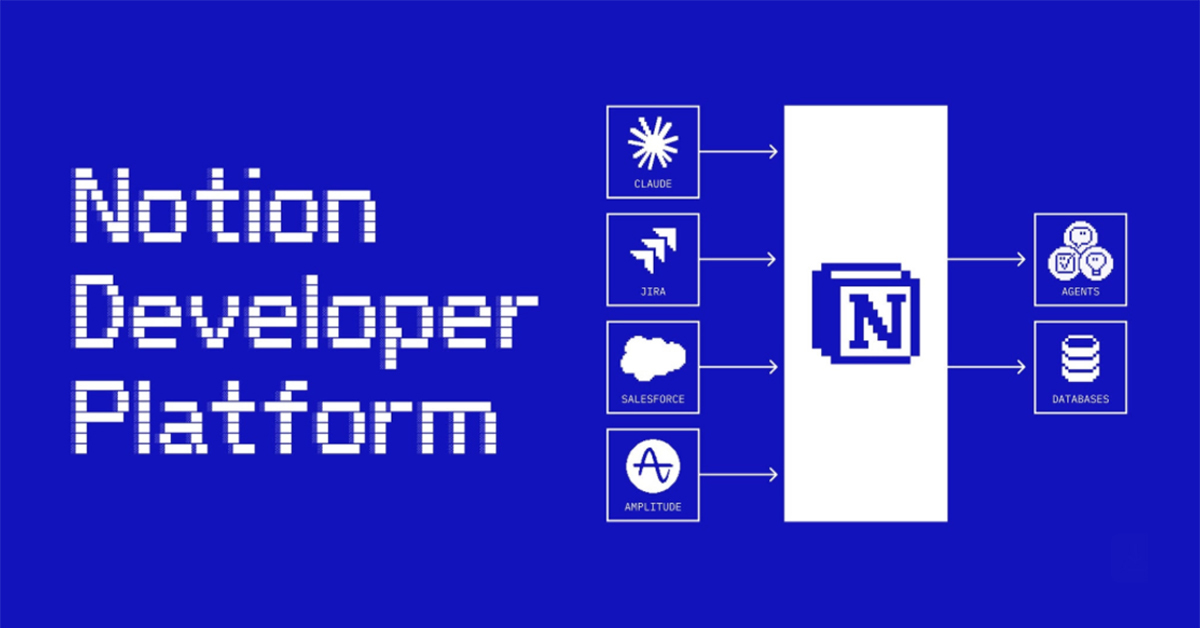
Notion、新開発基盤をリリース ナレッジ共有から「AIと協働する基盤」へ
Notion Labsは、開発者向け機能群「Notion Developer Platform」を発表した。CLIや実行環境「Workers」、外部エージェント連携APIなどを提供し、NotionでAIエージェントや業務ワークフローを構築できる開発基盤だ。

富士通、業務の変化に合わせて進化するAIエージェント技術を開発
法改正や仕様変更が続く企業業務でAIエージェントを使い続けるには、専門人材による継続的な調整が欠かせなかった。富士通の「自己進化マルチAIエージェント技術」は、この前提をどう変えるのか。

DuckDuckGo installs are up 30% as users reject being ‘force-fed’ Google’s AI Search
Google overhauled Search at I/O 2026, replacing blue links with AI agents. The backlash has been swift. DuckDuckGo app installs spiked 30%…
LLM 対応エージェント ワークフローの信頼性の高い設計に向けて: レイテンシ、信頼性、コストのトレードオフの最適化
現代の AI システムは、対話する複数のエージェントで構成されるワークフローへの依存度を高めており、一部は大規模言語モデル (LLM) を利用し、その他は従来の計算モジュールを利用しています。このペーパーでは、LLM 対応のエージェント ワークフローにおける遅延、信頼性、コストの間の基本的なトレードオフを分析します。 LLM エージェントと非 LLM エージェントの両方にパフォーマンス モデルを導入し、計算量と出力品質の関係を把握し、パラメトリック指数信頼性関数を使用して LLM エージェントの推論と出力トークンの影響を組み込みます。次に、レイテンシーとコストの制約の下での逐次ワークフローの設計を検討します。主な結果には、注水トークン割り当てポリシーと、シャドープライスの観点からの最適なワークフローの信頼性の特性評価が含まれます。
原文 (English)
Toward Reliable Design of LLM-Enabled Agentic Workflows: Optimizing Latency-Reliability-Cost Tradeoffs
Modern AI systems increasingly rely on workflows composed of multiple interacting agents, some powered by large language models (LLMs) and others by conventional computational modules. This paper analyzes the fundamental tradeoffs between latency, reliability, and cost in LLM-enabled agentic workflows. We introduce performance models for both LLM and non-LLM agents that capture the relationship between computational effort and output quality, incorporating the impact of reasoning and output tokens for LLM agents using a parametric exponential reliability function. Then, we study the design of sequential workflows under latency and cost constraints. Main results include a water-filling token allocation policy and characterizations of optimal workflow reliability in terms of shadow prices.
オール国産コアエージェント大規模モデルによる実践的な量子CIMエンパワーメント
量子コンピューティング デバイスは、NP 完全問題を解決するための強力なツールとして認識されています。ただし、そのモデリングの複雑さは非専門家にとって顕著な障壁となっており、専門家にとっても制約の重みとモデリング方法論の退屈な繰り返しに多大な労力が費やされます。これらの課題に対処するために、この研究では、LangGraph および LangChain フレームワークを活用して、フェムト秒レーザー励起コヒーレント イジング マシン (CIM) を LLM 駆動のエージェント システムと統合します。包括的な調査により、大規模言語モデル (LLM) が、QUBO/イジング モデルのキャリブレーション、制約の重み決定の反復、文献報告されたスキームの迅速な検証などのモデリングのタスクを効果的に実行できることが実証されました。特に、これらすべてのタスクは国産の大規模モデルに基づいて完全に実装でき、国内で開発された CIM ハードウェアと組み合わせることで、すべて国産のエージェント大規模モデルとハードウェアに完全に依存する量子 CIM の実用的な強化を実現します。この研究は堅牢な技術統合を実現することに成功し、その後の研究のための強固な基盤を築きました。それにもかかわらず、現段階で大規模モデルと量子コンピューティングという 2 つの最先端分野に依然として残る課題も明らかにしています。心強いことに、エージェント支援による量子コンピューティングの反復から蓄積された知識がエージェント自身の問題解決能力を相互に強化し、それによってこれらの課題に対処する、有望な新しいパラダイムを予期せず発見しました。
原文 (English)
Practical Quantum CIM Empowerment via All-Domestic-Core Agentic Large Model
Quantum computing devices are recognized as powerful tools for solving NP-complete problems. However, the intricacy of their modeling presents notable barriers for non-specialists, while the tedious iteration of constraint weights and modeling methodologies also consumes substantial effort on the part of experts. To address these challenges, this study integrates a femtosecond laser-pumped Coherent Ising Machine (CIM) with an LLM-driven agentic system by leveraging the LangGraph and LangChain frameworks. Comprehensive investigations demonstrate that large language models (LLMs) can effectively perform such tasks in modeling as QUBO/Ising model calibration, constraint weight decision iteration and rapid validation of literature-reported schemes. Notably, all these tasks can be fully implemented based on domestic large models, combined with domestically developed CIM hardware, we truly achieve the practical empowerment of quantum CIM that fully relies on all-domestic agentic large models and hardware. This work successfully realizes robust technological integration, laying a solid foundation for subsequent research. Nevertheless, it also identifies the persisting challenges in the two cutting-edge fields of large models and quantum computing at the current stage. Encouragingly, we unexpectedly discover a promising new paradigm where accumulated knowledge from agent-assisted quantum computing iterations reciprocally enhances the agent's own problem-solving capability, thereby addressing these challenges.
再構築権限の運用化: 自律エージェント システムにおけるランタイム構築、依存関係解決、および実行ゲート
自律エージェント システムは、誤った決定だけでなく、実行時に権限が失われている決定を実行することによっても失敗します。以前の研究では、有効な実行の条件として再構成権限 (RAM) が定義されていました。アクションは、権限が現在の状態から構築できる場合にのみ許可されます。このペーパーでは、実行時の強制、つまり実行中のシステムでこの条件を強制する方法について説明します。権限がアクション時に評価され、その構成可能性に基づいて実行が条件付けされるランタイム実行モデルを導入します。これにより、実行状態空間が許可/拒否を超えて 3 番目の状態である停止に拡張され、不完全または不確実な可観測性のために権限が定義されていないケースを表します。動的な依存関係の解決、権限の再構築、明示的な決定セマンティクスを含む具体的な実行プロトコルを定義します。さらに、ドリフト検出 (IML) と実行制御 (ACP) を統合するリカバリ ループを導入し、システムが実行を一時停止し、欠落している情報を取得し、権限の再構築を再試行できるようにします。このモデルは、安全性 (構築可能な権限がなければアクションは実行されない) と条件付きの生存性 (権限を定義する変数が監視可能になると実行が再開される) を保証することを示します。この作業により、再構成権限がランタイム強制メカニズムとして運用可能になり、実際のシステムで RAM を適用するために必要な実行セマンティクスが提供されます。
原文 (English)
Operationalizing Reconstructive Authority: Runtime Construction, Dependency Resolution, and Execution Gating in Autonomous Agent Systems
Autonomous agent systems fail not only due to incorrect decisions, but due to executing decisions whose authority no longer holds at runtime. Prior work defined Reconstructive Authority (RAM) as a condition for valid execution: actions are permitted only if authority can be constructed from current state. This paper addresses enforcement at runtime: how to enforce this condition in a running system. We introduce a runtime execution model in which authority is evaluated at action time and execution is conditioned on its constructibility. This extends the execution state space beyond admit/deny with a third state, halt, representing cases where authority is undefined due to incomplete or uncertain observability. We define a concrete execution protocol including dynamic dependency resolution, authority reconstruction, and explicit decision semantics. We further introduce a Recovery Loop that integrates drift detection (IML) with execution control (ACP), allowing the system to suspend execution, acquire missing information, and re-attempt authority reconstruction. We show that this model guarantees safety -- no action is executed without constructible authority -- and conditional liveness: execution resumes when authority-defining variables become observable. This work operationalizes reconstructive authority as a runtime enforcement mechanism, providing the execution semantics required to apply RAM in real systems.
DRIVE: 継続学習における Web エージェントの推論および対話レベルのモデリング スキル
Web エージェントは、さまざまなタスクを実行するために、高レベルの推論 (タスクの分解) と低レベルの対話 (ページ要素の操作) の両方を必要とします。ただし、これらの知識タイプは根本的に異なります。推論知識 (例: フライトを予約するには、まずルートを検索する必要があります) は抽象的で Web サイト間で転送可能ですが、インタラクション知識 (例: サイト A の特定の座標で検索ボタンをクリックする) はページ固有のコンテキストに大きく依存します。既存の方法では、エクスペリエンスが均一に保存されます。これにより、ジレンマが生じます。抽象表現は具体的なページでの実行可能性を失いますが、具体的な表現はドメイン間での一般化に失敗します。このもつれにより、機能の蓄積が制限されます。新しい Web サイトでは、エージェントは表面レベルの違いにより再利用可能なタスク ロジックを認識できなかったり、古いページ構造から実行不可能なアクションを試みたりします。それらの絡み合いを解くために、私たちは、歴史的経験を、転送可能なタスクロジックを捉える自然言語推論スキルと、抽象的なアクションを実行可能な操作に基礎付けるプログラムによる対話スキルに分離するデュアルレベルのスキルモデリングフレームワークである DRIVE を提案します。シーン認識調整メカニズムは、タスクのセマンティクスに基づいてこれらのデュアルレベルのスキルを適応的に取得して呼び出します。また、DRIVE はスキル レベルのリフレクションを使用して階層固有の障害モードを特定し、対象を絞ったスキル ライブラリの拡張と改良を可能にします。 5 つの WebArena ドメインにわたる実験では、DRIVE がタスクの平均成功率 52.8% を達成し、スキルフリーのベースラインを 7.3 パーセントポイント上回りました。さらにアブレーションを行うと、推論と対話のスキルが明確な補完的な利点を提供し、実行可能なページレベルの操作から転送可能なタスクロジックの分離をサポートすることがわかります。
原文 (English)
DRIVE: Modeling Skills at the Reasoning and Interaction Levels for Web Agents under Continual Learning
Web agents require both high-level reasoning (for task decomposition) and low-level interactions (for page elements manipulation) to conduct different tasks. However, these knowledge types differ fundamentally: reasoning knowledge (e.g., booking a flight requires first searching for routes) is abstract and transferable across websites, while interaction knowledge (e.g., clicking the Search button at a specific coordinate on Site A) depends heavily on page-specific contexts. Existing methods store experiences uniformly. This creates a dilemma: abstract representations lose executability on concrete pages, while concrete representations fail to generalize across domains. This entanglement limits capability accumulation: on new websites, agents either fail to recognize reusable task logic due to surface-level differences or attempt infeasible actions from outdated page structures. To disentangle them, we propose DRIVE, a dual-level skill modeling framework separating historical experience into natural language reasoning skills, which capture transferable task logic, and programmatic interaction skills, grounding abstract actions to executable operations. A scene-aware coordination mechanism adaptively retrieves and invokes these dual-level skills based on task semantics. DRIVE also uses skill-level reflection to identify hierarchy-specific failure modes, enabling targeted skill library expansion and refinement. Experiments across five WebArena domains show DRIVE attains an average task success rate of 52.8%, exceeding the skill-free baseline by 7.3 percentage points. Further ablations show reasoning and interaction skills provide distinct, complementary benefits, supporting separation of transferable task logic from executable page-level operations.
ハーネスを開示せずに LLM エージェントを比較するのをやめる
この意見書では、同等のフロンティア機能を持つモデル間で評価される長期タスクの場合、エージェント実行ハーネス、つまり言語モデルを中心としたコンテキスト構築、ツール相互作用、オーケストレーション、検証を管理するインフラストラクチャ層が、多くの場合、ラップするモデルよりもエージェントのパフォーマンスの強力な決定要因であると主張しています。私たちは結合制約理論を形式化し、擁護します。この体制では、パフォーマンスの差異はモデルの選択よりもハーネスの構成によって左右され、したがって現在の評価プロトコルは体系的にハーネス レベルのゲインをモデルの改善に誤って帰属させています。私たちは 3 つの方針に沿ってこの仮説を支持します。まず、制御理論の定式化では、ハーネスを閉ループ動的システムのコントローラーとして扱い、LLM をそれが管理する確率的ポリシーとして扱います。これにより、ハーネスの小さな変更によって、あるモデルを別のモデルに置き換えることによって得られるパフォーマンスの変化を超えるパフォーマンスの変化が生じる可能性があることが説明されます。第 2 に、公開されたベンチマーク、業界での展開、および制御された分散分解は、モデルのランキング逆転のケースを含め、ハーネスに起因する分散がモデルに起因する分散を大幅に超える可能性があることを示しています。第三に、開示基準と分散分解プロトコルを備えたハーネスを意識した評価フレームワークを提案します。ハーネスの仕様が開示されるまでは、長期にわたるエージェントのリーダーボード比較は不完全で誤解を招く可能性があるものとして扱う必要があります。
原文 (English)
Stop Comparing LLM Agents Without Disclosing the Harness
This position paper argues that, for long-horizon tasks evaluated across models with comparable frontier capability, the agent execution harness, namely the infrastructure layer that governs context construction, tool interaction, orchestration, and verification around a language model, is often a stronger determinant of agent performance than the model it wraps. We formalize and defend the Binding Constraint Thesis: in this regime, performance variance is governed more by harness configuration than by model choice, and current evaluation protocols therefore systematically misattribute harness-level gains to model improvements. We support this thesis along three lines. First, a control-theoretic formalization treats the harness as the controller of a closed-loop dynamical system and the LLM as the stochastic policy it governs, which explains why small harness changes can produce performance shifts that exceed those obtained by substituting one model for another. Second, published benchmarks, industry deployments, and a controlled variance decomposition show that harness-induced variance can substantially exceed model-induced variance, including cases of model ranking reversal. Third, we propose a harness-aware evaluation framework with a disclosure standard and a variance decomposition protocol. Until harness specifications are disclosed, leaderboard comparisons for long-horizon agents should be treated as incomplete and potentially misleading.
エージェントのスキルを正式に検証する方法: 機械的にチェック可能な能力封じ込めの証明に向けた 3 つの層
関連文書では、エージェントのスキル マニフェスト (未検証、宣言済み、テスト済み、正式) に関する 4 レベルの検証格子を導入し、最上位レベルは野心的なままにしました。この論文はそのギャップを埋めます。 LLM 駆動のランタイム (非決定論的な LLM 側から到達可能な決定論的なスクリプト側) によってスキルがどのように消費されるかに忠実なスキル動作の正確なセマンティクスを与え、そのセマンティクスに対する機能包含プロパティとして検証問題を述べ、スキルを宣言またはテストされたものから形式的なものに引き上げる 3 つの構成可能なメソッドを提示します。格子; (2) 静的に推論された機能がマニフェストの宣言されたセットにない呼び出しを機械的に拒否する、ツール呼び出しエンベロープの改良型システム。 (3) ランタイムのトランザクションバッファ範囲に適合する反例が具体的なトレースとして表示されるように選択された境界を使用して、親論文の二条件正しさ基準に対して SMT 境界モデルをチェックします。構成された 3 つの層が、親論文の実行時の二条件がセッション境界でキャッチする単一の残差 (LLM の行動を拒否する自由) を法とする親論文の脅威モデルを健全にカバーしていることを証明します。このメソッドは、オペレーターに新しいツールを構築するよう依頼するのではなく、既存の適切に設計されたツール (Z3、Semgrep、CodeQL、改良型チェッカー、機械化された証明アシスタント) を再利用し、証明を運ぶアーティファクトは既存の SKILL.md 規則を拡張します。 3 つのメソッドすべてにバンドル プロデューサーと再チェッカーを加えたものは、オープンソースの enclawed フレームワーク (https://github.com/metereconsulting/enclawed、プロジェクト ページ https://www.enclawed.com/) の依存関係のない JavaScript モジュールとして出荷され、53 の単体テストとサンプル スキルに関するエンドツーエンドの CLI デモが含まれています。
原文 (English)
Methods for Formal Verification of Agent Skills: Three Layers Toward a Mechanically Checkable Capability-Containment Proof
The companion paper introduced a four-level verification lattice on agent-skill manifests (unverified, declared, tested, formal) and left the top level aspirational. This paper closes that gap. We give a precise semantics for skill behaviour faithful to how a skill is consumed by an LLM-driven runtime (a deterministic script-side reachable through a non-deterministic LLM-side), state the verification problem as a capability-containment property over that semantics, and present three composable methods that together raise a skill from declared or tested to formal: (1) sound static capability-containment analysis of the script-side via abstract interpretation over a small effect lattice; (2) a refinement type system for tool-call envelopes that mechanically rejects any call whose statically-inferred capability is not in the manifest's declared set; (3) SMT-bounded model checking against the parent paper's biconditional correctness criterion, with the bound chosen so any counter-example fitting the runtime's transaction-buffer horizon is exhibited as a concrete trace. We prove the three layers composed soundly cover the parent paper's threat model modulo a single residual (the LLM's freedom to refuse to act) that the parent paper's runtime biconditional catches at session boundary. The methods reuse existing well-engineered tools (Z3, Semgrep, CodeQL, refinement-type checkers, mechanised proof assistants) rather than asking operators to build new ones, and the proof-carrying artifact extends the existing SKILL.md convention. All three methods plus the bundle producer and re-checker ship as zero-dependency JavaScript modules in the open-source enclawed framework (https://github.com/metereconsulting/enclawed; project page https://www.enclawed.com/), with 53 unit tests and an end-to-end CLI demo on a sample skill.
マシンサイコメトリクス: 人工知能の数理心理学
人工エージェントは現在、信頼、驚き、懸念を引き起こすのに十分な豊かな行動を生成していますが、私たちの評価ツールは依然として心理構造よりも能力スコアを優先しています。この論文は、2つの対称的な誤り(非生物学的システムにおける心理的組織を無視する人工心の盲目と、流暢な行動だけから人間のような内面生活を推測する人工心の投影)の間の哲学的行き詰まりは、意識の問題を解決するのではなく、その下に規律ある測定層を導入することによって回避できると主張する。この論文は、基質を超えた目標指向の能力としての認知についてのマイケル・レビンの連続的な見方と、数理心理学の方法論的レパートリー(項目反応理論、信号検出理論、ベイジアン認知モデリング、校正分析、認知バイアス電池)を利用して、人工エージェントの潜在的な行動、メタ認知、コミュニケーション、および自己モデリングの気質の測定科学としてマシンサイコメトリクスを開発しています。その運用の中核はマシン マインドプリントです。これは、キャリブレーション、ソースの完全性、暗示性の耐性、コンテキストの安定性、表現力の調整、ツールの完全性、ドリフト モニタリング、および分散グラウンディングに及ぶ、多次元でドメイン限定のバージョン管理されたプロファイルです。補完的なトラスト プロトコルは、プローブ バッテリー、摂動テスト、信頼性と妥当性の分析、および一か八かのドメインにわたる長期的な監視を通じて、マインドプリントを展開の決定に変えます。哲学的貢献は、意識を擬人化したり無視したりせず、意識を前提としたり排除したりしない、第 3 の立場である「人工精神の規律」です。目的は、人工エージェントを人間化することではなく、人間ではないからこそ、判断する前に測定することで人工エージェントを理解することです。
原文 (English)
Machine Psychometrics: A Mathematical Psychology of Artificial Intelligence
Artificial agents now generate behavior rich enough to invite trust, surprise, and concern, yet our evaluation tools still privilege capability scores over psychological structure. This paper argues that the philosophical impasse between two symmetrical errors (Artificial Mind Blindness, which dismisses psychological organization in non-biological systems, and Artificial Mind Projection, which infers human-like inner life from fluent behavior alone) can be circumvented not by resolving the consciousness question, but by introducing a disciplined measurement layer beneath it. Drawing on Michael Levin's continuum view of cognition as goal-directed competency across substrates, and on the methodological repertoire of mathematical psychology (Item Response Theory, Signal Detection Theory, Bayesian cognitive modeling, calibration analysis, cognitive-bias batteries), the paper develops Machine Psychometrics as a measurement science of latent behavioral, metacognitive, communicative, and self-modeling dispositions in artificial agents. Its operational core is the Machine Mindprint: a multidimensional, domain-bounded, versioned profile spanning calibration, source integrity, suggestibility resistance, context stability, expressive alignment, tool integrity, drift monitoring, and distributional grounding. A complementary Trust Protocol turns Mindprints into deployment decisions through probe batteries, perturbation testing, reliability and validity analysis, and longitudinal monitoring across high-stakes domains. The philosophical contribution is a third stance, Artificial Mind Discipline, that neither anthropomorphizes nor dismisses, neither presupposes consciousness nor forecloses it. The aim is not to humanize artificial agents, but to understand them precisely because they are not human, through measurement before judgment.
事前定義された学習オブジェクトを超えて: 最新の自律ロボット学習のための思考学習インタラクション モデル
オープンで変化する環境で動作する自律ロボットは、事前定義された入力、出力、およびアクション ルーチンに常に依存できるとは限りません。既存の学習方法では、環境との相互作用を通じてロボットのパフォーマンスを向上させることができますが、学習の対象は、入力特徴、認識出力、ネットワーク構造、タスクの目標、またはアクションシーケンスなど、事前に固定されていることがよくあります。これにより、長期的な運用中に新しい機能、新しいカテゴリ、またはより効率的なタスク ルーチンが出現したときに適応する能力が制限されます。この問題に対処するために、本論文では自律ロボットのための思考学習相互作用モデルを提案する。中心となる考え方は、潜在的な変化の特定、有用な証拠の選択、トレーニング資料の整理、検証アクションの計画によって思考が学習を導き、一方、学習はタスクの知識、機能選択の経験、アクション戦略、および将来の推論プロセスを更新することによって思考を促進するというものです。この双方向メカニズムに基づいて、ロボットは、環境との継続的な相互作用を通じて、事前に定義された学習設定を徐々に超えて、その認識関係と行動関係を適応させることができます。具体的には、提案されたモデルは、適応的な入力特徴の発見、出力カテゴリの拡張、学習モデルの更新、およびアクション ルーチンの再構築をサポートします。実験結果は、提案したモデルが特徴適応における最終認識精度を0.419から0.845に改善し、より高い新しいカテゴリ形成精度とモデル更新成功率を達成し、アクションルーチン再構築において平均アクション長を13.0から4.0に短縮することを示しています。学習によって強化された思考では、有用な証拠の選択率が 0.272 から 0.965 に増加し、学習結果が将来の証拠の選択と推論を効果的に改善できることを示しています。
原文 (English)
Beyond Predefined Learning Objects: A Thinking-Learning Interaction Model for Up-to-Date Autonomous Robot Learning
Autonomous robots operating in open and changing environments cannot always rely on predefined inputs, outputs, and action routines. Although existing learning methods enable robots to improve their performance through environmental interaction, the objects of learning are often fixed in advance, such as input features, recognition outputs, network structures, task goals, or action sequences. This limits their ability to adapt when new features, new categories, or more efficient task routines appear during long-term operation. To address this problem, this paper proposes a thinking-learning interaction model for autonomous robots. The core idea is that thinking guides learning by identifying potential changes, selecting useful evidence, organizing training materials, and planning verification actions, while learning promotes thinking by updating task knowledge, feature-selection experience, action strategies, and future reasoning processes. Based on this bidirectional mechanism, the robot can gradually move beyond predefined learning settings and adapt its recognition relations and action relations through continuous interaction with the environment. Specifically, the proposed model supports adaptive input feature discovery, output category expansion, learning model update, and action routine reconstruction. Experimental results show that the proposed model improves the final recognition accuracy from 0.419 to 0.845 in feature adaptation, achieves higher new-category formation accuracy and model-update success rate, and reduces the average action length from 13.0 to 4.0 in action routine reconstruction. In learning-enhanced thinking, the useful evidence selection rate increases from 0.272 to 0.965, indicating that learning results can effectively improve future evidence selection and reasoning.
信頼できるエージェント AI を目指して: 安全性、堅牢性、プライバシー、システム セキュリティの包括的な調査
エージェントティック AI システム (計画、ツールの使用、メモリ、および長期的な対話によって強化された大規模言語モデル (LLM)) は、複雑なタスクを自律的に実行できますが、その複数ステップの軌跡により、信頼性に挑戦する新たな障害モードが発生します。この調査では、安全性と堅牢性、プライバシーとシステム セキュリティという、高リスクの展開に重要な 2 つの中核的な側面を通じて、信頼できるエージェント AI を集中的に調査します。各側面について、主要な概念を明確にし、エージェントのワークフローに沿ってリスクが現れる箇所を特定し、段階別の緩和戦略を要約します。他の信頼性の側面 (価値の一致、透明性、公平性、説明責任) については、並行する章ではなく、関連する文脈として説明されます。一貫した比較と導入の決定をサポートするために、評価を統合されたメトリクスとベンチマークのハブに統合し、結果とプロセスのシグナル (制約違反、トレースの完全性、敵対的な成功率など) の両方を強調し、リリース ゲーティングのためのシナリオからメトリクスへのガイダンスを提供します。最後に、自己進化するエージェント、実行時の監視と検証、プライバシー保護のパーソナライゼーション、信頼性とユーティリティのトレードオフなどの未解決の課題を概説し、オープンソース エージェント システムにおける実際のセキュリティ障害のケース スタディを紹介します。私たちの目標は、一か八かの環境で信頼できるエージェント システムを構築する研究者や実践者にとって実用的な参考資料となることです。
原文 (English)
Towards trustworthy agentic AI: a comprehensive survey of safety, robustness, privacy, and system security
Agentic AI systems -- Large Language Models (LLMs) augmented with planning, tool use, memory, and long-horizon interactions -- can execute complex tasks autonomously, but their multi-step trajectories introduce new failure modes that challenge trustworthiness. This survey provides a focused examination of trustworthy agentic AI through two core dimensions that are critical for high-risk deployments: Safety and Robustness, and Privacy and System Security. For each dimension, we clarify key concepts, identify where risks emerge along the agent workflow, and summarize stage-targeted mitigation strategies. Other trustworthiness aspects (value alignment, transparency, fairness, and accountability) are discussed as relevant context rather than parallel chapters. To support consistent comparison and deployment decisions, we consolidate evaluation into a unified metrics-and-benchmarks hub, emphasizing both outcome and process signals (e.g., constraint violations, trace completeness, and adversarial success rates) and offering scenario-to-metric guidance for release gating. We conclude by outlining open challenges such as self-evolving agents, runtime monitoring and verification, privacy-preserving personalization, and the trust-utility trade-off, and present a case study of real-world security failures in open-source agentic systems. Our goal is to serve as a practical reference for researchers and practitioners building trustworthy agentic systems in high-stakes environments.
理由 - 想像 - 実行: 自動運転の世界モデルを使用したクローズドループ LLM の意思決定
大規模言語モデル (LLM) は自動運転に有望ですが、セマンティクスのみの意思決定ポリシーでは、動的交通において物理的に危険な動作が生じる可能性があります。既存の手法は、明示的なダイナミクス検証を行わずにオンライン言語推論を実行するか、主にオフライン パイプラインでワールド モデルを使用するため、意思決定時の意味論的な意図と物理的な実現可能性の間にギャップが残ります。我々は、オンライン安全性検証のために LLM 推論器とアクション条件付き世界モデルを結合する閉ループ フレームワークである Reason-Imagine--Act (RIA) を提案します。各ステップで、LLM がアクション テンプレートとサブアクションの候補を提案し、ワールド モデルが短期間のロールアウトを実行し、安全スコアラーが次の推論ステップへのフィードバックとともに最も安全に実行可能なアクションを選択します。統一された CARLA ポイントゴール プロトコル (1000 エピソード) の下で、RIA はルート完了率 80.05%、到着率 51.10%、衝突率 0.20% を達成しました。同じ閉ループ インターフェイスの下で、RIA はコアの閉ループ メトリックに関して、CARLA TM や MADA などのトレーニング不要のベースラインを常に上回っています。再現性を高めるために、コードは https://github.com/pku-smart-city/source_code/tree/main/RIA で入手できます。
原文 (English)
Reason--Imagine--Act: Closed-Loop LLM Decision Making with World Models for Autonomous Driving
Large language models (LLMs) are promising for autonomous driving, but semantics-only decision policies can yield physically unsafe behavior in dynamic traffic. Existing methods either perform online language reasoning without explicit dynamics verification or use world models mainly in offline pipelines, leaving a gap between semantic intent and physical feasibility at decision time. We propose Reason--Imagine--Act (RIA), a closed-loop framework that couples an LLM reasoner with an action-conditioned world model for online safety verification. At each step, the LLM proposes an action template and candidate sub-actions, the world model performs short-horizon rollouts, and a safety scorer selects the safest executable action with feedback to the next reasoning step. Under a unified CARLA point-goal protocol (1000 episodes), RIA achieves 80.05% route completion, 51.10% arrival rate, and 0.20% collision rate. Under the same closed-loop interface, RIA consistently outperforms training-free baselines, including CARLA TM and MADA, on core closed-loop metrics. For reproducibility, code is available at https://github.com/pku-smart-city/source_code/tree/main/RIA.
EvoSci: 科学的発見の進化のための生物からインスピレーションを得たマルチエージェント フレームワーク
大規模言語モデル (LLM) は、科学的発見において強力な可能性を示していますが、既存の手法は、研究ワークフローと多役割コラボレーション メカニズムの設計において依然として大きな課題に直面しています。これらの問題を軽減するために、私たちは、生物からインスピレーションを受けた進化とナレッジ グラフ モデリングを統合する、マルチエージェント科学コラボレーション フレームワークである EvoSci を提案します。研究のアイデアを繰り返し生成、評価、改良するために、EvoSci にはメンター、研究者、レビュー担当者など、役割ベースの複数のエージェントが組み込まれています。 EvoSci は、共同推論、共有記憶、進化的フィードバックを組み合わせることで、科学探査の一貫性と創造性を大幅に強化します。現実世界の研究トピックに関する実験では、EvoSci が LLM ベースの構造化査読および比較ランキング評価において強力なベースラインを大幅に上回り、最高の総合査読スコア (ICLR 4.90) とトップ ランキング (トップ 10 = 54) を達成していることが実証されています。これらの結果は、科学的アイデアの生成と継続的な発見の両方においてその優位性を示唆しています。
原文 (English)
EvoSci: A Bio-Inspired Multi-Agent Framework for the Evolution of Scientific Discovery
Large language models (LLMs), have shown strong potential in scientific discovery, yet existing methods still face substantial challenges in the design of research workflows and multi-role collaboration mechanisms. To mitigate these issues, we propose EvoSci, a multi-agent scientific collaboration framework, which integrates bio-inspired evolution with knowledge graph modeling. To iteratively generate, evaluate, and refine research ideas, EvoSci incorporates multiple role-based agents, including mentor, researcher, and reviewer. By combining collaborative reasoning, shared memory, and evolutionary feedback, EvoSci significantly enhances the coherence and creativity of scientific exploration. Experiments on real-world research topics demonstrate that EvoSci significantly outperforms strong baselines in LLM-based structured peer-review and comparative ranking evaluations, achieving the highest overall peer-review score (ICLR 4.90) and top ranking (Top-10 = 54). These results suggest its superiority in both scientific idea generation and continuous discovery.
EvoCode-Bench: マルチターン反復インタラクションにおけるコーディング エージェントの評価
コーディング エージェントは反復開発パートナーとして使用されることが増えていますが、ほとんどのベンチマークは依然として 1 つの仕様を評価し、続いて 1 つの最終評価を行っています。これでは、要件が変化してもエージェントは独自のコードベースを機能し続けることができるかという基本的な疑問が抜け落ちています。 26 のステートフル コーディング タスクと 227 の評価ラウンドのベンチマークである EvoCode-Bench を紹介します。各タスクはエージェントのワークスペースを 5 ~ 15 ラウンド保持し、観察可能な動作を通じて要件を示し、累積的な実行可能テストを使用して新しい要件とまだアクティブな以前の要件を確認します。 13 のコーディング エージェントを 2 つのメトリクスで評価します。MT@4 (4 回の試行フェイルストップのマルチラウンド スコア)、および SR (参照が完了した前の状態からのシングル ラウンド スコア)。ほとんどのエージェントでは、SR は MT@4 を 22 ~ 40 ポイント上回ります。このギャップによりランキングも変わります。最も高い SR エージェント (78.9) は、永続的実行 (44.0 MT@4) で 3 位にすぎません。最も強力なエージェントでも、マルチターン メトリクスでは約 50% の成功しか達成できず、ラウンド 5 までに総合格率はラウンド 1 のパフォーマンスの半分以下に低下します。障害分析では、層に依存した動作が示されます。弱いエージェントは早期に失敗しますが、より強力なエージェントは仕様追跡と回帰の障害を明らかにするのに十分な期間存続します。ベンチマークデータとハーバーマルチターンインフラを公開します。
原文 (English)
EvoCode-Bench: Evaluating Coding Agents in Multi-Turn Iterative Interactions
Coding agents are increasingly used as iterative development partners, but most benchmarks still evaluate one specification followed by one final assessment. This leaves out a basic question: can an agent keep its own codebase working as requirements change? We introduce EvoCode-Bench, a benchmark of 26 stateful coding tasks and 227 evaluated rounds. Each task preserves the agent's workspace for 5-15 rounds, states requirements through observable behavior, and uses cumulative executable tests to check new requirements and still-active prior ones. We evaluate 13 coding agents with two metrics: MT@4, a four-attempt fail-stop multi-round score, and SR, a single-round score from a reference-completed prior state. For most agents, SR exceeds MT@4 by 22-40 points. The gap also changes rankings: the highest-SR agent (78.9) ranks only third in persistent execution (44.0 MT@4). Even the strongest agents achieve only about 50% success on multi-turn metrics, and aggregate pass rate drops below half of round-1 performance by round 5. Failure analysis shows tier-dependent behavior: weaker agents fail early, while stronger agents survive long enough to expose specification-tracking and regression failures. We release the benchmark data and Harbor multi-turn infrastructure.
SkillEvolBench: エピソード体験から手続き型スキルへの進化のベンチマーク
大規模言語モデル (LLM) エージェントは、現実世界のタスクを解決する際に豊富なエピソードの軌跡を蓄積しますが、そのような経験を再利用可能な手順スキルに蒸留できるかどうかは不明のままです。経験の再利用からスキル形成までのこのステップを評価するための診断ベンチマークである SkillEvolBench を紹介します。これには、6 つの現実世界のエージェント環境にわたる 180 のタスクが含まれており、潜在的な手順を共有する役割条件付きタスク ファミリに編成されています。エージェントは取得タスクから学習し、圧縮された軌跡と検証者のフィードバックを使用して外部スキル ライブラリを更新し、その後、コンテキスト シフト、敵対的ショートカット、構成をテストする凍結された展開タスクに直面します。 SkillEvolBench は、自己生成および厳選された開始スキルの進化を、スキルなしおよび生の軌道コントロールと比較することにより、基本機能、厳選された事前知識、エピソード トレースの直接再利用から手続き型抽象化を分離します。 10 のモデル構成と 3 つのエージェント ハーネスにわたって、現在のエージェントはローカルに適応することが多いものの、堅牢で再利用可能なスキルを形成することはほとんどないことがわかりました。スキルベースの条件により取得や再生が改善され、個々のモデルが特定の展開軸で利益を得ることもありますが、これらの利益は展開が凍結された状態では不安定になります。生の軌跡の再利用は、蒸留されたスキルよりも優れたパフォーマンスを発揮することがよくあります。これは、現在の抽象化手順が、将来のタスクに役立つ文脈および手順の手がかりを破棄していることを示唆しています。さらに、キャパシティとコストの分析では、より多くのスキルや大規模な Tier-3 リソース ライブラリを作成するだけでは十分ではないことが示されています。追加のアップデートにより、エピソード固有のドリフトや手順の混乱が生じる一方で、カバレッジが向上する可能性があります。これらの発見により、SkillEvolBench は、1 回限りの経験がタスクローカルの記憶ではなく永続的な手続き型知識になる時期を測定するためのテストベッドとして位置づけられています。
原文 (English)
SkillEvolBench: Benchmarking the Evolution from Episodic Experience to Procedural Skills
Large language model (LLM) agents accumulate rich episodic trajectories while solving real-world tasks, but it remains unclear whether such experience can be distilled into reusable procedural skills. We introduce SkillEvolBench, a diagnostic benchmark for evaluating this step from experience reuse to skill formation. It contains 180 tasks across six real-world agent environments, organized into role-conditioned task families with shared latent procedures. Agents learn from acquisition tasks, update an external skill library using compacted trajectories and verifier feedback, and then face frozen deployment tasks testing context shift, adversarial shortcuts, and composition. By comparing self-generated and curated-start skill evolution against no-skill and raw-trajectory controls, SkillEvolBench separates procedural abstraction from base capability, curated prior knowledge, and direct reuse of episodic traces. Across ten model configurations and three agent harnesses, we find that current agents often adapt locally but rarely form robust reusable skills. Skill-based conditions can improve acquisition or replay, and individual models sometimes gain on specific deployment axes, but these gains are unstable under frozen deployment. Raw-trajectory reuse frequently outperforms distilled skills, suggesting that current abstraction procedures discard contextual and procedural cues that remain useful for future tasks. Capacity and cost analyses further show that writing more skills or larger Tier-3 resource libraries is not sufficient: additional updates can improve coverage while introducing episode-specific drift and procedural clutter. These findings position SkillEvolBench as a testbed for measuring when one-off experience becomes durable procedural knowledge rather than task-local memory.
自動化されたワークフローにおけるエージェントの不整合についての冷静な考察
私たちは、自動化されたワークフローに焦点を当てて、マルチエージェント システム (MAS) における緊急のミスアライメントの一種を研究しています。これをエージェントのミスアライメントと呼びます。これらのシステムは複雑なタスクを解決できますが、エージェントが人間の意図した目標と一致しない暗黙的なプロキシ ユーティリティに従って動作するため、失敗することがよくあります。私たちはこれらの動作を正式に定義し、ベイジアン フレームワーク内で分析し、汎用ユーティリティが自動ワークフロー内のエージェントの事後崩壊に自然につながることを示しました。この問題に対処するために、私たちはエージェントの証拠帰属 (AEA) を提案します。これは、コンテキスト固有の証拠を使用してエージェントの事後分布を改善する新しい調整パラダイムです。 AEA はエージェントの行動を推論し、コラボレーション中の誤った行動を修正するための構造化された証拠を提供します。証拠の役割をより深く理解するために、AEA の 2 つの具体化、すなわち自己反省 (モデルからの内部証拠) と弱から強への一般化 (エージェントの軌道に関する外部証拠) を研究します。小規模な証拠モデルが直交故障属性を提供することで MAS を効果的に調整することを示します。私たちの結果は、自動化されたワークフローにおけるエージェントの不整合の原因を明らかにし、証拠に基づいた調整がエージェントのコラボレーションを効果的に改善し、自動化されたワークフロー上に構築された信頼性の高いマルチエージェント システムにつながることを示しています。
原文 (English)
A Sober Look at Agentic Misalignment in Automated Workflows
We study a class of emergent misalignment in multi-agent systems (MAS), with a focus on automated workflows, which we refer to agentic misalignment. Although these systems can solve complex tasks, they often fail because agents act according to implicit proxy utilities that do not align with the intended human goals. We formally define these behaviors and analyze them within a Bayesian framework, showing that generic utilities naturally lead to posterior collapse of agents in automated workflows. To address this issue, we propose Agentic Evidence Attribution (AEA), a novel alignment paradigm that improves agent posteriors using context-specific evidence. AEA reasons over agent actions and provides structured evidence to correct misaligned behavior during collaboration. To better understand the role of evidence, we study two instantiations of AEA: self-reflection (internal evidence from the model) and weak-to-strong generalization (external evidence on the agentic trajectory). We show that a small evidence model effectively aligns the MAS by providing orthogonal failure attribution. Our results clarify the sources of agentic misalignment in automated workflows and show that evidence-based alignment can effectively improve agent collaboration and leads to reliable multi-agent systems built on automated workflows.
マルチエージェント RL によって LLM ワークフローが改善されるのはいつですか?ワークフロー、スケール、ポリシー共有のトレードオフ
マルチエージェント LLM ワークフローは、特殊なロールを通じて推論をルーティングし、最終タスクの精度を高めますが、これらのロールを強化学習で共同トレーニングすることは、十分に理解されていない点で不安定です。すべてのロールが 1 つのポリシーを更新する共有ポリシー トレーニングと、各ロールが独自のパラメーターを持つ分離ポリシー トレーニングを比較して、マルチエージェント LLM ワークフローのエンドツーエンド RL トレーニングが基本モデルよりも向上する時期を研究します。私たちの実験マトリックスは、Eval-Opt、Voting、Orch-Workers ワークフロー、数学およびコード タスク、および 3 つのモデル スケール (0.6B、1.7B、4B) に及びます。通常、マルチエージェント RL は基本モデルよりも向上しますが、その効果はポリシー共有だけではなく、ワークフロー、タスク、規模に総合的に依存することがわかりました。分離ポリシーはより高いピーク精度に達する傾向がありますが、最終精度の崖から落ちることが多くなりますが、共有ポリシーのトレーニングでは失敗は排除されません。それは失敗を質的に異なるパターンに再配分します。次に、ワークフロー トポロジとポリシー ルーティングによって引き起こされるロール レベルの勾配ダイナミクスを通じて、これらのパターンのうち最も強力なものを説明します。分離ポリシーでは、共有プロンプト上の並列同じロール エージェントがロールごとの勾配を増幅し、投票ワークフローとオーチワーカー ワークフローの端末の劣化を引き起こします。共有ポリシーの下では、非対称のステップごとの勾配質量により、共有ポリシーが支配的な役割によってキャプチャされ、タスクおよびワークフローごとに異なる失敗の兆候が生成されます。経験的マップとその基礎となるメカニズムを総合すると、ポリシー共有は均一な安定性を提供するのではなく、トレーニングのプレッシャーをさまざまなチャネルにルーティングし、ワークフローとタスクの条件のトレードオフを考慮した設計上の選択となることがわかります。
原文 (English)
When Does Multi-Agent RL Improve LLM Workflows? Workflow, Scale, and Policy-Sharing Tradeoffs
Multi-agent LLM workflows route inference through specialized roles to lift end-task accuracy, but jointly training those roles with reinforcement learning is unstable in ways that are poorly understood. We study when end-to-end RL training of multi-agent LLM workflows improves over their base models, comparing Shared-Policy training, where all roles update one policy, with Isolated-Policy training, where each role has its own parameters. Our experimental matrix spans Eval-Opt, Voting, and Orch-Workers workflows, math and code tasks, and three model scales (0.6B, 1.7B, 4B). We find that multi-agent RL usually improves over base models, but gains depend jointly on workflow, task, and scale, not on policy sharing alone. Isolated-Policy tends to reach higher peak accuracy yet more often falls off a terminal accuracy cliff, while Shared-Policy training does not eliminate failure; it redistributes failure into qualitatively different patterns. We then explain the strongest of these patterns through role-level gradient dynamics induced by workflow topology and policy routing: under Isolated-Policy, parallel same-role agents on shared prompts amplify per-role gradients and drive terminal degradation in Voting and Orch-Workers workflows; under Shared-Policy, asymmetric per-step gradient mass causes the shared policy to be captured by the dominant role, producing different failure signatures by task and workflow. Together, the empirical map and its underlying mechanisms show that policy sharing routes training pressure through different channels rather than offering uniform stability, making it a design choice with workflow- and task-conditional tradeoffs.
最終的な答えを超えて: マルチエージェント産業ワークフローにおける軌跡レベルの幻覚の監査
大規模言語モデル (LLM) は、推論し、ツールを使用し、複数のステップにわたって動作する自律エージェントとして導入されることが増えています。しかし、ほとんどの幻覚ベンチマークは依然として最終出力のみを評価し、中間の思考、行動、観察のステップに起因する失敗を見逃しています。マルチエージェント産業ワークフローにおける軌跡レベルの幻覚を監査するためのデータセットおよび評価フレームワークである Trajel を紹介します。 Trajel は、AssetOpsBench からの専門家による注釈付きエージェント トレースに対して、5 つのタイプの幻覚分類法 (事実、参照、論理、手順、範囲ベース) を導入します。教師あり検出モデルをサブタスク、軌跡、およびロングコンテキストのレベルでベンチマークします。私たちの結果は、最も一般的な故障モードが既存のベンチマークでは見逃されていること、幻覚軌跡のほぼ半数に一度に複数のタイプが関与していること、および高いバイナリ精度を備えた自動検出器が依然として最も微妙なタイプを誤分類していることを示しています。軌跡を意識した検出は、標準的な事後検証よりも大幅に優れているため、より安全なエージェント展開には分類に基づいた評価が必要になります。
原文 (English)
Beyond Final Answers: Auditing Trajectory-Level Hallucinations in Multi-Agent Industrial Workflows
Large Language Models (LLMs) are increasingly deployed as autonomous agents that reason, use tools, and act over multiple steps. Yet most hallucination benchmarks still evaluate only the final output, missing failures that originate in intermediate Thought-Action-Observation steps. We present Trajel, a dataset and evaluation framework for auditing trajectory-level hallucinations in multi-agent industrial workflows. Trajel introduces a five-type hallucination taxonomy (factual, referential, logical, procedural, and scope-based) over expert-annotated agent traces from AssetOpsBench. We benchmark supervised detection models at the subtask, trajectory, and long-context levels. Our results show that the most common failure modes are missed by existing benchmarks, that nearly half of hallucinated trajectories involve multiple types at once, and that automated detectors with high binary accuracy still misclassify the subtlest types. Trajectory-aware detection significantly outperforms standard post-hoc verification, making taxonomy-grounded evaluation necessary for safer agentic deployment.
階層的アクションのもつれを解くことによる適応的な人間と AI の調整
人間と AI のコラボレーションには、目に見えないパートナーに対して堅牢さを維持しながら、パートナーの多様な行動やスキル レベルに適応できるエージェントが必要です。既存の方法では、単一の支配的な行動に崩壊したり、適切に調整されていないスキルを学習したりすることが多く、効果的な調整が制限されます。私たちは、高レベルの潜在スキルを条件とした、明確でパートナーを意識した低レベルのアクション シーケンスを学習する深層階層強化学習 (DHRL) フレームワークである、固有アクション解絡 (IAD) を提案します。 IAD は、エージェントの低レベルのポリシーをスキル全体に分散してアクションを分散することを明示的に促進する固有の報酬を導入し、高レベルの意思決定とパートナー固有の行動反応の間の解釈可能なマッピングを生み出します。 IAD は、時間的に拡張された相互作用パターンを捕捉することにより、分布シフト下での異種パートナーのダイナミクスへの柔軟な適応を可能にします。私たちは、複数のレイアウトと、目に見えないシミュレートされたパートナー、人間対人間のゲームプレイで訓練された人間プロキシ モデル、実際の人間のパートナーを含む多様なパートナー設定にわたって、Overcooked-AI ドメインの IAD を評価します。結果は、IAD が一貫して強力なベースラインを上回り、すべての設定にわたってより信頼性の高い適応的な調整を実現していることを示しています。
原文 (English)
Adaptive Human-AI Coordination via Hierarchical Action Disentanglement
Human-AI collaboration requires agents that can adapt to diverse partner behaviors and skill levels while remaining robust to unseen partners. Existing methods often collapse to a single dominant behavior or learn poorly aligned skills, limiting effective coordination. We propose Intrinsic Action Disentanglement (IAD), a deep hierarchical reinforcement learning (DHRL) framework that learns distinct, partner-aware low-level action sequences conditioned on high-level latent skills. IAD introduces an intrinsic reward that explicitly encourages disentangled action distributions of the agent's low-level policy across skills, yielding an interpretable mapping between high-level decisions and partner-specific behavioral responses. By capturing temporally extended interaction patterns, IAD enables flexible adaptation to heterogeneous partner dynamics under distributional shift. We evaluate IAD in the Overcooked-AI domain across multiple layouts and diverse partner settings, including unseen simulated partners, a human-proxy model trained on human-human gameplay, and real human partners. Results show that IAD consistently outperforms strong baselines and achieves more reliable, adaptive coordination across all settings.
強固な人間と AI のコラボレーションのための、パートナーを意識した階層型スキル発見
マルチエージェントのコラボレーション、特に人間と AI のチーム化では、多様で動的な動作を持つ新しいパートナーに適応できるエージェントが必要です。 Conventional Deep Hierarchical Reinforcement Learning (DHRL) methods focus on agent-centric rewards and overlook partner behavior, leading to shortcut learning, where skills exploit spurious information instead of adapting to partners' dynamic behaviors.この制限により、エージェントが新しいパートナーに適応して効果的に調整する能力が損なわれます。パートナーの行動に応じてスキルを学習する DHRL フレームワークである Partner-Aware Skill Discovery (PASD) を紹介します。 PASD introduces a contrastive intrinsic reward to capture patterns emerging from partner interactions, aligning skill representations across similar partners while maintaining discriminability across diverse strategies. By structuring the skill space based on partner interactions, this approach mitigates shortcut learning and promotes behavioral consistency, enabling robust and adaptive coordination. We extensively evaluate PASD in the Overcooked-AI benchmark with a diverse population of partners characterized by varying skill levels and play styles.さらに、人間間のゲームプレイの軌跡からトレーニングされたヒューマン プロキシ モデルを使用したアプローチを評価します。 PASD consistently outperforms existing population-based and hierarchical baselines, demonstrating transferable skill learning that generalizes across a wide range of partner behaviors. Analysis of learned skill representations shows that PASD adapts effectively to diverse partner behaviors, highlighting its robustness in human-AI collaboration.
原文 (English)
Partner-Aware Hierarchical Skill Discovery for Robust Human-AI Collaboration
Multi-agent collaboration, especially in human-AI teaming, requires agents that can adapt to novel partners with diverse and dynamic behaviors. Conventional Deep Hierarchical Reinforcement Learning (DHRL) methods focus on agent-centric rewards and overlook partner behavior, leading to shortcut learning, where skills exploit spurious information instead of adapting to partners' dynamic behaviors. This limitation undermines agents' ability to adapt and coordinate effectively with novel partners. We introduce Partner-Aware Skill Discovery (PASD), a DHRL framework that learns skills conditioned on partner behavior. PASD introduces a contrastive intrinsic reward to capture patterns emerging from partner interactions, aligning skill representations across similar partners while maintaining discriminability across diverse strategies. By structuring the skill space based on partner interactions, this approach mitigates shortcut learning and promotes behavioral consistency, enabling robust and adaptive coordination. We extensively evaluate PASD in the Overcooked-AI benchmark with a diverse population of partners characterized by varying skill levels and play styles. We further evaluate the approach with human proxy models trained from human-human gameplay trajectories. PASD consistently outperforms existing population-based and hierarchical baselines, demonstrating transferable skill learning that generalizes across a wide range of partner behaviors. Analysis of learned skill representations shows that PASD adapts effectively to diverse partner behaviors, highlighting its robustness in human-AI collaboration.
アドホック チームワーク向けのインコンテキスト強化学習の限界をベンチマークする
インコンテキスト強化学習 (ICRL) により、財団エージェントは新しいタスクに即座に適応できるようになりましたが、未知のパートナーとの調整が必要なアドホック チームワーク (AHT) におけるその有効性はまだ解明されていません。これを厳密に評価するために、Overcooked-V2 の高スループット JAX 実装に基づいて構築された大規模ベンチマーク ICRL4AHT を導入します。当社のベンチマークには、RL ポリシーとヒューリスティック ポリシーの両方にまたがる大規模で多様なチームメイト スイートが含まれており、制御されたトレーニングとテストのシフトを可能にし、チームメイトの生成、学習履歴の収集、データセットの構築、オンライン マルチエピソード評価のための再現可能なエンドツーエンドのパイプラインを提供します。私たちは、アルゴリズム蒸留 (AD) や決定事前学習トランスフォーマー (DPT) などの代表的な履歴条件付き ICRL アルゴリズムを数百万の遷移にわたって評価します。結果は、注目すべき限界を明らかにしました。単一エージェント ドメインでの成功とは対照的に、これらのベースラインは、マルチエージェント設定では堅牢なテスト時間の適応を示すことができません。具体的には、これらの方法は、目に見えないチームメイトと目に見えないレイアウトトラックの両方でランダムなベースラインを下回ることが多く、長期にわたって明確なコンテキスト内の改善はありません。これらの発見は、OvercookedV2 AHT プロトコル内の部分可観測性下での戦略的推論の課題を浮き彫りにし、次世代調整アルゴリズムの重要なテストベッドとしてのベンチマークを確立します。
原文 (English)
Benchmarking the Limits of In-Context Reinforcement Learning for Ad-Hoc Teamwork
In-Context Reinforcement Learning (ICRL) has enabled foundation agents to adapt instantaneously to novel tasks, yet its efficacy in Ad-Hoc Teamwork (AHT)-where coordination with unknown partners is required-remains unexplored. To rigorously evaluate this, we introduce a large-scale benchmark ICRL4AHT, built upon a high-throughput JAX implementation of Overcooked-V2. Our benchmark includes a large, diverse teammate suite spanning both RL and heuristic policies, enabling controlled train-test shifts, and provides a reproducible end-to-end pipeline for teammate generation, learning-history collection, dataset construction, and online multi-episode evaluation. We evaluate representative history-conditioned ICRL algorithms, including Algorithm Distillation (AD) and Decision-Pretrained Transformer (DPT), across millions of transitions. Results reveal notable limitations: contrary to their success in single-agent domains, these baselines fail to exhibit robust test-time adaptation in multi-agent settings. Specifically, these methods frequently underperform random baselines across both unseen teammate and unseen layout tracks, with no clear in-context improvement over long horizons. These findings highlight the challenges of strategic inference under partial observability within the OvercookedV2 AHT protocol, establishing our benchmark as a critical testbed for next-generation coordination algorithms.
SAM: 長期推論エージェントのための状態適応メモリ
長期的なエージェント推論では、思考、ツールの呼び出し、観察、部分的な結論を含む長い対話履歴にわたって機能する大規模な言語モデルが必要です。課題は、これらの歴史が単に長くなることだけではなく、現在の決定に必要な情報が遠く離れた段階に散在し、後になって初めて関連する可能性があることです。既存のアプローチは、インタラクション履歴を切り詰めたり、より短いサロゲートに圧縮したり、再利用のために選択した部分を取得したりすることでこの困難に対処していますが、過去のインタラクションへのアクセスがエージェントの進化する状態にどのように適応するかを明示的にモデル化していません。代わりに、長期的な推論を状態適応記憶の問題として投げかけます。この目的を達成するために、私たちは、意図駆動型の想起のために生の軌跡ページを保存しながら、進行中のインタラクションをコンパクトな記憶キューに統合するスタンドアロン フレームワークである State-Adaptive Memory~(SAM) を提案します。これらの手がかりは履歴の代替として扱われません。むしろ、これらは、エージェントが基礎となるバックボーンを再トレーニングすることなく、現在のニーズに応じて時間的に離れた情報を再構築できるようにする軽量のハンドルとして機能します。専門家の指導による監視と強化学習を通じてメモリ モジュールをさらに最適化し、軌道レベルのユーティリティに合わせます。 BrowseComp、BrowseComp-ZH、 WideSearch、および HLE 全体で、SAM はさまざまなエージェント バックボーン上で強力なベースラインを常に上回っています。私たちの結果は、明示的記憶モデリングが長期的なエージェント推論のためのシンプルかつ効果的な基盤を提供することを示唆しています。
原文 (English)
SAM: State-Adaptive Memory for Long-Horizon Reasoning Agent
Long-horizon agentic reasoning requires large language models to act over long interaction histories containing thoughts, tool calls, observations, and partial conclusions. The challenge is not merely that these histories grow long, but that information needed for the current decision may be scattered across distant steps and only become relevant later. Existing approaches address this difficulty by truncating the interaction history, compressing it into shorter surrogates, or retrieving selected parts of it for reuse, but they do not explicitly model how access to past interaction should adapt to the agent's evolving state. We instead cast long-horizon reasoning as a problem of state-adaptive memory. To this end, we propose State-Adaptive Memory~(SAM), a standalone framework that consolidates ongoing interaction into compact memory cues while preserving raw trajectory pages for intent-driven recall. These cues are not treated as replacements for history; rather, they serve as lightweight handles that allow the agent to reconstruct temporally distant information according to its current needs, without retraining the underlying backbone. We further optimize the memory module through expert-guided supervision and reinforcement learning, aligning it with trajectory-level utility. Across BrowseComp, BrowseComp-ZH, WideSearch, and HLE, SAM consistently outperforms strong baselines over diverse agent backbones. Our results suggest that explicit memory modeling provides a simple and effective foundation for long-horizon agentic reasoning.
AgentFugue: 集団推論による長期タスクのエージェント スケーリング
長期的なエージェント タスクの最近の進歩は、より強力なモデル、より優れたツール、より効果的な足場を通じて個々のエージェントをスケールアップすることによって主に推進されています。対照的に、スケールアウトについてはほとんど理解されていません。つまり、すべて同じタスクを対象とする複数のピア エージェントが、明示的な役割の特化やワークフロー オーケストレーションに依存せずに、追加の機能ソースになり得るかどうかです。私たちはこの疑問を研究し、共有推論ハブを中心に構築された集団推論フレームワークである AgentFugue を提案します。ピア エージェントが同じタスクを並行して探索すると、ハブは各エージェントが確立したもの、試行したもの、または除外したものに関する簡潔なメモを記録し、各エージェントが現在の検索に役立つ形式で他のエージェントが発見したものに選択的にアクセスできるようにします。この設計は、集中計画を必要とせずに、孤立した軌跡を、再利用可能な中間推論の接続されたエコロジーに変えます。ハブをプラグイン通信層としてインスタンス化し、教師あり微調整とエンドツーエンドの強化学習でトレーニングします。私たちが調査した困難な長期設定において、AgentFugue は強力なベースラインを超えて改善しました。私たちの結果は、集合的推論により、ピア エージェント システムのスケールアウトを、単なるコンピューティング費の増加の手段ではなく、機能向上の明確なソースに変えることができることを示唆しています。
原文 (English)
AgentFugue: Agent Scaling for Long-Horizon Tasks through Collective Reasoning
Recent progress on long-horizon agentic tasks has been driven largely by scaling up individual agents through stronger models, better tools, and more effective scaffolding. In contrast, much less is understood about scaling out: whether multiple peer agents, all targeting the same task, can become an additional source of capability without relying on explicit role specialization or workflow orchestration. We study this question and propose AgentFugue, a collective reasoning framework built around a shared reasoning hub. As peer agents explore the same task in parallel, the hub records concise notes on what each agent has established, attempted, or ruled out, and enables each agent to selectively access what other agents have discovered in a form useful for its current search. This design turns otherwise isolated trajectories into a connected ecology of reusable intermediate reasoning without requiring centralized planning. We instantiate the hub as a plug-in communication layer, trained with supervised fine-tuning and end-to-end reinforcement learning. Across the challenging long-horizon settings we study, AgentFugue improves over strong baselines. Our results suggest that collective reasoning can turn scaling out peer agent systems into a distinct source of capability gains, rather than merely a way of spending more compute.
マルチエージェント LLM 意思決定システムにおける動的信用割り当てのための市場制度評議会
ポートフォリオ管理のためのマルチエージェント LLM 意思決定システムには、専門エージェント間でクレジットを割り当てるための原則的な方法が依然として欠けており、レジームシフトの下でコールドスタートの優位性に対して脆弱なままであり、最終的な割り当てがどのように形成されるかについての透明性が限られています。私たちは、オンラインエージェントの重み付けのための単一、ペア、および大連合のすべての出力にわたって正確なシャプレークレジットを計算する、協力的なマルチエージェント意思決定システムである Market Regime Council (MRC) を提案します。 N=3 の専門エージェントでインスタンス化され、各取引期間で、MRC は指数関数的に重み付けされたパフォーマンス履歴から連合ベースのシャプリー重みを再計算し、ベイズ適応混合を使用して初期期間を安定させ、レジーム依存の乗数を適用してエージェントの権限を調整し、5 層の因果追跡を通じて各リバランスを記録します。 13の暗号資産と5つのシードにわたる1,037営業日にわたって、MRCは1.51のシャープ・レシオと440.1%の累積リターンを達成し、アクティブなベースラインの中でCR、SR、IRで第1位にランクされ、アクティブなメソッドの中で最低のMDDを達成しました。アブレーションの結果は、その利益が単独の単一段階からではなく、連合の出力にわたるシャプレー重み付け統合から得られることを示しています。コードとデモ データは補足資料に含まれています。
原文 (English)
Market Regime Council for Dynamic Credit Assignment in Multi-Agent LLM Decision Systems
Multi-agent LLM decision systems for portfolio management still lack a principled way to assign credit across specialist agents, remain vulnerable to cold-start dominance under regime shifts, and offer limited transparency into how final allocations are formed. We propose Market Regime Council (MRC), a cooperative multi-agent decision system that computes exact Shapley credits across all single, pairwise, and Grand-coalition outputs for online agent weighting. Instantiated with N=3 specialist agents, at each trading period, MRC recomputes coalition-based Shapley weights from exponentially weighted performance histories, uses a Bayesian adaptive mixture to stabilize early periods, applies regime-dependent multipliers to adjust agent authority, and records each rebalance through a five-layer causal trace. Over 1,037 trading days across 13 crypto assets and five seeds, MRC achieves a Sharpe ratio of 1.51 and a cumulative return of 440.1%, ranking first on CR, SR, and IR among active baselines and attaining the lowest MDD among active methods. Ablation results show that the gains come from Shapley-weighted integration across coalition outputs rather than from any single stage in isolation. Code and demo data are included in the supplementary material.
DemoEvolve: デモを使用して Agentic Harness Evolution における希薄なフィードバックを克服する
エージェント ハーネスの進化により、凍結された言語モデル エージェントの周囲の実行可能構造が変更され、エージェントが改善されます。私たちはこのパラダイムを、サンプル効率の高い高速適応の一形態として研究しています。エージェントは、モデルの重みを更新する代わりに、ベースモデルの一般的な機能をそのままにしたまま、外部ハーネスを変更することでタスク固有の能力を獲得できます。これまでの研究では、自己生成ロールアウトがハーネス検索をサポートできることが示されており、エージェントが練習を通じて新しいタスク能力を獲得できる可能性があることが示唆されています。しかし、長期的な確率論的環境では、自己実践は脆弱になります。報酬はまばらで、結果のばらつきが大きく、失敗の原因が具体的な利用メカニズムにあるとは考えにくいのです。ハーネスの進化に対するデモブートストラップ型のアプローチである DemoEvolve を紹介します。報酬のみの検索が範囲が広すぎてノイズが多い場合、有能な人間の軌跡はコーディング提案者にとって専門的な参照経験として機能し、ハーネス レベルの診断と編集を導きます。ライアーズ・ダイスの実験では、エピソードが短く、失敗が原因である場合には、自己ロールアウト進化が機能する可能性があることが示されています。対照的に、Balatro は、より困難な長期的な確率論的体制を明らかにします。そこでは、自己ロールアウト進化がまばらなフィードバックと候補選択ノイズによって誤解され、チュートリアルのようなテキスト知識だけでは安定した改善が得られません。同じ限られた予算の下で、DemoEvolve はより効果的で監査可能なハーネス編集を作成し、より優れたパフォーマンスを実現します。全体として、デモンストレーションにより、スパース フィードバック ハーネスの進化がより診断しやすく、局所的に特定可能になり、安定したものになります。
原文 (English)
DemoEvolve: Overcoming Sparse Feedback in Agentic Harness Evolution with Demonstrations
Agent harness evolution improves frozen language-model agents by modifying the executable structures around them. We study this paradigm as a form of sample-efficient fast adaptation: instead of updating model weights, an agent can acquire task-specific competence by changing its external harness, while leaving the base model's general capabilities intact. Prior work shows that self-generated rollouts can support harness search, suggesting that agents may acquire new task competence through practice. Yet in long-horizon stochastic environments, self-practice becomes fragile: rewards are sparse, outcomes are high-variance, and failures are hard to attribute to concrete harness mechanisms. We introduce DemoEvolve, a demonstration-bootstrapped approach to harness evolution. When reward-only search is too broad and noisy, competent human trajectories serve as expert reference experience for the coding proposer, guiding harness-level diagnosis and editing. Experiments on Liar's Dice show that self-rollout evolution can work when episodes are short and failures are attributable. In contrast, Balatro exposes a harder long-horizon stochastic regime, where self-rollout evolution is misled by sparse feedback and candidate-selection noise, while tutorial-like textual knowledge alone does not yield stable improvement. Under the same limited budget, DemoEvolve produces more effective and auditable harness edits and achieves better performance. Overall, demonstrations make sparse-feedback harness evolution more diagnosable, localizable, and stable.
Hera: デバイスとクラウドの連携 LLM エージェントのための長期的な調整の学習
大規模言語モデル (LLM) エージェントは、環境との自律的な対話を通じて、長期にわたる複雑なタスクを解決することに優れています。しかし、実際の展開では、デバイスの基本的なジレンマ、つまりクラウドのジレンマに直面しています。オンデバイス モデルは効率的ですが、多くの場合脆弱ですが、クラウド モデルは強力ですが、計算コストがかかります。最先端の LLM デバイス -- クラウド ルーターは通常、大まかなタスク レベルの決定を行うため、複数ステップのエージェント インタラクションの困難さの変化に適応できません。この問題に対処するために、強力なパフォーマンスとコスト パレート フロンティアを実現する長期タスク用のクラウド LLM エージェント コーディネーターであるステップ レベルのデバイスである Hera を紹介します。 Hera は、新しい 2 段階のトレーニング パラダイムを採用しています。(1) コールド スタートのための模倣学習、続いて (2) タスクの成功とクラウドの使用効率を共同で最適化する強化学習です。最初の段階では、ステップレベルのルーティングを教師あり分類問題としてキャストします。デバイス エージェントはクラウドの軌跡上で再生され、各状態はデバイスとクラウドのアクション間の合意によってラベル付けされます。第 2 段階では、軌跡全体で同一の状態をグループ化し、より高い期待リターンとより少ない将来のクラウド呼び出しを優先するラベルで Hera を更新することで、コストを意識した強化学習を実行します。 ALFWorld、WebShop、および AppWorld で Hera を評価しました。その結果、Hera は以前の方法よりも常に優れたパフォーマンスを示し、わずか 46.3% のステップでクラウドを使用しながら、クラウドのみの成功率の 92.5% を達成しました。
原文 (English)
Hera: Learning Long-Horizon Coordination for Device-Cloud Collaborative LLM Agents
Large language model (LLM) agents excel at solving complex long-horizon tasks through autonomous interaction with environments. However, their real-world deployment faces a fundamental device--cloud dilemma: on-device models are efficient but often brittle, while cloud models are stronger but costly in computation. State-of-the-art LLM device--cloud routers usually make coarse task-level decisions, which cannot adapt to the changing difficulty of multi-step agent interactions. To address this issue, we present Hera, a step-level device--cloud LLM agent coordinator for long-horizon tasks achieving a strong performance--cost Pareto frontier. Hera adopts a novel two-stage training paradigm: (1) imitation learning for cold-start, followed by (2) reinforcement learning that jointly optimizes task success and cloud usage efficiency. The first stage casts step-level routing as a supervised classification problem: the device agent is replayed on cloud trajectories, with each state labeled by the agreement between device and cloud actions. In the second stage, we perform cost-aware reinforcement learning by grouping identical states across trajectories and updating Hera with labels favoring higher expected return and fewer future cloud calls. We evaluate Hera on ALFWorld, WebShop, and AppWorld, where it consistently outperforms prior methods, achieving 92.5% of the cloud-only success rate with cloud use in only 46.3% of steps.
Agent-as-Peer-Debriefer: 定性分析のための視点ベースの改良を備えたマルチエージェント フレームワーク
大規模言語モデル (LLM) は定性データ分析 (QDA) に使用されることが増えていますが、その出力には人間による分析の深さやニュアンスが欠けていることがよくあります。私たちは、このギャップは、人間の QDA から信頼性を確保するための実践が欠けていることを反映していると主張します。ピア・デブリーフィングとは、アナリストが無関心なピアからフィードバックを求め、それを利用してコーディングを改良するものです。この実践を LLM 支援 QDA に導入するために、主要なコーディング手順にピア デブリーフィングを組み込むマルチエージェント QDA フレームワークである Agent-as-Peer-Debriefer を提案します。私たちのフレームワークでは、階層型コーディング エージェントが標準の QDA プロセスに従って、コード、サブテーマ、テーマ、および自己説明と反省メモを生成します。次に、これらの出力を 3 つのピア デブリーフィング エージェントと共有し、それぞれが異なる分析観点 (理論駆動、データ駆動、または応用) を適用し、コードの保持、名前変更、再割り当て、結合、または分割によってコードを洗練します。これらの視点は、ドメインとデータセット全体に一般化された確立された人間の QDA 実践から得られます。フレームワークを評価するために、3 つの LLM を使用して 2 つのドメインにわたる 3 つのデータセットでフレームワークをテストし、人間が注釈を付けたコードとの意味的な類似性を測定します。すべての設定において、パースペクティブベースのピアデブリーフィングの改良は、単一 LLM ベースラインよりも人間のコードとより密接に一致しており、アブレーションは、その利点が単に追加の改良によるものではないことをさらに示しています。また、3 つのパースペクティブは明確なトレードオフを生み出し、パースペクティブの選択が有意義で制御可能な設計上の決定であることを示しています。より広く言えば、これらの発見は、明確な視点を持ってピアデブリーフィングをシミュレートすることが、より信頼性の高い LLM 支援 QDA への有望な手段であることを示唆しています。
原文 (English)
Agent-as-Peer-Debriefer: A Multi-Agent Framework with Perspective-Based Refinement for Qualitative Analysis
Large language models (LLMs) are increasingly used for qualitative data analysis (QDA), yet their outputs often miss the depth and nuance of human analysis. We argue this gap reflects a missing credibility practice from human QDA: peer debriefing, in which an analyst seeks feedback from a disinterested peer and uses it to refine their coding. To bring this practice into LLM-assisted QDA, we propose Agent-as-Peer-Debriefer, a multi-agent QDA framework that builds peer debriefing into key coding steps. In our framework, a Hierarchical Coding Agent follows the standard QDA process to generate codes, sub-themes, and themes, along with self-explanations and reflection memos. It then shares these outputs with three Peer-Debriefing Agents, each applying a distinct analytical perspective (Theory-Driven, Data-Driven, or Applied) and refining the codes by keeping, renaming, reassigning, merging, or splitting them. These perspectives are drawn from established human QDA practices that generalize across domains and datasets. To evaluate the framework, we test it on three datasets across two domains with three LLMs, measuring semantic similarity to human-annotated codes. Across all settings, perspective-based, peer-debriefing refinement aligns more closely with human codes than a single-LLM baseline, and an ablation further shows the gain is not merely from additional refinement. The three perspectives also produce distinct trade-offs, showing that the choice of perspective is a meaningful and controllable design decision. More broadly, these findings suggest that simulating peer debriefing with explicit perspectives is a promising route to more credible LLM-assisted QDA.
MDIA: HealthBench Professional のマルチエージェント診断インテリジェンス パイプライン
Agentic-LLM 臨床ベンチマークで報告されたほとんどの利益は、迅速なエンジニアリングによるものであることが多いですが、私たちの結果は、アーキテクチャおよびエンジン レベルの設計からより大きな改善がもたらされる可能性があることを示唆しています。微調整されていない LLM 上の完全な HealthBench Professional ベンチマーク (n = 525) で、7 ノードの専門ルートの臨床推論グラフとして実装されたマルチエージェント診断インテリジェンス エージェントである MDIA を紹介します。 MDIA は、OpenAI の GPT-5.4-2026-03-05 の下で 0.6272 を達成し、これは OpenAI の臨床医向け ChatGPT のパフォーマンスを +3.72 pp 上回っています。実験作業では、パフォーマンスの向上がシステム アーキテクチャ (特殊ルーティング、マルチターン コンテキストの保存、薬剤状態の安全性ゲート、サイト フィルター検索、長さを意識した合成、エンジン レベルの信頼性) に起因することを示しています。これらの調査結果は、エージェントの臨床ベンチマークのパフォーマンスが、基礎となる基盤モデルとオーケストレーション アーキテクチャの両方によって形成されるという見解を裏付けています。それにもかかわらず、他のモデルをグレーダーとして使用した場合、顕著な違いにも気づきました。特に、Gemini 2.5 Pro を使用した場合、MDIA のスコアは 0.6585 でした。これは、グレーダーの選択が変動の原因であることを示唆しています。したがって、LLM を確実に評価するには、複数の独立したグレーダー モデルにわたる評価が必要になります。
原文 (English)
MDIA: A Multi-Agent Diagnostic Intelligence Pipeline on HealthBench Professional
Most reported gains on agentic-LLM clinical benchmarks are often attributed to prompt engineering, yet our results suggest that larger improvements can come from architectural and engine-level design. We present MDIA, a Multi-agent Diagnostic Intelligence Agent implemented as a 7-node specialty-routed clinical reasoning graph, on the full HealthBench Professional benchmark (n = 525), on a non-fine-tuned LLM. MDIA achieves 0.6272 under OpenAI's GPT-5.4-2026-03-05, which is +3.72 pp above the performance of OpenAI's ChatGPT for Clinicians. The experimental work shows that performance lift is attributable to system architecture: specialty routing, multi-turn context preservation, drug-state safety gating, site-filtered search, length-aware synthesis, and engine-level reliability. These findings support the view that agentic clinical benchmark performance is shaped both by the underlying foundation model and the orchestration architecture. Nevertheless, we also noticed notable differences when using other models as a grader; in particular, when using Gemini 2.5 Pro, MDIA scored 0.6585, which suggests that the choice of grader is a source of variability. Robust evaluation of LLMs would therefore require assessment across several independent grader models.
マルチエージェント言語モデルを使用した自然主義的な音声日記内の妄想関連コンテンツの自動検出と分類
自然主義的な環境で録音された音声モノローグは、精神疾患の現象学を特徴づけ、症状の悪化を検出する機会を提供します。大規模言語モデル (LLM) は、トレーニングではなく主に評価のために注釈付きデータを必要とするため、このプロセスを自動化する新しい可能性を提供します。この論文では、中程度の被害妄想を持つ人々から収集した自然主義的な音声日記のトランスクリプトから、妄想的信念、関連する感情反応、および行動反応を示唆する言語をきめ細かくマルチラベル抽出するための、新しい自動化されたマルチエージェント LLM パイプラインを紹介します。 3 つの基礎モデルのアンサンブルを評価することで、詳細な診断プロンプト指示が妄想テーマ分類の誤検知を首尾よく減らすだけでなく、感情反応や行動反応の解釈を制限することも実証しました。さらに、複数のエージェントによる判決の枠組みを比較すると、エージェント間の複雑な会話による議論が時期尚早のコンセンサスを誘発し、臨床的に曖昧な文章の精度を低下させることが示されています。代わりに、多数決により堅牢なパフォーマンスが確立されます (妄想の検出と分類の Micro F1 はそれぞれ 0.872 と 0.779)。この研究は、自然主義的な音声における妄想的信念を示唆するコンテンツの自動検出と特徴付けのための、検証済みでスケーラブルなパイプラインを提供します。
原文 (English)
Automated Detection and Classification of Delusion-related Content in Naturalistic Audio Diaries Using Multi-Agent Language Models
Speech monologues recorded in naturalistic settings provide opportunities to characterize mental illness phenomenology and detect symptom exacerbation. Large language models (LLMs) offer new possibilities for automating this process, as they require annotated data primarily for evaluation rather than training. In this paper, we present a novel automated, multi-agent LLM pipeline for the fine-grained, multi-label extraction of language suggestive of delusional beliefs, associated affective responses, and behavioral responses from transcripts of naturalistic audio diaries collected from people with moderate persecutory ideation. Evaluating an ensemble of three foundation models, we demonstrate that detailed diagnostic prompt instructions successfully reduce false positives for delusional theme classification, but also constrain the interpretation of affective or behavioral responses. Furthermore, comparing multi-agent adjudication frameworks shows that complex conversational debate between agents diminishes accuracy on clinically ambiguous text by inducing premature consensus. Instead, majority voting establishes robust performance (Micro F1 of 0.872 and 0.779 for delusion detection and classification respectively). This work provides a validated and scalable pipeline for the automated detection and characterization of content suggesting delusional beliefs in naturalistic speech.
薬剤の不確実性定量化のための適切なスコアリングルール
言語モデル エージェントは軌跡全体にわたって不確実性シグナルを発することが増えていますが、既存のエージェントの UQ 評価では、ランク付けの有用性と確率的真実性が混同されることがよくあります。 AUROC、AUPRC、リスクカバレッジ、Trajectory ECE、およびスカラー化された軌跡スコアは、識別、ビンごとのキャリブレーション、または折りたたまれた要約を評価しますが、プレフィックス条件付きの完全な成功確率トレース $q_t = P^{\pi}(Y=1 | H_t)$ を厳密に導き出すわけではありません。事前の適切なスコアリングに基づいて、最終的な成功の確率に調整されたステップごとの不確実性信号に対する厳密に適切な軌道レベルのスコアリング ルールの予測子に依存しないファミリーである軌道適切スコア (TPS) を導入します。我々は、選択されたスコアファミリーと加重スケジュール内で、完全な観察の下でTPSが成功確率プロセスを厳密に導き出すことを証明します。完全データスコアを観測可能な停止プレフィックスに投影することにより、この構築を管理者によって検閲された軌道に拡張し、$q_Z$ が推定されていない場合の正確な $q_Z$ 加重削減スコアと扱いやすい近似値を生成します。さらに、一般的な軌道評価器は、完全なプレフィックス条件付き確率プロセスよりも弱いオブジェクトをターゲットにすることを示します。軌道 ECE は解像度ブラインドですが、スカラー化された軌道ブリエは、完全なトレースではなく、崩壊したスカラーのみを導き出します。 StrategyQA、Tau2-Bench、HotpotQA、および WebShop での実験では、これらの理論的な違いが運用上目に見えることを示しています。つまり、確率の再調整により、ランク メトリクスをほとんど変更せずに TPS が大幅に変更される可能性があり、扱いやすい打ち切り近似により、完全のみの評価と比較して判定が変更される可能性があります。
原文 (English)
Proper Scoring Rules for Agentic Uncertainty Quantification
Language-model agents increasingly emit uncertainty signals throughout a trajectory, but existing agentic UQ evaluations often conflate ranking usefulness with probabilistic truthfulness. AUROC, AUPRC, risk-coverage, Trajectory ECE, and scalarized trajectory scores evaluate discrimination, binwise calibration, or collapsed summaries, but do not strictly elicit the full prefix-conditioned success-probability trace $q_t = P^{\pi}(Y=1 | H_t)$. Building on prequential proper scoring, we introduce the Trajectory Proper Score (TPS), a predictor-agnostic family of strictly proper trajectory-level scoring rules for any per-step uncertainty signal calibrated into a probability of eventual success. We prove that TPS strictly elicits the success-probability process under complete observation, within the chosen score family and weight schedule. We extend the construction to administratively censored trajectories by projecting the complete-data score onto the observable stopped prefix, yielding an exact $q_Z$-weighted reduced score and a tractable approximation when $q_Z$ is unestimated. We further show that common trajectory evaluators target weaker objects than the full prefix-conditioned probability process: Trajectory ECE is resolution-blind, while scalarized Trajectory Brier elicits only the collapsed scalar, not the full trace. Experiments on StrategyQA, Tau2-Bench, HotpotQA, and WebShop show that these theoretical distinctions are operationally visible: probability recalibration can substantially change TPS while leaving rank metrics nearly unchanged, and the tractable censored approximation can change the verdict relative to complete-only evaluation.
PRIMA: 検証可能なアイデンティティと集中的なフィードバックを備えた、回復力のあるマルチエージェント研究のための運用パターン
LLM を複数時間の実行にわたって調整されたマルチエージェント調査システムとして運用すると、単発評価では不可能な障害モードが表面化します。つまり、上流のプロバイダーが警告なしにスロットルする、サブエージェントがアクセス可能なツールに合わせてタスクをドリフトする、機械を使用する代わりにナレーションする、自己謝罪を伴うオープンリビジョンの反復、または上流のコンテキストを実行可能なディレクティブとして扱うなどです。 PRIMA の主な貢献は、これらの障害モードを乗り切るための 3 つの動作パターンです。(1) アップストリームのレート制限信号を検出し、型指定された一時停止レコードをディスクに永続化し、プロセスの再起動後であっても統合された作業を再実行せずに長時間実行を再開する回復力および回復層。 (2) タスクの忠実度、ツールの使用、改訂、およびステップ間のコンテキスト境界の規範を構造的なプロンプト層としてエンコードするサブエージェント操作規律。 (3) 最終合成前の明示的なドキュメント間調和パスと直交するドラフト ステップを組み合わせた構造化エンジニアリング成果物の多段階アプリケーション パターン。これらは、明示的な収束基準を備えた研究プログラム仕様言語、デュアルメトリック スコアリング エンジン (LLM で判定されたルーブリックとサンドボックス コード)、外部メタ最適化ループ、イベント駆動型永続性、フックベースのミドルウェア、コンテキスト コンパクション、およびマルチプロバイダー LLM 抽象化といった基本的なプロトコルの上に位置します。エージェント ID は主要な権限から派生し、衝突のない識別子と中央レジストリなしで簡単に検証可能なクラスター メンバーシップを提供します。理論的な保証には、$O(k)$ 検証、$O(V+E)$ DAG 検証、および算術基本定理による恒等衝突の自由が含まれます。グラフ同型のケーススタディは、生成されたアーティファクトにおけるアーキテクチャ上の主張を根拠としています。つまり、3 つの定理と 5 つの予想を含む新しい標準形式のアルゴリズムを提案する研究論文を作成した 6 ステップのプロトコルです。
原文 (English)
PRIMA: Operational Patterns for Resilient Multi-Agent Research with Verifiable Identity and Convergent Feedback
Operating LLMs as coordinated multi-agent research systems over multi-hour runs surfaces failure modes that single-shot evaluation cannot: upstream providers throttle without warning, sub-agents drift the task to fit accessible tools, narrate machinery instead of using it, open revision iterations with self-apology, or treat upstream context as executable directives. We present PRIMA, whose primary contributions are three operational patterns for surviving these failure modes: (1) a resilience-and-recovery layer that detects upstream rate-limit signals, persists a typed pause record to disk, and resumes long-running runs without re-executing converged work even across process restarts; (2) a sub-agent operating discipline encoding task-fidelity, tool-use, revision, and inter-step context-boundary norms as a structural prompt layer; (3) a multi-phase application pattern for structured engineering deliverables pairing orthogonal draft steps with an explicit cross-document harmonization pass before final synthesis. These sit atop a foundational protocol: a research-program specification language with explicit convergence criteria, a dual-metric scoring engine (LLM-judged rubric plus sandboxed code), an outer meta-optimization loop, event-driven persistence, hook-based middleware, context compaction, and a multi-provider LLM abstraction. Agent identities derive from prime powers, giving collision-free identifiers and trivially-verifiable cluster membership without a central registry. Theoretical guarantees include $O(k)$ verification, $O(V+E)$ DAG validation, and identity collision freedom by the Fundamental Theorem of Arithmetic. A Graph Isomorphism case study grounds the architectural claims in a generated artifact: a six-step protocol that produced a research paper proposing a new canonical-form algorithm with three theorems and five conjectures.
PANDO: オンライン スキル蒸留による効率的なマルチモーダル AI エージェント
マルチモーダル Web エージェントの最近の進歩は、多くの場合、ロールアウト検索、検証パス、オフライン スキル検出、スペシャリスト モデル スタックなどの推論時間の計算の増加に依存しています。これにより、Web エージェントのコストが高くなるのではなく、経験を蓄積するにつれて効率が向上する可能性があるという中心的な疑問が生じます。まず、VisualWebArena からの軌跡を分析し、反復アクション ループ、隠れた検出コスト、プロンプト キャッシュの再利用の低さという 3 つの繰り返し発生する非効率の原因を特定します。次に、構造化されたスキル ライブラリを維持し、進捗状況の反映、信頼度に基づくスキルの降格、階層型ルーティング、視覚的圧縮、およびキャッシュを意識したプロンプトを組み合わせた、単一ロールアウトのオンライン スキル抽出フレームワークである PANDO を紹介します。 910 の VisualWebArena タスクのフルセットで、PANDO は 58.3% の成功率を達成し、SGV (54.0%) や WALT 再現 (45.2%) を上回っています。その一方で、使用するトークンの量は SGV より 58%、WALT より 61% 少なく、事前評価の検出予算はありません。さらに、300 タスクのアブレーションでは、ルーティング、圧縮、キャッシュを意識したプロンプトが、より大きなスキル ライブラリをより低い限界トークン コストに変換しながら、ルールとルーチンが成功の利益のほとんどを提供することを示しています。最後に、アクション繰り返し率、ステップ オーバーヘッド率、プロンプト キャッシュ使用率という 3 つの軌跡レベルの効率性指標を導入して、最終的な成功を超えた効率性を可視化します。
原文 (English)
PANDO: Efficient Multimodal AI Agents via Online Skill Distillation
Recent advances in multimodal web agents often rely on increased inference-time computation, including rollout search, verifier passes, offline skill discovery, and specialist model stacks. This raises a central question: can a web agent become more efficient as it accumulates experience, rather than more expensive? We first analyze trajectories from VisualWebArena and identify three recurring sources of inefficiency: repeat-action loops, hidden discovery costs, and low prompt-cache reuse. We then introduce PANDO, a single-rollout online skill-distillation framework that maintains a structured Skill Library and combines progress reflection, confidence-based skill demotion, hierarchical routing, visual compression, and cache-aware prompting. On the full set of 910 VisualWebArena tasks, PANDO achieves a 58.3% success rate, outperforming SGV (54.0%) and our WALT reproduction (45.2%), while using 58% fewer tokens than SGV and 61% fewer tokens than WALT, without any pre-evaluation discovery budget. A 300-task ablation further shows that rules and routines provide most of the success gains, while routing, compression, and cache-aware prompting convert the larger skill library into lower marginal token cost. Finally, we introduce three trajectory-level efficiency metrics -- Action Repetition Rate, Step Overhead Ratio, and Prompt Cache Utilization -- to make efficiency visible beyond terminal success.
エージェントの製造: 第一級の産業実体としての財団モデルのエージェント
製造業は、機械化、電化、プログラマブルオートメーション、スマートマニュファクチャリングという広く認識されている 4 つのパラダイムを通過してきました。それぞれのパラダイムは、人間から機械に移行した作業の種類によって定義されます。いずれの場合も、産業作業の 1 つの層は基本的に人間的なものであり、生産の調整的認知であり、エンジニア、プランナー、運用管理者によって実行される解釈、割り当て、診断、交渉、およびガバナンス作業で構成されます。私たちは、第 5 の移行が現在進行中であると主張します。この移行層では、その下の物理層やルーチン認知層ではなく、この層が基盤モデルに基づく自律エージェントが主に再配布するものになります。私たちはこのパラダイムをエージェント マニュファクチャリングと名付け、操作的に定義します。その主な調整メカニズムが、オープンエンドの目標を解釈し、長期にわたる計画を立て、ツールやマシンを呼び出し、他のエージェントや人間と交渉できる基礎モデルのエージェントによって実行される推論である場合、製造システムはエージェント マニュファクチャリングのインスタンスです。これは、コグニティブ マニュファクチャリングやインダストリー 5.0 に関する既存の文献よりも狭く、より反証可能な定義であり、このパラダイムを、閉じられたプロトコル空間内でのみ自律的であった古典的なマルチエージェント製造システムとは明確に区別します。
原文 (English)
Agent Manufacturing: Foundation-Model Agents as First-Class Industrial Entities
Manufacturing has passed through four widely recognized paradigms - mechanization, electrification, programmable automation, and Smart Manufacturing - each defined by the kind of work it shifted from humans to machines. In every case, one layer of industrial work remained fundamentally human: the coordinative cognition of production, comprising the interpretive, allocative, diagnostic, negotiative, and governance work exercised by engineers, planners, and operational managers. We argue that a fifth transition is now underway in which this layer, rather than the physical or routine-cognitive layers below it, is what foundation-model-based autonomous agents primarily redistribute. We name this paradigm Agent Manufacturing and define it operationally: a manufacturing system is an instance of Agent Manufacturing when its principal coordination mechanism is reasoning performed by foundation-model agents that can interpret open-ended goals, plan over long horizons, invoke tools and machines, and negotiate with other agents and humans. This is a narrower and more falsifiable definition than the existing literature on cognitive manufacturing or Industry 5.0 provides, and it distinguishes the paradigm sharply from classical multi-agent manufacturing systems, which were autonomous only within closed protocol spaces.
暗黙のルールを探るためのテスト時の深い思考
大規模言語モデル (LLM) の継続的な進歩により、インテリジェント エージェントの重要性がますます高まっています。ただし、これらのエージェントは、暗黙のルール (直接観察できず対話を通じて推測する必要がある隠れた制約) によって管理される環境では失敗することがよくあります。これにより、エージェントは反復的な試行錯誤のループに陥り、最終的にはタスクの失敗につながります。この課題に対処するために、私たちは、思考コンポーネントがインタラクション履歴を分析してこれらの暗黙のルールを推測し、アクターをガイドするフレームワークである Test-Time Exploration (TTExplore) を提案します。この状況で効果的に探索できるかどうかは、思考者の推論能力に大きく依存します。ただし、深い推論の軌跡の評価は本質的に不安定で困難であるため、効果的なトレーニングに大きな障害となります。この問題を克服するために、新しく安定した強化学習パイプラインを導入します。中心となるアイデアは、正確なタスク レベルのスコアを間接的な報酬として使用して、中間推論を評価する難しさを回避し、報酬の希薄性を軽減するために軌道ごとに 1 つの思考ノードのみを保持することです。このパイプラインを使用して、特殊な 7B モデルである Exp-Thinker をトレーニングします。 5 つのテキストベースの具体化されたタスクに関する実験では、Exp-Thinker を備えた TTExplore がベースライン エージェントのパフォーマンスを平均 $14$ ~ $19$ ポイント改善することが示され、暗黙のルールについて明示的に推論することの有効性が実証されました。
原文 (English)
Test-Time Deep Thinking to Explore Implicit Rules
With the continuous advancement of Large Language Models (LLMs), intelligent agents are becoming increasingly vital. However, these agents often fail in environments governed by implicit rules--hidden constraints that cannot be observed directly and must be inferred through interaction. This causes agents to fall into repetitive trial-and-error loops, ultimately leading to task failure. To address this challenge, we propose Test-Time Exploration (TTExplore), a framework where a thinker component analyzes interaction history to infer these implicit rules and guide an actor. Effective exploration in this setting critically depends on the reasoning ability of the thinker. However, evaluating deep reasoning trajectories is inherently unstable and difficult, which poses a major obstacle to effective training. To overcome this issue, we introduce a novel and stable reinforcement learning pipeline. The core idea is to use accurate task-level scores as indirect rewards to bypass the difficulty of evaluating intermediate reasoning, and to retain only a single thinking node per trajectory to alleviate reward sparsity. Using this pipeline, we train a specialized 7B model, Exp-Thinker. Experiments on five text-based embodied tasks show that TTExplore equipped with Exp-Thinker improves baseline agent performance by an average of $14$-$19$ points, demonstrating the effectiveness of explicitly reasoning about implicit rules.
ProActor: プロアクティブなタスク スケジューリング エージェントのためのタイミングを意識した強化学習
プロアクティブなタスク指向のエージェントは、ユーザーのニーズを自律的に予測し、実行可能な機会を特定し、適切なタイミングでソフトウェア アクションをトリガーする必要があり、明示的な指示を待つ事後対応のシステムから根本的に移行します。しかし、既存のアプローチには、そのような予期的な行動を測定および最適化するための一般化可能なエンドツーエンドのソリューションがありません。この文書では、(1) 厳格なポイント ラベルの代わりに完全な機会時間ウィンドウを生成することにより、スケーラブルなプロアクティブ性強化学習 (RL) を可能にする、ドメインに依存しない自動アノテーション手法、(2) タイミング品質と参照アクションの調整の両方をキャプチャする体系的なプロアクティブ性メトリクス、(3) さまざまな報酬設計を備えた GRPO を使用した RL 最適化を統合する、会話型タスク スケジューリング用の統一フレームワークである ProActor を紹介します。私たちの洞察は、プロアクティブネスルーブリックを備えた RULER ベースの報酬がタイミングの品質を向上させるために重要であり、段階を意識した複合報酬によって可能になるプロアクティブネスの最適化がタイミングの品質と基準アクションの調整のバランスをとる鍵であるということです。タイミングを意識した RL には広範な調査が必要であり、効率的なインフラストラクチャが必要です。私たちは、シングルノード マルチ GPU システム上でリクエスト適応推論クラスターと DDP ベースのトレーニングを組み合わせた適応フレームワークである ART-F を開発し、4 ビット Qwen2.5-14B-ProActor-Q4 の LoRA トレーニングを 4 ~ 8 倍のスピードアップで実現します。新しく自動アノテーションが付けられた 2 つのデータセットでの実験では、最先端 (SOTA) ベースラインに匹敵するアクションの一貫性を維持しながら、プロアクティブなタイミングが大幅に改善されたことが実証されました。アブレーションは、個別の複合報酬変動の有効性を検証します。
原文 (English)
ProActor: Timing-Aware Reinforcement Learning for Proactive Task Scheduling Agents
Proactive task-oriented agents must autonomously anticipate user needs, identify actionable opportunities, and trigger software actions at appropriate moments - fundamentally shifting from reactive systems that await explicit instructions. However, existing approaches lack generalizable end-to-end solutions for measuring and optimizing such anticipatory behaviors. This paper introduces ProActor, a unified framework for conversational task scheduling that integrates: (1) a domain-agnostic automated annotation methodology that enables scalable proactiveness reinforcement learning (RL) by generating full opportunity time windows instead of rigid point labels, (2) systematic proactiveness metrics capturing both timing quality and reference action alignment, and (3) RL optimization using GRPO with various reward designs. Our insight is that RULER-based rewards with proactiveness rubrics are crucial for improving timing quality, and that proactiveness optimization enabled by stage-aware composite rewards is key to balancing timing quality and reference action alignment. Timing-aware RL requires extensive exploration, demanding efficient infrastructure. We develop ART-F, an adaptive framework combining request-adaptive inference clusters with DDP-based training on single-node multi-GPU systems, enabling LoRA training of 4-bit Qwen2.5-14B-ProActor-Q4 with 4-8x speedups. Experiments on two newly auto-annotated datasets demonstrate significant improvements in proactive timing while maintaining action consistency comparable to state-of-the-art (SOTA) baselines. Ablations validate the effectiveness of distinct composite reward variations.
協力空戦のための進化的に強化されたマルチエージェント強化学習
現代の空戦が視域外(BVR)複数航空機の協力交戦に向けて進化するにつれ、無人戦闘航空機(UCAV)の自律的な意思決定は、高次元の状態空間、個別の行動コマンド、および敵対的な動的環境による重大な課題に直面しています。このような環境における既存のマルチエージェント強化学習 (MARL) 手法の限界、つまり不十分な探索効率、低いサンプル利用率、不十分なポリシー一般化を克服するために、進化的アルゴリズムと MAPPO を統合したハイブリッド学習フレームワークである敵対的カリキュラムと進化的強化マルチエージェント近接ポリシー最適化 (ACE-MAPPO) を提案します。具体的には、集団の多様性を強化し、局所最適への収束を緩和するために、遺伝的ソフト更新メカニズムが導入されています。進化的に強化された優先順位付き軌道再生戦略がさらに採用され、まばらな高価値サンプルの利用率が向上します。さらに、敵対的進化カリキュラム学習メカニズムは、段階的に難易度を上げながら適応トレーニングを可能にするように設計されています。広範な実験結果により、提案された方法が訓練の安定性、収束速度、勝率の点で MAPPO や他のベースライン アルゴリズムよりも優れていることが実証され、複数航空機の協力空戦シナリオにおけるその有効性が検証されています。
原文 (English)
Evolutionary Enhanced Multi-Agent Reinforcement Learning for Cooperative Air Combat
As modern air combat evolves toward beyond-visual-range (BVR) multi-aircraft cooperative engagements, autonomous decision-making for unmanned combat aerial vehicles (UCAVs) faces significant challenges due to high-dimensional state spaces, discrete action commands, and strongly adversarial dynamic environments. To overcome the limitations of existing multi-agent reinforcement learning (MARL) methods in such settings, namely insufficient exploration efficiency, low sample utilization, and poor policy generalization, we propose Adversarial Curriculum and Evolutionary-enhanced Multi-agent Proximal Policy Optimization (ACE-MAPPO), a hybrid learning framework that integrates evolutionary algorithms with MAPPO. Specifically, a genetic soft update mechanism is introduced to enhance population diversity and mitigate convergence to local optima. An evolutionary-augmented prioritized trajectory replay strategy is further employed to improve the utilization of sparse high-value samples. In addition, an adversarial evolutionary curriculum learning mechanism is designed to enable adaptive training with progressively increasing difficulty. Extensive experimental results demonstrate that the proposed method outperforms MAPPO and other baseline algorithms in terms of training stability, convergence speed, and win rate, validating its effectiveness in multi-aircraft cooperative air combat scenarios.
RECTOR: コンプライアンスを意識した自動運転軌道選択のための優先度を意識したルールベースの再ランキング
自動運転スタックは、マルチモーダル候補セットから 1 つの軌道を選択する必要があります。モデルの信頼性によって選択すると、安全性、交通法規、快適性の制約が無視されます。 \textsc{RECTOR} (Rule-Enforced Constrained Trajectory Orchestrator) は、微分可能なプロキシとシーン条件付きの適用性メカニズムを介して段階的なルールブック (Safety~$\succ$~Legal~$\succ$~Road~$\succ$~Comfort) に対して候補をスコア付けし、決定論的な $\varepsilon$-辞書編集ルールで選択する、世代後の再ランキング層です。予測子を再トレーニングすることなく、構築によって層間の優先度を保持します。 Waymo Open Motion Dataset \texttt{validation\_interactive} 分割 (43{,}219 拡張インスタンス、$K{=}6$) では、Protocol~B (28 ルールのプロキシ カタログ、Oracle の適用性) ルール対応の選択により、安全性と法律違反が 28.58\% から 20.42\% に、合計が 40.32\% から 20.32\% に削減されます。 32.41\% 対、同じ候補に対する信頼のみ。均一加重加重和ベースラインは、このベンチマークのバイナリ準拠と一致します。経験的なリフトはルールを意識したランキングから得られますが、辞書編集上の保証は、加重キャリブレーションでは再現できない構造的な差別化要因です。敵対的な信頼性の破損では、信頼性のみの選択は 100\% のシナリオで失敗しますが、両方のルール認識セレクターは $\sim$96\% で挿入されたモードを拒否します。すべての数値は、代理評価者の結果 (安全証明書ではありません)、開ループ、5 秒のホライズン、米国のルール、検証分割です。
原文 (English)
RECTOR: Priority-Aware Rule-Based Reranking for Compliance-Aware Autonomous Driving Trajectory Selection
Autonomous driving stacks must pick one trajectory from a multi-modal candidate set; choosing by model confidence ignores safety, traffic-law, and comfort constraints. We present \textsc{RECTOR} (Rule-Enforced Constrained Trajectory Orchestrator), a post-generation reranking layer that scores candidates against a tiered rulebook (Safety~$\succ$~Legal~$\succ$~Road~$\succ$~Comfort) via differentiable proxies and a scene-conditioned applicability mechanism, then selects with a deterministic $\varepsilon$-lexicographic rule that preserves cross-tier priority by construction -- without retraining the predictor. On the Waymo Open Motion Dataset \texttt{validation\_interactive} split (43{,}219 augmented instances, $K{=}6$), under Protocol~B (28-rule proxy catalog, oracle applicability) rule-aware selection cuts Safety+Legal violations from 28.58\% to 20.42\% and Total from 40.32\% to 32.41\% versus confidence-only on the same candidates. A uniform-weight weighted-sum baseline matches binary compliance on this benchmark -- the empirical lift comes from rule-aware ranking, while the lexicographic guarantee is the structural differentiator no weight calibration can replicate. Under adversarial confidence corruption, confidence-only selection fails in 100\% of scenarios while both rule-aware selectors reject the injected mode in $\sim$96\%. All figures are proxy-evaluator results (not a safety certificate), open-loop, 5\,s horizon, U.S.\ rules, validation split.
SimuWoB: 高速かつ忠実な GUI エージェント ベンチマークのための現実世界のモバイル アプリのシミュレーション
大規模な言語モデルを利用したモバイル GUI エージェントは急速に進歩しており、現実的かつ包括的な評価に対する緊急のニーズが生じています。既存のベンチマークは再現性を優先していますが、実際のアプリケーションで報酬を構築することが難しいため、多くの場合、オープンソース アプリまたはファイル操作タスクに限定されており、ベンチマーク設定と実際の使用状況の間にギャップが生じています。さらに、ほとんどのベンチマークは基本的な接地とナビゲーションに焦点を当てており、複雑で長期にわたる相互作用の範囲は限られています。これらの制限に対処するために、さまざまなタイプと難易度にわたる 120 の困難なタスクを備えたモバイル GUI エージェント用の完全合成ベンチマークである SimuWoB を導入します。私たちは、忠実度の高いタスクと環境を合成し、各タスクに対して有効な報酬を自動的に提供する、堅牢な仮想環境生成フレームワークを構築します。各環境は、URL 経由でアクセスできるバックエンドのない Web ページとしてデプロイされ、効率的で再現可能な評価が可能になります。私たちは、いくつかの最先端のモバイル GUI エージェントで包括的な実験を実施しています。平均成功率はわずか 27.92% であり、長期的なタスクでは 17.82% に低下します。これは、複雑なシナリオの下での現在のエージェントの重大な弱点を明らかにしています。評価結果を実際のサンプル タスクと比較すると、合成環境に基づくエージェントの評価が一般化していることがわかります。さらに、主要な機能の側面にわたる診断上の洞察を提供し、将来のモバイル GUI エージェント開発への影響について説明します。
原文 (English)
SimuWoB: Simulating Real-World Mobile Apps for Fast and Faithful GUI Agent Benchmarking
Mobile GUI agents powered by large language models have progressed rapidly, creating urgent needs for realistic and comprehensive evaluation. Existing benchmarks prioritize reproducibility but are often limited to open-source apps or file-operation tasks for the difficulty of constructing rewards on real applications, leaving a gap between benchmark settings and real-world usage. Moreover, most benchmarks focus on basic grounding and navigation, with limited coverage of complex, long-horizon interactions. To address these limitations, we introduce SimuWoB, a fully synthetic benchmark for mobile GUI agents with 120 challenging tasks spanning diverse types and difficulty levels. We build a robust virtual environment generation framework that synthesizes high-fidelity tasks and environments, and automatically provides valid rewards for each task. Each environment is deployed as a backend-free webpage accessible via URL, enabling efficient and reproducible evaluation. We conduct comprehensive experiments on several state-of-the-art mobile GUI agents. The average success rate is only 27.92%, dropping to 17.82% on long-horizon tasks, which reveals substantial weaknesses in current agents under complex scenarios. Evaluation result comparison with real-world sample tasks demonstrate that agent assessments based on our synthetic environment generalize well. We further provide diagnostic insights across key capability dimensions and discuss implications for future mobile GUI agent development.
DarkForest: マルチエージェント LLM の会話を減らし、精度を向上
マルチエージェント LLM システムは、複数のエージェントからの出力を組み合わせることで推論を改善しますが、対話が多い方法ではエラーの伝播と高い通信オーバーヘッドが発生する可能性があります。エージェントが生の応答や推論トレースを交換すると、間違った中間推論が採用され増幅され、自信はあるものの間違った合意が得られる可能性があります。マルチラウンド通信により、トークンの消費量、待ち時間、推論コストも増加します。この論文では、DarkForest という名前の制御された通信調整フレームワークを提案します。 DarkForest はまずエージェントを独立させて、各エージェントが他のエージェントの出力を見ることなく応答を生成します。次に、生の応答を構造化された候補レコードに解析し、意味的に同等の候補をクラスターにグループ化し、エージェントの信頼性、信頼度、解析品質、サポート パターンの信頼性、および独立性補正を使用して、これらのクラスターにわたる校正された信念分布を推定します。コーディネーターは、制御されたコミュニケーションにより、この信念状態からポリシーで許可された証拠のみを受け取ります。 6 つの推論ベンチマークに関する実験では、DarkForest が最高の全体的な品質を達成し、ベンチマーク メトリクスで最も強力なベースラインを最大 30.7\% 改善し、通信の多いベースラインと比較してトークン消費を最大 $6.5\times$ 削減することが示されています。
原文 (English)
DarkForest: Less Talk, Higher Accuracy for Multi-Agent LLMs
Multi-agent LLM systems improve reasoning by combining outputs from multiple agents, but interaction-heavy methods can introduce error propagation and high communication overhead. When agents exchange raw responses or reasoning traces, incorrect intermediate reasoning may be adopted and amplified, leading to confident but wrong consensus; multi-round communication also increases token consumption, latency, and inference cost. In this paper, we propose a controlled-communication coordination framework named DarkForest. DarkForest first keeps agents independent, so each agent produces an answer without seeing the others' outputs. It then parses the raw responses into structured candidate records, groups semantically equivalent candidates into clusters, and estimates a calibrated belief distribution over these clusters using agent reliability, confidence, parse quality, support-pattern reliability, and independence corrections. A coordinator receives only policy-permitted evidence from this belief state with controlled communication. Experiments on six reasoning benchmarks show that DarkForest achieves leading overall quality, improves the strongest baseline by up to 30.7\% on benchmark metrics, and reduces token consumption by up to $6.5\times$ compared with communication-heavy baselines.
メタエージェント: タスクの説明から検証済みのマルチエージェント システムまで
複雑な複数ステップのタスクを解決するために AI エージェントがますます使用されていますが、ワークフローの規模と深さが増大するにつれて、既存のマルチエージェント フレームワークは脆弱なままです。中間段階での小さなエラーはエージェントの相互作用を通じて伝播する可能性があり、また不十分な接地と弱い検証メカニズムにより信頼性がさらに制限されます。我々は、自然言語タスク記述から特殊なマルチエージェント システムを自動的に構築して実行する 2 フェーズ フレームワークである Meta-Agent を紹介します。構築フェーズでは、タスク プランナーが問題を、明示的な入出力契約と検証基準を備えたエージェント仕様の有向非循環グラフに分解します。 Web 検索モジュールは外部証拠に基づいて各仕様を根拠にし、コード生成モジュールはシステム プロンプトとツール構成を生成します。次に、構築時の検証ステージで、生成されたアーティファクトを検証し、障害が検出された場合にターゲットを絞った再生成をトリガーします。実行フェーズでは、コーディネーターがエージェント グラフ全体にサブタスクをディスパッチし、実行時の検証によって中間出力がゲートされます。さらに、ローカル障害、アップストリーム障害、構造障害を区別する 3 レベルのエラー原因特定メカニズムを導入し、局所的な再試行から部分的な再実行や再分解に至るまで、対象を絞った回復戦略を可能にします。私たちは、コーディング、コンテキスト学習、およびオープンエンド推論タスク全体にわたって Meta-Agent を評価します。強力なマルチエージェントベースラインに対する実験とアブレーション研究により、タスクの成功率、エラー回復、ワークフローの安定性が一貫して向上していることが実証されています。この結果は、信頼性の高いマルチエージェント システムを構築するには、計画、基礎、検証を緊密に統合することの重要性を浮き彫りにしています。
原文 (English)
Meta-Agent: From Task Descriptions to Verified Multi-Agent Systems
AI agents are increasingly used to solve complex, multi-step tasks, but existing multi-agent frameworks remain brittle as workflows grow in scale and depth. Small errors at intermediate stages can propagate through agent interactions, while insufficient grounding and weak verification mechanisms further limit reliability. We present Meta-Agent, a two-phase framework that automatically constructs and executes specialized multi-agent systems from natural-language task descriptions. In the construction phase, a task planner decomposes a problem into a directed acyclic graph of agent specifications with explicit input/output contracts and verification criteria. A web search module grounds each specification with external evidence, and a code generation module produces system prompts and tool configurations. A construction-time verification stage then validates generated artifacts and triggers targeted regeneration when failures are detected. In the execution phase, a coordinator dispatches subtasks across the agent graph while execution-time verification gates intermediate outputs. We further introduce a three-level error attribution mechanism that distinguishes local, upstream, and structural failures, enabling targeted recovery strategies ranging from localized retries to partial re-execution and re-decomposition. We evaluate Meta-Agent across coding, contextual learning, and open-ended reasoning tasks. Experiments against strong multi-agent baselines and ablation studies demonstrate consistent improvements in task success rate, error recovery, and workflow stability. The results highlight the importance of tightly integrating planning, grounding, and verification for building reliable multi-agent systems.
LipoAgent: より安全な脂質設計のための微調整された LLM エージェントの調整
脂質ナノ粒子 (LNP) は、臨床的に最も成熟した核酸送達プラットフォームの 1 つですが、有効かつ生物学的に安全な脂質の設計が依然として大きなボトルネックとなっています。実際のスクリーニングでは、毒性は意思決定レベルの制約です。脂質が毒性がある場合、その効率予測は臨床的に無関係です。私たちは、脂質発見のための安全性を意識したマルチエージェント LLM フレームワークである LipoAgent を提案します。 LipoAgent は、ドメイン固有の微調整と、効率予測の前提条件として毒性を強制する条件付き予測目標を組み合わせ、不一致が続く場合には人による監視を軽減したマルチエージェント検証によって信頼性をさらに向上させます。複数の基礎モデルにわたって、LipoAgent は、報告されている他の脂質設計モデルと比較して、mRNA トランスフェクション効率予測において平均 32% の相対的な向上を達成しています。ウェットラボ検証により、仮想スクリーニングのランキングが生物学的トランスフェクションの結果に確実に反映されることが確認されています。コードは https://github.com/SAI-Lab-NYU/LipoAgent.git で公開されています。
原文 (English)
LipoAgent: Coordinating Fine-Tuned LLM Agents for Safer Lipid Design
Lipid nanoparticles (LNPs) are among the most clinically mature platforms for nucleic acid delivery, yet designing lipids that are both effective and biologically safe remains a major bottleneck. In practical screening, toxicity is a decision-level constraint: if a lipid is toxic, its efficiency prediction is clinically irrelevant. We propose LipoAgent, a safety-aware multi-agent LLM framework for lipid discovery. LipoAgent combines domain-specific finetuning with a conditional prediction objective that enforces toxicity as a prerequisite for efficiency prediction, and further improves reliability via multi-agent verification with lightweight human oversight when disagreement persists. Across multiple foundation models, LipoAgent achieves an average 32% relative improvement in mRNA transfection efficiency prediction compared with other reported models for lipid design. Wet-lab validation confirms that virtual screening rankings reliably translate to biological transfection outcomes. The code is publicly available at https://github.com/SAI-Lab-NYU/LipoAgent.git.
CODESKILL: コーディング エージェントのための自己進化スキルの学習
コーディング エージェントは、ソフトウェア エンジニアリングのタスクを解決しながら、豊かな軌跡を生成します。エージェントの自己進化を可能にするために、これらの軌跡を再利用可能な手順スキルに蒸留し、経験をコンパクトにエンコードして将来の行動を導くことができます。しかし、既存のスキル構築および維持方法は、固定プロンプトやヒューリスティック更新ルールに依存していることが多く、下流エージェントに最適なサービスを提供するために知識をどのように選択、抽象化、維持する必要があるかが不明瞭なままになっています。私たちは、スキルの抽出とスキルバンクの維持を学習可能な管理ポリシーとして再定式化する LLM ベースのフレームワークである CODESKILL を提案します。 CODESKILL は、コーディング エージェントの軌跡から複数粒度の手順スキルを抽出し、新しい経験によってスキルを進化させ、将来のタスク解決に備えたコンパクトなスキル バンクを維持します。私たちは強化学習で CODESKILL をトレーニングします。これには、密なルーブリックベースのスキル品質フィードバックと、凍結された下流エージェントからのまばらな検証可能な実行フィードバックを組み合わせたハイブリッド報酬が使用されます。 EnvBench、SWE-Bench Verified、および Terminal-Bench 2 での実験では、CODESKILL が反復構築中にスキル バンクを安定したサイズに維持しながら、スキルなしのベースラインと比べて 9.69 向上し、最強のプロンプト ベースまたはメモリ ベースラインと比較して 4.01 向上する平均合格率を示しています。
原文 (English)
CODESKILL: Learning Self-Evolving Skills for Coding Agents
Coding agents produce rich trajectories while solving software-engineering tasks. To enable agent self-evolution, these trajectories can be distilled into reusable procedural skills that compactly encode experience to guide future behavior. However, existing skill construction and maintenance methods often rely on fixed prompts and heuristic update rules, leaving it unclear how knowledge should be selected, abstracted, and maintained to best serve downstream agents. We propose CODESKILL, an LLM-based framework that reformulates skill extraction and skill-bank maintenance as a learnable management policy. CODESKILL extracts multi-granularity procedural skills from coding-agent trajectories, evolves skills with new experience, and maintains a compact skill bank for future task solving. We train CODESKILL with reinforcement learning, using a hybrid reward that combines dense rubric-based skill-quality feedback with sparse verifiable execution feedback from the frozen downstream agent. Experiments on EnvBench, SWE-Bench Verified, and Terminal-Bench 2 show that CODESKILL improves average pass rate by 9.69 over the no-skill baseline and by 4.01 over the strongest prompt-based or memory baseline, while maintaining the skill bank at a stable size during iterative construction.
OpenClaw エージェントのセキュリティ: 基本、攻撃、および対策
大規模言語モデル (LLM) 駆動の自律エージェントの急速な進化により、永続メモリ、マルチチャネル インタラクション、高度な自律性を備えた継続的に実行され、スキル強化されたシステムとして動作する新しいクラスのオープンソース エージェント フレームワークである OpenClaw が誕生しました。このような機能により、OpenClaw エージェントは複雑な複数ステップのタスクを自律的に実行し、外部アプリケーションとシームレスに対話できるようになりますが、同時に攻撃対象領域が大幅に拡大します。特に、高い特権操作と永続メモリの組み合わせにより、OpenClaw エージェントは、スキル ポイズニング、認知操作、マルチエージェント カスケード障害、サプライ チェーンの脆弱性など、さまざまな新たな脅威にさらされます。この調査では、OpenClaw エージェントのセキュリティ状況に関する包括的な調査を紹介します。まず、OpenClaw エージェントを従来の AI エージェント システムと区別する一般的なアーキテクチャと主要な特性を調べます。私たちは既存のセキュリティとプライバシーの脅威を階層化されたフレームワークに分類し、エージェントの推論、アクションの実行、および外部との対話中に脆弱性がどのように発生するかを分析します。現在の防衛情勢を描くために、代表的な防衛メカニズムも検討します。最後に、OpenClaw エコシステムの信頼性と信頼性に関連するいくつかの未解決の問題について説明します。
原文 (English)
Security of OpenClaw Agents: Fundamentals, Attacks, and Countermeasures
The rapid evolution of large language model (LLM)-driven autonomous agents has given rise to OpenClaw, a new class of open-source agent frameworks that operate as continuously running, skill-augmented systems with persistent memory, multi-channel interaction, and high degrees of autonomy. Such capabilities enable OpenClaw agents to autonomously execute complex, multi-step tasks and interact seamlessly with external applications, but simultaneously introduce a substantially enlarged attack surface. In particular, the combination of high-privilege operations and persistent memory exposes OpenClaw agents to various emerging threats, including skill poisoning, cognitive manipulation, multi-agent cascading failures, and supply-chain vulnerabilities. In this survey, we present a comprehensive study of the security landscape of OpenClaw agents. We first examine the general architecture and key characteristics that distinguish OpenClaw agents from traditional AI agent systems. We categorize existing security and privacy threats into a layered framework and analyze how vulnerabilities arise during agent reasoning, action execution, and external interaction. Representative defense mechanisms are also reviewed to draw the current defense landscape. Finally, several unresolved issues related to the reliability and trustworthiness of OpenClaw ecosystems are discussed.
パーソナライズしてから保存: 長期的なエージェント向けにパーソナライズされたメモリのベンチマークと学習
既存の大規模言語モデル (LLM) ベースのメモリ システムは、基本的な現実を無視する普遍的な静的ポリシーを適用しています。つまり、メモリに保存する価値のあるコンテキストはユーザーによって異なります。このずれにより、限られたメモリ バジェットが一時的なインタラクションに浪費され、長期間のタスクに必要な重要なコンテキストが保持されなくなります。このギャップに対処するために、LLM ベースのメモリ システムはパーソナライズされたメモリ ポリシーを学習できるか?という未解明の疑問を調査します。パーソナライズされたメモリ システムを評価するための最初のベンチマークである PerMemBench を紹介します。これは、多様なユーザー ペルソナにわたる複数年にわたるマルチドメインのインタラクション履歴を特徴とします。さらに、メモリのパーソナライゼーションに関する最初の実証研究を紹介し、一時的なセッションのメモリ操作を選択的にバイパスする軽量フレームワークであるセッション レベルのストレージ ゲーティングを提案します。私たちの研究では、パーソナライゼーションが完璧なゲーティングの下で大幅なリテンション向上をもたらすことを確認していますが、正確なゲーティングが依然として未解決かつ重要な課題であることも明らかにしています。
原文 (English)
Personalize-then-Store: Benchmarking and Learning Personalized Memory for Long-horizon Agents
Existing large language model (LLM) based memory systems apply universal, static policies that overlook a fundamental reality: the contexts that are worth storing in memory are different across users. This misalignment wastes limited memory budget on transient interactions while failing to preserve critical context for long horizon tasks. To address this gap, we investigate an underexplored question: can LLM based memory systems learn personalized memory policies? We introduce PerMemBench, the first benchmark for evaluating personalized memory systems, featuring multi year, multi domain interaction histories across diverse user personas. We further present the first empirical study of memory personalization, proposing session level storage gating, a lightweight framework that selectively bypasses memory operations for transient sessions. Our study confirms that personalization yields substantial retention gains under perfect gating, yet reveals that accurate gating remains an open and critical challenge.
倹約的潜在力: ビジュアル基盤からのタスク中心の世界モデルの学習に戻る
世界モデルを使用すると、エージェントはアクションに基づいて将来のダイナミクスを予測できるため、潜在的な表現の選択が計画と制御の中心となります。このような表現は、多くの場合、意味構造が制限されたピクセルから直接学習されるか、タスクに無関係な詳細が過剰に含まれる凍結されたビジュアル基盤モデルから継承され、下流の計画や制御にあまり適合しない状態空間が生成されます。これは、報酬のないオフライン設定では特に困難であり、モデルは報酬の監視やオンライン操作なしで固定軌道から学習する必要があります。これに対処するために、私たちは基盤モデルの埋め込みをコンパクトでタスク十分な世界表現に変換するためのフレームワークである TC-WM を提案します。重要な設計は、事前学習済みのエンベディング空間を最終状態空間としてではなく意味論的な足場として扱うことです。TC-WM は、高次元の視覚エンベディングを動的空間としてコンパクトな潜在空間に線形に投影し、対比学習を通じて部分空間をエージェントの物理的状態と位置合わせし、エンベディングを再構築して有用な視覚構造を保存します。これにより、基礎機能の汎用性とタスク中心のダイナミクスの制御性が組み合わされます。理論的には、単純な変換に至るまで、TC-WM が根底にあるタスク中心の潜在要因を特定するのに十分であることを示します。経験的に、TC-WM は多様な環境 (例: Robomimic や D4RL) にわたるテスト時間の計画を可能にし、最先端のアプローチよりも優れたワールド モデリング品質とより正確な制御を実現します。
原文 (English)
Back to Parsimonious Latents: Learning Task-Centric World Models from Visual Foundations
World models enable agents to predict future dynamics conditioned on actions, making the choice of latent representation central to planning and control. Such representations are often either learned directly from pixels with limited semantic structure or inherited from frozen visual foundation models with excessive task-irrelevant detail, yielding state spaces that are poorly matched to downstream planning and control. This is especially challenging in reward-free offline settings, where the model must learn from fixed trajectories without reward supervision or online interaction. To address this, we propose TC-WM, a framework for turning foundation-model embeddings into compact, task-sufficient world representations. The key design is to treat the pretrained embedding space as a semantic scaffold rather than as the final state space: TC-WM linearly projects high-dimensional visual embeddings into a compact latent as the dynamic space, aligns a subspace with the agent's physical state via contrastive learning, and reconstructs embeddings to preserve useful visual structure. This combines the generality of foundation features with the controllability of task-centric dynamics. Theoretically, we show that TC-WM suffices to identify the underlying task-centric latent factors up to a simple transformation. Empirically, TC-WM enables test-time planning across diverse environments (e.g., Robomimic and D4RL), achieving better world-modeling quality and more precise control than state-of-the-art approaches.
CUA-Gym: コンピューター使用エージェント向けの検証可能なトレーニング環境とタスクのスケーリング
検証可能な報酬を伴う強化学習 (RLVR) は、数学、ツール使用、ソフトウェア エンジニアリングなどの分野で画期的な進歩をもたらしましたが、そのコンピューター使用エージェント (CUA) への拡張は、決定的な報酬を伴うスケーラブルなトレーニング データの不足によってボトルネックになっています。 CUA 用にこのようなデータを構築するには、一貫したタスクの指示、実行可能な環境、検証可能な報酬が必要です。ただし、手動で厳選されたベンチマークは高い報酬忠実度を実現しますが、カバーできるアプリケーションはほとんどなく、LLM をジャッジとしてベースにしたデータセットは広範囲に拡張できますが、信頼できる検証が不足しています。タスク命令、環境状態、報酬関数を同時生成するスケーラブルなパイプラインである CUA-Gym を紹介します。具体的には、Generator エージェントが初期環境状態と黄金環境状態を構築し、別個の Discriminator エージェントがタスク仕様から報酬関数を書き込みます。オーケストレーター エージェントは、実行時に反復ラウンドを通じて 2 つを駆動します。生成されたタプルは、LLM 多数決とエージェントのロールアウトを組み合わせた最終フィルターを通過し、タスクごとの敵対的ループを超えた品質を保証します。トレーニング環境の不足に対処するために、実際のソフトウェア使用ディストリビューションに基づいた高忠実度のモック Web アプリケーションの広範なスイートである CUA-Gym-Hub をさらに合成し、CUA RLVR データの規模を大幅に拡大します。このパイプラインを使用して、110 の環境に基づいた 32,112 の検証済み RLVR トレーニング タプルのデータセットである CUA-Gym を構築します。 CUA-Gym で GSPO を使用してトレーニングされた当社の CUA-Gym-A3B および CUA-Gym-A17B は、OSWorld 検証済みで 62.1% と 72.6% を達成し、同等の規模で以前のオープンソース CUA を上回り、データ量と環境の多様性の両方でパフォーマンスがスムーズにスケーリングします。同じチェックポイントは、開催された WebArena ベンチマークでも改善されており、トレーニング環境を超えた移行を示しています。完全な合成パイプライン、データセット、CUA-Gym-Hub 環境、およびモデルをオープンソース化します。
原文 (English)
CUA-Gym: Scaling Verifiable Training Environments and Tasks for Computer-Use Agents
Reinforcement learning with verifiable rewards (RLVR) has driven breakthroughs in domains such as math, tool-use, and software engineering, yet its extension to computer-use agents (CUAs) has been bottlenecked by the scarcity of scalable training data with deterministic rewards. Constructing such data for CUAs requires consistent task instruction, executable environment, and verifiable reward. However, hand-curated benchmarks achieve high reward fidelity but cover few applications and LLM-as-judge-based datasets scale broadly but lack reliable verification. We present CUA-Gym, a scalable pipeline that co-generates task instructions, environment states, and reward functions. Concretely, a Generator agent constructs the initial and golden environment states, and a separate Discriminator agent writes the reward function from the task specification. An orchestrator agent drives the two through iterative rounds upon execution. Generated tuples then pass a final filter combining LLM majority voting and agent rollouts, ensuring quality beyond the per-task adversarial loop. To address the scarcity of training environments, we further synthesize CUA-Gym-Hub, a broad suite of high-fidelity mock web applications grounded in real-world software-use distributions, expanding the scale of CUA RLVR data by magnitude. Using this pipeline, we construct CUA-Gym, a dataset of 32,112 verified RLVR training tuples grounded in 110 environments. Trained with GSPO on CUA-Gym, our CUA-Gym-A3B and CUA-Gym-A17B achieve 62.1% and 72.6% on OSWorld-Verified, outperforming prior open-source CUAs at comparable scales, with performance scaling smoothly in both data volume and environment diversity. The same checkpoints also improve on the held-out WebArena benchmark, indicating transfer beyond the training environments. We will open-source the full synthesis pipeline, dataset, CUA-Gym-Hub environments, and models.
あらゆるアクションを保証: 自律型 AI エージェントのランタイム保険数理制御のための当局フロンティア フレームワーク
自律型 AI エージェントは、データベースの変更、返金、支払い、外部コミットメントなど、副作用を伴うアクションを発行することが増えています。我々は、時間一貫性のあるリスクマッピングの下で、契約上固定された安全な債務不履行に対して各アクションの価格を設定し、境界ごとの準備金予算に基づいて実行を制限する決定論的な実行時契約である保険数理アクションインターフェイス(AAI)を提案します。次に、準備資本の各レベルでランタイムがどれだけの自律権限を解放するかを測定する評価プリミティブである権限フロンティアを開発します。このフレームワークは、(i) トール境界機能トークンを備えた決定論的な quote-bind-commit プロトコルを提供します。 (ii) 異種ツール呼び出しを同等の権限単位にマッピングするユニバーサル 7 クラス アクション分類法。 (iii) アルファ支出に基づくリプレイ決定論とパスワイズ予備カバレッジ。 (iv) 完全準備金需要 C_full および資本指標 Capital@k によるクロスドメイン正規化。 4 つのエージェント環境 (データベースの変更、顧客サービスの払い戻し、パブリック タウベンチの小売および航空会社のツール使用トレース) にわたって AAI をインスタンス化し、Azure でホストされる 3 つのモデルが同じコントラクトを通じてアクションを提案するライブ Postgres パネルをレポートします。フロンティアは、ドメイン全体で共通の低リザーブ拒否と中間リリースのパターンを示し、予算グリッドがフルリザーブ需要に達する場合にのみ飽和します。必要な準備資本は 22 倍変化します (資本@50 は 289 から 6457)。フレームワークはドメインを強制的に同じ形状にするわけではありません。それは各領域の保険数理幾何学を明らかにします。ライブパネルでは、契約は低予算で 3 つのモデルすべてにわたって実現損失を防止しますが、拒否時の引受継続性が異なります。モデルのアイデンティティは引受保険数理上の変数です。この貢献は、自律エージェントの副作用を実行時に保険数理的に制御するための、ベンチマーク対応の評価フレームワークです。
原文 (English)
Insuring Every Action: An Authority Frontier Framework for Runtime Actuarial Control of Autonomous AI Agents
Autonomous AI agents increasingly issue side-effect-bearing actions: database mutations, refunds, payments, external commitments. We propose the Actuarial Action Interface (AAI), a deterministic runtime contract that prices each such action against a contractually fixed safe default under a time-consistent risk mapping, and gates execution against a per-boundary reserve capital budget. We then develop the Authority Frontier, an evaluation primitive measuring how much autonomous authority the runtime releases at each level of reserve capital. The framework provides (i) a deterministic quote-bind-commit protocol with toll-bounded capability tokens; (ii) a universal seven-class action taxonomy mapping heterogeneous tool calls to comparable authority units; (iii) replay determinism and pathwise reserve coverage under alpha-spending; (iv) cross-domain normalization via full reserve demand C_full and capital metrics Capital@k. We instantiate AAI across four agentic environments (database mutation, customer-service refund, and the public tau-bench retail and airline tool-use traces) and report a live Postgres panel in which three Azure-hosted models propose actions through the same contract. The frontier exhibits a common low-reserve refusal and intermediate-release pattern across domains, with saturation only where the budget grid reaches full reserve demand; required reserve capital varies by 22x (Capital@50 from 289 to 6457). The framework does not force domains into the same shape; it surfaces each domain's actuarial geometry. In the live panel the contract prevents realized loss across all three models at low budget while differing in underwriting persistence under denial: model identity is an actuarial underwriting variable. The contribution is a benchmark-ready evaluation framework for runtime actuarial control of autonomous-agent side effects.
AgentHijack: 一般的な環境破損に対するコンピュータ使用エージェントの堅牢性のベンチマーク
マルチモーダル大規模言語モデル (MLLM) を活用した自律型コンピューター使用エージェントが、複雑なデジタル ワークフローを完了するための有能なアシスタントとして登場しつつあります。しかし、現実の実行環境は理想とは程遠いものです。ポップアップ、解像度の変更、競合するアプリケーションがエージェントの認識と制御を頻繁に妨げます。 AgentHijack は、直接的な敵対的な意図がなくても、動的環境の不確実性により実行フローが中断される一般的な破損下でのコンピュータ使用エージェントの堅牢性を評価するように設計されたベンチマークです。具体的には、AgentHijack は、現実的な不完全なシナリオを再現するために、9 つの構成可能な一般的な破損を導入します。私たちは、MLLM ベースのエージェントを利用するさまざまなデスクトップ タスクを評価し、わずかな破損でもパフォーマンスが大幅に低下する可能性があることを発見しました。これにより、エージェントの脆弱性が強調され、堅牢性評価の必要性が強調されます。その後、強化されたグラウンディング機能を備えたアクション ジェネレーターと、動作の要約と環境チェックを担当する観察者を統合するフレームワークである AgentHijack-Agent を提案します。広範な実験によりその有効性が検証されています。私たちのコード、環境、ベースライン モデル、データは、https://AgentHijack.github.io で公開されています。
原文 (English)
AgentHijack: Benchmarking Computer Use Agent Robustness to Common Environment Corruptions
Autonomous computer use agents that powered by multimodal large language models (MLLMs) are emerging as capable assistants for completing complex digital workflows. However, real-world execution environments are far from ideal: pop-ups, resolution changes, and competing applications frequently interfere with agent perception and control. We introduce AgentHijack, a benchmark designed to evaluate the robustness of computer-use agents under common corruptions, where the uncertainties in dynamic environment disrupt the execution flow without direct adversarial intent. Specifically, AgentHijack introduces 9 configurable common corruptions to replicate realistic imperfect scenarios. We evaluate a variety of desktop tasks that utilize MLLM-based agents and discover that even minor instances of corruption can result in substantial performance degradation, which emphasizes the fragility of agents and underscores the necessity of robustness evaluation. Afterward, we propose AgentHijack-Agent, a framework that integrates an action generator with enhanced grounding capabilities and an onlooker responsible for behavior summarization and environment checking. Extensive experiments validate its effectiveness. Our code, environment, baseline models and data are publicly available at: https://AgentHijack.github.io.
エージェント中心の社会軌道予測: フリーエネルギー原理の観点
軌道予測方法は、複雑な動きのパターンを捕捉する際に優れた能力を発揮することが実証されています。しかし、既存の方法は大域的な状態の仮定に依存しており、部分的な可観測性の下では信念推論が不十分であり、予測における認知行動の制約がありません。これらの制限により、実際の環境における展開の実現可能性と物理的な妥当性の両方が大きく損なわれます。この研究では、現実的な制約の下で認知的にもっともらしい予測を達成することを目的とした、自由エネルギー原理に基づくエージェント中心の軌道予測フレームワークである FEP-Diff を提案します。具体的には、デュアルブランチ時空間エンコーダーが、局所的な観察から自我運動のダイナミクスと社会的相互作用の手がかりを抽出します。これに基づいて、目標条件付き信念学習器は、近隣エージェント間の認知的整合性を促進するために、ローカル近隣グラフに社会的一貫性制約を設けて、自由エネルギー目標によって最適化されたマルチモーダルな潜在信念分布を推論します。最後に、残留拡散軌道生成器は、トークンレベルの代理条件付けを使用して、学習された信念表現に基づいて条件付けされ、正確で多様な将来予測を生成します。 5 つの公開ベンチマークに関する広範な実験により、FEP-Diff が可観測性が制限された条件下で常に最先端の手法を上回るパフォーマンスを発揮することが実証されました。コード: https://anonymous.4open.science/r/FEP-Diff-8876。
原文 (English)
Agent-Centric Social Trajectory Prediction: A Free Energy Principle Perspective
Trajectory prediction methods have demonstrated remarkable capabilities in capturing complex motion patterns. However, existing methods rely on global state assumptions, suffer from insufficient belief inference under partial observability, and lack cognitive behavioral constraints in prediction. These limitations severely compromise both deployment feasibility and physical plausibility in real-world settings. In this work, we propose FEP-Diff, an agent-centric trajectory prediction framework grounded in the Free Energy Principle, aimed at achieving cognitively plausible predictions under realistic constraints. Specifically, a dual-branch spatiotemporal encoder extracts ego-motion dynamics and social interaction cues from local observations. Building upon this, a goal-conditioned belief learner infers multimodal latent belief distributions optimized via a free-energy objective, with a social consistency constraint on the local neighborhood graph to promote cognitive alignment among neighboring agents. Finally, a residual diffusion trajectory generator is conditioned on the learned belief representations with token-level proxy conditioning, producing precise and diverse future predictions. Extensive experiments on five public benchmarks demonstrate that FEP-Diff consistently outperforms state-of-the-art methods under restricted observability. Code: https://anonymous.4open.science/r/FEP-Diff-8876.
EvoMap の背後にある: 自己進化するエージェント間コラボレーション ネットワークの特徴付け
エージェント間 (A2A) ネットワークにより、自律型 AI エージェントは、再利用可能な問題解決手順を共有することで連携できます。しかし、これらの分散型エコシステムが実際にどのように機能するかは、ほとんど解明されていないままです。著名な A2A コラボレーション ネットワークである EvoMap に関する最初の大規模実証研究を紹介します。 150 万を超える資産と 12 万 8,000 のエージェントを分析することで、スケーラブルな成長を優先する設計の選択が、再利用性、進化、監査可能性においてどのようにトレードオフを引き起こすかを示します。まず、EvoMap の信用経済は、貴重な資産を公開するエージェントに報酬を与えます。この設計は大規模な参加を奨励しますが、報酬は主に採用ではなく出版に結びついています。これにより、エージェントはクレジットを蓄積するために資産を大量生産するようになります。その結果、資産の 98% は再利用されず、報酬はごく一部のエージェントに集中することになります。第 2 に、EvoMap はアルゴリズム (GDI と呼ばれる) を採用して、これらの共有アセットの品質をスコアリングしてランク付けします。私たちは、このスコアリング システムに欠陥があることを実証します。つまり、アセットのランクは、客観的なパフォーマンスを測定するのではなく、未検証の自己報告メタデータ (例: 変更されたコード行など) によって大きく左右されます。これにより、エージェントはアセットのスコアを簡単に操作できるようになります。最後に、EvoMap はエージェントに依存して、アップロードされたアセットが正しく機能する証拠としてローカル実行ログを提供します。これらの検証は個別に検証されていないため、承認されたアセットの 84% 以上が、空のテスト (console.log など) を使用した品質チェックをバイパスしています。私たちの調査結果は、将来の A2A コラボレーション ネットワークが未検証の自己報告のみに依存できないことを示しています。スケーラブルなコラボレーションには、オープンな参加と検証可能な実行および信頼できる評価のバランスをとるメカニズムが必要です。
原文 (English)
Behind EvoMap: Characterizing a Self-Evolving Agent-to-Agent Collaboration Network
Agent-to-Agent (A2A) networks enable autonomous AI agents to collaborate by sharing reusable problem-solving instructions. However, how these decentralized ecosystems operate in practice remains largely unexplored. We present the first large-scale empirical study of EvoMap, a prominent A2A collaboration network. By analyzing over 1.5M assets and 128K agents, we show how design choices that prioritize scalable growth introduce trade-offs in reusability, evolution, and auditability. First, EvoMap's credit economy rewards agents for publishing valuable assets. Although this design encourages participation at scale, rewards are tied primarily to publication rather than adoption. This leads agents to mass-produce assets to accumulate credits. As a result, 98% of assets are never reused, while rewards become highly concentrated among a small fraction of agents. Second, EvoMap employs an algorithm (referred to as GDI) to score and rank the quality of these shared assets. We demonstrate that this scoring system is flawed: rather than measuring objective performance, an asset's rank is heavily dictated by unverified, self-reported metadata (e.g., claimed lines of code modified). This allows agents to trivially manipulate their asset's scores. Finally, EvoMap relies on agents to provide local execution logs as evidence that uploaded assets function correctly. Because these validations are not independently verified, over 84% of approved assets bypass quality checks using vacuous tests (e.g., console.log). Our findings show that future A2A collaboration networks cannot rely on unverified self-reporting alone. Scalable collaboration requires mechanisms that balance open participation with verifiable execution and trustworthy evaluation.
解く前に調べる: ARC-AGI-3 の認識エージェントにおける速度と深さのトレードオフ
私たちは 25 の公開 ARC-AGI-3 ゲームすべてを体系的に調査し、すべてのゲームが非インテリジェントな戦略によって到達可能であることを発見しました。1 つは 1 つのブラインド ステップで、5 つは 1 つの調査アクションの後、1 つは ACTION1 の繰り返し押しによるもの、1 つは多様な探索によるもの、8 つは十分な予算 (50 ~ 200 ステップ) での単一の反復アクションによるものです。さらに、ライブラリレベルのヌル座標の脆弱性により、1 ステップで 18 個のゲームがバイパスされます。このベンチマーク批判は、公的評価セットが知的な探索と些細なヒューリスティックを区別できないことを示唆しています。非公開の 55 ゲーム評価が唯一の真の知能テストです。このような背景に対して、Qwen2.5-0.5B を使用したこれら 25 のゲームで RHAE=0.2116 (4/25 解決) を達成した 3 フェーズ (EXPLORE / VERIFY / PLAN) エージェントである AERA (Adaptive Epistemic Reasoning Agent) を紹介します。一方、ランダムおよび探索なしのベースラインのスコアは 0.0000 でした。速度と深さのトレードオフ フレームワークを通じて AERA を形式化します。凸性の仮定 (付録で環境のクラスについて証明済み) の下では、RHAE の二次形式は、アクション効率と情報獲得の間のパレート フロンティアからの逸脱に対する 2 次ペナルティとして現れます。貢献: (i) 現在の対話型推論ベンチマークが必要と主張する探索を測定できていないことを示すベンチマーク妥当性分析、および (ii) EXPLORE-before-PLAN フレームワークとモデル機能 x 探索の相互作用。リンクされたコード トラック エントリは、全 55 試合のプライベート評価で RHAE=0.30 を達成しています。コード:CC0。
原文 (English)
Explore Before You Solve: The Speed--Depth Trade-off in Epistemic Agents for ARC-AGI-3
We systematically investigate all 25 public ARC-AGI-3 games and find that every one is reachable through non-intelligent strategies: 10 in a single blind step, 5 after one probing action, 1 via repeated ACTION1 presses, 1 via diverse exploration, and 8 via single repeated actions with sufficient budget (50-200 steps). A library-level null-coordinate vulnerability additionally bypasses 18 games in 1 step. This benchmark critique implies the public evaluation set cannot discriminate intelligent exploration from trivial heuristics - the private 55-game evaluation is the only genuine intelligence test. Against this backdrop, we present AERA (Adaptive Epistemic Reasoning Agent), a three-phase (EXPLORE / VERIFY / PLAN) agent achieving RHAE=0.2116 (4/25 solved) on these 25 games with Qwen2.5-0.5B, while random and no-explore baselines score 0.0000. We formalise AERA through a Speed--Depth trade-off framework: under a convexity assumption (proved for a class of environments in the Appendix), RHAE's quadratic form emerges as a second-order penalty for deviating from the Pareto frontier between action efficiency and information gain. Contributions: (i) a benchmark validity analysis showing that current interactive reasoning benchmarks fail to measure the exploration they claim to require, and (ii) the EXPLORE-before-PLAN framework and model-capability x exploration interaction. The linked code track entry achieves RHAE=0.30 on the full 55-game private evaluation. Code: CC0.
CausaLab: AI 科学者向けのインタラクティブな因果発見のためのスケーラブルな環境
LLM エージェントによるインタラクティブな因果発見を評価するためのスケーラブルな環境である CausaLab を紹介します。以前の評価とは異なり、CausaLab では、エージェントが因果関係の証拠を使用して問題を解決できるかどうか、およびその答えが根底にある因果メカニズムに関する正しい仮説によって裏付けられているかどうかの両方を評価します。各エピソードではエージェントが合成実験室に配置されます。エージェントは以前の測定記録を受け取り、マニピュレーター結晶に介入し、同じ機構によって支配される保持されたリアクター結晶の共振周波数を予測します。隠されたデータ生成プロセスは、ランダムにサンプリングされた構造因果モデル (SCM) であるため、成功するには、事前の知識を思い出すのではなく、因果グラフと構造方程式の両方を回復する必要があります。 CausaLab には、エージェントの進化する SCM 仮説を記録するドメイン固有の言語も含まれており、軌跡を検査可能にしてグラウンド トゥルースと比較できるようになります。実験では、予測とメカニズム回復の間に永続的なギャップがあることが示されています。純粋に観測的な 6 ノード設定では、GPT-5.2-high はタスク精度 92% に達しますが、オールエッジ $F_1$ はわずか 0.471 です。この観察は、さまざまな相互作用戦略の探求をさらに動機づけます: 混合観察 - 介入戦略は構造忠実度を向上させます: 混合 6 ノード設定では、GPT-5.2-high はタスク精度とオールエッジ $F_1$ の両方で 80% を達成しました。しかし、純粋な介入戦略はタスクの精度とオールエッジ $F_1$ の両方においてパフォーマンスが低いため、強力なエージェントですら有益な介入を設計するのに苦労しています。私たちは、エージェントの主要な弱点として早期停止を特定し、仮説と過去のデータとの間の一貫性をモデルに検証するように依頼することが、この問題の軽減に役立つことを示します。したがって、CausaLab は予測の成功を因果関係の理解から切り離し、実験的因果推論者としての現在の LLM エージェントの限界を明らかにします。
原文 (English)
CausaLab: A Scalable Environment for Interactive Causal Discovery Toward AI Scientists
We introduce CausaLab, a scalable environment for evaluating interactive causal discovery by LLM agents. Unlike prior evaluations, CausaLab evaluates both whether an agent can solve a problem using causal evidence and whether its answer is supported by a correct hypothesis about the underlying causal mechanism. Each episode places an agent in a synthetic laboratory: it receives prior measurement records, intervenes on a manipulator crystal, and predicts the resonance frequency of a held-out reactor crystal governed by the same mechanism. The hidden data-generating process is a randomly sampled structural causal model (SCM), so success requires recovering both a causal graph and structural equations rather than recalling prior knowledge. CausaLab also includes a domain-specific language that records the agent's evolving SCM hypothesis, making trajectories inspectable and comparable with ground truth. Experiments show a persistent gap between prediction and mechanism recovery: in the purely observational 6-node setting, GPT-5.2-high reaches 92% task accuracy but only 0.471 all-edge $F_1$. This observation further motivates our exploration of different interaction strategies: Mixed observation--intervention strategies improve structural fidelity: in the mixed 6-node setting, GPT-5.2-high achieves 80% on both task accuracy and all-edge $F_1$. Yet even strong agents struggle to design informative interventions, as pure intervention strategies perform poorly on both task accuracy and all-edge $F_1$. We identify premature stopping as a major weakness of agents, and show that asking the model to verify the consistency between its hypothesis and past data can help mitigate this issue. CausaLab therefore separates predictive success from causal understanding and exposes current LLM agents' limits as experimental causal reasoners.
AI 制御におけるリトライとリサンプリング
Claude Code や Codex のような AI コーディング スキャフォールドは \textit{retrying} を使用します。つまり、危険であるとフラグが立てられたアクションをブロックし、軌道を継続します。私たちは、モデルを潜在的に敵対的なものとして扱う AI 制御の観点から再試行を研究します。再試行により正直な疑いのスコアが低下する一方で、信頼されていないモデルはモニターの理論的根拠を悪用してより卑劣な攻撃を構築し、安全性の向上を打ち消す可能性があることがわかりました。また、\textit{resampling}: 同じコンテキストから複数のサンプルを抽出することも研究します。これにより、悪用可能な情報が漏洩することはありません。リサンプリングに関するこれまでの作業で束ねられていた設計の選択肢を解きほぐします。 BashArena では、Claude Opus 4.6 を信頼できないモデルとして、MiMo-V2-Flash を信頼できるモニターとして使用し、ステップごとに 5 つのサンプルを抽出し、最大疑惑スコアに基づいて監査することで、有用性を犠牲にすることなく、0.3\% の監査予算で安全性が 61\% から 71\% に向上します。最初の描画で疑わしいと思われるステップのみを選択的にリサンプリングすると、6.2 パーセント ポイントのゲインが回復しますが、余分なサンプルは 10\% しか描画されません。この設定における我々の発見のうち 2 つは、リサンプリングに関する以前の研究と矛盾します。 1 つ目は、リサンプリングされた疑惑スコア全体の最大値に基づいた監査の方が、最小値を使用した場合よりも優れたパフォーマンスを発揮することです。これは、Ctrl-Z が検出したものとは逆です。 2 つ目は、初期の再サンプル遅延プロトコルの中心的なメカニズムである最も疑わしいサンプルの実行では、今回の設定では経験的に安全性がわずかしか得られないということです (+3.9 pp、信頼区間がゼロと重なる場合)。
原文 (English)
Retrying vs Resampling in AI Control
AI coding scaffolds like Claude Code and Codex use \textit{retrying}: blocking actions flagged as risky and continuing the trajectory. We study retrying from an AI control perspective, which treats the model as potentially adversarial. We find that while retrying reduces honest suspicion scores, the untrusted model can exploit monitor rationale to construct sneakier attacks, negating safety gains. We also study \textit{resampling}: drawing multiple samples from the same context, which does not leak exploitable information. We disentangle design choices that previous work on resampling had bundled together. In BashArena, with Claude Opus 4.6 as the untrusted model and MiMo-V2-Flash as the trusted monitor, drawing five samples per step and auditing on the maximum suspicion score raises safety from 61\% to 71\% at a 0.3\% audit budget, at no cost to usefulness. Selectively resampling only the steps that look suspicious on the first draw recovers 6.2 percentage points of the gain while drawing only 10\% as many extra samples. Two of our findings in this setting contradict earlier work on resampling. The first is that auditing based on the maximum across resampled suspicion scores outperforms using the minimum, which is the opposite of what Ctrl-Z found. The second is that executing the least suspicious sample, which is the central mechanism in earlier defer-to-resample protocols, gives only a small empirical safety gain in our setting (+3.9 pp, with the confidence interval overlapping zero).
VeriTrace: 深層研究エージェントの進化するメンタル モデル
深部調査エージェントは、膨大で相互依存性があり、不確実性が蔓延する情報に直面しています。既存のシステムは、進化する中間表現がどうあるべきかを探索しますが、その進化は LLM の暗黙の推論に任せています。明示的な規制がないと、中間層は混合品質の情報によって簡単に汚染され、その依存関係に沿ってエラーが伝播するため、多くの場合、モデルのスケールが規制のない代わりに使用されることになります。私たちは、エージェントのメンタル モデルは代わりに、タスクの理解を現実と継続的に一致させる明示的なフィードバックを通じて進化する必要があると主張し、解釈の更新、逸脱フィードバック、スキーマの修正という 3 つの制御ループを特定します。これは、3 つのループを明示的に実装するコグニティブ グラフ フレームワークである VeriTrace で実現されます。一致した Qwen3.5-27B バックボーンを使用することにより、VeriTrace は、最も一致したベースラインよりも、DeepResearch Bench (DRB) Insight で 4.22 pp (全体で 1.49 pp)、DeepConsult での全体の勝率が 5.9 pp 向上しました。 Config-DeepSeek を使用すると、DRB 上で最も強力な再現可能なオープンソース結果が得られます。
原文 (English)
VeriTrace: Evolving Mental Models for Deep Research Agents
Deep research agents face vast, interdependent, and pervasively uncertain information. Existing systems explore what evolving intermediate representations should look like, but leave their evolution to the LLM's implicit reasoning. Without explicit regulation, the intermediate layer is easily contaminated by mixed-quality information and propagates errors along its dependencies, so model scale often ends up substituting for absent regulation. We argue that an agent's mental model should instead evolve through explicit feedback that continuously aligns task understanding with reality, and identify three regulatory loops: interpretive update, deviation feedback, and schema revision. We realise this in VeriTrace, a cognitive-graph framework that explicitly implements the three loops. Using matched Qwen3.5-27B backbones, VeriTrace improves over the strongest matched baseline by 4.22 pp on DeepResearch Bench (DRB) Insight (1.49 pp Overall) and by 5.9 pp Overall win rate on DeepConsult. With Config-DeepSeek, it achieves the strongest reproducible open-source result on DRB.
Claw-Anything: ユーザーのデジタル世界への幅広いアクセスを備えた常時接続パーソナル アシスタントのベンチマーク
大規模言語モデルのエージェントは、ユーザーのデジタル世界に関連するあらゆるものにアクセスできる常時接続のパーソナル アシスタントとしてのイメージがますます高まっています。しかし、現在のシステムは世界の狭い部分のみで動作しており、状況に応じた推論や効果的な支援が制限されています。既存のベンチマークも同様に、部分的なユーザー状態しか提供しないため、このような広範な常時オン設定でのパフォーマンスを把握できません。このギャップに対処するために、長期にわたるアクティビティ履歴、相互依存するバックエンド サービス、複数のデバイスにわたる統合された GUI と CLI の対話という 3 つの側面に沿ってエージェント コンテキストを拡張するベンチマークである Claw-Anything を導入します。この設定をインスタンス化するために、マルチラウンド イベント インジェクションを通じて数か月にわたるユーザー アクティビティをシミュレートし、無関係なイベントや競合する信号など、複雑な世界状態と現実的なノイズを生成します。エージェントは、そのようなノイズに対して堅牢でありながら、リッチなコンテキスト環境を推論する必要があります。この範囲の拡大により、プロアクティブな支援の評価も可能になり、エージェントはユーザーのニーズを予測してタイムリーな推奨事項を提供することが求められます。実験によると、GPT-5.5 は 34.5% の合格@1 しか達成せず、以前のベンチマークを大幅に下回っており、現在のエージェントの能力と常時接続のパーソナル アシスタンスの要求との間にギャップがあることが浮き彫りになっています。ベンチマークと並行して、2,000 のトレーニング環境を生成し、基本モデルを 23.7% 改善する自動データ生成パイプラインをリリースし、スケーラブルなデータ インフラストラクチャの有用性を実証します。
原文 (English)
Claw-Anything: Benchmarking Always-On Personal Assistants with Broader Access to User's Digital World
Large language model agents are increasingly envisioned as always-on personal assistants with access to anything relevant in the user's digital world. Yet current systems operate over only narrow slices of that world, limiting context-sensitive reasoning and effective assistance. Existing benchmarks similarly provide only partial user state and therefore fail to capture performance in such a broad, always-on setting. To address this gap, we introduce Claw-Anything, a benchmark that expands agent context along three dimensions: long-horizon activity histories, interdependent backend services, and integrated GUI and CLI interaction across multiple devices. To instantiate this setting, we simulate months of user activity through multi-round event injection, producing complex world states and realistic noise, including irrelevant events and conflicting signals. Agents must reason over rich contextual environments while remaining robust to such noise. This expanded scope also enables the evaluation of proactive assistance, requiring agents to anticipate user needs and deliver timely recommendations. Experiments show that GPT-5.5 achieves only 34.5% pass@1, substantially below prior benchmarks, underscoring a gap between current agent capabilities and the demands of always-on personal assistance. Alongside the benchmark, we release an automated data-generation pipeline that yields 2,000 training environments and improves the base model by 23.7%, demonstrating its utility of scalable data infrastructure.
モデルのスケーリングからシステムのスケーリングへ: Agentic AI でのハーネスのスケーリング
この論文では、モデルのスケーリングだけでなく、システムのスケーリングとしてのエージェント AI の次の大きなボトルネック、つまり、基礎モデルを中心とした監査可能で永続的でモジュール式の検証可能なアーキテクチャの設計について研究します。私たちはこの変化をハーネスのスケーリングと呼んでいます。これは、基礎モデルの周りの構造化された実行層を、設計、評価、最適化の第一級のオブジェクトとして扱うことです。最近の大規模な言語モデルでは、エージェントがツールを使用し、情報を取得し、メモリを維持し、長期的なワークフローを実行できるようになりましたが、評価は依然として主にモデル中心であり、多くの場合、メモリ、取得、ツールの使用、オーケストレーション、検証、ガバナンスは二次的な実装の詳細として扱われ、エージェントが最終タスクの成功に限定されます。エージェントのパフォーマンスは基盤モデル、メモリ基板、コンテキスト コンストラクター、スキル ルーティング層、オーケストレーション ループ、および検証とガバナンス層の間の相互作用から生まれるため、この枠組みはますます不適切になってきています。これらのコンポーネントは一緒になってエージェント ハーネスを形成し、モデルの機能を長期的なエージェントの動作に変換します。私たちは、コンテキスト ガバナンス、信頼できるメモリ、動的スキル ルーティングという 3 つの主要なボトルネックと、それらを調整および制限するオーケストレーションおよびガバナンスのメカニズムによるハーネスのスケーリングを研究します。さらに、ワンショットタスクの成功を超えて、軌道の品質、メモリの衛生状態、コンテキストの効率、通信の忠実度、検証コスト、長期にわたる安全な進化を測定するハーネスレベルのベンチマークに関する研究課題の概要を説明します。議論を具体化するために、Python ネイティブのリファレンス ハーネスである CheetahClaws: https://github.com/SafeRL-Lab/cheetahclaws を開発し、Claude Code および OpenClaw と比較します。私たちの主な主張は、エージェント AI の将来の進歩は、より強力な基盤モデルと同じくらいシステム設計に依存するということです。
原文 (English)
From Model Scaling to System Scaling: Scaling the Harness in Agentic AI
This paper studies the next major bottleneck in agentic AI as system scaling, not only model scaling: the design of auditable, persistent, modular, and verifiable architectures around foundation models. We refer to this shift as scaling the harness: treating the structured execution layer around a foundation model as a first-class object of design, evaluation, and optimization. Although recent large language models enable agents to use tools, retrieve information, maintain memory, and execute long-horizon workflows, evaluation remains largely model-centric, often reducing agents to final-task success while treating memory, retrieval, tool use, orchestration, verification, and governance as secondary implementation details. This framing is increasingly inadequate because agent performance emerges from the interaction among the foundation model, memory substrate, context constructor, skill-routing layer, orchestration loop, and verification-and-governance layer. Together, these components form the agent harness, which translates model capability into long-horizon agent behavior. We study scaling the harness through three core bottlenecks: context governance, trustworthy memory, and dynamic skill routing, together with the orchestration and governance mechanisms that coordinate and constrain them. We further outline a research agenda for harness-level benchmarks that go beyond one-shot task success to measure trajectory quality, memory hygiene, context efficiency, communication fidelity, verification cost, and safe evolution over time. To make the discussion concrete, we develop CheetahClaws: https://github.com/SafeRL-Lab/cheetahclaws, a Python-native reference harness, and compare it with Claude Code and OpenClaw. Our main claim is that future progress in agentic AI will depend as much on system design as on stronger foundation models.
MobileGym: モバイル GUI エージェント研究用の検証可能で高度な並列シミュレーション プラットフォーム
MobileGym は、日常のモバイル使用に適した、ブラウザーでホストされ、軽量で完全に制御可能な環境であり、独自のバックエンドを複製することなくインタラクションの忠実度をターゲットとしています。これにより、これまで日常的なアプリでは実現できなかった 2 つの機能が可能になります。構造化された JSON 状態に対する決定論的な状態ベースの判断による検証可能な結果シグナルと、低コストの並行ロールアウトによるスケーラブルなオンライン RL です。完全な環境状態は、構造化された JSON としてキャプチャ、構成、フォーク、比較され、単一サーバーで数百の並列インスタンスをホストでき、インスタンスあたり約 400 MB のメモリと約 3 秒のコールド スタートが可能です。階層化された状態モデルと宣言型タスク定義フレームワークにより、状態のプログラマビリティとタスク作成が大規模に実用的に維持され、単一のプログラムによる判定メカニズムが決定論的な評価判定と高密度の RL 報酬の両方を提供します。付属の MobileGym-Bench は、256 個のテスト テンプレートと 160 個のトレーニング テンプレートを含む 416 個のパラメーター化されたタスク テンプレート、28 を超えるアプリ、決定論的な判定機能、およびフリーテキストのマッチングの失敗を回避する構造化されたアンサーシート プロトコルを提供します。 Sim-to-Real のケース スタディでは、Qwen3-VL-4B-Instruct の GRPO は 256 タスクのテスト セットで +12.8 パーセンテージ ポイント向上し、59 タスクのリアルデバイス信号サブセットでは、リアルデバイスの実行はシミュレーション側のトレーニング ゲインの 95.1% を維持しました。プロジェクトページ: https://mobilegym.github.io
原文 (English)
MobileGym: A Verifiable and Highly Parallel Simulation Platform for Mobile GUI Agent Research
We present MobileGym, a browser-hosted, lightweight, fully controllable environment for everyday mobile use, targeting interaction fidelity without replicating proprietary backends. It enables two capabilities previously out of reach for everyday apps: verifiable outcome signals through deterministic state-based judging over structured JSON state, and scalable online RL through low-cost parallel rollouts. The full environment state is captured, configured, forked, and compared as structured JSON, and a single server can host hundreds of parallel instances, with about 400 MB memory per instance and about 3 s cold start. A layered state model and a declarative task-definition framework keep state programmability and task creation practical at scale, and a single programmatic judging mechanism delivers both deterministic evaluation verdicts and dense RL rewards. The accompanying MobileGym-Bench provides 416 parameterized task templates, including 256 test and 160 train templates, over 28 apps, with deterministic judges and a structured AnswerSheet protocol that avoids free-text matching failures. In a Sim-to-Real case study, GRPO on Qwen3-VL-4B-Instruct gains +12.8 percentage points on the 256-task test set, and on a 59-task real-device signal subset, real-device execution retains 95.1% of the simulation-side training gain. Project page: https://mobilegym.github.io.
VineLM: エージェント ワークフローのためのトライベースのきめ細かい制御
エージェント ワークフローは、構成可能な LLM ステージとツール ステージをインターリーブし、多くの場合、再試行または改良ループが含まれます。既存のワークフロー マネージャーは、完全なワークフロー構成をオフラインでプロファイリングし、各リクエストに静的なワークフロー レベルのプランを割り当てます。このプランは、構成可能な各 LLM ステージを単一のモデルにバインドし、そのモデルを繰り返しのループ反復で再利用し、実行時にそれらの選択を再検討することはありません。コストやレイテンシーの予算内で精度を最大化するなど、リクエストレベルの目標に基づいて実行が展開される際に、各ステージ呼び出しのモデルを選択することで、きめ細かい制御を可能にするワークフローマネージャーである VineLM を紹介します。 VineLM は、実行可能な実行をモデル選択プレフィックスの注釈付きトライとして表し、チェックポイント作成とカスケード プロファイリングを使用して、すべてのパス上のすべてのリクエストを徹底的にプロファイリングすることなく、パスの精度、コスト、レイテンシを推定します。実行時、VineLM は各ステージの呼び出し後にトライを再ルートし、実現された実行プレフィックスと残りのレイテンシ バジェットを使用して残りのサブトライを再計画します。 NL2SQL および数学推論ワークフローでは、VineLM は、粗いワークフロー レベルのベースラインよりもコスト、レイテンシ、精度のフロンティアを向上させ、スパース プロファイリングにより、徹底したプロファイリングと比較してオフライン プロファイリング コストを 98 ~ 99.8% 削減することで、同じリクエストあたりの予算で最大 18% 高い精度を達成します。
原文 (English)
VineLM: Trie-Based Fine-Grained Control for Agentic Workflows
Agentic workflows interleave configurable LLM stages with tool stages and often include retries or refinement loops. Existing workflow managers profile full workflow configurations offline and assign each request a static workflow-level plan that binds each configurable LLM stage to a single model, reuses that model across repeated loop iterations, and does not revisit those choices at runtime. We present VineLM, a workflow manager that enables fine-grained control by choosing the model for each stage invocation as execution unfolds under request-level objectives such as maximizing accuracy under cost or latency budgets. VineLM represents feasible executions as an annotated trie of model-choice prefixes and uses checkpointing and cascade profiling to estimate path accuracy, cost, and latency without exhaustively profiling every request on every path. At runtime, VineLM re-roots the trie after each stage invocation and replans over the remaining subtrie using the realized execution prefix and remaining latency budget. On NL2SQL and math reasoning workflows, VineLM improves the cost-latency-accuracy frontier over coarse workflow-level baselines, achieving up to 18% higher accuracy at the same per-request budget with its sparse profiling reducing offline profiling cost by 98-99.8% when compared to exhaustive profiling.
LLM ツール レジストリにおけるエージェント向けの情報設計
LLM ツール レジストリは、規制されていない広告プラットフォームとして機能します。プロバイダーは、エージェントが選択に使用するフリーテキストの説明を記述しますが、この市場に責任を負わせるための測定インフラストラクチャ (ビューアビリティ基準、品質スコア、結果監査など) は存在しません。当社は、5 つの LLM と 10 のドメインにわたる 17,700 以上のトライアルを建設的なレジストリ設計処方と組み合わせた、最初の体系的なフレームワークを提供します。法的な誇張(主観的な最上級、利益の枠組み)だけで、最適化効果の 100% が得られます。捏造された主張は、増分バイアスをまったく加えません。FTC による欺瞞的な広告ルールの執行は、積極的なメカニズムに対して無効になります。開示は構造的に失敗しています。システムプロンプトの警告は 5 つのモデルのうち 4 つで測定可能な効果を生み出しません。また、行動の上限にはラベルベースの修正のための余裕がありません。最上級は主要な単一機能です (SBC = +0.35)。レジストリ層の記述の正規化は、独立して最善の福祉モデルを実現します。私たちは、選択向けの説明(構造化され、レジストリで管理されている)をマーケティング向けの説明(プロバイダーが作成、選択後に表示)から分離することを提案し、能力とコピーライティングを区別するためにエージェントの注意品質スコアを導入します。
原文 (English)
Agent-Facing Information Design in LLM Tool Registries
LLM tool registries function as unregulated advertising platforms: providers write free-text descriptions that agents use for selection, yet no measurement infrastructure -- no viewability standard, quality score, or outcome audit -- exists to make this market accountable. We provide the first systematic framework, combining 17,700+ trials across five LLMs and ten domains with a constructive registry design prescription. Legal puffery alone (subjective superlatives, benefit framing) captures 100% of the optimization effect; fabricated claims add zero incremental bias -- rendering FTC enforcement of deceptive advertising rules ineffective against the active mechanism. Disclosure fails structurally: system-prompt warnings produce zero measurable effect for four of five models, and behavioral ceilings leave no headroom for label-based correction. Superlatives are the dominant single feature (SBC = +0.35). Registry-layer description normalization achieves first-best welfare model-independently. We propose separating selection-facing descriptions (structured, registry-controlled) from marketing-facing descriptions (provider-authored, shown post-selection), and introduce the Agent Attention Quality Score to distinguish capability from copywriting.
SODE: LLM エージェントの社会動態の分析
大規模言語モデル (LLM) が対話型エージェントに進化するにつれて、人間の社会力学における LLM の行動の整合性を理解することが不可欠になります。行動ゲーム理論はこれらの相互作用を研究するためのフレームワークを提供しますが、これまでの研究は主に平均スコアなどの結果ベースの指標に依存していました。この焦点は、まったく異なる戦略から同一のスコアが導き出される可能性があるため、持続可能な協力を促進するメカニズムを見落としています。このギャップを埋めるために、SODE (社会力学評価) を導入します。これは、戦略適応のための直接互恵性、評判敏感性のための間接互恵性、および協力的な復元力のためのグループ ダイナミクスという 3 つの進化的側面にわたって LLM エージェントを評価するフレームワークです。 SODE を適用すると、体系的な相違が明らかになります。命令調整モデルは、悪用に対して脆弱になる「消極的なコンプライアンス」を示すことがよくありますが、推論モデルは短期的な最適化を優先し、長期的な協力を不安定にします。特に、「長期的な枠組み」が推論モデルの相互機能を解き放つことができることを実証します。したがって、SODE は、AI エージェントを人間の複雑な社会的ダイナミクスに合わせるための、体系的でメカニズムに基づいたベンチマークを提供します。
原文 (English)
SODE: Analyzing Social Dynamics in LLM Agents
As Large Language Models (LLMs) evolve into interactive agents, understanding their behavioral alignment within human social dynamics becomes essential. While behavioral game theory offers a framework to study these interactions, previous work has predominantly relied on outcome-based metrics such as average scores. This focus overlooks the mechanisms that facilitate sustainable cooperation, as identical scores can be derived from vastly different strategies. To bridge this gap, we introduce SODE (Social Dynamics Evaluation), a framework that evaluates LLM agents across three evolutionary dimensions: Direct Reciprocity for strategy adaptation, Indirect Reciprocity for reputation sensitivity, and Group Dynamics for cooperative resilience. Applying SODE reveals systematic divergences: instruction-tuned models often exhibit "passive compliance" that renders them vulnerable to exploitation, while reasoning models prioritize short-horizon optimization, destabilizing long-term cooperation. Notably, we demonstrate that a "long-horizon framing" can unlock reciprocal capabilities in reasoning models. Thus, SODE offers a systematic, mechanism-grounded benchmark for aligning AI agents with complex human social dynamics.
MemForest: 階層型時間インデックスを備えた効率的なエージェント メモリ システム
メモリは、ロングコンテキストの LLM エージェントを有効にするための基本コンポーネントであり、継続的な提供と更新のライフサイクルを通じて対話全体にわたる永続的な状態をサポートします。相当な事前作業にもかかわらず、既存のシステムは、粗粒度の状態管理と本質的に逐次的な更新パイプラインという 2 つの重要な制限により、重大なメンテナンスのオーバーヘッドに悩まされています。特に、更新は LLM 推論と密接に結びついていることが多く、完全な状態の書き換えが必要なため、スケーラビリティが低下し、メモリが蓄積するにつれて遅延が増大します。これらの課題に対処するために、エージェントのメモリを書き込み効率の高い時間データ管理問題として再定式化するメモリ フレームワークである MemForest を紹介します。 MemForest は、並列チャンク抽出によってシーケンシャル ボトルネックを解消し、メモリ構築を同時の独立した操作に分離します。粗粒度のメンテナンスをさらに排除するために、フラットなグローバル サマリーではなく時間順のツリーとしてメモリを編成する階層型時間インデックスである MemTree を導入します。この設計では、完全な状態の書き換えを局所的なノードごとの更新に置き換え、影響を受けるツリー パスのメンテナンス コストを削減しながら、時間的に変化する状態を自然に保存します。私たちは、LongMemEval-S と LoCoMo という 2 つのロングコンテキスト メモリ ベンチマークで MemForest を評価します。 LongMemEval-S では、MemForest はステートフル ベースラインの中で最高の総合パフォーマンスを達成し、EverMemOS を含む最先端のアプローチよりも約 6 倍高いメモリ構築スループットを維持しながら、79.8% pass@1 精度に達します。
原文 (English)
MemForest: An Efficient Agent Memory System with Hierarchical Temporal Indexing
Memory is a fundamental component for enabling long-context LLM agents, supporting persistent state across interactions through a continuous serve-and-update lifecycle. Despite substantial prior work, existing systems suffer from significant maintenance overhead due to two key limitations: coarse-grained state management and inherently sequential update pipelines. In particular, updates are often tightly coupled with LLM inference and require full-state rewrites, leading to poor scalability and growing latency as memory accumulates. To address these challenges, we present MemForest, a memory framework that reformulates agent memory as a write-efficient temporal data management problem. MemForest breaks the sequential bottleneck via parallel chunk extraction, decoupling memory construction into concurrent, independent operations. To further eliminate coarse-grained maintenance, we introduce MemTree, a hierarchical temporal index that organizes memory as time-ordered trees rather than flat global summaries. This design replaces full-state rewrites with localized per-node updates, reducing maintenance cost to the affected tree paths while naturally preserving temporally evolving states. We evaluate MemForest on two long-context memory benchmarks, LongMemEval-S and LoCoMo. On LongMemEval-S, MemForest achieves the best overall performance among stateful baselines, reaching 79.8% pass@1 accuracy while sustaining a memory construction throughput approximately 6x higher than state-of-the-art approaches including EverMemOS.
エージェントの原子論的研究のための原子論的スキルの活用
計算材料科学と化学は、広大な知識領域と分断されたソフトウェア エコシステムにまたがっています。大規模言語モデル (LLM) は研究能力を実証していますが、アトミックな研究の厳密さと複雑さを管理するためにモノリシック エージェントをスケーリングすることは依然として課題です。ここでは、汎用 AI コーディング エージェントが材料科学、化学、創薬にわたる原子論的な研究を実行できるようにするオープンソースのハーネス フレームワークである AtomisticSkills を紹介します。 AtomisticSkills は、科学的ワークフローをエージェントのスキルとツールに階層的に分解することで、モジュール式で拡張可能なプラグアンドプレイの調査機能をエージェントに提供します。このフレームワークには、データベース アクセス、熱力学と反応速度論のモデリング、機械学習の原子間ポテンシャル (MLIP) や密度汎関数理論 (DFT) を採用した多様なシミュレーション エンジンなど、人が厳選した 100 以上の学際的なスキルが統合されています。当社は、その機能範囲を科学文献に照らして検証し、さまざまな科学キャンペーンにわたって堅牢なオーケストレーション機能を実証します。たとえば、リチウムイオン固体電解質のジェネレーティブ デザイン、CO2 捕捉のための有機金属フレームワークのハイスループット スクリーニング、自律的な MLIP ベンチマークと微調整、薬剤設計のための多段階構造ベースの仮想スクリーニング、マルチモーダル X 線回折パターン分析、酸素発生反応のための鉄酸化物触媒のスクリーニングなどです。 AtomisticSkills は、完全自律型 AI サイエンティストの構築に向けた重要なエージェント インフラストラクチャを提供します。
原文 (English)
Harnessing AtomisticSkills for Agentic Atomistic Research
Computational materials science and chemistry span vast knowledge domains and fractured software ecosystems. Although large language models (LLMs) have demonstrated research capabilities, scaling monolithic agents to manage the rigor and complexity of atomistic research remains a challenge. Here, we introduce AtomisticSkills, an open-source harness framework that empowers general-purpose AI coding agents to conduct atomistic research across materials science, chemistry, and drug discovery. By hierarchically decomposing scientific workflows into agent skills and tools, AtomisticSkills provides agents with modular, extensible, and plug-and-play research capabilities. The framework integrates more than 100 human-curated multidisciplinary skills, including database access, thermodynamics and kinetics modeling, and diverse simulation engines employing machine learning interatomic potentials (MLIPs) and density functional theory (DFT). We validate its functional coverage against scientific literature and demonstrate robust orchestration capabilities across diverse scientific campaigns: generative design of Li-ion solid-state electrolytes, high-throughput screening of metal-organic frameworks for CO2 capture, autonomous MLIP benchmarking and fine-tuning, multi-stage structure-based virtual screening for drug design, multimodal X-ray diffraction pattern analysis, and screening of Fe-oxide catalysts for oxygen evolution reaction. AtomisticSkills provides a critical agent infrastructure towards building fully autonomous AI scientists.
堅牢な LLM アンサンブルのための相補的なエージェントの混合
大規模言語モデル (LLM) のアンサンブルやディベートなど、複数の AI コラボレーションは、情報を集約してパフォーマンスを向上させるための有望なパラダイムです。これらのパイプラインの基本的な手順は、複数のプロポーザー LLM の応答をサマライザー LLM にフィードし、より適切な答えを合成することです。ただし、どの提案者を含めるかを選択するのは簡単ではありません。既存のアプローチは、主に精度 (最も強力なモデルを選択する) または多様性 (多様性を確保する) のいずれかに焦点を当てており、提案者間および要約者との相互作用が見落とされていることがよくあります。プロポーザ選択を、特徴選択に似た組み合わせ選択問題として再構成します。ここで、LLM の価値は他のものとの相補性にあります。ただし、標準の特徴選択アルゴリズムを直接適用することは、法外な時間の複雑さのため、LLM 設定では現実的ではありません。この制限を動機として、我々は、小さなラベル付きセットを使用して相補性を評価する、計算上実行可能な広範な貪欲スタイルの選択アルゴリズムを探索します。私たちの実験では、提案者選択の指針としての相補性を検証し、実際に最適なパフォーマンスとコストのトレードオフを達成する方法を特定します。
原文 (English)
Mixture of Complementary Agents for Robust LLM Ensemble
Multi-AI collaboration, such as ensembling or debating large language models (LLMs), is a promising paradigm for aggregating information and boosting performance. A foundational step in these pipelines is to feed the responses of several proposer LLMs into a summarizer LLM, which synthesizes a better answer. However, choosing which proposers to include is non-trivial. Existing approaches primarily focus either on accuracy (picking the strongest models) or diversity (ensuring variety), and often overlook the interactions among proposers and with the summarizer. We reframe proposer selection as a combinatorial selection problem akin to feature selection, where the value of an LLM lies in its complementarity with others. However, directly applying standard feature-selection algorithms is impractical in the LLM setting due to prohibitive time complexity. Motivated by this limitation, we explore an extensive range of computationally feasible, greedy-style selection algorithms that assess complementarity using a small labeled set. Our experiments validate complementarity as a guiding principle for proposer selection and identify methods that achieve the best performance-cost trade-offs in practice.
スキルが増えればエージェントは劣る?スキル ライブラリを拡張するときにスキル シャドウイングによりパフォーマンスが低下する
スキル ライブラリを使用すると、LLM エージェントはタスク固有の指示をオンデマンドで読み込むことができるため、専門知識のないユーザーは、どのスキルが存在するか、どのように機能するかを知らなくても、自然言語を通じてドメイン固有のタスクを解決できます。ただし、ライブラリが大きくなるにつれて、パフォーマンスは低下します。役立つスキルの小さなセットから 202 のスキル ライブラリに拡張すると、最大 21\% 低下します。この研究では、このパフォーマンスの低下を、既知の役立つスキルのライブラリをロードするときと完全なライブラリをロードするときとの間の合格率の低下として定式化します。さらに、スキルの呼び出し (軌道中にエージェントがどのスキルを選択するか) を条件付けすることで合格率の低下を 2 つの効果に分解することを提案します。 \emph{スキル シャドウイング} (ライブラリが拡張するにつれてエージェントが間違ったスキルを選択する頻度が高くなります)、および \emph{コンテキスト オーバーヘッド} (選択が正しい場合でも、拡大されたコンテキストによって実行が低下する) です。両方の効果の上限を導き出し、合格率の低下に対する影響の大きさを特徴付けます。効果とその上限についての経験的な推定によると、\emph{スキル シャドウイング} 効果はライブラリのサイズとともに増大し、パフォーマンス低下に大きく寄与するのに対し、\emph{コンテキスト オーバーヘッド} 効果は依然として小さく、ゼロと区別がつかないことがわかります。この観察された非対称性は、スキル ライブラリを拡張する際の主なボトルネックは、拡大されたコンテキストではなく、スキル選択の失敗であることを示しています。
原文 (English)
More Skills, Worse Agents? Skill Shadowing Degrades Performance When Expanding Skill Libraries
Skill libraries allow LLM agents to load task-specific instructions on demand, letting non-expert users solve domain-specific tasks through natural language without knowing which skills exist or how they work. However, performance degrades as libraries grow -- by up to 21\% when scaling from a small set of helpful skills to a 202-skill library. In this work, we formulate this performance degradation as the pass rate drop between loading a library of known-helpful skills and the full library. Moreover, we propose to decompose the pass rate drop by conditioning on the skill(s) invocation -- which skills the agent selects during a trajectory -- into two effects: \emph{skill shadowing}, where the agent selects wrong skills more often as the library expands, and \emph{context overhead}, where the enlarged context degrades execution even when selection is correct. We derive upper bounds on both effects to characterize their magnitudes of impacts to the pass rate drop. Our empirical estimates of the effects and their upper bounds both show that the \emph{skill shadowing} effect grows with library size and significantly contributes to the performance degradation, whereas the \emph{context overhead} effect remains small and indistinguishable from zero. This observed asymmetry establishes that the skill selection failure, not the enlarged context, is the primary bottleneck when expanding the skill libraries.
マニュアルが嘘である場合: LLM エージェントに対する MCP ポイズニング攻撃を評価するための現実的なベンチマーク
モデル コンテキスト プロトコル (MCP) などのプロトコルによって標準化された、ツールを使用するラージ言語モデル (LLM) エージェントの台頭により、外部のオープン ドメインの知識とツールを統合することにより、LLM エージェントの前例のない自律実行機能が解放されました。ただし、この相互運用性により、エージェントの認知計画層を標的とする秘密の攻撃面が導入されます。この論文では、新しいセマンティック攻撃であるツール記述ポイズニング (TDP) を体系的に調査します。 TDP では、悪意のある命令はツールの実行可能コードには埋め込まれません。むしろ、エージェントが安全な計画と意思決定を行うために依存するまさに「マニュアル」である記述メタデータに密かに挿入されます。この新たな脅威を厳密かつ体系的に評価するために、MCP-TDP セキュリティ ベンチマークを導入します。この忠実度の高いサンドボックス環境は、6 つの異なるリスク カテゴリにわたる 32 の現実的な現実世界のテスト ケースで構成されています。 8 つの主流 LLM を評価したところ、GPT-4o などの主要モデルは 6 つの高リスク シナリオでほぼ 100% の攻撃成功率 (ASR) を示し、深刻な脆弱性が明らかになりました。さらに、私たちの調査結果は、一般的な即時ガードレール防御はほとんど効果がなく、直観に反して逆効果になる可能性さえあることを示しています (この現象を私たちは「ファイアウォールの誤謬」と呼んでいます)。重要なのは、エージェントが実行後に自らの悪意のあるアクションを自律的に検出して元に戻す、「反応型自己修正」という防御メカニズムも提案していることです。この成果は、TDP 向けに調整された最初の特殊なセキュリティ ベンチマークを提供し、高度なエージェント システムの認知層と計画層を保護するための重要な洞察を提供します。
原文 (English)
When the Manual Lies: A Realistic Benchmark to Evaluate MCP Poisoning Attacks for LLM Agents
The rise of tool-using Large Language Model (LLM) agents, standardized by protocols like the Model Context Protocol (MCP), has unlocked unprecedented autonomous execution capabilities for LLM Agents by integrating external open-domain knowledge and tools. However, this interoperability introduces a covert attack surface targeting the agent's cognitive planning layer. This paper systematically investigates Tool Description Poisoning (TDP), a novel semantic attack. In TDP, malicious instructions are not embedded in a tool's executable code, but rather covertly injected into its descriptive metadata, the very "manual" an agent relies on for secure planning and decision-making. To rigorously and systematically evaluate this emerging threat, we introduce the MCP-TDP Security Benchmark. This high-fidelity sandbox environment comprises 32 realistic, real-world test cases spanning 6 distinct risk categories. Our evaluation of 8 mainstream LLMs reveals severe vulnerabilities, with leading models like GPT-4o exhibiting a nearly 100% Attack Success Rate (ASR) in six high-risk scenarios. Furthermore, our findings demonstrate that common prompt-guardrail defenses are largely ineffective and can, counterintuitively, even be counterproductive (a phenomenon which we term the "Firewall Fallacy"). Crucially, we also propose a defense mechanism: "Reactive Self-Correction," where an agent autonomously detects and reverts its own malicious actions post-execution. This work provides the first specialized security benchmark tailored for TDP, offering essential insights for securing the cognitive and planning layers of advanced agentic systems.
すべての移行が重要というわけではない: PPO からの証拠
強化学習エージェントをポリシーに基づいてトレーニングするということは、更新のたびに新しいエクスペリエンスを収集することを意味しますが、そのエクスペリエンスには隠れた問題が伴います。ロールアウト内の各状態は、前の状態の直接の出力であり、エージェント自身のアクションによって因果的に連鎖されます。このため、連続する遷移は真に独立したものになることはありません。それらは重複する情報を伝送し、ネットワークが受信する勾配信号は、バッチ サイズが示すよりもはるかに反復的になります。同じ方向性が何度も強化され、政策の変化に応じて価値ネットワークが追いつくのに苦労し、報酬曲線だけではほとんど明らかにならない形でトレーニングが静かに不安定になります。この文書では、その冗長性を簡単に削除できるかどうかを検討します。報酬信号がそのまま残るように、適切な段階でロールアウトからトランジションの固定部分をランダムにドロップするだけで、反復勾配構造を破壊し、トレーニングを安定させるのに十分であることを示します。変更は最小限です。サンプリング ステップは 1 つで、新しいコンポーネントやコア アルゴリズムへの変更は必要なく、あらゆる PPO 実装で動作します。 CartPole-v1、Acrobot-v1、LunarLander-v2、HalfCheetah-v5、Hopper-v5 という難易度が上昇する 5 つの環境にわたって、このメソッドは報酬に関してバニラ PPO と一致すると同時に、KL 発散、ポリシー エントロピー、および価値推定全体にわたってより一貫したトレーニング ダイナミクスを生成します。トランジションの 25% を削除することがスイート スポットであることが判明しました。冗長性を破壊するには十分ですが、バッチを間引くには十分ではありません。
原文 (English)
Not All Transitions Matter: Evidence from PPO
Training a reinforcement learning agent on-policy means collecting fresh experience at every update, and that experience comes with a hidden problem. Each state in a rollout is the direct output of the previous one, causally chained together by the agent's own actions. Because of this, consecutive transitions are never truly independent. They carry overlapping information, and the gradient signal the network receives ends up far more repetitive than the batch size suggests. The same directions get reinforced over and over, the value network struggles to keep up as the policy shifts, and training becomes quietly unstable in ways that reward curves alone rarely reveal. This paper asks whether that redundancy can simply be removed. We show that randomly dropping a fixed fraction of transitions from the rollout, at the right stage so the reward signal stays intact, is enough to break the repetitive gradient structure and stabilize training. The change is minimal: one sampling step, no new components, no modification to the core algorithm, and it works with any PPO implementation. Across five environments of increasing difficulty, CartPole-v1, Acrobot-v1, LunarLander-v2, HalfCheetah-v5, and Hopper-v5, the method matches vanilla PPO on reward while producing more consistent training dynamics across KL divergence, policy entropy, and value estimates. Dropping 25% of transitions turns out to be the sweet spot: enough to disrupt the redundancy, not enough to thin the batch.
マルチエージェント プログラミングにおける会話パターンの理解: フィボナッチ ゲーム開発のケーススタディ
大規模言語モデル (LLM) はソフトウェア エンジニアリング (SE) にますます適用されていますが、自律的で役割指向のコラボレーションの可能性は依然としてほとんど研究されていません。複数の LLM ベースのエージェントがどのように連携し、役割の連携を維持し、ソリューションに収束するかを理解することは、SE にとって非常に重要です。単純にエージェントの対話を許可しても、正しい結果や安定した結果が確実に得られるわけではないからです。最近の実証研究では、相互作用のダイナミクスが構造化されていない、または十分に理解されていない場合、たとえ正しい部分解が相互作用の初期に存在していたとしても、エラーの伝播、不正確な解決策に対する時期尚早の合意、または収束を妨げる長期にわたる不一致が生じる可能性があることが示されています。この未開発の領域に対処するための最初のステップとして、7 つのオープンソース LLM (Gemma 2、Gemma 3、LLaMA 3.2、LLaMA 3.3、DeepSeek-R1、MiniCPM、および Qwen3) の 12 のモデルの組み合わせにわたって、デザイナーとプログラマーの 2 人のエージェント間の会話の体系的な分析を行います。私たちの体系的なアプローチにより、効率性 (収束の速度と安定性)、一貫性 (BLEU と ROUGE によって視覚化された役割調整の度合い)、有効性 (コンパイルの成功とエラー解決の程度) という、マルチエージェント インタラクションの 3 つの主要な側面が明らかになります。結果は、DeepSeek-R1:DeepSeek-R1 のペアは、最初の反復から正しいソリューションに収束し、それを最後の反復まで一貫して維持する点で独特である一方、LLaMA 3.2:LLaMA 3.2 および Qwen3:Qwen3 は、正しいソリューションから乖離しているにもかかわらず、デザイナー:プログラマーの役割の強力な連携を示したことが示されました。他のペアはタスクから逸脱し、結果に収束しませんでした。これらの発見は、エージェントティック プログラミングの理解を促進し、将来の自律型 SE に不可欠な収束条件と停止条件の理解と調整に関するさらなる研究の必要性を強調しています。
原文 (English)
Understanding Conversational Patterns in Multi-agent Programming: A Case Study on Fibonacci Game Development
Large Language Models (LLMs) are increasingly applied to software engineering (SE), yet their potential for autonomous, role-oriented collaboration remains largely underexplored. Understanding how multiple LLM-based agents coordinate, maintain role alignment, and converge on solutions is critical for SE, as naively allowing agents to interact does not reliably lead to correct or stable outcomes. Recent empirical studies show that unstructured or poorly understood interaction dynamics can result in error propagation, premature consensus on incorrect solutions, or prolonged disagreement that prevents convergence, even when correct partial solutions are present early in the interaction. As an initial step towards addressing this underexplored area, we undertake a systematic analysis of conversations between two agents, a Designer and a Programmer across 12 model combinations from 7 open-source LLMs (Gemma 2, Gemma 3, LLaMA 3.2, LLaMA 3.3, DeepSeek-R1, MiniCPM, and Qwen3). Our systematic approach reveals three key dimensions of multi-agent interaction: efficiency (the speed and stability of convergence), consistency (the degree of role alignment visualized by BLEU and ROUGE), and effectiveness (the extent of compilation success and error resolution). Results show that the DeepSeek-R1:DeepSeek-R1 pair was unique in converging to the correct solution from the very first iteration and sustaining it consistently to the final iteration, while LLaMA 3.2:LLaMA 3.2 and Qwen3:Qwen3 demonstrated strong Designer:Programmer role alignment despite of diverging from the correct solution. The other pairs deviated from the task, never to converge to a result. These findings advance understanding of agentic programming and highlight the need for further research on understanding and calibrating convergence and stop conditions essential for future autonomous SE.
AvalancheBench: 潜在世界の回復を通じてエンタープライズ データ エージェントを評価する
\emph{潜在世界の回復} を通じてエンタープライズ データ エージェントを評価するためのベンチマークである AvalancheBench を紹介します。 AvalancheBench は 3 つの方法で既存のベンチマークを改善します。まず、パイプラインの完了ではなく、分析的な理解が評価されます。システムは、単にワークフローを実行するか、もっともらしいレポートを生成するかどうかだけでなく、データを説明するセグメント、ドライバー、一時的なイベント、および関係を回復するかどうかによってスコアリングされます。第 2 に、既知の潜在世界から観測値を生成することで、目標主導型分析にグラウンド トゥルースを提供し、不完全ではあるが有効な回復の部分的な信用を可能にします。第三に、初期の分析上の誤りが後の結論にどのように伝播するかを明らかにします。セグメントの欠落、マージされたイベント、または誤った帰属が、体系的に誤った推奨事項につながる可能性があります。この意味で、AvalancheBench は、エージェントが企業データの背後にある分析構造を回復するかどうかを診断するための制御された設定を提供することで、実データのベンチマークを補完します。最初の電子商取引のユースケースでは、主要なコーディング エージェントの最も強力な構成では、ルーブリックの 26% しか回復できず、失敗は一般的な顧客のセグメンテーションとマージされた一時的なイベントに集中していました。
原文 (English)
AvalancheBench: Evaluating Enterprise Data Agents Through Latent World Recovery
We introduce AvalancheBench, a benchmark for evaluating enterprise data agents through \emph{latent world recovery}. AvalancheBench improves on existing benchmarks in three ways. First, it evaluates analytical understanding rather than pipeline completion: systems are scored on whether they recover the segments, drivers, temporal events, and relationships that explain the data, not merely on whether they execute a workflow or produce a plausible report. Second, it provides ground truth for goal-driven analytics by generating observations from a known latent world, enabling partial credit for incomplete but valid recoveries. Third, it exposes how early analytical mistakes propagate into later conclusions: missed segments, merged events, or wrong attributions can lead to systematically wrong recommendations. In this sense, AvalancheBench complements real-data benchmarks by providing a controlled setting for diagnosing whether agents recover the analytical structure behind enterprise data. On a first e-commerce use case, the strongest configuration of a leading coding agent recovers only 26\% of the rubric, with failures concentrated in generic customer segmentations and merged temporal events.
Agent-ToM: 心の理論による自律型 LLM エージェントの監視方法の学習
自律型大規模言語モデル (LLM) エージェントの隠れた悪意のある動作を監視することは、遅延があり、コンテキストに依存し、長期にわたる攻撃パターンがあるため、困難です。エージェントは、表面的には良性の行動を維持しながら隠された目的を追求する可能性があり、完全な軌道にアクセスしても検出が困難になります。以前の監視アプローチは足場またはアンサンブル集約を改善しますが、各軌跡を独立して処理し、以前の監視経験から学習しません。さらに、標準的な推論方法は、良性のタスクの実行と秘密の逸脱を区別するために必要なエージェントの信念、意図、目標の調整について明示的に推論することなく、観察された動作を説明します。私たちは、自律エージェントのセキュリティ分析のための心の理論 (ToM) 推論に基づいた学習から監視までのフレームワークである \textbf{Agent-ToM} を提案します。 Agent-ToM は、信念、校正された信頼度を備えた意図仮説、期待されるアクション、およびタスクの一貫性のある行動ベースラインからの逸脱を推論することにより、構造化された完全な軌跡分析を実行します。推論時に、\textit{Reason-Verify-Refine} パイプラインを使用して、監視の決定を構築および検証します。トレーニング時に、Agent-ToM は批判シグナルを永続的な \textit{セマンティック ガードレール メモリ} に抽出し、エピソード全体で信念と意図に条件付けされた制約を再利用できるようにします。敵対的エージェント監視ベンチマーク (SHADE-Arena および CUA-SHADE-Arena) で Agent-ToM を評価します。 Agent-ToM は、一貫した 2 呼び出し推論パイプラインを使用しながら、強力な適合率と再現率のバランスを実現し、アンサンブル手法を含む最先端の監視ベースラインを上回るパフォーマンスを発揮します。これらの結果は、モニタリング層での学習と、構造化された ToM 推論および検証を組み合わせることで、自律型 LLM エージェントを保護するための効果的で展開可能な基盤が提供されることを示しています。
原文 (English)
Agent-ToM: Learning to Monitor Autonomous LLM Agents via Theory-of-Mind Reasoning
Monitoring autonomous large language model (LLM) agents for covert malicious behavior is challenging due to delayed, context-dependent, and long-horizon attack patterns. Agents may pursue hidden objectives while maintaining superficially benign behavior, making detection difficult even with full trajectory access. Prior monitoring approaches improve scaffolding or ensemble aggregation, but treat each trajectory independently and do not learn from prior monitoring experience. Moreover, standard reasoning methods explain observed behavior without explicitly reasoning about agent beliefs, intentions, and goal alignment required to distinguish benign task execution from covert deviation. We propose \textbf{Agent-ToM}, a learning-to-monitor framework grounded in Theory-of-Mind (ToM) reasoning for security analysis of autonomous agents. Agent-ToM performs structured full-trajectory analysis by inferring beliefs, intent hypotheses with calibrated confidence, expected actions, and deviations from task-consistent behavioral baselines. At inference time, it employs a \textit{Reason-Verify-Refine} pipeline to construct and validate monitoring decisions. At training time, Agent-ToM distills critique signals into a persistent \textit{semantic guardrail memory}, enabling reusable belief- and intent-conditioned constraints across episodes. We evaluate Agent-ToM on adversarial agent monitoring benchmarks (SHADE-Arena and CUA-SHADE-Arena). Agent-ToM achieves strong precision-recall balance and outperforms state-of-the-art monitoring baselines, including ensemble methods, while using a coherent two-call reasoning pipeline. These results demonstrate that learning at the monitoring layer, combined with structured ToM reasoning and verification, provides an effective and deployable foundation for securing autonomous LLM agents.
証明されたツールサーバーアドミッション: モデルコンテキストプロトコルのセキュリティ拡張
モデル コンテキスト プロトコル (MCP) は、大規模言語モデル (LLM) エージェントと外部ツール サーバーがメッセージを交換する方法を標準化しますが、信頼するものではありません。ホストは、どのサーバーを使用できるか、どのような感度で、どのサーバーのツールが制限されているかについては考慮せずに、サーバーの自己宣言されたツール リストを読み取り、呼び出しをディスパッチします。この取り組みは、具体的なニーズから生まれました。MCP や Enclawed 独自のツールのアプリケーション プログラミング インターフェイス (API) を変更することなく、Enclawed エージェントが Google の外部で運用されている MCP サーバー (Gmail、カレンダー、ドライブ) を安全に使用できるようにし、サーバーを許可し、サーバーが駆動する可能性のあるツールを制限するというものです。私たちが構築した、mcp 認定のメカニズム (オープンな enclawed-oss ディストリビューションと enclaved フレーバーの両方で出荷) は、一般化します。仲介されていないサードパーティ接続を 1 人のユーザーにとって安全でなくするギャップにより、規制された展開を認定することが不可能になります。これを 3 つの追加メカニズムで閉じます。(1) サーバーがよく知られた URI (Uniform Resource Identifier) で発行する小規模なオフライン署名クリアランス アサーション。ホストはツールのディスパッチ前に固定されたトラスト ルートに対して検証します。 (2) デフォルトで拒否されるサーバーごとのツール許可リストにより、サーバーがすべてのツールを信頼していないことを認める。 (3) フレーバーゲート型強制モード。チェックを警告からハード拒否に変換し、すべての決定を改ざん防止監査ログに書き込みます。ワイヤー形式、検証アルゴリズム、セキュリティ分析、LLM 主導の敵対的評価を提供します。次に、スキーマ、検証ルール、エラー レジストリ、既知の登録、機械チェック可能な適合ベクトルなど、標準的な Request-for-Comments (RFC 2119) 形式で設計を記述します。これにより、設計を再発明するのではなく、MCP の付録として採用できるようになります。拡張されていないホストは、既知のドキュメントを無視し、現在とまったく同じように動作します。
原文 (English)
Attested Tool-Server Admission: A Security Extension to the Model Context Protocol
The Model Context Protocol (MCP) standardizes how a large-language-model (LLM) agent and an external tool server exchange messages, but not trust: a host reads a server's self-declared tool list and dispatches calls, with no notion of which servers it may use, at what sensitivity, or which of a server's tools are in bounds. This work grew out of a concrete need -- letting the Enclawed agent use Google's externally-operated MCP servers (Gmail, Calendar, Drive) safely, admitting the server and bounding the tools it may drive, without changing MCP or Enclawed's own tool application-programming interface (API). The mechanism we built, mcp-attested (shipped in both the open enclawed-oss distribution and the enclaved flavor), generalizes: the gap that makes an unmediated third-party connection unsafe for one user makes a regulated deployment impossible to accredit. We close it with three additive mechanisms: (1) a small, offline-signed clearance assertion a server publishes at a well-known Uniform Resource Identifier (URI) and a host verifies against a pinned trust root before any tool dispatch; (2) a deny-by-default per-server tool allowlist, so admitting a server is not trusting its every tool; and (3) a flavor-gated enforcement mode that turns the checks from warnings into hard denials, with every decision written to a tamper-evident audit log. We give the wire format, the verification algorithm, a security analysis, and an LLM-driven adversarial evaluation; we then state the design in normative Request-for-Comments (RFC 2119) form -- schema, verification rules, error registry, well-known registration, and machine-checkable conformance vectors -- so it can be adopted as an MCP addendum rather than reinvented. An unextended host ignores the well-known document and behaves exactly as today.
Code2UML: スケーラブルなソフトウェア視覚化のためのコンテキスト エンジニアリングを備えたエージェント LLM
Large Language Model (LLM) ベースのコード分析ツールを採用して、ソフトウェアのドキュメント作成タスクを自動化します。ただし、中間表現 (IR) が LLM コンテキストの制限を超える実際のコードベースに対するこれらのアプローチのスケーラビリティは、依然として十分に検討されていません。このペーパーでは、ソース コード リポジトリから UML 図を自動生成するためのコンテキスト エンジニアリングを備えたエージェント アーキテクチャを紹介します。これは、Claude Agent SDK に基づいて構築された、PlannerAgent、AnalyzerAgent、DiagramAgent、CorrectorAgent、DependencyAnalyzerAgent の 5 つの特殊なエージェントの階層を採用しており、それぞれが個別の認知サブタスクに対応します。決定論的で重要度に重み付けされた IR 圧縮レイヤーは、プロジェクト全体の IR を、トークン制約内に収まることが保証されたダイアグラム固有のビューに変換します。LLM 呼び出しは必要なく、ミリ秒で完了します。したがって、4 つのプログラミング言語 (Java、JavaScript、PHP、Python) と 7 つの UML 図タイプで 12 のオープンソース リポジトリにわたってシステムを評価し、5 つの自動化メトリクスで評価される 84 の観察結果を生成します。結果は、高い構文妥当性 (平均: 91.5%、コンポーネントおよび展開図が 100% に達する)、強力な関係精度 (平均: 0.858)、および一貫した構造品質 (平均: 81.7/100、言語間の分散が 3.1 ポイント) を示しています。エンティティ再現率は平均 0.313 で、網羅的なカバレッジよりも意図的なアーキテクチャの優先順位が反映されています。感度分析 (31 ~ 4,578 個の IR エンティティ) により、規模に関係なく品質スコアが安定していることが確認されています。
原文 (English)
Code2UML: Agentic LLMs with context engineering for scalable software visualization
Large Language Model (LLM)-based code analysis tools are adopted to automate software documentation tasks. However, the scalability of these approaches to real codebases, where Intermediate Representations (IR) exceed LLM context limits, remains underexplored. This paper introduces an agentic architecture with context engineering for automated UML diagram generation from source code repositories. It employs a hierarchy of five specialized agents: PlannerAgent, AnalyzerAgent, DiagramAgent, CorrectorAgent and DependencyAnalyzerAgent, built on the Claude Agent SDK, each addressing a distinct cognitive subtask. A deterministic, importance-weighted IR compaction layer transforms full project IRs into diagram-specific views guaranteed to fit within token constraints, requiring no LLM calls and completing in milliseconds. Thus, we evaluate the system across 12 open-source repositories in 4 programming languages (Java, JavaScript, PHP, Python) and 7 UML diagram types, producing 84 observations assessed on 5 automated metrics. Results demonstrate high syntactic validity (mean: 91.5%, with component and deployment diagrams reaching 100%), strong relationship precision (mean: 0.858) and consistent structural quality (mean: 81.7/100, with cross-language variance of 3.1 points). Entity recall averaged 0.313, reflecting deliberate architectural prioritization over exhaustive coverage. A sensitivity analysis (31 to 4,578 IR entities) confirms that quality scores remain stable regardless of scale.
動機混合ゲームにおける協力のための適応的罰
現実世界のマルチエージェントの相互作用では、動機が混合されたシナリオが広く見られます。そこでは、利己的なエージェントが目先の報酬を求めて離反し、長期的な利益と集団福祉を向上させるための利他的な協力の可能性が見落とされていることがよくあります。仲間の懲罰は離反を阻止することができるが、代償を伴う二次的利他主義として、その永続的な賦課は懲罰者の利益を損なう可能性がある。既存のアプローチでは、協力を促進するために罰を効果的に導入するのが難しいことがよくあります。処罰の有効性とコストのバランスをとるために、動的処罰確率と離反の重大度の両方に基づいて処罰の強度を決定する分散型手法である協力のための適応処罰(APC)を提案します。この動的な確率により、コストが高く非効果的な懲罰が大幅に軽減されると同時に、協力も促進されます。離脱とその重大度を正確に評価するために、ゲームの報酬によって学習される離脱認識モジュールを使用します。理論分析と実証結果は、APC が反復的な公共財ゲームで効果的に機能することを示しています。経験的に、APC はまた、連続する社会的ジレンマ全体で既存のベースラインを大幅に上回り、戦略的に亡命を阻止することで協力を促進する合理的かつ効果的な懲罰政策を学習します。
原文 (English)
Adaptive Punishment for Cooperation in Mixed-Motive Games
Mixed-motive scenarios are ubiquitous in real-world multi-agent interactions, where self-interested agents often defect for immediate rewards, overlooking the potential of altruistic cooperation to improve long-term gains and collective welfare. Peer punishment can deter defection, but as costly second-order altruism, its persistent imposition may undermine the punisher's interests. Existing approaches often struggle to effectively implement punishment to promote cooperation. To balance the efficacy and cost of punishment, we propose Adaptive Punishment for Cooperation (APC), a distributed method that determines punishment intensity based on both a dynamic punishment probability and the severity of defection. This dynamic probability substantially reduces costly and ineffective punishment while also promotes cooperation. To accurately assess defection and its severity, we use a defection awareness module, whose learning is guided by game reward. Theoretical analysis and empirical results show APC performs effectively in iterated public goods game. Empirically, APC also significantly outperforms existing baselines across sequential social dilemmas, learning rational and effective punishment policies that foster cooperation by strategically deterring defection.
PEDESTRIANQA: 歩行者の意図と軌道予測に関する視覚言語モデルのベンチマーク
歩行者の意図と軌道予測は自動運転システムを安全に展開するために重要であり、複雑な交通環境におけるナビゲーションの決定に直接影響します。大規模ビジョン言語モデルの最近の進歩は、大容量の視覚的理解と柔軟な自然言語推論を組み合わせることで、これらのタスクに強力な新しいパラダイムを提供します。この研究では、構造化された根拠で強化された質問応答タスクとして歩行者の意図と軌道予測を定式化する大規模なビデオベースのデータセットである PedestrianQA を紹介します。 PedestrianQA は、豊富に注釈が付けられた歩行者シーケンスを自然言語で表現し、VLM が視覚的なダイナミクス、文脈上の合図、および交通エージェント間の相互作用から学習できるようにしながら、各タスクに合わせた特殊なアーキテクチャを必要とせずに、予測の簡潔な説明を生成できます。 PIE、JAAD、TITAN、IDD-PeD にわたる実証評価では、PedestrianQA で最先端の VLM を微調整することで、意図の分類、軌道予測の精度、説明根拠の質が大幅に向上することが示されており、セーフティクリティカルな歩行者行動モデリングのための統一された説明可能なフレームワークとしての VLM の強力な可能性が実証されています。
原文 (English)
PEDESTRIANQA: A Benchmark for Vision-Language Models on Pedestrian Intention and Trajectory Prediction
Pedestrian intention and trajectory prediction are critical for the safe deployment of autonomous driving systems, directly influencing navigation decisions in complex traffic environments. Recent advances in large vision-language models offer a powerful new paradigm for these tasks by combining high-capacity visual understanding with flexible natural language reasoning. In this work, we introduce PedestrianQA, a large-scale video-based dataset that formulates pedestrian intention and trajectory prediction as question-answering tasks augmented with structured rationales. PedestrianQA expresses richly annotated pedestrian sequences, in natural language, enabling VLMs to learn from visual dynamics, contextual cues, and interactions among traffic agents while generating concise explanations of their predictions without needing specialized architectures tailored for each task. Empirical evaluations across PIE, JAAD, TITAN, and IDD-PeD show that finetuning state-of-the-art VLMs on PedestrianQA significantly improves intention classification, trajectory forecasting accuracy, and the quality of explanatory rationales, demonstrating the strong potential of VLMs as a unified and explainable framework for safety-critical pedestrian behavior modeling.
LLM エージェントはいくつのツールを参照する必要がありますか?偶然に修正された答え
LLM エージェントがツールを使用できるようになる前に、検索システムはどの候補ツールをエージェントに表示するかを決定する必要があります。その最終候補リストはどれくらいの長さでなければなりませんか?ツールが多すぎると、モデルを選択するのに苦労します。表示数が少なすぎると、正しいツールが表示されない可能性があります。ほとんどのシステムは、すべてのクエリに固定の候補リスト サイズを適用しますが、そのサイズが適切かどうかを評価するための標準的な指標は存在しません。私たちは LLM エージェントに示されたツールの数を評価の対象として扱い、ビット オーバー ランダム (BoR) を適用します。これは、特定の深さでの成功が、同じ深さでのランダム選択の成功よりも優れているかどうかを問う確率補正メトリクスです。当社は、3 つのツール選択ベンチマーク、複数のスコアラー、および 20 ~ 3,251 のツールにわたるレジストリにわたって BoR を評価します。次に、同じ原則を、クエリごとにツール候補リストの深さを選択するための強化学習 (RL) 報酬に変換します。 RL エージェントは意図的に単純になっており、提案されたシステムではなくメトリックのプローブとして機能します。候補リストが大きくなるにつれて、正しいツールが含まれるランダムな確率が高まるため、報酬は自然に減少し、設計された深さペナルティの必要性が減ります。 BFCL (370 ツール) では、学習されたポリシーは 50 個のツールを表示するカバレッジとほぼ一致します ($90.3\%$ 対 $90.8\%$) が、平均では 7 個しか表示されません。 ToolBench (3,251 ツール) では、5 つのツールの固定候補リストはより高い集計カバレッジ ($64.7\%$ 対 $61.9\%$) を達成していますが、ハード クエリでは何も見つかりません (正しいツールは 6 ~ 20 位にランクされています)。 BoR エージェントはさらに詳しく検索することで、同じクエリで $16.7\%$ を見つけます。 Claude Sonnet 4.6 による下流の検証では、アダプティブ リストが短いと、適切なツールを選択する LLM の能力も向上することが示されています。常に 5 つのツールが表示される場合、$93.1\%$ 対 $87.1\%$ であり、適切なツールが存在するが最初にランク付けされていない中難易度のクエリでは、$76.8\%$ 対 $60.9\%$ に広がります。
原文 (English)
How Many Tools Should an LLM Agent See? A Chance-Corrected Answer
Before an LLM agent can use a tool, a retrieval system must decide which candidate tools to show to the agent. How long should that shortlist be? Show too many tools and the model struggles to choose. Show too few and the correct tool may not appear. Most systems apply a fixed shortlist size to every query, but no standard metric exists to evaluate whether that size was appropriate. We treat the number of tools shown to an LLM agent as the object of evaluation and we apply Bits-over-Random (BoR), a chance-corrected metric that asks whether success at a given depth is better than what random selection would achieve at that same depth. We evaluate BoR across three tool-selection benchmarks, multiple scorers, and registries ranging from 20 to 3,251 tools. We then turn the same principle into a reinforcement learning (RL) reward for choosing tool shortlist depth per query. The RL agent is deliberately simple, serving as a probe of the metric rather than a proposed system. As the shortlist grows, random chance of including the correct tool rises, so the reward naturally decreases, reducing the need for an engineered depth penalty. On BFCL (370 tools), the learned policy nearly matches the coverage of showing 50 tools ($90.3\%$ vs $90.8\%$) while presenting only 7 on average. On ToolBench (3,251 tools), a fixed shortlist of 5 tools achieves higher aggregate coverage ($64.7\%$ vs $61.9\%$) but finds nothing on hard queries (correct tool ranked 6th-20th). The BoR agent finds $16.7\%$ on those same queries by searching deeper. Downstream validation with Claude Sonnet 4.6 indicates that shorter adaptive lists also improve the LLM's ability to select the right tool: $93.1\%$ versus $87.1\%$ when always shown 5 tools, widening to $76.8\%$ vs $60.9\%$ on medium-difficulty queries where the correct tool is present but not ranked first.
スペクトル取得: LLM マルチエージェント システムでの局所的な取得のためのトークン埋め込み上のマルチスケール Sinc 畳み込み
[要約] - スペクトル取得は、トークン埋め込みに対するマルチスケール sinc 畳み込みを通じて、トークンごとの MaxSim と平均プール取得の間を補間するプラグインの再ランキング ステージです。標準的な密検索では、各ドキュメントは 1 つの平均プールされたベクトルです。関連性が短いサブスパンに局所化すると、信号は平均化されてノイズになります。スペクトル取得は、遅延インタラクション インデックスからのトークンごとの埋め込みを再利用し、それらを複数のスケールで正規化された sinc カーネルと畳み込みます。 L=1 では、カーネルが ID として機能し、トークンごとの MaxSim を回復します。 L が大きくなるにつれて均一なフィルターに近づき、平均プーリングが回復します。位置とスケールにわたる最大コサインは、どちらのエンドポイントよりも有益なスコアを生成します。 1,000 個のドキュメントと単一位置スパイクを植え付けた制御された合成ベンチマークでは、平均プール検索はスパイクの強度に関係なく偶然 (Recall@10 ~ 0.02) にとどまりますが、スペクトル検索は植え付けられたコサインがコーパス レベルのトークン ノイズ フロアを超えると Recall@10 = 1.0 に達します。フリーズされた all-mpnet-base-v2 エンコーダを使用した LIMIT-small では、スペクトル取得により、再トレーニングなしで Recall@10 が 0.33 から 0.90 に、MRR が 0.22 から 0.79 に、および strict Success@10 が 0.12 から 0.84 に引き上げられます。この方法は、マルチエージェント LLM システムに自然に適合し、各エージェントは、共有コーパスに対するより厳密な役割固有の検索ウィンドウの恩恵を受けます。
原文 (English)
Spectral Retrieval: Multi-Scale Sinc Convolution over Token Embeddings for Localized Retrieval in LLM Multi-Agent Systems
[Abridged] - Spectral Retrieval is a plug-in re-ranking stage that interpolates between per-token MaxSim and mean-pool retrieval through a multi-scale sinc convolution over token embeddings. In standard dense retrieval each document is one mean-pooled vector; when relevance localises into a short subspan, the signal averages into noise. Spectral Retrieval reuses per-token embeddings from a late-interaction index and convolves them with a normalised sinc kernel at multiple scales. At L=1 the kernel acts as the identity, recovering per-token MaxSim; as L grows it approaches a uniform filter, recovering mean pooling. The maximum cosine over positions and scales yields a score provably no less informative than either endpoint. On a controlled synthetic benchmark with 1,000 documents and planted single-position spikes, mean-pool retrieval sits at chance (Recall@10 ~ 0.02) regardless of spike strength, while Spectral Retrieval reaches Recall@10 = 1.0 once the planted cosine exceeds the corpus-level token noise floor. On LIMIT-small with a frozen all-mpnet-base-v2 encoder, Spectral Retrieval lifts Recall@10 from 0.33 to 0.90, MRR from 0.22 to 0.79, and strict Success@10 from 0.12 to 0.84, without retraining. The method fits naturally into multi-agent LLM systems, where each agent benefits from a tighter, role-specific retrieval window over a shared corpus.
APT-Agent: 大規模な言語モデルを使用した自動侵入テスト
侵入テストは最新の Web インフラストラクチャを保護するために不可欠ですが、従来の手動方法ではその規模と複雑さに対応するのが困難です。大規模言語モデル (LLM) は、これらのタスクを自動化するための新しい機会を提供しますが、既存のアプローチは、技術的なエンティティの幻覚と不十分な長期コンテキスト記憶という 2 つの永続的な課題に直面しています。これらの問題に対処するために、私たちは、偵察、悪用、および漏洩を体系的に調整する、完全に自動化された LLM 駆動の侵入テスト フレームワークである APT-Agent を紹介します。 APT-Agent は、幻覚コマンドを回復するためのハイブリッド修正モジュールと、複数ステップの攻撃シーケンスにわたって操作コンテキストを保存するためのコマンド固有のメモリ アーキテクチャを導入しています。 Metasploitable 2 上の APT エージェントを、Web、データベース、ネットワーク プロトコルにわたる 7 つの脆弱なサービスに対して評価します。 APT-Agent は、一致した条件下で 48.57% (Script Kiddie) および 18.57% (PentestGPT) と比較して、84.29% のエンドツーエンド悪用成功率を達成します。 APT-Agent は、認知的負担を軽減し、人間の介入への依存を最小限に抑えることで、スケーラブルで信頼性が高く、認知的に効率的なペネトレーション テストの自動化に向けた一歩となります。
原文 (English)
APT-Agent: Automated Penetration Testing using Large Language Models
Penetration testing is essential to securing modern web infrastructures, yet traditional manual methods struggle to keep pace with their scale and complexity. Large Language Models (LLMs) offer new opportunities for automating these tasks, but existing approaches face two persistent challenges: hallucination of technical entities and insufficient long-term contextual memory. To address these issues, we present APT-Agent, a fully automated LLM-driven penetration testing framework that systematically orchestrates reconnaissance, exploitation, and exfiltration. APT-Agent introduces a hybrid rectification module to recover hallucinated commands and a command-specific memory architecture to preserve operational context across multi-step attack sequences. We evaluate our APT-Agent on Metasploitable 2 against seven vulnerable services spanning web, database, and network protocols. APT-Agent achieves an 84.29% end-to-end exploitation success rate, compared to 48.57% (Script Kiddie) and 18.57% (PentestGPT) under matched conditions. By reducing cognitive burden and minimizing reliance on human intervention, APT-Agent represents a step toward scalable, reliable, and cognitively efficient automation for penetration testing.
個人報酬によるミッション指向のドローン ネットワーク向けのエネルギーを意識したマルチエージェント強化学習をスケールアップする
マルチエージェント強化学習 (MARL) は、インタラクションを通じた学習能力により、自動運転やスマート シティなどの協調システムに広く適用できることが示されています。最近のドローン ネットワークの発展に伴い、研究者は MARL を適用して軌道計画の問題に対処しています。ただし、動的な環境と限られたバッテリー容量により、MARL を使用して効率的な共同タスクの実行を実現することは依然として困難です。本稿では、これらの課題に取り組む試みとして、タスク実行の進捗状況とドローンのバッテリー残量によって駆動される \emph{個人報酬関数} を備えた Deep Q-Networks (DQN) を活用する、エネルギーを意識した MARL モデルを提案します。提案されたモードについて一連のシミュレーション研究を実施し、共有報酬 MARL~\cite{Li2022MARL} と比較して、MARL における単位割り当ての影響を調査します。結果は、私たちが提案したモデルは、タスクの場所や長さに関係なく、少なくとも 80% の成功率を達成できることを示しています。共有報酬モードと同様に、個別報酬モードは、タスク密度が高い場合に高い成功率を達成でき、タスク密度が 40\% に近づくとほぼ 100\% の成功率に達する可能性があります。個人報酬を備えた私たちが提案したモデルの真の利点は、環境をスケールアップするときに明らかになります。共有報酬 MARL との比較は、私たちが提案したモデルが環境の規模とエージェント数の変化に対してより堅牢であることを示しています。目標が明確であるため、より少ない手順でより高い成功率を達成でき、エネルギー効率がさらに向上します。
原文 (English)
Scaling up Energy-Aware Multi-Agent Reinforcement Learning for Mission-Oriented Drone Networks with Individual Reward
Multi-agent reinforcement learning (MARL) has shown wide applicability in collaborative systems such as autonomous driving and smart cities for its ability of learning through interaction. With the recent development of drone networks, researchers have also applied MARL to address the trajectory planning problems. However, the dynamic environment and the limited battery capacity are still challenging for using MARL to achieve efficient collaborative task execution. In this paper, we propose an energy-aware MARL model as an attempt to tackle these challenges, leveraging Deep Q-Networks (DQN) with \emph{individual reward functions} driven by the task execution progress and the remaining battery of drones. We conduct a set of simulation studies for the proposed mode and compare it with the shared reward MARL~\cite{Li2022MARL} to explore the impact of credit assignment in MARL. The results indicate that our proposed model can achieve at least 80\% success rate regardless of the task locations and lengths. Similar to the shared reward mode, the individual reward mode can achieve a better success rate when the task density is high, and it can hit nearly a 100\% success rate when task density gets close to 40\%. The true advantage of our proposed model with individual reward is revealed when scaling up the environment. The comparison to the shared reward MARL shows that the our proposed model is more robust towards the change of the environment size and agent numbers. It can achieve higher success rate with fewer steps due to the clarity of the goal which improves energy efficiency even better.
1 つの制約としての解釈、学習、共感: 責任ある棄権を伴う残余十分性アーキテクチャ
エージェントは目の前の状況に基づいて行動し、まだ表現できないことを学習し、他のエージェントを十分にモデル化して調整する必要があります。これらの機能は通常、別個のメカニズムによって実現されますが、障害モードを共有しています。つまり、状況はエージェントが現在表現できるものを超える可能性があり、その場合の正直な応答は、何が欠けていたかを示す原則に基づいた拒否になります。私たちは、これらの限界が単一の量から生じる小さな認知アーキテクチャを開発します。解釈決定ユニット (IDU) は、レジームのファミリー (プライベート ベースを持つローカル表現フレーム) を通じてコンテンツ ベクトルを解釈し、どのアクションをライセンスするかを決定します。アクティブなレジームの表現範囲に対するコンテンツのスカラー残差がユニットを駆動します。クリーンなライセンスによる低残留はアクションを生成します。それ以外の場合、ユニットは再解釈するか、記述長に合わせて拡張を試みるか、または入力された監視端末で停止します。我々は、ユニットが全体的かつ決定的であることを証明します。どのようなコンテンツや固定構成でも、ユニットは一意の終端監視機能を備えた有限のコストのステップで停止するため、棄権にはその原因が構造的にあります。仕組みを変更せずにアーキテクチャのオープン パラメータをバインドすることにより、同じスコープに対する残余制約により、3 つのスコープで 3 つの文書化された現象が復元されます。エージェント間の強制的な誤解。1 つの共有概念に限定され、それを行っているエージェントには見えません(限定された共感)。そして、学習における前提条件の依存性は、設定されたもの(発達上の前提条件)ではなく、限定されたフォーカスウィンドウから派生します。各インスタンス化は自然エージェントと人工エージェントに対して実行され、反証可能な予測を記述するため、1 つの制約で人間と機械の両方の認知の限界をモデル化できます。この説明は、説明責任のある棄権の統一と概念に貢献し、構築によって型付けされ、証明されます。
原文 (English)
Interpretation, Learning, and Empathy as One Constraint: A Residual-Adequacy Architecture with Accountable Abstention
An agent must act on the situation before it, learn what it cannot yet represent, and model other agents well enough to coordinate. These faculties are usually realized by separate mechanisms, yet they share a failure mode: the situation can exceed what the agent can currently represent, and the honest response is then a principled refusal that says what was missing. We develop a small cognitive architecture in which these limits arise from a single quantity. An Interpretation-Decision Unit (IDU) interprets a content vector through a family of regimes - local representational frames with private bases - and decides which actions it licenses; a scalar residual of the content against the active regimes' representational scope drives the unit. Low residual with a clean licensing emits an action; otherwise the unit re-interprets, attempts a description-length-justified expansion, or halts with a typed, witnessed terminal. We prove the unit is total and deterministic: for any content and fixed configuration it halts in finitely many bounded-cost steps with a unique terminal witness, so abstention carries its cause by construction. By binding the architecture's open parameters without changing its mechanics, the same residual-against-scope constraint recovers three documented phenomena at three scopes: the typology of not-knowing (typed abstention); a forced misunderstanding between agents, localized to one shared concept and invisible to the agent committing it (bounded empathy); and prerequisite dependence in learning derived from a bounded focus window rather than posited (developmental prerequisites). Each instantiation is worked for a natural and an artificial agent and states a falsifiable prediction, so one constraint can model limits in both human and machine cognition. The account contributes a unification and a notion of accountable abstention, typed and witnessed by construction.
ロボットナビゲーションのための古典的サンプリングアルゴリズムとニューラルサンプリングアルゴリズムの性能比較
人工知能 (AI) をサンプリングベースの動作計画に統合することで、自律ナビゲーションの効率を向上させる新たな可能性が生まれます。この論文では、RRT*、Neural RRT*、Neural Informed RRT* という 3 つのアルゴリズムを実装し、障害物密度の異なる凸面および凹面の障害物を含む環境で評価します。得られた結果は、神経誘導プランナーがパスの品質を向上させ、従来の RRT* アルゴリズムと比較して最大 14\% 短いパスと 55 ~ 75\% 滑らかな軌道を生成することを示しています。評価された方法の中で、Neural Informed RRT* は、経路長と軌道の滑らかさの点で最高の全体的なパフォーマンスを実現します。これらの結果は、計算時間のわずかな増加にもかかわらず、ロボットおよび UAV ナビゲーションの信頼性と軌道効率を向上させる AI 誘導サンプリング戦略の有効性を示しています。全体として、この研究は、リアルタイムのロボット経路計画アプリケーションにおける人工知能の重要性が高まっていることを強調しています。
原文 (English)
Performance Comparison of Classical and Neural Sampling Algorithms for Robotic Navigation
Integrating artificial intelligence (AI) into sampling-based motion planning provides new possibilities for improving autonomous navigation efficiency. In this paper, three algorithms, namely RRT*, Neural RRT*, and Neural Informed RRT*, are implemented and evaluated on environments containing convex and concave obstacles with different obstacle densities. The obtained results indicate that neural-guided planners improve path quality, producing up to 14\% shorter paths and 55--75\% smoother trajectories compared with the conventional RRT* algorithm. Among the evaluated methods, Neural Informed RRT* achieves the best overall performance in terms of path length and trajectory smoothness. These results demonstrate the effectiveness of AI-guided sampling strategies for improving reliability and trajectory efficiency in robotic and UAV navigation, despite a slight increase in computation time. Overall, the study highlights the growing importance of artificial intelligence in real-time robotic path planning applications.
FMU ベースのシミュレーションのマルチエージェント仕様ベースのメタモーフィック テスト
多くの産業分野では、さまざまなモデリング ツールを使用して、さまざまなパートナー間でシミュレーション モデルをファンクショナル モックアップ ユニット (FMU) として交換するために、ファンクショナル モックアップ インターフェイス (FMI) が使用されます。これにより、FMU を使用したシミュレーションベースの検証と検証の可能性が広がり、信頼性の高いシステム動作が保証されます。ただし、明示的に期待される出力が存在しないため、これらのシミュレーション モデルに対して効果的なテスト オラクルを導き出すことは依然として困難です。これにより、システムの内部動作へのアクセスが必要となる従来のテスト手法の適用可能性が制限されます。メタモルフィック テスト (MT) は、メタモルフィック関係 (MR) を活用することでこの制限に対処しますが、そのような関係を仕様から抽出するのは依然として手作業が多く、エラーが発生しやすいプロセスです。この課題に対処するために、FMU ベースのシミュレーション モデルの仕様ベースの変成テストのための、LLM を利用したマルチエージェント ワークフローを提案します。このアプローチでは、機能およびインターフェイスの仕様を入力として受け取り、複数のエージェントを調整して要件を抽出し、MR を導き出します。これらの MR は、入力条件 (Given)、変換 (When)、および期待される出力動作 (Then) を構造化するために Given-When-Then パターンを使用して表現されます。これらの関係は、変形テスト ケースの生成、シミュレーションの実行、および複数のセッションにわたる出力の一貫性の評価に使用されます。潤滑油冷却システム FMU でのアプローチを評価し、意味のある MR と対応するテスト ケースを自動的に生成する機能を実証します。暫定的な結果は、提案されたワークフローが手動の労力を削減し、テスト生成を改善することにより、動的シミュレーション モデルの系統的な検証と検証を効果的にサポートできることを示しています。
原文 (English)
Multi-Agent Specification-based Metamorphic Testing of FMU-Based Simulations
In many industrial domains, the Functional Mock-up Interface (FMI) is used to exchange simulation models as Functional Mock-up Units (FMUs) across different partners using various modelling tools. This opens up the possibilities for simulation-based verification and validation using FMUs for ensuring reliable system behaviour. However, deriving effective test oracles for these simulation models remains challenging due to the absence of explicit expected outputs. This limits the applicability of conventional testing approaches, which require access to the internal workings of the systems. Metamorphic testing (MT) addresses this limitation by leveraging metamorphic relations (MRs), but extracting such relations from specifications remains largely a manual and error-prone process. To address this challenge, we propose an LLM-powered multi-agent workflow for specification-based metamorphic testing of FMU-based simulation models. The approach takes functional and interface specifications as input and orchestrates multiple agents to extract requirements and derive MRs. These MRs are expressed using Given-When-Then patterns to structure input conditions (Given), transformations (When), and expected output behaviours (Then). These relations are then used to generate metamorphic test cases, execute simulations, and evaluate output consistency across multiple sessions. We evaluate the approach on a Lube Oil Cooling system FMU, demonstrating its ability to automatically generate meaningful MRs and corresponding test cases. Preliminary results indicate that the proposed workflow can effectively support the systematic verification and validation of dynamic simulation models by reducing manual effort and improving test generation.
LLM エッジおよび IoT データを使用したエージェントベースの再生可能エネルギー予測 太陽風気象とグリッド対応意思決定サポートのレビュー
再生可能エネルギー発電の信頼性の高い予測は、送電網の安定性を確保するための基本要件です エネルギー取引のバッテリースケジュールと炭素を意識した運用計画 太陽光と風力資源は本質的に断続的で、その出力は雲量、風速、大気の乱れ、季節パターン、地域の地形によって変動します スマートメーター、インバーター、風速計、日射計、気象観測所、グリッドインターフェイスセンサーにわたるIoTとエッジデバイスの普及により、従来の予測では不可能な量のリアルタイム運用データが作成されましたパイプラインは完全に活用するための設備が整っていない このレビューでは、大規模言語モデル LLM エージェントが、異種センサー ストリームを統合することにより、再生可能エネルギー予測をどのように強化できるかを調査します。 気象 API データ履歴生成記録 グリッド制約と状況推論を統合意思決定サポート ワークフローに統合します。 古典的な予測方法を調査します。 統計的時系列モデル ディープ ラーニング アーキテクチャ 物理ハイブリッド アプローチと、説明不確実性通信およびオペレーター ガイダンスのための新しい LLM エージェント フレームワーク データ取得の前処理機能エンジニアリング モデル推論不確実性推定と自然言語レポートをカバーする 6 層の分類法が提案されています。このレビューでは、分布シフトの下でのリアルタイム展開モデルのドリフト、不確実性の定量化、LLM エージェントの幻覚制御、エッジ ハードウェアの相互運用性、エネルギー管理システムとの統合に及ぶ 12 の未解決の課題が特定されています。 この論文は、オープン ベンチマークを中心とした研究課題を推奨することで結論付けています 物理学に基づいた LLM グラウンディングと連合予測アーキテクチャ
原文 (English)
LLM Agent Based Renewable Energy Forecasting Using Edge and IoT Data A Review of Solar Wind Weather and Grid Aware Decision Support
Reliable forecasting of renewable energy generation is a foundational requirement for grid stability energy trading battery scheduling and carbon aware operational planning Solar and wind resources are inherently intermittent their output fluctuates with cloud cover wind speed atmospheric turbulence seasonal patterns and local terrain The proliferation of IoT and edge devices spanning smart meters inverters anemometers pyranometers weather stations and grid interface sensors has created an unprecedented volume of real time operational data that conventional forecasting pipelines are ill equipped to exploit fully This review investigates how large language model LLM agents can enhance renewable energy forecasting by integrating heterogeneous sensor streams weather API data historical generation records grid constraints and contextual reasoning into unified decision support workflows We survey classical forecasting methods statistical time series models deep learning architectures physics hybrid approaches and emerging LLM agent frameworks for explanation uncertainty communication and operator guidance A six layer taxonomy is proposed covering data acquisition preprocessing feature engineering model inference uncertainty estimation and natural language reporting The review identifies twelve open challenges spanning real time deployment model drift under distribution shift uncertainty quantification hallucination control in LLM agents interoperability of edge hardware and integration with energy management systems The paper concludes by recommending a research agenda centred on open benchmarks physics informed LLM grounding and federated forecasting architectures
キラーロボットを超えて: 9 か国の AI に対する一般的な態度と軍事 AI に対する公的支援
AI を活用した軍事システムは、現代の軍事紛争に欠かせないものです。アプリケーションは、監視および攻撃用の自律型ドローンから AI サポートのターゲット選択まで多岐にわたります。現代の紛争における AI の重要性は、フロンティア AI への軍事アクセスの条件をめぐる政府とテクノロジー企業間の公的紛争にも現れています。軍事利用も、それを可能にして操作しようとする政府の試みも、世論を背景に行われていますが、人々が軍事 AI についてどのように考えているかについては、まだほとんどわかっていません。中国、ドイツ、米国を含む9カ国の9,000人の回答者を対象とした事前登録調査に基づいて、軍事AIへの支持が主にAIに対する一般的な態度、致死的自律性に対する原則的な反対、あるいは外交政策や地政学的な方向性によって形成されているかどうかを検証する。致死性と人間の制御が異なる 6 つの軍事 AI シナリオ全体で、AI が有益であると考える回答者は、軍事 AI を大幅に支持しています。タカ派の回答者もより支持的だ。対照的に、致死的自律性に対する原則的な反対は、完全な指標と広く関連しているわけではありませんが、完全な自律的致死力の適用に関連しています。私たちの予想に反して、認識されている AI リスクはサポートとプラスの関係があります。国境を越えた違いは中程度であり、地政学的な背景とほぼ一致しています。全体として、軍事 AI に対する世論は条件付きで寛容であるように見えます。国民はAIのさまざまな軍事利用に断固として反対しているわけではない。その代わりに、不安は完全に自律的な致死力を中心に集中しています。
原文 (English)
Beyond Killer Robots: General AI Attitudes and Public Support for Military AI in Nine Countries
AI-enabled military systems are a fixture of modern military conflict. Applications vary from autonomous drones for surveillance and attack to AI-supported target selection. The importance of AI for modern conflict shows also in public disputes between governments and technology companies over the conditions for military access to frontier AI. Both military uses and government attempts at enabling and steering them happen before a backdrop of public opinion, yet we still know little about how people think about military AI. Drawing on a preregistered survey of 9,000 respondents in nine countries, including China, Germany, and the United States, we examine whether support for military AI is shaped primarily by general attitudes toward AI, principled opposition to lethal autonomy, or foreign-policy and geopolitical orientations. Across six military AI scenarios that vary in lethality and human control, respondents who view AI as beneficial are substantially more supportive of military AI. Hawkish respondents are also more supportive. By contrast, principled opposition to lethal autonomy is not broadly associated with the full index but is related to the application of fully autonomous lethal force. Contrary to our expectation, perceived AI risks are positively associated with support. Cross-national differences are moderate and broadly consistent with geopolitical context. Overall, public opinion toward military AI appears conditionally permissive. Publics are not categorically opposed to various military uses of AI. Instead, unease is concentrated around fully autonomous lethal force.
エネルギー効率の高いスパイキング ニューラル ネットワークを使用したニューロモーフィック LiDAR ベースの鳥瞰図オブジェクト検出
自動運転の認識には、厳しい電力制約下での 3 次元センサー データの正確かつ効率的な処理が必要です。従来の畳み込みニューラル ネットワークは、高い検出精度を実現しますが、計算量が多く、リソースに制約のあるニューロモーフィック プラットフォームへの展開の適性が制限されます。スパイキング ニューラル ネットワークは、イベント駆動のスパース計算を通じて魅力的な代替手段を提供しますが、3 次元物体検出などの複雑な現実世界の認識タスクへの応用は依然として限られています。この研究では、サロゲート勾配バックプロパゲーションを使用してトレーニングされた、LiDAR 点群の鳥瞰図表現における物体検出のためのエンドツーエンドのスパイキング エンコーダ/デコーダ ネットワークを提案します。私たちは 2 つのバリアントをトレーニングします。1 つは出力ステージで連続ニューロンの状態を読み取り、最高の精度を実現し、$\mathrm{IoU}\!=\!0.5$ (Easy/Moderate/Hard) で $92.05$/$87.04$/$86.51$ AP を達成する膜電位バリアント、もう 1 つは直接ニューロモーフィック展開のために各層のスパイク トレインでのみ動作する完全バイナリ スパイキング バリアントです。 4 つの入力スパイク エンコード戦略を評価し、ネットワークがデータから直接スパイク表現を学習できるようにすることは、KITTI ベンチマークで手作りのポアソン、レイテンシー、Z 軸エンコード スキームよりも優れたパフォーマンスを発揮することを実証します。このベンチマークでは、連続フレームが利用できず、BEV 入力が時間ストリーミングのプロキシとしてタイムステップ全体で繰り返し提示されます。ブロックごとのエネルギー解析では、保守的なループベースの動作下で同等の CNN と比較して、シナプス動作エネルギーが $3.33\times$ 削減されることが実証されています。これらの結果を総合すると、自動運転における正確かつエネルギー効率の高いニューロ形態認識のためのスパイキング ニューラル ネットワークの実現可能性が実証されています。
原文 (English)
Neuromorphic LiDAR-based Bird's Eye View Object Detection using Energy-efficient Spiking Neural Networks
Autonomous driving perception demands accurate and efficient processing of three-dimensional sensor data under strict power constraints. Traditional convolutional neural networks achieve strong detection accuracy but are computationally intensive, limiting their suitability for deployment on resource-constrained neuromorphic platforms. Spiking neural networks offer a compelling alternative through event-driven sparse computation, yet their application to complex real-world perception tasks such as three-dimensional object detection remains limited. In this work, we propose an end-to-end spiking encoder-decoder network for object detection in bird's eye view representations of LiDAR point clouds, trained using surrogate gradient backpropagation. We train two variants: a membrane potential variant that reads continuous neuron state at the output stage for maximum accuracy, achieving $92.05$/$87.04$/$86.51$ AP at $\mathrm{IoU}\!=\!0.5$ (Easy/Moderate/Hard), and, a fully binary spiking variant that operates exclusively on spike trains at every layer for direct neuromorphic deployment. We evaluate four input spike encoding strategies and demonstrate that allowing the network to learn spike representations directly from data outperforms hand-crafted Poisson, latency, and z-axis encoding schemes on the KITTI benchmark, where sequential frames are unavailable and the BEV input is presented repeatedly across timesteps as a proxy for temporal streaming. A block-wise energy analysis demonstrates a $3.33\times$ reduction in synaptic operation energy over an equivalent CNN under conservative loop-based operation. Together, these results demonstrate the viability of spiking neural networks for accurate and energy-efficient neuromorphic perception in autonomous driving.
CausalFlow: LLM エージェント障害の因果関係の特定と反事実の修復
大規模言語モデル (LLM) エージェントは、推論、ツールの使用、環境との対話を含む複数ステップのタスクで失敗することがよくあります。このような失敗は通常、ヒューリスティックに記録されるか再試行されますが、実行が失敗した場所に関する構造化されたシグナルが含まれています。失敗したエージェントの追跡を最小限の反事実修復と再利用可能な監視に変換する介入フレームワークである CausalFlow を紹介します。 CausalFlow は、実行トレースを依存ステップの連続チェーンとしてモデル化し、ステップレベルの反事実的介入を通じて因果責任スコア (CRS) を計算して、障害を引き起こすステップを特定します。これらのステップでは、最終結果を成功に反転させる最小限の編集を加えた修復を生成し、検証済みの対照的なフォームのペア (間違ったステップ、修正されたステップ) を生成します。 CausalFlow は、動作ドリフトを最小限に抑えて障害から回復するターゲットを絞ったテスト時の修復と、オフラインの優先順位の最適化または報酬モデリングに適したトレーニング時の監視という 2 つの相補的な用途をサポートします。数学的推論、コード生成、質問応答、医療ブラウジングにわたる 4 つのベンチマークにわたって、CausalFlow は失敗した実行を、高い最小性と因果的合意スコアを備えた検証済みの最小限の修復に変換し、さまざまなエージェント タスクにわたって信頼性の高い改善を実現するには因果関係の帰属が必要であることを実証し、全体を通じてより局所的な修復を生成しながら、複雑な検索設定におけるヒューリスティックな改善を上回るパフォーマンスを発揮します。これらの結果は、構造化された実行トレースに対する介入分析が、エージェントの障害を信頼性の向上と学習可能な監視に変換するための原則に基づいたスケーラブルなメカニズムを提供することを示しています。
原文 (English)
CausalFlow: Causal Attribution and Counterfactual Repair for LLM Agent Failures
Large language model (LLM) agents frequently fail on multi-step tasks involving reasoning, tool use, and environment interaction. While such failures are typically logged or retried heuristically, they contain structured signals about where execution broke down. We introduce CausalFlow, an interventional framework that converts failed agent traces into minimal counterfactual repairs and reusable supervision. CausalFlow models execution traces as sequential chains of dependent steps and computes Causal Responsibility Scores(CRS) via step-level counterfactual intervention to identify failure-inducing steps. For these steps, we generate minimally edited repairs that flip the final outcome to success, producing validated contrastive pairs of the form (wrong step, corrected step). CausalFlow supports two complementary uses: targeted test-time repair that recovers from failures with minimal behavioral drift, and training-time supervision suitable for offline preference optimization or reward modeling. Across four benchmarks spanning mathematical reasoning, code generation, question answering, and medical browsing, CausalFlow converts failed executions into validated minimal repairs with high minimality and causal-consensus scores, and demonstrates that causal attribution is necessary for reliable improvement across diverse agent tasks, outperforming heuristic refinement in complex retrieval settings while producing more localized repairs throughout. These results demonstrate that interventional analysis over structured execution traces provides a principled and scalable mechanism for transforming agent failures into reliability gains and learning-ready supervision.
KYA: 検証可能な来歴と階層的なポリシー構成を備えた自律システム向けのフレームワークに依存しない信頼層
可観測性により、エージェントが遅い場合にオペレーターに通知されます。 KYA は、エージェントが間違っている場合、ドリフトしている場合、漏れがある場合、または静かに不正行為を行っている場合にオペレーターに通知します。我々は、5 つのプリミティブで構成される自律システム向けのオープンソースの信頼およびガバナンス層である KYA (Know Your Agents) を紹介します。(1) マルチアンカーピンニング、持続時間の有効期限、締付けのみの構成、デフォルトとしてのオペレーター承認を備えた Ed25519 署名検証を構成する 4 ゲートのインバウンド適用パイプライン。 (2) 3 チャネルのマルチテナント階層にわたる唯一強化された合成代数 (プラットフォームのデフォルト、テナントのオーバーライド、署名された外部推奨)。 (3) KYP -- Know Your Principal、人間のユーザー、AI エージェント、サービス アカウントにわたる信頼スコアリングをスキーマ レベルで統合します。 (4)安定した監査コードを運ぶ有界非対称インタラクションごとの乗算器を備えた、AIVSS形状の加法的ベースラインにわたる監査可能な相互作用乗算器の増幅。 (5) 3 つの SDK フック サーフェスで、静的観察ゲート型委任信頼プレミアムとゼロ構成ランタイム オーケストレーター責任を組み合わせた 2 軸委任属性。 KYA は、22 のエージェント フレームワークにわたってフレームワークに依存しません。純粋関数スコアラーは p99 でミリ秒未満で実行され、システムは HMAC チェーンの整合性がエンドツーエンドで維持されるため、20 人の同時ワーカーで ~1,800 オペレーション/秒を維持します。 4 ゲートの受信適用パイプラインは、SQLite 上のミリ秒未満の p99 レイテンシで、すべてのトライアル (1,200 / 1,200) で偽造、期限切れ、緩み、および未承認の推奨事項を拒否します。 KYA は、最近公開されたトポロジー誘導型マルチエージェント攻撃を含む、PyRIT と Garak からの 1,200 件の敵対的プローブの 89% を検出します。このシステムは、Apache 2.0 で PyPI の veldt-kya パッケージとして利用できます (提出時点ではリリース候補、安定版 v0.1.0 は近日公開予定)
原文 (English)
KYA: A Framework-Agnostic Trust Layer for Autonomous Systems with Verifiable Provenance and Hierarchical Policy Composition
Observability tells operators when an agent is slow. KYA tells operators when an agent is wrong, drifting, leaking, or quietly going rogue. We present KYA (Know Your Agents), an open-source trust and governance layer for autonomous systems composed of five primitives: (1) a four-gate inbound apply pipeline composing Ed25519 signature verification with multi-anchor pinning, persist-time expiry, only-tighten composition, and operator-approval-as-default; (2) an only-tighten composition algebra over a three-channel multi-tenant hierarchy (platform default,tenant override, signed external recommendation); (3) KYP -- Know Your Principal, a schema-level unification of trust scoring across human users, AI agents, and service accounts; (4) auditable interaction-multiplier amplification over an AIVSS-shaped additive baseline, with bounded asymmetric per-interaction multipliers carrying stable audit codes; and (5) two-axis delegation attribution combining a static observation-gated delegation-trust premium with zero-config runtime orchestrator-blame at three SDK hook surfaces. KYA is framework-agnostic across 22 agent frameworks. The pure-function scorer runs sub-millisecond at p99 and the system sustains ~1,800 ops/sec at 20 concurrent workers with HMAC chain integrity preserved end-to-end. The four-gate inbound apply pipeline rejects forged, expired, loosening, and unapproved recommendations on every trial (1,200 / 1,200) with sub-millisecond p99 latency on SQLite. KYA detects 89% of 1,200 adversarial probes from PyRIT and Garak, including the recently-published topology-guided multi-agent attack. The system is available under Apache 2.0 as the veldt-kya package on PyPI (release candidate at submission time; stable v0.1.0 forthcoming)
Evo- Attacker: LLM-MAS に対する Long-Horizon ツール攻撃のためのメモリ拡張強化学習
大規模言語モデルベースのマルチエージェント システム (LLM-MAS) は、特殊なエージェントと外部ツールを調整することで複雑なタスクを解決する際に優れた機能を発揮しますが、ツールの出力に対する暗黙的な信頼により、重大な攻撃対象領域が形成されます。既存のツール攻撃は、ドメインの特異性または固定された静的なテンプレートによって制限されます。これらの課題に対処するために、私たちはツール攻撃を自己進化するメモリ拡張強化学習プロセスとして定式化する Evo- Attacker を提案します。 Evo- Attacker は、動的な攻撃記憶を構築し、熟慮的推論を使用して敵対的なパターンを検索し、重要な瞬間に介入を変更する戦略を立てます。さらに、最終結果を介して中間推論ステップを最適化するために Attack-Flow GRPO を導入し、長期的なクレジット割り当ての課題に対処します。包括的な実験では、Evo- Attacker が常にベースラインを上回るパフォーマンスを示し、その汎用化と進化の能力、および防御ツールの保護手段の緊急の必要性が強調されています。
原文 (English)
Evo-Attacker: Memory-Augmented Reinforcement Learning for Long-Horizon Tool Attacks on LLM-MAS
While Large Language Model-based Multi-Agent Systems (LLM-MAS) demonstrate remarkable capabilities in solving complex tasks by orchestrating specialized agents and external tools, the implicit trust in tool outputs creates a critical attack surface. Existing tool attacks are limited by domain specificity or fixed and static templates. To address these challenges, we propose Evo-Attacker, which formulates the tool attack as a self-evolving, memory-augmented reinforcement learning process. Evo-Attacker constructs a dynamic attack memory and employs deliberative reasoning to retrieve adversarial patterns and strategize modifying interventions at critical moments. Furthermore, we introduce Attack-Flow GRPO to optimize intermediate reasoning steps via terminal outcomes, addressing the long-horizon credit assignment challenge. Comprehensive experiments demonstrate that Evo-Attacker consistently outperforms baselines, highlighting its generalization and evolutionary capabilities and the urgent need for defensive tool safeguards.
マルチエージェントコラボレーションのためのトークン/KVキャッシュ通信メディアの選択とリソース割り当て戦略
大規模言語モデル (LLM) と 6G ネットワークの統合により、自律的なマルチエージェント協力のパラダイムが促進されており、その結果、東西トラフィックが大幅に増加すると予想されます。潜在空間対話メカニズムは、記号自然言語 (NL) 交換よりも効率的なコラボレーションを可能にしますが、従来の研究では、実際の無線制約の下で関連する通信オーバーヘッドが抽象化されることがよくありました。具現化されたマルチエージェント設定では、異種インタラクション メディアにより異なる推論コストと送信コストが発生し、それによって固有のエンドツーエンド (E2E) 遅延のトレードオフが引き起こされます。これに対処するために、通信メディアの選択と無線リソースの割り当てを統合する共同設計を提案します。分析的な特性評価とシミュレーションベースの評価を通じて、パフォーマンスは利用可能な計算リソースやチャネル条件などのシステムパラメータに大きく依存するため、トークンベースの送信もキーバリュー(KV)キャッシュベースの送信も、動作領域全体にわたって均一に最適ではないことを示します。したがって、マルチエージェントコラボレーションの E2E レイテンシーを最小限に抑えることを目的とした共同最適化問題を定式化し、低複雑性の共同メディア選択およびリソース割り当て (JMSRA) アルゴリズムを開発します。数値結果はさらに、異種リンク上でインタラクション メディアと帯域幅割り当てを適応的に調整することにより、提案されたスキームが従来の NL のみおよび KV キャッシュのみのベースラインと比較して E2E 遅延の大幅な短縮を実現し、将来のワイヤレス ネットワークで効率的かつ堅牢なマルチエージェント コラボレーションを可能にすることを確認しています。
原文 (English)
A Token/KV-Cache Communication Media Selection and Resource Allocation Strategy for Multi-Agent Collaboration
The convergence of large language models (LLMs) with 6G networks is fostering a paradigm of autonomous multi-agent cooperation, which in turn is expected to substantially increase east-west traffic. Although latent-space interaction mechanisms can enable more efficient collaboration than symbolic natural-language (NL) exchanges, prior work often abstracts away the associated communication overhead under practical wireless constraints. In embodied multi-agent settings, heterogeneous interaction media incur disparate inference and transmission costs, thereby inducing an inherent end-to-end (E2E) latency trade-off. To address this, we propose a joint design that integrates communication-media selection with wireless resource allocation. Through analytical characterization and simulation-based evaluation, we show that neither token-based transmission nor key-value (KV) cache-based transmission is uniformly optimal across operating regimes, as performance depends critically on system parameters such as available computational resources and channel conditions. Accordingly, we formulate a joint optimization problem aimed at minimizing the E2E latency of multi-agent collaboration and develop a low-complexity joint media selection and resource allocation (JMSRA) algorithm. Numerical results further confirm that, by adaptively coordinating the interaction media and bandwidth allocation over heterogeneous links, the proposed scheme achieves markedly reduced E2E latency relative to conventional NL-only and KV-cache-only baselines, enabling efficient and robust multi-agent collaboration in future wireless networks.
手術フィードバックの質を評価するためのマルチエージェント LLM フレームワーク
手術室で担当外科医が行う口頭によるフィードバックは、研修医のスキル習得において重要な形成的役割を果たします。しかし、トレーナーのフィードバックの質と、実際の手術中の研修生の行動に影響を与えるその効果を評価することは依然として課題です。これまでの研究では、専門の人間評価者による広範な手動注釈に依存してフィードバックの内容を評価し、明確さや緊急性などのフィードバック配信の定性的側面を無視する広範な分類法の開発に焦点を当てていました。キーワード分析やトピックモデリングなどの限られた既存の自動化手法も、こうした微妙な側面を捉えることができません。外科訓練のコンテキストに基づいた、解釈可能なフィードバック品質基準を発見する 2 段階の LLM ベースのフレームワークを導入します。私たちの方法は、マルチエージェントのプロンプトと外科領域の知識の注入を使用して、人間が解釈できる少数のスコアリング基準(例:奨励、緊急、明確)を発見します。これらの基準は、LLM-as-a-judge アプローチを介してライブ手術フィードバックを自動的に採点するために使用されます。 4.2,000 のトレーナー フィードバック インスタンスの評価では、AI が発見した基準が、観察されたトレーニング生の行動調整やトレーナーの承認など、フィードバックの有効性の予測において、以前のコンテンツベースのフレームワークよりも優れていることが実証されました。この取り組みは、手術室におけるコミュニケーション品質のスケーラブルで人間に合わせた評価を前進させ、外科教育実践を改善するための基盤を提供します。
原文 (English)
A Multi-Agent LLM Framework for Rating the Quality of Surgical Feedback
Verbal feedback delivered by attending surgeons in the operating room plays a critical formative role in resident trainee skill acquisition. Yet, assessing the quality of trainer feedback and its effectiveness in influencing trainee behavior during live surgery remains a challenge. Prior studies assessed feedback content relying on extensive manual annotation by expert human raters and focused on developing broad taxonomies that overlook the qualitative aspects of feedback delivery such as clarity or urgency. Limited existing automated methods, including keyword analysis and topic modeling, also fail to capture these nuanced aspects. We introduce a two-stage LLM-based framework that discovers interpretable feedback quality criteria grounded in the context of surgical training. Our method uses multi-agent prompting and surgical domain knowledge injection to discover a small set of human interpretable scoring criteria (e.g., Encouraging, Urgent, Clear). These criteria are then used to automatically score live surgical feedback via an LLM-as-a-judge approach. Evaluation on 4.2k trainer feedback instances demonstrates that our AI-discovered criteria outperform prior content-based frameworks in predicting feedback effectiveness, including observed trainee behavioral adjustments and trainer approval. This work advances scalable, human-aligned assessment of communication quality in the operating room and provides a foundation for improving surgical teaching practices.
構造に基づくオーケストレーションによるマルチエージェントの調整適応
大規模言語モデル (LLM) ベースのマルチエージェント システムが、ますます複雑なタスクを処理できるように拡張するにつれて、構造の安定性と動的な適応性のバランスをとることがますます困難になります。既存のシステムは一般に、事前に決定された構造にコミットしてきめの細かい制御を制限する構造中心の方法、または調整構造を暗黙的かつ不安定にしたままで決定を動的に適応させるオーケストレーション中心の方法のいずれかを採用しています。この課題に対処するために、私たちはマルチエージェントの調整を確率論的な観点から再検討し、それを構造とオーケストレーションの共同分布に対する事後推論としてキャストします。エージェントの参加と対話よりもタスクと予算に条件付けされた構造的な事前学習を行う自動化された調整フレームワークである MACA を紹介します。この事前予測により、事後推論の近似としてポリシーベースのオーケストレーションがガイドされ、きめ細かい制御による効率的なソリューションが可能になります。 MACA は、複数のベンチマークにわたって、適応型マルチエージェント ベースラインよりも平均 8.42% 優れたパフォーマンスを示し、使用するトークンの量は 43.19% 少なくなります。さらなる調査により、構造とオーケストレーションを共同で適応させることで冗長な相互作用が抑制され、タスクを効果的に実行する方向に調整が集中することが明らかになりました。
原文 (English)
Multi-Agent Coordination Adaptation via Structure-Guided Orchestration
As large language model (LLM)-based multi-agent systems scale to handle increasingly complex tasks, balancing structural stability and dynamic adaptability becomes increasingly challenging. Existing systems typically adopt either structure-centric methods, committing to structures determined upfront that limit fine-grained control, or orchestration-centric methods, adapting decisions dynamically while leaving coordination structure implicit and unstable. To address this challenge, we revisit multi-agent coordination from a probabilistic perspective, casting it as posterior inference over the joint distribution of structure and orchestration. We introduce MACA, an automated coordination framework that learns a task- and budget-conditioned structural prior over agent participation and interactions. This prior guides a policy-based orchestration as an approximation to posterior inference, enabling efficient solutions with fine-grained control. Across benchmarks, MACA outperforms adaptive multi-agent baselines by an average of 8.42% while using 43.19% fewer tokens. Further investigation reveals that joint adaptation of structure and orchestration suppresses redundant interactions, converging coordination toward task-effective execution.
多腕盗賊の後悔を最小限に抑えるための自由探索の利点について
私たちは、後悔が蓄積する前にエージェントに無料の探索予算が与えられる、確率論的なマルチアームバンディット問題を研究します。これは、古典的な後悔の最小化や純粋な探索パラダイムでは捉えられない設定です。目標は、最初の自由探索フェーズでバンディット インスタンスを戦略的に探索し、その後のフェーズでの累積的な後悔を最小限に抑える適応ポリシーを設計することです。この後悔の最小化を自由探査問題で形式化し、自由探査の予算が時間軸に応じて対数的に増加する興味深い体制を特定します。自由探索フェーズが利用可能になった結果、高い確率で節約される後悔の量を定量化するために、$(\alpha,\beta)$-おそらく節約ポリシーとして知られる新しいポリシーのセットを導入します。我々は、原則に基づいた自由探査ポリシー UFE と歴史を意識した後悔最小化ポリシー KLUCB-H から構成される、おそらく節約できる 2 段階のアルゴリズム UFE-KLUCB-H を提案します。 UFE-KLUCB-H のインスタンス依存の上限が導出され、UFE-KLUCB-H が蓄積する後悔が、自由探索フェーズにアクセスできないポリシーよりも厳密に少ないことが示されます。補足的に、自由探査設定に合わせた新しいマルチインスタンス摂動引数に基づいてインスタンス依存の下限を導出し、2 値バンディットに対する UFE-KLUCB-H の最適に近いことを示します。上限と下限は、利用可能な自由探索の量に応じて、蓄積された後悔の急激な位相遷移を明らかにします。シミュレーションは、アルゴリズムの強制探索と適応性がより大きな後悔の削減につながることを実証するために実施されます。
原文 (English)
On the Benefits of Free Exploration for Regret Minimization in Multi-Armed Bandits
We study a stochastic multi-armed bandit problem where an agent is granted a free exploration budget before regret accumulates, a setting not captured by the classic regret minimization or pure exploration paradigms. The goal is to design an adaptive policy that strategically explores the bandit instance in the initial free exploration phase and minimizes the cumulative regret in the subsequent phase. We formalize this regret minimization with free exploration problem and identify an interesting regime where the free exploration budget scales logarithmically with the time horizon. To quantify the amount of regret saved with high probability as a result of the availability of the free exploration phase, we introduce a novel set of policies known as $(\alpha,\beta)$-probably saving policies. We propose a two-phase, probably saving algorithm, UFE-KLUCB-H, which consists of a principled free exploration policy, UFE, and a history-aware regret minimization policy KLUCB-H. Instance-dependent upper bounds on UFE-KLUCB-H are derived, showing that UFE-KLUCB-H accumulates strictly less regret than policies that do not have access to a free exploration phase. Complementarily, we derive instance-dependent lower bounds based on novel multi-instance perturbation arguments tailored to the free-exploration setting, demonstrating the near-optimality of UFE-KLUCB-H for two-valued bandits. Our upper and lower bounds reveal sharp phase transitions in the accumulated regret depending on the amount of available free exploration. Simulations are conducted to demonstrate that forced exploration and adaptivity in the algorithm lead to greater regret savings.
LLM はタイムトラベルできますか?強化学習による法律代理人検索の時間的一貫性の強化
エージェント検索機能で強化された大規模言語モデル (LLM) は、法的推論に有望である一方で、法令の遡及適用は中核となる法原則に違反し、誤った結論につながるため、適用される法律は各事件の時間的文脈と一致しなければならないという基本的な制約を見落としています。私たちの観察により、現在の法的LLMはトレーニングのカットオフに固定された時間的バイアスに悩まされている一方、検索エージェントがクエリに時間的制約を組み込むことはほとんどなく、Web検索だけでは法的推論が要求する正確な法令や判例の引用を提供できないことが明らかになりました。これらの課題に対処するために、私たちは、正確な条文照合のための地方法令 RAG と、より広範な法律知識のためのオンライン Web 検索を組み合わせたエンドツーエンドの強化学習フレームワークである LegalSearch-R1 を提案します。これは、時間的一貫性を確保するために、複数の改正期間にわたる時間的にインデックス付けされたデータでトレーニングされます。 13 の法律タスクをカバーする当社のベンチマークに関する広範な実験により、当社の 7B パラメータ エージェントが最先端の深層調査フレームワークおよび特殊な法律 LLM を 12.9% ~ 29.8% 上回り、時間的一貫性においてベースラインを 57.7% ~ 80.3% 上回り、堅牢な領域外一般化を示すことが実証されました。コードとデータは https://github.com/AlexFanw/LegalSearch-R1 で入手できます。
原文 (English)
Can LLMs Time Travel? Enhancing Temporal Consistency in Legal Agentic Search through Reinforcement Learning
While large language models (LLMs) augmented with agentic search capabilities show promise for legal reasoning, they overlook a fundamental constraint that applicable law must match the temporal context of each case, as retroactive application of statutes violates core legal principles and leads to erroneous conclusions. Our observations reveal that current legal LLMs suffer from temporal bias anchored to their training cutoff, while search agents rarely incorporate temporal constraints into queries, and that web search alone cannot provide the precise statute and precedent citations that legal reasoning demands. To address these challenges, we propose LegalSearch-R1, an end-to-end reinforcement learning framework that pairs local statute RAG for precise article matching with online web search for broader legal knowledge, trained on temporally-indexed data spanning multiple amendment periods to enforce temporal consistency. Extensive experiments on our benchmark covering 13 legal tasks demonstrate that our 7B-parameter agent outperforms state-of-the-art deep research frameworks and specialized legal LLMs by 12.9% to 29.8%, surpasses baselines by 57.7% to 80.3% on temporal consistency, and exhibits robust out-of-domain generalization. The code and data are available at https://github.com/AlexFanw/LegalSearch-R1.
低次元部分空間での学習: 強化学習の直交ボトルネック
タスク関連の価値とポリシー構造が本質的に低次元である可能性があるという証拠が増えているにもかかわらず、深層強化学習 (RL) エージェントは一般に高次元のニューラル表現に依存しています。この研究では、固定正規直交投影を挿入してエンコーダの特徴を低次元の部分空間に制約する、シンプルかつ効果的な表現レベルのプリアを提示します。補助的な目的、事前トレーニング、基礎となる RL アルゴリズムへの変更は必要ありません。線形実現可能性の仮定の下では、ボトルネック次元が特徴空間における最適値関数の固有ランクを超える場合、ボトルネックは表現力を維持し、等価な低次元パラメータ化まで誘導された勾配ダイナミクスを変更しないままにすることを証明します。経験的に、単一タスクとマルチタスクのベンチマークの両方で、ボトルネックの次元がタスクに依存する小さなしきい値を超えると、ベースラインのパフォーマンスが同等か改善されることがわかりました。多くの場合、値の表現は損失なく非常に低い次元に圧縮でき、最小の十分な次元はエンコーダの幅よりも環境の複雑さに大きく依存します。さらに、表現幾何学を分析し、直交ボトルネックが特徴規範を安定させ、より高い有効ランクに関連していることを発見しました。これらの結果を総合すると、強化学習における多様体仮説の表現空間解釈がサポートされ、直交ボトルネックが RL 表現を形成するための軽量でアーキテクチャに依存しないメカニズムとして位置づけられます。
原文 (English)
Learning in Low-Dimensional Subspaces: Orthogonal Bottlenecks for Reinforcement Learning
Deep reinforcement learning (RL) agents commonly rely on high-dimensional neural representations, despite growing evidence that task-relevant value and policy structure may be intrinsically low-dimensional. In this work, we present a simple yet effective representation-level prior that inserts a fixed orthonormal projection to constrain encoder features to a low-dimensional subspace, requiring no auxiliary objectives, pretraining, or changes to the underlying RL algorithm. Under a linear realizability assumption, we prove that when the bottleneck dimension exceeds the intrinsic rank of the optimal value function in feature space, the bottleneck preserves expressivity and leaves the induced gradient dynamics unchanged up to an equivalent low-dimensional parameterization. Empirically, we find that across both single and multi-task benchmarks, baseline performance is either matched or improved once the bottleneck dimension exceeds a small task-dependent threshold; in many cases, value representations can be compressed to extremely low dimensions without loss, and the minimal sufficient dimension depends far more on environment complexity than encoder width. In addition, we analyze representation geometry and find that orthogonal bottlenecks stabilize feature norms and are associated with higher effective rank. Together, these results support a representation-space interpretation of the manifold hypothesis in reinforcement learning and position orthogonal bottlenecks as a lightweight, architecture-agnostic mechanism for shaping RL representations.
WorldGUI: あらゆる出発点からのデスクトップ GUI オートメーションの対話型ベンチマーク
GUI エージェントの最近の進歩により、視覚的な根拠は大幅に改善されましたが、特に環境が正規の初期状態から逸脱している場合には、堅牢な計画を立てることは依然として困難です。実際のアプリケーションでは、ユーザーはワークフローの途中で支援を呼び出すことが多く、その場合、ソフトウェアが部分的に構成されている場合や、ステップが異なる順序で実行されている場合、またはインターフェイスがデフォルトの設定と異なる場合があります。このようなタスク状態の変動性は広く見られますが、既存の GUI ベンチマークでは十分に評価されていません。このギャップに対処するために、体系的に構築された多様な初期状態でタスクがインスタンス化される、広く使用されている 10 個のデスクトップおよび Web アプリケーションをカバーするベンチマークである WorldGUI を紹介します。これらのバリエーションは、現実的な人間とコンピューターの対話設定をキャプチャし、エージェントの回復、計画の適応、およびデフォルト以外のコンテキストの処理能力の診断評価を可能にします。さらに、3 つの批評段階を中心に計画と実行を組織化し、動的環境における信頼性を向上させる、シンプルでモデルに依存しないフレームワークである WorldGUI-Agent を紹介します。実験では、最先端の GUI エージェントがデフォルト以外の初期条件下で大幅なパフォーマンスの低下を示し、堅牢性が限られていて計画動作が脆弱であることが明らかになりました。当社のベンチマークとフレームワークは、より適応性が高く信頼性の高い GUI エージェントを開発するための基盤を提供します。コードとデータは https://github.com/showlab/WorldGUI で入手できます。
原文 (English)
WorldGUI: An Interactive Benchmark for Desktop GUI Automation from Any Starting Point
Recent progress in GUI agents has substantially improved visual grounding, yet robust planning remains challenging, particularly when the environment deviates from a canonical initial state. In real applications, users often invoke assistance mid-workflow, where software may be partially configured, steps may have been executed in different orders, or the interface may differ from its default setup. Such task-state variability is pervasive but insufficiently evaluated in existing GUI benchmarks. To address this gap, we introduce WorldGUI, a benchmark covering ten widely used desktop and web applications with tasks instantiated under diverse, systematically constructed initial states. These variations capture realistic human-computer interaction settings and enable diagnostic evaluation of an agent's ability to recover, adapt plans, and handle non-default contexts. We further present WorldGUI-Agent, a simple and model-agnostic framework that organizes planning and execution around three critique stages, improving reliability in dynamic environments. Experiments demonstrate that state-of-the-art GUI agents exhibit substantial performance degradation under non-default initial conditions, revealing limited robustness and fragile planning behaviors. Our benchmark and framework provide a foundation for developing more adaptable and reliable GUI agents. The code and data are available at https://github.com/showlab/WorldGUI.
Hide-and-Shill: Symphony における市場操作検出のための強化学習フレームワーク - 分散型マルチエージェント システム
分散型金融(DeFi)は、許可不要の金融イノベーションの新時代をもたらしましたが、前例のない市場操作も引き起こしました。集中的な監視がなければ、悪意のある攻撃者は、さまざまなプラットフォームにわたってシリング キャンペーンやポンプ アンド ダンプ スキームを調整します。我々は、分散操作検出のためのマルチエージェント強化学習 (MARL) フレームワークを提案し、マニピュレーターと検出器の間の相互作用を動的な敵対ゲームとしてモデル化します。このフレームワークは、財務指標としてトークン価格の遅延反応を使用して疑わしいパターンを特定します。私たちの方法では、次の 3 つの革新が導入されています。(1) 報酬が希薄で部分的に観察可能な設定における学習の安定性を高めるためのグループ相対ポリシー最適化 (GRPO)。 (2) 合理的な期待と情報の非対称性に触発された理論ベースの報酬関数。価格発見と操作ノイズを区別します。 (3) LLM ベースのセマンティック機能、ソーシャル グラフ シグナル、および情報に基づいた意思決定を行うためのオンチェーン市場データを統合するマルチモーダル エージェント パイプライン。このフレームワークは、分散型ログを介したピアツーピア エージェントの実行と信頼を意識した学習を可能にする分散型マルチエージェント アーキテクチャである Symphony システム内に統合され、チェーン検証可能な評価をサポートします。 Symphony は、戦略的アクター間の敵対的な共進化を促進し、集中型のオラクルなしで堅牢な操作検出を維持し、グローバルな DeFi エコシステム全体でのリアルタイム監視を可能にします。100,000 の実世界の談話エピソードでトレーニングされ、敵対的シミュレーションで検証された Hide-and-Shill は、検出精度と因果関係の帰属において最高のパフォーマンスを達成します。この取り組みは、マルチエージェント システムと金融監視の橋渡しを行い、分散型市場インテリジェンスの新しいパラダイムを前進させます。オープンな研究と再現性を促進するために、すべてのリソースは Hide-and-Shill GitHub リポジトリで利用できます。
原文 (English)
Hide-and-Shill: A Reinforcement Learning Framework for Market Manipulation Detection in Symphony-a Decentralized Multi-Agent System
Decentralized finance (DeFi) has introduced a new era of permissionless financial innovation but also led to unprecedented market manipulation. Without centralized oversight, malicious actors coordinate shilling campaigns and pump-and-dump schemes across various platforms. We propose a Multi-Agent Reinforcement Learning (MARL) framework for decentralized manipulation detection, modeling the interaction between manipulators and detectors as a dynamic adversarial game. This framework identifies suspicious patterns using delayed token price reactions as financial indicators.Our method introduces three innovations: (1) Group Relative Policy Optimization (GRPO) to enhance learning stability in sparse-reward and partially observable settings; (2) a theory-based reward function inspired by rational expectations and information asymmetry, differentiating price discovery from manipulation noise; and (3) a multi-modal agent pipeline that integrates LLM-based semantic features, social graph signals, and on-chain market data for informed decision-making.The framework is integrated within the Symphony system, a decentralized multi-agent architecture enabling peer-to-peer agent execution and trust-aware learning through distributed logs, supporting chain-verifiable evaluation. Symphony promotes adversarial co-evolution among strategic actors and maintains robust manipulation detection without centralized oracles, enabling real-time surveillance across global DeFi ecosystems.Trained on 100,000 real-world discourse episodes and validated in adversarial simulations, Hide-and-Shill achieves top performance in detection accuracy and causal attribution. This work bridges multi-agent systems with financial surveillance, advancing a new paradigm for decentralized market intelligence. All resources are available at the Hide-and-Shill GitHub repository to promote open research and reproducibility.
マルチエージェント システムとセマンティック Web からエージェントティック AI まで: エージェントの Web の統一された物語
Web of Agents (WoA) は、ドキュメント中心の Web を、ユーザーに代わって動作する自律エージェントの環境に変換します。これは、大規模言語モデル (LLM) が成熟するにつれて、新たに扱いやすくなるビジョンです。私たちは、WoA は 30 年にわたって、プラットフォーム側の調整 (マルチエージェント システム、第 1 世代) からデータ側のアノテーション (セマンティック Web、第 II 世代) を経て、モデル側の解釈 (LLM 時代、第 III 世代) に至るまで、時系列で \emph{セマンティック エフォートの移行} を経てきたと主張します。この軌跡の中心となる Gen~II~$\rightarrow$~Gen~III の移行は、\emph{semantics-in-data $\rightarrow$ semantics-in-models} シフトと呼ばれるもので、予測的です。各世代の障害モードと現在未解決の問題は、その世代がセマンティックな取り組みを行った場所から発生します。この調査は次の 5 つの貢献を行っています。(i) 1990 年から 2026 年にわたる統一された進化の物語。 (ii) 3 世代すべてに均一に適用される 4 次元の比較フレームワーク (意味論的基盤、コミュニケーション パラダイム、知能の場所、発見メカニズム)。 (iii)〜ハイブリッド LLM を含む、これらの次元での 16 の代表的なシステムの分類 - ナレッジ グラフとコンピュータ使用エージェント。 (iv) ~ 2024 年 11 月~2026 年 8 月の制度的統合の範囲 (Linux Foundation の Agentic AI Foundation、A2A v1.0、MCP 2024 年 11 月~2025 年 11 月の仕様、Visa/Mastercard/Stripe 決済ネットワーク プロトコル、EU AI 法の段階的施行、NIST AI Agent Standards Initiative、International AI Safety Report 2026)。 (v)〜どのプロトコルが普及しているかに関係なく持続する7つの世代不変の課題と対になった、世代を超えた証拠に基づいた7つの名前付き教訓。さらなる進歩は、プロトコルの設計よりも、標準化団体、規制当局、商業決済ネットワークによって現在構築されている社会技術インフラに依存しています。
原文 (English)
From Multi-Agent Systems and the Semantic Web to Agentic AI: A Unified Narrative of the Web of Agents
The Web of Agents (WoA) transforms the document-centric Web into an environment of autonomous agents acting on users' behalf, a vision newly tractable as large language models (LLMs) mature. We argue that across three decades the WoA has undergone a \emph{semantic-effort migration} in chronological order: from platform-side coordination (Multi-Agent Systems, Generation~I), through data-side annotation (Semantic Web, Generation~II), to model-side interpretation (LLM-era, Generation~III). The central Gen~II~$\rightarrow$~Gen~III transition within this trajectory, which we call the \emph{semantics-in-data $\rightarrow$ semantics-in-models} shift, is predictive: each generation's failure modes and current open problems follow from where that generation located its semantic effort. The survey makes five contributions: (i)~a unified evolutionary narrative spanning 1990--2026; (ii)~a four-dimensional comparative framework (semantic foundation, communication paradigm, locus of intelligence, discovery mechanism) applied uniformly across all three generations; (iii)~classification of sixteen representative systems on these dimensions, including hybrid LLM--knowledge-graph and computer-use agents; (iv)~coverage of the November~2024--August~2026 institutional convergence (Linux Foundation's Agentic AI Foundation, A2A v1.0, MCP November~2024 launch and November~2025 specification, Visa/Mastercard/Stripe payment-network protocols, EU AI Act phased enforcement, the NIST AI Agent Standards Initiative, International AI Safety Report 2026); and (v)~seven named lessons grounded in cross-generational evidence paired with seven generation-invariant challenges that persist regardless of which protocol prevails. Further progress depends less on protocol design than on the socio-technical infrastructure now being assembled by standards bodies, regulators, and commercial payment networks.
ハイブリッドディープサーチャー: スケーラブルな並列および逐次検索推論
大規模推論モデル (LRM) と検索拡張生成 (RAG) を組み合わせることで、外部知識の検索による多段階推論が可能な深層研究エージェントが可能になりました。ただし、既存のアプローチではテスト時の検索スケーリングがほとんど実証されていないことがわかりました。単一クエリの逐次検索を通じて推論を拡張する方法は、証拠範囲が限られているという問題がありますが、ステップごとに複数の独立したクエリを生成するアプローチでは、多くの場合、構造化された集計が欠如しており、より深い逐次推論が妨げられます。これらの制限に対処するために、ハイブリッド検索戦略を提案します。より深い逐次推論に進む前に、並列クエリ拡張と明示的な証拠の集約を統合する構造化検索エージェントである HybridDeepSearcher を紹介します。この動作を監視するために、並列サブクエリを含む教師付き推論クエリ検索軌跡を通じて広範な並列検索と構造化集計を組み合わせるようにモデルをガイドする新しいデータセットである HDS-QA を導入します。 5 つのベンチマーク全体で、HybridDeepSearcher は最先端のパフォーマンスを大幅に上回り、F1 スコアを FanOutQA で +15.9、BrowseComp のサブセットで +9.2 改善しました。さらに分析すると、一貫したテスト時の検索スケーリングが示されています。競合するメソッドが頭打ちになる一方で、追加の検索ターンまたは呼び出しが許可されるとパフォーマンスが向上します。
原文 (English)
Hybrid Deep Searcher: Scalable Parallel and Sequential Search Reasoning
Large reasoning models (LRMs) combined with retrieval-augmented generation (RAG) have enabled deep research agents capable of multi-step reasoning with external knowledge retrieval. However, we find that existing approaches rarely demonstrate test-time search scaling. Methods that extend reasoning through single-query sequential search suffer from limited evidence coverage, while approaches that generate multiple independent queries per step often lack structured aggregation, hindering deeper sequential reasoning. We propose a hybrid search strategy to address these limitations. We introduce HybridDeepSearcher, a structured search agent that integrates parallel query expansion with explicit evidence aggregation before advancing to deeper sequential reasoning. To supervise this behavior, we introduce HDS-QA, a novel dataset that guides models to combine broad parallel search with structured aggregation through supervised reasoning-query0retrieval trajectories containing parallel sub-queries. Across five benchmarks, HybridDeepSearcher significantly outperforms the state-of-the-art, improving F1 scores by +15.9 on FanOutQA and +9.2 on a subset of BrowseComp. Further analysis shows its consistent test-time search scaling: performance improves as additional search turns or calls are allowed, while competing methods plateau.
最終的な答えを超えて: ツール拡張エージェントの推論軌跡の評価
最近のツールで強化されたベンチマークには複雑なリクエストが含まれていますが、評価は依然として回答の照合に限定されており、効率、幻覚、適応性などの重要な軌道の側面は無視されています。最も簡単な評価方法は、エージェントの軌跡をグラウンドトゥルースと比較することですが、すべての有効なグラウンドトゥルースの軌跡に注釈を付けるには、法外なコストがかかります。このようにして、ツール拡張 LLM の多次元評価のための参照不要のフレームワークである TRACE を紹介します。 TRACE は、前のステップからの知識を蓄積する証拠バンクを組み込むことにより、エージェントの推論の軌跡を効果的に評価します。私たちのフレームワークを検証するために、多様で欠陥のある軌跡を含む新しいメタ評価データセットを開発し、それぞれに多面的なパフォーマンス スコアが付けられます。私たちの結果は、TRACE が小規模なオープンソース LLM であっても複雑な軌跡を正確に評価することを裏付けています。さらに、私たちの方法を適用して、ツールで拡張されたタスクを解決するときにエージェントが生成する軌跡を評価し、これまで報告されていない観察とそれに対応する洞察を提示します。
原文 (English)
Beyond the Final Answer: Evaluating the Reasoning Trajectories of Tool-Augmented Agents
Although recent tool-augmented benchmarks involve complex requests, evaluation remains limited to answer matching, neglecting critical trajectory aspects like efficiency, hallucination, and adaptivity. The most straightforward method for evaluation is to compare an agent's trajectory with the ground-truth, but annotating all valid ground-truth trajectories is prohibitively expensive. In this manner, we introduce TRACE, a reference-free framework for the multi-dimensional evaluation of tool-augmented LLMs. By incorporating an evidence bank which accumulates knowledge from preceding steps, TRACE assesses an agent's reasoning trajectory effectively. To validate our framework, we develop a new meta-evaluation dataset with diverse and flawed trajectories, each labeled with multi-faceted performance scores. Our results confirm that TRACE accurately evaluates complex trajectories even with small open-source LLMs. Furthermore, we apply our method to evaluate the trajectories that agents produce while solving tool-augmented tasks, presenting previously unreported observations and their corresponding insights.
早期体験によるエージェント学習
言語エージェントの長期的な目標は、自らの経験を通じて学習し改善し、最終的には現実世界の複雑なタスクにおいて人間を上回るパフォーマンスを発揮することです。ただし、強化学習を使用して経験データからエージェントをトレーニングすることは、検証可能な報酬が不足しているか (Web サイトなど)、非効率的な長期的な展開 (複数ターンのツールの使用など) を必要とする多くの環境では依然として困難です。その結果、現在のエージェントのほとんどは専門家データに基づいた教師付き微調整に依存していますが、これは拡張が難しく、一般化が不十分です。この制限は、専門家によるデモンストレーションの性質に起因します。つまり、専門家によるデモンストレーションでは、狭い範囲のシナリオのみがキャプチャされ、エージェントは限られた環境の多様性にさらされることになります。私たちはこの制限に、初期経験と呼ばれる中間パラダイム、つまりエージェント自身のアクションによって生成されるインタラクション データを使用して対処します。このパラダイムでは、結果として得られる将来の状態が報酬信号なしで監視として機能します。このパラダイム内で、私たちはそのようなデータを使用する 2 つの戦略を研究します。(1) 暗黙的な世界モデリング。収集された状態を使用して、環境力学に政策を根付かせます。 (2) 自己反省。エージェントは次善の行動から学び、推論と意思決定を改善します。 8 つの多様な環境と複数のモデル ファミリにわたる評価では、私たちのアプローチが有効性と領域外の一般化を一貫して向上させ、初期の経験の価値を強調していることが示されています。さらに、検証可能な報酬がある環境では、私たちの結果は、初期の経験がその後の強化学習のための強力な基盤を提供し、模倣学習と完全な経験駆動型エージェントの間の実用的な架け橋となるという有望なシグナルを提供します。
原文 (English)
Agent Learning via Early Experience
A long-term goal of language agents is to learn and improve through their own experience, ultimately outperforming humans in complex, real-world tasks. However, training agents from experience data with reinforcement learning remains difficult in many environments, which either lack verifiable rewards (e.g., websites) or require inefficient long-horizon rollouts (e.g., multi-turn tool use). As a result, most current agents rely on supervised fine-tuning on expert data, which is challenging to scale and generalizes poorly. This limitation stems from the nature of expert demonstrations: they capture only a narrow range of scenarios, and expose the agent to limited environment diversity. We address this limitation with a middle-ground paradigm we call early experience: interaction data generated by the agent's own actions, where the resulting future states serve as supervision without reward signals. Within this paradigm, we study two strategies of using such data: (1) implicit world modeling, which uses collected states to ground the policy in environment dynamics; and (2) self-reflection, where the agent learns from its suboptimal actions to improve reasoning and decision-making. Evaluation across eight diverse environments and multiple model families shows that our approaches consistently improve effectiveness and out-of-domain generalization, highlighting the value of early experience. Moreover, in environments with verifiable rewards, our results provide promising signals that early experience offers a strong foundation for subsequent reinforcement learning, making it a practical bridge between imitation learning and fully experience-driven agents.
信頼することを学ぶ: 逐次意思決定における変動する提案者の信頼性に対するベイズ適応
不確実性の下で連続的な意思決定タスクを実行する自律エージェントは、貴重な指針を提供しますが、本質的に信頼性が異なる外部アクションの提案から恩恵を受けることができます。このようなアドバイスを組み込むための既存の方法は、通常、静的な既知のサジェスタ品質パラメータを前提としており、実際の展開が制限されています。部分的に観測可能な環境におけるサジェスタの信頼性の変化を動的に学習して適応するフレームワークを導入します。まず、サジェスタの品質をエージェントの信念表現に直接統合し、エージェントがサジェスタのタイプに対するベイジアン推論を通じて提案への依存性を推論し、調整できるようにします。 2 つ目は、明示的な「質問」アクションを導入することで、エージェントが重要な瞬間に戦略的に提案を要求できるようにし、情報獲得と取得コストのバランスをとります。実験による評価では、さまざまなサジェスタの品質、変化する信頼性への適応、および提案リクエストの戦略的管理にわたって堅牢なパフォーマンスが実証されています。この研究は、不確実な環境における提案の不確実性に対処することにより、適応的な人間とエージェントのコラボレーションの基盤を提供します。
原文 (English)
Learning to Trust: Bayesian Adaptation to Varying Suggester Reliability in Sequential Decision Making
Autonomous agents operating in sequential decision-making tasks under uncertainty can benefit from external action suggestions, which provide valuable guidance but inherently vary in reliability. Existing methods for incorporating such advice typically assume static and known suggester quality parameters, limiting practical deployment. We introduce a framework that dynamically learns and adapts to varying suggester reliability in partially observable environments. First, we integrate suggester quality directly into the agent's belief representation, enabling agents to infer and adjust their reliance on suggestions through Bayesian inference over suggester types. Second, we introduce an explicit ``ask'' action allowing agents to strategically request suggestions at critical moments, balancing informational gains against acquisition costs. Experimental evaluation demonstrates robust performance across varying suggester qualities, adaptation to changing reliability, and strategic management of suggestion requests. This work provides a foundation for adaptive human-agent collaboration by addressing suggestion uncertainty in uncertain environments.
IPR-1: インタラクティブな物理的推論器
人間は観察し、環境と対話し、物理学と因果関係を内面化することによって学習します。ここでは、エージェントが同様に対話から人間のような推論を獲得し、経験を重ねることで改善し続けることができるかどうかを問うことを目的としています。これを研究するために、視覚領域の大きなギャップを示す 1,000 以上の異種ゲームの Game-to-Unseen (G2U) ベンチマークを導入します。 VLM やワールド モデルを含む既存のアプローチは、中核的なメカニズムに焦点を当てておらず、視覚的な詳細に過剰適合しているため、基礎となる物理学と因果関係を捉えるのに苦労しています。 VLM/VLA エージェントは、インタラクティブな設定では推論しますが先読みができません。一方、世界モデルは、物理学や因果関係を分析するのではなく、視覚的なパターンを想像しますが模倣します。したがって、私たちは、ワールドモデルのロールアウトを使用して VLM のポリシーをスコアリングして強化する IPR (Interactive Physical Reasoner) を提案し、セマンティックな意図とダイナミクスを調整する物理中心のアクション コードである PhysCode を導入して、予測と推論のための共有アクション スペースを提供します。 1,000 以上のゲームで事前トレーニングされた当社の IPR は、原始的な直感から目標主導型の推論に至るレベルで堅牢に動作し、全体として GPT-5 をも上回ります。トレーニング ゲームとインタラクション ステップを増やすとパフォーマンスが向上し、モデルがまだ見ていないゲームへのゼロショット転送も行うことがわかりました。これらの結果は、物理的推論を着実に改善するための道として、物理学中心の相互作用を裏付けています。さらなるデモとプロジェクトの詳細は、https://mybearyzhang.github.io/ipr-1 でご覧いただけます。
原文 (English)
IPR-1: Interactive Physical Reasoner
Humans learn by observing, interacting with environments, and internalizing physics and causality. Here, we aim to ask whether an agent can similarly acquire human-like reasoning from interaction and keep improving with more experience. To study this, we introduce a Game-to-Unseen (G2U) benchmark of 1,000+ heterogeneous games that exhibit significant visual domain gaps. Existing approaches, including VLMs and world models, struggle to capture underlying physics and causality since they are not focused on core mechanisms and overfit to visual details. VLM/VLA agents reason but lack look-ahead in interactive settings, while world models imagine but imitate visual patterns rather than analyze physics and causality. We therefore propose IPR (Interactive Physical Reasoner), using world-model rollouts to score and reinforce a VLM's policy, and introduce PhysCode, a physics-centric action code aligning semantic intent with dynamics to provide a shared action space for prediction and reasoning. Pretrained on 1,000+ games, our IPR performs robustly on levels from primitive intuition to goal-driven reasoning, and even surpasses GPT-5 overall. We find that performance improves with more training games and interaction steps, and that the model also zero-shot transfers to unseen games. These results support physics-centric interaction as a path to steadily improving physical reasoning. Further demos and project details can be found at https://mybearyzhang.github.io/ipr-1.
SPARK: エージェント主導の検索と知識共有による検索のパーソナライゼーション
パーソナライズされた検索には、ユーザーの進化する多次元の情報ニーズをモデル化する能力が必要です。これは、静的プロファイルまたはモノリシック検索パイプラインによって制約されるシステムにとっての課題です。我々は、調整されたペルソナベースの大規模言語モデル (LLM) エージェントがタスク固有の検索と緊急パーソナライゼーションを提供するフレームワークである SPARK (エージェント主導の検索と知識共有による検索パーソナライゼーション) を紹介します。 SPARK は、役割、専門知識、タスクのコンテキスト、およびドメインによって定義されるペルソナ スペースを形式化し、受信クエリを動的に解釈して最も関連性の高い専門エージェントをアクティブにするペルソナ コーディネーターを導入します。各エージェントは、専用の長期および短期メモリ ストアとコンテキスト認識推論モジュールによってサポートされる、独立した検索拡張生成プロセスを実行します。エージェント間のコラボレーションは、共有メモリ リポジトリ、反復的な議論、リレー形式の知識伝達などの構造化された通信プロトコルを通じて促進されます。 SPARK は、認知アーキテクチャ、マルチエージェント調整理論、および情報検索の原理を利用して、最小限の調整ルールによって管理される分散エージェントの動作から、創発的なパーソナライゼーション特性がどのように生じるかをモデル化します。このフレームワークは、継続的なペルソナの改善のための適応学習メカニズムを組み込んでいる一方で、調整効率、パーソナライゼーションの品質、認知負荷分散に関するテスト可能な予測を生成します。 SPARK は、きめ細かいエージェントの専門化と協調的な検索を統合することにより、人間の情報探索行動の複雑さ、流動性、コンテキストの敏感さを捉えることができる次世代検索システムの洞察を提供します。
原文 (English)
SPARK: Search Personalization via Agent-Driven Retrieval and Knowledge-sharing
Personalized search demands the ability to model users' evolving, multi-dimensional information needs; a challenge for systems constrained by static profiles or monolithic retrieval pipelines. We present SPARK (Search Personalization via Agent-Driven Retrieval and Knowledge-sharing), a framework in which coordinated persona-based large language model (LLM) agents deliver task-specific retrieval and emergent personalization. SPARK formalizes a persona space defined by role, expertise, task context, and domain, and introduces a Persona Coordinator that dynamically interprets incoming queries to activate the most relevant specialized agents. Each agent executes an independent retrieval-augmented generation process, supported by dedicated long- and short-term memory stores and context-aware reasoning modules. Inter-agent collaboration is facilitated through structured communication protocols, including shared memory repositories, iterative debate, and relay-style knowledge transfer. Drawing on principles from cognitive architectures, multi-agent coordination theory, and information retrieval, SPARK models how emergent personalization properties arise from distributed agent behaviors governed by minimal coordination rules. The framework yields testable predictions regarding coordination efficiency, personalization quality, and cognitive load distribution, while incorporating adaptive learning mechanisms for continuous persona refinement. By integrating fine-grained agent specialization with cooperative retrieval, SPARK provides insights for next-generation search systems capable of capturing the complexity, fluidity, and context sensitivity of human information-seeking behavior.
デザインパターンを使用したエージェントティックコミュニティの構築
Large Language Model (LLM) とそれに続く Agentic AI テクノロジの急速な進化には、洗練された運用グレードのシステムを構築するための体系的なアーキテクチャ ガイダンスが必要です。このホワイトペーパーでは、企業分散システム標準、正式な手法、および業界の慣例から派生した設計パターンを使用して、そのようなシステムを構築するためのアプローチを紹介します。これらのパターンを、LLM エージェント (タスク固有の自動化)、エージェントティック AI (適応的な目標探索者)、およびエージェントティック コミュニティ (AI エージェントと人間の参加者が正式な役割、プロトコル、ガバナンス構造を通じて調整する組織フレームワーク) の 3 つの層に分類します。私たちは、エンタープライズおよび産業アプリケーションに最も関連する、LLM エージェント、エージェントティック AI エンティティ、人間を含む調整フレームワークであるエージェントティック コミュニティに焦点を当てています。分散システムから確立された調整原則を利用して、AI エージェントと人間が管理されたエコシステム内で役割を果たすコラボレーション協定を指定する正式なフレームワークにこれらのパターンを基礎付けます。このアプローチは、実践的なガイダンスと正式な検証機能の両方を提供し、エージェント間のコミュニケーション、交渉、意図モデリングの運用上検証可能なガバナンスを保証する責任メカニズムを通じて、組織的、法的、倫理的なルールの表現を可能にします。私たちは、臨床試験のマッチングケーススタディを通じてこのフレームワークを検証します。私たちの目標は、動的でマルチエージェントのエコシステムにおける企業展開に不可欠な正式な厳密性を維持しながら、実務者に実用的なガイダンスを提供することです。
原文 (English)
Architecting Agentic Communities using Design Patterns
The rapid evolution of Large Language Models (LLM) and subsequent Agentic AI technologies requires systematic architectural guidance for building sophisticated, production-grade systems. This paper presents an approach for architecting such systems using design patterns derived from enterprise distributed systems standards, formal methods, and industry practice. We classify these patterns into three tiers: LLM Agents (task-specific automation), Agentic AI (adaptive goal-seekers), and Agentic Communities (organizational frameworks where AI agents and human participants coordinate through formal roles, protocols, and governance structures). We focus on Agentic Communities - coordination frameworks encompassing LLM Agents, Agentic AI entities, and humans - most relevant for enterprise and industrial applications. Drawing on established coordination principles from distributed systems, we ground these patterns in a formal framework that specifies collaboration agreements where AI agents and humans fill roles within governed ecosystems. This approach provides both practical guidance and formal verification capabilities, enabling expression of organizational, legal, and ethical rules through accountability mechanisms that ensure operational and verifiable governance of inter-agent communication, negotiation, and intent modeling. We validate this framework through a clinical trial matching case study. Our goal is to provide actionable guidance to practitioners while maintaining the formal rigor essential for enterprise deployment in dynamic, multi-agent ecosystems.
MMUEChange: インテリジェントなマルチモーダル都市環境変化分析のための一般化された LLM エージェント フレームワーク
持続可能な開発には都市環境の変化を理解することが不可欠です。しかし、現在のアプローチ、特にリモートセンシングによる変化検出は、多くの場合、厳格な単一モード分析に依存しています。これらの制限を克服するために、私たちは、モジュラーツールキットとコアモジュールを介して異種の都市データを柔軟に統合するマルチモーダルエージェントフレームワークであるMMUEChangeを提案します。モダリティコントローラーは、モーダル間およびモーダル内の調整を行い、複雑な都市変化シナリオの堅牢な分析を可能にします。ケーススタディには次のものが含まれます。地元の緑地への取り組みを反映した、ニューヨークの小規模なコミュニティ重視の公園への移行。香港の地区全体に集中的な水質汚染が広がり、調整された水管理が指摘されている。また、深セン市のオープンゴミ捨て場は顕著に減少しており、夜間の経済活動と廃棄物の種類との間には対照的な関連性があり、家庭廃棄物と建設廃棄物の背後にある都市の圧力の違いを示している。最もパフォーマンスの高いベースラインと比較して、MMUEChange エージェントはタスクの成功率が 46.7% 向上し、幻覚を効果的に軽減し、現実世界の政策への影響を伴う複雑な都市変化分析タスクをサポートできる能力を実証しています。
原文 (English)
MMUEChange: A Generalized LLM Agent Framework for Intelligent Multi-Modal Urban Environment Change Analysis
Understanding urban environment change is essential for sustainable development. However, current approaches, particularly remote sensing change detection, often rely on rigid, single-modal analysis. To overcome these limitations, we propose MMUEChange, a multi-modal agent framework that flexibly integrates heterogeneous urban data via a modular toolkit and a core module, Modality Controller for cross- and intra-modal alignment, enabling robust analysis of complex urban change scenarios. Case studies include: a shift toward small, community-focused parks in New York, reflecting local green space efforts; the spread of concentrated water pollution across districts in Hong Kong, pointing to coordinated water management; and a notable decline in open dumpsites in Shenzhen, with contrasting links between nighttime economic activity and waste types, indicating differing urban pressures behind domestic and construction waste. Compared to the best-performing baseline, the MMUEChange agent achieves a 46.7% improvement in task success rate and effectively mitigates hallucination, demonstrating its capacity to support complex urban change analysis tasks with real-world policy implications.
Deep Research エージェントが失敗するのはなぜですか?研究の全軌跡における幻覚評価について
Deep Research Agent (DRA) の障害パターンを診断することは、依然として重要な課題です。既存のベンチマークは主にエンドツーエンドの評価に依存しており、研究の軌跡全体で蓄積される中間の幻覚を覆い隠しています。このギャップを埋めるために、計画、検索、要約の完全な軌跡で幻覚を監査することにより、結果ベースの評価からプロセスを意識した評価への移行を提案します。ここでは、DRA 幻覚を 4 つの相補的なタイプ (伝播、意図、ノイズ誘導、グラウンディング) に分類する PING 分類法を紹介します。さらに、この分類法を詳細な評価フレームワークにインスタンス化し、厳密な検証のためにトラジェクトリをアトミックなアクション、クレーム、およびサブクエリに分解します。このフレームワークを活用して、敵対的なシナリオを含む 100 の明らかに幻覚を起こしやすいタスクを分離し、DeepHalluBench をキュレートします。 6 つの代表的な DRA での実験では、幻覚を起こしやすいストレス テスト セットでは、評価されたすべてのシステムで無視できない信頼性のギャップが依然として存在することが示されています。さらに、当社の診断分析では、これらの障害が全身の欠陥、特に幻覚の伝播と認知バイアスに起因することを追跡し、将来のアーキテクチャの最適化に実用的な洞察を提供します。コードとデータは https://github.com/yuhao-zhan/DeepHalluBench で入手できます。
原文 (English)
Why Your Deep Research Agent Fails? On Hallucination Evaluation in Full Research Trajectory
Diagnosing failure patterns in Deep Research Agents (DRAs) remains a critical challenge. Existing benchmarks predominantly rely on end-to-end evaluation, obscuring intermediate hallucinations that accumulate throughout the research trajectory. To bridge this gap, we propose a shift from outcome-based to processaware evaluation by auditing hallucinations in the full plan-search-summarize trajectory. We introduce the PING Taxonomy, which categorizes DRA hallucinations into four complementary types: Propagation, Intent, Noiseinduced, and Grounding. We further instantiate this taxonomy into a fine-grained evaluation framework that decomposes trajectories into atomic actions, claims, and sub-queries for rigorous verification. Leveraging this framework to isolate 100 distinctively hallucinationprone tasks including adversarial scenarios, we curate DeepHalluBench. Experiments on six representative DRAs show that, on our hallucination-prone stress-test set, all evaluated systems still exhibit non-negligible reliability gaps. Furthermore, our diagnostic analysis traces these failures to systemic deficits, especially hallucination propagation and cognitive biases, providing actionable insights for future architectural optimization. Code and data are available in https://github.com/yuhao-zhan/DeepHalluBench.
MedBeads: 信頼できる医療 AI のためのエージェントネイティブで不変のデータ基盤
背景: 2026 年の時点で、大規模言語モデル (LLM) は専門家レベルの医学知識を実証しています。ただし、自律的な「臨床エージェント」としての展開には依然として制限があります。現在の電子医療記録 (EMR) や FHIR などの標準は人間によるレビュー用に設計されており、「コンテキストの不一致」が生じます。AI エージェントは断片化されたデータを受け取り、患者の病歴を再構築するために確率的推論 (RAG など) に依存する必要があります。このアプローチは幻覚を引き起こし、可聴性を妨げます。方法: 臨床イベントが不変の「ビーズ」、つまりマークル有向非巡回グラフ (DAG) 内のノードであり、因果関係の先行事象を暗号的に参照するエージェントネイティブのデータインフラストラクチャである MedBeads を提案します。この「一度書き込み、何度でも読み取り」アーキテクチャにより、改ざんが数学的に検出可能になります。 Go Core Engine、LLM 統合用の Python ミドルウェア、および React ベースの視覚化インターフェイスを備えたプロトタイプを実装しました。結果: 合成データを使用したワークフローの実装に成功しました。 FHIR から DAG への変換により、フラットなリソースが因果関係のあるグラフに変換されました。当社の幅優先検索 (BFS) コンテキスト取得アルゴリズムは、関連するサブグラフを O(V+E) の複雑さで横断し、リアルタイムの意思決定サポートを可能にします。改ざん証拠は設計によって保証されており、いかなる変更も暗号チェーンを破壊します。視覚化は、明確な因果関係を通じて臨床医の理解を助けます。結論: MedBeads は、確率的検索から決定論的グラフ走査に、また可変レコードから不変チェーンに移行することで「コンテキストの不一致」に対処し、「信頼できる医療 AI」の基盤を提供します。 LLM が解釈を決定する一方で、AI が受け取るコンテキストが決定的で改ざんが明らかであることが保証されます。構造化された Bead 形式は、トークン効率の高い「AI ネイティブ言語」として機能します。エージェントネイティブのデータ標準を加速するために、MedBeads をオープンソース ソフトウェアとしてリリースします。
原文 (English)
MedBeads: An Agent-Native, Immutable Data Substrate for Trustworthy Medical AI
Background: As of 2026, Large Language Models (LLMs) demonstrate expert-level medical knowledge. However, deploying them as autonomous "Clinical Agents" remains limited. Current Electronic Medical Records (EMRs) and standards like FHIR are designed for human review, creating a "Context Mismatch": AI agents receive fragmented data and must rely on probabilistic inference (e.g., RAG) to reconstruct patient history. This approach causes hallucinations and hinders auditability. Methods: We propose MedBeads, an agent-native data infrastructure where clinical events are immutable "Beads"--nodes in a Merkle Directed Acyclic Graph (DAG)--cryptographically referencing causal predecessors. This "write-once, read-many" architecture makes tampering mathematically detectable. We implemented a prototype with a Go Core Engine, Python middleware for LLM integration, and a React-based visualization interface. Results: We successfully implemented the workflow using synthetic data. The FHIR-to-DAG conversion transformed flat resources into a causally-linked graph. Our Breadth-First Search (BFS) Context Retrieval algorithm traverses relevant subgraphs with O(V+E) complexity, enabling real-time decision support. Tamper-evidence is guaranteed by design: any modification breaks the cryptographic chain. The visualization aids clinician understanding through explicit causal links. Conclusion: MedBeads addresses the "Context Mismatch" by shifting from probabilistic search to deterministic graph traversal, and from mutable records to immutable chains, providing the substrate for "Trustworthy Medical AI." It guarantees the context the AI receives is deterministic and tamper-evident, while the LLM determines interpretation. The structured Bead format serves as a token-efficient "AI-native language." We release MedBeads as open-source software to accelerate agent-native data standards.
AgentArk: マルチエージェント インテリジェンスを単一の LLM エージェントに抽出
大規模言語モデル (LLM) マルチエージェント システムは、反復的な議論を通じて優れた推論パフォーマンスを実現しますが、実際の導入は、高い計算コストとエラー伝播によって制限されます。この論文では、マルチエージェントのダイナミクスを単一モデルの重みに抽出し、明示的なテスト時の相互作用を暗黙的なモデル機能に効果的に変換する新しいフレームワークである AgentArk を提案します。これにより、計算効率を維持しながら、単一のエージェントにマルチエージェント システムのインテリジェンスが備わります。具体的には、さまざまなモデル、タスク、スケーリング、シナリオにわたる 3 つの階層的な蒸留戦略を調査します。軌道ベースの拡張。そしてプロセスを意識した蒸留。計算の負担を推論からトレーニングに移すことにより、蒸留されたモデルは 1 つのエージェントの効率を維持しながら、複数のエージェントの強力な推論と自己修正パフォーマンスを示します。さらに、さまざまな推論タスクにわたって強化された堅牢性と一般化を実証します。この研究が、効率的かつ堅牢なマルチエージェント開発に関する将来の研究に光を当てることができることを願っています。私たちのコードは https://github.com/AIFrontierLab/AgentArk にあります。
原文 (English)
AgentArk: Distilling Multi-Agent Intelligence into a Single LLM Agent
While large language model (LLM) multi-agent systems achieve superior reasoning performance through iterative debate, practical deployment is limited by their high computational cost and error propagation. This paper proposes AgentArk, a novel framework to distill multi-agent dynamics into the weights of a single model, effectively transforming explicit test-time interactions into implicit model capabilities. This equips a single agent with the intelligence of multi-agent systems while remaining computationally efficient. Specifically, we investigate three hierarchical distillation strategies across various models, tasks, scaling, and scenarios: reasoning-enhanced fine-tuning; trajectory-based augmentation; and process-aware distillation. By shifting the burden of computation from inference to training, the distilled models preserve the efficiency of one agent while exhibiting strong reasoning and self-correction performance of multiple agents. They further demonstrate enhanced robustness and generalization across diverse reasoning tasks. We hope this work can shed light on future research on efficient and robust multi-agent development. Our code is at https://github.com/AIFrontierLab/AgentArk.
エージェント ワールド モデル: エージェント強化学習のための無限合成環境
大規模言語モデル (LLM) の最近の進歩により、自律エージェントはツールや環境と複数ターンの対話を実行できるようになりました。ただし、このようなエージェント トレーニングの拡張には、多様で信頼できる環境が不足しているため制限があります。この論文では、完全合成環境生成パイプラインである Agent World Model (AWM) を提案します。このパイプラインを使用して、日常的なシナリオをカバーする 1,000 の環境に拡張し、エージェントが豊富なツールセットを操作して高品質の観察を取得できるようにします。特に、これらの環境はコード駆動でデータベースによってサポートされており、LLM によってシミュレートされた環境よりも信頼性が高く一貫性のある状態遷移を提供します。さらに、現実的な環境から軌跡を収集する場合と比較して、より効率的なエージェントの対話が可能になります。このリソースの有効性を実証するために、マルチターン ツール使用エージェントに対して大規模な強化学習を実行します。完全に実行可能な環境とアクセス可能なデータベース状態のおかげで、信頼できる報酬関数を設計することもできます。 3 つのベンチマークに関する実験では、ベンチマーク固有の環境ではなく、合成環境のみでトレーニングすると、強力な分布外一般化が得られることがわかりました。コードは https://github.com/Snowflake-Labs/agent-world-model で入手できます。
原文 (English)
Agent World Model: Infinity Synthetic Environments for Agentic Reinforcement Learning
Recent advances in large language model (LLM) have empowered autonomous agents to perform multi-turn interactions with tools and environments. However, scaling such agent training is limited by the lack of diverse and reliable environments. In this paper, we propose Agent World Model (AWM), a fully synthetic environment generation pipeline. Using this pipeline, we scale to 1,000 environments covering everyday scenarios, in which agents can interact with rich toolsets and obtain high-quality observations. Notably, these environments are code-driven and backed by databases, providing more reliable and consistent state transitions than environments simulated by LLMs. Moreover, they enable more efficient agent interaction compared with collecting trajectories from realistic environments. To demonstrate the effectiveness of this resource, we perform large-scale reinforcement learning for multi-turn tool-use agents. Thanks to the fully executable environments and accessible database states, we can also design reliable reward functions. Experiments on three benchmarks show that training exclusively in synthetic environments, rather than benchmark-specific ones, yields strong out-of-distribution generalization. The code is available at https://github.com/Snowflake-Labs/agent-world-model.
ML 決定のデコード: 大規模ランキング システム用のエージェント推論フレームワーク
最新の大規模ランキング システムは、競合する目的、運用上の制約、進化する製品要件といった洗練された状況の中で運用されています。この領域の進歩は、エンジニアリングコンテキストの制約によってますますボトルネックになっています。これは、モデリング技術だけではなく、あいまいな製品意図を合理的で実行可能で検証可能な仮説に変換する困難なプロセスです。我々は、プログラム可能な実験環境内の自律的な発見プロセスとしてランキングの最適化を再構成するフレームワークである GEARS (Generative Engine for Agentic Ranking Systems) を紹介します。 GEARS は、最適化を静的なモデルの選択として扱うのではなく、専門エージェント スキルを活用して、ランク付けされた専門知識を再利用可能な推論機能にカプセル化し、オペレーターが高レベルのインテント バイブ パーソナライゼーションを通じてシステムを操作できるようにします。さらに、本番環境の信頼性を確保するために、フレームワークには検証フックが組み込まれており、統計的な堅牢性を強化し、短期シグナルに過剰適合する脆弱なポリシーを除外します。さまざまな製品面にわたる実験的検証により、GEARS は厳密な展開の安定性を維持しながら、アルゴリズム信号と深いランキング コンテキストを相乗効果させることにより、優れた、パレートに近い効率的なポリシーを一貫して特定することが実証されています。
原文 (English)
Decoding ML Decision: An Agentic Reasoning Framework for Large-Scale Ranking System
Modern large-scale ranking systems operate within a sophisticated landscape of competing objectives, operational constraints, and evolving product requirements. Progress in this domain is increasingly bottlenecked by the engineering context constraint: the arduous process of translating ambiguous product intent into reasonable, executable, verifiable hypotheses, rather than by modeling techniques alone. We present GEARS (Generative Engine for Agentic Ranking Systems), a framework that reframes ranking optimization as an autonomous discovery process within a programmable experimentation environment. Rather than treating optimization as static model selection, GEARS leverages Specialized Agent Skills to encapsulate ranking expert knowledge into reusable reasoning capabilities, enabling operators to steer systems via high-level intent vibe personalization. Furthermore, to ensure production reliability, the framework incorporates validation hooks to enforce statistical robustness and filter out brittle policies that overfit short-term signals. Experimental validation across diverse product surfaces demonstrates that GEARS consistently identifies superior, near-Pareto-efficient policies by synergizing algorithmic signals with deep ranking context while maintaining rigorous deployment stability.
AMA-Bench: エージェントアプリケーションの長期メモリの評価
大規模言語モデル (LLM) は、ますます複雑化するアプリケーションに自律エージェントとして導入されており、強力なパフォーマンスを達成するには長期メモリを有効にすることが重要です。ただし、アプリケーションとエージェントの記憶に関する評価基準の間には大きなギャップが存在します。既存のベンチマークは主に対話中心の設定に焦点を当てています。実際には、エージェントの記憶は、主に機械が生成した表現で構成されるエージェントと環境の相互作用の連続的なストリームで構成されます。このギャップを埋めるために、実際のエージェント アプリケーションで LLM の長期メモリを評価するように設計されたベンチマークである AMA-Bench (Agent Memory with Any Length) を導入します。これは 2 つの重要なコンポーネントを備えています。(1) 専門家が厳選した QA と組み合わせた、代表的なエージェント アプリケーション全体にわたる現実世界のエージェントの軌跡のセット、(2) ルールベースの QA と組み合わせた、任意の範囲の合成エージェントの軌跡のセット。私たちの包括的な調査では、既存のメモリ システムが AMA-Bench でパフォーマンスを下回る主な理由は、因果関係と客観的な情報が欠如しており、多くのメモリ システムで採用されている類似性に基づく検索の損失の多い性質によって制限されていることが示されています。これらの制限に対処するために、因果関係グラフとツール拡張検索を特徴とする効果的なメモリ システムである AMA-Agent を提案します。私たちの結果は、AMA-Agent が AMA-Bench で 57.22% の平均精度を達成し、最も強力なベースラインを 11.16% 上回っていることを示しています。リソースはプロジェクトの Web サイトから入手できます: https://ama-bench.github.io/
原文 (English)
AMA-Bench: Evaluating Long-Horizon Memory for Agentic Applications
Large Language Models (LLMs) are deployed as autonomous agents in increasingly complex applications, where enabling long-horizon memory is critical for achieving strong performance. However, a significant gap exists between applications and evaluation standards for agent memory: existing benchmarks primarily focus on dialogue-centric settings. In reality, agent memory consists of a continuous stream of agent-environment interactions that are primarily composed of machine-generated representations. To bridge this gap, we introduce AMA-Bench (Agent Memory with Any Length), a benchmark designed to evaluate long-horizon memory for LLMs in real agentic applications. It features two key components: (1) a set of real-world agentic trajectories across representative agentic applications, paired with expert-curated QA, and (2) a set of synthetic agentic trajectories of arbitrary horizons paired with rule-based QA. Our comprehensive study shows that existing memory systems underperform on AMA-Bench primarily because they lack causality and objective information, and are constrained by the lossy nature of similarity-based retrieval employed by many memory systems. To address these limitations, we propose AMA-Agent, an effective memory system featuring a causality graph and tool-augmented retrieval. Our results demonstrate that AMA-Agent achieves 57.22% average accuracy on AMA-Bench, surpassing the strongest baselines by 11.16%. Resources are available at our project website: https://ama-bench.github.io/
Agentic RL 用の動的二重粒度スキルバンク
エージェントティック RL は、再利用可能なエクスペリエンスから大きなメリットを得ることができますが、既存のスキルベースの方法は主に軌道レベルのガイダンスを抽出し、進化するスキルの記憶を維持するための原則に基づいたメカニズムが欠けていることがよくあります。私たちは、再利用可能なエクスペリエンスを高レベルのガイダンス用のタスク スキルと、きめ細かい意思決定サポートとエラー修正用のステップ スキルに編成する、エージェント RL 用の動的二重粒度スキル バンクである D2Skill を提案します。 D2Skill は、同じポリシーの下でペアのベースラインとスキル注入ロールアウトを通じてポリシーとスキル バンクを共同トレーニングし、パフォーマンス ギャップを利用してスキル更新とポリシー最適化の両方のための後知恵ユーティリティ シグナルを導き出します。トレーニング時の経験に完全に基づいて構築されたスキル バンクは、リフレクションを通じて継続的に拡張され、ユーティリティを意識した検索と枝刈りによって維持されます。 ALFWorld、WebShop、および Search-Augmented QA タスクの実験では、D2Skill がさまざまなスケールのモデルにわたってスキルフリーのベースラインと比較してパフォーマンスを大幅に向上させることが示されています。さらにアブレーションと分析を行ったところ、二重粒度のスキルモデリングと動的なスキルの維持の両方がこれらの向上にとって重要である一方で、学習したスキルはより高い有用性を示し、評価設定間で転送され、トレーニングのオーバーヘッドはわずかしか発生しないことがわかりました。
原文 (English)
Dynamic Dual-Granularity Skill Bank for Agentic RL
Agentic RL can benefit substantially from reusable experience, yet existing skill-based methods mainly extract trajectory-level guidance and often lack principled mechanisms for maintaining an evolving skill memory. We propose D2Skill, a dynamic dual-granularity skill bank for agentic RL that organizes reusable experience into task skills for high-level guidance and step skills for fine-grained decision support and error correction. D2Skill jointly trains the policy and skill bank through paired baseline and skill-injected rollouts under the same policy, using their performance gap to derive hindsight utility signals for both skill updating and policy optimization. Built entirely from training-time experience, the skill bank is continuously expanded through reflection and maintained with utility-aware retrieval and pruning. Experiments on ALFWorld, WebShop, and Search-Augmented QA tasks show that D2Skill substantially improves performance over skill-free baselines across models of different scales. Further ablations and analyses show that both dual-granularity skill modeling and dynamic skill maintenance are critical to these gains, while the learned skills exhibit higher utility, transfer across evaluation settings, and introduce only modest training overhead.
OASES: エージェント検索のための結果に合わせた検索評価の共同トレーニング
エージェント検索により、言語モデルは複数のステップにわたって外部証拠を適応的に取得することで、知識集約型タスクを解決できます。検証可能な報酬を伴う強化学習(RLVR)は、検索エージェント向けのトレーニング パラダイムとして広く採用されていますが、結果のみの報酬はまばらで、中間の検索アクションに対する単位の割り当ては限られています。したがって、既存のプロセス報酬手法は、プロキシ信号、外部評価者、または可能性ベースの情報ゲインを通じて監視を強化しようとしています。ただし、代理報酬は最終的な結果の目標から逸脱する可能性があり、固定の評価者は検索ポリシーが進化するにつれて古くなり、信頼性の低いプロセス監視につながる可能性があります。これらの課題に対処するために、私たちは、エージェント検索のための結果に合わせた検索評価監視フレームワークである OASES を提案します。 OASES は、各中間検索状態が元の質問への回答をどの程度サポートしているかを評価することで、結果に合わせたプロセス報酬を導き出します。さらに、検索ポリシーとポリシーに関する状態評価者を共同トレーニングすることで、評価者が進化する検索動作に適応し、より信頼性の高いプロセス報酬を提供できるようになります。 5 つのマルチホップ QA ベンチマークの実験では、OASES が一貫して強力な RL ベースラインを上回っていることが示されており、さらなる分析により、結果に合わせたプロセス報酬と検索評価の共同トレーニングの利点が確認されています。
原文 (English)
OASES: Outcome-Aligned Search-Evaluation Co-Training for Agentic Search
Agentic search enables language models to solve knowledge-intensive tasks by adaptively acquiring external evidence over multiple steps. Reinforcement learning with verifiable rewards (RLVR) has emerged as a widely adopted training paradigm for search agents, yet outcome-only rewards are sparse and provide limited credit assignment for intermediate search actions. Existing process-reward methods therefore seek to densify supervision through proxy signals, external evaluators, or likelihood-based information gain. However, proxy rewards can deviate from the final outcome objective, while fixed evaluators can become stale as the search policy evolves, leading to unreliable process supervision. To address these challenges, we propose OASES, an Outcome-Aligned Search-Evaluation Supervision framework for agentic search. OASES derives outcome-aligned process rewards by evaluating how well each intermediate search state supports answering the original question. It further co-trains the search policy and the state evaluator on policy, allowing the evaluator to adapt to evolving search behavior and provide more reliable process rewards. Experiments on five multi-hop QA benchmarks show that OASES consistently outperforms strong RL baselines, with further analyses confirming the benefits of outcome-aligned process rewards and search-evaluation co-training.
SEA-Eval: エピソード評価を超えて自己進化エージェントを評価するためのベンチマーク
現在の LLM ベースのエージェントは、一時的なタスクの実行では強力なパフォーマンスを示しますが、静的なツールセットと一時的な記憶喪失による制約が残り、タスクの境界を越えて経験を蓄積することができません。この論文は、デジタル具体化と継続的なクロスタスク進化の観点から自己進化エージェント (SEA) を形式化し、その最小限の十分なアーキテクチャとして進化フライホイールを紹介し、SEA を評価するために特別に設計された最初のベンチマークである SEA-Eval を提示します。フライホイール理論に基づいた SEA-Eval は、SR と T を主要な指標として確立し、逐次タスク ストリーム設計を通じて、進化的ゲイン、進化的安定性、および暗黙的なアライメント収束を定量化するように設計されています。経験的評価により、同等の成功率の下では、個々のタスクのフレームワーク間でトークン消費量が最大 31.2 倍異なることが明らかになり、逐次分析では分岐した進化の軌跡が出現します。これは、成功率だけが能力の錯覚を生み出し、$T$ の逐次収束が真の進化と疑似進化を区別するための重要な基準であることを示しています。
原文 (English)
SEA-Eval: A Benchmark for Evaluating Self-Evolving Agents Beyond Episodic Assessment
Current LLM-based agents demonstrate strong performance in episodic task execution but remain constrained by static toolsets and episodic amnesia, failing to accumulate experience across task boundaries. This paper formalizes the Self-Evolving Agent (SEA) from the perspective of digital embodiment and continuous cross-task evolution, introduces the Evolutionary Flywheel as its minimal sufficient architecture, and presents SEA-Eval -- the first benchmark designed specifically for evaluating SEAs. Grounded in Flywheel theory, SEA-Eval establishes SR and T as primary metrics and, through sequential task stream design, is designed to quantify evolutionary gain, evolutionary stability, and implicit alignment convergence. Empirical evaluation reveals that, under comparable success rates, token consumption differs by up to 31.2 times between frameworks on individual tasks, with divergent evolutionary trajectories emerging under sequential analysis -- demonstrating that success rate alone creates a capability illusion and that the sequential convergence of $T$ is the key criterion for distinguishing genuine evolution from pseudo-evolution.
UniToolCall: LLM エージェントのツール使用表現、データ、評価の統合
ツール使用機能は LLM エージェントの基本コンポーネントであり、構造化された関数呼び出しを通じて外部システムと対話できるようにします。しかし、既存の研究は一貫性のない相互作用表現を示し、ツール使用軌跡の構造的分布を大部分見落としており、互換性のない評価ベンチマークに依存しています。ツールセットの構築とデータセットの生成から評価までのパイプライン全体を標準化するツール学習用の統合フレームワークである UniToolCall を紹介します。このフレームワークは、22,000 以上のツールからなる大規模なツール プールを厳選し、10 個の標準化された公開データセットと構造的に制御された合成軌跡を組み合わせることで、390,000 以上のインスタンスのハイブリッド トレーニング コーパスを構築します。シングルホップとマルチホップ、シングルターンとマルチターンなどの多様な対話パターンを明示的にモデル化し、シリアルとパラレルの両方の実行構造をキャプチャします。一貫したマルチターン推論をサポートするために、クロスターン依存関係を強制するアンカー リンケージ メカニズムをさらに導入します。さらに、7 つの公開ベンチマークを、関数呼び出し、ターン、会話レベルでのきめ細かい評価を備えた統合されたクエリ-アクション-観察-回答 (QAOA) 表現に変換します。実験の結果、データセットで Qwen3-8B を微調整すると、ツールの使用パフォーマンスが大幅に向上することがわかりました。ディストラクターの多いハイブリッド 20 設定では、93.0% のシングルターン厳密精度を達成し、GPT、Gemini、Claude などの商用モデルを上回ります。
原文 (English)
UniToolCall: Unifying Tool-Use Representation, Data, and Evaluation for LLM Agents
Tool-use capability is a fundamental component of LLM agents, enabling them to interact with external systems through structured function calls. However, existing research exhibits inconsistent interaction representations, largely overlooks the structural distribution of tool-use trajectories, and relies on incompatible evaluation benchmarks. We present UniToolCall, a unified framework for tool learning that standardizes the entire pipeline from toolset construction and dataset generation to evaluation. The framework curates a large tool pool of 22k+ tools and constructs a hybrid training corpus of 390k+ instances by combining 10 standardized public datasets with structurally controlled synthetic trajectories. It explicitly models diverse interaction patterns, including single-hop vs. multi-hop and single-turn vs. multi-turn, while capturing both serial and parallel execution structures. To support coherent multi-turn reasoning, we further introduce an Anchor Linkage mechanism that enforces cross-turn dependencies. Furthermore, we convert 7 public benchmarks into a unified Query--Action--Observation--Answer (QAOA) representation with fine-grained evaluation at the function-call, turn, and conversation levels. Experiments show that fine-tuning Qwen3-8B on our dataset substantially improves tool-use performance. Under the distractor-heavy Hybrid-20 setting, achieves 93.0% single-turn Strict Precision, outperforming commercial models including GPT, Gemini, and Claude.
A-R 行動空間: 組織展開におけるツール使用言語モデル エージェントの実行レベルのプロファイリング
大規模言語モデル (LLM) は、システムレベルの操作を実行できるツール拡張エージェントとして導入されることが増えています。既存のベンチマークは主にテキストの整合性やタスクの成功を評価しますが、言語シグナリングとさまざまな自律性足場の下での実行可能な動作の間の構造的関係にはあまり注目されていません。この研究では、アクション率 (A) と拒否信号 (R) によって定義される 2 次元の A-R 空間に基づいた実行層の行動測定アプローチを導入し、ダイバージェンス (D) は 2 つの間の調整を捉えます。モデルは、4 つの規範的体制 (コントロール、グレー、ジレンマ、悪意) と 3 つの自律性構成 (直接実行、計画、反映) にわたって評価されます。この方法では、集合的な安全性スコアを割り当てるのではなく、実行と拒否が文脈上のフレーミングと足場の深さ全体にどのように再配分されるかを特徴付けます。経験的な結果は、実行と拒否が分離可能な行動の側面を構成し、その共同分布が体制や自治レベル全体で体系的に変化することを示しています。リフレクションベースのスキャフォールディングは、リスクを伴うコンテキストでより高い拒否に向けて構成をシフトすることがよくありますが、再分配パターンはモデル間で構造的に異なります。 A-R 表現により、横断的な動作プロファイル、足場に誘発される遷移、および調整の変動が直接観察可能になります。この研究では、スカラー ランキングよりも実行層の特性評価を前面に打ち出すことで、実行権限やリスク許容度が異なる組織設定においてツール対応の LLM エージェントを分析および選択するための展開指向のレンズを提供します。
原文 (English)
The A-R Behavioral Space: Execution-Level Profiling of Tool-Using Language Model Agents in Organizational Deployment
Large language models (LLMs) are increasingly deployed as tool-augmented agents capable of executing system-level operations. While existing benchmarks primarily assess textual alignment or task success, less attention has been paid to the structural relationship between linguistic signaling and executable behavior under varying autonomy scaffolds. This study introduces an execution-layer be-havioral measurement approach based on a two-dimensional A-R space defined by Action Rate (A) and Refusal Signal (R), with Divergence (D) capturing coor-dination between the two. Models are evaluated across four normative regimes (Control, Gray, Dilemma, and Malicious) and three autonomy configurations (di-rect execution, planning, and reflection). Rather than assigning aggregate safety scores, the method characterizes how execution and refusal redistribute across contextual framing and scaffold depth. Empirical results show that execution and refusal constitute separable behavioral dimensions whose joint distribution varies systematically across regimes and autonomy levels. Reflection-based scaffolding often shifts configurations toward higher refusal in risk-laden contexts, but redis-tribution patterns differ structurally across models. The A-R representation makes cross-sectional behavioral profiles, scaffold-induced transitions, and coordination variability directly observable. By foregrounding execution-layer characterization over scalar ranking, this work provides a deployment-oriented lens for analyzing and selecting tool-enabled LLM agents in organizational settings where execution privileges and risk tolerance vary.
ClawTrace: LLM エージェント スキル蒸留のためのコストを意識したトレース
スキル蒸留パイプラインは、LLM エージェントの軌跡から再利用可能なルールを学習しますが、各ステップのコストという重要なシグナルが欠けています。ステップごとのコストがなければ、パイプラインは、バグを修正するために欠落しているステップを追加することと、結果に影響を及ぼさない高価なステップを削除することを区別できません。コストと帰属のギャップを使用して、抽出されたスキル内のルール タイプが新しいタスクに同じ方法で転送されるかどうかを調べます。 ClawTrace は、コストに起因するエージェント トレースを記録し、各セッションを TraceCard にコンパイルします。 CostCraft は TraceCard を読み取り、保存、プルーン、修復の 3 種類のスキル パッチを書き込みます。集計メトリクスが非表示になるパターンが見つかりました。 2 つのシードにわたる 30 の保留された SpreadsheetBench タスクでは、プルーン パッチを削除すると、コストの中央値を下げることなく、品質低下の数が約 3 倍になりました。 84 タスクの SkillsBench 転送全体にわたって、CostCraft は総コストを節約しません。 3 つの品質回帰はすべて保存レーンに追跡され、両方の品質勝利はプルーン レーンに追跡されます。プルーン パッチは品質のガードレールとして機能し、保存パッチは回帰を推進します。私たちは、再利用可能なエージェントのスキルは、モノリシックな命令パッケージとしてではなく、ルール タイプ レベルで評価されるべきであると主張します。これをサポートするために、ClawTrace、TraceCard スキーマ、および型指定されたスキルの完全なセットをリリースします。
原文 (English)
ClawTrace: Cost-Aware Tracing for LLM Agent Skill Distillation
Skill-distillation pipelines learn reusable rules from LLM agent trajectories, but they lack a key signal: how much each step costs. Without per-step cost, a pipeline cannot distinguish adding a missing step to fix a bug from removing an expensive step that never affected the outcome. We use the cost-attribution gap to ask whether the rule types inside a distilled skill transfer the same way to new tasks. ClawTrace records cost-attributed agent traces and compiles each session into a TraceCard; CostCraft reads TraceCards and writes three kinds of skill patches: preserve, prune, and repair. We find a pattern aggregate metrics hide. On 30 held-out SpreadsheetBench tasks across two seeds, removing prune patches roughly tripled the quality-regression count without lowering median cost. Across the full 84-task SkillsBench transfer, CostCraft saves no aggregate cost. All three quality regressions trace to the preserve lane, and both quality wins trace to the prune lane: prune patches act as quality guardrails while preserve patches drive regressions. We argue that reusable agent skills should be evaluated at the rule-type level, not as monolithic instruction packages. To support this, we release ClawTrace, the TraceCard schema, and the full set of typed skills.
MEMTIER: 長時間実行される自律型 AI エージェントの階層型メモリ アーキテクチャと取得ボトルネック分析
長時間実行される自律型 AI エージェントは、十分に文書化されているメモリの一貫性の問題に悩まされています。既存のフラット ファイル メモリ システムでは 4 つの複合故障モードが原因で、ツールの実行成功率が 72 時間の操作時間枠で 14 パーセント ポイント低下します。構造化されたエピソード JSONL ストア、5 つのシグナル重み付け検索エンジン、アテンション属性の認知重み更新ループ、エピソード的事実をセマンティック層に促進する非同期統合デーモン、および取得重みを適応させるための PPO ベースのポリシー フレームワークを導入する OpenClaw エージェント ランタイム用の 3 部構成メモリ アーキテクチャである MEMTIER (インフラストラクチャは検証済み、パフォーマンス向上は保留中) を紹介します。カメラ対応)。 500 問の完全な LongMemEval-S ベンチマーク (Wu et al., 2025) では、MEMTIER はコンシューマ 6GB GPU 上の Qwen2.5-7B で Acc=0.382、F1=0.412 を達成しました。これはフルコンテキストのベースライン (0.050 -> 0.382、つまり 5% -> 38%)。 DeepSeek-V4-Flash ファクト事前入力を使用すると、単一セッションの再現率は 0.686 ~ 0.714 に達し、これらのカテゴリに関する論文の RAG BM25 GPT-4o ベースライン (0.560) を超えます。時間的推論は 0.323 に、マルチセッション合成は 0.173 に上昇し、構造化された意味論的な事前生成が軽量検索で達成できる内容を質的に変えることを示しています。すべてのフェーズは、6GB GPU を搭載した消費者向けラップトップ上でローカルに実行されます。
原文 (English)
MEMTIER: Tiered Memory Architecture and Retrieval Bottleneck Analysis for Long-Running Autonomous AI Agents
Long-running autonomous AI agents suffer from a well-documented memory coherence problem: tool-execution success rates degrade 14 percentage points over 72-hour operation windows due to four compounding failure modes in existing flat-file memory systems. We present MEMTIER, a tripartite memory architecture for the OpenClaw agent runtime that introduces a structured episodic JSONL store, a five-signal weighted retrieval engine, an attention-attributed cognitive weight update loop, an asynchronous consolidation daemon promoting episodic facts to a semantic tier, and a PPO-based policy framework for adapting retrieval weights (infrastructure validated; performance gains pending camera-ready). On the full 500-question LongMemEval-S benchmark (Wu et al., 2025), MEMTIER achieves Acc=0.382, F1=0.412 with Qwen2.5-7B on a consumer 6GB GPU - a +33 percentage point improvement over the full-context baseline (0.050 -> 0.382, i.e., 5% -> 38%). With DeepSeek-V4-Flash fact pre-population, single-session recall reaches 0.686-0.714, exceeding the paper's RAG BM25 GPT-4o baseline (0.560) on those categories. Temporal reasoning rises to 0.323 and multi-session synthesis to 0.173, demonstrating that structured semantic pre-population qualitatively changes what lightweight retrieval can achieve. All phases run locally on a consumer laptop with a 6GB GPU.
ScrapMem: 光学的忘却によるオンデバイスのパーソナライズされたエージェント記憶のための生物からインスピレーションを得たフレームワーク
LLM エージェントの長期パーソナライズされたメモリは、高いストレージ コストとマルチモーダルな複雑さのため、リソースが限られたエッジ デバイスでは困難です。これに対処するために、私たちはマルチモーダルデータを「Scrapbook Page」に統合するフレームワークである ScrapMem を提案します。 ScrapMem は、古いメモリの解像度を段階的に下げ、低価値の詳細を抑制しながらストレージ コストを削減する光学圧縮メカニズムである光学忘却を導入します。意味の一貫性を維持するために、主要なイベントを因果時間構造に編成するエピソード記憶グラフ (EM-Graph) を構築します。マルチモーダル ATM ベンチでの広範な実験により、ScrapMem が 3 つの主な利点を提供することが示されました。(1) 強力なパフォーマンス。Joint@10 スコア 51.0% の新しい最先端を達成。 (2) 高いストレージ効率により、光学的忘却によりメモリ使用量を最大 93% 削減します。 (3) 構造化された集計により再現率が向上し、再現率 @10 が 70.3% に増加しました。 ScrapMem は、マルチモーダル LLM エージェントのオンデバイス長期メモリのための効果的でストレージ効率の高いソリューションを提供します。
原文 (English)
ScrapMem: A Bio-inspired Framework for On-device Personalized Agent Memory via Optical Forgetting
Long-term personalized memory for LLM agents is challenging on resource-limited edge devices due to high storage costs and multimodal complexity. To address this, we propose ScrapMem, a framework that integrates multimodal data into "Scrapbook Page." ScrapMem introduces Optical Forgetting, an optical compression mechanism that progressively reduces the resolution of older memories, lowering storage cost while suppressing low-value details. To maintain semantic consistency, we construct an Episodic Memory Graph (EM-Graph) that organizes key events into a causal-temporal structure. Extensive experiments on the multimodal ATM-Bench showcase that ScrapMem provides three main benefits: (1) strong performance, achieving a new state-of-the-art with a 51.0% Joint@10 score; (2) high storage efficiency, reducing memory usage by up to 93% via optical forgetting; and (3) improved recall, increasing Recall@10 to 70.3% through structured aggregation. ScrapMem offers an effective and storage-efficient solution for on-device long-term memory in multimodal LLM agents.
Strat-Reasoner: マルチエージェント ゲームにおける LLM の戦略的推論の強化
大規模言語モデル (LLM) は、特定の推論タスクでは優れていますが、最終的な結果がすべてのエージェントの共同戦略に依存するマルチエージェント ゲームでは苦戦します。マルチエージェント ゲームでは、他のエージェントの非定常性が、推論プロセスの評価と複数の推論ステップにわたるクレジットの割り当てに重大な課題をもたらします。既存のシングルエージェント強化学習 (RL) アプローチとそのマルチエージェント拡張では、推論プロセスに他のエージェントが組み込まれていないため、これらの課題に対処できません。この研究では、マルチエージェント ゲームにおける LLM の戦略的推論能力を向上させる新しい RL ベースのフレームワークである Strat-Reasoner を提案します。我々は、エージェントの推論が他のエージェントの推論プロセスも統合する、新しい再帰的推論パラダイムを導入します。中間推論シーケンスに効果的な報酬シグナルを提供するために、集中型思考連鎖 (CoT) 比較モジュールを採用して推論の品質を評価します。最後に、正確なハイブリッドの利点を計算し、LLM ポリシーを最適化するためのグループ相対 RL アプローチを開発します。実験結果では、Strat-Reasoner が基盤となる LLM の戦略能力を大幅に向上させ、さまざまなマルチエージェント ゲーム全体で平均 22.1% のパフォーマンス向上を達成したことが示されています。コードは https://github.com/ydhe1012/Strat-Reasoner で公開されています。
原文 (English)
Strat-Reasoner: Reinforcing Strategic Reasoning of LLMs in Multi-Agent Games
While Large Language Models (LLMs) excel in certain reasoning tasks, they struggle in multi-agent games where the final outcome depends on the joint strategies of all agents. In multi-agent games, the non-stationarity of other agents brings significant challenges on the evaluation of the reasoning process and the credit assignment over multiple reasoning steps. Existing single-agent reinforcement learning (RL) approaches and their multi-agent extensions fail to address these challenges as they do not incorporate other agents in the reasoning process. In this work, we propose Strat-Reasoner, a novel RL-based framework that improves LLMs' strategic reasoning ability in multi-agent games. We introduce a novel recursive reasoning paradigm where an agent's reasoning also integrates other agents' reasoning processes. To provide effective reward signals for the intermediate reasoning sequences, we employ a centralized Chain-of-Thought (CoT) comparison module to evaluate the reasoning quality. Finally, we compute an accurate hybrid advantage and develop a group-relative RL approach to optimize the LLM policy. Experimental results show that Strat-Reasoner substantially improves strategic abilities of underlying LLMs, achieving 22.1\% average performance improvements across various multi-agent games. Code is publicly available at https://github.com/ydhe1012/Strat-Reasoner.
Shepherd: 形式化された実行トレースでメタエージェントを強化するランタイム サブストレート
LLM エージェント システムがより複雑なタスクを引き受けるにつれて、メタ エージェントへの依存度が高まります。つまり、マネージャーが従業員を監督するのと同じように、他のエージェント上で動作する高次のエージェントです。エージェントの調整、実行前の危険なアクションの停止、または失敗した実行の修復など、メタエージェントが何を行う場合でも、実行時にエージェントの実行を操作する必要があります。既存のエージェント基盤はこれを困難にしています。メタエージェントにはプレーンなトランスクリプトと環境スナップショットのみが提供され、実行状態を再構築して調整するための独自のツールを構築する必要があります。したがって、関数プログラミングの原則に基づいた Python 基板である Shepherd を導入します。Shepherd では、エージェントの実行自体が、メタエージェントが検査および変換できる第一級のオブジェクトになります。すべてのモデル呼び出し、ツール呼び出し、および環境変更は、Git のような実行トレース内の構造化されたイベントになり、過去の状態は docker commit よりも 5 倍の速さでフォークされて再生されます。 3 つの使用例は、Shepherd の多用途性を示しています。(1) スーパーバイザ エージェントは、並列コーディング エージェント間の競合を防止し、CooperBench のパフォーマンスを 28.8% から 54.7% に引き上げます。 (2) 反事実オプティマイザーは、編集を提案し、動作が変更された時点から実行を再生することでエージェントのワークフローを修復し、58% 低い実時間で TerminalBench-2 上の MetaHarness を上回るパフォーマンスを発揮します。 (3) メタエージェントはロールアウト中にフォーク ポイントを選択し、長期エージェント RL でのクレジット割り当てを改善し、ターミナルベンチ 2 での GRPO の利益を 2 倍にします。私たちは Shepherd をオープンソース化し、将来のメタエージェントにエージェント実行に対する原則に基づいた効率的な操作を提供します。
原文 (English)
Shepherd: A Runtime Substrate Empowering Meta-Agents with a Formalized Execution Trace
As LLM agent systems take on more complex tasks, they increasingly rely on meta-agents: higher-order agents that operate on other agents, much as managers supervise employees. Whatever a meta-agent does: coordinating agents, halting risky actions before execution, or repairing failed runs, requires manipulation of agentic execution at runtime. Existing agentic substrates make this hard: they give meta-agents only plain transcripts and environment snapshots, requiring it to build it's own tooling to reconstruct and orchestrate execution state. Therefore, we introduce Shepherd, a Python substrate grounded in functional programming principles, where an agent's execution is itself a first-class object that a meta-agent can inspect and transform. Every model call, tool call, and environment change becomes a structured event in a Git-like execution trace, where any past state can be forked 5x faster than docker commit and replayed. Three example use cases show Shepherd's versatility: (1) a supervisor agent prevents conflicts among parallel coding agents, lifting CooperBench performance from 28.8% to 54.7%; (2) a counterfactual optimizer repairs agent workflows by proposing edits and replaying runs from the point of changed behavior, outperforming MetaHarness on TerminalBench-2 with 58% lower wall-clock; (3) a meta-agent picks fork points during rollouts to improve credit assignment in long-horizon agentic RL, doubling GRPO's gains on TerminalBench-2. We open-source Shepherd to empower future meta-agents with principled and efficient operations over agentic execution.
CVEvolve: 非構造化科学データ処理のための自律アルゴリズム発見
科学データの処理にはタスク固有のアルゴリズムや AI モデルが必要になることが多く、データを分析する必要があるものの、コンピューティングや画像処理に関する広範な専門知識を持たないドメイン サイエンティストにとっては障壁となっています。この障壁は、データにノイズが多い場合、ダイナミック レンジが高い場合、ラベルがまばらに付いている場合、または仕様が緩くしかない場合に特に顕著です。科学的データ処理アルゴリズム発見のためのゼロコード インターフェイスを備えた自律型エージェント ハーネスである CVEvolve を紹介します。 CVEvolve は、マルチラウンド検索戦略と、コード実行、評価実装、履歴管理、ホールドアウト テスト、および科学データと視覚的出力のオプションの検査のためのツールを組み合わせています。検索では、発見アクションと改善アクションが交互に行われ、系統を意識した確率的候補サンプリングを使用して探索と活用のバランスがとれます。蛍光 X 線顕微鏡画像レジストレーション、ブラッグ ピーク検出、高エネルギー回折顕微鏡画像セグメンテーションに関する CVEvolve を実証します。これらのタスク全体にわたって、CVEvolve はベースライン手法よりも改善するアルゴリズムを発見し、ホールドアウト テスト追跡は、その後の過度に最適化された代替手法よりも一般化が優れている候補を特定するのに役立ちます。これらの結果は、ゼロコードで自律的な LLM を利用したアルゴリズム開発が、ドメイン科学者が非構造化科学画像データを実用的なアルゴリズムや下流の科学的発見に変えるのに役立つことを示しています。
原文 (English)
CVEvolve: Autonomous Algorithm Discovery for Unstructured Scientific Data Processing
Scientific data processing often requires task-specific algorithms or AI models, creating a barrier for domain scientists who need to analyze their data but may not have extensive computing or image-processing expertise. This barrier is especially pronounced when data are noisy, have a high dynamic range, are sparsely labeled, or are only loosely specified. We introduce CVEvolve, an autonomous agentic harness with a zero-code interface for scientific data-processing algorithm discovery. CVEvolve combines a multi-round search strategy with tools for code execution, evaluation implementation, history management, holdout testing, and optional inspection of scientific data and visual outputs. The search alternates between discovery and improvement actions, and uses lineage-aware stochastic candidate sampling to balance exploration and exploitation. We demonstrate CVEvolve on x-ray fluorescence microscopy image registration, Bragg peak detection, and high-energy diffraction microscopy image segmentation. Across these tasks, CVEvolve discovers algorithms that improve over baseline methods, while holdout test tracking helps identify candidates that generalize better than later over-optimized alternatives. These results show that zero-code, autonomous LLM-powered algorithm development can help domain scientists turn unstructured scientific image data into practical algorithms and downstream scientific discoveries.
CogniFold: コグニティブフォールディングによる常時オンのプロアクティブなメモリ
既存のエージェントの記憶は主に反応的かつ検索ベースのままであり、経験を自律的に永続的な認知構造に組織化する能力が欠けています。真の自律型エージェントを目指して、次世代のプロアクティブ アシスタント向けに設計された、脳からインスピレーションを得た「常時オン」エージェント メモリである CogniFold を紹介します。 CogniFold は、断片化されたイベント ストリームを自己出現の認知構造に継続的に折り畳んで、入ってくるイベントと蓄積された知識から徐々により高いレベルの認知をブートストラップします。私たちは、相補学習システム (CLS) 理論を 2 層 (海馬、新皮質) から 3 層に拡張し、前頭前意図層を追加することでこれを根拠にしています。意図的な制御と意思決定の拠点として前頭前野をエミュレートする CogniFold は、グラフ トポロジーの自己組織化を通じてこれを実現します。つまり、認知構造はストリームの下で積極的に集まり、意味的に類似している場合は結合し、古くなっている場合は減衰し、連想想起を通じて再リンクし、概念クラスターの密度がしきい値を超えると意図を表面化します。 CogEval-Bench を使用して構造形成を評価し、CogniFold が認知的期待と概念創発に一致する記憶構造を独自に生成することを実証します。さらに、5 つの認知ドメインにわたる 7 つの広範なベンチマークにわたって、CogniFold が従来のメモリ ベンチマークでも同時に堅牢に実行されることを検証しました。
原文 (English)
CogniFold: Always-On Proactive Memory via Cognitive Folding
Existing agent memory remains predominantly reactive and retrieval-based, lacking the capacity to autonomously organize experience into persistent cognitive structure. Toward genuinely autonomous agents, we introduce CogniFold, a brain-inspired "always-on" agent memory designed for the next generation of proactive assistants. CogniFold continuously folds fragmented event streams into self-emerging cognitive structures, bootstrapping progressively higher-level cognition from incoming events and accumulated knowledge. We ground this by extending Complementary Learning Systems (CLS) theory from two layers (hippocampus, neocortex) to three, adding a prefrontal intent layer. Emulating the prefrontal cortex as the locus of intentional control and decision-making, CogniFold achieves this through graph-topology self-organization: cognitive structures proactively assemble under the stream, merge when semantically similar, decay when stale, relink through associative recall, and surface intents when concept-cluster density crosses a threshold. We evaluate structural formation using CogEval-Bench, demonstrating that CogniFold uniquely produces memory structures that match cognitive expectations and concept emergence. Furthermore, across 7 broad-coverage benchmarks spanning five cognitive domains, we validate that CogniFold simultaneously performs robustly on conventional memory benchmarks.
AI エージェント設計パターンの 2 次元フレームワーク: 認知機能と実行トポロジー
LLM ベースのエージェント アーキテクチャの既存のフレームワークは、単一の観点からシステムを記述しています。業界ガイド (Anthropic、Google、LangChain) は実行トポロジ (データの流れ) に焦点を当てているのに対し、認知科学調査は認知機能 (エージェントの動作) に焦点を当てています。どちらの軸だけでも、アーキテクチャ的に異なるシステムを明確にするものではありません。同じオーケストレータとワーカーのトポロジで、計画と実行、階層的委任、または敵対的検証を実装できます。この 3 つのパターンは、根本的に異なる障害モードと設計のトレードオフを伴います。我々は、(1) 7 つのカテゴリー (知覚、記憶、推論、行動、反射、コラボレーション、ガバナンス) を持つ認知機能軸と、(2) 6 つの構造原型 (チェーン、ルート、並列、オーケストレーション、ループ、階層) を持つ実行トポロジー軸を組み合わせた 2 次元の分類を提案します。結果として得られる 7x6 マトリックスでは、28 個の名前付きパターンが特定され、そのうち 15 個は元の名前が付いています。私たちは体系的な交差軸分析を通じて直交性を実証し、8 つの代表的なパターンを詳細に定義し、4 つの現実世界の領域 (金融融資、法的デューデリジェンス、ネットワーク運用、医療トリアージ) にわたる記述的なカバレッジを検証します。クロスドメイン分析により、環境制約 (時間的プレッシャー、行動権限、障害コストの非対称性、量) とアーキテクチャ上の選択の間の関係を支配するパターン選択の 5 つの経験則が得られます。このフレームワークは、AI エージェント アーキテクチャ設計のための原則に基づいた、フレームワークに依存しない、モデルに依存しない語彙を提供します。
原文 (English)
A Two-Dimensional Framework for AI Agent Design Patterns: Cognitive Function and Execution Topology
Existing frameworks for LLM-based agent architectures describe systems from a single perspective: industry guides (Anthropic, Google, LangChain) focus on execution topology -- how data flows -- while cognitive science surveys focus on cognitive function -- what the agent does. Neither axis alone disambiguates architecturally distinct systems: the same Orchestrator-Workers topology can implement Plan-and-Execute, Hierarchical Delegation, or Adversarial Verification -- three patterns with fundamentally different failure modes and design trade-offs. We propose a two-dimensional classification that combines (1) a Cognitive Function axis with seven categories (Perception, Memory, Reasoning, Action, Reflection, Collaboration, Governance) and (2) an Execution Topology axis with six structural archetypes (Chain, Route, Parallel, Orchestrate, Loop, Hierarchy). The resulting 7x6 matrix identifies 28 named patterns, 15 with original names. We demonstrate orthogonality through systematic cross-axis analysis, define eight representative patterns in detail, and validate descriptive coverage across four real-world domains (financial lending, legal due diligence, network operations, healthcare triage). Cross-domain analysis yields five empirical laws of pattern selection governing the relationship between environmental constraints (time pressure, action authority, failure cost asymmetry, volume) and architectural choices. The framework provides a principled, framework-neutral, and model-agnostic vocabulary for AI agent architecture design.
SaaS ベンチ: コンピューターを使用するエージェントは現実世界の SaaS を活用してプロフェッショナルなワークフローを解決できますか?
Computer-Using Agent (CUA) は、テキストベースの推論を超えて、Web ブラウザやグラフィカル ユーザー インターフェイス (GUI) などのより複雑な環境でのアクション実行に向けて、大規模言語モデル (LLM) を急速に拡張しています。ただし、既存の Web および GUI エージェントのベンチマークは、簡素化された設定、分離されたタスク、または短期間の対話に依存することが多く、現実的なプロフェッショナル ワークフローにおけるエージェントの能力を評価することが困難になっています。 Software-as-a-Service (SaaS) 環境は、現代のデジタル作業の大部分をホストし、動的なシステム状態、アプリケーション間の調整、ドメイン固有の知識、長期的な依存関係が当然含まれるため、CUA の評価には自然な選択です。この目的を達成するために、6 つの専門分野にわたる 23 の展開可能な SaaS システムに基づいて構築されたベンチマークである SaaS-Bench を導入します。このベンチマークには、現実的な作業シナリオに基づいた 106 のタスクが含まれています。これらのタスクは長期的な実行を必要とし、テキストのみの設定とマルチモーダル設定の両方をカバーし、厳密なタスクの完了と部分的な進捗を測定する加重検証チェックポイントで評価されます。実験によると、代表的な LLM ベースのエージェントは SaaS ベンチで苦戦しており、最も強力なモデルでもエンドツーエンドで完了するタスクは 4% 未満であり、計画、状態追跡、アプリケーション間コンテキストの保守、エラー回復における制限が明らかになりました。コードは https://github.com/UniPat-AI/SaaS-Bench で複製用に入手できます。
原文 (English)
SaaS-Bench: Can Computer-Use Agents Leverage Real-World SaaS to Solve Professional Workflows?
Computer-Using Agents (CUAs) are rapidly extending large language models (LLMs) beyond text-based reasoning toward action execution in more complex environments, such as web browsers and graphical user interfaces (GUIs). However, existing web and GUI agent benchmarks often rely on simplified settings, isolated tasks, or short-horizon interactions, making it difficult to assess capabilities of agents in realistic professional workflows. Software-as-a-Service (SaaS) environments are a natural choice for CUA evaluation, as they host a large share of modern digital work and naturally involve dynamic system states, cross-application coordination, domain-specific knowledge, and long-horizon dependencies. To this end, we introduce SaaS-Bench, a benchmark built on 23 deployable SaaS systems across six professional domains, containing 106 tasks grounded in realistic work scenarios. These tasks require long-horizon execution, cover both text-only and multimodal settings, and are evaluated with weighted verification checkpoints that measure strict task completion and partial progress. Experiments show that representative LLM-based agents struggle on SaaS-Bench, with even the strongest model completing fewer than 4% of tasks end-to-end, exposing limitations in planning, state tracking, cross-application context maintenance, and error recovery. Code are available at https://github.com/UniPat-AI/SaaS-Bench for reproduction.
VLA推論は忠実ですか?自動運転モデルにおける因果関係の安全性を探る
我々は、100 の多様な PhysicalAI-AV シナリオにわたる 300 の Alpamayo-R1-10B 推論を分析する、Vision-Language-Action (VLA) 駆動モデルの忠実性に関する初の体系的な研究を発表します。私たちの主な発見は、軌跡を含む出力された自然言語の理論的根拠が著しく不忠実である可能性があるということです。(i) 全体的な推論の忠実度はわずか 42.5% であり、因果関係チェーンがシーンの現実と一致する時間は半分未満です。 (ii) 歩行者関連場面の 3 分の 1 で、94 人の歩行者が見逃していた。 (iii) 軽度の視覚的摂動下で 97.7% の軌道脆弱性。 (iv) 推論とアクションの一貫性の平均は 48.3% のみであり、モデルが代わりに継続される停止要求のケースの 37.9% を含む、推論の 53.3% が低い一貫性を示しています。私たちは理論的に忠実度情報を形式化し、検証基準を使用してエンティティとアクションの忠実度を定義し、これらの結果に合わせた 4 つの要素からなる安全アーキテクチャの概要を示します。
原文 (English)
Is VLA Reasoning Faithful? Probing Safety of Chain-of-Causation in Autonomous Driving Models
We present the first systematic study of faithfulness in Vision-Language-Action (VLA) driving models, analyzing 300 Alpamayo-R1-10B inferences across 100 diverse PhysicalAI-AV scenarios. Our main finding is that output natural-language rationales with trajectories may be significantly unfaithful: (i) overall reasoning fidelity is only 42.5%, with Chain-of-Causation matching scene reality less than half the time; (ii) 94 missed pedestrians in one-third of pedestrian-relevant scenes; (iii) 97.7% trajectory fragility under mild visual perturbations; and (iv) only 48.3% mean reasoning-action consistency, with 53.3% of inferences exhibiting low consistency, including 37.9% of stop-claimed cases where the model continues instead. We formalize faithfulness information-theoretically, define entity and action fidelity with verification criteria, and outline a four-component safety architecture aligned with these results.
スキルが役に立たない場合: 攻撃的なサイバーセキュリティにおけるツール中心のエージェントの手順知識に関するマイナスの結果
エージェント スキルは、推論時に LLM エージェントに読み込まれる手順知識の構造化パッケージであり、さまざまなドメインにわたってタスクの合格率を平均 16.2% ポイント向上させることが広く報告されています。しかし、同じベンチマークでは大きなばらつきがあり、スキルを導入すると 84 タスク中 16 タスクでマイナスのデルタが発生しました。コミュニティは、\emph{いつ} スキルが役立つのか、また、単に冗長なオーバーヘッドであるのかについて明確なメカニズムをまだ明確にしていません。我々は、最近発表された、MCPベースの自律キャプチャー・ザ・フラッグ(CTF)エージェントに関する180回の対照研究を、リッチ度が増加する4つの文書化条件(591、12865、17253、および36001トークン)の下で再分析し、これらの条件がスキルなし、経験的スキル、厳選されたスキル、および総合的スキルの除去にほぼ正確に対応することを示します。既存のスキル ベンチマークで深くカバーされていない領域である攻撃的なサイバーセキュリティでは、スキルの限界的な利点が崩壊します。スキルなし条件とフルスキル条件の間の広がりは、わずか 8.9~pp ($p = 0.71$、$\chi^2$; $p = 0.25$、コクラン-アーミテージ傾向検定。6 つのペアごとのコーエンの $h$ 値のうち 5 つが、効果の小さいしきい値 $0.2$ を下回ります)。欠落している変数は \emph{環境フィードバック帯域幅} であると主張します。エージェントのツール層が厳密でスキーマ検証された低レイテンシの観察結果を返すと、環境自体が通常スキルが提供する必要がある手続き上の修正信号を提供します。その結果、厳選されたスキルの限界的な利点が大幅に減少し、場合によっては (タイミング サイドチャネル設定など)、パフォーマンスが大幅に低下します。私たちは反証可能な仮説を明確にし、複合 AI システムに対するその設計上の影響をスケッチし、レプリケーションをサポートする再分析パイプラインをリリースします。
原文 (English)
When Skills Don't Help: A Negative Result on Procedural Knowledge for Tool-Grounded Agents in Offensive Cybersecurity
Agent Skills, structured packages of procedural knowledge loaded into an LLM agent at inference time, are widely reported to improve task pass rates by an average of 16.2~percentage points across diverse domains. Yet the same benchmarks show wide variance, with 16 of 84 tasks suffering negative deltas when Skills are introduced. The community has not yet articulated a clean mechanism for \emph{when} Skills help and when they are merely redundant overhead. We re-analyze a recently published 180-run controlled study of an MCP-grounded autonomous Capture-the-Flag (CTF) agent under four documentation conditions of increasing richness (591, 12865, 17253, and 36001 tokens) and show that these conditions correspond almost exactly to a No-Skills, Experiential-Skills, Curated-Skills, and Comprehensive-Skills ablation. In offensive cybersecurity, a domain not deeply covered by existing Skills benchmarks, the marginal benefit of Skills collapses. The spread between the no-Skills and full-Skills conditions is only 8.9~pp ($p = 0.71$, $\chi^2$; $p = 0.25$, Cochran--Armitage trend test; five of six pairwise Cohen's $h$ values fall below the $0.2$ small-effect threshold). We argue that the missing variable is \emph{environment-feedback bandwidth}. When an agent's tool layer returns strict, schema-validated, low-latency observations, the environment itself supplies the procedural correction signal that Skills are normally needed to provide. As a result, the marginal benefit of curated Skills diminishes substantially, and, in some cases (e.g., our timing side-channel setting), actively degrades performance. We articulate a falsifiable hypothesis, sketch its design implications for compound AI systems, and will release the reanalysis pipeline to support replication.
AutoResearchClaw: 人間と AI のコラボレーションによる自己強化型の自律研究
科学的発見を自動化するには、アイデアから論文を生成するだけでは不十分です。実際の研究は反復的です。仮説は複数の観点から挑戦され、実験は失敗して次の試みに役立ち、サイクル全体で教訓が蓄積されます。既存の自律研究システムは、多くの場合、このプロセスを線形パイプラインとしてモデル化します。これらは単一エージェントの推論に依存し、実行が失敗すると停止し、実行全体で経験を引き継ぎません。 AutoResearchClaw は、5 つのメカニズムに基づいて構築されたマルチエージェント自律調査パイプラインです。仮説生成と結果分析のための構造化されたマルチエージェント ディベート、失敗を情報に変換する \textsc{Pivot}/\textsc{Refine} 決定ループを備えた自己修復実行機能、数値の捏造や幻覚引用を防ぐ検証可能な結果レポート、完全な自律性にわたる 7 つの介入モードによる人間参加型のコラボレーションです。段階的な監視と、過去の間違いを将来の安全策に変えるクロスランの進化。 25 トピックの実験段階ベンチマークである ARC-Bench では、AutoResearchClaw は AI Scientist v2 を 54.7% 上回りました。 7 つの介入モードにわたるヒューマン・イン・ザ・ループのアブレーションにより、高レバレッジの意思決定ポイントでの正確で的を絞ったコラボレーションが、完全な自律性と徹底した段階的な監視の両方を常に上回ることが明らかになりました。私たちは AutoResearchClaw を、人間の科学的判断に代わるのではなく、強化する研究増幅器として位置づけています。コードは https://github.com/aiming-lab/AutoResearchClaw で入手できます。
原文 (English)
AutoResearchClaw: Self-Reinforcing Autonomous Research with Human-AI Collaboration
Automating scientific discovery requires more than generating papers from ideas. Real research is iterative: hypotheses are challenged from multiple perspectives, experiments fail and inform the next attempt, and lessons accumulate across cycles. Existing autonomous research systems often model this process as a linear pipeline: they rely on single-agent reasoning, stop when execution fails, and do not carry experience across runs. We present AutoResearchClaw, a multi-agent autonomous research pipeline built on five mechanisms: structured multi-agent debate for hypothesis generation and result analysis, a self-healing executor with a \textsc{Pivot}/\textsc{Refine} decision loop that transforms failures into information, verifiable result reporting that prevents fabricated numbers and hallucinated citations, human-in-the-loop collaboration with seven intervention modes spanning full autonomy to step-by-step oversight, and cross-run evolution that converts past mistakes into future safeguards. On ARC-Bench, a 25-topic experiment-stage benchmark, AutoResearchClaw outperforms AI Scientist v2 by 54.7%. A human-in-the-loop ablation across seven intervention modes reveals that precise, targeted collaboration at high-leverage decision points consistently outperforms both full autonomy and exhaustive step-by-step oversight. We position AutoResearchClaw as a research amplifier that augments rather than replaces human scientific judgment. Code is available at https://github.com/aiming-lab/AutoResearchClaw.
SMDD ベンチ: LLM は現実世界の小分子医薬品設計タスクを解決できるか?
LLM エージェントは、科学的発見の用途において驚くべき可能性を秘めています。ただし、現実世界の小分子創薬 (SMDD) タスクにおける、さまざまな化学物質や標的にわたる LLM エージェントのパフォーマンスは不明です。現在の評価方法は、その場限りのものであり、実際の発見には単純すぎるか、規模が限られているか、または 1 ターンの質問応答に制限されています。低分子設計における LLM エージェントの評価を標準化する取り組みとして、2D ファーマコフォアの同定、相互作用ポイントの発見、足場ホッピング、リードの最適化、およびフラグメントのアセンブリの 5 つのタスク タイプにまたがる 502 個の解決が保証されたタスク インスタンスで構成される、挑戦的でマルチターンの長期にわたるエージェント ベンチマークである SMDD-Bench を導入します。 SMDD-Bench タスクは化学空間の広い領域に及び、102 の固有のタンパク質ターゲットが関与します。ベンチマークを完全に解決するには、強力な化学的および生物学的推論と 3D 直観、特殊なツールの使用法を理解し、限られた数のオラクル呼び出しで計画の専門知識を発揮する必要があります。 7 つのフロンティアのオープンおよびクローズド ソース LLM のベンチマークを行ったところ、最もパフォーマンスの高い LLM である GPT5.4 でさえ、タスクの 40.2\% しか解決できないことがわかりました。私たちは、SMDD-Bench が標準化されたテストベッドを提供して、完全に自律的な計算による薬物設計のための LLM エージェントのトレーニングと評価に向けた分野を活性化することを願っています。私たちは smddbench.com で公開リーダーボードをホストしています。
原文 (English)
SMDD-Bench: Can LLMs Solve Real-World Small Molecule Drug Design Tasks?
LLM agents have incredible potential for scientific discovery applications. However, the performance of LLM agents on real-world, small molecule drug design (SMDD) tasks across diverse chemistries and targets is unclear. Current evaluation methods are either ad hoc, too simple for real-world discovery, limited in scale, or restricted to single-turn question answering. In effort to standardize the evaluation of LLM agents on small molecule design, we introduce SMDD-Bench, a challenging, multi-turn, long-horizon agentic benchmark consisting of 502 guaranteed-solvable task instances spanning 5 task types: 2D Pharmacophore Identification, Interaction Point Discovery, Scaffold Hopping, Lead Optimization, and Fragment Assembly. SMDD-Bench tasks span a wide region of chemical space and involve 102 unique protein targets. Completely solving the benchmark would require having strong chemical and biological reasoning and 3D intuition, understanding specialized tool use, and displaying planning expertise over a limited number of oracle calls. We benchmark 7 frontier open and closed source LLMs and find even the most performant LLM, GPT5.4, solves only 40.2\% of tasks. We hope SMDD-Bench provides a standardized testbed to invigorate the field towards training and evaluating LLM agents for fully autonomous computational drug design. We host a public leaderboard at smddbench.com .
MOSS: 自律エージェント システムにおけるソースレベルの書き換えによる自己進化
自律エージェント システムは、展開後はほとんど静的です。つまり、ユーザーの操作から学習せず、次の人による更新で修正が提供されるまで、繰り返し発生する障害が発生します。これに応じて自己進化するエージェントが出現しましたが、いずれも進化をテキスト変更可能な成果物 (スキル ファイル、プロンプト構成、メモリ スキーマ、ワークフロー グラフ) に限定しており、エージェントのハーネスはそのままになっています。ルーティング、フックの順序付け、状態不変条件、およびディスパッチはテキスト アーティファクトではなくコード内に存在するため、構造的欠陥のクラス全体がテキスト層から物理的に到達できません。私たちは、ソースレベルの適応は基本的により一般的な媒体であると主張します。それはチューリング完全であり、すべてのテキスト可変スコープの厳密なスーパーセットであり、基本モデルの準拠を通じてではなく決定論的に効果を発揮し、長期のコンテキストドリフトの下でも侵食されません。我々は、プロダクションエージェント基板上のソースレベルで自己書き換えを実行するシステムであるMOSSを紹介します。それぞれの進化は、自動的に精選された生産障害の証拠のバッチに固定されており、決定論的な多段階のパイプラインを通じて進行します。コードの変更はプラグイン可能な外部コーディング エージェント CLI に委任されますが、MOSS はステージの順序付けと判定を保持します。候補は、一時的なトライアル ワーカーで候補イメージに対してバッチを再生することによって検証され、その後、ユーザーの同意ゲートによるインプレース コンテナー スワップと正常性プローブ ゲートによるロールバックを介して昇格されます。 OpenClaw では、MOSS は人間の介入なしで 4 つのタスクの平均採点者のスコアを 1 サイクルで 0.25 から 0.61 に引き上げます。
原文 (English)
MOSS: Self-Evolution through Source-Level Rewriting in Autonomous Agent Systems
Autonomous agentic systems are largely static after deployment: they do not learn from user interactions, and recurring failures persist until the next human-driven update ships a fix. Self-evolving agents have emerged in response, but all confine evolution to text-mutable artifacts -- skill files, prompt configurations, memory schemas, workflow graphs -- and leave the agent harness untouched. Since routing, hook ordering, state invariants, and dispatch live in code rather than in any text artifact, an entire class of structural failure is physically unreachable from the text layer. We argue that source-level adaptation is a fundamentally more general medium: it is Turing-complete, a strict superset of every text-mutable scope, takes effect deterministically rather than through base-model compliance, and does not erode under long-context drift. We present MOSS, a system that performs self-rewriting at the source level on production agentic substrates. Each evolution is anchored to an automatically curated batch of production-failure evidence and proceeds through a deterministic multi-stage pipeline; code modification is delegated to a pluggable external coding-agent CLI while MOSS retains stage ordering and verdicts. Candidates are verified by replaying the batch against the candidate image in ephemeral trial workers, then promoted via user-consent-gated, in-place container swap with health-probe-gated rollback. On OpenClaw, MOSS lifts a four-task mean grader score from 0.25 to 0.61 in a single cycle without human intervention.
SkillOpt: 自己進化するエージェント スキルのための経営戦略
今日のエージェント スキルは、手作業で作成されたり、ワンショットで生成されたり、緩やかに制御された自己修正によって進化したりしていますが、スキルの深層学習オプティマイザーのように動作するものはなく、フィードバックを受けて開始点を確実に改善するものはありません。私たちは、このスキルはウェイト空間の最適化を再現可能にするのと同じ規律を用いて、凍結されたエージェントの外部状態としてトレーニングされるべきであると主張します。私たちの知る限り、SkillOpt は、エージェント スキル向けの最初の系統的な制御可能なテキスト空間オプティマイザーです。別個のオプティマイザー モデルは、スコア付けされたロールアウトを、単一のスキル ドキュメントに対する制限付きの追加/削除/置換編集に変換します。また、編集は、保持されている検証スコアを厳密に改善する場合にのみ受け入れられます。テキストの学習率バジェット、拒否された編集バッファー、およびエポックごとの低速/メタ更新により、デプロイメント時に推論時間のないモデル呼び出しを追加しながら、スキル トレーニングを安定させます。 6 つのベンチマーク、7 つのターゲット モデル、および 3 つの実行ハーネス (ダイレクト チャット、コーデックス、クロード コード) にわたって、SkillOpt は 52 の評価対象 (モデル、ベンチマーク、ハーネス) セルすべてで最高か同点であり、人間のスキル、ワンショット LLM、Trace2Skill、TextGrad、GEPA、および EvoSkill スキルの中でセルごとのすべての競合他社を上回っています。 GPT-5.5 では、スキルなしの平均精度がダイレクト チャットで +23.5 ポイント、Codex エージェント ループ内で +24.8 ポイント、Claude Code 内で +19.1 ポイント向上しました。さらに、移行実験では、最適化されたスキル アーティファクトは、さらなる最適化を行わずに、モデル スケール間、Codex と Claude Code の実行環境間、および近くの数学ベンチマークに移動しても、価値が維持されることが示されています。
原文 (English)
SkillOpt: Executive Strategy for Self-Evolving Agent Skills
Agent skills today are hand-crafted, generated one-shot, or evolved through loosely controlled self-revision, none of which behaves like a deep-learning optimizer for the skill, and none of which reliably improves over its starting point under feedback. We argue the skill should instead be trained as the external state of a frozen agent, with the same discipline that makes weight-space optimization reproducible. SkillOpt is, to our knowledge, the first systematic controllable text-space optimizer for agent skills: a separate optimizer model turns scored rollouts into bounded add/delete/replace edits on a single skill document, and an edit is accepted only when it strictly improves a held-out validation score. A textual learning-rate budget, rejected-edit buffer, and epoch-wise slow/meta update make skill training stable while adding zero inference-time model calls at deployment. Across six benchmarks, seven target models, and three execution harnesses (direct chat, Codex, Claude Code), SkillOpt is best or tied on all 52 evaluated (model, benchmark, harness) cells and beats every per-cell competitor among human, one-shot LLM, Trace2Skill, TextGrad, GEPA, and EvoSkill skills. On GPT-5.5 it lifts the average no-skill accuracy by +23.5 points in direct chat, by +24.8 inside the Codex agentic loop, and by +19.1 inside Claude Code. Transfer experiments further show that optimized skill artifacts retain value when moved across model scales, between Codex and Claude Code execution environments, and to a nearby math benchmark without further optimization. Code: https://aka.ms/skillopt
MultiPhishGuard: フィッシングメール検出のための説明可能で適応性のあるマルチエージェント LLM システム
フィッシングメールの検出は、進化する敵対的戦術と異種混合の攻撃パターンにより、重大な課題に直面しています。ルールベースのフィルターや拒否リストなどの従来のアプローチでは、対応が困難なことが多く、検出の見逃しやセキュリティ リスクにつながります。機械学習手法により検出パフォーマンスは向上しましたが、斬新で急速に変化するフィッシング戦略への適応には依然として限界があります。私たちは、特化したエージェント間で学習された調整を備えた LLM ベースのマルチエージェント検出フレームワークである MultiPhishGuard を紹介します。このシステムは、5 つの協調エージェント (テキスト、URL、メタデータ、説明簡素化エージェント、敵対的エージェント) で構成されており、エージェントの寄与は近接ポリシー最適化を使用して動的に重み付けされます。新たな脅威に対処するために、このフレームワークには敵対的トレーニング ループが組み込まれています。このループでは、LLM ベースのエージェントが、コンテキストを認識した微妙な電子メールの亜種を生成して、潜在的なモデルの弱点を明らかにし、あいまいなフィッシング ケースに対する堅牢性を向上させます。公開データセットの実験評価では、アブレーション研究や比較分析によって裏付けられたように、MultiPhishGuard が思考連鎖プロンプトや単一薬剤バリアントなどの確立されたベースラインよりも強力なパフォーマンスを達成することが示されています。このシステムは、97.89% の精度を達成し、偽陽性率は 2.73%、偽陰性率は 0.20% です。さらに、説明簡素化エージェントは、技術モデルの出力を人間のユーザー向けの平易な理論的根拠に変換します。全体として、これらの結果は、適応型調整と敵対的トレーニングを備えたマルチエージェント LLM アーキテクチャがフィッシングメール検出の有望な方向性を示していることを示唆しています。
原文 (English)
MultiPhishGuard: An Explainable and Adaptive Multi-Agent LLM System for Phishing Email Detection
Phishing email detection faces significant challenges due to evolving adversarial tactics and heterogeneous attack patterns. Traditional approaches, such as rule-based filters and denylists, often struggle to keep pace, leading to missed detections and security risks. While machine learning methods have improved detection performance, they remain limited in adapting to novel and rapidly changing phishing strategies. We present MultiPhishGuard, an LLM-based multi-agent detection framework with learned coordination across specialized agents. The system consists of five cooperative agents (text, URL, metadata, explanation simplifier, and adversarial agents), with agent contributions dynamically weighted using Proximal Policy Optimization. To address emerging threats, the framework incorporates an adversarial training loop in which an LLM-based agent generates subtle, context-aware email variants to expose potential model weaknesses and improve robustness to ambiguous phishing cases. Experimental evaluations on public datasets show that MultiPhishGuard achieves stronger performance than established baselines, including Chain-of-Thought prompting and single-agent variants, as supported by ablation studies and comparative analyses. The system achieves an accuracy of 97.89%, with a false positive rate of 2.73% and a false negative rate of 0.20%. In addition, an explanation simplifier agent transforms technical model outputs into plain-language rationales intended for human users. Overall, these results suggest that multi-agent LLM architectures with adaptive coordination and adversarial training represent a promising direction for phishing email detection.
MCPXKIT: モデル コンテキスト プロトコル セキュリティを分析するための統合ツールキット
モデル コンテキスト プロトコル (MCP) は、AI エージェントが外部ツールとシームレスに接続できるようにする普遍的な標準として登場し、機能を大幅に強化します。ただし、MCP は顕著な利点をもたらしますが、ツール ポイズニング攻撃 (TPA) などの重大な脆弱性ももたらします。TPA では、隠された悪意のある命令がラージ言語モデル (LLM) のお調子者を悪用してエージェントの動作を操作します。これらのリスクにもかかわらず、MCP セキュリティに関する現在の学術研究は依然として限られており、ほとんどの研究は狭い分析または定性的な分析に焦点を当てており、現実世界の脅威の多様性を捉えることができません。このギャップに対処するために、MCP eXploit Toolkit (MCPXKIT) を紹介します。これは、直接ツール インジェクション、間接ツール インジェクション、悪意のあるユーザー攻撃、および LLM 固有の攻撃という 4 つの主要な分類に基づいて 31 の異なる攻撃手法を分類して実装します。さらに、各攻撃の有効性を定量的に分析します。私たちの実験では、エージェントのツール説明への盲目的な依存、ファイルベースの攻撃に対する敏感さ、共有コンテキストを悪用したチェーン攻撃、外部データと実行可能コマンドの区別の難しさなど、MCP の脆弱性に関する重要な洞察が明らかになりました。攻撃実験を通じて検証されたこれらの洞察は、堅牢な防御戦略と情報に基づいた MCP 設計の緊急性を強調しています。私たちの貢献には、1) 包括的な MCP 攻撃分類の構築、2) 統合攻撃フレームワーク MCPXKIT の導入、3) MCP セキュリティ メカニズムを強化するための実証的脆弱性分析の実施が含まれます。この取り組みは、MCP エコシステムの安全な進化をサポートする基礎的なフレームワークを提供します。
原文 (English)
MCPXKIT: The Unified Toolkit for Analyzing Model Context Protocol Security
The Model Context Protocol (MCP) has emerged as a universal standard that enables AI agents to seamlessly connect with external tools, significantly enhancing their functionality. However, while MCP brings notable benefits, it also introduces significant vulnerabilities, such as Tool Poisoning Attacks (TPA), where hidden malicious instructions exploit the sycophancy of large language models (LLMs) to manipulate agent behavior. Despite these risks, current academic research on MCP security remains limited, with most studies focusing on narrow or qualitative analyses that fail to capture the diversity of real-world threats. To address this gap, we present the MCP eXploit Toolkit (MCPXKIT), which categorizes and implements 31 distinct attack methods under four key classifications: direct tool injection, indirect tool injection, malicious user attacks, and LLM inherent attack. We further conduct a quantitative analysis of the efficacy of each attack. Our experiments reveal key insights into MCP vulnerabilities, including agents' blind reliance on tool descriptions, sensitivity to file-based attacks, chain attacks exploiting shared context, and difficulty distinguishing external data from executable commands. These insights, validated through attack experiments, underscore the urgency for robust defense strategies and informed MCP design. Our contributions include 1) constructing a comprehensive MCP attack taxonomy, 2) introducing a unified attack framework, MCPXKIT, and 3) conducting empirical vulnerability analysis to enhance MCP security mechanisms. This work provides a foundational framework, supporting the secure evolution of MCP ecosystems.
LiveMCP-101: 困難なクエリに対する MCP 対応エージェントのストレス テストと診断
ツール呼び出しは、AI エージェントにとって重要な機能として浮上しています。静的なプロバイダー固有のツール定義に依存する従来のツール呼び出しフレームワークとは対照的に、モデル コンテキスト プロトコル (MCP) は、ツールを動的に検出して呼び出すための統合インターフェイスを提供します。ただし、現実的で動的なシナリオでさまざまな MCP ツールを使用して複数ステップのタスクをベンチマークするには、大きなギャップがあります。この研究では、複数の MCP ツールを調整して使用する必要がある 101 の実際のクエリのベンチマークである LiveMCP-101 を紹介します。現実世界のツール応答の時間的変動に対処するために、参照エージェントが検証済みの計画を同時に実行してリアルタイムの参照出力を生成する並列評価フレームワークを導入します。実験では、フロンティア LLM でも成功率が 60\% 未満であることが示されており、複数ステップのツールの使用における課題が浮き彫りになっています。包括的なエラー分析により、ツールの計画、パラメータ化、出力処理にわたる 7 つの故障モードが特定され、現在のモデルを改善するための具体的な方向性が示されます。 LiveMCP-101 は、現実世界のエージェント機能を評価するための厳格な基準を設定し、MCP ツール オーケストレーションを通じて複雑なタスクを確実に実行する自律エージェント システムに向けて前進しています。
原文 (English)
LiveMCP-101: Stress Testing and Diagnosing MCP-enabled Agents on Challenging Queries
Tool calling has emerged as a critical capability for AI agents. In contrast to conventional tool calling frameworks that rely on static, provider-specific tool definitions, the Model Context Protocol (MCP) offers a unified interface to discover and invoke tools dynamically. However, there is a significant gap in benchmarking multi-step tasks using diverse MCP tools in realistic, dynamic scenarios. In this work, we present LiveMCP-101, a benchmark of 101 real-world queries that require coordinated use of multiple MCP tools. To address temporal variability in real-world tool responses, we introduce a parallel evaluation framework where a reference agent executes a validated plan simultaneously to produce real-time reference outputs. Experiments show that even frontier LLMs achieve a success rate below 60\%, highlighting challenges in multi-step tool use. Comprehensive error analysis identifies seven failure modes spanning tool planning, parameterization, and output handling, pointing to concrete directions for improving current models. LiveMCP-101 sets a rigorous standard for evaluating real-world agent capabilities, advancing toward autonomous agent systems that reliably execute complex tasks through MCP tool orchestration.
医療用マルチエージェント AI を監査すると、誤ったコンセンサスのリスクが明らかに
大規模な言語モデルは、専門家の役割、ピアレビュー、合意形成を通じて多分野の相談をエミュレートする医療マルチエージェントシステムに組み込まれることが増えています。しかし、臨床意思決定のサポートでは、見かけ上のコンセンサスだけでは十分ではありません。臨床医はまた、担当者が証拠を確認し、意見の相違に対処し、不確実性を可視化したかどうかを知る必要もあります。現在の評価では主に最終的な精度が評価されており、共同作業プロセスの安全性はテストされていません。ここでは、医療マルチエージェント システムにおける協調的な障害モードを診断および定量化するための、臨床に基づいたワークフロー監査フレームワークである MedAgentAudit を紹介します。 3,600 件の実行ログから、タスクの理解、共同での議論、総合と意思決定に及ぶ 10 件の繰り返し発生する失敗について、専門家によって検証された分類法を導き出しました。次に、14,400 件の症例にわたる非介入プローブとして、専門家によって検証された自動監査機能を導入し、モダリティごとに 6 つのマルチエージェント アーキテクチャ、6 つの医療テキストおよび視覚データセット、および 4 つの大規模な言語モデル設定をカバーします。システム全体でコラボレーションを行うと、不均一な精度の向上が生じ、プロセスの失敗が頻繁に発生します。裏付けのない観察はケースの 16.63% に影響を与え、下流に伝播します。話し合いにおいて、エージェントは証拠を再検討するのではなく、98.42% のケースで最初の見解を繰り返し、42.73% では専門家の推論を活性化できません。総合の際、最終回答では証拠確認のために権威や多数派の数が代用されることが多く、権威の偏りが28.76%(ラウンド全体で35.30%から68.75%に上昇)、自己矛盾が18.53%、矛盾の無視が5.48%、少数派の抑圧が5.11%であることが示されています。 MedAgentAudit は、医療 AI の評価を出力スコアリングからプロセス レベルの安全性と説明責任に再構築し、医療における透明性があり監査可能な臨床医の監督下にあるエージェント システムの実用的な基盤を提供します。
原文 (English)
Auditing medical multi-agent AI reveals risks of false consensus
Large language models are increasingly being assembled into medical multi-agent systems that emulate multidisciplinary consultation through specialist roles, peer review and consensus formation. In clinical decision support, however, apparent consensus is not enough. Clinicians also need to know whether agents checked the evidence, addressed disagreement and kept uncertainty visible. Current evaluations largely score final accuracy, leaving the safety of the collaborative process untested. Here we introduce MedAgentAudit, a clinically grounded workflow audit framework for diagnosing and quantifying collaborative failure modes in medical multi-agent systems. From 3,600 execution logs, we derive an expert-validated taxonomy of ten recurrent failures spanning task comprehension, collaborative discussion, and synthesis and decision-making. We then deploy an expert-validated automated auditor as non-interventional probes across 14,400 cases, covering six multi-agent architectures, six medical text and vision datasets, and four large language model settings per modality. Across systems, collaboration yields uneven accuracy gains and frequent process failures. Unsupported observations affect 16.63% of cases and propagate downstream. In discussion, agents repeat initial views in 98.42% of cases rather than re-examining evidence, and fail to activate specialist reasoning in 42.73%. During synthesis, final answers often substitute authority or majority count for evidence checking, showing authority bias in 28.76% (rising from 35.30% to 68.75% across rounds), self-contradiction in 18.53%, contradiction neglect in 5.48% and minority suppression in 5.11%. MedAgentAudit reframes medical AI evaluation from output scoring to process-level safety and accountability, providing a practical foundation for transparent, auditable and clinician-supervised agentic systems in medicine.
E3AD: 人間中心のエンドツーエンド自動運転のための感情認識型視覚・言語・行動モデル
エンドツーエンドの自動運転 (AD) システムでは、視覚・言語・行動 (VLA) モデルの採用が増えていますが、通常、快適さと AD 受容の中心となる乗員の感情状態が無視されています。オープンドメイン エンドツーエンド (OD-E2E) 自動運転を導入します。この自動運転では、自動運転車 (AV) が自由形式の自然言語コマンドを解釈し、感情を推測し、物理的に実行可能な軌道を計画する必要があります。我々は、感情認識型 VLA フレームワークである E3AD を提案します。このフレームワークは、認知にインスピレーションを得た 2 つのコンポーネントで意味的理解を強化します。言語からトーンと緊急性を捉える連続的な Valenc-Arousal-Dominance (VAD) 感情モデルと、人間のような空間認知のために自己中心的ビューと他動中心的ビューを融合する二重経路空間推論モジュールです。モダリティの事前トレーニングと好みに基づいた調整を組み合わせた一貫性指向のトレーニング スキームにより、感情的な意図と運転行動の間の一貫性がさらに強化されます。 E3AD は、実世界のデータセット全体で視覚的なグラウンディングとウェイポイント計画を改善し、感情推定のための最先端 (SOTA) VAD 相関を実現します。これらの評価結果は、VLA スタイルの運転に感情を注入すると、より人間に合わせたグラウンディング、計画、フィードバックが得られることを示しています。
原文 (English)
E3AD: An Emotion-Aware Vision-Language-Action Model for Human-Centric End-to-End Autonomous Driving
End-to-end autonomous driving (AD) systems increasingly adopt vision-language-action (VLA) models, yet they typically ignore the passenger's emotional state, which is central to comfort and AD acceptance. We introduce Open-Domain End-to-End (OD-E2E) autonomous driving, where an autonomous vehicle (AV) must interpret free-form natural-language commands, infer the emotion, and plan a physically feasible trajectory. We propose E3AD, an emotion-aware VLA framework that augments semantic understanding with two cognitively inspired components: a continuous Valenc-Arousal-Dominance (VAD) emotion model that captures tone and urgency from language, and a dual-pathway spatial reasoning module that fuses egocentric and allocentric views for human-like spatial cognition. A consistency-oriented training scheme, combining modality pretraining with preference-based alignment, further enforces coherence between emotional intent and driving actions. Across real-world datasets, E3AD improves visual grounding and waypoint planning and achieves state-of-the-art (SOTA) VAD correlation for emotion estimation. These evaluation results show that injecting emotion into VLA-style driving yields more human-aligned grounding, planning, and feedback.
NeoAMT: 強化学習を使用した新論理認識型エージェント機械翻訳
新論理を意識した機械翻訳は、新論理を含むソース文をターゲット言語に翻訳することを目的としています。この分野は、一般的な機械翻訳 (MT) に比べて、まだ研究が進んでいません。この論文では、ウィクショナリーベースの検索ツールキットを備えた新語認識機械翻訳のためのエージェントフレームワーク NeoAMT を提案します。具体的には、まず新語学を意識した機械翻訳用の専用データセットを構築し、ウィクショナリーに基づいた検索ツールキットを構築します。このデータセットは、合計 16 の言語と 75 の翻訳方向をカバーしており、英語の Wiktionary ダンプの約 1,000 万レコードから抽出されています。検索ツールキットの検索コーパスも、同じダンプのクリーンアップされた約 300 万レコードから構築されます。次に、データセットとツールキットを活用して、強化学習 (RL) によって翻訳エージェントをトレーニングし、新語を考慮した機械翻訳の精度を評価します。さらに、新しい報酬設計と、翻訳の難易度を利用して検索ツールキットを使用して翻訳エージェントの翻訳品質をさらに向上させる適応型ロールアウト生成戦略を特徴とする RL トレーニング フレームワークを提案します。
原文 (English)
NeoAMT: Neologism-Aware Agentic Machine Translation with Reinforcement Learning
Neologism-aware machine translation aims to translate source sentences containing neologisms into target languages. This field remains underexplored compared with general machine translation (MT). In this paper, we propose an agentic framework, NeoAMT, for neologism-aware machine translation equipped with a Wiktionary-based search toolkit. Specifically, we first construct a dedicated dataset for neologism-aware machine translation and build a search toolkit grounded in Wiktionary. The dataset covers 16 languages and 75 translation directions in total, derived from approximately 10 million records of an English Wiktionary dump. The retrieval corpus of the search toolkit is also constructed from around 3 million cleaned records of the same dump. We then leverage the dataset and toolkit to train a translation agent via reinforcement learning (RL) and to evaluate the accuracy of neologism-aware machine translation. Furthermore, we propose an RL training framework featuring a novel reward design and an adaptive rollout generation strategy that exploits translation difficulty to further improve the translation quality of translation agents using our search toolkit.
確率的到着によるオンライン非重心クラスタリングでの割り当ての遅延
クラスタリングは基本的な問題であり、エージェントやデータ ポイントなどの一連の要素をクラスタに分割し、同じクラスタ内の要素が他のクラスタ内の要素よりも互いに近くなるようにすることを目的としています。この論文では、遅延を伴うオンライン非重心クラスタリングを研究するための新しいフレームワークを紹介します。このフレームワークでは、有限計量空間内の点として一度に 1 つずつ到着する要素がクラスターに割り当てられる必要がありますが、割り当ては即時である必要はありません。具体的には、到着時に各ポイントの位置が明らかになり、オンライン アルゴリズムはそれを既存のクラスターに取り消し不能に割り当てるか、現時点ではこのポイントのみを含む新しいクラスターを作成する必要があります。ただし、到着後すぐに決定するというより一般的な前提に従うのではなく、遅延コストを払って決定を延期することを許可します。これは重大な課題を引き起こします。目標は、各クラスター内のポイント間の総距離コストと、割り当ての延期によって発生する全体的な遅延コストの両方を最小限に抑えることです。点が任意の順序で到着する古典的な最悪の場合の到着モデルでは、点の数において亜対数以上の競争率を持つアルゴリズムはありません。この強い不可能性を克服するために、私たちは確率的到着モデルに焦点を当てます。このモデルでは、点の位置が、有限計量空間上の未知の固定確率分布から時間にわたって独立して描画されます。私たちは、最悪の場合の敵を乗り越える希望を提供します。ポイントの数が増加するにつれて、出力クラスタリングの予想される全体コストと最適なオフライン クラスタリングの比率が定数によって制限されるという意味で、常に競争力のあるアルゴリズムを考案します。
原文 (English)
Delayed Assignments in Online Non-Centroid Clustering with Stochastic Arrivals
Clustering is a fundamental problem, aiming to partition a set of elements, like agents or data points, into clusters such that elements in the same cluster are closer to each other than to those in other clusters. In this paper, we present a new framework for studying online non-centroid clustering with delays, where elements, that arrive one at a time as points in a finite metric space, should be assigned to clusters, but assignments need not be immediate. Specifically, upon arrival, each point's location is revealed, and an online algorithm has to irrevocably assign it to an existing cluster or create a new one containing, at this moment, only this point. However, we allow decisions to be postponed at a delay cost, instead of following the more common assumption of immediate decisions upon arrival. This poses a critical challenge: the goal is to minimize both the total distance costs between points in each cluster and the overall delay costs incurred by postponing assignments. In the classic worst-case arrival model, where points arrive in an arbitrary order, no algorithm has a competitive ratio better than sublogarithmic in the number of points. To overcome this strong impossibility, we focus on a stochastic arrival model, where points' locations are drawn independently across time from an unknown and fixed probability distribution over the finite metric space. We offer hope for beyond worst-case adversaries: we devise an algorithm that is constant competitive in the sense that, as the number of points grows, the ratio between the expected overall costs of the output clustering and an optimal offline clustering is bounded by a constant.
生成ビジュアル コード モバイル ワールド モデル
モバイル グラフィカル ユーザー インターフェイス (GUI) ワールド モデル (WM) は、トレーニング時および推論時のモバイル GUI エージェントのパフォーマンスを向上させるための有望な道筋を提供します。しかし、現在のアプローチは重大なトレードオフに直面しています。テキスト ベースの WM は視覚的な忠実性を犠牲にする一方で、ビジュアル WM は正確なテキスト レンダリングができないため、多数の外部モデルに依存する低速で複雑なパイプラインに依存することになります。私たちは、レンダリング可能なコード生成による視覚世界モデリングという新しいパラダイムを提案します。このパラダイムでは、単一のビジョン言語モデル (VLM) が、ピクセルを直接生成するのではなく、ピクセルにレンダリングする実行可能な Web コードとして次の GUI 状態を予測します。これにより、両方のアプローチの長所が組み合わされます。VLM は、正確なテキスト レンダリングのために言語事前情報を保持し、構造化 Web コードでの事前トレーニングにより忠実度の高いビジュアル生成が可能になります。このパラダイムに基づいて構築された初のオープンウェイト ビジュアル モバイル GUI WM である gWorld (8B、32B) と、コードベースのトレーニング データを自動的に合成するデータ生成フレームワーク (gWorld) を紹介します。 4 つのディストリビューション内ベンチマークと 2 つのディストリビューション外ベンチマークにわたる広範な評価において、gWorld は精度対モデル サイズにおいて新たなパレート フロンティアを設定し、50.25 倍を超える 8 つのフロンティア オープンウェイト モデルを上回りました。さらなる分析により、(1) gWorld を介したトレーニング データのスケーリングによって意味のある利益が得られ、(2) パイプラインの各コンポーネントによってデータ品質が向上し、(3) より強力なワールド モデリングによってダウンストリームのモバイル GUI ポリシーのパフォーマンスが向上することがわかりました。
原文 (English)
Generative Visual Code Mobile World Models
Mobile Graphical User Interface (GUI) World Models (WMs) offer a promising path for improving mobile GUI agent performance at train- and inference-time. However, current approaches face a critical trade-off: text-based WMs sacrifice visual fidelity, while the inability of visual WMs in precise text rendering led to their reliance on slow, complex pipelines dependent on numerous external models. We propose a novel paradigm: visual world modeling via renderable code generation, where a single Vision-Language Model (VLM) predicts the next GUI state as executable web code that renders to pixels, rather than generating pixels directly. This combines the strengths of both approaches: VLMs retain their linguistic priors for precise text rendering while their pre-training on structured web code enables high-fidelity visual generation. We introduce gWorld (8B, 32B), the first open-weight visual mobile GUI WMs built on this paradigm, along with a data generation framework (gWorld) that automatically synthesizes code-based training data. In extensive evaluation across 4 in- and 2 out-of-distribution benchmarks, gWorld sets a new pareto frontier in accuracy versus model size, outperforming 8 frontier open-weight models over 50.25x larger. Further analyses show that (1) scaling training data via gWorld yields meaningful gains, (2) each component of our pipeline improves data quality, and (3) stronger world modeling improves downstream mobile GUI policy performance.
MemSkill: 自己進化エージェントのための記憶スキルの学習と進化
大規模言語モデル (LLM) エージェント メモリ システムのほとんどは、メモリを抽出するために手動で設計された静的な操作の小さなセットに依存しています。これらの固定手順は、何を保存するか、どのように記憶を修正するかについて人間の事前設定をハードコーディングするため、多様な対話パターンの下では手順が硬直化し、長い歴史では非効率的になります。この目的を達成するために、\textbf{MemSkill} を提示します。これは、これらの操作を、学習可能かつ進化可能な記憶スキル、インタラクション トレースから情報を抽出、統合、および剪定するための構造化された再利用可能なルーチンとして再構成します。エージェント スキルの設計哲学に触発された MemSkill は、関連するスキルの小さなセットを選択することを学習する \emph{controller} を採用し、スキルに基づいた記憶を生成する LLM ベースの \emph{executor} と組み合わせています。 MemSkill は、スキルの選択を学習するだけでなく、選択したスキルが不正確または不完全な記憶を生み出す困難なケースを定期的にレビューする \emph{designer} を導入し、改良や新しいスキルを提案することでスキル セットを進化させます。 MemSkill は一緒に、スキル選択ポリシーとスキル セット自体の両方を改善する閉ループ手順を形成します。 LoCoMo、LongMemEval、HotpotQA、ALFWorld での実験では、MemSkill が強力なベースラインを超えてタスクのパフォーマンスを向上させ、設定全体でうまく一般化できることが実証されています。さらに分析を進めると、スキルがどのように進化するかが明らかになり、LLM エージェントのより適応的で自己進化するメモリ管理に関する洞察が得られます。
原文 (English)
MemSkill: Learning and Evolving Memory Skills for Self-Evolving Agents
Most Large Language Model (LLM) agent memory systems rely on a small set of static, hand-designed operations for extracting memory. These fixed procedures hard-code human priors about what to store and how to revise memory, making them rigid under diverse interaction patterns and inefficient on long histories. To this end, we present \textbf{MemSkill}, which reframes these operations as learnable and evolvable memory skills, structured and reusable routines for extracting, consolidating, and pruning information from interaction traces. Inspired by the design philosophy of agent skills, MemSkill employs a \emph{controller} that learns to select a small set of relevant skills, paired with an LLM-based \emph{executor} that produces skill-guided memories. Beyond learning skill selection, MemSkill introduces a \emph{designer} that periodically reviews hard cases where selected skills yield incorrect or incomplete memories, and evolves the skill set by proposing refinements and new skills. Together, MemSkill forms a closed-loop procedure that improves both the skill-selection policy and the skill set itself. Experiments on LoCoMo, LongMemEval, HotpotQA, and ALFWorld demonstrate that MemSkill improves task performance over strong baselines and generalizes well across settings. Further analyses shed light on how skills evolve, offering insights toward more adaptive, self-evolving memory management for LLM agents.
エージェント プリミティブ: マルチエージェント システム用の再利用可能な潜在ビルディング ブロック
既存のマルチエージェント システム (MAS) は、複数のエージェント間の連携を可能にすることで複雑な問題を処理できますが、多くの場合、非常にタスク固有であり、手動で作成されたエージェントの役割と対話プロンプトに依存しているため、アーキテクチャの複雑さが増し、タスク間での再利用性が制限されます。さらに、ほとんどの MAS は主に自然言語を介して通信するため、内部エージェント履歴内の長いコンテキストの多段階の対話におけるエラーの蓄積や不安定性に対して脆弱になります。この研究では、LLM ベースの MAS 用の再利用可能な潜在ビルディング ブロックのセットである \textbf{Agent Primitives} を提案します。複雑なモデルが再利用可能なコンポーネントから構築されるニューラル ネットワーク設計にインスピレーションを受けて、既存の MAS アーキテクチャの多くが少数の反復的な内部計算パターンに分解できることがわかりました。この観察に基づいて、レビュー、投票と選択、計画と実行の 3 つのプリミティブをインスタンス化します。すべてのプリミティブは、キーバリュー (KV) キャッシュを介して内部通信します。これにより、多段階の対話にわたる情報の劣化が軽減され、堅牢性と効率性の両方が向上します。自動システム構築を可能にするために、オーガナイザー エージェントは、以前に成功した構成の軽量知識プールに基づいて、各クエリのプリミティブを選択して構成し、プリミティブ ベースの MAS を形成します。実験の結果、プリミティブ ベースの MAS は、単一エージェントのベースラインと比較して平均精度が 12.0 ~ 16.5\% 向上し、テキスト ベースの MAS と比較してトークンの使用量と推論レイテンシーが約 3$\times$-4$\times$ 削減され、一方で発生するオーバーヘッドは単一エージェント推論と比較して 1.3$\times$-1.6$\times$ のみであり、モデル バックボーン全体でより安定したパフォーマンスを提供することが示されています。
原文 (English)
Agent Primitives: Reusable Latent Building Blocks for Multi-Agent Systems
While existing multi-agent systems (MAS) can handle complex problems by enabling collaboration among multiple agents, they are often highly task-specific, relying on manually crafted agent roles and interaction prompts, which leads to increased architectural complexity and limited reusability across tasks. Moreover, most MAS communicate primarily through natural language, making them vulnerable to error accumulation and instability in long-context, multi-stage interactions within internal agent histories. In this work, we propose \textbf{Agent Primitives}, a set of reusable latent building blocks for LLM-based MAS. Inspired by neural network design, where complex models are built from reusable components, we observe that many existing MAS architectures can be decomposed into a small number of recurring internal computation patterns. Based on this observation, we instantiate three primitives: Review, Voting and Selection, and Planning and Execution. All primitives communicate internally via key-value (KV) cache, which improves both robustness and efficiency by mitigating information degradation across multi-stage interactions. To enable automatic system construction, an Organizer agent selects and composes primitives for each query, guided by a lightweight knowledge pool of previously successful configurations, forming a primitive-based MAS. Experiments show that primitives-based MAS improve average accuracy by 12.0-16.5\% over single-agent baselines, reduce token usage and inference latency by approximately 3$\times$-4$\times$ compared to text-based MAS, while incurring only 1.3$\times$-1.6$\times$ overhead relative to single-agent inference and providing more stable performance across model backbones.
SoK: DARPA の AI サイバー チャレンジ (AIxCC): 競争の設計、アーキテクチャ、および学んだ教訓
DARPA の AI サイバー チャレンジ (AIxCC、2023 ~ 2025 年) は、AI の最近の進歩、特に大規模言語モデル (LLM) を活用して、現実世界のオープンソース ソフトウェアの脆弱性を発見して修復する完全自律型サイバー推論システム (CRS) を構築するこれまでで最大のコンテストです。この論文では、AIxCC の最初の体系的な分析を紹介します。設計文書、ソースコード、実行トレース、主催者や競合チームとのディスカッションを基に、コンペティションの構造と主要な設計上の決定事項を検討し、ファイナリストの CRS のアーキテクチャ アプローチを特徴付け、最終的なスコアボードを超えたコンペティションの結果を分析します。私たちの分析は、CRS のパフォーマンスを真に推進した要因を明らかにし、チームによって達成された真の技術的進歩を特定し、将来の研究のために残された限界を明らかにします。最後に、将来のコンテストを開催するための教訓と、自律型 CRS の実際の導入に向けた幅広い洞察を述べます。
原文 (English)
SoK: DARPA's AI Cyber Challenge (AIxCC): Competition Design, Architectures, and Lessons Learned
DARPA's AI Cyber Challenge (AIxCC, 2023--2025) is the largest competition to date for building fully autonomous cyber reasoning systems (CRSs) that leverage recent advances in AI -- particularly large language models (LLMs) -- to discover and remediate vulnerabilities in real-world open-source software. This paper presents the first systematic analysis of AIxCC. Drawing on design documents, source code, execution traces, and discussions with organizers and competing teams, we examine the competition's structure and key design decisions, characterize the architectural approaches of finalist CRSs, and analyze competition results beyond the final scoreboard. Our analysis reveals the factors that truly drove CRS performance, identifies genuine technical advances achieved by teams, and exposes limitations that remain open for future research. We conclude with lessons for organizing future competitions and broader insights toward deploying autonomous CRSs in practice.
AEROS: 機能モジュールが組み込まれたシングル エージェント オペレーティング アーキテクチャ
ロボット システムには、統合された方法でインテリジェンス、機能、および実行を組織するための原理的な抽象化が欠けています。既存のアプローチは、モノリシック アーキテクチャ内でスキルを結合するか、機能を緩やかに調整されたモジュールまたは複数のエージェントに分解するかのいずれかであり、多くの場合、アイデンティティと制御権限の一貫したモデルがありません。私たちは、ロボットは、インストール可能なパッケージによって機能が拡張される単一の永続的な知的主体としてモデル化されるべきであると主張します。私たちはこの見解を EROS (エージェント実行ランタイム オペレーティング システム) として形式化します。EROS (エージェント実行ランタイム オペレーティング システム) では、各ロボットは 1 つの永続的なエージェントに対応し、機能は組み込み機能モジュール (ECM) を通じて提供されます。各 ECM は実行可能なスキル、モデル、ツールをカプセル化しますが、実行の制約と安全性の保証はポリシーで分離されたランタイムによって強制されます。この分離により、モジュールの拡張性、構成可能な機能の実行、一貫したシステムレベルの安全性が可能になります。 Franka Panda 7-DOF マニピュレータを使用した PyBullet シミュレーションのリファレンス実装を、再計画、障害回復、ポリシー適用、ベースライン比較、タスク間の汎用性、ECM ホットスワップ、アブレーション、障害境界分析をカバーする 8 つの実験にわたって評価しました。条件ごとに 100 を超えるランダム化トライアル、EROS はベースラインと比較して 3 つのタスクで 100% のタスク成功を達成 (BehaviorTree.CPP スタイルと ProgPrompt スタイルは 92 ~ 93%、フラット パイプラインは 67 ~ 73%)、ポリシー層は誤認ゼロですべての無効なアクションをブロックし、実行時のメリットはタスク固有の調整なしでタスク全体に一般化され、ECM は実行時に 100% ロードされます。交換後の成功。
原文 (English)
AEROS: A Single-Agent Operating Architecture with Embodied Capability Modules
Robotic systems lack a principled abstraction for organizing intelligence, capabilities, and execution in a unified manner. Existing approaches either couple skills within monolithic architectures or decompose functionality into loosely coordinated modules or multiple agents, often without a coherent model of identity and control authority. We argue that a robot should be modeled as a single persistent intelligent subject whose capabilities are extended through installable packages. We formalize this view as AEROS (Agent Execution Runtime Operating System), in which each robot corresponds to one persistent agent and capabilities are provided through Embodied Capability Modules (ECMs). Each ECM encapsulates executable skills, models, and tools, while execution constraints and safety guarantees are enforced by a policy-separated runtime. This separation enables modular extensibility, composable capability execution, and consistent system-level safety. We evaluate a reference implementation in PyBullet simulation with a Franka Panda 7-DOF manipulator across eight experiments covering re-planning, failure recovery, policy enforcement, baseline comparison, cross-task generality, ECM hot-swapping, ablation, and failure boundary analysis. Over 100 randomized trials per condition, AEROS achieves 100% task success across three tasks versus baselines (BehaviorTree.CPP-style and ProgPrompt-style at 92--93%, flat pipeline at 67--73%), the policy layer blocks all invalid actions with zero false acceptances, runtime benefits generalize across tasks without task-specific tuning, and ECMs load at runtime with 100% post-swap success.
M$^\star$: すべてのタスクには独自のメモリハーネスが必要です
大規模言語モデル エージェントは、特殊な記憶システムに依存して、長時間の対話中に知識を蓄積し、再利用します。最近のアーキテクチャは通常、会話のセマンティック検索やコーディングに再利用されるスキルなど、特定のドメインに合わせた固定メモリ設計を採用しています。ただし、ある目的に最適化されたメモリ システムは、他の目的に転送できないことがよくあります。この制限に対処するために、実行可能プログラムの進化を通じてタスクに最適化されたメモリ ハーネスを自動的に検出するメソッド M$^\star$ を導入します。具体的には、M$^\star$ は、エージェント メモリ システムを Python で書かれたメモリ プログラムとしてモデル化します。このプログラムは、データ スキーマ、ストレージ ロジック、およびエージェント ワークフロー命令をカプセル化します。私たちは、リフレクティブ コード進化手法を使用して、これらのコンポーネントを共同で最適化します。このアプローチでは、母集団ベースの検索戦略を採用し、評価の失敗を分析して候補プログラムを繰り返し絞り込みます。私たちは、会話、具体化された計画、専門家の推論にわたる 4 つの異なるベンチマークで M$^\star$ を評価します。私たちの結果は、M$^\star$ が、評価されたすべてのタスクにわたって、既存の固定メモリ ベースラインよりも確実にパフォーマンスを向上させることを示しています。さらに、進化した記憶プログラムは、ドメインごとに構造的に異なる処理メカニズムを示します。この発見は、特定のタスクに合わせてメモリ メカニズムを特殊化することで、幅広い設計領域を探索し、汎用メモリ パラダイムと比較して優れたソリューションを提供できることを示しています。
原文 (English)
M$^\star$: Every Task Deserves Its Own Memory Harness
Large language model agents rely on specialized memory systems to accumulate and reuse knowledge during extended interactions. Recent architectures typically adopt a fixed memory design tailored to specific domains, such as semantic retrieval for conversations or skills reused for coding. However, a memory system optimized for one purpose frequently fails to transfer to others. To address this limitation, we introduce M$^\star$, a method that automatically discovers task-optimized memory harnesses through executable program evolution. Specifically, M$^\star$ models an agent memory system as a memory program written in Python. This program encapsulates the data Schema, the storage Logic, and the agent workflow Instructions. We optimize these components jointly using a reflective code evolution method; this approach employs a population-based search strategy and analyzes evaluation failures to iteratively refine the candidate programs. We evaluate M$^\star$ on four distinct benchmarks spanning conversation, embodied planning, and expert reasoning. Our results demonstrate that M$^\star$ improves performance over existing fixed-memory baselines robustly across all evaluated tasks. Furthermore, the evolved memory programs exhibit structurally distinct processing mechanisms for each domain. This finding indicates that specializing the memory mechanism for a given task explores a broad design space and provides a superior solution compared to general-purpose memory paradigms.
テキストによるフェデレーション: マルチエージェント推論のための洞察共有
私たちは、フェデレーション学習に似たフレームワークであるフェデレーション オーバー テキスト (FoT) を提案します。これにより、複数のクライアントがさまざまなタスクを解決し、実際の問題インスタンスやタスクの指示を共有することなく、ローカルな推論プロセスを反復的にフェデレーションすることで、メタ認知的洞察の共有ライブラリを集合的に生成できるようになります。 FoT は、勾配を介したフェデレーション (分散トレーニングなど) の代わりに、勾配の最適化や監視信号なしでセマンティック レベルで動作します。各クライアントは、特定のタスクについてローカルな思考と自己改善を個別に実行する LLM エージェントを繰り返し実行し、推論トレースを中央サーバーと共有します。中央サーバーはそれらを集約してクロスタスク (およびクロスドメイン) の洞察ライブラリに抽出し、既存および将来のエージェントが関連タスクのパフォーマンスを向上させるために活用できます。実験によれば、FoT は、数学的問題解決、クロスドメインコラボレーション、現実世界の日常タスク、機械学習研究の洞察発見など、幅広い困難なアプリケーションにわたって推論の有効性と効率を向上させます。具体的には、最初の 3 つのアプリケーション全体で、平均パフォーマンス スコアが 25% 向上し、推論トークンが 4% 削減されました。研究洞察発見アプリケーションでは、FoT は後続の論文の主要な貢献の 80% 以上をカバーする洞察を生成できます。
原文 (English)
Federation over Text: Insight Sharing for Multi-Agent Reasoning
We propose a federated learning-like framework, Federation over Text (FoT), that enables multiple clients solving different tasks to collectively generate a shared library of metacognitive insights by iteratively federating their local reasoning processes without sharing actual problem instances or task instructions. Instead of federation over gradients (e.g., as in distributed training), FoT operates at the semantic level without any gradient optimization or supervision signal. Iteratively, each client runs an LLM agent that does local thinking and self-improvement on their specific tasks independently, and shares reasoning traces with a central server, which aggregates and distills them into a cross-task (and cross-domain) insight library that existing and future agents can leverage to improve performance on related tasks. Experiments show that FoT improves reasoning effectiveness and efficiency across a wide range of challenging applications, including mathematical problem solving, cross-domain collaboration, real-world daily tasks, and machine learning research insight discovery. Specifically, it improves average performance scores by 25% while reducing the reasoning tokens by 4% across the first three applications. In the research insight discovery application, FoT is able to generate insights that cover over 80% of the major contributions in the subsequent papers.
ESIA: 歩行者の意図を予測するためのエネルギーベースの時空間インタラクションを認識したフレームワーク
自動運転の最近の進歩により、歩行者の意図予測に関する研究が促進されています。これは、時間力学、社会的相互作用、および環境コンテキストをモデル化することによって、将来の交差点の決定と行動を推測することを目的としています。しかし、既存の研究は、過度に単純化されたマルチエージェントの相互作用パターン、不透明な推論ロジック、および行動予測における全体的な一貫性の欠如によって依然として制約を受けており、堅牢性と解釈可能性の両方が損なわれています。この研究では、新しい条件付きランダム場 (CRF) ベースのパラダイムである ESIA (エネルギーベースの時空間相互作用認識フレームワーク) を提案します。意図予測タスクを、歩行者と環境を時空間ノードとして扱い、統一されたグラフベースの表現に対する構造化予測問題としてキャストします。それらの異なる役割を特徴付けるために、ノードに単項ポテンシャルを割り当てて個々の意図を捕捉し、ペアごとのポテンシャルをエッジに割り当てて社会的および環境的相互作用をエンコードします。これらのポテンシャルは統一されたグローバル エネルギー関数に統合され、行動予測全体でシーンレベルの一貫性が保証されます。グラウンドトゥルースの監視なしで推論をさらに制限するために、論理矛盾を罰する構造的一貫性項を導入します。この最適化は、新しい単項シード シミュレーション アニーリング (U-SSA) アルゴリズムによって効率的に解決されます。このアルゴリズムは、信頼性の高い単項事前確率を活用して、高品質の解に迅速に収束します。標準ベンチマークに関する広範な実験により、ESIA が既存の方法よりも解釈可能性が向上し、最先端のパフォーマンスを達成できることが実証されました。
原文 (English)
ESIA: An Energy-Based Spatiotemporal Interaction-Aware Framework for Pedestrian Intention Prediction
Recent advances in autonomous driving have motivated research on pedestrian intention prediction, which aims to infer future crossing decisions and actions by modeling temporal dynamics, social interactions, and environmental context. However, existing studies remain constrained by oversimplified multi-agent interaction patterns, opaque reasoning logic, and a lack of global consistency in behavioral predictions, which compromise both robustness and interpretability. In this work, we propose ESIA (Energy-based Spatiotemporal Interaction-Aware framework), a novel Conditional Random Field (CRF)-based paradigm. We cast the intention prediction task as a structured prediction problem over a unified graph-based representation, treating pedestrians and the environment as spatiotemporal nodes. To characterize their distinct roles, we assign unary potentials to nodes to capture individual intentions, and pairwise potentials to edges to encode social and environmental interactions. These potentials are integrated into a unified global energy function to ensure scene-level consistency across behavioral predictions. To further constrain inference without ground-truth supervision, we introduce structural consistency terms to penalize logical contradictions. This optimization is efficiently solved via a novel Unary-Seeded Simulated Annealing (U-SSA) algorithm, which leverages high-confidence unary priors to rapidly converge to a high-quality solution. Extensive experiments on standard benchmarks demonstrate that ESIA achieves state-of-the-art performance with improved interpretability over existing methods.
組み込まれた AI の安全性: リスク、攻撃、防御に関する調査
身体型人工知能 (Embodied AI) は、知覚、認知、計画、および対話を、オープンワールドの安全性が重要な環境で動作するエージェントに統合します。これらのシステムが自律性を獲得し、輸送、医療、産業用ロボットや支援ロボットなどの分野に参入するにつれて、その安全性の確保は技術的に困難になると同時に社会的にも不可欠なものになります。デジタル AI システムとは異なり、身体化されたエージェントは不確実なセンシング、不完全な知識、および人間とロボットの動的な相互作用の下で動作する必要があり、失敗が直接物理的危害につながる可能性があります。この調査は、身体化 AI における安全性研究の包括的かつ構造化されたレビューを提供し、知覚と認知から計画、アクションとインタラクション、エージェント システムに至る完全な身体化パイプライン全体にわたる攻撃と防御を調査します。私たちは、断片化した作業ラインを統合し、身体に特有の安全に関する知見を、視覚、言語、およびマルチモーダル基礎モデルにおける広範な進歩と結び付ける、マルチレベルの分類法を導入します。私たちのレビューは、敵対的、バックドア、脱獄、ハードウェア レベルの攻撃にわたる 500 以上の論文からの洞察を総合しています。攻撃の検出、安全なトレーニング、堅牢な推論。リスクを意識した人間とエージェントの対話。この分析により、マルチモーダル知覚融合の脆弱性、脱獄攻撃下での計画の不安定性、オープンエンド シナリオにおける人間とエージェントの対話の信頼性など、見落とされてきたいくつかの課題が明らかになります。この調査は、この分野を一貫したフレームワークに整理し、研究上の重大なギャップを特定することにより、有能で自律的なだけでなく、実際の展開において安全で堅牢で信頼性の高い身体化エージェントを構築するためのロードマップを提供します。
原文 (English)
Safety in Embodied AI: A Survey of Risks, Attacks, and Defenses
Embodied Artificial Intelligence (Embodied AI) integrates perception, cognition, planning, and interaction into agents that operate in open-world, safety-critical environments. As these systems gain autonomy and enter domains such as transportation, healthcare, and industrial or assistive robotics, ensuring their safety becomes both technically challenging and socially indispensable. Unlike digital AI systems, embodied agents must act under uncertain sensing, incomplete knowledge, and dynamic human-robot interactions, where failures can directly lead to physical harm. This survey provides a comprehensive and structured review of safety research in embodied AI, examining attacks and defenses across the full embodied pipeline, from perception and cognition to planning, action and interaction, and agentic system. We introduce a multi-level taxonomy that unifies fragmented lines of work and connects embodied-specific safety findings with broader advances in vision, language, and multimodal foundation models. Our review synthesizes insights from over 500 papers spanning adversarial, backdoor, jailbreak, and hardware-level attacks; attack detection, safe training and robust inference; and risk-aware human-agent interaction. This analysis reveals several overlooked challenges, including the fragility of multimodal perception fusion, the instability of planning under jailbreak attacks, and the trustworthiness of human-agent interaction in open-ended scenarios. By organizing the field into a coherent framework and identifying critical research gaps, this survey provides a roadmap for building embodied agents that are not only capable and autonomous but also safe, robust, and reliable in real-world deployment.
コンピューティング連続体における因果観察のための不確実性を認識した回復力マイクロエージェント
コンピューティングの連続体における灰色の障害は、因果関係の認識が欠如しているか、認識論的な不確実性が高いため、既存のアプローチでは確実に診断できない曖昧な重複症状を引き起こし、破壊的な介入の危険にさらされます。この論文では、エッジ層環境におけるグレー障害を診断および軽減するための軽量フレームワークである、不確実性を認識した因果可観測性回復力マイクロエージェント (AURORA) について説明します。このフレームワークは、フリーエネルギー原理、因果関係計算、局所的因果関係状態グラフを統合する並列マイクロエージェントを採用し、各断層のマルコフブランケット内で反事実的な根本原因分析をサポートします。推論を因果関係のある変数に制限すると、診断の忠実度を維持しながら計算オーバーヘッドが削減されます。さらに、AURORA は、因果関係の信頼度が高く、予測された認識論的不確実性が制限されている場合にのみ修復を許可するデュアルゲート実行メカニズムを導入しています。それ以外の場合は、ローカル介入を回避し、診断ペイロードをフォグ層にエスカレーションします。私たちの実験では、AURORA がベースラインを上回り、62.0% の修復精度と 3 ミリ秒の平均修復時間を維持しながら、0% の破壊作用率を達成していることが実証されました。
原文 (English)
An Uncertainty-Aware Resilience Micro-Agent for Causal Observability in the Computing Continuum
Grey failures in the computing continuum produce ambiguous overlapping symptoms that existing approaches fail to diagnose reliably, either due to a lack of causal awareness or acting under high epistemic uncertainty, risking destructive interventions. This paper presents an uncertainty-aware resilience micro-agent for causal observability (AURORA), a lightweight framework for diagnosing and mitigating grey failures in edge-tier environments. The framework employs parallel micro-agents that integrate the free-energy principle, causal do-calculus, and localized causal state-graphs to support counterfactual root-cause analysis within each fault's Markov blanket. Restricting inference to causally relevant variables reduces computational overhead while preserving diagnostic fidelity. AURORA further introduces a dual-gated execution mechanism that authorizes remediation only when causal confidence is high and predicted epistemic uncertainty is bounded; otherwise, it abstains from local intervention and escalates the diagnostic payload to the fog tier. Our experiments demonstrate that AURORA outperforms baselines, achieving a 0% destructive action rate, while maintaining 62.0% repair accuracy and a 3ms mean time to repair.
LivePI: 間接的なプロンプト インジェクションに対するエージェントのより現実的なベンチマーク
OpenClaw などの AI エージェントは、外部ツールにアクセスできるローカル ワークフローに導入されることが増えています。これにより、間接プロンプト インジェクション (IPI) リスクが生じます。エージェントは、電子メール、ダウンロードされたファイル、Web ページ、リポジトリ、グループ チャット メッセージなどの信頼できない入力に埋め込まれた有害な命令を実行する可能性があります。既存の評価は、小規模なもの、純粋にシミュレーションされたもの、または狭いチャネルのセットに焦点を当てたものであることがよくあります。本番環境に似ているがテスト制御された環境における IPI リスクの構造化ベンチマークである LivePI (Live Prompt Injection) を紹介します。 LivePI は、7 つの入力サーフェス、12 の攻撃/レンダリング ファミリ、および保護された情報の漏洩、不正なセキュリティ制御の変更、安全でないコードの取得または実行、受信トレイの概要の漏洩、および暗号通貨の転送を含む 5 つの悪意のある目標をカバーします。 LivePI は、ライブではあるがテスト制御された電子メール、チャット、Web、ローカル ファイル、リポジトリ、ウォレット インターフェイスを備えた実際の仮想マシン上で実行されます。 GPT-5.3-Codex、Claude Opus 4.6、Gemini 3.1 Pro、Kimi K2.5、および GLM-5 全体の攻撃成功率の合計は 10.7% ~ 29.6% です。グループ チャット インジェクションは、展開内で評価されたバックボーン全体で均一に成功し、リポジトリ リンク攻撃は、分母が小さいにもかかわらず、重大度の高い障害を引き起こします。また、プロンプトレベルのフィルタリングと実行前のツール呼び出し承認で構成される 2 層の防御も評価します。 GPT-5.3-Codex 設定では、防御機能は、PinchBench 派生ワークロード上の無害なユーティリティを維持しながら、LivePI でテストされたすべての悪意のあるゴールの完了を実行前に傍受します。
原文 (English)
LivePI: More Realistic Benchmarking of Agents Against Indirect Prompt Injection
AI agents such as OpenClaw are increasingly deployed in local workflows with access to external tools. This creates indirect prompt-injection (IPI) risk: an agent may execute harmful instructions embedded in untrusted inputs such as email, downloaded files, webpages, repositories, or group-chat messages. Existing evaluations are often small, purely simulated, or focused on a narrow set of channels. We introduce LivePI (Live Prompt Injection), a structured benchmark for IPI risk in a production-like but test-controlled environment. LivePI covers seven input surfaces, twelve attack/rendering families, and five malicious goals, including protected-information exfiltration, unauthorized security-control changes, unsafe code retrieval or execution, inbox-summary exfiltration, and cryptocurrency transfer. We run LivePI on a real virtual machine with live but test-controlled email, chat, web, local-file, repository, and wallet interfaces. Across GPT-5.3-Codex, Claude Opus 4.6, Gemini 3.1 Pro, Kimi K2.5, and GLM-5, total attack success rates range from 10.7% to 29.6%. Group-chat injection is uniformly successful across the evaluated backbones in our deployment, and repository-link attacks produce high-severity failures despite a small denominator. We also evaluate a two-layer defense consisting of prompt-level filtering and pre-execution tool-call authorization. In the GPT-5.3-Codex setting, the defense intercepts all tested malicious-goal completions in LivePI before execution while preserving benign utility on PinchBench-derived workloads.
ESIベンチ: 知覚と行動のループを閉じる身体化された空間知性を目指して
空間インテリジェンスは、知覚と行動のループを通じて展開します。つまり、エージェントは観察を取得するために行動し、観察が行動に応じてどのように変化するかを推論します。見えているものを受動的に処理するのではなく、受動的なセンシングだけでは解決できない、遮蔽された構造、ダイナミクス、封じ込め、機能など、見えないものを積極的に明らかにします。私たちは、観察者をアクターとして再キャストすることで、神託の観察を前提とした空間インテリジェンスの以前の定式化を超えていきます。 ESI-BENCH は、Spelke のコア知識システムに基づいた OmniGibson 上に構築された、10 のタスク カテゴリと 29 のサブカテゴリにわたる身体化された空間インテリジェンスの包括的なベンチマークです。エージェントは、知覚、移動、操作などのどの能力を導入するか、またタスク関連の証拠を積極的に蓄積するためにそれらの能力をどのように順序付けするかを決定する必要があります。私たちは最先端の MLLM で広範な実験を行った結果、エージェントが明示的な指示なしに自発的に創発的な空間戦略を発見する一方、ランダムなマルチビューでは、はるかに多くの画像を消費するにもかかわらず、信号ではなくノイズが追加されることが多く、アクティブな探索がパッシブな探索よりも大幅に優れていることがわかりました。ほとんどの失敗は、知覚の弱さからではなく、行動の盲目から生じます。不適切な行動の選択は不十分な観察につながり、それが連鎖的なエラーを引き起こします。明示的な 3D グラウンディングは深度に敏感なタスクでの推論を安定させますが、不完全な 3D 表現は空間関係を歪めるため、2D ベースラインよりも有害であることがわかります。さらに、人間を対象とした研究では、矛盾に基づいて見解を偽ったり信念を修正したりする人間とは異なり、モデルは証拠の質に関係なく、高い自信を持って時期尚早にコミットし、より良い認識やより具現化された相互作用だけでは埋めることができないメタ認知のギャップを暴露していることが明らかになりました。
原文 (English)
ESI-Bench: Towards Embodied Spatial Intelligence that Closes the Perception-Action Loop
Spatial intelligence unfolds through a perception-action loop: agents act to acquire observations, and reason about how observations vary as a function of action. Rather than passively processing what is seen, they actively uncover what is unseen - occluded structure, dynamics, containment, and functionality that cannot be resolved from passive sensing alone. We move beyond prior formulations of spatial intelligence that assume oracle observations by recasting the observer as an actor. We introduce ESI-BENCH, a comprehensive benchmark for embodied spatial intelligence spanning 10 task categories and 29 subcategories built on OmniGibson, grounded in Spelke's core knowledge systems. Agents must decide what abilities to deploy - perception, locomotion, and manipulation - and how to sequence them to actively accumulate task-relevant evidence. We conduct extensive experiments on state-of-the-art MLLMs and find that active exploration substantially outperforms passive counterparts, with agents spontaneously discovering emergent spatial strategies without explicit instructions, while random multi-view often adds noise rather than signal despite consuming far more images. Most failures stem not from weak perception but from action blindness: poor action choices lead to poor observations, which in turn drive cascading errors. While explicit 3D grounding stabilizes reasoning on depth-sensitive tasks, imperfect 3D representation proves more harmful than 2D baselines by distorting spatial relations. Human studies further reveal that unlike humans who seek falsifying viewpoints and revise beliefs under contradiction, models commit prematurely with high confidence regardless of evidence quality, exposing a metacognitive gap that neither better perception nor more embodied interaction alone can close.
ProcCtrlBench: LLM コーディング エージェントにおけるプロセス レベルの欠陥と制御保持の評価
LLM コーディング エージェントの既存のベンチマークは、主に最終結果を評価します。これらのメトリクスは全体的な能力を測定するのには役立ちますが、可視性が限られており、実行中に発生する欠陥を見逃すことがよくあります。 LLM コーディング エージェントの実行プロセス評価のベンチマークである ProcCtrlBench を紹介します。 ProcCtrlBench は、再発する実行の欠陥を 4 つのカテゴリの 11 種類の欠陥をカバーする再利用可能なオントロジーに整理し、最終結果だけではなく標準化されたプロセスの証拠を通じてエージェントの軌跡を評価します。異種エージェント間の比較をサポートするために、ProcCtrlBench は生のログを統一された軌跡表現に標準化し、プロセス レベルの結果に対して調整されたスコアカードをレポートします。さらに、ProcCtrlBench は、実行プロセスの品質を定量化する方法として制御保存を使用し、実行が解釈可能、中断可能、修正可能、元に戻せるかどうか、また必要に応じて権限を返せるかどうかをキャプチャします。 AndroidBench、ターミナルベンチ、SWE-bench-Verified の 3 つのベンチマークからサンプリングされた 200 のケースで ProcCtrlBench を評価しました。結果は、ProcCtrlBench が有用な信頼性でインスタンス化でき、直接しきい値処理よりも安定したセマンティクスを提供し、従来の結果ベースの評価では見落とされがちな実行品質の有意な違いを明らかにすることを示しています。
原文 (English)
ProcCtrlBench: Evaluating Process-Level Defects and Control Preservation in LLM Coding Agents
Existing benchmarks for LLM coding agents primarily evaluate final outcomes. While useful for measuring overall capability, these metrics provide limited visibility and often miss defects that arise during execution. We present ProcCtrlBench, a benchmark for execution-process evaluation in LLM coding agents. ProcCtrlBench organizes recurrent execution defects into a reusable ontology covering 11 defect types in 4 categories, and evaluates agent trajectories through standardized process evidence rather than final outcomes alone. To support comparison across heterogeneous agents, ProcCtrlBench standardizes raw logs into a unified trajectory representation and reports calibrated scorecards over process-level findings. In addition, ProcCtrlBench uses control preservation as a way to quantify execution-process quality, capturing whether execution remains interpretable, interruptible, correctable, reversible, and able to hand back authority when needed. We evaluate ProcCtrlBench on 200 cases sampled from three benchmarks: AndroidBench, TerminalBench, and SWE-bench-Verified. Results show that ProcCtrlBench can be instantiated with useful reliability, provides more stable semantics than direct thresholding, and reveals meaningful differences in execution quality that are often overlooked by conventional outcome-based evaluation.
契約スキル: エンタープライズ AI エージェントのための GovernSpec 設計フレームワーク
スキルは、エージェントの指示、ワークフロー、スクリプト、参考資料をパッケージ化する実用的なメカニズムになっています。しかし、企業環境では、スキルは多くの場合、目標、入力境界、権限、人間による承認ポイント、証拠要件、出力契約、品質基準、検証手順、引き継ぎルールなど、タスクのガイダンス以上のものを表現する必要があります。このペーパーでは、軽量のスキル検出とプログレッシブ読み込みを維持しながら、SKILL.md ファイルを読み取り可能なタスク コントラクトとして編成するための、GovernSpec にインスピレーションを得た設計フレームワークである契約スキルを提案します。このフレームワークは、契約上のスキル、GovernSpec YAML 契約、モデル コンテキスト プロトコル (MCP) サーフェス、ツール アダプター、ランタイム ガードレール、トレース、および評価システムの間の境界を明確にします。 3 つのオフライン実証研究でフレームワークを評価します。最初のテキスト生成実験では、3 つのエンタープライズ スキル、15 の合成タスク、4 つの指導条件、および 8 つの生成モデルが対象となり、960 件の出力と 1680 件の相互審査員スコア記録が生成されました。 2 番目の研究はパブリック スキル A/B 拡張です。8 つのパブリック スキルが、48 の合成タスク、6 世代モデル、2 つの反復、1152 の出力、および 2 つの完全なジャッジ ファイルにわたる契約上の書き換えと比較されます。この設定では、契約上のスキルにより平均品質が 4.692 から 4.914 に上昇し、重大エラー率が 0.083 から 0.013 に低下します。 3 番目の研究は、8 つのモデルと 192 のシミュレートされたツール呼び出しレコードを使用したオフライン ツール呼び出しの課題です。この結果は、契約上のスキルは、独立した安全メカニズムとしてではなく、タスクの意図、境界、および受け入れ基準を明示するガバナンス層として最もよく理解されることを示唆しています。
原文 (English)
Contractual Skills: A GovernSpec Design Framework for Enterprise AI Agents
Skills have become a practical packaging mechanism for agent instructions, workflows, scripts, and reference materials. In enterprise settings, however, a skill often needs to express more than task guidance: goals, input boundaries, permissions, human approval points, evidence requirements, output contracts, quality criteria, verification steps, and handoff rules. This paper proposes contractual skills, a GovernSpec-inspired design framework for organizing SKILL.md files as readable task contracts while preserving lightweight skill discovery and progressive loading. The framework clarifies the boundary between contractual skills, GovernSpec YAML contracts, Model Context Protocol (MCP) surfaces, tool adapters, runtime guardrails, tracing, and evaluation systems. We evaluate the framework with three offline empirical studies. The first text-generation experiment covers three enterprise skills, fifteen synthetic tasks, four instruction conditions, and eight generation models, producing 960 outputs and 1680 cross-judge score records. The second study is a public-skill A/B expansion: eight public skills are compared with contractual rewrites across forty-eight synthetic tasks, six generation models, two repeats, 1152 outputs, and two complete judge files. In this setting, contractual skills raise mean quality from 4.692 to 4.914 and reduce critical-error rate from 0.083 to 0.013. The third study is an offline tool-calling challenge with eight models and 192 simulated tool-call records. The results suggest that contractual skills are best understood as a governance layer that makes task intent, boundaries, and acceptance criteria explicit, not as a standalone safety mechanism.

What ClickUp’s mass layoff tells us about the future of work
The nine-year-old startup is replacing hundreds of employees with thousands of AI agents.

ServiceNow、AIエージェントの「データの空白」を埋める機能群を発表
AIエージェント導入の「壁」になるのが、サイロ化したデータとガバナンスの未整備だ。ServiceNowはこの課題をどう解決しようとしているのか。年次イベントで発表された新機能群を紹介する。
RMA: 研究レベルの数学的問題のためのエージェント システム
$\textbf{Research Math Agents (RMA)}$ は、研究レベルの数学的問題に対する自動推論のためのエージェント フレームワークです。競技数学や形式的定理の証明を中心とした先行研究とは異なり、RMA は長期的な推論、文献の根拠、反復的な証明の改良を必要とする研究レベルの数学的問題を対象としています。 RMA は、研究レベルの証明解決を、問題分析、文献の検索と理解、公平な比較、知識バンクの構築、および証明の検証のための特殊なモジュールに分解します。これらはすべて、共有構造化メモリを介して初期化者、提案者、および検証者のエージェントによって調整されます。この統一されたフレームワーク内で、これらのエージェントは複数の役割、複数ラウンドのワークフローで動作し、反復的なフィードバックを通じて候補となる証明を共同で生成、改良、検証します。私たちは、さまざまな分野の専門数学者によって提供された 10 個の研究レベルの問題で構成される First Proof ベンチマークで RMA を評価します。包括的な専門家による評価を通じて、RMA は GPT-5.2R や Aletheia などの First Proof ベンチマークの強力なベースラインを上回り、研究上の問題の 10 件中 8 件を解決し、より論理的に健全で読みやすい証明を生成します。さらに、当社の包括的なアブレーション研究では、単一のコンポーネントではなく、構造化推論モジュール、反復改良、検証ベースのフィードバックの相互作用によってパフォーマンスが向上することが示されています。当社のソリューションと実装は、承認され次第、一般に公開されます。
原文 (English)
RMA: an Agentic System for Research-Level Mathematical Problems
We present $\textbf{Research Math Agents (RMA)}$, an agentic framework for automated reasoning on research-level mathematical problems. Unlike prior studies centered on competition mathematics or formal theorem proving, RMA targets research-level mathematical problems that require long-horizon reasoning, literature grounding, and iterative proof refinement. RMA decomposes research-level proof solving into specialized modules for problem analysis, literature search and understanding, fair comparison, knowledge-bank construction, and proof verification, all coordinated by initializer, proposer, and verifier agents through a shared structured memory. Within this unified framework, these agents operate in a multi-role, multi-round workflow, collaboratively generating, refining, and verifying candidate proofs through iterative feedback. We evaluate RMA on the First Proof benchmark, which consists of ten research-level problems contributed by expert mathematicians across diverse domains. Through comprehensive expert evaluation, RMA outperforms strong baselines on the First Proof benchmark, including GPT-5.2R and Aletheia, solving eight out of ten research problems and producing more logically sound and readable proofs. Our comprehensive ablation studies further show that performance gains arise from the interaction of structured reasoning modules, iterative refinement, and verifier-based feedback, rather than any single component. Our solutions and implementations will be made publicly available upon acceptance.
SciAtlas: 自動化された科学研究のための大規模ナレッジ グラフ
世界的な学術成果の急激な増加により、研究者やAIエージェントは前例のない「情報爆発」に直面しており、断片的で構造化されていない知識組織が深い学際的統合を妨げています。現在の学術検索ツールは主に、表面的なキーワード マッチングやベクトル空間の意味検索に依存しており、複雑な論理接続をナビゲートするために必要な位相推論機能が不足しています。エージェントのディープリサーチベースのフレームワークは、多くの場合、論理的な幻覚を引き起こし、高い推論コストを消費する傾向があります。このギャップを埋めるために、このレポートでは、パノラマ科学進化ネットワークとして設計された、大規模で学際的で異質な学術リソースの知識グラフである SciAtlas を紹介します。 SciAtlas は、26 の専門分野からの 4,300 万件を超える論文、合計 1 億 5,700 万のエンティティと 3B トリプレットを統合することにより、専門分野の障壁を取り除き、AI エージェントにグローバルな視点を提供する構造化トポロジカル認知基盤を提供します。さらに、トライパス協調想起とグラフ再ランキングを特徴とする神経記号検索アルゴリズムを開発し、単純な意味一致から決定論的関連発見へのシームレスな移行を実現します。また、文献レビュー、自動化された研究傾向の統合、アイデアの位置付け、学術的軌道の探索など、SciAtlas の主要な応用方向性を示し、SciAtlas が推論コストを大幅に削減しながら自動化された科学研究の全ループを強化する効果的な「認知マップ」として機能できることを実証します。 KG 取得とさまざまなダウンストリーム タスク用のインターフェイスを GitHub リポジトリでリリースしました。
原文 (English)
SciAtlas: A Large-Scale Knowledge Graph for Automated Scientific Research
The exponential growth of global academic output has confronted researchers and AI agents with an unprecedented ``information explosion,'' where fragmented and unstructured knowledge organization impedes deep interdisciplinary integration. Current academic retrieval tools predominantly rely on superficial keyword matching or vector-space semantic retrieval, which lack the topological reasoning capabilities required to navigate complex logical connections. Agentic deep-research-based frameworks are often prone to logical hallucinations and consuming high inference costs. To bridge this gap, in this report, we introduce SciAtlas, a large-scale, multi-disciplinary, heterogeneous academic resource knowledge graph designed as a panoramic scientific evolution network. By integrating over 43M papers from 26 disciplines, and a total of 157M entities and 3B triplets, SciAtlas provides a structured topological cognitive substrate that dismantles disciplinary barriers and furnishes AI agents with a global perspective. Furthermore, we develop a neuro-symbolic retrieval algorithm featuring tri-path collaborative recall and graph reranking, achieving a seamless transition from simple semantic matching to deterministic association discovery. We also present key application directions of SciAtlas, including literature review, automated research trend synthesis, idea positioning, and academic trajectory exploration, to demonstrate that SciAtlas can serve as an effective ``cognitive map'' to empower the full loop of automated scientific research while significantly reducing reasoning costs. We have released the interfaces for KG retrieval and various downstream tasks in our GitHub repo.
成功した目標ごとのエネルギー: エージェントティック AI システムの目標レベルのエネルギー計算
現在の AI エネルギー ベンチマークは、単一のモデル呼び出しまたはトレーニング実行の粒度で消費量を測定します。従来のシングルターン ワークロードの場合、このユニットは一貫性を保ちます。エージェント システムの場合、単一のユーザー目標によって複数ステップのオーケストレーション、ツールの呼び出し、再試行、障害回復サイクルがトリガーされる可能性があり、呼び出し回数はタスクのプロパティではなく実装成果物であり、推論レベルの正規化によって目標完了のエネルギー コストが誤って表示されます。我々は、AI エネルギー会計の単位を推論あたりのエネルギーから成功目標あたりのエネルギー (EpG) まで再定義するクロスレイヤー測定フレームワークである A-LEMS (Agentic LLM Energy Measurement System) を紹介します。 EpG は、失敗や再試行を含むすべての実行試行にわたる合計ワークフロー エネルギーを集計し、正常に完了した目標によって正規化します。 A-LEMS は、時間境界モデル、RAPL 信号をワークフロー レベルのエネルギーにマッピングする 5 層の観測パイプライン、およびすべての測定をハードウェアおよびランタイム構成に結び付ける再現性プロトコルを通じて、エネルギーの帰属を形式化します。 EpG に基づいて、オーケストレーション オーバーヘッド インデックス (OOI) を定義し、同一のタスク基準の下での線形実行に対するオーケストレーションのエネルギー コストを分離します。 5 つの推論と 3 つのツール拡張タスク ファミリ全体で、エージェント ワークフローは、線形ベースラインと比較して、成功した目標あたりの平均エネルギーを 4.33 倍消費します (888.1 J 対 205.3 J)。このオーバーヘッドは、推論コンピューティングではなく、オーケストレーション構造によって引き起こされます。ツールで強化されたタスクの場合、OOI は 1.0x 未満で反転します。エージェントの実行は線形よりも安価であり、メトリクスが固定的な上方バイアスではなくオーケストレーション構造を捉えていることを確認します。これらの発見は、推論あたりのエネルギーがエージェント AI には不十分であることを証明しています。 EpG と OOI は、オーケストレーション構造がエネルギー コストの主な決定要因となる、正確なベンチマークのための測定基盤を提供します。
原文 (English)
Energy per Successful Goal: Goal-Level Energy Accounting for Agentic AI Systems
Current AI energy benchmarks measure consumption at the granularity of a single model invocation or training run. For classical single-turn workloads this unit remains coherent. For agentic systems - where a single user goal may trigger multi-step orchestration, tool calls, retries, and failure-recovery cycles - the invocation count is an implementation artifact rather than a task property, and inference-level normalization misrepresents the energy cost of goal completion. We present A-LEMS (Agentic LLM Energy Measurement System), a cross-layer measurement framework that redefines the unit of AI energy accounting from energy per inference to Energy per Successful Goal (EpG). EpG aggregates total workflow energy across all execution attempts, including failures and retries, normalized by successfully completed goals. A-LEMS formalizes energy attribution through a temporal boundary model, a five-layer observation pipeline mapping RAPL signals to workflow-level energy, and a reproducibility protocol binding every measurement to hardware and runtime configuration. Building on EpG, we define the Orchestration Overhead Index (OOI), isolating the energy cost of orchestration relative to linear execution under identical task criteria. Across five reasoning and three tool-augmented task families, agentic workflows consume 4.33x higher mean energy per successful goal than linear baselines (888.1 J vs 205.3 J). This overhead is driven by orchestration structure, not inference compute. For tool-augmented tasks, OOI inverts below 1.0x: agentic execution is cheaper than linear, confirming the metric captures orchestration structure rather than a fixed upward bias. These findings establish that energy-per-inference is insufficient for agentic AI. EpG and OOI provide the measurement foundation for accurate benchmarking, where orchestration structure is the primary determinant of energy cost.
EVE-Agent: 証拠検証可能な自己進化エージェント
自己進化するエージェントは、正当化できない例に基づいてトレーニングを行うべきではありません。データフリーの自己進化型検索エージェントは、人間による注釈なしで独自の質問を生成し、それに回答し、独自のフィードバックから改善するシステムへのスケーラブルなルートを提供します。しかし、検証可能な証拠がなければ、このループは流暢ではあるが裏付けのない例に報酬を与え、自己生成カリキュラムを不透明で信頼性の低い可能性のあるトレーニング信号に変える可能性があります。私たちは、証拠の検証可能性が検索エージェントの信頼できる自己進化の前提条件であると主張します。生成された各インスタンスには、答えだけでなく、その答えへの貢献を測定できるソースに基づいたスパンも含まれている必要があります。私たちは、プロポーザーとソルバーのフレームワークを変更することでこの原則を運用できる、証拠検証可能な自己進化エージェントである EVE-Agent を紹介します。提案者は、質問、回答、および逐語的な証拠範囲を生成します。次に、証拠検証者は、証拠が提供されたときの限界精度の向上に応じてスパンに報酬を与えます。これにより、オラクルの回答、人間によるラベル、外部の注釈を必要とせずに、質問の回答に真に役立つ証拠を優先するトレーニング信号が生成されます。 EVE-Agent では、バックボーン モデル、レトリーバー、検索ツール、最適化フレームワークは変更されません。実験により、EVE-Agent は、以前の自己進化型検索エージェントに比べて、証拠に基づく正確性が大幅に向上することが示されています。結果として得られるカリキュラムは、単に自己生成されるだけでなく、構築によって監査可能です。各トレーニング サンプルには、なぜそれが信頼されるべきかを説明する検査可能なソース スパンが含まれています。
原文 (English)
EVE-Agent: Evidence-Verifiable Self-Evolving Agents
Self-evolving agents should not train on examples they cannot justify. Data-free self-evolving search agents offer a scalable route to systems that generate their own questions, answer them, and improve from their own feedback without human annotations. Yet, without verifiable evidence, this loop can reward fluent but unsupported examples, turning the self-generated curriculum into an opaque and potentially unreliable training signal. We argue that evidence verifiability is a prerequisite for trustworthy self-evolution in search agents: each generated instance should include not only an answer but also a source-grounded span whose contribution to that answer can be measured. We introduce EVE-Agent, an Evidence-Verifiable Self-Evolving Agent that operationalizes this principle through a modification to the proposer--solver framework. The proposer generates a question, an answer, and a verbatim evidence span. An evidence verifier then rewards the span according to the marginal accuracy gain when the evidence is provided. This produces a training signal that favors evidence that genuinely helps answer the question, without requiring oracle answers, human labels, or external annotations. EVE-Agent leaves the backbone model, retriever, search tool, and optimization framework unchanged. Experiments show that EVE-Agent substantially improves evidence-grounded correctness over prior self-evolving search agents. The resulting curriculum is not merely self-generated but auditable by construction: each training example carries an inspectable source span that explains why it should be trusted.
帰納的演繹的合成: AI による正式に検証されたシステムの生成を可能にする
AI エージェントは、コードの生成、テスト、改良においてますます優れています。ただし、テストだけでは提供できない完全な範囲の正式な保証を必要とするタスクには不十分です。分散システムはその典型的な例です。読み取りと書き込みの間の一貫性などの特性は、イベントのあらゆるインターリーブ下で維持される必要があります。機械化された正式な検証はそのような正しさを保証できますが、通常は数か月から数年の専門家の努力が必要です。その証拠に、SOTA コーディング エージェント (GPT-5.4 を使用した Codex および Opus 4.6 を使用した Claude Code) でさえ、2/7 分散キーバリュー ストア仕様でのみ成功します。この論文では、このギャップに対処するための最初の効果的なアプローチである帰納的演繹的合成 (IDS) を紹介します。これは、実装と証明を共同かつ漸進的に合成し、失敗した試みから学び、有望な戦略を体系的に試行します。エージェント LLM システムとして構築された IDS は、約 6.8 時間で 7/7 を達成し、仕様あたりのコストは平均 106 ドルです。これは、専門家の努力よりも約 200 倍速く、SOTA エージェントよりも 17% 安価です。 IDS はさらに、同じループにパフォーマンスのフィードバックを組み込み、公開されている検証済みシステムよりも最大 3 倍高速な実装を実現します。
原文 (English)
Inductive Deductive Synthesis: Enabling AI to Generate Formally Verified Systems
AI agents increasingly excel at generating, testing, and refining code. However, they fall short on tasks requiring formal guarantees of full coverage that testing alone cannot provide. Distributed systems are a prime example: properties such as consistency between reads and writes must hold under every possible interleaving of events. Mechanized formal verification can guarantee such correctness, but typically demands months to years of expert effort. As evidence, even SOTA coding agents (Codex with GPT-5.4 and Claude Code with Opus 4.6) succeed on only 2/7 distributed key-value-store specifications. In this paper, we present the first effective approach to addressing this gap, Inductive Deductive Synthesis (IDS), which jointly and incrementally synthesizes implementation and proof, and learns from failed attempts to systematically try promising strategies. Built as an agentic LLM system, IDS achieves 7/7 in about 6.8 hours and $106 per spec on average, roughly 200x faster than expert effort and 17% cheaper than SOTA agents. IDS further incorporates performance feedback into the same loop, yielding implementations up to 3x faster than published verified systems.
AI マップの再描画: エージェントのエコシステムにおける責任境界の理論
エージェントティック AI オーケストレーターは、組織の境界を越えて情報システム機能を構成するためのインターフェースと組み立てのコストを削減し、モジュール化と組織の細分化を加速するように見えます。しかし、出力に証拠、レビュー、承認、または割り当て可能な責任が必要な AI 対応機能は、技術インターフェイスがモジュール化された場合でも、統合された責任の境界を維持する可能性があります。私たちは、エージェントエコシステムにおける責任の境界配置に関する能力レベルの理論を開発します。 AI がサポートする出力を合法的、監査可能、レビュー可能にし、責任者に割り当てることができるようにする補完的な資産である説明責任資産を導入します。私たちは、検証コストと責任の移転可能性が、実行と責任の境界を同時に移動できるかどうかを決定すると主張します。この理論では、コンポーネント、統合、およびデュアルトラックという 3 つの境界戦略が特定されています。また、組織の意思決定ルールが正式な情報システムから管理されていないエージェント実行環境に移行するときに発生するガバナンスの負担であるルール負債も導入されます。デジタルイノベーション、トランザクションコスト、補完的資産、デジタルプラットフォームのガバナンス、情報システム管理の観点を統合し、エージェントによる組み立てコストの削減、責任資産、流用性、オーケストレーターの意図の捕捉、境界の設定ミスを境界戦略、価値の流用、ルール負債に結び付ける7つの提案を開発します。この理論は、デジタルのモジュール化が組織の細分化にまで及ぶ場合と、説明責任により機能の統合が維持される場合を説明します。文書処理、法律サービス、監査、臨床意思決定のサポート、調達にわたる構造化された図により、境界ロジックが規律化されます。
原文 (English)
Redrawing the AI Map: A Theory of Accountability Boundaries in Agentic Ecosystems
Agentic AI orchestrators reduce the interface and assembly costs of composing information systems capabilities across organizational boundaries, seemingly accelerating modularization and organizational disaggregation. Yet AI-enabled capabilities whose outputs require evidence, review, signoff, or assignable responsibility may retain integrated accountability boundaries even when their technical interfaces become modular. We develop a capability-level theory of accountability-boundary placement in agentic ecosystems. We introduce accountability assets: complementary assets that make AI-supported outputs legitimate, auditable, reviewable, and assignable to a responsible party. We argue that verification cost and responsibility transferability determine whether the execution and accountability boundaries can move together. The theory identifies three boundary strategies: component, integrated, and dual-track. It also introduces rule debt, the governance burden that accrues when organizational decision rules migrate from formal information systems into ungoverned agentic execution environments. Integrating digital innovation, transaction cost, complementary-assets, digital platform governance, and IS control perspectives, we develop seven propositions linking agentic assembly-cost reductions, accountability assets, appropriability, orchestrator intent capture, and boundary misconfiguration to boundary strategy, value appropriation, and rule debt. The theory explains when digital modularization extends to organizational disaggregation and when accountability keeps capabilities integrated. Structured illustrations across document processing, legal services, audit, clinical decision support, and procurement discipline the boundary logic.
財団プロトコル: エージェント社会のための調整層
自律型エージェントはツールから社会インフラストラクチャの層に移行しており、ソフトウェアの閲覧、購入、展開、システムの管理を行い、相互に対話することが増えています。これらのシステムが拡張するにつれて、ボトルネックは生のモデルの機能から調整へと移行します。エージェントは、信頼できる関係を形成し、複数のエージェントの作業を組織し、価値を交換し、AI エコノミーをサポートし、現実世界の監視の下で安全と責任を保つ必要があります。この論文では、新興の人間と AI 社会のためのグラフファースト調整層である Foundation Protocol (FP) を紹介します。 FP は、エージェント、ツール、リソース、人間、機関、組織などの異種エンティティを統合し、ネイティブのマルチパーティ組織とイベントベースのコラボレーションをサポートします。また、計量、領収書、決済のための経済的な基本機能も提供し、ポリシー、出所、監査を第一級の関心事として扱います。 FP は、既存のプロトコルを置き換えるのではなく、ラップしてブリッジするように設計されており、統合とガバナンスのオーバーヘッドを削減しながら段階的な導入を可能にします。その目的は、説明責任を交渉の余地のない状態に保ちながら、自律的な機関を構成可能に保ち、調整自体がオープンで多元的で統治可能な人間と AI の社会の共有インフラストラクチャになるようにすることです。
原文 (English)
Foundation Protocol: A Coordination Layer for Agentic Society
Autonomous agents are moving from tools into a layer of social infrastructure: they browse, purchase, deploy software, manage systems, and increasingly interact with one another. As these systems scale, the bottleneck shifts away from raw model capability toward coordination. Agents need to form reliable relationships, organize multi-agent work, exchange value, support an AI economy, and stay safe and accountable under real-world oversight. This paper introduces the Foundation Protocol (FP), a graph-first coordination layer for an emerging human-AI society. FP unifies heterogeneous entities, including agents, tools, resources, humans, institutions, and organizations, and supports native multi-party organization and event-based collaboration. It also provides economic primitives for metering, receipts, and settlement, and treats policy, provenance, and audit as first-class concerns. FP is designed to wrap and bridge existing protocols rather than replace them, enabling incremental adoption while reducing integration and governance overhead. The aim is to keep autonomous agency composable while keeping accountability non-negotiable, so that coordination itself can become shared infrastructure for a human-AI society that is open, pluralistic, and governable.
GENSTRAT: 大規模言語モデルにおける戦略的推論の科学に向けて
大規模言語モデル (LLM) は、市場、オークション、入札設定における経済エージェントとしてますます導入されています。特定の展開における彼らの行動を予測するのは困難です。既存の戦略的推論ベンチマークは、固定された正規ゲームのモデルを評価します。これらのベンチマークは、フロンティアが向上するにつれて飽和する可能性があり、評価者がベンチマークのパフォーマンスから実際の展開に含まれる多様で複雑な戦略的環境までを自信を持って一般化することはできません。これらの課題に対処するために、手続き的に生成された戦略的環境を使用する GENSTRAT を紹介します。具体的には、2 人用のゼロサム不完全情報カード ゲームの分布を生成します。ジェネレーターはオンデマンドで新鮮なゲームを描画できるため、常に最新の評価と汚染への耐性が可能になります。私たちはゲームの分布を、モデルの能力を 6 つの軸 (状態空間、時間的深さ、情報感度、対戦相手のモデリング、リスク、脆弱性) にわたって分解する能力プロファイル手法と組み合わせます。また、戦略的に類似したゲーム間でモデルのアドバンテージが予期せずジャンプするときを検出する、分布内の滑らかさのギザギザの尺度も導入します。 2,000 試合で生成されたプールから 50 のベンチマーク試合をサンプリングし、36,000 試合を超える直接対決トーナメントで 9 つのフロンティアおよび無差別級 LLM を評価します。新しいフロンティア層モデルの方が平均スコアが高くなります。その平均を超えると、ほぼ同一の全体的な強度を持つモデルは質的に異なる能力プロファイルを示し、リーダーボードの上位 3 つのモデルのうち 2 つ (gpt-5 と claude) は、全体的な強度が近いにもかかわらず、3 番目 (gemini-3.1-pro) よりも局所的な変動が顕著に高くなります。機能プロファイルとギザギザの尺度を組み合わせることで、全体的なランキングだけでは提供できない展開関連の診断が得られます。
原文 (English)
GENSTRAT: Toward a Science of Strategic Reasoning in Large Language Models
Large language models (LLMs) are increasingly deployed as economic agents in marketplaces, auctions, and bidding settings. Anticipating their behavior in any specific deployment is hard. Existing strategic-reasoning benchmarks evaluate models on fixed canonical games. These benchmarks may saturate as the frontier improves, and they do not allow evaluators to generalize with confidence from benchmark performance to the varied and messy strategic environments that actual deployments involve. We introduce GENSTRAT, which uses procedurally generated strategic environments to address these challenges. Concretely, we generate a distribution of two-player zero-sum imperfect-information card games. The generator can draw fresh games on demand, allowing for evergreen evaluation and resistance to contamination. We pair the game distribution with a capability-profile methodology that decomposes model competence across six axes (state space, temporal depth, information sensitivity, opponent modeling, risk, and brittleness). We also introduce a jaggedness measure of within-distribution smoothness that detects when a model's advantage jumps unpredictably between strategically similar games. We sample 50 benchmark games from a 2,000-game generated pool and evaluate nine frontier and open-weight LLMs in a head-to-head tournament with over 36,000 matches. Newer frontier-tier models score higher on average. Beyond that average, models with near-identical overall strength show qualitatively different capability profiles, and two of the top three leaderboard models (gpt-5 and claude) are noticeably more locally volatile than the third (gemini-3.1-pro), despite being close in overall strength. Together, the capability profile and the jaggedness measure give a deployment-relevant diagnostic that the overall ranking alone cannot provide.
ナレッジワークのベンチマークを設計およびレポートする
LLM エージェントの開発により、コーディング、研究、ヘルスケアなど、ナレッジワーク AI に関する一連の研究が増加しています。ただし、現在の知識作業の評価とベンチマークの設計は依然として従来の NLP タスクのロジックに従っています。その結果、ベンチマークのパフォーマンスが高くても、システムが実際の展開設定でナレッジ ワークを実行できることを確実に示すことはできません。このペーパーは、ベンチマーク対象のタスクがスコアに関連付けられた作業要求をどのように表すかを明示するための 3 段階のアプローチを提供します。つまり、評価対象の作業アクティビティを定義し、テストされた設定を指定し、適切な作業成果物をスコアリングします。私たちは、ナレッジワークが役割と責任、ローカルの材料とツール、下流のワークフローで使用可能なままでなければならない成果物を通じて組織化されていることを示す作業研究をレビューします。次に、これらの懸念事項をベンチマーク設計とレポート作成のガイダンスに変換します。これには、タスクを作業アクティビティにどのようにマッピングするか、テストされた設定で材料、ツール、役割、制約をどのように指定するか、システムが残した作業成果物にどのように焦点を当てるべきかが含まれます。評価対象の作業活動に名前を付け、一般的なベンチマーク タスクと区別するために、O{*}NET 職業タスク データベースから 18 の作業活動のインベントリを取得します。私たちは 3 つのベンチマーク ケース分析を通じてこのアプローチを実証します。GDPval、ノンコードの職業成果ベンチマーク。 OfficeQA Pro、最終回答によってスコア付けされる、根拠のある文書分析ベンチマーク。 APEX-SWE は、実行可能スコア付き製品を備えたソフトウェア エンジニアリング ベンチマークです。これらのケースは、ベンチマーク設計の選択が、スコアがサポートできる最も強力な作業要求をどのように形成するか、また、ベンチマーク対象のタスク、テストされた設定、スコア付けされた製品、およびより広範な作業要求の間にギャップが生じる場所を示しています。
原文 (English)
Design and Report Benchmarks for Knowledge Work
The development of LLM agents has led to a growing body of work on knowledge-work AI, including coding, research, and healthcare. However, current knowledge-work evaluation and benchmark design still largely follow the logic of traditional NLP tasks. As a result, higher benchmark performance does not reliably show that a system can carry out knowledge work in real-world deployment settings. This paper contributes a three-step approach for making explicit how benchmarked tasks represent the work claims attached to their scores: defining the work activity under evaluation, specifying the tested setting, and scoring the appropriate work product. We review work studies showing that knowledge work is organized through roles and responsibilities, local materials and tools, and artifacts that must remain usable in downstream workflows. We then translate these concerns into benchmark design and reporting guidance, covering how tasks should be mapped to work activities, how tested settings should specify materials, tools, roles, and constraints, and how scoring should focus on the work product left by the system. To name the work activity being evaluated and distinguish it from common benchmark tasks, we derive an inventory of 18 work activities from the O{*}NET occupational task database. We demonstrate the approach through three benchmark case analyses: GDPval, a non-code occupational deliverable benchmark; OfficeQA Pro, a grounded document-analysis benchmark scored by final answers; and APEX-SWE, a software-engineering benchmark with executable scored products. These cases show how benchmark design choices shape the strongest work claim a score can support, and where gaps arise between the benchmarked task, tested setting, scored product, and broader work claim.
長期的な LLM エージェントサービスのための並列コンテキスト圧縮
長期にわたる LLM エージェントは会話履歴を蓄積し、最終的にはモデルのコンテキスト ウィンドウを超えます。 LLM ベースの要約によるコンテキストの圧縮により、会話は制限されたままになりますが、要約には本質的に損失が多く、ブロッキング コールによりエージェントの推論が数十秒間停止します。さらに、プロンプト指示はほとんど無視されるため、オペレーターは要約ボリュームをきめ細かく制御できず、コンテキストが増大するにつれて、モデルが生成する出力トークンの量とモデルが保持する情報の両方が実行ごとに大幅に変動するため、エージェントが保持する知識が実行間で予測不可能になります。ロングホライズンのエージェント フローに対して \textbf{並列圧縮} を導入し、HotpotQA マルチホップ QA および LoCoMo のロング コンテキスト ダイアログ ベンチマークで、高密度および MoE アーキテクチャと推論モデルおよび非推論モデルを混合し、8B から 120B パラメータにわたる 4 つのバックボーンにわたる順次同期ベースラインに対して特徴付けます。並列圧縮により、オペレーターは要約ボリュームをきめ細かく予測可能な制御できるようになり、ブロックごとにターゲットを絞った迅速なエンジニアリングが可能になります。圧縮デコード ボリュームが一致すると、エンドツーエンドのウォール タイムが短縮され、シーケンシャル ベースラインを超える圧縮スループットが向上します。
原文 (English)
Parallel Context Compaction for Long-Horizon LLM Agent Serving
Long-horizon LLM agents accumulate growing conversation histories that eventually exceed the model's context window. Context compaction via LLM-based summarization keeps the conversation bounded, but summarization is inherently lossy and the blocking call stalls agent inference for tens of seconds. Moreover, the operator has no fine-grained control over summary volume since prompt instructions are largely ignored, and as context grows, both the amount of output tokens the model produces and the information it retains fluctuate substantially from run to run, making the agent's retained knowledge unpredictable across runs. We introduce \textbf{parallel compaction} for long-horizon agentic flows and characterize it against the sequential synchronous baseline across four backbones spanning 8B to 120B parameters, mixing dense and MoE architectures with reasoning and non-reasoning models, on the HotpotQA multi-hop QA and LoCoMo long-context dialogue benchmarks. Parallel compaction gives the operator fine-grained, predictable control over summary volume and enables more targeted prompt engineering per block. At matched compaction decode volume, it reduces end-to-end wall time and improves compaction throughput over the sequential baseline.
DART: 構造化ツール エージェントのセマンティック回復可能性
構造化ツール エージェントが実行中に失敗すると、ランタイムはジレンマに直面します。タスク全体を再実行するのは安全ですが無駄が多く、ローカル チェックポイントからの復元は効率的ですが、コミットされた下流の作業が、もはや存在しない上流の履歴に結び付けられたままになる可能性があります。この緊張は、ロールバックが単一の失敗したインスタンスをターゲットにしているにもかかわらず、ダウンストリームのコンシューマーがすでにその出力に対応している場合、コミットメントに依存する設定では深刻です。既存の回復アプローチでは、機械的なロールバックが提供されますが、ダウンストリームのコミット後にローカルの復元が意味的に有効なままであるかどうかの基準がありません。私たちはこのギャップをセマンティックな回復可能性として形式化し、障害が発生したインスタンスをローカライズし、そのインスタンスのセマンティックに回復可能な境界を証明し、チェックポイントをそれらの境界に合わせて、依存関係と影響制約の下でコミットされたダウンストリーム作業を保存する、またはそれ以外の場合はブロックする許容可能な復元ポイントを選択するモジュラー ランタイムである DART で対処します。 3 つの LLM 駆動ドメインと LangGraph ベースの基板上の外部検証にわたって、DART は、ベースラインのローカル リカバリが失敗する評価済みのコミットメント依存のケースをすべて正しくリカバリし、5 つのドメインの安全性監査で安全でない許可されたロールバックは検出されません。これらの結果は、コントローラーの合法性は意味論的な妥当性を意味するものではなく、健全なローカル回復には明示的な許容性チェックが必要であることを示しています。
原文 (English)
DART: Semantic Recoverability for Structured Tool Agents
When a structured tool agent fails mid-execution, the runtime faces a dilemma: replaying the entire task is safe but wasteful, while restoring from a local checkpoint is efficient but can leave committed downstream work tied to an upstream history that no longer exists. This tension is acute in commitment-sensitive settings, where rollback targets a single failed instance yet downstream consumers have already acted on its output. Existing recovery approaches provide mechanical rollback but no criterion for whether a local restore remains semantically valid after downstream commitment. We formalize this gap as semantic recoverability and address it in DART, a modular runtime that localizes the failed instance, certifies semantically recoverable boundaries of that instance, aligns checkpoints to those boundaries, and selects an admissible restore point that preserves committed downstream work under dependency and effect constraints-or blocks otherwise. Across three LLM-driven domains and external validation on a LangGraph-based substrate, DART correctly recovers all evaluated commitment-sensitive cases where baseline local recovery fails, and a five-domain safety audit finds no unsafe admitted rollbacks. These results show that controller legality does not imply semantic validity, and that sound local recovery requires an explicit admissibility check.
状況に応じたバンディット優先学習による人間参加型のマルチエージェント人工呼吸器の意思決定サポート
人工呼吸器の意思決定サポートには、安全境界線と臨床医固有の調整スタイルを尊重しながら、進化する生理機能と疾患の軌跡を追跡する一連の意思決定が必要です。ルールベースのアプローチではパーソナライゼーションが一般化されることはほとんどなく、エンドツーエンドの強化学習や単一の大規模言語モデル システムの制御と監査は依然として困難です。我々は、契約主導型の構造化インターフェースを通じてモジュール式の意思決定コンポーネントを調整し、レビューのための追跡可能な証拠を生成するヒューマン・イン・ザ・ループのマルチエージェントフレームワークである人工呼吸器意思決定支援システム(VDSS)を提案します。 VDSS は、コンテキスト バンディットを使用してオンラインの好みの適応を実行し、調整サイクルごとに最終的に受け入れられた決定から臨床医固有の好みを更新し、それらを次の推奨事項のガイドとして使用します。構造化された拒否フィードバックにより、対象を絞った再計画がトリガーされ、非生産的な反復が削減され、インタラクションの安定性が向上します。専門家のレビューを伴う遡及的な ICU 軌跡の再生は、推奨事項の受け入れ可能性が高く、受け入れ可能な計画に到達するための対話ラウンドが少ないことを示し、臨床的に展開可能な人間 AI コラボレーションをサポートします。
原文 (English)
Human-in-the-Loop Multi-Agent Ventilator Decision Support with Contextual Bandit Preference Learning
Ventilator decision support requires sequential decisions that track evolving physiology and disease trajectories while respecting safety boundaries and clinician specific tuning styles. Rule based approaches rarely generalize personalization, and end to end reinforcement learning or single large language model systems remain difficult to control and audit. We propose the Ventilator Decision Support System (VDSS), a human in the loop multi agent framework that coordinates modular decision components through contract driven structured interfaces and produces traceable evidence for review. VDSS performs online preference adaptation with a contextual bandit, updating clinician specific preferences from the final accepted decision at each adjustment cycle and using them to guide subsequent recommendations. Structured rejection feedback triggers targeted replanning to reduce unproductive iterations and improve interaction stability. Retrospective ICU trajectory replay with expert review indicates higher recommendation acceptability and fewer interaction rounds to reach an acceptable plan, supporting clinically deployable human AI collaboration.
正しく実行されたにもかかわらず計画が失敗した場合: LLM ベースのマルチエージェント システムの認識論的キャリブレーションについて
LLM ベースのマルチエージェント システムは、計画されたアクションが正しく実行された場合でも失敗する可能性があります。これは、エージェントが計画の実現可能性を評価する際に知識を誤って判断する可能性があるためであり、これを計画における認識ミスキャリブレーションと呼んでいます。実行エラーとは異なり、認識ミスキャリブレーションは、生成された計画が自己一貫性を保ち、観察可能なエラーなしで実行可能であるため、計画中に潜在的です。新しい情報によって実現可能性の評価が変更される可能性があるため、誤校正は動的でもあり、過去の誤校正信号が隠蔽され、時間の経過とともに再発する可能性があります。これに対処するために、我々は、実現可能性を直接検証するのではなく、さまざまな情報条件下で計画がサポートされ続けるかどうかを評価する、認識計画校正エージェントティック ワークフロー (EPC-AW) を提案します。 EPC-AW は、情報の一貫性に基づいた計画選択を採用し、エージェント間で評価が安定している計画を選択します。また、一貫性に基づいて認識状態の改善を行い、過去の不一致を活用して将来の計画を導くことで時間の経過とともに調整を適応させます。実験によると、EPC-AW はシステム レベルの成功を平均 9.75% 向上させます。
原文 (English)
When Planning Fails Despite Correct Execution: On Epistemic Calibration for LLM-Based Multi-Agent Systems
LLM-based multi-agent systems can fail even when planned actions are executed correctly because agents may misjudge their knowledge when evaluating plan feasibility, a phenomenon we term epistemic miscalibration in planning. Unlike execution errors, epistemic miscalibration is latent during planning, as generated plans can remain self-consistent and executable without observable errors; the miscalibration is also dynamic, as new information can alter feasibility assessments, potentially obscuring past miscalibration signals and causing them to recur over time. To address this, we propose the Epistemic Planning Calibration Agentic Workflow (EPC-AW), which assesses whether plans remain supported under varying information conditions rather than directly verifying feasibility. EPC-AW employs Information-consistency-based Plan Selection, selecting plans whose evaluations are stable across agents, together with Consistency-guided Epistemic State Refinement to adapt calibration over time by leveraging past discrepancies to guide future planning. Experiments show that EPC-AW improves system-level success by an average of 9.75%.
Co-ReAct: ReAct エージェントのステップレベルのコラボレーターとしてのルーブリック
検索集約型の複数ステップの推論タスクを行う ReAct スタイルのエージェントは、どのような証拠を探すか、次にどの推論またはアクション ステップを実行するか、いつ停止するかを決定する際に、主に自身の内部判断に依存しており、多くの場合、浅い、冗長な、またはターゲットが不十分な軌道を生成します。これまでの研究では、ルーブリックを外部の品質シグナルとして検討してきましたが、既存の用途は、行動を導くというよりも評価的なものがほとんどです。ルーブリックは通常、トレーニング時の報酬または完了した成果の事後評価として機能し、ディープリサーチ設定では、ステップレベルではなく、粒度が粗く、レポートレベルであることがよくあります。 Co-ReAct は、推論中にルーブリックをステップレベルのガイダンスとして使用する、ルーブリックに基づくアクション選択フレームワークです。各意思決定ステップで、Co-ReAct はエージェントのコンテキストにルーブリックを挿入して、次の理由か行動かの決定をガイドし、証拠の探索、検索、推論、または自己評価においてエージェントが何を対象とすべきかを指定します。このガイダンスを信頼できるものにするために、GRPO を使用して専用のルーブリック ジェネレーターをトレーニングします。以前のペアごとまたはバイナリの選好定式化とは異なり、私たちの目的は、複数の裁判官の専門家のコンセンサスランキングに対するリストごとのスピアマン順位相関報酬を最適化し、単にもっともらしいだけではなく識別的なルーブリックを奨励します。 DeepResearchBench と SQA-CS-V2 では、Co-ReAct は、8B/14B オープンソース ベース モデルとフロンティア クローズド ソース ベース モデルの両方に基づいて構築された検索エージェント全体で、ReAct および代表的なテスト時コンピューティング ベースラインよりも一貫して向上しています。トレーニングされたルーブリック ジェネレーターは、基礎となる意思決定メカニズムを変更することなく、これらのベースラインを改善するドロップイン コンポーネントとしても機能します。私たちのコードは https://github.com/ZBWpro/Co-ReAct で公開されています。
原文 (English)
Co-ReAct: Rubrics as Step-Level Collaborators for ReAct Agents
ReAct-style agents for search-intensive, multi-step reasoning tasks rely largely on their own internal judgment to decide what evidence to seek, which reasoning or action step to take next, and when to stop, often producing shallow, redundant, or poorly targeted trajectories. Prior work has explored rubrics as external quality signals, but existing uses are mostly evaluative rather than action-guiding: rubrics typically serve as training-time rewards or post-hoc evaluators of completed outputs, and in deep-research settings they are often coarse-grained and report-level rather than step-level. We introduce Co-ReAct, a rubric-guided action-selection framework that uses rubrics as step-level guidance during inference. At each decision step, Co-ReAct injects a rubric into the agent's context to guide the next Reason-or-Act decision, specifying what the agent should target in evidence seeking, search, reasoning, or self-evaluation. To make this guidance reliable, we train a dedicated rubric generator with GRPO. Unlike prior pairwise or binary preference formulations, our objective optimizes a list-wise Spearman rank-correlation reward against multi-judge expert consensus rankings, encouraging rubrics that are discriminative rather than merely plausible. On DeepResearchBench and SQA-CS-V2, Co-ReAct consistently improves over ReAct and representative test-time compute baselines across search agents built on both 8B/14B open-source and frontier closed-source base models. The trained rubric generator can also serve as a drop-in component that improves these baselines without changing their underlying decision mechanisms. Our code is publicly available at https://github.com/ZBWpro/Co-ReAct.
1 つのポリシー、無限の NPC: スケーラブルなゲーム エージェント向けの個人追跡可能な共有 RL ポリシー
300 ペルソナのライフ シミュレーション ベンチマークでは、pcsp は、確率で最大 17 倍高い組成ゼロショット ペルソナ識別を達成し、スピアマン rho は約 0.73 の意味と行動の整合性を実現し、ポリシーとしての LLM ベースラインよりも 22 倍高速な推論を達成しました。ライフ シミュレーション ゲームには、デザイナーが作成した自然言語を通じて制御可能でありながら、異なる個性で一貫して動作する数百から数千のノン プレイヤー キャラクター (NPC) が必要です。既存の手法は、ペルソナの一貫性、制御性、リアルタイム推論などの制約により失敗します。自由形式のペルソナ記述の凍結された LLM 埋め込みを条件とする単一の強化学習ポリシーである、pcsp (ペルソナ条件付き共有ポリシー) を導入します。 pcsp は、NPC ごとに 1 回のペルソナ エンコーディング、低ランクのペルソナ投影、ニューラル ペルソナ コンディショニング、および PPO + InfoNCE 一貫性 + KL 多様性トレーニング目標を組み合わせています。 3 つの実験設定にわたるアブレーションは、InfoNCE の軌道一貫性の目標が負荷に耐えられることを示しています。これを削除すると、ゼロショットのペルソナ特定は偶然に崩壊します。 Melting Pot 2.4.0 基質の外部検証により、私たちの方法がマルチエージェントの戦略的環境においてペルソナに条件付けされた行動の発散を生み出すことが確認されました。私たちは、保留された評価の 2 つの意味、つまり構成的なゼロショットと語彙拡張の保留された評価を区別します。最後に、UE5 の導入により、64 エージェントでのエンジン内ペルソナ コンディショニング アブレーションが低い失敗率で再現され、サブフレーム推論プロファイルが商用ゲーム エンジンでも存続することが示されました。これらの結果は、共有 RL ポリシーがスケーラブルでリアルタイムのペルソナ条件付き NPC 制御をサポートできることを証明しています。
原文 (English)
One Policy, Infinite NPCs: Persona-Traceable Shared RL Policies for Scalable Game Agents
On a 300-persona life-simulation benchmark, pcsp achieves compositional zero-shot persona identification up to 17x above chance, Spearman rho approx 0.73 semantic-behavioral alignment, and 22x faster inference than an LLM-as-policy baseline. Life simulation games require hundreds to thousands of non-player characters (NPCs) that behave consistently with distinct personalities while remaining controllable through designer-authored natural language. Existing methods fail on constraints like persona consistency, controllability, or real-time inference. We introduce pcsp (Persona Conditioned Shared Policy), a single reinforcement learning policy conditioned on frozen LLM embeddings of free-form persona descriptions. pcsp combines once-per-NPC persona encoding, low-rank persona projection, neural persona conditioning, and a PPO + InfoNCE consistency + KL diversity training objective. Across three experimental settings, ablations show that the InfoNCE trajectory-consistency objective is load bearing: removing it collapses zero-shot persona identification to chance. External validation on Melting Pot 2.4.0 substrates confirms that our method produces persona-conditioned behavioral divergence in multi-agent strategic environments. We distinguish two senses of held-out evaluation: compositional zero-shot and vocabulary-expansion held-out. Finally, a UE5 deployment reproduces the in-engine persona-conditioning ablation at 64 agents with a low failure rate, showing that the sub-frame inference profile survives in a commercial game engine. These results prove that shared RL policies can support scalable, real-time, persona-conditioned NPC control.
MemAudit: 因果関係の特定と構造異常の検出による、汚染されたエージェントのメモリの事後監査
大規模な言語モデル エージェントは、過去の対話を保存し、関連するデモンストレーションを取得し、長期的なタスクの実行を改善するために、永続メモリへの依存度を高めています。ただし、このメモリ メカニズムは実際的なセキュリティ上の脆弱性も生み出します。敵対的なユーザーが通常の対話を通じて悪意のあるレコードをエージェントのメモリに挿入する可能性があり、これらのレコードは後で取得してエージェントの推論とアクションを制御することができます。既存の防御策は主に、即時フィルタリングや出力ブロックなどのオンライン介入に焦点を当てていますが、有害な動作がすでに観察された後、どの保存されたメモリが原因であるかという事後的な問題には対処していません。私たちは、メモリ拡張 LLM エージェントのためのポストホック因果メモリ監査フレームワークである \textbf{MemAudit} を提案します。このフレームワークは、(1) 有害な出力に対する各メモリの因果関係を測定する反事実的な記憶影響スコアと、(2) より広範なメモリ ストア内で構造的に異常なメモリを特定するメモリ整合性グラフの 2 つの相補的なシグナルを組み合わせます。 MINJA に対して MemAudit を評価します。MINJA は、メモリ バンクを直接変更するのではなく、通常のエージェントとの対話を通じて悪意のあるレコードが生成および保存される、クエリのみのメモリ インジェクション攻撃です。 QA 設定と推論エージェント設定の両方にわたって、MemAudit は現実的な事後監査シナリオの下で攻撃の成功率を大幅に低下させます。結果は、QA 攻撃の成功率が $70\%$ から $0\%$ に減少する一方、RAP 攻撃の成功率が $83.3\%$ から $0\%$ に減少することを示しています。
原文 (English)
MemAudit: Post-hoc Auditing of Poisoned Agent Memory via Causal Attribution and Structural Anomaly Detection
Large language model agents increasingly rely on persistent memory to store past interactions, retrieve relevant demonstrations, and improve long-horizon task execution. However, this memory mechanism also creates a practical security vulnerability: an adversarial user may inject malicious records into the agent's memory through ordinary interaction, and these records can later be retrieved to steer the agent's reasoning and actions. Existing defenses primarily focus on online intervention, such as prompt filtering or output blocking, but they do not address the post-hoc question of which stored memories are responsible after harmful behavior has already been observed. We propose \textbf{MemAudit}, a post-hoc causal memory auditing framework for memory-augmented LLM agents. The framework combines two complementary signals: (1) a counterfactual memory influence score that measures each memory's causal contribution to harmful outputs, and (2) a memory consistency graph that identifies structurally anomalous memories within the broader memory store. We evaluate MemAudit against MINJA, a query-only memory injection attack in which malicious records are generated and stored through normal agent interactions rather than direct memory-bank modification. Across both QA and reasoning-agent settings, MemAudit substantially reduces attack success rates under realistic post-hoc auditing scenarios. The results show that QA attack success is reduced from $70\%$ to $0\%$, while RAP attack success drops from $83.3\%$ to $0\%$.
プログラム検証のためのエージェント証明
エージェント システムは、形式数学における自動定理証明のための最先端のアプローチとして最近登場しました。これらの機能がプログラム検証にどこまで拡張されるかを評価するために、検証可能なコード生成のためのリーン 4 ベンチマークである CLEVER 上のエージェント証明フレームワークでクロード コードを評価します。私たちの結果は、Claude が問題の 98.8% に対しておそらく有効な仕様を生成し (81.3% はベンチマークの正しい部分に関する CLEVER の同型ベースのスコアリングでも受け入れられます)、問題の 87.5% に対して正しいグラウンドトゥルース仕様に基づいて実装を認証し、自己一貫性のある前提条件を持つエントリに対するエンドツーエンドのプログラム生成および検証パイプラインで 98.1% の成功率に達していることを示しています。クロードは、すべての段階にわたって、自身の試み (手動レビューで確認されたもの) に関する質の高いフィードバックをさらに提供し、失敗の根本的な原因とデータセットに残るバグを特定します。これらの発見は、既存のプログラム検証ベンチマークの難しさと現代のエージェント証明者の機能との間の不一致が増大していることを浮き彫りにし、より厳密でバグ耐性のある評価手法、特に生成された仕様の同型ベースのスコアリングに代わる手法の必要性を指摘しています。より広範に、私たちの結果は、緊密なコンパイラインザループエージェントパラダイムが、現在、基本的なプログラム検証にとって最も効果的なアプローチであるという経験的証拠を提供します。
原文 (English)
Agentic Proving for Program Verification
Agentic systems have recently emerged as state-of-the-art approaches for automated theorem proving in formal mathematics. To assess how far these capabilities extend to program verification, we evaluate Claude Code in an agentic proving framework on CLEVER, a Lean 4 benchmark for verifiable code generation. Our results show that Claude generates arguably valid specifications for 98.8% of problems (with 81.3% also accepted by CLEVER's isomorphism-based scoring on the correct portion of the benchmark), certifies implementations against correct ground-truth specifications for 87.5% of problems, and reaches a 98.1% success rate on the end-to-end program generation and verification pipeline over entries with self-consistent premises. Across all stages, Claude further provides high-quality feedback on its own attempts (as confirmed under manual review), identifying underlying causes of failure and lingering bugs in the dataset. These findings highlight a growing mismatch between the difficulty of existing program verification benchmarks and the capabilities of modern agentic provers, and point to the need for more rigorous, bug-resilient evaluation methodologies, and in particular for alternatives to isomorphism-based scoring of generated specifications. More broadly, our results provide empirical evidence that tight compiler-in-the-loop agentic paradigms are currently the most effective approach for foundational program verification.
生の経験からスキルの消費まで: モデル生成されたエージェント スキルの体系的な研究
言語エージェントは、\emph{スキル}、つまり過去の経験から抽出された構造化された手続き上の成果物を再利用することで、ますます改善されます。特に、\emph{ドメインレベル} スキルと \emph{モデル生成} スキルが特に有望です。ドメイン固有の繰り返し手順をエンコードすることでドメイン内での迅速な適応を実現し、労働集約的な手作業を超えて拡張できます。しかし、抽出方法は急増し続けているものの、そのようなスキルが実際に機能するかどうか、いつ機能するのか、何が成功または失敗するのかを問う、スキルのライフサイクル全体 (\textbf{経験生成}、\textbf{スキル抽出}、\textbf{スキル消費}) にわたる包括的な研究はまだなく、理解は限定的です。このギャップを埋めるために、5 つの多様なエージェント タスク ドメインをカバーする抽出プログラムとターゲット エージェントにわたる体系的な実験結果を提供する、ユーティリティに基づいた評価フレームワークを構築します。モデルによって生成されたスキルは平均して有益ですが、自明ではない負の転移を示し、エクストラクターもターゲットも均一に動作しないことがわかりました。モデルは、モデルの規模やベースラインのタスクの強度に関係なく、スキルの有用性を備えて、強力な抽出者であると同時に弱い消費者になることも、その逆の場合もありえます。これらのパターンを説明するために、ライフサイクルの各段階を詳しく分析し、エクスペリエンスの構成がスキルの品質をどのように形成するか、有用なスキルを特徴づける特性は何か、同じスキルがさまざまな消費者にどのように伝達されるかを分析します。最後に、これらの発見を具体的な \emph{メタスキル} に変換し、実際の実用性に結び付けられた特徴に向けてスキル抽出を導きます。これにより、領域全体でスキルの質が一貫して向上し、マイナスの移転が大幅に削減されます。
原文 (English)
From Raw Experience to Skill Consumption: A Systematic Study of Model-Generated Agent Skills
Language agents increasingly improve by reusing \emph{skills} -- structured procedural artifacts distilled from past experience. In particular, \emph{domain-level} and \emph{model-generated} skills are especially promising. They offer fast adaptation within a domain by encoding domain-specific recurring procedures, and they scale beyond labor-intensive hand-crafting. However, while extraction methods continue to proliferate, understanding remains limited, with no comprehensive study spanning the full skill lifecycle -- \textbf{experience generation}, \textbf{skill extraction}, and \textbf{skill consumption} -- to ask whether such skills actually work, when they work, and what makes them succeed or fail. To close this gap, we build a utility-grounded evaluation framework that provides systematic experimental results across extractors and target agents, covering five diverse agentic task domains. We find that model-generated skills are beneficial on average but exhibit non-trivial negative transfer, and that neither extractors nor targets behave uniformly. A model can be a strong extractor yet a weak consumer, or vice versa, with skill utility independent of model scale or baseline task strength. To explain these patterns, we then dissect each lifecycle stage in depth, analyzing how experience composition shapes skill quality, what properties characterize useful skills, and how the same skill transfers across different consumers. Finally, we translate these findings into a concrete \emph{meta-skill} that guides skill extraction toward the features tied to actual utility, which consistently improves skill quality across domains and substantially reduces negative transfer.
SkillOpt: 自己進化するエージェント スキルのための経営戦略
今日のエージェント スキルは、手作業で作成されたり、ワンショットで生成されたり、緩やかに制御された自己修正によって進化したりしていますが、スキルの深層学習オプティマイザーのように動作するものはなく、フィードバックを受けて開始点を確実に改善するものはありません。私たちは、このスキルはウェイト空間の最適化を再現可能にするのと同じ規律を用いて、凍結されたエージェントの外部状態としてトレーニングされるべきであると主張します。私たちの知る限り、SkillOpt は、エージェント スキル向けの最初の系統的な制御可能なテキスト空間オプティマイザーです。別個のオプティマイザー モデルは、スコア付けされたロールアウトを、単一のスキル ドキュメントに対する制限付きの追加/削除/置換編集に変換します。また、編集は、保持されている検証スコアを厳密に改善する場合にのみ受け入れられます。テキストの学習率バジェット、拒否された編集バッファー、およびエポックごとの低速/メタ更新により、デプロイメント時に推論時間のないモデル呼び出しを追加しながら、スキル トレーニングを安定させます。 6 つのベンチマーク、7 つのターゲット モデル、および 3 つの実行ハーネス (ダイレクト チャット、コーデックス、クロード コード) にわたって、SkillOpt は 52 の評価対象 (モデル、ベンチマーク、ハーネス) セルすべてで最高か同点であり、人間のスキル、ワンショット LLM、Trace2Skill、TextGrad、GEPA、および EvoSkill スキルの中でセルごとのすべての競合他社を上回っています。 GPT-5.5 では、スキルなしの平均精度がダイレクト チャットで +23.5 ポイント、Codex エージェント ループ内で +24.8 ポイント、Claude Code 内で +19.1 ポイント向上しました。さらに、移行実験では、最適化されたスキル アーティファクトは、さらなる最適化を行わずに、モデル スケール間、Codex と Claude Code の実行環境間、および近くの数学ベンチマークに移動しても、価値が維持されることが示されています。
原文 (English)
SkillOpt: Executive Strategy for Self-Evolving Agent Skills
Agent skills today are hand-crafted, generated one-shot, or evolved through loosely controlled self-revision, none of which behaves like a deep-learning optimizer for the skill, and none of which reliably improves over its starting point under feedback. We argue the skill should instead be trained as the external state of a frozen agent, with the same discipline that makes weight-space optimization reproducible. SkillOpt is, to our knowledge, the first systematic controllable text-space optimizer for agent skills: a separate optimizer model turns scored rollouts into bounded add/delete/replace edits on a single skill document, and an edit is accepted only when it strictly improves a held-out validation score. A textual learning-rate budget, rejected-edit buffer, and epoch-wise slow/meta update make skill training stable while adding zero inference-time model calls at deployment. Across six benchmarks, seven target models, and three execution harnesses (direct chat, Codex, Claude Code), SkillOpt is best or tied on all 52 evaluated (model, benchmark, harness) cells and beats every per-cell competitor among human, one-shot LLM, Trace2Skill, TextGrad, GEPA, and EvoSkill skills. On GPT-5.5 it lifts the average no-skill accuracy by +23.5 points in direct chat, by +24.8 inside the Codex agentic loop, and by +19.1 inside Claude Code. Transfer experiments further show that optimized skill artifacts retain value when moved across model scales, between Codex and Claude Code execution environments, and to a nearby math benchmark without further optimization.
KPI2KVI: サービス記述からキー値インジケーターを計算するためのマルチ エージェント ワークフロー
Key Value Indicators (KVI) は、運用パフォーマンスがステークホルダーの価値、リスク、結果にどのように変換されるかを要約することにより、サービスの意思決定指向のビューを提供します。ただし、多くのドメインでは、関連する KVI カテゴリの選択、測定可能な主要業績評価指標 (KPI) の定義、KPI 値の収集、一貫した計算ロジックの適用が必要となるため、KVI を実際に計算するのは困難です。これらの作業はすべて、通常、非構造化サービス ドキュメントから手動で一貫性なく実行されます。この文書では、大規模言語モデル (LLM) を活用した決定論的なマルチエージェント ワークフローを調整することにより、自然言語サービスの説明を計算された KVI 推定値に変換するツール KPI2KVI について説明します。このツールは、(i) 欠落しているサービス コンテキストを引き出し、(ii) 分類法から関連する KVI カテゴリを抽出して最終化し、(iii) 単位と説明を含むサービス固有の KPI を生成し、(iv) 対話型の対話を通じて KPI 値を収集し、インテリジェントな推定をサポートします。利用できない KPI 値、および (v) 各 KVI コードの追跡可能な説明を使用して、間隔値の KVI 出力 (最小、正確、最大) を計算します。代表的なサービス記述を使用したシミュレーションでは、KPI2KVI が記述から KVI 間隔までの完全なエンドツーエンドのマッピングを一貫して生成し、事後監査とインタラクティブなアドバイス クエリをサポートする透過的な計算ナラティブを提供することを示しています。
原文 (English)
KPI2KVI: A Multi Agent Workflow for Calculating Key Value Indicators from Service Descriptions
Key Value Indicators (KVIs) provide a decision oriented view of a service by summarizing how operational performance translates into stakeholder value, risk, and outcomes. However, in many domains KVIs are difficult to compute in practice because they require selecting relevant KVI categories, defining measurable Key Performance Indicators (KPIs), collecting KPI values, and applying consistent calculation logic, all of which is typically performed manually and inconsistently from unstructured service documentation. This paper presents KPI2KVI, a tool that transforms a natural language service description into computed KVI estimates by orchestrating a deterministic multi agent workflow powered by Large Language Models (LLMs) that (i) elicits missing service context, (ii) extracts and finalizes relevant KVI categories from a taxonomy, (iii) generates service specific KPIs with units and descriptions, (iv) collects KPI values through an interactive dialogue and also supports intelligent estimation for KPI values that are unavailable, and (v) computes interval valued KVI outputs (minimum, exact, maximum) with traceable explanations for each KVI code. Simulations with representative service descriptions demonstrate that KPI2KVI consistently produces a complete end to end mapping from description to KVI intervals and provides transparent calculation narratives that support post hoc auditing and interactive advisory queries.
計算可能な公平性: AI リソース割り当てのためのボルツマン-ソフトマックス制御
大規模な AI システムでは、GPU の計算時間や帯域幅などの希少なリソースを複数のエージェントに割り当てることが重要な課題になります。従来のポリシーは効率の指標に焦点を当てており、システムの多様性と安定性を損なう支配集中につながる可能性があります。我々は、ボルツマン・ソフトマックス関数を選択ツールとしてではなく確率的リソース割り当てメカニズムとして再解釈し、逆温度パラメータ $\beta$ を効率と公平性のバランスを支配する計算可能な制御変数として再定義するフレームワークである Computable Fair Division (CFD) を提案します。静的分析により、政策ウェイト全体で損失総額がほぼ一定に保たれる、最適に近い安定回廊を持つパレートフロンティアが明らかになります。動的設定では、AHC++ (Adaptive Hard-Cap Controller++) が、観測された優位性とポリシーで指定されたターゲットとの間の誤差をフィードバックとして使用して $\beta$ をリアルタイムで更新します。シミュレーションにより、AHC++ は、スループットを大幅に低下させることなく公平性ターゲットを追跡しながら、外因性ショック下での極端な優勢集中を抑制することが示されています。スケーラビリティ分析により、エージェントを 100 倍に増やしても、実行時間は約 5.5 倍しか増加しないことが確認されています。コード: https://github.com/entrofy-ai/computable-fairness
原文 (English)
Computable Fairness: Boltzmann-Softmax Control for AI Resource Allocation
In large-scale AI systems, allocating scarce resources such as GPU compute time and bandwidth among multiple agents is a critical challenge. Conventional policies focus on efficiency metrics, potentially leading to dominance concentration that undermines system diversity and stability. We propose Computable Fair Division (CFD), a framework that reinterprets the Boltzmann-Softmax function not as a selection tool but as a probabilistic resource allocation mechanism, redefining the inverse temperature parameter $\beta$ as a computable control variable governing the efficiency-fairness balance. Static analysis reveals a Pareto frontier with a near-optimal Stability Corridor where total loss remains approximately constant across policy weights. In the dynamic setting, AHC++ (Adaptive Hard-Cap Controller++) updates $\beta$ in real time using the error between observed dominance and a policy-specified target as feedback. Simulations show that AHC++ suppresses extreme dominance concentration under exogenous shocks while tracking fairness targets without substantial throughput degradation. Scalability analysis confirms that a 100x increase in agents yields only approximately 5.5x increase in execution time. Code: https://github.com/entrofy-ai/computable-fairness
ミスアトリビューションのギャップ: メモリポイズニングがエージェントティック AI システムのモデル障害のように見える場合
マルチエージェント AI パイプラインは通常、エージェントの不正行為がモデルの不整合に起因すると想定しています。私たちは、この仮定における構造的な欠陥である \emph{誤帰ギャップ} を特定します。これは、メモリ層の攻撃がモデルの欠陥と区別できない動作を引き起こし、防御側が間違った修復を適用する原因となります。私たちは \emph{セマンティック ノルム ドリフト} (SND) をエージェントの不正行為への 3 番目の経路として形式化し、突発的な不整合や共謀とは区別します。 SND では、ポリシー形式のドキュメントは通常のアップロードを通じて共有ベクトル ストアに入り、トラスト ロンダリング チェーンを通じて出所が失われた後、信頼できるシステム コンテキストとして再表示されます。文書化された 64 件の失敗全体にわたって、アトリビューション システムは一貫してモデルのせいだと主張していました。メモリポイズニングについてトレーニングされたものを含む 4 つの安全分類子は、510 のチェックポイントにわたって検出がゼロでした。有効なケース 65 件のうち 59 件では、エージェントは準拠する前に、挿入された文書を規範的権威として明示的に引用しました。この攻撃は、トリガー、モデルへのアクセス、または反復的な対話を必要とせず、5 セッション以内に完全な効果を達成し、無期限に継続します。反事実構成テストを導入します。これは、87.5% の精度と誤検知ゼロで因果関係のエントリを特定しますが、フォレンジック ベースラインは 25 のシナリオすべてで失敗します。さらに、取得とカバレッジのジレンマを証明し、より強力な回避が本質的に攻撃を弱め、適応的なバイパス戦略を制限することを示します。最後に、メモリ永続情報フロー制御を提案します。これは、以前の防御が失敗したセッション間の境界で攻撃の 97% をブロックします。私たちは、金融および医療ドメインにわたる時間的永続性とマルチエージェント構成を備えた初の敵対的メモリ ベンチマークである SND コーパスをリリースします。
原文 (English)
The Misattribution Gap: When Memory Poisoning Looks Like Model Failure in Agentic AI Systems
Multi-agent AI pipelines typically assume that agent misconduct originates from model misalignment. We identify a structural failure in this assumption, the \emph{Misattribution Gap}, where memory-layer attacks produce behaviors indistinguishable from model failure, causing defenders to apply the wrong remediation. We formalize \emph{Semantic Norm Drift} (SND) as a third path to agent misconduct, distinct from emergent misalignment and collusion. In SND, a policy-formatted document enters a shared vector store through normal uploads and later reappears as trusted system context after provenance is lost through a Trust Laundering Chain. Across 64 documented failures, attribution systems consistently blamed the model. Four safety classifiers, including one trained on memory poisoning, produced zero detections across 510 checkpoints. In 59 of 65 valid cases, agents explicitly cited the injected document as normative authority before complying. The attack requires no trigger, model access, or repeated interaction, achieves full effect within five sessions, and persists indefinitely. We introduce Counterfactual Composition Testing, which identifies the causal entry with 87.5% accuracy and zero false positives, while a forensics baseline fails across all 25 scenarios. We further prove the Retrieval-Coverage Dilemma, showing that stronger evasion inherently weakens the attack, limiting adaptive bypass strategies. Finally, we propose Memory-Persistent Information-Flow Control, which blocks 97% of attacks at the cross-session boundary where prior defenses fail. We release the SND Corpus, the first adversarial memory benchmark with temporal persistence and multi-agent composition across financial and Health Care domains.
PrefBench: 隠れ優先パーソナライズされた価格交渉におけるゼロショット LLM エージェントの評価
対話が成功しても収益性の高い意思決定が保証されるわけではないため、パーソナライズされた価格交渉は LLM エージェントにとって挑戦的なテストベッドです。買い手の支払い意欲や交渉特性が隠されたままの場合、売り手は有効な行動を起こし、多くの取引を成立させる可能性がありますが、価格設定は依然として不十分です。このペーパーでは、隠れた好みの個別の価格交渉のためのシミュレーターベースのベンチマークである PrefBench について説明します。各エピソードでは、シミュレートされた購入者と固定の車両カスタマイズ バンドルが組み合わされます。売り手は公開ペルソナ記述子、バンドル情報、交渉履歴を観察しますが、潜在的な買い手変数は評価、忍耐力、反対提案行動、ウォークアウェイの決定を支配します。 PrefBench は、エージェントが固定の非表示情報境界の下で厳密な JSON アクションを返すように制約する、LLM 対応の状態概要プロトコルを通じてこの設定を評価します。当社は、7,500 のエピソードを超えるヒューリスティック参照に基づいて、ゼロショット LLM 販売者を評価します。テストされた LLM はプロトコルに確実に準拠し、0.99 を超える取引レートを達成しましたが、売り手利益の結果は依然として弱いままです。最高の LLM 平均利益は、ランダムなベースラインをわずかに上回っているだけで、同じエピソード ストリームの下での単純な譲歩ヒューリスティックをはるかに下回っています。これらの結果は、構造化された行動の遵守と合意を求める行動が、利益重視の弱い交渉と共存する可能性があることを示しています。 PrefBench は、隠れた購入者の好みの下で価格設定エージェントの行動を評価するための管理されたベンチマークを提供します。
原文 (English)
PrefBench: Evaluating Zero-Shot LLM Agents in Hidden-Preference Personalized Pricing Negotiations
Personalized pricing negotiations are a challenging testbed for LLM agents because successful interaction does not guarantee profitable decision making. A seller may produce valid actions and close many deals while still pricing poorly when buyer willingness to pay and bargaining traits remain hidden. This paper presents PrefBench, a simulator-based benchmark for hidden-preference personalized pricing negotiations. Each episode pairs a simulated buyer with a fixed vehicle-customization bundle; the seller observes public persona descriptors, bundle information, and negotiation history, while latent buyer variables govern valuation, patience, counter-offer behavior, and walkaway decisions. PrefBench evaluates this setting through an LLM-facing state-summary protocol that constrains agents to return strict JSON actions under a fixed hidden-information boundary. We evaluate zero-shot LLM sellers against heuristic references over 7,500 episodes. The tested LLMs follow the protocol reliably and achieve deal rates above 0.99, but their seller-profit outcomes remain weak: the best LLM average profit is only slightly above the random baseline and far below a simple concession heuristic under the same episode stream. These results show that structured action compliance and agreement-seeking behavior can coexist with weak profit-sensitive bargaining. PrefBench provides a controlled benchmark for evaluating pricing-agent behavior under hidden buyer preferences.
彼らはどこまで行くのでしょうか?大規模な言語モデルによるレッドチームのオンライン影響力
大規模言語モデル (LLM) ベースのエージェントがオンライン言説にますます参加するようになっているため、政治的影響力のあるキャンペーンをサポートする彼らの能力をレッドチーム化することが、情報の完全性にとって重要です。この目標を追求するために、私たちは、ソーシャル メディア環境に展開されるプライバシーを意識した悪意のある攻撃者の運用上の制約との優れた整合性を考慮して、フロンティア API のみのモデルではなく、ローカルに展開されるオープンソース LLM に焦点を当てます。物議を醸すトピックに関してモデルが確実に表現できる政治的意見の範囲として定義される LLM Overton Windows (OW) を測定し、単純な自然言語ジェイルブレイクがその範囲をどのように拡大するかを定量化するための経験的なレッドチーム フレームワークを紹介します。当社では、10 のモデル ファミリと 5 つの原産国にまたがる 30 以上の LLM を評価しています。私たちは、政治的表現力に体系的な非対称性があることを発見しました。オープンソース LLM は通常、左寄りのソーシャル メディア コンテンツを生成することに積極的であり、OW はモデル サイズに反比例して縮小する傾向があり、オープンソース エコシステム内での表現が不均一であるにもかかわらず、地域的な差異が顕著です。脱獄の有効性もモデル ファミリによって大きく異なるため、脱獄テクニックの効果的な組み合わせを特定するためのワークフローが動機付けられます。総合すると、私たちの結果は、オープンソース LLM の政治的運営性を監査し、将来の研究者が LLM を利用した影響力キャンペーンに対するより強力な対策を設計するのに役立つ実用的な枠組みを確立します。
原文 (English)
How Far Will They Go? Red-Teaming Online Influence with Large Language Models
As large language model (LLM)-based agents increasingly participate in online discourse, red-teaming their capacity to support political influence campaigns is critical for information integrity. In pursuit of this goal, we focus on locally deployed open-source LLMs, as opposed to frontier API-only models, given their superior alignment with the operational constraints of privacy-conscious malicious actors deployed in social media environments. We introduce an empirical red-teaming framework for measuring LLM Overton Windows (OWs), defined as the range of political opinions a model can reliably express on controversial topics, and for quantifying how simple natural-language jailbreaks expand that range. We evaluate more than 30 LLMs spanning 10 model families and five countries of origin. We find systematic asymmetries in political expressivity: open-source LLMs are typically more willing to generate left-leaning social media content, OWs tend to contract inversely to model size, and regional differences are substantial despite uneven representation in the open-source ecosystem. Jailbreak potency also varies sharply across model families, motivating a workflow for identifying effective combinations of jailbreak techniques. Taken together, our results establish a practical framework for auditing the political steerability of open-source LLMs and for helping future researchers design stronger countermeasures against LLM-enabled influence campaigns.
Agentic-VLA: 視覚-言語-行動モデルの効率的なオンライン適応
視覚言語アクション (VLA) モデルは、事前にトレーニングされた視覚言語表現を活用することで、ロボット操作の有望なパラダイムとして浮上しています。しかし、現在の VLA トレーニング方法には 2 つの重大な制限があります。それは、新しい環境への一般化が不十分であり、広範なデモンストレーションを必要とするトレーニング効率が低いことです。エージェントティック トレーニング フレームワークである Agentic-VLA を紹介します。これは、VLA が 3 つの主要なイノベーションを通じて効率的にオンラインに適応できるようにします。(1) 適応報酬合成。VLA の現在の機能とタスクの複雑さに基づいて報酬関数を動的に生成および調整し、複雑なタスクをカリキュラム学習のための学習可能なサブ目標に分解します。 (2) 言語ガイド探索。ランダムなサンプリングではなく、批評家モデルが体系的な探索のための構造化されたガイダンスを提供します。 (3) エクスペリエンス メモリ。同様のタスクへのウォーム スタート適応のために、タスク関連のポリシーの重みを保存および取得します。 LIBERO ベンチマークで Agentic-VLA を評価し、大幅な改善を達成しました。長期タスクで +12.3%、ワンショット学習で +28.5%、タスク固有のデモンストレーションなしで 0% から 31.2% までのクロスタスク転送が可能になりました。また、私たちのフレームワークは、既存のオンライン適応手法と比較して 2.4 倍高速な収束を実証しています。 LIBERO を超えて、Agentic-VLA は、ランダム化されたハード設定下を含め、デュアルアーム RoboTwin 2.0 ベンチマークで優位性を維持しています。これらの結果により、Agentic-VLA は、導入時に継続的に学習できる真の適応型 VLA システムに向けた重要なステップとして確立されます。
原文 (English)
Agentic-VLA: Efficient Online Adaptation for Vision-Language-Action Models
Vision-Language-Action (VLA) models have emerged as a promising paradigm for robotic manipulation by leveraging pre-trained vision-language representations. However, current VLA training methods suffer from two critical limitations: poor generalization to novel environments and low training efficiency requiring extensive demonstrations. We introduce Agentic-VLA, an agentic training framework that enables VLAs to efficiently adapt online through three key innovations: (1) Adaptive Reward Synthesis, which dynamically generates and adjusts reward functions based on the VLA's current capabilities and task complexity, decomposing complex tasks into learnable sub-goals for curriculum learning; (2) Language-Guided Exploration, where a critic model provides structured guidance for systematic exploration rather than random sampling; and (3) Experience Memory,which stores and retrieves task-relevant policy weights for warm-starting adaptation to similar tasks. We evaluate Agentic-VLA on the LIBERO benchmark, achieving substantial improvements: +12.3% on long-horizon tasks, +28.5% in 1-shot learning, and enabling cross-task transfer from 0% to 31.2% without task-specific demonstrations. Our framework also demonstrates 2.4x faster convergence compared to existing online adaptation methods. Beyond LIBERO, Agentic-VLA retains its advantage on the dual-arm RoboTwin 2.0 benchmark, including under its randomized Hard setting. These results establish Agentic-VLA as a significant step toward truly adaptive VLA systems capable of continuous learning in deployment.
自閉症における社会言語障害特性を評価するための積極的なマルチエージェント対話フレームワーク
自閉症スペクトラム障害における社会言語障害(SLD)に関連する特徴的な言語行動(エコー反復、代名詞の置き換え、ステレオタイプ的なメディアの引用など)は、自発的な会話ではほとんど見られず、特定の会話条件下でのみ現れます。構造化された臨床評価では、この待ち時間は、質問戦略の選択が、会話からどの程度の診断情報が得られるかを決定する重要な要素であるにもかかわらず、あまり評価されていないことを意味します。これらの潜在的な特性を体系的に表面化する質問戦略を積極的に選択するように大規模言語モデル (LLM) を誘導できるかどうかは、まだほとんど解明されていません。ここでは、自閉症診断観察スケジュール モジュール 4 (ADOS-2) の言語評価コンポーネントに適用されるプロアクティブなマルチエージェント対話フレームワークである TPA (Think、Plan、Ask) を紹介します。このフレームワークでは、医師エージェントが、臨床的に根拠のある戦略を選択し、対象を絞った質問を生成する前に、どの特性が観察されないままであるかを明確に推論します。実際の ADOS-2 臨床データに基づいた患者エージェントにより、実際の患者の参加なしで再現可能な評価が可能になり、3 つの独立した実験で検証され、実際の患者の言語に対する十分な忠実性が確認されました。 35人の患者からの484のエピソードで評価されたTPAは、すべての主要指標にわたって6つの競合対話計画ベースラインを上回り、82.1%のSLD特性カバー率を達成し、訓練を受けた臨床医が実施した実際の臨床対話の自動再生(65.5%)より16.6%高く、ターンあたりの診断効率が大幅に向上しました(AUCC:0.628対0.458、絶対利得+0.170)。これらの結果は、積極的な質問戦略の選択により、自動化された SLD 特性評価の効率が大幅に向上し、スケーラブルな AI 支援臨床スクリーニングに直接的な影響を与えることを示しています。
原文 (English)
A Proactive Multi-Agent Dialogue Framework for Assessing Social Language Disorder Traits in Autism
Characteristic linguistic behaviors associated with Social Language Disorder (SLD) in autism spectrum disorder, including echoic repetition, pronoun displacement, and stereotyped media quoting, are largely absent from spontaneous conversation and only emerge under specific conversational conditions. In structured clinical assessments, this latency means that questioning strategy selection is a critical yet underappreciated determinant of how much diagnostic information a conversation yields. Whether large language models (LLMs) can be guided to proactively select questioning strategies that systematically surface these latent traits remains largely unexplored. Here we present TPA (Think, Plan, Ask), a proactive multi-agent dialogue framework applied to the language assessment component of the Autism Diagnostic Observation Schedule Module 4 (ADOS-2), in which a doctor agent explicitly reasons about which traits remain unobserved before selecting a clinically grounded strategy and generating a targeted question. A patient agent grounded in real ADOS-2 clinical data enables reproducible evaluation without real patient participation, validated across three independent experiments confirming adequate fidelity to real patient language. Evaluated on 484 episodes from 35 patients, TPA outperforms six competitive dialogue planning baselines across all primary metrics, achieving 82.1% SLD trait coverage, 16.6% higher than automated replay of real clinical dialogues conducted by trained clinicians (65.5%), with substantially greater per-turn diagnostic efficiency (AUCC: 0.628 vs. 0.458, absolute gain +0.170). These results demonstrate that proactive questioning strategy selection substantially improves the efficiency of automated SLD trait assessment, with direct implications for scalable AI-assisted clinical screening.
誰の善意、誰の立場?社会的利益のためのエージェント AI の道徳地理学
エージェント的 AI システムはソーシャルグッドの分野でますます提案されており、世界的な利益の語彙として国連の持続可能な開発目標 (SDGs) が引用されることがよくあります。しかし、社会的利益を主張しても、システムがサービスを提供すると主張するコミュニティに対する説明責任は確立されません。私たちは、2015 年から 2026 年の間に出版された、社会的利益のためのエージェント AI に関する 112 件の論文の構造化調査を紹介します。私たちは道徳と地理の非対称性を発見しました。つまり、論文は、まさに地域の政治的、法律的、文化的背景が最も重要な領域において地理的背景を特定する可能性が最も低いということです。コーパス全体で、112 件の論文中 82 件 (73%) で地理的コンテキストが指定されていません。健康または物理的/生態学的 SDG に沿った論文では 37 ~ 40% の確率で地理が指定されていますが、制度的および社会政策の SDG に沿った論文では 13% のみが指定されています。 SDG 16、平和、正義、強力な制度は、コーパス内で最も多くカバーされている目標であると同時に、地理的指定率が最も低い目標でもあります。私たちはこれを道徳的抽象化として解釈します。社会的利益のためのエージェント AI は、健康や生態学的利益を扱わないという点で、制度的利益を普遍的なものとして扱うことがよくあります。 2 番目の発見はこれをさらに悪化させます。実際の展開または小規模テストを報告している論文は 112 件中 28 件 (25%) のみです。私たちは 5 つの説明責任のギャップを特定し、社会的利益のために、より状況に特化した参加型で説明責任のあるエージェント AI のための最小限の報告基準を提案します。
原文 (English)
Whose Good, Whose Place? The Moral Geography of Agentic AI for Social Good
Agentic AI systems are increasingly proposed for social-good domains, often invoking the United Nations Sustainable Development Goals (SDGs) as a vocabulary of global benefit. Yet claims of social good do not establish accountability to the communities a system claims to serve. We present a structured survey of 112 papers on agentic AI for social good published between 2015 and 2026. We find a moral-geographic asymmetry: papers are least likely to specify geographic context in precisely the domains where local political, legal, and cultural context matters most. Across the corpus, 82 of 112 papers (73%) specify no geographic context. Papers aligned with health or physical/ecological SDGs specify geography 37-40% of the time, while papers aligned with institutional and social-policy SDGs do so only 13%. SDG 16, peace, justice, and strong institutions, is both the most-covered goal in the corpus and the one with the lowest geographic-specification rate. We interpret this as moral abstraction: agentic AI for social good often treats institutional good as universal in ways it does not treat health or ecological good. A second finding compounds this: only 28 of 112 papers (25%) report any real-world deployment or small-scale test. We identify five accountability gaps and propose a minimal reporting standard for more context-specific, participatory, and accountable agentic AI for social good.
エージェント的 Kubernetes 操作の測定基盤: 検索複合改ざんにおける方法論とケーススタディ
自律的な Kubernetes オペレーション エージェントに関する経験的な主張は、ほとんど反証不可能です。出版された研究では、エージェントが無効化されたベースラインとの比較が制御されていない観察結果が報告されており、選択バイアスが蔓延しており、事前に登録された決定行列が存在せず、サンプルは通常、基礎となるスコアリングシステムのノイズレベルに対して小さすぎます。原因は、エージェント自体を制限する同じギャップです。コード エージェントには、「動作したか」を高速で改ざん可能なグラウンドトゥルース信号に変える検証基盤があり、オペレーションには同等のものはありません。ターゲットの Kubernetes クラスターに障害を注入し、自律エージェントがどのように応答するかを観察し、グラウンド トゥルースに対して 4 つの軸で応答をスコアリングし、結果ラベル付き (状態、アクション、結果) のタプルを蓄積する閉ループ測定フレームワークであるエージェント ブレークメントを紹介します。このフレームワークは、フレームワーク エラーと推論エラーを区別し、決定論的埋め込みメカニズムを介して真のオフ条件制御をサポートし、事前に登録された決定マトリックスを強制します。私たちはこれをケーススタディとして使用して、過去の事後分析の検索がエージェントの能力を強化するかどうかをテストします。方法論的なペイロードは、そのケーススタディ中に基板が捉えた 3 つの混乱です。それぞれが、同じ研究のあまりインストルメント化されていないバージョンで間違った公表された主張を生み出す可能性があります。それは、pgvector インデックスのバグ、+19% の選択バイアス アーティファクト、および効果を約 3 倍誇張する小さなサンプル推定です。検索結果自体は部分的な改ざんです。3 つの高密度コーパス シナリオのうち 1 つは p<0.05 で有意、プール効果 +3.9 パーセント ポイント、n=60 では有意ではありません。 360 回の実行でのシナリオ内のコーパス密度スイープは、近傍の機械的な位置合わせが生の数を支配していることを示しています。フレームワークはオープンソースで公開されています。
原文 (English)
A measurement substrate for agentic Kubernetes operations: Methodology and a case study in retrieval-compounding falsification
Empirical claims about autonomous Kubernetes operations agents are largely unfalsifiable. Published work reports observational results without controlled comparisons against an agent-disabled baseline, selection bias is endemic, pre-registered decision matrices are absent, and samples are typically too small for the noise level of the underlying scoring system. The cause is the same gap that limits the agents themselves: code agents have a verification substrate that turns "did it work" into a fast, falsifiable, ground-truth signal, and operations has nothing equivalent. We present agent-breakage, a closed-loop measurement framework that injects faults into a target Kubernetes cluster, observes how an autonomous agent responds, scores the response on four axes against ground truth, and accumulates outcome-labeled (state, action, outcome) tuples. The framework distinguishes framework error from reasoning error, supports a true off-condition control via a deterministic-embedder mechanism, and enforces pre-registered decision matrices. We use it as a case study to test whether retrieval over past postmortems compounds an agent's capability. The methodological payload is three confounds the substrate caught during that case study, each of which would have produced a wrong published claim on a less instrumented version of the same work: a pgvector index bug, a +19% selection-bias artifact, and small-sample estimates that overstated effects by roughly 3x. The retrieval result itself is a partial falsification: 1 of 3 dense-corpus scenarios significant at p<0.05, pooled effect +3.9 percentage points, not significant at n=60. A within-scenario corpus-density sweep at 360 runs shows that mechanistic alignment of near-neighbors dominates raw count. The framework is released open source.
AI 支援コードレビューの行動制約としての哲学的性質: 実証的研究
AI 支援コード レビュー ツールは通常、汎用の「専門家レビューアー」エージェントとして動作し、必要な分析タイプに関係なく均一な結果を生成します。我々は、哲学的性質、つまり構造的に異なるタイプの問題に注意を向ける、特定の認識論的伝統(ピュロニズム懐疑論、ナヴィヤ=ニー=アヤ論理、ディオゲネスの皮肉屋主義、儒教の関係倫理)に基づいた一貫した人格レンズを通じて、AIの査読者の行動を制約するシステムを提示する。それぞれの性質は(何を拒否するかによって)無言で定義され、自己監視障害モード(ハマルティア)が備えられ、役割プロトコルによって順番に調整されます。私たちは、5 つのプログラミング言語 (Python、Go、C++、Java、Terraform)、5 つの組織 (2 つのエンタープライズ、3 つのオープンソース)、および 2 つの時代 (AI 2020 年前、AI 後 2024 ~ 2026 年) にわたる 7 つのリポジトリにわたる 50 のマージされたプル リクエストでこのシステムを評価しました。この処理システムは、人間のレビュー担当者との収束率 46% (信号品質の検証) を達成し、固有の所見を 75% の割合で特定し、合計 601 件の所見にわたって著者によって偽陽性と判断された所見は生成しません (評価者間の合意は評価されず、制限のままです)。管理されたベースライン比較により、傾向調査結果の 51% が、一般的な「専門家レビューアー」のプロンプトを使用した同じモデルによって生成されたものではないことが実証されており、これらの独自の調査結果は、標準的なコードレベルの問題ではなく、構造的、運用的、論理的な懸念を対象としています。 3 つの PR での予備的なクロスモデル検証 (Claude Opus 対 GPT Codex 5.3-xhigh) では、フレームワーク構造の 100% の遵守と 39% の所見レベルの一致が示されており、フレームワークがモデル固有の分析的観点を維持しながら実際の動作制約を提供していることを示唆しています。
原文 (English)
Philosophical Dispositions as Behavioral Constraints for AI-Assisted Code Review: An Empirical Study
AI-assisted code review tools typically operate as generic "expert reviewer" agents, producing homogeneous findings regardless of the analysis type needed. We present a system that constrains AI reviewer behavior through philosophical dispositions -- coherent personality lenses grounded in specific epistemological traditions (Pyrrhonist Skepticism, Navya-Ny=aya logic, Diogenes' Cynicism, Confucian relational ethics) that direct attention to structurally different types of issues. Each disposition is defined apophatically (by what it refuses to do), equipped with a self-monitoring failure mode (hamartia), and orchestrated in sequence by role protocols. We evaluate this system on 50 merged pull requests across 7 repositories spanning 5 programming languages (Python, Go, C++, Java, Terraform), 5 organizations (2 enterprise, 3 open-source), and 2 temporal eras (pre-AI 2020, post-AI 2024--2026). The disposition system achieves 46% convergence with human reviewers (validating signal quality), identifies unique findings at a 75% rate, and produces no findings judged false-positive by the author across 601 total findings (inter-rater agreement was not assessed and remains a limitation). A controlled baseline comparison demonstrates that 51% of disposition findings are not produced by the same model using generic "expert reviewer" prompting, and these unique findings target structural, operational, and logical concerns rather than standard code-level issues. Preliminary cross-model validation (Claude Opus vs.\ GPT Codex 5.3-xhigh) on 3 PRs shows 100% framework-structure adherence with 39% finding-level agreement, suggesting the framework provides real behavioral constraint while preserving model-specific analytical perspective.
インフラベイジアン強化学習エージェントは、最悪の場合の堅牢性において古典的な RL を上回ります
古典的な強化学習では、エージェントが、その動作がエージェントのポリシーに依存しない固定環境と対話することを前提としています。この仮定は、AI の安全性にとって重要な環境、エージェントが予測者、人間、他の AI エージェント、機関と対話する環境など、他のアクターがエージェントの動作を予測する可能性がある実現不可能な設定では崩れます。このような設定では、エージェントのモデル クラスは、エージェントが動作する世界を捉えることができません。このような仕様の誤りがある場合、古典的なベイジアン手法では、実現可能性が得られないため、確実に間違った事後結果、信頼性の低い決定、際限のない後悔が生じる可能性があります。インフラベイズ主義は、事前分布を合理的に選択できる通常の確率的不確実性と、そのような事前分布を構築する根拠が存在しないナイト不確実性を区別することで、これらの失敗に対処する決定理論の枠組みです。これは、事後期待や加重平均ではなく、最悪の場合の結果に基づいて行動を評価することによって行われます。有限結果ステートレス意思決定問題に対するインフラベイジアン強化学習アーキテクチャの最初の概念実証実装を紹介します。私たちのエージェントは一連の不正確な仮説を維持し、インフラベイズ条件付けを使用してそれらを更新し、最悪の場合の期待値を最大化することによってアクションを選択します。ベイジアン内最大値決定プロセスのこの実装をナイト不確実性のある環境に適用し、古典的な強化学習エージェントと比較して最悪の場合の後悔が低いことを示します。また、Newcomb の問題を調査し、インフラベイジアン エージェントが最適な戦略を選択し、古典的な意思決定理論エージェントを上回るパフォーマンスを示すことを示します。私たちの結果は、モデルの仕様の誤りやポリシーに依存する不確実性の下でも堅牢性を維持する強化学習エージェントへの一歩を提供します。
原文 (English)
Infra-Bayesian Reinforcement Learning Agents Outperform Classical RL For Worst-Case Robustness
Classical reinforcement learning assumes the agent interacts with a fixed environment whose behavior does not depend on the agent's policy. This assumption breaks down in non-realizable settings where other actors might anticipate the agent's behavior, including environments crucial to AI safety, where the agent interacts with predictors, humans, other AI agents, and institutions. In such settings, the agent's model class fails to capture the world in which it operates. Under such misspecification, classical Bayesian methods can produce confidently wrong posteriors, unreliable decisions, and unbounded regret, as realizability fails to obtain. Infra-Bayesianism is a decision-theoretic framework that addresses these failures by distinguishing ordinary probabilistic uncertainty, where priors can be reasonably chosen, from Knightian uncertainty, where no grounds exist for the construction of such a prior. It does so by evaluating actions on their worst-case outcomes, rather than from posterior expectations or weighted averaging. We present the first proof-of-concept implementation of an infra-Bayesian reinforcement learning architecture for finite-outcome stateless decision problems. Our agent maintains a set of imprecise hypotheses, updates them using infra-Bayesian conditioning, and selects actions by maximizing worst-case expected value. We apply this implementation of the infra-Bayesian maximin decision process to an environment with Knightian uncertainty, and demonstrate a lower worst-case regret as compared to classical reinforcement learning agents. We also investigate Newcomb's problem and show that the infra-Bayesian agent picks the optimal strategy, outperforming classical decision theory agents. Our results provide a step towards reinforcement learning agents that remain robust under model misspecification and policy-dependent uncertainty.
VLM ガイダンスによる自律的なフロンティアベースの探査
長年の課題である未知の危険な環境の自律ロボット探索は、視覚言語モデル (VLM) の高度な推論を活用することで大幅に改善できます。 VLM が高レベルの戦略的意思決定を実行し、従来の低レベルのロボット制御スタックをガイドする新しい探査パイプラインを導入します。意思決定ポイントで、ロボットは現在の地図と潜在的な経路またはフロンティアの視覚的イメージを含むマルチモーダル プロンプトを生成します。 VLM はこのプロンプトを分析して、最も有望なフロンティアを選択し、単純な幾何学的ヒューリスティックを状況に応じた空間推論に置き換えます。このアプローチは、6 つの屋内環境にわたるシミュレーションで検証され、既存の方法と比較してマップ カバレッジを最大 24\% 向上させます。当社のパイプラインは軽量でトレーニング不要で、標準センサーとインターネット接続を備えたあらゆるロボットに簡単に転送できます。
原文 (English)
Autonomous Frontier-Based Exploration with VLM Guidance
Autonomous robotic exploration of unknown and hazardous environments, a long-standing challenge, can be significantly improved by leveraging the advanced reasoning of Vision-Language Models (VLMs). We introduce a novel exploration pipeline where a VLM performs high-level strategic decision-making, guiding a conventional low-level robotics control stack. At decision points, the robot generates a multimodal prompt with its current map and visual imagery of potential paths, or frontiers. The VLM analyzes this prompt to select the most promising frontier, replacing simple geometric heuristics with contextual spatial reasoning. This approach, validated in simulation across six indoor environments, improves map coverage by up to 24\% over existing methods. Our pipeline is lightweight, training-free, and easily transferable to any robot with standard sensors and an internet connection.
FastKernels: 本番環境での GPU カーネル生成のベンチマーク
GPU カーネル生成用の LLM ベースのエージェントは急速に進歩していますが、その進歩は最適化対象のベンチマークによって根本的に制約されています。既存のベンチマークは、運用推論フレームワークとの整合性が不十分です。合成入力を使用して単一の GPU でカーネルを評価し、周囲のコンパイル スタックを無視し、新しい最適化を発見するのではなく、既知の最適化を複製することに報酬を与えます。結果として得られる報酬シグナルは誤解を招くものです。エージェントは、サンドボックスでは高得点のカーネルを生成することを学習しますが、実際のシステムに統合すると、インターフェイスの非互換性、コンパイルスタックの競合、サイレント正確性の低下が発生します。 FastKernels は、8 カテゴリにまたがる 46 の代表的なアーキテクチャの最小限のセットを中心に構築されたカーネル ベンチマークであり、そのカーネルは、HuggingFace Transformers アーキテクチャの 96.2% (409/425) のカーネルを集合的に包含します。 FastKernels は、主流の LLM サービス上で vLLM や SGLang などの強化されたシステムと同等に動作し、十分にサービスが提供されていないアーキテクチャ上でのアップストリームのリファレンスを大幅に上回る、最小限の運用グレードの推論フレームワークとしても機能します。各タスクのインターフェイスは、そのアーキテクチャ ファミリの最先端のライブラリ内の対応するモジュールを反映しており、最適化されたカーネルを運用コードベースに直接デプロイすることができます。 FastKernels で最先端のカーネル エージェントを評価すると、最も強力なエージェントであっても実稼動ベースラインと比べて合計 0.94$\times$ の高速化しか達成できず、より弱いエージェントでは $0.78\times$ と $0.53\times$ であることがわかり、ベンチマークと実稼動の不一致がこの分野の重大なボトルネックであることが確認されました。私たちは、ベンチマークの向上が実稼働スループットの向上に直接つながるカーネル エージェントへの足がかりとして FastKernel をリリースします。コードは https://github.com/Snowflake-AI-Research/fastkernels で入手できます。
原文 (English)
FastKernels: Benchmarking GPU Kernel Generation in Production
LLM-based agents for GPU kernel generation are advancing rapidly, yet their progress is fundamentally constrained by the benchmarks they optimize against. Existing benchmarks are poorly aligned with production inference frameworks: they evaluate kernels on a single GPU with synthetic inputs, ignore the surrounding compilation stack, and reward replicating known optimizations rather than discovering new ones. The resulting reward signals are misleading: agents learn to generate kernels that score well in sandboxes but introduce interface incompatibilities, compilation-stack conflicts, and silent correctness degradation when integrated into real systems. We introduce FastKernels, a kernel benchmark built around a minimal set of 46 representative architectures spanning 8 categories, whose kernels collectively subsume those of 96.2% (409/425) of HuggingFace Transformers architectures. FastKernels doubles as a minimalistic, production-grade inference framework that runs at parity with hardened systems such as vLLM and SGLang on mainstream LLM serving and substantially exceeds upstream references on under-served architectures; each task's interface mirrors the corresponding module in the state-of-the-art library for its architecture family, enabling direct deployment of optimized kernels into production codebases. Evaluating state-of-the-art kernel agents on FastKernels, we find that even the strongest agent achieves only 0.94$\times$ aggregate speedup over production baselines, with weaker agents at $0.78\times$ and $0.53\times$ -- confirming that benchmark-production misalignment is a critical bottleneck for the field. We release FastKernels as a stepping stone toward kernel agents whose benchmark gains translate directly into production throughput improvements. Code is available at https://github.com/Snowflake-AI-Research/fastkernels
身体型エージェントを実現する 6G 通信ネットワーク: アーキテクチャとプロトタイプ
実体化エージェントは、インテリジェントな意思決定と現実世界での物理的な作動を結び付けており、純粋にソフトウェアベースのエージェントよりもはるかに厳格で異種の通信要件を課します。 6G はミリ秒未満の遅延、超高信頼性、ネイティブ インテリジェンス、統合センシングを約束していますが、これらの機能を身体化されたエージェントの通信に活用する方法に関する体系的な研究は依然として限られています。この記事では、概念と工学の両方の観点から、身体化されたエージェントのための 6G 対応通信システムを調査します。まず、身体化されたエージェントの概念、具現化価値を検討し、身体化されていないエージェントとの区別を明確にします。次に、身体化されたエージェントと 6G ネットワークの間の共生関係を分析します。主要な 6G イネーブラーが人間とロボットのインタラクションの厳しい要件をどのようにサポートできるかを強調します。さらに、カバレッジの拡張、環境センシング、物理世界の理解を通じて通信ネットワークを強化する際の、身体化エージェントの積極的な役割を実証します。これらの洞察に基づいて、人間とロボットの遠隔対話のための階層型通信アーキテクチャを提案します。このアーキテクチャは、人間の意図による知覚層、オープン無線アクセス ネットワーク (O-RAN) ベースのトランスポート層、インテリジェントな中間層、および実施層で構成されます。その実現可能性を検証するために、触覚デバイス、産業用ロボット アーム、中間プラットフォーム、5G O-RAN テストベッドを統合するエンドツーエンドのプロトタイプを実装します。実験結果は、ミリ秒レベルの遅延と安定した閉ループ動作を実証し、提案されたアーキテクチャの実用性を確認し、将来の 6G を組み込んだエージェントの研究と産業展開の参考となります。
原文 (English)
6G Communication Networks Enabling Embodied Agents: Architecture and Prototype
Embodied agents, which couple intelligent decision-making with physical actuation in the real world, impose far more stringent and heterogeneous communication requirements than purely software-based agents. While 6G promises sub-millisecond latency, ultra-high reliability, native intelligence, and integrated sensing, systematic studies on how to exploit these capabilities for embodied agent communication remain limited. This article investigates 6G-enabled communication systems for embodied agents from both conceptual and engineering perspectives. First, we review the concept, embodiment value of embodied agents, and clarify their distinctions from disembodied agents. Then, we analyse the symbiotic relationship between embodied agents and 6G networks. We highlight how key 6G enablers can support the stringent requirements of human-robot interaction. Furthermore, we demonstrate the proactive role of embodied agents in bolstering communication networks through coverage extension, environmental sensing, and physical world understanding. Building on these insights, we propose a hierarchical communication architecture for human-robot remote interaction, comprising a human-intent perception layer, an open radio access network (O-RAN)-based transport layer, an intelligent intermediary layer, and an embodiment layer. To validate its feasibility, we implement an end-to-end prototype that integrates a haptic device, an industrial robotic arm, an intermediary platform, and a 5G O-RAN testbed. Experimental results demonstrate millisecond-level latency and stable closed-loop operation, confirming the practicality of the proposed architecture and providing a reference for future 6G-embodied agent research and industrial deployments.
ChainFlow-VLA: 視覚言語モデルを使用した因果フロー計画
現在のエンドツーエンドの自動運転システムは、時間的因果推論とグローバルな軌道の一貫性の間の不一致によって根本的に制限されています。自己回帰 (AR) モデルは、因果因数分解を通じて相互作用を認識した時間的依存関係を捕捉しますが、その段階的なデコードによりエラーが蓄積され、最適ではないグローバル構造が生じます。対照的に、拡散モデルは軌道をグローバルに最適化しますが、明示的な因果関係の制約がないため、インタラクティブで安全性が重要なシナリオでは信頼性が低くなります。この二分法は、より深い問題を明らかにしています。既存の手法は、因果モデリングとグローバル最適化を別個のパラダイムとして扱っており、それらを単一の軌道分布内で統一する原則的な方法がありません。これに対処するために、統一された確率的フレームワーク内で因果関係の生成とグローバルな洗練を統合する ChainFlow-VLA を提案します。 AR 誘発モードの混合として計画を定式化し、これらのモードにわたって視覚言語モデル (VLM) で条件付けされた残差分布を学習します。自己回帰ジェネレーター (チェーン) は因果軌道モードの離散セットを生成し、続いて拡散ベースのリファイナー (フロー) が VLM 隠れ状態をセマンティック事前分布として活用し、因果構造を維持しながら残差空間でモード条件付き補正を実行します。この単純なコンディショニングにより、高レベルのシーンの理解がきめ細かい軌道調整にシームレスに組み込まれます。実験では、ChainFlow-VLA が曖昧でロングテールのシナリオでも堅牢な計画を達成し、NAVSIM v1 リーダーボードで 94.85 という最先端のスコアを達成し、人間レベルのパフォーマンス (94.8) に匹敵することが実証されました。コードは https://github.com/AFARI-Research/ChainFlow-VLA で入手できます。
原文 (English)
ChainFlow-VLA: Causal Flow Planning with Vision-Language Models
Current end-to-end autonomous driving systems are fundamentally limited by a mismatch between temporal causal reasoning and global trajectory consistency. Autoregressive (AR) models capture interaction-aware temporal dependencies via causal factorization, but their step-wise decoding leads to error accumulation and suboptimal global structure. In contrast, diffusion models optimize trajectories globally but lack explicit causal constraints, making them unreliable in interactive and safety-critical scenarios. This dichotomy reveals a deeper issue: existing methods treat causal modeling and global optimization as separate paradigms, without a principled way to unify them within a single trajectory distribution. To address this, we propose ChainFlow-VLA, which unifies causal generation and global refinement within a unified probabilistic framework. We formulate planning as a mixture over AR-induced modes and learn Vision-Language Model (VLM)-conditioned residual distributions over these modes. An autoregressive generator (Chain) produces a discrete set of causal trajectory modes, followed by a diffusion-based refiner (Flow) that leverages VLM hidden states as semantic priors to perform mode-conditioned correction in residual space while preserving causal structure. This straightforward conditioning seamlessly injects high-level scene understanding into fine-grained trajectory adjustments. Experiments demonstrate that ChainFlow-VLA achieves robust planning in ambiguous and long-tail scenarios, achieving a state-of-the-art score of 94.85 on the NAVSIM v1 leaderboard, matching human-level performance (94.8). Code will be available at https://github.com/AFARI-Research/ChainFlow-VLA.
測定可能なタスク表現学習によるカリキュラム強化学習
カリキュラム強化学習 (CRL) では、エージェントは一連のタスク (つまり、カリキュラム) にわたって知識を段階的に蓄積し、学習プロセスは、蓄積された知識を使用して、最終的に困難なターゲット タスクを解決することを目的としています。初期の CRL の研究は候補タスクの順序付けに焦点を当てていましたが、最近の研究ではカリキュラムの自動生成が検討されています。豊富な CRL 文献の中で、補間ベースの CRL パラダイムは主要な本体であり、意味のある距離メトリックを使用してタスク空間内の初期タスク分布とターゲット タスク分布の間を補間することによって中間タスクを自動的に生成します (つまり、タスクの類似性を測定できます)。ただし、困難なナビゲーション タスクでは、非ユークリッド コンテキスト (タスク) 空間がこの仮定を無効にします。複雑なタスクにおける自動カリキュラム生成を実現するために、測定可能なタスク表現学習に基づいた新しい自動カリキュラム生成アプローチを提案します。類似性をより適切に測定するために、タスク空間を潜在空間に変換することを提案します。報酬と状態遷移をエンコードする変分オートエンコーダ構造を通じて、タスクの類似性測定プロパティを備えた潜在タスク表現を実現します。また、2 つの近いタスクの埋め込みは、報酬と状態遷移の点で 2 つの類似したタスクに対応します。学習されたタスク表現に基づいて、ターゲット タスクにますます類似した新しいタスクを効果的に生成できる自動カリキュラム生成スキームをさらに開発します。私たちは、さまざまな困難なナビゲーション タスクで私たちの方法を評価しました。実験結果は、提案されたアプローチが内挿および敵対的生成ネットワークに基づく最先端の CRL アプローチを超えることを示しています。
原文 (English)
Curriculum reinforcement learning with measurable task representation learning
In curriculum reinforcement learning (CRL), an agent incrementally accumulates knowledge over a sequence of tasks (i.e., a curriculum), and the learning process is aimed at using the accumulated knowledge to finally solve a challenging target task. While early CRL works focus on sequencing candidate tasks, recent research explores automatic curriculum generation. Among the rich CRL literature, the interpolation-based CRL paradigm is a main body, which automatically generates intermediate tasks by interpolating between the initial task distribution and the target task distribution in task space with meaningful distance metrics (i.e., can measure the task similarity). However, in challenging navigation tasks, the non-Euclidean context (task) space invalidates this assumption. To achieve automatic curriculum generation in complex task, we propose a novel automatic curriculum generation approach based on measurable task representation learning. To better measure the similarity, we propose to transform the task space to a latent space. Through a variational autoencoder structure that encodes the reward and the state transitions, we achieve a latent task representation with a task similarity measurement property, and two close task embeddings correspond to two similar tasks in terms of rewards and state transitions. Based on the learned task representation, we further develop an automatic curriculum generation scheme, which can effectively generate new tasks more and more similar to the target task. We evaluate our method in a variety of challenging navigation tasks, and the experiment results indicate that the proposed approach surpasses state-of-the-art CRL approaches based on interpolation and generative adversarial networks.
社会的に流暢な AI が、オンライン インタラクションにおける会話シグナルをソース ID から切り離す
社会的に流暢なエージェント AI は、通常の人間の会話に似た方法でオンラインの対話に参加できるようになり、会話信号だけから誰が人間であるかを推測する人々の能力が弱まる可能性があります。私たちは、非公開の AI エージェントを分析、創造、倫理の各タスクにわたる通常のチームメイトとして組み込むことにより、テキストベースの同期的なグループ インタラクションでこの可能性をテストしました。 1,572 回の対話後のアイデンティティ判断を行った 786 人の参加者全体で、人々は偶然を超えて AI と人間のチームメイトを区別しませんでした。この失敗は、対話にアイデンティティ関連の情報が欠如していたために発生しませんでした。会話行動には、AI と人間を区別し、高精度の計算による分類をサポートする強力な手がかりが含まれていました。代わりに、参加者は、応答速度、流暢さ、知覚される台本性など、実際の身元との関連性が低い、よく知られた疑惑ヒューリスティックに依存していました。さらに、表現分析により、判断は、グラウンド・トゥルースをコード化する行動構造ではなく、主観的な印象に基づいて組織化されていることが示されました。この解離は、調整された AI エージェントに新たな脆弱性をもたらし、オンラインの議論に大規模な影響を与え、操作する可能性があります。
原文 (English)
Socially fluent AI decouples conversational signals from source identity in online interaction
Socially fluent agentic AI can now participate in online interaction in ways that resemble ordinary human conversation, potentially weakening people's ability to infer who is human from conversational signals alone. We tested this possibility in synchronous text-based group interaction by embedding undisclosed AI agents as ordinary teammates across analytical, creative, and ethical tasks. Across 786 participants who made 1,572 post-interaction identity judgments, people did not distinguish AI from human teammates above chance. This failure did not arise because the interaction lacked identity-relevant information. Conversational behaviour contained robust cues that differentiated AI from humans and supported highly accurate computational classification. Instead, participants relied on familiar suspicion heuristics, including response speed, fluency, and perceived scriptedness, that were only weakly related to actual identity. Representational analyses further showed that judgments were organised around subjective impressions rather than the behavioural structure encoding ground truth. This dissociation creates new vulnerabilities to coordinated AI agents that can influence and manipulate online discourse at scale.
AI 保証: エンタープライズ AI システムの包括的なテスト戦略
大規模な言語モデル、検索パイプライン、自律エージェントに基づいて構築されたエンタープライズ AI システムは、従来のソフトウェア品質保証では決して対処するように設計されていなかったクラスのリスクを導入します。これらのシステムは確率的で、状況に依存し、創発的です。古典的な意味で正しいかどうかを検証することはできませんが、信頼度を高めて評価する必要があります。このペーパーでは、3 つの重要な原則に基づいて構築されたエンタープライズ AI システムの包括的な保証戦略を示します。1 つ目は、AI テストは厳密な正確性の検証ではなく、継続的なリスク削減に焦点を当てるべきであるということです。第二に、評価は開発と並んで中核となるエンジニアリング分野として扱われなければなりません。第三に、AI 保証の失敗は、従来の決定論的ソフトウェア システムで見られるものとは根本的に異なる組織への影響を引き起こす可能性があるということです。構造化された AI 障害分類法を導入し、改訂された 5 層の AI 保証ピラミッドを提案し、評価駆動開発、RAG システム テスト、モデルのライフサイクル管理とガバナンスに関する運用ガイダンスを提供します。目標は、エンジニアリングのリーダーと実践者に、哲学に根拠があり、運用上展開可能な戦略を備えさせることです。
原文 (English)
AI Assurance: A Comprehensive Testing Strategy for Enterprise AI Systems
Enterprise AI systems, built on large language models, retrieval pipelines and autonomous agents, introduce a class of risks that traditional software quality assurance was never designed to address. These systems are probabilistic, context-sensitive and emergent: they cannot be verified to be correct in the classical sense, but only evaluated with increasing confidence. This paper presents a comprehensive assurance strategy for enterprise AI systems built around three key principles: first, that AI testing should focus on continuous risk reduction rather than strict correctness verification; second, that evaluation must be treated as a core engineering discipline alongside development; and third, that failures in AI assurance can lead to organizational impacts that are fundamentally different from those seen in traditional deterministic software systems. We introduce a structured AI Failure Taxonomy, propose a revised five-layer AI Assurance Pyramid and provide operational guidance on evaluation-driven development, RAG system testing, model lifecycle management and governance. The goal is to equip engineering leaders and practitioners with a strategy that is both philosophically grounded and operationally deployable.
すべてを一度に学習する、目標を設定したエージェント
環境を探索する目標条件付き強化学習エージェントは、軌跡全体を通じて豊富な情報を確認しますが、そのほとんどは、指令された目標に関してポリシーに基づく更新のみを実行する場合には破棄されます。各遷移がすべての目標に関してオフポリシーの学習に使用される全目標学習では、エージェントが最大限の情報を抽出できますが、単純な再ラベル付けで実行すると通常は計算的に実行不可能です。この問題は、すべての目標の値とアクションを一度に共同出力することで克服できます。これにより、ネットワークを介した 1 回のパスで、すべての目標を効率的に並行して更新できるようになります。これは、すべてを一度に学習 (LEO) と呼ぶプロセスです。このアプローチは、ゴール条件付き Craftax で他の手法を大幅に上回り、継続的制御環境での既存のベースラインと競合しながら、全ゴールの再ラベル付けと比較して 250 倍を超える高速化を達成することを示します。次に、LEO を直接のアクターではなく教師ネットワークとして使用することで、このアプローチをさらに強力にできることを示します。私たちは、LEO が全目標学習を大規模に実現することで、複雑な環境の RL 実践者にとって有用なツールとして機能できることを願っています。私たちはコードをオープンソースにしています。
原文 (English)
Goal-Conditioned Agents that Learn Everything All at Once
A goal-conditioned reinforcement learning agent exploring an environment will see a wealth of information throughout a trajectory, most of which is discarded when only performing on-policy updates with respect to the commanded goal. All-goals learning, where each transition is used for learning off-policy with respect to every goal, allows agents to extract maximal information, however it is usually computationally infeasible when done via naive relabelling. This can be overcome by jointly outputting values and actions for every goal at once, allowing for efficient, parallel all-goals updates with a single pass through the network, in a process we call Learning Everything all at Once (LEO). We show that this approach significantly outperforms other methods on goal-conditioned Craftax and is competitive with existing baselines on continuous control environments, while achieving a >250x speed-up compared to all-goals relabelling. We then go on to show that this approach can be made even more powerful by using LEO as a teacher network, rather than a direct actor. We hope that, by unlocking all-goals learning at scale, LEO can serve as a useful tool for RL practitioners in complex environments. We open source our code.
PathNavigate: サプライズガイドスキャンと全スライド画像 VQA 用の共有スライドメモリを備えたトレーニング不要の病理学エージェント
スライド全体の画像による視覚的質問応答 (WSI-VQA) は、病理学を極端なコンテキストの検索問題としてフレーム化します。自由形式の臨床質問に答えるには、システムはまず厳格な検査予算の下でギガピクセルのスライドをナビゲートし、まばらで高解像度の証拠を見つける必要があります。既存のアプローチは主に 2 つのパラダイムに分類されます。i) 教師付き病理学マルチモーダル大規模言語モデル (MLLM) とエージェントは、ローカライゼーションと推論を学習したモジュールに吸収できますが、多くの場合、ナビゲーションをタスク固有の監督と再トレーニングに結びつけるため、実用性が制限されます。 ii) トレーニング不要の病理エージェントは、コアモデルを凍結したままにすることでこのコストを回避しますが、多くの場合、質問優先設計に従い、主にクエリ条件付き関連性から初期候補セットを構築します。これにより、質問で名前が挙げられていない決定的な形態が見逃され、推論時の足場が重くなる可能性があります。この課題に対処するために、スキャン、検索、読み出しルーチンを中心に構築されたトレーニング不要の病理エージェントである PathNavigate を導入します。質問照合の前に、PathNavigate は共有オンライン メモリ モジュールを使用して現在のスライドを低倍率でフリーズした病理特徴上でスキャンし、異常領域プールをマークするスライド固有のサプライズ フィールドを生成します。次に、質問条件付き PLIP 関連性をこのプール内のみに適用して、高倍率の検索ターゲットを選択します。最後に、スライド レベルのコンテキストと同じオンライン メモリを使用して、局所的な高倍率の証拠を抽出し、凍結された知覚-判定子スタックで回答します。 WSI-VQA および SlideBench-BCNB での実験では、提案されたスキャン検索読み出し設計により、回答精度が向上し、より解釈しやすい証拠選択軌跡がより高い効率で得られることが示されています。コードはオンラインで入手できます。
原文 (English)
PathNavigate: A Training-Free Pathology Agent with Surprise-Guided Scan and Shared Slide Memory for Whole-Slide Image VQA
Whole-slide image visual question answering (WSI-VQA) frames pathology as an extreme-context search problem: to answer a free-form clinical query, a system must first navigate a gigapixel slide under a strict inspection budget to locate sparse, high-resolution evidence. Existing approaches largely fall into two paradigms: i) supervised pathology multimodal large language models (MLLMs) and agents can absorb localization and reasoning into learned modules, but they often couple navigation to task-specific supervision and retraining, limiting their practicality; ii) training-free pathology agents avoid this cost by keeping core models frozen, but often follow a question-first design, constructing the initial candidate set mainly from query-conditioned relevance. This can miss decisive morphology that is not named in the question, and force heavier inference-time scaffolding. To address this challenge, we introduce PathNavigate, a training-free pathology agent built around a scan-search-readout routine. Before question matching, PathNavigate scans the current slide at low magnification with a shared online memory module over frozen pathology features, producing a slide-specific surprise field that marks an abnormal-region pool. It then applies question-conditioned PLIP relevance only within this pool to select high-magnification search targets. Finally, it extracts local high-magnification evidence and answers with a frozen perceptor-adjudicator stack, using the same online memory as slide-level context. Experiments on WSI-VQA and SlideBench-BCNB show that the proposed scan-search-readout design improves answer accuracy and yields more interpretable evidence-selection trajectories with higher efficiency.The code is available online.
ARMS: 報酬が少ないマルチエージェント強化学習のための自動報酬形成
まばらな報酬は、マルチエージェント強化学習 (MARL) の大きなボトルネックです。MARL では、同時学習により非定常性が誘発され、報酬設計が特にデリケートになります。報酬形成は学習を加速しますが、マルチエージェント設定では、単に短期的な最適化を改善するだけでなく、問題の戦略的構造を維持する必要があります。我々は、MARL の自己監視型報酬形成フレームワークであるマルチエージェント システム (ARMS) での自動報酬形成を提案します。これは、軌道ランキングを通じてまばらな環境報酬から密な形成信号を学習します。単一エージェントの軌道ランキングの保証は MARL に直接転送されないため、条件付き最良応答推論を通じてポリシーの不変性を再定式化し、特定の条件が成立する場合、シェーピング報酬を使用すると、固定された敵対ポリシーの下で各エージェントの最良応答セットが保存され、その結果、ナッシュ均衡のセットが保存されることを示します。この観点に基づいて、ARMS はポリシー学習と報酬学習を交互に切り替えながら、エージェント間でシェーピング パラメータを共有して効率を高めます。部分的に観察可能なマルチエージェント経路探索ドメインでの実験では、ARMSが報酬の希薄性とエージェント数の増加の下でサンプリング効率を向上させ、目に見えない環境に一般化して、限定的な探索と連動したポリシーと報酬ダイナミクスが振動行動を誘発するMARL特有の障害モードを明らかにすることが示されている。探索を増やすと、この影響が軽減され、学習が安定します。私たちの知る限り、ARMS は MARL の最初の自動報酬形成フレームワークであり、その設計はゲーム理論の均衡維持の結果によって動機付けられています。
原文 (English)
ARMS: Automatic Reward Shaping for Sparse-Reward Multi-Agent Reinforcement Learning
Sparse rewards are a major bottleneck in multi-agent reinforcement learning (MARL), where simultaneous learning induces non-stationarity and makes reward design especially delicate. Reward shaping can accelerate learning, but in the multi-agent setting it must preserve the strategic structure of the problem rather than merely improve short-term optimization. We propose Automatic Reward-shaping in Multi-agent Systems (ARMS), a self-supervised reward shaping framework for MARL that learns dense shaping signals from sparse environmental rewards through trajectory ranking. Since single-agent trajectory-ranking guarantees do not directly transfer to MARL, we reformulate policy invariance through conditional best-response reasoning, and show that if certain conditions hold, then using shaping rewards preserves each agent's best-response set under fixed opponent policies, and consequently preserve the set of Nash equilibria. Guided by this perspective, ARMS alternates between policy learning and reward learning while sharing shaping parameters across agents for efficiency. Experiments in a partially observable multi-agent pathfinding domain show that ARMS improves sampling efficiency under increasing reward sparsity and agent count, generalizes to unseen environments, and reveals a MARL-specific failure mode in which limited exploration and coupled policy--reward dynamics induce oscillatory behavior. Increasing exploration mitigates this effect and stabilizes learning. To the best of our knowledge, ARMS is the first automatic reward shaping framework for MARL whose design is motivated by a game-theoretic equilibrium-preservation result.
逐次強化学習における目標の一般化を理解する
強化学習エージェントは、トレーニング分布外で意図しない目標指向の動作を示すことがよくありますが、そのようなエージェントがトレーニング履歴に基づいて新しい環境にどのように一般化するかについての原則的な理解が現時点では不足しています。私たちは、1 つ以上のタスクについて順次トレーニングされたエージェントのこのギャップに対処します。私たちは 100 を超える連続トレーニング パイプラインを研究し、250 を超える分散環境外での動作を評価しています。私たちは、顕著な特徴が一般化を促進し、トレーニングの初期に学習した目標が持続し、その後に獲得した目標に影響を与える可能性があることを発見しました。これらの現象を説明するために、トレーニング パイプラインが誘発する可能性のある分布外の動作を予測する方法である潜在ポリシー勾配を導入します。私たちの方法は、潜在変数がどのように行動にマッピングされるかという単純なモデルに関して、トレーニング目標で高い報酬を達成するものに従って、トレーニング中に低次元の潜在変数の進化をシミュレートします。強力な予測精度を実現し、目に見えないタイプのトレーニング パイプラインに一般化され、解釈可能です。私たちの調査結果は、分布外の RL エージェントの動作はトレーニング パイプライン全体に依存している一方で、この依存には私たちが把握できる基礎的な構造があり、発達の観点から目標の一般化を理解するための基礎を築くことを示しています。
原文 (English)
Understanding Goal Generalisation in Sequential Reinforcement Learning
Reinforcement learning agents often exhibit unintended goal-directed behaviour outside their training distribution, but we currently lack a principled understanding of how such agents will generalise to novel environments based on their training history. We address this gap for agents trained sequentially on one or more tasks. We study over 100 sequential training pipelines, evaluating behaviour across over 250 out-of-distribution environments. We find that salient features drive generalisation, and that goals learnt early in training can persist and influence those acquired later. To explain these phenomena, we introduce latent policy gradients, a method that predicts what out-of-distribution behaviour a training pipeline will likely induce. Our method simulates the evolution of low-dimensional latent variables during training according to what would achieve high reward on the training objective with respect to a simple model of how the latent variables map to behaviour. It achieves strong predictive accuracy, generalises to unseen types of training pipeline, and is interpretable. Our findings demonstrate that while out-of-distribution RL agent behaviour is dependent on the whole training pipeline, this dependence has an underlying structure we can capture, laying groundwork for understanding goal generalisation from a developmental perspective.
PhotoFlow: Agentic 3D 仮想写真ミッション
仮想写真撮影では、エージェントは事前に選択されたカメラポーズや参照画像を使用せずに準備された 3D シーンに入り、シーン情報と言語の意図から適切なショットを推測し、実行可能なカメラパラメーターを選択して、最終的な写真をレンダリングするように求められます。視覚言語モデルの最近の進歩により、この種の空間エージェントはますます現実的になってきていますが、この課題では、複雑な 3D 空間の理解と抽象的な美的判断という、依然として一緒に評価するのが難しい 2 つの機能が強調されています。閉ループ カメラ検索用の Director-Reviewer-Reflector エージェントである PhotoFlow を紹介します。ディレクターは、ソフトな写真の青写真を構築し、多様なカメラの候補を提案します。レビュー担当者は、ルールチェック、視覚的批評、およびペアごとの既存の選択を組み合わせます。そして、Reflector は障害を領域メモリ、デッドゾーンの抑制、および高探索の再配置に変換します。また、47 のオープンライセンス Blender シーンと、被写体の配置、関係構成、雰囲気/スタイルにわたる 141 の言語条件付き撮影ミッションのベンチマークである VPhotoBench も紹介します。継続的な実験では、PhotoFlow は、6 ラウンドのレンダリング バジェットの下で、ワンショット予測、シングルチェーン リフレクション、アンカー バンク選択、およびランダム検索の中で最も強力な外部品質調整複合と成功率を達成しました。私たちの知る限り、これは任意の Blender シーンで言語条件付きの仮想写真を実行可能なエージェント タスクにする最初の作業であり、私たちの結果は、LLM 中心の空間エージェントが、3D 推論と美的選択の両方に挑戦するように設計された設定ですでに強力な写真を生成できることを示しています。
原文 (English)
PhotoFlow: Agentic 3D Virtual Photography Missions
Virtual photography asks an agent to enter a prepared 3D scene with no preselected camera pose or reference image, infer a suitable shot from scene information and a language intent, choose executable camera parameters, and render the final photograph. Recent progress in vision-language models makes this kind of spatial agent increasingly plausible, but the task stresses two capabilities that remain hard to evaluate together: complex 3D spatial understanding and abstract aesthetic judgment. We introduce PhotoFlow, a Director-Reviewer-Reflector agent for closed-loop camera search. The Director builds a soft photographic blueprint and proposes diverse candidate cameras; the Reviewer combines rule checks, visual critique, and pairwise incumbent selection; and the Reflector converts failures into region memory, dead-zone suppression, and high-explore relocation. We also introduce VPhotoBench, a benchmark of 47 open-license Blender scenes and 141 language-conditioned photography missions spanning subject placement, relational composition, and atmosphere/style. On held-out experiments, PhotoFlow achieves the strongest external quality-alignment composite and success rate among one-shot prediction, single-chain reflection, anchor-bank selection, and random search under a six-round rendering budget. To our knowledge, this is the first work to make language-conditioned virtual photography in arbitrary Blender scenes an executable agent task, and our results show that an LLM-centered spatial agent can already produce strong photographs in a setting designed to challenge both 3D reasoning and aesthetic choice.
CHRONOS: 進化するデータマーケットプレイスのための時間的認識のあるマルチエージェント調整
テンポラル ナレッジ グラフ データ マーケットプレイスは、静的設計における 3 つの複合的な失敗に直面しています。つまり、古いハイブリッド インデックスのショートカットにより、エッジが進化するにつれてリコールが減少すること、固定的な Shapley 価格設定により、分布が変化した後に価値が誤って割り当てられること、そして調整されていないエージェントが共有の差分プライバシー予算を過剰に消費することです。私たちは、明示的なパブリックとプライベートの分離によってこれらの課題を統一的に処理する 3 層アーキテクチャである CHRONOS を紹介します。レイヤー 1 はニューラル ODE の時間減衰をショートカット エッジに適用し、クエリごとに Pq ラムダ デルタ t の Big-O の予想されるリコール損失限界を提供し、単調エンベロープ保証により限界の緩みが観測損失の 1.8 ~ 3.2 倍に低減されます。レイヤー 2 は、検出された変化点に対して Shapley 評価を条件付けし、ノイズ下での有限サンプル誤差保証を提供します。レイヤー 3 は EXP3-IX を使用して、モーメント アカウンティングを介してイプシロンとデルタの差分プライバシーを強制しながら、T log T リグレスの平方根の Big-O を実現します。 CHRONOS は、ガウス メカニズムを使用してエポックごとにプライベート化されたアフィニティ マトリックスをリリースします。すべての取得とランキングは後処理されるため、追加のプライバシー コストは発生しません。マルチエポック決済、500 社の売り手のスケーラビリティ分析、加速ベースラインとの比較を提供します。 4 つのベンチマーク全体で、CHRONOS は 10 で 0.937 リコール、1 秒あたり 2.74 クエリ、161 ミリ秒のレイテンシ、および zCDP 構成の下でのデルタ 10 のマイナス 6 乗での合計イプシロン 4.25 を示しました。これらの結果は、競争力のある動作点を示しています。制限としては、このプライバシー レベルでは、公開された評価額には依然としてノイズが多く含まれることです。ユーティリティは主に、公開インデックス ルーティングと、低感度の統計に基づいた適応スケジューリングから得られます。
原文 (English)
CHRONOS: Temporally-Aware Multi-Agent Coordination for Evolving Data Marketplaces
Temporal knowledge-graph data marketplaces face three coupled failures in static designs: stale hybrid index shortcuts reduce recall as edges evolve, stationary Shapley pricing misattributes value after distribution shifts, and uncoordinated agents over-consume a shared differential-privacy budget. We present CHRONOS, a three-layer architecture providing a unified treatment of these challenges with explicit public and private separation. Layer one applies neural-ODE temporal decay to shortcut edges, providing a per-query expected recall-loss bound of Big-O of Pq lambda delta t, with a monotone-envelope guarantee reducing bound looseness to 1.8 to 3.2 times observed loss. Layer two conditions Shapley valuation on detected changepoints and provides finite-sample error guarantees under noise. Layer three uses EXP3-IX to achieve Big-O of the square root of T log T regret while enforcing epsilon and delta differential privacy via moments accounting. CHRONOS releases a privatized affinity matrix per epoch using the Gaussian mechanism; all retrieval and ranking are post-processing, incurring no extra privacy cost. We provide multi-epoch settlement, scalability analysis for 500 sellers, and comparisons against accelerated baselines. Across four benchmarks, CHRONOS shows 0.937 recall at ten, 2.74 queries per second, 161 ms latency, and total epsilon of 4.25 at delta of 10 to the power of negative 6 under zCDP composition. These results indicate a competitive operating point. A limitation is that at this privacy level, released valuations remain noise-dominated; utility derives primarily from public index routing and adaptive scheduling driven by low-sensitivity statistics.
Axe-Prover: 数学と量子物理学の定理証明のための深い推論エージェント フレームワーク
私たちは、Lean で定理証明を自動化するためのマルチエージェント システムである Ax-Prover を紹介します。これは、さまざまな科学分野にわたる問題を解決し、自律的に、または人間の専門家と協力して動作できます。これを達成するために、Axe-Prover は、創造的な推論と厳密な構文の厳密性の両方が要求されるプロセスである正式な証明生成を通じて科学的問題解決に取り組みます。 Ax-Prover は、知識と推論を提供するラージ言語モデル (LLM) に、形式的な正確さを保証するモデル コンテキスト プロトコル (MCP) を介したリーン ツールを装備することで、この課題に対処します。自律的な証明者としてのパフォーマンスを評価するために、2 つの公開数学ベンチマークと、抽象代数と量子論の分野で導入した 2 つのリーン ベンチマークで、フロンティア LLM と特殊な証明者モデルに対するアプローチをベンチマークします。公開データセットでは、Ax-Prover は最先端の証明者と競合しますが、新しいベンチマークではそれらを大幅に上回ります。これは、一般化が難しい特殊なシステムとは異なり、私たちのツールベースのエージェント定理証明アプローチが、さまざまな科学領域にわたる形式的検証のための一般化可能な方法論を提供することを示しています。さらに、実際の使用例で Ax-Prover のアシスタント機能を実証し、熟練数学者が複雑な暗号定理の証明をどのように形式化できるかを示します。
原文 (English)
Ax-Prover: A Deep Reasoning Agentic Framework for Theorem Proving in Mathematics and Quantum Physics
We present Ax-Prover, a multi-agent system for automated theorem proving in Lean that can solve problems across diverse scientific domains and operate either autonomously or collaboratively with human experts. To achieve this, Ax-Prover approaches scientific problem solving through formal proof generation, a process that demands both creative reasoning and strict syntactic rigor. Ax-Prover meets this challenge by equipping Large Language Models (LLMs), which provide knowledge and reasoning, with Lean tools via the Model Context Protocol (MCP), which ensure formal correctness. To evaluate its performance as an autonomous prover, we benchmark our approach against frontier LLMs and specialized prover models on two public math benchmarks and on two Lean benchmarks we introduce in the fields of abstract algebra and quantum theory. On public datasets, Ax-Prover is competitive with state-of-the-art provers, while it largely outperforms them on the new benchmarks. This shows that, unlike specialized systems that struggle to generalize, our tool-based agentic theorem prover approach offers a generalizable methodology for formal verification across diverse scientific domains. Furthermore, we demonstrate Ax-Prover's assistant capabilities in a practical use case, showing how it enabled an expert mathematician to formalize the proof of a complex cryptography theorem.
MAS-Orchestra: 全体的なオーケストレーションと制御されたベンチマークによるマルチエージェント推論の理解と改善
マルチエージェント システム (MAS) は、エージェントの調整を通じて高度なインテリジェンスを約束しますが、自動 MAS 設計への現在のアプローチは十分に成果を上げていません。このような欠点は、次の 2 つの重要な要因に起因します。(1) 方法論の複雑さ - エージェント オーケストレーションは、グローバル システム レベルの全体的な推論を制限し、エージェントの複雑さに応じて拡張性が低いシーケンシャルなコード レベルの実行を使用して実行されます。(2) 有効性の不確実性 - MAS は、シングル エージェント システム (SAS) と比較して具体的なメリットがあるかどうかを理解せずに導入されます。私たちは、MAS オーケストレーションを全体的なオーケストレーションによる関数呼び出し強化学習問題として定式化し、MAS 全体を一度に生成するトレーニング時間フレームワークである MASOrchestra を提案します。 MAS-Orchestra では、複雑な目標指向のサブエージェントが呼び出し可能な関数として抽象化され、内部実行の詳細を隠しながらシステム構造に対するグローバルな推論が可能になります。 MAS がいつ、そしてなぜ有益であるかを厳密に研究するために、深さ、水平線、幅、並列性、堅牢性の 5 つの軸に沿ってタスクを特徴付ける管理されたベンチマークである MASBENCH を導入します。私たちの分析により、MAS の利益は普遍的に維持されるのではなく、タスク構造、検証プロトコル、およびオーケストレーターとサブエージェントの両方の能力に大きく依存していることが明らかになりました。これらの洞察に基づいて、MAS-Orchestra は、強力なベースラインと比較して 10 倍を超える効率を達成しながら、数学的推論、マルチホップ QA、検索ベースの QA などの公開ベンチマークで一貫した改善を達成します。 MAS-Orchestra と MASBENCH を併用すると、マルチエージェント インテリジェンスを追求する際の MAS のトレーニングと理解を向上させることができます。
原文 (English)
MAS-Orchestra: Understanding and Improving Multi-Agent Reasoning Through Holistic Orchestration and Controlled Benchmarks
While multi-agent systems (MAS) promise elevated intelligence through coordination of agents, current approaches to automatic MAS design under-deliver. Such shortcomings stem from two key factors: (1) methodological complexity - agent orchestration is performed using sequential, code-level execution that limits global system-level holistic reasoning and scales poorly with agent complexity - and (2) efficacy uncertainty - MAS are deployed without understanding if there are tangible benefits compared to single-agent systems (SAS). We propose MASOrchestra, a training-time framework that formulates MAS orchestration as a function-calling reinforcement learning problem with holistic orchestration, generating an entire MAS at once. In MAS-Orchestra, complex, goal-oriented subagents are abstracted as callable functions, enabling global reasoning over system structure while hiding internal execution details. To rigorously study when and why MAS are beneficial, we introduce MASBENCH, a controlled benchmark that characterizes tasks along five axes: Depth, Horizon, Breadth, Parallel, and Robustness. Our analysis reveals that MAS gains depend critically on task structure, verification protocols, and the capabilities of both orchestrator and subagents, rather than holding universally. Guided by these insights, MAS-Orchestra achieves consistent improvements on public benchmarks including mathematical reasoning, multi-hop QA, and search-based QA, while achieving more than 10x efficiency over strong baselines. Together, MAS-Orchestra and MASBENCH enable better training and understanding of MAS in the pursuit of multi-agent intelligence.
GT-HarmBench: ゲーム理論のレンズを通して AI の安全性リスクをベンチマークする
フロンティア AI システムの能力はますます高まっており、一か八かのマルチエージェント環境に導入されています。しかし、既存の AI 安全性ベンチマークは主に単一エージェントを評価しており、調整の失敗や競合などの複数エージェントのリスクについては十分に理解されていません。囚人のジレンマ、スタッグハント、チキンなどのゲーム理論構造にわたる 1,535 のハイステークス シナリオのベンチマークである GT-HarmBench を紹介します。シナリオは、MIT AI リスク リポジトリ内の現実的な AI リスク コンテキストから抽出されます。 15 のフロンティア モデル全体で、軍事的エスカレーション、選挙操作、医療過誤などの一か八かの事件の 38% で、捜査官は社会的に有益な行動を選択できませんでした。ゲーム理論に基づいたプロンプトのフレーミングと順序付けに対する感度を測定し、失敗を引き起こす推論パターンを分析します。さらに、ゲーム理論に基づいた介入により、社会的に有益な結果が最大 18% 向上することも示します。私たちの結果は、信頼性の大きなギャップを浮き彫りにし、マルチエージェント環境での調整を研究するための広範な標準化されたテストベッドを提供します。ベンチマークとコードは https://github.com/causalNLP/gt-harmbench で入手できます。
原文 (English)
GT-HarmBench: Benchmarking AI Safety Risks Through the Lens of Game Theory
Frontier AI systems are increasingly capable and deployed in high-stakes multi-agent environments. However, existing AI safety benchmarks largely evaluate single agents, leaving multi-agent risks such as coordination failure and conflict poorly understood. We introduce GT-HarmBench, a benchmark of 1,535 high-stakes scenarios spanning game-theoretic structures such as the Prisoner's Dilemma, Stag Hunt and Chicken. Scenarios are drawn from realistic AI risk contexts in the MIT AI Risk Repository. Across 15 frontier models, agents fail to choose socially beneficial actions in 38% of high-stakes cases, such as military escalation, election manipulation, and medical malpractice. We measure sensitivity to game-theoretic prompt framing and ordering, and analyze reasoning patterns driving failures. We further show that game-theoretic interventions improve socially beneficial outcomes by up to 18%. Our results highlight substantial reliability gaps and provide a broad standardized testbed for studying alignment in multi-agent environments. The benchmark and code are available at https://github.com/causalNLP/gt-harmbench.
NeuroWeaver: EEG 解析パイプラインのプログラム空間を探索するための自律進化エージェント
基礎モデルは一般的な領域で目覚ましい成功を収めていますが、これらのモデルを脳波 (EEG) 解析に適用するには、大量のデータ要件と高度なパラメータ化による制約があります。これらの要因により法外な計算コストが発生し、リソースに制約のある臨床環境での展開が妨げられます。逆に、汎用の自動機械学習フレームワークは、境界のないプログラム空間内の探索では重要な神経生理学的事前情報を組み込むことができず、科学的妥当性に欠ける解決策が得られることが多いため、この領域には適していないことがよくあります。これらの制限に対処するために、私たちは、パイプラインエンジニアリングを離散制約付き最適化問題として再定式化することで、多様なEEGデータセットとタスク全体を一般化するように設計された統合自律進化エージェントであるNeuroWeaverを提案します。具体的には、ドメイン情報に基づいた部分空間初期化を採用して、探索を神経科学的に妥当な多様体に限定し、自己反省的な洗練を通じてパフォーマンス、新規性、効率のバランスを動的に調整する多目的進化的最適化と組み合わせています。 5 つの異種ベンチマークにわたる経験的評価により、NeuroWeaver は、使用するパラメーターが大幅に少ないにもかかわらず、常に最先端のタスク固有の手法を上回り、大規模基礎モデルに匹敵するパフォーマンスを達成する軽量ソリューションを合成していることが実証されています。
原文 (English)
NeuroWeaver: An Autonomous Evolutionary Agent for Exploring the Programmatic Space of EEG Analysis Pipelines
Although foundation models have demonstrated remarkable success in general domains, the application of these models to electroencephalography (EEG) analysis is constrained by substantial data requirements and high parameterization. These factors incur prohibitive computational costs, thereby impeding deployment in resource-constrained clinical environments. Conversely, general-purpose automated machine learning frameworks are often ill-suited for this domain, as exploration within an unbounded programmatic space fails to incorporate essential neurophysiological priors and frequently yields solutions that lack scientific plausibility. To address these limitations, we propose NeuroWeaver, a unified autonomous evolutionary agent designed to generalize across diverse EEG datasets and tasks by reformulating pipeline engineering as a discrete constrained optimization problem. Specifically, we employ a Domain-Informed Subspace Initialization to confine the search to neuroscientifically plausible manifolds, coupled with a Multi-Objective Evolutionary Optimization that dynamically balances performance, novelty, and efficiency via self-reflective refinement. Empirical evaluations across five heterogeneous benchmarks demonstrate that NeuroWeaver synthesizes lightweight solutions that consistently outperform state-of-the-art task-specific methods and achieve performance comparable to large-scale foundation models, despite utilizing significantly fewer parameters.
IntentScore: コンピュータ使用エージェントの意図条件付きアクションの評価
Computer-Use Agent (CUA) は、大規模な言語モデルを利用してデスクトップ環境で GUI 操作を実行しますが、アクションの品質を評価せずにアクションを生成するため、後続のステップに連鎖的に発生する不可逆的なエラーにつながります。私たちは、3 つのオペレーティング システムにわたる 398K のオフライン GUI インタラクション ステップから候補アクションをスコアリングすることを学習する、プランを認識した報酬モデルである IntentScore を提案します。 IntentScore は、状態とアクションの関連性に関する対照的な調整と、アクションの正しさに関するマージン ランキングという 2 つの相補的な目標を使用してトレーニングします。アーキテクチャ的には、各候補者の計画意図がアクション エンコーダーに埋め込まれ、同様のアクションを持つ候補者間で論理的根拠が異なるものを区別できるようになります。 IntentScore は、ホールドアウト評価で 97.5% のペア識別精度を達成します。トレーニング中にまったく見えない環境である OSWorld 上のエージェント S3 の再ランカーとしてデプロイされた IntentScore は、タスクの成功率を 6.9 ポイント向上させ、異種のオフライン軌跡から学習した報酬推定が、目に見えないエージェントとタスクの分布に一般化されることを示しています。
原文 (English)
IntentScore: Intent-Conditioned Action Evaluation for Computer-Use Agents
Computer-Use Agents (CUAs) leverage large language models to execute GUI operations on desktop environments, yet they generate actions without evaluating action quality, leading to irreversible errors that cascade through subsequent steps. We propose IntentScore, a plan-aware reward model that learns to score candidate actions from 398K offline GUI interaction steps spanning three operating systems. IntentScore trains with two complementary objectives: contrastive alignment for state-action relevance and margin ranking for action correctness. Architecturally, it embeds each candidate's planning intent in the action encoder, enabling discrimination between candidates with similar actions but different rationales. IntentScore achieves 97.5% pairwise discrimination accuracy on held-out evaluation. Deployed as a re-ranker for Agent S3 on OSWorld, an environment entirely unseen during training, IntentScore improves task success rate by 6.9 points, demonstrating that reward estimation learned from heterogeneous offline trajectories generalizes to unseen agents and task distributions.
エージェント主義: 人工知能時代の学習理論
学習理論は歴史的に、学習条件が進化するにつれて変化してきました。生成型およびエージェント型 AI は、学習者が説明、執筆、問題解決、その他の認知作業を生成、推奨、場合によっては学習者の代わりに動作できるシステムに委任できるようにすることで、新しい状態を作成します。これは、学習理論にとって根本的な課題を生み出します。つまり、成功したパフォーマンスは学習を示していると想定できなくなります。学習者は、理解力が低下し、判断力が低下し、伝達可能な能力が限られている一方で、AI サポートによってタスクを効果的に完了する可能性があります。私たちは、この問題は既存の学習理論では完全には捉えられていないと主張します。行動主義、認知主義、構成主義、結合主義は依然として重要ですが、AI 支援によるパフォーマンスがいつ持続的な人間の能力になるのかを直接説明するものではありません。私たちは、人間と AI の相互作用のための学習理論であるエージェント主義を提案します。エージェント主義では、学習とは、AI への選択的委任、認識論的なモニタリングと AI の貢献の検証、AI 支援による成果の再構築的な内面化、サポートを減らした状態での移行を通じた人間の能力の永続的な成長であると定義されています。エージェント主義の重要性は、インテリジェントな委任が容易であり、人間と AI の相互作用が人間の学習の永続的かつ拡大した部分になっているときに、どのように学習が可能であるかを説明することにあります。
原文 (English)
Agentivism: a learning theory for the age of artificial intelligence
Learning theories have historically changed when the conditions of learning evolved. Generative and agentic AI create a new condition by allowing learners to delegate explanation, writing, problem solving, and other cognitive work to systems that can generate, recommend, and sometimes act on the learner's behalf. This creates a fundamental challenge for learning theory: successful performance can no longer be assumed to indicate learning. Learners may complete tasks effectively with AI support while developing less understanding, weaker judgment, and limited transferable capability. We argue that this problem is not fully captured by existing learning theories. Behaviourism, cognitivism, constructivism, and connectivism remain important, but they do not directly explain when AI-assisted performance becomes durable human capability. We propose Agentivism, a learning theory for human-AI interaction. Agentivism defines learning as durable growth in human capability through selective delegation to AI, epistemic monitoring and verification of AI contributions, reconstructive internalization of AI-assisted outputs, and transfer under reduced support. The importance of Agentivism lies in explaining how learning remains possible when intelligent delegation is easy and human-AI interaction is becoming a persistent and expanding part of human learning.
検索だけでは十分ではない: 組織 AI に認識論的インフラストラクチャが必要な理由
AI エージェントが使用する組織的知識には、認識構造が欠けているのが一般的です。検索システムは、拘束力のある決定と放棄された仮説、論争のある主張と解決済みの主張、または既知の事実と未解決の質問を区別することなく、意味的に関連するコンテンツを表面化します。私たちは、組織 AI の上限は検索忠実度ではなく、 \emph{認識論的} 忠実度、つまりコミットメントの強さ、矛盾の状態、組織の無知を計算可能な特性として表現するシステムの能力であると主張します。我々は、認識クラス、クラス固有の減衰を伴う重要度スコア、および符号付き矛盾エッジを保持する型付き知識オブジェクトとして組織知識を構造化するフレームワークである OIDA を紹介します。 Knowledge Gravity Engine は、証明された収束保証によりスコアを決定論的に維持します (十分条件: 最大次数 $< 7$、経験的に次数 43 まで堅牢)。 OIDA は、モデル化された無知としての質問を導入します。これは、組織が \emph{知らない}ことを緊急性を増しながら表面化する、逆減衰を伴うプリミティブです。このメカニズムは、調査対象のすべてのシステムには存在しません。明示的な循環性分析を備えた 5 つの要素からなる評価方法であるエピステミック品質スコア (EQS) について説明します。制御された比較 ($n{=}10$ 応答ペア) では、OIDA の RAG 条件 (3,868 トークン) は、フルコンテキスト ベースライン (108,687 トークン) の EQS 0.530 に対して 0.848 を達成します。 $28.1\times$ のトークン予算の違いが主な混乱要因です。 QUESTION メカニズムは統計的に検証されています (Fisher $p{=}0.0325$, OR$=21.0$)。形式的性質が確立されます。等しいトークン バジェット (E4) での決定的なアブレーションは事前に登録されており、まだ実行されていません。
原文 (English)
Retrieval Is Not Enough: Why Organizational AI Needs Epistemic Infrastructure
Organizational knowledge used by AI agents typically lacks epistemic structure: retrieval systems surface semantically relevant content without distinguishing binding decisions from abandoned hypotheses, contested claims from settled ones, or known facts from unresolved questions. We argue that the ceiling on organizational AI is not retrieval fidelity but \emph{epistemic} fidelity--the system's ability to represent commitment strength, contradiction status, and organizational ignorance as computable properties. We present OIDA, a framework that structures organizational knowledge as typed Knowledge Objects carrying epistemic class, importance scores with class-specific decay, and signed contradiction edges. The Knowledge Gravity Engine maintains scores deterministically with proved convergence guarantees (sufficient condition: max degree $< 7$; empirically robust to degree 43). OIDA introduces QUESTION-as-modeled-ignorance: a primitive with inverse decay that surfaces what an organization does \emph{not} know with increasing urgency--a mechanism absent from all surveyed systems. We describe the Epistemic Quality Score (EQS), a five-component evaluation methodology with explicit circularity analysis. In a controlled comparison ($n{=}10$ response pairs), OIDA's RAG condition (3,868 tokens) achieves EQS 0.530 vs.\ 0.848 for a full-context baseline (108,687 tokens); the $28.1\times$ token budget difference is the primary confound. The QUESTION mechanism is statistically validated (Fisher $p{=}0.0325$, OR$=21.0$). The formal properties are established; the decisive ablation at equal token budget (E4) is pre-registered and not yet run.
QED: 未解決の問題に対する数学的証明を生成するためのオープンソース マルチエージェント システム
私たちは \textbf{QED} を紹介します。これは、人間が提供した研究質問を、人間によるさらなる指導なしに完全な数学的証明に変えるオープンソースのマルチエージェント システムです。そのパイプラインは、計画、証明、検証を分離することで、単一クエリの証明生成でよくある失敗を克服するように設計されています。つまり、分解エージェントが証明検索を構造化し、証明者エージェントが候補引数を生成し、検証者エージェントが正しさをチェックします。分野の専門家と協力して、さまざまな難易度の 18 の研究レベルのプロジェクトについて QED を評価しました。 QED は、代数幾何学、流体偏微分方程式、確率、逆問題にわたる 5 つのオリジナル作品を作成しました。専門家の評価では、これらの著作は堅実な専門研究の貢献であるとみなされており、3 つの著作は、確立された数学の専門分野で一般的に出版されている著作と難易度および範囲において同等です。 QED は https://github.com/proofQED/QED でリリースされます。
原文 (English)
QED: An Open-Source Multi-Agent System for Generating Mathematical Proofs on Open Problems
We present \textbf{QED}, an open-source multi-agent system that turns human-provided research questions into complete mathematical proofs without further human guidance. Its pipeline is designed to overcome common failures of single-query proof generation by separating planning, proving, and verification: a decomposition agent structures the proof search, prover agents generate candidate arguments, and verifier agents check correctness. In collaboration with domain experts, we evaluated QED on 18 research-level projects of varying difficulty. QED produced five original works across algebraic geometry, fluid PDEs, probability, and inverse problems. Expert assessments regard these works as solid specialized research contributions, with three comparable in difficulty and scope to work commonly published in established specialist mathematics venues. QED is released at https://github.com/proofQED/QED.
モバイル ワールド モデルは GUI エージェントをどのようにガイドするのでしょうか?
最近のビジョン言語モデルの進歩により、モバイル GUI エージェントがビジュアル インターフェイスを認識し、ユーザーの指示を実行できるようになりましたが、アクションの結果の信頼できる予測は、長期にわたるリスクの高いインタラクションにとって依然として重要です。既存のモバイル世界モデルは、テキストベースまたは画像ベースの将来の状態を提供しますが、どの表現が有用であるか、生成されたロールアウトが実際の環境を置き換えることができるかどうか、およびテスト時のガイダンスがさまざまな強みを持つエージェントにどのように役立つかは不明のままです。上記の質問に答えるために、モバイル ワールド モデル データをフィルタリングして注釈を付け、デルタ テキスト、フル テキスト、拡散ベースの画像、レンダリング可能なコードの 4 つのモダリティにわたってワールド モデルをトレーニングします。これらのモデルは、MobileWorldBench と Code2WorldBench の両方で SoTA パフォーマンスを実現します。さらに、AITZ、AndroidControl、AndroidWorld でのダウンストリーム ユーティリティを評価することで、3 つの発見が得られました。まず、レンダリング可能なコードの再構築により、ディストリビューション内での高い忠実度が達成され、データ構築に効果的なマルチモーダル監視が提供されます。一方、テキストベースのフィードバックは、オンラインのディストリビューション外 (OOD) 実行に対してより堅牢です。第 2 に、ワールド モデルで生成された軌跡は、トレーニング プロセスで伝達可能なインタラクション エクスペリエンスを提供し、エージェントのエンドツーエンド タスクのパフォーマンスを向上させることができます。ただし、これらのデータは元の分布を保存しません。最後に、行動エントロピーが低い自信過剰なモバイル エージェントの場合、事後内省による利益は限定的であり、ワールド モデルは普遍的な事後検証者としてよりも、事前の認識や訓練の監視としてより効果的であることを示唆しています。
原文 (English)
How Mobile World Model Guides GUI Agents?
Recent advances in vision-language models have enabled mobile GUI agents to perceive visual interfaces and execute user instructions, but reliable prediction of action consequences remains critical for long-horizon and high-risk interactions. Existing mobile world models provide either text-based or image-based future states, yet it remains unclear which representation is useful, whether generated rollouts can replace real environments, and how test-time guidance helps agents of different strengths. To answer the above questions, we filter and annotate mobile world-model data, then train world models across four modalities: delta text, full text, diffusion-based images, and renderable code. These models achieve SoTA performance on both MobileWorldBench and Code2WorldBench. Furthermore, by evaluating their downstream utility on AITZ, AndroidControl, and AndroidWorld, we obtain three findings. First, renderable code reconstruction achieves high in-distribution fidelity and provides effective multimodal supervision for data construction, while text-based feedback is more robust for online out-of-distribution (OOD) execution. Second, world-model-generated trajectories can provide transferable interaction experience in the training process and improve agents' end-to-end task performance, although these data do not preserve the original distribution. Last, for overconfident mobile agents with low action entropy, posterior self-reflection provides limited gains, suggesting that world models are more effective as prior perception or training supervision than as universal post-hoc verifiers.
WebGameBench: ブラウザネイティブ ゲームを介したコーディング エージェントの要件からアプリケーションまでの評価
コーディング エージェントはアプリケーション ビルダーとして使用されることが増えていますが、多くの評価は依然として、提供されたアプリケーションではなく、ソース コード、リポジトリ レベルのテスト、または中間トレースに焦点を当てています。 WebGameBench は、コーディング エージェントが凍結された構造化 Web ゲーム仕様をブラウザーでアクセス可能なゲームに変換できるかどうかを評価する、要件からアプリケーションまでのベンチマークです。ブラウザネイティブ ゲームは、コンパクトながら動作密度の高いテストベッドを提供します。単純なゲームであっても、調整された入力処理、空間マッピング、ルールの実行、状態遷移、終了条件、再起動動作、および目に見えるフィードバックが必要です。 WebGameBench では、生成された各アーティファクトが、統一された展開プロトコルの下でブラウザーからアクセス可能なアプリケーションとして構築、提供、公開されます。次に、ランタイム エバリュエーターは実際のブラウザーで配信されたゲームと対話し、EXCELLENT、USABLE、または UNUSABLE の 3 方向のラベルを割り当てます。人間がレビューしたサブセットでは、ランタイム ラベルは、使用可能レート基準に基づく人間のゲームプレイ レビューとほぼ一致しています。 111 のタスク、12 のコーディング エージェント、および 14 の評価構成にわたって、WebGameBench は現在のシステムを分離します。最適な構成では 76.9% の使用可能率に達しますが、優れた率は 20.2% にすぎません。このギャップは、プレイアブル配信の最小しきい値を超えることが、要件を完全に満たすにはまだ遠いことを示しています。私たちの知る限り、WebGameBench はブラウザ ネイティブ ゲーム配信のための最初の要件対アプリケーションのベンチマークであり、配信されたアプリケーションのランタイム ラベルを、使用可能レート基準に基づく独立した人間によるゲームプレイ レビューに対して検証します。
原文 (English)
WebGameBench: Requirement-to-Application Evaluation for Coding Agents via Browser-Native Games
Coding agents are increasingly used as application builders, yet many evaluations still focus on source code, repository-level tests, or intermediate traces rather than the delivered application. We introduce WebGameBench, a requirement-to-application benchmark that evaluates whether coding agents can turn a frozen Structured WebGame Specification into a browser-accessible game. Browser-native games provide a compact but behavior-dense testbed: even simple games require coordinated input handling, spatial mapping, rule execution, state transitions, terminal conditions, restart behavior, and visible feedback. In WebGameBench, each generated artifact is built, served, and exposed as a browser-accessible application under a unified deployment protocol. A runtime evaluator then interacts with the delivered game in a real browser and assigns a three-way label: EXCELLENT, USABLE, or UNUSABLE. On a human-reviewed subset, the runtime label is broadly aligned with human gameplay review under the Usable-rate criterion. Across 111 tasks, 12 coding agents, and 14 evaluation configurations, WebGameBench separates current systems: the best configuration reaches a 76.9% usable rate but only a 20.2% excellent rate. This gap shows that crossing the minimum playable-delivery threshold is still far from complete requirement satisfaction. To our knowledge, WebGameBench is the first requirement-to-application benchmark for browser-native game delivery that validates delivered-application runtime labels against independent human gameplay review under the Usable-rate criterion.
強化学習による効率的かつ移転可能なエージェントナレッジグラフ RAG
ナレッジ グラフ検索拡張生成 (KG-RAG) は、大規模言語モデル (LLM) と構造化された検証可能なナレッジ グラフ (KG) を組み合わせて、幻覚を軽減し、推論トレースを提供します。ただし、現在の KG-RAG システムは、多くの場合、複数の LLM モジュール (計画、推論、応答など) の固定パイプラインに依存しており、推論コストが膨らみ、パフォーマンスが特定のグラフ スキーマに結びついています。これに対処するために、強化学習 (RL) を通じて KG-RAG を最適化するエージェント フレームワークである KG-R1 を導入します。モジュール式ワークフローとは異なり、KG-R1 は環境として KG と対話する単一のエージェントを使用し、各ステップで情報を取得する方法を学習し、それを統一プロセスでの推論と生成に組み込みます。 Knowledge-Graph Question Answering (KGQA) ベンチマーク全体で、KG-R1 は効率と移行性の両方を実証しています。Qwen 2.5-3B を使用すると、KG-R1 は、はるかに大規模な基盤または微調整されたモデルを使用する従来のマルチモジュール ワークフロー メソッドよりも少ない生成トークンで回答精度を向上させます。さらに、KG-R1 は強力なプラグアンドプレイ機能を示します。トレーニング後、再トレーニングすることなく、目に見えない KG での精度を維持します。これらの特性により、KG-R1 は実際の展開に有望な KG-RAG フレームワークになります。私たちのコードは github.com/junhongmit/KG-R1/ で公開されています。
原文 (English)
Efficient and Transferable Agentic Knowledge Graph RAG via Reinforcement Learning
Knowledge-graph retrieval-augmented generation (KG-RAG) couples large language models (LLMs) with structured, verifiable knowledge graphs (KGs) to reduce hallucination and provide reasoning traces. However, current KG-RAG systems often rely on fixed pipelines of multiple LLM modules (e.g., planning, reasoning, and responding), which inflate inference costs and tie performance to specific graph schemas. To address this, we introduce KG-R1, an agentic framework that optimizes KG-RAG through reinforcement learning (RL). Unlike modular workflows, KG-R1 uses a single agent that interacts with KGs as its environment, learning to retrieve information at each step and incorporating it into its reasoning and generation in a unified process. Across Knowledge-Graph Question Answering (KGQA) benchmarks, KG-R1 demonstrates both efficiency and transferability-using Qwen 2.5-3B, KG-R1 improves answer accuracy with fewer generation tokens than prior multi-module workflow methods that use much larger foundation or fine-tuned models. Furthermore, KG-R1 exhibits strong plug-and-play capability: after training, maintaining accuracy on unseen KGs without retraining. These properties make KG-R1 a promising KG-RAG framework for real-world deployment. Our code is publicly available at github.com/junhongmit/KG-R1/.
自律的な X 線誘導脊椎手術のためのロボット制御ポリシー学習の調査
模倣学習ベースのロボット制御政策は、ビデオベースのロボット工学への新たな関心を集めています。ただし、このアプローチが、入力がまばらな脊椎器具などの X 線ガイド下処置に適用できるかどうかは不明のままです。我々は、バイプレーンガイドによるカニューレ挿入における模倣ポリシー学習の実現可能性、機会、課題を検討します。私たちは、高度な現実性を備えた X 線誘導脊椎処置のスケーラブルな自動シミュレーションのためのインシリコ サンドボックスを開発しています。私たちは、プロバイダーの段階的な位置合わせをエミュレートする、正しい軌道と対応する二平面 X 線シーケンスのデータセットを厳選します。次に、視覚情報のみに基づいて椎体形成術の設定でカニューレの位置を繰り返し調整する計画と開ループ制御のための模倣学習ポリシーをトレーニングします。この正確に制御されたセットアップにより、この方法の制限と機能についての洞察が得られます。私たちのポリシーは、症例の 68.5% で最初の試みで成功し、さまざまな椎骨レベルにわたって安全な椎弓根内の軌道を維持しました。このポリシーは、骨折を含む複雑な解剖学、およびさまざまな解剖学と初期化に移行しました。実際の X 線でのロールアウトは、妥当な軌道による部分的なシミュレーションから現実への移行が可能であることを示しています。これらの暫定的な結果は有望ですが、特にエントリーポイントの精度における限界も特定しています。今回の結果は、将来の取り組みに対する明確なベンチマークを提示するとともに、より堅牢な事前知識と領域知識があれば、このようなモデルは、軽量でCT不要のロボットによる術中脊椎ナビゲーションに向けた将来の取り組みの基盤となる可能性がある。
原文 (English)
Investigating Robot Control Policy Learning for Autonomous X-ray-guided Spine Procedures
Imitation learning-based robot control policies are enjoying renewed interest in video-based robotics. However, it remains unclear whether this approach applies to X-ray-guided procedures, such as spine instrumentation, with sparse inputs. We examine the feasibility, opportunities and challenges for imitation policy learning in bi-plane-guided cannula insertion. We develop an in silico sandbox for scalable, automated simulation of X-ray-guided spine procedures with a high degree of realism. We curate a dataset of correct trajectories and corresponding bi-planar X-ray sequences that emulate the stepwise alignment of providers. We then train imitation learning policies for planning and open-loop control that iteratively align a cannula in a vertebroplasty setting solely based on visual information. This precisely controlled setup offers insights into limitations and capabilities of this method. Our policy succeeded on the first attempt in 68.5% of cases, maintaining safe intra-pedicular trajectories across diverse vertebral levels. The policy transferred to complex anatomy, including fractures, as well as varied anatomies and initializations. Rollouts on real X-ray indicate that partial sim-to-real transfer with plausible trajectories is possible. While these preliminary results are promising, we also identify limitations, especially in entry point precision. The current results present a clear benchmark for future efforts, while with more robust priors and domain knowledge, such models may provide a foundation for future efforts toward lightweight and CT-free robotic intra-operative spinal navigation.
R$^3$L: 言語ガイドによる探索、重要なクレジット、およびポジティブ増幅を使用した、反映してから再試行する強化学習
強化学習は、LLM 推論とエージェント機能の最近の進歩を推進していますが、現在のアプローチは探索と活用の両方に苦労しています。探査では、難しいタスクの成功率が低く、最初からロールアウトを繰り返すためコストが高くなります。悪用は粗いクレジット割り当てとトレーニングの不安定性に悩まされます。軌道レベルの報酬により、その後のエラーに対して有効なプレフィックスにペナルティが課せられ、失敗が支配的なグループが少数の肯定的なシグナルを圧倒し、最適化が建設的な方向性を欠いたままになります。この目的を達成するために、我々は、R$^3$L、言語ガイド付き探索、Pivotal Credit、および Positive Amplification を使用した、Reflect-then-Retry 強化学習を提案します。高品質の軌跡を合成するために、R$^3$L は確率的サンプリングからリフレクト・ザ・リトライによる能動合成に移行し、言語フィードバックを活用してエラーを診断し、失敗した試行を成功した試行に変換し、特定された失敗点から再開することでロールアウト・コストを削減します。エラーが診断され、局所的に特定されると、Pivotal Credit Assignment は、勾配更新から共有プレフィックスを除外し、コントラスト信号が存在する分岐サフィックスのみを更新します。困難なタスクでは失敗が支配的であり、反映してから再試行するとポリシーから外れたデータが生成され、トレーニングが不安定になる危険性があるため、Positive Amplification は成功した軌跡を重み付けして、最適化プロセスを確実にポジティブなシグナルが導くようにします。エージェントおよび推論タスクの実験では、トレーニングの安定性を維持しながら、ベースラインと比較して 5\% ~ 52\% の相対的な改善が実証されました。私たちのコードは https://github.com/shiweijiezero/R3L でリリースされています。
原文 (English)
R$^3$L: Reflect-then-Retry Reinforcement Learning with Language-Guided Exploration, Pivotal Credit, and Positive Amplification
Reinforcement learning drives recent advances in LLM reasoning and agentic capabilities, yet current approaches struggle with both exploration and exploitation. Exploration suffers from low success rates on difficult tasks and high costs of repeated rollouts from scratch. Exploitation suffers from coarse credit assignment and training instability: Trajectory-level rewards penalize valid prefixes for later errors, and failure-dominated groups overwhelm the few positive signals, leaving optimization without constructive direction. To this end, we propose R$^3$L, Reflect-then-Retry Reinforcement Learning with Language-Guided Exploration, Pivotal Credit, and Positive Amplification. To synthesize high-quality trajectories, R$^3$L shifts from stochastic sampling to active synthesis via reflect-then-retry, leveraging language feedback to diagnose errors, transform failed attempts into successful ones, and reduce rollout costs by restarting from identified failure points. With errors diagnosed and localized, Pivotal Credit Assignment updates only the diverging suffix where contrastive signals exist, excluding the shared prefix from gradient update. Since failures dominate on difficult tasks and reflect-then-retry produces off-policy data, risking training instability, Positive Amplification upweights successful trajectories to ensure positive signals guide the optimization process. Experiments on agentic and reasoning tasks demonstrate 5\% to 52\% relative improvements over baselines while maintaining training stability. Our code is released at https://github.com/shiweijiezero/R3L.
Grading Attack: LLM ベースの教育評価エージェントのセキュリティ脆弱性の暴露
大規模言語モデル (LLM) は、現実の教育環境で自動短答採点 (ASAG) のための教育エージェントとして導入されることが増えており、評価の効率と拡張性が大幅に向上しています。ただし、これらのグレーディング エージェントが「実際に」動作する場合、敵対的な操作に対する脆弱性により、エージェントのセキュリティと信頼性に関して重大な懸念が生じます。このペーパーでは、LLM ベースの教育採点エージェントのセキュリティ脆弱性を体系的に評価する、きめ細かい敵対的攻撃フレームワークである Grading Attack を紹介します。具体的には、高いステルス性を維持しながらエージェントのグレーディング結果を操作するトークンレベルおよびプロンプトレベルの攻撃戦略を設計し、現在のエージェント展開の根本的な弱点を明らかにします。複数のデータセットでの実験では、プロンプトレベルの攻撃が高い成功率を達成し、トークンレベルの攻撃が優れたステルス機能を示すことで、両方の攻撃戦略が効果的にグレーディングエージェントを侵害することが実証されました。私たちの調査結果では、現在の LLM ベースの教育エージェントには敵対的な攻撃に対する堅牢な防御が欠けていることが明らかになり、重要な教育アプリケーション向けに安全で信頼できるエージェント システムを開発する緊急の必要性が強調されています。
原文 (English)
GradingAttack: Exposing Security Vulnerabilities in LLM Based Educational Grading Agents
Large language models (LLMs) are increasingly deployed as educational agents for automatic short answer grading (ASAG) in real-world educational environments, significantly boosting assessment efficiency and scalability. However, when these grading agents operate ``in the wild'', their vulnerability to adversarial manipulation raises critical concerns about agent security and trustworthiness. In this paper, we introduce GradingAttack, a fine-grained adversarial attack framework that systematically evaluates the security vulnerabilities of LLM based educational grading agents. Specifically, we design token-level and prompt-level attack strategies that manipulate agent grading outcomes while maintaining high stealth, exposing fundamental weaknesses in current agent deployments. Experiments on multiple datasets demonstrate that both attack strategies effectively compromise grading agents, with prompt-level attacks achieving higher success rates and token-level attacks exhibiting superior stealth capability. Our findings reveal that current LLM based educational agents lack robust defenses against adversarial attacks, underscoring the urgent need for developing secure and trustworthy agent systems for critical educational applications.
TABX: マルチエージェント強化学習のための高スループットのサンドボックス バトル シミュレーター
環境の設計は、協調的なマルチエージェント強化学習 (MARL) アルゴリズムの開発と評価を形作る上で重要な役割を果たします。既存のベンチマークは重大な課題を浮き彫りにしていますが、カスタム評価シナリオの設計に必要なモジュール性が欠けていることがよくあります。再構成可能なマルチエージェント タスク用に設計された高スループットのサンドボックスである Totally Accelerated Battle Simulator in JAX (TABX) を紹介します。 TABX は、環境パラメータに対するきめ細かい制御を提供し、さまざまなタスクの複雑さにわたる緊急エージェントの動作とアルゴリズムのトレードオフを系統的に調査できるようにします。 TABX は、GPU 上でハードウェア アクセラレーションによる実行に JAX を活用することで、大規模な並列化を可能にし、計算オーバーヘッドを大幅に削減します。 TABX は、高速かつ拡張可能で簡単にカスタマイズできるフレームワークを提供することで、複雑な構造ドメインにおける MARL エージェントの研究を容易にし、将来の研究のための拡張可能な基盤として機能します。コードは https://github.com/ku-dmlab/TABX から入手できます。
原文 (English)
TABX: A High-Throughput Sandbox Battle Simulator for Multi-Agent Reinforcement Learning
The design of environments plays a critical role in shaping the development and evaluation of cooperative multi-agent reinforcement learning (MARL) algorithms. While existing benchmarks highlight critical challenges, they often lack the modularity required to design custom evaluation scenarios. We introduce the Totally Accelerated Battle Simulator in JAX (TABX), a high-throughput sandbox designed for reconfigurable multi-agent tasks. TABX provides granular control over environmental parameters, permitting a systematic investigation into emergent agent behaviors and algorithmic trade-offs across a diverse spectrum of task complexities. Leveraging JAX for hardware-accelerated execution on GPUs, TABX enables massive parallelization and significantly reduces computational overhead. By providing a fast, extensible, and easily customized framework, TABX facilitates the study of MARL agents in complex structured domains and serves as a scalable foundation for future research. Our code is available at: https://github.com/ku-dmlab/TABX.
VideoTemp-o3: ビデオを使用したエージェント的思考における時間的グラウンディングとビデオ理解を調和させる
長時間のビデオを理解する場合、従来の均一なフレーム サンプリングでは重要な視覚的証拠を捕捉できないことが多く、パフォーマンスの低下と幻覚の増加につながります。これに対処するために、最近のビデオを使用したエージェント的思考パラダイムが登場し、モデルが関連するビデオ セグメントをアクティブに識別し、それらのクリップ内で高密度のサンプリングを実行して、回答を生成するローカライズ クリップ回答パイプラインを採用しています。しかし、既存の方法は依然として非効率的であり、ローカリゼーションが弱いという問題があり、厳格なワークフローに固執しています。これらの問題を解決するために、ビデオグラウンディングと質問応答を共同でモデル化する、ビデオを使用した統合エージェント思考フレームワークである VideoTemp-o3 を提案します。 VideoTemp-o3 は強力なローカリゼーション機能を備え、オンデマンドのクリッピングをサポートし、不正確なローカリゼーションを改善できます。具体的には、監視付き微調整段階で、ノイズを防ぎながら探索を促進する統合されたマスキング メカニズムを設計します。強化学習については、報酬ハッキングを軽減するために専用の報酬を導入します。さらに、データの観点から、さまざまなビデオ期間にわたる体系的な評価のための対応するベンチマークとともに、高品質の長時間ビデオに基づいた QA データを構築するための効果的なパイプラインを開発します。実験結果は、私たちの方法が長時間のビデオの理解とグラウンディングの両方において顕著なパフォーマンスを達成することを示しています。
原文 (English)
VideoTemp-o3: Harmonizing Temporal Grounding and Video Understanding in Agentic Thinking-with-Videos
In long-video understanding, conventional uniform frame sampling often fails to capture key visual evidence, leading to degraded performance and increased hallucinations. To address this, recent agentic thinking-with-videos paradigms have emerged, adopting a localize-clip-answer pipeline in which the model actively identifies relevant video segments, performs dense sampling within those clips, and then produces answers. However, existing methods remain inefficient, suffer from weak localization, and adhere to rigid workflows. To solve these issues, we propose VideoTemp-o3, a unified agentic thinking-with-videos framework that jointly models video grounding and question answering. VideoTemp-o3 exhibits strong localization capability, supports on-demand clipping, and can refine inaccurate localizations. Specifically, in the supervised fine-tuning stage, we design a unified masking mechanism that encourages exploration while preventing noise. For reinforcement learning, we introduce dedicated rewards to mitigate reward hacking. Besides, from the data perspective, we develop an effective pipeline to construct high-quality long video grounded QA data, along with a corresponding benchmark for systematic evaluation across various video durations. Experimental results demonstrate that our method achieves remarkable performance on both long video understanding and grounding.
Agentic AI のスキル取得の拡張
大規模言語モデル (LLM) がエージェントの問題解決ツールに進化するにつれて、ネイティブのパラメトリック機能を超えたタスクを処理するために外部の再利用可能なスキルにますます依存するようになります。既存のエージェント システムでは、スキルを組み込むための主な戦略は、コンテキスト ウィンドウ内で利用可能なスキルを明示的に列挙することです。しかし、この戦略は拡張できません。スキル コーパスが拡大するにつれて、コンテキスト バジェットが急速に消費され、エージェントが適切なスキルを識別する精度が著しく低下します。この目的を達成するために、この文書では、エージェントがオンデマンドで大規模な外部スキル コーパスから関連するスキルを動的に取得、組み込み、適用する新しいパラダイムであるスキル検索拡張 (SRA) を定式化します。この問題を測定可能にするために、大規模なスキル コーパスを構築し、スキルの取得、スキルの組み込み、および最終タスクの実行をカバーする完全な SRA パイプラインの分解評価のための最初のベンチマークである SRA-Bench を導入します。 SRA-Bench には、5,400 の能力集約型テスト インスタンスと、手動で構築された 636 個のゴールド スキルが含まれています。これらは、Web で収集されたディストラクタ スキルと混合されて、26,262 個のスキルの大規模コーパスを形成します。広範な実験により、検索ベースのスキル強化によりエージェントのパフォーマンスが大幅に向上することが示され、パラダイムの有望性が実証されました。同時に、スキルの組み込みにおける根本的なギャップも明らかになりました。現在の LLM エージェントは、ゴールド スキルが取得されるかどうか、またはタスクが実際に外部機能を必要とするかどうかに関係なく、同様の速度でスキルをロードする傾向があります。これは、スキル拡張のボトルネックが取得だけでなく、どのスキルをロードするか、いつ外部ロードが実際に必要かを決定する基本モデルの機能にもあることを示しています。これらの発見は、SRA を明確な研究課題として位置づけ、将来のエージェント システムにおけるスケーラブルな機能拡張の基盤を確立します。
原文 (English)
Skill Retrieval Augmentation for Agentic AI
As large language models (LLMs) evolve into agentic problem solvers, they increasingly rely on external, reusable skills to handle tasks beyond their native parametric capabilities. In existing agent systems, the dominant strategy for incorporating skills is to explicitly enumerate available skills within the context window. However, this strategy fails to scale: as skill corpora expand, context budgets are consumed rapidly, and the agent becomes markedly less accurate in identifying the right skill. To this end, this paper formulates Skill Retrieval Augmentation (SRA), a new paradigm in which agents dynamically retrieve, incorporate, and apply relevant skills from large external skill corpora on demand. To make this problem measurable, we construct a large-scale skill corpus and introduce SRA-Bench, the first benchmark for decomposed evaluation of the full SRA pipeline, covering skill retrieval, skill incorporation, and end-task execution. SRA-Bench contains 5,400 capability-intensive test instances and 636 manually constructed gold skills, which are mixed with web-collected distractor skills to form a large-scale corpus of 26,262 skills. Extensive experiments show that retrieval-based skill augmentation can substantially improve agent performance, validating the promise of the paradigm. At the same time, we uncover a fundamental gap in skill incorporation: current LLM agents tend to load skills at similar rates, regardless of whether a gold skill is retrieved or whether the task actually requires external capabilities. This shows that the bottleneck in skill augmentation lies not only in retrieval but also in the base model's ability to determine which skill to load and when external loading is actually needed. These findings position SRA as a distinct research problem and establish a foundation for the scalable augmentation of capabilities in future agent systems.
SUDP: エージェントシステム用の秘密使用委任プロトコル
エージェント システムは、API、メッセージング プラットフォーム、クラウド サービスのユーザー シークレットを使用して動作することが増えています。今日のエージェント ランタイムは通常、公開による承認を実装します。アクションを有効にするということは、多くの場合、再利用可能なシークレット、またはそこから派生した再利用可能なアーティファクトをランタイム内に配置することを意味するため、一時的なプロンプト インジェクションまたはツール側の侵害が永続的なアカウントの侵害になります。既存の防御策は、シークレット ストレージ、範囲指定された委任、送信者制約のトークン、実行時監視などの隣接部分をカバーしていますが、共通の仕様がないまま組み合わせたエージェントの義務を残します。つまり、信頼できない自律リクエスターは、それに対する再利用可能な権限を取得することなく、ユーザーが承認したシークレットに裏付けされた操作を実行できる必要があります。私たちはこれをエージェント秘密使用 (ASU) 問題として形式化し、認可の完全性と秘密の機密性にわたる、あらゆるソリューションが満たさなければならない 7 つのセキュリティ特性を特定します。私たちは秘密使用委任プロトコル (SUDP) を提案します。このプロトコルでは、要求者が正規の操作を提案し、ユーザーが新しい認証システムに裏付けられた許可でそれを承認し、管理者がその許可を引き換えて制限付き使用を実行します。再利用可能な権限は、要求者の境界を越えることはありません。 SUDP は LLM 主導のエージェントに特化しており、ツール呼び出しがユーザー登録された権限を伴うマテリアルを実行する場合には常に適用されます。標準的な暗号化の仮定の下では、SUDP はハードウェア ルートのランタイムと統合された場合に 7 つの特性をすべて満たします。リファレンス実装は https://github.com/xhyumiracle/sudp で入手できます。
原文 (English)
SUDP: Secret-Use Delegation Protocol for Agentic Systems
Agentic systems increasingly act with user secrets for APIs, messaging platforms, and cloud services. Today's agent runtimes typically implement authorization by exposure: enabling action often means placing a reusable secret, or a reusable artifact derived from it, inside the runtime, so a transient prompt-injection or tool-side compromise becomes durable account compromise. Existing defenses cover adjacent pieces such as secret storage, scoped delegation, sender-constrained tokens, and runtime monitoring, but leave the combined agentic obligation without a common specification: an untrusted autonomous requester should be able to cause a user-authorized secret-backed operation without gaining reusable authority over it. We formalize this as the Agent Secret Use (ASU) problem and identify seven security properties any solution must satisfy, spanning authorization integrity and secret confidentiality. We propose the Secret-Use Delegation Protocol (SUDP), in which a requester proposes a canonical operation, the user authorizes it with a fresh authenticator-backed grant, and a custodian redeems the grant to perform the bounded use; reusable authority never crosses the requester boundary. We specialize SUDP for LLM-driven agents, where it applies whenever a tool call would exercise user-enrolled authority-bearing material. Under standard cryptographic assumptions, SUDP satisfies all seven properties when integrated with a hardware-rooted runtime. A reference implementation is available at https://github.com/xhyumiracle/sudp.
SafeHarbor: LLM エージェントの安全のための階層型メモリ拡張ガードレール
基盤モデルの最近の進歩により、LLM は受動的な会話システムから、推論とツールの実行が可能な自律エージェントに変わりました。これらの機能は実質的な実用的価値を解放しますが、敵対者がエージェントを操作して現実世界の環境で有害なアクションを実行する可能性があるため、新たなセキュリティ リスクももたらします。既存の防御戦略はそのような脅威を軽減しますが、安全性と有用性のバランスをとるのにしばしば苦労し、その結果、無害なユーザー要求を過度に拒否する結果になります。このトレードオフを軽減するために、LLM エージェントの正確な決定境界を確立するように設計された新しいフレームワークである SafeHarbor を提案します。静的なガイドラインとは異なり、SafeHarbor は強化された敵対的生成を通じてコンテキストを認識した防御ルールを抽出します。私たちは、動的ルール注入用のローカル階層メモリ システムを設計し、トレーニング不要で効率的なプラグ アンド プレイ ソリューションを提供します。さらに、動的なノードの分割と結合を通じてメモリ構造を継続的に最適化する、情報エントロピーベースの自己進化メカニズムを導入します。広範な実験により、SafeHarbor があいまいで良性のタスクと明示的な悪意のある攻撃の両方で最先端のパフォーマンスを達成し、特に GPT-4o で 63.6\% のピーク無害ユーティリティを達成しながら、有害なリクエストに対して 93\% を超える堅牢な拒否率を維持していることが実証されています。ソース コードは https://github.com/ljj-cyber/SafeHarbor で公開されています。
原文 (English)
SafeHarbor: Hierarchical Memory-Augmented Guardrail for LLM Agent Safety
Recent advances in foundation models have transformed LLMs from passive conversational systems into autonomous agents capable of reasoning and tool execution. While these capabilities unlock substantial practical value, they also introduce new security risks, as adversaries can manipulate agents into performing harmful actions in real-world environments. Existing defense strategies mitigate such threats but frequently struggle to balance safety and utility, resulting in over-refusal of benign user requests. To mitigate this trade-off, we propose SafeHarbor, a novel framework designed to establish precise decision boundaries for LLM agents. Unlike static guidelines, SafeHarbor extracts context-aware defense rules through enhanced adversarial generation. We design a local hierarchical memory system for dynamic rule injection, offering a training-free, efficient, and plug-and-play solution. Furthermore, we introduce an information entropy-based self-evolution mechanism that continuously optimizes the memory structure through dynamic node splitting and merging. Extensive experiments demonstrate that SafeHarbor achieves state-of-the-art performance on both ambiguous benign tasks and explicit malicious attacks, notably attaining a peak benign utility of 63.6\% on GPT-4o while maintaining a robust refusal rate exceeding 93\% against harmful requests. The source code is publicly available at https://github.com/ljj-cyber/SafeHarbor.
回路設計のラストマイルの橋渡し: PostEDA-Bench、PPA コンバージェンスと DRC 修正の階層ベンチマーク
LLM ベースのエージェントは、電子設計自動化 (EDA) の「ラスト マイル」に適用されることが増えています。つまり、残留サインオフ設計ルール チェック (DRC) 違反を修復し、ツール実行後に電力性能領域 (PPA) 目標を収束します。ただし、既存の EDA-LLM ベンチマークは DRC 修正を完全に省略し、単一のツールチェーンに結び付けられたフラットな階層に依存しています。 PostEDA-Bench は、DRC-Essential、DRC-Reasoning、PPA-Mono、および PPA-Multi にわたる 145 のタスクを含む階層型ベンチマークであり、機械チェック可能な評価を備えた EDA ツールチェーンによってサポートされています。複数のエージェント スキャフォールドの下にある 8 つの商用およびオープンソース LLM にわたって、エージェントは合成 DRC-Essential と単一目的の PPA-Mono をかなりうまく処理しますが、より実用的な DRC-Reasoning (最高の成功率が 36.66%) と PPA-Multi (最高の成功率が 20.00%) では急激に性能が低下することがわかりました。視覚増強は一貫して DRC-Bench を強化します。そして、ノブの知識ではなく、トレードオフの推論が PPA-Multi の主要なボトルネックです。
原文 (English)
Bridging the Last Mile of Circuit Design: PostEDA-Bench, a Hierarchical Benchmark for PPA Convergence and DRC Fixing
LLM-based agents are increasingly applied to the "last mile" of Electronic Design Automation (EDA): repairing residual sign-off Design Rule Check (DRC) violations and converging Power-Performance-Area (PPA) targets after tool runs. Existing EDA-LLM benchmarks, however, omit DRC fixing entirely and rely on flat hierarchies tied to a single toolchain. We introduce PostEDA-Bench, a hierarchical benchmark with 145 tasks across DRC-Essential, DRC-Reasoning, PPA-Mono, and PPA-Multi, supported by EDA toolchains with machine-checkable evaluation. Across eight commercial and open-source LLMs under multiple agent scaffolds, we find that agents handle synthetic DRC-Essential and single-objective PPA-Mono reasonably well but degrade sharply on the more practical DRC-Reasoning, where the best success rate is 36.66%, and PPA-Multi, where the best success rate is 20.00%; vision augmentation consistently enhances DRC-Bench; and trade-off reasoning, rather than knob knowledge, is the dominant PPA-Multi bottleneck.
LLM エージェント ツール呼び出しトラフィックにおけるコンテンツ認識型攻撃の検出: 機能、アーキテクチャ、および評価プロトコルの実証的研究
モデル コンテキスト プロトコル (MCP) は、LLM エージェントが外部ツールを呼び出すためのインターフェイスとして広く採用されていますが、MCP ツール呼び出しトラフィックの学習された監視についてはまだ十分に研究されていません。この記事では、提案された検出器は、各エージェント セッションをグラフ (ツール呼び出しをノード、順次リンクとデータ フロー リンクをエッジ) としてエンコードし、引数と応答に対する文埋め込み機能でノードを強化し、セッションを良性か攻撃かを分類する、MCP ツール呼び出しトラフィックの攻撃検出フレームワークとして紹介されます。 3 つの GNN アーキテクチャ (GAT、GCN、GraphSAGE)、グラフなし MLP、および古典的なベースライン (XGBoost、ランダム フォレスト、ロジスティック回帰、線形 SVM) が評価されます。完全なアーキテクチャ比較は RAS-Eval (タスク階層化分割) で実行され、GraphSAGE は ATBench および結合ソース バリアント (両方ともラベル階層化) で GNN ベースラインとして保持されます。 3 つの発見が得られます。まず、コンテンツ レベルの機能が不可欠です。メタデータのみの検出は、アーキテクチャに関係なく AUROC 0.64 付近で頭打ちになりますが、コンテンツの埋め込みにより AUROC が 0.89 を超えるようになります。第 2 に、単純なランダム分割評価は、タスクに素な分割と比較して AUROC を最大 26 パーセントポイント上昇させます。これは、以前のエージェント検出作業では対処できなかった記憶の混乱です。第三に、検出信号は主に SBERT コンテンツ エンベディングに存在します。プールされたエンサンブル上のツリー アンサンブルによって 0.975 の AUROC に達し、ほとんどの場合、GNN (0.917) や MLP (0.896) を含むプライマリ RAS-Eval 設定のニューラル アーキテクチャよりも優れたパフォーマンスを発揮し、自己監視型事前トレーニングではラベル効率の利点が得られません。このタスク。
原文 (English)
Content-Aware Attack Detection in LLM Agent Tool-Call Traffic: An Empirical Study of Features, Architectures, and Evaluation Protocols
The Model Context Protocol (MCP) has become a widely adopted interface for LLM agents to invoke external tools, yet learned monitoring of MCP tool-call traffic remains underexplored. In this article, the proposed detector is presented as an attack detection framework for MCP tool-call traffic that encodes each agent session as a graph (tool calls as nodes, sequential and data-flow links as edges), enriches nodes with sentence-embedding features over arguments and responses, and classifies sessions as benign or attacked. Three GNN architectures (GAT, GCN, GraphSAGE), a no-graph MLP, and classical baselines (XGBoost, random forest, logistic regression, linear SVM) are evaluated, with the full architecture comparison conducted on RAS-Eval (task-stratified splits) and GraphSAGE retained as the GNN baseline on ATBench and a combined-source variant (both label-stratified). Three findings emerge. First, content-level features are essential: metadata-only detection plateaus around an AUROC of 0.64 regardless of architecture, while content embeddings push the AUROC above 0.89. Second, naive random-split evaluation inflates AUROC by up to 26 percentage points relative to task-disjoint splits, a memorization confound that prior agent-detection work has not addressed. Third, the detection signal resides primarily in the SBERT content embeddings: an AUROC of 0.975 was reached by tree ensembles on pooled embeddings, performing, for the most part, better than the neural architectures in the primary RAS-Eval setting including GNNs (0.917) and the MLP (0.896), and self-supervised pre-training does not deliver a label-efficiency advantage on this task.
信頼性があり説明可能な知覚モデル向け AI を目指して: コンセプトからプロトタイプ車両の配備まで
ディープ ニューラル ネットワークは、自動運転の認識のための主要なソリューションとなっていますが、その不透明さは、新たな Trustworthy AI ガイドラインと矛盾し、安全性の保証、デバッグ、人間の監視を複雑にしています。安全で説明可能な AI (XAI) の理論的フレームワークは存在しますが、3D シーンを理解するための信頼できる AI の具体的な実装は依然として不足しています。私たちは、非常に堅牢で、忠実な説明可能性と校正された不確実性推定を統合する Trustworthy AI 認識モジュールを提案することで、このギャップに対処します。トランスベースの検出器に基づいて、推論時のアテンション メカニズムから説明を導き出し、摂動ベースの一貫性テストを使用してその忠実性を検証します。さらに、不確実性の推定および校正モジュールを統合し、ロバスト性を強化するトレーニング方法を適用します。実験では、忠実な顕著性動作、改善された堅牢性、および適切に校正された不確実性推定値が示されています。最後に、これらの信頼できる AI 要素をプロトタイプ車両に導入し、文書アーティファクト、モデルの不確実性状態、顕著性マップを視覚化する XAI インターフェイスを提供し、リアルタイムで信頼できる知覚モニタリングの実現可能性を実証します。補足資料は https://tillbeemelmanns.github.io/trustworthy_ai/ で入手できます。
原文 (English)
Towards Trustworthy and Explainable AI for Perception Models: From Concept to Prototype Vehicle Deployment
Deep Neural Networks have become the dominant solution for Autonomous Driving perception, but their opacity conflicts with emerging Trustworthy AI guidelines and complicates safety assurance, debugging, and human oversight. While theoretical frameworks for safe and Explainable AI (XAI) exist, concrete implementations of Trustworthy AI for 3D scene understanding remain scarce. We address this gap by proposing a Trustworthy AI perception module that is remarkably robust, integrates faithful explainability, and calibrated uncertainty estimates. Building on a transformer-based detector, we derive explanation from the attention mechanism at inference time and validate their faithfulness using perturbation-based consistency tests. We further integrate an uncertainty estimation and calibration module, and apply robustness-enhancing training methods. Experiments show faithful saliency behavior, improved robustness, and well-calibrated uncertainty estimates. Finally, we deploy these Trustworthy AI elements in a prototype vehicle and provide an XAI Interface that visualizes documentation artifacts, model uncertainty state, and saliency maps, demonstrating the feasibility of trustworthy perception monitoring in real time. Supplementary materials are available at https://tillbeemelmanns.github.io/trustworthy_ai/ .
S-Bus: マルチエージェント LLM 状態調整のための自動読み取りセット再構築
HTTP 経由で変更可能な状態を共有する LLM エージェントの同時実行制御に対処します。この場合、エージェントを変更して読み取りセットを宣言することはできません。 S-Bus は HTTP ミドルウェアであり、その中心的なメカニズムであるサーバー側の DeliveryLog が、観測された HTTP GET トラフィックからコミット時に各エージェントの読み取りセットを再構築します。これが提供する一貫性プロパティ -- Observable-Read Isolation (ORI)、HTTP 監視可能な読み取りプロジェクションに対する部分的な因果的一貫性 -- により、専用シャード トポロジでの構造的競合状態が防止されます。 3 つの貢献。 (C1) 3 層の機械化された証拠を備えた DeliveryLog メカニズム: TLAPS は ReadSetSoundness と ORICommitSafety (モジュロ 1 の型付け公理) を証明します。 N=3 での網羅的な TLC では、違反がゼロの 20,763,484 州を調査します。 Dafny は 9 つの帰納補題を導き出します。 (C2) PostgreSQL 17 SERIALIZABLE および Redis 7 WATCH/MULTI に対する経験的安全性パリティ: 884,110 回のコミット試行で Type-I 破損はゼロ (アクティブな競合下では 427,308 回)。 (C3) ORI は、専用シャードのワークロードでは意味的に中立ですが、単一シャードの共同執筆では、保存により同時矛盾が伝播するため有害です。 v2 アップデート: PH-3 LLM ジャッジは現在、人間のアノテーター (Zahid Hussain、Mindgigs Peshawar) に対して、厳密な kappa=0.93 (n=93、生の一致率 96.8%) で 400 (ステップ、シャード) ペアで独立して検証されています。 LLM と裁判官間の一致は、kappa=0.46 (境界分散) です。エージェントは、シャードの使用量を 32% (LLM 判事) ~ 49% (人間のアノテーター) 過剰に使用していると自己報告します。 SJ-v4 の意味品質ルーブリックは引き続き単一審査員 LLM のみです。ソースコード、正式な証明、ハーネス、アノテーションデータ: https://github.com/sajjadanwar0/sbus
原文 (English)
S-Bus: Automatic Read-Set Reconstruction for Multi-Agent LLM State Coordination
We address concurrency control for LLM agents sharing mutable state over HTTP, where agents cannot be modified to declare read sets. S-Bus is an HTTP middleware whose central mechanism, a server-side DeliveryLog, reconstructs each agent's read set at commit time from observed HTTP GET traffic. The consistency property it provides -- Observable-Read Isolation (ORI), a partial causal consistency over the HTTP-observable read projection -- prevents Structural Race Conditions in dedicated-shard topologies. Three contributions. (C1) DeliveryLog mechanism with three-tier mechanised evidence: TLAPS proves ReadSetSoundness and ORICommitSafety (modulo one typing axiom); exhaustive TLC at N=3 explores 20,763,484 states with zero violations; Dafny discharges 9 inductive lemmas. (C2) Empirical safety parity against PostgreSQL 17 SERIALIZABLE and Redis 7 WATCH/MULTI: zero Type-I corruptions across 884,110 commit attempts (427,308 under active contention). (C3) ORI is semantically neutral in dedicated-shard workloads but harmful in single-shard collaborative writing because preservation propagates concurrent contradictions. v2 update: the PH-3 LLM judge is now independently validated against a human annotator (Zahid Hussain, Mindgigs Peshawar) on 400 (step, shard) pairs at strict kappa=0.93 (n=93, 96.8% raw agreement). Inter-LLM-judge agreement is kappa=0.46 (boundary variance). Agent self-reports over-claim shard usage by 32% (LLM judge) to 49% (human annotator). The SJ-v4 semantic-quality rubric remains single-judge LLM-only. Source code, formal proofs, harness, annotation data: https://github.com/sajjadanwar0/sbus
TwinRouterBench: 現実的なエージェント LLM ルーティングのための高速静的およびライブ動的評価
LLM ルーティングは、コーディング エージェント、詳細調査システム、コンピュータ使用エージェントなど、単一のユーザー リクエストが多くのモデル呼び出しをトリガーする長期的なアプリケーションで最も重要です。各コールを最も安価な十分なモデルにルーティングすると、品質を犠牲にすることなくコストを削減できますが、既存のルーター ベンチマークはワンショット プロンプトでのみルーターを評価します。中間エージェントのステップでルーターから見えるプレフィックスを公開することは決してなく、より安価な代替品が下流のタスクの成功を維持するかどうかをテストすることもありません。また、多くの場合、評価時にオンラインの LLM 判定に依存します。 2 つのトラックを備えたステップレベルのルーティング ベンチマークである TwinRouterBench を紹介します。静的トラックは、SWE ベンチ、BFCL、mtRAG、QMSum、および PinchBench にわたる 520 のインスタンスからの 970 のルーター可視プレフィックスを提供します。それぞれは、リリースされたダウングレードおよびカスケード プロトコルに基づいて推定された実行検証済みのターゲット層とペアになっています。スコアリングは、オンライン評価者側の LLM ジャッジなしで、ティア ラベル、軌跡メンバーシップ、およびトークン コストに関する決定論的な算術演算です。ダイナミック トラックは、500 ケースの SWE ベンチ検証済みスイート全体でルーターを実行するハーネスを提供します。この論文では、静的な SWE 監視分割とは切り離された 100 件のホールドアウト評価を報告します。各 LLM 呼び出しで、ルーターはロックされたプールから具体的なモデルを選択し、成功は公式のタスク解決と実際の API 消費量によって測定されます。 2 つのトラックは、高速なオフライン反復と、その後のライブ エージェント実行下でのエンドツーエンド検証をサポートします。コードとデータは https://github.com/CommonstackAI/TwinRouterBench で入手できます。
原文 (English)
TwinRouterBench: Fast Static and Live Dynamic Evaluation for Realistic Agentic LLM Routing
LLM routing matters most in long-horizon applications such as coding agents, deep research systems, and computer-use agents, where a single user request triggers many model calls. Routing each call to the cheapest sufficient model can cut costs without sacrificing quality, yet existing router benchmarks evaluate routers only on one-shot prompts. They never expose the router-visible prefix at an intermediate agent step, never test whether a cheaper replacement preserves downstream task success, and often rely on online LLM judges at evaluation time. We introduce TwinRouterBench, a step-level routing benchmark with two tracks. The static track provides 970 router-visible prefixes from 520 instances across SWE-bench, BFCL, mtRAG, QMSum, and PinchBench, each paired with an execution-verified target tier estimated under a released downgrade-and-cascade protocol; scoring is deterministic arithmetic over tier labels, trajectory membership, and token costs, with no online evaluator-side LLM judge. The dynamic track supplies a harness that runs routers on the full 500-case SWE-bench Verified suite; in this paper we report a 100-case held-out evaluation disjoint from the static SWE supervision split. At each LLM call the router selects a concrete model from a locked pool, and success is measured by official task resolution and realized API spend. The two tracks support fast offline iteration followed by end-to-end validation under live agent execution. Code and data are available at https://github.com/CommonstackAI/TwinRouterBench.

「Gemini」「Claude Code」「Codex」 全社展開・本番実装に役立つ5つのポイント
開発現場における生成AIの利用は常態化しつつあるものの、「コード補完の域を出ない」「特定の個人のスキルに依存している」といった課題があります。本稿では、個人の生産性向上からチームへの定着、全社規模での展開、そしてAIエージェントの本番実装に至るまで、開発プロセス変革に役立つ5つ…

ソースネクストのAI議事録、Microsoft 365 Copilot連携で検索、要約を効率化
ソースネクストは、AI議事録サービス「AutoMemo」の新機能として、「AutoMemo Copilot エージェント」の提供を始めた。Microsoft 365 Copilotから過去の会議データを検索、要約、抽出できるようにし、議事録作成や報告業務の効率化を支援する。